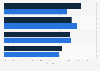
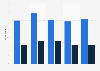
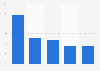
| Characteristic | Retail Delivery | Quick Commerce |
|---|---|---|
| - | - | - |
| - | - | - |
| - | - | - |
| - | - | - |
| - | - | - |
| - | - | - |
| - | - | - |
| - | - | - |
| - | - | - |
| - | - | - |
| - | - | - |
The chart is not accessible to screen readers. Please switch to the table view to access the data.
Download
Source
Release date
December 2023
More information
Region
Mexico
Survey time period
2018 to 2028
Supplementary notes
Data provided by Statista Market Insights are estimates.
Definition:
The Grocery Delivery market consists of food and non-food products that people regularly buy from a grocery store, including food and beverages, pet food, household cleaning products, personal care products, and other household consumables. Grocery delivery can be purchased through several different sales channels such as Omnichannel, Quick Commerce, or directly from the store.Structure:
Grocery Delivery contains three markets: Retail Delivery, Quick Commerce, and Meal Kit Delivery. Retail Delivery includes delivery of these products directly by supermarkets, brick-and-mortar shops, or grocery stores. The order is placed through an online shop run by the retailer (e.g. Walmart+, Amazon Fresh). Quick Commerce focuses on online delivery services that provide customers with last-mile delivery (Instacart), or operate ghost stores where product selection is limited but delivery time is faster (e.g. Gorillas, Getir, and Glovo). In this case, the platform (e.g. Gorillas) handles the delivery process. This also includes grocery delivery platforms where delivery is advertised under 3 hours, although, most players aim to deliver in minutes. Finally, Meal Kit Delivery encompasses the delivery of a recipe box where fresh ingredients are delivered to be prepared. This service is usually offered as a subscription plan (e.g. HelloFresh).Additional Information:
Revenue figures refer to Gross Merchandise Value (GMV). User and revenue figures represent B2C services.Citation formats