WO2020174975A1 - Lamination film - Google Patents
Lamination film Download PDFInfo
- Publication number
- WO2020174975A1 WO2020174975A1 PCT/JP2020/002831 JP2020002831W WO2020174975A1 WO 2020174975 A1 WO2020174975 A1 WO 2020174975A1 JP 2020002831 W JP2020002831 W JP 2020002831W WO 2020174975 A1 WO2020174975 A1 WO 2020174975A1
- Authority
- WO
- WIPO (PCT)
- Prior art keywords
- resin
- laminated film
- outer layer
- polymer
- layer
- Prior art date
- Legal status (The legal status is an assumption and is not a legal conclusion. Google has not performed a legal analysis and makes no representation as to the accuracy of the status listed.)
- Ceased
Links
Classifications
-
- B—PERFORMING OPERATIONS; TRANSPORTING
- B32—LAYERED PRODUCTS
- B32B—LAYERED PRODUCTS, i.e. PRODUCTS BUILT-UP OF STRATA OF FLAT OR NON-FLAT, e.g. CELLULAR OR HONEYCOMB, FORM
- B32B27/00—Layered products comprising a layer of synthetic resin
- B32B27/18—Layered products comprising a layer of synthetic resin characterised by the use of special additives
-
- B—PERFORMING OPERATIONS; TRANSPORTING
- B32—LAYERED PRODUCTS
- B32B—LAYERED PRODUCTS, i.e. PRODUCTS BUILT-UP OF STRATA OF FLAT OR NON-FLAT, e.g. CELLULAR OR HONEYCOMB, FORM
- B32B15/00—Layered products comprising a layer of metal
- B32B15/04—Layered products comprising a layer of metal comprising metal as the main or only constituent of a layer, which is next to another layer of the same or of a different material
-
- B—PERFORMING OPERATIONS; TRANSPORTING
- B32—LAYERED PRODUCTS
- B32B—LAYERED PRODUCTS, i.e. PRODUCTS BUILT-UP OF STRATA OF FLAT OR NON-FLAT, e.g. CELLULAR OR HONEYCOMB, FORM
- B32B27/00—Layered products comprising a layer of synthetic resin
- B32B27/06—Layered products comprising a layer of synthetic resin as the main or only constituent of a layer, which is next to another layer of the same or of a different material
- B32B27/08—Layered products comprising a layer of synthetic resin as the main or only constituent of a layer, which is next to another layer of the same or of a different material of synthetic resin
-
- B—PERFORMING OPERATIONS; TRANSPORTING
- B32—LAYERED PRODUCTS
- B32B—LAYERED PRODUCTS, i.e. PRODUCTS BUILT-UP OF STRATA OF FLAT OR NON-FLAT, e.g. CELLULAR OR HONEYCOMB, FORM
- B32B7/00—Layered products characterised by the relation between layers; Layered products characterised by the relative orientation of features between layers, or by the relative values of a measurable parameter between layers, i.e. products comprising layers having different physical, chemical or physicochemical properties; Layered products characterised by the interconnection of layers
- B32B7/02—Physical, chemical or physicochemical properties
- B32B7/027—Thermal properties
-
- B—PERFORMING OPERATIONS; TRANSPORTING
- B32—LAYERED PRODUCTS
- B32B—LAYERED PRODUCTS, i.e. PRODUCTS BUILT-UP OF STRATA OF FLAT OR NON-FLAT, e.g. CELLULAR OR HONEYCOMB, FORM
- B32B2255/00—Coating on the layer surface
- B32B2255/10—Coating on the layer surface on synthetic resin layer or on natural or synthetic rubber layer
-
- B—PERFORMING OPERATIONS; TRANSPORTING
- B32—LAYERED PRODUCTS
- B32B—LAYERED PRODUCTS, i.e. PRODUCTS BUILT-UP OF STRATA OF FLAT OR NON-FLAT, e.g. CELLULAR OR HONEYCOMB, FORM
- B32B2255/00—Coating on the layer surface
- B32B2255/20—Inorganic coating
Definitions
- the present invention relates to a laminated film.
- Patent Documents 1 and 2 a film in which a transparent conductive layer is laminated on a resin film as a base material is disclosed.
- the image display device can be used under light including ultraviolet rays, such as sunlight.
- resin films containing ultraviolet absorbers are used as base films for transparent conductive films, polarizing plate protective films, and the like.
- the resin film a laminated film having a three-layer structure is disclosed in which a resin layer containing an ultraviolet absorber is provided as an intermediate layer (Patent Documents 3 to 5).
- Patent Document 1 Japanese Unexamined Patent Publication No. 201 7 -06 1 069
- Patent Document 2 International Publication No. 201 4/1 36701 (Corresponding Publication: US Patent Application Publication No. 201 5/037846 1)
- Patent Document 3 JP 2005 _ 1 81 6 1 5 Publication
- Patent Document 4 JP 201 8- 1 1 6 789
- Patent Document 5 Japanese Patent Laid-Open No. 201 5-045845
- a laminated film including a resin layer containing an ultraviolet absorber as an intermediate layer may have uneven ultraviolet absorption performance if the thickness of the intermediate layer varies. ⁇ 2020/174975 2 (:171? 2020/002831
- the laminated film may be exposed to high temperatures during the manufacturing process and the like. If the laminated film is wrinkled by being exposed to high temperatures, the optical characteristics of the member or device including the laminated film may not be retained. In addition, such a member or device may not be efficiently manufactured.
- the present inventors have made extensive studies in order to solve the above problems. As a result, in a laminated film including a first outer layer, an intermediate layer, and a second outer layer in this order, the glass transition temperature of each layer, the thickness ratio of each layer, and the concentration of the ultraviolet absorber in the intermediate layer within a predetermined range. It was found that the above problems can be solved by keeping the content within the range and completed the present invention.
- the present invention provides the following.
- [0007] includes a first outer layer, an intermediate layer, and a second outer layer in this order,
- the first outer layer contains a polymer having an alicyclic structure, and has a glass transition temperature of 9 8 1 (resin 8 1 having a degree of 0°),
- It said second outer layer comprises a polymer containing an alicyclic structure made of glass transition temperature from resins eight 2 is Ding 9 eight 2 (° ⁇ ,
- the intermediate layer contains a polymer having an alicyclic structure and an ultraviolet absorber, and is made of a resin having a glass transition temperature of 9° (°°).
- Ding 9 8 1 and Ding 9 82 each independently have a temperature of 150°° or more, and the difference between Ding 9 8 1 and Ding 9 M (Ding 9 8 1 -Ding 9 M) and Ding 9 8 2 the difference between the sheets 9 M. (Ding 9 eight 2 _ sheets 9 snake) has, is at 0 ° ⁇ as 6 0 ° ⁇ less independently, the concentration of the UV absorber in the resin observed, 5 wt% Above 20% by weight,
- the ratio of the thickness of the intermediate layer to the total of the thickness of the first outer layer 1 and the thickness of the second outer layer 2 (Chomi / (Choha 1 + Chou 2)) is: . ⁇ 2020/174975 3 ⁇ (:171? 2020 /002831
- a laminated film having a thickness of 1 or more and 0.35 or less.
- the melt mass flow rate of the resin 8 2 at 2800° and a load of 2.1 6 1 ⁇ 9 is [3 ⁇ 4 2 (/10 ⁇ n),
- the concentration of the ultraviolet absorber in the resin 1 and the concentration of the ultraviolet absorber in the resin 2 are each independently 0% by weight or more and less than 5% by weight, [1] or [2] Laminated film.
- the first outer layer is provided in direct contact with one surface of the intermediate layer, and the second outer layer is provided in direct contact with the other surface of the intermediate layer, [1] ⁇ The laminated film according to any one of [3].
- the ultraviolet absorber contained in the intermediate layer contains at least one selected from the group consisting of benzotriazole ultraviolet absorbers and triazine ultraviolet absorbers.
- the laminated film according to any one of [1] to [4].
- the transparent conductive layer is a layer containing indium tin oxide, a layer containing silver nanowires, or a layer containing a copper mesh structure.
- FIG. 1 is a cross-sectional view schematically showing a laminated film according to an embodiment of the present invention.
- FIG. 2 is a cross-sectional view schematically showing a laminated film according to another embodiment of the present invention.
- a "long" film means a film having a length of 5 times or more, preferably 10 times or more, with respect to the width. Specifically, it refers to a film having a length such that it is wound into a roll and stored or transported.
- the upper limit of the length of the film is not particularly limited and may be, for example, 100,000 times or less the width.
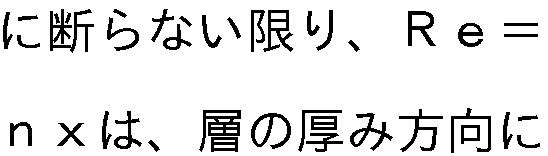
- the letter size ⁇ in the in-plane direction of the layer is a value represented by another (11 fathers 1 ⁇ so) 0 1.
- ⁇ 1 represents the thickness of the layer.
- the measurement wavelength is 590 1 ⁇ 111 unless otherwise specified.
- the directions of the elements are “parallel”, “vertical” and “orthogonal” unless otherwise specified, within a range that does not impair the effects of the present invention, for example, ⁇ 3 ° , ⁇ 2° or It may include an error within ⁇ 1 ° .
- the "agent” may be a single type of substance or may include a plurality of types of substances. ⁇ 2020/174975 5 ⁇ (:171? 2020 /002831
- a laminated film according to an embodiment of the present invention includes a first outer layer, an intermediate layer, and a second outer layer in this order.
- FIG. 1 is a sectional view schematically showing a laminated film according to an embodiment of the present invention.
- the laminated film 100 includes a first outer layer 110, an intermediate layer 120, and a second outer layer 130 in this order.
- the first outer layer 110 is provided in direct contact with the one surface 120 II of the intermediate layer 120.
- the second outer layer 130 is provided in direct contact with the other surface 1200 of the intermediate layer 120.
- the first outer layer 1 10 has a thickness of 1/8.
- the second outer layer 1300 has a thickness of 2/8.
- the intermediate layer 120 has a thickness edge.
- the first outer layer 110 is made of a resin 81, and is made of the resin 81.
- the second outer layer 1300 is made of a resin 8 2 and is made of the resin 8 2.
- the intermediate layer 120 is made of resin and is made of resin. Ratio of the thickness of the middle layer 120 to the total of the thickness 1 of the first outer layer 1 10 and the thickness of the second outer layer 1 30 2 (8) 8)) is usually 0.1 or more and 0.35 or less.
- the laminated film 100 having the above-mentioned constitution can suppress variation in thickness in the intermediate layer 120 and can be a laminated film which is less likely to cause wrinkles even when exposed to high temperature. ..
- the resin 1 forming the first outer layer contains a polymer having an alicyclic structure, and has a glass transition temperature of 981 (° ⁇ ).
- the polymer having an alicyclic structure is a polymer having an alicyclic structure in a repeating unit.
- the polymer containing an alicyclic structure is also referred to as a “polymer containing an alicyclic structure”.
- the alicyclic structure-containing polymer is excellent in mechanical strength.
- the alicyclic structure-containing weight ⁇ 2020/174975 6 ⁇ (:171? 2020 /002831
- Coalescence is usually excellent in transparency, low water absorption, moisture resistance, dimensional stability and light weight.
- Examples of the alicyclic structure-containing polymer include a polymer obtainable by a polymerization reaction using a cyclic olefin as a monomer, or a hydride thereof.
- As the alicyclic structure-containing polymer both a polymer having an alicyclic structure in its main chain and a polymer having an alicyclic structure in its side chain can be used. .. Above all, the alicyclic structure-containing polymer preferably contains an alicyclic structure in the main chain.
- Examples of the alicyclic structure include a cycloalkane structure and a cycloalkene structure, and the cycloalkane structure is preferable from the viewpoint of thermal stability and the like.
- the number of carbon atoms contained in one alicyclic structure is preferably 4 or more, more preferably 5 or more, more preferably 6 or more, preferably 30 or less, more preferably Is 20 or less, particularly preferably 15 or less.
- the number of carbon atoms contained in one alicyclic structure is within the above range, mechanical strength, heat resistance, and moldability are highly balanced.
- the proportion of repeating units having an alicyclic structure in the alicyclic structure-containing polymer is preferably 30% by weight or more, more preferably 50% by weight or more, and further preferably 70% by weight. More preferably, it is 90% by weight or more.
- the balance other than the repeating unit having an alicyclic structure is not particularly limited and may be appropriately selected according to the purpose of use.
- Examples of the alicyclic structure-containing polymer include (1) norbornene-based polymer, (2) monocyclic cycloolefin polymer, (3) cyclic conjugated gen polymer, (4) vinyl alicycle Formula hydrocarbon polymers, and hydrides thereof.
- norbornene-based polymers and hydrogenated products thereof are preferable from the viewpoints of transparency and moldability.
- Examples of the norbornene-based polymer include those of monomers having a norbornene structure. ⁇ 2020/174975 7 ⁇ (:171? 2020 /002831
- Ring-opening polymers and hydrides thereof addition polymers of monomers having a norbornene structure and hydrides thereof.
- examples of the ring-opening polymer of a monomer having a norbornene structure include ring-opening homopolymers of one kind of monomer having a norbornene structure and ring-opening polymers of two or more kinds of monomers having a norbornene structure. Examples thereof include a copolymer, and a ring-opening copolymer with a monomer having a norbornene structure and any monomer copolymerizable therewith.
- addition polymers of monomers having a norbornene structure include addition homopolymers of one type of monomer having a norbornene structure and addition of two or more types of monomers having a norbornene structure.
- the copolymer include a monomer having a norbornene structure and an addition copolymer with an arbitrary monomer copolymerizable therewith.
- the hydride of a ring-opening polymer of a monomer having a norbornene structure is particularly preferable from the viewpoint of moldability, heat resistance, low moisture absorption, low moisture permeability, dimensional stability and light weight. is there.
- Examples of the monomer having a norbornene structure include, for example, bicyclo [2.2.
- examples of the substituent include an alkyl group, an alkylene group, and a polar group.
- a plurality of these substituents may be the same or different and may be bonded to the ring.
- the monomer having a norbornene structure one type may be used alone, or two or more types may be used in combination at an arbitrary ratio.
- the ring-opening polymer of a monomer having a norbornene structure can be produced, for example, by polymerizing or copolymerizing the monomer in the presence of a ring-opening polymerization catalyst.
- An addition polymer of a monomer having a norbornene structure can be produced, for example, by polymerizing or copolymerizing the monomer in the presence of an addition polymerization catalyst.
- hydrides of the ring-opening polymer and addition polymer described above are, for example, ⁇ 2020/174975 8 ⁇ (:171? 2020/002831
- the carbon-carbon unsaturated bond can be produced by preferably hydrogenating 90% or more.
- the weight average molecular weight (! ⁇ /!%) of the alicyclic structure-containing polymer contained in the resin 1 is preferably 10,000 or more, more preferably 15,000 or more, and further preferably 20 or more. It is 000 or more, preferably 100,000 or less, more preferably 80,000 or less, and further preferably 50,000 or less.
- the alicyclic structure-containing polymer having such a weight average molecular weight has an excellent balance of mechanical strength, moldability and heat resistance.
- Molecular weight distribution of alicyclic structure-containing polymer contained in resin 1 Is preferably 1.2 or more, more preferably 1.5 or more, particularly preferably 1.
- the molecular weight distribution is at least the lower limit value of the above range, the productivity of the alicyclic structure-containing polymer can be increased and the production cost can be suppressed. Further, when it is at most the upper limit value, the amount of the low molecular weight component becomes small, so that the stability of the first outer layer can be enhanced.
- the weight-average molecular weight IV! and the number-average molecular weight IV! of the alicyclic structure-containing polymer contained in the resin 1 and the alicyclic structure-containing polymer contained in the resin 2 described later are cyclohexane as a solvent.
- the gel-permeation-chromatography (hereinafter abbreviated as " ⁇ ") used can be measured in terms of polyisoprene conversion. If the resin does not dissolve in cyclohexane, the value can be measured in terms of polystyrene by using toluene as the solvent.
- the resin containing the alicyclic structure-containing polymer various products are commercially available, and among them, those having desired characteristics can be appropriately selected and used. Examples of such commercially available products include the product name “2Michi ⁇ 1 ⁇ 100 3 ⁇ 4” (manufactured by Zeon Corporation), “Arton” Co., Ltd., “Apel” (Mitsui Chemicals, Inc.), “Cho 83” (Cho 83 830 1 3 ⁇ 06 ⁇ 1)
- the amount of the alicyclic structure-containing polymer in the resin 1 is preferably 80% by weight or more, more preferably 90% by weight or more, further preferably 95% by weight or more, and usually 100% by weight or more. It is less than or equal to 9% by weight and may be less than or equal to 98% by weight.
- the resin 1 can have the characteristics of the alicyclic structure-containing polymer.
- Resin 1 may include one type of alicyclic structure-containing polymer alone, or may include two or more types of polymers in an arbitrary ratio.
- the resin 1 may contain any component in addition to the alicyclic structure-containing polymer.
- optional components include polymers other than alicyclic structure-containing polymers; inorganic fine particles; antioxidants, heat stabilizers, UV absorbers, stabilizers such as near-infrared absorbers; lubricants, plasticizers. And resin modifiers; colorants such as dyes and pigments; and antistatic agents.
- polymers other than alicyclic structure-containing polymers include polymers other than alicyclic structure-containing polymers; inorganic fine particles; antioxidants, heat stabilizers, UV absorbers, stabilizers such as near-infrared absorbers; lubricants, plasticizers. And resin modifiers; colorants such as dyes and pigments; and antistatic agents.
- one kind may be used alone, or two kinds or more may be used in combination in any ratio.
- the resin 1 may include an ultraviolet absorber as an optional component.
- the concentration of the ultraviolet absorber in the resin 81 is preferably less than 5% by weight, more preferably 3% by weight or less, and further preferably Is 1% by weight or less, usually 0% by weight or more, and may be 0% by weight.
- Examples of the ultraviolet absorber that can be contained in the resin 1 include the ultraviolet absorber described below as an example of the ultraviolet absorber contained in the resin.
- the glass transition temperature of the resin 81 is usually 981° or more, preferably 150°° or more, preferably 155°° or more, more preferably 160°° or more, and preferably It is not more than 185° and more preferably not more than 175°.
- the glass transition temperature is at least the above-mentioned lower limit, it is possible to suppress the generation of wrinkles in the laminated film during high temperature exposure.
- the temperature ( 9 ° (°)) and the glass transition temperature (9 2 (°)) of resin 2 to be described later are based on “” 3 [ ⁇ 7 1 2 1 and the differential scanning calorimetry method (hereinafter referred to as mouth 3 ( Also referred to as 3.).
- the glass transition temperature measured with the mouth 30 was measured by increasing the temperature from room temperature to 200 ° ⁇ at 20 ° ⁇ /
- [3 ⁇ 4 8 is preferably at least 0.5 g/10 m in, more preferably 19/1. 0 Or more, more preferably 39/100 1 or more, preferably 50 g/100 m or less, more preferably n or less, more preferably 20 9/1 0 Below I.
- the melt mass flow rate of Resin 81 is, for example, a method of adjusting the weight average molecular weight of Resin 1, a lubricant; a resin modifier such as a plasticizer; and an ultraviolet absorber and the like. It can be adjusted depending on the method.
- melt mass flow rate of the resin 81 and the resin 82 and the resin to be described later (hereinafter, the melt mass flow rate is Also called. ) Is ” ⁇ 3 [ ⁇ 72 1
- the resin 2 forming the second outer layer contains a polymer having an alicyclic structure and has a glass transition temperature of about 982 (° ⁇ ).
- Examples of the alicyclic structure-containing polymer contained in the resin 2 include the same examples as the examples of the alicyclic structure-containing polymer contained in the resin 1.
- the alicyclic structure-containing polymer contained in the resin 2 can be appropriately selected from suitable examples of the alicyclic structure-containing polymer contained in the resin 1.
- the weight average molecular weight of the alicyclic structure-containing polymer contained in Resin 2 is ⁇ 2020/174975 1 1 ⁇ (: 171-1? 2020/002831
- the weight-average molecular weight (IV!%) in the alicyclic structure-containing polymer contained in can be the same range as the preferable range.
- Molecular weight distribution of alicyclic structure-containing polymer contained in Resin 2 Can be in the same range as the preferable range of the molecular weight distribution in the alicyclic structure-containing polymer contained in the resin 1.
- the amount of the alicyclic structure-containing polymer in the resin 2 may be in the same range as the preferable amount of the alicyclic structure-containing polymer in the resin 1.
- the resin 2 may contain one kind of the alicyclic structure-containing polymer alone, or may contain two or more kinds of the polymers having an optional ratio.
- the resin 2 may include any component in addition to the alicyclic structure-containing polymer.
- Examples of the optional component include the same examples as the optional component that can be contained in the resin 1. As the optional component, one type may be used alone, or two or more types may be used in combination at any ratio.
- the resin 2 may include an ultraviolet absorber as an optional component.
- the concentration of the UV absorber in the resin 82 is preferably less than 5% by weight, more preferably 3% by weight or less, and further preferably Is 1% by weight or less, usually 0% by weight or more, and may be 0% by weight.
- Examples of the ultraviolet absorber that can be contained in the resin 2 include the ultraviolet absorbers described below as examples of the ultraviolet absorber that can be contained in the resin.
- the glass transition temperature of the resin 82 is 982° (° ⁇ ) or more, usually 150°° or more, preferably 155°° or more, more preferably 160°° or more, and preferably It is not more than 185° and more preferably not more than 175°. When the glass transition temperature is at least 982, it is possible to suppress the generation of wrinkles when the laminated film is exposed to high temperatures.
- -[8] is preferably ⁇ . n or more, more preferably 19/10 Or more, more preferably 39/100 1 or more, preferably 50 g/100 m or less, more preferably It is not more than n, and more preferably not more than 20 9 /10 ⁇ n.
- the IV! of resin 8 2 can be adjusted by the same method as the method exemplified as the method of adjusting IV! of resin 8 1.
- the resin eight 2 may be a resin different from the resin eight 1.
- the resin 8 2 may be different from the resin 1 in the type, weight average molecular weight, molecular weight distribution, content ratio, etc. of the alicyclic structure-containing polymer contained therein, and the type of the optional component contained therein, The content ratio and the like may be different.
- the resin 82 may have different physical properties from the resin 81 such as glass transition temperature and melt mass flow rate.
- the resin 8 2 is preferably the same resin as the resin 8 1.
- the resin layer forming the intermediate layer contains a polymer having an alicyclic structure and an ultraviolet absorber, and has a glass transition temperature of just 9 ( ° ).
- Examples of the alicyclic structure-containing polymer contained in the resin matrix include the same examples as the examples of the alicyclic structure-containing polymer contained in the resin 1.
- the alicyclic structure-containing polymer contained in the resin can be appropriately selected from the preferable examples of the alicyclic structure-containing polymer contained in the resin 1.
- the weight average molecular weight of the alicyclic structure-containing polymer contained in the resin is preferably
- the alicyclic structure-containing polymer having such a weight average molecular weight has an excellent balance of mechanical strength, moldability and heat resistance. ⁇ 2020/174975 13 ⁇ (: 171-1? 2020 /002831
- Molecular weight distribution of alicyclic structure-containing polymer contained in resin Is preferably 1.2 or more, more preferably 1.5 or more, particularly preferably 1.8 or more, preferably 3.5 or less, more preferably 3.4 or less, and particularly preferably 3.3 or less. Is.
- the productivity of the alicyclic structure-containing polymer can be increased and the production cost can be suppressed.
- the amount of low-molecular components becomes small, so that the stability of the intermediate layer can be enhanced.
- the amount of the alicyclic structure-containing polymer in the resin is preferably 80% by weight or more, more preferably 82% by weight or more, further preferably 85% by weight or more, and usually 95% by weight. Or less, and may be 90% by weight or less.
- the resin matrix may contain one kind of the alicyclic structure-containing polymer alone, or may contain two or more kinds of the polymers having an arbitrary ratio.
- Examples of the ultraviolet absorber contained in the resin include benzotriazole ultraviolet absorber, triazine ultraviolet absorber, benzophenone ultraviolet absorber, acrylonitrile ultraviolet absorber, salicylate ultraviolet absorber, Organic UV absorbers such as cyanoacrylate UV absorbers, azomethine UV absorbers, indole UV absorbers, naphthalimide UV absorbers and phthalocyanine UV absorbers can be mentioned.
- the resin resin contains at least one selected from the group consisting of benzotriazole-based UV absorbers and triazine-based UV absorbers.
- the benzotriazole ultraviolet absorber contains a benzotriazole structure in the molecule.
- benzotriazole-based UV absorbers examples include 2,2'-methylenebis [6— (2 1 to 1-benzotriazol-2-yl) 1 4-(1 ,1 ,3,3-tetramethylputyl) phenol], 2 - (2 1 ⁇ 1 _ benzotriazol-2-yl) one over cresol and 2- (5-chloro-2 1 - 1 - Benzotoria Zoru 2-yl) _ 6 _ ⁇ "butyl-4-methyl phenol is To be mentioned. ⁇ 2020/174975 14 ⁇ (:171? 2020 /002831
- UV absorbers examples include "Adeka Stab 1_81 1 3 1”, “Adeka Stub !_8 1 3 2”, and “Adeka Stub !_8 1 3 6”.
- the triazine-based ultraviolet absorber contains a triazine structure in the molecule.
- a compound containing a 1,3,5-triazine structure in the molecule is preferable.
- triazine-based UV absorbers examples include 2,4,6-tris (2-hydroxy-3-methyl-4-hexyloxyphenyl)-1,3,5-triazine, 2-(4,6-diphenyl). 1, 3, 3, 5-triazin-2-yl) 1-5-(2-(2-ethylhexanoyloxy)ethoxy)phenol, and 2,4-diphenyl-6-(2-hydroxy_4-hexyloxyphenyl)-1 1,3,5-triazine is an example.
- Examples of commercially available triazine-based UV absorbers include ⁇ DE ⁇ "Adeka Stab!-Hachi _ 70", “Adeka Stub !_ Hachi_4 6”, and Miwahachi 3 Japan. “Tinubin 1 5 7 7” is mentioned.
- the ultraviolet absorber described in Japanese Patent Laid-Open No. 2017-155410 can be mentioned.
- the resin composition may contain one kind of the ultraviolet absorber alone, or may contain two or more kinds of the ultraviolet absorber in an arbitrary ratio.
- the content of the ultraviolet absorber in the resin is usually 5% by weight or more, preferably
- the ultraviolet absorbing performance of the laminated film is improved.
- the content of the ultraviolet absorber in the resin is less than or equal to the upper limit value, the coloring of the resin by the ultraviolet absorber can be suppressed, and the ultraviolet absorber can be better dispersed in the resin.
- the resin resin contains an optional component in addition to the alicyclic structure-containing polymer and the ultraviolet absorber. ⁇ 2020/174975 15 ⁇ (: 171-1? 2020/002831
- Examples of the optional component include the same examples as the optional component that can be contained in the resin 1. As the optional component, one type may be used alone, or two or more types may be used in combination at any ratio.
- the glass transition temperature sheets 9 1 resin 1 (° ⁇ ) and the resin snake glass transition temperature sheets 9 M. (difference between ° ⁇ (sheets 9 eight 1 - Ding 9 Snake) is usually 60 ° ⁇ less, preferably Is not more than 50° ⁇ , more preferably not more than 48° ⁇ , and usually not less than 0° ⁇
- the glass transition temperature of resin 2 is 9 2 (° ⁇ and the glass transition temperature of resin 9 is 9
- the difference from ° ⁇ (Cho 9 82 -Cho 9) is usually 60° ⁇ or less, preferably 50° ⁇ or less, more preferably 48° ⁇ or less, usually 0° ⁇ or more. is there.
- the glass transition temperature (9) and the glass transition temperature (9) and (982) of the resin resin By having the above-mentioned relationship between the glass transition temperature (9) and the glass transition temperature (9) and (982) of the resin resin, it is possible to suppress the dimensional change of the laminated film after heating, and even when exposed to high temperature. It can be a laminated film that is less likely to wrinkle.
- the ratio of the melt mass flow rate (9/100) of the resin resin at 280° and load of 2.1 61 ⁇ 9 (9/100/11) to the melt mass flow rate [3 ⁇ 41 ((3 ⁇ 4// 8 1) is usually 3.5 or more, preferably 4.0 or more, usually 15.0 or less, preferably 14.5 or less, more preferably 14.0 or less.
- the ratio ([3 ⁇ 4mi/[3 ⁇ 48 1)) is equal to or more than the lower limit value, variation in the thickness of the intermediate layer is suppressed, and wrinkles are less likely to occur even when exposed to a high temperature.
- the ratio of the melt mass flow rate to the melt mass flow rate 8 2 ([3 ⁇ 4//3 ⁇ 42 2] is usually 3.5 or more, preferably 4.0 or more, and usually 15.0.
- the ratio is preferably 14.5 or less, more preferably 14.0 or less.
- the ratio ([3 ⁇ 4mi/[3 ⁇ 42 2]) is at least the lower limit value described above, it is possible to obtain a laminated film in which variations in the thickness of the intermediate layer are suppressed and wrinkles do not easily occur even when exposed to high temperatures. ⁇ 2020/174975 16 ⁇ (:171? 2020/002831
- the melt mass flow rate of the resin can be adjusted by a method similar to the method exemplified as the method for adjusting IV! of the resin 81.
- the ratio of the thickness of the middle layer to the total of the thickness of the first outer layer 1, 8 and the thickness of the second outer layer 2, 2 (Chomi / (Chachi 1 + Chou 2)
- the thickness of the intermediate layer is preferably not less than 30 and not more than 150 but can be appropriately set depending on the amount of the ultraviolet absorber contained in the intermediate layer, and the like. Although not particularly limited, it is preferably not less than 50! and not more than 3500!
- the laminated film has a light transmittance of usually not more than 1.0%, preferably not more than 0.8%, and ideally 0 at wavelengths of 320°! or more and 380! or less. %, and may be 0% or more.
- the laminated film can cut ultraviolet rays more effectively.
- UV-Vis near-IR spectrophotometer It can be measured using a UV-Vis near-IR spectrophotometer.
- the laminated film has a letter size [6] in the in-plane direction, preferably It is more preferably 30! or less, and usually 0! or more.
- the letter size in the in-plane direction can be measured using a commercially available birefringence meter. ⁇ 2020/174975 17 ⁇ (: 171-1? 2020/002831
- the haze of the laminated film is preferably 5% or less, more preferably 3% or less, and usually 0% or more. Haze can be measured using a commercially available haze meter.
- the laminated film has a total light transmittance of preferably 90% or more, more preferably 91% or more, and usually 100% or less.
- the total light transmittance can be measured using a commercially available haze meter.
- the absolute value of the dimensional change rate of the laminated film after heating at 1 45 ° ⁇ for 60 minutes is preferably 0.1% or less, more preferably less than 0.1%, and usually 0% or more. Is.
- the absolute value of the dimensional change rate after heating at 150°C for 60 minutes can be obtained as the absolute value of the dimensional change rate of the laminated film after heating with respect to the dimension of the laminated film before heating.
- the absolute value of the dimensional change rate can be obtained by the method described in the examples.
- the laminated film may include an optional layer in addition to the first outer layer, the intermediate layer, and the second outer layer.
- the optional layer include a transparent conductive layer, an adhesive layer, and an adhesion auxiliary layer.
- the laminated film may include a transparent conductive layer.
- the conductive layer is provided, for example, on the outermost surface of the laminated film.
- FIG. 2 is a sectional view schematically showing a laminated film according to another embodiment of the present invention.
- the laminated film 200 includes a transparent conductive layer 240, a first outer layer 210, an intermediate layer 220, and a second outer layer 230 in this order.
- a laminated body 250 including the first outer layer 210, the intermediate layer 220, and the second outer layer 230 has a structure similar to that of the laminated film 100, and the first outer layer
- the layer 210, the intermediate layer 220, and the second outer layer 230 have the same configurations as the first outer layer 110, the intermediate layer 120, and the second outer layer 130, respectively. Since it has, the description is omitted. ⁇ 2020/174975 18 ⁇ (: 171-1? 2020 /002831
- the transparent conductive layer is a layer having conductivity.
- the transparent conductive layer usually contains a conductive material having a high transmittance at a visible light wavelength.
- the conductive material contained in the transparent conductive layer are ⁇ ⁇ (indium tin oxide), ⁇ ⁇ (indium zinc oxide), Z n ⁇ (zinc oxide), ⁇ ⁇ (indium tungsten oxide), ⁇ ⁇ ⁇ (Indium Titanium Oxide), 8,000 (Aluminum Zinc Oxide), ⁇ ⁇ (Gallium Zinc Oxide), ⁇ (Zinc-based Special Oxide), ⁇ ⁇ ⁇ (Indium Gallium Zinc Oxide) ) And other conductive metal oxides; conductive carbon nanowires, conductive nanowires such as silver nanowires; metal nanoinks; metal mesh such as copper mesh; conductive polymers; and the like.
- one kind of these conductive materials may be used alone, or two or more kinds thereof may be used in combination at an arbitrary ratio.
- the transparent conductive layer is preferably a layer containing indium tin oxide, a layer containing silver nanowires, or a layer containing a copper mesh structure.
- the transparent conductive layer has a light transmittance in the wavelength range of 400 nm to 700 nm.
- the transparent conductive layer may have a predetermined pattern.
- the transparent conductive layer 240 is provided directly in contact with the first outer layer 210 so that it is outside the first outer layer 210.
- the transparent conductive layer may be provided directly in contact with the second outer layer so that it is on the outer side of the second outer layer.
- a laminated film according to another embodiment is a first transparent conductive layer which is provided in direct contact with the first outer layer and a second transparent conductive layer which is provided in direct contact with the second outer layer. It may include a bright conductive layer.
- any layer may be provided between the first outer layer and the transparent conductive layer or between the second outer layer and the transparent conductive layer.
- the laminated film has little variation in ultraviolet absorption performance as a result of suppressing variation in thickness in the intermediate layer. Also, wrinkles are less likely to occur even when exposed to high temperatures. Therefore, for example, it can be suitably used as a polarizing plate protective film, a retardation film, a base film for a touch panel that can be manufactured at high temperature.
- the laminated film may be manufactured by any method.
- the first outer layer, the intermediate layer, and the second outer layer may be separately manufactured by a known method such as a melt molding method or a solution casting method, and then the layers may be stacked. It may well be produced by laminating resin 81, resin M, and resin 8 2 by a coextrusion method.
- the laminated film may be manufactured as a long film.
- the transparent conductive layer can be formed by a method according to the conductive material contained in the transparent conductive layer.
- the transparent conductive layer may be formed by a vapor deposition method, a sputtering method, a coating method, or the like.
- the glass transition temperature of the sample was measured by differential scanning calorimetry based on "3 [ ⁇ 7 1 2 1]. The measurement was carried out from room temperature to 200 ° ⁇ at a temperature of 20 ° ⁇ / ⁇ n, then up to 40 ° ⁇ at a temperature of 20 ° ⁇ / ⁇ 1 ⁇ 2020/174975 20 units (:171? 2020 /002831
- the melt mass flow rate of the sample was measured based on "1 3 [ ⁇ 7 2 1 0, using a melt indexer (" _ 0 1 ", manufactured by Toyo Seiki Seisaku-sho, Ltd.), at a temperature of 280 ° ⁇ , and a load of 2 .16 1 It was measured under the condition of ⁇ 9.
- the weight average molecular weight and number average molecular weight of the alicyclic structure-containing polymer is a gel permeation Mieshiyon chromatography (manufactured by Tosoh Corporation) (x x) System 1-1 1_ ⁇ one 8 3 2 0, 1-1 Using a type column (manufactured by Tosoh Corporation), cyclohexane was used as a solvent and the measurement was carried out at 40 ° C to obtain a polyisoprene conversion value.
- the hydrogenation rate of the polymer was determined by 1 1 ⁇ 1 _ IV!.
- the average of 6 was taken as the value of the letter size [%] of the laminated film.
- the ultraviolet transmittance of the film to be measured was measured in the range of wavelength 2001 ⁇ 111 to 4001 ⁇ 111 using an ultraviolet-visible/near-infrared spectrophotometer ("V-550" manufactured by JASCO Corporation). Wavelengths 3201 ⁇ 111, 3401 ⁇ 111, 360 doors!, and 380 UV transmittance (%) and wavelength 320 n The maximum value (%) of the UV transmittance in the sample was read from the obtained spectrum.
- V-550 ultraviolet-visible/near-infrared spectrophotometer
- the total thickness () of the laminated film at a certain position was measured by using a commercially available contact thickness gauge.
- the laminated film was cut along a plane including the thickness direction and the cross section was observed with an optical microscope.At the location where the total thickness was measured, the thickness of the intermediate layer was calculated as The ratio (Chomi / (Chohachi 1 + Chouha 2)) was calculated. From the total thickness of the laminated film and the ratio (Chome / (Chome8 1 + Chome2)), the thickness of the middle layer Chome (01) was obtained.
- the above measurement was performed in the width direction (direction perpendicular to the transport direction in the production of laminated film). A total of 20 locations were performed, with 10 locations at intervals and 10 locations at 50 intervals in the longitudinal direction (transport direction in the production of laminated films). However, 50 from the edge in the width direction of the laminated film The range of was excluded from the measurement points.
- the arithmetic mean value of the thicknesses of the intermediate layers measured at 20 points () and minimum value ⁇ () and maximum value From (), 1 and 2 were calculated by the following formula. 1 and 2 are compared, and if the values of 1 and 2 are the same as each other, the value is larger, and if the values are different, the larger ⁇ 2020/174975 22 ⁇ (: 171? 2020 /002831
- the value of was taken as the variation port () of the thickness of the intermediate layer in the laminated film.
- the three pieces of film were heated at 145° for 60 minutes and then allowed to cool. After heating and cooling, the three film pieces were visually observed, and the wrinkle suppression during high temperature exposure was evaluated according to the following criteria.
- (%) arithmetic mean value (%) was obtained, and the dimensional stability of the laminated film at the time of high temperature exposure was evaluated according to the following criteria.
- the weight average molecular weight of this polymer ⁇ 31 Is 38,000, molecular weight was 2.2, the hydrogenation rate was 99.9%, and the glass transition temperature was 25°.
- the weight average molecular weight (1 ⁇ /1) of this polymer 02 is 33,000, the molecular weight distribution (1 ⁇ /1/1 ⁇ / ⁇ ) is 2.1, the hydrogenation rate is 99.9%, the glass transition. Temperature 9 was 135°.
- UV absorber 880 [[8_31 ", manufactured by Hachisha, Ltd.] containing a benzotriazole structure in the molecule was used.
- the first outer layer, the middle layer, and the second outer layer are provided in this order, and the resin that has been melted to 280 ° is supplied to the feed block as the material for each layer so that the film is discharged. It was discharged from a single-layer die and coextruded.
- the materials for the first outer layer and the second outer layer the polymer 03 as the resin 1 and the resin 2 was supplied.
- As a material for the intermediate layer resin 1 was supplied.
- the obtained laminated film was evaluated according to the above evaluation method.
- a laminated film was obtained in the same manner as in Example 1 except that the following items were changed. ⁇ 2020/174975 25 ⁇ (:171? 2020 /002831
- resin resin In the production of resin resin, 84 parts of polymer 0 2 was used in place of 91 parts of polymer 0 1, and as an ultraviolet absorber, Instead of 9 parts of the resin, 16 parts of “!_8-70” manufactured by 80, Ltd. was used to manufacture resin 2.
- "I-8-8" means that in the production of laminated film containing 1,3,5-triazine structure in the molecule, resin layer 2 is supplied instead of resin layer 1, and each layer has the thickness shown in the table. The coextrusion conditions were adjusted so that
- the laminated film has a structure of 2 types and 3 layers of (first outer layer made of polymer 0 3 / middle layer made of resin 2 / second outer layer made of polymer 0 3 ).
- a laminated film was obtained and evaluated in the same manner as in Example 1 except that the following items were changed.
- Resin part 3 was manufactured by changing from 9 parts to 12 parts.
- the resin mold 3 was supplied in place of the resin mold 1, and the coextrusion conditions were adjusted so that each layer had the thickness shown in the table.
- the laminated film has a structure of two types and three layers of (first outer layer made of polymer 03/intermediate layer made of resin 3/second outer layer made of polymer 03).
- a laminated film was obtained and evaluated in the same manner as in Example 1 except that the following items were changed.
- the polymer 0 1 was supplied instead of the polymer 0 3, and the coextrusion conditions were adjusted so that each layer had the thickness shown in the table.
- the laminated film has a structure of 2 types and 3 layers of (first outer layer made of polymer 0 1, middle layer made of resin 1, and second outer layer made of polymer 0 1 ).
- a laminated film was obtained and evaluated in the same manner as in Example 1 except that the following items were changed.
- the laminated film has a structure of 2 layers and 3 layers of (first outer layer made of polymer 03/intermediate layer made of resin 1/second outer layer made of polymer 0 3 ).
- a laminated film was obtained and evaluated in the same manner as in Example 1 except that the following items were changed.
- Resin! 4 was manufactured by using “!_8-7 0” manufactured by 80. 8 companies instead of 1”.
- the resin mold 4 was supplied instead of the resin mold 1, and the coextrusion conditions were adjusted so that each layer had the thickness shown in the table.
- the laminated film has a structure of 2 types and 3 layers of (first outer layer made of polymer 0 3 / middle layer made of resin 4 / second outer layer made of polymer 0 3 ).
- a laminated film was obtained and evaluated in the same manner as in Example 1 except that the following items were changed.
- resin resin In the production of resin resin, 84 parts of polymer 0 2 was used in place of 91 parts of polymer 0 1, and as an ultraviolet absorber, In place of 9 parts of the resin, 16 parts of “!_8-7 0” manufactured by 80, Ltd. 8 company was used to manufacture resin 2.
- the laminated film has a structure of 2 types and 3 layers of (first outer layer made of polymer 0 1, middle layer made of resin 2, and second outer layer made of polymer 0 1 ). ⁇ 2020/174 975 27 ⁇ (: 171? 2020 /002831
- a laminated film was obtained and evaluated in the same manner as in Example 1 except that the following items were changed.
- the amount of polymer 0 1 was changed from 91 to 7 6 parts, and the amount of "1_81 3 1" manufactured by Yatsumi Hachisha Co., Ltd. as an ultraviolet absorber was changed to Resin 9 was manufactured by changing from 9 parts to 24 parts.
- resin 5 was supplied instead of resin 1, and the coextrusion conditions were adjusted so that each layer had the thickness shown in the table.
- the laminated film has a structure of 2 types and 3 layers of (first outer layer made of polymer 03/intermediate layer made of resin 5/second outer layer made of polymer 03).
- a laminated film was obtained and evaluated in the same manner as in Example 1 except that the following items were changed.
- resin resin In the production of resin resin, 78 parts of polymer 0 2 was used in place of 91 parts of polymer 0 1, and as an ultraviolet absorber, Instead of 9 parts of resin, resin 2 was manufactured by using 22 parts of "!_8-70" manufactured by 880.
- resin 6 was supplied instead of resin 1, and the coextrusion conditions were adjusted so that each layer had the thickness shown in the table.
- the laminated film has a structure of 2 types and 3 layers of (first outer layer made of polymer 03/intermediate layer made of resin 6/second outer layer made of polymer 03).
- Triazine type Made by Yasumi eight company "!_ eight-seven"
- Dingha 1 + Dinghai 2 Thickness of the 1st outer layer (Ding 8) and 2nd outer layer (Ding 8 ⁇ 2020/174 975 28 ⁇ (: 171? 2020 /002831
- Maximum value of UV transmittance Maximum value of UV transmittance in the wavelength range from 320 n to 380 n
- the laminated films according to Comparative Examples 5 and 6 had a concentration of the ultraviolet absorber in the resin resin of more than 20% by weight, wrinkles were not suppressed, and the dimensional stability was inferior to the examples. ⁇ 2020/174 975 30 ⁇ (:171? 2020 /002831
- the first outer layer and the second outer layer were formed of a resin having a glass transition temperature of less than 150 ° C., and the occurrence of wrinkles was not suppressed.
- Ding 9 8 1 Ding 9 is higher than 60°, wrinkles are not suppressed, and the dimensional stability is inferior to that of the example.
- the laminated films according to Comparative Examples 1 and 2 have a ratio of (Chomi / (Chohachi 1 + Chouha 2)
- the ratio (Chome/(Chome8 1 +Chome 8 2)) was less than 0.1, and wrinkle generation was not suppressed.
- the laminated film according to Comparative Example 6 The dimensional stability is inferior to that of the example, since the thickness is larger than 15.0, the thickness variation in the middle layer is large, the occurrence of wrinkles is not suppressed.
Landscapes
- Physics & Mathematics (AREA)
- Thermal Sciences (AREA)
- Laminated Bodies (AREA)
Abstract
Description
\¥02020/174975 1 卩(:17 2020 /002831 明 細 書 \¥02020/174975 1 卩 (: 17 2020 /002831 Clarification
発明の名称 : 積層フィルム Title of invention: Laminated film
技術分野 Technical field
[0001] 本発明は、 積層フィルムに関する。 The present invention relates to a laminated film.
背景技術 Background technology
[0002] 近年、 タツチパネルが備えられた画像表示装置の需要が伸びており、 タツ チパネルの部材である、 透明導電性フィルムの開発が進んでいる。 透明導電 性フィルムとしては、 基材である樹脂フィルムの上に、 透明導電層が積層さ れているフィルムが開示されている (特許文献 1、 2) 。 [0002] In recent years, the demand for image display devices provided with a touch panel is increasing, and development of a transparent conductive film, which is a member of the touch panel, is progressing. As a transparent conductive film, a film in which a transparent conductive layer is laminated on a resin film as a base material is disclosed (Patent Documents 1 and 2).
[0003] 画像表示装置は、 太陽光などの、 紫外線を含む光の下で使用されうる。 画 像表示装置を紫外線による劣化から保護するために、 紫外線吸収剤を含む樹 脂フィルムが、 透明導電性フィルムの基材フィルムや、 偏光板保護フィルム などとして用いられている。 樹脂フィルムとしては、 紫外線吸収剤を含む樹 脂の層を中間層として備える、 三層構造の積層フィルムが開示されている ( 特許文献 3〜 5) 。 [0003] The image display device can be used under light including ultraviolet rays, such as sunlight. In order to protect image display devices from deterioration due to ultraviolet rays, resin films containing ultraviolet absorbers are used as base films for transparent conductive films, polarizing plate protective films, and the like. As the resin film, a laminated film having a three-layer structure is disclosed in which a resin layer containing an ultraviolet absorber is provided as an intermediate layer (Patent Documents 3 to 5).
先行技術文献 Prior art documents
特許文献 Patent literature
[0004] 特許文献 1 :特開 201 7 -06 1 069号公報 [0004] Patent Document 1: Japanese Unexamined Patent Publication No. 201 7 -06 1 069
特許文献 2 :国際公開第 201 4/ 1 36701号 (対応公報:米国特許出願 公開第 201 5/037846 1号明細書) Patent Document 2: International Publication No. 201 4/1 36701 (Corresponding Publication: US Patent Application Publication No. 201 5/037846 1)
特許文献 3 :特開 2005 _ 1 81 6 1 5号公報 Patent Document 3: JP 2005 _ 1 81 6 1 5 Publication
特許文献 4 :特開 201 8- 1 6 1 789号公報 Patent Document 4: JP 201 8- 1 1 6 789
特許文献 5 :特開 201 5-045845号公報 Patent Document 5: Japanese Patent Laid-Open No. 201 5-045845
発明の概要 Summary of the invention
発明が解決しようとする課題 Problems to be Solved by the Invention
[0005] 紫外線吸収剤を含む樹脂の層を中間層として備える積層フィルムは、 中間 層の厚みにばらつきが存在すると、 紫外線吸収の性能も不均一となりうる。 〇 2020/174975 2 卩(:171? 2020 /002831 [0005] A laminated film including a resin layer containing an ultraviolet absorber as an intermediate layer may have uneven ultraviolet absorption performance if the thickness of the intermediate layer varies. 〇 2020/174975 2 (:171? 2020/002831
また、 積層フィルムは、 その製造工程などにおいて、 高温に曝される場合が ある。 高温に曝されることにより、 積層フィルムにシワが生じると、 積層フ ィルムを含む部材又は装置の光学的特性を保持できない場合がある。 また、 かかる部材又は装置を効率的に製造できない場合がある。 In addition, the laminated film may be exposed to high temperatures during the manufacturing process and the like. If the laminated film is wrinkled by being exposed to high temperatures, the optical characteristics of the member or device including the laminated film may not be retained. In addition, such a member or device may not be efficiently manufactured.
したがって、 紫外線吸収剤を含む中間層において厚みのばらつきが抑制さ れており、 かつ高温に曝されてもシワが生じにくい積層フィルムが求められ ている。 Therefore, there is a demand for a laminated film that suppresses the variation in thickness in the intermediate layer containing the ultraviolet absorber and is less likely to wrinkle even when exposed to high temperatures.
課題を解決するための手段 Means for solving the problem
[0006] 本発明者は、 前記課題を解決するべく、 鋭意検討した。 その結果、 第 1外 側層、 中間層、 及び第 2外側層をこの順で含む積層フィルムにおいて、 各層 のガラス転移温度、 各層の厚みの比、 中間層における紫外線吸収剤の濃度を 所定の範囲内に収めることにより、 前記課題が解決できることを見出し、 本 発明を完成させた。 [0006] The present inventors have made extensive studies in order to solve the above problems. As a result, in a laminated film including a first outer layer, an intermediate layer, and a second outer layer in this order, the glass transition temperature of each layer, the thickness ratio of each layer, and the concentration of the ultraviolet absorber in the intermediate layer within a predetermined range. It was found that the above problems can be solved by keeping the content within the range and completed the present invention.
すなわち、 本発明は、 以下を提供する。 That is, the present invention provides the following.
[0007] [ 1 ] 第 1外側層、 中間層、 及び第 2外側層をこの順で含み、 [0007] [1] includes a first outer layer, an intermediate layer, and a second outer layer in this order,
前記第 1外側層は、 脂環式構造を含有する重合体を含み、 ガラス転移温度 が丁 9八 1 (°〇 である樹脂八 1からなり、 The first outer layer contains a polymer having an alicyclic structure, and has a glass transition temperature of 9 8 1 (resin 8 1 having a degree of 0°),
前記第 2外側層は、 脂環式構造を含有する重合体を含み、 ガラス転移温度 が丁 9八2 (°〇 である樹脂八 2からなり、 It said second outer layer comprises a polymer containing an alicyclic structure made of glass transition temperature from resins eight 2 is Ding 9 eight 2 (° 〇,
前記中間層は、 脂環式構造を含有する重合体及び紫外線吸収剤を含み、 ガ ラス転移温度が丁 9巳 (°〇 である樹脂巳からなり、 The intermediate layer contains a polymer having an alicyclic structure and an ultraviolet absorber, and is made of a resin having a glass transition temperature of 9° (°°).
丁 9八 1及び丁 9八 2が、 それぞれ独立して 1 5 0 °〇以上であり、 丁 9八 1 と丁 9巳との差 (丁 9八 1 -丁 9巳) 及び丁 9八2と丁 9巳との 差 (丁 9八2 _丁 9巳) が、 それぞれ独立して 0 °〇以上 6 0 °〇以下であり、 前記樹脂巳における前記紫外線吸収剤の濃度が、 5重量%以上 2 0重量% 以下であり、 Ding 9 8 1 and Ding 9 82 each independently have a temperature of 150°° or more, and the difference between Ding 9 8 1 and Ding 9 M (Ding 9 8 1 -Ding 9 M) and Ding 9 8 2 the difference between the sheets 9 M. (Ding 9 eight 2 _ sheets 9 snake) has, is at 0 ° ● as 6 0 ° 〇 less independently, the concentration of the UV absorber in the resin observed, 5 wt% Above 20% by weight,
前記中間層の厚み丁巳の、 前記第 1外側層の厚み丁 1及び前記第 2外側 層の厚み丁八2の合計に対する割合 (丁巳/ (丁八 1 +丁八2) ) が、 〇. 〇 2020/174975 3 卩(:171? 2020 /002831 The ratio of the thickness of the intermediate layer to the total of the thickness of the first outer layer 1 and the thickness of the second outer layer 2 (Chomi / (Choha 1 + Chou 2)) is: . 〇 2020/174975 3 卩 (:171? 2020 /002831
1以上〇. 3 5以下である、 積層フイルム。 A laminated film having a thickness of 1 or more and 0.35 or less.
[2] 前記樹脂八 1の 2 8 0 °〇及び荷重 2 . 1 6 1< 9におけるメルトマス フローレートが、

前記樹脂八 2の 2 8 0 °〇及び荷重 2 . 1 6 1< 9におけるメルトマスフロー レートが、 [¾八2 ( / 1 0 丨 n) であり、 The melt mass flow rate of the resin 8 2 at 2800° and a load of 2.1 6 1<9 is [¾ 2 (/10 丨n),
前記樹脂巳の 2 8 0 °〇及び荷重 2 . 1 6 1< 9におけるメルトマスフローレ — Melt mass flow rate of the resin at 280° and load of 2.1 6 1< 9

[ 1] に記載の積層フイルム。 The laminated film according to [1].
[3] 前記樹脂 1 における紫外線吸収剤の濃度及び前記樹脂 2にお ける紫外線吸収剤の濃度が、 それぞれ独立して 0重量%以上 5重量%未満で ある、 [ 1] 又は [2] に記載の積層フイルム。 [3] The concentration of the ultraviolet absorber in the resin 1 and the concentration of the ultraviolet absorber in the resin 2 are each independently 0% by weight or more and less than 5% by weight, [1] or [2] Laminated film.
[4] 前記中間層の一方の面に直に接して前記第 1外側層が設けられ、 前記中間層の他方の面に直に接して前記第 2外側層が設けられている、 [1 ] ~ [3] のいずれか 1項に記載の積層フイルム。 [4] The first outer layer is provided in direct contact with one surface of the intermediate layer, and the second outer layer is provided in direct contact with the other surface of the intermediate layer, [1] ~ The laminated film according to any one of [3].
[5]

[6] 透明導電層を更に含む、 [1] 〜 [5] のいずれか 1項に記載の 積層フイルム。 [6] The laminated film according to any one of [1] to [5], further including a transparent conductive layer.
[7] 前記透明導電層が、 インジウムスズオキサイ ドを含む層、 銀ナノ ワイヤを含む層、 又は銅メッシュ構造を含む層である、 [6] に記載の積層 フイルム。 [7] The laminated film according to [6], wherein the transparent conductive layer is a layer containing indium tin oxide, a layer containing silver nanowires, or a layer containing a copper mesh structure.
発明の効果 Effect of the invention
[0008] 本発明によれば、 紫外線吸収剤を含む中間層において厚みのばらつきが抑 〇 2020/174975 4 卩(:171? 2020 /002831 [0008] According to the present invention, variation in thickness is suppressed in the intermediate layer containing the ultraviolet absorber. 〇 2020/174975 4 卩 (: 171-1? 2020 /002831
制されており、 かつ高温に曝されてもシワが生じにくい積層フィルムを提供 できる。 It is possible to provide a laminated film which is controlled and which is less likely to wrinkle even when exposed to high temperatures.
図面の簡単な説明 Brief description of the drawings
[0009] [図 1 ]図 1は、 本発明の一実施形態に係る積層フィルムを模式的に示す断面図 である。 [FIG. 1] FIG. 1 is a cross-sectional view schematically showing a laminated film according to an embodiment of the present invention.
[図 2]図 2は、 本発明の別の実施形態に係る積層フィルムを模式的に示す断面 図である。 FIG. 2 is a cross-sectional view schematically showing a laminated film according to another embodiment of the present invention.
発明を実施するための形態 MODE FOR CARRYING OUT THE INVENTION
[0010] 以下、 本発明について実施形態及び例示物を示して詳細に説明する。 ただ し、 本発明は以下に示す実施形態及び例示物に限定されるものではなく、 本 発明の請求の範囲及びその均等の範囲を逸脱しない範囲において任意に変更 して実施しうる。 Hereinafter, the present invention will be described in detail with reference to embodiments and exemplifications. However, the present invention is not limited to the embodiments and exemplifications shown below, and may be implemented with various modifications without departing from the scope of the claims of the present invention and the scope of equivalents thereof.
[001 1 ] 以下の説明において、 「長尺」 のフィルムとは、 幅に対して、 5倍以上の 長さを有するフィルムをいい、 好ましくは 1 0倍若しくはそれ以上の長さを 有し、 具体的には口ール状に巻き取られて保管又は運搬される程度の長さを 有するフィルムをいう。 フィルムの長さの上限は、 特に制限は無く、 例えば 、 幅に対して 1 0万倍以下としうる。 [001 1] In the following description, a "long" film means a film having a length of 5 times or more, preferably 10 times or more, with respect to the width. Specifically, it refers to a film having a length such that it is wound into a roll and stored or transported. The upper limit of the length of the film is not particularly limited and may be, for example, 100,000 times or less the width.
[0012] 以下の説明において、 層の面内方向におけるレターデーシヨン ㊀は、 別 (11父一 1^ソ) 〇1で表される値である。 ここで、

[0013] 以下の説明において、 要素の方向が 「平行」 、 「垂直」 及び 「直交」 とは 、 別に断らない限り、 本発明の効果を損ねない範囲内、 例えば ± 3 ° 、 ± 2 ° 又は ± 1 ° の範囲内での誤差を含んでいてもよい。 In the following description, the directions of the elements are “parallel”, “vertical” and “orthogonal” unless otherwise specified, within a range that does not impair the effects of the present invention, for example, ±3 ° , ±2° or It may include an error within ± 1 ° .
[0014] 本明細書において 「剤」 とは、 単一種の物質であってもよく、 複数種の物 質を含むものであってもよい。 〇 2020/174975 5 卩(:171? 2020 /002831 [0014] In the present specification, the "agent" may be a single type of substance or may include a plurality of types of substances. 〇 2020/174975 5 卩 (:171? 2020 /002831
[0015] [ 1 . 積層フィルム] [0015] [1. Laminated film]
[ 1 . 1 . 積層フィルムの概要] [1.1. Overview of laminated film]
本発明の一実施形態に係る積層フィルムは、 第 1外側層、 中間層、 及び第 2外側層をこの順で含む。 図 1は、 本発明の一実施形態に係る積層フィルム を模式的に示す断面図である。 図 1 に示すように、 積層フィルム 1 0 0は、 第 1外側層 1 1 〇、 中間層 1 2 0、 第 2外側層 1 3 0をこの順で含む。 第 1 外側層 1 1 〇は、 中間層 1 2 0の一方の面 1 2 0 IIに直に接して設けられて いる。 第 2外側層 1 3 0は、 中間層 1 2 0の他方の面 1 2 0 0に直に接して 設けられている。 第 1外側層 1 1 〇は、 厚み丁八 1 を有する。 第 2外側層 1 3 0は、 厚み丁八 2を有する。 中間層 1 2 0は、 厚み丁巳を有する。 A laminated film according to an embodiment of the present invention includes a first outer layer, an intermediate layer, and a second outer layer in this order. FIG. 1 is a sectional view schematically showing a laminated film according to an embodiment of the present invention. As shown in FIG. 1, the laminated film 100 includes a first outer layer 110, an intermediate layer 120, and a second outer layer 130 in this order. The first outer layer 110 is provided in direct contact with the one surface 120 II of the intermediate layer 120. The second outer layer 130 is provided in direct contact with the other surface 1200 of the intermediate layer 120. The first outer layer 1 10 has a thickness of 1/8. The second outer layer 1300 has a thickness of 2/8. The intermediate layer 120 has a thickness edge.
第 1外側層 1 1 〇は、 樹脂八 1からなり、 樹脂八 1 を材料として形成され ている。 The first outer layer 110 is made of a resin 81, and is made of the resin 81.
第 2外側層 1 3 0は、 樹脂八2からなり、 樹脂八 2を材料として形成され ている。 The second outer layer 1300 is made of a resin 8 2 and is made of the resin 8 2.
中間層 1 2 0は、 樹脂巳からなり、 樹脂巳を材料として形成されている。 中間層 1 2 0の厚み丁巳の、 第 1外側層 1 1 0の厚み丁八 1及び第 2外側 層 1 3 0の厚み丁八 2の合計に対する割合 (丁巳/ (丁八 1 +丁八2) ) は 、 通常 0 . 1以上 0 . 3 5以下である。 The intermediate layer 120 is made of resin and is made of resin. Ratio of the thickness of the middle layer 120 to the total of the thickness 1 of the first outer layer 1 10 and the thickness of the second outer layer 1 30 2 (8) 8)) is usually 0.1 or more and 0.35 or less.
[0016] 積層フィルム 1 0 0が、 前記構成を有することにより、 中間層 1 2 0にお いて厚みのばらつきが抑制されており、 かつ高温に曝されてもシワが生じに くい積層フィルムとしうる。 [0016] The laminated film 100 having the above-mentioned constitution can suppress variation in thickness in the intermediate layer 120 and can be a laminated film which is less likely to cause wrinkles even when exposed to high temperature. ..
[0017] [ 1 . 2 . 樹脂八 1 ] [0017] [1 .2. resin eight 1]
第 1外側層を形成する樹脂 1は、 脂環式構造を含有する重合体を含み、 ガラス転移温度が丁 9八 1 (°〇 である。 The resin 1 forming the first outer layer contains a polymer having an alicyclic structure, and has a glass transition temperature of 981 (° ◯).
[0018] 脂環式構造を含有する重合体とは、 繰り返し単位中に脂環式構造を含有す る重合体である。 以下、 脂環式構造を含有する重合体を、 「脂環式構造含有 重合体」 ともいう。 [0018] The polymer having an alicyclic structure is a polymer having an alicyclic structure in a repeating unit. Hereinafter, the polymer containing an alicyclic structure is also referred to as a “polymer containing an alicyclic structure”.
[0019] 脂環式構造含有重合体は、 機械的強度に優れる。 また、 脂環式構造含有重 〇 2020/174975 6 卩(:171? 2020 /002831 [0019] The alicyclic structure-containing polymer is excellent in mechanical strength. In addition, the alicyclic structure-containing weight 〇 2020/174975 6 卩 (:171? 2020 /002831
合体は、 通常、 透明性、 低吸水性、 耐湿性、 寸法安定性及び軽量性に優れる Coalescence is usually excellent in transparency, low water absorption, moisture resistance, dimensional stability and light weight.
[0020] 脂環式構造含有重合体の例としては、 環状オレフィンを単量体として用い た重合反応によって得られうる重合体又はその水素化物などが挙げられる。 また、 前記の脂環式構造含有重合体としては、 主鎖中に脂環式構造を含有す る重合体、 及び、 側鎖に脂環式構造を含有する重合体のいずれも用いること ができる。 中でも、 脂環式構造含有重合体は、 主鎖に脂環式構造を含有する ことが好ましい。 脂環式構造としては、 例えば、 シクロアルカン構造、 シク ロアルケン構造等が挙げられるが、 熱安定性等の観点からシクロアルカン構 造が好ましい。 [0020] Examples of the alicyclic structure-containing polymer include a polymer obtainable by a polymerization reaction using a cyclic olefin as a monomer, or a hydride thereof. As the alicyclic structure-containing polymer, both a polymer having an alicyclic structure in its main chain and a polymer having an alicyclic structure in its side chain can be used. .. Above all, the alicyclic structure-containing polymer preferably contains an alicyclic structure in the main chain. Examples of the alicyclic structure include a cycloalkane structure and a cycloalkene structure, and the cycloalkane structure is preferable from the viewpoint of thermal stability and the like.
[0021 ] 1つの脂環式構造に含まれる炭素原子の数は、 好ましくは 4個以上、 より 好ましくは 5個以上、 より好ましくは 6個以上であり、 好ましくは 3 0個以 下、 より好ましくは 2 0個以下、 特に好ましくは 1 5個以下である。 1つの 脂環式構造に含まれる炭素原子の数が前記範囲内にあることで、 機械的強度 、 耐熱性、 及び成形性が高度にバランスされる。 [0021] The number of carbon atoms contained in one alicyclic structure is preferably 4 or more, more preferably 5 or more, more preferably 6 or more, preferably 30 or less, more preferably Is 20 or less, particularly preferably 15 or less. When the number of carbon atoms contained in one alicyclic structure is within the above range, mechanical strength, heat resistance, and moldability are highly balanced.
[0022] 脂環式構造含有重合体中の脂環式構造を有する繰り返し単位の割合は、 好 ましくは 3 0重量%以上、 より好ましくは 5 0重量%以上、 更に好ましくは 7 0重量%以上、 特に好ましくは 9 0重量%以上である。 脂環式構造を有す る繰り返し単位の割合を前記のように多くすることにより、 耐熱性を高める ことができる。 [0022] The proportion of repeating units having an alicyclic structure in the alicyclic structure-containing polymer is preferably 30% by weight or more, more preferably 50% by weight or more, and further preferably 70% by weight. More preferably, it is 90% by weight or more. By increasing the proportion of repeating units having an alicyclic structure as described above, heat resistance can be improved.
また、 脂環式構造含有重合体において、 脂環式構造を有する繰り返し単位 以外の残部は、 格別な限定はなく、 使用目的に応じて適宜選択しうる。 Further, in the alicyclic structure-containing polymer, the balance other than the repeating unit having an alicyclic structure is not particularly limited and may be appropriately selected according to the purpose of use.
[0023] 脂環式構造含有重合体の例としては、 (1) ノルボルネン系重合体、 (2 ) 単環の環状オレフィン重合体、 (3) 環状共役ジェン重合体、 (4) ビニ ル脂環式炭化水素重合体、 及びこれらの水素化物が挙げられる。 これらの中 でも、 透明性及び成形性の観点から、 ノルボルネン系重合体及びこの水素化 物が好ましい。 [0023] Examples of the alicyclic structure-containing polymer include (1) norbornene-based polymer, (2) monocyclic cycloolefin polymer, (3) cyclic conjugated gen polymer, (4) vinyl alicycle Formula hydrocarbon polymers, and hydrides thereof. Among these, norbornene-based polymers and hydrogenated products thereof are preferable from the viewpoints of transparency and moldability.
[0024] ノルボルネン系重合体の例としては、 ノルボルネン構造を有する単量体の 〇 2020/174975 7 卩(:171? 2020 /002831 [0024] Examples of the norbornene-based polymer include those of monomers having a norbornene structure. 〇 2020/174975 7 卩 (:171? 2020 /002831
開環重合体及びその水素化物; ノルボルネン構造を有する単量体の付加重合 体及びその水素化物が挙げられる。 また、 ノルボルネン構造を有する単量体 の開環重合体の例としては、 ノルボルネン構造を有する 1種類の単量体の開 環単独重合体、 ノルボルネン構造を有する 2種類以上の単量体の開環共重合 体、 並びに、 ノルボルネン構造を有する単量体及びこれと共重合しうる任意 の単量体との開環共重合体が挙げられる。 さらに、 ノルボルネン構造を有す る単量体の付加重合体の例としては、 ノルボルネン構造を有する 1種類の単 量体の付加単独重合体、 ノルボルネン構造を有する 2種類以上の単量体の付 加共重合体、 並びに、 ノルボルネン構造を有する単量体及びこれと共重合し うる任意の単量体との付加共重合体が挙げられる。 これらの中で、 ノルボル ネン構造を有する単量体の開環重合体の水素化物は、 成形性、 耐熱性、 低吸 湿性、 低透湿性、 寸法安定性及び軽量性の観点から、 特に好適である。 Ring-opening polymers and hydrides thereof; addition polymers of monomers having a norbornene structure and hydrides thereof. Further, examples of the ring-opening polymer of a monomer having a norbornene structure include ring-opening homopolymers of one kind of monomer having a norbornene structure and ring-opening polymers of two or more kinds of monomers having a norbornene structure. Examples thereof include a copolymer, and a ring-opening copolymer with a monomer having a norbornene structure and any monomer copolymerizable therewith. Furthermore, examples of addition polymers of monomers having a norbornene structure include addition homopolymers of one type of monomer having a norbornene structure and addition of two or more types of monomers having a norbornene structure. Examples of the copolymer include a monomer having a norbornene structure and an addition copolymer with an arbitrary monomer copolymerizable therewith. Among them, the hydride of a ring-opening polymer of a monomer having a norbornene structure is particularly preferable from the viewpoint of moldability, heat resistance, low moisture absorption, low moisture permeability, dimensional stability and light weight. is there.
[0025] ノルボルネン構造を有する単量体としては、 例えば、 ビシクロ [ 2 . 2 . [0025] Examples of the monomer having a norbornene structure include, for example, bicyclo [2.2.
1 ] ヘプトー 2 -ェン (慣用名 : ノルボルネン) 、 トリシクロ [ 4 . 3 . 0 . 1 2 , 5 ] デカー 3 , 7 -ジェン (慣用名 :ジシクロペンタジェン) 、 7 , 8 -ベンゾトリシクロ [ 4 . 3 . 〇. 1 2 , 5 ] デカー 3 -ェン (慣用名 : メタノ テトラヒドロフルオレン) 、 テトラシクロ [ 4 . 4 . 〇. 1 2 , 5 · 1 7 , 1 0 ] ドデカー 3—ェン (慣用名 :テトラシクロドデセン) 、 及びこれらの化合物 の誘導体 (例えば、 環に置換基を有するもの) を挙げることができる。 ここ で、 置換基としては、 例えばアルキル基、 アルキレン基、 及び極性基を挙げ ることができる。 これらの置換基は、 同一または相異なって、 複数個が環に 結合していてもよい。 ノルボルネン構造を有する単量体は、 1種類を単独で 用いてもよく、 2種類以上を任意の比率で組み合わせて用いてもよい。 ... 1] Heputo 2 - E emissions (trivial name: norbornene), tricyclo [4 3 0 1 2, 5] Deka 3, 7 - Gen (common name: dicyclopentadiene), 7, 8 - benzo tricycloalkyl [... 4 3 〇 1 2, 5] Deka 3 - E emissions (common name: methano tetrahydrofluorene), tetracyclo [... 4 4 〇 1 2, 5-1 7, 1 0] Dodeka 3- E down (Common name: tetracyclododecene), and derivatives of these compounds (for example, those having a substituent on the ring). Here, examples of the substituent include an alkyl group, an alkylene group, and a polar group. A plurality of these substituents may be the same or different and may be bonded to the ring. As the monomer having a norbornene structure, one type may be used alone, or two or more types may be used in combination at an arbitrary ratio.
[0026] ノルボルネン構造を有する単量体の開環重合体は、 例えば、 単量体を開環 重合触媒の存在下に重合又は共重合することにより製造しうる。 The ring-opening polymer of a monomer having a norbornene structure can be produced, for example, by polymerizing or copolymerizing the monomer in the presence of a ring-opening polymerization catalyst.
[0027] ノルボルネン構造を有する単量体の付加重合体は、 例えば、 単量体を付加 重合触媒の存在下に重合又は共重合することにより製造しうる。 [0027] An addition polymer of a monomer having a norbornene structure can be produced, for example, by polymerizing or copolymerizing the monomer in the presence of an addition polymerization catalyst.
[0028] 上述した開環重合体及び付加重合体の水素化物は、 例えば、 開環重合体及 〇 2020/174975 8 卩(:171? 2020 /002831 [0028] The hydrides of the ring-opening polymer and addition polymer described above are, for example, 〇 2020/174975 8 卩(:171? 2020/002831
び付加重合体の溶液において、 ニッケル、 パラジウム等の遷移金属を含む水 素化触媒の存在下で、 炭素一炭素不飽和結合を、 好ましくは 90%以上水素 化することによって製造しうる。 And a solution of the addition polymer, in the presence of a hydrogenation catalyst containing a transition metal such as nickel or palladium, the carbon-carbon unsaturated bond can be produced by preferably hydrogenating 90% or more.
[0029] 樹脂 1 に含まれる脂環式構造含有重合体の重量平均分子量 (!\/!%) は、 好ましくは 1 0, 000以上、 より好ましくは 1 5 , 000以上、 更に好ま しくは 20, 000以上であり、 好ましくは 1 00, 000以下、 より好ま しくは 80, 000以下、 更に好ましくは 50, 000以下である。 このよ うな重量平均分子量を有する脂環式構造含有重合体は、 機械的強度、 成形加 エ性及び耐熱性のバランスに優れる。 [0029] The weight average molecular weight (!\/!%) of the alicyclic structure-containing polymer contained in the resin 1 is preferably 10,000 or more, more preferably 15,000 or more, and further preferably 20 or more. It is 000 or more, preferably 100,000 or less, more preferably 80,000 or less, and further preferably 50,000 or less. The alicyclic structure-containing polymer having such a weight average molecular weight has an excellent balance of mechanical strength, moldability and heat resistance.
[0030] 樹脂 1 に含まれる脂環式構造含有重合体の分子量分布

8以上であり、 好ましくは 3. 5以下、 より好ましくは 3. 4以下、 特に好 ましくは 3. 3以下である。 分子量分布が前記範囲の下限値以上であること により、 脂環式構造含有重合体の生産性を高め、 製造コストを抑制できる。 また、 上限値以下であることにより、 低分子成分の量が小さくなるので、 第 1外側層の安定性を高めることができる。 It is 8 or more, preferably 3.5 or less, more preferably 3.4 or less, and particularly preferably 3.3 or less. When the molecular weight distribution is at least the lower limit value of the above range, the productivity of the alicyclic structure-containing polymer can be increased and the production cost can be suppressed. Further, when it is at most the upper limit value, the amount of the low molecular weight component becomes small, so that the stability of the first outer layer can be enhanced.
[0031] 樹脂 1 に含まれる脂環式構造含有重合体及び後述する樹脂 2に含まれ る脂環式構造含有重合体の重量平均分子量 IV! 及び数平均分子量 IV! は、 溶 媒としてシクロヘキサンを用いたゲル ·パーミエーシヨン · クロマトグラフ ィー (以下、 「〇 〇」 と略す。 ) により、 ポリイソプレン換算の値で測定 しうる。 樹脂がシクロヘキサンに溶解しない場合には、 溶媒としてトルエン を用いた◦ 〇により、 ポリスチレン換算の値で測定しうる。 [0031] The weight-average molecular weight IV! and the number-average molecular weight IV! of the alicyclic structure-containing polymer contained in the resin 1 and the alicyclic structure-containing polymer contained in the resin 2 described later are cyclohexane as a solvent. The gel-permeation-chromatography (hereinafter abbreviated as "○○") used can be measured in terms of polyisoprene conversion. If the resin does not dissolve in cyclohexane, the value can be measured in terms of polystyrene by using toluene as the solvent.
[0032] 脂環式構造含有重合体を含む樹脂としては、 様々な商品が市販されている ので、 それらのうち、 所望の特性を有するものを適宜選択し、 使用しうる。 かかる市販品の例としては、 商品名 「2巳〇1\1〇[¾」 (日本ゼオン株式会社 製) 、 「アートン」


社製) の製品群が挙げられる。 〇 2020/174975 9 卩(:171? 2020 /002831 Products). 〇 2020/174975 9 boxes (:171? 2020 /002831
[0033] 樹脂 1 における脂環式構造含有重合体の量は、 好ましくは 8 0重量%以 上、 より好ましくは 9 0重量%以上、 更に好ましくは 9 5重量%以上であり 、 通常 1 0 0重量%以下であり、 9 8重量%以下であってもよい。 樹脂八 1 における脂環式構造含有重合体の量が、 前記下限値以上であることにより、 樹脂 1が、 脂環式構造含有重合体が有する特性を備えうる。 The amount of the alicyclic structure-containing polymer in the resin 1 is preferably 80% by weight or more, more preferably 90% by weight or more, further preferably 95% by weight or more, and usually 100% by weight or more. It is less than or equal to 9% by weight and may be less than or equal to 98% by weight. When the amount of the alicyclic structure-containing polymer in the resin 8 1 is at least the lower limit value, the resin 1 can have the characteristics of the alicyclic structure-containing polymer.
[0034] 樹脂 1は、 脂環式構造含有重合体を 1種類単独で含んでいてもよく、 2 種類以上の任意の比率の組み合わせとして含んでいてもよい。 [0034] Resin 1 may include one type of alicyclic structure-containing polymer alone, or may include two or more types of polymers in an arbitrary ratio.
[0035] 樹脂 1は、 脂環式構造含有重合体の他に、 任意の成分を含んでいてもよ い。 [0035] The resin 1 may contain any component in addition to the alicyclic structure-containing polymer.
任意の成分の例としては、 脂環式構造含有重合体以外の重合体;無機微粒 子;酸化防止剤、 熱安定剤、 紫外線吸収剤、 近赤外線吸収剤等の安定剤;滑 剤、 可塑剤等の樹脂改質剤;染料や顔料等の着色剤;及び帯電防止剤が挙げ られる。 これらの任意の成分としては、 1種類を単独で用いてもよく、 2種 類以上を任意の比率で組み合わせて用いてもよい。 Examples of optional components include polymers other than alicyclic structure-containing polymers; inorganic fine particles; antioxidants, heat stabilizers, UV absorbers, stabilizers such as near-infrared absorbers; lubricants, plasticizers. And resin modifiers; colorants such as dyes and pigments; and antistatic agents. As these optional components, one kind may be used alone, or two kinds or more may be used in combination in any ratio.
[0036] 樹脂 1は、 任意の成分として、 紫外線吸収剤を含んでいてもよい。 紫外 線吸収剤が第 1外側層からプリードアウトすることを抑制する観点から、 樹 脂八 1 における紫外線吸収剤の濃度は、 好ましくは 5重量%未満、 より好ま しくは 3重量%以下、 更に好ましくは 1重量%以下であり、 通常 0重量%以 上であり、 0重量%であってもよい。 [0036] The resin 1 may include an ultraviolet absorber as an optional component. From the viewpoint of preventing the ultraviolet absorber from bleeding out from the first outer layer, the concentration of the ultraviolet absorber in the resin 81 is preferably less than 5% by weight, more preferably 3% by weight or less, and further preferably Is 1% by weight or less, usually 0% by weight or more, and may be 0% by weight.
樹脂 1が含みうる紫外線吸収剤の例としては、 樹脂巳が含む紫外線吸収 剤の例として後述する紫外線吸収剤が挙げられる。 Examples of the ultraviolet absorber that can be contained in the resin 1 include the ultraviolet absorber described below as an example of the ultraviolet absorber contained in the resin.
[0037] [樹脂 1の物性] [0037] [Physical Properties of Resin 1]
樹脂八 1のガラス転移温度丁 9八 1 (°〇) は、 通常 1 5 0 °〇以上、 好まし くは 1 5 5 °〇以上、 より好ましくは 1 6 0 °〇以上であり、 好ましくは 1 8 5 °〇以下、 より好ましくは 1 7 5 °〇以下である。 ガラス転移温度丁 9八 1が、 前記下限値以上であることにより、 積層フィルムにおいて高温暴露時のシワ の発生を抑制できる。 The glass transition temperature of the resin 81 is usually 981° or more, preferably 150°° or more, preferably 155°° or more, more preferably 160°° or more, and preferably It is not more than 185° and more preferably not more than 175°. When the glass transition temperature is at least the above-mentioned lower limit, it is possible to suppress the generation of wrinkles in the laminated film during high temperature exposure.
[0038] 樹脂 1のガラス転移温度丁 9 1 (°〇) 、 後述する樹脂巳のガラス転移 〇 2020/174975 10 卩(:171? 2020 /002831 [0038] The glass transition temperature of resin 1 (91) (°○), the glass transition of resin 〇 2020/174975 10 boxes (:171? 2020 /002831
温度丁 9巳 (°〇) 、 及び後述する樹脂 2のガラス転移温度丁 9 2 (°〇) は、 」 丨 3 [< 7 1 2 1 に基づき、 示差走査熱量分析法 (以下、 口 3(3とも いう。 ) により測定しうる。 The temperature ( 9 ° (°)) and the glass transition temperature (9 2 (°)) of resin 2 to be described later are based on “” 3 [< 7 1 2 1 and the differential scanning calorimetry method (hereinafter referred to as mouth 3 ( Also referred to as 3.).
口 3〇によるガラス転移温度の測定は、 室温から 200 °〇まで 20 °〇/ | 门で昇温し、 次いで 40°〇まで 20°〇/〇1 丨 で冷却した試料について、 The glass transition temperature measured with the mouth 30 was measured by increasing the temperature from room temperature to 200 ° 〇 at 20 ° 〇 / | and then cooling it to 40 ° 〇 at 20 ° 〇 / 〇 1 丨.
40°〇から 200°〇まで 1 0°〇/ 丨 nで昇温する条件で行いうる。 It can be performed under the condition that the temperature is raised from 40°○ to 200°○ at 10°○ / 侨n.
[0039] 樹脂八 1の、 280°〇及び荷重 2. 1 61< 9におけるメルトマスフローレ —卜 [¾八 1は、 好ましくは〇. 5 g/1 0m i n以上、 より好ましくは 1 9 / 1 0


[0040] 樹脂八 1並びに後述する樹脂八 2及び樹脂巳のメルトマスフローレート ( 以下、 メルトマスフローレートを

0に基づき、 メルトインデクサを用いて、 温度 280°〇、 荷重 2. 1 61< 9 の条件で測定しうる。 Based on 0, it can be measured with a melt indexer at a temperature of 280 ° and a load of 2.1 61 < 9 .
[0041] [1. 3. 樹脂八 2] [0041] [1. 3. Resin 8 2]
第 2外側層を形成する樹脂 2は、 脂環式構造を含有する重合体を含み、 ガラス転移温度が丁 9八2 (°〇 である。 The resin 2 forming the second outer layer contains a polymer having an alicyclic structure and has a glass transition temperature of about 982 (° ◯).
[0042] 樹脂 2に含まれる脂環式構造含有重合体の例としては、 樹脂 1 に含ま れる脂環式構造含有重合体の例と同様の例が挙げられる。 樹脂 2に含まれ る脂環式構造含有重合体としては、 樹脂 1 に含まれる脂環式構造含有重合 体の好適な例から適宜選択しうる。 [0042] Examples of the alicyclic structure-containing polymer contained in the resin 2 include the same examples as the examples of the alicyclic structure-containing polymer contained in the resin 1. The alicyclic structure-containing polymer contained in the resin 2 can be appropriately selected from suitable examples of the alicyclic structure-containing polymer contained in the resin 1.
[0043] 樹脂 2に含まれる脂環式構造含有重合体の重量平均分子量は、 樹脂八 1 〇 2020/174975 1 1 卩(:171? 2020 /002831 [0043] The weight average molecular weight of the alicyclic structure-containing polymer contained in Resin 2 is 〇 2020/174975 1 1 卩(: 171-1? 2020/002831
に含まれる脂環式構造含有重合体における重量平均分子量 (IV! %) の好適な 範囲と同様の範囲としうる。 The weight-average molecular weight (IV!%) in the alicyclic structure-containing polymer contained in can be the same range as the preferable range.
[0044] 樹脂 2に含まれる脂環式構造含有重合体の分子量分布

[0045] 樹脂 2における脂環式構造含有重合体の量は、 樹脂 1 における脂環式 構造含有重合体の好適な量と同様の範囲としうる。 [0045] The amount of the alicyclic structure-containing polymer in the resin 2 may be in the same range as the preferable amount of the alicyclic structure-containing polymer in the resin 1.
[0046] 樹脂 2は、 脂環式構造含有重合体を 1種類単独で含んでいてもよく、 2 種類以上の任意の比率の組み合わせとして含んでいてもよい。 [0046] The resin 2 may contain one kind of the alicyclic structure-containing polymer alone, or may contain two or more kinds of the polymers having an optional ratio.
[0047] 樹脂 2は、 脂環式構造含有重合体の他に、 任意の成分を含んでいてもよ い。 [0047] The resin 2 may include any component in addition to the alicyclic structure-containing polymer.
任意の成分の例としては、 樹脂 1 に含まれうる任意成分と同様の例が挙 げられる。 任意の成分としては、 1種類を単独で用いてもよく、 2種類以上 を任意の比率で組み合わせて用いてもよい。 Examples of the optional component include the same examples as the optional component that can be contained in the resin 1. As the optional component, one type may be used alone, or two or more types may be used in combination at any ratio.
[0048] 樹脂 2は、 任意の成分として、 紫外線吸収剤を含んでいてもよい。 紫外 線吸収剤が第 2外側層からプリードアウトすることを抑制する観点から、 樹 脂八 2における紫外線吸収剤の濃度は、 好ましくは 5重量%未満、 より好ま しくは 3重量%以下、 更に好ましくは 1重量%以下であり、 通常 0重量%以 上であり、 0重量%であってもよい。 [0048] The resin 2 may include an ultraviolet absorber as an optional component. From the viewpoint of suppressing the UV absorber from bleeding out from the second outer layer, the concentration of the UV absorber in the resin 82 is preferably less than 5% by weight, more preferably 3% by weight or less, and further preferably Is 1% by weight or less, usually 0% by weight or more, and may be 0% by weight.
樹脂 2が含みうる紫外線吸収剤の例としては、 樹脂巳が含みうる紫外線 吸収剤の例として後述された紫外線吸収剤が挙げられる。 Examples of the ultraviolet absorber that can be contained in the resin 2 include the ultraviolet absorbers described below as examples of the ultraviolet absorber that can be contained in the resin.
[0049] [樹脂 2の物性] [0049] [Physical Properties of Resin 2]
樹脂八2のガラス転移温度丁 9八2 (°〇) は、 通常 1 5 0 °〇以上、 好まし くは 1 5 5 °〇以上、 より好ましくは 1 6 0 °〇以上であり、 好ましくは 1 8 5 °〇以下、 より好ましくは 1 7 5 °〇以下である。 ガラス転移温度丁 9八 2が、 前記下限値以上であることにより、 積層フィルムにおいて高温暴露時のシワ の発生を抑制できる。 The glass transition temperature of the resin 82 is 982° (° 〇) or more, usually 150°° or more, preferably 155°° or more, more preferably 160°° or more, and preferably It is not more than 185° and more preferably not more than 175°. When the glass transition temperature is at least 982, it is possible to suppress the generation of wrinkles when the laminated film is exposed to high temperatures.
[0050] 樹脂八 2の、 2 8 0 °〇及び荷重 2 . 1 6 !< 9におけるメルトマスフローレ 〇 2020/174975 12 卩(:171? 2020 /002831 [0050] Melt mass flow rate of resin 82 at 2800° and load of 2.1 6 !< 9 〇 2020/174975 12 boxes (:171? 2020 /002831
-卜 [¾八2は、 好ましくは〇.


[0051] 樹脂八2は、 樹脂八 1 と異なる樹脂であってもよい。 例えば、 樹脂八2は 、 樹脂 1 と、 含まれる脂環式構造含有重合体の、 種類、 重量平均分子量、 分子量分布、 含有割合などが異なっていてもよく、 含まれうる任意成分の、 種類、 含有割合などが異なっていてもよい。 また例えば、 樹脂八 2は、 樹脂 八 1 と、 ガラス転移温度、 メルトマスフローレートなどの物性が異なってい てもよい。 The resin eight 2 may be a resin different from the resin eight 1. For example, the resin 8 2 may be different from the resin 1 in the type, weight average molecular weight, molecular weight distribution, content ratio, etc. of the alicyclic structure-containing polymer contained therein, and the type of the optional component contained therein, The content ratio and the like may be different. Further, for example, the resin 82 may have different physical properties from the resin 81 such as glass transition temperature and melt mass flow rate.
しかし、 積層フィルムの製造を簡便とし、 積層フィルムの力ールを抑制す る観点から、 樹脂八2は、 樹脂八 1 と同じ樹脂であることが好ましい。 However, from the viewpoint of simplifying the production of the laminated film and suppressing the force of the laminated film, the resin 8 2 is preferably the same resin as the resin 8 1.
[0052] [1. 4. 樹脂巳] [0052] [1. 4. Resin]
中間層を形成する樹脂巳は、 脂環式構造を含有する重合体及び紫外線吸収 剤を含み、 ガラス転移温度が丁 9巳 (°〇 である。 The resin layer forming the intermediate layer contains a polymer having an alicyclic structure and an ultraviolet absorber, and has a glass transition temperature of just 9 ( ° ).
[0053] 樹脂巳に含まれる脂環式構造含有重合体の例としては、 樹脂 1 に含まれ る脂環式構造含有重合体の例と同様の例が挙げられる。 樹脂巳に含まれる脂 環式構造含有重合体としては、 樹脂 1 に含まれる脂環式構造含有重合体の 好適な例から適宜選択しうる。 Examples of the alicyclic structure-containing polymer contained in the resin matrix include the same examples as the examples of the alicyclic structure-containing polymer contained in the resin 1. The alicyclic structure-containing polymer contained in the resin can be appropriately selected from the preferable examples of the alicyclic structure-containing polymer contained in the resin 1.
[0054] 樹脂巳に含まれる脂環式構造含有重合体の重量平均分子量は、 好ましくは [0054] The weight average molecular weight of the alicyclic structure-containing polymer contained in the resin is preferably
1 0, 000以上、 より好ましくは 1 5 , 000以上、 更に好ましくは 20 , 000以上であり、 好ましくは 1 00, 000以下、 より好ましくは 80 , 000以下、 更に好ましくは 50, 000以下である。 このような重量平 均分子量を有する脂環式構造含有重合体は、 機械的強度、 成形加工性及び耐 熱性のバランスに優れる。 〇 2020/174975 13 卩(:171? 2020 /002831 10000 or more, more preferably 15,000 or more, more preferably 20 000 or more, preferably 100,000 or less, more preferably 80,000 or less, and further preferably 50000 or less. .. The alicyclic structure-containing polymer having such a weight average molecular weight has an excellent balance of mechanical strength, moldability and heat resistance. 〇 2020/174975 13 卩 (: 171-1? 2020 /002831
[0055] 樹脂巳に含まれる脂環式構造含有重合体の分子量分布
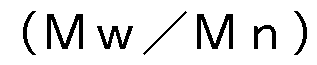
[0056] 樹脂巳における脂環式構造含有重合体の量は、 好ましくは 8 0重量%以上 、 より好ましくは 8 2重量%以上、 更に好ましくは 8 5重量%以上であり、 通常 9 5重量%以下であり、 9 0重量%以下であってもよい。 [0056] The amount of the alicyclic structure-containing polymer in the resin is preferably 80% by weight or more, more preferably 82% by weight or more, further preferably 85% by weight or more, and usually 95% by weight. Or less, and may be 90% by weight or less.
[0057] 樹脂巳は、 脂環式構造含有重合体を 1種類単独で含んでいてもよく、 2種 類以上の任意の比率の組み合わせとして含んでいてもよい。 [0057] The resin matrix may contain one kind of the alicyclic structure-containing polymer alone, or may contain two or more kinds of the polymers having an arbitrary ratio.
[0058] 樹脂巳に含まれる紫外線吸収剤の例としては、 ベンゾトリアゾール系紫外 線吸収剤、 トリアジン系紫外線吸収剤、 ベンゾフエノン系紫外線吸収剤、 ア クリロニトリル系紫外線吸収剤、 サリシレート系紫外線吸収剤、 シアノアク リレート系紫外線吸収剤、 アゾメチン系紫外線吸収剤、 インドール系紫外線 吸収剤、 ナフタルイミ ド系紫外線吸収剤、 フタロシアニン系紫外線吸収剤等 の、 有機紫外線吸収剤が挙げられる。 [0058] Examples of the ultraviolet absorber contained in the resin include benzotriazole ultraviolet absorber, triazine ultraviolet absorber, benzophenone ultraviolet absorber, acrylonitrile ultraviolet absorber, salicylate ultraviolet absorber, Organic UV absorbers such as cyanoacrylate UV absorbers, azomethine UV absorbers, indole UV absorbers, naphthalimide UV absorbers and phthalocyanine UV absorbers can be mentioned.
中でも、 樹脂巳は、 ベンゾトリアゾール系紫外線吸収剤及びトリアジン系 紫外線吸収剤からなる群から選択される 1種以上を含むことが好ましい。 Among them, it is preferable that the resin resin contains at least one selected from the group consisting of benzotriazole-based UV absorbers and triazine-based UV absorbers.
[0059] ベンゾトリアゾール系紫外線吸収剤は、 分子内にベンゾトリアゾール構造 を含む。 [0059] The benzotriazole ultraviolet absorber contains a benzotriazole structure in the molecule.
ベンゾトリアゾ—ル系紫外線吸収剤の例としては、 2 , 2’ ーメチレンビ ス [6— (2 1~1—ベンゾトリアゾールー 2—イル) 一4— (1 , 1 , 3 , 3 —テトラメチルプチル) フエノール] 、 2 - (2 1~1 _ベンゾトリアゾールー 2—イル) 一 ークレゾール、 及び 2— (5—クロロー 2 1~1—ベンゾトリア ゾールー 2—イル) _ 6 _ ㊀ 「 ーブチルー 4—メチルフエノールが挙げ られる。 〇 2020/174975 14 卩(:171? 2020 /002831 Examples of benzotriazole-based UV absorbers include 2,2'-methylenebis [6— (2 1 to 1-benzotriazol-2-yl) 1 4-(1 ,1 ,3,3-tetramethylputyl) phenol], 2 - (2 1 ~ 1 _ benzotriazol-2-yl) one over cresol and 2- (5-chloro-2 1 - 1 - Benzotoria Zoru 2-yl) _ 6 _ ㊀ "butyl-4-methyl phenol is To be mentioned. 〇 2020/174975 14 卩 (:171? 2020 /002831
[0060] ベンゾトリアゾール系紫外線吸収剤の市販品の例としては、 八 0巳 八社 製 「アデカスタブ 1_八一 3 1」 、 「アデカスタブ !_八一 3 2」 、 「アデカス タブ !_八一3 6」 が挙げられる。 [0060] Examples of commercially available benzotriazole-based UV absorbers include "Adeka Stab 1_81 1 3 1", "Adeka Stub !_8 1 3 2", and "Adeka Stub !_8 1 3 6”.
[0061 ] トリアジン系紫外線吸収剤は、 分子内にトリアジン構造を含む。 トリアジ ン系紫外線吸収剤として、 分子内に 1 , 3 , 5—トリアジン構造を含む化合 物が好ましい。 [0061] The triazine-based ultraviolet absorber contains a triazine structure in the molecule. As the triazine-based ultraviolet absorber, a compound containing a 1,3,5-triazine structure in the molecule is preferable.
トリアジン系紫外線吸収剤の例としては、 2 , 4 , 6—トリス (2—ヒド ロキシー 3—メチルー 4—ヘキシルオキシフエニル) 一 1 , 3 , 5—トリア ジン、 2 - (4 , 6—ジフエニルー 1 , 3 , 5—トリアジンー 2—イル) 一 5— (2— (2—エチルへキサノイロキシ) エトキシ) フエノール、 及び 2 , 4—ジフエニルー 6— (2—ヒドロキシ _ 4—ヘキシルオキシフエニル) - 1 , 3 , 5 -トリアジンが挙げられる。 Examples of triazine-based UV absorbers include 2,4,6-tris (2-hydroxy-3-methyl-4-hexyloxyphenyl)-1,3,5-triazine, 2-(4,6-diphenyl). 1, 3, 3, 5-triazin-2-yl) 1-5-(2-(2-ethylhexanoyloxy)ethoxy)phenol, and 2,4-diphenyl-6-(2-hydroxy_4-hexyloxyphenyl)-1 1,3,5-triazine is an example.
[0062] トリアジン系紫外線吸収剤の市販品の例としては、 ^ D E< 社製 「アデ カスタブ!-八_ 7 0」 、 「アデカスタブ !_八_ 4 6」 、 及び巳八3 ジャ パン社製 「チヌビン 1 5 7 7」 が挙げられる。 [0062] Examples of commercially available triazine-based UV absorbers include ^ DE< "Adeka Stab!-Hachi _ 70", "Adeka Stub !_ Hachi_4 6", and Miwahachi 3 Japan. “Tinubin 1 5 7 7” is mentioned.
[0063] 紫外線吸収剤の別の具体例としては、 特開 2 0 1 7 - 1 5 4 4 0 1号公報 に記載された紫外線吸収剤が挙げられる。 [0063] As another specific example of the ultraviolet absorber, the ultraviolet absorber described in Japanese Patent Laid-Open No. 2017-155410 can be mentioned.
[0064] 樹脂巳は、 紫外線吸収剤を、 1種単独で含んでいてもよく、 2種以上を任 意の比率の組み合わせで含んでいてもよい。 [0064] The resin composition may contain one kind of the ultraviolet absorber alone, or may contain two or more kinds of the ultraviolet absorber in an arbitrary ratio.
[0065] 樹脂巳における紫外線吸収剤の含有率は、 通常 5重量%以上、 好ましくは [0065] The content of the ultraviolet absorber in the resin is usually 5% by weight or more, preferably
7重量%以上、 より好ましくは 8重量%以上であり、 通常 2 0重量%以下、 好ましくは 1 5重量%以下、 より好ましくは 1 3重量%以下である。 It is 7% by weight or more, more preferably 8% by weight or more, usually 20% by weight or less, preferably 15% by weight or less, more preferably 13% by weight or less.
樹脂巳における紫外線吸収剤の含有率が、 前記下限値以上であることによ り、 積層フィルムにおける紫外線吸収性能が向上する。 樹脂巳における紫外 線吸収剤の含有率が、 前記上限値以下であることにより、 紫外線吸収剤によ る樹脂巳の着色を抑制し、 樹脂巳において紫外線吸収剤がより良好に分散し うる。 When the content of the ultraviolet absorber in the resin is equal to or more than the lower limit value, the ultraviolet absorbing performance of the laminated film is improved. When the content of the ultraviolet absorber in the resin is less than or equal to the upper limit value, the coloring of the resin by the ultraviolet absorber can be suppressed, and the ultraviolet absorber can be better dispersed in the resin.
[0066] 樹脂巳は、 脂環式構造含有重合体及び紫外線吸収剤の他に、 任意の成分を 〇 2020/174975 15 卩(:171? 2020 /002831 [0066] The resin resin contains an optional component in addition to the alicyclic structure-containing polymer and the ultraviolet absorber. 〇 2020/174975 15 卩(: 171-1? 2020/002831
含んでいてもよい。 May be included.
任意の成分の例としては、 樹脂 1 に含まれうる任意成分と同様の例が挙 げられる。 任意の成分としては、 1種類を単独で用いてもよく、 2種類以上 を任意の比率で組み合わせて用いてもよい。 Examples of the optional component include the same examples as the optional component that can be contained in the resin 1. As the optional component, one type may be used alone, or two or more types may be used in combination at any ratio.
[0067] [樹脂巳の物性] [0067] [Physical Properties of Resin]
樹脂 1のガラス転移温度丁 9 1 (°〇) と樹脂巳のガラス転移温度丁 9 巳 (°〇 との差 (丁 9八 1 —丁 9巳) は、 通常 60 °〇以下であり、 好ましく は 50°〇以下、 より好ましくは 48 °〇以下であり、 通常 0°〇以上である。 また、 樹脂 2のガラス転移温度丁 9 2 (°〇 と樹脂巳のガラス転移温 度丁 9巳 (°〇 との差 (丁 9八 2—丁 9巳) は、 通常 60°〇以下であり、 好 ましくは 50°〇以下、 より好ましくは 48 °〇以下であり、 通常 0°〇以上であ る。 The glass transition temperature sheets 9 1 resin 1 (° 〇) and the resin snake glass transition temperature sheets 9 M. (difference between ° 〇 (sheets 9 eight 1 - Ding 9 Snake) is usually 60 ° 〇 less, preferably Is not more than 50° 〇, more preferably not more than 48° 〇, and usually not less than 0° 〇 Also, the glass transition temperature of resin 2 is 9 2 (° 〇 and the glass transition temperature of resin 9 is 9 The difference from ° 〇 (Cho 9 82 -Cho 9) is usually 60° 〇 or less, preferably 50° 〇 or less, more preferably 48° 〇 or less, usually 0° 〇 or more. is there.
樹脂巳のガラス転移温度丁 9巳が、 ガラス転移温度丁 9 1及び丁 9八 2 と前記関係にあることにより、 加熱後における積層フィルムの寸法変化を抑 制でき、 また高温に曝されてもシワが生じにくい積層フィルムとしうる。 By having the above-mentioned relationship between the glass transition temperature (9) and the glass transition temperature (9) and (982) of the resin resin, it is possible to suppress the dimensional change of the laminated film after heating, and even when exposed to high temperature. It can be a laminated film that is less likely to wrinkle.
[0068] 樹脂巳の、 280°〇及び荷重 2. 1 61< 9におけるメルトマスフローレー (9/ 1 0〇1 丨 11) の、 前記メルトマスフローレート[¾八 1 に対する 割合 ([¾巳/[¾八 1 ) は、 通常 3. 5以上、 好ましくは 4. 0以上であり、 通常 1 5. 0以下、 好ましくは 1 4. 5以下、 より好ましくは 1 4. 0以下 である。 割合 ([¾巳/[¾八 1 ) が、 前記下限値以上であることにより、 中間 層における厚みのばらつきが抑制され、 かつ高温に曝されてもシワが生じに くい積層フィルムとしうる。 [0068] The ratio of the melt mass flow rate (9/100) of the resin resin at 280° and load of 2.1 61<9 (9/100/11) to the melt mass flow rate [¾1 ((¾// 8 1) is usually 3.5 or more, preferably 4.0 or more, usually 15.0 or less, preferably 14.5 or less, more preferably 14.0 or less. When the ratio ([¾mi/[¾8 1)) is equal to or more than the lower limit value, variation in the thickness of the intermediate layer is suppressed, and wrinkles are less likely to occur even when exposed to a high temperature.
[0069] また、 メルトマスフローレート 巳の前記メルトマスフローレート 八 2 に対する割合 ([¾巳/[¾八2) は、 通常 3. 5以上、 好ましくは 4. 0以上 であり、 通常 1 5. 0以下、 好ましくは 1 4. 5以下、 より好ましくは 1 4 . 0以下である。 割合 ([¾巳/[¾八2) が、 前記下限値以上であることによ り、 中間層における厚みのばらつきが抑制され、 かつ高温に曝されてもシワ が生じにくい積層フィルムとしうる。 〇 2020/174975 16 卩(:171? 2020 /002831 [0069] Further, the ratio of the melt mass flow rate to the melt mass flow rate 8 2 ([¾//¾2 2] is usually 3.5 or more, preferably 4.0 or more, and usually 15.0. The ratio is preferably 14.5 or less, more preferably 14.0 or less. When the ratio ([¾mi/[¾2 2]) is at least the lower limit value described above, it is possible to obtain a laminated film in which variations in the thickness of the intermediate layer are suppressed and wrinkles do not easily occur even when exposed to high temperatures. 〇 2020/174975 16 卩(:171? 2020/002831
[0070] 樹脂巳のメルトマスフローレート 巳は、 樹脂八 1の IV! の調整方法と して例示した方法と同様の方法により、 調整しうる。 [0070] The melt mass flow rate of the resin can be adjusted by a method similar to the method exemplified as the method for adjusting IV! of the resin 81.
[0071 ] [ 1 . 5 . 積層フィルムの構成、 物性など] [0071] [1.5. Structure of laminated film, physical properties, etc.]
積層フィルムにおいて、 中間層の厚み丁巳の、 第 1外側層の厚み丁八 1及 び第 2外側層の厚み丁八2の合計に対する割合 (丁巳/ (丁八 1 +丁八2) In the laminated film, the ratio of the thickness of the middle layer to the total of the thickness of the first outer layer 1, 8 and the thickness of the second outer layer 2, 2 (Chomi / (Chachi 1 + Chou 2)
) は、 通常〇. 1以上、 好ましくは〇. 1 3以上、 より好ましくは〇. 1 6 以上であり、 通常〇. 3 5以下、 好ましくは〇. 3 2以下、 より好ましくは 0 . 3 0以下である。 割合 (丁巳/ (丁八 1 +丁八 2) ) を、 前記範囲内と することにより、 高温に曝されてもシワが生じにくい積層フィルムとしうる 積層フィルムの厚みは、 積層フィルムの使用目的などに応じて適宜に設定 でき、 特に限定されないが、 好ましくは 3 0 以上 1 5 0 以下である 中間層の厚みは、 中間層に含まれる紫外線吸収剤の量などに応じて適宜に 設定でき、 特に限定されないが、 好ましくは 5 〇!以上 3 5 〇!以下である ) Is usually at least 0.1, preferably at least 0.13, more preferably at least 0.16, usually at most 0.35, preferably at most 0.32, and more preferably at 0.30. It is the following. By setting the ratio (Chomi / (Chohachi 1 + Chouha 2)) within the above range, a wrinkle that is less likely to wrinkle when exposed to high temperatures can be obtained. The thickness of the intermediate layer is preferably not less than 30 and not more than 150 but can be appropriately set depending on the amount of the ultraviolet absorber contained in the intermediate layer, and the like. Although not particularly limited, it is preferably not less than 50! and not more than 3500!
[0072] 積層フィルムは、 波長 3 2 0 〇!以上 3 8 0 〇!以下における光線透過率 が、 通常 1 . 〇 %以下であり、 好ましくは〇 . 8 %以下であり、 理想的には 0 %であり、 0 %以上であってもよい。 [0072] The laminated film has a light transmittance of usually not more than 1.0%, preferably not more than 0.8%, and ideally 0 at wavelengths of 320°! or more and 380! or less. %, and may be 0% or more.
積層フィルムの波長 3 2 0 1^〇!以上 3 8 0 1^ 以下における光線透過率が 、 前記上限値以下であることにより、 積層フィルムがより効果的に紫外線を カツ トできる。 When the light transmittance of the laminated film at the wavelength of 3201^ ◯ or more and 380 1^ or less is not more than the above upper limit, the laminated film can cut ultraviolet rays more effectively.

[0073] 積層フィルムは、 面内方向におけるレターデーシヨン[¾ 6が、 好ましくは

[0074] 積層フィルムは、 ヘイズが、 好ましくは 5 %以下、 より好ましくは 3 %以 下であり、 通常 0 %以上である。 ヘイズは、 市販のヘイズメーターを用いて 測定されうる。 [0074] The haze of the laminated film is preferably 5% or less, more preferably 3% or less, and usually 0% or more. Haze can be measured using a commercially available haze meter.
[0075] 積層フィルムは、 全光線透過率が、 好ましくは 9 0 %以上、 より好ましく は 9 1 %以上であり、 通常 1 0 0 %以下である。 全光線透過率は市販のヘイ ズメータ—を用いて測定されうる。 [0075] The laminated film has a total light transmittance of preferably 90% or more, more preferably 91% or more, and usually 100% or less. The total light transmittance can be measured using a commercially available haze meter.
[0076] 積層フィルムは、 1 4 5 °〇で 6 0分間加熱後における寸法変化率の絶対値 が、 好ましくは〇. 1 %以下、 より好ましくは〇. 1 %未満であり、 通常 0 %以上である。 [0076] The absolute value of the dimensional change rate of the laminated film after heating at 1 45 ° 〇 for 60 minutes is preferably 0.1% or less, more preferably less than 0.1%, and usually 0% or more. Is.
1 4 5 °〇で 6 0分間加熱した後における寸法変化率の絶対値は、 加熱前の 積層フィルムの寸法に対する、 加熱後の積層フィルムの寸法変化率の絶対値 として求めうる。 The absolute value of the dimensional change rate after heating at 150°C for 60 minutes can be obtained as the absolute value of the dimensional change rate of the laminated film after heating with respect to the dimension of the laminated film before heating.
より具体的には、 寸法変化率の絶対値は、 実施例において説明する方法に より求めうる。 More specifically, the absolute value of the dimensional change rate can be obtained by the method described in the examples.
[0077] [ 1 . 6 . 積層フィルムに含まれうる任意の層] [0077] [1.6. Any layer that can be included in the laminated film]
積層フィルムは、 前記の第 1外側層、 中間層、 及び第 2外側層の他に、 任 意の層を含んでいてもよい。 任意の層の例としては、 透明導電層、 接着層、 接着補助層が挙げられる。 The laminated film may include an optional layer in addition to the first outer layer, the intermediate layer, and the second outer layer. Examples of the optional layer include a transparent conductive layer, an adhesive layer, and an adhesion auxiliary layer.
[0078] [透明導電層] [0078] [Transparent conductive layer]
積層フィルムは、 透明導電層を含んでいてもよい。 The laminated film may include a transparent conductive layer.
導電層は、 例えば、 積層フィルムの最外面に設けられる。 The conductive layer is provided, for example, on the outermost surface of the laminated film.
図 2は、 本発明の別の実施形態に係る積層フィルムを模式的に示す断面図 である。 積層フィルム 2 0 0は、 透明導電層 2 4 0、 第 1外側層 2 1 0、 中 間層 2 2 0、 及び第 2外側層 2 3 0をこの順で含む。 第 1外側層 2 1 0、 中 間層 2 2 0、 及び第 2外側層 2 3 0を備える積層体 2 5 0は、 前記積層フィ ルム 1 0 0と同様の構成を有し、 第 1外側層 2 1 0、 中間層 2 2 0、 及び第 2外側層 2 3 0は、 それぞれ第 1外側層 1 1 0、 中間層 1 2 0、 及び第 2外 側層 1 3 0と同様の構成を有しているので、 説明を省略する。 〇 2020/174975 18 卩(:171? 2020 /002831 FIG. 2 is a sectional view schematically showing a laminated film according to another embodiment of the present invention. The laminated film 200 includes a transparent conductive layer 240, a first outer layer 210, an intermediate layer 220, and a second outer layer 230 in this order. A laminated body 250 including the first outer layer 210, the intermediate layer 220, and the second outer layer 230 has a structure similar to that of the laminated film 100, and the first outer layer The layer 210, the intermediate layer 220, and the second outer layer 230 have the same configurations as the first outer layer 110, the intermediate layer 120, and the second outer layer 130, respectively. Since it has, the description is omitted. 〇 2020/174975 18 卩 (: 171-1? 2020 /002831
[0079] 透明導電層は、 導電性を有する層である。 The transparent conductive layer is a layer having conductivity.
透明導電層は、 通常、 可視光波長におぃて高ぃ透過率を有する導電性材料 を含む。 透明導電層に含まれる導電性材料の例としては、 丨 丁〇 (インジウ ムスズオキサイ ド) 、 丨 〇 (インジウム亜鉛オキサイ ド) 、 Z n〇 (酸化 亜鉛) 、 丨 〇 (インジウムタングステンオキサイ ド) 、 丨 丁 丨 〇 (インジ ウムチタニウムオキサイ ド) 、 八 〇 (アルミニウム亜鉛オキサイ ド) 、 ◦ 〇 (ガリウム亜鉛オキサイ ド) 、 乂 〇 (亜鉛系特殊酸化物) 、 丨 〇 〇 (インジウムガリウム亜鉛オキサイ ド) 等の導電性金属酸化物;力ーボンナ ノチユーブ、 銀ナノワイヤ等の導電性ナノワイヤ;金属ナノインク ;銅メッ シユなどの金属メッシユ ;導電性ポリマー;などが挙げられる。 また、 これ らの導電性材料は、 1種類を単独で用ぃてもよく、 2種類以上を任意の比率 で組み合わせて用ぃてもよぃ。 The transparent conductive layer usually contains a conductive material having a high transmittance at a visible light wavelength. Examples of the conductive material contained in the transparent conductive layer are 丨 〇 (indium tin oxide), 丨 〇 (indium zinc oxide), Z n 〇 (zinc oxide), 丨 〇 (indium tungsten oxide),丨 丨 〇 (Indium Titanium Oxide), 8,000 (Aluminum Zinc Oxide), ◦ 〇 (Gallium Zinc Oxide), 〇 (Zinc-based Special Oxide), 〇 〇 〇 (Indium Gallium Zinc Oxide) ) And other conductive metal oxides; conductive carbon nanowires, conductive nanowires such as silver nanowires; metal nanoinks; metal mesh such as copper mesh; conductive polymers; and the like. In addition, one kind of these conductive materials may be used alone, or two or more kinds thereof may be used in combination at an arbitrary ratio.
透明導電層は、 インジウムスズオキサイ ドを含む層、 銀ナノワイヤを含む 層、 又は銅メッシユ構造を含む層であることが好ましぃ。 The transparent conductive layer is preferably a layer containing indium tin oxide, a layer containing silver nanowires, or a layer containing a copper mesh structure.
[0080] 透明導電層は、 波長 4 0 0 n m〜 7 0 0 n の範囲における光線透過率が [0080] The transparent conductive layer has a light transmittance in the wavelength range of 400 nm to 700 nm.
、 好ましくは 8 5 %以上であり、 より好ましくは 9 0 %以上であり、 さらに 好ましくは 9 5 %以上である。 , Preferably 85% or more, more preferably 90% or more, and further preferably 95% or more.
[0081 ] 透明導電層は、 所定のパターンを有してぃてもよぃ。 [0081] The transparent conductive layer may have a predetermined pattern.
[0082] 本実施形態では、 透明導電層 2 4 0は、 第 1外側層 2 1 0よりも外側とな るように、 第 1外側層 2 1 0に直に接して設けられてぃる。 しかし、 別の実 施形態の積層フィルムでは、 透明導電層は、 第 2外側層よりも外側となるよ う、 第 2外側層に直に接して設けられてぃてもよぃ。 In the present embodiment, the transparent conductive layer 240 is provided directly in contact with the first outer layer 210 so that it is outside the first outer layer 210. However, in the laminated film of another embodiment, the transparent conductive layer may be provided directly in contact with the second outer layer so that it is on the outer side of the second outer layer.
また別の実施形態に係る積層フィルムは、 第 1外側層に直に接して設けら れてぃる第 1透明導電層と、 第 2外側層に直に接して設けられてぃる第 2透 明導電層とを含んでぃてもよぃ。 A laminated film according to another embodiment is a first transparent conductive layer which is provided in direct contact with the first outer layer and a second transparent conductive layer which is provided in direct contact with the second outer layer. It may include a bright conductive layer.
さらに別の実施形態に係る積層フィルムは、 第 1外側層と透明導電層との 間、 又は第 2外側層と透明導電層との間に、 任意の層が設けられてぃてもよ い。 〇 2020/174975 19 卩(:171? 2020 /002831 In the laminated film according to still another embodiment, any layer may be provided between the first outer layer and the transparent conductive layer or between the second outer layer and the transparent conductive layer. 〇 2020/174975 19 卩(: 171-1? 2020/002831
[0083] [ 1 . 7 . 積層フィルムの用途] [0083] [1.7. Use of laminated film]
前記積層フィルムは、 中間層における厚みのばらつきが抑制されている結 果、 紫外線吸収性能のばらつきが少ない。 また、 高温に曝されてもシワが生 じにくい。 そのため、 例えば、 偏光板保護フィルム、 位相差フィルム、 高温 下で製造されうる、 タッチパネルの基材フィルムとして好適に使用されうる The laminated film has little variation in ultraviolet absorption performance as a result of suppressing variation in thickness in the intermediate layer. Also, wrinkles are less likely to occur even when exposed to high temperatures. Therefore, for example, it can be suitably used as a polarizing plate protective film, a retardation film, a base film for a touch panel that can be manufactured at high temperature.
[0084] [ 2 . 積層フィルムの製造方法] [0084] [2. Method for producing laminated film]
前記積層フィルムは、 任意の方法により製造しうる。 例えば、 第 1外側層 、 中間層、 及び第 2外側層のそれぞれを別々に、 溶融成形法、 溶液流延法な どの、 公知の方法により製造してから、 それぞれを積層して製造してもよく 、 樹脂八 1、 樹脂巳、 及び樹脂八 2を共押出の方法により積層して製造して もよい。 The laminated film may be manufactured by any method. For example, the first outer layer, the intermediate layer, and the second outer layer may be separately manufactured by a known method such as a melt molding method or a solution casting method, and then the layers may be stacked. It may well be produced by laminating resin 81, resin M, and resin 8 2 by a coextrusion method.
前記積層フィルムは、 長尺のフィルムとして製造しうる。 The laminated film may be manufactured as a long film.
[0085] 積層フィルムが透明導電層を含む場合、 透明導電層は、 透明導電層に含ま れる導電性材料に応じた方法により形成しうる。 例えば、 透明導電層は、 蒸 着法、 スパッタリング法、 塗布法などの方法により形成しうる。 When the laminated film includes a transparent conductive layer, the transparent conductive layer can be formed by a method according to the conductive material contained in the transparent conductive layer. For example, the transparent conductive layer may be formed by a vapor deposition method, a sputtering method, a coating method, or the like.
実施例 Example
[0086] 以下、 実施例を示して本発明について具体的に説明する。 ただし、 本発明 は以下に示す実施例に限定されるものではなく、 本発明の請求の範囲及びそ の均等の範囲を逸脱しない範囲において任意に変更して実施しうる。 [0086] Hereinafter, the present invention will be specifically described with reference to Examples. However, the present invention is not limited to the examples described below, and may be implemented by being arbitrarily modified within the scope of the claims and equivalents thereof.
[0087] 以下の説明において、 量を表す 「%」 及び 「部」 は、 別に断らない限り、 重量基準である。 また、 以下に説明する操作は、 別に断らない限り、 常温及 び常圧の条件において行った。 [0087] In the following description, "%" and "parts" representing amounts are by weight unless otherwise specified. Further, the operations described below were performed at room temperature and atmospheric pressure unless otherwise specified.
[0088] [評価方法] [0088] [Evaluation Method]
(ガラス転移温度) (Glass-transition temperature)
試料のガラス転移温度を、 」 丨 3 [< 7 1 2 1 に基づき示差走査熱量分析 法により測定した。 測定は、 室温から 2 0 0 °〇まで 2 0 °〇/ 丨 nで昇温し 、 次いで 4 0 °〇まで 2 0 °〇/〇1 丨 门で冷却した試料について、 4 0 °〇から 2 〇 2020/174975 20 卩(:171? 2020 /002831 The glass transition temperature of the sample was measured by differential scanning calorimetry based on "3 [< 7 1 2 1]. The measurement was carried out from room temperature to 200 ° 〇 at a temperature of 20 ° 〇 / 丨n, then up to 40 ° 〇 at a temperature of 20 ° 〇 / 〇 1 〇 2020/174975 20 units (:171? 2020 /002831
0 0 °〇まで 1 0 °〇/〇1 丨 nで昇温する条件で行った。 It was performed under the condition that the temperature was raised to 0 0 ° 〇 at 10 ° 〇 / 〇 1 侨n.
[0089] (メルトマスフローレート) [0089] (Melt mass flow rate)
試料のメルトマスフローレートを、 」 1 3 [< 7 2 1 0に基づき、 メルト インデクサ (東洋精機製作所社製 「 _ 0 1」 ) を用いて、 温度 2 8 0 °〇 、 荷重 2 . 1 6 1< 9の条件で測定した。 The melt mass flow rate of the sample was measured based on "1 3 [< 7 2 1 0, using a melt indexer (" _ 0 1 ", manufactured by Toyo Seiki Seisaku-sho, Ltd.), at a temperature of 280 ° 〇, and a load of 2 .16 1 It was measured under the condition of <9.
[0090] (分子量の測定) [0090] (Measurement of molecular weight)
脂環式構造含有重合体の重量平均分子量及び数平均分子量は、 ゲル ·パー ミエーシヨン · クロマトグラフィー (〇 〇) システム 1~1 1_〇一 8 3 2 0 (東ソー社製) で、 1~1タイプカラム (東ソー社製) を用い、 シクロヘキサン を溶媒として 4 0 °〇で測定し、 ポリイソプレン換算値として求めた。 The weight average molecular weight and number average molecular weight of the alicyclic structure-containing polymer is a gel permeation Mieshiyon chromatography (manufactured by Tosoh Corporation) (x x) System 1-1 1_〇 one 8 3 2 0, 1-1 Using a type column (manufactured by Tosoh Corporation), cyclohexane was used as a solvent and the measurement was carried out at 40 ° C to obtain a polyisoprene conversion value.
[0091 ] (重合体の水素化率) [0091] (Hydrogenation rate of polymer)
重合体の水素化率を、 1 1~1 _ IV! により測定した。 The hydrogenation rate of the polymer was determined by 1 1 ~ 1 _ IV!.
[0092] (積層フィルムのヘイズ) [0092] (Haze of laminated film)
積層フィルムの幅方向両端部及び幅方向中心部から、 一辺が 5


[0093] (積層フィルムの全光線透過率) (Total light transmittance of laminated film)
積層フィルムの幅方向両端部及び幅方向中心部から、 一辺が 5


[0094] (積層フィルムの面内方向におけるレターデーシヨン ㊀) (Letter decision in the in-plane direction of the laminated film ㊀)
積層フィルムの幅方向両端部及び幅方向中心部から、 一辺が 5

王子計測機器株式会社製 「K〇B LA_2 1 ADH」 ) で測定した。 測定波 長は、


6の平均を、 積層フィルムのレターデーシヨン[¾㊀の値とした。 The average of 6 was taken as the value of the letter size [%] of the laminated film.
[0095] (紫外線透過率) [0095] (UV transmittance)
測定対象のフィルムの紫外線透過率を、 紫外可視近赤外分光光度計 (日本 分光社製 「 V— 550」 ) を用いて、 波長 2001^ 111から 4001^ 111の範囲 で測定した。 波長 3201^ 111、 3401^ 111、 360门〇!、 及び 380


[0096] (丁巳/ (7 A ^ +7 A2) 及び中間層における厚みのばらつき) [0096] (Dinomi / (7 A ^ +7 A2) and variation in thickness in the intermediate layer)
ある箇所における積層フィルムの総厚み ( ) を、 市販の接触式厚さ計 を用いて測定した。 The total thickness () of the laminated film at a certain position was measured by using a commercially available contact thickness gauge.
積層フィルムを厚み方向を含む面で切断して断面を光学顕微鏡で観察し、 総厚みを測定した箇所において、 中間層の厚みの、 第 1外側層の厚み及び第 2外側層の厚みの合計に対する割合 (丁巳/ (丁八 1 +丁八2) ) を求めた 。 積層フィルムの総厚みと、 割合 (丁巳/ (丁八 1 +丁八2) ) とから、 中 間層の厚み丁巳 ( 01) を求めた。 The laminated film was cut along a plane including the thickness direction and the cross section was observed with an optical microscope.At the location where the total thickness was measured, the thickness of the intermediate layer was calculated as The ratio (Chomi / (Chohachi 1 + Chouha 2)) was calculated. From the total thickness of the laminated film and the ratio (Chome / (Chome8 1 + Chome2)), the thickness of the middle layer Chome (01) was obtained.
以上の測定を、 幅方向 (積層フィルムの製造における搬送方向に垂直な方 向) に 5


[0097] 20箇所において測定された割合 (丁巳/ (丁八 1 +丁八2) ) の算術平 均値を、 積層フィルムの割合 (丁巳/ (丁八 1 +丁八 2) ) の値とした。 [0097] The arithmetic mean value of the ratio (Chomi / (Chohachi 1 + Chou 8 2)) measured at 20 locations was calculated as the ratio of the laminated film ratio (Chomi / (Chochi 1 + Chou 8 2) ). The value.
[0098] また、 20箇所において測定された中間層の厚みの、 算術平均値


の値を、 積層フィルムにおける中間層の厚みのばらつき口 ( ) とした。The value of was taken as the variation port () of the thickness of the intermediate layer in the laminated film.
¢1 1 ( ) =丁巳 -丁巳 „ ¢ 1 1 () = Ding-Ding-
¢12 ( ) =丁巳 -丁巳 ¢12 () = Ding-Ding-
[0099] (寸法安定性及びシワ抑制) [0099] (Dimensional stability and suppression of wrinkles)
積層フィルムの幅方向両端部及び幅方向中心部から、 一辺が 1 00〇1〇1で ある略正方形のフィルム片を、 合計 3枚切り出した。 切り出しの際に、 フィ ルム片の各辺が、 積層フィルムの幅方向又は搬送方向と平行となるようにし た。 From the widthwise both ends of the laminated film and the widthwise central portion, a total of three film pieces each having a square shape of 100.times.101 on one side were cut out. At the time of cutting, each side of the film piece was made to be parallel to the width direction or the transport direction of the laminated film.
3枚のフィルム片を、 1 45°〇で 60分間加熱後、 放冷した。 加熱放冷後 における 3枚のフィルム片を目視にて観察し、 以下の基準により高温暴露時 のシワ抑制を評価した。 The three pieces of film were heated at 145° for 60 minutes and then allowed to cool. After heating and cooling, the three film pieces were visually observed, and the wrinkle suppression during high temperature exposure was evaluated according to the following criteria.
良: 3枚のフィルム片のいずれにも、 シワがない。 Good: No wrinkles on any of the three film pieces.
不良: 3枚のフィルム片のいずれかに、 シワがある。 Bad: Wrinkles on any of the three pieces of film.
[0100] 加熱放冷後における 3枚のフィルム片のそれぞれについて、 各辺 (幅方向 における辺及び搬送方向と平行な方向における辺) の寸法 X


さらに、 3枚のフィルム片の各辺について得られた寸法変化率の絶対値 | [¾し | (%) の算術平均値

八 : 八 V 6<〇. 1 % Eight: Eight V 6 <○ 0.1%
巳 : 〇. 1 %£八 V 6<〇. 2% Min: 〇.1% £8 V 6<○.2%
0 : 〇. 2%£八 V 6 0: 0.2% £8 V 6
[0101] [製造例 1 :脂環式構造含有重合体〇 1の製造] [0101] [Production Example 1: Production of alicyclic structure-containing polymer 〇 1]
トリシクロ [4. 3. 〇. 1 2, 5] デカー 3, 7 -ジェン (ジシクロペンタ ジェン、 以下、 適宜 「〇〇 」 と略記する。 ) 及び 7, 8—ベンゾトリシク 〇 2020/174975 23 卩(:171? 2020 /002831 口 [4. 4. 〇. 1 2, 5. 1 7, 1〇] デカ- 3 -エン (メタノテトラヒドロフ ルオレン、 以下、 適宜 「1\/1丁 」 と略記する。 ) を、 重量比 87/1 3で混 合した。 この混合物を、 特許第 6256353号明細書 [実施例 1] に記載 の方法により開環重合し、 次いで水素化して、 口 0 /1\/1丁 開環重合体水 素化物である、 重合体<31 を得た。 Tricyclo [4. 3. 〇 .1 2, 5 ] Deca 3,7-gen (dicyclopentadiene, hereinafter abbreviated as appropriate 〇 〇) and 7, 8-benzotrisic 〇 2020/174975 23 卩 (:171? 2020 /002831 mouth [4. 4. 〇 .1, 2, 5. 1 7, 1 〇] Deca-3-ene (methanotetrahydrofluorene, hereinafter, as appropriate "1\/ 1)” was mixed in a weight ratio of 87/1 3. This mixture was subjected to ring-opening polymerization by the method described in Japanese Patent No. 6256353 [Example 1], and then hydrogenated. A polymer <31, which is a hydrate of a ring-opening polymer, was obtained.
得られたこの重合体 01中の各ノルボルネン系単量体の共重合比率を、 重 合後の溶液中に残留するノルボルネン系単量体の組成からガスクロマトグラ フイー法による分析で計算したところ、 口〇 /1\/1丁 = 87/1 3で、 ほ ぼ仕込み組成に等しかった。 The copolymerization ratio of each norbornene-based monomer in the obtained polymer 01 was calculated from the composition of the norbornene-based monomer remaining in the solution after polymerization by gas chromatograph analysis. Mouth 〇/1\/1 crocodile = 87/1 3, which was almost equal to the composition.
また、 この重合体<31の重量平均分子量


[0102] [製造例 2 :脂環式構造含有重合体 02の製造] [0102] [Production Example 2: Production of alicyclic structure-containing polymer 02]
0〇 及び IV!丁 を重量比 85/1 5で混合した。 この混合物を、 前記公 知の方法により開環重合し、 次いで水素化して、

得られた重合体 02中の各ノルボルネン系単量体の共重合比率を、 重合後 の溶液中に残留するノルボルネン系単量体の組成からガスクロマトグラフイ 一法による分析で計算したところ、 口〇 /1\/1丁 = 85/1 5で、 ほぼ仕 込み組成に等しかった。 The copolymerization ratio of each norbornene-type monomer in the obtained polymer 02 was calculated from the composition of the norbornene-type monomer remaining in the solution after the polymerization by an analysis by a gas chromatography method. The ratio was /1//1 = 85/1 5, which was almost equal to the composition of the ingredients.
また、 この重合体 02の重量平均分子量 (1\/1 ) は 33, 000、 分子量 分布 (1\/1 /1\/^) は 2. 1、 水素化率は 99. 9%、 ガラス転移温度丁 9 は 1 35°◦であった。 The weight average molecular weight (1\/1) of this polymer 02 is 33,000, the molecular weight distribution (1\/1/1\/^) is 2.1, the hydrogenation rate is 99.9%, the glass transition. Temperature 9 was 135°.
[0103] [製造例 3 :脂環式構造含有重合体 03の製造] [0103] [Production Example 3: Production of alicyclic structure-containing polymer 03]
〇〇 、 IV!丁 、 及びテトラシクロ [4. 4. 〇. 1 2, 5. 1 7, 1〇] ドデ 力一 3—エン (テトラシクロドデセン、 以下、 適宜 「丁〇〇」 と略記する。〇 〇, IV! Ding, and tetracyclo [4. 4. 〇. 1 2 , 5, 1 7 , 7 , 10] Dode force 1- 3 ene (tetracyclododecene, hereinafter abbreviated as “Dick ”) To do.
) を重量比 5/70/25で混合した。 この混合物を、 前記公知の方法によ り開環重合し、 次いで水素化して、 〇〇 /1\/1丁 /丁〇0開環重合体水素 〇 2020/174975 24 卩(:171? 2020 /002831 ) Was mixed in a weight ratio of 5/70/25. This mixture was subjected to ring-opening polymerization by the above-mentioned known method, and then hydrogenated to give a hydrogen ring-opening polymer hydrogen. 〇 2020/174975 24 卩 (:171? 2020 /002831
化物である、 重合体 0 3を得た。 As a result, polymer 03 was obtained.
得られた重合体 0 3中の各ノルボルネン系単量体の共重合比率を、 重合後 の溶液中に残留するノルボルネン系単量体の組成からガスクロマトグラフィ —法による分析で計算したところ、 0〇 /1\/1丁 /丁〇0 = 5 / 7 0 / 2 5で、 ほぼ仕込み組成に等しかった。 また、 この重合体 0 3の重量平均分子 量

[0104] [実施例 1 ] [0104] [Example 1]
(樹脂巳の製造) (Manufacturing of resin)
重合体 0 1 を 9 1部と、 紫外線吸収剤 9部とを、 二軸押出機により混合し て、 樹脂巳 1 を得た。 紫外線吸収剤としては、 分子内にベンゾトリアゾール 構造を含む、 八〇巳 [<八社製 「!_八一3 1」 を用いた。 91 parts of the polymer 0 1 and 9 parts of the ultraviolet absorber were mixed by a twin-screw extruder to obtain a resin molding 1. As the UV absorber, 880 [[8_31 ", manufactured by Hachisha, Ltd.] containing a benzotriazole structure in the molecule was used.
[0105] (積層フィルムの製造) [0105] (Production of laminated film)
フィードブロック及びこれに連結される単層ダイを備える、 2種 3層の積 層フィルムを製造しうる共押出フィルム成形機を用意した。 第 1外側層、 中 間層、 及び第 2外側層をこの順で備えるフィルム状に吐出されるように、 フ ィードブロックに、 各層の材料として、 2 8 0 °〇に溶融した樹脂を供給して 単層ダイから吐出させ、 共押出成形した。 第 1外側層及び第 2外側層の材料 として、 樹脂 1及び樹脂 2としての重合体 0 3を供給した。 中間層の材 料として、 樹脂巳 1 を供給した。 A coextrusion film forming machine capable of producing a laminated film of two kinds and three layers, which comprises a feed block and a single layer die connected to the feed block, was prepared. The first outer layer, the middle layer, and the second outer layer are provided in this order, and the resin that has been melted to 280 ° is supplied to the feed block as the material for each layer so that the film is discharged. It was discharged from a single-layer die and coextruded. As the materials for the first outer layer and the second outer layer, the polymer 03 as the resin 1 and the resin 2 was supplied. As a material for the intermediate layer, resin 1 was supplied.
共押出されたフィルム状の樹脂を、 1 0 0 °〇に温度調整された冷却口ール にキャストし、 5 0 °〇に温度調整された別の冷却口ールに通して冷却した。 これにより、 幅 6
(重合体 0 3からなる第 1外側層/樹脂巳 1からなる中間層/重合体 0 3か らなる第 2外側層) の、 2種 3層の構成を有する。 (First outer layer made of polymer 03/intermediate layer made of resin/second outer layer made of polymer 03)
[0106] 得られた積層フィルムについて、 前記評価方法に従って評価した。 The obtained laminated film was evaluated according to the above evaluation method.
[0107] [実施例 2 ] [0107] [Example 2]
以下の事項を変更した以外は実施例 1 と同様にして、 積層フィルムを得て 〇 2020/174975 25 卩(:171? 2020 /002831 A laminated film was obtained in the same manner as in Example 1 except that the following items were changed. 〇 2020/174975 25 卩 (:171? 2020 /002831
、 評価した。 , evaluated.
樹脂巳の製造において、 重合体 0 1 を 9 1部の代わりに、 重合体 0 2を 8 4部用い、 紫外線吸収剤として、

積層フィルムは、 (重合体〇 3からなる第 1外側層/樹脂巳 2からなる中 間層/重合体 0 3からなる第 2外側層) の、 2種 3層の構成を有する。 The laminated film has a structure of 2 types and 3 layers of (first outer layer made of polymer 0 3 / middle layer made of resin 2 / second outer layer made of polymer 0 3 ).
[0108] [実施例 3 ] [0108] [Example 3]
以下の事項を変更した以外は実施例 1 と同様にして、 積層フィルムを得て 、 評価した。 A laminated film was obtained and evaluated in the same manner as in Example 1 except that the following items were changed.
樹脂巳の製造において、 重合体 0 1 を 9 1部の代わりに、 重合体 0 3を 8 8部用い、 紫紫外線吸収剤としての 〇巳 社製 「1_ _ 3 1」 の量を、 In the production of the resin resin, instead of 91 parts of the polymer 0 1, 8 8 parts of the polymer 0 3 was used, and the amount of “1_ _ 3 1” manufactured by Ozumi Co., Ltd. as a UV absorber was used.
9部から 1 2部に変更して、 樹脂巳3を製造した。 Resin part 3 was manufactured by changing from 9 parts to 12 parts.
積層フィルムの製造において、 樹脂巳 1の代わりに、 樹脂巳3を供給し、 各層が表に示す厚みとなるように共押出の条件を調整した。 In the production of the laminated film, the resin mold 3 was supplied in place of the resin mold 1, and the coextrusion conditions were adjusted so that each layer had the thickness shown in the table.
積層フィルムは、 (重合体〇 3からなる第 1外側層/樹脂巳 3からなる中 間層/重合体 0 3からなる第 2外側層) の、 2種 3層の構成を有する。 The laminated film has a structure of two types and three layers of (first outer layer made of polymer 03/intermediate layer made of resin 3/second outer layer made of polymer 03).
[0109] [比較例 1 ] [0109] [Comparative Example 1]
以下の事項を変更した以外は実施例 1 と同様にして、 積層フィルムを得て 、 評価した。 A laminated film was obtained and evaluated in the same manner as in Example 1 except that the following items were changed.
積層フィルムの製造において、 重合体 0 3の代わりに、 重合体 0 1 を供給 し、 各層が表に示す厚みとなるように共押出の条件を調整した。 In the production of the laminated film, the polymer 0 1 was supplied instead of the polymer 0 3, and the coextrusion conditions were adjusted so that each layer had the thickness shown in the table.
積層フィルムは、 (重合体〇 1からなる第 1外側層/樹脂巳 1からなる中 間層/重合体 0 1からなる第 2外側層) の、 2種 3層の構成を有する。 The laminated film has a structure of 2 types and 3 layers of (first outer layer made of polymer 0 1, middle layer made of resin 1, and second outer layer made of polymer 0 1 ).
[01 10] [比較例 2 ] 〇 2020/174975 26 卩(:171? 2020 /002831 [01 10] [Comparative Example 2] 〇 2020/174 975 26 卩 (:171? 2020 /002831
以下の事項を変更した以外は実施例 1 と同様にして、 積層フィルムを得て 、 評価した。 A laminated film was obtained and evaluated in the same manner as in Example 1 except that the following items were changed.
-積層フィルムの製造において、 各層が表に示す厚みとなるように共押出の 条件を調整した。 -In the production of the laminated film, the coextrusion conditions were adjusted so that each layer had the thickness shown in the table.
積層フィルムは、 (重合体〇 3からなる第 1外側層/樹脂巳 1からなる中 間層/重合体 0 3からなる第 2外側層) の、 2種 3層の構成を有する。 The laminated film has a structure of 2 layers and 3 layers of (first outer layer made of polymer 03/intermediate layer made of resin 1/second outer layer made of polymer 0 3 ).
[01 1 1 ] [比較例 3 ] [01 1 1] [Comparative example 3]
以下の事項を変更した以外は実施例 1 と同様にして、 積層フィルムを得て 、 評価した。 A laminated film was obtained and evaluated in the same manner as in Example 1 except that the following items were changed.
樹脂巳の製造において、 紫外線吸収剤として、

1」 の代わりに、 八〇巳 八社製 「!_八ー 7 0」 を用いて、 樹脂巳4を製 造した。 Resin! 4 was manufactured by using “!_8-7 0” manufactured by 80. 8 companies instead of 1”.
積層フィルムの製造において、 樹脂巳 1の代わりに、 樹脂巳4を供給し、 各層が表に示す厚みとなるように共押出の条件を調整した。 In the production of the laminated film, the resin mold 4 was supplied instead of the resin mold 1, and the coextrusion conditions were adjusted so that each layer had the thickness shown in the table.
積層フィルムは、 (重合体〇 3からなる第 1外側層/樹脂巳 4からなる中 間層/重合体 0 3からなる第 2外側層) の、 2種 3層の構成を有する。 The laminated film has a structure of 2 types and 3 layers of (first outer layer made of polymer 0 3 / middle layer made of resin 4 / second outer layer made of polymer 0 3 ).
[01 12] [比較例 4 ] [01 12] [Comparative Example 4]
以下の事項を変更した以外は実施例 1 と同様にして、 積層フィルムを得て 、 評価した。 A laminated film was obtained and evaluated in the same manner as in Example 1 except that the following items were changed.
樹脂巳の製造において、 重合体 0 1 を 9 1部の代わりに、 重合体 0 2を 8 4部用い、 紫外線吸収剤として、

積層フィルムの製造において、 樹脂巳 1の代わりに、 樹脂巳 2を供給し、 重合体〇3の代わりに、 重合体〇 1 を供給し、 各層が表に示す厚みとなるよ うに共押出の条件を調整した。 In the production of a laminated film, resin (2) was supplied instead of resin (1), polymer (1) was supplied instead of polymer (3), and coextrusion conditions were set so that each layer had the thickness shown in the table. Was adjusted.
積層フィルムは、 (重合体〇 1からなる第 1外側層/樹脂巳 2からなる中 間層/重合体 0 1からなる第 2外側層) の、 2種 3層の構成を有する。 〇 2020/174975 27 卩(:171? 2020 /002831 The laminated film has a structure of 2 types and 3 layers of (first outer layer made of polymer 0 1, middle layer made of resin 2, and second outer layer made of polymer 0 1 ). 〇 2020/174 975 27 卩 (: 171? 2020 /002831
[01 13] [比較例 5 ] [01 13] [Comparative Example 5]
以下の事項を変更した以外は実施例 1 と同様にして、 積層フィルムを得て 、 評価した。 A laminated film was obtained and evaluated in the same manner as in Example 1 except that the following items were changed.
-樹脂巳の製造において、 重合体 0 1の量を、 9 1部から、 7 6部に変更し 、 紫外線吸収剤としての八〇巳 八社製 「1_八一3 1」 の量を、 9部から 2 4部に変更して、 樹脂巳 5を製造した。 -In the production of resin, the amount of polymer 0 1 was changed from 91 to 7 6 parts, and the amount of "1_81 3 1" manufactured by Yatsumi Hachisha Co., Ltd. as an ultraviolet absorber was changed to Resin 9 was manufactured by changing from 9 parts to 24 parts.
積層フィルムの製造において、 樹脂巳 1の代わりに、 樹脂巳 5を供給し、 各層が表に示す厚みとなるように共押出の条件を調整した。 In the production of the laminated film, resin 5 was supplied instead of resin 1, and the coextrusion conditions were adjusted so that each layer had the thickness shown in the table.
積層フィルムは、 (重合体〇 3からなる第 1外側層/樹脂巳 5からなる中 間層/重合体 0 3からなる第 2外側層) の、 2種 3層の構成を有する。 The laminated film has a structure of 2 types and 3 layers of (first outer layer made of polymer 03/intermediate layer made of resin 5/second outer layer made of polymer 03).
[01 14] [比較例 6 ] [01 14] [Comparative Example 6]
以下の事項を変更した以外は実施例 1 と同様にして、 積層フィルムを得て 、 評価した。 A laminated film was obtained and evaluated in the same manner as in Example 1 except that the following items were changed.
樹脂巳の製造において、 重合体 0 1 を 9 1部の代わりに、 重合体 0 2を 7 8部用い、 紫外線吸収剤として、

積層フィルムの製造において、 樹脂巳 1の代わりに、 樹脂巳 6を供給し、 各層が表に示す厚みとなるように共押出の条件を調整した。 In the production of the laminated film, resin 6 was supplied instead of resin 1, and the coextrusion conditions were adjusted so that each layer had the thickness shown in the table.
積層フィルムは、 (重合体〇 3からなる第 1外側層/樹脂巳 6からなる中 間層/重合体 0 3からなる第 2外側層) の、 2種 3層の構成を有する。 The laminated film has a structure of 2 types and 3 layers of (first outer layer made of polymer 03/intermediate layer made of resin 6/second outer layer made of polymer 03).
[01 15] 積層フィルムの構成及び評価結果を、 下表に示す。 [0115] The constitution and evaluation results of the laminated film are shown in the table below.
下表における略語は、 以下の意味を表す。 The abbreviations in the table below have the following meanings.
II V :紫外線吸収剤 II V: UV absorber
ベンゾトリアゾール系: 八〇巳 八社製 「!_八一3 1」 Benzotriazole type: "!_81 1 3" manufactured by 880 Hachisha
トリアジン系: 八 0巳 八社製 「!_八ー 7 0」 Triazine type: Made by Yasumi eight company "!_ eight-seven"
丁巳 :中間層の厚み Tingmi: Thickness of the middle layer
丁八 1 +丁八 2 :第 1外側層の厚み (丁八 1) 及び第 2外側層の厚み (丁 〇 2020/174975 28 卩(:171? 2020 /002831 Dingha 1 + Dinghai 2: Thickness of the 1st outer layer (Ding 8) and 2nd outer layer (Ding 8 〇 2020/174 975 28 卩 (: 171? 2020 /002831
八 2) の合計 Eight 2) total
^巳 :樹脂巳のメルトマスフロ _レ _卜 ^ Min: Melt mass flow of resin _ Re _
丁 9 巳 :樹脂巳のガラス転移温度 Ding 9: Glass transition temperature of resin
丁 9 :樹脂 1及び樹脂 2のガラス転移温度 Ding 9: Glass transition temperature of resin 1 and resin 2
8八 :樹脂八 1及び樹脂八 2のメルトマスフローレート 8 8: Melt mass flow rate of resin 8 1 and resin 8 2
〇 1 :製造例 1で製造された重合体〇 1 〇 1: Polymer produced in Production Example 1 〇 1
0 2 :製造例 2で製造された重合体〇 2 0 2: Polymer produced in Production Example 2
0 3 :製造例 3で製造された重合体〇 3 0 3: Polymer produced in Production Example 3
紫外線透過率の最大値:波長 3 2 0 n 以上 3 8 0 n 以下における紫外 線透過率の最大値 Maximum value of UV transmittance: Maximum value of UV transmittance in the wavelength range from 320 n to 380 n
[01 16] [表 1 ] [01 16] [Table 1]
表 1 table 1

[01 17] [表 2] [01 17] [Table 2]
表 2 Table 2

[01 18] 以上の結果から、 以下が分かる。 [01 18] From the above results, the following can be understood.
実施例 1〜 3に係る積層フィルムは、 中間層における厚みのばらつきが小 さく、 かつ 1 4 5 °〇の高温に曝された後において、 シワの発生が抑制されて いること分かる。 It can be seen that in the laminated films according to Examples 1 to 3, the variation in the thickness of the intermediate layer is small, and the generation of wrinkles is suppressed after being exposed to the high temperature of 1445°.
—方、 比較例 1〜 6に係る積層フィルムは、 シワ発生が抑制されていない ことが分かる。 On the other hand, it can be seen that the laminated films according to Comparative Examples 1 to 6 do not suppress the generation of wrinkles.
詳細には、 比較例 5及び 6に係る積層フィルムは、 樹脂巳における紫外線 吸収剤の濃度が 2 0重量%より多く、 シワ発生が抑制されておらず、 寸法安 定性が実施例よりも劣る。 〇 2020/174975 30 卩(:171? 2020 /002831 Specifically, the laminated films according to Comparative Examples 5 and 6 had a concentration of the ultraviolet absorber in the resin resin of more than 20% by weight, wrinkles were not suppressed, and the dimensional stability was inferior to the examples. 〇 2020/174 975 30 卩 (:171? 2020 /002831
比較例 1及び 4に係る積層フィルムは、 第 1外側層及び第 2外側層が、 ガ ラス転移温度が 1 50°〇未満である樹脂から形成されており、 シワ発生が抑 制されていない。 In the laminated films according to Comparative Examples 1 and 4, the first outer layer and the second outer layer were formed of a resin having a glass transition temperature of less than 150 ° C., and the occurrence of wrinkles was not suppressed.
比較例 5に係る積層フィルムは、 丁 9八一丁 9 巳が、 60°〇より高く、 シ ワ発生が抑制されておらず、 寸法安定性が実施例よりも劣る。 In the laminated film according to Comparative Example 5, Ding 9 8 1 Ding 9 is higher than 60°, wrinkles are not suppressed, and the dimensional stability is inferior to that of the example.
比較例 1及び 2に係る積層フィルムは、 割合 (丁巳/ (丁八 1 +丁八 2) The laminated films according to Comparative Examples 1 and 2 have a ratio of (Chomi / (Chohachi 1 + Chouha 2)
) が、 〇. 35より大きく、 中間層における厚みのばらつきが大きく、 シワ 発生が抑制されていない。 ) Is larger than 0.35, and there is a large variation in the thickness of the intermediate layer, and wrinkles are not suppressed.
比較例 3に係る積層フィルムは、 割合 (丁巳/ (丁八 1 +丁八 2) ) が、 〇. 1未満であり、 シワ発生が抑制されていない。 In the laminated film according to Comparative Example 3, the ratio (Chome/(Chome8 1 +Chome 8 2)) was less than 0.1, and wrinkle generation was not suppressed.
比較例 6に係る積層フィルムは、

[0119] 以上の結果は、 本発明の積層フィルムが、 紫外線吸収剤を含む中間層にお いて厚みのばらつきが抑制されており、 かつ高温に曝されてもシワが生じに くいことを示す結果である。 [0119] The above results show that the laminated film of the present invention has suppressed variation in thickness in the intermediate layer containing the ultraviolet absorber, and is resistant to wrinkles even when exposed to high temperatures. Is.
符号の説明 Explanation of symbols
[0120] 1 00 :積層フィルム [0120] 100: Laminated film
1 1 0 :第 1外側層 1 1 0: 1st outer layer
1 20 :中間層 1 20: Middle layer
1 30 :第 2外側層 1 30: Second outer layer
1 200 :面 1 200: Face
1 20 II :面 1 20 II: Face
200 :積層フィルム 200: Laminated film
2 1 0 :第 1外側層 2 1 0: 1st outer layer
220 :中間層 220: Middle layer
230 :第 2外側層 230: Second outer layer
240 :透明導電層 \¥02020/174975 31 卩(:17 2020 /002831 240: Transparent conductive layer \¥02020/174975 31 卩 (: 17 2020 /002831
250 :積層体 250: laminate
Claims


Priority Applications (3)
| Application Number | Priority Date | Filing Date | Title |
|---|---|---|---|
| CN202080011298.XA CN113382862A (en) | 2019-02-26 | 2020-01-27 | Laminated film |
| JP2021501764A JP7444157B2 (en) | 2019-02-26 | 2020-01-27 | laminated film |
| KR1020217023194A KR20210132004A (en) | 2019-02-26 | 2020-01-27 | laminated film |
Applications Claiming Priority (2)
| Application Number | Priority Date | Filing Date | Title |
|---|---|---|---|
| JP2019-032928 | 2019-02-26 | ||
| JP2019032928 | 2019-02-26 |
Publications (1)
| Publication Number | Publication Date |
|---|---|
| WO2020174975A1 true WO2020174975A1 (en) | 2020-09-03 |
Family
ID=72238423
Family Applications (1)
| Application Number | Title | Priority Date | Filing Date |
|---|---|---|---|
| PCT/JP2020/002831 Ceased WO2020174975A1 (en) | 2019-02-26 | 2020-01-27 | Lamination film |
Country Status (5)
| Country | Link |
|---|---|
| JP (1) | JP7444157B2 (en) |
| KR (1) | KR20210132004A (en) |
| CN (1) | CN113382862A (en) |
| TW (1) | TW202033367A (en) |
| WO (1) | WO2020174975A1 (en) |
Cited By (1)
| Publication number | Priority date | Publication date | Assignee | Title |
|---|---|---|---|---|
| JPWO2022210585A1 (en) * | 2021-03-29 | 2022-10-06 |
Families Citing this family (1)
| Publication number | Priority date | Publication date | Assignee | Title |
|---|---|---|---|---|
| CN115340757A (en) * | 2022-08-30 | 2022-11-15 | 乐凯华光印刷科技有限公司 | High-transmittance ultraviolet light blocking base film, double-sided nano silver wire conductive film comprising base film and preparation method of double-sided nano silver wire conductive film |
Citations (5)
| Publication number | Priority date | Publication date | Assignee | Title |
|---|---|---|---|---|
| JP2002249600A (en) * | 2001-02-23 | 2002-09-06 | Sekisui Chem Co Ltd | Norbornene-based resin film and method for producing the same |
| JP2011203400A (en) * | 2010-03-25 | 2011-10-13 | Nippon Zeon Co Ltd | Polarizing plate-protecting film and polarizing plate |
| JP2013189549A (en) * | 2012-03-14 | 2013-09-26 | Toray Ind Inc | Film and lamination sheet using this |
| WO2016043117A1 (en) * | 2014-09-16 | 2016-03-24 | 日本ゼオン株式会社 | Optical film, shaping film, method for manufacturing optical film, and method for manufacturing stretched film |
| JP2017068227A (en) * | 2015-09-28 | 2017-04-06 | 日本ゼオン株式会社 | Optical laminate, manufacturing method therefor, and polarizer protection film |
Family Cites Families (8)
| Publication number | Priority date | Publication date | Assignee | Title |
|---|---|---|---|---|
| JP4461795B2 (en) | 2003-12-18 | 2010-05-12 | 日本ゼオン株式会社 | Optical laminate and method for producing optical laminate |
| JP6207846B2 (en) | 2013-03-04 | 2017-10-04 | 富士フイルム株式会社 | Transparent conductive film and touch panel |
| JP6459269B2 (en) | 2013-07-31 | 2019-01-30 | 日本ゼオン株式会社 | Optical laminate and polarizer protective film |
| CN105848895A (en) * | 2013-12-27 | 2016-08-10 | 电化株式会社 | Multi-layered sheet, solar cell back sheet, and solar cell module |
| JP2017061069A (en) | 2015-09-24 | 2017-03-30 | 日東電工株式会社 | Transparent conductive film laminate and touch panel including the same |
| CN109414913A (en) * | 2016-07-07 | 2019-03-01 | 日本瑞翁株式会社 | Stacked film and polarizing film |
| US10705385B2 (en) * | 2016-11-30 | 2020-07-07 | Zeon Corporation | Optical laminate, circularly polarizing plate, touch panel, and image display device |
| JP6838456B2 (en) | 2017-03-24 | 2021-03-03 | 日本ゼオン株式会社 | Transparent conductive film |
-
2020
- 2020-01-27 JP JP2021501764A patent/JP7444157B2/en active Active
- 2020-01-27 KR KR1020217023194A patent/KR20210132004A/en not_active Ceased
- 2020-01-27 WO PCT/JP2020/002831 patent/WO2020174975A1/en not_active Ceased
- 2020-01-27 CN CN202080011298.XA patent/CN113382862A/en active Pending
- 2020-02-14 TW TW109104682A patent/TW202033367A/en unknown
Patent Citations (5)
| Publication number | Priority date | Publication date | Assignee | Title |
|---|---|---|---|---|
| JP2002249600A (en) * | 2001-02-23 | 2002-09-06 | Sekisui Chem Co Ltd | Norbornene-based resin film and method for producing the same |
| JP2011203400A (en) * | 2010-03-25 | 2011-10-13 | Nippon Zeon Co Ltd | Polarizing plate-protecting film and polarizing plate |
| JP2013189549A (en) * | 2012-03-14 | 2013-09-26 | Toray Ind Inc | Film and lamination sheet using this |
| WO2016043117A1 (en) * | 2014-09-16 | 2016-03-24 | 日本ゼオン株式会社 | Optical film, shaping film, method for manufacturing optical film, and method for manufacturing stretched film |
| JP2017068227A (en) * | 2015-09-28 | 2017-04-06 | 日本ゼオン株式会社 | Optical laminate, manufacturing method therefor, and polarizer protection film |
Cited By (3)
| Publication number | Priority date | Publication date | Assignee | Title |
|---|---|---|---|---|
| JPWO2022210585A1 (en) * | 2021-03-29 | 2022-10-06 | ||
| WO2022210585A1 (en) * | 2021-03-29 | 2022-10-06 | 昭和電工株式会社 | Transparent conductive film and transparent conductive pattern forming method |
| KR20230128515A (en) | 2021-03-29 | 2023-09-05 | 가부시끼가이샤 레조낙 | Formation method of transparent conductive film and transparent conductive pattern |
Also Published As
| Publication number | Publication date |
|---|---|
| JPWO2020174975A1 (en) | 2020-09-03 |
| KR20210132004A (en) | 2021-11-03 |
| JP7444157B2 (en) | 2024-03-06 |
| TW202033367A (en) | 2020-09-16 |
| CN113382862A (en) | 2021-09-10 |
Similar Documents
| Publication | Publication Date | Title |
|---|---|---|
| TW201641274A (en) | Layered film, liquid crystal display using same, touch panel, and organic el display | |
| JP2015031753A (en) | Optical laminate and liquid crystal display device | |
| JP2011011394A (en) | Laminated film and method of manufacturing the same, and polarization plate | |
| KR102340441B1 (en) | Manufacturing method of extruded resin plate and extruded resin plate | |
| TW201802505A (en) | Laminated film and polarizing plate | |
| JPWO2016147764A1 (en) | Optical laminate, polarizing plate, and liquid crystal display device | |
| WO2020174975A1 (en) | Lamination film | |
| KR102479618B1 (en) | Thermoplastic resin laminated stretched film | |
| JP7020486B2 (en) | Laminated film | |
| EP3412449B1 (en) | Stretched multilayer thermoplastic resin film | |
| EP3412452B1 (en) | Stretched multilayer thermoplastic resin film | |
| CN108474893A (en) | Optical laminate, polarizing film and liquid crystal display device | |
| JP2003236968A (en) | Composite film | |
| WO2023074385A1 (en) | Multilayer stretched film and method for producing same | |
| HK1260833B (en) | Stretched multilayer thermoplastic resin film | |
| HK1260833A1 (en) | Stretched multilayer thermoplastic resin film | |
| HK1260832B (en) | Stretched multilayer thermoplastic resin film | |
| HK1260832A1 (en) | Stretched multilayer thermoplastic resin film |
Legal Events
| Date | Code | Title | Description |
|---|---|---|---|
| 121 | Ep: the epo has been informed by wipo that ep was designated in this application |
Ref document number: 20763634 Country of ref document: EP Kind code of ref document: A1 |
|
| ENP | Entry into the national phase |
Ref document number: 2021501764 Country of ref document: JP Kind code of ref document: A |
|
| NENP | Non-entry into the national phase |
Ref country code: DE |
|
| 122 | Ep: pct application non-entry in european phase |
Ref document number: 20763634 Country of ref document: EP Kind code of ref document: A1 |