KR20080090542A - New Heteroaryl Substituted Benzothiazoles - Google Patents
New Heteroaryl Substituted Benzothiazoles Download PDFInfo
- Publication number
- KR20080090542A KR20080090542A KR1020087020871A KR20087020871A KR20080090542A KR 20080090542 A KR20080090542 A KR 20080090542A KR 1020087020871 A KR1020087020871 A KR 1020087020871A KR 20087020871 A KR20087020871 A KR 20087020871A KR 20080090542 A KR20080090542 A KR 20080090542A
- Authority
- KR
- South Korea
- Prior art keywords
- alkyl
- fluoro
- benzothiazol
- alkylene
- fluoroalkyl
- Prior art date
- Legal status (The legal status is an assumption and is not a legal conclusion. Google has not performed a legal analysis and makes no representation as to the accuracy of the status listed.)
- Granted
Links
- 0 CNC*1CC*CC1 Chemical compound CNC*1CC*CC1 0.000 description 7
- QMGFIKGXQFQEQT-SYJJWHGVSA-N CC(C[C@@H](C1)C1c(cc1)cc2c1nc(C(C=C1)=CNC1OC)[s]2)=O Chemical compound CC(C[C@@H](C1)C1c(cc1)cc2c1nc(C(C=C1)=CNC1OC)[s]2)=O QMGFIKGXQFQEQT-SYJJWHGVSA-N 0.000 description 1
- XAZKFISIRYLAEE-UHFFFAOYSA-N CC1CC(C)CC1 Chemical compound CC1CC(C)CC1 XAZKFISIRYLAEE-UHFFFAOYSA-N 0.000 description 1
- CRTCKQKGRVXBBU-UHFFFAOYSA-N CCN(C)c(nc1)ccc1-c([s]c1c2)nc1ccc2OC Chemical compound CCN(C)c(nc1)ccc1-c([s]c1c2)nc1ccc2OC CRTCKQKGRVXBBU-UHFFFAOYSA-N 0.000 description 1
- ASKSYTGGEXUEBB-UHFFFAOYSA-N CCOC(Nc1ccc2nc(-c3ccc(N4CCN(C)CC4)nc3)[s]c2c1)=O Chemical compound CCOC(Nc1ccc2nc(-c3ccc(N4CCN(C)CC4)nc3)[s]c2c1)=O ASKSYTGGEXUEBB-UHFFFAOYSA-N 0.000 description 1
- APLKVKSZXHTLNX-UHFFFAOYSA-N CCOC(c(cc1)cc2c1nc(-c1ccc(N3CCN(C)CC3)nc1)[s]2)=O Chemical compound CCOC(c(cc1)cc2c1nc(-c1ccc(N3CCN(C)CC3)nc1)[s]2)=O APLKVKSZXHTLNX-UHFFFAOYSA-N 0.000 description 1
- VQVBKAWVFQGSFT-UHFFFAOYSA-N CCOC(c1ccc2nc(-c3ccc(CC4CC[I](C)CC4)nc3)[s]c2c1)=O Chemical compound CCOC(c1ccc2nc(-c3ccc(CC4CC[I](C)CC4)nc3)[s]c2c1)=O VQVBKAWVFQGSFT-UHFFFAOYSA-N 0.000 description 1
- YGMPNDYJGWCFOK-UHFFFAOYSA-N CNc(cc1)cc2c1nc(-c(cn1)ccc1OC)[s]2 Chemical compound CNc(cc1)cc2c1nc(-c(cn1)ccc1OC)[s]2 YGMPNDYJGWCFOK-UHFFFAOYSA-N 0.000 description 1
- XWIYHNUKKMYQKU-UHFFFAOYSA-N CNc(nc1)ncc1-c1nc(ccc(O)c2)c2[s]1 Chemical compound CNc(nc1)ncc1-c1nc(ccc(O)c2)c2[s]1 XWIYHNUKKMYQKU-UHFFFAOYSA-N 0.000 description 1
- OKEPSZGVSCRSAE-UHFFFAOYSA-N COc1cccc(NC(c(cn2)ccc2F)=S)c1 Chemical compound COc1cccc(NC(c(cn2)ccc2F)=S)c1 OKEPSZGVSCRSAE-UHFFFAOYSA-N 0.000 description 1
- VHJPOJCSRZADOQ-UHFFFAOYSA-N C[Sn](C)(C)c(cc1)cnc1C(N)=O Chemical compound C[Sn](C)(C)c(cc1)cnc1C(N)=O VHJPOJCSRZADOQ-UHFFFAOYSA-N 0.000 description 1
- MOFZAODTNFRUSA-UHFFFAOYSA-N Fc1ccc2nc(-c3ccc(N4CCOCC4)nc3)[s]c2c1 Chemical compound Fc1ccc2nc(-c3ccc(N4CCOCC4)nc3)[s]c2c1 MOFZAODTNFRUSA-UHFFFAOYSA-N 0.000 description 1
- IGDWPNCKFZBVEC-UHFFFAOYSA-N NC(c(cc1[s]2)ccc1nc2Cl)=O Chemical compound NC(c(cc1[s]2)ccc1nc2Cl)=O IGDWPNCKFZBVEC-UHFFFAOYSA-N 0.000 description 1
Images


Classifications
-
- C—CHEMISTRY; METALLURGY
- C07—ORGANIC CHEMISTRY
- C07D—HETEROCYCLIC COMPOUNDS
- C07D417/00—Heterocyclic compounds containing two or more hetero rings, at least one ring having nitrogen and sulfur atoms as the only ring hetero atoms, not provided for by group C07D415/00
- C07D417/02—Heterocyclic compounds containing two or more hetero rings, at least one ring having nitrogen and sulfur atoms as the only ring hetero atoms, not provided for by group C07D415/00 containing two hetero rings
- C07D417/04—Heterocyclic compounds containing two or more hetero rings, at least one ring having nitrogen and sulfur atoms as the only ring hetero atoms, not provided for by group C07D415/00 containing two hetero rings directly linked by a ring-member-to-ring-member bond
-
- A—HUMAN NECESSITIES
- A61—MEDICAL OR VETERINARY SCIENCE; HYGIENE
- A61K—PREPARATIONS FOR MEDICAL, DENTAL OR TOILETRY PURPOSES
- A61K31/00—Medicinal preparations containing organic active ingredients
- A61K31/33—Heterocyclic compounds
- A61K31/395—Heterocyclic compounds having nitrogen as a ring hetero atom, e.g. guanethidine or rifamycins
- A61K31/435—Heterocyclic compounds having nitrogen as a ring hetero atom, e.g. guanethidine or rifamycins having six-membered rings with one nitrogen as the only ring hetero atom
- A61K31/44—Non condensed pyridines; Hydrogenated derivatives thereof
- A61K31/4427—Non condensed pyridines; Hydrogenated derivatives thereof containing further heterocyclic ring systems
- A61K31/4436—Non condensed pyridines; Hydrogenated derivatives thereof containing further heterocyclic ring systems containing a heterocyclic ring having sulfur as a ring hetero atom
-
- A—HUMAN NECESSITIES
- A61—MEDICAL OR VETERINARY SCIENCE; HYGIENE
- A61P—SPECIFIC THERAPEUTIC ACTIVITY OF CHEMICAL COMPOUNDS OR MEDICINAL PREPARATIONS
- A61P25/00—Drugs for disorders of the nervous system
- A61P25/28—Drugs for disorders of the nervous system for treating neurodegenerative disorders of the central nervous system, e.g. nootropic agents, cognition enhancers, drugs for treating Alzheimer's disease or other forms of dementia
-
- C—CHEMISTRY; METALLURGY
- C07—ORGANIC CHEMISTRY
- C07B—GENERAL METHODS OF ORGANIC CHEMISTRY; APPARATUS THEREFOR
- C07B59/00—Introduction of isotopes of elements into organic compounds ; Labelled organic compounds per se
- C07B59/002—Heterocyclic compounds
-
- C—CHEMISTRY; METALLURGY
- C07—ORGANIC CHEMISTRY
- C07D—HETEROCYCLIC COMPOUNDS
- C07D417/00—Heterocyclic compounds containing two or more hetero rings, at least one ring having nitrogen and sulfur atoms as the only ring hetero atoms, not provided for by group C07D415/00
- C07D417/14—Heterocyclic compounds containing two or more hetero rings, at least one ring having nitrogen and sulfur atoms as the only ring hetero atoms, not provided for by group C07D415/00 containing three or more hetero rings
-
- C—CHEMISTRY; METALLURGY
- C07—ORGANIC CHEMISTRY
- C07D—HETEROCYCLIC COMPOUNDS
- C07D513/00—Heterocyclic compounds containing in the condensed system at least one hetero ring having nitrogen and sulfur atoms as the only ring hetero atoms, not provided for in groups C07D463/00, C07D477/00 or C07D499/00 - C07D507/00
- C07D513/02—Heterocyclic compounds containing in the condensed system at least one hetero ring having nitrogen and sulfur atoms as the only ring hetero atoms, not provided for in groups C07D463/00, C07D477/00 or C07D499/00 - C07D507/00 in which the condensed system contains two hetero rings
- C07D513/04—Ortho-condensed systems
Landscapes
- Chemical & Material Sciences (AREA)
- Organic Chemistry (AREA)
- Health & Medical Sciences (AREA)
- Public Health (AREA)
- Veterinary Medicine (AREA)
- Biomedical Technology (AREA)
- Bioinformatics & Cheminformatics (AREA)
- Neurology (AREA)
- Neurosurgery (AREA)
- Engineering & Computer Science (AREA)
- General Health & Medical Sciences (AREA)
- Animal Behavior & Ethology (AREA)
- Medicinal Chemistry (AREA)
- Life Sciences & Earth Sciences (AREA)
- Pharmacology & Pharmacy (AREA)
- Nuclear Medicine, Radiotherapy & Molecular Imaging (AREA)
- General Chemical & Material Sciences (AREA)
- Chemical Kinetics & Catalysis (AREA)
- Psychiatry (AREA)
- Hospice & Palliative Care (AREA)
- Epidemiology (AREA)
- Pharmaceuticals Containing Other Organic And Inorganic Compounds (AREA)
- Plural Heterocyclic Compounds (AREA)
- Medicines Containing Antibodies Or Antigens For Use As Internal Diagnostic Agents (AREA)
- Nitrogen And Oxygen Or Sulfur-Condensed Heterocyclic Ring Systems (AREA)
Abstract
본 발명은 하기 화학식 I의 신규 헤테로아릴 치환된 벤조티아졸 유도체, 이의 전구체, 및 상기 화합물의 치료 용도, 및 이의 제약상 허용되는 염, 조성물 및 사용 방법에 관한 것이다. The present invention relates to novel heteroaryl substituted benzothiazole derivatives of formula (I), precursors thereof, and therapeutic uses of these compounds, and pharmaceutically acceptable salts, compositions and methods of use thereof.
<화학식 I><Formula I>

추가로, 본 발명은 살아있는 환자에서 아밀로이드 침착물의 이미지화에 적합한 신규 헤테로아릴 치환된 벤조티아졸 유도체, 이들의 조성물, 사용 방법 및 이러한 화합물의 제조 방법에 관한 것이다. 보다 구체적으로, 본 발명은 뇌에서 생체내 아밀로이드 침착물을 이미지화하여 알쯔하이머병을 죽기 전에 진단할 뿐만 아니라 알쯔하이머병 치료제의 임상 효율을 측정하는 방법에 관한 것이다.In addition, the present invention relates to novel heteroaryl substituted benzothiazole derivatives suitable for imaging amyloid deposits in living patients, compositions thereof, methods of use and methods of making such compounds. More specifically, the present invention relates to methods for imaging the in vivo amyloid deposits in the brain to diagnose Alzheimer's disease before dying, as well as to measure the clinical efficiency of Alzheimer's disease therapeutics.
Description
본 발명은 신규 헤테로아릴 치환된 벤조티아졸 유도체 및 이러한 화합물의 치료 용도에 관한 것이다. 추가로, 본 발명은 살아있는 환자에서 아밀로이드 침착물을 이미지화하는 데 적합한 신규 헤테로아릴 치환된 벤조티아졸 유도체, 이들의 조성물, 사용 방법 및 이러한 화합물의 제조 방법에 관한 것이다. 보다 구체적으로, 본 발명은 생체내 뇌에서의 아밀로이드 침착물을 이미지화하여 알쯔하이머병을 사망 전에 진단할 뿐만 아니라 알쯔하이머병 치료제의 임상 효능을 측정하는 방법에 관한 것이다.The present invention relates to novel heteroaryl substituted benzothiazole derivatives and the therapeutic use of such compounds. In addition, the present invention relates to novel heteroaryl substituted benzothiazole derivatives suitable for imaging amyloid deposits in living patients, compositions thereof, methods of use and methods of making such compounds. More specifically, the present invention relates to methods for imaging amyloid deposits in the brain in vivo to diagnose Alzheimer's disease before death as well as to measure the clinical efficacy of Alzheimer's disease therapeutics.
아밀로이드증은 하나 이상의 장기 또는 신체 기관에서 단백질의 비정상적 침착을 특징으로 하는, 원인이 알려지지 않은 진행성의 불치성 대사 질환이다. 아밀로이드 단백질은, 예를 들어 골수의 기능부전에 의해 생성된다. 아밀로이드증은 축적된 아밀로이드 침착물이 신체의 정상 기능을 손상시키는 경우 발생하며, 이는 장기 부전 또는 사망을 야기할 수 있다. 이것은 매 1,000,000명 당 약 8명에서 발병하는 희귀병이다. 이것은 남성 및 여성에서 동등하게 영향을 미치며, 보통 40세 이후에 발병한다. 15가지 이상 유형의 아밀로이드증이 확인되었다. 각각의 아밀 로이드증은 상이한 종류의 단백질의 침착과 연관된다.Amyloidosis is a progressive, incurable metabolic disease of unknown cause characterized by abnormal deposition of proteins in one or more organs or body organs. Amyloid proteins are produced, for example, by dysfunction of the bone marrow. Amyloidosis occurs when accumulated amyloid deposits impair the normal functioning of the body, which can cause organ failure or death. This is a rare disease that affects about 8 people every 1,000,000. It affects equally in men and women and usually develops after
아밀로이드증의 주요 형태는 원발 전신성, 2차성, 및 가족성 또는 유전성 아밀로이드증이다. 또한 알쯔하이머병과 연관된 또다른 형태의 아밀로이드증이 존재한다. 원발 전신성 아밀로이드증은 보통 50 내지 60세에 발병한다. 약 2,000건의 새로운 케이스가 매년 진단되고, 원발 전신성 아밀로이드증은 미국에서 아밀로이드의 가장 일반적인 형태이다. 또한, 경쇄-관련 아밀로이드증으로 공지되어 있는 경우, 또한 이것은 다발성 골수종 (골수 암)과 연관되어 발병할 수 있다. 2차성 아밀로이드증은 만성 감염성 또는 염증성 질환의 결과이다. 이것은 종종 가족성 지중해열 (오한, 쇠약, 두통 및 재발성 열을 특징으로 하는 박테리아 감염), 육아종성 회장염 (소장 감염), 호지킨병, 나병, 골수염 및 류마티스성 관절염과 연관된다. The main forms of amyloidosis are primary systemic, secondary, and familial or hereditary amyloidosis. There is also another form of amyloidosis associated with Alzheimer's disease. Primary systemic amyloidosis usually develops between 50 and 60 years old. About 2,000 new cases are diagnosed each year, and primary systemic amyloidosis is the most common form of amyloid in the United States. In addition, if known as light chain-associated amyloidosis, it can also develop in association with multiple myeloma (myeloid cancer). Secondary amyloidosis is the result of chronic infectious or inflammatory disease. It is often associated with familial Mediterranean fever (bacterial infection characterized by chills, weakness, headache and recurrent fever), granulomatous ileitis (small intestine infection), Hodgkin's disease, leprosy, osteomyelitis and rheumatoid arthritis.
가족성 또는 유전성 아밀로이드증은 오직 유전되는 형태의 질환이다. 이것은 대부분의 민족 그룹의 구성원에서 발병하고, 각각의 가족은 징후 및 장기 포함에 있어서 상이한 패턴을 갖는다. 유전성 아밀로이드증은 상염색체 우성인 것으로 여겨지고, 이것은 질환을 유발하기 위해 결함 유전자의 단 하나의 카피만이 필요함을 의미한다. 가족성 아밀로이드증에 걸린 부모의 아이는 질환 발병의 위험이 50-50이다.Familial or hereditary amyloidosis is a form of inherited disease only. It occurs in members of most ethnic groups, and each family has a different pattern in signs and organ inclusions. Hereditary amyloidosis is considered to be an autosomal dominant, meaning that only one copy of the defective gene is needed to cause the disease. Children of parents with familial amyloidosis have a 50-50 risk of developing the disease.
아밀로이드증은 신체에서 임의의 장기 또는 기관을 포함할 수 있다. 심장, 신장, 위장계, 및 신경계가 가장 자주 영향을 받는다. 기타 일반적인 아밀로이드 축적 부위는 뇌, 관절, 간, 비장, 췌장, 호흡계 및 피부를 포함한다.Amyloidosis can include any organ or organ in the body. The heart, kidneys, gastrointestinal system, and nervous system are most often affected. Other common amyloid accumulation sites include the brain, joints, liver, spleen, pancreas, respiratory system and skin.
알쯔하이머병 (AD)은 치매의 가장 일반적인 형태로서, 매일 생활의 정상적인 활동을 방해하기에 충분히 심각한 정신 능력 손실을 특징으로 하며, 6개월 이상 지속되고, 출생부터 존재하지는 않는 신경 질환이다. AD는 보통 고연령에서 발병하고, 기억, 추론 및 계획과 같은 인지 기능 저하를 특징으로 한다.Alzheimer's disease (AD) is the most common form of dementia, a neurological disorder that is characterized by a loss of mental capacity that is serious enough to interfere with the normal activities of daily life and lasts more than six months and does not exist from birth. AD usually develops in older ages and is characterized by cognitive decline such as memory, reasoning, and planning.
2백만 내지 4백만명의 미국인이 AD에 걸렸고; 이 숫자는 21세기 중반까지 전 연령의 인구에 대해 1천 4백만명만큼 많은 수로 증가할 것으로 예상된다. 소수의 40대 및 50대 인구에서도 상기 질환이 발병되지만, AD는 연장자에게서 우세하게 영향을 미친다. AD는 65 내지 74세 전체 인구의 약 3%, 75 내지 84세 인구의 약 20%, 및 85세 이상 인구의 약 50%에 영향을 미친다. 여성이 더 오래 사는 경향이 있는 것으로 여겨지기 때문에 남성보다 여성이 조금 더 AD의 영향을 받고, 따라서 가장 영향받는 연령 군에서는 여성의 비율이 더 높다.Two to four million Americans have AD; This number is expected to increase by as much as 14 million people of all ages by the middle of the 21st century. A small number of people in their 40s and 50s develop the disease, but AD predominantly affects older adults. AD affects about 3% of the total population between 65 and 74 years old, about 20% of the population between 75 and 84 years old, and about 50% of the population over 85 years old. Women are slightly more affected by AD than women because they are believed to tend to live longer, so the proportion of women in the most affected age groups is higher.
뇌에서의 아밀로이드 Aβ-펩티드의 축적은 모든 형태의 AD의 병리학적 특징이다. 일반적으로, 대뇌 아밀로이드 Aβ-펩티드의 침착이 AD 병인을 야기하는 1차적인 영향이다. (문헌 [Hardy J and Selkoe D.J., Science. 297: 353-356, 2002]). The accumulation of amyloid Aβ-peptides in the brain is a pathological feature of all forms of AD. In general, the deposition of cerebral amyloid Αβ- peptides is the primary effect of causing AD etiology. Hardy J and Selkoe D.J., Science. 297: 353-356, 2002.
이미지화 기술, 예컨대 양전자 방출 단층촬영 (PET) 및 단일 광자 방출 전산화 단층촬영 (SPECT)은 뇌에서의 아밀로이드 침착물의 축적을 모니터링하고 이것을 AD의 진행과 연관시키는 데 효과적이다 (문헌 [Shoghi-Jadid et al. The American journal of geriatric psychiatry 2002, 10, 24; Miller, Science, 2006, 313, 1376; Coimbra et al. Curr. Top. Med. Chem. 2006, 6, 629; Nordberg, Lancet Neurol. 2004, 3, 519]). 이러한 기술의 적용은, 뇌에 용이하게 유입되고 생체내 아밀로이드 침착물에 선택적으로 결합하는 방사성 리간드의 개발을 요구한다.Imaging techniques such as positron emission tomography (PET) and single photon emission computed tomography (SPECT) are effective in monitoring the accumulation of amyloid deposits in the brain and correlating it with the progression of AD (Shoghi-Jadid et al. The American journal of geriatric psychiatry 2002, 10, 24; Miller, Science, 2006, 313, 1376; Coimbra et al. Curr.Top.Med.Chem. 2006, 6, 629; Nordberg, Lancet Neurol. 2004, 3, 519]). Application of this technology requires the development of radioligands that readily enter the brain and selectively bind to amyloid deposits in vivo.
비독성이고 혈액-뇌 방벽을 통과할 수 있고 이에 따라 진단에 사용될 수 있는 아밀로이드 결합 화합물이 필요하다. 추가로, AD 플라크(plaque) 수준의 변화를 측정하여 치료의 효과를 측정함으로써 AD 환자에게 제공되는 치료의 효능을 모니터링할 수 있는 것이 중요하다.There is a need for amyloid binding compounds that are nontoxic and can cross the blood-brain barrier and thus can be used for diagnosis. In addition, it is important to be able to monitor the efficacy of treatments given to AD patients by measuring the change in AD plaque levels to determine the effectiveness of the treatment.
검출가능한 아밀로이드 결합 화합물의 특히 흥미로운 성질은, 생체내 아밀로이드 침착물에 대한 친화도가 높고 빠르고 신속하게 뇌에 유입된다는 것 이외에도, 정상 조직에 대한 비특이적 결합이 낮고 이것으로부터 신속하게 제거된다는 것이다. 이러한 성질은 보통 화합물의 친지성에 의존적이다 (문헌 [Coimbra et al. Curr. Top. Med. Chem. 2006, 6, 629]). 관련 유사체에 비해 정상 뇌 세포로부터 상대적으로 더 잘 제거된다는 사실에 부분적으로 근거하여, [11C]PIB는 특히 인간 대상체에서 추가 평가를 위해 선택되었다 (문헌 [Mathis et al. J. Med. Chem. 2003, 46, 2740]). 이후, 인간에서 생체내 아밀로이드 침착물의 검출을 위해 [11C]PIB를 사용하는 PET-기술에 의해 연구를 수행하였다 (문헌 [Klunk et al. Ann Neurol. 2004, 55, 306]). 이 연구에서는, 건강한 대조군에 비해 AD 진단된 대상체의 뇌 관련 영역에서 [11C]PIB이 상당히 오래 체류해야 한다는 것이 관찰되었다. 관련 방법 및 유도체는 WO 2002/16333 및 WO 2004/083195에 기재되어 있다.A particularly interesting property of the detectable amyloid binding compound is that, in addition to having high affinity for amyloid deposits in vivo and entering the brain quickly and quickly, nonspecific binding to normal tissue is low and is quickly removed from it. This property usually depends on the lipophilic properties of the compound (Coimbra et al. Curr. Top. Med. Chem. 2006, 6, 629). Based in part on the fact that it is relatively better removed from normal brain cells as compared to related analogs, [ 11 C] PIB was chosen for further evaluation, particularly in human subjects (Mathis et al. J. Med. Chem. 2003, 46, 2740]. The study was then conducted by PET-technology using [ 11 C] PIB for detection of amyloid deposits in vivo in humans (Klunk et al. Ann Neurol. 2004, 55, 306). In this study, it was observed that [ 11 C] PIB should stay significantly longer in the brain-related areas of AD diagnosed subjects compared to healthy controls. Related methods and derivatives are described in WO 2002/16333 and WO 2004/083195.
전뇌 영역에 걸쳐 아밀로이드 침착물을 상세하게 검출하기에 충분히 높은 신호-대-잡음비를 얻고 약물 치료와 관련하여 아밀로이드 플라크 하중에 대한 정량적 연구에서의 개선된 신뢰성을 제공하기 위해 개선된 화합물이 필요하다.There is a need for improved compounds to obtain a signal-to-noise ratio high enough to detect amyloid deposits in detail over the whole brain region and to provide improved reliability in quantitative studies of amyloid plaque loading with respect to drug treatment.
본 발명은, 공지된 벤조티아졸 유도체 이상의 이러한 기대치 않은 개선점을 수반하고, 특히 유리하게는 연관된 비특이적 결합이 낮고 뇌에서 신속하게 제거되는 헤테로아릴 치환된 벤조티아졸 유도체를 제공한다.The present invention provides heteroaryl substituted benzothiazole derivatives which entail such unexpected improvements over known benzothiazole derivatives, and particularly advantageously have low associated nonspecific binding and are rapidly removed from the brain.
본 발명은 AD 플라크 수준의 변화를 측정함으로써 아밀로이드 결합 화합물의 효과를 측정하는 방법을 제공한다.The present invention provides a method for determining the effect of amyloid binding compounds by measuring changes in AD plaque levels.
본 발명의 한 측면에서, 유리 염기로서의 하기 화학식 I에 따른 화합물 또는 이의 제약상 허용되는 염, 용매화물 또는 염의 용매화물이 제공된다.In one aspect of the invention there is provided a compound according to formula (I) or a pharmaceutically acceptable salt, solvate or solvate thereof, as a free base.

상기 식 중,In the above formula,
R1은 수소, 할로, C1 -5 알킬, C1 -6 플루오로알킬, C1 -3 알킬렌OC1 -3 알킬, C1 -3 알킬렌OC1-3 플루오로알킬, C1 -3 알킬렌NH2, C1 -3 알킬렌NHC1 -3 알킬, C1 -3 알킬렌N(C1 -3 알킬)2, C1 -3 알킬렌NHC1 -3 플루오로알킬, C1 -3 알킬렌N(C1 -3 플루오로알킬)2, C1 -3 알킬렌N(C1 -3 알킬)C1-3 플루오로알킬, 히드록시, C1 -6 알콕시, C1 -6 플루오로알콕시, 아미노, NHC1 -3 알킬, NHC1 -3 플루오로알킬, N(C1 -3 알킬)2, N(C1 -3 플루오로알킬)2, N(C1 -3 알킬)C1 -3 플루오로알킬, NH(CO)C1-3 알킬, NH(CO)C1-3 플루오로알킬, NH(CO)C1-3 알콕시, NH(CO)C1-3 플루오로알콕시, NHSO2C1 -3 알킬, NHSO2C1 -3 플루오로알킬, (CO)C1 -3 알킬, (CO)C1 -3 플루오로알킬, COOH, (CO)C1 -3 알콕시, (CO)C1 -3 플루오로알콕시, (CO)NH2, (CO)NHC1 -3 알킬, (CO)NHC1 -3 플루오로알킬, (CO)N(C1 -3 알킬)2, (CO)N(C1 -3 플루오로알킬)2, (CO)N(C1 -3 알킬)C1 -3 플루오로알킬, (CO)N(C4 -6 알킬렌), (CO)N(C4 -6 플루오로알킬렌), 시아노 및 SO2NH2로부터 선택되고;R1 is hydrogen, halo, C 1 -5 alkyl, C 1 -6 alkyl fluoro, C 1 -3 alkylene-OC 1 -3 alkyl, C 1 -3 alkyl, OC 1-3 alkylene-fluoro, C 1 -3 alkylene-NH 2, C 1 -3 alkylene-NHC 1 -3 alkyl, C 1 -3 alkylene-N (C 1 -3 alkyl) 2, C 1 -3 alkylene-NHC 1 -3 fluoroalkyl, C 1 - 3 alkylene N (C 1 -3 fluoroalkyl) 2, C 1 -3 alkylene-N (C 1 -3 alkyl) to a C 1-3 fluoro-alkyl, hydroxy, C 1 -6 alkoxy, C 1 -6 fluoro-alkoxy, amino, NHC 1 -3 alkyl, NHC 1 -3 fluoroalkyl, N (C 1 -3 alkyl) 2, N (C 1 -3 fluoroalkyl) 2, N (C 1 -3 alkyl) a C 1 -3 fluoroalkyl, NH (CO) by C 1-3 alkyl, NH (CO) alkyl, NH (CO) C 1-3 alkoxy, NH (CO) C 1-3 fluoro-C 1-3 fluoroalkyl alkoxy, NHSO 2 C 1 -3 alkyl, NHSO alkyl, C 1 -3-fluoro-2 (CO) C 1 -3 alkyl, (CO) C 1 -3 fluoroalkyl, COOH, (CO) C 1 -3 alkoxy, , (CO) C 1 -3-fluoro-alkoxy, (CO) NH 2, ( CO) NHC 1 -3 alkyl, (CO) NHC 1 -3 fluoroalkyl, (CO) N (C 1 -3 alkyl) 2, , (CO) N (C 1 -3 fluoroalkyl) 2, (CO) N (C 1 -3 alkyl) C 1 -3 fluoro-alkyl, (CO) N (C 4 -6 alkylene), (CO) N (C 4 -6 alkylene-fluorophenyl), a cyano Furnace and SO 2 NH 2 ;
R2는 수소, 할로, C1 -6 알킬, C1 -6 플루오로알킬, C1 -3 알킬렌OC1 -3 알킬, C1 -3 알킬렌OC1-3 플루오로알킬, C1 -3 알킬렌NH2, C1 -3 알킬렌NHC1 -3 알킬, C1 -3 알킬렌N(C1 -3 알킬)2, C1 -3 알킬렌NHC1 -3 플루오로알킬, C1 -3 알킬렌N(C1 -3 플루오로알킬)2, C1 -3 알킬렌N(C1 -3 알킬)C1-3 플루오로알킬, 히드록시, C1 -6 알콕시, C1 -6 플루오로알콕시, 아미노, NHC1 -3 알킬, NHC1 -3 플루오로알킬, N(C1 -3 알킬)2, N(C1 -3 플루오로알킬)2, N(C1 -3 알킬)C1 -3 플루오로알킬, NH(CO)C1-3 알킬, NH(CO)C1-3 플루오로알킬, NH(CO)C1-3 알콕시, NH(CO)C1-3 플루오로알콕시, NHSO2C1 -3 알킬, NHSO2C1 -3 플루오로알킬, (CO)C1 -3 알킬, (CO)C1 -3 플루오로알킬, COOH, (CO)C1 -3 알콕시, (CO)C1 -3 플루오로알콕시, (CO)NH2, (CO)NHC1 -3 알킬, (CO)NHC1 -3 플루오로알킬, (CO)N(C1 -3 알킬)2, (CO)N(C1 -3 플 루오로알킬)2, (CO)N(C1 -3 알킬)C1 -3 플루오로알킬, (CO)N(C4 -6 알킬렌), (CO)N(C4 -6 플루오로알킬렌) 및 시아노로부터 선택되거나; 또는R2 is hydrogen, halo, C 1 -6 alkyl, C 1 -6 alkyl fluoro, C 1 -3 alkylene-OC 1 -3 alkyl, C 1 -3 alkyl, OC 1-3 alkylene-fluoro, C 1 -3 alkylene-NH 2, C 1 -3 alkylene-NHC 1 -3 alkyl, C 1 -3 alkylene-N (C 1 -3 alkyl) 2, C 1 -3 alkylene-NHC 1 -3 fluoroalkyl, C 1 - 3 alkylene N (C 1 -3 fluoroalkyl) 2, C 1 -3 alkylene-N (C 1 -3 alkyl) to a C 1-3 fluoro-alkyl, hydroxy, C 1 -6 alkoxy, C 1 -6 fluoro-alkoxy, amino, NHC 1 -3 alkyl, NHC 1 -3 fluoroalkyl, N (C 1 -3 alkyl) 2, N (C 1 -3 fluoroalkyl) 2, N (C 1 -3 alkyl) a C 1 -3 fluoroalkyl, NH (CO) by C 1-3 alkyl, NH (CO) alkyl, NH (CO) C 1-3 alkoxy, NH (CO) C 1-3 fluoro-C 1-3 fluoroalkyl alkoxy, NHSO 2 C 1 -3 alkyl, NHSO alkyl, C 1 -3-fluoro-2 (CO) C 1 -3 alkyl, (CO) C 1 -3 fluoroalkyl, COOH, (CO) C 1 -3 alkoxy, , (CO) C 1 -3-fluoro-alkoxy, (CO) NH 2, ( CO) NHC 1 -3 alkyl, (CO) NHC 1 -3 fluoroalkyl, (CO) N (C 1 -3 alkyl) 2, , (CO) N (C 1 -3 alkyl with fluorine ) 2, (CO) N ( C 1 -3 alkyl) C 1 -3 fluoro-alkyl, (CO) N (C 4 -6 alkylene), (CO) N (
R1 및 R2는 함께 고리R1 and R2 ring together

R3은 플루오로, 브로모, 요오도, C1 -4 알킬, C1 -4 플루오로알킬, 트리플루오로메틸, C1 -3 알킬렌OC1 -3 알킬, C1 -3 알킬렌OC1 -3 플루오로알킬, C1 -3 알킬렌NH2, C1 -3 알킬렌NHC1-3 알킬, C1 -3 알킬렌N(C1 -3 알킬)2, C1 -3 알킬렌NHC1 -3 플루오로알킬, C1 -3 알킬렌N(C1 -3 플루오로알킬)2, C1 -3 알킬렌N(C1 -3 알킬)C1-3 플루오로알킬, 히드록시, C1 -4 알콕시, C1 -4 플루오로알콕시, 아미노, NHC1 -3 알킬, NHC1 -3 플루오로알킬, N(C1 -3 알킬)2, N(C1 -3 플루오로알킬)2, N(C1 -3 알킬)C1-3 플루오로알킬, NH(C0 -3 알킬렌)G2, N(C0-1 알킬)N(C0-1 알킬)2, N(C0 -1 알킬)OC0-1 알킬, NH(CO)C1-3 알킬, NH(CO)C1-3 플루오로알킬, NH(C0)G2, (CO)C1 -3 알킬, (CO)C1 -3 플루오로알킬, (CO)C1 -3 알콕시, (CO)C1-3 플루오로알콕시, (CO)NH2, (CO)NHC1 -3 알킬, (CO)NHC1 -3 플루오로알킬, (CO)N(C1-3 알킬)2, (CO)N(C1 -3 플루오로알킬)2, (CO)N(C1 -3 알킬)C1 -3 플루오로알킬, (CO)N(C4-6 알킬렌), (CO)N(C4 -6 플루오로알킬렌), (CO)NH2G2, SO2NH2, SO2NHC1 -3 알킬, SO2NHC1-3 플루오로알킬, SO2N(C1 -3 알킬)2, SO2N(C1 -3 플루오로알킬)2, SO2N(C1 -3 알 킬)C1 -3 플루오로알킬, 시아노, SO2C1 -6 알킬, SC1 -6 알킬, SC1 -6 플루오로알킬, N(C4 -6 알킬렌) 및 G1로부터 선택되고, 여기서 G1은R3 is fluoro, bromo, iodo, C 1 -4 alkyl, C 1 to alkyl methyl, tri-fluoro -4-fluoro, C 1 -3 alkylene-OC 1 -3 alkyl, C 1 -3 alkylene-OC 1 -3-fluoro alkyl, C 1 -3 alkylene-NH 2, C 1 -3 alkylene NHC 1-3 alkyl, C 1 -3 alkylene-N (C 1 -3 alkyl) 2, C 1 -3 alkylene-NHC 1-3 fluoro-alkyl, C 1-3 alkylene-N (C 1-3 fluoroalkyl) 2, a C 1-3 fluoro-C 1-3 alkylene-N (C 1-3 alkyl) alkyl, hydroxy, C 1 -4 alkoxy, C 1 -4-fluoro-alkoxy, amino, NHC 1 -3 alkyl, NHC 1 -3 fluoroalkyl, N (C 1 -3 alkyl) 2, N (C 1 -3 fluoroalkyl) 2, N (C 1 -3 alkyl) to a C 1-3 fluoroalkyl, NH (C 0 -3 alkylene) G2, N (C 0-1 alkyl), N (C 0-1 alkyl) 2, N (C 0-1 alkyl) OC 0-1 alkyl, NH (CO) C 1-3 alkyl, NH (CO) C 1-3 alkyl, NH (C0 fluorophenyl) G2, (CO) C 1 -3 alkyl, (CO ) C 1 alkyl, (CO) C 1 -3 alkoxy, (CO) C 1-3-fluoro -3-fluoro-alkoxy, (CO) NH 2, ( CO) NHC 1 -3 alkyl, (CO) NHC 1 - 3 fluoroalkyl, (CO) N (C 1-3 alkyl) 2 , (CO) N (C 1 -3-fluoro-alkyl) 2, (CO) N ( C 1 -3 alkyl) C 1 -3 fluoro-alkyl, (CO) N (C 4-6 alkylene), (CO) N (C 4 -6 -fluoro roal Killen), (CO) NH 2 G2 ,

X5는 O, NH, NC1 -3 알킬 및 NC1 -3 플루오로알킬로부터 선택되고;X 5 is O, NH, NC 1 -3 is selected from alkyl of alkyl and NC 1 -3 fluoro;
G2는 플루오로, 브로모, 요오도, 메틸 및 메톡시로부터 선택된 치환기로 임의로 치환된, 페닐 또는 5- 또는 6-원의 방향족 헤테로사이클이고;G2 is phenyl or a 5- or 6-membered aromatic heterocycle, optionally substituted with a substituent selected from fluoro, bromo, iodo, methyl and methoxy;
Q는 1 또는 2개의 N-원자를 함유한 6-원의 방향족 헤테로사이클이고, 여기서 X1, X2, X3 및 X4는 독립적으로 N 또는 C로부터 선택되고, X1, X2, X3 및 X4 중 1 또는 2개는 N이고, 나머지는 C이고, X4가 C인 경우, 상기 C는 플루오로 또는 요오도로 임의로 치환되고;Q is a 6-membered aromatic heterocycle containing 1 or 2 N-atoms, wherein X 1 , X 2 , X 3 and X 4 are independently selected from N or C and X 1 , X 2 , X When one or two of 3 and X 4 is N, the remainder is C and X 4 is C, said C is optionally substituted with fluoro or iodo;
화학식 I 중 하나 이상의 원자는 임의로는 검출가능한 동위원소이며;At least one atom of formula (I) is optionally a detectable isotope;
단, R1 및 R2가 둘다 H인 경우, R3은 메틸, 히드록시, 아미노, 아미노페닐, 아미노아세틸 또는 메톡시가 아니다.Provided that when
본 발명의 또다른 측면에서, 유리 염기로서의 하기 화학식 I에 따른 화합물 또는 이의 제약상 허용되는 염, 용매화물 또는 염의 용매화물이 제공된다.In another aspect of the invention there is provided a compound according to formula (I) or a pharmaceutically acceptable salt, solvate or solvate thereof, as a free base.
<화학식 I><Formula I>

상기 식 중,In the above formula,
R1은 수소, 할로, C1 -5 알킬, C1 -6 플루오로알킬, C1 -3 알킬렌OC1 -3 알킬, C1 -3 알킬렌OC1-3 플루오로알킬, C1 -3 알킬렌NH2, C1 -3 알킬렌NHC1 -3 알킬, C1 -3 알킬렌N(C1 -3 알킬)2, C1 -3 알킬렌NHC1 -3 플루오로알킬, C1 -3 알킬렌N(C1 -3 플루오로알킬)2, C1 -3 알킬렌N(C1 -3 알킬)C1-3 플루오로알킬, 히드록시, C1 -6 알콕시, C1 -6 플루오로알콕시, 아미노, NHC1 -3 알킬, NHC1 -3 플루오로알킬, N(C1 -3 알킬)2, N(C1 -3 플루오로알킬)2, N(C1 -3 알킬)C1 -3 플루오로알킬, NH(CO)C1-3 알킬, NH(CO)C1-3 플루오로알킬, NH(CO)C1-3 알콕시, NH(CO)C1-3 플루오로알콕시, NHSO2C1 -3 알킬, NHSO2C1 -3 플루오로알킬, (CO)C1 -3 알킬, (CO)C1 -3 플루오로알킬, COOH, (CO)C1 -3 알콕시, (CO)C1 -3 플루오로알콕시, (CO)NH2, (CO)NHC1 -3 알킬, (CO)NHC1 -3 플루오로알킬, (CO)N(C1 -3 알킬)2, (CO)N(C1 -3 플루오로알킬)2, (CO)N(C1 -3 알킬)C1 -3 플루오로알킬, (CO)N(C4 -6 알킬렌), (CO)N(C4 -6 플루오로알킬렌) 및 시아노로부터 선택되고;R1 is hydrogen, halo, C 1 -5 alkyl, C 1 -6 alkyl fluoro, C 1 -3 alkylene-OC 1 -3 alkyl, C 1 -3 alkyl, OC 1-3 alkylene-fluoro, C 1 -3 alkylene-NH 2, C 1 -3 alkylene-NHC 1 -3 alkyl, C 1 -3 alkylene-N (C 1 -3 alkyl) 2, C 1 -3 alkylene-NHC 1 -3 fluoroalkyl, C 1 - 3 alkylene N (C 1 -3 fluoroalkyl) 2, C 1 -3 alkylene-N (C 1 -3 alkyl) to a C 1-3 fluoro-alkyl, hydroxy, C 1 -6 alkoxy, C 1 -6 fluoro-alkoxy, amino, NHC 1 -3 alkyl, NHC 1 -3 fluoroalkyl, N (C 1 -3 alkyl) 2, N (C 1 -3 fluoroalkyl) 2, N (C 1 -3 alkyl) a C 1 -3 fluoroalkyl, NH (CO) by C 1-3 alkyl, NH (CO) alkyl, NH (CO) C 1-3 alkoxy, NH (CO) C 1-3 fluoro-C 1-3 fluoroalkyl alkoxy, NHSO 2 C 1 -3 alkyl, NHSO alkyl, C 1 -3-fluoro-2 (CO) C 1 -3 alkyl, (CO) C 1 -3 fluoroalkyl, COOH, (CO) C 1 -3 alkoxy, , (CO) C 1 -3-fluoro-alkoxy, (CO) NH 2, ( CO) NHC 1 -3 alkyl, (CO) NHC 1 -3 fluoroalkyl, (CO) N (C 1 -3 alkyl) 2, , (CO) N (C 1 -3 fluoroalkyl) 2, (CO) N (C 1 -3 alkyl) C 1 -3 fluoroalkyl, (CO) N a (C 4 -6 alkylene), (CO) N (
R2는 수소, 할로, C1 -6 알킬, C1 -6 플루오로알킬, C1 -3 알킬렌OC1 -3 알킬, C1 -3 알킬렌OC1-3 플루오로알킬, C1 -3 알킬렌NH2, C1 -3 알킬렌NHC1 -3 알킬, C1 -3 알킬렌N(C1 -3 알킬)2, C1 -3 알킬렌NHC1 -3 플루오로알킬, C1 -3 알킬렌N(C1 -3 플루오로알킬)2, C1 -3 알킬렌N(C1 -3 알킬)C1-3 플루오로알킬, 히드록시, C1 -6 알콕시, C1 -6 플루오로알콕시, 아미노, NHC1 -3 알킬, NHC1 -3 플루오로알킬, N(C1 -3 알킬)2, N(C1 -3 플루오로알킬)2, N(C1 -3 알킬)C1 -3 플루오로알킬, NH(CO)C1-3 알킬, NH(CO)C1-3 플루오로알킬, NH(CO)C1-3 알콕시, NH(CO)C1-3 플루오로알콕시, NHSO2C1 -3 알킬, NHSO2C1 -3 플루오로알킬, (CO)C1 -3 알킬, (CO)C1 -3 플루오로알킬, COOH, (CO)C1 -3 알콕시, (CO)C1 -3 플루오로알콕시, (CO)NH2, (CO)NHC1 -3 알킬, (CO)NHC1 -3 플루오로알킬, (CO)N(C1 -3 알킬)2, (CO)N(C1 -3 플루오로알킬)2, (CO)N(C1 -3 알킬)C1 -3 플루오로알킬, (CO)N(C4 -6 알킬렌), (CO)N(C4 -6 플루오로알킬렌) 및 시아노로부터 선택되고;R2 is hydrogen, halo, C 1 -6 alkyl, C 1 -6 alkyl fluoro, C 1 -3 alkylene-OC 1 -3 alkyl, C 1 -3 alkyl, OC 1-3 alkylene-fluoro, C 1 -3 alkylene-NH 2, C 1 -3 alkylene-NHC 1 -3 alkyl, C 1 -3 alkylene-N (C 1 -3 alkyl) 2, C 1 -3 alkylene-NHC 1 -3 fluoroalkyl, C 1 - 3 alkylene N (C 1 -3 fluoroalkyl) 2, C 1 -3 alkylene-N (C 1 -3 alkyl) to a C 1-3 fluoro-alkyl, hydroxy, C 1 -6 alkoxy, C 1 -6 fluoro-alkoxy, amino, NHC 1 -3 alkyl, NHC 1 -3 fluoroalkyl, N (C 1 -3 alkyl) 2, N (C 1 -3 fluoroalkyl) 2, N (C 1 -3 alkyl) a C 1 -3 fluoroalkyl, NH (CO) by C 1-3 alkyl, NH (CO) alkyl, NH (CO) C 1-3 alkoxy, NH (CO) C 1-3 fluoro-C 1-3 fluoroalkyl alkoxy, NHSO 2 C 1 -3 alkyl, NHSO alkyl, C 1 -3-fluoro-2 (CO) C 1 -3 alkyl, (CO) C 1 -3 fluoroalkyl, COOH, (CO) C 1 -3 alkoxy, , (CO) C 1 -3-fluoro-alkoxy, (CO) NH 2, ( CO) NHC 1 -3 alkyl, (CO) NHC 1 -3 fluoroalkyl, (CO) N (C 1 -3 alkyl) 2, , (CO) N (C 1 -3 fluoroalkyl) 2, (CO) N (C 1 -3 alkyl) C 1 -3 fluoroalkyl, (CO) N a (C 4 -6 alkylene), (CO) N (
R3은 플루오로, 브로모, 요오도, C1 -4 알킬, C1 -4 플루오로알킬, 트리플루오로메틸, C1 -3 알킬렌OC1 -3 알킬, C1 -3 알킬렌OC1 -3 플루오로알킬, C1 -3 알킬렌NH2, C1 -3 알킬렌NHC1-3 알킬, C1 -3 알킬렌N(C1 -3 알킬)2, C1 -3 알킬렌NHC1 -3 플루오로알킬, C1 -3 알킬렌N(C1 -3 플루오로알킬)2, C1 -3 알킬렌N(C1 -3 알킬)C1-3 플루오로알킬, 히드록시, C1 -4 알콕시, C1 -4 플루오로알콕시, 아미노, NHC1 -3 알킬, NHC1 -3 플루오로알킬, N(C1 -3 알킬)2, N(C1 -3 플루오로알킬)2, N(C1 -3 알킬)C1-3 플루오로알킬, NH(C0 -3 알킬렌)G2, N(C0-1 알킬)N(C0-1 알킬)2, N(C0 -1 알킬)OC0-1 알킬, NH(CO)C1-3 알킬, NH(CO)C1-3 플루오로알킬, NH(C0)G2, (CO)C1 -3 알킬, (CO)C1 -3 플루오로알킬, (CO)C1 -3 알콕시, (CO)C1-3 플루오로알콕시, (CO)NH2, (CO)NHC1 -3 알킬, (CO)NHC1 -3 플루오로알킬, (CO)N(C1-3 알킬)2, (CO)N(C1 -3 플루오로알킬)2, (CO)N(C1 -3 알킬)C1 -3 플루오로알킬, (CO)N(C4-6 알킬렌), (CO)N(C4 -6 플루오로알킬렌), (CO)NH2G2, SO2NH2, SO2NHC1 -3 알킬, SO2NHC1-3 플루오로알킬, SO2N(C1 -3 알킬)2, SO2N(C1 -3 플루오로알킬)2, SO2N(C1 -3 알킬)C1 -3 플루오로알킬, 시아노 및 G1로부터 선택되고, 여기서 G1은R3 is fluoro, bromo, iodo, C 1 -4 alkyl, C 1 to alkyl methyl, tri-fluoro -4-fluoro, C 1 -3 alkylene-OC 1 -3 alkyl, C 1 -3 alkylene-OC 1 -3-fluoro alkyl, C 1 -3 alkylene-NH 2, C 1 -3 alkylene NHC 1-3 alkyl, C 1 -3 alkylene-N (C 1 -3 alkyl) 2, C 1 -3 alkylene-NHC 1-3 fluoro-alkyl, C 1-3 alkylene-N (C 1-3 fluoroalkyl) 2, a C 1-3 fluoro-C 1-3 alkylene-N (C 1-3 alkyl) alkyl, hydroxy, C 1 -4 alkoxy, C 1 -4-fluoro-alkoxy, amino, NHC 1 -3 alkyl, NHC 1 -3 fluoroalkyl, N (C 1 -3 alkyl) 2, N (C 1 -3 fluoroalkyl) 2, N (C 1 -3 alkyl) to a C 1-3 fluoroalkyl, NH (C 0 -3 alkylene) G2, N (C 0-1 alkyl), N (C 0-1 alkyl) 2, N (C 0-1 alkyl) OC 0-1 alkyl, NH (CO) C 1-3 alkyl, NH (CO) C 1-3 alkyl, NH (C0 fluorophenyl) G2, (CO) C 1 -3 alkyl, (CO ) C 1 alkyl, (CO) C 1 -3 alkoxy, (CO) C 1-3-fluoro -3-fluoro-alkoxy, (CO) NH 2, ( CO) NHC 1 -3 alkyl, (CO) NHC 1 - 3 fluoroalkyl, (CO) N (C 1-3 alkyl) 2 , (CO) N (C 1 -3-fluoro-alkyl) 2, (CO) N ( C 1 -3 alkyl) C 1 -3 fluoro-alkyl, (CO) N (C 4-6 alkylene), (CO) N (C 4 -6 -fluoro roal Killen), (CO) NH 2 G2 , SO 2 NH 2, SO 2 NHC 1 -3 alkyl, SO 2 NHC 1-3 alkyl fluoro, SO 2 N (C 1 -3 alkyl) 2, SO 2 N a (C 1 -3-fluoro alkyl) 2, SO 2 N (C 1 -3 alkyl) C 1 -3-fluoro selected from alkyl, cyano, and G1, where G1 is

X5는 O, NH, NC1 -3 알킬 및 NC1 -3 플루오로알킬로부터 선택되고;X 5 is O, NH, NC 1 -3 is selected from alkyl of alkyl and NC 1 -3 fluoro;
G2는 플루오로, 브로모, 요오도, 메틸 및 메톡시로부터 선택된 치환기로 임의로 치환된, 페닐 또는 5- 또는 6-원의 방향족 헤테로사이클이고; G2 is phenyl or a 5- or 6-membered aromatic heterocycle, optionally substituted with a substituent selected from fluoro, bromo, iodo, methyl and methoxy;
Q는 1 또는 2개의 N-원자를 함유한 6-원의 방향족 헤테로사이클이고, 여기서 X1, X2, X3 및 X4는 독립적으로 N 또는 C로부터 선택되고, X1, X2, X3 및 X4 중 1 또는 2개는 N이고, 나머지는 C이며;Q is a 6-membered aromatic heterocycle containing 1 or 2 N-atoms, wherein X 1 , X 2 , X 3 and X 4 are independently selected from N or C and X 1 , X 2 , X One or two of 3 and X 4 is N, and the others are C;
단, R1 및 R2가 둘다 H인 경우, R3은 메틸, 히드록시, 아미노, 아미노페닐, 아미노아세틸 또는 메톡시가 아니다.Provided that when
본 발명의 또다른 측면에서, R1이 수소, 할로, C1 -5 알킬, 히드록시, C1 -6 알콕시, 아미노, NHC1 -3 알킬, NHC1 -3 플루오로알킬, N(C1 -3 알킬)2, NH(CO)C1-3 알킬, NH(CO)C1-3 플루오로알킬, (CO)NH2, (CO)NHC1 -3 알킬 및 (CO)NHC1 -3 플루오로알킬로부터 선택된 것인 화학식 I에 따른 화합물이 제공된다.In yet another aspect of the invention, R1 is hydrogen, halo, C 1 -5 alkyl, hydroxy, C 1 -6 alkoxy, amino, NHC 1 -3 alkyl, NHC 1 -3 alkyl, N (C 1-fluoro- 3 alkyl) 2, NH (CO) C 1-3 alkyl, NH (CO) with alkyl C 1-3 fluoroalkyl, (CO) NH 2, ( CO) NHC 1 -3 alkyl and (CO) NHC 1 -3-fluoro There is provided a compound according to formula (I) selected from roalkyl.
본 발명의 또다른 측면에서, R2가 수소, 할로, C1 -6 알킬, 히드록시, C1 -6 알콕시, 아미노, NHC1 -3 알킬, NHC1 -3 플루오로알킬, N(C1 -3 알킬)2, NH(CO)C1-3 알킬, NH(CO)C1-3 플루오로알킬, (CO)NH2, (CO)NHC1 -3 알킬 및 (CO)NHC1 -3 플루오로알킬로부터 선택된 것인 화학식 I에 따른 화합물이 제공된다.In yet another aspect of the present invention, R2 is hydrogen, halo, C 1 -6 alkyl, hydroxy, C 1 -6 alkoxy, amino, NHC 1 -3 alkyl, NHC 1 -3 alkyl, N (C 1-fluoro- 3 alkyl) 2, NH (CO) C 1-3 alkyl, NH (CO) with alkyl C 1-3 fluoroalkyl, (CO) NH 2, ( CO) NHC 1 -3 alkyl and (CO) NHC 1 -3-fluoro There is provided a compound according to formula (I) selected from roalkyl.
본 발명의 또다른 측면에서, R3이 플루오로, 브로모, 요오도, 히드록시, C1 -4 알콕시, 트리플루오로메틸, C1 -4 플루오로알콕시, 아미노, NHC1 -3 알킬, NHC1 -3 플루오로알킬, N(C1 -3 알킬)2, N(C1 -3 플루오로알킬)2, N(C1 -3 알킬)C1-3 플루오로알킬, (CO)NH2, NH(C0 -3 알킬렌)G2, NH(CO)C1-3 알킬 및 G1로부터 선택되고, 여기서 X5가 NH, O 및 NMe로부터 선택되고; G2가 페닐 또는 피리딜이고, 상기 페닐 또는 피리딜이 플루오로, 메틸 및 메톡시로부터 선택된 치환기로 임의로 치환된 것인 화학식 I에 따른 화합물이 제공된다.In yet another aspect of the present invention, R3 is fluoro, bromo, iodo, hydroxy, C 1 -4 alkoxy, trifluoromethyl, C 1 -4 fluoroalkyl alkoxy, amino, NHC 1 -3 alkyl, NHC 1-3 fluoroalkyl, N (C 1-3 alkyl) 2, N (C 1-3 fluoroalkyl) 2, N (C 1-3 alkyl) a C 1-3 fluoroalkyl, (CO) NH 2 , NH (C 0 -3 alkylene) G2, NH (CO) C 1-3 alkyl, and is selected from G1, where X 5 is selected from NH, O and NMe; There is provided a compound according to formula (I), wherein G2 is phenyl or pyridyl and said phenyl or pyridyl is optionally substituted with a substituent selected from fluoro, methyl and methoxy.
본 발명의 또다른 측면에서, Q가 피리딘 고리이고, 여기서 X1 및 X2가 독립 적으로 N 또는 C로부터 선택되고, X1 및 X2 중 하나가 N이고, 나머지 X1, X2, X3 및 X4가 C인 화학식 I에 따른 화합물이 제공된다. In another aspect of the invention, Q is a pyridine ring, wherein X 1 and X 2 are independently selected from N or C, one of X 1 and X 2 is N, and the remaining X 1 , X 2 , X There is provided a compound according to formula I, wherein 3 and X 4 are C.
본 발명의 또다른 측면에서, Q가 피리미딘 고리이고, 여기서 X1 및 X2가 독립적으로 N 또는 C로부터 선택되고, X1 및 X2 중 하나가 N이고; X3 및 X4가 독립적으로 N 또는 C로부터 선택되고, X3 및 X4 중 하나가 N인 화학식 I에 따른 화합물이 제공된다.In another aspect of the invention, Q is a pyrimidine ring, wherein X 1 and X 2 are independently selected from N or C, and one of X 1 and X 2 is N; There is provided a compound according to formula (I), wherein X 3 and X 4 are independently selected from N or C and one of X 3 and X 4 is N.
본 발명의 또다른 측면에서, R2가 수소, 플루오로, 브로모, 요오도, 아미노, 메틸, 히드록시, 메톡시, NHMe 및 (CO)NH2로부터 선택된 것인 화학식 I에 따른 화합물이 제공된다.In another aspect of the invention there is provided a compound according to formula I, wherein R 2 is selected from hydrogen, fluoro, bromo, iodo, amino, methyl, hydroxy, methoxy, NHMe and (CO) NH 2 . .
본 발명의 또다른 측면에서, R2가 수소, 메톡시 및 아미노로부터 선택된 것인 화학식 I에 따른 화합물이 제공된다.In another aspect of the present invention there is provided a compound according to formula I, wherein
본 발명의 또다른 측면에서, R1이 수소, 플루오로, 브로모, 요오도, 아미노, 메틸, 히드록시, 메톡시, NHMe 및 (CO)NH2로부터 선택된 것인 화학식 I에 따른 화합물이 제공된다.In another aspect of the invention there is provided a compound according to formula I, wherein
본 발명의 또다른 측면에서, R3이 플루오로, 메톡시, 에톡시, 트리플루오로메틸, NHMe, 아미노, N(C1 -3 알킬)2, (CO)NH2 및 G1이고, 여기서 X5가 NH, O 및 NMe로부터 선택된 것인 화학식 I에 따른 화합물이 제공된다.In yet another aspect of the present invention, R3 is fluoro, methoxy, ethoxy, trifluoromethyl, NHMe, is amino, N (C 1 -3 alkyl) 2, (CO) NH 2, and G1, where X 5 There is provided a compound according to formula I, wherein is selected from NH, O and NMe.
본 발명의 또다른 측면에서, Q가 피리딘 고리이고, 여기서 X2가 N이고, X1, X3 및 X4가 C인 화학식 I에 따른 화합물이 제공된다.In another aspect of the invention there is provided a compound according to formula (I), wherein Q is a pyridine ring, wherein X 2 is N and X 1 , X 3 and X 4 are C.
본 발명의 또다른 측면에서, Q가 피리딘 고리이고, 여기서 X4가 N이고, X1, X2 및 X3이 C인 화학식 I에 따른 화합물이 제공된다.In another aspect of the invention there is provided a compound according to formula (I), wherein Q is a pyridine ring, wherein X 4 is N and X 1 , X 2 and X 3 are C.
본 발명의 또다른 측면에서, Q가 피리미딘 고리이고, 여기서 X2 및 X4가 N이고; X1 및 X3이 C인 화학식 I에 따른 화합물이 제공된다.In another aspect of the invention, Q is a pyrimidine ring, wherein X 2 and X 4 are N; There is provided a compound according to formula I, wherein X 1 and X 3 are C.
본 발명의 또다른 측면에서, R1 및 R2 중 하나가 히드록시 또는 [11C]메톡시이고, R1 및 R2 중 다른 하나가 H이고; In another aspect of the invention, one of R1 and R2 is hydroxy or [ 11 C] methoxy and the other of R1 and R2 is H;
R3이 아미노, NHMe, NH11CH3 및 N(Me)11CH3으로부터 선택되고;
Q가 피리딘 고리이고, 여기서 X1 및 X2가 독립적으로 N 또는 C로부터 선택되고, X1 및 X2 중 하나가 N이고, 나머지 X1, X2, X3 및 X4가 C인, Q is a pyridine ring, wherein X 1 and X 2 are independently selected from N or C, one of X 1 and X 2 is N, and the remaining X 1 , X 2 , X 3 and X 4 are C,
하나의 11C 원자를 포함한 화학식 I에 따른 화합물이 제공된다.There is provided a compound according to formula (I) comprising one 11 C atom.
본 발명의 또다른 측면에서, 상기 화합물이In another aspect of the invention, the compound is

에틸 2-(6-피페라진-1-일피리딘-3-일)-1,3-벤조티아졸-6-카르복실레이트 트리플루오로아세테이트,Ethyl 2- (6-piperazin-1-ylpyridin-3-yl) -1,3-benzothiazole-6-carboxylate trifluoroacetate,

에틸 2-[6-(4-메틸피페라진-1-일)피리딘-3-일]-1,3-벤조티아졸-6-카르복실레이트,Ethyl 2- [6- (4-methylpiperazin-1-yl) pyridin-3-yl] -1,3-benzothiazole-6-carboxylate,

2-[6-(4-메틸피페라진-1-일)피리딘-3-일]-1,3-벤조티아졸-6-카르복스아미드 아세테이트,2- [6- (4-methylpiperazin-1-yl) pyridin-3-yl] -1,3-benzothiazole-6-carboxamide acetate,

6-메톡시-2-(6-피페라진-1-일피리딘-3-일)-1,3-벤조티아졸,6-methoxy-2- (6-piperazin-1-ylpyridin-3-yl) -1,3-benzothiazole,

6-메톡시-2-[6-(4-메틸피페라진-1-일)피리딘-3-일]-1,3-벤조티아졸,6-methoxy-2- [6- (4-methylpiperazin-1-yl) pyridin-3-yl] -1,3-benzothiazole,

2-[6-(4-메틸피페라진-1-일)피리딘-3-일]-1,3-벤조티아졸-6-올 아세테이트,2- [6- (4-methylpiperazin-1-yl) pyridin-3-yl] -1,3-benzothiazol-6-ol acetate,

에틸 2-(6-메톡시피리딘-3-일)-1,3-벤조티아졸-6-카르복실레이트,Ethyl 2- (6-methoxypyridin-3-yl) -1,3-benzothiazole-6-carboxylate,

2-(6-메톡시피리딘-3-일)-1,3-벤조티아졸-6-카르복실산, 2- (6-methoxypyridin-3-yl) -1,3-benzothiazole-6-carboxylic acid,

2-(6-메톡시피리딘-3-일)-1,3-벤조티아졸-6-카르복스아미드,2- (6-methoxypyridin-3-yl) -1,3-benzothiazole-6-carboxamide,

2-(6-메톡시피리딘-3-일)-N-메틸-1,3-벤조티아졸-6-카르복스아미드,2- (6-methoxypyridin-3-yl) -N-methyl-1,3-benzothiazole-6-carboxamide,

2-(6-메톡시피리딘-3-일)-6-(피롤리딘-1-일카르보닐)-1,3-벤조티아졸,2- (6-methoxypyridin-3-yl) -6- (pyrrolidin-1-ylcarbonyl) -1,3-benzothiazole,

2-(6-피페라진-1-일피리딘-3-일)-1,3-벤조티아졸-6-아민,2- (6-piperazin-1-ylpyridin-3-yl) -1,3-benzothiazol-6-amine,

N-[2-(6-피페라진-1-일피리딘-3-일)-1,3-벤조티아졸-6-일]메탄술폰아미드,N- [2- (6-piperazin-1-ylpyridin-3-yl) -1,3-benzothiazol-6-yl] methanesulfonamide,

2-[6-(4-메틸피페라진-1-일)피리딘-3-일]-1,3-벤조티아졸-6-아민 트리플루오로아세테이트,2- [6- (4-methylpiperazin-1-yl) pyridin-3-yl] -1,3-benzothiazol-6-amine trifluoroacetate,
N-{2-[6-(4-메틸피페라진-1-일)피리딘-3-일]-1,3-벤조티아졸-6-일}아세트아미드,N- {2- [6- (4-methylpiperazin-1-yl) pyridin-3-yl] -1,3-benzothiazol-6-yl} acetamide,

2-[6-(4-메틸피페라진-1-일)피리딘-3-일]-N-(2,2,2-트리플루오로에틸)-1,3-벤조티아졸-6-아민, 2- [6- (4-methylpiperazin-1-yl) pyridin-3-yl] -N- (2,2,2-trifluoroethyl) -1,3-benzothiazol-6-amine,

에틸 {2-[6-(4-메틸피페라진-1-일)피리딘-3-일]-1,3-벤조티아졸-6-일}카르바메이트,Ethyl {2- [6- (4-methylpiperazin-1-yl) pyridin-3-yl] -1,3-benzothiazol-6-yl} carbamate,

N-메틸-2-[6-(4-메틸피페라진-1-일)피리딘-3-일]-1,3-벤조티아졸-6-아민,N-methyl-2- [6- (4-methylpiperazin-1-yl) pyridin-3-yl] -1,3-benzothiazol-6-amine,

2-(6-메톡시피리딘-3-일)-1,3-벤조티아졸-6-아민,2- (6-methoxypyridin-3-yl) -1,3-benzothiazol-6-amine,

N-[2-(6-메톡시피리딘-3-일)-1,3-벤조티아졸-6-일]아세트아미드,N- [2- (6-methoxypyridin-3-yl) -1,3-benzothiazol-6-yl] acetamide,

N-[2-(6-메톡시피리딘-3-일)-1,3-벤조티아졸-6-일]메탄술폰아미드,N- [2- (6-methoxypyridin-3-yl) -1,3-benzothiazol-6-yl] methanesulfonamide,

2-(6-메톡시피리딘-3-일)-N-메틸-1,3-벤조티아졸-6-아민,2- (6-methoxypyridin-3-yl) -N-methyl-1,3-benzothiazol-6-amine,

6-브로모-2-(6-메톡시피리딘-3-일)-1,3-벤조티아졸, 6-bromo-2- (6-methoxypyridin-3-yl) -1,3-benzothiazole,

2-(6-플루오로피리딘-3-일)-6-메톡시-1,3-벤조티아졸, 2- (6-fluoropyridin-3-yl) -6-methoxy-1,3-benzothiazole,

5-(6-메톡시-1,3-벤조티아졸-2-일)-N-메틸피리딘-2-아민, 5- (6-methoxy-1,3-benzothiazol-2-yl) -N-methylpyridin-2-amine,

5-(6-메톡시-1,3-벤조티아졸-2-일)-N-(피리딘-3-일메틸)피리딘-2-아민, 5- (6-methoxy-1,3-benzothiazol-2-yl) -N- (pyridin-3-ylmethyl) pyridin-2-amine,

2-[6-(메틸아미노)피리딘-3-일]-1,3-벤조티아졸-6-올,2- [6- (methylamino) pyridin-3-yl] -1,3-benzothiazol-6-ol,

5-(6-메톡시-1,3-벤조티아졸-2-일)피리딘-2-아민, 5- (6-methoxy-1,3-benzothiazol-2-yl) pyridin-2-amine,
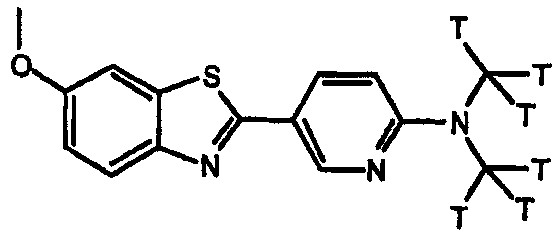
[N-디메틸-3H6]-[5-(6-메톡시-벤조티아졸-2-일)-피리딘-2-일]-디메틸-아민, [N- dimethyl-3 H 6] - [5- (6- methoxy-benzothiazol-2-yl) -pyridin-2-yl] -dimethyl-amine,

[N-디메틸-3H6]-2-(6-디메틸아미노-피리딘-3-일)-벤조티아졸-6-올, [N- dimethyl - 3 H 6] -2- (6- Dimethylamino-pyridin-3-yl) benzothiazol-6-ol,

[N-메틸-3H3]-[5-(6-메톡시-벤조티아졸-2-일)-피리딘-2-일]-메틸-아민, [N- methyl- 3 H 3] - [5- (6- methoxy-benzothiazol-2-yl) -pyridin-2-yl] -methyl-amine,

[N-메틸-3H3]-2-(6-메틸아미노-피리딘-3-일)-벤조티아졸-6-올, [N- methyl - 3 H 3] -2- (6- methylamino-pyridin-3-yl) benzothiazol-6-ol,

5-(6-메톡시-1,3-벤조티아졸-2-일)-N,N-디메틸피리딘-2-아민,5- (6-methoxy-1,3-benzothiazol-2-yl) -N, N-dimethylpyridin-2-amine,

2-[6-(디메틸아미노)피리딘-3-일]-1,3-벤조티아졸-6-올,2- [6- (dimethylamino) pyridin-3-yl] -1,3-benzothiazol-6-ol,

2-(2-메톡시피리미딘-5-일)-1,3-벤조티아졸,2- (2-methoxypyrimidin-5-yl) -1,3-benzothiazole,

5-(5-메톡시-1,3-벤조티아졸-2-일)-N-메틸피리딘-2-아민, 5- (5-methoxy-1,3-benzothiazol-2-yl) -N-methylpyridin-2-amine,

2-[6-(메틸아미노)피리딘-3-일]-1,3-벤조티아졸-5-올, 2- [6- (methylamino) pyridin-3-yl] -1,3-benzothiazol-5-ol,

2-[6-(메틸아미노)피리딘-3-일]-1,3-벤조티아졸-5-아민, 2- [6- (methylamino) pyridin-3-yl] -1,3-benzothiazol-5-amine,

N-에틸-5-(6-메톡시-1,3-벤조티아졸-2-일)피리딘-2-아민,N-ethyl-5- (6-methoxy-1,3-benzothiazol-2-yl) pyridin-2-amine,
2-[6-(에틸아미노)피리딘-3-일]-1,3-벤조티아졸-6-올,2- [6- (ethylamino) pyridin-3-yl] -1,3-benzothiazol-6-ol,

N-에틸-5-(6-메톡시-1,3-벤조티아졸-2-일)-N-메틸피리딘-2-아민,N-ethyl-5- (6-methoxy-1,3-benzothiazol-2-yl) -N-methylpyridin-2-amine,

2-{6-[에틸(메틸)아미노]피리딘-3-일)-1,3-벤조티아졸-6-올,2- {6- [ethyl (methyl) amino] pyridin-3-yl) -1,3-benzothiazol-6-ol,

6-메톡시-2-[5-(트리플루오로메틸)피리딘-2-일]-1,3-벤조티아졸,6-methoxy-2- [5- (trifluoromethyl) pyridin-2-yl] -1,3-benzothiazole,

2-(5-플루오로피리딘-2-일)-6-메톡시-1,3-벤조티아졸,2- (5-fluoropyridin-2-yl) -6-methoxy-1,3-benzothiazole,

2-(6-에톡시피리딘-3-일)-6-메톡시-1,3-벤조티아졸,2- (6-ethoxypyridin-3-yl) -6-methoxy-1,3-benzothiazole,

6-메톡시-2-(2-피페라진-1-일피리미딘-5-일)-1,3-벤조티아졸,6-methoxy-2- (2-piperazin-1-ylpyrimidin-5-yl) -1,3-benzothiazole,

5-(6-메톡시-1,3-벤조티아졸-2-일)-N,N-디메틸피리미딘-2-아민,5- (6-methoxy-1,3-benzothiazol-2-yl) -N, N-dimethylpyrimidin-2-amine,

2-[2-(디메틸아미노)피리미딘-5-일]-1,3-벤조티아졸-6-올, 2- [2- (dimethylamino) pyrimidin-5-yl] -1,3-benzothiazol-6-ol,

5-(6-메톡시-1,3-벤조티아졸-2-일)-N-메틸피리미딘-2-아민,5- (6-methoxy-1,3-benzothiazol-2-yl) -N-methylpyrimidin-2-amine,

2-[2-(메틸아미노)피리미딘-5-일]-1,3-벤조티아졸-6-올, 2- [2- (methylamino) pyrimidin-5-yl] -1,3-benzothiazol-6-ol,

5-(6-메톡시-1,3-벤조티아졸-2-일)피리미딘-2-아민,5- (6-methoxy-1,3-benzothiazol-2-yl) pyrimidin-2-amine,

6-메톡시-2-(2-메톡시피리미딘-5-일)-1,3-벤조티아졸,6-methoxy-2- (2-methoxypyrimidin-5-yl) -1,3-benzothiazole,

6-(6-메톡시-1,3-벤조티아졸-2-일)피리딘-3-아민, 6- (6-methoxy-1,3-benzothiazol-2-yl) pyridin-3-amine,

6-(6-메톡시-1,3-벤조티아졸-2-일)-N,N-디메틸피리딘-3-아민,6- (6-methoxy-1,3-benzothiazol-2-yl) -N, N-dimethylpyridin-3-amine,

2-[5-(디메틸아미노)피리딘-2-일]-1,3-벤조티아졸-6-올, 2- [5- (dimethylamino) pyridin-2-yl] -1,3-benzothiazol-6-ol,

6-메톡시-2-(6-모르폴린-4-일피리딘-3-일)-1,3-벤조티아졸, 6-methoxy-2- (6-morpholin-4-ylpyridin-3-yl) -1,3-benzothiazole,

2-(6-아미노피리딘-3-일)-1,3-벤조티아졸-6-올,2- (6-aminopyridin-3-yl) -1,3-benzothiazol-6-ol,

2-(6-모르폴린-4-일피리딘-3-일)-1,3-벤조티아졸,2- (6-morpholin-4-ylpyridin-3-yl) -1,3-benzothiazole,

6-플루오로-2-(6-모르폴린-4-일피리딘-3-일)-1,3-벤조티아졸,6-fluoro-2- (6-morpholin-4-ylpyridin-3-yl) -1,3-benzothiazole,

5-(6-메톡시-1,3-벤조티아졸-2-일)피리딘-2-카르복스아미드,5- (6-methoxy-1,3-benzothiazol-2-yl) pyridine-2-carboxamide,

2-(6-모르폴린-4-일피리딘-3-일)-1,3-벤조티아졸-6-올,2- (6-morpholin-4-ylpyridin-3-yl) -1,3-benzothiazol-6-ol,

5-(6-플루오로-1,3-벤조티아졸-2-일)-N-메틸피리딘-2-아민, 5- (6-fluoro-1,3-benzothiazol-2-yl) -N-methylpyridin-2-amine,

5-(1,3-벤조티아졸-2-일)피리딘-2-카르복스아미드, 5- (1,3-benzothiazol-2-yl) pyridine-2-carboxamide,

5-(1,3-벤조티아졸-2-일)-N-메틸피리딘-2-아민, 5- (1,3-benzothiazol-2-yl) -N-methylpyridin-2-amine,

2-(6-에톡시피리딘-3-일)-1,3-벤조티아졸-6-올,2- (6-ethoxypyridin-3-yl) -1,3-benzothiazol-6-ol,

2-(6-브로모피리딘-3-일)-6-메톡시-1,3-벤조티아졸,2- (6-bromopyridin-3-yl) -6-methoxy-1,3-benzothiazole,

2-[6-(메틸아미노)피리딘-3-일]-1,3-벤조티아졸-6-카르복스아미드,2- [6- (methylamino) pyridin-3-yl] -1,3-benzothiazole-6-carboxamide,

2-[6-(메틸아미노)피리딘-3-일]-1,3-벤조티아졸-6-아민,2- [6- (methylamino) pyridin-3-yl] -1,3-benzothiazol-6-amine,

N-메틸-2-[6-(메틸아미노)피리딘-3-일]-1,3-벤조티아졸-6-아민, 또는N-methyl-2- [6- (methylamino) pyridin-3-yl] -1,3-benzothiazol-6-amine, or

[N-메틸-11C]-2-(6-메틸아미노-피리딘-3-일)-벤조티아졸-6-올 [N-Methyl- 11C ] -2- (6-methylamino-pyridin-3-yl) -benzothiazol-6-ol
인 화학식 I에 따른 화합물이 제공된다.There is provided a compound according to formula (I).
본 발명의 또다른 측면에서, 화학식 I의 X4가 플루오로 또는 요오도로 치환 된 탄소 원자인 화학식 I에 따른 화합물이 제공된다.In another aspect of the invention there is provided a compound according to formula I, wherein X 4 in formula I is a carbon atom substituted with fluoro or iodo.
본 발명의 또다른 측면에서, 화학식 I의 R3이 SO2C1 -6 알킬, SC1 -6 알킬, SC1 -6 플루오로알킬 및 N(C4 -6 알킬렌)으로부터 선택된 것인 화학식 I에 따른 화합물이 제공된다. In yet another aspect of the invention, in the R3 of the formula I SO 2 C 1 -6 alkyl, SC 1 -6 alkyl, SC 1 is selected from fluoro -6 alkyl and N (C 4 -6 alkylene) by the general formula (I) A compound according to is provided.
본 발명의 또다른 측면에서, R1 및 R2가 함께 고리 
본 발명의 또다른 측면에서, 상기 화합물이In another aspect of the invention, the compound is

6-메톡시-2-[5-(메틸술포닐)피리딘-2-일]-1,3-벤조티아졸,6-methoxy-2- [5- (methylsulfonyl) pyridin-2-yl] -1,3-benzothiazole,

2-(5-플루오로-6-메톡시피리딘-3-일)-6-메톡시-1,3-벤조티아졸,2- (5-fluoro-6-methoxypyridin-3-yl) -6-methoxy-1,3-benzothiazole,

5-[1,3]디옥솔로[4,5-f][1,3]벤조티아졸-6-일-N-메틸피리딘-2-아민,5- [1,3] dioxolo [4,5-f] [1,3] benzothiazol-6-yl-N-methylpyridin-2-amine,

6-메톡시-2-[5-(메틸티오)피리딘-2-일]-1,3-벤조티아졸, 또는6-methoxy-2- [5- (methylthio) pyridin-2-yl] -1,3-benzothiazole, or

6-메톡시-2-(6-피롤리딘-1-일피리딘-3-일)-1,3-벤조티아졸6-methoxy-2- (6-pyrrolidin-1-ylpyridin-3-yl) -1,3-benzothiazole
인 화학식 I에 따른 화합물이 제공된다.There is provided a compound according to formula (I).
본 발명의 또다른 측면에서, 1 내지 3개의 원자가 3H, 19F 및 13C로부터 선택된 검출가능한 동위원소를 나타내거나, 또는 하나의 원자가 18F, 11C 및 14C로부터 선택된 검출가능한 동위원소인 화학식 I에 따른 화합물이 제공된다. In another aspect of the invention, one to three atoms represent a detectable isotope selected from 3 H, 19 F and 13 C, or one atom is a detectable isotope selected from 18 F, 11 C and 14 C There is provided a compound according to formula (I).
본 발명의 또다른 측면에서, R1의 하나 이상의 원자가 방사성 표지된 원자인 화학식 I에 따른 화합물이 제공된다.In another aspect of the invention there is provided a compound according to formula I, wherein at least one atom of
본 발명의 또다른 측면에서, R2의 하나 이상의 원자가 방사성 표지된 원자인 화학식 I에 따른 화합물이 제공된다.In another aspect of the invention there is provided a compound according to formula I, wherein at least one atom of
본 발명의 또다른 측면에서, R3의 하나 이상의 원자가 방사성 표지된 원자인 화학식 I에 따른 화합물이 제공된다.In another aspect of the invention there is provided a compound according to formula I, wherein at least one atom of
본 발명의 또다른 측면에서, 상기 방사성 표지된 원자가 3H, 18F, 19F, 11C, 13C, 14C, 75Br, 76Br, 120I, 123I, 125I 및 131I로부터 선택된 것인 화학식 I에 따른 화합물이 제공된다.In another aspect of the invention, the radiolabeled atoms are selected from 3 H, 18 F, 19 F, 11 C, 13 C, 14 C, 75 Br, 76 Br, 120 I, 123 I, 125 I and 131 I Is provided.
본 발명의 또다른 측면에서, 상기 방사성 표지된 원자가 3H, 18F, 19F, 11C, 14C 및 123I로부터 선택된 것인 화학식 I에 따른 화합물이 제공된다.In another aspect of the invention, there is provided a compound according to formula I, wherein said radiolabeled atoms are selected from 3 H, 18 F, 19 F, 11 C, 14 C and 123 I.
본 발명의 또다른 측면에서, 상기 방사성 표지된 원자가 18F 및 11C로부터 선택된 것인 화학식 I에 따른 화합물이 제공된다.In another aspect of the invention there is provided a compound according to formula (I), wherein said radiolabeled atoms are selected from 18 F and 11 C.
본 발명의 또다른 측면에서, 유리 염기로서의 하기 화학식 VII에 따른 화합물 또는 이의 염, 용매화물 또는 염의 용매화물이 제공된다.In another aspect of the invention there is provided a compound according to formula VII or a salt, solvate or solvate thereof, as a free base.

상기 식 중,In the above formula,
O-R4 잔기는 벤조티아졸 고리의 위치 6에 부착되고, 수소 원자는 위치 5에 부착되고; The O-R4 residue is attached at
R4는 Si(G3)3, CH2G4, 테트라히드로피라닐, 1-에톡시에틸, 펜아실, 4-브로모펜아실, 시클로헥실, t-부틸, t-부톡시카르보닐, 2,2,2-트리클로로에틸카르보닐 및 트리페닐메틸로부터 선택되고;
G3은 서로 독립적으로 C1 -4 알킬 및 페닐로부터 선택되고;G3 are each independently selected from C 1 -4 alkyl and phenyl;
G4는 2-(트리메틸실릴)에톡시, C1 -3 알콕시, 2-(C1 -3 알콕시)에톡시, C1 -3 알킬티오, 시클로프로필, 비닐, 페닐, p-메톡시페닐, o-니트로페닐 및 9-안트릴로부터 선택되고;G4 is 2- (trimethylsilyl) ethoxy, C 1 -3 alkoxy, 2- (C 1 -3 alkoxy) ethoxy, C 1 -3 alkylthio, cyclopropyl, vinyl, phenyl, p- methoxy phenyl, o -Nitrophenyl and 9-anthryl;
Q는 1 또는 2개의 N-원자를 함유한 6-원의 방향족 헤테로사이클이고, 여기서 X1, X2, X3 및 X4는 독립적으로 N 또는 C로부터 선택되고, X1, X2, X3 및 X4 중 1 또는 2개는 N이고, 나머지는 C이고;Q is a 6-membered aromatic heterocycle containing 1 or 2 N-atoms, wherein X 1 , X 2 , X 3 and X 4 are independently selected from N or C and X 1 , X 2 , X One or two of 3 and X 4 is N and the others are C;
R5는 C1 -3 알킬 및 수소로부터 선택된다.R5 is selected from C 1 -3 alkyl, and hydrogen.
본 발명의 또다른 측면에서, R4가 Si(G3)3인 화학식 VII에 따른 화합물이 제공된다.In another aspect of the invention there is provided a compound according to formula VII, wherein
본 발명의 또다른 측면에서서, R4가 t-부틸디메틸실릴, 2-(트리메틸실릴)에톡시메틸 및 에톡시메틸로부터 선택된 것인 화학식 VII에 따른 화합물이 제공된다.In another aspect of the invention there is provided a compound according to formula VII, wherein
본 발명의 또다른 측면에서, R4가 t-부틸디메틸실릴 및 에톡시메틸로부터 선택된 것인 화학식 VII에 따른 화합물이 제공된다.In another aspect of the invention there is provided a compound according to formula VII, wherein
본 발명의 또다른 측면에서, R4가 t-부틸디메틸실릴인 화학식 VII에 따른 화합물이 제공된다.In another aspect of the invention there is provided a compound according to formula VII, wherein
본 발명의 또다른 측면에서, Q가 피리미딘 고리이고, 여기서 X2 및 X4가 N이고, X1 및 X3이 C인 화학식 VII에 따른 화합물이 제공된다.In another aspect of the invention there is provided a compound according to formula VII, wherein Q is a pyrimidine ring, wherein X 2 and X 4 are N and X 1 and X 3 are C.
본 발명의 또다른 측면에서, Q가 피리딘 고리이고, 여기서 X2가 N이고, X1, X3 및 X4가 C인 화학식 VII에 따른 화합물이 제공된다. In another aspect of the invention there is provided a compound according to formula VII, wherein Q is a pyridine ring, wherein X 2 is N and X 1 , X 3 and X 4 are C.
본 발명의 또다른 측면에서, Q가 피리딘 고리이고, 여기서 X4가 N이고, X1, X2 및 X3이 C인 화학식 VII에 따른 화합물이 제공된다.In another aspect of the invention there is provided a compound according to formula VII, wherein Q is a pyridine ring, wherein X 4 is N and X 1 , X 2 and X 3 are C.
본 발명의 또다른 측면에서, R5가 수소인 화학식 VII에 따른 화합물이 제공된다.In another aspect of the invention there is provided a compound according to formula VII, wherein
본 발명의 또다른 측면에서, 상기 화합물이In another aspect of the invention, the compound is

5-(6-{[tert-부틸(디메틸)실릴]옥시}-1,3-벤조티아졸-2-일)피리딘-2-아민, 또는5- (6-{[tert-butyl (dimethyl) silyl] oxy} -1,3-benzothiazol-2-yl) pyridin-2-amine, or

5-[6-(에톡시메톡시)-1,3-벤조티아졸-2-일]피리딘-2-아민5- [6- (ethoxymethoxy) -1,3-benzothiazol-2-yl] pyridin-2-amine
인 화학식 VII에 따른 화합물이 제공된다.There is provided a compound according to Formula VII.
본 발명의 또다른 측면에서, 하기 화학식 XIV의 표지된 화합물의 제조 방법에 있어서 화학식 VII에 따른 화합물의 합성 전구체로서의 용도가 제공된다.In another aspect of the present invention there is provided the use of a compound according to formula (VII) as a synthetic precursor in the process for preparing a labeled compound of formula (XIV).

상기 식 중,In the above formula,
OH는 벤조티아졸 고리의 위치 6에 부착되고, 수소 원자는 위치 5에 부착되고;OH is attached at
Q는 1 또는 2개의 N-원자를 함유한 6-원의 방향족 헤테로사이클이고, 여기서X1, X2, X3 및 X4는 독립적으로 N 또는 C로부터 선택되고, X1, X2, X3 및 X4 중 1 또는 2개는 N이고, 나머지는 C이고; Q is a 6-membered aromatic heterocycle containing 1 or 2 N-atoms, wherein X 1 , X 2 , X 3 and X 4 are independently selected from N or C and X 1 , X 2 , X One or two of 3 and X 4 is N and the others are C;
R5는 C1 -3 알킬 및 수소로부터 선택되고;R5 is selected from C 1 -3 alkyl and hydrogen;
G5는 C1 -3 알킬 및 C1 -3 플루오로알킬로부터 선택되고, 여기서 G5의 1 내지 3개의 원자는 3H, 19F 및 13C로부터 선택된 검출가능한 동위원소이거나, 또는 G5 중 하나의 원자는 18F, 11C 및 14C로부터 선택된 검출가능한 동위원소이다.G5 is a C 1 -3 alkyl, C 1 -3 is selected from fluoroalkyl, wherein one to three atoms of G5 is a detectable isotope selected or from 3 H, 19 F and 13 C, or an atom of the G5 Is a detectable isotope selected from 18 F, 11 C and 14 C.
본 발명의 또다른 측면에서, 화학식 I에 따른 화합물을 제약상 허용되는 담체와 함께 포함하는 제약 조성물이 제공된다.In another aspect of the invention, there is provided a pharmaceutical composition comprising a compound according to formula (I) together with a pharmaceutically acceptable carrier.
본 발명의 또다른 측면에서, 화학식 I에 따른 방사성 표지된 화합물을 제약상 허용되는 담체와 함께 포함하는, 아밀로이드 침착물의 생체내 이미지화를 위한 제약 조성물이 제공된다.In another aspect of the invention, there is provided a pharmaceutical composition for in vivo imaging of amyloid deposits comprising a radiolabeled compound according to formula (I) together with a pharmaceutically acceptable carrier.
본 발명의 또다른 측면에서, (a) 검출가능한 양의 화학식 I의 방사성 표지된 화합물을 포함한 제약 조성물을 투여하는 단계, 및 (b) 대상체에서 아밀로이드 침착물에 대한 화합물의 결합을 검출하는 단계를 포함하는, 대상체에서 아밀로이드 침착물을 측정하기 위한 생체내 방법이 제공된다. 상기 검출은 감마 이미지화, 자기 공명 이미지화 또는 자기 공명 분광학에 의해 수행될 수 있다. 상기 대상체는 알쯔하이머병, 가족성 알쯔하이머병, 다운 증후군, 및 아포지단백질 E4 대립유전자 에 대한 동형접합체로 이루어진 군으로부터 선택된 질환 또는 증후군에 걸린 것으로 의심될 수 있다.In another aspect of the invention, (a) administering a pharmaceutical composition comprising a detectable amount of a radiolabeled compound of Formula (I), and (b) detecting the binding of the compound to the amyloid deposit in the subject In vivo methods are provided for measuring amyloid deposits in a subject. The detection can be performed by gamma imaging, magnetic resonance imaging or magnetic resonance spectroscopy. The subject may be suspected of having a disease or syndrome selected from the group consisting of Alzheimer's disease, familial Alzheimer's disease, Down syndrome, and a homozygous for the apolipoprotein E4 allele.
본 발명의 또다른 측면에서, 치료에 사용하기 위한 화학식 I의 화합물이 제공된다.In another aspect of the invention, there is provided a compound of formula (I) for use in therapy.
본 발명의 또다른 측면에서, 알쯔하이머병, 가족성 알쯔하이머병, 정신분열증에서의 인지 결핍 (CDS), 다운 증후군, 및 아포지단백질 E4 대립유전자에 대한 동형접합체의 예방 및/또는 치료를 위한 의약 제조에 있어서의 화학식 I의 화합물의 용도가 제공된다.In another aspect of the invention, in the manufacture of a medicament for the prevention and / or treatment of homozygotes for Alzheimer's disease, familial Alzheimer's disease, cognitive deficiency (CDS) in schizophrenia, Down syndrome, and the apolipoprotein E4 allele Provided is the use of a compound of formula (I).
본 발명의 또다른 측면에서, 알쯔하이머의 예방 및/또는 치료를 위한 의약 제조에 있어서의 화학식 I의 화합물의 용도가 제공된다.In another aspect of the invention there is provided the use of a compound of formula (I) in the manufacture of a medicament for the prophylaxis and / or treatment of Alzheimer's.
본 발명의 또다른 측면에서, 정신분열증에서의 인지 결핍 (CDS)의 예방 및/또는 치료를 위한 의약 제조에 있어서의 화학식 I의 화합물의 용도가 제공된다.In another aspect of the invention there is provided the use of a compound of formula (I) in the manufacture of a medicament for the prevention and / or treatment of cognitive deficits (CDS) in schizophrenia.
본 발명의 또다른 측면에서, 치료 유효량의 화학식 I의 화합물을 알쯔하이머병, 가족성 알쯔하이머병, 다운 증후군, 및 아포지단백질 E4 대립유전자에 대한 동형접합체의 예방 및/또는 치료를 필요로 하는 인간을 비롯한 포유동물에게 투여하는 것을 포함하는, 상기 알쯔하이머병, 가족성 알쯔하이머병, 다운 증후군, 및 아포지단백질 E4 대립유전자에 대한 동형접합체의 예방 및/또는 치료 방법이 제공된다.In another aspect of the invention, a therapeutically effective amount of a compound of Formula (I) may be used for treating Alzheimer's disease, familial Alzheimer's disease, Down syndrome, and humans in need of the prevention and / or treatment of homozygotes for the apolipoprotein E4 allele. A method of preventing and / or treating homozygotes for the Alzheimer's disease, familial Alzheimer's disease, Down syndrome, and apolipoprotein E4 allele, comprising administering to a mammal is provided.
본 발명의 또다른 측면에서, 치료 유효량의 화학식 I의 화합물을 알쯔하이머병의 예방 및/또는 치료를 필요로 하는 인간을 비롯한 포유동물에게 투여하는 것을 포함하는, 상기 알쯔하이머병의 예방 및/또는 치료 방법이 제공된다.In another aspect of the invention, a method of preventing and / or treating Alzheimer's disease, comprising administering a therapeutically effective amount of a compound of Formula I to a mammal, including a human, in need of preventing and / or treating Alzheimer's disease This is provided.
본 발명의 또다른 측면에서, 치료 유효량의 화학식 I의 화합물을 정신분열증에서의 인지 결핍 (CDS)의 예방 및/또는 치료를 필요로 하는 인간을 비롯한 포유동물에게 투여하는 것을 포함하는, 상기 정신분열증에서의 인지 결핍 (CDS)의 예방 및/또는 치료 방법이 제공된다.In another aspect of the invention, said schizophrenia comprising administering a therapeutically effective amount of a compound of Formula (I) to a mammal, including a human, in need of preventing and / or treating cognitive deficits (CDS) in schizophrenia. Methods of preventing and / or treating cognitive deficits (CDS) in are provided.
<정의><Definition>
본원에 사용되는 바와 같이, 단독으로 또는 접미사 또는 접두사로서 사용되는 "알킬", "알킬레닐" 또는 "알킬렌"은 1 내지 12개의 탄소 원자, 또는 탄소 원자의 명기된 수가 제공되면, 상기 명기된 수를 의미할 탄소 원자를 갖는 분지쇄 및 직쇄 포화의 지방족 탄화수소 기를 포함하는 것을 의미한다. 예를 들어 "C1 -6 알킬"은 1, 2, 3, 4, 5 또는 6개의 탄소 원자를 갖는 알킬을 나타낸다. 알킬-기를 나타내는 명기된 수가 정수 0 (영)인 경우, 수소-원자가 알킬-기의 위치에 있는 치환기로서 의도된다. 예를 들어, "N(C0 알킬)2"는 "NH2" (아미노)와 동등하다. 알킬레닐 또는 알킬렌-기를 나타내는 명기된 수가 정수 0 (영)인 경우, 결합이 알킬레닐 또는 알킬렌-기가 치환된 기를 연결하는 것을 의미한다. 예를 들어, "NH(C0 알킬렌)NH2"는 "NHNH2" (히드라지노)와 동등하다. 본원에 사용되는 바와 같이, 알킬렌 또는 알킬레닐-기에 의해 연결된 기는 알킬렌 또는 알킬레닐-기의 첫번째 및 마지막 탄소에 부착되는 것을 의미한다. 메틸렌의 경우, 첫번째 및 마지막 탄소가 동일하다. 예를 들어, "N(C4 알킬렌)", "N(C5 알킬렌)" 및 "N(C2 알킬렌)2NH"는 각각 피롤리디닐, 피페리디닐 및 피페라지닐과 동등하다.As used herein, "alkyl", "alkylenyl" or "alkylene", used alone or as a suffix or prefix, refers to a specified number of carbon atoms, provided that 1 to 12 carbon atoms, or It is meant to include branched and straight chain saturated aliphatic hydrocarbon groups with carbon atoms to mean number. For example, "C 1 -6 alkyl" refers to alkyl having 1, 2, 3, 4, 5 or 6 carbon atoms. When the specified number representing an alkyl-group is an integer 0 (zero), it is intended as a substituent where the hydrogen-atom is at the position of the alkyl-group. For example, "N (C 0 alkyl) 2 " is equivalent to "NH 2 " (amino). When the specified number representing an alkylenyl or alkylene-group is an integer 0 (zero), it means that the bond connects a group substituted with an alkylenyl or alkylene-group. For example, "NH (C 0 alkylene) NH 2 " is equivalent to "NHNH 2 " (hydrazino). As used herein, a group linked by an alkylene or alkylenyl-group is meant to be attached to the first and last carbons of the alkylene or alkylenyl-group. In the case of methylene, the first and last carbon are the same. For example, "N (C 4 alkylene)", "N (C 5 alkylene)" and "N (C 2 alkylene) 2 NH" are equivalent to pyrrolidinyl, piperidinyl and piperazinyl, respectively. Do.
알킬의 예로는, 이에 제한되지 않지만, 메틸, 에틸, n-프로필, i-프로필, n-부틸, i-부틸, sec-부틸, t-부틸, 펜틸 및 헥실이 포함된다.Examples of alkyl include, but are not limited to, methyl, ethyl, n-propyl, i-propyl, n-butyl, i-butyl, sec-butyl, t-butyl, pentyl and hexyl.
알킬렌 또는 알킬레닐의 예에는, 이에 제한되지 않지만, 메틸렌, 에틸렌, 프로필렌 및 부틸렌이 포함된다.Examples of alkylene or alkylenyl include, but are not limited to, methylene, ethylene, propylene and butylene.
본원에 사용되는 바와 같이, "알콕시" 또는 "알킬옥시"는 산소 가교를 통해 부착된 지정된 수의 탄소 원자를 갖는 상기 정의된 바와 같은 알킬 기를 나타낸다. 알콕시의 예로는, 이에 제한되지 않지만, 메톡시, 에톡시, n-프로폭시, 이소프로폭시, n-부톡시, 이소부톡시, t-부톡시, n-펜톡시, 이소펜톡시, 시클로프로필메톡시, 알릴옥시 및 프로파길옥시가 있다. 유사하게, "알킬티오" 또는 "티오알콕시"는 황 가교를 통해 부착된 지정된 수의 탄소 원자를 갖는 상기 정의된 바와 같은 알킬기를 나타낸다.As used herein, "alkoxy" or "alkyloxy" refers to an alkyl group as defined above having the specified number of carbon atoms attached through an oxygen bridge. Examples of alkoxy include, but are not limited to, methoxy, ethoxy, n-propoxy, isopropoxy, n-butoxy, isobutoxy, t-butoxy, n-pentoxy, isopentoxy, cyclopropylmeth Oxy, allyloxy and propargyloxy. Similarly, "alkylthio" or "thioalkoxy" refers to an alkyl group as defined above having the specified number of carbon atoms attached via sulfur bridges.
본원에 사용되는 바와 같이, 단독으로 또는 접미사 또는 접두사로서 사용된 "플루오로알킬", "플루오로알킬렌" 및 "플루오로알콕시"는 상응하는 알킬, 알킬렌 및 알콕시-기의 탄소(들)에 부착된 1, 2 또는 3개의 수소(들)가 플루오로에 의해 대체된 기를 나타낸다. 플루오로알킬의 예로는, 이에 제한되지 않지만, 트리플루오로메틸, 디플루오로메틸, 플루오로메틸, 2,2,2-트리플루오로에틸, 2-플루오로에틸 및 3-플루오로프로필이 포함된다.As used herein, “fluoroalkyl”, “fluoroalkylene” and “fluoroalkoxy”, used alone or as a suffix or prefix, refers to the carbon (s) of the corresponding alkyl, alkylene and alkoxy-groups. 1, 2 or 3 hydrogen (s) attached to represents a group replaced by fluoro. Examples of fluoroalkyls include, but are not limited to, trifluoromethyl, difluoromethyl, fluoromethyl, 2,2,2-trifluoroethyl, 2-fluoroethyl and 3-fluoropropyl do.
플루오로알킬렌의 예로는, 이에 제한되지 않지만, 디플루오로메틸렌, 플루오로메틸렌, 2,2-디플루오로부틸렌 및 2,2,3-트리플루오로부틸렌이 포함된다.Examples of fluoroalkylenes include, but are not limited to, difluoromethylene, fluoromethylene, 2,2-difluorobutylene and 2,2,3-trifluorobutylene.
플루오로알콕시의 예로는, 이에 제한되지 않지만, 트리플루오로메톡시, 2,2,2-트리플루오로에톡시, 3,3,3-트리플루오로프로폭시 및 2,2-디플루오로프로폭시가 포함된다.Examples of fluoroalkoxy include, but are not limited to, trifluoromethoxy, 2,2,2-trifluoroethoxy, 3,3,3-trifluoropropoxy and 2,2-difluoropropoxy Included.
본원에 사용되는 바와 같이, "방향족"은 방향족 특징 (예를 들어, 4n + 2개의 비편재화된 전자)을 갖는 하나 이상의 불포화 탄소 고리(들)를 갖고 약 14개 이하의 탄소 원자를 포함하는 히드로카르보닐 기를 나타낸다. 추가로, "헤테로방향족"은 방향족 특징 (예를 들어, 4n + 2개의 비편재화된 전자)을 갖는, 탄소 및 하나 이상의 헤테로원자, 예컨대 질소, 산소 또는 황을 함유한 하나 이상의 불포화 고리를 가는 기를 나타낸다.As used herein, “aromatic” refers to a hydro having at least one unsaturated carbon ring (s) having aromatic character (eg, 4n + 2 unlocalized electrons) and containing up to about 14 carbon atoms. Carbonyl group. In addition, a "heteroaromatic" refers to a group that goes through one or more unsaturated rings containing carbon and one or more heteroatoms, such as nitrogen, oxygen or sulfur, having aromatic character (eg 4n + 2 unlocalized electrons). Indicates.
본원에 사용되는 바와 같이, 용어 "아릴"은 5 내지 14개의 탄소 원자로 이루어진 방향족 고리 구조를 나타낸다. 5, 6, 7 및 8개의 탄소 원자를 함유한 고리 구조는 단일-고리 방향족 기, 예를 들어, 페닐일 것이다. 8, 9, 10, 11, 12, 13 또는 14개의 탄소 원자를 함유한 고리 구조는 폴리시클릭, 예를 들어 나프틸일 것이다. 방향족 고리는 상기 기재된 바와 같은 치환기로 하나 이상의 고리 위치에서 치환될 수 있다. 용어 "아릴"은 또한 2개 이상의 시클릭 고리를 갖는 폴리시클릭 고리계를 포함하고, 여기서 2개 이상의 탄소는 2개의 접해있는 고리 (고리들은 "융합 고리"임)에서 공통이며, 이때 고리 중 하나 이상은 방향족이고, 예를 들어, 다른 시클릭 고리는 시클로알킬, 시클로알킬렌, 시클로알키닐, 아릴 및/또는 헤테로 시클릴일 수 있다. 용어 오르토, 메타 및 파라는 각각 1,2-, 1,3- 및 1,4-이치환된 벤젠에 적용된다. 예를 들어, 명칭 1,2-디메틸벤젠과 오르토-디메틸벤젠은 동의어이다.As used herein, the term "aryl" refers to an aromatic ring structure consisting of 5 to 14 carbon atoms. Ring structures containing 5, 6, 7 and 8 carbon atoms will be single-cyclic aromatic groups, for example phenyl. Ring structures containing 8, 9, 10, 11, 12, 13 or 14 carbon atoms will be polycyclic, for example naphthyl. Aromatic rings may be substituted at one or more ring positions with substituents as described above. The term “aryl” also includes polycyclic ring systems having two or more cyclic rings, wherein the two or more carbons are common in two adjoining rings (rings are “fused rings”), where one of the rings The above is aromatic, and for example, the other cyclic rings may be cycloalkyl, cycloalkylene, cycloalkynyl, aryl and / or heterocyclyl. The terms ortho, meta and para apply to 1,2-, 1,3- and 1,4-disubstituted benzenes, respectively. For example, the
본원에 사용되는 바와 같이, 용어 "시클로알킬"은 명기된 수의 탄소 원자를 갖는 포화 고리 기를 포함하는 것으로 의도된다. 이들은 융합 또는 가교 폴리시클릭계를 포함할 수 있다. 바람직한 시클로알킬은 이들의 고리 구조 내에 3 내지 10개의 탄소 원자, 보다 바람직하게는 고리 구조 내에 3, 4, 5 및 6개의 탄소를 갖는다. 예를 들어, "C3 -6 시클로알킬"은 시클로프로필, 시클로부틸, 시클로펜틸 또는 시클로헥실과 같은 기를 나타낸다.As used herein, the term "cycloalkyl" is intended to include saturated ring groups having the specified number of carbon atoms. These may include fused or crosslinked polycyclic systems. Preferred cycloalkyls have 3 to 10 carbon atoms in their ring structure, more preferably 3, 4, 5 and 6 carbons in the ring structure. For example, "C 3 -6 cycloalkyl" represents a cyclopropyl, cyclobutyl, cyclopentyl or cyclohexyl like.
본원에 사용되는 바와 같이, "할로" 또는 "할로겐"은 플루오로, 클로로, 브로모 및 요오도를 지칭한다. "카운터이온"은, 예를 들어, 클로라이드, 브로마이드, 히드록시드, 아세테이트, 술페이트, 토실레이트, 벤젠술포네이트 등과 같은 소형 음 하전된 종을 나타내는 데 사용된다.As used herein, "halo" or "halogen" refers to fluoro, chloro, bromo and iodo. "Counterions" are used to denote small negatively charged species such as, for example, chloride, bromide, hydroxide, acetate, sulfate, tosylate, benzenesulfonate, and the like.
본원에 사용되는 바와 같이, 용어 "헤테로시클릴" 또는 "헤테로시클릭" 또는 "헤테로사이클"은 (달리 언급되지 않는 한) 3 내지 20개의 원자를 함유한 포화, 불포화 또는 부분 포화, 모노시클릭, 바이시클릭 또는 트리시클릭 고리를 지칭하며, 이 중 1, 2, 3, 4 또는 5개의 고리 원자는 질소, 황 또는 산소로부터 선택되고, 달리 구체화되지 않는 한, 이들은 탄소 또는 질소 연결될 수 있고, 여기서 -CH2-기는 임의로는 -C(O)-로 대체되고; 달리 언급되지 않는 한, 고리 질소 또는 황 원자는 임의로는 산화되어 N-옥시드 또는 S-옥시드(들)을 형성하거나, 또는 고리 질소는 임의로는 4급화되고; 고리 -NH는 아세틸, 포르밀, 메틸 또는 메실에 의해 임의로 치환되고; 고리는 하나 이상의 할로에 의해 임으로 치환된다. 헤테로시클릴에서 S 및 O의 전체 갯수가 1을 초과하는 경우, 이러한 헤테로원자는 서로 인접하지 않는 다는 것을 이해한다. 상기 헤테로시클릴 기가 바이시클릭 또는 트리시클릭인 경우, 하나 이상의 고리는 임의로는 헤테로방향족 또는 방향족 고리일 수 있되, 단, 하나 이상의 고리는 비-헤테로방향족이다. 상기 헤테로시클릴 기가 모노시클릭인 경우, 이것은 방향족이 아니어야만 한다. 헤테로시클릴의 예로는, 이에 제한되지 않지만, 피페리디닐, N-아세틸피페리디닐, N-메틸피페리디닐, N-포르밀피페라지닐, N-메실피페라지닐, 호모피페라지닐, 피페라지닐, 아제티디닐, 옥세타닐, 모르폴리닐, 테트라히드로이소퀴놀리닐, 테트라히드로퀴놀리닐, 인돌리닐, 테트라히드로피라닐, 디히드로-2H-피라닐, 테트라히드로푸라닐 및 2,5-디옥소이미다졸리디닐이 포함된다. As used herein, the term “heterocyclyl” or “heterocyclic” or “heterocycle” refers to saturated, unsaturated or partially saturated, monocyclic (unless otherwise stated) containing 3 to 20 atoms. , Bicyclic or tricyclic ring, wherein one, two, three, four or five ring atoms are selected from nitrogen, sulfur or oxygen, unless otherwise specified, they may be carbon or nitrogen linked, Wherein the -CH 2 -group is optionally replaced with -C (O)-; Unless stated otherwise, ring nitrogen or sulfur atoms are optionally oxidized to form N-oxide or S-oxide (s), or ring nitrogen is optionally quaternized; Ring —NH is optionally substituted by acetyl, formyl, methyl or mesyl; The ring is optionally substituted by one or more halo. It is understood that when the total number of S and O in heterocyclyl exceeds 1, these heteroatoms are not adjacent to each other. When the heterocyclyl group is bicyclic or tricyclic, one or more rings may optionally be a heteroaromatic or aromatic ring provided that one or more rings are non-heteroaromatic. If the heterocyclyl group is monocyclic it should not be aromatic. Examples of heterocyclyl include, but are not limited to, piperidinyl, N-acetylpiperidinyl, N-methylpiperidinyl, N-formylpiperazinyl, N-mesylpiperazinyl, homopiperazinyl, pipe Ferrazinyl, azetidinyl, oxetanyl, morpholinyl, tetrahydroisoquinolinyl, tetrahydroquinolinyl, indolinyl, tetrahydropyranyl, dihydro-2H-pyranyl, tetrahydrofuranyl and 2 , 5-dioxoimidazolidinyl.
본원에 사용되는 바와 같이, "헤테로아릴"은 황, 산소 또는 질소와 같은 하나 이상의 헤테로원자 고리원을 갖는 헤테로방향족 헤테로사이클을 지칭한다. 헤테로아릴 기에는, 모노시클릭 및 폴리시클릭계 (예를 들어, 2, 3 또는 4개의 융합 고리를 가짐)가 포함된다. 헤테로아릴 기의 예로는, 이에 제한되지 않지만, 피리딜 (즉, 피리디닐), 피리미디닐, 피라지닐, 피리다지닐, 트리아지닐, 푸릴 (즉, 푸라닐), 퀴놀릴, 이소퀴놀릴, 티에닐, 이미다졸릴, 티아졸릴, 인돌릴, 피릴, 옥사졸릴, 벤조푸릴, 벤조티에닐, 벤즈티아졸릴, 이속사졸릴, 피라졸릴, 트리아졸릴, 테 트라졸릴, 인다졸릴, 1,2,4-티아디아졸릴, 이소티아졸릴, 벤조티에닐, 푸리닐, 카르바졸릴, 벤즈이미다졸릴, 인돌리닐 등이 포함된다. 일부 실시양태에서, 헤테로아릴 기는 1 내지 약 20개의 탄소 원자를 갖고, 추가 실시양태에서는 약 3 내지 약 20개의 탄소 원자를 갖는다. 일부 실시양태에서, 헤테로아릴 기는 3 내지 약 14개, 4 내지 약 14개, 3 내지 약 7개, 또는 5 또는 6개의 고리-형성 원자를 갖는다. 일부 실시양태에서, 헤테로아릴 기는 1 내지 약 4개, 1 내지 약 3개, 또는 1 또는 2개의 헤테로원자를 갖는다. 일부 실시양태에서, 헤테로아릴 기는 1개의 헤테로원자를 갖는다.As used herein, “heteroaryl” refers to a heteroaromatic heterocycle having one or more heteroatom ring members such as sulfur, oxygen or nitrogen. Heteroaryl groups include monocyclic and polycyclic systems (eg having 2, 3 or 4 fused rings). Examples of heteroaryl groups include, but are not limited to, pyridyl (ie pyridinyl), pyrimidinyl, pyrazinyl, pyridazinyl, triazinyl, furyl (ie furanyl), quinolyl, isoquinolyl, Thienyl, imidazolyl, thiazolyl, indolyl, pyryl, oxazolyl, benzofuryl, benzothienyl, benzthiazolyl, isoxazolyl, pyrazolyl, triazolyl, tetrazolyl, indazolyl, 1,2, 4-thiadiazolyl, isothiazolyl, benzothienyl, furinyl, carbazolyl, benzimidazolyl, indolinyl and the like. In some embodiments, the heteroaryl group has 1 to about 20 carbon atoms and in further embodiments has about 3 to about 20 carbon atoms. In some embodiments, the heteroaryl group has 3 to about 14, 4 to about 14, 3 to about 7, or 5 or 6 ring-forming atoms. In some embodiments, a heteroaryl group has 1 to about 4, 1 to about 3, or 1 or 2 heteroatoms. In some embodiments, a heteroaryl group has one heteroatom.
본원에 사용되는 바와 같이, 어구 "보호기" 또는 "보호용 기"는 목적하는 화학 변환으로부터 잠재적으로 반응성인 관능기를 보호하는 일시적인 치환기를 의미한다. 이러한 보호기의 예로는, 각각 카르복실산의 에스테르, 알콜의 실릴 에테르, 및 알데히드 및 케톤의 아세탈 및 케탈이 있다. 보호기의 하위 기는 알킬화에 대해 친핵성 히드록시 기를 보호하는 것이고, 따라서 염기성 조건하에서 동일 분자에 존재하는 아미노-기의 선택적인 N-알킬화를 허용한다. 이러한 보호기의 예에는, 이에 제한되지 않지만, 메틸, 2-(트리메틸실릴)에톡시메틸, 알콕시메틸 및 t-부틸디메틸실릴이 포함된다.As used herein, the phrase “protecting group” or “protecting group” means a temporary substituent that protects a potentially reactive functional group from the desired chemical transformation. Examples of such protecting groups are esters of carboxylic acids, silyl ethers of alcohols, and acetals and ketals of aldehydes and ketones, respectively. Subgroups of the protecting group are those which protect the nucleophilic hydroxy group against alkylation and thus allow for the selective N-alkylation of amino-groups present in the same molecule under basic conditions. Examples of such protecting groups include, but are not limited to, methyl, 2- (trimethylsilyl) ethoxymethyl, alkoxymethyl and t-butyldimethylsilyl.
본원에 사용되는 바와 같이, "제약상 허용되는 염"은 개시된 화합물의 유도체를 지칭하며, 여기서 모 화합물은 이의 산 염 또는 염기 염을 제조함으로써 변형된다. 제약상 허용되는 염의 예에는, 이에 제한되지 않지만, 아민과 같은 염기성 잔기의 광물산 염 또는 유기산 염; 카르복실산과 같은 산성 잔기의 알칼리 또는 유 기 염 등이 포함된다. 제약상 허용되는 염에는, 예를 들어 비-독성 무기산 또는 유기산으로부터 형성된 모 화합물의 통상의 비-독성 염 또는 4급 암모늄 염이 포함된다. 예를 들어, 이러한 통상의 비-독성 염에는, 염산, 인산 등과 같은 무기산으로부터 유래된 염; 및 락트산, 말레산, 시트르산, 벤조산, 메탄술폰산 등과 같은 유기산으로부터 제조된 염이 포함된다.As used herein, “pharmaceutically acceptable salts” refers to derivatives of the disclosed compounds, wherein the parent compound is modified by preparing acid salts or base salts thereof. Examples of pharmaceutically acceptable salts include, but are not limited to, mineral or organic acid salts of basic residues such as amines; Alkali or organic salts of acidic residues such as carboxylic acids, and the like. Pharmaceutically acceptable salts include, for example, conventional non-toxic or quaternary ammonium salts of the parent compound formed from non-toxic inorganic or organic acids. For example, such conventional non-toxic salts include salts derived from inorganic acids such as hydrochloric acid, phosphoric acid, and the like; And salts prepared from organic acids such as lactic acid, maleic acid, citric acid, benzoic acid, methanesulfonic acid and the like.
본 발명의 제약상 허용되는 염은 통상의 화학적 방법에 의해 염기성 또는 산성 잔기를 함유한 모 화합물로부터 합성될 수 있다. 일반적으로 이러한 염은 이러한 화합물의 유리 산 또는 염기 형태를 화학양론적 양의 적절한 염기 또는 산과 물 또는 유기 용매, 또는 이 둘의 혼합물 중에서 반응시킴으로써 제조될 수 있으며, 일반적으로 에테르, 에틸 아세테이트, 에탄올, 이소프로판올 또는 아세토니트릴을 사용한다. Pharmaceutically acceptable salts of the invention may be synthesized from the parent compound containing basic or acidic moieties by conventional chemical methods. Generally such salts can be prepared by reacting the free acid or base form of such a compound with stoichiometric amounts of the appropriate base or acid in water or an organic solvent, or a mixture of the two, and in general ether, ethyl acetate, ethanol, Isopropanol or acetonitrile is used.
본원에 사용되는 바와 같이, "생체내 가수분해가능한 전구체"는 카르복시 기 또는 히드록시 기를 함유한 화학식 I의 화합물의 생체내 가수분해가능한 (또는 절단가능한) 에스테르를 의미한다. 예를 들어 아미노산 에스테르, 메톡시메틸과 같은 C1 -6 알콕시메틸 에스테르; 피발로일옥시메틸과 같은 C1 -6 알카노일옥시메틸 에스테르; 1-시클로헥실카르보닐옥시에틸, 아세톡시메톡시, 또는 포스포르아미딕 시클릭 에스테르와 같은 C3 -8 시클로알콕시카르보닐옥시 C1 -6 알킬 에스테르가 있다.As used herein, "in vivo hydrolyzable precursor" means an in vivo hydrolyzable (or cleavable) ester of a compound of formula (I) containing a carboxy or hydroxy group. For example, C 1 -6 alkoxy, such as methyl ester and an amino acid ester, methoxymethyl; Pivaloyloxymethyl C 1 -6 alkanoyloxy methyl ester, such as methyl; A 1-cyclohexyl-carbonyloxy ethyl, acetoxy, methoxy, or phosphoramidite Dixie C 3 -8 cycloalkyl alkoxycarbonyloxy C 1 -6 alkyl esters, such as click ester.
본원에 사용되는 바와 같이, "호변이성질체"는 수소 원자의 이동으로부터 생성되어 평형 상태로 존재하는 다른 구조 이성질체를 의미한다. 예를 들어, 케토- 에놀 호변이성질화는 생성된 화합물이 케톤 및 불포화 알콜 둘다의 성질을 갖는 것이다.As used herein, “tautomers” refers to other structural isomers that result from the movement of hydrogen atoms and exist in equilibrium. For example, keto-enol tautomerization is that the resulting compound has the properties of both ketones and unsaturated alcohols.
본원에 사용된 바와 같이, "안정한 화합물" 및 "안정한 구조"는 반응 혼합물로부터 유용한 정도의 순도로의 단리 시 및 효율적인 치료제 또는 진단제로 제제화 시 잔존하기에 충분히 강한 화합물을 나타내도록 의미한다.As used herein, “stable compound” and “stable structure” are meant to refer to a compound that is strong enough to remain upon isolation from the reaction mixture to a useful degree of purity and when formulated into an effective therapeutic or diagnostic agent.
본 발명의 화합물은 추가로 수화물 및 용매화물을 포함한다.Compounds of the present invention further include hydrates and solvates.
본 발명은 본 발명의 동위 원소 표지된 화합물을 포함한다. "동위원소-표지된", "방사성 표지된", "표지된", "검출가능한" 또는 "검출가능한 아밀로이드 결합" 화합물, 또는 "방사성 리간드"는, 하나 이상의 원자를 자연에서 전형적으로 발견되는 (즉, 천연 발생) 원자 질량 또는 질량수와 상이한 원자 질량 또는 질량수를 갖는 원자로 대체 또는 치환시킨 본 발명의 화합물이다. 본 발명의 화합물에 혼입될 수 있는 적합한 방사성 핵종 (즉 "검출가능한 동위원소")에는, 이에 제한되지 않지만, 2H (중수소에 대해 D로서도 기재함), 3H (삼중수소에 대해 T로서도 기재함), 11C, 13C, 14C, 13N, 15N, 150, 170, 18O, 18F, 35S, 36C1, 82Br, 75Br, 76Br, 77Br, 123I, 124I, 125I 및 131I가 있다. 동위원소 표지된 본 발명의 화합물은 특정 적용에 적합한 기술을 이용하여 검출되는 정도 또는 그 이상으로 검출가능한 동위원소가 풍부해야 할 필요가 있음을 이해할 것이며, 예를 들어 11C로 표지된 본 발명의 검출가능한 화합물에서, 표지된 화합물의 표지된 기의 탄소-원자는 분자 단편에서 12C 또는 다른 탄소-동위원소로 구성될 수 있다. 본 발명의 방사성 표지된 화합물에 혼입된 방사성 핵종은 방사성 표지된 화합물의 구체적인 적용에 따라 의존적일 것이다. 예를 들어, 시험관내 플라크 또는 수용체 표지 및 경쟁 분석을 위해, 3H, 14C 또는 125I를 혼입한 화합물이 일반적으로 가장 유용할 것이다. 생체내 이미지화 적용을 위해서는, 11C, 13C, 18F, 19F, 120I, 123I, 131I, 75Br 또는 76Br이 일반적으로 가장 유용할 것이다.The present invention includes isotopically labeled compounds of the invention. An “isotope-labeled”, “radiolabeled”, “labeled”, “detectable” or “detectable amyloid bond” compound, or “radioactive ligand”) is one of the compounds typically found in nature ( That is, the compound of the present invention is replaced or substituted with an atom having an atomic mass or mass number different from the naturally occurring atomic mass or mass number. Suitable radionuclides (ie, “detectable isotopes”) that may be incorporated into the compounds of the invention include, but are not limited to, 2 H (also described as D for deuterium), 3 H (also described as T for tritium). 11 C, 13 C, 14 C, 13 N, 15 N, 15 0, 17 0, 18 O, 18 F, 35 S, 36 C1, 82 Br, 75 Br, 76 Br, 77 Br, 123 I , 124 I, 125 I and 131 I. Isotope compounds of the cover with the present invention will appreciate that the need to the isotope that is detectable by the degree or more is detected by using a suitable technique for a particular application to be enriched, for example of the present invention labeled with 11 C In detectable compounds, the carbon-atoms of the labeled groups of the labeled compound may consist of 12 C or other carbon-isotopes in the molecular fragment. The radionuclide incorporated into the radiolabeled compound of the present invention will depend on the specific application of the radiolabeled compound. For example, for in vitro plaque or receptor labeling and competition assays, compounds incorporating 3 H, 14 C or 125 I will generally be most useful. For in vivo imaging applications, 11 C, 13 C, 18 F, 19 F, 120 I, 123 I, 131 I, 75 Br or 76 Br will generally be most useful.
본 발명의 한 실시양태에서, 방사성 핵종은 3H, 18F, 19F, 11C, 13C, 14C, 75Br, 76Br, 120I, 123I, 125I 또는 131I로 대표된다.In one embodiment of the invention, the radionuclide is represented by 3 H, 18 F, 19 F, 11 C, 13 C, 14 C, 75 Br, 76 Br, 120 I, 123 I, 125 I or 131 I.
"유효량"의 예에는 생체내 아밀로이드 침착물(들)을 이미지화할 수 있는 양이 포함되며, 제약 용도를 위해 허용되는 독성 및 생체이용률 수준을 획득하고/하거나 원섬유 형성과 연관된 세포 분해 및 독성을 방지한다.Examples of “effective amounts” include amounts capable of imaging amyloid deposit (s) in vivo, obtaining acceptable levels of toxicity and bioavailability for pharmaceutical use and / or preventing cell degradation and toxicity associated with fibril formation. prevent.
본 발명은 아밀로이드 이미지화 작용제로서의 방사성 표지된 헤테로아릴 치환된 벤조티아졸 및 상기와 같이 제조된 합성 전구체 화합물을 제공한다.The present invention provides radiolabeled heteroaryl substituted benzothiazoles as amyloid imaging agents and synthetic precursor compounds prepared as above.
본 발명의 화합물은 알쯔하이머병의 치료에 사용될 수 있는 것으로 여겨진다. 따라서, 본 발명의 화합물 및 이들의 염은 알쯔하이머와 같은 연령-관련 질환 뿐만 아니라 다운 증후군 및 β-아밀로이드 맥관병증과 같은 기타 Aβ 관련 병리에 대해 활성인 것으로 기대된다. 본 발명의 화합물은 대부분 단일 제제로서 사용될 뿐만 아니라, 광범위한 인지 결핍 증진제와 조합으로 사용될 수 있는 것으로 예상 된다.It is believed that the compounds of the present invention can be used to treat Alzheimer's disease. Accordingly, the compounds of the present invention and their salts are expected to be active against age-related diseases such as Alzheimer's disease as well as other Aβ related pathologies such as Down's syndrome and β-amyloid angiopathy. It is expected that the compounds of the present invention are mostly used as a single agent, but can also be used in combination with a wide range of cognitive deficiency enhancers.
본 발명의 한 실시양태에서, 화학식 I의 화합물 또는 이의 제약상 허용되는 염, 용매화물 또는 생체내 가수분해가능한 에스테르, 또는 화학식 I의 화합물을 포함하는 제약 조성물 또는 제제가, 예를 들어 도네페질, 메만틴, 타크린, 및 이의 동등물, 및 제약상 활성인 이성질체(들) 및 대사물질(들)을 비롯한 알쯔하이머 요법에 사용되는 또다른 제약상 활성인 화합물(들)과 공동으로, 동시에, 차례로 또는 별도로 투여된다는 것이 제공된다.In one embodiment of the invention, a pharmaceutical composition or formulation comprising a compound of formula (I) or a pharmaceutically acceptable salt, solvate or in vivo hydrolysable ester thereof, or a compound of formula (I), for example donepezil, Concurrently, in turn, with other pharmaceutically active compound (s) used in Alzheimer's therapy, including memantine, tacrine, and their equivalents, and pharmaceutically active isomer (s) and metabolite (s) Or is administered separately.
<사용 방법><How to use>
본 발명의 화합물은 동물의 뇌를 비롯한 장기 또는 신체 영역에서 하나 이상의 아밀로이드 침착물(들)의 존재, 위치 및/또는 양을 측정하기 위해 사용될 수 있다. 아밀로이드 침착물(들)에는, 이에 제한되지 않지만, Aβ의 침착물(들)이 포함된다. 이후에 아밀로이드 침착의 시간적 순서를 허용하면서, 본 발명의 화합물은 아밀로이드 침착을 질환, 장애 또는 증상과 연관된 임상 징후의 발병과 관련시키기 위해 추가로 사용될 수 있다. 본 발명의 화합물은 궁극적으로 AD, 가족성 AD, 다운 증후군, 아밀로이드증 및 아포지단백질 E4 대립유전자에 대한 동형접합체와 같은, 아밀로이드 침착을 특징으로 하는 질환, 장애 또는 증상을 치료 및 진단하기 위해 사용될 수 있다.Compounds of the invention can be used to determine the presence, location and / or amount of one or more amyloid deposit (s) in organs or body regions, including the brain of an animal. Amyloid deposit (s) include, but are not limited to, deposit (s) of Aβ. While allowing the temporal order of amyloid deposition later, the compounds of the present invention can be further used to associate amyloid deposition with the development of clinical signs associated with a disease, disorder or condition. The compounds of the present invention can ultimately be used to treat and diagnose diseases, disorders or symptoms characterized by amyloid deposition, such as homozygotes for AD, familial AD, Down syndrome, amyloidosis and apolipoprotein E4 alleles. .
본 발명의 방법은 환자의 장기 또는 신체 영역, 바람직하게는 뇌에서 아밀로이드 침착물의 존재 및 위치를 측정한다. 본 발명의 방법은 "검출가능한 화합물," 또는 그의 제약상 허용되는 수용성 염으로 지칭되는 본 발명의 아밀로이드-결합 화 합물을 함유한 감출가능한 양의 제약 조성물을 환자에게 투여하는 것을 포함한다. "검출가능한 양"은 투여된 검출가능한 화합물의 양이 화합물의 아밀로이드로의 결합을 검출할 수 있기에 충분함을 의미한다. "이미지화 유효량"은 투여된 검출가능한 화합물의 양이 화합물의 아밀로이드로의 결합을 이미지화할 수 있기에 충분함을 의미한다. The method of the invention measures the presence and location of amyloid deposits in the organ or body region of the patient, preferably the brain. The methods of the invention comprise administering to a patient a sensitized amount of a pharmaceutical composition containing an amyloid-binding compound of the invention, referred to as a “detectable compound,” or a pharmaceutically acceptable water soluble salt thereof. "Detectable amount" means that the amount of detectable compound administered is sufficient to detect binding of the compound to amyloid. "Imaging effective amount" means that the amount of detectable compound administered is sufficient to image the binding of the compound to amyloid.
본 발명은, 생체내 아밀로이드 침착을 정량하기 위해 사용된 아밀로이드 프로브를, 비-침해성 신경이미지화 기술, 예컨대 자기 공명 분광학 (MRS) 또는 이미지화 (MINI), 또는 감마 이미지화, 예컨대 양전자 방출 단층촬영 (PET) 또는 단일-광자 방출 전산화 단층촬영 (SPECT)과 함께 사용한다. 용어 "생체내 이미지화"는 본원에 기재된 바와 같은 표지된 헤테로아릴 치환된 벤조티아졸 유도체의 검출을 허용하는 임의의 방법을 나타낸다. 감마 이미지화를 위해, 검사하고자 하는 장기 또는 영역으로부터 방출된 방사능을 측정하고, 전체 결합으로서, 또는 한 조직에서의 전체 결합을 동일한 생체내 이미지화 절차 동안 동일한 대상체의 또다른 조직에서의 전체 결합에 대해 표준화한 비율로서 (예를 들어 동일한 생체내 이미지화 절차 동안 동일한 대상체의 또다른 조직에서의 전체 결합으로 나눔) 표현한다. 생체내 전체 결합은 동일한 양의 표지된 화합물을, 비표지되었지만 다르게는 화학적으로 동일한 과량의 화합물과 함께 2차 주사함으로써 보정할 필요 없이 생체내 이미지화 기술에 의해 조직에서 검출된 전체 신호로서 정의된다. "대상체"는 포유동물, 바람직하게는 인간, 가장 바람직하게는 치매에 걸린 것으로 의심되는 인간이다.The present invention is directed to non-invasive neuroimaging techniques such as magnetic resonance spectroscopy (MRS) or imaging (MINI), or gamma imaging such as positron emission tomography (PET). ) Or single-photon emission computed tomography (SPECT). The term “in vivo imaging” refers to any method that allows for the detection of labeled heteroaryl substituted benzothiazole derivatives as described herein. For gamma imaging, the radioactivity emitted from the organ or region to be examined is measured and normalized as whole binding, or as a whole in one tissue, to total binding in another tissue of the same subject during the same in vivo imaging procedure. Expressed as a proportion (eg, divided by total binding in another tissue of the same subject during the same in vivo imaging procedure). In vivo total binding is defined as the total signal detected in the tissue by in vivo imaging techniques without the need to correct by second injection of the same amount of labeled compound with an unlabeled but otherwise chemically identical excess of compound. A “subject” is a mammal, preferably a human, most preferably a human suspected of having dementia.
생체내 이미지화의 목적을 위해, 사용가능한 검출 기구의 유형은 소정의 표지를 선택하는 것이 주요 인자이다. 예를 들어, 방사성 동위원소 및 19F는 본 발명의 방법에서 생체내 이미지화에 특히 적합하다. 사용된 기구의 유형은 방사성 핵종 또는 안정한 동위원소의 선택을 지시할 것이다. 예를 들어, 선택된 방사성 핵종은 소정 요형의 기구에 의해 검출가능한 붕괴(decay) 유형을 가져야만 한다.For the purpose of in vivo imaging, the type of detection instrument available is the main factor in selecting a given label. For example, radioisotopes and 19 F are particularly suitable for in vivo imaging in the methods of the present invention. The type of instrument used will dictate the choice of radionuclides or stable isotopes. For example, the selected radionuclide must have a decay type detectable by a certain type of instrument.
또다른 고려사항은 방사성 핵종의 반감기와 관련된다. 반감기는 표적에 의한 최대 흡수 시 검출가능하기에 충분히 길지만, 숙주에 해로운 방사능이 유지되지 않기에 충분히 짧아야 한다. 본 발명의 방사성 표지된 화합물은 감마 이미지화를 이용하여 검출될 수 있으며, 여기서 방출된 적절한 파장의 감마 조사가 검출된다. 감마 이미지화 방법에는, 이에 제한되지 않지만, SPECT 및 PET가 포함된다. 바람직하게는, SPECT 검출을 위해, 선택된 방사성 표지는 특정 방출을 결핍시킬 것이지만, 140-200 keV 범위에서 다수의 광자를 생산할 것이다.Another consideration concerns the half-life of radionuclides. The half-life is long enough to be detectable at maximum absorption by the target, but should be short enough to not maintain harmful radiation to the host. Radiolabeled compounds of the invention can be detected using gamma imaging, where gamma irradiation of the appropriate wavelength emitted is detected. Gamma imaging methods include, but are not limited to, SPECT and PET. Preferably, for SPECT detection, the radiolabel selected will lack a specific emission, but will produce multiple photons in the 140-200 keV range.
PET 검출을 위해, 방사성 표지는 양전자-방출 방사성 핵종, 예컨대 18F일 것이며, 이는 소멸되어, PET 카메라에 의해 검출될 2종의 511 keV 감마선을 형성할 것이다.For PET detection, the radiolabel will be a positron-emitting radionuclide, such as 18 F, which will disappear and form two 511 keV gamma rays to be detected by the PET camera.
본 발명에서는, 아밀로이드 침착의 생체내 이미지화 및 정량화에 유용한 아밀로이드 결합 화합물/프로브가 제조된다. 이러한 화합물은 비-침해성 신경이미지화 기술, 예컨대 자기 공명 분광학 (MRS) 또는 이미지화 (MRI), 양전자 방출 단층촬영 (PET), 및 단일-광자 방출 전산화 단층촬영 (SPECT)과 함께 사용된다. 본 발 명에 따라서, 헤테로아릴 치환된 벤조티아졸 유도체는 당업계에 공지된 일반적인 유기 화학 기술에 의해 MRS/MRI를 위해 19F 또는 13C로 표지될 수 있다. 화합물은 또한 당업계에 공지된 기술에 의해 PET를 위해 18F, 11C, 75Br, 76Br 또는 120I로 방사성 표지될 수 있고, 문헌 [Fowler, J. and Wolf, A. in POSITRON EMISSION TOMOGRAPHY AND AUTORADIOGRAPHY 391-450 (Raven Press, 1986)]에 기재되어 있다. 화합물은 또한 당업계에 공지된 임의 몇몇 기술에 의해 SPECT를 위해 123I 및 131I로 방사성 표지될 수 있다. 예를 들어, 문헌 [Kulkarni, Int. J. Rad. Appl. & Inst. (Part B) 18: 647 (1991)]를 참조한다. 화합물은 또한 테크네티움(Technetium)-99m (99 mTc)과 같은 공지된 금속 방사성 표지로 방사성 표지될 수 있다. 이러한 금속 이온에 결합한 리간드를 도입하기 위한 치환기의 변형은 방사성 표지 분야에서 기술자에 의한 불필요한 실험 없이 달성될 수 있다. 이어서, 금속 방사성 표지된 화합물을 사용하여 아밀로이드 침착물을 검출할 수 있다. Tc-99m의 방사성 표지된 유도체를 제조하는 것은 당업계에 공지되어 있다. 예를 들어, 문헌 [Zhuang et al. Nuclear Medicine & Biology 26(2):217-24, (1999)]; [Oya et al. Nuclear Medicine &Biology 25(2) :135-40, (1998)], 및 [Horn et al. Nuclear Medicine &Biology 24(6):485-98, (1997)]를 참조한다. 추가로, 화합물은 시험관내 및 사후 샘플에서 아밀로이드 플라크의 검출을 위해 당업자에게 공지된 방법에 의해 3H, 14C 및 125I로 표지될 수 있다.In the present invention, amyloid binding compounds / probes that are useful for in vivo imaging and quantification of amyloid deposition are prepared. Such compounds are used with non-invasive neuroimaging techniques such as magnetic resonance spectroscopy (MRS) or imaging (MRI), positron emission tomography (PET), and single-photon emission computed tomography (SPECT). According to the present invention, heteroaryl substituted benzothiazole derivatives may be labeled 19 F or 13 C for MRS / MRI by general organic chemistry techniques known in the art. The compounds may also be radiolabeled to 18 F, 11 C, 75 Br, 76 Br or 120 I for PET by techniques known in the art and described in Fowler, J. and Wolf, A. in POSITRON EMISSION TOMOGRAPHY AND AUTORADIOGRAPHY 391-450 (Raven Press, 1986). The compound may also be radiolabeled with 123 I and 131 I for SPECT by any of several techniques known in the art. See, eg, Kulkarni, Int. J. Rad. Appl. & Inst. (Part B) 18: 647 (1991). The compound may also be radiolabeled with known metal radiolabels such as Technetium-99m ( 99 m Tc). Modification of substituents to introduce ligands bound to these metal ions can be accomplished without unnecessary experimentation by those skilled in the field of radiolabeling. The metal radiolabeled compound can then be used to detect amyloid deposits. It is known in the art to prepare radiolabeled derivatives of Tc-99m. For example, Zhuang et al. Nuclear Medicine & Biology 26 (2): 217-24, (1999); Oya et al. Nuclear Medicine & Biology 25 (2): 135-40, (1998), and Horn et al. Nuclear Medicine & Biology 24 (6): 485-98, (1997). In addition, the compounds may be labeled with 3 H, 14 C and 125 I by methods known to those skilled in the art for the detection of amyloid plaques in vitro and post samples.
본 발명의 방법은 생체내 이미지화 및 분광학의 목적을 위해 핵 자기 공명 분광학에 의해 검출가능한 동위원소를 사용할 수 있다. 자기 공명 분광학에 특히 유용한 원소는 19F 및 13C를 포함한다.The method of the present invention can use isotopes detectable by nuclear magnetic resonance spectroscopy for the purpose of in vivo imaging and spectroscopy. Particularly useful elements for magnetic resonance spectroscopy include 19 F and 13 C.
본 발명의 목적을 위해 적합한 방사성 동위원소에는, 베타-방사체, 감마-방사체, 양전자-방사체 및 x-선 방사체가 포함된다. 이러한 방사성 동위원소에는 120I, 123I, 131I, 125I, 18F, 11C, 75Br 및 76Br이 포함된다. 본 발명에 따라 자기 공명 이미지화 (MRI) 또는 분광학 (MRS)에 사용되는 적합한 안정한 동위원소에는, 19F 및 13C가 포함된다. 생검 또는 사후 조직의 균질액 중 아밀로이드의 시험관내 정량화를 위한 적합한 방사성 동위원소에는 125I, 14C 및 3H가 포함된다. 바람직한 방사성 표지는 PET 생체내 이미지화에서 사용하기 위한 11C 또는 18F, SPECT 이미지화에 사용하기 위한 123I, MRS/MRI를 위한 19F, 및 시험관내 연구를 위한 3H 또는 14C이다. 그러나, 진단 프로브를 가시화하기 위한 임의 통상이 방법이 본 발명에 따라 사용될 수 있다.Suitable radioisotopes for the purposes of the present invention include beta-emitters, gamma-emitters, positron-emitters and x-ray emitters. Such radioisotopes include 120 I, 123 I, 131 I, 125 I, 18 F, 11 C, 75 Br and 76 Br. Suitable stable isotopes used in magnetic resonance imaging (MRI) or spectroscopy (MRS) in accordance with the present invention include 19 F and 13 C. Suitable radioisotopes for in vitro quantification of amyloid in biopsies or post-homogeneous homogenates include 125 I, 14 C and 3 H. Preferred radiolabels are 11 C or 18 F for use in PET in vivo imaging, 123 I for use in SPECT imaging, 19 F for MRS / MRI, and 3 H or 14 C for in vitro studies. However, any conventional method for visualizing diagnostic probes can be used in accordance with the present invention.
본 발명의 화합물은 당업자에게 공지된 임의 방식으로 투여될 수 있다. 예를 들어, 동물로의 투여는 국부 또는 전신적일 수 있고, 경구, 비경구, 분무에 의한 흡입, 국소, 직장, 비내, 구강, 질내 또는 이식 감염원을 통해 달성될 수 있다. 본원에 사용된 바와 같은 용어 "비경구"에는 피하, 정맥내, 관절내, 근육내, 복강내, 수막강내, 심실내, 흉골내, 두개내, 및 내골 주사 및 주입 기술이 포함된다.The compounds of the present invention can be administered in any manner known to those skilled in the art. For example, administration to an animal can be local or systemic and can be achieved via oral, parenteral, nebulized inhalation, topical, rectal, nasal, oral, vaginal or transgenic agents. The term “parenteral” as used herein includes subcutaneous, intravenous, intraarticular, intramuscular, intraperitoneal, intramedullary, intraventricular, intrasternal, intracranial, and endothelial injection and infusion techniques.
정확한 투여 프로토콜은 환자의 연령, 체중, 일반적인 건강, 성별 및 식이상태를 비롯한 다양한 인자에 따라 달라질 것이며; 특이적인 투여 절차의 결정은 당업자에게 일상적일 것이다.The exact dosing protocol will depend on various factors including the age, body weight, general health, sex and diet of the patient; Determination of specific administration procedures will be routine to those skilled in the art.
본 발명의 화합물의 약 0.001 ㎍/kg/일 내지 약 10,000 mg/kg/일 정도의 투여량 수준이 본 발명의 방법에 유용하다. 한 실시양태에서, 투여량 수준은 약 0.001 ㎍/kg/일 내지 약 10 g/kg/일이다. 또다른 실시양태에서, 투여량 수준은 약 0.01 ㎍/kg/일 내지 약 1.0 g/kg/일이다. 또다른 실시양태에서, 투여량 수준은 약 0.1 mg/kg/일 내지 약 100 mg/kg/일이다.Dosage levels on the order of about 0.001 μg / kg / day to about 10,000 mg / kg / day of the compounds of the invention are useful in the methods of the invention. In one embodiment, the dosage level is about 0.001 μg / kg / day to about 10 g / kg / day. In another embodiment, the dosage level is about 0.01 μg / kg / day to about 1.0 g / kg / day. In another embodiment, the dosage level is about 0.1 mg / kg / day to about 100 mg / kg / day.
임의 특정 환자에 대한 구체적인 투여량 수준은 사용된 구체적인 화합물의 활성 및 가능한 독성; 환자의 연령, 체중, 일반 건강, 성별 및 식이상태; 투여 시간; 배출 속도; 약물 조합; 및 투여 형태를 비롯한 다양한 인자에 따라 달라질 것이다. 전형적으로 시험관내 투여량-효과는 환자 투여를 위한 적절한 투여량에 대한 유용한 지침을 제공한다. 동물 모델에서의 연구도 또한 도움이된다. 적절한 투여량 수준을 결정하기 위한 고려사항은 당업계에 공지되어 있고 일반적인 숙련된 의사들에게 공지되어 있다.Specific dosage levels for any particular patient may include activity and possible toxicity of the specific compound employed; The age, body weight, general health, sex and diet of the patient; Dosing time; Discharge rate; Drug combinations; And various factors including dosage form. Typically, in vitro dose-effects provide useful guidance for appropriate dosages for patient administration. Research in animal models is also helpful. Considerations for determining the appropriate dosage level are known in the art and are known to the skilled practitioner in general.
약물 전달의 시점 및 순서를 조절하기 위한 임의의 공지된 투여 섭생이 본 발명의 방법에서 치료를 달성하기 위해 사용되고 필요에 따라 반복될 수 있다. Any known dosage regimen for controlling the timing and order of drug delivery can be used and repeated as necessary to achieve treatment in the methods of the present invention.
상기 섭생은 추가 치료제(들)로의 예비 치료 및/또는 이들과의 공동-투여를 포함할 수 있다.The regimen may comprise pretreatment with additional therapeutic agent (s) and / or co-administration with them.
한 실시양태에서, 본 발명의 화합물은 아밀로이드 침착을 특징으로 하는 질환, 장애 또는 증상을 갖는 것으로 의심되거나 이들을 발병시킬 위험이 있는 인간을 비롯한 포유동물에게 투여된다. 예를 들어, 동물은 중장년 인간일 수 있다.In one embodiment, the compounds of the present invention are administered to mammals, including humans, suspected of having or at risk of developing a disease, disorder or condition characterized by amyloid deposition. For example, the animal may be a middle aged human.
또다른 실시양태에서, 전구체로서 유용한 화합물 및 이들의 제조 방법이 제공된다. 이러한 전구체는 표지된 분자 단편을 혼입하여 아밀로이드 이미지화 제제로서의 방사성 표지된 헤테로아릴 치환된 벤조티아졸을 야기하기 위한 합성 출발 물질로서 사용될 수 있다.In another embodiment, compounds useful as precursors and methods for their preparation are provided. Such precursors can be used as synthetic starting materials to incorporate labeled molecular fragments to result in radiolabeled heteroaryl substituted benzothiazoles as amyloid imaging agents.
<시험관내 아밀로이드 침착물의 검출 방법><Method of detecting amyloid deposits in vitro>
본 발명은 추가로 (i) 신체 조직을 유효량의 본 발명의 화합물과 접촉시키는 단계 (여기서 상기 화합물은 조직에서 임의의 아밀로이드 침착물(들)에 결합함); 및 (ii) 조직에서 화합물의 아밀로이드 침착물(들)로의 결합을 검출하는 단계를 포함하는, 시험관내 아밀로이드 침착물(들)을 검출하는 방법을 제공한다.The present invention further comprises (i) contacting body tissue with an effective amount of a compound of the invention, wherein the compound binds to any amyloid deposit (s) in the tissue; And (ii) detecting the binding of the compound to amyloid deposit (s) in the tissue.
결합은 당업계에 공지된 임의 수단에 의해 검출될 수 있다. 검출의 예로는, 이에 제한되지 않지만, 현미경 기술, 예컨대 광학, 형광, 레이져-공촛점 및 편광 현미경을 포함한다.Binding can be detected by any means known in the art. Examples of detection include, but are not limited to, microscopic techniques such as optical, fluorescence, laser-confocal and polarization microscopy.
<제약 조성물><Pharmaceutical composition>
본 발명은 추가로 (i) 유효량의 하나 이상의 본 발명의 화합물; 및 (ii) 제약상 허용되는 담체를 포함하는 제약 조성물을 제공한다.The invention further comprises (i) an effective amount of at least one compound of the invention; And (ii) a pharmaceutically acceptable carrier.
조성물은, 이에 제한되지 않지만, 하나 이상의 습윤제(들), 완충제(들), 현 탁화제(들), 윤활제(들), 유화제(들), 붕해제(들), 흡수제(들), 보존제(들), 계면활성제(들), 착색제(들), 향미제(들), 감미제(들) 및 치료제(들)를 비롯한 하나 이상의 추가의 제약상 허용되는 성분(들)을 포함할 수 있다.Compositions include, but are not limited to, one or more wetting agent (s), buffer (s), suspending agent (s), lubricant (s), emulsifier (s), disintegrant (s), absorbent (s), preservatives ( One), one or more additional pharmaceutically acceptable component (s), including surfactant (s), colorant (s), flavor (s), sweetener (s) and therapeutic agent (s).
조성물은 (1) 예를 들어, 드렌치제(drench) (수성 또는 비수성 용액제 또는 현탁액제), 정제 (예를 들어, 구강, 설하 또는 전신 흡수를 표적으로 함), 볼루스, 산제, 과립제, 혀에 도포하기 위한 패이스트, 경질 젤라틴 캡슐제, 연질 젤라틴 캡슐제, 구강 분무제, 유액제 및 마이크로유액제로서의 경구 투여; (2) 예를 들어, 멸균 용액제, 현탁액제 또는 지속 방출 제제로서의 피하, 근육내, 정맥내 또는 경막외 주사에 의한 비경구 투여; (3) 예를 들어, 피부에 도포되는 크림제, 연고제, 제어-방출 패치제 또는 분무제로서의 국소 도포; (4) 예를 들어, 페서리제, 크림제 또는 발포제로서의 질내 또는 직장내 투여; (5) 설하 투여; (6) 안구내 투여; (7) 경피 투여; 또는 (8) 비내 투여를 위해, 고체, 액상, 겔 또는 현탁액 형태로 제제화될 수 있다.The composition may comprise (1), for example, a drench (aqueous or non-aqueous solution or suspension), tablets (e.g., target oral, sublingual or systemic absorption), bolus, powder, Oral administration as granules, pastes for application to the tongue, hard gelatin capsules, soft gelatin capsules, oral nebulizers, emulsions and microemulsions; (2) parenteral administration, for example, by subcutaneous, intramuscular, intravenous or epidural injection as a sterile solution, suspension or sustained release formulation; (3) topical application, for example, as a cream, ointment, controlled-release patch or spray applied to the skin; (4) intravaginal or rectal administration, for example, as a pessary, cream or blowing agent; (5) sublingual administration; (6) intraocular administration; (7) transdermal administration; Or (8) in the form of a solid, liquid, gel or suspension for intranasal administration.
한 실시양태에서, 조성물은 정맥내 투여용으로 제제화되고, 담체는 유체 및/또는 영양소 보충물을 포함한다. 또다른 실시양태에서, 조성물은 생체내 아밀로이드에 특이적으로 결합할 수 있고/있거나, 혈액-뇌 장벽을 가로지를 수 있고/있거나, 적절한 투여량 수준에서 비-독성이고/이거나, 충분한 효과 지속시간을 갖는다. 또다른 실시양태에서, 조성물은 NaCl을 함유한 인산 완충액 1 mL 당 인간 혈청 알부민 약 10 mg 및 본 발명의 화합물 약 0.0005 내지 500 mg을 포함한다.In one embodiment, the composition is formulated for intravenous administration and the carrier comprises a fluid and / or nutrient supplement. In another embodiment, the composition may specifically bind amyloid in vivo, may cross the blood-brain barrier, and / or is non-toxic at an appropriate dosage level, and / or have a sufficient duration of effect Has In another embodiment, the composition comprises about 10 mg of human serum albumin and about 0.0005 to 500 mg of the compound of the present invention per mL of phosphate buffer containing NaCl.
본 발명은 추가로 화학식 I의 화합물, 및 제약상 허용되는 담체, 희석제 또 는 부형제를 포함한 제약 조성물을 제공한다.The invention further provides a pharmaceutical composition comprising a compound of formula (I) and a pharmaceutically acceptable carrier, diluent or excipient.
본 발명은 추가로 치료 유효량의 화학식 I의 화합물을 환자에게 투여하는 것을 포함하는, 환자에서 Aβ-관련 병리를 치료 또는 예방하는 방법을 제공한다.The invention further provides a method of treating or preventing Aβ-related pathology in a patient comprising administering to the patient a therapeutically effective amount of a compound of formula (I).
본 발명은 추가로 의약으로서 사용하기 위한 화학식 I의 화합물을 제공한다.The invention further provides a compound of formula (I) for use as a medicament.
본 발명은 추가로 의약 제조를 위한 화학식 I의 화합물을 제공한다.The invention further provides a compound of formula (I) for the manufacture of a medicament.
화학식 I의 일부 화합물은 입체 중심 및/또는 기하학적 이성질 중심 (E- 및 Z-이성질체)을 갖고, 본 발명이 이러한 모든 광학 이성질체, 거울상이성질체, 부분입체이성질체, 회전장애이성질체 및 기하학적 이성질체를 포함한다는 것이 이해된다.Some compounds of formula (I) have stereogenic centers and / or geometric isomeric centers (E- and Z-isomers), and the present invention includes all such optical isomers, enantiomers, diastereomers, atropisomers and geometrical isomers. It is understood.
본 발명은 상기 정의된 바와 같은 화학식 I의 화합물 뿐만 아니라 그의 염의 용도에 관한 것이다. 제약 조성물 중 사용하기 위한 염은 제약상 허용되는 염일 것이지만, 다른 염은 화학식 I의 화합물의 생성에 유용할 수 있다.The present invention relates to the use of the compounds of formula (I) as defined above as well as the salts thereof. Salts for use in pharmaceutical compositions will be pharmaceutically acceptable salts, but other salts may be useful for the production of compounds of formula (I).
본 발명의 화합물은 의약으로서 사용될 수 있다. 일부 실시양태에서, 본 발명은 의약으로서 사용하기 위한 화학식 I의 화합물, 또는 이의 제약상 허용되는 염, 호변이성질체 또는 생체내-가수분해가능한 전구체를 제공한다. 일부 실시양태에서, 본 발명은 Aβ-관련 병리를 치료 또는 예방하기 위한 의약으로서 사용하기 위한 본원에 기재된 화합물을 제공한다. 일부 추가 실시양태에서, Aβ-관련 병리는 다운 증후군, β-아밀로이드 맥관병증, 대뇌 아밀로이드 맥관병증, 유전성 대뇌 출혈, 인지 장애와 연관된 장애, MCI ("경증 인지 장애"), 알쯔하이머병, 기억 상실, 알쯔하이머병과 연관된 주의력 결핍 증후군, 알쯔하이머병과 연관된 신경퇴행, 혼합형 혈관 기원의 치매, 퇴행성 기원의 치매, 전-노년성 치매, 노년성 치매, 파킨슨병과 연관된 치매, 진행성 상핵 마비 또는 피질 기저 퇴행이다.The compounds of the present invention can be used as medicaments. In some embodiments, the present invention provides a compound of formula (I), or a pharmaceutically acceptable salt, tautomer or in vivo-hydrolysable precursor thereof, for use as a medicament. In some embodiments, the invention provides a compound described herein for use as a medicament for treating or preventing Aβ-related pathology. In some further embodiments, the Aβ-related pathology is Down syndrome, β-amyloid angiopathy, cerebral amyloid angiopathy, hereditary cerebral bleeding, a disorder associated with cognitive impairment, MCI (“mild cognitive disorder”), Alzheimer's disease, memory loss, Attention deficit syndrome associated with Alzheimer's disease, neurodegeneration associated with Alzheimer's disease, dementia of mixed vascular origin, dementia of degenerative origin, pre-senile dementia, senile dementia, dementia associated with Parkinson's disease, progressive epithelial palsy or cortical basal degeneration.
본 발명은 추가로, 이에 제한되지 않지만, 치매, 정신분열증에서의 인지 결핍 (CDS), 경증 인지 장애 (MCI), 연령-관련 기억 장애 (AAMI), 연령-관련 인지 감퇴 (ARCD), 치매가 아닌 인지 장애 (CIND), 다발성 경화증, 파킨슨병 (PD), 뇌염후 파킨슨증, 헌팅톤병, 근위축성 측삭 경화증 (ALS), 운동 뉴런 질환 (MND), 다발 신경계 위축증 (MSA), 피질기저핵 변성, 진행성 상핵 마비, 귈레인-바레 증후군(Guillain-Barre Syndrome) (GBS), 및 만성 염증성 탈수초 다발신경병증 (CIDP)을 비롯한 신경퇴행 장애(들)의 치료 요법에 관한 것이다. 치매에는, 이에 제한되지 않지만, 다운 증후군, 혈관 치매, 루이소체 동반 치매, HIV 치매, 전측두엽 치매 파킨슨 유형 (FTDP), 픽병(Pick's Disease), 니만-픽병(Niemann-Pick's Disease), 외상성 뇌 손상 (TBI), 권투선수 치매, 크로이츠펠트-야콥병 및 프라이온병이 포함된다.The invention further includes, but is not limited to, dementia, cognitive deficits in schizophrenia (CDS), mild cognitive impairment (MCI), age-related memory disorders (AAMI), age-related cognitive decline (ARCD), dementia Non-cognitive impairment (CIND), multiple sclerosis, Parkinson's disease (PD), post-encephalitis Parkinson's disease, Huntington's disease, amyotrophic lateral sclerosis (ALS), motor neuron disease (MND), multiple nervous system atrophy (MSA), cortical basal ganglia degeneration, progressive It relates to the treatment regimen of neurodegenerative disorder (s), including nucleus palsy, Guillain-Barre Syndrome (GBS), and chronic inflammatory demyelinating polyneuropathy (CIDP). Dementia includes, but is not limited to, Down syndrome, vascular dementia, Lewy body accompanying dementia, HIV dementia, frontal lobe dementia Parkinson's type (FTDP), Pick's Disease, Niemann-Pick's Disease, traumatic brain injury (TBI), boxer dementia, Creutzfeldt-Jakob disease and Prion disease.
<제조 방법><Manufacturing method>
본 발명은 또한 유리 염기, 산 또는 이의 제약상 허용되는 염으로서의 화학식 I의 화합물의 제조 방법에 관한 것이다. 이러한 방법에 대한 하기 기재에서, 적절한 경우, 적합한 보호기는 유기 합성 분야의 숙련자에 의해 용이하게 이해될 방식으로 다양한 반응물 및 중간체에 부가되고 그 후 이들로부터 제거될 것임을 이해한다. 이러한 보호기를 사용하기 위한 통상의 절차 및 적합한 보호기의 예는, 예를 들어, 문헌 ["Protective Groups in Organic Synthesis", T. W. Green, P.G.M. Wuts, Wiley-Interscience, New York, (1999)]에 기재되어 있다. 기 또는 치환기의 화학적 조작에 의한 또다른 기 또는 치환기로의 변환은 최종 생성물로의 합성 경로에서 임의의 중간체 또는 최종 생성물에서 수행될 수 있으며, 여기서 가능한 유형의 변환은 변환에 사용되는 조건 또는 시약에 대해 해당 단계에서 분자에 의해 수반되는 다른 관능기의 고유의 비상용성에 의해서만 제한됨을 이해해야 한다. 적절한 변환 및 적절한 순서의 합성 단계를 수행함으로써 이러한 고유의 비상용성, 및 이를 피하는 방법이 유기 합성 분야의 숙련자에에 용이하게 이해될 것이다. 변환의 예는 하기에 제시되고, 기재된 변환이, 변환이 예시된 제너릭 기 또는 치환기에 대해서만 제한되지는 않음을 이해한다. 다른 적합한 변환에 대한 참조 및 기재는 문헌 ["Comprehensive Organic Transformations - A Guide to Functional Group Preparations" R. C. Larock, VHC Publishers, Inc. (1989)]에 제시된다. 다른 적합한 반응의 참조 및 기재는 유기 화학 교재, 예를 들어, 문헌 ["Advanced Organic Chemistry", March 4th ed. McGraw Hill (1992)] 또는 ["Organic Synthesis", Smith, McGraw Hil1, (1994)]에 기재되어 있다. 중간체 및 최종 생성물의 정제 기술에는, 예를 들어, 컬럼 또는 회전 판 상의 직상 및 역상 크로마토그래피, 재결정, 증류 및 액체-액체 또는 고체-액체 추출이 포함되며, 이들은 당업자에 의해 용이하게 이해될 것이다. 치환기 및 기의 정의는 상이하게 정의된 것을 제외하고는 화학식 I에서와 같다. 용어 "실온" 및 "상온"은, 달리 구체화되지 않는 한, 온도 16 내지 25℃를 의미할 것이다. 용어 "환류"는, 달리 언급되지 않는 한, 사용된 용매와 관련하여 명명된 용매의 비점 또는 약간 초과의 온도 를 이용하는 것을 의미할 것이다. 마이크로파가 반응 혼합물을 가열하기 위해 사용될 수 있음을 이해한다. 용어 "플래쉬 크로마토그래피" 또는 "플래쉬 컬럼 크로마토그래피"는 이동상으로서 유기 용매, 또는 이의 혼합물을 사용하는 실리카 상의 정제용 크로마토그래피를 의미할 것이다.The invention also relates to a process for the preparation of compounds of formula (I) as free bases, acids or pharmaceutically acceptable salts thereof. In the following description of this method, it is understood that, where appropriate, suitable protecting groups will be added to and subsequently removed from the various reactants and intermediates in a manner that will be readily understood by those skilled in the art of organic synthesis. Conventional procedures for using such protecting groups and examples of suitable protecting groups are described, for example, in “Protective Groups in Organic Synthesis”, T. W. Green, P.G.M. Wuts, Wiley-Interscience, New York, (1999). Conversion to another group or substituent by chemical manipulation of the group or substituent may be carried out in any intermediate or final product in the synthetic route to the final product, where possible types of conversion are dependent on the conditions or reagents used for the conversion. It should be understood that this is only limited by the inherent incompatibility of other functional groups carried by the molecule at that stage. It will be readily understood by those skilled in the art of organic synthesis that this incompatibility, and how to avoid it, by carrying out the appropriate transformation and synthesis sequence in the appropriate order. Examples of transformations are given below and it is understood that the transformations described are not limited only to the generic groups or substituents for which transformations are exemplified. References and descriptions to other suitable transformations are described in "Comprehensive Organic Transformations-A Guide to Functional Group Preparations" by R. C. Larock, VHC Publishers, Inc. (1989). References and descriptions of other suitable reactions are described in organic chemistry textbooks, such as in " Advanced Organic Chemistry ", March 4th ed. McGraw Hill (1992) or "Organic Synthesis", Smith, McGraw Hil1, (1994). Techniques for purification of intermediates and final products include, for example, direct and reverse phase chromatography, recrystallization, distillation and liquid-liquid or solid-liquid extraction on columns or rotating plates, which will be readily understood by those skilled in the art. The definitions of substituents and groups are as in formula (I) except that they are defined differently. The terms "room temperature" and "room temperature" will mean a temperature of 16 to 25 ° C, unless otherwise specified. The term “reflux” shall mean using the boiling point or temperature slightly above the solvent named in relation to the solvent used, unless stated otherwise. It is understood that microwaves can be used to heat the reaction mixture. The term "flash chromatography" or "flash column chromatography" shall mean preparative chromatography on silica using an organic solvent, or mixtures thereof, as a mobile phase.
<약어><Abbreviation>
atm 대기; atm atmosphere;
aq. 수성;aq. Mercury;
BINAP 2,2'-비스(디페닐포스피노)-1,1'-바이나프틸;
DBA 디벤질리덴아세톤;DBA dibenzylidene acetone;
DCM 디클로로메탄;DCM dichloromethane;
DME 1,2-디메톡시에탄;
DMF 디메틸포름아미드;DMF dimethylformamide;
DMSO 디메틸 술폭시드; DMSO dimethyl sulfoxide;
dppf 1,1'-비스(디페닐포스피노)페론센;
EA 에틸 아세테이트;EA ethyl acetate;
EtOAc 에틸 아세테이트;EtOAc ethyl acetate;
EtOH 에탄올; EtOH ethanol;
h 시간; h hour;
hep 헵탄; hep heptane;
hex 헥산(들);hex hexane (s);
LAH 리튬 알루미늄 수소화물;LAH lithium aluminum hydride;
MeCN 아세토니트릴;MeCN acetonitrile;
MeOH 메탄올; MeOH methanol;
min 분;min minutes;
NaHMDS 나트륨 헥사메틸 디실아지드; NaHMDS sodium hexamethyl disilazide;
o.n. 또는 on 밤새; o.n. Or on overnight;
P(KdPPf)Cl2*DCM 또는 Pd(dppf)Cl2*CH2Cl2:P (KdPPf) Cl 2 * DCM or Pd (dppf) Cl 2 * CH 2 Cl 2 :
(1,1'-비스(디페닐포스피노)페론센)팔라듐(II) 클로라이드 디클로로메탄 부가물; (1,1'-bis (diphenylphosphino) feroncene) palladium (II) chloride dichloromethane adduct;
prep. HPLC 정제용 HPLC; prep. HPLC preparative HPLC;
r.t. 또는 rt 실온; r.t. Or rt room temperature;
r.m. 반응 혼합물; r.m. Reaction mixture;
포화 포화;Saturation saturation;
TBAF 테트라-N-부틸암모늄 플루오라이드;TBAF tetra-N-butylammonium fluoride;
TBDMS tert-부틸디메틸실릴;TBDMS tert-butyldimethylsilyl;
TFA 트리플루오로아세트산;TFA trifluoroacetic acid;
THF 테트라히드로푸란;THF tetrahydrofuran;
NEt3 트리에틸아민;NEt 3 triethylamine;
Otf 티오메틸.Otf thiomethyl.
<중간체의 제조><Production of Intermediate>
화학식 II, III, IV, V 및 VI의 화합물은 화학식 I의 화합물이 제조에서 중간체로서 유용하다. R1, R2, R3, 및 X1 내지 X4는 화학식 I에 정의된 바와 같다. 화학식 II 내지 VI의 화합물은 상업적으로 구입가능하거나, 또는 상업적으로 구입가능하거나 문헌에 기재된 화합물로부터 제조될 수 있다. 예를 들어, 하나 이상의 Y1, Y2, Y3, Y4, R1, R2 및 R3이 화학식 II 내지 VI의 정의에 상응하지 않는 화합물은 치환기 또는 기의 변환 또는 도입에 의해 화학식 II 내지 VI의 화합물의 제조에 사용될 수 있다. 이러한 예는 하기에 제공된다.Compounds of formula (II), (III), (IV), (V) and (VI) are useful as intermediates in the manufacture of compounds of formula (I). R1, R2, R3, and X1 to X4 are as defined in formula (I). Compounds of formulas (II)-(VI) can be commercially available, or can be prepared from compounds commercially available or described in the literature. For example, compounds in which one or more of Y1, Y2, Y3, Y4, R1, R2 and R3 do not correspond to the definitions of Formulas II-VI may be used to prepare compounds of Formulas II-VI by conversion or introduction of substituents or groups. Can be used. This example is provided below.

1) 화학식 II 또는 III의 화합물 (여기서, Y1 및 Y2는 각각 B(O알킬)2, B(OH)2, MgX 또는 ZnX임)의 제조:1) Preparation of a compound of Formula II or III wherein Y 1 and Y 2 are each B (Oalkyl) 2 , B (OH) 2 , MgX or ZnX:
a) 상응하는 클로라이드, 브로마이드, 요오다이드 또는 트리플레이트로부터, 실온 내지 80 ℃의 온도에서 DMSO, DMF, DMA 또는 디옥산과 같은 용매 중 화학양론적 양의 KOAc 및 NEt3과 같은 염기와 함께, 예를 들어 첨가된 트리시클로헥실포스핀 을 갖는, 촉매로서의 PdCl2(dppf) 또는 Pd(dba)2를 사용하는, 예를 들어 비스(피나콜레이토)디보란을 사용한 팔라듐 촉매화 보릴화를 통해, 별법으로 이후의 산성 가수분해 제조됨 (문헌 [Ishiyama et al. Tetrahedron 2001, 57, 9813; Murata et al. J. Org. Chem. 2000, 65, 164]).a) from the corresponding chloride, bromide, iodide or triflate, with stoichiometric amounts of base such as KOAc and NEt 3 in a solvent such as DMSO, DMF, DMA or dioxane at a temperature from room temperature to 80 ° C., Via palladium catalyzed borylation, for example with bis (pinacolato) diborane, using PdCl 2 (dppf) or Pd (dba) 2 as catalyst, for example with added tricyclohexylphosphine , Alternatively produced by acid hydrolysis (Ishiyama et al.
b) 상응하는 클로라이드, 브로마이드 또는 요오다이드로부터, 예를 들어 nBuLi, nBu3MgLi 또는 Mg로의 처리에 의한 아릴마그네슘 (Y1 또는 Y2 = MgX) 또는 리튬 시약으로의 초기 변환에 이어, 예를 들어 트리이소프로필 보레이트 등을 사용하여 포획하고 별법으로 이후 산성 가수분해하여 상응하는 보릴화된 화합물을 얻거나, 또는 아연 분진을 사용하여 상응하는 유기 Zn-화합물을 얻음.b) following initial conversion to the arylmagnesium (Y 1 or Y 2 = MgX) or lithium reagent by treatment with the corresponding chloride, bromide or iodide, for example with nBuLi, nBu 3 MgLi or Mg, for example For example, using triisopropyl borate or the like and then alternatively acid hydrolyzing to give the corresponding borylated compound, or using zinc dust to obtain the corresponding organic Zn-compound.
2) 화학식 II의 화합물 (여기서, Y1은 할라이드임)의 제조:2) Preparation of a Compound of Formula II wherein Y 1 is a halide:
a) 상응하는 비치환된 벤조티아졸 (Y1=H)로부터, nBuLi과 같은 리튬 시약을 사용한 금속화에 이은, CCl4, CBr4 또는 I2와 같은 할로겐원을 사용한 금속-할로겐 교환을 통해 제조됨 (문헌 [Boga et al. J. Organometallic Chem 2000, 601, 233]), a) from the corresponding unsubstituted benzothiazole (Y 1 = H), through metallization with a lithium reagent such as nBuLi, followed by metal-halogen exchange with a halogen source such as CCl 4 , CBr 4 or I 2 Prepared (Boga et al.
b) 상응하는 아민으로부터, 아민을 디아조늄 염으로 전환시킴으로써 개시되는 샌드메이어 반응(Sandmeyer reaction)에 이은 염화 제1구리 또는 브롬화 제1구리로의 처리를 통해 제조됨 (문헌 [Das etal. Bioorg. & Med. Chem. Lett. 2003, 13, 2587]).b) from the corresponding amine prepared by treatment with a Sandmeyer reaction initiated by the conversion of the amine to the diazonium salt followed by cuprous chloride or cuprous bromide (Das et al. Bioorg. & Med. Chem. Lett. 2003, 13, 2587].
3) 화학식 II 또는 III의 화합물 (여기서, Y1 및 Y2는 각각 트리플레이트임)의 제조:3) Preparation of Compounds of Formula II or III wherein Y 1 and Y 2 are each triflate:
상응하는 알콜로부터, O(SO2CF3)2, 및 트리에틸아민 및 피리딘과 같은 염기를 사용한 트리플레이트로의 전환에 의해 제조됨.Prepared by conversion from the corresponding alcohol to O (SO 2 CF 3 ) 2 , and triflate with bases such as triethylamine and pyridine.
4) 화학식 II 또는 III의 화합물 (여기서, Y1 및 Y2는 각각 티오에테르, 예컨대 티오메틸임)의 제조:4) Preparation of Compounds of Formula II or III wherein Y 1 and Y 2 are each thioether, such as thiomethyl:
상응하는 티올로부터, 염기성 조건하에 DMF, MeCN 또는 DCM과 같은 용매 중에서 메틸 요오다이드로의 처리에 의해 제조됨 (문헌 [Karlsson et al. Bioorg. & Med. Chem. 2004, 12, 2369]). From corresponding thiols, prepared by treatment with methyl iodide in a solvent such as DMF, MeCN or DCM under basic conditions (Karlsson et al. Bioorg. & Med. Chem. 2004, 12, 2369).
5) 화학식 II 또는 III의 화합물 (여기서, Y1 및 Y2는 각각 Sn(nBu)3 또는 Sn(Me)3, Sn(Ph)3 또는 ZnX임)의 제조:5) Preparation of a compound of Formula II or III wherein Y 1 and Y 2 are Sn (nBu) 3 or Sn (Me) 3 , Sn (Ph) 3 or ZnX, respectively:
상응하는 비치환된 벤조티아졸 (Y1=H)로부터, MeLi 또는 nBuLi와 같은 리튬 시약을 사용한 금속화에 이은, Me3SnCl 또는 nBu3SnCl과 같은 유기주석 클로라이드, 또는 아연 염을 사용한 금속교환반응을 통해 제조됨 (문헌 [Molloy et al J. Organometallic Chem 1989, 365, 61])From the corresponding unsubstituted benzothiazole (Y 1 = H), followed by metallization with lithium reagents such as MeLi or nBuLi, organotin chlorides such as Me 3 SnCl or nBu 3 SnCl, or metal exchange with zinc salts Prepared via reaction (Molloy et al J. Organometallic Chem 1989, 365, 61)
6) 중간체 IV의 제조6) Preparation of Intermediate IV
a) 상응하는 2-아미노-벤조티아졸로부터, 승온에서 에틸렌 글리콜, 에탄올 및 물과 같은 용매 중 수성 KOH, NaOH와 같은 염기를 사용하는 염기 가수분해에 의 해 제조됨 (문헌 [Mathis et al J. Med. Chem. 2003, 46, 2740; Inoue et al Chem. Pharm. Bull. 1997, 45, 1008]).a) prepared from the corresponding 2-amino-benzothiazole by base hydrolysis using a base such as aqueous KOH, NaOH in solvents such as ethylene glycol, ethanol and water at elevated temperature (Mathis et al J Med. Chem. 2003, 46, 2740; Inoue et al Chem. Pharm. Bull. 1997, 45, 1008].
b) 상응하는 벤조티아졸로부터, 승온에서 에탄올과 같은 용매 중 히드라진을 사용하는 가히드라진분해를 통해 제조됨 (문헌 [Tsuruoka et al Chem. Pharm. Bull. 1998, 46, 623]).b) from corresponding benzothiazole, prepared via hydrazine decomposition using hydrazine in a solvent such as ethanol at elevated temperature (Tsuruoka et al Chem. Pharm. Bull. 1998, 46, 623).
7) 중간체 VI의 제조7) Preparation of Intermediate VI
적합하게 치환된 아닐린을 적절한 산 클로라이드를 사용한 커플링에 의해 벤조일아미드로 변환시킨다. 이후, 벤조일아미드를 HMPA 또는 클로로벤젠과 같은 용매 중 라우슨(Lawesson) 시약을 사용하여 상응하는 벤조일티오아미드로 전환시킨다 (문헌 [Shi et al. J. Med. Chem. 1996, 39, 3375; Mathis et al J. Med. Chem. 2003, 46, 2740; Hutchinson etal J. Med. Chem. 2001, 44, 1446]).Suitably substituted aniline is converted to benzoylamide by coupling with an appropriate acid chloride. The benzoylamide is then converted to the corresponding benzoylthioamide using a Lausen reagent in a solvent such as HMPA or chlorobenzene (Shi et al. J. Med. Chem. 1996, 39, 3375; Mathis et al J. Med. Chem. 2003, 46, 2740; Hutchinson etal J. Med. Chem. 2001, 44, 1446].
비표지된Unlabeled 화학식 I의 화합물의 제조 방법 Process for preparing compound of formula (I)
화학식 I의 화합물의 제조 방법의 비제한적인 예는 하기에 제공된다: Non-limiting examples of methods for the preparation of compounds of formula I are provided below:
1) 중간체 II 및 III의 Pd 또는 Ni 촉매화 교차-커플링 반응에 의한 제조: 1) Preparation of Pd or Ni Catalyzed Cross-Coupling Reactions of Intermediates II and III:
a) 화학식 II 및 III의 중간체의 아릴 할라이드 또는 슈도(pseudo)-할라이드 (예를 들어, Y1, Y2 = 클로라이드, 브로마이드, 요오다이드 또는 트리플레이트)와 각각 화학식 III 또는 II의 보론산 또는 에스테르 (Y1, Y2 = B(OH)2, B(O알킬)2)와의 팔라듐 촉매화 스즈끼 커플링(Suzuki coupling). Pd(dppf)Cl2*DCM, PdCl2(PPh3)2, Pd(PPh3)4 또는 Pd2(dba)3과 같은 팔라듐 촉매를 실온 내지 120℃의 온도에서 DME, DMF, THF, 톨루엔 또는 디옥산과 같은 용매 중 화학양론적 양의 염기, 예컨대 K2CO3 (수성), K3PO4, NaOH (수성) 또는 NaHCO3 (수성)과 조합으로 사용한다 (문헌 [Kumar et al. J. Label Compd. Radiopharm. 2003, 46, 1055; Majo et al Tetrahedron Lett. 2003, 44, 8535; Arterburn et al. Chem. Commun. 2003, 1890]).a) aryl halides or pseudo-halides of intermediates of formulas II and III (e.g., Y 1 , Y 2 = chloride, bromide, iodide or triflate) and boronic acids of formula III or II, respectively Palladium catalyzed Suzuki coupling with esters (Y 1 , Y 2 = B (OH) 2 , B (Oalkyl) 2 ). A palladium catalyst such as Pd (dppf) Cl 2 * DCM, PdCl 2 (PPh 3 ) 2 , Pd (PPh 3 ) 4, or Pd 2 (dba) 3 was subjected to DME, DMF, THF, toluene or Use in combination with a stoichiometric amount of base such as K 2 CO 3 (aqueous), K 3 PO 4 , NaOH (aqueous) or NaHCO 3 (aqueous) in a solvent such as dioxane (Kumar et al. J. Label Compd. Radiopharm. 2003, 46, 1055; Majo et al Tetrahedron Lett. 2003, 44, 8535; Arterburn et al. Chem. Commun. 2003, 1890].
b) 화학식 II 및 III의 중간체의 티오에테르 (예를 들어, Y1, Y2 = SMe)와 각각 화학식 III 또는 II의 보론산 또는 에스테르 또는 주석난 (예를 들어, Y1, Y2 = B(OH)2, B(O알킬)2, Sn(R-Bu)3)과의 팔라듐 촉매화 및 구리(I) 매개 교차-커플링. Pd(dba)2와 같은 팔라듐 촉매를 트리스(2-푸릴)포스핀 및 ZnOAc와 같은 첨가제와 함께, 보론산 또는 에스테르의 커플링의 경우에 THF와 같은 용매 중에서 사용할 수 있다 (문헌 [Liebeskind et al. Org. Lett. 2002, 4, 979]). 주석난의 커플링의 경우에, Pd(PPh3)4 또는 PdCl(PPh3)2(CH2Ph)와 같은 팔라듐 촉매를 THF와 같은 용매 중에서 사용할 수 있다 (문헌 [Liebeskind et al. Org. Lett. 2003, 5, 801]). b) thioethers of the intermediates of formulas II and III (eg Y 1 , Y 2 = SMe) and boronic acids or esters or tinnans of formula III or II, respectively (eg Y 1 , Y 2 = B Palladium catalysis and copper (I) mediated cross-coupling with (OH) 2 , B (Oalkyl) 2 , Sn (R—Bu) 3 ). Palladium catalysts such as Pd (dba) 2 can be used together with additives such as tris (2-furyl) phosphine and ZnOAc in solvents such as THF in the case of coupling of boronic acids or esters (Liebeskind et al. Org. Lett. 2002, 4, 979]. In the case of the coupling of tin eggs, a palladium catalyst such as Pd (PPh 3 ) 4 or PdCl (PPh 3 ) 2 (CH 2 Ph) can be used in a solvent such as THF (Liebeskind et al. Org.
c) 화학식 II 및 III의 중간체의 아릴 할라이드 또는 슈도-할라이드 (예를 들어, Y1, Y2 = 클로라이드, 브로마이드, 요오다이드 또는 트리플레이트)와 각각 화학식 III 또는 II의 아릴 주석난 (예를 들어, Y1, Y2 = Sn(n-Bu)3)과의 팔라듐 촉매화 스틸 커플링(Stille coupling). Pd(PPh3)Cl2, Pd(PPh3)4 또는 Pd2(dba)3과 같은 팔라듐 촉매를 CuI, 트리-페닐라르신, 트리-2-푸릴포스핀과 같은 첨가제와 함께, DMF, THF, 톨루엔 또는 크실렌과 같은 용매 중 실온 내지 120℃의 온도에서 사용할 수 있다 (문헌 [Benhida et al. Tetrahedron Lett. 1999, 40, 5701]).c) aryl halides or pseudo-halides of intermediates of formulas II and III (e.g., Y 1 , Y 2 = chloride, bromide, iodide or triflate) and aryl tinnans of formula III or II (e.g. For example, palladium catalyzed steel coupling with Y 1 , Y 2 = Sn (n-Bu) 3 ). Palladium catalysts such as Pd (PPh 3 ) Cl 2 , Pd (PPh 3 ) 4 or Pd 2 (dba) 3 can be combined with additives such as CuI, tri-phenylarcin, tri-2-furylphosphine, DMF, THF , Toluene or xylene in solvents at room temperature to 120 ° C. (Benhida et al. Tetrahedron Lett. 1999, 40, 5701).
d) 화학식 II 및 III의 중간체의 할라이드 (예를 들어, Y1, Y2 = C1, Br, I)와 각각 화학식 III 또는 II의 그리냐드(Grignard) 시약 (예를 들어, Y1, Y2 = MgBr)5와의 니켈 촉매화 교차 커플링. NiCl2(PEt3)2, NiCl2(PPh3)2 또는 NiCl2(Ph2PCH2CH2CH2PPh2)와 같은 니켈 촉매를 THF와 같은 용매 중 승온에서 사용할 수 있다 (문헌 [Babudri et al. Tetrahedron 1983, 39, 1515]).d) halides of intermediates of formulas II and III (eg, Y 1 , Y 2 = C1, Br, I) and Grignard reagents of formula III or II (eg, Y 1 , Y 2, respectively) = Nickel catalyzed cross coupling with MgBr) 5 . Nickel catalysts such as NiCl 2 (PEt 3 ) 2 , NiCl 2 (PPh 3 ) 2 or NiCl 2 (Ph 2 PCH 2 CH 2 CH 2 PPh 2 ) can be used at elevated temperatures in a solvent such as THF (Babudri et. al. Tetrahedron 1983, 39, 1515).
e) 벤조티아졸 II (Y1 = H)와 화학식 III의 브로마이드 (Y2 = Br)와의 팔라듐 촉매화 및 구리(I) 매개 교차 커플링. Pd(OAc)2와 같은 팔라듐 촉매를 CuBr과 같은 공동-촉매 및 리간드 P(n-Bu)3과 같은 첨가제, 및 염기 Cs2CO3과 함께 DMF와 같은 용매 중 승온에서 사용할 수 있다 (문헌 [Yokooji et al. Tetrahedron 2003, 59, 5685] 및 [Alagille et al. Tetrahedron Lett. 2005, 46, 1349]).e) Palladium catalysis and copper (I) mediated cross coupling of benzothiazole II (Y 1 = H) with bromide of formula III (Y 2 = Br). Palladium catalysts such as Pd (OAc) 2 can be used at elevated temperatures in a solvent such as DMF with co-catalysts such as CuBr and additives such as ligand P (n-Bu) 3 , and base Cs 2 CO 3. Yokooji et al. Tetrahedron 2003, 59, 5685 and Alagille et al. Tetrahedron Lett. 2005, 46, 1349).
2) 출발 물질로서 화합물 IV 및 V를 사용하는 제조: 2) Preparation Using Compounds IV and V as Starting Material:
(a) DMSO, EtOH, 톨루엔, CHCl3, 피리딘 또는 이온성 액체와 같은 용매 중 실온 내지 220℃의 온도에서 통상의 가열에 의한 또는 마이크로파 조사에 의한 오르토-아미노 티오페놀 IV와 중간체 V (여기서 Y3은 알데히드, 카르복실산, 산 클로라이드, 니트릴, 페놀계 에스테르, 무수물, 아미드, 티오아미드 또는 동등한 카르 복실산 유도체)의 축합. 다가 인산, 스칸듐 트리플레이트, 세륨 암모늄 니트레이트 또는 실리카와 같은 첨가제를 사용하여 반응을 용이하게 한다 (문헌 [Mathis et al J. Med. Chem. 2003, 46, 2740; Kodomari et al. Synth. Commun. 2004, 34, 3029; Hein et al. J. Am. Chem. Soc. 1957, 79, 427; Karlsson et al. Bioorg. & Med. Chem. 2004, 12, 2369; Tale Org. Lett. 2002, 4, 1641; Chakraborti etal. Synlett 2004, 1533; Matsushita et al. Tetrahedron Lett. 2004, 45, 313; Dyes 및 Pigments 1990, 12, 243-8; Archiv der Pharmazie 1991, 324, 185]).(a) ortho-amino thiophenol IV and intermediate V (wherein Y by conventional heating or by microwave irradiation in a solvent such as DMSO, EtOH, toluene, CHCl 3 , pyridine or ionic liquid, at a temperature from room temperature to 220 ° C. 3 is condensation of aldehyde, carboxylic acid, acid chloride, nitrile, phenolic ester, anhydride, amide, thioamide or equivalent carboxylic acid derivative). Additives such as polyvalent phosphoric acid, scandium triflate, cerium ammonium nitrate or silica are used to facilitate the reaction (Mathis et al J. Med. Chem. 2003, 46, 2740; Kodomari et al. Synth. Commun. 2004, 34, 3029; Hein et al. J. Am. Chem. Soc. 1957, 79, 427; Karlsson et al. Bioorg. & Med. Chem. 2004, 12, 2369; Tale Org. Lett. 2002, 4, 1641; Chakraborti et al. Synlett 2004, 1533; Matsushita et al. Tetrahedron Lett. 2004, 45, 313; Dyes and Pigments 1990, 12, 243-8; Archiv der Pharmazie 1991, 324, 185).
(b) 고압하에 2,6-루티딘의 존재하에 디메틸 아세트아미드와 같은 용액 중에서 팔라듐-촉매화 카르보닐화를 통해 오르토-아미노 티오페놀 IV와 중간체 V (여기서 Y3은 할라이드임)를 반응시킴. (문헌 [Perry et al. Organometallics 1994, 13, 3346]).(b) reacting ortho-amino thiophenol IV and intermediate V, wherein Y 3 is a halide, via palladium-catalyzed carbonylation in a solution such as dimethyl acetamide in the presence of 2,6-lutidine under high pressure . (Perry et al. Organometallics 1994, 13, 3346).
(c) p-TsOH의 존재하에 o-아미노 티오페놀 IV와 중간체 V (여기서 Y3은 β-클로로신남알데히드임)의 마이크로파 매개 반응 (문헌 [Paul et al. Synth. Commun 2002, 32, 3541]). (c) Microwave mediated reaction of o-amino thiophenol IV with intermediate V, wherein Y 3 is β-chlorocinnamaldehyde in the presence of p-TsOH (Paul et al. Synth. Commun 2002, 32, 3541) ).
3. 하기의 기타 경로는 화학식 VI의 중간체로부터 출발하는 화학식 I의 화합물의 합성에 이용될 수 있다: 3. The following other routes may be used for the synthesis of compounds of formula I starting from intermediates of formula VI:
a) 승온에서 염기성 조건하에 과량의 칼륨 페리시나이드로 처리함으로써 티오아닐리드 VI (Y3=H)의 산화 라디칼 고리화를 통한 자콥슨(Jacobson) 방법에 의해 합성됨 (문헌 [Mathis etal J. Med. Chem. 2003, 46, 2740; Hutchinson et al. J. Med. Chem. 2001, 44, 1446; Shi et al. J. Med. Chem. 1996, 39, 3375; Zeitschrift fuer Chemie 1985, 25, 23]).a) Synthesized by Jacobson method via oxidative radical cyclization of thioanilide VI (Y 3 = H) by treatment with excess potassium ferricinide under basic conditions at elevated temperature (Mathis etal J. Med Chem. 2003, 46, 2740; Hutchinson et al. J. Med. Chem. 2001, 44, 1446; Shi et al. J. Med. Chem. 1996, 39, 3375; Zeitschrift fuer
b) 예를 들어 용매로서 NMP 중 염기로서의 NaH를 사용하는 염기성 조건하에 o-브로모 치환된 티오아닐리드 VI (Y4 = Br)의 분자내 고리화를 통해 (문헌 [Hutchinson et al. Tetrahedron Lett 2000, 41, 425; Hutchinson etal. J. Med. Chem. 2001, 44, 1446]), 또는 팔라듐 촉매작용을 통해 (문헌 [Benedi et al. Tetrahedron Lett 2003, 44, 6073]) 합성됨.b) via intramolecular cyclization of o-bromo substituted thioanilide VI (Y 4 = Br), for example under basic conditions using NaH as base in NMP as solvent (Hutchinson et al.
화학식 Chemical formula VIIVII 의 전구체의 제조 방법Method for preparing a precursor of
<화학식 VII><Formula VII>

화학식 VII의 전구체의 제조 방법의 비제한적인 예가 하기에 제공된다. 화학식 VII의 화합물은 [11C]메틸 표지된 화학식 I의 화합물의 제조를 위한 유용한 전구체이다.A non-limiting example of a method of preparing the precursor of formula VII is provided below. Compounds of formula (VII) are useful precursors for the preparation of [ 11 C] methyl labeled compounds of formula (I).
전구체 Precursor VIIVII 의 제조를 위해 유용한 중간체의 제조Useful Intermediates for the Preparation of
화학식 VIII, IX, X, XI, XII 및 XIII의 화합물은 화학식 VII의 전구체의 제조에 유용한 중간체이다. R4, R5, 및 X1 내지 X4는 화학식 VIII에 정의된 바와 같다. 화학식 VIII 내지 XIII의 화합물은 상업적으로 구입가능하거나, 또는 상업적 으로 구입가능한 샘플로부터 제조될 수 있거나, 또는 이들 제법에 대한 비제한적인 방법은 본원 또는 문헌에 기재되어 있다. 예를 들어, 하나 이상의 Y3, Y4, Y5, Y6, R4 또는 R5가 화학식 VIII 내지 XIII의 정의에 상응하지 않는 화합물은 치환기 또는 기의 변환 또는 도입에 의해 화학식 VIII 내지 XIII의 화합물의 제조에 사용될 수 있다. 이러한 예는 하기에 제공된다.Compounds of formulas VIII, IX, X, XI, XII and XIII are useful intermediates for the preparation of precursors of formula VII. R4, R5, and X1 to X4 are as defined in formula (VIII). Compounds of formulas VIII to XIII may be commercially available, or may be prepared from commercially available samples, or non-limiting methods for these preparations are described herein or in the literature. For example, compounds in which one or more of Y 3 , Y 4 , Y 5 , Y 6 ,

1) 화학식 VIII의 화합물의 제조: 1) Preparation of Compound of Formula VIII:
a) 화합물 I의 제조에 대해 기재된 절차에 따라, 화학식 II의 중간체 (R1 또는 R2 = OH) 및 화학식 X의 중간체 (예를 들어, Y5, Y6 = 클로라이드, 브로마이드, 요오다이드 또는 트리플레이트)의 아릴 할라이드 또는 슈도-할라이드를 각각 화학식 X 또는 II의 보론산 또는 에스테르 (R1 또는 R2 = OH, Y5, Y6 = B(OH)2 또는 B(O알킬)2)와 팔라듐-촉매화 스즈끼 커플링시킴. 화학식 II의 R1 또는 R2가 보호된 히드록시-기이고, 사용된 보호기가 표준 수성 염기성 스즈끼 조건하에, 예를 들어 t-부틸디메틸실릴 보호된 히드록시-기의 경우에서와 같이 안정하지 않은 경우, 이는 보통 반응 동안 절단되어 상기 보호된 히드록시-기가 유리 히드록시로서 발견되는 생성물을 생성할 것이다.a) an intermediate of formula II (R1 or R2 = OH) and an intermediate of formula X (e.g., Y 5 , Y 6 = chloride, bromide, iodide or triflate) according to the procedures described for the preparation of compound I Aryl halides or pseudo-halides of p) and palladium-catalyzed with boronic acids or esters of formula X or II (R1 or R2 = OH, Y 5 , Y 6 = B (OH) 2 or B (Oalkyl) 2 ), respectively Suzuki coupling. When
b) 화합물 I의 제조에 기재된 절차에 따라, 화학식 II의 중간체 (R1 또는 R2 = OH) 및 화학식 X의 중간체의 아릴 할라이드 또는 슈도-할라이드 (예를 들어, Y5, Y6 = 클로라이드, 브로마이드, 요오다이드 또는 트리플레이트)를 각각 화학식 X 또는 II의 아릴 주석난 (R1 또는 R2 = OH, Y5, Y6 = 예를 들어 Sn(W-Bu)3)과 팔라듐-촉매화 스틸 커플링시킴.b) aryl halides or pseudo-halides of intermediates of formula II (R1 or R2 = OH) and intermediates of formula X (e.g., Y 5 , Y 6 = chloride, bromide, according to the procedures described in the preparation of compound I) Iodide or triflate) coupling palladium-catalyzed steel with an aryl tinan (R1 or R2 = OH, Y 5 , Y 6 = eg Sn (W-Bu) 3 ) of formula X or II, respectively .
c) IV 및 V로부터 출발하여 화합물 I의 제조에 기재된 방법과 유사하게 출발 물질로서 화합물 XI 및 XII을 사용함으로써 제조함.c) prepared by using compounds XI and XII as starting materials, analogous to the process described for the preparation of compound I starting from IV and V.
d) VI으로부터의 I의 합성과 유사하게 중간체 XIII로부터 출발함.d) Starting from intermediate XIII, similar to the synthesis of I from VI.
2) IX 및 X (여기서 Y5 및 Y6은 할라이드, 트리플레이트, B(O알킬)2, B(OH)2, Sn(n-Bu)3 또는 MgX임)의 제조는 상응하는 화합물 II (여기서 R1 또는 R2는 O-R4이고, 이때 R4는 당업자들에게 공지된 바와 같이 사용된 각각의 반응 조건에 상용성인 적합한 보호기임)의 제조에 대해 기재된 절차와 동일하게 수행할 수 있다.2) Preparation of IX and X, wherein Y 5 and Y 6 are halide, triflate, B (Oalkyl) 2 , B (OH) 2 , Sn (n-Bu) 3 or MgX, yields the corresponding compound II ( Wherein
3) 화합물 XI 및 XIII은 중간체 IV 및 VI의 합성에 따라 제조될 수 있다.3) Compounds XI and XIII can be prepared according to the synthesis of intermediates IV and VI.
화학식 Chemical formula VIIVII 의 전구체의 제조 방법Method for preparing a precursor of
전구체 VII의 합성에서, 보호기 R4를, 이후 생성되는 중간체 IX를 중간체 X와 커플링시키기 전에, 또는 벤조티아졸 유도체와 헤테로사이클 X와의 융합 후에, 벤조티아졸 유도체, 즉 구조 VIII 상에 도입할 수 있다. R4를 나타내는 모든 보호기는 통상의 절차에 따라 도입될 수 있다. 화학식 VII의 전구체의 제조 방법의 비제한적인 예는 하기에 제공된다:In the synthesis of precursor VII, protecting group R4 can be introduced onto the benzothiazole derivative, ie structure VIII, before coupling the resulting intermediate IX with intermediate X or after fusion of the benzothiazole derivative with heterocycle X. have. All protecting
1) 이미다졸 또는 트리에틸아민과 같은 염기의 존재하에 DMF 또는 DCM과 같은 용매 중 0℃ 내지 실온의 온도에서 중간체 VIII을 t-부틸디메틸실릴클로라이드와 같은 실릴화제와 반응시킴.1) React intermediate VIII with a silylating agent such as t-butyldimethylsilylchloride in a solvent such as DMF or DCM in the presence of a base such as imidazole or triethylamine.
2) 중간체 VIII을 DMAP의 존재하에 DCM, DMF 또는 벤젠과 같은 용매 중 실온 또는 승온에서 2-(트리메틸실릴)에톡시메틸클로라이드 및 염기, 예를 들어 (i-Pr)2NEt, NaH 또는 Et3N으로 처리할 수 있음.2) Intermediate VIII is 2- (trimethylsilyl) ethoxymethylchloride and a base such as (i-Pr) 2 NEt, NaH or Et 3 at room temperature or elevated temperature in a solvent such as DCM, DMF or benzene in the presence of DMAP Can be treated as N
3) VIII을 상온에서 DCM 중 p-매톡시벤질브로마이드 및 (i-Pr)2NEt와 같은 염기로 처리함.3) Treating VIII with a base such as p-methoxybenzylbromide and (i-Pr) 2 NEt in DCM at room temperature.
4) 중간체 IX 및 X의 전이 금속-촉매화 교차 커플링시킴:4) Transition metal-catalyzed cross coupling of intermediates IX and X:
전구체 VII은 II (R1 또는 R2 = OH)와 III을 커플링함으로써 화합물 I의 제조에 대해 기재된 금속-촉매화 교차 커플링 반응에 의해 중간체 IX 및 X로부터 제조될 수 있되, 단, R4-잔기는 사용된 조건하에 안정하다.Precursor VII can be prepared from intermediates IX and X by the metal-catalyzed cross-coupling reaction described for the preparation of compound I by coupling II (R1 or R2 = OH) with III, provided that R4-residue Stable under the conditions used.
5) 화학식 VII의 전구체의 제조는 중간체 XI와 XII 사이의 분자간 반응을 통해, 또는 별법으로 VIII의 합성에 대해 기재된 바와 같이 각각 방법 1c 및 1d에 따라 XIII의 분자내 반응을 통해 수행될 수 있음.5) The preparation of the precursors of formula VII can be carried out via intermolecular reactions between intermediates XI and XII or alternatively via intramolecular reactions of XIII according to methods 1c and 1d, respectively, as described for the synthesis of VIII.
표지된Labeled 화학식 I의 화합물의 제조 방법 Process for preparing compound of formula (I)
일반적으로, 비표지된 시약 또는 중간체로부터 비표지된 화학식 I의 화합물의 조립에 사용된 동일한 합성 반응은 상응하는 표지된 시약 또는 중간체의 사용에 의한 검출가능한 동위원소의 유사한 혼입에 의해 사용될 수 있다.In general, the same synthetic reactions used in the assembly of unlabeled compounds of formula (I) from unlabeled reagents or intermediates can be used by similar incorporation of detectable isotopes by the use of corresponding labeled reagents or intermediates.
화학식 I의 화합물로의 합성의 후기 단계에서 표지를 도입하는 것은, 특히 표지가 비교적 짧은 반감기를 갖는 동위원소, 예컨대 11C인 경우 바람직하다. 가장 바람직한 것은 마지막 합성 단계로서 이러한 도입을 수행하는 것이다. 긴-수명의 또는 비-방사성의 동위원소, 예를 들어 [2/3H]H2, [2/3H]CH3I, [13/14C]CH3I, [13/14C]CN-, [13/14C]CO2로 표지된 몇몇 유용한 시약, 합성 단위체(synthon) 또는 중간체는 시판 구입가능하고, 필요하다면 통상의 합성 방법으로 추가로 합성 변환시킬 수 있다. 보다 짧은 수명의 동위원소, 예컨대 11C 및 18F로 표지된 시약은 시클로트 론(cyclotron)에 이은 적합한 포획 및 임의로는 추가의 합성 조작에 의해 생성되어 목적하는 시약을 제공한다. 표지된 시약 및 중간체의 생성 및 합성 조작, 및 보다 복잡하게 표지된 분자의 합성을 위한 이러한 전구체의 용도 및 화학은 방사성 합성 및 표지 분야의 숙련자에게 공지되어 있고 문헌에 검토되어 있다 (문헌 [Langstrom et al. Acta Chem. Scand. 1999, 53, 651]). 추가 참조를 위해, 예를 들어 할로겐으로의 표지에 대해서는 문헌 [Ali et al. Synthesis 1996, 423]; PET-적용을 위한 표지에 대해서는 [Antoni G., Kihlberg T., and Langstrom B. (2003) Handbook of Nuclear chemistry, edited by Vertes A., Nagy S.], 및 [Klenscar Z., Vol. 4, 119-165]; 3H로의 표지에 대해서는 [Saljoughian et al. Synthesis 2002, 1781]; 14C로의 표지에 대해서는 [McCarthy et al. Curr. Pharm. Des. 2000, 6, 1057]를 참고한다.Introduction of the label at a later stage of synthesis into the compound of formula I is particularly preferred if the label is an isotope with a relatively short half-life, such as 11 C. Most preferred is to carry out this introduction as the last synthetic step. Long-life or non-radioactive isotopes such as [ 2/3 H] H 2 , [ 2/3 H] CH 3 I, [ 13/14 C] CH 3 I, [ 13/14 C] Some useful reagents, synthetic monomers or intermediates labeled with CN − , [ 13/14 C] CO 2 are commercially available and can be further synthetically converted, if necessary, by conventional synthetic methods. Reagents labeled with shorter lifetime isotopes, such as 11 C and 18 F, are produced by cyclotron followed by suitable capture and optionally further synthetic manipulations to provide the desired reagents. The use and chemistry of such precursors for the production and synthesis of labeled reagents and intermediates, and for the synthesis of more complex labeled molecules, are known to those skilled in the field of radiosynthesis and labeling and reviewed in Langstrom et. al. Acta Chem. Scand. 1999, 53, 651]. For further reference, for example labeling with halogen, see Ali et al. Synthesis 1996, 423; For labels for PET-application, see Antoni G., Kihlberg T., and Langstrom B. (2003) Handbook of Nuclear chemistry, edited by Vertes A., Nagy S., and Klenscar Z., Vol. 4, 119-165; For labeling with 3 H, see Saljoughian et al. Synthesis 2002, 1781; For labeling with 14 C, see McCarty et al. Curr. Pharm. Des. 2000, 6, 1057.
본원에 정의된 바와 같은 화학식 I의 화합물의 표지를 위해 유용한 검출가능한 동위원소에는, PET에 사용하기 위한 11C, 18F, 75Br, 76Br 및 120I, SPECT에 사용하기 위한 123I 및 131I, MRI-적용을 위한 19F 및 13C, 시험관내 및 사후 샘플에서의 검출을 위한 3H, 14C 및 125I가 포함된다. 표지용으로 가장 유용한 동위원소는 11C, 18F, 123I, 19F, 3H 및 14C이다.Detectable isotopes useful for the labeling of compounds of formula (I) as defined herein include 11 C, 18 F, 75 Br, 76 Br and 120 I for use in PET, 123 I and 131 for use in SPECT. I, 19 F and 13 C for MRI-application, 3 H, 14 C and 125 I for detection in in vitro and post samples. The most useful isotopes for labeling are 11 C, 18 F, 123 I, 19 F, 3 H and 14 C.
하기에는 표지된 화학식 I의 화합물의 제조 방법에 대해 비제한적으로 기재 한다: The following describes non-limiting methods for the preparation of labeled compounds of formula (I):
R1, R2, 또는 R3이 히드록시, 아미노 또는 아미노알킬인 화학식 I의 화합물은 표지된 알킬화제, 예컨대 문헌 [Solbach et al. Applied Radiation and Isotopes 2005, 62, 591] 및 [Mathis etal J. Med. Chem. 2003, 46, 2740]에 기재된 바와 같은 [11C]메틸 요오다이드 또는 트리플레이트, [3H]-메틸 요오다이드, 또는 [14C]-메틸 요오다이드를 사용하는 O- 및 N-알킬화 각각에 대한 유용한 전구체이다.Compounds of formula (I) wherein
예를 들어, R1 또는 R2가 히드록시이고 (다른 것은 수소임), X1 또는 X2가 질소이고 (다른 것은 탄소임), X3 및 X4가 탄소이고, R3이 아미노 또는 아미노메틸인 화학식 I의 화합물은 표지를 위한 적합한 전구체를 구성한다. 첨가된 염기 없이 아세톤과 같은 용매 중에서 이러한 전구체 중 하나의 과량을 11C-메틸 트리플레이트로 처리하여, 선택적인 N-알킬화를 수행하고, 이에 따라 R3이 각각 NH[11C]CH3 (아미노로부터) 및 NCH3[11C]CH3 (아미노메틸로부터)로 변환된 상응하는 11C 표지된 화학식 I의 화합물을 형성한다. 그러나, 상기 언급된 전구체가 염기성 조건하에, 예컨대 탄산칼륨의 존재하에 DMSO와 같은 용매 중에서 [11C]메틸 요오다이드로 처리되는 경우, 탈양성자화 후, 산소-원자의 비교적 높은 반응성 때문에 선택적인 O-알 킬화가 발생하고 이에 따라 OH-기 (R1 또는 R2)가 O[11C]CH3-기로 변환된 화학식 I의 화합물의 형성된다. N-알킬화에 의해 11C-메틸 기를 선택적으로 도입하는 것에 의한 표지를 위해 가장 적합하고 바람직한 전구체는, 친핵성 관능기, 예컨대 히드록시와 현재 경쟁하는 알킬화에 대한 반응성이 적합한 보호기에 의해 저하되거나 차단되는 화합물이다. 보호기의 기능은 본문에서 알킬화에 대한 친핵성 관능기를 보호하는 것이고, 바람직하게는 N-알킬화가 용이해지는 비-수성 염기성 조건하에서 안정해야 하지만, 이것의 의무를 완료한 후에 기타 수단에 의해 용이하게 제거되어야만 한다. 이러한 보호기, 및 이의 도입 및 제거 방법은 당업자들에게 공지되어 있다. 경쟁 알킬화에 대한 방향족 히드록시-기의 보호에 유용한 보호기의 예에는, 이에 제한되지 않지만, 메틸, 2-(트리메틸실릴)에톡시메틸, 알콕시메틸 및 t-부틸디메틸실릴이 포함된다. 알킬화 후 이러한 보호기의 제거는 당업자에게 공지되어 있으며, t-부틸디메틸실릴과 같은 실릴-기원의 보호기의 경우에는, 예를 들어 플루오라이드 이온 공급원, 예커대 TBAF로의 처리, 또는 DMSO와 같은 적합한 용매 중 KOH의 존재하에 실온에서 염기성 조건하에서 물로의 처리를 포함한다.For example, a compound of Formula I, wherein R1 or R2 is hydroxy (others are hydrogen), X1 or X2 is nitrogen (others are carbon), X3 and X4 are carbon, and R3 is amino or aminomethyl Configure suitable precursors for the label. An excess of one of these precursors is treated with 11 C-methyl triflate in a solvent such as acetone without added base to effect selective N-alkylation, whereby
R1, R2 또는 R3이 아미노인 화학식 I의 화합물은, 초기의 디아조반응, 적절한 경우, 이후 이어서 표준 반응에 따른 표지된 친핵성 시약으로의 추후 처리 전에 상응하는 트리아진 유도체로의 전환에 의한 표지에 적절한 전구체이다. 이러한 방법으로 도입될 수 있는 검출가능한 동위원소에는, 이에 제한되지 않지만, 예를 들어 문헌 [Zhu et al. J. Org. Chem. 2002, 67, 943; Maeda et al. J. Label Compd Radiopharm 1985, 22, 487; Berridge et al. J. Label Compd Radiopharm 1985, 22, 687; Suehiro et al. J. Label Compd Radiopharm 1987, 24, 1143; Strouphauer et al Int. J. Appl. Radiat. Isot. 1984, 35, 787; Kortylevicz et al. J. Label Compd Radiopharm 1994, 34, 1129; Khalaj et al J. Label Compd Radiopharm 2001, 44, 235; 및 Rzeczotarski et al. J. Med. Chem. 1984, 27, 156]에 기재된 바와 같은 18F, 75Br, 123I, 125I 및 131I가 포함된다. R1, R2 또는 R3이 트리알킬주석-기인 화학식 I의 화합물에서, 표지된 시약을 사용한 할로겐화는 예를 들어 문헌 [Staelens etal. J. Label Compd Radiopharm 2005, 48, 101; Hocke et al. Bioorg. Med. Chem. Lett. 2004, 14, 3963; Zhuang et al J. Med. Chem. 2003, 46, 237; Fuechtner et al Appl. Rad. Isot. 2003, 58, 575; 및 Kao et al. J. Label Compd Radiopharm 2001, 44, 889]에 기재된 바와 같이 트리알킬주석-기를 대체한다. 동일한 전구체는 또한 예를 들어 문헌 [Lidstrom et al. J. Chem. Soc. Perkin Trans. 1 1997, 2701; 및 Tarkiainen et al. J. Label Compd Radiopharm 2001, 44, 1013]에 기재된 바와 같이 상응하는 11C-표지된 케톤 및 메틸-유도체로의 팔라듐-촉매화 전환에 유용하다. 다시 말하면, 트리알킬주석 치환된 화합물은 바람직하게는 상응하는 할라이드 또는 슈도-할라이드, 예컨대 트리플레이트로부터, 이주석난과의 반응에서 촉매로서 팔라듐을 사용하는 공지된 방법에 의해 제조될 수 있다. 이러한 방법이 사용되는 경우, 트리알킬주석-기는 바람직하게는 트리메틸주석 또는 트리부틸주석이다.Compounds of formula (I) in which
화학식 I의 화합물에서 R1, R2 또는 R3이 친핵성 방향족 치환에 적합한 이탈기인 경우, 표지된 친핵체, 예컨대 할로게나이드 또는 시아나이드는 이러한 대체에 의해 도입되어, 예를 들어 문헌 [Zhang et al. Appl. Rad. Isot. 2002, 57, 145]에 기재된 바와 같이 표지된 화학식 I의 화합물을 생성할 수 있다. 대체가 발생하는 방향족 고리는 쉬운 반응을 위해 바람직하게는 비교적 전자-부족이고, 따라서 시아노, 카르브알데히드 또는 니트로와 같은 전자-끌기 활성화기로 치환될 필요가 있을 수 있다. 친핵성 방향족 치환과 밀접하게 관련되고 당업자에게 공지된 유용한 반응은, 예를 들어 문헌 [Musacio et al. J. Label Compd Radiopharm 1997, 34, 39; 및 Andersson et al. J. Label Compd Radiopharm 1998, 41, 567] 각각에 기재된 바와 같은, 표지된 요오도-원자의 도입을 위한 화학양론적 양의 구리-염의 사용, 및 11C-표지된 시아노-기의 도입을 위한 팔라듐-촉매의 사용을 포함한다.If
이탈기가 배치된 방향족 고리가 벤젠, 예컨대 본원에 정의된 화학식 I의 Q와 비교하여 더 전자-결핍인 경우, 이것은 일반적으로 친전자성 방향족 치환을 수행하는 활성화기를 사용할 필요가 없다. R3이 이탈기인 플루오로, 클로로, 브로모, 요오도, 또는 술포네이트 에스테르이고, X2 및 X4 중 하나 또는 둘다가 질소인 화학식 I의 화합물은 R3의 친핵성 방향족 치환을 통한 표지에 적합한 전구체이다. 추가로, 표지된 친핵체와의 반응에 의해 도입된 기로부터 화학적으로 유래된 이탈기를 사용하는 것이 소비되지 않은 전구체로부터 표지된 반응 생성물을 크로마토그래피 분리하기 용이하기 때문에 일반적으로 바람직하다.If the aromatic ring in which the leaving group is disposed is more electron-deficient compared to benzene, such as Q of formula (I) as defined herein, it is generally not necessary to use an activator to carry out electrophilic aromatic substitution. Compounds of formula (I) in which
적합한 전구체의 관능기 변환에 의한 표지된 화학식 I의 화합물의 제조를 위한 당업자에게 공지된 추가의 유용한 방법은 [11C], [14C] 또는 [3H]아실 클로라이드를 사용한 아민의 N-아실화, 방향족 클로라이드, 브로마이드 또는 요오다이드의 팔라듐-촉매화 [11C] 또는 [14C]시안화, [3H]H2의 존재하에 3H를 위한 적합한 할라이드의 전이-금속 촉매화 치환, 및 [11/14C]CO를 사용한 팔라듐-촉매화 카르보닐화를 포함한다 (문헌 [Perry et al. Organometallics 1994, 13, 3346]). Further useful methods known to those skilled in the art for the preparation of labeled compounds of formula (I) by functional group transformation of suitable precursors are the N-acylation of amines with [ 11 C], [ 14 C] or [ 3 H] acyl chlorides , Palladium-catalyzed [ 11 C] or [ 14 C] cyanated of aromatic chloride, bromide or iodide, transition-metal catalyzed substitution of a suitable halide for 3 H in the presence of [ 3 H] H 2 , and [ Palladium-catalyzed carbonylation with 11/14 C] CO (Perry et al. Organometallics 1994, 13, 3346).
<화합물 실시예><Compound Example>
하기에는 본 발명의 화합물의 비제한적인 예가 제공된다. "화합물 실시예" 문단하의 하기 예시된 모든 화합물 또는 이들의 상응하는 비표지된 유사체는 본원에 기재된 경쟁 결합 분석에서 20 ㎛ 미만의 IC50를 나타낸다.In the following non-limiting examples of the compounds of the invention are provided. All compounds exemplified below under the “Compound Examples” paragraph or corresponding unlabeled analogs thereof exhibit an IC 50 of less than 20 μm in the competitive binding assays described herein.
일반적인 방법Common way
모든 용매는 분석 등급이고, 시판 구입가능한 무수 용매가 반응에 일상적으로 사용되었다. 반응은 전형적으로 질소 또는 아르곤의 불활성 분위기 하에 수행하였다.All solvents are analytical grade and commercially available anhydrous solvents are routinely used for the reaction. The reaction was typically carried out under an inert atmosphere of nitrogen or argon.
1H 스펙트럼은, 양성자에 대해 400 MHz에서 작동하고 Z-구배를 갖는 3 mm 유동 주사 SEI 1H/D-13C 프로브헤드가 장착되고 샘플 주사를 위해 BEST 215 액체 핸들러를 사용하는 브루커(Bruker) av400 NMR 분광계, 또는 양성자에 대해 400 MHz에서 작동하고 Z-구배를 갖는 5 mm 4-핵 프로브헤드가 장착된 브루커 DPX400 NMR 분광계에서 기록하였다. The 1 H spectrum is a Bruker operating at 400 MHz for protons, equipped with a 3 mm flow scanning SEI 1 H / D- 13 C probehead with a Z-gradient and using a BEST 215 liquid handler for sample injection. ) av400 NMR spectrometer, or Bruker DPX400 NMR spectrometer equipped with a 5 mm 4-nuclear probehead operating at 400 MHz for protons and having a Z-gradient.
실시예에서 구체적으로 언급되지 않는 한, 1H 스펙트럼은 용매로서의 DMSO-d6 중 400 MHz에서 기록하였다. 잔류 용매 신호를 기준으로 사용하였다. 다음의 기준 신호를 사용하였다: DMSO-d6의 중간선 δ 2.50; CD3OD의 중간선 δ 3.31; CDCl3 δ 7.26. 스펙트럼을 CDCl3과 CD3OD의 혼합물 중에서 진행하는 경우의 예에서, 기준은 3.31 ppm으로 설정하였다. 모든 화학 이동은 델다-스케일 (δ)에서 ppm 단위이고, 신호의 미세 분할이 기록에 나타난다 (s: 단일선, br. s: 넓은 단일선, d: 이중선, t 삼중선, q: 사중선, m: 다중선).Unless specifically stated in the Examples, 1 H spectra were recorded at 400 MHz in DMSO-d 6 as solvent. Residual solvent signal was used as reference. The following reference signal was used: midline δ 2.50 of DMSO-d 6 ; Midline δ 3.31 of CD 3 OD; CDCl 3 δ 7.26. In the example where the spectrum proceeds in a mixture of CDCl 3 and CD 3 OD, the reference was set to 3.31 ppm. All chemical shifts are in ppm in the delta-scale (δ), and fine divisions of the signal appear in the recording (s: singlet, br.s: broad singlet, d: doublet, t triplet, q: quartet, m: polyline).
3H 스펙트럼은 삼중수소에 대해 640 MHz, 양성자에 대해 600 MHz에서 작동하고 z-구배를 갖는 5 mm 3H/1H SEX 프로브헤드가 장착된 브루커 DRX600 NMR 분광계에서 기록하였다. 1H 탈커플링된 3H 스펙트럼은 CD3OD 중 용해된 샘플 상에서 기록하였다. 3H NMR 스펙트럼 기준에 대해, 문헌 [Al-Rawi et al. J. Chem. Soc. Perkin Trans. II 1974, 1635]의 기재에 따라 3H 및 1H 간의 라머 주파수(Larmor frequency) 비율 (1.06663975)을 갖는 1H 스펙트럼에서 내부 TMS의 주파수를 증가시킴으로써 계산된 바와 같은 고스트 기준(ghost reference) 주파수를 사용하였다. 3 H spectra were recorded on a Bruker DRX600 NMR spectrometer equipped with a 5 mm 3 H / 1 H SEX probehead operating at 640 MHz for tritium and 600 MHz for protons and having a z-gradient. 1 H decoupled 3 H spectra were recorded on samples dissolved in CD 3 OD. For 3 H NMR spectral criteria, see Al-Rawi et al. J. Chem. Soc. Perkin Trans. Ghost reference frequency as calculated by increasing the frequency of the internal TMS in the 1 H spectrum with the Larmor frequency ratio (1.06663975) between 3 H and 1 H according to the description of II 1974, 1635. Used.
질량 스펙트럼을 알리안스(Alliance) 2795 (LC), 워터스(Waters) PDA 2996, 및 ELS 검출기 (세덱스(Sedex) 75) 및 ZMD 단일 4극자 질량 분광계로 이루어진 워터스 LCMS에서 기록하였다. 질량 분광계에는 양이온 또는 음이온 모드에서 작동하는 전자분무 이온 공급원 (ES)이 장착되었다. 모세관 전압은 3 kV였고, 원뿔 전압은 30 V였다. 질량 분광계를 스캔 시간 0.7초로 m/z 100 내지 600을 스캐닝하였다. 컬럼 온도를 40℃로 설정하였다. 선형 구배를 100% A (A: 5% MeCN 중 10 mM NH4OAc)에서 출발하고 100% B (B: MeCN)에서 종결하도록 적용하였다. 사용된 컬럼은 1.0 mL/분에서 작동하는 X-Terra MS C8, 3.0 x 50; 3.5 ㎛ (워터스)였다.Mass spectra were recorded on Waters LCMS consisting of Alliance 2795 (LC), Waters PDA 2996, and ELS detector (Sedex 75) and ZMD single quadrupole mass spectrometer. The mass spectrometer was equipped with an electrospray ion source (ES) operating in either positive or negative ion mode. The capillary voltage was 3 kV and the cone voltage was 30 V. The mass spectrometer scanned m /
정제용 크로마토그래피 (정제용 HPLC)를 다이오드 어레이 검출기(diode array detector). 컬럼: XTerra MS C8, 19 x 300 mm, 10 ㎛를 갖는 워터스 자동정제 HPLC에서 수행하였다. MeCN/(95:5 0.1 M NH4OAc:MeCN)의 좁은 구배를 20 ml/분의 유속으로 사용하였다.Preparative chromatography (preparative HPLC) was used as a diode array detector. Column: Performed in Waters Automated HPLC with XTerra MS C8, 19 × 300 mm, 10 μm. A narrow gradient of MeCN / (95: 5 0.1 M NH 4 OAc: MeCN) was used at a flow rate of 20 ml / min.
마이크로파 가열을 2450 MHz에서 계속적인 조사를 생성하는 창작기, 개시기 또는 스미쓰(Smith) 합성기 단일-모드 마이크로파 공동에서 수행하였다.Microwave heating was performed in a generator, initiator, or Smith synthesizer single-mode microwave cavity producing continuous irradiation at 2450 MHz.
실시예 1Example 1
에틸 2-(6-피페라진-1-일피리딘-3-일)-1,3-벤조티아졸-6-카르복실레이트 트리플루오로아세테이트Ethyl 2- (6-piperazin-1-ylpyridin-3-yl) -1,3-benzothiazole-6-carboxylate trifluoroacetate

(a) 2-[6-[4-[(1,1-디메틸에톡시)카르보닐]-1-피페라지닐]-3-피리디닐]-6-벤조티아졸카르복실산 에틸 에스테르(a) 2- [6- [4-[(1,1-dimethylethoxy) carbonyl] -1-piperazinyl] -3-pyridinyl] -6-benzothiazolecarboxylic acid ethyl ester

THF/물 (9:1, 15 mL) 중 2-브로모-1,3-벤조티아졸-6-카르복실산 에틸 에스테르 (WO 95/25108 참조) (0.74 g, 2.57 mmol), 4-[5-(4,4,5,5-테트라메틸-[1,3,2]디옥사보롤란-2-일-피페라진-1-카르복실산 tert-부틸 에스테르 (1.0 g, 2.57 mmol), 탄산나트륨 (0.820 g, 7.71 mmol) 및 Pd(dppf)Cl2*DCM (0.094 g, 0.13 mmol)의 혼합물을 환류에서 밤새 교반하였다. 추가의 Pd(dppf)Cl2*DCM (20 mg)을 첨가하고, 반응물을 1일 더 환류시켰다. 반응 혼합물을 진공하에 농축시키고, 잔사에 DCM 및 물을 첨가하였다. 수성층을 DCM으로 3회 추출하고 건조시키고 (MgSO4) 여과하고 진공하에 증발시켰다. 생성물을 플래쉬 컬럼 크로마토그래피로 정제하여 (헥산 중 35% 에틸 아세테이트), 표제 화합물 (0.85 g)을 고체로서 수득하였다. 2-bromo-1,3-benzothiazole-6-carboxylic acid ethyl ester (see WO 95/25108) in THF / water (9: 1, 15 mL) (0.74 g, 2.57 mmol), 4- [ 5- (4,4,5,5-tetramethyl- [1,3,2] dioxaborolan-2-yl-piperazine-1-carboxylic acid tert-butyl ester (1.0 g, 2.57 mmol), A mixture of sodium carbonate (0.820 g, 7.71 mmol) and Pd (dppf) Cl 2 * DCM (0.094 g, 0.13 mmol) was stirred overnight at reflux Additional Pd (dppf) Cl 2 * DCM (20 mg) was added and The reaction was refluxed for one more day The reaction mixture was concentrated in vacuo and DCM and water added to the residue The aqueous layer was extracted three times with DCM, dried (MgSO 4 ) filtered and evaporated in vacuo. Purification by column chromatography (35% ethyl acetate in hexanes) gave the title compound (0.85 g) as a solid.

(b) 에틸 2-(6-피페라진-1-일피리딘-3-일)-1,3-벤조티아졸-6-카르복실레이트 트리플루오로아세테이트 (표제 화합물) (b) ethyl 2- (6-piperazin-1-ylpyridin-3-yl) -1,3-benzothiazole-6-carboxylate trifluoroacetate (title compound)
2-[6-[4-[(1,1-디메틸에톡시)카르보닐]-1-피페라지닐]-3-피리디닐]-6-벤조티아졸카르복실산 에틸 에스테르 (0.42 g, 0.90 mmol)를 DCM (35 mL) 중에 용해시키고, TFA (2 mL)를 첨가하였다. 반응물을 실온에서 3일 동안 교반하였다. 포화 탄산수소나트륨을 혼합물에 첨가하였다. 침전물을 수집한 다음, DCM 및 물로 세척하고, 그후 진공하에 P2O5 상에서 건조시켜 표제 화합물 (0.34 g)을 황색 고체로서 수득하였다. 2- [6- [4-[(1,1-dimethylethoxy) carbonyl] -1-piperazinyl] -3-pyridinyl] -6-benzothiazolecarboxylic acid ethyl ester (0.42 g, 0.90 mmol) was dissolved in DCM (35 mL) and TFA (2 mL) was added. The reaction was stirred at rt for 3 days. Saturated sodium hydrogen carbonate was added to the mixture. The precipitate was collected, then washed with DCM and water, then dried under P 2 O 5 in vacuo to afford the title compound (0.34 g) as a yellow solid.

실시예 2 Example 2
에틸 2-[6-(4-메틸피페라진-1-일)피리딘-3-일]-1,3-벤조티아졸-6-카르복실레이트Ethyl 2- [6- (4-methylpiperazin-1-yl) pyridin-3-yl] -1,3-benzothiazole-6-carboxylate

포름알데히드 (37% 수성, 0.212 mL, 2.61 mmol)를 메탄올 (10 mL) 중 에틸 2-(6-피페라진-1-일피리딘-3-일)-1,3-벤조티아졸-6-카르복실레이트 트리플루오로아세테이트 (0.315 g, 0.65 mmol)의 현탁액에 첨가하였다. 나트륨 시아노보로히드리드 (74 mg, 1.17 mmol)를 첨가하고, 생성된 혼합물을 실온에서 1시간 동안 교반하였다. 이어서, 반응 혼합물을 -10℃에서 밤새 유지하였다. 형성된 고체를 수집하고 저온 메탄올로 세척하고 건조시켜 표제 화합물을 수득하였다. 모액을 진공하에 증발시키고, 잔사를 DCM 및 포화 탄산수소나트륨에 분배하였다. 수성층을 DCM으로 2회 세척하고 건조시키고 (Na2SO4) 여과하고 진공하에 증발시키고, 여과된 고체와 함께 표제 화합물 (0.20 g)을 황색 고체로서 수득하였다. Formaldehyde (37% aqueous, 0.212 mL, 2.61 mmol) was diluted with ethyl 2- (6-piperazin-1-ylpyridin-3-yl) -1,3-benzothiazole-6-carboxin in methanol (10 mL). To a suspension of carboxylate trifluoroacetate (0.315 g, 0.65 mmol) was added. Sodium cyanoborohydride (74 mg, 1.17 mmol) was added and the resulting mixture was stirred at rt for 1 h. The reaction mixture was then kept at -10 ° C overnight. The solid formed was collected, washed with cold methanol and dried to afford the title compound. The mother liquor was evaporated in vacuo and the residue was partitioned between DCM and saturated sodium bicarbonate. The aqueous layer was washed twice with DCM, dried (Na 2 SO 4 ) filtered and evaporated in vacuo to afford the title compound (0.20 g) as a yellow solid with the filtered solid.

실시예 3 Example 3
2-[6-(4-메틸피페라진-1-일)피리딘-3-일]-1,3-벤조티아졸-6-카르복스아미드 아세테이트2- [6- (4-methylpiperazin-1-yl) pyridin-3-yl] -1,3-benzothiazole-6-carboxamide acetate

(a) 2-[6-(4-메틸피페라진-1-일)피리딘-3-일]-1,3-벤조티아졸-6-카르복실산 히드로클로라이드(a) 2- [6- (4-methylpiperazin-1-yl) pyridin-3-yl] -1,3-benzothiazole-6-carboxylic acid hydrochloride

에틸 2-[6-(4-메틸피페라진-1-일)피리딘-3-일]-1,3-벤조티아졸-6-카르복실레이트 (46 mg, 0.12 mmol)를 110 ℃에서 6 M HCl (2 mL) 중에서 3시간 동안 교반하였다. 용매를 진공하에 증발시키고, 그후 톨루엔과 함께 3회 공동-증발시켜 표제 화합물 (46 mg)을 황색 고체로서 수득하였다. Ethyl 2- [6- (4-methylpiperazin-1-yl) pyridin-3-yl] -1,3-benzothiazole-6-carboxylate (46 mg, 0.12 mmol) at 110 ° C. 6 M Stir in HCl (2 mL) for 3 h. The solvent was evaporated in vacuo and then co-evaporated three times with toluene to afford the title compound (46 mg) as a yellow solid.

(b) 2-[6-(4-메틸피페라진-1-일)피리딘-3-일]-1,3-벤조티아졸-6-카르복스아미드 아세테이트 (표제 화합물) (b) 2- [6- (4-methylpiperazin-1-yl) pyridin-3-yl] -1,3-benzothiazole-6-carboxamide acetate (title compound)
2-[6-(4-메틸피페라진-1-일)피리딘-3-일]-1,3-벤조티아졸-6-카르복실산 히드로클로라이드 산 (46 mg, 0.12 mmol)을 티오닐 클로라이드 (3 mL)에 첨가한 다음, DMF 3방울을 첨가하고, 그후 70℃에서 밤새 가열하였다. 그후, 용매를 진공하에 및 톨루엔과 함께 1회 증발시켜 조질 2-[6-(4-메틸피페라진-1-일)피리딘-3-일]-1,3-벤조티아졸-6-카르보닐 클로라이드를 수득하였다. 수산화암모늄 (cone, 3 mL)을 상기 조 생성물에 적가하고, 그후 혼합물을 1시간 동안 실온에서 교반하였다. 반응 혼합물을 DCM으로 2회 추출하고 건조시키고 (Na2SO4) 진공하에 증발시켰다. 얻어진 잔사를 정제용 HPLC로 정제하여 표제 화합물 (7 mg)을 연황색 고체로서 수득하였다. 2- [6- (4-methylpiperazin-1-yl) pyridin-3-yl] -1,3-benzothiazole-6-carboxylic acid hydrochloride acid (46 mg, 0.12 mmol) was diluted with thionyl chloride. (3 mL) was added followed by 3 drops of DMF and then heated at 70 ° C. overnight. The solvent is then evaporated in vacuo and once with toluene to afford crude 2- [6- (4-methylpiperazin-1-yl) pyridin-3-yl] -1,3-benzothiazole-6-carbonyl Chloride was obtained. Ammonium hydroxide (cone, 3 mL) was added dropwise to the crude product, after which the mixture was stirred for 1 hour at room temperature. The reaction mixture was extracted twice with DCM, dried (Na 2 SO 4 ) and evaporated in vacuo. The obtained residue was purified by preparative HPLC to give the title compound (7 mg) as a light yellow solid.

실시예 4 Example 4
6-메톡시-2-(6-피페라진-1-일피리딘-3-일)-1,3-벤조티아졸6-methoxy-2- (6-piperazin-1-ylpyridin-3-yl) -1,3-benzothiazole

(a) Tert-부틸 4-[5-(6-메톡시-1,3-벤조티아졸-2-일)피리딘-2-일]피페라진-1-카르복실레이트(a) Tert-Butyl 4- [5- (6-methoxy-1,3-benzothiazol-2-yl) pyridin-2-yl] piperazine-1-carboxylate

Tert-부틸 4-[5-(6-메톡시-1,3-벤조티아졸-2-일)피리딘-2-일]피페라진-1-카르복실레이트를 2-[6-[4-[(1,1-디메틸에톡시)카르보닐]-1-피페라지닐]-3-피리디닐]-6-벤조티아졸카르복실산 에틸 에스테르의 제조에 사용된 방법에 따라 2-브로모-6-메톡시벤조티아졸 (문헌 [Yang et at J. Biological Chem. 1989, 2, 891-898]) (0.20 g)로부터 제조하여 고체 (0.23 g)로서 수득하였다. Tert-Butyl 4- [5- (6-methoxy-1,3-benzothiazol-2-yl) pyridin-2-yl] piperazin-1-carboxylate 2- [6- [4- [ 2-bromo-6 according to the method used for the preparation of (1,1-dimethylethoxy) carbonyl] -1-piperazinyl] -3-pyridinyl] -6-benzothiazolecarboxylic acid ethyl ester It was prepared from -methoxybenzothiazole (Yang et at J. Biological Chem. 1989, 2, 891-898) (0.20 g) and obtained as a solid (0.23 g).

(b) 6-메톡시-2-(6-피페라진-1-일피리딘-3-일)-1,3-벤조티아졸 (표제 화합물) (b) 6-methoxy-2- (6-piperazin-1-ylpyridin-3-yl) -1,3-benzothiazole (title compound)
6-메톡시-2-(6-피페라진-1-일피리딘-3-일)-1,3-벤조티아졸을 에틸 2-(6-피페라진-1-일피리딘-3-일)-1,3-벤조티아졸-6-카르복실레이트 트리플루오로아세테이트의 제조에 사용된 방법에 따라 tert-부틸 4-[5-(6-메톡시-1,3-벤조티아졸-2-일)피리딘-2-일]피페라진-1-카르복실레이트 (0.22 g)로부터 제조하되, 단, 반응 완료 후 수산화나트륨을 포화 탄산수소나트륨 대신 사용하고, 그후 생성물을 DCM 중에 용해시켰다. 표제 화합물을 건조 및 농축 후에 고체 (0.15 g)로서 수득하였다. 6-methoxy-2- (6-piperazin-1-ylpyridin-3-yl) -1,3-benzothiazole to ethyl 2- (6-piperazin-1-ylpyridin-3-yl)- Tert-butyl 4- [5- (6-methoxy-1,3-benzothiazol-2-yl, according to the method used to prepare 1,3-benzothiazole-6-carboxylate trifluoroacetate ) Pyridin-2-yl] piperazin-1-carboxylate (0.22 g), except that sodium hydroxide was used in place of saturated sodium hydrogen carbonate after the reaction was completed and the product was then dissolved in DCM. The title compound was obtained after drying and concentration as a solid (0.15 g).

실시예 5 Example 5
6-메톡시-2-[6-(4-메틸피페라진-1-일)피리딘-3-일]-1,3-벤조티아졸6-methoxy-2- [6- (4-methylpiperazin-1-yl) pyridin-3-yl] -1,3-benzothiazole

에틸 2-[6-(4-메틸피페라진-1-일)피리딘-3-일]-1,3-벤조티아졸-6-카르복실레이트의 제조에 사용된 방법에 따라 6-메톡시-2-(6-피페라진-1-일피리딘-3-일)-1,3-벤조티아졸 (0.13 g)로부터 제조한 후에 표제 화합물을 고체로서 수득하되, 단, 아세트산 3방울을 반응 혼합물에 첨가하고, 반응물을 실온에서 밤새 교반하였다. 생성물을 여과하고 메탄올로 세척하였다. 6-methoxy- according to the method used for the preparation of ethyl 2- [6- (4-methylpiperazin-1-yl) pyridin-3-yl] -1,3-benzothiazole-6-carboxylate The title compound is obtained as a solid after preparing from 2- (6-piperazin-1-ylpyridin-3-yl) -1,3-benzothiazole (0.13 g), except that three drops of acetic acid are added to the reaction mixture. Was added and the reaction stirred overnight at room temperature. The product was filtered off and washed with methanol.

실시예 6 Example 6
2-[6-(4-메틸피페라진-1-일)피리딘-3-일]-1,3-벤조티아졸-6-올 아세테이트2- [6- (4-methylpiperazin-1-yl) pyridin-3-yl] -1,3-benzothiazol-6-ol acetate

6-메톡시-2-[6-(4-메틸피페라진-1-일)피리딘-3-일]-1,3-벤조티아졸 (0.050 g, 0.15 mmol)을 DCM (20 mL) 중에 용해시켰다. 디에틸 에테르 중 HCl을 첨가하여 혼합물을 산성으로 만들었다. 용매를 진공하에 농축하여 제거하고, 잔사를 DCM (5 mL) 중에 현탁시켰다. 그후, DCM (1 mL) 중 삼브롬화붕소 (0.05 mL, 0.54 mmol)를 0℃에서 적가한 다음, 실온에서 밤새 교반하였다. 추가 DCM (5 mL) 및 삼브롬화붕소 (0.05 mL)를 첨가하고, 반응물을 실온에서 3일 동안 계속 교반하였다. 이어서, 반응 혼합물을 DCM 및 포화 탄산수소나트륨에 분배하였다. 수성층을 DCM으로 2회 추출하고, 합친 유기물을 건조시키고 (Na2SO4) 여과하고 진공하에 증발시켰다. 조 생성물을 정제용 HPLC로 정제하여 표제 화합물 (11 mg)을 백색 고체로서 수득하였다. 6-methoxy-2- [6- (4-methylpiperazin-1-yl) pyridin-3-yl] -1,3-benzothiazole (0.050 g, 0.15 mmol) is dissolved in DCM (20 mL) I was. The mixture was made acidic by addition of HCl in diethyl ether. The solvent was removed by concentration in vacuo and the residue was suspended in DCM (5 mL). Then boron tribromide (0.05 mL, 0.54 mmol) in DCM (1 mL) was added dropwise at 0 ° C. and then stirred at rt overnight. Additional DCM (5 mL) and boron tribromide (0.05 mL) were added and the reaction was continued stirring for 3 days at room temperature. The reaction mixture was then partitioned between DCM and saturated sodium bicarbonate. The aqueous layer was extracted twice with DCM and the combined organics were dried (Na 2 SO 4 ) filtered and evaporated in vacuo. The crude product was purified by preparative HPLC to give the title compound (11 mg) as a white solid.

실시예 7Example 7
에틸 2-(6-메톡시피리딘-3-일)-1,3-벤조티아졸-6-카르복실레이트Ethyl 2- (6-methoxypyridin-3-yl) -1,3-benzothiazole-6-carboxylate

표제 화합물을 2-[6-[4-[(1,1-디메틸에톡시)카르보닐]-1-피페라지닐]-3-피리디닐]-6-벤조티아졸카르복실산 에틸 에스테르의 제조에 사용된 방법에 따라 2-메톡시-5-피리딘보론산 (0.48 g, 3.14 mmol)로부터 제조하고, 헥산 중 15% 에틸 아세테이트를 사용하는 플래쉬 컬럼 크로마토그래피에 의해 정제한 후 고체로서 수득하였다 (0.29 g). Preparation of the title compound 2- [6- [4-[(1,1-dimethylethoxy) carbonyl] -1-piperazinyl] -3-pyridinyl] -6-benzothiazolecarboxylic acid ethyl ester Prepared from 2-methoxy-5-pyridineboronic acid (0.48 g, 3.14 mmol) according to the method used for, and purified as flash column chromatography using 15% ethyl acetate in hexanes to give as a solid ( 0.29 g).

실시예 8Example 8
2-(6-메톡시피리딘-3-일)-1,3-벤조티아졸-6-카르복실산 2- (6-methoxypyridin-3-yl) -1,3-benzothiazole-6-carboxylic acid

에틸 2-(6-메톡시피리딘-3-일)-1,3-벤조티아졸-6-카르복실레이트 (0.28 g, 0.89 mmol)를 에탄올 (6 mL)과 THF (2 mL)의 혼합물에 현탁시켰다. 그후, 2 M NaOH (1.3 mL)를 첨가하고, 반응물을 실온에서 6시간 동안 교반하고, 그후 5분 동안 열풍기로 가열하여 맑은 용액을 얻었다. 용액을 진공하에 증발시키고, 물을 첨가하고, 혼합물을 여과하였다. 여액을 3 M HCl을 사용하여 산성으로 만들었다. 침전된 고체를 수집하고 물로 세척하고 건조시켜 (진공하에 P2O5 상에서), 표제 화합물 (0.23 g)을 백색 고체로서 수득하였다. Ethyl 2- (6-methoxypyridin-3-yl) -1,3-benzothiazole-6-carboxylate (0.28 g, 0.89 mmol) was added to a mixture of ethanol (6 mL) and THF (2 mL). Suspended. Then 2 M NaOH (1.3 mL) was added and the reaction was stirred at rt for 6 h and then heated with hot air for 5 min to give a clear solution. The solution was evaporated in vacuo, water was added and the mixture was filtered. The filtrate was made acidic with 3 M HCl. The precipitated solid was collected, washed with water and dried (on P 2 O 5 under vacuum) to afford the title compound (0.23 g) as a white solid.

실시예 9 Example 9
2-(6-메톡시피리딘-3-일)-1,3-벤조티아졸-6-카르복스아미드2- (6-methoxypyridin-3-yl) -1,3-benzothiazole-6-carboxamide

2-(6-메톡시피리딘-3-일)-1,3-벤조티아졸-6-카르복실산 (30 mg, 0.10 mmol)을 티오닐 클로라이드 (0.8 mL)와 혼합하고 실온에서 3시간 동안 교반한 다음, 1시간 동안 50℃로 가열하였다. 용매를 진공하에 증발시켜 중간체 2-(6-메톡시피리딘 -3-일)-1,3-벤조티아졸-6-카르보닐 클로라이드를 조 생성물로서 수득하였다. 이 산 클로라이드를 DCM (3 mL) 중에 용해시키고, 수산화암모늄 (cone, 2 mL)에 첨가하였다. 반응물을 실온에서 정지 장치 없이 밤새 교반하였다. 형성된 고체를 여과로 수집하고 물로 세척하고 건조시켜 (진공하에 P2O5 상에서), 표제 화합물 (23 mg)을 황색 고체로서 수득하였다. 2- (6-methoxypyridin-3-yl) -1,3-benzothiazole-6-carboxylic acid (30 mg, 0.10 mmol) was mixed with thionyl chloride (0.8 mL) and kept at room temperature for 3 hours. After stirring, it was heated to 50 ° C. for 1 hour. The solvent was evaporated in vacuo to afford intermediate 2- (6-methoxypyridin-3-yl) -1,3-benzothiazole-6-carbonyl chloride as a crude product. This acid chloride was dissolved in DCM (3 mL) and added to ammonium hydroxide (cone, 2 mL). The reaction was stirred overnight at room temperature without stop. The solid formed was collected by filtration, washed with water and dried (on P 2 O 5 under vacuum) to afford the title compound (23 mg) as a yellow solid.

실시예 10Example 10
2-(6-메톡시피리딘-3-일)-N-메틸-1,3-벤조티아졸-6-카르복스아미드 2- (6-methoxypyridin-3-yl) -N-methyl-1,3-benzothiazole-6-carboxamide

2-(6-메톡시피리딘-3-일)-1,3-벤조티아졸-6-카르복실산 (40 mg, 0.14 mmol)을 티오닐 클로라이드 (1 mL)와 혼합하고, 실온에서 3시간 동안 교반한 다음, 1시간 동안 50℃로 가열하였다. 용매를 진공하에 증발시켜 중간체 2-(6-메톡시피리딘-3-일)-1,3-벤조티아졸-6-카르보닐 클로라이드를 조 생성물로서 수득하였다. 이 산 클로라이드를 DCM (3 mL) 중에 용해시키고, 메틸아민 (메탄올 중 40%, 2 mL)에 첨가하였다. 반응물을 실온에서 정지 장치 없이 밤새 교반하였다. 형성된 고체를 여과로 수집하고 물로 세척하고 건조시켜 (진공하에 P2O5 상에서), 표제 화합물 (35 mg)을 연황색 고체로서 수득하였다. 2- (6-methoxypyridin-3-yl) -1,3-benzothiazole-6-carboxylic acid (40 mg, 0.14 mmol) was mixed with thionyl chloride (1 mL) and 3 h at room temperature Was stirred and then heated to 50 ° C. for 1 h. The solvent was evaporated in vacuo to afford intermediate 2- (6-methoxypyridin-3-yl) -1,3-benzothiazole-6-carbonyl chloride as a crude product. This acid chloride was dissolved in DCM (3 mL) and added to methylamine (40% in methanol, 2 mL). The reaction was stirred overnight at room temperature without stop. The solid formed was collected by filtration, washed with water and dried (on P 2 O 5 under vacuum) to afford the title compound (35 mg) as a pale yellow solid.

실시예 11 Example 11
2-(6-메톡시피리딘-3-일)-6-(피롤리딘-1-일카르보닐)-1,3-벤조티아졸2- (6-methoxypyridin-3-yl) -6- (pyrrolidin-1-ylcarbonyl) -1,3-benzothiazole

2-(6-메톡시피리딘-3-일)-1,3-벤조티아졸-6-카르복실산 (40 mg, 0.14 mmol)을 티오닐 클로라이드 (1 mL)와 혼합하고, 실온에서 3시간 동안 교반한 다음, 1시간 동안 50℃로 가열하였다. 용매를 진공하에 증발시켜 중간체, 2-(6-메톡시피리딘-3-일)-1,3-벤조티아졸-6-카르보닐 클로라이드를 조 생성물로서 얻었다. 이 산 클로라이드를 DCM (3 mL) 중에 용해시키고, CH2Cl2 (1.5 mL) 중 피롤리딘 (0.5 mL)에 첨가하였다. 반응물을 실온에서 1시간 동안 교반하였다. 물을 첨가하고, 반응 혼합물을 DCM으로 2회 추출하고 건조시키고 (MgSO4) 여과하고, 용매를 증발시켰다. 고체를 건조시켜 (진공하에 P2O5 상에서) 표제 화합물 (45 mg)을 회백색 고체로서 수득하였다. 2- (6-methoxypyridin-3-yl) -1,3-benzothiazole-6-carboxylic acid (40 mg, 0.14 mmol) was mixed with thionyl chloride (1 mL) and 3 h at room temperature Was stirred and then heated to 50 ° C. for 1 h. The solvent was evaporated in vacuo to afford the intermediate, 2- (6-methoxypyridin-3-yl) -1,3-benzothiazole-6-carbonyl chloride as a crude product. This acid chloride was dissolved in DCM (3 mL) and added to pyrrolidine (0.5 mL) in CH 2 Cl 2 (1.5 mL). The reaction was stirred at rt for 1 h. Water was added, the reaction mixture was extracted twice with DCM, dried (MgSO 4 ) filtered and the solvent was evaporated. The solid was dried (on P 2 O 5 under vacuum) to afford the title compound (45 mg) as an off-white solid.

실시예 12 Example 12
2-(6-피페라진-1-일피리딘-3-일)-1,3-벤조티아졸-6-아민2- (6-piperazin-1-ylpyridin-3-yl) -1,3-benzothiazol-6-amine

(a) tert-부틸 4-[5-(6-니트로-1,3-벤조티아졸-2-일)피리딘-2-일]피페라진-1-카르복실레이트(a) tert-butyl 4- [5- (6-nitro-1,3-benzothiazol-2-yl) pyridin-2-yl] piperazine-1-carboxylate

화합물 tert-부틸 4-[5-(6-니트로-1,3-벤조티아졸-2-일)피리딘-2-일]피페라진-1-카르복실레이트를 2-[6-[4-[(1,1-디메틸에톡시)카르보닐]-1-피페라지닐]-3-피리디닐]-6-벤조티아졸카르복실산 에틸 에스테르의 제조에 사용된 방법에 따라 2-브로모-6-니트로벤조티아졸 (0.55 g, 2.14 mmol)로부터 하기와 같이 변형하여 제조하였다: 후처리에서, 고체를 여과하고, THF/물 (9:1)에 이어 물로 세척하였다. 고체 생성물을 건조시켰다 (진공하에 P2O5 상에서). 여액을 DCM으로 3회 추출하였다. 합친 유기상을 염수로 세척하고 건조시키고 (Na2SO4) 여과하고 진공하에 증발시켰다. 합친 조질 고체를 플래쉬 컬럼 크로마토그래피로 정제하여 (헵탄:에틸 아세테이트; 80:20 내지 60:40) 표제 화합물 (0.47 g)을 고체로서 수득하였다. MS m/z (M+H) 442.Compound tert-butyl 4- [5- (6-nitro-1,3-benzothiazol-2-yl) pyridin-2-yl] piperazin-1-carboxylate 2- [6- [4- [ 2-bromo-6 according to the method used for the preparation of (1,1-dimethylethoxy) carbonyl] -1-piperazinyl] -3-pyridinyl] -6-benzothiazolecarboxylic acid ethyl ester Prepared by modification from nitrobenzothiazole (0.55 g, 2.14 mmol) as follows: In the workup, the solid was filtered and washed with THF / water (9: 1) followed by water. The solid product was dried (on P 2 O 5 under vacuum). The filtrate was extracted three times with DCM. The combined organic phases were washed with brine, dried (Na 2 SO 4 ) filtered and evaporated in vacuo. The combined crude solids were purified by flash column chromatography (heptane: ethyl acetate; 80:20 to 60:40) to give the title compound (0.47 g) as a solid. MS m / z (M + H) 442.
(b) 4-[5-(6-아미노-벤조티아졸-2-일)-피리딘-2-일]-피페라진-1-카르복실산 tert-부틸 에스테르(b) 4- [5- (6-amino-benzothiazol-2-yl) -pyridin-2-yl] -piperazin-1-carboxylic acid tert-butyl ester

tert-부틸 4-[5-(6-니트로-1,3-벤조티아졸-2-일)피리딘-2-일]피페라진-1-카르복실레이트 (90 mg, 0.2 mmol)를 메탄올 (8 mL) 중에 용해시켰다. 메탄올 (2 mL) 중 7 M NH3의 첨가 후에, 탄소 상 팔라듐 (10%, 10 mg)을 첨가하고, 플라스크를 배기시키고 수소 기체로 채웠다. 반응 혼합물을 수소 분위기 하에 밤새 진탕시켰다. 그후, 혼합물을 규조토를 통해 함께 여과하고, 진공하에 증발시켰다. 조 생성물을 플래쉬 컬럼 크로마토그래피로 정제하여 (헵탄:에틸 아세테이트; 70:30 내지 35:65), 표제 화합물 (38 mg)을 고체로서 수득하였다. MS m/z (M+H) 412.tert-butyl 4- [5- (6-nitro-1,3-benzothiazol-2-yl) pyridin-2-yl] piperazin-1-carboxylate (90 mg, 0.2 mmol) in methanol (8 mL). After addition of 7 M NH 3 in methanol (2 mL), palladium on carbon (10%, 10 mg) was added and the flask was evacuated and filled with hydrogen gas. The reaction mixture was shaken overnight under hydrogen atmosphere. The mixture was then filtered together through diatomaceous earth and evaporated in vacuo. The crude product was purified by flash column chromatography (heptane: ethyl acetate; 70:30 to 35:65) to give the title compound (38 mg) as a solid. MS m / z (M + H) 412.
(c) 2-(6-피페라진-1-일피리딘-3-일)-1,3-벤조티아졸-6-아민 (표제 화합물) (c) 2- (6-piperazin-1-ylpyridin-3-yl) -1,3-benzothiazol-6-amine (title compound)
4-[5-(6-아미노-벤조티아졸-2-일)-피리딘-2-일]-피페라진-1-카르복실산 tert-부틸 에스테르 (13 mg, 0.032 mmol)를 DCM (1 mL) 중에 용해시킨 다음, TFA (70 ㎕)를 첨가하였다. 그후, 반응 혼합물을 4시간 동안 실온에서 교반하였다. HCl (1 M; 1 mL)의 첨가 후에, 2개의 층을 분리하였다. 유기층을 HCl (1 M)로 추출하였다. 합친 수성층을 NaOH (2 M)로 염기성 (pH 9-10)으로 만들고 DCM으로 추출하였다. 합친 유기층을 염수로 세척하고 건조시키고 (Na2SO4) 여과하고, 용매를 증발시켜 표제 화합물 (10 mg)을 불투명 색상의 고체로서 수득하였다. 4- [5- (6-Amino-benzothiazol-2-yl) -pyridin-2-yl] -piperazin-1-carboxylic acid tert-butyl ester (13 mg, 0.032 mmol) was added to DCM (1 mL ), Then TFA (70 μl) was added. Then the reaction mixture was stirred for 4 hours at room temperature. After addition of HCl (1 M; 1 mL), the two layers were separated. The organic layer was extracted with HCl (1 M). The combined aqueous layers were made basic (pH 9-10) with NaOH (2 M) and extracted with DCM. The combined organic layers were washed with brine, dried (Na 2 SO 4 ) filtered and the solvent was evaporated to give the title compound (10 mg) as a solid of opaque color.

실시예 13 Example 13
N-[2-(6-피페라진-1-일피리딘-3-일)-1,3-벤조티아졸-6-일]메탄술폰아미드N- [2- (6-piperazin-1-ylpyridin-3-yl) -1,3-benzothiazol-6-yl] methanesulfonamide

DCM (1 mL) 중 4-[5-(6-아미노-벤조티아졸-2-일)-피리딘-2-일]-피페라진-1-카르복실산 tert-부틸 에스테르 (12.7 mg, 0.031 mmol)에 메탄술포닐 클로라이드 (3 ㎕, 0.034 mmol)에 이어 피리딘 (3 ㎕, 0.034 mmol)을 첨가하였다. 반응 혼합물을 밤새 실온에서 교반하였다. 조질 혼합물을 플래쉬 컬럼 크로마토그래피로 정제하여 (헵탄: 에틸 아세테이트; 50:50 내지 40:60) 중간체 tert-부틸 4-(5-{6-[(메틸술포닐)아미노]-1,3-벤조티아졸-2-일}피리딘-2-일)피페라진-1-카르복실레이트 (7.4 mg)를 고체로서 수득하였다. MS m/z (M+H) 490, (M-H) 488. 이 중간체를 DCM (1 mL) 중에 용해시키고, TFA (300 ㎕)를 첨가하였다. 그후, 반응 혼합물을 3시간 동안 실온에서 교반하였다. 용매를 질소 기류에서 제거하고, 잔사를 DMF (400 ㎕) 중에 용해시키고, 정제용 HPLC로 정제하여, 표제 화합물 (3 mg)을 백색 고체로서 수득하였다. 4- [5- (6-Amino-benzothiazol-2-yl) -pyridin-2-yl] -piperazin-1-carboxylic acid tert-butyl ester in DCM (1 mL) (12.7 mg, 0.031 mmol ) Was added methanesulfonyl chloride (3 μl, 0.034 mmol) followed by pyridine (3 μl, 0.034 mmol). The reaction mixture was stirred overnight at room temperature. The crude mixture was purified by flash column chromatography (heptane: ethyl acetate; 50:50 to 40:60) intermediate tert-butyl 4- (5- {6-[(methylsulfonyl) amino] -1,3-benzo Thiazol-2-yl} pyridin-2-yl) piperazine-1-carboxylate (7.4 mg) was obtained as a solid. MS m / z (M + H) 490, (M-H) 488. This intermediate was dissolved in DCM (1 mL) and TFA (300 μl) was added. Then, the reaction mixture was stirred for 3 hours at room temperature. The solvent was removed in a nitrogen stream and the residue was dissolved in DMF (400 μl) and purified by preparative HPLC to give the title compound (3 mg) as a white solid.

실시예 14 Example 14
2-[6-(4-메틸피페라진-1-일)피리딘-3-일]-1,3-벤조티아졸-6-아민 트리플루오로아세테이트2- [6- (4-methylpiperazin-1-yl) pyridin-3-yl] -1,3-benzothiazol-6-amine trifluoroacetate

DCM (15 mL) 중 tert-부틸 4-[5-(6-니트로-1,3-벤조티아졸-2-일)피리딘-2-일]피페라진-1-카르복실레이트 (0.29 g)에 TFA (1.5 mL)를 첨가한 후에, 실온에서 밤새 교반하였다. 그후 용매를 질소 취입에 의해 제거하고, 잔사인 조질 6-니트로-2-(6-피페라진-1-일피리딘-3-일)-1,3-벤조티아졸 (MS m/z [M+H] 342.)을 다음 단계에 직접 사용하였다. 메탄올 (3 mL) 중의 상기 잔사에 포름알데히드 (37% 수성, 0.25 mL) 및 나트륨 시아노보로히드리드 (74 mg)를 첨가한 다음, 70℃에서 5분 동안 가열하였다. 증점 고체가 형성되고, 추가의 메탄올 (3 mL)을 첨가하였다. 혼합물을 실온에서 1시간 동안 교반한 다음, 여과하였다. 고체를 빙냉 메탄올로 세척한 다음, 진공하에 P2O5 상에서 건조시켜, 중간체 2-[6-(4-메틸피페라진-1-일)피리딘-3-일]-6-니트로-1,3-벤조티아졸 트리플루오로아세테이트 (0.26 g)를 고체로서 수득하였다. MS m/z (M+H) 356. 이 중간체 (0.26 g)를 메탄올 (8 mL) 중에 용해시키고, 암모니아 (메탄올 중 7 M, 2 mL)를 첨가하였다. 플라스크를 배기시키고, 아르곤으로 플러싱하였다. 팔라듐(탄소 상 10%, 30 mg)을 첨가하고, 플라스크를 배기시키고, 수소 기체로 채웠다. 반응 혼합물을 수소 분위기 하에 실온에서 밤새 진탕시켰다. 그후 혼합물을 규조토를 통해 여과하고, 진공하에 증발시켜, 표제 화합물 (0.22 g)을 백색 고체로서 수득하였다. To tert-butyl 4- [5- (6-nitro-1,3-benzothiazol-2-yl) pyridin-2-yl] piperazin-1-carboxylate (0.29 g) in DCM (15 mL) After addition of TFA (1.5 mL), it was stirred overnight at room temperature. The solvent is then removed by nitrogen blowing and the residue is crude 6-nitro-2- (6-piperazin-1-ylpyridin-3-yl) -1,3-benzothiazole (MS m / z [M + H] 342.) was used directly in the next step. To the residue in methanol (3 mL) was added formaldehyde (37% aqueous, 0.25 mL) and sodium cyanoborohydride (74 mg) and then heated at 70 ° C. for 5 minutes. A thick solid formed and additional methanol (3 mL) was added. The mixture was stirred at rt for 1 h and then filtered. The solid was washed with ice cold methanol and then dried over P 2 O 5 in vacuo to yield intermediate 2- [6- (4-methylpiperazin-1-yl) pyridin-3-yl] -6-nitro-1,3 -Benzothiazole trifluoroacetate (0.26 g) was obtained as a solid. MS m / z (M + H) 356. This intermediate (0.26 g) was dissolved in methanol (8 mL) and ammonia (7 M in methanol, 2 mL) was added. The flask was evacuated and flushed with argon. Palladium (10% on carbon, 30 mg) was added and the flask was evacuated and filled with hydrogen gas. The reaction mixture was shaken overnight at room temperature under hydrogen atmosphere. The mixture was then filtered through diatomaceous earth and evaporated in vacuo to afford the title compound (0.22 g) as a white solid.

실시예 15 Example 15
N-{2-[6-(4-메틸피페라진-1-일)피리딘-3-일]-1,3-벤조티아졸-6-일}아세트아미드N- {2- [6- (4-methylpiperazin-1-yl) pyridin-3-yl] -1,3-benzothiazol-6-yl} acetamide

2-[6-(4-메틸피페라진-1-일)피리딘-3-일]-1,3-벤조티아졸-6-아민 트리플루오로아세테이트 (40 mg, 0.09 mmol)를 DCM 및 포화 탄산수소나트륨에 분배하고, 수성층을 DCM으로 2회 추출하였다. 합친 유기층을 건조시키고 (Na2SO4) 여과하고 진공하에 증발시켜 유리 아민을 얻었다. DCM (2 mL) 중의 유리 아민에 아세틸 클로라이드 (0.01 mL) 및 피리딘 (0.01 mL)을 첨가하고, 혼합물을 실온에서 1시간 동안 교반하였다. 용매를 진공하에 증발시키고, 잔사를 정제용 HPLC로 정제하여, 표제 화합물 (20 mg)을 담황색 고체로서 수득하였다.2- [6- (4-methylpiperazin-1-yl) pyridin-3-yl] -1,3-benzothiazol-6-amine trifluoroacetate (40 mg, 0.09 mmol) was dissolved in DCM and saturated carbonic acid. Partitioned with sodium hydrogen and the aqueous layer was extracted twice with DCM. The combined organic layers were dried (Na 2 SO 4 ) filtered and evaporated in vacuo to give a free amine. To free amine in DCM (2 mL) was added acetyl chloride (0.01 mL) and pyridine (0.01 mL) and the mixture was stirred at rt for 1 h. The solvent was evaporated in vacuo and the residue was purified by preparative HPLC to give the title compound (20 mg) as a pale yellow solid.

실시예 16Example 16
2-[6-(4-메틸피페라진-1-일)피리딘-3-일]-N-(2,2,2-트리플루오로에틸)-1,3-벤조티아졸-6-아민2- [6- (4-methylpiperazin-1-yl) pyridin-3-yl] -N- (2,2,2-trifluoroethyl) -1,3-benzothiazol-6-amine

DCM/THF (1:1, 7 mL) 중 2-[6-(4-메틸피페라진-1-일)피리딘-3-일]-1,3-벤조티아졸-6-아민 트리플루오로아세테이트 (0.12 g, 0.27 mmol), 에틸 클로로포르메이트 (36 ㎕, 0.38 mmol) 및 디이소프로필에틸아민 (0.238 mL, 1.44 mmol)의 혼합물을 실온에서 밤새 교반하였다. 추가의 DCM을 첨가하고, 그후 이 용액을 포화 탄산수소나트륨에 이어 염수로 세척하였다. 이어서, 용액을 건조시키고 (Na2SO4) 여과하고 진공하에 증발시켰다. 잔사를 정제용 HPLC로 정제하여 중간체 2,2,2-트리플루오로-N-{2-[6-(4-메틸피페라진-1-일)피리딘-3-일]-1,3-벤조티아졸-6-일}아세트아미드 (43 mg)를 첨가하였다. MS m/z (M+H) 422, (M-H) 420. THF (5 mL) 중의 이 중간체 (43 mg)에 리튬 알루미늄 수소화물 (12 mg, 0.3 mmol)을 첨가하였다. 반응 혼합물을 1.5시간 동안 환류시킨 다음, 실온이 되게 하였다. 포화 Na2SO4 2방울에 이어 에틸 아세테이트를 첨가하고, 혼합물을 몇분 동안 교반하였다. 유기층을 염수로 세척하고 건조시키고 (Na2SO4) 여과하고 진공하에 증발시켰다. 잔사를 정제용 HPLC로 정제하여 표제 화합물 (25 mg)을 담황색 고체로서 수득하였다. 2- [6- (4-methylpiperazin-1-yl) pyridin-3-yl] -1,3-benzothiazole-6-amine trifluoroacetate in DCM / THF (1: 1, 7 mL) (0.12 g, 0.27 mmol), a mixture of ethyl chloroformate (36 μl, 0.38 mmol) and diisopropylethylamine (0.238 mL, 1.44 mmol) was stirred overnight at room temperature. Additional DCM was added and the solution was then washed with saturated sodium bicarbonate followed by brine. The solution was then dried (Na 2 SO 4 ) filtered and evaporated in vacuo. The residue was purified by preparative HPLC to give intermediate 2,2,2-trifluoro-N- {2- [6- (4-methylpiperazin-1-yl) pyridin-3-yl] -1,3-benzo Thiazol-6-yl} acetamide (43 mg) was added. MS m / z (M + H) 422, (MH) 420. To this intermediate (43 mg) in THF (5 mL) was added lithium aluminum hydride (12 mg, 0.3 mmol). The reaction mixture was refluxed for 1.5 hours and then allowed to come to room temperature. 2 drops of saturated Na 2 SO 4 followed by ethyl acetate and the mixture was stirred for a few minutes. The organic layer was washed with brine, dried (Na 2 SO 4 ) filtered and evaporated in vacuo. The residue was purified by preparative HPLC to give the title compound (25 mg) as a pale yellow solid.

실시예 17 Example 17
에틸 {2-[6-(4-메틸피페라진-1-일)피리딘-3-일]-1,3-벤조티아졸-6-일}카르바메이트Ethyl {2- [6- (4-methylpiperazin-1-yl) pyridin-3-yl] -1,3-benzothiazol-6-yl} carbamate

2-[6-(4-메틸피페라진-1-일)피리딘-3-일]-1,3-벤조티아졸-6-아민 트리플루오로아세테이트 (40 mg, 0.09 mmol)를 DCM 및 포화 탄산수소나트륨에 분배하고, 수성층을 DCM으로 추출하였다. 합친 유기층을 건조시키고 (Na2SO4) 여과하고 진공하에 증발시켜, 유리 아민을 얻었다. CH2C12/THF (1:1, 4 mL) 중의 유리 아민에 에틸 클로로포르메이트 (15 ㎕, 0.15 mmol) 및 디이소프로필에틸아민 (97 ㎕, 0.59 mmol)을 첨가한 후, 반응 혼합물을 실온에서 밤새 교반하였다. 이어서, 추가의 DCM을 첨가하고, 유기층을 포화 탄산수소나트륨 및 염수로 세척한 다음, 건조시키고 (Na2SO4) 여과하고 진공하에 증발시켜, 표제 화합물 (37 mg)을 회백색 고체로서 수득하였다. 2- [6- (4-methylpiperazin-1-yl) pyridin-3-yl] -1,3-benzothiazol-6-amine trifluoroacetate (40 mg, 0.09 mmol) was dissolved in DCM and saturated carbonic acid. Partitioned with sodium hydrogen and the aqueous layer was extracted with DCM. The combined organic layers were dried (Na 2 SO 4 ) filtered and evaporated in vacuo to give a free amine. To the free amine in CH 2 C1 2 / THF (1: 1, 4 mL) was added ethyl chloroformate (15 μl, 0.15 mmol) and diisopropylethylamine (97 μl, 0.59 mmol), and then the reaction mixture was Stir overnight at room temperature. Then additional DCM was added and the organic layer was washed with saturated sodium bicarbonate and brine, then dried (Na 2 SO 4 ) filtered and evaporated in vacuo to give the title compound (37 mg) as an off-white solid.

실시예 18 Example 18
N-메틸-2-[6-(4-메틸피페라진-1-일)피리딘-3-일]-1,3-벤조티아졸-6-아민 N-methyl-2- [6- (4-methylpiperazin-1-yl) pyridin-3-yl] -1,3-benzothiazol-6-amine

표제 화합물 (11 mg, 38%)을 2-[6-(4-메틸피페라진-1-일)피리딘-3-일]-N-(2,2,2-트리플루오로에틸)-1,3-벤조티아졸-6-아민의 제조에 기재된 방법에 따른 환 원에 의해 에틸 {2-[6-(4-메틸피페라진-1-일)피리딘-3-일]-1,3-벤조티아졸-6-일}카르바메이트 (37 mg, 0.088 mmol)을 출발 물질로서, 및 리튬 알루미늄 수소화물 (10 mg, 0.26 mmol)을 시약으로서 사용하여 하기와 같이 변형하여 제조하였다: 반응 혼합물을 환류에서 1시간 동안, 이어서 실온에서 밤새 교반하였다. 조 물질을 정제용 HPLC로 정제하여 표제 화합물 (11 mg)을 담황색 고체로서 수득하였다. The title compound (11 mg, 38%) was diluted with 2- [6- (4-methylpiperazin-1-yl) pyridin-3-yl] -N- (2,2,2-trifluoroethyl) -1, Ethyl {2- [6- (4-methylpiperazin-1-yl) pyridin-3-yl] -1,3-benzo by reduction according to the method described in the preparation of 3-benzothiazol-6-amine Thiazol-6-yl} carbamate (37 mg, 0.088 mmol) was prepared by modifying as follows using starting material and lithium aluminum hydride (10 mg, 0.26 mmol) as the reagent: The reaction mixture was Stir at reflux for 1 h and then at rt overnight. The crude material was purified by preparative HPLC to give the title compound (11 mg) as a pale yellow solid.

실시예 19 Example 19
2-(6-메톡시피리딘-3-일)-1,3-벤조티아졸-6-아민2- (6-methoxypyridin-3-yl) -1,3-benzothiazol-6-amine

(a) 2-브로모-1,3-벤조티아졸-6-아민(a) 2-bromo-1,3-benzothiazol-6-amine

철 (0.53 g, 9.45 mmol)을 아세트산 (10 mL) 중 2-브로모-6-니트로벤조티아졸 (0.5 g, 1.93 mmol)의 용액에 실온에서 첨가하였다. 1.5시간 동안 격렬하게 교반한 후에, 추가의 철 (0.3 g) 및 아세트산 (6 mL)을 첨가하였다. 5시간 후에, 혼합물을 여과하고 에틸 아세테이트로 세척하였다. 유기층을 물, 염수로 세척하고 건조시키고 (Na2SO4) 여과하고 농축하였다. 조 생성물을 플래쉬 컬럼 크로마토그래피로 정제하여 (헵탄 중 20 내지 50% 에틸 아세테이트) 표제 화합물 (0.12 g)을 담핑크색 고체로서 수득하였다. Iron (0.53 g, 9.45 mmol) was added to a solution of 2-bromo-6-nitrobenzothiazole (0.5 g, 1.93 mmol) in acetic acid (10 mL) at room temperature. After vigorous stirring for 1.5 h, additional iron (0.3 g) and acetic acid (6 mL) were added. After 5 hours, the mixture was filtered and washed with ethyl acetate. The organic layer was washed with water, brine, dried (Na 2 SO 4 ) filtered and concentrated. The crude product was purified by flash column chromatography (20-50% ethyl acetate in heptane) to give the title compound (0.12 g) as a pinky solid.

(b) 2-(6-메톡시피리딘-3-일)-1,3-벤조티아졸-6-아민 (표제 화합물) (b) 2- (6-methoxypyridin-3-yl) -1,3-benzothiazol-6-amine (title compound)
THF/물 (9:1, 3 mL) 중 2-브로모-1,3-벤조티아졸-6-아민 (53 mg, 0.23 mmol), 2-메톡시-5-피리딘보론산 (50 mg, 0.327 mmol), Pd(dppf)Cl2*DCM (8 mg, 0.01 mmol) 및 탄산나트륨 (0.1 g, 1 mmol)의 혼합물을 140℃에서 10분 동안 마이크로파 반응기 내 아르곤 분위기 하에 가열하였다. 혼합물을 여과하고 THF/물 (9:1)로 세척하였다. DCM을 여액에 첨가한 후에, 유기층을 염수로 세척하고 건조시키고 (Na2SO4) 여과하고 농축하였다. 조 생성물을 플래쉬 컬럼 크로마토그래피로 정제하여 (헵탄 중 20 내지 70% 에틸 아세테이트) 표제 화합물 (57 mg)을 회백색 고체로서 수득하였다. 2-bromo-1,3-benzothiazole-6-amine (53 mg, 0.23 mmol) in THF / water (9: 1, 3 mL), 2-methoxy-5-pyridineboronic acid (50 mg, 0.327 mmol), Pd (dppf) Cl 2 * DCM (8 mg, 0.01 mmol) and sodium carbonate (0.1 g, 1 mmol) were heated at 140 ° C. for 10 minutes under an argon atmosphere in a microwave reactor. The mixture was filtered and washed with THF / water (9: 1). After adding DCM to the filtrate, the organic layer was washed with brine, dried (Na 2 SO 4 ) filtered and concentrated. The crude product was purified by flash column chromatography (20-70% ethyl acetate in heptane) to give the title compound (57 mg) as off-white solid.

실시예 20 Example 20
N-[2-(6-메톡시피리딘-3-일)-1,3-벤조티아졸-6-일]아세트아미드N- [2- (6-methoxypyridin-3-yl) -1,3-benzothiazol-6-yl] acetamide

아세틸클로라이드 (3 ㎕, 0.037 mmol) 및 피리딘 (3 ㎕, 0.037 mmol)을 DCM (1 mL) 중 2-(6-메톡시피리딘-3-일)-1,3-벤조티아졸-6-아민 (9 mg, 0.034 mmol)의 용액에 첨가하였다. 반응 혼합물을 실온에서 밤새 교반하였다. 용매의 절반을 진공하에 증류시키고, 헥산 몇방울을 첨가하였다. 침전된 고체를 수집하고 진공하에 건조시켜, 표제 화합물 (4 mg)을 백색 고체로서 수득하였다. Acetylchloride (3 μl, 0.037 mmol) and pyridine (3 μl, 0.037 mmol) were added 2- (6-methoxypyridin-3-yl) -1,3-benzothiazol-6-amine in DCM (1 mL). To (9 mg, 0.034 mmol) solution. The reaction mixture was stirred at rt overnight. Half of the solvent was distilled under vacuum and a few drops of hexane added. The precipitated solid was collected and dried in vacuo to give the title compound (4 mg) as a white solid.

실시예 21 Example 21
N-[2-(6-메톡시피리딘-3-일)-1,3-벤조티아졸-6-일]메탄술폰아미드N- [2- (6-methoxypyridin-3-yl) -1,3-benzothiazol-6-yl] methanesulfonamide

메실클로라이드 (3 ㎕, 0.037 mmol) 및 피리딘 (3 ㎕, 0.037 mmol)을 DCM (1 mL) 중 2-(6-메톡시피리딘-3-일)-1,3-벤조티아졸-6-아민 (9 mg, 0.034 mmol)의 용액에 첨가하였다. 반응 혼합물을 실온에서 6일 동안 교반하였다. 헥산 몇방울을 첨가하고, 침전된 고체를 수집하고 진공하에 건조시켰다. 조 생성물을 플래쉬 컬럼 크로마토그래피로 정제하여 (헵탄 중 20 내지 100% 에틸 아세테이트) 표제 화합물 (8 mg)을 회백색 고체로서 수득하였다. Mesylchloride (3 μl, 0.037 mmol) and pyridine (3 μl, 0.037 mmol) were added 2- (6-methoxypyridin-3-yl) -1,3-benzothiazol-6-amine in DCM (1 mL). To (9 mg, 0.034 mmol) solution. The reaction mixture was stirred for 6 days at room temperature. A few drops of hexane were added and the precipitated solid was collected and dried in vacuo. The crude product was purified by flash column chromatography (20-100% ethyl acetate in heptane) to give the title compound (8 mg) as off-white solid.

실시예 22 Example 22
2-(6-메톡시피리딘-3-일)-N-메틸-1,3-벤조티아졸-6-아민2- (6-methoxypyridin-3-yl) -N-methyl-1,3-benzothiazol-6-amine

DCM/THF (1:1, 5 mL) 중 2-(6-메톡시피리딘-3-일)-1,3-벤조티아졸-6-아민 (57 mg, 0.22 mmol)에 에틸 클로로포르메이트 (22.5 ㎕, 0.24 mmol) 및 디이소프로필에틸아민 (0.147 mL, 0.89 mmol)을 첨가한 후에, 반응 혼합물을 실온에서 밤새 교반하였다. 이어서, 추가의 DCM을 첨가하고, 유기층을 포화 탄산수소나트륨 및 염수로 세척한 다음 건조시키고 (Na2SO4) 여과하고 진공하에 증발시켜, 중간체 에틸 [2-(6-메톡시피리딘-3-일)-1,3-벤조티아졸-6-일]카르바메이트 (70 mg)를 고체로서 얻었다. MS m/z (M+H) 330, (M-H) 328. 이 중간체 (70 mg)를 2-[6-(4-메틸피페라진-1-일)피리딘-3-일]-N-(2,2,2-트리플루오로에틸)-1,3-벤조티아졸-6-아민의 제조에 기재된 절차에 따라 리튬 알루미늄 수소화물 (24 mg, 0.63 mmol)과 반응시켰다. 얻어진 조 생성물을 정제용 HPLC로 정제하여 표제 화합물 (2 mg)을 담황색 고체로서 수득하였다. Ethyl chloroformate (2- (6-methoxypyridin-3-yl) -1,3-benzothiazol-6-amine (57 mg, 0.22 mmol) in DCM / THF (1: 1, 5 mL) After addition of 22.5 μl, 0.24 mmol) and diisopropylethylamine (0.147 mL, 0.89 mmol), the reaction mixture was stirred at rt overnight. Then additional DCM was added and the organic layer was washed with saturated sodium bicarbonate and brine and then dried (Na 2 SO 4 ) filtered and evaporated in vacuo to give the intermediate ethyl [2- (6-methoxypyridine-3- Il) -1,3-benzothiazol-6-yl] carbamate (70 mg) was obtained as a solid. MS m / z (M + H) 330, (MH) 328. This intermediate (70 mg) was converted to 2- [6- (4-methylpiperazin-1-yl) pyridin-3-yl] -N- (2 It was reacted with lithium aluminum hydride (24 mg, 0.63 mmol) following the procedure described in the preparation of, 2,2-trifluoroethyl) -1,3-benzothiazol-6-amine. The crude product obtained was purified by preparative HPLC to give the title compound (2 mg) as a pale yellow solid.

실시예 23 Example 23
6-브로모-2-(6-메톡시피리딘-3-일)-1,3-벤조티아졸6-bromo-2- (6-methoxypyridin-3-yl) -1,3-benzothiazole

THF/물 (9:1, 4 mL) 중 2,6-디브로모-벤조티아졸 (0.29 g, 1.0 mmol), 2-메톡시-5-피리딘보론산 (0.17 g, 1.1 mmol), Pd(dppf)Cl2*DCM (41 mg, 0.05 mmol) 및 탄산나트륨 (0.382 g, 3.6 mmol)의 혼합물을 140℃에서 10분 동안 마이크로파 반응기 내에서 가열하였다. 이후, 반응 혼합물을 실리카 플러그를 통해 DCM을 용출액으로서 사용하여 여과하였다. 여액을 농축하고, 조 생성물을 플래쉬 컬럼 크로마토그래피로 정제한 다음 (헵탄 중 10% 에틸 아세테이트), 에틸 아세테이트로부터 재결정화하여, 표제 화합물 (61 mg)을 고체로서 수득하였다. 2,6-dibromo-benzothiazole (0.29 g, 1.0 mmol), 2-methoxy-5-pyridineboronic acid (0.17 g, 1.1 mmol), Pd in THF / water (9: 1, 4 mL) A mixture of (dppf) Cl 2 * DCM (41 mg, 0.05 mmol) and sodium carbonate (0.382 g, 3.6 mmol) was heated at 140 ° C. for 10 minutes in a microwave reactor. The reaction mixture was then filtered through a plug of silica using DCM as eluent. The filtrate was concentrated and the crude product was purified by flash column chromatography (10% ethyl acetate in heptane) and then recrystallized from ethyl acetate to give the title compound (61 mg) as a solid.

실시예 24 Example 24
2-(6-플루오로피리딘-3-일)-6-메톡시-1,3-벤조티아졸2- (6-fluoropyridin-3-yl) -6-methoxy-1,3-benzothiazole

표제 화합물을 6-브로모-2-(6-메톡시피리딘-3-일)-1,3-벤조티아졸의 제조에 기재된 방법에 따라 2-브로모-6-메톡시-벤조티아졸 (1.09 g, 4.46 mmol)을 2-플루오로피리딘-5-보론산 (0.692 g, 4.9 mmol)과 반응시킴으로써 제조하였다. 조 생성물을 플래쉬 컬럼 크로마토그래피로 정제하여 (DCM 중 0 내지 2% 메탄올), 표제 화합물 (0.57 g)을 수득하였다. The title compound was prepared in 2-bromo-6-methoxy-benzothiazole according to the method described in the preparation of 6-bromo-2- (6-methoxypyridin-3-yl) -1,3-benzothiazole ( 1.09 g, 4.46 mmol) was prepared by reacting with 2-fluoropyridine-5-boronic acid (0.692 g, 4.9 mmol). The crude product was purified by flash column chromatography (0-2% methanol in DCM) to afford the title compound (0.57 g).

실시예 25 Example 25
5-(6-메톡시-1,3-벤조티아졸-2-일)-N-메틸피리딘-2-아민5- (6-methoxy-1,3-benzothiazol-2-yl) -N-methylpyridin-2-amine

메틸아민 (에탄올 중 8 M, 5 mL) 중 2-(6-플루오로피리딘-3-일)-6-메톡시-1,3-벤조티아졸 (0.20 g, 0.77 mmol)의 혼합물을 100℃에서 5분 동안 마이크로파 반응기 내에서 가열하였다. 혼합물을 물로 희석시키고, 고체 생성물을 여과로 수집하고 진공하에 건조시켜, 표제 화합물 (0.17 g)을 고체로서 수득하였다. A mixture of 2- (6-fluoropyridin-3-yl) -6-methoxy-1,3-benzothiazole (0.20 g, 0.77 mmol) in methylamine (8 M in ethanol, 5 mL) was heated to 100 ° C. Heated in a microwave reactor for 5 minutes at. The mixture was diluted with water and the solid product collected by filtration and dried under vacuum to afford the title compound (0.17 g) as a solid.

실시예 26 Example 26
5-(6-메톡시-1,3-벤조티아졸-2-일)-N-(피리딘-3-일메틸)피리딘-2-아민5- (6-methoxy-1,3-benzothiazol-2-yl) -N- (pyridin-3-ylmethyl) pyridin-2-amine

에탄올 (4 mL) 중 2-(6-플루오로피리딘-3-일)-6-메톡시-1,3-벤조티아졸 (0.10 g, 0.38 mmol)과 3-(아미노메틸)피리딘 (1.0 mL, 9.5 mmol)의 혼합물을 100℃에서 9분 동안 마이크로파 반응기 내에서 가열하였다. 혼합물을 물로 희석시킨 다음, 실온으로 냉각시키고, 형성된 침전물을 여과로 수집하고 건조시켰다. 조 생성물을 정제용 HPLC로 정제하여 표제 화합물 (71 mg)을 고체로서 수득하였다. 2- (6-fluoropyridin-3-yl) -6-methoxy-1,3-benzothiazole (0.10 g, 0.38 mmol) and 3- (aminomethyl) pyridine (1.0 mL) in ethanol (4 mL) , 9.5 mmol) was heated in a microwave reactor at 100 ° C. for 9 minutes. The mixture was diluted with water, then cooled to room temperature and the precipitate formed was collected by filtration and dried. The crude product was purified by preparative HPLC to give the title compound (71 mg) as a solid.

실시예 27Example 27
2-[6-(메틸아미노)피리딘-3-일]-1,3-벤조티아졸-6-올 2- [6- (methylamino) pyridin-3-yl] -1,3-benzothiazol-6-ol

브롬화수소 (48% 수성, 2 mL) 중 5-(6-메톡시-1,3-벤조티아졸-2-일)-N-메틸피리딘-2-아민 (50 mg, 0.18 mmol)과 테트라부틸암모늄 브로마이드 (촉매량)의 혼합물을 120℃에서 10분 동안 마이크로파 반응기 내에서 가열하였다. 용액을 탄산수소나트륨으로 중성화시키고, 수성층을 클로로포름으로 2회 추출하였다. 합친 유기층을 진공하에 증발시키고, 조 생성물을 정제용 HPLC로 정제하여 표제 화합물 (22 mg)을 고체로서 수득하였다. 5- (6-methoxy-1,3-benzothiazol-2-yl) -N-methylpyridin-2-amine (50 mg, 0.18 mmol) and tetrabutyl in hydrogen bromide (48% aqueous, 2 mL) The mixture of ammonium bromide (catalyst amount) was heated at 120 ° C. for 10 minutes in a microwave reactor. The solution was neutralized with sodium hydrogen carbonate and the aqueous layer was extracted twice with chloroform. The combined organic layers were evaporated in vacuo and the crude product was purified by preparative HPLC to give the title compound (22 mg) as a solid.

실시예 28 Example 28
5-(6-메톡시-1,3-벤조티아졸-2-일)피리딘-2-아민5- (6-methoxy-1,3-benzothiazol-2-yl) pyridin-2-amine

DMF (20 ml) 중 2-브로모-6-메톡시-벤조티아졸 (1.14 g), 5-(4,4,5,5-테트라메틸-1,3,2-디옥사보롤란-2-일)피리딘-2-아민 (1.23 g, 1.2 당량), Pd(dppf)Cl2*DCM (170 mg, 0.05 당량) 및 2.0 M 수성 K2CO3 (10 m1, 4 당량)의 혼합물을 80℃에서 2시간 동안 아르곤 하에 교반하면서 가열하였다. 이후 에틸 아세테이트 (200 ml)를 첨가한 후에, 용액을 규조토 상에서 진공하에 농축하였다. 플래쉬 크로마토그래피 (DCM:메탄올, 99:1 내지 95:5)로 정제하여 표제 화합물 (730 mg)을 황색 고체로서 수득하였다. 2-bromo-6-methoxy-benzothiazole (1.14 g), 5- (4,4,5,5-tetramethyl-1,3,2-dioxaborolane-2 in DMF (20 ml) A mixture of -yl) pyridin-2-amine (1.23 g, 1.2 equiv), Pd (dppf) Cl 2 * DCM (170 mg, 0.05 equiv) and 2.0 M aqueous K 2 CO 3 (10 m1, 4 equiv) Heated with stirring under argon for 2 h at < RTI ID = 0.0 > After addition of ethyl acetate (200 ml), the solution was concentrated in vacuo on diatomaceous earth. Purification by flash chromatography (DCM: methanol, 99: 1 to 95: 5) gave the title compound (730 mg) as a yellow solid.

실시예 29 Example 29
[N-디메틸-3H6]-[5-(6-메톡시-벤조티아졸-2-일)-피리딘-2-일]-디메틸-아민 [N- dimethyl-3 H 6] - [5- (6- methoxy-benzothiazol-2-yl) -pyridin-2-yl] -dimethyl-amine
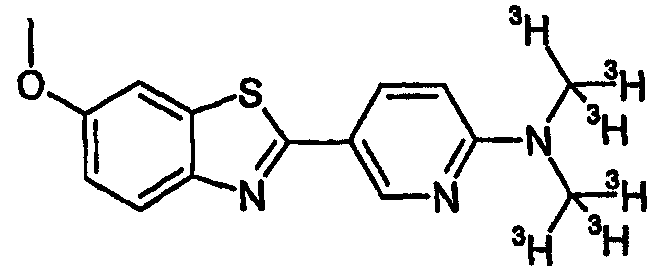
5-(6-메톡시-벤조티아졸-2-일)-피리딘-2-일아민 (0.7 mg, 2.7 ㎛ol)을 DMF (0.4 mL) 중 [3H]메틸 요오다이드 (100 mCi, 1.2 ㎛ol)와 염기로서의 수소화나트륨 (4 mg)과 혼합하고, 1시간 동안 50℃로 가열하였다. 반응 혼합물을 역상 HPLC로 정제하여 표제 화합물 (8.4 mCi, 8%)을 수득하였다. MS m/z (M+H) 298.5- (6-methoxy-benzothiazol-2-yl) -pyridin-2-ylamine (0.7 mg, 2.7 μmol) was added [ 3 H] methyl iodide (100 mCi, 1.2 μmol) and sodium hydride (4 mg) as base and heated to 50 ° C. for 1 hour. The reaction mixture was purified by reverse phase HPLC to give the title compound (8.4 mCi, 8%). MS m / z (M + H) 298.
실시예 30 Example 30
[N-디메틸-3H6]-2-(6-디메틸아미노-피리딘-3-일)-벤조티아졸-6-올[N- dimethyl - 3 H 6] -2- (6- Dimethylamino-pyridin-3-yl) benzothiazol-6-ol

[N-디메틸-3H6]-[5-(6-메톡시-벤조티아졸-2-일)-피리딘-2-일]-디메틸-아민 (5 mCi, 0.06 ㎛ol)을 N-메틸 피롤리디논 (0.4 mL) 중 나트륨 티오페녹시드 (4 mg)와 혼합하고, 250℃로 10분 동안 마이크로파 반응기에서 가열하였다. 반응 혼합물을 역상 HPLC로 정제하여 표제 화합물 (4.6 mCi, 92%)을 수득하였다. [N-Dimethyl- 3 H 6 ]-[5- (6-methoxy-benzothiazol-2-yl) -pyridin-2-yl] -dimethyl-amine (5 mCi, 0.06 μmol) N-methyl It was mixed with sodium thiophenoxide (4 mg) in pyrrolidinone (0.4 mL) and heated to 250 ° C. for 10 minutes in a microwave reactor. The reaction mixture was purified by reverse phase HPLC to give the title compound (4.6 mCi, 92%).

실시예 31 Example 31
[N-메틸-3H3]-[5-(6-메톡시-벤조티아졸-2-일)-피리딘-2-일]-메틸-아민[N- methyl- 3 H 3] - [5- (6- methoxy-benzothiazol-2-yl) -pyridin-2-yl] -methyl-amine

5-(6-메톡시-벤조티아졸-2-일)-피리딘-2-일아민 (3.6 mg, 14 ㎛ol)을 염기로서의 수소화나트륨 (24 mg)을 갖는 디메틸포름아미드 (0.4 mL) 중의 [3H]메틸 요오다이드 (30 mCi, 0.35 ㎛ol)와 혼합하고, 60℃로 30분 동안 가열하였다. 반응 혼합물을 역상 HPLC로 정제하여 표제 화합물 (17 mCi, 57%)을 수득하였다. MS m/z M+H 278.5- (6-methoxy-benzothiazol-2-yl) -pyridin-2-ylamine (3.6 mg, 14 μmol) in dimethylformamide (0.4 mL) with sodium hydride (24 mg) as base [ 3 H] methyl iodide (30 mCi, 0.35 μmol) was mixed and heated to 60 ° C. for 30 minutes. The reaction mixture was purified by reverse phase HPLC to give the title compound (17 mCi, 57%). MS m / z M + H 278.
실시예 32 Example 32
[N-메틸-3H3]-2-(6-메틸아미노-피리딘-3-일)-벤조티아졸-6-올[N- methyl - 3 H 3] -2- (6- methylamino-pyridin-3-yl) benzothiazol-6-ol

[N-메틸-3H3]-[5-(6-메톡시-벤조티아졸-2-일)-피리딘-2-일]-메틸-아민 (12.7 mCi, 0.15 ㎛ol)을 N-메틸 피롤리디논 (0.4 mL) 중 나트륨 티오페녹시드 (4.4 mg)와 혼합하고, 25O℃에서 20분 동안 마이크로파 반응기에서 가열하였다. 반응 혼합물을 역상 HPLC로 정제하여 표제 화합물 (11 mCi, 87%)을 수득하였다. [N- methyl - 3 H 3] - [5- (6- methoxy-benzothiazol-2-yl) -pyridin-2-yl] -methyl-N- amine (12.7 mCi, 0.15 ㎛ol) methyl It was mixed with sodium thiophenoxide (4.4 mg) in pyrrolidinone (0.4 mL) and heated in a microwave reactor at 25O < 0 > C for 20 minutes. The reaction mixture was purified by reverse phase HPLC to give the title compound (11 mCi, 87%).

실시예 33Example 33
5-(6-메톡시-1,3-벤조티아졸-2-일)-N,N-디메틸피리딘-2-아민5- (6-methoxy-1,3-benzothiazol-2-yl) -N, N-dimethylpyridin-2-amine

THF (5 mL) 중 2-(6-플루오로피리딘-3-일)-6-메톡시-1,3-벤조티아졸 (0.201 g) 및 2 M 디메틸아민을 마이크로파 오븐 내 100℃에서 5분 동안 가열하였다. 물을 첨가하고, 침전된 생성물을 여과하고 물로 세척하고 데시게이터 내 P2O5 상에서 건조시켜 0.193 g의 생성물을 담베이지색 고체로서 수득하였다. 2- (6-fluoropyridin-3-yl) -6-methoxy-1,3-benzothiazole (0.201 g) and 2 M dimethylamine in THF (5 mL) 5 min at 100 ° C. in a microwave oven Heated during. Water was added, the precipitated product was filtered off, washed with water and dried over P 2 O 5 in a desiccator to yield 0.193 g of the product as a pale beige solid.

실시예 34Example 34
2-[6-(디메틸아미노)피리딘-3-일]-1,3-벤조티아졸-6-올 2- [6- (dimethylamino) pyridin-3-yl] -1,3-benzothiazol-6-ol

5-(6-메톡시-1,3-벤조티아졸-2-일)-N,N-디메틸피리딘-2-아민 (131 mg)을 2-[6-(메틸아미노)피리딘-3-일]-1,3-벤조티아졸-6-올의 제조에 사용된 절차에 적용하였다. 중성화 후에, 수성상을 디클로로메탄 (3x)으로 추출하고 건조시키고 (MgSO4) 여과하여, 용매를 진공하에 제거하였다. 메탄올로부터 재결정하여 표제 화합물 (75 mg)을 담베이지색 고체로서 수득하였다. 5- (6-methoxy-1,3-benzothiazol-2-yl) -N, N-dimethylpyridin-2-amine (131 mg) 2- [6- (methylamino) pyridin-3-yl ] -1,3-benzothiazole-6-ol was applied to the procedure used for the preparation. After neutralization, the aqueous phase was extracted with dichloromethane (3x), dried (MgSO 4 ) filtered and the solvent removed in vacuo. Recrystallization from methanol gave the title compound (75 mg) as a pale beige solid.

실시예 35Example 35
2-(2-메톡시피리미딘-5-일)-1,3-벤조티아졸2- (2-methoxypyrimidin-5-yl) -1,3-benzothiazole

무수 DMF (3.5 mL) 중 1,3-벤조티아졸 (0.100 g, 0.74 mmol)에 5-브로모-2-메톡시피리미딘 (0.168 g, 0.89 mmol), Cu(I)Br (23 mg, 0.16 mmol), 탄산세슘 (0.242 g, 0.74 mmol) 및 비스(트리-t-부틸포스핀)팔라듐(0) (38 mg, 0.075 mmol) 을 첨가하고, 반응물을 밀봉 튜브에서 아르곤하에 150℃ 1시간 동안 가열하였다. 물 및 디클로로메탄을 첨가하고, 층을 분리하였다. 수성층을 디클로로메탄 (3x)으로 추출하였다. 합친 유기상을 물 및 염수로 세척하고 건조시키고 (MgSO4) 여과하여. 용매를 진공하에 제거하였다. 조 물질을 플래쉬 크로마토그래피 (헵탄/EtOAc 1:1)로 정제하여 표제 화합물 (71 mg)을 담갈색 고체로서 수득하였다. To 1,3-benzothiazole (0.100 g, 0.74 mmol) in anhydrous DMF (3.5 mL) 5-bromo-2-methoxypyrimidine (0.168 g, 0.89 mmol), Cu (I) Br (23 mg, 0.16 mmol), cesium carbonate (0.242 g, 0.74 mmol) and bis (tri-t-butylphosphine) palladium (0) (38 mg, 0.075 mmol) were added and the reaction was carried out at 150 ° C. for 1 hour under argon in a sealed tube. Heated during. Water and dichloromethane were added and the layers separated. The aqueous layer was extracted with dichloromethane (3x). The combined organic phases were washed with water and brine, dried (MgSO 4 ) and filtered. The solvent was removed in vacuo. The crude material was purified by flash chromatography (heptane / EtOAc 1: 1) to afford the title compound (71 mg) as a light brown solid.

실시예 36 Example 36
5-(5-메톡시-1,3-벤조티아졸-2-일)-N-메틸피리딘-2-아민5- (5-methoxy-1,3-benzothiazol-2-yl) -N-methylpyridin-2-amine

(a) 6-플루오로-N-(3-메톡시페닐)니코틴아미드(a) 6-fluoro-N- (3-methoxyphenyl) nicotinamide

디클로로메탄 (210 mL) 중 3-메톡시아닐린 (3.00 g, 24.4 mmol), 6-플루오로니코틴산 (4.41 g, 31.3 mmol) 및 4-디메틸아미노피리딘 (DMAP) (0.298 g, 2.44 mmol)의 용액에 질소 분위기 하에 DCM (60 mL) 중 N,N'-디시클로헥실카르보디이미드 (6.48 g, 31.4 mmol)의 용액을 0℃에서 적가하였다. 이어서, 용액을 실온으로 가온시키고 1시간 동안 교반하였다. 반응 혼합물을 여과하고, 유기상을 포화 수성 NaHCO3, 물 및 염수로 세척하였다. 유기상을 건조시키고 (MgSO4) 여과하고, 용매를 진공하에 제거하여 표제 화합물 (정량)을 오렌지색 고체로서 수득하고, 이를 추가 정제 없이 다음 단계에 사용하였다. MS m/z (M+H) 247.Solution of 3-methoxyaniline (3.00 g, 24.4 mmol), 6-fluoronicotinic acid (4.41 g, 31.3 mmol) and 4-dimethylaminopyridine (DMAP) (0.298 g, 2.44 mmol) in dichloromethane (210 mL) To a solution of N, N'-dicyclohexylcarbodiimide (6.48 g, 31.4 mmol) in DCM (60 mL) was added dropwise at 0 ° C. The solution was then warmed to room temperature and stirred for 1 hour. The reaction mixture is filtered and the organic phase is washed with saturated aqueous NaHCO 3 , water and brine. The organic phase was dried (MgSO 4 ) and the solvent was removed in vacuo to afford the title compound (quantity) as an orange solid, which was used in the next step without further purification. MS m / z (M + H) 247.
(b) 6-플루오로-N-(3-메톡시페닐)피리딘-3-카르보티오아미드(b) 6-fluoro-N- (3-methoxyphenyl) pyridine-3-carbothioamide

6-플루오로-N-(3-메톡시페닐)니코틴아미드 (1.00 g, 4.07 mmol)를 톨루엔 (20 mL) 중에 분산시키고, 헥사메틸디실록산 (1.65 mL, 7.73 mmol)을 아르곤하에 교반하면서 첨가하였다. 반응 혼합물을 60℃로 가열하고, 오황화인 (2.23 g)을 추가의 톨루엔 (7 mL)에 첨가하고, 반응 혼합물을 100℃에서 3.5시간 동안 가열하였다. 실온으로 냉각시킨 후에, 톨루엔을 진공하에 제거하고, 물 및 DCM을 첨가하고, 층을 분리하였다. 수성상을 DCM (3x)으로 추출하였다. 합친 유기상을 물로 세척하고 건조시키고 (MgSO4) 여과하고, 용매를 진공하에 제거하였다. 조 물질을 컬럼 크로마토그래피로 정제하여 (헵탄/EtOAc 60:40) 표제 화합물 (0.337 g)을 황색 오일로서 수득하였다. 6-Fluoro-N- (3-methoxyphenyl) nicotinamide (1.00 g, 4.07 mmol) is dispersed in toluene (20 mL) and hexamethyldisiloxane (1.65 mL, 7.73 mmol) is added with stirring under argon. It was. The reaction mixture was heated to 60 ° C., phosphorus sulphide (2.23 g) was added to additional toluene (7 mL) and the reaction mixture was heated at 100 ° C. for 3.5 h. After cooling to room temperature, toluene was removed under vacuum, water and DCM were added and the layers separated. The aqueous phase was extracted with DCM (3x). The combined organic phases were washed with water, dried (MgSO 4 ) filtered and the solvent removed in vacuo. The crude was purified by column chromatography (heptane / EtOAc 60:40) to give the title compound (0.337 g) as a yellow oil.

(c) 2-(6-플루오로피리딘-3-일)-5-메톡시-1,3-벤조티아졸(c) 2- (6-fluoropyridin-3-yl) -5-methoxy-1,3-benzothiazole

6-플루오로-N-(3-메톡시페닐)피리딘-3-카르보티오아미드 (0.317 g, 1.21 mmol)를 먼저 에탄올로 습윤시키고, NaOH (30% 수성, 0.30 mL)를 첨가하였다. 혼합물을 물로 희석시켜 10% NaOH의 최종 현탁액을 제공하였다. 이 혼합물의 분취액을 물 (3.2 mL) 중 칼륨 헥사시아노페레이트(III) (1.59 g, 4.84 mmol)의 교반된 용액에 85℃에서 1분 간격으로 첨가하였다. 이어서, 반응 혼합물을 85℃에서 추가 45분 동안 교반하였다. 실온으로 냉각시킨 후에, 물 및 DCM을 첨가하고, 층을 분리하였다. 수성상을 DCM (3x)으로 추출하였다. 합친 유기상을 건조시키고 (MgSO4) 여과하고, 용매를 진공하에 제거하였다. 조 물질을 컬럼 크로마토그래피 (DCM)로 정제하여 표제 화합물 (61 mg)을 담황색 고체로서 수득하였다. 6-Fluoro-N- (3-methoxyphenyl) pyridine-3-carbothioamide (0.317 g, 1.21 mmol) was first wetted with ethanol and NaOH (30% aqueous, 0.30 mL) was added. The mixture was diluted with water to give a final suspension of 10% NaOH. An aliquot of this mixture was added to a stirred solution of potassium hexacyanoferrate (III) (1.59 g, 4.84 mmol) in water (3.2 mL) at 85 ° C. at 1 minute intervals. The reaction mixture was then stirred at 85 ° C. for an additional 45 minutes. After cooling to room temperature, water and DCM were added and the layers separated. The aqueous phase was extracted with DCM (3x). The combined organic phases were dried (MgSO 4 ) filtered and the solvent removed in vacuo. The crude was purified by column chromatography (DCM) to give the title compound (61 mg) as a pale yellow solid.

(d) 5-(5-메톡시-1,3-벤조티아졸-2-일)-N-메틸피리딘-2-아민 (표제 화합물) (d) 5- (5-methoxy-1,3-benzothiazol-2-yl) -N-methylpyridin-2-amine (title compound)
2-(6-플루오로피리딘-3-일)-5-메톡시-1,3-벤조티아졸 (59.2 mg, 0.227 mmol)에 에탄올 중 메틸아민 (8 M, 2 mL)을 첨가하고, 반응 혼합물을 마이크로파 오븐 내 100℃에서 5분 동안 가열하였다. 물 및 디클로로메탄을 첨가하고, 층을 분리하였다. 수성상을 디클로로메탄 (3x)으로 추출하였다. 합친 유기상을 물로 세척하고 건조시키고 (MgSO4) 여과하고, 용매를 진공하에 제거하였다. 조 물질을 컬럼 크로마토그래피로 정제하여 (헵탄/EtOAc 60:40 내지 50:50) 표제 화합물 (39 mg)을 담황색 고체로서 수득하였다. To 2- (6-fluoropyridin-3-yl) -5-methoxy-1,3-benzothiazole (59.2 mg, 0.227 mmol) is added methylamine (8 M, 2 mL) in ethanol and reaction The mixture was heated at 100 ° C. for 5 minutes in a microwave oven. Water and dichloromethane were added and the layers separated. The aqueous phase was extracted with dichloromethane (3x). The combined organic phases were washed with water, dried (MgSO 4 ) filtered and the solvent removed in vacuo. The crude was purified by column chromatography (heptane / EtOAc 60:40 to 50:50) to give the title compound (39 mg) as a pale yellow solid.

실시예 37 Example 37
2-[6-(메틸아미노)피리딘-3-일]-1,3-벤조티아졸-5-올 2- [6- (methylamino) pyridin-3-yl] -1,3-benzothiazol-5-ol

5-(5-메톡시-1,3-벤조티아졸-2-일)-N-메틸피리딘-2-아민 (29.6 mg, 0.109 mmol)을 2-[6-(메틸아미노)피리딘-3-일]-1,3-벤조티아졸-6-올의 제조에 사용된 절차에 적용하였다. 중성화 후에, 침전된 생성물을 여과하고 물 및 EtOAc로 세척하고 진공하에 건조시켜 표제 화합물 (23 mg)을 황색 고체로서 수득하였다. 5- (5-methoxy-1,3-benzothiazol-2-yl) -N-methylpyridin-2-amine (29.6 mg, 0.109 mmol) was added 2- [6- (methylamino) pyridine-3- It was applied to the procedure used to prepare the Japanese] -1,3-benzothiazol-6-ol. After neutralization, the precipitated product was filtered off, washed with water, EtOAc and dried under vacuum to afford the title compound (23 mg) as a yellow solid.

실시예 38 Example 38
2-[6-(메틸아미노)피리딘-3-일]-1,3-벤조티아졸-5-아민2- [6- (methylamino) pyridin-3-yl] -1,3-benzothiazol-5-amine

표제 화합물을 2-(2-메톡시피리미딘-5-일)-1,3-벤조티아졸의 제조에 사용된 방법에 따라 1,3-벤조티아졸-5-아민 (50 mg, 0.33 mmol) 및 5-브로모-N-메틸피리딘-2-아민 (75 mg, 0.40 mmol)으로부터 새로 출발하여 제조하였다. 조 물질을 정제용 HPLC로 정제하여 표제 화합물 (12 mg)을 담베이지색 고체로서 수득하였다. 1,3-benzothiazole-5-amine (50 mg, 0.33 mmol) according to the method used for the preparation of 2- (2-methoxypyrimidin-5-yl) -1,3-benzothiazole ) And 5-bromo-N-methylpyridin-2-amine (75 mg, 0.40 mmol). The crude material was purified by preparative HPLC to give the title compound (12 mg) as a pale beige solid.

실시예 39 Example 39
N-에틸-5-(6-메톡시-1,3-벤조티아졸-2-일)피리딘-2-아민N-ethyl-5- (6-methoxy-1,3-benzothiazol-2-yl) pyridin-2-amine

마이크로파 바이알에 2-(6-플루오로피리딘-3-일)-6-메톡시-1,3-벤조티아졸 (75 mg, 0.289 mmol), 물 (1.2 mL) 및 물 중 에틸아민 (70%, 1.2 mL)을 첨가하고, 반응물을 마이크로파 오븐 내 100℃에서 5분 동안 가열하였다. 침전된 생성물을 여과하고 물로 세척하고 데시게이터 내 P2O5 상에서 건조시켜 생성물 (67 mg)을 백색 고체로서 수득하였다. In a microwave vial 2- (6-fluoropyridin-3-yl) -6-methoxy-1,3-benzothiazole (75 mg, 0.289 mmol), water (1.2 mL) and ethylamine in water (70% , 1.2 mL) was added and the reaction was heated at 100 ° C. for 5 minutes in a microwave oven. The precipitated product was filtered off, washed with water and dried over P 2 O 5 in a desiccator to give the product (67 mg) as a white solid.
실시예 40Example 40
2-[6-(에틸아미노)피리딘-3-일]-1,3-벤조티아졸-6-올2- [6- (ethylamino) pyridin-3-yl] -1,3-benzothiazol-6-ol

디클로로메탄 (2 mL) 중 N-에틸-5-(6-메톡시-1,3-벤조티아졸-2-일)피리딘-2-아민 (52.8 mg, 0.185 mmol)에 디클로로메탄 중 BBr3 (1 M, 925 ㎕)을 0℃에서 아르곤 분위기 하에 첨가하였다. 이어서, 반응물을 0℃에서 3시간 동안 교반하고, 그후 이를 NaHCO3 (포화 수성)으로 중성화시켰다. 침전된 생성물을 여과하고 물 및 DCM으로 세척하고 건조시켰다. (MeOH/톨루엔)으로부터 재결정하여 표제 화합물 (11 mg)을 백색 고체로서 수득하였다. B-Br 3 in dichloromethane in N-ethyl-5- (6-methoxy-1,3-benzothiazol-2-yl) pyridin-2-amine (52.8 mg, 0.185 mmol) in dichloromethane (2 mL) 1 M, 925 μl) was added at 0 ° C. under argon atmosphere. The reaction was then stirred at 0 ° C. for 3 h, then neutralized with NaHCO 3 (saturated aqueous). The precipitated product was filtered off, washed with water and DCM and dried. Recrystallization from (MeOH / toluene) gave the title compound (11 mg) as a white solid.

실시예 41 Example 41
N-에틸-5-(6-메톡시-1,3-벤조티아졸-2-일)-N-메틸피리딘-2-아민N-ethyl-5- (6-methoxy-1,3-benzothiazol-2-yl) -N-methylpyridin-2-amine

마이크로파 바이알에 2-(6-플루오로피리딘-3-일)-6-메톡시-1,3-벤조티아졸 (75 mg, 0.289 mmol), 물 (2.0 mL) 및 에틸메틸아민 (0.50 mL)을 첨가하고, 반응물을 마이크로파 오븐 내 100℃에서 5분 동안 가열하였다. 침전된 생성물을 여과하고 물로 세척하고 데시게이터 내 P2O5 상에서 건조시켜 생성물 (70 mg)을 베이지색 고체로서 수득하였다. In a microwave vial 2- (6-fluoropyridin-3-yl) -6-methoxy-1,3-benzothiazole (75 mg, 0.289 mmol), water (2.0 mL) and ethylmethylamine (0.50 mL) Was added and the reaction was heated at 100 ° C. for 5 minutes in a microwave oven. The precipitated product was filtered off, washed with water and dried over P 2 O 5 in a desiccator to give the product (70 mg) as a beige solid.

실시예 42 Example 42
2-{6-[에틸(메틸)아미노]피리딘-3-일}-1,3-벤조티아졸-6-올2- {6- [ethyl (methyl) amino] pyridin-3-yl} -1,3-benzothiazol-6-ol

N-에틸-5-(6-메톡시-1,3-벤조티아졸-2-일)-N-메틸피리딘-2-아민 (55.4 mg, 0.185 mmol)을 2-[6-(에틸아미노)피리딘-3-일]-1,3-벤조티아졸-6-올에 대해 기재된 절차에 적용하였다. 메탄올로부터 재결정하여 23.7 mg의 표제 화합물을 담황색 고 체로서 수득하였다. N-ethyl-5- (6-methoxy-1,3-benzothiazol-2-yl) -N-methylpyridin-2-amine (55.4 mg, 0.185 mmol) in 2- [6- (ethylamino) The procedure described for pyridin-3-yl] -1,3-benzothiazol-6-ol was applied. Recrystallization from methanol gave 23.7 mg of the title compound as a pale yellow solid.

실시예 43 Example 43
6-메톡시-2-[5-(트리플루오로메틸)피리딘-2-일]-1,3-벤조티아졸6-methoxy-2- [5- (trifluoromethyl) pyridin-2-yl] -1,3-benzothiazole

6-메톡시-1,3-벤조티아졸 (35 mg, 0.21 mmol) 및 2-브로모-5-(트리플루오로메틸)피리딘 (1.1 당량)을 탈기된 무수 DMF (1.5 mL) 중에 용해시켰다. 탄산세슘 (72.5 mg, 0.22 mmol) 및 비스(트리-t-부틸포스핀)팔라듐(0) (5.5 mg, 0.011 mmol)을 첨가하고, 반응물을 아르곤 하에 150℃에서 3시간 동안 가열하였다. 약 4O℃로 냉각시킨 후에, 반응 혼합물을 여과하고, 필터를 DMF로 세척하였다. 여액을 원심분리로 농축하고, 잔사를 DMSO 중에 용해시키고 정제용 HPLC로 정제하여 표제 화합물 (11 mg)을 황색 고체로서 수득하였다. 6-methoxy-1,3-benzothiazole (35 mg, 0.21 mmol) and 2-bromo-5- (trifluoromethyl) pyridine (1.1 equiv) were dissolved in degassed anhydrous DMF (1.5 mL). . Cesium carbonate (72.5 mg, 0.22 mmol) and bis (tri-t-butylphosphine) palladium (0) (5.5 mg, 0.011 mmol) were added and the reaction was heated at 150 ° C. for 3 hours under argon. After cooling to about 40 [deg.] C., the reaction mixture was filtered and the filter was washed with DMF. The filtrate was concentrated by centrifugation and the residue was dissolved in DMSO and purified by preparative HPLC to give the title compound (11 mg) as a yellow solid.

실시예 44 Example 44
2-(5-플루오로피리딘-2-일)-6-메톡시-1,3-벤조티아졸2- (5-fluoropyridin-2-yl) -6-methoxy-1,3-benzothiazole

6-메톡시-1,3-벤조티아졸 (35 mg, 0.21 mmol) 및 2-브로모-5-플루오로피리딘 (1.1 당량)을 6-메톡시-2-[5-(트리플루오로메틸)피리딘-2-일]-1,3-벤조티아졸의 제조에 사용된 절차에 따라 반응시켰다. 이에 따라 표제 화합물 (6 mg)을 황색 고체로서 수득하였다. 6-methoxy-1,3-benzothiazole (35 mg, 0.21 mmol) and 2-bromo-5-fluoropyridine (1.1 equiv) were added to 6-methoxy-2- [5- (trifluoromethyl ) Pyridin-2-yl] -1,3-benzothiazole was reacted according to the procedure used. This resulted in the title compound (6 mg) as a yellow solid.

실시예 45 Example 45
6-메톡시-2-[5-(메틸술포닐)피리딘-2-일]-1,3-벤조티아졸6-methoxy-2- [5- (methylsulfonyl) pyridin-2-yl] -1,3-benzothiazole

6-메톡시-1,3-벤조티아졸 (35 mg, 0.21 mmol) 및 2-브로모-5-(메틸술포닐)피리딘 (1.1 당량)을 6-메톡시-2-[5-(트리플루오로메틸)피리딘-2-일]-1,3-벤조티아졸의 제조에 사용된 절차에 따라 반응시켰다. 이에 따라 표제 화합물 (3 mg)을 갈색 고체로서 수득하였다. 6-methoxy-1,3-benzothiazole (35 mg, 0.21 mmol) and 2-bromo-5- (methylsulfonyl) pyridine (1.1 equiv) were converted to 6-methoxy-2- [5- (tri The reaction was carried out according to the procedure used for preparing fluoromethyl) pyridin-2-yl] -1,3-benzothiazole. This resulted in the title compound (3 mg) as a brown solid.

실시예 46Example 46
2-(6-에톡시피리딘-3-일)-6-메톡시-1,3-벤조티아졸2- (6-ethoxypyridin-3-yl) -6-methoxy-1,3-benzothiazole

6-메톡시-1,3-벤조티아졸 (35 mg, 0.21 mmol) 및 2-브로모-5-에톡시피리딘 (1.1 당량)을 6-메톡시-2-[5-(트리플루오로메틸)피리딘-2-일]-1,3-벤조티아졸의 제조에 사용된 절차에 따라 반응시켰다. 이에 따라 표제 화합물 (17 mg)을 담베이지색 고체로서 수득하였다. 6-methoxy-1,3-benzothiazole (35 mg, 0.21 mmol) and 2-bromo-5-ethoxypyridine (1.1 equiv) were added to 6-methoxy-2- [5- (trifluoromethyl ) Pyridin-2-yl] -1,3-benzothiazole was reacted according to the procedure used. This resulted in the title compound (17 mg) as a pale beige solid.

실시예 47Example 47
6-메톡시-2-(2-피페라진-1-일피리미딘-5-일)-1,3-벤조티아졸 6-methoxy-2- (2-piperazin-1-ylpyrimidin-5-yl) -1,3-benzothiazole

6-메톡시-1,3-벤조티아졸 (35 mg, 0.21 mmol) 및 5-브로모-2-피페라진-1-일피리미딘 (1.1 당량)을 6-메톡시-2-[5-(트리플루오로메틸)피리딘-2-일]-1,3-벤조티아졸의 제조에 사용된 절차에 따라 반응시켰다. 이에 따라 표제 화합물 (3 mg)을 황색 고체로서 수득하였다. 6-methoxy-1,3-benzothiazole (35 mg, 0.21 mmol) and 5-bromo-2-piperazin-1-ylpyrimidine (1.1 equiv) were converted to 6-methoxy-2- [5- Reaction was carried out according to the procedure used for preparing (trifluoromethyl) pyridin-2-yl] -1,3-benzothiazole. This resulted in the title compound (3 mg) as a yellow solid.

실시예 48 Example 48
5-(6-메톡시-1,3-벤조티아졸-2-일)-N,N-디메틸피리미딘-2-아민5- (6-methoxy-1,3-benzothiazol-2-yl) -N, N-dimethylpyrimidin-2-amine

6-메톡시-1,3-벤조티아졸 (0.165 g, 1.00 mmol) 및 5-브로모-N,N-디메틸피리미딘-2-아민 (0.242 g, 1.20 mmol)을 2-(2-메톡시피리미딘-5-일)-1,3-벤조티아졸의 제조에 사용된 절차에 따라 제조하되, 단, 반응물을 170℃에서 마이크로파 반응기 내에서 3시간 동안 가열하였다. 플래쉬 크로마토그래피로 정제한 다음 (헵탄/EtOAc 구배), 아세토니트릴로부터 재결정하여 표제 화합물 (10 mg)을 무색 침상형 결정으로서 수득하였다. 6-methoxy-1,3-benzothiazole (0.165 g, 1.00 mmol) and 5-bromo-N, N-dimethylpyrimidin-2-amine (0.242 g, 1.20 mmol) were added 2- (2-methoxy Prepared according to the procedure used for the preparation of cipyrimidin-5-yl) -1,3-benzothiazole, except that the reaction was heated at 170 ° C. for 3 hours in a microwave reactor. Purification by flash chromatography (heptane / EtOAc gradient) and then recrystallization from acetonitrile gave the title compound (10 mg) as colorless needles.

실시예 49Example 49
2-[2-(디메틸아미노)피리미딘-5-일]-1,3-벤조티아졸-6-올2- [2- (dimethylamino) pyrimidin-5-yl] -1,3-benzothiazol-6-ol

DCM (2 mL) 중 5-(6-메톡시-1,3-벤조티아졸-2-일)-N,N-디메틸피리미딘-2-아민 (0.196 mg, 0.68 mmol)의 교반된 슬러리에 0℃에서 아르곤 하에 BBr3 (DCM 중 1 M, 4.1 mL)을 시린지를 통해 첨가하였다. 5분 교반한 후에, 건조용 튜브 (CaCl2)에서 교반하면서 반응 혼합물이 6.5시간에 걸쳐 실온에 도달하게 하였다. 이어서, 포화 수성 NaHCO3을 조심스럽게 첨가하고, 혼합물을 실온에서 격렬하게 교반한 후에, 이를 진공하에 농축하였다. 잔사를 MeOH 중에 용해시키고 실리카 상에서 농축하고 실리카를 통해 여과하였다 (EtOAc/MeOH 10:1). HPLC로 정제하여 표제 화합물 (12 mg)을 황색 고체 수득하였다. To a stirred slurry of 5- (6-methoxy-1,3-benzothiazol-2-yl) -N, N-dimethylpyrimidin-2-amine (0.196 mg, 0.68 mmol) in DCM (2 mL) BBr 3 (1 M in DCM, 4.1 mL) was added via syringe at 0 ° C. under argon. After stirring for 5 minutes, the reaction mixture was allowed to reach room temperature over 6.5 hours with stirring in a drying tube (CaCl 2 ). Saturated aqueous NaHCO 3 was then added carefully and the mixture was vigorously stirred at room temperature before it was concentrated in vacuo. The residue was dissolved in MeOH, concentrated on silica and filtered through silica (EtOAc / MeOH 10: 1). Purification by HPLC gave the title compound (12 mg) as a yellow solid.

실시예 50 Example 50
5-(6-메톡시-1,3-벤조티아졸-2-일)-N-메틸피리미딘-2-아민5- (6-methoxy-1,3-benzothiazol-2-yl) -N-methylpyrimidin-2-amine

6-메톡시-1,3-벤조티아졸 (0.100 g, 0.61 mmol) 및 5-브로모-N-메틸피리미딘-2-아민 (0.171 g, 0.91 mmol)을 2-(2-메톡시피리미딘-5-일)-1,3-벤조티아졸의 제조에 사용된 절차에 따라 반응시키되, 단, 반응물을 170℃에서 마이크로파 반응기 내에서 1.5시간 동안 가열하였다. 반응 혼합물을 EtOAc 및 물로 희석시키고, 혼합물을 여과하였다. 상을 분리하고, 수성층을 EtOAc (3x)로 추출하였다. 유기상을 염수 (2x)로 세척하고, 건조시키고 (MgSO4), 진공하에 농축하였다. 플래쉬 크로마토그래피 (헵탄/EtOAc 구배)로 표제 화합물 (54 mg)을 황색 고체로서 수득하였다. 6-methoxy-1,3-benzothiazole (0.100 g, 0.61 mmol) and 5-bromo-N-methylpyrimidin-2-amine (0.171 g, 0.91 mmol) were added 2- (2-methoxypyrimid The reaction was carried out according to the procedure used for the preparation of din-5-yl) -1,3-benzothiazole, except that the reaction was heated at 170 ° C. for 1.5 hours in a microwave reactor. The reaction mixture was diluted with EtOAc and water and the mixture was filtered. The phases were separated and the aqueous layer was extracted with EtOAc (3 ×). The organic phase was washed with brine (2 ×), dried (MgSO 4 ) and concentrated in vacuo. Flash chromatography (heptane / EtOAc gradient) gave the title compound (54 mg) as a yellow solid.

실시예 51 Example 51
2-[2-(메틸아미노)피리미딘-5-일]-1,3-벤조티아졸-6-올2- [2- (methylamino) pyrimidin-5-yl] -1,3-benzothiazol-6-ol

5-(6-메톡시-1,3-벤조티아졸-2-일)-N-메틸피리미딘-2-아민 (0.146 g, 0.54 mmol)을 2-[2-(디메틸아미노)피리미딘-5-일]-1,3-벤조티아졸-6-올의 제조에 사용된 절차에 따라 반응시켰다. 증발 후 얻어진 잔사를 HPLC로 정제하여 표제 화합물 (11 mg)을 수득하였다. 5- (6-methoxy-1,3-benzothiazol-2-yl) -N-methylpyrimidin-2-amine (0.146 g, 0.54 mmol) was added 2- [2- (dimethylamino) pyrimidine- Reaction was carried out according to the procedure used for the preparation of 5-yl] -1,3-benzothiazole-6-ol. The residue obtained after evaporation was purified by HPLC to give the title compound (11 mg).

실시예 52 Example 52
5-(6-메톡시-1,3-벤조티아졸-2-일)피리미딘-2-아민5- (6-methoxy-1,3-benzothiazol-2-yl) pyrimidin-2-amine

DMF (7 mL) 중 2-브로모-6-메톡시-1,3-벤조티아졸 (0.300 g, 1.23 mmol), 5-(4,4,5-트리메틸-1,3,2-디옥사보롤란-2-일)피리미딘-2-아민 (0.326 g, 1.47 mmol), Pd(dppf)Cl2*DCM (50 mg, 0.061 mmol) 및 2 M 수성 K2CO3 (3 mL)의 혼합물을 아르곤 하에 80℃에서 1시간 동안 교반하였다. 반응 혼합물을 실온에 도달하게 하고, 실리카를 통해 여과하였다. 필터 케이크를 DCM 및 DMF로 세척하였다. 여액을 진공하에 농축하였다. 잔사를 플래쉬 크로마토그래피하여 (헵탄/EtOAc 구배) 표제 화합물 (0.171 g)을 황색 고체로서 수득하였다. 2-bromo-6-methoxy-1,3-benzothiazole (0.300 g, 1.23 mmol), 5- (4,4,5-trimethyl-1,3,2-dioxa in DMF (7 mL) Mixture of borola-2-yl) pyrimidin-2-amine (0.326 g, 1.47 mmol), Pd (dppf) Cl 2 * DCM (50 mg, 0.061 mmol) and 2 M aqueous K 2 CO 3 (3 mL) Was stirred at 80 ° C. for 1 h under argon. The reaction mixture was allowed to reach room temperature and filtered through silica. The filter cake was washed with DCM and DMF. The filtrate was concentrated in vacuo. The residue was flash chromatographed (heptane / EtOAc gradient) to give the title compound (0.171 g) as a yellow solid.

실시예 53 Example 53
6-메톡시-2-(2-메톡시피리미딘-5-일)-1,3-벤조티아졸6-methoxy-2- (2-methoxypyrimidin-5-yl) -1,3-benzothiazole

6-메톡시-1,3-벤조티아졸 (30 mg, 0.18 mmol) 및 5-브로모-2-메톡시피리미딘 (41 mg, 0.22 mmol)을 2-(2-메톡시피리미딘-5-일)-1,3-벤조티아졸의 제조에 사용된 절차에 따라 반응시키되, 단, 반응물을 150℃에서 마이크로파 반응기 내에서 15분 동안 가열하였다. 플래쉬 크로마토그래피로 정제하여 (헵탄/EtOAc 3:1) 표제 화합물 (13 mg)을 백색 고체로서 수득하였다. 6-methoxy-1,3-benzothiazole (30 mg, 0.18 mmol) and 5-bromo-2-methoxypyrimidine (41 mg, 0.22 mmol) were added to 2- (2-methoxypyrimidine-5 The reaction was carried out according to the procedure used for the preparation of -yl) -1,3-benzothiazole, except that the reaction was heated at 150 ° C. for 15 minutes in a microwave reactor. Purification by flash chromatography (heptane / EtOAc 3: 1) gave the title compound (13 mg) as a white solid.

실시예 54 Example 54
6-(6-메톡시-1,3-벤조티아졸-2-일)피리딘-3-아민6- (6-methoxy-1,3-benzothiazol-2-yl) pyridin-3-amine

6-메톡시-1,3-벤조티아졸 (60 mg, 0.36 mmol) 및 6-브로모피리딘-3-아민 (76 mg, 0.44 mmol)을 2-(2-메톡시피리미딘-5-일)-1,3-벤조티아졸의 제조에 사용된 절차에 따라 반응시키되, 단, 반응물을 170℃에서 마이크로파 반응기 내에서 1.5시간 동안 가열하였다. 물 및 EtOAc를 첨가하고, 혼합물을 여과하였다. 여액의 상을 분리하고, 수성층을 EtOAc (3x)로 추출하였다. 유기상을 염수로 세척하고, 건조시키고 (MgSO4), 진공하에 농축하였다. 플래쉬 크로마토그래피로 (헵탄/EtOAc)에 이어, 정제용 HPLC로 정제하여 표제 화합물 (22 mg)을 회백색 고체로서 수득하였다. 6-methoxy-1,3-benzothiazole (60 mg, 0.36 mmol) and 6-bromopyridin-3-amine (76 mg, 0.44 mmol) were 2- (2-methoxypyrimidin-5-yl The reaction was carried out according to the procedure used for the preparation of) -1,3-benzothiazole, except that the reaction was heated at 170 ° C. for 1.5 hours in a microwave reactor. Water and EtOAc were added and the mixture was filtered. The filtrate phases were separated and the aqueous layer was extracted with EtOAc (3 ×). The organic phase was washed with brine, dried (MgSO 4 ) and concentrated in vacuo. Purification by flash chromatography (heptane / EtOAc) followed by preparative HPLC gave the title compound (22 mg) as off-white solid.

실시예 55 Example 55
6-(6-메톡시-1,3-벤조티아졸-2-일)-N,N-디메틸피리딘-3-아민6- (6-methoxy-1,3-benzothiazol-2-yl) -N, N-dimethylpyridin-3-amine

6-메톡시-1,3-벤조티아졸 (0.136 g, 0.82 mmol; 문헌 [M. A. Matulenko et al. Bioorg. Med. Chem. 2005, 13, 3705.]) 및 6-브로모-N,N-디메틸피리딘-3-아민 (0.199 g, 0.99 mmol)을 6-메톡시-2-[5-(트리플루오로메틸)피리딘-2-일]-1,3-벤조티아졸의 제조에 사용된 절차에 따라 반응시키되, 단, 10 mol% 비스(트리-t-부틸포스핀) 팔라듐(0)을 사용하고, DMF의 양을 감소시키고 (2 mL), 반응 혼합물을 150℃에서 4.5시간 동안 가열한 후, 이를 짧은 실리카 플러그를 통해 여과하고, 이를 DCM 및 DMF로 헹구었다. 용매를 감압하에 증발시키고, 잔사를 플래쉬 크로마토그래피에 적용하였다 (헵탄/EtOAc 구배). 표제 화합물 (0.100 g)을 황색 고체로서 단리하였다. 6-methoxy-1,3-benzothiazole (0.136 g, 0.82 mmol; MA Matulenko et al. Bioorg. Med. Chem. 2005, 13, 3705.) and 6-bromo-N, N- Dimethylpyridin-3-amine (0.199 g, 0.99 mmol) was used to prepare 6-methoxy-2- [5- (trifluoromethyl) pyridin-2-yl] -1,3-benzothiazole. Reaction, except that 10 mol% bis (tri-t-butylphosphine) palladium (0) was used, the amount of DMF was reduced (2 mL) and the reaction mixture was heated at 150 ° C. for 4.5 h. Then it was filtered through a short silica plug and rinsed with DCM and DMF. The solvent was evaporated under reduced pressure and the residue was subjected to flash chromatography (heptane / EtOAc gradient). The title compound (0.100 g) was isolated as a yellow solid.

실시예 56Example 56
2-[5-(디메틸아미노)피리딘-2-일]-1,3-벤조티아졸-6-올2- [5- (dimethylamino) pyridin-2-yl] -1,3-benzothiazol-6-ol

DCM (1 mL) 중 6-(6-메톡시-1,3-벤조티아졸-2-일)-N,N-디메틸피리딘-3-아민 (61 mg, 0.21 mmol)의 교반된 용액에 0℃에서 아르곤 하에 BBr3 (DCM 중 1 M, 1.1 mL)을 시린지를 통해 첨가하였다. 5분 교반한 후에, 건조용 튜브 (CaCl2) 하에서 교반하면서 반응 혼합물이 실온에 도달하게 하였다. 이어서 포화 수성 NaHCO3을 조심스럽게 첨가하고, 혼합물을 추가 4시간 동안 실온에서 격렬하게 교반하였다. DCM을 감압하에 증발시키고, 수성상을 EtOAc로 밤새 연속 추출하였다. 유기층을 농축하여 표제 화합물 (15 mg)을 황색 고체로서 수득하였다. 0 to a stirred solution of 6- (6-methoxy-1,3-benzothiazol-2-yl) -N, N-dimethylpyridin-3-amine (61 mg, 0.21 mmol) in DCM (1 mL) BBr 3 (1 M in DCM, 1.1 mL) was added via syringe under argon at ° C. After stirring for 5 minutes, the reaction mixture was allowed to reach room temperature with stirring under a drying tube (CaCl 2 ). Saturated aqueous NaHCO 3 was then carefully added and the mixture is vigorously stirred at room temperature for an additional 4 hours. DCM was evaporated under reduced pressure and the aqueous phase was extracted continuously with EtOAc overnight. The organic layer was concentrated to give the title compound (15 mg) as a yellow solid.

실시예 57 Example 57
6-메톡시-2-(6-모르폴린-4-일피리딘-3-일)-1,3-벤조티아졸6-methoxy-2- (6-morpholin-4-ylpyridin-3-yl) -1,3-benzothiazole

2-브로모-6-메톡시-1,3-벤조티아졸 (49 mg, 0.20 mmol), 4-[5-(4,4,5,5-테트라메틸-1,3,2-디옥사보롤란-2-일)피리딘-2-일]모르폴린 (70 mg, 0.24 mmol)을 5-(6-메톡시-1,3-벤조티아졸-2-일)피리미딘-2-아민의 제조에 사용된 절차에 따라 반응시키되, 단, 반응물을 4시간 동안 가열한 후에, 용매를 감압하에 증발시켰다. 잔사를 MeOH/DCM 1:1 중에 용해시키고, 실리카를 통해 여과하였다. 여액을 농축하고, 조 생성물을 정제용 HPLC로 정제하여 표제 화합물 (0.6 mg)을 수득하였다. 2-bromo-6-methoxy-1,3-benzothiazole (49 mg, 0.20 mmol), 4- [5- (4,4,5,5-tetramethyl-1,3,2-dioxa Borol-2-yl) pyridin-2-yl] morpholine (70 mg, 0.24 mmol) was added to 5- (6-methoxy-1,3-benzothiazol-2-yl) pyrimidin-2-amine. The reaction was carried out according to the procedure used for the preparation, except that after the reaction was heated for 4 hours, the solvent was evaporated under reduced pressure. The residue was dissolved in MeOH / DCM 1: 1 and filtered through silica. The filtrate was concentrated and the crude product was purified by preparative HPLC to give the title compound (0.6 mg).

실시예 58 Example 58
2-(6-아미노피리딘-3-일)-1,3-벤조티아졸-6-올 2- (6-aminopyridin-3-yl) -1,3-benzothiazol-6-ol

5-(6-메톡시-1,3-벤조티아졸-2-일)피리딘-2-아민 (190 mg, 0.74 mmol)을 2-[6-(메틸아미노)피리딘-3-일]-1,3-벤조티아졸-6-올의 제조에 사용된 절차에 노출시켰다. 중성화 후에, 침전물을 여과하고 물로 세척하였다. 조질 고체를 고온 EtOAc/MeOH 95:5 중에 슬러리화하고 여과하였다. 여액을 감압하에 농축하고, 잔사를 플래쉬 크로마토그래피에 적용하여 (EtOAc/MeOH 95:5) 생성물을 얻고, 이를 1회 더 크로마토그래피하여 (DCMMeOH 95:5) 표제 화합물 (65 mg)을 수득하였다. 5- (6-methoxy-1,3-benzothiazol-2-yl) pyridin-2-amine (190 mg, 0.74 mmol) to 2- [6- (methylamino) pyridin-3-yl] -1 The procedure used for the preparation of, 3-benzothiazol-6-ol was exposed. After neutralization, the precipitate was filtered off and washed with water. The crude solid was slurried in hot EtOAc / MeOH 95: 5 and filtered. The filtrate was concentrated under reduced pressure and the residue was subjected to flash chromatography to give (EtOAc / MeOH 95: 5) product, which was chromatographed once more (DCMMeOH 95: 5) to give the title compound (65 mg).

실시예 59 Example 59
2-(6-모르폴린-4-일피리딘-3-일)-1,3-벤조티아졸2- (6-morpholin-4-ylpyridin-3-yl) -1,3-benzothiazole
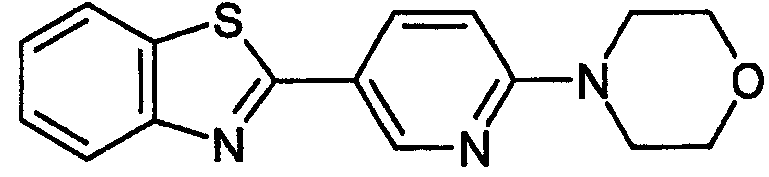
2-브로모-1,3-벤조티아졸 (100 mg, 0.47 mmol) 및 4-[5-(4,4,5,5-테트라메틸-1,3,2-디옥사보롤란-2-일)피리딘-2-일]모르폴린 (163 mg, 0.56 mmol)을 5-(6-메톡시-1,3-벤조티아졸-2-일)피리미딘-2-아민의 제조에 사용된 절차에 따라 반응시켰다. 플래쉬 크로마토그래피하여 (헵탄/EtOAc 1:1) 풍부한 양의 표제 화합물 (73 mg)을 회백색 고체로서 수득하였다. 2-bromo-1,3-benzothiazole (100 mg, 0.47 mmol) and 4- [5- (4,4,5,5-tetramethyl-1,3,2-dioxaborolan-2- The procedure used to prepare the 1) pyridin-2-yl] morpholine (163 mg, 0.56 mmol) 5- (6-methoxy-1,3-benzothiazol-2-yl) pyrimidin-2-amine Reacted accordingly. Flash chromatography (heptane / EtOAc 1: 1) gave a rich amount of the title compound (73 mg) as an off-white solid.

실시예 60 Example 60
6-플루오로-2-(6-모르폴린-4-일피리딘-3-일)-1,3-벤조티아졸6-fluoro-2- (6-morpholin-4-ylpyridin-3-yl) -1,3-benzothiazole
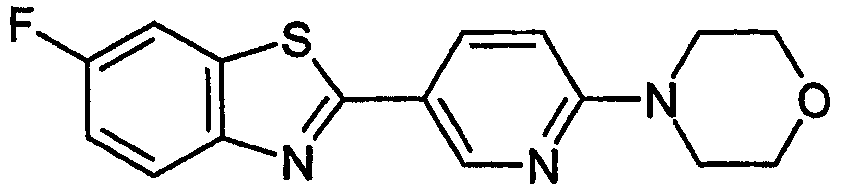
2-브로모-6-플루오로-1,3-벤조티아졸 (100 mg, 0.43 mmol) 및 4-[5-(4,4,5,5-테트라메틸-1,3,2-디옥사보롤란-2-일)피리딘-2-일]모르폴린 (150 mg, 0.52 mmol)을 5-(6-메톡시-1,3-벤조티아졸-2-일)피리미딘-2-아민의 제조에 사용된 절차에 따라 반응시켰다. 플래쉬 크로마토그래피하여 (헵탄/EtOAc 1:1) 풍부한 양의 표제 화합물 (126 mg)을 회백색 고체로서 수득하였다. 2-bromo-6-fluoro-1,3-benzothiazole (100 mg, 0.43 mmol) and 4- [5- (4,4,5,5-tetramethyl-1,3,2-dioxa Borolan-2-yl) pyridin-2-yl] morpholine (150 mg, 0.52 mmol) to 5- (6-methoxy-1,3-benzothiazol-2-yl) pyrimidin-2-amine The reaction was carried out according to the procedure used for preparation. Flash chromatography (heptane / EtOAc 1: 1) gave a rich amount of the title compound (126 mg) as an off-white solid.

실시예 61 Example 61
5-(6-메톡시-1,3-벤조티아졸-2-일)피리딘-2-카르복스아미드5- (6-methoxy-1,3-benzothiazol-2-yl) pyridine-2-carboxamide

6-메톡시-1,3-벤조티아졸 (0.100 g, 0.61 mmol) 및 5-브로모피리딘-2-카르복스아미드 (0.146 g, 0.73 mmol)를 6-메톡시-2-[5-(트리플루오로메틸)피리딘-2-일]-1,3-벤조티아졸의 제조에 사용된 절차에 따라 반응시키되, 단, 10 mol% 비스(트리 -t-부틸포스핀)팔라듐(0)을 사용하고, DMF의 양을 감소시켰다 (3 mL). 반응 혼합물을 농축하고, 잔사를 플래쉬 크로마토그래피하여 표제 화합물 (10 mg)을 회백색 고체로서 수득하였다. 6-methoxy-1,3-benzothiazole (0.100 g, 0.61 mmol) and 5-bromopyridine-2-carboxamide (0.146 g, 0.73 mmol) were added to 6-methoxy-2- [5- ( React according to the procedure used for the preparation of trifluoromethyl) pyridin-2-yl] -1,3-benzothiazole, except that 10 mol% bis (tri-t-butylphosphine) palladium (0) Used, and the amount of DMF was reduced (3 mL). The reaction mixture was concentrated and the residue was flash chromatographed to give the title compound (10 mg) as off-white solid.

실시예 62 Example 62
2-(6-모르폴린-4-일피리딘-3-일)-1,3-벤조티아졸-6-올2- (6-morpholin-4-ylpyridin-3-yl) -1,3-benzothiazol-6-ol

(a) 2-브로모-1,3-벤조티아졸-6-올(a) 2-bromo-1,3-benzothiazol-6-ol

2-브로모-6-메톡시-1,3-벤조티아졸 (0.832 g, 3.41 mmol)을 2-[2-(디메틸아미노)피리미딘-5-일]-1,3-벤조티아졸-6-올의 제조에 사용된 절차에 적용하되, 단, 4.4 당량의 BBr3-용액을 사용하고, 교반한 후에, 혼합물을 MeOH에 부은 다음 감압하에 농축하였다. EtOAc 중 이 잔사의 슬러리를 실리카를 통해 여과하고 EtOAc/DCM/MeOH 10:10:1 및 DCMMeOH 9:1로 용출하였다. 조 생성물을 EtOAc로부터 재결정화하여 2-브로모-1,3-벤조티아졸-6-올 (0.602 g)을 수득하였다. 2-bromo-6-methoxy-1,3-benzothiazole (0.832 g, 3.41 mmol) was added 2- [2- (dimethylamino) pyrimidin-5-yl] -1,3-benzothiazole- Apply to the procedure used for the preparation of 6-ol, except that 4.4 equivalents of BBr 3 -solution were used and stirred, after which the mixture was poured into MeOH and concentrated under reduced pressure. This residue in EtOAc was filtered through silica and eluted with EtOAc / DCM / MeOH 10: 10: 1 and DCMMeOH 9: 1. The crude product was recrystallized from EtOAc to give 2-bromo-1,3-benzothiazol-6-ol (0.602 g).

(b) 2-(6-모르폴린-4-일피리딘-3-일)-1,3-벤조티아졸-6-올 (표제 화합물)(b) 2- (6-morpholin-4-ylpyridin-3-yl) -1,3-benzothiazol-6-ol (title compound)
2-브로모-1,3-벤조티아졸-6-올 (40 mg, 0.17 mmol) 및 4-[5-(4,4,5,5-테트라메틸-1,3,2-디옥사보롤란-2-일)피리딘-2-일]모르폴린 (61 mg, 0.21 mmol)을 5-(6-메톡시-1,3-벤조티아졸-2-일)피리미딘-2-아민의 제조에 사용된 절차에 따라 반응시켰다. 반응 혼합물을 실온으로 냉각시키고 농축하였다. 플래쉬 크로마토그래피하여 (헵탄/EtOAc 1:1) 표제 화합물 (21 mg)을 회백색 고체로서 수득하였다. 2-bromo-1,3-benzothiazole-6-ol (40 mg, 0.17 mmol) and 4- [5- (4,4,5,5-tetramethyl-1,3,2-dioxabo Preparation of 5- (6-methoxy-1,3-benzothiazol-2-yl) pyrimidin-2-amine with rolan-2-yl) pyridin-2-yl] morpholine (61 mg, 0.21 mmol) The reaction was carried out according to the procedure used for. The reaction mixture was cooled to rt and concentrated. Flash chromatography (heptane / EtOAc 1: 1) gave the title compound (21 mg) as an off-white solid.

실시예 63 Example 63
5-(6-플루오로-1,3-벤조티아졸-2-일)-N-메틸피리딘-2-아민5- (6-Fluoro-1,3-benzothiazol-2-yl) -N-methylpyridin-2-amine

DMF (2 mL) 중 5-브로모-N-메틸피리딘-2-아민 (50 mg, 0.27 mmol), 비스(피나콜레이토)디보론 (75 mg, 0.30 mmol), Pd(dppf)Cl2*DCM (6.5 mg, 0.008 mmol) 및 KOAc (79 mg, 0.80 mmol)의 혼합물을 150℃에서 10분 동안 마이크로파 반응기 내에서 가열하였다. 이어서 2-브로모-6-플루오로-1,3-벤조티아졸 (93 mg, 0.40 mmol), 추가 배치의 Pd(dppf)Cl2*DCM (6.5 mg, 0.008 mmol) 및 2 M 수성 K2CO3 (0.5 mL)을 첨가하고, 반응 혼합물을 100℃에서 5분 동안 마이크로파 반응기 내에서 가열하였다. 혼합물을 냉각시키고, EtOAc 및 H2O에 분배하였다. 유기상을 물 및 염수로 세척하고 건조시켰다 (Na2SO4). 진공하에 농축하고 HPLC로 정제하여 표제 화합물 (8 mg)을 수득하였다. 5-bromo-N-methylpyridin-2-amine (50 mg, 0.27 mmol), bis (pinacolato) diboron (75 mg, 0.30 mmol), Pd (dppf) Cl 2 * in DMF (2 mL) A mixture of DCM (6.5 mg, 0.008 mmol) and KOAc (79 mg, 0.80 mmol) was heated at 150 ° C. for 10 minutes in a microwave reactor. Then 2-bromo-6-fluoro-1,3-benzothiazole (93 mg, 0.40 mmol), additional batch of Pd (dppf) Cl 2 * DCM (6.5 mg, 0.008 mmol) and 2 M aqueous K 2 CO 3 (0.5 mL) was added and the reaction mixture was heated at 100 ° C. for 5 minutes in a microwave reactor. The mixture was cooled and partitioned between EtOAc and H 2 O. The organic phase was washed with water and brine and dried (Na 2 SO 4 ). Concentration in vacuo and purification by HPLC gave the title compound (8 mg).

실시예 64Example 64
5-(1,3-벤조티아졸-2-일)피리딘-2-카르복스아미드5- (1,3-benzothiazol-2-yl) pyridine-2-carboxamide

(a) 5-(트리메틸스탄닐)피리딘-2-카르복스아미드(a) 5- (trimethylstannyl) pyridine-2-carboxamide

디옥산 (2 mL) 중 5-브로모-2-피리딘카르복스아미드 (0.100 g, 0.50 mmol), 헥사메틸디주석 (0.21 mL, 1.0 mmol)과 테트라키스(트리페닐포스핀)팔라듐(0) (57 mg, 0.05 mmol)의 혼합물을 마이크로파 반응기 내에서 전압 300 W로 10분 동안 가열하였다. 반응 혼합물을 여과하고 감압하에 농축하였다. 플래쉬 크로마토그래피하여 (헵탄/EtOAc 구배) 5-(트리메틸스탄닐)피리딘-2-카르복스아미드 (98 mg)를 백색 고체로서 수득하였다. MS m/z (M+H) 287.5-bromo-2-pyridinecarboxamide (0.100 g, 0.50 mmol) in dioxane (2 mL), hexamethylditin (0.21 mL, 1.0 mmol) and tetrakis (triphenylphosphine) palladium (0) (57 mg, 0.05 mmol) was heated for 10 minutes at a voltage of 300 W in a microwave reactor. The reaction mixture was filtered and concentrated under reduced pressure. Flash chromatography gave (heptane / EtOAc gradient) 5- (trimethylstannyl) pyridine-2-carboxamide (98 mg) as a white solid. MS m / z (M + H) 287.
(b) 5-(1,3-벤조티아졸-2-일)피리딘-2-카르복스아미드 (표제 화합물) (b) 5- (1,3-benzothiazol-2-yl) pyridine-2-carboxamide (title compound)
무수 디옥산 (2 mL) 중 2-클로로-1,3-벤조티아졸 (38 ㎕, 0.31 mmol), 5-(트리메틸스탄닐)피리딘-2-카르복스아미드 (97 mg, 0.34 mmol) 및 Pd(PPh3)4 (35 mg, 0.03 mmol)의 혼합물을 아르곤 하에 160℃로 30분 동안 마이크로파 반응기 내에서 가열하였다. 침전물을 여과하였다. 플래쉬 크로마토그래피하여 (DCM/MeOH 99:1 → DCM/아세톤 1:1) 표제 화합물 (23 mg)을 백색 고체로서 수득하였다. 2-chloro-1,3-benzothiazole (38 μl, 0.31 mmol), 5- (trimethylstannyl) pyridine-2-carboxamide (97 mg, 0.34 mmol) and Pd in dioxane anhydride (2 mL) A mixture of (PPh 3 ) 4 (35 mg, 0.03 mmol) was heated in a microwave reactor at 160 ° C. for 30 minutes under argon. The precipitate was filtered off. Flash chromatography (DCM / MeOH 99: 1 to DCM / acetone 1: 1) gave the title compound (23 mg) as a white solid.

실시예 65 Example 65
5-(1,3-벤조티아졸-2-일)-N-메틸피리딘-2-아민5- (1,3-benzothiazol-2-yl) -N-methylpyridin-2-amine

(a) tert-부틸 (5-브로모피리딘-2-일)메틸카르바메이트(a) tert-butyl (5-bromopyridin-2-yl) methylcarbamate

NaHMDS (88 mL, THF 중 1 M)를 THF (50 mL) 중 5-브로모-N-메틸피리딘-2-아민 (15.0 g, 80.2 mmol) 및 디-tert-부틸 디카르보네이트 (21.0 g, 96.2 mmol)에 ℃에서 적가하였다. 반응 혼합물이 실온에 도달하게 하고, 3시간 동안 교반한 후, 이를 감압하에 농축하였다. 잔사를 EtOAc 및 포화 수성 NaHCO3에 분배하였다. 층을 분리하고, 수성상을 EtOAc로 추출하였다. 합친 유기층을 건조시키고 (Na2SO4) 농축하였다. 헵탄/EtOAc 9:1로 용출하면서 실리카를 통해 여과하여 tert-부틸 (5-브로모피리딘-2-일)메틸카르바메이트 (22.7 g)를 담황색 오일로서 수득하였다.NaHMDS (88 mL, 1 M in THF) was added 5-bromo-N-methylpyridin-2-amine (15.0 g, 80.2 mmol) and di-tert-butyl dicarbonate (21.0 g, in THF (50 mL), 96.2 mmol) was added dropwise at 占 폚. The reaction mixture was allowed to reach room temperature and stirred for 3 hours before it was concentrated under reduced pressure. The residue was partitioned between EtOAc and saturated aqueous NaHCO 3 . The layers were separated and the aqueous phase extracted with EtOAc. The combined organic layers were dried (Na 2 SO 4 ) and concentrated. Filtration through silica eluting with heptane / EtOAc 9: 1 gave tert-butyl (5-bromopyridin-2-yl) methylcarbamate (22.7 g) as a pale yellow oil.

(b) tert-부틸 [5-(5,5-디메틸-1,3,2-디옥사보리난-2-일)피리딘-2-일]메틸카르바메이트(b) tert-butyl [5- (5,5-dimethyl-1,3,2-dioxaborinan-2-yl) pyridin-2-yl] methylcarbamate

n-BuLi (27 mL, 2.5 M)를 THF (280 mL) 중 tert-부틸 (5-브로모피리딘-2-일)메틸카르바메이트 (17.7 g, 61.6 mmol)의 교반된 용액에 -78℃에서 아르곤 분위기 하에 서서히 첨가하였다. -78℃에서 5분 후에, 트리이소프로필보레이트 (28.5 mL, 123 mmol)를 첨가하고, 혼합물을 -78℃에서 1시간 동안 교반하였다. 네오펜틸 글리콜 (6.4 g, 61.4 mmol)을 첨가하고, 반응 혼합물이 실온에 도달하게 하고, 2.5일 동안 교반하였다. 반응물을 물 (300 mL)로 켄칭하였다. 상을 분리하고, 수성상을 DCM으로 추출하였다. 유기층을 농축하고, 잔사를 2개의 연속 플래쉬 크로마토그래피로 정제하여 (각각, 헵탄/EtOAc 9:1 → 1:4 및 DCM/MeOH 24:1) 생성물 (2.23 g)을 백색 고체로서 수득하였다. n-BuLi (27 mL, 2.5 M) was added to a stirred solution of tert-butyl (5-bromopyridin-2-yl) methylcarbamate (17.7 g, 61.6 mmol) in THF (280 mL) at -78 ° C. Was added slowly under an argon atmosphere. After 5 minutes at -78 ° C, triisopropylborate (28.5 mL, 123 mmol) was added and the mixture was stirred at -78 ° C for 1 hour. Neopentyl glycol (6.4 g, 61.4 mmol) was added and the reaction mixture was allowed to reach room temperature and stirred for 2.5 days. The reaction was quenched with water (300 mL). The phases were separated and the aqueous phase was extracted with DCM. The organic layer was concentrated and the residue was purified by two successive flash chromatography (heptane / EtOAc 9: 1 to 1: 4 and DCM / MeOH 24: 1) to give the product (2.23 g) as a white solid.

(c) tert-부틸 [5-(1,3-벤조티아졸-2-일)피리딘-2-일]메틸카르바메이트(c) tert-butyl [5- (1,3-benzothiazol-2-yl) pyridin-2-yl] methylcarbamate

2-클로로벤조티아졸 (31 ㎕, 0.25 mmol) 및 tert-부틸 [5-(5,5-디메틸-1,3,2-디옥사보리난-2-일)피리딘-2-일]메틸카르바메이트 (80 mg, 0.25 mmol)를 5-(6-메톡시-1,3-벤조티아졸-2-일)피리미딘-2-아민의 제조에 사용된 절차에 따라 반응시켰다. 80℃에서 1시간 후에, 혼합물을 감압하에 농축하고, 잔사를 DCM 및 H2O에 분배하였다. 유기상을 농축하였다. 플래쉬 크로마토그래피하여 (헵탄/EtOAc 구배) 생성물 (53 mg)을 백색 고체로서 수득하였다. MS m/z (M+H) 342.2-chlorobenzothiazole (31 μl, 0.25 mmol) and tert-butyl [5- (5,5-dimethyl-1,3,2-dioxaborinan-2-yl) pyridin-2-yl] methylcart Bamate (80 mg, 0.25 mmol) was reacted according to the procedure used for the preparation of 5- (6-methoxy-1,3-benzothiazol-2-yl) pyrimidin-2-amine. After 1 hour at 80 ° C., the mixture was concentrated under reduced pressure and the residue was partitioned between DCM and H 2 O. The organic phase was concentrated. Flash chromatography gave (heptane / EtOAc gradient) product (53 mg) as a white solid. MS m / z (M + H) 342.
(d) 5-(1,3-벤조티아졸-2-일)-N-메틸피리딘-2-아민 (표제 화합물) (d) 5- (1,3-benzothiazol-2-yl) -N-methylpyridin-2-amine (title compound)
tert-부틸 [5-(1,3-벤조티아졸-2-일)피리딘-2-일]메틸카르바메이트 (40 mg, 0.12 mmol)를 DCM (5 mL) 중에 용해시켰다. TFA (0.5 mL)를 첨가하고, 반응 혼합물을 실온에서 4시간 동안 교반하였다. 혼합물을 농축하고, 잔사를 EtOAc 및 포화 수성 NaHCO3에 분배하였다. 유기상을 염수로 세척하고 건조시키고 (Na2SO4) 감압하에 농축하였다. HPLC로 정제하여 표제 화합물 (18 mg)을 백색 고체로서 수득하였다. tert-butyl [5- (1,3-benzothiazol-2-yl) pyridin-2-yl] methylcarbamate (40 mg, 0.12 mmol) was dissolved in DCM (5 mL). TFA (0.5 mL) was added and the reaction mixture was stirred at rt for 4 h. The mixture was concentrated and the residue was partitioned between EtOAc and saturated aqueous NaHCO 3 . The organic phase was washed with brine, dried (Na 2 SO 4 ) and concentrated under reduced pressure. Purification by HPLC gave the title compound (18 mg) as a white solid.

실시예 66 Example 66
2-(6-에톡시피리딘-3-일)-1,3-벤조티아졸-6-올2- (6-ethoxypyridin-3-yl) -1,3-benzothiazol-6-ol

2-(6-에톡시피리딘-3-일)-6-메톡시-1,3-벤조티아졸 (23 mg, 80 ㎛ol)을 2-[2-(디메틸아미노)피리미딘-5-일]-1,3-벤조티아졸-6-올의 제조에 사용된 절차에 따라 반응시키되, 단, 반응 혼합물이 밤새 실온에 도달하게 하고, 포화 수성 NaHCO3을 첨가하고, 혼합물을 EtOAc로 추출하였다. 유기상을 건조시키고 감압하에 농축하였다. 잔사를 HPLC로 정제하여 표제 화합물 (4 mg)을 수득하였다. 2- (6-ethoxypyridin-3-yl) -6-methoxy-1,3-benzothiazole (23 mg, 80 μmol) to 2- [2- (dimethylamino) pyrimidin-5-yl React according to the procedure used for the preparation of] -1,3-benzothiazole-6-ol, with the exception that the reaction mixture is allowed to reach room temperature overnight, saturated aqueous NaHCO 3 is added and the mixture is extracted with EtOAc. . The organic phase was dried and concentrated under reduced pressure. The residue was purified by HPLC to give the title compound (4 mg).

실시예 67 Example 67
2-(6-브로모피리딘-3-일)-6-메톡시-1,3-벤조티아졸2- (6-bromopyridin-3-yl) -6-methoxy-1,3-benzothiazole

2-브로모-6-메톡시-1,3-벤조티아졸 (49 mg, 0.20 mmol) 및 2-브로모-5-(4,4,5,5-테트라메틸-1,3,2-디옥사보롤란-2-일)피리딘 (68 mg, 0.24 mmol)을 5-(6-메톡시-1,3-벤조티아졸-2-일)피리미딘-2-아민의 제조에 사용된 절차에 따라 반응시키되, 단, 반응물을 2시간 동안 교반한 다음, 실온으로 밤새 도달하게 하였다. 혼합물을 DCM으로 용출하면서 실리카 및 Na2SO4의 플러그를 통해 여과하였다. 여액의 부피를 원심분리로 감소시키고, 잔류물을 HPLC로 정제하여 표제 화합물 (4.2 mg)을 수득하였다. 2-bromo-6-methoxy-1,3-benzothiazole (49 mg, 0.20 mmol) and 2-bromo-5- (4,4,5,5-tetramethyl-1,3,2- Procedure used for the preparation of dioxaborolan-2-yl) pyridine (68 mg, 0.24 mmol) 5- (6-methoxy-1,3-benzothiazol-2-yl) pyrimidin-2-amine Reaction, except that the reaction was stirred for 2 hours and then allowed to reach room temperature overnight. The mixture was filtered through a plug of silica and Na 2 SO 4 , eluting with DCM. The volume of the filtrate was reduced by centrifugation and the residue was purified by HPLC to give the title compound (4.2 mg).

실시예 68Example 68
2-(5-플루오로-6-메톡시-피리딘-3-일)-6-메톡시-벤조티아졸 2- (5-Fluoro-6-methoxy-pyridin-3-yl) -6-methoxy-benzothiazole

2-브로모-6-메톡시-1,3-벤조티아졸 (49 mg, 0.20 mmol) 및 (5-클로로-6-메톡시피리딘-3-일)보론산 (45 mg, 0.24 mmol)을 2-(6-브로모피리딘-3-일)-6-메톡시-1,3-벤조티아졸의 제조에 사용된 절차에 따라 반응시켜 표제 화합물 (0.2 mg)을 수득하였다. 2-bromo-6-methoxy-1,3-benzothiazole (49 mg, 0.20 mmol) and (5-chloro-6-methoxypyridin-3-yl) boronic acid (45 mg, 0.24 mmol) Reaction was followed to the procedure used for the preparation of 2- (6-bromopyridin-3-yl) -6-methoxy-1,3-benzothiazole to afford the title compound (0.2 mg).

실시예 69Example 69
5-[1,3]디옥솔로[4,5-f][1,3]벤조티아졸-6-일-N-메틸피리딘-2-아민5- [1,3] dioxolo [4,5-f] [1,3] benzothiazol-6-yl-N-methylpyridin-2-amine

[1,3]디옥솔로[4,5-f][1,3]벤조티아졸 (98 mg, 0.55 mmol) 및 5-브로모-N- 메틸피리딘-2-아민 (112 mg, 0.60 mmol)을 2-(2-메톡시피리미딘-5-일)-1,3-벤조티아졸의 제조에 사용된 절차에 적용하되, 단, 5 mol% 비스(트리-t-부틸포스핀)팔라듐(0)을 사용하고, 반응물을 아르곤 하에 17O℃에서 마이크로파 오븐 내 30분 동안 가열하였다. 조 물질을 플래쉬 크로마토그래피로 정제하여 (헵탄/EtOAc 1:1) 표제 화합물 (56 mg)을 황색 고체로서 수득하였다. [1,3] dioxolo [4,5-f] [1,3] benzothiazole (98 mg, 0.55 mmol) and 5-bromo-N-methylpyridin-2-amine (112 mg, 0.60 mmol) Is applied to the procedure used for the preparation of 2- (2-methoxypyrimidin-5-yl) -1,3-benzothiazole, except that 5 mol% bis (tri-t-butylphosphine) palladium ( 0) was used and the reaction was heated in a microwave oven at 17O < 0 > C under argon for 30 minutes. The crude was purified by flash chromatography (heptane / EtOAc 1: 1) to give the title compound (56 mg) as a yellow solid.

실시예 70Example 70
6-메톡시-2-[5-(메틸티오)피리딘-2-일]-1,3-벤조티아졸6-methoxy-2- [5- (methylthio) pyridin-2-yl] -1,3-benzothiazole
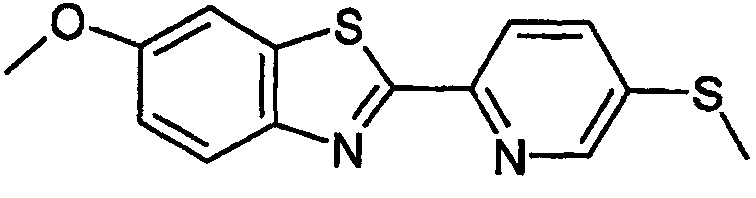
6-메톡시-1,3-벤조티아졸 (35 mg, 0.21 mmol) 및 2-브로모-5-(메틸티오)피리딘 (1.1 당량)을 6-메톡시-2-[5-(트리플루오로메틸)피리딘-2-일]-1,3-벤조티아졸의 제조에 사용된 절차에 따라 반응시켰다. 이에 따라 표제 화합물 (1 mg)을 담황색 고체로서 수득하였다. 6-methoxy-1,3-benzothiazole (35 mg, 0.21 mmol) and 2-bromo-5- (methylthio) pyridine (1.1 equiv) were converted to 6-methoxy-2- [5- (trifluoro Rhomethyl) pyridin-2-yl] -1,3-benzothiazole was reacted according to the procedure used for preparation. This resulted in the title compound (1 mg) as a pale yellow solid.

실시예 71 Example 71
6-메톡시-2-(6-피롤리딘-1-일피리딘-3-일)-1,3-벤조티아졸6-methoxy-2- (6-pyrrolidin-1-ylpyridin-3-yl) -1,3-benzothiazole

마이크로파 바이알에 2-(6-플루오로피리딘-3-일)-6-메톡시-1,3-벤조티아졸 (75 mg, 0.29 mmol), 물 (2.5 mL) 및 피롤리딘 (0.50 mL)을 첨가하고, 반응물을 마이크로파 오븐 내 100℃에서 5분 동안 가열하였다. 침전된 생성물을 여과하고 물 및 메탄올로 세척하고 데시게이터 내 P2O5 상에서 건조시켜, 표제 화합물 (76 mg)을 백색 고체로서 수득하였다. In a microwave vial 2- (6-fluoropyridin-3-yl) -6-methoxy-1,3-benzothiazole (75 mg, 0.29 mmol), water (2.5 mL) and pyrrolidine (0.50 mL) Was added and the reaction was heated at 100 ° C. for 5 minutes in a microwave oven. The precipitated product was filtered off, washed with water and methanol and dried over P 2 O 5 in a desiccator to give the title compound (76 mg) as a white solid.

실시예 72 Example 72
2-(6-메틸아미노피리딘-3-일)벤조티아졸-6-카르복스아미드2- (6-methylaminopyridin-3-yl) benzothiazole-6-carboxamide

a) 2-클로로-1,3-벤조티아졸-6-카르복스아미드a) 2-chloro-1,3-benzothiazole-6-carboxamide

2-브로모-1,3-벤조티아졸-6-카르복실산 (100 mg, 0.39 mmol) 및 티오닐 클로라이드 (2 mL)를 혼합하고, 실온에서 1시간 동안 이어서 60℃ 30분 동안 교반하여다. 혼합물을 감압하에 농축하고, 잔사를 CHCl3 (3 mL) 중에 용해시켰다. 이 용액을 NH3 (MeOH 중 약 7 N, 5 mL)에 0℃에서 적가하였다. 혼합물을 실온에서 1시간 동안 교반한 후에, 이를 감압하에 농축하였다. 조 생성물을 EtOAc 및 H2O에 분배하였다. 수성층을 EtOAc로 추출하고, 유기상을 건조시키고 (Na2SO4) 농축하여 생성물 (77 mg)을 백색 고체로서 수득하였다. MS m/z (M+H) 213, (M-H) 211.2-bromo-1,3-benzothiazole-6-carboxylic acid (100 mg, 0.39 mmol) and thionyl chloride (2 mL) were mixed and stirred at room temperature for 1 hour followed by 60 ° C. 30 minutes All. The mixture was concentrated under reduced pressure and the residue was dissolved in CHCl 3 (3 mL). This solution was added dropwise to NH 3 (about 7 N in MeOH, 5 mL) at 0 ° C. After the mixture was stirred at rt for 1 h, it was concentrated under reduced pressure. The crude product was partitioned between EtOAc and H 2 O. The aqueous layer was extracted with EtOAc, the organic phase was dried (Na 2 SO 4 ) and concentrated to give the product (77 mg) as a white solid. MS m / z (M + H) 213, (MH) 211.
b) tert-부틸 [5-(6-카르바모일-1,3-벤조티아졸-2-일)피리딘-2-일]메틸카르바메이트b) tert-butyl [5- (6-carbamoyl-1,3-benzothiazol-2-yl) pyridin-2-yl] methylcarbamate

DMF (2 mL) 중 2-클로로-1,3-벤조티아졸-6-카르복스아미드 (77 mg, 0.36 mmol), tert-부틸 [5-(5,5-디메틸-1,3,2-디옥사보리난-2-일)피리딘-2-일]메틸카르바메이트 (0.174 g, 0.54 mmol), Pd(dppf)Cl2*DCM (30 mg, 0.036 mmol) 및 2 M 수성 K2CO3 (0.8 mL)의 혼합물을 아르곤 하에 80℃에서 2시간 동안 교반하였다. 반응 혼합물을 여과하고, 여액을 EtOAc 및 H2O에 분배하였다. 층을 분리하고, 수성상을 EtOAc로 추출하였다. 합친 유기상을 건조시키고 (MgSO4) 농축하였다. 플래쉬 크로마토그래피하여 (헵탄/EtOAc 구배) 생성물 (66 mg)을 백색 고체로서 수득하였다. MS m/z (M-H) 383.2-chloro-1,3-benzothiazole-6-carboxamide (77 mg, 0.36 mmol) in DMF (2 mL), tert-butyl [5- (5,5-dimethyl-1,3,2- Dioxaborinan-2-yl) pyridin-2-yl] methylcarbamate (0.174 g, 0.54 mmol), Pd (dppf) Cl 2 * DCM (30 mg, 0.036 mmol) and 2 M aqueous K 2 CO 3 (0.8 mL) was stirred at 80 ° C. for 2 h under argon. The reaction mixture was filtered and the filtrate was partitioned between EtOAc and H 2 O. The layers were separated and the aqueous phase extracted with EtOAc. The combined organic phases were dried (MgSO 4 ) and concentrated. Flash chromatography gave (heptane / EtOAc gradient) product (66 mg) as a white solid. MS m / z (MH) 383.
c) 2-(6-메틸아미노피리딘-3-일)벤조티아졸-6-카르복스아미드 (표제 화합물) c) 2- (6-methylaminopyridin-3-yl) benzothiazole-6-carboxamide (title compound)
DCM (1 mL) 중 tert-부틸 [5-(6-카르바모일-1,3-벤조티아졸-2-일)피리딘-2-일]메틸카르바메이트 (10 mg, 0.026 mmol)의 교반된 슬러리에 TFA (1 mL)를 0℃에서 적가하고, 반응 혼합물을 밤새 실온에서 교반하였다. 용매를 감압하에 증발시켰다. 잔사를 정제용 HPLC하여 표제 화합물 (6 mg)을 백색 고체로서 수득하였다. Stirring of tert-butyl [5- (6-carbamoyl-1,3-benzothiazol-2-yl) pyridin-2-yl] methylcarbamate (10 mg, 0.026 mmol) in DCM (1 mL) TFA (1 mL) was added dropwise at 0 ° C. to the prepared slurry, and the reaction mixture was stirred overnight at room temperature. The solvent was evaporated under reduced pressure. The residue was preparative HPLC to give the title compound (6 mg) as a white solid.

실시예 73 Example 73
2-(6-메틸아미노피리딘-3-일)벤조티아졸-6-아민 2- (6-methylaminopyridin-3-yl) benzothiazol-6-amine

a) tert-부틸 (2-브로모-1,3-벤조티아졸-6-일)카르바메이트a) tert-butyl (2-bromo-1,3-benzothiazol-6-yl) carbamate

트리에틸아민 (1.94 mL, 13.9 mmol) 및 디페닐포스포릴 아지드 (2.76 mL, 12.8 mmol)를 tert-부탄올 (100 mL) 중 2-브로모-1,3-벤조티아졸-6-카르복실산 (3.0 g, 11.6 mmol)의 용액에 첨가하고, 반응 혼합물을 80℃에서 4시간 동안 교반하였다. 용매를 감압하에 증발시키고, 잔사를 플래쉬 크로마토그래피에 적용하여 (헵탄/EtOAc 구배) tert-부틸 (2-브로모-1,3-벤조티아졸-6-일)카르바메이트 (1.1 g)를 백색 고체로서 수득하였다. MS m/z (M+H) 329, 331.Triethylamine (1.94 mL, 13.9 mmol) and diphenylphosphoryl azide (2.76 mL, 12.8 mmol) were added 2-bromo-1,3-benzothiazole-6-carboxyl in tert-butanol (100 mL). To a solution of acid (3.0 g, 11.6 mmol) was added and the reaction mixture was stirred at 80 ° C. for 4 h. The solvent was evaporated under reduced pressure and the residue was subjected to flash chromatography (heptane / EtOAc gradient) tert-butyl (2-bromo-1,3-benzothiazol-6-yl) carbamate (1.1 g) Obtained as a white solid. MS m / z (M + H) 329, 331.
b) tert-부틸 (5-{6-[(tert-부톡시카르보닐)아미노]-1,3-벤조티아졸-2-일}피리딘-2-일)메틸카르바메이트b) tert-butyl (5- {6-[(tert-butoxycarbonyl) amino] -1,3-benzothiazol-2-yl} pyridin-2-yl) methylcarbamate

tert-부틸(2-브로모-1,3-벤조티아졸-6-일)카르바메이트 (100 mg, 0.30 mmol) 및 tert-부틸 [5-(5,5-디메틸-1,3,2-디옥사보리난-2-일)피리딘-2-일]메틸카르바메이트 (0.146 g, 0.46 mmol)를 tert-부틸 [5-(6-카르바모일-1,3-벤조티아졸-2-일)피리딘-2-일]메틸카르바메이트의 제조에 사용된 절차에 적용하였다. 이에 따라 생성 물 (110 mg)을 백색 고체로서 수득하였다. MS m/z (M-H) 455.tert-butyl (2-bromo-1,3-benzothiazol-6-yl) carbamate (100 mg, 0.30 mmol) and tert-butyl [5- (5,5-dimethyl-1,3,2 -Dioxaborinan-2-yl) pyridin-2-yl] methylcarbamate (0.146 g, 0.46 mmol) was added to tert-butyl [5- (6-carbamoyl-1,3-benzothiazole-2 -Yl) pyridin-2-yl] methylcarbamate was applied to the procedure used for the preparation. This resulted in the product (110 mg) as a white solid. MS m / z (M-H) 455.
c) 2-(6-메틸아미노피리딘-3-일)벤조티아졸-6-아민 (표제 화합물)c) 2- (6-methylaminopyridin-3-yl) benzothiazol-6-amine (title compound)
TFA (1.5 mL)를 DCM (1.5 mL) 중 tert-부틸 (5-{6-[(tert-부톡시카르보닐)아미노]-1,3-벤조티아졸-2-일}피리딘-2-일)메틸카르바메이트 (40 mg, 0.088 mmol)의 용액에 0℃에서 첨가하고, 반응 혼합물을 실온에서 밤새 교반하였다. 용매를 감압하에 증발시켰다. 잔사를 정제용 HPLC하여 표제 화합물 (12 mg)을 백색 고체로서 수득하였다. TFA (1.5 mL) was converted to tert-butyl (5- {6-[(tert-butoxycarbonyl) amino] -1,3-benzothiazol-2-yl} pyridin-2-yl in DCM (1.5 mL). To a solution of methylcarbamate (40 mg, 0.088 mmol) was added at 0 ° C. and the reaction mixture was stirred at rt overnight. The solvent was evaporated under reduced pressure. The residue was preparative HPLC to give the title compound (12 mg) as a white solid.

실시예 74 Example 74
N-메틸-2-(6-메틸아미노피리딘-3-일)벤조티아졸-6-아민N-methyl-2- (6-methylaminopyridin-3-yl) benzothiazol-6-amine

(a) tert-부틸 (5-{6-[(tert-부톡시카르보닐)(메틸)아미노]-1,3-벤조티아졸-2-일}피리딘-2-일)메틸카르바메이트(a) tert-butyl (5- {6-[(tert-butoxycarbonyl) (methyl) amino] -1,3-benzothiazol-2-yl} pyridin-2-yl) methylcarbamate

NaH (95%, 4.5 mg, 0.18 mmol)를 DMF (2 mL) 중 tert-부틸 (5-{6-[(tert-부톡시카르보닐)아미노]-1,3-벤조티아졸-2-일}피리딘-2-일)메틸카르바메이트 (66 mg, 0.14 mmol)의 용액에 첨가하였다. 혼합물을 0℃로 냉각시키고, MeI (10 ㎕, 0.16 mmol)를 첨가하였다. 반응물을 실온에서 밤새 교반하였다. 물을 첨가하고, 혼합물을 EtOAc (3x)로 추출하였다. 합친 유기상을 건조시키고 (MgSO4) 농축하였다. 플래쉬 크로마토그래피 (헵탄/EtOAc 구배)하여 생성물 (60 mg)을 백색 고체로서 수득하였다. MS m/z (M+H) 471.NaH (95%, 4.5 mg, 0.18 mmol) was dissolved in tert-butyl (5- {6-[(tert-butoxycarbonyl) amino] -1,3-benzothiazol-2-yl in DMF (2 mL). } Was added to a solution of pyridin-2-yl) methylcarbamate (66 mg, 0.14 mmol). The mixture was cooled to 0 ° C. and MeI (10 μl, 0.16 mmol) was added. The reaction was stirred at rt overnight. Water was added and the mixture was extracted with EtOAc (3 ×). The combined organic phases were dried (MgSO 4 ) and concentrated. Flash chromatography (heptane / EtOAc gradient) gave the product (60 mg) as a white solid. MS m / z (M + H) 471.
(b) N-메틸-2-(6-메틸아미노피리딘-3-일)벤조티아졸-6-아민 (표제 화합물) (b) N-methyl-2- (6-methylaminopyridin-3-yl) benzothiazol-6-amine (title compound)
tert-부틸 (5-{6-[(tert-부톡시카르보닐)(메틸)아미노]-1,3-벤조티아졸-2-일}피리딘-2-일)메틸카르바메이트 (53 mg, 0.11 mmol)를 2-(6-메틸아미노피리딘-3-일)벤조티아졸-6-아민의 제조에 사용된 절차에 따라 반응시켰다. 이에 따라 표제 화합물 (20 mg)을 황색 고체로서 수득하였다. tert-butyl (5- {6-[(tert-butoxycarbonyl) (methyl) amino] -1,3-benzothiazol-2-yl} pyridin-2-yl) methylcarbamate (53 mg, 0.11 mmol) was reacted according to the procedure used to prepare 2- (6-methylaminopyridin-3-yl) benzothiazol-6-amine. This resulted in the title compound (20 mg) as a yellow solid.

전구체 Precursor 실시예Example
하기에는 본 발명의 화합물의 다수의 비제한적인 예가 제공된다. 하기 예시된 화합물은 본 발명의 [11C]메틸 표지된 화합물의 제조를 위한 전구체로서 유용하다. 이러한 전구체의 제조에 사용되는 일반적인 방법은 본원에서 화합물 실시예의 제조에 사용된 것과 동일하였다.In the following a number of non-limiting examples of compounds of the invention are provided. The compounds exemplified below are useful as precursors for the preparation of the [ 11 C] methyl labeled compounds of the invention. The general method used for the preparation of such precursors was the same as that used for the preparation of the compound examples herein.
전구체 실시예 1Precursor Example 1
5-(6-{[tert-부틸(디메틸)실릴]옥시}-1,3-벤조티아졸-2-일)피리딘-2-아민5- (6-{[tert-butyl (dimethyl) silyl] oxy} -1,3-benzothiazol-2-yl) pyridin-2-amine

a) 6-{[tert-부틸(디메틸)실릴]옥시}-1,3-벤조티아졸-2-아민a) 6-{[tert-butyl (dimethyl) silyl] oxy} -1,3-benzothiazol-2-amine

DMF (160 ml) 중 2-아미노-6-히드록시벤조티아졸 (5.00 g, 30.1 mmol), TBDMSCl (5.40 g, 1.2 당량) 및 이미다졸 (2.46 g, 1.2 당량)의 용액을 상온에서 16시간 동안 교반하였다. 이어서, 반응 혼합물을 물 및 에틸 아세테이트에 분배하였다. 수성상을 에틸 아세테이트로 2회 추출하고, 합친 유기물을 건조시키고 (MgSO4) 진공하에 농축하였다. 이에 따라 얻어진 조 생성물을 구배 용출 (n-헵탄:에틸 아세테이트)에 의해 실리카겔 크로마토그래피로 정제하여 3.0 g의 표제 화합물을 황색빛 고체로서 수득하였다. A solution of 2-amino-6-hydroxybenzothiazole (5.00 g, 30.1 mmol), TBDMSCl (5.40 g, 1.2 equiv) and imidazole (2.46 g, 1.2 equiv) in DMF (160 ml) was added at room temperature for 16 hours. Was stirred. The reaction mixture was then partitioned between water and ethyl acetate. The aqueous phase was extracted twice with ethyl acetate and the combined organics were dried (MgSO 4 ) and concentrated in vacuo. The crude product thus obtained was purified by silica gel chromatography by gradient elution (n-heptane: ethyl acetate) to yield 3.0 g of the title compound as a yellowish solid.

(b) 2-브로모-6-{[tert-부틸(디메틸)실릴]옥시}-1,3-벤조티아졸(b) 2-bromo-6-{[tert-butyl (dimethyl) silyl] oxy} -1,3-benzothiazole

아세토니트릴 (70 ml) 중 6-{[tert-부틸(디메틸)실릴]옥시}-1,3-벤조티아졸-2-아민 (2.00 g, 7.13 mmol) 및 구리(II)브로마이드 (2.40 g, 1.5 당량)의 저온 (0 ℃) 현탁액에 tert-부틸 니트리트 (1.27 m1, 1.5 당량)를 한번에 첨가하였다. 이어서 반응 혼합물이 상온이 되게 하고, 추가 5시간 동안 교반한 후에, 물 및 에틸 아세테이트에 분배하였다. 수성상을 에틸 아세테이트로 2회 추출하고, 합친 유기물을 물 및 염수로 연속 세척한 후에 건조시키고 (MgSO4) 진공하에 농축하였다. 이에 따라 얻어진 조 생성물을 구배 용출 (n-헵탄:에틸 아세테이트)에 의해 실리카겔 크로마토그래피로 정제하여 1.95 g의 표제 화합물을 적색 오일로서 수득하였다. 6-{[tert-butyl (dimethyl) silyl] oxy} -1,3-benzothiazol-2-amine (2.00 g, 7.13 mmol) and copper (II) bromide (2.40 g, in acetonitrile (70 ml), Tert-butyl nitrile (1.27 m1, 1.5 equiv) was added in one portion to a low temperature (0 ° C) suspension of 1.5 equiv). The reaction mixture was then allowed to come to room temperature and stirred for an additional 5 hours before partitioning between water and ethyl acetate. The aqueous phase was extracted twice with ethyl acetate and the combined organics were washed successively with water and brine, then dried (MgSO 4 ) and concentrated in vacuo. The crude product thus obtained was purified by silica gel chromatography by gradient elution (n-heptane: ethyl acetate) to give 1.95 g of the title compound as red oil.
(c) 2-(6-아미노피리딘-3-일)-1,3-벤조티아졸-6-올(c) 2- (6-aminopyridin-3-yl) -1,3-benzothiazol-6-ol

DMF (6.0 ml) 중 2-브로모-6-{[tert-부틸(디메틸)실릴]옥시}-1,3-벤조티아졸 (500 mg, 1.45 mmol), 5-(4,4,5,5-테트라메틸-1,3,2-디옥사보롤란-2-일)피리딘-2-아민 (383 mg, 1.2 당량), 수성 탄산칼륨 (2.0 M, 2.9 m1, 4.0 당량) 및 Pd(dppf)Cl2 (119 mg, 0.10 당량)의 혼합물을 80℃에서 아르곤 하에 2시간 동안 교반하였다. 이어서 혼합물을 DCM (100 ml)에 첨가하고 건조시키고 (Na2SO4) 진공하에 농축하였다. 이에 따라 얻어진 조 물질을 구배 용출 (n-헵탄:에틸 아세테이트)에 의해 실리카겔 크로마토그래피로 정제하여 237 mg의 표제 화합물을 수득하였다. 2-bromo-6-{[tert-butyl (dimethyl) silyl] oxy} -1,3-benzothiazole (500 mg, 1.45 mmol), 5- (4,4,5, in DMF (6.0 ml) 5-tetramethyl-1,3,2-dioxaborolan-2-yl) pyridin-2-amine (383 mg, 1.2 equiv), aqueous potassium carbonate (2.0 M, 2.9 m1, 4.0 equiv) and Pd (dppf A mixture of) Cl 2 (119 mg, 0.10 equiv) was stirred at 80 ° C. under argon for 2 hours. The mixture was then added to DCM (100 ml), dried (Na 2 SO 4 ) and concentrated in vacuo. The crude material thus obtained was purified by silica gel chromatography by gradient elution (n-heptane: ethyl acetate) to give 237 mg of the title compound.

(d) 5-(6-{[tert-부틸(디메틸)실릴]옥시}-1,3-벤조티아졸-2-일)피리딘-2-아민 (표제 화합물)(d) 5- (6-{[tert-butyl (dimethyl) silyl] oxy} -1,3-benzothiazol-2-yl) pyridin-2-amine (title compound)
DMF (2.0 ml) 중 2-(6-아미노피리딘-3-일)-1,3-벤조티아졸-6-올 (177 mg, 0.73 mmol), TBDMSCl (121 mg, 1.1 당량) 및 이미다졸 (124 mg, 2.5 당량)의 용액을 상온에서 2시간 동안 교반하였다. 이어서 반응 혼합물을 물 및 에틸 아세테이트에 분배하였다. 수성상을 에틸 아세테이트로 2회 추출하고, 합친 유기물을 건조시키고 (MgSO4) 진공하에 농축하였다. 이에 따라 얻어진 조 생성물을 DCM과 메탄올 (95:5)의 혼합물을 용출액으로서 사용하여 실리카겔 크로마토그래피로 정제하여 200 mg의 표제 화합물을 백색 고체로서 수득하였다. 2- (6-aminopyridin-3-yl) -1,3-benzothiazol-6-ol (177 mg, 0.73 mmol), TBDMSCl (121 mg, 1.1 equiv) and imidazole in DMF (2.0 ml) ( 124 mg, 2.5 equiv) was stirred at room temperature for 2 hours. The reaction mixture was then partitioned between water and ethyl acetate. The aqueous phase was extracted twice with ethyl acetate and the combined organics were dried (MgSO 4 ) and concentrated in vacuo. The crude product thus obtained was purified by silica gel chromatography using a mixture of DCM and methanol (95: 5) as eluent to afford 200 mg of the title compound as a white solid.

전구체 실시예 2Precursor Example 2
5-[6-(에톡시메톡시)-1,3-벤조티아졸-2-일]피리딘-2-아민5- [6- (ethoxymethoxy) -1,3-benzothiazol-2-yl] pyridin-2-amine

클로로메틸 에틸 에테르 (0.24 mL)를 DMF (10 mL) 중 2-(6-아미노피리딘-3-일)-1,3-벤조티아졸-6-올 (0.319 g, 1.31 mmol)과 K2CO3 (0.543 g)의 빠르게 교반된 용액에 0℃에서 한번에 첨가하였다. 반응물을 실온에서 밤새 교반하였다. 혼합물을 감압하에 농축하고, 잔사를 플래쉬 크로마토그래피 (DCM/MeOH 99:1 → 95:5)에 적용하여 표제 화합물 (31 mg)을 수득하였다. Chloromethyl ethyl ether (0.24 mL) was dissolved in 2- (6-aminopyridin-3-yl) -1,3-benzothiazol-6-ol (0.319 g, 1.31 mmol) and K 2 CO in DMF (10 mL). 3 (0.543 g) of rapidly stirred solution was added at 0 ° C. in one portion. The reaction was stirred at rt overnight. The mixture was concentrated under reduced pressure and the residue was subjected to flash chromatography (DCM / MeOH 99: 1 to 95: 5) to afford the title compound (31 mg).

1111 C-C- 표지된Labeled 화합물 예 Compound example
하기에는 본 발명의 화합물의 비제한적인 예(들)가 제공된다. 상응하는 비표지된 유사체는 본원에 기재된 경쟁 결합 검정에서 2O μM 미만의 IC50을 나타낸다.In the following non-limiting example (s) of the compounds of the invention are provided. The corresponding unlabeled analogs show an IC 50 of less than 20 μM in the competitive binding assay described herein.
1111 C-C- 실시예Example 1 One
[N-메틸-11C]-2-(6-메틸아미노-피리딘-3-일)-벤조티아졸-6-올[N-Methyl- 11C ] -2- (6-methylamino-pyridin-3-yl) -benzothiazol-6-ol

본원에 기재된 바와 같이 제조된 비표지된 2-[6-(메틸아미노)피리딘-3-일]-1,3-벤조티아졸-6-올을 분석 기준 및 표준으로서 사용하였다. 사용된 다른 화학물질 및 시약은 시판 공급원으로부터 구입하였고, 이들은 분석 등급이었다. 18 MeV 양성자를 갖는 GEMS PET 미량 시클로트론을 사용하여, 10% 수소를 갖는 질소 상의 14N(p,α)11C 반응을 통해 [11C]메탄을 얻었다. I2를 함유한 가열된 컬럼을 통해 [11C]메탄을 통과시켜 [11C]메틸 요오다이드를 생성하였다 (문헌 [Larsen et al. Appl. Radiat. Isot. 1997, 48, 153] 및 [Sandell et al J. Labled Compd Radiopharm. 2000, 43, 331]). 생성된 [11C]MeI를 실온에서 5-(6-{[tert-부틸(디메틸)실릴]옥시}-1,3-벤조티아졸-2-일)피리딘-2-아민 (2.5 mg), DMSO (300 ㎕) 및 KOH (10 mg)을 함유한 용기에 포획하였다. 이어서, 반응 혼합물을 125℃에서 5분 동안 가열한 다음, 실온에서 2분 동안 물 (200 ㎕)로 처리하여 TBDMS-기를 제거하였다. 이에 따라 얻어진 조 물질을, 방사능 검출을 위한 UV-검출기 (λ = 254 nm) 및 GM 튜브가 장착된 워터스 μ-본다팍(Bondapak) C-18 컬럼 (300 x 7.8 mm, 10 mm)을 사용하고 이동상으로서의 CH3CN - 수성 HCO2NH4 (0.1 M) 30:70 v/v를 유속 6 ml/분으로 사용하여 역상 HPLC로 정제하였다. 얻어진 표제 화합물을 분석하였으며, [11C]MeI의 혼입 수율은 약 50%, 방사성 화학물질 순도는 >99%, 특이적 방사 활성은 3861 Ci/mmol을 나타냈다.Unlabeled 2- [6- (methylamino) pyridin-3-yl] -1,3-benzothiazol-6-ol prepared as described herein was used as analytical criteria and standard. Other chemicals and reagents used were purchased from commercial sources and they were of analytical grade. [ 11 C] methane was obtained via 14 N (p, α) 11 C reaction on nitrogen with 10% hydrogen using GEMS PET trace cyclotron with 18 MeV protons. Through a heated column containing I 2 [11 C] by passing the methane was produced a [11 C] methyl iodide (as described in [Larsen et al. Appl. Radiat . Isot. 1997, 48, 153] and [ Sandell et al J. Labled Compd Radiopharm. 2000, 43, 331]. The resulting [ 11 C] MeI was reacted with 5- (6-{[tert-butyl (dimethyl) silyl] oxy} -1,3-benzothiazol-2-yl) pyridin-2-amine (2.5 mg), Captured in a vessel containing DMSO (300 μl) and KOH (10 mg). The reaction mixture was then heated at 125 ° C. for 5 minutes and then treated with water (200 μl) at room temperature for 2 minutes to remove the TBDMS-group. The crude material thus obtained was subjected to a Waters μ-Bondapak C-18 column (300 x 7.8 mm, 10 mm) equipped with a UV-detector (λ = 254 nm) and a GM tube for radioactivity detection. CH 3 CN-aqueous HCO 2 NH 4 (0.1 M) 30:70 v / v as mobile phase was purified by reverse phase HPLC using a flow rate of 6 ml / min. The title compound obtained was analyzed and showed an incorporation yield of [ 11 C] MeI of about 50%, radiochemical purity of> 99% and specific radioactivity of 3861 Ci / mmol.
생물학적 Biological 실시예Example
본 발명의 2개의 화합물인 [N-메틸-3H3]-2-(6-메틸아미노-피리딘-3-일)-벤조티아졸-6-올 (실시예 32) 및 [N-메틸-11C]-2-(6-메틸아미노-피리딘-3-일)-벤조티아 졸-6-올 (11C-실시예 1)은 하기에 이들의 명칭으로 또는 각각 "[3H]AZAD" 및 "[11C]AZAD"로 지칭한다. 하기 화합물을 비교 화합물로서 사용하고, 이들의 나타낸 상응하는 명칭으로 하기 본문에 지칭된다.The two compounds of the present invention [N- methyl- 3 H 3] -2- (6- methylamino-pyridin-3-yl) benzothiazol-6-ol (Example 32) and [N- methyl- 11 C] -2- (6-methylamino-pyridin-3-yl) -benzothiazol-6-ol ( 11 C-Example 1) is referred to below by their name or respectively "[ 3 H] AZAD" And "[ 11 C] AZAD". The following compounds are used as comparative compounds and are referred to in the text below by the corresponding names indicated.

본 발명의 화합물을 하기 분석/실험/연구에서 1회 또는 수회 시험하였다:Compounds of the invention were tested one or several times in the following assays / experiments / studies:
경쟁 결합 분석Competitive binding analysis
경쟁 결합은, DMSO 중 최초로 용해된 다양한 농도의 비-방사성 화합물을 첨가함으로써, 포스페이트 완충액 (pH 7.5) 중 2.7 nM의 [3H]PIB (또는 언급된 경우 또다른 3H-표지된 방사성 리간드) 중에서 합성 Aβ 1-40을 사용하여 384-웰 FB 필터 플레이트에서 수행하였다. 결합 혼합물을 30분 동안 실온에서 인큐베이션한 다음, 진공 여과하고, 그후 1% 트리톤(Triton)-X100으로 2회 세척하였다. 그후 신틸레이션 액체를 수집된 Aβ 1-40에 필터 플레이트 상에서 첨가하고, 결합된 잔류 방사성 리간드 ([3H]PIB 또는 또다른 3H-표지된 방사성 리간드)의 활성을 퍼킨엘머(PerkinElmer)로부터의 1450 마이크로베타(Microbeta)를 이용하여 측정하였다.Competitive binding is achieved by adding various concentrations of non-radioactive compounds first dissolved in DMSO, thereby adding 2.7 nM of [ 3 H] PIB (or another 3 H-labeled radioligand if mentioned) in phosphate buffer (pH 7.5). In a 384-well FB filter plate using synthetic Aβ 1-40 in vitro. The binding mixture was incubated for 30 minutes at room temperature, then vacuum filtered and then washed twice with 1% Triton-X100. The scintillation liquid is then added to the collected Aβ 1-40 on the filter plate and the activity of the bound residual radioligand ([ 3 H] PIB or another 3 H-labeled radioligand) is 1450 from PerkinElmer. It was measured using Microbeta.
분리 실험Separation experiment
분리 실험을 96-웰 폴리프로필렌 딥(deep) 웰 플레이트에서 수행하였다. 포스페이트 완충액 (pH 7.5) 중 2 μM 인간 합성 Aβ 1-40 원섬유, 또는 대조군으로서의 단독 완충액을 본 발명의 9 nM 3H-표지된 방사성 리간드와 함께 4시간 동안 실온에서 인큐베이션하였다. 포스페이트 완충액 (pH 7.5) 중에 4% DMSO 중의 동일 부피의 본 발명의 비표지된 화합물 또는 기준 화합물 (10 μM)을 첨가함으로써 상이한 시점에서 분리를 시작하였다. 인큐베이션 말미에 Aβ 1-40 원섬유에 여전히 결합된 방사능을, 0.1% 트리톤-X100을 함유한 세척 완충액을 사용하는 브란델(Brandel) 기기에서의 여과 후에 FB 필터 상에서 검출하였다.Separation experiments were performed in 96-well polypropylene deep well plates. 2 μM human synthetic Aβ 1-40 fibrils in phosphate buffer (pH 7.5), or single buffer as a control, were incubated with the 9 nM 3 H-labeled radioligand of the invention for 4 hours at room temperature. Separation was started at different time points by the addition of an equal volume of unlabeled compound or reference compound (10 μM) of the present invention in 4% DMSO in phosphate buffer (pH 7.5). Radioactivity still bound to Aβ 1-40 fibrils at the end of the incubation was detected on an FB filter after filtration in a Brandel instrument using a wash buffer containing 0.1% Triton-X100.
생체내In vivo 래트Rat 뇌 유입 연구 Brain inflow study
i.v 투여 후 뇌 노출은 카세트 투여를 사용하여 래트 뇌에서 측정하였다. 4개의 상이한 화합물을 투여한 다음, 투여 후 2분 및 30분에 혈장 및 뇌를 샘플링하였다. 2분 뇌 농도 대 30분 뇌 농도의 비율, 및 주사된 투여량 전체에 대한 뇌에서 발견된 2분 후의 백분율을 계산하였다. 화합물 농도를 전자분무 연계 질량 분광계에 커플링된 역상 액체 크로마토그래피에 의한 단백질 침전된 혈장 샘플의 분석에 의해 측정하였다.Brain exposure following i.v administration was measured in the rat brain using cassette administration. Four different compounds were administered and then plasma and brain were sampled at 2 and 30 minutes post dose. The ratio of 2 min brain concentration to 30 min brain concentration, and the percentage after 2 minutes found in the brain relative to the total injected dose were calculated. Compound concentrations were determined by analysis of protein precipitated plasma samples by reverse phase liquid chromatography coupled to an electrospray linked mass spectrometer.
사후 인간 Post mortal ADAD 뇌 및 Brain and 트랜스제닉Transgenic 마우스 뇌에서의 아밀로이드 플라크로의 결합 Binding of Amyloid Plaques in the Mouse Brain
APP/PS1 트랜스제닉 마우스로부터 슬라이드-탑재된 뇌 절편 (10 ㎛)을 외측 중격의 수준에서 수집하였다 (브레그마(bregma) + 0.98 mm; [Paxinos and Franklin, 2001] 참조). 2명의 AD 환자 및 1명의 대조군 대상체로부터의 인간 피질 절편 (7 ㎛)을 네델란드 조직 뱅크로부터 입수하였다.Slide-mounted brain sections (10 μm) from APP / PS1 transgenic mice were collected at the level of the lateral septum (bregma + 0.98 mm; see Paxinos and Franklin, 2001). Human cortical sections (7 μm) from two AD patients and one control subject were obtained from the Dutch Tissue Bank.
절편을 1 μM PIB의 존재 또는 부재하에 50 mM 트리스(Tris) HCl (pH 7.4) 중 실온에서 30분 동안 예비 인큐베이션하였다. 절편을 PIB (1 μM)의 존재 또는 부재하의 삼중수소-표지된 화합물 (1 nM)을 함유한 완충액에 옮기고, 30분 동안 실온에서 인큐베이션하였다. 완충액 (1℃)으로 3연속 10분 동안 헹군 다음, 증류수 (1℃)로 신속하게 헹구어 인큐베이션을 중단하였다. 절편을 팬(fan) 앞에서 공기 건조시켰다. 건조된 절편 및 가소성 삼중수소 표준 (아머샴 마이크로스케일스(Amersham microscales)-3H)을 카세트에서 광이미지 플레이트 (후지(Fuji))에 나란히 놓고 밤새 노출시켰다. 다음날 아침, 이미지 플레이트를 BAS 리더(Reader) 소프트웨어를 사용하는 후지 포토이미저 (BAS 2500)를 사용하여 처리하였다. 생성된 이미지를 아이다(Aida) 소프트웨어를 사용하여 TIF 포멧으로 변환시키고, 아도브 포토샵(Adobe Photoshop) (v 8.0)으로 최적화시키고, 이미지-J (NIH)를 이용하여 정량화하였다. 엑셀을 사용하여 데이타를 통계학적으로 분석하였다.Sections were preincubated for 30 minutes at room temperature in 50 mM Tris HCl, pH 7.4, with or without 1 μM PIB. Sections were transferred to a buffer containing tritium-labeled compound (1 nM) with or without PIB (1 μM) and incubated for 30 minutes at room temperature. The incubation was stopped by rinsing with buffer (1 ° C.) for 3 consecutive 10 minutes and then rinsing quickly with distilled water (1 ° C.). Sections were air dried in front of a fan. Dried sections and plastic tritium standards (Amersham microscales- 3 H) were placed side-by-side in an optical image plate (Fuji) in a cassette and exposed overnight. The next morning, the image plates were processed using a Fuji Photoimager (BAS 2500) using BAS Reader software. The resulting image was converted to TIF format using Aida software, optimized with Adobe Photoshop (v 8.0) and quantified using Image-J (NIH). Data was statistically analyzed using Excel.
생체내In vivo 화합물 투여 후 After compound administration APPAPP /Of PS1PS1 마우스 뇌에서의 결합 Binding in the Mouse Brain
투약되지 않은 깨어있는 마우스를 감금하고, 삼중수소 표지된 본 발명의 화합물을 꼬리 정맥을 통해, 또는 삼중수소 표지된 기준 화합물을 꼬리 정맥을 통해 정맥내 주입하였다. 실험의 한 유형에서, 동물들을 이소플루오란으로 신속하게 마 취시키고, 화합물 투여 (1 mCi) 후 20분 후에 교수시켰다. 실험의 또다른 유형에서는, 마우스에 화합물 1 mCi를 투여하고, 마취시키고, 투여 후 20, 40 또는 80분의 시점에 교수시켰다. 뇌를 제거하고 분말 드라이아이스로 동결시켰다. 저온유지장치를 사용하여 선조체의 수준에서 뇌를 관상 단면으로 절편화하고 (10 ㎛), 강력 냉동 현미경 슬라이드 상에 해동-탑재하고, 공기-건조시켰다. Undosed awake mice were confined and tritium labeled compounds of the invention were injected intravenously via the tail vein, or tritium labeled reference compounds through the tail vein. In one type of experiment, animals were anesthetized rapidly with isofluorane and taught 20 minutes after compound administration (1 mCi). In another type of experiment, mice were dosed with
이후에, 생체내 투여 후 결합된 리간드의 이미지화를 최적화하기 위해 고안된 방법을 사용하였다. 미결합된 방사능 수준을 선택적으로 감소시키기 위해, 절편의 절반을 저온 (1℃) 트리스 완충액 (50 mM, pH7.4) 중에서 헹구고 (3 X 10 분), 이어서 저온 (1℃) 탈이온수로 빠르게 헹구었다. 이어서, 절편을 팬 앞에서 공기 건조시켰다. 헹군 절편 뿐만 아니라 헹구지 않은 절편 및 삼중수소 표준을 광이미지 플레이트 (후지)에 노출시켰다. 광이미지 플레이트를 BAS 리더 소프트웨어를 사용하는 후지필름 BAS-2500 포토이미저로 처리하였다.Thereafter, a method designed to optimize the imaging of the bound ligand after in vivo administration was used. To selectively reduce unbound radioactivity levels, half of the sections are rinsed in cold (1 ° C.) Tris buffer (50 mM, pH 7.4) (3 × 10 min), then rapidly with cold (1 ° C.) DI water. Rinsed. The sections were then air dried in front of the pan. Rinsed sections as well as rinsed sections and tritium standards were exposed to the optical image plate (Fuji). The optical image plate was treated with a FUJIFILM BAS-2500 photoimager using BAS reader software.
인간이 아닌 영장류에서의 In non-human primates PETPET 연구 Research
원숭이 PET 연구는, 뇌 유용성, 뇌에서의 비특이적 결합, 전신 생체분포의 측정, 및 흡수의 국부 차이의 검사 및 제거와 관련하여, 본 발명의 [11C]-표지된 화합물을 평가하고 [11C]PIB에 대해 비교하는 것을 목적으로 한다. 5가지 뇌 PET 측정을 마취하의 3마리 원숭이에서 수행하였다. 각각의 PET-측정에서, 52-55 MBq의 본 발명의 [11C]-표지된 화합물 또는 [11C]PIB를 함유한 멸균 생리학적 포스페이트 완충액 (pH = 7.4) 용액을 5초 기간에 걸쳐 비복 정맥 내로 볼루스로서 주사하고, 동시에 PET-데이타를 획득하기 시작하였다. 뇌에서의 방사능을 93분 동안 연속 측정하였다. [11C]PIB 측정은 첫번째 원숭이에서만 수행하였다. 다른 2마리의 원숭이에서, 본 발명의 [11C]-표지된 화합물을 먼저 측정하고, [11C]PIB를 추후 측정 시 투여하였다. 방사성 리간드 주사 사이의 시간은 약 2시간이었다. 주사된 방사능 투여량으로서 표현된 전뇌에 대한 시간-활성 곡선에 대하여 PET 측정을 평가하였다. 전신 PET-측정을 한마리의 원숭이에서 수행하였다. 첫번째 측정에서 51 MBq의 [11C]PIB 및 두번째 측정에서 57 MBq의 [11C]-표지된 본 발명의 화합물을 함유한 멸균 생리학적 포스페이트 완충액 (pH = 7.4) 용액을 5초 기간에 걸쳐 비복 정맥 내로 볼루스로서 주사하고, 동시에 PET-데이타를 획득하기 시작하여, 87분 동안 유지하였다. 방사성 리간드 주사 간의 시간은 2시간이었다. 미보정된 붕괴 데이타의 평면 최대 강도 투영 이미지를 생성하고, 또한 보정된 붕괴 이미지를 전체 주사된 방사능의 백만-당-부 (ppm) 값을 함유한 것으로 전환시킴으로써, PET 측정을 시각적으로 평가하였다.Monkey PET study, the brain availability, non-specific binding in the brain, the measurement of the whole body biodistribution, and in relation to the inspection and removal of the local differences in absorption, [11 C] of the present invention evaluate the labeled compound and [11 C ] Compare for PIB. Five brain PET measurements were performed in three monkeys under anesthesia. In each of the PET- measurement, of 52-55 MBq of the present invention [11 C] - labeled compound or [11 C] PIB containing sterile physiological phosphate buffer (pH = 7.4) through the solution to the
생물학적 Biological 실시예Example 1 One
시험관내In vitro Aβ 아밀로이드 Aβ amyloid 원섬유에On fiber 대한 신규 New for 헤테로아릴Heteroaryl 치환된 Substituted 벤조티아졸Benzothiazole 유도체의 특이적 결합의 Of specific binding of derivatives 특징화Characterization
본원에 기재된 경쟁 결합 검정에 따라 특이적 결합을 측정하였다. 본 발명의 5가지 화합물의 경쟁 결합 검정 (방사성 리간드로서 [3H]PIB를 사용함)에서 측정 된 IC50을 표 1에 나타냈다. 전형적인 결합 검정 실험으로부터의 결과 (남아있는 [3H]PIB 대 증가 농도의 비표지된 화합물의 활성)를 도 1에 도시하였다. 유사한 방법으로, 본 발명의 H-표지된 헤테로아릴 치환된 벤즈티아졸 유도체에 대한 경쟁 연구를 또한 수행하였다. 전형적인 경쟁 연구로부터의 이러한 결과를 도 2에 예시하였다. PIB 및 2-[6-(메틸아미노)피리딘-3-일]-1,3-벤조티아졸-6-올 (본 발명의 신규 화합물)은 둘다 [N-메틸-3H3]-2-(6-메틸아미노-피리딘-3-일)-벤조티아졸-6-올 (3H-표지된 본 발명의 화합물)을 대체하였다. Aβ1-40 원섬유에 대한 [N-메틸-3H3]-2-(6-메틸아미노-피리딘-3-일)-벤조티아졸-6-올 (실시예 32)의 결합은 도 3에 예시된 분리 실험으로부터의 증거로서 가역적이었다.Specific binding was measured according to the competitive binding assay described herein. IC 50 measured in a competition binding assay (using [ 3 H] PIB as radioactive ligand) of the five compounds of the present invention is shown in Table 1. The results from typical binding assay experiments (activity of remaining [ 3 H] PIB versus increasing concentration of unlabeled compound) are shown in FIG. 1. In a similar manner, competition studies were also conducted for the H-labeled heteroaryl substituted benzthiazole derivatives of the present invention. These results from a typical competitive study are illustrated in FIG. 2. PIB and 2- [6- (methylamino) pyridin-3-yl] -1,3-benzothiazol-6-ol (new compound of the present invention) are both [N-methyl- 3 H 3 ] -2- replaced benzothiazole-6-ol (3 H- labeled compounds of this invention) (6-amino-pyridin-3-one). The binding of [N-methyl- 3 H 3 ] -2- (6-methylamino-pyridin-3-yl) -benzothiazol-6-ol (Example 32) to Aβ 1-40 fibrils is shown in FIG. 3. It was reversible as evidence from the illustrated separation experiments.
생물학적 Biological 실시예Example 2 2
생체내In vivo 래트Rat 뇌 유입 연구 Brain inflow study
도 4를 참고하여, 본 발명의 화합물 2-[6-(메틸아미노)피리딘-3-일]-1,3-벤조티아졸-6-올 (실시예 27)이, 2분 시점에 주사된 투여량의 1%의 흡수값으로 래트 뇌에 신속하게 유입되고, 2분 대 30분의 뇌 농도 비율이 >15인 래트 뇌 조직으로부터 신속하게 제거되는 것으로 보일 수 있다. 2-[6-(메틸아미노)피리딘-3-일]-1,3-벤조티아졸-6-올 대신 PIB를 사용한 것 이외에는 동일한 설정 하에서 수행한 상응하는 실험으로부터의 결과는 비교를 위해 포함된다 (도 4).Referring to FIG. 4, compound 2- [6- (methylamino) pyridin-3-yl] -1,3-benzothiazol-6-ol (Example 27) was injected at 2 minutes. It can be seen that it rapidly enters the rat brain at an absorption value of 1% of the dose and is rapidly removed from rat brain tissue with a brain concentration ratio of> 15 for 2 minutes. Results from corresponding experiments performed under the same setup, except for using PIB instead of 2- [6- (methylamino) pyridin-3-yl] -1,3-benzothiazol-6-ol, are included for comparison (FIG. 4).
생물학적 Biological 실시예Example 3 3
사후 인간 Post mortal ADAD 뇌 및 Brain and 트랜스제닉Transgenic 마우스에서 아밀로이드 플라크로의 결합 Binding of Amyloid Plaques in Mice
AD 뇌 및 고령의 APP/PS1 트랜스제닉 마우스로부터의 사후 뇌 조직 절편을 [N-메틸-3H3]-2-(6-메틸아미노-피리딘-3-일)-벤조티아졸-6-올 (실시예 32)로 염색하였다. APP/PS1 마우스는 AD를 발병시킨는 것으로 알려진 2개의 인간 유전자 돌연변이를 조합한 이중 트렌스제닉 모델이다. APP/PS1 마우스 뇌 절편 및 인간 피질 절편에서, [N-메틸-3H3]-2-(6-메틸아미노-피리딘-3-일)-벤조티아졸-6-올 및 [3H]PIB는 고밀도의 코어 플라크를 표지하였다. 양 조직에서, 결합은 1 μM PIB에서 감쇄하였다. 인간 피질 절편의 표재성 회백질 영역, 즉 회백질에서 표지한 고밀도 코어 플라크는 확산 표지한 백그라운드에 대해 시각적으로 나타났다. 확산 표지는 회백질 영역에 한정되지만, 고밀도 코어 플라크 표지는 표재성 회백질 영역의 외부를 보여줄 수 있다.The post-AD brain tissue sections from the brain, and APP / PS1 transgenic mice in elderly [N- methyl - 3 H 3] -2- (6- methylamino-pyridin-3-yl) benzothiazol-6-ol It stained with (Example 32). APP / PS1 mice are a dual transgenic model that combines two human gene mutations known to develop AD. In APP / PS1 mouse brain sections and human cortical sections, [N-methyl- 3 H 3 ] -2- (6-methylamino-pyridin-3-yl) -benzothiazol-6-ol and [ 3 H] PIB Labeled high density core plaques. In both tissues, binding was attenuated at 1 μM PIB. Superficial gray matter regions of human cortical sections, ie, high density core plaques labeled in the gray matter, were visually shown against the diffusely labeled background. Diffusion markers are confined to the gray matter region, while high density core plaque markers may show outside of the superficial gray matter region.
[N-메틸-3H3]-2-(6-메틸아미노-피리딘-3-일)-벤조티아졸-6-올 및 [3H]PIB 표지는 인간 피질 절편의 회백질 및 백색질 영역에서 정량화될 수 있다. 1 μM PIB에 공동-노출된 조직에서의 결합을 감산함으로써 특이적 결합을 측정하였다. 이러한 데이타의 분석은 인간 피질의 표재성 회백질 층에서의 특이적 [N-메틸-3H3]-2-(6-메틸아미노-피리딘-3-일)-벤조티아졸-6-올 결합 수준이 [3H]PIB에서 관찰된 결합보다 대략 40% 더 크다는 것을 나타냈다 (p = 0.0033, t = 4.13; Student's t-test). 이러한 차이는, [3H]PIB에 노출된 것에 비해 [N-메틸-3H3]-2-(6-메틸아미노-피리딘-3-일)-벤조티아졸-6-올 표지된 조직에서 관찰된 실질적으로 감소된 비특이적 결합의 수준에 기여하였다. PIB로 처리되거나 처리되지 않은 조직의 표재성 피질 층에서 표지의 추가 분석은 비특이적 결합에 비해 전체 결합의 비율에서 [N-메틸-3H3]-2-(6-메틸아미노-피리딘-3-일)-벤조티아졸-6-올 및 [3H]PIB 사이의 큰 차이를 나타냈다 ([N-메틸-3H3]-2-(6-메틸아미노-피리딘-3-일)-벤조티아졸-6-올; 10.78:1 대 PIB; 2.48:1). 인간 AD 뇌 (상부 그림), 및 APP/PS1 트랜스제닉 마우스 뇌 (하부 그림)에서 아밀로이드 플라크의 [N-메틸-3H3]-2-(6-메틸아미노-피리딘-3-일)-벤조티아졸-6-올 (우측편 그림) 및 [3H]PIB (좌측편 그림) 결합의 대표적인 예는 도 5에 나타냈다.[N- methyl - 3 H 3] -2- (6- methylamino-pyridin-3-yl) benzothiazole-6-ol and [3 H] PIB labeling is quantified in gray matter and white matter regions of human cortical sections Can be. Specific binding was measured by subtracting binding in tissue co-exposed to 1 μM PIB. Analysis of this data shows that specific [N-methyl- 3 H 3 ] -2- (6-methylamino-pyridin-3-yl) -benzothiazol-6-ol binding levels in the superficial gray matter layer of the human cortex. It was approximately 40% greater than the binding observed in [ 3 H] PIB (p = 0.0033, t = 4.13; Student's t-test). This difference is seen in [N-methyl- 3 H 3 ] -2- (6-methylamino-pyridin-3-yl) -benzothiazol-6-ol labeled tissues compared to that exposed to [ 3 H] PIB. It contributed to the level of substantially reduced nonspecific binding observed. Further analysis of the label in the superficial cortical layer of tissues treated with or without PIB showed [N-methyl- 3 H 3 ] -2- (6-methylamino-pyridin-3-yl at the ratio of total binding relative to nonspecific binding. ) -Benzothiazole-6-ol and [ 3 H] PIB showed a large difference between ([N-methyl- 3 H 3 ] -2- (6-methylamino-pyridin-3-yl) -benzothiazole -6-ol; 10.78: 1 vs PIB; 2.48: 1). Human AD brain (upper pictures), and APP / PS1 transgenic mice brain (lower pictures) of amyloid plaque in [N- methyl-3 H 3] -2- (6- methylamino-pyridin-3-yl) benzo Representative examples of thiazole-6-ol (right picture) and [ 3 H] PIB (left picture) binding are shown in FIG. 5.
생물학적 Biological 실시예Example 4 4
생체내In vivo 화합물 투여 후 After compound administration APPAPP /Of PS1PS1 마우스 뇌에서의 [ In the mouse brain 33 H]H] AZADAZAD 의 결합Combination of
본 발명의 화합물 [3H]AZAD (실시예 32)의 생체내 결합 성질은 인간 아밀로이드-β를 과생산하도록 고안된 트랜스제닉 마우스 모델 (APP/PS1)에서 PET 이미지화 방법에 특히 관련된 본 실시예에서 조사하였다. The in vivo binding properties of the compound [ 3 H] AZAD (Example 32) of the present invention are investigated in this example, which is particularly relevant to the method of PET imaging in a transgenic mouse model (APP / PS1) designed to overproduce human amyloid-β. It was.
한 실험에서, [3H]AZAD의 생체내 성질을 [3H]PIB의 생체내 성질과 직접 비교하였다: 투여에 이어, 그 후 20분에 교수시킨 후에, [3H]AZAD 및 [3H]PIB 표지된 피질 구조 둘다 (도 6)는, 이들의 크기 및 분포를 기준으로, 아밀로이드-β 항체로 면역조직학적으로 표지된 아밀로이드 플라크의 외견과 유사하였다 (문헌 [Klunk et al. J. Neurosci. 2005, 25, 10598]). 특히 백색질에서의 백그라운드 결합 수준 (도 7에서 정량화됨)은 뇌량 및 전교련에서와 같이 미량이지만, 또한 선조체와 같이 주로 회백질로 이루어진 영역에서는, 헹군 조직에서 뿐만 아니라 헹구지 않은 조직에서도 [3H]AZAD보다 [3H]PIB로 더 진하게 표지되었다. 선조체와 같이 회백질이 풍부한 뇌 영역에서, 비특이적 결합은 일반적으로 양 화합물에 대해 백색질 영역에서보다 낮았고, 헹구지 않은 조직에서는, 화합물 사이에서 유의하게 상이하지 않았다. 그러나, 비특이적 결합은 회백질 (선조체)이 풍부한 뇌 영역에서 [3H]PIB가 투여된 마우스로부터의 헹군 조직에서 유의하게 감소되지 않았지만, 시험관내 헹굼 절차는 비특이적 [3H]AZAD 결합을 78.5%까지 감소시켰다 (리간드 x 헹굼 상호작용: p<O.OOO1; df=1,6; F=72.72). 뇌량에 의해 예시된 백색질 영역에서, 비특이적 [3H]PIB 결합은 행굼 조건과 무관하게 [3H]AZAD의 결합보다 높다. 추가로, 시험관내 헹굼은 [3H]PIB를 투여한 마우스로부터의 뇌량에서 단지 최소로 영향을 미쳤지만, 뇌량에서의 [3H]AZAD 수준은 극적으로 감소시켰다 (리간드 x 행굼 상호작용: p<0.0001; df=1,6; F=107.8). 피질 플라크 표지를, 헹군 뇌 절편 상의 [3H]PIB 및 [3H]AZAD 둘다에 대해 측정된 피질 영역으로 나눈 비율을 도 8에 나타냈다.In one experiment, the in vivo properties of [ 3 H] AZAD were compared directly with the in vivo properties of [ 3 H] PIB: following administration, followed by 20 min of incubation, [ 3 H] AZAD and [ 3 H Both PIB labeled cortical structures (FIG. 6) were similar in appearance to amyloid plaques immunohistolabeled with amyloid-β antibodies, based on their size and distribution (Klunk et al. J. Neurosci). 2005, 25, 10598]. In particular, the level of background binding in the white matter (quantified in FIG. 7) is traced as in cerebrospinal and pre-drill, but also in areas consisting mainly of gray matter, such as striatum, not only in rinsed tissues but also in rinsed tissues [ 3 H] AZAD More heavily labeled with [ 3 H] PIB than. In brain regions rich in gray matter, such as striatum, nonspecific binding was generally lower than in white regions for both compounds, and in tissues that were not rinsed, there was no significant difference between compounds. However, nonspecific binding was not significantly reduced in rinsed tissues from mice administered [ 3 H] PIB in brain regions enriched in gray matter (protease), but in vitro rinsing procedures resulted in up to 78.5% nonspecific [ 3 H] AZAD binding. Reduced (ligand x rinse interaction: p <O.OOO1; df = 1,6; F = 72.72). In the white matter region exemplified by the corpus callosum, nonspecific [ 3 H] PIB binding is higher than the binding of [ 3 H] AZAD, regardless of rinse conditions. In addition, in vitro rinsing affected only minimally in the brain volume from mice administered [ 3 H] PIB, but dramatically reduced [ 3 H] AZAD levels in the brain volume (ligand x hangum interaction: p <0.0001; df = 1,6; F = 107.8). Cortical plaque markers are shown in FIG. 8 divided by the cortical area measured for both [ 3 H] PIB and [ 3 H] AZAD on rinsed brain sections.
두번째 실험은 [11C]-PET 이미지화와 관련된 시점에서 [3H]AZAD의 흡수 및 제거의 시간 과정에 집중한 것이다. 투여 후 20, 40 및 80분에 APP/PS1 트랜스제닉 마우스 뇌 절편에서 [3H]AZAD 결합을 도시하는 자가방사기록사진은 도 9에 나타냈다. 상이한 노출 간격으로 헹군 조직에서의 피질 플라크 표지의 1-방식 ANOVA (도 10)는 [3H]AZAD 결합이 20분에 가장 높은 것으로 나타나고, 80분 후에 거의 검출가능하지 않은 수준으로 감소되었음을 나타냈다 (p=0.0424; df=2,5; F=10.84). [3H]AZAD 피질 플라크 표지 이외에도, 플라크가 없는 영역에서의 총 방사능 수준과 비교하여 비특이적 표지의 척도를 제공하였다 (도 11). 상이한 노출 간격에서 총 방사능 수준의 2-방식 ANOVA는 증가된 노출 지속기간에 따라 상당히 감소된 수준을 나타냈다 (노출 지속기간의 주요 효과, p=0.0063; df=2,6; F=13.26)The second experiment focused on the time course of absorption and removal of [ 3 H] AZAD at the time point associated with [ 11 C] -PET imaging. Autoradiography showing [ 3 H] AZAD binding in APP / PS1 transgenic mouse brain sections at 20, 40 and 80 minutes post dose is shown in FIG. 9. 1-way ANOVA of cortical plaque markers in tissues rinsed at different exposure intervals (FIG. 10) indicated that [ 3 H] AZAD binding was highest at 20 minutes and decreased to almost undetectable levels after 80 minutes ( p = 0.0424; df = 2,5; F = 10.84). In addition to the [ 3 H] AZAD cortical plaque label, a measure of non-specific label was provided as compared to the total radioactivity level in the plaque-free region (FIG. 11). 2-way ANOVA of total radiation levels at different exposure intervals showed a significantly reduced level with increased exposure duration (main effects of exposure duration, p = 0.0063; df = 2,6; F = 13.26).
생물학적 Biological 실시예Example 5 5
원숭이에서의Monkey PETPET 연구 Research
전체 뇌 방사능의 시간 과정은 표적 장기에서 리간드의 유용성을 반영한다. 기준 방사성 리간드, 예를 들어 [11C]라클로프리드에 대해, 처음 5 내지 10분 동안 뇌에 존재하는 전체 주입된 방사능의 분율은 보통 1 내지 2% 초과이다. [11C]AZAD를 뇌에 신속하게 유입시키고, 전체 주입된 방사능의 약 1 내지 3%가 노출되었다 (도 12). [11C]AZAD의 뇌 흡수는 이의 초기 시점에서 [11C]PIB의 뇌 흡수를 능가하도록 주사 후 첫 순간에 최대였다. 이후, [11C]AZAD의 뇌 농도는 모든 시점에서 [11C]PIB와 비교하여 더 낮은 농도로 빠르게 감소하였다. 특이적 결합 부위, 즉 아밀로이드 플라크의 결핍으로 인하여, 이 실시예에서 연구된 원숭이에서는, 이러한 플라크에 대한 생체내 결합 특징과 관련된 [11C]AZAD 및 [11C]PIB 사이의 비교는 이루어지지 않을 수 있다. 그러나, 이 실험에서의 뇌 흡수는 비특이적 결합을 설명하고 반영한다 (도 13). 이와 함께, 이러한 발견은, [11C]AZAD가 영장류의 뇌 조직에 유입하고 아밀로이드 플라크의 PET-검출과 관련된 시점에서 [11C]PIB와 비교하여 상당히 더 낮은 비특이적 결합을 가짐을 지지한다. 전신 PET 측정은 [11C]AZAD 및 [11C]PIB의 말초 분포 및 제거 경로를 관찰하고 비교하기 위해 수행하였다. 도 14 및 15에서 볼 수 있는 바와 같이, 2개의 리간드는 요 배출 및 간담즙 분비로 이루어진 유사한 제거 경로를 갖는다. 투여 1시간 후에, 대부분의 방사능은 방광 및 위장관에 국부화되었다. 다른 장기, 예를 들어 폐 또는 골수에서의 축적은 매우 낮았다. [11C]AZAD는 [11C]PIB에 비해 더 빠르게 제거되고, 더 낮은 비-배출 (예를 들어, 폐) 소인을 갖는다. 이러한 결과는 [11C]AZAD의 바람직한 방사능 안전성을 나타낸다.The time course of whole brain radiation reflects the usefulness of the ligand in the target organ. For reference radioligands such as [ 11 C] lacloprid, the fraction of total injected radioactivity present in the brain during the first 5 to 10 minutes is usually greater than 1 to 2%. [ 11 C] AZAD was introduced rapidly into the brain and about 1 to 3% of the total injected radiation was exposed (FIG. 12). Brain uptake of [ 11 C] AZAD was maximal at the first moment after injection to surpass the brain uptake of [ 11 C] PIB at its initial time point. Thereafter, the brain concentration of [ 11 C] AZAD rapidly decreased to a lower concentration compared to [ 11 C] PIB at all time points. Due to the lack of specific binding sites, namely amyloid plaques, in the monkeys studied in this example, no comparison between [ 11 C] AZAD and [ 11 C] PIB related to the in vivo binding characteristics for these plaques was made. Can be. However, brain uptake in this experiment accounts for and reflects nonspecific binding (FIG. 13). Together, these findings support that [ 11 C] AZAD enters the brain tissue of primates and has significantly lower nonspecific binding compared to [ 11 C] PIB at the time associated with PET-detection of amyloid plaques. Systemic PET measurements were performed to observe and compare the peripheral distribution and elimination pathways of [ 11 C] AZAD and [ 11 C] PIB. As can be seen in FIGS. 14 and 15, the two ligands have a similar clearance pathway consisting of urinary excretion and hepatobiliary secretion. After 1 hour of administration, most of the radioactivity was localized to the bladder and gastrointestinal tract. Accumulation in other organs, for example lung or bone marrow, was very low. [ 11 C] AZAD is removed faster than [ 11 C] PIB and has a lower non-emission (eg lung) predisposition. These results indicate the desired radioactivity of [ 11 C] AZAD.
도 1. 경쟁 결합 검정에서, 남아있는 [3H]PIB 대 본 발명의 비표지된 화합물 ("log 화합물") (사각형: 2-[6-(메틸아미노)피리딘-3-일]-1,3-벤조티아졸-6-올 [실시예 27]; 삼각형: 5-(6-메톡시-1,3-벤조티아졸-2-일)-N-메틸피리딘-2-아민 [실시예 25])의 증가 농도의 활성 ("% 활성").Figure 1. In a competitive binding assay, remaining [ 3 H] PIB versus unlabeled compound of the invention ("log compound") (square: 2- [6- (methylamino) pyridin-3-yl] -1, 3-benzothiazol-6-ol [Example 27]: Triangle: 5- (6-methoxy-1,3-benzothiazol-2-yl) -N-methylpyridin-2-amine [Example 25] ]) Activity of increasing concentration ("% activity").
도 2. 경쟁 결합 검정에서, 남아있는 [N-메틸-3H3]-2-(6-메틸아미노-피리딘- 3-일)-벤조티아졸-6-올 (실시예 32) 대 본 발명의 비표지된 화합물 ("log 화합물") (삼각형: 2-[6-(메틸아미노)피리딘-3-일]-1,3-벤조티아졸-6-올 [실시예 27]), 및 PIB (사각형)의 증가 농도의 활성 ("% 활성").Figure 2. In the competitive binding assay, remaining [N-methyl- 3 H 3 ] -2- (6-methylamino-pyridin-3 yl) -benzothiazol-6-ol (Example 32) versus the present invention Unlabeled compound ("log compound") (triangle: 2- [6- (methylamino) pyridin-3-yl] -1,3-benzothiazole-6-ol [Example 27]), and PIB Activity of increasing concentration (rectangle) (“% activity”).
도 3. 분리 실험의 예: 시간에 따른 Aβ1-40 원섬유로부터의 [N-메틸-3H3]-2-(6-메틸아미노-피리딘-3-일)-벤조티아졸-6-올 (실시예 32)의 분리. 3. Example of Separation Experiment: [N-methyl- 3 H 3 ] -2- (6-methylamino-pyridin-3-yl) -benzothiazol-6-ol from Aβ 1-40 fibrils over time Separation of (Example 32).
도 4. PIB (상부 그래프 "A"), 및 본 발명의 화합물 2-[6-(메틸아미노)피리딘-3-일]-1,3-벤조티아졸-6-올 (하부 그래프 "B") (실시예 27)을 래트에 i.v. 투여 후 2 및 30분의 뇌 및 혈장 농도.FIG. 4. PIB (top graph “A”), and compound 2- [6- (methylamino) pyridin-3-yl] -1,3-benzothiazole-6-ol (bottom graph “B”) of the invention ) (Example 27) in rats iv Brain and plasma concentrations of 2 and 30 minutes after administration.
도 5. 염색을 위해, [3H]PIB (좌측) 및 본 발명의 신규 화합물 [N-메틸-3H3]-2-(6-메틸아미노-피리딘-3-일)-벤조티아졸-6-올 (우측)을 사용한, 인간 뇌 조직 절편 (상위) 및 APP/PS1 마우스 뇌 단편 (하위)에서의 사후 아밀로이드 결합의 예. 삽입된 패널은 1 μM PIB 존재하의 결합을 나타낸다.5. For staining, [ 3 H] PIB (left) and novel compounds of the invention [N-methyl- 3 H 3 ] -2- (6-methylamino-pyridin-3-yl) -benzothiazole- Example of post-amyloid binding in human brain tissue sections (top) and APP / PS1 mouse brain fragments (bottom) using 6-ol (right). Inset panels show binding in the presence of 1 μM PIB.
도 6. APP/PS1 마우스로부터의 뇌 절편에서 [3H]PIB (좌측 그림) 및 [3H]AZAD (우측 그림)의 생체내 투여 후 표지된 것을 도시하는 자가방사기록사진. 뇌 절편을 헹구지 않거나 (상부 그림) 또는 헹구었다 (하부 그림).Figure 6. Autoradiography photographs labeled after in vivo administration of [ 3 H] PIB (left picture) and [ 3 H] AZAD (right picture) in brain sections from APP / PS1 mice. Brain sections were not rinsed (top picture) or rinsed (bottom picture).
도 7. [3H]PIB와 [3H]AZAD 사이의 비특이적 결합의 정량적 비교, A; 백색질 영역 (뇌량), 및 B; 회백질 영역 (선조체).Figure 7. Quantitative comparison of nonspecific binding between [ 3 H] PIB and [ 3 H] AZAD, A; White matter region (brain volume), and B; Gray matter region (framework).
도 8. 피질 플라크-부하 분석. 데이타를, 피질 [3H]AZAD 플라크 표지를 측정된 피질 영역으로 나눈 비율로 표현한다.8. Cortical plaque-load analysis. Data is expressed as the ratio of the cortical [ 3 H] AZAD plaque label divided by the measured cortical area.
도 9. 생체내 [3H]AZAD 투여 후 상이한 노출 간격으로 헹군 절편 및 헹구지 않은 절편에서의 결합을 도시하는 자가방사기록사진.9. Self-radiographs showing binding in rinsed and non-rinsed sections at different exposure intervals after in vivo [ 3 H] AZAD administration.
도 10. 시험관내 헹군 절편에서 상이한 노출 간격 후에 [3H]AZAD로 표지된 피질 플라크의 정량적 비교.10. Quantitative comparison of cortical plaques labeled with [ 3 H] AZAD after different exposure intervals in in vitro rinsed sections.
도 11. 20, 40 또는 80분 동안 생체내 [3H]AZAD에 노출된 동물로부터 수집된 헹군 절편 및 헹구지 않은 절편에서 전체 방사능 수준의 분석. 11. Analysis of total radioactivity levels in rinsed and unrinsed sections collected from animals exposed to [ 3 H] AZAD in vivo for 20, 40 or 80 minutes.
도 12. [11C]AZAD 및 [11C]PIB의 투여 후 원숭이 뇌에서의 뇌 흡수의 시간 과정 (MX는 원숭이 X를 의미하고, 여기서 X는 각각의 개체 원숭이에 배정된 정수임).12. Time course of brain uptake in monkey brain after administration of [ 11 C] AZAD and [ 11 C] PIB (MX means monkey X, where X is an integer assigned to each individual monkey).
도 13. [11C]AZAD 및 [11C]PIB의 투여 후 원숭이 뇌에서 방사능의 분포를 나타내는 색상-코딩된 PET 이미지 (가중 이미지, 9 내지 93분).13. Color-coded PET image (weighted image, 9-93 min) showing the distribution of radioactivity in monkey brain after administration of [ 11 C] AZAD and [ 11 C] PIB.
도 14. a: [11C]PIB, b: [11C]AZAD의 주사 후 원숭이 전신에서 방사능 노출을 나타내는 색상 코팅된 PET 이미지 (두정 최대 강도 투영, 미보정 붕괴 데이타).Figure 14. a: [ 11 C] PIB, b: color coated PET image showing radiographic exposure in monkeys whole body after injection of [ 11 C] AZAD (vaginal maximum intensity projection, uncorrected collapse data).
도 15. 원숭이 전신에서 [11C]PIB 및 [11C]AZAD의 생체 분포 (백만-당-부 주사된 투여 이미지의 3차원의 좌측-경사진 전면도, 보정 붕괴 데이타), "ppm ID/화소"는 화소 당 주사된 (방사능) 투여량의 백만 당 부를 나타낸다 (보정 붕괴 데이타). FIG. 15. Biodistribution of [ 11 C] PIB and [ 11 C] AZAD in whole monkeys (three-dimensional left-beveled front view of the million-sugar-side injected dose image, calibration collapse data), “ppm ID / Pixel "refers to parts per million of scanned (radioactive) dose per pixel (calibration decay data).
Claims (51)


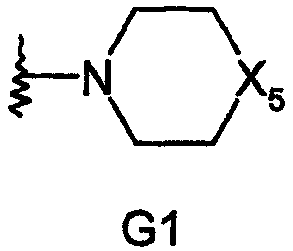


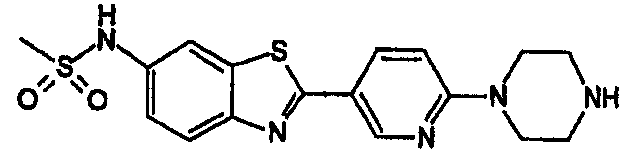


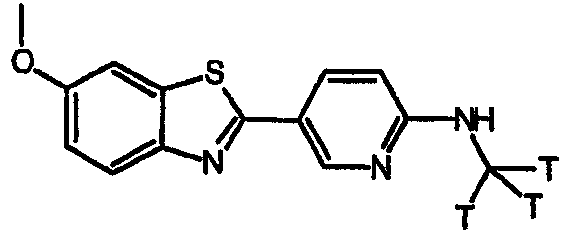


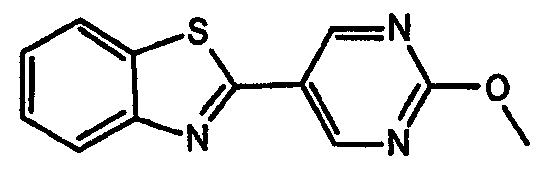


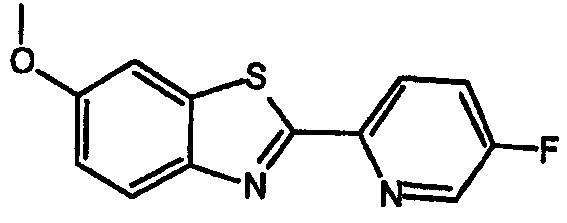


Applications Claiming Priority (3)
| Application Number | Priority Date | Filing Date | Title |
|---|---|---|---|
| US76265406P | 2006-01-27 | 2006-01-27 | |
| US60/762,654 | 2006-01-27 | ||
| PCT/SE2007/000068 WO2007086800A1 (en) | 2006-01-27 | 2007-01-25 | Novel heteroaryl substituted benzothiazoles |
Publications (2)
| Publication Number | Publication Date |
|---|---|
| KR20080090542A true KR20080090542A (en) | 2008-10-08 |
| KR101406248B1 KR101406248B1 (en) | 2014-06-19 |
Family
ID=38309497
Family Applications (1)
| Application Number | Title | Priority Date | Filing Date |
|---|---|---|---|
| KR1020087020871A Expired - Fee Related KR101406248B1 (en) | 2006-01-27 | 2007-01-25 | Novel heteroaryl substituted benzothiazoles |
Country Status (20)
| Country | Link |
|---|---|
| US (2) | US8163928B2 (en) |
| EP (1) | EP1981883A4 (en) |
| JP (1) | JP5289061B2 (en) |
| KR (1) | KR101406248B1 (en) |
| CN (1) | CN101410393B (en) |
| AR (1) | AR059178A1 (en) |
| AU (1) | AU2007207904C1 (en) |
| BR (1) | BRPI0707283A2 (en) |
| CA (1) | CA2640213A1 (en) |
| EC (1) | ECSP088645A (en) |
| IL (1) | IL192876A0 (en) |
| NO (1) | NO20083394L (en) |
| NZ (1) | NZ569667A (en) |
| RU (1) | RU2448106C2 (en) |
| SA (1) | SA07280009B1 (en) |
| TW (2) | TW201018678A (en) |
| UA (1) | UA95267C2 (en) |
| UY (1) | UY30112A1 (en) |
| WO (1) | WO2007086800A1 (en) |
| ZA (1) | ZA200806075B (en) |
Cited By (1)
| Publication number | Priority date | Publication date | Assignee | Title |
|---|---|---|---|---|
| KR20170127535A (en) * | 2015-03-12 | 2017-11-21 | 이 아이 듀폰 디 네모아 앤드 캄파니 | Heterocyclic-substituted heterocyclic azole insecticides |
Families Citing this family (35)
| Publication number | Priority date | Publication date | Assignee | Title |
|---|---|---|---|---|
| TW201018678A (en) | 2006-01-27 | 2010-05-16 | Astrazeneca Ab | Novel heteroaryl substituted benzothiazoles |
| TW200813035A (en) | 2006-06-19 | 2008-03-16 | Astrazeneca Ab | Novel heteroaryl substituted benzoxazoles |
| TW200901998A (en) | 2007-03-06 | 2009-01-16 | Astrazeneca Ab | Novel 2-heteroaryl substituted benzothiophenes and benzofuranes |
| JP5603855B2 (en) | 2008-04-04 | 2014-10-08 | アビッド レディオファーマシューティカルズ、インク. | Imaging neurodegenerative diseases with radiopharmaceuticals |
| AU2009260519A1 (en) | 2008-05-30 | 2009-12-23 | Merck Sharp & Dohme Corp. | Novel substituted azabenzoxazoles |
| US8193363B2 (en) * | 2008-08-29 | 2012-06-05 | Astrazeneca Ab | Compounds suitable as precursors to compounds that are useful for imaging amyloid deposits |
| CA2741668A1 (en) * | 2008-10-31 | 2010-05-06 | Merck Sharp & Dohme Corp. | Novel substituted azabenzoxazoles |
| US20120263646A1 (en) * | 2009-10-15 | 2012-10-18 | Guerbet | Imaging agents and their use for the diagnostic in vivo of neurodegenerative diseases, notably alzheimer's disease and derivative diseases |
| JP6069661B2 (en) | 2010-06-24 | 2017-02-01 | ザ リージェンツ オブ ザ ユニバーシティ オブ カリフォルニア | Compositions and uses thereof in the regulation of various amyloid beta peptide alloform levels |
| EP2699157B1 (en) * | 2011-04-21 | 2018-03-14 | The Regents of The University of California | Functionalized magnetic nanoparticles and use in imaging amyloid deposits and neurofibrillary tangles |
| US20140348748A1 (en) * | 2011-09-16 | 2014-11-27 | Lisheng Cai | Beta-amyloid imaging agents, methods of manufacture, and methods of use thereof |
| CN102558091B (en) * | 2011-12-22 | 2014-10-08 | 合肥工业大学 | Benzothiazole derivative and application thereof |
| CN102659772B (en) * | 2012-05-03 | 2015-02-11 | 北京师范大学 | 2-aryl benzo heterocyclic compound with affinity with A beta plaques, and preparation method and application thereof |
| DK2767532T3 (en) * | 2012-12-21 | 2016-09-12 | Nat Inst For Quantum And Radiological Science And Tech | New connection for reproduction of tau protein heavy in the brain. |
| EP2968296B1 (en) | 2013-03-12 | 2020-09-02 | The Regents of the University of California | Gamma-secretase modulators |
| TWI652014B (en) | 2013-09-13 | 2019-03-01 | 美商艾佛艾姆希公司 | Heterocyclic substituted bicycloazole insecticide |
| WO2015051188A1 (en) | 2013-10-02 | 2015-04-09 | Washington University | Heterocyclic molecules for biomedical imaging and therapeutic applications |
| WO2016004513A1 (en) * | 2014-07-11 | 2016-01-14 | Simon Fraser University | Anti-bacterial pyruvate kinase modulator compounds, compositions, uses and methods |
| EP3170820B1 (en) * | 2014-07-16 | 2019-02-20 | Japan Science and Technology Agency | Benzothiazole compound and medicine containing same |
| MX381224B (en) | 2014-10-31 | 2025-03-12 | Massachusetts Gen Hospital | POWERFUL GAMMA-SECRETASE MODULATORS. |
| BR112017011661A2 (en) * | 2014-12-02 | 2018-03-06 | Bayer Cropscience Aktiengesellschaft | bicyclic compounds as pest control agents. |
| EP3227287B1 (en) | 2014-12-02 | 2019-08-07 | Bayer Pharma Aktiengesellschaft | Heteroaryl-substituted imidazo[1,2-a]pyridines and their use |
| MX382156B (en) * | 2015-08-28 | 2025-03-13 | Chdi Foundation Inc | PROBES FOR IMAGING HUNTINGTIN PROTEIN. |
| GB201617339D0 (en) | 2016-10-12 | 2016-11-23 | Lytix Biopharma As | Therapeutic compounds |
| JP7168650B2 (en) * | 2017-08-02 | 2022-11-09 | スピノジェニックス, インコーポレイテッド | Benzothiazole and related compounds |
| TW201946624A (en) | 2018-05-09 | 2019-12-16 | 新旭生技股份有限公司 | Heteroaryl compounds and uses thereof |
| US11844846B2 (en) | 2018-05-16 | 2023-12-19 | Emory University | Styrylbenzothiazole derivatives and uses in imaging methods |
| SMT202500291T1 (en) * | 2019-01-31 | 2025-09-12 | Spinogenix Inc | Solid forms of a promoter of spinogenesis |
| GB201914989D0 (en) * | 2019-10-16 | 2019-11-27 | Karin & Sten Mortstedt Cbd Solutions Ab | Selective ligands for TAU Aggregates |
| CN114728071B (en) | 2019-11-13 | 2024-12-06 | 新旭生技股份有限公司 | Compounds for degrading TAU protein aggregates and uses thereof |
| KR102682408B1 (en) * | 2021-05-12 | 2024-07-05 | 에이치케이이노엔 주식회사 | Novel benzothiazole derivatives, preparation method thereof, and use thereof in preventing or treating liver diseases |
| CN114478431B (en) * | 2022-03-09 | 2024-07-02 | 台州学院 | Preparation method of disubstituted benzothiophene potassium ion channel agonist |
| CN114380731B (en) * | 2022-03-09 | 2024-07-02 | 台州学院 | KCNQ potassium ion channel agonist, pharmaceutical composition and application thereof |
| JP2025540931A (en) | 2022-11-03 | 2025-12-17 | セントニックス インコーポレイテッド | Selective ligands for tau aggregates |
| WO2025202955A1 (en) | 2024-03-28 | 2025-10-02 | Pi Industries Ltd. | Fused bicyclic compounds and their use as pest control agents |
Family Cites Families (33)
| Publication number | Priority date | Publication date | Assignee | Title |
|---|---|---|---|---|
| AU523040B2 (en) | 1978-05-15 | 1982-07-08 | Kanebo Limited | Calcium -antagonistic composition |
| GB8305245D0 (en) | 1983-02-25 | 1983-03-30 | Fujisawa Pharmaceutical Co | Imidazo-heterocyclic compounds |
| US4556411A (en) * | 1984-12-07 | 1985-12-03 | Fmc Corporation | Benzothiazole derivatives for plant growth and development modification |
| JPS6394248A (en) | 1986-10-08 | 1988-04-25 | Canon Inc | Electrophotographic sensitive body |
| CA2034309C (en) | 1990-01-22 | 1997-04-01 | Takashi Iwaki | Mesomorphic compound, liquid crystal composition containing same, liquid crystal device using same and display apparatus |
| JPH09507071A (en) | 1993-12-21 | 1997-07-15 | イーライ・リリー・アンド・カンパニー | Methods for treating or preventing conditions associated with amyloidogenic peptides |
| US5518713A (en) | 1995-02-13 | 1996-05-21 | 3V Inc. | Benzoxazole derivatives, the use thereof as sunscreens and cosmetic compositions containing them |
| JPH11116476A (en) | 1997-10-16 | 1999-04-27 | Sankyo Co Ltd | Condensed heterocyclic compound |
| RU2324686C2 (en) * | 2000-08-24 | 2008-05-20 | Юнивесити Оф Питсбэг | AMYLOID-BINDING THIOFLAVIN DERIVATIVES, METHOD OF in vivo DETECTION OF AMYLOID DEPOSIT AND METHOD OF DIAGNOSTICS OF ALZHEIMER'S DISEASE |
| WO2002051821A1 (en) | 2000-12-22 | 2002-07-04 | Astrazeneca Ab | Therapeutic compounds |
| US6596731B2 (en) | 2001-03-27 | 2003-07-22 | Hoffmann-La Roche Inc. | Substituted imidazo[1,2-A] pyridine derivatives |
| CA2444214A1 (en) | 2001-04-23 | 2002-10-31 | The Trustees Of The University Of Pennsylvania | Amyloid plaque aggregation inhibitors and diagnostic imaging agents |
| EP1460067A4 (en) | 2001-11-26 | 2005-12-07 | Takeda Pharmaceutical | BICYCLIC DERIVATIVE, PROCESS FOR PRODUCTION OF THE DERIVATIVE, AND USE THEREOF |
| GB0130305D0 (en) | 2001-12-19 | 2002-02-06 | Amersham Plc | Compounds for imaging alzheimers disease |
| WO2003106439A1 (en) | 2002-06-12 | 2003-12-24 | 株式会社ビーエフ研究所 | Probe compound for image diagnosis of disease with amyloid accumulation, compound for staining age spots/diffuse age spots, and remedy for disease with amyloid accumulation |
| TW200401194A (en) | 2002-07-11 | 2004-01-16 | Advanced Micro Devices Inc | Method and apparatus for determining a processor state without interrupting processor operation |
| ATE425753T1 (en) | 2002-08-02 | 2009-04-15 | Genesoft Pharmaceuticals Inc | BIARYL COMPOUNDS WITH ANTI-INFECTIVE ACTION |
| JP2004250411A (en) | 2003-02-21 | 2004-09-09 | Bf Kenkyusho:Kk | DIAGNOSTIC PROBE FOR AMYLOID beta-ACCUMULATIVE DISEASE AND THERAPEUTIC COMPOUND |
| CA2438032C (en) * | 2003-03-14 | 2013-05-07 | University Of Pittsburgh | Benzothiazole derivative compounds, compositions and uses |
| WO2004087641A1 (en) | 2003-03-31 | 2004-10-14 | Daiichi Pharmaceutical Co., Ltd. | Hydrazone derivative |
| US7329682B2 (en) * | 2003-04-03 | 2008-02-12 | Ewha University-Industry Collaboration Foundation | Method for inhibiting 5-lipoxygenase using a benzoxazole derivative |
| KR100710453B1 (en) * | 2003-05-13 | 2007-04-24 | 에프. 호프만-라 로슈 아게 | 2-imidazo-benzothiazoles as adenosine receptor ligands |
| GB0420722D0 (en) | 2004-09-17 | 2004-10-20 | Addex Pharmaceuticals Sa | Novel allosteric modulators |
| CA2609980C (en) | 2005-05-27 | 2015-10-13 | Queen's University At Kingston | Treatment of protein folding disorders |
| US20080219922A1 (en) | 2005-09-12 | 2008-09-11 | Goodman Mark M | Alzheimer's Disease Imaging Agents |
| CN101355940B (en) | 2005-09-16 | 2013-03-27 | 匹兹堡大学高等教育联邦体系 | In vivo or in vitro method for detecting amyloid deposits having at least one amyloidogenic protein |
| ATE539069T1 (en) | 2005-10-11 | 2012-01-15 | Univ Pittsburgh | ISOTOPICALLY LABELED BENZOFURAN COMPOUNDS AS IMAGING AGENTS FOR AMYLOIDOGENIC PROTEINS |
| JP5301999B2 (en) | 2005-10-31 | 2013-09-25 | メルク・シャープ・アンド・ドーム・コーポレーション | CETP inhibitor |
| WO2007063946A1 (en) | 2005-11-30 | 2007-06-07 | Fujifilm Ri Pharma Co., Ltd. | Diagnostic and remedy for disease caused by amyloid aggregation and/or deposition |
| TW201018678A (en) | 2006-01-27 | 2010-05-16 | Astrazeneca Ab | Novel heteroaryl substituted benzothiazoles |
| WO2008118122A2 (en) | 2006-05-08 | 2008-10-02 | Molecular Neuroimaging, Llc | Compounds and amyloid probes thereof for therapeutic and imaging uses |
| TW200813035A (en) | 2006-06-19 | 2008-03-16 | Astrazeneca Ab | Novel heteroaryl substituted benzoxazoles |
| WO2008091195A1 (en) | 2007-01-22 | 2008-07-31 | Astrazeneca Ab | Novel heteroaryl substituted imidazo [1,2 -a] pyridine derivatives |
-
2007
- 2007-01-19 TW TW098145976A patent/TW201018678A/en unknown
- 2007-01-19 TW TW096102118A patent/TW200736252A/en unknown
- 2007-01-24 SA SA7280009A patent/SA07280009B1/en unknown
- 2007-01-24 AR ARP070100305A patent/AR059178A1/en unknown
- 2007-01-25 NZ NZ569667A patent/NZ569667A/en not_active IP Right Cessation
- 2007-01-25 CN CN2007800112344A patent/CN101410393B/en not_active Expired - Fee Related
- 2007-01-25 RU RU2008130965/04A patent/RU2448106C2/en not_active IP Right Cessation
- 2007-01-25 AU AU2007207904A patent/AU2007207904C1/en not_active Ceased
- 2007-01-25 US US12/162,255 patent/US8163928B2/en not_active Expired - Fee Related
- 2007-01-25 BR BRPI0707283-0A patent/BRPI0707283A2/en not_active IP Right Cessation
- 2007-01-25 EP EP20070709290 patent/EP1981883A4/en not_active Withdrawn
- 2007-01-25 WO PCT/SE2007/000068 patent/WO2007086800A1/en not_active Ceased
- 2007-01-25 UA UAA200809015A patent/UA95267C2/en unknown
- 2007-01-25 JP JP2008552268A patent/JP5289061B2/en not_active Expired - Fee Related
- 2007-01-25 CA CA002640213A patent/CA2640213A1/en not_active Abandoned
- 2007-01-25 KR KR1020087020871A patent/KR101406248B1/en not_active Expired - Fee Related
- 2007-01-26 UY UY30112A patent/UY30112A1/en not_active Application Discontinuation
-
2008
- 2008-07-11 ZA ZA2008/06075A patent/ZA200806075B/en unknown
- 2008-07-17 IL IL192876A patent/IL192876A0/en unknown
- 2008-07-22 EC EC2008008645A patent/ECSP088645A/en unknown
- 2008-08-01 NO NO20083394A patent/NO20083394L/en not_active Application Discontinuation
-
2012
- 2012-04-23 US US13/453,579 patent/US8957215B2/en not_active Expired - Fee Related
Cited By (1)
| Publication number | Priority date | Publication date | Assignee | Title |
|---|---|---|---|---|
| KR20170127535A (en) * | 2015-03-12 | 2017-11-21 | 이 아이 듀폰 디 네모아 앤드 캄파니 | Heterocyclic-substituted heterocyclic azole insecticides |
Also Published As
| Publication number | Publication date |
|---|---|
| US20120207679A1 (en) | 2012-08-16 |
| US8163928B2 (en) | 2012-04-24 |
| NZ569667A (en) | 2011-09-30 |
| NO20083394L (en) | 2008-10-02 |
| AR059178A1 (en) | 2008-03-12 |
| ZA200806075B (en) | 2012-12-27 |
| TW200736252A (en) | 2007-10-01 |
| BRPI0707283A2 (en) | 2011-04-26 |
| US8957215B2 (en) | 2015-02-17 |
| WO2007086800A1 (en) | 2007-08-02 |
| IL192876A0 (en) | 2009-02-11 |
| UA95267C2 (en) | 2011-07-25 |
| JP5289061B2 (en) | 2013-09-11 |
| AU2007207904B2 (en) | 2011-03-10 |
| JP2009528271A (en) | 2009-08-06 |
| CA2640213A1 (en) | 2007-08-02 |
| RU2448106C2 (en) | 2012-04-20 |
| EP1981883A1 (en) | 2008-10-22 |
| TW201018678A (en) | 2010-05-16 |
| ECSP088645A (en) | 2008-08-29 |
| CN101410393A (en) | 2009-04-15 |
| EP1981883A4 (en) | 2010-10-06 |
| RU2008130965A (en) | 2010-03-10 |
| AU2007207904A1 (en) | 2007-08-02 |
| AU2007207904C1 (en) | 2011-10-13 |
| CN101410393B (en) | 2012-01-25 |
| US20090028787A1 (en) | 2009-01-29 |
| UY30112A1 (en) | 2007-08-31 |
| KR101406248B1 (en) | 2014-06-19 |
| SA07280009B1 (en) | 2011-07-20 |
Similar Documents
| Publication | Publication Date | Title |
|---|---|---|
| KR101406248B1 (en) | Novel heteroaryl substituted benzothiazoles | |
| US7670591B2 (en) | Heteroaryl substituted benzoxazoles | |
| KR20090101469A (en) | Novel heteroaryl substituted imidazo[1,2-a] pyridine derivatives | |
| US7772256B2 (en) | 2-heteroaryl substituted benzothiophenes and benzofuranes 709 | |
| US20100098631A1 (en) | Novel-2-Heteroaryl Substituted Indoles 695 | |
| MX2008009396A (en) | Novel heteroaryl substituted benzothiazoles |
Legal Events
| Date | Code | Title | Description |
|---|---|---|---|
| PA0105 | International application |
St.27 status event code: A-0-1-A10-A15-nap-PA0105 |
|
| PG1501 | Laying open of application |
St.27 status event code: A-1-1-Q10-Q12-nap-PG1501 |
|
| A201 | Request for examination | ||
| E13-X000 | Pre-grant limitation requested |
St.27 status event code: A-2-3-E10-E13-lim-X000 |
|
| P11-X000 | Amendment of application requested |
St.27 status event code: A-2-2-P10-P11-nap-X000 |
|
| P13-X000 | Application amended |
St.27 status event code: A-2-2-P10-P13-nap-X000 |
|
| PA0201 | Request for examination |
St.27 status event code: A-1-2-D10-D11-exm-PA0201 |
|
| R18-X000 | Changes to party contact information recorded |
St.27 status event code: A-3-3-R10-R18-oth-X000 |
|
| E902 | Notification of reason for refusal | ||
| PE0902 | Notice of grounds for rejection |
St.27 status event code: A-1-2-D10-D21-exm-PE0902 |
|
| T11-X000 | Administrative time limit extension requested |
St.27 status event code: U-3-3-T10-T11-oth-X000 |
|
| T11-X000 | Administrative time limit extension requested |
St.27 status event code: U-3-3-T10-T11-oth-X000 |
|
| P11-X000 | Amendment of application requested |
St.27 status event code: A-2-2-P10-P11-nap-X000 |
|
| P13-X000 | Application amended |
St.27 status event code: A-2-2-P10-P13-nap-X000 |
|
| E701 | Decision to grant or registration of patent right | ||
| PE0701 | Decision of registration |
St.27 status event code: A-1-2-D10-D22-exm-PE0701 |
|
| N231 | Notification of change of applicant | ||
| PN2301 | Change of applicant |
St.27 status event code: A-3-3-R10-R13-asn-PN2301 St.27 status event code: A-3-3-R10-R11-asn-PN2301 |
|
| GRNT | Written decision to grant | ||
| PR0701 | Registration of establishment |
St.27 status event code: A-2-4-F10-F11-exm-PR0701 |
|
| PR1002 | Payment of registration fee |
St.27 status event code: A-2-2-U10-U12-oth-PR1002 Fee payment year number: 1 |
|
| PG1601 | Publication of registration |
St.27 status event code: A-4-4-Q10-Q13-nap-PG1601 |
|
| R18-X000 | Changes to party contact information recorded |
St.27 status event code: A-5-5-R10-R18-oth-X000 |
|
| LAPS | Lapse due to unpaid annual fee | ||
| PC1903 | Unpaid annual fee |
St.27 status event code: A-4-4-U10-U13-oth-PC1903 Not in force date: 20170604 Payment event data comment text: Termination Category : DEFAULT_OF_REGISTRATION_FEE |
|
| PC1903 | Unpaid annual fee |
St.27 status event code: N-4-6-H10-H13-oth-PC1903 Ip right cessation event data comment text: Termination Category : DEFAULT_OF_REGISTRATION_FEE Not in force date: 20170604 |
|
| R18-X000 | Changes to party contact information recorded |
St.27 status event code: A-5-5-R10-R18-oth-X000 |