CN102824854A - Electrophoresis apparatus and its application - Google Patents
Electrophoresis apparatus and its application Download PDFInfo
- Publication number
- CN102824854A CN102824854A CN2011101598930A CN201110159893A CN102824854A CN 102824854 A CN102824854 A CN 102824854A CN 2011101598930 A CN2011101598930 A CN 2011101598930A CN 201110159893 A CN201110159893 A CN 201110159893A CN 102824854 A CN102824854 A CN 102824854A
- Authority
- CN
- China
- Prior art keywords
- electrophoresis
- tank
- zone
- anode
- electrophoresis tank
- Prior art date
- Legal status (The legal status is an assumption and is not a legal conclusion. Google has not performed a legal analysis and makes no representation as to the accuracy of the status listed.)
- Pending
Links
Images



Classifications
-
- B—PERFORMING OPERATIONS; TRANSPORTING
- B01—PHYSICAL OR CHEMICAL PROCESSES OR APPARATUS IN GENERAL
- B01D—SEPARATION
- B01D57/00—Separation, other than separation of solids, not fully covered by a single other group or subclass, e.g. B03C
- B01D57/02—Separation, other than separation of solids, not fully covered by a single other group or subclass, e.g. B03C by electrophoresis
-
- C—CHEMISTRY; METALLURGY
- C07—ORGANIC CHEMISTRY
- C07K—PEPTIDES
- C07K1/00—General methods for the preparation of peptides, i.e. processes for the organic chemical preparation of peptides or proteins of any length
- C07K1/14—Extraction; Separation; Purification
- C07K1/24—Extraction; Separation; Purification by electrochemical means
- C07K1/26—Electrophoresis
Landscapes
- Chemical & Material Sciences (AREA)
- Chemical Kinetics & Catalysis (AREA)
- Electrochemistry (AREA)
- Molecular Biology (AREA)
- Organic Chemistry (AREA)
- Health & Medical Sciences (AREA)
- Life Sciences & Earth Sciences (AREA)
- Analytical Chemistry (AREA)
- Biophysics (AREA)
- General Health & Medical Sciences (AREA)
- Genetics & Genomics (AREA)
- Medicinal Chemistry (AREA)
- Biochemistry (AREA)
- Proteomics, Peptides & Aminoacids (AREA)
- General Chemical & Material Sciences (AREA)
- Engineering & Computer Science (AREA)
- Environmental & Geological Engineering (AREA)
- Peptides Or Proteins (AREA)
Abstract
本发明提供了一种大分子的分离技术及其应用。具体提供了一种电泳槽及包含该电泳槽的电泳系统,本发明提供的电泳槽包括至少两个固定分隔的或可操作性分隔的电泳区域,在不影响大分子正常电泳行为的情况下,这些分隔使不同电泳区域内的溶液以及其中的大分子能够被单独收集。本发明进一步提供了该电泳槽及电泳系统在核酸、蛋白质、碳水化合物及病毒颗粒的分离、电洗脱及浓缩中的应用。The invention provides a macromolecule separation technology and its application. Specifically, an electrophoresis tank and an electrophoresis system comprising the same are provided. The electrophoresis tank provided by the present invention includes at least two fixedly separated or operable separated electrophoresis regions. Without affecting the normal electrophoresis behavior of macromolecules, These separations allow solutions and macromolecules within different electrophoretic regions to be collected separately. The present invention further provides the application of the electrophoresis tank and the electrophoresis system in the separation, electroelution and concentration of nucleic acid, protein, carbohydrate and virus particles.
Description
技术领域 technical field
本发明涉及一种大分子的分离技术,具体涉及一种用于大分子分离、电洗脱和浓缩的分离装置及其应用。The invention relates to a macromolecular separation technology, in particular to a separation device for macromolecular separation, electroelution and concentration and its application.
背景技术 Background technique
电泳是指带电荷的粒子或分子在电场中移动的现象。1809年俄国物理学家PeHce首先发现了电泳现象,但直到1937年,瑞典科学家Arne Tiselius才组装了世界上第一台界面电泳仪。随后,电泳技术得到的广泛的应用,并继而发展出多种基于不同载体的电泳技术。结合增染试剂如银氨染色、考马斯亮蓝等的使用大大提高了生物样品的着色与分辨能力,免疫技术的应用更是将分辨率提高到微量和超微量水平,促进电泳技术应用于分析化学、生物化学、临床化学、毒剂学、药理学、免疫学、微生物学、食品化学等众多学科和不同的领域。Electrophoresis is the movement of charged particles or molecules in an electric field. In 1809, the Russian physicist PeHce first discovered the phenomenon of electrophoresis, but it was not until 1937 that the Swedish scientist Arne Tiselius assembled the world's first interface electrophoresis device. Subsequently, electrophoresis technology has been widely used, and then a variety of electrophoresis technologies based on different carriers have been developed. Combined with the use of staining reagents such as silver ammonia staining, Coomassie brilliant blue, etc., the coloring and resolution capabilities of biological samples have been greatly improved, and the application of immune technology has improved the resolution to trace and ultra-trace levels, promoting the application of electrophoresis technology in analytical chemistry. , biochemistry, clinical chemistry, toxicology, pharmacology, immunology, microbiology, food chemistry and many other disciplines and different fields.
在电场条件下,带负电荷的分子向阳极方向移动,带正电荷的分子向阴极方移动。在单位电场强度的作用下,带电粒子在单位时间内移动的距离(即迁移率)为一个常数,反应了该带电粒子的物化特征。不同带电粒子因所带电荷不同,或虽所带电荷相同但荷质比不同,在同一电场中经过一段时间的电泳后,由于移动距离不同而相互分离,分开的距离与外加电场的电压与电泳时间成正比。这种利用电泳现象使物质分离的技术叫做电泳技术。生物大分子如蛋白质、核酸、多糖等大多都有阳离子和阴离子基团,均能通过电泳技术得到分离。Under electric field conditions, negatively charged molecules move toward the anode, and positively charged molecules move toward the cathode. Under the action of unit electric field strength, the distance that charged particles move in unit time (ie mobility) is a constant, which reflects the physical and chemical characteristics of the charged particles. Different charged particles are separated from each other due to different moving distances after a period of electrophoresis in the same electric field due to their different charges, or the same charge but different charge-to-mass ratios. Proportional to time. This technique of separating substances by means of electrophoresis is called electrophoresis. Most biological macromolecules such as proteins, nucleic acids, and polysaccharides have cationic and anionic groups, which can be separated by electrophoresis.
电泳所需的仪器主要有电源和电泳槽。要使荷电的生物大分子在电场中泳动,必须施加外加电场,且电泳的分辨率和电泳速度与电泳时的电参数密切相关。电泳槽是电泳系统中的核心部分,根据电泳的原理,电泳支持物都是放在两个电极缓冲液之间,电场通过电泳支持物连接两个缓冲液,不同电泳方式采用不同的电泳槽。The instruments required for electrophoresis mainly include power supply and electrophoresis tank. To make charged biomacromolecules swim in an electric field, an external electric field must be applied, and the resolution and speed of electrophoresis are closely related to the electrical parameters during electrophoresis. The electrophoresis tank is the core part of the electrophoresis system. According to the principle of electrophoresis, the electrophoresis support is placed between the two electrode buffers, and the electric field connects the two buffers through the electrophoresis support. Different electrophoresis methods use different electrophoresis tanks.
目前所采用的电泳技术主要分为移动界面电泳、等点聚焦电泳和区带电泳等几种类型。移动界面电泳是将被需要被分离的离子混合物置于电泳槽的一端,电泳开始后,使带电粒子向另一极移动,泳动速度最快的离子走在最前面,其他离子依电泳速度快慢顺序排列,形成不同的区带。等电聚焦电泳则是将两性电解质加入盛有pH梯度缓冲液的电泳槽中,当其处在低于其自身等电点的缓冲液中则带正电荷,向负极移动;若其处在高于其自身等电点的缓冲液中,则带负电向正极移动。当这些物质泳动到其自身特有的等电点缓冲液中时,其净电荷变为零,于是停止泳动,这样具有不同等电点的物质最后聚焦在各自等电点位置,形成一个个清晰的区带,分辨率极高。The electrophoresis techniques currently used are mainly divided into several types such as mobile interface electrophoresis, isopoint focusing electrophoresis and zone electrophoresis. Moving interface electrophoresis is to place the ion mixture to be separated at one end of the electrophoresis tank. After the electrophoresis starts, the charged particles move to the other pole. The ions with the fastest swimming speed go at the front, and the other ions follow the electrophoresis speed. Arranged in order to form different zones. Isoelectric focusing electrophoresis is to add the ampholyte to the electrophoresis tank filled with pH gradient buffer. When it is in the buffer solution lower than its own isoelectric point, it will be positively charged and move to the negative electrode; if it is at a high In the buffer solution with its own isoelectric point, it is negatively charged and moves to the positive electrode. When these substances swim into their own unique isoelectric point buffer, their net charges become zero, and then they stop swimming, so that substances with different isoelectric points finally focus on their respective isoelectric point positions, forming a Clear zones with very high resolution.
区带电泳是生物医学研究中最常用的一种电泳技术。在均一载体电解质中,将样品加在一定的支持物上;在电场作用下,样品中带正或负电荷的离子分别向负或正极以不同速度移动,彼此分离形成一个个隔开的区带。按支持物不同的物理性状,区带电泳可分为1)滤纸电泳;2)粉末电泳:如纤维素粉、淀粉、玻璃粉电泳;3)凝胶电泳:如琼脂、琼脂糖、硅胶、淀粉胶、聚丙烯酰胺凝胶电泳;4)缘线电泳:如尼龙丝和人造丝电泳。按支持物的装置类型,可将区带电泳可分1)平板式电泳:支持物水平放置,是最常用的电泳方式;2)垂直板电泳:聚丙烯酰胺凝胶可做成垂直板式电泳;3)柱状(管状)电泳:聚丙烯酰胺凝胶可灌入适当的电泳管中做成管状电泳。按pH的连续性不同,区带电泳可分为1)连续pH电泳:如纸电泳和醋酸纤维素薄膜电泳;2)非连续pH电泳:如聚丙烯酰胺凝胶盘状电泳。Zone electrophoresis is the most commonly used electrophoretic technique in biomedical research. In a homogeneous carrier electrolyte, the sample is added to a certain support; under the action of an electric field, the positively or negatively charged ions in the sample move to the negative or positive electrode at different speeds, and are separated from each other to form separate zones. . According to different physical properties of supports, zone electrophoresis can be divided into 1) filter paper electrophoresis; 2) powder electrophoresis: such as cellulose powder, starch, glass powder electrophoresis; 3) gel electrophoresis: such as agar, agarose, silica gel, starch gel, polyacrylamide gel electrophoresis; 4) edge electrophoresis: such as nylon silk and rayon electrophoresis. According to the device type of the support, the zone electrophoresis can be divided into 1) flat plate electrophoresis: the support is placed horizontally, which is the most commonly used electrophoresis method; 2) vertical plate electrophoresis: polyacrylamide gel can be made into vertical plate electrophoresis; 3) Columnar (tubular) electrophoresis: polyacrylamide gel can be poured into an appropriate electrophoresis tube to make tubular electrophoresis. According to the continuity of pH, zone electrophoresis can be divided into 1) continuous pH electrophoresis: such as paper electrophoresis and cellulose acetate film electrophoresis; 2) discontinuous pH electrophoresis: such as polyacrylamide gel disc electrophoresis.
区带电泳技术在生物医学研究中具有广泛的应用领域。以蛋白的研究为例,1)聚丙烯酰胺凝胶电泳可用于蛋白质纯度的鉴定。聚丙烯酰胺凝胶电泳同时具有电荷效应和分子筛效应,可以将分子大小相同而带不同数量电荷的物质分离开,并且还可以将带相同数量电荷而分子大小不同的物质分离开,其分辨率远远高于一般层析方法和电泳方法,且重复性好,没有电渗作用。2)SDS聚丙烯酰胺凝胶电泳可用于测定蛋白质分子量。其原理是带大量电荷的SDS结合到蛋白质分子上,克服了蛋白质分子原有电荷的影响而得到恒定的荷/质比,测定时间短,分辨率高,并且仅需要极微量样品(1-100ug)。3)聚丙烯酰胺凝胶电泳可用于蛋白质定量。电泳后的凝胶经凝胶扫描仪扫描,从而给出定量的结果。4)琼脂或琼脂糖凝胶免疫电泳可用于检查蛋白质制剂的纯度、分析蛋白质混合物的组分、研究抗血清制剂中是否具有抗某种已知抗原的抗体、以及检验两种抗原是否相同等。Zone electrophoresis has a wide range of applications in biomedical research. Taking protein research as an example, 1) Polyacrylamide gel electrophoresis can be used to identify protein purity. Polyacrylamide gel electrophoresis has both charge effect and molecular sieve effect. It can separate substances with the same molecular size but different numbers of charges, and can also separate substances with the same number of charges but different molecular sizes. Much higher than the general chromatography and electrophoresis methods, and good repeatability, no electroosmosis. 2) SDS polyacrylamide gel electrophoresis can be used to determine protein molecular weight. The principle is that SDS with a large amount of charge is bound to the protein molecule, which overcomes the influence of the original charge of the protein molecule and obtains a constant charge/mass ratio. The measurement time is short, the resolution is high, and only a very small amount of sample (1-100ug ). 3) Polyacrylamide gel electrophoresis can be used for protein quantification. The gel after electrophoresis is scanned by a gel scanner to give quantitative results. 4) Agar or agarose gel immunoelectrophoresis can be used to check the purity of protein preparations, analyze the components of protein mixtures, study whether antiserum preparations have antibodies against a known antigen, and test whether two antigens are the same, etc.
在生物实验中,经常需要将电泳分离的大分子物质从电泳载体(琼脂糖凝胶或聚丙烯酰胺凝胶)中回收回来,从而能够做进一步的分析。在这个过程中,最关键的考虑因素包括回收产物的质量(纯度和浓度)、回收效率、以及操作的方便程度。1)回收产物质量是其中最关键的一个技术指标。在常规回收过程中,普通级别的琼脂糖带有一些性状不明的多糖,会连同DNA一起从凝胶中抽提出来。这些不明物质可能会强烈抑制后继的连接、酶切、或者标记、扩增等反应。对于大片断DNA回收,回收产物的质量还包括DNA片段的完整性,而对于较小片断而言,回收产物的浓度是一个重要的考虑因素。2)回收得率是另一个重要的参数。由于电泳上样量通常都很少,电泳过程的本身也会导致样品的分散和损失,因而尽可能多的回收电泳凝胶条带中的目的片断,提高产物得率,对于后继研究来说是非常重要的。3)操作的方便程度是另一个关键的因素,因为胶回收是一个基本的实验操作,需要建立一种简单、快速、低成本的研究手段。In biological experiments, it is often necessary to recover the macromolecular substances separated by electrophoresis from the electrophoresis carrier (agarose gel or polyacrylamide gel), so that further analysis can be performed. In this process, the most critical considerations include the quality (purity and concentration) of the recovered product, recovery efficiency, and ease of operation. 1) The quality of recovered products is one of the most critical technical indicators. During routine recovery, common grade agarose with some unidentified polysaccharides will be extracted from the gel along with the DNA. These unknown substances may strongly inhibit subsequent ligation, enzyme digestion, or labeling, amplification and other reactions. For large fragment DNA recovery, the quality of the recovered product also includes the integrity of the DNA fragment, while for smaller fragments, the concentration of the recovered product is an important consideration. 2) Recovery yield is another important parameter. Since the amount of electrophoresis sample is usually very small, the electrophoresis process itself will also lead to the dispersion and loss of the sample. Therefore, it is important for subsequent research to recover as many target fragments as possible in the electrophoresis gel bands and improve the product yield. very important. 3) The convenience of operation is another key factor, because gel recovery is a basic experimental operation, and a simple, fast and low-cost research method needs to be established.
在实验室应用的多种胶回收操作中,最简单的方法是将包含分离的大分子的凝胶块切下来,通过机械破碎和长时间的缓冲液洗脱,使分离的大分子从胶中扩散出来。Among the various gel recovery operations applied in the laboratory, the simplest method is to cut off the gel block containing the separated macromolecules, and to make the separated macromolecules from the gel by mechanical fragmentation and long-term buffer elution. spread out.
低熔点琼脂糖凝胶是另一种较为简单的胶回收技术。用低熔点琼脂糖制备凝胶,电泳后切割目的条带,在TE溶液中保温使凝胶融化,用传统的酚氯仿抽提、乙醇沉淀。这个方法需要用到酚氯仿等有机试剂,并且耗时较长。Low-melting point agarose gels are another, simpler gel recovery technique. Prepare the gel with low melting point agarose, cut the target band after electrophoresis, keep warm in TE solution to melt the gel, extract with traditional phenol chloroform, and precipitate with ethanol. This method requires the use of organic reagents such as phenol chloroform and takes a long time.
玻璃奶/纯化填料胶回收法是另一个较为灵活回收方法。首先将电泳凝胶的条带切下,在提供的溶液中将胶溶解,加入纯化填料吸附混合,快速离心沉淀去上清,洗涤沉淀后,用洗脱液纯化介质中吸附的核酸片断。这个方法适合各种不同大小的片断,特别是大片断的回收,但是操作就较前者复杂一些,涉及到多次离心沉淀和取上清。The glass milk/purified filler gel recycling method is another more flexible recycling method. First cut off the strips of the electrophoresis gel, dissolve the gel in the provided solution, add purification fillers to absorb and mix, quickly centrifuge to remove the supernatant, wash the precipitate, and use the eluent to purify the nucleic acid fragments adsorbed in the medium. This method is suitable for fragments of various sizes, especially the recovery of large fragments, but the operation is more complicated than the former, involving multiple centrifugation and supernatant collection.
DEAE纤维素膜纸片法及其改良法也是一种较为传统的胶回收技术。首先将DEAE纤维素膜裁成小条进行活化处理;电泳一段时间后,在目的条带前切一刀,将比条带略宽的DEAE纤维素膜插入切口,继续电泳一会儿,条带上的DNA被膜片截留,取出膜片冲洗后转移到离心管中加缓冲液保温洗脱,然后进行酚氯仿抽提和乙醇沉淀。显而易见,这种手工回收方法对实验人员的技术要求较高,重复性差,并且不适合大规模操作。The DEAE cellulose film paper method and its improved method are also a relatively traditional glue recovery technology. First cut the DEAE cellulose membrane into small strips for activation treatment; after electrophoresis for a period of time, cut a knife in front of the target band, insert a DEAE cellulose membrane slightly wider than the band into the cut, and continue electrophoresis for a while, the DNA on the band Retained by the diaphragm, take out the diaphragm and wash it, then transfer it to a centrifuge tube and add buffer to keep warm for elution, then perform phenol-chloroform extraction and ethanol precipitation. Obviously, this manual recovery method has high technical requirements for experimenters, poor repeatability, and is not suitable for large-scale operations.
除了这些较为传统的方法以外,电洗脱技术目前在生物研究领域被广泛使用。电洗脱(electroelution)是指通过电泳,将在某些支持物中含有的目的成分迁移出来的技术。具体做法是将含分离的大分子的凝胶放在一个用半透膜隔离的空间中,通过电泳的电流使得DNA离开凝胶进入液相,回收液相后纯化其中的DNA分子。利用电洗脱技术,近年来开发出了一系列方便适用的电洗脱装置,包括US Pat.No.4,552,640、US Pat.No.4,545,888、US Pat.No.4,699,706、US Pat.No.4,608,147、US Pat.No.4,964961和US Pat.No.5,340,449。电洗脱条件温和,操作简单,对琼脂糖没有特殊要求,同时还可以用于丙烯酰胺凝胶中的片断回收或者是蛋白质的回收;与其他传统的胶回收技术相比,具有较大的优势。但由于以来半透膜的选择性透过性质,需要按照被分离分子的大小,选择合适的半透膜,使得该技术在应用上受到一定的限制;另外,半透膜对回收产物的吸附也是一个不容忽视的问题。In addition to these more traditional methods, electroelution techniques are now widely used in the field of biological research. Electroelution refers to the technique of migrating out the target components contained in certain supports by electrophoresis. The specific method is to place the gel containing the separated macromolecules in a space separated by a semi-permeable membrane, and the electrophoresis current causes the DNA to leave the gel and enter the liquid phase, and the liquid phase is recovered to purify the DNA molecules therein. Using electroelution technology, a series of convenient and applicable electroelution devices have been developed in recent years, including US Pat. US Pat. No. 4,964961 and US Pat. No. 5,340,449. The electroelution condition is mild, the operation is simple, and there is no special requirement for agarose, and it can also be used for fragment recovery or protein recovery in acrylamide gel; compared with other traditional gel recovery techniques, it has great advantages . However, due to the selective permeation properties of semi-permeable membranes, it is necessary to select a suitable semi-permeable membrane according to the size of the separated molecules, which limits the application of this technology; in addition, the adsorption of semi-permeable membranes to recovered products is also A problem that cannot be ignored.
发明内容 Contents of the invention
本发明涉及以下按顺序编号的段落定义的主题:The present invention relates to the subject matter defined in the following sequentially numbered paragraphs:
1.一种电泳槽,其特征在于所述电泳槽包括至少两个固定分隔的或可操作性分隔的电泳区域,在不影响大分子正常电泳行为的情况下,这些分隔使不同电泳区域内的溶液能够被单独收集。1. An electrophoresis tank, characterized in that the electrophoresis tank comprises at least two fixedly separated or operable separated electrophoresis regions, and these separations make the different electrophoresis regions Solutions can be collected separately.
2.一种电泳槽,其特征在于所述电泳槽包括两个固定分隔的或可操作性分隔的电泳区域,在不影响大分子正常电泳行为的情况下,这些分隔使不同电泳区域内的溶液能够被单独收集。2. An electrophoresis tank, characterized in that the electrophoresis tank includes two fixedly separated or operable separated electrophoresis regions, and these separations make the solutions in different electrophoresis regions can be collected separately.
3.一种电泳槽,其特征在于所述电泳槽包括三个固定分隔的或可操作性分隔的电泳区域,在不影响大分子正常电泳行为的情况下,这些分隔使不同电泳区域内的溶液能够被单独收集。3. An electrophoresis tank, characterized in that the electrophoresis tank includes three fixedly separated or operable separated electrophoresis regions, and these separations make the solutions in different electrophoresis regions can be collected separately.
4.根据段落1-3所述的电泳槽,其特征在于用于固定分隔不同电泳区域的材料包括琼脂糖凝胶、聚丙烯酰胺凝胶、带孔的固相支持物。4. The electrophoresis tank according to paragraphs 1-3, characterized in that the materials used to fix and separate different electrophoresis regions include agarose gel, polyacrylamide gel, and solid phase supports with holes.
5.根据段落1-3所述的电泳槽,其特征在于用于可操作性分隔不同电泳区域的方式包括阀门、开关、可阻断性流道。5. The electrophoresis tank according to paragraphs 1-3, wherein the means for operable separation of different electrophoresis areas include valves, switches, and blockable flow channels.
6.根据段落1所述的电泳槽,其特征在于该电泳槽包括槽体、阳极、阴极和电泳区域;电泳区域由被琼脂糖凝胶或聚丙烯酰胺凝胶分隔的三个区域组成,阳极和阴极分别位于两端的区域中。6. The electrophoresis tank according to
7.根据段落1所述的电泳槽,其特征在于该电泳槽包括槽体、阳极、阴极和电泳区域;电泳区域包括三个独立的区域,所述区域经电泳通道连接,阳极和阴极分别位于两端的独立区域内;电泳通道带有可操作的分隔装置。7. The electrophoresis tank according to
8.根据段落1所述的电泳槽,其特征在于该电泳槽包括槽体、阳极、阴极和电泳区域;其中,电泳区域由两个嵌套的可分离的筒状或管状结构以及它们之间的连接通道组成。8. The electrophoresis tank according to
9.一种电泳系统,其特征在于所述电泳系统包括电源以及段落1-8任一项所述的电泳槽。9. An electrophoresis system, characterized in that the electrophoresis system includes a power supply and the electrophoresis tank described in any one of paragraphs 1-8.
10.段落9所述的电泳系统在大分子的分离、电洗脱和浓缩中的应用。10. Use of the electrophoresis system described in
11.根据段落10所述的应用,其特征在于所述的大分子包括核酸分子、蛋白质分子、碳水化合物分子、及病毒颗粒。11. The use according to
12.段落9所述的电泳系统在核酸与蛋白分离中的应用。12. Use of the electrophoresis system described in
本发明要解决的技术问题是如何高效、简便、低成本地分离大分子物质。本发明最重要的技术改进是通过电泳使电荷性质不同的大分子分布于被分隔或可操作性被分隔的不同电泳区域内,通过单独收集不同电泳区域内的溶液,实现对不同大分子的分离。The technical problem to be solved by the present invention is how to separate macromolecular substances efficiently, conveniently and at low cost. The most important technical improvement of the present invention is to distribute macromolecules with different charge properties in different electrophoretic regions that are separated or operable by electrophoresis, and separate different macromolecules by separately collecting solutions in different electrophoretic regions .
一方面,本发明提供了一种电泳槽,该电泳槽包括至少两个固定分隔的或可操作性分隔的电泳区域,在不影响大分子正常电泳行为的情况下,这些分隔使不同电泳区域内的溶液能够被单独收集。In one aspect, the present invention provides an electrophoresis tank, the electrophoresis tank includes at least two fixedly separated or operable separated electrophoresis regions, and these separations allow different electrophoresis regions to The solution can be collected separately.
另一方面,本发明提供了一种电泳槽,该电泳槽包括两个固定分隔的或可操作性分隔的电泳区域,在不影响大分子正常电泳行为的情况下,这些分隔使不同电泳区域内的溶液能够被单独收集。In another aspect, the present invention provides an electrophoresis tank, which includes two fixedly separated or operable separated electrophoretic regions, and these separations allow different electrophoretic regions to The solution can be collected separately.
另一方面,本发明提供了一种电泳槽,该电泳槽包括三个固定分隔的或可操作性分隔的电泳区域,在不影响大分子正常电泳行为的情况下,这些分隔使不同电泳区域内的溶液能够被单独收集。On the other hand, the present invention provides an electrophoresis tank, which includes three fixedly separated or operable separated electrophoretic regions, and these separations allow different electrophoretic regions to The solution can be collected separately.
根据本发明,用于固定分隔不同电泳区域的材料包括但不限于琼脂糖凝胶、聚丙烯酰胺凝胶、带孔的固相支持物。According to the present invention, the materials used to fix and separate different electrophoretic regions include but not limited to agarose gel, polyacrylamide gel, solid phase support with holes.
根据本发明,用于可操作性分隔不同电泳区域的方式包括阀门、开关、可阻断的流道。According to the present invention, means for operable separation of different electrophoretic regions include valves, switches, and flow channels that can be blocked.
根据本发明,所提供的电泳槽包括槽体、阳极、阴极和电泳区域;电泳区域由被琼脂糖凝胶或聚丙烯酰胺凝胶分隔的三个区域组成,阳极和阴极分别位于两端的区域中。According to the present invention, the provided electrophoresis tank includes a tank body, an anode, a cathode and an electrophoresis area; the electrophoresis area is composed of three areas separated by agarose gel or polyacrylamide gel, and the anode and the cathode are respectively located in the areas at both ends .
根据本发明,所提供的电泳槽包括槽体、阳极、阴极和电泳区域;电泳区域包括三个独立的区域,所述区域经电泳通道连接,阳极和阴极分别位于两端的独立区域内;电泳通道带有可操作的分隔装置。According to the present invention, the provided electrophoresis tank includes a tank body, an anode, a cathode, and an electrophoresis area; the electrophoresis area includes three independent areas, and the areas are connected through an electrophoresis channel, and the anode and the cathode are respectively located in independent areas at both ends; the electrophoresis channel With operable divider.
根据本发明,所提供的电泳槽包括槽体、阳极、阴极和电泳区域;其中,电泳区域由两个嵌套的可分离的筒状或管状结构以及它们之间的连接通道组成。According to the present invention, the provided electrophoresis tank includes a tank body, an anode, a cathode and an electrophoresis area; wherein, the electrophoresis area is composed of two nested separable cylindrical or tubular structures and a connecting channel between them.
另一方面,本发明提供了一种电泳系统,该电泳系统包括电源以及本发明提供的电泳槽。On the other hand, the present invention provides an electrophoresis system, which includes a power supply and the electrophoresis tank provided by the present invention.
另一方面,本发明提供了所述电泳系统在大分子的分离、电洗脱和浓缩中的应用。In another aspect, the present invention provides the application of the electrophoresis system in the separation, electroelution and concentration of macromolecules.
根据本发明,所述的大分子包括核酸分子、蛋白质分子、碳水化合物分子及病毒颗粒。According to the present invention, the macromolecules include nucleic acid molecules, protein molecules, carbohydrate molecules and virus particles.
根据本发明,所述电泳系统在核酸与蛋白分离中的应用。According to the present invention, the application of the electrophoresis system in the separation of nucleic acid and protein.
本发明的有益效果Beneficial effects of the present invention
本发明利用固定分隔或可操作性分隔将电泳槽分隔成若干电泳区域,在不影响大分子正常电泳行为的情况下,使不同大分子根据其自身的电荷性质,在电场作用下分布于不同的电泳区域中,通过分别收集不同区域内的溶液,使其中分别存在的大分子物质得到分离。本发明分离的大分子包括但不限于核酸、蛋白、碳水化合物、以及病毒颗粒。与现有技术相比,本发明提供的分离装置及技术能够更简便、高效、低成本地分离大分子物质。In the present invention, the electrophoresis tank is divided into several electrophoresis regions by using fixed partitions or operable partitions, so that different macromolecules can be distributed in different regions under the action of an electric field according to their own charge properties without affecting the normal electrophoresis behavior of macromolecules. In the electrophoresis area, the macromolecular substances existing in each area are separated by collecting the solutions in different areas. Isolated macromolecules of the invention include, but are not limited to, nucleic acids, proteins, carbohydrates, and viral particles. Compared with the prior art, the separation device and technology provided by the invention can separate macromolecular substances more simply, efficiently and at low cost.
附图说明 Description of drawings
图1.一种琼脂糖分隔的两腔电泳槽示意图Figure 1. A schematic diagram of a two-chamber electrophoresis tank separated by agarose
图2.一种琼脂糖分隔的三腔电泳槽示意图Figure 2. A schematic diagram of a three-chamber electrophoresis tank separated by agarose
图3.一种分离的两腔电泳槽示意图Figure 3. A schematic diagram of a separate two-chamber electrophoresis tank
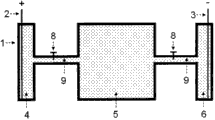
图4.一种分离的三腔电泳槽示意图Figure 4. Schematic diagram of a separate three-chamber electrophoresis tank
图5.一种套管式电泳槽示意图Figure 5. Schematic diagram of a casing electrophoresis tank
图6.一种套管式电泳槽示意图Figure 6. Schematic diagram of a casing electrophoresis tank
具体实施方式 Detailed ways
本发明所提供的电泳系统包括电源和电泳槽,电泳槽包括槽体、阳极、阴极、阳极与阴极之间的电泳区域。其中,电泳区域被固定分隔或可操作性分隔分成至少两个区域,这些固定或临时性分隔在不影响大分子正常电泳行为的情况下,使各区域内的溶液及存在于其中的大分子样本可被单独收集,从而实现大分子物质的分离回收。电泳槽槽体可由合适的材料制造,包括但不限于玻璃、有机玻璃、塑料、树脂、聚丙烯、丙烯酸树脂或类似材料。电泳槽槽体可以为合适的任何形状,包括但不限于方形、长方形、三角形、圆形、圆筒形、球形、锥形或不同形状的组合。被分隔的电泳区域按照与电极的关系,可以分为阳极区域、阴极区域和中间区域;各区域的体积可以在10uL或以上体积自由设置,以适应电泳槽的不同用途。The electrophoresis system provided by the present invention includes a power source and an electrophoresis tank, and the electrophoresis tank includes a tank body, an anode, a cathode, and an electrophoresis area between the anode and the cathode. Among them, the electrophoretic region is divided into at least two regions by fixed or operable partitions. These fixed or temporary partitions can make the solutions in each region and the macromolecular samples in them It can be collected separately, so as to realize the separation and recovery of macromolecular substances. The body of the electrophoresis tank may be fabricated from suitable materials including, but not limited to, glass, plexiglass, plastic, resin, polypropylene, acrylic, or similar materials. The body of the electrophoresis tank can be in any suitable shape, including but not limited to square, rectangular, triangular, circular, cylindrical, spherical, conical or a combination of different shapes. The separated electrophoresis area can be divided into anode area, cathode area and intermediate area according to the relationship with the electrodes; the volume of each area can be freely set at 10uL or more to adapt to different uses of the electrophoresis tank.
根据本发明,用于将电泳槽固定分隔成不同区域的材料可以选自琼脂糖凝胶、聚丙烯酰胺凝胶、以及带孔或微孔的固相支持物;固相支持物可以包括除透析膜、半透膜、滤膜和滤纸以外的其他合适的材料,包括但不限于有机玻璃、塑料、树脂、聚丙烯、丙烯酸树脂或类似材料。According to the present invention, the material for fixing and separating the electrophoresis tank into different regions can be selected from agarose gel, polyacrylamide gel, and a solid phase support with holes or micropores; the solid phase support can include dialysis Other suitable materials other than membranes, semipermeable membranes, filters, and filter papers include, but are not limited to, plexiglass, plastic, resin, polypropylene, acrylic, or similar materials.
根据本发明,用于将电泳槽可操作性分隔成不同区域的方式可以包括阀门、开关、可阻断性流道、或将不同的电泳区域拆卸分离。可阻断性流道是指连接不同电泳区域的流道可被物理方式阻断,从而实现可操作性分隔,具体的阻断方式包括但不限于用止血钳夹住、折叠流道实现分隔、插入阻挡物实现分隔。According to the present invention, the means for operably separating the electrophoresis tank into different areas may include valves, switches, blockable flow channels, or disassembly and separation of different electrophoresis areas. The blockable channel means that the channel connecting different electrophoretic regions can be physically blocked to achieve operable separation. The specific blocking methods include but are not limited to clamping with hemostats, folding the channel to achieve separation, Insert barriers to achieve separation.
下面将结合实施例进一步详细描述本发明。应当理解,列举这些实施例只是为了起说明作用,而并不是用来限制本发明的范围。除非特别说明,本发明所用到的试剂、培养基均为市售商品。实施例中未注明具体条件的实验方法,通常按照常规实验条件进行,例如Sambrook等人在《分子克隆:实验室手册》(New York:Cold Spring Harbor LaboratoryPress,1989)中所述的条件,或按照制造厂商所建议的条件。The present invention will be described in further detail below in conjunction with examples. It should be understood that these examples are listed for illustrative purposes only, and are not intended to limit the scope of the present invention. Unless otherwise specified, the reagents and culture media used in the present invention are commercially available. The experimental method that does not indicate specific condition in the embodiment, usually carries out according to conventional experimental condition, such as Sambrook et al. in " Molecular Cloning: Laboratory Handbook " (New York: Cold Spring Harbor Laboratory Press, 1989) described condition, or Follow the conditions recommended by the manufacturer.
实施例1.电泳槽结构
一种琼脂糖分隔式的两腔电泳槽An agarose-separated two-chamber electrophoresis tank
参见图1,该电泳槽包括槽体1、阳极2、阴极3、阳极区域4、中间区域5和琼脂糖凝胶分隔7;电泳区域由被琼脂糖凝胶分隔7分隔的两个区域组成,分别为阳极区域4和中间区域5,阳极2和阴极3分别位于这两个区域中。Referring to Fig. 1, the electrophoresis tank comprises a
一种琼脂糖分隔式的三腔电泳槽A kind of agarose separated three-chamber electrophoresis tank
参见图2,该电泳槽包括槽体1、阳极2、阴极3、阳极区域4、中间区域5、阴极区域6和琼脂糖凝胶分隔7;电泳区域由被琼脂糖凝胶分隔7分隔的三个区域组成,分别为阳极区域4、中间区域5和阴极区域6,阳极2和阴极3分别位于两端的阳极区域4和阴极区域6中。Referring to Fig. 2, this electrophoresis tank comprises
一种分离式的两腔电泳槽A separate two-chamber electrophoresis tank
参见图3,该电泳槽包括槽体1、阳极2、阴极3、阳极区域4、中间区域5、阀门8和连接通道9;电泳区域包括两个独立的区域,分别为阳极区域4和中间区域5,它们由电泳通道9连接,阳极2和阴极3分别位于阳极区域4和中间区域5中;电泳通道9带有阀门8。Referring to Fig. 3, the electrophoresis tank includes a
一种分离式的三腔电泳槽A separate three-chamber electrophoresis tank
参见图4,该电泳槽包括槽体1、阳极2、阴极3、阳极区域4、中间区域5、阴极区域6、阀门8和连接通道9;电泳区域包括三个独立的区域,分别为阳极区域4、中间区域5和阴极区域6,它们由电泳通道9连接,阳极2和阴极3分别位于阳极区域4和阴极区域6中;电泳通道9带有阀门8。Referring to Fig. 4, the electrophoresis tank includes a
一种套管式电泳槽A casing type electrophoresis tank
参见图5,该电泳槽包括槽体1、阳极2、阴极3、阳极区域4、中间区域5和连接通道10;电泳区域由两个嵌套的可分离的管状结构以及它们之间的连接通道10组成;阳极区域4位于外管中,中间区域5位于内管中,阳极2和阴极3分别位于阳极区域4和中间区域5中。Referring to Fig. 5, the electrophoresis tank includes a
一种套管式电泳槽A casing type electrophoresis tank
参见图6,该电泳槽包括槽体1、阳极2、阴极3、阳极区域4、中间区域5和连接通道10;电泳区域由两个嵌套的可分离的管状结构以及它们之间的连接通道10组成;阳极区域4位于内管中,中间区域5位于外管中,阳极2和阴极3分别位于阳极区域4和中间区域5中。Referring to Fig. 6, the electrophoresis tank includes a
实施例2.电洗脱凝胶中的核酸分子Example 2. Electroelution of Nucleic Acid Molecules in Gels
用图6所示的套管式电泳槽回收琼脂糖凝胶中分离的质粒条带。The plasmid band separated in the agarose gel was recovered with the sleeve type electrophoresis tank shown in Figure 6 .
1、质粒电泳:取20uL(4ug)纯化的pGL3(Promega)质粒,与2uL上样缓冲液混合后,上样到1.2%的琼脂糖凝胶中,在100V恒压条件下进行电泳,电泳缓冲液为0.5×TBE;1. Plasmid electrophoresis: take 20uL (4ug) of the purified pGL3 (Promega) plasmid, mix it with 2uL loading buffer, load it on a 1.2% agarose gel, and perform electrophoresis under constant voltage conditions of 100V. Liquid is 0.5×TBE;
2、当质粒条带泳动到琼脂糖凝胶中间位置时,停止电泳,取出胶块,进行溴化乙锭染色,在紫外灯下,用干净的刀片将包含质粒条带的胶条切下来;2. When the plasmid band moves to the middle of the agarose gel, stop the electrophoresis, take out the gel block, stain with ethidium bromide, and cut off the gel strip containing the plasmid band with a clean blade under ultraviolet light ;
3、将胶条放置到图6所示的电泳槽的外管中,加入400uL0.5×TBE浸没胶条;在内管中加入100uL0.5×TBE,使内外管的连接通道内充满电泳缓冲液,在内外管溶液之间形成电流回路;3. Put the gel strip into the outer tube of the electrophoresis tank shown in Figure 6, add 400uL 0.5×TBE to immerse the gel strip; add 100uL 0.5×TBE into the inner tube, so that the connecting channel of the inner and outer tubes is filled with electrophoresis buffer liquid, forming a current loop between the inner and outer tube solutions;
4、如图6所示连接电源电极,在10V恒压条件下电泳10分钟后,停止电泳,分离内外管;4. Connect the power electrodes as shown in Figure 6, and after 10 minutes of electrophoresis at a constant voltage of 10V, stop the electrophoresis and separate the inner and outer tubes;
5、将内管溶液中的质粒进行乙醇沉淀,用10uL去离子水溶解沉淀,检测质粒的纯度并进行定量,计算回收率;5. Precipitate the plasmid in the inner tube solution with ethanol, dissolve the precipitate with 10uL deionized water, detect the purity of the plasmid and quantify it, and calculate the recovery rate;
6、A260/280为1.91,回收率为94%。6. A260/280 is 1.91, and the recovery rate is 94%.
实验结果表明,本发明提供的套管式电泳槽能够简便、高效、高质量地回收凝胶电泳中分离的核酸条带。Experimental results show that the sleeve-type electrophoresis tank provided by the present invention can recover nucleic acid bands separated in gel electrophoresis in a simple, efficient and high-quality manner.
实施例3.电洗脱凝胶中的蛋白分子Example 3. Electroelution of protein molecules in gels
用图6所示的套管式电泳槽回收PAGE凝胶中分离的蛋白条带。Use the sleeve type electrophoresis tank shown in Figure 6 to recover the protein bands separated in the PAGE gel.
1、蛋白电泳:取10ug牛血清白蛋白(Sigma),与上样缓冲液混合后上样到10%的PAGE凝胶中,电泳条件为200v/10mA,电泳缓冲液为Tris-甘氨酸蛋白电泳缓冲液;1. Protein electrophoresis: take 10ug bovine serum albumin (Sigma), mix it with loading buffer and load it on a 10% PAGE gel, the electrophoresis condition is 200v/10mA, and the electrophoresis buffer is Tris-glycine protein electrophoresis buffer liquid;
2、当上样指示剂泳动到凝胶2/3位置时,停止电泳,将胶块取出,用干净的刀片将包含目标蛋白条带的胶条切下来;2. When the loading indicator swims to the 2/3 position of the gel, stop the electrophoresis, take out the gel block, and cut off the gel strip containing the target protein band with a clean blade;
3、将胶条放置到图6所示的电泳槽的外管中,加入400uL 50mM Tris(pH8.3)溶液浸没胶条;在内管中加入100uL 50mM Tris(pH8.3)溶液,使连接内外管的连接通道内充满Tris缓冲液,在内外管溶液之间形成电流回路;3. Put the gel strip into the outer tube of the electrophoresis tank shown in Figure 6, add 400uL 50mM Tris (pH8.3) solution to immerse the gel strip; add 100uL 50mM Tris (pH8.3) solution to the inner tube to make the connection The connecting channel of the inner and outer tubes is filled with Tris buffer, forming a current loop between the inner and outer tube solutions;
4、如图6所示连接电源电极,在15V恒压条件下电泳20分钟后,停止电泳,分离内外管;4. Connect the power electrodes as shown in Figure 6. After electrophoresis at a constant voltage of 15V for 20 minutes, stop the electrophoresis and separate the inner and outer tubes;
5、利用Bradford法测定内管溶液中的蛋白含量,计算回收率;5. Use the Bradford method to measure the protein content in the inner tube solution, and calculate the recovery rate;
6、计算得到的回收率为93%。6. The calculated recovery rate is 93%.
实验结果表明,本发明提供的套管式电泳槽能够简便、高效地回收凝胶电泳中分离的蛋白条带。Experimental results show that the sleeve-type electrophoresis tank provided by the invention can simply and efficiently recover protein bands separated in gel electrophoresis.
实施例4.核酸浓缩Example 4. Nucleic acid enrichment
用图1所示的由琼脂糖凝胶分隔的两腔式电泳槽浓缩溶液中的核酸成分。该电泳槽阳极区域容积为20mL,中间区域容积为200mL,琼脂糖胶条的宽度为1cm,顶面超过电泳缓冲液的液面高度0.5cm,在电泳槽的阳极区域和中间区域之间形成分隔。The nucleic acid components in the solution were concentrated using a two-chamber electrophoresis tank separated by agarose gel as shown in FIG. 1 . The volume of the anode area of the electrophoresis tank is 20mL, the volume of the middle area is 200mL, the width of the agarose strip is 1cm, and the top surface exceeds the liquid level height of the electrophoresis buffer by 0.5cm, forming a separation between the anode area and the middle area of the electrophoresis tank .
1、取20ug纯化的pGL3(Promega)质粒,溶解于200mL0.5×TBE,质粒终浓度为100ng/mL;1. Take 20ug of purified pGL3 (Promega) plasmid, dissolve it in 200mL0.5×TBE, and the final concentration of the plasmid is 100ng/mL;
2、将200mL质粒溶液缓慢加入到电泳槽的中间区域中,在电泳槽的阳极区域中加入20mL0.5×TBE;2. Slowly add 200mL of plasmid solution to the middle area of the electrophoresis tank, and add 20mL of 0.5×TBE to the anode area of the electrophoresis tank;
3、如图1所示连接电源电极,在40V恒压条件下电泳20分钟后,停止电泳;3. Connect the power supply electrodes as shown in Figure 1, and stop the electrophoresis after electrophoresis at a constant voltage of 40V for 20 minutes;
5、收集电泳槽阳极区域中的溶液,进行乙醇沉淀,用15uL去离子水溶解沉淀,检测质粒的纯度并进行定量,计算回收率;5. Collect the solution in the anode area of the electrophoresis tank, carry out ethanol precipitation, dissolve the precipitate with 15uL deionized water, detect the purity of the plasmid and quantify it, and calculate the recovery rate;
6、A260/280为1.87,回收率为95%。6. A260/280 is 1.87, and the recovery rate is 95%.
实验结果表明,本发明提供的分隔式电泳槽能够简便、高效、高质量地浓缩样本中的核酸分子。Experimental results show that the partitioned electrophoresis tank provided by the invention can concentrate nucleic acid molecules in samples simply, efficiently and with high quality.
实施例5.核酸与蛋白的分离Example 5. Separation of Nucleic Acid and Protein
用图3所示的分离式的两腔电泳槽从核酸蛋白混合液中分离核酸及蛋白分子。该电泳槽阳极区域容积为20mL,中间区域容积为200mL,连接阳极区域和中间区域的电泳通道中装有一个阀门。Use the separate two-chamber electrophoresis tank shown in Figure 3 to separate nucleic acid and protein molecules from the nucleic acid-protein mixture. The volume of the anode area of the electrophoresis tank is 20mL, the volume of the middle area is 200mL, and a valve is installed in the electrophoresis channel connecting the anode area and the middle area.
1、核酸蛋白混合物:取10ug纯化的pGL3(Promega)质粒和10mg牛血清白蛋白(Sigma),溶解于200mL0.5×TBE,质粒终浓度为50ng/mL,蛋白的终浓度为50ug/mL;1. Nucleic acid protein mixture: Take 10ug of purified pGL3 (Promega) plasmid and 10mg of bovine serum albumin (Sigma), dissolve in 200mL0.5×TBE, the final concentration of plasmid is 50ng/mL, and the final concentration of protein is 50ug/mL;
2、关闭电泳通道中的阀门,将200mL核酸蛋白溶液加入到电泳槽的中间区域中,在电泳槽的阳极区域中加入20mL0.5×TBE;2. Close the valve in the electrophoresis channel, add 200mL nucleic acid protein solution to the middle area of the electrophoresis tank, and add 20mL0.5×TBE to the anode area of the electrophoresis tank;
3、如图3所示连接电源电极,打开阀门,在40V恒压条件下电泳20分钟后,停止电泳;3. Connect the power electrodes as shown in Figure 3, open the valve, and stop the electrophoresis after 20 minutes of electrophoresis at a constant voltage of 40V;
5、收集电泳槽阳极区域中的溶液,进行乙醇沉淀,用15uL去离子水溶解沉淀并进行定量,计算回收率;利用Bradford法分别测定阳极区域和中间区域溶液中的蛋白含量;5. Collect the solution in the anode area of the electrophoresis tank, carry out ethanol precipitation, dissolve the precipitate with 15uL deionized water and quantify it, and calculate the recovery rate; use the Bradford method to measure the protein content in the solution in the anode area and the middle area respectively;
6、质粒DNA的回收率为97%;阳极区域蛋白浓度为5ug/mL,中间区域蛋白浓度为47ug/mL。6. The recovery rate of plasmid DNA was 97%; the protein concentration in the anode region was 5ug/mL, and the protein concentration in the middle region was 47ug/mL.
实验结果表明,本发明提供的分离式电泳槽能够简便、高效、高质量地从核酸蛋白混合物中分离核酸与蛋白分子。Experimental results show that the separation type electrophoresis tank provided by the invention can separate nucleic acid and protein molecules from nucleic acid protein mixture in a simple, efficient and high-quality manner.
Claims (10)
Priority Applications (3)
| Application Number | Priority Date | Filing Date | Title |
|---|---|---|---|
| CN2011101598930A CN102824854A (en) | 2011-06-15 | 2011-06-15 | Electrophoresis apparatus and its application |
| PCT/CN2012/000805 WO2012171329A1 (en) | 2011-06-15 | 2012-06-12 | Method for separating nucleic acid and use thereof |
| PCT/CN2012/000804 WO2012171328A1 (en) | 2011-06-15 | 2012-06-12 | Electrophoresis device and use thereof |
Applications Claiming Priority (1)
| Application Number | Priority Date | Filing Date | Title |
|---|---|---|---|
| CN2011101598930A CN102824854A (en) | 2011-06-15 | 2011-06-15 | Electrophoresis apparatus and its application |
Publications (1)
| Publication Number | Publication Date |
|---|---|
| CN102824854A true CN102824854A (en) | 2012-12-19 |
Family
ID=47328289
Family Applications (1)
| Application Number | Title | Priority Date | Filing Date |
|---|---|---|---|
| CN2011101598930A Pending CN102824854A (en) | 2011-06-15 | 2011-06-15 | Electrophoresis apparatus and its application |
Country Status (2)
| Country | Link |
|---|---|
| CN (1) | CN102824854A (en) |
| WO (1) | WO2012171328A1 (en) |
Cited By (4)
| Publication number | Priority date | Publication date | Assignee | Title |
|---|---|---|---|---|
| CN106621810A (en) * | 2017-03-14 | 2017-05-10 | 青岛蓝百合生物科技有限公司 | Oligochitosan separation and purification apparatus and method therefor |
| CN107245093A (en) * | 2017-08-09 | 2017-10-13 | 赖兵 | A kind of electricity purification devices such as protein and method |
| CN112742547A (en) * | 2020-12-15 | 2021-05-04 | 湖北工业大学 | Method for removing carbon from fly ash |
| CN113466315A (en) * | 2021-06-07 | 2021-10-01 | 廖端芳 | Triple electrode electrophoresis device and electrophoresis tank thereof |
Citations (5)
| Publication number | Priority date | Publication date | Assignee | Title |
|---|---|---|---|---|
| CN1234116A (en) * | 1996-09-06 | 1999-11-03 | 内诺金有限公司 | Apparatus and methods for active biological sample preparation |
| CN1251538A (en) * | 1997-02-20 | 2000-04-26 | 塞尔伯吕企业公司 | Method and apparatus for continuous flow isoelectric focusing for purifying biological substances |
| JP2003500645A (en) * | 1999-05-19 | 2003-01-07 | ビラテック アクチェンゲゼルシャフト | Apparatus and method for isolating charged molecules |
| CN1717412A (en) * | 2002-11-28 | 2006-01-04 | 爱科来株式会社 | Method and apparatus for concentrating and purifying nucleic acids |
| US20060037860A1 (en) * | 2000-04-18 | 2006-02-23 | Gradipore Limited | Small separation apparatus |
Family Cites Families (5)
| Publication number | Priority date | Publication date | Assignee | Title |
|---|---|---|---|---|
| US3862893A (en) * | 1974-07-24 | 1975-01-28 | Scm Corp | Electrolytic cell method for transfer of dispersed solids from one liquid electrolyte to another with suppression of transfer of dispersing liquid |
| CN1051245C (en) * | 1995-01-20 | 2000-04-12 | 清华大学 | Preparation type isoelectric point electrophoresis separating method and equipment |
| US6923896B2 (en) * | 2000-09-22 | 2005-08-02 | The Texas A&M University System | Electrophoresis apparatus and method |
| US20030226752A1 (en) * | 2002-06-05 | 2003-12-11 | Gradipore Limited | Method for pH-biased isoelectric trapping separation |
| CN101716465A (en) * | 2009-12-02 | 2010-06-02 | 中国科学院过程工程研究所 | Method and device for separating electric field-separation membrane coupling |
-
2011
- 2011-06-15 CN CN2011101598930A patent/CN102824854A/en active Pending
-
2012
- 2012-06-12 WO PCT/CN2012/000804 patent/WO2012171328A1/en not_active Ceased
Patent Citations (5)
| Publication number | Priority date | Publication date | Assignee | Title |
|---|---|---|---|---|
| CN1234116A (en) * | 1996-09-06 | 1999-11-03 | 内诺金有限公司 | Apparatus and methods for active biological sample preparation |
| CN1251538A (en) * | 1997-02-20 | 2000-04-26 | 塞尔伯吕企业公司 | Method and apparatus for continuous flow isoelectric focusing for purifying biological substances |
| JP2003500645A (en) * | 1999-05-19 | 2003-01-07 | ビラテック アクチェンゲゼルシャフト | Apparatus and method for isolating charged molecules |
| US20060037860A1 (en) * | 2000-04-18 | 2006-02-23 | Gradipore Limited | Small separation apparatus |
| CN1717412A (en) * | 2002-11-28 | 2006-01-04 | 爱科来株式会社 | Method and apparatus for concentrating and purifying nucleic acids |
Cited By (7)
| Publication number | Priority date | Publication date | Assignee | Title |
|---|---|---|---|---|
| CN106621810A (en) * | 2017-03-14 | 2017-05-10 | 青岛蓝百合生物科技有限公司 | Oligochitosan separation and purification apparatus and method therefor |
| CN106621810B (en) * | 2017-03-14 | 2023-07-04 | 青岛童医生海洋生物科技股份有限公司 | Chitosan oligosaccharide separation and purification device and method thereof |
| CN107245093A (en) * | 2017-08-09 | 2017-10-13 | 赖兵 | A kind of electricity purification devices such as protein and method |
| CN112742547A (en) * | 2020-12-15 | 2021-05-04 | 湖北工业大学 | Method for removing carbon from fly ash |
| CN112742547B (en) * | 2020-12-15 | 2022-04-01 | 湖北工业大学 | A method of removing carbon from fly ash |
| CN113466315A (en) * | 2021-06-07 | 2021-10-01 | 廖端芳 | Triple electrode electrophoresis device and electrophoresis tank thereof |
| CN113466315B (en) * | 2021-06-07 | 2024-05-14 | 江门市灿明生物科技有限公司 | Triple electrode electrophoresis device and electrophoresis tank thereof |
Also Published As
| Publication number | Publication date |
|---|---|
| WO2012171328A1 (en) | 2012-12-20 |
Similar Documents
| Publication | Publication Date | Title |
|---|---|---|
| Chen et al. | Advances in exosomes technology | |
| CN101512334B (en) | Method and device for separation and depletion of certain proteins and particles using electrophoresis | |
| Steppert et al. | Purification of HIV-1 gag virus-like particles and separation of other extracellular particles | |
| JP5562342B2 (en) | Multi-channel preparative electrophoresis system | |
| Breadmore | Recent advances in enhancing the sensitivity of electrophoresis and electrochromatography in capillaries and microchips | |
| WO2003019172A2 (en) | Apparatus and method for separating an analyte | |
| CN104049025A (en) | Capillary electrophoresis analysis system utilizing micro-injection pump to drive liquid flows | |
| CN102824854A (en) | Electrophoresis apparatus and its application | |
| CN102688692A (en) | Separation chamber device used for preparative free-flow electrophoresis | |
| US20100270159A1 (en) | Apparatus for Purifying Molecules | |
| CN104470606B (en) | Chromatographic purification of polynucleotides with negatively charged particles | |
| CN101294930B (en) | Integral immobilization pH gradient production method and application thereof | |
| JP5220598B2 (en) | Method and apparatus for improving the sensitivity of capillary zone electrophoresis | |
| US20050072674A1 (en) | Method and device for introducing a sample into an electrophoretic apparatus | |
| Kryndushkin et al. | Isolation and analysis of prion and amyloid aggregates from yeast cells | |
| Hayakawa et al. | Evaluation of the electroosmotic medium pump system for preparative disk gel electrophoresis | |
| EP1217367A1 (en) | Radial electrophoresis apparatus and method | |
| Hao et al. | A novel microscale preparative gel electrophoresis system | |
| TW201100790A (en) | Electrophoresis apparatus, methods, and kit for isolating or purifying a bio-molecule | |
| US20140251809A1 (en) | Apparatus for preparing nucleic acids and method for preparing nucleic acids | |
| WO2004048398A1 (en) | Method and apparatus for concentration and purification of nucleic acid | |
| CN1717412A (en) | Method and apparatus for concentrating and purifying nucleic acids | |
| CN100451031C (en) | Preparation method of solution with changed composition of biological components | |
| CN106133514A (en) | Separation medium cartridge for sample separation and adsorption and analysis device for sample separation and adsorption | |
| CN111298109A (en) | Method for removing residual host DNA in Japanese encephalitis vaccine product by using multi-mode chromatography medium Capto adhere |
Legal Events
| Date | Code | Title | Description |
|---|---|---|---|
| C06 | Publication | ||
| PB01 | Publication | ||
| ASS | Succession or assignment of patent right |
Free format text: FORMER OWNER: DU JUN Effective date: 20130902 Owner name: BEIJING SAIDE XINGCHUANG TECHNOLOGY CO., LTD. Free format text: FORMER OWNER: DU QUAN Effective date: 20130902 |
|
| C41 | Transfer of patent application or patent right or utility model | ||
| COR | Change of bibliographic data |
Free format text: CORRECT: ADDRESS; FROM: 100038 HAIDIAN, BEIJING TO: 100080 HAIDIAN, BEIJING |
|
| TA01 | Transfer of patent application right |
Effective date of registration: 20130902 Address after: 100080 A block 1, 3 Haidian Avenue, Beijing, Haidian District, 2003 Applicant after: Beijing Sai Dexing Chuang Technology Co., Ltd. Address before: 100038, Fuxing Road, Beijing, Haidian District, 1st Hospital, 19-3-602 Applicant before: Du Quan Applicant before: Du Jun |
|
| C10 | Entry into substantive examination | ||
| SE01 | Entry into force of request for substantive examination | ||
| C02 | Deemed withdrawal of patent application after publication (patent law 2001) | ||
| WD01 | Invention patent application deemed withdrawn after publication |
Application publication date: 20121219 |