
Key takeaways
- Sleep apnea involves repeated pauses in breathing during sleep, leading to reduced oxygen levels and symptoms like daytime sleepiness and loud snoring; the most common form, obstructive sleep apnea, involves a physical blockage of the upper airway.
- Diagnosis typically involves a physical exam and a sleep study to monitor brain waves, oxygen levels, and other vital signs. Treatment options range from breathing devices like CPAP machines to oral devices, lifestyle changes, and, in some cases, surgery.
- Untreated sleep apnea can increase the risk of serious health complications, including cardiovascular issues, certain cancers, type 2 diabetes, and pregnancy complications, highlighting the importance of seeking medical advice for diagnosis and management.
Most people with sleep apnea have obstructive sleep apnea (OSA). This occurs when there is a physical blockage in the upper airway. Another type, central sleep apnea (CSA), is due to a signaling problem in the nervous system.
When the airway closes or signaling issues occur, the person stops breathing. This happens temporarily but repeatedly during sleep. When they breathe again, they may snort, take a deep breath, or awaken completely with a sensation of gasping, smothering, or choking.
Untreated sleep apnea may lead to complications such as heart disease and depression. It can also leave a person feeling drowsy, increasing the risk of accidents while driving or working.
Someone with sleep apnea
- repeatedly stops breathing
- gasps for air
- snores loudly
The affected individual may experience:
- fatigue
- restless sleep or insomnia
- difficulty concentrating
- waking up several times a night to urinate
- awakening with a dry mouth or sore throat
- headaches
- irritability
- heartburn
- decreased sex drive and erectile dysfunction
The underlying cause of sleep apnea
Obstructive sleep apnea
Various factors can contribute to the blocking or collapse of the airway in OSA,
- structural issues, such as a large tongue or tonsils
- large fat deposits in the neck
- changes to the size and shape of the face due to hormonal issues, such as polycystic ovary syndrome
- fluid buildup in the neck due to kidney or heart failure
- relaxed muscles in the throat and mouth
Central sleep apnea
CSA occurs due to an interruption of signaling in the brain that tells a person to breathe. Potential causes
Infants born preterm may have CSA, but this usually resolves with age.
A 2024 review highlights the following risk factors for sleep apnea:
- overweight and obesity
- age over 40 years
- a thick neck circumference
- family history of sleep apnea
- smoking and alcohol consumption
- use of sedatives and tranquilizers
- chronic nasal congestion
- certain health issues, such as:
- diabetes
- hypertension
- heart failure
To diagnose sleep apnea, a healthcare professional will typically start with a physical exam to rule out any other potential underlying conditions. They will also ask about a person’s symptoms.
If they suspect sleep apnea, they may refer the person to a sleep clinic where they can have a sleep study.
During a sleep study, a device records a person overnight, measuring factors such as their:
- brain waves
- eye and leg movements
- oxygen levels
- airflow
- heart rhythm
A sleep specialist then interprets the results.
Some people can do the test at home. Research in a
However, if a doctor suspects a person may have an underlying health condition, they may recommend an in-lab sleep study.
Treatment for sleep apnea aims to regulate breathing during sleep and address any underlying health problems. The options will depend on the cause and severity of symptoms, but may include:
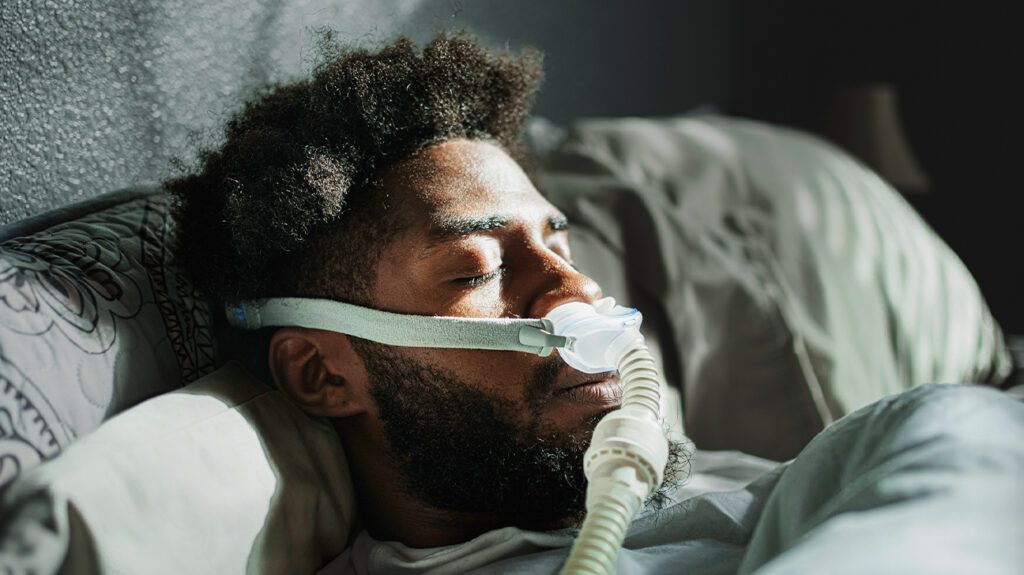
- Breathing devices: Devices such as a continuous positive airway pressure (CPAP) machine, which keeps the airway open by gently providing a constant stream of positive pressure air through a mask, may regulate breathing.
- Oral devices: These devices hold the jaw and tongue in certain positions to keep the airways open. Examples include a mandibular repositioning device (MRD).
- Facial therapy: Facial therapy involves exercises for the facial and mouth muscles, which may improve airflow.
- Medications: If someone has moderate or severe sleep apnea and obesity, they
may be able to take the FDA-approved injectable medication tirzepatide (Zepbound) as part of their treatment. - Surgery: Various surgical procedures can widen the airway in people with OSA, including a tonsillectomy or surgery to remove excess tissue from the throat.
Lifestyle changes
Healthcare professionals often recommend lifestyle changes, whether this is alongside other treatments or not. This may include:
- maintain or achieve a moderate weight
- sleep lying on the side, not the back
- limit alcohol consumption
- avoid sedative medications
- quit smoking, if applicable
Resources for healthy sleep
To discover more evidence-based information and resources on the science of healthy sleep, visit our dedicated hub.
Sleep apnea may
- worsening asthma
- cardiovascular issues, such as
- irregular heartbeat
- stroke
- heart failure
- heart attack
- certain cancers, including pancreatic and kidney cancer
- chronic kidney disease
- dementia
- pregnancy complications
- eye disorders, such as glaucoma and dry eye
- type 2 diabetes
People with signs of sleep apnea should seek medical advice, as it may indicate an underlying problem. Diagnosis and treatment can also help reduce a person’s risk of complications, which can be severe.
People may not know that they have sleep apnea, but a sleeping partner or other household member may notice it and let them know.
People may be able to manage sleep apnea with lifestyle changes, such as sleeping on their side, maintaining a moderate weight, quitting smoking, and limiting alcohol intake.
However, if these measures do not relieve symptoms, people may require additional treatment.
Sleep apnea stops people from getting enough good-quality sleep. This may cause complications ranging from difficulty remembering things and paying attention to severe health issues, including cardiovascular problems and metabolic syndrome.
Severe sleep apnea will disrupt a person’s sleep and take a lot of effort to restart breathing each time. This can damage blood vessels and organs, and raise a person’s risk of severe health issues, including:
- heart attack
- stroke
- certain cancers
- type 2 diabetes
Sleep apnea is a common problem that causes people’s breathing to pause during sleep. It can lead to fatigue and difficulty focusing, and it may be a sign of an underlying condition.
Often, a person does not know they have sleep apnea, but someone who lives with them will notice.
Anyone who experiences daytime sleepiness should see a doctor, who can help them find out the reason and the steps to take to solve it.