WO2025137575A1 - Quinazoline compounds and methods of use thereof for treating myc-mediated diseases - Google Patents
Quinazoline compounds and methods of use thereof for treating myc-mediated diseases Download PDFInfo
- Publication number
- WO2025137575A1 WO2025137575A1 PCT/US2024/061464 US2024061464W WO2025137575A1 WO 2025137575 A1 WO2025137575 A1 WO 2025137575A1 US 2024061464 W US2024061464 W US 2024061464W WO 2025137575 A1 WO2025137575 A1 WO 2025137575A1
- Authority
- WO
- WIPO (PCT)
- Prior art keywords
- ring
- compound
- myc
- nitrogen
- sulfur
- Prior art date
- Legal status (The legal status is an assumption and is not a legal conclusion. Google has not performed a legal analysis and makes no representation as to the accuracy of the status listed.)
- Pending
Links
Classifications
-
- C—CHEMISTRY; METALLURGY
- C07—ORGANIC CHEMISTRY
- C07D—HETEROCYCLIC COMPOUNDS
- C07D401/00—Heterocyclic compounds containing two or more hetero rings, having nitrogen atoms as the only ring hetero atoms, at least one ring being a six-membered ring with only one nitrogen atom
- C07D401/14—Heterocyclic compounds containing two or more hetero rings, having nitrogen atoms as the only ring hetero atoms, at least one ring being a six-membered ring with only one nitrogen atom containing three or more hetero rings
-
- C—CHEMISTRY; METALLURGY
- C07—ORGANIC CHEMISTRY
- C07D—HETEROCYCLIC COMPOUNDS
- C07D471/00—Heterocyclic compounds containing nitrogen atoms as the only ring hetero atoms in the condensed system, at least one ring being a six-membered ring with one nitrogen atom, not provided for by groups C07D451/00 - C07D463/00
- C07D471/02—Heterocyclic compounds containing nitrogen atoms as the only ring hetero atoms in the condensed system, at least one ring being a six-membered ring with one nitrogen atom, not provided for by groups C07D451/00 - C07D463/00 in which the condensed system contains two hetero rings
- C07D471/04—Ortho-condensed systems
-
- C—CHEMISTRY; METALLURGY
- C07—ORGANIC CHEMISTRY
- C07D—HETEROCYCLIC COMPOUNDS
- C07D487/00—Heterocyclic compounds containing nitrogen atoms as the only ring hetero atoms in the condensed system, not provided for by groups C07D451/00 - C07D477/00
- C07D487/02—Heterocyclic compounds containing nitrogen atoms as the only ring hetero atoms in the condensed system, not provided for by groups C07D451/00 - C07D477/00 in which the condensed system contains two hetero rings
- C07D487/04—Ortho-condensed systems
Definitions
- the present invention relates to compounds and use thereof for modulating the activity of MYC.
- the invention also provides methods of treating various diseases, disorders, and conditions, such as MYC-mediated diseases, which include proliferative disorders.
- MYC is one of the most frequently dysregulated oncogenes across a broad range of cancers (Beroukhim et al. 2010, Dang 2012). Dysregulation occurs via multiple mechanisms, all of which result in the uncoupling of cellular proliferation from physiological growth-factor dependent regulation. MYC constitutes a critical cellular node that governs and coordinates cellular proliferation, metabolism and immune evasion, and as such, is a hallmark of cancer (Conacci-Sorrell et al. 2014; Gabay et al. 2014). Further, in many clinical settings, MYC deregulation is associated with poor outcomes (Gamberi et al. 1998; Nesbit et al. 1999).
- MYC is a transcription factor, which have proven to be a notoriously difficult-to-drug class of proteins (reviewed in Darnell 2002). MYC requires heterodimerization to transactivate targets, and the key protein-protein interactions are mediated by large, flat surfaces that are not readily amenable to small molecule intervention at the protein level (Nair and Burley 2003). [0006] In contrast, MYC mRNA provides options for therapeutic intervention. MYC mRNA is multiply regulated, providing opportunities for intervention by a molecule that modulates MYC mRNA. Of note, the 5’UTR is reported to include translationally repressive structures (Wolfe et al. 2014), providing a structure-function rationale for an RNA-targeted small molecule approach.
- MYC mRNA is regulated through interactions with RNA-binding proteins (RBPs), which can be targeted.
- RBPs RNA-binding proteins
- start codon usage is regulated by RBP binding to the MYC 5’UTR (Manjunath et al.2019).
- the open reading frame (ORF) and 3’UTR also harbor sequences bound by RBPs and miRNAs that determine the half-life of MYC mRNA (Weidensdorfer et al. 2009; Marderosian et al. 2006; Liao et al.2014; Ogami, K. et al. 2014; Liu et al.2015). [0007] There remains a need to develop small-molecule MYC modulators useful as therapeutic agents.
- the present invention addresses this need and provides other related advantages.
- the present invention provides compounds, such as those described below, that are useful in treating proliferative disorders, such as cancer.
- the present invention provides compounds that are useful in treating a MYC-mediated disease, disorder, or condition, such as those described herein.
- the present invention provides compounds and compositions that are generally useful to treat a disease, disorder, or condition, such as a MYC-mediated disease, disorder or condition, and/or for suppression of the aberrant functionality of a Myc protein, lowering of the expression level of a Myc protein, and/or the modulation of a MYC RNA transcript.
- the present invention provides compounds that are modulators of a MYC protein. In some aspect, the present invention provides compounds that are modulators of a MYC mRNA, and in turn impact the abundance or activity of MYC protein. In some aspect, the present invention provides compounds that are modulators of a specific isoform of MYC mRNA. In some aspect, the present invention provides compounds that can selectively target cells, such as certain cancer cells, that contain a specific isoform of MYC mRNA and/or are dependent on a specific isoform of MYC mRNA.
- the present invention provides compounds that are useful in treating a MYC-mediated disease, disorder, or condition that is characterized by the presence of a specific isoform of MYC mRNA.
- the present invention provides a compound of Formula I’: or a pharmaceutically acceptable salt thereof, wherein: X is N or CH; Ring A is a 3-8 membered saturated or partially unsaturated monocyclic carbocyclic ring, phenyl, a 5-6 membered monocyclic heteroaromatic ring having 1-4 heteroatoms independently selected from nitrogen, oxygen, and sulfur, a 4-8 membered saturated or partially unsaturated monocyclic heterocyclic ring having 1-3 heteroatoms independently selected from nitrogen, oxygen, and sulfur, or a 7-14 membered bicyclic or bridged bicyclic saturated or partially unsaturated heterocyclic ring having 1-5 heteroatoms independently selected from nitrogen, oxygen, and sulfur; Ring B is a 3-8 membered saturated or partially unsaturated monocyclic carbocyclic
- FIG. 1 shows a schematic of the transcription start sites of MYC mRNA isoform 1 and 2 along with the various domains of the MYC sequence.
- FIG. 2 shows addition of compound I-103 resulted in a lower level of AHA-labeled MYC protein (newly synthesized MYC) as compared to cells exposed to DMSO only.
- FIG. 3 shows 72 hour CTG Assay using I-56.
- FIG. 4 shows 72 hour CTG Assay using I-66.
- FIG. 5 shows Daudi MYC-HiBiT and CA46 MYC-HiBiT dose response with I-77. [0016] FIG.
- FIG. 6 shows mRNA Transfection Assay using I-78.
- FIG. 7 shows mRNA Transfection Assay using I-56.
- the MYC oncogene family consists of three members, C-MYC, MYCN, and MYCL, which encode c-Myc, n-Myc, and l-Myc, respectively.
- the Myc oncoproteins belong to a family of so- called “super-transcription factors” that can regulate the transcription of at least 15% of the entire genome.
- the invention provides compounds and methods for the treatment of MYC- mediated diseases, disorders and conditions.
- the invention provides compounds and methods for the treatment of c- MYC-mediated diseases, disorders and conditions.
- the compounds disclosed herein and pharmaceutically acceptable salts, solvates, and hydrates thereof are useful in modulating expression and function of one or more MYC RNA transcripts, such as those described herein.
- the compounds disclosed herein can also modulate the expression level and functionality of Myc proteins.
- the modulation of the expression level and functionality of Myc proteins is mediated through the modulation of expression and function of one or more MYC RNA transcripts.
- the modulation of the expression level and functionality of Myc proteins is mediated through the modulation of expression and function of a specific isoform of MYC RNA transcripts.
- the compounds are useful in treating one or more diseases, disorders, and conditions, such as those mediated by MYC or a Myc protein, as described herein.
- the disclosure provides methods of treating a MYC-mediated disease, disorder, or condition in a patient in need thereof, including administering to the patient an effective amount of a compound, e.g. an RNA-modulating small molecule (rSM), to treat the MYC-mediated disease, disorder, or condition.
- rSM RNA-modulating small molecule
- the compounds and compositions provided herein are effective in treating the MYC-mediated disease, disorder, or condition because the compounds and compositions can suppress the aberrant functionality of the Myc protein. In one aspect, the compounds and compositions provided herein are effective in treating the MYC-mediated disease, disorder, or condition because the compounds and compositions can lower the expression level of the Myc protein. In one aspect, the compounds and compositions provided herein are effective in treating the MYC-mediated disease, disorder, or condition because the compounds and compositions can suppress the aberrant functionality of the Myc protein and lower the expression level of the Myc protein. [ 0022] In some embodiments, the MYC-mediated disease, disorder, or condition is a proliferative disorder, such as a cancer.
- the MYC-mediated disease, disorder, or condition is a cancer, such as a cancer with aberrant functionality and/or increased expression levels of MYC protein, or a mutant or homolog thereof.
- the cancer has a Myc protein, e.g., c-Myc, with aberrant functionality.
- the cancer is overexpressing the Myc protein.
- the MYC protein is c-Myc.
- the cancer is lymphoma, melanoma, prostate, breast, colorectal, lung, pancreatic, gastric, gastrointestinal, ovarian, or uterine cancer.
- a MYC-mediated disease, disorder, or condition is one related to, caused by and/or associated with abnormal or excessive activity and/or expression of, or abnormal tissue or inter- or intracellular distribution of a Myc protein, e.g., c-Myc, or a mutant or homolog thereof.
- a MYC- mediated disease, disorder, or condition is one related to, caused by and/or associated with the presence of a specific MYC isoform.
- the MYC-mediated disease, disorder, or condition is one treatable by modulation of the expression level, activity, or splicing of a MYC RNA transcript, or an unspliced isoform, splicing intermediate, isoform, fragment, or mutant thereof.
- the MYC-mediated disorder is caused by and/or associated with a deleterious mutation in a MYC gene or gene product thereof.
- the MYC- mediated disorder is caused by and/or associated with dysregulation of a MYC RNA transcript, or an unspliced isoform, splicing intermediate, isoform, fragment, or mutant thereof, or a MYC gene or a gene product thereof.
- the MYC-mediated disease, disorder, or condition is a cancer, such as a cancer with increased expression levels of Myc protein, or a mutant or homolog thereof.
- the Myc protein is c-Myc.
- the MYC-mediated disease, disorder, or condition, (e.g., cancer) includes a specific isoform of a MYC RNA transcript.
- the MYC-mediated disease, disorder, or condition is one associated with deregulation of MYC expression, such as a proliferative disorder that is characterized by deregulated activity of c-Myc or other Myc family members including n-Myc or l-Myc.
- the deregulated Myc activity comprises overexpression of c-Myc or other Myc family members comprising n-Myc or l-Myc.
- the deregulated Myc activity comprises an aberrant functionality of c-Myc or other Myc family members comprising n-Myc or -Myc.
- the aberrant functionality is aberrant activity as a transcription factor.
- the aberrant functionality is aberrant activation of downstream protein.
- the disclosure provides methods of treating a MYC-mediated disease, disorder, or condition in a patient in need thereof, including administering to a subject (e.g., the patient) an effective amount of an RNA-modulating small molecule (rSM) to treat the MYC- mediated disease, disorder, or condition.
- rSM RNA-modulating small molecule
- the administration of the rSM results in suppression of the aberrant functionality of the Myc protein.
- the administration of the rSM modulates the expression level of a Myc protein.
- the administration of the rSM results in lowering of the expression level of a Myc protein.
- the administration of the rSM results in suppression of the aberrant functionality of the Myc protein and lowering of the expression level of a Myc protein.
- the Myc protein is c-Myc.
- the methods of treatment of a MYC-mediated disease, disorder, or condition are not limited to a specific mechanism.
- the compounds of the disclosure are effective in the treatment of a MYC-mediated disease, disorder, or condition because the administration of the rSM results in suppression of the aberrant functionality of the Myc protein.
- the compounds of the disclosure are effective in the treatment of a MYC-mediated disease, disorder, or condition because the administration of the rSM modulates the expression level of a Myc protein.
- the compounds of the disclosure are effective in the treatment of a MYC-mediated disease, disorder, or condition because the administration of the rSM results in lowering of the expression level of a Myc protein. In some embodiments, the compounds of the disclosure are effective in the treatment of a MYC-mediated disease, disorder, or condition because the administration of the rSM results in suppression of the aberrant functionality of the Myc protein and lowering of the expression level of a Myc protein.
- the rSM is a small molecule.
- the small molecule is a selective modulator of the Myc protein, e.g., it suppresses the aberrant functionality or expression level of a Myc protein preferentially (e.g., more effectively) over other proteins.
- the small molecule is a selective modulator of the c-Myc protein, e.g., it suppresses the aberrant functionality or expression level of a c-Myc protein preferentially (e.g., more effectively) over other proteins (e.g. n-Myc or l-Myc).
- the compounds provided herein suppress the aberrant functionality or expression level of a Myc protein at least 2-fold more efficiently than a different protein.
- the compounds provided herein suppress the aberrant functionality or expression level of a Myc protein at least 5-fold more efficiently than a different protein. In some embodiments, the compounds provided herein suppress the aberrant functionality or expression level of a Myc protein at least 10-, 20-, 50-, 100, 1000-, 10000-, or 100,000-fold more efficiently than a than a different protein. In some embodiments the Myc protein is c-Myc and, the different protein is n-Myc or l-Myc.
- the disclosure provides methods of treating a MYC-mediated disease, disorder, or condition in a patient in need thereof, including administering to the patient an effective amount of an RNA-modulating small molecule (rSM) to treat the MYC-mediated disease, disorder, or condition.
- rSM RNA-modulating small molecule
- the administration of the rSM results in modulation of a MYC RNA transcript.
- the administration of the rSM results in modulation of a MYC RNA transcript, which results in a reduction in Myc protein expression.
- the administration of the rSM results in modulation of a MYC RNA transcript, which results in suppression of the aberrant functionality of the Myc protein.
- the Myc protein is c-Myc.
- the methods of treatment of a MYC-mediated disease, disorder, or condition are not limited to a specific mechanism.
- the compounds of the disclosure are effective in the treatment of a MYC-mediated disease, disorder, or condition because the administration of the rSM modulates a MYC RNA transcript.
- the compounds of the disclosure are effective in the treatment of a MYC-mediated disease, disorder, or condition because the administration of the rSM modulates a MYC RNA transcript which results in lowering of the expression level of Myc protein.
- the compounds of the disclosure are effective in the treatment of a MYC-mediated disease, disorder, or condition because the administration of the rSM modulates an MYC RNA transcript which results in suppression of the aberrant functionality of the Myc protein. In some embodiments, the compounds of the disclosure are effective in the treatment of a MYC-mediated disease, disorder, or condition because the administration of the rSM modulates an MYC RNA transcript which results in suppression of the aberrant functionality of the Myc protein and lowering of the expression level of a Myc protein. In some embodiments, the Myc protein is c-Myc. In some embodiments, aberrant functionality, or excessive expression of a Myc protein confers sensitivity of the cell to the compounds provided herein.
- RNA ribonucleic acid
- RNA ribonucleic acid
- biological context e.g., the RNA may be in the nucleus, circulating in the blood, in vitro, cell lysate, or isolated or pure form
- physical form e.g., the RNA may be in single-, double-, or triple-stranded form (including RNA- DNA hybrids)
- the target RNA is 100 or more nucleotides in length. In some embodiments, the target RNA is 250 or more nucleotides in length. In some embodiments, the target RNA is 350, 450, 500, 600, 750, or 1,000, 2,000, 3,000, 4,000, 5,000, 7,500, 10,000, 15,000, 25,000, 50,000, or more nucleotides in length. In some embodiments, the target RNA is between 250 and 1,000 nucleotides in length. In some embodiments, the RNA is a pre-RNA, pre-miRNA, or pre- transcript.
- the RNA is a non-coding RNA (ncRNA), messenger RNA (mRNA), micro-RNA (miRNA), a ribozyme, riboswitch, lncRNA, lincRNA, snoRNA, snRNA, scaRNA, piRNA, ceRNA, pseudo-gene, viral RNA, or bacterial RNA.
- ncRNA non-coding RNA
- mRNA messenger RNA
- miRNA micro-RNA
- a ribozyme riboswitch
- lncRNA lincRNA
- snoRNA snoRNA
- snRNA scaRNA
- piRNA piRNA
- ceRNA pseudo-gene
- pseudo-gene viral RNA
- bacterial RNA bacterial RNA
- the MYC RNA transcript includes both coding and non-coding regions, and includes unspliced isoforms, splicing intermediates, isoforms, fragments, and mutants of RNA transcripts derived from a MYC gene.
- the MYC gene is a mammalian MYC gene, such as a human MYC gene; or a mutant of the gene.
- the MYC gene is c-MYC. It should be appreciated that more than one isoform of a MYC RNA transcript have been identified (See e,g., Boxer et al., Oncogene 2001, 20: 5595).
- the disclosure provides methods and compositions for targeting a specific isoform of a MYC RNA transcript.
- the transcript is bound to one or more RNA-binding proteins (RBPs).
- the MYC RNA transcript is a pre-mRNA.
- the MYC RNA transcript is an intron or exon of such pre-mRNA.
- the MYC RNA transcript is a partially processed mRNA.
- the MYC RNA transcript is a fully processed (mature) mRNA.
- the MYC RNA transcript is a fully processed mRNA bound to one or more RNA-binding proteins (RBPs).
- the MYC RNA transcript is single stranded. [0036] In some embodiments, the MYC RNA transcript is an unspliced form or unspliced isoform of any of the foregoing transcripts. In some embodiments, the MYC RNA transcript is a splicing intermediate of any of the foregoing transcripts. In some embodiments, the MYC RNA transcript is an isoform of any of the foregoing transcripts. In some embodiments, the MYC RNA transcript is a fragment of any of the foregoing transcripts. In some embodiments, the MYC RNA transcript is a mutant of any of the foregoing transcripts.
- the present invention provides a method of modulating the activity of a MYC RNA transcript (also referred to herein as a “MYC transcript” or “MYC RNA”) or an unspliced isoform, splicing intermediate, isoform, fragment, or mutant thereof, comprising contacting the MYC RNA transcript or an unspliced isoform, splicing intermediate, isoform, fragment, or mutant thereof with an rSM or a pharmaceutically acceptable salt thereof that modulates the MYC RNA transcript or an unspliced isoform, splicing intermediate, isoform, fragment, or mutant thereof.
- MYC RNA transcript also referred to herein as a “MYC transcript” or “MYC RNA”
- MYC RNA unspliced isoform, splicing intermediate, isoform, fragment, or mutant thereof
- the present invention provides a method of modulating the activity (e.g., expression level) of a Myc protein or mutant thereof, comprising contacting a corresponding MYC RNA transcript or an unspliced isoform, splicing intermediate, isoform, fragment, or mutant thereof with an rSM or a pharmaceutically acceptable salt thereof that modulates the MYC RNA transcript or an unspliced isoform, splicing intermediate, isoform, fragment, or mutant thereof.
- the MYC RNA transcript is a MYC pre-mRNA, splicing intermediate, or mature mRNA.
- the MYC RNA transcript encodes c-Myc.
- the rSM modulates only a specific isoform of a MYC RNA transcript.
- a compound that modulates an RNA transcript as used herein refers to a compound that changes the abundance or activity of an RNA transcript.
- the change in the abundance or activity of an RNA transcript results in the change in the abundance or activity of the protein corresponding to the RNA transcript.
- the RNA transcript is a MYC RNA and the corresponding protein is MYC.
- the rSM modulates the RNA transcript by binding the RNA transcript.
- the rSM modulates the RNA transcript by interaction with a cellular component, such as an RNA Binding protein (RBP), that in turn binds or interacts with the RNA transcript.
- RBP RNA Binding protein
- the rSM modulates the RNA transcript by modulating the activity of the RNA Binding Protein (RBP).
- RBPs encompass any protein that interacts with RNA either directly (e.g., by binding) or indirectly.
- the rSM modulates the RNA transcript by suppressing or inhibiting binding of the RBP to the RNA transcript.
- the rSM modulates the RNA transcript by enhancing binding of the RBP to the RNA transcript.
- the rSM modulates the RNA transcript by interaction with a cellular component, such as an RBP, and the RNA simultaneously.
- a cellular component such as an RBP
- the compounds described herein are not limited to modulation of an RNA transcript and can treat Myc-mediated diseases, disorders and conditions, e.g., by suppressing the aberrant function or overexpression of the Myc protein.
- excessive translation of a MYC RNA transcript confers sensitivity of the cell to suppression of translation of a MYC RNA transcript (e.g., by the administration of an rSM).
- the present invention provides a method of decreasing the half-life or increasing degradation of a MYC RNA transcript or an unspliced isoform, splicing intermediate, isoform, fragment, or mutant thereof, comprising contacting the MYC RNA transcript or an unspliced isoform, splicing intermediate, isoform, fragment, or mutant thereof with an rSM or a pharmaceutically acceptable salt thereof that interacts with (e.g., by binding or through interaction with in RBP), the MYC RNA transcript or an unspliced isoform, splicing intermediate, isoform, fragment, or mutant thereof.
- the present invention provides a method of suppressing the aberrant functionality of a MYC protein by contacting a MYC RNA transcript or an unspliced isoform, splicing intermediate, isoform, fragment, or mutant thereof with an rSM or a pharmaceutically acceptable salt thereof that interacts with (e.g., by binding or through interaction with in RBP), the MYC RNA transcript or an unspliced isoform, splicing intermediate, isoform, fragment, or mutant thereof resulting in suppression of the aberrant functionality of a MYC protein.
- the present invention provides a method of decreasing the expression level a MYC protein by contacting a MYC RNA transcript or an unspliced isoform, splicing intermediate, isoform, fragment, or mutant thereof with an rSM or a pharmaceutically acceptable salt thereof that interacts with (e.g., by binding or through interaction with in RBP), the MYC RNA transcript or an unspliced isoform, splicing intermediate, isoform, fragment, or mutant thereof resulting in decreasing the expression level of a MYC protein.
- a disclosed rSM binds to a target MYC RNA transcript such as a MYC pre-mRNA transcript, splicing intermediate, or mature mRNA and modulates the activity of the transcript and/or modulate splicing rates or splicing pathways of the transcript. Modulation of MYC mRNA in turn modulates expression levels of the protein encoded by the transcript. Accordingly, in some embodiments, a disclosed rSM compound binds to a MYC pre-mRNA transcript, splicing intermediate, or mature mRNA and modulates its function, e.g., by decreasing translation of Myc protein. In some embodiments, the Myc protein is a c-Myc protein or a mutant or homolog thereof.
- the compounds and rSMs provided herein are a selective modulator of the MYC RNA transcript.
- the compound or rSM interacts with a MYC RNA transcript preferentially (e.g., more effectively) over other RNA transcripts.
- the compound or rSM interacts with a specific isoform of an MYC RNA transcript preferentially (e.g., more effectively) over other isoforms of a MYC RNA transcript.
- the selective modulator e.g., inhibitor or antagonist
- the selective modulator has an IC 50 for a MYC RNA transcript that is at least 40 percent lower than the IC 50 for another RNA transcript, such as another transcript having at least 90% sequence homology, or another MYC RNA transcript that is not the intended target.
- the selective modulator e.g., inhibitor or antagonist
- the selective modulator (e.g., inhibitor or antagonist) has an IC 50 for the MYC RNA transcript that is at least 60, 70, 80, 90, or 95 percent lower than the IC 50 for the non-target RNA transcript.
- the selective modulator (e.g., antagonist or inhibitor) of a MYC RNA transcript exerts essentially no inhibitory effect on the non-target RNA transcript.
- the selective modulation of the MYC RNA transcript results in selective modulation of the Myc protein, e.g., in that it suppresses the aberrant functionality or expression level of a Myc protein preferentially (e.g., more effectively) over other proteins.
- the MYC RNA transcript is a specific isoform of MYC RNA and the non-target RNA transcript is a different isoform of MYC RNA.
- the selective modulator e.g., inhibitor or antagonist
- the selective modulator e.g., inhibitor or antagonist
- the selective modulator (e.g., inhibitor or antagonist) modulates the activity of a MYC RNA transcript at least 10-, 20-, 50-, 100, 1000-, 10000-, or 100000-fold more efficiently than a non-target RNA transcript.
- the selective modulation of the MYC RNA transcript results in selective modulation of the Myc protein, e.g., in that it suppresses the aberrant functionality or expression level of a Myc protein preferentially (e.g., more effectively) over other proteins.
- the MYC RNA transcript is a specific isoform of MYC RNA and the non-target RNA transcript is a different isoform of MYC RNA.
- the MYC RNA transcript comprises wishing to be bound by theory, it is understood that the noncoding regions of mRNA such as the mRNA expression levels, alternative splicing, translational efficiency, and mRNA and protein subcellular localization. It is furthermore believed that RNA secondary and tertiary structures are associated with these regulatory activities. Accordingly, modulation of the activity of a MYC RNA transcript or an unspliced isoform, splicing intermediate, isoform, fragment, or mutant thereof is possible by interaction of a disclosed compound (rSM) at one or more RNA secondary and tertiary structures on the MYC RNA transcript.
- rSM disclosed compound
- the administration of the rSM provides that the translation of the MYC RNA transcript is decreased or inhibited. In some embodiments, production of functional Myc protein is decreased or inhibited by the administration of the rSM. [0050] In some embodiments of the methods provided herein, the administration of the rSM provides that the activity of the MYC RNA transcript or an unspliced isoform, splicing intermediate, isoform, fragment, or mutant thereof is inhibited or decreased. In some embodiments, binding of a regulatory element such as a protein (e.g., RBP) or miRNA to the MYC RNA transcript is inhibited.
- a regulatory element such as a protein (e.g., RBP) or miRNA
- processing or splicing of the MYC RNA transcript or an unspliced isoform, splicing intermediate, isoform, fragment, or mutant thereof is inhibited.
- inhibition of processing or splicing results in a decrease in levels of mature MYC mRNA and/or protein.
- the activity of the Myc protein or a mutant thereof is inhibited or decreased.
- the MYC RNA transcript comprises a functionally relevant fragment of MYC RNA.
- a MYC RNA transcript is “functionally relevant” if it includes a portion of a MYC RNA transcript that is essential to producing a functional MYC protein or mutant thereof.
- the MYC RNA transcript is a MYC unspliced isoform, splicing intermediate, pre-mRNA, mature mRNA, or partially processed mRNA.
- the MYC RNA transcript comprises an open reading frame (ORF) of MYC. In present in the MYC RNA transcript.
- ORF open reading frame
- the expression of a MYC mRNA and one or more of its translation believed to play an important role in translation of mRNA are internal ribosome entry sites (IRES), which can affect the level of translation of the main open reading frame (Komar and Hatzoglou, Frontiers Oncol.
- the specific isoform of a MYC RNA transcript comprises sequence SEQ ID NO:1. In one aspect, the specific isoform of a MYC RNA transcript comprises sequence SEQ ID NO:3. (See FIG. 1 and Table 1). It should be appreciated that MYC RNA transcripts that comprise sequences that are homologues of a specific sequence (e.g., of SEQ ID NO:1 and SEQ ID NO:3) can be selectively targeted as well.
- the specific isoform includes SEQ ID NO:1 or a homologous sequence. In some embodiments, the specific isoform includes SEQ ID NO:3 or a homologous sequence.
- the MYC RNA transcript is a fragment of any one of the transcripts of Table 1. In some embodiments, the MYC RNA transcript is a mutant of any one of the transcripts of Table 1. In some embodiments, the MYC RNA transcript has at least 70%, 80%, 90%, 95%, or 99% sequence homology with any one of the transcripts of Table 1. In some embodiments, the MYC RNA transcript comprises at least 50%, 60%, 70%, 80%, 90%, 95%, or 99% of the contiguous nucleotide sequence of any one of the transcripts of Table 1.
- the compound is at least 2, 3, 4, 5, 7, 10, 15, 20, 50, 100, 500, 1,000, or 10,000-fold selective for binding to a specific isoform MYC RNA transcript, fragment, or mutant thereof, versus a different isoform MYC RNA transcript, fragment, or mutant thereof.
- the rSM binds to a specific isoform MYC RNA transcript, fragment, or mutant thereof, with a Kd of 1 ⁇ M, 500 nM, 100 nM, 50 nM, 10 nM, 1 nM, 500 pM, 10 pM, or 1 pM or lower affinity under biological conditions.
- the rSM binds to a specific isoform MYC RNA transcript, fragment, or mutant thereof, with a Kd of 0.1 nm to 500 nm, 10 nm to 250 nm, 0.001-25 ⁇ M, 0.01-25 ⁇ M, 0.1-25 ⁇ M, 0.1-15 ⁇ M, 0.01-10 ⁇ M, 0.001-1 ⁇ M, 0.001-0.1 ⁇ M, or 0.001-0.01 ⁇ M. It should be appreciated that the rSMs of the invention also include rSM that have no measurable binding to one or more MYC RNA transcripts.
- RNA-binding small molecules referred to herein as a “rSMs”
- pharmaceutically acceptable salts, solvates, and hydrates thereof are useful in modulating expression and function of one or more MYC RNA transcripts, such as those described herein.
- the rSMs include those described herein.
- Such rSMs are useful in treating one or more diseases, disorders, and conditions, such as those mediated by MYC or a Myc protein, as described herein.
- the present invention provides a compound of Formula I’: or a pharmaceutically acceptable salt thereof, wherein: X is N or CH; Ring A is a 3-8 membered saturated or partially unsaturated monocyclic carbocyclic ring, phenyl, a 5-6 membered monocyclic heteroaromatic ring having 1-4 heteroatoms independently selected from nitrogen, oxygen, and sulfur, a 4-8 membered saturated or partially unsaturated monocyclic heterocyclic ring having 1-3 heteroatoms independently selected from nitrogen, oxygen, and sulfur, or a 7-14 membered bicyclic or bridged bicyclic saturated or partially unsaturated heterocyclic ring having 1-5 heteroatoms independently selected from nitrogen, oxygen, and sulfur; Ring B is a 3-8 membered saturated or partially unsaturated monocyclic carbocyclic ring, phenyl, a 5-6 membered monocyclic heteroaromatic ring having 1-4 heteroatoms independently selected from nitrogen, oxygen, and sulfur, an 8-10 membered bicyclic
- all instances of R1, R2, R3, and R4 are not a ring. In some embodiments, all instances of R 1 , R 2 , and R 4 are not a ring. In some embodiments, all instances of R 1 , R 2 , and R 3 are not a ring. In some embodiments, all instances of R 2 and R 3 are not a ring. In some embodiments, the total number of rings in all instances of R 1 , R 2 , R 3 , and R 4 is no more 3. In some embodiments, the total number of rings in all instances of R 1 , R 2 , R 3 , and R 4 is no more 2.
- the total number of rings in all instances of R 1 , R 2 , R 3 , and R 4 is no more 1.
- R3 is not -CH2CH2-(RA)p.
- X is N or CH. In some embodiments, X is N. In some embodiments, X is CH.
- Ring A is a 3-8 membered saturated or partially unsaturated monocyclic carbocyclic ring, phenyl, a 5-6 membered monocyclic heteroaromatic ring having 1- 4 heteroatoms independently selected from nitrogen, oxygen, and sulfur, a 4-8 membered saturated or partially unsaturated monocyclic heterocyclic ring having 1-3 heteroatoms independently selected from nitrogen, oxygen, and sulfur, or a 7-14 membered bicyclic or bridged bicyclic saturated or partially unsaturated heterocyclic ring having 1-5 heteroatoms independently selected from nitrogen, oxygen, and sulfur.
- Ring A is a 3-8 membered saturated or partially unsaturated monocyclic carbocyclic ring.
- Ring A is phenyl. In some embodiments, Ring A is a 5-6 membered monocyclic heteroaromatic ring having 1-4 heteroatoms independently selected from nitrogen, oxygen, and sulfur. In some embodiments, Ring A is a 4-8 membered saturated or partially unsaturated monocyclic heterocyclic ring having 1-3 heteroatoms independently selected from nitrogen, oxygen, and sulfur. In some embodiments, Ring A is a 7-14 membered bicyclic or bridged bicyclic saturated or partially unsaturated heterocyclic ring having 1-5 heteroatoms independently selected from nitrogen, oxygen, and sulfur. [0075] In some embodiments, Ring A is a 6-membered saturated heterocyclic ring with 2 heteroatoms selected from oxygen and nitrogen.
- Ring A is morpholinyl. In some embodiments, Ring A is piperazinyl. [0076] In some embodiments, Ring A (with its R1 substituent(s)) is selected from: , . [0077] In some embodiments, Ring A (with its R1 substituent( some embodiments, Ring A (with its R 1 substituent some embodiments, Ring A (with its R 1 substituent( [0078] In some embodiments, Ring A is a 6-membered heteroaromatic ring with one or two nitrogen ring atoms. In some embodiments, Ring A is pyridyl. [0079] In some embodiments, Ring A (with its R1 substituent(s)) is selected from: .
- Ring A (with its R 1 substituent( In some embodiments, Ring A (with its R 1 substituent( [0080] In some embodiments, Ring A is a 9-10 membered bicyclic saturated or partially unsaturated heterocyclic ring having 3-4 heteroatoms independently selected from nitrogen and oxygen. [0081] In some embodiments, Ring A (with its R1 substituent(s)) is selected from: [0082] In some embodiments, Ring A (with its R1 substituent(s)) is embodiments, Ring A (with its R 1 substituent some embodiments, Ring A (with its R 1 substituent( some embodiments, Ring A (with its R 1 substituent [0083] In some embodiments, Ring A, taken together with the R1 groups which are bound to it, is
- Ring A, taken together with the R1 groups which are bound to it is , . , g , g g ps which are bound to it, is .
- Ring A, taken together with the R 1 groups which are bound to it is .
- Ring A, taken together with the R 1 groups which are bound to it is .
- Ring A, taken together with the R 1 groups which are bound to it is bound to it, is .
- Ring A, taken together with the R 1 groups which are bound to it is .
- Ring A, taken together with the R 1 groups which are bound to it is . In some embodiments, Ring A, taken together with the R 1 groups which are bound to it, is . embodiments, Ring A, taken together with the R 1 groups which are bound to it, is R 1 groups which are bound to it, is . In some embodiments, Ring A, taken together with the R 1 groups which are bound to it, is . In some embodiments, Ring A, taken together with the R 1 groups which are bound to it, is . In some embodiments, Ring A, taken together with the R 1 groups which are bound to it, is . In some embodiments, Ring A, taken together with the R 1 groups which are bound to it, is . In some embodiments, Ring A, taken together with the R 1 groups which are bound to it, is .
- Ring A, taken together with the R 1 groups which are bound to it is . In some embodiments, Ring A, taken together with the R 1 groups which are bound to it, is . In some embodiments, Ring A, taken together with the R 1 groups which are bound to it, is . embodiments, Ring A, taken together with the R 1 groups which are bound to it, is . In some embodiments, Ring A, taken together with the R 1 groups which are bound to it, is . In some embodiments, Ring A, taken together with the R 1 groups which are bound to it, is . In some embodiments, Ring A, taken together with the R 1 groups which are bound to it, is . In some embodiments, Ring A, taken together with the R 1 groups which are bound to it, is . In some embodiments, Ring A, taken together with the R 1 groups which are bound to it, is . In some embodiments, Ring A, taken together with the R 1 groups which are bound to it, is . In some embodiments, Ring A, taken together with the R 1 groups which are bound to it, is
- Ring A taken together with the R 1 groups which are bound to it, . some embodiments, Ring A, taken together with the R 1 groups which are bound to it, is . In some embodiments, Ring A, taken together with the R 1 groups which are bound to it, is . [0085] In some embodiments, Ring A is selected from those depicted in Table 2, below.
- Ring B is a 3-8 membered saturated or partially unsaturated monocyclic carbocyclic ring, phenyl, a 5-6 membered monocyclic heteroaromatic ring having 1- 4 heteroatoms independently selected from nitrogen, oxygen, and sulfur, an 8-10 membered bicyclic heteroaromatic ring having 1-5 heteroatoms independently selected from nitrogen, oxygen, and sulfur, a 4-8 membered saturated or partially unsaturated monocyclic heterocyclic ring having 1-3 heteroatoms independently selected from nitrogen, oxygen, and sulfur, or a 7-14 membered bicyclic or bridged bicyclic saturated or partially unsaturated heterocyclic ring having 1-5 heteroatoms independently selected from nitrogen, oxygen, and sulfur.
- Ring B is a 3-8 membered saturated or partially unsaturated monocyclic carbocyclic ring. In some embodiments, Ring B is phenyl. In some embodiments, Ring B is a 5-6 membered monocyclic heteroaromatic ring having 1-4 heteroatoms independently selected from nitrogen, oxygen, and sulfur. In some embodiments, Ring B is an 8-10 membered bicyclic heteroaromatic ring having 1-5 heteroatoms independently selected from nitrogen, oxygen, and sulfur. In some embodiments, Ring B is a 4-8 membered saturated or partially unsaturated monocyclic heterocyclic ring having 1-3 heteroatoms independently selected from nitrogen, oxygen, and sulfur.
- Ring B is a 7-14 membered bicyclic or bridged bicyclic saturated or partially unsaturated heterocyclic ring having 1-5 heteroatoms independently selected from nitrogen, oxygen, and sulfur. [0088] In some embodiments, Ring B is a 6-membered monocyclic heteroaromatic ring having 1- 2 nitrogen atoms. In some embodiments, Ring B is pyridyl. In some embodiments, Ring B is pyrazinyl. In some embodiments, Ring B is pyrimidinyl. [0089] In some embodiments, Ring B (with its R2 substituent(s)) is selected from: , .
- Ring B (with its R2 substituent(s)) is embodiments, Ring B (with its R 2 substituent(s)) is . In some embodiments, Ring B (with its R 2 substituent(s)) is . In some embodiments, Ring B (with its R 2 . [0091] In some embodiments, Ring B is a 9-membered bicyclic saturated or partially unsaturated heterocyclic ring having 1 or 2 heteroatoms independently selected from nitrogen, oxygen, and sulfur.
- Ring B (with its R 2 substituent( some embodiments, Ring B (with its R 2 substituent( some embodiments, Ring B (with its R 2 substituent( some embodiments, Ring B (with its R 2 substituent( some embodiments, Ring B (with its R 2 substituent(s)) is . In some embodiments, Ring B (with its R 2 substituent( In some embodiments, Ring B (with its R 2 substituent Ring B (with its R 2 substituent( some embodiments, Ring B (with its R 2 substituent(s)) is . some embodiments, Ring B (with its R 2 substituent(s)) is . In some embodiments, Ring B (with its R 2 substituent(s)) is .
- Ring B (with its R 2 substituent some embodiments, Ring B (with its R 2 substituent( some embodiments, Ring B (with its R 2 .
- Ring B is a 9-membered bicyclic heteroaromatic ring having 2-3 nitrogen atoms. In some embodiments, Ring B (with its R 2 substituent(s)) is selected from: . [0095] In some embodiments, Ring B (with its R2 substituent( some embodiments, Ring B (with its R 2 substituent some embodiments, Ring B (with its R 2 substituent(s)) is . In some embodiments, Ring B (with its R 2 . [0096] In some embodiments, Ring B, taken together with the R2 groups which are bound to it, is
- Ring B, taken together with the R2 groups which are bound to it is selected from: [0098] In some embodiments, Ring B, taken together with the R2 groups which are bound to it, is t , . , , are bound to it, . some embodiments, Ring B, taken together with the R 2 groups which are bound to it, . some embodiments, Ring B, taken together with the R 2 groups which are bound to it, . some embodiments, Ring B, taken together with the R 2 groups which are bound to it, . embodiments, Ring B, taken together with the R 2 groups which are bound to it, is . some embodiments, Ring B, taken together with the R 2 groups which are bound to it, .
- Ring B taken together with the R 2 groups which are bound to it, . some embodiments, Ring B, taken together with the R 2 groups which are bound to it, . some embodiments, Ring B, taken together with the R 2 groups which are bound to it, is . In some embodiments, Ring B, taken together with the R 2 groups which are bound to it, is b ou o ,s . so e e o e s, g ,ae oge e w e goups which are bound to it, is . In some embodiments, Ring B, taken together with the R 2 groups which are bound to it, i . some embodiments, Ring B, taken together with the R 2 groups which are bound to it, .
- Ring B, taken together with the R 2 groups which are bound to it is . In some embodiments, Ring B, taken together with the R 2 groups which are bound to it, is . embodiments, Ring B, taken together with the R 2 groups which are bound to it, is . some embodiments, Ring B, taken together with the R 2 groups which are bound to it, . some embodiments, Ring B, taken together with the R 2 groups which are bound to it, is . In some embodiments, Ring B, taken together with the R 2 groups which are bound to it, is . In some embodiments, Ring B, taken embodiments, Ring B, taken together with the R 2 groups which are bound to it, is
- Ring B, taken together with the R 2 groups which are bound to it, is which are bound to it, i . some embodiments, Ring B, taken together with the R 2 groups which are bound to it, is . In some embodiments, Ring B, taken together with the R 2 groups which are bound to it, is . In some embodiments, Ring B, taken together with the R 2 groups which are bound to it, is . In some embodiments, Ring B, taken together with the R 2 groups which are bound to it, is . [0099] In some embodiments, Ring B is selected from those depicted in Table 2, below.
- each R1 is independently hydrogen, halogen, -CN, -OR, -SR, -N(R)2, a C1-6 aliphatic group optionally substituted with 1, 2, 3, 4, 5, or 6 independently selected deuterium or halogen atoms, a 3-8 membered saturated or partially unsaturated monocyclic carbocyclic ring, phenyl, an 8-10 membered bicyclic aromatic carbocyclic ring, a 4-8 membered saturated or partially unsaturated monocyclic heterocyclic ring having 1-2 heteroatoms independently selected from nitrogen, oxygen, and sulfur, a 5-6 membered monocyclic heteroaromatic ring having 1-4 heteroatoms independently selected from nitrogen, oxygen, and sulfur, an 8-10 membered bicyclic heteroaromatic ring having 1-5 heteroatoms independently selected from nitrogen, oxygen, and sulfur, -C(O)R, -N(R)C(O)R, -C(O)N(R) 2 , or -L
- R 1 is a C1-6 aliphatic group substituted with 1, 2, 3, 4, 5, or 6 independently selected deuterium or halogen atoms. In some embodiments, R 1 is a 3-8 membered saturated or partially unsaturated monocyclic carbocyclic ring. In some embodiments, R 1 is phenyl. In some embodiments, R 1 is an 8-10 membered bicyclic aromatic carbocyclic ring. In some embodiments, R 1 is a 4-8 membered saturated or partially unsaturated monocyclic heterocyclic ring having 1-2 heteroatoms independently selected from nitrogen, oxygen, and sulfur.
- R 1 is a 5-6 membered monocyclic heteroaromatic ring having 1-4 heteroatoms independently selected from nitrogen, oxygen, and sulfur. In some embodiments, R 1 is an 8-10 membered bicyclic heteroaromatic ring having 1-5 heteroatoms independently selected from nitrogen, oxygen, and sulfur. In some embodiments, R 1 is -C(O)R. In some embodiments, R 1 is - N(R)C(O)R. In some embodiments, R 1 is -C(O)N(R)2. In some embodiments, R 1 is -L 1 -R 4 .
- R1 is hydrogen, halogen, -CN, -OR, -SR, -N(R)2, -C(O)R, - N(R)C(O)R, -C(O)N(R)2, or a C1-6 aliphatic group.
- R 1 is hydrogen, halogen, -CN, -OR, -SR, -N(R) 2 , -C(O)R, -N(R)C(O)R, -C(O)N(R) 2 , or a C 1-6 aliphatic group substituted with 1, 2, 3, 4, 5, or 6 independently selected deuterium or halogen atoms.
- R 1 is hydrogen, halogen, -CN, -OR, -SR, -N(R) 2 , -C(O)R, -N(R)C(O)R, - C(O)N(R) 2 , or a C 1-6 aliphatic group substituted with 1, 2, 3, 4, 5, or 6 deuterium atoms.
- R 1 is hydrogen, halogen, -CN, -OR, -SR, -N(R)2, -C(O)R, -N(R)C(O)R, - C(O)N(R)2, or a C1-6 aliphatic group substituted with 1, 2, 3, 4, 5, or 6 independently selected halogen atoms.
- R1 is hydrogen, halogen, -CN, -OR, -SR, -N(R)2, -C(O)R, - N(R)C(O)R, or -C(O)N(R) 2 .
- R 1 is hydrogen, halogen, -CN, -OR, -SR, - N(R)2, -C(O)R, -N(R)C(O)R, or -C(O)N(R)2, wherein R is an optionally substituted C1-6 aliphatic group.
- R 1 is -C(O)R, wherein R is an optionally substituted C 1-6 aliphatic group.
- R 1 is L 1 -R 4 , wherein L 1 is a C 1 - 3 bivalent straight or branched hydrocarbon chain wherein 1 or 2 methylene units of the chain are replaced with -O- , and wherein R 4 is a C 1-6 aliphatic group substituted with 1, 2, 3, 4, 5, or 6 deuterium atoms.
- R1 is L1-R4 , wherein L1 is a C1-3 bivalent straight or branched hydrocarbon chain and R 4 is a 4-5 membered saturated or partially unsaturated monocyclic heterocyclic ring having 1 heteroatom independently selected from nitrogen and oxygen.
- R1 is selected from: methyl, hydroxyl, , , , [0107] In some embodiments, R1 is hydroxyl. In some embodiments, R1 is . In some embodiments, R 1 is . In some embodiments, R 1 is . In some embodiments, . , . In some embodiments, R 1 is . In some embodiments, R 1 is . In some embodiments, R 1 is . In some embodiments, R 1 is . In some embodiments, R 1 is . In some embodiments, R 1 is . In some embodiments, R 1 is . In some embodiments, R 1 is . In some embodiments, R 1 is . In some embodiments, R 1 is . In some embodiments, R 1 is . In some embodiments, R 1 is . In some embodiments, R 1 is . In some embodiments, R 1 is . In some embodiments, R 1 is . In some embodiments, R 1 is . In some embodiments, R 1 is . In some embodiments, R 1 is
- R 1 is . In some embodiments, R 1 is . In some embodiments, R 1 is . In some embodiments, R 1 is . In some embodiments, R 1 is . so e e o e s, s . In some embodiments, R 1 is In some embodiments, R 1 is . In some embodiments, R 1 is . In some embodiments, R 1 is . In some embodiments, R 1 is . [0108] In some embodiments, R1 is selected from those depicted in Table 2, below.
- each R2 is independently hydrogen, halogen, -CN, -OR, -SR, -N(R)2, a C1-6 aliphatic group optionally substituted with one -OR, oxo, -SR, or -N(R)2 group and optionally substituted with 1, 2, 3, 4, 5, or 6 independently selected deuterium or halogen atoms, a 3-8 membered saturated or partially unsaturated monocyclic carbocyclic ring, phenyl, an 8-10 membered bicyclic aromatic carbocyclic ring, a 4-8 membered saturated or partially unsaturated monocyclic heterocyclic ring having 1-2 heteroatoms independently selected from nitrogen, oxygen, and sulfur, a 5-6 membered monocyclic heteroaromatic ring having 1-4 heteroatoms independently selected from nitrogen, oxygen, and sulfur, an 8-10 membered bicyclic heteroaromatic ring having 1-5 heteroatoms independently selected from nitrogen, oxygen, and sulfur, -SO2-R, S(
- R 2 is a 3-8 membered saturated or partially unsaturated monocyclic carbocyclic ring. In some embodiments, R 2 is phenyl. In some embodiments, R 2 is an 8-10 membered bicyclic aromatic carbocyclic ring. In some embodiments, R 2 is a 4-8 membered saturated or partially unsaturated monocyclic heterocyclic ring having 1-2 heteroatoms independently selected from nitrogen, oxygen, and sulfur. In some embodiments, R 2 is a 5-6 membered monocyclic heteroaromatic ring having 1-4 heteroatoms independently selected from nitrogen, oxygen, and sulfur.
- R 2 is an 8-10 membered bicyclic heteroaromatic ring having 1-5 heteroatoms independently selected from nitrogen, oxygen, and sulfur.
- R 2 is -SO2-R.
- R 2 is -S(NOR)-.
- R 2 is -SO2N(R)2.
- R 2 is -(R)NSO2R.
- R 2 is -P(O)R2.
- R 2 is P(O)2R.
- R 2 is -OP(OR)2.
- R 2 is -C(O)R.
- R 2 is -N(R)C(O)R.
- R 2 is -C(O)NR 2 .
- R 2 is hydrogen, halogen, -CN, -OR, -SR, -N(R)2, a C1-6 aliphatic, -SO2-R, S(N)O-R, -SO2N(R)2, -(R)NSO2R, -P(O)R2, - C(O)R, or -C(O)NR2.
- R2 is selected from: methyl, cyclopropyl, fluoride, chloride, -OCH3, [0114] In some embodiments, R2 is methyl. In some embodiments, not more than one R2 is methyl. In some embodiments, R 2 is cyclopropyl.
- R 2 is fluoride. In some embodiments, R 2 is chloride. In some embodiments, R 2 is -OCH 3 . In some embodiments, R 2 is . , . In some embodiments, R 2 is . In some embodiments, R 2 is . In some embodiments, R 2 is . In some embodiments, R 2 is . In some embodiments, R 2 is . In some embodiments, R 2 is . In some embodiments, R 2 is . In some embodiments, . [0115] In some embodiments, R2 is selected from those depicted in Table 2, below.
- R3 is a C1-6 linear or branched alkyl group wherein 1-2 methylene units are independently and optionally replaced with a -NCH 3 , -NH, or -O-, and 1 methylene unit is optionally replaced by a cyclopropyl ring, a cyclobutyl ring, a bicyclo[1.1.1]pentanyl ring, or a 3-5 membered saturated monocyclic heterocyclic ring having 1 heteroatom selected from nitrogen, oxygen, and sulfur, wherein R 3 is substituted with p instances of R A ; and a hydrogen atom on R 3 may be optionally replaced with a covalent bond and a hydrogen atom on either Ring B or L 2 may be optionally replaced with a covalent bond to form a covalent bond from R 3 to either Ring B or L 2 .
- R3 is a C1-6 linear or branched alkyl group substituted with p instances of R A .
- R 3 is a C1-6 linear or branched alkyl group wherein 1-2 methylene units are independently and optionally replaced with -NCH3, -NH, or -O-, and wherein R 3 is substituted with p instances of R A .
- R 3 is a C1-6 linear or branched alkyl group wherein 1-2 methylene units are independently and optionally replaced with -NCH 3 , -NH, or -O-.
- R 3 is a C 1-6 linear or branched alkyl group wherein 2 methylene units are independently and optionally replaced with -NCH 3 , -NH, or -O-. In some embodiments, R 3 is a C 1-6 linear or branched alkyl group wherein 1 methylene unit is optionally replaced with - NCH3, -NH, or -O-. In some embodiments, R 3 is a cyclopropyl ring substituted with p instances of R A . In some embodiments, R 3 is a a cyclobutyl ring substituted with p instances of R A .
- R 3 is a bicyclo[1.1.1]pentanyl ring substituted with p instances of R A .
- R 3 is or a 3-5 membered saturated monocyclic heterocyclic ring having 1 heteroatom selected from nitrogen, oxygen, and sulfur.
- a hydrogen atom on R 3 is replaced with a covalent bond and a hydrogen atom on either Ring B or L 2 is replaced with a covalent bond to form a covalent bond from R 3 to either Ring B or L 2 .
- a hydrogen atom on R 3 and a hydrogen atom on Ring B is replaced with a bond.
- a hydrogen atom on R 3 and a hydrogen atom on L 2 is replaced with a bond.
- R3 is a C1-6 linear or branched alkyl group wherein 1-2 methylene units are independently and optionally replaced with -NCH3, -NH, or -O-, wherein R 3 is substituted with p instances of R A ; and a hydrogen atom on R 3 may be optionally replaced with a covalent bond and a hydrogen atom on either Ring B or L 2 may be optionally replaced with a covalent bond to form a covalent bond from R 3 to either Ring B or L 2 .
- R3 is a C1-6 linear or branched alkyl group, a cyclopropyl ring, a cyclobutyl ring, a bicyclo[1.1.1]pentanyl ring, or a 3-5 membered saturated monocyclic heterocyclic ring having 1 heteroatom selected from nitrogen, oxygen, and sulfur, wherein R 3 is substituted with p instances of R A ; and a hydrogen atom on R 3 may be optionally replaced with a covalent bond and a hydrogen atom on either Ring B or L 2 may be optionally replaced with a covalent bond to form a covalent bond from R 3 to either Ring B or L 2 .
- R3 is a C1-6 linear or branched alkyl group wherein 1-2 methylene units are independently and optionally replaced with -NCH 3 , -NH, or -O-, wherein R 3 is substituted with p instances of R A ; and a hydrogen atom on R 3 may be optionally replaced with a covalent bond and a hydrogen atom on either Ring B or L 2 may be optionally replaced with a covalent bond to form a covalent bond from R 3 to either Ring B or L 2 .
- R3 is a C1-6 linear or branched alkyl group wherein 1-2 methylene units are independently and optionally replaced with -NCH3, -NH, or -O-, wherein R 3 is substituted with p instances of R A .
- R3 is a C1-6 linear or branched alkyl group wherein 1 methylene unit is optionally replaced by a cyclopropyl ring, a cyclobutyl ring, a bicyclo[1.1.1]pentanyl ring, or a 3-4 membered saturated monocyclic heterocyclic ring having 1 heteroatom selected from nitrogen, oxygen, and sulfur, wherein R 3 is substituted with p instances of R A , wherein R A is C 1-4 alkyl, C 2- 4 alkenyl, C2-4 alkynyl, -CN, -OR, -N(R)2, halogen, -SO2R, -SO2N(R)2, -(R)NSO2R, -P(O)R2, - P(O)2R, -OP(OR)2, -N(R)C(O)R, or -C(O)NR2; or two instances of R A on the same atom are taken together to form
- R3 is a C1-6 linear or branched alkyl group. In some embodiments, R 3 is a C1-6 linear alkyl group. In some embodiments, R 3 is a C1-6 branched alkyl group. In some embodiments, R 3 is selected from: methyl, isopropyl, , cyclopropyl, cyclobutyl, and . [0126] In some embodiments, R3 is methyl. In some embodiments, R3 is isopropyl. In some embodiments, R 3 is . In some embodiments, R 3 is cyclopropyl. In some embodiments, R 3 is cyclobutyl. In some embodiments, R 3 is .
- R3 is a 4-membered saturated monocyclic heterocyclic ring with 1 oxygen atom. In some embodiments, R 3 is selected from: oxetanyl, , , , . [0128] In some embodiments, R3 is oxetanyl. In some embodiments, R3 is . [0129] In some embodiments, R3 is a 5-membered heteroatom containing ring. In some embodiments, R 3 is a tetrahydrofuran ring. In some embodiments, R 3 is . In some embodiments, R 3 is . In some embodiments, R 3 is . In some embodiments, R 3 is . In some embodiments, R 3 is . In some embodiments, R 3 is .
- R3 is selected from those depicted in Table 2, below.
- each R4 is independently hydrogen or a group selected from a C 1-6 aliphatic group optionally substituted with 1, 2, 3, 4, 5, or 6 independently selected deuterium or halogen atoms and q instances of R B , a 3-8 membered saturated or partially unsaturated monocyclic carbocyclic ring, phenyl, a 4-8 membered saturated or partially unsaturated monocyclic heterocyclic ring having 1-2 heteroatoms independently selected from nitrogen, oxygen, and sulfur, or a 5-6 membered monocyclic heteroaromatic ring having 1-4 heteroatoms independently selected from nitrogen, oxygen, and sulfur; wherein the 3-8 membered saturated or partially unsaturated monocyclic carbocyclic ring, phenyl, 4-8 membered saturated or partially unsaturated monocyclic heterocyclic ring, or 5-6 membered monocyclic heteroaromatic ring is substituted with q
- R4 is hydrogen. In some embodiments, R4 is a C1-6 aliphatic group optionally substituted with 1, 2, 3, 4, 5, or 6 independently selected deuterium or halogen atoms and q instances of R B . In some embodiments, R 4 is a 3-8 membered saturated or partially unsaturated monocyclic carbocyclic ring substituted with q instances of R B . In some embodiments, R 4 is phenyl substituted with q instances of R B . In some embodiments, R 4 is a 4-8 membered saturated or partially unsaturated monocyclic heterocyclic ring having 1-2 heteroatoms independently selected from nitrogen, oxygen, and sulfur, and is substituted with q instances of R B .
- R 4 is or a 5-6 membered monocyclic heteroaromatic ring having 1-4 heteroatoms independently selected from nitrogen, oxygen, and sulfur, and is substituted with q instances of R B .
- R4 is a C1 aliphatic group substituted with 1, 2, or 3 deuterium.
- R 4 is a C 1 aliphatic group substituted with 1, 2, or 3 fluorine atoms.
- R 4 is -CD 3 .
- R 4 is -CF 3 .
- R4 is a 4-membered monocyclic heterocyclic ring with one nitrogen atom.
- R 4 is selected from: azetidinyl, , . [0135] In some embodiments, R4 is azetidinyl. In some embodiments, R4 is . In some embodiments, R 4 is . In some embodiments, R 4 is . [0136] In some embodiments, R4 is selected from those depicted in Table 2, below.
- RA is C1-4 alkyl.
- RA is C2-4 alkenyl.
- R A is C 2-4 alkynyl. In some embodiments, R A is -CN. In some embodiments, R A is - OR. In some embodiments, R A is -N(R) 2 . In some embodiments, R A is halogen. In some embodiments, two instances of R A are taken together to form oxo. In some embodiments, R A is - SO 2 R. In some embodiments, R A is -SO 2 N(R) 2 . In some embodiments, R A is -(R)NSO 2 R. In some embodiments, R A is -P(O)R2. In some embodiments, R A is -P(O)2R. In some embodiments, R A is - OP(OR)2.
- R A is -N(R)C(O)R. In some embodiments, R A is -C(O)NR2. [0139] In some embodiments, RA is methyl. [0140] In some embodiments, RA is selected from those depicted in Table 2, below.
- RB is C1-4 alkyl.
- RB is C2-4 alkenyl.
- R B is C2-4 alkynyl. In some embodiments, R B is -CN. In some embodiments, R B is - OR. In some embodiments, R B is -N(R)2. In some embodiments, R B is halogen. In some embodiments, two instances of R B are taken together to form oxo. In some embodiments, R B is - SO 2 R. In some embodiments, R B is -SO 2 N(R) 2 . In some embodiments, R B is -(R)NSO 2 R. In some embodiments, R B is -P(O)R 2 . In some embodiments, R B is -P(O) 2 R. In some embodiments, R B is - OP(OR) 2 .
- R B is -N(R)C(O)R. In some embodiments, R A is -C(O)NR 2 . [0143] In some embodiments, RB is fluorine. [0144] In some embodiments, RB is selected from those depicted in Table 2, below.
- each -L1- is independently a covalent bond or a C1-3 bivalent straight or branched hydrocarbon chain wherein 1 or 2 methylene units of the chain are independently and optionally replaced with -O-, -C(O)-, -C(O)O-, -OC(O)-, -N(R)-, -C(O)N(R)-, -(R)NC(O)-, -OC(O)N(R)-, -(R)NC(O)O-, -N(R)C(O)N(R)-, -S-, -SO-, -SO 2 -, -SO 2 N(R)-, - (R)NSO 2 -, -C(S)-, -C(S)O-, -OC(S)-, -C(S)N(R)-, -(R)NC(S)-, or -(R)NC(S)N(
- -L1- is a covalent bond.
- -L1- is a C1-3 bivalent straight or branched hydrocarbon chain.
- -L1- is a C1-2 bivalent straight or branched hydrocarbon chain.
- -L1- is a C1-3 bivalent straight or branched hydrocarbon chain wherein 1 or 2 methylene units of the chain are independently and optionally replaced with -O-.
- -L1- is selected from those depicted in Table 2, below.
- -L2- is a covalent bond or a C1-3 bivalent straight or branched hydrocarbon chain wherein 1 or 2 methylene units of the chain are independently and optionally replaced with -O-, -C(O)-, -N(R)-, -S-, -SO-, -SO2-, or -C(S)-.
- -L2- is a covalent bond.
- -L2- a C1-3 bivalent straight or branched hydrocarbon chain.
- -L 2 - a C2 bivalent branched hydrocarbon chain In some embodiments, -L 2 - a C2 bivalent branched hydrocarbon chain.
- -L 2 - is a C 1-3 bivalent straight or branched hydrocarbon chain wherein 1 or 2 methylene units of the chain are independently and optionally replaced with -O-.
- -L2- is selected from those depicted in Table 2, below.
- m is 0, 1, 2, 3, or 4.
- m is 0.
- m is 1.
- m is 2.
- m is 3.
- m is 4.
- n is 0, 1, 2, 3, or 4.
- n is 0.
- n is 1.
- n is 2.
- n is 3. In some embodiments, n is 4. [0153] As generally defined above, p is 0, 1, 2, or 3. In some embodiments, p is 0. In some embodiments, p is 1. In some embodiments, p is 2. In some embodiments, p is 3. [0154] As generally defined above, each q is independently 0, 1, 2, or 3. In some embodiments, q is 0. In some embodiments, q is 1. In some embodiments, q is 2. In some embodiments, q is 3.
- the present invention provides a compound of Formula II: II or a pharmaceutically acceptable salt thereof, wherein Ring A is a 3-8 membered saturated or partially unsaturated monocyclic carbocyclic ring, phenyl, a 5-6 membered monocyclic heteroaromatic ring having 1-4 heteroatoms independently selected from nitrogen, oxygen, and sulfur, a 4-8 membered saturated or partially unsaturated monocyclic heterocyclic ring having 1-3 heteroatoms independently selected from nitrogen, oxygen, and sulfur, or a 7-14 membered bicyclic or bridged bicyclic saturated or partially unsaturated heterocyclic ring having 1-5 heteroatoms independently selected from nitrogen, oxygen, and sulfur; Ring B is a 3-8 membered saturated or partially unsaturated monocyclic carbocyclic ring, phenyl, a 5-6 membered monocyclic heteroaromatic ring having 1-4 heteroatoms independently selected from nitrogen, oxygen, and sulfur, an 8-10 membered bicyclic heteroaromatic ring having
- the present invention provides a compound of Formula III-a, III-b or III-c: III-c or a pharmaceutically acceptable salt thereof, wherein X is selected from -NCH 3 , -NH, and -O-, and each of Ring A, Ring B, R 1 , R 2 , R 4 , R B , R, L 1 , L 2 , m, n, and q is as defined above and described in embodiments herein, both singly and in combination.
- the present invention provides a compound of Formula IV-a, IV-b or IV-c:
- IV-c or a pharmaceutically acceptable salt thereof, wherein X is a selected from -NCH 3 , -NH, and -O-, and each of Ring A, Ring B, R 1 , R 2 , R 4 , R B , R, L 1 , m, n, and q is as defined above and described in embodiments herein, both singly and in combination.
- the present invention provides a compound of Formula V: or a pharmaceutically acceptable salt thereof, wherein R 3 is a cyclopropyl ring, a cyclobutyl ring, a bicyclo[1.1.1]pentanyl ring, or a 3-4 membered saturated monocyclic heterocyclic ring having 1 heteroatom selected from nitrogen, oxygen, and sulfur, and each of Ring A, Ring B, R 1 , R 2 , R 4 , R A , R B , R, L 1 , L 2 , m, n, p, and q is as defined above and described in embodiments herein, both singly and in combination. [0159] In some embodiments, the present invention provides a compound of Formula VI-a, VI-b or VI-c:
- each of Ring B, R 1 , R 2 , R 3 , R 4 , R A , R B , R, L 1 , L 2 , m, n, p, and q is as defined above and described in embodiments herein, singly and in combination, and wherein each instance of 0-2 is an integer selected from 0, 1, and 2.
- the present invention provides a compound of Formulae VII-a, VII- b, VII-c, VII-d, VII-e, or VII-f:
- the present invention provides a compound of Formula IX-a or IX- b: IX-a IX-b or a pharmaceutically acceptable salt thereof, wherein each of Ring A, Ring B, R 2 , R 3 , R A , R, L 1 , L 2 , n, and p is as defined above and described in embodiments herein, both singly and in combination.
- the present invention provides a compound of Formula X: X or a pharmaceutically acceptable salt thereof, wherein each of Ring A, Ring B, R 2 , R 3 , R A , R B , R, L 2 , n, p, and q is as defined above and described in embodiments herein, both singly and in combination.
- the present invention provides a compound of Formula XI-a or XI- b: XI-a XI-b or a pharmaceutically acceptable salt thereof, wherein each of Ring A, Ring B, R 2 , R 3 , R A , R, L 2 , n, and p is as defined above and described in embodiments herein, both singly and in combination.
- the present invention provides a compound of Formula XII-a or XII-b: XII-a XII-b or a pharmaceutically acceptable salt thereof, wherein each of Ring A, R 1 , R 2 , R 3 , R 4 , R A , R B , R, L 1 , L 2 , m, n, p, and q is as defined above and described in embodiments herein, both singly and in combination.
- XIV-c or a pharmaceutically acceptable salt thereof, wherein each of Ring A, R 1 , R 2 , R 3 , R 4 , R A , R B , R, L 1 , L 2 , m, n, p, and q is as defined above and described in embodiments herein, both singly and in combination.
- the present invention provides a compound of Formula XV: XV or a pharmaceutically acceptable salt thereof, wherein each of Ring A, Ring B, R 1 , R 2 , R 3 , R 4 , R A , R B , R, L 1 , m, n, p, and q is as defined above and described in embodiments herein, both singly and in combination.
- the present invention provides a compound of Formula XVII: XVII or a pharmaceutically acceptable salt thereof, wherein each of R 1 , R 2 , R 4 , R B , R, L 1 , L 2 , m, n, and q is as defined above and described in embodiments herein, both singly and in combination.
- the present invention provides a compound of Formula XVIII: XVIII or a pharmaceutically acceptable salt thereof, wherein each of R 2 , R, L 2 , and n is as defined above and described in embodiments herein, both singly and in combination.
- the present invention provides a compound of Formula XIX: or a pharmaceutically acceptable salt thereof, wherein each of R 1 , R 4 , R B , R, L 1 , L 2 , m, and q is as defined above and described in embodiments herein, both singly and in combination.
- the present invention provides a compound of Formula XX: or a pharmaceutically acceptable salt thereof, wherein each of R 1 , R 2 , R 3 , R 4 , R A , R B , R, L 1 , m, n, p, and q is as defined above and described in embodiments herein, both singly and in combination.
- the present invention provides a compound of Formula XXI: XXI or a pharmaceutically acceptable salt thereof, wherein each of R 1 , R 2 , R 4 , R B , R, L 1 , m, n, and q is as defined above and described in embodiments herein, both singly and in combination.
- the present invention provides a compound shown in Table 2 below, or a pharmaceutically acceptable salt thereof.
- the present invention provides an rSM or pharmaceutically acceptable salt thereof. Such compounds bind to a target RNA transcript, such as a target MYC RNA transcript. Exemplary rSM compounds of the invention are set forth in Table 2, below.
- the present invention provides a compound set forth in Table 2, above, or a pharmaceutically acceptable salt thereof.
- Compounds of the present invention include those described generally herein, and are further illustrated by the classes, subclasses, and species disclosed herein. As used herein, the following definitions shall apply unless otherwise indicated.
- the chemical elements are identified in accordance with the Periodic Table of the Elements, CAS version, Handbook of Chemistry and Physics, 75 th Ed. Additionally, general principles of organic chemistry are described in Organic Chemistry, Thomas Sorrell, University Science Books, Sausalito: 1999, and March’s Advanced Organic Chemistry: Reactions, Mechanisms, and Structure, M. B. Smith and J.
- aliphatic or “aliphatic group,” as used herein, means a straight-chain (i.e., unbranched) or branched, substituted or unsubstituted hydrocarbon chain that is completely saturated or that contains one or more units of unsaturation, or a monocyclic hydrocarbon or bicyclic hydrocarbon that is completely saturated or that contains one or more units of unsaturation, but which is not aromatic (also referred to herein as “carbocycle,” “cycloaliphatic” or “cycloalkyl”), that has a single point of attachment to the rest of the molecule.
- aliphatic groups contain 1-6 aliphatic carbon atoms. In some embodiments, aliphatic groups contain 1-5 aliphatic carbon atoms. In other embodiments, aliphatic groups contain 1-4 aliphatic carbon atoms. In still other embodiments, aliphatic groups contain 1-3 aliphatic carbon atoms, and in yet other embodiments, aliphatic groups contain 1-2 aliphatic carbon atoms.
- cycloaliphatic refers to a monocyclic C 3 -C 6 hydrocarbon that is completely saturated or that contains one or more units of unsaturation, but which is not aromatic, that has a single point of attachment to the rest of the molecule.
- Suitable aliphatic groups include, but are not limited to, linear or branched, substituted or unsubstituted alkyl, alkenyl, alkynyl groups and hybrids thereof such as (cycloalkyl)alkyl, (cycloalkenyl)alkyl or (cycloalkyl)alkenyl.
- bicyclic ring or “bicyclic ring system” refers to any bicyclic ring system, i.e. carbocyclic or heterocyclic, saturated or having one or more units of unsaturation, having one or more atoms in common between the two rings of the ring system.
- the term includes any permissible ring fusion, such as ortho-fused or spirocyclic.
- heterocyclic is a subset of “bicyclic” that requires that one or more heteroatoms are present in one or both rings of the bicycle.
- Such heteroatoms may be present at ring junctions and are optionally substituted, and may be selected from nitrogen (including N-oxides), oxygen, sulfur (including oxidized forms such as sulfones and sulfonates), phosphorus (including oxidized forms such as phosphates), boron, etc.
- a bicyclic group has 7-12 ring members and 0-4 heteroatoms independently selected from nitrogen, oxygen, or sulfur.
- the term “bridged bicyclic” refers to any bicyclic ring system, i.e. carbocyclic or heterocyclic, saturated or partially unsaturated, having at least one bridge.
- a “bridge” is an unbranched chain of atoms or an atom or a valence bond connecting two bridgeheads, where a “bridgehead” is any skeletal atom of the ring system which is bonded to three or more skeletal atoms (excluding hydrogen).
- a bridged bicyclic group has 7-12 ring members and 0-4 heteroatoms independently selected from nitrogen, oxygen, or sulfur.
- Such bridged bicyclic groups are well known in the art and include those groups set forth below where each group is attached to the rest of the molecule at any substitutable carbon or nitrogen atom.
- a bridged bicyclic group is optionally substituted with one or more substituents as set forth for aliphatic groups. Additionally or alternatively, any substitutable nitrogen of a bridged bicyclic group is optionally substituted.
- Exemplary bicyclic rings include: Exemplary bridged bicyclics include:
- lower alkyl refers to a C1-4 straight or branched alkyl group.
- exemplary lower alkyl groups are methyl, ethyl, propyl, isopropyl, butyl, isobutyl, and tert-butyl.
- lower haloalkyl refers to a C1-4 straight or branched alkyl group that is substituted with one or more halogen atoms.
- heteroatom means one or more of oxygen, sulfur, nitrogen, phosphorus, or silicon (including, any oxidized form of nitrogen, sulfur, phosphorus, or silicon; the quaternized form of any basic nitrogen or; a substitutable nitrogen of a heterocyclic ring, for example N (as in 3,4-dihydro-2H-pyrrolyl), NH (as in pyrrolidinyl) or NR + (as in N-substituted pyrrolidinyl)).
- unsaturated as used herein, means that a moiety has one or more units of unsaturation.
- alkylene refers to a bivalent alkyl group.
- An “alkylene chain” is a polymethylene group, i.e., –(CH2)n–, wherein n is a positive integer, preferably from 1 to 6, from 1 to 4, from 1 to 3, from 1 to 2, or from 2 to 3.
- a substituted alkylene chain is a polymethylene group in which one or more methylene hydrogen atoms are replaced with a substituent.
- Suitable substituents include those described below for a substituted aliphatic group.
- alkenylene refers to a bivalent alkenyl group.
- a substituted alkenylene chain is a polymethylene group containing at least one double bond in which one or more hydrogen atoms are replaced with a substituent.
- Suitable substituents include those described below for a substituted aliphatic group.
- halogen means F, Cl, Br, or I.
- aryl used alone or as part of a larger moiety as in “aralkyl,” “aralkoxy,” or “aryloxyalkyl,” refers to monocyclic or bicyclic ring systems having a total of five to fourteen ring members, wherein at least one ring in the system is aromatic and wherein each ring in the system contains 3 to 7 ring members.
- aryl may be used interchangeably with the term “aryl ring.”
- aryl refers to an aromatic ring system which includes, but not limited to, phenyl, biphenyl, naphthyl, anthracyl and the like, which may bear one or more substituents.
- aryl is a group in which an aromatic ring is fused to one or more non–aromatic rings, such as indanyl, phthalimidyl, naphthimidyl, phenanthridinyl, or tetrahydronaphthyl, and the like.
- heteroaryl and “heteroar—,” used alone or as part of a larger moiety, e.g., “heteroaralkyl,” or “heteroaralkoxy,” refer to groups having 5 to 10 ring atoms, preferably 5, 6, or 9 ring atoms; having 6, 10, or 14 electrons shared in a cyclic array; and having, in addition to carbon atoms, from one to five heteroatoms.
- heteroatom refers to nitrogen, oxygen, or sulfur, and includes any oxidized form of nitrogen or sulfur, and any quaternized form of a basic nitrogen.
- Heteroaryl groups include, without limitation, thienyl, furanyl, pyrrolyl, imidazolyl, pyrazolyl, triazolyl, tetrazolyl, oxazolyl, isoxazolyl, oxadiazolyl, thiazolyl, isothiazolyl, thiadiazolyl, pyridyl, pyridazinyl, pyrimidinyl, pyrazinyl, indolizinyl, purinyl, naphthyridinyl, and pteridinyl.
- heteroaryl and “heteroar—”, as used herein, also include groups in which a heteroaromatic ring is fused to one or more aryl, cycloaliphatic, or heterocyclyl rings, where the radical or point of attachment is on the heteroaromatic ring.
- the nitrogen may be N (as in 3,4–dihydro– 2H–pyrrolyl), NH (as in pyrrolidinyl), or + NR (as in N–substituted pyrrolidinyl).
- a heterocyclic ring can be attached to its pendant group at any heteroatom or carbon atom that results in a stable structure and any of the ring atoms can be optionally substituted.
- saturated or partially unsaturated heterocyclic radicals include, without limitation, tetrahydrofuranyl, tetrahydrothiophenyl, pyrrolidinyl, piperidinyl, pyrrolinyl, tetrahydroquinolinyl, tetrahydroisoquinolinyl, decahydroquinolinyl, oxazolidinyl, piperazinyl, dioxanyl, dioxolanyl, diazepinyl, oxazepinyl, thiazepinyl, morpholinyl, and quinuclidinyl.
- heterocycle used interchangeably herein, and also include groups in which a heterocyclyl ring is fused to one or more aryl, heteroaryl, or cycloaliphatic rings, such as indolinyl, 3H–indolyl, chromanyl, phenanthridinyl, or tetrahydroquinolinyl.
- a heterocyclyl group may be mono– or bicyclic.
- substituted means that one or more hydrogens of the designated moiety are replaced with a suitable substituent.
- an “optionally substituted” group may have a suitable substituent (“optional substituent”) at each substitutable position of the group, and when more than one position in any given structure may be substituted with more than one substituent selected from a specified group, the substituent may be either the same or different at every position.
- Combinations of substituents envisioned by this invention are preferably those that result in the formation of stable or chemically feasible compounds.
- Suitable monovalent substituents on R are independently halogen, —(CH2)0–2R , –(haloR ), –(CH2)0–2OH, –(CH2)0–2OR , –(CH2)0–2CH(OR )2; -O(haloR ), –CN, –N3, –(CH2)0– 2C(O)R , –(CH2)0–2C(O)OH, –(CH2)0–2C(O)OR , –(CH2)0–2SR , –(CH2)0–2SH, –(CH2)0–2NH2, – (CH2)0–2NHR , –(CH2)0–2NR 2, –NO2, –SiR 3, –OSiR 3, -C(O)SR , –(C1–4 straight or branched alkylene)C(
- Suitable divalent substituents that are bound to vicinal substitutable carbons of an “optionally substituted” group include: –O(CR * 2 ) 2– 3 O–, wherein each independent occurrence of R * is selected from hydrogen, C 1–6 aliphatic which may be substituted as defined below, or an unsubstituted 5–6-membered saturated, partially unsaturated, or aryl ring having 0–4 heteroatoms independently selected from nitrogen, oxygen, or sulfur.
- Suitable substituents on the aliphatic group of R* include halogen, –R , -(haloR ), -OH, – OR , –O(haloR ), –CN, –C(O)OH, –C(O)OR , –NH2, –NHR , –NR 2, or –NO2, wherein each R is unsubstituted or where preceded by “halo” is substituted only with one or more halogens, and is independently C 1–4 aliphatic, –CH 2 Ph, –O(CH 2 ) 0–1 Ph, or a 5–6–membered saturated, partially unsaturated, or aryl ring having 0–4 heteroatoms independently selected from nitrogen, oxygen, or sulfur.
- Suitable substituents on a substitutable nitrogen of an “optionally substituted” group include , – C(O)CH 2 wherein each R ⁇ is independently hydrogen, C 1–6 aliphatic which may be substituted as defined below, unsubstituted –OPh, or an unsubstituted 5–6–membered saturated, partially unsaturated, or aryl ring having 0–4 heteroatoms independently selected from nitrogen, oxygen, or sulfur, or, notwithstanding the definition above, two independent occurrences of R ⁇ , taken together with their intervening atom(s) form an unsubstituted 3–12-membered saturated, partially unsaturated, or aryl mono– or bicyclic ring having 0–4 heteroatoms independently selected from nitrogen, oxygen, or sulfur.
- Suitable substituents on the aliphatic group of R ⁇ are independently halogen, – R , -(haloR ), –OH, –OR , –O(haloR ), –CN, –C(O)OH, –C(O)OR , –NH2, –NHR , –NR 2, or -NO2, wherein each R is unsubstituted or where preceded by “halo” is substituted only with one or more halogens, and is independently C 1–4 aliphatic, –CH 2 Ph, –O(CH 2 ) 0–1 Ph, or a 5–6- membered saturated, partially unsaturated, or aryl ring having 0–4 heteroatoms independently selected from nitrogen, oxygen, or sulfur.
- the term “pharmaceutically acceptable salt” refers to those salts which are, within the scope of sound medical judgment, suitable for use in contact with the tissues of humans and lower animals without undue toxicity, irritation, allergic response and the like, and are commensurate with a reasonable benefit/risk ratio.
- Pharmaceutically acceptable salts are well known in the art. For example, S. M. Berge et al., describe pharmaceutically acceptable salts in detail in J. Pharmaceutical Sciences, 1977, 66, 1–19, incorporated herein by reference.
- Pharmaceutically acceptable salts of the compounds of this invention include those derived from suitable inorganic and organic acids and bases.
- Examples of pharmaceutically acceptable, nontoxic acid addition salts are salts of an amino group formed with inorganic acids such as hydrochloric acid, hydrobromic acid, phosphoric acid, sulfuric acid and perchloric acid or with organic acids such as acetic acid, oxalic acid, maleic acid, tartaric acid, citric acid, succinic acid or malonic acid or by using other methods used in the art such as ion exchange.
- inorganic acids such as hydrochloric acid, hydrobromic acid, phosphoric acid, sulfuric acid and perchloric acid
- organic acids such as acetic acid, oxalic acid, maleic acid, tartaric acid, citric acid, succinic acid or malonic acid or by using other methods used in the art such as ion exchange.
- salts include adipate, alginate, ascorbate, aspartate, benzenesulfonate, benzoate, bisulfate, borate, butyrate, camphorate, camphorsulfonate, citrate, cyclopentanepropionate, digluconate, dodecylsulfate, ethanesulfonate, formate, fumarate, glucoheptonate, glycerophosphate, gluconate, hemisulfate, heptanoate, hexanoate, hydroiodide, 2– hydroxy–ethanesulfonate, lactobionate, lactate, laurate, lauryl sulfate, malate, maleate, malonate, methanesulfonate, 2–naphthalenesulfonate, nicotinate, nitrate, oleate, oxalate, palmitate, pamoate, pec
- Salts derived from appropriate bases include alkali metal, alkaline earth metal, ammonium and N + (C 1–4 alkyl) 4 salts.
- Representative alkali or alkaline earth metal salts include sodium, lithium, potassium, calcium, magnesium, and the like.
- Further pharmaceutically acceptable salts include, when appropriate, nontoxic ammonium, quaternary ammonium, and amine cations formed using counterions such as halide, hydroxide, carboxylate, sulfate, phosphate, nitrate, loweralkyl sulfonate and aryl sulfonate.
- structures depicted herein are also meant to include all isomeric (e.g., enantiomeric, diastereomeric, and geometric (or conformational)) forms of the structure; for example, the R and S configurations for each asymmetric center, Z and E double bond isomers, and Z and E conformational isomers. Therefore, single stereochemical isomers as well as enantiomeric, diastereomeric, and geometric (or conformational) mixtures of the present compounds are within the scope of the invention. Unless otherwise stated, all tautomeric forms of the compounds of the invention are within the scope of the invention.
- structures depicted herein are also meant to include compounds that differ only in the presence of one or more isotopically enriched atoms.
- compounds having the present structures including the replacement of hydrogen by deuterium or tritium, or the replacement of a carbon by a 13 C- or 14 C-enriched carbon are within the scope of this invention.
- Such compounds are useful, for example, as analytical tools, as probes in biological assays, or as therapeutic agents in accordance with the present invention.
- the term “inhibitor” is defined as a compound that binds to and/or modulates or inhibits a MYC RNA transcript with measurable affinity.
- an inhibitor has an IC50 and/or binding constant of less than about 100 ⁇ M, less than about 50 ⁇ M, less than about 1 ⁇ M, less than about 500 nM, less than about 100 nM, less than about 10 nM, or less than about 1 nM.
- measurable affinity and “measurably inhibit,” as used herein, mean a measurable change in a downstream biological effect between a sample comprising a compound of the present invention, or composition thereof, and a MYC RNA transcript, and an equivalent sample comprising the MYC RNA transcript, in the absence of said compound, or composition thereof.
- RNA ribonucleic acid
- RNA ribonucleic acid
- biological context e.g., the RNA may be in the nucleus, circulating in the blood, in vitro, cell lysate, or isolated or pure form
- physical form e.g., the RNA may be in single-, double-, or triple-stranded form (including RNA- DNA hybrids)
- the RNA is 100 or more nucleotides in length. In some embodiments, the RNA is 250 or more nucleotides in length. In some embodiments, the RNA is 350, 450, 500, 600, 750, or 1,000, 2,000, 3,000, 4,000, 5,000, 7,500, 10,000, 15,000, 25,000, 50,000, or more nucleotides in length. In some embodiments, the RNA is between 250 and 1,000 nucleotides in length. In some embodiments, the RNA is a pre-RNA, pre-miRNA, or pretranscript.
- the target RNA may be inside a cell, in a cell lysate, or in isolated form prior to contacting the small molecule.
- the compounds of this invention may be prepared or isolated in general by synthetic and/or semi-synthetic methods known to those skilled in the art for analogous compounds and by methods described in detail in the Examples and Figures, herein. [0208] In the schemes and chemical reactions depicted in the detailed description, Examples, and Figures, where a particular protecting group (“PG”), leaving group (“LG”), or transformation condition is depicted, one of ordinary skill in the art will appreciate that other protecting groups, leaving groups, and transformation conditions are also suitable and are contemplated.
- PG protecting group
- LG leaving group
- Specific examples include formate, benzoyl formate, chloroacetate, trifluoroacetate, methoxyacetate, triphenylmethoxyacetate, p-chlorophenoxyacetate, 3-phenylpropionate, 4-oxopentanoate, 4,4- (ethylenedithio)pentanoate, pivaloate (trimethylacetyl), crotonate, 4-methoxy-crotonate, benzoate, p-benzylbenzoate, 2,4,6-trimethylbenzoate, carbonates such as methyl, 9-fluorenylmethyl, ethyl, 2,2,2-trichloroethyl, 2-(trimethylsilyl)ethyl, 2-(phenylsulfonyl)ethyl, vinyl, allyl, and p- nitrobenzyl.
- Alkoxyalkyl ethers include acetals such as methoxymethyl, methylthiomethyl, (2-methoxyethoxy)methyl, benzyloxymethyl, beta- (trimethylsilyl)ethoxymethyl, and tetrahydropyranyl ethers.
- arylalkyl ethers include benzyl, p-methoxybenzyl (MPM), 3,4-dimethoxybenzyl, O-nitrobenzyl, p-nitrobenzyl, p-halobenzyl, 2,6-dichlorobenzyl, p-cyanobenzyl, and 2- and 4-picolyl.
- Amino protecting groups are well known in the art and include those described in detail in Protective Groups in Organic Synthesis, P. G. M. Wuts, 5 th edition, John Wiley & Sons, 2014, and Philip Kocienski, in Protecting Groups, Georg Thieme Verlag Stuttgart, New York, 1994, the entireties of which are incorporated herein by reference.
- Suitable amino protecting groups include, but are not limited to, aralkylamines, carbamates, cyclic imides, allyl amines, amides, and the like.
- LCMS Method A Temperature: 40°C; Detection: UV @ 210-400 nm; Sample Diluent: Acetonitrile; Mobile Phase A: Water (with 0.1% FA); Mobile Phase B: Acetonitrile (with 0.1% FA); Flowrate: 0.8 mL/Min; Gradient Program (time (min)/%B): 0.0/5, 0.25/5, 2.5/95, 3.5/95, 3.6/5, 4.0/5.
- LCMS Method B Temperature: 40°C; Detection: UV @ 210-400 nm; Sample Diluent: Acetonitrile; Mobile Phase A: Water (10mM Ammonium bicarbonate); Mobile Phase B: Acetonitrile; Flowrate: 0.8 mL/Min; Gradient Program (time (min)/%B): 0.1/5, 0.20/5, 2.5/98, 3.55/98, 3.6/5, 4.0/5.
- LCMS Method C Temperature: 40°C; Detection: UV @ 210-400 nm; Sample Diluent: Acetonitrile; Mobile Phase A: Water (with 0.1% TFA); Mobile Phase B: Acetonitrile; Flowrate: 0.8 mL/Min; Gradient Program (time (min)/%B): 0.0/5, 0.3/5, 2.5/95, 3.5/95, 3.6/5, 4.0/5.
- HPLC Method A Temperature: ambient; Detection: UV @ 210-400 nm; Sample Diluent: Acetonitrile and Water; Mobile Phase A: Water (with 0.1% FA); Mobile Phase B: Acetonitrile; Runtime: 10.0 min; Flowrate: 2 mL/Min; Elution: Gradient Elution; Gradient Program (time (min)/%B): 0.0/5, 8/100, 8.01/5, 10/5.
- HPLC Method B Temperature: ambient; Detection: UV @ 210-400 nm; Sample Diluent: Acetonitrile and Water; Mobile Phase A: Water (with 0.1% TFA); Mobile Phase B: Acetonitrile; Runtime: 10.0 min; Flowrate: 2 mL/Min; Elution: Gradient Elution; Gradient Program (time (min)/%B): 0.0/5, 8/100, 8.01/5, 10/5.
- HPLC Method C Temperature: ambient; Detection: UV @ 210-400 nm; Sample Diluent: Acetonitrile and Water; Mobile Phase A: Water (with 10 mM ammonium bicarbonate); Mobile Phase B: Acetonitrile; Runtime: 10.0 min; Flowrate: 2 mL/Min; Elution: Gradient Elution; Gradient Program (time (min)/%B): 0.0/5, 8/100, 8.01/5, 10/5.
- the disclosure provides compounds and compositions thereof.
- the compounds are rSMs (RNA modulating small molecules).
- the rSMs and composition thereof, disclosed herein can be used to practice the methods disclosed herein.
- the rSM for treating a MYC-mediated disease, disorder, or condition, and/or for suppression of the aberrant functionality of a Myc protein, lowering of the expression level of a Myc protein, and/or the modulation of a MYC RNA transcript is selected from a compound disclosed herein, such as a compound shown in Table 2 and paragraphs [00061]-[00162].
- the rSM is a small molecule or pharmaceutically acceptable salt thereof.
- the rSM has a molecular weight (MW) of 1000 or less.
- the rSM has a MW of about 750 or less.
- the rSM has a MW of about 600 or less.
- the rSM has a MW of about 500 or less. In some embodiments, the rSM has a MW of between about 100 and about 1000. In some embodiments, the rSM has a MW of between about 150 and about 800, about 150 and about 600, about 150 and about 400, about 150 and about 350, about 200 and about 350, or between about 200 and about 450. 4. Uses, Formulation and Administration Pharmaceutically acceptable compositions [0229] According to another embodiment, the invention provides compositions comprising a compound of this invention (e.g., an rSM) or a pharmaceutically acceptable derivative thereof and a pharmaceutically acceptable carrier, adjuvant, or vehicle.
- a compound of this invention e.g., an rSM
- a pharmaceutically acceptable derivative thereof e.g., a pharmaceutically acceptable carrier, adjuvant, or vehicle.
- the amount of compound in compositions of this invention is such that is effective to measurably suppress the aberrant functionality of a Myc protein, lower the expression level of a Myc protein, and/or the modulate a MYC RNA transcript to treat a disease, disorder, or condition, such as a MYC-mediated disease or condition.
- the amount of compound in compositions of this invention is such that is effective to measurably suppress the aberrant functionality of a Myc protein, lower the expression level of a Myc protein, and/or the modulate a MYC RNA transcript, in a biological sample or in a patient.
- a composition of this invention is formulated for administration to a patient in need of such composition.
- a composition of this invention is formulated for oral administration to a patient.
- patient or “subject,” as used herein, means an animal, such as a mammal, and, for example, a human.
- pharmaceutically acceptable carrier, adjuvant, or vehicle refers to a non-toxic carrier, adjuvant, or vehicle that does not destroy the pharmacological activity of the compound with which it is formulated.
- compositions of this invention include, but are not limited to, ion exchangers, alumina, aluminum stearate, lecithin, serum proteins, such as human serum albumin, buffer substances such as phosphates, glycine, sorbic acid, potassium sorbate, partial glyceride mixtures of saturated vegetable fatty acids, water, salts or electrolytes, such as protamine sulfate, disodium hydrogen phosphate, potassium hydrogen phosphate, sodium chloride, zinc salts, colloidal silica, magnesium trisilicate, polyvinyl pyrrolidone, cellulose-based substances, polyethylene glycol, sodium carboxymethylcellulose, polyacrylates, waxes, polyethylene-polyoxypropylene-block polymers, polyethylene glycol and wool fat.
- ion exchangers alumina, aluminum stearate, lecithin
- serum proteins such as human serum albumin
- buffer substances such as phosphates, glycine, sorbic acid, potassium sorbate,
- compositions of the present invention may be administered orally, parenterally, by inhalation spray, topically, rectally, nasally, buccally, vaginally or via an implanted reservoir.
- parenteral as used herein includes subcutaneous, intravenous, intramuscular, intra-articular, intra-synovial, intrasternal, intrathecal, intrahepatic, intralesional and intracranial injection or infusion techniques.
- compositions are administered orally, intraperitoneally or intravenously.
- Sterile injectable forms of the compositions of this invention may be aqueous or oleaginous suspension. These suspensions may be formulated according to techniques known in the art using suitable dispersing or wetting agents and suspending agents.
- the sterile injectable preparation may also be a sterile injectable solution or suspension in a non-toxic parenterally acceptable diluent or solvent, for example as a solution in 1,3-butanediol.
- the acceptable vehicles and solvents that may be employed are water, Ringer’s solution and isotonic sodium chloride solution.
- sterile, fixed oils are conventionally employed as a solvent or suspending medium.
- any bland fixed oil may be employed including synthetic mono- or di- glycerides.
- Fatty acids such as oleic acid and its glyceride derivatives are useful in the preparation of injectables, as are natural pharmaceutically-acceptable oils, such as olive oil or castor oil, especially in their polyoxyethylated versions.
- These oil solutions or suspensions may also contain a long-chain alcohol diluent or dispersant, such as carboxymethyl cellulose or similar dispersing agents that are commonly used in the formulation of pharmaceutically acceptable dosage forms including emulsions and suspensions.
- compositions of this invention may be orally administered in any orally acceptable dosage form including, but not limited to, capsules, tablets, aqueous suspensions or solutions.
- carriers commonly used include lactose and corn starch.
- Lubricating agents such as magnesium stearate, are also typically added.
- useful diluents include lactose and dried cornstarch.
- compositions of this invention may be administered in the form of suppositories for rectal administration. These can be prepared by mixing the agent with a suitable non-irritating excipient that is solid at room temperature but liquid at rectal temperature and therefore will melt in the rectum to release the drug. Such materials include cocoa butter, beeswax and polyethylene glycols.
- compositions of this invention may also be administered topically, especially when the target of treatment includes areas or organs readily accessible by topical application, including diseases of the eye, the skin, or the lower intestinal tract. Suitable topical formulations are readily prepared for each of these areas or organs.
- Topical application for the lower intestinal tract can be effected in a rectal suppository formulation (see above) or in a suitable enema formulation. Topically-transdermal patches may also be used.
- provided pharmaceutically acceptable compositions may be formulated in a suitable ointment containing the active component suspended or dissolved in one or more carriers.
- Carriers for topical administration of compounds of this invention include, but are not limited to, mineral oil, liquid petrolatum, white petrolatum, propylene glycol, polyoxyethylene, polyoxypropylene compound, emulsifying wax and water.
- provided pharmaceutically acceptable compositions can be formulated in a suitable lotion or cream containing the active components suspended or dissolved in one or more pharmaceutically acceptable carriers.
- Suitable carriers include, but are not limited to, mineral oil, sorbitan monostearate, polysorbate 60, cetyl esters wax, cetearyl alcohol, 2-octyldodecanol, benzyl alcohol and water.
- compositions may be formulated as micronized suspensions in isotonic, pH adjusted sterile saline, or, preferably, as solutions in isotonic, pH adjusted sterile saline, either with or without a preservative such as benzylalkonium chloride.
- the pharmaceutically acceptable compositions may be formulated in an ointment such as petrolatum.
- Pharmaceutically acceptable compositions of this invention may also be administered by nasal aerosol or inhalation.
- compositions are prepared according to techniques well-known in the art of pharmaceutical formulation and may be prepared as solutions in saline, employing benzyl alcohol or other suitable preservatives, absorption promoters to enhance bioavailability, fluorocarbons, and/or other conventional solubilizing or dispersing agents.
- pharmaceutically acceptable compositions of this invention are formulated for oral administration. Such formulations may be administered with or without food. In some embodiments, pharmaceutically acceptable compositions of this invention are administered without food. In other embodiments, pharmaceutically acceptable compositions of this invention are administered with food.
- the amount of compounds of the present invention that may be combined with the carrier materials to produce a composition in a single dosage form will vary depending upon the host treated, the particular mode of administration.
- compositions should be formulated so that a dosage of between 0.01 - 100 mg/kg body weight/day of the inhibitor can be administered to a patient receiving these compositions.
- a specific dosage and treatment regimen for any particular patient will depend upon a variety of factors, including the activity of the specific compound employed, the age, body weight, general health, sex, diet, time of administration, rate of excretion, drug combination, and the judgment of the treating physician and the severity of the particular disease being treated.
- the amount of a compound of the present invention in the composition will also depend upon the particular compound in the composition.
- Compounds and compositions described herein are generally useful to treat a disease, disorder, or condition, such as a MYC-mediated disease, disorder or condition, and/or for suppression of the aberrant functionality of a Myc protein, lowering of the expression level of a Myc protein, and/or the modulation of a MYC RNA transcript.
- a disease, disorder, or condition such as a MYC-mediated disease, disorder or condition
- the activity of a compound utilized in this invention to treat the MYC-mediated disease disorder or condition, suppress the aberrant functionality of a Myc protein, lower the expression level of a Myc protein, and/or the modulate a MYC RNA transcript may be assayed in vitro, in vivo or in a cell line.
- In vitro assays include assays that quantitate the ability of the compound to modulate, e.g., bind, the MYC RNA transcript.
- In vivo or cell line assays include those that, for example, measure expression or functionality of a Myc protein, a cell phenotype, or cell apoptosis.
- Detailed conditions for assaying a compound utilized in this invention to treat a MYC-mediated disease disorder or condition or measurably suppress the aberrant functionality of a Myc protein, lower the expression level of a Myc protein, and/or the modulate a MYC RNA transcript are set forth in the Examples below.
- treatment refers to reversing, alleviating, delaying the onset of, or inhibiting the progress of a disease or disorder, or one or more symptoms thereof, as described herein.
- treatment may be administered after one or more symptoms have developed.
- treatment may be administered in the absence of symptoms.
- treatment may be administered to a susceptible individual prior to the onset of symptoms (e.g., in light of a history of symptoms and/or in light of genetic or other susceptibility factors). Treatment may also be continued after symptoms have resolved, for example to prevent or delay their recurrence.
- the provided compounds are therefore useful for treating MYC-mediated diseases, disorders or conditions.
- the provided compounds can suppress the aberrant functionality of a Myc protein, lower the expression level of a Myc protein, and/or modulate a MYC RNA transcript and are therefore useful for treating MYC-mediated diseases, disorders or conditions.
- the compounds can suppress the aberrant functionality of a Myc protein, lower the expression level of a Myc protein, and/or the modulate a MYC RNA transcript and are therefore useful for treating one or more disorders associated with or affected by (e.g., downstream of) the translation of the MYC RNA transcript into a protein.
- the present invention provides a method for treating an MYC- mediated disorder comprising the step of administering to a subject in need thereof a compound of the present invention, or pharmaceutically acceptable salt or composition thereof.
- a proliferative disorder e.g., cancer, benign neoplasm, angiogenesis, inflammatory disease, autoinflammatory disease, or autoimmune disease
- an infectious disease e.g., a viral disease
- Such methods comprise the step of administering to the subject in need thereof an effective amount of a disclosed compound, or a pharmaceutically acceptable salt, solvate, hydrate, tautomer, or stereoisomer, or a pharmaceutical composition thereof.
- the subject being treated is a mammal.
- the subject is a human.
- the subject is a domesticated animal, such as a dog, cat, cow, pig, horse, sheep, or goat.
- the subject is a companion animal such as a dog or cat.
- the subject is a livestock animal such as a cow, pig, horse, sheep, or goat.
- the subject is a zoo animal.
- the subject is a research animal such as a rodent, dog, or non-human primate.
- the subject is a non-human transgenic animal such as a transgenic mouse or transgenic pig.
- the present disclosure provides treatment modalities, methods, strategies, compositions, combinations, and dosage forms for the treatment of various diseases, disorders, and conditions.
- the disease, disorder, or condition is a proliferative disorder, such as one associated with aberrant activity or function of the Myc protein.
- the MYc protein is c-Myc.
- the disease, disorder, or condition is MYC-mediated.
- a “MYC-mediated” disease, disorder, or condition is one in which a MYC RNA transcript, or an unspliced isoform, splicing intermediate, isoform, fragment, or mutant thereof, or its downstream protein, or a mutant or homolog thereof, is associated or plays a causative role.
- “MYC-mediated” means that the disease, disorder, or condition is capable of being treated, ameliorated, or prevented by modulating the activity of a MYC RNA transcript, or an unspliced isoform, splicing intermediate, isoform, fragment, or mutant thereof, or its downstream protein.
- MYC-mediated means that the disease, disorder, or condition is affected by (e.g., downstream of) the MYC RNA transcript, or an unspliced isoform, splicing intermediate, isoform, fragment, or mutant thereof, or the protein expressed thereof. It should be appreciated that, in some aspects, the disclosure provides compounds and methods for the treatment of c-MYC mediated diseases that are associated with the presence of a specific isoform or close homologs thereof. Exemplary MYC-mediated diseases, disorders, and conditions include those described herein, such as cancer.
- a MYC-mediated disease, disorder, or condition is one related to, caused by and/or associated with abnormal or excessive activity and/or expression of, or abnormal tissue or inter- or intracellular distribution of a Myc protein, e.g., c-Myc, or a mutant or homolog thereof.
- the MYC-mediated disease, disorder, or condition is one treatable by modulation of the expression level, activity, or splicing of a MYC RNA transcript, or an unspliced isoform, splicing intermediate, isoform, fragment, or mutant thereof.
- the MYC-mediated disorder is caused by and/or associated with a deleterious mutation in a MYC gene or gene product thereof.
- the MYC-mediated disorder is caused by and/or associated with dysregulation of a MYC RNA transcript, or an unspliced isoform, splicing intermediate, isoform, fragment, or mutant thereof, or a MYC gene or a gene product thereof.
- the MYC-mediated disease, disorder, or condition is a cancer, such as a cancer with increased expression levels of Myc protein, or a mutant or homolog thereof.
- the Myc protein is c-Myc.
- the Myc protein is N-Myc or L-Myc.
- the MYC-mediated disease, disorder, or condition is one associated with deregulation of MYC expression, such as a proliferative disorder that is characterized by deregulated activity of c-Myc or other Myc family members comprising N-Myc or L-Myc.
- the deregulated Myc activity comprises overexpression of c-Myc or other Myc family members comprising N-Myc or L-Myc.
- the deregulated Myc activity comprises an aberrant functionality of c-Myc or other Myc family members comprising N-Myc or L-Myc.
- the aberrant functionality is aberrant activity as a transcription factor.
- the aberrant functionality is aberrant activation of downstream protein.
- the proliferative disorder is selected from cancers (e.g., breast cancer, prostate cancer, lymphoma, lung cancer, pancreatic cancer, ovarian cancer, neuroblastoma, or colorectal cancer), benign neoplasms, angiogenesis, inflammatory diseases, fibrosis (e.g., polycystic kidney disease), autoinflammatory diseases, and autoimmune diseases.
- the present invention provides methods for treating and/or preventing an infectious disease (e.g., a viral infection).
- the cancer is associated with dependence on BCL-2 anti-apoptotic proteins (e.g., MCL-1 and/or XIAP).
- the proliferative disorder is a cancer associated with overexpression of Myc.
- the proliferative disorder is a hematological malignancy.
- the proliferative disorder is a blood cancer.
- the proliferative disorder is leukemia.
- the proliferative disorder is chronic lymphocytic leukemia (CLL).
- the proliferative disorder is acute lymphoblastic leukemia (ALL).
- the proliferative disorder is T-cell acute lymphoblastic leukemia (T-ALL). In certain embodiments, the proliferative disorder is chronic myelogenous leukemia (CML). In certain embodiments, the proliferative disorder is acute myelogenous leukemia (AML). In certain embodiments, the proliferative disorder is lymphoma. In certain embodiments, the proliferative disorder is melanoma. In certain embodiments, the proliferative disorder is multiple myeloma. In certain embodiments, the proliferative disorder is bone cancer. In certain embodiments, the proliferative disorder is osteosarcoma. In some embodiments, the proliferative disorder is Ewing's sarcoma.
- a “proliferative disorder,” as used herein, refers to a disease that occurs due to abnormal growth or extension by the multiplication of cells (Walker, Cambridge Dictionary of Biology; Cambridge University Press: Cambridge, UK, 1990; hereby incorporated by reference).
- a proliferative disorder is associated with: 1) the pathological proliferation of normally quiescent cells; 2) the pathological migration of cells from their normal location (e.g., metastasis of neoplastic cells); 3) the pathological expression of proteolytic enzymes such as the matrix metalloproteinases (e.g., collagenases, gelatinases, and elastases); or 4) the pathological angiogenesis as in proliferative retinopathy and tumor metastasis.
- proteolytic enzymes such as the matrix metalloproteinases (e.g., collagenases, gelatinases, and elastases)
- the pathological angiogenesis as in proliferative retinopathy and tumor metastasis.
- Exemplary cancers include, but are not limited to, acoustic neuroma; adenocarcinoma; adrenal gland cancer; anal cancer; angiosarcoma (e.g., lymphangiosarcoma, lymphangioendotheliosarcoma, hemangiosarcoma); appendix cancer; benign monoclonal gammopathy; biliary cancer (e.g., cholangiocarcinoma); bladder cancer; breast cancer (e.g., adenocarcinoma of the breast, papillary carcinoma of the breast, mammary cancer, medullary carcinoma of the breast); brain cancer (e.g., meningioma, glioblastomas, glioma (e.g., astrocytoma, oligodendroglioma), medulloblastoma); bronchus cancer; carcinoid tumor; cervical cancer (e.g., cervical adenocarcinoma); choriocar
- myelofibrosis MF
- chronic idiopathic myelofibrosis chronic neutrophilic leukemia (CNL), hypereosinophilic syndrome (HES)
- neuroblastoma e.g., neurofibromatosis (NF) type 1 or type 2, schwannomatosis
- neuroendocrine cancer e.g., gastroenteropancreatic neuroendocrine tumor (GEP-NET), carcinoid tumor
- osteosarcoma e.g., bone cancer
- ovarian cancer e.g., cystadenocarcinoma, ovarian embryonal carcinoma, ovarian adenocarcinoma
- papillary adenocarcinoma pancreatic cancer
- pancreatic cancer e.g., pancreatic adenocarcinoma, intraductal papillary mucinous neoplasm (IPMN), Islet cell tumors
- penile cancer e.g., Paget’s disease of
- Abnormal angiogenesis refers to angiogenesis greater than that in a normal body, especially angiogenesis in an adult not related to normal angiogenesis (e.g., menstruation or wound healing). Abnormal angiogenesis can provide new blood vessels that feed diseased tissues and/or destroy normal tissues, and in the case of cancer, the new vessels can allow tumor cells to escape into the circulation and lodge in other organs (tumor metastases).
- an “inflammatory disease” refers to a disease caused by, resulting from, or resulting in inflammation.
- the term “inflammatory disease” may also refer to a dysregulated inflammatory reaction that causes an exaggerated response by macrophages, granulocytes, and/or T-lymphocytes leading to abnormal tissue damage and/or cell death.
- An inflammatory disease can be either an acute or chronic inflammatory condition and can result from infections or non- infectious causes.
- Inflammatory diseases include, without limitation, atherosclerosis, arteriosclerosis, autoimmune disorders, multiple sclerosis, systemic lupus erythematosus, polymyalgia rheumatica (PMR), gouty arthritis, degenerative arthritis, tendonitis, bursitis, psoriasis, cystic fibrosis, arthrosteitis, rheumatoid arthritis, inflammatory arthritis, Sjogren’s syndrome, giant cell arteritis, progressive systemic sclerosis (scleroderma), ankylosing spondylitis, polymyositis, dermatomyositis, pemphigus, pemphigoid, diabetes (e.g., Type I), myasthenia gravis, Hashimoto’s thyroiditis, Graves’ disease, Goodpasture’s disease, mixed connective tissue disease, s
- autoimmune disease refers to a disease arising from an inappropriate immune response of the body of a subject against substances and tissues normally present in the body. In other words, the immune system mistakes some part of the body as a pathogen and attacks its own cells. This may be restricted to certain organs (e.g., in autoimmune thyroiditis) or involve a particular tissue in different places (e.g., Goodpasture’s disease which may affect the basement membrane in both the lung and kidney).
- the treatment of autoimmune diseases is typically with immunosuppression, e.g., medications which decrease the immune response.
- Exemplary autoimmune diseases include, but are not limited to, glomerulonephritis, Goodpasture’s syndrome, necrotizing vasculitis, lymphadenitis, peri-arteritis nodosa, systemic lupus erythematosis, rheumatoid, arthritis, psoriatic arthritis, systemic lupus erythematosis, psoriasis, ulcerative colitis, systemic sclerosis, dermatomyositis/polymyositis, anti-phospholipid antibody syndrome, scleroderma, pemphigus vulgaris, ANCA-associated vasculitis (e.g., Wegener’s granulomatosis, microscopic polyangiitis), uveitis, Sjogren’s syndrome, Crohn’s disease, Reiter’s syndrome, ankylosing spondylitis, Lyme arthritis, Guillain-Barre syndrome, Hashimoto’s thyroiditis, and
- autoinflammatory disease refers to a category of diseases that are similar but different from autoimmune diseases. Autoinflammatory and autoimmune diseases share common characteristics in that both groups of disorders result from the immune system attacking a subject’s own tissues and result in increased inflammation. In autoinflammatory diseases, a subject’s innate immune system causes inflammation for unknown reasons. The innate immune system reacts even though it has never encountered autoantibodies or antigens in the subject. Autoinflammatory disorders are characterized by intense episodes of inflammation that result in such symptoms as fever, rash, or joint swelling. These diseases also carry the risk of amyloidosis, a potentially fatal buildup of a blood protein in vital organs.
- Autoinflammatory diseases include, but are not limited to, familial Mediterranean fever (FMF), neonatal onset multisystem inflammatory disease (NOMID), tumor necrosis factor (TNF) receptor-associated periodic syndrome (TRAPS), deficiency of the interleukin-1 receptor antagonist (DIRA), and Behcet’s disease.
- FMF familial Mediterranean fever
- NOMID neonatal onset multisystem inflammatory disease
- TNF tumor necrosis factor
- TRAPS tumor necrosis factor receptor-associated periodic syndrome
- DIRA interleukin-1 receptor antagonist
- Behcet Behcet’s disease.
- tissue sample refers to any sample including tissue samples (such as tissue sections and needle biopsies of a tissue); cell samples (e.g., cytological smears (such as Pap or blood smears) or samples of cells obtained by microdissection); samples of whole organisms (such as samples of yeasts or bacteria); or cell fractions, fragments or organelles (such as obtained by lysing cells and separating the components thereof by centrifugation or otherwise).
- tissue samples such as tissue sections and needle biopsies of a tissue
- cell samples e.g., cytological smears (such as Pap or blood smears) or samples of cells obtained by microdissection) or samples of cells obtained by microdissection
- samples of whole organisms such as samples of yeasts or bacteria
- cell fractions, fragments or organelles such as obtained by lysing cells and separating the components thereof by centrifugation or otherwise.
- biological samples include blood, serum, urine, semen, fecal matter, cerebrospinal fluid, interstitial fluid, mucus, tears, sweat, pus, biopsied tissue (e.g., obtained by a surgical biopsy or needle biopsy), nipple aspirates, milk, vaginal fluid, saliva, swabs (such as buccal swabs), or any material containing biomolecules that is derived from a first biological sample.
- Biological samples also include those biological samples that are transgenic, such as transgenic oocyte, sperm cell, blastocyst, embryo, fetus, donor cell, or cell nucleus.
- a subject in need thereof has refractory or resistant cancer.
- “Refractory or resistant cancer” means cancer that does not respond to an established line of treatment. In some embodiments, the cancer is resistant at the beginning of treatment or becomes resistant during treatment. In some embodiments, the subject in need thereof has cancer recurrence following remission after the most recent therapy. In some embodiments, the subject in need thereof received and failed all known effective therapies for cancer treatment. In some embodiments, the subject in need thereof received at least one prior therapy. In some embodiments, the prior therapy is monotherapy. In some embodiments, the prior therapy is combination therapy. [0280] In some embodiments, a subject in need thereof has a secondary cancer as a result of a previous therapy. “Secondary cancer” means cancer that arises due to or as a result from previous carcinogenic therapies, such as chemotherapy.
- responsiveness is interchangeable with terms “responsive,” “sensitive,” and “sensitivity,” and it is meant that a subject is showing a therapeutic response when administered a composition of the disclosure, e.g., tumor cells or tumor tissues of the subject undergo apoptosis and/or necrosis, and/or display reduced growing, dividing, or proliferation.
- a “response” also means that a subject will have or has a higher probability, relative to the population at large, of showing therapeutic responses when administered a disclosed compound, e.g., tumor cells or tumor tissues of the subject undergo apoptosis and/or necrosis, and/or display reduced growing, dividing, or proliferation.
- a compound of the present disclosure modulates the activity of a target if it stimulates or inhibits the activity of the target by at least 5-fold, at least 10-fold, at least 20-fold, at least 50- fold, at least 100-fold relative to the activity of the target under the same conditions but lacking only the presence of the compound.
- the activity of a target may be measured by any reproducible means.
- the activity of a target may be measured in vitro or in vivo, by methods such as those described herein.
- treating cancer or a proliferative disorder results in cell death.
- cell death results in a decrease of at least 10% in number of cells in a population.
- cell death means a decrease of at least 20%; at least 30%; at least 40%; at least 50%; or at least 75%.
- Number of cells in a population may be measured by any reproducible means. A number of cells in a population can be measured by fluorescence activated cell sorting (FACS), immunofluorescence microscopy and light microscopy. Methods of measuring cell death are as shown in Li et al., Proc Natl Acad Sci USA, 100(5): 2674-8, 2003. In some embodiments, cell death occurs by apoptosis.
- an effective amount of a disclosed compound, or a pharmaceutically acceptable salt or solvate thereof is not significantly cytotoxic to normal cells.
- a therapeutically effective amount of a compound is not significantly cytotoxic to normal cells if administration of the compound in a therapeutically effective amount does not induce cell death in greater than 10% of normal cells.
- a therapeutically effective amount of a compound does not significantly affect the viability of normal cells if administration of the compound in a therapeutically effective amount does not induce cell death in greater than 10% of normal cells.
- cell death occurs by apoptosis.
- contacting a cell with a disclosed compound, or a pharmaceutically acceptable salt or solvate or hydrate thereof induces or activates cell death selectively in cancer cells.
- the present invention provides a method of treating or preventing cancer by administering an effective amount of a disclosed compound, or a pharmaceutically acceptable salt or solvate or hydrate thereof, to a subject in need thereof, wherein administration of the compound, or a pharmaceutically acceptable salt or solvate or hydrate thereof, results in one or more of the following: prevention of cancer cell proliferation by accumulation of cells in one or more phases of the cell cycle (e.g.
- Gl, Gl/S, G2/M induction of cell senescence, or promotion of tumor cell differentiation; promotion of cell death in cancer cells via cytotoxicity, necrosis or apoptosis, without a significant amount of cell death in normal cells, antitumor activity in animals with a therapeutic index of at least 2.
- therapeutic index is the maximum tolerated dose divided by the efficacious dose.
- a pharmaceutical composition comprising a therapeutically effective dose of a compound of the disclosure, or a pharmaceutically acceptable salt, hydrate, enantiomer or stereoisomer thereof; one or more other therapeutic agents, and a pharmaceutically acceptable diluent or carrier.
- a “pharmaceutical composition” is a formulation containing the compounds of the disclosure in a form suitable for administration to a subject.
- a compound of the disclosure and one or more other therapeutic agents described herein each can be formulated individually or in multiple pharmaceutical compositions in any combinations of the active ingredients.
- one or more administration routes can be properly elected based on the dosage form of each pharmaceutical composition.
- a compound of the disclosure and one or more other therapeutic agents described herein can be formulated as one pharmaceutical composition.
- the pharmaceutical composition is in bulk or in unit dosage form.
- the unit dosage form is any of a variety of forms, including, for example, a capsule, an IV bag, a tablet, a single pump on an aerosol inhaler or a vial.
- the quantity of active ingredient (e.g., a formulation of the disclosed compound or salt, hydrate, solvate or isomer thereof) in a unit dose of composition is an effective amount and is varied according to the particular treatment involved.
- active ingredient e.g., a formulation of the disclosed compound or salt, hydrate, solvate or isomer thereof
- the dosage will also depend on the route of administration.
- a variety of routes are contemplated, including oral, pulmonary, rectal, parenteral, transdermal, subcutaneous, intravenous, intramuscular, intraperitoneal, inhalational, buccal, sublingual, intrapleural, intrathecal, intranasal, and the like.
- Dosage forms for the topical or transdermal administration of a compound of this disclosure include powders, sprays, ointments, pastes, creams, lotions, gels, solutions, patches and inhalants.
- the active compound is mixed under sterile conditions with a pharmaceutically acceptable carrier, and with any preservatives, buffers, or propellants that are required.
- a pharmaceutical composition of the disclosure is formulated to be compatible with its intended route of administration.
- routes of administration include parenteral, e.g., intravenous, intradermal, subcutaneous, oral (e.g., inhalation), transdermal (topical), and transmucosal administration.
- Solutions or suspensions used for parenteral, intradermal, or subcutaneous application can include the following components: a sterile diluent such as water for injection, saline solution, fixed oils, polyethylene glycols, glycerine, propylene glycol or other synthetic solvents; antibacterial agents such as benzyl alcohol or methyl parabens; antioxidants such as ascorbic acid or sodium bisulfite; chelating agents such as ethylenediaminetetraacetic acid; buffers such as acetates, citrates or phosphates, and agents for the adjustment of tonicity such as sodium chloride or dextrose.
- a sterile diluent such as water for injection, saline solution, fixed oils, polyethylene glycols, glycerine,
- a composition of the disclosure can be administered to a subject in many of the well-known methods currently used for chemotherapeutic treatment.
- a compound of the disclosure may be injected directly into tumors, injected into the blood stream or body cavities or taken orally or applied through the skin with patches.
- the dose chosen should be sufficient to constitute effective treatment but not so high as to cause unacceptable side effects.
- the state of the disease condition e.g., cancer, precancer, and the like
- the health of the patient should preferably be closely monitored during and for a reasonable period after treatment.
- the term “therapeutically effective amount,” as used herein, refers to an amount of a pharmaceutical agent to treat, ameliorate, or prevent an identified disease or condition, or to exhibit a detectable therapeutic or inhibitory effect. The effect can be detected by any assay method known in the art. The precise effective amount for a subject will depend upon the subject's body weight, size, and health; the nature and extent of the condition; and the therapeutic or combination of therapeutics selected for administration. Therapeutically effective amounts for a given situation can be determined by routine experimentation that is within the skill and judgment of the clinician.
- the disease or condition to be treated is cancer. In some aspects, the disease or condition to be treated is a proliferative disorder.
- the therapeutically effective amount of each pharmaceutical agent used in combination will be lower when used in combination in comparison to monotherapy with each agent alone. Such lower therapeutically effective amount could afford for lower toxicity of the therapeutic regimen.
- the therapeutically effective amount can be estimated initially either in cell culture assays, e.g., of neoplastic cells, or in animal models, usually rats, mice, rabbits, dogs, or pigs. The animal model may also be used to determine the appropriate concentration range and route of administration. Such information can then be used to determine useful doses and routes for administration in humans.
- Therapeutic/prophylactic efficacy and toxicity may be determined by standard pharmaceutical procedures in cell cultures or experimental animals, e.g., ED50 (the dose therapeutically effective in 50% of the population) and LD50 (the dose lethal to 50% of the population).
- the dose ratio between toxic and therapeutic effects is the therapeutic index, and it can be expressed as the ratio, LD50/ED50.
- Pharmaceutical compositions that exhibit large therapeutic indices are preferred. The dosage may vary within this range depending upon the dosage form employed, sensitivity of the patient, and the route of administration.
- the additional pharmaceutical agent(s) may synergistically augment suppression of aberrant functionality of c-Myc or other Myc family members (e.g., N-Myc or L-Myc) induced by the inventive compounds or compositions of this invention in the biological sample or subject.
- the additional pharmaceutical agent is flavopiridol, triptolide, SNS-032 (BMS-387032), PHA-767491, PHA-793887, BS-181, (S)-CR8, (R)-CR8, ABT-737, or NU6140.
- the additional pharmaceutical agent is an inhibitor of a mitogen-activated protein kinase (MAPK).
- MAPK mitogen-activated protein kinase
- the additional pharmaceutical agent is an inhibitor of a Bcl-2 protein. In certain embodiments, the additional pharmaceutical agent is an inhibitor of a glycogen synthase kinase 3 (GSK3). In certain embodiments, the additional pharmaceutical agent is an inhibitor of an AGC kinase. In certain embodiments, the additional pharmaceutical agent is an inhibitor of a CaM kinase. In certain embodiments, the additional pharmaceutical agent is an inhibitor of a casein kinase 1. In certain embodiments, the additional pharmaceutical agent is an inhibitor of a STE kinase. In certain embodiments, the additional pharmaceutical agent is an inhibitor of a tyrosine kinase.
- GSK3 glycogen synthase kinase 3
- the additional pharmaceutical agent is an inhibitor of an AGC kinase.
- the additional pharmaceutical agent is an inhibitor of a CaM kinase.
- the additional pharmaceutical agent is an inhibitor of a casein kinase 1.
- the additional pharmaceutical agent is an inhibitor of a
- the combination of the inventive compounds or compositions and the additional pharmaceutical agent(s) may be useful in treating proliferative disorders resistant to a treatment using the additional pharmaceutical agent(s) without the inventive compounds or compositions.
- the additional pharmaceutical agent is an immune checkpoint inhibitor.
- the immune checkpoint inhibitor is selected from a PD-1 antagonist, a PD-L1 antagonist, or a CTLA-4 antagonist.
- the immune checkpoint inhibitor is selected from nivolumab (anti-PD-1 antibody, Opdivo®, Bristol-Myers Squibb); pembrolizumab (anti-PD-1 antibody, Keytruda®, Merck); ipilimumab (anti-CTLA-4 antibody, Yervoy®, Bristol-Myers Squibb); durvalumab (anti-PD-L1 antibody, Imfinzi®, AstraZeneca); avelumab (Bavencio®, Pfizer/Merck KGaA), also known as MSB0010718C); pidilizumab (CureTech), also known as CT-011; or atezolizumab (anti-PD-L1 antibody, Tecentriq®, Genentech).
- nivolumab anti-PD-1 antibody, Opdivo®, Bristol-Myers Squibb
- pembrolizumab anti-PD-1 antibody, Keytruda®, Merck
- the additional pharmaceutical agent is a targeted therapeutic or an immunomodulatory drug.
- the immunomodulatory therapeutic specifically induces apoptosis of tumor cells.
- Approved immunomodulatory therapeutics which may be used in the present invention include pomalidomide (Pomalyst®, Celgene); lenalidomide (Revlimid®, Celgene); ingenol mebutate (Picato®, LEO Pharma).
- the additional pharmaceutical agent is a a T-cell engineered to express a chimeric antigen receptor, or CAR.
- the T-cells engineered to express such chimeric antigen receptor are referred to as a CAR-T cells.
- CARs have been constructed that consist of binding domains, which may be derived from natural ligands, single chain variable fragments (scFv) derived from monoclonal antibodies specific for cell-surface antigens, fused to endodomains that are the functional end of the T-cell receptor (TCR), such as the CD3-zeta signaling domain from TCRs, which is capable of generating an activation signal in T lymphocytes.
- TCR T-cell receptor
- a disclosed compound of the current invention may also be used to advantage in combination with an antiproliferative compound.
- antiproliferative compounds include, but are not limited to, aromatase inhibitors; antiestrogens; topoisomerase I inhibitors; topoisomerase II inhibitors; microtubule active compounds; alkylating compounds; histone deacetylase inhibitors; compounds which induce cell differentiation processes; cyclooxygenase inhibitors; MMP inhibitors; mTOR inhibitors; antineoplastic antimetabolites; platin compounds; compounds targeting/decreasing a protein or lipid kinase activity and further anti-angiogenic compounds; compounds which target, decrease or inhibit the activity of a protein or lipid phosphatase; gonadorelin agonists; anti-androgens; methionine aminopeptidase inhibitors; matrix metalloproteinase inhibitors; bisphosphonates; biological response modifiers; antiproliferative antibodies; heparanase inhibitors; inhibitors of Ras oncogenic isoforms; telomerase inhibitors; proteasome inhibitors; compounds used
- aromatase inhibitor as used herein relates to a compound which inhibits estrogen production, for instance, the conversion of the substrates androstenedione and testosterone to estrone and estradiol, respectively.
- the term includes, but is not limited to steroids, especially atamestane, exemestane and formestane and, in particular, non-steroids, especially aminoglutethimide, roglethimide, pyridoglutethimide, trilostane, testolactone, ketokonazole, vorozole, fadrozole, anastrozole and letrozole.
- Exemestane is marketed under the trade name Aromasin .
- Formestane is marketed under the trade name Lentaron .
- Fadrozole is marketed under the trade name Afema .
- Anastrozole is marketed under the trade name Arimidex .
- Letrozole is marketed under the trade names Femara or Femar .
- Aminoglutethimide is marketed under the trade name Orimeten .
- a combination of the invention comprising a chemotherapeutic agent which is an aromatase inhibitor is particularly useful for the treatment of hormone receptor positive tumors, such as breast tumors.
- antiestrogen as used herein relates to a compound which antagonizes the effect of estrogens at the estrogen receptor level.
- Tamoxifen is marketed under the trade name Nolvadex .
- Raloxifene hydrochloride is marketed under the trade name Evista .
- Fulvestrant can be administered under the trade name Faslodex .
- a combination of the invention comprising a chemotherapeutic agent which is an antiestrogen is particularly useful for the treatment of estrogen receptor positive tumors, such as breast tumors.
- anti-androgen as used herein relates to any substance which is capable of inhibiting the biological effects of androgenic hormones and includes, but is not limited to, bicalutamide (Casodex ).
- gonadorelin agonist as used herein includes, but is not limited to abarelix, goserelin and goserelin acetate. Goserelin can be administered under the trade name Zoladex .
- topoisomerase I inhibitor includes, but is not limited to topotecan, gimatecan, irinotecan, camptothecian and its analogues, 9-nitrocamptothecin and the macromolecular camptothecin conjugate PNU-166148.
- Irinotecan can be administered, e.g. in the form as it is marketed, e.g. under the trademark Camptosar .
- Topotecan is marketed under the trade name Hycamptin .
- topoisomerase II inhibitor includes, but is not limited to the anthracyclines such as doxorubicin (including liposomal formulation, such as Caelyx ), daunorubicin, epirubicin, idarubicin and nemorubicin, the anthraquinones mitoxantrone and losoxantrone, and the podophillotoxines etoposide and teniposide.
- Etoposide is marketed under the trade name Etopophos .
- Teniposide is marketed under the trade name VM 26-Bristol
- Doxorubicin is marketed under the trade name Acriblastin or Adriamycin .
- microtubule active agent relates to microtubule stabilizing, microtubule destabilizing compounds and microtublin polymerization inhibitors including, but not limited to taxanes, such as paclitaxel and docetaxel; vinca alkaloids, such as vinblastine or vinblastine sulfate, vincristine or vincristine sulfate, and vinorelbine; discodermolides; cochicine and epothilones and derivatives thereof.
- Paclitaxel is marketed under the trade name Taxol .
- Docetaxel is marketed under the trade name Taxotere .
- Vincristine sulfate is marketed under the trade name Farmistin .
- alkylating agent includes, but is not limited to, cyclophosphamide, ifosfamide, melphalan or nitrosourea (BCNU or Gliadel).
- Cyclophosphamide is marketed under the trade name Cyclostin . Ifosfamide is marketed under the trade name Holoxan .
- histone deacetylase inhibitors or “HDAC inhibitors” relates to compounds which inhibit the histone deacetylase and which possess antiproliferative activity. This includes, but is not limited to, suberoylanilide hydroxamic acid (SAHA).
- antiproliferative activity This includes, but is not limited to, suberoylanilide hydroxamic acid (SAHA).
- antiproliferative activity This includes, but is not limited to, suberoylanilide hydroxamic acid (SAHA).
- antiproliferative activity includes, but is not limited to, suberoylanilide hydroxamic acid (SAHA).
- antiproliferative activity includes, but is not limited to, suberoylanilide hydroxamic acid (SAHA).
- antiproliferative activity includes, but is not limited to, suberoylanilide hydroxamic acid (SAHA).
- antiproliferative activity includes, but is not limited to, suberoylanilide hydroxamic acid (SAHA).
- Gemcitabine is marketed under the trade name Gemzar .
- the term “platin compound” as used herein includes, but is not limited to, carboplatin, cis- platin, cisplatinum and oxaliplatin.
- Carboplatin can be administered, e.g., in the form as it is marketed, e.g. under the trademark Carboplat .
- Oxaliplatin can be administered, e.g., in the form as it is marketed, e.g. under the trademark Eloxatin .
- the term “compounds targeting/decreasing a protein or lipid kinase activity; or a protein or lipid phosphatase activity; or further anti-angiogenic compounds” as used herein includes, but is not limited to, protein tyrosine kinase and/or serine and/or threonine kinase inhibitors or lipid kinase inhibitors, such as a) compounds targeting, decreasing or inhibiting the activity of the platelet-derived growth factor-receptors (PDGFR), such as compounds which target, decrease or inhibit the activity of PDGFR, especially compounds which inhibit the PDGF receptor, such as an N-phenyl-2-pyrimidine-amine derivative, such as imatinib, SU101, SU6668 and GFB-111; b) compounds targeting, decreasing or inhibiting the activity of the fibroblast growth factor-receptors (FGFR); c) compounds targeting, decreasing or inhibiting the activity of the insulin-like growth factor receptor I (I
- BCR-Abl kinase and mutants, such as compounds which target decrease or inhibit the activity of c-Abl family members and their gene fusion products, such as an N-phenyl-2-pyrimidine-amine derivative, such as imatinib or nilotinib (AMN107); PD180970; AG957; NSC 680410; PD173955 from ParkeDavis; or dasatinib (BMS-354825); j) compounds targeting, decreasing or inhibiting the activity of members of the protein kinase C (PKC) and Raf family of serine/threonine kinases, members of the MEK, SRC, JAK/pan-JAK, FAK, PDK1, PKB/Akt, Ras/MAPK, PI3K, SYK, TYK2, BTK and TEC family, and/or members of the cyclin- dependent kinase family (CDK) including staurosporine derivatives, such as midostaurin;
- PI3K inhibitor includes, but is not limited to compounds having inhibitory activity against one or more enzymes in the phosphatidylinositol-3-kinase family
- PI3K inhibitors useful in this invention include but are not limited to ATU-027, SF-1126, DS- 7423, PBI-05204, GSK-2126458, ZSTK-474, buparlisib, pictrelisib, PF-4691502, BYL-719, dactolisib, XL-147, XL-765, and idelalisib.
- Bcl-2 inhibitor includes, but is not limited to compounds having inhibitory activity against B-cell lymphoma 2 protein (Bcl-2), including but not limited to ABT- 199, ABT-731, ABT-737, apogossypol, Ascenta’s pan-Bcl-2 inhibitors, curcumin (and analogues thereof), dual Bcl-2/Bcl-xL inhibitors (Infinity Pharmaceuticals/Novartis Pharmaceuticals), Genasense (G3139), HA14-1 (and analogues thereof; see WO2008118802), navitoclax (and analogues thereof, see US7390799), NH-1 (Shenayng Pharmaceutical University), obatoclax (and analogues thereof, see WO 2004/106328, hereby incorporated by reference), S-001 (Gloria Pharmaceuticals), TW series compounds (Univ.
- Bcl-2 inhibitor is a small molecule therapeutic.
- Bcl- 2 inhibitor is a peptidomimetic.
- BK inhibitor includes, but is not limited to, compounds having inhibitory activity against Bruton’s Tyrosine Kinase (BTK), including, but not limited to AVL- 292 and ibrutinib.
- SYK inhibitor includes, but is not limited to, compounds having inhibitory activity against spleen tyrosine kinase (SYK), including but not limited to PRT-062070, R-343, R-333, Excellair, PRT-062607, and fostamatinib.
- SYK spleen tyrosine kinase
- Further examples of BTK inhibitory compounds, and conditions treatable by such compounds in combination with compounds of this invention can be found in WO 2008/039218 and WO 2011/090760, the entirety of which are incorporated herein by reference.
- SYK inhibitory compounds, and conditions treatable by such compounds in combination with compounds of this invention can be found in WO 2003/063794, WO 2005/007623, and WO 2006/078846, the entirety of which are incorporated herein by reference.
- PI3K inhibitory compounds, and conditions treatable by such compounds in combination with compounds of this invention can be found in WO 2004/019973, WO 2004/089925, WO 2007/016176, US 8,138,347, WO 2002/088112, WO 2007/084786, WO 2007/129161, WO 2006/122806, WO 2005/113554, and WO 2007/044729 the entirety of which are incorporated herein by reference.
- JAK inhibitory compounds and conditions treatable by such compounds in combination with compounds of this invention can be found in WO 2009/114512, WO 2008/109943, WO 2007/053452, WO 2000/142246, and WO 2007/070514, the entirety of which are incorporated herein by reference.
- Further anti-angiogenic compounds include compounds having another mechanism for their activity, e.g. unrelated to protein or lipid kinase inhibition e.g. thalidomide (Thalomid ) and TNP-470.
- cyclooxygenase inhibitor includes, but is not limited to, Cox-2 inhibitors, 5-alkyl substituted 2-arylaminophenylacetic acid and derivatives, such as celecoxib (Celebrex ), etoricoxib, valdecoxib or a 5-alkyl-2- arylaminophenylacetic acid, such as 5-methyl- 2-(2'-chloro-6'-fluoroanilino)phenyl acetic acid, lumiracoxib.
- bisphosphonates includes, but is not limited to, etridonic, clodronic, tiludronic, pamidronic, alendronic, ibandronic, risedronic and zoledronic acid.
- Etridonic acid is marketed under the trade name Didronel .
- Clodronic acid is marketed under the trade name Bonefos .
- Tiludronic acid is marketed under the trade name Skelid .
- Pamidronic acid is marketed under the trade name Aredia .
- Alendronic acid is marketed under the trade name Fosamax .
- Ibandronic acid is marketed under the trade name Bondranat .
- Risedronic acid is marketed under the trade name Actonel .
- Zoledronic acid is marketed under the trade name Zometa .
- mTOR inhibitors relates to compounds which inhibit the mammalian target of rapamycin (mTOR) and which possess antiproliferative activity such as sirolimus (Rapamune®), everolimus (Certican ), CCI-779 and ABT578.
- heparanase inhibitor refers to compounds which target, decrease or inhibit heparin sulfate degradation. The term includes, but is not limited to, PI-88.
- biological response modifier as used herein refers to a lymphokine or interferons.
- inhibitor of Ras oncogenic isoforms such as H-Ras, K-Ras, or N-Ras, as used herein refers to compounds which target, decrease or inhibit the oncogenic activity of Ras; for example, a “farnesyl transferase inhibitor” such as L-744832, DK8G557 or R115777 (Zarnestra ).
- telomerase inhibitor refers to compounds which target, decrease or inhibit the activity of telomerase. Compounds which target, decrease or inhibit the activity of telomerase are especially compounds which inhibit the telomerase enzyme, such as telomestatin.
- methionine aminopeptidase inhibitor refers to compounds which target, decrease or inhibit the activity of methionine aminopeptidase.
- compounds which target, decrease or inhibit the activity of methionine aminopeptidase include, but are not limited to, bengamide or a derivative thereof.
- proteasome inhibitor refers to compounds which target, decrease or inhibit the activity of the proteasome.
- compounds which target, decrease or inhibit the activity of the proteasome include, but are not limited to, Bortezomib (Velcade ) and MLN 341.
- matrix metalloproteinase inhibitor or (“MMP” inhibitor) as used herein includes, but is not limited to, collagen peptidomimetic and nonpeptidomimetic inhibitors, tetracycline derivatives, e.g. hydroxamate peptidomimetic inhibitor batimastat and its orally bioavailable analogue marimastat (BB-2516), prinomastat (AG3340), metastat (NSC 683551) BMS-279251, BAY 12-9566, TAA211, MMI270B or AAJ996.
- MMP matrix metalloproteinase inhibitor
- Compounds targeting, decreasing or inhibiting the intrinsic ATPase activity of HSP90 are especially compounds, proteins or antibodies which inhibit the ATPase activity of HSP90, such as 17-allylamino, 17-demethoxygeldanamycin (17AAG), a geldanamycin derivative; other geldanamycin related compounds; radicicol and HDAC inhibitors.
- antiproliferative antibodies includes, but is not limited to, trastuzumab (Herceptin ), Trastuzumab-DM1, erbitux, bevacizumab (Avastin ), rituximab (Rituxan ® ), PRO64553 (anti-CD40) and 2C4 Antibody.
- HDAC histone deacetylase
- SAHA suberoylanilide hydroxamic acid
- HDAC inhibitors include MS275, SAHA, FK228 (formerly FR901228), Trichostatin A and compounds disclosed in US 6,552,065 including, but not limited to, N-hydroxy-3-[4-[[[2-(2-methyl-1H-indol-3-yl)-ethyl]- amino]methyl]phenyl]- 2E-2-propenamide, or a pharmaceutically acceptable salt thereof and N-hydroxy-3-[4-[(2- hydroxyethyl) ⁇ 2-(1H-indol-3-yl)ethyl]-amino]methyl]phenyl]-2E-2- propenamide, or a pharmaceutically acceptable salt thereof, especially the lactate salt.
- Somatostatin receptor antagonists as used herein refer to compounds which target, treat or inhibit the somatostatin receptor such as octreotide, and SOM230.
- Tumor cell damaging approaches refer to approaches such as ionizing radiation.
- ionizing radiation means ionizing radiation that occurs as either electromagnetic rays (such as X-rays and gamma rays) or particles (such as alpha and beta particles). Ionizing radiation is provided in, but not limited to, radiation therapy and is known in the art. See Hellman, Principles of Radiation Therapy, Cancer, in Principles and Practice of Oncology, Devita et al., Eds., 4 th Edition, Vol.1, pp.248-275 (1993).
- EDG binders and ribonucleotide reductase inhibitors.
- EDG binders refers to a class of immunosuppressants that modulates lymphocyte recirculation, such as FTY720.
- ribonucleotide reductase inhibitors refers to pyrimidine or purine nucleoside analogues including, but not limited to, fludarabine and/or cytosine arabinoside (ara-C), 6-thioguanine, 5-fluorouracil, cladribine, 6-mercaptopurine (especially in combination with ara-C against ALL) and/or pentostatin.
- Ribonucleotide reductase inhibitors are especially hydroxyurea or 2-hydroxy-1H-isoindole-1,3-dione derivatives.
- VEGF such as 1-(4-chloroanilino)-4-(4-pyridylmethyl)phthalazine or a pharmaceutically acceptable salt thereof, 1-(4-chloroanilino)-4-(4-pyridylmethyl)phthalazine succinate; Angiostatin ; Endostatin ; anthranilic acid amides; ZD4190; ZD6474; SU5416; SU6668; bevacizumab; or anti-VEGF antibodies or anti-VEGF receptor antibodies, such as rhuMAb and RHUFab, VEGF aptamer such as Macugon; FLT-4 inhibitors, FLT-3 inhibitors, VEGFR-2 IgGI antibody, Angiozyme (RPI 4610) and
- Photodynamic therapy refers to therapy which uses certain chemicals known as photosensitizing compounds to treat or prevent cancers. Examples of photodynamic therapy include treatment with compounds, such as Visudyne and porfimer sodium.
- Angiostatic steroids as used herein refers to compounds which block or inhibit estrone and dexamethasone.
- the co-administered therapeutic is selected from an indoleamine (2,3)-dioxygenase (IDO) inhibitor, a Poly ADP ribose polymerase (PARP) inhibitor, a histone deacetylase (HDAC) inhibitor, a CDK4/CDK6 inhibitor, or a phosphatidylinositol 3 kinase (PI3K) inhibitor.
- IDO indoleamine (2,3)-dioxygenase
- PARP Poly ADP ribose polymerase
- HDAC histone deacetylase
- CDK4/CDK6 a phosphatidylinositol 3 kinase
- PI3K phosphatidylinositol 3 kinase
- the IDO inhibitor is selected from epacadostat, indoximod, capmanitib, GDC-0919, PF-06840003, BMS:F001287, Phy906/KD108, or an enzyme that breaks down kynurenine.
- the PARP inhibitor is selected from olaparib, rucaparib, or niraparib.
- the HDAC inhibitor is selected from vorinostat, romidepsin, panobinostat, belinostat, entinostat, or chidamide.
- the co-administered aurora kinase inhibitor is selected from VX-680 (MK-0457), Barasertib (AZD1152), Alisertib (MLN8237), MLN8054, Danusertib (PHA-739358), PHA-680632, AT9283, PF-03814735, AMG 900, ZM 447439, SNS-314 Mesylate, BI-847325, TAK-901, CCT137690, GSK1070916, ENMD-2076, CCT129202, CYC116, MK-5108 (VX-689), SNS-314, KW-2449, JNJ-7706621, or reversine.
- the co-administered therapy comprises radiotherapy.
- Formulations and Routes of Administration may be administered using any amount and any route of administration effective for treating or lessening the severity of a cancer or other disease, disorder, or condition disclosed herein. The exact amount required will vary from subject to subject, depending on the species, age, and general condition of the subject, the severity of the infection, the particular agent, its mode of administration, and the like.
- Compounds of the invention are preferably formulated in dosage unit form for ease of administration and uniformity of dosage.
- the expression “unit dosage form” as used herein refers to a physically discrete unit of agent appropriate for the patient to be treated.
- the total daily usage of the compounds and compositions of the present invention will be decided by the attending physician within the scope of sound medical judgment.
- the specific effective dose level for any particular patient or organism will depend upon a variety of factors including the disorder being treated and the severity of the disorder; the activity of the specific compound employed; the specific composition employed; the age, body weight, general health, sex and diet of the patient; the time of administration, route of administration, and rate of excretion of the specific compound employed; the duration of the treatment; drugs used in combination or coincidental with the specific compound employed, and like factors well known in the medical arts.
- compositions of this invention can be administered to humans and other animals orally, rectally, parenterally, intracisternally, intravaginally, intraperitoneally, topically (as by powders, ointments, or drops), bucally, as an oral or nasal spray, or the like, depending on the severity of the infection being treated.
- the compounds of the invention may be administered orally or parenterally at dosage levels of about 0.01 mg/kg to about 50 mg/kg and preferably from about 1 mg/kg to about 25 mg/kg, of subject body weight per day, one or more times a day, to obtain the desired therapeutic effect.
- Liquid dosage forms for oral administration include, but are not limited to, pharmaceutically acceptable emulsions, microemulsions, solutions, suspensions, syrups and elixirs.
- the liquid dosage forms may contain inert diluents commonly used in the art such as, for example, water or other solvents, solubilizing agents and emulsifiers such as ethyl alcohol, isopropyl alcohol, ethyl carbonate, ethyl acetate, benzyl alcohol, benzyl benzoate, propylene glycol, 1,3-butylene glycol, dimethylformamide, oils (in particular, cottonseed, groundnut, corn, germ, olive, castor, and sesame oils), glycerol, tetrahydrofurfuryl alcohol, polyethylene glycols and fatty acid esters of sorbitan, and mixtures thereof.
- inert diluents commonly used in the art such as, for example, water or other solvents,
- the oral compositions can also include adjuvants such as wetting agents, emulsifying and suspending agents, sweetening, flavoring, and perfuming agents.
- adjuvants such as wetting agents, emulsifying and suspending agents, sweetening, flavoring, and perfuming agents.
- injectable preparations for example, sterile injectable aqueous or oleaginous suspensions may be formulated according to the known art using suitable dispersing or wetting agents and suspending agents.
- the sterile injectable preparation may also be a sterile injectable solution, suspension or emulsion in a nontoxic parenterally acceptable diluent or solvent, for example, as a solution in 1,3-butanediol.
- Injectable formulations can be sterilized, for example, by filtration through a bacterial- retaining filter, or by incorporating sterilizing agents in the form of sterile solid compositions which can be dissolved or dispersed in sterile water or other sterile injectable medium prior to use.
- a compound of the present invention In order to prolong the effect of a compound of the present invention, it is often desirable to slow the absorption of the compound from subcutaneous or intramuscular injection. This may be accomplished by the use of a liquid suspension of crystalline or amorphous material with poor water solubility. The rate of absorption of the compound then depends upon its rate of dissolution that, in turn, may depend upon crystal size and crystalline form. Alternatively, delayed absorption of a parenterally administered compound form is accomplished by dissolving or suspending the compound in an oil vehicle. Injectable depot forms are made by forming microencapsule matrices of the compound in biodegradable polymers such as polylactide-polyglycolide.
- compositions for rectal or vaginal administration are preferably suppositories which can be prepared by mixing the compounds of this invention with suitable non-irritating excipients or carriers such as cocoa butter, polyethylene glycol or a suppository wax which are solid at ambient temperature but liquid at body temperature and therefore melt in the rectum or vaginal cavity and release the active compound.
- Solid dosage forms for oral administration include capsules, tablets, pills, powders, and granules.
- the active compound is mixed with at least one inert, pharmaceutically acceptable excipient or carrier such as sodium citrate or dicalcium phosphate and/or a) fillers or extenders such as starches, lactose, sucrose, glucose, mannitol, and silicic acid, b) binders such as, for example, carboxymethylcellulose, alginates, gelatin, polyvinylpyrrolidinone, sucrose, and acacia, c) humectants such as glycerol, d) disintegrating agents such as agar-agar, calcium carbonate, potato or tapioca starch, alginic acid, certain silicates, and sodium carbonate, e) solution retarding agents such as paraffin, f) absorption accelerators such as quaternary ammonium compounds, g) wetting agents such as, for example, cetyl alcohol
- the dosage form may also comprise buffering agents.
- Solid compositions of a similar type may also be employed as fillers in soft and hard-filled gelatin capsules using such excipients as lactose or milk sugar as well as high molecular weight polyethylene glycols and the like.
- the solid dosage forms of tablets, dragees, capsules, pills, and granules can be prepared with coatings and shells such as enteric coatings and other coatings well known in the pharmaceutical formulating art. They may optionally contain opacifying agents and can also be of a composition that they release the active ingredient(s) only, or preferentially, in a certain part of the intestinal tract, optionally, in a delayed manner.
- embedding compositions examples include polymeric substances and waxes. Solid compositions of a similar type may also be employed as fillers in soft and hard-filled gelatin capsules using such excipients as lactose or milk sugar as well as high molecular weight polethylene glycols and the like.
- the active compounds can also be in micro-encapsulated form with one or more excipients as noted above.
- the solid dosage forms of tablets, dragees, capsules, pills, and granules can be prepared with coatings and shells such as enteric coatings, release controlling coatings and other coatings well known in the pharmaceutical formulating art.
- the active compound may be admixed with at least one inert diluent such as sucrose, lactose or starch.
- inert diluent such as sucrose, lactose or starch.
- Such dosage forms may also comprise, as is normal practice, additional substances other than inert diluents, e.g., tableting lubricants and other tableting aids such a magnesium stearate and microcrystalline cellulose.
- the dosage forms may also comprise buffering agents. They may optionally contain opacifying agents and can also be of a composition that they release the active ingredient(s) only, or preferentially, in a certain part of the intestinal tract, optionally, in a delayed manner. Examples of embedding compositions that can be used include polymeric substances and waxes.
- Dosage forms for topical or transdermal administration of a compound of this invention include ointments, pastes, creams, lotions, gels, powders, solutions, sprays, inhalants or patches.
- the active component is admixed under sterile conditions with a pharmaceutically acceptable carrier and any needed preservatives or buffers as may be required.
- Ophthalmic formulation, ear drops, and eye drops are also contemplated as being within the scope of this invention.
- the present invention contemplates the use of transdermal patches, which have the added advantage of providing controlled delivery of a compound to the body.
- Such dosage forms can be made by dissolving or dispensing the compound in the proper medium.
- Absorption enhancers can also be used to increase the flux of the compound across the skin.
- the rate can be controlled by either providing a rate controlling membrane or by dispersing the compound in a polymer matrix or gel.
- EXEMPLIFICATION As depicted in the Examples below, exemplary compounds are prepared according to the following general procedures and used in biological assays and other procedures described generally herein. It will be appreciated that, although the general methods depict the synthesis of certain compounds of the present invention, the following general methods, and other methods known to one of ordinary skill in the art, can be applied to all compounds and subclasses and species of each of these compounds, as described herein. Similarly, assays and other analyses can be adapted according to the knowledge of one of ordinary skill in the art.
- Step 1 Preparation of tert-Butyl (R)-2-(methoxymethyl)morpholine-4-carboxylate (78-2): To a stirred solution of tert-butyl (R)-2-(hydroxymethyl)morpholine-4-carboxylate (10 g, 46.0 mmol) in THF (100 mL) was added sodium hydride (4.60 g, 115 mmol, 60% in mineral oil) portion wise at 0 °C under a nitrogen atmosphere. The reaction mixture was stirred at 0 o C for 30 min and then iodomethane (4.32 mL, 69.0 mmol) was added at the same temperature.
- Step 2 Preparation of (R)-2-(methoxymethyl)morpholine; hydrochloride salt (78-3): To a stirred solution of tert-butyl (R)-2-(methoxymethyl)morpholine-4-carboxylate (32 g, 138 mmol) in dichloromethane (100 mL) was added 4 M HCl (1,4-dioxane) (138 mL, 553 mmol) at 0 °C under an N2 atmosphere.
- Step 3 Preparation of methyl (R)-4-(2-(methoxymethyl)morpholino)-2-nitrobenzoate (78-5): To a stirred solution of (R)-2-(methoxymethyl)morpholine (16.86 g, 129 mmol) in DMF (100 mL) were added K2CO3 (22.21 g, 161 mmol) and methyl 4-fluoro-2-nitrobenzoate (12.8 g, 64.3 mmol) at 25 °C and the reaction mixture was stirred at the same temperature for 36 h. After completion of the reaction (TLC and UPLC), the reaction mixture was diluted with ice cold water (100 mL) and extracted with EtOAc (250 mL x 3).
- Step 4 Preparation of methyl (R)-2-amino-4-(2- (methoxymethyl)morpholino)benzoate (78-6): To a stirred solution of methyl (R)-4-(2- (methoxymethyl) morpholino)-2-nitrobenzoate (18.0 g, 58.0 mmol) in CH2Cl2 (50 mL) and EtOH (200 mL) was added 10% Pd/C (24.7 g, 23.2 mmol) and the reaction mixture was subjected to hydrogenation (50 psi) at 25 °C for 16 h.
- Step 5 Preparation of (R)-2-amino-4-(2-(methoxymethyl)morpholino) benzoic acid (78-F1): To a stirred solution of methyl (R)-2-amino-4-(2-(methoxy methyl)morpholino)benzoate (12 g, 42.8 mmol) in THF (140 mL), methanol (40.0 mL) and water (20.0 mL) was added LiOH.H 2 O (7.18 g, 171 mmol) at 25 °C. The resulting reaction mixture was stirred at 60 °C for 16 h. At this point, the TLC showed the presence of starting material, along with product.
- Step 6 Preparation of 4-Bromo-3-methylbenzenesulfonamide (78-8): To a stirred solution of 4-bromo-3-methylbenzenesulfonyl chloride (5 g, 18.5 mmol) in acetonitrile (50 mL) was added 28% aqueous NH3 (28.5 mL, 18.5 mmol) at 0 °C under an N2 atmosphere.
- Step 7 Preparation of tert-Butyl (2-methyl-4-sulfamoylphenethyl)carbamate (78-9): To a stirred solution of 4-bromo-3-methylbenzenesulfonamide (4.5 g, 17.99 mmol) in toluene (35 mL) and water (11.7 mL) was added potassium tert-butyl N-[2- (trifluoroboranuidyl)ethyl]carbamate (9.94 g, 39.6 mmol) and cesium carbonate (17.6 g, 54.0 mmol) at room temperature.
- reaction mixture was degassed with N2 followed by the addition of PdCl 2 (dppf).CH 2 Cl 2 (1.32 g, 1.80 mmol). The resulting reaction mixture was stirred at 100 °C for 16 h. After completion of the reaction (TLC), the reaction mixture was diluted with water (50 mL) and extracted with EtOAc (50 mL x 3). The combined organic layer was washed with water (75 mL), brine (75 mL), dried over Na2SO4 and concentrated under reduced pressure.
- Step 9 Preparation of (R)-4-(2-(2-cyclobutyl-7-(2-(methoxymethyl)morpholino)-4- oxo quinazolin-3(4H)-yl)ethyl)-3-methylbenzenesulfonamide (I-78): To a stirred solution of (R)-2-amino-4-(2-(methoxymethyl) morpholino)benzoicacid (300 mg, 1.127 mmol) in pyridine (3 mL) was added cyclobutanecarboxylic acid (113 mg, 1.127 mmol) and triphenyl phosphite (350 mg, 1.127 mmol) at 25 °C.
- a dose-response curve will be fitted using a nonlinear regression model with a sigmoidal dose response and the absolute IC50 will be calculated according to the dose-response curve.
- E xample 3 Targeted translation via BONCAT (Bioorthogonal Noncanonical Amino Acid Tagging) labeling
- AHA azido-homoalanine
- Daudi and CA46 MYC-Hibit treatment and detection On day 0, Daudi MYC-HiBiT or CA46 MYC-HiBiT cells were split to 3x10 5 CO2 overnight. On day 1, cells were spun down and concentrated in their own conditioned media to 1.2x10 6 cells/mL.
- an Echo (Beckman) was used to dose compounds in DMSO into empty 384 well plates to create 11-point dose responses with a 30 or 1 ⁇ M high dose and 3-fold dilutions in duplicate.
- Concentrated Daudi or CA46 cells were dispensed into with 5% CO 2 for 3 or 6 hours.
- 25 uL of Hibit reagent (Promega) was added to each well, followed by a two-minute incubation on an orbital shaker. Plates were then spun down and incubated for 8 minutes at room temperature. The signal was read using an EnVision Multi Label Reader. Data was formatted and uploaded to preconfigured protocols within Collaborative Drug Discovery to calculate IC50, IC90, and Emax.
- Daudi MYC-HiBiT 3 hour, 1 ⁇ M rocA assay and Daudi MYC-HiBiT (72 hour) CTG assay
- compounds with an IC50 less than or equal to 100 nM are designated as “A”
- compounds with an IC50 greater than 100 nM and less than or equal to 500 nM are designated as “B”
- compounds with an IC 50 greater than 500 nM and less than or equal to 5 ⁇ M are designated as “C”
- compounds with an IC 50 greater than 5 ⁇ M are designated as “D”.
- FIG. 2 shows that addition of compound I-103 resulted in a lower level of AHA-labeled MYC protein (newly synthesized MYC) as compared to cells exposed to DMSO only.
- Table 4 Bioactivity Data
- Example 4 mRNA Transfection Assay
- Construct design Two reporter plasmids were generated by inserting sequences corresponding to the 5’UTR region of AST-380 or AST-381 in an expression vector followed by a firefly luciferase coding sequence, hCL1 and hPEST destabilization domain sequences, the 3’UTR of RPS2 and a polyA site.
- mRNA was transcribed in vitro, capped, polyadenylated and
- Cell plating, transfection, compound dosing and signal detection On day 0, H1299 cells were plated at 10 5 cells/well in 50 L in white 96-well plates and incubated in a humidified 2 overnight.
- Lipofectamine MessengerMAX Transfection Reagent (Thermo) and Optimem were brought to room temperature.
- 0.3 L of Lipofectamine MessengerMAX Transfection Reagent was incubated with 4.7 L of Optimem and incubated at room temperature for 10 minutes.
- a second tube containing mRNA for a final working concentration of 0.19 ng was combined with Optimem for a total volume of 5 L.
- the Lipofectamine mix and mRNA mix were then combined, mixed by inverting a few times and incubated for an additional 5 minutes.
- the transfection mix was then diluted 1:5 in RPMI media containing 10% FBS and 50 L was added to wells of a 96-well plate containing 2 for 60 minutes. Following transfection incubation, plates were removed and dosed with compounds or DMSO with 5% CO2 for either 90 minutes or 120 minutes. For detection, 100 L of ONE-Glo buffer (Promega) was added in each well, and cells were lysed on an orbital shaker for 5 min at 500 rpm, and luminescence was read using Envision plate reader. Data was plotted as the percent firefly luciferase signal for each reporter in the presence of compound relative to the DMSO control. Data was analyzed and graphed using GraphPad PRISM.
- RNA G-quadruplexes cause eIF4A-dependent oncogene translation in cancer. Nature 513: 65-70.
Landscapes
- Chemical & Material Sciences (AREA)
- Organic Chemistry (AREA)
- Pharmaceuticals Containing Other Organic And Inorganic Compounds (AREA)
Abstract
The present invention relates to compounds and methods of use thereof for modulating the activity of a MYC RNA transcript, or an unspliced isoform, splicing intermediate, isoform, mutant, or fragment thereof. The invention also provides methods of preparing such compounds and methods of treating various diseases, disorders, and conditions, comprising administering an effective amount of a disclosed compound to a subject in need thereof.
Description
QUINAZOLINE COMPOUNDS AND METHODS OF USE THEREOF FOR TREATING MYC-MEDIATED DISEASES CROSS-REFERENCE TO RELATED APPLICATION [0001] This application claims the benefit of U.S. Provisional Application No. 63/614,299, filed on December 22, 2023, and U.S. Provisional Application No.63/659,584, filed on June 13, 2024, the entirety of each of which is hereby incorporated by reference. TECHNICAL FIELD OF THE INVENTION [0002] The present invention relates to compounds and use thereof for modulating the activity of MYC. The invention also provides methods of treating various diseases, disorders, and conditions, such as MYC-mediated diseases, which include proliferative disorders. SEQUENCE LISTING [0003] This application contains a Sequence Listing which has been submitted in .xml format via Patent Center and is hereby incorporated by reference. The ST.26 copy, created on December 18, 2024, is named 394457-016WO_215146_SL.xml and is 4,703 bytes in size. BACKGROUND OF THE INVENTION [0004] The role of MYC in oncogenesis was discovered more than 40 years ago (Duesberg and Vogt 1979; Hu and Vogt 1979; Sheiness and Bishop 1979, Dalla-Favera et al. 1982; Taub et al. 1982). In the intervening decades, it has become clear that MYC is one of the most frequently dysregulated oncogenes across a broad range of cancers (Beroukhim et al. 2010, Dang 2012). Dysregulation occurs via multiple mechanisms, all of which result in the uncoupling of cellular proliferation from physiological growth-factor dependent regulation. MYC constitutes a critical cellular node that governs and coordinates cellular proliferation, metabolism and immune evasion, and as such, is a hallmark of cancer (Conacci-Sorrell et al. 2014; Gabay et al. 2014). Further, in many clinical settings, MYC deregulation is associated with poor outcomes (Gamberi et al. 1998; Nesbit et al. 1999). In addition, there is significant preclinical data highlighting emerging roles for MYC in the promotion of tumor immune evasion (Schors et al.2006; Soucek et al.2007; Sodir
et al. 2011; Casey, S.C. et al. 2016; Kortlever et al. 2017), suggesting there would be additional, non-cell-autonomous benefits to therapeutic inhibition of MYC. [0005] Despite the wealth of data demonstrating MYC is a nodal driver of human cancer and significant investment in discovery of a MYC-directed therapeutic, no direct inhibitors of MYC have entered the clinic. MYC is a transcription factor, which have proven to be a notoriously difficult-to-drug class of proteins (reviewed in Darnell 2002). MYC requires heterodimerization to transactivate targets, and the key protein-protein interactions are mediated by large, flat surfaces that are not readily amenable to small molecule intervention at the protein level (Nair and Burley 2003). [0006] In contrast, MYC mRNA provides options for therapeutic intervention. MYC mRNA is multiply regulated, providing opportunities for intervention by a molecule that modulates MYC mRNA. Of note, the 5’UTR is reported to include translationally repressive structures (Wolfe et al. 2014), providing a structure-function rationale for an RNA-targeted small molecule approach. In addition, MYC mRNA is regulated through interactions with RNA-binding proteins (RBPs), which can be targeted. For instance, start codon usage is regulated by RBP binding to the MYC 5’UTR (Manjunath et al.2019). The open reading frame (ORF) and 3’UTR also harbor sequences bound by RBPs and miRNAs that determine the half-life of MYC mRNA (Weidensdorfer et al. 2009; Marderosian et al. 2006; Liao et al.2014; Ogami, K. et al. 2014; Liu et al.2015). [0007] There remains a need to develop small-molecule MYC modulators useful as therapeutic agents. The present invention addresses this need and provides other related advantages. SUMMARY OF THE INVENTION [0008] In one aspect, the present invention provides compounds, such as those described below, that are useful in treating proliferative disorders, such as cancer. In some aspects, the present invention provides compounds that are useful in treating a MYC-mediated disease, disorder, or condition, such as those described herein. In some aspects, the present invention provides compounds and compositions that are generally useful to treat a disease, disorder, or condition, such as a MYC-mediated disease, disorder or condition, and/or for suppression of the aberrant functionality of a Myc protein, lowering of the expression level of a Myc protein, and/or the modulation of a MYC RNA transcript.
[0009] In some aspect, the present invention provides compounds that are modulators of a MYC protein. In some aspect, the present invention provides compounds that are modulators of a MYC mRNA, and in turn impact the abundance or activity of MYC protein. In some aspect, the present invention provides compounds that are modulators of a specific isoform of MYC mRNA. In some aspect, the present invention provides compounds that can selectively target cells, such as certain cancer cells, that contain a specific isoform of MYC mRNA and/or are dependent on a specific isoform of MYC mRNA. In some aspects, the present invention provides compounds that are useful in treating a MYC-mediated disease, disorder, or condition that is characterized by the presence of a specific isoform of MYC mRNA. [0010] In one aspect, the present invention provides a compound of Formula I’:
 or a pharmaceutically acceptable salt thereof, wherein: X is N or CH; Ring A is a 3-8 membered saturated or partially unsaturated monocyclic carbocyclic ring, phenyl, a 5-6 membered monocyclic heteroaromatic ring having 1-4 heteroatoms independently selected from nitrogen, oxygen, and sulfur, a 4-8 membered saturated or partially unsaturated monocyclic heterocyclic ring having 1-3 heteroatoms independently selected from nitrogen, oxygen, and sulfur, or a 7-14 membered bicyclic or bridged bicyclic saturated or partially unsaturated heterocyclic ring having 1-5 heteroatoms independently selected from nitrogen, oxygen, and sulfur; Ring B is a 3-8 membered saturated or partially unsaturated monocyclic carbocyclic ring, phenyl, a 5-6 membered monocyclic heteroaromatic ring having 1-4 heteroatoms independently selected from nitrogen, oxygen, and sulfur, an 8-10 membered bicyclic heteroaromatic ring having 1-5 heteroatoms independently selected from nitrogen, oxygen, and sulfur, a 4-8 membered saturated or partially unsaturated monocyclic heterocyclic ring
having 1-3 heteroatoms independently selected from nitrogen, oxygen, and sulfur, or a 7-14 membered bicyclic or bridged bicyclic saturated or partially unsaturated heterocyclic ring having 1-5 heteroatoms independently selected from nitrogen, oxygen, and sulfur; each R1 is independently hydrogen, halogen, -CN, -OR, -SR, -N(R)2, a C1-6 aliphatic group optionally substituted with 1, 2, 3, 4, 5, or 6 independently selected deuterium or halogen atoms, a 3-8 membered saturated or partially unsaturated monocyclic carbocyclic ring, phenyl, an 8-10 membered bicyclic aromatic carbocyclic ring, a 4-8 membered saturated or partially unsaturated monocyclic heterocyclic ring having 1-2 heteroatoms independently selected from nitrogen, oxygen, and sulfur, a 5-6 membered monocyclic heteroaromatic ring having 1-4 heteroatoms independently selected from nitrogen, oxygen, and sulfur, an 8-10 membered bicyclic heteroaromatic ring having 1-5 heteroatoms independently selected from nitrogen, oxygen, and sulfur, -C(O)R, -N(R)C(O)R, -C(O)N(R)2, or -L1-R4; or two instances of R1 on the same atom are taken together to form =O; each R2 is independently hydrogen, halogen, -CN, -OR, -SR, -N(R)2, a C1-6 aliphatic group optionally substituted with one -OR, oxo, -SR, or -N(R)2 group and optionally substituted with 1, 2, 3, 4, 5, or 6 independently selected deuterium or halogen atoms, a 3-8 membered saturated or partially unsaturated monocyclic carbocyclic ring, phenyl, an 8-10 membered bicyclic aromatic carbocyclic ring, a 4-8 membered saturated or partially unsaturated monocyclic heterocyclic ring having 1-2 heteroatoms independently selected from nitrogen, oxygen, and sulfur, a 5-6 membered monocyclic heteroaromatic ring having 1-4 heteroatoms independently selected from nitrogen, oxygen, and sulfur, an 8-10 membered bicyclic heteroaromatic ring having 1-5 heteroatoms independently selected from nitrogen, oxygen, and sulfur, -SO2-R, -S(NOR)-, -SO2N(R)2, -(R)NSO2R, -P(O)R2, P(O)2R, -OP(OR)2, -C(O)R, -N(R)C(O)R, or -C(O)NR2; or two instances of R2 on the same atom are taken together to form =O; R3 is a C1-6 linear or branched alkyl group wherein 1-2 methylene units are independently and optionally replaced with a -NCH3, -NH, or -O-, and 1 methylene unit is optionally replaced by a cyclopropyl ring, a cyclobutyl ring, a bicyclo[1.1.1]pentanyl ring, or a 3-5 membered saturated monocyclic heterocyclic ring having 1 heteroatom selected from nitrogen, oxygen, and sulfur, wherein R3 is substituted with p instances of RA; and a hydrogen atom on R3 may be optionally replaced with a covalent bond and a hydrogen atom on either Ring B or L2 may
be optionally replaced with a covalent bond to form a covalent bond from R3 to either Ring B or L2; each R4 is independently hydrogen or a group selected from a C1-6 aliphatic group optionally substituted with 1, 2, 3, 4, 5, or 6 independently selected deuterium or halogen atoms and q instances of RB, a 3-8 membered saturated or partially unsaturated monocyclic carbocyclic ring, phenyl, a 4-8 membered saturated or partially unsaturated monocyclic heterocyclic ring having 1-2 heteroatoms independently selected from nitrogen, oxygen, and sulfur, or a 5-6 membered monocyclic heteroaromatic ring having 1-4 heteroatoms independently selected from nitrogen, oxygen, and sulfur; wherein the 3-8 membered saturated or partially unsaturated monocyclic carbocyclic ring, phenyl, 4-8 membered saturated or partially unsaturated monocyclic heterocyclic ring, or 5-6 membered monocyclic heteroaromatic ring is substituted with q instances of RB; each RA is independently C1-4 alkyl, C2-4 alkenyl, C2-4 alkynyl, -CN, -OR, -N(R)2, halogen, - SO2R, -SO2N(R)2, -(R)NSO2R, -P(O)R2, -P(O)2R, -OP(OR)2, -N(R)C(O)R, or -C(O)NR2; or two instances of RA on the same atom are taken together to form =O; each RB is independently C1-4 alkyl, C2-4 alkenyl, C2-4 alkynyl, -CN, -OR, -N(R)2, halogen, - SO2R, -SO2N(R)2, -(R)NSO2R, -P(O)R2, -P(O)2R, -OP(OR)2, -N(R)C(O)R, or -C(O)NR2; or two instances of RB on the same atom are taken together to form =O; each -L1- is independently a covalent bond or a C1-3 bivalent straight or branched hydrocarbon chain wherein 1 or 2 methylene units of the chain are independently and optionally replaced with -O-, -C(O)-, -C(O)O-, -OC(O)-, -N(R)-, -C(O)N(R)-, -(R)NC(O)-, -OC(O)N(R)-, - (R)NC(O)O-, -N(R)C(O)N(R)-, -S-, -SO-, -SO2-, -SO2N(R)-, -(R)NSO2-, -C(S)-, -C(S)O-, - OC(S)-, -C(S)N(R)-, -(R)NC(S)-, or -(R)NC(S)N(R)-; -L2- is a covalent bond or a C1-3 bivalent straight or branched hydrocarbon chain wherein 1 or 2 methylene units of the chain are independently and optionally replaced with -O-, -C(O)-, - N(R)-, -S-, -SO-, -SO2-, or -C(S)-; each R is independently hydrogen or an optionally substituted group selected from a C1-6 aliphatic group, a 3-8 membered saturated or partially unsaturated monocyclic carbocyclic ring, phenyl, an 8-10 membered bicyclic aromatic carbocyclic ring, a 4-8 membered saturated or partially unsaturated monocyclic heterocyclic ring having 1-2 heteroatoms independently selected from nitrogen, oxygen, and sulfur, a 5-6 membered monocyclic heteroaromatic ring
having 1-4 heteroatoms independently selected from nitrogen, oxygen, and sulfur, or an 8-10 membered bicyclic heteroaromatic ring having 1-5 heteroatoms independently selected from nitrogen, oxygen, and sulfur; m is 0, 1, 2, 3, or 4; n is 0, 1, 2, 3, or 4; p is 0, 1, 2, or 3; and each q is independently 0, 1, 2, or 3. BRIEF DESCRIPTION OF THE DRAWINGS [0011] FIG. 1 shows a schematic of the transcription start sites of MYC mRNA isoform 1 and 2 along with the various domains of the MYC sequence. [0012] FIG. 2 shows addition of compound I-103 resulted in a lower level of AHA-labeled MYC protein (newly synthesized MYC) as compared to cells exposed to DMSO only. [0013] FIG. 3 shows 72 hour CTG Assay using I-56. [0014] FIG. 4 shows 72 hour CTG Assay using I-66. [0015] FIG. 5 shows Daudi MYC-HiBiT and CA46 MYC-HiBiT dose response with I-77. [0016] FIG. 6 shows mRNA Transfection Assay using I-78. [0017] FIG. 7 shows mRNA Transfection Assay using I-56. DETAILED DESCRIPTION OF CERTAIN EMBODIMENTS [0018] The MYC oncogene family consists of three members, C-MYC, MYCN, and MYCL, which encode c-Myc, n-Myc, and l-Myc, respectively. The Myc oncoproteins belong to a family of so- called “super-transcription factors” that can regulate the transcription of at least 15% of the entire genome. In one aspect, the invention provides compounds and methods for the treatment of MYC- mediated diseases, disorders and conditions. In one aspect, the invention provides compounds and methods for the treatment of c- MYC-mediated diseases, disorders and conditions. [0019] It has now been found that the compounds disclosed herein and pharmaceutically acceptable salts, solvates, and hydrates thereof, are useful in modulating expression and function of one or more MYC RNA transcripts, such as those described herein. In some embodiments, the compounds disclosed herein can also modulate the expression level and functionality of Myc proteins. In some embodiments, the modulation of the expression level and functionality of Myc
proteins is mediated through the modulation of expression and function of one or more MYC RNA transcripts. In some embodiments, the modulation of the expression level and functionality of Myc proteins is mediated through the modulation of expression and function of a specific isoform of MYC RNA transcripts. In one aspect, the compounds are useful in treating one or more diseases, disorders, and conditions, such as those mediated by MYC or a Myc protein, as described herein. [0020] In one aspect the disclosure provides methods of treating a MYC-mediated disease, disorder, or condition in a patient in need thereof, including administering to the patient an effective amount of a compound, e.g. an RNA-modulating small molecule (rSM), to treat the MYC-mediated disease, disorder, or condition. In another aspect, the present invention provides a method of treating a MYC-mediated disease, disorder, or condition in a patient in need thereof, including administering to the patient an effective amount of a disclosed compound or a pharmaceutically acceptable salt thereof. In some embodiments, the MYC-mediated disease, disorder, or condition is one treatable by modulation of the expression level, activity, or splicing of a MYC RNA transcript. [0021] In some embodiments, the MYC-mediated disease, disorder, or condition is associated with aberrant functionality of a Myc protein. In some embodiments, the MYC-mediated disease, disorder, or condition is associated with overexpression of a Myc protein. In some embodiments, the Myc protein is c-Myc. In one aspect, the compounds and compositions provided herein are effective in treating the MYC-mediated disease, disorder, or condition because the compounds and compositions can suppress the aberrant functionality of the Myc protein. In one aspect, the compounds and compositions provided herein are effective in treating the MYC-mediated disease, disorder, or condition because the compounds and compositions can lower the expression level of the Myc protein. In one aspect, the compounds and compositions provided herein are effective in treating the MYC-mediated disease, disorder, or condition because the compounds and compositions can suppress the aberrant functionality of the Myc protein and lower the expression level of the Myc protein. [0022] In some embodiments, the MYC-mediated disease, disorder, or condition is a proliferative disorder, such as a cancer. [0023] In some embodiments, the MYC-mediated disease, disorder, or condition is a cancer, such as a cancer with aberrant functionality and/or increased expression levels of MYC protein, or a mutant or homolog thereof. In some embodiments the cancer has a Myc protein, e.g., c-Myc, with
aberrant functionality. In some embodiments the cancer is overexpressing the Myc protein. In some embodiments, the MYC protein is c-Myc. In some embodiments, the MYC-mediated disease, disorder, or condition is Burkitt lymphoma, a B cell lymphoma (such as high grade B-cell lymphoma with MYC and/or Bcl2 and/or Bcl6 rearrangement), non-Burkitt lymphoma, a diffuse large B-cell lymphoma (DLBL), ovarian cancer, neuroblastoma, myeloid leukemia, chronic myeloid leukemia (CML), multiple myeloma, gastric cancer, bladder cancer, small cell lung cancer, thyroid carcinoma, retinoblastoma, or alvelolar rhabdomyosarcoma. In some embodiments, the cancer is lymphoma, melanoma, prostate, breast, colorectal, lung, pancreatic, gastric, gastrointestinal, ovarian, or uterine cancer. In some embodiments, a MYC-mediated disease, disorder, or condition is one related to, caused by and/or associated with abnormal or excessive activity and/or expression of, or abnormal tissue or inter- or intracellular distribution of a Myc protein, e.g., c-Myc, or a mutant or homolog thereof. In some embodiments, a MYC- mediated disease, disorder, or condition is one related to, caused by and/or associated with the presence of a specific MYC isoform. In some embodiments, the MYC-mediated disease, disorder, or condition is one treatable by modulation of the expression level, activity, or splicing of a MYC RNA transcript, or an unspliced isoform, splicing intermediate, isoform, fragment, or mutant thereof. In some embodiments, the MYC-mediated disorder is caused by and/or associated with a deleterious mutation in a MYC gene or gene product thereof. In some embodiments, the MYC- mediated disorder is caused by and/or associated with dysregulation of a MYC RNA transcript, or an unspliced isoform, splicing intermediate, isoform, fragment, or mutant thereof, or a MYC gene or a gene product thereof. In some embodiments, the MYC-mediated disease, disorder, or condition is a cancer, such as a cancer with increased expression levels of Myc protein, or a mutant or homolog thereof. In some embodiments, the Myc protein is c-Myc. In some embodiments, the MYC-mediated disease, disorder, or condition, (e.g., cancer) includes a specific isoform of a MYC RNA transcript. [0024] In some embodiments, the MYC-mediated disease, disorder, or condition is one associated with deregulation of MYC expression, such as a proliferative disorder that is characterized by deregulated activity of c-Myc or other Myc family members including n-Myc or l-Myc. [0025] In some embodiments, the deregulated Myc activity comprises overexpression of c-Myc or other Myc family members comprising n-Myc or l-Myc.
[0026] In some embodiments, the deregulated Myc activity comprises an aberrant functionality of c-Myc or other Myc family members comprising n-Myc or -Myc. In some embodiments, the aberrant functionality is aberrant activity as a transcription factor. In some embodiments, the aberrant functionality is aberrant activation of downstream protein. [0027] In one aspect the disclosure provides methods of treating a MYC-mediated disease, disorder, or condition in a patient in need thereof, including administering to a subject (e.g., the patient) an effective amount of an RNA-modulating small molecule (rSM) to treat the MYC- mediated disease, disorder, or condition. In some embodiments, the administration of the rSM results in suppression of the aberrant functionality of the Myc protein. In some embodiments, the administration of the rSM modulates the expression level of a Myc protein. In some embodiments, the administration of the rSM results in lowering of the expression level of a Myc protein. In some embodiments, the administration of the rSM results in suppression of the aberrant functionality of the Myc protein and lowering of the expression level of a Myc protein. In some embodiments, the Myc protein is c-Myc. [0028] It should be appreciated that the methods of treatment of a MYC-mediated disease, disorder, or condition are not limited to a specific mechanism. In some embodiments, the compounds of the disclosure are effective in the treatment of a MYC-mediated disease, disorder, or condition because the administration of the rSM results in suppression of the aberrant functionality of the Myc protein. In some embodiments, the compounds of the disclosure are effective in the treatment of a MYC-mediated disease, disorder, or condition because the administration of the rSM modulates the expression level of a Myc protein. In some embodiments, the compounds of the disclosure are effective in the treatment of a MYC-mediated disease, disorder, or condition because the administration of the rSM results in lowering of the expression level of a Myc protein. In some embodiments, the compounds of the disclosure are effective in the treatment of a MYC-mediated disease, disorder, or condition because the administration of the rSM results in suppression of the aberrant functionality of the Myc protein and lowering of the expression level of a Myc protein. [0029] In some embodiments, the rSM is a small molecule. In some embodiments, the small molecule is a selective modulator of the Myc protein, e.g., it suppresses the aberrant functionality or expression level of a Myc protein preferentially (e.g., more effectively) over other proteins. In some embodiments, the small molecule is a selective modulator of the c-Myc protein, e.g., it
suppresses the aberrant functionality or expression level of a c-Myc protein preferentially (e.g., more effectively) over other proteins (e.g. n-Myc or l-Myc). [0030] In some embodiments, the compounds provided herein suppress the aberrant functionality or expression level of a Myc protein at least 2-fold more efficiently than a different protein. In some embodiments, the compounds provided herein suppress the aberrant functionality or expression level of a Myc protein at least 5-fold more efficiently than a different protein. In some embodiments, the compounds provided herein suppress the aberrant functionality or expression level of a Myc protein at least 10-, 20-, 50-, 100, 1000-, 10000-, or 100,000-fold more efficiently than a than a different protein. In some embodiments the Myc protein is c-Myc and, the different protein is n-Myc or l-Myc. [0031] In one aspect, the disclosure provides methods of treating a MYC-mediated disease, disorder, or condition in a patient in need thereof, including administering to the patient an effective amount of an RNA-modulating small molecule (rSM) to treat the MYC-mediated disease, disorder, or condition. In some embodiments, the administration of the rSM results in modulation of a MYC RNA transcript. In some embodiments, the administration of the rSM results in modulation of a MYC RNA transcript, which results in a reduction in Myc protein expression. In some embodiments, the administration of the rSM results in modulation of a MYC RNA transcript, which results in suppression of the aberrant functionality of the Myc protein. In some embodiments, the Myc protein is c-Myc. [0032] The methods of treatment of a MYC-mediated disease, disorder, or condition are not limited to a specific mechanism. In some embodiments, the compounds of the disclosure are effective in the treatment of a MYC-mediated disease, disorder, or condition because the administration of the rSM modulates a MYC RNA transcript. In some embodiments, the compounds of the disclosure are effective in the treatment of a MYC-mediated disease, disorder, or condition because the administration of the rSM modulates a MYC RNA transcript which results in lowering of the expression level of Myc protein. In some embodiments, the compounds of the disclosure are effective in the treatment of a MYC-mediated disease, disorder, or condition because the administration of the rSM modulates an MYC RNA transcript which results in suppression of the aberrant functionality of the Myc protein. In some embodiments, the compounds of the disclosure are effective in the treatment of a MYC-mediated disease, disorder, or condition because the administration of the rSM modulates an MYC RNA transcript which
results in suppression of the aberrant functionality of the Myc protein and lowering of the expression level of a Myc protein. In some embodiments, the Myc protein is c-Myc. In some embodiments, aberrant functionality, or excessive expression of a Myc protein confers sensitivity of the cell to the compounds provided herein. [0033] The term “RNA” (ribonucleic acid) as used herein, means a naturally-occurring or synthetic oligo- or polyribonucleotide independent of source (e.g., the RNA may be produced by a human, animal, plant, virus, or bacterium, or may be synthetic in origin), biological context (e.g., the RNA may be in the nucleus, circulating in the blood, in vitro, cell lysate, or isolated or pure form), or physical form (e.g., the RNA may be in single-, double-, or triple-stranded form (including RNA- DNA hybrids), may include epigenetic modifications, native post-transcriptional modifications, artificial modifications (e.g., obtained by chemical or in vitro modification), or other modifications, may be bound to, e.g., metal ions, small molecules, protein chaperones, or co- factors, or may be in a denatured, partially denatured, or folded state including any native or unnatural secondary or tertiary structure such as junctions (e.g., cis or trans three-way junctions (3WJ)), quadruplexes (e.g., G-quadruplexes), hairpins, triplexes, hairpins, bulge loops, pseudoknots, and internal loops, etc., and any transient forms or structures adopted by the RNA). In some embodiments, the target RNA is 100 or more nucleotides in length. In some embodiments, the target RNA is 250 or more nucleotides in length. In some embodiments, the target RNA is 350, 450, 500, 600, 750, or 1,000, 2,000, 3,000, 4,000, 5,000, 7,500, 10,000, 15,000, 25,000, 50,000, or more nucleotides in length. In some embodiments, the target RNA is between 250 and 1,000 nucleotides in length. In some embodiments, the RNA is a pre-RNA, pre-miRNA, or pre- transcript. In some embodiments, the RNA is a non-coding RNA (ncRNA), messenger RNA (mRNA), micro-RNA (miRNA), a ribozyme, riboswitch, lncRNA, lincRNA, snoRNA, snRNA, scaRNA, piRNA, ceRNA, pseudo-gene, viral RNA, or bacterial RNA. [0034] The term “MYC RNA transcript” includes any RNA transcript or portion or mutant thereof that is transcribed from a MYC gene (e.g., NM_002467 and functionally equivalents thereof). The MYC RNA transcript includes both coding and non-coding regions, and includes unspliced isoforms, splicing intermediates, isoforms, fragments, and mutants of RNA transcripts derived from a MYC gene. In some embodiments, the MYC gene is a mammalian MYC gene, such as a human MYC gene; or a mutant of the gene. In some embodiments, the MYC gene is c-MYC. It should be appreciated that more than one isoform of a MYC RNA transcript have been identified
(See e,g., Boxer et al., Oncogene 2001, 20: 5595). In one embodiment, the disclosure provides methods and compositions for targeting a specific isoform of a MYC RNA transcript. [0035] In some embodiments, the transcript is bound to one or more RNA-binding proteins (RBPs). In some embodiments, the MYC RNA transcript is a pre-mRNA. In some embodiments, the MYC RNA transcript is an intron or exon of such pre-mRNA. In some embodiments, the MYC RNA transcript is a partially processed mRNA. In some embodiments, the MYC RNA transcript is a fully processed (mature) mRNA. In some embodiments, the MYC RNA transcript is a fully processed mRNA bound to one or more RNA-binding proteins (RBPs). In some embodiments, the MYC RNA transcript is single stranded. [0036] In some embodiments, the MYC RNA transcript is an unspliced form or unspliced isoform of any of the foregoing transcripts. In some embodiments, the MYC RNA transcript is a splicing intermediate of any of the foregoing transcripts. In some embodiments, the MYC RNA transcript is an isoform of any of the foregoing transcripts. In some embodiments, the MYC RNA transcript is a fragment of any of the foregoing transcripts. In some embodiments, the MYC RNA transcript is a mutant of any of the foregoing transcripts. [0037] In one aspect, the present invention provides a method of modulating the activity of a MYC RNA transcript (also referred to herein as a “MYC transcript” or “MYC RNA”) or an unspliced isoform, splicing intermediate, isoform, fragment, or mutant thereof, comprising contacting the MYC RNA transcript or an unspliced isoform, splicing intermediate, isoform, fragment, or mutant thereof with an rSM or a pharmaceutically acceptable salt thereof that modulates the MYC RNA transcript or an unspliced isoform, splicing intermediate, isoform, fragment, or mutant thereof. [0038] In another aspect, the present invention provides a method of modulating the activity (e.g., expression level) of a Myc protein or mutant thereof, comprising contacting a corresponding MYC RNA transcript or an unspliced isoform, splicing intermediate, isoform, fragment, or mutant thereof with an rSM or a pharmaceutically acceptable salt thereof that modulates the MYC RNA transcript or an unspliced isoform, splicing intermediate, isoform, fragment, or mutant thereof. In some embodiments, the MYC RNA transcript is a MYC pre-mRNA, splicing intermediate, or mature mRNA. In some embodiments, the MYC RNA transcript encodes c-Myc. In some embodiments, the rSM modulates only a specific isoform of a MYC RNA transcript. [0039] A compound that modulates an RNA transcript as used herein (e.g., an rSM) refers to a compound that changes the abundance or activity of an RNA transcript. In some embodiments,
the change in the abundance or activity of an RNA transcript results in the change in the abundance or activity of the protein corresponding to the RNA transcript. In some embodiments, the RNA transcript is a MYC RNA and the corresponding protein is MYC. In some embodiments, the rSM modulates the RNA transcript by binding the RNA transcript. In some embodiments, the rSM modulates the RNA transcript by interaction with a cellular component, such as an RNA Binding protein (RBP), that in turn binds or interacts with the RNA transcript. In some embodiments, the rSM modulates the RNA transcript by modulating the activity of the RNA Binding Protein (RBP). For clarity, as provided herein, RBPs encompass any protein that interacts with RNA either directly (e.g., by binding) or indirectly. In some embodiments, the rSM modulates the RNA transcript by suppressing or inhibiting binding of the RBP to the RNA transcript. In some embodiments, the rSM modulates the RNA transcript by enhancing binding of the RBP to the RNA transcript. In some embodiments, the rSM modulates the RNA transcript by interaction with a cellular component, such as an RBP, and the RNA simultaneously. It should be appreciated that the compounds described herein are not limited to modulation of an RNA transcript and can treat Myc-mediated diseases, disorders and conditions, e.g., by suppressing the aberrant function or overexpression of the Myc protein. [0040] In some embodiments, excessive translation of a MYC RNA transcript confers sensitivity of the cell to suppression of translation of a MYC RNA transcript (e.g., by the administration of an rSM). [0041] In another aspect, the present invention provides a method of decreasing the half-life or increasing degradation of a MYC RNA transcript or an unspliced isoform, splicing intermediate, isoform, fragment, or mutant thereof, comprising contacting the MYC RNA transcript or an unspliced isoform, splicing intermediate, isoform, fragment, or mutant thereof with an rSM or a pharmaceutically acceptable salt thereof that interacts with (e.g., by binding or through interaction with in RBP), the MYC RNA transcript or an unspliced isoform, splicing intermediate, isoform, fragment, or mutant thereof. [0042] In another aspect, the present invention provides a method of suppressing the aberrant functionality of a MYC protein by contacting a MYC RNA transcript or an unspliced isoform, splicing intermediate, isoform, fragment, or mutant thereof with an rSM or a pharmaceutically acceptable salt thereof that interacts with (e.g., by binding or through interaction with in RBP), the MYC RNA transcript or an unspliced isoform, splicing intermediate, isoform, fragment, or mutant
thereof resulting in suppression of the aberrant functionality of a MYC protein. [0043] In another aspect, the present invention provides a method of decreasing the expression level a MYC protein by contacting a MYC RNA transcript or an unspliced isoform, splicing intermediate, isoform, fragment, or mutant thereof with an rSM or a pharmaceutically acceptable salt thereof that interacts with (e.g., by binding or through interaction with in RBP), the MYC RNA transcript or an unspliced isoform, splicing intermediate, isoform, fragment, or mutant thereof resulting in decreasing the expression level of a MYC protein. [0044] In some embodiments, a disclosed rSM binds to a target MYC RNA transcript such as a MYC pre-mRNA transcript, splicing intermediate, or mature mRNA and modulates the activity of the transcript and/or modulate splicing rates or splicing pathways of the transcript. Modulation of MYC mRNA in turn modulates expression levels of the protein encoded by the transcript. Accordingly, in some embodiments, a disclosed rSM compound binds to a MYC pre-mRNA transcript, splicing intermediate, or mature mRNA and modulates its function, e.g., by decreasing translation of Myc protein. In some embodiments, the Myc protein is a c-Myc protein or a mutant or homolog thereof. [0045] In some embodiments, the compounds and rSMs provided herein are a selective modulator of the MYC RNA transcript. In some embodiments, the compound or rSM interacts with a MYC RNA transcript preferentially (e.g., more effectively) over other RNA transcripts. In some embodiments, the compound or rSM interacts with a specific isoform of an MYC RNA transcript preferentially (e.g., more effectively) over other isoforms of a MYC RNA transcript. [0046] For example, in some embodiments, the selective modulator (e.g., inhibitor or antagonist) has an IC50 for a MYC RNA transcript that is at least 40 percent lower than the IC50 for another RNA transcript, such as another transcript having at least 90% sequence homology, or another MYC RNA transcript that is not the intended target. In some embodiments, the selective modulator (e.g., inhibitor or antagonist) has an IC50 for the MYC RNA transcript that is at least 50 percent lower than the IC50 for the other, non-target RNA transcript. In some embodiments, the selective modulator (e.g., inhibitor or antagonist) has an IC50 for the MYC RNA transcript that is at least 60, 70, 80, 90, or 95 percent lower than the IC50 for the non-target RNA transcript. In some embodiments, the selective modulator (e.g., antagonist or inhibitor) of a MYC RNA transcript exerts essentially no inhibitory effect on the non-target RNA transcript. In some embodiments, the selective modulation of the MYC RNA transcript results in selective modulation of the Myc
protein, e.g., in that it suppresses the aberrant functionality or expression level of a Myc protein preferentially (e.g., more effectively) over other proteins. In some embodiments, the MYC RNA transcript is a specific isoform of MYC RNA and the non-target RNA transcript is a different isoform of MYC RNA. [0047] In some embodiments, the selective modulator (e.g., inhibitor or antagonist) modulates the activity of a MYC RNA transcript at least 2-fold more efficiently than a non-target RNA transcript. In some embodiments, the selective modulator (e.g., inhibitor or antagonist) modulates the activity of a MYC RNA transcript at least 5-fold more efficiently than a non-target RNA transcript. In some embodiments, the selective modulator (e.g., inhibitor or antagonist) modulates the activity of a MYC RNA transcript at least 10-, 20-, 50-, 100, 1000-, 10000-, or 100000-fold more efficiently than a non-target RNA transcript. In some embodiments, the selective modulation of the MYC RNA transcript results in selective modulation of the Myc protein, e.g., in that it suppresses the aberrant functionality or expression level of a Myc protein preferentially (e.g., more effectively) over other proteins. In some embodiments, the MYC RNA transcript is a specific isoform of MYC RNA and the non-target RNA transcript is a different isoform of MYC RNA. [0048] In some embodiments of the methods provided herein, the MYC RNA transcript comprises wishing to be bound by theory, it is understood that the noncoding regions of mRNA such as the mRNA expression levels, alternative splicing, translational efficiency, and mRNA and protein subcellular localization. It is furthermore believed that RNA secondary and tertiary structures are associated with these regulatory activities. Accordingly, modulation of the activity of a MYC RNA transcript or an unspliced isoform, splicing intermediate, isoform, fragment, or mutant thereof is possible by interaction of a disclosed compound (rSM) at one or more RNA secondary and tertiary structures on the MYC RNA transcript. [0049] In some embodiments of the methods provided herein, the administration of the rSM provides that the translation of the MYC RNA transcript is decreased or inhibited. In some embodiments, production of functional Myc protein is decreased or inhibited by the administration of the rSM. [0050] In some embodiments of the methods provided herein, the administration of the rSM provides that the activity of the MYC RNA transcript or an unspliced isoform, splicing
intermediate, isoform, fragment, or mutant thereof is inhibited or decreased. In some embodiments, binding of a regulatory element such as a protein (e.g., RBP) or miRNA to the MYC RNA transcript is inhibited. In some embodiments, processing or splicing of the MYC RNA transcript or an unspliced isoform, splicing intermediate, isoform, fragment, or mutant thereof is inhibited. In some embodiments, inhibition of processing or splicing results in a decrease in levels of mature MYC mRNA and/or protein. In some embodiments, the activity of the Myc protein or a mutant thereof is inhibited or decreased. [0051] In some embodiments, the MYC RNA transcript comprises a functionally relevant fragment of MYC RNA. A MYC RNA transcript is “functionally relevant” if it includes a portion of a MYC RNA transcript that is essential to producing a functional MYC protein or mutant thereof. In some embodiments, the MYC RNA transcript is a MYC unspliced isoform, splicing intermediate, pre-mRNA, mature mRNA, or partially processed mRNA. In some embodiments, embodiments, the MYC RNA transcript comprises an open reading frame (ORF) of MYC. In present in the MYC RNA transcript. [0052] In some embodiments, the expression of a MYC mRNA and one or more of its translation believed to play an important role in translation of mRNA. One example of these are internal ribosome entry sites (IRES), which can affect the level of translation of the main open reading frame (Komar and Hatzoglou, Frontiers Oncol. 5:233, 2015; Weingarten-Gabbay et al., Science 351:pii:aad4939, 2016; Calvo et al., Proc. Natl. Acad. Sci. USA 106:7507-7512; Le Quesne et al., J. Pathol. 220:140-151, 2010; Barbosa et al., PLOS Genetics 9:e10035529, 2013). In some site, or upsteam open reading frame. In some embodiments, the compounds of the present invention bind selectively to one or more sites on a target MYC RNA transcript, or other sites determined by binding interactions between the rSM and the structure of the target MYC RNA
transcript. In some embodiments, the compounds of the present invention bind selectively to one or more sites on a specific isoform of a MYC RNA transcript, or other sites determined by binding interactions between the rSM and the structure of the specific isoform of a MYC RNA transcript. [0053] In some embodiments, the MYC RNA transcript includes a structure that allows for modulation by a compound (e.g., an rSM). In some embodiments, the RNA structure is a 3-way junction or a G-quadruplex. In some embodiments, the RNA structure is a G-quadruplex. In some embodiments, the structure that allows for modulation by a compound (e.g., an rSM) is in the 5’ UTR. In some embodiments, the 3-way junction or a G-quadruplex is in the 5’ UTR. In some embodiments, the G-quadruplex is in the 5’ UTR. It should further be appreciated that in some embodiments, the RNA structure (e.g., 3-way junction or a G-quadruplex) is uniquely found in only one specific isoform, allowing for the targeting of that isoform. [0054] In some embodiments, the RNA transcript includes a structure that allows for modulation by a compound (e.g., an rSM). In some embodiments, the RNA structure is a 3-way junction or a G-quadruplex. In some embodiments, the RNA structure is a G-quadruplex. G-quadruplexes (“G- quads”) are described for instance in Fay et al. J Mol Biol. 2017 Jul 7; 429(14): 2127–2147. In some embodiments, the compounds disclosed herein modulate the RNA structure directly (e.g., by binding the structure), or indirectly, for instance by interacting with a protein, e.g., an RNA binding protein, that can interact with the RNA structure. In some embodiments, the compounds disclosed herein modulate the RNA transcript by binding an RBP that targets a specific RNA structure. In some embodiments, the compounds disclosed herein modulate the RNA transcript by binding an RBP that targets a specific isoform of MYC RNA. [0055] In another aspect, the present invention provides a method of modulating the splicing of a target MYC pre-mRNA transcript, comprising the step of contacting the target MYC pre-mRNA transcript with an effective amount of a disclosed rSM or a pharmaceutically acceptable salt thereof. It should be appreciated that even in cases in which defective splicing does not cause the disease, alteration of splicing patterns can be used to correct the disease. [0056] As used herein, the term “inhibitor” is defined as a compound that binds to and/or modulates or inhibits a MYC RNA transcript with measurable affinity. In certain embodiments, an inhibitor has an IC50 and/or binding constant of less than about 100 µM, less than about 50 µM, less than about 1 µM, less than about 500 nM, less than about 100 nM, less than about 10 nM, or less than about 1 nM.
[0057] The terms “measurable affinity” and “measurably inhibit,” as used herein, mean a measurable change in a downstream biological effect between a sample comprising a compound of the present invention, or composition thereof, and a MYC RNA transcript, and an equivalent sample comprising the MYC RNA transcript, in the absence of said compound, or composition thereof. [0058] In some embodiments, administration of the compounds provided herein provides that translation of the MYC RNA transcript is reduced. In some embodiments, levels of Myc protein are decreased in a biological sample contacted with a disclosed rSM or decreased in a patient treated with a disclosed rSM. In some embodiments, administration of the compounds provided herein provides that degradation of the MYC RNA transcript is increased. In some embodiments, degradation of the MYC RNA transcript is increased due to interaction with the rSM (e.g, binding). [0059] In some embodiments, a cell line contacted by an rSM has decreased viability as compared to a cell line that was not contacted by an rSM. In some embodiments, the cell line is a proliferative cell line. In some embodiments, the cell line is a cancer cell line. In some embodiments of a cell line that is contacted by an rSM and has decreased viability as compared to a cell line that was not contacted by an rSM, there is no measurable difference in MYC levels. It should be appreciated that in some aspects the disclosure provides compounds and methods for the treatment of c-MYC mediated diseases that are associated with the presence of a specific isoform or close homologs thereof. Thus, in one aspect, the disclose provides methods of targeting a cancer call line that is characterized by specific MYC isoforms (See e.g., Boxer et al.) [0060] In one aspect, the present invention provides a method of modulating the activity of a specific isoform of a MYC RNA transcript. In one aspect, the specific isoform of a MYC RNA transcript comprises a first promoter that is located further upstream from a second promoter (See e.g., Boxer et al.). In some embodiments, the specific isoform is transcribed from the first promoter site. In some embodiments, the specific isoform is transcribed from the second promoter site. In one aspect, the specific isoform of a MYC RNA transcript comprises sequence SEQ ID NO:1. In one aspect, the specific isoform of a MYC RNA transcript comprises sequence SEQ ID NO:3. (See FIG. 1 and Table 1). It should be appreciated that MYC RNA transcripts that comprise sequences that are homologues of a specific sequence (e.g., of SEQ ID NO:1 and SEQ ID NO:3) can be selectively targeted as well.
[0061] In one aspect the disclosure provides methods of treating a MYC-mediated disease, disorder, or condition in a patient in need thereof, including administering to the patient an effective amount of an RNA-modulating small molecule (rSM) to treat the MYC-mediated disease, disorder, or condition, wherein cells associated with the MYC-mediated disease, disorder, or condition include a specific isoform of the MYC RNA transcript. In some embodiments, the administration of the rSM results in modulation of a specific isoform of the MYC RNA transcript. In some embodiments, the administration of the rSM results in modulation of a specific isoform of the MYC RNA transcript, which results in a reduction in Myc protein expression. In some embodiments, the administration of the rSM results in modulation of a specific isoform of the MYC RNA transcript, which results in suppression of the aberrant functionality of the Myc protein. In some embodiments, the Myc protein is c-Myc. In some embodiments, the specific isoform includes SEQ ID NO:1 or a homologous sequence. In some embodiments, the specific isoform includes SEQ ID NO:3 or a homologous sequence. [0062] It should be appreciated that by targeting a specific isoform of the RNA target sequence it is possible to selectively target cells that contain that specific isoform of the RNA target sequence. It should further be appreciated that by targeting a specific isoform of the RNA target sequence it is possible to selectively target a MYC-mediated disease, disorder, or condition that is characterized by, or associated with cells that contain that specific isoform of the RNA target sequence. It should further be appreciated that by targeting a specific isoform of the RNA target sequence it is possible to selectively target a MYC-mediated disease, disorder, or condition that is characterized by, or associated with cells that are dependent on expression of MYC protein by that specific isoform of the RNA target sequence for viability. In some embodiments, the specific isoform includes SEQ ID NO:1 or a homologous sequence. In some embodiments, the specific isoform includes SEQ ID NO:3 or a homologous sequence. [0063] As provided for instance in Boxer et al. (Oncogene 2001, 20, 5595) specific cancers are characterized by, or associated with cells that are dependent on that specific isoform of the RNA target sequence for viability. Thus, the methods and compositions provided herein allow for the targeting of specific MYC-mediated disease, disorder, or conditions, such as cancer. The MYC isoform that includes SEQ ID NO:3 is found, for instance, in Daudi cells, a Burkitt’s lymphoma. Additional cell lines that include the SEQ ID NO:3 isoform are described in Boxer et al. It should be appreciated that cell lines can have multiple MYC isoforms that may be expressed at different
levels. In some embodiments, the compositions of the current disclosure can be used to treat cancers that have measurable levels of a MYC RNA transcript that includes SEQ ID NO:3. [0064] In some embodiments, the target MYC RNA transcript is selected from one of those in Table 1 below, or an unspliced isoform, splicing intermediate, isoform, fragment, or mutant thereof. In some embodiments, the MYC RNA transcript is an unspliced form or unspliced isoform of any one of the transcripts of Table 1. In some embodiments, the MYC RNA transcript is a splicing intermediate of any one of the transcripts of Table 1. In some embodiments, the MYC RNA transcript is an isoform of any one of the transcripts of Table 1. In some embodiments, the MYC RNA transcript is a fragment of any one of the transcripts of Table 1. In some embodiments, the MYC RNA transcript is a mutant of any one of the transcripts of Table 1. In some embodiments, the MYC RNA transcript has at least 70%, 80%, 90%, 95%, or 99% sequence homology with any one of the transcripts of Table 1. In some embodiments, the MYC RNA transcript comprises at least 50%, 60%, 70%, 80%, 90%, 95%, or 99% of the contiguous nucleotide sequence of any one of the transcripts of Table 1. In some embodiments, the MYC RNA transcript comprises at least 50, 60, 70, 80, 90, 100, 125, 150, 175, 200, 250, 300, 400, 500, or 600 contiguous nucleotides of the sequence of any one of the transcripts of Table 1. In some embodiments, the MYC RNA transcript comprises at least 50, 60, 70, 80, 90, 100, 125, 150, 175, 200, 250, 300, 400, or 500, contiguous nucleotides of the transcripts of Table 1. [0065] In some embodiments, the rSMs provided herein selectively target a specific isoform of MYC RNA. In some embodiments, the rSMs provided herein selectively target SEQ ID NO:1 or SEQ ID NO:3. In some embodiments, the rSMs provided herein selectively target MYC isoforms that include SEQ ID NO:1 or SEQ ID NO:3. In some embodiment, the rSMs provided herein selectively target MYC isoforms that include SEQ ID NO:1 or SEQ ID NO:3 but do not target SEQ ID NO: 2. It should be appreciated that in some embodiments the rSMs provided herein also specifically target isoform sequences that are closely homologous to SEQ ID NO:1 or SEQ ID NO:3. [0066] In some embodiments, the rSM selectively modulates (e.g., binds) a specific isoform MYC RNA transcript, fragment, or mutant thereof. In some embodiments, the compound is at least 2, 3, 4, 5, 7, 10, 15, 20, 50, 100, 500, 1,000, or 10,000-fold selective for binding to a specific isoform MYC RNA transcript, fragment, or mutant thereof, versus a different isoform MYC RNA transcript, fragment, or mutant thereof.
[0067] In some embodiments, the rSM binds to a specific isoform MYC RNA transcript, fragment, or mutant thereof, with a Kd of 1 µM, 500 nM, 100 nM, 50 nM, 10 nM, 1 nM, 500 pM, 10 pM, or 1 pM or lower affinity under biological conditions. In some embodiments, the rSM binds to a specific isoform MYC RNA transcript, fragment, or mutant thereof, with a Kd of 0.1 nm to 500 nm, 10 nm to 250 nm, 0.001-25 µM, 0.01-25 µM, 0.1-25 µM, 0.1-15 µM, 0.01-10 µM, 0.001-1 µM, 0.001-0.1 µM, or 0.001-0.01 µM. It should be appreciated that the rSMs of the invention also include rSM that have no measurable binding to one or more MYC RNA transcripts. Table 1: Target MYC RNA Transcripts SEQ ID NO:1 AST-380 / isoform 1 ACCCCCGAGCUGUGCUGCUCGCGGCCGCCACCGCCGGGCCCCGGCCGUCCCUGGCU CCCCUCCUGCCUCGAGAAGGGCAGGGCUUCUCAGAGGCUUGGCGGGAAAAAGAAC GGAGGGAGGGAUCGCGCUGAGUAUAAAAGCCGGUUUUCGGGGCUUUAUCUAACU CGCUGUAGUAAUUCCAGCGAGAGGCAGAGGGAGCGAGCGGGCGGCCGGCUAGGG UGGAAGAGCCGGGCGAGCAGAGCUGCGCUGCGGGCGUCCUGGGAAGGGAGAUCC GGAGCGAAUAGGGGGCUUCGCCUCUGGCCCAGCCCUCCCGCUGAUCCCCCAGCCA GCGGUCCGCAACCCUUGCCGCAUCCACGAAACUUUGCCCAUAGCAGCGGGCGGGC ACUUUGCACUGGAACUUACAACACCCGAGCAAGGACGCGACUCUCCCGACGCGGG GAGGCUAUUCUGCCCAUUUGGGGACACUUCCCCGCCGCUGCCAGGACCCGCUUCU CUGAAAGGCUCUCCUUGCAGCUGCUUAGACGCUGGAUUUUUUUCGGGUAGUGGA AAACCAGCAGCCUCCCGCGACGAUGCCCCUCAACGUUAGCUUCACCAACAGGAAC UAUGACCUCGACUACGA SEQ ID NO:2 AST-381 / isoform 2 AACUCGCUGUAGUAAUUCCAGCGAGAGGCAGAGGGAGCGAGCGGGCGGCCGGCU AGGGUGGAAGAGCCGGGCGAGCAGAGCUGCGCUGCGGGCGUCCUGGGAAGGGAG AUCCGGAGCGAAUAGGGGGCUUCGCCUCUGGCCCAGCCCUCCCGCUGAUCCCCCA GCCAGCGGUCCGCAACCCUUGCCGCAUCCACGAAACUUUGCCCAUAGCAGCGGGC GGGCACUUUGCACUGGAACUUACAACACCCGAGCAAGGACGCGACUCUCCCGACG CGGGGAGGCUAUUCUGCCCAUUUGGGGACACUUCCCCGCCGCUGCCAGGACCCGC UUCUCUGAAAGGCUCUCCUUGCAGCUGCUUAGACGCUGGAUUUUUUUCGGGUAG UGGAAAACCAGCAGCCUCCCGCGACGAUGCCCCUCAACGUUAGCUUCACCAACAG GAACUAUGACCUCGACUACGA SEQ ID NO:3 Sequence unique to isoform 1 (not found in isoform 2) ACCCCCGAGCUGUGCUGCUCGCGGCCGCCACCGCCGGGCCCCGGCCGUCCCUGGCU CCCCUCCUGCCUCGAGAAGGGCAGGGCUUCUCAGAGGCUUGGCGGGAAAAAGAAC GGAGGGAGGGAUCGCGCUGAGUAUAAAAGCCGGUUUUCGGGGCUUUAUCU 3. Compounds of the invention
[0068] It has now been found that certain RNA-binding small molecules (referred to herein as a “rSMs”) and pharmaceutically acceptable salts, solvates, and hydrates thereof, are useful in modulating expression and function of one or more MYC RNA transcripts, such as those described herein. The rSMs include those described herein. Such rSMs are useful in treating one or more diseases, disorders, and conditions, such as those mediated by MYC or a Myc protein, as described herein. [0069] In one aspect, the present invention provides a compound of Formula I’:
or a pharmaceutically acceptable salt thereof, wherein: X is N or CH; Ring A is a 3-8 membered saturated or partially unsaturated monocyclic carbocyclic ring, phenyl, a 5-6 membered monocyclic heteroaromatic ring having 1-4 heteroatoms independently selected from nitrogen, oxygen, and sulfur, a 4-8 membered saturated or partially unsaturated monocyclic heterocyclic ring having 1-3 heteroatoms independently selected from nitrogen, oxygen, and sulfur, or a 7-14 membered bicyclic or bridged bicyclic saturated or partially unsaturated heterocyclic ring having 1-5 heteroatoms independently selected from nitrogen, oxygen, and sulfur; Ring B is a 3-8 membered saturated or partially unsaturated monocyclic carbocyclic ring, phenyl, a 5-6 membered monocyclic heteroaromatic ring having 1-4 heteroatoms independently selected from nitrogen, oxygen, and sulfur, an 8-10 membered bicyclic heteroaromatic ring having 1-5 heteroatoms independently selected from nitrogen, oxygen, and sulfur, a 4-8 membered saturated or partially unsaturated monocyclic heterocyclic ring
having 1-3 heteroatoms independently selected from nitrogen, oxygen, and sulfur, or a 7-14 membered bicyclic or bridged bicyclic saturated or partially unsaturated heterocyclic ring having 1-5 heteroatoms independently selected from nitrogen, oxygen, and sulfur; each R1 is independently hydrogen, halogen, -CN, -OR, -SR, -N(R)2, a C1-6 aliphatic group optionally substituted with 1, 2, 3, 4, 5, or 6 independently selected deuterium or halogen atoms, a 3-8 membered saturated or partially unsaturated monocyclic carbocyclic ring, phenyl, an 8-10 membered bicyclic aromatic carbocyclic ring, a 4-8 membered saturated or partially unsaturated monocyclic heterocyclic ring having 1-2 heteroatoms independently selected from nitrogen, oxygen, and sulfur, a 5-6 membered monocyclic heteroaromatic ring having 1-4 heteroatoms independently selected from nitrogen, oxygen, and sulfur, an 8-10 membered bicyclic heteroaromatic ring having 1-5 heteroatoms independently selected from nitrogen, oxygen, and sulfur, -C(O)R, -N(R)C(O)R, -C(O)N(R)2, or -L1-R4; or two instances of R1 on the same atom are taken together to form =O; each R2 is independently hydrogen, halogen, -CN, -OR, -SR, -N(R)2, a C1-6 aliphatic group optionally substituted with one -OR, oxo, -SR, or -N(R)2 group and optionally substituted with 1, 2, 3, 4, 5, or 6 independently selected deuterium or halogen atoms, a 3-8 membered saturated or partially unsaturated monocyclic carbocyclic ring, phenyl, an 8-10 membered bicyclic aromatic carbocyclic ring, a 4-8 membered saturated or partially unsaturated monocyclic heterocyclic ring having 1-2 heteroatoms independently selected from nitrogen, oxygen, and sulfur, a 5-6 membered monocyclic heteroaromatic ring having 1-4 heteroatoms independently selected from nitrogen, oxygen, and sulfur, an 8-10 membered bicyclic heteroaromatic ring having 1-5 heteroatoms independently selected from nitrogen, oxygen, and sulfur, -SO2-R, -S(NOR)-, -SO2N(R)2, -(R)NSO2R, -P(O)R2, P(O)2R, -OP(OR)2, -C(O)R, -N(R)C(O)R, or -C(O)NR2; or two instances of R2 on the same atom are taken together to form =O; R3 is a C1-6 linear or branched alkyl group wherein 1-2 methylene units are independently and optionally replaced with a -NCH3, -NH, or -O-, and 1 methylene unit is optionally replaced by a cyclopropyl ring, a cyclobutyl ring, a bicyclo[1.1.1]pentanyl ring, or a 3-5 membered saturated monocyclic heterocyclic ring having 1 heteroatom selected from nitrogen, oxygen, and sulfur, wherein R3 is substituted with p instances of RA; and a hydrogen atom on R3 may be optionally replaced with a covalent bond and a hydrogen atom on either Ring B or L2 may
be optionally replaced with a covalent bond to form a covalent bond from R3 to either Ring B or L2; each R4 is independently hydrogen or a group selected from a C1-6 aliphatic group optionally substituted with 1, 2, 3, 4, 5, or 6 independently selected deuterium or halogen atoms and q instances of RB, a 3-8 membered saturated or partially unsaturated monocyclic carbocyclic ring, phenyl, a 4-8 membered saturated or partially unsaturated monocyclic heterocyclic ring having 1-2 heteroatoms independently selected from nitrogen, oxygen, and sulfur, or a 5-6 membered monocyclic heteroaromatic ring having 1-4 heteroatoms independently selected from nitrogen, oxygen, and sulfur; wherein the 3-8 membered saturated or partially unsaturated monocyclic carbocyclic ring, phenyl, 4-8 membered saturated or partially unsaturated monocyclic heterocyclic ring, or 5-6 membered monocyclic heteroaromatic ring is substituted with q instances of RB; each RA is independently C1-4 alkyl, C2-4 alkenyl, C2-4 alkynyl, -CN, -OR, -N(R)2, halogen, - SO2R, -SO2N(R)2, -(R)NSO2R, -P(O)R2, -P(O)2R, -OP(OR)2, -N(R)C(O)R, or -C(O)NR2; or two instances of RA on the same atom are taken together to form =O; each RB is independently C1-4 alkyl, C2-4 alkenyl, C2-4 alkynyl, -CN, -OR, -N(R)2, halogen, - SO2R, -SO2N(R)2, -(R)NSO2R, -P(O)R2, -P(O)2R, -OP(OR)2, -N(R)C(O)R, or -C(O)NR2; or two instances of RB on the same atom are taken together to form =O; each -L1- is independently a covalent bond or a C1-3 bivalent straight or branched hydrocarbon chain wherein 1 or 2 methylene units of the chain are independently and optionally replaced with -O-, -C(O)-, -C(O)O-, -OC(O)-, -N(R)-, -C(O)N(R)-, -(R)NC(O)-, -OC(O)N(R)-, - (R)NC(O)O-, -N(R)C(O)N(R)-, -S-, -SO-, -SO2-, -SO2N(R)-, -(R)NSO2-, -C(S)-, -C(S)O-, - OC(S)-, -C(S)N(R)-, -(R)NC(S)-, or -(R)NC(S)N(R)-; -L2- is a covalent bond or a C1-3 bivalent straight or branched hydrocarbon chain wherein 1 or 2 methylene units of the chain are independently and optionally replaced with -O-, -C(O)-, - N(R)-, -S-, -SO-, -SO2-, or -C(S)-; each R is independently hydrogen or an optionally substituted group selected from a C1-6 aliphatic group, a 3-8 membered saturated or partially unsaturated monocyclic carbocyclic ring, phenyl, an 8-10 membered bicyclic aromatic carbocyclic ring, a 4-8 membered saturated or partially unsaturated monocyclic heterocyclic ring having 1-2 heteroatoms independently selected from nitrogen, oxygen, and sulfur, a 5-6 membered monocyclic heteroaromatic ring
having 1-4 heteroatoms independently selected from nitrogen, oxygen, and sulfur, or an 8-10 membered bicyclic heteroaromatic ring having 1-5 heteroatoms independently selected from nitrogen, oxygen, and sulfur; m is 0, 1, 2, 3, or 4; n is 0, 1, 2, 3, or 4; p is 0, 1, 2, or 3; and each q is independently 0, 1, 2, or 3. BRIEF DESCRIPTION OF THE DRAWINGS [0011] FIG. 1 shows a schematic of the transcription start sites of MYC mRNA isoform 1 and 2 along with the various domains of the MYC sequence. [0012] FIG. 2 shows addition of compound I-103 resulted in a lower level of AHA-labeled MYC protein (newly synthesized MYC) as compared to cells exposed to DMSO only. [0013] FIG. 3 shows 72 hour CTG Assay using I-56. [0014] FIG. 4 shows 72 hour CTG Assay using I-66. [0015] FIG. 5 shows Daudi MYC-HiBiT and CA46 MYC-HiBiT dose response with I-77. [0016] FIG. 6 shows mRNA Transfection Assay using I-78. [0017] FIG. 7 shows mRNA Transfection Assay using I-56. DETAILED DESCRIPTION OF CERTAIN EMBODIMENTS [0018] The MYC oncogene family consists of three members, C-MYC, MYCN, and MYCL, which encode c-Myc, n-Myc, and l-Myc, respectively. The Myc oncoproteins belong to a family of so- called “super-transcription factors” that can regulate the transcription of at least 15% of the entire genome. In one aspect, the invention provides compounds and methods for the treatment of MYC- mediated diseases, disorders and conditions. In one aspect, the invention provides compounds and methods for the treatment of c- MYC-mediated diseases, disorders and conditions. [0019] It has now been found that the compounds disclosed herein and pharmaceutically acceptable salts, solvates, and hydrates thereof, are useful in modulating expression and function of one or more MYC RNA transcripts, such as those described herein. In some embodiments, the compounds disclosed herein can also modulate the expression level and functionality of Myc proteins. In some embodiments, the modulation of the expression level and functionality of Myc
proteins is mediated through the modulation of expression and function of one or more MYC RNA transcripts. In some embodiments, the modulation of the expression level and functionality of Myc proteins is mediated through the modulation of expression and function of a specific isoform of MYC RNA transcripts. In one aspect, the compounds are useful in treating one or more diseases, disorders, and conditions, such as those mediated by MYC or a Myc protein, as described herein. [0020] In one aspect the disclosure provides methods of treating a MYC-mediated disease, disorder, or condition in a patient in need thereof, including administering to the patient an effective amount of a compound, e.g. an RNA-modulating small molecule (rSM), to treat the MYC-mediated disease, disorder, or condition. In another aspect, the present invention provides a method of treating a MYC-mediated disease, disorder, or condition in a patient in need thereof, including administering to the patient an effective amount of a disclosed compound or a pharmaceutically acceptable salt thereof. In some embodiments, the MYC-mediated disease, disorder, or condition is one treatable by modulation of the expression level, activity, or splicing of a MYC RNA transcript. [0021] In some embodiments, the MYC-mediated disease, disorder, or condition is associated with aberrant functionality of a Myc protein. In some embodiments, the MYC-mediated disease, disorder, or condition is associated with overexpression of a Myc protein. In some embodiments, the Myc protein is c-Myc. In one aspect, the compounds and compositions provided herein are effective in treating the MYC-mediated disease, disorder, or condition because the compounds and compositions can suppress the aberrant functionality of the Myc protein. In one aspect, the compounds and compositions provided herein are effective in treating the MYC-mediated disease, disorder, or condition because the compounds and compositions can lower the expression level of the Myc protein. In one aspect, the compounds and compositions provided herein are effective in treating the MYC-mediated disease, disorder, or condition because the compounds and compositions can suppress the aberrant functionality of the Myc protein and lower the expression level of the Myc protein. [0022] In some embodiments, the MYC-mediated disease, disorder, or condition is a proliferative disorder, such as a cancer. [0023] In some embodiments, the MYC-mediated disease, disorder, or condition is a cancer, such as a cancer with aberrant functionality and/or increased expression levels of MYC protein, or a mutant or homolog thereof. In some embodiments the cancer has a Myc protein, e.g., c-Myc, with
aberrant functionality. In some embodiments the cancer is overexpressing the Myc protein. In some embodiments, the MYC protein is c-Myc. In some embodiments, the MYC-mediated disease, disorder, or condition is Burkitt lymphoma, a B cell lymphoma (such as high grade B-cell lymphoma with MYC and/or Bcl2 and/or Bcl6 rearrangement), non-Burkitt lymphoma, a diffuse large B-cell lymphoma (DLBL), ovarian cancer, neuroblastoma, myeloid leukemia, chronic myeloid leukemia (CML), multiple myeloma, gastric cancer, bladder cancer, small cell lung cancer, thyroid carcinoma, retinoblastoma, or alvelolar rhabdomyosarcoma. In some embodiments, the cancer is lymphoma, melanoma, prostate, breast, colorectal, lung, pancreatic, gastric, gastrointestinal, ovarian, or uterine cancer. In some embodiments, a MYC-mediated disease, disorder, or condition is one related to, caused by and/or associated with abnormal or excessive activity and/or expression of, or abnormal tissue or inter- or intracellular distribution of a Myc protein, e.g., c-Myc, or a mutant or homolog thereof. In some embodiments, a MYC- mediated disease, disorder, or condition is one related to, caused by and/or associated with the presence of a specific MYC isoform. In some embodiments, the MYC-mediated disease, disorder, or condition is one treatable by modulation of the expression level, activity, or splicing of a MYC RNA transcript, or an unspliced isoform, splicing intermediate, isoform, fragment, or mutant thereof. In some embodiments, the MYC-mediated disorder is caused by and/or associated with a deleterious mutation in a MYC gene or gene product thereof. In some embodiments, the MYC- mediated disorder is caused by and/or associated with dysregulation of a MYC RNA transcript, or an unspliced isoform, splicing intermediate, isoform, fragment, or mutant thereof, or a MYC gene or a gene product thereof. In some embodiments, the MYC-mediated disease, disorder, or condition is a cancer, such as a cancer with increased expression levels of Myc protein, or a mutant or homolog thereof. In some embodiments, the Myc protein is c-Myc. In some embodiments, the MYC-mediated disease, disorder, or condition, (e.g., cancer) includes a specific isoform of a MYC RNA transcript. [0024] In some embodiments, the MYC-mediated disease, disorder, or condition is one associated with deregulation of MYC expression, such as a proliferative disorder that is characterized by deregulated activity of c-Myc or other Myc family members including n-Myc or l-Myc. [0025] In some embodiments, the deregulated Myc activity comprises overexpression of c-Myc or other Myc family members comprising n-Myc or l-Myc.
[0026] In some embodiments, the deregulated Myc activity comprises an aberrant functionality of c-Myc or other Myc family members comprising n-Myc or -Myc. In some embodiments, the aberrant functionality is aberrant activity as a transcription factor. In some embodiments, the aberrant functionality is aberrant activation of downstream protein. [0027] In one aspect the disclosure provides methods of treating a MYC-mediated disease, disorder, or condition in a patient in need thereof, including administering to a subject (e.g., the patient) an effective amount of an RNA-modulating small molecule (rSM) to treat the MYC- mediated disease, disorder, or condition. In some embodiments, the administration of the rSM results in suppression of the aberrant functionality of the Myc protein. In some embodiments, the administration of the rSM modulates the expression level of a Myc protein. In some embodiments, the administration of the rSM results in lowering of the expression level of a Myc protein. In some embodiments, the administration of the rSM results in suppression of the aberrant functionality of the Myc protein and lowering of the expression level of a Myc protein. In some embodiments, the Myc protein is c-Myc. [0028] It should be appreciated that the methods of treatment of a MYC-mediated disease, disorder, or condition are not limited to a specific mechanism. In some embodiments, the compounds of the disclosure are effective in the treatment of a MYC-mediated disease, disorder, or condition because the administration of the rSM results in suppression of the aberrant functionality of the Myc protein. In some embodiments, the compounds of the disclosure are effective in the treatment of a MYC-mediated disease, disorder, or condition because the administration of the rSM modulates the expression level of a Myc protein. In some embodiments, the compounds of the disclosure are effective in the treatment of a MYC-mediated disease, disorder, or condition because the administration of the rSM results in lowering of the expression level of a Myc protein. In some embodiments, the compounds of the disclosure are effective in the treatment of a MYC-mediated disease, disorder, or condition because the administration of the rSM results in suppression of the aberrant functionality of the Myc protein and lowering of the expression level of a Myc protein. [0029] In some embodiments, the rSM is a small molecule. In some embodiments, the small molecule is a selective modulator of the Myc protein, e.g., it suppresses the aberrant functionality or expression level of a Myc protein preferentially (e.g., more effectively) over other proteins. In some embodiments, the small molecule is a selective modulator of the c-Myc protein, e.g., it
suppresses the aberrant functionality or expression level of a c-Myc protein preferentially (e.g., more effectively) over other proteins (e.g. n-Myc or l-Myc). [0030] In some embodiments, the compounds provided herein suppress the aberrant functionality or expression level of a Myc protein at least 2-fold more efficiently than a different protein. In some embodiments, the compounds provided herein suppress the aberrant functionality or expression level of a Myc protein at least 5-fold more efficiently than a different protein. In some embodiments, the compounds provided herein suppress the aberrant functionality or expression level of a Myc protein at least 10-, 20-, 50-, 100, 1000-, 10000-, or 100,000-fold more efficiently than a than a different protein. In some embodiments the Myc protein is c-Myc and, the different protein is n-Myc or l-Myc. [0031] In one aspect, the disclosure provides methods of treating a MYC-mediated disease, disorder, or condition in a patient in need thereof, including administering to the patient an effective amount of an RNA-modulating small molecule (rSM) to treat the MYC-mediated disease, disorder, or condition. In some embodiments, the administration of the rSM results in modulation of a MYC RNA transcript. In some embodiments, the administration of the rSM results in modulation of a MYC RNA transcript, which results in a reduction in Myc protein expression. In some embodiments, the administration of the rSM results in modulation of a MYC RNA transcript, which results in suppression of the aberrant functionality of the Myc protein. In some embodiments, the Myc protein is c-Myc. [0032] The methods of treatment of a MYC-mediated disease, disorder, or condition are not limited to a specific mechanism. In some embodiments, the compounds of the disclosure are effective in the treatment of a MYC-mediated disease, disorder, or condition because the administration of the rSM modulates a MYC RNA transcript. In some embodiments, the compounds of the disclosure are effective in the treatment of a MYC-mediated disease, disorder, or condition because the administration of the rSM modulates a MYC RNA transcript which results in lowering of the expression level of Myc protein. In some embodiments, the compounds of the disclosure are effective in the treatment of a MYC-mediated disease, disorder, or condition because the administration of the rSM modulates an MYC RNA transcript which results in suppression of the aberrant functionality of the Myc protein. In some embodiments, the compounds of the disclosure are effective in the treatment of a MYC-mediated disease, disorder, or condition because the administration of the rSM modulates an MYC RNA transcript which
results in suppression of the aberrant functionality of the Myc protein and lowering of the expression level of a Myc protein. In some embodiments, the Myc protein is c-Myc. In some embodiments, aberrant functionality, or excessive expression of a Myc protein confers sensitivity of the cell to the compounds provided herein. [0033] The term “RNA” (ribonucleic acid) as used herein, means a naturally-occurring or synthetic oligo- or polyribonucleotide independent of source (e.g., the RNA may be produced by a human, animal, plant, virus, or bacterium, or may be synthetic in origin), biological context (e.g., the RNA may be in the nucleus, circulating in the blood, in vitro, cell lysate, or isolated or pure form), or physical form (e.g., the RNA may be in single-, double-, or triple-stranded form (including RNA- DNA hybrids), may include epigenetic modifications, native post-transcriptional modifications, artificial modifications (e.g., obtained by chemical or in vitro modification), or other modifications, may be bound to, e.g., metal ions, small molecules, protein chaperones, or co- factors, or may be in a denatured, partially denatured, or folded state including any native or unnatural secondary or tertiary structure such as junctions (e.g., cis or trans three-way junctions (3WJ)), quadruplexes (e.g., G-quadruplexes), hairpins, triplexes, hairpins, bulge loops, pseudoknots, and internal loops, etc., and any transient forms or structures adopted by the RNA). In some embodiments, the target RNA is 100 or more nucleotides in length. In some embodiments, the target RNA is 250 or more nucleotides in length. In some embodiments, the target RNA is 350, 450, 500, 600, 750, or 1,000, 2,000, 3,000, 4,000, 5,000, 7,500, 10,000, 15,000, 25,000, 50,000, or more nucleotides in length. In some embodiments, the target RNA is between 250 and 1,000 nucleotides in length. In some embodiments, the RNA is a pre-RNA, pre-miRNA, or pre- transcript. In some embodiments, the RNA is a non-coding RNA (ncRNA), messenger RNA (mRNA), micro-RNA (miRNA), a ribozyme, riboswitch, lncRNA, lincRNA, snoRNA, snRNA, scaRNA, piRNA, ceRNA, pseudo-gene, viral RNA, or bacterial RNA. [0034] The term “MYC RNA transcript” includes any RNA transcript or portion or mutant thereof that is transcribed from a MYC gene (e.g., NM_002467 and functionally equivalents thereof). The MYC RNA transcript includes both coding and non-coding regions, and includes unspliced isoforms, splicing intermediates, isoforms, fragments, and mutants of RNA transcripts derived from a MYC gene. In some embodiments, the MYC gene is a mammalian MYC gene, such as a human MYC gene; or a mutant of the gene. In some embodiments, the MYC gene is c-MYC. It should be appreciated that more than one isoform of a MYC RNA transcript have been identified
(See e,g., Boxer et al., Oncogene 2001, 20: 5595). In one embodiment, the disclosure provides methods and compositions for targeting a specific isoform of a MYC RNA transcript. [0035] In some embodiments, the transcript is bound to one or more RNA-binding proteins (RBPs). In some embodiments, the MYC RNA transcript is a pre-mRNA. In some embodiments, the MYC RNA transcript is an intron or exon of such pre-mRNA. In some embodiments, the MYC RNA transcript is a partially processed mRNA. In some embodiments, the MYC RNA transcript is a fully processed (mature) mRNA. In some embodiments, the MYC RNA transcript is a fully processed mRNA bound to one or more RNA-binding proteins (RBPs). In some embodiments, the MYC RNA transcript is single stranded. [0036] In some embodiments, the MYC RNA transcript is an unspliced form or unspliced isoform of any of the foregoing transcripts. In some embodiments, the MYC RNA transcript is a splicing intermediate of any of the foregoing transcripts. In some embodiments, the MYC RNA transcript is an isoform of any of the foregoing transcripts. In some embodiments, the MYC RNA transcript is a fragment of any of the foregoing transcripts. In some embodiments, the MYC RNA transcript is a mutant of any of the foregoing transcripts. [0037] In one aspect, the present invention provides a method of modulating the activity of a MYC RNA transcript (also referred to herein as a “MYC transcript” or “MYC RNA”) or an unspliced isoform, splicing intermediate, isoform, fragment, or mutant thereof, comprising contacting the MYC RNA transcript or an unspliced isoform, splicing intermediate, isoform, fragment, or mutant thereof with an rSM or a pharmaceutically acceptable salt thereof that modulates the MYC RNA transcript or an unspliced isoform, splicing intermediate, isoform, fragment, or mutant thereof. [0038] In another aspect, the present invention provides a method of modulating the activity (e.g., expression level) of a Myc protein or mutant thereof, comprising contacting a corresponding MYC RNA transcript or an unspliced isoform, splicing intermediate, isoform, fragment, or mutant thereof with an rSM or a pharmaceutically acceptable salt thereof that modulates the MYC RNA transcript or an unspliced isoform, splicing intermediate, isoform, fragment, or mutant thereof. In some embodiments, the MYC RNA transcript is a MYC pre-mRNA, splicing intermediate, or mature mRNA. In some embodiments, the MYC RNA transcript encodes c-Myc. In some embodiments, the rSM modulates only a specific isoform of a MYC RNA transcript. [0039] A compound that modulates an RNA transcript as used herein (e.g., an rSM) refers to a compound that changes the abundance or activity of an RNA transcript. In some embodiments,
the change in the abundance or activity of an RNA transcript results in the change in the abundance or activity of the protein corresponding to the RNA transcript. In some embodiments, the RNA transcript is a MYC RNA and the corresponding protein is MYC. In some embodiments, the rSM modulates the RNA transcript by binding the RNA transcript. In some embodiments, the rSM modulates the RNA transcript by interaction with a cellular component, such as an RNA Binding protein (RBP), that in turn binds or interacts with the RNA transcript. In some embodiments, the rSM modulates the RNA transcript by modulating the activity of the RNA Binding Protein (RBP). For clarity, as provided herein, RBPs encompass any protein that interacts with RNA either directly (e.g., by binding) or indirectly. In some embodiments, the rSM modulates the RNA transcript by suppressing or inhibiting binding of the RBP to the RNA transcript. In some embodiments, the rSM modulates the RNA transcript by enhancing binding of the RBP to the RNA transcript. In some embodiments, the rSM modulates the RNA transcript by interaction with a cellular component, such as an RBP, and the RNA simultaneously. It should be appreciated that the compounds described herein are not limited to modulation of an RNA transcript and can treat Myc-mediated diseases, disorders and conditions, e.g., by suppressing the aberrant function or overexpression of the Myc protein. [0040] In some embodiments, excessive translation of a MYC RNA transcript confers sensitivity of the cell to suppression of translation of a MYC RNA transcript (e.g., by the administration of an rSM). [0041] In another aspect, the present invention provides a method of decreasing the half-life or increasing degradation of a MYC RNA transcript or an unspliced isoform, splicing intermediate, isoform, fragment, or mutant thereof, comprising contacting the MYC RNA transcript or an unspliced isoform, splicing intermediate, isoform, fragment, or mutant thereof with an rSM or a pharmaceutically acceptable salt thereof that interacts with (e.g., by binding or through interaction with in RBP), the MYC RNA transcript or an unspliced isoform, splicing intermediate, isoform, fragment, or mutant thereof. [0042] In another aspect, the present invention provides a method of suppressing the aberrant functionality of a MYC protein by contacting a MYC RNA transcript or an unspliced isoform, splicing intermediate, isoform, fragment, or mutant thereof with an rSM or a pharmaceutically acceptable salt thereof that interacts with (e.g., by binding or through interaction with in RBP), the MYC RNA transcript or an unspliced isoform, splicing intermediate, isoform, fragment, or mutant
thereof resulting in suppression of the aberrant functionality of a MYC protein. [0043] In another aspect, the present invention provides a method of decreasing the expression level a MYC protein by contacting a MYC RNA transcript or an unspliced isoform, splicing intermediate, isoform, fragment, or mutant thereof with an rSM or a pharmaceutically acceptable salt thereof that interacts with (e.g., by binding or through interaction with in RBP), the MYC RNA transcript or an unspliced isoform, splicing intermediate, isoform, fragment, or mutant thereof resulting in decreasing the expression level of a MYC protein. [0044] In some embodiments, a disclosed rSM binds to a target MYC RNA transcript such as a MYC pre-mRNA transcript, splicing intermediate, or mature mRNA and modulates the activity of the transcript and/or modulate splicing rates or splicing pathways of the transcript. Modulation of MYC mRNA in turn modulates expression levels of the protein encoded by the transcript. Accordingly, in some embodiments, a disclosed rSM compound binds to a MYC pre-mRNA transcript, splicing intermediate, or mature mRNA and modulates its function, e.g., by decreasing translation of Myc protein. In some embodiments, the Myc protein is a c-Myc protein or a mutant or homolog thereof. [0045] In some embodiments, the compounds and rSMs provided herein are a selective modulator of the MYC RNA transcript. In some embodiments, the compound or rSM interacts with a MYC RNA transcript preferentially (e.g., more effectively) over other RNA transcripts. In some embodiments, the compound or rSM interacts with a specific isoform of an MYC RNA transcript preferentially (e.g., more effectively) over other isoforms of a MYC RNA transcript. [0046] For example, in some embodiments, the selective modulator (e.g., inhibitor or antagonist) has an IC50 for a MYC RNA transcript that is at least 40 percent lower than the IC50 for another RNA transcript, such as another transcript having at least 90% sequence homology, or another MYC RNA transcript that is not the intended target. In some embodiments, the selective modulator (e.g., inhibitor or antagonist) has an IC50 for the MYC RNA transcript that is at least 50 percent lower than the IC50 for the other, non-target RNA transcript. In some embodiments, the selective modulator (e.g., inhibitor or antagonist) has an IC50 for the MYC RNA transcript that is at least 60, 70, 80, 90, or 95 percent lower than the IC50 for the non-target RNA transcript. In some embodiments, the selective modulator (e.g., antagonist or inhibitor) of a MYC RNA transcript exerts essentially no inhibitory effect on the non-target RNA transcript. In some embodiments, the selective modulation of the MYC RNA transcript results in selective modulation of the Myc
protein, e.g., in that it suppresses the aberrant functionality or expression level of a Myc protein preferentially (e.g., more effectively) over other proteins. In some embodiments, the MYC RNA transcript is a specific isoform of MYC RNA and the non-target RNA transcript is a different isoform of MYC RNA. [0047] In some embodiments, the selective modulator (e.g., inhibitor or antagonist) modulates the activity of a MYC RNA transcript at least 2-fold more efficiently than a non-target RNA transcript. In some embodiments, the selective modulator (e.g., inhibitor or antagonist) modulates the activity of a MYC RNA transcript at least 5-fold more efficiently than a non-target RNA transcript. In some embodiments, the selective modulator (e.g., inhibitor or antagonist) modulates the activity of a MYC RNA transcript at least 10-, 20-, 50-, 100, 1000-, 10000-, or 100000-fold more efficiently than a non-target RNA transcript. In some embodiments, the selective modulation of the MYC RNA transcript results in selective modulation of the Myc protein, e.g., in that it suppresses the aberrant functionality or expression level of a Myc protein preferentially (e.g., more effectively) over other proteins. In some embodiments, the MYC RNA transcript is a specific isoform of MYC RNA and the non-target RNA transcript is a different isoform of MYC RNA. [0048] In some embodiments of the methods provided herein, the MYC RNA transcript comprises wishing to be bound by theory, it is understood that the noncoding regions of mRNA such as the mRNA expression levels, alternative splicing, translational efficiency, and mRNA and protein subcellular localization. It is furthermore believed that RNA secondary and tertiary structures are associated with these regulatory activities. Accordingly, modulation of the activity of a MYC RNA transcript or an unspliced isoform, splicing intermediate, isoform, fragment, or mutant thereof is possible by interaction of a disclosed compound (rSM) at one or more RNA secondary and tertiary structures on the MYC RNA transcript. [0049] In some embodiments of the methods provided herein, the administration of the rSM provides that the translation of the MYC RNA transcript is decreased or inhibited. In some embodiments, production of functional Myc protein is decreased or inhibited by the administration of the rSM. [0050] In some embodiments of the methods provided herein, the administration of the rSM provides that the activity of the MYC RNA transcript or an unspliced isoform, splicing
intermediate, isoform, fragment, or mutant thereof is inhibited or decreased. In some embodiments, binding of a regulatory element such as a protein (e.g., RBP) or miRNA to the MYC RNA transcript is inhibited. In some embodiments, processing or splicing of the MYC RNA transcript or an unspliced isoform, splicing intermediate, isoform, fragment, or mutant thereof is inhibited. In some embodiments, inhibition of processing or splicing results in a decrease in levels of mature MYC mRNA and/or protein. In some embodiments, the activity of the Myc protein or a mutant thereof is inhibited or decreased. [0051] In some embodiments, the MYC RNA transcript comprises a functionally relevant fragment of MYC RNA. A MYC RNA transcript is “functionally relevant” if it includes a portion of a MYC RNA transcript that is essential to producing a functional MYC protein or mutant thereof. In some embodiments, the MYC RNA transcript is a MYC unspliced isoform, splicing intermediate, pre-mRNA, mature mRNA, or partially processed mRNA. In some embodiments, embodiments, the MYC RNA transcript comprises an open reading frame (ORF) of MYC. In present in the MYC RNA transcript. [0052] In some embodiments, the expression of a MYC mRNA and one or more of its translation believed to play an important role in translation of mRNA. One example of these are internal ribosome entry sites (IRES), which can affect the level of translation of the main open reading frame (Komar and Hatzoglou, Frontiers Oncol. 5:233, 2015; Weingarten-Gabbay et al., Science 351:pii:aad4939, 2016; Calvo et al., Proc. Natl. Acad. Sci. USA 106:7507-7512; Le Quesne et al., J. Pathol. 220:140-151, 2010; Barbosa et al., PLOS Genetics 9:e10035529, 2013). In some site, or upsteam open reading frame. In some embodiments, the compounds of the present invention bind selectively to one or more sites on a target MYC RNA transcript, or other sites determined by binding interactions between the rSM and the structure of the target MYC RNA
transcript. In some embodiments, the compounds of the present invention bind selectively to one or more sites on a specific isoform of a MYC RNA transcript, or other sites determined by binding interactions between the rSM and the structure of the specific isoform of a MYC RNA transcript. [0053] In some embodiments, the MYC RNA transcript includes a structure that allows for modulation by a compound (e.g., an rSM). In some embodiments, the RNA structure is a 3-way junction or a G-quadruplex. In some embodiments, the RNA structure is a G-quadruplex. In some embodiments, the structure that allows for modulation by a compound (e.g., an rSM) is in the 5’ UTR. In some embodiments, the 3-way junction or a G-quadruplex is in the 5’ UTR. In some embodiments, the G-quadruplex is in the 5’ UTR. It should further be appreciated that in some embodiments, the RNA structure (e.g., 3-way junction or a G-quadruplex) is uniquely found in only one specific isoform, allowing for the targeting of that isoform. [0054] In some embodiments, the RNA transcript includes a structure that allows for modulation by a compound (e.g., an rSM). In some embodiments, the RNA structure is a 3-way junction or a G-quadruplex. In some embodiments, the RNA structure is a G-quadruplex. G-quadruplexes (“G- quads”) are described for instance in Fay et al. J Mol Biol. 2017 Jul 7; 429(14): 2127–2147. In some embodiments, the compounds disclosed herein modulate the RNA structure directly (e.g., by binding the structure), or indirectly, for instance by interacting with a protein, e.g., an RNA binding protein, that can interact with the RNA structure. In some embodiments, the compounds disclosed herein modulate the RNA transcript by binding an RBP that targets a specific RNA structure. In some embodiments, the compounds disclosed herein modulate the RNA transcript by binding an RBP that targets a specific isoform of MYC RNA. [0055] In another aspect, the present invention provides a method of modulating the splicing of a target MYC pre-mRNA transcript, comprising the step of contacting the target MYC pre-mRNA transcript with an effective amount of a disclosed rSM or a pharmaceutically acceptable salt thereof. It should be appreciated that even in cases in which defective splicing does not cause the disease, alteration of splicing patterns can be used to correct the disease. [0056] As used herein, the term “inhibitor” is defined as a compound that binds to and/or modulates or inhibits a MYC RNA transcript with measurable affinity. In certain embodiments, an inhibitor has an IC50 and/or binding constant of less than about 100 µM, less than about 50 µM, less than about 1 µM, less than about 500 nM, less than about 100 nM, less than about 10 nM, or less than about 1 nM.
[0057] The terms “measurable affinity” and “measurably inhibit,” as used herein, mean a measurable change in a downstream biological effect between a sample comprising a compound of the present invention, or composition thereof, and a MYC RNA transcript, and an equivalent sample comprising the MYC RNA transcript, in the absence of said compound, or composition thereof. [0058] In some embodiments, administration of the compounds provided herein provides that translation of the MYC RNA transcript is reduced. In some embodiments, levels of Myc protein are decreased in a biological sample contacted with a disclosed rSM or decreased in a patient treated with a disclosed rSM. In some embodiments, administration of the compounds provided herein provides that degradation of the MYC RNA transcript is increased. In some embodiments, degradation of the MYC RNA transcript is increased due to interaction with the rSM (e.g, binding). [0059] In some embodiments, a cell line contacted by an rSM has decreased viability as compared to a cell line that was not contacted by an rSM. In some embodiments, the cell line is a proliferative cell line. In some embodiments, the cell line is a cancer cell line. In some embodiments of a cell line that is contacted by an rSM and has decreased viability as compared to a cell line that was not contacted by an rSM, there is no measurable difference in MYC levels. It should be appreciated that in some aspects the disclosure provides compounds and methods for the treatment of c-MYC mediated diseases that are associated with the presence of a specific isoform or close homologs thereof. Thus, in one aspect, the disclose provides methods of targeting a cancer call line that is characterized by specific MYC isoforms (See e.g., Boxer et al.) [0060] In one aspect, the present invention provides a method of modulating the activity of a specific isoform of a MYC RNA transcript. In one aspect, the specific isoform of a MYC RNA transcript comprises a first promoter that is located further upstream from a second promoter (See e.g., Boxer et al.). In some embodiments, the specific isoform is transcribed from the first promoter site. In some embodiments, the specific isoform is transcribed from the second promoter site. In one aspect, the specific isoform of a MYC RNA transcript comprises sequence SEQ ID NO:1. In one aspect, the specific isoform of a MYC RNA transcript comprises sequence SEQ ID NO:3. (See FIG. 1 and Table 1). It should be appreciated that MYC RNA transcripts that comprise sequences that are homologues of a specific sequence (e.g., of SEQ ID NO:1 and SEQ ID NO:3) can be selectively targeted as well.
[0061] In one aspect the disclosure provides methods of treating a MYC-mediated disease, disorder, or condition in a patient in need thereof, including administering to the patient an effective amount of an RNA-modulating small molecule (rSM) to treat the MYC-mediated disease, disorder, or condition, wherein cells associated with the MYC-mediated disease, disorder, or condition include a specific isoform of the MYC RNA transcript. In some embodiments, the administration of the rSM results in modulation of a specific isoform of the MYC RNA transcript. In some embodiments, the administration of the rSM results in modulation of a specific isoform of the MYC RNA transcript, which results in a reduction in Myc protein expression. In some embodiments, the administration of the rSM results in modulation of a specific isoform of the MYC RNA transcript, which results in suppression of the aberrant functionality of the Myc protein. In some embodiments, the Myc protein is c-Myc. In some embodiments, the specific isoform includes SEQ ID NO:1 or a homologous sequence. In some embodiments, the specific isoform includes SEQ ID NO:3 or a homologous sequence. [0062] It should be appreciated that by targeting a specific isoform of the RNA target sequence it is possible to selectively target cells that contain that specific isoform of the RNA target sequence. It should further be appreciated that by targeting a specific isoform of the RNA target sequence it is possible to selectively target a MYC-mediated disease, disorder, or condition that is characterized by, or associated with cells that contain that specific isoform of the RNA target sequence. It should further be appreciated that by targeting a specific isoform of the RNA target sequence it is possible to selectively target a MYC-mediated disease, disorder, or condition that is characterized by, or associated with cells that are dependent on expression of MYC protein by that specific isoform of the RNA target sequence for viability. In some embodiments, the specific isoform includes SEQ ID NO:1 or a homologous sequence. In some embodiments, the specific isoform includes SEQ ID NO:3 or a homologous sequence. [0063] As provided for instance in Boxer et al. (Oncogene 2001, 20, 5595) specific cancers are characterized by, or associated with cells that are dependent on that specific isoform of the RNA target sequence for viability. Thus, the methods and compositions provided herein allow for the targeting of specific MYC-mediated disease, disorder, or conditions, such as cancer. The MYC isoform that includes SEQ ID NO:3 is found, for instance, in Daudi cells, a Burkitt’s lymphoma. Additional cell lines that include the SEQ ID NO:3 isoform are described in Boxer et al. It should be appreciated that cell lines can have multiple MYC isoforms that may be expressed at different
levels. In some embodiments, the compositions of the current disclosure can be used to treat cancers that have measurable levels of a MYC RNA transcript that includes SEQ ID NO:3. [0064] In some embodiments, the target MYC RNA transcript is selected from one of those in Table 1 below, or an unspliced isoform, splicing intermediate, isoform, fragment, or mutant thereof. In some embodiments, the MYC RNA transcript is an unspliced form or unspliced isoform of any one of the transcripts of Table 1. In some embodiments, the MYC RNA transcript is a splicing intermediate of any one of the transcripts of Table 1. In some embodiments, the MYC RNA transcript is an isoform of any one of the transcripts of Table 1. In some embodiments, the MYC RNA transcript is a fragment of any one of the transcripts of Table 1. In some embodiments, the MYC RNA transcript is a mutant of any one of the transcripts of Table 1. In some embodiments, the MYC RNA transcript has at least 70%, 80%, 90%, 95%, or 99% sequence homology with any one of the transcripts of Table 1. In some embodiments, the MYC RNA transcript comprises at least 50%, 60%, 70%, 80%, 90%, 95%, or 99% of the contiguous nucleotide sequence of any one of the transcripts of Table 1. In some embodiments, the MYC RNA transcript comprises at least 50, 60, 70, 80, 90, 100, 125, 150, 175, 200, 250, 300, 400, 500, or 600 contiguous nucleotides of the sequence of any one of the transcripts of Table 1. In some embodiments, the MYC RNA transcript comprises at least 50, 60, 70, 80, 90, 100, 125, 150, 175, 200, 250, 300, 400, or 500, contiguous nucleotides of the transcripts of Table 1. [0065] In some embodiments, the rSMs provided herein selectively target a specific isoform of MYC RNA. In some embodiments, the rSMs provided herein selectively target SEQ ID NO:1 or SEQ ID NO:3. In some embodiments, the rSMs provided herein selectively target MYC isoforms that include SEQ ID NO:1 or SEQ ID NO:3. In some embodiment, the rSMs provided herein selectively target MYC isoforms that include SEQ ID NO:1 or SEQ ID NO:3 but do not target SEQ ID NO: 2. It should be appreciated that in some embodiments the rSMs provided herein also specifically target isoform sequences that are closely homologous to SEQ ID NO:1 or SEQ ID NO:3. [0066] In some embodiments, the rSM selectively modulates (e.g., binds) a specific isoform MYC RNA transcript, fragment, or mutant thereof. In some embodiments, the compound is at least 2, 3, 4, 5, 7, 10, 15, 20, 50, 100, 500, 1,000, or 10,000-fold selective for binding to a specific isoform MYC RNA transcript, fragment, or mutant thereof, versus a different isoform MYC RNA transcript, fragment, or mutant thereof.
[0067] In some embodiments, the rSM binds to a specific isoform MYC RNA transcript, fragment, or mutant thereof, with a Kd of 1 µM, 500 nM, 100 nM, 50 nM, 10 nM, 1 nM, 500 pM, 10 pM, or 1 pM or lower affinity under biological conditions. In some embodiments, the rSM binds to a specific isoform MYC RNA transcript, fragment, or mutant thereof, with a Kd of 0.1 nm to 500 nm, 10 nm to 250 nm, 0.001-25 µM, 0.01-25 µM, 0.1-25 µM, 0.1-15 µM, 0.01-10 µM, 0.001-1 µM, 0.001-0.1 µM, or 0.001-0.01 µM. It should be appreciated that the rSMs of the invention also include rSM that have no measurable binding to one or more MYC RNA transcripts. Table 1: Target MYC RNA Transcripts SEQ ID NO:1 AST-380 / isoform 1 ACCCCCGAGCUGUGCUGCUCGCGGCCGCCACCGCCGGGCCCCGGCCGUCCCUGGCU CCCCUCCUGCCUCGAGAAGGGCAGGGCUUCUCAGAGGCUUGGCGGGAAAAAGAAC GGAGGGAGGGAUCGCGCUGAGUAUAAAAGCCGGUUUUCGGGGCUUUAUCUAACU CGCUGUAGUAAUUCCAGCGAGAGGCAGAGGGAGCGAGCGGGCGGCCGGCUAGGG UGGAAGAGCCGGGCGAGCAGAGCUGCGCUGCGGGCGUCCUGGGAAGGGAGAUCC GGAGCGAAUAGGGGGCUUCGCCUCUGGCCCAGCCCUCCCGCUGAUCCCCCAGCCA GCGGUCCGCAACCCUUGCCGCAUCCACGAAACUUUGCCCAUAGCAGCGGGCGGGC ACUUUGCACUGGAACUUACAACACCCGAGCAAGGACGCGACUCUCCCGACGCGGG GAGGCUAUUCUGCCCAUUUGGGGACACUUCCCCGCCGCUGCCAGGACCCGCUUCU CUGAAAGGCUCUCCUUGCAGCUGCUUAGACGCUGGAUUUUUUUCGGGUAGUGGA AAACCAGCAGCCUCCCGCGACGAUGCCCCUCAACGUUAGCUUCACCAACAGGAAC UAUGACCUCGACUACGA SEQ ID NO:2 AST-381 / isoform 2 AACUCGCUGUAGUAAUUCCAGCGAGAGGCAGAGGGAGCGAGCGGGCGGCCGGCU AGGGUGGAAGAGCCGGGCGAGCAGAGCUGCGCUGCGGGCGUCCUGGGAAGGGAG AUCCGGAGCGAAUAGGGGGCUUCGCCUCUGGCCCAGCCCUCCCGCUGAUCCCCCA GCCAGCGGUCCGCAACCCUUGCCGCAUCCACGAAACUUUGCCCAUAGCAGCGGGC GGGCACUUUGCACUGGAACUUACAACACCCGAGCAAGGACGCGACUCUCCCGACG CGGGGAGGCUAUUCUGCCCAUUUGGGGACACUUCCCCGCCGCUGCCAGGACCCGC UUCUCUGAAAGGCUCUCCUUGCAGCUGCUUAGACGCUGGAUUUUUUUCGGGUAG UGGAAAACCAGCAGCCUCCCGCGACGAUGCCCCUCAACGUUAGCUUCACCAACAG GAACUAUGACCUCGACUACGA SEQ ID NO:3 Sequence unique to isoform 1 (not found in isoform 2) ACCCCCGAGCUGUGCUGCUCGCGGCCGCCACCGCCGGGCCCCGGCCGUCCCUGGCU CCCCUCCUGCCUCGAGAAGGGCAGGGCUUCUCAGAGGCUUGGCGGGAAAAAGAAC GGAGGGAGGGAUCGCGCUGAGUAUAAAAGCCGGUUUUCGGGGCUUUAUCU 3. Compounds of the invention
[0068] It has now been found that certain RNA-binding small molecules (referred to herein as a “rSMs”) and pharmaceutically acceptable salts, solvates, and hydrates thereof, are useful in modulating expression and function of one or more MYC RNA transcripts, such as those described herein. The rSMs include those described herein. Such rSMs are useful in treating one or more diseases, disorders, and conditions, such as those mediated by MYC or a Myc protein, as described herein. [0069] In one aspect, the present invention provides a compound of Formula I’:
 or a pharmaceutically acceptable salt thereof, wherein: X is N or CH; Ring A is a 3-8 membered saturated or partially unsaturated monocyclic carbocyclic ring, phenyl, a 5-6 membered monocyclic heteroaromatic ring having 1-4 heteroatoms independently selected from nitrogen, oxygen, and sulfur, a 4-8 membered saturated or partially unsaturated monocyclic heterocyclic ring having 1-3 heteroatoms independently selected from nitrogen, oxygen, and sulfur, or a 7-14 membered bicyclic or bridged bicyclic saturated or partially unsaturated heterocyclic ring having 1-5 heteroatoms independently selected from nitrogen, oxygen, and sulfur; Ring B is a 3-8 membered saturated or partially unsaturated monocyclic carbocyclic ring, phenyl, a 5-6 membered monocyclic heteroaromatic ring having 1-4 heteroatoms independently selected from nitrogen, oxygen, and sulfur, an 8-10 membered bicyclic heteroaromatic ring having 1-5 heteroatoms independently selected from nitrogen, oxygen, and sulfur, a 4-8 membered saturated or partially unsaturated monocyclic heterocyclic ring having 1-3 heteroatoms independently selected from nitrogen, oxygen, and sulfur, or a 7-14 membered bicyclic or bridged bicyclic saturated or partially unsaturated heterocyclic ring having 1-5 heteroatoms independently selected from nitrogen, oxygen, and sulfur;
each R1 is independently hydrogen, halogen, -CN, -OR, -SR, -N(R)2, a C1-6 aliphatic group optionally substituted with 1, 2, 3, 4, 5, or 6 independently selected deuterium or halogen atoms, a 3-8 membered saturated or partially unsaturated monocyclic carbocyclic ring, phenyl, an 8-10 membered bicyclic aromatic carbocyclic ring, a 4-8 membered saturated or partially unsaturated monocyclic heterocyclic ring having 1-2 heteroatoms independently selected from nitrogen, oxygen, and sulfur, a 5-6 membered monocyclic heteroaromatic ring having 1-4 heteroatoms independently selected from nitrogen, oxygen, and sulfur, an 8-10 membered bicyclic heteroaromatic ring having 1-5 heteroatoms independently selected from nitrogen, oxygen, and sulfur, -C(O)R, -N(R)C(O)R, -C(O)N(R)2, or -L1-R4; or two instances of R1 on the same atom are taken together to form =O; each R2 is independently hydrogen, halogen, -CN, -OR, -SR, -N(R)2, a C1-6 aliphatic group optionally substituted with one -OR, oxo, -SR, or -N(R)2 group and optionally substituted with 1, 2, 3, 4, 5, or 6 independently selected deuterium or halogen atoms, a 3-8 membered saturated or partially unsaturated monocyclic carbocyclic ring, phenyl, an 8-10 membered bicyclic aromatic carbocyclic ring, a 4-8 membered saturated or partially unsaturated monocyclic heterocyclic ring having 1-2 heteroatoms independently selected from nitrogen, oxygen, and sulfur, a 5-6 membered monocyclic heteroaromatic ring having 1-4 heteroatoms independently selected from nitrogen, oxygen, and sulfur, an 8-10 membered bicyclic heteroaromatic ring having 1-5 heteroatoms independently selected from nitrogen, oxygen, and sulfur, -SO2-R, -S(NOR)-, -SO2N(R)2, -(R)NSO2R, -P(O)R2, P(O)2R, -OP(OR)2, -C(O)R, -N(R)C(O)R, or -C(O)NR2; or two instances of R2 on the same atom are taken together to form =O; R3 is a C1-6 linear or branched alkyl group wherein 1-2 methylene units are independently and optionally replaced with a -NCH3, -NH, or -O-, and 1 methylene unit is optionally replaced by a cyclopropyl ring, a cyclobutyl ring, a bicyclo[1.1.1]pentanyl ring, or a 3-5 membered saturated monocyclic heterocyclic ring having 1 heteroatom selected from nitrogen, oxygen, and sulfur, wherein R3 is substituted with p instances of RA; and a hydrogen atom on R3 may be optionally replaced with a covalent bond and a hydrogen atom on either Ring B or L2 may be optionally replaced with a covalent bond to form a covalent bond from R3 to either Ring B or L2;
each R4 is independently hydrogen or a group selected from a C1-6 aliphatic group optionally substituted with 1, 2, 3, 4, 5, or 6 independently selected deuterium or halogen atoms and q instances of RB, a 3-8 membered saturated or partially unsaturated monocyclic carbocyclic ring, phenyl, a 4-8 membered saturated or partially unsaturated monocyclic heterocyclic ring having 1-2 heteroatoms independently selected from nitrogen, oxygen, and sulfur, or a 5-6 membered monocyclic heteroaromatic ring having 1-4 heteroatoms independently selected from nitrogen, oxygen, and sulfur; wherein the 3-8 membered saturated or partially unsaturated monocyclic carbocyclic ring, phenyl, 4-8 membered saturated or partially unsaturated monocyclic heterocyclic ring, or 5-6 membered monocyclic heteroaromatic ring is substituted with q instances of RB; each RA is independently C1-4 alkyl, C2-4 alkenyl, C2-4 alkynyl, -CN, -OR, -N(R)2, halogen, - SO2R, -SO2N(R)2, -(R)NSO2R, -P(O)R2, -P(O)2R, -OP(OR)2, -N(R)C(O)R, or -C(O)NR2; or two instances of RA on the same atom are taken together to form =O; each RB is independently C1-4 alkyl, C2-4 alkenyl, C2-4 alkynyl, -CN, -OR, -N(R)2, halogen, - SO2R, -SO2N(R)2, -(R)NSO2R, -P(O)R2, -P(O)2R, -OP(OR)2, -N(R)C(O)R, or -C(O)NR2; or two instances of RB on the same atom are taken together to form =O; each -L1- is independently a covalent bond or a C1-3 bivalent straight or branched hydrocarbon chain wherein 1 or 2 methylene units of the chain are independently and optionally replaced with -O-, -C(O)-, -C(O)O-, -OC(O)-, -N(R)-, -C(O)N(R)-, -(R)NC(O)-, -OC(O)N(R)-, - (R)NC(O)O-, -N(R)C(O)N(R)-, -S-, -SO-, -SO2-, -SO2N(R)-, -(R)NSO2-, -C(S)-, -C(S)O-, - OC(S)-, -C(S)N(R)-, -(R)NC(S)-, or -(R)NC(S)N(R)-; -L2- is a covalent bond or a C1-3 bivalent straight or branched hydrocarbon chain wherein 1 or 2 methylene units of the chain are independently and optionally replaced with -O-, -C(O)-, - N(R)-, -S-, -SO-, -SO2-, or -C(S)-; each R is independently hydrogen or an optionally substituted group selected from a C1-6 aliphatic group, a 3-8 membered saturated or partially unsaturated monocyclic carbocyclic ring, phenyl, an 8-10 membered bicyclic aromatic carbocyclic ring, a 4-8 membered saturated or partially unsaturated monocyclic heterocyclic ring having 1-2 heteroatoms independently selected from nitrogen, oxygen, and sulfur, a 5-6 membered monocyclic heteroaromatic ring having 1-4 heteroatoms independently selected from nitrogen, oxygen, and sulfur, or an 8-10
membered bicyclic heteroaromatic ring having 1-5 heteroatoms independently selected from nitrogen, oxygen, and sulfur; m is 0, 1, 2, 3, or 4; n is 0, 1, 2, 3, or 4; p is 0, 1, 2, or 3; and each q is independently 0, 1, 2, or 3. [0070] In some embodiments, all instances of R1, R2, R3, and R4 are not a ring. In some embodiments, all instances of R1, R2, and R4 are not a ring. In some embodiments, all instances of R1, R2, and R3 are not a ring. In some embodiments, all instances of R2 and R3 are not a ring. In some embodiments, the total number of rings in all instances of R1, R2, R3, and R4 is no more 3. In some embodiments, the total number of rings in all instances of R1, R2, R3, and R4 is no more 2. In some embodiments, the total number of rings in all instances of R1, R2, R3, and R4 is no more 1. [0071] In some embodiments, R3 is not -CH2CH2-(RA)p. [0072] As defined generally above, X is N or CH. In some embodiments, X is N. In some embodiments, X is CH. [0073] As defined generally above, Ring A is a 3-8 membered saturated or partially unsaturated monocyclic carbocyclic ring, phenyl, a 5-6 membered monocyclic heteroaromatic ring having 1- 4 heteroatoms independently selected from nitrogen, oxygen, and sulfur, a 4-8 membered saturated or partially unsaturated monocyclic heterocyclic ring having 1-3 heteroatoms independently selected from nitrogen, oxygen, and sulfur, or a 7-14 membered bicyclic or bridged bicyclic saturated or partially unsaturated heterocyclic ring having 1-5 heteroatoms independently selected from nitrogen, oxygen, and sulfur. [0074] In some embodiments, Ring A is a 3-8 membered saturated or partially unsaturated monocyclic carbocyclic ring. In some embodiments, Ring A is phenyl. In some embodiments, Ring A is a 5-6 membered monocyclic heteroaromatic ring having 1-4 heteroatoms independently selected from nitrogen, oxygen, and sulfur. In some embodiments, Ring A is a 4-8 membered saturated or partially unsaturated monocyclic heterocyclic ring having 1-3 heteroatoms independently selected from nitrogen, oxygen, and sulfur. In some embodiments, Ring A is a 7-14 membered bicyclic or bridged bicyclic saturated or partially unsaturated heterocyclic ring having 1-5 heteroatoms independently selected from nitrogen, oxygen, and sulfur.
[0075] In some embodiments, Ring A is a 6-membered saturated heterocyclic ring with 2 heteroatoms selected from oxygen and nitrogen. In some embodiments, Ring A is morpholinyl. In some embodiments, Ring A is piperazinyl. [0076] In some embodiments, Ring A (with its R1 substituent(s)) is selected from:
or a pharmaceutically acceptable salt thereof, wherein: X is N or CH; Ring A is a 3-8 membered saturated or partially unsaturated monocyclic carbocyclic ring, phenyl, a 5-6 membered monocyclic heteroaromatic ring having 1-4 heteroatoms independently selected from nitrogen, oxygen, and sulfur, a 4-8 membered saturated or partially unsaturated monocyclic heterocyclic ring having 1-3 heteroatoms independently selected from nitrogen, oxygen, and sulfur, or a 7-14 membered bicyclic or bridged bicyclic saturated or partially unsaturated heterocyclic ring having 1-5 heteroatoms independently selected from nitrogen, oxygen, and sulfur; Ring B is a 3-8 membered saturated or partially unsaturated monocyclic carbocyclic ring, phenyl, a 5-6 membered monocyclic heteroaromatic ring having 1-4 heteroatoms independently selected from nitrogen, oxygen, and sulfur, an 8-10 membered bicyclic heteroaromatic ring having 1-5 heteroatoms independently selected from nitrogen, oxygen, and sulfur, a 4-8 membered saturated or partially unsaturated monocyclic heterocyclic ring having 1-3 heteroatoms independently selected from nitrogen, oxygen, and sulfur, or a 7-14 membered bicyclic or bridged bicyclic saturated or partially unsaturated heterocyclic ring having 1-5 heteroatoms independently selected from nitrogen, oxygen, and sulfur;
each R1 is independently hydrogen, halogen, -CN, -OR, -SR, -N(R)2, a C1-6 aliphatic group optionally substituted with 1, 2, 3, 4, 5, or 6 independently selected deuterium or halogen atoms, a 3-8 membered saturated or partially unsaturated monocyclic carbocyclic ring, phenyl, an 8-10 membered bicyclic aromatic carbocyclic ring, a 4-8 membered saturated or partially unsaturated monocyclic heterocyclic ring having 1-2 heteroatoms independently selected from nitrogen, oxygen, and sulfur, a 5-6 membered monocyclic heteroaromatic ring having 1-4 heteroatoms independently selected from nitrogen, oxygen, and sulfur, an 8-10 membered bicyclic heteroaromatic ring having 1-5 heteroatoms independently selected from nitrogen, oxygen, and sulfur, -C(O)R, -N(R)C(O)R, -C(O)N(R)2, or -L1-R4; or two instances of R1 on the same atom are taken together to form =O; each R2 is independently hydrogen, halogen, -CN, -OR, -SR, -N(R)2, a C1-6 aliphatic group optionally substituted with one -OR, oxo, -SR, or -N(R)2 group and optionally substituted with 1, 2, 3, 4, 5, or 6 independently selected deuterium or halogen atoms, a 3-8 membered saturated or partially unsaturated monocyclic carbocyclic ring, phenyl, an 8-10 membered bicyclic aromatic carbocyclic ring, a 4-8 membered saturated or partially unsaturated monocyclic heterocyclic ring having 1-2 heteroatoms independently selected from nitrogen, oxygen, and sulfur, a 5-6 membered monocyclic heteroaromatic ring having 1-4 heteroatoms independently selected from nitrogen, oxygen, and sulfur, an 8-10 membered bicyclic heteroaromatic ring having 1-5 heteroatoms independently selected from nitrogen, oxygen, and sulfur, -SO2-R, -S(NOR)-, -SO2N(R)2, -(R)NSO2R, -P(O)R2, P(O)2R, -OP(OR)2, -C(O)R, -N(R)C(O)R, or -C(O)NR2; or two instances of R2 on the same atom are taken together to form =O; R3 is a C1-6 linear or branched alkyl group wherein 1-2 methylene units are independently and optionally replaced with a -NCH3, -NH, or -O-, and 1 methylene unit is optionally replaced by a cyclopropyl ring, a cyclobutyl ring, a bicyclo[1.1.1]pentanyl ring, or a 3-5 membered saturated monocyclic heterocyclic ring having 1 heteroatom selected from nitrogen, oxygen, and sulfur, wherein R3 is substituted with p instances of RA; and a hydrogen atom on R3 may be optionally replaced with a covalent bond and a hydrogen atom on either Ring B or L2 may be optionally replaced with a covalent bond to form a covalent bond from R3 to either Ring B or L2;
each R4 is independently hydrogen or a group selected from a C1-6 aliphatic group optionally substituted with 1, 2, 3, 4, 5, or 6 independently selected deuterium or halogen atoms and q instances of RB, a 3-8 membered saturated or partially unsaturated monocyclic carbocyclic ring, phenyl, a 4-8 membered saturated or partially unsaturated monocyclic heterocyclic ring having 1-2 heteroatoms independently selected from nitrogen, oxygen, and sulfur, or a 5-6 membered monocyclic heteroaromatic ring having 1-4 heteroatoms independently selected from nitrogen, oxygen, and sulfur; wherein the 3-8 membered saturated or partially unsaturated monocyclic carbocyclic ring, phenyl, 4-8 membered saturated or partially unsaturated monocyclic heterocyclic ring, or 5-6 membered monocyclic heteroaromatic ring is substituted with q instances of RB; each RA is independently C1-4 alkyl, C2-4 alkenyl, C2-4 alkynyl, -CN, -OR, -N(R)2, halogen, - SO2R, -SO2N(R)2, -(R)NSO2R, -P(O)R2, -P(O)2R, -OP(OR)2, -N(R)C(O)R, or -C(O)NR2; or two instances of RA on the same atom are taken together to form =O; each RB is independently C1-4 alkyl, C2-4 alkenyl, C2-4 alkynyl, -CN, -OR, -N(R)2, halogen, - SO2R, -SO2N(R)2, -(R)NSO2R, -P(O)R2, -P(O)2R, -OP(OR)2, -N(R)C(O)R, or -C(O)NR2; or two instances of RB on the same atom are taken together to form =O; each -L1- is independently a covalent bond or a C1-3 bivalent straight or branched hydrocarbon chain wherein 1 or 2 methylene units of the chain are independently and optionally replaced with -O-, -C(O)-, -C(O)O-, -OC(O)-, -N(R)-, -C(O)N(R)-, -(R)NC(O)-, -OC(O)N(R)-, - (R)NC(O)O-, -N(R)C(O)N(R)-, -S-, -SO-, -SO2-, -SO2N(R)-, -(R)NSO2-, -C(S)-, -C(S)O-, - OC(S)-, -C(S)N(R)-, -(R)NC(S)-, or -(R)NC(S)N(R)-; -L2- is a covalent bond or a C1-3 bivalent straight or branched hydrocarbon chain wherein 1 or 2 methylene units of the chain are independently and optionally replaced with -O-, -C(O)-, - N(R)-, -S-, -SO-, -SO2-, or -C(S)-; each R is independently hydrogen or an optionally substituted group selected from a C1-6 aliphatic group, a 3-8 membered saturated or partially unsaturated monocyclic carbocyclic ring, phenyl, an 8-10 membered bicyclic aromatic carbocyclic ring, a 4-8 membered saturated or partially unsaturated monocyclic heterocyclic ring having 1-2 heteroatoms independently selected from nitrogen, oxygen, and sulfur, a 5-6 membered monocyclic heteroaromatic ring having 1-4 heteroatoms independently selected from nitrogen, oxygen, and sulfur, or an 8-10
membered bicyclic heteroaromatic ring having 1-5 heteroatoms independently selected from nitrogen, oxygen, and sulfur; m is 0, 1, 2, 3, or 4; n is 0, 1, 2, 3, or 4; p is 0, 1, 2, or 3; and each q is independently 0, 1, 2, or 3. [0070] In some embodiments, all instances of R1, R2, R3, and R4 are not a ring. In some embodiments, all instances of R1, R2, and R4 are not a ring. In some embodiments, all instances of R1, R2, and R3 are not a ring. In some embodiments, all instances of R2 and R3 are not a ring. In some embodiments, the total number of rings in all instances of R1, R2, R3, and R4 is no more 3. In some embodiments, the total number of rings in all instances of R1, R2, R3, and R4 is no more 2. In some embodiments, the total number of rings in all instances of R1, R2, R3, and R4 is no more 1. [0071] In some embodiments, R3 is not -CH2CH2-(RA)p. [0072] As defined generally above, X is N or CH. In some embodiments, X is N. In some embodiments, X is CH. [0073] As defined generally above, Ring A is a 3-8 membered saturated or partially unsaturated monocyclic carbocyclic ring, phenyl, a 5-6 membered monocyclic heteroaromatic ring having 1- 4 heteroatoms independently selected from nitrogen, oxygen, and sulfur, a 4-8 membered saturated or partially unsaturated monocyclic heterocyclic ring having 1-3 heteroatoms independently selected from nitrogen, oxygen, and sulfur, or a 7-14 membered bicyclic or bridged bicyclic saturated or partially unsaturated heterocyclic ring having 1-5 heteroatoms independently selected from nitrogen, oxygen, and sulfur. [0074] In some embodiments, Ring A is a 3-8 membered saturated or partially unsaturated monocyclic carbocyclic ring. In some embodiments, Ring A is phenyl. In some embodiments, Ring A is a 5-6 membered monocyclic heteroaromatic ring having 1-4 heteroatoms independently selected from nitrogen, oxygen, and sulfur. In some embodiments, Ring A is a 4-8 membered saturated or partially unsaturated monocyclic heterocyclic ring having 1-3 heteroatoms independently selected from nitrogen, oxygen, and sulfur. In some embodiments, Ring A is a 7-14 membered bicyclic or bridged bicyclic saturated or partially unsaturated heterocyclic ring having 1-5 heteroatoms independently selected from nitrogen, oxygen, and sulfur.
[0075] In some embodiments, Ring A is a 6-membered saturated heterocyclic ring with 2 heteroatoms selected from oxygen and nitrogen. In some embodiments, Ring A is morpholinyl. In some embodiments, Ring A is piperazinyl. [0076] In some embodiments, Ring A (with its R1 substituent(s)) is selected from:
 ,
,
 . [0077] In some embodiments, Ring A (with its R1 substituent(
 some embodiments, Ring A (with its R1 substituent
 some embodiments, Ring A (with its R1 substituent(
 [0078] In some embodiments, Ring A is a 6-membered heteroaromatic ring with one or two nitrogen ring atoms. In some embodiments, Ring A is pyridyl. [0079] In some embodiments, Ring A (with its R1 substituent(s)) is selected from:

 . some embodiments, Ring A (with its R1 substituent(
 In some embodiments, Ring A (with its R1 substituent(
 [0080] In some embodiments, Ring A is a 9-10 membered bicyclic saturated or partially unsaturated heterocyclic ring having 3-4 heteroatoms independently selected from nitrogen and oxygen. [0081] In some embodiments, Ring A (with its R1 substituent(s)) is selected from:

 [0082] In some embodiments, Ring A (with its R1 substituent(s)) is
 embodiments, Ring A (with its R1 substituent
 some embodiments, Ring A (with its R1 substituent(
 some embodiments, Ring A (with its R1 substituent
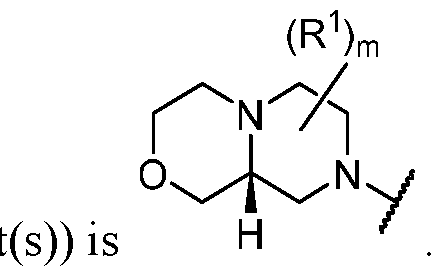 [0083] In some embodiments, Ring A, taken together with the R1 groups which are bound to it, is


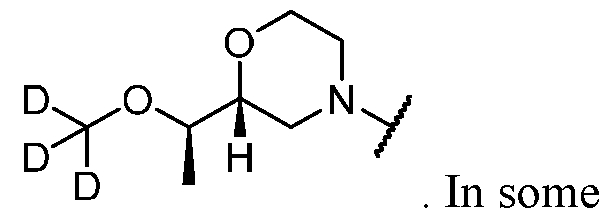


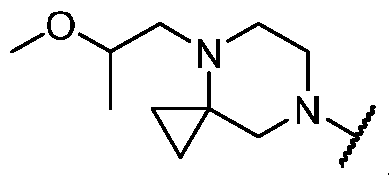


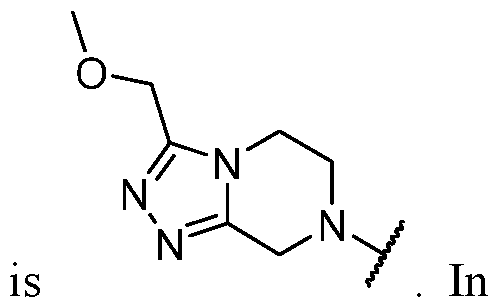


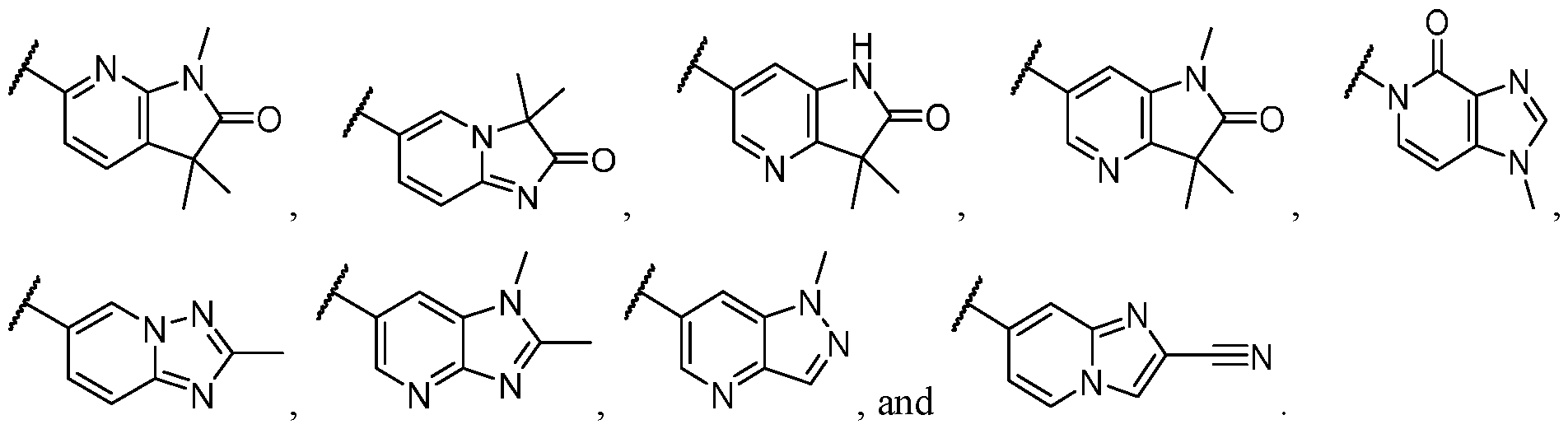


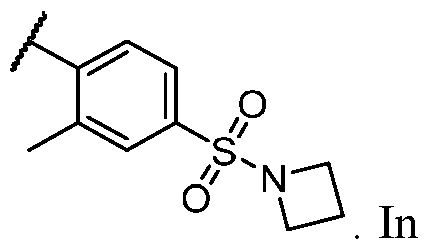


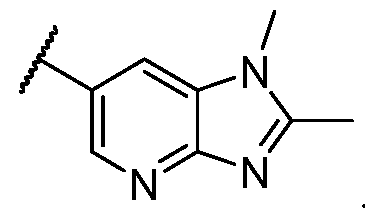


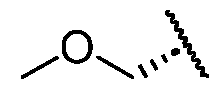


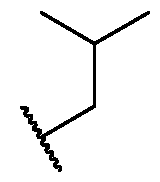


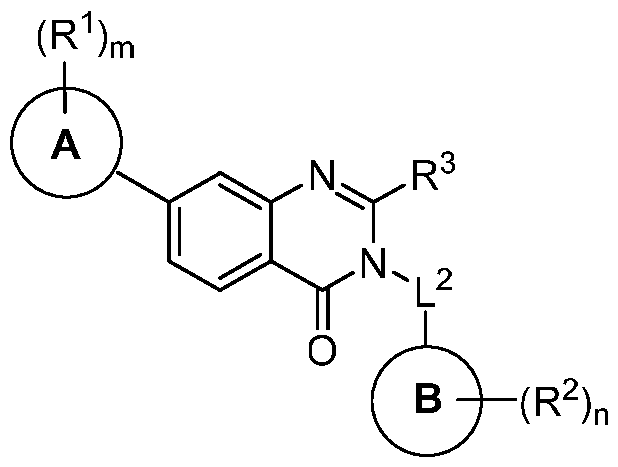


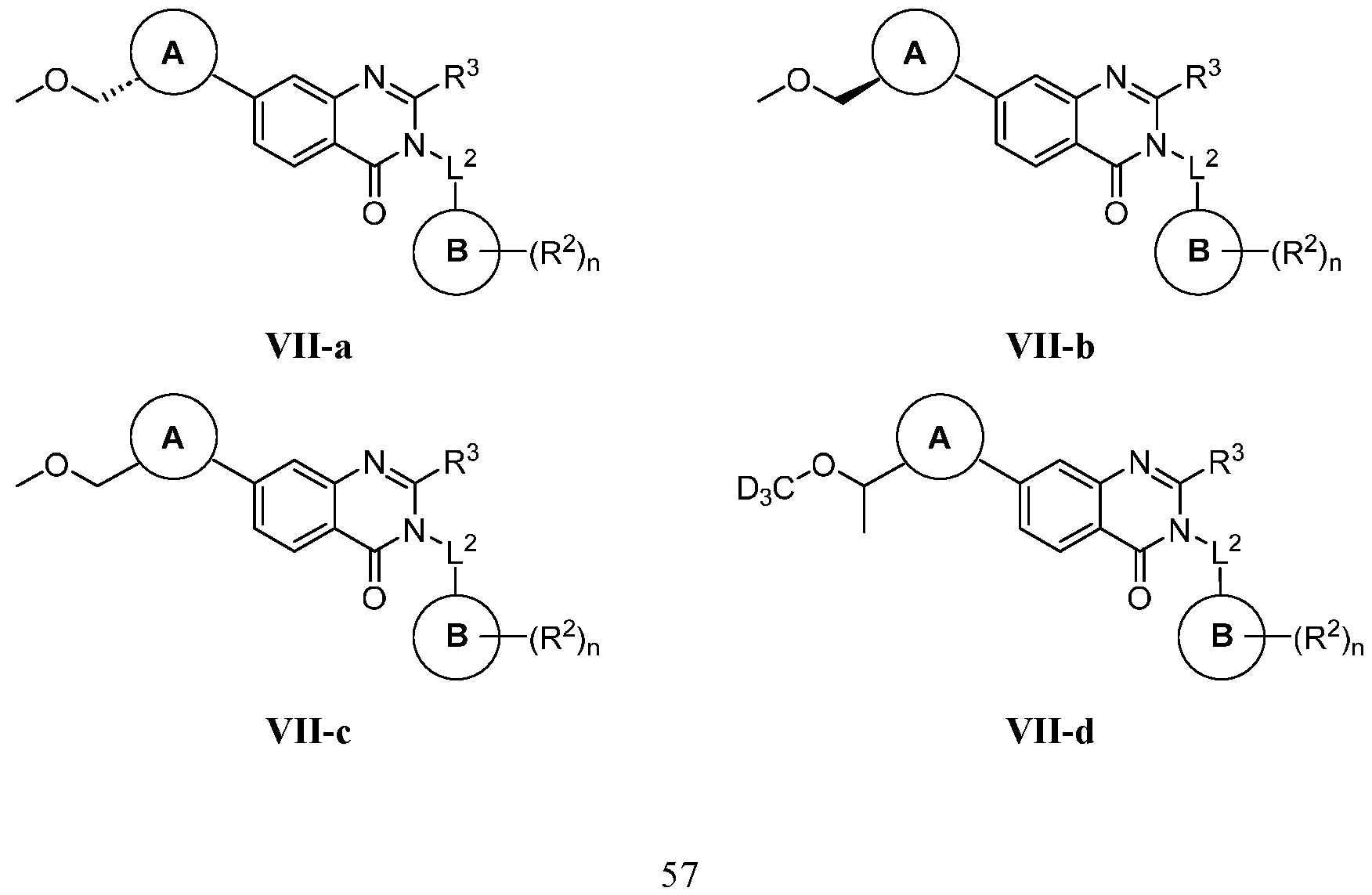


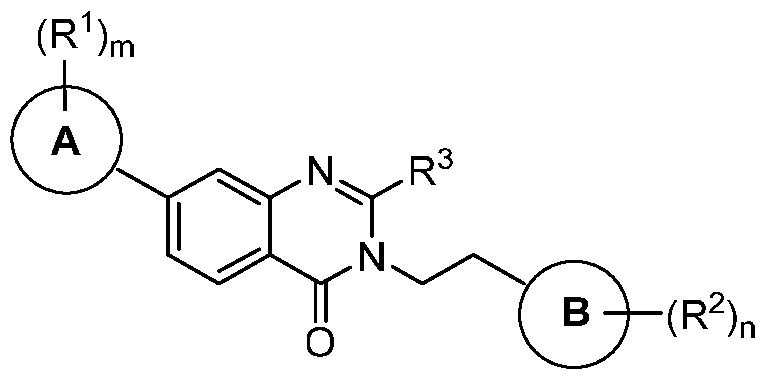


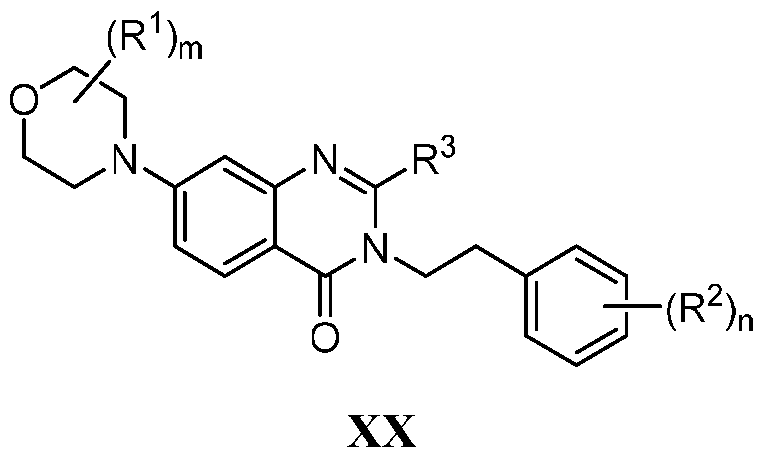

Table 2: Exemplary Compounds
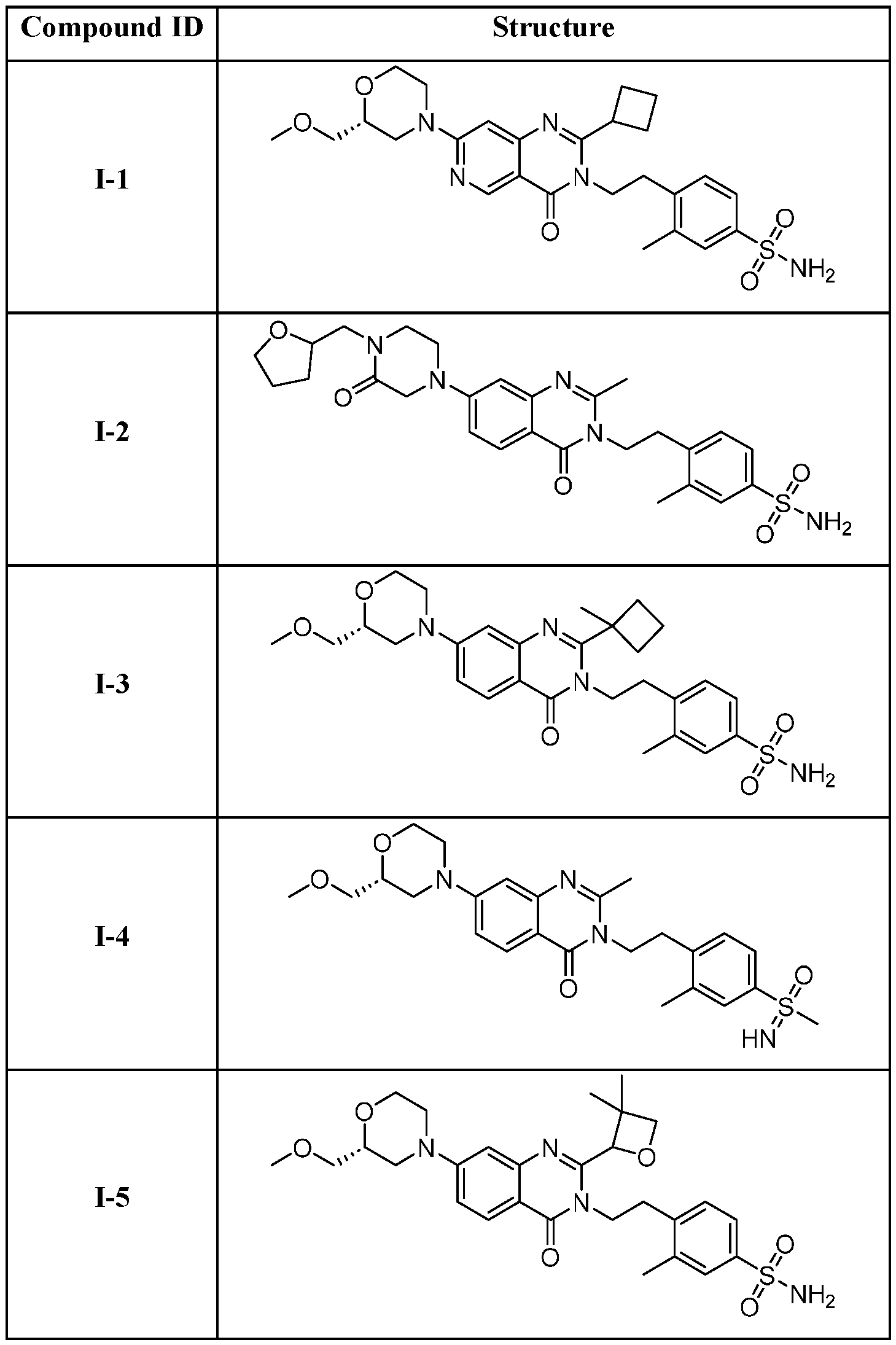
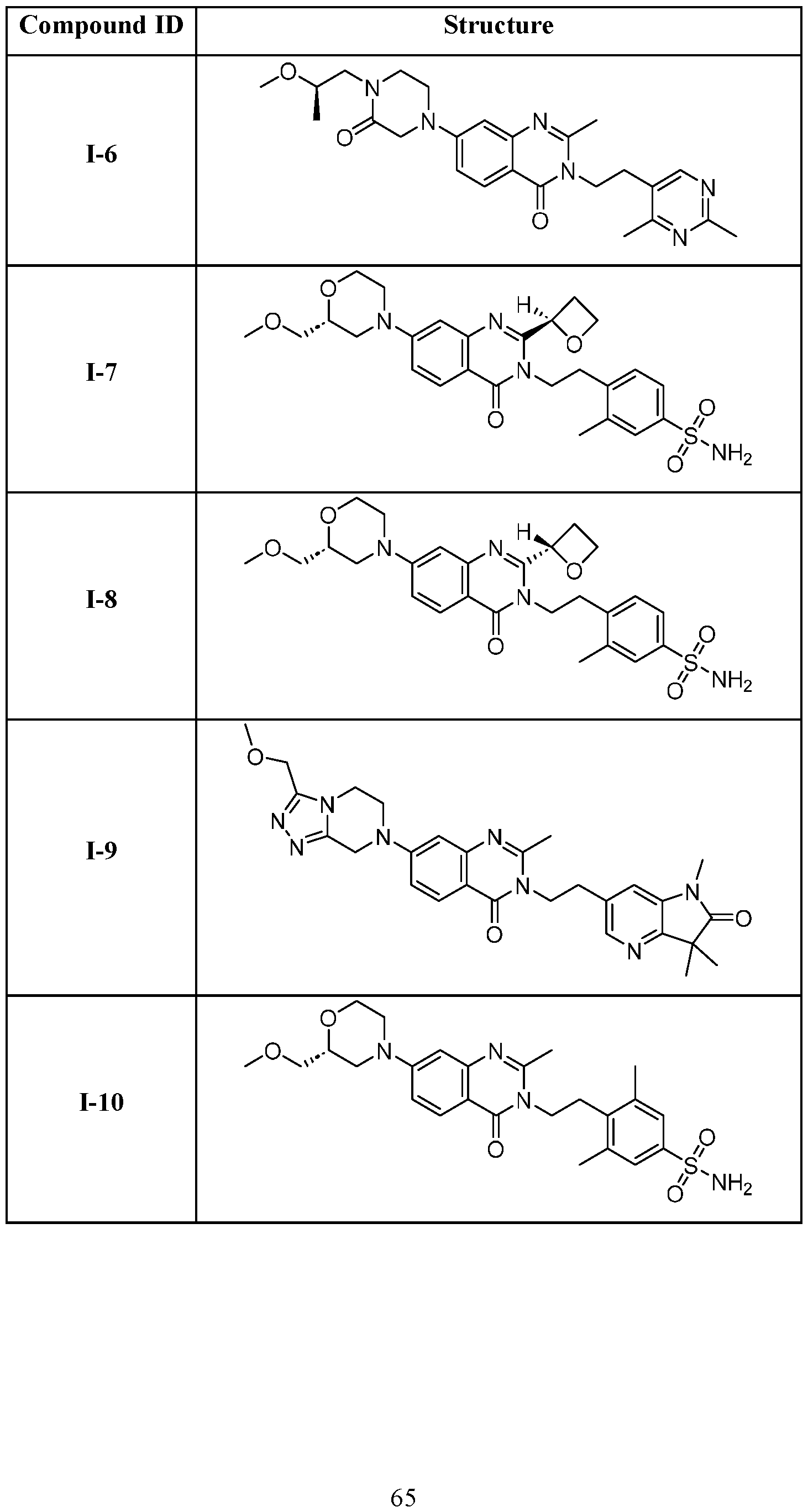


Claims
CLAIMS We claim: 1. A compound of Formula I:
 or a pharmaceutically acceptable salt thereof, wherein: X is N or CH; Ring A is a 3-8 membered saturated or partially unsaturated monocyclic carbocyclic ring, phenyl, a 5-6 membered monocyclic heteroaromatic ring having 1-4 heteroatoms independently selected from nitrogen, oxygen, and sulfur, a 4-8 membered saturated or partially unsaturated monocyclic heterocyclic ring having 1-3 heteroatoms independently selected from nitrogen, oxygen, and sulfur, or a 7-14 membered bicyclic or bridged bicyclic saturated or partially unsaturated heterocyclic ring having 1-5 heteroatoms independently selected from nitrogen, oxygen, and sulfur; Ring B is a 3-8 membered saturated or partially unsaturated monocyclic carbocyclic ring, phenyl, a 5-6 membered monocyclic heteroaromatic ring having 1-4 heteroatoms independently selected from nitrogen, oxygen, and sulfur, an 8-10 membered bicyclic heteroaromatic ring having 1-5 heteroatoms independently selected from nitrogen, oxygen, and sulfur, a 4-8 membered saturated or partially unsaturated monocyclic heterocyclic ring having 1-3 heteroatoms independently selected from nitrogen, oxygen, and sulfur, or a 7-14 membered bicyclic or bridged bicyclic saturated or partially unsaturated heterocyclic ring having 1-5 heteroatoms independently selected from nitrogen, oxygen, and sulfur; each R1 is independently hydrogen, halogen, -CN, -OR, -SR, -N(R)2, a C1-6 aliphatic group optionally substituted with 1, 2, 3, 4, 5, or 6 independently selected deuterium or halogen atoms, a 3-8 membered saturated or partially unsaturated monocyclic carbocyclic ring,
phenyl, an 8-10 membered bicyclic aromatic carbocyclic ring, a 4-8 membered saturated or partially unsaturated monocyclic heterocyclic ring having 1-2 heteroatoms independently selected from nitrogen, oxygen, and sulfur, a 5-6 membered monocyclic heteroaromatic ring having 1-4 heteroatoms independently selected from nitrogen, oxygen, and sulfur, an 8-10 membered bicyclic heteroaromatic ring having 1-5 heteroatoms independently selected from nitrogen, oxygen, and sulfur, -C(O)R, -N(R)C(O)R, -C(O)N(R)2, or -L1-R4; or two instances of R1 on the same atom are taken together to form =O; each R2 is independently hydrogen, halogen, -CN, -OR, -SR, -N(R)2, a C1-6 aliphatic group optionally substituted with one -OR, oxo, -SR, or -N(R)2 group and optionally substituted with 1, 2, 3, 4, 5, or 6 independently selected deuterium or halogen atoms, a 3-8 membered saturated or partially unsaturated monocyclic carbocyclic ring, phenyl, an 8-10 membered bicyclic aromatic carbocyclic ring, a 4-8 membered saturated or partially unsaturated monocyclic heterocyclic ring having 1-2 heteroatoms independently selected from nitrogen, oxygen, and sulfur, a 5-6 membered monocyclic heteroaromatic ring having 1-4 heteroatoms independently selected from nitrogen, oxygen, and sulfur, an 8-10 membered bicyclic heteroaromatic ring having 1-5 heteroatoms independently selected from nitrogen, oxygen, and sulfur, -SO2-R, -S(NOR)-, -SO2N(R)2, -(R)NSO2R, -P(O)R2, P(O)2R, -OP(OR)2, -C(O)R, -N(R)C(O)R, or -C(O)NR2; or two instances of R2 on the same atom are taken together to form =O; R3 is a C1-6 linear or branched alkyl group wherein 1-2 methylene units are independently and optionally replaced with a -NCH3-, -NH-, or -O-, and 1 methylene unit is optionally replaced by a cyclopropyl ring, a cyclobutyl ring, a bicyclo[1.1.1]pentanyl ring, or a 3-4 membered saturated monocyclic heterocyclic ring having 1 heteroatom selected from nitrogen, oxygen, and sulfur, wherein R3 is substituted with p instances of RA; and a hydrogen atom on R3 may be optionally replaced with a covalent bond and a hydrogen atom on either Ring B or L2 may be optionally replaced with a covalent bond to form a covalent bond from R3 to either Ring B or L2; each R4 is independently hydrogen or a group selected from a C1-6 aliphatic group optionally substituted with 1, 2, 3, 4, 5, or 6 independently selected deuterium or halogen atoms and q instances of RB, a 3-8 membered saturated or partially unsaturated monocyclic carbocyclic ring, phenyl, a 4-8 membered saturated or partially unsaturated monocyclic heterocyclic ring
having 1-2 heteroatoms independently selected from nitrogen, oxygen, and sulfur, or a 5-6 membered monocyclic heteroaromatic ring having 1-4 heteroatoms independently selected from nitrogen, oxygen, and sulfur; wherein the 3-8 membered saturated or partially unsaturated monocyclic carbocyclic ring, phenyl, 4-8 membered saturated or partially unsaturated monocyclic heterocyclic ring, or 5-6 membered monocyclic heteroaromatic ring is substituted with q instances of RB; each RA is independently C1-4 alkyl, C2-4 alkenyl, C2-4 alkynyl, -CN, -OR, -N(R)2, halogen, - SO2R, -SO2N(R)2, -(R)NSO2R, -P(O)R2, -P(O)2R, -OP(OR)2, -N(R)C(O)R, or -C(O)NR2; or two instances of RA on the same atom are taken together to form =O; each RB is independently C1-4 alkyl, C2-4 alkenyl, C2-4 alkynyl, -CN, -OR, -N(R)2, halogen, - SO2R, -SO2N(R)2, -(R)NSO2R, -P(O)R2, -P(O)2R, -OP(OR)2, -N(R)C(O)R, or -C(O)NR2; or two instances of RB on the same atom are taken together to form =O; each -L1- is independently a covalent bond or a C1-3 bivalent straight or branched hydrocarbon chain wherein 1 or 2 methylene units of the chain are independently and optionally replaced with -O-, -C(O)-, -C(O)O-, -OC(O)-, -N(R)-, -C(O)N(R)-, -(R)NC(O)-, -OC(O)N(R)-, - (R)NC(O)O-, -N(R)C(O)N(R)-, -S-, -SO-, -SO2-, -SO2N(R)-, -(R)NSO2-, -C(S)-, -C(S)O-, - OC(S)-, -C(S)N(R)-, -(R)NC(S)-, or -(R)NC(S)N(R)-; -L2- is a covalent bond or a C1-3 bivalent straight or branched hydrocarbon chain wherein 1 or 2 methylene units of the chain are independently and optionally replaced with -O-, -C(O)-, - N(R)-, -S-, -SO-, -SO2-, or -C(S)-; each R is independently hydrogen or an optionally substituted group selected from a C1-6 aliphatic group, a 3-8 membered saturated or partially unsaturated monocyclic carbocyclic ring, phenyl, an 8-10 membered bicyclic aromatic carbocyclic ring, a 4-8 membered saturated or partially unsaturated monocyclic heterocyclic ring having 1-2 heteroatoms independently selected from nitrogen, oxygen, and sulfur, a 5-6 membered monocyclic heteroaromatic ring having 1-4 heteroatoms independently selected from nitrogen, oxygen, and sulfur, or an 8-10 membered bicyclic heteroaromatic ring having 1-5 heteroatoms independently selected from nitrogen, oxygen, and sulfur; m is 0, 1, 2, 3, or 4; n is 0, 1, 2, 3, or 4; p is 0, 1, 2, or 3; and
each q is independently 0, 1, 2, or 3. 2. A compound of Formula II:
or a pharmaceutically acceptable salt thereof, wherein: X is N or CH; Ring A is a 3-8 membered saturated or partially unsaturated monocyclic carbocyclic ring, phenyl, a 5-6 membered monocyclic heteroaromatic ring having 1-4 heteroatoms independently selected from nitrogen, oxygen, and sulfur, a 4-8 membered saturated or partially unsaturated monocyclic heterocyclic ring having 1-3 heteroatoms independently selected from nitrogen, oxygen, and sulfur, or a 7-14 membered bicyclic or bridged bicyclic saturated or partially unsaturated heterocyclic ring having 1-5 heteroatoms independently selected from nitrogen, oxygen, and sulfur; Ring B is a 3-8 membered saturated or partially unsaturated monocyclic carbocyclic ring, phenyl, a 5-6 membered monocyclic heteroaromatic ring having 1-4 heteroatoms independently selected from nitrogen, oxygen, and sulfur, an 8-10 membered bicyclic heteroaromatic ring having 1-5 heteroatoms independently selected from nitrogen, oxygen, and sulfur, a 4-8 membered saturated or partially unsaturated monocyclic heterocyclic ring having 1-3 heteroatoms independently selected from nitrogen, oxygen, and sulfur, or a 7-14 membered bicyclic or bridged bicyclic saturated or partially unsaturated heterocyclic ring having 1-5 heteroatoms independently selected from nitrogen, oxygen, and sulfur; each R1 is independently hydrogen, halogen, -CN, -OR, -SR, -N(R)2, a C1-6 aliphatic group optionally substituted with 1, 2, 3, 4, 5, or 6 independently selected deuterium or halogen atoms, a 3-8 membered saturated or partially unsaturated monocyclic carbocyclic ring,
phenyl, an 8-10 membered bicyclic aromatic carbocyclic ring, a 4-8 membered saturated or partially unsaturated monocyclic heterocyclic ring having 1-2 heteroatoms independently selected from nitrogen, oxygen, and sulfur, a 5-6 membered monocyclic heteroaromatic ring having 1-4 heteroatoms independently selected from nitrogen, oxygen, and sulfur, an 8-10 membered bicyclic heteroaromatic ring having 1-5 heteroatoms independently selected from nitrogen, oxygen, and sulfur, -C(O)R, -N(R)C(O)R, -C(O)N(R)2, or -L1-R4; or two instances of R1 on the same atom are taken together to form =O; each R2 is independently hydrogen, halogen, -CN, -OR, -SR, -N(R)2, a C1-6 aliphatic group optionally substituted with one -OR, oxo, -SR, or -N(R)2 group and optionally substituted with 1, 2, 3, 4, 5, or 6 independently selected deuterium or halogen atoms, a 3-8 membered saturated or partially unsaturated monocyclic carbocyclic ring, phenyl, an 8-10 membered bicyclic aromatic carbocyclic ring, a 4-8 membered saturated or partially unsaturated monocyclic heterocyclic ring having 1-2 heteroatoms independently selected from nitrogen, oxygen, and sulfur, a 5-6 membered monocyclic heteroaromatic ring having 1-4 heteroatoms independently selected from nitrogen, oxygen, and sulfur, an 8-10 membered bicyclic heteroaromatic ring having 1-5 heteroatoms independently selected from nitrogen, oxygen, and sulfur, -SO2-R, -S(NOR)-, -SO2N(R)2, -(R)NSO2R, -P(O)R2, P(O)2R, -OP(OR)2, -C(O)R, -N(R)C(O)R, or -C(O)NR2; or two instances of R2 on the same atom are taken together to form =O; R3 is a C1-6 linear or branched alkyl group wherein 1-2 methylene units are independently and optionally replaced with a -NCH3-, -NH-, or -O-, and 1 methylene unit is optionally replaced by a cyclopropyl ring, a cyclobutyl ring, a bicyclo[1.1.1]pentanyl ring, or a 3-4 membered saturated monocyclic heterocyclic ring having 1 heteroatom selected from nitrogen, oxygen, and sulfur, wherein R3 is substituted with p instances of RA; and a hydrogen atom on R3 may be optionally replaced with a covalent bond and a hydrogen atom on either Ring B or L2 may be optionally replaced with a covalent bond to form a covalent bond from R3 to either Ring B or L2; each R4 is independently hydrogen or a group selected from a C1-6 aliphatic group optionally substituted with 1, 2, 3, 4, 5, or 6 independently selected deuterium or halogen atoms and q instances of RB, a 3-8 membered saturated or partially unsaturated monocyclic carbocyclic ring, phenyl, a 4-8 membered saturated or partially unsaturated monocyclic heterocyclic ring
having 1-2 heteroatoms independently selected from nitrogen, oxygen, and sulfur, or a 5-6 membered monocyclic heteroaromatic ring having 1-4 heteroatoms independently selected from nitrogen, oxygen, and sulfur; wherein the 3-8 membered saturated or partially unsaturated monocyclic carbocyclic ring, phenyl, 4-8 membered saturated or partially unsaturated monocyclic heterocyclic ring, or 5-6 membered monocyclic heteroaromatic ring is substituted with q instances of RB; each RA is independently C1-4 alkyl, C2-4 alkenyl, C2-4 alkynyl, -CN, -OR, -N(R)2, halogen, - SO2R, -SO2N(R)2, -(R)NSO2R, -P(O)R2, -P(O)2R, -OP(OR)2, -N(R)C(O)R, or -C(O)NR2; or two instances of RA on the same atom are taken together to form =O; each RB is independently C1-4 alkyl, C2-4 alkenyl, C2-4 alkynyl, -CN, -OR, -N(R)2, halogen, - SO2R, -SO2N(R)2, -(R)NSO2R, -P(O)R2, -P(O)2R, -OP(OR)2, -N(R)C(O)R, or -C(O)NR2; or two instances of RB on the same atom are taken together to form =O; each -L1- is independently a covalent bond or a C1-3 bivalent straight or branched hydrocarbon chain wherein 1 or 2 methylene units of the chain are independently and optionally replaced with -O-, -C(O)-, -C(O)O-, -OC(O)-, -N(R)-, -C(O)N(R)-, -(R)NC(O)-, -OC(O)N(R)-, - (R)NC(O)O-, -N(R)C(O)N(R)-, -S-, -SO-, -SO2-, -SO2N(R)-, -(R)NSO2-, -C(S)-, -C(S)O-, - OC(S)-, -C(S)N(R)-, -(R)NC(S)-, or -(R)NC(S)N(R)-; -L2- is a covalent bond or a C1-3 bivalent straight or branched hydrocarbon chain wherein 1 or 2 methylene units of the chain are independently and optionally replaced with -O-, -C(O)-, - N(R)-, -S-, -SO-, -SO2-, or -C(S)-; each R is independently hydrogen or an optionally substituted group selected from a C1-6 aliphatic group, a 3-8 membered saturated or partially unsaturated monocyclic carbocyclic ring, phenyl, an 8-10 membered bicyclic aromatic carbocyclic ring, a 4-8 membered saturated or partially unsaturated monocyclic heterocyclic ring having 1-2 heteroatoms independently selected from nitrogen, oxygen, and sulfur, a 5-6 membered monocyclic heteroaromatic ring having 1-4 heteroatoms independently selected from nitrogen, oxygen, and sulfur, or an 8-10 membered bicyclic heteroaromatic ring having 1-5 heteroatoms independently selected from nitrogen, oxygen, and sulfur; m is 0, 1, 2, 3, or 4; n is 0, 1, 2, 3, or 4; p is 0, 1, 2, or 3; and
each q is independently 0, 1, 2, or 3. 2. A compound of Formula II:
 II or a pharmaceutically acceptable salt thereof, wherein: Ring A is a 3-8 membered saturated or partially unsaturated monocyclic carbocyclic ring, phenyl, a 5-6 membered monocyclic heteroaromatic ring having 1-4 heteroatoms independently selected from nitrogen, oxygen, and sulfur, a 4-8 membered saturated or partially unsaturated monocyclic heterocyclic ring having 1-3 heteroatoms independently selected from nitrogen, oxygen, and sulfur, or a 7-14 membered bicyclic or bridged bicyclic saturated or partially unsaturated heterocyclic ring having 1-5 heteroatoms independently selected from nitrogen, oxygen, and sulfur; Ring B is a 3-8 membered saturated or partially unsaturated monocyclic carbocyclic ring, phenyl, a 5-6 membered monocyclic heteroaromatic ring having 1-4 heteroatoms independently selected from nitrogen, oxygen, and sulfur, an 8-10 membered bicyclic heteroaromatic ring having 1-5 heteroatoms independently selected from nitrogen, oxygen, and sulfur, a 4-8 membered saturated or partially unsaturated monocyclic heterocyclic ring having 1-3 heteroatoms independently selected from nitrogen, oxygen, and sulfur, or a 7-14 membered bicyclic or bridged bicyclic saturated or partially unsaturated heterocyclic ring having 1-5 heteroatoms independently selected from nitrogen, oxygen, and sulfur; each R1 is independently hydrogen, halogen, -CN, -OR, -SR, -N(R)2, a C1-6 aliphatic group optionally substituted with 1, 2, 3, 4, 5, or 6 independently selected deuterium or halogen atoms, a 3-8 membered saturated or partially unsaturated monocyclic carbocyclic ring, phenyl, an 8-10 membered bicyclic aromatic carbocyclic ring, a 4-8 membered saturated or partially unsaturated monocyclic heterocyclic ring having 1-2 heteroatoms independently
selected from nitrogen, oxygen, and sulfur, a 5-6 membered monocyclic heteroaromatic ring having 1-4 heteroatoms independently selected from nitrogen, oxygen, and sulfur, an 8-10 membered bicyclic heteroaromatic ring having 1-5 heteroatoms independently selected from nitrogen, oxygen, and sulfur, -C(O)R, -N(R)C(O)R, -C(O)N(R)2, or -L1-R4; or two instances of R1 on the same atom are taken together to form =O; each R2 is independently hydrogen, halogen, -CN, -OR, -SR, -N(R)2, a C1-6 aliphatic group optionally substituted with one -OR, oxo, -SR, or -N(R)2 group and optionally substituted with 1, 2, 3, 4, 5, or 6 independently selected deuterium or halogen atoms, a 3-8 membered saturated or partially unsaturated monocyclic carbocyclic ring, phenyl, an 8-10 membered bicyclic aromatic carbocyclic ring, a 4-8 membered saturated or partially unsaturated monocyclic heterocyclic ring having 1-2 heteroatoms independently selected from nitrogen, oxygen, and sulfur, a 5-6 membered monocyclic heteroaromatic ring having 1-4 heteroatoms independently selected from nitrogen, oxygen, and sulfur, an 8-10 membered bicyclic heteroaromatic ring having 1-5 heteroatoms independently selected from nitrogen, oxygen, and sulfur, -SO2-R, -S(N)O-R, -SO2N(R)2, -(R)NSO2R, -P(O)R2, P(O)2R, -OP(OR)2, -C(O)R, -N(R)C(O)R, or -C(O)NR2; or two instances of R1 on the same atom are taken together to form =O; R3 is a C1-6 linear or branched alkyl group wherein 1-2 methylene units are independently and optionally replaced with a -NCH3-, -NH-, or -O-, and 1 methylene unit is optionally replaced by a cyclopropyl ring, a cyclobutyl ring, a bicyclo[1.1.1]pentanyl ring, or a 3-4 membered saturated monocyclic heterocyclic ring having 1 heteroatom selected from nitrogen, oxygen, and sulfur, wherein R3 is substituted with p instances of RA; each R4 is independently hydrogen or a group selected from a C1-6 aliphatic group optionally substituted with 1, 2, 3, 4, 5, or 6 independently selected deuterium or halogen atoms and q instances of RB, a 3-8 membered saturated or partially unsaturated monocyclic carbocyclic ring, phenyl, a 4-8 membered saturated or partially unsaturated monocyclic heterocyclic ring having 1-2 heteroatoms independently selected from nitrogen, oxygen, and sulfur, or a 5-6 membered monocyclic heteroaromatic ring having 1-4 heteroatoms independently selected from nitrogen, oxygen, and sulfur; wherein the 3-8 membered saturated or partially unsaturated monocyclic carbocyclic ring, phenyl, 4-8 membered saturated or partially
unsaturated monocyclic heterocyclic ring, or 5-6 membered monocyclic heteroaromatic ring is substituted with q instances of RB; each RA is independently C1-4 alkyl, C2-4 alkenyl, C2-4 alkynyl, -CN, -OR, -N(R)2, halogen, - SO2R, -SO2N(R)2, -(R)NSO2R, -P(O)R2, -P(O)2R, -OP(OR)2, -N(R)C(O)R, or -C(O)NR2; or two instances of RA on the same atom are taken together to form =O; each RB is independently C1-4 alkyl, C2-4 alkenyl, C2-4 alkynyl, -CN, -OR, -N(R)2, halogen, - SO2R, -SO2N(R)2, -(R)NSO2R, -P(O)R2, -P(O)2R, -OP(OR)2, -N(R)C(O)R, or -C(O)NR2; or two instances of RB on the same atom are taken together to form =O; each -L1- is independently a covalent bond or a C1-3 bivalent straight or branched hydrocarbon chain wherein 1 or 2 methylene units of the chain are independently and optionally replaced with -O-, -C(O)-, -C(O)O-, -OC(O)-, -N(R)-, -C(O)N(R)-, -(R)NC(O)-, -OC(O)N(R)-, - (R)NC(O)O-, -N(R)C(O)N(R)-, -S-, -SO-, -SO2-, -SO2N(R)-, -(R)NSO2-, -C(S)-, -C(S)O-, - OC(S)-, -C(S)N(R)-, -(R)NC(S)-, or -(R)NC(S)N(R)-; -L2- is a covalent bond or a C1-3 bivalent straight or branched hydrocarbon chain wherein 1 or 2 methylene units of the chain are independently and optionally replaced with -O-, -C(O)-, - N(R)-, -S-, -SO-, -SO2-, or -C(S)-; each R is independently hydrogen or an optionally substituted group selected from a C1-6 aliphatic group, a 3-8 membered saturated or partially unsaturated monocyclic carbocyclic ring, phenyl, an 8-10 membered bicyclic aromatic carbocyclic ring, a 4-8 membered saturated or partially unsaturated monocyclic heterocyclic ring having 1-2 heteroatoms independently selected from nitrogen, oxygen, and sulfur, a 5-6 membered monocyclic heteroaromatic ring having 1-4 heteroatoms independently selected from nitrogen, oxygen, and sulfur, or an 8-10 membered bicyclic heteroaromatic ring having 1-5 heteroatoms independently selected from nitrogen, oxygen, and sulfur; m is 0, 1, 2, 3, or 4; n is 0, 1, 2, 3, or 4; p is 0, 1, 2, or 3; and each q is independently 0, 1, 2, or 3. 3. The compound of claim 1 or 2, wherein the compound is of Formula VI-a, VI-b or VI-c:
II or a pharmaceutically acceptable salt thereof, wherein: Ring A is a 3-8 membered saturated or partially unsaturated monocyclic carbocyclic ring, phenyl, a 5-6 membered monocyclic heteroaromatic ring having 1-4 heteroatoms independently selected from nitrogen, oxygen, and sulfur, a 4-8 membered saturated or partially unsaturated monocyclic heterocyclic ring having 1-3 heteroatoms independently selected from nitrogen, oxygen, and sulfur, or a 7-14 membered bicyclic or bridged bicyclic saturated or partially unsaturated heterocyclic ring having 1-5 heteroatoms independently selected from nitrogen, oxygen, and sulfur; Ring B is a 3-8 membered saturated or partially unsaturated monocyclic carbocyclic ring, phenyl, a 5-6 membered monocyclic heteroaromatic ring having 1-4 heteroatoms independently selected from nitrogen, oxygen, and sulfur, an 8-10 membered bicyclic heteroaromatic ring having 1-5 heteroatoms independently selected from nitrogen, oxygen, and sulfur, a 4-8 membered saturated or partially unsaturated monocyclic heterocyclic ring having 1-3 heteroatoms independently selected from nitrogen, oxygen, and sulfur, or a 7-14 membered bicyclic or bridged bicyclic saturated or partially unsaturated heterocyclic ring having 1-5 heteroatoms independently selected from nitrogen, oxygen, and sulfur; each R1 is independently hydrogen, halogen, -CN, -OR, -SR, -N(R)2, a C1-6 aliphatic group optionally substituted with 1, 2, 3, 4, 5, or 6 independently selected deuterium or halogen atoms, a 3-8 membered saturated or partially unsaturated monocyclic carbocyclic ring, phenyl, an 8-10 membered bicyclic aromatic carbocyclic ring, a 4-8 membered saturated or partially unsaturated monocyclic heterocyclic ring having 1-2 heteroatoms independently
selected from nitrogen, oxygen, and sulfur, a 5-6 membered monocyclic heteroaromatic ring having 1-4 heteroatoms independently selected from nitrogen, oxygen, and sulfur, an 8-10 membered bicyclic heteroaromatic ring having 1-5 heteroatoms independently selected from nitrogen, oxygen, and sulfur, -C(O)R, -N(R)C(O)R, -C(O)N(R)2, or -L1-R4; or two instances of R1 on the same atom are taken together to form =O; each R2 is independently hydrogen, halogen, -CN, -OR, -SR, -N(R)2, a C1-6 aliphatic group optionally substituted with one -OR, oxo, -SR, or -N(R)2 group and optionally substituted with 1, 2, 3, 4, 5, or 6 independently selected deuterium or halogen atoms, a 3-8 membered saturated or partially unsaturated monocyclic carbocyclic ring, phenyl, an 8-10 membered bicyclic aromatic carbocyclic ring, a 4-8 membered saturated or partially unsaturated monocyclic heterocyclic ring having 1-2 heteroatoms independently selected from nitrogen, oxygen, and sulfur, a 5-6 membered monocyclic heteroaromatic ring having 1-4 heteroatoms independently selected from nitrogen, oxygen, and sulfur, an 8-10 membered bicyclic heteroaromatic ring having 1-5 heteroatoms independently selected from nitrogen, oxygen, and sulfur, -SO2-R, -S(N)O-R, -SO2N(R)2, -(R)NSO2R, -P(O)R2, P(O)2R, -OP(OR)2, -C(O)R, -N(R)C(O)R, or -C(O)NR2; or two instances of R1 on the same atom are taken together to form =O; R3 is a C1-6 linear or branched alkyl group wherein 1-2 methylene units are independently and optionally replaced with a -NCH3-, -NH-, or -O-, and 1 methylene unit is optionally replaced by a cyclopropyl ring, a cyclobutyl ring, a bicyclo[1.1.1]pentanyl ring, or a 3-4 membered saturated monocyclic heterocyclic ring having 1 heteroatom selected from nitrogen, oxygen, and sulfur, wherein R3 is substituted with p instances of RA; each R4 is independently hydrogen or a group selected from a C1-6 aliphatic group optionally substituted with 1, 2, 3, 4, 5, or 6 independently selected deuterium or halogen atoms and q instances of RB, a 3-8 membered saturated or partially unsaturated monocyclic carbocyclic ring, phenyl, a 4-8 membered saturated or partially unsaturated monocyclic heterocyclic ring having 1-2 heteroatoms independently selected from nitrogen, oxygen, and sulfur, or a 5-6 membered monocyclic heteroaromatic ring having 1-4 heteroatoms independently selected from nitrogen, oxygen, and sulfur; wherein the 3-8 membered saturated or partially unsaturated monocyclic carbocyclic ring, phenyl, 4-8 membered saturated or partially
unsaturated monocyclic heterocyclic ring, or 5-6 membered monocyclic heteroaromatic ring is substituted with q instances of RB; each RA is independently C1-4 alkyl, C2-4 alkenyl, C2-4 alkynyl, -CN, -OR, -N(R)2, halogen, - SO2R, -SO2N(R)2, -(R)NSO2R, -P(O)R2, -P(O)2R, -OP(OR)2, -N(R)C(O)R, or -C(O)NR2; or two instances of RA on the same atom are taken together to form =O; each RB is independently C1-4 alkyl, C2-4 alkenyl, C2-4 alkynyl, -CN, -OR, -N(R)2, halogen, - SO2R, -SO2N(R)2, -(R)NSO2R, -P(O)R2, -P(O)2R, -OP(OR)2, -N(R)C(O)R, or -C(O)NR2; or two instances of RB on the same atom are taken together to form =O; each -L1- is independently a covalent bond or a C1-3 bivalent straight or branched hydrocarbon chain wherein 1 or 2 methylene units of the chain are independently and optionally replaced with -O-, -C(O)-, -C(O)O-, -OC(O)-, -N(R)-, -C(O)N(R)-, -(R)NC(O)-, -OC(O)N(R)-, - (R)NC(O)O-, -N(R)C(O)N(R)-, -S-, -SO-, -SO2-, -SO2N(R)-, -(R)NSO2-, -C(S)-, -C(S)O-, - OC(S)-, -C(S)N(R)-, -(R)NC(S)-, or -(R)NC(S)N(R)-; -L2- is a covalent bond or a C1-3 bivalent straight or branched hydrocarbon chain wherein 1 or 2 methylene units of the chain are independently and optionally replaced with -O-, -C(O)-, - N(R)-, -S-, -SO-, -SO2-, or -C(S)-; each R is independently hydrogen or an optionally substituted group selected from a C1-6 aliphatic group, a 3-8 membered saturated or partially unsaturated monocyclic carbocyclic ring, phenyl, an 8-10 membered bicyclic aromatic carbocyclic ring, a 4-8 membered saturated or partially unsaturated monocyclic heterocyclic ring having 1-2 heteroatoms independently selected from nitrogen, oxygen, and sulfur, a 5-6 membered monocyclic heteroaromatic ring having 1-4 heteroatoms independently selected from nitrogen, oxygen, and sulfur, or an 8-10 membered bicyclic heteroaromatic ring having 1-5 heteroatoms independently selected from nitrogen, oxygen, and sulfur; m is 0, 1, 2, 3, or 4; n is 0, 1, 2, 3, or 4; p is 0, 1, 2, or 3; and each q is independently 0, 1, 2, or 3. 3. The compound of claim 1 or 2, wherein the compound is of Formula VI-a, VI-b or VI-c:


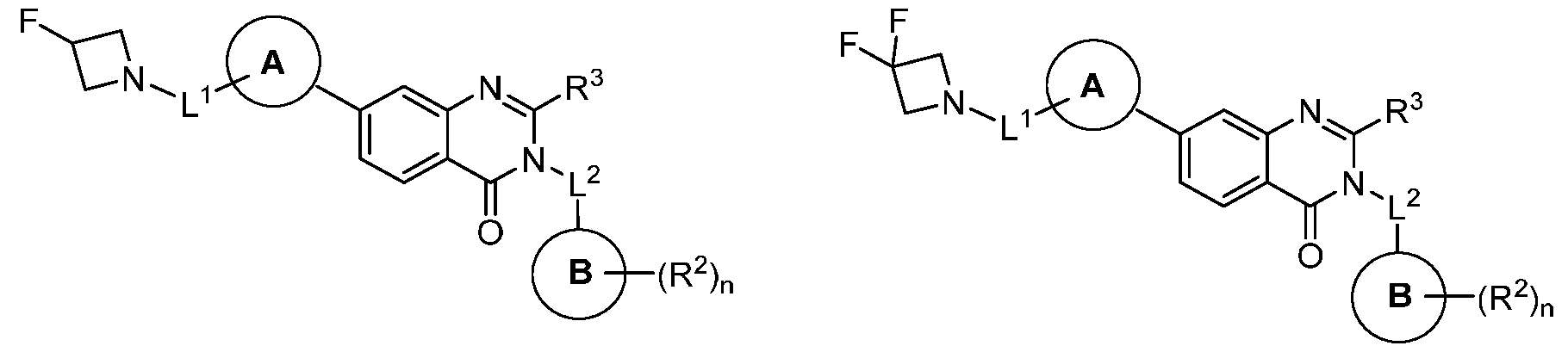


25. The compound of claim 1 or 2, wherein Ring B (with its R2 substituent(s)) is selected from: , , ,
 26. The compound of claim 1 or 2, wherein Ring B (with its R2 substituent(s)) is selected
 . 27. The compound of claim 1 or 2, wherein Ring B, taken together with the R2 groups which


29. The compound of claim 1 or 2, wherein Ring B, taken together with the R2 groups which are bound to it,
 . 30. The compound of claim 1 or 2, wherein R1 is L1-R4, L1 is a C1-3 bivalent straight or branched hydrocarbon chain wherein 1 or 2 methylene units of the chain are replaced with -O-, and R4 is a C1-6 aliphatic group. 31. The compound of claim 1 or 2, wherein R1 is L1-R4, L1 is a C1-3 bivalent straight or branched hydrocarbon chain wherein 1 or 2 methylene units of the chain are replaced with -O-, and R4 is a C1-6 aliphatic group substituted with 1, 2, 3, 4, 5, or 6 deuterium atoms. 32. The compound of claim 1 or 2, wherein R1 is L1-R4 , L1 is a C1-3 bivalent straight or branched hydrocarbon chain and R4 is a 4-5 membered saturated or partially unsaturated monocyclic heterocyclic ring having 1 heteroatom independently selected from nitrogen and oxygen. 33. The compound of claim 1 or 2, wherein R1 is selected from: methyl, hydroxyl,
 ,
,
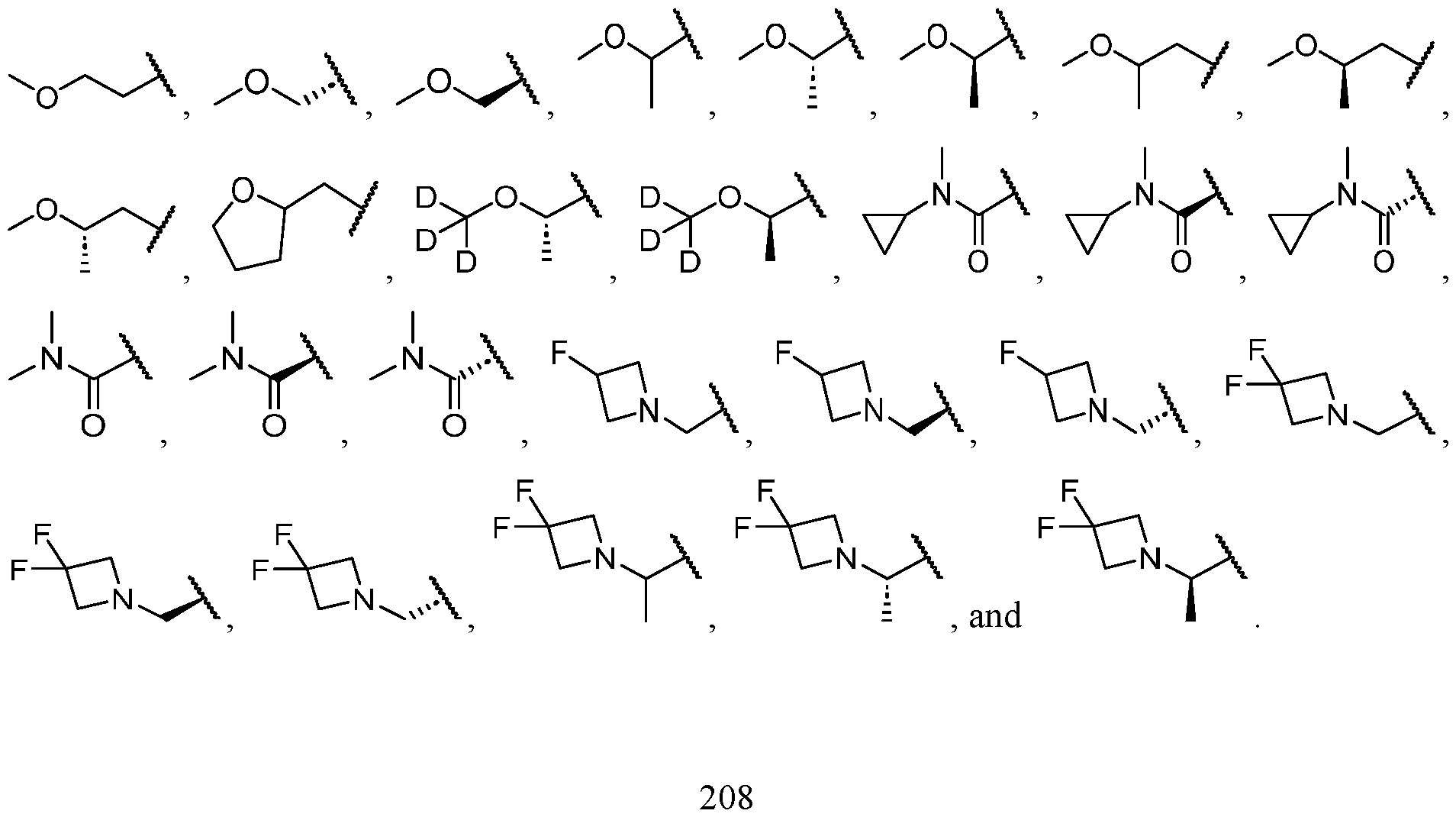
. The compound of claim 1 or 2, wherein R1 is
 . 35. The compound of claim 1 or 2, wherein R1 is
 . 36. The compound of claim 1 or 2, wherein R2 is hydrogen, halogen, -CN, -OR, -SR, -N(R)2, a C1-6 aliphatic group, -SO2-R, S(N)O-R, -SO2N(R)2, -(R)NSO2R, -P(O)R2, -C(O)R, or - C(O)NR2; or two instances of R2 on the same atom are taken together to form =O. 37. The compound of claim 1 or 2, wherein R2 is selected from: methyl, cyclopropyl, fluoride, ,
 38. The compound of claim 1 or 2, wherein R2 is
 . 39. The compound of claim 1 or 2, wherein R3 is a C1-6 linear or branched alkyl group wherein 1-2 methylene units are independently and optionally replaced with -NCH3-, -NH-, or - O-, wherein R3 is substituted with p instances of RA, wherein RA is C1-4 alkyl, C2-4 alkenyl, C2-4 alkynyl, -CN, -OR, -N(R)2, halogen, -SO2R, -SO2N(R)2, -(R)NSO2R, -P(O)R2, -P(O)2R, - OP(OR)2, -N(R)C(O)R, or -C(O)NR2; or two instances of RA on the same atom are taken together to form =O, and wherein R is hydrogen or an acyclic C1-6 aliphatic group. 40. The compound of claim 1 or 2, wherein R3 is a C1-6 linear or branched alkyl group. 41. The compound of claim 1 or 2, wherein R3 is methyl.
42. The compound of claim 1 or 2, wherein all instances of R1, R2, R3, and R4 do not comprise a ring. 43. The compound of claim 1 or 2, wherein all instances of R1, R2, and R4 do not comprise a ring. 44. The compound of claim 1 or 2, wherein all instances of R2 and R3 do not comprise a ring. 45. The compound of claim 1 or 2, wherein the total number of rings in all instances of R1, R2, R3, and R4 is no more 1. 46. A method of treating a MYC-mediated disease, disorder, or condition in a patient in need thereof, comprising administering to the patient an effective amount of an RNA-modulating small molecule (rSM) to treat the MYC-mediated disease, disorder, or condition. 47. A method of treating a MYC-mediated disease, disorder, or condition in a patient in need thereof, comprising administering to the patient an effective amount of a compound of any one of claims 1-45, or a pharmaceutically acceptable salt thereof. 48. The method of claim 46 or 47, wherein the MYC-mediated disease, disorder, or condition is a cancer comprising breast cancer, prostate cancer, lymphoma, lung cancer, pancreatic cancer, ovarian cancer, neuroblastoma, or colorectal cancer. 49. The method of any one of claims 46-48, wherein the MYC-mediated disease, disorder, or condition is Burkitt lymphoma, a B cell lymphoma, non-Burkitt lymphoma, a diffuse large B-cell lymphoma (DLBL), ovarian cancer, neuroblastoma, myeloid leukemia, chronic myeloid leukemia (CML), multiple myeloma, gastric cancer, bladder cancer, small cell lung cancer, thyroid carcinoma, retinoblastoma, or alvelolar rhabdomyosarcoma. 50. The method of any one of claims 46-49, wherein the MYC-mediated disease, disorder, or condition is selected from acute lymphocytic leukemia (ALL), acute myelocytic leukemia (AML),
chronic myelocytic leukemia (CML), chronic lymphocytic leukemia (CLL); Hodgkin’s lymphoma (HL), non-Hodgkin’s lymphoma (NHL), follicular lymphoma, chronic lymphocytic leukemia/small lymphocytic lymphoma (CLL/SLL), mantle cell lymphoma (MCL), marginal zone B-cell lymphoma, primary mediastinal B-cell lymphoma, Burkitt lymphoma, lymphoplasmacytic lymphoma (i.e., Waldenstrom’s macroglobulinemia), hairy cell leukemia (HCL), immunoblastic large cell lymphoma, precursor B-lymphoblastic lymphoma and primary central nervous system (CNS) lymphoma, peripheral T-cell lymphoma (PTCL), angioimmunoblastic T-cell lymphoma, extranodal natural killer T-cell lymphoma, enteropathy type T-cell lymphoma, subcutaneous panniculitis-like T-cell lymphoma, and anaplastic large cell lymphoma; or a mixture of one or more leukemia/lymphoma as described above. 51. The method of any one of claims 46-50, wherein the MYC-mediated disease, disorder, or condition is associated with aberrant functionality of a Myc protein. 52. The method of claim 51, wherein administration of the rSM results in suppression of the aberrant functionality of the Myc protein. 53. The method of any one of claims 46-52, wherein the MYC-mediated disease, disorder, or condition is associated with overexpression of the Myc protein. 54. The method of claim 53, wherein administration of the rSM modulates the expression level of a Myc protein. 55. The method of claim 54, wherein administration of the rSM results in lowering of the expression level of a Myc protein. 56. The method of claim 54 or claim 55, wherein administration of the rSM results in suppression of the aberrant functionality of the Myc protein. 57. The method of any one of claims 51-56, wherein the Myc protein is c-Myc.
58. The method of any one of claims 46-57, wherein the rSM modulates a MYC RNA transcript. 59. The method of claim 58, wherein modulation of the MYC RNA transcript results in a reduction in Myc protein expression. 60. The method of claim 58 or claim 59, wherein the rSM binds the MYC RNA transcript. untranslated region (UTR) of MYC and an open reading frame (ORF) of MYC. 62. The method of claim 61, wherein the MYC RNA transcript includes a G-quadruplex sequence. 64. The method of any one of claims 58-63, wherein the MYC RNA transcript comprises SEQ ID NO:1 or a homologous sequence. 65. The method of any one of claims 58-63, wherein the MYC RNA transcript comprises SEQ ID NO:3 or a homologous sequence. 66. The method of any one of claims 46-65, wherein the rSM is one of those shown in Table 2; or a pharmaceutically acceptable salt thereof. 67. A compound selected from one of those shown in Table 2, or a pharmaceutically acceptable salt thereof. 68. A pharmaceutical composition comprising a compound of any one of claims 1-45, or a pharmaceutically acceptable salt thereof, in combination with a pharmaceutically acceptable excipient.
Applications Claiming Priority (4)
| Application Number | Priority Date | Filing Date | Title |
|---|---|---|---|
| US202363614299P | 2023-12-22 | 2023-12-22 | |
| US63/614,299 | 2023-12-22 | ||
| US202463659584P | 2024-06-13 | 2024-06-13 | |
| US63/659,584 | 2024-06-13 |
Publications (1)
| Publication Number | Publication Date |
|---|---|
| WO2025137575A1 true WO2025137575A1 (en) | 2025-06-26 |
Family
ID=96138109
Family Applications (1)
| Application Number | Title | Priority Date | Filing Date |
|---|---|---|---|
| PCT/US2024/061464 Pending WO2025137575A1 (en) | 2023-12-22 | 2024-12-20 | Quinazoline compounds and methods of use thereof for treating myc-mediated diseases |
Country Status (1)
| Country | Link |
|---|---|
| WO (1) | WO2025137575A1 (en) |
Citations (4)
| Publication number | Priority date | Publication date | Assignee | Title |
|---|---|---|---|---|
| US20090018147A1 (en) * | 2007-05-10 | 2009-01-15 | Hydra Biosciences Inc. | Compounds for modulating TRPV3 function |
| US20110028452A1 (en) * | 2006-10-04 | 2011-02-03 | Pfizer Inc | PYRIDO[4,3-d]PYRIMIDIN-4(3H)-ONE DERIVATIVES AS CALCIUM RECEPTOR ANTAGONISTS |
| US20110071148A1 (en) * | 2008-03-13 | 2011-03-24 | Guangzhou Institute Of Biomedicine And Health, Chinese Academy Of Sciences | Compounds as the estrogen related receptors modulators and the uses thereof |
| US8952021B2 (en) * | 2009-01-08 | 2015-02-10 | Resverlogix Corp. | Compounds for the prevention and treatment of cardiovascular disease |
-
2024
- 2024-12-20 WO PCT/US2024/061464 patent/WO2025137575A1/en active Pending
Patent Citations (4)
| Publication number | Priority date | Publication date | Assignee | Title |
|---|---|---|---|---|
| US20110028452A1 (en) * | 2006-10-04 | 2011-02-03 | Pfizer Inc | PYRIDO[4,3-d]PYRIMIDIN-4(3H)-ONE DERIVATIVES AS CALCIUM RECEPTOR ANTAGONISTS |
| US20090018147A1 (en) * | 2007-05-10 | 2009-01-15 | Hydra Biosciences Inc. | Compounds for modulating TRPV3 function |
| US20110071148A1 (en) * | 2008-03-13 | 2011-03-24 | Guangzhou Institute Of Biomedicine And Health, Chinese Academy Of Sciences | Compounds as the estrogen related receptors modulators and the uses thereof |
| US8952021B2 (en) * | 2009-01-08 | 2015-02-10 | Resverlogix Corp. | Compounds for the prevention and treatment of cardiovascular disease |
Similar Documents
| Publication | Publication Date | Title |
|---|---|---|
| JP7402549B2 (en) | CXCR4 inhibitors and their uses | |
| US11332470B2 (en) | CXCR4 inhibitors and uses thereof | |
| EP3976192A1 (en) | Tead inhibitors and uses thereof | |
| EP4323066A1 (en) | Mek inhibitors and uses thereof | |
| CN115297931A (en) | SMARCA degrading agents and uses thereof | |
| EP4255895A1 (en) | Tead inhibitors and uses thereof | |
| US10683308B2 (en) | Rapamycin analogs and uses thereof | |
| EP3727381A1 (en) | Acyclic cxcr4 inhibitors and uses thereof | |
| JP2019524665A (en) | CXCR4 inhibitors and uses thereof | |
| WO2022051565A1 (en) | Substituted 4-piperidinyl-quinazolines, 4-piperidinyl-pyrimidine-2-amines, and related compounds and their use in treating medical conditions | |
| US11370792B2 (en) | Caffeine inhibitors of MTHFD2 and uses thereof | |
| EP4543854A1 (en) | Stat degraders and uses thereof | |
| WO2025137575A1 (en) | Quinazoline compounds and methods of use thereof for treating myc-mediated diseases | |
| WO2025137548A1 (en) | Compositions and methods of use thereof for treating myc-mediated diseases | |
| WO2025137537A1 (en) | Compositions and methods for treating myc-mediated diseases | |
| WO2022187520A1 (en) | Substituted 3-piperidinyl-pyrazolo[3,4-b]pyridines and related compounds and their use in treating medical conditions | |
| JP2022538138A (en) | CXCR4 inhibitors and uses thereof | |
| HK40050670A (en) | Substituted piperidines as cxcr4-inhibitors | |
| WO2024092011A1 (en) | Irak degraders and uses thereof | |
| HK40006048A (en) | Cxcr4 inhibitors and uses thereof | |
| HK40006048B (en) | Cxcr4 inhibitors and uses thereof |
Legal Events
| Date | Code | Title | Description |
|---|---|---|---|
| 121 | Ep: the epo has been informed by wipo that ep was designated in this application |
Ref document number: 24909087 Country of ref document: EP Kind code of ref document: A1 |