WO2023084715A1 - Information processing device, information processing method, and program - Google Patents
Information processing device, information processing method, and program Download PDFInfo
- Publication number
- WO2023084715A1 WO2023084715A1 PCT/JP2021/041618 JP2021041618W WO2023084715A1 WO 2023084715 A1 WO2023084715 A1 WO 2023084715A1 JP 2021041618 W JP2021041618 W JP 2021041618W WO 2023084715 A1 WO2023084715 A1 WO 2023084715A1
- Authority
- WO
- WIPO (PCT)
- Prior art keywords
- participant
- participants
- emotion
- information processing
- time transition
- Prior art date
- Legal status (The legal status is an assumption and is not a legal conclusion. Google has not performed a legal analysis and makes no representation as to the accuracy of the status listed.)
- Ceased
Links
Images



Classifications
-
- G—PHYSICS
- G06—COMPUTING OR CALCULATING; COUNTING
- G06T—IMAGE DATA PROCESSING OR GENERATION, IN GENERAL
- G06T7/00—Image analysis
-
- G—PHYSICS
- G06—COMPUTING OR CALCULATING; COUNTING
- G06T—IMAGE DATA PROCESSING OR GENERATION, IN GENERAL
- G06T7/00—Image analysis
- G06T7/20—Analysis of motion
Definitions
- An information processing apparatus acquires a moving image including the face of each of a plurality of participants participating in an event, and obtains a moving image including the face of each of the participants. Analyze the moving image including the face, identify the time transition of the emotion of the participant, and identify the time transition of the emotion identified for the first participant included in the plurality of participants and the plurality of participants compared with the time transition of the emotion identified for each of the other participants included in the participant, and to what extent the emotion of the first participant is synchronized with the time transition of the emotion of the other participants. calculating for each of the other participants a synchronizing rate that indicates whether the event has changed, and based on the synchronizing rate calculated for each of the other participants, the degree of involvement of the first participant in the event; A control unit for determining.
- the information processing apparatus 10 determines the degree of involvement of the participant in the event based on how much the participant's emotion changes in synchronism with other participants' emotions over time. Therefore, it is possible to detect the degree of relevance to the event with high accuracy.
- the facial expressions of each participant change in various ways.
- the facial expressions of the participants who are deeply involved in the discussion change over time according to the progress of the discussion.
- the facial expression of a participant who has hardly heard the discussion changes in a manner different from the transition of the facial expressions of the other participants.
- the information processing device 10 identifies the emotion from the facial expression of each participant and compares the time transition of that emotion with that of other participants, thereby estimating with high accuracy the degree of involvement in the event. enable
- Appendix 1 An information processing device, memory; a controller connected to the memory; with The control unit For each of the multiple participants participating in the event, acquiring a moving image including the face of the participant, For each of the plurality of participants, analyzing the moving image containing the participant's face to identify the time transition of the participant's emotion, Comparing the time transition of the emotion identified for the first participant included in the plurality of participants with the time transition of the emotion identified for each of the other participants included in the plurality of participants and calculating, for each of the other participants, a synchronizing rate indicating how much the emotion of the first participant changes in synchronization with the time transition of the emotions of the other participants, Determining the degree of involvement of the first participant in the event based on the synchro rate calculated for each of the other participants; Information processing equipment.
Landscapes
- Engineering & Computer Science (AREA)
- Computer Vision & Pattern Recognition (AREA)
- Physics & Mathematics (AREA)
- General Physics & Mathematics (AREA)
- Theoretical Computer Science (AREA)
- Multimedia (AREA)
- Two-Way Televisions, Distribution Of Moving Picture Or The Like (AREA)
Abstract
Description
本開示は、情報処理装置、情報処理方法、及びプログラムに関する。 The present disclosure relates to an information processing device, an information processing method, and a program.
非特許文献1には、複数の参加者が対面で行う会議に複数台の全方位カメラ及び複数台のマイクを導入し、会話シーンの分析を行うシステムが記載されている。このシステムは、全方位カメラが取得した画像から参加者の視線を推定するとともに、複数台のマイクが取得した音響信号から発話者及びその発話区間を推定する。システムは、これらの推定結果に基づき会議において誰が注目を集めているかをリアルタイムに推定する。
Non-Patent
しかし、Web会議等のイベントにおいては、参加者が集合して対面で行う会議と異なり視線の移動角度が極めて狭いため、誰が注目を集めているかを視線から推定することが困難である。また、多数の参加者が参加した会議又はセミナーのように一人当たりの発話量が少ない場合、発話の情報に基づいて参加者の会議への関わりの強さを検知することは困難である。このように、従来の構成は、Web会議等のイベントに適用した場合、各参加者のイベントへの関わりの強さの検出精度に改善の余地があった。 However, in events such as web conferences, unlike meetings where participants gather face-to-face, the movement angle of the line of sight is extremely narrow, so it is difficult to guess who is attracting attention from the line of sight. In addition, when the amount of speech per person is small, such as in a conference or seminar attended by many participants, it is difficult to detect the degree of participation of the participants in the conference based on speech information. As described above, when the conventional configuration is applied to an event such as a web conference, there is room for improvement in the detection accuracy of the degree of involvement of each participant in the event.
かかる事情に鑑みてなされた本開示の目的は、複数の参加者がイベントに参加する場合において、参加者のイベントへの関わりの強さをより高い精度で検出可能とする情報処理装置、情報処理方法、及びプログラムを提供することである。 The purpose of the present disclosure, which has been made in view of such circumstances, is to provide an information processing device and an information processing device that can detect the strength of the participation of the participants in the event with higher accuracy when a plurality of participants participate in the event. It is to provide a method and a program.
一実施形態に係る情報処理装置は、イベントに参加している複数の参加者の各々について、当該参加者の顔を含む動画像を取得し、前記複数の参加者の各々について、当該参加者の顔を含む前記動画像を解析して、当該参加者の感情の時間推移を識別し、前記複数の参加者に含まれる第1参加者について識別された前記感情の時間推移と、前記複数の参加者に含まれる他の前記参加者の各々について識別された前記感情の時間推移とを比較して、前記第1参加者の感情が前記他の参加者の感情の時間推移とどの程度同期して変化しているかを示すシンクロ率を前記他の参加者毎に算出し、前記他の参加者毎に算出された前記シンクロ率に基づき、前記第1参加者の前記イベントへの関わりの強さを判定する、制御部を備える。 An information processing apparatus according to one embodiment acquires a moving image including the face of each of a plurality of participants participating in an event, and obtains a moving image including the face of each of the participants. Analyze the moving image including the face, identify the time transition of the emotion of the participant, and identify the time transition of the emotion identified for the first participant included in the plurality of participants and the plurality of participants compared with the time transition of the emotion identified for each of the other participants included in the participant, and to what extent the emotion of the first participant is synchronized with the time transition of the emotion of the other participants. calculating for each of the other participants a synchronizing rate that indicates whether the event has changed, and based on the synchronizing rate calculated for each of the other participants, the degree of involvement of the first participant in the event; A control unit for determining.
一実施形態に係る情報処理装置の情報処理方法は、制御部が、イベントに参加している複数の参加者の各々について、当該参加者の顔を含む動画像を取得する工程と、前記複数の参加者の各々について、当該参加者の顔を含む前記動画像を解析して、当該参加者の感情の時間推移を識別する工程と、前記複数の参加者に含まれる第1参加者について識別された前記感情の時間推移と、前記複数の参加者に含まれる他の前記参加者の各々について識別された前記感情の時間推移とを比較して、前記第1参加者の感情が前記他の参加者の感情の時間推移とどの程度同期して変化しているかを示すシンクロ率を前記他の参加者毎に算出する工程と、前記他の参加者毎に算出された前記シンクロ率に基づき、前記第1参加者の前記イベントへの関わりの強さを判定する工程と、含む。 An information processing method for an information processing apparatus according to one embodiment includes a step of acquiring, for each of a plurality of participants participating in an event, a moving image including the face of the participant; For each of the participants, analyzing the moving image including the face of the participant to identify the time transition of the participant's emotion; and identifying the first participant included in the plurality of participants. comparing the time transition of the emotion identified for each of the other participants included in the plurality of participants with the time transition of the emotion identified for each of the other participants included in the plurality of participants; a step of calculating, for each of the other participants, a synchronizing rate that indicates how much the person's emotion changes in synchronism with the temporal transition of the emotion of the other participant; determining a strength of engagement of a first participant with said event.
本開示の一実施形態によれば、複数の参加者がイベントに参加する場合において、参加者のイベントへの関わりの強さをより高い精度で検出することが可能である。 According to an embodiment of the present disclosure, when multiple participants participate in an event, it is possible to detect the degree of participation of the participants in the event with higher accuracy.
以下、本開示の一実施形態について、図面を参照して説明する。各図面中、同一の構成又は機能を有する部分には、同一の符号を付している。本実施形態の説明において、同一の部分については、重複する説明を適宜省略又は簡略化する場合がある。 An embodiment of the present disclosure will be described below with reference to the drawings. In each drawing, parts having the same configuration or function are given the same reference numerals. In the description of the present embodiment, overlapping descriptions of the same parts may be appropriately omitted or simplified.
本開示に係る情報処理装置は、Web会議、Webセミナー、又はeラーニング等のイベントへの各参加者の画像を取得し、その画像から各参加者の感情の時間推移を識別する。情報処理装置は、ある参加者の感情が他の参加者の感情推移に同期して変化している場合、その参加者のイベントへの関わりが強いと判定する。このように、本開示に係る情報処理装置は、参加者の感情が他の参加者の感情推移に同期して変化していることに基づいて、その参加者のイベントへの関わりの強さを判定するため、イベントへの関わりの強さを高い精度で検出することができる。また、情報処理装置は、各参加者の画像に基づきイベントへの関わりの強さを判定するため、参加者の視線を判別することが困難で、一人当たりの発話量が少ない場合であっても、参加者のイベントへの関わりの強さ検出することができる。 The information processing apparatus according to the present disclosure acquires an image of each participant in an event such as a web conference, web seminar, or e-learning, and identifies the time transition of each participant's emotion from the image. The information processing device determines that the participant is strongly involved in the event when the emotion of a certain participant changes in synchronism with the emotional transition of another participant. In this way, the information processing apparatus according to the present disclosure determines the degree of involvement of the participant in the event based on the fact that the participant's emotion changes in synchronization with the emotional transitions of other participants. Therefore, the degree of involvement in the event can be detected with high accuracy. In addition, since the information processing device determines the degree of involvement in the event based on the image of each participant, it is difficult to determine the line of sight of the participant, and even if the amount of speech per person is small, , the strength of the participant's involvement in the event can be detected.
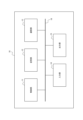
図1は、一実施形態に係る情報処理システム1の構成例を模式的に示す図である。情報処理システム1は、情報処理装置10及びカメラ20を備える。情報処理装置10及びカメラ20は、有線回線、無線回線、インターネット、又は移動体通信網等を含むネットワークを介して互いに通信可能である。
FIG. 1 is a diagram schematically showing a configuration example of an
カメラ20は、イベントの各参加者を撮影し、画像を取得する撮影装置である。カメラ20は、一定のフレームレートで動画像を取得するビデオカメラとしてもよい。本実施形態では、イベントに複数の参加者が参加し、参加者の各々に対して1台ずつカメラ20が割り当てられ、カメラ20は対応する参加者の顔を撮影する場合の例を説明する。なお、同一のカメラ20が複数の参加者を撮影したり、複数のカメラ20が同一の参加者を異なる角度から撮影したりしてもよい。カメラ20は、参加者の顔だけでなく、参加者の上半身又は全身を含む範囲を撮影してもよい。
The
カメラ20は、情報処理装置10と通信可能な撮影装置であれば、どのようなカメラにより実現してもよい。例えば、カメラ20は、例えば、情報処理装置10に有線回線又は無線回線により接続されたカメラ、各参加者が操作するPC(Personal Computer)等に外付け又は内蔵されたカメラ、又は、インターネット等に接続されたネットワークカメラ等としてもよい。各カメラ20が撮影して取得した画像は、情報処理装置10へ出力される。
The
情報処理装置10は、PC、WS(Work Station)、クラウド、又はタブレット等の任意のコンピュータ装置により実現されてもよい。情報処理装置10は、感情識別器101、シンクロ率算出器103、及び参加度算出器105の機能要素を備える。
The
感情識別器101は、カメラ20から入力された参加者の画像を解析し、各参加者の感情を識別する。感情識別器101は、例えば、人物の顔の画像からその人物の感情を識別するための、機械学習により予め生成された学習モデルを参照して、入力された参加者の画像から感情を識別してもよい。このような学習モデルは、予め記憶装置に記憶されてもよい。なお、感情識別器101は、参加者の感情を識別することができれば任意の方式により実現してもよく、機械学習に基づく方式に限られない。各参加者の画像に参加者の上半身等の顔以外の領域が含まれる場合、感情識別器101は、参加者の感情を識別する際にこれらの領域の情報を用いてもよい。感情識別器101は、各参加者について識別された感情の時間推移を示すデータを、感情推移データ102として出力する。
The
シンクロ率算出器103は、感情推移データ102に基づき、各参加者について、その参加者の感情の時間推移を他の参加者の感情の時間推移と比較して、シンクロ率を算出する。シンクロ率とは、その参加者の感情が他の参加者の感情の時間推移とどの程度同期して変化しているかを示す指標である。イベントにおいてある話者が発言するなどの事象が発生した場合、その事象の発生に応じて生じた感情が参加者毎に異なるとしても、イベントへの関わりが強い参加者の感情は、その事象に時間的に同期して変化すると考えられる。多くの参加者の感情は事象の発生を反映して変化すると考えられるため、ある参加者の感情が、他の多くの参加者の感情の時間推移と同期して変化している場合、その参加者はイベントへの関わりが強いと考えられる。したがって、各参加者について、その参加者と他の参加者との間で算出されるシンクロ率は、その参加者のイベントへの関わりの強さを反映している。シンクロ率算出器103は、各参加者について、その参加者と他の全ての参加者の各々との間で算出したシンクロ率を、シンクロ率データ104として出力する。なお、本実施形態では、ある参加者の感情が他の参加者の感情の時間推移とより同期して変化する場合、シンクロ率の値が大きくなる例を説明する。
Based on the
参加度算出器105は、シンクロ率データ104に基づき、各参加者について、その参加者のイベントへの関わりの強さを示す指標である参加度を算出する。イベントへの関わりが強い参加者については、その参加者と他の全ての参加者の各々との間で算出されるシンクロ率は、全体としてより大きな値となる傾向にある。そこで、参加度算出器105は、例えば、ある参加者について、その参加者と他の参加者の各々とで算出されたシンクロ率の平均値を、その参加者の参加度として算出してもよい。なお、ある参加者についての参加度は、他の参加者との間で算出されたシンクロ率の全体的傾向を反映したものであればよく、シンクロ率の平均値に限られない。例えば、ある参加者の参加度は、他の参加者との間で算出されたシンクロ率の中央値又はシンクロ率の単純合計値等としてもよい。参加度算出器105は、各参加者について算出した参加度を出力する。例えば、各参加者の参加度はディスプレイに表示されてもよい。
Based on the
図2は、図1の情報処理装置10のハードウェア構成の一例を示すブロック図である。図2に示すように、情報処理装置10は、制御部11、記憶部12、通信部13、入力部14、出力部15、及びバス16を備える。
FIG. 2 is a block diagram showing an example of the hardware configuration of the
制御部(コントローラ)11は、情報処理装置10を構成する各構成部とバス16を介して通信可能に接続され、情報処理装置10全体の動作を制御する。制御部11は、1つ以上のプロセッサを含む。一実施形態において「プロセッサ」は、汎用のプロセッサ、又は特定の処理に特化した専用のプロセッサであるが、これらに限定されない。プロセッサは、例えば、CPU(Central Processing Unit)、GPU(Graphics Processing Unit)、DSP(Digital Signal Processor)、又はこれらの組合せ等であってもよい。
A control unit (controller) 11 is communicably connected to each constituent unit of the
記憶部(メモリ)12は、情報処理装置10の動作に用いられる任意の情報を記憶する。例えば、記憶部12は、システムプログラム、アプリケーションプログラム、及び通信部13によって受信された各種情報等を記憶してもよい。記憶部12は、HDD(Hard Disk Drive)、SSD(Solid State Drive)、RAM(Random Access Memory)、ROM(Read-Only Memory)、EEPROM(Electrically Erasable Programmable ROM)、又はこれらの組合せを含む任意の記憶モジュールを含む。記憶部12は、例えば、主記憶装置、補助記憶装置、又はキャッシュメモリとして機能してもよい。記憶部12は、情報処理装置10に内蔵されているものに限定されず、USB(Universal Serial Bus)等のデジタル入出力ポート等によって接続されている外付けのデータベース又は外付け型の記憶モジュールであってもよい。
The storage unit (memory) 12 stores arbitrary information used for the operation of the
通信部13は、カメラ20等の他の装置と通信するためのインタフェースとして機能する。通信部13は、有線LAN(Local Area Network)、無線LAN等を含む任意の通信技術によって他の装置と通信接続可能な、任意の通信モジュールを含む。通信部13は、さらに、他の装置との通信を制御するための通信制御モジュール、及び他の装置との通信に必要となる識別情報等の通信用データを記憶する記憶モジュールを含んでもよい。
The
入力部14はユーザの入力操作を受け付けて、ユーザの操作に基づく入力情報を取得する1つ以上の入力インタフェースを含む。例えば、入力部14は、物理キー、静電容量キー、ポインティングデバイス、出力部15のディスプレイと一体的に設けられたタッチスクリーン、又は音声入力を受け付けるマイク等であるが、これらに限定されない。
The
出力部15は、ユーザに対して情報を出力し、ユーザに通知する1つ以上の出力インタフェースを含む。例えば、出力部15は、情報を画像で出力するディスプレイ、又は情報を音声で出力するスピーカ等であるが、これらに限定されない。なお、上述の入力部14及び出力部15の少なくとも一方は、情報処理装置10と一体に構成されてもよいし、別体として設けられてもよい。
The
情報処理装置10の一部又は全ての機能が、制御部11に含まれる専用回路により実現されてもよい。すなわち、情報処理装置10の一部又は全ての機能が、ハードウェアにより実現されてもよい。また、情報処理装置10は単一の情報処理装置により実現されてもよいし、複数の情報処理装置の協働により実現されてもよい。例えば、情報処理装置10は、感情識別器101、シンクロ率算出器103、及び参加度算出器105等のように、情報処理装置10の機能毎に別の情報処理装置を設けて構成してもよい。
A part or all of the functions of the
図3、図4、図6、及び図8は、図2の情報処理装置10による処理の一例を示すフローチャートである。図3、図4、図6、及び図8を参照して説明する情報処理装置10の動作は、本実施形態に係る情報処理装置10の情報処理方法の一例に相当する。図3、図4、図6、及び図8の各ステップの動作は、情報処理装置10の制御部11の制御に基づき実行される。
3, 4, 6, and 8 are flowcharts showing an example of processing by the
図3のステップS1において、制御部11は、感情識別処理を行う。感情識別処理は、感情識別器101が行う処理に対応する。すなわち、感情識別処理において、制御部11は、全参加者について顔を含む画像から感情を識別し、識別された感情の時間推移を示すデータを、感情推移データ102として出力する。感情識別処理の詳細は、図4及び図5を参照して後述する。
At step S1 in FIG. 3, the
ステップS2において、制御部11は、シンクロ率算出処理を行う。シンクロ率算出処理は、シンクロ率算出器103が行う処理に対応する。すなわち、シンクロ率算出処理において、制御部11は、感情推移データ102に基づき、各参加者について、その参加者の感情の時間推移を他の参加者の感情の時間推移と比較してシンクロ率を算出し、シンクロ率データ104として出力する。シンクロ率算出処理の詳細は、図6及び図7を参照して後述する。
In step S2, the
ステップS3において、制御部11は、参加度算出処理を行う。参加度算出処理は、参加度算出器105が行う処理に対応する。すなわち、参加度算出処理において、制御部11は、シンクロ率データ104に基づき、各参加者について参加度を算出する。参加度算出処理の詳細は、図8及び図9を参照して後述する。
In step S3, the
図4は、図3の感情識別処理の一例を示すフローチャートである。感情識別処理において、制御部11は、全参加者について顔を含む画像から感情を識別し、感情の時間推移を示すデータを感情推移データ102として出力する。
FIG. 4 is a flowchart showing an example of the emotion identification processing of FIG. In the emotion identification process, the
図4のステップS11において、制御部11は、イベントにおいてカメラ20による各参加者の撮影が終わるまで、ステップS12~S14の処理を繰り返す。
In step S11 of FIG. 4, the
ステップS12において、制御部11は、全参加者の表情を含む画像をカメラ20から取得する。カメラ20は対応する参加者の顔を撮影すると、複数の静止画像(フレーム)を含む動画像(ビデオ)として情報処理装置10へ順次出力する。制御部11は、その時刻において撮影されたフレームをカメラ20から順次取得し、記憶部12へ記憶していく。以下、N番目の参加者の顔を撮影した動画像の、f番目のフレームをFN[f]と示す。すなわち、FN[f]は、N番目の参加者の顔が写った静止画である。以下、イベントに参加者A、B、C、及びDの4名が参加し、参加者Aは0番目の参加者、参加者Bは1番目の参加者、参加者Cは2番目の参加者、参加者Dは3番目の参加者である例を説明する。この場合、Nは0~3の値となる。
In step S<b>12 , the
ステップS13において、制御部11は、各参加者の画像に基づき、全参加者の感情を識別する。前述のように、参加者の感情の識別は、既存に方式に基づき感情識別器101により実行される。本実施形態では、一例として、感情を、怒り、悲しみ、喜び、ニュートラル、嫌悪、恐怖、及び驚きの7つの要素に分類し、ある時点の参加者の感情をこれらの要素の推定値(確からしさ)によって示す。本実施形態では、ある時点において、参加者の7つの感情の推定値の総和が100%となる場合の例を説明する。なお、参加者の感情の表し方は任意であり、このようなものに限られない。
In step S13, the
FN[f]が、感情識別器101に入力されると、i種類の感情の各要素に関する推定値Emo[i]が出力される。感情識別器101の処理を関数DE()で表すと、感情識別器101の処理は次式で示される(N:参加者番号、i:感情の番号、f:フレーム番号)。
Emo[i]=DE(FN[f])
例えば、i=0は怒り、i=1は悲しみ、i=2は喜び、i=3はニュートラルを示す。感情の識別結果が、怒り:5%、悲しみ:10%、喜び:70%、ニュートラル:15%、・・・である場合、Emo[0]、Emo[1]、・・・は次のようになる。
Emo[0]=0.05
Emo[1]=0.1
Emo[2]=0.7
Emo[3]=0.15
・・・
となる。本実施形態の例では、ΣEmo[i]=100%となるが、参加者の7つの感情の推定値の総和は必ずしも100%である必要はない。また、例えば、参加者の感情は7つの要素によって示される必要はなく、一つ以上の任意の個数の要素により示されてもよい。
When F N [f] is input to the
Emo[i]=DE( FN [f])
For example, i=0 indicates anger, i=1 sadness, i=2 joy, and i=3 neutral. If the emotion identification results are anger: 5%, sadness: 10%, joy: 70%, neutral: 15%, . . . , Emo[0], Emo[1], . become.
Emo[0] = 0.05
Emo[1] = 0.1
Emo[2] = 0.7
Emo[3] = 0.15
・・・
becomes. In the example of this embodiment, ΣEmo[i]=100%, but the total sum of estimated values of the seven emotions of the participants does not necessarily have to be 100%. Also, for example, the participant's emotions need not be represented by seven elements, and may be represented by any number of elements equal to or greater than one.
ステップS14において、制御部11は、ステップS13で識別したN番目の参加者のf番目フレームに関するi種類の感情の推定値Data[N][i][f]を、参加者及びフレーム毎に、感情推移データ102として蓄積していく。その結果、Data[N][i][f]が全参加者、全感情、及び全フレームに対して求まる。例えば、参加者3(参加者D)の100番目フレームにおいて喜び(感情番号i=2)の確率が70%という推定結果である場合、
Data[3][2][100]=0.7
という結果が格納される。
In step S14, the
Data[3][2][100]=0.7
result is stored.
図5は、ある一人の参加者についての感情推定値の時間的変化の一例を示す図である。図5において、横軸はフレーム番号を示し、時間の推移に対応する。縦軸は感情推定値の大きさを示す。図5の例では、怒り、悲しみ、喜び、ニュートラル、嫌悪、恐怖、及び驚きの各要素について、時間推移に応じた各要素の変化が示されている。感情識別処理により、制御部11は、イベントの参加者の各々について、図5に例示したような感情の時間推移を示すデータを感情推移データ102として出力する。
FIG. 5 is a diagram showing an example of temporal changes in estimated emotion values for one participant. In FIG. 5, the horizontal axis indicates the frame number and corresponds to the transition of time. The vertical axis indicates the magnitude of the estimated emotion value. In the example of FIG. 5, changes in each element of anger, sadness, joy, neutrality, disgust, fear, and surprise according to time transition are shown. By the emotion identification process, the
制御部11は、カメラ20の撮影期間中においてステップS12~S14の処理を繰り返す。撮影が終了すると、制御部11は、感情識別処理を終了する。
The
図6は、図3のシンクロ率算出処理の一例を示すフローチャートである。シンクロ率算出処理において、制御部11は、感情の時間推移に基づいて、ある参加者の感情の時間推移と他の参加者の感情の時間推移との時間的な関連性を示すシンクロ率を算出し、シンクロ率データ104として出力する。
FIG. 6 is a flowchart showing an example of the synchronization rate calculation process of FIG. In the synchronizing rate calculation process, the
図6のステップS21において、制御部11は、イベントの全参加者から選択された二人の参加者の全ての組合せについて、ステップS22~S24の処理を繰り返す。例えば、イベントの参加者が参加者A、B、C、Dの4名の場合、(A,B)、(A,C)、(A,D)、(B,C)、(B,D)、(C,D)の6つの組合せの各々について、ステップS22~S24の処理が実行されることになる。以下、参加者(A,B)の組合せについて、ステップS22~S24の処理を実行する場合の例を説明する。
In step S21 of FIG. 6, the
ステップS22において、制御部11は、二人の参加者の全ての感情の組合せについて、ステップS23の処理を実行する。例えば、参加者Aの7つの感情の要素と、参加者Bの7つの感情の要素との全ての組合せについて処理を実行する場合、制御部11は、7×7=49回、ステップS23の処理を繰り返すことになる。
In step S22, the
ステップS23において、制御部11は、一方の参加者の感情の時間推移と、他方の参加者の感情の時間推移との相関値を求める。例えば、ある参加者Nの喜びの時間推移EmotionN,2(t)は、フレーム番号をそのまま時刻tに対応させると、以下のように表わされる。
EmotionN,2(t)=Data[N][2][t]
In step S23, the
Emotion N,2 (t)=Data[N][2][t]
参加者Aと参加者Bに関して、喜びの時間推移に関する相関値を求めると、次のように表すことができる。
喜びの相関=correl(EmotionA,2,EmotionB,2)
ここで、EmotionA,2は参加者Aの喜びの感情の時間推移を示し、EmotionB,2は参加者Bの喜びの感情の時間推移を示す。correl()は2つのデータの間の相関値を出力する関数である。相関値は-1~+1の値をとってもよい。喜びの時間推移の相関値が高い場合、参加者Aと参加者Bは同じような時間タイミングで笑顔になったことが伺える。
For participants A and B, the correlation value regarding the time transition of joy can be expressed as follows.
Pleasure correlation = correl (Emotion A,2 , Emotion B,2 )
Here, Emotion A,2 indicates time transition of participant A's emotion of joy, and Emotion B,2 indicates time transition of participant B's emotion of joy. correl() is a function that outputs the correlation value between two data. The correlation value may take values from -1 to +1. When the correlation value of the time transition of joy is high, it can be inferred that the participants A and B smiled at similar time timings.
同様に、参加者Aの怒りの時間推移EmotionA,oと、参加者Bの喜びの時間推移EmotionB,2との間の相関値は、次式により計算される。
怒りと喜びの間の相関=correl(EmotionA,0,EmotionB,2)
この相関値が高い場合、参加者Bが笑顔になると参加者Aは不機嫌になっていたことが推察される。
Similarly, the correlation value between the time transition Emotion A,o of participant A's anger and the time transition Emotion B,2 of participant B's joy is calculated by the following equation.
Correlation between anger and joy = correl(Emotion A,0 , Emotion B,2 )
When this correlation value is high, it is inferred that participant A was in a bad mood when participant B smiled.
このようにして、ステップS22、S23において、制御部11は、参加者Aの感情pと参加者Bの感情qの間の時間推移に関する相関値EcrlA,B[p][q]を次の式により計算する。
EcrlA,B[p][q]=correl(EmotionA,p,EmotionB,q)感情の種類が7つ存在する例では、p,qは0~6までのいずれかの値となるので、7×7=49個のEcrlA,B[p][q]が計算される。EcrlA,B[p][q]の各々は-1~+1の値となり得る。
In this way, in steps S22 and S23, the
Ecrl A,B [p][q]=correl (Emotion A,p , Emotion B,q ) In an example where there are seven types of emotions, p and q are any value from 0 to 6. , 7×7=49 Ecrl A,B [p][q] are computed. Each of Ecrl A,B [p][q] can be a value from -1 to +1.
ステップS24において、制御部11は、ステップS22、S23において算出された相関値又はその絶対値の分散を、参加者間の感情のシンクロ率として算出する。
In step S24, the
図7は、参加者間における感情推定値の時間的変化の相関値を模式的に示す図である。図7では、参加者A、Bの感情の7つの要素の時間推移の相関値が、7×7=49個の四角形の濃淡により示されている。図7の例では、より濃色の四角形は正又は負の相関が高いことを示す。図7の例では、参加者Aの感情の各要素は感情推移データ102aから取得され、参加者Bの感情の各要素は感情推移データ102bから取得されている。参加者Aの感情が、参加者Bの感情の時間推移と無関係に変化した場合、参加者Aの感情の各要素の時間推移は参加者Bの感情のいずれの要素の時間推移とも相関値が0に近くなり、図7の49個の四角形は全体として薄色となる。一方、参加者Aの感情が、参加者Bの感情の時間推移と同期して変化した場合、参加者Aのある感情の要素は、参加者Bのある感情の要素と正又は負の高い相関を示す一方、別の感情の要素との相関は低くなる。そのため、参加者Aの感情が、参加者Bの感情の時間推移と同期して変化している場合、図7の49個の四角形の色は全体としてばらつきが大きくなる。したがって、ステップS22、S23において算出された相関値のばらつきの大きさは、ある参加者の感情が他の参加者の感情の時間推移とどの程度同期して変化しているかを示しているといえる。そこで、次式のように、制御部11は、49個の相関値又はその絶対値の分散Varをシンクロ率として算出する。
シンクロ率=Var(Ecrla,b[0][0],Ecrla,b[0][1],...Ecrla,b[6][6])
FIG. 7 is a diagram schematically showing correlation values of temporal changes in estimated emotion values between participants. In FIG. 7, the correlation values of the time transitions of the seven elements of the emotions of the participants A and B are indicated by the shades of 7×7=49 squares. In the example of FIG. 7, darker squares indicate higher positive or negative correlations. In the example of FIG. 7, each element of participant A's emotion is acquired from the
Synchronization rate = Var (Ecrl a,b [0][0], Ecrl a,b [0][1], ... Ecrl a,b [6][6])
なお、制御部11は、ある参加者の感情が他の参加者の感情の時間推移とどの程度同期して変化しているかを示すならば、どのような値をシンクロ率として算出してもよい。例えば、制御部11は、49個の相関値又はその絶対値の統計的なばらつきを示す標準偏差をシンクロ率として算出してもよい。また、感情識別処理(図3のステップS1、図4)において一種類の感情の要素(例えば、喜び)について時間推移が識別された場合、制御部11は、その感情の要素の相関値又はその絶対値を参加者間のシンクロ率として算出してもよい。
Note that the
制御部11は、全ての参加者の組合せについて、ステップS22~S24の処理を繰り返す。全ての参加者の組合せについて処理が完了すると、制御部11は、シンクロ率算出処理を終了する。
The
図8は、図3の参加度算出処理の一例を示すフローチャートである。参加度算出処理において、制御部11は、参加者の組合せ毎に算出されたシンクロ率に基づいて、各参加者のイベントへの関わりの強さを示す参加度を算出する。
FIG. 8 is a flowchart showing an example of the participation degree calculation process of FIG. In the degree-of-participation calculation process, the
図8のステップS31において、制御部11は、イベントの各参加者について、ステップS32、S33の処理を繰り返す。例えば、イベントの参加者が参加者A、B、C、Dの4名の場合、A、B、C、Dの各々について、ステップS32、S33の処理が実行されることになる。以下、参加者Aについて、ステップS32、S33の処理を実行する場合の例を説明する。
In step S31 of FIG. 8, the
ステップS32において、制御部11は、参加者Aと、他の参加者B、C、Dとの間で算出されたシンクロ率の平均を計算する。参加者A、Bの間のシンクロ率をSyncA,Bと示すと、シンクロ率の平均は次のように示される。
シンクロ率の平均=Avg(SyncA,B+SyncA,C+SyncA,D)
In step S32, the
Average synchro rate = Avg (Sync A, B + Sync A, C + Sync A, D )
ステップS33において、制御部11は、ステップS32で算出したシンクロ率の平均を参加者Aの参加度として出力する。例えば、制御部11は、参加者Aの参加度を示す画像を出力部15のディスプレイに表示させてもよい。
In step S33, the
情報処理装置10は、イベントの参加度を、シンクロ率の平均値により示してもよいが、「高」「中」「低」等の複数のグレード(等級)で示してもよい。例えば、情報処理装置10は、平均値が所定の第1の閾値以上の場合はグレード「高」、所定の第2の閾値(<第1の閾値)以上第1の閾値未満の場合はグレード「中」、第2の閾値未満の場合はグレード「低」等のように、参加度を示してもよい。また、ある参加者についての参加度は、他の参加者との間で算出されたシンクロ率の全体的傾向を反映したものであればよく、シンクロ率の平均値に限られない点は前述のとおりである。
The
制御部11は、このようなステップS32、S33の処理をイベントの参加者の各々について繰り返すことで、各参加者の参加度を出力する。そして、制御部11は、参加度算出処理の処理を終了する。
The
図9は、各参加者の参加度を算出する処理を模式的に示す図である。図9では、参加者A、B、C、Dのシンクロ率が、4×(4-1)=12個の四角形の濃淡により示されている。図7の例では、より濃色の四角形はシンクロ率が高いことを示す。図9の例では、参加者Aの参加度は低、参加者B、Cの参加度は中、参加者Dの参加度は高とされている。 FIG. 9 is a diagram schematically showing the process of calculating the degree of participation of each participant. In FIG. 9, the synchro rates of participants A, B, C, and D are indicated by shading of 4×(4−1)=12 squares. In the example of FIG. 7, a darker square indicates a higher synchro rate. In the example of FIG. 9, the degree of participation of participant A is low, the degree of participation of participants B and C is medium, and the degree of participation of participant D is high.
以上のように、情報処理装置10は、イベントに参加している複数の参加者の各々について、その参加者の顔を含む動画像を取得する。情報処理装置10は、複数の参加者の各々について、その参加者の顔を含む動画像を解析して、その参加者の感情の時間推移を識別する。情報処理装置10は、複数の参加者に含まれる第1参加者について識別された感情の時間推移と、複数の参加者に含まれる他の参加者の各々について識別された感情の時間推移とを比較する。情報処理装置10は、このような比較により、第1参加者の感情が他の参加者の感情の時間推移とどの程度同期して変化しているかを示すシンクロ率を他の参加者毎に算出する。情報処理装置10は、他の参加者毎に算出されたシンクロ率に基づき、第1参加者のイベントへの関わりの強さを判定する。
As described above, the
このように、情報処理装置10は、参加者の感情が他の参加者の感情の時間推移とどの程度同期して変化しているかに基づき、その参加者のイベントへの関わりの強さを判定するため、イベントへの関わりの強さを高い精度で検出することができる。イベントでは、その過程で各参加者の表情が様々に変化する。議論に深く関わっている参加者の表情は、その議論の推移に応じて時間的に変化する。一方、例えば議論を殆ど聞いていない参加者の表情は、他の参加者の表情の推移と異なる様相で変化する。情報処理装置10は、各参加者の顔の表情から感情を識別し、その感情の時間推移を他の参加者と比較することで、イベントへの関わり方の強さを高い精度で推定することを可能とする。
In this way, the
また、情報処理装置10は、各瞬間の感情の要素の推定値そのものではなく、その感情値の時間推移に着目し、他の参加者の時間推移と比較することで、各参加者の感情のシンクロ率及び参加度を推定する。これにより、情報処理装置10は、各瞬間の感情の推定値の精度が高くなくても、各参加者のイベントへの関わりの強さを適切に推定することが可能である。例えば、特定の感情(例えば、喜び)が表れている時間の長さを検出し、その長さによりイベントへの関わりの強さを評価した場合、その特定の感情の検出精度が低いと、関わりの強さの精度は低下する。一方、本実施形態に係る情報処理装置10は、参加者の感情が大局的にどのように変化し、その変化が他者の感情の変化とどの程度同期しているかに基づきイベントへの関わりの強さを判定する。したがって、情報処理装置10によれば、感情識別におけるノイズに対して頑健な判定結果を取得することが可能である。
In addition, the
また、情報処理装置10は、常に計測可能な各参加者の画像に基づきイベントへの関わりの強さを判定するため、参加者の視線を判別することが困難で、一人当たりの発話量が少ない場合であっても、参加者のイベントへの関わりの強さを検出することができる。本実施形態に係る情報処理装置10は、参加者のイベントへの関わりの強さのような従来の評価方法に対して特定の改善を提供するものであり、イベントへの関わりの強さの性能評価に係る技術分野の向上を示すものである。なお、本実施形態に係る情報処理装置10は、参加者の組合せ毎に感情の時間推移の相関値を求め、相関値又はその絶対値のばらつきの大きさを示す値をシンクロ率として算出したが、参加者の感情が他の参加者の感情の時間推移とどの程度同期して変化しているかを示すならば、任意の指標をシンクロ率として算出してもよい。
In addition, since the
また、情報処理装置10は、第1参加者の感情が、より多くの他の参加者の感情の時間推移とより同期して変化している場合、第1参加者のイベントへの関わりをより強いと判定してもよい。このように、情報処理装置10は、他の参加者との間で算出されたシンクロ率の全体的傾向に基づきイベントへの関わりの強さを判定することで、イベントへの関わりの強さをさらに適切に検出することができる。
In addition, when the emotion of the first participant changes more synchronously with the time transition of the emotions of more other participants, the
また、情報処理装置10は、複数の参加者の各々について、その参加者の顔を含む動画像を解析して、少なくとも二つの感情要素の推定値の時間推移を識別してもよい。このように、情報処理装置10は、少なくとも二つの感情要素の推定値の時間推移に基づき、参加者のイベントへの関わりの強さを判定することで、イベントへの関わりの強さをさらに適切に検出することができる。
Further, the
また、情報処理装置10は、第1参加者の少なくとも二つの感情要素と、他の参加者に含まれる第2参加者の少なくとも二つの感情要素と、の全ての組合せの各々について、第1参加者の感情要素の推定値の時間推移と、第2参加者の感情要素の推定値の時間推移との相関値を算出してもよい。情報処理装置10は、第1参加者及び第2参加者について算出された相関値又はその絶対値の統計的なばらつきの大きさを示す値を、第1参加者と第2参加者との間のシンクロ率として算出してもよい。例えば、情報処理装置10は、第1参加者及び第2参加者について算出された相関値又はその絶対値の分散又は標準偏差をシンクロ率として算出してもよい。このように、情報処理装置10は、参加者間のシンクロ率を、感情要素の推定値の時間推移についての統計値に基づき算出するため、シンクロ率を容易に取得することが可能である。
Further, the
また、情報処理装置10は、他の参加者毎に算出されたシンクロ率の、平均値、中央値、又は合計値により、第1参加者のイベントへの関わりの強さを判定してもよい。したがって、情報処理装置10は、他の参加者との間で算出されたシンクロ率の全体的傾向を適切に反映した値を取得することが可能である。
Further, the
なお、情報処理装置10は、イベントの参加者の画像を解析して感情の時間推移を識別し、シンクロ率及び参加度を算出する期間を任意に設定してもよい。例えば、情報処理装置10は、イベントにおいて同一の参加者が連続して発話する期間(発話区間)毎にデータを区切り、その期間毎に感情の時間推移を識別し、シンクロ率及び参加度を算出してもよい。その場合、情報処理装置10は、発話をしている参加者以外の参加者について、シンクロ率及び参加度を計算してもよい。具体的には、参加者A、B、C、Dの4名の会話に関して、例えば、参加者Aの発話区間において、情報処理装置10は、参加者B、C、Dの3名について互いのシンクロ率を計算してもよい。この場合、情報処理装置10は、(B,C)、(B,D)、(C,D)の3つの組合せの各々についてシンクロ率を算出することになる。情報処理装置10は、算出された3つのシンクロ率に基づき参加度を算出することで、参加者Aの話が参加者B、C、Dの感情に与えた影響度合いを検出してもよい。同様に、情報処理装置10は、参加者Bの会話時は参加者A、C、D、参加者Cの会話時は参加者A、B、Dのシンクロ率を計算して参加度を算出してもよい。これにより、情報処理装置10は、各参加者の発言が他の参加者の感情にどれだけ訴えられたか、その強さの指標となる参加度を出力することが可能である。
Note that the
また、情報処理装置10は、一定時間毎に、各参加者の感情の時間推移を識別し、シンクロ率及び参加度を算出してもよい。例えば、情報処理装置10は、イベントが開催されている期間を30分毎の区間に区切り、その区間毎に、各参加者の感情の時間推移を識別し、シンクロ率及び参加度を算出してもよい。これにより、区間毎に各参加者のイベントへの関わりの強さを検出することができ、イベントにおいて、各参加者の関わりの強さがどのように変化したかを評価することが可能である。
In addition, the
上記の実施形態として機能させるために、プログラム命令を実行可能なコンピュータを用いることも可能である。コンピュータは、各装置の機能を実現する処理内容を記述したプログラムを該コンピュータの記憶部に格納しておき、該コンピュータのプロセッサによってこのプログラムを読み出して実行させることで実現することができ、これらの処理内容の少なくとも一部をハードウェアで実現することとしてもよい。本実施形態に係る情報処理装置10の情報処理方法をコンピュータに実行させるためのプログラムは、図3、図4、図6、及び図8に示す各ステップの少なくとも一部を含み得る。ここで、コンピュータは、汎用コンピュータ、専用コンピュータ、ワークステーション、PC、電子ノートパッドなどであってもよい。プログラム命令は、必要なタスクを実行するためのプログラムコード、コードセグメントなどであってもよい。プロセッサは、CPU、GPU、DSPなどであってもよい。
It is also possible to use a computer capable of executing program instructions in order to function as the above embodiment. The computer can be realized by storing a program describing the processing details for realizing the function of each device in the memory of the computer, and reading and executing the program by the processor of the computer. At least part of the processing content may be realized by hardware. A program for causing a computer to execute the information processing method of the
また、このプログラムは、コンピュータが読み取り可能な記録媒体に記録されていてもよい。このような記録媒体を用いれば、プログラムをコンピュータにインストールすることが可能である。ここで、プログラムが記録された記録媒体は、非一過性の記録媒体であってもよい。非一過性の記録媒体は、CD(Compact Disk)-ROM(Read-Only Memory)、DVD(Digital Versatile Disc)-ROM、BD(Blu-ray Disc(登録商標))-ROMなどであってもよい。また、このプログラムは、ネットワークを介したダウンロードによって提供することもできる。 In addition, this program may be recorded on a computer-readable recording medium. By using such a recording medium, it is possible to install the program in the computer. Here, the recording medium on which the program is recorded may be a non-transitory recording medium. Non-transitory recording media may be CD (Compact Disk)-ROM (Read-Only Memory), DVD (Digital Versatile Disc)-ROM, BD (Blu-ray Disc (registered trademark))-ROM, etc. good. This program can also be provided by download over a network.
以上の実施形態に関し、更に以下の付記を開示する。 Regarding the above embodiments, the following additional remarks are disclosed.
(付記項1)
情報処理装置であって、
メモリと、
前記メモリに接続された制御部と、
を備え、
前記制御部は、
イベントに参加している複数の参加者の各々について、当該参加者の顔を含む動画像を取得し、
前記複数の参加者の各々について、当該参加者の顔を含む前記動画像を解析して、当該参加者の感情の時間推移を識別し、
前記複数の参加者に含まれる第1参加者について識別された前記感情の時間推移と、前記複数の参加者に含まれる他の前記参加者の各々について識別された前記感情の時間推移とを比較して、前記第1参加者の感情が前記他の参加者の感情の時間推移とどの程度同期して変化しているかを示すシンクロ率を前記他の参加者毎に算出し、
前記他の参加者毎に算出された前記シンクロ率に基づき、前記第1参加者の前記イベントへの関わりの強さを判定する、
情報処理装置。
(Appendix 1)
An information processing device,
memory;
a controller connected to the memory;
with
The control unit
For each of the multiple participants participating in the event, acquiring a moving image including the face of the participant,
For each of the plurality of participants, analyzing the moving image containing the participant's face to identify the time transition of the participant's emotion,
Comparing the time transition of the emotion identified for the first participant included in the plurality of participants with the time transition of the emotion identified for each of the other participants included in the plurality of participants and calculating, for each of the other participants, a synchronizing rate indicating how much the emotion of the first participant changes in synchronization with the time transition of the emotions of the other participants,
Determining the degree of involvement of the first participant in the event based on the synchro rate calculated for each of the other participants;
Information processing equipment.
(付記項2)
前記制御部は、前記第1参加者の感情が、より多くの前記他の参加者の感情の時間推移とより同期して変化している場合、前記第1参加者の前記イベントへの関わりをより強いと判定する、付記項1に記載の情報処理装置。
(Appendix 2)
When the emotion of the first participant changes more synchronously with the time transition of emotions of more of the other participants, the control unit determines the involvement of the first participant in the event. The information processing apparatus according to
(付記項3)
前記制御部は、前記複数の参加者の各々について、当該参加者の顔を含む前記動画像を解析して、少なくとも二つの感情要素の推定値の時間推移を識別する、付記項1又は2に記載の情報処理装置。
(Appendix 3)
(付記項4)
前記制御部は、
前記第1参加者の前記少なくとも二つの感情要素と、前記他の参加者に含まれる第2参加者の前記少なくとも二つの感情要素と、の全ての組合せの各々について、当該第1参加者の前記感情要素の推定値の時間推移と、当該第2参加者の前記感情要素の推定値の時間推移との相関値を算出し、
前記第1参加者及び前記第2参加者について算出された前記相関値の統計的なばらつきの大きさを示す値を、前記第1参加者と前記第2参加者との間の前記シンクロ率として算出する、
付記項3に記載の情報処理装置。
(Appendix 4)
The control unit
For each of all combinations of the at least two emotional elements of the first participant and the at least two emotional elements of the second participant included in the other participants, the calculating a correlation value between the time transition of the estimated value of the emotional element and the time transition of the estimated value of the emotional element of the second participant;
A value indicating the magnitude of statistical variation in the correlation values calculated for the first participant and the second participant as the synchronization rate between the first participant and the second participant calculate,
3. The information processing apparatus according to additional item 3.
(付記項5)
前記制御部は、前記第1参加者及び前記第2参加者について算出された前記相関値の分散又は標準偏差を前記シンクロ率として算出する、付記項4に記載の情報処理装置。
(Appendix 5)
5. The information processing apparatus according to claim 4, wherein the control unit calculates, as the synchro rate, a variance or standard deviation of the correlation values calculated for the first participant and the second participant.
(付記項6)
前記制御部は、前記他の参加者毎に算出された前記シンクロ率の、平均値、中央値、又は合計値により、前記第1参加者の前記イベントへの関わりの強さを判定する、付記項4又は5に記載の情報処理装置。
(Appendix 6)
The control unit determines the degree of involvement of the first participant in the event based on an average value, a median value, or a total value of the synchronization rate calculated for each of the other participants. Item 6. The information processing device according to Item 4 or 5.
(付記項7)
制御部を備えた情報処理装置の情報処理方法であって、
制御部が、
イベントに参加している複数の参加者の各々について、当該参加者の顔を含む動画像を取得する工程と、
前記複数の参加者の各々について、当該参加者の顔を含む前記動画像を解析して、当該参加者の感情の時間推移を識別する工程と、
前記複数の参加者に含まれる第1参加者について識別された前記感情の時間推移と、前記複数の参加者に含まれる他の前記参加者の各々について識別された前記感情の時間推移とを比較して、前記第1参加者の感情が前記他の参加者の感情の時間推移とどの程度同期して変化しているかを示すシンクロ率を前記他の参加者毎に算出する工程と、
前記他の参加者毎に算出された前記シンクロ率に基づき、前記第1参加者の前記イベントへの関わりの強さを判定する工程と、
含む、情報処理装置の情報処理方法。
(Appendix 7)
An information processing method for an information processing device having a control unit,
The control unit
Acquiring a moving image including the face of each of a plurality of participants participating in the event;
a step of analyzing the moving image containing the face of the participant for each of the plurality of participants to identify the time transition of the participant's emotion;
Comparing the time transition of the emotion identified for the first participant included in the plurality of participants with the time transition of the emotion identified for each of the other participants included in the plurality of participants a step of calculating, for each of the other participants, a synchronizing rate indicating how much the emotion of the first participant changes in synchronism with the time transition of the emotions of the other participants;
determining the degree of involvement of the first participant in the event based on the synchronization rate calculated for each of the other participants;
An information processing method for an information processing device, comprising:
(付記項8)
コンピュータを、
イベントに参加している複数の参加者の各々について、当該参加者の顔を含む動画像を取得し、
前記複数の参加者の各々について、当該参加者の顔を含む前記動画像を解析して、当該参加者の感情の時間推移を識別し、
前記複数の参加者に含まれる第1参加者について識別された前記感情の時間推移と、前記複数の参加者に含まれる他の前記参加者の各々について識別された前記感情の時間推移とを比較して、前記第1参加者の感情が前記他の参加者の感情の時間推移とどの程度同期して変化しているかを示すシンクロ率を前記他の参加者毎に算出し、
前記他の参加者毎に算出された前記シンクロ率に基づき、前記第1参加者の前記イベントへの関わりの強さを判定する、
制御部を備える、情報処理装置として機能させるプログラム。
(Appendix 8)
the computer,
For each of the multiple participants participating in the event, acquiring a moving image including the face of the participant,
For each of the plurality of participants, analyzing the moving image containing the participant's face to identify the time transition of the participant's emotion,
Comparing the time transition of the emotion identified for the first participant included in the plurality of participants with the time transition of the emotion identified for each of the other participants included in the plurality of participants and calculating, for each of the other participants, a synchronizing rate indicating how much the emotion of the first participant changes in synchronization with the time transition of the emotions of the other participants,
Determining the degree of involvement of the first participant in the event based on the synchro rate calculated for each of the other participants;
A program having a control unit and functioning as an information processing device.
上述の実施形態は代表的な例として説明したが、本開示の趣旨及び範囲内で、多くの変更及び置換ができることは当業者に明らかである。したがって、本発明は、上述の実施形態によって制限するものと解するべきではなく、請求の範囲から逸脱することなく、種々の変形又は変更が可能である。例えば、実施形態の構成図に記載の複数の構成ブロックを1つに組み合わせたり、あるいは1つの構成ブロックを分割したりすることが可能である。 Although the above-described embodiments have been described as representative examples, it will be apparent to those skilled in the art that many modifications and substitutions can be made within the spirit and scope of the present disclosure. Therefore, the present invention should not be construed as limited by the embodiments described above, and various modifications and changes are possible without departing from the scope of the claims. For example, it is possible to combine a plurality of configuration blocks described in the configuration diagrams of the embodiments into one, or divide one configuration block.
1 情報処理システム
10 情報処理装置
11 制御部
12 記憶部
13 通信部
14 入力部
15 出力部
16 バス
101 感情識別器
102 感情推移データ
103 シンクロ率算出器
104 シンクロ率データ
105 参加度算出器
20 カメラ
1
Claims (8)
前記複数の参加者の各々について、当該参加者の顔を含む前記動画像を解析して、当該参加者の感情の時間推移を識別し、
前記複数の参加者に含まれる第1参加者について識別された前記感情の時間推移と、前記複数の参加者に含まれる他の前記参加者の各々について識別された前記感情の時間推移とを比較して、前記第1参加者の感情が前記他の参加者の感情の時間推移とどの程度同期して変化しているかを示すシンクロ率を前記他の参加者毎に算出し、
前記他の参加者毎に算出された前記シンクロ率に基づき、前記第1参加者の前記イベントへの関わりの強さを判定する、
制御部を備える、情報処理装置。 For each of the multiple participants participating in the event, acquiring a moving image including the face of the participant,
For each of the plurality of participants, analyzing the moving image containing the participant's face to identify the time transition of the participant's emotion,
Comparing the time transition of the emotion identified for the first participant included in the plurality of participants with the time transition of the emotion identified for each of the other participants included in the plurality of participants and calculating, for each of the other participants, a synchronizing rate indicating how much the emotion of the first participant changes in synchronization with the time transition of the emotions of the other participants,
Determining the degree of involvement of the first participant in the event based on the synchro rate calculated for each of the other participants;
An information processing device comprising a control unit.
前記第1参加者の前記少なくとも二つの感情要素と、前記他の参加者に含まれる第2参加者の前記少なくとも二つの感情要素と、の全ての組合せの各々について、当該第1参加者の前記感情要素の推定値の時間推移と、当該第2参加者の前記感情要素の推定値の時間推移との相関値を算出し、
前記第1参加者及び前記第2参加者について算出された前記相関値の統計的なばらつきの大きさを示す値を、前記第1参加者と前記第2参加者との間の前記シンクロ率として算出する、
請求項3に記載の情報処理装置。 The control unit
For each of all combinations of the at least two emotional elements of the first participant and the at least two emotional elements of the second participant included in the other participants, the calculating a correlation value between the time transition of the estimated value of the emotional element and the time transition of the estimated value of the emotional element of the second participant;
A value indicating the magnitude of statistical variation in the correlation values calculated for the first participant and the second participant as the synchronization rate between the first participant and the second participant calculate,
The information processing apparatus according to claim 3.
制御部が、
イベントに参加している複数の参加者の各々について、当該参加者の顔を含む動画像を取得する工程と、
前記複数の参加者の各々について、当該参加者の顔を含む前記動画像を解析して、当該参加者の感情の時間推移を識別する工程と、
前記複数の参加者に含まれる第1参加者について識別された前記感情の時間推移と、前記複数の参加者に含まれる他の前記参加者の各々について識別された前記感情の時間推移とを比較して、前記第1参加者の感情が前記他の参加者の感情の時間推移とどの程度同期して変化しているかを示すシンクロ率を前記他の参加者毎に算出する工程と、
前記他の参加者毎に算出された前記シンクロ率に基づき、前記第1参加者の前記イベントへの関わりの強さを判定する工程と、
含む、情報処理装置の情報処理方法。 An information processing method for an information processing device,
The control unit
Acquiring a moving image including the face of each of a plurality of participants participating in the event;
a step of analyzing the moving image containing the face of the participant for each of the plurality of participants to identify the time transition of the participant's emotion;
Comparing the time transition of the emotion identified for the first participant included in the plurality of participants with the time transition of the emotion identified for each of the other participants included in the plurality of participants a step of calculating, for each of the other participants, a synchronizing rate indicating how much the emotion of the first participant changes in synchronism with the time transition of the emotions of the other participants;
determining the degree of involvement of the first participant in the event based on the synchronization rate calculated for each of the other participants;
An information processing method for an information processing device, comprising:
イベントに参加している複数の参加者の各々について、当該参加者の顔を含む動画像を取得し、
前記複数の参加者の各々について、当該参加者の顔を含む前記動画像を解析して、当該参加者の感情の時間推移を識別し、
前記複数の参加者に含まれる第1参加者について識別された前記感情の時間推移と、前記複数の参加者に含まれる他の前記参加者の各々について識別された前記感情の時間推移とを比較して、前記第1参加者の感情が前記他の参加者の感情の時間推移とどの程度同期して変化しているかを示すシンクロ率を前記他の参加者毎に算出し、
前記他の参加者毎に算出された前記シンクロ率に基づき、前記第1参加者の前記イベントへの関わりの強さを判定する、
制御部を備える、情報処理装置として機能させるプログラム。
the computer,
For each of the multiple participants participating in the event, acquiring a moving image including the face of the participant,
For each of the plurality of participants, analyzing the moving image containing the participant's face to identify the time transition of the participant's emotion,
Comparing the time transition of the emotion identified for the first participant included in the plurality of participants with the time transition of the emotion identified for each of the other participants included in the plurality of participants and calculating, for each of the other participants, a synchronizing rate indicating how much the emotion of the first participant changes in synchronization with the time transition of the emotions of the other participants,
Determining the degree of involvement of the first participant in the event based on the synchro rate calculated for each of the other participants;
A program having a control unit and functioning as an information processing device.
Priority Applications (1)
| Application Number | Priority Date | Filing Date | Title |
|---|---|---|---|
| PCT/JP2021/041618 WO2023084715A1 (en) | 2021-11-11 | 2021-11-11 | Information processing device, information processing method, and program |
Applications Claiming Priority (1)
| Application Number | Priority Date | Filing Date | Title |
|---|---|---|---|
| PCT/JP2021/041618 WO2023084715A1 (en) | 2021-11-11 | 2021-11-11 | Information processing device, information processing method, and program |
Publications (1)
| Publication Number | Publication Date |
|---|---|
| WO2023084715A1 true WO2023084715A1 (en) | 2023-05-19 |
Family
ID=86335402
Family Applications (1)
| Application Number | Title | Priority Date | Filing Date |
|---|---|---|---|
| PCT/JP2021/041618 Ceased WO2023084715A1 (en) | 2021-11-11 | 2021-11-11 | Information processing device, information processing method, and program |
Country Status (1)
| Country | Link |
|---|---|
| WO (1) | WO2023084715A1 (en) |
Cited By (1)
| Publication number | Priority date | Publication date | Assignee | Title |
|---|---|---|---|---|
| JP7397527B1 (en) | 2022-12-01 | 2023-12-13 | 勇平 谷村 | Emotion analysis application, emotion analysis device, and emotion analysis method |
Citations (2)
| Publication number | Priority date | Publication date | Assignee | Title |
|---|---|---|---|---|
| KR101840594B1 (en) * | 2017-03-15 | 2018-03-20 | 한국전자통신연구원 | Apparatus and method for evaluating participation of video conference attendee |
| JP2020113197A (en) * | 2019-01-16 | 2020-07-27 | オムロン株式会社 | Information processing apparatus, information processing method, and information processing program |
-
2021
- 2021-11-11 WO PCT/JP2021/041618 patent/WO2023084715A1/en not_active Ceased
Patent Citations (2)
| Publication number | Priority date | Publication date | Assignee | Title |
|---|---|---|---|---|
| KR101840594B1 (en) * | 2017-03-15 | 2018-03-20 | 한국전자통신연구원 | Apparatus and method for evaluating participation of video conference attendee |
| JP2020113197A (en) * | 2019-01-16 | 2020-07-27 | オムロン株式会社 | Information processing apparatus, information processing method, and information processing program |
Cited By (2)
| Publication number | Priority date | Publication date | Assignee | Title |
|---|---|---|---|---|
| JP7397527B1 (en) | 2022-12-01 | 2023-12-13 | 勇平 谷村 | Emotion analysis application, emotion analysis device, and emotion analysis method |
| JP2024080061A (en) * | 2022-12-01 | 2024-06-13 | 勇平 谷村 | Sentiment analysis application, sentiment analysis device, and sentiment analysis method |
Similar Documents
| Publication | Publication Date | Title |
|---|---|---|
| JP6772023B2 (en) | Method and system of collective interaction by user state detection | |
| US20100208078A1 (en) | Horizontal gaze estimation for video conferencing | |
| CN107820037B (en) | Method, apparatus and system for audio signal and image processing | |
| JP2019058625A (en) | Emotion reading device and emotion analysis method | |
| US10015385B2 (en) | Enhancing video conferences | |
| JP2016012216A (en) | Congress analysis device, method and program | |
| US9165182B2 (en) | Method and apparatus for using face detection information to improve speaker segmentation | |
| JP7139680B2 (en) | Activity evaluation program, device and method | |
| US9609272B2 (en) | Optimized video snapshot | |
| WO2023084715A1 (en) | Information processing device, information processing method, and program | |
| WO2022025200A1 (en) | Reaction analysis system and reaction analysis device | |
| JP7400838B2 (en) | Information processing device, control method and program | |
| JP7105380B2 (en) | Information processing system and method | |
| JP6383349B2 (en) | Communication skill evaluation system, communication skill evaluation device, and communication skill evaluation program | |
| US12056803B2 (en) | Systems and methods for implementing a virtual avatar model for a video conference session | |
| JP2009232054A (en) | Conference support system | |
| JP2021072497A (en) | Analysis device and program | |
| Inoue et al. | Speaker diarization using eye-gaze information in multi-party conversations. | |
| JP7001429B2 (en) | Interest measurement system and method | |
| WO2022064621A1 (en) | Video meeting evaluation system and video meeting evaluation server | |
| JP7445331B2 (en) | Video meeting evaluation terminal and video meeting evaluation method | |
| JP7465012B2 (en) | Video meeting evaluation terminal, video meeting evaluation system and video meeting evaluation program | |
| JP7688923B2 (en) | Video meeting evaluation system and video meeting evaluation server | |
| JP2020106948A (en) | Extraction program, extraction method, and extraction device | |
| JP2026065791A (en) | Information processing method, information processing device, and information processing program |
Legal Events
| Date | Code | Title | Description |
|---|---|---|---|
| 121 | Ep: the epo has been informed by wipo that ep was designated in this application |
Ref document number: 21964070 Country of ref document: EP Kind code of ref document: A1 |
|
| 122 | Ep: pct application non-entry in european phase |
Ref document number: 21964070 Country of ref document: EP Kind code of ref document: A1 |
|
| NENP | Non-entry into the national phase |
Ref country code: JP |