WO2022070483A1 - Pharmaceutical composition for treatment of prostate cancer or breast cancer - Google Patents
Pharmaceutical composition for treatment of prostate cancer or breast cancer Download PDFInfo
- Publication number
- WO2022070483A1 WO2022070483A1 PCT/JP2021/015982 JP2021015982W WO2022070483A1 WO 2022070483 A1 WO2022070483 A1 WO 2022070483A1 JP 2021015982 W JP2021015982 W JP 2021015982W WO 2022070483 A1 WO2022070483 A1 WO 2022070483A1
- Authority
- WO
- WIPO (PCT)
- Prior art keywords
- group
- carbon atoms
- compound
- alkyl
- hydrogen atom
- Prior art date
- Legal status (The legal status is an assumption and is not a legal conclusion. Google has not performed a legal analysis and makes no representation as to the accuracy of the status listed.)
- Ceased
Links
Images




Classifications
-
- A—HUMAN NECESSITIES
- A61—MEDICAL OR VETERINARY SCIENCE; HYGIENE
- A61P—SPECIFIC THERAPEUTIC ACTIVITY OF CHEMICAL COMPOUNDS OR MEDICINAL PREPARATIONS
- A61P13/00—Drugs for disorders of the urinary system
- A61P13/08—Drugs for disorders of the urinary system of the prostate
-
- A—HUMAN NECESSITIES
- A61—MEDICAL OR VETERINARY SCIENCE; HYGIENE
- A61K—PREPARATIONS FOR MEDICAL, DENTAL OR TOILETRY PURPOSES
- A61K31/00—Medicinal preparations containing organic active ingredients
- A61K31/33—Heterocyclic compounds
- A61K31/335—Heterocyclic compounds having oxygen as the only ring hetero atom, e.g. fungichromin
- A61K31/365—Lactones
- A61K31/366—Lactones having six-membered rings, e.g. delta-lactones
- A61K31/37—Coumarins, e.g. psoralen
-
- A—HUMAN NECESSITIES
- A61—MEDICAL OR VETERINARY SCIENCE; HYGIENE
- A61K—PREPARATIONS FOR MEDICAL, DENTAL OR TOILETRY PURPOSES
- A61K31/00—Medicinal preparations containing organic active ingredients
- A61K31/33—Heterocyclic compounds
- A61K31/335—Heterocyclic compounds having oxygen as the only ring hetero atom, e.g. fungichromin
- A61K31/35—Heterocyclic compounds having oxygen as the only ring hetero atom, e.g. fungichromin having six-membered rings with one oxygen as the only ring hetero atom
- A61K31/352—Heterocyclic compounds having oxygen as the only ring hetero atom, e.g. fungichromin having six-membered rings with one oxygen as the only ring hetero atom condensed with carbocyclic rings, e.g. methantheline
-
- A—HUMAN NECESSITIES
- A61—MEDICAL OR VETERINARY SCIENCE; HYGIENE
- A61K—PREPARATIONS FOR MEDICAL, DENTAL OR TOILETRY PURPOSES
- A61K31/00—Medicinal preparations containing organic active ingredients
- A61K31/33—Heterocyclic compounds
- A61K31/395—Heterocyclic compounds having nitrogen as a ring hetero atom, e.g. guanethidine or rifamycins
- A61K31/40—Heterocyclic compounds having nitrogen as a ring hetero atom, e.g. guanethidine or rifamycins having five-membered rings with one nitrogen as the only ring hetero atom, e.g. sulpiride, succinimide, tolmetin, buflomedil
- A61K31/403—Heterocyclic compounds having nitrogen as a ring hetero atom, e.g. guanethidine or rifamycins having five-membered rings with one nitrogen as the only ring hetero atom, e.g. sulpiride, succinimide, tolmetin, buflomedil condensed with carbocyclic rings, e.g. carbazole
- A61K31/404—Indoles, e.g. pindolol
-
- A—HUMAN NECESSITIES
- A61—MEDICAL OR VETERINARY SCIENCE; HYGIENE
- A61K—PREPARATIONS FOR MEDICAL, DENTAL OR TOILETRY PURPOSES
- A61K31/00—Medicinal preparations containing organic active ingredients
- A61K31/33—Heterocyclic compounds
- A61K31/395—Heterocyclic compounds having nitrogen as a ring hetero atom, e.g. guanethidine or rifamycins
- A61K31/40—Heterocyclic compounds having nitrogen as a ring hetero atom, e.g. guanethidine or rifamycins having five-membered rings with one nitrogen as the only ring hetero atom, e.g. sulpiride, succinimide, tolmetin, buflomedil
- A61K31/403—Heterocyclic compounds having nitrogen as a ring hetero atom, e.g. guanethidine or rifamycins having five-membered rings with one nitrogen as the only ring hetero atom, e.g. sulpiride, succinimide, tolmetin, buflomedil condensed with carbocyclic rings, e.g. carbazole
- A61K31/404—Indoles, e.g. pindolol
- A61K31/405—Indole-alkanecarboxylic acids; Derivatives thereof, e.g. tryptophan, indomethacin
-
- A—HUMAN NECESSITIES
- A61—MEDICAL OR VETERINARY SCIENCE; HYGIENE
- A61K—PREPARATIONS FOR MEDICAL, DENTAL OR TOILETRY PURPOSES
- A61K31/00—Medicinal preparations containing organic active ingredients
- A61K31/33—Heterocyclic compounds
- A61K31/395—Heterocyclic compounds having nitrogen as a ring hetero atom, e.g. guanethidine or rifamycins
- A61K31/435—Heterocyclic compounds having nitrogen as a ring hetero atom, e.g. guanethidine or rifamycins having six-membered rings with one nitrogen as the only ring hetero atom
- A61K31/44—Non condensed pyridines; Hydrogenated derivatives thereof
- A61K31/445—Non condensed piperidines, e.g. piperocaine
- A61K31/4523—Non condensed piperidines, e.g. piperocaine containing further heterocyclic ring systems
- A61K31/453—Non condensed piperidines, e.g. piperocaine containing further heterocyclic ring systems containing a six-membered ring with oxygen as a ring hetero atom
-
- A—HUMAN NECESSITIES
- A61—MEDICAL OR VETERINARY SCIENCE; HYGIENE
- A61K—PREPARATIONS FOR MEDICAL, DENTAL OR TOILETRY PURPOSES
- A61K31/00—Medicinal preparations containing organic active ingredients
- A61K31/33—Heterocyclic compounds
- A61K31/395—Heterocyclic compounds having nitrogen as a ring hetero atom, e.g. guanethidine or rifamycins
- A61K31/535—Heterocyclic compounds having nitrogen as a ring hetero atom, e.g. guanethidine or rifamycins having six-membered rings with at least one nitrogen and one oxygen as the ring hetero atoms, e.g. 1,2-oxazines
- A61K31/5365—Heterocyclic compounds having nitrogen as a ring hetero atom, e.g. guanethidine or rifamycins having six-membered rings with at least one nitrogen and one oxygen as the ring hetero atoms, e.g. 1,2-oxazines ortho- or peri-condensed with heterocyclic ring systems
-
- A—HUMAN NECESSITIES
- A61—MEDICAL OR VETERINARY SCIENCE; HYGIENE
- A61P—SPECIFIC THERAPEUTIC ACTIVITY OF CHEMICAL COMPOUNDS OR MEDICINAL PREPARATIONS
- A61P35/00—Antineoplastic agents
Definitions
- the present invention relates to a pharmaceutical composition for treating prostate cancer or breast cancer.
- intractable prostate cancer or breast cancer can be treated.
- Prostate cancer and breast cancer are the most common cancers affecting men and women in Europe and the United States. In Japan as well, the number of patients with prostate cancer is increasing dramatically with the westernization of eating habits and the aging of the population. Prostate cancer growth is generally stimulated by the male hormone androgen. On the other hand, in breast cancer, the female hormone estrogen promotes its growth. Therefore, in the treatment of prostate cancer and breast cancer, hormone therapy that inhibits androgen / estrogen production and function is often selected. Although the effect is extremely good, prostate cancer relapses as androgen-resistant prostate cancer (CRPC) within a few years. In addition, it is a problem to acquire hormone therapy resistance even in breast cancer (Patent Documents 1 and 2). Therefore, the control of treatment-resistant cancer resistant to hormone therapy has become the most important issue.
- CRPC androgen-resistant prostate cancer
- an object of the present invention is to provide a therapeutic agent and a therapeutic method for treatment-resistant cancer resistant to hormone therapy.
- the present inventor surprisingly found that two groups of compounds having a specific chemical structure are hormone therapy-resistant treatment-resistant. We have found that cancer can be treated effectively.
- the present invention is based on these findings.
- R 1 is a hydrogen atom, a hydroxyl group, an alkyl group having 1 to 6 carbon atoms, an alkoxy group having 1 to 6 carbon atoms, or a heterocyclic alkyl group
- R 2 is a hydrogen atom, a hydroxyl group
- An alkyl group having 1 to 6 carbon atoms or an alkoxy group having 1 to 6 carbon atoms, or R 1 and R 2 together are a 5- to 7-membered heterocycle which may have a substituent.
- the substituent is a hydroxyl group, an alkyl group having 1 to 6 carbon atoms, an alkoxy group having 1 to 6 carbon atoms, and a phenylalkyl group having 6 to 12 carbon atoms.
- R 5 is independently a hydrogen atom, an aldehyde group, a hydroxy group, an alkyl group having 1 to 6 carbon atoms, an alkyl ester group having 1 to 6 carbon atoms, or an alkyl ester alkylene group, or two R 5s . Together, they are oxygen atoms, R 6 is a hydrogen atom, or an alkyl group with 1 to 6 carbon atoms, and R 7 is a hydrogen atom, a hydroxyl group, an alkyl group with 1 to 6 carbon atoms, carbon.
- a pharmaceutical composition for treating prostate cancer which comprises, as an active ingredient, a compound represented by an alkyl ester group having 1 to 6 atoms or an alkoxy group having 1 to 6 carbon atoms or a salt thereof.
- the compound represented by the formula (1) is The compound selected from the group consisting of the above formula (2) is A compound selected from the group consisting of The pharmaceutical composition for treating prostate cancer according to [1], [3] The following formula (1): (In the formula, R 1 is a hydrogen atom, a hydroxyl group, an alkyl group having 1 to 6 carbon atoms, an alkoxy group having 1 to 6 carbon atoms, or a heterocyclic alkyl group, and R 2 is a hydrogen atom, a hydroxyl group, An alkyl group having 1 to 6 carbon atoms, an alkoxy group having 1 to 6 carbon atoms, or R 1 and R 2 together are a 5- to 7-membered heterocycle which may have a substituent.
- the substituent is a hydroxyl group, an alkyl group having 1 to 6 carbon atoms, an alkoxy group having 1 to 6 carbon atoms, and a phenylalkyl group having 6 to 12 carbon atoms.
- R 5 is independently a hydrogen atom, an aldehyde group, a hydroxy group, an alkyl group having 1 to 6 carbon atoms, an alkyl ester group having 1 to 6 carbon atoms, or an alkyl ester alkylene group, or two R 5s . Together, they are oxygen atoms, R 6 is a hydrogen atom, or an alkyl group with 1 to 6 carbon atoms, and R 7 is a hydrogen atom, a hydroxyl group, an alkyl group with 1 to 6 carbon atoms, carbon.
- the compound selected from the group consisting of the above formula (2) is The pharmaceutical composition for treating breast cancer according to [3], which is a compound selected from the group consisting of. Regarding.
- hormone therapy-resistant prostate cancer or hormone therapy-resistant breast cancer can be effectively treated.
- the pharmaceutical composition of the present invention is not limited to hormone therapy resistant prostate cancer or breast cancer, but also effectively treats prostate cancer or breast cancer that is not hormone therapy resistant or treatment-resistant prostate cancer or breast cancer by other mechanisms. Can be done.
- the pharmaceutical composition for treating prostate cancer or the pharmaceutical composition for treating breast cancer of the present invention has the following formula (1): (In the formula, R 1 is a hydrogen atom, a hydroxyl group, an alkyl group having 1 to 6 carbon atoms, or an alkoxy group having 1 to 6 carbon atoms, and R 2 is a hydrogen atom, a hydroxyl group, and 1 to 6 carbon atoms.
- R 1 is a hydrogen atom, a hydroxyl group, an alkyl group having 1 to 6 carbon atoms, or an alkoxy group having 1 to 6 carbon atoms
- R 2 is a hydrogen atom, a hydroxyl group, and 1 to 6 carbon atoms.
- An alkyl group, an alkoxy group having 1 to 6 carbon atoms, or a heterocyclic alkyl group, or R 1 and R 2 together are a 5- to 7-membered heterocycle which may have a substituent.
- the substituent is a hydroxyl group, an alkyl group having 1 to 6 carbon atoms, an alkoxy group having 1 to 6 carbon atoms, and a phenylalkyl group having 6 to 12 carbon atoms.
- An alkyl group of up to 6 or an alkoxy group of 1 to 6 carbon atoms The compound represented by (hereinafter, may be referred to as compound A) or a salt thereof, or the following formula (2) or (3):
- R 4 is an independent hydrogen atom, an aldehyde group, a hydroxy group, an alkyl group having 1 to 6 carbon atoms, or an alkyl ester alkylene group, or two R 4s are combined to form an oxygen atom.
- each R 5 has a hydrogen atom, an aldehyde group, a hydroxy group, an alkyl group having 1 to 6 carbon atoms, an alkyl ester group having 1 to 6 carbon atoms, an alkyl ester alkylene group, or two R 4s together.
- Is an oxygen atom R 6 is a hydrogen atom or an alkyl group having 1 to 6 carbon atoms
- R 7 is a hydrogen atom, a hydroxyl group, an alkyl group having 1 to 6 carbon atoms and 1 carbon atom.
- a compound represented by an alkyl ester group of ⁇ 6 or an alkoxy group having 1 to 6 carbon atoms (hereinafter, may be referred to as compound B) or a salt thereof is contained as an active ingredient.
- alkyl group having 1 to 6 carbon atoms include a methyl group, an ethyl group, a normal propyl group, an isopropyl group, a normal butyl group, an isobutyl group, a secondary butyl group, a tertiary butyl group, and a normal pentyl group. , Isopentyl group, neopentyl group, tertiary pentyl group, normal hexyl group, and isohexyl group.
- An alkyl group having 1 to 3 carbon atoms is preferable.
- alkoxy group having 1 to 6 carbon atoms include a methoxy group, an ethoxy group, a normal propoxy group, an isopropoxy group, a normal butoxy group, an isobutoxy group, a secondary butoxy group, a tertiary butoxy group, and a normal group.
- examples thereof include a pentyloxy group, an isopentyloxy group, a neopentyloxy group, a normal hexyloxy group, or an isohexyloxy group.
- An alkoxy group having 1 to 3 carbon atoms is preferable.
- the heterocyclic alkyl group is a group in which an alkylene group is bonded to a heterocycle group (a monovalent group generated by desorption of one hydrogen atom bonded to the ring of a heterocyclic compound).
- the heterocycle group is preferably a saturated or unsaturated 5- or 6-membered ring, more preferably a saturated 5- or 6-membered ring, such as a pyrrolidinyl group, a piperidyl group, or a piperidino group. , Morphorinyl group, morpholino group, piperazinyl group, pyrrolyl group, imidazolyl group, or pyridyl group.
- alkyl moiety is not limited, but is preferably an alkylene group having 1 to 6 carbon atoms, and more preferably an alkylene group having 1 to 3 carbon atoms.
- alkylene group is not limited, but is preferably an alkylene group having 1 to 6 carbon atoms, and more preferably an alkylene group having 1 to 3 carbon atoms.
- Examples thereof include a (2,6-dimethylpiperidino) methyl group, a (2,6-dimethylpiperidino) ethyl group, and a (2,6-dimethylpiperidino) propyl group.
- the 5- to 7-membered heterocycle that may have a substituent is preferably a 5- or 6-membered heterocycle, most preferably a 6-membered heterocycle.
- the heterocycle is not limited, but is a saturated or unsaturated heterocycle, preferably a saturated heterocycle.
- the 5- to 7-membered heterocycles include morpholine (tetrahydro-1,4-oxazine), piperazine, pyrrolidine, imidazolidine, pyrazolidine, piperidine, imidazole, pyridine, tetrahydro-1,3-oxazine, or tetrahydro-1,2. -Oxazine can be mentioned.
- substituents examples include a hydroxyl group, an alkyl group having 1 to 6 carbon atoms, an alkoxy group having 1 to 6 carbon atoms, and a phenylalkyl group having 6 to 12 carbon atoms.
- a phenylalkyl group having 6 to 12 carbon atoms is a group in which an alkylene group is bonded to a phenyl group.
- the alkyl moiety (alkylene group) is not limited, but is preferably an alkylene group having 1 to 6 carbon atoms, and more preferably an alkylene group having 1 to 3 carbon atoms.
- the aldehyde group is a group represented by -CHO.
- the hydroxy group is a group represented by -OH.
- An alkyl ester group having 1 to 6 carbon atoms is a group in which an ester group (-COO-) is bonded to an alkyl group having 1 to 6 carbon atoms.
- the alkyl groups having 1 to 6 carbon atoms are as described above.
- the alkyl ester alkylene group is a group in which an ester group (-COO-) is bonded to an alkyl group having 1 to 6 carbon atoms, and an alkylene group having 1 to 6 carbon atoms is further bonded to the alkyl group.
- the alkyl groups having 1 to 6 carbon atoms are as described above.
- Examples of the alkylene group having 1 to 6 carbon atoms include a methylene group, an ethylene group, an n-propylene group, an isopropylene group, an n-butylene group, an isobutylene group, a t-butylene group, an n-pentylene group and a 2-methylbutylene group. Examples thereof include a 2,2-dimethylpropylene group, an n-hexylene group, or a heptylene group.
- Compound A is a derivative of 4-phenylcoumarin. 4-Phenylcoumarin and its derivatives can be synthesized by various methods.
- compound B is a derivative of indole or indoline. Indole or indoline and its derivatives can also be synthesized by various methods. For example, indole can be synthesized from aniline as a starting material in the gas phase reaction between aniline and ethylene glycol in the presence of a catalyst. In addition, these compounds can also be purchased on the market.
- the compound A is not limited, and examples thereof include compound 10-0, compound 10-1, compound 10-2, compound 10-3, compound 10-4, and compound 10-5 represented by the following formulas.
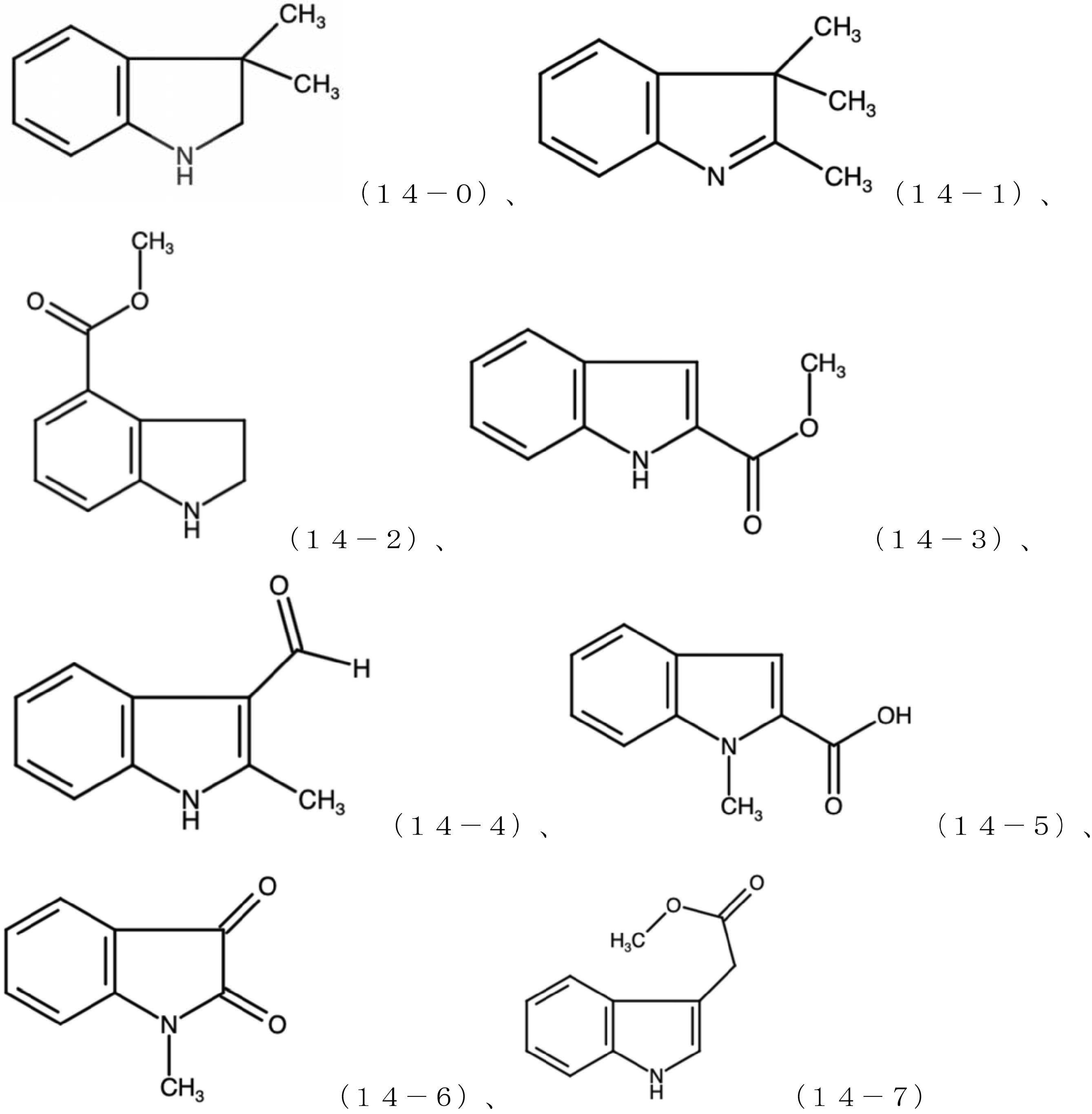
- Compound B is not limited, but is represented by the following formulas, compounds 14-0, 14-1, 14-2, 14-3, 14-4, 14-5, 14-6, 14-7. Can be mentioned.
- the salts of the compound A and the compound B are pharmaceutically acceptable salts, and may form an acid addition salt or a salt with a base depending on the type of substituent.
- inorganic acids such as hydrochloric acid, hydrobromic acid, hydroiodic acid, sulfuric acid, nitric acid, and phosphoric acid, formic acid, acetic acid, propionic acid, oxalic acid, malonic acid, succinic acid, fumaric acid, and maleic acid.
- Salts with inorganic bases such as salts, sodium, potassium, magnesium, calcium and aluminum, salts with organic bases such as methylamine, ethylamine, ethanolamine, lysine and ornithine, salts with various amino acids such as acetylleucine and amino acid derivatives, and ammonium salts. And so on.
- the active ingredient used in the present invention also includes compound A or compound B, various hydrates and solvates of salts thereof, and polymorphic substances.
- the invention also includes compounds labeled with various radioactive or non-radioactive isotopes.
- Prostate cancer which is the therapeutic target of the pharmaceutical composition of the present invention, is a cancer that develops in the prostate, and an antiandrogen may be administered as a hormone therapy.
- the type of prostate cancer to be treated is not particularly limited, but is particularly effective for androgen-independent prostate cancer (CRPC) that has acquired resistance to hormone therapy.
- CRPC androgen-independent prostate cancer
- the pharmaceutical composition of the present invention exhibits a remarkable anticancer effect on AR-positive CRPC and AR-negative CRPC, and can be effectively used for CRPC that has acquired resistance to hormone therapy.
- prostate cancer that is not resistant to hormone therapy and refractory prostate cancer by other mechanisms can also be treated.
- Breast cancer which is the subject of treatment of the pharmaceutical composition of the present invention, is a carcinoma of the breast tissue, and an anti-estrogen agent may be administered as hormone therapy.
- the type of breast cancer to be treated is not particularly limited, but is particularly effective for estrogen-independent breast cancer that has acquired resistance to hormone therapy. However, breast cancer that is not resistant to hormone therapy and refractory breast cancer by other mechanisms can also be treated.
- RNA-binding protein PSF regulates factors involved in malignant transformation of cancer in prostate cancer or breast cancer that has acquired resistance to hormone therapy.
- PSF increases the expression of AR or a variant thereof, AR-V7, which is increased in Castration-resistant prostate cancer (CRPC).
- CRPC Castration-resistant prostate cancer
- the expression of PSF is increased in breast cancer tissue OHTR cells that have become resistant to hormone therapy.
- Compound A and compound B used in the present invention can bind to PSF.
- the expression of the target genes AR, AR-V7, and SchLaP1 at the RNA level of PSF can be suppressed in 22Rv1 cells, which are hormone-resistant prostate cancer model cells.
- ER ⁇ and SCFD2 which are downstream genes of PSF, can be suppressed in the hormone resistance model OHT-TamR cells of breast cancer. That is, compounds A and B are considered to be effective in treating hormone therapy-resistant prostate cancer or breast cancer by suppressing the function of PSF by binding to PSF.
- a pharmaceutical composition containing one or more of the above-mentioned compound A or compound B or a salt thereof as an active ingredient is an excipient commonly used in the art, that is, a pharmaceutical excipient or a pharmaceutical. It can be prepared by a commonly used method using a carrier or the like. Oral administration by tablets, rounds, capsules, granules, powders, liquids, etc., or injections such as intra-articular, intravenous, intramuscular, suppositories, eye drops, ointments, transdermal liquids, etc. It may be in any form of parenteral administration using an ointment, a transdermal patch, a transmucosal solution, a transmucosal patch, an inhalant or the like.
- solid compositions for oral administration tablets, powders, granules and the like are used.
- one or more active ingredients may be combined with at least one inert excipient such as lactose, mannitol, glucose, hydroxypropyl cellulose, microcrystalline cellulose, starch, polyvinylpyrrolidone. And / Or mixed with magnesium aluminometasilicate or the like.
- the composition may contain inert additives such as lubricants such as magnesium stearate, disintegrants such as sodium carboxymethyl starch, stabilizers and lysis aids according to conventional methods. .. Tablets or pills may be coated with a sugar-coated or gastrosoluble or enteric-soluble film, if desired.
- Liquid compositions for oral administration include pharmaceutically acceptable emulsions, solutions, suspensions, syrups or elixirs and the like, and are commonly used inert diluents such as purified water. Or it contains ethanol.
- the liquid composition may contain an auxiliary agent such as a solubilizer, a wetting agent, a suspending agent, a sweetening agent, a flavoring agent, a fragrance agent, and a preservative in addition to the inert diluent.
- Injections for parenteral administration contain sterile aqueous or non-aqueous solutions, suspensions or emulsions.
- Aqueous solvents include, for example, distilled water for injection or saline.
- non-aqueous solvent include vegetable oils such as propylene glycol, polyethylene glycol or olive oil, alcohols such as ethanol, polysorbate 80 (Japanese name) and the like.
- Such compositions may further include tonicity agents, preservatives, wetting agents, emulsifiers, dispersants, stabilizers, or solubilizing agents. These are sterilized, for example, by filtration through a bacterial retention filter, formulation of a fungicide or irradiation. In addition, these can also be used by producing a sterile solid composition and dissolving or suspending it in sterile water or a sterile injectable solvent before use.
- the external preparation includes ointments, ointments, creams, jellies, paps, sprays, lotions, eye drops, eye ointments and the like. It contains commonly used ointment bases, lotion bases, aqueous or non-aqueous liquids, suspensions, emulsions and the like.
- ointment or lotion base polyethylene glycol, propylene glycol, white vaseline, sala citrus, polyoxyethylene hydrogenated castor oil, glycerin monostearate, stearyl alcohol, cetyl alcohol, lauromacrogol, sorbitan sesquioleate and the like can be used. Can be mentioned.
- the transmucosal agent such as an inhalant or a nasal agent
- a solid, liquid or semi-solid form is used, and it can be produced according to a conventionally known method.
- known excipients, pH adjusters, preservatives, surfactants, lubricants, stabilizers, thickeners and the like may be added as appropriate.
- a suitable device for inhalation or inhalation can be used.
- a known device such as a metered dose inhalation device or a nebulizer is used to administer the compound alone or as a powder of a formulated mixture, or as a solution or suspension in combination with a pharmaceutically acceptable carrier. be able to.
- the dry powder inhaler or the like may be for single or multiple doses, and dry powder or powder-containing capsules may be used. Alternatively, it may be in the form of a pressurized aerosol spray or the like using a suitable expellant, for example, a suitable gas such as chlorofluoroalkane, hydrofluoroalkane or carbon dioxide.
- a suitable expellant for example, a suitable gas such as chlorofluoroalkane, hydrofluoroalkane or carbon dioxide.
- the dose varies depending on the individual patient such as the type of disease, symptoms, age, and gender, but in the case of oral administration, it is usually about 0.001 mg / kg to 500 mg / kg per adult per day, and this is once or once.
- about 0.0001 mg / kg to 10 mg / kg per adult is given once or twice by rapid intravenous infusion or intravenous drip infusion.
- an adult should administer about 0.0001 mg / kg to 10 mg / kg once or multiple times per day.
- a transdermal agent apply about 0.01 mg / kg to 10 mg / kg per day for an adult once or twice a day.
- Compound A or compound B, or a salt thereof can be used in combination with various therapeutic or prophylactic agents for diseases for which the compound A or compound B, or a salt thereof is considered to be effective.
- the combination may be administered simultaneously, separately, consecutively, or at desired time intervals.
- the co-administered product may be a combination drug or a separately formulated product.
- the compound A or compound B can be used as a method for treating prostate cancer or breast cancer. That is, in the present specification, a therapeutically effective amount of the compound represented by the formula (1) or a salt thereof, or the compound represented by the formula (2) or (3) or a salt thereof is used as a therapeutically effective amount for a prostate cancer patient or a patient with prostate cancer. Disclosed is a method of treating prostate cancer or cancer, including the step of administering to a cancer patient.
- the compound A or compound B for use in the treatment of prostate cancer or breast cancer can be used in a method for treating prostate cancer or breast cancer. That is, the compound represented by the above formula (1) or a salt thereof, or the compound represented by the above formula (2) or (3) or a salt thereof for use in a method for treating prostate cancer or breast cancer is disclosed. ..
- the compound A or compound B can be used for producing a pharmaceutical composition for treating prostate cancer or breast cancer. That is, the present specification is a pharmaceutical composition for treating prostate cancer or breast cancer of the compound represented by the formula (1) or a salt thereof, or the compound represented by the formula (2) or (3) or a salt thereof. Disclose the use in the manufacture of goods.
- Compound A is a derivative of 4-phenylcoumarin, and the skeleton of 4-phenylcoumarin is considered to be important for binding to PSF (anticancer activity). Furthermore, it is considered that the anticancer effect is improved by having an oxygen atom at the 7-position of coumarin.
- Compound B is a derivative of indole or indoline, and the skeleton of indole or indoline is considered to be important for binding to PSF (anticancer activity).
- Example 1 the effects of Compound A and Compound B on the proliferative capacity of hormone therapy-resistant prostate cancer model cell line 22Rv1 and hormone therapy-resistant model LTAD (long time androgen deprived) cells were investigated. Each cell was seeded on a 96-well plate in a 3 ⁇ 10 3 size and compound 10-0 and compound 14-0 were added at a concentration of 30 ⁇ M. Three days later, cell proliferation was evaluated by MTS assay. The MTS assay was performed as follows. The reaction was carried out for 1 hour using Cell titer 96 (Promega).
- the MTS assay is performed via PES (phenazine ethosulfate) with a tetrazolium salt [MTS; 3- (4,5-dimethylthiazol-2-yl) -5- (3-carboxymethoxyphenyl) -2- (4-sulfophenyl) -2H-.
- MTS phenazine ethosulfate
- MTS tetrazolium salt
- 3- (4,5-dimethylthiazol-2-yl) -5- (3-carboxymethoxyphenyl) -2- (4-sulfophenyl) -2H- The number of living cells is measured based on the reduction reaction that converts [tetrazolium, inner salt] into a formazan product, which is a coloring substance. After the reaction, the cell proliferation ability was measured with an absorbance of 490 nm using a microplate reader.
- Example 2 the binding ability of compounds 10-0, 10-1, 10-2, 10-3, 10-4, 14-0, and 14-5 with PSF was examined by the RNA pull-down method.
- Biotin RNA Labeling Mix (Roche) was used to generate biotin-labeled CTBP1-AS probes.
- T7 RNA polymerase an RNA probe was prepared using a DNA strand in which CTBP1-AS 1.5 kb was incorporated into the T7 promoter as a key type.
- RNA was mixed with a nuclear extract extracted from cells by RIP buffer and rotated at 4 ° C. for 8 hours to bind. Further, avidin beads were added and rotated for 2 hours to recover the RNA probe biotinylated by the beads.
- the beads were collected by centrifugation, washed with a buffer three times, and then SDS sample buffer was added to the beads, and the bound protein was analyzed by Western blot.
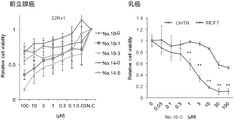
- Example 3 using hormone therapy-resistant model cell line 22Rv1, breast cancer cell MCF7, and hormone therapy-resistant model OHTR cells established from MCF7 cells, compounds 10-0, 10-1, 10-3. , 14-0, and 14-5 on cell proliferation were investigated.
- the MTS assay was performed in the same manner as in Example 1. As shown in FIG. 3, each compound suppressed cell proliferation with respect to 22Rv1.
- compound 10-3 showed a stronger cell proliferation inhibitory effect on hormone therapy-resistant OHTR cells than normal breast cancer cell MCF7.
- Example 4 22Rv1 is used and compounds 10-0, 10-1, 10-3 are added to signal downstream signals of AR, AR-V7, SchLaP1, and AR, which are target genes at the RNA level of PSF.
- the expression levels of FKBP5 and ACSL3 were analyzed.
- Compounds 10-0, 10-1, and 10-3 were added to 22Rv1 cells, and RNA was recovered 48 hours later to examine changes in mRNA expression of its downstream gene. Expression was performed by quantitative real-time PCR as follows. Using ISOGEN (NIPPON Gene), cDNA was synthesized using the Prime script RT reagent kit (TaKaRa Bio) in which all RNA was recovered from cells.
- Step one real-time PCR (Applied biosystem) and KAPA SYBR Fast PCR kit (NIPPON Genetics) were used to measure the mRNA expression levels of each gene and the internal control GAPDH.
- the expression level for GAPDH was calculated from the number of cycles using the ⁇ Ct method.
- Administration of compounds 10, 10-1, and 10-3 (10 ⁇ M) confirmed suppression of mRNA expression of AR, AR-V7, SchLaP1, FKBP5, and ACSL3 (FIG. 4).
- Example 5 the hormone therapy resistance model OHT-TamR cells for breast cancer were used, and compounds 10-0, 10-1, and 10-3 were added. After culturing for 48 hours, the cells were collected, pulverized, and immunoprecipitated using a PSF antibody to extract all RNA that binds to the PSF protein. Quantitative PCR was used to quantify and analyze the amount of RNA that binds to PSF for the target genes ER ⁇ , SCFD2, and TRA2B at the RNA level of PSF. As a control, quantification of bound RNA was also performed for GAPDH.
- Example 6 a tumor transplantation model under the skin of a mouse was used to examine the anticancer effect of compound 10-3 in vivo.
- 22Rv1 cells were adjusted to 1 ⁇ 107 for tumor transplantation, mixed 1: 1 with Matrigel and subcutaneously injected into 6 week old male nude mice (BALB / cAJcl-nu / nu). After 5 to 8 weeks of subcutaneous injection, orchiectomy was performed when the tumor volume reached about 100 to 200 mm 3 , and this was used as a model for the intractable CRPC therapeutic effect.
- Six mice were injected intraperitoneally with compound 10-3 at a concentration of 1 mg / kg.
- the control was administered Vehicle (DMSO).
- FIG. 6 tumor growth was significantly suppressed in mice treated with compound 10-3.
- administration of compound 10-3 reduced the number of cells expressing Ki67 and AR in the cancer tissue (FIG. 7).
- Example 7 An AR-negative treatment-resistant prostate cancer cell line (DU145 cell line) was used to examine the effects of compounds 10-1 and 10-3 on cell proliferation.
- the MTS assay was performed in the same manner as in Example 1. As shown in FIG. 8, each compound suppressed cell proliferation with respect to DU145 cells.
- Example 8 An AR-negative CRPC tumor (DU145 cell) transplantation model under the skin of mice was used to examine the anticancer effect of compound 10-3 in vivo.
- DU145 cells were adjusted to 1 ⁇ 107 for tumor transplantation, mixed 1: 1 with Matrigel and subcutaneously injected into 6 week old male nude mice (BALB / cAJcl-nu / nu). After 5 to 8 weeks of subcutaneous injection, when the tumor volume reached about 100 to 200 mm3 , 8 mice (the photo shows 4-5) were given compound 10-3 at a concentration of 5 mg / kg intraperitoneally. Was injected into. The control was administered Vehicle (DMSO).
- DMSO Vehicle
- the treatment was repeated 5 times / week for 3 weeks, and the tumor diameter was measured (Fig. 8). As shown in FIG. 8, tumor growth was significantly suppressed in mice treated with compound 10-3. On the other hand, No. No significant decrease in mouse body weight was observed by administration of 10-3.
- the compound of the present invention can suppress the expression of AR in cancer cells, but also exhibits an anticancer effect on AR-negative cancer cells. Therefore, it is considered that the anticancer effect is exerted by a route other than the suppression of AR expression.
- Example 9 the binding site of compound 10-3 used in the present invention to PSF, which is the target protein, was analyzed by docking analysis. Furthermore, mutations were introduced into the amino acids of PSF that are expected to interact with compound 10-3, and the binding of compound 10-3 was confirmed.
- the crystal structure of human PSF (276-535 amino acids) was downloaded from the Protein Data Bank (PDB). The volume and shape analysis of the binding cavity was performed using the SiteFinder module of the Molecular Manipulation Environment (MOE) program. As a result, as shown in FIG. 10, compound 10-3 was presumed to bind to the site of Cold-Coil from NOPS of PSF.
- MOE Molecular Manipulation Environment
- Mutations were introduced into the putative sites 490th tyrosine (Y), 516th lysine (K), and 517th aspartic acid (D) in the following combinations.
- mut # 1 K516I, D517V mut # 2: Y490H mut # 1 + 2: Y490H, K516I, D517V
- the binding of the mutant-introduced mut # 1, mut # 2, mut # 1 + 2, or wild-type PSF to the RNA strand of CTBP1-AS was verified by the RNA pull-down method. By adding compound 10-3 there, the binding inhibitory effect of compound 10-3 was measured.
- compound 10-3 binds to tyrosine (Y) of No. 490, lysine (K) of No. 516, and aspartic acid (D) of No. 517 in the region extending from NOPS to Cold-Coil of PSF. It was considered likely.
- the pharmaceutical composition of the present invention can be effectively used for the treatment of prostate cancer and breast cancer.
Landscapes
- Health & Medical Sciences (AREA)
- Life Sciences & Earth Sciences (AREA)
- General Health & Medical Sciences (AREA)
- Medicinal Chemistry (AREA)
- Veterinary Medicine (AREA)
- Public Health (AREA)
- Pharmacology & Pharmacy (AREA)
- Chemical & Material Sciences (AREA)
- Animal Behavior & Ethology (AREA)
- Epidemiology (AREA)
- Organic Chemistry (AREA)
- Chemical Kinetics & Catalysis (AREA)
- Nuclear Medicine, Radiotherapy & Molecular Imaging (AREA)
- General Chemical & Material Sciences (AREA)
- Engineering & Computer Science (AREA)
- Bioinformatics & Cheminformatics (AREA)
- Urology & Nephrology (AREA)
- Pharmaceuticals Containing Other Organic And Inorganic Compounds (AREA)
Abstract
Description
本発明は、前立腺癌又は乳癌治療用医薬組成物に関する。本発明によれば、難治性の前立腺癌又は乳癌を治療することができる。 The present invention relates to a pharmaceutical composition for treating prostate cancer or breast cancer. According to the present invention, intractable prostate cancer or breast cancer can be treated.
前立腺癌及び乳癌は欧米において、男性及び女性が罹患する最も頻度の高い癌である。日本においても、食生活の欧米化及び人口の高齢化に伴い、前立腺癌の患者数は飛躍的に増加している。一般に前立腺癌の増殖は、男性ホルモンであるアンドロゲンにより刺激される。一方、乳癌においては女性ホルモンであるエストロゲンがその増殖を促進する。そのため前立腺癌及び乳癌の治療においては、アンドロゲン・エストロゲン産生、機能を阻害するホルモン療法がしばしば選択される。その効果は極めてよいものの、前立腺癌は数年以内にアンドロゲン非依存性前立腺癌(Castration-resistant prostate cancer, CRPC)として再燃する。また、乳癌においてもホルモン療法耐性を獲得することが問題となっている(特許文献1及び2)。そのためホルモン療法耐性の治療抵抗性癌の制御が最も重要な課題となっている。
Prostate cancer and breast cancer are the most common cancers affecting men and women in Europe and the United States. In Japan as well, the number of patients with prostate cancer is increasing dramatically with the westernization of eating habits and the aging of the population. Prostate cancer growth is generally stimulated by the male hormone androgen. On the other hand, in breast cancer, the female hormone estrogen promotes its growth. Therefore, in the treatment of prostate cancer and breast cancer, hormone therapy that inhibits androgen / estrogen production and function is often selected. Although the effect is extremely good, prostate cancer relapses as androgen-resistant prostate cancer (CRPC) within a few years. In addition, it is a problem to acquire hormone therapy resistance even in breast cancer (
従って、本発明の目的は、ホルモン療法耐性の治療抵抗性癌の治療薬、及び治療方法を提供することである。 Therefore, an object of the present invention is to provide a therapeutic agent and a therapeutic method for treatment-resistant cancer resistant to hormone therapy.
本発明者は、ホルモン療法耐性の治療抵抗性癌の治療薬、及び治療方法について、鋭意研究した結果、驚くべきことに、特定の化学構造を有する2つの化合物群がホルモン療法耐性の治療抵抗性癌を効果的に治療できることを見出した。
本発明は、こうした知見に基づくものである。
従って、本発明は、
[1]下記式(1):

下記式(2)又は(3):

[2]前記式(1)で表される化合物が、


[1]に記載の前立腺癌治療用医薬組成物、
[3]下記式(1):

下記式(2)又は(3):

を有効成分として含む、乳癌治療用医薬組成物、及び
[4]前記式(1)で表される化合物が、


に関する。
As a result of diligent research on therapeutic agents and treatment methods for hormone therapy-resistant treatment-resistant cancers, the present inventor surprisingly found that two groups of compounds having a specific chemical structure are hormone therapy-resistant treatment-resistant. We have found that cancer can be treated effectively.
The present invention is based on these findings.
Therefore, the present invention
[1] The following formula (1):
[2] The compound represented by the formula (1) is
The pharmaceutical composition for treating prostate cancer according to [1],
[3] The following formula (1):
A pharmaceutical composition for treating breast cancer containing the above-mentioned active ingredient, and [4] the compound represented by the above formula (1).
Regarding.
本発明の医薬組成物によれば、ホルモン療法耐性前立腺癌又はホルモン療法耐性乳癌を効果的に治療することができる。更に、本発明の医薬組成物はホルモン療法耐性前立腺癌又は乳癌に限ることなく、ホルモン療法耐性ではない前立腺癌又は乳癌やその他の機序による治療抵抗性前立腺癌又は乳癌も効果的に治療することができる。 According to the pharmaceutical composition of the present invention, hormone therapy-resistant prostate cancer or hormone therapy-resistant breast cancer can be effectively treated. Furthermore, the pharmaceutical composition of the present invention is not limited to hormone therapy resistant prostate cancer or breast cancer, but also effectively treats prostate cancer or breast cancer that is not hormone therapy resistant or treatment-resistant prostate cancer or breast cancer by other mechanisms. Can be done.
本発明の前立腺癌治療用医薬組成物又は乳癌治療用医薬組成物は、下記式(1):

で表される化合物(以下、化合物Aと称することがある)若しくはその塩、又は
下記式(2)又は(3):

The compound represented by (hereinafter, may be referred to as compound A) or a salt thereof, or the following formula (2) or (3):
炭素数1~6アルキル基としては、具体的には、メチル基、エチル基、ノルマルプロピル基、イソプロピル基、ノルマルブチル基、イソブチル基、第二級ブチル基、第三級ブチル基、ノルマルペンチル基、イソペンチル基、ネオペンチル基、第三級ペンチル基、ノルマルへキシル基、及びイソへキシル基が挙げられる。炭素数1~3のアルキル基が好ましい。 Specific examples of the alkyl group having 1 to 6 carbon atoms include a methyl group, an ethyl group, a normal propyl group, an isopropyl group, a normal butyl group, an isobutyl group, a secondary butyl group, a tertiary butyl group, and a normal pentyl group. , Isopentyl group, neopentyl group, tertiary pentyl group, normal hexyl group, and isohexyl group. An alkyl group having 1 to 3 carbon atoms is preferable.
炭素数1~6のアルコキシ基としては、具体的には、メトキシ基、エトキシ基、ノルマルプロポキシ基、イソプロポキシ基、ノルマルブトキシ基、イソブトキシ基、第二級ブトキシ基、第三級ブトキシ基、ノルマルペンチルオキシ基、イソペンチルオキシ基、ネオペンチルオキシ基、ノルマルヘキシルオキシ基、又はイソヘキシルオキシ基が挙げられる。炭素数1~3のアルコキシ基が好ましい。 Specific examples of the alkoxy group having 1 to 6 carbon atoms include a methoxy group, an ethoxy group, a normal propoxy group, an isopropoxy group, a normal butoxy group, an isobutoxy group, a secondary butoxy group, a tertiary butoxy group, and a normal group. Examples thereof include a pentyloxy group, an isopentyloxy group, a neopentyloxy group, a normal hexyloxy group, or an isohexyloxy group. An alkoxy group having 1 to 3 carbon atoms is preferable.
ヘテロサイクリックアルキル基は、ヘテロサイクル基(複素環式化合物の環に結合する水素原子が1個脱離して生じる1価の基)にアルキレン基が結合した基である。ヘテロサイクル基は、限定されるものではないが、好ましくは飽和又は不飽和の5又は6員環であり、より好ましくは飽和の5又は6員環であり、例えばピロリジニル基、ピペリジル基、ピペリジノ基、モルホリニル基、モルホリノ基、ピペラジニル基、ピロリル基、イミダゾリル基、又はピリジル基が挙げられる。アルキル部(アルキレン基)は、限定されるものではないが、好ましくは炭素数1~6のアルキレン基であり、より好ましくは炭素数1~3のアルキレン基である。具体的には、ピペリジノメチル基、ピロリジニルメチル基、ピペリジルメチル基、モルホリニルメチル基、モルホリノメチル基、ピペラジニルメチル基、ピロリルメチル基、イミダゾリルメチル基、ピリジルメチル基、(1-ピロリジニル)ブチル基、モルホリノプロピル基、1,1-ジメチル-2-(1-ピロリジニル)エチル基、1,1-ジメチル-2-ピペリジノエチル基、1,1-ジメチル-3-(イミダゾール-1-イル)プロピル基、(2,6-ジメチルピペリジノ)メチル基、(2,6-ジメチルピペリジノ)エチル基、(2,6-ジメチルピペリジノ)プロピル基等が挙げられる。 The heterocyclic alkyl group is a group in which an alkylene group is bonded to a heterocycle group (a monovalent group generated by desorption of one hydrogen atom bonded to the ring of a heterocyclic compound). The heterocycle group is preferably a saturated or unsaturated 5- or 6-membered ring, more preferably a saturated 5- or 6-membered ring, such as a pyrrolidinyl group, a piperidyl group, or a piperidino group. , Morphorinyl group, morpholino group, piperazinyl group, pyrrolyl group, imidazolyl group, or pyridyl group. The alkyl moiety (alkylene group) is not limited, but is preferably an alkylene group having 1 to 6 carbon atoms, and more preferably an alkylene group having 1 to 3 carbon atoms. Specifically, piperidinomethyl group, pyrrolidinylmethyl group, piperidylmethyl group, morpholinylmethyl group, morpholinomethyl group, piperazinylmethyl group, pyrrolylmethyl group, imidazolylmethyl group, pyridylmethyl group, (1-pyrrolidinyl). Butyl group, morpholinopropyl group, 1,1-dimethyl-2- (1-pyrrolidinyl) ethyl group, 1,1-dimethyl-2-piperidinoethyl group, 1,1-dimethyl-3- (imidazol-1-yl) propyl Examples thereof include a (2,6-dimethylpiperidino) methyl group, a (2,6-dimethylpiperidino) ethyl group, and a (2,6-dimethylpiperidino) propyl group.
置換基を有することのある5~7員の複素環は、好ましくは5又は6員の複素環であり、最も好ましくは6員の複素環である。複素環としては、限定されるものではないが、飽和又は不飽和の複素環であり、好ましくは飽和の複素環である。5~7員の複素環としては、モルホリン(テトラヒドロ-1,4-オキサジン)、ピペラジン、ピロリジン、イミダゾリジン、ピラゾリジン、ピペリジン、イミダゾール、ピリジン、テトラヒドロ-1,3-オキサジン、又はテトラヒドロ-1,2-オキサジンが挙げられる。
前記置換基としては、水酸基、炭素数1~6のアルキル基、炭素数1~6のアルコキシ基、又は炭素数6~12のフェニルアルキル基が挙げられる。炭素数6~12のフェニルアルキル基は、フェニル基にアルキレン基が結合した基である。アルキル部(アルキレン基)は、限定されるものではないが、好ましくは炭素数1~6のアルキレン基であり、より好ましくは炭素数1~3のアルキレン基である。
The 5- to 7-membered heterocycle that may have a substituent is preferably a 5- or 6-membered heterocycle, most preferably a 6-membered heterocycle. The heterocycle is not limited, but is a saturated or unsaturated heterocycle, preferably a saturated heterocycle. The 5- to 7-membered heterocycles include morpholine (tetrahydro-1,4-oxazine), piperazine, pyrrolidine, imidazolidine, pyrazolidine, piperidine, imidazole, pyridine, tetrahydro-1,3-oxazine, or tetrahydro-1,2. -Oxazine can be mentioned.
Examples of the substituent include a hydroxyl group, an alkyl group having 1 to 6 carbon atoms, an alkoxy group having 1 to 6 carbon atoms, and a phenylalkyl group having 6 to 12 carbon atoms. A phenylalkyl group having 6 to 12 carbon atoms is a group in which an alkylene group is bonded to a phenyl group. The alkyl moiety (alkylene group) is not limited, but is preferably an alkylene group having 1 to 6 carbon atoms, and more preferably an alkylene group having 1 to 3 carbon atoms.
アルデヒド基は、-CHOで表される基である。ヒドロキシ基は、-OHで表される基である。 The aldehyde group is a group represented by -CHO. The hydroxy group is a group represented by -OH.
炭素数1~6のアルキルエステル基は、炭素数1~6のアルキル基に、エステル基(-COO-)が結合した基である。炭素数1~6のアルキル基は、前記の通りである。 An alkyl ester group having 1 to 6 carbon atoms is a group in which an ester group (-COO-) is bonded to an alkyl group having 1 to 6 carbon atoms. The alkyl groups having 1 to 6 carbon atoms are as described above.
アルキルエステルアルキレン基は、炭素数1~6のアルキル基にエステル基(-COO-)が結合し、更に炭素数1~6のアルキレン基が結合した基である。炭素数1~6のアルキル基は前記の通りである。炭素数1~6のアルキレン基としては、メチレン基、エチレン基、n-プロピレン基、イソプロピレン基、n-ブチレン基、イソブチレン基、t-ブチレン基、n-ペンチレン基、2-メチルブチレン基、2,2-ジメチルプロピレン基、n-ヘキシレン基、又はヘプチレン基が挙げられる。 The alkyl ester alkylene group is a group in which an ester group (-COO-) is bonded to an alkyl group having 1 to 6 carbon atoms, and an alkylene group having 1 to 6 carbon atoms is further bonded to the alkyl group. The alkyl groups having 1 to 6 carbon atoms are as described above. Examples of the alkylene group having 1 to 6 carbon atoms include a methylene group, an ethylene group, an n-propylene group, an isopropylene group, an n-butylene group, an isobutylene group, a t-butylene group, an n-pentylene group and a 2-methylbutylene group. Examples thereof include a 2,2-dimethylpropylene group, an n-hexylene group, or a heptylene group.
化合物Aは、4-フェニルクマリンの誘導体である。4-フェニルクマリン及びその誘導体は、様々な方法で合成可能である。また、化合物Bはインドール又はインドリンの誘導体である。インドール又はインドリン及びその誘導体も様々な方法で合成可能である。例えば、インドールはアニリンを出発材料として、触媒存在下でアニリンとエチレングリコールの気相反応に合成することができる。また、これらの化合物は、市販されているものを購入することもできる。 Compound A is a derivative of 4-phenylcoumarin. 4-Phenylcoumarin and its derivatives can be synthesized by various methods. In addition, compound B is a derivative of indole or indoline. Indole or indoline and its derivatives can also be synthesized by various methods. For example, indole can be synthesized from aniline as a starting material in the gas phase reaction between aniline and ethylene glycol in the presence of a catalyst. In addition, these compounds can also be purchased on the market.
化合物Aは限定されるものではないが、下記式で表される化合物10-0、化合物10-1、化合物10-2、化合物10-3、化合物10-4、化合物10-5が挙げられる。

化合物Bは、限定されるものではないが、下記式で表される化合物14-0、14-1、14-2、14-3、14-4、14-5、14-6、14-7が挙げられる。
前記化合物A及び化合物Bの塩は、製薬学的に許容される塩であり、置換基の種類によって、酸付加塩又は塩基との塩を形成する場合がある。具体的には、塩酸、臭化水素酸、ヨウ化水素酸、硫酸、硝酸、リン酸等の無機酸や、ギ酸、酢酸、プロピオン酸、シュウ酸、マロン酸、コハク酸、フマル酸、マレイン酸、乳酸、リンゴ酸、マンデル酸、酒石酸、ジベンゾイル酒石酸、ジトルオイル酒石酸、クエン酸、メタンスルホン酸、エタンスルホン酸、ベンゼンスルホン酸、p-トルエンスルホン酸、アスパラギン酸、グルタミン酸等の有機酸との酸付加塩、ナトリウム、カリウム、マグネシウム、カルシウム、アルミニウム等の無機塩基、メチルアミン、エチルアミン、エタノールアミン、リシン、オルニチン等の有機塩基との塩、アセチルロイシン等の各種アミノ酸及びアミノ酸誘導体との塩やアンモニウム塩等が挙げられる。 The salts of the compound A and the compound B are pharmaceutically acceptable salts, and may form an acid addition salt or a salt with a base depending on the type of substituent. Specifically, inorganic acids such as hydrochloric acid, hydrobromic acid, hydroiodic acid, sulfuric acid, nitric acid, and phosphoric acid, formic acid, acetic acid, propionic acid, oxalic acid, malonic acid, succinic acid, fumaric acid, and maleic acid. , Lactic acid, malic acid, mandelic acid, tartaric acid, dibenzoyl tartaric acid, ditor oil tartaric acid, citric acid, methanesulfonic acid, ethanesulfonic acid, benzenesulfonic acid, p-toluenesulfonic acid, aspartic acid, glutamate and other organic acids Salts with inorganic bases such as salts, sodium, potassium, magnesium, calcium and aluminum, salts with organic bases such as methylamine, ethylamine, ethanolamine, lysine and ornithine, salts with various amino acids such as acetylleucine and amino acid derivatives, and ammonium salts. And so on.
更に、本発明に用いられる有効成分は、化合物A又は化合物B、並びにその塩の各種の水和物や溶媒和物、及び結晶多形の物質も包含する。また、本発明は、種々の放射性又は非放射性同位体でラベルされた化合物も包含する。 Further, the active ingredient used in the present invention also includes compound A or compound B, various hydrates and solvates of salts thereof, and polymorphic substances. The invention also includes compounds labeled with various radioactive or non-radioactive isotopes.
本発明の医薬組成物の治療対象である前立腺癌は、前立腺に発生する癌であり、ホルモン療法として、抗アンドロゲン剤の投与が行われることもある。治療対象の前立腺癌の種類は、特に限定されるものではないが、ホルモン療法耐性を獲得したアンドロゲン非依存性前立腺癌(CRPC)に特に有効である。後述の実施例に示すように、AR陽性CRPC及びAR陰性のCRPCに顕著な抗がん作用を示し、本発明の医薬組成物は、ホルモン療法耐性を獲得したCRPCに有効に用いることができる。しかしながら、ホルモン療法耐性ではない前立腺癌やその他の機序による治療抵抗性前立腺癌も治療することができる。 Prostate cancer, which is the therapeutic target of the pharmaceutical composition of the present invention, is a cancer that develops in the prostate, and an antiandrogen may be administered as a hormone therapy. The type of prostate cancer to be treated is not particularly limited, but is particularly effective for androgen-independent prostate cancer (CRPC) that has acquired resistance to hormone therapy. As shown in Examples described later, the pharmaceutical composition of the present invention exhibits a remarkable anticancer effect on AR-positive CRPC and AR-negative CRPC, and can be effectively used for CRPC that has acquired resistance to hormone therapy. However, prostate cancer that is not resistant to hormone therapy and refractory prostate cancer by other mechanisms can also be treated.
本本発明の医薬組成物の治療対象である乳癌は、乳房組織に発生した癌腫であり、ホルモン療法として、抗エストロゲン剤の投与が行われることがある。治療対象の乳癌の種類は、特に限定されるものではないが、ホルモン療法耐性を獲得したエストロゲン非依存性乳癌に特に有効である。しかしながら、ホルモン療法耐性ではない乳癌やその他の機序による治療抵抗性乳癌も治療することができる。 Breast cancer, which is the subject of treatment of the pharmaceutical composition of the present invention, is a carcinoma of the breast tissue, and an anti-estrogen agent may be administered as hormone therapy. The type of breast cancer to be treated is not particularly limited, but is particularly effective for estrogen-independent breast cancer that has acquired resistance to hormone therapy. However, breast cancer that is not resistant to hormone therapy and refractory breast cancer by other mechanisms can also be treated.
本発明者らは、ホルモン療法抵抗性を獲得した前立腺癌又は乳癌において、RNA結合タンパク質PSF(PTB-Associated Splicing Factor)が、癌の悪性化に関与する因子を制御することを見出した。例えば、PSFは、治療抵抗性前立腺癌(Castration-resistant prostate cancer, CRPC)で増加するAR又はその変異体であるAR-V7の発現を上昇させる。また、ホルモン治療抵抗になった乳癌組織OHTR細胞において、PSFの発現が上昇している。
本発明に用いる化合物A及び化合物Bは、PSFに結合することができる。実施例に示したように、ホルモン抵抗性前立腺癌モデル細胞である22Rv1細胞において、PSFのRNAレベルでの標的遺伝子であるAR、AR-V7、及びSchLaP1の発現を抑制することができる。また、乳がんのホルモン抵抗性モデルOHT-TamR細胞において、PSFの下流遺伝子であるERα、及びSCFD2の発現を抑制することができる。
すなわち、化合物A及びBは、PSFに結合することによって、PSFの機能を抑制し、ホルモン療法抵抗性の前立腺癌又は乳癌の治療に有効であると考えられる。
The present inventors have found that RNA-binding protein PSF (PTB-Associated Splicing Factor) regulates factors involved in malignant transformation of cancer in prostate cancer or breast cancer that has acquired resistance to hormone therapy. For example, PSF increases the expression of AR or a variant thereof, AR-V7, which is increased in Castration-resistant prostate cancer (CRPC). In addition, the expression of PSF is increased in breast cancer tissue OHTR cells that have become resistant to hormone therapy.
Compound A and compound B used in the present invention can bind to PSF. As shown in the examples, the expression of the target genes AR, AR-V7, and SchLaP1 at the RNA level of PSF can be suppressed in 22Rv1 cells, which are hormone-resistant prostate cancer model cells. In addition, the expression of ERα and SCFD2, which are downstream genes of PSF, can be suppressed in the hormone resistance model OHT-TamR cells of breast cancer.
That is, compounds A and B are considered to be effective in treating hormone therapy-resistant prostate cancer or breast cancer by suppressing the function of PSF by binding to PSF.
前記化合物A若しくは化合物B、又はその塩の1種又は2種以上を有効成分として含有する医薬組成物は、当分野において通常用いられている賦形剤、即ち、薬剤用賦形剤や薬剤用担体等を用いて、通常使用されている方法によって調製することができる。
投与は錠剤、丸剤、カプセル剤、顆粒剤、散剤、液剤等による経口投与、又は、関節内、静脈内、筋肉内等の注射剤、坐剤、点眼剤、眼軟膏、経皮用液剤、軟膏剤、経皮用貼付剤、経粘膜液剤、経粘膜貼付剤、吸入剤等による非経口投与のいずれの形態であってもよい。
A pharmaceutical composition containing one or more of the above-mentioned compound A or compound B or a salt thereof as an active ingredient is an excipient commonly used in the art, that is, a pharmaceutical excipient or a pharmaceutical. It can be prepared by a commonly used method using a carrier or the like.
Oral administration by tablets, rounds, capsules, granules, powders, liquids, etc., or injections such as intra-articular, intravenous, intramuscular, suppositories, eye drops, ointments, transdermal liquids, etc. It may be in any form of parenteral administration using an ointment, a transdermal patch, a transmucosal solution, a transmucosal patch, an inhalant or the like.
経口投与のための固体組成物としては、錠剤、散剤、顆粒剤等が用いられる。このような固体組成物においては、1種又は2種以上の有効成分を、少なくとも1種の不活性な賦形剤、例えば乳糖、マンニトール、ブドウ糖、ヒドロキシプロピルセルロース、微結晶セルロース、デンプン、ポリビニルピロリドン、及び/又はメタケイ酸アルミン酸マグネシウム等と混合される。組成物は、常法に従って、不活性な添加剤、例えばステアリン酸マグネシウムのような滑沢剤やカルボキシメチルスターチナトリウム等のような崩壊剤、安定化剤、溶解補助剤を含有していてもよい。錠剤又は丸剤は必要により糖衣又は胃溶性若しくは腸溶性物質のフィルムで被膜してもよい。
経口投与のための液体組成物は、薬剤的に許容される乳濁剤、溶液剤、懸濁剤、シロップ剤又はエリキシル剤等を含み、一般的に用いられる不活性な希釈剤、例えば精製水又はエタノールを含む。当該液体組成物は不活性な希釈剤以外に可溶化剤、湿潤剤、懸濁剤のような補助剤、甘味剤、風味剤、芳香剤、防腐剤を含有していてもよい。
As the solid composition for oral administration, tablets, powders, granules and the like are used. In such solid compositions, one or more active ingredients may be combined with at least one inert excipient such as lactose, mannitol, glucose, hydroxypropyl cellulose, microcrystalline cellulose, starch, polyvinylpyrrolidone. And / Or mixed with magnesium aluminometasilicate or the like. The composition may contain inert additives such as lubricants such as magnesium stearate, disintegrants such as sodium carboxymethyl starch, stabilizers and lysis aids according to conventional methods. .. Tablets or pills may be coated with a sugar-coated or gastrosoluble or enteric-soluble film, if desired.
Liquid compositions for oral administration include pharmaceutically acceptable emulsions, solutions, suspensions, syrups or elixirs and the like, and are commonly used inert diluents such as purified water. Or it contains ethanol. The liquid composition may contain an auxiliary agent such as a solubilizer, a wetting agent, a suspending agent, a sweetening agent, a flavoring agent, a fragrance agent, and a preservative in addition to the inert diluent.
非経口投与のための注射剤は、無菌の水性又は非水性の溶液剤、懸濁剤又は乳濁剤を含有する。水性の溶剤としては、例えば注射用蒸留水又は生理食塩液が含まれる。非水性の溶剤としては、例えばプロピレングリコール、ポリエチレングリコール又はオリーブ油のような植物油、エタノールのようなアルコール類、又はポリソルベート80(局方名)等がある。このような組成物は、更に等張化剤、防腐剤、湿潤剤、乳化剤、分散剤、安定化剤、又は溶解補助剤を含んでもよい。これらは例えばバクテリア保留フィルターを通す濾過、殺菌剤の配合又は照射によって無菌化される。また、これらは無菌の固体組成物を製造し、使用前に無菌水又は無菌の注射用溶媒に溶解又は懸濁して使用することもできる。 Injections for parenteral administration contain sterile aqueous or non-aqueous solutions, suspensions or emulsions. Aqueous solvents include, for example, distilled water for injection or saline. Examples of the non-aqueous solvent include vegetable oils such as propylene glycol, polyethylene glycol or olive oil, alcohols such as ethanol, polysorbate 80 (Japanese name) and the like. Such compositions may further include tonicity agents, preservatives, wetting agents, emulsifiers, dispersants, stabilizers, or solubilizing agents. These are sterilized, for example, by filtration through a bacterial retention filter, formulation of a fungicide or irradiation. In addition, these can also be used by producing a sterile solid composition and dissolving or suspending it in sterile water or a sterile injectable solvent before use.
外用剤としては、軟膏剤、硬膏剤、クリーム剤、ゼリー剤、パップ剤、噴霧剤、ローション剤、点眼剤、眼軟膏等を包含する。一般に用いられる軟膏基剤、ローション基剤、水性又は非水性の液剤、懸濁剤、乳剤等を含有する。例えば、軟膏又はローション基剤としては、ポリエチレングリコール、プロピレングリコール、白色ワセリン、サラシミツロウ、ポリオキシエチレン硬化ヒマシ油、モノステアリン酸グリセリン、ステアリルアルコール、セチルアルコール、ラウロマクロゴール、セスキオレイン酸ソルビタン等が挙げられる。 The external preparation includes ointments, ointments, creams, jellies, paps, sprays, lotions, eye drops, eye ointments and the like. It contains commonly used ointment bases, lotion bases, aqueous or non-aqueous liquids, suspensions, emulsions and the like. For example, as the ointment or lotion base, polyethylene glycol, propylene glycol, white vaseline, sala citrus, polyoxyethylene hydrogenated castor oil, glycerin monostearate, stearyl alcohol, cetyl alcohol, lauromacrogol, sorbitan sesquioleate and the like can be used. Can be mentioned.
吸入剤や経鼻剤等の経粘膜剤は固体、液体又は半固体状のものが用いられ、従来公知の方法に従って製造することができる。例えば公知の賦形剤や、更に、pH調整剤、防腐剤、界面活性剤、滑沢剤、安定剤や増粘剤等が適宜添加されていてもよい。投与は、適当な吸入又は吹送のためのデバイスを使用することができる。例えば、計量投与吸入デバイス等の公知のデバイスや噴霧器を使用して、化合物を単独で又は処方された混合物の粉末として、もしくは医薬的に許容し得る担体と組み合わせて溶液又は懸濁液として投与することができる。乾燥粉末吸入器等は、単回又は多数回の投与用のものであってもよく、乾燥粉末又は粉末含有カプセルを利用することができる。あるいは、適当な駆出剤、例えば、クロロフルオロアルカン、ヒドロフルオロアルカン又は二酸化炭素等の好適な気体を使用した加圧エアゾールスプレー等の形態であってもよい。 As the transmucosal agent such as an inhalant or a nasal agent, a solid, liquid or semi-solid form is used, and it can be produced according to a conventionally known method. For example, known excipients, pH adjusters, preservatives, surfactants, lubricants, stabilizers, thickeners and the like may be added as appropriate. For administration, a suitable device for inhalation or inhalation can be used. For example, a known device such as a metered dose inhalation device or a nebulizer is used to administer the compound alone or as a powder of a formulated mixture, or as a solution or suspension in combination with a pharmaceutically acceptable carrier. be able to. The dry powder inhaler or the like may be for single or multiple doses, and dry powder or powder-containing capsules may be used. Alternatively, it may be in the form of a pressurized aerosol spray or the like using a suitable expellant, for example, a suitable gas such as chlorofluoroalkane, hydrofluoroalkane or carbon dioxide.
投与量は病気の種類、症状、年齢、性別など個々の患者によって異なるが、通常、経口投与の場合、成人1日あたり0.001mg/kg~500mg/kg程度であり、これを1回、あるいは2回から4回に分けて投与する。注射で投与する場合は、成人1日あたり0.0001mg/kg~10mg/kg程度を1回乃至2回、急速静注するかあるいは点滴静注する。吸入の場合は成人1日あたり0.0001mg/kg~10mg/kg程度を1回、又は複数回投与する。経皮剤の場合は成人1日あたり0.01mg/kg~10mg/kg程度を1日1回乃至2回貼付する。 The dose varies depending on the individual patient such as the type of disease, symptoms, age, and gender, but in the case of oral administration, it is usually about 0.001 mg / kg to 500 mg / kg per adult per day, and this is once or once. Administer in 2 to 4 divided doses. In the case of administration by injection, about 0.0001 mg / kg to 10 mg / kg per adult is given once or twice by rapid intravenous infusion or intravenous drip infusion. In the case of inhalation, an adult should administer about 0.0001 mg / kg to 10 mg / kg once or multiple times per day. In the case of a transdermal agent, apply about 0.01 mg / kg to 10 mg / kg per day for an adult once or twice a day.
化合物A若しくは化合物B、又はその塩は、前記化合物A若しくは化合物B、又はその塩が有効性を示すと考えられる疾患の種々の治療剤又は予防剤と併用することができる。当該併用は、同時投与、或いは別個に連続して、若しくは所望の時間間隔をおいて投与してもよい。同時投与製剤は、配合剤であっても別個に製剤化されていてもよい。 Compound A or compound B, or a salt thereof, can be used in combination with various therapeutic or prophylactic agents for diseases for which the compound A or compound B, or a salt thereof is considered to be effective. The combination may be administered simultaneously, separately, consecutively, or at desired time intervals. The co-administered product may be a combination drug or a separately formulated product.
《前立腺癌又は乳がんの治療方法》
前記化合物A又は化合物Bを前立腺癌又は乳癌の治療方法に用いることができる。すなわち、本明細書は、前記式(1)で表される化合物若しくはその塩、又は前記式(2)若しくは(3)で表される化合物若しくはその塩、の治療有効量を前立腺がん患者又は乳癌患者に投与する工程を含む、前立腺がん又は乳癌の治療方法を開示する。
<< Treatment method for prostate cancer or breast cancer >>
The compound A or compound B can be used as a method for treating prostate cancer or breast cancer. That is, in the present specification, a therapeutically effective amount of the compound represented by the formula (1) or a salt thereof, or the compound represented by the formula (2) or (3) or a salt thereof is used as a therapeutically effective amount for a prostate cancer patient or a patient with prostate cancer. Disclosed is a method of treating prostate cancer or cancer, including the step of administering to a cancer patient.
《前立腺癌又は乳がんの治療方法における使用のための化合物A又は化合物B》
前記化合物A又は化合物Bは、前立腺癌又は乳癌の治療方法に使用することができる。すなわち、前立腺癌又は乳癌の治療方法に使用するための、前記式(1)で表される化合物若しくはその塩、又は前記式(2)若しくは(3)で表される化合物若しくはその塩を開示する。
<< Compound A or Compound B for use in the treatment of prostate cancer or breast cancer >>
The compound A or compound B can be used in a method for treating prostate cancer or breast cancer. That is, the compound represented by the above formula (1) or a salt thereof, or the compound represented by the above formula (2) or (3) or a salt thereof for use in a method for treating prostate cancer or breast cancer is disclosed. ..
《化合物A又は化合物Bの医薬組成物の製造への使用》
前記化合物A又は化合物Bは、前立腺癌又は乳癌の治療用医薬組成物の製造へ使用することができる。すなわち、本明細書は、前記式(1)で表される化合物若しくはその塩、又は前記式(2)若しくは(3)で表される化合物若しくはその塩の、前立腺癌又は乳癌の治療用医薬組成物の製造への使用を開示する。
<< Use of Compound A or Compound B in the production of pharmaceutical compositions >>
The compound A or compound B can be used for producing a pharmaceutical composition for treating prostate cancer or breast cancer. That is, the present specification is a pharmaceutical composition for treating prostate cancer or breast cancer of the compound represented by the formula (1) or a salt thereof, or the compound represented by the formula (2) or (3) or a salt thereof. Disclose the use in the manufacture of goods.
《作用》
化合物A又は化合物Bが前立腺癌又は乳癌の治療に有効であるメカニズムは、詳細に解析されているわけではないが、以下のように推定することができる。化合物Aは、4-フェニルクマリンの誘導体であるが、4-フェニルクマリンの骨格が、PSFとの結合(抗癌作用)に重要であると考えられる。更に、クマリンの7位に酸素原子を有することで、抗癌作用が向上していると考えられる。化合物Bは、インドール又はインドリンの誘導体であるが、インドール又はインドリンの骨格がPSFとの結合(抗癌作用)に重要であると考えられる。
《Action》
The mechanism by which Compound A or Compound B is effective in treating prostate cancer or breast cancer has not been analyzed in detail, but can be presumed as follows. Compound A is a derivative of 4-phenylcoumarin, and the skeleton of 4-phenylcoumarin is considered to be important for binding to PSF (anticancer activity). Furthermore, it is considered that the anticancer effect is improved by having an oxygen atom at the 7-position of coumarin. Compound B is a derivative of indole or indoline, and the skeleton of indole or indoline is considered to be important for binding to PSF (anticancer activity).
以下、実施例によって本発明を具体的に説明するが、これらは本発明の範囲を限定するものではない。 Hereinafter, the present invention will be specifically described with reference to Examples, but these do not limit the scope of the present invention.
《実施例1》
本実施例では、ホルモン療法抵抗性前立腺癌モデル細胞株22Rv1及びホルモン療法抵抗性モデルLTAD(long time androgen deprived)細胞に対する化合物A及び化合物Bの増殖能への影響を検討した。
各細胞を、96ウエルプレートに3×10³になるように播種し、化合物10-0及び化合物14-0を30μMの濃度で添加した。3日後にMTSアッセイにより細胞増殖能の評価を実施した。MTSアッセイは、以下の通り行った。
Cell titer 96(Promega)を用いて1時間反応させた。MTSアッセイは、PES(phenazine ethosulfate)を介して、テトラゾリウム塩[MTS;3-(4,5-dimethylthiazol-2-yl)-5-(3-carboxymethoxyphenyl)-2-(4-sulfophenyl)-2H-tetrazolium, inner salt]を発色物質であるホルマザン産物へ変換する還元反応に基づいて、生細胞数を測定するものである。反応後に、マイクロプレートリーダーにて吸光度490nmで細胞増殖能を測定した。
更に、LTAD細胞及びVCaP細胞を用いて、化合物10-0、10-1、10-3、14-0、及び14-5を1μM又は10μM添加して、同様にMSTアッセイを行った。
その結果、化合物10-0、10-1、10-3、14-0、及び14-5のいずれも、有意に細胞増殖が抑えられていた(図1)。
<< Example 1 >>
In this example, the effects of Compound A and Compound B on the proliferative capacity of hormone therapy-resistant prostate cancer model cell line 22Rv1 and hormone therapy-resistant model LTAD (long time androgen deprived) cells were investigated.
Each cell was seeded on a 96-well plate in a 3 × 10 3 size and compound 10-0 and compound 14-0 were added at a concentration of 30 μM. Three days later, cell proliferation was evaluated by MTS assay. The MTS assay was performed as follows.
The reaction was carried out for 1 hour using Cell titer 96 (Promega). The MTS assay is performed via PES (phenazine ethosulfate) with a tetrazolium salt [MTS; 3- (4,5-dimethylthiazol-2-yl) -5- (3-carboxymethoxyphenyl) -2- (4-sulfophenyl) -2H-. The number of living cells is measured based on the reduction reaction that converts [tetrazolium, inner salt] into a formazan product, which is a coloring substance. After the reaction, the cell proliferation ability was measured with an absorbance of 490 nm using a microplate reader.
Further, using LTAD cells and VCaP cells, 1 μM or 10 μM of compounds 10-0, 10-1, 10-3, 14-0, and 14-5 were added, and the MST assay was performed in the same manner.
As a result, cell proliferation was significantly suppressed in all of Compounds 10-0, 10-1, 10-3, 14-0, and 14-5 (FIG. 1).
《実施例2》
本実施例では、化合物10-0、10-1、10-2、10-3、10-4、14-0、14-5について、PSFとの結合能をRNAプルダウン法によって検討した。
Biotin RNA Labeling Mix(Roche)を用いて、ビオチンラベルしたCTBP1-ASのプローブを作成した。T7 RNA polymeraseにより、T7プロモーターにCTBP1-AS 1.5kbを組み込んだDNA鎖を鍵型としてRNAプローブを作成した。RNAは細胞よりRIP bufferにより抽出した核抽出液と混合し、8時間4℃で回転させ結合させた。更にアビジンビーズを添加し2時間回転させビーズによりビオチン化したRNAプローブの回収を行った。遠心によりビーズを回収し、バッファーで洗浄を3回繰り返した後、ビーズにSDSサンプルバッファーを添加し、Western blotにより結合した蛋白質を解析した。用いた22Rv1細胞は、添加する化合物の濃度を変化させたことを除いては、実施例1と同じように取得した。
図2に示すように、いずれもの化合物もPSFとRNAとの結合を阻害したが、特に化合物10-3の阻害効果が強かった(IC50=0.22pM)。
<< Example 2 >>
In this example, the binding ability of compounds 10-0, 10-1, 10-2, 10-3, 10-4, 14-0, and 14-5 with PSF was examined by the RNA pull-down method.
Biotin RNA Labeling Mix (Roche) was used to generate biotin-labeled CTBP1-AS probes. Using T7 RNA polymerase, an RNA probe was prepared using a DNA strand in which CTBP1-AS 1.5 kb was incorporated into the T7 promoter as a key type. RNA was mixed with a nuclear extract extracted from cells by RIP buffer and rotated at 4 ° C. for 8 hours to bind. Further, avidin beads were added and rotated for 2 hours to recover the RNA probe biotinylated by the beads. The beads were collected by centrifugation, washed with a buffer three times, and then SDS sample buffer was added to the beads, and the bound protein was analyzed by Western blot. The 22Rv1 cells used were obtained in the same manner as in Example 1 except that the concentration of the compound to be added was changed.
As shown in FIG. 2, all of the compounds inhibited the binding between PSF and RNA, but the inhibitory effect of compound 10-3 was particularly strong (IC50 = 0.22pM).
《実施例3》
本実施例では、ホルモン療法抵抗性前立腺癌モデル細胞株22Rv1、乳癌細胞MCF7、及びMCF7細胞から樹立されたホルモン療法抵抗性モデルOHTR細胞を用いて、化合物10-0、10-1、10-3、14-0、及び14-5の細胞増殖に対する影響を検討した。MTSアッセイは、実施例1と同じように行った。
図3に示すように、22Rv1に対して各化合物は、細胞増殖を抑制した。また、化合物10-3は、通常の乳がん細胞MCF7よりも、ホルモン療法抵抗性のOHTR細胞に対して、強い細胞増殖抑制効果を示した。
<< Example 3 >>
In this example, using hormone therapy-resistant model cell line 22Rv1, breast cancer cell MCF7, and hormone therapy-resistant model OHTR cells established from MCF7 cells, compounds 10-0, 10-1, 10-3. , 14-0, and 14-5 on cell proliferation were investigated. The MTS assay was performed in the same manner as in Example 1.
As shown in FIG. 3, each compound suppressed cell proliferation with respect to 22Rv1. In addition, compound 10-3 showed a stronger cell proliferation inhibitory effect on hormone therapy-resistant OHTR cells than normal breast cancer cell MCF7.
《実施例4》
本実施例では、22Rv1を用いて、化合物10-0、10-1、10-3を添加して、PSFのRNAレベルでの標的遺伝子であるAR、AR-V7、SchLaP1、及びARの下流シグナルであるFKBP5、ACSL3の発現レベルを解析した。
22Rv1細胞に、化合物10-0、10-1、10-3を添加し、48時間後にRNAを回収しその下流遺伝子のmRNA発現変化を調べた。発現は定量的リアルタイムPCRにより、以下のように行った。
ISOGEN(NIPPON Gene)を用いて、全RNAを細胞より回収したPrime script RT reagent kit(TaKaRa Bio)を用いてcDNAを合成した。Step one real-time PCR(Applied biosystem)及びKAPA SYBR Fast PCR kit(NIPPON Genetics)を用いて、各遺伝子及び内部コントロールであるGAPDHのmRNA発現レベルを測定した。GAPDHに対する発現レベルをCycle数からΔΔCt法を用いて計算した。
化合物10、10-1、10-3の投与(10μM)により、AR、AR-V7、SchLaP1、FKBP5、ACSL3のmRNAの発現抑制が確認された(図4)。
<< Example 4 >>
In this example, 22Rv1 is used and compounds 10-0, 10-1, 10-3 are added to signal downstream signals of AR, AR-V7, SchLaP1, and AR, which are target genes at the RNA level of PSF. The expression levels of FKBP5 and ACSL3 were analyzed.
Compounds 10-0, 10-1, and 10-3 were added to 22Rv1 cells, and RNA was recovered 48 hours later to examine changes in mRNA expression of its downstream gene. Expression was performed by quantitative real-time PCR as follows.
Using ISOGEN (NIPPON Gene), cDNA was synthesized using the Prime script RT reagent kit (TaKaRa Bio) in which all RNA was recovered from cells. Step one real-time PCR (Applied biosystem) and KAPA SYBR Fast PCR kit (NIPPON Genetics) were used to measure the mRNA expression levels of each gene and the internal control GAPDH. The expression level for GAPDH was calculated from the number of cycles using the ΔΔCt method.
Administration of
《実施例5》
本実施例では、乳癌のホルモン療法抵抗性モデルOHT-TamR細胞を用いて、化合物10-0、10-1、10-3を添加した。48時間培養後に細胞を回収、粉砕しPSF抗体を用いて免疫沈降を行い、PSFタンパク質に結合する全RNAを抽出した。定量的PCRにより、PSFのRNAレベルでの標的遺伝子であるERα、SCFD2、及びTRA2BについてPSFへ結合するRNA量を定量し解析した。コントロールとしてGAPDHについても結合RNAの定量も行った。
OHT-TamR細胞に、化合物10-0、10-1、10-3を添加し、48時間後に細胞よりRNAを回収しその標的遺伝子である各遺伝子及びコントロールであるGAPDHの結合RNA量を計測した。定量的リアルタイムPCRは、実施例4と同じように行った。
化合物10-3の投与(10μM)により、GAPDHに比較してERα、SCFD2、及びTRA2BのPSFタンパク質への結合、10-1の投与によりERα、SCFD2への結合の有意な阻害が確認された(図5)。
<< Example 5 >>
In this example, the hormone therapy resistance model OHT-TamR cells for breast cancer were used, and compounds 10-0, 10-1, and 10-3 were added. After culturing for 48 hours, the cells were collected, pulverized, and immunoprecipitated using a PSF antibody to extract all RNA that binds to the PSF protein. Quantitative PCR was used to quantify and analyze the amount of RNA that binds to PSF for the target genes ERα, SCFD2, and TRA2B at the RNA level of PSF. As a control, quantification of bound RNA was also performed for GAPDH.
Compounds 10-0, 10-1, and 10-3 were added to OHT-TamR cells, RNA was recovered from the cells 48 hours later, and the amount of bound RNA of each gene as the target gene and GAPDH as a control was measured. .. Quantitative real-time PCR was performed in the same manner as in Example 4.
Administration of compound 10-3 (10 μM) confirmed binding of ERα, SCFD2, and TRA2B to the PSF protein compared to GAPDH, and administration of 10-1 confirmed significant inhibition of binding to ERα, SCFD2 (10-1). FIG. 5).
《実施例6》
本実施例では、マウス皮下への腫瘍移植モデルを使用し、in vivoにおける化合物10-3の抗癌作用を検討した。
腫瘍移植のために22Rv1細胞を1×10⁷に調整し、マトリゲルと1:1で混合し、6週齢雄ヌードマウス(BALB/cAJcl-nu/nu)へ皮下注射した。皮下注射5~8週後に、腫瘍体積が100~200mm3くらいに達したところで精巣摘除を行い、難治性のCRPC治療効果のモデルとした。6匹のマウスに、化合物10-3を1mg/kgの濃度で腹腔内に注射した。コントロールはVehicle(DMSO)を投与した。治療は5回/週を2週間繰り返し、腫瘍径を測定した(図6)。
図6に示すように、化合物10-3を投与したマウスにおいては、腫瘍の増殖が有意に抑制された。一方、No.10-3投与によるマウス体重の有意な減少は認められなかった。
また、化合物10-3の投与により、癌組織において、Ki67及びARを発現している細胞数が減少していた(図7)。
<< Example 6 >>
In this example, a tumor transplantation model under the skin of a mouse was used to examine the anticancer effect of compound 10-3 in vivo.
22Rv1 cells were adjusted to 1 × 10⁷ for tumor transplantation, mixed 1: 1 with Matrigel and subcutaneously injected into 6 week old male nude mice (BALB / cAJcl-nu / nu). After 5 to 8 weeks of subcutaneous injection, orchiectomy was performed when the tumor volume reached about 100 to 200 mm 3 , and this was used as a model for the intractable CRPC therapeutic effect. Six mice were injected intraperitoneally with compound 10-3 at a concentration of 1 mg / kg. The control was administered Vehicle (DMSO). The treatment was repeated 5 times / week for 2 weeks, and the tumor diameter was measured (Fig. 6).
As shown in FIG. 6, tumor growth was significantly suppressed in mice treated with compound 10-3. On the other hand, No. No significant decrease in mouse body weight was observed by administration of 10-3.
In addition, administration of compound 10-3 reduced the number of cells expressing Ki67 and AR in the cancer tissue (FIG. 7).
《実施例7》
本実施例では、AR陰性の治療抵抗性前立腺癌細胞株(DU145細胞)を用いて、化合物10-1、10-3の細胞増殖に対する影響を検討した。MTSアッセイは、実施例1と同じように行った。
図8に示すように、DU145細胞に対して各化合物は、細胞増殖を抑制した。
<< Example 7 >>
In this example, an AR-negative treatment-resistant prostate cancer cell line (DU145 cell line) was used to examine the effects of compounds 10-1 and 10-3 on cell proliferation. The MTS assay was performed in the same manner as in Example 1.
As shown in FIG. 8, each compound suppressed cell proliferation with respect to DU145 cells.
《実施例8》
本実施例では、マウス皮下へのAR陰性のCRPC腫瘍(DU145細胞)移植モデルを使用し、in vivoにおける化合物10-3の抗癌作用を検討した。
腫瘍移植のためにDU145細胞を1×10⁷に調整し、マトリゲルと1:1で混合し、6週齢雄ヌードマウス(BALB/cAJcl-nu/nu)へ皮下注射した。皮下注射5~8週後に、腫瘍体積が100~200mm3くらいに達したところで、8匹のマウス(写真は4-5匹分を示す)に化合物10-3を5mg/kgの濃度で腹腔内に注射した。コントロールはVehicle(DMSO)を投与した。治療は5回/週を3週間繰り返し、腫瘍径を測定した(図8)。
図8に示すように、化合物10-3を投与したマウスにおいては、腫瘍の増殖が有意に抑制された。一方、No.10-3投与によるマウス体重の有意な減少は認められなかった。本発明の化合物は、がん細胞においてARの発現を抑制することができるが、AR陰性のがん細胞に対しても抗がん作用を示す。従って、ARの発現抑制以外の経路によっても、抗癌作用を発揮すると考えられる。
<< Example 8 >>
In this example, an AR-negative CRPC tumor (DU145 cell) transplantation model under the skin of mice was used to examine the anticancer effect of compound 10-3 in vivo.
DU145 cells were adjusted to 1 × 10⁷ for tumor transplantation, mixed 1: 1 with Matrigel and subcutaneously injected into 6 week old male nude mice (BALB / cAJcl-nu / nu). After 5 to 8 weeks of subcutaneous injection, when the tumor volume reached about 100 to 200 mm3 , 8 mice (the photo shows 4-5) were given compound 10-3 at a concentration of 5 mg / kg intraperitoneally. Was injected into. The control was administered Vehicle (DMSO). The treatment was repeated 5 times / week for 3 weeks, and the tumor diameter was measured (Fig. 8).
As shown in FIG. 8, tumor growth was significantly suppressed in mice treated with compound 10-3. On the other hand, No. No significant decrease in mouse body weight was observed by administration of 10-3. The compound of the present invention can suppress the expression of AR in cancer cells, but also exhibits an anticancer effect on AR-negative cancer cells. Therefore, it is considered that the anticancer effect is exerted by a route other than the suppression of AR expression.
《実施例9》
本実施例では、本発明に用いる化合物10-3の標的タンパク質であるPSFとの結合部位をドッキング分析によって解析した。更に、化合物10-3と相互作用する予測されるPSFのアミノ酸に変異を導入し、化合物10-3の結合を確認した。
ヒトPSF(276-535アミノ酸)の結晶構造は、Protein Data Bank(PDB)からダウンロードした。分子操作環境(MOE)プログラムのSiteFinderモジュールを使用し、結合空洞の体積および形状分析を行った。その結果、図10に示すように、化合物10-3は、PSFのNOPSからCoild-Coilの部位に結合すると推定された。
前記推定部位の第490番のチロシン(Y)、第516番のリシン(K)、及び第517番のアスパラギン酸(D)に下記の組み合わせで変異を導入した。
mut#1:K516I、D517V
mut#2:Y490H
mut#1+2:Y490H、K516I、D517V
変異が導入されたmut#1、mut#2、mut#1+2、又は野生型のPSFと、CTBP1-ASのRNA鎖との結合をRNAプルダウン法により検証した。そこに化合物10-3を加えることで化合物10-3による結合阻害効果を測定した。野生型と比較して、mut#1、mut#2、又はmut#1+2sの変異型は、化合物10-3による結合阻害効果が減少した。従って、化合物10-3は、PSFのNOPSからCoild-Coilにまたがる領域の第490番のチロシン(Y)、第516番のリシン(K)、及び第517番のアスパラギン酸(D)に結合する可能性が高いと考えられた。
<< Example 9 >>
In this example, the binding site of compound 10-3 used in the present invention to PSF, which is the target protein, was analyzed by docking analysis. Furthermore, mutations were introduced into the amino acids of PSF that are expected to interact with compound 10-3, and the binding of compound 10-3 was confirmed.
The crystal structure of human PSF (276-535 amino acids) was downloaded from the Protein Data Bank (PDB). The volume and shape analysis of the binding cavity was performed using the SiteFinder module of the Molecular Manipulation Environment (MOE) program. As a result, as shown in FIG. 10, compound 10-3 was presumed to bind to the site of Cold-Coil from NOPS of PSF.
Mutations were introduced into the putative sites 490th tyrosine (Y), 516th lysine (K), and 517th aspartic acid (D) in the following combinations.
mut # 1: K516I, D517V
mut # 2: Y490H
The binding of the mutant-introduced
本発明の医薬組成物は、前立腺癌及び乳癌の治療に効果的に用いることができる。 The pharmaceutical composition of the present invention can be effectively used for the treatment of prostate cancer and breast cancer.
Claims (4)

R2は、水素原子、水酸基、炭素数1~6のアルキル基、又は炭素数1~6のアルコキシ基であるか、又は
R1及びR2は一緒になって、置換基を有することのある5~7員の複素環であり、前記置換基は、水酸基、炭素数1~6のアルキル基、炭素数1~6のアルコキシ基、炭素数6~12のフェニルアルキル基であり、
R3は、水素原子、水酸基、炭素数1~6のアルキル基、又は炭素数1~6のアルコキシ基である)
で表される化合物若しくはその塩、又は
下記式(2)又は(3):

R5は、それぞれ独立して、水素原子、アルデヒド基、ヒドロキシ基、炭素数1~6のアルキル基、炭素数1~6のアルキルエステル基、若しくはアルキルエステルアルキレン基、又は2つのR5が一緒になって、酸素原子であり、
R6は、水素原子、又は炭素数1~6のアルキル基であり、そして
R7は、水素原子、水酸基、炭素数1~6のアルキル基、炭素数1~6のアルキルエステル基又は炭素数1~6のアルコキシ基である)
で表される化合物若しくはその塩、
を有効成分として含む、前立腺癌治療用医薬組成物。 The following formula (1):
R 3 is a hydrogen atom, a hydroxyl group, an alkyl group having 1 to 6 carbon atoms, or an alkoxy group having 1 to 6 carbon atoms).
The compound represented by, or a salt thereof, or the following formula (2) or (3):
Each R 5 independently contains a hydrogen atom, an aldehyde group, a hydroxy group, an alkyl group having 1 to 6 carbon atoms, an alkyl ester group having 1 to 6 carbon atoms, an alkyl ester alkylene group, or two R 5s together. Is an oxygen atom,
R 6 is a hydrogen atom or an alkyl group having 1 to 6 carbon atoms, and R 7 is a hydrogen atom, a hydroxyl group, an alkyl group having 1 to 6 carbon atoms, an alkyl ester group having 1 to 6 carbon atoms or an alkyl group having 1 to 6 carbon atoms. 1 to 6 alkoxy groups)
A compound represented by or a salt thereof,
As an active ingredient, a pharmaceutical composition for treating prostate cancer.

前記式(2)で表される化合物が、

請求項1に記載の前立腺癌治療用医薬組成物。 The compound represented by the formula (1) is
The compound represented by the above formula (2) is
The pharmaceutical composition for treating prostate cancer according to claim 1.

R2は、水素原子、水酸基、炭素数1~6のアルキル基、炭素数1~6のアルコキシ基、であるか、又は
R1及びR2は一緒になって、置換基を有することのある5~7員の複素環であり、前記置換基は、水酸基、炭素数1~6のアルキル基、炭素数1~6のアルコキシ基、炭素数6~12のフェニルアルキル基であり、
R3は、水素原子、水酸基、炭素数1~6のアルキル基、又は炭素数1~6のアルコキシ基である)
で表される化合物若しくはその塩、又は
下記式(2)又は(3):

R5は、それぞれ独立して、水素原子、アルデヒド基、ヒドロキシ基、炭素数1~6のアルキル基、炭素数1~6のアルキルエステル基、若しくはアルキルエステルアルキレン基、又は2つのR5が一緒になって、酸素原子であり、
R6は、水素原子、又は炭素数1~6のアルキル基であり、そして
R7は、水素原子、水酸基、炭素数1~6のアルキル基、炭素数1~6のアルキルエステル基又は炭素数1~6のアルコキシ基である)
で表される化合物若しくはその塩、
を有効成分として含む、乳癌治療用医薬組成物。 The following formula (1):
R 3 is a hydrogen atom, a hydroxyl group, an alkyl group having 1 to 6 carbon atoms, or an alkoxy group having 1 to 6 carbon atoms).
The compound represented by, or a salt thereof, or the following formula (2) or (3):
Each R 5 independently contains a hydrogen atom, an aldehyde group, a hydroxy group, an alkyl group having 1 to 6 carbon atoms, an alkyl ester group having 1 to 6 carbon atoms, an alkyl ester alkylene group, or two R 5s together. Is an oxygen atom,
R 6 is a hydrogen atom or an alkyl group having 1 to 6 carbon atoms, and R 7 is a hydrogen atom, a hydroxyl group, an alkyl group having 1 to 6 carbon atoms, an alkyl ester group having 1 to 6 carbon atoms or an alkyl group having 1 to 6 carbon atoms. 1 to 6 alkoxy groups)
A compound represented by or a salt thereof,
As an active ingredient, a pharmaceutical composition for treating breast cancer.

前記式(2)で表される化合物が、

請求項3に記載の乳癌治療用医薬組成物。 The compound represented by the formula (1) is
The compound represented by the above formula (2) is
The pharmaceutical composition for treating breast cancer according to claim 3.
Priority Applications (3)
| Application Number | Priority Date | Filing Date | Title |
|---|---|---|---|
| EP21874791.3A EP4223293A4 (en) | 2020-09-30 | 2021-04-20 | PHARMACEUTICAL COMPOSITION FOR THE TREATMENT OF PROSTATE CANCER OR BREAST CANCER |
| US18/246,522 US20230364053A1 (en) | 2020-09-30 | 2021-04-20 | Pharmaceutical composition for treatment of prostate cancer or breast cancer |
| JP2022553448A JPWO2022070483A1 (en) | 2020-09-30 | 2021-04-20 |
Applications Claiming Priority (2)
| Application Number | Priority Date | Filing Date | Title |
|---|---|---|---|
| JP2020165745 | 2020-09-30 | ||
| JP2020-165745 | 2020-09-30 |
Publications (1)
| Publication Number | Publication Date |
|---|---|
| WO2022070483A1 true WO2022070483A1 (en) | 2022-04-07 |
Family
ID=80950123
Family Applications (1)
| Application Number | Title | Priority Date | Filing Date |
|---|---|---|---|
| PCT/JP2021/015982 Ceased WO2022070483A1 (en) | 2020-09-30 | 2021-04-20 | Pharmaceutical composition for treatment of prostate cancer or breast cancer |
Country Status (4)
| Country | Link |
|---|---|
| US (1) | US20230364053A1 (en) |
| EP (1) | EP4223293A4 (en) |
| JP (1) | JPWO2022070483A1 (en) |
| WO (1) | WO2022070483A1 (en) |
Citations (4)
| Publication number | Priority date | Publication date | Assignee | Title |
|---|---|---|---|---|
| JPH09510689A (en) * | 1993-12-23 | 1997-10-28 | カロ バイオ エービー | Indole derivatives as antiestrogens |
| US20030087946A1 (en) * | 1997-05-30 | 2003-05-08 | The Regents Of The University Of California | Indole-3-carbinol (I3C) derivatives and methods |
| JP2007536226A (en) * | 2004-05-03 | 2007-12-13 | ジヤンセン・フアーマシユーチカ・ナームローゼ・フエンノートシヤツプ | Novel indole compounds as selective androgen receptor modulators (SARMS) |
| JP2009062300A (en) * | 2007-09-05 | 2009-03-26 | Sumitomo Chemical Co Ltd | Coumarin compounds and their uses |
Family Cites Families (3)
| Publication number | Priority date | Publication date | Assignee | Title |
|---|---|---|---|---|
| US20090325200A1 (en) * | 2006-03-24 | 2009-12-31 | Beck William T | Polypyrimidine-tract binding protein (ptb) as a biomarker and target for the diagnosis and treatment of cancer |
| CN103169973A (en) * | 2007-11-12 | 2013-06-26 | 彼帕科学公司 | Treatment of breast cancer with iodonitrobenzamides in combination with anti-tumor agents |
| US8853182B2 (en) * | 2010-03-26 | 2014-10-07 | The University Of Tokyo | Cell growth inhibitor and screening method thereof |
-
2021
- 2021-04-20 WO PCT/JP2021/015982 patent/WO2022070483A1/en not_active Ceased
- 2021-04-20 JP JP2022553448A patent/JPWO2022070483A1/ja active Pending
- 2021-04-20 EP EP21874791.3A patent/EP4223293A4/en active Pending
- 2021-04-20 US US18/246,522 patent/US20230364053A1/en active Pending
Patent Citations (4)
| Publication number | Priority date | Publication date | Assignee | Title |
|---|---|---|---|---|
| JPH09510689A (en) * | 1993-12-23 | 1997-10-28 | カロ バイオ エービー | Indole derivatives as antiestrogens |
| US20030087946A1 (en) * | 1997-05-30 | 2003-05-08 | The Regents Of The University Of California | Indole-3-carbinol (I3C) derivatives and methods |
| JP2007536226A (en) * | 2004-05-03 | 2007-12-13 | ジヤンセン・フアーマシユーチカ・ナームローゼ・フエンノートシヤツプ | Novel indole compounds as selective androgen receptor modulators (SARMS) |
| JP2009062300A (en) * | 2007-09-05 | 2009-03-26 | Sumitomo Chemical Co Ltd | Coumarin compounds and their uses |
Non-Patent Citations (3)
| Title |
|---|
| See also references of EP4223293A4 * |
| YANG, L. ET AL.: "Dual functional small molecule fluorescent probes for image-guided estrogen receptor-specific targeting coupled potent antiproliferative potency for breast cancer therapy", BIOORGANIC & MEDICINAL CHEMISTRY, vol. 25, 2017, pages 3531 - 3539, XP085037271, DOI: 10.1016/j.bmc.2017.05.002 * |
| ZHANG KEYUN; DING WEIXIAN; SUN JIE; ZHANG BIN; LU FUJIAO; LAI REN; ZOU YONG; YEDID GABRIEL: "Antioxidant and antitumor activities of 4-arylcoumarins and 4-aryl-3,4-dihydrocoumarins", BIOCHIMIE, MASSON, PARIS, FR, vol. 107, 8 April 2014 (2014-04-08), FR , pages 203 - 210, XP029103927, ISSN: 0300-9084, DOI: 10.1016/j.biochi.2014.03.014 * |
Also Published As
| Publication number | Publication date |
|---|---|
| JPWO2022070483A1 (en) | 2022-04-07 |
| EP4223293A4 (en) | 2024-12-25 |
| EP4223293A1 (en) | 2023-08-09 |
| US20230364053A1 (en) | 2023-11-16 |
Similar Documents
| Publication | Publication Date | Title |
|---|---|---|
| EP2739153B1 (en) | Treatment of breast cancer | |
| DK2694072T3 (en) | COMBINATION OF ACT-INHIBITOR RELATIONSHIP AND ABIRATERON FOR USE IN THERAPEUTIC TREATMENTS | |
| EP4114391A1 (en) | Methods of treating estrogen receptor-associated diseases | |
| JP4969016B2 (en) | Combination of antiestrogens and farnesyl protein transferase inhibitors | |
| JP7197370B2 (en) | Compounds, compositions and methods for cancer prevention and/or treatment | |
| JP2008536807A (en) | Novel C-17-heteroaryl steroid CYP17 inhibitors / antiandrogens: synthesis, in vitro bioactivity, pharmacokinetics and antitumor activity | |
| CA2631082A1 (en) | Oncogenic ras-specific cytotoxic compound and methods of use thereof | |
| CN109982701A (en) | The purposes of SERD and CDK4/6 inhibitor, PI3K/mTOR pathway inhibitor | |
| WO2016025744A1 (en) | Cancer therapeutics | |
| JP2014509608A (en) | Combination of anti-clusterin oligonucleotide and HSP90 inhibitor for the treatment of prostate cancer | |
| JPWO2005018674A1 (en) | Drugs for diseases associated with immunoglobulin gene translocation | |
| CN103796647A (en) | Methods and compositions for treating brain cancer | |
| US20230000876A1 (en) | Treating cancers with a cyclin-dependent kinase inhibitor | |
| CA3034449A1 (en) | Thiohydantoin androgen receptor antagonists for the treatment of cancer | |
| WO2022070483A1 (en) | Pharmaceutical composition for treatment of prostate cancer or breast cancer | |
| JP2024131703A (en) | Pharmaceutical composition for treating prostate cancer or breast cancer | |
| CN113230249A (en) | Application of pseudolaric acid B in serving as or preparing Hedgehog signal path inhibitor | |
| JP6748704B2 (en) | Anti-cancer therapeutic agent | |
| CN101317835A (en) | Application of cantharidin and derivative thereof in preparing tumor chemotherapy sensitizing drugs | |
| CN110859960B (en) | Application of AMPK-targeting inhibitor/siRNA in combination with proteasome inhibitor in the preparation of antitumor drugs | |
| CN108456184B (en) | Small molecule inhibitor combined with targeting EGFR and EPS8 and application thereof | |
| US8759367B2 (en) | Compounds and methods for the prevention and treatment of cancer | |
| CN102210668A (en) | Application of cantharidin and derivants thereof in preparation of tumor chemotherapy sensitivity enhancing medicine | |
| CN115487179B (en) | Combination drugs for anti-tumor and their application | |
| CN112063718A (en) | Application of USP14 in the diagnosis, prognosis and treatment of hepatocellular carcinoma |
Legal Events
| Date | Code | Title | Description |
|---|---|---|---|
| 121 | Ep: the epo has been informed by wipo that ep was designated in this application |
Ref document number: 21874791 Country of ref document: EP Kind code of ref document: A1 |
|
| ENP | Entry into the national phase |
Ref document number: 2022553448 Country of ref document: JP Kind code of ref document: A |
|
| NENP | Non-entry into the national phase |
Ref country code: DE |
|
| ENP | Entry into the national phase |
Ref document number: 2021874791 Country of ref document: EP Effective date: 20230502 |