WO2018013862A1 - Treatment of cancer - Google Patents
Treatment of cancer Download PDFInfo
- Publication number
- WO2018013862A1 WO2018013862A1 PCT/US2017/042011 US2017042011W WO2018013862A1 WO 2018013862 A1 WO2018013862 A1 WO 2018013862A1 US 2017042011 W US2017042011 W US 2017042011W WO 2018013862 A1 WO2018013862 A1 WO 2018013862A1
- Authority
- WO
- WIPO (PCT)
- Prior art keywords
- dimethyl
- lymphoma
- pyrazol
- carbonyl
- refractory
- Prior art date
- Legal status (The legal status is an assumption and is not a legal conclusion. Google has not performed a legal analysis and makes no representation as to the accuracy of the status listed.)
- Ceased
Links
Classifications
-
- A—HUMAN NECESSITIES
- A61—MEDICAL OR VETERINARY SCIENCE; HYGIENE
- A61K—PREPARATIONS FOR MEDICAL, DENTAL OR TOILETRY PURPOSES
- A61K31/00—Medicinal preparations containing organic active ingredients
- A61K31/33—Heterocyclic compounds
- A61K31/395—Heterocyclic compounds having nitrogen as a ring hetero atom, e.g. guanethidine or rifamycins
- A61K31/495—Heterocyclic compounds having nitrogen as a ring hetero atom, e.g. guanethidine or rifamycins having six-membered rings with two or more nitrogen atoms as the only ring heteroatoms, e.g. piperazine or tetrazines
- A61K31/505—Pyrimidines; Hydrogenated pyrimidines, e.g. trimethoprim
- A61K31/506—Pyrimidines; Hydrogenated pyrimidines, e.g. trimethoprim not condensed and containing further heterocyclic rings
-
- A—HUMAN NECESSITIES
- A61—MEDICAL OR VETERINARY SCIENCE; HYGIENE
- A61K—PREPARATIONS FOR MEDICAL, DENTAL OR TOILETRY PURPOSES
- A61K31/00—Medicinal preparations containing organic active ingredients
- A61K31/33—Heterocyclic compounds
- A61K31/395—Heterocyclic compounds having nitrogen as a ring hetero atom, e.g. guanethidine or rifamycins
- A61K31/495—Heterocyclic compounds having nitrogen as a ring hetero atom, e.g. guanethidine or rifamycins having six-membered rings with two or more nitrogen atoms as the only ring heteroatoms, e.g. piperazine or tetrazines
- A61K31/505—Pyrimidines; Hydrogenated pyrimidines, e.g. trimethoprim
- A61K31/519—Pyrimidines; Hydrogenated pyrimidines, e.g. trimethoprim ortho- or peri-condensed with heterocyclic rings
-
- A—HUMAN NECESSITIES
- A61—MEDICAL OR VETERINARY SCIENCE; HYGIENE
- A61K—PREPARATIONS FOR MEDICAL, DENTAL OR TOILETRY PURPOSES
- A61K45/00—Medicinal preparations containing active ingredients not provided for in groups A61K31/00 - A61K41/00
- A61K45/06—Mixtures of active ingredients without chemical characterisation, e.g. antiphlogistics and cardiaca
-
- A—HUMAN NECESSITIES
- A61—MEDICAL OR VETERINARY SCIENCE; HYGIENE
- A61P—SPECIFIC THERAPEUTIC ACTIVITY OF CHEMICAL COMPOUNDS OR MEDICINAL PREPARATIONS
- A61P35/00—Antineoplastic agents
-
- A—HUMAN NECESSITIES
- A61—MEDICAL OR VETERINARY SCIENCE; HYGIENE
- A61P—SPECIFIC THERAPEUTIC ACTIVITY OF CHEMICAL COMPOUNDS OR MEDICINAL PREPARATIONS
- A61P35/00—Antineoplastic agents
- A61P35/02—Antineoplastic agents specific for leukemia
Definitions
- compositions and methods for the treatment of cancer are provided herein.
- the types of cancer suitable for the methods disclosed herein include, but are not limited to, hematological malignancy and Ewing's Sarcoma.
- the compositions useful for the methods of treating cancer disclosed herein comprise pyrrolo-pyrazole PKC inhibitors.
- One embodiment provides a method of treating a hematological malignancy in a subject in need thereof comprising administering to the subject a composition comprising a compound having the formula 5- ⁇ [(2S,5R)-2,5-dimethyl-4-(tetrahydro-2H-pyran-4- ylmemyl)piperazin-l-yl]carbonyl ⁇ -N-(5-fluoro-2-m
- FIGS. 1A-B shows the dose dependent inhibition of IL-6 production in TMD8 and OCI-Ly3 cells exposed to Compound A (FIG. IB) or sotrastaurin (FIG. 1A).
- FIGS. 2A-B shows the dose dependent inhibition of cell proliferation and survival in TMD8 and OCI-Ly3 cells exposed to Compound A (FIG. 2B) or sotrastaurin (FIG. 2A).
- FIGS. 3A-C shows single agent treatment of TMD8 cells with either Compound A (FIG. 3A), ibrutinib (FIG. 3B), or combination treatment with Compound A and ibrutinib
- FIG. 4 shows the effect of Compound A treatment on body weight in a TMD8 cell mouse xenograph model of DLBCL.
- FIG. 5 shows the effect of Compound A treatment on tumor volume in a TMD8 cell mouse xenograph model of DLBCL.
- FIG. 6 shows the lymphocyte count in a human subject treated with Compound A in a multiple ascending dose study.
- ranges and amounts can be expressed as “about” a particular value or range. About also includes the exact amount. Hence “about 5 ⁇ g” means “about 5 ⁇ g” and also “5 ⁇ .” Generally, the term “about” includes an amount that would be expected to be within experimental error.
- alkyl as used herein, unless otherwise indicated, includes saturated monovalent hydrocarbon radicals having straight or branched moieties.
- exemplary alkyl moieties have carbon atoms in the range of 1 to 8 carbon atoms, 1 to 6 carbon atoms or 1 to 4 carbon atoms.
- alkenyl as used herein, unless otherwise indicated, includes alkyl moieties having at least one carbon-carbon double bond wherein alkyl is as defined above and including E and Z isomers of said alkenyl moiety.
- alkynyl as used herein, unless otherwise indicated, includes alkyl moieties having at least one carbon-carbon triple bond wherein alkyl is as defined above.
- alkoxyl as used herein, unless otherwise indicated, includes O-alkyl groups wherein alkyl is as defined above.
- hydroxyl as used herein, unless otherwise indicated, includes -OH.
- amino as used herein, unless otherwise indicated, is intended to include the -NH2 radical, and any substitutions of the N atom.
- halogen and "halo”, as used herein, unless otherwise indicated, represent chlorine, fluorine, bromine or iodine.
- trifluoromethyl as used herein, unless otherwise indicated, is meant to represent a -CF 3 group.
- perfluoroalkyl is meant to represent an alkyl group in which all hydrogens attached to the carbons have been replaced by fluorine, such as CF 3 , CF 2 -CF 3 C(CF 2 )(CF 2 ) and so on.
- trifluoromethoxy as used herein, unless otherwise indicated, is meant to represent a -OCF 3 group.
- cyano as used herein, unless otherwise indicated, is meant to represent a - CN group.
- CH2CI2 is meant to represent dichloromethane.
- C 3 -C 12 cycloalkyl or "C 5 -C 8 cycloalkyl”, as used herein, unless otherwise indicated, refers to a non-aromatic, saturated or partially saturated, monocyclic or fused, spiro or unfused bicyclic or tricyclic hydrocarbon referred to herein containing a total of from 3 to 12 carbon atoms, or 5-8 ring carbon atoms, respectively.
- Exemplary cycloalkyls include rings having from 3-10 carbon atoms, such as cyclopropyl, cyclobutyl, cyclopentyl, cyclohexyl, cycloheptyl, and adamantyl.
- Illustrative examples of cycloalkyl are derived from, but not limited to, the following:
- aryl as used herein, unless otherwise indicated, includes an organic radical derived from an aromatic hydrocarbon by removal of one hydrogen, such as phenyl or naphthyl.
- heterocycyl includes aromatic and non-aromatic heterocyclic groups containing one to four heteroatoms each selected from O, S and N, wherein each heterocyclic group has from 3-15, 3-7, 6- 10, or 4 to 10 atoms, respectively, in its ring system, and with the proviso that the ring of said group does not contain two adjacent O or S atoms.
- Non-aromatic heterocyclic groups include groups having only 3 atoms in their ring system, but aromatic heterocyclic groups must have at least 5 atoms in their ring system.
- the heterocyclic groups include benzo-fused ring systems.
- An example of a 3 membered heterocyclic group is aziridine, an example of a 4 membered heterocyclic group is azetidinyl (derived from azetidine).
- An example of a 5 membered heterocyclic group is thiazolyl, an example of a 7 membered ring is azepinyl, and an example of a 10 membered heterocyclic group is quinolinyl.
- non-aromatic heterocyclic groups are pyrrolidinyl, tetrahydrofuranyl, dihydrofuranyl, tetrahydrothienyl, tetrahydropyranyl, dihydropyranyl, tetrahydrothiopyranyl, piperidino, morpholino, thiomorpholino, thioxanyl, piperazinyl, azetidinyl, oxetanyl, thietanyl, homopiperidinyl, oxepanyl, thiepanyl, oxazepinyl, diazepinyl, thiazepinyl, 1,2,3,6- tetrahydropyridinyl, 2-pyrrolinyl, 3-pyrrolinyl, indolinyl, 2H-pyranyl, 4H-pyranyl, dioxanyl, 1,3- dioxolanyl, pyrazolinyl, dithio
- Heterocycles include monocyclic and polycyclic aromatic ring structures, with "(5-12)-membered heteroaryls” referring to those that are heterocycles having 5 to 12 atoms in their ring system(s).
- Examples of "(5-12)-membered heteroaryls” are pyridinyl, imidazolyl, pyrimidinyl, pyrazolyl, triazolyl, pyrazinyl, tetrazolyl, furyl, thienyl, isoxazolyl, thiazolyl, oxazolyl, isothiazolyl, pyrrolyl, quinolinyl, isoquinolinyl, indolyl, benzimidazolyl, benzofuranyl, cinnolinyl, indazolyl, indolizinyl, phthalazinyl, pyridazinyl, triazinyl, isoindolyl, pteridin
- the foregoing groups may be C-attached or N-attached where such is possible.
- a group derived from pyrrole may be pyrrol-1- yl (N-attached) or pyrrol-3-yl (C-attached).
- a group derived from imidazole may be imidazol-l-yl (N-attached) or imidazol-3-yl (C-attached).
- the above-mentioned heterocyclic groups may be optionally substituted on any ring carbon, sulfur, or nitrogen atom(s) by one to two oxo, per ring.
- heterocyclic group wherein 2 ring carbon atoms are substituted with oxo moieties is 1,1-dioxo-thiomorpholinyl.
- Other illustrative examples of 4 to 10 membered heterocyclic are derived from, but not limited to, the following:
- (12-15)-membered heterocyclyl includes aromatic and non-aromatic heterocyclic groups that are in a partially fused or spirocyclic configuration and which contain at least one N and optionally additional 1 to 5 heteroatoms each selected from O, S and N, wherein the heterocyclic group has from 12 to 15 atoms, respectively, in its system, and with the proviso that any ring of said group does not contain two adjacent O or S atoms.
- the heterocyclic groups include tricyclic fused ring and spirocyclic systems.
- An example of a 13-membered tricyclic heterocyclic group is 3,4-dihydropyrazino[l,2- a]benzimidazole and an example of a 15-membered spirocyclic heterocyclic group is 3,4-dihydro- 1 'H-spirochromene.
- a "solvate” is intended to mean a pharmaceutically acceptable solvate form of a specified compound that retains the biological effectiveness of such compound.
- solvates include compounds of the invention in combination with water, isopropanol, ethanol, methanol, DMSO (dimethylsulfoxide), ethyl acetate, acetic acid, or ethanolamine.
- phrases "pharmaceutically acceptable salt(s)" includes salts of acidic or basic groups which may be present in the compounds of formula (I), formula (A) or formula (B).
- the compounds of formula ( ⁇ ), formula (A) or formula (B) that are basic in nature are capable of forming a wide variety of salts with various inorganic and organic acids.
- acids that may be used to prepare pharmaceutically acceptable acid addition salts of such basic compounds of formula (I), formula (A) or formula (B) are those that form nontoxic acid addition salts, i.e., salts containing pharmacologically acceptable anions, such as the acetate, benzenesulfonate, benzoate, bicarbonate, bisulfate, bitartrate, borate, bromide, calcium edetate, camsylate, carbonate, chloride, clavulanate, citrate, dihydrochloride, edetate, edislyate, estolate, esylate, ethylsuccinate, fumarate, gjuceptate, gluconate, glutamate, glycollylarsanilate, hexylresorcinate, hydrabamine, hydrobromide, hydrochloride, iodide, isothionate, lactate, lactobionate, laurate, malate, maleate, mandelate
- treating means reversing, alleviating, inhibiting the progress of, or preventing the disorder or condition to which such term applies, or one or more symptoms of such disorder or condition.
- the tern “treating” includes slowing or delaying the progression of the disease or disorder to which the term is applied. Additionally, in some embodiments, the term “treating” is applied to one or more of the complications resulting from the disease or disorder to which the term is applied.
- treatment refers to the act of treating as "treating” is defined immediately above.
- terapéuticaally effective amount refers to that amount of drug or pharmaceutical agent that will elicit the biological or medical response of a tissue, system, animal, or human that is being sought by a researcher, veterinarian, medical doctor or other.
- substituted means that the specified group or moiety bears one or more substituents.
- unsubstituted means that the specified group bears no substituents.
- optionally substituted means that the specified group is unsubstituted or substituted by one or more substituents.
- ⁇ ⁇ indicates that the point of attachment may be on any available ring atom of the cyclic group.
- Certain compounds utilized in the methods disclosed herein may have asymmetric centers and therefore exist in different enantiomeric forms. All optical isomers and stereoisomers of the compounds utilized in the methods disclosed herein, and mixtures thereof, are considered to be within the scope of the invention. With respect to the compounds utilized in the methods disclosed herein, the invention includes the use of a racemate, one or more enantiomeric forms, one or more diastereomeric forms, or mixtures thereof. The compounds utilized in the methods disclosed herein may also exist as tautomers. This invention relates to the use of all such tautomers and mixtures thereof.
- Certain functional groups contained within the compounds of the present invention can be substituted for bioisosteric groups, that is, groups which have similar spatial or electronic requirements to the parent group, but exhibit differing or improved physicochemical or other properties. Suitable examples are well known to those of skill in the art, and include, but are not limited to moieties described in Patini et al., Chem. Rev, 1996, 96, 3147-3176 and references cited therein.
- the subject invention also includes isotopically-labelled compounds, which are identical to the compounds utilized in the methods disclosed herein, but for the fact that one or more atoms are replaced by an atom having an atomic mass or mass number different from the atomic mass or mass number usually found in nature.
- isotopes that can be incorporated into compounds of the invention include isotopes of hydrogen, carbon, nitrogen, oxygen, phosphorous, fluorine and chlorine, such as 2 H, 3 ⁇ 4 13 C, 14 C, l5 N, 18 0, 17 0, 31 P, 32 P, 5 S, 18 F, and 36 C1, respectively.
- Compounds of the present invention and pharmaceutically acceptable salts or solvates of said compounds which contain the aforementioned isotopes and/or other isotopes of other atoms are within the scope of this invention.
- Certain isotopically-labelled compounds of the present invention for example those into which radioactive isotopes such as 3 H and 14 C are incorporated, are useful in drug and/or substrate tissue distribution assays. Tritiated, i.e., 3 ⁇ 4 and carbon-14, i.e., 14 C, isotopes are particularly preferred for their ease of preparation and detectability.
- isotopically labeled compounds utilized in the methods disclosed herein can generally be prepared by carrying out the procedures disclosed in the Schemes and/or in the Examples below, by substituting a readily available isotopically labeled reagent for a non-isotopically labeled reagent.
- mmol as used herein, unless otherwise indicated, is intended to mean millimole.
- equiv as used herein, unless otherwise indicated, is intended to mean equivalent.
- mL as used herein, unless otherwise indicated, is intended to mean milliliter.
- U as used herein, unless otherwise indicated, is intended to mean units.
- mm as used herein, unless otherwise indicated, is intended to mean millimeter.
- g as used herein, unless otherwise indicated, is intended to mean gram.
- kg as used herein, unless otherwise indicated, is intended to mean kilogram.
- h as used herein, unless otherwise indicated, is intended to mean hour.
- min as used herein, unless otherwise indicated, is intended to mean minute.
- ⁇ - as used herein, unless otherwise indicated, is intended to mean microliter.
- ⁇ as used herein, unless otherwise indicated, is intended to mean micromolar.
- um as used herein, unless otherwise indicated, is intended to mean micrometer.
- M as used herein, unless otherwise indicated, is intended to mean molar.
- N as used herein, unless otherwise indicated, is intended to mean normal.
- nm as used herein, unless otherwise indicated, is intended to mean nanometer.
- nM as used herein, unless otherwise indicated, is intended to mean nanoMolar.
- UV ultraviolet
- atomic mass unit As used herein, unless otherwise indicated, is intended to mean atomic mass unit.
- °C as used herein, unless otherwise indicated, is intended to mean Celsius.
- m z as used herein, unless otherwise indicated, is intended to mean, mass/charge ratio.
- wt wt as used herein, unless otherwise indicated, is intended to mean weight weight.
- v/v as used herein, unless otherwise indicated, is intended to mean volume/volume.
- mL/min as used herein, unless otherwise indicated, is intended to mean milliliter/minute.
- UV as used herein, unless otherwise indicated, is intended to mean ultraviolet.
- APCI-MS atmospheric pressure chemical ionization mass spectroscopy.
- HPLC high performance liquid chromatograph. The chromatography was performed at a temperature of about 20 °C, unless otherwise indicated.
- LC as used herein, unless otherwise indicated, is intended to mean liquid
- LCMS liquid chromatography mass spectroscopy
- TLC thin layer chromatography
- SFC supercritical fluid chromatography
- sat saturated.
- aq as used herein, is intended to mean aqueous.
- ELSD as used herein, unless otherwise indicated, is intended to mean evaporative light scattering detection.
- MS as used herein, unless otherwise indicated, is intended to mean mass spectroscopy.
- HRMS mass spectrometry
- Celite ® as used herein, unless otherwise indicated, is intended to mean a white solid diatomite filter agent commercially available from World Minerals located in Los Angeles, California USA.
- Eg. as used herein, unless otherwise indicated, is intended to mean example.
- K i is intended to mean values of enzyme inhibition constant.
- K i app is intended to mean K i apparent.
- IC 50 is intended to mean concentrations required for at least 50% enzyme inhibition.
- PKC protein kinase C
- PKC protein kinase C
- T and B cell survival and function e.g., PKC ⁇ ⁇ (theta): Sun, Z.2012, Front Immunol 3, 225; PKC ⁇ ⁇ Leitges, M. et al., 1996, Science 273, 788-791; PKC ⁇ (alpha): Gruber, T. et al., 2009, Mol Immunol 46, 2071-2079).
- T lymphocytes and B lymphocytes have been shown to contribute to autoimmune disease, often simultaneously (Wahren-Herlenius and Dörner T.2013, Lancet.382:819-31). Recent scientific reports have revealed that specific isoforms of PKC are crucial to the normal function of T and B cells and in their contribution to autoimmune disease.
- PKC ⁇ is critical to T-cell function (Sun, 2012, Front Immunol 3, 225). Specifically, PKC ⁇ is downstream of the T cell receptor complex and plays a critical role in T cell survival, function and autoimmune stimulation.
- Mouse models of autoimmune diseases have been used to illustrate PKC ⁇ function in T cell-dependent autoimmunity (Marsland, B.J. and Kopf, M., 2008, Trends Immunol, 29(4) 179-85).
- PKCoc plays a non-redundant role in T cell activation (Gruber, T., et al, 2009, Mol Immunol 46, 2071-2079; Pfeifhofer, C, et al, 2006, J Immunol 176, 6004-6011; von Essen, M., et al, 2006, J Immunol 176, 7502-75).
- PKC5 critical PKC isoforms
- compound A refers to 5- ⁇ [(2S,5R)-2,5-dimethyl-4-(tetrahydro-2H-pyran-4-ylmethyl)piperazin-l-yl]carbonyl ⁇ -N- (5-fluoro-2-methylpyrimiin-4-yl)-6,6-dimethyl-l,4,5,6-tetrahydropyrrolo[3,4-c]pyrazol-3-amine, which was disclosed in WO 2008/096260 and has the chemical structure shown below.
- Hematological malignancies are cancers that affect the blood and lymph system.
- the cancer may begin in blood-forming tissue (e.g., bone marrow), or in the cells of the immune system.
- a hematologic malignancy is a leukemia, a non-Hodgkin lymphoma (NHL), a Hodgkin lymphoma, or a multiple myeloma.
- Hematological malignancies can originate either in the lymphatic tissues (e.g., lymphoma) or in the bone marrow (e.g., leukemia and myeloma), and all involve the uncontrolled growth of lymphocytes or white blood cells.
- Malignant lymphomas are neoplastic transformations of cells that reside
- lymphoid tissues predominantly within lymphoid tissues.
- Two groups of malignant lymphomas are Hodgkin's lymphoma and non-Hodgkin's lymphoma (NHL). Both types of lymphomas infiltrate
- Non-Hodgkin lymphomas are a diverse group of malignancies that are predominately of B-cell origin. NHL may develop in any organs associated with the lymphatic system such as the spleen, lymph nodes, or tonsils and can occur at any age. NHL is often marked by enlarged lymph nodes, fever, and weight loss. NHL is classified as either B-cell or T-cell NHL. Although chemotherapy can induce remissions in the majority of indolent lymphomas, cures are rare and most patients eventually relapse, requiring further therapy.
- a non-limiting list of the B-cell NHL includes Burkitt's lymphoma (e.g., Endemic Buriritt's Lymphoma and Sporadic Burkitt's Lymphoma), Cutaneous B-Cell Lymphoma, Cutaneous Marginal Zone Lymphoma (MZL), Diffuse Large Cell Lymphoma (DLBCL), Diffuse Mixed Small and Large Cell Lympoma, Diffuse Small Cleaved Cell, Diffuse Small Lymphocytic Lymphoma, Extranodal Marginal Zone B-cell lymphoma, follicular lymphoma, Follicular Small Cleaved Cell (Grade 1), Follicular Mixed Small Cleaved and Large Cell (Grade 2), Follicular Large Cell (Grade 3), Intravascular Large B-Cell Lymphoma, Intravascular Lymphomatosis, Large Cell
- Burkitt's lymphoma e.g., Endemic Buriritt's Lymphoma and
- Immunoblastic Lymphoma Large Cell Lymphoma (LCL), Lymphoblastic Lymphoma, MALT Lymphoma, Mantle Cell Lymphoma (MCL), immunoblastic large cell lymphoma, precursor B- lymphoblastic lymphoma, mantle cell lymphoma, chronic lymphocytic leukemia (CLL)/small lymphocytic lymphoma (SLL), extranodal marginal zone B-cell lymphoma-mucosa-associated lymphoid tissue (MALT) lymphoma, Mediastinal Large B-Cell Lymphoma, nodal marginal zone B-cell lymphoma, splenic marginal zone B-cell lymphoma, primary mediastinal B-cell lymphoma, lymphoplasmocytic lymphoma, hairy cell leukemia, Waldenstrom's Macroglobulinemia, and primary central nervous system (CNS) lymphoma. Additional non-Hodgkin's lymphomas are
- an individual has a hematological malignancy that has relapsed after therapeutic tratement.
- the hematological malignancy is resistant to therapeutic treatment.
- the hematological malignancy has primary resistance to to therapeutic treatment.
- the hematological malignancy has secondary or acquired resistance to therapeutic treatment.
- the hematological malignancy has primary resistance to treatment with a BTK inhibitor.
- the hematological malignancy has primary resistance to treatment with irbutinib. In some embodiments, the hematological malignancy has acquired resistance to treatment with a BTK inhibitor. In some embodiments, the hematological malignancy has acquired resistance to treatment with irbutinib. In some embodiments, treatment of a hematological malignancy with a BTK inhibitor is unsuitable or otherwise contraindicated. In some embodiments, treatment of a hematological malignancy with ibritinub is unsuitable or otherwise contraindicated.
- compositions comprising 5- ⁇ [(2S,5R)-2,5-dimethyl-4-(tetrahydro-2H-pyran-4-ylmethyl)piperazin-l- yl]carbonyl ⁇ -N-(5-fluoro-2-methylpyrimidin-4-yl)-6,6-dimethyl- 1 ,4,5,6-tetrahydropyrrolo[3 ,4- c]pyrazol-3-amine, or a pharmaceutically acceptable salt thereof.
- a composition comprising 5- ⁇ [(2S,5R)-2,5-dimethyl-4-(tetrahydro-2H-pyran-4-ylmethyl)piperazin-l- yl]carbonyl ⁇ -N-(5-fluoro-2-methylpyrimidin-4-yl)-6,6-dimethyl- 1 ,4,5,6-tetrahydropyrrolo[3 ,4- c]pyrazol-3-amine, or a pharmaceutically acceptable salt thereof; and b) a BTK inhibitor.
- compositions comprising 5- ⁇ [(2S,5R)-2,5-dimethyl-4-(tetrahydro-2H-pyran-4-ylmethyl)piperazin-l- yl]carbonyl ⁇ -N-(5-fluoro-2-methylpyrimidin-4-yl)-6,6-dimethyl- 1 ,4,5,6-tetrahydropyrrolo[3 ,4- c]pyrazol-3-amine, or a pharmaceutically acceptable salt thereof; and (b) irbutinib.
- Diffuse large B-cell lymphoma is the most common aggressive lymphoma subtype in western countries, accounting for approximately 30% of new cases of non-Hodgkin's lymphoma (NHL). Genetic tests have shown that there are different subtypes of DLBCL. These subtypes seem to have different outlooks (prognoses) and responses to treatment. At least 3 molecular subtypes of DLBCL can be distinguished: germinal center B-cell-like (GCB) DLBCL, activated B-cell-like (ABC) DLBCL, and primary mediastinal B-cell lymphoma (PMBL). DLBCL can affect any age group, but occurs mostly in older people (the average age is mid-60s).
- GCB germinal center B-cell-like
- ABSC activated B-cell-like
- PMBL primary mediastinal B-cell lymphoma
- ABC-DLBCL The ABC subtype of DLBCL (ABC-DLBCL) accounts for approximately 30% total DLBCL diagnoses. It is considered the least curable of the DLBCL molecular subtypes and, as such, patients diagnosed with the ABC-DLBCL typically display significantly reduced survival rates compared with individuals with other types of DLCBL.
- ABC-DLBCL is most commonly associated with chromosomal translocations deregulating the germinal center master regulator BCL6 and with mutations inactivating the PRDM1 gene, which encodes a transcriptional repressor required for plasma cell differentiation.
- a particularly relevant signaling pathway in the pathogenesis of ABC-DLBCL is the one mediated by the nuclear factor (NF)-KB transcription complex.
- the NF- ⁇ family comprises 5 members (p50, p52, p65, c-rel and RelB) that form homo- and heterodimers and function as transcriptional factors to mediate a variety of proliferation, apoptosis, inflammatory and immune responses and are critical for normal B-cell development and survival.
- NF- ⁇ is widely used by eukaryotic cells as a regulator of genes that control cell proliferation and cell survival.
- many different types of human tumors have misregulated NF- ⁇ : that is, NF- ⁇ is constitutively active. Active NF- ⁇ turns on the expression of genes that keep the cell proliferating and protect the cell from conditions that would otherwise cause it to die via apoptosis.
- Constitutive activity of the B cell receptor signaling pathway has been implicated in the activation of NF-kB in ABC DLBCLs with wild type CARD11, and this is associated with mutations within the cytoplasmic tails of the B cell receptor subunits CD79A and CD79B.
- Oncogenic activating mutations in the signaling adapter MYD88 activate NF-kB and synergize with B cell receptor signaling in sustaining the survival of ABC DLBCL cells.
- inactivating mutations in a negative regulator of the NF-kB pathway, A20 occur almost exclusively in ABC DLBCL.
- a composition comprising 5- ⁇ [(2 S, 5R)-2, 5 -dimethyl -4-(tetrahydro-2H-pyran-4-ylmethyl)piperazin- 1 -yl] carbonyl ⁇ -N-(5-fluoro- 2-methylpyriinidin-4-yl)-6,6-dimethyl-l,4,5,6-tetrahydropyrrolo[3,4-c]pyrazol-3-amine, or a pharmaceutically acceptable salt thereof.
- the DLBCL is ABC-DLBCL.
- a composition comprising 5- ⁇ [(2S,5R)-2,5-dimethyl-4-(tetrahydro-2H-pyran-4-ylmethyl)piperazin-l- yl]carbonyl ⁇ -N-(5-fluoro-2-methylpyrimidin-4-yl)-6,6-dimethyl- 1 ,4,5,6-tetrahydropyrrolo[3 ,4- c]pyrazol-3-amine, or a pharmaceutically acceptable salt thereof; and (b) a BTK inhibitor.
- the DLBCL is ABC-DLBCL.
- a composition comprising 5- ⁇ [(2S,5R)-2,5-dimethyl-4-(tetrahydro-2H-pyran-4-ylmethyl)piperazin-l- yl]carbonyl ⁇ -N-(5-fluoro-2-methylpyrimidin-4-yl)-6,6-dimethyl- 1 ,4,5,6-tetrahydropyrrolo[3 ,4- c]pyrazol-3-amine, or a pharmaceutically acceptable salt thereof; and (b) irbutinib.
- the DLBCL is ABC-DLBCL.
- follicular lymphoma refers to any of several types of non- Hodgkin's lymphoma in which the lymphomatous cells are clustered into nodules or follicles.
- the term follicular is used because the cells tend to grow in a circular, or nodular, pattern in lymph nodes. The average age for people with this lymphoma is about 60.
- Follicular lymphoma a B-cell lymphoma, is the most common indolent (slow-growing) form of NHL, accounting for approximately 20 percent to 30 percent of all NHLs.
- CLL/SLL Chronic lymphocytic leukemia and small lymphocytic lymphoma
- CLL and SLL are slow-growing diseases, although CLL, which is much more common, tends to grow slower.
- CLL and SLL are treated the same way. They are usually not considered curable with standard treatments, but depending on the stage and growth rate of the disease, most patients live longer than 10 years. Occasionally over time, these slow-growing lymphomas may transform into a more aggressive type of lymphoma.
- CLL Chronic lymphoid leukemia
- BCR B-cell receptor
- Small lymphocytic leukemia is very similar to CLL described supra, and is also a cancer of B-cells.
- SLL the abnormal lymphocytes mainly affect the lymph nodes.
- CLL the abnormal cells mainly affect the blood and the bone marrow.
- the spleen may be affected in both conditions.
- SLL accounts for about lin 25 of all cases of non-Hodgkin lymphoma. It can occur at any time from young adulthood to old age, but is rare under the age of 50. SLL is considered an indolent lymphoma. This means that the disease progresses very slowly, and patients tend to live many years after diagnosis.
- SLL Although SLL is indolent, it is persistently progressive. The usual pattern of this disease is one of high response rates to radiation therapy and/or chemotherapy, with a period of disease remission. This is followed months or years later by an inevitable relapse. Re-treatment leads to a response again, but again the disease will relapse. This means that although the short- term prognosis of SLL is quite good, over time, many patients develop fatal complications of recurrent disease. Considering the age of the individuals typically diagnosed with CLL and SLL, there is a need in the art for a simple and effective treatment of the disease with minimum side- effects that do not impede on the patient's quality of life. The instant invention fulfills this long standing need in the art.
- Mantle cell lymphoma refers to a subtype of B-cell lymphoma, due to CD5 positive antigen-naive pregerminal center B-cell within the mantle zone that surrounds normal germinal center follicles. MCL cells generally over-express cyclin Dl due to a t(l 1: 14) chromosomal translocation in the DNA. Men are affected most often. The average age of patients is in the early 60s. The lymphoma is usually widespread when it is diagnosed, involving lymph nodes, bone marrow, and, very often, the spleen. Mantle cell lymphoma is not a very fast growing lymphoma, but is difficult to treat.
- marginal zone B-cell lymphoma refers to a group of related B-cell neoplasms that involve the lymphoid tissues in the marginal zone, the patchy area outside the follicular mantle zone.
- Marginal zone lymphomas account for about 5% to 10% of lymphomas. The cells in these lymphomas look small under the microscope.
- There are 3 main types of marginal zone lymphomas including extranodal marginal zone B-cell lymphomas, nodal marginal zone B- cell lymphoma, and splenic marginal zone lymphoma.
- MALT lymphoma refers to extranodal manifestations of marginal-zone lymphomas. Most MALT lymphoma are a low grade, although a minority either manifest initially as intermediate-grade non-Hodgkin lymphoma (NHL) or evolve from the low-grade form. Most of the MALT lymphoma occur in the stomach, and roughly 70% of gastric MALT lymphoma are associated with Helicobacter pylori infection. Several cytogenetic abnormalities have been identified, the most common being trisomy 3 or t(l 1;18). Many of these other MALT lymphoma have also been linked to infections with bacteria or viruses. The average age of patients with MALT lymphoma is about 60.
- nodal marginal zone B-cell lymphoma refers to an indolent B-cell lymphoma that is found mostly in the lymph nodes.
- the disease is rare and only accounts for 1% of all Non-Hodgkin' s Lymphomas (NHL). It is most commonly diagnosed in older patients, with women more susceptible than men.
- the disease is classified as a marginal zone lymphoma because the mutation occurs in the marginal zone of the B-cells. Due to its confinement in the lymph nodes, this disease is also classified as nodal.
- splenic marginal zone B-cell lymphoma refers to specific low-grade small B-cell lymphoma that is incorporated in the World Health Organization classification.
- Characteristic features are splenomegaly, moderate lymphocytosis with villous morphology, intrasinusoidal pattern of involvement of various organs, especially bone marrow, and relative indolent course. Tumor progression with increase of blastic forms and aggressive behavior are observed in a minority of patients. Molecular and cytogenetic studies have shown heterogeneous results probably because of the lack of standardized diagnostic criteria.
- Burkitt lymphoma refers to a type of Non-Hodgkin Lymphoma (NHL) that commonly affects children. It is a highly aggressive type of B-cell lymphoma that often starts and involves body parts other than lymph nodes. In spite of its fast-growing nature, Burkitt' s lymphoma is often curable with modern intensive therapies. There are two broad types of Burkitt' s lymphoma - the sporadic and the endemic varieties:
- EBV Epstein Barr Virus
- Sporadic Burkitt' s lymphoma The type of Burkitt' s lymphoma that affects the rest of the world, including Europe and the Americas is the sporadic type. Here too, it's mainly a disease in children.
- Epstein Barr Virus (EBV) is not as strong as with the endemic variety, though direct evidence of EBV infection is present in one out of five patients. More than the involvement of lymph nodes, it is the abdomen that is notably affected in more than 90% of the children. Bone marrow involvement is more common than in the sporadic variety.
- lymphoplasmacytic lymphoma cancer involving a subtype of white blood cells called lymphocytes. It is characterized by an uncontrolled clonal proliferation of terminally differentiated B lymphocytes. It is also characterized by the lymphoma cells making an antibody called immunoglobulin M (IgM).
- IgM immunoglobulin M
- the IgM antibodies circulate in the blood in large amounts, and cause the liquid part of the blood to thicken, like syrup. This can lead to decreased blood flow to many organs, which can cause problems with vision (because of poor circulation in blood vessels in the back of the eyes) and neurological problems (such as headache, dizziness, and confusion) caused by poor blood flow within the brain.
- Multiple myeloma is a cancer of the white blood cells known as plasma cells.
- a type of B cell plasma cells are a crucial part of the immune system responsible for the production of antibodies in humans and other vertebrates. They are produced in the bone marrow and are transported through the lymphatic system. When plasma cells become cancerous and grow out of control, they can produce a tumor called a plasmacytoma. These tumors generally develop in a bone, but they are also rarely found in other tissues. When a plasmacytoma starts in other tissues (such as the lungs or other organs), it is called an extramedullary plasmacytoma. An individual with only a single plasma cell tumor, has an isolated (or solitary) plasmacytoma. An individual with more than one plasmacytoma, has multiple myeloma.
- Leukemia is a cancer of the blood or bone marrow characterized by an abnormal increase of blood cells, usually leukocytes (white blood cells).
- Leukemia is a broad term covering a spectrum of diseases. The first division is between its acute and chronic forms: (i) acute leukemia is characterized by the rapid increase of immature blood cells. This crowding makes the bone marrow unable to produce healthy blood cells. Immediate treatment is required in acute leukemia due to the rapid progression and accumulation of the malignant cells, which then spill over into the bloodstream and spread to other organs of the body. Acute forms of leukemia are the most common forms of leukemia in children; (ii) chronic leukemia is distinguished by the excessive build up of relatively mature, but still abnormal, white blood cells.
- the cells are produced at a much higher rate than normal cells, resulting in many abnormal white blood cells in the blood.
- Chronic leukemia mostly occurs in older people, but can theoretically occur in any age group. Additionally, the diseases are subdivided according to which kind of blood cell is affected.
- lymphoblastic or lymphocytic leukemias the cancerous change takes place in a type of marrow cell that normally goes on to form lymphocytes, which are infection-fighting immune system cells;
- myeloid or myelogenous leukemias the cancerous change takes place in a type of marrow cell that normally goes on to form red blood cells, some other types of white cells, and platelets.
- ALL acute lymphoblastic leukemia
- AML acute myelogenous leukemia
- CML chronic myelogenous leukemia
- CLL chronic lymphoblastic leukemia
- Acute myeloid leukemia also known as acute myelogenous leukemia, acute myeloblastic leukemia, acute granulocytic leukemia or acute nonlymphocytic leukemia, is a fast- growing form of cancer of the blood and bone marrow.
- AML occurs when the bone marrow begins to make blasts, cells that have not yet completely matured. These blasts normally develop into white blood cells. However, in AML, these cells do not develop and are unable to ward off infections.
- the bone marrow may also make abnormal red blood cells and platelets. The number of these abnormal cells increases rapidly, and the abnormal (leukemia) cells begin to crowd out the normal white blood cells, red blood cells and platelets that the body needs.
- AML AML
- leukemia AML
- the types of acute myelogenous leukemia include: Myeloblastic (M0) - on special analysis;
- BM-MSC bone marrow mesenchymal stromal cells
- MIF macrophage inhibitory factor
- Bcl2 is a cellular oncogene product associated with the t(14, 18) translocation commonly seen in B-cell lymphomas.
- Bcl2 expression levels alone do not always correlate with poor prognosis in patients diagnosed with AML.
- the phosphorylation status of Bcl2 can influence Bcl2 activity.
- PKCa and extracellular signal-related kinase (ERK) have been identified as Bcl2 kinases that promote survival. It has also been demonstrated that Bcl2 is phosphorylated in nearly half the patient AML blast cells tested.
- Bcl2 was always phosphorylated in AML blast cells with activated PKCa and ERK but never in cells that lack both activated kinases.
- AML patients with blast cells expressing phosphorylated Bcl2 exhibit shorter overall survival (particularly when PKCa was active) compared to patients with blast cells expressing unphosphorylated Bcl2. Survival of AML patients with active PKCa was shorter compared to patients with no phosphorylated PKC and appeared to be shortest in patients in which PKCa and BCL2 were phosphorylated. Patients with upregulated activation of BCL2 and in PKCa tytpically demonstrate the poorest climincal outcomes. It has been shown that the PKC inhibitor enzastaurin promotes the apoptosis of AML derived cell lines and in blast cells derived from patients with newly diagnosed or recurrent AML. This effect was not due to inhibition of PKCP, but rather was correlated with PKCa inhibition.
- the method further comprises administration of a BLC2 inhibitor.
- PKCP inhibition may play an important role in myeloid malignancies as well as PKCa.
- Li, et al (Leukemia & Lymphoma (2011), 52(7): 1312-1320) shows that PKCP signaling is upregulated in the human CML cell line K562 and that inhibition of PKCP inhibited K562 cell proliferation in a time- and dose-dependent manner.
- the PKCP inhibitor (a novel bisindolymaleimide derivative WK234) retarded cell proliferation and induced apoptosis through suppression of the PKCP signal pathway, inhibition of PKCP might be a promising approach for the treatment of CML.
- PKCp could be a possible mechanism for treatment of patients with imatinib resistant CML.
- Described herein, in some embodiments, is a method of treating leukemia in a subject in need thereof comprising administering to the individual a composition comprising 5- ⁇ [(2S,5R)- 2,5-dimethyl-4-(tetrahydro-2H-pyran-4-ylmethyl)piperazin-l-yl]carbonyl ⁇ -N-(5-fluoro-2- methylpyrimidin-4-yl)-6,6-dimethyl- 1 ,4, 5,6-tetrahydropyrrolo[3 ,4-c]pyrazol-3-amine, or a pharmaceutically acceptable salt thereof, wherein the leukemia is chosen from acute lymphoblastic leukemia (ALL), acute myelogenous leukemia (AML), chronic myelogenous leukemia (CML), or chronic lymphoblastic leukemia (CLL).
- ALL acute lymphoblastic leukemia
- AML acute myelogenous leukemia
- CML chronic myelogenous leukemia
- T-cell lymphomas make up less than 15% of non-Hodgkin lymphomas in the United States. There are many types of T-cell lymphoma, but they are all fairly rare. Precursor T-Lymphoblastic Lymphoma/Leukemia
- Precursor T-Lymphoblastic Lymphoma/Leukemia accounts for about 1% of all lymphomas. It can be considered either a lymphoma or leukemia, depending on how much of the bone marrow is involved (leukemias have more bone marrow involvement).
- the cancer cells are small -to-medium sized, immature T-cells.
- Precursor T-lymphoblastic lymphoma often starts in the thymus, where many T cells are made. Patients are most often young adults, with males being affected more often than females. Precursor T-lymphoblastic lymphoma is fast-growing, but the prognosis folllowgin chemotherapy treatment is good if the cancer has not spread to the bone marrow. The lymphoma form of this disease is often treated in the same way as the leukemia form.
- PTCLs Peripheral T-cell lymphomas
- NHS Hodgkin lymphoma
- Cutaneous T-cell lymphomas (mycosis fungoides, Sezary syndrome, and others) start in the skin. Skin lymphomas account for about 5% of all lymphomas.
- HTLV-1 T-cell lymphoblastic leukemia/lymphoma
- This disease is rare in the United States and much more common in Japan, the Caribbean, and parts of Africa - where the HTLV-1 virus is more common.
- the smoldering subtype has abnormal T-cells in the blood without an increased number of lymphocytes in the blood. This lymphoma may involve the skin or lungs, but there is no involvement of other tissues. The smoldering type grows slowly and has a good prognosis.
- the chronic subtype also grows slowly and has a good prognosis. It has an increase in total lymphocytes and T-cells in the blood. It may involve the skin, lungs, lymph nodes, liver, and/or spleen, but nor other tissues.
- the acute subtype acts like acute leukemia. It has high lymphocyte and T-cell counts, often along with enlargement of lymph nodes, liver, and spleen. The skin and other organs may be involved with lymphoma as well. Patients often have fever, night sweats, and/or weight loss, as well as certain abnormal blood test results.
- the lymphoma subtype grows more quickly than the chronic and smoldering types, but not as fast as the acute type. It has enlarged lymph nodes without increased lymphocytes in the blood, and the T-cell count is not high.
- Angjoimmunoblastic T-cell lymphoma (AITL accounts for between 1-2 percent of all cases of NHL and typically follows an aggressive course. AITL is more common in older adults. AITL tends to involve the lymph nodes as well as the spleen or liver, which can cause them to be enlarged. Patients usually have fever, weight loss, and skin rashes and often develop infections. This lymphoma often progresses quickly. Treatment is often effective at first, but the lymphoma tends to relapse.
- Extranodal, nasal natural killer T-cell lymphoma is a rare lymphoma that often involves the upper airway passages, such as the nose and upper throat, but it can also invade the skin and digestive tract. Cells of this lymphoma are similar in some ways to normal natural killer (NK) cells. NK cells are lymphocytes that can respond to infections more quickly than T-cells and B-cells. Extranodal, nasal NK/T-cell lymphoma is more commonly found in Asia and Latin America and is associated with the Epstein-Barr virus (EBV).
- EBV Epstein-Barr virus
- EATL Enteropathy-associated intestinal T-cell lymphoma EATL
- EATL is a lymphoma that occurs in the lining of the intestine. This lymphoma is most common in the jejunum (the second part of the small intestine), but can also occur elsewhere in the small intestine and in the colon. EATL often affects more than one place in the intestine, and may spread to the nearby lymph nodes, as well. It can cause the intestine to become obstructed or perforated. There are two subtypes of this lymphoma.
- Type I EATL occurs in people with a disease called gluten-sensitive enteropathy (also known as celiac disease, celiac sprue, or sprue).
- Sprue is an autoimmune disease in which gluten, the main protein in wheat flour, causes the body produce antibodies that attack the lining of the intestine and other parts of the body.
- This lymphoma is more common in men than women, and tends to occur in people in their 60s and 70s. People who do not tolerate gluten, but don't have sprue, do not seem to have an increased risk of this type of lymphoma.
- Type ⁇ EATL is not linked to sprue and is less common than type I.
- Anaplastic large cell lymphoma is a rare T-cell lymphoma that constitutes about 3 percent of all cases of lymphomas in adults. ALCL is much more prevalent in children. ALCL usually starts in lymph nodes and can also spread to skin. This type of lymphoma tends to be fast-growing, but many people with this lymphoma are cured with aggressive chemotherapy.
- ALCL The two main forms of ALCL are primary cutaneous, which only affects the skin, and systemic.
- Systemic ALCL is divided into subtypes based upon the presence or absence of anaplastic lymphoma kinase (ALK).
- ALK-positive ALCL tends to occur in younger patients and tends to have a better prognosis than the ALK-negative type.
- Peripheral T-cell lymphoma not otherwise unspecified is the most common ttype of PTCL and is the name given to T-cell lymphomas that don't readily fit into any of the groups above. They make up about half of all T-cell lymphomas. Most people diagnosed with this disease are in their 60s.
- lymphoma often has nodal involvement, but extranodal sites, such as the liver, bone marrow, gastrointestinal tract and skin, may also be involved. As a group, these lymphomas tend to be widespread and grow quickly. Some patients respond well to chemotherapy, but long- term survival is not common.
- Ewing's sarcoma is a cancerous tumor that grows in the bones or in the tissue around bones (soft tissue), typically the legs, pelvis, ribs, arms or spine. Ewing sarcoma can spread to the lungs, bones and bone marrow. Ewing sarcoma is the second most frequent childhood bone tumor, but it is very rare. Ewing sarcoma is a highly metastatic tumor with around 25% of patients presenting metastasis at the time of diagnosis. About half of all Ewing sarcoma tumors occur in children and young adults between ages 10 and 20. Although not often seen, Ewing sarcoma can occur as a second cancer, especially in patients treated with radiation therapy.
- Ewing's Sarcoma The most common translocation in Ewing's Sarcoma, present in about 90% of cases, generates an aberrant transcription factor through fusion of the EWSR1 gene with the FLU gene.
- ⁇ has been found to be a target modulated by EWSR1-FLI1 in primary Ewing tumors compared with other tumors types.
- ⁇ has been demonstrated to be crucial for Ewing' s Sarcoma tumor cell survival in vitro and tumor development in vivo.
- the Bruton's tyrosine kinase (BTK) inhibitor ibrutinib is an FDA approved anticancer drug targeting B-cell malignancies.
- BTK inhibitors currently in some stage of clinical development include, but are not limited to: ONO/GS-4059 (Ono Phamaceuticals Gilead Sciences), AVL-292/CC-292/spebrutinib (Celgene Corporation), BGB-3111 (BeiGene), and ACP- 196/acalabrutinib (Acerta Pharma), M7583 (EMD Serono/Merck KGaA), MSC2364447C(EMD Serono/Merck KGaA), BIIB068 (Biogen), AC0058TA (ACEA Biosciences), and DTRMWXHS-12 (Zhejiang DTRM Biopharma).
- One embodiment provides a method of treating a hematological malignancy in a subject in need thereof comprising administering to the subject a composition comprising a compound, or a pharmaceutically acceptable salt thereof, selected from the group consisting of: N 4 -(6,6-dimethyl-5- ⁇ [(2S)-2,4,5,5-tetramethylpiperazin-1-yl]carbonyl ⁇ -1,4,5,6- tetrahydropyrrolo[3,4-c]pyrazol-3-yl)-N2-ethyl-5-fluoropyrimidine-2,4-diamine,
- Another embodiment provides the method of treating a hematological malignancy, wherein the compound is N 4 -(5- ⁇ [(2S,5R)-2,5-dimethyl-4-(tetrahydro-2H-pyran-4- ylmethyl)piperazin-1-yl]carbonyl ⁇ -6,6-dimethyl-1,4,5,6-tetrahydropyrrolo[3,4-c]pyrazol-3-yl)-N 2 - ethyl-5-fluoropyrimidine-2,4-diamine, or a pharmaceutically acceptable salt thereof.
- the compound is N 4 -(5- ⁇ [(2S,5R)-2,5-dimethyl-4-(tetrahydro-2H-pyran-4- ylmethyl)piperazin-1-yl]carbonyl ⁇ -6,6-dimethyl-1,4,5,6-tetrahydropyrrolo[3,4-c]pyrazol-3-yl)-N 2 - ethyl-5-
- Another embodiment provides the method of treating a hematological malignancy, wherein the compound is N 4 -(5- ⁇ [(2S,5R)-2,5-dimethyl-4-(tetrahydro-2H-pyran-4-yl)piperazin-1-yl]carbonyl ⁇ -6,6-dimethyl- 1,4,5,6-tetrahydropyrrolo[3,4-c]pyrazol-3-yl)-N 2 -ethyl-5-fluoropyrimidine-2,4-diamine, or a pharmaceutically acceptable salt thereof.
- Another embodiment provides the method of treating a hematological malignancy, wherein the compound is 5- ⁇ [(2S,5R)-2,5-dimethyl-4-(tetrahydro-2H- pyran-4-ylmethyl)piperazin-1-yl]carbonyl ⁇ -N-(5-fluoro-2-methylpyrimidin-4-yl)-6,6-dimethyl- l,4,5,6-tetrahydropyrrolo[3,4-c]pyrazol-3-amine, or a pharmaceutically acceptable salt thereof.
- Another embodiment provides the method of treating a hematological malignancy, wherein the compound is 5- ⁇ [(2S,5i?)-2,5-dimethyl-4-(tetrahydro-2H-pyran-4-ylmethyl)piperazin-l- yl]carbonyl ⁇ -N-(2-ethyl-5-fluoropyrimidin-4-yl)-6,6-dimethyl- 1 ,4,5,6-tetrahydropyrrolo[3 ,4- c]pyrazol-3-amine, or a pharmaceutically acceptable salt thereof.
- Another embodiment provides the method of treating a hematological malignancy, wherein the compound is 5- ⁇ [(2S,5R)-2,5- dimethyl-4-(tetrahydro-2H-pyran-4-yl)piperazin-l-yl]carbonyl ⁇ -N-(4-methoxypyrimidin-2-yl)-6,6- dimethyl-l,4,5,6-tetrahydropyrrolo[3,4-c]pyrazol-3-amine, or a pharmaceutically acceptable salt thereof.
- Another embodiment provides the method of treating a hematological malignancy, wherein the compound is 5- ⁇ [(2£,5ii)-2,5-dimethyl-4-(tetrahydro-2H- 6,6-dimethyl-N-[4-(trifluoromemyl)pyrimidin-2-yl] ⁇
- Another embodiment provides the method of treating a hematological malignancy, wherein the compound is 5- ⁇ [(25,5i?)-2,5-dimethyl-4- (tetrahydro-2H-pyran-4-yl)piperazin- 1 -yl]carbonyl ⁇ -N-(2-ethoxy-5 -fluoropyrimidin-4-yl)-6,6- dimethyl-l,4,5,6-tetrahydropyrrolo[3,4-c]pyrazol-3-amine, or a pharmaceutically acceptable salt thereof.
- Another embodiment provides the method of treating a hematological malignancy, wherein the compound is N 4 -(6,6-dimethyl-5- ⁇ [(2S)-2,4,5,5-tetramethylpiperazin-l-yl]carbonyl ⁇ -l,4,5,6- tetrahydropyrrolo[3,4-c]pyrazol-3-yl)-N2-ethyl-5-fluoropyrimidine-2,4-diamine, or a
- Another embodiment provides the method of treating a hematological malignancy, wherein the compound is N 4 -(6,6-dimethyl-5- ⁇ [(2S)-2,4,5,5- tetramethylpiperazin-l-yl]carbonyl ⁇ -l,4,5,6-tetrahydropyrrolo[3,4-c]pyrazol-3-yl)-N 2 - ethylpyrimidine-2,4-diamine, or a pharmaceutically acceptable salt thereof.
- Another embodiment provides the method of treating a hematological malignancy, wherein the hematological malignancy is a lymphoma or leukemia.
- Another embodiment provides the method of treating a diffuse large B-cell lymphoma (DLBCL) or chronic lymphocytic leukemia (CLL).
- DLBCL diffuse large B-cell lymphoma
- CLL chronic lymphocytic leukemia
- One embodiment provides a method of treating a hematological malignancy in a subject in need thereof comprising administering to the subject a composition comprising a compound having the formula 5- ⁇ [(2S,5R)-2,5-dimethyl-4-(tetrahydro-2H-pyran-4- ylmethyl)piperazin- 1 -yl] carbonyl ⁇ -N-(5 -fluoro-2-methylpyrimidin-4-yl)-6,6-dimethyl- 1 ,4,5,6- tetrahydropyrrolo[3,4-c]pyrazol-3-amine, or a pharmaceutically acceptable salt thereof, and a pharmaceutically acceptable excipient.
- One embodiment provides a method of treating a hematological malignancy in a subject in need thereof comprising administering to the subject a composition comprising a compound, or a pharmaceutically acceptable salt thereof, selected from the group consisting of: N 2 -(cyclopropylmethyl)-N 4 -(6,6-dimethyl-5- ⁇ [(2S)-2,4,5,5-tetramethylpiperazin-1-yl]carbonyl ⁇ - 1,4,5,6-tetrahydropyrrolo[3,4-c]pyrazol-3-yl)-5-fluoropyrimidine-2,4-diamine;
- Another embodiment provides the method of treating a hematological malignancy, wherein the compound is N-(4-ethoxypyrimidin-2-yl)-6,6-dimethyl-5- ⁇ [(2S,5R)-2,4,5- trimethylpiperazin-1-yl]carbonyl ⁇ -1,4,5,6-tetrahydropyrrolo[3,4-c]pyrazol-3-amine, or a pharmaceutically acceptable salt thereof.
- Another embodiment provides the method of treating a hematological malignancy, wherein the compound is 5- ⁇ [(3S,8aS)-3,8a- dimethylhexahydropyrrolo[1,2-a]pyrazin-2(1H)-yl]carbonyl ⁇ -N-(2-ethoxy-5-fluoropyrimidin-4-yl)- 6,6-dimethyl-1,4,5,6-tetrahydropyrrolo[3,4-c]pyrazol-3-amine, or a pharmaceutically acceptable salt thereof.
- Another embodiment provides the method of treating a hematological malignancy, wherein the compound is N-(4,6-dimethylpyrimidin-2-yl)-5- ⁇ [(2S,5R)-2,5-dimethyl-4-(tetrahydro- 2H-pyran-4-ylmethyl)piperazin-1-yl]carbonyl ⁇ -6,6-dimethyl-1,4,5,6-tetrahydropyrrolo[3,4- c]pyrazol-3-amine, or a pharmaceutically acceptable salt thereof.
- Another embodiment provides the method of treating a hematological malignancy, wherein the compound is N-[5-fluoro-2-(3- methoxypropoxy)pyrimidin-4-yl]-6,6-dimethyl-5- ⁇ [(2S)-2,4,5,5-tetramethylpiperazin-1- yl]carbonyl ⁇ -1,4,5,6-tetrahydropyrrolo[3,4-c]pyrazol-3-amine, or a pharmaceutically acceptable salt thereof.
- Another embodiment provides the method of treating a hematological malignancy, wherein the compound is N-(2-ethoxypyrimidin-4-yl)-6,6-dimethyl-5- ⁇ [(2S,5R)-2,4,5- trimethylpiperazin-1-yl]carbonyl ⁇ -1,4,5,6-tetrahydropyrrolo[3,4-c]pyrazol-3-amine, or a pharmaceutically acceptable salt thereof.
- Another embodiment provides the method of treating a hematological malignancy, wherein the compound is N-(2-ethyl-5-fluoropyrimidin-4-yl)-6,6- dimethyl-5- ⁇ [(2S,5R)-2,4,5-trimethylpiperazin-1-yl]carbonyl ⁇ -1,4,5,6-tetrahydropyrrolo[3,4- c]pyrazol-3-amine, or a pharmaceutically acceptable salt thereof.
- Another embodiment provides the method of treating a hematological malignancy, wherein the compound is N 2 -ethyl-5-fluoro-N 4 -(5- ⁇ [(2S,5R)-4-(2-methoxyethyl)-2,5-dimethylpiperazin-1-yl]carbonyl ⁇ -6,6-dimethyl-1,4,5,6- tetrahydropyrrolo[3,4-c]pyrazol-3-yl)pyrimidine-2,4-diamine, or a pharmaceutically acceptable salt thereof.
- Another embodiment provides the method of treating a hematological malignancy, wherein the compound is 5- ⁇ [(2S,5R)-2,5-dimethyl-4-(tetrahydro-2H-pyran-4-yl)piperazin-1-yl]carbonyl ⁇ - N-(5-fluoro-2-methylpyrimidin-4-yl)-6,6-dimethyl-1,4,5,6-tetrahydropyrrolo[3,4-c]pyrazol-3- amine, or a pharmaceutically acceptable salt thereof.
- Another embodiment provides the method of treating a hematological malignancy, wherein the compound is 5- ⁇ [(2S,5R)-4-ethyl-2,5- dimethylpiperazin-1-yl]carbonyl ⁇ -N-(5-fluoro-2,6-dimethylpyrimidin-4-yl)-6,6-dimethyl-1,4,5,6- tetrahydropyrrolo[3,4-c]pyrazol-3-amine, or a pharmaceutically acceptable salt thereof.
- Another embodiment provides the method of treating a hematological malignancy, wherein the compound is N-(2-ethoxy-5-fluoropyrimidin-4-yl)-5-[(4-fluoro-1-methylpiperidin-4-yl)carbonyl]-6,6-dimethyl- 1,4,5,6-tetrahydropyrrolo[3,4-c]pyrazol-3-amine, or a pharmaceutically acceptable salt thereof.
- Another embodiment provides the method of treating a hematological malignancy, wherein the compound is 4-[((2R,5S)-4- ⁇ [3-[(2-ethoxy-5-fluoropyrimidin-4-yl)amino]-6,6-dimethyl-4,6- dihydropyrrolo[3,4-c]pyrazol-5(1H)-yl]carbonyl ⁇ -2,5-dimethylpiperazin-1-yl)methyl]tetrahydro- 2H-pyran-4-ol, or a pharmaceutically acceptable salt thereof.
- Another embodiment provides the method of treating a hematological malignancy, wherein the compound is N-[5-fluoro-2-(2- methoxyethoxy)pyrimidin-4-yl]-6,6-dimethyl-5- ⁇ [(2S,5R)-2,4,5-trimethylpiperazin-1-yl]carbonyl ⁇ - 1,4,5,6-tetrahydropyrrolo[3,4-c]pyrazol-3-amine, or a pharmaceutically acceptable salt thereof.
- Another embodiment provides the method of treating a hematological malignancy, wherein the compound is 5- ⁇ [(2S,5R)-2,5-dimethyl-4-(tetrahydro-2H-pyran-4-ylmethyl)piperazin-1- yl]carbonyl ⁇ -N-(4-methoxypyrimidin-2-yl)-6,6-dimethyl-1,4,5,6-tetrahydropyrrolo[3,4-c]pyrazol- 3-amine, or a pharmaceutically acceptable salt thereof.
- Another embodiment provides the method of treating a hematological malignancy, wherein the compound is N-(5-fluoro-2-methylpyrimidin- 4-yl)-6,6-dimethyl-5- ⁇ [(2S,5R)-2,4,5-trimethylpiperazin-1-yl]carbonyl ⁇ -1,4,5,6- tetrahydropyrrolo[3,4-c]pyrazol-3-amine, or a pharmaceutically acceptable salt thereof.
- Another embodiment provides the method of treating a hematological malignancy, wherein the compound is N 2 -(cyclopropylmethyl)-N 4 -(6,6-dimethyl-5- ⁇ [(2S)-2,4,5,5-tetramethylpiperazin-1-yl]carbonyl ⁇ - 1,4,5,6-tetrahydropyrrolo[3,4-c]pyrazol-3-yl)-5-fluoropyrimidine-2,4-diamine, or a
- One embodiment provides a method of treating a hematological malignancy in a subject in need thereof comprising administering to the subject a composition comprising a compound, or a pharmaceutically acceptable salt thereof, selected from the group consisting of:
- One embodiment provides a method of treating a hematological malignancy in a subject in need thereof comprising administering to the subject a composition comprising a compound, or a pharmaceutically acceptable salt thereof, having the formula (I): wherein:
- X is C or N
- R 1 is selected from an aryl or wherein ring A is a 5 to 6 membered
- heterocyclyl containing Z wherein Z is an O, S or N heteroatom which is adjacent to the point of attachment, and wherein R 1 is optionally further substituted with 0 to 3 R 9 groups and wherein two of the R 9 groups may optionally cyclize to form an aryl or a 5-6 membered heterocyclyl ring containing N or S fused to the aryl or heterocyclyl to which it is attached;
- R 2 is H or C 1 -C 6 alkyl optionally further substituted with 0 to 3 R 9 groups;
- R 3 when X is N, R 3 may be attached to any carbon on the ring and is selected from H, C 1 -C 6 alkyl, halide, or perfluoroalkyl;
- R 3 is a fluoro and is attached to X
- R 4 and R 5 are each independently selected from H, R a -O-R b , C 1 -C 8 alkyl, C 2 -C 8 alkenyl, C 2 - C 8 alkynyl, -(R d ) m -(C 3 -C 12 cycloalkyl), -(R d ) m -aryl, -(R d ) m -(3-15 membered heterocyclyl), -(R d ) m - (C 1 -C 6 perfluoroalkyl), -(R d ) m –halide, -(R d ) m -CN, -(R d ) m -C(O)R a , -(R d ) m -C(O)OR a , -(R d ) m - C(O)NR a R b , -(R d ) m
- R 6 is selected from R a -O-R b , C 1 -C 8 alkyl, C 2 -C 8 alkenyl, C 2 -C 8 alkynyl, -(R d ) m -(C 3 -C 12 cycloalkyl), -(R d ) m -aryl, -(R d ) m -(3-15 membered heterocyclyl), -(R d ) m -(C 1 -C 6 perfluoroalkyl), - (R d ) m –halide, -(R d ) m -CN, -(R d ) m -C(O)R a , -(R d ) m -C(O)OR a , -(R d ) m -C(O)NR a R b , -(R d ) m -OR a ,
- each R 7 and R 8 is independently C 1 -C 2 alkyl, or R 7 and R 8 together cyclize to form a cyclopropyl or cyclobutyl;
- each R 9 is independently selected from H, R a -O-R b , C 1 -C 8 alkyl, C 2 -C 8 alkenyl, C 2 -C 8 alkynyl, -(R d ) m -(C 3 -C 12 cycloalkyl), -(R d ) m -aryl, -(R d ) m -(3-15 membered heterocyclyl), -(R d ) m -(C 1 - C 6 perfluoroalkyl), -(R d ) m –halide, -(R d ) m -CN, -(R d ) m -C(O)R a , -(R d ) m -C(O)OR a , -(R d ) m -C(O)NR a R b , -(R d ) m -OR
- each R a , R b and R c is independently selected from H, C 1 -C 6 perfluoroalkyl, C 1 -C 8 alkyl, C 2 - C 8 alkenyl, -(C 1 -C 3 alkylene) m -(C 3 -C 8 cycloalkyl), -(C 1 -C 3 alkylene) m -(C 3 -C 8 cycloalkenyl), C 2 -C 8 alkynyl, -(C 1 -C 3 alkylene) m -aryl, or -(C 1 -C 3 alkylene) m -(3-8 member heterocyclyl), and each R a , R b and R c is independently optionally further substituted by 0 to 3 groups selected from halide, hydroxyl, -CN, C 1 -C 6 alkyl, C 1 -C 6 perfluoroalkyl, C 1 -C 6 alkoxyl and C 1
- each m is independently 0 or 1;
- Another embodiment provides the method of treating a hematological malignancy, wherein R 7 and R 8 are both methyl. Another embodiment provides the method of treating a hematological malignancy, wherein X is N. Another embodiment provides the method of treating a hematological malignancy, wherein R 1 is a pyridine or a piperazine. Another embodiment provides the method of treating a hematological malignancy, wherein R 1 is a 5-membered heterocyclyl. Another embodiment provides the method of treating a hematological malignancy, wherein R 1 is selected from the group consisting of oxazole, isoxazole, thiazole or imidazole.
- Another embodiment provides the method of treating a hematological malignancy, wherein R 2 or R 4 is methyl. Another embodiment provides the method of treating a hematological malignancy, wherein R 6 is -(R d ) m -(3-15 membered heterocyclyl). Another embodiment provides the method of treating a hematological malignancy, wherein R 6 is -(R d )-tetrahydropyran. Another embodiment provides the method of treating a hematological malignancy, wherein R 6 is tetrahydro-2H-pyran-4-ylmethyl. Another embodiment provides the method of treating a hematological malignancy, wherein R 2 is - C3 ⁇ 4 in (S) configuration. Another embodiment provides the method of treating a hematological malignancy, wherein R 6 is -( R d ) m -OR a .
- One embodiment provides a method of treating a hematological malignancy in a subject in need thereof comprising administering to the subject a composition comprising a compound, or a pharmaceutically acceptable salt thereof, selected from the group consisting of: N-(5-((2R,5S)-2,5-dimemyl-l-((tetrahydro-2H-pyran-4-yl)memyl)piperazine-4-carbonyl)-6,6- dimethyl-l,4,5,6-tetrahydropyrrolo[3,4-c]pyrazol-3-yl)picolinamide;
- One embodiment provides a method of treating a hematological malignancy in a subject in need thereof comprising administering to the subject a composition comprising a compound, or a pharmaceutically acceptable salt thereof, having formula (A):
- X is C-R 11 or N, wherein R 11 is H, halo, OH, C 1 -C 3 alkyl, CF 3 , or CN;
- a and B are independently C or N;
- R 1 , R 2 and R 3 are each independently selected from H, R a -O-R b , C 1 -C 8 alkyl, C 2 -C 8 alkenyl, C 2 -C 8 alkynyl,-(R d ) m -(C 3 -C 12 cycloalkyl),-(R d ) m -phenyl,-(R d ) m -(3-15 membered
- R 4 and R 5 are each independently selected from H, R a -O-R b , C 1 -C 8 alkyl, C 2 -C 8 alkenyl, C 2 - C 8 alkynyl,-(R d ) m -(C 3 -C 12 cycloalkyl),-(R d ) m -phenyl,-(R d ) m -(3-15 membered heterocyclyl),-(R d ) m - (C 1 -C 6 perfluoroalkyl),-(R d ) m –halide,-(R d ) m -CN,-(R d ) m -C(O)R a ,-(R d ) m -C(O)OR a ,-(R d ) m - C(O)NR a R b ,-(R d ) m -OR a ,-(R
- R 6 and R 7 are each independently H, R a -O-R b , C 1 -C 8 alkyl, C 2 -C 8 alkenyl, C 2 -C 8 alkynyl,-(R d ) m -(C 3 -C 12 cycloalkyl),-(R d ) m -phenyl,-(R d ) m -(3-15 membered heterocyclyl),-(R d ) m -(C 1 - C 6 perfluoroalkyl),-(R d ) m –halide,-(R d ) m -CN,-(R d ) m -C(O)R a ,-(R d ) m -C(O)OR a ,-(R d ) m - C(O)NR a R b ,-(R d ) m -OR a ,-(R d
- R 8 is H, R a -O-R b , C 1 -C 8 alkyl, C 2 -C 8 alkenyl, C 2 -C 8 alkynyl,-(R d ) m -(C 3 -C 12
- R 9 and R 10 are each independently C 1 -C 2 alkyl or can together cyclize to form a cyclopropyl or cyclobutyl;
- each R 12 is independently H, R a -O-R b , C 1 -C 8 alkyl, C 2 -C 8 alkenyl, C 2 -C 8 alkynyl,-(R d ) m -(C 3 - C 12 cycloalkyl),-(R d ) m -phenyl,-(R d ) m -(3-15 membered heterocyclyl),-(R d ) m -(C 1 -C 6 perfluoroalkyl),-(R d ) m –halide,-(R d ) m -CN,-(R d ) m -C(O)R a ,-(R d ) m -C(O)OR a ,-(R d ) m - C(O)NR a R b ,-(R d ) m -OR a ,-(R d )
- each R a , R b and R c is independently selected from H, C 1 -C 8 alkyl, C 2 -C 8 alkenyl,-(R d ) m -(C 3 - C 8 cycloalkyl),-(R d ) m -(C 3 -C 8 cycloalkenyl), C 2 -C 8 alkynyl,-(R d ) m -phenyl, or-(R d ) m -(3-7 membered heterocyclyl), and each R a , R b and R c is independently optionally further substituted by 1-3 groups selected from halide, hydroxyl,-CN, C 1 -C 6 alkyl, C 1 -C 6 perfluoroalkyl, C 1 -C 6 alkoxyl and C 1 -C 6 alkylamino; or, when connected to the same nitrogen, R a and R b may together optionally form a 3-7 membered
- Another embodiment provides a method of treating a hematological malignancy, wherein for the compound of Formula (A), R 9 and R 10 are both methyl.
- Another embodiment provides a method of treating a hematological malignancy, wherein for the compound of Formula (A), X is N and R 6 and R 7 are each independently H or C 1 -C 6 alkyl but are not both H.
- Another embodiment provides a method of treating a hematological malignancy, wherein for the compound of Formula (A), A is N and B is C.
- Another embodiment provides a method of treating a hematological malignancy, wherein for the compound of Formula (A), A is C and B is N.
- Another embodiment provides a method of treating a hematological malignancy, wherein for the compound of Formula (A), R 6 and R 7 are both methyl. Another embodiment provides a method of treating a hematological malignancy, wherein for the compound of Formula (A), R 6 is H and R 7 is methyl.
- R 4 is R a -O-R b , C 1 -C 8 alkyl, C 2 -C 8 alkenyl, C 2 -C 8 alkynyl,-(R d ) m -(C 3 - C 12 cycloalkyl),-(R d ) m -phenyl,-(R d ) m -(3-15 membered heterocyclyl),-(R d ) m -(C 1 - C 6 perfluoroalkyl),-(R d ) m –halide,-(R d ) m -CN,-(R d ) m -C(O)R a ,-(R d ) m -C(O)OR a ,-(R d ) m- C(O)NR a R b ,-(R d )OR a ,-(R d ) m- C(O)NR a
- Another embodiment provides a method of treating a hematological malignancy, wherein for the compound of Formula (A), R 4 is methyl.
- Another embodiment provides a method of treating a hematological malignancy, wherein for the compound of Formula (A), R 1 is R a -O-R b , C 1 -C 8 alkyl, C 2 -C 8 alkenyl, C 2 -C 8 alkynyl,-(R d ) m -(C 3 -C 12 cycloalkyl),-(R d ) m - phenyl,-(R d ) m -(3-15 membered heterocyclyl),-(R d ) m -(C 1 -C 6 perfluoroalkyl),-(R d ) m –halide,-(R d ) m - CN,-(R d ) m -C(O)R a ,-(R d
- R 1 is-(R d ) m -OR a , C 1 -C 8 alkyl, or-(R d ) m -NR a R b .
- R 8 is R a -O-R b , C 1 -C 8 alkyl, C 2 -C 8 alkenyl, C 2 -C 8 alkynyl,-(R d ) m -(C 3 -C 12 cycloalkyl),-(R d ) m -phenyl,-(R d ) m -(3-15 membered heterocyclyl),-(R d ) m -(C 1 -C 6
- each R d and R e is independently an–(C 1 -C 3 alkylene).
- One embodiment provides a method of treating a hematological malignancy in a subject in need thereof comprising administering to the subject a composition comprising a compound, or a pharmaceutically acceptable salt thereof, having formula (B):
- X is C-R 11 or N, wherein R 11 is H, halo, OH, C 1 -C 3 alkyl, CF 3 , or CN;
- a and B are independently C or N;
- R 1 is R a -O-R b , C 1 -C 8 alkyl, C 2 -C 8 alkenyl, C 2 -C 8 alkynyl,-(R d ) m -(C 3 -C 12 cycloalkyl),-(R d ) m - phenyl,-(R d ) m -(3-15 membered heterocyclyl),-(R d ) m -(C 1 -C 6 perfluoroalkyl),-(R d ) m –halide,-(R d ) m - CN,-(R d ) m -C(O)R a ,-(R d ) m -C(O)OR a ,-(R d ) m -C(O)NR a R b ,-(R d ) m -OR a ,-(R d ) m
- R 2 and R 3 are each independently selected from H, R a -O-R b , C 1 -C 8 alkyl, C 2 -C 8 alkenyl, C 2 - C 8 alkynyl,-(R d ) m -(C 3 -C 12 cycloalkyl),-(R d ) m -phenyl,-(R d ) m -(3-15 membered heterocyclyl),-(R d ) m - (C 1 -C 6 perfluoroalkyl),-(R d ) m –halide,-(R d ) m -CN,-(R d ) m -C(O)R a ,-(R d ) m -C(O)OR a ,-(R d ) m - C(O)NR a R b ,-(R d ) m -OR a ,-(R
- R 4 and R 5 are each independently selected from H, R a -O-R b , C 1 -C 8 alkyl, C 2 -C 8 alkenyl, C 2 - C 8 alkynyl,-(R d ) m -(C 3 -C 12 cycloalkyl),-(R d ) m -phenyl,-(R d ) m -(3-15 membered heterocyclyl),-(R d ) m - C 1 -C 6 perfluoroalkyl),-(R d ) m –halide,-(R d ) m -CN,-(R d ) m -C(O)R a ,-(R d ) m -C(O)OR a ,-(R d ) m - C(O)NR a R b ,-(R d ) m -OR a ,-(R
- R 8 is H, R a -O-R b , C 1 -C 8 alkyl, C 2 -C 8 alkenyl, C 2 -C 8 alkynyl,-(R d ) m -(C 3 -C 12
- R 9 and R 10 are each independently C 1 -C 2 alkyl or can together cyclize to form a cyclopropyl or cyclobutyl;
- each R 12 is independently H, R a -O-R b , C 1 -C 8 alkyl, C 2 -C 8 alkenyl, C 2 -C 8 alkynyl,-(R d ) m -(C 3 - C 12 cycloalkyl),-(R d ) m -phenyl,-(R d ) m -(3-15 membered heterocyclyl),-(R d ) m -(C 1 -C 6
- each R a , R b and R c is independently selected from H, C 1 -C 8 alkyl, C 2 -C 8 alkenyl,-(R d ) m -(C 3 - C 8 cycloalkyl),-(R d ) m -(C 3 -C 8 cycloalkenyl), C 2 -C 8 alkynyl,-(R d ) m -phenyl, or-(R d ) m -(3-7 membered heterocyclyl), and each R a , R b and R c is independently optionally further substituted by 1-3 groups selected from halide, hydroxyl,-CN, C 1 -C 6 alkyl, C 1 -C 6 perfluoroalkyl, C 1 -C 6 alkoxyl and C 1 -C 6 alkylamino; or, when connected to the same nitrogen, R a and R b may together optionally form a 3-7 membered
- Another embodiment provides a method of treating a hematological malignancy, wherein for the compound of Formula (B), A is N and B is C. Another embodiment provides a method of treating a hematological malignancy, wherein for the compound of Formula (B), R 9 and R 10 are both methyl. Another embodiment provides a method of treating a hematological malignancy, wherein for the compound of Formula (B), R 4 is-(R d ) m -OR a , C 1 -C 8 alkyl, C 2 -C 8 alkenyl or C 2 -C 8 alkynyl. Another embodiment provides a method of treating a hematological malignancy, wherein for the compound of Formula (B), R 4 is methyl.
- Another embodiment provides a method of treating a hematological malignancy, wherein for the compound of Formula (B), R 1 is–(R d ) m - OR a , C 1 -C 8 alkyl, or-(R d ) m -NR a R b .
- Another embodiment provides a method of treating a hematological malignancy, wherein for the compound of Formula (B), each R d and R e is independently an-(C 1 -C 3 alkylene)-.
- One embodiment provides a method of treating a hematological malignancy in an individual in need thereof, comprising administering to the individual a pharmaceutical composition comprising 5- ⁇ [(2S,5R)-2,5-dimethyl-4-(tetrahydro-2H-pyran-4-ylmethyl)piperazin-1- yl]carbonyl ⁇ -N-(5-fluoro-2-methylpyrimidin-4-yl)-6,6-dimethyl-1,4,5,6-tetrahydropyrrolo[3,4- c]pyrazol-3-amine, or a pharmaceutically acceptable salt thereof.
- Another embodiment provides the method wherein the hematological malignancy is a lymphoma or leukemia.
- lymphoma or leukemia is a classical Hodgkin lymphoma, diffuse large B-cell lymphoma (DLBCL), follicular lymphoma, small lymphocytic lymphoma (SLL), chronic lymphocytic leukemia (CLL), mantle cell lymphoma, marginal zone B-cell lymphoma, Burkitt’s lymphoma, lymphoplasmacytic lymphoma
- DLBCL diffuse large B-cell lymphoma
- ABS B cell-like diffuse large B-cell lymphoma
- GCB-DLBC germinal center B-cell–like diffuse large B-cell lymphoma
- primary mediastinal B-cell lymphoma or intravascular large B-cell lymphoma.
- marginal zone B-cell lymphoma is extranodal marginal zone lymphoma, mucosa-associated lymphoid tissue (MALT) lymphoma, nodal marginal zone lymphoma, or splenic marginal zone lymphoma.
- MALT mucosa-associated lymphoid tissue
- Another embodiment provides the method wherein the hematological malignancy is a relapsed or refractory hematological malignancy. Another embodiment provides the method wherein the relapsed or refractory hematological malignancy is a relapsed or refractory lymphoma or leukemia.
- Another embodiment provides the method wherein the relapsed or refractory lymphoma or leukemia is relapsed or refractory classical Hodgkin lymphoma, relapsed or refractory diffuse large B-cell lymphoma (DLBCL), relapsed or refractory follicular lymphoma, relapsed or refractory small lymphocytic lymphoma (SLL), relapsed or refractory chronic lymphocytic leukemia (CLL), relapsed or refractory mantle cell lymphoma, relapsed or refractory marginal zone B-cell lymphoma, relapsed or refractory Burkitt's lymphoma, relapsed or refractory lymphoplasmacytic lymphoma (Waldenstrom macroglobulinemia), relapsed or refractory hairy cell leukemia, relapsed or refractory primary central nervous system (CNS) lymphoma,
- One embodiment provides a method of treating a hematological malignancy in an individual in need thereof, comprising administering to the individual a pharmaceutical composition comprising 5- ⁇ [(2S,5R)-2,5-dimethyl-4-(tetrahydro-2H-pyran-4-ylmethyl)piperazin-l- yl]carbonyl ⁇ -N-(5-fluoro-2-methylpyrimidin-4-yl)-6,6-dimethyl- 1 ,4,5,6-tetrahydropyrrolo[3 ,4- c]pyrazol-3-amine, or a pharmaceutically acceptable salt thereof, wherein the use of ibritinub is unsuitable or otherwise contraindicated.
- One embodiment provides a method of treating a diffuse large B-cell lymphoma (DLBCL) in an individual in need thereof, comprising administering to the individual a pharmaceutical composition comprising 5- ⁇ [(2S,5R)-2,5-Dimethyl-4-(tetrahydro-2H-pyran-4- ylmethyl)piperazin- 1 -yl] carbonyl ⁇ -N-(5 -fluoro-2-methylpyrimidin-4-yl)-6,6-dimethyl- 1 ,4,5,6- tetrahydropyrrolo[3,4-c]pyrazol-3-amine, or a pharmaceutically acceptable salt thereof.
- Another embodiment provides the method wherein the DLBCL is ABC- DLBCL.
- One embodiment provides a method of treating a relapsed or refractory diffuse large B-cell lymphoma (DLBCL) in an individual in need thereof, comprising administering to the individual a pharmaceutical composition comprising 5- ⁇ [(2S,5R)-2,5-dimethyl-4-(tetrahydro-2H- pyran-4-ylmethyl)piperazin-l-yl]carbonyl ⁇ -N-(5-fluoro-2-methylpyrimidin-4-yl)-6,6-dimethyl- l,4,5,6-tetrahydropyrrolo[3,4-c]pyrazol-3-amine, or a pharmaceutically acceptable salt thereof.
- DLBCL diffuse large B-cell lymphoma
- Another embodiment provides the method wherein the relapsed or refractory diffuse large B-cell lymphoma (DLBCL) is refractory to a BT inhibitor.
- Another embodiment provides the method wherein the BTK inhibitor is ibnitinib.
- Another embodiment provides the method wherein the DLBCL is ABC- DLBCL.
- One embodiment provides a method of treating a chronic lymphocytic leukemia (CLL) in an individual in need thereof, comprising administering to the individual a pharmaceutical composition comprising 5- ⁇ [(2S,5R)-2,5-Dimethyl-4-(tetrahydro-2H-pyran-4-ylmethyl)piperazin- 1 -yl]carbonyl ⁇ -N-(5-fluoro-2-methylpyrimidin-4-yl)-6,6-dimethyl- 1 ,4,5,6-tetrahydropyrrolo[3 ,4- c]pyrazol-3-amine, or a pharmaceutically acceptable salt thereof.
- Another embodiment provides the method further comprising administration of selinexor.
- One embodiment provides a method of treating a relapsed or refractory chronic lymphocytic leukemia (CLL) in an individual in need thereof, comprising administering to the individual a pharmaceutical composition comprising 5- ⁇ [(2S,5R)-2,5-Dimethyl-4-(tetrahydro-2H- pyran-4-ylmethyl)piperazin-l-yl]carbonyl ⁇ -N-(5-fluoro-2-methylpyrimidin-4-yl)-6,6-dimethyl- l,4,5,6-tetrahydropyrrolo[3,4-c]pyrazol-3-amine, or a pharmaceutically acceptable salt thereof.
- CLL chronic lymphocytic leukemia
- Another embodiment provides the method wherein the relapsed or refractory chronic lymphocytic leukemia (CLL) is refractory to a BTK inhibitor.
- CLL chronic lymphocytic leukemia
- Another embodiment provides the method wherein the BTK inhibitor is ibrutinib.
- Another embodiment provides the method further comprising administration of selinexor.
- One embodiment provides a method of treating a chronic lymphocytic leukemia (CLL) in an individual in need thereof, comprising administering to the individual: (a) a composition comprising 5- ⁇ [(2S,5R)-2,5-dimethyl-4-(tetrahydro-2H-pyran-4-ylmethyl)piperazin-l- yl]carbonyl ⁇ -N-(5-fluoro-2-methylpyrimidin-4-yl)-6,6-dimethyl- 1 ,4,5,6-tetrahydropyrrolo[3 ,4- c]pyrazol-3-amine, or a pharmaceutically acceptable salt thereof; (b) a BTK inhibitor; and (c) a composition comprising selinexor.
- Another embodiment provides the method wherein the BTK inhibitor is ibrutinib.
- One embodiment provides a method of treating a relapsed or refractory chronic lymphocytic leukemia (CLL) in an individual in need thereof, comprising administering to the individual: (a) a composition comprising 5- ⁇ [(2S,5R)-2,5-dimethyl-4-(tetrahydro-2H-pyran-4- ylmethyl)piperazin- 1 -yl] carbonyl ⁇ -N-(5 -fluoro-2-methylpyrimidin-4-yl)-6,6-dimethyl- 1 ,4,5,6- tetrahydropyrrolo[3,4-c]pyrazol-3-amine, or a pharmaceutically acceptable salt thereof; and (b) a composition comprising selinexor.
- CLL chronic lymphocytic leukemia
- Another embodiment provides the method wherein the relapsed or refractory chronic lymphocytic leukemia (CLL) is refractory to a BTK inhibitor.
- Another embodiment provides the method wherein the BTK inhibitor is ibrutinib.
- One embodiment provides a method of treating a diffuse large B-cell lymphoma (DLBCL) in an individual in need thereof, comprising administering to the individual: (a) a composition comprising 5- ⁇ [(2S,5R)-2,5-dimethyl-4-(tetrahydro-2H-pyran-4-ylmethyl)piperazin-l- yl]carbonyl ⁇ -N-(5-fluoro-2-methylpyrimidin-4-yl)-6,6-dimethyl- 1 ,4,5,6-tetrahydropyrrolo[3 ,4- c]pyrazol-3-amine, or a pharmaceutically acceptable salt thereof; and (b) a BT inhibitor.
- Another embodiment provides the method wherein the B
- One embodiment provides a method of treating a chronic lymphocytic leukemia (CLL) in an individual in need thereof, comprising administering to the individual: (a) a composition comprising 5- ⁇ [(2S,5R)-2,5-Dimethyl-4-(tetrahydro-2H-pyran-4-ylmethyl)piperazin- 1 -yl]carbonyl ⁇ -N-(5-fluoro-2-methylpyrimidin-4-yl)-6,6-dimethyl- 1 ,4,5,6-tetrahydropyrrolo[3 ,4- c]pyrazol-3-amine, or a pharmaceutically acceptable salt thereof; and (b) a BTK inhibitor.
- Another embodiment provides the method wherein the BTK inhibitor is ibrutinib.
- One embodiment provides a method of treating an acute myeloid leukemia (AML) in an individual in need thereof, comprising administering to the individual a pharmaceutical composition comprising 5- ⁇ [(2S,5R)-2,5-Dimethyl-4-(tetrahydro-2H-pyran-4-ylmethyl)piperazin- 1 -yl]carbonyl ⁇ -N-(5-fluoro-2-methylpyrimidin-4-yl)-6,6-dimethyl- 1 ,4,5,6-tetrahydropyrrolo[3 ,4- c]pyrazol-3-amine, or a pharmaceutically acceptable salt thereof.
- AML acute myeloid leukemia
- One embodiment provides a method of treating a relapsed or refractory acute myeloid leukemia (AML) in an individual in need thereof, comprising administering to the individual a pharmaceutical composition comprising 5- ⁇ [(2S,5R)-2,5-Dimethyl-4-(tetrahydro-2H- pyran-4-ylmethyl)piperazin-l-yl]carbonyl ⁇ -N-(5-fluoro-2-methylpyrimidin-4-yl)-6,6-dimethyl- l,4,5,6-tetrahydropyrrolo[3,4-c]pyrazol-3-amine, or a pharmaceutically acceptable salt thereof.
- AML acute myeloid leukemia
- One embodiment provides a method of treating a acute myeloid leukemia (AML) in an individual in need thereof, comprising administering to the individual: (a) a composition comprising 5- ⁇ [(2S,5R)-2,5-Dimethyl-4-(tetrahydro-2H-pyran-4-ylmethyl)piperazin-l- yl]carbonyl ⁇ -N-(5-fluoro-2-methylpyrimidin-4-yl)-6,6-dimethyl- 1 ,4,5,6-tetrahydropyrrolo[3 ,4- c]pyrazol-3-amine, or a pharmaceutically acceptable salt thereof; and (b) a BTK inhibitor.
- Another embodiment provides the method wherein the BTK inhibitor is ibrutinib.
- One embodiment provides a method of treating multiple myeloma in an individual in need thereof, comprising administering to the individual a pharmaceutical composition comprising 5- ⁇ [(2S,5R)-2,5-dimethyl-4-(tetrahydro-2H-pyran-4-ylmethyl)piperazin-l- yl]carbonyl ⁇ -N-(5-fluoro-2-methylpyrimidin-4-yl)-6,6-dimethyl- 1 ,4,5,6-tetrahydropyrrolo[3 ,4- c]pyrazol-3-amine, or a pharmaceutically acceptable salt thereof.
- Another embodiment provides the method wherein the multiple myeloma is relapsed or refractory multiple myeloma.
- Another embodiment provides the method wherein the relapsed or refractory multiple myeloma is refractory to a BTK inhibitor.
- Another embodiment provides the method wherein the BT inhibitor is ibrutinib.
- One embodiment provides a method of treating a multiple myeloma in an individual in need thereof, comprising administering to the individual: (a) a composition comprising 5- ⁇ [(2 S, 5R)-2, 5 -dimethyl -4-(tetrahydro-2H-pyran-4-ylmethyl)piperazin- 1 -yl] carbonyl ⁇ -N-(5-fluoro- 2-methylpyrimidin-4-yl)-6,6-dimethyl-l,4,5,6-tetrahydropyrrolo[3,4-c]pyrazol-3-amine, or a pharmaceutically acceptable salt thereof; and (b) a BTK inhibitor.
- Another embodiment provides the method wherein the BTK inhibitor is ibrutinib.
- One embodiment provides a method of treating a Ewing's sarcoma in an individual in need thereof, comprising administering to the individual a pharmaceutical composition comprising 5- ⁇ [(2S,5R)-2,5-Dimethyl-4-(tetrahydro-2H-pyran-4-ylmethyl)piperazin-l- yl]carbonyl ⁇ -N-(5-fluoro-2-methylpyrimidin-4-yl)-6,6-dimethyl- 1 ,4,5,6-tetrahydropyrrolo[3 ,4- c]pyrazol-3-amine, or a pharmaceutically acceptable salt thereof.
- One embodiment provides a method of treating a small lymphocytic lymphoma (SLL) in an individual in need thereof, comprising administering to the individual a pharmaceutical composition comprising 5- ⁇ [(2S,5R)-2,5-Dimethyl-4-(tetrahydro-2H-pyran-4-ylmethyl)piperazin- 1 -yl]carbonyl ⁇ -N-(5-fluoro-2-methylpyrimidin-4-yl)-6,6-dimethyl- 1 ,4,5,6-tetrahydropyrrolo[3 ,4- c]pyrazol-3-amine, or a pharmaceutically acceptable salt thereof.
- Another embodiment provides the method further comprising administration of selinexor.
- One embodiment provides a method of treating a relapsed or refractory small lymphocytic lymphoma (SLL) in an individual in need thereof, comprising administering to the individual a pharmaceutical composition comprising 5- ⁇ [(2S,5R)-2,5-Dimethyl-4-(tetrahydro-2H- pyran-4-ylmethyl)piperazin-l-yl]carbonyl ⁇ -N-(5-fluoro-2-methylpyrimidin-4-yl)-6,6-dimethyl- l,4,5,6-tetrahydropyrrolo[3,4-c]pyrazol-3-amine, or a pharmaceutically acceptable salt thereof.
- SLL small lymphocytic lymphoma
- Another embodiment provides the method wherein the relapsed or refractory small lymphocytic lymphoma (SLL) is refractory to a BTK inhibitor.
- Another embodiment provides the method wherein the BTK inhibitor is ibrutinib.
- Another embodiment provides the method further comprising administration of selinexor.
- One embodiment provides a method of treating a small lymphocytic lymphoma (SLL) in an individual in need thereof, comprising administering to the individual: (a) a composition comprising 5- ⁇ [(2S,5R)-2,5-dimethyl-4-(tetrahydro-2H-pyran-4-ylmethyl)piperazin-l- yl]carbonyl ⁇ -N-(5-fluoro-2-methylpyrimidin-4-yl)-6,6-dimethyl- 1 ,4,5,6-tetrahydropyrrolo[3 ,4- c]pyrazol-3-amine, or a pharmaceutically acceptable salt thereof; (b) a BTK inhibitor; and (c) a composition comprising selinexor.
- Another embodiment provides the method wherein the BTK inhibitor is ibrutinib.
- One embodiment provides a method of treating a relapsed or refractory small lymphocytic lymphoma (SLL) in an individual in need thereof, comprising administering to the individual: (a) a composition comprising 5- ⁇ [(2S,5R)-2,5-dimethy -(tetrahydro-2H-pyran-4- ylmemyl)piperazin-l-yl]carbonyl ⁇ -N-(5-fluoro-2-methylpyrimidin-4-yl)-6,6-dimethyl-l,4,5,6- tetrahydropyrrolo[3,4-c]pyrazol-3-amine, or a pharmaceutically acceptable salt thereof; and (b) a composition comprising selinexor.
- Another embodiment provides the method wherein the relapsed or refractory small lymphocytic lymphoma (SLL) is refractory to a BTK inhibitor.
- Another embodiment provides the method wherein the BTK inhibitor is ibrutinib
- One embodiment provides a method of treating a B-cell derived hematologic malignancy in an individual in need thereof, comprising administering to the individual a pharmaceutical composition comprising 5- ⁇ [(2S,5R)-2,5-Dimethyl-4-(tetrahydro-2H-pyran-4- ylmethyl)piperazin- 1 -yl] carbonyl ⁇ -N-(5 -fluoro-2-methylpyrimidin-4-yl)-6,6-dimethyl- 1 ,4,5,6- tetrahydropyrrolo[3,4-c]pyrazol-3-amine, or a pharmaceutically acceptable salt thereof.
- the B-cell derived hematologic malignancy comprises a classical Hodgkin lymphoma, diffuse large B-cell lymphoma (DLBCL), follicular lymphoma, small lymphocytic lymphoma (SLL), chronic lymphocytic leukemia (CLL), mantle cell lymphoma, multiple myeloma, marginal zone B-cell lymphoma, Buriritt's lymphoma, lymphoplasmacytic lymphoma (Waldenstrom macroglobulinemia), hairy cell leukemia, primary central nervous system (CNS) lymphoma, acute lymphocytic leukemia (ALL), acute myeloid leukemia (AML), chronic myeloid leukemia (CML), or chronic myelomonocytic leukemia (CMML).
- NHLML primary central nervous system
- the B-cell derived hematologic malignancy comprises DLBCL. In some instances, the B-cell derived hematologic malignancy comprises CLL. In some instances, the B-cell derived hematologic malignancy comprises SLL. In some instances, the B-cell derived hematologic malignancy comprises multiple myeloma. In some instances, the B-cell derived hematologic malignancy comprises AML. In some instances, the method further comprises administration of selinexor to the individual. In additional instances, the method further comprises administration of a BTK inhibitor. In some cases, the BTK inhibitor is ibrutinib.
- One embodiment provides a method of treating a B-cell derived hematologic malignancy in an individual in need thereof, comprising administering to the individual: (a) a composition comprising 5- ⁇ [(2S,5R)-2,5-dimethyl-4-(tetrahydro-2H-pyran-4-ylmethyl)piperazin-l- yl]carbonyl ⁇ -N-(5-fluoro-2-methylpyrimidin-4-yl)-6,6-dimethyl- 1 ,4,5,6-tetrahydropyrrolo[3 ,4- c]pyrazol-3-amine, or a pharmaceutically acceptable salt thereof; (b) a BTK inhibitor; and (c) a composition comprising selinexor.
- the B-cell derived hematologic malignancy comprises a classical Hodgkin lymphoma, diffuse large B-cell lymphoma (DLBCL), follicular lymphoma, small lymphocytic lymphoma (SLL), chronic lymphocytic leukemia (CLL), mantle cell lymphoma, marginal zone B-cell lymphoma, Burkitt's lymphoma, lymphoplasmacytic lymphoma (Waldenstrom macroglobulinemia), hairy cell leukemia, primary central nervous system (CNS) lymphoma, multiple myeloma, acute lymphocytic leukemia (ALL), acute myeloid leukemia (AML), chronic myeloid leukemia (CML), or chronic myelomonocytic leukemia (CMML).
- NHLML primary central nervous system
- the B-cell derived hematologic malignancy comprises DLBCL. In some instances, the B-cell derived hematologic malignancy comprises CLL. In some instances, the B-cell derived hematologic malignancy comprises SLL. In some instances, the B-cell derived hematologic malignancy comprises multiple myeloma. In some instances, the B-cell derived hematologic malignancy comprises AML. In some cases, the BTK inhibitor is ibrutinib.
- One embodiment provides a method of treating a refractory B-cell derived hematologic malignancy in an individual in need thereof, comprising administering to the individual a pharmaceutical composition comprising 5- ⁇ [(2S,5R)-2,5-Dimethyl-4-(tetrahydro-2H- pyran-4-ylmethyl)piperazin-l-yl]carbonyl ⁇ -N-(5-fluoro-2-methylpyrimidin-4-yl)-6,6-dimethyl- l,4,5,6-tetrahydropyrrolo[3,4-c]pyrazol-3-amine, or a pharmaceutically acceptable salt thereof.
- the refractory B-cell derived hematologic malignancy comprises a classical Hodgkin lymphoma, refractory diffuse large B-cell lymphoma (DLBCL), refractory follicular lymphoma, refractory small lymphocytic lymphoma (SLL), refractory chronic lymphocytic leukemia (CLL), refractory mantle cell lymphoma, refractory marginal zone B-cell lymphoma, refractory Burkitt's lymphoma, refractory lymphoplasmacytic lymphoma (Waldenstrom macroglobulinemia), refractory hairy cell leukemia, refractory primary central nervous system (CNS) lymphoma, refractory multiple myeloma, refractory acute lymphocytic leukemia (ALL), refractory acute myeloid leukemia (AML), refractory chronic myeloid leukemia (CML), or refrac
- the refractory B-cell derived hematologic malignancy comprises refractory DLBCL. In some instances, the refractory B- cell derived hematologic malignancy comprises refractory CLL. In some instances, the refractory B-cell derived hematologic malignancy comprises refractory SLL. In some instances, the refractory B-cell derived hematologic malignancy comprises refractory multiple myeloma. In some instances, the refractory B-cell derived hematologic malignancy comprises refractory AML. In some instances, the method further comprises administration of selinexor to the individual. In additional instances, the method further comprises administration of a BTK inhibitor. In some cases, the BTK inhibitor is ibrutinib.
- the relapsed or refractory B-cell derived hematologic malignancy expresses a mutation in BTK protein, or PLCy2, or both.
- One embodiment provides a method of treating an individual having a BTK and/or PLCy2 mutation, comprising administering to the individual a pharmaceutical composition comprising 5- ⁇ [(2S,5R)-2,5-Dimethyl-4-(tetrahydro-2H- pyran-4-ylmethyl)piperazin-l-yl]carbonyl ⁇ -N-(5-fluoro-2-methylpyrimidin-4-yl)-6,6-dimethyl- l,4,5,6-tetrahydropyrrolo[3,4-c]pyrazol-3-amine, or a pharmaceutically acceptable salt thereof, wherein the presence of a mutation in BTK and/or PLCy2 leads to a resistance to a BTK inhibitor.
- the BTK mutation comprises a mutation at residue C481. In some cases, the mtuation is C481S In some instances, the PLCy2 mutation comprises a mutation at residue R665 and/or L845. In some cases, the mutation is R665W. In some cases, the mutation is L845F. In some instances, the individual has a B-cell derived hematologic malignancy.
- the individual has a classical Hodgkin lymphoma, diffuse large B-cell lymphoma (DLBCL), follicular lymphoma, small lymphocytic lymphoma (SLL), chronic lymphocytic leukemia (CLL), mantle cell lymphoma, multiple myeloma, marginal zone B-cell lymphoma, Burkitt's lymphoma,
- DLBCL diffuse large B-cell lymphoma
- SLL small lymphocytic lymphoma
- CLL chronic lymphocytic leukemia
- mantle cell lymphoma multiple myeloma
- marginal zone B-cell lymphoma marginal zone B-cell lymphoma
- Burkitt's lymphoma Burkitt's lymphoma
- lymphoplasmacytic lymphoma (Waldenstrom macroglobulinemia), hairy cell leukemia, primary central nervous system (CNS) lymphoma, acute lymphocytic leukemia (ALL), acute myeloid leukemia (AML), chronic myeloid leukemia (CML), or chronic myelomonocytic leukemia (CMML).
- ALL acute lymphocytic leukemia
- AML acute myeloid leukemia
- CML chronic myeloid leukemia
- CMML chronic myelomonocytic leukemia
- the individual has DLBCL.
- the individual has CLL.
- the individual has SLL.
- the individual has multiple myeloma.
- the individual has AML.
- the method further comprises administration of selinexor to the individual.
- the method further comprises administration of ibrutinib.
- One embodiment provides a method of treating an individual having a BTK and/or PLCy2 mutation, comprising administering to the individual: (a) a composition comprising 5- ⁇ [(2S,5R)-2,5-dimethyl-4-(tetrahydro-2H-pyran-4-ylmethyl)piperazin-l-yl]carbonyl ⁇ -N-(5-fluoro- 2-methylpyrimidin-4-yl)-6,6-dimethyl-l,4,5,6-tetrahydropyrrolo[3,4-c]pyrazol-3-amine, or a pharmaceutically acceptable salt thereof; (b) ibrutinib; and (c) a composition comprising selinexor; wherein the presence of a mutation in BTK and/or PLCy2 leads to a resistance to a BTK inhibitor.
- the BTK mutation comprises a mutation at residue C481. In some cases, the mtuation is C481S. In some instances, the PLCy2 mutation comprises a mutation at residue R665 and/or L845. In some cases, the mutation is R665W. In some cases, the mutation is L845F. In some instances, the individual has a B-cell derived hematologic malignancy.
- the individual has a classical Hodgkin lymphoma, diffuse large B-cell lymphoma (DLBCL), follicular lymphoma, small lymphocytic lymphoma (SLL), chronic lymphocytic leukemia (CLL), mantle cell lymphoma, multiple myeloma, marginal zone B-cell lymphoma, Burkitt's lymphoma,
- DLBCL diffuse large B-cell lymphoma
- SLL small lymphocytic lymphoma
- CLL chronic lymphocytic leukemia
- mantle cell lymphoma multiple myeloma
- marginal zone B-cell lymphoma marginal zone B-cell lymphoma
- Burkitt's lymphoma Burkitt's lymphoma
- lymphoplasmacytic lymphoma (Waldenstrom macroglobulinemia), hairy cell leukemia, primary central nervous system (CNS) lymphoma, acute lymphocytic leukemia (ALL), acute myeloid leukemia (AML), chronic myeloid leukemia (CML), or chronic myelomonocytic leukemia (CMML).
- ALL acute lymphocytic leukemia
- AML acute myeloid leukemia
- CML chronic myeloid leukemia
- CML chronic myeloid leukemia
- CMML chronic myelomonocytic leukemia
- the individual has DLBCL.
- the individual has CLL.
- the individual has SLL.
- the individual has multiple myeloma.
- the individual has AML.
- One embodiment provides a method of treating a refractory B-cell derived hematologic malignancy in an individual in need thereof, comprising administering to the individual: (a) a composition comprising 5- ⁇ [(2S,5R)-2,5-dimethyl-4-(tetrahydro-2H-pyran-4- ylmethyl)piperazin- 1 -yl] carbonyl ⁇ -N-(5 -fluoro-2-methylpyrimidin-4-yl)-6,6-dimethyl- 1 ,4,5,6- tetrahydropyrrolo[3,4-c]pyrazol-3-amine, or a pharmaceutically acceptable salt thereof; (b) a BTK inhibitor; and (c) a composition comprising selinexor.
- the refractory B-cell derived hematologic malignancy comprises a classical Hodgkin lymphoma, refractory diffuse large B-cell lymphoma (DLBCL), refractory follicular lymphoma, refractory small lymphocytic lymphoma (SLL), refractory chronic lymphocytic leukemia (CLL), refractory mantle cell lymphoma, refractory marginal zone B-cell lymphoma, refractory Burkitt's lymphoma, refractory lymphoplasmacytic lymphoma (W aldenstrom macroglobulinemia), refractory hairy cell leukemia, refractory multiple myeloma, refractory primary central nervous system (CNS) lymphoma, refractory acute lymphocytic leukemia (ALL), refractory acute myeloid leukemia (AML), refractory chronic myeloid leukemia (CML), or refrac
- the refractory B-cell derived hematologic malignancy comprises refractory DLBCL. In some instances, the refractory B-cell derived hematologic malignancy comprises refractory CLL. In some instances, the refractory B-cell derived hematologic malignancy comprises refractory SLL. In some instances, the refractory B-cell derived hematologic malignancy comprises refractory multiple myeloma. In some instances, the refractory B-cell derived hematologic malignancy comprises refractory AML. In some cases, the BTK inhibitor is ibrutinib.
- One embodiment provides a method of treating an ibrutinib-resistant individual, comprising administering to the individual a pharmaceutical composition comprising 5- ⁇ [(2S,5R)- 2,5-Dimethyl-4-(tetrahydro-2H-pyran-4-ylmethyl)piperazin-l-yl]carbonyl ⁇ -N-(5-fluoro-2- methylpyrimidin-4-yl)-6,6-dimethyl-l,4,5,6-tetrahydropyrrolo[3,4-c]pyrazol-3-amine, or a pharmaceutically acceptable salt thereof.
- the ibrutinib-resistant individual has a B-cell derived hematologic malignancy.
- the ibrutinib-resistant individual has a classical Hodgkin lymphoma, diffiise large B-cell lymphoma DLBCL), follicular lymphoma, small lymphocytic lymphoma (SLL), chronic lymphocytic leukemia (CLL), mantle cell lymphoma, multiple myeloma, marginal zone B-cell lymphoma, Burkitt's lymphoma, lymphoplasmacytic lymphoma (Waldenstrom macroglobulinemia), hairy cell leukemia, primary central nervous system (CNS) lymphoma, acute lymphocytic leukemia (ALL), acute myeloid leukemia (AML), chronic myeloid leukemia (CML), or chronic myelomonocytic leukemia (CMML).
- DLBCL small lymphocytic lymphoma
- CLL chronic lymphocytic leukemia
- mantle cell lymphoma multiple myeloma
- the ibrutinib-resistant individual has DLBCL. In some instances, the ibrutinib-resistant individual has CLL. In some instances, the ibrutinib-resistant individual has SLL. In some instances, the ibrutinib- resistant individual has multiple myeloma. In some instances, the ibrutinib-resistant individual has AML. In some instances, the method further comprises administration of selinexor to the individual. In additional instances, the method further comprises administration of ibrutinib.
- One embodiment provides a method of treating an ibrutinib-resistant individual, comprising administering to the individual: (a) a composition comprising 5- ⁇ [(2S,5R)-2,5- dimethyl-4-(tetrahydro-2H-pyran-4-ylmethyl)piperazin-l-yl]carbonyl ⁇ -N-(5-fluoro-2- methylpyrimidin-4-yl)-6,6-dimethyl-l,4,5,6-tetrahydropyrrolo[3,4-c]pyrazol-3-amine, or a pharmaceutically acceptable salt thereof; (b) ibrutinib; and (c) a composition comprising selinexor.
- the ibrutinib-resistant individual has a B-cell derived hematologic malignancy. In some instances, the ibrutinib-resistant individual has a classical Hodgkin lymphoma, diffuse large B-cell lymphoma (DLBCL), follicular lymphoma, small lymphocytic lymphoma (SLL), chronic lymphocytic leukemia (CLL), mantle cell lymphoma, marginal zone B-cell lymphoma, multiple myeloma, Burkitt's lymphoma, lymphoplasmacytic lymphoma (Waldenstrom
- the ibrutinib-resistant individual has DLBCL. In some instances, the ibrutinib-resistant individual has CLL. In some instances, the ibrutinib-resistant individual has SLL. In some instances, the ibrutinib-resistant individual has multiple myeloma. In some instances, the ibrutinib-resistant individual has AML.
- One embodiment provides a method of inducing lymphocytosis in a first individual, comprising administering to the first individual a pharmaceutical composition comprising 5- ⁇ [(2 S, 5R)-2, 5 -Dimethyl-4-(tetrahydro-2H-pyran-4-ylmethyl)piperazin- 1 -yl] carbonyl ⁇ -N-(5 -fluoro- 2-methylpyrirnidin-4-yl)-6,6-dimethyl-l,4,5,6-tetrahydropyrrolo[3,4-c]pyrazol-3-amine, or a pharmaceutically acceptable salt thereof, wherein the lymphocyte count is increased in the first individual relative to a second individual without the administration of the pharmaceutical composition.
- the lymphocyte count is increased by at least 10%, 15%, 20%, 25%, 30%, 40%, 50%, 60%, 70%, 80%, 90%, or 99%, relative to a second individual without the administration of the pharmaceutical composition.
- the lymphocyte count is higher than 3000 lymphocytes per microliter of blood in the first individual after administration of the pharmaceutical composition.
- One embodiment provides a method of inducing lymphocytosis in a first individual, comprising administering to the first individual: (a) a composition comprising 5- ⁇ [(2S,5R)-2,5- dimethyl-4-(tetrahydro-2H-pyran-4-ylmethyl)piperazin-l-yl]carbonyl ⁇ -N-(5-fluoro-2- methylpyrimidin-4-yl)-6,6-dimethyl- 1 ,4, 5,6-tetrahydropyrrolo[3 ,4-c]pyrazol-3-amine, or a pharmaceutically acceptable salt thereof; (b) ibmtinib; and (c) a composition comprising selinexor; wherein the lymphocyte count is increased in the first individual relative to a second individual without the administration of the compositions of (a), (b), and (c).
- the lymphocyte count is increased by at least 10%, 15%, 20%, 25%, 30%, 40%, 50%, 60%, 70%, 80%, 90%, or 99%, relative to the second individual. In some instances, the lymphocyte count is higher than 3000 lymphocytes per microliter of blood in the first individual post-administration.
- One embodiment provides a method for inducing apoptosis in a cell comprising administering to the cell an effective amount of a composition comprising 5- ⁇ [(2S,5R)-2,5- Dimethyl-4-(tetrahydro-2H-pyran-4-ylmethyl)piperazin-l-yl]carbonyl ⁇ -N-(5-fluoro-2- methylpyrimidin-4-yl)-6,6-dimethyl-l,4,5,6-tetrahydropyrrolo[3,4-c]pyrazol-3-amine, or a pharmaceutically acceptable salt thereof.
- One embodiment provides a method for decreasing cell proliferation in a cell comprising administering to the cell an effective amount of a composition comprising 5- ⁇ [(2S,5R)- 2,5-dimethyl-4-(tetrahydro-2H-pyran-4-ylmethyl)piperazin-l-yl]carbonyl ⁇ -N-(5-fluoro-2- methylpyrimidin-4-yl)-6,6-dimethyl-l,4,5,6-tetrahydropyrrolo[3,4-c]pyrazol-3-amine, or a pharmaceutically acceptable salt thereof.
- the methods described herein further comprise combination therapy with at least one additional oncology therapeutic agent.
- One embodiment provides a method of treating a hematological malignancy in an individual in need thereof, comprising administering to the individual: (a) a composition comprising a compound of formula (I), formula (A) or formula (B), or a pharmaceutically acceptable salt thereof; and (b) at least one oncology therapeutic selected from a SYK inhibitor, a dual SYK-JAK inhibitor, a PI3K inhibitor, a JAK- STAT inhibitor, a BCL2 inhibitor, an immunomodulatory agent, an antibody-drug coojugate, an immune checkpoint inhibitor, a PD-1 inhibitor, a ⁇ -3 inhibitor, a CTLA-4 inhibitor, a bromodomain inhibitor, an EZH2 inhibitor, an HDAC inhibitor, or an IDH2 inhibitor.
- One embodiment provides a method of treating a hematological malignancy in an individual in need thereof, comprising administering to the individual: (a) a composition comprising 5- ⁇ [(2S,5R)-2,5-Dimethyl-4-(tetrahydro-2H-pyran-4-ylmethyl)piperazin-l- yl]carbonyl ⁇ -N-(5-fluoro-2-methylpyrimidin-4-yl)-6,6-dimethyl- 1 ,4,5,6-tetrahydropyrrolo[3 ,4- c]pyrazol-3-amine, or a pharmaceutically acceptable salt thereof; and (b) at least one oncology therapeutic selected from a SYK inhibitor, a dual SYK-JAK inhibitor, a PI3K inhibitor, a JAK- STAT inhibitor, a BCL2 inhibitor, an immunomodulatory agent, an antibody-drug coojugate, an immune checkpoint inhibitor, a PD-1 inhibitor, a ⁇ -3 inhibitor,
- lymphoma or leukemia is a classical Hodgkin lymphoma, diffuse large B-cell lymphoma (DLBCL), follicular lymphoma, small lymphocytic lymphoma (SLL), chronic lymphocytic leukemia (CLL), mantle cell lymphoma, marginal zone B-cell lymphoma, Burkitt's lymphoma, lymphoplasmacytic lymphoma (Waldenstrom macroglobulinemia), hairy cell leukemia, primary central nervous system (CNS) lymphoma, acute lymphocytic leukemia (ALL), acute myeloid leukemia (AML), chronic myeloid leukemia (CML), or chronic myelomonocytic leukemia (CMML).
- NHLML chronic myelomonocytic leukemia
- hematological malignancy is a relapsed or refractory hematological malignancy.
- relapsed or refractory hematological malignancy is a relapsed or refractory lymphoma or leukemia.
- compositions and dosage forms are provided.
- the pyrrolo-pyrazole compounds used in the methods described herein are, in some instances, administered orally as tablets or capsules, as oily or aqueous suspensions, lozenges, troches, powders, granules, emulsions, syrups or elixirs.
- the compositions for oral use may include one or more agents for flavoring, sweetening, coloring and preserving in order to produce pharmaceutically elegant and palatable preparations. Tablets may contain pharmaceutically acceptable excipients as an aid in the manufacture of such tablets.
- these tablets may be coated with a pharmaceutically acceptable enteric coating, such as glyceryl monostearate or glyceryl distearate, to delay disintegration and absorption in the gastrointestinal tract to provide a sustained action over a longer period.
- a pharmaceutically acceptable enteric coating such as glyceryl monostearate or glyceryl distearate
- Formulations for oral use may be in the form of hard gelatin capsules wherein the active ingredient is mixed with an inert solid diluent, for example, calcium carbonate, calcium phosphate or kaolin. They may also be in the form of soft gelatin capsules wherein the active ingredient is mixed with water or an oil medium, such as peanut oil, liquid paraffin or olive oil.
- an inert solid diluent for example, calcium carbonate, calcium phosphate or kaolin.
- an oil medium such as peanut oil, liquid paraffin or olive oil.
- Aqueous suspensions normally contain active ingredients in admixture with excipients suitable for the manufacture of an aqueous suspension.
- excipients may be a suspending agent, such as sodium carboxymethyl cellulose, methyl cellulose, hydroxypropylmethyl cellulose, sodium alginate, polyvinylpyrrolidone, gum tragacanth and gum acacia; a dispersing or wetting agent that may be a naturally occurring phosphatide such as lecithin, a condensation product of ethylene oxide and a long chain fatty acid, for example polyoxyethylene stearate, a condensation product of ethylene oxide and a long chain aliphatic alcohol such as
- heptadecaethylenoxycetanol a condensation product of ethylene oxide and a partial ester derived from a fatty acid and hexitol such as polyoxyethylene sorbitol monooleate or a fatty acid hexitol anhydrides such as polyoxyethylene sorbitan monooleate.
- the pyrrolo-pyrazole compounds used in the methods described herein are, in some instances, in the form of a sterile injectable aqueous or oleagenous suspension.
- This suspension may be formulated according to know methods using those suitable dispersing or wetting agents and suspending agents that have been mentioned above.
- the sterile injectable preparation may also be formulated as a suspension in a non toxic perenterally-acceptable diluent or solvent, for example as a solution in 1,3-butanediol.
- the acceptable vehicles and solvents that may be employed are water, Ringers solution and isotonic sodium chloride solution.
- any bland fixed oil may be employed including synthetic mono- or diglycerides.
- fatty acids such as oleic acid find use in the preparation of injectables.
- Dosage levels of the pyrrolo-pyrazole compounds to be used for the methods of treatment disclosed herein range from about 0.5 mg kg body weight to about 100 mg kg body weight.
- a preferred dosage range is between about 30 mg/kg body weight to about 100 mg/kg body weight.
- the pyrrolo-pyrazole compounds described herein have a half- life of from 10 hours to 20 hours. In some instances, the pyrrolo-pyrazole compounds described herein have a half-life of from 12 hours to 20 hours, 12 hours to 18 hours, or 12 hours to 15 hours. In some cases, the pyrrolo-pyrazole compounds described herein have a half-life of about 10 hours, 11 hours, 12 hours, 13 hours, 14 hours, 15 hours, 16 hours, 17 hours, 18 hours, 19 hours, or 20 hours.
- Compound A refers to 5- ⁇ [(2S,5R)-2,5-Dimethyl-4-(tetrahydro-2H-pyran-4- ylmethyl)piperazin- 1 -yl] carbonyl ⁇ -N-(5 -fluoro-2-methylpyrimidin-4-yl)-6,6-dimethyl- 1 ,4,5,6- tetrahydropyrrolo[3,4-c]pyrazol-3-amine, which was disclosed in WO 2008/096260 and having the chemical structure:
- Example 1 Compound A is an Isoform Selective PKC Inhibitor
- Example 2 Compound A Exhibits Dose Dependent Inhibition of DLBCL Cell Proliferation
- NF- ⁇ pathway activation is a molecular hallmark of the activated B-cell-like (ABC) subtype of diffuse large B-cell lymphoma (ABC-DLBCL) cells and is required for their proliferation and survival.
- NF- ⁇ pathway activation leads to the induction of IL-6, which promotes the proliferation and survival of B cells.
- DLBCL cell lines TMD8, HBLl, and OCI-Ly3 were tested containing in an IL-6-based cell proliferation assay. Both TMD8 and HBLl cells contain activating CD79 mutations, while OCI-Ly3 cells do not.
- TMD8 cells were grown in MEM media supplemented with 10% fetal calf serum (FCS), non-essential vitamin mix, and penicillin-streptomycin antibiotics (pen-strep).
- HBLl cells were grown in RPMI-1640 media supplemented with 10% FCS and pen-strep.
- OCI-Ly3 cells were grown in DMEM media with 15% FCS, non-essential vitamin mix, pen-strep, and 25 inM HEPES buffer. Cells were maintained in suspension culture, fed twice weekly, and split 1 :3 approximately every two weeks (TMD8, OCI-Ly3) or weekly (HBLl).
- Cell Proliferation and Survival Assay [00176] Cells were cultured and maintained as described above, with cells always fed on the day prior to assay. Proliferation and survival of cells was quantified using an MTT assay kit according to manufacturer's instructions (Cell Proliferation Kit 1, Roche Diagnostics, Cat. No. 11 465 007 001). Experiments were performed in the same media used by each cell type for growth and maintenance. Cells (5 x 10 4 ) were plated in 96 well plates and allowed to grow for 96 hours in the presence of inhibitors. After the exposure period was completed, MTT reagent was added for 3- 4 hours. The MTT solubilization reagent was then added to stop the reaction and cells were incubated overnight at 37°C. The plate read the next day according to the kit instructions.
- FIGS. 1A-B The results of a representative IL-6 assay are shown in FIGS. 1A-B and shows the dose dependent inhibition of IL-6 production in TMD8 and OCI-Ly3 cells exposed to Compound A (FIG. IB) or sotrastaurin (FIG. 1A).
- the multi-isoform PKC inhibitor sotrastaurin has previously been shown to reduce IL-6 production and was utilized as a positive control.
- Compound A demonstrated a dose-dependent inhibition of IL-6 when tested in constitutively active CD79 mutant TMD8 and HBL1 (data not shown) cell lines suggesting successful inhibition of the NF-kB pathway signaling.
- OCI-Ly3 cells lacking activating mutations in CD79 were not affected by either compound.
- the isoform specific PKC inhibitor Compound A was demonstrated to be slightly more potent compared to sotrastaurin.
- FIGS. 2A-B The results of a representative cell proliferation assay are shown in FIGS. 2A-B and displays the dose dependent inhibition of cell proliferation and survival in TMD8 and OCI-Ly3 cells exposed to Compound A (FIG. 2B) or sotrastaurin (FIG. 2A).
- the multi-isoform PKC inhibitor sotrastaurin has previously been shown to inhibit DLBCL cell proliferation and survival and was utilized as a positive control.
- Compound A demonstrated a dose-dependent inhibition of cell proliferation and survival when tested in constitutively active CD79 mutant TMD8 and HBL1 (data not shown) cell lines.
- OCI-Ly3 cells lacking activating mutations in CD79 were not affected by either compound except at the highest doses tested.
- the isoform specific PKC inhibitor Compound A was demonstrated to be modestly more potent compared to sotrastaurin.
- Example 3 Compound A and Ibrutinib Synergistically Reduce the Proliferation of DLBCL Cells
- TMD8 DLBCL cells OCI-Ly3 cells were utilized as a negative control (results not shown).
- Single compound treatment of TMD8 cells are shown in FIG. 3A (Compound A) and FIG. 3B (ibrutinib).
- Treatment with various ratios of Compound A and ibrutinib are shown in FIG. 3C and demonstrate that the combination of Compound A and ibrutinib decreases TMD8 cell proliferation greater than either compound alone.
- TMD8 cells were grown and
- TMD8 cells subcutaneously injected into SOD mice.
- Ibrutinib-resistant ⁇ -TCLl mice with active leukemia are divided into test and control cohorts and the test cohort is administered an oral gavage dose of compound A, 120 mg/kg, BID for 14 days.
- both test and control cohorts are injected intraperitoneally with 100 ⁇ g EdU (5-ethynyl-29-deoxyuridine), and 2-4 hours post injection single-cell suspensions are prepared from spleen and bone marrow tissue samples. From these samples EdU incorporation is detected by flow cytometry to determine cell proliferation.
- EdU 5-ethynyl-29-deoxyuridine
Landscapes
- Health & Medical Sciences (AREA)
- Life Sciences & Earth Sciences (AREA)
- Animal Behavior & Ethology (AREA)
- General Health & Medical Sciences (AREA)
- Public Health (AREA)
- Veterinary Medicine (AREA)
- Chemical & Material Sciences (AREA)
- Medicinal Chemistry (AREA)
- Pharmacology & Pharmacy (AREA)
- Epidemiology (AREA)
- Organic Chemistry (AREA)
- Chemical Kinetics & Catalysis (AREA)
- General Chemical & Material Sciences (AREA)
- Nuclear Medicine, Radiotherapy & Molecular Imaging (AREA)
- Oncology (AREA)
- Hematology (AREA)
- Pharmaceuticals Containing Other Organic And Inorganic Compounds (AREA)
- Medicines Containing Plant Substances (AREA)
- Medicines Containing Material From Animals Or Micro-Organisms (AREA)
- Medicines That Contain Protein Lipid Enzymes And Other Medicines (AREA)
Abstract
Description

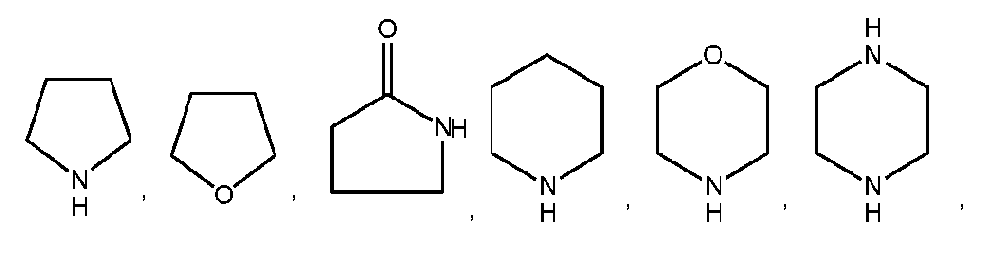


Claims
Priority Applications (15)
| Application Number | Priority Date | Filing Date | Title |
|---|---|---|---|
| AU2017295858A AU2017295858A1 (en) | 2016-07-14 | 2017-07-13 | Treatment of cancer |
| CN201780056643.XA CN109715166A (en) | 2016-07-14 | 2017-07-13 | cancer treatment |
| EP17828498.0A EP3484477B1 (en) | 2016-07-14 | 2017-07-13 | Treatment of cancer |
| CN202210728932.2A CN115381832A (en) | 2016-07-14 | 2017-07-13 | Treatment of cancer |
| US16/317,520 US11154555B2 (en) | 2016-07-14 | 2017-07-13 | Treatment of cancer |
| CA3030429A CA3030429A1 (en) | 2016-07-14 | 2017-07-13 | Treatment of cancer |
| JP2019500242A JP2019524700A (en) | 2016-07-14 | 2017-07-13 | Cancer treatment |
| SG11201900090TA SG11201900090TA (en) | 2016-07-14 | 2017-07-13 | Treatment of cancer |
| US17/469,551 US20210401837A1 (en) | 2016-07-14 | 2021-09-08 | Treatment of cancer |
| US17/469,715 US20220000870A1 (en) | 2016-07-14 | 2021-09-08 | Treatment of cancer |
| US17/472,130 US20220202814A1 (en) | 2016-07-14 | 2021-09-10 | Treatment of cancer |
| US17/472,544 US20220202815A1 (en) | 2016-07-14 | 2021-09-10 | Treatment of cancer |
| AU2022201717A AU2022201717B2 (en) | 2016-07-14 | 2022-03-11 | Treatment of cancer |
| JP2022125000A JP2022169593A (en) | 2016-07-14 | 2022-08-04 | Treatment of cancer |
| AU2023237034A AU2023237034A1 (en) | 2016-07-14 | 2023-09-25 | Treatment of cancer |
Applications Claiming Priority (2)
| Application Number | Priority Date | Filing Date | Title |
|---|---|---|---|
| US201662362369P | 2016-07-14 | 2016-07-14 | |
| US62/362,369 | 2016-07-14 |
Related Child Applications (5)
| Application Number | Title | Priority Date | Filing Date |
|---|---|---|---|
| US16/317,520 A-371-Of-International US11154555B2 (en) | 2016-07-14 | 2017-07-13 | Treatment of cancer |
| US17/469,551 Division US20210401837A1 (en) | 2016-07-14 | 2021-09-08 | Treatment of cancer |
| US17/469,715 Division US20220000870A1 (en) | 2016-07-14 | 2021-09-08 | Treatment of cancer |
| US17/472,130 Division US20220202814A1 (en) | 2016-07-14 | 2021-09-10 | Treatment of cancer |
| US17/472,544 Continuation US20220202815A1 (en) | 2016-07-14 | 2021-09-10 | Treatment of cancer |
Publications (1)
| Publication Number | Publication Date |
|---|---|
| WO2018013862A1 true WO2018013862A1 (en) | 2018-01-18 |
Family
ID=60953395
Family Applications (1)
| Application Number | Title | Priority Date | Filing Date |
|---|---|---|---|
| PCT/US2017/042011 Ceased WO2018013862A1 (en) | 2016-07-14 | 2017-07-13 | Treatment of cancer |
Country Status (8)
| Country | Link |
|---|---|
| US (5) | US11154555B2 (en) |
| EP (1) | EP3484477B1 (en) |
| JP (3) | JP2019524700A (en) |
| CN (2) | CN115381832A (en) |
| AU (3) | AU2017295858A1 (en) |
| CA (1) | CA3030429A1 (en) |
| SG (1) | SG11201900090TA (en) |
| WO (1) | WO2018013862A1 (en) |
Cited By (2)
| Publication number | Priority date | Publication date | Assignee | Title |
|---|---|---|---|---|
| US11154555B2 (en) | 2016-07-14 | 2021-10-26 | Mingsight Pharmaceuticals, Inc. | Treatment of cancer |
| US12396995B2 (en) | 2019-10-21 | 2025-08-26 | Celgene Corporation | Substituted 4-aminoisoindoline-1,3-dione compounds and second active agents for combined use |
Families Citing this family (3)
| Publication number | Priority date | Publication date | Assignee | Title |
|---|---|---|---|---|
| SG11201804210XA (en) * | 2015-11-20 | 2018-06-28 | Mingsight Pharmaceuticals Inc | Treatment of autoimmune disease |
| US20230028918A1 (en) * | 2019-12-06 | 2023-01-26 | Mingsight Pharmaceuticals, Inc. | Compositions comprising pkc-beta inhibitors and processes for the preparation thereof |
| CN118028474B (en) * | 2024-04-15 | 2024-07-09 | 细胞生态海河实验室 | Use of a substance for removing nucleated red blood cells from a patient's spleen in the preparation of a drug for treating acute myeloid leukemia |
Citations (6)
| Publication number | Priority date | Publication date | Assignee | Title |
|---|---|---|---|---|
| WO2008096260A1 (en) | 2007-02-07 | 2008-08-14 | Pfizer Inc. | 3-amino-pyrrolo[3,4-c] pyrazole- 5 (1h, 4h, 6h) carbaldehyde derivatives as pkc inhibitors |
| WO2008125945A2 (en) | 2007-04-12 | 2008-10-23 | Pfizer Inc. | 3-amido-pyrrolo [3, 4-c] pyrazole-5 (1h, 4h, 6h) carbaldehyde derivatives as inhibitors of protein kinase c |
| WO2015110923A2 (en) | 2014-01-21 | 2015-07-30 | Acerta Pharma B.V. | Methods of treating chronic lymphocytic leukemia and small lymphocytic leukemia usng a btk inhibitor |
| US20150260723A1 (en) | 2012-10-11 | 2015-09-17 | Pharmacyclics, Inc. | Companion diagnostics for tec family kinase inhibitor therapy |
| WO2015146159A1 (en) | 2014-03-25 | 2015-10-01 | Ono Pharmaceutical Co., Ltd. | Prophylactic agent and/or therapeutic agent for diffuse large b-cell lymphoma |
| WO2015179847A1 (en) | 2014-05-23 | 2015-11-26 | Mingsight Pharmaceuticals, Inc. | Treatment of autoimmune disease |
Family Cites Families (10)
| Publication number | Priority date | Publication date | Assignee | Title |
|---|---|---|---|---|
| WO2005039641A2 (en) | 2003-10-15 | 2005-05-06 | The Regents Of The University Of California | Biomacromolecule polymer conjugates |
| US9180118B2 (en) * | 2006-07-18 | 2015-11-10 | University Of Rochester | Thiadiazolidinone derivatives |
| UA96618C2 (en) * | 2007-02-07 | 2011-11-25 | Пфайзер Инк. | 3-amino-pyrrolo[3,4-c] pyrazole- 5 (1h, 4h, 6h) carbaldehyde derivatives as pkc inhibitors |
| CN102821759A (en) | 2010-03-30 | 2012-12-12 | 诺华有限公司 | PKC inhibitors for the treatment of B-cell lymphoma having chronic active B-cell-receptor signalling |
| HK1215374A1 (en) | 2013-04-08 | 2016-08-26 | Pharmacyclics Llc | Ibrutinib combination therapy |
| EP3593812A3 (en) | 2014-03-15 | 2020-05-27 | Novartis AG | Treatment of cancer using chimeric antigen receptor |
| JO3589B1 (en) | 2014-08-06 | 2020-07-05 | Novartis Ag | Protein kinase c inhibitors and methods of their use |
| WO2016100882A1 (en) | 2014-12-19 | 2016-06-23 | Novartis Ag | Combination therapies |
| JP2019524700A (en) | 2016-07-14 | 2019-09-05 | ミングサイト ファーマシューティカルズ,インク. | Cancer treatment |
| US20210069194A1 (en) | 2018-01-17 | 2021-03-11 | Mingsight Pharmaceuticals, Inc. | Combination therapy for the treatment of cancer |
-
2017
- 2017-07-13 JP JP2019500242A patent/JP2019524700A/en not_active Withdrawn
- 2017-07-13 US US16/317,520 patent/US11154555B2/en active Active
- 2017-07-13 CN CN202210728932.2A patent/CN115381832A/en active Pending
- 2017-07-13 WO PCT/US2017/042011 patent/WO2018013862A1/en not_active Ceased
- 2017-07-13 AU AU2017295858A patent/AU2017295858A1/en not_active Abandoned
- 2017-07-13 EP EP17828498.0A patent/EP3484477B1/en active Active
- 2017-07-13 CA CA3030429A patent/CA3030429A1/en active Pending
- 2017-07-13 SG SG11201900090TA patent/SG11201900090TA/en unknown
- 2017-07-13 CN CN201780056643.XA patent/CN109715166A/en active Pending
-
2021
- 2021-09-08 US US17/469,715 patent/US20220000870A1/en not_active Abandoned
- 2021-09-08 US US17/469,551 patent/US20210401837A1/en not_active Abandoned
- 2021-09-10 US US17/472,130 patent/US20220202814A1/en not_active Abandoned
- 2021-09-10 US US17/472,544 patent/US20220202815A1/en not_active Abandoned
-
2022
- 2022-03-11 AU AU2022201717A patent/AU2022201717B2/en active Active
- 2022-08-04 JP JP2022125000A patent/JP2022169593A/en not_active Withdrawn
-
2023
- 2023-02-22 JP JP2023026651A patent/JP2023075161A/en not_active Withdrawn
- 2023-09-25 AU AU2023237034A patent/AU2023237034A1/en not_active Abandoned
Patent Citations (11)
| Publication number | Priority date | Publication date | Assignee | Title |
|---|---|---|---|---|
| WO2008096260A1 (en) | 2007-02-07 | 2008-08-14 | Pfizer Inc. | 3-amino-pyrrolo[3,4-c] pyrazole- 5 (1h, 4h, 6h) carbaldehyde derivatives as pkc inhibitors |
| US8183255B2 (en) | 2007-02-07 | 2012-05-22 | Pfizer, Inc. | N-pyrimidin-4-yl-3-amino-pyrrolo[3,4-c]pyrazole derivatives as PKC kinase inhibitors |
| US8877761B2 (en) | 2007-02-07 | 2014-11-04 | Pfizer Inc. | N-pyrimidin-4-yl-3-amino-pyrrolo[3,4-c]pyrazole derivatives as PKC kinase inhibitors |
| US9518060B2 (en) | 2007-02-07 | 2016-12-13 | Pfizer Inc. | Substituted pyrrolo[3,4-c]pyrazoles as PKC kinase inhibitors |
| WO2008125945A2 (en) | 2007-04-12 | 2008-10-23 | Pfizer Inc. | 3-amido-pyrrolo [3, 4-c] pyrazole-5 (1h, 4h, 6h) carbaldehyde derivatives as inhibitors of protein kinase c |
| US8114871B2 (en) | 2007-04-12 | 2012-02-14 | Pfizer Inc. | 3-amido-pyrrolo[3,4-C]pyrazole-5(1H,4H,6H) carbaldehyde derivatives |
| US8999981B2 (en) | 2007-04-12 | 2015-04-07 | Pfizer Inc. | 3-amido-pyrrolo[3,4-C]pyrazole-5(1H, 4H,6H) carbaldehyde derivatives |
| US20150260723A1 (en) | 2012-10-11 | 2015-09-17 | Pharmacyclics, Inc. | Companion diagnostics for tec family kinase inhibitor therapy |
| WO2015110923A2 (en) | 2014-01-21 | 2015-07-30 | Acerta Pharma B.V. | Methods of treating chronic lymphocytic leukemia and small lymphocytic leukemia usng a btk inhibitor |
| WO2015146159A1 (en) | 2014-03-25 | 2015-10-01 | Ono Pharmaceutical Co., Ltd. | Prophylactic agent and/or therapeutic agent for diffuse large b-cell lymphoma |
| WO2015179847A1 (en) | 2014-05-23 | 2015-11-26 | Mingsight Pharmaceuticals, Inc. | Treatment of autoimmune disease |
Non-Patent Citations (21)
| Title |
|---|
| A.M. ABDUL-AZIZM ET AL., CANCER RES, vol. 77, no. 2, 2017, pages 303 - 311 |
| CHOU TC: "Drug Combination Studies and Their Synergy Quantification Using the Chou-Talalay Method", CANCER RES, vol. 70, 2010, pages 440 - 6, XP055169871, DOI: 10.1158/0008-5472.CAN-09-1947 |
| CHOU TC: "Theoretical basis, experimental design, and computerized simulation of synergism and antagonism in drug combination studies", PHARMACOL REV., vol. 58, 2006, pages 621 - 81, XP055151376, DOI: 10.1124/pr.58.3.10 |
| DAS EVCIMENKING, PHARMACOL RES, vol. 55, no. 6, 2007, pages 498 - 510 |
| DUFIES ET AL., ONCOTARGET, vol. 2, 2011, pages 874 - 885 |
| GRANT ET AL., EUR J PHARMACOL, vol. 627, 2010, pages 16 - 25 |
| GRUBER, T. ET AL., MOL IMMUNOL, vol. 46, 2009, pages 2071 - 2079 |
| HING ET AL., BLOOD, vol. 125, 2015, pages 3128 - 3132 |
| LAPALOMBELLA ET AL., BLOOD, vol. 120, 2012, pages 4621 - 34 |
| LEITGES, M. ET AL., SCIENCE, vol. 273, 1996, pages 788 - 791 |
| MARSLAND, B.J.KOPF, M, TRENDS IMMUNOL, vol. 29, no. 4, 2008, pages 179 - 85 |
| MECKLENBRAUKER, I. ET AL., NATURE, vol. 416, 2002, pages 865 - 869 |
| NEWTON, CHEM. REV., vol. 101, 2001, pages 2353 - 2364 |
| PATINI ET AL., CHEM. REV, 1996, pages 3147 - 3176 |
| PFEIFHOFER, C. ET AL., J IMMUNOL, vol. 176, 2006, pages 7502 - 6011 |
| PKCA. LI ET AL., LEUKEMIA & LYMPHOMA, vol. 52, no. 5, 2011, pages 1312 - 1320 |
| SAIJO, K. ET AL., J EXP MED, vol. 195, 2002, pages 1647 - 1652 |
| SU, T.T. ET AL., NAT IMMUNOL, vol. 3, 2002, pages 780 - 786 |
| SUN, Z, FRONT IMMUNOL, vol. 3, 2012, pages 225 |
| WAHREN-HERLENIUSDORNER T., LANCET, vol. 382, 2013, pages 819 - 31 |
| WOYACH ET AL., BLOOD, vol. 123, 2014, pages 1207 - 13 |
Cited By (2)
| Publication number | Priority date | Publication date | Assignee | Title |
|---|---|---|---|---|
| US11154555B2 (en) | 2016-07-14 | 2021-10-26 | Mingsight Pharmaceuticals, Inc. | Treatment of cancer |
| US12396995B2 (en) | 2019-10-21 | 2025-08-26 | Celgene Corporation | Substituted 4-aminoisoindoline-1,3-dione compounds and second active agents for combined use |
Also Published As
| Publication number | Publication date |
|---|---|
| JP2023075161A (en) | 2023-05-30 |
| AU2017295858A1 (en) | 2019-01-24 |
| US11154555B2 (en) | 2021-10-26 |
| EP3484477A4 (en) | 2020-03-04 |
| US20220202814A1 (en) | 2022-06-30 |
| US20220202815A1 (en) | 2022-06-30 |
| CN115381832A (en) | 2022-11-25 |
| US20190216809A1 (en) | 2019-07-18 |
| US20210401837A1 (en) | 2021-12-30 |
| CA3030429A1 (en) | 2018-01-18 |
| EP3484477A1 (en) | 2019-05-22 |
| SG11201900090TA (en) | 2019-02-27 |
| JP2019524700A (en) | 2019-09-05 |
| US20220000870A1 (en) | 2022-01-06 |
| EP3484477B1 (en) | 2023-09-13 |
| CN109715166A (en) | 2019-05-03 |
| AU2022201717A1 (en) | 2022-04-07 |
| AU2022201717B2 (en) | 2023-07-27 |
| AU2023237034A1 (en) | 2023-10-12 |
| JP2022169593A (en) | 2022-11-09 |
Similar Documents
| Publication | Publication Date | Title |
|---|---|---|
| AU2022201717B2 (en) | Treatment of cancer | |
| AU2020204418B2 (en) | Benzoxazepin oxazolidinone compounds and methods of use | |
| EP3411035A1 (en) | Aminothiazole compounds and use thereof | |
| TWI753229B (en) | Combination therapy for the treatment of cancer | |
| CN112237579A (en) | Pharmaceutical composition and use thereof | |
| HK40083903A (en) | Treatment of cancer | |
| HK40001545A (en) | Treatment of cancer | |
| HK40006909B (en) | Treatment of cancer | |
| HK40006909A (en) | Treatment of cancer | |
| HK40043323A (en) | Combination therapy for the treatment of cancer | |
| HK40035225A (en) | Pharmaceutical combination and use thereof | |
| HK40042521A (en) | Benzoxazepin oxazolidinone compounds and methods of use | |
| HK40042000A (en) | Benzoxazepin oxazolidinone compounds and methods of use | |
| HK40039385A (en) | Benzoxazepin oxazolidinone compounds and methods of use | |
| BR112017023121B1 (en) | COMPOUND, PHARMACEUTICAL COMPOSITION, PROCESS FOR PREPARING A PHARMACEUTICAL COMPOSITION, KIT FOR THE THERAPEUTIC TREATMENT OF CANCER, AND USE OF A COMPOUND | |
| HK1253003B (en) | Benzoxazepin oxazolidinone compounds and methods of use |
Legal Events
| Date | Code | Title | Description |
|---|---|---|---|
| 121 | Ep: the epo has been informed by wipo that ep was designated in this application |
Ref document number: 17828498 Country of ref document: EP Kind code of ref document: A1 |
|
| ENP | Entry into the national phase |
Ref document number: 2019500242 Country of ref document: JP Kind code of ref document: A |
|
| ENP | Entry into the national phase |
Ref document number: 3030429 Country of ref document: CA |
|
| NENP | Non-entry into the national phase |
Ref country code: DE |
|
| ENP | Entry into the national phase |
Ref document number: 2017295858 Country of ref document: AU Date of ref document: 20170713 Kind code of ref document: A |
|
| ENP | Entry into the national phase |
Ref document number: 2017828498 Country of ref document: EP Effective date: 20190214 |