TW202123751A - Synchronizing a user equipment identifier for preconfigured uplink resources - Google Patents
Synchronizing a user equipment identifier for preconfigured uplink resources Download PDFInfo
- Publication number
- TW202123751A TW202123751A TW109134087A TW109134087A TW202123751A TW 202123751 A TW202123751 A TW 202123751A TW 109134087 A TW109134087 A TW 109134087A TW 109134087 A TW109134087 A TW 109134087A TW 202123751 A TW202123751 A TW 202123751A
- Authority
- TW
- Taiwan
- Prior art keywords
- identifier
- pur
- base station
- tmsi
- message
- Prior art date
Links
- 238000000034 method Methods 0.000 claims abstract description 146
- 230000015654 memory Effects 0.000 claims description 113
- 238000004891 communication Methods 0.000 claims description 76
- 230000008859 change Effects 0.000 claims description 8
- CSRZQMIRAZTJOY-UHFFFAOYSA-N trimethylsilyl iodide Substances C[Si](C)(C)I CSRZQMIRAZTJOY-UHFFFAOYSA-N 0.000 claims description 6
- 230000011664 signaling Effects 0.000 abstract 1
- 230000005540 biological transmission Effects 0.000 description 57
- 238000012545 processing Methods 0.000 description 50
- 238000010586 diagram Methods 0.000 description 32
- 230000008569 process Effects 0.000 description 23
- 230000006870 function Effects 0.000 description 20
- 230000008054 signal transmission Effects 0.000 description 14
- 238000005516 engineering process Methods 0.000 description 12
- 230000001360 synchronised effect Effects 0.000 description 8
- 238000013461 design Methods 0.000 description 6
- 238000003860 storage Methods 0.000 description 5
- 230000000737 periodic effect Effects 0.000 description 4
- 230000001413 cellular effect Effects 0.000 description 3
- 239000000284 extract Substances 0.000 description 3
- 230000002093 peripheral effect Effects 0.000 description 3
- 238000001228 spectrum Methods 0.000 description 3
- 241000700159 Rattus Species 0.000 description 2
- 230000002776 aggregation Effects 0.000 description 1
- 238000004220 aggregation Methods 0.000 description 1
- 238000003491 array Methods 0.000 description 1
- 238000004590 computer program Methods 0.000 description 1
- 125000004122 cyclic group Chemical group 0.000 description 1
- 238000001514 detection method Methods 0.000 description 1
- 230000000694 effects Effects 0.000 description 1
- 239000012634 fragment Substances 0.000 description 1
- 230000007774 longterm Effects 0.000 description 1
- 238000004519 manufacturing process Methods 0.000 description 1
- 238000012986 modification Methods 0.000 description 1
- 230000004048 modification Effects 0.000 description 1
- 230000003287 optical effect Effects 0.000 description 1
- 230000008520 organization Effects 0.000 description 1
- 230000002441 reversible effect Effects 0.000 description 1
- 238000005070 sampling Methods 0.000 description 1
- 239000004984 smart glass Substances 0.000 description 1
- 238000000638 solvent extraction Methods 0.000 description 1
- 230000003068 static effect Effects 0.000 description 1
- 238000011144 upstream manufacturing Methods 0.000 description 1
Images






Classifications
-
- H—ELECTRICITY
- H04—ELECTRIC COMMUNICATION TECHNIQUE
- H04W—WIRELESS COMMUNICATION NETWORKS
- H04W72/00—Local resource management
- H04W72/04—Wireless resource allocation
-
- H—ELECTRICITY
- H04—ELECTRIC COMMUNICATION TECHNIQUE
- H04W—WIRELESS COMMUNICATION NETWORKS
- H04W72/00—Local resource management
- H04W72/12—Wireless traffic scheduling
- H04W72/1263—Mapping of traffic onto schedule, e.g. scheduled allocation or multiplexing of flows
- H04W72/1268—Mapping of traffic onto schedule, e.g. scheduled allocation or multiplexing of flows of uplink data flows
-
- H—ELECTRICITY
- H04—ELECTRIC COMMUNICATION TECHNIQUE
- H04W—WIRELESS COMMUNICATION NETWORKS
- H04W76/00—Connection management
- H04W76/10—Connection setup
-
- H—ELECTRICITY
- H04—ELECTRIC COMMUNICATION TECHNIQUE
- H04W—WIRELESS COMMUNICATION NETWORKS
- H04W76/00—Connection management
- H04W76/10—Connection setup
- H04W76/11—Allocation or use of connection identifiers
-
- H—ELECTRICITY
- H04—ELECTRIC COMMUNICATION TECHNIQUE
- H04W—WIRELESS COMMUNICATION NETWORKS
- H04W72/00—Local resource management
- H04W72/20—Control channels or signalling for resource management
- H04W72/23—Control channels or signalling for resource management in the downlink direction of a wireless link, i.e. towards a terminal
-
- H—ELECTRICITY
- H04—ELECTRIC COMMUNICATION TECHNIQUE
- H04W—WIRELESS COMMUNICATION NETWORKS
- H04W72/00—Local resource management
- H04W72/50—Allocation or scheduling criteria for wireless resources
- H04W72/51—Allocation or scheduling criteria for wireless resources based on terminal or device properties
-
- H—ELECTRICITY
- H04—ELECTRIC COMMUNICATION TECHNIQUE
- H04W—WIRELESS COMMUNICATION NETWORKS
- H04W8/00—Network data management
- H04W8/22—Processing or transfer of terminal data, e.g. status or physical capabilities
-
- H—ELECTRICITY
- H04—ELECTRIC COMMUNICATION TECHNIQUE
- H04W—WIRELESS COMMUNICATION NETWORKS
- H04W76/00—Connection management
- H04W76/20—Manipulation of established connections
Landscapes
- Engineering & Computer Science (AREA)
- Computer Networks & Wireless Communication (AREA)
- Signal Processing (AREA)
- Databases & Information Systems (AREA)
- Mobile Radio Communication Systems (AREA)
Abstract
Description
本案內容的各態樣大體而言係關於無線通訊,並且係關於用於同步用於預配置上行鏈路資源的使用者設備辨識符的技術和裝置。The various aspects of the content of this case are generally related to wireless communication, and are related to technologies and devices for synchronizing user equipment identifiers for pre-configured uplink resources.
無線通訊系統被廣泛部署以提供各種電信服務,諸如電話、視訊、資料、訊息收發和廣播。典型的無線通訊系統可以採用能夠經由共用可用系統資源(例如,頻寬、傳輸功率等)來支援與多個使用者的通訊的多工存取技術。此種多工存取技術的實例包括分碼多工存取(CDMA)系統、分時多工存取(TDMA)系統、分頻多工存取(FDMA)系統、正交分頻多工存取(OFDMA)系統、單載波分頻多工存取(SC-FDMA)系統、分時同步分碼多工存取(TD-SCDMA)系統及長期進化(LTE)。LTE/高級LTE是由第三代合作夥伴計畫(3GPP)發佈的對通用行動電信系統(UMTS)行動服務標準的一組增強。Wireless communication systems are widely deployed to provide various telecommunication services, such as telephone, video, data, messaging, and broadcasting. A typical wireless communication system may adopt a multiple access technology that can support communication with multiple users by sharing available system resources (for example, bandwidth, transmission power, etc.). Examples of such multiple access technologies include code division multiple access (CDMA) systems, time division multiple access (TDMA) systems, frequency division multiple access (FDMA) systems, and orthogonal frequency division multiple access (FDMA) systems. Take (OFDMA) system, single carrier frequency division multiple access (SC-FDMA) system, time division synchronous code division multiple access (TD-SCDMA) system and long-term evolution (LTE). LTE/Advanced LTE is a set of enhancements to the Universal Mobile Telecommunications System (UMTS) mobile service standard promulgated by the Third Generation Partnership Project (3GPP).
無線通訊網路可以包括可以支援多個使用者設備(UE)的通訊的多個基地站(BS)。UE可以經由下行鏈路和上行鏈路與BS通訊。下行鏈路(或前向鏈路)指的是從BS到UE的通訊鏈路,上行鏈路(或反向鏈路)指的是從UE到BS的通訊鏈路。如本文將更詳細描述的,BS可以被稱為節點B、gNB、存取點(AP)、無線電頭端、傳輸接收點(TRP)、5G BS、5G節點B等。The wireless communication network may include multiple base stations (BS) that can support communication for multiple user equipment (UE). The UE can communicate with the BS via the downlink and uplink. The downlink (or forward link) refers to the communication link from the BS to the UE, and the uplink (or reverse link) refers to the communication link from the UE to the BS. As will be described in more detail herein, the BS may be referred to as Node B, gNB, Access Point (AP), Radio Head, Transmission Reception Point (TRP), 5G BS, 5G Node B, and so on.
已經在各種電信標準中採用以上多工存取技術,以提供使得不同的無線通訊設備能夠在城市、國家、地區甚至全球級別上進行通訊的共用協定。5G(亦可以稱為新無線電技術(NR))是由第三代合作夥伴計畫(3GPP)發佈的對LTE行動服務標準的一組增強。5G被設計成經由提高頻譜效率、降低成本、改良服務、利用新頻譜,並在下行鏈路(DL)上使用具有循環字首(CP)的OFDM(CP-OFDM),在上行鏈路(UL)上使用CP-OFDM及/或SC-FDM(例如,亦稱為離散傅裡葉變換擴展OFDM(DFT-s-OFDM))與其他開放標準更好地整合,以及支援波束成形,多輸入多輸出(MIMO)天線技術和載波聚合,來更好地支援行動寬頻網際網路存取。然而,隨著對行動寬頻存取的需求不斷增加,存在對LTE和5G技術的進一步改良的需要。較佳地,該等改良應當適用於其他多工存取技術和採用該等技術的電信標準。The above multiple access technology has been adopted in various telecommunication standards to provide a sharing protocol that enables different wireless communication devices to communicate on a city, country, region, or even global level. 5G (also known as New Radio Technology (NR)) is a set of enhancements to the LTE mobile service standard released by the Third Generation Partnership Project (3GPP). 5G is designed to improve spectrum efficiency, reduce costs, improve services, utilize new spectrum, and use OFDM with a cyclic prefix (CP) on the downlink (DL) (CP-OFDM), and on the uplink (UL) ) Using CP-OFDM and/or SC-FDM (for example, also known as Discrete Fourier Transform Extended OFDM (DFT-s-OFDM)) to better integrate with other open standards, and support beamforming, multiple inputs and multiple Output (MIMO) antenna technology and carrier aggregation to better support mobile broadband Internet access. However, as the demand for mobile broadband access continues to increase, there is a need for further improvements in LTE and 5G technologies. Preferably, these improvements should be applicable to other multiple access technologies and telecommunication standards that adopt these technologies.
在一些情況下,基地站可能不知道使用者設備(UE)辨識符重新分配,並且可能繼續在UE的UE上下文中儲存第一UE辨識符。若UE進入RRC閒置模式,並且隨後稍後進入RRC連接模式,則UE將向基地站發送第二UE辨識符,並且基地站將與用於UE的UE上下文相關聯地儲存第二UE辨識符。然而,對於預配置上行鏈路資源,UE可以在沒有首先建立新的RRC連接的情況下向基地站傳輸上行鏈路資料。在此種情況下,UE將第二UE辨識符與上行鏈路資料一起傳輸,但是基地站將不會將第二UE辨識符與UE相關聯地儲存在記憶體中。結果,基地站可能無法驗證UE及/或可能丟棄上行鏈路資料。In some cases, the base station may not know the user equipment (UE) identifier reassignment, and may continue to store the first UE identifier in the UE context of the UE. If the UE enters the RRC idle mode and then enters the RRC connected mode later, the UE will send a second UE identifier to the base station, and the base station will store the second UE identifier in association with the UE context for the UE. However, for pre-configured uplink resources, the UE can transmit uplink data to the base station without first establishing a new RRC connection. In this case, the UE transmits the second UE identifier together with the uplink data, but the base station will not store the second UE identifier in memory in association with the UE. As a result, the base station may not be able to authenticate the UE and/or may discard the uplink data.
本文描述的一些技術和裝置使得能夠在UE辨識符重新分配之後在UE和基地站之間同步UE辨識符,此舉使得UE能夠使用預配置上行鏈路資源來減少時延、減少信號傳遞管理負擔等。例如,本文描述的一些技術和裝置使得UE能夠在預配置上行鏈路資源配置與由UE使用預配置上行鏈路資源來傳輸上行鏈路資料之間發生UE辨識符重新分配時使用預配置上行鏈路資源。Some of the techniques and devices described in this document enable the UE identifier to be synchronized between the UE and the base station after the UE identifier is re-allocated. This allows the UE to use pre-configured uplink resources to reduce latency and reduce the burden of signal transmission management Wait. For example, some of the techniques and devices described herein enable the UE to use the pre-configured uplink when UE identifier reallocation occurs between the pre-configured uplink resource configuration and the use of the pre-configured uplink resource by the UE to transmit uplink data. Road resources.
在一些態樣,一種由UE執行的無線通訊的方法可以包括以下步驟:向基地站傳輸指示用於預配置上行鏈路資源的第一UE辨識符的連接請求;從基地站接收用於預配置上行鏈路資源的配置;接收UE辨識符重新分配訊息,UE辨識符重新分配訊息向UE指示用第二UE辨識符替換第一UE辨識符;及至少部分地基於接收到UE辨識符重新分配訊息,向基地站傳輸針對預配置上行鏈路資源將第一UE辨識符更新為第二UE辨識符的請求。In some aspects, a method of wireless communication performed by a UE may include the following steps: transmitting to the base station a connection request indicating a first UE identifier for pre-configuration of uplink resources; receiving from the base station for pre-configuration Uplink resource configuration; receiving a UE identifier reallocation message, the UE identifier reallocation message instructing the UE to replace the first UE identifier with a second UE identifier; and based at least in part on receiving the UE identifier reallocation message , Transmitting to the base station a request for updating the first UE identifier to the second UE identifier for the pre-configured uplink resource.
在一些態樣,一種由UE執行的無線通訊的方法可以包括以下步驟:向基地站傳輸指示在核心網路中辨識UE的UE辨識符的連接請求;從基地站接收用於預配置上行鏈路資源(PUR)的配置,其中配置指示上行鏈路資源和PUR辨識符;及在上行鏈路資源中向基地站傳輸預配置上行鏈路訊息,其中預配置上行鏈路訊息包括上行鏈路資料、UE辨識符和PUR辨識符。In some aspects, a method of wireless communication performed by the UE may include the following steps: transmitting to the base station a connection request indicating a UE identifier for identifying the UE in the core network; receiving from the base station for pre-configured uplink Resource (PUR) configuration, where the configuration indicates the uplink resource and the PUR identifier; and the pre-configured uplink message is transmitted to the base station in the uplink resource, where the pre-configured uplink message includes uplink data, UE identifier and PUR identifier.
在一些態樣,一種由基地站執行的無線通訊的方法可以包括以下步驟:從UE接收指示用於預配置上行鏈路資源的第一UE辨識符的連接請求;向UE傳輸用於預配置上行鏈路資源的配置;接收針對預配置上行鏈路資源將第一UE辨識符更新為第二UE辨識符的請求;及至少部分地基於接收到將第一UE辨識符更新為第二UE辨識符的請求,在儲存與預配置上行鏈路資源相關聯的上下文的基地站的記憶體中將第一UE辨識符更新為第二UE辨識符。In some aspects, a wireless communication method performed by a base station may include the following steps: receiving from the UE a connection request indicating a first UE identifier for pre-configured uplink resources; transmitting to the UE for pre-configured uplink Configuration of the link resource; receiving a request to update the first UE identifier to the second UE identifier for the pre-configured uplink resource; and based at least in part on receiving the update of the first UE identifier to the second UE identifier Request to update the first UE identifier to the second UE identifier in the memory of the base station storing the context associated with the pre-configured uplink resource.
在一些態樣,一種由基地站執行的無線通訊的方法可以包括以下步驟:從UE接收指示在核心網路中辨識UE的UE辨識符的連接請求;向UE傳輸用於PUR的配置,其中配置指示上行鏈路資源和PUR辨識符;及在上行鏈路資源中從UE接收預配置上行鏈路訊息,其中預配置上行鏈路訊息包括上行鏈路資料、UE辨識符和PUR辨識符。In some aspects, a wireless communication method performed by a base station may include the following steps: receiving a connection request from the UE indicating a UE identifier that identifies the UE in the core network; transmitting the configuration for PUR to the UE, where the configuration Indicate the uplink resource and the PUR identifier; and receive a pre-configured uplink message from the UE in the uplink resource, where the pre-configured uplink message includes uplink data, the UE identifier and the PUR identifier.
在一些態樣,一種由核心網路設備執行的方法可以包括以下步驟:與基地站建立連接,其中連接與UE和第一UE辨識符相關聯,第一UE辨識符在核心網路中辨識UE,並且與用於UE的預配置上行鏈路資源相關聯;經由基地站向UE傳輸UE辨識符重新分配訊息,UE辨識符重新分配訊息向UE指示用第二UE辨識符替換第一UE辨識符;及向基地站傳輸針對預配置上行鏈路資源將第一UE辨識符更新為第二UE辨識符的請求。In some aspects, a method performed by a core network device may include the following steps: establishing a connection with a base station, where the connection is associated with a UE and a first UE identifier, and the first UE identifier identifies the UE in the core network , And associated with the pre-configured uplink resources for the UE; the UE identifier redistribution message is transmitted to the UE via the base station, and the UE identifier redistribution message indicates to the UE to replace the first UE identifier with the second UE identifier ; And transmit to the base station a request to update the first UE identifier to the second UE identifier for the pre-configured uplink resource.
在一些態樣,一種用於無線通訊的UE可以包括記憶體和操作性地耦合到記憶體的一或多個處理器。記憶體和一或多個處理器可以被配置為:向基地站傳輸指示用於預配置上行鏈路資源的第一UE辨識符的連接請求;從基地站接收用於預配置上行鏈路資源的配置;接收UE辨識符重新分配訊息,UE辨識符重新分配訊息向UE指示用第二UE辨識符替換第一UE辨識符;及至少部分地基於接收到UE辨識符重新分配訊息,向基地站傳輸針對預配置上行鏈路資源將第一UE辨識符更新為第二UE辨識符的請求。In some aspects, a UE for wireless communication may include a memory and one or more processors operatively coupled to the memory. The memory and one or more processors may be configured to: transmit to the base station a connection request indicating the first UE identifier for pre-configured uplink resources; receive from the base station the connection request for pre-configured uplink resources Configuration; receiving the UE identifier redistribution message, the UE identifier redistribution message instructs the UE to replace the first UE identifier with the second UE identifier; and transmits to the base station based at least in part on the received UE identifier redistribution message A request to update the first UE identifier to the second UE identifier for the pre-configured uplink resource.
在一些態樣,一種用於無線通訊的UE可以包括記憶體和操作性地耦合到記憶體的一或多個處理器。記憶體和一或多個處理器可以被配置為:向基地站傳輸指示在核心網路中辨識UE的UE辨識符的連接請求;從基地站接收用於PUR的配置,其中配置指示上行鏈路資源和PUR辨識符;及在上行鏈路資源中向基地站傳輸預配置上行鏈路訊息,其中預配置上行鏈路訊息包括上行鏈路資料、UE辨識符和PUR辨識符。In some aspects, a UE for wireless communication may include a memory and one or more processors operatively coupled to the memory. The memory and one or more processors may be configured to: transmit to the base station a connection request indicating a UE identifier that recognizes the UE in the core network; receive a configuration for PUR from the base station, where the configuration indicates uplink Resource and PUR identifier; and transmit a pre-configured uplink message to the base station in the uplink resource, where the pre-configured uplink message includes uplink data, UE identifier and PUR identifier.
在一些態樣,一種用於無線通訊的基地站可以包括記憶體和操作性地耦合到記憶體的一或多個處理器。記憶體和一或多個處理器可以被配置為:從UE接收指示用於預配置上行鏈路資源的第一UE辨識符的連接請求;向UE傳輸用於預配置上行鏈路資源的配置;接收針對預配置上行鏈路資源將第一UE辨識符更新為第二UE辨識符的請求;及至少部分地基於接收到將第一UE辨識符更新為第二UE辨識符的請求,在儲存與預配置上行鏈路資源相關聯的上下文的基地站的記憶體中將第一UE辨識符更新為第二UE辨識符。In some aspects, a base station for wireless communication may include a memory and one or more processors operatively coupled to the memory. The memory and one or more processors may be configured to: receive a connection request indicating a first UE identifier for pre-configured uplink resources from the UE; transmit a configuration for pre-configured uplink resources to the UE; Receiving a request to update the first UE identifier to the second UE identifier for the pre-configured uplink resource; and based at least in part on receiving the request to update the first UE identifier to the second UE identifier, storing and The first UE identifier is updated to the second UE identifier in the memory of the base station that preconfigures the context associated with the uplink resource.
在一些態樣,一種用於無線通訊的基地站可以包括記憶體和操作性地耦合到記憶體的一或多個處理器。記憶體和一或多個處理器可以被配置為:從UE接收指示在核心網路中辨識UE的UE辨識符的連接請求;向UE傳輸用於PUR的配置,其中配置指示上行鏈路資源和PUR辨識符;及在上行鏈路資源中從UE接收預配置上行鏈路訊息,其中預配置上行鏈路訊息包括上行鏈路資料、UE辨識符和PUR辨識符。In some aspects, a base station for wireless communication may include a memory and one or more processors operatively coupled to the memory. The memory and one or more processors may be configured to: receive a connection request from the UE indicating a UE identifier that identifies the UE in the core network; transmit a configuration for PUR to the UE, where the configuration indicates uplink resources and PUR identifier; and receiving a pre-configured uplink message from the UE in the uplink resource, where the pre-configured uplink message includes uplink data, UE identifier, and PUR identifier.
在一些態樣,一種核心網路設備可以包括記憶體和操作地耦合到記憶體的一或多個處理器。記憶體和一或多個處理器可以被配置為與基地站建立連接,其中連接與UE和第一UE辨識符相關聯,第一UE辨識符在核心網路中辨識UE,並且與用於UE的預配置上行鏈路資源相關聯;經由基地站向UE傳輸UE辨識符重新分配訊息,UE辨識符重新分配訊息向UE指示用第二UE辨識符替換第一UE辨識符;及向基地站傳輸針對預配置上行鏈路資源將第一UE辨識符更新為第二UE辨識符的請求。In some aspects, a core network device may include memory and one or more processors operatively coupled to the memory. The memory and one or more processors may be configured to establish a connection with the base station, where the connection is associated with the UE and a first UE identifier, the first UE identifier identifies the UE in the core network, and is used for the UE Is associated with the pre-configured uplink resources; the UE identifier redistribution message is transmitted to the UE via the base station, and the UE identifier redistribution message indicates to the UE to replace the first UE identifier with the second UE identifier; and transmitted to the base station A request to update the first UE identifier to the second UE identifier for the pre-configured uplink resource.
在一些態樣,一種非暫時性電腦可讀取媒體可以儲存用於無線通訊的一或多個指令。一或多個指令在由UE的一或多個處理器執行時可以使一或多個處理器:向基地站傳輸指示用於預配置上行鏈路資源的第一UE辨識符的連接請求;從基地站接收用於預配置上行鏈路資源的配置;接收UE辨識符重新分配訊息,UE辨識符重新分配訊息向UE指示用第二UE辨識符替換第一UE辨識符;及至少部分地基於接收到UE辨識符重新分配訊息,向基地站傳輸針對預配置上行鏈路資源將第一UE辨識符更新為第二UE辨識符的請求。In some aspects, a non-transitory computer readable medium can store one or more commands for wireless communication. The one or more instructions, when executed by the one or more processors of the UE, can cause the one or more processors to: transmit to the base station a connection request indicating the first UE identifier for pre-configured uplink resources; from The base station receives a configuration for pre-configured uplink resources; receives a UE identifier reallocation message, which instructs the UE to replace the first UE identifier with a second UE identifier; and based at least in part on the reception The UE identifier reallocation message is transmitted to the base station to update the first UE identifier to the second UE identifier for the pre-configured uplink resource.
在一些態樣,一種非暫時性電腦可讀取媒體可以儲存用於無線通訊的一或多個指令。一或多個指令在由UE的一或多個處理器執行時可以使一或多個處理器進行以下操作:向基地站傳輸指示在核心網路中辨識UE的UE辨識符的連接請求;從基地站接收用於PUR的配置,其中配置指示上行鏈路資源和PUR辨識符;及在上行鏈路資源中向基地站傳輸預配置上行鏈路訊息,其中預配置上行鏈路訊息包括上行鏈路資料、UE辨識符和PUR辨識符。In some aspects, a non-transitory computer readable medium can store one or more commands for wireless communication. One or more instructions, when executed by one or more processors of the UE, can cause the one or more processors to perform the following operations: transmit to the base station a connection request indicating a UE identifier that recognizes the UE in the core network; The base station receives the configuration for the PUR, where the configuration indicates the uplink resource and the PUR identifier; and transmits a pre-configured uplink message to the base station in the uplink resource, where the pre-configured uplink message includes the uplink Data, UE identifier and PUR identifier.
在一些態樣,一種非暫時性電腦可讀取媒體可以儲存用於無線通訊的一或多個指令。一或多個指令在由基地站的一或多個處理器執行時可以使一或多個處理器:從UE接收指示用於預配置上行鏈路資源的第一UE辨識符的連接請求;向UE傳輸用於預配置上行鏈路資源的配置;接收針對預配置上行鏈路資源將第一UE辨識符更新為第二UE辨識符的請求;及至少部分地基於接收到將第一UE辨識符更新為第二UE辨識符的請求,在儲存與預配置上行鏈路資源相關聯的上下文的基地站的記憶體中將第一UE辨識符更新為第二UE辨識符。In some aspects, a non-transitory computer readable medium can store one or more commands for wireless communication. The one or more instructions, when executed by the one or more processors of the base station, can cause the one or more processors to: receive a connection request from the UE indicating the first UE identifier for pre-configured uplink resources; The UE transmits a configuration for pre-configured uplink resources; receives a request to update the first UE identifier to the second UE identifier for the pre-configured uplink resource; and based at least in part on receiving the first UE identifier The request for updating to the second UE identifier is to update the first UE identifier to the second UE identifier in the memory of the base station storing the context associated with the pre-configured uplink resource.
在一些態樣,一種非暫時性電腦可讀取媒體可以儲存用於無線通訊的一或多個指令。一或多個指令在由基地站的一或多個處理器執行時可以使一或多個處理器:從UE接收指示在核心網路中辨識UE的UE辨識符的連接請求;向UE傳輸用於PUR的配置,其中配置指示上行鏈路資源和PUR辨識符;及在上行鏈路資源中從UE接收預配置上行鏈路訊息,其中預配置上行鏈路訊息包括上行鏈路資料、UE辨識符和PUR辨識符。In some aspects, a non-transitory computer readable medium can store one or more commands for wireless communication. When one or more instructions are executed by one or more processors of the base station, the one or more processors can: receive a connection request from the UE indicating the UE identifier that identifies the UE in the core network; and transmit to the UE a connection request In the PUR configuration, the configuration indicates the uplink resource and the PUR identifier; and the pre-configured uplink message is received from the UE in the uplink resource, where the pre-configured uplink message includes the uplink data and the UE identifier And PUR identifier.
在一些態樣,一種非暫時性電腦可讀取媒體可以儲存一或多個指令。一或多個指令在由核心網路設備的一或多個處理器執行時可以使一或多個處理器進行以下操作:與基地站建立連接,其中連接與UE和第一UE辨識符相關聯,第一UE辨識符在核心網路中辨識UE,並且與用於UE的預配置上行鏈路資源相關聯;經由基地站向UE傳輸UE辨識符重新分配訊息,UE辨識符重新分配訊息向UE指示用第二UE辨識符替換第一UE辨識符;及向基地站傳輸針對預配置上行鏈路資源將第一UE辨識符更新為第二UE辨識符的請求。In some aspects, a non-transitory computer-readable medium can store one or more commands. One or more instructions, when executed by one or more processors of the core network device, can cause one or more processors to perform the following operations: establish a connection with a base station, where the connection is associated with the UE and the first UE identifier , The first UE identifier identifies the UE in the core network and is associated with the pre-configured uplink resources for the UE; the UE identifier re-allocation message is transmitted to the UE via the base station, and the UE identifier re-allocation message is sent to the UE Instruct to replace the first UE identifier with the second UE identifier; and transmit a request to the base station to update the first UE identifier to the second UE identifier for the pre-configured uplink resource.
在一些態樣,一種用於無線通訊的裝置可以包括用於向基地站傳輸指示用於預配置上行鏈路資源的第一UE辨識符的連接請求的構件;用於從基地站接收用於預配置上行鏈路資源的配置的構件;用於接收UE辨識符重新分配訊息的構件,UE辨識符重新分配訊息向裝置指示用第二UE辨識符替換第一UE辨識符;及用於至少部分地基於接收到UE辨識符重新分配訊息,向基地站傳輸針對預配置上行鏈路資源將第一UE辨識符更新為第二UE辨識符的請求的構件。In some aspects, an apparatus for wireless communication may include means for transmitting a connection request indicating a first UE identifier for pre-configuration of uplink resources to a base station; A means for configuring the configuration of uplink resources; means for receiving a UE identifier reallocation message, the UE identifier reallocation message instructing the device to replace the first UE identifier with a second UE identifier; and for at least partially Based on receiving the UE identifier reallocation message, a means for transmitting a request for updating the first UE identifier to the second UE identifier for the pre-configured uplink resource to the base station.
在一些態樣,一種用於無線通訊的裝置可以包括用於向基地站傳輸指示在核心網路中辨識裝置的UE辨識符的連接請求的構件;用於從基地站接收用於預配置上行鏈路資源(PUR)的配置的構件,其中配置指示上行鏈路資源和PUR辨識符;及用於在上行鏈路資源中向基地站傳輸預配置上行鏈路訊息的構件,其中預配置上行鏈路訊息包括上行鏈路資料、UE辨識符和PUR辨識符。In some aspects, a device for wireless communication may include means for transmitting to a base station a connection request indicating a UE identifier that recognizes the device in the core network; and for receiving a pre-configured uplink from the base station. The component of the configuration of the path resource (PUR), where the configuration indicates the uplink resource and the PUR identifier; and the component for transmitting the pre-configured uplink message to the base station in the uplink resource, where the uplink is pre-configured The message includes uplink data, UE identifier and PUR identifier.
在一些態樣,一種用於無線通訊的裝置可以包括用於從UE接收指示用於預配置上行鏈路資源的第一UE辨識符的連接請求的構件;用於向UE傳輸用於預配置上行鏈路資源的配置的構件;用於接收針對預配置上行鏈路資源將第一UE辨識符更新為第二UE辨識符的請求的構件;及用於至少部分地基於接收到將第一UE辨識符更新為第二UE辨識符的請求,在儲存與預配置上行鏈路資源相關聯的上下文的裝置的記憶體中將第一UE辨識符更新為第二UE辨識符的構件。In some aspects, an apparatus for wireless communication may include means for receiving a connection request from a UE indicating a first UE identifier for pre-configured uplink resources; and for transmitting to the UE a connection request for pre-configured uplink resources. Means for the configuration of link resources; means for receiving a request to update the first UE identifier to the second UE identifier for the pre-configured uplink resource; and means for identifying the first UE based at least in part on the received The identifier is updated as a request for the second UE identifier, and the first UE identifier is updated to the second UE identifier in the memory of the device storing the context associated with the pre-configured uplink resource.
在一些態樣,一種用於無線通訊的裝置可以包括用於從UE接收指示在核心網路中辨識UE的UE辨識符的連接請求的構件;用於向UE傳輸用於PUR的配置的構件,其中配置指示上行鏈路資源和PUR辨識符;及用於在上行鏈路資源中從UE接收預配置上行鏈路訊息的構件,其中預配置上行鏈路訊息包括上行鏈路資料、UE辨識符和PUR辨識符。In some aspects, an apparatus for wireless communication may include means for receiving a connection request from the UE indicating a UE identifier for identifying the UE in the core network; means for transmitting the configuration for PUR to the UE, The configuration indicates the uplink resource and the PUR identifier; and a member for receiving the pre-configured uplink message from the UE in the uplink resource, where the pre-configured uplink message includes uplink data, UE identifier, and PUR identifier.
在一些態樣,一種裝置可以包括用於與基地站建立連接的構件,其中連接與UE和第一UE辨識符相關聯,第一UE辨識符在核心網路中辨識UE,並且與用於UE的預配置上行鏈路資源相關聯;用於經由基地站向UE傳輸UE辨識符重新分配訊息的構件,UE辨識符重新分配訊息向UE指示用第二UE辨識符替換第一UE辨識符;及用於向基地站傳輸針對預配置上行鏈路資源將第一UE辨識符更新為第二UE辨識符的請求的構件。In some aspects, an apparatus may include means for establishing a connection with a base station, where the connection is associated with a UE and a first UE identifier, the first UE identifier identifying the UE in the core network, and being used for the UE. Is associated with the pre-configured uplink resources; a means for transmitting a UE identifier reassignment message to the UE via a base station, the UE identifier reassignment message indicating to the UE to replace the first UE identifier with a second UE identifier; and A means for transmitting to the base station a request to update the first UE identifier to the second UE identifier for the pre-configured uplink resource.
在一些態樣,一種由UE執行的無線通訊的方法可以包括以下步驟:向基地站傳輸指示在核心網路中辨識UE的第一UE辨識符的連接請求;從基地站接收用於PUR的配置,其中配置指示上行鏈路資源和PUR辨識符,PUR辨識符是與第一UE辨識符不同類型的辨識符;及至少部分地基於配置與基地站進行通訊。In some aspects, a wireless communication method performed by the UE may include the following steps: transmitting to the base station a connection request indicating the first UE identifier to identify the UE in the core network; receiving the configuration for PUR from the base station , Wherein the configuration indicates the uplink resource and the PUR identifier, the PUR identifier is a different type of identifier from the first UE identifier; and communication with the base station is based at least in part on the configuration.
在一些態樣,一種由基地站執行的無線通訊的方法可以包括以下步驟:從UE接收指示在核心網路中辨識UE的第一UE辨識符的連接請求;向UE傳輸用於PUR的配置,其中配置指示上行鏈路資源和PUR辨識符,PUR辨識符是與第一UE辨識符不同類型的辨識符;及至少部分地基於配置與UE進行通訊。In some aspects, a wireless communication method performed by a base station may include the following steps: receiving a connection request from the UE indicating the first UE identifier to identify the UE in the core network; transmitting the configuration for PUR to the UE, The configuration indicates the uplink resource and the PUR identifier, the PUR identifier is an identifier of a different type from the first UE identifier; and communication with the UE is based at least in part on the configuration.
在一些態樣,一種用於無線通訊的UE可以包括記憶體和操作性地耦合到記憶體的一或多個處理器。記憶體和一或多個處理器可以被配置為進行以下操作:向基地站傳輸指示在核心網路中辨識UE的第一UE辨識符的連接請求;從基地站接收用於PUR的配置,其中配置指示上行鏈路資源和PUR辨識符,PUR辨識符是與第一UE辨識符不同類型的辨識符;及至少部分地基於配置與基地站進行通訊。In some aspects, a UE for wireless communication may include a memory and one or more processors operatively coupled to the memory. The memory and one or more processors may be configured to perform the following operations: transmit to the base station a connection request indicating the first UE identifier that recognizes the UE in the core network; receive the configuration for PUR from the base station, where The configuration indicates the uplink resource and the PUR identifier, the PUR identifier is a different type of identifier from the first UE identifier; and the communication with the base station is based at least in part on the configuration.
在一些態樣,一種用於無線通訊的基地站可以包括記憶體和操作性地耦合到記憶體的一或多個處理器。記憶體和一或多個處理器可以被配置為進行以下操作:從UE接收指示在核心網路中辨識UE的第一UE辨識符的連接請求;向UE傳輸用於PUR的配置,其中配置指示上行鏈路資源和PUR辨識符,PUR辨識符是與第一UE辨識符不同類型的辨識符;及至少部分地基於配置與UE進行通訊。In some aspects, a base station for wireless communication may include a memory and one or more processors operatively coupled to the memory. The memory and one or more processors may be configured to perform the following operations: receive a connection request from the UE indicating the first UE identifier that identifies the UE in the core network; transmit the configuration for the PUR to the UE, where the configuration indicates The uplink resource and the PUR identifier, the PUR identifier is a different type of identifier from the first UE identifier; and communicating with the UE based at least in part on the configuration.
在一些態樣,一種非暫時性電腦可讀取媒體可以儲存用於無線通訊的一或多個指令。一或多個指令在由UE的一或多個處理器執行時可以使一或多個處理器進行以下操作:向基地站傳輸指示在核心網路中辨識UE的第一UE辨識符的連接請求;從基地站接收用於PUR的配置,其中配置指示上行鏈路資源和PUR辨識符,PUR辨識符是與第一UE辨識符不同類型的辨識符;及至少部分地基於配置與基地站進行通訊。In some aspects, a non-transitory computer readable medium can store one or more commands for wireless communication. One or more instructions, when executed by one or more processors of the UE, can cause the one or more processors to perform the following operations: transmit to the base station a connection request indicating the first UE identifier that recognizes the UE in the core network Receiving the configuration for PUR from the base station, where the configuration indicates the uplink resource and the PUR identifier, the PUR identifier is a different type of identifier from the first UE identifier; and communicating with the base station based at least in part on the configuration .
在一些態樣,一種非暫時性電腦可讀取媒體可以儲存用於無線通訊的一或多個指令。一或多個指令在由基地站的一或多個處理器執行時可以使一或多個處理器進行以下操作:從UE接收指示在核心網路中辨識UE的第一UE辨識符的連接請求;向UE傳輸用於PUR的配置,其中配置指示上行鏈路資源和PUR辨識符,PUR辨識符是與第一UE辨識符不同類型的辨識符;及至少部分地基於配置與UE進行通訊。In some aspects, a non-transitory computer readable medium can store one or more commands for wireless communication. One or more instructions, when executed by one or more processors of the base station, can cause the one or more processors to perform the following operations: receive a connection request from the UE indicating the first UE identifier that identifies the UE in the core network ; Transmit a configuration for the PUR to the UE, where the configuration indicates an uplink resource and a PUR identifier, the PUR identifier is a different type of identifier from the first UE identifier; and communicate with the UE based at least in part on the configuration.
在一些態樣,一種用於無線通訊的裝置可以包括用於向基地站傳輸指示在核心網路中辨識裝置的第一UE辨識符的連接請求的構件;用於從基地站接收用於PUR的配置的構件,其中配置指示上行鏈路資源和PUR辨識符,PUR辨識符是與第一UE辨識符不同類型的辨識符;及用於至少部分地基於配置與基地站進行通訊的構件。In some aspects, a device for wireless communication may include means for transmitting a connection request indicating a first UE identifier of the device in the core network to a base station; for receiving a PUR from the base station A configuration component, wherein the configuration indicates an uplink resource and a PUR identifier, the PUR identifier is a different type of identifier from the first UE identifier; and a component for communicating with the base station based at least in part on the configuration.
在一些態樣,一種用於無線通訊的裝置可以包括用於從UE接收指示在核心網路中辨識UE的第一UE辨識符的連接請求的構件;用於向UE傳輸用於PUR的配置的構件,其中配置指示上行鏈路資源和PUR辨識符,PUR辨識符是與第一UE辨識符不同類型的辨識符;及用於至少部分地基於配置與UE進行通訊的構件。In some aspects, an apparatus for wireless communication may include means for receiving a connection request from a UE indicating a first UE identifier that identifies the UE in the core network; and means for transmitting a configuration for PUR to the UE. A component, wherein the configuration indicates an uplink resource and a PUR identifier, the PUR identifier is a different type of identifier from the first UE identifier; and a component for communicating with the UE based at least in part on the configuration.
各態樣通常包括如本文基本上參照附圖和說明書描述的和如附圖和說明書所示的方法、裝置、系統、電腦程式產品、非暫時性電腦可讀取媒體、使用者設備、基地站、無線通訊設備、核心網路設備及/或處理系統。Various aspects generally include methods, devices, systems, computer program products, non-transitory computer readable media, user equipment, and base stations as described herein basically with reference to the drawings and instructions and as shown in the drawings and instructions. , Wireless communication equipment, core network equipment and/or processing systems.
前面已經相當廣泛地概述了根據本案內容的實例的特徵和技術優點,以便可以更好地理解隨後的具體實施方式。以下將描述其他特徵和優點。所揭示的概念和具體實例可以容易地用作修改或設計用於實現本案內容的相同目的的其他結構的基礎。此種等同結構不脫離所附請求項的範疇。當結合附圖考慮時,從以下描述將更好地理解本文揭示的概念的特徵,其組織和操作方法以及相關的優點。提供每個附圖是出於說明和描述的目的,而不是作為請求項的限制的定義。The features and technical advantages of the examples based on the content of this case have been quite extensively outlined in the foregoing, so that the subsequent specific implementations can be better understood. Other features and advantages will be described below. The disclosed concepts and specific examples can be easily used as a basis for modifying or designing other structures for achieving the same purpose of the content of this case. This equivalent structure does not depart from the scope of the appended claims. When considered in conjunction with the drawings, the following description will give a better understanding of the features of the concepts disclosed herein, its organization and operation methods, and related advantages. Each drawing is provided for the purpose of illustration and description, not as a definition of the limitation of the claim.
以下結合附圖闡述的具體實施方式意欲作為各種配置的描述,並非意欲表示可以實踐本文所述的概念的唯一配置。本具體實施方式包括具體細節,目的是提供對各種概念的透徹理解。然而,對於熟習此項技術者顯而易見的是,可以在沒有該等具體細節的情況下實踐該等概念。在某些情況下,以方塊圖形式圖示各種結構和元件,以避免使得該等概念難以理解。The specific embodiments set forth below in conjunction with the accompanying drawings are intended as descriptions of various configurations, and are not intended to represent the only configurations in which the concepts described herein can be practiced. This specific implementation includes specific details for the purpose of providing a thorough understanding of various concepts. However, it is obvious to those familiar with the technology that these concepts can be practiced without such specific details. In some cases, various structures and elements are illustrated in block diagram form to avoid making these concepts difficult to understand.
現在將參考各種裝置和方法來呈現電信系統的幾個態樣。將借助各種方塊、模組、元件、電路、步驟、過程、演算法等(統稱為「元素」)在以下具體實施方式中描述並在附圖中圖示該等裝置和方法。該等元素可以使用電子硬體、電腦軟體或其任何組合來實現。該等元素是被實施為硬體還是軟體取決於特定應用和施加在整體系統上的設計約束。Several aspects of the telecommunication system will now be presented with reference to various devices and methods. Various blocks, modules, elements, circuits, steps, processes, algorithms, etc. (collectively referred to as “elements”) will be used to describe in the following specific embodiments and to illustrate these devices and methods in the accompanying drawings. These elements can be implemented using electronic hardware, computer software, or any combination thereof. Whether these elements are implemented as hardware or software depends on the specific application and the design constraints imposed on the overall system.
作為實例,元素或元素的任何部分或元素的任何組合可以被實施為包括一或多個處理器的「處理系統」。處理器的實例包括微處理器、微控制器、數位信號處理器(DSP)、現場可程式設計閘陣列(FPGA)、可程式設計邏輯設備(PLD)、狀態機、閘控邏輯、個別硬體電路,以及被配置為執行本案內容通篇所描述的各種功能的其他適合的硬體。處理系統中的一或多個處理器可以執行軟體。軟體應被廣義地解釋為表示指令、指令集、代碼、程式碼片段、程式碼、程式、副程式、軟體元件、應用程式、軟體應用程式、套裝軟體、常式、子常式、物件、可執行程式、執行執行緒、程式、功能等等,無論被稱為軟體、韌體、中間軟體、微代碼、硬體描述語言或其他的。As an example, an element or any part of an element or any combination of elements may be implemented as a "processing system" that includes one or more processors. Examples of processors include microprocessors, microcontrollers, digital signal processors (DSP), field programmable gate arrays (FPGA), programmable logic devices (PLD), state machines, gate control logic, individual hardware Circuits, and other suitable hardware configured to perform the various functions described throughout the content of this case. One or more processors in the processing system can execute software. Software should be broadly interpreted as representing instructions, instruction sets, codes, code fragments, code, programs, subprograms, software components, applications, software applications, packaged software, routines, subroutines, objects, Run programs, threads, programs, functions, etc., whether called software, firmware, middleware, microcode, hardware description language, or others.
因此,在一或多個示例性實施例中,所述的功能可以以硬體、軟體、韌體或其任何組合來實施。若以軟體來實施,則功能可以作為一或多個指令或代碼儲存或編碼在電腦可讀取媒體上。電腦可讀取媒體包括電腦儲存媒體。儲存媒體可以是可由電腦存取的任何可用媒體。示例性而非限制性地,此種電腦可讀取媒體可以包括隨機存取記憶體(RAM)、唯讀記憶體(ROM)、電子可抹除可程式設計ROM(EEPROM)、光碟ROM(CD-ROM)或其他光碟儲存設備、磁碟儲存設備或其他磁儲存設備、上述類型的電腦可讀取媒體的組合,或者可以用於以可由電腦存取的指令或資料結構的形式儲存電腦可執行代碼的任何其他媒體。Therefore, in one or more exemplary embodiments, the functions described may be implemented by hardware, software, firmware, or any combination thereof. If implemented in software, the function can be stored or encoded as one or more instructions or codes on a computer readable medium. Computer readable media include computer storage media. The storage medium can be any available medium that can be accessed by a computer. By way of example and not limitation, such computer-readable media may include random access memory (RAM), read-only memory (ROM), electronically erasable programmable ROM (EEPROM), compact disc ROM (CD -ROM) or other optical disk storage devices, magnetic disk storage devices or other magnetic storage devices, a combination of the above types of computer readable media, or can be used to store computer executables in the form of instructions or data structures that can be accessed by the computer Any other media for the code.
應當注意,儘管本文中使用通常與5G或NR無線電存取技術(RAT)相關聯的術語來描述各態樣,但是本案內容的各態樣可以應用於其他RAT,例如3G RAT、4G RAT及/或5G之後(例如,6G)的RAT。It should be noted that although the terms generally associated with 5G or NR radio access technology (RAT) are used in this article to describe various aspects, the various aspects of the content of this case can be applied to other RATs, such as 3G RAT, 4G RAT and/ Or RAT after 5G (for example, 6G).
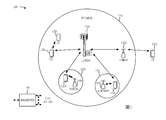
圖1是圖示可以在其中實踐本案內容的各態樣的無線網路100的圖。無線網路100可以是LTE網路或某個其他無線網路,例如5G網路。無線網路100可以包括多個基地站110(示為BS 110a、BS 110b、BS 110c和BS 110d)和其他網路實體。BS是與使用者設備(UE)通訊的實體,並且亦可以被稱為基地站、5G BS、節點B、gNB、5G NB、存取點、傳輸接收點(TRP)等。每個BS可以為特定地理區域提供通訊覆蓋。在3GPP中,術語「細胞」可以代表BS的覆蓋區域及/或服務於該覆蓋區域的BS子系統,此情形取決於使用該術語的上下文。FIG. 1 is a diagram illustrating various aspects of a
BS可以為巨集細胞、微微細胞、毫微微細胞及/或其他類型的細胞提供通訊覆蓋。巨集細胞可以覆蓋相對較大的地理區域(例如,半徑幾公里),並且可以允許具有服務訂閱的UE的不受限存取。微微細胞可以覆蓋相對較小的地理區域,並且可以允許具有服務訂閱的UE的不受限存取。毫微微細胞可以覆蓋相對較小的地理區域(例如,家庭),並且可以允許與毫微微細胞具有關聯的UE(例如,封閉用戶群組(CSG)中的UE)的受限存取。巨集細胞的BS可以被稱為巨集BS。微微細胞的BS可以被稱為微微BS。毫微微細胞的BS可以被稱為毫微微BS或家庭BS。在圖1所示的實例中,BS 110a可以是用於巨集細胞102a的巨集BS,BS 110b可以是用於微微細胞102b的微微BS,BS 110c可以是用於毫微微細胞102c的毫微微BS。BS可以支援一或多個(例如,三個)細胞。術語「eNB」、「基地站」、「5G BS」、「gNB」、「TRP」、「AP」、「節點B」、「5G NB」和「細胞」在本文中可互換使用。BS can provide communication coverage for macro cells, pico cells, femto cells and/or other types of cells. Macro cells can cover a relatively large geographic area (for example, several kilometers in radius), and can allow unrestricted access by UEs with service subscriptions. Pico cells can cover a relatively small geographic area and can allow unrestricted access by UEs with service subscriptions. Femto cells may cover a relatively small geographic area (for example, a home), and may allow restricted access by UEs associated with the femto cells (for example, UEs in a closed user group (CSG)). The BS of a macro cell may be referred to as a macro BS. The BS of pico cells may be referred to as pico BS. The BS of the femto cell may be referred to as a femto BS or a home BS. In the example shown in FIG. 1,
在一些實例中,細胞可以不一定是靜止的,並且細胞的地理區域可以根據行動BS的位置移動。在一些實例中,BS可以使用任何合適的傳輸網路經由諸如直接實體連接、虛擬網路等的各種類型的回載介面彼此互連及/或互連到無線網路100中的一或多個其他BS或網路節點(未圖示)。In some instances, the cell may not necessarily be stationary, and the geographic area of the cell may move according to the location of the mobile BS. In some instances, the BS may use any suitable transmission network to interconnect with each other and/or to one or more of the
無線網路100亦可以包括中繼站。中繼站是可以從上游站(例如,BS或UE)接收資料傳輸並將資料傳輸發送到下游站(例如,UE或BS)的實體。中繼站亦可以是可以中繼其他UE的傳輸的UE。在圖1所示的實例中,中繼站110d可以與巨集BS 110a和UE 120d通訊,以便促進BS 110a和UE 120d之間的通訊。中繼站亦可以稱為中繼BS、中繼基地站、中繼等。The
無線網路100可以是包括不同類型的BS(例如,巨集BS、微微BS、毫微微BS、中繼BS等)的異質網路。該等不同類型的BS可以具有不同的傳輸功率位準、不同的覆蓋區域,以及對無線通訊網路100中的幹擾的不同影響。例如,巨集BS可以具有高傳輸功率位準(例如5至40瓦),而微微BS、毫微微BS和中繼BS可以具有較低的傳輸功率位準(例如0.1至2瓦)。The
網路控制器130可以耦合到一組BS並為該等BS提供協調和控制。網路控制器130可以經由回載與BS進行通訊。BS亦可以例如直接或經由無線或有線回載間接地彼此通訊。The
UE 120(例如,120a、120b、120c)可以分散在整個無線網路100中,並且每個UE可以是靜止的或行動的。UE亦可以被稱為存取終端、終端、行動站、用戶單元、站等。UE可以是蜂巢式電話(例如智慧型電話)、個人數位助理(PDA)、無線數據機、無線通訊設備、手持設備、膝上型電腦、無線電話、無線區域迴路(WLL)站、平板電腦、相機、遊戲設備、小筆電、智慧型電腦、超極本、醫療設備或裝置、生物計量感測器/設備、可穿戴設備(智慧手錶、智慧衣服、智慧眼鏡、智慧手環、智慧首飾(例如智慧戒指、智慧手鐲))、娛樂設備(例如,音樂或視訊設備、衛星無線電設備等)、車輛元件或感測器、智慧型儀器表/感測器、工業製造設備、全球定位系統設備,或被配置為經由無線或有線媒體進行通訊的任何其他合適的設備。The UE 120 (for example, 120a, 120b, 120c) may be scattered throughout the
一些UE可以被認為是機器類型通訊(MTC)或進化的或增強的機器類型通訊(eMTC)UE。MTC和eMTC UE包括例如機器人、無人機、遠端設備、感測器、儀錶、監視器、位置標籤等,其可以與基地站、另一設備(例如,遠端設備)或某個其他實體通訊。無線節點可以經由有線或無線通訊鏈路提供用於或者到網路(例如,諸如網際網路或蜂巢網路的廣域網路)的連接。一些UE可以被認為是物聯網路(IoT)設備及/或可以被實現為NB-IoT(窄頻物聯網路)設備。一些UE可以被認為是客戶駐地設備(CPE)。UE 120可以被包括在容納UE 120的元件的外殼內,諸如處理器元件、記憶體元件等。Some UEs can be considered as machine type communication (MTC) or evolved or enhanced machine type communication (eMTC) UEs. MTC and eMTC UEs include, for example, robots, drones, remote devices, sensors, meters, monitors, location tags, etc., which can communicate with a base station, another device (for example, a remote device), or some other entity . A wireless node may provide a connection for or to a network (for example, a wide area network such as the Internet or a cellular network) via a wired or wireless communication link. Some UEs may be considered as Internet of Things (IoT) devices and/or may be implemented as NB-IoT (Narrowband Internet of Things) devices. Some UEs can be considered customer premises equipment (CPE). The
通常,可以在給定的地理區域中部署任何數量的無線網路。每個無線網路可以支援特定RAT並且可以在一或多個頻率上操作。RAT亦可以稱為無線電技術、空中介面等。頻率亦可以稱為載波、頻率通道等。每個頻率可以支援給定地理區域中的單個RAT,以避免不同RAT的無線網路之間的幹擾。在某些情況下,可以部署5G RAT網路。Generally, any number of wireless networks can be deployed in a given geographic area. Each wireless network can support a specific RAT and can operate on one or more frequencies. RAT can also be called radio technology, air interface, etc. Frequency can also be called carrier, frequency channel, etc. Each frequency can support a single RAT in a given geographic area to avoid interference between wireless networks of different RATs. In some cases, 5G RAT networks can be deployed.
在一些實例中,可以排程對空中介面的存取,其中排程實體(例如,基地站)分配用於在排程實體的服務區域或細胞內的一些或所有設備和裝置之間進行通訊的資源。在本案內容內,如以下進一步論述的,排程實體可以負責為一或多個下級實體排程、指派、重新配置和釋放資源。亦即,對於被排程通訊,下級實體利用由排程實體分配的資源。In some instances, access to the air interface can be scheduled, where the scheduling entity (for example, base station) is allocated for communication between some or all of the devices and devices in the service area or cell of the scheduling entity Resources. Within the content of this case, as discussed further below, the scheduling entity may be responsible for scheduling, assigning, reconfiguring, and releasing resources for one or more subordinate entities. That is, for scheduled communications, subordinate entities use the resources allocated by the scheduling entity.
基地站不是可以用作排程實體的唯一實體。亦即,在一些實例中,UE可以充當排程實體,為一或多個下級實體(例如,一或多個其他UE)排程資源。在該實例中,UE充當排程實體,並且其他UE利用由該UE排程的資源來進行無線通訊。UE可以在同級間(P2P)網路中及/或在網狀網路中充當排程實體。在網狀網路實例中,除了與排程實體通訊之外,UE亦可以可選地彼此直接通訊。The base station is not the only entity that can be used as a scheduling entity. That is, in some instances, the UE may act as a scheduling entity, scheduling resources for one or more subordinate entities (for example, one or more other UEs). In this example, the UE acts as a scheduling entity, and other UEs use the resources scheduled by the UE for wireless communication. The UE can act as a scheduling entity in a peer-to-peer (P2P) network and/or in a mesh network. In the mesh network instance, in addition to communicating with the scheduling entity, the UEs can also optionally communicate directly with each other.
因此,在具有對時間-頻率資源的排程存取並且具有蜂巢配置、P2P配置和網狀配置的無線通訊網路中,排程實體和一或多個下級實體可以利用所排程的資源進行通訊。Therefore, in a wireless communication network with scheduled access to time-frequency resources and with cellular configuration, P2P configuration, and mesh configuration, the scheduling entity and one or more subordinate entities can communicate using the scheduled resources .
無線網路100的設備可以使用電磁頻譜進行通訊,該電磁頻譜可以基於頻率或波長被細分為各種類別、頻帶、通道等。例如,無線網路100的設備可以使用具有第一頻率範圍(FR1)的操作頻帶進行通訊,該第一頻率範圍可以跨越從410 MHz到7.125 GHz,及/或可以使用具有第二頻率範圍(FR2)的操作頻帶進行通訊,該第二頻率範圍可以跨越從24.25 GHz到52.6 GHz。FR1和FR2之間的頻率有時被稱為中頻帶頻率。儘管FR1的一部分大於6 GHz,但是FR1通常被稱為「亞6 GHz」頻帶。類似地,FR2通常被稱為「毫米波」頻帶,儘管與國際電信聯盟(ITU)辨識為「毫米波」頻帶的極高頻(EHF)頻帶(30 GHz-300 GHz)不同。因此,除非另外特別說明,否則應當理解,術語「亞6 GHz」等,若在本文中使用,可以廣泛地表示小於6 GHz的頻率、FR1內的頻率及/或中頻帶頻率(例如,大於7.125 GHz)。類似地,除非另外特別說明,否則應當理解,術語「毫米波」等,若在本文中使用,可以廣泛地表示EHF頻帶內的頻率、FR2內的頻率及/或中頻帶頻率(例如,小於24.25 GHz)。可以設想,可以修改FR1和FR2中所包括的頻率,並且本文所述的技術可應用於該等修改後的頻率範圍。The devices of the
如前述,提供圖1僅作為實例。其他實例可以與關於圖1描述的實例不同。As mentioned above, Figure 1 is provided only as an example. Other examples may be different from the examples described with respect to FIG. 1.
圖2圖示基地站110和UE 120的設計的方塊圖200,其可以是圖1中的基地站之一和UE之一。基地站110可以配備有T個天線234a到234t,UE 120可以配備有R個天線252a到252r,其中通常T≥1且R≥1。FIG. 2 illustrates a block diagram 200 of the design of the
在基地站110處,傳輸處理器220可以從一或多個UE的資料來源212接收資料,至少部分地基於從UE接收的通道品質指示符(CQI)為每個UE選擇調制和編碼方案(MCS),至少部分地基於為UE選擇的MCS處理(例如,編碼和調制)每個UE的資料,並為所有UE提供資料符號。傳輸處理器220亦可以處理系統資訊(例如,用於半靜態資源劃分資訊(SRPI)等)和控制資訊(例如,CQI請求、容許、上層信號傳遞等)並提供管理負擔符號和控制符號。傳輸處理器220亦可以為參考信號(例如,CRS)和同步信號(例如,主要同步信號(PSS)和次要同步信號(SSS))產生參考符號。傳輸(TX)多輸入多輸出(MIMO)處理器230可以對資料符號、控制符號、管理負擔符號及/或參考符號執行空間處理(例如,預編碼),若適用的話,並且可以將T個輸出符號串流提供到T個調制器(MOD)232a到232t。每個調制器232可以處理相應的輸出符號串流(例如,用於OFDM等)以獲得輸出取樣串流。每個調制器232可以進一步處理(例如,轉換為類比、放大、濾波和升頻轉換)輸出取樣串流以獲得下行鏈路信號。可以分別經由T個天線234a到234t傳輸來自調制器232a到232t的T個下行鏈路信號。根據下文更詳細描述的各個態樣,可以利用位置編碼來產生同步信號,以傳輸附加資訊。At the
在UE 120處,天線252a到252r可以從基地站110及/或其他基地站接收下行鏈路信號,並且可以分別向解調器(DEMOD)254a到254r提供所接收的信號。每個解調器254可以調節(例如,濾波、放大、降頻轉換和數位化)接收的信號以獲得輸入取樣。每個解調器254可以進一步處理輸入取樣(例如,用於OFDM等)以獲得接收符號。MIMO偵測器256可以從所有R個解調器254a到254r獲得接收符號,若適用的話,對接收符號執行MIMO偵測,並提供偵測的符號。接收(RX)處理器258可以處理(例如,解調和解碼)偵測的符號,將UE 120的解碼資料提供給資料槽260,並將解碼的控制資訊和系統資訊提供給控制器/處理器280。通道處理器可以決定參考信號接收功率(RSRP)、接收信號強度指示符(RSSI)、參考信號接收品質(RSRQ)、通道品質指示符(CQI)等。At
在上行鏈路上,在UE 120處,傳輸處理器264可以接收和處理來自資料來源262的資料和來自控制器/處理器280的控制資訊(例如,用於包括RSRP、RSSI、RSRQ、CQI等的報告)。傳輸處理器264亦可以為一或多個參考信號產生參考符號。若適用的話,來自傳輸處理器264的符號可以由TX MIMO處理器266進行預編碼,由調制器254a到254r進一步處理(例如,用於DFT-s-OFDM、CP-OFDM等),並被傳輸到基地站110。在基地站110處,來自UE 120和其他UE的上行鏈路信號可以由天線234接收,由解調器232處理,由MIMO偵測器236(若適用的話)偵測,並且由接收處理器238進一步處理以獲得由UE 120發送的解碼的資料和控制資訊。接收處理器238可以將解碼的資料提供給資料槽239,並且將解碼的控制資訊提供給控制器/處理器240。基地站110可以包括通訊單元244並且經由通訊單元244與網路控制器130通訊。網路控制器130可以包括通訊單元294、控制器/處理器290和記憶體292。On the uplink, at the
基地站110的控制器/處理器240、UE 120的控制器/處理器280及/或圖2的任何其他元件可以執行與同步用於預配置上行鏈路資源的使用者設備辨識符相關聯的一或多個技術,如本文中其他部分更詳細描述的。例如,基地站110的控制器/處理器240、UE 120的控制器/處理器280及/或圖2的任何其他元件可以執行或導引例如圖9的方法900、圖10的方法1000、圖11的方法1100、圖12的方法1200、圖13的方法1300及/或本文所述的其他過程的操作。記憶體242和282可以分別儲存用於BS 110和UE 120的資料和程式碼。排程器246可以排程UE在下行鏈路及/或上行鏈路上進行資料傳輸。The controller/
如前述,提供圖2僅作為實例。其他實例可以與關於圖2描述的實例不同。As mentioned above, Figure 2 is provided as an example only. Other examples may be different from the examples described with respect to FIG. 2.
圖3是圖示UE辨識符重新分配的實例300的圖。FIG. 3 is a diagram illustrating an example 300 of UE identifier reassignment.
在305處,UE和基地站可以彼此通訊以建立無線電資源控制(RRC)連接。如圖所示,UE可以在RRC訊息(例如,RRC連接請求)中向基地站傳輸第一UE辨識符(示為UE-ID1)。基地站可以將用於UE的第一UE辨識符儲存在基地站的記憶體中,例如與關聯於UE的UE上下文相關聯。UE上下文可以用於使用第一UE辨識符來將資訊與UE相關聯,諸如用於UE的RRC配置、UE的一或多個UE能力等。如圖所示,第一UE辨識符可以包括服務臨時行動用戶辨識(S-TMSI)。基地站可以配置UE用於RRC連接(例如,在RRC連接建立訊息中),此舉可以將UE置於與基地站的RRC連接狀態。基地站可以使用第一UE辨識符來與核心網路實體建立S1連接(例如,S1應用協定(S1-AP)連接)及/或NG連接(例如,NG應用協定(NG-AP)連接),諸如與行動性管理實體(MME)的S1-MME連接。核心網路實體可以將第一UE辨識符與用於UE的UE上下文一起儲存在記憶體中,例如用於行動性目的、計費目的、訂閱目的等。At 305, the UE and the base station may communicate with each other to establish a radio resource control (RRC) connection. As shown in the figure, the UE may transmit the first UE identifier (shown as UE-ID1) to the base station in an RRC message (for example, RRC connection request). The base station may store the first UE identifier for the UE in the memory of the base station, for example in association with the UE context associated with the UE. The UE context can be used to associate information with the UE using the first UE identifier, such as the RRC configuration for the UE, one or more UE capabilities of the UE, and so on. As shown in the figure, the first UE identifier may include Serving Temporary Mobile User Identification (S-TMSI). The base station can configure the UE for RRC connection (for example, in the RRC connection establishment message), which can put the UE in the RRC connection state with the base station. The base station can use the first UE identifier to establish an S1 connection (for example, S1 application protocol (S1-AP) connection) and/or NG connection (for example, NG application protocol (NG-AP) connection) with the core network entity, Such as S1-MME connection with Mobility Management Entity (MME). The core network entity may store the first UE identifier together with the UE context for the UE in memory, for example, for mobility purposes, billing purposes, subscription purposes, and so on.
在310處,UE可以經由基地站與核心網路(例如,網路控制器或另一核心網路設備或核心網路實體,諸如MME)進行通訊,以執行追蹤區域更新或導致UE辨識符重新分配的另一程式。例如,UE可以向基地站傳輸追蹤區域更新(TAU)請求,並且基地站可以向核心網路傳輸TAU請求。如圖所示,TAU請求可以由UE在非存取層(NAS)協定資料單元(PDU)中傳輸到基地站,並且可以在RRC連接建立完成訊息中傳輸。如進一步所示,基地站可以將NAS PDU與UE的第一UE辨識符(例如,S-TMSI)(例如,從儲存在基地站的記憶體中的UE上下文中取得的)一起傳輸到核心網路。At 310, the UE may communicate with the core network (for example, a network controller or another core network device or core network entity, such as MME) via the base station to perform tracking area update or cause the UE identifier to be reset. Another program assigned. For example, the UE may transmit a tracking area update (TAU) request to the base station, and the base station may transmit a TAU request to the core network. As shown in the figure, the TAU request can be transmitted by the UE in the non-access stratum (NAS) protocol data unit (PDU) to the base station, and can be transmitted in the RRC connection establishment completion message. As further shown, the base station can transmit the NAS PDU together with the UE's first UE identifier (for example, S-TMSI) (for example, obtained from the UE context stored in the memory of the base station) to the core network. road.
如進一步圖示的,核心網路可以向UE傳輸UE辨識符重新分配訊息,其被示為指示UE的第二UE辨識符(被示為UE-ID2)的TAU接受訊息。在接收到UE辨識符重新分配訊息之後,UE在UE的記憶體中用第二UE辨識符(UE-ID2)替換第一UE辨識符(UE-ID1)。隨後,UE可以例如經由傳輸TAU完成訊息來發信號通知UE辨識符重新分配的完成。儘管在圖3中將TAU程式示為UE辨識符重新分配程式的實例,但是UE辨識符可以作為一或多個其他程式的一部分而重新分配,例如更新UE的UE辨識符的安全程式。As further illustrated, the core network may transmit a UE identifier reassignment message to the UE, which is shown as a TAU acceptance message indicating the second UE identifier of the UE (shown as UE-ID2). After receiving the UE identifier reassignment message, the UE replaces the first UE identifier (UE-ID1) with the second UE identifier (UE-ID2) in the memory of the UE. Subsequently, the UE may signal the completion of the UE identifier reallocation, for example, by transmitting a TAU completion message. Although the TAU program is shown as an example of a UE identifier redistribution program in FIG. 3, the UE identifier can be redistributed as part of one or more other programs, such as a security program that updates the UE identifier of the UE.
值得注意的是,基地站不讀取UE辨識符重新分配訊息。結果,基地站不知道UE辨識符重新分配,並且繼續將第一UE辨識符儲存在UE的UE上下文中。若UE進入RRC閒置模式(例如,由於釋放了RRC連接),並且隨後進入RRC連接模式,則UE將向基地站發送第二UE辨識符,並且基地站將與UE的UE上下文相關聯地儲存第二UE辨識符。然而,對於預配置上行鏈路資源(下文結合圖4描述),UE可以在沒有首先建立新的RRC連接的情況下向基地站傳輸上行鏈路資料。在此種情況下,UE將第二UE辨識符與上行鏈路資料一起傳輸,但是基地站將不會將第二UE辨識符儲存在與UE相關聯的記憶體中。結果,基地站可能無法驗證UE及/或可能丟棄上行鏈路資料。本文描述的一些技術和裝置使得能夠在UE辨識符重新分配之後在UE和基地站之間同步UE辨識符,此舉使得UE能夠使用預配置上行鏈路資源來減少時延、減少信號傳遞管理負擔等。It is worth noting that the base station does not read the UE identifier redistribution message. As a result, the base station does not know the UE identifier reassignment, and continues to store the first UE identifier in the UE context of the UE. If the UE enters the RRC idle mode (for example, due to the release of the RRC connection) and then enters the RRC connected mode, the UE will send the second UE identifier to the base station, and the base station will store the second UE identifier in association with the UE context of the UE. 2. UE identifier. However, for pre-configured uplink resources (described below in conjunction with Figure 4), the UE can transmit uplink data to the base station without first establishing a new RRC connection. In this case, the UE transmits the second UE identifier together with the uplink data, but the base station will not store the second UE identifier in the memory associated with the UE. As a result, the base station may not be able to authenticate the UE and/or may discard the uplink data. Some of the techniques and devices described in this document enable the UE identifier to be synchronized between the UE and the base station after the UE identifier is re-allocated. This allows the UE to use pre-configured uplink resources to reduce latency and reduce the burden of signal transmission management Wait.
如前述,提供圖3僅作為實例。其他實例可以與關於圖3描述的實例不同。As mentioned above, Figure 3 is provided as an example only. Other examples may be different from the examples described with respect to FIG. 3.
圖4是圖示配置和使用預配置上行鏈路資源的實例400的圖。FIG. 4 is a diagram illustrating an example 400 of configuring and using pre-configured uplink resources.
在405處,UE和基地站可以彼此通訊以建立RRC連接。如圖所示,UE可以在RRC訊息(例如,RRC連接請求)中向基地站傳輸第一UE辨識符(示為UE-ID1)。基地站可以將UE的第一UE辨識符儲存在基地站的記憶體中,例如與關聯於UE的UE上下文相關聯。UE上下文可以用於使用第一UE辨識符來將資訊與UE相關聯,諸如用於UE的RRC配置、UE的一或多個UE能力等。如圖所示,第一UE辨識符可以包括S-TMSI。基地站可以配置UE用於RRC連接(例如,在RRC連接建立訊息中),此舉可以將UE置於與基地站的RRC連接狀態。基地站可以使用第一UE辨識符來建立S1連接(例如,S1-AP連接)及/或NG連接(例如,NG-AP連接),例如與MME的S1-MME連接。核心網路實體可以將第一UE辨識符與UE的UE上下文一起儲存在記憶體中,例如用於行動性目的、計費目的、訂閱目的等。At 405, the UE and the base station can communicate with each other to establish an RRC connection. As shown in the figure, the UE may transmit the first UE identifier (shown as UE-ID1) to the base station in an RRC message (for example, RRC connection request). The base station may store the first UE identifier of the UE in the memory of the base station, for example, in association with the UE context associated with the UE. The UE context can be used to associate information with the UE using the first UE identifier, such as the RRC configuration for the UE, one or more UE capabilities of the UE, and so on. As shown in the figure, the first UE identifier may include S-TMSI. The base station can configure the UE for RRC connection (for example, in the RRC connection establishment message), which can put the UE in the RRC connection state with the base station. The base station may use the first UE identifier to establish an S1 connection (for example, an S1-AP connection) and/or an NG connection (for example, an NG-AP connection), for example, an S1-MME connection with an MME. The core network entity may store the first UE identifier together with the UE context of the UE in memory, for example, for mobility purposes, billing purposes, subscription purposes, and so on.
在410處,UE可以經由基地站與核心網路(例如,網路控制器或另一核心網路設備或核心網路實體,例如MME)進行通訊,以向核心網路發送NAS PDU。如圖所示,NAS PDU可以由UE傳輸到基地站,並且可以在RRC連接建立完成訊息中傳輸。如進一步所示,基地站可以將NAS PDU與UE的第一UE辨識符(例如,S-TMSI)(例如,從儲存在基地站的記憶體中的UE上下文中取得的)一起傳輸到核心網路。UE和基地站隨後可以諸如經由交換資料(例如,上行鏈路資料及/或下行鏈路資料)來彼此通訊。At 410, the UE may communicate with a core network (for example, a network controller or another core network device or core network entity, such as MME) via a base station to send NAS PDUs to the core network. As shown in the figure, the NAS PDU can be transmitted by the UE to the base station, and can be transmitted in the RRC connection establishment completion message. As further shown, the base station can transmit the NAS PDU together with the UE's first UE identifier (for example, S-TMSI) (for example, obtained from the UE context stored in the memory of the base station) to the core network. road. The UE and the base station may then communicate with each other, such as through the exchange of data (eg, uplink data and/or downlink data).
在415處,基地站可以利用預配置上行鏈路資源(PUR)來配置UE,該等PUR被示為專用的預配置上行鏈路資源(DPUR)。PUR可以包括分配給UE用於上行鏈路通訊(例如,上行鏈路資料)的一或多個時間資源、一或多個頻率資源及/或傳輸塊(TB)大小。PUR可以包括一或多個週期性資源。UE可以使用PUR來傳輸上行鏈路資料,而無需首先請求和接收針對上行鏈路資料的上行鏈路容許,從而減少了時延和信號傳遞管理負擔。此外,可以允許UE在處於RRC閒置模式時使用PUR來傳輸上行鏈路資料,而無需首先建立RRC連接並且進入RRC連接模式,從而進一步節省信號傳遞管理負擔並且減少UE的電池消耗。基地站可以決定UE的PUR配置(例如,資源集),並且可以向UE傳輸PUR配置。如進一步圖示的,基地站可以將PUR配置和第一UE辨識符儲存在UE的PUR上下文中,該PUR上下文可以儲存在基地站的記憶體中。如圖所示,在PUR配置之後,UE可以進入RRC閒置狀態。At 415, the base station may configure the UE with pre-configured uplink resources (PUR), which are shown as dedicated pre-configured uplink resources (DPUR). The PUR may include one or more time resources, one or more frequency resources, and/or transport block (TB) sizes allocated to the UE for uplink communication (eg, uplink data). PUR can include one or more periodic resources. The UE can use the PUR to transmit uplink data without first requesting and receiving the uplink permission for the uplink data, thereby reducing the delay and signal transmission management burden. In addition, the UE can be allowed to use PUR to transmit uplink data when in the RRC idle mode, without first establishing an RRC connection and entering the RRC connection mode, thereby further saving signal transmission management burden and reducing UE's battery consumption. The base station may decide the PUR configuration (for example, resource set) of the UE, and may transmit the PUR configuration to the UE. As further illustrated, the base station may store the PUR configuration and the first UE identifier in the PUR context of the UE, and the PUR context may be stored in the memory of the base station. As shown in the figure, after the PUR configuration, the UE can enter the RRC idle state.
在420處,UE可以經歷UE辨識符重新分配程式,例如上文結合圖3描述的TAU程式或另一UE辨識符重新分配程式。UE辨識符重新分配程式可以向UE分配第二UE辨識符(UE-ID2),並且第二UE辨識符可以替換第一UE辨識符(UE-ID1)。在UE重新分配程式之後,UE可以使用PUR(例如,使用預先配置用於上行鏈路資料的一或多個資源)向基地站傳輸上行鏈路資料。例如,UE可以向基地站傳輸PUR請求,該PUR請求可以包括上行鏈路資料。因為已經向UE重新分配了第二UE辨識符,所以UE可以將第二UE辨識符(UE-ID2)包括在PUR請求中。然而,因為UE不需要進入RRC連接狀態來傳輸PUR請求,所以基地站沒有被告知現在與UE相關聯的第二UE辨識符。結果,基地站不能辨識與UE相關聯的PUR上下文,因此可能丟棄上行鏈路資料。At 420, the UE may undergo a UE identifier reassignment procedure, such as the TAU procedure described above in conjunction with FIG. 3 or another UE identifier reassignment procedure. The UE identifier reassignment procedure can assign a second UE identifier (UE-ID2) to the UE, and the second UE identifier can replace the first UE identifier (UE-ID1). After the UE reassignment procedure, the UE can use PUR (for example, using one or more resources pre-configured for uplink data) to transmit uplink data to the base station. For example, the UE may transmit a PUR request to the base station, and the PUR request may include uplink data. Because the second UE identifier has been reassigned to the UE, the UE may include the second UE identifier (UE-ID2) in the PUR request. However, because the UE does not need to enter the RRC connected state to transmit the PUR request, the base station is not informed of the second UE identifier currently associated with the UE. As a result, the base station cannot recognize the PUR context associated with the UE, and therefore may discard the uplink data.
本文描述的一些技術和裝置使得能夠在UE辨識符重新分配之後在UE和基地站之間同步UE辨識符,此舉使得UE能夠使用預配置上行鏈路資源來減少時延、減少信號傳遞管理負擔等。例如,本文描述的一些技術和裝置使得UE能夠在PUR配置和UE使用PUR來傳輸上行鏈路資料之間發生UE辨識符重新分配時使用PUR。Some of the techniques and devices described in this document enable the UE identifier to be synchronized between the UE and the base station after the UE identifier is re-allocated. This allows the UE to use pre-configured uplink resources to reduce latency and reduce the burden of signal transmission management Wait. For example, some of the techniques and devices described herein enable the UE to use PUR when UE identifier reallocation occurs between the PUR configuration and the UE's use of PUR to transmit uplink data.
如前述,提供圖4僅作為實例。其他實例可以與關於圖4描述的實例不同。As mentioned above, Figure 4 is provided as an example only. Other examples may be different from the examples described with respect to FIG. 4.
圖5是圖示同步用於預配置上行鏈路資源的UE辨識符的實例500的圖。FIG. 5 is a diagram illustrating an example 500 of synchronizing a UE identifier for pre-configured uplink resources.
在505處,UE 120和基地站110可以彼此通訊以建立RRC連接,並且基地站110可以利用PUR配置來配置UE 120(如上文結合圖4所描述的)。如圖所示,UE 120可以在RRC訊息(例如,連接請求,諸如RRC連接請求)中向基地站110傳輸第一UE辨識符(示為UE-ID1)。基地站110可以將UE 120的第一UE辨識符儲存在基地站110的記憶體中,例如與關聯於UE 120的UE上下文及/或PUR上下文相關聯。因此,第一UE辨識符可以用於PUR。第一UE辨識符可以包括例如第一NAS辨識符、第一S-TMSI、第一5G S-TMSI等。基地站110可以配置UE 120用於RRC連接(例如,在RRC連接建立訊息中),此舉可以將UE 120置於與基地站110的RRC連接狀態。基地站110可以向核心網路實體傳輸UE辨識符,以與核心網路實體建立S1連接及/或NG連接,例如與MME的S1-MME連接。核心網路實體可以將第一UE辨識符與UE 120的UE上下文一起儲存在記憶體中,例如用於行動性目的、計費目的、訂閱目的等。At 505, the
基地站110可以針對PUR(例如,在RRC連接建立之前或之後)配置UE 120,該PUR被示為DPUR。PUR可以包括分配給UE 120用於上行鏈路通訊(例如,上行鏈路資料)的一或多個時間資源、一或多個頻率資源及/或TB大小。PUR可以包括一或多個週期性資源。在一些態樣,PUR配置可以指示第一UE辨識符。UE 120可以使用PUR(和第一UE辨識符)來傳輸上行鏈路資料,而無需首先請求和接收針對上行鏈路資料的上行鏈路容許,從而減少了時延和信號傳遞管理負擔。此外,可以允許UE 120在處於RRC閒置模式時使用PUR來傳輸上行鏈路資料,而無需首先建立RRC連接並且進入RRC連接模式,從而進一步節省信號傳遞管理負擔並且減少UE 120的電池消耗。基地站110可以決定UE 120的PUR配置(例如,資源集),並且可以向UE 120傳輸PUR配置。如進一步圖示的,基地站110可以將PUR配置和第一UE辨識符儲存在UE 120的PUR上下文中,該PUR上下文可以儲存在基地站110的記憶體中。在一些態樣,基地站110可以在RRC訊息中傳輸PUR配置。The
在510處,UE 120可以經歷UE辨識符重新分配程式,例如上文結合圖3描述的TAU程式或另一UE辨識符重新分配程式。例如,UE 120可以(例如,從核心網路實體)接收UE辨識符重新分配訊息(例如,TAU接受訊息或另一訊息)。UE辨識符重新分配程式可以向UE 120分配第二UE辨識符(UE-ID2),並且第二UE辨識符可以替換第一UE辨識符(UE-ID1)。例如,UE辨識符重新分配訊息可以向UE 120指示及/或可以指示UE 120更新所儲存的UE辨識符(例如,以第二UE辨識符替換第一UE辨識符)。UE 120可以在UE 120的記憶體中用第二UE辨識符替換第一UE辨識符。第二UE辨識符可以包括例如第二NAS辨識符、第二S-TMSI、第二5G S-TMSI等。At 510, the
在515處,UE 120可以向基地站110傳輸針對PUR將第一UE辨識符更新為第二UE辨識符的請求。在一些態樣,UE 120可以至少部分地基於接收到UE辨識符重新分配訊息來傳輸請求。另外或可替換地,UE 120可以至少部分地基於接收到PUR配置來傳輸請求。在一些態樣,若UE 120沒有被配置有PUR配置,則UE 120可以避免向基地站110傳輸請求。如圖所示,UE 120可以在RRC訊息中傳輸請求,例如RRC更新訊息,以更新用於PUR的UE辨識符(圖示為RrcUpdateDPUR-ID)。該請求可以包括第二UE辨識符(UE-ID2)。如圖所示,基地站110可以更新儲存在基地站110的記憶體中的資訊(例如,PUR上下文)以儲存第二UE辨識符。例如,基地站110可以至少部分地基於從UE 120接收到請求,在記憶體中用第二UE辨識符替換第一UE辨識符。At 515, the
儘管圖5圖示基地站110從UE 120接收將第一UE辨識符更新為第二UE辨識符的請求,但是在一些態樣,基地站110可以從核心網路設備(例如,核心網路實體,諸如MME、存取和行動性管理功能(AMF)實體等)接收將第一UE辨識符更新為第二UE辨識符的請求。以下結合圖8描述附加細節。Although FIG. 5 illustrates that the
在一些態樣,將第一UE辨識符更新為第二UE辨識符的請求是單個訊息,被示為RRC更新訊息。在一些態樣,可以在UE 120處於與UE 120的RRC連接狀態時傳輸該單個訊息。在此種情況下,基地站110可以接收第二UE辨識符,並且可以辨識要替換的第一UE辨識符,因為作為與接收到第一UE辨識符的RRC連接相同的RRC連接的一部分來接收第二UE辨識符。因此,基地站110可以辨識經由其接收第二UE辨識符的RRC連接,可以辨識與RRC連接相關聯的第一UE辨識符(例如,先前在相同RRC連接的RRC訊息中接收到的),並且可以在基地站110的記憶體中(例如,在PUR上下文中)用第二UE辨識符替換第一UE辨識符。In some aspects, the request to update the first UE identifier to the second UE identifier is a single message, shown as an RRC update message. In some aspects, the single message may be transmitted when the
在一些態樣,將第一UE辨識符更新為第二UE辨識符的請求包括兩個訊息。第一訊息可以包括刪除與第一UE辨識符相關聯的預配置上行鏈路資源的請求。第二訊息可以包括指示第二UE辨識符的第二RRC連接請求(例如,在第一RRC連接請求指示第一UE辨識符的情況下)。以下結合圖6描述附加細節。In some aspects, the request to update the first UE identifier to the second UE identifier includes two messages. The first message may include a request to delete the pre-configured uplink resource associated with the first UE identifier. The second message may include a second RRC connection request indicating the second UE identifier (for example, in the case where the first RRC connection request indicates the first UE identifier). Additional details are described below in conjunction with FIG. 6.
在520處,在向基地站110通知第二UE辨識符之後,UE 120可以使用PUR(例如,使用預先配置用於上行鏈路資料的一或多個資源)向基地站110傳輸上行鏈路資料。在一些態樣,UE 120可以在進入RRC閒置模式之後向基地站110傳輸上行鏈路資料。如圖所示,UE 120可以向基地站110傳輸PUR請求,該PUR請求可以包括上行鏈路資料。因為已經向UE 120重新分配了第二UE辨識符,所以UE 120可以將第二UE辨識符(UE-ID2)包括在PUR請求中。由於將第一UE辨識符更新為第二UE辨識符的請求,已經向基地站110通知了現在與UE 120相關聯的第二UE辨識符。結果,基地站110可以辨識與UE 120相關聯的PUR上下文。基地站110可以將上行鏈路資料連同第二UE辨識符一起傳輸到核心網路。如此,核心網路可以使用已經分配給UE 120的第二UE辨識符,用於訂閱目的、計費目的、行動性目的等。At 520, after notifying the
因為UE 120在UE辨識符重新分配程式之後向基地站110通知第二UE辨識符,所以使UE辨識符在UE 120與基地站110之間同步,此舉使得UE 120能夠使用預配置上行鏈路資源來減少時延、減少信號傳遞管理負擔等。Because the
如前述,提供圖5僅作為實例。其他實例可以與關於圖5描述的實例不同。As mentioned above, Figure 5 is provided as an example only. Other examples may be different from the examples described with respect to FIG. 5.
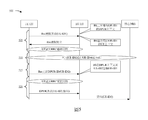
圖6是圖示同步用於預配置上行鏈路資源的UE辨識符的實例600的圖。FIG. 6 is a diagram illustrating an example 600 of synchronizing a UE identifier for pre-configured uplink resources.
在605處,UE 120和基地站110可以彼此通訊以建立RRC連接(例如,第一RRC連接),並且基地站110可以利用PUR配置來配置UE 120,如上文結合圖5所描述的。如上結合圖5所描述的,UE 120可以向基地站110傳輸第一UE辨識符(示為UE-ID1),並且基地站110可以將UE 120的第一UE辨識符儲存在基地站110的記憶體中,例如與關聯於UE 120的UE上下文及/或PUR上下文(例如,第一PUR上下文)相關聯。在一些態樣,UE 120可以在第一連接請求中傳輸第一UE辨識符,該第一連接請求例如是第一RRC連接請求。基地站110可以向核心網路實體傳輸UE辨識符,以與核心網路實體建立S1連接及/或NG連接,如以上結合圖5所描述的。同樣如上結合圖5所描述的,基地站110可以針對PUR配置UE 120,並且基地站110可以將PUR配置和第一UE辨識符儲存在基地站110的記憶體中(例如,在UE 120的PUR上下文中)。At 605, the
在610處,UE 120可以經歷UE辨識符重新分配程式,並且可以接收UE辨識符重新分配訊息,該UE辨識符重新分配訊息指示UE 120用第二UE辨識符替換第一UE辨識符,如上文結合圖5所描述的。UE 120可以在UE 120的記憶體中用第二UE辨識符替換第一UE辨識符。At 610, the
在615處,UE 120可以向基地站110傳輸將第一UE辨識符更新為用於PUR的第二UE辨識符的請求。在一些態樣,UE 120可以至少部分地基於接收到UE辨識符重新分配訊息來傳輸請求。另外或可替換地,UE 120可以至少部分地基於接收到PUR配置來傳輸請求。在一些態樣,若UE 120沒有被配置有PUR配置,則UE 120可以避免向基地站110傳輸請求。At 615, the
在一些態樣,將第一UE辨識符更新為第二UE辨識符的請求包括兩個訊息。如圖所示,第一訊息(例如,RRC訊息,示為RrcDeleteDPUR-ID)可以包括刪除與第一UE辨識符相關聯的預配置上行鏈路資源的請求。在一些態樣,UE 120可以在UE 120處於連接狀態時傳輸第一訊息。至少部分地基於第一訊息,基地站110可以從基地站110的記憶體中刪除與UE 120相關聯(例如,與第一UE辨識符相關聯)的PUR上下文。如圖所示,第二訊息可以包括指示第二UE辨識符的第二連接請求(例如,第二RRC連接請求)。如進一步所示的,在一些態樣,UE 120可以在進入RRC閒置狀態之後(例如,在釋放第一RRC連接之後)傳輸第二訊息。在一些態樣,UE 120可以請求基地站110釋放第一RRC連接,並且UE 120可以至少部分地基於從基地站110接收的RRC釋放訊息而進入RRC閒置狀態。至少部分地基於第二訊息,基地站110可以儲存與第二UE辨識符相關聯的UE上下文。基地站110可以將UE 120配置用於第二RRC連接(例如,在RRC連接建立訊息中),並且UE 120可以進入RRC連接模式。In some aspects, the request to update the first UE identifier to the second UE identifier includes two messages. As shown in the figure, the first message (for example, the RRC message, shown as RrcDeleteDPUR-ID) may include a request to delete the pre-configured uplink resource associated with the first UE identifier. In some aspects, the
在620處,因為先前配置的PUR配置已經被基地站110刪除,基地站110可以為UE 120配置新的PUR配置。例如,UE 120可以向基地站110傳輸PUR配置請求。至少部分地基於PUR配置請求,基地站110可以產生用於UE 120的第二PUR配置,並且可以將第二PUR配置與第二UE辨識符相關聯地儲存在記憶體中(例如,在第二PUR上下文中)。如圖所示,基地站110可以向UE 120傳輸第二PUR配置。UE 120可以使用第二PUR配置來傳輸上行鏈路資料,如本文其他部分所描述的。At 620, because the previously configured PUR configuration has been deleted by the
因為UE 120在UE辨識符重新分配程式之後向基地站110通知第二UE辨識符,所以使UE辨識符在UE 120與基地站110之間同步,此舉使得UE 120能夠使用預配置上行鏈路資源來減少時延、減少信號傳遞管理負擔等。Because the
如前述,提供圖6僅作為實例。其他實例可以與關於圖6描述的實例不同。As mentioned above, FIG. 6 is provided as an example only. Other examples may be different from the examples described with respect to FIG. 6.
圖7是圖示同步用於預配置上行鏈路資源的UE辨識符的實例700的圖。FIG. 7 is a diagram illustrating an example 700 of synchronizing a UE identifier for pre-configured uplink resources.
在705處,UE 120和基地站110可以彼此通訊以建立RRC連接。如圖所示,UE 120可以在RRC訊息(例如,連接請求,諸如RRC連接請求)中向基地站110傳輸UE辨識符(示為UE-ID1)。基地站110可以將UE 120的UE辨識符儲存在基地站110的記憶體中,例如與關聯於UE 120的UE上下文相關聯。在實例700中,基地站110不儲存與PUR上下文相關聯的UE辨識符。UE辨識符可以用於在核心網路中辨識UE 120。例如,UE辨識符可以包括NAS辨識符、S-TMSI、5G S-TMSI等。在實例700中,UE辨識符不用於PUR。At 705,
基地站110可以配置UE 120用於RRC連接(例如,在RRC連接建立訊息中),此舉可以將UE 120置於與基地站110的RRC連接狀態。基地站110可以向核心網路實體傳輸UE辨識符,以與核心網路實體建立S1連接及/或NG連接,例如與MME的S1-MME連接。核心網路實體可以將UE辨識符與用於UE 120的UE上下文一起儲存在記憶體中,例如用於行動性目的、計費目的、訂閱目的等。The
在710處,基地站110可以針對PUR(例如,在RRC連接建立之前或之後)來配置UE 120。如本文其他部分所描述的,PUR配置可以指示分配給UE 120用於上行鏈路通訊(例如,上行鏈路資料)的一或多個時間資源、一或多個頻率資源及/或TB大小。PUR配置可以指示一或多個週期性資源。基地站110可以決定UE 120的PUR配置(例如,資源集),並且可以向UE 120傳輸PUR配置。在實例700中,PUR配置包括PUR辨識符(示為DPUR-ID)。PUR辨識符可以用於PUR,而UE辨識符可以不用於PUR。如進一步所示的,基地站110可以將PUR配置和PUR辨識符儲存在UE 120的PUR上下文中,該PUR上下文可以儲存在基地站110的記憶體中。在一些態樣,基地站110可以在RRC訊息中傳輸PUR配置。At 710, the
在一些態樣,PUR辨識符是與UE辨識符不同類型的辨識符。例如,可以使用與UE辨識符相比不同的亂數產生演算法及/或不同的種子來產生PUR辨識符。另外或可替換地,PUR辨識符可以包括與UE辨識符數量不同的位元。在一些態樣,UE辨識符是NAS辨識符,並且PUR辨識符不是NAS辨識符。在一些態樣,UE辨識符是S-TMSI,而PUR辨識符不是S-TMSI。在一些態樣,UE辨識符是5G S-TMSI,而PUR辨識符不是5G S-TMSI。在一些態樣,UE辨識符是結合NAS協定使用的NAS辨識符,及/或PUR辨識符是結合RAN協定使用的RAN辨識符。In some aspects, the PUR identifier is a different type of identifier from the UE identifier. For example, a different random number generation algorithm and/or a different seed can be used to generate the PUR identifier compared with the UE identifier. Additionally or alternatively, the PUR identifier may include a different number of bits from the UE identifier. In some aspects, the UE identifier is a NAS identifier, and the PUR identifier is not a NAS identifier. In some aspects, the UE identifier is S-TMSI, and the PUR identifier is not S-TMSI. In some aspects, the UE identifier is 5G S-TMSI, and the PUR identifier is not 5G S-TMSI. In some aspects, the UE identifier is the NAS identifier used in conjunction with the NAS protocol, and/or the PUR identifier is the RAN identifier used in conjunction with the RAN protocol.
或者,在一些態樣,PUR辨識符和UE辨識符可以是相同類型的辨識符,但可以具有不同的值。例如,UE辨識符可以是具有第一值的NAS辨識符(例如,第一NAS辨識符),並且PUR辨識符可以是具有第二值的NAS辨識符(例如,第二NAS辨識符)。作為另一實例,UE辨識符可以是具有第一值的S-TMSI(例如,第一S-TMSI),並且PUR辨識符可以是具有第二值的S-TMSI(例如,第二S-TMSI)。作為另一實例,UE辨識符可以是具有第一值的5G S-TMSI(例如,第一5G S-TMSI),並且PUR辨識符可以是具有第二值的5G S-TMSI(例如,第二5G S-TMSI)。Or, in some aspects, the PUR identifier and the UE identifier may be the same type of identifier, but may have different values. For example, the UE identifier may be a NAS identifier having a first value (for example, the first NAS identifier), and the PUR identifier may be a NAS identifier having a second value (for example, the second NAS identifier). As another example, the UE identifier may be an S-TMSI with a first value (for example, the first S-TMSI), and the PUR identifier may be an S-TMSI with a second value (for example, the second S-TMSI) ). As another example, the UE identifier may be a 5G S-TMSI with a first value (for example, the first 5G S-TMSI), and the PUR identifier may be a 5G S-TMSI with a second value (for example, the second 5G S-TMSI).
在一些態樣,UE辨識符可以由於UE重新分配程式而改變(如本文中其他部分所描述的),並且PUR辨識符可以在UE重新分配程式之後保持相同。在一些態樣,PUR辨識符可以隨著傳輸連接請求(例如,RRC連接請求)而改變及/或被更新,但是可以保持靜態直到後續的連接請求。例如,PUR辨識符和UE辨識符可以在傳輸第一RRC連接請求之後皆是UE-ID1。此後,若重新分配UE辨識符,則UE辨識符可以被更新為UE-ID2,並且PUR辨識符可以保持為UE-ID1。In some aspects, the UE identifier may be changed due to the UE reassignment procedure (as described in other parts of this document), and the PUR identifier may remain the same after the UE reassignment procedure. In some aspects, the PUR identifier may be changed and/or updated with the transmission connection request (for example, RRC connection request), but may remain static until subsequent connection requests. For example, the PUR identifier and the UE identifier may both be UE-ID1 after transmitting the first RRC connection request. After that, if the UE identifier is re-allocated, the UE identifier can be updated to UE-ID2, and the PUR identifier can remain UE-ID1.
在715處,UE 120可以使用PUR(例如,使用預先配置用於上行鏈路資料的一或多個資源)向基地站110傳輸上行鏈路資料。在一些態樣,UE 120可以在進入RRC閒置模式之後向基地站110傳輸上行鏈路資料。如圖所示,UE 120可以向基地站110傳輸預配置上行鏈路訊息(例如,PUR請求),該訊息可以包括上行鏈路資料。如進一步所示的,預配置上行鏈路訊息可以包括PUR辨識符(DPUR-ID)和UE辨識符(UE-ID1)兩者。如圖所示,基地站110可以使用PUR辨識符(DPUR-ID)來辨識與UE 120相關聯的PUR上下文,例如以驗證UE 120、決定如何處理上行鏈路資料等。如進一步所示的,基地站110可以將上行鏈路資料與UE辨識符(UE-ID1)一起傳輸到核心網路。在一些態樣,基地站110可以避免向核心網路傳輸PUR辨識符(例如,因為PUR辨識符是由基地站110本端使用的,而不是由核心網路使用的)。核心網路可以使用UE辨識符用於訂閱目的、計費目的、行動性目的等。At 715,
因為UE 120和基地站110使用用於UE辨識符和PUR辨識符的單獨的辨識符,所以可以使PUR辨識符在UE 120和基地站110之間保持同步(例如,在UE辨識符重新分配程式之前和之後),此舉使得UE 120能夠使用預配置上行鏈路資源來減少時延、減少信號傳遞管理負擔等。Because the
如前述,提供圖7僅作為實例。其他實例可以與關於圖7描述的實例不同。As mentioned above, FIG. 7 is provided as an example only. Other examples may be different from the examples described with respect to FIG. 7.
圖8是圖示同步用於預配置上行鏈路資源的UE辨識符的實例800的圖。FIG. 8 is a diagram illustrating an example 800 of synchronizing a UE identifier for pre-configured uplink resources.
在805處,UE 120和基地站110可以彼此通訊以建立RRC連接,並且基地站110可以利用PUR配置來配置UE 120。如圖所示,UE 120可以在RRC訊息(例如,連接請求,諸如RRC連接請求)中向基地站110傳輸第一UE辨識符(示為UE-ID1)。基地站110可以將UE 120的第一UE辨識符儲存在基地站110的記憶體中,例如與關聯於UE 120的UE上下文及/或PUR上下文相關聯。因此,第一UE辨識符可以用於PUR。第一UE辨識符可以包括例如第一NAS辨識符、第一S-TMSI、第一5G S-TMSI等。基地站110可以配置UE 120用於RRC連接(例如,在RRC連接建立訊息中),此舉可以將UE 120置於與基地站110的RRC連接狀態。At 805, the
基地站110可以向核心網路實體傳輸UE辨識符,以與核心網路實體建立S1連接及/或NG連接,例如與MME的S1-MME連接。核心網路實體可以將第一UE辨識符與用於UE 120的UE上下文一起儲存在記憶體中,例如用於行動性目的、計費目的、訂閱目的等。因此,基地站和核心網路(例如,核心網路設備及/或核心網路實體)可以建立連接(例如,S1連接及/或NG連接),並且該連接可以與UE 120和第一UE辨識符相關聯,該第一UE辨識符在核心網路中辨識UE 120並且與UE 120的PUR相關聯。The
基地站110可以針對PUR(例如,在RRC連接建立之前或之後)配置UE 120,其被示為DPUR。PUR可以包括分配給UE 120用於上行鏈路通訊(例如,上行鏈路資料)的一或多個時間資源、一或多個頻率資源及/或TB大小。PUR可以包括一或多個週期性資源。在一些態樣,PUR配置可以指示第一UE辨識符。UE 120可以使用PUR(和第一UE辨識符)來傳輸上行鏈路資料,而無需首先請求和接收針對上行鏈路資料的上行鏈路容許,從而減少了時延和信號傳遞管理負擔。此外,可以允許UE 120在處於RRC閒置模式時使用PUR來傳輸上行鏈路資料,而無需首先建立RRC連接並且進入RRC連接模式,從而進一步節省信號傳遞管理負擔並且減少UE 120的電池消耗。基地站110可以決定UE 120的PUR配置(例如,資源集),並且可以向UE 120傳輸PUR配置。如進一步所示的,基地站110可以將PUR配置和第一UE辨識符儲存在UE 120的PUR上下文中,該PUR上下文可以儲存在基地站110的記憶體中。在一些態樣,基地站110可以在RRC訊息中傳輸PUR配置。The
在810處,UE 120可以經歷UE辨識符重新分配程式,例如上文結合圖3描述的TAU程式或另一UE辨識符重新分配程式。例如,UE 120可以(例如,從核心網路實體)接收UE辨識符重新分配訊息(例如,TAU接受訊息或另一訊息)。UE辨識符重新分配程式可以向UE 120分配第二UE辨識符(UE-ID2),並且第二UE辨識符可以替換第一UE辨識符(UE-ID1)。例如,UE辨識符重新分配訊息可以向UE 120指示及/或可以指示UE 120更新所儲存的UE辨識符(例如,用第二UE辨識符替換第一UE辨識符)。UE 120可以在UE 120的記憶體中用第二UE辨識符替換第一UE辨識符。第二UE辨識符可以包括例如第二NAS辨識符、第二S-TMSI、第二5G S-TMSI等。At 810, the
在815處,核心網路設備(例如,MME、AMF實體等)可以向基地站110傳輸針對PUR將第一UE辨識符更新為第二UE辨識符的請求。在一些態樣,核心網路設備可至少部分地基於傳輸UE辨識符重新分配訊息來傳輸請求。如圖所示,核心網路設備可以經由S1連接(例如,S1-AP連接)、NG連接(例如,NG-AP連接)等來傳輸請求。該請求可以包括第二UE辨識符(UE-ID2)。如圖所示,基地站110可以更新儲存在基地站110的記憶體中的資訊(例如,PUR上下文)以儲存第二UE辨識符。例如,基地站110可以至少部分地基於從核心網路設備接收到請求,在記憶體中用第二UE辨識符替換第一UE辨識符。在一些態樣,將第一UE辨識符更新為第二UE辨識符的請求是從核心網路設備到基地站110的單個訊息。At 815, the core network equipment (eg, MME, AMF entity, etc.) may transmit to the
在820處,在核心網路設備向基地站110通知第二UE辨識符之後,UE 120可以使用PUR(例如,使用預先配置用於上行鏈路資料的一或多個資源)向基地站110傳輸上行鏈路資料。在一些態樣,UE 120可以在進入RRC閒置模式之後向基地站110傳輸上行鏈路資料。如圖所示,UE 120可以向基地站110傳輸PUR請求,該PUR請求可以包括上行鏈路資料。因為已經向UE 120重新分配了第二UE辨識符,所以UE 120可以將第二UE辨識符(UE-ID2)包括在PUR請求中。由於將第一UE辨識符更新為第二UE辨識符的請求,已經向基地站110通知了現在與UE 120相關聯的第二UE辨識符。結果,基地站110可以辨識與UE 120相關聯的PUR上下文。基地站110可以將上行鏈路資料與第二UE辨識符一起傳輸到核心網路。如此,核心網路可以使用已經分配給UE 120的第二UE辨識符,用於訂閱目的、計費目的、行動性目的等。At 820, after the core network device notifies the
因為核心網路設備在UE辨識符重新分配程式之後向基地站110通知第二UE辨識符,所以使UE辨識符在UE 120、基地站110和核心網路設備之間同步,此舉使得UE 120能夠使用預配置上行鏈路資源來減少時延、減少信號傳遞管理負擔等。Because the core network equipment notifies the
如前述,提供圖8僅作為實例。其他實例可以與關於圖8描述的實例不同。As mentioned above, FIG. 8 is provided as an example only. Other examples may be different from the examples described with respect to FIG. 8.
圖9是圖示根據本案內容的各個態樣的例如由UE執行的示例性方法900的圖。示例性方法900是其中UE(例如,UE 120、裝置1402等)執行與同步用於預配置上行鏈路資源的使用者設備辨識符相關聯的操作的實例。FIG. 9 is a diagram illustrating an
在一些態樣,方塊910可以包括向基地站傳輸指示用於預配置上行鏈路資源的第一UE辨識符的連接請求。例如,UE(例如,使用傳輸處理器264、控制器/處理器280、記憶體282等)可以向基地站傳輸指示用於預配置上行鏈路資源的第一UE辨識符的連接請求,如前述。在一些態樣,在無線電資源控制訊息中傳輸連接請求。在一些態樣,第一UE辨識符是第一非存取層(NAS)辨識符、第一服務臨時行動用戶辨識(S-TMSI),或第一5G S-TMSI(5G-S-TMSI)。In some aspects, block 910 may include transmitting to the base station a connection request indicating a first UE identifier for pre-configured uplink resources. For example, the UE (for example, using the
在一些態樣,方塊920可以包括從基地站接收用於預配置上行鏈路資源的配置。例如,UE(例如,使用接收處理器258、控制器/處理器280、記憶體282等)可以從基地站接收用於預配置上行鏈路資源的配置,如前述。在一些態樣,在無線電資源控制訊息中接收配置。In some aspects, block 920 may include receiving a configuration for pre-configured uplink resources from the base station. For example, the UE (eg, using the receiving
在一些態樣,方塊930可以包括接收UE辨識符重新分配訊息,該UE辨識符重新分配訊息向UE指示用第二UE辨識符替換第一UE辨識符。例如,UE(例如,使用接收處理器258、控制器/處理器280、記憶體282等)可以接收UE辨識符重新分配訊息,該UE辨識符重新分配訊息向UE指示用第二UE辨識符替換第一UE辨識符,如前述。在一些態樣,第二UE辨識符是第二NAS辨識符、第二S-TMSI,或第二5G S-TMSI。In some aspects, block 930 may include receiving a UE identifier reallocation message that instructs the UE to replace the first UE identifier with the second UE identifier. For example, the UE (for example, using the receiving
在一些態樣,方塊940可以包括至少部分地基於接收到UE辨識符重新分配訊息,向基地站傳輸針對預配置上行鏈路資源將第一UE辨識符更新為第二UE辨識符的請求。例如,UE(例如,使用傳輸處理器264、控制器/處理器280、記憶體282等)可以至少部分地基於接收到UE辨識符重新分配訊息,向基地站傳輸針對預配置上行鏈路資源將第一UE辨識符更新為第二UE辨識符的請求,如前述。在一些態樣,針對預配置上行鏈路資源將第一UE辨識符更新為第二UE辨識符的請求亦至少部分地基於接收到用於預配置上行鏈路資源的配置。在一些態樣,在無線電資源控制訊息中傳輸針對預配置上行鏈路資源將第一UE辨識符更新為第二UE辨識符的請求。在一些態樣,將第一UE辨識符更新為第二UE辨識符的請求是在UE處於連接狀態時傳輸的單個訊息。在一些態樣,將第一UE辨識符更新為第二UE辨識符的請求包括:在該UE處於連接狀態時刪除與第一UE辨識符相關聯的預配置上行鏈路資源的請求,以及指示第二UE辨識符的另一連接請求。In some aspects, block 940 may include transmitting a request to the base station to update the first UE identifier to the second UE identifier for the pre-configured uplink resource based at least in part on the received UE identifier reallocation message. For example, the UE (e.g., using the
方法900可以包括另外的態樣,諸如結合本文其他部分描述的一或多個其他過程描述的任何單個態樣及/或態樣的任何組合。The
儘管圖9圖示方法900的示例性方塊,但是在一些態樣,方法900可以包括與圖9中所示的相比附加的方塊,更少的方塊,不同的方塊,或者不同佈置的方塊。另外或者可替換地,方法900的兩個或更多個方塊可以並存執行。Although FIG. 9 illustrates exemplary blocks of the
圖10是圖示根據本案內容的各個態樣的例如由UE執行的示例性方法1000的圖。示例性方法1000是其中UE(例如,UE 120、裝置1402/1402'等)執行與同步用於預配置上行鏈路資源的使用者設備辨識符相關聯的操作的實例。FIG. 10 is a diagram illustrating an
在一些態樣,方塊1010可以包括向基地站傳輸指示在核心網路中辨識UE的第一UE辨識符的連接請求。例如,UE(例如,使用傳輸處理器264、控制器/處理器280、記憶體282等)可以向基地站傳輸指示在核心網路中辨識UE的第一UE辨識符的連接請求,如前述。在一些態樣,在RRC訊息中傳輸連接請求。在一些態樣,第一UE辨識符是NAS辨識符、S-TMSI,或5G TMSI。In some aspects,
在一些態樣,方塊1020可以包括從基地站接收用於預配置上行鏈路資源(PUR)的配置,其中配置指示上行鏈路資源和PUR辨識符。例如,UE(例如,使用接收處理器258、控制器/處理器280、記憶體282等)可以從基地站接收用於PUR的配置,如前述。在一些態樣,配置指示上行鏈路資源和PUR辨識符。在一些態樣,PUR辨識符是與UE辨識符不同類型的辨識符。在一些態樣,UE辨識符是第一NAS辨識符、第一S-TMSI,或第一5G S-TMSI,而PUR辨識符是第二NAS辨識符、第二S-TMSI,或第二5G S-TMSI。在一些態樣,上行鏈路資源是預配置上行鏈路資源。In some aspects,
在一些態樣,方塊1030可以包括至少部分地基於該配置來與基地站進行通訊。例如,UE(例如,使用傳輸處理器264、控制器/處理器280、記憶體282等)可以至少部分地基於該配置來與基地站進行通訊。在一些態樣,與基地站進行通訊包括在預配置上行鏈路資源中向基地站傳輸預配置上行鏈路訊息,其中預配置上行鏈路訊息包括上行鏈路資料。在一些態樣,UE可以向基地站傳輸包括PUR辨識符的訊息。In some aspects,
方法1000可以包括另外的態樣,諸如以下及/或結合本文其他部分描述的一或多個其他過程描述的任何單個態樣及/或態樣的任何組合。The
在一些態樣,UE可以執行向UE分配與第一UE辨識符不同的第二UE辨識符的UE辨識符重新分配程式。UE可以至少部分地基於執行UE辨識符重新分配程式,向基地站傳輸包括PUR辨識符的訊息。在此種情況下,UE辨識符重新分配程式不使PUR辨識符改變。在此種情況下,第一UE辨識符可以是第一NAS辨識符、第一S-TMSI或第一5G S-TMSI,而第二UE辨識符可以是第二NAS辨識符、第二S-TMSI或第二5G S-TMSI。In some aspects, the UE may perform a UE identifier reassignment procedure that assigns a second UE identifier different from the first UE identifier to the UE. The UE may transmit a message including the PUR identifier to the base station based at least in part on executing the UE identifier reassignment procedure. In this case, the UE identifier reassignment procedure does not change the PUR identifier. In this case, the first UE identifier may be the first NAS identifier, the first S-TMSI or the first 5G S-TMSI, and the second UE identifier may be the second NAS identifier, the second S-TMSI TMSI or the second 5G S-TMSI.
在一些態樣,UE可以接收使得UE利用第二UE辨識符替換第一UE辨識符的訊息。UE可以至少部分地基於接收到使得UE利用第二UE辨識符替換第一UE辨識符的訊息,向基地站傳輸包括PUR辨識符的訊息。在此種情況下,使得UE利用第二UE辨識符替換第一UE辨識符的訊息不使得PUR辨識符改變。在此種情況下,第一UE辨識符可以是第一NAS辨識符、第一S-TMSI或第一5G S-TMSI,而第二UE辨識符可以是第二NAS辨識符、第二S-TMSI或第二5G S-TMSI。In some aspects, the UE may receive a message that causes the UE to replace the first UE identifier with the second UE identifier. The UE may transmit a message including the PUR identifier to the base station based at least in part on receiving a message that causes the UE to replace the first UE identifier with the second UE identifier. In this case, the message that causes the UE to replace the first UE identifier with the second UE identifier does not change the PUR identifier. In this case, the first UE identifier may be the first NAS identifier, the first S-TMSI or the first 5G S-TMSI, and the second UE identifier may be the second NAS identifier, the second S-TMSI TMSI or the second 5G S-TMSI.
儘管圖10圖示方法1000的示例性方塊,但是在一些態樣,方法1000可以包括與圖10中所示的相比附加的方塊,更少的方塊,不同的方塊,或者不同佈置的方塊。另外或者可替換地,方法1000的兩個或更多個方塊可以並存執行。Although FIG. 10 illustrates exemplary blocks of the
圖11是圖示根據本案內容的各個態樣的例如由基地站執行的示例性方法1100的圖。示例性方法1100是其中基地站(例如,基地站110、裝置1602/1602'等)執行與同步用於預配置上行鏈路資源的使用者設備辨識符相關聯的操作的實例。FIG. 11 is a diagram illustrating an
在一些態樣,方塊1110可以包括從UE接收指示用於預配置上行鏈路資源的第一UE辨識符的連接請求。例如,基地站(例如,使用接收處理器238、控制器/處理器240、記憶體242等)可以從UE接收指示用於預配置上行鏈路資源的第一UE辨識符的連接請求,如前述。在一些態樣,在RRC訊息中接收連接請求。在一些態樣,第一UE辨識符是第一NAS辨識符、第一S-TMSI或第一5G S-TMSI。In some aspects,
在一些態樣,方塊1120可以包括向UE傳輸用於預配置上行鏈路資源的配置。例如,基地站(例如,使用傳輸處理器220、控制器/處理器240、記憶體242等)可以向UE傳輸用於預配置上行鏈路資源的配置,如前述。在一些態樣,在RRC訊息中傳輸配置。在一些態樣,配置指示一或多個上行鏈路資源以供UE在沒有首先接收到容許的情況下傳輸上行鏈路資料。In some aspects,
在一些態樣,方塊1130可以包括接收針對預配置上行鏈路資源將第一UE辨識符更新為第二UE辨識符的請求。例如,基地站(例如,使用接收處理器238、控制器/處理器240、記憶體242等)可以接收針對預配置上行鏈路資源將第一UE辨識符更新為第二UE辨識符的請求,如前述。在一些態樣,從UE接收將第一UE辨識符更新為第二UE辨識符的請求。在一些態樣,在RRC訊息中接收將第一UE辨識符更新為第二UE辨識符的請求。在一些態樣,從行動性管理實體(MME)、存取和行動性管理功能(AMF)實體,或另一核心網路實體接收將第一UE辨識符更新為第二UE辨識符的請求。在一些態樣,將第一UE辨識符更新為第二UE辨識符的請求是S1應用協定訊息或NG應用協定訊息。在一些態樣,將第一UE辨識符更新為第二UE辨識符的請求是在UE處於連接狀態時接收到的單個訊息。在一些態樣,將第一UE辨識符更新為第二UE辨識符的請求包括:在UE處於連接狀態時刪除與第一UE辨識符相關聯的預配置上行鏈路資源的請求,以及指示第二UE辨識符的另一連接請求。在一些態樣,第二UE辨識符是第二NAS辨識符、第二S-TMSI,或第二5G S-TMSI。In some aspects,
在一些態樣,方塊1140可以包括至少部分地基於接收到將第一UE辨識符更新為第二UE辨識符的請求,在儲存與預配置上行鏈路資源相關聯的上下文的基地站的記憶體中將第一UE辨識符更新為第二UE辨識符。例如,基地站(例如,使用控制器/處理器240、記憶體242等)可以至少部分地基於接收到將第一UE辨識符更新為第二UE辨識符的請求,將第一UE辨識符更新為第二UE辨識符,如前述。在一些態樣,基地站可以在儲存與預配置上行鏈路資源相關聯的上下文的基地站的記憶體中將第一UE辨識符更新為第二UE辨識符。上下文可以包括例如PUR上下文。In some aspects,
方法1100可以包括另外的態樣,諸如結合本文其他部分描述的一或多個其他過程描述的任何單個態樣及/或態樣的任何組合。The
儘管圖11圖示方法1100的示例性方塊,但是在一些態樣,方法1100可以包括與圖11中所示的相比附加的方塊,更少的方塊,不同的方塊,或者不同佈置的方塊。另外或者可替換地,方法1100的兩個或更多個方塊可以並存執行。Although FIG. 11 illustrates exemplary blocks of the
圖12是圖示根據本案內容的各個態樣的例如由基地站執行的示例性方法1200的圖。示例性方法1200是其中基地站(例如,基地站110、裝置1602/1602'等)執行與同步用於預配置上行鏈路資源的使用者設備辨識符相關聯的操作的實例。FIG. 12 is a diagram illustrating an
在一些態樣,方塊1210可以包括從UE接收指示在核心網路中辨識UE的第一UE辨識符的連接請求。例如,基地站(例如,使用接收處理器238、控制器/處理器240、記憶體242等)可以從UE接收指示在核心網路中辨識UE的第一UE辨識符的連接請求,如前述。在一些態樣,在RRC訊息中接收連接請求。在一些態樣,第一UE辨識符是NAS辨識符、S-TMSI,或5G S-TMSI。In some aspects,
在一些態樣,方塊1220可以包括向UE傳輸用於PUR的配置,其中配置指示上行鏈路資源和PUR辨識符,該PUR辨識符是與第一UE辨識符不同類型的辨識符。例如,基地站(例如,使用傳輸處理器220、控制器/處理器240、記憶體242等)可以向UE傳輸用於PUR的配置,如前述。在一些態樣,配置指示上行鏈路資源和PUR辨識符。在一些態樣,在RRC訊息中傳輸配置。在一些態樣,PUR辨識符是與第一UE辨識符不同類型的辨識符。在一些態樣,第一UE辨識符是第一NAS辨識符、第一S-TMSI,或5G S-TMSI,而PUR辨識符是第二NAS辨識符、第二S-TMSI,或第二5G S-TMSI。In some aspects,
在一些態樣,方塊1230可以包括至少部分地基於配置來與UE進行通訊。例如,基地站(例如,使用接收處理器238、控制器/處理器240、記憶體242等)可以至少部分地基於配置來與UE進行通訊,如前述。在一些態樣,與UE進行通訊包括在預配置上行鏈路資源中從UE接收預配置上行鏈路訊息,其中預配置上行鏈路訊息包括上行鏈路資料。在一些態樣,預配置上行鏈路訊息包括上行鏈路資料、UE辨識符和PUR辨識符。在一些態樣,基地站可以至少部分地基於PUR辨識符來辨識與預配置上行鏈路資源相關聯的上下文。上下文可以包括例如PUR上下文。在一些態樣,基地站可以從UE接收包括PUR辨識符的訊息。In some aspects,
方法1200可以包括另外的態樣,諸如以下及/或結合本文其他部分描述的一或多個其他過程描述的任何單個態樣及/或態樣的任何組合。The
在一些態樣,基地站可以傳輸使得UE利用第二UE辨識符替換第一UE辨識符的訊息。基地站可以至少部分地基於傳輸使得UE利用第二UE辨識符替換第一UE辨識符的訊息,從UE接收包括PUR辨識符的訊息。在此種情況下,使得UE利用第二UE辨識符替換第一UE辨識符的訊息不使得PUR辨識符改變。在此種情況下,第一UE辨識符是第一NAS辨識符、第一S-TMSI或第一5G S-TMSI,而第二UE辨識符是第二NAS辨識符、第二S-TMSI或第二5G S-TMSI。In some aspects, the base station may transmit a message that causes the UE to replace the first UE identifier with the second UE identifier. The base station may receive a message including the PUR identifier from the UE based at least in part on transmitting a message that causes the UE to replace the first UE identifier with the second UE identifier. In this case, the message that causes the UE to replace the first UE identifier with the second UE identifier does not change the PUR identifier. In this case, the first UE identifier is the first NAS identifier, the first S-TMSI or the first 5G S-TMSI, and the second UE identifier is the second NAS identifier, the second S-TMSI or The second 5G S-TMSI.
儘管圖12圖示方法1200的示例性方塊,但是在一些態樣,方法1200可以包括與圖12中所示的相比附加的方塊,更少的方塊,不同的方塊,或者不同佈置的方塊。另外或者可替換地,方法1200的兩個或更多個方塊可以並存執行。Although FIG. 12 illustrates exemplary blocks of the
圖13是圖示根據本案內容的各個態樣的例如由核心網路設備執行的示例性方法1300的圖。示例性方法1300是其中核心網路設備(例如,網路控制器130、MME、AMF實體、裝置1802/1802'等)執行與同步用於預配置上行鏈路資源的使用者設備辨識符相關聯的操作的實例。FIG. 13 is a diagram illustrating an
在一些態樣,方塊1310可以包括與基地站建立連接,其中連接與UE和第一UE辨識符相關聯,第一UE辨識符在核心網路中辨識UE,並且與用於UE的預配置上行鏈路資源相關聯。例如,核心網路設備(例如,使用控制器/處理器290、記憶體292、通訊單元294等)可以與基地站建立連接,如前述。在一些態樣,連接與UE和第一UE辨識符相關聯,第一UE辨識符在核心網路中辨識UE,並且與用於UE的預配置上行鏈路資源相關聯。在一些態樣,為S1-AP介面及/或NG-AP介面建立連接。例如,與基地站的連接可以是S1應用協定連接或NG應用協定連接。在一些態樣,核心網路設備是行動性管理實體(MME)或存取和行動性管理功能(AMF)實體。In some aspects,
在一些態樣,方塊1320可以包括經由基地站向UE傳輸UE辨識符重新分配訊息,UE辨識符重新分配訊息向UE指示用第二UE辨識符替換第一UE辨識符。例如,核心網路設備(例如,使用控制器/處理器290、記憶體292、通訊單元294等)可以經由基地站向UE傳輸UE辨識符重新分配訊息,UE辨識符重新分配訊息向UE指示用第二UE辨識符替換第一UE辨識符,如前述。在一些態樣,第一UE辨識符是第一NAS辨識符、第一S-TMSI或第一5G S-TMSI。在一些態樣,第二UE辨識符是第二NAS辨識符、第二S-TMSI,或第二5G S-TMSI。In some aspects,
在一些態樣,方塊1330可以包括向基地站傳輸針對預配置上行鏈路資源將第一UE辨識符更新為第二UE辨識符的請求。例如,核心網路設備(例如,使用控制器/處理器290、記憶體292、通訊單元294等)可以向基地站傳輸針對預配置上行鏈路資源將第一UE辨識符更新為第二UE辨識符的請求,如前述。在一些態樣,經由S1應用協定連接或NG應用協定連接來傳輸將第一UE辨識符更新為第二UE辨識符的請求。In some aspects,
方法1300可以包括另外的態樣,諸如結合本文其他部分描述的一或多個其他過程描述的任何單個態樣及/或態樣的任何組合。The
儘管圖13圖示方法1300的示例性方塊,但是在一些態樣,方法1300可以包括與圖13中所示的相比附加的方塊,更少的方塊,不同的方塊,或者不同佈置的方塊。另外或者可替換地,方法1300的兩個或更多個方塊可以並存執行。Although FIG. 13 illustrates exemplary blocks of the
圖14是圖示示例性裝置1402中的不同模組/構件/元件之間的資料流程的概念性資料流程圖1400。裝置1402可以是UE。在一些態樣,裝置1402包括接收模組1404、決定模組1406、傳輸模組1408等。14 is a conceptual data flow diagram 1400 illustrating the data flow between different modules/components/components in an
在一些態樣,傳輸模組1408可以向裝置1450(例如,基地站)傳輸指示在核心網路中辨識裝置1402的第一UE辨識符的連接請求。接收模組1404可以從裝置1450接收用於預配置上行鏈路資源的配置,其中配置指示上行鏈路資源和PUR辨識符,該PUR辨識符是與第一UE辨識符不同類型的辨識符。在一些態樣,接收模組1404可以接收UE辨識符重新分配訊息,該UE辨識符重新分配訊息向UE指示用第二UE辨識符替換第一UE辨識符。在一些態樣,傳輸模組1408可以至少部分地基於接收到UE辨識符重新分配訊息,向裝置1450傳輸針對預配置上行鏈路資源將第一UE辨識符更新為第二UE辨識符的請求。接收模組1404或傳輸模組1408可以至少部分地基於配置與裝置1450進行通訊。例如,傳輸模組1408可以在預配置上行鏈路資源中向裝置1450傳輸預配置上行鏈路訊息,其中預配置上行鏈路訊息包括上行鏈路資料。在一些態樣,決定模組1406可以至少部分地基於接收到UE辨識符重新分配訊息及/或至少部分地基於接收到用於預配置上行鏈路資源的配置來決定要傳輸請求。決定模組1406可以指示傳輸模組1408傳輸請求。In some aspects, the
在一些態樣,傳輸模組1408可以向裝置1450傳輸指示在核心網路中辨識UE的UE辨識符的連接請求。接收模組1404可以從裝置1450接收用於PUR的配置,其中配置指示上行鏈路資源和PUR辨識符。傳輸模組1408可以在上行鏈路資源中向裝置1450傳輸預配置上行鏈路訊息,其中預配置上行鏈路訊息包括上行鏈路資料、UE辨識符和PUR辨識符,該PUR辨識符是與第一UE辨識符不同類型的辨識符。在一些態樣,決定模組1406可以決定傳輸請求及/或可以指示傳輸模組1408傳輸請求。In some aspects, the
在一些態樣,決定模組1406可以執行UE辨識符重新分配程式,其向裝置1402分配與第一UE辨識符不同的第二UE辨識符。傳輸模組1408可以至少部分地基於執行UE辨識符重新分配程式來向裝置1450傳輸包括PUR辨識符的訊息。In some aspects, the
在一些態樣,接收模組1404可以接收使得裝置1402利用第二UE辨識符替換第一UE辨識符的訊息。傳輸模組1408可以至少部分地基於接收到使得裝置1402利用第二UE辨識符替換第一UE辨識符的訊息來向裝置1450傳輸包括PUR辨識符的訊息。In some aspects, the
該裝置可以包括執行上述圖9的方法900、圖10的方法1000等中的演算法的每個方塊的附加模組。上述圖9的方法900、圖10的方法1000等之每一者方塊皆可以由模組執行,並且裝置可以包括該等模組中的一或多個。模組可以是專門被配置為執行所述過程/演算法的一或多個硬體元件,由被配置為執行所述過程/演算法的處理器實現,儲存在電腦可讀取媒體內以由處理器實現,或其某個組合。The device may include additional modules for executing each block of the algorithm in the
圖14中所示的模組的數量和佈置是作為實例提供的。實際上,可以存在與圖14中所示的相比附加的模組、更少的模組、不同的模組或不同佈置的模組。此外,圖14中所示的兩個或更多個模組可以在單個模組中實現,或者圖14中所示的單個模組可以實現為多個分散式模組。另外或可替換地,圖14中所示的一組模組(例如,一或多個模組)可以執行被描述為由圖14中所示的另一組模組執行的一或多個功能。The number and arrangement of the modules shown in Fig. 14 are provided as examples. In fact, there may be additional modules, fewer modules, different modules, or differently arranged modules than those shown in FIG. 14. In addition, two or more modules shown in FIG. 14 may be implemented in a single module, or the single module shown in FIG. 14 may be implemented as a plurality of distributed modules. Additionally or alternatively, a set of modules (eg, one or more modules) shown in FIG. 14 may perform one or more functions described as being performed by another set of modules shown in FIG. 14 .
圖15是圖示用於採用處理系統1502的裝置1402的硬體實施方式的實例的圖1500。裝置1402可以是UE。15 is a diagram 1500 illustrating an example of a hardware implementation of a
處理系統1502可以用匯流排架構來實現,匯流排架構通常由匯流排1504表示。取決於處理系統1502的具體應用和整體設計約束,匯流排1504可以包括任何數量的互連匯流排和橋接器。匯流排1504將包括由處理器1506、模組1404、1406、1408表示的一或多個處理器及/或硬體模組,以及電腦可讀取媒體/記憶體1508的各種電路連結在一起。匯流排1504亦可以連結諸如定時源、周邊設備、穩壓器和電源管理電路的各種其他電路,該等其他電路在本領域中是眾所周知的,因此將不再進一步描述。The
處理系統1502可以耦合到收發機1510。收發機1510耦合到一或多個天線1512。收發機1510提供用於經由傳輸媒體與各種其他裝置進行通訊的手段。收發機1510從一或多個天線1512接收信號,從接收到的信號中提取資訊,並將所提取的資訊提供給處理系統1502,具體地是接收模組1404。此外,收發機1510從處理系統1502,具體地是傳輸模組1408接收資訊,並且至少部分地基於所接收的資訊,產生要應用於一或多個天線1512的信號。處理系統1502包括耦合到電腦可讀取媒體/記憶體1508的處理器1506。處理器1506負責一般處理,包括執行儲存在電腦可讀取媒體/記憶體1508上的軟體。當由處理器1506執行時,軟體使處理系統1502執行以上針對任何特定裝置所述的各種功能。電腦可讀取媒體/記憶體1508亦可用於儲存在執行軟體時由處理器1506操縱的資料。處理系統亦包括模組1404、1406、1408等中的至少一個。模組可以是在處理器1506中執行的、常駐/儲存在電腦可讀取媒體/記憶體1508中的軟體模組、耦合到處理器1506的一或多個硬體模組或其某個組合。處理系統1502可以是UE 120的元件,並且可以包括記憶體282及/或TX MIMO處理器266、RX處理器258及/或控制器/處理器280中的至少一個。The
在一些態樣,用於無線通訊的裝置1402包括用於向基地站傳輸指示用於預配置上行鏈路資源的第一UE辨識符的連接請求的構件;用於從基地站接收用於預配置上行鏈路資源的配置的構件;用於接收UE辨識符重新分配訊息的構件,UE辨識符重新分配訊息向該裝置指示用第二UE辨識符替換第一UE辨識符;及用於至少部分地基於接收到UE辨識符重新分配訊息,向基地站傳輸針對預配置上行鏈路資源將第一UE辨識符更新為第二UE辨識符的請求的構件;等等。另外或可替換地,用於無線通訊的裝置1402包括用於向基地站傳輸指示在核心網路中辨識該裝置的第一UE辨識符的連接請求的構件;用於從基地站接收用於PUR的配置的構件,其中配置指示上行鏈路資源和PUR辨識符,PUR辨識符是與第一UE辨識符不同類型的辨識符;及用於至少部分地基於配置來與基地站進行通訊的構件;等等。上述構件可以是被配置為執行由上述構件所述的功能的裝置1402的上述模組及/或裝置1402的處理系統1502中的一或多個。如本文其他部分所述,處理系統1502可以包括TX MIMO處理器266、RX處理器258及/或控制器/處理器280。在一種配置中,上述構件可以是被配置為執行上述功能及/或操作的TX MIMO處理器266、RX處理器258及/或控制器/處理器280。In some aspects, the
提供圖15作為實例。其他實例可以與關於圖15描述的實例不同。Figure 15 is provided as an example. Other examples may be different from the examples described with respect to FIG. 15.
圖16是圖示示例性裝置1602中的不同模組/構件/元件之間的資料流程的概念性資料流程圖1600。裝置1602可以是基地站。在一些態樣,裝置1602包括接收模組1604、決定模組1606、更新模組1608、傳輸模組1610等。16 is a conceptual data flow diagram 1600 illustrating the data flow between different modules/components/components in an
在一些態樣,接收模組1604可以從裝置1650(例如,UE)接收指示用於預配置上行鏈路資源的第一UE辨識符的連接請求。傳輸模組1610可以向裝置1650傳輸用於預配置上行鏈路資源的配置。接收模組1604可以接收針對預配置上行鏈路資源將第一UE辨識符更新為第二UE辨識符的請求。更新模組1608可以至少部分地基於接收到將第一UE辨識符更新為第二UE辨識符的請求,在儲存與預配置上行鏈路資源相關聯的上下文的基地站的記憶體中將第一UE辨識符更新為第二UE辨識符。決定模組1606可以決定傳輸用於預配置上行鏈路資源的配置,及/或可以通知傳輸模組1610傳輸該配置。另外或可替換地,決定模組1606可以決定將第一UE辨識符更新為第二UE辨識符及/或可以通知更新模組1608執行更新。In some aspects, the
在一些態樣,接收模組1604可以從裝置1650接收指示在核心網路中辨識UE的第一UE辨識符的連接請求。傳輸模組1610可以向裝置1650傳輸用於PUR的配置,其中配置指示上行鏈路資源和PUR辨識符,其中PUR辨識符是與第一UE辨識符不同類型的辨識符。接收模組1604或傳輸模組1610可以至少部分地基於配置來與UE進行通訊。In some aspects, the
該裝置可以包括執行上述圖11的方法1100、圖12的方法1200等中的演算法的每個方塊的附加模組。上述圖11的方法1100、圖12的方法1200等之每一者方塊皆可以由模組執行,並且裝置可以包括該等模組中的一或多個。模組可以是專門被配置為執行所述過程/演算法的一或多個硬體元件,由被配置為執行所述過程/演算法的處理器實現,儲存在電腦可讀取媒體內以由處理器實現,或其某個組合。The device may include additional modules for executing each block of the algorithm in the
圖16中所示的模組的數量和佈置是作為實例提供的。實際上,可以存在與圖16中所示的相比附加的模組、更少的模組、不同的模組或不同佈置的模組。此外,圖16中所示的兩個或更多個模組可以在單個模組中實現,或者圖16中所示的單個模組可以實現為多個分散式模組。另外或可替換地,圖16中所示的一組模組(例如,一或多個模組)可以執行被描述為由圖16中所示的另一組模組執行的一或多個功能。The number and arrangement of the modules shown in Fig. 16 are provided as examples. In fact, there may be additional modules, fewer modules, different modules, or differently arranged modules than those shown in FIG. 16. In addition, two or more modules shown in FIG. 16 may be implemented in a single module, or the single module shown in FIG. 16 may be implemented as a plurality of distributed modules. Additionally or alternatively, a set of modules (eg, one or more modules) shown in FIG. 16 may perform one or more functions described as being performed by another set of modules shown in FIG. 16 .
圖17是圖示用於採用處理系統1702的裝置1602的硬體實施方式的實例的圖1700。裝置1602'可以是基地站。FIG. 17 is a diagram 1700 illustrating an example of a hardware implementation of a
處理系統1702可以用匯流排架構來實現,匯流排架構通常由匯流排1704表示。取決於處理系統1702的具體應用和整體設計約束,匯流排1704可以包括任何數量的互連匯流排和橋接器。匯流排1704將包括由處理器1706、模組1604、1606、1608、1610等表示的一或多個處理器及/或硬體模組,以及電腦可讀取媒體/記憶體1708的各種電路連結在一起。匯流排1704亦可以連結諸如定時源、周邊設備、穩壓器和電源管理電路的各種其他電路,該等其他電路在本領域中是眾所周知的,因此將不再進一步描述。The
處理系統1702可以耦合到收發機1710。收發機1710耦合到一或多個天線1712。收發機1710提供用於經由傳輸媒體與各種其他裝置進行通訊的手段。收發機1710從一或多個天線1712接收信號,從接收到的信號中提取資訊,並將所提取的資訊提供給處理系統1702,具體地是接收模組1604。此外,收發機1710從處理系統1702,具體地是傳輸模組1610接收資訊,並且至少部分地基於所接收的資訊,產生要應用於一或多個天線1712的信號。處理系統1702包括耦合到電腦可讀取媒體/記憶體1708的處理器1706。處理器1706負責一般處理,包括執行儲存在電腦可讀取媒體/記憶體1708上的軟體。當由處理器1706執行時,軟體使處理系統1702執行以上針對任何特定裝置所述的各種功能。電腦可讀取媒體/記憶體1708亦可用於儲存在執行軟體時由處理器1706操縱的資料。處理系統亦包括模組1604、1606、1608、1610等中的至少一個。模組可以是在處理器1706中執行的、常駐/儲存在電腦可讀取媒體/記憶體1708中的軟體模組、耦合到處理器1706的一或多個硬體模組或其某個組合。處理系統1702可以是eNB 110的元件,並且可以包括記憶體242及/或TX MIMO處理器230、RX處理器238及/或控制器/處理器240中的至少一個。The
在一些態樣,用於無線通訊的裝置1602包括用於從UE接收指示用於預配置上行鏈路資源的第一UE辨識符的連接請求的構件;用於向UE傳輸用於預配置上行鏈路資源的配置的構件;用於接收針對預配置上行鏈路資源將第一UE辨識符更新為第二UE辨識符的請求的構件;及用於至少部分地基於接收到將第一UE辨識符更新為第二UE辨識符的請求,在儲存與預配置上行鏈路資源相關聯的上下文的裝置的記憶體中將第一UE辨識符更新為第二UE辨識符的構件;等等。在一些態樣,裝置1602可以包括用於從UE接收指示在核心網路中辨識UE的第一UE辨識符的連接請求的構件;用於向UE傳輸用於PUR的配置的構件,其中配置指示上行鏈路資源和PUR辨識符,PUR辨識符是與第一UE辨識符不同類型的辨識符;至少部分地基於配置來與UE進行通訊的構件;及用於在上行鏈路資源中從UE接收預配置上行鏈路訊息的構件,其中預配置上行鏈路訊息包括上行鏈路資料、UE辨識符和PUR辨識符;等等。上述構件可以是被配置為執行由上述構件所述的功能的裝置1602的上述模組及/或裝置1602'的處理系統1702中的一或多個。如本文其他部分所述,處理系統1702可以包括TX MIMO處理器230、接收處理器238及/或控制器/處理器240。在一種配置中,上述構件可以是被配置為執行上述功能及/或操作的TX MIMO處理器230、接收處理器238及/或控制器/處理器240。In some aspects, the
提供圖17作為實例。其他實例可以與關於圖17描述的實例不同。Figure 17 is provided as an example. Other examples may be different from the examples described with respect to FIG. 17.
圖18是圖示示例性裝置1802中的不同模組/構件/元件之間的資料流程的概念性資料流程圖1800。裝置1802可以是核心網路設備。在一些態樣,裝置1802包括接收模組1804、決定模組1806、更新模組1808、傳輸模組1810等。18 is a conceptual data flow diagram 1800 illustrating the data flow between different modules/components/components in an
在一些態樣,建立模組1808可以與裝置1850(例如,基地站)建立連接,其中連接與UE和第一UE辨識符相關聯,第一UE辨識符在核心網路中辨識UE,並且與用於UE的預配置上行鏈路資源相關聯。傳輸模組1810可以經由裝置1850向UE傳輸UE辨識符重新分配訊息,UE辨識符重新分配訊息向UE指示用第二UE辨識符替換第一UE辨識符。傳輸模組1810可以向裝置1850傳輸針對預配置上行鏈路資源將第一UE辨識符更新為第二UE辨識符的請求。決定模組1806可以決定建立連接,可以決定傳輸UE辨識符重新分配訊息,及/或可以決定傳輸請求。決定模組1806可以相應地通知傳輸模組1810。In some aspects, the
該裝置可以包括執行上述圖13的方法1300中的演算法的每個方塊的附加模組。上述圖13的方法1300之每一者方塊皆可以由模組執行,並且裝置可以包括該等模組中的一或多個。模組可以是專門被配置為執行所述過程/演算法的一或多個硬體元件,由被配置為執行所述過程/演算法的處理器實現,儲存在電腦可讀取媒體內以由處理器實現,或其某個組合。The device may include additional modules that execute each block of the algorithm in the
圖18中所示的模組的數量和佈置是作為實例提供的。實際上,可以存在與圖18中所示的相比附加的模組、更少的模組、不同的模組或不同佈置的模組。此外,圖18中所示的兩個或更多個模組可以在單個模組中實現,或者圖18中所示的單個模組可以實現為多個分散式模組。另外或可替換地,圖18中所示的一組模組(例如,一或多個模組)可以執行被描述為由圖18中所示的另一組模組執行的一或多個功能。The number and arrangement of the modules shown in Fig. 18 are provided as examples. In fact, there may be additional modules, fewer modules, different modules, or differently arranged modules than those shown in FIG. 18. In addition, two or more modules shown in FIG. 18 may be implemented in a single module, or the single module shown in FIG. 18 may be implemented as a plurality of distributed modules. Additionally or alternatively, a set of modules (eg, one or more modules) shown in FIG. 18 may perform one or more functions described as being performed by another set of modules shown in FIG. 18 .
圖19是圖示用於採用處理系統1902的裝置1802的硬體實施方式的實例的圖1900。裝置1802'可以是核心網路設備。FIG. 19 is a diagram 1900 illustrating an example of a hardware implementation of a
處理系統1902可以用匯流排架構來實現,匯流排架構通常由匯流排1904表示。取決於處理系統1902的具體應用和整體設計約束,匯流排1904可以包括任何數量的互連匯流排和橋接器。匯流排1904將包括由處理器1906、模組1804、1806、1808、1810等表示的一或多個處理器及/或硬體模組,以及電腦可讀取媒體/記憶體1908的各種電路連結在一起。匯流排1904亦可以連結諸如定時源、周邊設備、穩壓器和電源管理電路的各種其他電路,該等其他電路在本領域中是眾所周知的,因此將不再進一步描述。The
處理系統1902可以耦合到收發機1910。收發機1910耦合到一或多個天線1912。收發機1910提供用於經由傳輸媒體與各種其他裝置進行通訊的手段。收發機1910從一或多個天線1912接收信號,從接收到的信號中提取資訊,並將所提取的資訊提供給處理系統1902,具體地是接收模組1804。此外,收發機1910從處理系統1902,具體地是傳輸模組1810接收資訊,並且至少部分地基於所接收的資訊,產生要應用於一或多個天線1912的信號。處理系統1902包括耦合到電腦可讀取媒體/記憶體1908的處理器1906。處理器1906負責一般處理,包括執行儲存在電腦可讀取媒體/記憶體1908上的軟體。當由處理器1906執行時,軟體使處理系統1902執行以上針對任何特定裝置所述的各種功能。電腦可讀取媒體/記憶體1908亦可用於儲存在執行軟體時由處理器1906操縱的資料。處理系統亦包括模組1804、1806、1808、1810等中的至少一個。模組可以是在處理器1906中執行的、常駐/儲存在電腦可讀取媒體/記憶體1908中的軟體模組、耦合到處理器1906的一或多個硬體模組或其某個組合。處理系統1902可以是網路控制器130的元件,並且可以包括記憶體292、控制器/處理器290及/或通訊單元294。The
在一些態樣,裝置1802包括用於與基地站建立連接的構件,其中連接與UE和第一UE辨識符相關聯,第一UE辨識符在核心網路中辨識UE,並且與用於UE的預配置上行鏈路資源相關聯;用於經由基地站向UE傳輸UE辨識符重新分配訊息的構件,UE辨識符重新分配訊息向UE指示用第二UE辨識符替換第一UE辨識符;及用於向基地站傳輸針對預配置上行鏈路資源將第一UE辨識符更新為第二UE辨識符的請求的構件;等等。上述構件可以是被配置為執行由上述構件所述的功能的裝置1802的上述模組及/或裝置1802的處理系統1902中的一或多個。如本文其他部分所述,處理系統1902可以包括記憶體292、控制器/處理器290及/或通訊單元294。在一種配置中,上述構件可以是被配置為執行上述功能及/或操作的記憶體292、控制器/處理器290及/或通訊單元294。In some aspects, the
提供圖19作為實例。其他實例可以與關於圖19描述的實例不同。Figure 19 is provided as an example. Other examples may be different from the examples described with respect to FIG. 19.
應當理解,所揭示的過程/流程圖中的方塊的特定順序或層次是示例性方案的說明。基於設計偏好,可以理解,可以重新排列過程/流程圖中的方塊的特定順序或層次。此外,一些方塊可以組合或省略。所附的方法請求項以取樣順序呈現各個方塊的元素,並不意味著限於所呈現的特定順序或層次。It should be understood that the specific order or hierarchy of blocks in the disclosed process/flow chart is an illustration of exemplary solutions. Based on design preferences, it can be understood that the specific order or hierarchy of blocks in the process/flow chart can be rearranged. In addition, some blocks can be combined or omitted. The attached method request item presents the elements of each block in a sampling order, which is not meant to be limited to the specific order or level presented.
提供前述描述以使任何熟習此項技術者能夠實踐本文所述的各個態樣。對於該等態樣的各種修改對於熟習此項技術者將是顯而易見的,並且本文定義的一般原理可以應用於其他態樣。因此,請求項不意欲限於本文所示的態樣,而是被賦予與文字請求項一致的全部範疇,其中對單數形式的元素的引用並不意味著「一個且僅有一個」,除非具體如此表述,而是「一或多個」。本文中使用詞語「示例性的」來表示「用作示例、實例或說明」。本文中描述為「示例性」的任何態樣不一定被解釋為較佳的或優於其他態樣。除非另有特別說明,術語「一些」是指一或多個。諸如「A、B或C中的至少一個」、「A、B和C中的至少一個」和「A、B、C或其任何組合」的組合包括A、B及/或C的任何組合,並且可以包括多個A、多個B或多個C。具體而言,諸如「A、B或C中的至少一個」、「A、B和C中的至少一個」和「A、B、C或其任何組合」的組合可以是僅為A、僅為B、僅為C、A和B、A和C、B和C,或A和B和C,其中任何此種組合可以包含A、B或C中的一或多個成員。一般技術者已知或以後獲知的本案內容全文中所述的各個態樣的元素的所有結構和功能均等物經由引用明確地併入本文,並且意欲被請求項所涵蓋。此外,無論該等揭示內容是否在請求項中被明確地表述,本文中揭示的任何內容皆不意欲貢獻給公眾。請求項元素不應被解釋為構件功能,除非用短語「用於……的構件」明確地表述該元素。The foregoing description is provided to enable anyone familiar with the art to practice the various aspects described herein. Various modifications to these aspects will be obvious to those familiar with the art, and the general principles defined herein can be applied to other aspects. Therefore, the claim is not intended to be limited to the state shown in this article, but is given all categories consistent with the literal claim. The reference to the element in the singular form does not mean "one and only one" unless specifically so. Expression, but "one or more." The word "exemplary" is used herein to mean "serving as an example, instance, or illustration." Any aspect described herein as "exemplary" is not necessarily construed as better or superior to other aspects. Unless specifically stated otherwise, the term "some" refers to one or more. Combinations such as "at least one of A, B or C", "at least one of A, B and C" and "A, B, C or any combination thereof" include any combination of A, B and/or C, And can include multiple A, multiple B, or multiple C. Specifically, combinations such as "at least one of A, B, or C", "at least one of A, B, and C", and "A, B, C or any combination thereof" may be A, only B. Only C, A and B, A and C, B and C, or A and B and C, any such combination may include one or more of A, B, or C. All the structural and functional equivalents of the various aspects of the elements described in the full text of the content of the case that are known or later known to the ordinary skilled person are expressly incorporated herein by reference, and are intended to be covered by the claim. In addition, regardless of whether the disclosed content is clearly stated in the request, any content disclosed in this article is not intended to be contributed to the public. The request element should not be interpreted as a component function, unless the element is clearly expressed with the phrase "component for...".
100:無線網路 102a:巨集細胞 102b:微微細胞 102c:毫微微細胞 110:基地站 110a:BS 110b:BS 110c:BS 110d:中繼站 120:UE 120a:UE 120b:UE 120c:UE 120d:UE 120e:UE 130:網路控制器 200:方塊圖 212:資料來源 220:傳輸處理器 230:傳輸(TX)多輸入多輸出(MIMO)處理器 232a:調制器/解調器 232t:調制器/解調器 234a:天線 234t:天線 236:MIMO偵測器 238:接收處理器 239:資料槽 240:控制器/處理器 242:記憶體 244:通訊單元 246:排程器 252a:天線 252r:天線 254a:解調器/調制器 254r:解調器/調制器 256:MIMO偵測器 258:接收(RX)處理器 260:資料槽 262:資料來源 264:傳輸處理器 266:TX MIMO處理器 280:控制器/處理器 282:記憶體 290:控制器/處理器 292:記憶體 294:通訊單元 300:實例 305:元件符號 310:元件符號 400:實例 405:元件符號 410:元件符號 415:元件符號 420:元件符號 500:實例 505:元件符號 510:元件符號 515:元件符號 520:元件符號 600:實例 605:元件符號 610:元件符號 615:元件符號 620:元件符號 700:實例 705:元件符號 710:元件符號 715:元件符號 800:實例 805:元件符號 810:元件符號 815:元件符號 820:元件符號 900:方法 910:方塊 920:方塊 930:方塊 940:方塊 1000:方法 1010:方塊 1020:方塊 1030:方塊 1100:方法 1110:方塊 1120:方塊 1130:方塊 1140:方塊 1200:方法 1210:方塊 1220:方塊 1230:方塊 1300:方法 1310:方塊 1320:方塊 1330:方塊 1400:概念性資料流程圖 1402:裝置 1402':裝置 1404:接收模組 1406:決定模組 1408:傳輸模組 1450:裝置 1500:圖 1502:處理系統 1504:匯流排 1506:處理器 1508:電腦可讀取媒體/記憶體 1510:收發機 1512:天線 1600:概念性資料流程圖 1602:裝置 1602':裝置 1604:接收模組 1606:決定模組 1608:更新模組 1610:傳輸模組 1650:裝置 1700:圖 1702:處理系統 1704:匯流排 1706:處理器 1708:電腦可讀取媒體/記憶體 1710:收發機 1712:天線 1800:概念性資料流程圖 1802:裝置 1802':裝置 1804:接收模組 1806:決定模組 1808:建立模組 1810:傳輸模組 1850:裝置 1900:圖 1902:處理系統 1904:匯流排 1906:處理器 1908:電腦可讀取媒體/記憶體 1910:收發機 1912:天線100: wireless network 102a: Macro cell 102b: Picocell 102c: Femtocell 110: Base Station 110a:BS 110b:BS 110c:BS 110d: Relay station 120: UE 120a: UE 120b: UE 120c: UE 120d: UE 120e: UE 130: network controller 200: block diagram 212: Data Source 220: Transmission processor 230: Transmission (TX) Multiple Input Multiple Output (MIMO) processor 232a: Modulator/demodulator 232t: modulator/demodulator 234a: Antenna 234t: antenna 236: MIMO detector 238: receiving processor 239: data slot 240: controller/processor 242: Memory 244: Communication Unit 246: Scheduler 252a: Antenna 252r: antenna 254a: demodulator/modulator 254r: demodulator/modulator 256: MIMO detector 258: Receive (RX) processor 260: data slot 262: data source 264: Transmission processor 266: TX MIMO processor 280: Controller/Processor 282: memory 290: Controller/Processor 292: Memory 294: Communication Unit 300: instance 305: component symbol 310: component symbol 400: Example 405: component symbol 410: component symbol 415: component symbol 420: component symbol 500: instance 505: component symbol 510: component symbol 515: component symbol 520: component symbol 600: instance 605: component symbol 610: component symbol 615: component symbol 620: component symbol 700: instance 705: component symbol 710: component symbol 715: component symbol 800: instance 805: component symbol 810: component symbol 815: component symbol 820: component symbol 900: method 910: Block 920: Block 930: Block 940: Block 1000: method 1010: Block 1020: Block 1030: block 1100: Method 1110: Block 1120: Block 1130: Block 1140: Block 1200: method 1210: Block 1220: Block 1230: block 1300: method 1310: Block 1320: Block 1330: Block 1400: Conceptual data flow chart 1402: device 1402': device 1404: receiving module 1406: decision module 1408: Transmission Module 1450: device 1500: figure 1502: Processing System 1504: bus 1506: processor 1508: Computer readable media/memory 1510: Transceiver 1512: Antenna 1600: Conceptual data flow chart 1602: device 1602': device 1604: receiving module 1606: decision module 1608: update module 1610: Transmission module 1650: device 1700: Figure 1702: Processing System 1704: bus 1706: processor 1708: Computer readable media/memory 1710: Transceiver 1712: Antenna 1800: Conceptual data flow chart 1802: device 1802': device 1804: receiving module 1806: decision module 1808: Create a module 1810: Transmission module 1850: device 1900: figure 1902: Processing System 1904: Bus 1906: processor 1908: Computer readable media/memory 1910: Transceiver 1912: Antenna
圖1是圖示無線通訊網路的實例的圖。Fig. 1 is a diagram illustrating an example of a wireless communication network.
圖2是圖示在無線通訊網路中與UE通訊的基地站的實例的圖。Fig. 2 is a diagram illustrating an example of a base station communicating with a UE in a wireless communication network.
圖3是圖示UE辨識符重新分配的實例的圖。FIG. 3 is a diagram illustrating an example of UE identifier reallocation.
圖4是圖示配置和使用預配置上行鏈路資源的實例的圖。FIG. 4 is a diagram illustrating an example of configuring and using pre-configured uplink resources.
圖5-圖8是圖示同步用於預配置上行鏈路資源的UE辨識符的實例的圖。5 to 8 are diagrams illustrating examples of synchronizing UE identifiers used for pre-configured uplink resources.
圖9-圖13是無線通訊方法的流程圖。Figures 9-13 are flowcharts of wireless communication methods.
圖14是圖示示例性裝置中的不同模組/構件/元件之間的資料流程的資料流程圖。Figure 14 is a data flow diagram illustrating the data flow between different modules/components/components in an exemplary device.
圖15是圖示用於採用處理系統的裝置的硬體實施方式的實例的圖。FIG. 15 is a diagram illustrating an example of a hardware implementation of an apparatus for adopting a processing system.
圖16是圖示示例性裝置中的不同模組/構件/元件之間的資料流程的資料流程圖。Figure 16 is a data flow diagram illustrating the data flow between different modules/components/components in an exemplary device.
圖17是圖示用於採用處理系統的裝置的硬體實施方式的實例的圖。FIG. 17 is a diagram illustrating an example of a hardware implementation of an apparatus for adopting a processing system.
圖18是圖示示例性裝置中的不同模組/構件/元件之間的資料流程的資料流程圖。Figure 18 is a data flow diagram illustrating the data flow between different modules/components/components in an exemplary device.
圖19是圖示用於採用處理系統的裝置的硬體實施方式的實例的圖。FIG. 19 is a diagram illustrating an example of a hardware implementation of an apparatus for adopting a processing system.
國內寄存資訊(請依寄存機構、日期、號碼順序註記) 無 國外寄存資訊(請依寄存國家、機構、日期、號碼順序註記) 無Domestic deposit information (please note in the order of deposit institution, date and number) no Foreign hosting information (please note in the order of hosting country, institution, date, and number) no
110:基地站 110: Base Station
120:UE 120: UE
300:實例 300: instance
305:元件符號 305: component symbol
310:元件符號 310: component symbol
Claims (30)
Applications Claiming Priority (4)
| Application Number | Priority Date | Filing Date | Title |
|---|---|---|---|
| US201962914098P | 2019-10-11 | 2019-10-11 | |
| US62/914,098 | 2019-10-11 | ||
| US16/948,679 | 2020-09-29 | ||
| US16/948,679 US11678304B2 (en) | 2019-10-11 | 2020-09-29 | Synchronizing a user equipment identifier for preconfigured uplink resources |
Publications (2)
| Publication Number | Publication Date |
|---|---|
| TW202123751A true TW202123751A (en) | 2021-06-16 |
| TWI861240B TWI861240B (en) | 2024-11-11 |
Family
ID=75382223
Family Applications (1)
| Application Number | Title | Priority Date | Filing Date |
|---|---|---|---|
| TW109134087A TWI861240B (en) | 2019-10-11 | 2020-09-30 | Method, user equipment, and base station for synchronizing a user equipment identifier for preconfigured uplink resources |
Country Status (8)
| Country | Link |
|---|---|
| US (1) | US11678304B2 (en) |
| EP (1) | EP4042778B1 (en) |
| KR (1) | KR20220081983A (en) |
| CN (1) | CN114557091B (en) |
| BR (1) | BR112022006094A2 (en) |
| PH (1) | PH12022550741A1 (en) |
| TW (1) | TWI861240B (en) |
| WO (1) | WO2021071710A1 (en) |
Families Citing this family (6)
| Publication number | Priority date | Publication date | Assignee | Title |
|---|---|---|---|---|
| CN112753271B (en) * | 2018-09-28 | 2025-01-28 | 苹果公司 | Preconfigured shared resources for uplink transmission |
| CN113330789B (en) * | 2019-01-24 | 2025-04-25 | 苹果公司 | System and method for operating enhanced machine type communication (EMTC) and narrowband Internet of Things (NB-IOT) user equipment (UE) when connected to a 5G core network (5GCN) |
| ES3000161T3 (en) * | 2019-11-07 | 2025-02-27 | Zte Corp | System and method for power efficient establishment of uplink and downlink communications in wireless communication networks |
| EP4190075A4 (en) * | 2020-07-29 | 2024-03-20 | Qualcomm Incorporated | RELEASE OF PRECONFIGURED UPLINK RESOURCES FOR SMALL DATA TRANSFERS |
| US20240155490A1 (en) * | 2022-11-04 | 2024-05-09 | Nokia Technologies Oy | User equipment assistance for dormant cell activation |
| WO2025118163A1 (en) * | 2023-12-05 | 2025-06-12 | Oppo广东移动通信有限公司 | Communication method, terminal device, and network device |
Family Cites Families (12)
| Publication number | Priority date | Publication date | Assignee | Title |
|---|---|---|---|---|
| CN101355793B (en) * | 2007-07-27 | 2011-08-31 | 华为技术有限公司 | Method and device for identifying user equipment and method for transferring and assigning temporary identifiers |
| CN106028270B (en) * | 2010-02-12 | 2020-08-04 | 交互数字专利控股公司 | Method for performing random access channel transmission from WTRU, WTRU and node B |
| EP2448167B1 (en) * | 2010-11-02 | 2019-08-21 | LG Electronics Inc. | Method and apparatus for transmitting control information in radio communication system |
| US9801228B2 (en) * | 2014-07-22 | 2017-10-24 | Intel IP Corporation | Systems, apparatuses, and methods for lightweight over-the-air signaling mechanisms in data communications |
| PL3411990T3 (en) * | 2016-02-05 | 2021-05-31 | Telefonaktiebolaget Lm Ericsson (Publ) | Radio resource allocation in a narrowband communication system |
| EP3429305B1 (en) * | 2016-03-31 | 2021-05-12 | Huawei Technologies Co., Ltd. | Method for user equipment (ue) to access network |
| US11291036B2 (en) * | 2017-03-24 | 2022-03-29 | Qualcomm Incorporated | Scheduling requests and buffer status reports for low latency wireless communications |
| US12402118B2 (en) * | 2018-09-27 | 2025-08-26 | Telefonaktiebolaget Lm Ericsson (Publ) | Support for transmission in preconfigured UL resources |
| CN113228544B (en) * | 2018-10-31 | 2024-04-23 | 瑞典爱立信有限公司 | Retransmission scheme and optimization for preconfigured uplink resources |
| CN113228769B (en) * | 2018-12-18 | 2024-03-26 | 上海诺基亚贝尔股份有限公司 | Apparatus and method for utilizing uplink resources |
| CN113287351B (en) * | 2019-01-11 | 2024-12-31 | 中兴通讯股份有限公司 | Information transmission for pre-configuring dedicated resources in idle mode |
| EP3928578B1 (en) * | 2019-02-22 | 2025-05-21 | Nokia Technologies OY | Resource configuration for nb-iot |
-
2020
- 2020-09-29 US US16/948,679 patent/US11678304B2/en active Active
- 2020-09-30 KR KR1020227011144A patent/KR20220081983A/en not_active Ceased
- 2020-09-30 PH PH1/2022/550741A patent/PH12022550741A1/en unknown
- 2020-09-30 EP EP20796674.8A patent/EP4042778B1/en active Active
- 2020-09-30 WO PCT/US2020/053440 patent/WO2021071710A1/en not_active Ceased
- 2020-09-30 CN CN202080071411.3A patent/CN114557091B/en active Active
- 2020-09-30 TW TW109134087A patent/TWI861240B/en active
- 2020-09-30 BR BR112022006094A patent/BR112022006094A2/en active IP Right Grant
Also Published As
| Publication number | Publication date |
|---|---|
| BR112022006094A2 (en) | 2022-06-21 |
| EP4042778A1 (en) | 2022-08-17 |
| CN114557091A (en) | 2022-05-27 |
| WO2021071710A1 (en) | 2021-04-15 |
| PH12022550741A1 (en) | 2024-06-19 |
| TWI861240B (en) | 2024-11-11 |
| CN114557091B (en) | 2025-02-11 |
| EP4042778B1 (en) | 2025-02-12 |
| US20210112526A1 (en) | 2021-04-15 |
| EP4042778C0 (en) | 2025-02-12 |
| KR20220081983A (en) | 2022-06-16 |
| US11678304B2 (en) | 2023-06-13 |
Similar Documents
| Publication | Publication Date | Title |
|---|---|---|
| TWI861240B (en) | Method, user equipment, and base station for synchronizing a user equipment identifier for preconfigured uplink resources | |
| US11737168B2 (en) | Offloading communication functions from a slave user equipment to a master user equipment | |
| TWI871369B (en) | Operation rules for group component carrier beam update | |
| TW202034719A (en) | Wakeup signal grouping | |
| US11006415B2 (en) | Channel list signaling | |
| US11672031B2 (en) | Managing a backhaul configuration in a wireless multi-hop network | |
| JP2021505051A (en) | Techniques and equipment for using the bandwidth portion to provide system information updates throughout the system | |
| US20220141894A1 (en) | Triggering migration to enable inter-donor topology adaptation in a wireless network | |
| US11564267B2 (en) | Radio access technology capability signaling | |
| WO2022040828A1 (en) | Layer 2 relay initial configuration | |
| EP3646626B1 (en) | Techniques and apparatuses for communication relay discovery | |
| US20250119851A1 (en) | Time synchronization failure indications | |
| TWI895341B (en) | Method, user equipment, non-transitory computer-readable medium, and apparatus for performing dynamic power sharing with or without look-ahead | |
| TWI853047B (en) | Unified access control parameter update | |
| US20250081161A1 (en) | Pre-paging configuration | |
| US12022427B2 (en) | Capability compatibility for paging subgroup | |
| US11582829B2 (en) | Preconfigured uplink resource release counter management | |
| WO2021120082A1 (en) | Spatial relation update across multiple component carriers | |
| US20240267990A1 (en) | Radio access network node request for core network paging | |
| WO2022056701A1 (en) | Optimized protocol data unit session establishment procedure | |
| TW202121914A (en) | Absolute radio frequency channel number for security key generation |