KR20190105519A - Controlling perceived ambient sounds based on focus level - Google Patents
Controlling perceived ambient sounds based on focus level Download PDFInfo
- Publication number
- KR20190105519A KR20190105519A KR1020190024795A KR20190024795A KR20190105519A KR 20190105519 A KR20190105519 A KR 20190105519A KR 1020190024795 A KR1020190024795 A KR 1020190024795A KR 20190024795 A KR20190024795 A KR 20190024795A KR 20190105519 A KR20190105519 A KR 20190105519A
- Authority
- KR
- South Korea
- Prior art keywords
- level
- user
- focus
- ambient
- peripheral
- Prior art date
- Legal status (The legal status is an assumption and is not a legal conclusion. Google has not performed a legal analysis and makes no representation as to the accuracy of the status listed.)
- Granted
Links
Images


Classifications
-
- H—ELECTRICITY
- H04—ELECTRIC COMMUNICATION TECHNIQUE
- H04R—LOUDSPEAKERS, MICROPHONES, GRAMOPHONE PICK-UPS OR LIKE ACOUSTIC ELECTROMECHANICAL TRANSDUCERS; ELECTRIC HEARING AIDS; PUBLIC ADDRESS SYSTEMS
- H04R1/00—Details of transducers, loudspeakers or microphones
- H04R1/10—Earpieces; Attachments therefor ; Earphones; Monophonic headphones
- H04R1/1083—Reduction of ambient noise
-
- G—PHYSICS
- G10—MUSICAL INSTRUMENTS; ACOUSTICS
- G10K—SOUND-PRODUCING DEVICES; METHODS OR DEVICES FOR PROTECTING AGAINST, OR FOR DAMPING, NOISE OR OTHER ACOUSTIC WAVES IN GENERAL; ACOUSTICS NOT OTHERWISE PROVIDED FOR
- G10K11/00—Methods or devices for transmitting, conducting or directing sound in general; Methods or devices for protecting against, or for damping, noise or other acoustic waves in general
- G10K11/16—Methods or devices for protecting against, or for damping, noise or other acoustic waves in general
- G10K11/175—Methods or devices for protecting against, or for damping, noise or other acoustic waves in general using interference effects; Masking sound
- G10K11/178—Methods or devices for protecting against, or for damping, noise or other acoustic waves in general using interference effects; Masking sound by electro-acoustically regenerating the original acoustic waves in anti-phase
-
- H—ELECTRICITY
- H04—ELECTRIC COMMUNICATION TECHNIQUE
- H04R—LOUDSPEAKERS, MICROPHONES, GRAMOPHONE PICK-UPS OR LIKE ACOUSTIC ELECTROMECHANICAL TRANSDUCERS; ELECTRIC HEARING AIDS; PUBLIC ADDRESS SYSTEMS
- H04R1/00—Details of transducers, loudspeakers or microphones
- H04R1/10—Earpieces; Attachments therefor ; Earphones; Monophonic headphones
- H04R1/1091—Details not provided for in groups H04R1/1008 - H04R1/1083
-
- H—ELECTRICITY
- H04—ELECTRIC COMMUNICATION TECHNIQUE
- H04R—LOUDSPEAKERS, MICROPHONES, GRAMOPHONE PICK-UPS OR LIKE ACOUSTIC ELECTROMECHANICAL TRANSDUCERS; ELECTRIC HEARING AIDS; PUBLIC ADDRESS SYSTEMS
- H04R3/00—Circuits for transducers
- H04R3/002—Damping circuit arrangements for transducers, e.g. motional feedback circuits
-
- H—ELECTRICITY
- H04—ELECTRIC COMMUNICATION TECHNIQUE
- H04R—LOUDSPEAKERS, MICROPHONES, GRAMOPHONE PICK-UPS OR LIKE ACOUSTIC ELECTROMECHANICAL TRANSDUCERS; ELECTRIC HEARING AIDS; PUBLIC ADDRESS SYSTEMS
- H04R3/00—Circuits for transducers
- H04R3/005—Circuits for transducers for combining the signals of two or more microphones
-
- H—ELECTRICITY
- H04—ELECTRIC COMMUNICATION TECHNIQUE
- H04R—LOUDSPEAKERS, MICROPHONES, GRAMOPHONE PICK-UPS OR LIKE ACOUSTIC ELECTROMECHANICAL TRANSDUCERS; ELECTRIC HEARING AIDS; PUBLIC ADDRESS SYSTEMS
- H04R3/00—Circuits for transducers
- H04R3/12—Circuits for transducers for distributing signals to two or more loudspeakers
-
- H—ELECTRICITY
- H04—ELECTRIC COMMUNICATION TECHNIQUE
- H04R—LOUDSPEAKERS, MICROPHONES, GRAMOPHONE PICK-UPS OR LIKE ACOUSTIC ELECTROMECHANICAL TRANSDUCERS; ELECTRIC HEARING AIDS; PUBLIC ADDRESS SYSTEMS
- H04R5/00—Stereophonic arrangements
- H04R5/02—Spatial or constructional arrangements of loudspeakers
-
- H—ELECTRICITY
- H04—ELECTRIC COMMUNICATION TECHNIQUE
- H04R—LOUDSPEAKERS, MICROPHONES, GRAMOPHONE PICK-UPS OR LIKE ACOUSTIC ELECTROMECHANICAL TRANSDUCERS; ELECTRIC HEARING AIDS; PUBLIC ADDRESS SYSTEMS
- H04R2410/00—Microphones
- H04R2410/05—Noise reduction with a separate noise microphone
-
- H—ELECTRICITY
- H04—ELECTRIC COMMUNICATION TECHNIQUE
- H04R—LOUDSPEAKERS, MICROPHONES, GRAMOPHONE PICK-UPS OR LIKE ACOUSTIC ELECTROMECHANICAL TRANSDUCERS; ELECTRIC HEARING AIDS; PUBLIC ADDRESS SYSTEMS
- H04R2420/00—Details of connection covered by H04R, not provided for in its groups
- H04R2420/01—Input selection or mixing for amplifiers or loudspeakers
-
- H—ELECTRICITY
- H04—ELECTRIC COMMUNICATION TECHNIQUE
- H04R—LOUDSPEAKERS, MICROPHONES, GRAMOPHONE PICK-UPS OR LIKE ACOUSTIC ELECTROMECHANICAL TRANSDUCERS; ELECTRIC HEARING AIDS; PUBLIC ADDRESS SYSTEMS
- H04R2420/00—Details of connection covered by H04R, not provided for in its groups
- H04R2420/03—Connection circuits to selectively connect loudspeakers or headphones to amplifiers
-
- H—ELECTRICITY
- H04—ELECTRIC COMMUNICATION TECHNIQUE
- H04R—LOUDSPEAKERS, MICROPHONES, GRAMOPHONE PICK-UPS OR LIKE ACOUSTIC ELECTROMECHANICAL TRANSDUCERS; ELECTRIC HEARING AIDS; PUBLIC ADDRESS SYSTEMS
- H04R2430/00—Signal processing covered by H04R, not provided for in its groups
-
- H—ELECTRICITY
- H04—ELECTRIC COMMUNICATION TECHNIQUE
- H04R—LOUDSPEAKERS, MICROPHONES, GRAMOPHONE PICK-UPS OR LIKE ACOUSTIC ELECTROMECHANICAL TRANSDUCERS; ELECTRIC HEARING AIDS; PUBLIC ADDRESS SYSTEMS
- H04R2460/00—Details of hearing devices, i.e. of ear- or headphones covered by H04R1/10 or H04R5/033 but not provided for in any of their subgroups, or of hearing aids covered by H04R25/00 but not provided for in any of its subgroups
- H04R2460/01—Hearing devices using active noise cancellation
-
- H—ELECTRICITY
- H04—ELECTRIC COMMUNICATION TECHNIQUE
- H04R—LOUDSPEAKERS, MICROPHONES, GRAMOPHONE PICK-UPS OR LIKE ACOUSTIC ELECTROMECHANICAL TRANSDUCERS; ELECTRIC HEARING AIDS; PUBLIC ADDRESS SYSTEMS
- H04R2499/00—Aspects covered by H04R or H04S not otherwise provided for in their subgroups
- H04R2499/10—General applications
- H04R2499/13—Acoustic transducers and sound field adaptation in vehicles
Landscapes
- Physics & Mathematics (AREA)
- Engineering & Computer Science (AREA)
- Acoustics & Sound (AREA)
- Signal Processing (AREA)
- Health & Medical Sciences (AREA)
- General Health & Medical Sciences (AREA)
- Otolaryngology (AREA)
- Multimedia (AREA)
- Circuit For Audible Band Transducer (AREA)
- Soundproofing, Sound Blocking, And Sound Damping (AREA)
- Measurement And Recording Of Electrical Phenomena And Electrical Characteristics Of The Living Body (AREA)
- Headphones And Earphones (AREA)
Abstract
일 실시예에서, 포커스 애플리케이션은 사용자에 의해 인지된 주변음을 제어한다. 동작시, 포커스 애플리케이션은 사용자와 관련된 생체 신호에 기초하여 사용자와 관련된 포커스 레벨을 결정한다. 그런 다음 포커스 애플리케이션은 포커스 레벨에 기초하여 주변 인식 레벨을 결정한다. 후속 적으로, 포커스 애플리케이션은 주변 인식 레벨에 기초하여 사용자에 의해 인지된 주변음의 적어도 하나의 특성을 변경한다.In one embodiment, the focus application controls the ambient sound perceived by the user. In operation, the focus application determines the focus level associated with the user based on the biosignal associated with the user. The focus application then determines the ambient recognition level based on the focus level. Subsequently, the focus application changes at least one characteristic of the ambient sound perceived by the user based on the ambient recognition level.
Description
다양한 실시예들은 일반적으로 오디오 시스템에 관한 것으로서,보다 구체적으로는 포커스 레벨에 기초하여 인지된 주변 소리를 제어하는 것에 관한 것이다.Various embodiments relate generally to audio systems, and more particularly to controlling perceived ambient sounds based on focus levels.
다양한 청취 및 통신 시스템의 사용자는 개인용 청력 장치를 사용하여 음악 및 다른 유형의 소리를 청취한다. 예를 들어, MP3 플레이어, CD 플레이어, 스트리밍 오디오 플레이어 등을 통해 전송된 녹음 음악을 듣기 위해 사용자는 유선 또는 무선 헤드폰을 착용할 수 있다. 사용자가 헤드폰을 착용하는 동안, 헤드폰에 포함된 스피커는 요청된 소리를 스피커를 통해 사용자의 외이도로 직접 전달한다.Users of various listening and communication systems use personal hearing devices to listen to music and other types of sounds. For example, a user may wear wired or wireless headphones to listen to recorded music transmitted through an MP3 player, CD player, streaming audio player, or the like. While the user wears the headphones, the speakers included in the headphones deliver the requested sounds directly to the user's ear canal through the speakers.
사용자에 대한 청취 경험을 커스터마이징(customizing)하기 위해, 일부 헤드폰은 사용자가 헤드폰을 통해 듣는 주변음의 볼륨을 수동으로 제어할 수 있게 하는 기능을 또한 포함한다. 주변음은 사용자를 둘러싼 환경에서 발생하는 소리를 나타낸다. 예를 들어, 일부 주변 인식 헤드폰에는 사용자의 귀에 "꼭" 맞는 피트감을 제공하는 이어버드(earbud)가 포함된다. 이러한 유형의 이어폰이 사용자에 의해 착용될 때, 각각의 이어버드는 작동 중에 외부 환경으로 누출되는 소리의 양을 줄이기 위해 사용자의 귀에 상대적으로 밀폐된 사운드 챔버를 생성한다.In order to customize the listening experience for the user, some headphones also include a function that allows the user to manually control the volume of the ambient sound heard through the headphones. Ambient sounds represent sounds that occur in the environment surrounding the user. For example, some ambient aware headphones include earbuds that provide a fit that "fits" the user's ears. When this type of earphone is worn by the user, each earbud creates a sound chamber that is relatively closed to the user's ear to reduce the amount of sound leaking into the external environment during operation.
밀봉된 이어버드는(예를 들어, 누출로 인한) 과도한 음질 저하없이 사용자에게 소리를 전달할 수 있지만, 밀봉된 이어버드는 사용자를 스피치, 경보 등과 같은 다양한 유형의 환경음으로부터 격리시킬 수 있다. 따라서, 사용자가 환경음을 선택적으로 인지할 수 있도록 하기 위해, 헤드폰은 주변 환경으로부터 주변 소리를 수신하는 외부 지향적 마이크로폰을 포함할 수 있다. 그 후 사용자는 주변 소리가 헤드폰에 의해 복제되는 방식을 수동으로 조정할 수 있으며, 음악과 같은 다른 오디오 콘텐츠와 함께 선택된 주변 소리를 출력할 수 있다. 예를 들어, 사용자가 특정 작업에 집중하고 주변 환경의 소리에 주의산만해지고 싶지 않은 경우 사용자는 주변음을 억제하기 위해 스피커로 재생되는 주변음의 볼륨을 수동으로 줄일 수 있다. 대조적으로, 사용자가 주위 환경을 인식하고 싶다면, 사용자는 주변 소리를 듣기 위해 스피커에 의해 재생되는 주변음의 볼륨을 수동으로 증가시킬 수 있다.Sealed earbuds can deliver sound to the user without excessive sound degradation (eg, due to leakage), while sealed earbuds can isolate the user from various types of environmental sounds, such as speech, alarms, and the like. Thus, to allow a user to selectively perceive environmental sounds, the headphones may include an externally directed microphone that receives ambient sounds from the surrounding environment. The user can then manually adjust how the ambient sound is replicated by the headphones and output the selected ambient sound along with other audio content such as music. For example, if the user concentrates on a particular task and does not want to be distracted by the sounds of the surrounding environment, the user can manually reduce the volume of the ambient sound played by the speaker to suppress the ambient sound. In contrast, if the user wants to recognize the surrounding environment, the user can manually increase the volume of the ambient sound played by the speaker to hear the ambient sound.
주변 소리가 헤드폰에 의해 재생되는 정도를 사용자가 수동으로 제어하게 할 경우, 사용자가 특정 유형의 작업을 수행하는 능력이 저하될 수 있다. 예를 들어, 사용자가 소정의 작업에 집중하고 있을 때, 스마트 폰을 가져와서 스마트 폰을 통해 헤드폰 구성 애플리케이션을 실행한 다음, 헤드폰 구성 애플리케이션을 통해 수동으로 선택하면, 사용자가 작업에 집중할 수 있는 능력이 저하될 수 있다. 또한, 때때로, 사용자는 그러한 수동 선택을 할 수 없거나 원하지 않을 수도 있다. 예를 들어, 사용자가 주변 소리의 음량을 조절하도록 구성된 물리적인 버튼 또는 슬라이더의 위치를 잊어 버린 경우, 사용자는 주변 소리가 헤드폰에 의해 재생되는 정도를 제어하지 못할 수 있다. 다른 예에서, 사용자가 장갑을 끼고 있다면, 사용자는 사용자가들을 수 있는 주변 소리의 음량을 적절하게 조절하기 위해 버튼 또는 슬라이더를 적절히 조작할 수 없을 수도 있다.If the user manually controls the amount of ambient sound played by the headphones, the user's ability to perform certain types of tasks may be impaired. For example, when a user is focused on a task, the user can take the smartphone, run the headphone configuration application through the smartphone, and manually select through the headphone configuration application, allowing the user to focus on the task. This can be degraded. Also, sometimes the user may or may not want to make such a manual selection. For example, if the user forgets the position of a physical button or slider configured to adjust the volume of the ambient sound, the user may not be able to control the extent to which the ambient sound is played by the headphones. In another example, if the user is wearing gloves, the user may not be able to properly manipulate the buttons or sliders to appropriately adjust the volume of ambient sound the user can hear.
전술한 바와 같이, 사용자에 의해 인지된 주변 소리를 제어하기 위한 보다 효과적인 기술이 유용할 것이다.As mentioned above, more effective techniques for controlling ambient sounds perceived by a user would be useful.
일 실시예는 사용자에 의해 인지된 주변음을 제어하는 방법을 제시한다. 상기 방법은 상기 사용자와 관련된 생체 신호에 기초하여 포커스 레벨을 결정하는 단계; 상기 포커스 레벨에 기초하여 주변 인식 레벨을 결정하는 단계; 및 상기 주변 인식 레벨에 기초하여 상기 사용자에 의해 인지된 주변음의 적어도 하나의 특성을 수정하는 단계를 포함한다. One embodiment provides a method of controlling an ambient sound perceived by a user. The method includes determining a focus level based on a biosignal associated with the user; Determining a peripheral recognition level based on the focus level; And modifying at least one characteristic of the ambient sound perceived by the user based on the ambient recognition level.
다른 실시예는, 다른 것들 중에서도, 앞서 제시된 방법을 구현하도록 구성된 시스템 및 컴퓨터-판독가능 매체를 제공한다.Another embodiment provides, among other things, a system and computer-readable medium configured to implement the methods presented above.
종래 기술에 비해 개시된 기술들의 적어도 하나의 기술적 장점은, 사용자로부터 수동적인 입력을 요구하지 않으면서, 주변음이 사용자에 의해 감지되는지 여부 및/또는 그 방식이 포커스 레벨에 기초하여 자동적으로 제어될 수 있다는 것이다. 예를 들어, 사용자가 주변음을 들을 수 있는 정도는. 주변 환경에서 거슬리는 소리 또는 주변음 레벨을 수동으로 조절할 필요성과 같이, 사용자가 중단없이 작업에 집중할 수 있도록, 증가 또는 감소될 수 있다. 결과적으로, 사용자가 주어진 작업에 집중할 수 있는 능력이 향상된다. At least one technical advantage of the disclosed techniques over the prior art is that whether and / or the manner in which ambient sounds are detected by the user can be automatically controlled based on the focus level without requiring manual input from the user. Is there. For example, to what extent can users hear ambient sounds. It can be increased or decreased so that the user can concentrate on the task without interruption, such as the need to manually adjust the level of disgusting or ambient sound in the surrounding environment. As a result, the user's ability to focus on a given task is improved.
전술한 특징들이 상세하게 이해될 수 있는 방식으로, 위에서 간략하게 요약된 다양한 실시예들의 보다 구체적인 설명이 특정 실시예를 참조하여 이루어질 수 있으며, 그 일부는 첨부된 도면들에 도시되어있다. 그러나, 첨부된 도면은 단지 전형적인 실시예를 도시하므로, 고려된 실시예는 다른 동등한 효과적인 실시예를 인정할 수 있기 때문에, 범위를 제한하는 것으로 간주되어서는 안된다.
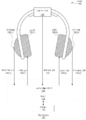
도 1은 다양한 실시예에 따라, 사용자에 의해 인지된 주변 소리를 제어하도록 구성된 시스템을 도시한다.
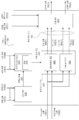
도 2는 다양한 실시예에 따른 도 1의 포커스 적용의 보다 상세한 설명이다.
도 3은 다양한 실시예에 따른, 도 2의 트레이드오프 엔진에 의해 구현될 수 있는 상이한 매핑의 예를 도시한다.
도 4는 다양한 실시예에 따라, 사용자에 의해 인지된 주변 소리를 제어하기 위한 방법 단계의 흐름도이다.
도 5는 다양한 실시예에 따라 도 2의 주변 서브시스템이 주변 인식 레벨에 응답하여 구현할 수 있는 3 개의 단계의 예를 도시한다.In a manner in which the foregoing features can be understood in detail, a more specific description of the various embodiments briefly summarized above can be made with reference to specific embodiments, some of which are illustrated in the accompanying drawings. However, the accompanying drawings show only typical embodiments, and therefore, the considered embodiments should not be considered as limiting the scope, since other equivalent effective embodiments may be recognized.
1 illustrates a system configured to control ambient sounds perceived by a user, in accordance with various embodiments.
2 is a more detailed description of the focus application of FIG. 1 according to various embodiments.
3 illustrates an example of different mappings that may be implemented by the tradeoff engine of FIG. 2, in accordance with various embodiments.
4 is a flowchart of a method step for controlling ambient sound perceived by a user, in accordance with various embodiments.
5 illustrates an example of three steps that the peripheral subsystem of FIG. 2 may implement in response to an ambient awareness level, in accordance with various embodiments.
이하의 설명에서, 다양한 특정 실시예들이 다양한 실시예들의 보다 완전한 이해를 제공하기 위해 설명된다. 그러나, 당업자에게는 다양한 실시예가 이들 특정 세부 사항 중 하나 이상없이 실시될 수 있음이 명백할 것이다.In the following description, various specific embodiments are described to provide a more complete understanding of the various embodiments. However, it will be apparent to one skilled in the art that various embodiments may be practiced without one or more of these specific details.
시스템 개요System overview
도 1은 다양한 실시예에 따라, 사용자에 의해 인지된 주변 소리를 제어하도록 구성된 시스템(100)을 도시한다. 시스템(100)은 2개의 마이크로폰(130), 2개의 스피커(120), 생체 인식 센서(140), 및 연산 인스턴스(110)를, 제한없이, 포함한다. 설명의 목적으로, 유사 대상들의 다수의 인스턴스는, 필요할 때, 객체를 식별하는 참조 번호 및 인스턴스를 식별하는 괄호 안의 번호로 표시된다1 illustrates a
대안의 실시예에서, 시스템(100)은 임의의 조합으로 임의의 수의 마이크로폰(130), 임의의 수의 스피커(120), 임의의 수의 생체 인식 센서(140) 및 임의의 수의 연산 인스턴스(110)를 포함할 수 있다. 또한, 시스템(100)은 다른 유형의 감각 장비 및 임의의 수 및 유형의 오디오 제어 장치를, 제한없이, 포함할 수 있다. 예를 들어, 일부 실시예에서, 시스템(100)은 GPS(global positioning system) 센서 및 볼륨 제어 슬라이더를 포함할 수 있다.In alternative embodiments,
도시된 바와 같이, 시스템(100)은 내측으로 향한 내장 스피커(120) 및 외향으로 향한 내장 마이크로폰(130)을 갖는 헤드폰을 포함한다. 헤드폰이 사용자에 의해 착용될 때, 스피커(120(1))는 사용자의 한쪽 귀를 목표로하고 스피커(120(2))는 사용자의 다른 귀를 대상으로 한다. 동작시, 스피커(120(i))는 스피커 신호(122(i))를 목표 귀로 향하는 소리로 변환한다. 소리로 변환되어 사용자의 귀로 전송될 때, 스피커 신호(122)는 전반적인 청취 경험을 제공한다. 일부 실시예에서, 스테레오 청취 경험이 특정될 수 있고, 스피커 신호(122(1) 및 122(2))의 내용이 상이할 수 있다. 다른 실시예에서, 단음(monophonic) 경청 경험이 특정될 수 있다. 이러한 실시예에서, 스피커 신호들(122(1), 122(2))은 사용자의 양 귀에 의해 수신되도록 의도된 단일 신호로 대체될 수 있다.As shown, the
마이크로폰(130(i))은 마이크로폰(130(i))에 의해 검출된 주변 소리를 마이크로폰 신호(132(i))로 변환한다. 본 명세서에 언급된 바와 같이, "주변 소리"는 시스템(100)의 사용자를 둘러싼 영역에 존재하지만 시스템(100)에 의해 생성되지 않는 임의의 소리를 포함할 수 있다. 주변 소리는 본 명세서에서 "환경 소리"로도 지칭된다. 주변 소리에는 제한없이 음성, 교통 소음, 새 소리, 가전 제품 등이 포함된다.The microphone 130 (i) converts the ambient sound detected by the microphone 130 (i) into the microphone signal 132 (i). As mentioned herein, “ambient sound” may include any sound that is present in the area surrounding a user of
스피커 신호(122(i))는 제한없이, 스피커(120(i))를 타겟으로 하는 요청된 재생 신호(도 1에 도시되지 않음) 및 주변 조정 신호(도 1에 도시되지 않음)를 포함한다. 요청된 재생 신호는 임의의 수의 청취 및 통신 시스템으로부터 요청된 사운드를 나타낸다. 청취 및 통신 시스템의 예로는 MP3 플레이어, CD 플레이어, 스트리밍 오디오 플레이어, 스마트 폰 등이 있으며, 이에 제한되지 않는다.Speaker signal 122 (i) includes, without limitation, a requested playback signal (not shown in FIG. 1) and a peripheral adjustment signal (not shown in FIG. 1) targeting speaker 120 (i). . The requested playback signal represents the sound requested from any number of listening and communication systems. Examples of listening and communication systems include, but are not limited to, MP3 players, CD players, streaming audio players, smart phones, and the like.
주변 조정 신호는 헤드폰을 착용할 때 사용자에 의해 인지되는 주변 소리를 커스터마이징한다. 주변 조정 신호들 각각은 인식 신호 또는 소거 신호를 포함한다. 스피커 신호(122(i))에 포함된 인식 신호는 마이크로폰 신호(132(i))에 의해 표현되는 주변 소리의 적어도 일부를 나타낸다. 반대로, 스피커 신호(122(i))와 관련된 소거 신호는 마이크로폰 신호(132(i))에 의해 표현되는 주변 소리의 적어도 일부를 소거한다.The ambient adjustment signal customizes the ambient sound perceived by the user when wearing the headphones. Each of the peripheral adjustment signals includes a recognition signal or a cancellation signal. The recognition signal included in the speaker signal 122 (i) represents at least a portion of the ambient sound represented by the microphone signal 132 (i). In contrast, the cancellation signal associated with the speaker signal 122 (i) cancels at least a portion of the ambient sound represented by the microphone signal 132 (i).
일반적으로, 사용자에 의해 인지되는 주변 소리를 커스터마이징하는 종래의 헤드폰은 사용자가 종래의 헤드폰을 통해 들을 수 있는 주변 소리의 볼륨을 사용자가 수동으로 제어할 수 있게 하는 기능을 포함한다. 예를 들어, 일부 종래의 헤드폰에서, 사용자는 헤드폰에 의해 재생되는 주변 소리의 전부 또는 일부를 수동으로 조절할 수 있다. 그런 다음 스피커는 수동으로 선택한 주변 소리를 요청된 소리와 함께 출력한다.In general, conventional headphones that customize the ambient sound perceived by the user include the ability to allow the user to manually control the volume of ambient sound that the user can hear through the conventional headphones. For example, in some conventional headphones, the user can manually adjust all or part of the ambient sound played by the headphones. The speaker then outputs the manually selected ambient sound with the requested sound.
주변 소리가 헤드폰에 의해 재생되는 정도를 사용자가 수동으로 제어해야 한다면, 사용자가 특정 유형의 작업을 수행하는 능력이 저하될 수 있다. 예를 들어, 사용자가 소정의 작업에 집중하고 있을 때 스마트 폰을 가져와서 스마트 폰을 통해 헤드폰 구성 애플리케이션을 실행한 다음 헤드폰 구성 애플리케이션을 통해 수동으로 선택하면 사용자가 작업에 집중할 수 있는 능력이 저하될 수 있다. 또한, 때때로, 사용자는 그러한 수동 선택을 할 수 없거나 원하지 않을 수도 있다. 예를 들어, 사용자가 주변 소리의 음량을 조절하도록 구성된 물리적인 버튼 또는 슬라이더의 위치를 잊어 버린 경우, 사용자는 주변 소리가 헤드폰에 의해 재생되는 정도를 제어하지 못할 수 있다. 다른 예에서, 사용자가 장갑을 끼고 있다면, 사용자는 사용자가 들을 수 있는 주변 소리의 음량을 적절하게 조절하기 위해 버튼 또는 슬라이더를 적절히 조작할 수 없을 수도 있다.If the user must manually control the amount of ambient sound played by the headphones, the user's ability to perform certain types of tasks may be impaired. For example, if a user is concentrating on a task, bringing the smartphone, running the headphone configuration application through the smartphone, and manually selecting it through the headphone configuration application will reduce the user's ability to focus on the task. Can be. Also, sometimes the user may or may not want to make such a manual selection. For example, if the user forgets the position of a physical button or slider configured to adjust the volume of the ambient sound, the user may not be able to control the extent to which the ambient sound is played by the headphones. In another example, if the user is wearing gloves, the user may not be able to properly manipulate the buttons or sliders to properly adjust the volume of ambient sound a user can hear.
포커스 레벨에 기초한 청취 경험 자동 최적화Automatic optimization of listening experience based on focus level
사용자에 의해 인지되는 주변음을 수동으로 커스터마이징할 때의 기언급한 제한사항을 해결하기 위해, 상기 시스템(100)은 제한없이, 생체 인식 센서(140) 및 포커스 애플리케이션(150)을 포함한다. 상기 생체 인식 센서(140)는 생체 신호(142)를 통해 사용자와 관련된 신경 활동을 명시한다. 예를 들어, 일부 실시예에서, 생체 인식 센서(140)는 생체 신호(142)를 생성하기 위해 뇌의 전기적 활동을 측정하는 뇌파 검사(EEG) 센서를 포함한다. 생체 인식 센서(140)는, 생체 인식 센서(140)로 하여금 사용자와 관련된 신경 활동을 측정할 수 있게 하는, 임의의 기술적으로 가능한 방식으로 배치될 수 있다. 예를 들어, 도 1에 도시된 실시예에서, 생체 인식 센서(140)는 헤드폰의 헤드 밴드에서 사용자의 뇌에 인접하여 내장된다.To address the aforementioned limitations when manually customizing the ambient sound perceived by the user, the
동일한 또는 다른 실시예에서, 시스템(100)은 임의의 수의 생체 인식 센서(140)를 포함할 수 있다. 생체 인식 센서(140) 각각은 상이한 생체 신호(142)를 통해 사용자와 관련된 포커스 레벨의 결정과 관련된 사용자의 생리학적 또는 행동학적 거동을 명시한다. 생체 인식 센서(140)의 추가의 예는 기능적 근적외선 분광법(fNIRS) 센서, 갈바니 스킨 응답 센서, 가속 센서, 눈 시선 센서(eye gaze sensors), 눈 뚜껑 센서(eye lid sensors), 동공 센서, 안 근육 센서, 맥박 센서, 심장 박동수 센서 등을 포함하지만 이에 제한되지 않는다.In the same or other embodiments,
도 2와 관련하여 보다 상세히 기술된 바와 같이, 포커스 애플리케이션(150)은 생체 신호(들)(142)에 기초하여 사용자와 관련된 포커스 레벨을 결정한다. 포커스 레벨은 사용자에 의한 집중 레벨을 나타낸다. 이어서, 포커스 애플리케이션(150)은 포커스 레벨에 기초한 주변 인식 레벨과, 포커스 레벨과 주변 인식 레벨 간의 매핑을 설정한다. 주변 인식 레벨은 사용자에 의해 인지될 주변 소리의 하나 이상의 특성을 명시한다. 예를 들어, 주변 인식 레벨은 헤드폰을 착용할 때 사용자가 수신할 주변 소리의 전체 볼륨을 명시할 수 있다. 일반적으로 매핑에는 사용자가 작업에 집중할 수 있는 능력과, 사용자가 주변 환경에 개입하는 능력 간의 관계가 포함된다.As described in more detail with respect to FIG. 2, the
바람직하게는, 사용자는 자신의 활동 및 주변 환경을 반영하도록 청취 경험을 맞춤화하기 위해 수동 선택을 할 필요가 없다. 예를 들어, 일부 실시예에서, 사용자가 특정 작업에 집중하고 있다면, 포커스 애플리케이션(150)은 자동으로 주변 인식 레벨을 감소시켜 사용자가 작업에 집중할 수 있는 능력을 증가시킬 수 있다. 그러나, 사용자가 임의의 작업에 주력하지 않는다면, 포커스 애플리케이션(150)은 주변 인식 레벨을 자동으로 증가시켜 사용자가 자신의 주변 환경에 있는 사람 및 사물에 개입할 수 있는 능력을 증가시킬 수 있다.Preferably, the user does not need to make manual selections to customize the listening experience to reflect his activity and surroundings. For example, in some embodiments, if the user is focusing on a particular task, the
스피커(120(i)) 각각에 대해, 포커스 애플리케이션(150)은 주변 인식 레벨 및 마이크로폰 신호(132(i))에 기초하여 주변 조정 신호를 생성한다. 특히, 마이크로폰 신호(132(i))에 대해, 주변 조정 신호는 주변 인식 레벨에 기초한 잡음 소거 신호 또는 인식 신호를 포함한다. 그 다음, 각각의 스피커(120(i))에 대해, 포커스 애플리케이션(150)은 스피커(120(i))로 타게팅된 오디오 콘텐츠(예를 들어, 음악)를 나타내는 대응하는 주변 조정 신호 및 요구된 재생 신호(도 1에 도시되지 않음)에 기초하여 스피커 신호(122(i))를 생성한다.For each speaker 120 (i), the
도시된 바와 같이, 포커스 애플리케이션(150)은 연산 인스턴스(110)에 포함된 메모리(116)에 위치하며, 연산 인스턴스(110)에 포함되는 프로세서(112) 상에서 실행된다. 프로세서(112) 및 메모리(116)는 기술적으로 실현 가능한 방식으로 구현될 수 있다. 예를 들어, 제한없이, 다양한 실시예들에서, 프로세서(112) 및 메모리(116)의 임의의 조합은 독립형 칩으로, 또는 주문형 집적 회로(ASIC) 또는 SoC(system-on-a-chip)로 구현되는 더욱 포괄적인 솔루션의 일부분으로, 구현될 수 있다. 다른 실시예에서, 포커스 애플리케이션(150)에 대해 본 명세서에서 설명된 기능성의 전부 또는 일부는 기술적으로 실현 가능한 임의의 방식으로 하드웨어적으로 구현될 수 있다.As shown, the
몇몇 실시예에서, 도 1에 도시된 바와 같이, 연산 인스턴스(110)는 제한없이 메모리(116) 및 프로세서(112)를 포함하며, 시스템(100)과 관련된 물리적 객체(가령, 플라스틱 헤드 밴드) 내에/상에 내장/장착될 수 있다. 다른 실시예에서, 시스템(100)은 임의의 기술적으로 실행 가능한 방식으로 구현되는 임의의 수의 프로세서(112) 및 임의의 수의 메모리(116)를 포함할 수 있다. 또한, 연산 인스턴스(110), 프로세서(112) 및 메모리(116)는 임의의 수의 물리적 위치에 배치된 임의의 수의 물리적 자원을 통해 구현될 수 있다. 예를 들어, 몇몇 다른 실시예에서, 메모리(116)는 클라우드(즉, 캡슐화된 공유 자원, 소프트웨어, 데이터 등)로 구현될 수 있고, 프로세서(112)는 스마트 폰에 포함될 수 있다. 또한, 포커스 애플리케이션(150)에 포함된 기능은 임의의 수의 메모리(116)에 저장되고 임의의 수의 프로세서(112)를 통해 실행되는 임의의 수의 애플리케이션에 걸쳐 분할될 수 있다.In some embodiments, as shown in FIG. 1,
프로세서(112)는 일반적으로 입력 데이터를 조작하기 위한 프로그램 명령을 실행하는 프로그램 가능한 프로세서를 포함한다. 프로세서(112)는 프로그램 실행을 용이하게 하기 위해 임의의 수의 프로세싱 코어, 메모리 및 다른 모듈을 포함할 수 있다. 일반적으로, 프로세서(112)는 임의의 수의 입력 장치(예를 들어, 마이크로폰(130), 마우스, 키보드 등)를 통해 입력을 수신하고 임의의 수의 출력 장치(예를 들어, 스피커(120), 디스플레이 장치, 등)를 위한 출력을 생성할 수 있다.Processor 112 generally includes a programmable processor that executes program instructions for manipulating input data. The processor 112 may include any number of processing cores, memory, and other modules to facilitate program execution. In general, processor 112 receives input through any number of input devices (eg,
메모리(116)는 일반적으로 프로세서(112)에 의한 처리를 위한 애플리케이션 프로그램 및 데이터를 저장하는 랜덤 액세스 메모리(RAM) 칩과 같은 저장 칩을 포함한다. 다양한 실시예에서, 메모리(116)는 광학 드라이브, 자기 드라이브, 플래시 드라이브 또는 기타 저장 장치와 같은 비휘발성 메모리를 포함한다. 일부 실시예에서, 저장 장치(미도시)는 메모리(116)를 보충하거나 대체할 수 있다. 저장 장치는 프로세서(112)에 액세스가능한 임의의 수 및 유형의 외부 메모리를 포함할 수 있다. 예를 들어, 제한없이, 저장 장치는 보안 디지털 카드, 외부 플래시 메모리, 휴대용 콤팩트 디스크 판독 전용 메모리(CD-ROM), 광학 저장 장치, 자기 저장 장치 또는 전술한 것의 임의의 적절한 조합을 포함할 수 있다.The memory 116 generally includes a storage chip such as a random access memory (RAM) chip that stores application programs and data for processing by the processor 112. In various embodiments, memory 116 includes non-volatile memory, such as an optical drive, magnetic drive, flash drive, or other storage device. In some embodiments, storage devices (not shown) may supplement or replace memory 116. The storage device can include any number and type of external memory accessible to the processor 112. For example, and without limitation, the storage device may include a secure digital card, external flash memory, portable compact disk read only memory (CD-ROM), optical storage device, magnetic storage device, or any suitable combination of the foregoing. .
본 명세서에 설명된 시스템(100) 및 기술은 제한적인 것이 라기보다는 예시적인 것이며, 고려된 실시예들의 더 넓은 사상 및 범위를 벗어나지 않고 변경될 수 있음을 주목한다. 시스템(100) 및 포커스 애플리케이션(150)에 의해 제공되는 기능에 대한 많은 수정 및 변형은 기술된 실시예의 범위 및 사상을 벗어나지 않고 당업자에게 명백할 것이다. 예를 들어, 일부 실시예에서, 포커스 애플리케이션(150)은 포커스 레벨 및 상이한 구성 입력에 기초하여 사용자의 귀 각각에 대해 상이한 주변 인식 레벨을 계산할 수 있다. 또한, 구성 입력은 귀 중 하나가 사용자와 관련된 포커스 레벨에 상관없이 주변 소리와 음향적으로 격리될 것이지만, 다른 귀는 사용자와 관련된 포커스 레벨에 기초하여 주변 소리로부터 선택적으로 분리될 수 있다. It is noted that the
설명의 목적으로만, 포커스 애플리케이션(150)은 도 1에 도시된 헤드폰을 포함하는 시스템(100)의 범주에서 본 명세서에서 설명된다. 그러나, 당업자가 인지하듯이, 다른 실시예에서, 시스템(100)은 사용자가 인지하는 주변음을 제어하면서 임의의 개수 및 유형의 청취 및 통신 시스템으로부터 음악 및 기타 요청된 소리를 임의의 수의 사용자가 수신할 수 있게 하는 임의의 유형의 오디오 시스템을 포함할 수 있다. 청취 및 통신 시스템의 예로는 MP3 플레이어, CD 플레이어, 스트리밍 오디오 플레이어, 스마트 폰 등이 있으나, 이에 제한되지 않는다. For purposes of explanation only,
일부 다른 실시예에서, 시스템(100)은 임의의 수 및 조합의 오디오 장치를 통해 임의의 수의 사용자에 대해 임의의 유형의 청취 경험을 렌더링할 수 있다. 오디오 장치의 예로는 이어버드, 히어러블 장치(hearables), 보청기, 개인용 사운드 앰프, 개인용 사운드 증폭 제품, 헤드폰 등이 있으며, 이에 제한되지 않는다. 동일 또는 다른 실시예에서, 시스템(100)은 임의의 수의 사용자에 대해 임의의 유형의 청취 경험을 렌더링하는 임의의 수의 스피커(120)를 포함할 수 있다. 예를 들어, 스피커(120)는 모노포닉 청취 경험, 스테레오 청취 경험, 2차원(2D) 서라운드 청취 경험, 3 차원(3D) 공간 청취 경험 등을 렌더링할 수 있다. 각각의 사용자에 대해, 포커스 애플리케이션(150)을 구현하는 오디오 시스템에 관계없이, 포커스 애플리케이션(150)은 청취 경험을 최적화하여, 사용자가 임의의 유형의 장치 또는 애플리케이션과 명시적으로 상호 작용할 필요없이 사용자의 광범위한 활동 수행 능력을 증가시킬 수 있다. In some other embodiments, the
일부 다른 실시예에서, 시스템(100)은 차량의 각 탑승자에 대해, 탑승자가 인지하는 차량 외부의 소리 및(가령, 다른 탑승자와 관련된) 차량 내부로부터의 소리를 제어하는 차내 오디오 시스템을 포함한다. 차내 오디오 시스템은 포커스 애플리케이션(150), 상이한 탑승자를 목표로 하는 상이한 스피커(120), 차량 외부에 장착된 마이크로폰(130), 상이한 탑승자를 목표로하는 상이한 마이크로폰(130), 및 헤드레스트에 내장된 생체 인식 센서(140)를 포함하지만 이에 제한되지 않는다. In some other embodiments, the
각각의 탑승자에 대해, 포커스 애플리케이션(150)은 탑승자에 근접한 생체 인식 센서(140)에 기초하여 탑승자의 포커스 레벨을 결정한다. 각각의 탑승자에 대해, 포커스 애플리케이션(150)은 탑승자의 포커스 레벨에 기초하여 탑승자와 관련된 주변 인식 레벨을 결정한다. 후속하여, 각 탑승자에 대해, 포커스 애플리케이션(150)은 탑승자와 관련된 주변 인식 레벨 및 마이크로폰 신호들(132)에 기초하여 탑승자를 타겟으로하는 주변 조정 신호를 생성한다. 마지막으로, 각각의 탑승자에 대해, 포커스 애플리케이션(150)은, 탑승자와 관련된 스피커 신호(122)를 생성하기 위해 탑승자를 타겟으로하는 주변 인식 신호와, 탑승자를 타겟으로하는 요구된 오디오 콘텐츠를 나타내는 요청된 재생 신호를 합성한다. For each occupant, the
일부 대체 실시예에서, 차내 오디오 시스템은 포커스 애플리케이션(150), 상이한 탑승자를 목표로하는 임의의 수의 스피커(120), 차량의 외부에 장착된 마이크로폰(130), 상이한 탑승자를 목표로하는 상이한 마이크로폰(130), 및 헤드레스트에 내장된 생체 인식 센서(biometric sensor)(140)를 포함하지만 이에 제한되지 않는다. 스피커들(120) 각각은 차량과 통합되거나, 차량 탑승자에 의해 착용된 무선 이어버드에 통합되거나, 차량에 배선되고 차량 탑승자가 착용하는 이어버드(earbud)에 통합될 수 있다.In some alternative embodiments, the in-vehicle audio system includes a
다양한 대안의 실시예에서, 포커스 애플리케이션(150)의 기능은 시스템(100)의 기능에 기초하여 맞춤화될 수 있다. 예를 들어, 일반적인 문제로서, 시스템(100)은 인지된 주변 소리를 제어하기 위한 임의의 수의 기술을 가능하게할 수 있고, 포커스 애플리케이션(150)은 임의의 수의 기술을 구현할 수 있다. 주변 소리를 제어하기 위한 기술들의 일부 예는, 제한없이, 음향 투명성 기술, 능동 소음 제거 기술 및 수동 소음 제거 기술을 포함하지만 이에 제한되지 않는다. 음향 투명성 기술은 주변 소리의 전계-음향 전송을 수반한다. 능동 소음 제거 기술은 주변 소리의 전계-음향 소거를 포함한다. 수동 소음 제거 기술은 물리적 구성 요소를 통해 주변 소리로부터 사용자의 귀를 선택적으로 격리시킨다. In various alternative embodiments, the functionality of the
도 1과 관련하여 설명된 헤드폰을 포함하는 시스템(100)은 음향 투명성 기술 및 능동 소음 제거 기술을 구현한다. 사용자가 마이크로폰(130(i))에 의해 검출된 주변 소리의 적어도 일부를 인지할 수 있게 하기 위해, 포커스 애플리케이션(150)은 인식 신호를 생성하기 위해 마이크로폰 신호(132(i)) 상에서 임의의 수 및 유형의 음향 투명성 동작을 임의의 조합으로 수행한다. 음향 투명성 동작의 예로는 제한없이, 복제, 필터링, 축소 및 증강 동작이 있으나 이에 제한되지 않는다. 사용자가 마이크로폰(130(i))에 의해 검출된 주변 소리를 인식하지 못하게 하기 위해, 포커스 애플리케이션(150)은 마이크로폰 신호(132(i))의 역 버전인 소거 신호를 생성한다.The
다른 실시예에서, 시스템(100)은 수동적 소음 제거 기술을 구현하는 헤드폰을 포함할 수 있다. 예를 들어, 일부 실시예에서, 헤드폰은 헤드폰을 통해 사용자의 귀에 "누설되는" 주변 소리를 조절하기 위해 점진적으로 열리거나 닫힐 수 있는 물리적인 플랩(physical flaps)을 포함할 수 있다. 그러한 실시예들에서, 포커스 애플리케이션(150)은 주변 인식 레벨을 반영하도록 기술적으로 실현 가능한 임의의 방식으로 물리적 플랩들을 제어할 수 있다.In other embodiments,
도 2는 다양한 실시예에 따른 도 1의 포커스 애플리케이션(150)의 보다 상세한 도해다. 도시되는 바와 같이, 포커스 애플리케이션(150)은 감지 엔진(210), 트레이드오프 엔진(230), 주변 서브시스템(290) 및 재생 엔진(270)을 포함하지만 이에 제한되지 않는다. 일반적으로, 포커스 애플리케이션(150)은 사용자와 관련된 임의의 개수의 생체 신호(142) 및 임의의 개수(0 포함)의 구성 입력(234)에 기초하여 사용자에 대한 청취 경험을 커스터마이징한다. 동작시, 포커스 애플리케이션(150)이 마이크로폰 신호(132) 및 요구된 재생 신호(272)를 수신하면, 포커스 애플리케이션(150)은 스피커 신호(122)를 생성한다.2 is a more detailed illustration of the
감지 엔진(210)은 생체 신호(142)에 기초하여 사용자와 관련된 포커스 레벨(220)을 결정한다. 감지 엔진은 기술적으로 실현 가능한 임의의 방식으로 포커스 레벨(220)을 결정할 수 있다. 예를 들어, 일부 실시예에서, 감지 엔진(210)은 EEG 센서로부터 생체 신호(142)를 수신한다. 감지 엔진(210)은 필터링된 생체 신호를 생성하기 위해 생체 신호(142)를 통해 수신된 집합 데이터에 잡음 감소 동작을 포함하는 사전 할당 동작(prepossesing operations)을 수행한다. 그 다음, 감지 엔진(210)은 필터링된 생체 신호를 평가하여 포커싱 거동에 관한 것으로 알려진 신경 활동을 분류한다. 포커스 애플리케이션(150)이 신경 활동을 분류하기 위해 구현할 수 있는 기술의 몇몇 예는 다중 반구의 동기화, 푸리에 변환, 웨이브렛 변환, 아이겐벡터 기술, 자기 회귀 기술(autoregressive techniques) 또는 다른 특징 추출 기술을 포함하지만, 이에 한정되는 것은 아니다.The
다른 실시예에서, 감지 엔진(210)은 일회용 기억(episodic memory), 전략 형성, 계획 및 주의에 관한 전두엽 피질 영역의 혈액 산소 레벨을 측정하는 fNIRS 센서로부터 생체 신호(142)를 수신할 수 있다. 이러한 실시예에서, 감지 엔진(210)은 생체 신호(142)를 평가하여 보다 높은 포커스 레벨(220)과 관련된 인지 활동을 나타낼 수 있는 혈액 산소 레벨의 증가를 검출할 수 있다.In another embodiment, the
다양한 실시예에서, 감지 엔진(210)은 포커스의 서브-분류에 기초하여 포커스 레벨(220)을 결정하기 위해 생체 신호(142)의 조합을 평가한다. 예를 들어, 감지 엔진(210)은 fNIRS 센서로부터 수신된 생체 신호(142)에 기초한 작업 수요와, EEG 센서로부터 수신된 생체 신호(142)에 기초한 작업 포커스를 추정할 수 있다. 본 명세서에 언급된 바와 같이, "작업 수요"(task demand)는 현재 작업과 관련된 인지 자원의 양을 나타낸다. 예를 들어, fNIRS 센서로부터 수신된 생체 신호(142)가, 사용자가 능동적으로 문제 해결 또는 복잡한 작업 메모리에 개입하고 있음을 나타내는 경우, 감지 엔진(210)은 비교적 높은 작업 수요를 추정할 것이다. 그 다음, 감지 엔진(210)은 작업 포커스 및 작업 수요에 기초하여 포커스 레벨(220)을 계산할 수 있다.In various embodiments, sensing
다른 예에서, 감지 엔진(210)이 EEG 센서로부터 수신된 생체 신호(142)가 사용자가 집중하고 있음을 나타내는 특징을 포함한다고 결정하면, 감지 엔진(210)은 추가적인 생체 신호(142)를 평가하여 포커스 레벨(220)을 정확하게 결정할 수 있다. 예를 들어, 감지 엔진은 가속 센서 및 눈 시선 센서로부터 수신된 생체 신호(142)를 평가하여, 두부 움직임 및 단속성의 정도를 각각 결정할 수 있다. 일반적으로, 사용자의 포커스가 증가함에 따라, 머리 움직임 및 단속성의 정도가 감소한다. In another example, if the
다른 실시예에서, 감지 엔진(210)은 EEG 센서로부터 수신된 생체 신호(142)가 사용자가 특정 트리거를 생각하고 있음을 표시할 때 포커스 레벨(220)을 특정 값으로 설정하도록 훈련될 수 있다. 예를 들어, 감지 엔진(210)은 사용자가 "수행 중", "테스트 중" 또는 "작업 중"이라는 단어를 생각할 때 사용자가 깊이 집중하고 있음을 표시하도록 포커스 레벨(220)을 설정하도록 훈련될 수 있다. 감지 엔진(210)은 기술적으로 실현 가능한 임의의 방식으로 핵심 사상을 확인하도록 훈련받을 수 있다. 예를 들어, 감지 엔진(210)은 EEG 센서로부터 수신된 생체 신호(142)를 모니터하는 동안, 사용자가 선택된 트리거에 대해 반복적으로 생각하는 셋업 프로세스 중에, 감지 엔진(210)이 훈련될 수 있다.In another embodiment, the
트레이드오프 엔진(230)은 포커스 레벨(220), 매핑(232), 및 임의의 수의 구성 입력들(234)에 기초하여 주변 인식 레벨(240)을 계산한다. 매핑(232)은 사용자가 작업에 집중할 수 있는 능력과 사용자가 주변 환경과 상호 작용할 수 있는 능력 간의 관계를 명시한다. 일반적으로, 매핑(232)은 기술적으로 실현 가능한 임의의 방식으로 포커스 레벨(220)과 주변 인식 레벨(240) 간의 임의의 관계를 명시할 수 있다.
설명의 목적으로만, 여기에 언급된 바와 같이, 포커스 레벨(220)은 0에서 1까지의 범위를 가지며, 0은 사용자가 전혀 집중하지 않음을 나타내고 1은 사용자가 완전히 집중한 상태임을 나타낸다. 또한, 주변 인식 레벨(240)은 0에서 1까지의 범위를 가지며, 여기서 0은 사용자가 주변 소리를 전혀 인지하지 못함을 나타내고 1은 사용자가 모든 주변 소리를 인지함을 나타낸다. 다른 실시예에서, 포커스 레벨(220)은 기술적으로 실현 가능한 임의의 방식으로 사용자의 포커스를 나타낼 수 있으며, 주변 인식 레벨(240)은 사용자가 기술적으로 실현 가능한 임의의 방식으로 인지하는 주변 소리를 나타낼 수 있다.For purposes of explanation only, as mentioned herein,
일부 실시예에서, 매핑(232)은 포커스 레벨(220)과 주변 인식 레벨(240) 사이의 반비례 관계를 지정한다. 사용자가 점차 집중 상태가 되면, 포커스 애플리케이션(150)은 사용자가 주변 소리를 감지하는 능력을 감소시키고, 결과적으로, 사용자는 집중을 필요로하는 작업을 보다 효과적으로 수행할 수 있다. 대조적으로, 사용자가 덜 집중하게됨에 따라, 포커스 애플리케이션(150)은 사용자가 주변 소리를 인지하는 능력을 증가시키고, 결과적으로 사용자는 사용자를 둘러싼 환경 및 활동에 보다 효과적으로 개입할 수 있게 된다.In some embodiments,
다른 실시예에서, 매핑(232)은 포커스 레벨(220)과 주변 인식 레벨(240) 사이의 비례 관계를 지정한다. 사용자가 점점 더 집중되면, 포커스 애플리케이션(150)은 사용자가 주변 소리를 감지하는 능력을 증가 시켜서, 사용자를 위한 더욱 사회적인 환경을 제공한다. 대조적으로, 사용자가 덜 집중함에 따라, 포커스 애플리케이션(150)은 사용자가 주변 소리를 인지하는 능력을 감소시켜서, 집중을 요구하는 작업에 집중할 수 있도록 돕는다. 예를 들어, 비례 관계는 특정 세부 사항에 지나치게 집중하지 않고 사용자가 문제의 전체적인 해결책으로 나아갈 수 있도록 충분히 집중하도록 유도할 수 있다.In another embodiment, the
또 다른 실시예에서, 매핑(232)은 단계식 디스에이블 임계치를 명시하며, 0으로부터 임계치까지의 포커스 레벨(220)은 1의 주변 인식 레벨(240)에 대응하고, 다른 포커스 레벨(220)은 0의 주변 인식 레벨(240)으로 매핑된다. 그 결과, 포커스 애플리케이션(150)은(임계치에 의해 명시된 바와 같이) 사용자가 충분히 집중하고 있을 때만 주변 소리를 소거한다. 이에 반해, 다른 실시예(232)에서, 매핑(232)은 단계식 인에이블 임계치를 명시하며, 이 경우 0으로부터 임계치까지의 포커스 레벨(220)은 0의 주변 인식 레벨(240)에 매핑되고, 다른 포커스 레벨(220)은 1의 주변 인식 레벨(240)에 매핑된다. 그 결과, 포커스 애플리케이션(150)은 사용자가(임계 값에 의해 지정된 바와 같이) 충분히 집중하고 있을 때만 사용자가 주변 소리를 인지할 수 있게 한다.In another embodiment, the
트레이드오프 엔진(230)은 기술적으로 실현 가능한 임의의 방식으로 매핑(232) 및 매핑(232)과 관련된 임의의 파라미터(예를 들어, 임계치)를 결정할 수 있다. 예를 들어, 일부 실시예에서, 트레이드오프 엔진(230)은 디폴트 매핑(232)을 구현할 수 있다. 동일 또는 다른 실시예에서, 트레이드오프 엔진(230)은 하나 이상의 구성 입력(234)에 기초하여 매핑(232) 및 임의의 연관된 파라미터를 결정할 수 있다. 구성 입력(234)의 예는, 사용자의 위치 및 설정가능 파라미터(예를 들어, 임계치), 및 크라우드소스 데이터(crowdsourced data)를 포함하지만, 이에 한정되는 것은 아니다.
예를 들어, 구성 입력(234)이 사용자가 현재 도서관에 있음을 나타내면, 사용자는 중요한 작업에 집중하는 경향이 있다. 결과적으로, 트레이드오프 엔진(230)은 단계식 디스에이블 임계치를 명시하는 매핑(232)을 선택할 수 있고, 임계치를 비교적 낮은 값으로 설정할 수 있다. 대조적으로, 구성 입력(234)이 사용자가 현재 해변에 있다는 것을 나타내는 경우, 사용자는 주변 환경을 즐기고있을 가능성이 있다. 결과적으로, 트레이드오프 엔진(230)은 단계식 인에이블 임계치를 명시하는 매핑(232)을 선택할 수 있고, 임계치를 비교적 낮은 값으로 설정할 수 있다. For example, if
도시된 바와 같이, 주변 서브시스템(290)은 주변 인식 레벨(240)을 수신하여 주변 조정 신호(280)를 생성한다. 주변 인식 서브시스템(290)은 음향 투명 엔진(250) 및 잡음 소거 엔진(260)을 제한없이 포함한다. 임의의 주어진 시점에서, 주변 서브시스템(290)은 주변 조정 신호(280)를 생성할 수도 있고 생성하지 않을 수도 있다. 또한, 주변 서브시스템(290)이 주변 조정 신호(280)를 생성하면, 그 후 임의의 주어진 시간에, 주변 조정 신호(280)는 음향 투명성 엔진(250)에 의해 생성된 인식 신호(252) 또는 잡음 소거 엔진(260)에 의해 생성된 잡음 소거 신호(262)를 포함한다. 주변 인식 레벨(240)에 기초한 주변 인식 서브시스템(290)에 의해 구현될 수 있는 3 개의 단계의 예가 도 5와 관련하여 설명된다.As shown,
더욱 정밀하게 말하자면, 주변 인식 레벨(240)이 0이 아닐 경우, 주변 서브시스템(290)은 잡음 소거 엔진(260)을 디스에이블시킨다. 더욱이, 주변 인식 레벨(240)에 따라, 주변 서브시스템(290)은 마이크로폰 신호(132) 및 주변 인식 레벨(240)에 기초하여 인식 신호(252)를 생성하도록 음향 투명 엔진(250)을 구성할 수 있다. 결과적으로, 도 2에 도시되는 바와 같이, 주변 조정 신호(280)는 주변 인식 신호(252)를 포함할 수 있다. 그러나, 주변 인식 레벨(240)이 제로이면 주변 서브시스템(290)은 음향 투명 엔진(250)을 디스에이블하고 마이크로폰 신호(132)에 기초한 소거 신호(262)를 생성하도록 잡음 소거 엔진(260)을 구성한다. 결과적으로, 주변 조정 신호(280)는 소거 신호(262)를 포함한다.More precisely, if the
이러한 방식으로, 음향 투명 엔진(250) 및 잡음 소거 엔진(260)은 인지된 주변 소리의 연속체를 사용자에게 제공할 수 있다. 예를 들어, 일부 실시예에서, 사용자의 귀와 완전히 닫힌 피팅(fit)을 제공하지 않는 헤드폰은 결과적으로 주변의 소리가 헤드폰을 통해 사용자에게 "흘러들어간다". 주변 인식 레벨(240)이 0이면, 잡음 소거 엔진(260)은 사용자에 의해 인지된 주변 소리를 최소화하기 위해 헤드폰을 통해 흘러들어가는 주변 소리를 능동적으로 소거하는 소거 신호(250)를 생성한다. 그러나, 사용자가 헤드폰을 통해 흘러들어오는 주변 소리를 수신해야 한다고 주변 인식 레벨(240)이 지시하면, 주변 서브시스템(290)은 어떠한 주변 조정 신호(280)도 생성하지 않는다. 그러나, 주변 인식 레벨(240)이 사용자가 헤드폰을 통해 흘러들어오는 주변 소리를 수신해야 한다고 지시하면, 음향 투명 엔진(250)은 마이크로폰 신호(132) 및 주변 인식 레벨(240)에 기초하여 인식 신호(252)를 생성한다. 결과적으로, 사용자는 상이한 메커니즘을 통해 다양한 주변 소리를 인지할 수 있다.In this way, acoustic
다른 실시예에서, 주변 서브시스템(290)은 사용자에 의해 감지된 주변 소리를 커스터마이징하기 위해 임의의 수 및 유형의 기술을 구현할 수 있다. 다른 실시예에서, 주변 서브시스템(290)은 음향 투명 엔진(250)을 포함하지만 잡음 소거 엔진(260)은 포함하지 않는다. 다른 실시예에서, 주변 서브시스템(290)은 시스템(100)과 관련된 물리적 잡음 억제 구성요소를 제어하는 수동 소거 엔진 및 음향 투명성 엔진(250)을 포함한다. In other embodiments, the
음향 투명성 엔진(250)은 주변 조정 신호(280)를 생성하기 위해 마이크로폰 신호(132) 상에서 임의의 조합으로 임의의 수 및 유형의 음향 투명성 동작을 수행할 수 있다. 음향 투명성 동작의 예는 제한없이 복제, 필터링, 감소 및 증강 동작을 포함한다. 예를 들어, 일부 실시예에서, 주변 인식 레벨(240)이 비교적 높을 때, 음향 투명 엔진(250)은 마이크로폰 신호(132)에 의해 표현되는 다른 사운드의 볼륨을 유지 또는 감소시키면서 마이크로폰 신호(132)에 의해 표현되는 음성의 볼륨을 증가시킬 수 있다.The
동일 또는 다른 실시예에서, 주변 인식 레벨(240)이 비교적 낮으면, 음향 투명성 엔진(250)은 일반적으로 집중하는데 도움이 되지 않는 모든 사운드를 걸러 내고, 나머지 사운드를 마이크로폰 신호(132)를 통해 전송하도록 구성될 수 있다 집중에 도움이 된다고 여겨질 수 있는 사운드의 예로는 제한없이, 자연음(예를 들어, 새들이 우는 소리, 바람, 파도, 강 소리 등)과, 선풍기 또는 가전제품과 같이 사용자 근처의 장치로부터의 백색/핑크색 마스킹음(white/pink masking sounds)을 포함한다. 대안적인 실시예에서, 음향 투명 엔진(250)은 사용자의 위치, 구성 가능한 파라미터, 크라우드소싱된 데이터 및 집중도 향상의 경향이 있는 유형의 소리를 표시하는 기계 학습 데이터와 같은, 구성 입력(234)에 기초하여 필터링할 소리의 유형을 결정할 수 있다.In the same or another embodiment, if the
일부 실시예에서, 음향 투명 엔진(250)은 주변 신호를 생성하고, 임의의 수의 시뮬레이트된 신호를 생성하며, 주변 신호를 시뮬레이트된 신호와 합성하여, 인식 신호(252)를 생성하도록, 마이크로폰 신호(132)에 대한 동작을 수행할 수 있다. 예를 들어, 주변 인식 레벨(240)이 비교적 낮으면, 음향 투명 엔진(250)은 진정시키는 음악, 미리 녹음된 자연음, 및/또는 화이트/핑크 마스킹 잡음을 나타내는 시뮬레이트된 신호를 생성할 수 있다. 다른 실시예에서, 음향 투명 엔진(250)은 구성 입력(234)에 기초하여 시뮬레이트할 사운드의 유형을 결정할 수 있다.In some embodiments, the acoustic
도시된 바와 같이, 관련된 주변 조정 신호(280(i))를 수신하면, 재생 엔진(270)은 주변 조정 신호(280(i)) 및 요청된 재생 신호(272(i))에 기초하여 스피커 신호(122(i))를 생성한다. 재생 엔진(270)은 기술적으로 가능한 임의의 방식으로 스피커 신호(122(i)를 생성할 수 있다. 예를 들어, 재생 엔진(270)은 주변 조정 신호(280(i)) 및 상응하는 재생 신호(272(i))를 합성하여 스피커 신호(122(i))를 생성할 수 있다. 재생 엔진(270)은 그 후 스피커 신호들(122(i)) 각각을 대응하는 스피커(120(i))로 송신한다. 결과적으로, 사용자가 요구된 오디오 콘텐츠를 수신하는 동안, 사용자는 또한 전반적인 청취 환경을 최적화하는 주변 소리를 인지한다.As shown, upon receiving the associated ambient adjustment signal 280 (i), the
여기에 기술된 기술들은 제한적이라기보다는 예시적인 것이며, 고려된 실시예의 더 넓은 사상 및 범주를 벗어나지 않고 변경될 수 있음을 주목한다. 시스템(100) 및 포커스 애플리케이션(150)에 의해 제공되는 기능에 대한 많은 수정 및 변형은 기술된 실시예의 범위 및 사상을 벗어나지 않고 당업자에게 명백할 것이다.It is noted that the techniques described herein are illustrative rather than limiting and may be changed without departing from the broader spirit and scope of the contemplated embodiments. Many modifications and variations to the functionality provided by the
예를 들어, 일부 실시예에서, 각각의 스피커(120)에 대해, 트레이드오프 엔진(230)은 상이한 구성 입력(234)에 기초하여 포커스 레벨(220)을 상이한 주변 인식 레벨(240)에 매핑한다. 예를 들어, 구성 입력(234(1))은 트레이드오프 엔진(230)이 스피커(120(1))를 통해 사용자에 의해 감지된 주변 소리를 최소화할 것을 명시할 수 있다. 대조적으로, 구성 입력(234(2))은 트레이드오프 엔진(230)이 포커스 레벨(220)과 스피커(120(2))와 관련된 주변 인식 레벨(240)(2)) 사이의 반비례 매핑(232)을 구현함을 명시할 수 있다. 그 결과, 트레이드오프 엔진(230)은 포커스 레벨(220)에 관계없이 스피커(220(1))와 관련된 주변 인식 레벨(240(1))을 1로 설정하고 스피커(220(2))와 관련된 주변 인식 레벨(240(2))의 포커스 레벨(220)에 기초하여 변화시킨다. For example, in some embodiments, for each
동일 또는 다른 실시예에서, 주변 서브시스템(290)은 마이크로폰(130)과 스피커(120)의 임의의 수의 상이한 조합에 기초하여 임의의 수의 주변 조정 신호(280)를 생성할 수 있다. 보다 정확하게, 특정 스피커(120)에 대하여, 주변 서브시스템(290)은 스피커(120)에 대응하는 포커스 레벨(220) 및 임의의 수의 마이크로폰 신호(132)에 기초하여 대응하는 주변 조정 신호(280)를 생성할 수 있다. 예를 들어, 시스템(100)이 차내 인포테인먼트 시스템을 포함하면, 탑승자 각각은 다수의 마이크로폰(130) 및 다수의 스피커(120)와 연계될 수 있다. 더욱이, 각각의 스피커(120)는 상이한 구성 입력(234)과 연계될 수 있다. 따라서, 특정 사용자를 목표로하는 스피커들(120) 각각에 대해, 주변 서브시스템(290)은 스피커(120)와 연관된 포커스 레벨(220)과, 다른 탑승자와 연관된 소리를 나타내는 마이크로폰 신호(132)에 기초하여 대응하는 주변 조정 신호(280)를 생성할 수 있다. In the same or another embodiment, the
포커스 레벨을 주변 인식 레벨에 매핑Map focus level to ambient awareness level
도 3은 다양한 실시예에 따라 도 2의 트레이드오프 엔진(230)에 의해 구현될 수 있는 상이한 매핑(232)의 예를 도시한다. 대안 적 실시예에서, 트레이드오프 엔진(230)은 임의의 개수 및 타입의 매핑(232)을 구현할 수 있다. 매핑들(232(i)) 각각에서, 포커스 레벨(220(i))은 (사용자가 전혀 집중하고 있지 않은) 0으로부터(사용자가 완전히 집중하고 있는) 1까지 범위에 있는 실선으로 도시된다. 대응하는 주변 인식 레벨(240(i))은 (사용자가 주변 소리를 전혀 감지하지 못할) 0으로부터 (사용자가 모든 주변 소리를 감지할) 1까지 범위의 파선으로 도시되어 있다.3 illustrates an example of
도시된 바와 같이, 매핑(232(1))은 포커스 레벨(220(1))과 주변 인식 레벨(240(1)) 사이의 반비례 관계를 지정한다. 트레이드오프 엔진(230)이 매핑(232(1))을 구현할 때, 사용자가 점점 더 집중함에 따라, 트레이드오프 엔진(230)은 주변 인식 레벨(240(1))을 감소시킨다. 결과적으로, 포커스 애플리케이션(150)은 사용자가 주변 소리를 인지하는 능력을 감소시킨다. 대조적으로, 사용자가 덜 집중하게 됨에 따라, 트레이드오프 엔진(230)은 주변 인식 레벨 240(1)을 증가시킨다. 결과적으로, 포커스 애플리케이션(150)은 사용자가 주변 소리를 인지하는 능력을 증가시킨다.As shown, the mapping 232 (1) specifies an inverse relationship between the focus level 220 (1) and the ambient recognition level 240 (1). As
매핑(232(2))은 포커스 레벨(220(2))과 주변 인식 레벨(240(2)) 간의 직접 비례 관계를 지정한다. 트레이드오프 엔진(230)이 매핑(232(2))을 구현할 때, 사용자가 점점 더 집중함에 따라, 트레이드오프 엔진(230)은 주변 인식 레벨(240(2))을 증가시킨다. 결과적으로, 포커스 애플리케이션(150)은 사용자가 주변 소리를 인지하는 능력을 증가시킨다. 대조적으로, 사용자가 덜 집중하게됨에 따라, 트레이드오프 엔진(230)은 주변 인식 레벨(240(2))을 감소시킨다. 결과적으로, 포커스 애플리케이션(150)은 사용자가 주변 소리를 인지하는 능력을 감소시킨다.Mapping 232 (2) specifies a direct proportional relationship between focus level 220 (2) and peripheral recognition level 240 (2). As
매핑(232(3))은 단계식 디스에이블 임계치를 지정한다. 트레이드오프 엔진(230)이 매핑(232(3))을 구현할 때, 포커스 레벨(220(3))이 0과 임계치(310(3)) 사이에 있는 경우, 트레이드오프 엔진(230)은 주변 인식 레벨 240(3)을 1로 설정한다. 그렇지 않은 경우, 트레이드오프 엔진(230)은 주변 인식 레벨(240(3))을 0으로 설정한다. 결과적으로, 포커스 애플리케이션(150)은(임계 값(310(3)으로 명시되듯이) 사용자가 충분히 집중할 때 모든 주변 소리를 사용자가 인지하는 것을 막는 것과, 사용자가 모든 주변 소리를 인지하게 하는 것 간을 토글한다. Mapping 232 (3) specifies a staged disable threshold. When the
매핑(232(4))은 램프형 디스에이블 임계치를 지정한다. 트레이드오프 엔진(230)이 매핑(232(4))을 구현할 때, 포커스 레벨(220(4))이 0과 임계치(310(4)) 사이에 있으면, 트레이드오프 엔진(230)은 주변 인식 레벨(240(4))을 1로 설정한다. 포커스 레벨(220(4))이 임계치(310(4))를 지나서 증가하면, 트레이드오프 엔진(230)은 주변 인식 레벨(240(4))가 0이 될 때까지 주변 인식 레벨(240(4))을 점진적으로 감소시킨다. 포커스 레벨(220(4))이 계속 증가함에 따라, 트레이드오프 엔진(230)은 주변 인식 레벨(240(4))을 계속 0으로 설정한다.Mapping 232 (4) specifies a ramped disable threshold. When the
매핑(232(5))은 단계식 인에이블 임계치를 지정한다. 트레이드오프 엔진(230)이 매핑(232(5))을 구현할 때, 포커스 레벨(220(5))이 0과 임계치(310(5)) 사이에 있으면, 트레이드오프 엔진(230)은 주변 인식 레벨(240(5))을 0으로 설정한다. 그렇지 않을 경우, 트레이드오프 엔진(230)은 주변 인식 레벨(240(5))를 1로 설정한다. 결과적으로, 포커스 애플리케이션(150)은(임계치(310(5))에 의해 명시된 바와 같이) 사용자가 충분히 집중할 때 모든 주변음을 사용자로 하여금 인지할 수 있게 하는 것과, 사용자가 주변 소리를 전혀 인지하지 못하게 하는 것 사이에서 토글한다. Mapping 232 (5) specifies a staged enable threshold. When the
도 4는 다양한 실시예에 따라, 사용자에 의해 감지된 주변 소리를 제어하기 위한 방법 단계의 흐름도이다. 방법 단계가 도 1 내지 도 3의 시스템과 관련하여 설명되었지만, 당업자는 임의의 순서로 방법 단계를 구현하도록 구성된 임의의 시스템이 고려된 실시예의 범위 내에 있다는 것을 이해할 것이다. 도 4.4 is a flowchart of a method step for controlling ambient sound sensed by a user, in accordance with various embodiments. Although the method steps have been described with respect to the systems of FIGS. 1-3, those skilled in the art will appreciate that any system configured to implement the method steps in any order is within the scope of the contemplated embodiments. Figure 4.
도시되는 바와 같이, 방법(400)은 단계(402)에서 시작되어, 감지 엔진(210)이 생체 신호(142)를 수신한다. 단계(404)에서, 감지 엔진(210)은 생체 신호(142)에 기초하여 포커스 레벨(220)을 결정한다. 단계(406)에서, 트레이드오프 엔진(232)은 포커스 레벨(220)과, 선택적으로 임의의 개수의 구성 입력(234)에 기초하여 주변 인식 레벨(240)을 연산한다. 대안의 실시예에서, 도 2와 관련하여 상세히 설명한 바와 같이, 스피커(120) 각각에 대해, 트레이드오프 엔진(232)은 상이한 구성 입력(234)들에 기초하여 상이한 포커스 레벨(220)을 연산할 수 있다. As shown, the method 400 begins at step 402, where the
단계(408)에서, 각각의 스피커(220)에 대해, 주변 서브시스템(290)은 대응하는 마이크로폰 신호(132) 및 주변 인식 레벨(240)에 기초하여 대응하는 주변 조정 신호(280)를 생성한다. 대안의 실시예에서, 각각의 스피커(220)에 대해, 주변 서브시스템(290)은 임의의 수의 마이크로폰 신호(132)에 기초하여 임의의 수의 주변 조정 신호(280)를 생성할 수 있다. 특히, 도 2와 연계하여 상세히 설명된 바와 같이, 특정 스피커(120)에 대해, 주변 서브시스템(290)은 스피커(120)에 의해 목표화된 사용자와 관련된 포커스 레벨(220) 및 임의의 수의 마이크로폰 신호(132)에 기초하여 대응하는 주변 조정 신호(280)를 생성할 수 있다.. In
단계(410)에서, 각각의 스피커(120)에 대해, 재생 엔진(270)은 대응하는 주변 조정 신호(280) 및 대응하는 요청 재생 신호(272)에 기초하여 대응하는 스피커 신호(122)를 생성한다. 바람직하게는, 스피커 신호(122)는 사용자가 감지한 주변 소리를 자동으로 최적화하면서 요청된 오디오 콘텐츠를 스피커(120)로 하여금 사용자에게 제공하게 한다. 방법(400)은 종료한다.In
도 5는 다양한 실시예에 따라, 도 2의 주변 서브시스템(290)이 주변 인식 레벨(240)에 응답하여 구현할 수 있는 3 개의 단계의 예를 도시한다. 도시된 바와 같이, 주변 인식 레벨(240)은 점선으로 도시되고, 소거 신호(262)는 실선으로 도시되며, 인식 신호(252)는 파선으로 도시된다. 다른 실시예에서, 주변 서브시스템(290)은 기술적으로 실현 가능한 임의의 방식으로 주변 인식 레벨(240)에 응답할 수 있다.FIG. 5 illustrates an example of three steps that the
단계 1 동안, 주변 인식 레벨(240)은 낮은 범위 내에 있고, 결과적으로, 주변 서브시스템(290)은 사용자가 인지하는 주변 소리를 최소화하는 소거 신호(262)를 생성한다. 단계 1 동안, 주변 서브시스템(290)은 인식 신호(252)를 생성하지 않는다는 것을 유의해야 한다. 단계 2 동안, 주변 인식 레벨(240)은 중간 범위 내에 있고, 결과적으로 주변 서브시스템(290)은 소거 신호(262)도 인식 신호(252)도 생성하지 않는다. 주변 서브시스템(290)이 소거 신호(262)와는 인식 신호(252)를 생성하지 않기 때문에, 일부 주변 소리는 사용자에게 흘러들어간다. 단계 3 동안, 주변 인식 레벨(240)은 높은 범위 내에 있고, 결과적으로 주변 서브시스템(290)은 주변 소리를 사용자에게 통과시키는 인식 신호(252)를 생성한다. 단계 3 동안, 주변 서브시스템(290)은 소거 신호(262)를 생성하지 않는다.During
요약하면, 개시된 기술들은 그들의 포커스 레벨에 기초하여 사용자에 의해 감지된 주변 소리를 조절하는데 사용될 수 있다. 포커스 애플리케이션은 감지 엔진, 트레이드오프 엔진, 주변 서브시스템 및 재생 엔진을 포함하나 이에 한정되지 않는다. 주변 서브시스템은 음향 투명성 엔진 및 잡음 소거 엔진을 포함하나 이에 한정되지 않는다. 동작시, 감지 엔진은 생체 인식 센서로부터 임의의 수의 생체 신호를 수신하고, 생체 신호에 기초하여 사용자와 관련된 포커스 레벨을 결정한다. 그러면 트레이드오프 엔진은 포커스 레벨과 선택 사항으로 임의의 수의 구성 입력을 기반으로 주변 인식 레벨을 결정한다. 구성 입력의 예로는, 제한없이, 사용자의 위치, 구성가능한 파라미터(예를 들어, 임계 레벨), 크라우드소스 데이터(crowdsourced data) 등이 있다. 주변 인식 레벨 및 외부 사운드를 나타내는 마이크로폰 신호에 기초하여 주변 서브시스템은 외부 사운드를 반영하는 인식 신호 또는 외부 사운드를 소거하는 소거 신호를 생성한다. 마지막으로, 재생 엔진은 요청된 오디오 콘텐츠(예를 들어, 노래) 및 인식 신호 또는 소거 신호에 기초하여 스피커 신호를 생성한다.In summary, the disclosed techniques can be used to adjust the ambient sound sensed by a user based on their focus level. Focus applications include, but are not limited to, sensing engines, tradeoff engines, peripheral subsystems, and playback engines. Peripheral subsystems include, but are not limited to, an acoustic transparency engine and a noise cancellation engine. In operation, the sensing engine receives any number of biometric signals from the biometric sensor and determines a focus level associated with the user based on the biometric signals. The tradeoff engine then determines the ambient awareness level based on the focus level and optionally any number of configuration inputs. Examples of configuration inputs include, without limitation, the user's location, configurable parameters (eg, threshold levels), crowdsourced data, and the like. Based on the microphone signal indicative of the ambient recognition level and external sound, the peripheral subsystem generates a recognition signal that reflects the external sound or a cancellation signal that cancels the external sound. Finally, the playback engine generates a speaker signal based on the requested audio content (e.g., song) and the recognition signal or cancellation signal.
종래 기술에 비해 포커스 애플리케이션의 하나의 기술적 이점은, 주변 소리 및 생체 신호에 기초하여 오디오 콘텐츠를 생성하는 일부로서, 포커스 애플리케이션은 사용자가 작업에 집중할 수 있는 능력과, 사용자가 주변 환경에 개입(engage)하는 능력 간의 절충을 자동적으로 최적화할 수 있다. 특히, 사용자는 자신의 활동 및 주변 환경을 반영하도록 청취 경험을 맞춤화하기 위해 수동 선택을 할 필요가 없다. 예를 들어, 일부 실시예에서, 포커스 애플리케이션이 사용자가 특정 작업에 집중하고있는 것을 감지하면, 포커스 애플리케이션은 자동으로 주변 인식 레벨을 감소시켜 사용자가 작업에 집중할 수 있는 능력을 증가시킬 수 있다. 그러나, 포커스 애플리케이션이 사용자가 어떤 작업에 대해서도 집중하지 않는다고 느끼면, 포커스 애플리케이션은 임의의 수 및 조합의 생체 신호 및 구성 입력에 기초하여 사용자의 목표를 결정할 수 있다. 사용자의 목표가 작업에 집중하는 것이라면 포커스 애플리케이션은 자동으로 주변 인식 레벨을 낮추어 사용자가 작업에 집중할 수 있는 능력을 높일 수 있다. 사용자의 목표가 작업에 집중하지 않는 것이라면, 포커스 애플리케이션은 주변 인식 레벨을 자동으로 높여 주변 환경의 사람 및 사물에 대한 사용자의 개입 능력을 향상시킬 수 있다. 일반적으로 포커스 애플리케이션은 사용자가 모든 유형의 오디오 장치 또는 애플리케이션과 명시적으로 상호 작용하지 않고도 다양한 활동을 수행할 수 있는 기능을 향상시킨다.One technical advantage of the focus application over the prior art is that it is part of generating audio content based on ambient sounds and vital signs, which focuses on the user's ability to focus on the task and the user's engagement in the surrounding environment. Can automatically optimize the tradeoffs between In particular, the user does not need to make manual selections to customize the listening experience to reflect his activity and surroundings. For example, in some embodiments, if the focus application detects that the user is focusing on a particular task, the focus application may automatically decrease the ambient awareness level to increase the user's ability to focus on the task. However, if the focus application feels that the user is not focused on any task, the focus application may determine the user's goal based on any number and combination of bio signals and configuration inputs. If the user's goal is to focus on the task, the focus application can automatically lower the level of perception of the surroundings, increasing the user's ability to focus on the task. If the user's goal is not to focus on the task, the focus application can automatically increase the level of perception of the surroundings to enhance the user's ability to intervene in the surroundings of people and objects. In general, focus applications enhance the ability for users to perform a variety of activities without explicitly interacting with any type of audio device or application.
1. 일부 실시예에서, 사용자에 의해 인지된 주변음을 제어하기 위한 방법은, 상기 사용자와 관련된 생체 신호에 기초하여 포커스 레벨을 결정하는 단계; 상기 포커스 레벨에 기초하여 주변 인식 레벨을 결정하는 단계; 및 상기 주변 인식 레벨에 기초하여 상기 사용자에 의해 인지된 주변음의 적어도 하나의 특성을 수정하는 단계를 포함한다. 1. In some embodiments, a method for controlling an ambient sound perceived by a user includes determining a focus level based on a biosignal associated with the user; Determining a peripheral recognition level based on the focus level; And modifying at least one characteristic of the ambient sound perceived by the user based on the ambient recognition level.
2. 제 1 항의 방법에서, 상기 사용자에 의해 인지된 상기 주변음의 적어도 하나의 특성을 수정하는 단계는, 상기 주변음에 응답하여 마이크로폰으로부터 수신되는 오디오 입력 신호 및 상기 주변 인식 레벨에 기초하여 주변 조정 신호를 생성하는 단계; 및 상기 주변 조정 신호에 기초하여 스피커 신호를 생성하는 단계를 포함한다. 2. The method of
3. 제 1 항 또는 제 2 항의 방법에서, 상기 주변 조정 신호를 생성하는 단계는 상기 주변 인식 레벨에 기초하여 상기 오디오 입력 신호를 소거, 복제, 필터링, 감소 및 증강시키는 것 중 적어도 하나를 포함한다. 3. The method of
4. 1 항 내지 제 3 항 중 어느 한 항의 방법에서, 상기 주변 조정 신호의 소거는 상기 오디오 입력 신호의 역 버전을 생성하는 단계를 포함한다. 4. The method of any of clauses 1-3, wherein the cancellation of the peripheral adjustment signal comprises generating an inverted version of the audio input signal.
5. 제 1 항 내지 제 4 항 중 어느 한 항의 방법에서, 상기 주변 인식 레벨을 결정하는 단계는, 상기 포커스 레벨을 임계 레벨과 비교하는 단계; 및 포커스 레벨이 임계 레벨을 초과하는 경우, 주변 인식 레벨을 제 1 값과 동일하게 설정하고, 또는 포커스 레벨이 임계 레벨을 초과하지 않으면, 주변 인식 레벨을 제 2 값과 동일하게 설정하는 단계를 포함한다. 5. The method of any of clauses 1-4, wherein determining the peripheral recognition level comprises: comparing the focus level with a threshold level; And setting the peripheral recognition level equal to the first value if the focus level exceeds the threshold level, or setting the peripheral recognition level equal to the second value if the focus level does not exceed the threshold level. do.
6. 제 1 항 내지 제 5 항 중 어느 한 항의 방법은, 상기 사용자의 위치, 구성 가능한 파라미터, 및 크라우드소스 데이터 중 적어도 하나에 기초하여 상기 임계 레벨을 결정하는 단계를 더 포함한다. 6. The method of any of
7. 제 1 항 내지 제 6 항 중 어느 한 항의 방법에서, 상기 주변 인식 레벨을 결정하는 단계는, 상기 주변 인식 레벨과 상기 포커스 레벨 사이의 반비례 관계 또는 상기 주변 인식 레벨과 상기 포커스 레벨 간의 정비례 관계를 명시하는 매핑을 상기 포커스 레벨에 적용하는 단계를 포함한다. 7. The method of any of
8. 제 1 항 내지 제 7 항 중 어느 한 항의 방법은, 뇌파 계측 센서(electroencephalography sensor), 심장 박동 센서, 기능성 근적외선 분광 센서, 갈바니 피부 반응 센서, 가속 센서 또는 안구 시선 센서로부터 상기 생체 신호를 수신하는 단계를 더 포함한다. 8. The method of any one of
9. 제 1 항 내지 제 8 항 중 어느 한 항의 방법에서, 상기 스피커는 차량 내부에 장착되거나 한 쌍의 헤드폰에 포함된다. 9. The method of any of clauses 1-8, wherein the speaker is mounted inside the vehicle or included in a pair of headphones.
10. 일부 실시예에서, 컴퓨터 판독가능 매체는 프로세서에 의해 실행될 때, 프로세서로 하여금 사용자에 의해 인지된 주변음을 제어하게 하는 명령어들을 포함하고, 상기 사용자와 관련된 제 1 생체 신호에 기초하여 포커스 레벨을 결정하는 단계; 상기 포커스 레벨에 기초하여 주변 인식 레벨을 결정하는 단계; 및 상기 주변 인식 레벨에 기초하여 수동 잡음 소거 동작, 능동 잡음 소거 동작, 또는 음향 투명성 동작을 수행하는 단계를 포함한다. 10. In some embodiments, the computer readable medium includes instructions that, when executed by the processor, cause the processor to control the ambient sound perceived by the user, the focus level based on a first bio-signal associated with the user Determining; Determining a peripheral recognition level based on the focus level; And performing a passive noise cancellation operation, an active noise cancellation operation, or an acoustic transparency operation based on the ambient recognition level.
11. 제 10 항의 컴퓨터 판독가능 저장 매체에서, 상기 수동 잡음 소거 동작, 능동 잡음 소거 동작 또는 음향 투명성 동작을 수행하는 단계는, 상기 주변음에 응답하여 마이크로폰으로부터 수신되는 오디오 입력 신호 및 주변 인식 레벨에 기초하여 주변 조정 신호를 생성하는 단계; 및 상기 주변 조정 신호에 기초하여 스피커 신호를 생성하는 단계를 포함한다. 11. The computer readable storage medium of clause 10, wherein the performing a passive noise canceling operation, an active noise canceling operation, or an acoustic transparency operation is performed in response to an audio input signal and a peripheral recognition level received from a microphone in response to the ambient sound. Generating a peripheral adjustment signal based on the result; And generating a speaker signal based on the peripheral adjustment signal.
12. 제 10 항 또는 제 11 항의 컴퓨터 판독가능 저장 매체에서, 상기 주변 조정 신호를 생성하는 단계는 상기 주변 인식 레벨에 기초하여 상기 오디오 입력 신호를 소거, 복제, 필터링, 감소 및 증강시키는 것 중 적어도 하나를 포함한다. 12. The computer readable storage medium of clause 10 or 11, wherein generating the peripheral adjustment signal comprises at least one of canceling, copying, filtering, reducing, and augmenting the audio input signal based on the peripheral recognition level. It includes one.
13. 제 10 항 내지 제 12 항 중 어느 한 항의 컴퓨터 판독가능 저장 매체에서, 상기 주변 인식 레벨을 결정하는 단계는, 상기 포커스 레벨을 임계 레벨과 비교하는 단계; 및 포커스 레벨이 임계 레벨을 초과하는 경우, 주변 인식 레벨을 제 1 값과 동일하게 설정하거나, 또는 포커스 레벨이 임계 레벨을 초과하지 않으면, 주변 인식 레벨을 제 2 값과 동일하게 설정하는 단계를 포함한다. 13. The computer readable storage medium of any one of claims 10 to 12, wherein determining the peripheral recognition level comprises: comparing the focus level with a threshold level; And setting the peripheral recognition level equal to the first value if the focus level exceeds the threshold level, or setting the peripheral recognition level equal to the second value if the focus level does not exceed the threshold level. do.
14. 제 10 항 내지 제 13 항 중 어느 한 항의 컴퓨터 판독가능 저장 매체는, 상기 사용자의 위치, 구성가능한 파라미터, 및 크라우드소스 데이터 중 적어도 하나에 기초하여 상기 임계 레벨을 결정하는 단계를 더 포함한다. 14. The computer readable storage medium of any one of clauses 10 to 13, further comprising determining the threshold level based on at least one of the user's location, configurable parameters, and crowdsourced data. .
15. 제 10 항 내지 제 14 항 중 어느 한 항의 컴퓨터 판독가능 저장 매체에서, 상기 주변 인식 레벨을 결정하는 단계는, 상기 주변 인식 레벨과 상기 포커스 레벨 사이의 반비례 관계, 또는 상기 주변 인식 레벨과 상기 포커스 레벨 사이의 정비례 관계를 명시하는 매핑을 상기 포커스 레벨에 적용하는 단계를 포함한다. 15. The computer readable storage medium of any of paragraphs 10-14, wherein determining the peripheral recognition level comprises: an inverse relationship between the peripheral recognition level and the focus level, or the peripheral recognition level and the And applying a mapping to said focus level that specifies a direct relationship between focus levels.
16. 제 10 항 내지 제 15 항 중 어느 한 항의 컴퓨터 판독가능 저장 매체에서, 상기 제 1 생체 신호는 상기 사용자와 관련된 신경 활동을 특정한다. 16. The computer readable storage medium of any of paragraphs 10-15, wherein the first bio-signal specifies neuronal activity associated with the user.
17. 제 10 항 내지 제 16 항 중 어느 한 항의 컴퓨터 판독가능 저장 매체에서, 상기 포커스 레벨을 결정하는 단계는, 제 1 센서로부터 수신되는 상기 제 1 생체 신호에 기초하여 작업 포커스를 추정하는 단계; 및 제 2 센서로부터 수신된 제 2 생체 신호에 기초하여 작업 수요를 추정하는 단계; 및 상기 작업 포커스 및 상기 작업 수요에 기초하여 상기 포커스 레벨을 연산하는 단계를 포함한다. 17. The computer readable storage medium of any of paragraphs 10-16, wherein determining the focus level comprises: estimating a work focus based on the first bio-signal received from a first sensor; And estimating the work demand based on the second biosignal received from the second sensor; And calculating the focus level based on the work focus and the work demand.
18. 제 10 항 내지 제 17 항 중 어느 한 항의 컴퓨터 판독가능 저장 매체에서, 상기 포커스 레벨을 결정하는 단계는 상기 사용자가 상기 제 1 생체 신호에 기초하여 트리거 단어(trigger word)를 생각하고 있음을 결정하는 단계 및 상기 트리거 단어에 기초하여 상기 포커스 레벨을 설정하는 단계를 포함한다. 18. The computer readable storage medium of any of paragraphs 10-17, wherein determining the focus level indicates that the user is thinking of a trigger word based on the first biosignal. Determining and setting the focus level based on the trigger word.
19. 일부 실시예에서, 사용자에 의해 인지된 주변음을 제어하기 위한 시스템은, 명령어들을 저장하는 메모리; 및 상기 메모리에 연결되는 프로세서를 포함하되, 상기 프로세서는 명령어를 실행할 때, 상기 사용자와 관련된 생체 신호에 기초하여 포커스 레벨을 결정하도록 구성되고, 상기 주변음과 관련된 오디오 입력 신호 및 상기 포커스 레벨에 기초하여 주변 조정 신호를 생성하도록 구성되며, 주변 조정 신호에 기초하여 사용자와 관련된 스피커를 제어하도록 구성된다. 19. In some embodiments, a system for controlling ambient sounds perceived by a user includes a memory that stores instructions; And a processor coupled to the memory, wherein the processor is configured to, when executing the instructions, determine a focus level based on a biosignal associated with the user, based on the audio input signal associated with the ambient sound and the focus level. Generate a peripheral adjustment signal and control a speaker associated with the user based on the peripheral adjustment signal.
20. 제 19 항의 시스템에서, 상기 사용자는 차량의 제 1 탑승자이고, 상기 오디오 입력 신호는 상기 차량의 외부에 위치한 제 1 마이크로폰과, 차량의 제 2 탑승자와 관련된 제 2 마이크로폰 중 적어도 하나에 의해 수신된다. 20. The system of clause 19, wherein the user is a first occupant of the vehicle and the audio input signal is received by at least one of a first microphone located outside of the vehicle and a second microphone associated with a second occupant of the vehicle. do.
임의의 방식으로 본 출원에서 설명되는 임의의 요소 및/또는 청구항 내에서 언급되는 청구항 요소들 중 임의의 모든 조합은 본 실시예들의 고려되는 범위 내에 놓인다. Any combination of any element described in this application and / or any of the claim elements mentioned in the claims, in any manner, falls within the contemplated scope of the embodiments.
다양한 실시예에 대한 설명은 설명의 목적으로 제시되었지만, 개시된 실시예에 한정적이거나 제한하려는 것은 아니다. 기술된 실시예의 범위 및 사상을 벗어나지 않고 당업자에게 많은 변형 및 변화가 명백할 것이다.The description of various embodiments has been presented for purposes of illustration, but is not intended to be exhaustive or limited to the disclosed embodiments. Many modifications and variations will be apparent to those skilled in the art without departing from the scope and spirit of the described embodiments.
본 실시예의 실시형태들은 시스템, 방법 또는 컴퓨터 프로그램 제품으로서 구체화될 수 있다. 따라서, 본 개시의 실시형태들은 전적으로 하드웨어 실시예, 전적으로 소프트웨어 실시예(펌웨어, 상주 소프트웨어, 마이크로 코드 등을 포함함) 또는 모두 일반적으로 여기서 "모듈" 또는 "시스템"으로 지칭될 수 있는 소프트웨어 및 하드웨어 실시형태들을 결합하는 실시예의 형태를 취할 수 있다. 또한, 본 명세서의 실시형태들은 컴퓨터 판독가능 프로그램 코드가 구현된 하나 이상의 컴퓨터 판독가능 매체(들)로 구현된 컴퓨터 프로그램 제품의 형태를 취할 수 있다.Embodiments of this embodiment may be embodied as a system, method or computer program product. Accordingly, embodiments of the present disclosure may be entirely hardware embodiments, entirely software embodiments (including firmware, resident software, microcode, etc.) or both software and hardware that may generally be referred to herein as "modules" or "systems". It may take the form of an example combining the embodiments. In addition, embodiments herein may take the form of a computer program product implemented with one or more computer readable medium (s) in which computer readable program code is implemented.
하나 이상의 컴퓨터 판독가능 매체(들)의 임의의 조합이 이용될 수 있다. 컴퓨터 판독가능 매체는 컴퓨터 판독가능 신호 매체 또는 컴퓨터 판독가능 저장 매체 일 수 있다. 컴퓨터 판독가능 저장 매체는 예를 들어, 전자, 자기, 광학, 전자기, 적외선 또는 반도체 시스템, 장치 또는 디바이스, 또는 전술한 것의 임의의 적절한 조합 일 수 있지만, 이에 한정되는 것은 아니다. 컴퓨터 판독가능 저장 매체의 보다 구체적인 예들(비 한정적인리스트)은 하나 이상의 와이어들을 갖는 전기적 접속, 휴대용 컴퓨터 디스켓, 하드 디스크, 랜덤 액세스 메모리(RAM), 판독 전용 메모리(ROM), 소거 가능 프로그램 가능 판독 전용 메모리(EPROM 또는 플래시 메모리), 광섬유, 휴대용 콤팩트 디스크 판독 전용 메모리(CD-ROM), 광학 저장 장치, 자기 저장 장치 또는 전술한 것들의 적절한 조합을 포함할 것이다. 이 문서의 범주에서, 컴퓨터로 읽을 수 있는 저장 매체는 명령어 실행 시스템, 장치 또는 디바이스에 의해 또는 그와 관련하여 사용하기 위한 프로그램을 포함하거나 저장할 수 있는 임의의 유형의 매체 일 수 있다.Any combination of one or more computer readable medium (s) may be used. The computer readable medium can be a computer readable signal medium or a computer readable storage medium. The computer readable storage medium may be, for example, but is not limited to, an electronic, magnetic, optical, electromagnetic, infrared or semiconductor system, apparatus or device, or any suitable combination of the foregoing. More specific examples of computer-readable storage media (non-limiting lists) include electrical connections, portable computer diskettes, hard disks, random access memory (RAM), read-only memory (ROM), erasable programmable read with one or more wires. Dedicated memory (EPROM or flash memory), optical fiber, portable compact disk read only memory (CD-ROM), optical storage, magnetic storage, or any suitable combination of the foregoing. In the scope of this document, computer-readable storage media can be any type of media that can contain or store a program for use by or in connection with an instruction execution system, apparatus, or device.
본 개시의 실시형태들은 본 개시의 실시예에 따른 방법, 장치(시스템) 및 컴퓨터 프로그램 제품의 흐름도 및/또는 블록도를 참조하여 상기에 설명되었다. 흐름도 및/또는 블록도의 각 블록, 및 흐름도 및/또는 블록도의 블록들의 조합은 컴퓨터 프로그램 명령어에 의해 구현될 수 있음을 이해할 것이다. 이들 컴퓨터 프로그램 명령어들은 범용 컴퓨터, 특수 목적 컴퓨터 또는 다른 프로그램 가능 데이터 처리 장치의 프로세서에 제공되어 기계를 생성할 수 있어서, 컴퓨터 또는 다른 프로그램 가능한 데이터 처리 장치의 프로세서를 통해 실행되는 명령어들이, 흐름도 및/또는 블록도의 블록에 명시된 기능/행위의 구현을 가능하게 한다. 이러한 프로세서는 범용 프로세서, 특수 목적 프로세서, 특정 애플리케이션 프로세서 또는 현장 프로그래밍 가능 게이트 어레이 일 수 있지만 이에 국한되지 않는다.Embodiments of the present disclosure have been described above with reference to flowcharts and / or block diagrams of methods, apparatus (systems) and computer program products according to embodiments of the present disclosure. It will be appreciated that each block of the flowcharts and / or block diagrams, and combinations of blocks in the flowcharts and / or block diagrams, may be implemented by computer program instructions. These computer program instructions may be provided to a processor of a general purpose computer, special purpose computer or other programmable data processing device to generate a machine such that the instructions executed through the processor of the computer or other programmable data processing device are flow charts and / or the like. Or enable the implementation of the functions / acts specified in the blocks in the block diagram. Such processors may be, but are not limited to, general purpose processors, special purpose processors, specific application processors, or field programmable gate arrays.
도면의 흐름도 및 블록도는 본 개시의 다양한 실시예에 따른 시스템, 방법 및 컴퓨터 프로그램 제품의 가능한 구현의 구조, 기능 및 동작을 도시한다. 이와 관련하여, 흐름도 또는 블록 도의 각 블록은 특정 논리 기능(들)을 구현하기 위한 하나 이상의 실행 가능 명령을 포함하는 모듈, 세그먼트 또는 코드 부분을 나타낼 수 있다. 또한, 일부 대체 구현 예에서, 블록에서 언급된 기능들이 도면들에서 언급된 순서를 벗어나 발생할 수 있음에 유의해야 한다. 예를 들어, 연속적으로 도시된 2 개의 블록은 사실상 실질적으로 동시에 실행될 수 있거나, 관련된 기능에 따라 때때로 블록이 역순으로 실행될 수 있다. 또한, 블록도 및/또는 흐름도의 각 블록, 및 블록도 및/또는 흐름도의 블록들의 조합은 특정 기능 또는 동작을 수행하는 특수 목적 하드웨어 기반 시스템에 의해 구현될 수 있으며, 또는 특수 목적 하드웨어와 컴퓨터 명령의 조합을 포함할 수 있다.The flowchart and block diagrams of the drawings illustrate the structure, function, and operation of possible implementations of systems, methods, and computer program products according to various embodiments of the present disclosure. In this regard, each block in the flowchart or block diagram may represent a module, segment, or code portion that includes one or more executable instructions for implementing specific logic function (s). It should also be noted that in some alternative implementations, the functions noted in the block may occur out of the order noted in the figures. For example, two blocks shown in succession may in fact be executed substantially concurrently, or sometimes the blocks may be executed in the reverse order, depending on the functionality involved. In addition, each block of the block diagrams and / or flowcharts, and combinations of blocks in the block diagrams and / or flowcharts, may be implemented by special purpose hardware-based systems that perform particular functions or operations, or may be special purpose hardware and computer instructions It can include a combination of.
전술한 내용이 본 개시의 실시예에 관한 것이지만, 본 발명의 다른 실시예 및 추가 실시예는 본 발명의 기본 범위를 벗어나지 않고 고안될 수 있으며, 그 범위는 다음의 청구 범위에 의해 결정된다.While the foregoing is directed to embodiments of the present disclosure, other and further embodiments of the invention may be devised without departing from the basic scope thereof, and the scope thereof is determined by the following claims.
Claims (20)
상기 사용자와 관련된 생체 신호에 기초하여 포커스 레벨을 결정하는 단계;
상기 포커스 레벨에 기초하여 주변 인식 레벨을 결정하는 단계; 및
상기 주변 인식 레벨에 기초하여 상기 사용자에 의해 인지된 주변음의 적어도 하나의 특성을 수정하는 단계를 포함하는, 제어 방법.A method for controlling ambient sounds perceived by a user,
Determining a focus level based on a biosignal associated with the user;
Determining a peripheral recognition level based on the focus level; And
Modifying at least one characteristic of the ambient sound perceived by the user based on the ambient recognition level.
상기 주변음에 응답하여 마이크로폰으로부터 수신되는 오디오 입력 신호 및 주변 인식 레벨에 기초하여 주변 조정 신호를 생성하는 단계; 및
상기 주변 조정 신호에 기초하여 스피커 신호를 생성하는 단계를 포함하는, 제어 방법.The method of claim 1, wherein modifying at least one characteristic of the ambient sound perceived by the user comprises:
Generating an ambient adjustment signal based on an audio input signal received from a microphone and an ambient recognition level in response to the ambient sound; And
Generating a speaker signal based on the peripheral adjustment signal.
상기 포커스 레벨을 임계 레벨과 비교하는 단계; 및
포커스 레벨이 임계 레벨을 초과하는 경우, 주변 인식 레벨을 제 1 값과 동일하게 설정하고, 또는
포커스 레벨이 임계 레벨을 초과하지 않으면, 주변 인식 레벨을 제 2 값과 동일하게 설정하는 단계를 포함하는, 제어 방법.The method of claim 1, wherein the determining of the peripheral recognition level comprises:
Comparing the focus level with a threshold level; And
If the focus level exceeds the threshold level, set the ambient recognition level equal to the first value, or
If the focus level does not exceed the threshold level, setting the peripheral recognition level equal to the second value.
상기 사용자와 관련된 제 1 생체 신호에 기초하여 포커스 레벨을 결정하는 단계;
상기 포커스 레벨에 기초하여 주변 인식 레벨을 결정하는 단계; 및
상기 주변 인식 레벨에 기초하여 수동 잡음 소거 동작, 능동 잡음 소거 동작, 또는 음향 투명성 동작을 수행하는 단계를 포함하는,
컴퓨터 판독가능 저장 매체.A computer readable storage medium comprising instructions which, when executed by a processor, cause the processor to control an ambient sound perceived by a user,
Determining a focus level based on a first biosignal associated with the user;
Determining a peripheral recognition level based on the focus level; And
Performing a passive noise cancellation operation, an active noise cancellation operation, or an acoustic transparency operation based on the ambient recognition level,
Computer-readable storage media.
상기 주변음에 응답하여 마이크로폰으로부터 수신되는 오디오 입력 신호 및 주변 인식 레벨에 기초하여 주변 조정 신호를 생성하는 단계; 및
상기 주변 조정 신호에 기초하여 스피커 신호를 생성하는 단계를 포함하는, 컴퓨터 판독가능 저장 매체.The method of claim 10, wherein performing the passive noise canceling operation, the active noise canceling operation, or the acoustic transparency operation comprises:
Generating an ambient adjustment signal based on an audio input signal received from a microphone and an ambient recognition level in response to the ambient sound; And
Generating a speaker signal based on the peripheral adjustment signal.
상기 포커스 레벨을 임계 레벨과 비교하는 단계; 및
포커스 레벨이 임계 레벨을 초과하는 경우, 주변 인식 레벨을 제 1 값과 동일하게 설정하거나, 또는
포커스 레벨이 임계 레벨을 초과하지 않으면, 주변 인식 레벨을 제 2 값과 동일하게 설정하는 단계를 포함하는, 컴퓨터 판독가능 저장 매체.The method of claim 10, wherein the determining of the peripheral recognition level comprises:
Comparing the focus level with a threshold level; And
If the focus level exceeds the threshold level, set the ambient recognition level equal to the first value, or
If the focus level does not exceed the threshold level, setting the peripheral recognition level equal to the second value.
제 1 센서로부터 수신되는 상기 제 1 생체 신호에 기초하여 작업 포커스를 추정하는 단계; 및
제 2 센서로부터 수신된 제 2 생체 신호에 기초하여 작업 수요를 추정하는 단계; 및
상기 작업 포커스 및 상기 작업 수요에 기초하여 상기 포커스 레벨을 연산하는 단계를 포함하는, 컴퓨터 판독가능 저장 매체.The method of claim 10, wherein determining the focus level comprises:
Estimating a work focus based on the first biosignal received from a first sensor; And
Estimating work demand based on a second biosignal received from a second sensor; And
Computing the focus level based on the work focus and the work demand.
명령어들을 저장하는 메모리; 및
상기 메모리에 연결되는 프로세서를 포함하되, 상기 프로세서는 명령어를 실행할 때,
상기 사용자와 관련된 생체 신호에 기초하여 포커스 레벨을 결정하도록 구성되고,
상기 주변음과 관련된 오디오 입력 신호 및 상기 포커스 레벨에 기초하여 주변 조정 신호를 생성하도록 구성되며,
주변 조정 신호에 기초하여 사용자와 관련된 스피커를 제어하도록 구성되는,
시스템.A system for controlling ambient sounds perceived by a user,
Memory for storing instructions; And
A processor coupled to the memory, wherein the processor executes instructions,
Determine a focus level based on a biosignal associated with the user,
Generate an ambient adjustment signal based on the audio input signal and the focus level associated with the ambient sound,
Configured to control a speaker associated with the user based on the ambient adjustment signal,
system.
20. The system of claim 19, wherein the user is a first occupant of the vehicle and the audio input signal is received by at least one of a first microphone located outside of the vehicle and a second microphone associated with a second occupant of the vehicle. system.
Applications Claiming Priority (2)
| Application Number | Priority Date | Filing Date | Title |
|---|---|---|---|
| US15/912,516 US10362385B1 (en) | 2018-03-05 | 2018-03-05 | Controlling perceived ambient sounds based on focus level |
| US15/912,516 | 2018-03-05 |
Publications (2)
| Publication Number | Publication Date |
|---|---|
| KR20190105519A true KR20190105519A (en) | 2019-09-17 |
| KR102594155B1 KR102594155B1 (en) | 2023-10-25 |
Family
ID=65493836
Family Applications (1)
| Application Number | Title | Priority Date | Filing Date |
|---|---|---|---|
| KR1020190024795A Active KR102594155B1 (en) | 2018-03-05 | 2019-03-04 | Controlling perceived ambient sounds based on focus level |
Country Status (5)
| Country | Link |
|---|---|
| US (1) | US10362385B1 (en) |
| EP (1) | EP3537726B1 (en) |
| JP (1) | JP7306838B2 (en) |
| KR (1) | KR102594155B1 (en) |
| CN (1) | CN110234050B (en) |
Families Citing this family (19)
| Publication number | Priority date | Publication date | Assignee | Title |
|---|---|---|---|---|
| US10817252B2 (en) * | 2018-03-10 | 2020-10-27 | Staton Techiya, Llc | Earphone software and hardware |
| WO2020033032A2 (en) * | 2018-06-04 | 2020-02-13 | Zeteo Tech, Inc. | Hearing protection and noise recording systems and methods |
| US10869128B2 (en) | 2018-08-07 | 2020-12-15 | Pangissimo Llc | Modular speaker system |
| GB2605041B (en) | 2019-11-04 | 2023-11-22 | Cirrus Logic Int Semiconductor Ltd | Methods, apparatus and systems for personal audio device diagnostics |
| JP2021090136A (en) * | 2019-12-03 | 2021-06-10 | 富士フイルムビジネスイノベーション株式会社 | Information processing system and program |
| JP7512391B2 (en) | 2019-12-12 | 2024-07-08 | シェンツェン・ショックス・カンパニー・リミテッド | Noise control system and method |
| CN112992114B (en) * | 2019-12-12 | 2024-06-18 | 深圳市韶音科技有限公司 | Noise control system and method |
| JP7410557B2 (en) * | 2020-02-04 | 2024-01-10 | 株式会社Agama-X | Information processing device and program |
| US11602287B2 (en) * | 2020-03-31 | 2023-03-14 | International Business Machines Corporation | Automatically aiding individuals with developing auditory attention abilities |
| WO2022027208A1 (en) * | 2020-08-04 | 2022-02-10 | 华为技术有限公司 | Active noise cancellation method, active noise cancellation apparatus, and active noise cancellation system |
| US11755277B2 (en) | 2020-11-05 | 2023-09-12 | Harman International Industries, Incorporated | Daydream-aware information recovery system |
| US11595749B2 (en) * | 2021-05-28 | 2023-02-28 | Gmeci, Llc | Systems and methods for dynamic noise reduction |
| CN119404244A (en) * | 2022-06-27 | 2025-02-07 | 日本电信电话株式会社 | Control device, control method and program |
| EP4387270A1 (en) * | 2022-12-12 | 2024-06-19 | Sonova AG | Operating a hearing device to assist the user in engaging in a healthy living style |
| US20240361975A1 (en) * | 2023-04-28 | 2024-10-31 | Apple Inc. | Method and System for Contextual Volume Control |
| WO2024252668A1 (en) * | 2023-06-09 | 2024-12-12 | 日本電信電話株式会社 | Individual virtual environment synthesis device, individual virtual environment synthesis method, and program |
| GB2639844A (en) * | 2024-03-25 | 2025-10-08 | Nokia Technologies Oy | Controlling output of audio data |
| US20260021757A1 (en) * | 2024-07-19 | 2026-01-22 | Harman Becker Automotive Systems Gmbh | System, apparatus, and/or method for providing a headrest with one or more loudspeakers for improved audio performance |
| CN120541464B (en) * | 2025-07-25 | 2025-09-23 | 中交第一航务工程勘察设计院有限公司 | Environment perception capacity quantization method and device for horizontal transportation link of universal wharf |
Citations (4)
| Publication number | Priority date | Publication date | Assignee | Title |
|---|---|---|---|---|
| KR20080075299A (en) * | 2007-02-12 | 2008-08-18 | 한국과학기술원 | Word recognition system and word recognition method using EEG |
| KR20150039113A (en) * | 2013-09-30 | 2015-04-09 | 삼성전자주식회사 | Method for processing contents based on biosignals, and thereof device |
| KR20160105858A (en) * | 2014-01-06 | 2016-09-07 | 하만인터내셔날인더스트리스인코포레이티드 | System and method for user controllable auditory environment customization |
| US20180034951A1 (en) * | 2016-07-26 | 2018-02-01 | Bragi GmbH | Earpiece with vehicle forced settings |
Family Cites Families (10)
| Publication number | Priority date | Publication date | Assignee | Title |
|---|---|---|---|---|
| DK2454892T3 (en) * | 2009-07-13 | 2015-04-20 | Widex As | HEARING-AID adapted to detect brain waves and a method for HOW TO ADAPT a hearing aid |
| EP2560412A1 (en) * | 2012-10-08 | 2013-02-20 | Oticon A/s | Hearing device with brain-wave dependent audio processing |
| EP2813175A3 (en) * | 2013-06-14 | 2015-04-01 | Oticon A/s | A hearing assistance device with brain-computer interface |
| US9469247B2 (en) * | 2013-11-21 | 2016-10-18 | Harman International Industries, Incorporated | Using external sounds to alert vehicle occupants of external events and mask in-car conversations |
| JP2015173369A (en) * | 2014-03-12 | 2015-10-01 | ソニー株式会社 | Signal processor, signal processing method and program |
| US20150294662A1 (en) * | 2014-04-11 | 2015-10-15 | Ahmed Ibrahim | Selective Noise-Cancelling Earphone |
| JP6404709B2 (en) * | 2014-12-26 | 2018-10-10 | 株式会社Nttドコモ | Sound output device and sound reproduction method in sound output device |
| JP2017069687A (en) * | 2015-09-29 | 2017-04-06 | ソニー株式会社 | Information processing apparatus, information processing method, and program |
| US10085091B2 (en) * | 2016-02-09 | 2018-09-25 | Bragi GmbH | Ambient volume modification through environmental microphone feedback loop system and method |
| US10067737B1 (en) * | 2017-08-30 | 2018-09-04 | Daqri, Llc | Smart audio augmented reality system |
-
2018
- 2018-03-05 US US15/912,516 patent/US10362385B1/en active Active
-
2019
- 2019-02-18 EP EP19157609.9A patent/EP3537726B1/en active Active
- 2019-02-28 JP JP2019035968A patent/JP7306838B2/en active Active
- 2019-03-04 KR KR1020190024795A patent/KR102594155B1/en active Active
- 2019-03-04 CN CN201910160410.5A patent/CN110234050B/en active Active
Patent Citations (4)
| Publication number | Priority date | Publication date | Assignee | Title |
|---|---|---|---|---|
| KR20080075299A (en) * | 2007-02-12 | 2008-08-18 | 한국과학기술원 | Word recognition system and word recognition method using EEG |
| KR20150039113A (en) * | 2013-09-30 | 2015-04-09 | 삼성전자주식회사 | Method for processing contents based on biosignals, and thereof device |
| KR20160105858A (en) * | 2014-01-06 | 2016-09-07 | 하만인터내셔날인더스트리스인코포레이티드 | System and method for user controllable auditory environment customization |
| US20180034951A1 (en) * | 2016-07-26 | 2018-02-01 | Bragi GmbH | Earpiece with vehicle forced settings |
Also Published As
| Publication number | Publication date |
|---|---|
| US10362385B1 (en) | 2019-07-23 |
| EP3537726A1 (en) | 2019-09-11 |
| JP7306838B2 (en) | 2023-07-11 |
| JP2019152861A (en) | 2019-09-12 |
| EP3537726B1 (en) | 2023-10-11 |
| CN110234050B (en) | 2022-12-02 |
| CN110234050A (en) | 2019-09-13 |
| KR102594155B1 (en) | 2023-10-25 |
Similar Documents
| Publication | Publication Date | Title |
|---|---|---|
| KR102594155B1 (en) | Controlling perceived ambient sounds based on focus level | |
| AU2020404466B2 (en) | System and Method for Ambient Noise Detection, Identification and Management | |
| CN114556972A (en) | System and method for assisting selective hearing | |
| JP6559420B2 (en) | Earplugs that selectively provide sound to the user | |
| US20200186912A1 (en) | Audio headset device | |
| US11184723B2 (en) | Methods and apparatus for auditory attention tracking through source modification | |
| US11950069B2 (en) | Systems and methods for audio signal evaluation and adjustment | |
| CN113949955B (en) | Noise reduction processing method, device, electronic equipment, earphone and storage medium | |
| US11438710B2 (en) | Contextual guidance for hearing aid | |
| US11853472B2 (en) | Modify audio based on physiological observations | |
| TW202036539A (en) | System and method for processing audio between multiple audio spaces | |
| US11877133B2 (en) | Audio output using multiple different transducers | |
| US11217268B2 (en) | Real-time augmented hearing platform | |
| WO2024076528A1 (en) | Environmentally adaptive masking sound | |
| US20260032399A1 (en) | Rendering techniques | |
| May | Modifying Distracting Headphone Audio to Increase Situation Awareness |
Legal Events
| Date | Code | Title | Description |
|---|---|---|---|
| PA0109 | Patent application |
St.27 status event code: A-0-1-A10-A12-nap-PA0109 |
|
| PG1501 | Laying open of application |
St.27 status event code: A-1-1-Q10-Q12-nap-PG1501 |
|
| A201 | Request for examination | ||
| PA0201 | Request for examination |
St.27 status event code: A-1-2-D10-D11-exm-PA0201 |
|
| D13-X000 | Search requested |
St.27 status event code: A-1-2-D10-D13-srh-X000 |
|
| D14-X000 | Search report completed |
St.27 status event code: A-1-2-D10-D14-srh-X000 |
|
| E902 | Notification of reason for refusal | ||
| PE0902 | Notice of grounds for rejection |
St.27 status event code: A-1-2-D10-D21-exm-PE0902 |
|
| R18-X000 | Changes to party contact information recorded |
St.27 status event code: A-3-3-R10-R18-oth-X000 |
|
| P11-X000 | Amendment of application requested |
St.27 status event code: A-2-2-P10-P11-nap-X000 |
|
| P13-X000 | Application amended |
St.27 status event code: A-2-2-P10-P13-nap-X000 |
|
| E701 | Decision to grant or registration of patent right | ||
| PE0701 | Decision of registration |
St.27 status event code: A-1-2-D10-D22-exm-PE0701 |
|
| PR0701 | Registration of establishment |
St.27 status event code: A-2-4-F10-F11-exm-PR0701 |
|
| PR1002 | Payment of registration fee |
St.27 status event code: A-2-2-U10-U11-oth-PR1002 Fee payment year number: 1 |
|
| PG1601 | Publication of registration |
St.27 status event code: A-4-4-Q10-Q13-nap-PG1601 |