KR20170091174A - Glycosylation of molecules - Google Patents
Glycosylation of molecules Download PDFInfo
- Publication number
- KR20170091174A KR20170091174A KR1020177021127A KR20177021127A KR20170091174A KR 20170091174 A KR20170091174 A KR 20170091174A KR 1020177021127 A KR1020177021127 A KR 1020177021127A KR 20177021127 A KR20177021127 A KR 20177021127A KR 20170091174 A KR20170091174 A KR 20170091174A
- Authority
- KR
- South Korea
- Prior art keywords
- protein
- glycosylation
- modified
- activity
- target protein
- Prior art date
- Legal status (The legal status is an assumption and is not a legal conclusion. Google has not performed a legal analysis and makes no representation as to the accuracy of the status listed.)
- Ceased
Links
- 238000006206 glycosylation reaction Methods 0.000 title claims description 44
- 230000013595 glycosylation Effects 0.000 title claims description 42
- 108090000623 proteins and genes Proteins 0.000 claims abstract description 501
- 102000004169 proteins and genes Human genes 0.000 claims abstract description 399
- 230000004988 N-glycosylation Effects 0.000 claims abstract description 273
- 238000000034 method Methods 0.000 claims abstract description 242
- 208000037265 diseases, disorders, signs and symptoms Diseases 0.000 claims abstract description 54
- 201000010099 disease Diseases 0.000 claims abstract description 41
- 238000011282 treatment Methods 0.000 claims abstract description 34
- 208000030159 metabolic disease Diseases 0.000 claims abstract description 33
- 238000004519 manufacturing process Methods 0.000 claims abstract description 30
- 210000004027 cell Anatomy 0.000 claims description 298
- 230000000694 effects Effects 0.000 claims description 215
- 230000014509 gene expression Effects 0.000 claims description 104
- 150000007523 nucleic acids Chemical class 0.000 claims description 97
- OVRNDRQMDRJTHS-UHFFFAOYSA-N N-acelyl-D-glucosamine Natural products CC(=O)NC1C(O)OC(CO)C(O)C1O OVRNDRQMDRJTHS-UHFFFAOYSA-N 0.000 claims description 87
- MBLBDJOUHNCFQT-LXGUWJNJSA-N N-acetylglucosamine Natural products CC(=O)N[C@@H](C=O)[C@@H](O)[C@H](O)[C@H](O)CO MBLBDJOUHNCFQT-LXGUWJNJSA-N 0.000 claims description 87
- OVRNDRQMDRJTHS-RTRLPJTCSA-N N-acetyl-D-glucosamine Chemical compound CC(=O)N[C@H]1C(O)O[C@H](CO)[C@@H](O)[C@@H]1O OVRNDRQMDRJTHS-RTRLPJTCSA-N 0.000 claims description 86
- 239000012634 fragment Substances 0.000 claims description 75
- 241000282414 Homo sapiens Species 0.000 claims description 74
- 241000235015 Yarrowia lipolytica Species 0.000 claims description 68
- 108020004707 nucleic acids Proteins 0.000 claims description 63
- 102000039446 nucleic acids Human genes 0.000 claims description 63
- 241000235013 Yarrowia Species 0.000 claims description 60
- 125000000311 mannosyl group Chemical group C1([C@@H](O)[C@@H](O)[C@H](O)[C@H](O1)CO)* 0.000 claims description 57
- 102100032086 Dolichyl pyrophosphate Man9GlcNAc2 alpha-1,3-glucosyltransferase Human genes 0.000 claims description 54
- 101000776319 Homo sapiens Dolichyl pyrophosphate Man9GlcNAc2 alpha-1,3-glucosyltransferase Proteins 0.000 claims description 54
- 239000013598 vector Substances 0.000 claims description 49
- 108010029607 4-nitrophenyl-alpha-glucosidase Proteins 0.000 claims description 48
- 230000008569 process Effects 0.000 claims description 46
- 239000002773 nucleotide Substances 0.000 claims description 42
- 102000003886 Glycoproteins Human genes 0.000 claims description 39
- 108090000288 Glycoproteins Proteins 0.000 claims description 39
- 125000003729 nucleotide group Chemical group 0.000 claims description 39
- 108091028043 Nucleic acid sequence Proteins 0.000 claims description 36
- 239000013604 expression vector Substances 0.000 claims description 30
- 108090000765 processed proteins & peptides Proteins 0.000 claims description 27
- 241000228212 Aspergillus Species 0.000 claims description 24
- -1 alpha-L-mannosidase Proteins 0.000 claims description 24
- 238000006366 phosphorylation reaction Methods 0.000 claims description 23
- 230000026731 phosphorylation Effects 0.000 claims description 22
- 102000004196 processed proteins & peptides Human genes 0.000 claims description 21
- OSKIPPQETUTOMW-YHLOVPAPSA-N N-[(2R,3R,4R,5S,6R)-5-[(2S,3R,4R,5S,6R)-3-Acetamido-5-[(2R,3S,4S,5R,6R)-4-[(2R,3S,4S,5S,6R)-3-[(2S,3S,4S,5S,6R)-4,5-dihydroxy-6-(hydroxymethyl)-3-[(2R,3S,4S,5S,6R)-3,4,5-trihydroxy-6-(hydroxymethyl)oxan-2-yl]oxyoxan-2-yl]oxy-4,5-dihydroxy-6-(hydroxymethyl)oxan-2-yl]oxy-6-[[(2S,3S,4S,5R,6R)-6-[[(2S,3S,4S,5S,6R)-4,5-dihydroxy-6-(hydroxymethyl)-3-[(2R,3S,4S,5S,6R)-3,4,5-trihydroxy-6-(hydroxymethyl)oxan-2-yl]oxyoxan-2-yl]oxymethyl]-3,5-dihydroxy-4-[(2R,3S,4S,5S,6R)-3,4,5-trihydroxy-6-(hydroxymethyl)oxan-2-yl]oxyoxan-2-yl]oxymethyl]-3,5-dihydroxyoxan-2-yl]oxy-4-hydroxy-6-(hydroxymethyl)oxan-2-yl]oxy-2,4-dihydroxy-6-(hydroxymethyl)oxan-3-yl]acetamide Chemical compound O[C@@H]1[C@@H](NC(=O)C)[C@H](O)O[C@H](CO)[C@H]1O[C@H]1[C@H](NC(C)=O)[C@@H](O)[C@H](O[C@@H]2[C@H]([C@@H](O[C@@H]3[C@H]([C@@H](O)[C@H](O)[C@@H](CO)O3)O[C@@H]3[C@H]([C@@H](O)[C@H](O)[C@@H](CO)O3)O[C@@H]3[C@H]([C@@H](O)[C@H](O)[C@@H](CO)O3)O)[C@H](O)[C@@H](CO[C@@H]3[C@H]([C@@H](O[C@@H]4[C@H]([C@@H](O)[C@H](O)[C@@H](CO)O4)O)[C@H](O)[C@@H](CO[C@@H]4[C@H]([C@@H](O)[C@H](O)[C@@H](CO)O4)O[C@@H]4[C@H]([C@@H](O)[C@H](O)[C@@H](CO)O4)O)O3)O)O2)O)[C@@H](CO)O1 OSKIPPQETUTOMW-YHLOVPAPSA-N 0.000 claims description 20
- 102000001696 Mannosidases Human genes 0.000 claims description 19
- 108010054377 Mannosidases Proteins 0.000 claims description 19
- 229920001184 polypeptide Polymers 0.000 claims description 19
- 238000004925 denaturation Methods 0.000 claims description 18
- 230000036425 denaturation Effects 0.000 claims description 18
- 150000002632 lipids Chemical class 0.000 claims description 18
- 239000013592 cell lysate Substances 0.000 claims description 17
- 238000012545 processing Methods 0.000 claims description 17
- 108010012864 alpha-Mannosidase Proteins 0.000 claims description 15
- 102000019199 alpha-Mannosidase Human genes 0.000 claims description 15
- 230000007812 deficiency Effects 0.000 claims description 15
- 101100184479 Saccharomyces cerevisiae (strain ATCC 204508 / S288c) MNN4 gene Proteins 0.000 claims description 14
- UORVGPXVDQYIDP-UHFFFAOYSA-N borane Chemical compound B UORVGPXVDQYIDP-UHFFFAOYSA-N 0.000 claims description 14
- 230000000295 complement effect Effects 0.000 claims description 14
- 238000012217 deletion Methods 0.000 claims description 14
- 230000037430 deletion Effects 0.000 claims description 14
- 102100039371 ER lumen protein-retaining receptor 1 Human genes 0.000 claims description 13
- 101000812437 Homo sapiens ER lumen protein-retaining receptor 1 Proteins 0.000 claims description 13
- 208000016097 disease of metabolism Diseases 0.000 claims description 13
- 239000000126 substance Substances 0.000 claims description 13
- 241001523626 Arxula Species 0.000 claims description 12
- 241000680806 Blastobotrys adeninivorans Species 0.000 claims description 12
- 230000002950 deficient Effects 0.000 claims description 12
- 230000002538 fungal effect Effects 0.000 claims description 12
- 101001051674 Homo sapiens Meiosis-specific nuclear structural protein 1 Proteins 0.000 claims description 11
- 102100024962 Meiosis-specific nuclear structural protein 1 Human genes 0.000 claims description 11
- 230000008021 deposition Effects 0.000 claims description 11
- FWMNVWWHGCHHJJ-SKKKGAJSSA-N 4-amino-1-[(2r)-6-amino-2-[[(2r)-2-[[(2r)-2-[[(2r)-2-amino-3-phenylpropanoyl]amino]-3-phenylpropanoyl]amino]-4-methylpentanoyl]amino]hexanoyl]piperidine-4-carboxylic acid Chemical compound C([C@H](C(=O)N[C@H](CC(C)C)C(=O)N[C@H](CCCCN)C(=O)N1CCC(N)(CC1)C(O)=O)NC(=O)[C@H](N)CC=1C=CC=CC=1)C1=CC=CC=C1 FWMNVWWHGCHHJJ-SKKKGAJSSA-N 0.000 claims description 10
- 108010055059 beta-Mannosidase Proteins 0.000 claims description 10
- 125000002791 glucosyl group Chemical group C1([C@H](O)[C@@H](O)[C@H](O)[C@H](O1)CO)* 0.000 claims description 10
- 108010023546 Aspartylglucosylaminase Proteins 0.000 claims description 9
- 101150075484 MNN9 gene Proteins 0.000 claims description 9
- DINOPBPYOCMGGD-VEDJBHDQSA-N Man(a1-2)Man(a1-2)Man(a1-3)[Man(a1-2)Man(a1-3)[Man(a1-2)Man(a1-6)]Man(a1-6)]Man(b1-4)GlcNAc(b1-4)GlcNAc Chemical compound O[C@@H]1[C@@H](NC(=O)C)C(O)O[C@H](CO)[C@H]1O[C@H]1[C@H](NC(C)=O)[C@@H](O)[C@H](O[C@H]2[C@H]([C@@H](O[C@@H]3[C@H]([C@@H](O)[C@H](O)[C@@H](CO)O3)O[C@@H]3[C@H]([C@@H](O)[C@H](O)[C@@H](CO)O3)O[C@@H]3[C@H]([C@@H](O)[C@H](O)[C@@H](CO)O3)O)[C@H](O)[C@@H](CO[C@@H]3[C@H]([C@@H](O[C@@H]4[C@H]([C@@H](O)[C@H](O)[C@@H](CO)O4)O[C@@H]4[C@H]([C@@H](O)[C@H](O)[C@@H](CO)O4)O)[C@H](O)[C@@H](CO[C@@H]4[C@H]([C@@H](O)[C@H](O)[C@@H](CO)O4)O[C@@H]4[C@H]([C@@H](O)[C@H](O)[C@@H](CO)O4)O)O3)O)O2)O)[C@@H](CO)O1 DINOPBPYOCMGGD-VEDJBHDQSA-N 0.000 claims description 9
- 102100021003 N(4)-(beta-N-acetylglucosaminyl)-L-asparaginase Human genes 0.000 claims description 9
- 108091000080 Phosphotransferase Proteins 0.000 claims description 9
- 239000000427 antigen Substances 0.000 claims description 9
- 108010005774 beta-Galactosidase Proteins 0.000 claims description 9
- 102000005936 beta-Galactosidase Human genes 0.000 claims description 9
- 230000002255 enzymatic effect Effects 0.000 claims description 9
- 230000004048 modification Effects 0.000 claims description 9
- 238000012986 modification Methods 0.000 claims description 9
- 102000020233 phosphotransferase Human genes 0.000 claims description 9
- 241000283690 Bos taurus Species 0.000 claims description 8
- KRHYYFGTRYWZRS-UHFFFAOYSA-N Fluorane Chemical compound F KRHYYFGTRYWZRS-UHFFFAOYSA-N 0.000 claims description 8
- 108090000144 Human Proteins Proteins 0.000 claims description 8
- 102000003839 Human Proteins Human genes 0.000 claims description 8
- 108091007433 antigens Proteins 0.000 claims description 8
- 102000036639 antigens Human genes 0.000 claims description 8
- 210000004748 cultured cell Anatomy 0.000 claims description 8
- 210000002472 endoplasmic reticulum Anatomy 0.000 claims description 8
- 238000001727 in vivo Methods 0.000 claims description 8
- 101150061302 och1 gene Proteins 0.000 claims description 8
- 102000004127 Cytokines Human genes 0.000 claims description 7
- 108090000695 Cytokines Proteins 0.000 claims description 7
- 229910000085 borane Inorganic materials 0.000 claims description 7
- 102000004171 Cathepsin K Human genes 0.000 claims description 6
- 108090000625 Cathepsin K Proteins 0.000 claims description 6
- 108010012236 Chemokines Proteins 0.000 claims description 6
- 102000019034 Chemokines Human genes 0.000 claims description 6
- 241000206602 Eukaryota Species 0.000 claims description 6
- 102000004366 Glucosidases Human genes 0.000 claims description 6
- 108010056771 Glucosidases Proteins 0.000 claims description 6
- 108010003272 Hyaluronate lyase Proteins 0.000 claims description 6
- 102000009066 Hyaluronoglucosaminidase Human genes 0.000 claims description 6
- 108010003381 Iduronidase Proteins 0.000 claims description 6
- 102000004627 Iduronidase Human genes 0.000 claims description 6
- 102000004882 Lipase Human genes 0.000 claims description 6
- 108090001060 Lipase Proteins 0.000 claims description 6
- 108010013563 Lipoprotein Lipase Proteins 0.000 claims description 6
- 102100022119 Lipoprotein lipase Human genes 0.000 claims description 6
- 101000652829 Neosartorya fumigata (strain ATCC MYA-4609 / Af293 / CBS 101355 / FGSC A1100) Exo-alpha-sialidase Proteins 0.000 claims description 6
- UDMBCSSLTHHNCD-KQYNXXCUSA-N adenosine 5'-monophosphate Chemical compound C1=NC=2C(N)=NC=NC=2N1[C@@H]1O[C@H](COP(O)(O)=O)[C@@H](O)[C@H]1O UDMBCSSLTHHNCD-KQYNXXCUSA-N 0.000 claims description 6
- 102000006995 beta-Glucosidase Human genes 0.000 claims description 6
- 108010047754 beta-Glucosidase Proteins 0.000 claims description 6
- 125000003147 glycosyl group Chemical group 0.000 claims description 6
- 239000003102 growth factor Substances 0.000 claims description 6
- 229960002773 hyaluronidase Drugs 0.000 claims description 6
- 230000001717 pathogenic effect Effects 0.000 claims description 6
- 102100031491 Arylsulfatase B Human genes 0.000 claims description 5
- 102100032487 Beta-mannosidase Human genes 0.000 claims description 5
- 208000024720 Fabry Disease Diseases 0.000 claims description 5
- 108010017544 Glucosylceramidase Proteins 0.000 claims description 5
- 102000004547 Glucosylceramidase Human genes 0.000 claims description 5
- 108700023372 Glycosyltransferases Proteins 0.000 claims description 5
- 102000051366 Glycosyltransferases Human genes 0.000 claims description 5
- 101000739046 Homo sapiens RNA-binding protein PNO1 Proteins 0.000 claims description 5
- 108010027520 N-Acetylgalactosamine-4-Sulfatase Proteins 0.000 claims description 5
- 102100037294 RNA-binding protein PNO1 Human genes 0.000 claims description 5
- 102000005488 Thioesterase Human genes 0.000 claims description 5
- 241000223260 Trichoderma harzianum Species 0.000 claims description 5
- 108010061314 alpha-L-Fucosidase Proteins 0.000 claims description 5
- 102000012086 alpha-L-Fucosidase Human genes 0.000 claims description 5
- 108010015684 alpha-N-Acetylgalactosaminidase Proteins 0.000 claims description 5
- 108010085377 beta-N-Acetylhexosaminidases Proteins 0.000 claims description 5
- 102000007478 beta-N-Acetylhexosaminidases Human genes 0.000 claims description 5
- 108020001507 fusion proteins Proteins 0.000 claims description 5
- 102000037865 fusion proteins Human genes 0.000 claims description 5
- 239000001963 growth medium Substances 0.000 claims description 5
- 238000000338 in vitro Methods 0.000 claims description 5
- 108010045758 lysosomal proteins Proteins 0.000 claims description 5
- 229920000642 polymer Polymers 0.000 claims description 5
- 108020002982 thioesterase Proteins 0.000 claims description 5
- 102100022146 Arylsulfatase A Human genes 0.000 claims description 4
- 108010036867 Cerebroside-Sulfatase Proteins 0.000 claims description 4
- 108010055629 Glucosyltransferases Proteins 0.000 claims description 4
- 102000000340 Glucosyltransferases Human genes 0.000 claims description 4
- 101100181264 Saccharomyces cerevisiae (strain ATCC 204508 / S288c) KTR6 gene Proteins 0.000 claims description 4
- 238000012258 culturing Methods 0.000 claims description 4
- 244000052769 pathogen Species 0.000 claims description 4
- 108020005296 Acid Ceramidase Proteins 0.000 claims description 3
- 102000006772 Acid Ceramidase Human genes 0.000 claims description 3
- 241000894006 Bacteria Species 0.000 claims description 3
- 102100022548 Beta-hexosaminidase subunit alpha Human genes 0.000 claims description 3
- 102100028496 Galactocerebrosidase Human genes 0.000 claims description 3
- 108010042681 Galactosylceramidase Proteins 0.000 claims description 3
- 206010053185 Glycogen storage disease type II Diseases 0.000 claims description 3
- 102100029199 Iduronate 2-sulfatase Human genes 0.000 claims description 3
- 101710096421 Iduronate 2-sulfatase Proteins 0.000 claims description 3
- 102100033448 Lysosomal alpha-glucosidase Human genes 0.000 claims description 3
- 208000014060 Niemann-Pick disease Diseases 0.000 claims description 3
- 108090001050 Phosphoric Diester Hydrolases Proteins 0.000 claims description 3
- 102000004861 Phosphoric Diester Hydrolases Human genes 0.000 claims description 3
- 208000022292 Tay-Sachs disease Diseases 0.000 claims description 3
- 206010003246 arthritis Diseases 0.000 claims description 3
- 230000004927 fusion Effects 0.000 claims description 3
- 239000003471 mutagenic agent Substances 0.000 claims description 3
- 231100000707 mutagenic chemical Toxicity 0.000 claims description 3
- 230000003505 mutagenic effect Effects 0.000 claims description 3
- 208000032007 Glycogen storage disease due to acid maltase deficiency Diseases 0.000 claims description 2
- 108010030291 alpha-Galactosidase Proteins 0.000 claims description 2
- 102000005840 alpha-Galactosidase Human genes 0.000 claims description 2
- 201000004502 glycogen storage disease II Diseases 0.000 claims description 2
- 239000006166 lysate Substances 0.000 claims description 2
- 230000005012 migration Effects 0.000 claims description 2
- 238000013508 migration Methods 0.000 claims description 2
- 102100039059 Dol-P-Man:Man(5)GlcNAc(2)-PP-Dol alpha-1,3-mannosyltransferase Human genes 0.000 claims 6
- 101000958975 Homo sapiens Dol-P-Man:Man(5)GlcNAc(2)-PP-Dol alpha-1,3-mannosyltransferase Proteins 0.000 claims 6
- 102000002014 alpha-N-Acetylgalactosaminidase Human genes 0.000 claims 2
- 102000005262 Sulfatase Human genes 0.000 claims 1
- 102000023732 binding proteins Human genes 0.000 claims 1
- 108091008324 binding proteins Proteins 0.000 claims 1
- 125000003473 lipid group Chemical group 0.000 claims 1
- 230000000865 phosphorylative effect Effects 0.000 claims 1
- 108060007951 sulfatase Proteins 0.000 claims 1
- 238000002360 preparation method Methods 0.000 abstract description 9
- 235000018102 proteins Nutrition 0.000 description 221
- 206010057190 Respiratory tract infections Diseases 0.000 description 119
- 238000004458 analytical method Methods 0.000 description 65
- WQZGKKKJIJFFOK-QTVWNMPRSA-N D-mannopyranose Chemical compound OC[C@H]1OC(O)[C@@H](O)[C@@H](O)[C@@H]1O WQZGKKKJIJFFOK-QTVWNMPRSA-N 0.000 description 51
- 108020004414 DNA Proteins 0.000 description 44
- 240000004808 Saccharomyces cerevisiae Species 0.000 description 42
- 235000014680 Saccharomyces cerevisiae Nutrition 0.000 description 41
- 101150039297 Alg3 gene Proteins 0.000 description 38
- 101000664600 Homo sapiens Tripartite motif-containing protein 3 Proteins 0.000 description 38
- 102100038798 Tripartite motif-containing protein 3 Human genes 0.000 description 37
- 239000002609 medium Substances 0.000 description 34
- OKKJLVBELUTLKV-UHFFFAOYSA-N Methanol Chemical compound OC OKKJLVBELUTLKV-UHFFFAOYSA-N 0.000 description 33
- 230000002018 overexpression Effects 0.000 description 31
- 239000002299 complementary DNA Substances 0.000 description 30
- 241000235648 Pichia Species 0.000 description 29
- 239000000499 gel Substances 0.000 description 29
- 150000001413 amino acids Chemical class 0.000 description 28
- 150000004676 glycans Chemical group 0.000 description 27
- 241000222120 Candida <Saccharomycetales> Species 0.000 description 26
- 239000013612 plasmid Substances 0.000 description 26
- 210000005253 yeast cell Anatomy 0.000 description 26
- 230000001939 inductive effect Effects 0.000 description 24
- 239000003550 marker Substances 0.000 description 24
- 241000894007 species Species 0.000 description 24
- 241000235070 Saccharomyces Species 0.000 description 23
- 102000004190 Enzymes Human genes 0.000 description 22
- 108090000790 Enzymes Proteins 0.000 description 22
- 206010028980 Neoplasm Diseases 0.000 description 22
- 101150050575 URA3 gene Proteins 0.000 description 22
- 150000001720 carbohydrates Chemical class 0.000 description 22
- 229940088598 enzyme Drugs 0.000 description 22
- 108020004999 messenger RNA Proteins 0.000 description 22
- 239000000203 mixture Substances 0.000 description 21
- 208000024891 symptom Diseases 0.000 description 21
- 108091032973 (ribonucleotides)n+m Proteins 0.000 description 20
- 102100024023 Histone PARylation factor 1 Human genes 0.000 description 20
- 210000004369 blood Anatomy 0.000 description 20
- 239000008280 blood Substances 0.000 description 20
- 150000002031 dolichols Chemical class 0.000 description 20
- 239000008194 pharmaceutical composition Substances 0.000 description 20
- 101100246753 Halobacterium salinarum (strain ATCC 700922 / JCM 11081 / NRC-1) pyrF gene Proteins 0.000 description 19
- 235000001014 amino acid Nutrition 0.000 description 19
- 201000011510 cancer Diseases 0.000 description 19
- WQZGKKKJIJFFOK-GASJEMHNSA-N Glucose Chemical compound OC[C@H]1OC(O)[C@H](O)[C@@H](O)[C@@H]1O WQZGKKKJIJFFOK-GASJEMHNSA-N 0.000 description 18
- 229940024606 amino acid Drugs 0.000 description 18
- 230000010354 integration Effects 0.000 description 17
- 230000035772 mutation Effects 0.000 description 17
- 230000004906 unfolded protein response Effects 0.000 description 17
- 241000196324 Embryophyta Species 0.000 description 16
- 230000003321 amplification Effects 0.000 description 16
- 238000003199 nucleic acid amplification method Methods 0.000 description 16
- 230000001105 regulatory effect Effects 0.000 description 16
- 241000235058 Komagataella pastoris Species 0.000 description 15
- 108010055817 Peptide-N4-(N-acetyl-beta-glucosaminyl) Asparagine Amidase Proteins 0.000 description 15
- 102000000447 Peptide-N4-(N-acetyl-beta-glucosaminyl) Asparagine Amidase Human genes 0.000 description 15
- 230000006698 induction Effects 0.000 description 15
- 102100021771 Endoplasmic reticulum mannosyl-oligosaccharide 1,2-alpha-mannosidase Human genes 0.000 description 14
- 108700026244 Open Reading Frames Proteins 0.000 description 14
- 244000288561 Torulaspora delbrueckii Species 0.000 description 14
- 108010009689 mannosyl-oligosaccharide 1,2-alpha-mannosidase Proteins 0.000 description 14
- 239000012528 membrane Substances 0.000 description 14
- 150000002482 oligosaccharides Chemical class 0.000 description 14
- 239000000047 product Substances 0.000 description 14
- 108091026890 Coding region Proteins 0.000 description 13
- 210000004102 animal cell Anatomy 0.000 description 13
- 238000010586 diagram Methods 0.000 description 13
- 208000035475 disorder Diseases 0.000 description 13
- 208000027866 inflammatory disease Diseases 0.000 description 13
- 210000004379 membrane Anatomy 0.000 description 13
- 230000002441 reversible effect Effects 0.000 description 13
- 239000000523 sample Substances 0.000 description 13
- 101710084378 Lipase 2 Proteins 0.000 description 12
- 239000003795 chemical substances by application Substances 0.000 description 12
- 239000008103 glucose Substances 0.000 description 12
- 229920001542 oligosaccharide Polymers 0.000 description 12
- 230000001225 therapeutic effect Effects 0.000 description 12
- 101001047783 Homo sapiens Histone PARylation factor 1 Proteins 0.000 description 11
- 241000124008 Mammalia Species 0.000 description 11
- VHJLVAABSRFDPM-QWWZWVQMSA-N dithiothreitol Chemical compound SC[C@@H](O)[C@H](O)CS VHJLVAABSRFDPM-QWWZWVQMSA-N 0.000 description 11
- 230000001965 increasing effect Effects 0.000 description 11
- 101150049031 HAC1 gene Proteins 0.000 description 10
- 235000014681 Torulaspora delbrueckii Nutrition 0.000 description 10
- 241000223105 Trypanosoma brucei Species 0.000 description 10
- ISAKRJDGNUQOIC-UHFFFAOYSA-N Uracil Chemical compound O=C1C=CNC(=O)N1 ISAKRJDGNUQOIC-UHFFFAOYSA-N 0.000 description 10
- 230000002829 reductive effect Effects 0.000 description 10
- 238000006467 substitution reaction Methods 0.000 description 10
- 108020004705 Codon Proteins 0.000 description 9
- IAZDPXIOMUYVGZ-UHFFFAOYSA-N Dimethylsulphoxide Chemical compound CS(C)=O IAZDPXIOMUYVGZ-UHFFFAOYSA-N 0.000 description 9
- PEDCQBHIVMGVHV-UHFFFAOYSA-N Glycerine Chemical compound OCC(O)CO PEDCQBHIVMGVHV-UHFFFAOYSA-N 0.000 description 9
- 101150108662 KAR2 gene Proteins 0.000 description 9
- FAPWRFPIFSIZLT-UHFFFAOYSA-M Sodium chloride Chemical compound [Na+].[Cl-] FAPWRFPIFSIZLT-UHFFFAOYSA-M 0.000 description 9
- 238000010367 cloning Methods 0.000 description 9
- 230000002068 genetic effect Effects 0.000 description 9
- 108010005335 mannoproteins Proteins 0.000 description 9
- 239000006228 supernatant Substances 0.000 description 9
- 208000011580 syndromic disease Diseases 0.000 description 9
- 241000228245 Aspergillus niger Species 0.000 description 8
- 241000588724 Escherichia coli Species 0.000 description 8
- 241000282326 Felis catus Species 0.000 description 8
- 102000005744 Glycoside Hydrolases Human genes 0.000 description 8
- 108010031186 Glycoside Hydrolases Proteins 0.000 description 8
- 206010025323 Lymphomas Diseases 0.000 description 8
- 235000018370 Saccharomyces delbrueckii Nutrition 0.000 description 8
- 229930006000 Sucrose Natural products 0.000 description 8
- CZMRCDWAGMRECN-UGDNZRGBSA-N Sucrose Chemical compound O[C@H]1[C@H](O)[C@@H](CO)O[C@@]1(CO)O[C@@H]1[C@H](O)[C@@H](O)[C@H](O)[C@@H](CO)O1 CZMRCDWAGMRECN-UGDNZRGBSA-N 0.000 description 8
- 210000004602 germ cell Anatomy 0.000 description 8
- 238000009396 hybridization Methods 0.000 description 8
- 239000000463 material Substances 0.000 description 8
- 238000003753 real-time PCR Methods 0.000 description 8
- 229960004793 sucrose Drugs 0.000 description 8
- 241000283707 Capra Species 0.000 description 7
- 241000282693 Cercopithecidae Species 0.000 description 7
- LYCAIKOWRPUZTN-UHFFFAOYSA-N Ethylene glycol Chemical compound OCCO LYCAIKOWRPUZTN-UHFFFAOYSA-N 0.000 description 7
- 241000233866 Fungi Species 0.000 description 7
- DHMQDGOQFOQNFH-UHFFFAOYSA-N Glycine Chemical compound NCC(O)=O DHMQDGOQFOQNFH-UHFFFAOYSA-N 0.000 description 7
- 102100034349 Integrase Human genes 0.000 description 7
- 241001465754 Metazoa Species 0.000 description 7
- 241000700159 Rattus Species 0.000 description 7
- 101100010928 Saccharolobus solfataricus (strain ATCC 35092 / DSM 1617 / JCM 11322 / P2) tuf gene Proteins 0.000 description 7
- 101150001810 TEAD1 gene Proteins 0.000 description 7
- 101150074253 TEF1 gene Proteins 0.000 description 7
- 102100029898 Transcriptional enhancer factor TEF-1 Human genes 0.000 description 7
- 241000499912 Trichoderma reesei Species 0.000 description 7
- 241000235017 Zygosaccharomyces Species 0.000 description 7
- 230000008859 change Effects 0.000 description 7
- 235000013681 dietary sucrose Nutrition 0.000 description 7
- 238000012239 gene modification Methods 0.000 description 7
- 230000005017 genetic modification Effects 0.000 description 7
- 235000013617 genetically modified food Nutrition 0.000 description 7
- 230000006801 homologous recombination Effects 0.000 description 7
- 238000002744 homologous recombination Methods 0.000 description 7
- 239000007788 liquid Substances 0.000 description 7
- 230000004044 response Effects 0.000 description 7
- 238000012360 testing method Methods 0.000 description 7
- 102100036826 Aldehyde oxidase Human genes 0.000 description 6
- UHOVQNZJYSORNB-UHFFFAOYSA-N Benzene Chemical compound C1=CC=CC=C1 UHOVQNZJYSORNB-UHFFFAOYSA-N 0.000 description 6
- 241000282472 Canis lupus familiaris Species 0.000 description 6
- 241000283153 Cetacea Species 0.000 description 6
- HEDRZPFGACZZDS-UHFFFAOYSA-N Chloroform Chemical compound ClC(Cl)Cl HEDRZPFGACZZDS-UHFFFAOYSA-N 0.000 description 6
- AOJJSUZBOXZQNB-TZSSRYMLSA-N Doxorubicin Chemical compound O([C@H]1C[C@@](O)(CC=2C(O)=C3C(=O)C=4C=CC=C(C=4C(=O)C3=C(O)C=21)OC)C(=O)CO)[C@H]1C[C@H](N)[C@H](O)[C@H](C)O1 AOJJSUZBOXZQNB-TZSSRYMLSA-N 0.000 description 6
- 241000238631 Hexapoda Species 0.000 description 6
- 101000928314 Homo sapiens Aldehyde oxidase Proteins 0.000 description 6
- 206010027476 Metastases Diseases 0.000 description 6
- 241000699666 Mus <mouse, genus> Species 0.000 description 6
- OVRNDRQMDRJTHS-FMDGEEDCSA-N N-acetyl-beta-D-glucosamine Chemical compound CC(=O)N[C@H]1[C@H](O)O[C@H](CO)[C@@H](O)[C@@H]1O OVRNDRQMDRJTHS-FMDGEEDCSA-N 0.000 description 6
- 241000244206 Nematoda Species 0.000 description 6
- 241000283973 Oryctolagus cuniculus Species 0.000 description 6
- 208000002193 Pain Diseases 0.000 description 6
- 241000235062 Pichia membranifaciens Species 0.000 description 6
- 108010076504 Protein Sorting Signals Proteins 0.000 description 6
- 239000002253 acid Substances 0.000 description 6
- 239000000872 buffer Substances 0.000 description 6
- 229910052799 carbon Inorganic materials 0.000 description 6
- 238000004520 electroporation Methods 0.000 description 6
- 239000003623 enhancer Substances 0.000 description 6
- 238000010353 genetic engineering Methods 0.000 description 6
- 230000012010 growth Effects 0.000 description 6
- 229910052757 nitrogen Inorganic materials 0.000 description 6
- 238000012163 sequencing technique Methods 0.000 description 6
- 238000002415 sodium dodecyl sulfate polyacrylamide gel electrophoresis Methods 0.000 description 6
- 239000000758 substrate Substances 0.000 description 6
- 231100000331 toxic Toxicity 0.000 description 6
- 230000002588 toxic effect Effects 0.000 description 6
- 230000009466 transformation Effects 0.000 description 6
- LWIHDJKSTIGBAC-UHFFFAOYSA-K tripotassium phosphate Chemical compound [K+].[K+].[K+].[O-]P([O-])([O-])=O LWIHDJKSTIGBAC-UHFFFAOYSA-K 0.000 description 6
- XLYOFNOQVPJJNP-UHFFFAOYSA-N water Substances O XLYOFNOQVPJJNP-UHFFFAOYSA-N 0.000 description 6
- FZWIIGKQNLYDQI-UHFFFAOYSA-K 8-aminopyrene-1,3,6-trisulfonate Chemical compound C1=C2C(N)=CC(S([O-])(=O)=O)=C(C=C3)C2=C2C3=C(S([O-])(=O)=O)C=C(S([O-])(=O)=O)C2=C1 FZWIIGKQNLYDQI-UHFFFAOYSA-K 0.000 description 5
- 239000004475 Arginine Substances 0.000 description 5
- OKTJSMMVPCPJKN-UHFFFAOYSA-N Carbon Chemical compound [C] OKTJSMMVPCPJKN-UHFFFAOYSA-N 0.000 description 5
- 241000699800 Cricetinae Species 0.000 description 5
- 241000283086 Equidae Species 0.000 description 5
- ROHFNLRQFUQHCH-YFKPBYRVSA-N L-leucine Chemical compound CC(C)C[C@H](N)C(O)=O ROHFNLRQFUQHCH-YFKPBYRVSA-N 0.000 description 5
- 208000015439 Lysosomal storage disease Diseases 0.000 description 5
- 101100070241 Mus musculus Hcn2 gene Proteins 0.000 description 5
- 101100314583 Mus musculus Trim3 gene Proteins 0.000 description 5
- 108091034117 Oligonucleotide Proteins 0.000 description 5
- 108020005067 RNA Splice Sites Proteins 0.000 description 5
- 241000282887 Suidae Species 0.000 description 5
- 241000235006 Torulaspora Species 0.000 description 5
- 241000700605 Viruses Species 0.000 description 5
- 241000235033 Zygosaccharomyces rouxii Species 0.000 description 5
- 230000000735 allogeneic effect Effects 0.000 description 5
- ODKSFYDXXFIFQN-UHFFFAOYSA-N arginine Natural products OC(=O)C(N)CCCNC(N)=N ODKSFYDXXFIFQN-UHFFFAOYSA-N 0.000 description 5
- 238000003556 assay Methods 0.000 description 5
- 230000001580 bacterial effect Effects 0.000 description 5
- 229940041514 candida albicans extract Drugs 0.000 description 5
- 238000004113 cell culture Methods 0.000 description 5
- 239000003153 chemical reaction reagent Substances 0.000 description 5
- 150000001875 compounds Chemical class 0.000 description 5
- 238000010276 construction Methods 0.000 description 5
- 238000001962 electrophoresis Methods 0.000 description 5
- 238000009472 formulation Methods 0.000 description 5
- 239000003112 inhibitor Substances 0.000 description 5
- 210000004962 mammalian cell Anatomy 0.000 description 5
- 238000003860 storage Methods 0.000 description 5
- 235000000346 sugar Nutrition 0.000 description 5
- 210000001519 tissue Anatomy 0.000 description 5
- 229940035893 uracil Drugs 0.000 description 5
- 239000012138 yeast extract Substances 0.000 description 5
- INOZZBHURUDQQR-AJNGGQMLSA-N (2s)-2-[[(2s)-2-[[(2s)-2-[[(2s)-2-amino-3-(1h-imidazol-5-yl)propanoyl]amino]-3-carboxypropanoyl]amino]-4-carboxybutanoyl]amino]-4-methylpentanoic acid Chemical compound CC(C)C[C@@H](C(O)=O)NC(=O)[C@H](CCC(O)=O)NC(=O)[C@H](CC(O)=O)NC(=O)[C@@H](N)CC1=CN=CN1 INOZZBHURUDQQR-AJNGGQMLSA-N 0.000 description 4
- 206010011224 Cough Diseases 0.000 description 4
- 241000938605 Crocodylia Species 0.000 description 4
- 101710121417 Envelope glycoprotein Proteins 0.000 description 4
- 241000699694 Gerbillinae Species 0.000 description 4
- KFZMGEQAYNKOFK-UHFFFAOYSA-N Isopropanol Chemical compound CC(C)O KFZMGEQAYNKOFK-UHFFFAOYSA-N 0.000 description 4
- ROHFNLRQFUQHCH-UHFFFAOYSA-N Leucine Natural products CC(C)CC(N)C(O)=O ROHFNLRQFUQHCH-UHFFFAOYSA-N 0.000 description 4
- 102000004160 Phosphoric Monoester Hydrolases Human genes 0.000 description 4
- 108090000608 Phosphoric Monoester Hydrolases Proteins 0.000 description 4
- NBIIXXVUZAFLBC-UHFFFAOYSA-N Phosphoric acid Chemical group OP(O)(O)=O NBIIXXVUZAFLBC-UHFFFAOYSA-N 0.000 description 4
- 241000223252 Rhodotorula Species 0.000 description 4
- MTCFGRXMJLQNBG-UHFFFAOYSA-N Serine Natural products OCC(N)C(O)=O MTCFGRXMJLQNBG-UHFFFAOYSA-N 0.000 description 4
- 238000002105 Southern blotting Methods 0.000 description 4
- 241000223104 Trypanosoma Species 0.000 description 4
- 238000007792 addition Methods 0.000 description 4
- QLTSDROPCWIKKY-PMCTYKHCSA-N beta-D-glucosaminyl-(1->4)-beta-D-glucosamine Chemical group O[C@@H]1[C@@H](N)[C@H](O)O[C@H](CO)[C@H]1O[C@H]1[C@H](N)[C@@H](O)[C@H](O)[C@@H](CO)O1 QLTSDROPCWIKKY-PMCTYKHCSA-N 0.000 description 4
- 230000015572 biosynthetic process Effects 0.000 description 4
- 239000006143 cell culture medium Substances 0.000 description 4
- 230000001413 cellular effect Effects 0.000 description 4
- 238000006243 chemical reaction Methods 0.000 description 4
- 230000000875 corresponding effect Effects 0.000 description 4
- 125000004093 cyano group Chemical group *C#N 0.000 description 4
- OPTASPLRGRRNAP-UHFFFAOYSA-N cytosine Chemical compound NC=1C=CNC(=O)N=1 OPTASPLRGRRNAP-UHFFFAOYSA-N 0.000 description 4
- 238000009826 distribution Methods 0.000 description 4
- 210000003527 eukaryotic cell Anatomy 0.000 description 4
- UYTPUPDQBNUYGX-UHFFFAOYSA-N guanine Chemical compound O=C1NC(N)=NC2=C1N=CN2 UYTPUPDQBNUYGX-UHFFFAOYSA-N 0.000 description 4
- 238000004128 high performance liquid chromatography Methods 0.000 description 4
- 108010041601 histidyl-aspartyl-glutamyl-leucine Proteins 0.000 description 4
- 230000002209 hydrophobic effect Effects 0.000 description 4
- 208000015181 infectious disease Diseases 0.000 description 4
- 231100000350 mutagenesis Toxicity 0.000 description 4
- 239000002245 particle Substances 0.000 description 4
- 239000012071 phase Substances 0.000 description 4
- YBYRMVIVWMBXKQ-UHFFFAOYSA-N phenylmethanesulfonyl fluoride Chemical compound FS(=O)(=O)CC1=CC=CC=C1 YBYRMVIVWMBXKQ-UHFFFAOYSA-N 0.000 description 4
- 230000004952 protein activity Effects 0.000 description 4
- 230000009467 reduction Effects 0.000 description 4
- 238000006722 reduction reaction Methods 0.000 description 4
- 239000004055 small Interfering RNA Substances 0.000 description 4
- 239000011780 sodium chloride Substances 0.000 description 4
- 239000000243 solution Substances 0.000 description 4
- YNJBWRMUSHSURL-UHFFFAOYSA-N trichloroacetic acid Chemical compound OC(=O)C(Cl)(Cl)Cl YNJBWRMUSHSURL-UHFFFAOYSA-N 0.000 description 4
- 101150092249 ALG6 gene Proteins 0.000 description 3
- 206010000060 Abdominal distension Diseases 0.000 description 3
- 102100031317 Alpha-N-acetylgalactosaminidase Human genes 0.000 description 3
- 241000351920 Aspergillus nidulans Species 0.000 description 3
- 241000222122 Candida albicans Species 0.000 description 3
- 206010010904 Convulsion Diseases 0.000 description 3
- 241000701022 Cytomegalovirus Species 0.000 description 3
- KCXVZYZYPLLWCC-UHFFFAOYSA-N EDTA Chemical compound OC(=O)CN(CC(O)=O)CCN(CC(O)=O)CC(O)=O KCXVZYZYPLLWCC-UHFFFAOYSA-N 0.000 description 3
- 102000018233 Fibroblast Growth Factor Human genes 0.000 description 3
- 108050007372 Fibroblast Growth Factor Proteins 0.000 description 3
- 208000015872 Gaucher disease Diseases 0.000 description 3
- 239000004471 Glycine Substances 0.000 description 3
- 108010043121 Green Fluorescent Proteins Proteins 0.000 description 3
- 241000701044 Human gammaherpesvirus 4 Species 0.000 description 3
- QIVBCDIJIAJPQS-VIFPVBQESA-N L-tryptophane Chemical compound C1=CC=C2C(C[C@H](N)C(O)=O)=CNC2=C1 QIVBCDIJIAJPQS-VIFPVBQESA-N 0.000 description 3
- KZSNJWFQEVHDMF-BYPYZUCNSA-N L-valine Chemical compound CC(C)[C@H](N)C(O)=O KZSNJWFQEVHDMF-BYPYZUCNSA-N 0.000 description 3
- 108090001030 Lipoproteins Proteins 0.000 description 3
- 102000004895 Lipoproteins Human genes 0.000 description 3
- 241001661345 Moesziomyces antarcticus Species 0.000 description 3
- 241000699670 Mus sp. Species 0.000 description 3
- 239000001888 Peptone Substances 0.000 description 3
- 108010080698 Peptones Proteins 0.000 description 3
- 108010002747 Pfu DNA polymerase Proteins 0.000 description 3
- 241000589516 Pseudomonas Species 0.000 description 3
- 206010037660 Pyrexia Diseases 0.000 description 3
- 108010092799 RNA-directed DNA polymerase Proteins 0.000 description 3
- 102000007056 Recombinant Fusion Proteins Human genes 0.000 description 3
- 108010008281 Recombinant Fusion Proteins Proteins 0.000 description 3
- 241000221523 Rhodotorula toruloides Species 0.000 description 3
- 241000283984 Rodentia Species 0.000 description 3
- 241001158692 Sonoma Species 0.000 description 3
- 102000011971 Sphingomyelin Phosphodiesterase Human genes 0.000 description 3
- 108010061312 Sphingomyelin Phosphodiesterase Proteins 0.000 description 3
- 210000001744 T-lymphocyte Anatomy 0.000 description 3
- 108091023040 Transcription factor Proteins 0.000 description 3
- 102000040945 Transcription factor Human genes 0.000 description 3
- QIVBCDIJIAJPQS-UHFFFAOYSA-N Tryptophan Natural products C1=CC=C2C(CC(N)C(O)=O)=CNC2=C1 QIVBCDIJIAJPQS-UHFFFAOYSA-N 0.000 description 3
- KZSNJWFQEVHDMF-UHFFFAOYSA-N Valine Natural products CC(C)C(N)C(O)=O KZSNJWFQEVHDMF-UHFFFAOYSA-N 0.000 description 3
- 241000235034 Zygosaccharomyces bisporus Species 0.000 description 3
- 239000002671 adjuvant Substances 0.000 description 3
- 125000003710 aryl alkyl group Chemical group 0.000 description 3
- 235000009582 asparagine Nutrition 0.000 description 3
- 239000011324 bead Substances 0.000 description 3
- 230000008901 benefit Effects 0.000 description 3
- DKXNBNKWCZZMJT-VOXHDCLVSA-N beta-D-glucosyl-(1->4)-aldehydo-D-mannose Chemical compound O=C[C@@H](O)[C@@H](O)[C@@H]([C@H](O)CO)O[C@@H]1O[C@H](CO)[C@@H](O)[C@H](O)[C@H]1O DKXNBNKWCZZMJT-VOXHDCLVSA-N 0.000 description 3
- 210000004899 c-terminal region Anatomy 0.000 description 3
- 235000014633 carbohydrates Nutrition 0.000 description 3
- 239000000969 carrier Substances 0.000 description 3
- 238000005119 centrifugation Methods 0.000 description 3
- 238000004587 chromatography analysis Methods 0.000 description 3
- KRKNYBCHXYNGOX-UHFFFAOYSA-N citric acid Chemical compound OC(=O)CC(O)(C(O)=O)CC(O)=O KRKNYBCHXYNGOX-UHFFFAOYSA-N 0.000 description 3
- 238000003776 cleavage reaction Methods 0.000 description 3
- 238000001514 detection method Methods 0.000 description 3
- 230000029087 digestion Effects 0.000 description 3
- 239000003814 drug Substances 0.000 description 3
- 230000001747 exhibiting effect Effects 0.000 description 3
- 108010000165 exo-1,3-alpha-glucanase Proteins 0.000 description 3
- 206010016256 fatigue Diseases 0.000 description 3
- 229940126864 fibroblast growth factor Drugs 0.000 description 3
- 238000005194 fractionation Methods 0.000 description 3
- 238000013467 fragmentation Methods 0.000 description 3
- 238000006062 fragmentation reaction Methods 0.000 description 3
- 125000002519 galactosyl group Chemical group C1([C@H](O)[C@@H](O)[C@@H](O)[C@H](O1)CO)* 0.000 description 3
- 102000035122 glycosylated proteins Human genes 0.000 description 3
- 108091005608 glycosylated proteins Proteins 0.000 description 3
- 208000006454 hepatitis Diseases 0.000 description 3
- 230000028993 immune response Effects 0.000 description 3
- 238000003119 immunoblot Methods 0.000 description 3
- 238000011534 incubation Methods 0.000 description 3
- 239000007924 injection Substances 0.000 description 3
- 238000002347 injection Methods 0.000 description 3
- 239000002502 liposome Substances 0.000 description 3
- 230000014759 maintenance of location Effects 0.000 description 3
- 238000004949 mass spectrometry Methods 0.000 description 3
- 239000000155 melt Substances 0.000 description 3
- 201000006417 multiple sclerosis Diseases 0.000 description 3
- 238000002703 mutagenesis Methods 0.000 description 3
- 210000000056 organ Anatomy 0.000 description 3
- 230000037361 pathway Effects 0.000 description 3
- 235000019319 peptone Nutrition 0.000 description 3
- 229920002401 polyacrylamide Polymers 0.000 description 3
- 238000003752 polymerase chain reaction Methods 0.000 description 3
- 229910000160 potassium phosphate Inorganic materials 0.000 description 3
- 235000011009 potassium phosphates Nutrition 0.000 description 3
- 230000000750 progressive effect Effects 0.000 description 3
- 230000001915 proofreading effect Effects 0.000 description 3
- 230000006798 recombination Effects 0.000 description 3
- 238000005215 recombination Methods 0.000 description 3
- 108091008146 restriction endonucleases Proteins 0.000 description 3
- 108010066476 ribonuclease B Proteins 0.000 description 3
- 150000003839 salts Chemical class 0.000 description 3
- 230000007017 scission Effects 0.000 description 3
- 238000002864 sequence alignment Methods 0.000 description 3
- 239000001509 sodium citrate Substances 0.000 description 3
- NLJMYIDDQXHKNR-UHFFFAOYSA-K sodium citrate Chemical compound O.O.[Na+].[Na+].[Na+].[O-]C(=O)CC(O)(CC([O-])=O)C([O-])=O NLJMYIDDQXHKNR-UHFFFAOYSA-K 0.000 description 3
- 238000003786 synthesis reaction Methods 0.000 description 3
- 230000008685 targeting Effects 0.000 description 3
- 238000002560 therapeutic procedure Methods 0.000 description 3
- 238000013518 transcription Methods 0.000 description 3
- 230000035897 transcription Effects 0.000 description 3
- 238000009966 trimming Methods 0.000 description 3
- 239000004474 valine Substances 0.000 description 3
- 230000003612 virological effect Effects 0.000 description 3
- 239000007222 ypd medium Substances 0.000 description 3
- MTCFGRXMJLQNBG-REOHCLBHSA-N (2S)-2-Amino-3-hydroxypropansäure Chemical compound OC[C@H](N)C(O)=O MTCFGRXMJLQNBG-REOHCLBHSA-N 0.000 description 2
- OTLLEIBWKHEHGU-UHFFFAOYSA-N 2-[5-[[5-(6-aminopurin-9-yl)-3,4-dihydroxyoxolan-2-yl]methoxy]-3,4-dihydroxy-6-(hydroxymethyl)oxan-2-yl]oxy-3,5-dihydroxy-4-phosphonooxyhexanedioic acid Chemical compound C1=NC=2C(N)=NC=NC=2N1C(C(C1O)O)OC1COC1C(CO)OC(OC(C(O)C(OP(O)(O)=O)C(O)C(O)=O)C(O)=O)C(O)C1O OTLLEIBWKHEHGU-UHFFFAOYSA-N 0.000 description 2
- QFVHZQCOUORWEI-UHFFFAOYSA-N 4-[(4-anilino-5-sulfonaphthalen-1-yl)diazenyl]-5-hydroxynaphthalene-2,7-disulfonic acid Chemical compound C=12C(O)=CC(S(O)(=O)=O)=CC2=CC(S(O)(=O)=O)=CC=1N=NC(C1=CC=CC(=C11)S(O)(=O)=O)=CC=C1NC1=CC=CC=C1 QFVHZQCOUORWEI-UHFFFAOYSA-N 0.000 description 2
- KDCGOANMDULRCW-UHFFFAOYSA-N 7H-purine Chemical compound N1=CNC2=NC=NC2=C1 KDCGOANMDULRCW-UHFFFAOYSA-N 0.000 description 2
- HGINCPLSRVDWNT-UHFFFAOYSA-N Acrolein Chemical compound C=CC=O HGINCPLSRVDWNT-UHFFFAOYSA-N 0.000 description 2
- 102000007469 Actins Human genes 0.000 description 2
- 108010085238 Actins Proteins 0.000 description 2
- 229930024421 Adenine Natural products 0.000 description 2
- GFFGJBXGBJISGV-UHFFFAOYSA-N Adenine Chemical compound NC1=NC=NC2=C1N=CN2 GFFGJBXGBJISGV-UHFFFAOYSA-N 0.000 description 2
- 208000000230 African Trypanosomiasis Diseases 0.000 description 2
- DCXYFEDJOCDNAF-UHFFFAOYSA-N Asparagine Natural products OC(=O)C(N)CC(N)=O DCXYFEDJOCDNAF-UHFFFAOYSA-N 0.000 description 2
- 241001225321 Aspergillus fumigatus Species 0.000 description 2
- 241001465318 Aspergillus terreus Species 0.000 description 2
- IJGRMHOSHXDMSA-UHFFFAOYSA-N Atomic nitrogen Chemical compound N#N IJGRMHOSHXDMSA-UHFFFAOYSA-N 0.000 description 2
- 208000023275 Autoimmune disease Diseases 0.000 description 2
- 208000010061 Autosomal Dominant Polycystic Kidney Diseases 0.000 description 2
- 241000271566 Aves Species 0.000 description 2
- 241001489226 Barnettozyma californica Species 0.000 description 2
- 206010006187 Breast cancer Diseases 0.000 description 2
- 208000026310 Breast neoplasm Diseases 0.000 description 2
- 102100023702 C-C motif chemokine 13 Human genes 0.000 description 2
- 102100023700 C-C motif chemokine 16 Human genes 0.000 description 2
- 102100032366 C-C motif chemokine 7 Human genes 0.000 description 2
- 241000222128 Candida maltosa Species 0.000 description 2
- 241000222178 Candida tropicalis Species 0.000 description 2
- 108010022366 Carcinoembryonic Antigen Proteins 0.000 description 2
- 102100025475 Carcinoembryonic antigen-related cell adhesion molecule 5 Human genes 0.000 description 2
- 108010035563 Chloramphenicol O-acetyltransferase Proteins 0.000 description 2
- 206010010356 Congenital anomaly Diseases 0.000 description 2
- 201000002200 Congenital disorder of glycosylation Diseases 0.000 description 2
- 238000011537 Coomassie blue staining Methods 0.000 description 2
- 235000001543 Corylus americana Nutrition 0.000 description 2
- 240000007582 Corylus avellana Species 0.000 description 2
- 235000007466 Corylus avellana Nutrition 0.000 description 2
- 108010051219 Cre recombinase Proteins 0.000 description 2
- 241000195493 Cryptophyta Species 0.000 description 2
- 102000004163 DNA-directed RNA polymerases Human genes 0.000 description 2
- 108090000626 DNA-directed RNA polymerases Proteins 0.000 description 2
- 241000235035 Debaryomyces Species 0.000 description 2
- 206010012735 Diarrhoea Diseases 0.000 description 2
- RTZKZFJDLAIYFH-UHFFFAOYSA-N Diethyl ether Chemical compound CCOCC RTZKZFJDLAIYFH-UHFFFAOYSA-N 0.000 description 2
- 241001480031 Dipodascaceae Species 0.000 description 2
- 208000000059 Dyspnea Diseases 0.000 description 2
- 206010013975 Dyspnoeas Diseases 0.000 description 2
- 102100038132 Endogenous retrovirus group K member 6 Pro protein Human genes 0.000 description 2
- YQYJSBFKSSDGFO-UHFFFAOYSA-N Epihygromycin Natural products OC1C(O)C(C(=O)C)OC1OC(C(=C1)O)=CC=C1C=C(C)C(=O)NC1C(O)C(O)C2OCOC2C1O YQYJSBFKSSDGFO-UHFFFAOYSA-N 0.000 description 2
- 241000283073 Equus caballus Species 0.000 description 2
- 102000003951 Erythropoietin Human genes 0.000 description 2
- 108090000394 Erythropoietin Proteins 0.000 description 2
- 108700039887 Essential Genes Proteins 0.000 description 2
- LFQSCWFLJHTTHZ-UHFFFAOYSA-N Ethanol Chemical compound CCO LFQSCWFLJHTTHZ-UHFFFAOYSA-N 0.000 description 2
- QGWNDRXFNXRZMB-UUOKFMHZSA-N GDP Chemical compound C1=2NC(N)=NC(=O)C=2N=CN1[C@@H]1O[C@H](COP(O)(=O)OP(O)(O)=O)[C@@H](O)[C@H]1O QGWNDRXFNXRZMB-UUOKFMHZSA-N 0.000 description 2
- 102000002464 Galactosidases Human genes 0.000 description 2
- 108010093031 Galactosidases Proteins 0.000 description 2
- 208000034826 Genetic Predisposition to Disease Diseases 0.000 description 2
- WHUUTDBJXJRKMK-UHFFFAOYSA-N Glutamic acid Natural products OC(=O)C(N)CCC(O)=O WHUUTDBJXJRKMK-UHFFFAOYSA-N 0.000 description 2
- 244000068988 Glycine max Species 0.000 description 2
- 235000010469 Glycine max Nutrition 0.000 description 2
- 108010017080 Granulocyte Colony-Stimulating Factor Proteins 0.000 description 2
- 102000004269 Granulocyte Colony-Stimulating Factor Human genes 0.000 description 2
- 108010017213 Granulocyte-Macrophage Colony-Stimulating Factor Proteins 0.000 description 2
- 102100039620 Granulocyte-macrophage colony-stimulating factor Human genes 0.000 description 2
- 102000004144 Green Fluorescent Proteins Human genes 0.000 description 2
- 102100039939 Growth/differentiation factor 8 Human genes 0.000 description 2
- 101150009006 HIS3 gene Proteins 0.000 description 2
- 101150069554 HIS4 gene Proteins 0.000 description 2
- 244000286779 Hansenula anomala Species 0.000 description 2
- 235000014683 Hansenula anomala Nutrition 0.000 description 2
- 102000003745 Hepatocyte Growth Factor Human genes 0.000 description 2
- 108090000100 Hepatocyte Growth Factor Proteins 0.000 description 2
- 208000006933 Hermanski-Pudlak Syndrome Diseases 0.000 description 2
- 206010071775 Hermansky-Pudlak syndrome Diseases 0.000 description 2
- 101000978375 Homo sapiens C-C motif chemokine 16 Proteins 0.000 description 2
- 101000801742 Homo sapiens Triosephosphate isomerase Proteins 0.000 description 2
- 101001033034 Homo sapiens UDP-N-acetylglucosamine-dolichyl-phosphate N-acetylglucosaminephosphotransferase Proteins 0.000 description 2
- 241000701085 Human alphaherpesvirus 3 Species 0.000 description 2
- 241000701806 Human papillomavirus Species 0.000 description 2
- 206010020751 Hypersensitivity Diseases 0.000 description 2
- 206010020852 Hypertonia Diseases 0.000 description 2
- 108010021625 Immunoglobulin Fragments Proteins 0.000 description 2
- 102000008394 Immunoglobulin Fragments Human genes 0.000 description 2
- 108090000723 Insulin-Like Growth Factor I Proteins 0.000 description 2
- 102000014429 Insulin-like growth factor Human genes 0.000 description 2
- 108010002352 Interleukin-1 Proteins 0.000 description 2
- 102000003814 Interleukin-10 Human genes 0.000 description 2
- 108090000174 Interleukin-10 Proteins 0.000 description 2
- 241001661539 Kregervanrija fluxuum Species 0.000 description 2
- XUJNEKJLAYXESH-REOHCLBHSA-N L-Cysteine Chemical compound SC[C@H](N)C(O)=O XUJNEKJLAYXESH-REOHCLBHSA-N 0.000 description 2
- QNAYBMKLOCPYGJ-REOHCLBHSA-N L-alanine Chemical compound C[C@H](N)C(O)=O QNAYBMKLOCPYGJ-REOHCLBHSA-N 0.000 description 2
- DCXYFEDJOCDNAF-REOHCLBHSA-N L-asparagine Chemical compound OC(=O)[C@@H](N)CC(N)=O DCXYFEDJOCDNAF-REOHCLBHSA-N 0.000 description 2
- CKLJMWTZIZZHCS-REOHCLBHSA-N L-aspartic acid Chemical compound OC(=O)[C@@H](N)CC(O)=O CKLJMWTZIZZHCS-REOHCLBHSA-N 0.000 description 2
- WHUUTDBJXJRKMK-VKHMYHEASA-N L-glutamic acid Chemical compound OC(=O)[C@@H](N)CCC(O)=O WHUUTDBJXJRKMK-VKHMYHEASA-N 0.000 description 2
- ZDXPYRJPNDTMRX-VKHMYHEASA-N L-glutamine Chemical compound OC(=O)[C@@H](N)CCC(N)=O ZDXPYRJPNDTMRX-VKHMYHEASA-N 0.000 description 2
- AGPKZVBTJJNPAG-WHFBIAKZSA-N L-isoleucine Chemical compound CC[C@H](C)[C@H](N)C(O)=O AGPKZVBTJJNPAG-WHFBIAKZSA-N 0.000 description 2
- COLNVLDHVKWLRT-QMMMGPOBSA-N L-phenylalanine Chemical compound OC(=O)[C@@H](N)CC1=CC=CC=C1 COLNVLDHVKWLRT-QMMMGPOBSA-N 0.000 description 2
- AYFVYJQAPQTCCC-GBXIJSLDSA-N L-threonine Chemical compound C[C@@H](O)[C@H](N)C(O)=O AYFVYJQAPQTCCC-GBXIJSLDSA-N 0.000 description 2
- OUYCCCASQSFEME-QMMMGPOBSA-N L-tyrosine Chemical compound OC(=O)[C@@H](N)CC1=CC=C(O)C=C1 OUYCCCASQSFEME-QMMMGPOBSA-N 0.000 description 2
- KDXKERNSBIXSRK-UHFFFAOYSA-N Lysine Natural products NCCCCC(N)C(O)=O KDXKERNSBIXSRK-UHFFFAOYSA-N 0.000 description 2
- 239000004472 Lysine Substances 0.000 description 2
- 101150030705 MNS1 gene Proteins 0.000 description 2
- 101710175625 Maltose/maltodextrin-binding periplasmic protein Proteins 0.000 description 2
- 206010027452 Metastases to bone Diseases 0.000 description 2
- 206010027457 Metastases to liver Diseases 0.000 description 2
- 206010027458 Metastases to lung Diseases 0.000 description 2
- 108700011259 MicroRNAs Proteins 0.000 description 2
- 241000235042 Millerozyma farinosa Species 0.000 description 2
- 101000686985 Mouse mammary tumor virus (strain C3H) Protein PR73 Proteins 0.000 description 2
- 208000008955 Mucolipidoses Diseases 0.000 description 2
- 208000007101 Muscle Cramp Diseases 0.000 description 2
- 206010052904 Musculoskeletal stiffness Diseases 0.000 description 2
- 208000000112 Myalgia Diseases 0.000 description 2
- 108010056852 Myostatin Proteins 0.000 description 2
- 206010028813 Nausea Diseases 0.000 description 2
- 208000002537 Neuronal Ceroid-Lipofuscinoses Diseases 0.000 description 2
- 229910019142 PO4 Inorganic materials 0.000 description 2
- 206010053869 POEMS syndrome Diseases 0.000 description 2
- 108091005804 Peptidases Proteins 0.000 description 2
- ISWSIDIOOBJBQZ-UHFFFAOYSA-N Phenol Chemical compound OC1=CC=CC=C1 ISWSIDIOOBJBQZ-UHFFFAOYSA-N 0.000 description 2
- 241000521553 Pichia fermentans Species 0.000 description 2
- 108010038512 Platelet-Derived Growth Factor Proteins 0.000 description 2
- 102000010780 Platelet-Derived Growth Factor Human genes 0.000 description 2
- 241001136637 Priceomyces carsonii Species 0.000 description 2
- 108010072866 Prostate-Specific Antigen Proteins 0.000 description 2
- 102100038358 Prostate-specific antigen Human genes 0.000 description 2
- 239000004365 Protease Substances 0.000 description 2
- 101100394989 Rhodopseudomonas palustris (strain ATCC BAA-98 / CGA009) hisI gene Proteins 0.000 description 2
- 241000235072 Saccharomyces bayanus Species 0.000 description 2
- 241000877399 Saccharomyces chevalieri Species 0.000 description 2
- 244000253911 Saccharomyces fragilis Species 0.000 description 2
- 235000018368 Saccharomyces fragilis Nutrition 0.000 description 2
- 241000582914 Saccharomyces uvarum Species 0.000 description 2
- 241001489222 Saccharomycodes ludwigii Species 0.000 description 2
- 241000235347 Schizosaccharomyces pombe Species 0.000 description 2
- 241001123650 Schwanniomyces occidentalis Species 0.000 description 2
- 241001123654 Schwanniomyces pseudopolymorphus Species 0.000 description 2
- 208000021386 Sjogren Syndrome Diseases 0.000 description 2
- 108091027967 Small hairpin RNA Proteins 0.000 description 2
- 108020004459 Small interfering RNA Proteins 0.000 description 2
- 108091081024 Start codon Proteins 0.000 description 2
- NKANXQFJJICGDU-QPLCGJKRSA-N Tamoxifen Chemical compound C=1C=CC=CC=1C(/CC)=C(C=1C=CC(OCCN(C)C)=CC=1)/C1=CC=CC=C1 NKANXQFJJICGDU-QPLCGJKRSA-N 0.000 description 2
- 108010006785 Taq Polymerase Proteins 0.000 description 2
- 206010057040 Temperature intolerance Diseases 0.000 description 2
- AYFVYJQAPQTCCC-UHFFFAOYSA-N Threonine Natural products CC(O)C(N)C(O)=O AYFVYJQAPQTCCC-UHFFFAOYSA-N 0.000 description 2
- 239000004473 Threonine Substances 0.000 description 2
- 102000036693 Thrombopoietin Human genes 0.000 description 2
- 108010041111 Thrombopoietin Proteins 0.000 description 2
- 241000223259 Trichoderma Species 0.000 description 2
- 241001480014 Trigonopsis Species 0.000 description 2
- 102100033598 Triosephosphate isomerase Human genes 0.000 description 2
- 206010067584 Type 1 diabetes mellitus Diseases 0.000 description 2
- 102100038413 UDP-N-acetylglucosamine-dolichyl-phosphate N-acetylglucosaminephosphotransferase Human genes 0.000 description 2
- XSQUKJJJFZCRTK-UHFFFAOYSA-N Urea Chemical compound NC(N)=O XSQUKJJJFZCRTK-UHFFFAOYSA-N 0.000 description 2
- XCCTYIAWTASOJW-XVFCMESISA-N Uridine-5'-Diphosphate Chemical compound O[C@@H]1[C@H](O)[C@@H](COP(O)(=O)OP(O)(O)=O)O[C@H]1N1C(=O)NC(=O)C=C1 XCCTYIAWTASOJW-XVFCMESISA-N 0.000 description 2
- 208000024780 Urticaria Diseases 0.000 description 2
- 208000014769 Usher Syndromes Diseases 0.000 description 2
- 108010073929 Vascular Endothelial Growth Factor A Proteins 0.000 description 2
- 108010019530 Vascular Endothelial Growth Factors Proteins 0.000 description 2
- 102100039037 Vascular endothelial growth factor A Human genes 0.000 description 2
- BZHJMEDXRYGGRV-UHFFFAOYSA-N Vinyl chloride Chemical compound ClC=C BZHJMEDXRYGGRV-UHFFFAOYSA-N 0.000 description 2
- 206010047700 Vomiting Diseases 0.000 description 2
- 241000521542 Wickerhamomyces bovis Species 0.000 description 2
- 241000144010 Zygosaccharomyces mellis Species 0.000 description 2
- RJURFGZVJUQBHK-UHFFFAOYSA-N actinomycin D Natural products CC1OC(=O)C(C(C)C)N(C)C(=O)CN(C)C(=O)C2CCCN2C(=O)C(C(C)C)NC(=O)C1NC(=O)C1=C(N)C(=O)C(C)=C2OC(C(C)=CC=C3C(=O)NC4C(=O)NC(C(N5CCCC5C(=O)N(C)CC(=O)N(C)C(C(C)C)C(=O)OC4C)=O)C(C)C)=C3N=C21 RJURFGZVJUQBHK-UHFFFAOYSA-N 0.000 description 2
- 239000000654 additive Substances 0.000 description 2
- 229960000643 adenine Drugs 0.000 description 2
- 229940009456 adriamycin Drugs 0.000 description 2
- 238000000246 agarose gel electrophoresis Methods 0.000 description 2
- 235000004279 alanine Nutrition 0.000 description 2
- 230000007815 allergy Effects 0.000 description 2
- 208000007502 anemia Diseases 0.000 description 2
- 238000010171 animal model Methods 0.000 description 2
- 239000003242 anti bacterial agent Substances 0.000 description 2
- 230000000890 antigenic effect Effects 0.000 description 2
- 230000004596 appetite loss Effects 0.000 description 2
- 229960001230 asparagine Drugs 0.000 description 2
- 235000003704 aspartic acid Nutrition 0.000 description 2
- 229940091771 aspergillus fumigatus Drugs 0.000 description 2
- 208000022185 autosomal dominant polycystic kidney disease Diseases 0.000 description 2
- OQFSQFPPLPISGP-UHFFFAOYSA-N beta-carboxyaspartic acid Natural products OC(=O)C(N)C(C(O)=O)C(O)=O OQFSQFPPLPISGP-UHFFFAOYSA-N 0.000 description 2
- 230000003115 biocidal effect Effects 0.000 description 2
- 230000004071 biological effect Effects 0.000 description 2
- 230000033228 biological regulation Effects 0.000 description 2
- 229960000074 biopharmaceutical Drugs 0.000 description 2
- 244000309464 bull Species 0.000 description 2
- 229940095731 candida albicans Drugs 0.000 description 2
- 238000005251 capillar electrophoresis Methods 0.000 description 2
- 239000002775 capsule Substances 0.000 description 2
- 230000003197 catalytic effect Effects 0.000 description 2
- 230000030833 cell death Effects 0.000 description 2
- 230000006037 cell lysis Effects 0.000 description 2
- 210000000349 chromosome Anatomy 0.000 description 2
- 230000001886 ciliary effect Effects 0.000 description 2
- 239000013599 cloning vector Substances 0.000 description 2
- 230000004186 co-expression Effects 0.000 description 2
- 239000011436 cob Substances 0.000 description 2
- 230000000052 comparative effect Effects 0.000 description 2
- XUJNEKJLAYXESH-UHFFFAOYSA-N cysteine Natural products SCC(N)C(O)=O XUJNEKJLAYXESH-UHFFFAOYSA-N 0.000 description 2
- 235000018417 cysteine Nutrition 0.000 description 2
- 229940104302 cytosine Drugs 0.000 description 2
- 238000007405 data analysis Methods 0.000 description 2
- 230000006735 deficit Effects 0.000 description 2
- 230000007850 degeneration Effects 0.000 description 2
- 239000008121 dextrose Substances 0.000 description 2
- 208000002173 dizziness Diseases 0.000 description 2
- 231100000655 enterotoxin Toxicity 0.000 description 2
- 229940105423 erythropoietin Drugs 0.000 description 2
- 238000011156 evaluation Methods 0.000 description 2
- 238000001704 evaporation Methods 0.000 description 2
- 231100000776 exotoxin Toxicity 0.000 description 2
- 239000002095 exotoxin Substances 0.000 description 2
- 239000013613 expression plasmid Substances 0.000 description 2
- 238000003209 gene knockout Methods 0.000 description 2
- 239000011521 glass Substances 0.000 description 2
- 235000013922 glutamic acid Nutrition 0.000 description 2
- 239000004220 glutamic acid Substances 0.000 description 2
- ZDXPYRJPNDTMRX-UHFFFAOYSA-N glutamine Natural products OC(=O)C(N)CCC(N)=O ZDXPYRJPNDTMRX-UHFFFAOYSA-N 0.000 description 2
- 239000005090 green fluorescent protein Substances 0.000 description 2
- QGWNDRXFNXRZMB-UHFFFAOYSA-N guanidine diphosphate Natural products C1=2NC(N)=NC(=O)C=2N=CN1C1OC(COP(O)(=O)OP(O)(O)=O)C(O)C1O QGWNDRXFNXRZMB-UHFFFAOYSA-N 0.000 description 2
- RQFCJASXJCIDSX-UUOKFMHZSA-N guanosine 5'-monophosphate Chemical compound C1=2NC(N)=NC(=O)C=2N=CN1[C@@H]1O[C@H](COP(O)(O)=O)[C@@H](O)[C@H]1O RQFCJASXJCIDSX-UUOKFMHZSA-N 0.000 description 2
- 235000013928 guanylic acid Nutrition 0.000 description 2
- 231100000283 hepatitis Toxicity 0.000 description 2
- 210000005260 human cell Anatomy 0.000 description 2
- 229910052739 hydrogen Inorganic materials 0.000 description 2
- 230000002163 immunogen Effects 0.000 description 2
- 230000002637 immunotoxin Effects 0.000 description 2
- 239000002596 immunotoxin Substances 0.000 description 2
- 231100000608 immunotoxin Toxicity 0.000 description 2
- 229940051026 immunotoxin Drugs 0.000 description 2
- 239000007943 implant Substances 0.000 description 2
- 230000006872 improvement Effects 0.000 description 2
- 210000004969 inflammatory cell Anatomy 0.000 description 2
- 230000028709 inflammatory response Effects 0.000 description 2
- 238000001802 infusion Methods 0.000 description 2
- NOESYZHRGYRDHS-UHFFFAOYSA-N insulin Chemical compound N1C(=O)C(NC(=O)C(CCC(N)=O)NC(=O)C(CCC(O)=O)NC(=O)C(C(C)C)NC(=O)C(NC(=O)CN)C(C)CC)CSSCC(C(NC(CO)C(=O)NC(CC(C)C)C(=O)NC(CC=2C=CC(O)=CC=2)C(=O)NC(CCC(N)=O)C(=O)NC(CC(C)C)C(=O)NC(CCC(O)=O)C(=O)NC(CC(N)=O)C(=O)NC(CC=2C=CC(O)=CC=2)C(=O)NC(CSSCC(NC(=O)C(C(C)C)NC(=O)C(CC(C)C)NC(=O)C(CC=2C=CC(O)=CC=2)NC(=O)C(CC(C)C)NC(=O)C(C)NC(=O)C(CCC(O)=O)NC(=O)C(C(C)C)NC(=O)C(CC(C)C)NC(=O)C(CC=2NC=NC=2)NC(=O)C(CO)NC(=O)CNC2=O)C(=O)NCC(=O)NC(CCC(O)=O)C(=O)NC(CCCNC(N)=N)C(=O)NCC(=O)NC(CC=3C=CC=CC=3)C(=O)NC(CC=3C=CC=CC=3)C(=O)NC(CC=3C=CC(O)=CC=3)C(=O)NC(C(C)O)C(=O)N3C(CCC3)C(=O)NC(CCCCN)C(=O)NC(C)C(O)=O)C(=O)NC(CC(N)=O)C(O)=O)=O)NC(=O)C(C(C)CC)NC(=O)C(CO)NC(=O)C(C(C)O)NC(=O)C1CSSCC2NC(=O)C(CC(C)C)NC(=O)C(NC(=O)C(CCC(N)=O)NC(=O)C(CC(N)=O)NC(=O)C(NC(=O)C(N)CC=1C=CC=CC=1)C(C)C)CC1=CN=CN1 NOESYZHRGYRDHS-UHFFFAOYSA-N 0.000 description 2
- 230000003993 interaction Effects 0.000 description 2
- 238000007912 intraperitoneal administration Methods 0.000 description 2
- 238000001990 intravenous administration Methods 0.000 description 2
- JDNTWHVOXJZDSN-UHFFFAOYSA-N iodoacetic acid Chemical compound OC(=O)CI JDNTWHVOXJZDSN-UHFFFAOYSA-N 0.000 description 2
- 238000004255 ion exchange chromatography Methods 0.000 description 2
- 238000002955 isolation Methods 0.000 description 2
- AGPKZVBTJJNPAG-UHFFFAOYSA-N isoleucine Natural products CCC(C)C(N)C(O)=O AGPKZVBTJJNPAG-UHFFFAOYSA-N 0.000 description 2
- 229960000310 isoleucine Drugs 0.000 description 2
- 230000008407 joint function Effects 0.000 description 2
- 229930027917 kanamycin Natural products 0.000 description 2
- 229960000318 kanamycin Drugs 0.000 description 2
- SBUJHOSQTJFQJX-NOAMYHISSA-N kanamycin Chemical compound O[C@@H]1[C@@H](O)[C@H](O)[C@@H](CN)O[C@@H]1O[C@H]1[C@H](O)[C@@H](O[C@@H]2[C@@H]([C@@H](N)[C@H](O)[C@@H](CO)O2)O)[C@H](N)C[C@@H]1N SBUJHOSQTJFQJX-NOAMYHISSA-N 0.000 description 2
- 229930182823 kanamycin A Natural products 0.000 description 2
- 210000003734 kidney Anatomy 0.000 description 2
- KWGKDLIKAYFUFQ-UHFFFAOYSA-M lithium chloride Chemical compound [Li+].[Cl-] KWGKDLIKAYFUFQ-UHFFFAOYSA-M 0.000 description 2
- 230000033001 locomotion Effects 0.000 description 2
- 208000019017 loss of appetite Diseases 0.000 description 2
- 235000021266 loss of appetite Nutrition 0.000 description 2
- 230000007246 mechanism Effects 0.000 description 2
- 230000004060 metabolic process Effects 0.000 description 2
- 229910052751 metal Inorganic materials 0.000 description 2
- 239000002184 metal Substances 0.000 description 2
- 239000002679 microRNA Substances 0.000 description 2
- 230000004898 mitochondrial function Effects 0.000 description 2
- 238000001823 molecular biology technique Methods 0.000 description 2
- 208000005264 motor neuron disease Diseases 0.000 description 2
- 201000006938 muscular dystrophy Diseases 0.000 description 2
- 229950006780 n-acetylglucosamine Drugs 0.000 description 2
- 230000008693 nausea Effects 0.000 description 2
- 239000013642 negative control Substances 0.000 description 2
- 201000001119 neuropathy Diseases 0.000 description 2
- 230000007823 neuropathy Effects 0.000 description 2
- 229940021182 non-steroidal anti-inflammatory drug Drugs 0.000 description 2
- 235000016709 nutrition Nutrition 0.000 description 2
- 230000035764 nutrition Effects 0.000 description 2
- 238000007911 parenteral administration Methods 0.000 description 2
- 239000008188 pellet Substances 0.000 description 2
- COLNVLDHVKWLRT-UHFFFAOYSA-N phenylalanine Natural products OC(=O)C(N)CC1=CC=CC=C1 COLNVLDHVKWLRT-UHFFFAOYSA-N 0.000 description 2
- NBIIXXVUZAFLBC-UHFFFAOYSA-K phosphate Chemical compound [O-]P([O-])([O-])=O NBIIXXVUZAFLBC-UHFFFAOYSA-K 0.000 description 2
- 239000010452 phosphate Substances 0.000 description 2
- 239000008363 phosphate buffer Substances 0.000 description 2
- 125000002467 phosphate group Chemical group [H]OP(=O)(O[H])O[*] 0.000 description 2
- 239000002504 physiological saline solution Substances 0.000 description 2
- 230000036470 plasma concentration Effects 0.000 description 2
- OXCMYAYHXIHQOA-UHFFFAOYSA-N potassium;[2-butyl-5-chloro-3-[[4-[2-(1,2,4-triaza-3-azanidacyclopenta-1,4-dien-5-yl)phenyl]phenyl]methyl]imidazol-4-yl]methanol Chemical compound [K+].CCCCC1=NC(Cl)=C(CO)N1CC1=CC=C(C=2C(=CC=CC=2)C2=N[N-]N=N2)C=C1 OXCMYAYHXIHQOA-UHFFFAOYSA-N 0.000 description 2
- 238000001556 precipitation Methods 0.000 description 2
- 125000002924 primary amino group Chemical group [H]N([H])* 0.000 description 2
- 230000002285 radioactive effect Effects 0.000 description 2
- 102000005962 receptors Human genes 0.000 description 2
- 108020003175 receptors Proteins 0.000 description 2
- 238000006268 reductive amination reaction Methods 0.000 description 2
- 230000010076 replication Effects 0.000 description 2
- 238000011160 research Methods 0.000 description 2
- 206010039073 rheumatoid arthritis Diseases 0.000 description 2
- 238000012216 screening Methods 0.000 description 2
- 230000028327 secretion Effects 0.000 description 2
- 238000000926 separation method Methods 0.000 description 2
- 150000003384 small molecules Chemical class 0.000 description 2
- PUZPDOWCWNUUKD-UHFFFAOYSA-M sodium fluoride Chemical compound [F-].[Na+] PUZPDOWCWNUUKD-UHFFFAOYSA-M 0.000 description 2
- 239000007787 solid Substances 0.000 description 2
- 239000007790 solid phase Substances 0.000 description 2
- 238000010561 standard procedure Methods 0.000 description 2
- 150000008163 sugars Chemical class 0.000 description 2
- 231100000617 superantigen Toxicity 0.000 description 2
- 239000013589 supplement Substances 0.000 description 2
- 230000009747 swallowing Effects 0.000 description 2
- 201000000596 systemic lupus erythematosus Diseases 0.000 description 2
- 239000003826 tablet Substances 0.000 description 2
- 229940124597 therapeutic agent Drugs 0.000 description 2
- 231100001274 therapeutic index Toxicity 0.000 description 2
- RWQNBRDOKXIBIV-UHFFFAOYSA-N thymine Chemical compound CC1=CNC(=O)NC1=O RWQNBRDOKXIBIV-UHFFFAOYSA-N 0.000 description 2
- 238000011200 topical administration Methods 0.000 description 2
- 239000003053 toxin Substances 0.000 description 2
- 231100000765 toxin Toxicity 0.000 description 2
- 108091006106 transcriptional activators Proteins 0.000 description 2
- 208000035408 type 1 diabetes mellitus 1 Diseases 0.000 description 2
- OUYCCCASQSFEME-UHFFFAOYSA-N tyrosine Natural products OC(=O)C(N)CC1=CC=C(O)C=C1 OUYCCCASQSFEME-UHFFFAOYSA-N 0.000 description 2
- 241000701161 unidentified adenovirus Species 0.000 description 2
- DJJCXFVJDGTHFX-XVFCMESISA-N uridine 5'-monophosphate Chemical compound O[C@@H]1[C@H](O)[C@@H](COP(O)(O)=O)O[C@H]1N1C(=O)NC(=O)C=C1 DJJCXFVJDGTHFX-XVFCMESISA-N 0.000 description 2
- 230000008673 vomiting Effects 0.000 description 2
- 238000005406 washing Methods 0.000 description 2
- 238000001262 western blot Methods 0.000 description 2
- DQJCDTNMLBYVAY-ZXXIYAEKSA-N (2S,5R,10R,13R)-16-{[(2R,3S,4R,5R)-3-{[(2S,3R,4R,5S,6R)-3-acetamido-4,5-dihydroxy-6-(hydroxymethyl)oxan-2-yl]oxy}-5-(ethylamino)-6-hydroxy-2-(hydroxymethyl)oxan-4-yl]oxy}-5-(4-aminobutyl)-10-carbamoyl-2,13-dimethyl-4,7,12,15-tetraoxo-3,6,11,14-tetraazaheptadecan-1-oic acid Chemical compound NCCCC[C@H](C(=O)N[C@@H](C)C(O)=O)NC(=O)CC[C@H](C(N)=O)NC(=O)[C@@H](C)NC(=O)C(C)O[C@@H]1[C@@H](NCC)C(O)O[C@H](CO)[C@H]1O[C@H]1[C@H](NC(C)=O)[C@@H](O)[C@H](O)[C@@H](CO)O1 DQJCDTNMLBYVAY-ZXXIYAEKSA-N 0.000 description 1
- 102000040650 (ribonucleotides)n+m Human genes 0.000 description 1
- ZIIUUSVHCHPIQD-UHFFFAOYSA-N 2,4,6-trimethyl-N-[3-(trifluoromethyl)phenyl]benzenesulfonamide Chemical compound CC1=CC(C)=CC(C)=C1S(=O)(=O)NC1=CC=CC(C(F)(F)F)=C1 ZIIUUSVHCHPIQD-UHFFFAOYSA-N 0.000 description 1
- GXVUZYLYWKWJIM-UHFFFAOYSA-N 2-(2-aminoethoxy)ethanamine Chemical compound NCCOCCN GXVUZYLYWKWJIM-UHFFFAOYSA-N 0.000 description 1
- SGTNSNPWRIOYBX-UHFFFAOYSA-N 2-(3,4-dimethoxyphenyl)-5-{[2-(3,4-dimethoxyphenyl)ethyl](methyl)amino}-2-(propan-2-yl)pentanenitrile Chemical compound C1=C(OC)C(OC)=CC=C1CCN(C)CCCC(C#N)(C(C)C)C1=CC=C(OC)C(OC)=C1 SGTNSNPWRIOYBX-UHFFFAOYSA-N 0.000 description 1
- WFIYPADYPQQLNN-UHFFFAOYSA-N 2-[2-(4-bromopyrazol-1-yl)ethyl]isoindole-1,3-dione Chemical compound C1=C(Br)C=NN1CCN1C(=O)C2=CC=CC=C2C1=O WFIYPADYPQQLNN-UHFFFAOYSA-N 0.000 description 1
- QKNYBSVHEMOAJP-UHFFFAOYSA-N 2-amino-2-(hydroxymethyl)propane-1,3-diol;hydron;chloride Chemical compound Cl.OCC(N)(CO)CO QKNYBSVHEMOAJP-UHFFFAOYSA-N 0.000 description 1
- STQGQHZAVUOBTE-UHFFFAOYSA-N 7-Cyan-hept-2t-en-4,6-diinsaeure Natural products C1=2C(O)=C3C(=O)C=4C(OC)=CC=CC=4C(=O)C3=C(O)C=2CC(O)(C(C)=O)CC1OC1CC(N)C(O)C(C)O1 STQGQHZAVUOBTE-UHFFFAOYSA-N 0.000 description 1
- 208000026466 ALG3-CDG Diseases 0.000 description 1
- 208000037190 ALG6-CDG Diseases 0.000 description 1
- 208000002618 Aarskog syndrome Diseases 0.000 description 1
- 208000033745 Aarskog-Scott syndrome Diseases 0.000 description 1
- 208000004998 Abdominal Pain Diseases 0.000 description 1
- 240000004507 Abelmoschus esculentus Species 0.000 description 1
- 201000007994 Aceruloplasminemia Diseases 0.000 description 1
- 206010000599 Acromegaly Diseases 0.000 description 1
- 208000026872 Addison Disease Diseases 0.000 description 1
- 208000005676 Adrenogenital syndrome Diseases 0.000 description 1
- 201000011452 Adrenoleukodystrophy Diseases 0.000 description 1
- 229920000936 Agarose Polymers 0.000 description 1
- 102100034044 All-trans-retinol dehydrogenase [NAD(+)] ADH1B Human genes 0.000 description 1
- 101710193111 All-trans-retinol dehydrogenase [NAD(+)] ADH4 Proteins 0.000 description 1
- 208000032671 Allergic granulomatous angiitis Diseases 0.000 description 1
- 102100026611 Alpha-1,2-mannosyltransferase ALG9 Human genes 0.000 description 1
- 102100022524 Alpha-1-antichymotrypsin Human genes 0.000 description 1
- 208000029602 Alpha-N-acetylgalactosaminidase deficiency Diseases 0.000 description 1
- 101710204899 Alpha-agglutinin Proteins 0.000 description 1
- 208000031277 Amaurotic familial idiocy Diseases 0.000 description 1
- 206010001935 American trypanosomiasis Diseases 0.000 description 1
- 108091093088 Amplicon Proteins 0.000 description 1
- 206010002198 Anaphylactic reaction Diseases 0.000 description 1
- 241000272525 Anas platyrhynchos Species 0.000 description 1
- 208000028185 Angioedema Diseases 0.000 description 1
- 241000272814 Anser sp. Species 0.000 description 1
- 108010087765 Antipain Proteins 0.000 description 1
- 208000003343 Antiphospholipid Syndrome Diseases 0.000 description 1
- 108020005544 Antisense RNA Proteins 0.000 description 1
- 241000256844 Apis mellifera Species 0.000 description 1
- 108010039627 Aprotinin Proteins 0.000 description 1
- 241000219195 Arabidopsis thaliana Species 0.000 description 1
- 206010003084 Areflexia Diseases 0.000 description 1
- 208000006820 Arthralgia Diseases 0.000 description 1
- 206010068220 Aspartylglucosaminuria Diseases 0.000 description 1
- 241000134821 Aspergillus caesiellus Species 0.000 description 1
- 241000131314 Aspergillus candidus Species 0.000 description 1
- 241000131965 Aspergillus carneus Species 0.000 description 1
- 241000228193 Aspergillus clavatus Species 0.000 description 1
- 241000133597 Aspergillus deflectus Species 0.000 description 1
- 241000228197 Aspergillus flavus Species 0.000 description 1
- 241000122824 Aspergillus ochraceus Species 0.000 description 1
- 240000006439 Aspergillus oryzae Species 0.000 description 1
- 235000002247 Aspergillus oryzae Nutrition 0.000 description 1
- 241000134912 Aspergillus penicillioides Species 0.000 description 1
- 241000228254 Aspergillus restrictus Species 0.000 description 1
- 241000134719 Aspergillus tamarii Species 0.000 description 1
- 241000122818 Aspergillus ustus Species 0.000 description 1
- 241000203233 Aspergillus versicolor Species 0.000 description 1
- 206010003594 Ataxia telangiectasia Diseases 0.000 description 1
- 108700020463 BRCA1 Proteins 0.000 description 1
- 102000036365 BRCA1 Human genes 0.000 description 1
- 101150072950 BRCA1 gene Proteins 0.000 description 1
- 208000035143 Bacterial infection Diseases 0.000 description 1
- 108010023063 Bacto-peptone Proteins 0.000 description 1
- FMMWHPNWAFZXNH-UHFFFAOYSA-N Benz[a]pyrene Chemical compound C1=C2C3=CC=CC=C3C=C(C=C3)C2=C2C3=CC=CC2=C1 FMMWHPNWAFZXNH-UHFFFAOYSA-N 0.000 description 1
- 241000346770 Bispora Species 0.000 description 1
- 206010005003 Bladder cancer Diseases 0.000 description 1
- 241001134740 Blastocrithidia Species 0.000 description 1
- 108010006654 Bleomycin Proteins 0.000 description 1
- 201000004569 Blindness Diseases 0.000 description 1
- 102000007350 Bone Morphogenetic Proteins Human genes 0.000 description 1
- 108010007726 Bone Morphogenetic Proteins Proteins 0.000 description 1
- 206010005949 Bone cancer Diseases 0.000 description 1
- 208000018084 Bone neoplasm Diseases 0.000 description 1
- 206010006220 Breast cyst Diseases 0.000 description 1
- 206010006272 Breast mass Diseases 0.000 description 1
- 206010006298 Breast pain Diseases 0.000 description 1
- 206010059027 Brugada syndrome Diseases 0.000 description 1
- 241000197194 Bulla Species 0.000 description 1
- 102100036841 C-C motif chemokine 1 Human genes 0.000 description 1
- 101710112613 C-C motif chemokine 13 Proteins 0.000 description 1
- 102100023705 C-C motif chemokine 14 Human genes 0.000 description 1
- 102100023703 C-C motif chemokine 15 Human genes 0.000 description 1
- 102100023698 C-C motif chemokine 17 Human genes 0.000 description 1
- 102100023701 C-C motif chemokine 18 Human genes 0.000 description 1
- 101710155857 C-C motif chemokine 2 Proteins 0.000 description 1
- 102100021943 C-C motif chemokine 2 Human genes 0.000 description 1
- 102100036849 C-C motif chemokine 24 Human genes 0.000 description 1
- 102100032367 C-C motif chemokine 5 Human genes 0.000 description 1
- 101710155834 C-C motif chemokine 7 Proteins 0.000 description 1
- 108700012434 CCL3 Proteins 0.000 description 1
- KLWPJMFMVPTNCC-UHFFFAOYSA-N Camptothecin Natural products CCC1(O)C(=O)OCC2=C1C=C3C4Nc5ccccc5C=C4CN3C2=O KLWPJMFMVPTNCC-UHFFFAOYSA-N 0.000 description 1
- 244000045232 Canavalia ensiformis Species 0.000 description 1
- 235000010520 Canavalia ensiformis Nutrition 0.000 description 1
- 241000847663 Candida ascalaphidarum Species 0.000 description 1
- 241000847665 Candida chauliodis Species 0.000 description 1
- 241000847666 Candida corydali Species 0.000 description 1
- 241000144583 Candida dubliniensis Species 0.000 description 1
- 241000736294 Candida ergatensis Species 0.000 description 1
- 241000192414 Candida insectamans Species 0.000 description 1
- 241000192312 Candida lyxosophila Species 0.000 description 1
- 241000222173 Candida parapsilosis Species 0.000 description 1
- 241000192367 Candida quercitrusa Species 0.000 description 1
- 241000420434 Candida sinolaborantium Species 0.000 description 1
- 241000509448 Candida sojae Species 0.000 description 1
- 241000646536 Candida temnochilae Species 0.000 description 1
- 241000222157 Candida viswanathii Species 0.000 description 1
- 206010007269 Carcinogenicity Diseases 0.000 description 1
- 208000006029 Cardiomegaly Diseases 0.000 description 1
- 208000031229 Cardiomyopathies Diseases 0.000 description 1
- 108010078791 Carrier Proteins Proteins 0.000 description 1
- 208000002177 Cataract Diseases 0.000 description 1
- 241000700199 Cavia porcellus Species 0.000 description 1
- 102100025064 Cellular tumor antigen p53 Human genes 0.000 description 1
- 206010053684 Cerebrohepatorenal syndrome Diseases 0.000 description 1
- 206010008342 Cervix carcinoma Diseases 0.000 description 1
- 108010083647 Chemokine CCL24 Proteins 0.000 description 1
- 102000000013 Chemokine CCL3 Human genes 0.000 description 1
- 108010055165 Chemokine CCL4 Proteins 0.000 description 1
- 102000001326 Chemokine CCL4 Human genes 0.000 description 1
- 108010055166 Chemokine CCL5 Proteins 0.000 description 1
- 102100040428 Chitobiosyldiphosphodolichol beta-mannosyltransferase Human genes 0.000 description 1
- 208000033810 Choroidal dystrophy Diseases 0.000 description 1
- 208000005595 Chronic Idiopathic Jaundice Diseases 0.000 description 1
- 208000006344 Churg-Strauss Syndrome Diseases 0.000 description 1
- 208000029448 Chylomicron retention disease Diseases 0.000 description 1
- 208000031879 Chédiak-Higashi syndrome Diseases 0.000 description 1
- 208000003449 Classical Lissencephalies and Subcortical Band Heterotopias Diseases 0.000 description 1
- 241001508813 Clavispora lusitaniae Species 0.000 description 1
- 206010009691 Clubbing Diseases 0.000 description 1
- 206010009900 Colitis ulcerative Diseases 0.000 description 1
- 206010009944 Colon cancer Diseases 0.000 description 1
- 206010010099 Combined immunodeficiency Diseases 0.000 description 1
- 108020004635 Complementary DNA Proteins 0.000 description 1
- 206010010510 Congenital hypothyroidism Diseases 0.000 description 1
- 208000025103 Congenital isolated hyperinsulinism Diseases 0.000 description 1
- 208000016998 Conn syndrome Diseases 0.000 description 1
- 206010010774 Constipation Diseases 0.000 description 1
- 208000034656 Contusions Diseases 0.000 description 1
- 208000006069 Corneal Opacity Diseases 0.000 description 1
- 241000222716 Crithidia Species 0.000 description 1
- 208000011231 Crohn disease Diseases 0.000 description 1
- 208000014311 Cushing syndrome Diseases 0.000 description 1
- 241000235646 Cyberlindnera jadinii Species 0.000 description 1
- 241000878745 Cyberlindnera saturnus Species 0.000 description 1
- CMSMOCZEIVJLDB-UHFFFAOYSA-N Cyclophosphamide Chemical compound ClCCN(CCCl)P1(=O)NCCCO1 CMSMOCZEIVJLDB-UHFFFAOYSA-N 0.000 description 1
- 206010011777 Cystinosis Diseases 0.000 description 1
- SHZGCJCMOBCMKK-UHFFFAOYSA-N D-mannomethylose Natural products CC1OC(O)C(O)C(O)C1O SHZGCJCMOBCMKK-UHFFFAOYSA-N 0.000 description 1
- 238000001712 DNA sequencing Methods 0.000 description 1
- 108010014303 DNA-directed DNA polymerase Proteins 0.000 description 1
- 102000016928 DNA-directed DNA polymerase Human genes 0.000 description 1
- 208000037181 DPM1-CDG Diseases 0.000 description 1
- 108010092160 Dactinomycin Proteins 0.000 description 1
- 208000011518 Danon disease Diseases 0.000 description 1
- 206010011878 Deafness Diseases 0.000 description 1
- 206010012438 Dermatitis atopic Diseases 0.000 description 1
- BWGNESOTFCXPMA-UHFFFAOYSA-N Dihydrogen disulfide Chemical compound SS BWGNESOTFCXPMA-UHFFFAOYSA-N 0.000 description 1
- 241001123635 Dipodascus Species 0.000 description 1
- 241001123634 Dipodascus albidus Species 0.000 description 1
- 102100040381 Dol-P-Glc:Glc(2)Man(9)GlcNAc(2)-PP-Dol alpha-1,2-glucosyltransferase Human genes 0.000 description 1
- 102100032339 Dol-P-Man:Man(7)GlcNAc(2)-PP-Dol alpha-1,6-mannosyltransferase Human genes 0.000 description 1
- 102100034583 Dolichyl-diphosphooligosaccharide-protein glycosyltransferase subunit 1 Human genes 0.000 description 1
- 102100039486 Dolichyl-diphosphooligosaccharide-protein glycosyltransferase subunit 4 Human genes 0.000 description 1
- 108010089072 Dolichyl-diphosphooligosaccharide-protein glycotransferase Proteins 0.000 description 1
- 102100027189 Dolichyl-phosphate beta-glucosyltransferase Human genes 0.000 description 1
- 206010013700 Drug hypersensitivity Diseases 0.000 description 1
- 201000004943 Dubin-Johnson syndrome Diseases 0.000 description 1
- 206010058314 Dysplasia Diseases 0.000 description 1
- 101710140859 E3 ubiquitin ligase TRAF3IP2 Proteins 0.000 description 1
- 102100026620 E3 ubiquitin ligase TRAF3IP2 Human genes 0.000 description 1
- 241000435122 Echinopsis terscheckii Species 0.000 description 1
- 208000002197 Ehlers-Danlos syndrome Diseases 0.000 description 1
- 206010014561 Emphysema Diseases 0.000 description 1
- 241000178951 Endomyces Species 0.000 description 1
- 241000224559 Endotrypanum Species 0.000 description 1
- 208000018428 Eosinophilic granulomatosis with polyangiitis Diseases 0.000 description 1
- 102100023688 Eotaxin Human genes 0.000 description 1
- 101710139422 Eotaxin Proteins 0.000 description 1
- 208000024658 Epilepsy syndrome Diseases 0.000 description 1
- 208000002877 Epileptic Syndromes Diseases 0.000 description 1
- 241000283070 Equus zebra Species 0.000 description 1
- 241000588722 Escherichia Species 0.000 description 1
- 108010008165 Etanercept Proteins 0.000 description 1
- JOYRKODLDBILNP-UHFFFAOYSA-N Ethyl urethane Chemical compound CCOC(N)=O JOYRKODLDBILNP-UHFFFAOYSA-N 0.000 description 1
- 208000010201 Exanthema Diseases 0.000 description 1
- 206010016202 Familial Amyloidosis Diseases 0.000 description 1
- 108700000224 Familial apoceruloplasmin deficiency Proteins 0.000 description 1
- 208000001948 Farber Lipogranulomatosis Diseases 0.000 description 1
- 208000033149 Farber disease Diseases 0.000 description 1
- 102100024785 Fibroblast growth factor 2 Human genes 0.000 description 1
- 108090000379 Fibroblast growth factor 2 Proteins 0.000 description 1
- 206010016654 Fibrosis Diseases 0.000 description 1
- GHASVSINZRGABV-UHFFFAOYSA-N Fluorouracil Chemical compound FC1=CNC(=O)NC1=O GHASVSINZRGABV-UHFFFAOYSA-N 0.000 description 1
- 208000004262 Food Hypersensitivity Diseases 0.000 description 1
- 206010016946 Food allergy Diseases 0.000 description 1
- PNNNRSAQSRJVSB-SLPGGIOYSA-N Fucose Natural products C[C@H](O)[C@@H](O)[C@H](O)[C@H](O)C=O PNNNRSAQSRJVSB-SLPGGIOYSA-N 0.000 description 1
- 108010058643 Fungal Proteins Proteins 0.000 description 1
- 206010017533 Fungal infection Diseases 0.000 description 1
- 102100033821 GDP-Man:Man(3)GlcNAc(2)-PP-Dol alpha-1,2-mannosyltransferase Human genes 0.000 description 1
- 241001123633 Galactomyces Species 0.000 description 1
- 208000001287 Galactorrhea Diseases 0.000 description 1
- 206010017600 Galactorrhoea Diseases 0.000 description 1
- 208000017462 Galactosialidosis Diseases 0.000 description 1
- 102100024637 Galectin-10 Human genes 0.000 description 1
- 101001011019 Gallus gallus Gallinacin-10 Proteins 0.000 description 1
- 101001011021 Gallus gallus Gallinacin-12 Proteins 0.000 description 1
- 208000009796 Gangliosidoses Diseases 0.000 description 1
- 108700028146 Genetic Enhancer Elements Proteins 0.000 description 1
- 244000168141 Geotrichum candidum Species 0.000 description 1
- 208000007465 Giant cell arteritis Diseases 0.000 description 1
- 241001426542 Glaucus Species 0.000 description 1
- 208000010055 Globoid Cell Leukodystrophy Diseases 0.000 description 1
- 102000006395 Globulins Human genes 0.000 description 1
- 108010044091 Globulins Proteins 0.000 description 1
- 102100021223 Glucosidase 2 subunit beta Human genes 0.000 description 1
- 208000001500 Glycogen Storage Disease Type IIb Diseases 0.000 description 1
- 208000035148 Glycogen storage disease due to LAMP-2 deficiency Diseases 0.000 description 1
- 229930186217 Glycolipid Natural products 0.000 description 1
- 108010015899 Glycopeptides Proteins 0.000 description 1
- 102000002068 Glycopeptides Human genes 0.000 description 1
- 102100023177 Glycoprotein endo-alpha-1,2-mannosidase Human genes 0.000 description 1
- 101710162064 Glycoprotein endo-alpha-1,2-mannosidase Proteins 0.000 description 1
- 206010018691 Granuloma Diseases 0.000 description 1
- 201000001885 Griscelli syndrome Diseases 0.000 description 1
- 208000035895 Guillain-Barré syndrome Diseases 0.000 description 1
- 241000985907 Gymnoascus reesii Species 0.000 description 1
- 206010019233 Headaches Diseases 0.000 description 1
- 244000158996 Hedysarum boreale Species 0.000 description 1
- 241000700721 Hepatitis B virus Species 0.000 description 1
- 206010019860 Hereditary angioedema Diseases 0.000 description 1
- 208000028572 Hereditary chronic pancreatitis Diseases 0.000 description 1
- 208000033981 Hereditary haemochromatosis Diseases 0.000 description 1
- 206010056976 Hereditary pancreatitis Diseases 0.000 description 1
- 241000224517 Herpetomonas Species 0.000 description 1
- SQUHHTBVTRBESD-UHFFFAOYSA-N Hexa-Ac-myo-Inositol Natural products CC(=O)OC1C(OC(C)=O)C(OC(C)=O)C(OC(C)=O)C(OC(C)=O)C1OC(C)=O SQUHHTBVTRBESD-UHFFFAOYSA-N 0.000 description 1
- 108010093488 His-His-His-His-His-His Proteins 0.000 description 1
- 241000282412 Homo Species 0.000 description 1
- 101000717828 Homo sapiens Alpha-1,2-mannosyltransferase ALG9 Proteins 0.000 description 1
- 101000891547 Homo sapiens Alpha-1,3/1,6-mannosyltransferase ALG2 Proteins 0.000 description 1
- 101000718525 Homo sapiens Alpha-galactosidase A Proteins 0.000 description 1
- 101000713104 Homo sapiens C-C motif chemokine 1 Proteins 0.000 description 1
- 101000978379 Homo sapiens C-C motif chemokine 13 Proteins 0.000 description 1
- 101000978381 Homo sapiens C-C motif chemokine 14 Proteins 0.000 description 1
- 101000978376 Homo sapiens C-C motif chemokine 15 Proteins 0.000 description 1
- 101000978362 Homo sapiens C-C motif chemokine 17 Proteins 0.000 description 1
- 101000978371 Homo sapiens C-C motif chemokine 18 Proteins 0.000 description 1
- 101000797758 Homo sapiens C-C motif chemokine 7 Proteins 0.000 description 1
- 101000891557 Homo sapiens Chitobiosyldiphosphodolichol beta-mannosyltransferase Proteins 0.000 description 1
- 101000856395 Homo sapiens Cullin-9 Proteins 0.000 description 1
- 101000890957 Homo sapiens Dol-P-Glc:Glc(2)Man(9)GlcNAc(2)-PP-Dol alpha-1,2-glucosyltransferase Proteins 0.000 description 1
- 101000797862 Homo sapiens Dol-P-Man:Man(7)GlcNAc(2)-PP-Dol alpha-1,6-mannosyltransferase Proteins 0.000 description 1
- 101001130785 Homo sapiens Dolichyl-diphosphooligosaccharide-protein glycosyltransferase 48 kDa subunit Proteins 0.000 description 1
- 101000848781 Homo sapiens Dolichyl-diphosphooligosaccharide-protein glycosyltransferase subunit 1 Proteins 0.000 description 1
- 101000609775 Homo sapiens Dolichyl-diphosphooligosaccharide-protein glycosyltransferase subunit 4 Proteins 0.000 description 1
- 101000694130 Homo sapiens Dolichyl-phosphate beta-glucosyltransferase Proteins 0.000 description 1
- 101000987586 Homo sapiens Eosinophil peroxidase Proteins 0.000 description 1
- 101000920686 Homo sapiens Erythropoietin Proteins 0.000 description 1
- 101000779347 Homo sapiens GDP-Man:Man(3)GlcNAc(2)-PP-Dol alpha-1,2-mannosyltransferase Proteins 0.000 description 1
- 101001040875 Homo sapiens Glucosidase 2 subunit beta Proteins 0.000 description 1
- 101000717815 Homo sapiens Probable dolichyl pyrophosphate Glc1Man9GlcNAc2 alpha-1,3-glucosyltransferase Proteins 0.000 description 1
- 101000579716 Homo sapiens Protein RFT1 homolog Proteins 0.000 description 1
- 101000797874 Homo sapiens Putative bifunctional UDP-N-acetylglucosamine transferase and deubiquitinase ALG13 Proteins 0.000 description 1
- 101001012157 Homo sapiens Receptor tyrosine-protein kinase erbB-2 Proteins 0.000 description 1
- 101000836466 Homo sapiens UDP-N-acetylglucosamine transferase subunit ALG14 homolog Proteins 0.000 description 1
- 101000649993 Homo sapiens WW domain-binding protein 1 Proteins 0.000 description 1
- 208000023105 Huntington disease Diseases 0.000 description 1
- 208000015178 Hurler syndrome Diseases 0.000 description 1
- 108700037017 Hyaluronidase Deficiency Proteins 0.000 description 1
- 208000005503 Hyaluronidase deficiency Diseases 0.000 description 1
- 208000008454 Hyperhidrosis Diseases 0.000 description 1
- 208000001021 Hyperlipoproteinemia Type I Diseases 0.000 description 1
- 208000000563 Hyperlipoproteinemia Type II Diseases 0.000 description 1
- 206010020772 Hypertension Diseases 0.000 description 1
- 206010051125 Hypofibrinogenaemia Diseases 0.000 description 1
- 206010021118 Hypotonia Diseases 0.000 description 1
- 206010061218 Inflammation Diseases 0.000 description 1
- 102000004877 Insulin Human genes 0.000 description 1
- 108090001061 Insulin Proteins 0.000 description 1
- 102000013462 Interleukin-12 Human genes 0.000 description 1
- 108010065805 Interleukin-12 Proteins 0.000 description 1
- 102000003816 Interleukin-13 Human genes 0.000 description 1
- 108090000176 Interleukin-13 Proteins 0.000 description 1
- 102000003812 Interleukin-15 Human genes 0.000 description 1
- 108090000172 Interleukin-15 Proteins 0.000 description 1
- 108010002350 Interleukin-2 Proteins 0.000 description 1
- 108010002386 Interleukin-3 Proteins 0.000 description 1
- 108090000978 Interleukin-4 Proteins 0.000 description 1
- 108010002586 Interleukin-7 Proteins 0.000 description 1
- 102000000704 Interleukin-7 Human genes 0.000 description 1
- 108090001007 Interleukin-8 Proteins 0.000 description 1
- 102000004890 Interleukin-8 Human genes 0.000 description 1
- 108010002335 Interleukin-9 Proteins 0.000 description 1
- 102000000585 Interleukin-9 Human genes 0.000 description 1
- 102000015696 Interleukins Human genes 0.000 description 1
- 108010063738 Interleukins Proteins 0.000 description 1
- 208000029523 Interstitial Lung disease Diseases 0.000 description 1
- 206010023126 Jaundice Diseases 0.000 description 1
- 206010023232 Joint swelling Diseases 0.000 description 1
- 241000512931 Kazachstania humilis Species 0.000 description 1
- 206010023379 Ketoacidosis Diseases 0.000 description 1
- 208000007976 Ketosis Diseases 0.000 description 1
- 208000008839 Kidney Neoplasms Diseases 0.000 description 1
- 244000285963 Kluyveromyces fragilis Species 0.000 description 1
- 235000014663 Kluyveromyces fragilis Nutrition 0.000 description 1
- 241000235650 Kluyveromyces marxianus Species 0.000 description 1
- 208000028226 Krabbe disease Diseases 0.000 description 1
- ONIBWKKTOPOVIA-BYPYZUCNSA-N L-Proline Chemical compound OC(=O)[C@@H]1CCCN1 ONIBWKKTOPOVIA-BYPYZUCNSA-N 0.000 description 1
- ODKSFYDXXFIFQN-BYPYZUCNSA-P L-argininium(2+) Chemical compound NC(=[NH2+])NCCC[C@H]([NH3+])C(O)=O ODKSFYDXXFIFQN-BYPYZUCNSA-P 0.000 description 1
- SHZGCJCMOBCMKK-DHVFOXMCSA-N L-fucopyranose Chemical compound C[C@@H]1OC(O)[C@@H](O)[C@H](O)[C@@H]1O SHZGCJCMOBCMKK-DHVFOXMCSA-N 0.000 description 1
- HNDVDQJCIGZPNO-YFKPBYRVSA-N L-histidine Chemical compound OC(=O)[C@@H](N)CC1=CN=CN1 HNDVDQJCIGZPNO-YFKPBYRVSA-N 0.000 description 1
- KDXKERNSBIXSRK-YFKPBYRVSA-N L-lysine Chemical compound NCCCC[C@H](N)C(O)=O KDXKERNSBIXSRK-YFKPBYRVSA-N 0.000 description 1
- FFEARJCKVFRZRR-BYPYZUCNSA-N L-methionine Chemical compound CSCC[C@H](N)C(O)=O FFEARJCKVFRZRR-BYPYZUCNSA-N 0.000 description 1
- FBOZXECLQNJBKD-ZDUSSCGKSA-N L-methotrexate Chemical compound C=1N=C2N=C(N)N=C(N)C2=NC=1CN(C)C1=CC=C(C(=O)N[C@@H](CCC(O)=O)C(O)=O)C=C1 FBOZXECLQNJBKD-ZDUSSCGKSA-N 0.000 description 1
- 101150021155 LIP2 gene Proteins 0.000 description 1
- 206010023804 Large intestine perforation Diseases 0.000 description 1
- 208000006302 Laron syndrome Diseases 0.000 description 1
- 241000222722 Leishmania <genus> Species 0.000 description 1
- 206010024214 Lenticular opacities Diseases 0.000 description 1
- 241000270322 Lepidosauria Species 0.000 description 1
- 241000222698 Leptomonas Species 0.000 description 1
- 208000030514 Leukocyte adhesion deficiency type II Diseases 0.000 description 1
- GDBQQVLCIARPGH-UHFFFAOYSA-N Leupeptin Natural products CC(C)CC(NC(C)=O)C(=O)NC(CC(C)C)C(=O)NC(C=O)CCCN=C(N)N GDBQQVLCIARPGH-UHFFFAOYSA-N 0.000 description 1
- 201000009342 Limb-girdle muscular dystrophy Diseases 0.000 description 1
- 206010067125 Liver injury Diseases 0.000 description 1
- 208000007623 Lordosis Diseases 0.000 description 1
- 208000008930 Low Back Pain Diseases 0.000 description 1
- 102100024640 Low-density lipoprotein receptor Human genes 0.000 description 1
- 206010024971 Lower respiratory tract infections Diseases 0.000 description 1
- 108060001084 Luciferase Proteins 0.000 description 1
- 239000005089 Luciferase Substances 0.000 description 1
- 206010058467 Lung neoplasm malignant Diseases 0.000 description 1
- 241001625930 Luria Species 0.000 description 1
- 239000006137 Luria-Bertani broth Substances 0.000 description 1
- 208000016896 MGAT2-CDG Diseases 0.000 description 1
- 101150102717 MNN4 gene Proteins 0.000 description 1
- 208000010829 MOGS-CDG Diseases 0.000 description 1
- 208000031008 MPDU1-CDG Diseases 0.000 description 1
- 206010025391 Macroglossia Diseases 0.000 description 1
- 208000035719 Maculopathy Diseases 0.000 description 1
- 241000178260 Magnusiomyces ingens Species 0.000 description 1
- 206010026749 Mania Diseases 0.000 description 1
- 208000027933 Mannosidase Deficiency disease Diseases 0.000 description 1
- 102100025315 Mannosyl-oligosaccharide glucosidase Human genes 0.000 description 1
- 108010087568 Mannosyltransferases Proteins 0.000 description 1
- 102000006722 Mannosyltransferases Human genes 0.000 description 1
- 201000010991 Marinesco-Sjogren syndrome Diseases 0.000 description 1
- 208000006662 Mastodynia Diseases 0.000 description 1
- 102000018697 Membrane Proteins Human genes 0.000 description 1
- 108010052285 Membrane Proteins Proteins 0.000 description 1
- 208000036626 Mental retardation Diseases 0.000 description 1
- 201000011442 Metachromatic leukodystrophy Diseases 0.000 description 1
- 241000567095 Metschnikowia agaves Species 0.000 description 1
- 241001123676 Metschnikowia pulcherrima Species 0.000 description 1
- 241000937897 Meyerozyma caribbica Species 0.000 description 1
- 241000235048 Meyerozyma guilliermondii Species 0.000 description 1
- 208000026940 Microvillus inclusion disease Diseases 0.000 description 1
- 206010049567 Miller Fisher syndrome Diseases 0.000 description 1
- 201000004246 Miller-Dieker lissencephaly syndrome Diseases 0.000 description 1
- 208000035022 Miller-Dieker syndrome Diseases 0.000 description 1
- 229930192392 Mitomycin Natural products 0.000 description 1
- 208000003430 Mitral Valve Prolapse Diseases 0.000 description 1
- 208000034819 Mobility Limitation Diseases 0.000 description 1
- 102000005431 Molecular Chaperones Human genes 0.000 description 1
- 108010006519 Molecular Chaperones Proteins 0.000 description 1
- 208000026072 Motor neurone disease Diseases 0.000 description 1
- 102000015728 Mucins Human genes 0.000 description 1
- 108010063954 Mucins Proteins 0.000 description 1
- 206010072928 Mucolipidosis type II Diseases 0.000 description 1
- 206010056886 Mucopolysaccharidosis I Diseases 0.000 description 1
- 206010028095 Mucopolysaccharidosis IV Diseases 0.000 description 1
- 208000025915 Mucopolysaccharidosis type 6 Diseases 0.000 description 1
- 208000003452 Multiple Hereditary Exostoses Diseases 0.000 description 1
- 208000000149 Multiple Sulfatase Deficiency Disease Diseases 0.000 description 1
- 208000035032 Multiple sulfatase deficiency Diseases 0.000 description 1
- 101000713102 Mus musculus C-C motif chemokine 1 Proteins 0.000 description 1
- 101000978374 Mus musculus C-C motif chemokine 12 Proteins 0.000 description 1
- 101000946797 Mus musculus C-C motif chemokine 9 Proteins 0.000 description 1
- 101100456571 Mus musculus Med12 gene Proteins 0.000 description 1
- 101100192157 Mus musculus Psen2 gene Proteins 0.000 description 1
- 208000007379 Muscle Hypotonia Diseases 0.000 description 1
- 108010021466 Mutant Proteins Proteins 0.000 description 1
- 102000008300 Mutant Proteins Human genes 0.000 description 1
- 208000031888 Mycoses Diseases 0.000 description 1
- 201000003793 Myelodysplastic syndrome Diseases 0.000 description 1
- 208000033833 Myelomonocytic Chronic Leukemia Diseases 0.000 description 1
- 102100038610 Myeloperoxidase Human genes 0.000 description 1
- 108090000235 Myeloperoxidases Proteins 0.000 description 1
- NWIBSHFKIJFRCO-WUDYKRTCSA-N Mytomycin Chemical compound C1N2C(C(C(C)=C(N)C3=O)=O)=C3[C@@H](COC(N)=O)[C@@]2(OC)[C@@H]2[C@H]1N2 NWIBSHFKIJFRCO-WUDYKRTCSA-N 0.000 description 1
- 108091006036 N-glycosylated proteins Proteins 0.000 description 1
- GVQYIMKPSDOTAH-UHFFFAOYSA-N NCC 1 Natural products CC1=C(C=C)C(=O)NC1CC1=C(C)C(CCC(O)=O)=C(C2C=3NC(CC4=C(C(C)=C(C=O)N4)CCOC(=O)CC(O)=O)=C(C)C=3C(=O)C2C(O)=O)N1 GVQYIMKPSDOTAH-UHFFFAOYSA-N 0.000 description 1
- 241001123224 Naumovozyma dairenensis Species 0.000 description 1
- 206010065673 Nephritic syndrome Diseases 0.000 description 1
- 201000005118 Nephrogenic diabetes insipidus Diseases 0.000 description 1
- 108010025020 Nerve Growth Factor Proteins 0.000 description 1
- 102000007072 Nerve Growth Factors Human genes 0.000 description 1
- 208000003450 Neurogenic Diabetes Insipidus Diseases 0.000 description 1
- 208000008457 Neurologic Manifestations Diseases 0.000 description 1
- 206010060860 Neurological symptom Diseases 0.000 description 1
- 239000000020 Nitrocellulose Substances 0.000 description 1
- 238000000636 Northern blotting Methods 0.000 description 1
- 101710163270 Nuclease Proteins 0.000 description 1
- 101150024689 OST3 gene Proteins 0.000 description 1
- 208000033716 Organic aciduria Diseases 0.000 description 1
- 206010031123 Orthopnoea Diseases 0.000 description 1
- 208000004286 Osteochondrodysplasias Diseases 0.000 description 1
- 206010031243 Osteogenesis imperfecta Diseases 0.000 description 1
- 208000001132 Osteoporosis Diseases 0.000 description 1
- 206010033128 Ovarian cancer Diseases 0.000 description 1
- 206010061535 Ovarian neoplasm Diseases 0.000 description 1
- 238000012408 PCR amplification Methods 0.000 description 1
- 238000010222 PCR analysis Methods 0.000 description 1
- 208000016899 PMM2-CDG Diseases 0.000 description 1
- 239000002033 PVDF binder Substances 0.000 description 1
- 229930012538 Paclitaxel Natural products 0.000 description 1
- 241000282577 Pan troglodytes Species 0.000 description 1
- 206010061902 Pancreatic neoplasm Diseases 0.000 description 1
- 206010033645 Pancreatitis Diseases 0.000 description 1
- 241000282320 Panthera leo Species 0.000 description 1
- 241001631646 Papillomaviridae Species 0.000 description 1
- 101000713179 Papio hamadryas Solute carrier family 52, riboflavin transporter, member 2 Proteins 0.000 description 1
- 208000008267 Peanut Hypersensitivity Diseases 0.000 description 1
- 241001494479 Pecora Species 0.000 description 1
- 208000017493 Pelizaeus-Merzbacher disease Diseases 0.000 description 1
- 208000004843 Pendred Syndrome Diseases 0.000 description 1
- 229930182555 Penicillin Natural products 0.000 description 1
- JGSARLDLIJGVTE-MBNYWOFBSA-N Penicillin G Chemical compound N([C@H]1[C@H]2SC([C@@H](N2C1=O)C(O)=O)(C)C)C(=O)CC1=CC=CC=C1 JGSARLDLIJGVTE-MBNYWOFBSA-N 0.000 description 1
- 208000020547 Peroxisomal disease Diseases 0.000 description 1
- 108010064785 Phospholipases Proteins 0.000 description 1
- 102000015439 Phospholipases Human genes 0.000 description 1
- OAICVXFJPJFONN-UHFFFAOYSA-N Phosphorus Chemical compound [P] OAICVXFJPJFONN-UHFFFAOYSA-N 0.000 description 1
- 241000224565 Phytomonas Species 0.000 description 1
- 241000235645 Pichia kudriavzevii Species 0.000 description 1
- 241000531871 Pichia terricola Species 0.000 description 1
- 208000010067 Pituitary ACTH Hypersecretion Diseases 0.000 description 1
- 208000020627 Pituitary-dependent Cushing syndrome Diseases 0.000 description 1
- 241000131460 Plectranthus Species 0.000 description 1
- 206010035664 Pneumonia Diseases 0.000 description 1
- HZEBHPIOVYHPMT-OUBTZVSYSA-N Polonium-210 Chemical compound [210Po] HZEBHPIOVYHPMT-OUBTZVSYSA-N 0.000 description 1
- 206010036030 Polyarthritis Diseases 0.000 description 1
- 239000002202 Polyethylene glycol Substances 0.000 description 1
- 206010036105 Polyneuropathy Diseases 0.000 description 1
- 208000016855 Porphyrin metabolism disease Diseases 0.000 description 1
- 208000004777 Primary Hyperoxaluria Diseases 0.000 description 1
- 206010036697 Primary hypothyroidism Diseases 0.000 description 1
- 102100026610 Probable dolichyl pyrophosphate Glc1Man9GlcNAc2 alpha-1,3-glucosyltransferase Human genes 0.000 description 1
- 102100034785 Programmed cell death protein 6 Human genes 0.000 description 1
- ONIBWKKTOPOVIA-UHFFFAOYSA-N Proline Natural products OC(=O)C1CCCN1 ONIBWKKTOPOVIA-UHFFFAOYSA-N 0.000 description 1
- 201000005660 Protein C Deficiency Diseases 0.000 description 1
- 208000008425 Protein deficiency Diseases 0.000 description 1
- 102100032337 Putative bifunctional UDP-N-acetylglucosamine transferase and deubiquitinase ALG13 Human genes 0.000 description 1
- 238000010240 RT-PCR analysis Methods 0.000 description 1
- 208000012322 Raynaud phenomenon Diseases 0.000 description 1
- 102100030086 Receptor tyrosine-protein kinase erbB-2 Human genes 0.000 description 1
- 108010091086 Recombinases Proteins 0.000 description 1
- 102000018120 Recombinases Human genes 0.000 description 1
- 206010038389 Renal cancer Diseases 0.000 description 1
- 208000037656 Respiratory Sounds Diseases 0.000 description 1
- 206010038743 Restlessness Diseases 0.000 description 1
- 206010038910 Retinitis Diseases 0.000 description 1
- 208000007014 Retinitis pigmentosa Diseases 0.000 description 1
- 208000025747 Rheumatic disease Diseases 0.000 description 1
- 101150099625 STT3 gene Proteins 0.000 description 1
- 101100434411 Saccharomyces cerevisiae (strain ATCC 204508 / S288c) ADH1 gene Proteins 0.000 description 1
- 101100130881 Saccharomyces cerevisiae (strain ATCC 204508 / S288c) MNS1 gene Proteins 0.000 description 1
- 101100188881 Saccharomyces cerevisiae (strain ATCC 204508 / S288c) OST6 gene Proteins 0.000 description 1
- 241000235088 Saccharomyces sp. Species 0.000 description 1
- 241001489225 Saccharomycopsis capsularis Species 0.000 description 1
- 241000235004 Saccharomycopsis fibuligera Species 0.000 description 1
- 208000021811 Sandhoff disease Diseases 0.000 description 1
- 206010039491 Sarcoma Diseases 0.000 description 1
- 241000595478 Saturnispora saitoi Species 0.000 description 1
- 241000408466 Saturnus Species 0.000 description 1
- 241000192263 Scheffersomyces shehatae Species 0.000 description 1
- 241000235350 Schizosaccharomyces octosporus Species 0.000 description 1
- 201000000552 Scott syndrome Diseases 0.000 description 1
- 206010039808 Secondary aldosteronism Diseases 0.000 description 1
- 238000012300 Sequence Analysis Methods 0.000 description 1
- 206010040829 Skin discolouration Diseases 0.000 description 1
- 208000013738 Sleep Initiation and Maintenance disease Diseases 0.000 description 1
- 208000032140 Sleepiness Diseases 0.000 description 1
- 102100036863 Solute carrier family 52, riboflavin transporter, member 1 Human genes 0.000 description 1
- 206010041349 Somnolence Diseases 0.000 description 1
- 208000005392 Spasm Diseases 0.000 description 1
- 208000009415 Spinocerebellar Ataxias Diseases 0.000 description 1
- 208000010112 Spinocerebellar Degenerations Diseases 0.000 description 1
- 206010041660 Splenomegaly Diseases 0.000 description 1
- 208000006045 Spondylarthropathies Diseases 0.000 description 1
- 241000521540 Starmera quercuum Species 0.000 description 1
- 208000005718 Stomach Neoplasms Diseases 0.000 description 1
- 241000193996 Streptococcus pyogenes Species 0.000 description 1
- 241000282898 Sus scrofa Species 0.000 description 1
- 230000024932 T cell mediated immunity Effects 0.000 description 1
- 208000001106 Takayasu Arteritis Diseases 0.000 description 1
- 208000001163 Tangier disease Diseases 0.000 description 1
- 239000004098 Tetracycline Substances 0.000 description 1
- 208000024770 Thyroid neoplasm Diseases 0.000 description 1
- 208000009205 Tinnitus Diseases 0.000 description 1
- 208000010641 Tooth disease Diseases 0.000 description 1
- 241000006364 Torula Species 0.000 description 1
- 241000229115 Torulaspora globosa Species 0.000 description 1
- 206010044250 Toxic shock syndrome staphylococcal Diseases 0.000 description 1
- 102000004357 Transferases Human genes 0.000 description 1
- 108090000992 Transferases Proteins 0.000 description 1
- 241000223230 Trichosporon Species 0.000 description 1
- 239000007983 Tris buffer Substances 0.000 description 1
- 241001442399 Trypanosoma brucei gambiense Species 0.000 description 1
- 241001442397 Trypanosoma brucei rhodesiense Species 0.000 description 1
- 241000223109 Trypanosoma cruzi Species 0.000 description 1
- 208000026911 Tuberous sclerosis complex Diseases 0.000 description 1
- 108060008683 Tumor Necrosis Factor Receptor Proteins 0.000 description 1
- 102000044209 Tumor Suppressor Genes Human genes 0.000 description 1
- 108700025716 Tumor Suppressor Genes Proteins 0.000 description 1
- 102100040247 Tumor necrosis factor Human genes 0.000 description 1
- 206010045261 Type IIa hyperlipidaemia Diseases 0.000 description 1
- 102100027277 UDP-N-acetylglucosamine transferase subunit ALG14 homolog Human genes 0.000 description 1
- 201000006704 Ulcerative Colitis Diseases 0.000 description 1
- DJJCXFVJDGTHFX-UHFFFAOYSA-N Uridinemonophosphate Natural products OC1C(O)C(COP(O)(O)=O)OC1N1C(=O)NC(=O)C=C1 DJJCXFVJDGTHFX-UHFFFAOYSA-N 0.000 description 1
- 208000007097 Urinary Bladder Neoplasms Diseases 0.000 description 1
- 208000006105 Uterine Cervical Neoplasms Diseases 0.000 description 1
- 206010046788 Uterine haemorrhage Diseases 0.000 description 1
- 206010046910 Vaginal haemorrhage Diseases 0.000 description 1
- 206010047115 Vasculitis Diseases 0.000 description 1
- 206010047141 Vasodilatation Diseases 0.000 description 1
- 208000036142 Viral infection Diseases 0.000 description 1
- 208000027276 Von Willebrand disease Diseases 0.000 description 1
- 102100028279 WW domain-binding protein 1 Human genes 0.000 description 1
- 241000382818 Wallaceina Species 0.000 description 1
- 206010047924 Wheezing Diseases 0.000 description 1
- 241000193624 Wickerhamiella Species 0.000 description 1
- 241001452678 Wickerhamomyces canadensis Species 0.000 description 1
- 241000521600 Wickerhamomyces strasburgensis Species 0.000 description 1
- 241000235152 Williopsis Species 0.000 description 1
- 208000006110 Wiskott-Aldrich syndrome Diseases 0.000 description 1
- 201000003412 Wolcott-Rallison syndrome Diseases 0.000 description 1
- 208000026589 Wolman disease Diseases 0.000 description 1
- 208000031970 X-linked Charcot-Marie-Tooth disease Diseases 0.000 description 1
- 208000010796 X-linked adrenoleukodystrophy Diseases 0.000 description 1
- 101100361162 Yarrowia lipolytica (strain CLIB 122 / E 150) ROT1 gene Proteins 0.000 description 1
- 201000004525 Zellweger Syndrome Diseases 0.000 description 1
- 208000036813 Zellweger spectrum disease Diseases 0.000 description 1
- 241000222676 Zygoascus Species 0.000 description 1
- GBXZONVFWYCRPT-KVTDHHQDSA-N [(2s,3s,4r,5r)-3,4,5,6-tetrahydroxy-1-oxohexan-2-yl] dihydrogen phosphate Chemical group OC[C@@H](O)[C@@H](O)[C@H](O)[C@@H](C=O)OP(O)(O)=O GBXZONVFWYCRPT-KVTDHHQDSA-N 0.000 description 1
- JLCPHMBAVCMARE-UHFFFAOYSA-N [3-[[3-[[3-[[3-[[3-[[3-[[3-[[3-[[3-[[3-[[3-[[5-(2-amino-6-oxo-1H-purin-9-yl)-3-[[3-[[3-[[3-[[3-[[3-[[5-(2-amino-6-oxo-1H-purin-9-yl)-3-[[5-(2-amino-6-oxo-1H-purin-9-yl)-3-hydroxyoxolan-2-yl]methoxy-hydroxyphosphoryl]oxyoxolan-2-yl]methoxy-hydroxyphosphoryl]oxy-5-(5-methyl-2,4-dioxopyrimidin-1-yl)oxolan-2-yl]methoxy-hydroxyphosphoryl]oxy-5-(6-aminopurin-9-yl)oxolan-2-yl]methoxy-hydroxyphosphoryl]oxy-5-(6-aminopurin-9-yl)oxolan-2-yl]methoxy-hydroxyphosphoryl]oxy-5-(6-aminopurin-9-yl)oxolan-2-yl]methoxy-hydroxyphosphoryl]oxy-5-(6-aminopurin-9-yl)oxolan-2-yl]methoxy-hydroxyphosphoryl]oxyoxolan-2-yl]methoxy-hydroxyphosphoryl]oxy-5-(5-methyl-2,4-dioxopyrimidin-1-yl)oxolan-2-yl]methoxy-hydroxyphosphoryl]oxy-5-(4-amino-2-oxopyrimidin-1-yl)oxolan-2-yl]methoxy-hydroxyphosphoryl]oxy-5-(5-methyl-2,4-dioxopyrimidin-1-yl)oxolan-2-yl]methoxy-hydroxyphosphoryl]oxy-5-(5-methyl-2,4-dioxopyrimidin-1-yl)oxolan-2-yl]methoxy-hydroxyphosphoryl]oxy-5-(6-aminopurin-9-yl)oxolan-2-yl]methoxy-hydroxyphosphoryl]oxy-5-(6-aminopurin-9-yl)oxolan-2-yl]methoxy-hydroxyphosphoryl]oxy-5-(4-amino-2-oxopyrimidin-1-yl)oxolan-2-yl]methoxy-hydroxyphosphoryl]oxy-5-(4-amino-2-oxopyrimidin-1-yl)oxolan-2-yl]methoxy-hydroxyphosphoryl]oxy-5-(4-amino-2-oxopyrimidin-1-yl)oxolan-2-yl]methoxy-hydroxyphosphoryl]oxy-5-(6-aminopurin-9-yl)oxolan-2-yl]methoxy-hydroxyphosphoryl]oxy-5-(4-amino-2-oxopyrimidin-1-yl)oxolan-2-yl]methyl [5-(6-aminopurin-9-yl)-2-(hydroxymethyl)oxolan-3-yl] hydrogen phosphate Polymers Cc1cn(C2CC(OP(O)(=O)OCC3OC(CC3OP(O)(=O)OCC3OC(CC3O)n3cnc4c3nc(N)[nH]c4=O)n3cnc4c3nc(N)[nH]c4=O)C(COP(O)(=O)OC3CC(OC3COP(O)(=O)OC3CC(OC3COP(O)(=O)OC3CC(OC3COP(O)(=O)OC3CC(OC3COP(O)(=O)OC3CC(OC3COP(O)(=O)OC3CC(OC3COP(O)(=O)OC3CC(OC3COP(O)(=O)OC3CC(OC3COP(O)(=O)OC3CC(OC3COP(O)(=O)OC3CC(OC3COP(O)(=O)OC3CC(OC3COP(O)(=O)OC3CC(OC3COP(O)(=O)OC3CC(OC3COP(O)(=O)OC3CC(OC3COP(O)(=O)OC3CC(OC3COP(O)(=O)OC3CC(OC3COP(O)(=O)OC3CC(OC3CO)n3cnc4c(N)ncnc34)n3ccc(N)nc3=O)n3cnc4c(N)ncnc34)n3ccc(N)nc3=O)n3ccc(N)nc3=O)n3ccc(N)nc3=O)n3cnc4c(N)ncnc34)n3cnc4c(N)ncnc34)n3cc(C)c(=O)[nH]c3=O)n3cc(C)c(=O)[nH]c3=O)n3ccc(N)nc3=O)n3cc(C)c(=O)[nH]c3=O)n3cnc4c3nc(N)[nH]c4=O)n3cnc4c(N)ncnc34)n3cnc4c(N)ncnc34)n3cnc4c(N)ncnc34)n3cnc4c(N)ncnc34)O2)c(=O)[nH]c1=O JLCPHMBAVCMARE-UHFFFAOYSA-N 0.000 description 1
- 241000420436 [Candida] amphicis Species 0.000 description 1
- 241001149679 [Candida] apicola Species 0.000 description 1
- 241000192429 [Candida] atlantica Species 0.000 description 1
- 241000192457 [Candida] atmosphaerica Species 0.000 description 1
- 241000847664 [Candida] blattae Species 0.000 description 1
- 241000142807 [Candida] carpophila Species 0.000 description 1
- 241000420432 [Candida] cerambycidarum Species 0.000 description 1
- 241000847667 [Candida] dosseyi Species 0.000 description 1
- 241000203998 [Candida] fructus Species 0.000 description 1
- 241000222126 [Candida] glabrata Species 0.000 description 1
- 241000191353 [Candida] haemulonis Species 0.000 description 1
- 241000192319 [Candida] insectorum Species 0.000 description 1
- 241000191335 [Candida] intermedia Species 0.000 description 1
- 241000192327 [Candida] membranifaciens Species 0.000 description 1
- 241000192351 [Candida] oleophila Species 0.000 description 1
- 241000203996 [Candida] oregonensis Species 0.000 description 1
- 241000192282 [Candida] tenuis Species 0.000 description 1
- 241000201773 [Candida] tsuchiyae Species 0.000 description 1
- 230000001594 aberrant effect Effects 0.000 description 1
- 238000010521 absorption reaction Methods 0.000 description 1
- 238000009825 accumulation Methods 0.000 description 1
- 238000003916 acid precipitation Methods 0.000 description 1
- 238000010306 acid treatment Methods 0.000 description 1
- 230000002378 acidificating effect Effects 0.000 description 1
- 150000007513 acids Chemical class 0.000 description 1
- RJURFGZVJUQBHK-IIXSONLDSA-N actinomycin D Chemical compound C[C@H]1OC(=O)[C@H](C(C)C)N(C)C(=O)CN(C)C(=O)[C@@H]2CCCN2C(=O)[C@@H](C(C)C)NC(=O)[C@H]1NC(=O)C1=C(N)C(=O)C(C)=C2OC(C(C)=CC=C3C(=O)N[C@@H]4C(=O)N[C@@H](C(N5CCC[C@H]5C(=O)N(C)CC(=O)N(C)[C@@H](C(C)C)C(=O)O[C@@H]4C)=O)C(C)C)=C3N=C21 RJURFGZVJUQBHK-IIXSONLDSA-N 0.000 description 1
- 230000003213 activating effect Effects 0.000 description 1
- 230000004913 activation Effects 0.000 description 1
- 239000012190 activator Substances 0.000 description 1
- 101150102866 adc1 gene Proteins 0.000 description 1
- 230000002730 additional effect Effects 0.000 description 1
- 201000009628 adenosine deaminase deficiency Diseases 0.000 description 1
- 230000002411 adverse Effects 0.000 description 1
- 238000001042 affinity chromatography Methods 0.000 description 1
- 239000011543 agarose gel Substances 0.000 description 1
- 230000000172 allergic effect Effects 0.000 description 1
- 108010091628 alpha 1-Antichymotrypsin Proteins 0.000 description 1
- WQZGKKKJIJFFOK-PHYPRBDBSA-N alpha-D-galactose Chemical compound OC[C@H]1O[C@H](O)[C@H](O)[C@@H](O)[C@H]1O WQZGKKKJIJFFOK-PHYPRBDBSA-N 0.000 description 1
- 230000037354 amino acid metabolism Effects 0.000 description 1
- BFNBIHQBYMNNAN-UHFFFAOYSA-N ammonium sulfate Chemical compound N.N.OS(O)(=O)=O BFNBIHQBYMNNAN-UHFFFAOYSA-N 0.000 description 1
- 229910052921 ammonium sulfate Inorganic materials 0.000 description 1
- 235000011130 ammonium sulphate Nutrition 0.000 description 1
- 206010002026 amyotrophic lateral sclerosis Diseases 0.000 description 1
- 230000000202 analgesic effect Effects 0.000 description 1
- 230000036783 anaphylactic response Effects 0.000 description 1
- 208000003455 anaphylaxis Diseases 0.000 description 1
- 238000000137 annealing Methods 0.000 description 1
- 229940088710 antibiotic agent Drugs 0.000 description 1
- 230000005875 antibody response Effects 0.000 description 1
- 239000002246 antineoplastic agent Substances 0.000 description 1
- SDNYTAYICBFYFH-TUFLPTIASA-N antipain Chemical compound NC(N)=NCCC[C@@H](C=O)NC(=O)[C@H](C(C)C)NC(=O)[C@H](CCCN=C(N)N)NC(=O)N[C@H](C(O)=O)CC1=CC=CC=C1 SDNYTAYICBFYFH-TUFLPTIASA-N 0.000 description 1
- 239000003435 antirheumatic agent Substances 0.000 description 1
- 208000008784 apnea Diseases 0.000 description 1
- 229960004405 aprotinin Drugs 0.000 description 1
- 239000007864 aqueous solution Substances 0.000 description 1
- 229910052785 arsenic Inorganic materials 0.000 description 1
- RQNWIZPPADIBDY-UHFFFAOYSA-N arsenic atom Chemical compound [As] RQNWIZPPADIBDY-UHFFFAOYSA-N 0.000 description 1
- 125000003118 aryl group Chemical group 0.000 description 1
- 150000001508 asparagines Chemical class 0.000 description 1
- 208000006673 asthma Diseases 0.000 description 1
- 201000008937 atopic dermatitis Diseases 0.000 description 1
- 208000010668 atopic eczema Diseases 0.000 description 1
- 230000003190 augmentative effect Effects 0.000 description 1
- 208000036556 autosomal recessive T cell-negative B cell-negative NK cell-negative due to adenosine deaminase deficiency severe combined immunodeficiency Diseases 0.000 description 1
- VSRXQHXAPYXROS-UHFFFAOYSA-N azanide;cyclobutane-1,1-dicarboxylic acid;platinum(2+) Chemical compound [NH2-].[NH2-].[Pt+2].OC(=O)C1(C(O)=O)CCC1 VSRXQHXAPYXROS-UHFFFAOYSA-N 0.000 description 1
- 210000003719 b-lymphocyte Anatomy 0.000 description 1
- 208000022362 bacterial infectious disease Diseases 0.000 description 1
- SQVRNKJHWKZAKO-UHFFFAOYSA-N beta-N-Acetyl-D-neuraminic acid Natural products CC(=O)NC1C(O)CC(O)(C(O)=O)OC1C(O)C(O)CO SQVRNKJHWKZAKO-UHFFFAOYSA-N 0.000 description 1
- 235000013361 beverage Nutrition 0.000 description 1
- 230000008512 biological response Effects 0.000 description 1
- 238000001574 biopsy Methods 0.000 description 1
- 229960001561 bleomycin Drugs 0.000 description 1
- OYVAGSVQBOHSSS-UAPAGMARSA-O bleomycin A2 Chemical compound N([C@H](C(=O)N[C@H](C)[C@@H](O)[C@H](C)C(=O)N[C@@H]([C@H](O)C)C(=O)NCCC=1SC=C(N=1)C=1SC=C(N=1)C(=O)NCCC[S+](C)C)[C@@H](O[C@H]1[C@H]([C@@H](O)[C@H](O)[C@H](CO)O1)O[C@@H]1[C@H]([C@@H](OC(N)=O)[C@H](O)[C@@H](CO)O1)O)C=1N=CNC=1)C(=O)C1=NC([C@H](CC(N)=O)NC[C@H](N)C(N)=O)=NC(N)=C1C OYVAGSVQBOHSSS-UAPAGMARSA-O 0.000 description 1
- 208000002352 blister Diseases 0.000 description 1
- 208000024330 bloating Diseases 0.000 description 1
- 210000001772 blood platelet Anatomy 0.000 description 1
- 230000037396 body weight Effects 0.000 description 1
- 210000002798 bone marrow cell Anatomy 0.000 description 1
- 230000006931 brain damage Effects 0.000 description 1
- 231100000874 brain damage Toxicity 0.000 description 1
- 208000029028 brain injury Diseases 0.000 description 1
- 239000006172 buffering agent Substances 0.000 description 1
- 238000010805 cDNA synthesis kit Methods 0.000 description 1
- 239000001506 calcium phosphate Substances 0.000 description 1
- 229910000389 calcium phosphate Inorganic materials 0.000 description 1
- 235000011010 calcium phosphates Nutrition 0.000 description 1
- 229940127093 camptothecin Drugs 0.000 description 1
- VSJKWCGYPAHWDS-FQEVSTJZSA-N camptothecin Chemical compound C1=CC=C2C=C(CN3C4=CC5=C(C3=O)COC(=O)[C@]5(O)CC)C4=NC2=C1 VSJKWCGYPAHWDS-FQEVSTJZSA-N 0.000 description 1
- 208000032343 candida glabrata infection Diseases 0.000 description 1
- 229940055022 candida parapsilosis Drugs 0.000 description 1
- 239000004202 carbamide Substances 0.000 description 1
- FPPNZSSZRUTDAP-UWFZAAFLSA-N carbenicillin Chemical compound N([C@H]1[C@H]2SC([C@@H](N2C1=O)C(O)=O)(C)C)C(=O)C(C(O)=O)C1=CC=CC=C1 FPPNZSSZRUTDAP-UWFZAAFLSA-N 0.000 description 1
- 229960003669 carbenicillin Drugs 0.000 description 1
- 230000023852 carbohydrate metabolic process Effects 0.000 description 1
- 235000021256 carbohydrate metabolism Nutrition 0.000 description 1
- 229960004562 carboplatin Drugs 0.000 description 1
- 125000003178 carboxy group Chemical group [H]OC(*)=O 0.000 description 1
- 230000007670 carcinogenicity Effects 0.000 description 1
- 231100000260 carcinogenicity Toxicity 0.000 description 1
- 101150055766 cat gene Proteins 0.000 description 1
- 230000032823 cell division Effects 0.000 description 1
- 239000006285 cell suspension Substances 0.000 description 1
- 230000010307 cell transformation Effects 0.000 description 1
- 230000003833 cell viability Effects 0.000 description 1
- 230000030570 cellular localization Effects 0.000 description 1
- 230000019522 cellular metabolic process Effects 0.000 description 1
- 201000010881 cervical cancer Diseases 0.000 description 1
- 238000012512 characterization method Methods 0.000 description 1
- 239000002738 chelating agent Substances 0.000 description 1
- 230000009920 chelation Effects 0.000 description 1
- 229960004630 chlorambucil Drugs 0.000 description 1
- JCKYGMPEJWAADB-UHFFFAOYSA-N chlorambucil Chemical compound OC(=O)CCCC1=CC=C(N(CCCl)CCCl)C=C1 JCKYGMPEJWAADB-UHFFFAOYSA-N 0.000 description 1
- 229960005091 chloramphenicol Drugs 0.000 description 1
- WIIZWVCIJKGZOK-RKDXNWHRSA-N chloramphenicol Chemical compound ClC(Cl)C(=O)N[C@H](CO)[C@H](O)C1=CC=C([N+]([O-])=O)C=C1 WIIZWVCIJKGZOK-RKDXNWHRSA-N 0.000 description 1
- 208000024042 cholesterol ester storage disease Diseases 0.000 description 1
- 208000013760 cholesteryl ester storage disease Diseases 0.000 description 1
- 208000017568 chondrodysplasia Diseases 0.000 description 1
- 208000003571 choroideremia Diseases 0.000 description 1
- 239000013611 chromosomal DNA Substances 0.000 description 1
- 208000013116 chronic cough Diseases 0.000 description 1
- 201000010902 chronic myelomonocytic leukemia Diseases 0.000 description 1
- 208000025302 chronic primary adrenal insufficiency Diseases 0.000 description 1
- 230000007882 cirrhosis Effects 0.000 description 1
- 208000019425 cirrhosis of liver Diseases 0.000 description 1
- DQLATGHUWYMOKM-UHFFFAOYSA-L cisplatin Chemical compound N[Pt](N)(Cl)Cl DQLATGHUWYMOKM-UHFFFAOYSA-L 0.000 description 1
- 229960004316 cisplatin Drugs 0.000 description 1
- 210000000078 claw Anatomy 0.000 description 1
- 210000001072 colon Anatomy 0.000 description 1
- 208000029742 colonic neoplasm Diseases 0.000 description 1
- 238000002648 combination therapy Methods 0.000 description 1
- 239000003184 complementary RNA Substances 0.000 description 1
- 230000001143 conditioned effect Effects 0.000 description 1
- 108700036934 congenital Sucrase-isomaltase deficiency Proteins 0.000 description 1
- 208000006520 congenital disorder of glycosylation type 1C Diseases 0.000 description 1
- 208000003871 congenital disorder of glycosylation type 1E Diseases 0.000 description 1
- 201000001578 congenital disorder of glycosylation type IIa Diseases 0.000 description 1
- 201000001577 congenital disorder of glycosylation type IIb Diseases 0.000 description 1
- 201000001575 congenital disorder of glycosylation type IIc Diseases 0.000 description 1
- 208000001970 congenital sucrase-isomaltase deficiency Diseases 0.000 description 1
- 208000018631 connective tissue disease Diseases 0.000 description 1
- 230000001276 controlling effect Effects 0.000 description 1
- 230000036461 convulsion Effects 0.000 description 1
- 230000002596 correlated effect Effects 0.000 description 1
- 239000003246 corticosteroid Substances 0.000 description 1
- 239000006071 cream Substances 0.000 description 1
- 238000005138 cryopreservation Methods 0.000 description 1
- 239000002577 cryoprotective agent Substances 0.000 description 1
- 230000001351 cycling effect Effects 0.000 description 1
- 229960004397 cyclophosphamide Drugs 0.000 description 1
- 229940127089 cytotoxic agent Drugs 0.000 description 1
- 229960000640 dactinomycin Drugs 0.000 description 1
- 229960000975 daunorubicin Drugs 0.000 description 1
- STQGQHZAVUOBTE-VGBVRHCVSA-N daunorubicin Chemical compound O([C@H]1C[C@@](O)(CC=2C(O)=C3C(=O)C=4C=CC=C(C=4C(=O)C3=C(O)C=21)OC)C(C)=O)[C@H]1C[C@H](N)[C@H](O)[C@H](C)O1 STQGQHZAVUOBTE-VGBVRHCVSA-N 0.000 description 1
- MWKFXSUHUHTGQN-UHFFFAOYSA-N decan-1-ol Chemical compound CCCCCCCCCCO MWKFXSUHUHTGQN-UHFFFAOYSA-N 0.000 description 1
- 230000003247 decreasing effect Effects 0.000 description 1
- 210000004443 dendritic cell Anatomy 0.000 description 1
- 230000001419 dependent effect Effects 0.000 description 1
- 201000001981 dermatomyositis Diseases 0.000 description 1
- 238000013461 design Methods 0.000 description 1
- 238000003795 desorption Methods 0.000 description 1
- 230000006866 deterioration Effects 0.000 description 1
- 238000011161 development Methods 0.000 description 1
- 235000005911 diet Nutrition 0.000 description 1
- 230000000378 dietary effect Effects 0.000 description 1
- 235000014113 dietary fatty acids Nutrition 0.000 description 1
- 239000003085 diluting agent Substances 0.000 description 1
- 229940042399 direct acting antivirals protease inhibitors Drugs 0.000 description 1
- 239000002988 disease modifying antirheumatic drug Substances 0.000 description 1
- VSJKWCGYPAHWDS-UHFFFAOYSA-N dl-camptothecin Natural products C1=CC=C2C=C(CN3C4=CC5=C(C3=O)COC(=O)C5(O)CC)C4=NC2=C1 VSJKWCGYPAHWDS-UHFFFAOYSA-N 0.000 description 1
- 239000002552 dosage form Substances 0.000 description 1
- 229960004679 doxorubicin Drugs 0.000 description 1
- 229940079593 drug Drugs 0.000 description 1
- 238000001035 drying Methods 0.000 description 1
- 230000007937 eating Effects 0.000 description 1
- 239000003792 electrolyte Substances 0.000 description 1
- 239000000839 emulsion Substances 0.000 description 1
- 230000002708 enhancing effect Effects 0.000 description 1
- 238000009585 enzyme analysis Methods 0.000 description 1
- 206010015037 epilepsy Diseases 0.000 description 1
- YJGVMLPVUAXIQN-UHFFFAOYSA-N epipodophyllotoxin Natural products COC1=C(OC)C(OC)=CC(C2C3=CC=4OCOC=4C=C3C(O)C3C2C(OC3)=O)=C1 YJGVMLPVUAXIQN-UHFFFAOYSA-N 0.000 description 1
- 229960000403 etanercept Drugs 0.000 description 1
- DEFVIWRASFVYLL-UHFFFAOYSA-N ethylene glycol bis(2-aminoethyl)tetraacetic acid Chemical compound OC(=O)CN(CC(O)=O)CCOCCOCCN(CC(O)=O)CC(O)=O DEFVIWRASFVYLL-UHFFFAOYSA-N 0.000 description 1
- 239000005038 ethylene vinyl acetate Substances 0.000 description 1
- VJJPUSNTGOMMGY-MRVIYFEKSA-N etoposide Chemical compound COC1=C(O)C(OC)=CC([C@@H]2C3=CC=4OCOC=4C=C3[C@@H](O[C@H]3[C@@H]([C@@H](O)[C@@H]4O[C@H](C)OC[C@H]4O3)O)[C@@H]3[C@@H]2C(OC3)=O)=C1 VJJPUSNTGOMMGY-MRVIYFEKSA-N 0.000 description 1
- 229960005420 etoposide Drugs 0.000 description 1
- 230000008020 evaporation Effects 0.000 description 1
- 201000005884 exanthem Diseases 0.000 description 1
- 230000007717 exclusion Effects 0.000 description 1
- 238000002474 experimental method Methods 0.000 description 1
- 238000010195 expression analysis Methods 0.000 description 1
- 238000013265 extended release Methods 0.000 description 1
- 239000000284 extract Substances 0.000 description 1
- 208000018933 factor V and factor VIII, combined deficiency of, type 1 Diseases 0.000 description 1
- 201000001386 familial hypercholesterolemia Diseases 0.000 description 1
- 208000019298 familial intrahepatic cholestasis Diseases 0.000 description 1
- 201000011110 familial lipoprotein lipase deficiency Diseases 0.000 description 1
- 208000015700 familial long QT syndrome Diseases 0.000 description 1
- 229930195729 fatty acid Natural products 0.000 description 1
- 239000000194 fatty acid Substances 0.000 description 1
- 150000004665 fatty acids Chemical class 0.000 description 1
- 238000000855 fermentation Methods 0.000 description 1
- 230000004151 fermentation Effects 0.000 description 1
- 230000035558 fertility Effects 0.000 description 1
- 210000004905 finger nail Anatomy 0.000 description 1
- 238000000684 flow cytometry Methods 0.000 description 1
- 239000012530 fluid Substances 0.000 description 1
- 238000012921 fluorescence analysis Methods 0.000 description 1
- 229960002949 fluorouracil Drugs 0.000 description 1
- 239000006260 foam Substances 0.000 description 1
- 235000013305 food Nutrition 0.000 description 1
- 235000020932 food allergy Nutrition 0.000 description 1
- 230000008014 freezing Effects 0.000 description 1
- 238000007710 freezing Methods 0.000 description 1
- 201000008049 fucosidosis Diseases 0.000 description 1
- 229930182830 galactose Natural products 0.000 description 1
- 201000006440 gangliosidosis Diseases 0.000 description 1
- 206010017758 gastric cancer Diseases 0.000 description 1
- 210000001035 gastrointestinal tract Anatomy 0.000 description 1
- 208000029281 geleophysic dysplasia Diseases 0.000 description 1
- 238000012215 gene cloning Methods 0.000 description 1
- 108091008053 gene clusters Proteins 0.000 description 1
- 238000012224 gene deletion Methods 0.000 description 1
- 230000004545 gene duplication Effects 0.000 description 1
- 230000009395 genetic defect Effects 0.000 description 1
- 108010050669 glucosidase I Proteins 0.000 description 1
- 210000002288 golgi apparatus Anatomy 0.000 description 1
- 230000009643 growth defect Effects 0.000 description 1
- 231100000869 headache Toxicity 0.000 description 1
- 230000036541 health Effects 0.000 description 1
- 230000010370 hearing loss Effects 0.000 description 1
- 231100000888 hearing loss Toxicity 0.000 description 1
- 208000016354 hearing loss disease Diseases 0.000 description 1
- 230000002489 hematologic effect Effects 0.000 description 1
- 231100000753 hepatic injury Toxicity 0.000 description 1
- 208000009601 hereditary spherocytosis Diseases 0.000 description 1
- 208000013746 hereditary thrombophilia due to congenital protein C deficiency Diseases 0.000 description 1
- HNDVDQJCIGZPNO-UHFFFAOYSA-N histidine Natural products OC(=O)C(N)CC1=CN=CN1 HNDVDQJCIGZPNO-UHFFFAOYSA-N 0.000 description 1
- 230000013632 homeostatic process Effects 0.000 description 1
- 102000044890 human EPO Human genes 0.000 description 1
- 102000043404 human GLA Human genes 0.000 description 1
- 239000001257 hydrogen Substances 0.000 description 1
- 238000004191 hydrophobic interaction chromatography Methods 0.000 description 1
- 230000006951 hyperphosphorylation Effects 0.000 description 1
- 208000003532 hypothyroidism Diseases 0.000 description 1
- 229960001101 ifosfamide Drugs 0.000 description 1
- HOMGKSMUEGBAAB-UHFFFAOYSA-N ifosfamide Chemical compound ClCCNP1(=O)OCCCN1CCCl HOMGKSMUEGBAAB-UHFFFAOYSA-N 0.000 description 1
- 208000026278 immune system disease Diseases 0.000 description 1
- 238000010166 immunofluorescence Methods 0.000 description 1
- 239000000367 immunologic factor Substances 0.000 description 1
- 238000009169 immunotherapy Methods 0.000 description 1
- 230000001771 impaired effect Effects 0.000 description 1
- 230000001976 improved effect Effects 0.000 description 1
- 230000000415 inactivating effect Effects 0.000 description 1
- 238000010348 incorporation Methods 0.000 description 1
- 208000017482 infantile neuronal ceroid lipofuscinosis Diseases 0.000 description 1
- 230000004968 inflammatory condition Effects 0.000 description 1
- 230000002757 inflammatory effect Effects 0.000 description 1
- 230000004054 inflammatory process Effects 0.000 description 1
- 229960000598 infliximab Drugs 0.000 description 1
- 230000005764 inhibitory process Effects 0.000 description 1
- ZPNFWUPYTFPOJU-LPYSRVMUSA-N iniprol Chemical compound C([C@H]1C(=O)NCC(=O)NCC(=O)N[C@H]2CSSC[C@H]3C(=O)N[C@@H](CCCCN)C(=O)N[C@@H](C)C(=O)N[C@@H](CCCNC(N)=N)C(=O)N[C@H](C(N[C@H](C(=O)N[C@@H](CCCNC(N)=N)C(=O)N[C@@H](CC=4C=CC(O)=CC=4)C(=O)N[C@@H](CC=4C=CC=CC=4)C(=O)N[C@@H](CC=4C=CC(O)=CC=4)C(=O)N[C@@H](CC(N)=O)C(=O)N[C@@H](C)C(=O)N[C@@H](CCCCN)C(=O)N[C@@H](C)C(=O)NCC(=O)N[C@@H](CC(C)C)C(=O)N[C@@H](CSSC[C@H](NC(=O)[C@H](CC(O)=O)NC(=O)[C@H](CCC(O)=O)NC(=O)[C@H](C)NC(=O)[C@H](CO)NC(=O)[C@H](CCCCN)NC(=O)[C@H](CC=4C=CC=CC=4)NC(=O)[C@H](CC(N)=O)NC(=O)[C@H](CC(N)=O)NC(=O)[C@H](CCCNC(N)=N)NC(=O)[C@H](CCCCN)NC(=O)[C@H](C)NC(=O)[C@H](CCCNC(N)=N)NC2=O)C(=O)N[C@@H](CCSC)C(=O)N[C@@H](CCCNC(N)=N)C(=O)N[C@@H]([C@@H](C)O)C(=O)N[C@@H](CSSC[C@H](NC(=O)[C@H](CC=2C=CC=CC=2)NC(=O)[C@H](CC(O)=O)NC(=O)[C@H]2N(CCC2)C(=O)[C@@H](N)CCCNC(N)=N)C(=O)N[C@@H](CC(C)C)C(=O)N[C@@H](CCC(O)=O)C(=O)N2[C@@H](CCC2)C(=O)N2[C@@H](CCC2)C(=O)N[C@@H](CC=2C=CC(O)=CC=2)C(=O)N[C@@H]([C@@H](C)O)C(=O)NCC(=O)N2[C@@H](CCC2)C(=O)N3)C(=O)NCC(=O)NCC(=O)N[C@@H](C)C(O)=O)C(=O)N[C@@H](CCC(N)=O)C(=O)N[C@H](C(=O)N[C@@H](CC=2C=CC=CC=2)C(=O)N[C@H](C(=O)N1)C(C)C)[C@@H](C)O)[C@@H](C)CC)=O)[C@@H](C)CC)C1=CC=C(O)C=C1 ZPNFWUPYTFPOJU-LPYSRVMUSA-N 0.000 description 1
- 229960000367 inositol Drugs 0.000 description 1
- CDAISMWEOUEBRE-GPIVLXJGSA-N inositol Chemical compound O[C@H]1[C@H](O)[C@@H](O)[C@H](O)[C@H](O)[C@@H]1O CDAISMWEOUEBRE-GPIVLXJGSA-N 0.000 description 1
- 238000003780 insertion Methods 0.000 description 1
- 230000037431 insertion Effects 0.000 description 1
- 206010022437 insomnia Diseases 0.000 description 1
- 229940125396 insulin Drugs 0.000 description 1
- 229940047122 interleukins Drugs 0.000 description 1
- 230000003834 intracellular effect Effects 0.000 description 1
- 238000007918 intramuscular administration Methods 0.000 description 1
- 238000007913 intrathecal administration Methods 0.000 description 1
- 230000009545 invasion Effects 0.000 description 1
- 238000005342 ion exchange Methods 0.000 description 1
- 230000005865 ionizing radiation Effects 0.000 description 1
- 230000005722 itchiness Effects 0.000 description 1
- 208000017476 juvenile neuronal ceroid lipofuscinosis Diseases 0.000 description 1
- 201000010982 kidney cancer Diseases 0.000 description 1
- 101150066555 lacZ gene Proteins 0.000 description 1
- 231100001231 less toxic Toxicity 0.000 description 1
- 231100000636 lethal dose Toxicity 0.000 description 1
- 108010052968 leupeptin Proteins 0.000 description 1
- GDBQQVLCIARPGH-ULQDDVLXSA-N leupeptin Chemical compound CC(C)C[C@H](NC(C)=O)C(=O)N[C@@H](CC(C)C)C(=O)N[C@H](C=O)CCCN=C(N)N GDBQQVLCIARPGH-ULQDDVLXSA-N 0.000 description 1
- 239000003446 ligand Substances 0.000 description 1
- 238000004811 liquid chromatography Methods 0.000 description 1
- 201000007270 liver cancer Diseases 0.000 description 1
- 208000018191 liver inflammation Diseases 0.000 description 1
- 208000014018 liver neoplasm Diseases 0.000 description 1
- 230000004807 localization Effects 0.000 description 1
- 210000004072 lung Anatomy 0.000 description 1
- 201000005202 lung cancer Diseases 0.000 description 1
- 208000020816 lung neoplasm Diseases 0.000 description 1
- 230000001926 lymphatic effect Effects 0.000 description 1
- 101150109301 lys2 gene Proteins 0.000 description 1
- 210000002540 macrophage Anatomy 0.000 description 1
- 208000002780 macular degeneration Diseases 0.000 description 1
- 238000012423 maintenance Methods 0.000 description 1
- 208000015486 malignant pancreatic neoplasm Diseases 0.000 description 1
- 208000008585 mastocytosis Diseases 0.000 description 1
- 238000001840 matrix-assisted laser desorption--ionisation time-of-flight mass spectrometry Methods 0.000 description 1
- 230000035800 maturation Effects 0.000 description 1
- 229960004961 mechlorethamine Drugs 0.000 description 1
- HAWPXGHAZFHHAD-UHFFFAOYSA-N mechlorethamine Chemical compound ClCCN(C)CCCl HAWPXGHAZFHHAD-UHFFFAOYSA-N 0.000 description 1
- 210000001006 meconium Anatomy 0.000 description 1
- 230000001404 mediated effect Effects 0.000 description 1
- 201000001441 melanoma Diseases 0.000 description 1
- 229960001924 melphalan Drugs 0.000 description 1
- SGDBTWWWUNNDEQ-LBPRGKRZSA-N melphalan Chemical compound OC(=O)[C@@H](N)CC1=CC=C(N(CCCl)CCCl)C=C1 SGDBTWWWUNNDEQ-LBPRGKRZSA-N 0.000 description 1
- 230000002503 metabolic effect Effects 0.000 description 1
- 230000009401 metastasis Effects 0.000 description 1
- 229930182817 methionine Natural products 0.000 description 1
- 229960000485 methotrexate Drugs 0.000 description 1
- 230000000813 microbial effect Effects 0.000 description 1
- 230000006677 mitochondrial metabolism Effects 0.000 description 1
- 230000002297 mitogenic effect Effects 0.000 description 1
- 229960004857 mitomycin Drugs 0.000 description 1
- 208000005907 mitral valve insufficiency Diseases 0.000 description 1
- 239000003607 modifier Substances 0.000 description 1
- 238000010369 molecular cloning Methods 0.000 description 1
- 210000001616 monocyte Anatomy 0.000 description 1
- 229940051875 mucins Drugs 0.000 description 1
- 201000007769 mucolipidosis Diseases 0.000 description 1
- 208000020460 mucolipidosis II alpha/beta Diseases 0.000 description 1
- 206010028093 mucopolysaccharidosis Diseases 0.000 description 1
- 208000011045 mucopolysaccharidosis type 3 Diseases 0.000 description 1
- 208000010978 mucopolysaccharidosis type 4 Diseases 0.000 description 1
- 208000015325 multicentric Castleman disease Diseases 0.000 description 1
- 210000003205 muscle Anatomy 0.000 description 1
- 201000000585 muscular atrophy Diseases 0.000 description 1
- HNQXDLYBFNWFEE-VHZSLYHRSA-N n-[(2r,3r,4r,5s,6r)-2-[(2r,3r,4s,5r)-2-acetamido-5-[(2r,3s,4s,5r,6r)-5-hydroxy-6-(hydroxymethyl)-3,4-bis[[(2r,3s,4s,5s,6r)-3,4,5-trihydroxy-6-(hydroxymethyl)oxan-2-yl]oxy]oxan-2-yl]oxy-1-oxo-4-[(2s,3s,4s,5s,6r)-3,4,5-trihydroxy-6-(hydroxymethyl)oxan-2-yl] Chemical compound O([C@H]([C@H](C=O)NC(=O)C)[C@H](O[C@H]1[C@H]([C@@H](O)[C@H](O)[C@@H](CO)O1)O)[C@@H](CO[C@@H]1[C@H]([C@@H](O)[C@H](O)[C@@H](CO)O1)O)O[C@@H]1[C@H]([C@@H](O[C@@H]2[C@H]([C@@H](O)[C@H](O)[C@@H](CO)O2)O)[C@H](O)[C@@H](CO)O1)O[C@@H]1[C@H]([C@@H](O)[C@H](O)[C@@H](CO)O1)O)[C@@H]1O[C@H](CO)[C@@H](O)[C@H](O)[C@H]1NC(C)=O HNQXDLYBFNWFEE-VHZSLYHRSA-N 0.000 description 1
- 239000006225 natural substrate Substances 0.000 description 1
- 239000006199 nebulizer Substances 0.000 description 1
- 210000005036 nerve Anatomy 0.000 description 1
- 230000001537 neural effect Effects 0.000 description 1
- 201000005119 neurohypophyseal diabetes insipidus Diseases 0.000 description 1
- 201000007642 neuronal ceroid lipofuscinosis 1 Diseases 0.000 description 1
- 201000007607 neuronal ceroid lipofuscinosis 3 Diseases 0.000 description 1
- 230000007935 neutral effect Effects 0.000 description 1
- 210000002445 nipple Anatomy 0.000 description 1
- 229920001220 nitrocellulos Polymers 0.000 description 1
- QJGQUHMNIGDVPM-UHFFFAOYSA-N nitrogen group Chemical group [N] QJGQUHMNIGDVPM-UHFFFAOYSA-N 0.000 description 1
- JFNLZVQOOSMTJK-KNVOCYPGSA-N norbornene Chemical compound C1[C@@H]2CC[C@H]1C=C2 JFNLZVQOOSMTJK-KNVOCYPGSA-N 0.000 description 1
- 201000006352 oculocerebrorenal syndrome Diseases 0.000 description 1
- 201000007909 oculocutaneous albinism Diseases 0.000 description 1
- 239000002674 ointment Substances 0.000 description 1
- 238000005457 optimization Methods 0.000 description 1
- 210000003463 organelle Anatomy 0.000 description 1
- 201000008152 organic acidemia Diseases 0.000 description 1
- 150000007524 organic acids Chemical class 0.000 description 1
- 208000012144 orthopnea Diseases 0.000 description 1
- 230000003204 osmotic effect Effects 0.000 description 1
- 101150026679 ost5 gene Proteins 0.000 description 1
- 201000008482 osteoarthritis Diseases 0.000 description 1
- 230000003647 oxidation Effects 0.000 description 1
- 238000007254 oxidation reaction Methods 0.000 description 1
- 238000004806 packaging method and process Methods 0.000 description 1
- 229960001592 paclitaxel Drugs 0.000 description 1
- 210000000496 pancreas Anatomy 0.000 description 1
- 201000002528 pancreatic cancer Diseases 0.000 description 1
- 208000008443 pancreatic carcinoma Diseases 0.000 description 1
- 208000003154 papilloma Diseases 0.000 description 1
- 230000036961 partial effect Effects 0.000 description 1
- 230000008506 pathogenesis Effects 0.000 description 1
- 230000001575 pathological effect Effects 0.000 description 1
- 201000010853 peanut allergy Diseases 0.000 description 1
- 229940049954 penicillin Drugs 0.000 description 1
- 239000000137 peptide hydrolase inhibitor Substances 0.000 description 1
- 208000033808 peripheral neuropathy Diseases 0.000 description 1
- 210000003200 peritoneal cavity Anatomy 0.000 description 1
- 206010034674 peritonitis Diseases 0.000 description 1
- 238000001050 pharmacotherapy Methods 0.000 description 1
- 150000004713 phosphodiesters Chemical class 0.000 description 1
- 229910052698 phosphorus Inorganic materials 0.000 description 1
- 239000011574 phosphorus Substances 0.000 description 1
- 238000000554 physical therapy Methods 0.000 description 1
- 239000006187 pill Substances 0.000 description 1
- YJGVMLPVUAXIQN-XVVDYKMHSA-N podophyllotoxin Chemical compound COC1=C(OC)C(OC)=CC([C@@H]2C3=CC=4OCOC=4C=C3[C@H](O)[C@@H]3[C@@H]2C(OC3)=O)=C1 YJGVMLPVUAXIQN-XVVDYKMHSA-N 0.000 description 1
- 229960001237 podophyllotoxin Drugs 0.000 description 1
- YVCVYCSAAZQOJI-UHFFFAOYSA-N podophyllotoxin Natural products COC1=C(O)C(OC)=CC(C2C3=CC=4OCOC=4C=C3C(O)C3C2C(OC3)=O)=C1 YVCVYCSAAZQOJI-UHFFFAOYSA-N 0.000 description 1
- 229920001200 poly(ethylene-vinyl acetate) Polymers 0.000 description 1
- 201000006292 polyarteritis nodosa Diseases 0.000 description 1
- 208000030428 polyarticular arthritis Diseases 0.000 description 1
- 229920002523 polyethylene Glycol 1000 Polymers 0.000 description 1
- 229920001223 polyethylene glycol Polymers 0.000 description 1
- 229920002704 polyhistidine Polymers 0.000 description 1
- 208000005987 polymyositis Diseases 0.000 description 1
- 230000007824 polyneuropathy Effects 0.000 description 1
- 229920001282 polysaccharide Polymers 0.000 description 1
- 239000005017 polysaccharide Substances 0.000 description 1
- 229920002981 polyvinylidene fluoride Polymers 0.000 description 1
- 229920000036 polyvinylpyrrolidone Polymers 0.000 description 1
- 239000001267 polyvinylpyrrolidone Substances 0.000 description 1
- 235000013855 polyvinylpyrrolidone Nutrition 0.000 description 1
- 230000008092 positive effect Effects 0.000 description 1
- 230000004481 post-translational protein modification Effects 0.000 description 1
- 230000003389 potentiating effect Effects 0.000 description 1
- 239000002244 precipitate Substances 0.000 description 1
- 239000002243 precursor Substances 0.000 description 1
- 239000003755 preservative agent Substances 0.000 description 1
- 208000013846 primary aldosteronism Diseases 0.000 description 1
- 201000009395 primary hyperaldosteronism Diseases 0.000 description 1
- 230000002250 progressing effect Effects 0.000 description 1
- 230000001737 promoting effect Effects 0.000 description 1
- 230000000069 prophylactic effect Effects 0.000 description 1
- 238000002331 protein detection Methods 0.000 description 1
- 238000001742 protein purification Methods 0.000 description 1
- 208000005631 pseudoachondroplasia Diseases 0.000 description 1
- 238000000746 purification Methods 0.000 description 1
- 230000004144 purine metabolism Effects 0.000 description 1
- 201000010108 pycnodysostosis Diseases 0.000 description 1
- 230000004147 pyrimidine metabolism Effects 0.000 description 1
- 238000011002 quantification Methods 0.000 description 1
- 239000010453 quartz Substances 0.000 description 1
- 230000005855 radiation Effects 0.000 description 1
- 238000003156 radioimmunoprecipitation Methods 0.000 description 1
- 229910052704 radon Inorganic materials 0.000 description 1
- SYUHGPGVQRZVTB-UHFFFAOYSA-N radon atom Chemical compound [Rn] SYUHGPGVQRZVTB-UHFFFAOYSA-N 0.000 description 1
- 206010037844 rash Diseases 0.000 description 1
- 238000010188 recombinant method Methods 0.000 description 1
- 230000007115 recruitment Effects 0.000 description 1
- 230000003362 replicative effect Effects 0.000 description 1
- 229920005989 resin Polymers 0.000 description 1
- 239000011347 resin Substances 0.000 description 1
- 230000000717 retained effect Effects 0.000 description 1
- 238000010839 reverse transcription Methods 0.000 description 1
- 230000000552 rheumatic effect Effects 0.000 description 1
- 206010039083 rhinitis Diseases 0.000 description 1
- 210000003935 rough endoplasmic reticulum Anatomy 0.000 description 1
- 210000003296 saliva Anatomy 0.000 description 1
- 206010039722 scoliosis Diseases 0.000 description 1
- 238000007423 screening assay Methods 0.000 description 1
- CDAISMWEOUEBRE-UHFFFAOYSA-N scyllo-inosotol Natural products OC1C(O)C(O)C(O)C(O)C1O CDAISMWEOUEBRE-UHFFFAOYSA-N 0.000 description 1
- 230000003248 secreting effect Effects 0.000 description 1
- 210000002966 serum Anatomy 0.000 description 1
- 208000002491 severe combined immunodeficiency Diseases 0.000 description 1
- 230000035939 shock Effects 0.000 description 1
- SQVRNKJHWKZAKO-OQPLDHBCSA-N sialic acid Chemical compound CC(=O)N[C@@H]1[C@@H](O)C[C@@](O)(C(O)=O)OC1[C@H](O)[C@H](O)CO SQVRNKJHWKZAKO-OQPLDHBCSA-N 0.000 description 1
- 125000005629 sialic acid group Chemical group 0.000 description 1
- 208000027128 sialidosis type 1 Diseases 0.000 description 1
- VYPSYNLAJGMNEJ-UHFFFAOYSA-N silicon dioxide Inorganic materials O=[Si]=O VYPSYNLAJGMNEJ-UHFFFAOYSA-N 0.000 description 1
- 238000006884 silylation reaction Methods 0.000 description 1
- 201000009890 sinusitis Diseases 0.000 description 1
- 238000002741 site-directed mutagenesis Methods 0.000 description 1
- 230000037370 skin discoloration Effects 0.000 description 1
- 231100000046 skin rash Toxicity 0.000 description 1
- 201000002859 sleep apnea Diseases 0.000 description 1
- 210000000783 smooth endoplasmic reticulum Anatomy 0.000 description 1
- 206010041232 sneezing Diseases 0.000 description 1
- 239000011734 sodium Substances 0.000 description 1
- 239000011775 sodium fluoride Substances 0.000 description 1
- 235000013024 sodium fluoride Nutrition 0.000 description 1
- 239000001488 sodium phosphate Substances 0.000 description 1
- 229910000162 sodium phosphate Inorganic materials 0.000 description 1
- 238000005063 solubilization Methods 0.000 description 1
- 230000007928 solubilization Effects 0.000 description 1
- 210000000952 spleen Anatomy 0.000 description 1
- 201000005671 spondyloarthropathy Diseases 0.000 description 1
- 206010062920 spondyloepiphyseal dysplasia Diseases 0.000 description 1
- 201000002962 spondyloepiphyseal dysplasia with congenital joint dislocations Diseases 0.000 description 1
- 230000002269 spontaneous effect Effects 0.000 description 1
- 239000007921 spray Substances 0.000 description 1
- 238000001694 spray drying Methods 0.000 description 1
- 230000037359 steroid metabolism Effects 0.000 description 1
- 150000003431 steroids Chemical class 0.000 description 1
- 201000011549 stomach cancer Diseases 0.000 description 1
- 238000007920 subcutaneous administration Methods 0.000 description 1
- 239000005720 sucrose Substances 0.000 description 1
- GPTONYMQFTZPKC-UHFFFAOYSA-N sulfamethoxydiazine Chemical compound N1=CC(OC)=CN=C1NS(=O)(=O)C1=CC=C(N)C=C1 GPTONYMQFTZPKC-UHFFFAOYSA-N 0.000 description 1
- 238000000756 surface-enhanced laser desorption--ionisation time-of-flight mass spectrometry Methods 0.000 description 1
- 239000000725 suspension Substances 0.000 description 1
- 238000013268 sustained release Methods 0.000 description 1
- 239000012730 sustained-release form Substances 0.000 description 1
- 210000004243 sweat Anatomy 0.000 description 1
- 230000008961 swelling Effects 0.000 description 1
- 238000010189 synthetic method Methods 0.000 description 1
- 235000020357 syrup Nutrition 0.000 description 1
- 239000006188 syrup Substances 0.000 description 1
- 229960001603 tamoxifen Drugs 0.000 description 1
- RCINICONZNJXQF-MZXODVADSA-N taxol Chemical compound O([C@@H]1[C@@]2(C[C@@H](C(C)=C(C2(C)C)[C@H](C([C@]2(C)[C@@H](O)C[C@H]3OC[C@]3([C@H]21)OC(C)=O)=O)OC(=O)C)OC(=O)[C@H](O)[C@@H](NC(=O)C=1C=CC=CC=1)C=1C=CC=CC=1)O)C(=O)C1=CC=CC=C1 RCINICONZNJXQF-MZXODVADSA-N 0.000 description 1
- 206010043207 temporal arteritis Diseases 0.000 description 1
- KKEYFWRCBNTPAC-UHFFFAOYSA-L terephthalate(2-) Chemical compound [O-]C(=O)C1=CC=C(C([O-])=O)C=C1 KKEYFWRCBNTPAC-UHFFFAOYSA-L 0.000 description 1
- 229960000814 tetanus toxoid Drugs 0.000 description 1
- 229960002180 tetracycline Drugs 0.000 description 1
- 229930101283 tetracycline Natural products 0.000 description 1
- 235000019364 tetracycline Nutrition 0.000 description 1
- 150000003522 tetracyclines Chemical class 0.000 description 1
- 238000011285 therapeutic regimen Methods 0.000 description 1
- 239000002562 thickening agent Substances 0.000 description 1
- 125000003396 thiol group Chemical group [H]S* 0.000 description 1
- 229940113082 thymine Drugs 0.000 description 1
- 201000002510 thyroid cancer Diseases 0.000 description 1
- 231100000886 tinnitus Toxicity 0.000 description 1
- 210000004906 toe nail Anatomy 0.000 description 1
- 230000005030 transcription termination Effects 0.000 description 1
- 230000002103 transcriptional effect Effects 0.000 description 1
- 238000001890 transfection Methods 0.000 description 1
- 239000012096 transfection reagent Substances 0.000 description 1
- 238000012546 transfer Methods 0.000 description 1
- 238000011426 transformation method Methods 0.000 description 1
- 230000001131 transforming effect Effects 0.000 description 1
- 230000032258 transport Effects 0.000 description 1
- 239000006163 transport media Substances 0.000 description 1
- 108091092194 transporter activity Proteins 0.000 description 1
- 102000040811 transporter activity Human genes 0.000 description 1
- QORWJWZARLRLPR-UHFFFAOYSA-H tricalcium bis(phosphate) Chemical compound [Ca+2].[Ca+2].[Ca+2].[O-]P([O-])([O-])=O.[O-]P([O-])([O-])=O QORWJWZARLRLPR-UHFFFAOYSA-H 0.000 description 1
- LENZDBCJOHFCAS-UHFFFAOYSA-N tris Chemical compound OCC(N)(CO)CO LENZDBCJOHFCAS-UHFFFAOYSA-N 0.000 description 1
- PIEPQKCYPFFYMG-UHFFFAOYSA-N tris acetate Chemical compound CC(O)=O.OCC(N)(CO)CO PIEPQKCYPFFYMG-UHFFFAOYSA-N 0.000 description 1
- RYFMWSXOAZQYPI-UHFFFAOYSA-K trisodium phosphate Chemical compound [Na+].[Na+].[Na+].[O-]P([O-])([O-])=O RYFMWSXOAZQYPI-UHFFFAOYSA-K 0.000 description 1
- 208000009999 tuberous sclerosis Diseases 0.000 description 1
- 239000002451 tumor necrosis factor inhibitor Substances 0.000 description 1
- 102000003298 tumor necrosis factor receptor Human genes 0.000 description 1
- 241001529453 unidentified herpesvirus Species 0.000 description 1
- 241000712461 unidentified influenza virus Species 0.000 description 1
- 241001430294 unidentified retrovirus Species 0.000 description 1
- 201000005112 urinary bladder cancer Diseases 0.000 description 1
- 210000002700 urine Anatomy 0.000 description 1
- 229960005486 vaccine Drugs 0.000 description 1
- 206010046885 vaginal cancer Diseases 0.000 description 1
- 208000013139 vaginal neoplasm Diseases 0.000 description 1
- LSGOVYNHVSXFFJ-UHFFFAOYSA-N vanadate(3-) Chemical compound [O-][V]([O-])([O-])=O LSGOVYNHVSXFFJ-UHFFFAOYSA-N 0.000 description 1
- 230000024883 vasodilation Effects 0.000 description 1
- 229960001722 verapamil Drugs 0.000 description 1
- JXLYSJRDGCGARV-CFWMRBGOSA-N vinblastine Chemical compound C([C@H](C[C@]1(C(=O)OC)C=2C(=CC3=C([C@]45[C@H]([C@@]([C@H](OC(C)=O)[C@]6(CC)C=CCN([C@H]56)CC4)(O)C(=O)OC)N3C)C=2)OC)C[C@@](C2)(O)CC)N2CCC2=C1NC1=CC=CC=C21 JXLYSJRDGCGARV-CFWMRBGOSA-N 0.000 description 1
- 229960003048 vinblastine Drugs 0.000 description 1
- 229960004528 vincristine Drugs 0.000 description 1
- OGWKCGZFUXNPDA-XQKSVPLYSA-N vincristine Chemical compound C([N@]1C[C@@H](C[C@]2(C(=O)OC)C=3C(=CC4=C([C@]56[C@H]([C@@]([C@H](OC(C)=O)[C@]7(CC)C=CCN([C@H]67)CC5)(O)C(=O)OC)N4C=O)C=3)OC)C[C@@](C1)(O)CC)CC1=C2NC2=CC=CC=C12 OGWKCGZFUXNPDA-XQKSVPLYSA-N 0.000 description 1
- OGWKCGZFUXNPDA-UHFFFAOYSA-N vincristine Natural products C1C(CC)(O)CC(CC2(C(=O)OC)C=3C(=CC4=C(C56C(C(C(OC(C)=O)C7(CC)C=CCN(C67)CC5)(O)C(=O)OC)N4C=O)C=3)OC)CN1CCC1=C2NC2=CC=CC=C12 OGWKCGZFUXNPDA-UHFFFAOYSA-N 0.000 description 1
- 230000004393 visual impairment Effects 0.000 description 1
- 235000013343 vitamin Nutrition 0.000 description 1
- 239000011782 vitamin Substances 0.000 description 1
- 229940088594 vitamin Drugs 0.000 description 1
- 229930003231 vitamin Natural products 0.000 description 1
- 208000012137 von Willebrand disease (hereditary or acquired) Diseases 0.000 description 1
- 230000003313 weakening effect Effects 0.000 description 1
- 230000004580 weight loss Effects 0.000 description 1
- 208000016261 weight loss Diseases 0.000 description 1
- 229910000166 zirconium phosphate Inorganic materials 0.000 description 1
Images
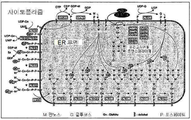




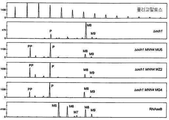


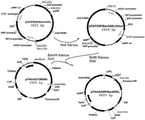


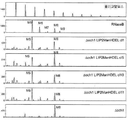








Classifications
-
- C—CHEMISTRY; METALLURGY
- C12—BIOCHEMISTRY; BEER; SPIRITS; WINE; VINEGAR; MICROBIOLOGY; ENZYMOLOGY; MUTATION OR GENETIC ENGINEERING
- C12N—MICROORGANISMS OR ENZYMES; COMPOSITIONS THEREOF; PROPAGATING, PRESERVING, OR MAINTAINING MICROORGANISMS; MUTATION OR GENETIC ENGINEERING; CULTURE MEDIA
- C12N9/00—Enzymes; Proenzymes; Compositions thereof; Processes for preparing, activating, inhibiting, separating or purifying enzymes
- C12N9/14—Hydrolases (3)
- C12N9/24—Hydrolases (3) acting on glycosyl compounds (3.2)
- C12N9/2402—Hydrolases (3) acting on glycosyl compounds (3.2) hydrolysing O- and S- glycosyl compounds (3.2.1)
- C12N9/2477—Hemicellulases not provided in a preceding group
- C12N9/2488—Mannanases
-
- A—HUMAN NECESSITIES
- A61—MEDICAL OR VETERINARY SCIENCE; HYGIENE
- A61P—SPECIFIC THERAPEUTIC ACTIVITY OF CHEMICAL COMPOUNDS OR MEDICINAL PREPARATIONS
- A61P3/00—Drugs for disorders of the metabolism
-
- C—CHEMISTRY; METALLURGY
- C07—ORGANIC CHEMISTRY
- C07K—PEPTIDES
- C07K1/00—General methods for the preparation of peptides, i.e. processes for the organic chemical preparation of peptides or proteins of any length
-
- A—HUMAN NECESSITIES
- A61—MEDICAL OR VETERINARY SCIENCE; HYGIENE
- A61P—SPECIFIC THERAPEUTIC ACTIVITY OF CHEMICAL COMPOUNDS OR MEDICINAL PREPARATIONS
- A61P25/00—Drugs for disorders of the nervous system
-
- A—HUMAN NECESSITIES
- A61—MEDICAL OR VETERINARY SCIENCE; HYGIENE
- A61P—SPECIFIC THERAPEUTIC ACTIVITY OF CHEMICAL COMPOUNDS OR MEDICINAL PREPARATIONS
- A61P29/00—Non-central analgesic, antipyretic or antiinflammatory agents, e.g. antirheumatic agents; Non-steroidal antiinflammatory drugs [NSAID]
-
- A—HUMAN NECESSITIES
- A61—MEDICAL OR VETERINARY SCIENCE; HYGIENE
- A61P—SPECIFIC THERAPEUTIC ACTIVITY OF CHEMICAL COMPOUNDS OR MEDICINAL PREPARATIONS
- A61P3/00—Drugs for disorders of the metabolism
- A61P3/06—Antihyperlipidemics
-
- A—HUMAN NECESSITIES
- A61—MEDICAL OR VETERINARY SCIENCE; HYGIENE
- A61P—SPECIFIC THERAPEUTIC ACTIVITY OF CHEMICAL COMPOUNDS OR MEDICINAL PREPARATIONS
- A61P3/00—Drugs for disorders of the metabolism
- A61P3/08—Drugs for disorders of the metabolism for glucose homeostasis
- A61P3/10—Drugs for disorders of the metabolism for glucose homeostasis for hyperglycaemia, e.g. antidiabetics
-
- A—HUMAN NECESSITIES
- A61—MEDICAL OR VETERINARY SCIENCE; HYGIENE
- A61P—SPECIFIC THERAPEUTIC ACTIVITY OF CHEMICAL COMPOUNDS OR MEDICINAL PREPARATIONS
- A61P35/00—Antineoplastic agents
-
- A—HUMAN NECESSITIES
- A61—MEDICAL OR VETERINARY SCIENCE; HYGIENE
- A61P—SPECIFIC THERAPEUTIC ACTIVITY OF CHEMICAL COMPOUNDS OR MEDICINAL PREPARATIONS
- A61P37/00—Drugs for immunological or allergic disorders
-
- A—HUMAN NECESSITIES
- A61—MEDICAL OR VETERINARY SCIENCE; HYGIENE
- A61P—SPECIFIC THERAPEUTIC ACTIVITY OF CHEMICAL COMPOUNDS OR MEDICINAL PREPARATIONS
- A61P43/00—Drugs for specific purposes, not provided for in groups A61P1/00-A61P41/00
-
- A—HUMAN NECESSITIES
- A61—MEDICAL OR VETERINARY SCIENCE; HYGIENE
- A61P—SPECIFIC THERAPEUTIC ACTIVITY OF CHEMICAL COMPOUNDS OR MEDICINAL PREPARATIONS
- A61P7/00—Drugs for disorders of the blood or the extracellular fluid
- A61P7/06—Antianaemics
-
- C—CHEMISTRY; METALLURGY
- C07—ORGANIC CHEMISTRY
- C07K—PEPTIDES
- C07K14/00—Peptides having more than 20 amino acids; Gastrins; Somatostatins; Melanotropins; Derivatives thereof
-
- C—CHEMISTRY; METALLURGY
- C07—ORGANIC CHEMISTRY
- C07K—PEPTIDES
- C07K14/00—Peptides having more than 20 amino acids; Gastrins; Somatostatins; Melanotropins; Derivatives thereof
- C07K14/37—Peptides having more than 20 amino acids; Gastrins; Somatostatins; Melanotropins; Derivatives thereof from fungi
- C07K14/39—Peptides having more than 20 amino acids; Gastrins; Somatostatins; Melanotropins; Derivatives thereof from fungi from yeasts
-
- C—CHEMISTRY; METALLURGY
- C12—BIOCHEMISTRY; BEER; SPIRITS; WINE; VINEGAR; MICROBIOLOGY; ENZYMOLOGY; MUTATION OR GENETIC ENGINEERING
- C12N—MICROORGANISMS OR ENZYMES; COMPOSITIONS THEREOF; PROPAGATING, PRESERVING, OR MAINTAINING MICROORGANISMS; MUTATION OR GENETIC ENGINEERING; CULTURE MEDIA
- C12N15/00—Mutation or genetic engineering; DNA or RNA concerning genetic engineering, vectors, e.g. plasmids, or their isolation, preparation or purification; Use of hosts therefor
- C12N15/09—Recombinant DNA-technology
- C12N15/11—DNA or RNA fragments; Modified forms thereof; Non-coding nucleic acids having a biological activity
- C12N15/52—Genes encoding for enzymes or proenzymes
-
- C—CHEMISTRY; METALLURGY
- C12—BIOCHEMISTRY; BEER; SPIRITS; WINE; VINEGAR; MICROBIOLOGY; ENZYMOLOGY; MUTATION OR GENETIC ENGINEERING
- C12N—MICROORGANISMS OR ENZYMES; COMPOSITIONS THEREOF; PROPAGATING, PRESERVING, OR MAINTAINING MICROORGANISMS; MUTATION OR GENETIC ENGINEERING; CULTURE MEDIA
- C12N9/00—Enzymes; Proenzymes; Compositions thereof; Processes for preparing, activating, inhibiting, separating or purifying enzymes
- C12N9/10—Transferases (2.)
- C12N9/1048—Glycosyltransferases (2.4)
- C12N9/1051—Hexosyltransferases (2.4.1)
-
- C—CHEMISTRY; METALLURGY
- C12—BIOCHEMISTRY; BEER; SPIRITS; WINE; VINEGAR; MICROBIOLOGY; ENZYMOLOGY; MUTATION OR GENETIC ENGINEERING
- C12N—MICROORGANISMS OR ENZYMES; COMPOSITIONS THEREOF; PROPAGATING, PRESERVING, OR MAINTAINING MICROORGANISMS; MUTATION OR GENETIC ENGINEERING; CULTURE MEDIA
- C12N9/00—Enzymes; Proenzymes; Compositions thereof; Processes for preparing, activating, inhibiting, separating or purifying enzymes
- C12N9/14—Hydrolases (3)
- C12N9/24—Hydrolases (3) acting on glycosyl compounds (3.2)
-
- C—CHEMISTRY; METALLURGY
- C12—BIOCHEMISTRY; BEER; SPIRITS; WINE; VINEGAR; MICROBIOLOGY; ENZYMOLOGY; MUTATION OR GENETIC ENGINEERING
- C12N—MICROORGANISMS OR ENZYMES; COMPOSITIONS THEREOF; PROPAGATING, PRESERVING, OR MAINTAINING MICROORGANISMS; MUTATION OR GENETIC ENGINEERING; CULTURE MEDIA
- C12N9/00—Enzymes; Proenzymes; Compositions thereof; Processes for preparing, activating, inhibiting, separating or purifying enzymes
- C12N9/14—Hydrolases (3)
- C12N9/24—Hydrolases (3) acting on glycosyl compounds (3.2)
- C12N9/2402—Hydrolases (3) acting on glycosyl compounds (3.2) hydrolysing O- and S- glycosyl compounds (3.2.1)
-
- C—CHEMISTRY; METALLURGY
- C12—BIOCHEMISTRY; BEER; SPIRITS; WINE; VINEGAR; MICROBIOLOGY; ENZYMOLOGY; MUTATION OR GENETIC ENGINEERING
- C12N—MICROORGANISMS OR ENZYMES; COMPOSITIONS THEREOF; PROPAGATING, PRESERVING, OR MAINTAINING MICROORGANISMS; MUTATION OR GENETIC ENGINEERING; CULTURE MEDIA
- C12N9/00—Enzymes; Proenzymes; Compositions thereof; Processes for preparing, activating, inhibiting, separating or purifying enzymes
- C12N9/14—Hydrolases (3)
- C12N9/24—Hydrolases (3) acting on glycosyl compounds (3.2)
- C12N9/2402—Hydrolases (3) acting on glycosyl compounds (3.2) hydrolysing O- and S- glycosyl compounds (3.2.1)
- C12N9/2465—Hydrolases (3) acting on glycosyl compounds (3.2) hydrolysing O- and S- glycosyl compounds (3.2.1) acting on alpha-galactose-glycoside bonds, e.g. alpha-galactosidase (3.2.1.22)
-
- C—CHEMISTRY; METALLURGY
- C12—BIOCHEMISTRY; BEER; SPIRITS; WINE; VINEGAR; MICROBIOLOGY; ENZYMOLOGY; MUTATION OR GENETIC ENGINEERING
- C12P—FERMENTATION OR ENZYME-USING PROCESSES TO SYNTHESISE A DESIRED CHEMICAL COMPOUND OR COMPOSITION OR TO SEPARATE OPTICAL ISOMERS FROM A RACEMIC MIXTURE
- C12P21/00—Preparation of peptides or proteins
-
- C—CHEMISTRY; METALLURGY
- C12—BIOCHEMISTRY; BEER; SPIRITS; WINE; VINEGAR; MICROBIOLOGY; ENZYMOLOGY; MUTATION OR GENETIC ENGINEERING
- C12P—FERMENTATION OR ENZYME-USING PROCESSES TO SYNTHESISE A DESIRED CHEMICAL COMPOUND OR COMPOSITION OR TO SEPARATE OPTICAL ISOMERS FROM A RACEMIC MIXTURE
- C12P21/00—Preparation of peptides or proteins
- C12P21/005—Glycopeptides, glycoproteins
-
- C—CHEMISTRY; METALLURGY
- C12—BIOCHEMISTRY; BEER; SPIRITS; WINE; VINEGAR; MICROBIOLOGY; ENZYMOLOGY; MUTATION OR GENETIC ENGINEERING
- C12P—FERMENTATION OR ENZYME-USING PROCESSES TO SYNTHESISE A DESIRED CHEMICAL COMPOUND OR COMPOSITION OR TO SEPARATE OPTICAL ISOMERS FROM A RACEMIC MIXTURE
- C12P21/00—Preparation of peptides or proteins
- C12P21/06—Preparation of peptides or proteins produced by the hydrolysis of a peptide bond, e.g. hydrolysate products
-
- C—CHEMISTRY; METALLURGY
- C12—BIOCHEMISTRY; BEER; SPIRITS; WINE; VINEGAR; MICROBIOLOGY; ENZYMOLOGY; MUTATION OR GENETIC ENGINEERING
- C12Y—ENZYMES
- C12Y204/00—Glycosyltransferases (2.4)
- C12Y204/01—Hexosyltransferases (2.4.1)
- C12Y204/01232—Initiation-specific alpha-1,6-mannosyltransferase (2.4.1.232)
-
- C—CHEMISTRY; METALLURGY
- C12—BIOCHEMISTRY; BEER; SPIRITS; WINE; VINEGAR; MICROBIOLOGY; ENZYMOLOGY; MUTATION OR GENETIC ENGINEERING
- C12Y—ENZYMES
- C12Y302/00—Hydrolases acting on glycosyl compounds, i.e. glycosylases (3.2)
- C12Y302/01—Glycosidases, i.e. enzymes hydrolysing O- and S-glycosyl compounds (3.2.1)
- C12Y302/01024—Alpha-mannosidase (3.2.1.24)
-
- C—CHEMISTRY; METALLURGY
- C12—BIOCHEMISTRY; BEER; SPIRITS; WINE; VINEGAR; MICROBIOLOGY; ENZYMOLOGY; MUTATION OR GENETIC ENGINEERING
- C12Y—ENZYMES
- C12Y302/00—Hydrolases acting on glycosyl compounds, i.e. glycosylases (3.2)
- C12Y302/01—Glycosidases, i.e. enzymes hydrolysing O- and S-glycosyl compounds (3.2.1)
- C12Y302/01045—Glucosylceramidase (3.2.1.45), i.e. beta-glucocerebrosidase
-
- C—CHEMISTRY; METALLURGY
- C12—BIOCHEMISTRY; BEER; SPIRITS; WINE; VINEGAR; MICROBIOLOGY; ENZYMOLOGY; MUTATION OR GENETIC ENGINEERING
- C12Y—ENZYMES
- C12Y302/00—Hydrolases acting on glycosyl compounds, i.e. glycosylases (3.2)
- C12Y302/01—Glycosidases, i.e. enzymes hydrolysing O- and S-glycosyl compounds (3.2.1)
- C12Y302/01046—Galactosylceramidase (3.2.1.46)
-
- C—CHEMISTRY; METALLURGY
- C12—BIOCHEMISTRY; BEER; SPIRITS; WINE; VINEGAR; MICROBIOLOGY; ENZYMOLOGY; MUTATION OR GENETIC ENGINEERING
- C12Y—ENZYMES
- C12Y302/00—Hydrolases acting on glycosyl compounds, i.e. glycosylases (3.2)
- C12Y302/01—Glycosidases, i.e. enzymes hydrolysing O- and S-glycosyl compounds (3.2.1)
- C12Y302/01084—Glucan 1,3-alpha-glucosidase (3.2.1.84), i.e. mutanase
-
- C—CHEMISTRY; METALLURGY
- C12—BIOCHEMISTRY; BEER; SPIRITS; WINE; VINEGAR; MICROBIOLOGY; ENZYMOLOGY; MUTATION OR GENETIC ENGINEERING
- C12Y—ENZYMES
- C12Y302/00—Hydrolases acting on glycosyl compounds, i.e. glycosylases (3.2)
- C12Y302/01—Glycosidases, i.e. enzymes hydrolysing O- and S-glycosyl compounds (3.2.1)
- C12Y302/01113—Mannosyl-oligosaccharide 1,2-alpha-mannosidase (3.2.1.113), i.e. alpha-1,2-mannosidase
-
- A—HUMAN NECESSITIES
- A61—MEDICAL OR VETERINARY SCIENCE; HYGIENE
- A61K—PREPARATIONS FOR MEDICAL, DENTAL OR TOILETRY PURPOSES
- A61K38/00—Medicinal preparations containing peptides
-
- Y—GENERAL TAGGING OF NEW TECHNOLOGICAL DEVELOPMENTS; GENERAL TAGGING OF CROSS-SECTIONAL TECHNOLOGIES SPANNING OVER SEVERAL SECTIONS OF THE IPC; TECHNICAL SUBJECTS COVERED BY FORMER USPC CROSS-REFERENCE ART COLLECTIONS [XRACs] AND DIGESTS
- Y02—TECHNOLOGIES OR APPLICATIONS FOR MITIGATION OR ADAPTATION AGAINST CLIMATE CHANGE
- Y02P—CLIMATE CHANGE MITIGATION TECHNOLOGIES IN THE PRODUCTION OR PROCESSING OF GOODS
- Y02P20/00—Technologies relating to chemical industry
- Y02P20/50—Improvements relating to the production of bulk chemicals
- Y02P20/52—Improvements relating to the production of bulk chemicals using catalysts, e.g. selective catalysts
Landscapes
- Chemical & Material Sciences (AREA)
- Health & Medical Sciences (AREA)
- Organic Chemistry (AREA)
- Life Sciences & Earth Sciences (AREA)
- Engineering & Computer Science (AREA)
- Genetics & Genomics (AREA)
- Bioinformatics & Cheminformatics (AREA)
- Wood Science & Technology (AREA)
- Zoology (AREA)
- General Health & Medical Sciences (AREA)
- Biochemistry (AREA)
- General Engineering & Computer Science (AREA)
- Medicinal Chemistry (AREA)
- Molecular Biology (AREA)
- Biotechnology (AREA)
- Microbiology (AREA)
- General Chemical & Material Sciences (AREA)
- Chemical Kinetics & Catalysis (AREA)
- Biomedical Technology (AREA)
- Animal Behavior & Ethology (AREA)
- Veterinary Medicine (AREA)
- Pharmacology & Pharmacy (AREA)
- Public Health (AREA)
- Nuclear Medicine, Radiotherapy & Molecular Imaging (AREA)
- Diabetes (AREA)
- Biophysics (AREA)
- Proteomics, Peptides & Aminoacids (AREA)
- Hematology (AREA)
- Gastroenterology & Hepatology (AREA)
- Obesity (AREA)
- Mycology (AREA)
- Immunology (AREA)
- Physics & Mathematics (AREA)
- Analytical Chemistry (AREA)
- Plant Pathology (AREA)
- Neurosurgery (AREA)
- Pain & Pain Management (AREA)
- Neurology (AREA)
- Emergency Medicine (AREA)
- Endocrinology (AREA)
Abstract
타겟 단백질의 N-글리코실레이션 형의 제조에 유용한 제조방법 및 유전적으로 엔지니어드된 세포가 개시되어 있다. 대사성 질환과 같은 다양한 질병의 치료에 유용한 변성 N-글리코실레이션을 갖는 분자 및 방법이 개시되어 있다.Methods of preparation and genetically engineered cells useful for the production of N-glycosylation forms of target proteins are disclosed. Disclosed are molecules and methods having modified N-glycosylation useful for the treatment of various diseases such as metabolic diseases.
Description
본 발명은 글리코실화 분자, 특히 단백질 및 지질 분자를 수득하는 방법에 관한 것이다.The present invention relates to a method for obtaining glycosylated molecules, in particular proteins and lipid molecules.
대부분의 생물약제(예컨대, 재조합 단백질)를 제조하기 위한 고성능의 발현 시스템이 개발 중이다. 상기 생물약제들의 생물학적 활성은 이들의 변성(예컨대, 인산화 또는 글리코실화)에 의존적이다. 효모-기반의 발현 시스템은 단백질을 분비 및 변형하는 유전자 조작 및 미생물 발효의 결합이다. 그러나, 효모 세포 중에서 생산된 재조합 당단백은 주로 불균일(heterogeneous) 하이-만노스 및 하이퍼-만노스 글리칸 구조를 나타내는데, 이는, 특히 글리코실리에션은 생물학적으로 현저한 역할을 하는 경우에, 단백질 구조, 다운스트림 프로세싱, 및 후속의 치료적 용도에 불리한 영향을 나타낼 수 있다.High performance expression systems for the production of most biopharmaceuticals (e.g., recombinant proteins) are under development. The biological activity of these biologics is dependent on their denaturation (e.g., phosphorylation or glycosylation). A yeast-based expression system is a combination of gene manipulation and microbial fermentation that secretes and transforms proteins. However, recombinant glycoproteins produced in yeast cells exhibit predominantly heterogeneous high-mannose and hyper-mannose glycan structures, particularly where glycosylation plays a biologically significant role, Processing, and subsequent therapeutic applications of the invention.
본 발명은, (a) 얄로위아 리포리티카(Yarrowia lipolytica) 세포 중에서 단일 유전자 결손(single gene deletion, Outer CHain elongation(OCH1) deletion)에 의해, Man5GlcNAc2(구조식 IV, 도 1) 백본 상에 α-1,2-링크된 만노스 잔기를 갖는 글리코실화된 단백질을 실질적으로 균일하게 생산한다는 점, (b) 얄로위아 리포리티카(Yarrowia lipolytica) 세포(OCH1 결손이 있는 경우 및 없는 경우 모두)의 ER에 타겟되도록 엔지니어드된 알파-1,2-만노시다제의 과발현으로 인해, Man5GlcNAc2 N-글리칸 구조(구조식 IV, 도 1)를 운반하는 글리코실화된 단백질을 실질적으로 균일하게 생산한다는 점, (c) 얄로위아 리포리티카(Yarrowia lipolytica) 세포에 있어서 아스파라긴 링크된 글리코실레이션 3(ALG3) 효소 활성을 불활성화시킴으로써, 글리코실레이트된 글리칸이 매우 증강된다는 점, (d) 얄로위아 리포리티카(Yarrowia lipolytica) 세포에서 얄로위아 리포리티카(Yarrowia lipolytica) 유전자의 와일드 타입형(MNN4)이 과발현됨으로 인해, α-1,2-링크된 만노스 잔기의 과인산화가 이루어진다는 점을 기초로 하였다. 따라서, 유전적으로 엔지니어드된 세포(예컨대, 얄로위아 리포리티카(Yarrowia lipolytica), 아르술라 아데니니보란스(Arxula adeninivorans ) 또는 다른 관련 종의 동종이형 효모 세포)를, 동종의 비-유전적 엔지니어드된 세포로부터 생성된 타겟 분자의 N-글리코실레이션 형과 비교하였을 때, 변성 N-글리코실레이션 형을 갖는 타겟 분자를 생성하는 방법에 사용할 수 있다. N-글리코실레이션된 타겟 분자(예컨대, N-글리코실레이션된 단백질)를 대사성 질환(예컨대, 지질침착질환)을 갖고 있는 환자에 투여함으로써, 질병의 증상을 개선시킬 수 있었고, 제조 방법 및 세포는 예컨대 지질침착질환과 같은 대사성 질환의 치료를 위한 N-글리코실레이션된 타겟 분자의 제조에 유용하게 사용되었다.The present invention relates to a process for producing (a) Yarrowia < RTI ID = 0.0 > lipolytica by a) a single gene-deficient cells (single gene deletion, Outer CHain elongation (OCH1) deletion) from, Man 5 GlcNAc 2 (structural formula IV, Figure 1) having a glycopeptide α-1,2- linked mannose residues in the backbone, (B) alpha-1,2-mannose engineered to target the ER of Yarrowia lipolytica cells (both with and without OCH1 deletion) (C) production of a glycosylated protein which is capable of producing a substantially homogeneous glycosylated protein carrying a Man 5 GlcNAc 2 N-glycan structure (structural formula IV, Fig. 1) lipolytica) points by in inactivating the asparagine-linked glycosyl illustration 3 (ALG3) enzyme activity in the cell, the glycosyl rate glycans that very enhancer, (d) Yalova subtotal repository for urticae (Yarrowia lipolytica) in cell Yalova subtotal Yarrowia Over-expression of the wild-type (MNN4) of the lipolytica gene was based on the hyperphosphorylation of the alpha-1,2-linked mannose residue. Thus, genetically engineered cells (e.g., Yarrowia < RTI ID = 0.0 > lipolytica), Peninsula are adenylate nini borane switch (Arxula adeninivorans) or other related species dimorphic yeast cells) for, of the same non-glycosylated when compared to the N- type illustration of the target molecule produced from genetically engineered cells , And a method for producing a target molecule having a modified N-glycosylation type. By administering the N-glycosylated target molecule (e.g., N-glycosylated protein) to a patient having a metabolic disease (such as lipid deposition disease), the symptoms of the disease can be improved, Have been usefully employed in the preparation of N-glycosylated target molecules for the treatment of metabolic diseases such as lipid deposition diseases.
본 발명은 또한, 얄로위아 리포리티카(Yarrowia lipolytica) 및 피치아 파스토리스(Pichia pastoris) HAC1 유전자의 스플라이싱 형에 근거한 것이다. HAC1 유전자, Haclp로 인코딩된 단백질은 전사 활성자(transcriptional activator)로, 안접힌 단백질 반응(UPR, Unfolded Protein Response)이라고 하는 DNA 시퀀스 모티프에 결합됨으로써 타겟 유전자의 전사를 활성화시킨다. Haclp 타겟 유전자들 중에는, 샤페론(chaperones), 폴라아제(folase) 및 지질-및 이노시톨 대사와 관련된 단백질을 인코딩하는 것들이 있다. Haclp 스플라이싱 형은, 스플라이싱되지 않은 HAC1 mRNA에 의해 인코딩된 형 보다 더욱 강력한 전사 활성자이기 때문에, Haclp 전사 인자의 스플라이싱 형의 과발현으로 인해 ER 막의 증가뿐만 아니라 본태성(native) 또는 이종(heterologous) 단백질의 발현도 증가되게 된다. 따라서, Haclp 전사 인자의 스플라이싱 형은, 다양한 진핵 세포(예컨대, 진균 세포(예컨대, 얄로위아 리포리티카 또는 본 명세서에 따른 다른 효모 세포), 식물 세포, 또는 동물 세포(예컨대, 사람 세포와 같은 포유류 세포)에 있어서 UPR의 동시적 활성 및 타겟 분자의 발현에 의해 막 및 분비 단백질의 생성을 증가시키는 데 사용될 수 있다.The present invention also relates to a method for the production of < RTI ID = 0.0 > Yarrowia < lipolytica , and Pichia pastoris HAC1 genes. The HAC1 gene, a protein encoded by Haclp, is a transcriptional activator that binds to a DNA sequence motif called the unfolded protein response (UPR), thereby activating transcription of the target gene. Among the Haclp target genes are those encoding proteins related to chaperones, folase and lipid- and inositol metabolism. Since the Haclp splicing form is a more potent transcriptional activator than the one encoded by the non-spliced HAC1 mRNA, the over-expression of the spliced form of the Haclp transcription factor results in a native, Or the expression of heterologous proteins is also increased. Thus, the splicing form of the Haclp transcription factor can be expressed in a variety of eukaryotic cells, such as fungal cells (e. G., Yalowia apolitica or other yeast cells according to the present disclosure), plant cells or animal cells Such as mammalian cells, by the simultaneous activation of UPR and expression of the target molecule.
본 발명은 또한, 얄로위아 리포리티카에서 발현될 때, Man8GlcNAc2(구조식 I, 도 4) 구조를 Man5GlcNAc2(구조식 IV, 도 4), Man6GlcNAc2(구조식 V, 도 4) 및 Man7GlcNAc2(구조식 VI, 도 4)로 전환시킬 수 있는 MNS1 만노시다제의 변이 형에 근거한 것이다. 따라서, MNS1과 같이 만노시다제의 변이 형을 발현하는 유전적으로 엔지니어드 된 진핵 세포(예컨대, 진균 세포(예컨대, 얄로위아 리포리티카 또는 본 명세서에 따른 다른 효모 세포), 식물 세포, 또는 동물 세포(예컨대, 사람 세포와 같은 포유류 세포)를, 동종의 비-유전적 엔지니어드된 세포로부터 생성된 타겟 분자의 N-글리코실레이션 형과 비교하였을 때, 변성 N-글리코실레이션 형을 갖는 타겟 분자를 생성하는 방법에 사용할 수 있다. 따라서, 본 명세서의 세포 및 제조 방법은 지질침착질환과 같은 대사성 질환의 치료를 위하여 N-글리코실화된 타겟 분자의 제조에 유용하다.When the present invention also be expressed in Yalova subtotal repository for Mathematica, Man 8 GlcNAc 2 (formula I, Figure 4), the structure Man 5 GlcNAc 2 (structural formula IV, Fig. 4), Man 6 GlcNAc 2 (structural formula V, 4 ) And Man 7 GlcNAc 2 (formula VI, Fig. 4). Thus, genetically engineered eukaryotic cells, such as MNS1, that express genetic variants of mannosidase (e. G., Fungal cells (e. G., Yalowia lipolytica or other yeast cells according to the present disclosure), plant cells, or animal cells G., A mammalian cell such as a human cell) is compared with the N-glycosylation type of the target molecule generated from homologous non-genetically engineered cells, a target molecule having a modified N-glycosylation type is produced Thus, the cells and methods of manufacture herein are useful for the production of N-glycosylated target molecules for the treatment of metabolic diseases such as lipid deposition diseases.
일 측면으로는, 타겟 단백질의 변성 N-글리코실레이션 형의 제조 방법이 개시되어 있다. 상기 제조 방법에는, 타겟 단백질을 인코딩하고 있는 핵산을 세포에 도입하는 단계가 포함되어 있는데, 상기 세포는 변성 N-글리코실레이션 형으로 타겟 단백질을 생성하는데, 상기 세포는 적어도 하나 이상의 N-글리코실레이션 활성을 포함하도록 유전적으로 엔지니어드된 얄로위아 리포리티카(Yarrowia lipolytica) 또는 아르술라 아데니니보란스(Arxula adeninivorans)(또는 동종이형 효모 세포 관련 종)이다. 상기 제조 방법은, 또한, 적어도 하나 이상의 N-글리코실레이션 활성을 포함하도록 유전적으로 엔지니어드된 얄로위아 리포리티카(Yarrowia lipolytica) 또는 아르술라 아데니니보란스(Arxula adeninivorans) (또는 동종이형 효모 세포 관련 종)를 제공하는 단계를 포함한다. 상기 방법은 또한, 타겟 단백질의 변성 N-글리코실레이션 형을 분리하는 단계를 포함한다.In one aspect, a method for producing a modified N-glycosylation form of a target protein is disclosed. The method comprises introducing into a cell a nucleic acid encoding a target protein, wherein the cell produces a target protein in a denaturing N-glycosylation form, the cell comprising at least one N-glycosyl ( Yarrowia lipolytica or Arxula < RTI ID = 0.0 > adeninivorans (or allogeneic yeast cell related species). The manufacturing method also, the genetically engineered to contain at least one or more N- glycosyl illustration active Yalova subtotal repository for urticae (Yarrowia lipolytica), or an aralkyl Peninsula adenylate nini borane switch (Arxula adeninivorans (or allogeneic yeast cell related species). The method also includes isolating the denatured N-glycosylation form of the target protein.
구체적으로, 타겟 단백질은 내인성 단백질이거나 외인성 단백질일 수 있다. 타겟 단백질은 사람의 단백질과 같이 포유류의 단백질일 수 있다. 타겟 단백질은 예컨대, 병원체 단백질, 리소좀 단백질, 성장 인자, 사이토카인, 케모카인, 이들의 항체 또는 항원-결합 단편 또는 융합 단백질일 수 있다. 융합 단백질은, 예컨대 병원체 단백질, 리소좀 단백질, 성장 인자, 사이토카인 또는 케모카인과 이들의 항체 또는 항원-결합 단편과의 융합일 수 있다. 타겟 단백질은, 예컨대 지질침착질환(LSD, Lysosomal storage disorder)과 관련된 단백질일 수 있다. 타겟 단백질은, 예컨대 글루코세레브로시다제(glucocerebrosidase), 갈락토세레브로시다제(galactocerebrosidase), 알파-L-이두로니다제(alpha-L-iduronidase), 베타-D-갈락토시다제(beta-D-galactosidase), 베타-글루코시다제(beta-glucosidase), 베타-헥소사미니다제(beta-hexosaminidase), 베타-D-만노시다제(beta-D-mannosidase), 알파-L-푸코시다제(alpha-L-fucosidase), 아릴설파타제 B(arylsulfatase B), 아릴설파타제 A(arylsulfatase A), 알파-N-아세틸갈락토사미니다제(alpha-N-acetylgalactosaminidase), 아스파틸글루코사미니다제(aspartylglucosaminidase), 이두로네이트-2-설파타제(iduronate-20sulfatase), 알파-글루코사미나이드-N-아세틸트렌스퍼라제(alpha-glucosaminide-N-acetyltransferase), 베타-D-글루코로니다제(beta-D-glucoronidase), 히알루로니다제(hyaluronidase), 알파-L-만노시다제(alpha-L-mannosidase), 알파-뉴라미니다제(alpha-neuraminidase), 포스포트랜스퍼라제(phosphotransferase), 액시드 리파제(acid lipase), 액시드 세라미다제(acid ceremidase), 스핑고미엘리나제(sphingomielinase), 티오에스테라제(thioesterase), 카텝신 K(cathepsin K), 및 리포프로테인 리파제(lipoprotein lipase)일 수 있다.Specifically, the target protein may be an endogenous protein or an exogenous protein. The target protein may be a mammalian protein such as a human protein. The target protein may be, for example, a pathogen protein, a lysosomal protein, a growth factor, a cytokine, a chemokine, an antibody or an antigen-binding fragment thereof or a fusion protein thereof. Fusion proteins can be, for example, fusion of pathogen proteins, lysosomal proteins, growth factors, cytokines or chemokines with their antibodies or antigen-binding fragments. The target protein may be, for example, a protein associated with a liposomal storage disorder (LSD). The target protein may be, for example, glucocerebrosidase, galactocerebrosidase, alpha-L-iduronidase, beta-D-galactosidase beta Beta-D-galactosidase, beta-glucosidase, beta-hexosaminidase, beta-D-mannosidase, Alpha-L-fucosidase, arylsulfatase B, arylsulfatase A, alpha-N-acetylgalactosaminidase, aspartyl glucosaminidase, (Aspartylglucosaminidase), iduronate-20sulfatase, alpha-glucosaminide-N-acetyltransferase, beta-D-glucoronidase beta-D-glucoronidase, hyaluronidase, alpha-L-mannosidase, alpha-neuraminidase, Phosphotransferase, acid lipase, acid ceremidase, sphingomielinase, thioesterase, cathepsin K, and lipo And may be lipoprotein lipase.
구체적으로, 변성 N-글리코실레이션 형은 Man5GlcNAc2, Man8GlcNAc2, Man9GlcNAc2, Man3GlcNAc2, Glc1Man5GlcNAc2 , Glc2Man5GlcNAc2 등과 같은 하나 이상의 N-글리칸 구조를 함유할 수 있다. 구체적으로는, 상기 변성 글리코실레이션은 예컨대, Man5GlcNAc2, Man8GlcNAc2, Man9GlcNAc2, Man3GlcNAc2, Glc1Man5GlcNAc2 , Glc2Man5GlcNAc2 일 수 있다.Specifically, the modified N-glycosylation type may include one or more of N-glycosylation such as Man 5 GlcNAc 2 , Man 8 GlcNAc 2 , Man 9 GlcNAc 2 , Man 3 GlcNAc 2 , Glc 1 Man 5 GlcNAc 2 , Glc 2 Man 5 GlcNAc 2 , Glycan structure. Specifically, the modified glycosylation may be, for example, Man 5 GlcNAc 2 , Man 8 GlcNAc 2 , Man 9 GlcNAc 2 , Man 3 GlcNAc 2 , Glc 1 Man 5 GlcNAc 2 , Glc 2 Man 5 GlcNAc 2 .
구체적으로, 타겟 단백질의 변성 N-글리코실레이션 형은 균일(homogeneous) 또는 실질적으로 균일할 수 있다. 예컨대, 변성 글리코실레이션을 함유하는 변성 타겟 단백질의 분획은 적어도 약 20%이상, 적어도 약 30%이상, 적어도 약 40% 이상, 적어도 약 50% 이상, 적어도 약 55% 이상, 적어도 약 60% 이상, 적어도 약 65% 이상, 적어도 약 70% 이상, 적어도 약 75% 이상, 적어도 약 80% 이상, 적어도 약 85% 이상, 적어도 약 90% 이상, 또는 적어도 약 95% 이상일 수 있다.Specifically, the modified N-glycosylation type of the target protein can be homogeneous or substantially homogeneous. At least about 30%, at least about 40%, at least about 50%, at least about 55%, at least about 60%, at least about 60%, at least about 60% , At least about 65%, at least about 70%, at least about 75%, at least about 80%, at least about 85%, at least about 90%, or at least about 95%
구체적으로, 상기 세포는 적어도 하나의 N-글리코실레이션 활성이 결핍되도록 유전적으로 엔지니어드될 수 있다. N-글리코실레이션 활성은, 예컨대, ALG3 활성, OCH1 활성, MNS1 활성 또는 MNN9 활성일 수 있다.Specifically, the cell may be genetically engineered to be deficient in at least one N-glycosylation activity. The N-glycosylation activity may be, for example, ALG3 activity, OCH1 activity, MNSl activity or MNN9 activity.
구체적으로, 하나 이상의 변성(modification)으로는, (a) N-글리코실레이션 활성을 갖는 단백질을 인코딩하는 유전자의 결손(deletion); (b) N-글리코실레이션 활성을 갖는 단백질의 변이형의 발현(expression); (c) N-글리코실레이션 활성을 갖는 단백질의 기능적 발현을 방해하는 RNA 분자의 도입(introduction) 또는 발현(expression); (d) N-글리코실레이션 활성을 갖는 단백질(예컨대, ALG6 또는 알파-만노시다제(예컨대, 소포체를 타겟으로 하는 알파-만노시다제) 발현(expression)일 수 있다. 발현된 단백질은 세포 중에서 외인성 핵산으로 인코딩된 단백질일 수 있다. 발현된 단백질은 pH 최적값이 7.5 미만(예컨대, pH 최적값이 5.1 미만)인 알파-만노시다제일 수 있다. N-글리코실레이션 활성을 갖는 단백질은 포유류 단백질(예컨대, 사람 단백질) 또는 하등 진핵 생물(예컨대, 진균, 트리파노소마, 또는 원생동물) 단백질일 수 있다. 상기 하등 진핵 생물은 타이파노소마 부루세이(Typanosoma brucei), 트리코더마 하르지아눔(Trichoderma harzianum), 아스퍼길러스(Aspergillus) 및 본 명세서에 기재된 다른 하등 진핵 생물로 이루어진 군으로부터 선택될 수 있다.Specifically, one or more modifications include (a) deletion of a gene encoding a protein having N-glycosylation activity; (b) expression of a variant of a protein having N-glycosylation activity; (c) introduction or expression of an RNA molecule that interferes with the functional expression of a protein having N-glycosylation activity; (d) an expression of a protein having N-glycosylation activity, such as ALG6 or an alpha-mannosidase (e.g., an alpha-mannosidase targeting the endoplasmic reticulum) The expressed protein may be an alpha-mannosidase with a pH optimum of less than 7.5 (e. G., A pH optimum of less than 5.1). The protein having N-glycosylation activity may be a mammalian protein (e.g., human proteins), or lower eukaryotes may be (e. g., fungi, teuripanosoma, or protozoa) protein. the lower eukaryotes tie Fano Soma Bull assay (Typanosoma brucei), Trichoderma Har Jia num (Trichoderma harzianum , Aspergillus , and other lower eukaryotes described herein.
구체적으로, N-글리코실레이션 활성은 글루코실트랜스퍼라제(glycosyltransferase) 활성일 수 있다. 구체적으로, N-글리코실레이션 활성을 갖는 단백질은 ALG6 또는 알파-만노시다제이다. 알파-만노시다제는 소포체에 타겟될 수 있다. 예컨대, N-글리코실레이션 활성을 갖는 단백질은 알파-만노시다제 폴리펩타이드 및 HDEL 소포체 보유 펩타이드(endoplasmic reticulum retention peptide)를 포함하는 용융 단백질일 수 있다.Specifically, the N-glycosylation activity may be glucosyltransferase activity. Specifically, the protein having N-glycosylation activity is ALG6 or alpha-mannosidase. Alpha-mannosidase can be targeted to the endoplasmic reticulum. For example, the protein having N-glycosylation activity may be a melt protein comprising an alpha-mannosidase polypeptide and an HDEL endoplasmic reticulum retention peptide.
구체적으로, N-글리코실레이션 활성을 갖는 단백질은 Man5GlcNAc2 로부터 글루코스 잔기를 제거할 수 있는 단백질일 수 있다. 예컨대, N-글리코실레이션 활성을 갖는 단백질은 α-1,3-글루코시다제 활성을 갖는 단백질, 예컨대 이에 한정되는 것은 아니나 글루코시다제 II(예컨대, 글루코시다제 II 의 알파 및 베타 서브유닛 중 하나 또는 모두를 포함) 또는 뮤타나제(mutanase)일 수 있다.Specifically, the protein having N-glycosylation activity may be a protein capable of removing a glucose residue from Man 5 GlcNAc 2 . For example, a protein having N-glycosylation activity may be a protein having an alpha-1,3-glucosidase activity such as, but not limited to, glucosidase II (e.g., alpha and beta subunits of glucosidase II One or both) or mutanase.
구체적으로, 상기 세포는 본 명세서에 기재된 변성(modified) N-글리코실레이션 활성과 같은 적어도 2 이상의 변성(modified) N-글리코실레이션 활성을 포함하도록 유전적으로 엔지니어드될 수 있다. 적어도 2 이상의 변성(modified) N-글리코실레이션 활성으로는 예컨대, ALG3 활성의 결핍(deficiency) 및 ALG6 활성의 증강(elevated level)을 포함할 수 있다.Specifically, the cell may be genetically engineered to include at least two modified N-glycosylation activities, such as the modified N-glycosylation activity described herein. At least two modified N-glycosylation activities may include, for example, deficiency of ALG3 activity and elevated levels of ALG6 activity.
구체적으로, 상기 세포는 본 명세서에 기재된 변성(modified) N-글리코실레이션 활성과 같은 적어도 3 이상의 변성(modified) N-글리코실레이션 활성을 포함하도록 유전적으로 엔지니어드될 수 있다. 적어도 3 이상의 변성(modified) N-글리코실레이션 활성으로는 예컨대, ALG3 활성의 결핍, ALG6 활성의 증강 및 글루코시다제 II의 증강을 포함할 수 있다.Specifically, the cell may be genetically engineered to include at least three modified N-glycosylation activities, such as the modified N-glycosylation activity described herein. At least three modified N-glycosylation activities may include, for example, deficiency of ALG3 activity, enhancement of ALG6 activity, and enhancement of glucosidase II.
구체적으로, 상기 세포는 OCH1 활성이 결핍되도록 유전적으로 엔지니어드 되어 있지 않는다.Specifically, the cell is not genetically engineered to lack OCH1 activity.
구체적으로, 변성으로는, 타겟 단백질의 만노실 인산화에 영향을 줄 수 있는 단백질 또는 이들의 생물학적 활성 변이체의 발현을 포함할 수 있다. 타겟 단백질의 만노실 인산화에 영향을 줄 수 있는 단백질 또는 이들의 생물학적 활성 변이체는 MNN4, PNO1, 또는 MNN6일 수 있다. 구체적으로, 당단백의 만노실 잔기의 적어도 약 30%이상이 인산화될 수 있다.Specifically, denaturation may include expression of a protein or biologically active variant thereof that may affect the mannosyl phosphorylation of the target protein. Proteins or biologically active variants thereof that can affect the mannosyl phosphorylation of the target protein may be MNN4, PNO1, or MNN6. Specifically, at least about 30% or more of the mannosyl residues of the glycoprotein can be phosphorylated.
구체적으로, 상기 방법은 당단백의 부가 프로세싱(additional processing)을 포함할 수 있다. 부가 프로세싱은 인 비트로 또는 인 비보에서 일어날 수 있다. 부가 프로세싱은 변성 당단백에 이소성 부분(heterologous moiety)을 부가하는 것을 포함할 수 있다. 이소성 부분은 타겟 단백질의 변성 N-글리코실레이션 형의 효소적 또는 화학적 처치를 포함할 수 있다. 예컨대, 부가 프로세싱은 타겟 단백질의 변성 N-글리코실레이션 형을 만노시다제, 만나나제, 포스포디에스테라제, 글루코시다제, 또는 글리코실트랜스퍼라제로 처치하는 것을 포함할 수 있다. 부가 프로세싱은 타겟 단백질의 변성 N-글리코실레이션 형을 플루오르화 수소산으로 처치하는 것을 포함할 수 있다. Specifically, the method may include additional processing of the glycoprotein. The additional processing may occur in-bit or in-bit-by-bit. Adjunct processing may include adding a heterologous moiety to the modified glycoprotein. The ectopic portion may comprise an enzymatic or chemical treatment of a modified N-glycosylation form of the target protein. For example, the additional processing can include treating the denatured N-glycosylation form of the target protein with mannosidase, mannanase, phosphodiesterase, glucosidase, or glycosyltransferase. Adjunct processing may include treating the denatured N-glycosylation form of the target protein with hydrofluoric acid.
또 다른 관점에서는, 본 발명은 타겟 단백질의 변성 N-글리코실레이션 형의 제조 방법을 개시하고 있다. 본 발명은 하기와 같은 단계: 적어도 하나의 변성 N-글리코실레이션 활성을 포함하도록 유전적으로 엔지니어드 된 진핵 세포(예컨대, 진균 세포, 식물 세포, 또는 동물 세포)를 제공하는 단계; 타겟 단백질을 인코딩하는 핵산을 상기 세포에 도입하는 단계로, 상기 세포가 변성 N-글리코실레이션 형으로 타겟 단백질을 생성하는 단계를 포함한다.In another aspect, the present invention discloses a method for producing a modified N-glycosylation form of a target protein. The invention provides a method comprising: providing a eukaryotic cell (e.g., a fungal cell, a plant cell, or an animal cell) that is genetically engineered to include at least one modified N-glycosylation activity; Introducing a nucleic acid encoding a target protein into the cell, wherein the cell produces a target protein in a modified N-glycosylation type.
또 다른 관점에서는, 본 발명은 타겟 단백질의 변성 N-글리코실레이션 형의 제조 방법을 개시하고 있다. 상기 발명은: 적어도 하나 이상의 변성 N-글리코실레이션 활성을 포함하도록 유전적으로 엔지니어드된 얄로위아 리포리티카(Yarrowia lipolytica) 또는 아르술라 아데니니보란스(Arxula adeninivorans )세포로부터 수득한 세포 용해물(cell lysate)과 타겟 단백질을 접촉하는 단계를 포함하고, 상기 세포 용해물과 상기 타겟 단백질을 접촉시킴으로써 타겟 단백질의 변성 N-글리코실레이션형을 수득할 수 있다.In another aspect, the present invention discloses a method for producing a modified N-glycosylation form of a target protein. The invention: the genetically engineered to contain at least one or more modified N- glycosyl illustration active Yalova subtotal repository for urticae (Yarrowia lipolytica), or an aralkyl Peninsula adenylate nini borane switch (Arxula by including the step of contacting a adeninivorans) a cell lysate obtained from the cells (cell lysate) to a target protein, and contacting the melt with the target protein for the cell can be modified to give the N- glycosyl Serration of target protein .
또 다른 관점에서는, 본 발명은 타겟 단백질의 변성 N-글리코실레이션 형의 제조 방법을 개시하고 있는데, 상기 방법은 N-글리코실레이션 활성을 갖는 하나 이상의 단백질과 타겟 단백질을 접촉하는 단계를 포함하고, 상기 N-글리코실레이션 활성을 갖는 하나 이상의 단백질은 적어도 하나 이상의 변성 N-글리코실레이션 활성을 포함하도록 유전적으로 엔지니어드된 얄로위아 리포리티카(Yarrowia lipolytica) 또는 아르술라 아데니니보란스(Arxula adeninivorans )세포로부터 수득하고, 상기 N-글리코실레이션 활성을 갖는 하나 이상의 단백질과 상기 타겟 단백질을 접촉시킴으로써 타겟 단백질의 변성 N-글리코실레이션형을 수득할 수 있다.In yet another aspect, the present invention discloses a method of making a modified N-glycosylation form of a target protein, said method comprising contacting a target protein with at least one protein having N-glycosylation activity , Wherein said at least one protein having N-glycosylation activity is selected from the group consisting of genetically engineered Yarrowia lipolytica or Arxula < RTI ID = 0.0 > By obtained from adeninivorans) cells, and contacting at least one protein with the target protein with the N- glycosyl migration activity can be modified to give the N- glycosyl Serration of the target protein.
또 다른 관점에서는, 본 발명은 상기 방법으로 제조된 변성 N-글리코실레이션을 갖는 분리 단백질을 개시하고 있다.In yet another aspect, the present invention discloses isolated proteins with modified N-glycosylation produced by the method.
또 다른 관점에서는, 본 발명은 적어도 하나 이상의 변성 N-글리코실레이션 활성을 포함하도록 유전적으로 엔지니어드된 얄로위아 리포리티카(Yarrowia lipolytica) 또는 아르술라 아데니니보란스(Arxula adeninivorans)의 분리 세포(또는 다른 관련 종의 동종이형 효모 세포)를 개시한다. N-글리코실레이션 활성은, 예컨대, ALG3 활성, OCH1 활성, MNS1 활성 또는 MNN9 활성일 수 있다. 상기 변성은 (a) N-글리코실레이션 활성을 갖는 단백질을 인코딩하는 유전자의 결손(deletion); (b) N-글리코실레이션 활성을 갖는 단백질의 변이 형(mutant form)의 발현(expression); (c) N-글리코실레이션 활성을 갖는 단백질의 기능적 발현을 방해하는 RNA 분자의 도입(introduction) 또는 발현(expression); 또는 (d) N-글리코실레이션 활성을 갖는 단백질의 발현(expression)일 수 있다. N-글리코실레이션 활성을 갖는 단백질은 예컨대 ALG6일 수 있다. N-글리코실레이션 활성을 갖는 단백질은 예컨대 사람 단백질과 같은 포유류 단백질일 수 있다. 상기 변성은 변성 당단백의 만노실 인산화를 촉진시킬 수 있는 단백질(예컨대, MNN4 또는 PNO1) 또는 이들의 생물학적 활성 변이체의 발현을 포함한다.In yet another aspect, the present invention provides a method of producing a recombinant vector comprising Yarrowia lipolytica or Arxula < RTI ID = 0.0 > adeninvorans ) or homologous yeast cells of other related species. The N-glycosylation activity may be, for example, ALG3 activity, OCH1 activity, MNSl activity or MNN9 activity. (A) a deletion of a gene encoding a protein having N-glycosylation activity; (b) expression of a mutant form of a protein having N-glycosylation activity; (c) introduction or expression of an RNA molecule that interferes with the functional expression of a protein having N-glycosylation activity; Or (d) expression of a protein having N-glycosylation activity. The protein having N-glycosylation activity may be, for example, ALG6. The protein having N-glycosylation activity may be, for example, a mammalian protein such as a human protein. Such denaturation involves expression of a protein (e. G., MNN4 or PNO1) or biologically active variants thereof capable of promoting mannosyl phosphorylation of the modified glycoprotein.
또 다른 관점으로는, 본 발명은 변성 N-글리코실레이션을 갖는 단백질을 투여함으로써 치료 가능한 질병의 치료 방법을 개시한다. 본 발명은 상기의 방법으로 수득한 단백질을 개체(subject)에 투여하는 과정을 포함하는데, 상기 개체는 변성 N-글리코실레이션을 갖는 단백질의 투여로 치료 가능한 질병을 갖고 있거나, 갖고 있는 것으로 의심되는 환자이어야 한다. 상기 치료 방법은 다음과 같은 단계; (a)투여 단계, 및/또는 (b)개체의 질병이 변성 N-글리코실레이션을 갖는 단백질을 투여함으로써 치료가능한지 여부를 결정하는 단계를 포함한다. 상기 개체는 사람과 같은 포유류일 수 있다. 상기 질환은, 예컨대, 암, 면역학적 질환(immunological disorder)(예컨대, 염증 상태) 또는 대사성 질환(metabolic disorder)일 수 있다. 대사성 질환으로는, 고셰병(Gaucher disease), 테이-삭스병(Tay-Sachs disease), 폼페병(Pompe disease), 니만피크병(Niemann-Pick disease), 또는 파브리병(Fabry disease)과 같은 지질침착질환(lysosomal storage disorder)일 수 있다. LSD와 관련된 단백질로는, 예컨대 글루코세레브로시다제(glucocerebrosidase), 알파-갈락토시다제(alpha-galactosidase)일 수 있다. 단백질은, 예컨대, 알파-L-이두로니다제(alpha-L-iduronidase), 베타-D-갈락토시다제(beta-D-galactosidase), 베타-글루코시다제(beta-glucosidase), 베타-헥소사미니다제(beta-hexosaminidase), 베타-D-만노시다제(beta-D-mannosidase), 알파-L-푸코시다제(alpha-L-fucosidase), 아릴설파타제 B(arylsulfatase B), 아릴설파타제 A(arylsulfatase A), 알파-N-아세틸갈락토사미니다제(alpha-N-acetylgalactosaminidase), 아스파틸글루코사미니다제(aspartylglucosaminidase), 이두로네이트-2-설파타제(iduronate-20sulfatase), 알파-글루코사미나이드-N-아세틸트렌스퍼라제(alpha-glucosaminide-N-acetyltransferase), 베타-D-글루코로니다제(beta-D-glucoronidase), 히알루로니다제(hyaluronidase), 알파-L-만노시다제(alpha-L-mannosidase), 알파-뉴라미니다제(alpha-neuraminidase), 포스포트랜스퍼라제(phosphotransferase), 액시드 리파제(acid lipase), 액시드 세라미다제(acid ceremidase), 스핑고미엘리나제(sphingomielinase), 티오에스테라제(thioesterase), 카텝신 K(cathepsin K), 및 리포프로테인 리파제(lipoprotein lipase)일 수 있다.In another aspect, the present invention discloses a method of treating a disease treatable by administering a protein having a modified N-glycosylation. The present invention includes a method of administering a protein obtained by the above method to a subject, said subject having a disease treatable by administration of a protein having a modified N-glycosylation, or suspected of having It should be patient. The method comprises the steps of: (a) an administration step, and / or (b) determining whether the disease of the individual is treatable by administering a protein having a modified N-glycosylation. The subject may be a mammal such as a human. The disease may be, for example, cancer, an immunological disorder (e.g., an inflammatory condition) or a metabolic disorder. Metabolic diseases include lipids such as Gaucher disease, Tay-Sachs disease, Pompe disease, Niemann-Pick disease, or Fabry disease It may be a lysosomal storage disorder. The protein associated with LSD may be, for example, glucocerebrosidase, alpha-galactosidase. The protein may be, for example, alpha-L-iduronidase, beta-D-galactosidase, beta-glucosidase, Beta-hexosaminidase, beta-D-mannosidase, alpha-L-fucosidase, arylsulfatase B, aryl N-acetylgalactosaminidase, aspartylglucosaminidase, iduronate-20 sulphatase, and the like. Alpha-glucosaminide-N-acetyltransferase, beta-D-glucoronidase, hyaluronidase, alpha-L- Alpha-L-mannosidase, alpha-neuraminidase, phosphotransferase, acid lipase, acid ceremidase, idase, sphingomyelinase, thioesterase, cathepsin K, and lipoprotein lipase.
또 다른 관점에서, 본 발명은 적어도 하나 이상의 변성 N-글리코실레이션 활성(본 명세서에 기재된 변성 등과 같은)을 포함하도록 실질적인 숫자로 유전적으로 엔지니어드된, 얄로위아 리포리티카(Yarrowia lipolytica) 또는 아르술라 아데니니보란스(Arxula adeninivorans )의 실질적으로 순수한 배양 세포를 제공한다. 상기 배양 세포는 하나 이상의 세포 아집단(subpopulations)을 포함하고, 각 아집단은 상이한 변성 글리코실레이션 활성을 포함한다.In yet another aspect, the present invention provides a method for the production of a recombinant yeast strain , which is genetically engineered to contain at least one modified N-glycosylation activity (such as the degeneration described herein) lipolytica), or are providing the Peninsula Ade's nini borane (substantially pure cultured cells Arxula adeninivorans). The cultured cells contain one or more subpopulations and each subpopulation contains a different denaturing glycosylation activity.
또 다른 관점에서는, 본 발명은 (a) SEQ ID NO:1 또는 SEQ ID NO:2를 포함하는 분리 뉴클레오타이드 시퀀스; (b) 적어도 80% 이상 동일한 SEQ ID NO:1 또는 SEQ ID NO:2인 시퀀스를 포함하는 분리 뉴클레오타이드 시퀀스; (c) 분리 뉴클레오타이드 시퀀스 (a) 또는 (b)에 의해 인코딩된 폴리펩타이드를 제공한다. 구체적으로, 분리된 핵산 시퀀스는 SEQ ID NO:1 또는 SEQ ID NO:2이다.In another aspect, the invention provides a recombinant nucleic acid comprising (a) a isolated nucleotide sequence comprising SEQ ID NO: 1 or SEQ ID NO: 2; (b) a separate nucleotide sequence comprising at least 80% identical sequences of SEQ ID NO: 1 or SEQ ID NO: 2; (c) a polypeptide encoded by the isolated nucleotide sequence (a) or (b). Specifically, the isolated nucleic acid sequence is SEQ ID NO: 1 or SEQ ID NO: 2.
또 다른 관점에서는, 본 발명은 (a) 매우 엄격한 조건 하에 SEQ ID NO:1 또는 SEQ ID NO:2의 보체로 혼성화된 뉴클레오타이드 시퀀스; 또는 (b) 상기 뉴클레오타이드 시퀀스의 보체를 포함하는 분리 핵산(isolated nucleic acid)을 개시한다.In yet another aspect, the invention provides a recombinant nucleic acid comprising (a) a nucleotide sequence hybridized to a complement of SEQ ID NO: 1 or SEQ ID NO: 2 under very stringent conditions; Or (b) a complement of said nucleotide sequence.
또 다른 관점에서는, 본 발명은 (a) 본 명세서에 기재된 핵산 시퀀스를 포함하는(또는 이루어지는) 분리 뉴클레오타이드 시퀀스; (b) 본 명세서에 기재된 핵산 시퀀스와 적어도 80% 이상 동일한 시퀀스를 포함하는 분리 뉴클레오타이드 시퀀스; (c) 분리 뉴클레오타이드 시퀀스 (a) 또는 (b)에 의해 인코딩된 폴리펩타이드를 제공한다. 구체적으로, 분리 핵산 시퀀스는 본 명세서에 기재된 핵산 시퀀스이다.In yet another aspect, the invention provides a nucleic acid sequence comprising (a) a isolated nucleotide sequence comprising (or consisting of) a nucleic acid sequence as described herein; (b) a separate nucleotide sequence comprising at least 80% identical sequence to the nucleic acid sequence described herein; (c) a polypeptide encoded by the isolated nucleotide sequence (a) or (b). Specifically, the isolated nucleic acid sequence is the nucleic acid sequence described herein.
또 다른 관점에서는, 본 발명은 (a) 매우 엄격한 조건 하에 본 명세서에 기재된 핵산 시퀀스의 보체와 혼성화된 뉴클레오타이드 시퀀스; 또는 (b) 상기 뉴클레오타이드 시퀀스의 보체를 포함하는 분리 핵산이 개시되어 있다.In yet another aspect, the present invention provides a nucleic acid construct comprising (a) a nucleotide sequence hybridized with complement of a nucleic acid sequence described herein under highly stringent conditions; Or (b) a complement of the nucleotide sequence.
또 다른 관점에서는, 본 발명은 (a) 상기 핵산 시퀀스를 포함하는 벡터, 또는 (b) 상기 (a)의 벡터를 함유하는 배양 세포를 개시한다. 상기 벡터는 발현 벡터일 수 있다. 벡터 중의 상기 핵산 시퀀스는 발현 조절 시퀀스(expression control sequence)와 링크될 수 있다.In another aspect, the present invention discloses a cultured cell comprising (a) a vector comprising the nucleic acid sequence, or (b) a vector of (a). The vector may be an expression vector. The nucleic acid sequence in the vector may be linked to an expression control sequence.
또 다른 관점에서는, 본 발명은 단백질 제조 방법을 개시한다. 상기 방법은, 폴리펩타이드의 발현을 허용하는 조건 하에 상기 세포를 배양하는 단계를 포함한다. 상기 방법은 또한, 세포 배양 후에, 세포가 배양된 배지 또는 세포로부터 폴리펩타이드를 분리하는 단계를 더 포함할 수 있다. 상기 세포는, 예컨대, 상기 핵산 시퀀스를 포함하는 벡터를 함유하는 배양세포일 수 있다.In another aspect, the present invention discloses a method for producing a protein. The method comprises culturing the cell under conditions permitting expression of the polypeptide. The method may further comprise, after cell culture, separating the polypeptide from the culture medium or cells in which the cells have been cultured. The cell may be, for example, a cultured cell containing a vector containing the nucleic acid sequence.
타겟 분자(예컨대, 타겟 단백질), N-글리코실레이션 활성을 갖는 단백질, 및 상기 기재된 변성 N-글리코실레이션 분자(이들을 모두 "본 발명의 분자"로 언급함)는 분리될 수 있으나, 반드시 분리되어야 하는 것은 아니다. 본 명세서에서 분자에 사용된 "분리(isolated)"라는 용어는, 자연적으로 동반되는 컴포넌트(예컨대, 단백질 또는 다른 자연적으로 발생되는 생물학적 또는 유기 분자)로부터 분리 또는 정제된 분자 또는 이들의 단편을 의미한다. 재조합 분자(예컨대, 재조합 단백질)는 항상 분리된다. 전형적으로, 본 발명의 분자들은 제제 중 동일한 타입의 총 분자에 대하여 적어도 60 중량%로 구성되는 경우, 예컨대 샘플 중 동일한 타입의 총 분자 60%인 경우에 분리된다. 예컨대, 변성 글리코실레이션 단백질은, 제제 또는 샘플 중 총 단백질의 적어도 60 중량%인 경우에 분리된다. 구체적으로, 제제 중 본 발명의 분자는, 제제 중 동일한 타입의 총 분자의 적어도 75 중량%, 적어도 90 중량%, 또는 적어도 95 중량%으로 구성된다.A target molecule (e.g., a target protein), a protein having N-glycosylation activity, and the denatured N-glycosylation molecules described above (all of which are referred to as "molecules of the invention") can be isolated, It should not be. The term "isolated ", as used herein in the context of a molecule, refers to a molecule or fragment thereof isolated or purified from a naturally associated component (e. G., A protein or other naturally occurring biological or organic molecule) . Recombinant molecules (e.g., recombinant proteins) are always isolated. Typically, the molecules of the invention are separated if they are composed of at least 60% by weight, based on the total molecule of the same type in the formulation, for example 60% of the total molecules of the same type in the sample. For example, the denatured glycosylation protein is separated when it is at least 60% by weight of the total protein in the preparation or sample. Specifically, the molecules of the invention in the formulation consist of at least 75 wt%, at least 90 wt%, or at least 95 wt% of the total molecules of the same type in the formulation.
본 명세서에서, 타겟 분자의 "변성 N-글리코실레이션 형(altered N-glycosylation type)"은, 호스트 세포(예컨대 얄로위아 리포리티카(Yarrowia lipolytica), 아르술라 아데니니보란스(Arxula adeninivorans) 또는 다른 관련 종의 동종이형 효모 세포)를 유전적으로 엔지니어드함으로써 제조된 타겟 분자의 N-글리코실레이션 형을 의미하고, 이는 유전적으로 엔지니어드된 세포로서 동종의 유전적으로 엔지니어드된 세포로부터 제조된 타겟 분자의 N-글리코실레이션 형과는 구별된다. 따라서, 타겟 분자의 변성 글리코실레이션 형은, 예컨대 N-글리코실레이트되지 않은 타겟 분자의 형을 말한다. 더욱이, 타겟 분자의 변성 글리코실레이션 형은, 예컨대 하나 이상의 N-링크된 글리칸의 변형 인산화를 갖는 타겟 분자의 형일 수 있다. As used herein, the term "altered N-glycosylation type" of a target molecule is intended to include a host cell (such as Yarrowia lipolytica , Arxula glycosylation type of a target molecule produced by genetically engineering an endogenous yeast cell, such as adenoviruses or other related species of homologous yeast cells, which is a genetically engineered cell, It is distinguished from the N-glycosylation type of the molecule. Thus, the modified glycosylation type of the target molecule refers to, for example, the type of the target molecule that is not N-glycosylated. Moreover, the modified glycosylation type of the target molecule may be, for example, a form of the target molecule with modified phosphorylation of one or more N-linked glycans.
본 명세서에서, "다른 관련 종의 동종이형 효모 세포(other related dimorphic yeast cell species)"는 얄로위아 리포리티카(Yarrowia lipolytica) 및 아르술라 아데니니보란스(Arxula adeninivorans)와 관련된 효모를 의미하는데, 이들은 아르술라(Arxula), 디포다스커스(Dipodascus)(예컨대 디포다스커스 알비두스(D. albidus ), 디포다스커스 인젠스(D. ingens ), 또는 디포다스커스 스페시퍼(D. specifer)), 갈락토마이세스(Galactomyces )(예컨대, 갈락토마이세스 리시(G. reesii) 또는 갈락토마이세스 게오트리춤(G. geotrichum)), 스포로파키더마(Sporopachyderma), 스테파노아스쿠스(Stephanoascus)(예컨대, 스테파노아스쿠스 시페리(S. ciferii)), 위커하미엘라(Wickerhamiella) 및 자이고아스쿠스(Zygoascus)와 같은 디포다스카시에(Dipodascaceae)에 속한다. 특히, 메치니코비아(Metchnikowia)(예컨대, 메치니코비아 풀케리마(M. pulcherrima) 또는 메치니코비아 아가베스(M. agaves)) 및 스테파노아스쿠스(Stephanoascus)(아르술라(Arxula)(예컨대 아르술라 아데니니보란스(A. adeninivorans) 또는 or 아르술라 테레스트리스(A. terrestris)와 같은 종의 26S-rDNA 시퀀스의 D1/D2 도메인을 분석한 Y. 리폴리티카(Y. lipolytica) 및 칸디다 종(Candida species)(예컨대, 칸디다 아피콜라(C. apicola), 단, 칸디다 알비칸스(C. albicans ), 칸디다 말토사(C. maltosa) 또는 칸디다 트로피칼리스(C. tropicalis)는 제외) 클레이드(clade)의 효모들이다.As used herein, "other related dimorphic yeast cell species" refers to a yeast cell line derived from Yarrowia < RTI ID = 0.0 > lipolytica and Arxula < RTI ID = 0.0 > means a yeast related adeninivorans), they are San Pedro (Arxula), depot dozen coarse (Dipodascus) (e.g., depot dozen coarse Albi Douce (D. albidus), depot dozen coarse injen's (D. ingens), depot or coarse dozen Spanish Shipper (D. specifer)), galactosyl My process (Galactomyces) (for example, galactosyl Mai access receiver (G. reesii) or galactosyl My process Keio tree dance (G. geotrichum)), spokes with Parkinson Derma (Sporopachyderma ) , Stephanoascus (e.g., S. ciferii ), Wickerhamiella and Zygoascus ( Dipodascaceae ). The term " Dipodascaceae " In particular, mechi Nikko vias (Metchnikowia) (e.g., via-Pool mechi Nikko Kerry town (M. pulcherrima) or mechi Nikko via agarose bath (M. agaves)) and Stefano Ars kusu (Stephanoascus) (Peninsula are (Arxula) (for example, are Sulla adenylate nini borane's (A. adeninivorans) or aralkyl or Peninsula Te rest-less (A. terrestris) by Y. Lee analyze D1 / D2 domain of the 26S-rDNA sequence of the same species and the poly urticae (Y. lipolytica), and Candida Candida species (for example, C. apicola , C. albicans , C. maltosa or Candida tropicalis are excluded) Clade yeast of the clade.
"폴리펩타이드(Polypeptide)" 또는 "단백질(protein)"은 서로 상호교환적으로 사용되었고, 길이 또는 변성(post-translational modification)에도 불구하고, 아미노산의 펩타이드-링크된 체인을 의미한다."Polypeptide" or "protein ", used interchangeably with each other, means a peptide-linked chain of amino acids, regardless of length or post-translational modification.
본 발명에는, 본 명세서에서 기재된 와일드-타입, 전체-길이의(full-length), 성숙한(mature) "타겟 단백질" 또는 "N-글리코실레이션 활성을 갖는 단백질"의 (i)생물학적으로 활성화된 변이체(biologically active variants) 및 (ii) 생물학적으로 활성화된 단편(biologically active fragments) 또는 이들의 생물학적으로 활성화된 변이체가 개시되어 있다. 전체-길이의(full-length), 성숙한(mature), 와일드-타입 단백질 또는 단백질의 단편의 생물학적으로 활성화된 변이체는, 부가(additions), 결손(deletions) 또는 치환(substitutions)을 포함한다. 치환된 단백질들은 일반적으로 50 이하(예컨대, 1, 2, 3, 4, 5, 6, 7, 8, 9, 10, 12, 15, 20, 25, 30, 35, 40, 또는 50 이하)의 컨저버티브 아미노산 치환(conservative amino acid substitutions)을 갖는다. 컨저버티브 치환은 하나의 아미노산을 유사한 성질을 갖는 다른 아미노산으로 치환하는 것을 말한다. 컨저버티브 치환은 다음의 그룹 중에서의 치환을 포함한다: 발린(valine), 아닐린(alanine) 및 글리신(glycine); 류신(leucine), 발린(valine), 및 이소류신(isoleucine); 아스파트산(aspartic acid) 및 글루탐산(glutamic acid); 아스파라긴(asparagines) 및 글루타민(glutamine); 세린(serine), 시스테인(cysteine), 및 트레오닌(threonine); 리신(lysine) 및 아르기닌(arginine); 및 페닐알라닌(phenylalanine) 및 티로신(tyrosine). 비극성의 소수성 아미노산(non-polar hydrophobic amino acids)에는 알라닌, 류신, 이소류신, 발린, 프롤린, 페닐알라닌, 트립토판 및 메티오닌을 포함한다. 극성의 중성 아미노산(polar neutral amino acids)에는, 글리신, 세린, 트레오닌, 시스테인, 티로신, 아스파라긴 및 글루타민을 포함한다. 양 전하의(염기성) 아미노산에는 알기닌, 리신 및 히스티딘을 포함한다. 음 전하의(산성) 아미노산에는 아스파트산 및 글루탐산을 포함한다. 상기 극성, 염기성 또는 산성 그룹 중의 하나를 같은 그룹의 다른 것으로의 치환은 컨저버티브 치환이다.The present invention encompasses the use of (i) a wild-type, full-length, mature "target protein" or "protein having N-glycosylation activity" Disclose biologically active variants and (ii) biologically active fragments or biologically active variants thereof. Biologically active variants of a full-length, mature, wild-type protein or fragment of a protein include additions, deletions or substitutions. Substituted proteins are generally less than or equal to 50 (e.g., 1, 2, 3, 4, 5, 6, 7, 8, 9, 10, 12, 15, 20, 25, 30, 35, 40, And have conservative amino acid substitutions. Conservative substitution refers to substitution of one amino acid with another amino acid having similar properties. Conservative substitutions include substitution among the following groups: valine, alanine and glycine; Leucine, valine, and isoleucine; Aspartic acid and glutamic acid; Asparagines and glutamine; Serine, cysteine, and threonine; Lysine and arginine; And phenylalanine and tyrosine. Non-polar hydrophobic amino acids include alanine, leucine, isoleucine, valine, proline, phenylalanine, tryptophan, and methionine. Polar neutral amino acids include glycine, serine, threonine, cysteine, tyrosine, asparagine, and glutamine. The (basic) amino acids of both charges include arginine, lysine and histidine. The (acidic) amino acids of negative charges include aspartic acid and glutamic acid. Substitution of one of the polar, basic or acid groups with another of the same group is a conservative substitution.
결손 변이체(Deletion variants)는 1, 2, 3, 4, 5, 6, 7, 8, 9, 10, 11, 12, 13, 14, 15, 16, 17, 18, 19, 또는 20 개의 아미노산 세그먼트(2 이상의 아미노산) 또는 비접촉(non-contiguous) 단일 아미노산이 결핍될 수 있다.Deletion variants may be selected from the group consisting of 1, 2, 3, 4, 5, 6, 7, 8, 9, 10, 11, 12, 13, 14, 15, 16, 17, 18, 19, (Two or more amino acids) or a non-contiguous single amino acid.
부가(부가 변이체)는, 다음을 포함하는 용융 단백질을 포함한다: (a) 적어도 5 이상의 아미노산을 함유하는 전체-길이의(full-length), 와일드-타입(wild-type), 성숙한(mature) 폴리펩타이드 또는 이들의 단편; 및 (b) 내부(internal) 또는 말단의(terminal)(C 또는 N) 부적절(irrelevant)하거나 이종의(heterologous) 아미노산 시퀀스. 상기 용융 단백질에 관한 설명에 있어서, "이종 아미노산 시퀀스(heterologous amino acid sequences)"라 함은, (a) 이외의 아미노산 시퀀스를 의미한다. 본 명세서의 펩타이드 및 이종 아미노산 시퀀스를 함유하는 용융 단백질은, 시퀀스 중에서 자연적으로 발생된 단백질의 전부 또는 일부에 상응하지 않는다. 이종 시퀀스는, 예컨대, 재조합 단백질(예컨대, FLAG, 폴리히스티딘(polyhistidine)(예컨대, 헥사히스티딘(hexahistidine)), 헤마글루타닌(hemagluttanin, HA), 글루타치온-S-트랜스퍼라제(glutathione-S-transferase, GST), 또는 말토스-결합 단백질(maltose-binding protein, MBP))의 정제에 사용되는 시퀀스이다. 이종 시퀀스는 진단 또는 검출 마커(diagnostic or detectable markers), 예컨대, 루시퍼라제(luciferase), 연녹 형광 단백질(green fluorescent protein, GFP), 또는 클로람페니콜 아세틸 트랜스퍼라제(chloramphenicol acetyl transferase, CAT)로 유용한 단백질일 수 있다. 구체적으로는, 상기 용융 단백질은 다른 단백질로부터 단일 시퀀스를 함유한다. 특정 호스트 세포(예컨대 효모 호스트 세포)에 있어서는, 타겟 단백질의 발현 및/또는 분비가 이종 시그널 시퀀스의 사용을 통해 증가될 수 있다. 구체적으로는, 상기 용융 단백질은, 면역 반응 유도(예컨대, 항체 제너레이션; 아래 참조) 또는 소포체 또는 골지체 보유 시그널(retention signals)에 유용한 담체(예컨대 KLH)를 함유할 수 있다. 이종 시퀀스는 길이가 다양할 수 있고, 어떤 경우에는 이종 시퀀스가 부착되어 있는 전체-길이의(full-length) 타겟 단백질보다 더 긴 시퀀스일 수 있다.Additional (additional variants) include a molten protein comprising: (a) a full-length, wild-type, mature, Polypeptides or fragments thereof; And (b) an internal or terminal (C or N) irrelevant or heterologous amino acid sequence. In the description of the molten protein, the term " heterologous amino acid sequences "means amino acid sequences other than (a). The molten proteins containing the peptides and heterologous amino acid sequences herein do not correspond to all or part of the naturally occurring proteins in the sequence. The heterologous sequence can be, for example, a recombinant protein (e.g., FLAG, polyhistidine (e.g., hexahistidine), hemaglutanin (HA), glutathione- S- GST), or a maltose-binding protein (MBP)). The heterologous sequence may be a protein useful as diagnostic or detectable markers, such as luciferase, green fluorescent protein (GFP), or chloramphenicol acetyl transferase (CAT). have. Specifically, the molten protein contains a single sequence from another protein. In certain host cells, such as yeast host cells, expression and / or secretion of the target protein may be increased through the use of heterologous signal sequences. Specifically, the molten protein may contain a carrier (e.g., KLH) useful in inducing an immune response (e.g., antibody generation; see below) or an endoplasmic reticulum or Golgi retention signals. The heterologous sequence may be of varying lengths, and in some cases may be a sequence longer than the full-length target protein to which the heterologous sequence is attached.
본 명세서에서, "단편(fragment)"은 전체-길이의(full-length), 미성숙(immature) 단백질 보다 짧은 폴리펩타이드의 단편(segment)을 의미한다. 단백질의 단편은 말단(카복시 또는 아미노-말단) 및/또는 내부 결손을 가질 수 있다. 일반적으로, 단백질 단편은 길이가 적어도 4(예컨대, 적어도 5, 적어도 6, 적어도 7, 적어도 8, 적어도 9, 적어도 10, 적어도 12, 적어도 15, 적어도 18, 적어도 25, 적어도 30, 적어도 35, 적어도 40, 적어도 50, 적어도 60, 적어도 65, 적어도 70, 적어도 75, 적어도 80, 적어도 85, 적어도 90, 또는 적어도 100 또는 그 이상)인 아미노산일 수 있다.As used herein, "fragment" means a segment of a polypeptide that is shorter than the full-length, immature protein. A fragment of the protein may have terminal (carboxy or amino-terminal) and / or internal deletions. Generally, a protein fragment is at least 4 (e.g., at least 5, at least 6, at least 7, at least 8, at least 9, at least 10, at least 12, at least 15, at least 18, at least 25, at least 30, at least 35, 40, at least 50, at least 60, at least 65, at least 70, at least 75, at least 80, at least 85, at least 90, or at least 100 or more amino acids).
타겟 단백질 또는 N-글리코실레이션 활성을 갖는 단백질의 생물학적 활성 단편 또는 생물학적 활성 변이체는, 적어도 와일드-타입, 전체-길이의, 성숙한 단백질 활성의 적어도 25% (예컨대, 적어도: 30%; 40%; 50%; 60%; 70%; 75%; 80%; 85%; 90%; 95%; 97%; 98%; 99%; 99.5%, 또는 100% 이상)이다. 타겟 단백질의 경우, 적절한 활성은 유전적으로 엔지니어드된 세포에서 타겟 단백질이 변성 N-글리코실레이션될 수 있는 것을 말한다. N-글리코실레이션 활성을 갖는 단백질의 경우, 적절한 활성은 N-글리코실레이션 활성을 말한다.A biologically active fragment or biologically active variant of a target protein or protein having N-glycosylation activity is at least 25% (e.g., at least 30%; 40%; 50%, 60%, 70%, 75%, 80%, 85%, 90%, 95%, 97%, 98%, 99%, 99.5%, or 100% or more. In the case of a target protein, the appropriate activity is that the target protein can be denatured N-glycosylated in genetically engineered cells. In the case of a protein having N-glycosylation activity, suitable activity refers to N-glycosylation activity.
사용 의도에 따라, 단백질, 생물학적 활성 단편, 또는 이들의 생물학적 활성 변이체는, 예컨대 진균류(효모 포함), 선충류(nematode), 곤충, 식물, 조류, 파충류, 또는 포유류(예컨대, 마우스, 래트, 토끼, 햄스터, 저빌(gerbil), 개, 고양이, 염소, 돼지, 소, 말, 고래, 원숭이, 또는 사람)과 같은 어느 종일 수도 있다. 구체적으로, 생물학적 활성 단편 또는 생물학적 활성 변이체에는 단백질의 면역성(immunogenic) 또는 항원성(antigenic) 단편을 포함한다. 면역성 단편은, 목적하는 동물에 있어서, 적절한 전체-길이의, 미성숙 단백질이 면역 반응(예컨대, 항체 반응 또는 세포 면역 반응)을 자극할 수 있는 정도의 적어도 25% (예컨대, 적어도: 30%; 40%; 50%; 60%; 70%; 75%; 80%; 85%; 90%; 95%; 97%; 98%; 99%; 99.5%, 또는 100% 또는 그 이상)일 수 있다. 단백질의 항원성 단편은 적절한 전체-길이의, 미성숙 단백질이 단백질에 특이적인 항체 또는 단백질에 특이적인 T 세포에 의해 인식될 수 있는 정도의 적어도 25% (예컨대, 적어도: 30%; 40%; 50%; 60%; 70%; 75%; 80%; 85%; 90%; 95%; 97%; 98%; 99%; 99.5%, 또는 100% 또는 그 이상)일 수 있다.Depending on the intended use, the proteins, biologically active fragments, or biologically active variants thereof can be used in a variety of ways including, for example, fungi (including yeast), nematodes, insects, plants, algae, reptiles, or mammals such as mice, rats, rabbits, Hamsters, gerbils, dogs, cats, goats, pigs, cows, horses, whales, monkeys, or people). Specifically, biologically active fragments or biologically active variants include immunogenic or antigenic fragments of the protein. The immunogenic fragment can be at least 25% (e.g., at least 30%; 40%) of the desired full-length, immature protein in an animal of interest to the extent that it can stimulate an immune response (e.g., an antibody response or a cellular immune response) %, 50%, 60%, 70%, 75%, 80%, 85%, 90%, 95%, 97%, 98%, 99%, 99.5%, or 100% or more. An antigenic fragment of a protein is at least 25% (such as at least 30%; 40%; 50%) of the extent that an appropriate full-length, immature protein can be recognized by a T cell specific for a protein- %, 60%, 70%, 75%, 80%, 85%, 90%, 95%, 97%, 98%, 99%, 99.5%, or 100% or more.
본 명세서에서 "N-글리코실레이션 활성(N-glycosylation activity)"이라 함은, (i) N-링크된 글리칸을 타겟 분자(예컨대, 올리고사카릴트랜스퍼라제(oligosaccharyltransferase) 활성)에 부가할 수 있는 능력; (ii) N-링크된 글리칸을 타겟 분자로부터 제거하는 능력, (iii) 타겟 분자 상에 하나 이상의 N-링크된 글리칸 변성, (iv)돌리콜-링크된 올리고사카라이드(dolichol-linked oligosaccharides) 변성, 또는 (v)상기 (i-iv)활성을 보조하는 능력을 의미한다. 이와 같이, N-글리코실레이션 활성에는, 예컨대, N-글리코시다제 활성(N-glycosidase activity), 글리코시다제 활성(glycosidase activity), 글리코실트랜스퍼라제 활성(glycosyltransferase activity), 당 뉴클레어타이드 합성(sugar nucleotide synthesis), 변성(modification) 또는 트랜스포터 활성(transporter activity)을 포함한다. 타겟 분자에서 하나 이상의 N-링크된 글리칸의 변성은, 만노실포스포릴트랜스퍼라제 활성(mannosylphosphoryltransferase activity), 키아제 활성(kinase activity), 예컨대, 만노실포스포릴트랜스퍼라제(mannosylphosphoryltransferase), 키나제(kinase) 또는 타겟 분자 상에 N-링크된 글리칸의 인산화 상태를 변화시키는 포스파타제 활성(phosphatase activity)을 포함한다.As used herein, the term "N-glycosylation activity" means that (i) an N-linked glycan can be added to a target molecule (eg, oligosaccharyltransferase activity) Ability; (ii) the ability to remove N-linked glycans from the target molecule, (iii) one or more N-linked glycan modifications on the target molecule, (iv) dolichol-linked oligosaccharides ), Or (v) an ability to assist in (i-iv) activity. Thus, the N-glycosylation activity includes, for example, N-glycosidase activity, glycosidase activity, glycosyltransferase activity, sugar nucleotide synthesis, modification, or transporter activity. The denaturation of one or more N-linked glycans in the target molecule may be accomplished by the addition of mannosylphosphoryltransferase activity, kinase activity such as mannosylphosphoryltransferase, kinase ) Or phosphatase activity that changes the phosphorylation state of N-linked glycans on the target molecule.
본 명세서에서, 세포의 "유전적 엔지니어(genetically engineer)" 또는 "유전적으로 엔지니어드된 세포(genetically engineered cell)" 등의 용어는, 세포에 대하여 인공적으로 발생된 유전적 변형을 의미하는 것으로, 유전적으로 엔지니어드되지 않은 세포(예컨대, 얄로위아 리포리티카(Yarrowia lipolytica) 또는 아르술라 아데니니보란스(Arxula adeninivorans), 또는 동종이형 효모 세포 관련 종, 식물 세포, 또는 동물 세포(예컨대, 사람 세포와 같은 포유류 세포))와 비교하였을 때 세포 중에서 적어도 하나의 변성 N-글리코실레이션 활성을 유발한다. 따라서, 인공적으로 발생된 유전적 변형에는, 예컨대 자연 변이는 포함되지 않는다. 인공 유전적 변형의 예로는 아래 "유전적으로 엔지니어드된 세포(Genetically Engineered Cells)"를 참조한다.As used herein, the term "genetically engineer" or "genetically engineered cell" of a cell refers to a genetic modification that is artificially generated against a cell, Non-engineered cells (e.g., Yarrowia < RTI ID = 0.0 > liposomes , lipolytica or Arxula adeninivorans , or allogeneic yeast cell-related species, plant cells, or animal cells (such as mammalian cells, such as human cells) - glycosylation activity. Thus, artificially generated genetic modifications do not include, for example, natural variations. An example of an artificial genetic modification is described below in "Genetically Engineered Cells ".
본 명세서에서, 핵산 또는 폴리펩타이드에 사용되는 "와일드 타입(wild-type)"이라는 용어는, 생물학적 유기체가 자연에 존재하는 것과 같이 생물학적 유기체 안에서 발생되거나 생성된 핵산 또는 폴리펩타이드를 의미한다.As used herein, the term "wild-type " used in nucleic acids or polypeptides refers to nucleic acids or polypeptides generated or produced in a biological organism such that the biological organism is present in nature.
본 명세서에서, 호스트 세포 중의 핵산 또는 호스트 세포에서 생성된 폴리펩타이드에 사용되는 "이종(heterologous)"이라는 용어는, 개체 세포와 동종이 아닌 세포로부터 유래하지 않는 핵산 또는 폴리펩타이드(예컨대, N-글리코실레이션 활성을 갖는 단백질)를 말한다. 따라서, 본 명세서에서 "이종" 핵산, 단백질들은 개체 세포와 동종의 세포에서 발생되거나 생성된 것들을 의미한다.As used herein, the term "heterologous " used in nucleic acids in host cells or polypeptides generated in host cells refers to nucleic acids or polypeptides (e.g., N-glyco A protein having silylation activity). Thus, "heterogeneous" nucleic acids, proteins, as used herein, refers to those generated or produced in cells of the same species as the individual cells.
본 명세서에서, 핵산 및 특정 호스트 세포에 사용된 "외인성(exogenous)"이라는 용어는, 자연에서 발견된 특정 세포에서는 발생되지 않는(그리고 얻어질 수 없는) 핵산을 의미한다. 따라서, 자연적으로 발생되지 않는 핵산이 개체 세포로 도입되면 개체 세포에 대하여 외인성이 된다. 자연적으로 발생되지 않는 핵산은 핵산 시퀀스 또는 핵산 시퀀스의 단편을 함유할 수 있는데, 이들은 전체로서는 자연 중에 존재하지 않는 핵산이다. 예컨대, 발현 벡터에 게놈 DNA 시퀀스를 함유하는 핵산 분자는 자연적으로 발생되지 않는 핵산이고, 따라서 호스트 세포에 도입되면 호스트 세포에 대하여 외인성이 되는데, 이는 핵산 분자 전체로는(게놈 DNA와 벡터 DNA의 결합으로) 자연적으로 존재하지 않기 때문이다. 따라서, 전체로는 자연 중에 존재하지 않는 벡터, 자연적으로 복제되는 플라스미드, 또는 바이러스(예컨대, 레트로바이러스, 아데노바이러스, 또는 헤르페스 바이러스)는 자연적으로 발생되지 않는 핵산이다. PCR 또는 제한 엔도유클레아제 처리(restriction endonuclease treatment)으로 생성된 게놈 DNA 단편 및 cDNAs는 자연적으로 발생되지 않는 핵산인데, 이들은 자연적으로는 분리된 분자로 존재하지 않기 때문이다. 자연적으로는 발견되지 않는 배열인 프로모터 시퀀스 및 폴리펩타이드-인코딩 시퀀스(예컨대, cDNA 또는 게놈 DNA)를 함유하는 핵산은 자연적으로 발생되지 않는 핵산이다. 자연적으로 발생되는 핵산은 특정 세포에 대하여 외인성일 수 있다. 예컨대, 효모 x 의 세포로부터 분리된 전체 크로모솜(entire chromosome)은, 크로모솜을 효모 y 의 세포에 도입한 후에는, 효모 y 의 세포라는 관점에서는 외인성 핵산이다. As used herein, the term "exogenous " used in nucleic acids and in particular host cells refers to nucleic acids that are not (and can not be) obtained in certain cells found in nature. Thus, when a nucleic acid that does not naturally occur is introduced into an individual cell, it becomes foreign to the individual cell. Naturally occurring nucleic acids may contain nucleic acid sequences or fragments of nucleic acid sequences, which are nucleic acids that are not present in nature as a whole. For example, a nucleic acid molecule containing a genomic DNA sequence in an expression vector is a nucleic acid that does not naturally occur. Therefore, when introduced into a host cell, the nucleic acid molecule is exogenous to the host cell, As it does not exist naturally. Thus, vectors that are not entirely naturally occurring, naturally replicating plasmids, or viruses (e.g., retrovirus, adenovirus, or herpes virus) are nucleic acids that do not naturally occur. Genomic DNA fragments and cDNAs generated by PCR or restriction endonuclease treatment are nucleic acids that are not naturally occurring, since they are not naturally isolated molecules. Nucleic acids containing a promoter sequence and a polypeptide-encoding sequence (e. G., CDNA or genomic DNA) that are not found in nature are nucleic acids that are not naturally occurring. Naturally occurring nucleic acids may be exogenous to certain cells. For example, the entire chromosome isolated from the cells of yeast x is an exogenous nucleic acid in terms of cells of yeast y after chromosome is introduced into the cells of yeast y.
상기로부터, "외인성(exogenous)" 핵산은 "동종(homologous)" 또는 "이종(heterologous)" 핵산일 수 있다. 반면, 본 명세서에서 핵산 또는 유전자(또는 핵산 또는 유전자로 인코딩된 단백질) 및 특정 세포에서 사용된 "내인성(endogenous)"이라는 용어는 자연적으로 발견되는 특정 세포에서 발생되는(그리고 수득될 수 있는) 핵산 또는 유전자를 의미한다.From the above, an "exogenous" nucleic acid may be "homologous" or "heterologous" nucleic acid. The term "endogenous " as used herein in the context of a nucleic acid or gene (or a protein encoded by a nucleic acid or gene) and the term" endogenous "as used herein refers to a nucleic acid Or gene.
상기 개념에서와 같이, 얄로위아 리포리티카(Y. lipolytica) 세포로 형질전환된 얄로위아 리포리티카(Y. lipolytica) ALG6 단백질을 인코딩하는 발현 플라스미드는, 상기 세포의 관점에서 외인성 핵산이다. 그러나, ALG6 단백질 코딩 시퀀스 및 이에 의해 제조된 ALG6 단백질은 세포의 관점에서는 동종이다. 이와 유사하게, 얄로위아 리포리티카(Y. lipolytica) 세포로 형질전환된 아르술라 아데니니보란스(Arxula adeninivorans) ALG6 단백질을 인코딩하는 발현 플라스미드는, 세포의 관점에서는 외인성 핵산이다. 그러나, 상기 예와는 반대로, ALG6 단백질 코딩 시퀀스 및 이에 의해 제조된 ALG6 단백질은 세포의 관점에서는 이종이다.As with the above idea, Yalova subtotal repository for urticae (Y. lipolytica) transformed with cell Yalova subtotal repository for urticae (Y. lipolytica) an expression plasmid encoding the ALG6 protein is an exogenous nucleic acid in terms of the cell. However, the ALG6 protein coding sequence and the ALG6 protein produced thereby are homologous in terms of cells. Similarly, an expression plasmid encoding an Arxula adeninivorans ALG6 protein transformed with Y. lipolytica cells is an exogenous nucleic acid from a cell standpoint. However, contrary to the above example, the ALG6 protein coding sequence and the ALG6 protein produced thereby are heterologous in terms of cells.
본 명세서에서, "프로모터(promoter)"라 함은, 유전자를 전사할 수 있는 DNA 시퀀스를 의미한다. 프로모터는 RNA 폴리머라제에 의해 인식되는데, 이로 인해 전사가 유발된다. 따라서, 프로모터는 RNA 폴리머라제와 직접 결합하거나 리크루트먼트에 관련된 DNA 시퀀스를 포함한다. 프로모터 시퀀스는, 또한 "인핸서 구역(enhancer regions)"을 포함하는데, 이는 유전자-클러스터(gene-cluster)에서 유전자의 전사 수준을 증가시키기 위한 하나 이상의 DNA 구역(즉, 일련의 전사 인자와 마찬가지로 트랜스-액팅 팩터)이다. 상기 인핸서는, 전형적으로 코딩 구역의 5' 말단이지만, 프로모터 시퀀스로부터 분리될 수 있고, 유전자의 인트론 구역(intronic region) 또는 유전자 코딩 구역의 3' 사이일 수 있다. As used herein, the term "promoter" means a DNA sequence capable of transcribing a gene. Promoters are recognized by RNA polymerases, which induce transcription. Thus, the promoter comprises a DNA sequence that is directly associated with the recruitment or binding to the RNA polymerase. The promoter sequence also includes "enhancer regions ", which contain one or more DNA regions to increase the level of transcription of a gene in a gene-cluster (i.e., a trans- Actuation factor). The enhancer is typically the 5 'end of the coding region, but may be isolated from the promoter sequence and may be between the intronic region of the gene or 3' of the gene coding region.
본 명세서에서 "작동 가능하게 링크된(operably linked)"이라 함은, 발현 시퀀스가 목적하는 코딩 시퀀스의 발현을 효과적으로 조절하기 위하여 유전적 구조(genetic construct)로 포합(incorporate)되는 것을 의미한다.As used herein, " operably linked "means that an expression sequence is incorporated into a genetic construct in order to effectively regulate the expression of the coding sequence of interest.
본 명세서에서 핵산 시퀀스(예컨대, SEQ ID NO:1 또는 SEQ ID NO:2로 표현되는 HAC1 시퀀스)의 변이체들은, 와일드타입 핵산 시퀀스와 동종(동일)인 적어도 약 70% (e.g., 적어도 약 75%, 적어도 약 80%, 적어도 약 85%, 적어도 약 90%, 적어도 약 95%, 또는 적어도 약 99%)의 동종 시퀀스이다. 상기 와일드 타입 시퀀스들은 자연형으로부터 분리될 수 있고 또는 재조합 또는 합성 방법으로 생성될 수 있다. 따라서, 와일드 타입 시퀀스 핵산은 사람 핵산 시퀀스, 원숭이 핵산 시퀀스, 설치류 핵산 시퀀스, 또는 목적하는 동종의 와일드 타입 핵산을 함유하는 다른 종의 자연적으로 발생된 핵산 시퀀스를 가질 수 있다. 본 명세서에서, "동종(homologous)" 또는 "동종 핵산 시퀀스(homologous nucleic acid sequence) 등의 용어는, 적어도 특정된 비율의 뉴클레오타이드 레벨에서 상동(homology)으로 특정된 시퀀스를 의미하고, 시퀀스 아이덴티티(sequence identity)와 혼용되어 사용된다. 상동 또는 아이덴티티 퍼센트는, 예컨대, 디폴트 세팅(default settings)을 사용하여, 스미스 앤 워트만(Smith and Waterman((1981) Adv. Appl. Math. 2:482-489))의 알고리즘을 사용하는, 갭 프로그램(Gap program)(Wisconsin Sequence Analysis Package, Version 8 for UNIX, Genetics Computer Group, University Research Park, Madison, WI)으로 결정될 수 있다. 구체적으로, 프로브과 타겟 사이의 상동은 약 50% 내지 약 60% 범위이다. 구체적으로, 프로브과 타겟 핵산 사이의 상동은 약 55% 내지 65%, 약 65% 내지 75%, 약 70% 내지 80%, 약 75% 내지 85%, 약 80% 내지 90%, 약 85% 내지 95%, 약 90% 내지 100% 사이이다.Variants of a nucleic acid sequence (e.g., a HAC1 sequence represented by SEQ ID NO: 1 or SEQ ID NO: 2) herein are at least about 70% identical (eg, at least about 75% , At least about 80%, at least about 85%, at least about 90%, at least about 95%, or at least about 99%). The wild type sequences may be separated from the natural type or may be generated by recombinant or synthetic methods. Thus, a wildtype sequence nucleic acid may have a naturally occurring nucleic acid sequence of a human nucleic acid sequence, a monkey nucleic acid sequence, a rodent nucleic acid sequence, or other species containing the desired homologous wild type nucleic acid. As used herein, the term "homologous" or "homologous nucleic acid sequence " means a sequence specified in homology at least at a specified percentage of nucleotide levels, The identity or percent identity may be determined by the method of Smith and Waterman (1981) Adv. Appl. Math. 2: 482-489, using default settings, (Wisconsin Sequence Analysis Package,
본 명세서에서, "프로브(probe)"라는 용어는, 다양한 길이의 핵산 시퀀스를 의미한다. 구체적으로, 프로브는 적어도 10 내지 6,000 뉴클레오타이드를 포함한다. 구체적으로, 프로브는 적어도 12, 적어도 14, 적어도 16, 적어도 18, 적어도 20, 적어도 25, 적어도 50, 또는 적어도 75 또는 100 인접하는 뉴클레오타이드를 포함한다. 길이가 긴 프로브는 일반적으로 자연 상태에서 또는 재조합 기원(직접, 화학적 합성과의 반대)으로부터 얻어지며, 타겟 시퀀스에 매우 특이적이고, 길이가 긴 올리고머(oligomers)보다 타겟에 혼성화되는 속도가 느리다. 프로브는 단일 또는 더블 스트랜드 핵산 분자일 수 있다.As used herein, the term " probe "refers to a nucleic acid sequence of varying lengths. Specifically, the probe comprises at least 10 to 6,000 nucleotides. Specifically, the probe comprises at least 12, at least 14, at least 16, at least 18, at least 20, at least 25, at least 50, or at least 75 or 100 contiguous nucleotides. Long-length probes are generally obtained in nature or from recombinant origins (direct, as opposed to chemical synthesis), very specific to the target sequence, and slower to hybridize to targets than long oligomers. The probe may be a single or double stranded nucleic acid molecule.
구체적으로, 본 명세서의 변이체 핵산은 목적하는 와일드 타입 핵산(예컨대, SEQ ID NO:1 또는 SEQ ID NO:2으로 표시되는 HAC1 핵산 시퀀스)의 구역(region), 부분(portion), 도메인(domain) 또는 단편(segment)에 대하여 부분적으로 상보적인(예컨대, 적어도 50%, 적어도 60%, 적어도 70%, 적어도 80%, 적어도 90%, 적어도 95%, 적어도 96%, 적어도 97%, 적어도 98%, 적어도 99% 상보적인) 하나 또는 양쪽 스트랜드를 포함하는 시퀀스를 갖는다. 구체적으로는, 목적하는 변이체 핵산 시퀀스는, 와일드 타입 핵산 시퀀스의 구역(region), 부분(portion), 도메인(domain) 또는 단편(segment)에 대하여 완전히 상보적인(즉, 100% 상보적인) 하나 또는 양쪽 스트랜드를 포함하는 시퀀스를 갖는다. "상보성(complementarity)"을 갖는 시퀀스라 함은, 질소성 염기의 수소결합 성질로 인한 특정 질소성 염기 간의 화학적 친화성(즉, 아데닌과 우라실(DNA 또는 변성 RNA의 경우에는 티민)이 서로 짝이 되고, 구아닌과 시토신이 서로 짝을 이루는 부위에서 역방향 중복(antiparallel duplex)을 형성할 수 있는 것과 같은 염기 서열을 갖는 2개의 핵산 체인의 성질)을 의미한다. 따라서, 완전히 상보적인 시퀀스는, 뉴클레오타이드 시퀀스가 역방향 중복(antiparallel duplex)을 형성할 때 염기 시퀀스의 완전한 일대일 상응(즉, 아데닌 대 우라실/티민 및 구아닌 대 시토신)을 갖는 두 개의 시퀀스이다.Specifically, a variant nucleic acid of the present invention may comprise a region, a portion, a domain, and a region of a desired wild-type nucleic acid (e.g., the HAC1 nucleic acid sequence represented by SEQ ID NO: 1 or SEQ ID NO: 2) (E.g., at least 50%, at least 60%, at least 70%, at least 80%, at least 90%, at least 95%, at least 96%, at least 97%, at least 98% At least 99% complementary) one or both strands. Specifically, the desired variant nucleic acid sequence is one (or 100% complementary) completely complementary (i.e., 100% complementary) to a region, portion, domain or segment of the wild type nucleic acid sequence And has a sequence including both strands. A sequence having "complementarity" means that the chemical affinity (i.e., adenine and uracil (in the case of DNA or denatured RNA) of the specific nitrogen base due to the hydrogen bonding nature of the nitrogenous base And the nature of the two nucleic acid chains with base sequences such that guanine and cytosine can form an antiparallel duplex at the mismatched sites). Thus, a fully complementary sequence is two sequences with a complete one-to-one correspondence of the base sequence (i. E., Adenine versus uracil / thymine and guanine to cytosine) when the nucleotide sequence forms an antiparallel duplex.
혼성화는 두 개의 핵산 시퀀스의 동종을 측정하는 데 또한 사용될 수 있다. 본 명세서에서 핵산 시퀀스, 또는 이의 단편 또는 변이체는, 표준 혼성화 기술에 따라 혼성화 프로브(hybridization probe)로 사용될 수 있다. 테스트 물질(예컨대 진핵 세포)로부터 DNA 또는 RNA로의 목적하는 특정 프로브의 혼성화(예컨대, HAC1 뉴클레오타이드 시퀀스의 프로브, 예컨대, SEQ ID NOS:1 또는 2로 표시되는 HAC1 뉴클레오타이드 시퀀스)는, 테스트 물질 중 프로브에 상응하는 DNA 또는 RNA(예컨대, HAC1 뉴클레오타이드 시퀀스)의 존재에 대한 표지가 된다. 혼성화 조건은 당업자에게 알려져 있으며, 문헌(Molecular Biology, John Wiley & Sons, N.Y., 6.3.1-6.3.6, 1991)을 통하여서도 현재의 프로토콜을 확인할 수 있다. 적절한 혼성화 조건은, 30℃에서 2X 소듐 클로라이드/소듐 시트레이트(SSC)에서의 혼성화하고, 이어서 50℃에서 1 X SSC, 0.1% SDS 에서 세척한다. 엄격한 조건은, 45℃에서 6X 소듐 클로라이드/소듐 시트레이트(SSC)에서의 혼성화하고, 이어서 65℃에서 0.2 X SSC, 0.1% SDS 에서 세척한다.Hybridization can also be used to measure homologs of two nucleic acid sequences. As used herein, the nucleic acid sequence, or a fragment or variant thereof, can be used as a hybridization probe according to standard hybridization techniques. Hybridization of a desired specific probe from a test substance (eukaryotic cell, for example) into DNA or RNA (e.g., a probe of a HAC1 nucleotide sequence, such as a HAC1 nucleotide sequence represented by SEQ ID NOS: 1 or 2) It becomes a marker for the presence of the corresponding DNA or RNA (e. G., The HAC1 nucleotide sequence). Hybridization conditions are known to those skilled in the art, and the current protocol can be confirmed through the literature (Molecular Biology, John Wiley & Sons, N. Y., 6.3.1-6.3.6, 1991). Appropriate hybridization conditions are hybridization at 2O < 0 > C sodium chloride / sodium citrate (SSC) at 30 < 0 > C, followed by washing in 1 X SSC, 0.1% SDS at 50 < 0 > C. Strict conditions are hybridization in 6X sodium chloride / sodium citrate (SSC) at 45 ° C, followed by washing in 0.2 × SSC, 0.1% SDS at 65 ° C.
특별히 정의한 바 없으면, 본 명세서에서 사용된 모든 기술적 및 과학적 용어는 본 발명이 속하는 당업자가 일반적으로 사용되는 의미와 동일하다. 본 명세서에서 기재된 것과 유사 또는 동일한 방법 및 물질이 본 발명의 실시 또는 시험에 사용될 수 있으며, 하기에 실시예를 기재하였다. 본 명세서에 기재된 모든 간행물, 특허출원, 특허, Genbank Accession Nos, 및 다른 참조들은 전체로 본 명세서에 참조로 포함된다. 정의를 포함하여, 본 명세서의 내용과 서로 상반되는 경우에는 조절이 필요하다. 물질, 방법, 및 실시예들은 본 발명의 일 실시예이고, 본 발명은 이에 한정되는 것은 아니다. Unless defined otherwise, all technical and scientific terms used herein have the same meaning as commonly used by one of ordinary skill in the art to which this invention belongs. Methods and materials similar or equivalent to those described herein can be used in the practice or testing of the present invention, and examples are described below. All publications, patent applications, patents, Genbank Accession Nos, and other references mentioned herein are incorporated herein by reference in their entirety. Adjustments are necessary if they are inconsistent with the contents of this specification, including definitions. Materials, methods, and embodiments are examples of the present invention, and the present invention is not limited thereto.
본 발명의 다른 특징 및 장점, 즉 변성 N-글리코실리이션 분자의 제조 방법은 하기 상세한 설명 및 청구항을 통하여 더욱 명백할 것이다.Other features and advantages of the present invention, i.e., methods for making modified N-glycosylation molecules, will become more apparent through the following detailed description and claims.
상세한 설명details
본 명세서의 방법 및 유전적으로 엔지니어드 된 세포는, 비-유전적으로 엔지니어드된 세포에서 생성된 타겟 분자의 N-글리코실리이션 형과 비교하였을 때 변성 N-글리코실리이션 형을 갖는 타겟 분자(예컨대, 타겟 단백질 또는 타겟 돌리콜(dolichol))을 생성하는 데 사용될 수 있다. 글리코실화된 타겟 분자(예컨대, 글리코실화된 단백질)을, 대사성 질환(예컨대, 지질침착질환(lysosomal storage disorders))을 갖는 환자에 투여함으로써, 질병의 증상을 경감시킬 수 있다. 따라서, 본 명세서의 방법 및 세포는 지질침착질환(lysosomal storage disorders)과 같은 대사성 질환을 치료하기 위한 변성 N-글리코실화된 타겟 분자의 제조에 유용하다. 본 발명의 방법 및 세포는 다양한 다른 분야, 예컨대 식음료 산업; 제약 산업(예컨대, 백신); 농업 산업; 및 화학 산업 등에 또한 유용하다.The methods and genetically engineered cells of the present disclosure can be used to identify target molecules having a modified N-glycosylation type (e. G., Target < RTI ID = 0.0 > Protein or target dolichol). ≪ / RTI > The symptoms of the disease can be alleviated by administering the glycosylated target molecule (e.g., a glycosylated protein) to a patient having a metabolic disease (e.g., lysosomal storage disorders). Thus, the methods and cells herein are useful for the production of modified N-glycosylated target molecules for the treatment of metabolic diseases such as lysosomal storage disorders. The methods and cells of the present invention may be used in a variety of different fields, such as the food and beverage industry; Pharmaceutical industry (e.g., vaccine); Agriculture industry; And the chemical industry.
변성 N-Modified N- 글리코실레이션Glycosylation 분자 molecule
본 명세서에서 타겟 분자라 함은, 유전적으로 엔지니어드된 세포(예컨대, 얄로위아 리포리티카(Yarrowia lipolytica) 또는 아르술라 아데니니보란스(Arxula adeninivorans)(또는 다른 관련 종의 동종이형 효모) 세포; 식물 세포 또는 동물 세포)로부터 하나 이상 N-글리코실레이션 활성에 의해 변성 N-글리코실레이션되는 분자를 의미한다. 구체예로서, 타겟 분자는 얄로위아 리포리티카(Yarrowia lipolytica) 또는 아르술라 아데니니보란스(Arxula adeninivorans)(또는 다른 관련 종의 동종이형 효모) 분비 패스웨이의 하나 이상의 단계를 통하여 수송되어, 개체 세포의 기관에 의해 변성 N-글리코실레이션된다. 타겟 분자는 내인성 또는 외인성일 수 있다.As used herein, the term " target fragment " refers to a genetically engineered cell (e.g., Yarrowia lipolytica or Arxula adeninivorans (or any other related species homologous yeast) cells; Refers to a molecule that is modified N-glycosylated by one or more N-glycosylation activities from plant cells or animal cells. As an example, the target molecule may be Yarrowia lipolytica or Arxula < RTI ID = 0.0 > adeninivorans (or other related species of allogeneic yeast) secretory pathway, and are denatured N-glycosylated by the organ of the individual cell. The target molecule may be endogenous or exogenous.
타겟 단백질, 이들의 생물학적 활성 단편, 또는 이들의 생물학적 활성 변이체는, 상기의 부가, 결손 또는 치환을 함유하는 단백질을 포함할 수 있다. 적합한 타겟 단백질로는, 병원성 단백질(예컨대, 파상풍 독소(tetanus toxoid); 디프테리아 독소(diptheria toxoid); 바이러스성 표면 단백질(viral surface proteins)(예컨대, 사이토메가로바이러스(cytomegalovirus CMV) 당단백 B, H 및 gCIII; 사람 면역결핍 바이러스(human immunodeficiency virus 1, HIV-1) 외피 당단백(envelope glycoproteins); 라우스 육종 바이러스(Rous sarcoma virus, RSV) 외피 당단백(envelope glycoproteins); 헤르페스 심플렉스 바이러스(herpes simplex virus, HSV) 외피 당단백(envelope glycoproteins); 엡스테인 바 바이러스(Epstein Barr virus, EBV) 외피 당단백(envelope glycoproteins); 바리셀라-조스터 바이러스(varicella-zoster virus, VZV) 외피 당단백(envelope glycoproteins); 사람 파필로마 바이러스(human papilloma virus, HPV) 외피 당단백(envelope glycoproteins); 인플루엔자 바이러스 (Influenza virus) 당단백; 및 간염 패밀리 표면 항원(Hepatitis family surface antigens)), 리소좀 단백질(lysosomal proteins)(예컨대, 글루코세레브로시다제(glucocerebrosidase), 세레브로시다제(cerebrosidase), 또는 갈락토세레브로시다제(galactocerebrosidase)), 인슐린(insulin), 글루카곤(glucagons), 성장인자(growth factors), 사이토카인(cytokines), 케모카인(chemokines), 항체(antibodies) 또는 이들의 단편, 또는 항체 또는 항체 단편에 대한 단백질 용융(예컨대, protein-Fc)을 포함할 수 있다. 성장인자(Growth factors)로는, 예컨대, 혈관내피 성장인자(vascular endothelial growth factor, VEGF), 인슐린-유사 성장인자(Insulin-like growth factor, IGF), 골형성인자(bone morphogenic protein, BMP), 과립구 콜로니 자극 인자(Granulocyte-colony stimulating factor, G-CSF), 그래뉼로사이트-마크로파지 콜로니 자극인자(Granulocyte-macrophage colony stimulating factor, GM-CSF), 신경 성장 인자(Nerve growth factor, NGF); 뉴로트로핀(Neurotrophin), 혈소판-유래 성장인자(Platelet-derived growth factor, PDGF), 에리스로포이에틴(Erythropoietin, EPO), 트롬보포이에틴(Thrombopoietin, TPO), 미요스타틴(Myostatin, GDF-8), 성장 분화 인자(Growth Differentiation factor-9, GDF9), 베이직 섬유아세포 성장인자(basic fibroblast growth factor, bFGF or FGF2), 상피 성장인자(Epidermal growth factor, EGF), 간세포 성장인자(Hepatocyte growth factor, HGF)을 포함할 수 있다. 사이토카인(Cytokines)으로는, 예컨대, 인터류킨(interleukins)(예컨대, IL-1 내지 IL-33 (예컨대, IL-1, IL-2, IL-3, IL-4, IL-5, IL-6, IL-7, IL-8, IL-9, IL-10, IL-12, IL-13, 또는 IL-15))을 포함할 수 있다. 케모카인(Chemokines)으로는, 예컨대, I-309, TCA-3, MCP-1, MIP-1α MIP-1β RANTES, C10, MRP-2, MARC, MCP-3, MCP-2, MRP-2, CCF18, MIP-1γ 에오탁신(Eotaxin), MCP-5, MCP-4, NCC-1, Ckβ10, HCC-1, Leukotactin-1, LEC, NCC-4, TARC, PARC, 또는 Eotaxin-2을 포함할 수 있다. 또한, 암 당단백(tumor glycoproteins)(예컨대, 암-관련 항원(tumor-associated antigens)), 예컨대, 암배 항원(carcinoembryonic antigen, CEA), 사람 뮤친(human mucins), HER-2/neu, 및 전립선-특이 항원(prostate-specific antigen, PSA) [R. A. Henderson and O. J. Finn, Advances in Immunology, 62, pp. 217-56 (1996)]. 구체적으로는, 타겟 단백질은 지질침착질환과 관련될 수 있는데, 타겟 단백질로는, 예컨대, 알파-L-이두로니다제(alpha-L-iduronidase), 베타-D-갈락토시다제(beta-D-galactosidase), 베타-글루코시다제(beta-glucosidase), 베타-헥소사미니다제(beta-hexosaminidase), 베타-D-만노시다제(beta-D-mannosidase), 알파-L-푸코시다제(alpha-L-fucosidase), 아릴설파타제 B(arylsulfatase B), 아릴설파타제 A(arylsulfatase A), 알파-N-아세틸갈락토사미니다제(alpha-N-acetylgalactosaminidase), 아스파틸글루코사미니다제(aspartylglucosaminidase), 이두로네이트-2-설파타제(iduronate-2-sulfatase), 알파-글루코사미나이드-N-아세틸트렌스퍼라제(alpha-glucosaminide-N-acetyltransferase), 베타-D-글루코로니다제(beta-D-glucoronidase), 히알루로니다제(hyaluronidase), 알파-L-만노시다제(alpha-L-mannosidase), 알파-뉴라미니다제(alpha-neuraminidase), 포스포트랜스퍼라제(phosphotransferase), 액시드 리파제(acid lipase), 액시드 세라미다제(acid ceramidase), 스핑고미엘리나제(sphingomyelinase), 티오에스테라제(thioesterase), 카텝신 K(cathepsin K), 및 리포프로테인 리파제(lipoprotein lipase)를 포함할 수 있다.The target protein, biologically active fragment thereof, or a biologically active variant thereof may comprise a protein containing the addition, deletion or substitution as described above. Suitable target proteins include, but are not limited to, pathogenic proteins (e.g., tetanus toxoid; diptheria toxoid; viral surface proteins such as cytomegalovirus CMV glycoproteins B, H, germ cell lymphomas, germ cell lymphomas, germ cell lymphomas, germ cell lymphomas, germ cell lymphomas, germ cell lymphomas, germ cell lymphomas, germ cell lymphomas, Envelope glycoproteins; Epstein Barr virus (EBV) envelope glycoproteins; varicella-zoster virus (VZV) envelope glycoproteins; human papilloma Human papilloma virus (HPV) envelope glycoproteins; Influenza virus glycoprotein; and hepatitis family surface Hepatitis family surface antigens), lysosomal proteins (e.g., glucocerebrosidase, cerebrosidase, or galactocerebrosidase), insulin (E. G., Protein-Fc) to glucagons, growth factors, cytokines, chemokines, antibodies or fragments thereof, or antibodies or antibody fragments, Growth factors include, for example, vascular endothelial growth factor (VEGF), insulin-like growth factor (IGF), bone morphogenetic factor protein, BMP), granulocyte-colony stimulating factor (G-CSF), granulocyte-macrophage colony stimulating factor (GM-CSF), nerve growth factorNGF); Neurotrophin, platelet-derived growth factor (PDGF), erythropoietin (EPO), thrombopoietin (TPO), myostatin (GDF-8) (EGF), hepatocyte growth factor (HGF), and fibroblast growth factor (bFGF), which are known to play a role in the pathogenesis of fibroblast growth factor (FGF) . Examples of cytokines include, but are not limited to, interleukins (such as IL-1 to IL-33, such as IL-1, IL-2, IL-3, IL-4, IL- , IL-7, IL-8, IL-9, IL-10, IL-12, IL-13 or IL-15. Examples of the chemokines include I-309, TCA-3, MCP-1, MIP-1α MIP-1β RANTES, C10, MRP-2, MARC, MCP-3, MCP- , Eotaxin, MCP-5, MCP-4, NCC-1, Ckβ10, HCC-1, Leukotactin-1, LEC, NCC-4, TARC, PARC or Eotaxin-2 have. Also, tumor glycoproteins (e.g., tumor-associated antigens) such as carcinoembryonic antigen (CEA), human mucins, HER-2 / neu, and prostate- Prostate-specific antigen (PSA) [R. A. Henderson and O. J. Finn, Advances in Immunology, 62, pp. 217-56 (1996)]. Specifically, the target protein may be associated with a lipid deposition disease. Examples of target proteins include alpha-L-iduronidase, beta-D-galactosidase, D-galactosidase, beta-glucosidase, beta-hexosaminidase, beta-D-mannosidase, alpha-L-fucosidase alpha-L-fucosidase, arylsulfatase B, arylsulfatase A, alpha-N-acetylgalactosaminidase, aspartyl glucosaminidase, aspartylglucosaminidase, iduronate-2-sulfatase, alpha-glucosaminide-N-acetyltransferase, beta-D-glucoronidase, beta-D-glucoronidase, hyaluronidase, alpha-L-mannosidase, alpha-neuraminidase, phosphotransferase, A phosphatransferase, an acid lipase, an acid ceramidase, a sphingomyelinase, a thioesterase, a cathepsin K, and a lipoprotein And may include lipoprotein lipase.
타겟 단백질은 또한 용융 단백질일 수 있다. 용융 단백질로는, 예컨대, (i) 본 명세서에 기재된 단백질 또는 이들의 단편과 (ii)이들의 항체 또는 단편과의 용융을 포함한다. 명세서에 기재된 바와 같이, "항체 단편"이라 함은 항원-결합 단편, 예컨대 Fab, F(ab')2, Fv, 및 단일 사슬 Fv (scFv) 단편을 의미한다. 단편은 단일 폴리펩타이드 사슬로, scFv로부터 유래된 항체의 큰 사슬 또는 가벼운 사슬의 다양한 영역에 포함된다. 또한, 디아보디(diabodies)(문헌[Poljak (1994) Structure 2(12):1121-1123; Hudson et al. (1999) J. Immunol. Methods 23(1-2):177-189, 상기 문헌들에 기재된 내용은 전체로서 본 명세서에 참조됨]) 및 인트라보디(intrabodies)(문헌 [Huston et al. (2001) Hum. Antibodies 10(3-4):127-142; Wheeler et al. (2003) Mol. Ther. 8(3):355-366; Stocks (2004) Drug Discov. Today 9(22): 960-966, 상기 문헌에 기재된 내용은 전체로서 본 명세서에 참조됨])을 본 발명의 방법에 사용할 수 있다.The target protein may also be a molten protein. Molten proteins include, for example, (i) fusion of the proteins or fragments thereof described herein with (ii) their antibodies or fragments. As described in the specification, the term "antibody fragment" refers to antigen-binding fragments such as Fab, F (ab ') 2, Fv, and single chain Fv (scFv) fragments. The fragment is a single polypeptide chain and is comprised in various regions of the large chain or light chain of the antibody derived from the scFv. Also, diabodies (Poljak (1994) Structure 2 (12): 1121-1123; Hudson et al. (1999) J. Immunol. Methods 23 (1-2): 177-189, (Huston et al. (2001) Hum. Antibodies 10 (3-4): 127-142; Wheeler et al. (2003)) and intrabodies Mol. Ther. 8 (3): 355-366; Stocks (2004) Drug Discov. Today 9 (22): 960-966, the contents of which are incorporated herein by reference in its entirety] .
타겟 단백질은 또한 하나 이상의 폴리머, 담체(carrier), 애쥬번트(adjuvant), 항체독소(immunotoxin), 또는 검출가능한(예컨대, 형광(fluorescent), 발광(luminescent) 또는 방사성(radioactive)) 부분과 결합할 수 있다. 예컨대, 타겟 단밸질은 폴리에틸렌글리콜(polyethyleneglycol)과 결합할 수 있는데, 상기 폴리머 부분을 예컨대 동일한 단백질의 분자량을 증가시키고/증가시키거나 서큘레이션 레지던스 시간(circulation residence time)을 증가시키는데 사용할 수 있다. 구체적으로, 타겟 분자를 돌리콜(dolichol)이거나 돌리콜을 함유할 수 있다.The target protein may also be conjugated to one or more of a polymer, a carrier, an adjuvant, an immunotoxin, or a detectable (e.g., fluorescent, luminescent or radioactive) . For example, the target protein may be conjugated to polyethyleneglycol, which may be used, for example, to increase / increase the molecular weight of the same protein or to increase the circulation residence time. Specifically, the target molecule may be a dolichol or a dolichol.
유전적으로 Genetically 엔지니어드된Engineered 세포 cell
본 명세서에는 적어도 하나이상의 변성 N-글리코실리에션 활성을 갖는 유전적으로 엔지니어드된 세포가 기재되어 있는데, 상기 세포들은 변성 N-글리코실리에션 형을 갖는 하나 이상의 타겟 분자의 생성에 유용하다. 유전적 엔지니어링에 적합한 세포에는, 예컨대 진균 세포(예컨대, 얄로위아 리포리티카(Yarrowia lipolytica) 또는 본 명세서에 기재된 다른 관련 종의 동종이형 효모 세포), 식물세포, 또는 동물세포(예컨대, 선충류(nematode), 곤충, 식물, 조류, 파충류 또는 포유류(예컨대, 마우스, 래트, 토끼, 햄스터, 저빌(gerbil), 개, 고양이, 염소, 돼지, 소, 말, 고래, 원숭이 또는 사람))를 포함한다. 세포들은 프라이머리 세포(primary cells), 임모탈 세포(immortalized cells) 또는 형질전환된 세포(transformed cells)일 수 있다. 상기 세포들은 동물, 예컨대, 사람을 제외한 포유류에 존재하는 세포일 수 있다. 상기 세포들은, 본 명세서에 기재된 바와 같이 유전적으로 엔지니어드되기 전에, 다양한 상업적인 경로로 수득하거나 어메리칸 타입 컬켜 컬렉션(American Type Culture Collection (Rockville, MD))과 같은 연구 기관을 통하여 수득할 수 있다. 타겟 분자는 본 명세서에 기재된 타겟 단백질 등과 같은 단백질을 포함한다. 타겟 단백질은 또한 돌리콜(dolichol)을 포함한다.Described herein are genetically engineered cells having at least one modified N-glycosylation activity, which are useful for the production of one or more target molecules having a modified N-glycosylation pattern. Cells suitable for genetic engineering include, for example, fungal cells (such as Yarrowia lipolytica or other related species of allogeneic yeast cells described herein), plant cells, or animal cells such as nematodes ), Insects, plants, birds, reptiles or mammals such as mice, rats, rabbits, hamsters, gerbils, dogs, cats, goats, pigs, cows, horses, whales, monkeys or people. The cells may be primary cells, immortalized cells or transformed cells. The cells may be cells in an animal, such as a mammal other than a human. The cells may be obtained by a variety of commercial routes, or obtained through research institutes such as the American Type Culture Collection (Rockville, Md.), Prior to being genetically engineered as described herein. Target molecules include proteins such as the target proteins described herein. The target protein also includes dolichol.
세포의 유전적 엔지니어링은 다음과 같은 유전적 변형을 포함한다: (i) N-글리코실레이션 활성을 갖는 단백질을 인코딩하는 내인성 유전자의 제거; (ii) N-글리코실레이션 활성 (즉, N-글리코실레이션 활성을 갖는 변이체 단백질의 발현)을 갖는 단백질(예컨대, 내인성 또는 외인성 단백질)의 변이체 형을 인코딩하는 재조합 핵산의 도입; (iii) N-글리코실레이션 활성을 갖는 단백질의 기능적 발현을 방해하는 RNA 분자의 도입 또는 발현; (iv) N-글리코실레이션 활성(즉, N-글리코실레이션 활성을 갖는 단백질의 발현)을 갖는 단백질의 와일드 타입(예컨대, 내인성 또는 외인성)을 인코딩하는 재조합 핵산의 도입; 또는 (v) 인코딩된 단백질의 발현을 변경하기 위한 N-글리코실레이션 활성을 갖는 단백질을 인코딩하는 하나 이상의 내인성 유전자의 프로모터 또는 인핸서 요소(elements)의 변경(altering). RNA 분자는, 예컨대 스몰-인터피어링 RNA(small-interfering RNA (siRNA)), 쇼트 헤어핀 RNA(short hairpin RNA (shRNA)), 안티센스 RNA(anti-sense RNA) 또는 마이크로 RNA(micro RNA (miRNA))를 포함한다. 상기 (ii)에는, 예컨대, 내인성 유전자(예컨대 동종 재조합(homologous recombination)에 의해)를 상기 교체된 내인성 유전자에 비하여 더 큰 N-글리코실레이션 활성을 갖는 단백질을 인코딩하는 유전자로의 교체를 포함한다. 유전적 엔지니어링에는 또한, N-글리코실레이션 활성을 갖는 단백질을 인코딩하는 내인성 유전자를, 부가(예컨대, 이종 시퀀스), 삭제, 또는 치환(예컨대, 점 돌연변이(point mutations); 보전적 또는 비보존적 변이(conservative or non-conservative mutations)와 같은 변이)로 변경하는 것을 포함한다. 변이는 또한 특이적으로(예컨대, 사이트-디렉티드 변이(site-directed mutagenesis) 또는 동종 재조합(homologous recombination); 실시예 참조) 도입될 수 있거나, 또는 랜덤하게(예컨대, 문헌[Newman and Ferro-Novick (1987) J. Cell Biol. 105(4):1587]에 기재된 바에 따른 화학적 변이 유발일 수 있으며, 상기 문헌의 내용은 전체로서 본 명세서에 참조됨) 도입될 수도 있다.The genetic engineering of the cell involves the following genetic modifications: (i) the removal of an endogenous gene encoding a protein having N-glycosylation activity; (ii) introduction of a recombinant nucleic acid encoding a variant form of a protein (e.g., endogenous or exogenous protein) having N-glycosylation activity (i. e., expression of a variant protein having N-glycosylation activity); (iii) introduction or expression of an RNA molecule that interferes with the functional expression of a protein having N-glycosylation activity; (iv) introduction of a recombinant nucleic acid encoding a wild type (e.g., endogenous or exogenous) of a protein having N-glycosylation activity (i. e., expression of a protein having N-glycosylation activity); Or (v) altering the promoter or enhancer elements of one or more endogenous genes encoding a protein having N-glycosylation activity to alter the expression of the encoded protein. The RNA molecule can be, for example, small-interfering RNA (siRNA), short hairpin RNA (shRNA), anti-sense RNA or microRNA (miRNA) . (Ii) includes, for example, replacing an endogenous gene (e.g., by homologous recombination) with a gene encoding a protein having a greater N-glycosylation activity relative to the replaced endogenous gene . Genetic engineering also includes the insertion of an endogenous gene that encodes a protein having N-glycosylation activity into a complementary (e. G., Heterologous sequence), deletion, or substitution (e. G., Point mutations; Such as conservative or non-conservative mutations. Variations may also be introduced specifically (e. G., Site-directed mutagenesis or homologous recombination; see examples), or randomly (e. G., In Newman and Ferro-Novick (1987) J. Cell Biol. 105 (4): 1587, the contents of which are incorporated herein by reference in their entirety).
본 명세서에 기재된 유전적 변형은 다음 중 하나 이상을 유발할 수 있다; (i) 유전적으로 변형된 세포에서의 하나 이상의 N-글리코실레이션 활성의 증가, (ii) 유전적으로 변형된 세포에서의 하나 이상의 N-글리코실레이션 활성의 감소, (iii) 유전적으로 변형된 세포에서의 하나 이상의 N-글리코실레이션 활성의 로컬화(localization) 또는 세포내 분포(intracellular distribution) 변화, 또는 (iv) 유전적으로 변형된 세포에서의 하나 이상의 N-글리코실레이션 활성의 비율 변화. N-글리코실레이션 활성의 증가는 N-글리코실레이션 활성을 갖는 하나 이상의 단백질의 과발현, 내인성 유전자(예컨대, 유전자 복제(gene duplication)) 또는 유전자로 인코딩된 단백질의 발현 증가를 자극하는 내인성 유전자의 프로모터 또는 인핸서의 변형으로 인한 것일 수 있다. 하나 이상의 N-글리코실리에션 활성의 감소는, N-글리코실레이션 변성 활성을 갖는 하나 이상의 변이형(예컨대, 도미넌트 네가티브 형(dominant negative form))의 과발현, N-글리코실레이션 활성을 갖는 하나 이상의 단백질의 발현을 감소하는 하나 이상의 방해 RNA 분자의 도입 또는 발현, 또는 N-글리코실레이션 활성을 갖는 단백질을 발현하는 하나 이상의 내인성 유전자의 삭제로 인한 것일 수 있다.The genetic modification described herein may result in one or more of the following: (i) an increase in one or more N-glycosylation activities in genetically modified cells, (ii) a decrease in one or more N-glycosylation activities in genetically modified cells, (iii) (Iv) a change in the ratio of one or more N-glycosylation activities in genetically modified cells, or (iv) a change in the localization or intracellular distribution of one or more N-glycosylation activities in the cell. The increase in N-glycosylation activity may be due to overexpression of one or more proteins with N-glycosylation activity, endogenous genes (e.g., gene duplication), or endogenous genes that stimulate increased expression of a gene encoded protein Lt; RTI ID = 0.0 > promoter or enhancer. ≪ / RTI > The reduction of one or more N-glycosylation activity may be achieved by overexpression of one or more mutants having N-glycosylation-modifying activity (e.g., a dominant negative form), one having N-glycosylation activity Or by the deletion of one or more endogenous genes that express a protein having N-glycosylation activity.
하나 이상의 내인성 유전자의 삭제 또는 분열 방법은 본 명세서의 실시예에 기재되어 있다. 예컨대, 동종 재조합에 의한 유전자 분열을 위하여, "유전자 교체(gene replacement)" 벡터를 선택적 마커 유전자(selectable marker gene)를 포함하는 방법으로 생성할 수 있다. 선택적 마커 유전자는, 5' 및 3' 말단에서, 동종 재조합을 매개하기에 충분한 길이의 유전자 부분에서 작동가능하게 링크될 수 있다. 선택적 마커는 호스트 셀 옥소트로피(complement host cell auxotrophy)를 보완하거나(complement) 또는 항생물질 저항(antibiotic resistance)을 제공하는 유전자의 하나 이상일 수 있으며, URA3, LEU2 및 HIS3 유전자를 포함한다. 다른 적절한 선택적 마커로는 CAT 유전자를 포함하는데, 이는 효모 세포, 또는 lacZ 유전자에 클로람페니콜 저항성을 부여하는데, β-갈락토시다제의 발현으로 인해 블루 콜로니(blue colonies)로 된다. 유전자 교체 벡터(gene replacement vector)의 선형화된 DNA 단편을 공지 기술을 사용하여 세포로 도입한다. 선형 단편(linear fragments)의 게놈으로의 도입 및 유전자의 분열은 선택 마커에서 결정될 수 있고, 예컨대 서던 블럿 분석(Southern blot analysis)으로 다양화될 수 있다.Methods of deleting or cleaving one or more endogenous genes are described in the Examples herein. For example, for gene fragmentation by homologous recombination, a "gene replacement" vector may be generated by a method comprising a selectable marker gene. Selective marker genes can be operably linked at the 5 ' and 3 ' ends at a portion of the gene of sufficient length to mediate homologous recombination. The selectable marker may be one or more of the genes that complement or provide antibiotic resistance to the complement host cell auxotrophy and include the URA3, LEU2, and HIS3 genes. Other suitable selective markers include the CAT gene, which confers chloramphenicol resistance to yeast cells or the lacZ gene, resulting in blue colonies due to the expression of beta -galactosidase. A linearized DNA fragment of a gene replacement vector is introduced into the cell using known techniques. Introduction of the linear fragments into the genome and cleavage of the gene can be determined in selectable markers and can be varied, for example, by Southern blot analysis.
본 명세서의 실시예에 기재된 바와 같이, 선택 마커는 선택 과정에서 사용한 후에, 후속적으로 호스트 세포의 게놈으로부터, 예컨대 Cre-loxP 시스템을 사용하여 제거할 수 있다.As described in the examples herein, the selectable marker can be removed from the genome of the host cell subsequently, for example using the Cre-loxP system, after use in the selection process.
또한, 유전자 교체 벡터(gene replacement vector)를 분열될 유전자의 부분을 포함하는 방법으로 형성할 수 있는데, 상기 부분에는 내인성 유전자 프로모터 시퀀스(endogenous gene promoter sequence) 및 인코드(encodes) 또는 유전자의 코딩 시퀀스의 불활성 단편이 없다. "불활성 단편"은 유전자의 전체 길이의 코딩 시퀀스(full-length coding sequence)로부터 생성된 단백질 활성의, 예컨대, 약 10% 미만 (예컨대, 약 9% 미만, 약 8% 미만, 약 7% 미만, 약 6% 미만, 약 5% 미만, 약 4% 미만, 약 3% 미만, 약 2% 미만, 약 1% 미만, or 0%)을 갖는 단백질을 인코딩하는 유전자 단편이다. 유전자의 상기 부분을 벡터 중에, 알려지지 않은 프로모터 시퀀스를 유전자 시퀀스에 작동가능하게 링크되지만, 정지 코돈 및 전사 종료 시퀀스는 유전자 시퀀스 부분에 작동가능하게 링크되는 방법으로 삽입한다. 상기 벡터는 후속적으로 유전자 시퀀스의 부분에서 선형화될 수 있고 세포로 형질전환될 수 있다. 단일 동종 재조합(single homologous recombination) 방법으로, 상기 선형화된 벡터(linearized vector)를 유전자의 내인성 카운터파트(endogenous counterpart)에 포합(integrated)시킨다.In addition, a gene replacement vector can be formed by a method including a part of a gene to be cleaved, which includes an endogenous gene promoter sequence and encodes or a coding sequence of a gene Lt; / RTI > An "inactive fragment" is a portion of a protein that is less than about 10% (eg, less than about 9%, less than about 8%, less than about 7% , Less than about 6%, less than about 5%, less than about 4%, less than about 3%, less than about 2%, less than about 1%, or 0%). The portion of the gene is operably linked to the gene sequence in the vector, an unknown promoter sequence, but the stop codon and transcription termination sequence are inserted in a manner operably linked to the gene sequence portion. The vector may subsequently be linearized at a portion of the gene sequence and transformed into a cell. In a single homologous recombination method, the linearized vector is integrated into an endogenous counterpart of the gene.
발현벡터는 자발적이거나(autonomous) 또는 포합적(integrative)일 수 있다.The expression vector may be autonomous or integrative.
재조합 핵산(예컨대, 와일드 타입을 인코딩하고 있는 핵산 또는 N-글리코실리에션 활성을 갖는 단백질의 변이 형)을, 플라스미드, 파지(phage), 트랜스포손(transposon), 코스미드(cosmid) 또는 바이러스 입자(virus particle)과 같은 발현 벡터의 형태로 세포에 도입시킬 수 있다. 재조합 핵산은 염색체외(extrachromosomally)로 유지될 수 있거나, 효모 세포 크로모좀 DNA(yeast cell chromosomal DNA)으로 포함될 수 있다. 발현 벡터는, 선택된 조건(예컨대, 우라실 생합성에 필요한 효소를 인코딩하고 있는 URA3 또는 트립토판 생합성에 필요한 효소를 인코딩하고 있는 TRP1)에서, 세포 생육(cell viability)에 있어서 목적하는 핵산으로 형질전환된 상기 세포들의 선택 및/또는 검출이 가능하도록 하는데 필요한 단백질로 인코딩하는 선택 마커 유전자를 포함할 수 있다(미국특허 제4,704,362호 참조). 발현 벡터는 또한 자발적 복제 시퀀스(autonomous replication sequence (ARS))를 포함할 수 있다. 예컨대, 미국 특허 제4,837,148호에는, 피치아 파스토리스(Pichia pastoris)에서 플라스미드를 유지(maintaining)하기 위한 적당한 방법을 제공하는 자발적 복제 시퀀스가 개시되어 있다. 미국 특허 제4,837,148호의 기재는, 전체로서 본 명세서에 참조로 포함된다.A recombinant nucleic acid (for example, a nucleic acid encoding a wild type or a mutant form of a protein having N-glycosylation activity) can be introduced into a plasmid, a phage, a transposon, a cosmid, or may be introduced into cells in the form of an expression vector such as a virus particle. The recombinant nucleic acid may be maintained extrachromosomally or may be contained as yeast cell chromosomal DNA. The expression vector can be expressed in the cell (for example, URA3 encoding an enzyme required for uracil biosynthesis or TRP1 encoding an enzyme necessary for tryptophan biosynthesis), the cell transformed with a desired nucleic acid in cell viability (E. G., See U.S. Patent No. 4,704,362). The expression vector may also comprise an autonomous replication sequence (ARS). For example, U.S. Patent No. 4,837,148 discloses a spontaneous replication sequence that provides a suitable method for maintaining a plasmid in Pichia pastoris . The description of U.S. Patent No. 4,837,148 is incorporated herein by reference in its entirety.
포합적 벡터(Integrative vectors)는, 예컨대, 미국 특허 제4,882,279호에 기재되어 있다(상기 기재는 전체로서 본 명세서에 참조로 포함된다). 포합적 벡터는 일반적으로 적어도 제1 삽입가능한 DNA 단편(first insertable DNA fragment), 선택 마커 유전자(selectable marker gene), 및 제2 삽입가능한 DNA 단편(second insertable DNA fragment)이 연속적으로 배열된 시퀀스(serially arranged sequence)를 포함한다. 제1 및 제2 삽입가능한 DNA 단편은 각각 약 200(예컨대, 약 250, 약 300, 약 350, 약 400, 약 450, 약 500, 또는 약 1000 또는 이상) 길이의 뉴클레오타이드이고, 형질전환될 종의 게놈 DNA 의 부분과 동종인 뉴클레오타이드 시퀀스를 갖는다. 발현을 위하여 목적하는 유전자(예컨대, N-글리코실리에션 활성을 갖는 단백질을 인코딩하는 유전자)를 함유하는 뉴클레오타이드 시퀀스를 제1 및 제2 삽입가능한 DNA 단편 사이에, 마커 유전자의 전 또는 후에, 상기 벡터에 삽입한다. 포합적 벡터(Integrative vectors)는 효모 형질전환 전에 선형화되어 목적하는 뉴클레오타이드 시퀀스를 호스트 셀 게놈에 포합(integration)시킬 수 있다.Integrative vectors are described, for example, in U.S. Patent No. 4,882,279, the disclosure of which is incorporated herein by reference in its entirety. The inclusion vector generally comprises at least a sequence serially arranged with at least a first insertable DNA fragment, a selectable marker gene, and a second insertable DNA fragment arranged sequence. The first and second insertable DNA fragments are nucleotides each about 200 (e.g., about 250, about 300, about 350, about 400, about 450, about 500, or about 1000 or more) long, It has a nucleotide sequence that is homologous to a portion of the genomic DNA. A nucleotide sequence containing a desired gene (for example, a gene encoding a protein having N-glycosylation activity) for expression can be inserted between the first and second insertable DNA fragments, before or after the marker gene, ≪ / RTI > Integrative vectors can be linearized prior to yeast transformation to integrate the desired nucleotide sequence into the host cell genome.
발현 벡터는 효모(예컨대, 얄로위아 리포리티카(Yarrowia lipolytica), 아르술라 아데니니보란스(Arxula adeninivorans) 또는 다른 관련 종의 동종이형 효모 세포) 프로모터의 조절 하에 재조합 핵산을 특징지우는데, 효모 안에서 발현되도록 한다. 효모 프로모터로는, 예컨대 ADC1, TPI1, ADH2, hp4d, POX, 및 Gal10 (see, e.g., Guarente et al. (1982) Proc. Natl. Acad. Sci. USA 79(23):7410) 프로모터를 포함한다. 부가적으로 적합한 프로모터가 문헌(Zhu and Zhang (1999) Bioinformatics 15(7-8):608-611) 및 미국특허 제6,265,185호에 기재되어 있는데, 상기 각 문헌은 전체로서 본 명세서에 참조로 포함된다. 발현 벡터가 동물 세포, 예컨대, 포유류 세포에 도입될 때, 발현 벡터는 목적하는 호스트 세포 내에서 발현에 적합한 동물 세포 프로모터의 조절 하에 재조합 핵산을 특징지운다. 포유류 프로모터의 예로는 SV40또는 사이토메갈로바이러스(cytomegalovirus (CMV)) 프로모터를 포함한다. The expression vector may be a yeast (such as Yarrowia < RTI ID = 0.0 > lipolytica , Arxula < RTI ID = 0.0 > adeninivorans ) or other related species homologous yeast cells) characterized by recombinant nucleic acid under the control of a promoter, which is expressed in yeast. Yeast promoters include, for example, ADC1, TPI1, ADH2, hp4d, POX and Gal10 promoters (see, eg, Guarente et al. (1982) Proc. Natl. Acad. Sci. USA 79 . Additional suitable promoters are described in Zhu and Zhang (1999) Bioinformatics 15 (7-8): 608-611 and U.S. Patent No. 6,265,185, each of which is incorporated herein by reference in its entirety . When an expression vector is introduced into an animal cell, such as a mammalian cell, the expression vector characterizes the recombinant nucleic acid under the control of an animal cell promoter suitable for expression in the desired host cell. Examples of mammalian promoters include the SV40 or cytomegalovirus (CMV) promoter.
프로모터는 컨스티튜터브(constitutive) 또는 유도적(inducible)일 수 있다. 컨스티튜터브(constitutive) 프로모터는 표준 배양 조건(standard culturing conditions)에서 균일한 발현을 나타내는 프로모터이다. 유도적 (inducible) 프로모터는 하나 이상의 유도 신호(induction cues)에 반응하는 프로모터이다. 예컨대, 유도적 프로모터는 화학적으로 조절되거나(예컨대, 프로모터의 전사적 활성이, 알코올, 테트라사이클린, 스테로이드, 메탈, 또는 다른 작은 분자의 존재 또는 부재에 따라 조절됨), 또는 물리적으로 조절(예컨대, 프로모터의 전사적 활성이 무게 또는 온도 등과 같은 물리적 유도인자의 존재 또는 부재에 따라 조절됨)될 수 있다. 유도적 프로모터는 하나 이상의 전사적 인자로 인해 간접적으로 조절될 수 있는데, 이들은 화학적 또는 물리적 신호에 의해 직접적으로 조절된다.The promoter may be constitutive or inducible. Constitutive promoters are promoters that exhibit uniform expression under standard culturing conditions. An inducible promoter is a promoter that is responsive to one or more induction cues. For example, an inducible promoter can be chemically regulated (e.g., the transcriptional activity of the promoter is regulated by the presence or absence of an alcohol, tetracycline, steroid, metal, or other small molecule), or physically controlled And the activity is controlled by the presence or absence of physical inducing factors such as weight or temperature). Inducible promoters can be indirectly regulated by one or more transcription factors, which are directly regulated by chemical or physical signals.
세포의 유전적 엔지니어링에는 또한, 내인성 유전자(예컨대, N-글리코실레이션 활성을 갖는 단백질로 인코딩된 유전자)의 활성을 포함하는데, 이는 호스트 세포 내에 존재하나 일반적으로는 세포에서 발현되지 않고 또는 세포안에서 현저한 수준으로는 발현되지 않는다. 예컨대, 내인성 유전자의 조절 시퀀스(regulatory sequence)(예컨대, 유전자 프로모터 또는 인핸서)는 변형될 수 있고, 작동가능하게 링크된 코딩 시퀀스의 발현 증가를 나타낸다. 동종 재조합(Homologous recombination) 또는 타겟팅(targeting)이 조절 시퀀스를 갖는 유전자와 일반적으로 관련된 조절 구역(regulatory region)을 교체 또는 무력화시키는 데 사용될 수 있는데, 이는 유전자로 하여금 세포를 상응하는 비-유전적 엔지니어드된 세포에서 보다 더 높은 수준으로 발현이 되도록 하거나, 또는 상응하는 비-유전적 엔지니어드된 세포에서 상이한 조절 또는 유도 패턴을 나타내도록 한다. 유전자의 조절 시퀀스(예컨대, 프로모터 또는 인핸서)의 변경을 도입하는 적절한 방법은 미국 특허 공개 제20030147868호에 개시되어 있고, 이는 전체로서 본 명세서에 참조로 포함된다.The genetic engineering of the cell also involves the activity of an endogenous gene (e. G., A gene encoded by a protein having N-glycosylation activity), which is present in the host cell but is generally not expressed in the cell or in the cell It is not expressed to a remarkable level. For example, a regulatory sequence (e.g., a gene promoter or enhancer) of an endogenous gene can be modified and exhibits increased expression of the operably linked coding sequence. Homologous recombination or targeting can be used to replace or disrupt a regulatory region generally associated with a gene having a regulatory sequence that allows the gene to be introduced into the corresponding non-genetic engineer To be expressed at a higher level than in the corresponding non-genetically engineered cell, or to exhibit a different regulatory or inducing pattern in the corresponding non-genetically engineered cell. A suitable method of introducing a change in the regulatory sequence of a gene (e.g., a promoter or enhancer) is disclosed in U.S. Patent Publication No. 20030147868, which is incorporated herein by reference in its entirety.
다른 유전적으로 엔지니어드된 변형 또한 조건적일 수 있다. 예컨대, Cre-loxP 시스템(예컨대, 문헌 [Gossen et al. (2002) Ann. Rev. Genetics 36:153-173] 및 미국 특허출원 제20060014264호 참조, 상기 각 문헌은 전체로서 본 명세서에 참조로 포함됨)과 같은 사이트-특이적 DNA 재조합효소를 사용하여 유전자를 조건적으로 제거할 수 있다.Other genetically engineered variants may also be conditional. See, for example, the Cre-loxP system (see, e.g., Gossen et al. (2002) Ann. Rev. Genetics 36: 153-173) and U.S. Patent Application No. 20060014264, each of which is incorporated herein by reference in its entirety ) Can be used to conditionally remove a gene using a site-specific DNA recombinase.
스페로플라스트 기술(spheroplast technique) 또는 전체-세포 리튬 클로라이드 효모 형질전환 방법(whole-cell lithium chloride yeast transformation method)을 사용하여, 재조합 핵산을 세포로 도입할 수 있다. 플라스미드 또는 선형 핵산 벡터(linear nucleic acid vectors)를 세포로 형질전환시키는데 유용한 방법은, 예컨대, 미국 특허 제4,929,555호, 문헌[et al. (1978) Proc. Nat. Acad. Sci. USA 75:1929], 문헌[Ito et al. (1983) J. Bacteriol. 153:163]; 미국 특허 제4,879,231호; 및 문헌[Sreekrishna et al. (1987) Gene 59:115]에 기재되어 있으며, 상기 문헌들은 전체로서 본 명세서에 참조로 포함된다. 전기천공(Electroporation) 및 PEG1000 전체 세포(whole cell) 형질전환 과정을 또한 사용할 수 있는데, 이는 문헌 [Cregg and Russel, Methods in Molecular Biology: Pichia Protocols, Chapter 3, Humana Press, Totowa, N.J., pp. 27-39 (1998)]에 기재되어 있고, 이는 전체로서 본 명세서에 참조로 포함된다. 동물세포의 트랜스펙션(Transfection)은, 예컨대, 칼슘 포스페이트(calcium phosphate), 전기천공, 열 쇼크(heat shock), 리포좀(liposomes), 또는 FUGENE 또는 LIPOFECTAMINE 같은 트랜스펙션 시약을 사용하여 벡터를 세포로 도입하거나, 네이키드(naked) 핵산 벡터를 세포와 용액 중에서 접촉시킴으로써 특징지울 수 있다(문헌[Sambrook et al., Molecular Cloning: A Laboratory Manual Second Edition vol. 1,2 and 3. Cold Spring Harbor Laboratory Press]; [Cold Spring Harbor, New York, USA, Nov. 1989]참조, 상기 문헌들은 전체로서 본 명세서에 참조로 포함됨).The recombinant nucleic acid can be introduced into cells using the spheroplast technique or the whole-cell lithium chloride yeast transformation method. Methods useful for transforming plasmids or linear nucleic acid vectors into cells are described, for example, in U.S. Patent No. 4,929,555, et al. (1978) Proc. Nat. Acad. Sci. USA 75: 1929; Ito et al. (1983) J. Bacteriol. 153: 163; U.S. Patent No. 4,879,231; And Sreekrishna et al. (1987) Gene 59: 115, the disclosures of which are incorporated herein by reference in their entirety. Electroporation and PEG1000 whole cell transformation can also be used, as described in Cregg and Russel, Methods in Molecular Biology: Pichia Protocols,
요구되는 생화학적 물질(세포 세포영양으로 인한)의 부재 하에 형질전환 후 영양요구성 세포(auxotrophic cells) 배양, 새로운 페노타입(phenotype)의 선택 또는 검출, 또는 형질전환체 중에 함유된 저항 유전자(resistance gene)의 존재에서 효모에 독성이 있는 항생물질(antibiotic)의 존재 하에 배양 등을 포함하는 적절한 기술로 형질전환된 효모 세포를 선택할 수 있으며, 상기 기재한 기술들에 한정되는 것은 아니다. 형질전환체는 또한 발현 카세트를 게놈으로 포합시킴으로써 선택 및/또는 검증할 수 있는데, 이는 예컨대, 서던 블럿 또는 PCR 분석으로 평가할 수 있다.In the absence of the required biochemical material (due to cell-cell nutrition), cultivation of auxotrophic cells after transformation, selection or detection of new phenotypes, or resistance genes contained in transformants Yeast cells transformed with an appropriate technique, including cultivation in the presence of an antibiotic toxic to the yeast in the presence of the gene can be selected and are not limited to the techniques described above. Transformants can also be selected and / or verified by incorporating the expression cassette into the genome, which can be assessed, for example, by Southern blot or PCR analysis.
벡터를 목적하는 타겟 세포에 도입하기에 앞서, 벡터를 대장균(Escherichia coli (E. coli))과 같은 박테리아성 세포 중에 배양(예컨대, 증폭)시킨다. 벡터 DNA를 당업계에 공지된 방법을 통하여 박테리아 세포로부터 분리할 수 있고, 박테리아 환경(bacterial milieu)으로부터 벡터 DNA가 정제된다. 정저된 벡터 DNA를 페놀, 클로로포름, 및 에테르로 강하게 추출하여, 대장균(E. coli) 단백질이 플라스미드 DNA 제제 중에 남아있지 않도록 하는데, 이는 이들 단백질이 포유류 세포에 독성이 있을 수 있기 때문이다.Prior to introducing the vector into the target cell of interest, the vector was transformed into Escherichia (e.g., amplified) into bacterial cells such as E. coli ( E. coli ). Vector DNA can be isolated from bacterial cells via methods known in the art and vector DNA is purified from the bacterial milieu. The zoned vector DNA is strongly extracted with phenol, chloroform, and ether so that the E. coli protein does not remain in the plasmid DNA preparation, as these proteins may be toxic to mammalian cells.
본 명세서에 기재된 바와 같이, 유전자, 예컨대 N-글리코실레이션 활성을 갖는 단백질을 인코딩하고 있는 유전자의 발현(예컨대, 과발현), 변형체의 도입, 삭제에 유전적 엔지니어링을 사용할 수 잇다. 상기 유전자로는, 예컨대, ALG7, ALG13, ALG14, ALG1, ALG2, ALG11, RFT1, ALG3, ALG9, ALG12, ALG6, ALG8, ANL1, ALG10, ALG5, OST3, OST4, OST6, STT3, OST1, OST5, WBP1, SWP1, OST2, DPM1, SEC59, OCH1, MNN9, VAN1, MNN8, MNN10, MNN11, HOC1, MNN2, MNN5, MNN6, KTR1, YUR1, MNN4, KRE2, KTR2, KTR3, MNN1, MNS1, MNN4, PNO1, MNN9, 글루코시다제 I, 글루코시다제 II, 또는 엔도만노시다제(endomannosidase)를 포함한다. 예컨대 N-글리코실레이션 활성을 갖는 단백질을 인코딩하는 유전자로는, 상기 유전자를 함유하는 임의의 종(예컨대, 하등 진핵생물(예컨대, 진균(효모 포함) 또는 트리파노소마(trypanosomes)), 식물 또는 동물(예컨대, 곤충, 조류, 파충류 또는 포유류(예컨대, 마우스 또는 래트와 같은 설치류, 개, 고양이, 말, 염소, 소, 돼지, 사람이 아닌 영장류 또는 사람))일 수 있다. N-글리코실레이션 활성을 갖는 단백질을 인코딩하는 유전자를 수득할 수 있는 전형적인 진균류 종으로는 하기를 포함하며, 다만 이에 한정되는 것은 아니다: 피치아 아노말라(Pichia anomala), 피치아 보비스(Pichia bovis), 피치아 카나데니스(Pichia canadensis), 피치아 카르소니(Pichia carsonii), 피치아 파리노스(Pichia farinose), 피치아 퍼멘탄스(Pichia fermentans), 피치아 플럭섬(Pichia fluxuum), 피치아 멤브라네파시엔스(Pichia membranaefaciens), 칸디다 발리다(Candida valida), 칸디다 알비칸스(Candida albicans), 칸디다 아스칼라피다룸(Candida ascalaphidarum), 칸디다 암픽시아에(Candida amphixiae), 칸디다 안탁티카(Candida Antarctica), 칸디다 아틀란티카(Candida atlantica), 칸디다 애트모파애리카(Candida atmosphaerica), 칸디다 블라타애(Candida blattae), 칸디다 카포필라(Candida carpophila), 칸디다 세라바이시다룸(Candida cerambycidarum), 칸디다 카울리오데스(Candida chauliodes), 칸디다 코리달리스(Candida corydalis), 칸디다 도세이이(Candida dosseyi), 칸디다 더블리니엔시스(Candida dubliniensis), 칸디다 에르가텐시스(Candida ergatensis), 칸디다 프럭터스(Candida fructus), 칸디다 글라브라타(Candida glabrata), 칸디다 페르멘타티(Candida fermentati), 칸디다 길리에르몬디(Candida guilliermondii), 칸디다 하에물로니(Candida haemulonii), 칸디다 인섹타멘스(Candida insectamens), 칸디다 인섹토룸(Candida insectorum), 칸디다 인터미디아(Candida intermedia), 칸디다 제프레이시(Candida jeffresii), 칸디다 케이퍼(Candida kefyr), 칸디다 크루세이(Candida krusei), 칸디다 루시타니아애(Candida lusitaniae), 칸디다 릭소필라(Candida lyxosophila), 칸디다 말토사(Candida maltosa), 칸디다 멤브라니파시엔스(Candida membranifaciens), 칸디다 밀리에리(Candida milleri), 칸디다 올레오필라(Candida oleophila), 칸디다 오레고넨시스(Candida oregonensis), 칸디다 파라실로시스(Candida parapsilosis), 칸디다 쿼시트루사(Candida quercitrusa), 칸디다 세하테아(Candida shehatea), 칸디다 템노칠라에(Candida temnochilae), 칸디다 테누이스(Candida tenuis), 칸디다 트로피칼리스(Candida tropicalis), 칸디다 츄치아에(Candida tsuchiyae), 칸디다 시놀라보란티움(Candida sinolaborantium), 칸디다 소자에(Candida sojae), 칸디다 비스와나티(Candida viswanathii), 칸디다 유틸리스(Candida utilis), 피치아 멤브라네파시엔스(Pichia membranaefaciens), 피치아 실베스트리스(Pichia silvestris), 피치아 멤브라네파시엔스(Pichia membranaefaciens), 피치아 초다티(Pichia chodati), 피치아 멤브라네파시엔스(Pichia membranaefaciens), 피치아 마이누스컬레(Pichia minuscule), 피치아 파스토리스(Pichia pastoris), 피치아 수도폴리몰파(Pichia pseudopolymorpha), 피치아 쿼컴(Pichia quercuum), 피치아 로베르시(Pichia robertsii), 피치아 사이토이(Pichia saitoi), 피치아 실베스트리시(Pichia silvestrisi), 피치아 스트라스베르겐시스(Pichia strasburgensis), 피치아 테리콜라(Pichia terricola), 피치아 반리지(Pichia vanriji), 슈도지마 안탁티카(Pseudozyma Antarctica), 로도스포리디움 토룰로이데스(Rhodosporidium toruloides), 로도토룰라 글루티니스(Rhodotorula glutinis), 사카로마이세스 바야누스(Saccharomyces bayanus), 사카로마이세스 몸슈리쿠스(Saccharomyces momdshuricus), 사카로마이세스 우바룸(Saccharomyces uvarum), 사카로마이세스 세레비지아애(Saccharomyces cerevisiae), 사카로마이세스 비스포러스(Saccharomyces bisporus), 사카로마이세스 셰발리에리(Saccharomyces chevalieri), 사카로마이세스 델브루에키(Saccharomyces delbrueckii), 사카로마이세스 엑시구스(Saccharomyces exiguous), 사카로마이세스 페르멘타티(Saccharomyces fermentati), 사카로마이세스 프라길리스(Saccharomyces fragilis), 사카로마이세스 막시아누스(Saccharomyces marxianus), 사카로마이세스 멜리스(Saccharomyces mellis), 사카로마이세스 로제이(Saccharomyces rosei), 사카로마이세스 룩시(Saccharomyces rouxii), 사카로마이세스 우바룸(Saccharomyces uvarum), 사카로마이세스 윌리아누스(Saccharomyces willianus), 사카로마이코데스 루드비기(Saccharomycodes ludwigii), 사카로마이콥시스 캡술라리스(Saccharomycopsis capsularis), 사카로마이콥시스 피불리게라(Saccharomycopsis fibuligera), 엔도마이세스 호르데이(Endomyces hordei), 엔도마이콥시스 포불리게라(Endomycopsis fobuligera), 사추리스포라 사이토이(Saturnispora saitoi), 시조사카로마이세스 옥토스포러스(Schizosaccharomyces octosporus), 시조사카로마이세스 폼베(Schizosaccharomyces pombe), 슈와니오마이세스 옥시덴탈리스(Schwanniomyces occidentalis), 토룰라스포라 델브루엑키(Torulaspora delbrueckii), 사카로마이세스 다이렌시스(Saccharomyces dairensis), 토룰라스포라 델브루엑키(Torulaspora delbrueckii), 토룰라스포라 페르멘타티 (Torulaspora fermentati), 사카로마이세스 페르멘타티(Saccharomyces fermentati), 토룰라스포라 델브루엑키(Torulaspora delbrueckii), 토룰라스포라 로제이(Torulaspora rosei), 사카로마이세스 로제이(Saccharomyces rosei), 토룰라스포라 델브루엑키(Torulaspora delbrueckii), 사카로마이세스 로제이(Saccharomyces rosei), 토룰라스포라 델브루엑키(Torulaspora delbrueckii), 사카로마이세스 델브루엑키(Saccharomyces delbrueckii), 토룰라스포라 델브루엑키(Torulaspora delbrueckii), 사카로마이세스 델브루엑키(Saccharomyces delbrueckii), 지고사카로마이세스 망골리쿠스(Zygosaccharomyces mongolicus), 도룰라스포라 글로보사(Dorulaspora globosa), 데바리오마이세스 글로보서스(Debaryomyces globosus), 토룰롭시스 글로보사(Torulopsis globosa), 트리코스포론 쿠타네움(Trichosporon cutaneum), 트리고놉시스 바리아빌리스(Trigonopsis variabilis), 윌리옵시스 캘리포니카(Williopsis californica), 윌리옵시스 사추러너스(Williopsis saturnus), 지고사카로마이세스 비스포러스(Zygosaccharomyces bisporus), 지고사카로마이세스 비스포러스(Zygosaccharomyces bisporus), 데브리오마이세스 디스포루아(Debaryomyces disporua), 사카로마이세스 비스포라스(Saccharomyces bisporas), 지고사카로마이세스 비스포러스(Zygosaccharomyces bisporus), 사카로마이세스 비스포러스(Saccharomyces bisporus), 지고사카로마이세스 멜리스(Zygosaccharomyces mellis), 지고사카로마이세스 프리오리아누스(Zygosaccharomyces priorianus), 지고사카로마이세스 룩심(Zygosaccharomyces rouxiim), 지고사카로마이세스 룩시(Zygosaccharomyces rouxii), 지고사카로마이세스 바케리(Zygosaccharomyces barkeri), 사카로마이세스 룩시(Saccharomyces rouxii), 지고사카로마이세스 룩시(Zygosaccharomyces rouxii), 지고사카로마이세스 메이저(Zygosaccharomyces major), 사카로마이세스 루시(Saccharomyces rousii), 피치아 아노말라(Pichia anomala), 피치아 보비스(Pichia bovis), 피치아 카나덴시스(Pichia Canadensis), 피치아 카르소니(Pichia carsonii), 피치아 파리노스(Pichia farinose), 피치아 페르멘탄스(Pichia fermentans), 피치아 플럭숨(Pichia fluxuum), 피치아 멤브라네아에파시엔스(Pichia membranaefaciens), 피치아 슈도폴리몰파(Pichia pseudopolymorpha), 피치아 쿼컴(Pichia quercuum), 피치아 로베르시(Pichia robertsii), 슈도지마 안탁티카(Pseudozyma Antarctica), 로도스포리디움 토룰로이데스(Rhodosporidium toruloides), 로도스포리디움 토룰로이데스(Rhodosporidium toruloides), 로도토룰라 글루티니스(Rhodotorula glutinis), 사카로마이세스 바이아누스(Saccharomyces bayanus), 사카로마이세스 비스포러스 (Saccharomyces bisporus), 사카로마이세스 세레비지아에(Saccharomyces cerevisiae), 사카로마이세스 쉐발리에리(Saccharomyces chevalieri), 사카로마이세스 델부루엑키(Saccharomyces delbrueckii), 사카로마이세스 페르멘타티(Saccharomyces fermentati), 사카로마이세스 프라길리스(Saccharomyces fragilis), 사카로마이세스 루드비기(Saccharomycodes ludwigii), 시조사카로마이세스 폼베(Schizosaccharomyces pombe), 슈와니오마이세스 옥시덴탈리스(Schwanniomyces occidentalis), 토룰라스포라 델브리엑키(Torulaspora delbrueckii), 토룰라스포라 글로보사(Torulaspora globosa), 트리고놉시스 바리아빌리스(Trigonopsis variabilis), 윌립시스 칼리포니카(Williopsis californica), 윌립시스 사추누스(Williopsis saturnus), 지고사카로마이세스 비스포러스(Zygosaccharomyces bisporus), 지고사카로마이세스 멜리스(Zygosaccharomyces mellis), 지고사카로마이세스 룩시(Zygosaccharomyces rouxii) 또는 당업계에서 공지되어 있는 다른 진균(예컨대 효모). 전형적인 하등 진핵 생물로는 하기의 다양한 아스퍼길러스 종을 포함하며, 다만 이에 한정되는 것은 아니다: 아스퍼길러스 카에지엘러스(Aspergillus caesiellus), 아스퍼길러스 칸디두스(Aspergillus candidus), 아스퍼길러스 카네우스(Aspergillus carneus), 아스퍼길러스 클라바투스(Aspergillus clavatus), 아스퍼길러스 데플렉투스(Aspergillus deflectus), 아스퍼길러스 플라부스(Aspergillus flavus), 아스퍼길러스 푸미가투스(Aspergillus fumigatus), 아스퍼길러스 글라우쿠스(Aspergillus glaucus), 아스퍼길러스 니둘란스(Aspergillus nidulans), 아스퍼길러스 니거(Aspergillus niger), 아스퍼길러스 오크라세우스(Aspergillus ochraceus), 아스퍼길러스 오리자에(Aspergillus oryzae), 아스퍼길러스 파라시티쿠스(Aspergillus parasiticus), 아스퍼길러스 페니실로이데스(Aspergillus penicilloides), 아스퍼길러스 레스트릭터스(Aspergillus restrictus), 아스퍼길러스 소자에(Aspergillus sojae), 아스퍼길러스 시도위(Aspergillus sydowi), 아스퍼길러스 타마리(Aspergillus tamari), 아스퍼길러스 테레우스(Aspergillus terreus), 아스퍼길러스 우스투스(Aspergillus ustus) 또는 아스퍼길러스 베시컬러(Aspergillus versicolor). N-글리코실레이션 활성을 갖는 단백질을 인코딩하는 유전자를 수득할 수 있는 전형적인 원생동물 종으로는, 하기를 포함하여, 다만 이에 한정되는 것은 아니다: 블라스토크리티디아(Blastocrithidia), 크리티디아(Crithidia), 엔도트리파눔(Endotrypanum), 헤르펩토모나스(Herpetomonas), 레이슈마니아(Leishmania), 렙토모나스(Leptomonas), 피토모나스(Phytomonas), 트리파소노마(Trypanosoma)(예컨대, 트리파소노마 브루세이(T. bruceii), 트리파소노마 감비엔스(T. gambiense), 트리파소노마 로데시엔스(T. rhodesiense), 및 트리파소노마 크루지(T. cruzi)) 및 월란시이나(Wallaceina).As described herein, genetic engineering can be used for the expression (e.g., overexpression), the introduction, and deletion of a gene encoding a protein, for example, a protein having N-glycosylation activity. The gene may be, for example, ALG7, ALG13, ALG14, ALG1, ALG2, ALG11, RFT1, ALG3, ALG9, ALG12, ALG6, ALG8, ANL1, ALG10, ALG5, OST3, OST4, OST6, STT3, OST1, OST5, WBP1 MN1, MN1, MN1, MN1, MN2, MN1, MN1, MN1, MN1, MN1, MN1, MN1, MN1, MN1, MN1, MN1, MN1, MN1, MN1, , Glucosidase I, Glucosidase II, or endomannosidase. For example, a gene encoding a protein having N-glycosylation activity may be any gene containing the gene (e. G., A lower eukaryote such as a fungus (including yeast) or trypanosomes), a plant or an animal G., Rodents, cats, horses, goats, cows, pigs, non-human primates or humans) such as mice or rats. Exemplary fungal species capable of obtaining a gene encoding a protein having an amino acid sequence include, but are not limited to, Pichia anomala , Pichia bovis , Pichia canadensis , Pichia carsonii , Pichia farinose , Pichia fermentans , Pichia fluxuum , Pichia membranaefaciens , Candida valida), Candida albicans (Candida albicans), Candida Aspergillus collar blood addressing (Candida ascalaphidarum), Candida cancer Pixie ah (Candida amphixiae), Candida antak Utica (Candida Antarctica), Atlantica Candida (Candida atlantica), Candida-at mopa aerika (Candida atmosphaerica), Candida Blige taae (Candida blattae), Candida Capo Pilar (Candida carpophila , Candida cerambycidarum , Candida chauliodes , Candida corydalis ), Candida dosseyi), Candida double shall N-Sys (Candida dubliniensis), Candida Toulon The X system (Candida ergatensis), Candida proxy Charters (Candida fructus , Candida glabrata , Candida fermentati ), Candida guilliermondii , Candida under Candida haemulonii), the Candida sekta Siemens (Candida insectamens), Candida insek torum (Candida insectorum , Candida intermedia , Candida jeffresii , Candida kefyr , Candida krusei), Candida Lusitania kids (Candida lusitaniae), Candida rikso Pilar (Candida lyxosophila), Candida late Tosa (Candida maltosa), Candida membrane Lani Pacific Enschede (Candida membranifaciens), Candida mm Erie (Candida milleri), Candida oleo pillar (Candida oleophila), Candida Lego o system norbornene (Candida oregonensis), Candida para chamber system (Candida parapsilosis), Candida quartz sheet Lusaka (Candida quercitrusa , Candida shehatea , Candida temnochilae , Candida tenuis ), Candida tropicalis , Candida tsuchiyae ), Candida sinolaborantium , Candida sojae), Candida and bis Recanati (Candida viswanathii), Candida utility less (Candida utilis), a tooth blood membrane Raney Pacific Enschede (Pichia membranaefaciens), a tooth blood silbeseuteuri switch (Pichia silvestris), a tooth blood Raney membrane Pacific Enschede (Pichia membranaefaciens), blood teeth second dati (Raney Pichia chodati), blood tooth membrane Pacific Enschede (Pichia membranaefaciens), teeth My blood Taunus Cloths (Pichia minuscule), blood Chiapas pastoris (Pichia pastoris , Pichia pseudopolymorpha , Pichia quercuum , Pichia robertsii , Pichia saitoi), blood teeth when silbeseuteuri (Pichia silvestrisi), a tooth blood Strasse Bergen systems (Pichia strasburgensis , Pichia terricola , Pichia vanriji , Pseudozyma antarctica , Rhodosporidium toruloides , Rhodotorula ( Rhodotorula glutinosa ) glutinis), saccharose in my process bar Janus (Saccharomyces bayanus), my process to the body saccharide Shurian kusu (Saccharomyces momdshuricus), saccharose in my process Uva room (Saccharomyces uvarum), saccharose in my process serenity busy ahae (Saccharomyces cerevisiae), saccharide as MY access porous bis (Saccharomyces bisporus), my process as Saccharomyces shale Bali Erie (Saccharomyces chevalieri), a saccharide My process del Brewer station (Saccharomyces delbrueckii), Saccharomyces Mai access to eksi Goose (Saccharomyces exiguous), my access to the Pere Saka Men Tatiana (Saccharomyces fermentati), a Saccharomyces My access infrastructure Gillis (Saccharomyces fragilis), saccharose in my membrane process cyano Taunus (Saccharomyces marxianus), a saccharide My process hazel (Saccharomyces mellis), saccharose in my process rojeyi (Saccharomyces rosei), my process ruksi as Saccharomyces (Saccharomyces rouxii), my process Uva room as Saccharomyces (Saccharomyces uvarum ), Saccharomyces willianus), saccharose in M. Ludwig non des (Saccharomycodes ludwigii), saccharide as MY Cobb sheath cap-less Peninsula (Saccharomycopsis capsularis), Mai a saccharide Cobb cis blood dubbed La (Saccharomycopsis fibuligera , Endomyces, hordei), endo-cis-Mai Cobb Four be called LA (Endomycopsis fobuligera), sachu less Fora between toy (Saturnispora saitoi , Schizosaccharomyces octosporus , Schizosaccharomyces pombe , Schwanniomyces occidentalis , Torulaspora spp. delbrueckii), my process as Saccharomyces Dalian sheath (Saccharomyces Dairensis ), Torulaspora delbrueckii , Torula sprapermenti ( Torulaspora fermentati), Mai Men in Saccharomyces process FER Tatiana (Saccharomyces fermentati), torulra la del Spokane Brewer ekki (Torulaspora delbrueckii), torulra spokes la rojeyi (Torulaspora rosei), my process rojeyi as Saccharomyces (Saccharomyces rosei), torulra la del Spokane Brewer ekki (Torulaspora a delbrueckii), Saccharomyces My process rojeyi (Saccharomyces rosei), torulra la del Spokane Brewer ekki (Torulaspora delbrueckii), a saccharide My process del Brewer ekki (Saccharomyces delbrueckii), torulra del Castello La ekki Brewer (Torulaspora delbrueckii , Saccharomyces delbrueckii , Zygosaccharomyces mongolicus , Dorulaspora, globosa , Debaryomyces < RTI ID = 0.0 > globosus , Torulopsis globosa , Trichosporon < RTI ID = 0.0 > cutaneum , Trigonopsis < RTI ID = 0.0 > variabilis , Williopsis californica , Williopsis < RTI ID = 0.0 > saturnus), my process is a porous bis saccharide (Zygosaccharomyces bisporus), my process is a porous bis saccharide (Zygosaccharomyces bisporus), Dev Rio My process di Castello Lua (Debaryomyces disporua), my process as Saccharomyces porous bis (Saccharomyces bisporas , Zygosaccharomyces < RTI ID = 0.0 > bisporus , Saccharomyces bisporus , Zygosaccharomyces mellis , Zygosaccharomyces spp ., Zygosaccharomyces spp. priorianus , Zygosaccharomyces rouxiim), ruksi in my process is Saccharomyces (Zygosaccharomyces rouxii), a saccharide is my bar process Kerry (Zygosaccharomyces barkeri), saccharose in my process ruksi (Saccharomyces rouxii , Zygosaccharomyces rouxii , Zygosaccharomyces major , Saccharomyces sp. rousii , Pichia anomala , Pichia bovis , Pichia < RTI ID = 0.0 > Canadensis , Pichia carsonii , Pichia farinose , Pichia fermentans , Pichia fluxuum , Pichia membranaefaciens , Pichia pseudopolymorpha , Pichia membranes, quercuum , Pichia robertsii , Pseudozyma antarctica , Rhodosporidium toruloides , Rhodosporidium toruloides , Rhodotorula ( Rhodotorula glutinus ) glutinis , Saccharomyces bayanus , Saccharomyces bisporus , In (Saccharomyces bisporus), my process three Levy Jia as Saccharomyces (Saccharomyces cerevisiae), my process as Saccharomyces chaise Bali Erie (Saccharomyces chevalieri), my process as Saccharomyces del Bull ekki (Saccharomyces delbrueckii), a saccharide Mai Men Tatiana process FER (Saccharomyces fermentati), a saccharide My process infrastructure Gillis (Saccharomyces fragilis), my process to Ruud non saccharide (Saccharomycodes ludwigii , Schizosaccharomyces pombe , Schwanniomyces occidentalis , Torulaspora spp. delbrueckii), Castello La torulra global Bossa (Torulaspora globosa), teurigo knob system Varia Billy's (Trigonopsis variabilis), wilrip system Carly pony car (Williopsis californica), wilrip cis sachu Taunus (Williopsis saturnus), my process is a porous bis saccharide (Zygosaccharomyces bisporus), is saccharide as MY process hazel (Zygosaccharomyces mellis , Zygosaccharomyces rouxii ) or other fungi known in the art, such as yeast. A typical lower eukaryotic organisms, to include various species of Aspergillus peogil Russ to, but not limited thereto: Ars peogil Russ car Ellers edge (Aspergillus caesiellus), Aspergillus peogil Russ alkanediyl Douce (Aspergillus candidus , Aspergillus carneus), Aspergillus peogil Russ Cloud tooth bar (Aspergillus clavatus), Aspergillus peogil Russ to Plectranthus tooth (Aspergillus deflectus), Astoria Playa peogil Russ Booth (Aspergillus flavus), Aspergillus fumigatus peogil Russ Fu (Aspergillus fumigatus , Aspergillus the glaucus), Aspergillus peogil Russ nidul lance (Aspergillus nidulans), Aspergillus peogil Russ nigeo (Aspergillus niger), Aspergillus peogil Russ okra three mouse (Aspergillus ochraceus), Aspergillus peogil Russ duck chair (Aspergillus kusu (Aspergillus oryzae), Aspergillus peogil Russ para City parasiticus , Aspergillus penicilloides , Aspergillus restrictus , Aspergillus , Aspergillus, sojae), Asda peogil Russ tries above (Aspergillus sydowi), Asda peogil Russ other animals (Aspergillus tamari), Aspergillus peogil Russ terephthalate mouse (Aspergillus terreus), Aspergillus peogil Russ mouse tooth (Aspergillus ustus ) or Aspergillus besecholor ( Aspergillus versicolor ). Typical protozoan species from which a gene encoding a protein having N-glycosylation activity can be obtained include, but are not limited to: Blastocrithidia , Crithidia, ), endo tree panum (Endotrypanum), Herr pepto Pseudomonas (Herpetomonas), LES issues mania (Leishmania), repto Pseudomonas (Leptomonas), Pitot Pseudomonas (Phytomonas), tri-wave Sonoma (Trypanosoma) (e.g., tri-wave Sonoma Brewer assay ( T. bruceii , T. gambiense , T. rhodesiense , and T. cruzi ) and Wallaceina .
본 명세서에 기재된 바와 같이 유전적 엔지니어링을 통하여, 유전자(예컨대, N-글리코실리에션 활성을 갖는 단백질을 인코딩하는 유전자) 및/또는 본 명세서에서 기재된 유전자의 하나 이상의 조합(예컨대, 2, 3, 4, 5, 6, 7, 8, 9, 10, 11, 12, 15, 또는 20 또는 그 이상)을 발현, 변형체로의 도입, 또는 삭제할 수 있다.(E. G., A gene encoding a protein having N-glycosylation activity) and / or a combination of one or more of the genes described herein (e. G., 2, 3, 4, 5, 6, 7, 8, 9, 10, 11, 12, 15, or 20 or more).
실시예에서, 유전적으로 엔지니어드된 세포는 ALG3(Genbank Accession Nos: XM_503488, Genolevures Ref: YALI0E03190g) 유전자 또는 이들의 유전자 산물(예컨대, mRNA 또는 단백질)이 결여되어 있다. 실시예에서, 유전적으로 엔지니어드된 세포는 ALG6 (Genbank Acccession Nos: XM_502922, Genolevures Ref: YALI0D17028g) 단백질이 발현(예컨대, 과발현)된다. 실시예에서, 유전적으로 엔지니어드된 세포는 MNN4 유전자(Genbank Acccession Nos: XM_503217, Genolevures Ref: YALI0D24101g)를 발현한다. 실시예에서, 유전적으로 엔지니어드된 세포는 OCH1 및/또는 MNN9 유전자 또는 이들의 유전자 산물(예컨대, mRNA 또는 단백질)이 결여되어 있다. 실시예에서, 유전적으로 엔지니어드된 세포는 OCH1 유전자 또는 이들의 유전자 산물(예컨대, mRNA 또는 단백질)이 결여되어 있지 않다. 실시예에서, 유전적으로 엔지니어드된 세포는 얄로위아 리포리티카(Yarrowia lipolytica) 또는 트리파소노마 브루세이(Trypanosoma brucei)의 글루코시다제 II와 같은 글루코시다제 II의 알파 또는 베타 서브유닛(또는 알파 및 베타 서브유닛 모두)을 발현한다. 실시예에서, 유전적으로 엔지니어드된 세포는 T. 하르지아눔(T. harzianum)의 뮤타나제와 같은 뮤타나제를 발현한다. 실시예에서, 유전적으로 엔지니어드된 세포는 상기 변형의 조합을 가질 수 있다.In an embodiment, genetically engineered cells lack a gene (e.g., mRNA or protein) of ALG3 (Genbank Accession Nos: XM_503488, Genolevures Ref: YALI0E03190g) gene or their gene product. In an embodiment, a genetically engineered cell is expressed (e. G., Overexpressed) a protein of ALG6 (Genbank Acccession Nos: XM_502922, Genolevures Ref: YALI0D17028g). In an embodiment, genetically engineered cells express the MNN4 gene (Genbank Acccession Nos: XM_503217, Genolevures Ref: YALI0D24101g). In an embodiment, genetically engineered cells lack OCH1 and / or MNN9 genes or their gene products (e.g., mRNA or protein). In an embodiment, genetically engineered cells lack an OCH1 gene or a gene product thereof (e.g., mRNA or protein). In an embodiment, the genetically engineered cell is a yeast cell, such as Yarrowia < RTI ID = 0.0 > (or both alpha and beta subunits) of Glucosidase II, such as Glucosidase II of Trypanosoma brucei , or lipolytica of Trypanosoma brucei . In an embodiment, the cells genetically engineered to express the mu appear agent such as mu appear first in T. Har Jia num (T. harzianum). In an embodiment, the genetically engineered cells may have a combination of these modifications.
예컨대, 실시예에서, 유전적으로 엔지니어드된 세포는 ALG3 (예컨대, Genbank Accession Nos: XM_503488, Genolevures Ref: YALI0E03190g)유전자 또는 이의 유전자 산물(예컨대 mRNA 또는 protein)이 결여되어 있을 수 있고, ALG6 (예컨대, Genbank Acccession Nos: XM_502922, Genolevures Ref: YALI0D17028g) 단백질을 과발현할 수 있으며; 글루코시다제 II(예컨대, 얄로위아 리포리티카(Yarrowia lipolytica) 또는 트리파소노마 브루세이(Trypanosoma brucei), 또는 본 명세서에 기재된 다른 종)의 글루코시다제 II)의 알파 및 베타 서브유닛 중 하나 또는 양쪽 모두를 과발현할 수 있고; 알파-1,2-만노시다제를 과발현할 수 있고; 다음으로 구성된 하나 이상(이들의 조합 포함)을 과발현할 수 있다: 글루코시다제(glycosidase), 글리코실트랜스퍼라제(glycosyltransferase), 당-뉴클레오타이드 트랜스포터(sugar-nucleotide transporter), 당-뉴클레오타이드 변형 효소(sugar-nucleotide modifying enzyme). 실시예에서, 유전적으로 엔지니어드된 세포는 OCH1 유전자 또는 이들의 유전자 산물(예컨대, mRNA 또는 단백질)이 결여되어 있지 않다. For example, in an embodiment, a genetically engineered cell may lack an ALG3 (e.g., Genbank Accession Nos: XM_503488, Genolevures Ref: YALI0E03190g) gene or its gene product (e.g., mRNA or protein) Acccession Nos: XM_502922, Genolevures Ref: YALI0D17028g); Glucosidase II (e.g., Yarrowia lipolytica or Trypanosoma < RTI ID = 0.0 > brucei , or other species described herein) of alpha and beta subunits of glucosidase II); Alpha-1,2-mannosidase; Can overexpress one or more of the following (including combinations thereof): glycosidase, glycosyltransferase, sugar-nucleotide transporter, sugar-nucleotide degenerating enzyme sugar-nucleotide modifying enzyme). In an embodiment, genetically engineered cells lack an OCH1 gene or a gene product thereof (e.g., mRNA or protein).
실시예에서, 유전적으로 엔지니어드된 세포는 만노시다제 활성(예컨대, α-만노시다제 활성)을 함유할 수 있다. 만노시다제 활성은 소포체의 타겟이 될 수 있다. 만노시다제는 pH 최적이 적어도 7.5 미만(예컨대, 적어도 7.4 미만, 적어도 7.3 미만, 적어도 7.2 미만, 적어도 7.1 미만, 적어도 7.0 미만, 적어도 6.9 미만, 적어도 6.8 미만, 적어도 6.7 미만, 적어도 6.6 미만, 적어도 6.5 미만, 적어도 6.4 미만, 적어도 6.3 미만, 적어도 6.2 미만, 적어도 6.1 미만, 적어도 6.0 미만, 적어도 5.9 미만, 적어도 5.8 미만, 적어도 5.7 미만, 적어도 5.6 미만, 적어도 5.5 미만, 적어도 5.4 미만, 적어도 5.3 미만, 적어도 5.2 미만, 적어도 5.1 미만, 적어도 5.0 미만, 적어도 4.9 미만, 적어도 4.8 미만, 또는 적어도 4.7 미만).In an embodiment, the genetically engineered cell may contain mannosidase activity (e. G., Alpha mannosidase activity). The mannosidase activity can be the target of the endoplasmic reticulum. The mannosidase may have a pH optimum of at least 7.5 (e.g., at least 7.4, at least 7.3, at least 7.2, at least 7.1, at least 7.0, at least 6.9, at least 6.8, at least 6.7, at least 6.6, Less than 6.5, less than 6.4, less than 6.3, less than 6.2, less than 6.1, less than 6.0, less than 5.9, less than 5.8, less than 5.7, less than 5.6, less than 5.5, less than 5.4, less than 5.3 Less than 5.2, less than 5.1, less than 5.0, less than 4.9, less than 4.8, or less than 4.7).
만노시다제는 MNS1일 수 있다.Mannosidase may be MNS1.
예컨대, 유전적으로 엔지니어드된 세포는 만노시다제(예컨대, 알파-1,2-만노시다제 또는 본 명세서에 기재된 다른 만노시다제)를 과발현할 수 있으나, OCH1 유전자 또는 이의 유전자 산물(예컨대 mRNA 또는 protein)은 결여되지 않는다. 만노시다제는 단백질의 와일드 타입 형 또는 만노시다제 및 HDEL ER-보유 아미노산 시퀀스를 함유하는 용융 단백질과 같은 변이체형일 수 있다(실시예 참조)(N-글리코실레이션 활성을 갖는 단백질은 HDEL 시퀀스를 포함하는 용융 단백질로 엔지니어드될 수 있다).For example, a genetically engineered cell may overexpress a mannosidase (such as alpha-1,2-mannosidase or other mannosidase described herein), but the OCH1 gene or its gene product (e.g., mRNA or protein ). Mannosidase may be a variant form, such as a wild-type form of the protein or a melt protein containing a mannosidase and an HDEL ER-bearing amino acid sequence (see Examples). (Proteins with N-glycosylation activity are referred to as HDEL sequences Which can be engineered with the molten protein involved.
실시예에서, 유전적으로 엔지니어드된 세포는 타겟 분자의 변성 N-글리코실레이션 형의 만노실 인산화를 증강시킬 수 있는 활성을 포함할 수 있다. 예컨대, N-글리칸(예컨대, MNN4, MNN6, PNO1)의 인산화를 증강시키는 활성으로 인코딩된 핵산을 유전적으로 엔지니어드된 세포에 도입할 수 있는데, 상기 세포는 타겟 분자의 N-글리코실레이션 인산화를 증가시킬 수 있다.In an embodiment, the genetically engineered cell may comprise an activity capable of enhancing the mannosyl phosphorylation of a modified N-glycosylated form of the target molecule. For example, an actively encoded nucleic acid that enhances phosphorylation of N-glycans (e. G., MNN4, MNN6, PNO1) can be introduced into a genetically engineered cell, which cells undergo N-glycosylation phosphorylation of the target molecule .
실시예에서, 유전적으로 엔지니어드된 세포는 변성 N-글리코실레이션 분자로부터 인산화시키는 만노스 잔기(예컨대 콩(Jack Bean)으로부터 수득된 만노시다제)를 제거할 수 있는 활성을 포함할 수 있다.In an embodiment, the genetically engineered cell may comprise an activity capable of removing mannose residues that phosphorylate from denatured N-glycosylation molecules (e.g. mannosidase obtained from soybeans (Jack Bean)).
실시예에서, 유전적으로 변형된 세포는, Man5GlcNAc2으로부터 글루코스 잔기를 제거할 수 있다. 예컨대, 유전적으로 변형된 세포는 α-1,3-글루코시다제 활성을 갖는 단백질을 과발현하며, 이의 예로는 뮤타나제 또는 글루코시다제 II(예컨대, 얄로위아 리포리티카(Yarrowia lipolytica) 또는 트리파소노마 브루세이(Trypanosoma brucei), 또는 본 명세서에 기재된 다른 종의 글루코시다제 II)의 알파 및 베타 서브유닛의 하나 또는 둘 모두가 있으며, 상기 예에 한정되는 것은 아니다.In an embodiment, the genetically modified cells, it is possible to remove the glucose residues from Man 5 GlcNAc 2. For example, genetically modified cells overexpress a protein having an alpha-1,3-glucosidase activity, examples of which include mutagenase or glucosidase II (such as Yarrowia < RTI ID = 0.0 > Lipolytica or Trypanosoma brucei , or one or both of the alpha and beta subunits of the other species of glucosidase II described herein, but are not limited to these examples.
N-글리코실레이션 활성을 갖는 단백질은, 단백질이 발현되는 세포와는 다른 타입(예컨대, 다른 종)인 세포로부터 유래된 실시예에서, 단백질을 인코딩하는 핵산은 목적하는 특정 세포에서 발현을 위해 코돈-최적화될 수 있다. 예컨대, 트리파소노마 브루세이(Trypanosoma brucei)로부터 N-글리코실레이션 형을 갖는 단백질로 인코딩된 핵산은 얄로위아 리포리티카(Yarrowia lipolytica)와 같은 효모 세포 중에서 발현을 위하여 코돈-최적화될 수 있다. 상기 코돈-최적화는 목적하는 세포 내에서 단백질의 발현을 증가시키는데 유용할 수 있다. 단백질을 인코딩하는 핵산을 코돈-최적화하는 방법은 공지의 방법을 사용하거나 문헌[Gao et al. (Biotechnol. Prog. (2004) 20(2): 443 -448), Kotula et al. (Nat. Biotechn. (1991) 9, 1386 - 1389), and Bennetzen et al. (J. Biol. Chem. (1982) 257(6):2036-3031)]에 기재된 바에 따른다.In an embodiment wherein the protein having N-glycosylation activity is derived from a cell that is of a type different from that of the cell in which the protein is expressed (for example, another species), the nucleic acid encoding the protein may be a codon - can be optimized. For example, a nucleic acid encoded by a protein having the N-glycosylation type from Trypanosoma brucei is called Yarrowia < RTI ID = 0.0 > lt; / RTI > can be codon-optimized for expression in yeast cells such as lipolytica . The codon-optimization may be useful for increasing the expression of a protein in a desired cell. Methods for codon-optimizing a nucleic acid encoding a protein can be performed using known methods or by the method of Gao et al. (Biotechnol. Prog. (2004) 20 (2): 443-448), Kotula et al. (Nat. Biotechn. (1991) 9, 1386-1389), and Bennetzen et al. (J. Biol. Chem. (1982) 257 (6): 2036-3031).
세포를 또한, 유전적으로 엔지니어드하여 포유류(예컨대, 사람) 글리코실레이션 패스웨이를 매개하는 N-글리칸을 현저하게 생성하도록 할 수 있다. 예컨대, N-글리코실레이션 활성을 갖는 사람 단백질을 인코딩하는 하나 이상의 핵산을 세포에 도입할 수 있다. 실시예에서, 사람 단백질을 세포에 도입할 수 있고, N-글리코실레이션 활성을 갖는 하나 이상의 내인성 효모 단백질을 억제(suppress, 예컨대 삭제(deleted) 또는 변이유발(mutated)). 진균 글리코실레이션 패스웨이의 "휴머나이징(humanizing)" 기술이 예컨대, 문헌[Choi et al. (2003) Proc. Natl. Acad. Sci. USA 100(9):5022-5027; Verveken et al. (2004) Appl. Environ. Microb. 70(5):2639-2646; and Gerngross (2004) Nature Biotech. 22(11):1410-1414]에 기재되어 있으며, 상기 기재는 전체로서 본 명세서에 참조로 포함된다.Cells can also be genetically engineered to produce N-glycans that mediate mammalian (e.g., human) glycosylation pathways significantly. For example, one or more nucleic acid encoding a human protein having N-glycosylation activity can be introduced into the cell. In an embodiment, human proteins can be introduced into cells and suppress (e.g., deleted or mutated) one or more endogenous yeast proteins with N-glycosylation activity. The "humanizing" technique of fungal glycosylation pathways is described, for example, in Choi et al. (2003) Proc. Natl. Acad. Sci. USA 100 (9): 5022-5027; Verveken et al. (2004) Appl. Environ. Microb. 70 (5): 2639-2646; and Gerngross (2004) Nature Biotech. 22 (11): 1410-1414, the disclosure of which is incorporated herein by reference in its entirety.
유전적 엔지니어링이 단백질의 발현 또는 외인성 단백질(내인성 단백질의 변이형 포함)의 발현의 변화와 관련이 있는 경우에, 유전적으로 엔지니어드된 세포가 단백질을 발현하는지 결정하기 위하여 다양한 기술을 사용할 수 있다. 예컨대, 단백질을 인코딩하고 있는 mRNA 또는 단백질 자체의 존재를, 예컨대 노던 블럿(Northern Blot) 또는 RT-PCR 분석 또는 웨스턴 블럿(Western Blot) 분석을 사용하여 각각 검출할 수 있다. N-글리코실레이션 활성을 갖는 단백질의 세포내 로컬화(intracellular localization)를 서브셀룰러 분류(subcellular fractionation) 및 면역형광법(immunofluorescence)을 포함하는 다양한 기술을 사용하여 분석할 수 있다.A variety of techniques can be used to determine if genetically engineered cells express a protein when genetic engineering is associated with a change in the expression of the protein or the expression of an exogenous protein (including variants of the endogenous protein). For example, the presence of the mRNA or protein itself encoding the protein can be detected using, for example, Northern Blot or RT-PCR analysis or Western Blot analysis, respectively. Intracellular localization of proteins with N-glycosylation activity can be analyzed using a variety of techniques including subcellular fractionation and immunofluorescence.
부가적인 유전적 변형 및 이들을 본 명세서에 기재된 세포에 도입하기 위한 방법을, 예컨대 미국 특허 제7,029,872호, 제5,272,070호, 및 제6,803,225호, 및 미국 특허출원 제20050265988호, 제20050064539호, 제20050170452호 및 제20040018588호에 기재된 바에 따를 수 있으며, 상기 각 문헌은 전체로서 본 명세서에 참조로서 포함된다.Additional genetic modifications and methods for introducing them into the cells described herein are described, for example, in U.S. Patent Nos. 7,029,872, 5,272,070 and 6,803,225, and U.S. Patent Nos. 20050265988, 20050064539, 20050170452 And 20040018588, each of which is incorporated herein by reference in its entirety.
Man5GlcNAc2 및 Man3GlcNAc2의 인 비보(in vivo) 생산을 가능하게 하기 위하여 동종이형 효모 종(dimorphic yeast species)에서 수행된 엔지니어링 스텝은 다른 효소 중에서 수행된 엔지니어링 스텝과는 다를 수 있는 반면, 동종이형 효모에서 변성 당단백(Man5GlcNAc2 및 Man3GlcNAc2 코어 N-글리칸 구조를 갖는)을 인 비보에서 생성하기 위한 엔지니어링 기술로 하기 문헌에 개시된 방법을 채용하는 것은 당업자에게 명백하다: 미국 특허 제7,326,681호 및 미국 특허출원 제20040018590호, 제20060040353호, 및 제20060286637호(상기 문헌의 기재는 전체로서 본 명세서에 참조로 포함된다). 채용된 방법을 사용하여 사람-형 하이브리드(human-type hybrid) 및 복합 N-글리칸으로 변성 당단백을 생산할 수 있다. 상기 복합 N-글리칸은 GlcNAc 잔기를 갖고 상기 코어 글리칸에서 개시되는 2 내지 5 의 브랜치를 가질 수 있으며, 예컨대 갈락토즈(galactose), 프럭토스(fucose) 및 시알산 잔기(sialic acid residues)로 더욱 연장될 수 있다.Man 5 GlcNAc 2 And Man 3 GlcNAc 2 may be different from the engineering steps performed in other enzymes, while the engineering steps performed in the homologous yeast species to enable in vivo production of Man 3 GlcNAc 2 , It is apparent to those skilled in the art to employ the methods disclosed in the following references as engineering techniques for generating modified glycoproteins (with Man 5 GlcNAc 2 and Man 3 GlcNAc 2 core N-glycan structures) in vivo: U.S. Patent No. 7,326,681 And U.S. Patent Applications Nos. 20040018590, 20060040353, and 20060286637, the disclosures of which are incorporated herein by reference in their entireties. The adopted methods can be used to produce modified glycoproteins with human-type hybrids and complex N-glycans. The complex N-glycans may have from 2 to 5 branches having a GlcNAc residue and starting from the core glycan, such as galactose, fucose and sialic acid residues. Can be further extended.
실시예에서, N-글리코실레이션 활성을 갖는 변이체 또는 와일드 타입 단백질을 표준 기술을 사용하여 유전적으로 엔지니어드된 세포로부터 분리할 수 있다. 예컨대, 유전적으로 엔지니어드된 세포 내에서의 변이체 또는 와일드 타입 단백질의 발현에 따라, 세포 자체로부터 또는 세포가 배양된 배지로부터 단백질을 분리할 수 있다. 단백질 분리 방법은 공지 방법을 사용하며, 예컨대, 액체 크로마토그래피(예컨대, HPLC), 어피니티 크로마토그래피(affinity chromatography, 예컨대 금속 킬레이션 또는 이뮤노어피니티 크로마토그래피), 이온 교환 크로마토그래피, 소수성 상호작용 크로마토그래피(hydrophobic-interaction chromatography), 침전 또는 용해도 분리(differential solubilization) 방법을 포함한다.In an embodiment, variants or wild-type proteins with N-glycosylation activity can be isolated from genetically engineered cells using standard techniques. For example, depending on the expression of a mutant or wild-type protein in a genetically engineered cell, the protein may be isolated from the cell itself or from the medium in which the cell has been cultured. The protein separation method uses known methods, for example, by liquid chromatography (for example, HPLC), affinity chromatography (for example, metal chelation or immunopunitity chromatography), ion exchange chromatography, hydrophobic interaction Hydrophobic-interaction chromatography, precipitation, or differential solubilization.
실시예에서, N-글리코실레이션 활성을 갖는 분리된 단백질을 냉동(frozen), 동결건조(lyophilized), 또는 불활화(immobilized)하고, 단백질의 활성을 유지할 수 있는 적당한 조건에서 저장할 수 있다.In an embodiment, isolated proteins having N-glycosylation activity can be frozen, lyophilized, or immobilized and stored under appropriate conditions to maintain protein activity.
본 발명은 본 명세서에 기재된 유전적으로 엔지니어드된 세포의 실질적으로 순수한 배지(substantially pure culture)를 제공한다. 본 명세서에서, 유전적으로 엔지니어드된 세포의 "실질적으로 순수한 배지(substantially pure culture)"라 함은, 배지 내에서 살아있는 세포의 총 수에 대하여 약 40%미만(즉, 약 35%; 30%; 25%; 20%; 15%; 10%; 5%; 2%; 1%; 0.5%; 0.25%; 0.1%; 0.01%; 0.001%; 0.0001%; 미만)의 세포가 유전적으로 엔지니어드된 세포, 예컨대 박테이라, 진균(효모 포함), 마이코플라스마(mycoplasmal), 또는 원생생물(protozoan) 세포인 배지를 의미한다. 본 명세서에서 "약"이라는 용어는 특정 퍼센트의 상하 15% 범위의 퍼센트를 의미한다. 따라서, 예컨대, 약20%라 함은 17% 내지 23%일 수 있다. 유전적으로 엔지니어드된 세포의 배지는 세포와, 성장, 저장 또는 이동 배지(medium)를 포함한다. 배지는 액체, 반 고형(예컨대 겔 형태의 배지), 또는 냉동일 수 있다. 배지에는 액체 또는 반 고형 배지에서 배양된 세포, 저장된 세포, 또는 냉동 저장 또는 이동 배지(medium)를 포함하는 냉동 또는 이동 배지에서 저장 또는 이동된 세포를 포함한다. 배지는 배양 용기 또는 저장 용기 또는 기질(예컨대, 배양 접시, 플라스크 또는 튜브 또는 저장 바이알 또는 튜브)이다.The present invention provides a substantially pure culture of the genetically engineered cells described herein. As used herein, the term "substantially pure culture " of genetically engineered cells means that less than about 40% (i.e., about 35%; 30%; 25 Cells are genetically engineered cells, such as, for example, cells that have been genetically engineered, such as, for example, < RTI ID = 0.0 > Refers to a medium that is a bacterium, a fungus (including yeast), a mycoplasmal, or a protozoan cell. The term "about" as used herein refers to a percentage of the upper and lower 15% range of a particular percent. Thus, for example, about 20% can be from 17% to 23%. The medium of genetically engineered cells includes cells, growth, storage or transport medium. The medium may be liquid, semi-solid (e.g., gel-like medium), or frozen. The medium includes cells cultured in a liquid or semi-solid medium, cells stored, or cells stored or transferred in a freezing or moving medium containing a cryopreservation or moving medium. The culture medium is a culture container or storage container or substrate (e.g., culture dish, flask or tube or storage vial or tube).
본 명세서에서 유전적으로 엔지니어드된 세포는, 예컨대 냉동 세포 현탁액(frozen cell suspensions)으로 저장될 수 있고, 예컨대, 글리세롤 또는 수크로스와 같은 동결방지제(cryoprotectant)를 함유하는 버퍼 중에서 동결건도된 세포(lyophilized cells)로 저장될 수 있다. 또한, 예컨대, 유동 베드 건조(fluidized bed drying) 또는 스프레이 건조(spray drying) 또는 다른 적합한 방법에 의해 수득된 건조 세포 제제로서 저장할 수 있다.The genetically engineered cells herein may be stored as frozen cell suspensions, for example, in lyophilized cells in a buffer containing a cryoprotectant such as glycerol or sucrose. ). ≪ / RTI > It can also be stored as a dry cell preparation obtained, for example, by fluidized bed drying or spray drying or other suitable methods.
변성 N-Modified N- 글리코실레이션Glycosylation 분자의 제법 Preparation of molecules
본 명세서에는 타겟 분자의 변성 N-글리코실화 형의 제법이 기재되어 있다. 상기 방법은 일반적으로 유전적으로 엔지니어드된 세포(예컨대, 진균세포(예컨대, 얄로위아 리포리티카(Yarrowia lipolytica), 아르술라 아데니니보란스(Arxula adeninivorans) 또는 본 명세서에 기재된 다른 관련 종의 동종이형 효모 세포), 식물 세포, 또는 동물 세포(예컨대, 선충류, 곤충, 식물, 조류, 파충류, 또는 포유류(예컨대, 마우스, 래트, 토끼, 햄스터, 저빌, 개, 고양이, 염소, 돼지, 소, 말, 고래, 원숭이 또는 사람))하나 이상과 타겟 분자를 접촉하는 단계와 관련이 있다.In this specification, a production method of a modified N-glycosylation type of a target molecule is described. The methods generally include genetically engineered cells such as fungal cells (e.g., Yarrowia < RTI ID = 0.0 > lipolytica), are Peninsula adenylate nini borane switch (Arxula adeninivorans) or dimorphic yeast cells of other related species as described herein), plant cells, or animal cells (e.g., nematodes, insects, plants, birds, reptiles, or mammals ( (Eg, a mouse, rat, rabbit, hamster, zebra, dog, cat, goat, pig, cow, horse, whale, monkey or person).
세포 기반 방법(Cell based methods)은, 적어도 하나의 N-글리코실레이션 활성을 갖도록 유전적으로 엔지니어드된 세포(예컨대, 진균세포(예컨대, 얄로위아 리포리티카(Yarrowia lipolytica), 아르술라 아데니니보란스(Arxula adeninivorans) 또는 본 명세서에 기재된 다른 관련 종의 동종이형 효모 세포), 식물 세포, 또는 동물 세포)에, 세포 중에 N-글리코실레이션될 타겟 분자를 인코딩하고 있는 핵산을 도입하는 단계를 포함하며, 상기 세포는 변성 N-글리코실레이션 형에서 타겟 분자를 생성한다.Cell based methods may be used to produce cells that are genetically engineered to have at least one N-glycosylation activity, such as fungal cells (e.g., Yarrowia lipolytica , ( Arxula introducing a nucleic acid encoding a target molecule to be N-glycosylated into a cell into a host cell (eg, adeninivorans ) or a homologous yeast cell of a related species described herein, a plant cell, or an animal cell, Cells produce target molecules in the denatured N-glycosylation form.
세포를 유전적으로 엔지니어링함으로써 생성된 변형 유형을 하기에 기재하였다(실시예 및 "유전적으로 엔지니어드 된 세포" 참조).Types of modifications produced by engineering the cells genetically are described below (Examples and "genetically engineered cells").
핵산의 도입 방법은 공지된 방법 또는 본 명세서의 실시예에 기재된 방법에 따른다.The method for introducing the nucleic acid is according to a known method or a method described in an embodiment of the present specification.
타겟 분자(예컨대, 타겟 단백질)의 유전적으로 엔지니어드된 세포로의 도입 또는 발현으로, 세포의 소포체 및/또는 골지체를 통한 타겟 분자의 트래피킹(trafficking)이 유발될 수 있고, 타겟 분자의 변성 N-글리코실레이션 형을 생성할 수 있다.Introduction or expression of a target molecule (e.g., a target protein) into a genetically engineered cell can result in trafficking of the target molecule through the cell's endoplasmic reticulum and / or Golgi, A glycosylation type can be produced.
타겟 분자(예컨대, 유전적으로 변형된 세포에서)의 프로세싱에 따르면, 타겟 분자(예컨대, 타겟 단백질)의 변성 N-글리코실레이션 형은 하나 이상의 N-글리칸 구조를 포함할 수 있다. 예컨대, 타겟 분자의 변형 형은, Man5GlcNAc2 (구조식 I 또는 VII; 도 4), Man8GlcNAc2 (구조식 I; 도 4), Man9GlcNAc2 (구조식 II; 도 4), Man3GlcNAc2 (구조식 XIV; 도 4), Glc1Man5GlcNAc2 (구조식 VIII; 도 4), 또는 Glc2Man5GlcNAc2 (구조식 IX; 도 4)(상기에서, "Man"는 만노스; "Glc"는 글루코스; 및 "GlcNAc"는 N-아세틸글루코사민이다)와 같은 특이적 N-글리칸 구조 하나 이상을 함유할 수 있다.According to the processing of the target molecule (e.g., in genetically modified cells), the modified N-glycosylation form of the target molecule (e.g., the target protein) may comprise one or more N-glycan structures. For example, the modified type of the target molecule, Man 5 GlcNAc 2 (structures I or VII; Fig. 4), Man 8 GlcNAc 2 (formula I; Fig. 4), Man 9 GlcNAc 2 (structural formula II; Figure 4), Man 3 GlcNAc 2 (formula XIV; Fig. 4), Glc 1 Man 5 GlcNAc 2 (structural formula VIII; Fig. 4), or Glc 2 Man 5 GlcNAc 2 (formula IX; FIG. 4) (wherein, "Man" is mannose; "Glc" Glycans such as glucose, and "GlcNAc" is N-acetylglucosamine).
유전적으로 엔지니어드된 세포로부터 생성된 변성 N-글리코실레이션을 갖는 타겟 분자는 균질(즉, 모든 N-글리코실레이션 분자가 동일하게 특이적인 N-글리칸 구조를 함유함)하거나 실질적으로 균질할 수 있다. "실질적으로 균질(substantially homogeneous)"하다는 것은, 변성된 타겟 분자가, 유전적으로 엔지니어드된 세포에 의해 생성된 변성 N-글리코실레이션을 갖는 타겟 분자의 적어도 약 25%(즉, 적어도 약 27%, 적어도 약 30%, 적어도 약 35%, 적어도 약 40%, 적어도 약 45%, 적어도 약 50%, 적어도 약 55%, 적어도 약 60%, 적어도 약 65%, 적어도 약 70%, 적어도 약 75%, 적어도 약 80%, 적어도 약 85%, 적어도 약 90%, 또는 적어도 약 95%, 또는 적어도 약 99%)라는 의미이다.Target molecules with modified N-glycosylation produced from genetically engineered cells can be homogeneous (i.e., all N-glycosylation molecules contain equally specific N-glycan structures) or can be substantially homogeneous have. By "substantially homogeneous" is meant that the denatured target molecule is at least about 25% (i. E., At least about 27%, preferably at least about 27% At least about 50%, at least about 60%, at least about 65%, at least about 70%, at least about 75%, at least about 50%, at least about 60% At least about 80%, at least about 85%, at least about 90%, or at least about 95%, or at least about 99%).
유전적으로 엔지니어드된 세포가 N-글리칸의 인산화에 영향을 미티는 N-글리코실레이션 활성을 하나 이상 포함하는 경우에, 타겟 분자의 변성 N-글리코실레이션 형은 적어도 약 25%(예컨대, 적어도 약 27%, 적어도 약 30%, 적어도 약 35%, 적어도 약 40%, 적어도 약 45%, 적어도 약 50%, 적어도 약 55%, 적어도 약 60%, 적어도 약 65%, 적어도 약 70%, 적어도 약 75%, 또는 적어도 약 80%)의 인산화된 만노실 잔기를 갖는다.When the genetically engineered cell comprises at least one N-glycosylation activity that affects the phosphorylation of N-glycan, the modified N-glycosylation type of the target molecule is at least about 25% (e. At least about 50%, at least about 55%, at least about 60%, at least about 65%, at least about 70%, at least about 30%, at least about 35% About 75%, or at least about 80%) of phosphorylated mannosyl residues.
유전적으로 엔지니어드된 세포의 유전적 변형이 유도 신호(inducing cue, 예컨대, 화학적 또는 물리적 신호)의 존재하에 유도되거나 조건적인 경우에, 유전적으로 엔지니어드된 세포는, 선택적으로, 핵산의 도입 전, 도입된 중에, 또는 도입 후속적으로 유도 제제(inducing agent)의 존재 하에 배양될 수 있다. 예컨대, 타겟 단백질을 인코딩하는 핵산을 도입함에 따라, 세포는 화학적 유조 제제에 노축될 수 있는데, 이는 N-글리코실레이션 활성을 갖는 단백질 하나 이상의 발현을 촉진할 수 있다. 다수의 유도 신호에 의해 N-글리코실레이션 활성을 갖는 당백질 하나 이상을 조건적으로 유도하는 경우는, 세포는 다수의 유도 제제와 접촉될 수 있다.In cases where the genetic modification of a genetically engineered cell is induced or conditioned in the presence of an inducing cue (e.g., a chemical or physical signal), the genetically engineered cell is optionally transformed prior to the introduction of the nucleic acid, Or in the presence of an inducing agent following introduction. For example, by introducing a nucleic acid encoding a target protein, the cell can be contracted into a chemical oiling formulation, which can promote expression of one or more proteins having N-glycosylation activity. When conditionally inducing one or more glycolipids having N-glycosylation activity by a plurality of induction signals, the cells may be contacted with a plurality of inducing agents.
하나 이상의 N-글리코실레이션 활성에 의한 프로세싱(processing)에 따라, 변성 타겟 분자를 분리할 수 있다. 변성 타겟 분자는 효모 세포 중에 유지될 수 있고, 세포 용해(cell lysis)로 분리될 수 있으며, 변성 타겟 분자는 코딩 시퀀스(외인성 핵산에 대하여 본태적인 것 또는 발현 백터로 엔지니어드된 것)에 의해 제공된 매커니즘을 통하여 배양 배지로 분비될 수 있는데, 이는 세포로부터 분자가 분비되도록 한다. 세포 용해물(cell lysate) 또는 배양 배지(culture medium)에 있어서 변성 타겟 분자의 존재를, 분자의 존재를 검출하기 위한 다양한 표준 프로토콜에 의해 규명할 수 있다. 예컨대, 변성 타겟 분자가 단백질인 경우에, 상기 프로토콜은 다음과 같으며, 다만 하기에 한정되는 것은 아니다: 변성 타겟 분자(또는 타겟 분자 그 자체에) 특이적인 항체로 이뮤노블럿팅(immunoblotting) 또는 방사성면역침전(radioimmunoprecipitation), 변성 타겟 분자(또는 타겟 분자 그 자체에)에 특이적인 리간드의 결합, 또는 변성 타겟 분자(또는 타겟 분자 그 자체)에 특이적인 효소 활성의 시험.Depending on the processing by one or more N-glycosylation activities, the denatured target molecule can be isolated. The denatured target molecule can be retained in the yeast cell and can be separated by cell lysis and the denatured target molecule can be introduced into the host cell by a mechanism provided by a coding sequence (either intrinsic to an exogenous nucleic acid or engineered with an expression vector) Lt; RTI ID = 0.0 > secreted < / RTI > from the cell. The presence of denatured target molecules in a cell lysate or culture medium can be identified by various standard protocols for detecting the presence of a molecule. For example, in the case where the denatured target molecule is a protein, the protocol is as follows, but is not limited to: immunoblotting with an antibody specific for the denatured target molecule (or the target molecule itself) The binding of a ligand specific to a radioimmunoprecipitation, a denatured target molecule (or the target molecule itself), or an enzyme activity specific to a denatured target molecule (or target molecule itself).
실시예에서, 분리된 변성 타겟 분자를 냉동, 동결건조 또는 불활화하고, 예컨대 변성 타겟 분자가 생물학적 활성을 유지할 수 있는 적절한 조건에서 저장할 수 있다.In an embodiment, the isolated denatured target molecule can be frozen, lyophilized or inactivated and stored, for example, under appropriate conditions to allow the denatured target molecule to maintain biological activity.
타겟 분자의 변성 N-글리코실레이션 형을 인 비보(예컨대, 유전적으로 엔지니어드 된 세포 중)에서 더욱 프로세싱하거나, 또는 인 비트로에서 더욱 프로세싱한 후 유전적으로 엔지니어드된 세포 또는 세포 배지로부터의 분리 할 수 있다. 상기 프로세싱은 변성 타겟 분자의 하나 이상의 N-글리칸 잔기의 변형, 또는 N-글리칸 잔기 외에 변성 타겟 분자로의 변성을 포함한다. 상기 변성 타겟 분자의 부가적인 프로세싱은, 폴리머 또는 담체와 같은 이종 부분(heterologous moiety)의 부가(공유 또는 비공유 결합)을 포함할 수 있다. 상기 부가적인 프로세싱은 또한, 변성 타겟 분자의 효소적 또는 화학적 처리일 수 있다. 효소적 처리는 하나 이상의 글리코시다제(glycosidase)(예컨대 만노시다제(mannosidase) 또는 만나나제(mannanase)), 포스포디에스테라제(phosphodiesterase), 포스포리파제(phospholipase), 글리코실트랜스퍼라제(glycosyltransferase) 또는 프로테아제(protease)를, 변성 타겟 분자의 변성을 유도하기에 충분한 시간 동안 변성 타겟 분자와 접촉일 수 있다. 효소적 처리는 Man5GlcNAc2 로부터 하나 이상의 글루코스 잔기를 제거할 수 있는 효소(예컨대, 만노시다제 또는 글루코시다제 II의 알파 및 베타 서브유닛의 하나 또는 양쪽 모두를 예시로 하며, 이에 한정되는 것은 아님)와 변성 타겟 분자를 접촉시키는 것일 수 있다. 화학적 처리는, 예컨대, 플르오르화 수소산과 같은 산과 변성 타겟 분자를, 변성 타겟 분자의 변성을 유도하기에 충분한 시간 동안 접촉시키는 것일 수 있다. 특정 조건에서 플루오르화 수소산 처리함으로써, 글리칸에 인산은 남겨두는 반면, 글리칸에 포스포디에스테르-링크된 만노스는 제거한다. 변성 타겟 분자는 하나 이상의 N-글리칸으로부터 인산기를 부가 또는 제거함으로써 더욱 프로세싱될 수 있다. 예컨대, 변성 타겟 분자를 만노실 키나아제(mannosyl kinase) 또는 만노실 포스파타제(mannosyl phosphatase)와 접촉시킬 수 있다.The modified N-glycosylation form of the target molecule can be further processed in in vivo (e. G., In genetically engineered cells) or further processed in vitro and then isolated from genetically engineered cells or cell culture media . The processing may include modification of one or more N-glycan residues of the denatured target molecule, or denaturation of the denatured target molecule in addition to the N-glycan residue. Additional processing of the denatured target molecule may include the addition of a heterologous moiety such as a polymer or a carrier (covalent or noncovalent). The additional processing may also be an enzymatic or chemical treatment of the denatured target molecule. Enzymatic treatments may include administration of one or more glycosidases (e.g., mannosidase or mannanase), phosphodiesterase, phospholipase, glycosyltransferase ) Or a protease with the denatured target molecule for a time sufficient to induce denaturation of the denatured target molecule. The enzymatic treatment is exemplified by one or both of the enzymes capable of removing one or more glucose residues from Man 5 GlcNAc 2 , such as the alpha and beta subunits of mannosidase or glucosidase II, Or not) and the denatured target molecule. The chemical treatment may be, for example, contacting the denatured target molecule with an acid such as hydrofluoric acid for a sufficient time to induce denaturation of the denatured target molecule. By hydrofluoric acid treatment under certain conditions, phosphorus is left in the glycan, while phosphodiester-linked mannose in the glycan is removed. The denatured target molecule can be further processed by adding or removing a phosphate group from one or more N-glycans. For example, the denatured target molecule can be contacted with mannosyl kinase or mannosyl phosphatase.
실시예에서, 본 명세서에 기재된 변성 타겟 분자는, 분리에 따라, 예컨대 효소적 또는 화학적 수단을 사용하여 이종 부분(heterologous moiety)에 부착될 수 있다. "이종 부분(heterologous moiety)"이라 함은, 변성 타겟 분자에 결합된(예컨대, 공유 결합 또는 비공유 결합) 성분을 의미하는 것으로, 상기 성분은 변성 타겟 분자에 본래 존재하는 성분과는 상이한 성분이다. 이종 부분에는, 예컨대 폴리머, 담체(carrier), 애쥬번트(adjuvant), 항체독소(immunotoxin), 또는 검출가능한(예컨대, 형광(fluorescent), 발광(luminescent) 또는 방사성(radioactive)) 부분을 포함한다. 실시예에서, 부가적인 N-글리칸을 변성 타겟변성 타겟가할 수 있다.In an embodiment, the denatured target molecule described herein can be attached to the heterologous moiety, depending on the separation, e.g., using enzymatic or chemical means. The term " heterologous moiety "refers to a moiety (e.g., covalent bond or noncovalent moiety) bonded to a denatured target molecule, wherein the moiety is a different moiety than the moieties originally present in the denatured target molecule. The heterologous moiety includes, for example, a polymer, a carrier, an adjuvant, an immunotoxin, or a detectable (e.g., fluorescent, luminescent or radioactive) moiety. In an embodiment, an additional N-glycan may be a modified target modified target.
타겟 분자는 유전적으로 엔지니어드된 세포에서 프로세싱될 수 있으나, 반드시 필요한 것은 아니다. 예컨대, 본 명세서에 변성 N-글리코실레이션 형을 갖는 타겟 분자의 세포-없는 제조 방법(cell-free methods)이 개시되어 있는데, 상기 방법은 적어도 하나의 N-글리코실레이션 활성을 갖도록 유전적으로 엔지니어드된 세포(진균 세포(예컨대, 얄로위아 리포리티카(Yarrowia lipolytica) 또는 본 명세서에 기재된 다른 관련 종의 동종이형 효모 세포), 식물세포, 또는 동물세포(예컨대, 선충류(nematode), 곤충, 식물, 조류, 파충류 또는 포유류(예컨대, 마우스, 래트, 토끼, 햄스터, 저빌(gerbil), 개, 고양이, 염소, 돼지, 소, 말, 고래, 원숭이 또는 사람))로부터 생성된 세포 용해물(cell lysate)을 N-글리코실레이션 조건 하에서 타겟 분자와 접촉시키는 단계를 포함하는데, 상기 세포 용해물에 타겟 분자를 접촉시킴으로써 타겟 분자의 변성 N-글리코실리이션 형을 생성할 수 있다.The target molecule may be processed in a genetically engineered cell, but is not necessary. For example, cell-free methods of a target molecule having a modified N-glycosylation type are disclosed herein, which method comprises genetically engineering to have at least one N-glycosylation activity (Fungal cells such as Yarrowia < RTI ID = 0.0 > lipolytica) or the like of other related species described herein, the release of yeast cells), plant cells, or animal cells (e.g., nematodes (nematode), insect, plant, bird, reptile or mammal (e.g., mouse, rat, rabbit, hamster Contacting the cell lysate produced from the animal with a target molecule under N-glycosylation conditions, such as a human, a gerbil, a dog, a cat, a goat, a pig, a cow, a horse, a whale, a monkey, , Wherein the target molecule is contacted with the cell lysate to produce a modified N-glycosylation form of the target molecule.
"N-글리코실레이션 조건(N-glycosylation conditions)"이라 함은, 혼합물(예컨대, 타겟 분자 및 세포 용해물의 혼합물)을 변성 N-글리코실레이션(상기와 같이)이 가능하게 되는 조건에서 인큐베이션 하는 것을 의미한다.By "N-glycosylation conditions" is meant that the mixture (eg, a mixture of target molecules and cell lysate) is incubated under conditions that allow denaturing N-glycosylation (as described above) .
세포 용해물 내에서 하나 이상의 N-글리코실레이션 활성의 활성(activity) 및 성질(integrity)을 유지하는 세포 용해물을 수득하는 적절한 방법에는, 적절한 버퍼(buffers) 및/또는 인히비터(inhibitors)의 사용을 포함할 수 있으며, 이는 세포 용해물 내에서 N-글리코실레이션 활성의 변화를 보존 또는 최소화할 수 있는 것으로, 뉴클레아제(nuclease), 프로테아제(protease) 및 포스파타제(phosphatase) 인히비터를 포함한다. 상기 인히비터로는, 예컨대, 에틸렌디아민 테트라아세트산(ethylenediamine tetraacetic acid (EDTA)), 에틸렌글리콜 비스(P-아미노에틸 에테르) N,N,N1,Nl-테트라라세트산(ethylene glycol bis(P-aminoethyl ether) N,N,N1,Nl-tetraacetic acid (EGTA))과 같은 킬레이터(chelators), 페닐메틸술포닐 플루오라이드(phenylmethylsulfonyl fluoride (PMSF)), 아프로티닌(aprotinin), 류펩틴(leupeptin), 안티페인(antipain) 등과 같은 프로테아제 인히비터(protease inhibitors), 및 포스페이트(phosphate), 소듐 플루오라이드(sodium fluoride), 바나데이트(vanadate) 등과 같은 포스파타제 인히비터(phosphatase inhibitors)를 포함한다. 인히비터는 목적물의 N-글리코실레이션 활성을 방해하지 않거나 부작용을 최소화할 수 있는 것으로 선택할 수 있다. 효소 활성을 갖는 용해물을 수득하기 위한 적절한 버퍼 및 조건은, 예컨대 문헌[Ausubel et al. Current Protocols in Molecular Biology (Supplement 47), John Wiley & Sons, New York (1999); Harlow and Lane, Antibodies: A Laboratory Manual Cold Spring Harbor Laboratory Press (1988); Harlow and Lane, Using Antibodies: A Laboratory Manual, Cold Spring Harbor Press (1999); Tietz Textbook of Clinical Chemistry, 3rd ed. Burtis and Ashwood, eds. W.B. Saunders, Philadelphia, (1999)]에 기재되어 있다.Suitable methods of obtaining cell lysates that maintain the activity and integrity of one or more N-glycosylation activities in cell lysates include the use of appropriate buffers and / or inhibitors , Which can preserve or minimize changes in N-glycosylation activity in cell lysates, including nuclease, protease and phosphatase inhibitors do. Examples of the inhibitor include ethylenediamine tetraacetic acid (EDTA), ethylene glycol bis (P-aminoethyl ether) N, N, N1, ethylene glycol bis (P- chelators such as aminoethyl ether N, N, N1 and Nl-tetraacetic acid (EGTA), phenylmethylsulfonyl fluoride (PMSF), aprotinin, leupeptin, Protease inhibitors such as antibiotics, antipain and the like and phosphatase inhibitors such as phosphate, sodium fluoride, vanadate and the like. Inhibitors can be chosen so as not to interfere with the N-glycosylation activity of the subject or to minimize side effects. Suitable buffers and conditions for obtaining lysates with enzyme activity are described, for example, in Ausubel et al . Current Protocols in Molecular Biology (Supplement 47), John Wiley & Sons, New York (1999); Harlow and Lane, Antibodies: A Laboratory Manual, Cold Spring Harbor Laboratory Press (1988); Harlow and Lane, Using Antibodies: A Laboratory Manual, Cold Spring Harbor Press (1999); Tietz Textbook of Clinical Chemistry, 3rd ed. Burtis and Ashwood, eds. WB Saunders, Philadelphia, (1999).
방해 물질을 제거하거나 최소화하기 위하여 세포 용해물을 추가로 프로세싱할 수 있다. 필요하다면, 세포 용해물을 당업자에게 공지된 방법으로 분류할 수 있는데, 예컨대, 서브셀룰러 분류(subcellular fractionation), 및 이온교환, 소수성 및 역상, 사이즈 배제, 어피니티, 소수성 전하-유도 크로마토그래피와 같은 다양한 크로마토그래피 기술을 사용할 수 있다(예컨대, 문헌[Scopes, Protein Purification: Principles and Practice, third edition, Springer-Verlag, New York (1993); Burton and Harding, J. Chromatogr. A 814:71-81 (1998)] 참조).Cell lysates can be further processed to remove or minimize interference. If necessary, cell lysates can be classified by methods known to those skilled in the art, such as subcellular fractionation, and ion exchange, hydrophobic and reverse phase, size exclusion, affinity, hydrophobic charge-induced chromatography Various chromatographic techniques can be used (see, for example, Scopes, Protein Purification: Principles and Practice, third edition, Springer-Verlag, New York (1993); Burton and Harding, J. Chromatogr. A 814: 71-81 1998)).
실시예에서, 본래의 성질(intact) 및/또는 기능성(functional)을 유지하는 전체 세포성 기관(cellular organelles)에서 세포 용해물을 제조할 수 있다. 예컨대, 세포 용해물은 하나 이상의 본래의 R(rough) 소포체, 본래의 S(smooth) 소포체, 또는 본래의 골지체 하나 이상을 포함할 수 있다. 본해의 세포성 기관을 함유하는 세포 용해물을 제조하고, 상기 세포성 기관들의 기능성을 시험하는 적절한 방법이 문헌[Moreau et al. (1991) J. Biol. Chem. 266(7):4329-4333; Moreau et al. (1991) J. Biol. Chem. 266(7):4322-4328; Rexach et al. (1991) J. Cell Biol. 114(2):219-229; and Paulik et al. (1999) Arch. Biochem. Biophys. 367(2):265-273]에 기재되어 있으며, 상기 문헌들은 전체로서 본 명세서에 참조로 포함된다.In an embodiment, cell lysates can be prepared in whole cellular organs that retain intact and / or functional integrity. For example, the cell lysate may comprise one or more native R rough endoplasmic reticulum, native smooth endoplasmic reticulum, or native Golgi complex. A suitable method of preparing cell lysates containing cellular organelles of the present invention and testing the functionality of the cellular organs is described in Moreau et al. (1991) J. Biol. Chem. 266 (7): 4329-4333; Moreau et al. (1991) J. Biol. Chem. 266 (7): 4322-4328; Rexach et al. (1991) J. Cell Biol. 114 (2): 219-229; and Paulik et al. (1999) Arch. Biochem. Biophys. 367 (2): 265-273, the disclosures of which are incorporated herein by reference in their entirety.
본 발명에는 또한, 변성 N-글리코실레이션 형을 갖는 타겟 분자의 제조방법이 개시되어 있는데, 상기 방법에는, N-글리코실화 조건에서 N-글리코실레이션 활성을 갖는 하나 이상의 분리된 단백질과 타겟 분자를 접촉시키는 단계를 포함하며, N-글리코실레이션 활성을 갖는 하나 이상의 분리된 단백질과 타겟 분자를 접촉시킴으로써 타겟 분자의 변성 N-글리코실레이션 형을 제조할 수 있고, N-글리코실레이션 활성을 갖는 하나이상의 단백질은 적어도 하나의 변성 N-글리코실레이션 활성을 갖도록 유전적으로 엔지니어드된 세포(예컨대, 진균 세포(예컨대, 얄로위아 리포리티카(Yarrowia lipolytica) 또는 본 명세서에 기재된 다른 관련 종의 동종이형 효모 세포), 식물세포, 또는 동물세포(예컨대, 선충류(nematode), 곤충, 식물, 조류, 파충류 또는 포유류(예컨대, 마우스, 래트, 토끼, 햄스터, 저빌(gerbil), 개, 고양이, 염소, 돼지, 소, 말, 고래, 원숭이 또는 사람))로부터 제조할 수 있다.The present invention also discloses a method of producing a target molecule having a modified N-glycosylation type, said method comprising the step of contacting a target molecule with one or more isolated proteins having N-glycosylation activity under N-glycosylation conditions, And contacting the target molecule with at least one separated protein having N-glycosylation activity, thereby producing a modified N-glycosylation type of the target molecule, and the N-glycosylation activity One or more proteins having at least one modified N-glycosylation activity may be a genetically engineered cell such as a fungal cell (e.g., Yarrowia lipolytica or other related species described herein, Yeast cells), plant cells, or animal cells (e.g., nematode, insects, plants, algae, reptiles or mammals Cats, horses, rats, rabbits, hamsters, gerbils, dogs, cats, goats, pigs, cows, horses, whales, monkeys or people).
N-글리코실레이션 활성을 갖는 하나 이상의 단백질을 상기 기재된 바와 같이 표준 기술을 사용하여 정제할 수 있다. 타겟 분자의 변성을 유도하기에 충분한 시간 동안, 적절한 버퍼 중에서, 하나 이상의 단백질과 타겟 분자를 접촉시킬 수 있으며, 이는 하기 문헌[Lee and Park (2002) 30(6):716-720 and Fujita and Takegawa (2001) Biochem. Biophys. Res. Commun. 282(3):678-682]에 기재되어 있고, 상기 문헌의 기재는 전체로서 본 명세서에 참조로 포함된다.One or more proteins with N-glycosylation activity can be purified using standard techniques as described above. One or more proteins can be contacted with the target molecule in a suitable buffer for a time sufficient to induce denaturation of the target molecule, as described by Lee and Park (2002) 30 (6): 716-720 and Fujita and Takegawa (2001) Biochem. Biophys. Res. Commun. 282 (3): 678-682, the disclosure of which is incorporated herein by reference in its entirety.
실시예에서, 타겟 분자를 N-글리코실레이션 활성을 갖는 하나의 단백질만과 접촉시킬 수 있다. 실시예에서, 타겟 분자를 N-글리코실레이션 활성을 갖는 하나 이상의 단백질과 접촉시킬 수 있다. 타겟 분자를 N-글리코실레이션 활성을 갖는 하나 이상의 단백질과 접촉시킴에 있어서, 동시에 접촉시키거나 연속적으로 접촉시킬 수 있다. N-글리코실레이션 활성을 갖는 하나 이상의 단백질과 타겟 분자를 연속적으로 접촉시키는 경우에 있어서, 타겟 분자를 하나 또는 그 이상의 단계 후에 정제할 수 있으나, 반드시 정제하여야 하는 것은 아니다. 즉, 타겟 분자를 단백질 활성 A와 접촉시키고, 단백질 활성 B와 분자를 접촉시키기에 앞서 정제하는 것을 말한다.In an embodiment, the target molecule can be contacted with only one protein having N-glycosylation activity. In an embodiment, the target molecule can be contacted with one or more proteins having N-glycosylation activity. In contacting the target molecule with one or more proteins having N-glycosylation activity, they can be contacted or contacted simultaneously. In the case of continuously contacting the target molecule with one or more proteins having N-glycosylation activity, the target molecule may be purified after one or more steps but is not necessarily purified. That is, the target molecule is contacted with the protein activity A and the protein activity B is purified before contacting the molecule with the protein activity.
세포-없는 반응(cell free methods)의 실시예에 있어서, 타겟 분자와 하나 이상의 N-글리코실레이션 활성을 접촉시키기에 앞서, 타겟 분자를 고체상 지지체(solid-phase support)에 링크시키는 것이 바람직하다. 상기 링크는 N-글리코실레이션 변성에 따라 정제를 더 용이하게 할 수 있다. 적절한 고체상은 멀티-웰 분석 플레이트(multi-well assay plates), 파티클(예컨대, 자성(magnetic) 또는 인코딩된 파티클), 칼럼, 또는 막을 포함할 수 있으며, 이에 한정되는 것은 아니다.In an embodiment of cell free methods, it is desirable to link the target molecule to a solid-phase support prior to contacting at least one N-glycosylation activity with the target molecule. The link may facilitate purification according to N-glycosylation denaturation. Suitable solid phases can include, but are not limited to, multi-well assay plates, particles (e.g., magnetic or encoded particles), columns, or membranes.
타겟 분자의 N-글리코실레이션(예컨대, 변성 N-글리코실레이션)의 검출방법으로는, DNA 시퀀서-어시스트(DNA sequencer-assisted(DSA)), 형광물질-어시스트 탄수화물 전기영동(fluorophore-assisted carbohydrate electrophoresis (FACE))(실시예에 따름) 또는 표면-증강 레이저 탈착/이온화 시간-대비-증발 매스 분석기(surface-enhanced laser desorption/ionization time-of-flight mass spectrometry (SELDI-TOF MS))를 포함한다. 예컨대, DSA-FACE을 사용한 분석에 있어서는, 당단백을 변성한 후에 예컨대 막 위에서 고정화(immobilization)시킨다. 당단백은 디티오트레이톨(dithiothreitol (DTT)) 또는 β-머캅토에탄올과 같은 적절한 환원시약으로 환원될 수 있다. 단백질의 설프하이드릴 기(sulfhydryl groups)는 요오드아세트산(iodoacetic acid)과 같은 산을 사용하여 카르복실화될 수 있다. 다음으로, N-glycosidase F와 같은 효소를 사용하여 단백질로부터 N-글리칸을 방출시킬 수 있다. N-글리칸은, 선택적으로 다시 재구성(reconstituted)될 수도 있고, 환원성 아미노화반응(reductive amination)에 의해 유도체화(derivatize)될 수 있다. 이어서, 유도체화된 N-글리칸을 농축할 수 있다. N-글리칸 분석에 적합한 장치로는, 예컨대 ABI PRISM 377 DNA sequencer (Applied Biosystems)를 포함한다. 데이터 분석은 GENESCAN 3.1 software (Applied Biosystems)를 사용하여 수행할 수 있다. 선택적으로, 분리된 만노프로테인을 하나 이상의 효소로 처리하여 N-글리칸 상탸를 확인할 수 있다. 상기 효소로는 전형적으로, 하기 실시예에 기재된 바와 같이 α-만노시다제 또는 α-1,2-만노시다제를 사용할 수 있다. N-글리칸 분석의 부가적인 방법으로는, 예컨대, 질량분석(mass spectrometry)(예컨대, MALDI-TOF-MS), 고압 액체 크로마토그래피(high-pressure liquid chromatography, HPLC)(정상(normal phase), 역상(reverse phase)) 및 이온 교환 크로마토그래피(ion exchange chromatography)를 포함한다(예컨대, 글리칸이 라벨링되어 있지 않는 경우에는 간헐적 전류 검출(pulsed amperometric detection)할 수 있고, 글리칸이 적절하게 라벨링되어 있는 경우에는 UV흡수 또는 형광 분석할 수 있다).Methods for detecting N-glycosylation of target molecules (e.g., denatured N-glycosylation) include DNA sequencer-assisted (DSA), fluorophore-assisted carbohydrate electrophoresis (FACE) (depending on the embodiment) or surface-enhanced laser desorption / ionization time-contrast-evaporation mass spectrometry (SELDI-TOF MS) do. For example, in the analysis using DSA-FACE, the glycoprotein is denatured and immobilized on the membrane, for example. The glycoprotein can be reduced with a suitable reducing reagent such as dithiothreitol (DTT) or? -Mercaptoethanol. Sulfhydryl groups of proteins can be carboxylated using acids such as iodoacetic acid. Next, an enzyme such as N-glycosidase F can be used to release N-glycans from the protein. The N-glycans may optionally be reconstituted again and derivatized by reductive amination. The derivatized N-glycans can then be concentrated. Suitable devices for N-glycan analysis include, for example, the ABI PRISM 377 DNA sequencer (Applied Biosystems). Data analysis can be performed using GENESCAN 3.1 software (Applied Biosystems). Alternatively, the separated mannoprotein can be treated with one or more enzymes to identify the N-glycan supernatant. Such enzymes typically can use a-mannosidase or a-1,2-mannosidase as described in the Examples below. Additional methods of N-glycan analysis include, for example, mass spectrometry (e.g. MALDI-TOF-MS), high-pressure liquid chromatography (HPLC) (normal phase, Reverse phase) and ion exchange chromatography (e. G., If the glycan is not labeled, it can be pulsed amperometric detection and the glycan is properly labeled < RTI ID = 0.0 > If present, UV absorption or fluorescence analysis can be performed).
하기 문헌 [Callewaert et al. (2001) Glycobiology 11(4):275-281] 및 문헌[Freire et al. (2006) Bioconjug. Chem. 17(2):559-564]을 참조하며, 상기 각각의 문헌은 전체로서 본 발명에 참조로 포함된다.Callewaert et al. (2001) Glycobiology 11 (4): 275-281 and Freire et al. (2006) Bioconjug. Chem. 17 (2): 559-564), each of which is incorporated herein by reference in its entirety.
Disorders Treatable by N-Disorders Treatable by N- 글리코실레이션Glycosylation 분자로 By molecule 치료가능한Treatable 질병 disease
본 명세서에 기재된, 분리된, 변성 N-글리코실레이션 분자(예컨대, 변성 N-글리코실레이션 단백질 또는 돌리콜(dolichol))을 다양한 질병을 치료하는데 있어서 사용할 수 있는데, 상기 질병은 하나 이상의 변성 N-글리코실레이션 분자(예컨대 변성 N-글리코실레이션을 갖는 단백질)를 투여함으로써 치료가능한 질병이다. 변성 N-글리코실레이션 분자(예컨대, 변성 N-글리코실레이션 당단백 또는 변성 N-글리코실레이션 돌리콜(dolichol))를 투여함으로써 치료 또는 예방 가능한 특정 의학적 증상의 예를 하기에 기술하였다.Disclosed, denatured N-glycosylation molecules (e. G., Denatured N-glycosylation proteins or dolichol) described herein can be used to treat a variety of diseases, - glycosylation molecules (e. G., Proteins with modified N-glycosylation). Examples of certain medical conditions that can be treated or prevented by administering a modified N-glycosylation molecule (e.g., a modified N-glycosylation glycoprotein or a modified N-glycosylation dolichol) are described below.
(i) 대사성 질환(metabolic disorder)(i) Metabolic disorder
대사성 질환은 개개의 사람(또는 동물) 세포에 있어서 에너지 생성에 영향을 미치는 질병을 의미한다. 대부분의 대사성 질환은 유전적이나, 식이, 독소, 감염 등으로 인하여 후천적으로 발생하는 경우도 있다. 유전적인 대사성 질환은 대사의 선천적 장애(inborn errors)라고 알려져 있다. 일반적으로 유전적인 대사성 질환은 유전적 결핍(genetic defects)으로 발생되는데, 세포의 대사 과정에 있어서 일부의 단계에 필요한 효소가 결손되거나 부적절하게 형성되었기 때문이다. 대사성 질환의 대분류는, 탄수화물 대사 장애(disorders of carbohydrate metabolism), 아미노산 대사 장애(disorders of amino acid metabolism), 유기산 대사 장애(disorders of organic acid metabolism, organic acidurias), 지방산 산화 및 미토콘드리아 대사 장애(disorders of fatty acid oxidation and mitochondrial metabolism) 및 폴피린 대사 장애(disorders of porphyrin metabolism), 퓨린 또는 피리미딘 대사 장애(disorders of purine or pyrimidine metabolism), 스테로이드 대사 장애(disorders of steroid metabolism), 미토콘드리아 기능 장애(disorders of mitochondrial function), 퍼옥소조말 기능 장애(disorders of peroxisomal function) 및 지질침착질환(lysosomal storage disorders, LSDs)이 있다.Metabolic disease refers to diseases that affect energy production in individual human (or animal) cells. Most metabolic diseases are inherited, resulting from dietary, toxin, and infection. Genetic metabolic disorders are known as metabolic inborn errors. Generally, genetic metabolic diseases are caused by genetic defects because the enzymes needed for some steps in the cell metabolism are deficient or inadequately formed. The major categories of metabolic disorders are disorders of carbohydrate metabolism, disorders of amino acid metabolism, disorders of organic acid metabolism, organic acidurias, fatty acid oxidation and disorders of mitochondrial metabolism and the disorders of porphyrin metabolism, disorders of purine or pyrimidine metabolism, disorders of steroid metabolism, and disorders of mitochondrial function. mitochondrial function, disorders of peroxisomal function, and lysosomal storage disorders (LSDs).
하나 이상의 변성 N-글리코실레이션 분자를 투여함으로써 치료할 수 있는 대사성 질환의 예로는 다음을 포함한다: 유전성 혈색소 침착증(hereditary hemochromatosis), 전신성 백색증(oculocutaneous albinism), 단백질 C 결핍(protein C deficiency), 1형 혈관부종(type I hereditary angioedema), 선천성 과당-이소말타제 결핍증(congenital sucrase-isomaltase deficiency), 크리글러-나자르 2형(Crigler-Najjar type II), 라론 신드롬(Laron syndrome), 유전적 골수세포형과산화수소(hereditary Myeloperoxidase), 원발성 갑상선기능저하증(primary hypothyroidism), 선천성 QT 간격 연장 증후군(congenital long QT syndrome), 티록신 결합 글로불린 결핍(tyroxine binding globulin deficiency), 선천성 고콜레스테롤혈증(familial hypercholesterolemia), 선천성 고암죽혈증(familial chylomicronemia), 아베타-리포프로테인에마(abeta-lipoproteinema), 저 플라스마 리포프로테인 A레벨(low plasma lipoprotein A levels), 간 손상으로인한 유전성 폐기종(hereditary emphysema with liver injury), 선천성 갑상선 기능저하증(congenital hypothyroidism), 불완전 골생성증(osteogenesis imperfecta), 선천성 저섬유소원혈증(hereditary hypofibrinogenemia), 알파-란티키모트립신 결핍(alpha-1antichymotrypsin deficiency), 요붕증(nephrogenic diabetes insipidus), 신경뇌하수체 요붕증(neurohypophyseal diabetes insipidus), 아데노신 디아미나제 결핍(adenosine deaminase deficiency), 펠리제우스 메르츠바하 병(Pelizaeus Merzbacher disease), 본 윌러브랜드 병 제2A 형(von Willebrand disease type IIA), 5번 응고 인자와 8번 응고 인자의 복합 결핍증(combined factors V and VIII deficiency), 선천성 척추뼈끝 형성이상(spondylo-epiphyseal dysplasia tarda), 맥락막 결손증(choroideremia), I 세포 질환(I cell disease), 바텐 병(Batten disease), 모세혈관 확장성 운동 실조증(ataxia telangiectasias), 상염색체 우성 다낭성 신질환(ADPKD-autosomal dominant polycystic kidney disease), 미세융모내 봉합체 질환(microvillus inclusion disease), 결절성 경화증(tuberous sclerosis), 안-뇌-신 증후군(oculocerebro-renal syndrome of Lowe), 근위축성 측색 경화증(amyotrophic lateral sclerosis), 골수 이형성 증후군(myelodysplastic syndrome), 베어 림프구 증후군(Bare lymphocyte syndrome), 탄지에르 병(Tangier disease), 선천성 간내 담즙 울체증(familial intrahepatic cholestasis), 부신백질 이영양증(X-linked adreno-leukodystrophy), 스캇 증후군(Scott syndrome), 헤르만스키 푸드랙 증후군 1형 2형(Hermansky-Pudlak syndrome types 1 and 2), 젤위거 증후군(Zellweger syndrome), 점상 연골 이형성증(rhizomelic chondrodysplasia puncta), 상염색체 열성 원발성 과옥살산 뇨증(autosomal recessive primary hyperoxaluria), 모르 트라네저그 신드롬(Mohr Tranebjaerg syndrome), 척수강 및 수포성 근위측(spinal and bullar muscular atrophy), 원발성 섬모 이상운동증(primary ciliary diskenesia (Kartagener's syndrome)), 거인증(giantism) 및 말단비대증(acromegaly), 유즙누출증(galactorrhea), 애디슨씨병(Addison's disease), 부신성 남성화증(adrenal virilism), 쿠싱 증후군(Cushing's syndrome), 케톤산증(ketoacidosis), 원발성 또는 속발성 알도스테론증(primary or secondary aldosteronism), 밀러 디커 증후군(Miller Dieker syndrome), 활택뇌증(lissencephaly), 운동 뉴런 장애(motor neuron disease), 어셔 증후군(Usher's syndrome), 비스코트-알드리치 증후군(Wiskott-Aldrich syndrome), 오피츠 증후군(Optiz syndrome), 헌팅턴씨병(Huntington's disease), 유전성 췌장염(hereditary pancreatitis), 항인지질증후군(anti-phospholipid syndrome), 중복 결합조직 질환(overlap connective tissue disease), 쉐그렌 증후근(Sjogren syndrome), 강직-인간 증후군(stiff-man syndrome), 브루가다 증후군(Brugada syndrome), 선천성 핀란드형 신염 증후군(congenital nephritic syndrome of the Finnish type), 더빈-존슨 증후군(Dubin-Johnson syndrome), X-링크된 하이포포스포파테미아(X-linked hypophosphosphatemia), 펜드레드 증후군(Pendred syndrome), 영아기 저혈당증(persistent hyperinsulinemic hypoglycemia of infancy), 궤전성 구상 적혈구증(hereditary spherocytosis), 선천성 철분대사 이상증(aceruloplasminemia), 영아형 신경 세로이드 리포푸신증(infantile neuronal ceroid lipofuscinosis), 거짓 연골 발육 부전 형성이상(pseudoachondroplasia) 및 다발성 골단 이형성증(multiple epiphyseal), 스타트가르트-양 황반 이영양증(Stargardt-like macular dystrophy), X-링크된 챠콧-마리-투스 질환(X-linked Charcot-Marie-Tooth disease), 오토소말 도미넌트 레티니티스 피그멘토사(autosomal dominant retinitis pigmentosa), 윌콧-랠리손 증후군(Wolcott-Rallison syndrome), 쿠싱 증후군(Cushing's disease), 근위지대형 근이양증(limb-girdle muscular dystrophy), 뮤코 다당증(mucoploy-saccharidosis) type IV, 선천성 가족성 유전분증(hereditary familial amyloidosis of Finish), 앤더슨병(Anderson disease), 육종(sarcoma), 만성 골수성 단구성 백혈병(chronic myelomonocytic leukemia), 심장근증(cardiomyopathy), 얼굴생식기관 형성이상(faciogenital dysplasia), 토리슨 병(Torsion disease), 헌팅턴(Huntington) 및 척수소뇌성 운동질환(spinocerebellar ataxias), 유전성 하이퍼호모시스테인증(hereditary hyperhomosyteinemia), 다발성신경병증(polyneuropathy), 하부 운동 뉴런 질환(lower motor neuron disease), 망막세포 변성(pigmented retinitis), 혈청검사음성 다발성관절염(seronegative polyarthritis), 간질성 폐섬유종(interstitial pulmonary fibrosis), 레이노드 현상(Raynaud's phenomenon), 베게너 육아종증(Wegner's granulomatosis), 단백뇨(preoteinuria), CDG-Ia, CDG-Ib, CDG-Ic, CDG-Id, CDG-Ie, CDG-If, CDG-IIa, CDG-IIb, CDG-IIc, CDG-IId, 엔로스-단로스 증후군(Ehlers-Danlos syndrome), 다발성 외골종(multiple exostoses), 그리셀리 증후군(Griscelli syndrome) (type 1 or type 2), 또는 X-링크된 비특이성 정신박약(X-linked non-specific mental retardation). 또한, 대사성 질환은 하기와 같은 지질침착질환을 포함하며, 이에 한정되는 것은 아니다: 패브리 병(Fabry disease), 파버 병(Farber disease), 고셰 병(Gaucher disease), GM1-강글리오사이드증(gangliosidosis), 테이-삭스병(Tay-Sachs disease), 샌드호프병(Sandhoff disease), GM2 활성인자 병(activator disease), 크라베 병(Krabbe disease), 이염색성 백질이영양증(metachromatic leukodystrophy), 니만 피크 병(Niemann-Pick disease) (types A, B, 및 C), 헐러 병(Hurler disease), 쉬에 병(Scheie disease), 헌터 병(Hunter disease), 산플리포 병(Sanfilippo disease), 모르키오 병(Morquio disease), 마로토-라미 병(Maroteaux-Lamy disease), 히알루로다제 결핍(hyaluronidase deficiency), 아스파틸글루코스아민뇨(aspartylglucosaminuria), 푸코사이드 축적증(fucosidosis), 만노시드 축적증(mannosidosis), 쉰들러 병(Schindler disease), 시알리도시스(sialidosis) type 1, 폼페 병(Pompe disease), 농축 이골증(Pycnodysostosis), 세로이드 리포푸신증(ceroid lipofuscinosis), 콜레스테롤 에스테르 저장 질환(cholesterol ester storage disease), 울만 병(Wolman disease), 다발성 설파타제 결핍증(Multiple sulfatase deficiency), 갈락토시알리도시스(galactosialidosis), 무코리피도시스(mucolipidosis)(types II ,III, and IV), 시스티노시스(cystinosis), 시알산 저장 장해(sialic acid storage disorder), 마리네스코-쇄그렌 증후군 동반 킬로미크론 보유 질환(chylomicron retention disease with Marinesco-Sjogren syndrome), 헤르만스키-푸드라크 증후군(Hermansky-Pudlak syndrome), 세디아크-히가시 증후군(Chediak-Higashi syndrome), 다논 병(Danon disease), 또는 겔리오피직 다이스플라시아(Geleophysic dysplasia).Examples of metabolic diseases that can be treated by administering one or more modified N-glycosylation molecules include: hereditary hemochromatosis, oculocutaneous albinism, protein C deficiency, 1 Type I hereditary angioedema, congenital sucrase-isomaltase deficiency, Crigler-Najjar type II, Laron syndrome, genetic bone marrow cells Hereditary Myeloperoxidase, primary hypothyroidism, congenital long QT syndrome, tyroxine binding globulin deficiency, familial hypercholesterolemia, congenital hypertonia, Familial chylomicronemia, abeta-lipoproteinema, low plasma lipoprotein, (AH), low plasma lipoprotein A levels, hereditary emphysema with liver injury, congenital hypothyroidism, osteogenesis imperfecta, hereditary hypofibrinogenemia ), Alpha-1antichymotrypsin deficiency, nephrogenic diabetes insipidus, neurohypophyseal diabetes insipidus, adenosine deaminase deficiency, Pelizaeus Merzbacher disease, von Willebrand disease type IIA, combined factor V and VIII deficiency, spondylo-epiphyseal dysplasia, tarda, choroideremia, I cell disease, Batten disease, capillary vasodilatation Ataxia telangiectasias, autosomal dominant polycystic kidney disease (ADPKD), microvillus inclusion disease, tuberous sclerosis, oculocerebro-renal syndrome syndrome of Lowe, amyotrophic lateral sclerosis, myelodysplastic syndrome, bare lymphocyte syndrome, Tangier disease, familial intrahepatic cholestasis, , X-linked adreno-leukodystrophy, Scott syndrome, Hermansky-Pudlak syndrome types 1 and 2, Zellweger syndrome, papillary dysplasia, rhizomelic chondrodysplasia puncta, autosomal recessive primary hyperoxaluria, Mohr Tranebjaerg The primary ciliary dysgenesis syndrome is characterized by spinal and bulla muscular atrophy, primary ciliary disk syndrome, giantism and acromegaly, galactorrhea, Addison's disease, adrenal virilism, Cushing's syndrome, ketoacidosis, primary or secondary aldosteronism, Miller Dieker syndrome, Usher's syndrome, Wiskott-Aldrich syndrome, Optiz syndrome, Huntington ' s disease, hereditary neuropathy, motor neuron disease, Usher's syndrome, Pancreatitis, hereditary pancreatitis, anti-phospholipid syndrome, overlap connective tissue disease, Sjogren syndrome, rigid-human syndrome (s tinnitus syndrome, tiff-man syndrome, Brugada syndrome, congenital nephritic syndrome of the Finnish type, Dubin-Johnson syndrome, X-linked hyperphosphospamia X-linked hypophosphosphatemia, Pendred syndrome, persistent hyperinsulinemic hypoglycemia of infancy, hereditary spherocytosis, aceruloplasminemia, infantile neuroretroid lipofuscinosis, infantile neuronal ceroid lipofuscinosis, pseudoachondroplasia and multiple epiphyseal, Stargardt-like macular dystrophy, X-linked Chacot-Marie-Tooth disease X-linked Charcot-Marie-Tooth disease, autosomal dominant retinitis pigmentosa, Wilcot-Ralisson's syndrome Wolcott-Rallison syndrome, Cushing's disease, limb-girdle muscular dystrophy, mucoploy-saccharidosis type IV, hereditary familial amyloidosis of Finish, (Including, but not limited to, Anderson disease, sarcoma, chronic myelomonocytic leukemia, cardiomyopathy, faciogenital dysplasia, Torsion disease, Huntington, Spinocerebellar ataxias, hereditary hyperhomosysteinemia, polyneuropathy, lower motor neuron disease, pigmented retinitis, serum test negative multiple arthritis seronegative polyarthritis, interstitial pulmonary fibrosis, Raynaud's phenomenon, Wegner's granulomatosis, CDG-Ia, CDG-lb, CDG-Ic, CDG-Id, CDG-Ie, CDG-If, CDG-IIa, CDG-IIb, CDG-IIc, CDG- Linked epilepsy syndrome, Ehlers-Danlos syndrome, multiple exostoses, Griscelli syndrome (type 1 or type 2), or X-linked non-specific mental retardation ). Also, metabolic diseases include, but are not limited to, lipid deposition diseases such as: Fabry disease, Farber disease, Gaucher disease, GM 1 -gangliosidosis, Tay-Sachs disease, Sandhoff disease, GM 2 activator disease, Krabbe disease, metachromatic leukodystrophy, nymphenic disease, , Niemann-Pick disease (types A, B, and C), Hurler disease, Scheie disease, Hunter disease, Sanfilippo disease, (Eg, Morquio disease, Maroteaux-Lamy disease, hyaluronidase deficiency, aspartylglucosaminuria, fucosidosis, mannosidosis, Schindler's disease,
대사성 질환의 증상은 그 수도 많고 다양하며, 다음의 하나 이상의 증상을 포함한다: 빈혈(anemia), 피로감(fatigue), 쉽게 멍듬(bruising easily), 저 혈중 혈소판(low blood platelets), 간 비대(liver enlargement), 비장 비대(spleen enlargement), 골격 약화(skeletal weakening), 폐질환(lung impairment), 감염(infections)(예컨대, 흉부 감염(chest infections) 또는 폐렴(pneumonias)), 신장 질환(kidney impairment), 진행성 뇌 손상(progressive brain damage), 간질(seizures), 태반 착색(extra thick meconium), 기침(coughing), 천명(wheezing), 과량의 타액(excess saliva) 또는 점액 생성(mucous production), 호흡곤란(shortness of breath), 복통(abdominal pain), 장 폐색(occluded bowel or gut), 수태 이상(fertility problems), 코에의 용종(polyps in the nose), 손/발톱 및 피부의 곤봉지(clubbing of the finger/toe nails and skin), 손 또는 발의 통증(pain in the hands or feet), 각화증(angiokeratoma), 발한 감소(decreased perspiration), 각막 및 수정체의 불투명(corneal and lenticular opacities), 백내장(cataracts), 승모판 탈출증(mitral valve prolapse and/or regurgitation), 심장비대(cardiomegaly), 체온불균형(temperature intolerance), 보행 곤란(difficulty walking), 삼킴 곤란(difficulty swallowing), 진행성 시력 손실(progressive vision loss), 진향성 청력 손실(progressive hearing loss), 저혈압(hypotonia), 대설증(macroglossia), 무반사(areflexia), 아래 등 통증(lower back pain), 수면 무호흡(sleep apnea), 기좌호흡(orthopnea), 졸음(somnolence), 척추 전만(lordosis), 또는 척추측만증(scoliosis). 단백질의 결핍 또는 결손의 다양한 성질 및 이로인한 질병의 페노타입(예컨대, 대사성 질환의 증상 발현)으로 인해, 상기 질환은 특정 질환의 증상으로만 특징지워진다. 예컨대, 파브리 병을 갖고 있는 환자는 상기 증상들 중에서 특정 증상을 나타내나, 이에 한정되는 것은 아니다: 체온불균형(temperature intolerance), 각막 말림(corneal whirling), 통증(pain), 피부발진(skin rashes), 오심(nausea), 또는 설사(dirarrhea). 고셰 병(Gaucher syndrome)을 갖는 환자에서는 비장 비대증(splenomegaly), 간경변(cirrhosis), 경련(convulsions), 긴장 항진(hypertonia), 무호흡(apnea), 골다공증(osteoporosis), 또는 피부 변색(skin discoloration)의 증상이 나타난다.Symptoms of metabolic diseases are numerous and diverse and include one or more of the following symptoms: anemia, fatigue, bruising easily, low blood platelets, liver inflammation, enlargement, spleen enlargement, skeletal weakening, lung impairment, infections (such as chest infections or pneumonias), kidney impairment, Progressive brain damage, seizures, extra thick meconium, coughing, wheezing, excess saliva or mucous production, dyspnea, abdominal pain, occluded bowel or gut, fertility problems, polyps in the nose, hand / claw and clubbing of the skin. the finger / toe nails and skin), pain in the hands or feet, gaokeratoma, decreased perspiration, corneal and lenticular opacities, cataracts, mitral valve prolapse and / or regurgitation, cardiomegaly, temperature intolerance, Difficulty walking, difficulty swallowing, progressive vision loss, progressive hearing loss, hypotonia, macroglossia, areflexia, Lower back pain, sleep apnea, orthopnea, somnolence, lordosis, or scoliosis. In addition, the patient may be referred to as a physician. Due to the diverse nature of the protein deficiency or deficiency and the resulting phenotype of the disease (e.g., the onset of symptoms of metabolic diseases), the disease is characterized solely by the symptoms of a particular disease. For example, a patient with Fabry disease may exhibit certain symptoms of these symptoms, including, but not limited to: temperature intolerance, corneal whirling, pain, skin rashes, , Nausea, or diarrhea. In patients with Gaucher syndrome, patients with splenomegaly, cirrhosis, convulsions, hypertonia, apnea, osteoporosis, or skin discoloration have been reported. Symptoms appear.
본 명세서의 변성 N-글리코실레이션 분자를 투여하는 것 외에, 대사성 질환은 적절한 영양과 비타민(예컨대 코팩터 치료), 물리 치료, 및 통증 치료 등의 치료를 할 수 있다.In addition to administering the denatured N-glycosylation molecules of this disclosure, metabolic diseases can be treated with appropriate nutrition and vitamins (such as cofactor therapy), physical therapy, and pain therapy.
주어진 대사성 질환의 특정 성질에 따라, 환자는 어느 연령에서도 여러가지 증상을 나타낼 수 있다. 많은 경우에 있어서, 상기 증상들이 어린 시절에 나타나기도 하고 어른이 된 후에 나타나기도 한다. 예컨대, 파브리 병(Fabry disease)의 증상은 10살 또는 11살 정도 연령의 어린 나이이서 발현된다.Depending on the particular nature of the given metabolic disease, the patient may exhibit various symptoms at any age. In many cases, the symptoms may appear both in childhood and after adulthood. For example, symptoms of Fabry disease are expressed at a young age of about 10 or 11 years of age.
본 명세서에 기재된 바 대로, "대사성 질환의 진행의 위험성"이 있는 개체라 함은 질병이 진행하는 경향이 있다는 점이다. 즉, 유전적 경향이 대사성 질환을 진행하여 결과적으로 하기와 같은 효소에 있어서 변이를 유발한다: 알파-L-이두로니다제(alpha-L-iduronidase), 베타-D-갈락토시다제(beta-D-galactosidase), 베타-글루코시다제(beta-glucosidase), 베타-헥소사미니다제(beta-hexosaminidase), 베타-D-만노시다제(beta-D-mannosidase), 알파-L-푸코시다제(alpha-L-fucosidase), 아릴설파타제 B(arylsulfatase B), 아릴설파타제 A(arylsulfatase A), 알파-N-아세틸갈락토사미니다제(alpha-N-acetylgalactosaminidase), 아스파틸글루코사미니다제(aspartylglucosaminidase), 이두로네이트-2-설파타제(iduronate-20sulfatase), 알파-글루코사미나이드-N-아세틸트렌스퍼라제(alpha-glucosaminide-N-acetyltransferase), 베타-D-글루코로니다제(beta-D-glucoronidase), 히알루로니다제(hyaluronidase), 알파-L-만노시다제(alpha-L-mannosidase), 알파-뉴라미니다제(alpha-neuraminidase), 포스포트랜스퍼라제(phosphotransferase), 액시드 리파제(acid lipase), 액시드 세라미다제(acid ceremidase), 스핑고미엘리나제(sphingomielinase), 티오에스테라제(thioesterase), 카텝신 K(cathepsin K), 또는 리포프로테인 리파제(lipoprotein lipase). "대사성 질환의 진행의 위험성"이 있는 모든 개체에 있어서 나타나는 것은 아니다.As described herein, an individual having "the risk of progression of a metabolic disease" is that the disease tends to progress. That is, the genetic predisposition leads to metabolic disease, resulting in mutations in the following enzymes: alpha-L-iduronidase, beta-D-galactosidase beta Beta-D-galactosidase, beta-glucosidase, beta-hexosaminidase, beta-D-mannosidase, Alpha-L-fucosidase, arylsulfatase B, arylsulfatase A, alpha-N-acetylgalactosaminidase, aspartyl glucosaminidase, (Aspartylglucosaminidase), iduronate-20sulfatase, alpha-glucosaminide-N-acetyltransferase, beta-D-glucoronidase beta-D-glucoronidase, hyaluronidase, alpha-L-mannosidase, alpha-neuraminidase, A phosphotransferase, an acid lipase, an acid ceremidase, a sphingomyelinase, a thioesterase, a cathepsin K, Lipoprotein lipase. It does not occur in all individuals with a "risk of progression of a metabolic disease".
(ii) 암(ii)
암은 질병 혹은 제어되지 않는 세포의 분할에 의해 특징지어지는 무질서 혹은 질병의 일종이며, 침범을 통해 인근 조직으로 직접 성장에 의하거나, 다른 부분으로 전이(metastasis, 암 세포가 혈류나 임파시스템(lymphatic system)에 의하여 옮겨지는 것)로 침투되어 확산되는 능력을 갖는다. 암은 모든 연령대의 사람이 걸릴 수 있으나, 나이에 따라 그 위험이 커지는 경향이 있다. 암의 종류는 예를 들면, 폐암(lung cancer), 유방암(breast cancer), 대장암(colon cancer), 췌장암(pancreatic cancer), 신장암(renal cancer), 위암(stomach cancer), 간암(liver cancer), 골암(bone cancer), 혈액암(hematological cancer), 신경조직암(neural tissue cancer), 흑색종(melanoma), 갑상선암(thyroid cancer), 프로스트레이트암(prostrate cancer), 자궁경부암(cervical cancer), 질암(vaginal cancer), 혹은 방광암(bladder cancer)이 있다.Cancer is a disorder or disease that is characterized by disease or uncontrolled cell division, and can be caused by direct growth into neighboring tissues through invasion, metastasis to other parts of the body, system) to have the ability to penetrate and diffuse. Cancer can take people of all ages, but the risk tends to increase with age. Types of cancer include, for example, lung cancer, breast cancer, colon cancer, pancreatic cancer, renal cancer, stomach cancer, liver cancer, Bone cancer, hematological cancer, neural tissue cancer, melanoma, thyroid cancer, prostrate cancer, cervical cancer, ovarian cancer, , Vaginal cancer, or bladder cancer.
여기에서, “암의 발생 위험”이라는 것은 암이 발생시킬 신체적 소질을 말하며, 즉, 종양억제유전자(tumor suppressor gene)의 돌연변이(mutation)(예를 들어, BRCA1, p53, RB 혹은 APC 내의 돌연변이) 같은 암을 발생시는 유전적 기질을 말하거나, 암이 발생하는 조건에 노출되는 것을 말한다. 그러므로, “암의 발생 위험”이라는 것은 어떤 화합물의 돌연변이 혹은 발암성 수준(예를 들면, 아크롤레인(Acrolein), 비소(Arsenic), 벤젼(Aenzene), 벤잔{a}트라센(Benz{a}antharacene), 벤조{a}피렌(Benz{a}pyrene), 폴로늄-210(Polonium-210)(라돈), 우레탄(Urethane), 혹은 염화비닐(Vinyl Chloride) 같은 담배 연기속의 발암성 화합물)에 노출되는 것도 포함한다. 또한, “암의 발생 위험”이 있는 개체는 예를 들면 자외선이나 X-선에 노출되거나 혹은 유두종 바이러스(papillomavirus), 엡스타인바 바이러스(epstein-barr virus), B형 간염 바이러스(hepatitis B virus) 혹은 인간 T세포 백혈병 바이러스(human t-cell lymphotrophic virus) 같은 암유발 혹은 관계된 바이러스에 노출되는 것을 포함한다. 상기 기재로부터 모든 개체에 있어서 "암의 발생 위험"이 있는 개체는 아니다.Here, the term " risk of developing cancer " refers to the physical condition that a cancer will cause, i.e., a mutation in a tumor suppressor gene (for example, a mutation in BRCA1, p53, RB or APC) Refers to the genetic substrate in which the same cancer develops, or to exposure to conditions under which cancer develops. Thus, the term " risk of developing cancer " refers to the level of mutation or carcinogenicity of a compound (eg, acrolein, arsenic, benzene, benzene antharacene ), Benzo {a} pyrene, Polonium-210 (radon), Urethane, or vinyl chloride (Vinyl Chloride) . In addition, individuals who are at risk of developing cancer may be exposed to, for example, ultraviolet radiation or X-rays, or may be exposed to papillomavirus, epstein-barr virus, hepatitis B virus, Human T-cell lymphotrophic virus, or exposure to the associated virus. It is not an individual having the "risk of developing cancer" in all individuals from the above description.
“암보유 의심”개체는 하나 또는 그 이상의 암의 증후를 갖는 것을 포함한다. 암의 증후는 당업자에게는 잘 알려져 있으며, 한정이 없으며, 유방종괴(breast lumps), 유두변이(nipple changes), 유방포낭(breast cysts), 유방통증(breast pain), 체중감소(weight loss), 허약(weakness), 과도한 피로(excessive fatigue), 식이 곤란(difficulty eating), 식욕상실(loss of appetite), 만성적 기침(chronic cough), 악화되는 호흡곤란(worsening breathlessness), 혈액섞인 기침(coughing up blood), 혈액섞인 소변(blood in the urine), 혈액섞인 대변(blood in the stool), 구역(nausea), 구토(vomiting), 간 전이(liver metastases), 폐 전이(lung metastases), 뼈 전이(bone metastases), 더부룩증(abdominal fullness), 붓기(bloating), 복막강 유체(fluid in peritoneal cavity), 질의 출혈(vaginal bleeding), 변비(constipation), 비정상적 팽창(abdominal distension), 결장관통(perforation of colon), 급성복막염(acute peritonitis)(감염, 열, 통증), 통증(pain), 혈액구토(vomiting blood), 심한 발한(heavy sweating), 고열(fever), 고혈압(high blood pressure), 빈혈(anemia), 설사(diarrhea), 황달(jaundice), 어지럼증(dizziness), 냉기(chills), 근육경련(muscle spasms), 결장 전이(colon metastases), 폐 전이(lung metastases), 방광 전이(bladder metastases), 간 전이(liver metastases), 뼈 전이(bone metastases), 신장 전이(kidney metastases), 그리고 췌장 전이(pancreas metastases), 삼기기 곤란함(difficulty swallowing) 혹은 기타 등등이다.A " suspected cancer " individual includes having symptoms of one or more cancers. The symptoms of cancer are well known to those skilled in the art and include, but are not limited to, breast lumps, nipple changes, breast cysts, breast pain, weight loss, Weakness, excessive fatigue, difficulty eating, loss of appetite, chronic cough, worsening breathlessness, coughing up blood, Blood in the urine, blood in the stool, nausea, vomiting, liver metastases, lung metastases, bone metastases, ), Abdominal fullness, bloating, fluid in peritoneal cavity, vaginal bleeding, constipation, abdominal distension, perforation of colon, , Acute peritonitis (infection, fever, pain), pain, vomiting ood, heavy sweating, fever, high blood pressure, anemia, diarrhea, jaundice, dizziness, chills, muscle cramps liver metastases, bone metastases, kidney metastases, and pancreatic metastases, as well as in the treatment of breast cancer, such as muscle spasms, colon metastases, lung metastases, bladder metastases, pancreas metastases, difficulty swallowing, or the like.
여기서 설명된 하나 또는 그 이상의 변성 N-글리코실레이션(N-glycosylation)의 투여 외에, 화학적 치료제(chemotherapeutic agents), 이온성 방사선 치료(ionizing radiation), 면역 치료제(immunotherapy agents) 또는 고온종양치료제(hyperthermotherapy agents)로 암을 치료할 수 있다. 화학적 치료제의 예로는 예컨대, 시스플라틴(cispatin), 카보플라틴(carboplatin), 프로카바진(procarbizine), 메클로에타민(mechlorethamine), 시클로포스파미드(cyclophosphamide), 캄포테틴(camptothecin), 아드리아마이신(adriamycin), 이포소파미드(ifosfamide), 메팔란(melphalan), 클로람부실(chlorambucil), 비스설판(bisulfan), 나이트로스우레아(nitrosurea), 닥티노마이신(dactinomycin), 다우노루비신(daunorubicin), 독소루비신(doxorubicin), 블레오마이신(bleomycin), 플리코마이신(plicomycin), 미토마이신(mitomycin), 에토포사이드(etoposide), 베라파밀(verampil), 포도필로톡신(podophyllotoxin), 타목시펜(tamoxifen), 탁솔(taxol), 트랜스플라티넘(transplatinum), 5-플루오로우라실(flurouracil), 빈크리스틴(vincristin), 빈블라스틴(vinblastin), 및 메토트렉세이트(methotrexate)를 포함한다.Chemotherapeutic agents, ionizing radiation, immunotherapy agents or hyperthermotherapy agents other than administration of one or more modified N-glycosylation agents described herein. agents can treat cancer. Examples of chemical therapeutic agents include, for example, cisplatin, carboplatin, procarbizine, mechlorethamine, cyclophosphamide, camptothecin, adriamycin adrenocyte, adriamycin, ifosfamide, melphalan, chlorambucil, bisulfan, nitrosurea, dactinomycin, daunorubicin, It has been shown to be effective in the treatment of various diseases such as doxorubicin, bleomycin, plicomycin, mitomycin, etoposide, verapamil, podophyllotoxin, tamoxifen, taxol ), Transplatinum, 5-fluorouracil, vincristin, vinblastin, and methotrexate.
(iii) 염증성 질환(iii) Inflammatory diseases
본 명세서에서, "염증성 질환(inflammatory disorder)"이 있는 개체라 함은, 백혈구(예컨대, B 세포, T 세포, 마크로파지, 모노사이트(monocytes), 또는 수지상 세포(dendritic cells)) 활동을 경유하여 부적절하게 병원성 반응(pathological response), 예컨대 병원성 면역 반응을 유발하는 하나 이상의 물질(예컨대 개체에서 자연적으로 발생하지 않은 물질)에서의 프로세싱을 의미한다. 따라서, 염증 반응에 관여하는 상기 세포들을 "염증성 세포(inflammatory cells)"라고 한다. 부적절하게 유발된 염증반응은, 개체에 대하여 외부 물질(예컨대, 항원, 바이러스, 박테리아, 진균)이 존재하지 않는 경우에 일어날 수 있다. 부적절하게 유발된 반응은, 자가-성분(self-component)(예컨대, 자기-항원(self-antigen))이 염증 세포에 의해 타겟팅(예컨대, 다발성 경화증(multiple sclerosis)과 같은 자가면역질환(autoimmune disorder))된다. 부적절하게 유발된 반응은, 예컨대, 아나필락시스(anaphylaxis)와 같이, 크기(magnitude) 또는 기간(duration)에 있어서 부적절한 반응일 수 있다. 따라서, 부적절하게 유발된 반응은, 마이크로바이알 감염(예컨대, 바이러스, 박테리아, 또는 진균 감염)의 존재로 인한 것일 수 있다. 염증 질환(예컨대, 자가면역질환(autoimmune disease))의 유형은 다음을 포함하며, 이에 한정되는 것은 아니다: 퇴행성관절염(osteoarthritis), 류머티스 관절염(rheumatoid arthritis (RA)), 척추관절염(spondyloarthropathies), POEMS 증후군(POEMS syndrome), 크론씨병(Crohn's disease), 거대 임파절 증식증(multicentric Castleman's disease), 전신성 홍반성 낭창(systemic lupus erythematosus (SLE)), 다발성 경화증(multiple sclerosis (MS)), 근육성 이영양증(muscular dystrophy (MD)), 인슐린-의존성 당뇨병(insulin-dependent diabetes mellitus (IDDM)), 피부근염(dermatomyositis), 다발성근염(polymyositis), 길리안 베어 증후군과 같은 염증성 신경장해(inflammatory neuropathies such as Guillain Barre syndrome), 웨그너 육아종성 질환과 같은 혈관염(vasculitis such as Wegener's granulomatosus), 결절성 다발 동맥염(polyarteritis nodosa), 류마티스성 다발성 근육통(polymyalgia rheumatica), 측두 동맥염(temporal arteritis), 소로그랜 증후군(Sjogren's syndrome), 베쳇 병(Bechet's disease), 슈러그-스트라우스 증후군(Churg-Strauss syndrome), 또는 타카야스 관절염(Takayasu's arteritis). 염증성 질환에는 비염(rhinitis), 부비강염(sinusitis), 두드러기(urticaria), 담마진(hives), 혈관 신경 부종(angioedema), 아토피성 피부염(atopic dermatitis), 음식 알러지(food allergies)(예컨대, 땅콩 알러지), 약물 알러지(drug allergies)(예컨대, 페니실린(penicillin)), 곤충 알러지(insect allergies)(예컨대, 벌 침에 대한 알러지), 또는 마스토사이토시스(mastocytosis)와 같은 알러지 형을 또한 포함한다. 염증성 질환에는 또한 궤양성 대장염(ulcerative colitis) 및 천식(asthma)을 포함할 수 있다.As used herein, an individual having an "inflammatory disorder" refers to an individual having an inflammatory disease (eg, a B cell, a T cell, a macrophage, a monocyte, or a dendritic cell) (E. G., A substance not naturally occurring in an individual) that causes a pathological response, e. G., A pathogenic immune response. Therefore, the cells involved in the inflammatory response are referred to as "inflammatory cells ". An improperly induced inflammatory response may occur when there is no foreign material (e.g., antigen, virus, bacteria, fungus) to the individual. An improperly induced response is characterized by the fact that a self-component (e.g., self-antigen) is targeted by an inflammatory cell (e.g., autoimmune disorder such as multiple sclerosis) ))do. An improperly induced response may be an inappropriate response in magnitude or duration, such as, for example, anaphylaxis. Thus, an improperly induced response may be due to the presence of a micro vial infection (e.g., a viral, bacterial, or fungal infection). Types of inflammatory diseases (e.g., autoimmune disease) include, but are not limited to: osteoarthritis, rheumatoid arthritis (RA), spondyloarthropathies, POEMS Syndromes such as POEMS syndrome, Crohn's disease, multicentric Castleman's disease, systemic lupus erythematosus (SLE), multiple sclerosis (MS), muscular dystrophy (MD), insulin-dependent diabetes mellitus (IDDM), dermatomyositis, polymyositis, inflammatory neuropathies such as Guillain-Barre syndrome, Vasculitis such as Wegener's granulomatosus such as Wegener's granulomatous disease, polyarteritis nodosa, rheumatic polymyalgia (polymyalgia) ia rheumatica, temporal arteritis, Sjogren's syndrome, Bechet's disease, Churg-Strauss syndrome, or Takayasu's arteritis. Inflammatory diseases include, but are not limited to, rhinitis, sinusitis, urticaria, hives, angioedema, atopic dermatitis, food allergies (such as peanut allergy) , Allergic forms such as drug allergies (e.g., penicillin), insect allergies (e.g., allergies to honeybee), or mastocytosis. Inflammatory diseases may also include ulcerative colitis and asthma.
"염증성 질환의 진행의 위험성"이 있는 개체라 함은, 하나 이상의 염증성 질환(예컨대, 하나 이상의 염증성 질환에 대한 유전적 경향(genetic predisposition))의 가족력(family history)이 있거나, 염증을 유도하는 조건(inflammation-inducing conditions)에 하나 이상 노출되는 경우를 의미한다. 예컨대, 개체는 하기와 같은 바이러스성 또는 박테리아성 수퍼항원(viral or bacterial superantigen)에 노출될 수 있으며, 이에 한정되는 것은 아니다: 스타필로코컬 엔테로톡신(staphylococcal enterotoxins (SEs)), 스트렙토코쿠스 파이로젠 엑소톡신(streptococcus pyogenes exotoxin (SPE)), 스타필로코쿠스 아우레우스 톡식 쇼크-증후군 톡신(staphylococcus aureus toxic shock-syndrome toxin (TSST-1)), 스트렙토코컬 마이토제닉 엑소톡신(a streptococcal mitogenic exotoxin (SME)) 및 스트렙토코컬 수퍼안티젠(streptococcal superantigen (SSA)). 상기로부터, 모든 개체가 "염증성 질환의 진행의 위험성"이 있는 개체인 것은 아니다.An individual having a " risk of progression of an inflammatory disease "refers to an individual having a family history of one or more inflammatory diseases (e.g., genetic predisposition for one or more inflammatory diseases) or more than one exposure to inflammation-inducing conditions. For example, an individual may be exposed to a viral or bacterial superantigen such as, but not limited to: staphylococcal enterotoxins (SEs), streptococcal pyrogenes Streptococcus pyogenes exotoxin (SPE), staphylococcus aureus toxic shock-syndrome toxin (TSST-1), streptococcal mitogenic exotoxin (SME) and streptococcal superantigen (SSA). From the above, not all individuals are individuals with a " risk of progression of inflammatory disease ".
"염증성 질환이 있는 것으로 의심되는(suspected of having an inflammatory disorder)" 개체는, 염증성 질환의 하나 이상의 증상을 갖는 개체이다. 염증성 질환의 증상은 공지되어 있고, 하기를 포함하나, 이에 한정되는 것은 아니다: 홍반(redness), 부종(swelling) (예컨대, 관절 부종(swollen joints)), 접촉에 의해 열이 발생하는 관절(joints that are warm to the touch), 관절 통증(joint pain), 경직(stiffness), 관절 기능의 소실(loss of joint function), 발열(fever), 오한(chills), 피로감(fatigue), 에너지 손실(loss of energy), 두통(headaches), 식욕 저하(loss of appetite), 근육 경직(muscle stiffness), 불면증(insomnia), 가려움(itchiness), 코 막힘(stuffy nose), 재채기(sneezing), 기침(coughing), 졸림, 간질 또는 통증과 같은 하나 이상의 신경성 증상(one or more neurologic symptoms such as dizziness, seizures, or pain).An "suspected of having an inflammatory disorder" is an individual having one or more symptoms of an inflammatory disease. Symptoms of inflammatory diseases are well known and include, but are not limited to: redness, swelling (e.g., swollen joints), joints where heat is generated by contact joint pain, stiffness, loss of joint function, fever, chills, fatigue, loss of energy (loss of joint function) of energy, headaches, loss of appetite, muscle stiffness, insomnia, itchiness, stuffy nose, sneezing, coughing, One or more neurologic symptoms such as dizziness, seizures, or pain.
본 명세서의 하나 이상의 변성 N-글리코실레이션 분자의 투여 외에, 비-스테로이드성 항염증제(non-steroidal anti-inflammatory drug (NSAID)), 질병-조절 항-류머티스 약(disease-modifying anti-rheumatic drug (DMARD)), 생물학적 반응 조절제(biological response modifier) 또는 코르티코스테로이드(corticosteroid)에 의해 염증성 질환을 치료할 수 있다. 생물학적 반응 조절제(biological response modifier)로는, 예컨대, 항-TNF 제(anti-TNF agent (예컨대, 용해성 TNF 리셉터 또는 아덜리뮤맵(adulimumab), 인플릭시맵(infliximab), 또는 에타너셉트(etanercept)와 같은 TNF에 특이적인 항체)를 포함한다.In addition to the administration of one or more modified N-glycosylation molecules herein, non-steroidal anti-inflammatory drugs (NSAIDs), disease-modifying anti-rheumatic drugs DMARD), a biological response modifier, or a corticosteroid. Biological response modifiers include those that are specific for TNF, such as anti-TNF agents (e.g., soluble TNF receptors or adulimumab, infliximab, or etanercept) Lt; / RTI > antibody).
변성 N-글리코실레이션 분자(또는 이의 약제학적 조성물)을 사용하여 본 명세서에 기재된 질병을 치료(예컨대, 하나 이상의 증상의 예방 또는 경감)하기에 적합한 방법을 하기에 기재하였다.Methods suitable for treating (e.g., preventing or reducing one or more symptoms) of a disease described herein using a modified N-glycosylation molecule (or a pharmaceutical composition thereof) are described below.
약제학적 조성물 및 치료 방법Pharmaceutical compositions and methods of treatment
변성 N-글리코실레이션 분자(예를 들어, 타겟 단백질 등의 타겟 분자의 변성 N-글리코실레이션 형태)는 치료에 효과적일 만큼의 분자 또는 하나 또는 그 이상의 보조제, 첨가제, 담체, 및/또는 희석제를 포함하는 약학 조성물로 포함될 수 있다. 허용가능한 희석체, 담체 및 첨가제들은 수용체의 항상성(예를 들면, 전해질 균형)을 특별히 나쁜 영향을 주지 않는다. 허용가능한 담체들은 생체적합성, 불활성 또는 생흡수성 염, 완충제(buffering agent), 올리고- 또는 폴리당류, 폴리머, 증점제, 방부제 등을 포함한다. 담체의 예로서는, 생리적 식염수(0.15 M NaCl, Ph 7.0 내지 7.4) 등을 들 수 있다. 또 다른 담체의 예로서는, 50 mM 소듐포스페이트, 100 Mm 소듐 클로라이드를 들 수 있다. 약학 조성물의 조성과 투약에 관한 보다 자세한 기술은 예를 들면, 레밍톤의 약품 과학(Remington's Pharmaceutical Science)(Maack Publishing Co., Easton, Pa)에서 찾을 수 있다. 보충적인 활성 화합물들이 또한 상기 조성물로 포함될 수 있다. A denatured N-glycosylation molecule (e.g., a modified N-glycosylation form of a target molecule, such as a target protein) may contain one or more molecules or one or more adjuvants, additives, carriers, and / Or a pharmaceutically acceptable salt thereof. Acceptable diluents, carriers and additives do not adversely affect the homeostasis of the receptor (e. G., Electrolyte balance). Acceptable carriers include biocompatible, inert or bioabsorbable salts, buffering agents, oligo- or polysaccharides, polymers, thickeners, preservatives and the like. Examples of the carrier include physiological saline (0.15 M NaCl, Ph 7.0 to 7.4) and the like. An example of another carrier is 50 mM sodium phosphate, 100 Mm sodium chloride. A more detailed description of the composition and dosing of pharmaceutical compositions can be found, for example, in Remington ' s Pharmaceutical Science (Maack Publishing Co., Easton, Pa.). Supplementary active compounds may also be included in the composition.
변성 N-글리코실레이션 분자를 포함하는 약학 조성물의 투약은 대칭적 또는 국부적으로 이루어질 수 있다. 약학 조성물은 경구 또는 비경구 투여에 적합한 조성일 수 있다. 구체적인 투여 형태는, 피하(subcutaneous) 투여, 정맥내 투여, 근육내 투여, 복막내 투여, 경피 투여, 수막강내(intrathecal) 누여, 구강 투여, 직장 투여, 볼(buccal) 투여, 국부(topical) 투여, 코(nasal) 투여, 눈 투여, 관절내 투여, 동맥내 투여, 서브 거미 망막(sub-arachnoid) 투여, 기관지 투여, 임파(lymphatic) 투여, 질 투여, 자궁내 투여를 포함한다. Dosage of the pharmaceutical composition comprising the modified N-glycosylation molecule may be symmetrical or local. The pharmaceutical composition may be a composition suitable for oral or parenteral administration. Specific administration forms include, but are not limited to, subcutaneous administration, intravenous administration, intramuscular administration, intraperitoneal administration, transdermal administration, intrathecal administration, buccal administration, rectal administration, buccal administration, topical administration, Intra-articular administration, sub-arachnoid administration, bronchial administration, lymphatic administration, vaginal administration, intrauterine administration, and the like.
투약은 약학 조성물을 통째로 주기적 주입에 의하여 이루어질 수 있고, 또는 외부(예를 들면, IV백) 또는 내부 (예를 들면, 생분해성 임플란트, 생 인공 조직, 또는 이식된 N-글리코실레이션 분자 생산 세포의 조직)인 저장부로부터, 방해 없이 계속적적인 정맥내 또는 복막내 투여에 의하여 이루어질 수 있다.The dosing can be by whole-cycle infusion of the pharmaceutical composition, or by external injection (e.g., IV bag) or internal (e. G., Biodegradable implant, biopsy or transplanted N-glycosylation molecule producing cell From the reservoir, which is the tissue of the recipient, without interruption, by intravenous or intraperitoneal administration.
예를 들어, 미국특허 제4,407,957호, 5,798,113호 및 5,800,828호를 참조하면, 각각의 경우가 명세서 전체에 참고로서 포함되어 있다. 약학 조성물의 투약은 적합한 전달 수단을 이용하여 이루어질 수 있다. 상기 적합한 전달 수단으로서는 펌프(예를 들어, Annals of Pharmacotherapy, 27:912 (1993); Cancer, 41:1270 (1993); Cancer Research, 44:1698 (1984) 등에 전체적으로 참조로서 포함되어 있음); 마이크로인캡슐레이션(예를 들어, U.S. Pat. Nos. 4,352,883; 4,353,888; and 5,084,350 등에 등에 전체적으로 참조로서 포함되어 있음); 지속 방출 폴리머 임플란트(예를 들어, U.S. Pat. Nos. 5,284,761, 5,158,881, 4,976,859 및 4,968,733 및 공개된 PCT 출원 WO92/19195, WO 95/05452 등에 각각의 경우가 전체적으로 참조로서 포함되어 있음); 피하로, 정맥내로, 관절내로, 근육내로, 또는 다른 적합한 지점으로 주입; 구강, 캡슐, 액상, 정제(tablet), 환약(pill) 또는 연장 방출 조성물 등을 들 수 있다. See, for example, U.S. Patent Nos. 4,407,957, 5,798,113, and 5,800,828, each of which is incorporated by reference in its entirety. Dosage of the pharmaceutical composition may be effected using suitable delivery means. Examples of suitable delivery means include pumps (see, for example, Annals of Pharmacotherapy, 27: 912 (1993); Cancer, 41: 1270 (1993); Cancer Research, 44: 1698 (1984); Microencapsulation (e.g., as disclosed in U.S. Pat. Nos. 4,352,883, 4,353,888, and 5,084,350, etc., incorporated by reference in their entirety); Sustained release polymeric implants (see, for example, U.S. Pat. Nos. 5,284,761, 5,158,881, 4,976,859 and 4,968,733, and published PCT applications WO92 / 19195, WO95 / 05452 and the like, each of which is incorporated by reference in its entirety); Subcutaneously, intravenously, into the joint, into the muscle, or other suitable site; Oral, capsule, liquid, tablet, pill or extended release compositions.
비경구 전달 시스템의 예로서는, 에틸렌-비닐 아세테이트 코폴리머 입자, 오스모틱 펌프(osmotic pump), 이식성 인퓨젼 시스템(implatable infusion system), 펌프 전달, 캡슐화된 세포 전달(encapsulated cell delivery), 리포좀 전달, 바늘 전달 주입(needle-delivered injection), 비바늘 주입(needle-less injection), 분무(nebulizer), 에어로졸(aerosolizer), 전기 천공법(electroporation), 경피 패치(transdermal patch) 등을 들 수 있다. Examples of parenteral delivery systems include, but are not limited to, ethylene-vinyl acetate copolymer particles, osmotic pumps, implatable infusion systems, pump delivery, encapsulated cell delivery, liposome delivery, Needle-delivered injection, needle-less injection, nebulizer, aerosolizer, electroporation, transdermal patch, and the like.
비경구 투약을 위한 적합한 조성물은 알맞게는, 변성 N-글리코실레이션 분자의 무균 수용성 제제을 포함한다. 상기 조성물은 바람직하게는 수용체(예를 들면 생리적 식염수 용액)의 혈액과 등장액이다. 상기 조성물은 1회 복용(unit-dose) 또는 복수회(multi-dose) 복용 형태로 제공될 수 있다. Suitable compositions for parenteral administration suitably include aseptic aqueous preparations of denatured N-glycosylation molecules. The composition is preferably isotonic with the blood of a receptor (e. G. Physiological saline solution). The composition may be provided in a unit-dose or multi-dose dosage form.
경구 투여에 적합한 조성물은 분리된 형태로 제공될 수 있으며, 예를 들어 미리 결정된 양의 변성 N-글리코실레이션 분자 캡슐, 교갑(cathets), 정제, 또는 로젠지(logenges) 등을 들 수 있다. 또는 예를 들어, 시럽, 엘릭시르(elixir), 에멀젼 또는 드라웃(drought) 등의 수용액 내의 현탁액 또는 비-수용액 액체 등을 들 수 있다. Compositions suitable for oral administration may be presented in isolated form, for example, in predetermined amounts of modified N-glycosylation molecule capsules, cathets, tablets, or logenges. Or suspensions or non-aqueous liquids in aqueous solutions such as, for example, syrups, elixirs, emulsions or drought.
국부 투여에 적합한 변성 N-글리코실레이션 분자(예를 들어, 타겟 단백질 등의 타겟 분자의 변성 N-글리코실레이션 형태)는 포유류(예를 들어, 인간 환자)에 투여될 수 있다. 예를 들어, 크림, 스프레이, 거품, 젤, 연고(ointment), 고약(slave), 드라이 럽(dry rub) 형태로 투여될 수 있다. 드라이 럽은 투여 지점에서 재수화(rehydrate)될 수 있다. 상기 변성 N-글리코실레이션 분자는 직접적으로 밴드(bandage), 거즈(gauze), 또는 패치 등으로 직접 주입(예를 들어, 흡수된 후 건조)되어 국부적으로 투여될 수 있다. 변성 N-글리코실레이션 분자는 반-액체(semi-liquid), 겔 상으로 유지될 수 있으며 또는 밴드, 거즈 또는 국부 투여(참조: U.S. Patent No. 4,307,717에 이러한 사항이 전체적으로 참조로서 포함되어 있음)를 위한 패치 내 충분한 액상으로 유지될 수 있다. A modified N-glycosylation molecule (e.g., a modified N-glycosylation form of a target molecule such as a target protein) suitable for topical administration can be administered to a mammal (e.g., a human patient). For example, in the form of creams, sprays, foams, gels, ointments, slaves, dry rubs. Dry-loops can be rehydrated at the point of administration. The modified N-glycosylation molecules can be administered directly (e.g., after being absorbed and dried) by local application, such as by bandage, gauze, or patch. The denatured N-glycosylation molecules may be semi-liquid, gel-like or may be in the form of a band, gauze or local administration (see, for example, US Patent No. 4,307,717, Lt; / RTI > can be maintained in a sufficient liquid in the patch for < RTI ID =
치료적으로 효과적인 양의 약학 조성물은 당업자에 의하여 최적 투여 복용량으로 확인될 수 있는 만큼으로 투여 대상에 투여될 수 있다. 예를 들어, 조성물은 대상체 중량에 대하여 1회당 0.01μg/kg 내지 10,000 μg/kg의 규칙적인 용량으로 대상체에 투여될 수 있다. 또 다른 예로서, 사용량은 대상체의 중량에 대하여 1회당 1μg/kg 내지 30μg/kg, 예를 들어, 대상체 중량에 대하여 1 회당 3μg/kg 내지 10μg/kg으로 투여될 수 있다.A therapeutically effective amount of the pharmaceutical composition can be administered to the subject to the extent that can be ascertained by those skilled in the art at the optimal dosage level. For example, the composition may be administered to a subject at a regular dose of from 0.01 μg / kg to 10,000 μg / kg per dose of the subject. As another example, the amount to be used may be administered at a dose of 1 쨉 g / kg to 30 袖 g / kg, for example, 3 袖 g / kg to 10 袖 g / kg, per one time per weight of the subject.
치료적 효과를 극대화하기 위하여, 변성 N-글리코실레이션 분자는 다른 투약 방식에서 우선 투여될 수 있다. 1회 복용량 및 투약 방식은 예를 들면, 포유류의 종류, 상기 포유류의 면역 상태, 포유류의 무게 등을 포함하는 요소들에 의존한다. 특히, 조직 내 N-글리코실레이션 분자의 레벨은 예를 들어, 주어진 처리 방식의 효과를 결정하기 위하여 치료 테스트 과정의 일부인 적절한 스크린 분석(screening assays)을 이용하여 모니터될 수 있다. To maximize the therapeutic effect, the modified N-glycosylation molecule may be administered first in different dosing regimens. The dosage and mode of administration will depend on factors including, for example, the type of mammal, the immune status of the mammal, the weight of the mammal, and the like. In particular, the level of N-glycosylation molecules in the tissue can be monitored, for example, using appropriate screening assays that are part of the therapeutic testing process to determine the effect of a given treatment regime.
변성 N-글리코실레이션 분자에 대한 복용 회수(frequency)는 의료 숙련자(예를 들면, 의사 또는 간호사)의 치료 판단 및 기술에 의하여 결정된다. 특히, 투여 방식은 최적화된 투여 파라미터들을 확립하는 치료적 시도들에 의하여 수립될 수 있다. 그러나 숙련자들은 치료 대상의 나이, 건강상태, 몸무게, 성멸 및 의학적 상태 등에 따라 투여 방식을 변화 시킬 수 있다. 상기 복용 회수는 치료가 예방적 차원인지 치료적 차원인지에 따라 변화될 수 있다. The frequency of dosing with the denatured N-glycosylation molecule is determined by treatment judgment and techniques of a medical practitioner (e.g., a physician or a nurse). In particular, the mode of administration can be established by therapeutic trials to establish optimized dosing parameters. However, the skilled practitioner can vary the mode of administration depending on the age, health, weight, sex, and medical condition of the subject being treated. The number of doses may vary depending on whether treatment is prophylactic or therapeutic.
이러한 N-글리코실레이션 분자(예를 들어, 타겟 단백질 등의 타겟 분자의 변성 N-글리코실레이션 형태)의 독성 및 치료 효과 또는 약학 조성물은 알려진 약학적 프로시져에 의하여 결정될 수 있다. 상기 약학적 과정이란, 예를 들어 세포 배약 또는 실험 동물 등을 들 수 있다. 이러한 프로시져들은 예를들어, LD50(50%의 개체에 대하여 치사량) 및 ED50(50%의 개체에 대하여 치료적으로 효과있는 량)을 결정하기 위하여 사용될 수 있다. 독성 및 치료 효과 간의 복용 비율은 치료 인덱스이며 이것은 LD50/ED50의 비율로 표현될 수 있다. 높은 치료 인덱스를 나타내는 약학 조성물이 바람직하다. 높은 치료 인덱스(high therapeutic indices)를 나타내는 약제학적 조성물이 바람직하다. 독성의 부작용을 나타내는 약제학적 조성물이 사용될 수 있는 반면, 치료는 정상적인 세포(예컨대, 비-타겟 세포)에 대한 잠재적인 위해를 최소화하여 부작용을 감소시키기 위하여, 상기 화합물이 영향을 받을 조직의 사이트를 타겟할 수 있는 송달 시스템(delivery system)을 디자인 하도록 주의를 기울여야 한다.The toxic and therapeutic effects or pharmaceutical compositions of such N-glycosylation molecules (e.g., modified N-glycosylation forms of a target molecule such as a target protein) or pharmaceutical compositions can be determined by known pharmaceutical procedures. The pharmaceutical process includes, for example, a cell culture or an experimental animal. These procedures can be used, for example, to determine LD50 (lethal dose for 50% of individuals) and ED50 (therapeutically effective dose for 50% of individuals). The dose rate between toxic and therapeutic effects is the therapeutic index, which can be expressed as the ratio of LD50 / ED50. A pharmaceutical composition exhibiting a high therapeutic index is preferred. Pharmaceutical compositions exhibiting high therapeutic indices are preferred. While pharmaceutical compositions may be used that exhibit toxic side effects, treatment may include administration of a site of the tissue to which the compound is to be affected in order to minimize the potential risk to normal cells (e.g., non-target cells) Care should be taken to design a delivery system that can be targeted.
세포배양 분석(cell culture assays) 및 동물 연구(animal studies)로부터 수득한 데이터를 적절한 개체(예컨대, 사람 환자)에 사용하기 위한 용량 범위를 산정하는데 사용할 수 있다. 상기 약제학적 조성물의 용량은, 일반적으로 독성을 거의 갖지 않는 ED50 를 포함하는 서큘레이팅(circulating) 농도 범위이다. 용량은 사용된 제형에 따라 달라질 수 있고, 투여 경로에 따라 다양할 수 있다. 본 명세서에서 사용된 약제학적 조성물(예컨대, 개체에 대한 대사성 질환의 지료를 위한)에 있어서, 치료학적으로 유효한 용량을 세포 배양 분석으로부터 산정할 수 있다. 용량은 동물 모델에서 산출하여 IC50(즉, 증상의 하프-맥시멈 인히비션(half-maximal inhibition)을 나타내는 약제학적 조성물의 농도)을 포함하는 서큘레이팅 플라스마 농도로 할 수 있다. 상기 정보를 사람에게 유효한 용량인지를 결정함에 사용할 수 있다. 플라스마 레벨은, 예컨대 고성능 액체 크로마토그래피로 측정할 수 있다.The data obtained from cell culture assays and animal studies can be used to estimate the dose range for use in appropriate individuals (e.g., human patients). The dosage of the pharmaceutical composition is a circulating concentration range that includes the ED50, which is generally less toxic. The dose may vary depending on the formulation used and may vary with the route of administration. In the pharmaceutical compositions used herein (for example, for the maintenance of metabolic diseases for an individual), therapeutically effective doses can be estimated from cell culture assays. The dose may be a circulating plasma concentration, calculated in an animal model, that includes an IC50 (i. E., The concentration of the pharmaceutical composition exhibiting half-maximal inhibition of symptoms). And may be used to determine whether the information is available to a person. Plasma levels can be measured, for example, by high performance liquid chromatography.
본 명세서에서 정의된, 변성 N-글리코실리에션 분자의 "치료학적으로 유효한 양은, 치료된 개체에 있어서 의학적으로 바람직한 결과(예컨대, 대사성 질환에 있어서의 하나 이상의 증상의 경감 또는 암세포의 증식 감소)를 나타낼 수 있는 분자의 양을 의미한다. 변성 N-글리코실레이션 분자의 치료학적으로 유효한 양(즉, 유효량)은 개체 또는 샘플의 체중의 킬로그램 당 화합물의 밀리그램 또는 마이크로그램의 양을 포함한다(예컨대, 킬로그램 당 약 1 마이크로그램 내지 킬로그램당 약 500 밀리그램, 킬로그램 당 약 100 마이크로그램 내지 킬로그램 당 약 5 밀리그램, 또는 킬로그램 당 약 1 마이크로그램 내지 킬로그램 당 약 50 마이크로그램)A "therapeutically effective amount " of a modified N-glycosylation molecule, as defined herein, is an amount sufficient to result in a medically desired result in the treated individual, such as relief of one or more symptoms in a metabolic disease, (I.e., an effective amount) of the modified N-glycosylation molecule includes the amount of milligram or microgram of compound per kilogram of body weight of the individual or sample. About 1 microgram per kilogram to about 500 milligrams per kilogram, about 100 micrograms per kilogram to about 5 milligrams per kilogram, or about 1 microgram per kilogram to about 50 micrograms per kilogram)
개체는, 포유류, 예컨대, 사람(즉, 사람 환자) 또는 사람이 아닌 영장류(예컨대, 침팬지, 뱃분, 또는 원숭이), 마우스, 래트, 토끼, 기니아 피그, 저빌, 햄스터, 말, 가축 형(예컨대, 소, 돼지, 양, 또는 염소), 개, 고양이, 또는 고래일 수 있다.An individual may be a mammal such as a human (i.e. a human patient) or a non-human primate (e.g., a chimpanzee, a wad or a monkey), a mouse, a rat, a rabbit, a guinea pig, Cattle, pigs, sheep, or goats), dogs, cats, or whales.
변성 N-글리코실레이션 분자 또는 이의 약제학적 조성물을 다른 치료 방법과의 결합하여 투여할 수 있는데, 다른 치료방법은, 예컨대, 대사성 질환(예컨대 지질침착질환)의 치료 방법이다. 예컨대, 컴비네이션 치료(combination therapy)대사성 질환(예컨대 지질침착질환)을 갖고 있는, 또는 진행의 위험이 있는 환자에게 치료학적 유익을 제공하기 위한 하나 이상의 부가적인 제제를 개체(예컨대, 사람 환자)에 투여하는 것을 포함할 수 있다. 따라서, 화합물 또는 약제학적 조성물 및 하나 이상의 부가적인 제제를 동시에 투여할 수 있다. 또한, 변헝 N-글리코실레이션 분자(예컨대, 단백질 또는 돌리콜(dolichol))을 먼저(first in time) 투여하고, 하나 이상의 부가적인 제제를 다음으로(second in time) 투여한다. 하나 이상의 부가적인 제제를 먼저 투여하고(first in time), 변성 N-글리코실레이션 분자(예컨대 단백질 또는 돌리콜(dolichol))를 다음으로(second in time) 투여한다. 변성 N-글리코실레이션 분자를 먼저 또는 현재 투여하고 있는 치료에 교체하거나 증강(augment)할 수 있다. 예컨대, 본 발명에서의 변성 N-글리코실레이션 분자로의 치료에 있어서, 하나 이상의 부가적인 제제의 투여를 중단 또는 감소, 예컨대 저용량 투여할 수 있다. 먼저 이루어진 치료의 투여를 유지할 수도 있다. 어떤 경우에 있어서는 변성 N-글리코실레이션 분자(예컨대, 용량 또는 투여 스케쥴)의 수준이 치료 효과를 나타내는 데 충분한 정도에 이를 때까지 이전의 치료를 계속할 수 있다. 2 개의 치료를 조합하여 진행할 수 있다.The modified N-glycosylation molecule or a pharmaceutical composition thereof may be administered in combination with other therapeutic methods, for example, a method of treating metabolic diseases (e.g., lipid deposition diseases). For example, combination therapy may be administered to an individual (e.g., a human patient) with one or more additional agents to provide a therapeutic benefit to a patient having, or at risk of progressing, a metabolic disorder (e.g., lipid deposition disorder) Lt; / RTI > Thus, a compound or pharmaceutical composition and one or more additional agents may be administered simultaneously. Also, a modified N-glycosylation molecule (e. G., Protein or dolichol) is administered first in time and one or more additional agents are administered second in time. One or more additional agents are administered first in time and then the denatured N-glycosylation molecule (e.g., protein or dolichol) is administered in a second in time. The modified N-glycosylation molecule can be replaced or augmented with the treatment being administered first or to the current administration. For example, in the treatment with a modified N-glycosylation molecule in the present invention, administration of one or more additional agents may be discontinued or reduced, e. The administration of the first treatment may be maintained. In some cases, the previous treatment can be continued until the level of the denatured N-glycosylation molecule (e.g., dose or schedule of administration) has reached a level sufficient to exhibit a therapeutic effect. Two treatments can be combined.
미리 이루어진 치료가 특히 독성이 있는 경우에(예컨대, 현저한 부작용 프로파일이 있는 대사성 질환의 치료), 변성 N-글리코실레이션 분자(예컨대, 단백질 또는 돌리콜(dolichol))을 투여함으로써 독성 없이 동일하거나 향상된 치료적 이익을 제공하기 위하여 충분한 수준으로 이전의 치료 용량을 감소할 수 있다.By administering a modified N-glycosylation molecule (e. G., Protein or dolichol) in the case of a treatment in which the pre-made treatment is particularly toxic (e. G. Treatment of a metabolic disease with a prominent side effect profile) The prior treatment capacity may be reduced to a sufficient level to provide a therapeutic benefit.
실시예에 있어서, 개체에 변성 N-글리코실레이션 분자(예컨대, 단백질, 돌리콜(dolichol) 또는 돌리콜-링크된 지질) 또는 본 발명의 약제학적 조성물을 투여한 경우, 제1 치료를 중지하였다. 개체를 제1 미리-선택된 결과(first pre-selected result), 예컨대 상기 기재된 대사성 질환의 하나 이상의 증상의 개선이 있는지 모니터링 하였다. 실시예에 있어서, 제1 미리-선택된 결과(first pre-selected result)를 관찰한 결과, 변성 N-글리코실리에션 분자(예컨대 변성 N-글리코실리에션 단백질 또는 변성 N-글리코실리에션 돌리콜)로 수행한 치료를 감소 또는 중단하였다. 변성 N-글리코실레이션 분자(예컨대, 단백질, 돌리콜(dolichol))를 중단한 후에 제2 미리-선택된 결과(second pre-selected result), 예컨대, 대사성 질환의 악화가 있는지 여부를 모니터링하였다. 제2 미리-선택된 결과(second pre-selected result)를 관찰한 결과, 변성 N-글리코실레이션 분자(예컨대, 단백질, 돌리콜(dolichol))을 개체에의 투여는 회복 또는 증가될 수 있거나(reinstated or increased), 제1 치료의 투여를 회복하거나, 개체에 변성 N-글리코실레이션 분자(예컨대, 단백질, 돌리콜(dolichol) 또는 돌리콜-링크된 지질) 및 제1 치료 모두를 투여하거나, 또는 변성 N-글리코실레이션 분자(예컨대, 단백질, 돌리콜(dolichol)) 및 제1 치료 레지멘(first therapeutic regimen)의 양을 증가시킬 수 있다.In an embodiment, the first treatment is stopped when the subject is administered a modified N-glycosylation molecule (e.g., a protein, dolichol or dolichol-linked lipid) or a pharmaceutical composition of the invention . The subject was monitored for an improvement in one or more symptoms of the first pre-selected result, such as the metabolic disease described above. In an embodiment, observing a first pre-selected result shows that a modified N-glycosylation molecule (such as a modified N-glycosylation protein or a modified N-glycosylation molecule Recall) was reduced or discontinued. After the denaturing N-glycosylation molecule (e. G., Protein, dolichol) was discontinued, a second pre-selected result was monitored, e. G., For the deterioration of the metabolic disease. As a result of observing a second pre-selected result, administration of a modified N-glycosylation molecule (e.g., protein, dolichol) to the subject can be restored or increased (reinstated or treated with a first N-glycosylation molecule (e.g., a protein, dolichol or dolichol-linked lipid) and a first treatment, or The amount of denatured N-glycosylation molecules (e.g., protein, dolichol) and the first therapeutic regimen may be increased.
N-글리코실레이션 분자(예컨대, 단백질, 돌리콜(dolichol))을 질병(예컨대, 대사성 질환)의 하나 이상의 증상에 대한 치료와 함께 투여할 수 있다. 예컨대, 변성 N-글리코실레이션 분자(예컨대, 단백질, 돌리콜(dolichol) 또는 돌리콜-링크된 지질)를 예컨대, 진통제와 함께 투여할 수 있다(예컨대, 동시에 투여하거나 상기의 복합 레지멘으로하여 투여할 수 있음)An N-glycosylation molecule (e. G., Protein, dolichol) can be administered with treatment for one or more symptoms of a disease, such as a metabolic disorder. For example, a denatured N-glycosylation molecule (e. G., A protein, dolichol or dolichol-linked lipid) can be administered, for example, with an analgesic Lt; / RTI >
실시예에서, 변성 N-글리코실레이션 분자는 그 변성 글리코실화로 인해 의학적으로 의미있는 제품으로 생산하기 위하여 분자의 능력을 증가시킨다. 예컨대, 변성 N-글리코실레이션 분자는 치료제(예컨대, 작은 분자 또는 치료적 펩타이드)를 생성할 수 있는 효소일 수 있으며, 상기 효소 활성은 글리코실레이션에 의해 증가되거나 최적화된다. 상기 제품 또는 상기 제품을 사용하는 방법은 본 발명의 범주에 포함된다.In an embodiment, the modified N-glycosylation molecule increases the ability of the molecule to produce a medically meaningful product due to its modified glycosylation. For example, the denatured N-glycosylation molecule may be an enzyme capable of producing a therapeutic agent (e. G., Small molecule or therapeutic peptide) and the enzyme activity is increased or optimized by glycosylation. Methods of using the product or the product are included in the scope of the present invention.
본 명세서에 개시된 약제학적 조성물은, 투약 설명과 함께 포장용기, 팩, 또는 디스펜서에 포함될 수 있다.The pharmaceutical compositions disclosed herein may be included in a packaging container, pack, or dispenser, along with dosage instructions.
도 1은 효모 소포체에 있어서 N-글리칸 전구체 합성을 도시한 도면이다. 유전자 인코딩된 단백질은 표지된 효소적 전환(indicated enzymatic conversions)을 전달하는 활성을 가지며, 빗금친 박스 안에 표시하였다(예컨대, 좌측 상단의 ALG7). "UDP" 및 "UMP"는 각각, 우리딘 디포스페이트(uridine diphosphate) 및 우리딘 모노포스페이트(uridine monophosphate)이다. "GDP" 및 "GMP"는 각각, 구아노신 디포스페이트(guanosine diphosphate) 및 구아노신 모노포스페이트(guanosine monophosphate)이다. "Gn"은 N-아세틸글루코사민이다. "M"은 모노머릭 만노스(monomeric mannose), "G"는 글루코스(glucose), "Pi"는 포스페이트이다.
도 2는 효모 소포체에 있어서 N-글리칸 프로세싱을 도시한 도면이다.
도 3은 S. 세레비아애(S. cerevisiae) 골지체에서의 N-글리칸 프로세싱을 도시한 도면이다. 유전자 인코딩된 단백질은 표시된 효소적 전환(indicated enzymatic conversions)을 전달하는 활성을 가지며, 빗금친 박스안에 표시하였다(예컨대, 좌측 중간의 OCH1).
도 4는 본 명세서에서의 다양한 N-글리칸 구조를 도시한 도면이다.
도 5는 얄로위아 리포리티카(Yarrowia lipolytica)에 있어서의 OCH1 유전자 분열(gene disruption)에 대한 클로닝 전략(cloning strategy)을 도시한 도면이다. "PCR"은 중합효소 연쇄반응(polymerase chain reaction)을 의미한다.
도 6은 MNN9 유전자 분열 단편에 대한 클로닝 전략(cloning strategy)을 도시한 도면이다. "PCR"은 중합효소 연쇄반응(polymerase chain reaction)을 의미한다.
도 7은 와일드 타입 얄로위아 리포리티카(Yarrowia lipolytica) 세포 또는 글리코실레이션 변이체(예컨대, och1 cI9, △mnn9 1 및 △och1 △mnn9) 세포 및 MTLY60 스트레인 세포로부터 수득된 만노프로테인(mannoproteins)의 N-글리칸 분석을 나타낸 일렉트로페로그램(electroferograms)이다. 특정한 경우, N-글리칸은 1,2-만노시다제로 처리된다. 분석은 DSA-FACE(DNA sequencer-assisted, fluorophore-assisted carbohydrate electrophoresis)를 사용하여 수행하였다. "M5", "M6", "M7", "M8" 및 "M9"은, 염기 N-아세틸글루코사민 구조에 컨쥬게이트된 만노스 잔기의 수이다. Y 축은 만노스 구조 각각의 양을 나타내는 상대적인 형광 유닛을 나타낸다. X 축은 겔을 통과하는 각 복합체 만노스 구조(complex mannose structure)의 상대적인 이동성(relative mobility)을 나타낸다. 일렉트로페로그램의 상부는 이동성 기준으로 사용되는 올리고말토스(oligomaltose)의 분석이다.
도 8은 S. 세레비아애(S. cerevisiae) MNS1 발현 벡터에서의 클로닝 전략을 도시한 도면이다. "PCR"은 중합효소 연쇄반응(polymerase chain reaction)을 의미한다.
도 9는 와일드타입 Mns1p 또는 Mns1p 로 표지된 다양한 변이체(예컨대, R273G, R273L, 또는 R269S/S272G/R273L)를 발현하는 MTLY60 세포로부터 수득한 분비 당단백(secreted glycoproteins)의 N-글리칸 분석을 도시한 일련의 일렉트로페로그램이다. 분석은 DSA-FACE을 사용하여 수행하였다. "M5", "M6", "M7", "M8", "M9"은 염기 N-아세틸글루코사민 구조에 컨쥬게이트된 만노스 잔기의 수를 나타낸다. Y 축은 만노스 구조 각각의 양을 나타내는 상대적인 형광 유닛을 나타낸다. X 축은 겔을 통과하는 각 복합체 만노스 구조(complex mannose structure)의 상대적인 이동성(relative mobility)을 나타낸다. 일렉트로페로그램의 상부는 이동성 기준으로 사용되는 올리고말토스(oligomaltose)의 분석이다.
도 10은 MNN4 발현 벡터에 대한 클로닝 전략을 도시한 도면이다.
도 11은 와일드타입 MTLY60 또는 표지된 글리코실레이션 변이 세포(glycosylation mutant cells as indicated)로부터 수득한 분비 당단백(secreted glycoproteins)의 N-글리칸 분석을 도시한 일련의 일렉트로페로그램이다. 분석은 DSA-FACE을 사용하여 수행하였다. "M5", "M6", "M7", "M8", "M9"은 키토비오스 코어 구조(chitobiose core structure)에 컨쥬게이트된 만노스 잔기의 수를 나타낸다. "P"는 하나의 인산 잔기를 함유하는 만노프로테인을 나타내고, "PP"는 두 개의 인산 잔기를 함유하는 만노프로테인을 나타낸다. Y 축은 만노스 구조 각각의 양을 나타내는 상대적인 형광 유닛을 나타낸다. X 축은 겔을 통과하는 각 복합체 만노스 구조(complex mannose structure)의 상대적인 이동성(relative mobility)을 나타낸다. 일렉트로페로그램의 상부는 이동성 기준으로 사용되는 올리고말토스(oligomaltose)의 분석이다.
도 12는 갈락토시다제 발현 벡터에 대한 클로닝 전략을 도시한 도면이다.
도 13은 와일드타입 MTLY60 또는 표지된 글리코실레이션 변이 세포의 다양한 변이로부터 수득한 만노프로테인(mannoproteins) 및 포스포만노프로테인(phosphomannoproteins)의 N-글리칸 분석을 도시한 일련의 일렉트로페로그램이다. "alg3"은 ALG3 유전자 결여(knockout)세포를 나타낸다. " ALG6 과발현(ALG6 overexpression)"은 세포 중에서 ALG6 과발현된 단백질 생성물을 의미한다. 분석은 DSA-FACE을 사용하여 수행하였다. "M5", "M6", "M7", "M8", "M9"은 아세틸글루코사민 구조(acetylglucosamine structure)에 컨쥬게이트된 만노스 잔기의 수를 나타낸다. "P"는 하나의 인산 잔기를 함유하는 만노프로테인을 나타내고, "PP"는 두 개의 인산 잔기를 함유하는 만노프로테인을 나타낸다. Y 축은 만노스 구조 각각의 양을 나타내는 상대적인 형광 유닛을 나타낸다. X 축은 폴리아크릴아미드(polyacrylamide) 겔을 통과하는 각 복합체 만노스 구조(complex mannose structure)의 상대적인 이동성(relative mobility)을 나타낸다. 일렉트로페로그램의 상부는 이동성 기준으로 사용되는 올리고말토스(oligomaltose)의 분석이다.
도 14는 와일드타입 MTLY60 세포들 또는 표지된 글리코실레이션 변이 세포의 다양한 변이로부터 수득한 만노프로테인(mannoproteins) 및 포스포만노프로테인(phosphomannoproteins)의 N-글리칸 분석을 도시한 일련의 일렉트로페로그램이다. "alg3"은 ALG3 유전자 결여(knockout)세포를 나타낸다. " ALG6 과발현(ALG6 overexpression)"은 세포 중에서 ALG6 과발현된 단백질 생성물을 의미한다. 하나의 피크는 RNaseB 마커의 Man5GlcNAc2 와 동일한 위치에서 일어나고, α-1,2-만노시다제 처리 후에 2개의 글루코스 유닛으로 시프트되며, 알파-만노시다제(JB) 절단(digest) 후에 4개의 글루코스 유닛으로 시프트된다. 이는 Man5GlcNAc2 구조와 일치한다. 추가로 2개의 피크가 약 하나 또는 두개의 글리코-단위의 길이로 발생하고, α-1,2-만노시다제 절단(digestion)에 영향을 받지 않는다. 두개의 피크 모두 알파-만노시다제(JB) 절단(digestion)으로 글루코스-유닛 시프트된다. 부가된 효소, 예컨대 JB 만노시다제의 더 높은 염 농도로 인해 작은 시프트가 발생한다. 분석은 DSA-FACE을 사용하여 수행하였다. "M5", "M6", "M7", "M8", "M9"은 키토비오스 코어 구조(chitobiose core structure)에 컨쥬게이트된 만노스 잔기의 수를 나타낸다. Y 축은 만노스 구조 각각의 양을 나타내는 상대적인 형광 유닛을 나타낸다. X 축은 겔을 통과하는 각 복합체 만노스 구조(complex mannose structure)의 상대적인 이동성(relative mobility)을 나타낸다. 일렉트로페로그램의 상부는 이동성 기준으로 사용되는 올리고말토스(oligomaltose)의 분석이다.
도 15는 게놈 HAC1 DNA 시퀀스(SEQ ID NO:5)를 갖는 안접힌 단백질 반응(UPR, Unfolded Protein Response)으로 유도된 스트레인 얄로위아 리포리티카(Yarrowia lipolytica)로부터 수득된 분리 DNA 단편 (SEQ ID NO:1) 시퀀스의 시퀀스 배열(sequence alignment)이다. 박스로 표시한 시퀀스는 비-통상적으로 스플라이싱된 인트론이다.
도 16은 피치아 파스토리스(Pichia pastoris) 및 사카로마이세스 세레비시아에(Saccharomyces cerevisiae)의 예정된 5'(top) 및 3'(bottom) 스플라이스 사이트의 시퀀스 배열을 나타낸 도면이다. 굵게 밑줄로 표시한 뉴클레오타이드는 루프 구조임을 나타낸다.
도 17A 및 17B는 DTT-유도 (I) (SEQ ID NO:2) 및 비유도 (NI) (SEQ ID NO:6) 피치아 파스토리스(Pichia pastoris) 배지로부터 수득한 HAC1 cDNA 의 서열 배열의 두개의 부분적인 측면을 나타낸 도면이다.
도 18은 피치아 파스토리스(Pichia pastoris) 및 사카로마이세스 세레비시아에(Saccharomyces cerevisiae)의 18개의 아미노산 C-말단 부위의 시퀀스 배열을 나타낸다. 보존된 아미노산은 굵은 표시와 밑줄로 표시하였다.
도 19는 KAR2 mRNA 의 상대적 발현 레벨의 비교를 나타낸 바 그래프(bar graph)이다. 클론 3, 4 및 5(피치아 파스토리스(Pichia pastoris) GSM5 세포)는 탄소원을 메탄올로 하여 성장한다. "3+", "4+" 및 "5+"는 각각 탄소원을 메탄올로 하여 성장한 것을 의미하고, "3-", "4-" 및 "5-"는 탄소원을 글루코스로 하여 성장한 것을 의미한다. Y 축은 실시간 PCR을 사용한 KAR2 유전자의 상대적 발현을 의미한다.
도 20은 2 개의 피치아 파스토리스(Pichia pastoris) 클론(클론 6 및 8)에서 Kar2 및 HAC1 mRNA 의 상대적 발현 레벨을 도시한 바 그래프이다. "6+" 및 "8+"은 각각 탄소원을 메탄올로 하여 성장한 것을 의미하고, "6-" 및 "8-"는 탄소원을 글루코스로 하여 성장한 것을 의미한다. Y 축은 실시간 PCR을 사용한 KAR2 유전자의 상대적 발현을 의미한다.
도 21은 YlMNN6 발현 벡터에 대한 클로닝 전략을 도시한 도면이다.
도 22는 och1 얄로위아 리포리티카(Yarrowia lipolytica), 단독 또는 표지된 och1 얄로위아 리포리티카(Yarrowia lipolytica) 발현 YlMNN6의 다양한 클론(Z3, Z4, Z5, U5, U6, 및 U8)으로부터 수득된 당단백의 N-글리칸 분석을 도시한 일련의 일렉트로페로그램이다. 분석은 DSA-FACE을 사용하여 수행하였다. Y 축은 만노스 구조 각각의 양을 나타내는 상대적인 형광 유닛을 나타낸다. X 축은 겔을 통과하는 각 복합체 만노스 구조(complex mannose structure)의 상대적인 이동성(relative mobility)을 나타낸다. 일렉트로페로그램의 상부는 이동성 기준으로 사용되는 올리고말토스(oligomaltose)의 분석이다.
도 23은 MFManHDEL 발현 벡터의 클로닝 전략을 도시한 도면이다.
도 24는 och1 얄로위아 리포리티카(Yarrowia lipolytica) 단독 또는 표지된 och1 얄로위아 리포리티카(Yarrowia lipolytica) 발현 MFManHDEL 의 다양한 클론(9, 11, 10, 3, 5, 및 6)으로부터 수득된 당단백의 N-글리칸 분석을 도시한 일련의 일렉트로페로그램이다. 분석은 DSA-FACE을 사용하여 수행하였다. Y 축은 만노스 구조 각각의 양을 나타내는 상대적인 형광 유닛을 나타낸다. X 축은 겔을 통과하는 각 복합체 만노스 구조(complex mannose structure)의 상대적인 이동성(relative mobility)을 나타낸다. 일렉트로페로그램의 상부는 이동성 기준으로 사용되는 올리고말토스(oligomaltose)의 분석이다.
도 25는 LIP2preManHDEL 발현 벡터의 클로닝 전략을 도시한 도면이다.
도 26은 och1 얄로위아 리포리티카(Yarrowia lipolytica) 단독 또는 표지된 och1 얄로위아 리포리티카(Yarrowia lipolytica) 발현 LIP2ManHDEL 의 다양한 클론(1, 5, 10, 및 11)으로부터 수득된 당단백의 N-글리칸 분석을 도시한 일련의 일렉트로페로그램이다. 분석은 DSA-FACE을 사용하여 수행하였다. "M5", "M6", "M7", "M8", "M9"은 키토비오스 코어 구조(chitobiose core structure)에 컨쥬게이트된 만노스 잔기의 수를 나타낸다. Y 축은 만노스 구조 각각의 양을 나타내는 상대적인 형광 유닛을 나타낸다. X 축은 겔을 통과하는 각 복합체 만노스 구조(complex mannose structure)의 상대적인 이동성(relative mobility)을 나타낸다. 일렉트로페로그램의 상부는 이동성 기준으로 사용되는 올리고말토스(oligomaltose)의 분석이다.
도 27A 및 27B는 얄로위아 리포리티카(Yarrowia lipolytica) (Fig. 27A; SEQ ID NO:3) 및 피치아 파스토리스(Pichia pastoris) (Fig. 27B; SEQ ID NO:4)의 HAC1 단백질의 아미노산 시퀀스이다.
도 28은 다양한 얄로위아 리포리티카(Yarrowia lipolytica) 세포(MTLY60, MTLY60△alg3 and MTLY60△alg3ALG6) 배지에서의 Lip2p 과발현 결과를 도시한 쿠마씨(Coomassie) 블루 염색된 폴리아크릴아미드 겔의 사진이다. 아래 샘플들을 겔에 용해시켰다: 레인(Lane) 1("래더(ladder)"), 공지된 분자량을 갖는 단백질의 조합; 레인 2("WT"), 와일드타입(WT) 얄로위아 리포리티카(Yarrowia lipolytica) 세포(MTLY60) 과발현 Lip2p로부터 수득된 Lip2p 단백질; 레인 3("WT+PGase F"), 얄로위아 리포리티카(Yarrowia lipolytica) 세포(MTLY60) 과발현 Lip2p로부터 수득되고 PNGase F 효소 처리된 Lip2p 단백질; 레인 4("alg3-ALG6"), alg3 결핍 및 Lip2p 및 ALG6 (MTLY60△alg3ALG6 ) 모두로부터 과발현된 얄로위아 리포리티카(Yarrowia lipolytica) 세포로부터 수득된 Lip2p 단백질; 레인 5("alg3-ALG6+PNGase F"), alg3 결핍 및 Lip2p 및 ALG6 (MTLY60△alg3ALG6 ) 모두로 과발현된 얄로위아 리포리티카(Yarrowia lipolytica) 세포로부터 수득되고, PNGase F 효소로 처리된 Lip2p 단백질; 레인 6("alg3"), alg3 결핍 및 Lip2p (MTLY60△alg3) 과발현된 얄로위아 리포리티카(Yarrowia lipolytica) 세포로부터 수득된 Lip2p 단백질; 레인 7("alg3 + PNGase F"), PNGase F 효소 처리 alg3 결핍 및 Lip2p (MTLY60△alg3) 과발현 얄로위아 리포리티카(Yarrowia lipolytica) 세포로부터 수득된 Lip2p 단백질; 레인 8("Lip2p 과발현 없는 와일드 타입"), MTLY60 세포로부터 수득된 단백질; 및 레인 9("Lip2p 과발현 없는 와일드 타입+ PNGase F"), MTLY60 세포로부터 수득되고 PNGase F 효소 처리된 단백질.
도 29는 표지된 바와 같이 다양한 얄로위아 리포리티카(Yarrowia lipolytica) 세포(WT (MTLY60); Δalg3; Δalg3 ALG6 과발현; 및 얄로위아 리포리티카(Yarrowia lipolytica) (Yl) 또는 트리파소노마 브루세이(Tb)의 글루코시다제 II(glucosidase II)의 알파 서브유닛을 갖는 Δalg3 과발현 ALG6의 클론)으로부터 수득된 당단백의 N-글리칸 분석을 나타낸 일련의 일렉트로페로그램이다. 분석은 DSA-FACE을 사용하여 수행하였다. "M5", "M6", "M7", "M8", "M9"은 키토비오스 코어 구조(chitobiose core structure)에 컨쥬게이트된 만노스 잔기의 수를 나타낸다. Y 축은 만노스 구조 각각의 양을 나타내는 상대적인 형광 유닛을 나타낸다. X 축은 겔을 통과하는 각 복합체 만노스 구조(complex mannose structure)의 상대적인 이동성(relative mobility)을 나타낸다. 일렉트로페로그램의 상부는 이동성 기준으로 사용되는 올리고말토스(oligomaltose)의 분석이다. 일렉트로페로그램의 하부는 RNAse B의 분석이다.
도 30은 표지된 바와 같이 다양한 얄로위아 리포리티카(Yarrowia lipolytica) 세포(Δalg3; Δalg3 ALG6 과발현; 및 HDEL 시퀀스를 함유하는 얄로위아 리포리티카(Yarrowia lipolytica) (Yl)로부터 글루코시다제 II(glucosidase II)의 알파 서브유닛을 갖는 Δalg3 과발현 ALG6 클론)로부터 수득된 당단백의 N-글리칸 분석을 나타낸 일련의 일렉트로페로그램이다. 분석은 DSA-FACE을 사용하여 수행하였다. Y 축은 만노스 구조 각각의 양을 나타내는 상대적인 형광 유닛을 나타낸다. X 축은 겔을 통과하는 각 복합체 만노스 구조(complex mannose structure)의 상대적인 이동성(relative mobility)을 나타낸다.
도 31은 표지된 바와 같이 다양한 얄로위아 리포리티카(Yarrowia lipolytica) 세포(Δalg3; Δalg3 ALG6 과발현; 및 HDEL 시퀀스를 함유하는 트리파소노마 브루세이(Trypanosoma brucei) (Tb) 로부터 글루코시다제 II(glucosidase II)의 알파 서브유닛을 갖는 Δalg3 과발현 ALG6 클론)로부터 수득된 당단백의 N-글리칸 분석을 나타낸 일련의 일렉트로페로그램이다. 분석은 DSA-FACE을 사용하여 수행하였다. Y 축은 만노스 구조 각각의 양을 나타내는 상대적인 형광 유닛을 나타낸다. X 축은 겔을 통과하는 각 복합체 만노스 구조(complex mannose structure)의 상대적인 이동성(relative mobility)을 나타낸다.
도 32는 표지된 바와 같이 다양한 농도의 뮤타나제(mutanase)로 인 비트로(in vitro)처리된 alg3ALG6 얄로위아 리포리티카(Yarrowia lipolytica) 세포로부터 수득된 당단백의 N-글리칸 분석을 나타낸 일련의 일렉트로페로그램이다. 분석은 DSA-FACE을 사용하여 수행하였다. Y 축은 만노스 구조 각각의 양을 나타내는 상대적인 형광 유닛을 나타낸다. X 축은 겔을 통과하는 각 복합체 만노스 구조(complex mannose structure)의 상대적인 이동성(relative mobility)을 나타낸다. 일렉트로페로그램의 상부는 이동성 기준으로 사용되는 올리고말토스(oligomaltose)의 분석이다. 일렉트로페로그램의 하부는 RNAse B의 분석이다.
도 33은 표지된 바와 같이 다양한 얄로위아 리포리티카(Yarrowia lipolytica) 세포(Δalg3; Δalg3 ALG6 과발현; 및 얄로위아 리포리티카(Yarrowia lipolytica) 로부터 글루코시다제 II(glucosidase II)의 알파 서브유닛을 갖고, Hp4d 또는 TEF 프로모터 조절 하에 발현된 얄로위아 리포리티카(Yarrowia lipolytica)로부터 글루코시다제 II(glucosidase II)의 베타 서브유닛을 갖는 Δalg3 과발현 ALG6 클론)로부터 수득된 당단백의 N-글리칸 분석을 나타낸 일련의 일렉트로페로그램이다. Y 축은 만노스 구조 각각의 양을 나타내는 상대적인 형광 유닛을 나타낸다. X 축은 겔을 통과하는 각 복합체 만노스 구조(complex mannose structure)의 상대적인 이동성(relative mobility)을 나타낸다. 일렉트로페로그램의 상부는 이동성 기준으로 사용되는 올리고말토스(oligomaltose)의 분석이다. 일렉트로페로그램의 하부는 RNAse B의 분석이다.
도 34는 표지된 바와 같이 다양한 얄로위아 리포리티카(Yarrowia lipolytica) 세포(Δalg3 ALG6 과발현; 및 얄로위아 리포리티카(Yarrowia lipolytica) 로부터 글루코시다제 II(glucosidase II)의 HDEL-함유 알파 서브유닛을 갖고, Hp4d 또는 TEF 프로모터 조절 하에 발현된 얄로위아 리포리티카(Yarrowia lipolytica)로부터 글루코시다제 II(glucosidase II)의 베타 서브유닛을 갖는 Δalg3 과발현 ALG6 클론)로부터 수득된 당단백의 N-글리칸 분석을 나타낸 일련의 일렉트로페로그램이다. 분석은 DSA-FACE을 사용하여 수행하였다. Y 축은 만노스 구조 각각의 양을 나타내는 상대적인 형광 유닛을 나타낸다. X 축은 겔을 통과하는 각 복합체 만노스 구조(complex mannose structure)의 상대적인 이동성(relative mobility)을 나타낸다. 일렉트로페로그램의 상부는 이동성 기준으로 사용되는 올리고말토스(oligomaltose)의 분석이다. 일렉트로페로그램의 하부는 RNAse B의 분석이다.
도 35는 표지된 바와 같이 다양한 얄로위아 리포리티카(Yarrowia lipolytica) 세포(Δalg3 및 얄로위아 리포리티카(Yarrowia lipolytica) 로부터 글루코시다제 II(glucosidase II)의 알파 서브유닛 및 TEF 프로모터 조절 하에 발현된 얄로위아 리포리티카(Yarrowia lipolytica)로부터 글루코시다제 II(glucosidase II)의 베타 서브유닛으로 과발현된 Δalg3 클론)로부터 수득된 당단백의 N-글리칸 분석을 나타낸 일련의 일렉트로페로그램이다. Y 축은 만노스 구조 각각의 양을 나타내는 상대적인 형광 유닛을 나타낸다. X 축은 겔을 통과하는 각 복합체 만노스 구조(complex mannose structure)의 상대적인 이동성(relative mobility)을 나타낸다. 일렉트로페로그램의 상부는 이동성 기준으로 사용되는 올리고말토스(oligomaltose)의 분석이다. 일렉트로페로그램의 하부는 RNAse B의 분석이다.
도 36A 및 36B는 아스퍼길러스 니거(Aspergillus niger)(시그널 펩타이드결핍) 글루코시다제 II α의 성숙한 형으로 인코딩된 cDNA 의 뉴클레오타이드 시퀀스를 도시한 것이다. 이는 얄로위아 리포리티카(Yarrowia lipolytica) (SEQ ID NO:7)에서 발현을 위한 코돈-최적의 cDNA (codon-optimized cDNA)이다.
도 37은 아스퍼길러스 니거(Aspergillus niger)(시그널 펩타이드 결핍) 글루코시다제 II β의 성숙한 형으로 인코딩된 cDNA 의 뉴클레오타이드 시퀀스를 도시한 것이다. 이는 얄로위아 리포리티카(Yarrowia lipolytica) (SEQ ID NO:8)에서 발현을 위한 코돈-최적의 cDNA (codon-optimized cDNA)이다.
도 38은 표지된 바와 같이 다양한 얄로위아 리포리티카(Yarrowia lipolytica) 세포(Δalg3 및 TEF 또는 hp4d 프로모터 조절 하에 발현된 아스퍼길러스 니거(Aspergillus niger)(An)로 부터 글루코시다제 II(glucosidase II)의 알파 서브유닛을 갖는 ALG6 과발현)로부터 수득된 당단백의 N-글리칸 분석을 나타낸 일련의 일렉트로페로그램이다. Y 축은 만노스 구조 각각의 양을 나타내는 상대적인 형광 유닛을 나타낸다. X 축은 겔을 통과하는 각 복합체 만노스 구조(complex mannose structure)의 상대적인 이동성(relative mobility)을 나타낸다. 일렉트로페로그램의 상부는 이동성 기준으로 사용되는 올리고말토스(oligomaltose)의 분석이다. 일렉트로페로그램의 하부는 RNAse B의 분석이다.
도 39A 및 39B는 hp4d 프로모터의 조절 하에 HAC1 cDNA 의 스플라이싱 형을 함유하는 얄로위아 리포리티카(Yarrowia lipolytica) 세포의 두개의 클론(클론 7 및 클론 2)에 있어서 또는 와일드 타입(MTLY60) 얄로위아 리포리티카(Yarrowia lipolytica)세포에 있어서 HAC1 (39A) 또는 KAR (39B) 유전자의 상대적 발현 레벨(Y 축)을 도시한 한 쌍의 바 그래프이다.
도 40은 Hac1p 단백질을 발현하는 피치아 파스토리스(Pichia pastoris) GS115 세포의 성장과 비교한, 비어있는 벡터(empty vector)로 형질전환된 와일드 타입 피치아 파스토리스(Pichia pastoris) GS115 세포의 성장을 도시한 선 그래프이다.
도 41은 피치아 파스토리스(Pichia pastoris) 세포 배지로부터 수득한 설치류 IL-10 (mIL-10) 단백질의 발현 수준과, GS115 배지로부터 수득된 mIL-10 단백질의 발현을 갖는 mIL-10 단백질을 발현하는 세포, 유도 프로모터, AOX1의 조절 하에 피치아 파스토리스(Pichia pastoris)로부터 수득된 스플라이싱 된 HAC1 단백질 및 mIL-10을 발현하는 세포를 비교한 쿠마씨 블루 염색된 몰리아크릴아마이드 겔(Coomassie blue stained polyacrylamide gel)의 사진이다. 하기 샘플들을 겔에 용해시켰다: 레인(Lane) 1("래더(ladder)"), 공지된 분자량을 갖는 단백질의 조합; 레인 2("Reference "), 피치아 파스토리스(Pichia pastoris) 스트레인(GS115)을 발현하는 참조 mIL-10 로부터 수득된 단백질; 레인 3("Reference "), 단백질을 PNGase F 효소 처리한 후에 피치아 파스토리스(Pichia pastoris) 스트레인을 발현하는 참조 mIL-10 로부터 수득된 단백질; 레인 4("Clone 1"), HAC1 프로테인을 유도적으로 발현하는 피치아 파스토리스(Pichia pastoris) 세포를 발현하는 mIL-10로부터 수득된 단백질; 레인 5("Clone 1"), PNGase F 효소를 갖는 단백질로 처리한 후에 HAC1 단백질을 유도적으로 발현하는 피치아 파스토리스(Pichia pastoris) 세포를 발현하는 mIL-10로부터 수득된 단백질; 레인 6("Clone 2"), HAC1단백질 1을 유도적으로 발현하는 피치아 파스토리스(Pichia pastoris) 세포를 발현하는 mIL-10로부터 수득된 단백질; 레인 7("Clone 2"), PNGase F 효소를 갖는 단백질로 처리한 후에 HAC1 단백질을 유도적으로 발현하는 피치아 파스토리스(Pichia pastoris) 세포를 발현하는 mIL-10로부터 수득된 단백질.
도 42는 LIP2 프리 시그널 시퀀스(pre signal sequence)를 함유하는 얄로위아 리포리티카(Yarrowia lipolytica) (SEQ ID NO:9)에 있어서 발현을 위해 코돈 최적화된, 트리코더마 리세이(Trichoderma reesei)α-1,2 만노시다제를 인코딩하고 있는 전형적인 cDNA 시퀀스의 뉴클레오타이드 시퀀스를 도시한 것이다.
도 43은 얄로위아 리포리티카(Yarrowia lipolytica) (SEQ ID NO:10)의 GAP 프로모터에 대한 전형적인 뉴클레오타이드 시퀀스의 뉴클레오타이드 시퀀스를 도시한 것이다.
도 44A 내지 44C는 발현벡터 pYLHUXdL2preManHDEL 에 대한 전형적인 핵산 시퀀스(SEQ ID NO:11)의 뉴클레오타이드 시퀀스를 도시한 것으로, LIP2 프리 시그널 시퀀스(pre signal sequence)를 함유하는 얄로위아 리포리티카(Yarrowia lipolytica)에 있어서 발현을 위해 코돈 최적화된, 트리코더마 리세이(Trichoderma reesei)α-1,2 만노시다제를 인코딩하고 있는 cDNA 시퀀스를 함유한다.
도 45A 내지 45C는 발현벡터 pYLGUXdL2preManHDEL 에 대한 전형적인 핵산 시퀀스(SEQ ID NO:12)의 뉴클레오타이드 시퀀스를 도시한 것으로, LIP2 프리 시그널 시퀀스(pre signal sequence)를 함유하는 얄로위아 리포리티카(Yarrowia lipolytica)에 있어서 발현을 위해 코돈 최적화된, 트리코더마 리세이(Trichoderma reesei)α-1,2 만노시다제를 인코딩하고 있는 cDNA 시퀀스를 함유한다.
도 46A 내지 46C는 발현벡터 pYLPUXdL2preManHDEL 에 대한 전형적인 핵산 시퀀스(SEQ ID NO:13)의 뉴클레오타이드 시퀀스를 도시한 것으로, LIP2 프리 시그널 시퀀스(pre signal sequence)를 함유하는 얄로위아 리포리티카(Yarrowia lipolytica)에 있어서 발현을 위해 코돈 최적화된, 트리코더마 리세이(Trichoderma reesei)α-1,2 만노시다제를 인코딩하고 있는 cDNA 시퀀스를 함유한다.
도 47A 내지 47C는 발현벡터 pYLTUXdL2preManHDEL 에 대한 전형적인 핵산 시퀀스(SEQ ID NO:14)의 뉴클레오타이드 시퀀스를 도시한 것으로, LIP2 프리 시그널 시퀀스(pre signal sequence)를 함유하는 얄로위아 리포리티카(Yarrowia lipolytica)에 있어서 발현을 위해 코돈 최적화된, 트리코더마 리세이(Trichoderma reesei)α-1,2 만노시다제를 인코딩하고 있는 cDNA 시퀀스를 함유한다.
도 48은 하기와 같이 표지된 다른 발현 벡터로 형질전환된 얄로위아 리포리티카(Yarrowia lipolytica) 세포로부터 수득된 당단백에 대한 N-글리칸 분석을 도시한 일련의 일렉트로페로그램이다: "hp4dL2ManHDEL" (pYLHUXdL2preManHDEL, 도 44A 내지 44C); "GAPL2ManHDEL"(pYLGUXdL2preManHDEL, 도 45A 내지 45C); "TEF1L2ManHDEL" (pYLTUXdL2preManHDEL, 도 47A 내지 47C). Y 축은 만노스 구조 각각의 양을 나타내는 상대적인 형광 유닛을 나타낸다. X 축은 겔을 통과하는 각 복합체 만노스 구조(complex mannose structure)의 상대적인 이동성(relative mobility)을 나타낸다. 일렉트로페로그램의 상부는 이동성 기준으로 사용되는 올리고말토스(oligomaltose)의 분석이다. 일렉트로페로그램의 하부는 RNAse B의 분석이다.
도 49는 안정적으로 포합된 발현 벡터(stably integrated expression vector) pYLTUXdL2preManHDEL (도 47A 내지 47C)을 함유하는 얄로위아 리포리티카(Yarrowia lipolytica) MTLY60 Δoch1 세포로부터 수득된 당단백에 대한 N-글리칸 분석을 도시한 일련의 일렉트로페로그램이다. 당단백 샘플은 24, 48, 72, 및 96 시간으로 세포 배양하여 수득하였다. 상부는 이동성 기준으로 사용되는 올리고말토스(oligomaltose)의 분석이다. 일렉트로페로그램의 하부는 RNAse B의 분석이다.
도 50은 사람 글루코세레브로시다제(human glucocerebrosidase, GLCM, Swiss Prot entry nr: P04062; SEQ ID NO:15)에 대한 전형적인 핵산 시퀀스로, 얄로위아 리포리티카(Yarrowia lipolytica)에서 발현되기 위하여 코돈 최적화된 cDNA 으로 화학적으로 합성되었다.
도 51은 얄로위아 리포리티카(Yarrowia lipolytica) 스트레인 MTLY60 (WT; 레인 4 및 6) 및 MTLY60Δoch1 (Δoch1; 처음부터 3개의 레인)에서 발현된 사람 글루코세레브로시다제의 이동 패턴을 나타낸 이뮤노블럿(immunoblot) 사진이다. 단백질의 분자량(kDa)이, 이뮤노블럿 맨 오른쪽에 분자량 마커로 표시되어 있다.
도 52는 사람 에리스로포이에틴(human erythropoietin, Epo, Swiss Prot entry nr: P01588; SEQ ID NO:16)에 대한 전형적인 핵산 시퀀스로, 얄로위아 리포리티카(Yarrowia lipolytica)에서 발현되기 위하여 코돈 최적화된 cDNA 으로 화학적으로 합성되었다.
도 53은 사람 α-갈락토시다제 A (AGAL, Swiss Prot entry nr: P06280; SEQ ID NO:17)에 대한 전형적인 핵산 시퀀스로, 얄로위아 리포리티카(Yarrowia lipolytica)에서 발현되기 위하여 코돈 최적화된 cDNA 으로 화학적으로 합성되었다.
도 54는 와일드 타입 피치아 파스토리스(Pichia pastoris) 세포 또는 Hac1p 단백질의 스플라이싱 형을 과발현하고 있는 피치아 파스토리스(Pichia pastoris) 세포의 일련의 전자 현미경 사진이다. 세포 중에서 뭉쳐진 지질 막(stacked lipid membranes)의 흩어진 부분(Discrete regions)을 박스에 표시하였다.
도 55는 와일드 타입 얄로위아 리포리티카(Yarrowia lipolytica) 세포 (pol1d) 및 표지된 대로 알파-1,2-만노시다제 및 HDEL 시퀀스의 융합 단백질을 발현하는 얄로위아 리포리티카(Yarrowia lipolytica) 세포로부터 수득된 당단백의 N-글리칸 분석을 나타낸 일련의 일렉트로페로그램이다. 분석은 DSA-FACE을 사용하여 수행하였다. "M5", "M6", "M7", "M8", "M9"은 염기 N-아세틸글루코사민 구조에 컨쥬게이트된 만노스 잔기의 수를 나타낸다. Y 축은 만노스 구조 각각의 양을 나타내는 상대적인 형광 유닛을 나타낸다. X 축은 겔을 통과하는 각 복합체 만노스 구조(complex mannose structure)의 상대적인 이동성(relative mobility)을 나타낸다. 일렉트로페로그램의 상부는 이동성 기준으로 사용되는 올리고말토스(oligomaltose)의 분석이다.BRIEF DESCRIPTION OF THE DRAWINGS Fig. 1 is a diagram showing the synthesis of N-glycan precursors in yeast ER. The gene-encoded protein has the activity of transferring labeled enzymatic conversions and is displayed in a shaded box (e. G., ALG7 in the upper left corner). "UDP" and "UMP" are uridine diphosphate and uridine monophosphate, respectively. "GDP" and "GMP" are guanosine diphosphate and guanosine monophosphate, respectively. "Gn" is N-acetylglucosamine. "M" is monomeric mannose, "G" is glucose, and "Pi" is phosphate.
Figure 2 is a diagram showing N-glycan processing in yeast ER.
Figure 3 is a diagram showing N-glycan processing in S. cerevisiae Golgi. The gene encoded protein has the activity of transferring the indicated enzymatic conversions and is marked in the shaded box (e.g., OCH1 in the middle left).
Figure 4 is a diagram illustrating various N-glycan structures in this disclosure.
Figure 5 is a graphical representation of Yarrowia < RTI ID = 0.0 > lt; RTI ID = 0.0 > OCH1 < / RTI > gene disruption in lipolytica . "PCR" refers to a polymerase chain reaction.
6 is a diagram showing a cloning strategy for the MNN9 gene fragment. "PCR" refers to a polymerase chain reaction.
Figure 7 is a graphical representation of the wild type < RTI ID = 0.0 > Yarrowia < / RTI > lipolytica) cells or glycosyl illustration variants (e.g., och1 cI9, mnn9 △ 1 and △ △ och1 mnn9) cell and the electro Perot grams showing the N- glycan analysis of manno proteins (mannoproteins) obtained from a strain MTLY60 cells (electroferograms) to be. In certain cases, N-glycans are treated with 1,2-mannosidase. Analysis was performed using DSA-FACE (DNA sequencer-assisted, fluorophore-assisted carbohydrate electrophoresis). "M5", "M6", "M7", "M8", and "M9" are the number of mannose residues conjugated to the base N-acetylglucosamine structure. The Y axis represents the relative fluorescence unit representing the amount of each of the mannose structures. The X-axis represents the relative mobility of each complex mannose structure through the gel. The top of the electroporogram is an analysis of the oligomaltose used on a mobility basis.
Figure 8 is a diagram showing the cloning strategy in the S. cerevisiae MNS1 expression vector. "PCR" refers to a polymerase chain reaction.
Figure 9 depicts N-glycan analysis of secreted glycoproteins obtained from MTLY60 cells expressing various variants (e.g., R273G, R273L, or R269S / S272G / R273L) labeled with wild type Mnslp or Mnslp It is a series of electropherograms. Analysis was performed using DSA-FACE. "M5", "M6", "M7", "M8", and "M9" represent the number of mannose residues conjugated to the base N-acetylglucosamine structure. The Y axis represents the relative fluorescence unit representing the amount of each of the mannose structures. The X-axis represents the relative mobility of each complex mannose structure through the gel. The top of the electroporogram is an analysis of the oligomaltose used on a mobility basis.
10 is a diagram showing a cloning strategy for an MNN4 expression vector.
Figure 11 is a series of electroporograms showing N-glycan analysis of secreted glycoproteins obtained from wild-type MTLY60 or labeled glycosylation mutant cells as indicated. Analysis was performed using DSA-FACE. "M5", "M6", "M7", "M8", and "M9" represent the number of mannose residues conjugated to the chitobiose core structure. "P" represents mannoprotein containing one phosphoric acid residue, and "PP" represents mannoprotein containing two phosphoric acid residues. The Y axis represents the relative fluorescence unit representing the amount of each of the mannose structures. The X-axis represents the relative mobility of each complex mannose structure through the gel. The top of the electroporogram is an analysis of the oligomaltose used on a mobility basis.
12 is a diagram showing a cloning strategy for a galactosidase expression vector.
Figure 13 is a series of electroporograms showing N-glycan analysis of mannoproteins and phosphomannoproteins obtained from various mutations of wild-type MTLY60 or labeled glycosylation mutant cells. "alg3" represents an ALG3 gene knockout cell. "ALG6 overexpression" means an ALG6 over-expressed protein product in a cell. Analysis was performed using DSA-FACE. "M5", "M6", "M7", "M8", and "M9" represent the number of mannose residues conjugated to the acetylglucosamine structure. "P" represents mannoprotein containing one phosphoric acid residue, and "PP" represents mannoprotein containing two phosphoric acid residues. The Y axis represents the relative fluorescence unit representing the amount of each of the mannose structures. The X axis represents the relative mobility of each complex mannose structure through the polyacrylamide gel. The top of the electroporogram is an analysis of the oligomaltose used on a mobility basis.
Figure 14 is a series of electroporograms showing N-glycan analysis of mannoproteins and phosphomannoproteins obtained from various mutations of wild type MTLY60 cells or labeled glycosylation mutant cells . "alg3" represents an ALG3 gene knockout cell. "ALG6 overexpression" means an ALG6 over-expressed protein product in a cell. One peak occurs at the same position as the Man 5 GlcNAc 2 of the RNase B marker and is shifted to the two glucose units after the alpha-1,2-mannosidase treatment and after 4 (alpha) -mannosidase (JB) digest ≪ / RTI > glucose units. This is consistent with the Man 5 GlcNAc 2 structure. In addition, two peaks occur with a length of about one or two glyco-units and are not affected by the alpha-1,2-mannosidase digestion. Both peaks are glucose-unit shifted by alpha-mannosidase (JB) digestion. Small shifts occur due to the higher salt concentration of the added enzyme, such as JB mannosidase. Analysis was performed using DSA-FACE. "M5", "M6", "M7", "M8", and "M9" represent the number of mannose residues conjugated to the chitobiose core structure. The Y axis represents the relative fluorescence unit representing the amount of each of the mannose structures. The X-axis represents the relative mobility of each complex mannose structure through the gel. The top of the electroporogram is an analysis of the oligomaltose used on a mobility basis.
Figure 15 shows the isolated DNA fragment (SEQ ID NO: 5) obtained from the unfolded Protein Response-induced strain Yarrowia lipolytica with the genomic HAC1 DNA sequence (SEQ ID NO: 5) : 1) The sequence alignment of the sequence. The boxed sequence is a non-normally spliced intron.
Figure 16 is a graph pastoris) and intended 5 '(top) and 3' (bottom of the saccharide in my process three Levy cyano (Saccharomyces cerevisiae) a) is a view showing the arrangement sequence of the splice site. Bold underlined nucleotides indicate loop structure.
17A and 17B show DTT-induced (I) (SEQ ID NO: 2) and non-inductive (NI) (SEQ ID NO: 6) Pichia a diagram showing two partial sides of the sequence of arrangement of the HAC1 cDNA obtained from pastoris) medium.
Figure 18 is a graphical representation of the < RTI ID = pastoris) and a saccharide represents the 18 amino acid sequence of the C- terminal part of the array to process three Levy MY cyano (Saccharomyces cerevisiae). Conserved amino acids are shown in bold and underlined.
Figure 19 is a bar graph showing a comparison of the relative expression levels of KAR2 mRNA.
FIG. 20 is a schematic diagram of two Pichia lt ; RTI ID = 0.0 > of HLA < / RTI > mRNA in clones (
21 is a diagram showing a cloning strategy for the YlMNN6 expression vector.
Figure 22 is a graphical representation of the < RTI ID = 0.0 > och1 Yarrowia < / RTI > lipolytica ), singly or labeled och1 Yarrowia < RTI ID = 0.0 > lipolytica expression YlMNN6 is a series of electrophorograms showing N-glycan analysis of glycoproteins obtained from various clones (Z3, Z4, Z5, U5, U6, and U8). Analysis was performed using DSA-FACE. The Y axis represents the relative fluorescence unit representing the amount of each of the mannose structures. The X-axis represents the relative mobility of each complex mannose structure through the gel. The top of the electroporogram is an analysis of the oligomaltose used on a mobility basis.
23 is a diagram showing a cloning strategy of an MFManHDEL expression vector.
Fig. 24 is a graph showing the results of the och1 Yarrowia < RTI ID = 0.0 > lipolytica ) singly or labeled och1 Yarrowia glycan analysis of glycoproteins obtained from the various clones (9, 11, 10, 3, 5, and 6) of the lipolytica expression MFManHDEL. Analysis was performed using DSA-FACE. The Y axis represents the relative fluorescence unit representing the amount of each of the mannose structures. The X-axis represents the relative mobility of each complex mannose structure through the gel. The top of the electroporogram is an analysis of the oligomaltose used on a mobility basis.
25 is a diagram showing a cloning strategy of LIP2preManHDEL expression vector.
Fig. 26 is a graph showing the distribution of < RTI ID = 0.0 > och1 Yarrowia < / RTI > lipolytica ) singly or labeled och1 Yarrowia lipolytica expressing LIP2 ManHDEL (1, 5, 10, and 11). Analysis was performed using DSA-FACE. "M5", "M6", "M7", "M8", and "M9" represent the number of mannose residues conjugated to the chitobiose core structure. The Y axis represents the relative fluorescence unit representing the amount of each of the mannose structures. The X-axis represents the relative mobility of each complex mannose structure through the gel. The top of the electroporogram is an analysis of the oligomaltose used on a mobility basis.
Figures 27A and 27B illustrate the use of Yarrowia < RTI ID = 0.0 > lipolytica (Fig. 27A; SEQ ID NO: 3) and Pichia pastoris) (Fig 27B; SEQ ID NO:. an amino acid sequence of the HAC1 protein 4).
28 is a graphical representation of various Yarrowia < RTI ID = 0.0 > This is a photograph of a Coomassie blue stained polyacrylamide gel showing the results of Lip2p overexpression in lipolytica cells (MTLY60, MTLY60? alg3 and MTLY60? alg3ALG6 ) medium. The following samples were dissolved in the gel: Lane 1 ("ladder"), a combination of proteins with known molecular weights; Lane 2 ("WT"), Wild Type (WT) Yarrowia lipolytica < / RTI > cells (MTLY60) overexpressing Lip2p; Lane 3 ("WT + PGase F"), Yarrowia lipolytica cells (MTLY60) overexpressed Lip2p protein obtained from Lip2p and treated with PNGase F enzyme; Lip2p protein obtained from Yarrowia lipolytica cells overexpressed from both lane 4 ("alg3-ALG6"), alg3 deficiency and both Lip2p and ALG6 (MTLY60? Alg3ALG6 ); Lip2p protein obtained from Yarrowia lipolytica cells overexpressed with both lane 5 ("alg3-ALG6 + PNGase F"), alg3 deficiency and Lip2p and ALG6 (MTLY60? Alg3ALG6 ) and treated with PNGase F enzyme ; Lip2p protein obtained from Yarrowia lipolytica cells overexpressed in lane 6 ("alg3"), alg3 deficiency and Lip2p (MTLY60? Alg3 ); Lane 7 ("alg3 + PNGase F"), PNGase F enzyme-treated alg3 deficiency and Lip2p (MTLY60Δ alg3) overexpression Yalowia lipitorica Lip2p protein obtained from lipolytica cells; Lane 8 ("wild type without Lip2p overexpression"), protein obtained from MTLY60 cells; And lane 9 ("wild type without Lip2p overexpression + PNGase F"), a protein obtained from MTLY60 cells and treated with PNGase F enzyme.
Figure 29 shows that various Yarrowia < RTI ID = 0.0 > the alpha subunit of Glucosidase II of Yarrowia lipolytica (Yl) or of Trifosonomarbusii (Tb), and the alpha subunit of Glucosidase < RTI ID = 0.0 >Lt; RTI ID = 0.0 > of ALG6 < / RTI > Analysis was performed using DSA-FACE. "M5", "M6", "M7", "M8", and "M9" represent the number of mannose residues conjugated to the chitobiose core structure. The Y axis represents the relative fluorescence unit representing the amount of each of the mannose structures. The X-axis represents the relative mobility of each complex mannose structure through the gel. The top of the electroporogram is an analysis of the oligomaltose used on a mobility basis. The bottom of the electroporogram is the analysis of RNAse B.
Figure 30 shows that various Yarrowia < RTI ID = 0.0 > lipolytica) cells (Δalg3; Δalg3 ALG6 overexpressed; Yalova containing HDEL sequence and subtotal repository for urticae (Yarrowia Glycan analysis of glycoproteins obtained from lipolytica (Yl) from an ALalg3 overexpressing ALG6 clone having an alpha subunit of glucosidase II) is an electroporogram. Analysis was performed using DSA-FACE. The Y axis represents the relative fluorescence unit representing the amount of each of the mannose structures. The X-axis represents the relative mobility of each complex mannose structure through the gel.
Figure 31 shows that various Yarrowia < RTI ID = 0.0 > lipolytica cells (? alg3;? alg3 ALG6 overexpression; and Trypanosoma containing the HDEL sequence Glycan analysis of glycoproteins obtained from brucei (Tb) from the ALalg3 overexpressing ALG6 clone with the alpha subunit of glucosidase II). Analysis was performed using DSA-FACE. The Y axis represents the relative fluorescence unit representing the amount of each of the mannose structures. The X-axis represents the relative mobility of each complex mannose structure through the gel.
Figure 32 shows the results of the in vitro treatment of alg3 ALG6 Yarrowia < RTI ID = 0.0 > (Yarrowia) < / RTI > with various concentrations of mutans, glycans of glycoproteins obtained from lipolytica cells. Analysis was performed using DSA-FACE. The Y axis represents the relative fluorescence unit representing the amount of each of the mannose structures. The X-axis represents the relative mobility of each complex mannose structure through the gel. The top of the electroporogram is an analysis of the oligomaltose used on a mobility basis. The bottom of the electroporogram is the analysis of RNAse B.
Figure 33 shows that various Yarrowia < RTI ID = 0.0 > Lipolytica cells (DELTA alg3; DELTA alg3 ALG6 overexpression; and Yalowia lipitorica, which has alpha subunit of glucosidase II from Yarrowia lipolytica and is expressed under the control of Hp4d or TEF promoter Glycans analysis of glycoproteins obtained from the Arabidopsis thaliana ( Yarrowia lipolytica ), an ALG6 overexpressing ALG6 clone with a beta subunit of glucosidase II). The Y axis represents the relative fluorescence unit representing the amount of each of the mannose structures. The X-axis represents the relative mobility of each complex mannose structure through the gel. The top of the electroporogram is an analysis of the oligomaltose used on a mobility basis. The bottom of the electroporogram is the analysis of RNAse B.
Figure 34 shows that various Yarrowia < RTI ID = 0.0 > lipolytica cells (overexpressing? alg3 ALG6; and Yelowia lipitorica having an HDEL-containing alpha subunit of glucosidase II from Yarrowia lipolytica and expressed under the control of Hp4d or TEF promoter Glycan analysis of glycoproteins obtained from Yarrowia lipolytica from an ALG6 overexpressing ALG6 clone with a beta subunit of glucosidase II. Analysis was performed using DSA-FACE. The Y axis represents the relative fluorescence unit representing the amount of each of the mannose structures. The X-axis represents the relative mobility of each complex mannose structure through the gel. The top of the electroporogram is an analysis of the oligomaltose used on a mobility basis. The bottom of the electroporogram is the analysis of RNAse B.
Figure 35 shows that various Yarrowia < RTI ID = 0.0 > lipolytica cells (? alg3 and Yarrowia lipolytica ) and the alpha subunit of glucosidase II and the yeast extract of Yarrowia < RTI ID = 0.0 > ( Yarrowia < / RTI > glycan analysis of glycoproteins obtained from E. coli lipolytica (an? alg3 clone overexpressed as a beta subunit of glucosidase II). The Y axis represents the relative fluorescence unit representing the amount of each of the mannose structures. The X-axis represents the relative mobility of each complex mannose structure through the gel. The top of the electroporogram is an analysis of the oligomaltose used on a mobility basis. The bottom of the electroporogram is the analysis of RNAse B.
Figures 36A and 36B show the nucleotide sequence of the cDNA encoded in the mature form of Aspergillus niger (signal peptide deficient) glucosidase IIa. This is Yarrowia is a codon-optimized cDNA for expression in lipolytica (SEQ ID NO: 7).
Figure 37 shows a nucleotide sequence of cDNA encoded in the mature form of Aspergillus niger (signal peptide deficient) glucosidase II beta. This is Yarrowia is a codon-optimized cDNA for expression in lipolytica (SEQ ID NO: 8).
Figure 38 shows that various Yarrowia < RTI ID = 0.0 > expression of glycoprotein obtained from lipolytica cells (ALG6 having an alpha subunit of glucosidase II from Aspergillus niger (An) expressed under the control of? alg3 and TEF or hp4d promoter) - a series of electropherograms showing glycan analysis. The Y axis represents the relative fluorescence unit representing the amount of each of the mannose structures. The X-axis represents the relative mobility of each complex mannose structure through the gel. The top of the electroporogram is an analysis of the oligomaltose used on a mobility basis. The bottom of the electroporogram is the analysis of RNAse B.
Figures 39A and 39B are Yalova containing the spliced form of the HAC1 cDNA under the control of a promoter hp4d subtotal repository for urticae (Yarrowia lipolytica), two clones of cells (
40 is a blood Chiapas pastoris (Pichia expressing protein Hac1p pastoris) as compared to the growth of GS115 cells, empty vector (empty vector) transfected with wild-type blood Chiapas pastoris (Pichia lt ; RTI ID = 0.0 > GS115 < / RTI > cells.
FIG. 41 is a graph showing the distribution pastoris) a rodent obtained from the cell culture medium IL-10 (mIL-10) the level of expression of protein, cells expressing the mIL-10 protein comprising the expression of mIL-10 protein obtained from GS115 medium, inducible promoters, regulation of the AOX1 (Coomassie blue stained polyacrylamide gel) comparing the cells expressing the spliced HAC1 protein and mIL-10 obtained from Pichia pastoris under the same conditions. The following samples were dissolved in the gel: Lane 1 ("ladder"), a combination of proteins with known molecular weights; Lane 2 ("Reference"), Pichia pastoris) Reference expressing strain (GS115) A protein obtained from the mIL-10; Lane 3 ("Reference "), the protein was treated with PNGase F enzyme, followed by Pichia pastoris) reference strain expressing the protein obtained from the mIL-10; Lane 4 ("
Figure 42 is a graph showing the effect of the LIP2 pre-signal sequence on Yarrowia < RTI ID = 0.0 > 1 shows a nucleotide sequence of a typical cDNA sequence encoding Trichoderma reesei alpha-1,2 mannosidase codon-optimized for expression in lipolytica (SEQ ID NO: 9).
Figure 43 is a graphical representation of Yarrowia < RTI ID = 0.0 > lt ; / RTI > sequence of a typical nucleotide sequence for the GAP promoter of E. coli lipolytica (SEQ ID NO: 10).
Figures 44A-44C illustrate a nucleotide sequence of a typical nucleic acid sequence (SEQ ID NO: 11) for the expression vector pYLHUXdL2preManHDEL, which contains the sequence of the LIP2 pre-signal sequence ( Yarrowia lipolytica ) Lt ; / RTI > cDNA encoding a Trichoderma reesei alpha-1,2 mannosidase, codon-optimized for expression.
Figures 45A-45C illustrate a nucleotide sequence of a typical nucleic acid sequence (SEQ ID NO: 12) for the expression vector pYLGUXdL2preManHDEL, which comprises a nucleotide sequence coding for a Yarrowia lipolytica containing the LIP2 pre- Lt ; / RTI > cDNA encoding a Trichoderma reesei alpha-1,2 mannosidase, codon-optimized for expression.
Figures 46A-46C illustrate a nucleotide sequence of a typical nucleic acid sequence (SEQ ID NO: 13) for the expression vector pYLPUXdL2preManHDEL, which comprises a sequence of Yarrowia lipolytica containing the LIP2 pre- Lt ; / RTI > cDNA encoding a Trichoderma reesei alpha-1,2 mannosidase, codon-optimized for expression.
Figures 47A-47C illustrate a nucleotide sequence of a typical nucleic acid sequence (SEQ ID NO: 14) for the expression vector pYLTUXdL2preManHDEL, which comprises a nucleotide sequence coding for a Yarrowia lipolytica containing the LIP2 pre- Lt ; / RTI > cDNA encoding a Trichoderma reesei alpha-1,2 mannosidase, codon-optimized for expression.
Figure 48 is a series of electroporograms showing N-glycan analysis on glycoproteins obtained from Yarrowia lipolytica cells transformed with the different expression vectors labeled as follows: "hp4dL2ManHDEL" ( pYLHuxdL2preManHDEL, Figures 44A-44C); "GAPL2ManHDEL" (pYLGUXdL2preManHDEL, Figs. 45A to 45C); "TEF1L2ManHDEL" (pYLTUXdL2preManHDEL, Figures 47A-47C). The Y axis represents the relative fluorescence unit representing the amount of each of the mannose structures. The X-axis represents the relative mobility of each complex mannose structure through the gel. The top of the electroporogram is an analysis of the oligomaltose used on a mobility basis. The bottom of the electroporogram is the analysis of RNAse B.
Figure 49 shows N-glycan analysis of glycoproteins obtained from Yarrowia lipolytica MTLY60 [Delta] och1 cells containing a stably integrated expression vector pYLTUXdL2preManHDEL (Figures 47A-47C) It is a series of electroporograms shown. Glycoprotein samples were obtained by cell culture at 24, 48, 72, and 96 hours. The top is an analysis of the oligomaltose used on a mobility basis. The bottom of the electroporogram is the analysis of RNAse B.
Figure 50 is a typical nucleic acid sequence for human glucocerebrosidase (GLCM, Swiss Prot entry nr: P04062; SEQ ID NO: 15), which is codon optimized to be expressed in Yarrowia lipolytica Gt; cDNA < / RTI >
Figure 51 is a graphical representation of the < RTI ID = 0.0 > Yarrowia & It is from the beginning to let a person glucosidase celebrity expressed in the three-lane) shows the movement pattern of the noble Emu pilot (immunoblot) picture; lipolytica) strain MTLY60 (WT;
Figure 52 is a typical nucleic acid sequence for human erythropoietin (Epo, Swiss Prot entry nr: P01588; SEQ ID NO: 16), which is a codon optimized cDNA to be expressed in Yarrowia lipolytica , Lt; / RTI >
Figure 53 is a typical nucleic acid sequence for human alpha -galactosidase A (AGAL, Swiss Prot entry nr: P06280; SEQ ID NO: 17), which is codon optimized to be expressed in Yarrowia lipolytica cDNA was synthesized chemically.
Figure 54 shows the distribution of the wild type Pichia < RTI ID = 0.0 > pastoris) and over-expression in blood splicing type of cell or protein Hac1p Chiapas pastoris (Pichia lt; / RTI > cells. Discrete regions of the stacked lipid membranes in the cells are marked in the box.
Figure 55 shows the results of wild type < RTI ID = 0.0 > Yarrowia < / RTI > lipolytica < / RTI > cells (pol1d) and a fusion protein of the alpha-1,2-mannosidase and HDEL sequences as labeled glycans of glycoproteins obtained from lipolytica cells. Analysis was performed using DSA-FACE. "M5", "M6", "M7", "M8", and "M9" represent the number of mannose residues conjugated to the base N-acetylglucosamine structure. The Y axis represents the relative fluorescence unit representing the amount of each of the mannose structures. The X-axis represents the relative mobility of each complex mannose structure through the gel. The top of the electroporogram is an analysis of the oligomaltose used on a mobility basis.
하기는 본 발명의 실시예이다. 본 발명은 하기 실시예에 의하여 한정되는 것은 아니다. The following is an embodiment of the present invention. The present invention is not limited by the following examples.
실시예Example 1. 플라스미드, 1. Plasmids, 프라이머primer 및 스트레인 And strain
표 1에 벡터 구성(예컨대, 발현 벡터)에 사용된 플라스미드 및 본 명세서의 실시예에서 사용된 결손 카세트(deletion cassettes)를 표시하였다. 얄로위아 리포리티카(Yarrowia lipolytica)의 MTLY60 스트레인이 본 실시예에서 사용되었다.Table 1 shows the plasmids used in the vector constructs (e. G., Expression vectors) and the deletion cassettes used in the examples herein. This strain MTLY60 of Yalova subtotal repository for urticae (Yarrowia lipolytica) are used in this embodiment.
YlOCH1 P 단편 증폭YlOCH1 amplification
YlOCH1 P fragment amplification
YlOCH1 T 단편 증폭YlOCH1 amplification
YlOCH1 T fragment amplification
실시예Example 2. 2. 얄로위아Yalowia 리포리티카Ripolitica (( YarrowiaYarrowia lipolyticalipolytica ) ) OCH1OCH1 및 And MNN9MNN9 분열(disruption) Disruption
LIP2 유전자에 있어서 얄로위아 리포리티카(Yarrowia lipolytica)에서의 OCH1 (GenBank Accession No: AJ563920) 및 MNN9 (GenBank Accession No: AF441127) 유전자 모두를 유전자 결여시키기 위하여서 피커(Fickers et al. ((2003) J Microbiol Methods. 55(3):727-37))에 기재된 대로 셋업하였다. OCH1 유전자에 따르는 유전자 구성 전략을 도 5에 도시하였다. In the LIP2 gene, Yarrowia lipolytica) of OCH1 (GenBank Accession No in: AJ563920) and MNN9 (GenBank Accession No: AF441127) gene In order to speakers all lack the gene (Fickers et al ((2003) J Microbiol Methods 55 (3):.. 727-37 )). The gene construction strategy according to the OCH1 gene is shown in Fig.
The OCH1 KO 단편은 제한 절단(restriction digest) 및 PCR에 의해 플라스미드 YlOCH1 PUT TOPO로부터 분리되고, 얄로위아 리포리티카(Yarrowia lipolytica) 스트레인 MTLY60으로 형질전환된다. 20개의 우라실 독립영양 스트레인(uracil prototrophic strains)을 수득하고, 플라스미드의 게놈 인테그래이션(genomic integration)을 분석하기 위하여 프라이머 Yloch1 prom fw (SEQ ID NO:18) 및 Yloch1 ter rev (SEQ ID NO:19)을 사용하여 게놈 DNA (gDNA)에 대하여 PCR 스크리닝하였다. 목적하는 사이즈의 단편(즉, 2618 bp vs. 1894 bp 와일드 타입으로)을 2 내지 20 개의 시험용 클론으로 증폭하였다. 몇몇 클론들은 구조(construct)에 있어서 무작위로 포합된 복제물(random integrated copy)를 함유하기 때문에, 양쪽 단편들이 증폭된다.The OCH1 KO fragment was isolated from the plasmid YlOCH1 PUT TOPO by restriction digest and PCR and cloned from Yarrowia < RTI ID = 0.0 > lipolytica ) strain MTLY60. Twenty uracil prototrophic strains were obtained and primers Yloch1 prom fw (SEQ ID NO: 18) and Yloch1 ter rev (SEQ ID NO: 19) were used to analyze the genomic integration of the plasmid ) Was used for PCR screening genomic DNA (gDNA). Fragments of the desired size (i.e., 2618 bp vs. 1894 bp wild type) were amplified with 2 to 20 test clones. Since some clones contain a random integrated copy in the construct, both fragments are amplified.
URA3 유전자를 제거하기 위하여, 두 개의 포지티브 클론을 에피솜 플라스미드(episomal plasmid) pRRQ2으로 형질전환하였는데, 상기 에피솜 플라스미드(episomal plasmid) pRRQ2는 Cre 리콤비나제(recombinase)를 위한 발현 카세트(expression cassette)를 함유한다. 프라이머 Yloch1 prom fw 및 Yloch1 ter rev 를 사용하여 PCR 에 의해 gDNA 에 있어서 URA3 유전자의 제거를 스크리닝한다. 상기 포지티브 클론 중에 2328 bp 단편 (incl. URA3)은 없고, 1075 bp의 1075 bp (excl. URA3) 단편은 존재한다. To remove the URA3 gene, two positive clones were transformed into an episomal plasmid pRRQ2, which is an expression cassette for Cre recombinase. The episomal plasmid, pRRQ2, Lt; / RTI > Primer Yloch1 prom fw And Yloch1 sweat Use according to rev gDNA by PCR URA3 Screening for the removal of the gene. There is no 2328 bp fragment (incl. URA3 ) in the positive clone, and a 1075 bp (excl. URA3 ) fragment of 1075 bp is present.
변종 DNA 포집(aberrant DNA integration)이 일어났는지 여부를 확인하기 위하여, 2개의 포지티브 클론 상에서 서던 블럿 분석(Southern blot analysis )을 수행하였다. 게놈 DNA (gDNA)는 EcoRV/HindIII으로 이중으로 절단(digest)되고, 아가로스-겔 전기영동(agarose-gel electrophoresis )되고, 니트로셀룰로스 막으로 이동된다. 플라스미드 YlOCH1 PT TOPO 로부터 500 bp SpeI/I-SceI 단편으로 막을 프로브하였다. 1456 bp 단편은 Δ och1 PUT으로 존재하고, 2066 bp 단편은 Δ och1 PUT 으로, 2893 bp 단편은 와일드 타입 스트레인으로 존재한다.Southern blot analysis was performed on two positive clones to determine whether aberrant DNA integration occurred. Genomic DNA (gDNA) is digested with EcoRV / HindIII, subjected to agarose-gel electrophoresis, and transferred to the nitrocellulose membrane. The membrane was probed from the plasmid YlOCH1 PT TOPO with a 500 bp Spel / I-SceI fragment. The 1456 bp fragment has Δ och1 < / RTI > PUT, and the 2066 bp fragment is present as & With och1 PUT, the 2893 bp fragment is present as a wild type strain.
MNN9 을 불활성화하기 위한 구조 전략(construction strategy)을 셋업하고, 도 6에 도시하였다. A construction strategy for deactivating MNN9 is set up and is shown in Fig.
분열 단편은 NotI/PacI 이중 절단(double digest)에 의해 플라스미드 YlMNN9PUT TOPO 으로 잘라져 MTLY60 및 Δ och1 PT 클론 9으로 형질전환된다. 몇몇의 URA3 포지티브 클론을 두개의 스트레인으로부터 수득할 수 있고, 단일 클론을 분리한 후에 gDNA 상에 PCR에 의해 구조적으로 제대로 포함되었는지를 스크리닝한다. 2349 bp 단편을 분열 스트레인(disruptant strains)으로 증폭하는데, 비-형질전환체에 있어서, 2056 bp 단편을 프라이머 YlMNN9 P fw 및 YlMNN9 T rv 을 사용하여 증폭한다(표 2).The cleavage fragments were cut with plasmid YlMNN9PUT TOPO by NotI / PacI double digest to generate MTLY60 and < RTI ID = 0.0 >
변이 스트레인에 의해 합성된 N-글리칸 구조를 분석하기 위하여, 만노프로테인으로부터 유래한 글리칸으로 DSA-FACE을 수행하였다(도 7). 와일드 타입(MTLY60) 스트레인은 메인 코어 타입으로 주로 Man8GlcNAc2 (구조식 I; 도 4) 및 상당한 양의 Man9GlcNAc2 (구조식 II; 도 4) 의 글리칸 구조를 가지며, 후자는 Och1p 활성으로 부가적인 만노스를 함유할 수 있다. 또한, 더 큰 구조물들을 확인할 수 있다. Δoch1 스트레인은 주로 Man8GlcNAc2 (구조식 I) 및 소량의 Man9GlcNAc2 (구조식 II; 도 4)을 포함하고, 양쪽 모두 α-1,2-만노시다제(Δoch1 α-1,2-만노시다제로 표지된) 처리에 민감하여 Man5GlcNAc2 (구조식 IV; 도 4)으로 트리밍된다. mnn9 스트레인은 Δoch1 스트레인보다는 Man9GlcNAc2 (구조식 II; 도 4)으로 축적되는데, 이는 Mnn9p가 글리칸 구조의 연장(elongation) 및 후속의 활성과 관련이 있음을 의미한다. 이중 변이체 Δoch1 Δ mnn9 는 Δoch1 스트레인과 유사한 글리코실레이션 페노타입(glycosylation phenotype)으로 작용한다.To analyze the N-glycan structure synthesized by mutation strain, DSA-FACE was performed with glycan from mannoprotein (Fig. 7). The wild-type (MTLY60) strain is a main core type and has a glycan structure mainly consisting of Man 8 GlcNAc 2 (structural formula I; FIG. 4) and a considerable amount of Man 9 GlcNAc 2 (structural formula II; Additional mannose may be included. In addition, larger structures can be identified. The Δ och1 strain mainly comprises Man 8 GlcNAc 2 (structural formula I) and a small amount of Man 9 GlcNAc 2 (structural formula II; FIG. 4), both of which are α-1,2-mannosidases (Δ och1 α-1,2 - Mannosidase-labeled) and trimmed with Man 5 GlcNAc 2 (Structural Formula IV; Figure 4). mnn9 strain is a strain Δ och1 than Man 9 GlcNAc 2; there is accumulation of (formula II Fig. 4), which means that the Mnn9p related to the extension (elongation) and the subsequent activity of the glycan structures. Double mutant Δ och1 Δ mnn9 acts as a glycosylation phenotype similar to the? och1 strain.
실시예Example 3. 3. MNS1MNS1 의of 변이유발( Mutation induction ( MutagenesisMutagenesis ))
MNS1 (ER α-1,2-만노시다제)는 Man9GlcNAc2 의 Man8GlcNAc2 로의 트리밍과 관련이 있고, 센트럴 암(central arm)의 α-1,3-만노스에 링크된 α-1,2-만노스만을 트리밍할 수 있는 엄격한 기질 특이성이 있다. 골지 타입 α-1,2-만노시다제에 대한 기질 특이성을 시프트하기 위하여 MNS1 유전자를 변이 유발할 수 있는지 여부를 결정하기 위하여, 몇몇 ER 타입 만노시다제의 프라이머리 시퀀스와 골지 타입 만노시다제를 비교하였다. 두 개의 분류에서 다른 점을 갖는 하나의 부위를 규명한다. 또한 골지 타입 만노시다제의 촉매 사이트(catalytic site )에서 효모 MNS1 로 결정화되는 올리고사카라이드를 분석하여, 당과 단백질 사이의 가능한 상호작용을 규명한다. 놀랍게도 두개의 방법을 사용하여 규명한 사이트가 동일하였다. MNS1 (ER a-1,2-mannosidase) is associated with the trimming of Man 9 GlcNAc 2 to Man 8 GlcNAc 2 and is associated with α-1,3-mannose linked to the central arm , There is a strict substrate specificity that can trimming only 2-mannose. To determine whether mutation of the MNS1 gene can be induced to shift the substrate specificity for the Golgi type alpha-1,2-mannosidase, the primary sequence of some ER-type mannosidases is compared with the Golgi-type mannosidase Respectively. Identify one region with different points in the two categories. Also, oligosaccharides crystallized into yeast MNS1 at the catalytic site of the Golgi type mannosidase are analyzed to identify possible interactions between the sugar and the protein. Surprisingly, the sites identified using two methods were the same.
기질 특이성을 변화시키기 위하여, 사카로마이세스 세레비시아에(Saccharomyces cerevisiae) (GenBank Accession No: Z49631, sgd: YJR131W)로부터 수득한 MNS1 유전자에 대하여 변이를 유발하였다. 3 가지 유형으로 변이가 유발되었는데: 동일한 부분에서 하나의 변이를 갖는 것이 2가지 였고(R273L 및 R273G), 3 개의 변이(R269S/S272G/R273L)를 갖는 것이 한가지 였다:Mutations were induced in the MNS1 gene obtained from Saccharomyces cerevisiae (GenBank Accession No: Z49631, sgd: YJR131W) in order to change the substrate specificity. There were three types of mutations: one with two mutations (R273L and R273G) and one with three mutations (R269S / S272G / R273L) in the same region:
A) R273L (알기닌 273 이 류신으로)A) R273L (Arginine 273 with leucine)
B) R273G (알기닌 273 이 글리신으로)B) R273G (Arginine 273 with glycine)
C) R269S/S272G/R273L (알기닌 269 이 세린으로/세린 272가 글리신으로/알기난 273이 류신으로).C) R269S / S272G / R273L (Arginine 269 with serine /
모든 변이형 유발에는 Quick Change (Stratagene) mutagenesis kit를 사용하였다. 매우 강한 컨스티튜터브 TPI1 프로모터의 조절 하에 3개의 상이한 변이체 유전자를 발현하는 구조를 생성하였다. 올리고 뉴클레오타이드 cgactatccggttcggatcattgggtgattctttttatgag (SEQ ID NO:40) 및 CTCATAAAAAGAATCACCCAATGATCCGAACCGGATAGTCG (SEQ ID NO:41)은 변이체 R273L 를 생성하기 위하여 사용되었고, 올리고 뉴클레오타이드 cgactatccggttcggatcaGGTGGTgattctttttatgag (SEQ ID NO:42) 및 CTCATAAAAAGAATCACCACCTGATCCGAACCGGATAGTCG (SEQ ID NO:43)는 변이체 R273L 를 생성하기 위하여 사용되었으며, 올리고 뉴클레오타이드 cgactatccggttcggatcaGGTGGTgattctttttatgag (SEQ ID NO:42) 및 CTCATAAAAAGAATCACCACCTGATCCGAACCGGATAGTCG (SEQ ID NO:43)는 변이체 R273G 를 수득하기 위하여 사용되었으며, 주형(template)으로 와일드 타입 유전자를 사용하였다. 올리고 뉴클레오타이드 ggtgcttcgactatcAgTttcggaGGattgggtgattctttttatg (SEQ ID NO:44) 및 cataaaaagaatcacccaatCCtccgaaAcTgatagtcgaagcacc (SEQ ID NO:45)를 사용하여 변이체 R269S/S272G/R273L 를 수득하였고, 주형 DNA 로 변이체 R273L 를 사용하였다.The Quick Change (Stratagene) mutagenesis kit was used for all mutagenesis. Under the control of a very strong Constitut TPI1 promoter, produced a structure expressing three different mutant genes. Oligonucleotide cgactatccggttcggatcattgggtgattctttttatgag (SEQ ID NO: 40) and CTCATAAAAAGAATCACCCAATGATCCGAACCGGATAGTCG (SEQ ID NO: 41) was used to generate variants R273L, oligonucleotide cgactatccggttcggatcaGGTGGTgattctttttatgag (SEQ ID NO: 42) and CTCATAAAAAGAATCACCACCTGATCCGAACCGGATAGTCG (SEQ ID NO: 43) is the mutant The oligonucleotides cgactatccggttcggatcaGGTGGTgattctttttagg (SEQ ID NO: 42) and CTCATAAAAAGAATCACCACCTGATCCGAACCGGATAGTCG (SEQ ID NO: 43) were used to obtain variant R273G, and the wild type gene was used as a template. The mutant R269S / S272G / R273L was obtained using the oligonucleotide ggtgcttcgactatcAgTttcggaGGattgggtgattctttttatg (SEQ ID NO: 44) and cataaaaagaatcacccaatCCtccgaaAcTgatagtcgaagcacc (SEQ ID NO: 45) and the variant R273L was used as the template DNA.
올리고 뉴클레오타이드 cccgatatcggatccatgaagaactctgtcggtatttc (SEQ ID NO:46) 및 gggaagcttaacgcggttccagcgggtccggatacggcaccggcgcacccaacgaccaacctgtggtcag (SEQ ID NO:47)를 사용하는 PCR 반응을 통하여, E-tag의 코딩 시퀀스를 변이체의 3' 말단 및 와일드 타입 MNS1 오픈 리딩 프레임(open reading frames )에 부가하여, 발현 후에 단백질 검출이 가능하도록 하였다. 구조 전략(construction strategy )의 개요를 도 8에 나타내었다.Through the PCR reaction using the oligonucleotide cccgatatcggatccatgaagactctgtcggtattc (SEQ ID NO: 46) and gggaagcttaacgcggttccagcgggtccggatacggcaccggcgcacccaacgaccaacctgtggtcag (SEQ ID NO: 47), the coding sequence of the E-tag was inserted at the 3 'end of the variant and in the wild type MNS1 open reading frames ), Protein detection was enabled after expression. An outline of the construction strategy is shown in Fig.
상기 3개의 구조, 및 비-변이 유전자(네거티브 컨트롤로서)를 세레비지아에(S. cerevisiae) 스트레인 XW27(MATαleu2 ura3 trp1 his3 ade2 lys2 och1::LEU2 mnn1::URA3 mnn6::ADE2)에서 형질전환시켰고, 선택 마커(selection marker)로 TRP1 를 사용하였으며, 플라스미드를 XbaI로 절단(digestion)한 후에 세레비지아에(S. cerevisiae) 게놈에 TRP1 로쿠스(locus)를 직접 형성하였다. 후자의 스트레인은 당단백에 균일한 Man8GlcNAc2 을 합성할 수 있다. 변이 효소(mutated enzyme )가 활성화되면, 상기 Man8GlcNAc2 (구조식 I; 도 4) 는 Man5GlcNAc2 (구조식 IV; 도 4), Man6GlcNAc2 (구조식 V; 도 4) 및/또는 Man7GlcNAc2 (구조식 VI; 도 4)으로 트리밍되어야 한다.The three structures and the non-mutated genes (as negative controls) were transformed into S. cerevisiae strain XW27 (MAT alpha leu2 ura3 trp1 his3 ade2 lys2 och1 :: LEU2 mnn1 :: URA3 mnn6 :: ADE2) , TRP1 was used as a selection marker, and the plasmid was digested with XbaI to directly form a TRP1 locus in the S. cerevisiae genome. The latter strain can synthesize homogeneous Man 8 GlcNAc 2 in the glycoprotein. When the mutated enzyme is activated, the Man 8 GlcNAc 2 (structural formula I; Fig. 4) is reacted with Man 5 GlcNAc 2 (structural formula IV; Fig. 4), Man 6 GlcNAc 2 7 GlcNAc 2 (Structural Formula VI; Figure 4).
트립토판 독립영양 스트레인(Tryptophan prototrophic strains )을 분리하고, 액체 SDC-trp 배지에 성장시켜 만노프로테인을 생성하였다. 만노프로테인으로부터 유발된 N-글리칸을 DSA-FACE 으로 분석하였다. 도 9를 참조하면, R273G 및 R269S/S272G/R273L 변이체를 함유하는 스트레인으로부터 Man8GlcNAc2 (구조식 I; 도 4) 소량은 Man5GlcNAc2 (구조식 IV; 도 4), Man6GlcNAc2 (구조식 V; 도 4) 및 Man7GlcNAc2 (구조식 VI; 도 4)로 전환된다. 다른 변이체 또는 와일드 타입 유전자의 발현은 변성 N-글리코실레이션 페노타입을 유발한다. 모든 변이체가 동등하게 잘 발현되었는지를 평가하기 위하여, 웨스턴 블럿 분석(Western blot analysis )을 수행하였으며, E-tag (3 아미노산 에피톱(epitope)을 MNS1 단백질에 부가함)에 특이적인 항체를 사용하여 수행하였다. 와일드 타입 MNS1 단백질뿐만 아니라, 모든 변이체 단백질이 동등하게 잘 발현되었다.Tryptophan prototrophic strains were isolated and grown in liquid SDC-trp medium to produce mannoprotein. N-glycans induced from mannoprotein were analyzed by DSA-FACE. Referring to Figure 9, R273G and R269S / S272G / from the strain containing the R273L variant Man 8 GlcNAc 2 (formula I; Fig. 4) a small amount of Man 5 GlcNAc 2 (structural formula IV; FIG. 4), Man 6 GlcNAc 2 (structural formula V; FIG. 4) and Man 7 GlcNAc 2 (structural formula VI; FIG. 4). Expression of other mutant or wild type genes results in a modified N-glycosylation phenotype. To assess whether all variants were equally well expressed, Western blot analysis was performed and antibodies specific for the E-tag (3 amino acid epitopes added to the MNS1 protein) were used Respectively. Not only wild-type MNS1 protein, but also all mutant proteins were equally well expressed.
실시예Example 4. 인산화 증가 4. Increased phosphorylation
얄로위아Yalowia 리포리티카Ripolitica (( YarrowiaYarrowia lipolyticalipolytica ) ) MNN4MNN4 의 발현 Manifestation of
Man8GlcNAc2의 인산화를 증가시키기 위하여, 얄로위아 리포리티카(Yarrowia lipolytica) MNN4 (P. pastoris PNO1와 상동)가 얄로위아 리포리티카(Yarrowia lipolytica)에서 과발현되어, N-글리칸의 코어 타입 인산화를 증가시켰다.To increase the phosphorylation of Man 8 GlcNAc 2 , Yarrowia < RTI ID = 0.0 > lipolytica) MNN4 ( P. pastoris PNO1 ) was overexpressed in Yarrowia lipolytica , resulting in increased core type phosphorylation of N-glycans.
얄로위아 리포리티카(Yarrowia lipolytica) MNN4 (XM_503217, YALI0D24101g) 유전자의 코딩 시퀀스를, 프라이머 ggcGGATCCatggtgctgcacccgtttc (YlMNN4 BamHI fw; SEQ ID NO:34) 및 ggcCCTAGGctactcaaactcctcgcgaatc (YlMNN4 AvrII rv; SEQ ID NO:35)를 사용하여 증폭시켰다. 상기 오픈 리딩 프레임(open reading frame, ORF)을 BamHI 및 AvrII 사이트를 사용하여 플라스미드로 복제하였는데, 이는 선택 마커(selection marker)로 URA3d1 유전자를 함유하고 랜덤 인테그레이션(random integration)을 향상시키기 위하여 제타 시퀀스(zeta sequences)를 함유하는 플라스미드 pYlHURA3 의 hp4d 프로모터로 조절함으로써 ORF 를 복제하였다(도 10). Yarrowia lipolytica ) MNN4 (XM_503217, YALI0D24101g) gene was amplified by PCR using primers ggcGGATCCatggtgctgcacccgtttc ( YlMNN4 BamHI fw; SEQ ID NO: 34) and ggcCCTAGGctactcaaactcctcgcgaatc ( YlMNN4 AvrII rv ; SEQ ID NO: 35). The open reading frame (ORF) was cloned into a plasmid using the BamHI and AvrII sites, which contained the URA3 d1 gene as a selection marker and used a zeta sequence the ORF was replicated by regulating the hp4d promoter of the plasmid pYlHURA3 containing zeta sequences (Fig. 10).
MTLY60 Δoch1에서 형질전환하기에 앞서, MNN4 발현 카세트(expression cassette)를 함유하는 플라스미드를, URA3 로커스(locus)에서 인테그레이션하는 Eco47III, MNN4 로커스(locus)에서 인테그레이션하는 PvuI 또는 랜덤 인테그레이션하는 RsrII/BstBI으로 절단(digest)하였다. URA3 및 MNN4 로커스(locus)를 타겟으로하는 형질전환체(Transformants)를 hp4d 프로모터 및 LIP2 터미네이터에서 프라이머를 사용하여 PCR에 의해 분석하였다. 구조상 랜덤 인테그레이션인 형질전환체를 서던 블럿 분석(Southern blot analysis )으로 평가하였다.Prior to transformation in MTLY60 Δ och1, MNN4 the plasmid containing the expression cassette (expression cassette), with RsrII / BstBI to PvuI or random integration to integration in Eco47III, MNN4 locus (locus) for integration in the URA3 locus (locus) And digested. Transformants targeting the URA3 and MNN4 locus were analyzed by PCR using primers in the hp4d promoter and LIP2 terminator. Transformants that were structurally random integrations were evaluated by Southern blot analysis.
만노-인산화(manno-phosphorylation)가 증가되었는지를 평가하기 위하여, YPD 배지(medium)에서 48 시간 동안 배양한 후 분비된 당단백으로부터 유래된 N-글리칸을 DSA-FACE 모세관 전기영동(capillary electrophoresis)을 통하여 분석하였다(도 11). Man8GlcNAc2 (구조식 I)의 양은 현저하게 감소하였는데, 빠르게 이동하고(Man8GlcNAc2 (구조식 I; 도 4)와 비교하였을 때) 하나의 (P) (구조식 X 또는 XI; 도 4) 및 두개의 (PP) (구조식 XII; 도 4) 인산 잔기를 각각 포함하는 두개의 구조이다(도 11). 결과적으로, 랜덤 인테그레이션된 발현 카세트(random integrated expression cassettes)가 URA3 로커스(locus) 또는 MNN4 로커스(locus)에서 상기 순서로 인테그레이션되는 카세트와 비교하였을 때 더 우수한 성능을 가진다,To evaluate whether manno-phosphorylation was increased, N-glycans derived from secreted glycoproteins were cultured in YPD medium for 48 hours and subjected to DSA-FACE capillary electrophoresis (Fig. 11). The amount of Man 8 GlcNAc 2 (formula I) was markedly reduced, moving rapidly (when compared to Man 8 GlcNAc 2 (structural formula I; Figure 4)) and one (P) (structural formula X or XI; (Fig. 11) containing two (PP) (structural formula XII; Fig. 4) phosphate residues, respectively. As a result, it has a better performance when a random integration of the expression cassette (random integrated expression cassettes) were compared with the integration cassette to the order in the URA3 locus (locus) or MNN4 locus (locus),
두개의 피크 모두가 Man8GlcNAc2 (구조식 I; 도 4) 피크로부터 유래되었다고 가정하여, 인산화된 글리칸(phosphorylated glycans)으로 전환된 Man8GlcNAc2의 양을 평가하였다(표 3).The amount of Man 8 GlcNAc 2 converted to phosphorylated glycans was assessed (Table 3), assuming that both peaks were derived from the Man 8 GlcNAc 2 (structural formula I;
표 3에서, 높이 및 면적은 일렉트로페로그램으로부터 결정된 피크의 높이 및 피크의 면적을 의미한다. "% 시그널"이라 함은, N-글리칸 혼합물에서 각 글리칸의 비율을 의미한다. *표시된 숫자들은 인산화된 Man8Gn2의 비율(위) 및 비인산화된 Man8Gn2의 비율(아래)을 의미한다. In Table 3, the height and area mean the height of the peak determined from the electroporogram and the area of the peak. The term "% signal" means the ratio of each glycan in the N-glycan mixture. * The numbers shown represent the ratio of phosphorylated Man 8 Gn 2 (above) and the ratio of non-phosphorylated Man 8 Gn 2 (below).
YlMNN4 유전자를 과발현하고 있는 스트레인에서 패어런트(parent) Δ och1에 존재하고 있는 Man8GlcNAc2 (구조식 I; 도 4)의 80% 이상이 인산화되어 있음을 확인할 수 있다. In the strain overexpressing the YlMNN4 gene, the parent Δ it can be confirmed that 80% or more of Man 8 GlcNAc 2 (structural formula I; Fig. 4) present in och1 is phosphorylated.
실시예Example 5. 소포체 내에서 지질-링크된 5. Lipid-linked < RTI ID = 0.0 > 올리고사카라이드Oligosaccharide 변성(Lipid-linked Oligosaccharide Modification)에 의한 변성 Degeneration by Lipid-linked Oligosaccharide Modification 글리코실레이션Glycosylation (Modifying Glycosylation)(Modifying Glycosylation)
물질 및 방법Materials and methods
스트레인, 배양 조건 및 시약(Strains, culture conditions and reagents)Strain, culture conditions and reagents (Strains, culture conditions and reagents)
재조합 플라스미드 DNA의 증폭을 위하여 대장균(Escherichia coli) 스트레인 MC1061 또는 TOP10 또는 DH5α를 사용하였고, 사용된 플라스미드에 따라 카베니실린(carbenicillin) 100 μg/mL 또는 카나마이신(kanamycin) 50 μg/mL 을 공급한 루리아-브로스(Luria-Broth, LB) 배지에서 37 ℃의 온도의 서멀 쉐이커(thermal shaker) 중에서 배양시켰다.For amplification of recombinant plasmid DNA, Escherichia coli coli) strain was used as the MC1061 or TOP10 or DH5α, depending on the plasmids used car cylinder Benny (carbenicillin) 100 μg / mL or kanamycin (kanamycin) Luria supplying the 50 μg / mL - broth (Luria-Broth, LB) medium In a thermal shaker at a temperature of < RTI ID = 0.0 > 37 C. < / RTI >
얄로위아 리포리티카(Yarrowia lipolytica) MTLY60 (ura3 leu2) 스트레인을 패어런트 스트레인으로 사용하였다. 모든 효모 스트레인은 28℃ 인큐베이터에서 배양하였다. YPD 배지(2% 덱스트로스, 2% 박토-펩톤(bacto-peptone) 및 1% 효모 추출물) 또는 합성 덱스트로스 컴플릿(synthetic dextrose complete, SDC) 배지(0.17% YNB w/o 아미노산으로 암모늄 설페이트 불포함, 1% 글루코스, 0.5% NH4Cl, 50mM K/Na 포스페이트 버퍼 pH 6.8 및 0.077% 컴플릿 서플먼트 믹스쳐(Complete Supplement Mixture, Qbiogene Inc, Morgan Irvine, CA))에서 배양하였다. Ura+ and Leu+ 형질전환체(transformants)를 선택하기 위하여, 0.077% CSM -ura 또는 CSM -leu을 각각 가하였다. Yarrowia lipolytica ) MTLY60 ( ura3 leu2 ) strain was used as the parent strain. All yeast strains were incubated in a 28 ° C incubator. YPD medium (0.17% YNB w / o amino acid with no ammonium sulfate, 2% dextrose, 2% bacto-peptone and 1% yeast extract) or synthetic dextrose complete (SDC) 1% glucose, 0.5% NH 4 Cl, 50 mM K / Na phosphate buffer pH 6.8 and 0.077% Complete Supplement Mixture (Qbiogene Inc, Morgan Irvine, Calif.). To select Ura + and Leu + transformants, 0.077% CSM -ura or CSM-leu was added, respectively.
표준 유전학적 기술(Standard genetic techniques) Standard genetic techniques
얄로위아 리포리티카(Yarrowia lipolytica)의 형질전환된 항체반응을 일으키는 세포(transformation competent cells)를, 보이스램(Boisrame et al. (1996) J. Biol. Chem. 271(20):11668-75)의 문헌에 기재된 대로 준비하였고, 상기 문헌은 전체로서 본 명세서에 참조가 된다. 모든 효모 스트레인으로부터의 게놈 DNA를 이미 공지된 프로토콜(Epicenter Kit catologue No. MPY80200; Epicenter Biotechnologies, Madison, WI)에 따라 분리하였다. 상기 프로토콜은 65 ℃에서의 비효소적 세포 용해(cell lysis)에 관한 것으로, 후속으로 침전 및 핵산 침전에 의해 단백질을 제거하고 재현탁(resuspension)한다. 10x 버퍼 (200mM Tris-HCl pH8.4 및 500 mM KCl) 5μL, 다양한 양의 MgCl2, 2.5μM dNTP, 주형(template) 50ng, 적절한 프라이머 50 pmoL 및 Taq 또는 Pfu DNA 폴리머라제 2.5 유닛을 함유하는 최종 부피 50μL 에서 PCR 증폭을 수행하였다. 사용된 사이클링 조건은 다음과 같다: 94℃에서 10분간 변성(denaturation)시킨 후, 핫 스타트(hot start)하고, 94℃에서 45초 동안 30 회 사이클링하고, 적절한 어닐링 온도에서(suitable annealing temperature) 45 초 동안 그리고 kb당 1 분 동안 72℃에서 연장(extension)하고 이어서 72℃에서 10 분 동안 연장한다. 겔에서 회수된 DNA 단편(PCR 생성물 또는 단편)을 뉴클레오스핀 익스트랙트 II(NucleoSpin extract II, Macherey-Nagel)를 사용하여 정제한다. VIB 제네틱 서비스 퍼실리티(Genetic Service Facility , Antwerp, Belgium)로 DNA 시퀀싱을 수행한다. Yarrowia The transformation competent cells of lipolytica were prepared as described in Boisrame et al. (1996) J. Biol. Chem. 271 (20): 11668-75) , Which is incorporated herein by reference in its entirety. Genomic DNA from all yeast strains was isolated according to the already known protocol (Epicenter Kit catologue No. MPY80200; Epicenter Biotechnologies, Madison, Wis.). The protocol relates to non-enzymatic cell lysis at 65 ° C, followed by protein removal and resuspension by precipitation and nucleic acid precipitation. Containing 5 μL of 10x buffer (200 mM Tris-HCl pH8.4 and 500 mM KCl), various amounts of MgCl 2 , 2.5 μM dNTP, 50 ng of template, 50 pmol of appropriate primer and 2.5 units of Taq or Pfu DNA polymerase PCR amplification was performed in a volume of 50 μL. The cycling conditions used were as follows: denaturation at 94 占 폚 for 10 minutes, hot start, cycled 30 times at 94 占 폚 for 45 seconds, and at a
벡터 컨스트럭션 (Vector construction) Vector construction (Vector construction )
(i) ALG3 유전자의 결손(Knock-out)(유전자 교체(gene-replacement))(i) knock-out of the ALG3 gene (gene-replacement)
얄로위아 리포리티카(Yarrowia lipolytica) MTLY60 스트레인의 게놈 DNA로부터 ALG3 유전자(GenBank Accession No: XM_503488, Genolevures: YALI0E03190g)의 프로모터 단편(P)을 PCR 에 의해 증폭하였는데, 정방향 및 역방향 프라이머는 각각, 5' CAGTGCGGCCGCACTCCCTCTTTTCACTCACTATTG3' (SEQ ID NO:48) 및 5'CATTACCCTGTTATCCCTACGCTCAGATCCAATTGTTTTGGTGGTC3' (SEQ ID NO:49)이었고, Taq 폴리머라제(Invitrogen)를 사용하였다. 과잉의 A 뉴클레오타이드(overhanging A nucleotide)를 T4 DNA 폴리머라제(Fermentas, Ontario, Canada)로 제거하였다. ALG3 유전자의 터미네이터 단편(T)을 얄로위아 리포리티카(Yarrowia lipolytica) MTLY60 스트레인의 게놈 DNA로부터 증폭하였으며, 정방향 및 역방향 프라이머는 각각, 5' GTAGGGATAACAGGGTAATGCTCTCAAGGACGGACCAGATGAGACTGTTATCG3' (SEQ ID NO:50) 및 5' GACTTTAATTAAACCCTATGTGGCACCTCAACCCACATCTCCCGTC3' (SEQ ID NO:51)이었고, 프루프리딩(proofreading) Pfu DNA 폴리머라제(Fermentas)를 사용하였다. ISceI 제한 사이트(restriction site)를 함유하는 오버랩핑 프라이머 시퀀스로 인해, 양쪽 단편은 PCR에 의해 P-포워드(forward) 프라이머 및 T-리버스(reverse) 프라이머로 링크될 수 있다. 상기 코-암플리콘(co-amplicon)을 pCR-2.1 TOPO TA (Invitrogen) 벡터로 서브클로닝하고, 시퀀싱함으로써 코-암플리콘(co-amplicon) 시퀀스를 확인한다. 상기 코-암플리콘(co-amplicon)을 NotI-PacI 사이트를 사용하여 매개 벡터(intermediate vector)로 클로닝한다. Yarrowia The promoter fragment (P) of the ALG3 gene (GenBank Accession No: XM_503488, Genolevures: YALI0E03190g) was amplified by PCR from the genomic DNA of the lipolytica MTLY60 strain. The forward and reverse primers were amplified using 5 'CAGTGCGGCCGCACTCCCTCTTTTCACTCACTATTG3' (SEQ ID NO: 48) and 5'CATTACCCTGTTATCCCTACGCTCAGATCCAATTGTTTTGGTGGTC3 '(SEQ ID NO: 49), and Taq polymerase (Invitrogen) was used. Excess A overhanging A nucleotides were removed with T4 DNA polymerase (Fermentas, Ontario, Canada). The terminator fragment (T) of the ALG3 gene was inserted into Yarrowia lipolytica) it was amplified from genomic DNA of MTLY60 strain, forward and reverse primers, respectively, 5 'GTAGGGATAACAGGGTAATGCTCTCAAGGACGGACCAGATGAGACTGTTATCG3' (SEQ ID NO: 50) and 5 'GACTTTAATTAAACCCTATGTGGCACCTCAACCCACATCTCCCGTC3' (SEQ ID NO : 51) was, proof reading (proofreading) Pfu DNA Polymerase (Fermentas) was used. Due to the overlapping primer sequence containing an ISceI restriction site, both fragments can be linked by PCR to a P-forward primer and a T-reverse primer. The co-amplicon is subcloned into the pCR-2.1 TOPO TA (Invitrogen) vector and sequenced to identify the co-amplicon sequence. The co-amplicon is cloned into an intermediate vector using the NotI-PacI site.
(ii) ALG6 유전자의 과발현.(ii) overexpression of the ALG6 gene.
ALG6 ORF (1725bp)를 ALG6 유전자(GenBank Accession No: XM_502922, Genolevures: YALI0D17028g)의 터미네이터(415bp downstream)와 함께 얄로위아 리포리티카(Yarrowia lipolytica) MTLY60 스트레인의 게놈 DNA로부터 PCR에 의해 클로닝하였고, 정방향 및 역방향 프라이머는 각각, 5' CAGTGGATCCATGAACTCTCCTATTTTCACTACCG3' (SEQ ID NO:52) 및 5' GACTCCTAGGAAGCTTCCAGGTTACAAGTTGTTAC3' (SEQ ID NO:53)이었으며, 프루프리딩(proofreading) Pfu DNA 폴리머라제(Fermentas)를 사용하였다. pCR-Blunt II-TOPO (Invitrogen)에서 시퀀스를 클로닝하였고, ALG6 ORF 시퀀스를 상기와 같은 방법으로 시퀀싱하여 확인하였다. 다음으로, BamHI 및 AvrII을 매개로 하는(via) hp4d 프로모터를 함유하는 벡터(pYLHmA)에서 ALG6 ORF를 클로닝하고, 이어서 ALG3의 터미네이터 단편에 존재하는 독특한 제한 사이트(unique restriction sites) ClaI 및 HindIII를 매개로 하는(via) 매개 벡터(intermediate vector)에서 클로닝한다.The ALG6 ORF (1725 bp) was cloned by PCR from the genomic DNA of the Yarrowia lipolytica MTLY60 strain along with the terminator (415 bp downstream) of the ALG6 gene (GenBank Accession No: XM_502922, Genolevures: YALI0D17028g) The reverse primers were 5 'CAGTGGATCCATGAACTCTCCTATTTTCACTACCG3' (SEQ ID NO: 52) and 5 'GACTCCTAGGAAGCTTCCAGGTTACAAGTTGTTAC3' (SEQ ID NO: 53), respectively. Proofreading Pfu DNA polymerase (Fermentas) was used. The sequence was cloned in pCR-Blunt II-TOPO (Invitrogen) and the ALG6 ORF sequence was sequenced and confirmed as above. Next, the ALG6 ORF was cloned in a vector (pYLHmA) containing the BamHI and AvrII mediated hp4d promoter and then the unique restriction sites ClaI and HindIII, which are present in the terminator fragment of ALG3, Cloned in an intermediate vector.
(iii) 선택 마커 카세트(Selection marker cassette)(iii) Selection marker cassette
개체의 게놈 DNA로부터 선택적 마터 URA3를 제거하기 위하여, Cre-lox 재조합 시스템(recombination system)을 사용하였는데, 예컨대 피커(Fickers et al. ((2003) J. Microbiol. Methods 55(3):727-737)의 문헌에 기재된 바와 같고, 상기 문헌은 전체로서 본 명세서에 참조된다. 플라스미드 pRRQ2 (hp4d-cre, LEU2) (Institut National de Recherche Agronomique (INRA)로부터 기증받음)로부터 Cre 리콤비나제(recombinase)의 발현에 있어서, 마커는 두개의 록스 사이트(lox sites) 사이에서 재조합에 의해 삭제(excised)된다. 양쪽의 구조에 있어서, ALG6 과발현 카세트가 있거나 없는 경우에도, 록스 사이트(lox sites)의 측면에 위치한 URA3 선택 마커를 벡터의 P 및 T 단편 사이의 I-SceI 사이트에 도입함으로써 "PUT" 구조를 형성하게 된다.In order to remove the URA3 selective mateo from the genomic DNA of an object, Cre- lox system were using recombinant (recombination system), for example, speakers (Fickers et al ((2003) J. Microbiol Methods 55 (3):.. 727-737 Cre recombinase from the plasmid pRRQ2 (hp4d-cre, LEU2 ) (donated from the Institut National de Recherche Agronomique (INRA)), as described in the literature of E. coli. In expression, the marker is excised by recombination between two lox sites. In both constructs, the marker is located on either side of the lox sites, even with or without the ALG6 overexpression cassette. The " PUT "structure is formed by introducing the URA3 selectable marker into the I-SceI site between the P and T fragments of the vector.
만노프로테인의Mannoprotein 제조(Preparation of Preparation of mannoproteinsmannoproteins ))
효모 스트레인을 50 mL 팔콘 튜브(falcon tubes) 중 10 mL 스탠다드 YPD 배지에서 하룻밤 동안 배양하였고, 28℃ 인큐베이터에서 250 rpm으로 회전시켰다. 세포를 4℃에서 4000rpm으로 원심분리하여 펠렛으로 하였다. 상층액을 제거하고, 세포를 2mL의 0.9% NaCl 용액으로 세척하고, 이어서 2mL의 물로 2회 세척하고, 마이크로원심분리관(microcentrifuge tube) 중에서 1.5 mL 의 0.02 M 소듐 시트레이트 pH 7 로 재현탁하였다. 121℃에서 90분간 튜브를 오토클레이브한 후, 튜브를 교반하여(vortexed) 세포 파편(cellular debris)을 원심분리로 펠렛으로 만든다. 상층액을 수집하고, 만노프로테인을 4℃에서 4 부피의 메탄올로 회전하여(rotary motion) 하룻밤 동안 침전시킨다. 알코올 침전된 물질을 원심분리함으로써 침전물을 수득한다. 펠렛을 건조하고 50μL의 물에 용해시킨다.Yeast strains were cultured overnight in 10 mL of standard YPD medium in 50 mL falcon tubes and spun at 250 rpm in a 28 ° C incubator. Cells were pelleted by centrifugation at 4000 rpm at 4 < 0 > C. The supernatant was removed and the cells were washed with 2 mL of 0.9% NaCl solution, followed by two washes with 2 mL of water and resuspended in 1.5 mL of 0.02 M
당 분석(Sugar analysis)Sugar analysis
DNA 시퀀서-어시스트(DNA sequencer-assisted, DSA), 형광물질-어시스트 탄수화물 전기영동(fluorophore-assisted carbohydrate electrophoresis, FACE)을 캘러워렛(Callewaert et al. (2001; supra))의 문헌에 기재된 바와 같이 ABI 3130 DNA 시퀀서로 수행하였다. 간략히 말하면, 당단백을 1시간 동안 RCM 버퍼 (8M 우레아, 360mM Tris pH 8.6 및 3.2 mM EDTA) 중에 50 ℃에서 변성시키고, 15μL RCM을 함유하는 IP 플레이트의 미리 세척해 놓은(prewetted) PVDF 막 상에서 고정시켰다(immobilization). 막의 선 세척(Prewetting)은, 300μL MeOH로 하였고, 300μL 물과 50μL RCM으로 3회 세척하고, 이어서 진공 제거(vacuum removal)하였다. 당단백을 50μL 0.1M 디티오트레이톨(dithiothreitol)로 1시간 동안 환원시키고 300μL 물로 3회 세척하였다. 암실에서 50μL 0.1M 요오드아세트산(iodoacetic acid)으로 30분간 인큐베이션하여, SH 기를 카복시메틸레이트(carboxymethylate)하였고, 300μL 물로 3회 세척하였다. 후속적으로 플레이트를 100μL 1% 폴리비닐피롤리돈(polyvinylpyrrolidone) 360으로 1시간 동안 인큐베이션하여 막의 비 결합 사이트(unoccupied binding sites)를 포화시키고, 이어서 300μL 물로 다시 3회 세척하였다. 다음으로, 펩타이드로 3시간 동안 다음과 같이 처리하여 N-글리칸을 분리하였다: 50μL 10mM 트리스-아세테이트(Tris-acetate) pH 8.3 중 N-글리코시다제(glycosidase) F (PNGase F) x U. N-글리칸을 회수하고, 플루오로포어 8-아미노피린-1,3,6-트리설포네이트(fluorophore 8-aminopyrene-1,3,6-trisulfonate, APTS)으로 환원 아미노화(reductive amination )에 의해 유도체화(derivatized)하였다. 이는, 1.2M 시트르산(citric acid) 중 20 mM APTS 및 DMSO 중 1M NaCNBH3 의 1:1 혼합물 120 mM APTS 및 DMSO 중 1M NaCNBH3 의 1:1 혼합물로, 37 ℃에서 하룻밤 동안(overnight, ON) 인큐베이션하고, 420 mM APTS 및 DMSO 중 1M NaCNBH3 의 1:1 혼의 물을 가함(quenching by addition)으로써 이루어진다. 세파덱스(Sephadex) G-10 수지 상에서 사이즈 분류(size fractionation) 함으로써 과량의 라벨(Excess label)을 제거하였다. 잔류 라벨된 N-글리칸을 증발(evaporation)을 통하여 농축시켰다. RNase B 및 올리고말코스 래더(oligomaltose ladder)의 N-글리칸을을 사이즈 마커(size markers)로 포함시켰다. Genemapper software (Applied Biosystems)를 사용하여 데이터 분석을 수행하였다. 라벨된 당에 대한 글리코시다제 절단(Glycosidase digests)을 하룻밤 동안 37℃에서 100mM NH4AC pH5 에서 수행하였다. 부가적으로 콩으로부터 얻은(Jack bean, JB) 만노스를 하룻밤 동안 절단(digestion)한 후에 가하였고 37℃에서 다시 24시간 동안 방치하였다.DNA sequencer-assisted (DSA), fluorophore-assisted carbohydrate electrophoresis (FACE) were performed as described in Callewaert et al. (2001; supra ) ABI 3130 DNA sequencer. Briefly, the glycoprotein was denatured in RCM buffer (8 M urea, 360 mM Tris pH 8.6 and 3.2 mM EDTA) at 50 ° C for 1 hour and fixed on a prewetted PVDF membrane of IP plate containing 15 μL RCM (immobilization). Prewetting of the membranes was done with 300 μL MeOH, three times with 300 μL water and 50 μL RCM, followed by vacuum removal. The glycoprotein was reduced with 50 [mu] L 0.1 M dithiothreitol for 1 hour and washed 3 times with 300 [mu] L of water. The SH group was carboxymethylated by incubation with 50 μL iodoacetic acid in the dark for 30 min and washed three times with 300 μL water. Subsequently, the plate was incubated with 100 [mu] L of 1
얄로위아Yalowia 리포리티카Ripolitica (( YarrowiaYarrowia lipolyticalipolytica )에서의 ) In ALG3ALG3 유전자의 분열 Gene fragmentation (Disruption)(Disruption)
ALG3 유전자 분열을 위하여, ALG3의 프로모터 및 터미네이터 부분을 포함하고, URA3 선택 마커 카세트(selection marker cassette)를 가지며, pYLalg3PUT로 표시되는(designated) 벡터를 생성하였다. NotI 및 PacI 사이트를 포집하여 벡터를 선형으로 하고(linearize), 대장균 관련 DNA 요소(E. coli related DNA elements)를 제거하였다. 프로모터 및 터미네이터 사이트에서 이중 동종 재조합(Double homologous recombination)하기 위하여 ALG3을 URA3 선택 마커로 바꾸었는데, 이로 인하여 alg3::URA3 변이체 스트레인이 발생하였다. 적용된 결손 전략(knockout strategy)이 피커(Fickers et al. (2003; supra))의 문헌에 기재되어 있고, Cre-lox 재조합 시스템을 사용할 수 있는데, 이는 효율적인 표지 식별(marker rescue)을 가능하게 한다. 게놈 ALG3 코티그(contig)에서의 포합(integration)에 있어서, Alg3p α-1,6-만노실트랜스퍼라제 활성은 소실되어야 한다. 이는, 몇몇 형질전환체(transformants)의 만노프로테인의 글리코실레이션 패턴을 분석함으로써 확인할 수 있다. 만노프로테인으로부터 유도된 N-글리칸을 DSA-FACE 모세관 전기영동(capillary electrophoresis)을 통하여 분석하였고, 구조 규명을 위하여 엑소글리코시다제(exoglycosidases)의 선택으로 처리하였다. 24개의 형질전환제 중 7개는 글리코실레이션 프로파일(glycosylation profile)에서 변화되었다(3 개는 도 13에 도시되어 있음). 모든 7개의 형질전환체에 있어서, 게놈에서의 결손 카세트(knockout cassette)의 포합(integration)을 PCR로 확인할 수 있다. 3개의 주요한 글리칸 구조를 프로파일을 분석함으로써 확인할 수 있었다: (i) RNase B의 Man5GlcNAc2 구조(구조식 IV; 도 4)와 동일한 사이즈에서 유전되는(run) 것(구조식 VII; 도 4); (ii) 하나의 글루코스-유닛 엑스트라(glucose-unit extra)만큼의 거리인 것; 및 (iii) 두개의 글루코스-유닛 엑스트라(glucose-unit extra)만큼의 거리인 것(도 13). 이들로부터 상기 세포 중에서 ALG3가 분열되었음을 확인할 수 있다.For ALG3 gene fragmentation, a designated vector containing the promoter and terminator portion of ALG3 and a URA3 selection marker cassette was generated, designated pYLalg3PUT. NotI and PacI sites were harvested to linearize the vector and to remove E. coli related DNA elements. In order to double homologous recombination at the promoter and terminator sites, ALG3 was replaced with the URA3 selection marker, resulting in strain alg3 :: URA3 mutant. An applied knockout strategy is described in the literature of Fickers et al. (2003; supra ), and a Cre-lox recombination system can be used, which enables efficient marker rescue. Genome ALG3 In the integration at the contig, the Alg3p [alpha] -1,6-mannosyltransferase activity must be lost. This can be confirmed by analyzing the glycosylation pattern of mannoproteins of some transformants. N-glycans derived from mannoproteins were analyzed by DSA-FACE capillary electrophoresis and treated with the selection of exoglycosidases for structural characterization. Seven of the 24 transformants were changed in the glycosylation profile (three are shown in FIG. 13). For all seven transformants, the integration of the knockout cassette in the genome can be confirmed by PCR. Three major glycan structures could be identified by profile analysis: (i) RNase B runnable at the same size as the Man 5 GlcNAc 2 structure (structural formula IV; FIG. 4) (structural formula VII; FIG. 4) ; (ii) a distance of one glucose-unit extra; And (iii) the distance between the two glucose-unit extras (Fig. 13). From these, it can be confirmed that ALG3 is cleaved in the cells.
α-1,6-alpha-1,6- 만노실트랜스퍼라제Mannosil transferase (( mannosyltransferasemannosyltransferase ) ) Alg6p의Alg6p 과발현 Overexpression
제1 글루코실트랜스퍼라제, 즉 Alg6p에 대한 구조적 활성 과발현 카세트(constitutively active overexpression cassette)를 alg3 유전자 교체 벡터(replacement vector)로 포합하였다. 상기 벡터는 pYLalg3PUT-ALG6로 표시되었다(designated). 상기 벡터의 NotI/PacI 단편을 얄로위아 리포리티카(Yarrowia lipolytica) MTLY60 스트레인으로 형질전환시켰다. 이러한 방법으로, hp4d 프로모터의 조절 하에 ALG3 분열 및 ALG6 과발현이 이루어진다. 게놈에서의 포합(integration)은 다시 PCR로 확인한다. 형질전환체의 절반, 즉 24 중 12의 만노프로테인으로부터 유래된 N-글리칸에 대한 DSA-FACE 분석을 통해 WT 스트레인과 비교하였을 때 글리코실레이션 패턴에 변화가 있음을 확인할 수 있었다. ALG6 의 과발현으로 약간의 클론 변화(mild clonal variation)가 발생하였다(도 13).The first glucosyl transferase, a constitutively active overexpression cassette for Alg6p, was incorporated into the alg3 gene replacement vector. The vector was designated pYLalg3PUT-ALG6. The NotI / PacI fragment of the vector was transformed with Yarrowia lipolytica MTLY60 strain. In this way, ALG3 cleavage and ALG6 overexpression are achieved under the control of the hp4d promoter. The integration in the genome is confirmed by PCR again. A DSA-FACE analysis of N-glycans derived from half of the transformants, ie, 24 of 12 mannoproteins, showed a change in the glycosylation pattern when compared to the WT strain. Overexpression of ALG6 caused some mild clonal variation (Figure 13).
N-N- 글리칸Glycann 구조의 규명 Identification of structure
상기 실험으로부터 수득된 글리칸 구조의 성질을 규명하기 위하여, 만노프로테인(상기와 같은)으로부터 유래된 글리칸의 인 비트로 절단(in vitro digests)을 엑소글리코시다제(exoglycosidases)의 선택으로 수행하였다. 만노프로테인 글리칸을 다음의 효소, 즉 α-1,2-만노시다제; α-만노시다제(JB) 및 글루코시다제 II로 분석하였다. 관찰된 3개의 글리칸 구조는 Man5GlcNAc2 (구조식 VII; 도 4), GlcMan5GlcNAc2 (구조식 VIII; 도 4) 및 Glc2Man5GlcNAc2 (구조식 IX; 도 4) (Fig. 14)이다. α-1,6-만노실트랜스퍼라제(mannosyltranferases)(예컨대, Och1p)에 의한 하이 만노스 연장(high mannose elongation)이 없는 것은 거의 없음을 확인할 수 있다.In order to characterize the glycan structure obtained from the above experiments, in vitro digests of glycans derived from mannoproteins (as described above) were performed by the selection of exoglycosidases. Mannoprotein glycans are replaced with the following enzymes, i.e., alpha-1,2-mannosidase; mannosidase (JB) and glucosidase II. The three glycan structures observed are Man5GlcNAc2 (Formula VII; Figure 4), GlcMan 5 GlcNAc 2 (Formula VIII; Figure 4) and Glc 2 Man 5 GlcNAc 2 (Formula IX; it can be confirmed that there is almost no absence of high mannose elongation by α-1,6-mannosyltranferases (for example, Och1p).
N-글리코실레이션 사이트-점유(N-glycosylation site-occupancy)를 증강시키는데 ALG6 과발현이 필요한지 여부를 결정하는데 있어서, 얄로위아 리포리티카(Yarrowia lipolytica)로부터 리파제 2(LIP2)를 얄로위아 리포리티카(Yarrowia lipolytica)의 3 개의 다른 스트레인: MTLY60, MTLY60△alg3 and MTLY60 alg3ALG6 으로 발현되었다. TEF 컨스티튜티브 프로모터(constitutive promoter)를 조절하여 얄로위아 리포리티카(Yarrowia lipolytica) LIP2 구조를 INRA로부터 수득하였다. 발현 카세트를 상기 스트레인으로 형질전환하였고, 형질전환 세포로부터 준비된 상층액(supernatant)을 SDS-PAGE 분석함으로써 단백질 발현을 규명하였다(도 28). Lip2p 단백질은 2개의 글리코실레이션 사이트를 갖는다. alg3-결핍(deficient, "knockout") 효모 스트레인으로부터 유래된 Lip2p 단백질을 용해시켜, 겔을 쿠마씨 블루 염색(Coomassie blue staining)함으로써 3 개의 구별된 밴드로 표시하였다(도 28). 겔 중에서 단백질의 모든 3개의 형이 Lip2p 단백질의 서로 다른 글리코실레이션 형임을 확인하기 위하여, alg3-결핍(deficient, "knockout") 효모 스트레인으로부터 수득된 Lip2p 단백질을 PNGase F(당단백으로부터 올리고사카라이드 잔기를 제거하는 효소)으로 처리하였고, 상기와 같이 SDS-PAGE 분석하였다. Lip2p 단백질을 PNGase F으로 처리하면 쿠마씨 블루 염색(Coomassie blue staining)으로 인해 겔 상에 단일 밴드(비-글리코실화된 Lip2p와 동일한 분자량을 가짐)가 나타나는데, 이는 먼저 관찰된 단백질의 모든 3개의 형은 동일한 Lip2p 분자량의 상이한 글리코실리에션 형임을 나타낸다. 이는 alg3ALG6 스트레인으로부터 유래된 Lip2p 과 동일하다. 그러나, 감소된 글리코실레이션 형 중의 단백질양은 감소된다. 따라서, ALG6의 과발현으로 (적어도 부분적으로는) N-글리코실레이션 사이트-점유(N-glycosylation site-occupancy)가 회복되는데, 이는 alg3 결손 변이체 효모 스트레인(knockout mutant yeast strain)에서 감소된 것이다.In determining whether ALG6 overexpression is required to enhance N-glycosylation site-occupancy, Lipase 2 (LIP2) was purified from Yarrowia lipolytica by Yalova < RTI ID = 0.0 > Three different strains of Yarrowia lipolytica were expressed: MTLY60, MTLY60Δ alg3 and MTLY60 alg3ALG6 . The TEF constructive promoter is regulated to produce Yarrowia < RTI ID = 0.0 > lipolytica LIP2 structure was obtained from INRA. The expression cassette was transformed with the above strain, and supernatant prepared from the transformed cells was subjected to SDS-PAGE analysis to identify protein expression (FIG. 28). The Lip2p protein has two glycosylation sites. Lip2p proteins derived from deficient, "knockout " yeast strains were lysed and the gels were labeled with three distinct bands by Coomassie blue staining (Fig. 28). For all three types of protein from the gel to determine the different glycosyl illustration hyeongim of Lip2p protein, alg3 - deficiency (deficient, "knockout") the Lip2p protein obtained from a yeast strain up from the PNGase F (glycoprotein saccharide residues ), And analyzed by SDS-PAGE as described above. Treatment of the Lip2p protein with PNGase F results in a single band (with the same molecular weight as the non-glycosylated Lip2p) on the gel due to Coomassie blue staining, Quot; indicates a different glycosylation type with the same Lip2p molecular weight. This is the same as Lip2p derived from alg3ALG6 strain. However, the amount of protein in the reduced glycosylation pattern is reduced. Thus, over-expression of ALG6 restores N-glycosylation site-occupancy (at least in part), which is reduced in the alg3- deficient mutant yeast strain.
캡핑Capping 글루코스Glucose 구조의 제거 Removal of structure
다음으로, 모노(구조식 VIII;도 4) 및 바이 글리코실화된(구조식 IX; 도 4) Man5GlcNAc2 (구조식 VII; 도 4) 구조를 인 비보(in vivo)에서 제거하기 위하여, 세포를 효소 글루코시다제 II의 α-서브유닛이 과발현되도록 유전적으로 엔지니어링하였다. 얄로위아 리포리티카(Yarrowia lipolytica)(GenBank Accession No: XM_500574)의 글루코시다제 II의 서브유닛 및 트리파소노마 브루세이(Trypanosoma brucei) (GenBank Accession No: AJ865333)의 글루코시다제 II의 서브유닛을, 단백질을 과발현하도록 두개의 전략으로 독립적으로 복제하였다. 트리파소노마 브루세이(Trypanosoma brucei)의 글루코시다제 II의 서브유닛을 선택하였는데, 이는 이의 자연적 기질이 GlcMan5GlcNAc2 (구조식 VIII; 도 4)이기 때문이다. 양쪽 유전자 모두를 컨스티튜티브 hp4d 프로모터의 조절 하에 복제하였고, 이들의 플라스미드는 URA3 마커를 포함한다. 이들 구조는 alg3 변이체 효소 스트레인으로 형질전환되는데, 모두 ALG6 과발현되거나 ALG6 과발현 되지 않는다.Next, in order to remove the mono (structural formula VIII; Fig. 4) and biglycosylated (structural formula IX; Fig. 4) Man 5 GlcNAc 2 (structural formula VII; Fig. 4) structures in vivo , And was genetically engineered to overexpress the [alpha] -subunit of glucosidase II. Yarrowia A subunit of glucosidase II of the lipolytica (GenBank Accession No: XM_500574) and a subunit of glucosidase II of Trypanosoma brucei (GenBank Accession No: AJ865333) Strategy was replicated independently. A subunit of glucosidase II of Trypanosoma brucei was selected because its natural substrate is GlcMan 5 GlcNAc 2 (structure VIII; Fig. 4). Both genes were cloned under the control of the Constitutive hp4d promoter, and their plasmid contains the URA3 marker. These structures are transformed into the alg3 mutant enzyme strain, which is neither ALG6 overexpressed nor ALG6 overexpressed.
올리고사카라이드를 구조(constructs)를 함유하는 배양 세포로부터 유래된 분비 단백질로부터 준비하였고, 올리고사카라이드의 프로파일(profile)을 DSA-FACE 분석으로 결정하였다. 모든 형질전환체는 동일한 DSA-FACE 프로파일을 가졌으며, 각 글루코시다제 II의 상이한 클론을 도 29에 도시하였다. 이들 결과로부터, 얄로위아 리포리티카(Yarrowia lipolytica) 또는 트리파소노마 브루세이(Trypanosoma brucei) 글루코시다제 II의 과발현은 모노(구조식 VIII; 도 4) 및 바이-글리코실화(구조식 IX; 도 4) Man5GlcNAc2 (구조식 VII; 도 4) 구조의 양에 큰 영향을 미치지 않음을 알 수 있다.Oligosaccharides were prepared from secreted proteins derived from cultured cells containing constructs, and the profile of the oligosaccharides was determined by DSA-FACE analysis. All transformants had the same DSA-FACE profile, and different clones of each Glucosidase II are shown in Fig. From these results, Yarrowia Lysolytica or Trypanosoma brucei glucosidase II are mono (Formula VIII; Figure 4) and bi-glycosylation (Formula IX; Figure 4) Man 5 GlcNAc 2 (Formula VII; Figure 4) It does not have a large effect on the amount of the structure.
HDELHDEL 시퀀스로As a sequence 태그된Tagged 얄로위아Yalowia 리포리티카Ripolitica (( YarrowiaYarrowia lipolyticalipolytica ) 및 ) And 트리파Tree 소노마 브루세이(Sonoma Brushey ( Trypanosoma bruceiTrypanosoma brucei )의 글리코시다제 II α-서브유닛의 발현) ≪ / RTI > expression of the glycosidase II < RTI ID =
Man5GlcNAc2 로부터 인 비보(in vivo)에서 글루코스 잔기를 제거함에 있어서 얄로위아 리포리티카(Yarrowia lipolytica) 및 트리파소노마 브루세이(Trypanosoma brucei) 글루코시다제 II α 서브유닛의 발현의 효과를 증가시키기 위하여, HDEL 태그(tag)로 인코딩된 핵산을 각 두개의 GlsII 효소로 인코딩된 핵산의 3' 말단으로 분자 생물 기술을 사용하여 부가하였다. HDEL 태그(tag)라 함은 골지체로부터 ER로의 복구 메커니즘(retrieval mechanism)으로 사용되는 것을 의미한다. 얄로위아 리포리티카(Yarrowia lipolytica) 및 트리파소노마 브루세이(Trypanosoma brucei)로부터 HDEL 태그(tag)된 글루코시다제 II 시퀀스로 인코딩된 플라스미드는, hp4d 프로모터의 조절 하에, ALG6 유전자의 발현이 있거나 또는 없이, alg3 KO 스트레인으로 형질전환된다. 도 30을 참조하면, 얄로위아 리포리티카(Yarrowia lipolytica) 글루코시다제 II α서브유닛의 과발현은 글리코실화된 구조에 작은 영향만을 미친다. 반대로, 엑스트라 HDEL 태그(tag)된 트리파소노마 브루세이(Trypanosoma brucei) 글루코시다제 II α서브유닛의 과발현은 모노-글루코스 피크의 감소를 유발한다(도 31).Man 5 GlcNAc 2 in vivo in the removal of the glucose residues in the (in vivo) from the repository for Yalova subtotal urticae (Yarrowia lipolytica ) and Trypanosoma To increase the effect of the expression of the brucei glucosidase II [alpha] subunit, the nucleic acid encoded by the HDEL tag was added to the 3 ' end of each of the two GlsII enzyme-encoded nucleic acids using molecular biology techniques . The HDEL tag is meant to be used as a retrieval mechanism from Golgi to ER. Yarrowia Plasmids encoded by the HDEL tagged glucosidase II sequence from E. lipolytica and Trypanosoma brucei were transfected with the alg3 KO strain with or without the expression of the ALG6 gene under the control of the hp4d promoter . Referring to Figure 30, overexpression of the Yarrowia lipolytica glucosidase II [alpha] subunit has only a small effect on the glycosylated structure. In contrast, over-expression of the Trypanosoma brucei glucosidase II a subunit with extra HDEL tag results in a decrease in the mono-glucose peak (Fig. 31).
글리코실화된Glycosylated 글리칸의Glycan 뮤타나제(Mutanase)로의To Mutanase 처리 process
상기 결과는 Man5GlcNAc2의 모노-글리코실화 형 감소의 전형적인 예시이다. 당단백으로부터 Man5GlcNAc2 의 바이-글리코실화 형을 감소시키기 위해서, T.하르지아눔(T. harzianum)의 뮤타나제를 하나의 잠재적인 용액으로 조사하였다. 노보자임(Novozyme 234; Bagsvaerd, Denmark)으로부터 효소 제제를 수득하여, 인 비트로에서 올리고사카라이드를 절단(digest)하는데 사용하였다. 즉, 뮤타나제를 alg3ALG6 스트레인(글리칸: Man5GlcNAc2, GlcMan5GlcNAc2 및 Glc2Man5GlcNAc2)으로부터 유래된 올리고사카라이드에 상이한 농도로 가하였다. 도 32의 DSA-FACE 프로파일을 참조하면, 올리고사카라이드 중의 바이-글루코스 피크가 효과적으로 감소하였다. This result is a typical example of the mono-glycosylation type reduction of Man 5 GlcNAc 2 . By the Man 5 GlcNAc 2 from the glycoprotein-so as to reduce the glycosylated form, we investigated the mu appear first in T. Har Jia num (T. harzianum) as a potential solution. An enzyme preparation was obtained from Novozyme (Novozyme 234; Bagsvaerd, Denmark) and used to digest oligosaccharides in In vitro. That is, the mutagen was added to oligosaccharides derived from alg3ALG6 strain (glycan: Man 5 GlcNAc 2 , GlcMan 5 GlcNAc 2 and Glc 2 Man 5 GlcNAc 2 ) at different concentrations. Referring to the DSA-FACE profile of Figure 32, the bi-glucose peak in the oligosaccharide was effectively reduced.
다음으로, T.하르지아눔(T. harzianum)의 뮤타나제를 인 비보에서 과발현하였다. 뮤타나제를 함유하는 HDEL-시퀀스를, 얄로위아 리포리티카(Yarrowia lipolytica)에서 발현하기 위한 코돈-최적화된 cDNA으로 합성하였다. 성숙한 단백질을 TEF1 프로모터로 조절하면서 LIP2 프리 시그널 시퀀스(pre signal sequence)로 복제하였다 (도 33). 상기 구조를, ALG6 과발현 시키거나 시키지 않고, alg3 변이체 효소 스트레인으로 형질전환시켰다. 구조를 함유하는 배양 세포로부터 올리고사카라이드를 생성하였고, 올리고사카라이드의 프로파일을 DSA-FACE 분석으로 결정하였다. DSA-FACE 프로파일을 통하여, 올리고사카라이드에서 관찰된 바이-글루코스 피크의 감소를 예상할 수 있다. 이러한 결과로부터, 뮤타나제의 인 비보에서의 과발현은, 뮤타나제 과발현되지 않은 세포와 비교하였을 때 올리고사카라이드에서 관찰된 바이-글루코스 피크의 감소에 영향을 미침을 알 수 있다.Next, were overexpressed in T. Har Jia num appear in the Mu of the (T. harzianum) vivo. The HDEL-sequence containing the mythanase was synthesized as a codon-optimized cDNA for expression in Yarrowia lipolytica . The mature protein was cloned into the LIP2 pre-signal sequence while being regulated by the TEF1 promoter (Figure 33). The structure was transformed with the alg3 mutant enzyme strain, with or without ALG6 overexpression. Structure, and the profile of the oligosaccharide was determined by DSA-FACE analysis. Through the DSA-FACE profile, a decrease in the bi-glucose peak observed in oligosaccharides can be expected. From these results, it can be seen that the overexpression of the mutanase in the in vivo affects the decrease of the bi-glucose peak observed in the oligosaccharide when compared to the cell not overexpressed by the mutagen.
YlYear GlsIIGlsII α- 및 β 서브유닛의 공동 발현(co-expression) Co-expression of the a- and beta subunits (co-expression)
글루코시다제 II의 α- 및 β 서브유닛이 헤테로다이머릭 복합체(heterodimeric complex)를 형성하는 것으로 알려져 있는데, β 서브유닛은 ER에 대한 복합체의 복구와 관련이 있고, 기질 인식과 관련이 있으며, α 서브유닛은 촉매 활성을 포함한다. 글루코시다제 II의 α 서브유닛의 과발현은 바이-글루코스 올리고사카라이드 구조에 작은 영향을 미치기 때문에, α- 및 β 서브유닛이 공동 발현된다. The α- and β-subunits of glucosidase II are known to form heterodimeric complexes, the β-subunit is associated with restoration of complexes to the ER, is associated with substrate recognition, and α The subunit contains catalytic activity. Because overexpression of the alpha subunit of glucosidase II has a small effect on the bi-glucose oligosaccharide structure, the a- and beta subunits are co-expressed.
β 서브유닛(YALI0B03652g)의 오픈 리딩 프레임(open reading frame)이 게놈 DNA로부터 증폭되고, 상기 게놈 DNA은 PCR을 이용하여 MTLY60 스트레인으로부터 분리되고, TEF1 및 hp4d 프로모터의 조절 하에 복제된다. 구조는 선택 마커로 LEU2 및 TEF1 및 hp4d 프로모터의 조절 하에 글루코시다제 II의 β 서브유닛으로 만들어진다. 이들은 ALG6 과발현되거나 과발현되지 않고 alg3 결손 스트레인(knockout strains)으로 형질전환되고, HDEL 시퀀스 태그(sequence tag)되거나 되지 않고 얄로위아 리포리티카(Yarrowia lipolytica) 글루코시다제 II α 서브유닛을 과발현한다. N-글리칸을 세포로부터 분비된 단백질로부터 준비하였고, N-글리칸의 DSA-FACE 프로파일을 도 33 및 도 34에 도시하였다(ALG6과발현된 alg3 결손(knockout)). 상기 프로파일로부터, 얄로위아 리포리티카(Yarrowia lipolytica)로부터 글루코시다제 II의 β 서브유닛의 과발현은 글루코실화된 당의 트리밍(trimming)에 있어서 포지티브한 영향을 가짐을 확인할 수 있다. 일반적으로, TEF1 프로모터로 발현될 때 글루코시다제 II의 β 서브유닛의 효율이 향상된다. 글리코실화된 구조는, 얄로위아 리포리티카(Yarrowia lipolytica) 글루코시다제 II α 서브유닛이 HDEL 태그(tag)를 함유할 때 더 많이 감소된다(도 33 및 도 34). ALG6 과발현되지 않은 alg3-결핍(deficient) 세포에 있어서, 글리코실화 구조의 감소와 관련하여 상이한 세포 군집에사도 유사한 결과를 관찰할 수 있었다(도 35).The open reading frame of the? subunit (YALI0B03652g) is amplified from the genomic DNA and the genomic DNA is separated from the MTLY60 strain using PCR and replicated under the control of the TEF1 and hp4d promoters. The structure is made into the beta subunit of glucosidase II under the control of the LEU2 and TEF1 and hp4d promoters as selectable markers. They are not overexpressed or overexpressed with ALG6 and are transformed into alg3- deficient strains (knockout strains), are not HDEL sequence tags, and are expressed in Yarrowia < RTI ID = 0.0 > lipolytica ) glucosidase II [alpha] subunit. N-glycans were prepared from the proteins secreted from the cells and the DSA-FACE profile of N-glycans is shown in Figures 33 and 34 (ALG6 over-expressed alg3 knockout). From this profile, Yarrowia < RTI ID = 0.0 > The overexpression of glucosidase II beta subunit from lipolytica has a positive effect on the trimming of the glucosylated sugars. In general, the efficiency of the beta subunit of glucosidase II is enhanced when expressed with the TEF1 promoter. The glycosylated structure is called Yarrowia < RTI ID = 0.0 > lipolytica glucosidase II a subunit contains an HDEL tag (Figures 33 and 34). In ALG6 overexpressed alg3 -deficient cells, similar results could be observed in different cell populations with regard to the reduction of the glycosylation structure (Fig. 35).
아스퍼길러스Aspergillus (( AspergillusAspergillus ) ) GlsIIGlsII a 및 b 서브유닛의 발현 Expression of a and b subunits
alg3-결핍 백그라운드(deficient background)에서 발생된 글루코스 함유 구조(glucose bearing structures)로부터 글루코스 잔기를 제거하기 위하여, 얄로위아 리포리티카(Yarrowia lipolytica) (α-서브유닛 (SEQ ID NO:7; 도 36A 내지 36B) β-서브유닛: (SEQ ID NO:8; 도 37)에서 발현을 위한 코돈-최적화된 cDNA 으로 아스퍼길러스 니거(Aspergillus niger) 성숙(시크날 펩타이드 결핍) 글루코시다제 II α and β를 합성하였다. In order to remove the glucose residues from the glucose bearing structures generated in the alg3 -deficient background, Yarrowia < RTI ID = 0.0 > ( Yarrowia < lipolytica) (α- subunit (SEQ ID NO: 7; FIG. 36A to 36B) β- sequence comprising; codons for expression in: (
아스퍼길러스 니거(Aspergillus niger) (An) 글루코시다제 α 서브유닛을 컨스티튜티브(constitutive) TEF1 및 hp4d 프로모터의 조절 하에 복제하였고, 선택 마커로 URA3 유전자를 함유한다. 발현 카세트(TEF1 및 hp4d의 조절 하에 ORFs)을 얄로위아 리포리티카(Yarrowia lipolytica) alg3ALG6 스트레인으로 형질전환시켰다. 형질전환체 후보물질(Transformant candidates)을 YPD에서 배양하였고, 분비 단백질로부터의 글리칸을 DSA-FACE 으로 분석하였다. 도 38을 참조하면, 두 개의 글리코실화된 구조는 비-형질전환체(alg3ALG6)와 비교하였을 때 형질전환체 스트레인에서 더 적게 존재한다(less abundant).The Aspergillus niger (An) glucosidase a subunit was cloned under the control of the constitutive TEF1 and hp4d promoters and contained the URA3 gene as a selection marker. Expression cassettes (ORFs under the control of TEF1 and hp4d) were purchased from Yarrowia < RTI ID = 0.0 > lipolytica ) alg3ALG6 strain. Transformant candidates were cultured in YPD and glycans from secreted proteins were analyzed by DSA-FACE. Referring to Figure 38, the two glycosylated structures are less abundant in the transformant strain when compared to the non-transformant ( alg3 ALG6).
글리코실화 글리칸 구조를 더욱 감소하기 위하여, 선택 마커로 LEU2으로 하고 TEF1 및 hp4d 프로모터의 조절 하에 아스퍼길러스 니거(Aspergillus niger) (An)글루코시다제 II의 β 서브유닛을 구조로 만든다. 상기 구조를 An 글루코시다제 II α-서브유닛을 발현하는 얄로위아 리포리티카(Yarrowia lipolytica) alg3ALG6 스트레인으로 형질전환시킨다. 아스퍼길러스 니거(Aspergillus niger) 글루코시다제 II의 β 서브유닛의 발현으로 얄로위아 리포리티카(Yarrowia lipolytica) 세포에서 글리코실화된 구조의 감소를 예상할 수 있다.To further reduce the glycosylation glycan structure, the β subunit of Aspergillus niger (An) glucosidase II is made into a LEU2 as a selection marker and under the control of the TEF1 and hp4d promoters. The structure was transformed into Yarrowia < RTI ID = 0.0 > ( Yarrowia < / RTI > lipolytica ) alg3 ALG6 strain. The expression of the beta subunit of Aspergillus niger glucosidase II may predict a reduction in the glycosylated structure in Yarrowia lipolytica cells.
실시예6Example 6 . . HAC1HAC1 인트론(Intron)의Intron's 규명(identification) 및 Identification and HAC1HAC1 유전자의 Gene 클로닝Cloning (cloning) 및 분리(isolation)cloning and isolation.
얄로위아 리포리티카 ( Yarrowia lipolytica ) HAC1 스플라이스 사이트(splice site) Yalowia Repository for Utica (Yarrowia lipolytica ) HAC1 Splice site (splice site)
얄로위아 리포리티카(Yarrowia lipolytica) 및 진균 트리코더마 리세이(Trichoderma reesei) 및 아스퍼길러스 니둘란스(Aspergillus nidulans)의 HAC1의 인트론 구역(intronic regions) 사이의 시퀀스 상동(homology)에 기초하여, 얄로위아 리포리티카(Yarrowia lipolytica) HAC1 (Genbank: XM_500811, Genolevures: Yali0B12716g )의 잠재적인 스플라이스 사이트를 규명하였다. 5' 및 3' 스플라이스 사이트를 특징적인 루프 구조(characteristic loop structure) 내에서 구역화될 것으로 생각되고, 인트론을 29 bp 길이로 계산하였다. Yarrowia Based on lipolytica), and Trichoderma riseyi fungal (Trichoderma reesei) and Aspergillus sequence homology (homology) between peogil Russ intron region of the HAC1 nidul lance (Aspergillus nidulans) (intronic regions) , Yalova subtotal repository for urticae (Yarrowia lipolytica HAC1 (Genbank: XM_500811, Genolevures: Yali0B12716g). The 5 'and 3' splice sites were considered to be segmented within a characteristic loop structure, and the intron was calculated to be 29 bp in length.
인트론을 규명하기 위하여 스플라이스 사이트 주변으로 프라이머를 진행시켰다. 유전자 특이적 프라이머(gene specific primers)를 갖는 유도(디티오트레이톨(dithiothreitol, DTT) 중에서 성장시킴) 및 비유도 배양(네거티브 컨트롤) 안접힌 단백질 반응(UPR, Unfolded Protein Response)을 통하여 분리된 mRNA으로부터 제1 스트랜드 cDNA 를 합성하였다. 이어서 프라이머 HAC1FW06-003 및 HAC1Rv06-001을 사용하여 PCR을 수행하였다. 증폭된 물질을 1.5% 아가로스 겔에서 분석하였다.Primers were run around the splice site to identify the intron. (MRNAs) isolated via gene-specific primers (dithiothreitol (DTT)) and non-inductive (negative control) unfolded protein response (UPR) The first strand cDNA was synthesized. PCR was then performed using the primers HAC1FW06-003 and HAC1Rv06-001. The amplified material was analyzed on a 1.5% agarose gel.
+/- 400 bp 단편은 비-유도 세포로 증폭될 것으로 예상되고: 29 bp 작은 단편은 유도 세포로 증폭될 것으로 예상되었다. 비-유도 세포 및 UPR 유도세포로부터 필요한 사이즈의 단편을 수득하였다. UPR 유도 배지로부터 증폭 산물을 2 개 더 수득하였다. 중간 단편은 비-유도 배지로부터 수득된 밴드와 동일한 사이즈였고, 스플라이싱되지 않은 HAC1로 번역되었다. 낮은, 가장 현저한 밴드를 겔로부터 정제하여 시퀀싱 벡터로 복제하였다. 구조를 시퀀싱한 후에, 스플라이스 사이트를 규명하기 위하여 시퀀스 정렬(sequence alignment)을 수행하였다(도 15). 시퀀스 정렬(sequence alignment)을 통하여, 얄로위아 리포리티카(Yarrowia lipolytica) 및 진균(트리코더마 리세이(Trichoderma reesei) 및 아스퍼길러스 니둘란스(Aspergillus nidulans)) HAC1 시퀀스와 비교하였을 때 예상되는 위치에 스플라이스 사이트가 위치하게 됨을 확인할 수 있다. 스플라이스 사이트는 29 bp 길이이다.The +/- 400 bp fragment is expected to be amplified into non-inducible cells: the 29 bp small fragment was expected to be amplified into inducible cells. A fragment of the required size was obtained from non-inducing cells and UPR-induced cells. Two additional amplification products were obtained from the UPR induction medium. The middle fragment was the same size as the band obtained from the non-inducing medium and was translated into unplashed HAC1. The lowest, most prominent band was purified from the gel and replicated as a sequencing vector. After sequencing the structure, sequence alignment was performed to identify the splice site (Figure 15). Through sequence alignment, Yarrowia < RTI ID = 0.0 > lipolytica ) and fungi ( Trichoderma reesei ) and Aspergillus nidulans ) HAC1 sequence, it can be confirmed that the splice site is located at the expected position. The splice site is 29 bp long.
활성 전체 길이(active full length) HAC1 시퀀스를 분리하기 위하여, 발현 벡터로의 클로닝에 적합한 제한 사이트를 갖도록 프라이머를 엔지니어링하였다. 프라이머 시퀀스는 다음과 같다: Hac1ylRv07-018: CCTAGGTCACTCCAATCCCCCAAACAGGTTGCTGACGCTCGACTCATAGTGAGCTAGATCAGCAATAAAGTCG (SEQ ID NO:54) 및 HAC1Fw06-002 :GGA TCC ATG TCT ATC AAG CGA GAA GAG TCC (SEQ ID NO:55). 효모 세포 10 mL 배지를 5 mM DTT 존재 하에 1.5 시간 동안 인큐베이션하여, UPR 반응을 유도하였다. 인큐베이션 후에, DTT-처리된 세포로부터 RNA를 분리하였고, 역전사효소(reverse transcriptase)를 사용하여 분리된 RNA 및 주형(template)으로 cDNA 및 상기 프라이머를 사용한 PCR 로부터 제 1 스트랜드 cDNA 를 준비하였다. 표준 분자 생물학 기술을 사용하여 스플라이싱된 HAC1를 함유하는 PCR-증폭된 시퀀스를 pCR-blunt-TOPO 클로닝 벡터에 삽입하였다.To isolate the active full length HAC1 sequence, the primers were engineered to have restriction sites suitable for cloning into expression vectors. The primer sequences are: Hac1ylRv07-018: CCTAGGTCACTCCAATCCCCCAAACAGGTTGCTGACGCTCGACTCATAGTGAGCTAGATCAGCAATAAAGTCG (SEQ ID NO: 54) and HAC1Fw06-002: GGA TCC ATG TCT ATC AAG CGA GAA GAG TCC (SEQ ID NO: 55).
피치아 파스토리스 ( Pichia pastoris) HAC1 스플라이스 사이트(splice site) HAC1 유전자의 인트론 Pichia Paz pastoris (Pichia pastoris ) HAC1 Splice site The intron of the HAC1 gene
피치아 파스토리스(Pichia pastoris) 및 사카로마이세스 세레비시아에(Saccharomyces cerevisiae) 인트론 구역(intronic regions) 사이의 시퀀스 상동(homology)에 기초하여, 피치아 파스토리스(Pichia pastoris) HAC1 의 잠재적인 스플라이스 사이트를 규명하였다(도 16). 5' 및 3' 스플라이스 사이트를 특징적인 루프 구조(characteristic loop structure) 내에서 구역화될 것으로 생각되고, 인트론을 322 bp 길이로 계산하였다. Pichia pastoris), and on the basis of sequence homology (homology) between the saccharide in my process three Levy cyano (Saccharomyces cerevisiae) intron zone (intronic regions), blood Chiapas pastoris (Pichia < / RTI > identified the potential splice sites of HAC1 (FIG. 16). The 5 'and 3' splice sites were considered to be zoned within a characteristic loop structure, and the intron was calculated to be 322 bp in length.
인트론을 규명하기 위하여 스플라이스 사이트 주변으로 프라이머(HAC1Fw06-004 and HAC1Rv06-005)를 진행시켰다(표 4). 인트론이 제거되면 257 뉴클레오타이드의 단편이 증폭될 것으로 예상되었고, 인트론이 존재하면 579 bp 단편이 증폭될 것으로 예상되었다. UPR 유도 및 비-유도 배지로부터 분리된 mRNA으로부터 제1 스트랜드 cDNA 를 합성하였다. 5mM DTT를 기하급수적으로 성장하는 세포 배지(culture of exponentially growing cells) 10 mL에 가함으로써 UPR을 유도할 수 있다. 세포를 DTT의 존재 하에 1.5 시간 동안 배양하였다. 1.5% 아가로스 겔 전기영동을 통하여 증폭된 물질을 분석하였다. 비-유도 및 유도 세포 모두에 있어서 cDNA 으로부터 대략 257 bp 단편을 수득하였다.Primers (HAC1Fw06-004 and HAC1Rv06-005) were run around the splice site to identify the intron (Table 4). When the intron was removed, a fragment of 257 nucleotides was expected to be amplified, and a 579 bp fragment was expected to be amplified in the presence of the intron. First strand cDNA was synthesized from mRNA isolated from UPR-induced and non-induced media. UPR can be induced by adding 5 mM DTT to 10 mL of exponentially growing cells (exponentially growing cells). The cells were incubated for 1.5 hours in the presence of DTT. Amplified material was analyzed by 1.5% agarose gel electrophoresis. Approximately 257 bp fragments were obtained from the cDNA in both non-induced and induced cells.
스플라이싱 되지 않은 피치아 파스토리스(Pichia pastoris) HAC1 유전자의 길이를 다양화하기 위하여, 프라이머 HAC1-Karl 및 HAC1Rv06-005을 사용하여 게놈 DNA 상에 PCR을 수행하였다. 유도된 세포 배지의 cDNA 으로부터 수득된 PCR 산물과의 길이와 수득된 단편의 길이를 비교하였다. 게놈 DNA로부터 수득된 증폭된 단편은 cDNA 로부터 유래된 암플리콘(amplicon)보다 약 300 bp 길었는데, 게놈 DNA시퀀스에 존재하고 스플라이스된 mRNA에는 존재하지 않는 인트론을 표지하는 동일한 프라이머를 사용하였다.The non-spliced Pichia torus In order to diversify the length of the HAC1 gene, PCR was performed on genomic DNA using primers HAC1-Karl and HAC1Rv06-005. The lengths of the PCR products obtained from the cDNA of the derived cell culture medium and the lengths of the obtained fragments were compared. The amplified fragment obtained from the genomic DNA was about 300 bp longer than the amplicon derived from the cDNA, and the same primer which was present in the genomic DNA sequence and which did not exist in the spliced mRNA was used.
257 bp의 cDNA 단편을 겔로부터 분리하여, 시퀀싱 벡터로 복제하였다. 스플라이스 사이트를 규명하기 위하여 단편을 복제하고 정열(alignment)하였다(도 17). 스플라이스된 피치아 파스토리스(Pichia pastoris) HAC1 유전자를 분리 및 복제하기 위하여, 제한 효소 사이트로 PCR 프라이머를 진행시켜 발현 벡터(HAC1-Karl 및 HAC1Rv06-009)로 복제하였다. 10 mL 배지에 5 mM DTT를 가하여 1.5 시간 동안 UPR 유도시켰다. 역전사 효소를 사용하여 분리 RNA로부터 제1 스트랜드 cDNA 를 준비하였고, 후속적으로 상기 프라이머를 사용하여 cDNA 주형(template) DNA에서 PCR을 수행하였다. 스플라이스된 HAC1를 분리하였고, 시퀀싱하기 위하여 pCR-blunt-TOPO 클로닝 벡터로 복제하였다. 스플라이스된 유전자를 발현벡터 pBLHIS IX 에서 메탄올 유도 AOX1 프로모터로 조절하면서 복제하여, 벡터 pBLHIS IX ppHAC1spliced 를 수득하였다. PCR 및 제한 효소 분석을 사용하여 HAC1 유전자를 발현벡터로 삽입하였다.A 257 bp cDNA fragment was separated from the gel and replicated as a sequencing vector. Fragments were cloned and aligned to identify the splice site (Figure 17). Spliced Pichia pastoris In order to isolate and replicate the HAC1 gene, PCR primers were amplified by restriction enzyme sites and cloned into expression vectors (HAC1-Karl and HAC1Rv06-009). 5 mM DTT was added to 10 mL of the culture medium for UPR induction for 1.5 hours. A first strand cDNA was prepared from the isolated RNA using a reverse transcriptase, and subsequently, PCR was performed on cDNA template DNA using the primer. Spliced HAC1 was isolated and cloned into the pCR-blunt-TOPO cloning vector for sequencing. The spliced gene was cloned while regulating the expression vector pBLHIS IX with the methanol inducible AOX1 promoter to obtain the vector pBLHIS IX ppHAC1spliced ≪ / RTI > PCR and restriction enzyme analysis were used to insert the HAC1 gene as an expression vector.
사카로마이세스 세레비시아에(Saccharomyces cerevisiae)에 있어서, 스플라이싱에서, 스플라이싱되지 않은 mRNA 에 있어서 C-터미널 10 아미노산의 코딩 시퀀스를 18개의 아미노산의 코딩 시퀀스로 치환하였다. 따라서, 피치아 파스토리스(Pichia pastoris)에서, 스플라이싱되지 않은 HAC1 에 있어서 C-터미널 45 아미노산의 코딩 시퀀스가 스플라이싱으로 사카로마이세스 세레비시아에(Saccharomyces cerevisiae)와 상동인 18개 아미노산의 코딩 시퀀스로 치환되었음을 확인할 수 있었다.In Saccharomyces cerevisiae , in splicing, the coding sequence of the C-
실시예Example 7. 7. 스플라이스된Spliced HAC1HAC1 유전자의 Gene 리포리티카Ripolitica (( YarrowiaYarrowia lipolyticalipolytica )) 로의Of 형질전환 및 Transformation and 얄로위아Yalowia 도입 Introduction
선택 마커로 URA3 유전자 및 hp4d 프로모터의 발현 조절 하에, 스플라이스된 HAC1 cDNA (상기)를 함유하는 벡터 "PYHMAXHAC1ylspliced"로 얄로위아 리포리티카(Yarrowia lipolytica) 세포를 형질전환하였다. 벡터의 효모 게놈으로의 포합(Integration)은 PCR 을 사용하여 다양화되었다. PYHMAXHAC1ylspliced로 형질전환된 MTLY60 스트레인을 28℃에서 24 시간 동안 YPG 에서 2mL 배지 중에 배양시켰다. 배양 세포를 YNB로 2회 세척하고, OD600 0.6으로 희석하고, 50 mM 포스페이트 버퍼(phosphate buffer) pH: 6.8로 버퍼된 YTG에서 24 시간 동안 배양하였다. 세포를 OD600 0.2로 희석하고, 미드-엑스포넨셜 상(mid-exponential phase)에서 세포를 수득하기 위하여 3 세대를 더 배양하였다. 펠렛으로 하여, 1 mL의 RNApure 액을 1g의 글래스 비드(glass beads)와 함께 세포에 가하였다. 힘차에 흔들어 세포를 파쇄하였다. 150 μL 클로로포름을 가하고 이소프로판올로 RNA를 침전시켜 파쇄된 세포로부터 RNA를 추출하였다. 추출된 RNA를 DNAse 로 처리하여 공침된 DNA 불술물을 제거하였다. Yarrowia lipolytica cells were transformed with the vector "PYHMAXHAC1ylspliced" containing the spliced HAC1 cDNA (supra) under the control of the expression of the URA3 gene and the hp4d promoter with the selection marker. Integration of the vector into the yeast genome was diversified using PCR. The MTLY60 strain transformed with PYHMAXHAC1ylspliced was cultured in 2 mL medium in YPG at 28 DEG C for 24 hours. The cultured cells were washed twice with YNB, diluted to an OD 600 of 0.6 and cultured in buffered YTG buffered with 50 mM phosphate buffer pH 6.8 for 24 hours. Cells were diluted to an OD 600 of 0.2 and third generations were further cultured to obtain cells in the mid-exponential phase. As a pellet, 1 mL of the RNApure solution was added to the cells together with 1 g of glass beads. The cells were shaken by shaking the forceps. 150 [mu] L of chloroform was added and RNA was precipitated with isopropanol to extract RNA from the shredded cells. The extracted RNA was treated with DNAse to remove coprecipitated DNA disulfide.
총 반응 부피 20 인 iScriptTMcDNA Synthesis Kit (Bio-Rad Laboratories, Hercules, CA)를 사용하여 RNA 80 ng으로부터 제1 스트랜드 cDNA 를 준비하였다. 리얼 타임 PCR 분석을 위하여 20 ng RNA 등가(equivalent)를 사용하여 세포 중 HAC1 mRNA의 양을 결정하였다. 리얼 타임 PCR에는 검출 시약(fluorescent) (Eurogentec)으로 SYBR green을 사용하여 수행하였다. 세포 중의 HAC1 mRNA 양을 검출하기 위하여 프라이머를 디자인하고, 리얼 타임 PCR 에서의 대조군으로 ACT1 (household gene) 및 KAR2 (UPR responsive gene) 유전자의 양을 결정하기 위하여 또한 프라이머를 디자인하였다. 세포 중에서 각 유전자의 mRNA의 상대량을 발현 컨트롤로 액틴(Actin, a housekeeping gene)을 사용하여 비교 역시 사이클 값(comparative threshold cycle values)으로부터 산출하였다. UPR 발현을 측정함으로써 세포에 의한 UPR 반응의 유도를 확인하였다. 와일드 타입 스트레인 MTLY60와 비교하였을 때, 컨스티튜티브 프로모터(constitutive promoter)의 조절 하에 HAC1 발현 스트레인에서 HAC1뿐만 아니라 KAR2 의 발현 레벨이 높았다(도 39). First strand cDNA was prepared from 80 ng of RNA using iScript ™ cDNA Synthesis Kit (Bio-Rad Laboratories, Hercules, Calif.) With a total reaction volume of 20. For real-time PCR analysis, 20 ng RNA equivalent was used to determine the amount of HAC1 mRNA in the cells. Real-time PCR was performed using SYBR green as a detection reagent (fluorescent) (Eurogentec). Primers were designed to detect the amount of HAC1 mRNA in cells, and primers were also designed to determine the amount of ACT1 (household gene) and KAR2 (UPR responsive gene) genes as controls in real-time PCR. Comparison of mRNA levels of each gene in cells using actin (a housekeeping gene) as an expression control was also calculated from the comparative threshold cycle values. UPR expression was measured to confirm induction of UPR response by cells. When compared to the wild-type strain MTLY60, the expression level of KAR2 as well as HAC1 was high in HAC1-expressing strains under the control of a constitutive promoter (Fig. 39).
실시예Example 8. 8. 스플라이스된Spliced HAC1HAC1 유전자의 Gene 피치아Pichia 파스토리스(Pastoris ( Pichia pastorisPichia pastoris )로의To 형질전환 및 도입 Transformation and introduction
배지badge
하기 시험을 위하여, 3종의 배지를 사용하였다: BMY (Buffered Medium for Yeast: 100 mM 포타슘 포스페이트 pH:6.0/1.34% YNB 아미노산 미 포함/1% 효모 추출물/2% 펩톤); BGMY (Buffered Glycerol-complex Medium for Yeast: 100 mM 포타슘 포스페이트 pH:6.0/1.34% YNB 아미노산 미 포함 /1% 효모 추출물 /2% 펩톤 /1% 글리세롤); 및 BMMY (Buffered Methanol-complex Medium for Yeast: 100 mM 포타슘 포스페이트 pH:6.0/1.34% YNB 아미노산 미 포함 /1% 효모 추출물 /2% 펩톤/0,5% 글리세롤).For the following test, three media were used: BMY (Buffered Medium for Yeast: 100 mM potassium phosphate pH: 6.0 / 1.34% YNB amino acid not included / 1% yeast extract / 2% peptone); BGMY (Buffered Glycerol-complex Medium for Yeast: 100 mM potassium phosphate pH: 6.0 / 1.34% YNB amino acid-free / 1% yeast extract / 2% peptone / 1% glycerol); And BMMY (Buffered Methanol-complex Medium for Yeast: 100 mM potassium phosphate pH: 6.0 / 1.34% YNB amino acid-free / 1% yeast extract / 2% peptone / 0,5% glycerol).
Pichia Expression kit (Invitrogen Cat. No. K1710-01)의 전기천공 프로토콜(electroporation protocol)에 따라 피치아 파스토리스(Pichia pastoris) 세포를 형질전환하였다. 포합(integration)을 위한 HIS4 로커스(locus)로의 구조를 타겟하기 위하여 벡터 pBLHIS IX ppHAC1spliced 를 HIS4 유전자 중에서 선형화(linearized)하였다. DNA 10 마이크로그램을 효모 세포로 형질전환하였다. 단일 콜로니(프라이머 HAC1-Karl 및 HAC1Rv06-005)의 분리 후에, 게놈 DNA에서 PCR을 사용함으로써 구조의 포합을 유효화하였다. 915 kb 및 1237 kb단편을 형질전환된 세포로부터 수득된 DNA로부터 증폭하였는데, 비-형질전환체(구조에 포합되지 않은 세포들)에서 1237 kb 단편을 증폭하였다. 플라스미드의 포합(integration)을 위하여 포지티브로 규명된 클론을 10 mL BMGY 배지에서 유도 전에 24 시간 동안 배양하였다. BMGY을 비-유도된 배지에 가하였고, BMY을 유도된 배지에 가하였다. 12시간 마다, 유도된 배지에 0.5% 메탄올(최종 농도)을 공급하였다. 원심분리로 세포를 회수한 후에 24 시간 동안 유도를 수행하였다. RNA를 준비하기 위하여, 세포를 1 mL RNApure (Genhunter Corporation, Nashville, NY) 및 1 g 글래스 비드(glass beads)와 결합하였고, 힘차게 흔들어 용해시켰다. 150 μL 클로로포름을 가하고 이소프로판올로 침전시켜 RNA를 추출하였다. 추출 및 침전된 RNA를 Qiagen (Cat No. 79254)사 제품인 RNAse-free DNAse 로 DNAse 처리하였다. 총 RNA 400 ng을, oligodT 프라이머 및 Superscript II 역전사 효소(reverse transcriptase) (Invitrogen, Cat. No. 18064-014)를 사용하여 역전사 반응시켰다. 20 ng RNA 등가(equivalent)를 리얼 타임 PCR 반응에 사용하였다. 프라이머 익스프레스 소프트웨어(Primer Express software)(Applied Biosystems)(시퀀스용 프라이머 표 참조)에 의해 프라이머 시퀀스를 디자인하였다. 리얼 타임 PCR 용 SYBR 그린 형광 시약(green fluorescent reagent) (Eurogentec)을 BioRad사의 제품인 iCycler machine에서 시행하였다. mRNA의 상대량을 컨트롤로 하우스키핑 유전자 액틴(housekeeping gene actin)을 사용하여 비교 역시 사이클 값(comparative threshold cycle values)으로부터 산출하였다. UPR-타겟 유전자 KAR2의 발현 분석을 통하여 UPR 정량화(Quantification)를 수행하였다. 메탄올로 유도된 동일한 클론과 비교하였을 때, 유도되지 않은 비교 클론(comparing clones)에 있어서 KAR2의 3 내지 7 폴드 높은 발현(fold higher expression)을 수득하였다(도 19). According to the electroporation protocol of the Pichia Expression kit (Invitrogen Cat. No. K1710-01), Pichia It was transformed pastoris) cells. The vector pBLHIS IX ppHAC1spliced was linearized in the HIS4 gene to target the construct into the HIS4 locus for integration. Ten micrograms of DNA were transformed into yeast cells. After isolation of the single colonies (primers HAC1-Karl and HAC1Rv06-005), the incorporation of the structure was validated by using PCR in genomic DNA. The 915 kb and 1237 kb fragments were amplified from the DNA obtained from the transformed cells, and a 1237 kb fragment was amplified in the non-transformant (cells not in the structure). For the integration of plasmids, positively identified clones were cultured in 10 mL BMGY medium for 24 hours before induction. BMGY was added to the non-induced medium and BMY was added to the induced medium. Every 12 hours, the induced medium was fed with 0.5% methanol (final concentration). The cells were recovered by centrifugation and induction was performed for 24 hours. To prepare the RNA, cells were combined with 1 mL RNApure (Genhunter Corporation, Nashville, NY) and 1 g glass beads and vigorously shaken to dissolve. 150 μL of chloroform was added and precipitated with isopropanol to extract RNA. The extracted and precipitated RNAs were subjected to DNAse treatment with RNAse-free DNAse from Qiagen (Cat No. 79254). 400 ng of total RNA was subjected to reverse transcription using oligodT primer and Superscript II reverse transcriptase (Invitrogen, Cat. No. 18064-014). 20 ng RNA equivalent was used for real-time PCR reactions. Primer sequences were designed by Primer Express software (Applied Biosystems) (see Sequence Primer Table). SYBR green fluorescent reagent (Eurogentec) for real-time PCR was performed on an iCycler machine from BioRad. Comparisons using housekeeping gene actin were also calculated from comparative threshold cycle values by controlling the relative amounts of mRNA. UPR-Quantification of UPR was carried out through expression analysis of the target gene KAR2. A fold higher expression of KAR2 was obtained in comparison clones that were not induced when compared to the same clone derived with methanol (Figure 19).
두 개의 부가적인 클론 6 및 클론 8로부터의 HAC1 mRNA 상대량을 정량 PCR로 결정하였고, Kar2의 mRNA의 상대량과 비교하였다. 양쪽 클론에서 HAC1의 강한 유도가 관찰되었다. KAR2 mRNA의 상대량은 HAC1 mRNA의 상대량과 상관성이 있었으며, HAC1의 높은 발현 레벨로 인하여 KAR2의 높은 발현 레벨이 유발되었다(도 20).The HAC1 mRNA large quantities from two
형광 플로우 사이토메트리(fluorescence flow cytometry, FFC)를 사용하여 메탄올 유도된 배지의 세포 죽음에 관한 연구를 수행하였고, 비-유도된 배지의 세포 죽음과 비교하였다. 유도 후 12, 36 및 48 시간 경과 후에 세포를 FACScalibur (Becton Dickinson)으로 분석하였다. GlycoSwitchM5 (GSM5)스트레인은 주로 Man5GlcNAc2 (구조식 IV; 도 4)의 메인 코어 타입 글리칸 구조를 갖는다. Hac1p 유도가 N-글리칸 구조에 대한 영향을 갖는지 여부를 확인하기 위하여 1 mL 배양배지에서 DSA-FACE 분석을 수행하였다. 스플라이스된 Hac1p의 유도 48 시간 후 수득된 글리칸 프로파일은 패어렌탈 GSM5 스트레인(parental GSM5 strain)의 프로파일과 유사하였다.Fluorescence flow cytometry (FFC) was used to study cell death in methanol-induced media and compared to cell death in non-induced media. Cells were analyzed by FACScalibur (Becton Dickinson) after 12, 36 and 48 hours post-induction. The GlycoSwitchM5 (GSM5) strain has a main core type glycan structure predominantly of Man 5 GlcNAc 2 (structural formula IV; FIG. 4). DSA-FACE analysis was performed in 1 mL culture medium to determine whether Hac1p induction had an effect on the N-glycan structure. The glycan profile obtained after 48 hours of induction of spliced Haclp was similar to the profile of the parental GSM5 strain.
Hac1p 유도가 피치아 파스토리스(Pichia pastoris) 의 성장을 손상시키는지 여부를 확인하기 위하여 성장곡선을 구성하였다. 빈 벡터 형질전환된 스트레인(empty vector transformed strain)과 비교하였을 때 Hac1p 유도 스트레인에서 성장 결함이 발견되지는 않았다(도 22).Hac1p induction was induced by Pichia The growth curves were constructed to determine whether the growth of C. pastoris was impaired. Growth defects were not found in Hac1p-induced strains when compared to empty vector transformed strain (Figure 22).
실시예Example 9. 9. YlMNN6의YlMNN6's 발현 Expression
세레비지아에(S. cerevisiae)에 있어서, MNN6은 포스포만노스 잔기(phosphomannose residues)를 N-글리칸으로 이동시킨다. 따라서, 얄로위아 리포리티카(Yarrowia lipolytica)에서 YlMNN6의 과발현으로 인산화가 증가된다. 더구나, 얄로위아 리포리티카(Yarrowia lipolytica) 인산화에 대한 부가적인 영향은 YlMNN4 및 YlMNN6을 발현함으로써 얻어질 수 있다. PCR 프라이머로 YlMNN6 BamHI fw (gcgggatccatgcacaacgtgcacgaagc (SEQ ID NO:34)) 및 YlMNN6 AvrII rv (gcgcctaggctaccagtcactatagttctcC (SEQ ID NO:35))을 사용하여 게놈으로부터 YlMNN6 코딩 구역(Genbank Accession No. XM_499811, Genolevures Ref: YALI0A06589g)을 PCR 증폭하였고, hp4d 프로모터로 조절하면서 발현을 위한 pYHmAX 발현 벡터에서 복제하였다(도 21). 랜덤 포합(random integration)을 증가시키시 위하여 제타 시퀀스(zeta sequences)를 사용하여 얄로위아 리포리티카(Yarrowia lipolytica) 스트레인 MTLY60으로 플라스미드를 형질전환하였다. 분비된 당단백을 세포 클론으로부터 수집하였는데, 이들은 우라실이 없는 배지에서 성장한 것으로, 당단백 합성 글리칸의 조성을 DSA-FACE 을 사용하여 분석하였다. 그러나, 인산화의 증가는 관찰되지 않았다(도 22).In S. cerevisiae , MNN6 transfers phosphomannose residues to N-glycans. Thus, overexpression of YlMNN6 in Yarrowia lipolytica increases phosphorylation. Moreover, Yarrowia Additional effects on lipolytica phosphorylation can be obtained by expressing YlMNN4 and YlMNN6. YlMNN6 coding region (Genbank Accession No. XM_499811, Genolevures Ref: YALI0A06589g) from the genome using YlMNN6 BamHI fw (gcgggatatcatgcacaacgtgcacgaagc (SEQ ID NO: 34)) and YlMNN6 Avrllv (gcgcctaggctaccagtcactatagttctcC And cloned in the pYHmAX expression vector for expression while being regulated by the hp4d promoter (Fig. 21). Plasmids were transformed with Yarrowia lipolytica strain MTLY60 using zeta sequences to increase random integration. Secreted glycoproteins were collected from cell clones, which were grown on a medium without uracil, and the composition of the glycans synthesized glycoproteins was analyzed using DSA-FACE. However, no increase in phosphorylation was observed (FIG. 22).
실시예Example 10. 10. Hac1pHac1p 발현 효과 Expression effect
이종 단백질(Heterologous protein ( heterologousheterologous proteins)의 proteins 분비에 있어서의In secretion Hac1pHac1p 과발현 평가 Overexpression evaluation
유도가능한 AOX1 프로모터(pPIChygppHAC1spliced) 또는 컨스티튜티브(constitutive) GAP 프로모터(pGAPhygHAC1ppspliced)로 조절되는 하이그로마이신 저항 마커(hygromycin resistance marker) 및 스플라이스된 HAC1 cDNA을 포함하는 벡터를 유도가능한 AOX1 프로모터의 조절 하에 mIL-10 단백질을 발현하는 GS115 스트레인으로 형질전환하였다. Pichia 발현 키트(Expression kit) (Invitrogen Cat. No. K1710-01, Invitrogen, Carlsbad, CA)의 전기천공 프로토콜(electroporation protocol)에 따라 피치아 파스토리스(Pichia pastoris) 세포를 형질전환하였다. 각 AOX1 또는 GAP 로커스(locus)로 Hac1p 유전자의 포합(integration)을 타겟하기 위하여 AOX1 또는 GAP 프로모터 중에서 벡터를 선형화(linearized)하였다. 플라스미드의 호스트 게놈으로의 포합(integration)은 PCR을 사용하여 확인하였다.Regulation of the inducible AOX1 promoter by a vector containing a hygromycin resistance marker and a spliced HACl cDNA regulated by an inducible AOX1 promoter (pPIChygppHAC1spliced) or a constitutive GAP promoter (pGAPhygHAClppspliced) Lt; RTI ID = 0.0 > mIL-10 < / RTI > Pichia expression kit (Expression kit) (Invitrogen Cat. No. K1710-01, Invitrogen, Carlsbad, CA) electroporation protocols (electroporation protocol) blood Chiapas pastoris (Pichia according to the It was transformed pastoris) cells. The vector was linearized in the AOXl or GAP promoter to target the integration of the Haclp gene into each AOXl or GAP locus. The integration of the plasmid into the host genome was confirmed using PCR.
포지티브로 확인된 클론으로부터의 선배지(Precultures) (5 ml)를 YPD에서 24 시간 동안 배양하였다. 배지 중 세포의 600 nm (OD600) 파장에서의 농도(OD)를 측정하였고, 배지를 OD600으로 희석였는데, 이는 24개의 웰 플레이트(well plate) 중 각각의 웰에서 BMGY 매질 2 mL 중의 하나였다. 배지를 BMGY에서 48 시간 동안 배양하고, BMY로 두 번 세척하고, BMMY에서 24 시간 동안 유도하였다. 매 8 시간 내지 12 시간 마다, 배지에 1% 메탄올(최종 농도)를 함유하는 매질로 다시 공급하였다. 유도 후에, 세포의 상층액을 수득하여 상층액 1mL 로부터 얻은 단백질을 트리클로로아세트산(trichloroacetic acid, TCA)을 사용하여 침전하였다. 침전된 단백질은 15% SDS-PAGE 하였다.Precultures (5 ml) from positively identified clones were cultured in YPD for 24 hours. The concentration (OD) at 600 nm (OD 600 ) of the cells in the medium was measured and the medium was diluted to OD 600 , which was one of 2 mL of BMGY medium in each well of 24 well plates . The medium was incubated in BMGY for 48 hours, washed twice with BMY, and induced for 24 hours in BMMY. Every 8 to 12 hours, the medium was fed back to the medium containing 1% methanol (final concentration). After induction, the cell supernatant was obtained and the protein from 1 mL of supernatant was precipitated using trichloroacetic acid (TCA). The precipitated protein was subjected to 15% SDS-PAGE.
SDS-PAGE로부터, 적어도 하나의 단백질 mIL-10 의 발현에 있어서의 클론 변형(clonal variation)은 상이한 클론 사이에서 관찰되었다. 예컨대 구조적으로 Hac1p 단백질을 발현하는 클론에 있어서는(GAP 프로모터로 조절), 발현 레벨에 있어서 향상이 나타나제 않았으나, 유도적으로 Hac1p 단백질을 발현하는 클론에 있어서는(AOX1 프로모터로 조절), 두 개의 클론이 mIL-10 단백질의 발현 수준이 높다는 것을 확인할 수 있었다(도 40 및 도 41). 각 클로네 있어서의 mIL-10 발현을 참조 GS115 mIL-10 발현 스트레인으로부터 생성된 mIL-10의 발현과 비교하였다. From SDS-PAGE, clonal variation in the expression of at least one protein mIL-10 was observed between different clones. For example, clones expressing Hac1p protein structurally (modulated by the GAP promoter) did not show an improvement in expression level, but in clones expressing Hac1p protein inductively (controlled by the AOX1 promoter), two clones it was confirmed that the expression level of the mIL-10 protein was high (Figs. 40 and 41). The expression of mIL-10 in each clone was compared to the expression of mIL-10 produced from the reference GS115 mIL-10 expression strain.
이들 클론에 대하여 새로운 유도를 수행하였다. 24시간 동안 성장시킨 선배지(preculture)를 배플 플라스크(baffled flask) 중에서 20 mL BMGY 에서 OD 1로 희석시켰다. 세포를 BMGY에서 48 시간 동안 배양시키고, 2회 세척하고, 이어서 BMMY에서 유도하였다. 매 8 내지 12 시간 마다, 1% 메탄올(최종 농도)를 함유하는 매질을 배지에 다시 공급하였다. 유도 후에, 세포의 상층액을 수득하여 상층액 1mL 로부터 얻은 단백질을 트리클로로아세트산(trichloroacetic acid, TCA)을 사용하여 침전하였다. 침전된 단백질을 15% SDS-PAGE 하기에 앞서, 단백질을 PNGase F로 처리하여(처리하지 않을 수 있음) 모든 글리코실레이션을 제거하였다(도 41). Hac1p-발현 스트레인의 상층액으로부터 수득한 SDS-PAGE 용해 단백질은 75 kDa에서 현저한 밴드를 나타내는데, 이는 참조 스트레인에서는 나타나지 않는 것이다. 상기 밴드는 매스 스펙트로메트리(mass spectrometry)에 의해 Kar2p으로 규명하였는데, 이는 가장 현저한 UPR 타겟 유전자이다. 사이토카인 비드 어레이(cytokine bead array, CBA)를 사용하여, Hac1p 및 mIL-10 단백질의 동시 유도 발현(simultaneous inducible expression)이 mIL-10 단백질의 2 폴드 높은 발현(fold higher expression)을 유도할 수 있다(클론 1, 도 41). endoH 처리된 mIL-10 단백질에서 CBA를 수행하였다.New inductions were performed on these clones. The preculture grown for 24 hours was diluted to
이종 단백질의 표면에서의 On the surface of a heterologous protein Hac1pHac1p 과발현 평가 Overexpression evaluation
유도가능한 AOX1 프로모터(pPIChygppHAC1spliced) 또는 컨스티튜티브(constitutive) GAP 프로모터(pGAPhygHAC1ppspliced)로 조절되는 하이그로마이신 저항 마커(hygromycin resistance marker) 및 스플라이스된 HAC1 cDNA를 함유하는 벡터를, 성숙한 사람의 인터페론-베타/알파-어글루티닌 용융 단백질(interferon-beta/alpha-agglutinin fusion protein)을 발현하는 GlycoswitchMan5 스트레인, 성숙한 마우스의 인터페론 감마/알파-어글루티닌 용융 단백질(interferon gamma/alpha-agglutinin fusion protein), 성숙한 사람의 에리스로포이에틴/알파-어글루티닌 용융 단백질(erythropoietin/alpha-agglutinin fusion protein), 또는 마우스 트롬보모듈린(mouse thrombomodulin)의 알파-어글루티닌(alpha-agglutinin)과 렉틴-유사 도메인(lectin-like domain)의 용융 단백질로 형질전환하였고, 각각은 유도가능한 AOX1 프로모터로 조절하였다. A vector containing a hygromycin resistance marker and a spliced HACl cDNA regulated with an inducible AOX1 promoter (pPIChygppHAC1spliced) or a constitutive GAP promoter (pGAPhygHAClppspliced) was transfected into a mature human interferon- GlycoswitchMan5 strain expressing the beta / alpha-agglutinin fusion protein, interferon gamma / alpha-agglutinin fusion protein of the mature mouse, Agglutinin of the adult human erythropoietin / alpha-agglutinin fusion protein or mouse thrombomodulin and the lectin-like domain (lectin- -like domain), each of which was regulated by the inducible AOX1 promoter.
Pichia 발현 키트(Expression kit) (Invitrogen Cat. No. K1710-01, Invitrogen, Carlsbad, CA)의 전기천공 프로토콜(electroporation protocol)에 따라 피치아 파스토리스(Pichia pastoris) 세포를 형질전환하였다. 각 AOX1 또는 GAP 로커스(locus)로 Hac1p 유전자의 포합(integration)을 타겟하기 위하여 AOX1 또는 GAP 프로모터 중에서 벡터를 선형화(linearized)하였다. 플라스미드의 호스트 게놈으로의 포합(integration)은 PCR을 사용하여 확인하였다. Pichia expression kit (Expression kit) (Invitrogen Cat. No. K1710-01, Invitrogen, Carlsbad, CA) electroporation protocols (electroporation protocol) blood Chiapas pastoris (Pichia according to the It was transformed pastoris) cells. The vector was linearized in the AOXl or GAP promoter to target the integration of the Haclp gene into each AOXl or GAP locus. The integration of the plasmid into the host genome was confirmed using PCR.
포지티브로 확인된 클론으로부터의 선배지(Precultures) (5 ml)를 YPD에서 24 시간 동안 배양하였다. OD600 를 측정하였고, 배지를 OD600으로 희석였는데, 이는 24개의 웰 플레이트(well plate) 중 각각의 웰에서 BMGY 매질 2 mL 중의 하나였다. 배지를 BMGY에서 48 시간 동안 배양하고, 탈이온수로 두 번 세척하고, BMMY에서 24 시간 동안 유도하였다(1% 메탄올을 함유하는 배지 매질을 사용함). V5-에피토프에 특이적인 항체로 간접적인 이뮤노스테이닝(indirect immunostaining)에 의해 표면 발현(Surface expression)을 예시하였다. 유도 후에, 0.1% 보바인 세럼 알부민(bovine serum albumin, PBS/BSA)을 공급한 1 mL PBS (pH 7.2) 중의 107 세포를 항-V5 항체(1 μg/μL; Invitrogen) 1 μg/mL에서 인큐베이션하였고, PBS/BSA으로 세척하고, 1 μL/mL Alexa fluor 488-라벨된 염소 항-마우스 IgG (1μg/μL; Molecular Probes)으로 인큐베이션하였다. PBS/BSA으로 2회 세척한 후에, 세포를 플로우 사이메토리(flow cytometry)로 분석하였다(표 5). 표 5는 플로우 사이메토리에 의해 결정된 MFI 값이다. MFI 값은 플로우 사이메토리 분석으로부터 얻어진 형광강도의 평균값이다(Mean Fluorescence Intensity).Precultures (5 ml) from positively identified clones were cultured in YPD for 24 hours. OD 600 was measured and the medium was diluted to OD 600 , which was one of 2 mL of BMGY medium in each well of 24 well plates. The medium was incubated in BMGY for 48 hours, washed twice with deionized water, and induced in BMMY for 24 hours (using medium containing 1% methanol). Surface expression was demonstrated by indirect immunostaining with an antibody specific for the V5-epitope. After induction, 10 7 cells in 1 mL PBS (pH 7.2) supplemented with 0.1% bovine serum albumin (PBS / BSA) were incubated with 1 μg / mL of anti-V5 antibody (1 μg / μL; Invitrogen) Incubated, washed with PBS / BSA and incubated with 1 μL / mL Alexa fluor 488-labeled goat anti-mouse IgG (1 μg / μL; Molecular Probes). After two washes with PBS / BSA, cells were analyzed by flow cytometry (Table 5). Table 5 shows the MFI values determined by the flow cytometer. The MFI value is an average value of the fluorescence intensity obtained from the flow cytometry analysis (Mean Fluorescence Intensity).
구조적으로 Hac1p 단백질을 발현하는 스트레인에 있어서는, 표면 단백질만을 발현하는 참조 스트레인과 비교하였을 때 모든 4개의 단백질에 대한 표면 발현에 있어서 거의 향상이 없거나 매우 작은 차이만이 관찰되었다. 사람의 인터페론-베타를 발현하는 세포에 있어서는, 표면 발현 수준의 현저한 감소가 관찰되었다. 유도가능한 Hac1p을 과발현하는 스트레인에 있어서는(표 5) 하기가 관찰되었다: 1) 사람의 인터페론-감마 표면 발현 스트레인에 있어서, 사람 인터레폰-베타 a-어글루티닌 용융 만을 발현하는 참조 스트레인과 비교하였을 때 표면 발현 레벨이 1.8-폴드 낮은 것이 관찰되었다; 2) 사람의 에리스로포이에틴 a- 어글루티닌 용융 단백질을 발현하는 스트레인 표면에 있어서, 참조 스트레인과 비교하였을 때 표면 발현 레벨의 1.3-폴드 낮은 것이 관찰되었다; 3) 사람의 인터페론-베타를 발현하는 스트레인 표면에 있어서는, 참조 스트레인과 비교하여 표면 발현 수준에서 다른점이 관찰되지 않았다; 4) 마우스 트롬보모듈린 렉틴-유사 도메인을 발현하는 스트레인 표면에 있어서, 참조 스트레인과 비교하여 표면 발현 레벨의 1.9-폴드 증가가 관찰되었다.In strains expressing structurally Hac1p proteins, there was little or only slight difference in surface expression for all four proteins when compared to reference strains expressing only surface proteins. In cells expressing human interferon-beta, a significant reduction in surface expression levels was observed. For strains overexpressing inducible Hac1p (Table 5), the following were observed: 1) in human interferon-gamma surface expression strains, compared to reference strain expressing human interleukin-beta a-agglutinin fusion alone Surface expression level was observed to be 1.8-fold lower; 2) On the strain surface expressing human erythropoietin a-agglutinin melted protein, a 1.3-fold lower surface expression level was observed compared to the reference strain; 3) On strain surface expressing human interferon-beta, no differences were observed in surface expression level compared to reference strain; 4) Mouse Trombomodulin On the strain surface expressing the lectin-like domain, a 1.9-fold increase in surface expression level was observed compared to reference strain.
포스포리피드Phospholipid 합성에 대한 For synthesis Hac1pHac1p 과발현의 효과 Effect of overexpression
Hac1p 산물(스플라이스된 HAC1 cDNA로부터 생산된)의 과발현이 피치아 파스토리스(Pichia pastoris)에 있어서 지질 대사에 영향을 미치는지 여부를 결정하기 위하여, 세포를 상기 스플라이스된 HAC1 cDNA으로 형질전환하였고, 세포 내에서 지질 대사에 있어서의 Hac1p의 영향을 전자 현미경 분석(electron microscopy analysis)을 통하여 결정하였다. 세포를 BMGY에서 48 시간 동안 배양하고, PBS 로 한 번 세척하고, BMMY에서 다시 48 시간 동안 배양하였다. 다음으로, 세포를 1% 메탄올을 함유하는 매질 중에 매 8 내지 12 시간 동안 배양하였다. 바하라엔(Baharaeen et al. (2004) Mycopathologia)의 방법에 따라 전기 현미경 분석을 위해 세포를 준비하였다. 간단하게는, 글루타알테히드(glutaraldehyde, 3%) 및 파라포름알데히드(para-formaldehyde, pH 7.2에서 0.05 M 소듐 카코딜레이트(sodium cacodylate) 중에 1.5% 버퍼됨)를 함유하는 제1 고정액(primary fixative)을 얼음에서 2 시간 동안 세포와 접촉하였다. 이어서, 세포를 20분 동안 0.05 M 소듐 카코딜레이트(sodium cacodylate)로 3회 세척하였다. 세척한 후에, 세포를 실온에서(room temperature) 1 시간 동안 6%의 과망간산 칼륨(potassium permanganate) 용액과 접촉시킨 후, 20분 동안 0.05 M 소듐 카코딜레이트(sodium cacodylate)로 3회 세척하였다. 실험 결과를 도 54에 도시하였다. 피치아 파스토리스(Pichia pastoris)에 있어서 Hac1p 산물(스플라이스된 HAC1 cDNA로부터 생산된)의 과발현으로 인해, 도 54의 전자 현미경(electron micrograph (EM) 사진에서 나타난 것처럼, 뭉쳐진 막(stacked membranes)의 분리된 구역(discrete regions)이 형성되게 된다. 이로부터, 지질대사와 관련된 유전자의 전사 활성에 의해 Hac1p의 과발현이 피치아 파스토리스(Pichia pastoris)의 지질 대사에 큰 영향을 미침을 알 수 있었다.To determine whether overexpression of the Haclp product (produced from spliced HACl cDNA) affects lipid metabolism in Pichia pastoris , cells were transformed with the spliced HACl cDNA, The effect of Hac1p on lipid metabolism in cells was determined by electron microscopy analysis. Cells were cultured in BMGY for 48 h, washed once with PBS, and incubated for another 48 h in BMMY. Next, the cells were cultured in a medium containing 1% methanol every 8 to 12 hours. Cells were prepared for electrophoretic analysis according to the method of Baharaeen et al. (2004) Mycopathologia. Briefly, a first fixative, containing glutaraldehyde (3%) and para-formaldehyde, buffered 1.5% in 0.05 M sodium cacodylate at pH 7.2) fixative) were contacted with cells for 2 hours on ice. The cells were then washed three times with 0.05 M sodium cacodylate for 20 minutes. After washing, the cells were contacted with 6% potassium permanganate solution for 1 hour at room temperature and then washed three times with 0.05 M sodium cacodylate for 20 minutes. The results of the experiment are shown in Fig. Due to the overexpression of the Hac1p product (produced from the spliced HAC1 cDNA) in Pichia pastoris , it has been observed that the presence of stacked membranes, as shown in the electron micrograph (EM) Discrete regions were formed in the liver of the Pichia pastoris , indicating that overexpression of Hac1p greatly influences the lipid metabolism of Pichia pastoris by the transcriptional activity of the gene related to lipid metabolism.
실시예Example 11. 11. ManHDEL의ManHDEL's 발현 Expression
och1 스트레인에 의해 발현된 당단백에 결합된 Man5GlcNAc2 에 있어서, α-1,2-만노시다제가 Man8GlcNAc2에서 Man5GlcNAc2로 발현될 수 있다(즉, 골지 타입 α-1,2-만노시다제 활성). 상기 만노시다제는 분비 시스템의 타겟이 된다. In an och1 Man 5 GlcNAc 2 binding to the glycoprotein expressed by the strain, and let α-1,2- manno I can be expressed in Man 8 GlcNAc 2 to Man 5 GlcNAc 2 (i.e., the Golgi α-1,2 type - mannocidase activity). The mannosidase is the target of the secretion system.
S. 세레비아애(S. cerevisiae) 프레프로 메이팅 인자(prepro mating factor)에 융합되고 HDEL 시퀀스로 태그된, 트리코더마 리세이(Trichoderma reesei) α-1,2-만노시다제(Genbank accession no. AF212153)는 인 비보에서 피치아 파스토리스(Pichia pastoris), 트리코더마 리세이(Trichoderma reesei), 아스퍼길러스 니거(Aspergillus niger) 내에서 Man8GlcNAc2을 Man5GlcNAc2로 트리밍할 수 있다. hp4d 프로모터의 조절 하에, 얄로위아 리포리티카(Yarrowia lipolytica) 내에서 발현 구조는 MFManHDEL(HDEL 시퀀스로 태그된 트리코더마 리세이(Trichoderma reesei) α-1,2-만노시다제와 용융하고 S. 세레비아애(S. cerevisiae) α-메이팅 팩터 프레프로)를 과발현한다(도 23). 플라스미드 pYHmAXManHDEL 를 제한 효소 NotI 로 절단(digestion)한 후에 발현 카세트를 세포로 형질전환할 수 있고, 이어서 아가로스-겔 전기영동을 이용하여 목적하는 단편을 분리하였다.S. three rebiah Ke (S. cerevisiae) pre pro mating factor (prepro mating factor) is fused to a tag sequence for HDEL, Trichoderma riseyi (Trichoderma reesei) α-1,2- manno Let the (Genbank accession no. AF212153) is the in vivo blood Chiapas pastoris (Pichia pastoris), Trichoderma riseyi (Trichoderma reesei , Man 8 GlcNAc 2 can be trimmed with Man 5 GlcNAc 2 in Aspergillus niger . Under the control of the hp4d promoter, Yarrowia lipolytica ), the expression construct was identified as MFManHDEL ( Trichoderma < RTI ID = 0.0 > reesei α-1,2-mannosidase and overexpresses S. cerevisiae α-mating factor prepro ) (FIG. 23). After digestion of the plasmid pYHmAXManHDEL with restriction enzyme NotI, the expression cassette could be transformed into cells and then the desired fragments were isolated using agarose-gel electrophoresis.
형질전환된 세포로부터 만노프로테인으로부터 유래된 글리칸을 DSA-FACE 을 사용하여 분석하였다. Man8GlcNAc2 의 A 마이너 분획만이 Man5GlcNAc2 으로 전환된다(도 24). Man8GlcNAc2 로부터 Man5GlcNAc2로의 불완전한 전환은 비-최적화된 분비 시그날로 인한 것이다. 따라서, 사카로마이세스 세레비시아에(Saccharomyces cerevisiae) 분비 시그널을, 잘 발현된 얄로위아 리포리티카(Yarrowia lipolytica) LIP2 (LIP2pre)로부터 유래한 분비 시그널로 교체하였다. LIP2pre 시퀀스를 합성 올리고뉴클레오타이드 LIP2pre fw gatccatgaagctttccaccatcctcttcacagcctgcgctaccctggccgcggtac (SEQ ID NO:66) 및 Lip2prepro rv gtaccggccggccgcttctggagaactgcggcctcagaaggagtgatgggggaagggagggcggc (SEQ ID NO:67)를 합성하고, DNA를 pYLHmA 벡터(BamHI/AvrII 사이트에서)로 복제함으로써 하기 구조: pYLHUdL2pre로 만들었다. ManHDEL 코딩 시퀀스를 올리고뉴클레오타이드 ManHDEL Eco47III fw (GgcAGCGCTacaaaacgtggatctcccaac (SEQ ID NO:68)) 및 ManHDEL AvrII rv (ggcCCTAGGttacaactcgtcgtgagcaag (SEQ ID NO:69))를 사용하여 pGAPZMFManHDEL로부터 PCR 증폭하고 pYLHUdL2pre으로 복제하였다. 구조 전략은 도 25에 표시되어 있다. 플라스미드를 NotI 로 절단(digestion) 및 단편을 분리한 후 발현 카세트(컨스티튜티브 프로모터 hp4d의 조절 하에 L2preManHDEL로)를 얄로위아 리포리티카(Yarrowia lipolytica) och1 스트레인으로 형질전환시켰다. 분비된 단백질로부터 유래된 글리칸을 DSA FACE 을 사용하여 분석하였다. Man8GlcNAc2로부터 Man5GlcNAc2 로의 전환이 발생하였으나, 반응은 불완전하였다(중간 생성물 Man7GlcNAc2 및 Man6GlcNAc2뿐만 아니라 Man8GlcNAc2도 존재함. 도 26)Glycans derived from mannoprotein from transformed cells were analyzed using DSA-FACE. Only the minor fraction A of Man 8 GlcNAc 2 is converted to Man 5 GlcNAc 2 (Figure 24). An incomplete conversion from Man 8 GlcNAc 2 to Man 5 GlcNAc 2 is due to a non-optimized secretion signal. Thus, the Saccharomyces cerevisiae secretion signal was expressed in well-expressed Yarrowia < RTI ID = 0.0 > lipolytica LIP2 (LIP2pre). Oligonucleotide synthesized LIP2pre sequence nucleotides LIP2pre fw gatccatgaagctttccaccatcctcttcacagcctgcgctaccctggccgcggtac to by replication in a DNA synthesized:: (67 SEQ ID NO), and pYLHmA vector (from BamHI / AvrII site) structure: (SEQ ID NO 66) and Lip2prepro rv gtaccggccggccgcttctggagaactgcggcctcagaaggagtgatgggggaagggagggcggc to pYLHUdL2pre made. The ManHDEL coding sequence was PCR amplified from pGAPZMFManHDEL using oligonucleotides ManHDEL Eco47III fw (GgcAGCGCTacaaaacgtggatctcccaac (SEQ ID NO: 68)) and ManHDEL AvrII rv (ggcCCTAGGttacaactcgtcgtgagcaag (SEQ ID NO: 69)) and cloned into pYLHUdL2pre. The structure strategy is shown in Fig. After digestion of the plasmid and digestion of the fragments, the expression cassette (with L2preManHDEL under the control of the Constitutive Promoter hp4d) was transformed into Yarrowia lipolytica och1 strain. Glycans derived from the secreted proteins were analyzed using DSA FACE. The conversion from Man 8 GlcNAc 2 to Man 5 GlcNAc 2 occurred but the reaction was incomplete (Man 8 GlcNAc 2 and Man 6 GlcNAc 2 as well as Man 8 GlcNAc 2 were present)
Man8GlcNAc2, Man7GlcNAc2, 및 Man6GlcNAc2 의 Man5GlcNAc2로의 트리밍을 향상시키기 위하여, 트리코더마 리세이(Trichoderma reesei)α-1,2-만노시다제를 얄로위아 리포리티카(Yarrowia lipolytica) (SEQ ID NO:9; Fig. 42)에서 발현시키기 위하여 코돈 최적화하였고, LIP2 프리 시그널 시퀀스로 용융하였다. 상기 용융 구조는 4 개의 상이한 프로모터의 조절 하에 발현되었다: (i) hp4d, (ii) GAP(SEQ ID NO:10; 도 43), (iii) POX2, 및 (iv) TEF1. 최종 발현 플라스미드는 pYLHUXdL2preManHDEL (SEQ ID NO: 11; 도 44A 내지 44C) pYLGUXdL2preManHDEL (SEQ ID NO:12; 도 45A 내지 45C) pYLPUXdL2preManHDEL (SEQ ID NO:13; 도 46A 내지 46C) pYLTUXdL2preManHDEL (SEQ ID NO:14; 도 47A 내지 47C)로 명명하였다. 상기 4 개의 플라스미드를, 플라스미드를 NotI로 절단하고 ManHDEL 발현 카세트를 함유하는 단편으로 분리한 후에 얄로위아 리포리티카(Yarrowia lipolytica) MTLY60 Δ och1 스트레인(실시예 2 에 기재됨)으로 형질전환하였다. hp4d, GAP 및 TEF 프로모터(플라스미드 pYLHUXdL2preManHDEL, pYLGUXdL2preManHDEL 및 pYLTUXdL2preManHDEL)의 조절 하에 ManHDEL으로 형질전환된 스트레인을 YPD에서 배양하였다.To improve trimming of Man 8 GlcNAc 2 , Man 7 GlcNAc 2 , and Man 6 GlcNAc 2 to Man 5 GlcNAc 2 , Trichoderma reesei α-1,2- mannocidase was added to Yarrowia lipolytica ) (SEQ ID NO: 9; Fig. 42) and melted with the LIP2 pre-signal sequence. The molten structure was expressed under the control of four different promoters: (i) hp4d, (ii) GAP (SEQ ID NO: 10; Figure 43), (iii) POX2, and (iv) TEF1. The final expression plasmid is pYLTUXdL2preManHDEL (SEQ ID NO: 11; Figures 44A to 44C) pYLGUXdL2preManHDEL (SEQ ID NO: 12; Figures 45A to 45C) pYLPUXdL2preManHDEL (SEQ ID NO: ; Figs. 47A to 47C). The four plasmids were digested with NotI and separated into fragments containing the ManHDEL expression cassette, followed by Yarrowia < RTI ID = 0.0 > lipolytica ) MTLY60? och1 strain (described in Example 2). Strains transformed with ManHDEL under the control of hp4d, GAP and TEF promoters (plasmids pYLHUXdL2preManHDEL, pYLGUXdL2preManHDEL and pYLTUXdL2preManHDEL) were cultured in YPD.
형질전환된 스트레인의 분비된 단백질로부터 유래된 글리칸을 DSA FACE 를 사용하여 분석하였다. 결과를 도 48에 도시하였다. 또한, 변이체(pYLPUXdL2preManHDEL 플라스미드를 포합하는 변이체 포함)를 올레산(oleic acid, 단백질 생성 조건)을 포함하는 배지에서 배양시키고, 글리칸을 DSA-FACE 를 사용하여 분석하였다. 하나의 벡터, pYLTUXdL2preManHDEL로부터의 데이터를 도 49에 나타내었다. 데이터로부터 알 수 있듯이, 48 시간 배양으로 거의 모든 글리칸이 Man5GlcNAc2으로 전환되었다. Glycans derived from the secreted protein of the transformed strain were analyzed using DSA FACE. The results are shown in Fig. In addition, the variants (including mutants containing the pYLPUXdL2preManHDEL plasmid) were cultured in a medium containing oleic acid (protein production conditions), and the glycans were analyzed using DSA-FACE. The data from one vector, pYLTUXdL2preManHDEL, is shown in Fig. As can be seen from the data, almost all of the glycans were converted to Man 5 GlcNAc 2 by incubation for 48 hours.
실시예Example 12: 유전자 발현을 조절하는 12: regulate gene expression POX2POX2 프로모터의 배양 조건 Culture conditions of the promoter
새로운 플레이트의 단일 콜로니로부터 배양을 시작하여, 250 rpm 인 오비탈 쉐이커(orbital shaker) 중 50 mL 튜브로 28 ℃에서 10 mL YPD에서 하룻밤 동안 배양하였다. 다음으로 22 mL 의 생산 배지(production medium)(2.5 mL 올레산 에멀젼 포함)를 함유하는 250 mL 쉐이크 플라스크(shake flask)를 0.2의 최종 OD600에서 선배양(preculture)하여 접종하였다. 상기 배지를 250 rpm 인 오비탈 쉐이커(orbital shaker) 중 28 ℃에서 인큐베이션하였다. 96 시간 배양하는 동안 다양한 시간 포인트에서 배지 샘플을 취하였다.Cultures were started from a single colony of new plates and cultured overnight in 10 mL YPD at 28 DEG C in a 50 mL tube in an orbital shaker at 250 rpm. Next, a 250 mL shake flask containing 22 mL of production medium (containing 2.5 mL oleic acid emulsion) was inoculated with a preculture at a final OD600 of 0.2. The medium was incubated at 28 DEG C in an orbital shaker at 250 rpm. Media samples were taken at various time points during 96 hour incubation.
올레산 에멀젼(20%)은 하기 방법으로 제조한다: The oleic acid emulsion (20%) is prepared in the following manner :
멸균 50 mL 용기(vessel)에 다음을 가한다;Add the following to a sterile 50 mL vessel;
20 mL 멸균수;20 mL sterilized water;
5 mL 올레산; 및5 mL oleic acid; And
125 μL Tween 40.125 [mu]
에멀젼 제형으로 만들기 위하여 75Hz 에서 1 분 동안 초음파 분해처리(Sonication)을 수행하였다.Sonication was performed at 75 Hz for 1 minute to make the emulsion formulation.
다음으로 구성되는 배지 생산: Production of a badge consisting of :
1% 효모 추출물;1% yeast extract;
2% 트립톤(trypton);2% tryptone;
1% 글루코스; 및1% glucose; And
50 mM 포스페이트 pH 6.8.50 mM phosphate pH 6.8.
실시예Example 13: 사람의 13: People's 글루코세레브로시다제의Glucocerebrosidase 발현 Expression
얄로위아 리포리티카(Yarrowia lipolytica) (SEQ ID NO:15; Fig. 50)에서 발현되기 위하여 코돈-최적화된 cDNA 으로 사람의 글루코세레브로시다제(GLCM, Swiss Prot entry nr: P04062)를 화학적으로 합성하였다. Yarrowia human GLCM (Swiss Prot entry nr: P04062) was chemically synthesized as a codon-optimized cDNA to be expressed in lipolytica (SEQ ID NO: 15;
성숙한 단백질의 코딩 시퀀스가 LIP2 프리 시그널 시퀀스의 코딩 시퀀스로 용융되었다. 상기 용융 구조를 올레산 유도 가능한 POX2 조절 하에 복제하였다. 생성된 플라스미드를 pYLPUXL2preGLCM (=pRAN21)으로 명명하였다. 형질전환 전에, 플라스미드를 NotI로 절단(digested)하였고, 발현 카세트를 함유하는 단편을 분리하여 얄로위아 리포리티카(Yarrowia lipolytica) 스트레인 MTLY60, MTLY60Δoch1(실시예 2에 기재됨), 및 MTLY60Δoch1ManHDEL (described in Example 11)으로 형질전환되었다. 상기 3개의 스트레인으로부터 수득한 형질전환체를 실시예 12에 따라 배양하였다. 상기 기재된 바와 같이 상층액으로부터 침전된 단백질을 SDS-PAGE 분석하여, 래트 모노클로날 안티-글루코세레브로시다제 항체(Alessandrini et al. (2004) J. Invest. Dermatol 23(6):1030-6)를 사용하여 이뮤노블럿하였다. 전형적인 이뮤노블럿 분석을 도 51에 도시하였다. 도 51을 참조하면, och1 분열 스트레인에서 번짐 현상(smearing)이 일어나지 않는 반면(레인 1, 2, 및 3), 단백질의 이질성(heterogeneity)을 와일드 타입 세포의 번짐으로부터 확인할 수 있다(레인 4 및 6). ManHDEL을 발현하는 효모의 스트레인으로부터 수득된 단백질 중에서는 단백질의 번짐 현상(smearing)이 관찰되지 않았다. 이로부터, 유전적으로 엔지니어드된 얄로위아 리포리티카(Yarrowia lipolytica) 세포 MTLY60Δoch1 및 MTLY60Δoch1ManHDEL을 사용함으로써 타겟 단백질의 더 균질한 군집을 수득할 수 있음을 알 수 있다.The coding sequence of the mature protein was melted into the coding sequence of the LIP2 pre-signal sequence. The molten structure was replicated under the control of oleic acid inducible POX2. The resulting plasmid was named pYLPUXL2preGLCM (= pRAN21). Prior to transformation, the plasmid was digested with NotI and the fragment containing the expression cassette was isolated and ligated into Yarrowia < RTI ID = 0.0 > lipolytica strain MTLY60, MTLY60 ? och1 (described in Example 2), and MTLY60? och1 ManHDEL (described in Example 11). The transformants obtained from the above three strains were cultured according to Example 12. Proteins precipitated from the supernatant as described above were analyzed by SDS-PAGE and analyzed for the presence of a rat monoclonal anti-glucocerebrosidase antibody (Alessandrini et al. (2004) J. Invest. Dermatol 23 (6): 1030-6 ). ≪ / RTI > A typical immunoblot analysis is shown in Fig. 51, the heterogeneity of the protein can be confirmed from the spread of wild-type cells (
실시예Example 14: 사람 에리스로포이에틴의 발현 14: Expression of human erythropoietin
얄로위아 리포리티카(Yarrowia lipolytica) (SEQ ID NO:16; Fig. 52)에서 발현되기 위하여 코돈-최적화된 cDNA 를 인코딩하는 사람 에리스로포이에틴(Epo, Swiss Prot entry nr: P01588)을 화학적으로 합성하였다. 성숙한 단백질에 대한 cDNA 코딩 시퀀스가 LIP2 프리 시그널 시퀀스의 코딩 시퀀스로 용융되었다. 상기 용융 구조를 올레산 유도 가능한 POX2 조절 하에 복제하였다. 생성된 플라스미드를 pYLPUXL2prehuEPO 으로 명명하였다. 형질전환 전에, 플라스미드를 NotI로 절단(digested)하였고, 발현 카세트를 함유하는 단편을 분리하여 얄로위아 리포리티카(Yarrowia lipolytica) 스트레인 MTLY60Δoch1(실시예 2에 기재됨)으로 형질전환하였다. 형질전환체 후보들을 실시예 12에 따라 배양하였고, 분비된 단백질을 R&D 시스템(클론 AE7A5)으로부터 수득한 모노클로날 마우스 항 사람 Epo 항체(monoclonal mouse anti human Epo antibody)를 사용하여 SDS PAGE한 후에 웨스턴 블럿(western blot)으로 분석하였다. 세포로부터 수득한 EPO 생성물은 매우 균일한 글리코실화를 나타내었다. Yarrowia (Epo, Swiss Prot entry nr: P01588) encoding the codon-optimized cDNA to be expressed in E. coli lipolytica (SEQ ID NO: 16; The cDNA coding sequence for the mature protein was melted into the coding sequence of the LIP2 pre-signal sequence. The molten structure was replicated under the control of oleic acid inducible POX2. The resulting plasmid was named pYLPUXL2prehuEPO. Prior to transformation, the plasmid was digested with NotI and the fragment containing the expression cassette was isolated and transformed into Yarrowia lipolytica strain MTLY60Δoch1 (described in Example 2). Transformant candidates were cultured according to Example 12. The secreted proteins were subjected to SDS PAGE using a monoclonal mouse anti human Epo antibody obtained from the R & D system (clone AE7A5) And analyzed by western blotting. The EPO product obtained from the cells showed very uniform glycosylation.
실시예Example 15: 사람 α- 15: human α- 갈락토시다제Galactosidase A의 발현 Expression of A
얄로위아 리포리티카(Yarrowia lipolytica) (SEQ ID NO:17; Fig. 53)에서 발현되기 위하여 cDNA 로서 cDNA 인코딩된 사람의 α-갈락토시다제 A(AGAL, Swiss Prot entry nr: P06280)을 화학적으로 합성하였다. Yarrowia galactosidase A (AGAL, Swiss Prot entry nr: P06280) cDNA-encoded as cDNA was chemically synthesized to be expressed in lipolytica (SEQ ID NO: 17;
성숙한 단백질에 대한 cDNA 코딩 시퀀스가 LIP2 프리 시그널 시퀀스의 코딩 시퀀스로 용융되었다. 상기 용융 구조를 올레산 유도 가능한 POX2 조절 하에 복제하였다. 생성된 플라스미드를 pYLPUXL2preaGalase 으로 명명하였다. 형질전환 전에, 플라스미드를 NotI로 절단하였고, 발현 카세트를 함유하는 단편을 분리하여 얄로위아 리포리티카(Yarrowia lipolytica) 스트레인 MTLY60 및 MTLY60Δ och1MNN4 (실시예 4에 기재됨)으로 형질전환하였다. 상기 2 개의 스트래인으로부터 수득한 형질전환체를 실시예 12에 기재된 바에 따라 배양하였다. 형질전환체로부터 수득한 세포외 단백질을 SDS-PAGE 분석 후에 이뮤노블럿으로 분석하였다. α-갈락토시다제 A(Abcam (ab28962)으로부터 수득한 닭의 폴리클로날 항체 및 Santa Cruz Biotechnology (sc-25823)로부터 공급받은 토끼 폴리클로날 항체)에 특이적인 두 개의 항체를 발현된 사람 α-갈락토시다제 A 단백질을 검출하는데 사용하였다.The cDNA coding sequence for the mature protein was melted into the coding sequence of the LIP2 pre-signal sequence. The molten structure was replicated under the control of oleic acid inducible POX2. The resulting plasmid was named pYLPUXL2preaGalase. Prior to transformation, the plasmid was digested with NotI, and the fragment containing the expression cassette was isolated and used for Yarrowia < RTI ID = 0.0 > lipolytica ) strain MTLY60 and MTLY60? och1MNN4 (described in Example 4). The transformants obtained from the two strains were cultured as described in Example 12. [ The extracellular proteins obtained from the transformants were analyzed by immunoblot following SDS-PAGE analysis. Two antibodies specific for α-galactosidase A (a polyclonal antibody from chicken obtained from Abcam (ab28962) and a rabbit polyclonal antibody from Santa Cruz Biotechnology (sc-25823)) were incubated with human alpha - < / RTI > galactosidase A protein.
실시예Example 16. 16. 와일드타입Wild Type 얄로위아Yalowia 리포리티카Ripolitica (( YarrowiaYarrowia lipolyticalipolytica ) 에 있어서의 ) 만노시다제의Mannose 발현 Expression
MannosidaseHDEL 만의 발현으로(기능적인 OCH1 유전자를 함유하는 세포에 있어서) 진균 세포로 발현된 단백질의 더욱 균일한 글리코실레이션을 생성할 수 있는지를 결정하기 위하여, MannosidaseHDEL(실시예 11 참조)를 인코딩하고 있는 핵산을 함유하는 발현 카세트를 와일드 타입 얄로위아 리포리티카(Yarrowia lipolytica) 폴드 세포(po1d cells)로 형질전환시켰다. 세포로부터 수득된 분비된 단백질로부터 유래한 글리칸을 DSA-FACE 로 분석하였다(도 55). 분석된 글리칸은 주로 Man5GlcNAc2 로 이루어지고 마이너 파트로 Man6GlcNAc2으로 이루어진다. 상기 결과로부터 OCH1 유전자의 분열이 없는 경우 MannosidaseHDEL 만의 발현으로 얄로위아 리포리티카(Yarrowia lipolytica)에 의해 발현된 단백질의 더 균일한 글리코실레이션이 유발됨을 확인할 수 있었다.In order to determine whether expression of MannosidaseHDEL alone can produce a more uniform glycosylation of the protein expressed in fungal cells (in cells containing the functional OCH1 gene), it is possible to determine whether the expression of MannosidaseHDEL (see Example 11) The expression cassette containing the nucleic acid was transformed into wild type yeulrowia lipolytica fold cells (po1d cells). Glycans derived from the secreted proteins obtained from the cells were analyzed by DSA-FACE (Fig. 55). The analyzed glycans consist mainly of Man 5 GlcNAc 2 and as a minor part Man 6 GlcNAc 2 . From the above results, in the absence of cleavage of the OCH1 gene, expression of only MannosidaseHDEL caused Yarrowia lipolytica lipolytica ) induced more uniform glycosylation of the protein.
다른 Other 구체예Concrete example
본 발명이 상세한 설명의 기재에 의해 기술되었으나, 상기 상세한 설명은 본 발명을 예시하기 위한 것으로, 본 발명은 이에 한정되는 것은 아니며, 본 발명의 범위는 첨부된 청구항에 의하여 정의 된다. 다른 관점, 장점 및 변형들은 하기 청구항에 포함된다.Although the present invention has been described with reference to the detailed description, the foregoing detailed description is provided for the purpose of illustrating the present invention, and the scope of the present invention is defined by the appended claims. Other aspects, advantages, and modifications are within the scope of the following claims.
Claims (126)
상기 세포에 타겟 단백질을 인코딩하는 핵산을 도입하는 단계를 포함하고, 상기 세포는 변성 N-글리코실레이션 형에서 타겟 단백질을 생성하는, 타겟 단백질의 변성 N-글리코실레이션 형의 제조방법.The use of genetically engineered Yalowia lipolytica to include at least one modified N-glycosylation activity lipolytica or Arxula adeninivorans cells; And
Introducing a nucleic acid encoding a target protein into the cell, wherein the cell produces a target protein in a modified N-glycosylation type.
타겟 단백질의 변성 N-글리코실레이션 형을 분리하는 단계를 더 포함하는 타겟 단백질의 변성 N-글리코실레이션 형의 제조방법.The method according to claim 1,
A method for producing a modified N-glycosylation type of a target protein, which further comprises separating a denatured N-glycosylation type of the target protein.
상기 타겟 단백질은 외인성 단백질인 타겟 단백질의 변성 N-글리코실레이션 형의 제조방법.3. The method according to claim 1 or 2,
Wherein the target protein is an exogenous protein.
상기 타겟 단백질은 내인성 단백질인 타겟 단백질의 변성 N-글리코실레이션 형의 제조방법.4. The method according to any one of claims 1 to 3,
Wherein the target protein is an endogenous protein.
상기 타겟 단백질은 포유류 단백질인 타겟 단백질의 변성 N-글리코실레이션 형의 제조방법.5. The method according to any one of claims 1 to 4,
Wherein the target protein is a mammalian protein.
상기 타겟 단백질은 사람의 단백질인 타겟 단백질의 변성 N-글리코실레이션 형의 제조방법.6. The method of claim 5,
Wherein the target protein is a human protein.
상기 타겟 단백질은 병원체 단백질, 리소좀 단백질, 성장 인자, 사이토카인, 케모카인, 이들의 항체 또는 항원-결합 단편 또는 융합 단백질인 타겟 단백질의 변성 N-글리코실레이션 형의 제조방법.7. The method according to any one of claims 1 to 6,
Wherein the target protein is a pathogen protein, a lysosomal protein, a growth factor, a cytokine, a chemokine, an antibody thereof, or an antigen-binding fragment or fusion protein.
상기 융합 단백질은 병원체 단백질, 리소좀 단백질, 성장 인자, 사이토카인, 또는 케모카인과 이들의 항체 또는 항원-결합 단편의 융합인 타겟 단백질의 변성 N-글리코실레이션 형의 제조방법.8. The method of claim 7,
Wherein said fusion protein is a fusion of a pathogen protein, a lysosomal protein, a growth factor, a cytokine, or a chemokine and an antibody or antigen-binding fragment thereof.
상기 타겟 단백질은 지질침착질환(LSD)과 관련된 단백질인 타겟 단백질의 변성 N-글리코실레이션 형의 제조방법.9. The method according to any one of claims 1 to 8,
Wherein said target protein is a protein associated with lipid deposition disease (LSD).
상기 타겟 단백질은 글리고세레브로시다제 또는 갈락토세레브로시다제인 타겟 단백질의 변성 N-글리코실레이션 형의 제조방법.10. The method according to any one of claims 1 to 9,
Wherein the target protein is a glycocerebrosidase or a galactocerebrosidase.
상기 타겟 단백질은 알파-L-이두로니다제, 베타-D-갈락토시다제, 베타-글루코시다제, 베타-헥소사미니다제, 베타-D-만노시다제, 알파-L-푸코시다제, 아릴설파타제 B, 아릴설파타제 A, 알파-N-아세틸갈락토사미니다제, 아스파틸글루코사미니다제, 이두로네이트-2-설파타제, 알파-글루코사미나이드-N-아세틸트렌스퍼라제, 베타-D-글루코로니다제, 히알루로니다제, 알파-L-만노시다제, 알파-뉴라미니다제, 포스포트랜스퍼라제, 액시드 리파제, 액시드 세라미다제, 스핑고미엘리나제, 티오에스테라제, 카텝신 K, 및 리포프로테인 리파제로 이루어지는 군으로부터 선택된 타겟 단백질의 변성 N-글리코실레이션 형의 제조방법.10. The method according to any one of claims 1 to 9,
The target protein may be selected from the group consisting of alpha-L-iduronidase, beta-D-galactosidase, beta-glucosidase, beta-hexosaminidase, beta-D- mannosidase, alpha-L-fucosidase , Arylsulfatase B, arylsulfatase A, alpha-N-acetylgalactosaminidase, aspartylglucosaminidase, iduronate-2-sulfatase, alpha-glucosaminide-N-acetyltransferase , Beta-D-glucuronidase, hyaluronidase, alpha-L-mannosidase, alpha-neuraminidase, phosphotransferase, acid lipase, acid ceramidase, A method for producing a modified N-glycosylation type of a target protein selected from the group consisting of thioesterase, cathepsin K, and lipoprotein lipase.
변성 N-글리코실레이션 형에는 하나 이상의 N-글리칸 구조를 포함하는 타겟 단백질의 변성 N-글리코실레이션 형의 제조방법.12. The method according to any one of claims 1 to 11,
A modified N-glycosylation type includes a modified N-glycosylation type of a target protein comprising at least one N-glycan structure.
하나 이상의 N-글리칸은 Man5GlcNAc2인 타겟 단백질의 변성 N-글리코실레이션 형의 제조방법.13. The method of claim 12,
One or more N- glycans Man 5 GlcNAc 2 in the target process for producing a modified N- glycosyl Serration of protein.
하나 이상의 N-글리칸은 Man8GlcNAc2인 타겟 단백질의 변성 N-글리코실레이션 형의 제조방법.13. The method of claim 12,
Wherein the at least one N-glycan is a Man 8 GlcNAc 2 modified N-glycosylated form of the target protein.
하나 이상의 N-글리칸은 Man9GlcNAc2인 타겟 단백질의 변성 N-글리코실레이션 형의 제조방법.13. The method of claim 12,
Wherein the at least one N-glycan is a Man 9 GlcNAc 2 modified N-glycosylated form of the target protein.
하나 이상의 N-글리칸은 Man3GlcNAc2인 타겟 단백질의 변성 N-글리코실레이션 형의 제조방법.13. The method of claim 12,
Wherein the at least one N-glycan is a Man 3 GlcNAc 2 modified N-glycosylated form of the target protein.
하나 이상의 N-글리칸은 Glc1Man5GlcNAc2인 타겟 단백질의 변성 N-글리코실레이션 형의 제조방법.13. The method of claim 12,
Wherein at least one of the N-glycans is a Glc 1 Man 5 GlcNAc 2 modified N-glycosylated form of the target protein.
하나 이상의 N-글리칸은 Glc2Man5GlcNAc2인 타겟 단백질의 변성 N-글리코실레이션 형의 제조방법.13. The method of claim 12,
One or more N- glycans Glc 2 Man 5 GlcNAc 2 in the target process for producing a modified N- glycosyl Serration of protein.
타겟 단백질의 변성 N-글리코실레이션 형이 균일한 타겟 단백질의 변성 N-글리코실레이션 형의 제조방법.19. The method according to any one of claims 12 to 18,
A method for producing a denatured N-glycosylation type of a target protein in which the denatured N-glycosylation type of the target protein is uniform.
타겟 단백질의 변성 N-글리코실레이션 형이 실질적으로 균일한 타겟 단백질의 변성 N-글리코실레이션 형의 제조방법.19. The method according to any one of claims 12 to 18,
A method for producing a modified N-glycosylation type of a target protein, wherein the modified N-glycosylation type of the target protein is substantially uniform.
변성 글리코실레이션을 함유하는 변성 타겟 단백질의 분획이 적어도 약 20%인 타겟 단백질의 변성 N-글리코실레이션 형의 제조방법.21. The method of claim 20,
A modified N-glycosylation type of a target protein wherein the fraction of the denatured glycosylation-containing modified target protein is at least about 20%.
변성 글리코실레이션을 함유하는 변성 타겟 단백질의 분획이 적어도 약 30%인 타겟 단백질의 변성 N-글리코실레이션 형의 제조방법.21. The method of claim 20,
A modified N-glycosylation type of a target protein wherein the fraction of the denatured glycosylation-containing modified target protein is at least about 30%.
변성 글리코실레이션을 함유하는 변성 타겟 단백질의 분획이 적어도 약 40%인 타겟 단백질의 변성 N-글리코실레이션 형의 제조방법.21. The method of claim 20,
A modified N-glycosylation type of a target protein wherein the fraction of the denatured glycosylation-containing modified target protein is at least about 40%.
상기 변성 글리코실레이션은 Man5GlcNAc2인 타겟 단백질의 변성 N-글리코실레이션 형의 제조방법.24. The method according to any one of claims 19 to 23,
Wherein the modified glycosylation is a Man 5 GlcNAc 2 modified N-glycosylation type of a target protein.
상기 변성 글리코실레이션은 Man8GlcNAc2인 타겟 단백질의 변성 N-글리코실레이션 형의 제조방법.24. The method according to any one of claims 19 to 23,
Wherein said modified glycosylation is a Man 8 GlcNAc 2 modified N-glycosylation type of a target protein.
상기 변성 글리코실레이션은 Man9GlcNAc2인 타겟 단백질의 변성 N-글리코실레이션 형의 제조방법.24. The method according to any one of claims 19 to 23,
Wherein the modified glycosylation is a Man 9 GlcNAc 2 modified N-glycosylation type of a target protein.
상기 변성 글리코실레이션은 Man3GlcNAc2인 타겟 단백질의 변성 N-글리코실레이션 형의 제조방법.24. The method according to any one of claims 19 to 23,
Wherein said modified glycosylation is a Man 3 GlcNAc 2 modified N-glycosylation type of a target protein.
상기 변성 글리코실레이션은 Glc1Man5GlcNAc2인 타겟 단백질의 변성 N-글리코실레이션 형의 제조방법.24. The method according to any one of claims 19 to 23,
The modified glycosyl illustration is Glc 1 Man 5 GlcNAc 2 in the target process for producing a modified N- glycosyl Serration of protein.
상기 변성 글리코실레이션은 Glc2Man5GlcNAc2인 타겟 단백질의 변성 N-글리코실레이션 형의 제조방법.24. The method according to any one of claims 19 to 23,
The modified glycosyl illustration is Glc 2 Man 5 GlcNAc 2 in the target process for producing a modified N- glycosyl Serration of protein.
상기 세포는 적어도 하나의 N-글리코실레이션 활성이 결핍되도록 유전적으로 엔지니어드된 타겟 단백질의 변성 N-글리코실레이션 형의 제조방법.30. The method according to any one of claims 1 to 29,
Wherein said cell is genetically engineered to be deficient in at least one N-glycosylation activity.
상기 N-글리코실레이션 활성은 ALG3 활성인 타겟 단백질의 변성 N-글리코실레이션 형의 제조방법.31. The method of claim 30,
Wherein said N-glycosylation activity is an ALG3 activity.
상기 N-글리코실레이션 활성은 OCH1 활성인 타겟 단백질의 변성 N-글리코실레이션 형의 제조방법.31. The method of claim 30,
Wherein said N-glycosylation activity is OCH1 activity.
상기 N-글리코실레이션 활성은 MNS1 활성인 타겟 단백질의 변성 N-글리코실레이션 형의 제조방법.31. The method of claim 30,
Wherein said N-glycosylation activity is an MNS1 activity.
상기 N-글리코실레이션 활성은 MNN9 활성인 타겟 단백질의 변성 N-글리코실레이션 형의 제조방법.31. The method of claim 30,
Wherein said N-glycosylation activity is MNN9 activity.
적어도 하나 이상의 변성은 N-글리코실레이션 활성을 갖는 단백질을 인코딩하는 유전자의 결손을 포함하는 타겟 단백질의 변성 N-글리코실레이션 형의 제조방법.35. The method according to any one of claims 1 to 34,
Wherein at least one of the denaturation comprises a deletion of a gene encoding a protein having N-glycosylation activity.
적어도 하나 이상의 변성은 N-글리코실레이션 활성을 갖는 단백질의 변이형의 발현을 포함하는 타겟 단백질의 변성 N-글리코실레이션 형의 제조방법.37. The method according to any one of claims 1 to 35,
Wherein at least one of the denaturation comprises expression of a variant of a protein having N-glycosylation activity.
적어도 하나 이상의 변성은 N-글리코실레이션 활성을 갖는 단백질의 기능적 발현을 방해하는 RNA 분자의 도입 또는 발현을 포함하는 타겟 단백질의 변성 N-글리코실레이션 형의 제조방법.37. The method according to any one of claims 1 to 36,
A method for producing a modified N-glycosylation type of a target protein, wherein the at least one modification includes introduction or expression of an RNA molecule that interferes with functional expression of a protein having N-glycosylation activity.
적어도 하나 이상의 변성은 N-글리코실레이션 활성을 갖는 단백질의 발현을 포함하는 타겟 단백질의 변성 N-글리코실레이션 형의 제조방법.37. The method according to any one of claims 1 to 37,
Wherein the at least one modification comprises expression of a protein having N-glycosylation activity.
상기 발현된 단백질은 세포 중에 외인성 핵산에 의해 인코딩된 단백질인 타겟 단백질의 변성 N-글리코실레이션 형의 제조방법.39. The method of claim 38,
Wherein the expressed protein is a protein encoded by an exogenous nucleic acid in a cell, wherein the target protein is a modified N-glycosylation type.
상기 N-글리코실레이션 활성은 글루코실트랜스퍼라제 활성인 타겟 단백질의 변성 N-글리코실레이션 형의 제조방법.39. The method of claim 38,
Wherein said N-glycosylation activity is a glucosyl transferase activity.
상기 N-글리코실레이션 활성을 갖는 단백질은 ALG6인 타겟 단백질의 변성 N-글리코실레이션 형의 제조방법.41. The method according to any one of claims 38 to 40,
Wherein the protein having N-glycosylation activity is ALG6.
상기 N-글리코실레이션 활성을 갖는 단백질은 알파-만노시다제인 타겟 단백질의 변성 N-글리코실레이션 형의 제조방법.39. The method of claim 38,
Wherein the protein having N-glycosylation activity is alpha-mannosidase.
상기 알파-만노시다제는 소포체에 의해 타겟되는 타겟 단백질의 변성 N-글리코실레이션 형의 제조방법.39. The method of claim 38,
Wherein said alpha-mannosidase is a N-glycosylated form of a modified target protein targeted by an endoplasmic reticulum.
상기 N-글리코실레이션 활성을 갖는 단백질은 알파-만노시다제 폴리펩타이드 및 HDEL 소포체 보유 펩타이드를 포함하는 용융 단백질인 타겟 단백질의 변성 N-글리코실레이션 형의 제조방법.44. The method of claim 42 or 43,
Wherein the protein having N-glycosylation activity is a melted protein comprising an alpha-mannosidase polypeptide and an HDEL envelope-bearing peptide.
상기 알파-만노시다제는 pH 최적값이 5.1 미만인 타겟 단백질의 변성 N-글리코실레이션 형의 제조방법.43. The method of claim 42,
Wherein said alpha-mannosidase has a pH optimum of less than 5.1.
상기 N-글리코실레이션 활성을 갖는 단백질은 Man5GlcNAc2 로부터 글루코스 잔기를 제거할 수 있는 단백질인 타겟 단백질의 변성 N-글리코실레이션 형의 제조방법.39. The method of claim 38,
Wherein the protein having N-glycosylation activity is a protein capable of removing a glucose residue from Man 5 GlcNAc 2 .
상기 N-글리코실레이션 활성을 갖는 단백질은 α-1,3-글루코시다제 활성을 갖는 단백질인 타겟 단백질의 변성 N-글리코실레이션 형의 제조방법.46. The method of claim 38 or 46,
Wherein the protein having N-glycosylation activity is a protein having? -1,3-glucosidase activity.
상기 단백질은 글루코시다제 II인 타겟 단백질의 변성 N-글리코실레이션 형의 제조방법.46. The method according to claim 46 or 47,
Wherein said protein is glucosidase II.
상기 단백질은 글루코시다제 II의 알파 및 베타 서브유닛 중 하나 또는 모두를 포함하는 타겟 단백질의 변성 N-글리코실레이션 형의 제조방법.49. The method according to any one of claims 46 to 48,
Wherein said protein comprises one or both of alpha and beta subunits of glucosidase II.
상기 단백질은 뮤타나제인 타겟 단백질의 변성 N-글리코실레이션 형의 제조방법.47. The method of claim 46,
Wherein said protein is a mutagenase target protein.
상기 세포는 적어도 2 이상의 변성 N-글리코실레이션 활성을 포함하도록 유전적으로 엔지니어드된 타겟 단백질의 변성 N-글리코실레이션 형의 제조방법.The method according to claim 1,
Wherein said cell is genetically engineered to contain at least two modified N-glycosylation activities.
상기 적어도 2 이상의 변성 N-글리코실레이션 활성은 ALG3 활성의 결핍 및 ALG6 활성의 증강을 포함하는 타겟 단백질의 변성 N-글리코실레이션 형의 제조방법.52. The method of claim 51,
Wherein said at least two modified N-glycosylation activities comprise a deficiency of ALG3 activity and an enhancement of ALG6 activity.
상기 세포는 적어도 3 이상의 변성 N-글리코실레이션 활성을 포함하도록 유전적으로 엔지니어드된 타겟 단백질의 변성 N-글리코실레이션 형의 제조방법.The method according to claim 1,
Wherein said cell is genetically engineered to contain at least three modified N-glycosylation activities.
상기 적어도 3 이상의 변성 N-글리코실레이션 활성은 ALG3 활성의 결핍, ALG6 활성의 증강 및 글루코시다제 II의 증강을 포함하는 타겟 단백질의 변성 N-글리코실레이션 형의 제조방법.52. The method of claim 51,
Wherein said at least three modified N-glycosylation activities comprise a deficiency of ALG3 activity, enhancement of ALG6 activity, and enhancement of glucosidase II.
상기 N-글리코실레이션 활성을 갖는 단백질은 외인성 단백질인 타겟 단백질의 변성 N-글리코실레이션 형의 제조방법.55. The method according to any one of claims 38 to 54,
Wherein the protein having N-glycosylation activity is an exogenous protein.
상기 N-글리코실레이션 활성을 갖는 단백질은 포유류 단백질인 타겟 단백질의 변성 N-글리코실레이션 형의 제조방법.55. The method according to any one of claims 38 to 54,
Wherein the protein having N-glycosylation activity is a mammalian protein.
상기 N-글리코실레이션 활성을 갖는 단백질은 사람의 단백질인 타겟 단백질의 변성 N-글리코실레이션 형의 제조방법.57. The method of claim 56,
Wherein the protein having N-glycosylation activity is a human protein.
상기 N-글리코실레이션 활성을 갖는 단백질은 하등 진핵생물의 단백질인 타겟 단백질의 변성 N-글리코실레이션 형의 제조방법.55. The method according to any one of claims 38 to 54,
Wherein the protein having N-glycosylation activity is a protein of a lower eukaryotic organism.
상기 하등 진핵 생물은 진균, 트리파노소마, 또는 원생동물인 타겟 단백질의 변성 N-글리코실레이션 형의 제조방법.46. The method of claim 45,
Wherein said lower eukaryote is a fungal, trypanosomal, or protozoan target protein.
상기 하등 진핵 생물은 타이파노소마 부루세이(Typanosoma brucei), 트리코더마 하르지아눔(Trichoderma harzianum) 및 아스퍼길러스(Aspergillus)로 이루어진 군으로부터 선택되는 타겟 단백질의 변성 N-글리코실레이션 형의 제조방법.59. The method of claim 58,
The lower eukaryotes were Typhanosomabrusae ( typanosoma brucei , Trichoderma harzianum) and Aspergillus peogil Russ (Aspergillus) is selected from the group consisting of the target modified N- glycosylation process for producing a yarn Serration of protein.
변성에는 타겟 단백질의 만노실 인산화에 영향을 줄 수 있는 단백질 또는 이들의 생물학적 활성 변이체의 발현을 포함하는 타겟 단백질의 변성 N-글리코실레이션 형의 제조방법.60. The method according to any one of claims 1 to 60,
Wherein the denaturation includes expression of a protein or biologically active variant thereof capable of affecting mannosyl phosphorylation of a target protein.
상기 만노실 인산화에 영향을 줄 수 있는 단백질 또는 이들의 생물학적 활성 변이체로 MNN4를 포함하는 타겟 단백질의 변성 N-글리코실레이션 형의 제조방법.62. The method of claim 61,
A method for producing a denatured N-glycosylation type of a target protein comprising MNN4 as a protein or biologically active variant thereof capable of affecting the bannosyl phosphorylation.
상기 만노실 인산화에 영향을 줄 수 있는 단백질 또는 이들의 생물학적 활성 변이체로 PNO1을 포함하는 타겟 단백질의 변성 N-글리코실레이션 형의 제조방법.62. The method of claim 61,
A method for producing a modified N-glycosylation type of a target protein comprising PNO1 as a protein or a biologically active variant thereof capable of affecting bannotoxyl phosphorylation.
상기 만노실 인산화에 영향을 줄 수 있는 단백질 또는 이들의 생물학적 활성 변이체로는 MNN6를 포함하는 타겟 단백질의 변성 N-글리코실레이션 형의 제조방법.62. The method of claim 61,
A method for producing a denatured N-glycosylation type of a target protein comprising MNN6 as a protein or biologically active variant thereof capable of affecting bovine noonyl phosphorylation.
당단백의 만노실 잔기의 적어도 약 30%이상이 인산화된 타겟 단백질의 변성 N-글리코실레이션 형의 제조방법.65. The method according to any one of claims 61 to 64,
Wherein at least about 30% of the N-glycosylation sites of the glycoprotein are phosphorylated.
상기 세포는 OCH1 활성이 결핍되도록 유전적으로 엔지니어드 되어 있지 않은 타겟 단백질의 변성 N-글리코실레이션 형의 제조방법.65. The method according to any one of claims 1 to 65,
Wherein said cell is not genetically engineered to lack OCH1 activity.
당단백의 부가 프로세싱을 더 포함하는 타겟 단백질의 변성 N-글리코실레이션 형의 제조방법.66. The method according to any one of claims 1 to 66,
A method of producing a modified N-glycosylation form of a target protein, the method further comprising additional processing of the glycoprotein.
상기 부가 프로세싱은 인 비트로(in vitro)에서 이루어지는 타겟 단백질의 변성 N-글리코실레이션 형의 제조방법.68. The method of claim 67,
Wherein the additional processing is in vitro. ≪ Desc / Clms Page number 20 >
상기 부가 프로세싱은 인 비보(in vivo)에서 이루어지는 타겟 단백질의 변성 N-글리코실레이션 형의 제조방법.68. The method of claim 67,
Wherein the additional processing is in vivo. ≪ RTI ID = 0.0 > 8. < / RTI >
상기 부가 프로세싱은 변성 당단백에 이소성 부분을 부가하는 것을 포함하는 타겟 단백질의 변성 N-글리코실레이션 형의 제조방법.71. The method according to any one of claims 67 to 69,
Wherein the additional processing comprises adding an ectopic portion to the modified glycoprotein.
상기 이소성 부분은 폴리머 또는 담체인 타겟 단백질의 변성 N-글리코실레이션 형의 제조방법.56. The method of claim 55,
Glycosylation type of the target protein, wherein the ectopic portion is a polymer or a carrier.
상기 부가 과정은 타겟 단백질의 변성 N-글리코실레이션 형의 효소적 또는 화학적 처치를 포함하는 타겟 단백질의 변성 N-글리코실레이션 형의 제조방법.72. The method according to any one of claims 67 to 71,
Wherein the additional step comprises enzymatic or chemical treatment of a modified N-glycosylation type of the target protein.
상기 부가 과정은 상기 타겟 단백질의 변성 N-글리코실레이션 형을 만노시다제, 만나나제, 포스포디에스테라제, 글루코시다제, 또는 글리코실트랜스퍼라제로 처치하는 것을 포함하는 타겟 단백질의 변성 N-글리코실레이션 형의 제조방법.68. The method of claim 67,
Wherein the additional step comprises treating the denatured N-glycosylation form of the target protein with a mannosidase, a mannanase, a phosphodiesterase, a glucosidase, or a glycosyltransferase, A method for producing a glycosylation type.
상기 부가 과정은 상기 타겟 단백질의 변성 N-글리코실레이션 형을 플루오르화 수소산으로 처치하는 것을 포함하는 타겟 단백질의 변성 N-글리코실레이션 형의 제조방법.73. The method of claim 72,
Wherein the additional step comprises treating the denatured N-glycosylation form of the target protein with hydrofluoric acid.
상기 부가 과정은 상기 타겟 단백질의 변성 N-글리코실레이션 형의 인산화를 포함하는 타겟 단백질의 변성 N-글리코실레이션 형의 제조방법.74. The method according to any one of claims 67 to 74,
Wherein the addition step comprises phosphorylating the denatured N-glycosylation type of the target protein.
상기 N-글리코실레이션 활성이 ALG3 활성인 분리 세포.78. The method of claim 77,
Wherein said N-glycosylation activity is ALG3 active.
상기 N-글리코실레이션 활성이 OCH1 활성인 분리 세포.78. The method of claim 77 or 78,
Wherein said N-glycosylation activity is OCH1 active.
상기 N-글리코실레이션 활성이 MNS1 활성인 분리 세포.79. The method according to any one of claims 77 to 79,
Wherein said N-glycosylation activity is MNS1 active.
상기 N-글리코실레이션 활성이 MNN9 활성인 분리 세포.79. The method according to any one of claims 77 to 79,
Wherein said N-glycosylation activity is MNN9 active.
상기 변성은 N-글리코실레이션 활성을 갖는 유전자 인코딩 단백질의 결손을 포함하는 분리 세포.79. The method according to any one of claims 77 to 79,
Wherein said denaturation comprises a deletion of a gene encoding protein having N-glycosylation activity.
상기 변성은 N-글리코실레이션 활성을 갖는 단백질의 변이형의 발현을 포함하는 분리 세포.79. The method according to any one of claims 77 to 79,
Wherein said denaturation comprises expression of a variant of a protein having N-glycosylation activity.
상기 변성은 N-글리코실레이션 활성을 갖는 단백질의 기능적 발현을 방해하는 RNA 분자의 도입 또는 발현을 포함하는 분리 세포.83. The method according to any one of claims 77 to 83,
Wherein said denaturation comprises the introduction or expression of an RNA molecule that interferes with the functional expression of a protein having N-glycosylation activity.
상기 변성은 N-글리코실레이션 활성을 갖는 단백질의 발현을 포함하는 분리 세포.83. The method according to any one of claims 77 to 83,
Wherein said denaturation comprises expression of a protein having N-glycosylation activity.
상기 N-글리코실레이션 활성은 글루코실트랜스퍼라제 활성인 분리 세포.92. The method of claim 85,
Wherein said N-glycosylation activity is glucosyltransferase activity.
상기 N-글리코실레이션 활성을 갖는 단백질은 ALG6인 분리 세포.87. The method of claim 85 or 86,
Wherein the protein having N-glycosylation activity is ALG6.
상기 N-글리코실레이션 활성을 갖는 단백질은 알파-만노시다제인 분리 세포.92. The method of claim 85,
Wherein the protein having N-glycosylation activity is alpha-mannosidase.
상기 알파-만노시다제는 소포체를 타겟으로 하는 분리 세포.90. The method of claim 88,
The alpha-mannosidase is an isolated cell targeted to an endoplasmic reticulum.
상기 N-글리코실레이션 활성을 갖는 단백질은 알파-만노시다제 폴리펩타이드 및 HDEL 소포체 보유 펩타이드를 포함하는 용융 단백질인 분리 세포.90. The method of claim 88 or 89,
Wherein the protein having N-glycosylation activity is a melted protein comprising an alpha-mannosidase polypeptide and an HDEL envelope-bearing peptide.
상기 N-글리코실레이션 활성을 갖는 단백질은 Man5GlcNAc2 로부터 글루코스 잔기를 제거할 수 있는 단백질인 분리 세포.92. The method of claim 85,
Wherein the protein having N-glycosylation activity is a protein capable of removing a glucose residue from Man 5 GlcNAc 2 .
상기 N-글리코실레이션 활성을 갖는 단백질은 α-1,3-글루코시다제 활성을 갖는 단백질인 분리 세포.92. The method of claim 85 or 91,
Wherein the protein having N-glycosylation activity is a protein having? -1,3-glucosidase activity.
상기 단백질은 글루코시다제 II인 분리 세포.92. The method of claim 91 or 92,
Wherein said protein is glucosidase II.
상기 단백질은 글루코시다제 II의 알파 및 베타 서브유닛 중 하나 또는 모두를 포함하는 분리 세포.A method according to any one of claims 91 to 93,
Wherein said protein comprises one or both of the alpha and beta subunits of Glucosidase II.
상기 단백질은 뮤타네즈인 분리 세포.92. The method of claim 91,
Wherein the protein is mutagen.
상기 세포는 적어도 2 이상의 변성 N-글리코실레이션 활성을 포함하도록 유전적으로 엔지니어드된 분리 세포.A method according to any one of claims 77 to 95,
Wherein said cell is genetically engineered to contain at least two modified N-glycosylation activities.
상기 적어도 2 이상의 변성 N-글리코실레이션 활성은 ALG3 활성의 결핍 및 ALG6 활성의 증강을 포함하는 분리 세포.96. The method of claim 96,
Wherein said at least two modified N-glycosylation activities comprise a deficiency of ALG3 activity and an enhancement of ALG6 activity.
상기 세포는 유전적으로 엔지니어드되어 적어도 3 이상의 변성 N-글리코실레이션 활성을 포함하는 분리 세포.A method according to any one of claims 77 to 97,
Wherein said cell is genetically engineered to contain at least three modified N-glycosylation activities.
상기 적어도 3 이상의 변성 N-글리코실레이션 활성은 ALG3 활성의 결핍, ALG6 활성의 증강 및 글루코시다제 II의 증강을 포함하는 분리 세포.98. The method of claim 98,
Wherein said at least three modified N-glycosylation activities comprise a deficiency of ALG3 activity, an enhancement of ALG6 activity, and an enhancement of glucosidase II.
상기 세포는 OCH1 활성이 결핍되도록 유전적으로 엔지니어드 되어 있지 않은 분리 세포.A method according to any one of claims 77 to 99,
Wherein said cell is not genetically engineered to lack OCH1 activity.
상기 N-글리코실레이션 활성을 갖는 단백질은 사람의 단백질인 분리 세포.100. The method according to any one of claims 85 to 100,
The protein having N-glycosylation activity is a human protein.
상기 변성에는 변성 당단백의 만노실 인산화를 촉진시키는 단백질 또는 이들의 생물학적 활성 변이체의 발현을 포함하는 분리 단백.A method according to any one of claims 77 to 101,
Wherein the denaturation includes a protein that promotes mannosyl phosphorylation of the modified glycoprotein or a biologically active variant thereof.
상기 만노실 인산화에 영향을 주는 단백질 또는 이들의 생물학적 활성 변이체로 MNN4를 포함하는 분리 단백.103. The method of claim 102,
Or a biologically active variant thereof, comprising a MNN4-binding protein.
상기 만노실 인산화에 영향을 줄 수 있는 단백질 또는 이들의 생물학적 활성 변이체로 PNO1을 포함하는 분리 단백.104. The method of claim 103,
Wherein said protein is capable of affecting phosphorylation of said bacterium, or a biologically active variant thereof.
상기 질병은 대사성 질환인 치료 방법.105. The method of claim 105,
Wherein the disease is a metabolic disease.
상기 대사성 질환은 지질침착질환(LSD)인 치료 방법.107. The method of claim 106,
Wherein the metabolic disease is lipid deposition disease (LSD).
상기 지질침착질환은 고셰병, 테이-삭스병, 폼페병, 니만피크병, 또는 파브리병인 치료 방법.107. The method of claim 107,
Wherein the lipid deposition disease is kozy disease, Tay-Sachs disease, Pompe disease, Niemann-Pick disease, or Fabry disease.
상기 단백질은 지질침착질환과 관련이 있는 단백질인 치료 방법.108. The method according to any one of claims 105 to 108,
Wherein said protein is a protein associated with lipid deposition disease.
상기 단백질은 글루코세레브로시다제 또는 알파-갈락토시다제인 치료 방법.108. The method of claim 109,
Wherein said protein is glucocerebrosidase or alpha-galactosidase.
상기 단백질은 알파-L-이두로니다제, 베타-D-갈락토시다제, 베타-글루코시다제, 베타-헥소사미니다제, 베타-D-만노시다제, 알파-L-푸코시다제, 아릴설파타제 B, 아릴설파타제 A, 알파-N-아세틸갈락토사미니다제, 아스파틸글루코사미니다제, 이두로네이트-2-설파타제, 알파-글루코사미나이드-N-아세틸트렌스퍼라제, 베타-D-글루코로니다제, 히알루로니다제, 알파-L-만노시다제, 알파-뉴라미니다제, 포스포트랜스퍼라제, 액시드 리파제, 액시드 세라미다제, 스핑고미엘리나제, 티오에스테라제, 카텝신 K, 및 리포프로테인 리파제로 이루어지는 군으로부터 선택된 치료 방법.108. The method of claim 109,
The protein is selected from the group consisting of alpha-L-iduronidase, beta-D-galactosidase, beta-glucosidase, beta-hexosamidase, beta-D- mannocidase, alpha- Sulfatase A, alpha-N-acetylgalactosaminidase, aspartylglucosaminidase, iduronate-2-sulfatase, alpha-glucosaminide-N-acetyltransferase, Beta-D-glucuronidase, hyaluronidase, alpha-L-mannosidase, alpha-neuraminidase, phosphotransferase, acid lipase, acid ceramidase, sphingomyelanase, Estetase, cathepsin K, and lipoprotein lipase.
개체의 질병이 변성 N-글리코실레이션을 갖는 단백질을 투여함으로써 치료가능한지 여부를 결정하는 단계를 더 포함하는 치료 방법.111. The method according to any one of claims 105 to 111,
Further comprising the step of determining whether the disease of the individual is treatable by administering a protein having a modified N-glycosylation.
상기 개체는 사람인 치료 방법.The method according to any one of claims 105 to 112,
Wherein said subject is a human.
상기 배양 세포는 하나 이상의 세포 아집단을 포함하고, 각 아집단은 상이한 변성 글리코실레이션 활성을 포함하는 배양 세포.88. The method of claim 87,
Wherein said cultured cells comprise one or more cell subgroups, each subgroup comprising a different denaturing glycosylation activity.
분리 뉴클레오타이드 시퀀스에 의해 인코딩된 폴리펩타이드.119. The method of claim 118 or 119,
A polypeptide encoded by a separate nucleotide sequence.
(b) 상기 뉴클레오타이드 시퀀스의 보체를 포함하는 분리 핵산.(a) a nucleotide sequence hybridized to the complement of SEQ ID NO: 1 or SEQ ID NO: 2 under very stringent conditions; or
(b) a complement of said nucleotide sequence.
세포를 배양한 후에, 세포가 배양된 배지 또는 세포로부터 폴리펩타이드를 분리하는 단계를 더 포함하는 단백질 제조 방법.126. The method of claim 125,
Further comprising, after culturing the cells, separating the polypeptides from the culture medium or cells in which the cells have been cultured.
Applications Claiming Priority (5)
| Application Number | Priority Date | Filing Date | Title |
|---|---|---|---|
| US90990407P | 2007-04-03 | 2007-04-03 | |
| US60/909,904 | 2007-04-03 | ||
| US94021207P | 2007-05-25 | 2007-05-25 | |
| US60/940,212 | 2007-05-25 | ||
| PCT/IB2008/001814 WO2008120107A2 (en) | 2007-04-03 | 2008-04-03 | Glycosylation of molecules |
Related Parent Applications (1)
| Application Number | Title | Priority Date | Filing Date |
|---|---|---|---|
| KR1020097022979A Division KR101811057B1 (en) | 2007-04-03 | 2008-04-03 | Glycosylation of molecules |
Publications (1)
| Publication Number | Publication Date |
|---|---|
| KR20170091174A true KR20170091174A (en) | 2017-08-08 |
Family
ID=39808762
Family Applications (3)
| Application Number | Title | Priority Date | Filing Date |
|---|---|---|---|
| KR1020097022979A Expired - Fee Related KR101811057B1 (en) | 2007-04-03 | 2008-04-03 | Glycosylation of molecules |
| KR1020157035851A Expired - Fee Related KR101812400B1 (en) | 2007-04-03 | 2008-04-03 | Glycosylation of molecules |
| KR1020177021127A Ceased KR20170091174A (en) | 2007-04-03 | 2008-04-03 | Glycosylation of molecules |
Family Applications Before (2)
| Application Number | Title | Priority Date | Filing Date |
|---|---|---|---|
| KR1020097022979A Expired - Fee Related KR101811057B1 (en) | 2007-04-03 | 2008-04-03 | Glycosylation of molecules |
| KR1020157035851A Expired - Fee Related KR101812400B1 (en) | 2007-04-03 | 2008-04-03 | Glycosylation of molecules |
Country Status (9)
| Country | Link |
|---|---|
| US (5) | US8026083B2 (en) |
| EP (4) | EP2508613A3 (en) |
| JP (3) | JP5967861B2 (en) |
| KR (3) | KR101811057B1 (en) |
| CN (2) | CN101680014B (en) |
| CA (3) | CA2887752C (en) |
| DK (2) | DK2134853T3 (en) |
| SG (1) | SG177941A1 (en) |
| WO (1) | WO2008120107A2 (en) |
Families Citing this family (64)
| Publication number | Priority date | Publication date | Assignee | Title |
|---|---|---|---|---|
| EP1934605B1 (en) * | 2005-09-22 | 2014-03-26 | Prosci Incorporated | Glycosylated polypeptides produced in yeast mutants and methods of use thereof |
| US8911964B2 (en) | 2006-09-13 | 2014-12-16 | Abbvie Inc. | Fed-batch method of making human anti-TNF-alpha antibody |
| AU2007294731B2 (en) | 2006-09-13 | 2014-04-17 | Abbvie Inc. | Cell culture improvements |
| CA2887752C (en) | 2007-04-03 | 2020-03-24 | Vib Vzw | Glycosylation of molecules |
| JP2010524467A (en) * | 2007-04-16 | 2010-07-22 | モメンタ ファーマシューティカルズ インコーポレイテッド | Defined glycoprotein products and related methods |
| AU2009202778B2 (en) * | 2008-07-11 | 2014-05-08 | Commonwealth of Australia as represented by and acting through the Department of Climate Change, Energy, the Environment and Water | Improved baiting method and composition |
| NZ592095A (en) | 2008-10-20 | 2013-01-25 | Abbott Lab | Isolation and purification of il-12 and tnf-alpha antibodies using protein a affinity chromatography |
| BRPI0920572A8 (en) | 2008-10-20 | 2015-10-27 | Abbott Lab | VIRAL INACTIVATION DURING ANTIBODY PURIFICATION |
| US20120121630A1 (en) * | 2009-07-24 | 2012-05-17 | Bryan Janine T | Recombinant ectodomain expression of herpes simplex virus glycoproteins in yeast |
| KR102000383B1 (en) | 2009-09-29 | 2019-07-15 | 유니버시테이트 젠트 | Hydrolysis of mannose-1-phospho-6-mannose linkage to phospho-6-mannose |
| WO2011061629A2 (en) * | 2009-11-19 | 2011-05-26 | Oxyrane Uk Limited | Yeast strains producing mammalian-like complex n-glycans |
| RU2012140429A (en) * | 2010-02-24 | 2014-03-27 | Мерк Шарп Энд Домэ Корп. | METHOD FOR INCREASING EMPLOYMENT OF N-LICOSYLATION SECTIONS ON THERAPEUTIC Glycoproteins PRODUCED IN P PASTORIS |
| WO2011119498A1 (en) * | 2010-03-22 | 2011-09-29 | Tetragenetics, Inc. | Production of glycoproteins in genetically modified ciliates |
| WO2011127322A1 (en) | 2010-04-07 | 2011-10-13 | Momenta Pharmaceuticals, Inc. | High mannose glycans |
| EP2555801A4 (en) * | 2010-04-07 | 2014-02-26 | Momenta Pharmaceuticals Inc | Selection and use of host cells for production of glycoproteins |
| JP2013535467A (en) * | 2010-07-28 | 2013-09-12 | スマートセルズ・インコーポレイテツド | Recombinantly expressed insulin polypeptide and uses thereof |
| CA2812872C (en) | 2010-09-29 | 2021-08-03 | Oxyrane Uk Limited | De-mannosylation of phosphorylated n-glycans |
| US9347050B2 (en) | 2010-09-29 | 2016-05-24 | Oxyrane Uk Limited | Mannosidases capable of uncapping mannose-1-phospho-6-mannose linkages and demannosylating phosphorylated N-glycans and methods of facilitating mammalian cellular uptake of glycoproteins |
| EP2686671A4 (en) | 2011-03-12 | 2015-06-24 | Momenta Pharmaceuticals Inc | N-acetylhexosamine-containing n-glycans in glycoprotein products |
| US9062106B2 (en) | 2011-04-27 | 2015-06-23 | Abbvie Inc. | Methods for controlling the galactosylation profile of recombinantly-expressed proteins |
| RU2645252C2 (en) * | 2012-01-05 | 2018-02-19 | Глюкос Финланд Ой | Felamentous fungi cell with protease deficit and methods of its application |
| EP3628326B1 (en) | 2012-03-15 | 2024-02-28 | Oxyrane UK Limited | Methods and materials for treatment of pompe's disease |
| US9067990B2 (en) | 2013-03-14 | 2015-06-30 | Abbvie, Inc. | Protein purification using displacement chromatography |
| WO2013158273A1 (en) | 2012-04-20 | 2013-10-24 | Abbvie Inc. | Methods to modulate c-terminal lysine variant distribution |
| WO2013158279A1 (en) | 2012-04-20 | 2013-10-24 | Abbvie Inc. | Protein purification methods to reduce acidic species |
| WO2013176754A1 (en) | 2012-05-24 | 2013-11-28 | Abbvie Inc. | Novel purification of antibodies using hydrophobic interaction chromatography |
| WO2013181575A2 (en) | 2012-06-01 | 2013-12-05 | Momenta Pharmaceuticals, Inc. | Methods related to denosumab |
| EP2877589B1 (en) | 2012-07-26 | 2024-03-06 | Momenta Pharmaceuticals, Inc. | Glycoproteins with anti-inflammatory properties |
| HK1211981A1 (en) | 2012-09-02 | 2016-06-03 | Abbvie Inc. | Methods to control protein heterogeneity |
| US9512214B2 (en) | 2012-09-02 | 2016-12-06 | Abbvie, Inc. | Methods to control protein heterogeneity |
| CN102965292A (en) * | 2012-12-10 | 2013-03-13 | 江南大学 | Glucose oxidase secretion enhanced bacterial strain and application thereof |
| WO2014136065A2 (en) | 2013-03-05 | 2014-09-12 | Oxyrane Uk Limited | Production of catalytically active type i sulfatase |
| HK1207960A1 (en) | 2013-03-12 | 2016-02-19 | Abbvie Inc. | Human antibodies that bind human tnf-alpha and methods of preparing the same |
| US9499614B2 (en) | 2013-03-14 | 2016-11-22 | Abbvie Inc. | Methods for modulating protein glycosylation profiles of recombinant protein therapeutics using monosaccharides and oligosaccharides |
| US9017687B1 (en) | 2013-10-18 | 2015-04-28 | Abbvie, Inc. | Low acidic species compositions and methods for producing and using the same using displacement chromatography |
| WO2014159579A1 (en) | 2013-03-14 | 2014-10-02 | Abbvie Inc. | MUTATED ANTI-TNFα ANTIBODIES AND METHODS OF THEIR USE |
| TWI670279B (en) * | 2013-03-15 | 2019-09-01 | Alder Biopharmaceuticals, Inc. | Antibody purification and purity monitoring |
| US10450361B2 (en) | 2013-03-15 | 2019-10-22 | Momenta Pharmaceuticals, Inc. | Methods related to CTLA4-Fc fusion proteins |
| EP2789686A1 (en) | 2013-04-11 | 2014-10-15 | Greenovation Biotech GmbH | Expression of phosphorylated glycoproteins in plants |
| PL2991683T3 (en) | 2013-05-02 | 2020-03-31 | Glykos Finland Oy | Conjugates of a glycoprotein or a glycan with a toxic payload |
| WO2014186310A1 (en) | 2013-05-13 | 2014-11-20 | Momenta Pharmaceuticals, Inc. | Methods for the treatment of neurodegeneration |
| JP6553042B2 (en) | 2013-09-05 | 2019-07-31 | ブイアイビー ブイゼットダブリュVib Vzw | Cells producing Fc-containing molecules with altered glycosylation patterns and methods and uses thereof |
| US9598667B2 (en) | 2013-10-04 | 2017-03-21 | Abbvie Inc. | Use of metal ions for modulation of protein glycosylation profiles of recombinant proteins |
| WO2015057622A1 (en) | 2013-10-16 | 2015-04-23 | Momenta Pharmaceuticals, Inc. | Sialylated glycoproteins |
| US9085618B2 (en) | 2013-10-18 | 2015-07-21 | Abbvie, Inc. | Low acidic species compositions and methods for producing and using the same |
| US8946395B1 (en) | 2013-10-18 | 2015-02-03 | Abbvie Inc. | Purification of proteins using hydrophobic interaction chromatography |
| US9181337B2 (en) | 2013-10-18 | 2015-11-10 | Abbvie, Inc. | Modulated lysine variant species compositions and methods for producing and using the same |
| TWI793159B (en) * | 2013-10-23 | 2023-02-21 | 美商健臻公司 | Recombinant glycoproteins and uses thereof |
| US20150139988A1 (en) | 2013-11-15 | 2015-05-21 | Abbvie, Inc. | Glycoengineered binding protein compositions |
| SG11201700446XA (en) | 2014-07-21 | 2017-02-27 | Glykos Finland Oy | Production of glycoproteins with mammalian-like n-glycans in filamentous fungi |
| KR101750888B1 (en) * | 2014-09-23 | 2017-06-26 | 한국생명공학연구원 | Method for Increasing Mannosylphosphorylation by Overexpression of YlMpo1 |
| EP3265567B1 (en) | 2015-03-02 | 2020-07-29 | Conagen Inc. | Regulatory elements from labyrinthulomycetes microorganisms |
| CN104849474A (en) * | 2015-05-17 | 2015-08-19 | 先思达(南京)生物科技有限公司 | Biomark detection method of Alzheimer's disease |
| EP3393501B1 (en) | 2015-12-24 | 2023-06-07 | Oxyrane UK Limited | Human alpha-n-acetylgalactosaminidase polypeptide |
| WO2017165320A1 (en) * | 2016-03-20 | 2017-09-28 | The Trustees Of The University Of Pennsylvania | Codon optimization and ribosome profiling for increasing transgene expression in chloroplasts of higher plants |
| US10633454B2 (en) | 2016-11-01 | 2020-04-28 | Conagen Inc. | Expression of modified glycoproteins and glycopeptides |
| US10457970B2 (en) * | 2016-11-01 | 2019-10-29 | Conagen Inc. | Expression of modified glycoproteins and glycopeptides |
| EP3865585A4 (en) * | 2018-10-12 | 2021-12-22 | GeneMind Biosciences Company Limited | BIOPUCE AND CORRESPONDING MANUFACTURING PROCESS |
| US20220125892A1 (en) | 2019-02-01 | 2022-04-28 | OXYRANE UK Ltd. | Glucocerebrosidase polypeptides |
| KR20210148101A (en) | 2019-02-04 | 2021-12-07 | 프리라인 테라퓨틱스 리미티드 | polynucleotide |
| CN110128540B (en) * | 2019-04-18 | 2021-12-14 | 江南大学 | A secondary antibody based on a portable blood glucose meter |
| CN110499259B (en) * | 2019-07-22 | 2021-07-27 | 浙江工业大学 | A kind of Yarrowia Yarrowia YW100-1 and its application |
| KR102477054B1 (en) * | 2020-03-24 | 2022-12-14 | 주식회사 바이오앱 | Recombinant Protein for Removing Boar Taint and Vaccine Composition Comprising the Same |
| CN121472064A (en) * | 2026-01-12 | 2026-02-06 | 内蒙古蒙牛乳业(集团)股份有限公司 | A lipophilic yeast strain that secretes and expresses human lactoferrin, its construction method and application |
Family Cites Families (87)
| Publication number | Priority date | Publication date | Assignee | Title |
|---|---|---|---|---|
| US4307717A (en) | 1977-11-07 | 1981-12-29 | Lectec Corporation | Sterile improved bandage containing a medicament |
| US4704362A (en) | 1977-11-08 | 1987-11-03 | Genentech, Inc. | Recombinant cloning vehicle microbial polypeptide expression |
| US4352883A (en) | 1979-03-28 | 1982-10-05 | Damon Corporation | Encapsulation of biological material |
| JPS5754588A (en) | 1980-09-19 | 1982-04-01 | Eiji Ichijima | Alpha-mannosidase |
| US4353888A (en) | 1980-12-23 | 1982-10-12 | Sefton Michael V | Encapsulation of live animal cells |
| US4407957A (en) | 1981-03-13 | 1983-10-04 | Damon Corporation | Reversible microencapsulation of a core material |
| US4879231A (en) | 1984-10-30 | 1989-11-07 | Phillips Petroleum Company | Transformation of yeasts of the genus pichia |
| US4837148A (en) | 1984-10-30 | 1989-06-06 | Phillips Petroleum Company | Autonomous replication sequences for yeast strains of the genus pichia |
| US4882279A (en) | 1985-10-25 | 1989-11-21 | Phillips Petroleum Company | Site selective genomic modification of yeast of the genus pichia |
| US4883666A (en) | 1987-04-29 | 1989-11-28 | Massachusetts Institute Of Technology | Controlled drug delivery system for treatment of neural disorders |
| US4929555A (en) | 1987-10-19 | 1990-05-29 | Phillips Petroleum Company | Pichia transformation |
| US5158881A (en) | 1987-11-17 | 1992-10-27 | Brown University Research Foundation | Method and system for encapsulating cells in a tubular extrudate in separate cell compartments |
| US5283187A (en) | 1987-11-17 | 1994-02-01 | Brown University Research Foundation | Cell culture-containing tubular capsule produced by co-extrusion |
| DE3829752A1 (en) | 1988-09-01 | 1990-03-22 | Akzo Gmbh | INTEGRAL ASYMMETRICAL POLYAETHERSULPHONE MEMBRANE, METHOD FOR THE PRODUCTION AND USE FOR ULTRAFILTRATION AND MICROFILTRATION |
| DE3829766A1 (en) | 1988-09-01 | 1990-03-22 | Akzo Gmbh | METHOD FOR PRODUCING MEMBRANES |
| US5530101A (en) | 1988-12-28 | 1996-06-25 | Protein Design Labs, Inc. | Humanized immunoglobulins |
| US5084350A (en) | 1990-02-16 | 1992-01-28 | The Royal Institution For The Advance Of Learning (Mcgill University) | Method for encapsulating biologically active material including cells |
| US5272070A (en) | 1991-03-08 | 1993-12-21 | Board Of Regents, The University Of Texas System | Method for the preparation of cell lines producing Man3 GlcNac 2 asparagine-linked gylcans and cell lines produced thereby |
| ATE156344T1 (en) | 1991-04-25 | 1997-08-15 | Univ Brown Res Found | IMPLANTABLE, BIOCOMPATIBLE IMMUNE ISOLATOR CARRIER FOR DELIVERING SELECTED THERAPEUTIC PRODUCTS |
| US5733761A (en) | 1991-11-05 | 1998-03-31 | Transkaryotic Therapies, Inc. | Protein production and protein delivery |
| US6042828A (en) | 1992-09-07 | 2000-03-28 | Kyowa Hakko Kogyo Co., Ltd. | Humanized antibodies to ganglioside GM2 |
| SG48813A1 (en) | 1993-08-12 | 1998-05-18 | Cytotherapeutics Inc | Improved composition and methods for the delivery of biologically active molecules using genetically altered cells contained in biocompatible immunoisolatory capsules |
| US5589359A (en) | 1994-08-05 | 1996-12-31 | Chiron Corporation | Chimeric proteins |
| US5834251A (en) | 1994-12-30 | 1998-11-10 | Alko Group Ltd. | Methods of modifying carbohydrate moieties |
| WO1997044470A1 (en) | 1996-05-21 | 1997-11-27 | Novo Nordisk A/S | Novel yeast promoters suitable for expression cloning in yeast and heterologous expression of proteins in yeast |
| US6699658B1 (en) | 1996-05-31 | 2004-03-02 | Board Of Trustees Of The University Of Illinois | Yeast cell surface display of proteins and uses thereof |
| US6300065B1 (en) | 1996-05-31 | 2001-10-09 | Board Of Trustees Of The University Of Illinois | Yeast cell surface display of proteins and uses thereof |
| CA2258307C (en) | 1996-07-05 | 2008-02-12 | Novo Nordisk A/S | Method of producing heterologous short chain polypeptides by yeast with impaired yap3 protease |
| US6110703A (en) | 1996-07-05 | 2000-08-29 | Novo Nordisk A/S | Method for the production of polypeptides |
| AU3255397A (en) | 1996-07-05 | 1998-02-02 | Novo Nordisk A/S | Method for the production of precursors of insulin, precursors of insulin analogues, and insulin like peptides |
| PT975775E (en) | 1997-04-23 | 2004-07-30 | Vlaams Interuniv Inst Biotech | REGULATORY SYSTEM FOR INDUCED GENE EXPRESSION WITH LAMBDOID PROMOTERS |
| US7442772B2 (en) | 1997-12-03 | 2008-10-28 | Genentech, Inc. | Antibodies to PRO361 polypeptide |
| WO1999037758A2 (en) | 1998-01-27 | 1999-07-29 | The Board Of Regents Of The University And Community College System Of Nevada On Behalf Of The University Of Nevada-Reno | Expression of proteolytically-sensitive peptides |
| WO2001042462A2 (en) | 1999-12-08 | 2001-06-14 | National University Of Singapore | Phospholipase a2 inhibitory peptides from python reticulatus |
| AU2352201A (en) | 1999-12-30 | 2001-07-16 | Maxygen Aps | Improved lysosomal enzymes and lysosomal enzyme activators |
| EP1283265B1 (en) | 2000-05-17 | 2009-08-05 | Mitsubishi Tanabe Pharma Corporation | Process for producing protein with reduction of mannose phosphate in the sugar chain and glycoprotein produced thereby |
| US7449308B2 (en) | 2000-06-28 | 2008-11-11 | Glycofi, Inc. | Combinatorial DNA library for producing modified N-glycans in lower eukaryotes |
| ES2252261T3 (en) | 2000-06-28 | 2006-05-16 | Glycofi, Inc. | METHODS TO PRODUCE MODIFIED GLICOPROTEINS. |
| US7795002B2 (en) | 2000-06-28 | 2010-09-14 | Glycofi, Inc. | Production of galactosylated glycoproteins in lower eukaryotes |
| US7863020B2 (en) | 2000-06-28 | 2011-01-04 | Glycofi, Inc. | Production of sialylated N-glycans in lower eukaryotes |
| US7625756B2 (en) | 2000-06-28 | 2009-12-01 | GycoFi, Inc. | Expression of class 2 mannosidase and class III mannosidase in lower eukaryotic cells |
| US8697394B2 (en) | 2000-06-28 | 2014-04-15 | Glycofi, Inc. | Production of modified glycoproteins having multiple antennary structures |
| US7598055B2 (en) | 2000-06-28 | 2009-10-06 | Glycofi, Inc. | N-acetylglucosaminyltransferase III expression in lower eukaryotes |
| EP1294910B1 (en) | 2000-06-30 | 2008-11-19 | VIB vzw | Protein glycosylation modification in pichia pastoris |
| ES2258371B1 (en) | 2000-08-31 | 2007-05-16 | Dong Kook Pharmaceutical Co. Ltd. | TRANSFORMING YEAST PRODUCING HUMAN PARTIROID HORMONE AND PROCEDURE TO PRODUCE THE HORMONE. |
| US7001994B2 (en) | 2001-01-18 | 2006-02-21 | Genzyme Corporation | Methods for introducing mannose 6-phosphate and other oligosaccharides onto glycoproteins |
| JP4742191B2 (en) | 2001-06-14 | 2011-08-10 | 独立行政法人産業技術総合研究所 | Glycoprotein and method for producing the same |
| DK2093286T3 (en) | 2001-10-01 | 2013-05-13 | Dyax Corp | Multi-chain, eukaryotic display vectors and applications thereof |
| US7473680B2 (en) | 2001-11-28 | 2009-01-06 | Neose Technologies, Inc. | Remodeling and glycoconjugation of peptides |
| CA2471551C (en) * | 2001-12-27 | 2014-09-30 | Glycofi, Inc. | Methods to engineer mammalian-type carbohydrate structures |
| PT1527100E (en) | 2002-03-29 | 2009-08-25 | Schering Corp | Human monoclonal antibodies to interleukin-5 and methods and compositions comprising same |
| US7972809B2 (en) * | 2002-04-26 | 2011-07-05 | National Institute Of Advanced Industrial Science & Technology | Methylotrophic yeast producing mammalian type sugar chain |
| IL165717A0 (en) | 2002-06-26 | 2006-01-15 | Flanders Interuniversity Inst | A strain of methylotrophic yeast for producing proteins |
| EP1534835B1 (en) | 2002-06-29 | 2010-09-08 | Korea Research Institute of Bioscience and Biotechnology | Hansenula polymorpha yapsin deficient mutant strain and process for the preparation of recombinant proteins using the same |
| KR100470978B1 (en) | 2003-01-02 | 2005-03-10 | 한국생명공학연구원 | Yeast mutant strains deficient in the multiple yapsin genes and method for the production of recombinant proteins using the same |
| AU2012206984B2 (en) | 2003-02-11 | 2015-07-09 | Takeda Pharmaceutical Company Limited | Diagnosis and treatment of multiple sulfatase deficiency and other using a formylglycine generating enzyme (FGE) |
| JP4259169B2 (en) | 2003-04-16 | 2009-04-30 | 昭和産業株式会社 | Novel α-1,2-mannosidase and gene thereof, and method for producing α-mannosyl sugar compound using the enzyme |
| US7259255B2 (en) | 2003-06-25 | 2007-08-21 | E. I. Du Pont De Nemours And Company | Glyceraldehyde-3-phosphate dehydrogenase and phosphoglycerate mutase promoters for gene expression in oleaginous yeast |
| CA2551484C (en) | 2003-12-24 | 2015-03-31 | Glycofi, Inc. | Methods for eliminating mannosylphosphorylation of glycans in the production of glycoproteins |
| CA2553955C (en) | 2004-02-10 | 2012-08-28 | Zystor Therapeutics, Inc. | Acid alpha-glucosidase and fragments thereof |
| WO2005089047A2 (en) | 2004-03-18 | 2005-09-29 | Glycofi, Inc. | Glycosylated glucocerebrosidase expression in fungal hosts |
| AU2005233387B2 (en) | 2004-04-15 | 2011-05-26 | Glycofi, Inc. | Production of galactosylated glycoproteins in lower eukaryotes |
| CA2501422C (en) | 2004-04-29 | 2014-08-12 | University Of Rochester | Lymphoid chemokines in the diagnosis, monitoring and treatment of autoimmune disease |
| CN101084233B (en) | 2004-04-29 | 2012-08-15 | 格利科菲公司 | Method for reducing or eliminating alpha-mannosidase-resistant glycans in glycoprotein production |
| US20060014264A1 (en) | 2004-07-13 | 2006-01-19 | Stowers Institute For Medical Research | Cre/lox system with lox sites having an extended spacer region |
| US7431927B2 (en) | 2005-03-24 | 2008-10-07 | Epitomics, Inc. | TNFα-neutralizing antibodies |
| EP1910514A4 (en) | 2005-04-14 | 2010-03-03 | Oxyrane Uk Ltd | RECOMBINANT YEAS FOR PERFORMING THE SYNTHESIS OF HYDROLASTIC EPOXIDES |
| DE602006019262D1 (en) * | 2005-08-11 | 2011-02-10 | Siemens Healthcare Diagnostics | QUANTITATIVE ASSAYS FOR PDGFR-beta IN BODY FLUIDS |
| EP1934605B1 (en) * | 2005-09-22 | 2014-03-26 | Prosci Incorporated | Glycosylated polypeptides produced in yeast mutants and methods of use thereof |
| AU2007250735A1 (en) * | 2006-05-16 | 2007-11-22 | Daiichi Sankyo Company, Limited | Method for high-level secretory production of protein |
| US20080081035A1 (en) | 2006-10-03 | 2008-04-03 | National Enzyme Company | Therapeutic protease compositions |
| JP2010517577A (en) | 2007-02-09 | 2010-05-27 | メディミューン,エルエルシー | Antibody library display by yeast cell plasma membrane |
| CA2887752C (en) | 2007-04-03 | 2020-03-24 | Vib Vzw | Glycosylation of molecules |
| WO2008143354A1 (en) | 2007-05-18 | 2008-11-27 | Tokyo Metropolitan Organization For Medical Research | Pharmaceutical composition for enzyme replacement therapy |
| WO2009033507A1 (en) | 2007-09-14 | 2009-03-19 | Telefonaktiebolaget Lm Ericsson (Publ) | User data notification in a mobile communications system |
| CA2711590C (en) | 2008-01-18 | 2021-03-23 | Biomarin Pharmaceutical Inc. | Manufacture of active highly phosphorylated human lysosomal sulfatase enzymes and uses thereof |
| JP5627571B2 (en) | 2008-05-07 | 2014-11-19 | バイオマリン ファーマシューティカル インコーポレイテッド | Lysosomal targeting peptides and uses thereof |
| WO2010099195A1 (en) | 2009-02-26 | 2010-09-02 | Glaxosmithkline Llc. | Host cells and methods of use |
| KR102000383B1 (en) | 2009-09-29 | 2019-07-15 | 유니버시테이트 젠트 | Hydrolysis of mannose-1-phospho-6-mannose linkage to phospho-6-mannose |
| WO2011061629A2 (en) | 2009-11-19 | 2011-05-26 | Oxyrane Uk Limited | Yeast strains producing mammalian-like complex n-glycans |
| FR2954349A1 (en) | 2009-12-22 | 2011-06-24 | Agronomique Inst Nat Rech | SULFATASE SELECTIVELY MODIFYING GLYCOSAMINOGLYCANS |
| JP2013517761A (en) | 2010-01-21 | 2013-05-20 | オキシレイン ユーケー リミテッド | Methods and compositions for displaying polypeptides on the surface of yeast cells |
| US20120135461A1 (en) | 2010-07-30 | 2012-05-31 | William James Cook | Production of glycoproteins with reduced o-glycosylation comprising the use of an alpha-1,2-mannosidase |
| CA2812872C (en) | 2010-09-29 | 2021-08-03 | Oxyrane Uk Limited | De-mannosylation of phosphorylated n-glycans |
| US9347050B2 (en) | 2010-09-29 | 2016-05-24 | Oxyrane Uk Limited | Mannosidases capable of uncapping mannose-1-phospho-6-mannose linkages and demannosylating phosphorylated N-glycans and methods of facilitating mammalian cellular uptake of glycoproteins |
| US20150031081A1 (en) | 2011-12-30 | 2015-01-29 | Oxyrane Uk Limited | Methods and materials for reducing degradation of recombinant proteins |
| EP3628326B1 (en) | 2012-03-15 | 2024-02-28 | Oxyrane UK Limited | Methods and materials for treatment of pompe's disease |
-
2008
- 2008-04-03 CA CA2887752A patent/CA2887752C/en active Active
- 2008-04-03 CN CN200880018736.4A patent/CN101680014B/en not_active Expired - Fee Related
- 2008-04-03 KR KR1020097022979A patent/KR101811057B1/en not_active Expired - Fee Related
- 2008-04-03 KR KR1020157035851A patent/KR101812400B1/en not_active Expired - Fee Related
- 2008-04-03 CA CA3069431A patent/CA3069431A1/en active Pending
- 2008-04-03 JP JP2010501617A patent/JP5967861B2/en not_active Expired - Fee Related
- 2008-04-03 US US12/062,469 patent/US8026083B2/en active Active
- 2008-04-03 KR KR1020177021127A patent/KR20170091174A/en not_active Ceased
- 2008-04-03 WO PCT/IB2008/001814 patent/WO2008120107A2/en not_active Ceased
- 2008-04-03 DK DK08776351.2T patent/DK2134853T3/en active
- 2008-04-03 EP EP12151251A patent/EP2508613A3/en not_active Withdrawn
- 2008-04-03 SG SG2011097649A patent/SG177941A1/en unknown
- 2008-04-03 EP EP12000268.8A patent/EP2508612B1/en not_active Not-in-force
- 2008-04-03 DK DK12000268.8T patent/DK2508612T3/en active
- 2008-04-03 EP EP08776351.2A patent/EP2134853B1/en active Active
- 2008-04-03 EP EP12151257A patent/EP2508614A3/en not_active Withdrawn
- 2008-04-03 CA CA2682578A patent/CA2682578C/en active Active
- 2008-04-03 CN CN201410681757.1A patent/CN104480140B/en not_active Expired - Fee Related
-
2011
- 2011-04-26 US US13/094,606 patent/US8597906B2/en not_active Expired - Fee Related
- 2011-04-27 US US13/095,532 patent/US9222083B2/en active Active
-
2012
- 2012-09-14 US US13/620,259 patent/US10023854B2/en active Active
- 2012-09-14 US US13/620,306 patent/US9206408B2/en not_active Expired - Fee Related
-
2014
- 2014-10-06 JP JP2014205471A patent/JP6228096B2/en not_active Expired - Fee Related
-
2017
- 2017-01-05 JP JP2017000348A patent/JP6511476B2/en not_active Expired - Fee Related
Also Published As
Similar Documents
| Publication | Publication Date | Title |
|---|---|---|
| KR101812400B1 (en) | Glycosylation of molecules | |
| EP2501805B1 (en) | Yeast strains producing mammalian-like complex n-glycans | |
| JP2010523102A5 (en) | ||
| CA2762982A1 (en) | Glycosylation of molecules | |
| HK1169680A (en) | Glycosylation of molecules | |
| HK1138041A (en) | Glycosylation of molecules | |
| HK1138041B (en) | Glycosylation of molecules | |
| HK1169680B (en) | Glycosylation of molecules | |
| HK1171471A (en) | Yeast strains producing mammalian-like complex n-glycans | |
| HK1171471B (en) | Yeast strains producing mammalian-like complex n-glycans |
Legal Events
| Date | Code | Title | Description |
|---|---|---|---|
| A107 | Divisional application of patent | ||
| PA0104 | Divisional application for international application |
Comment text: Divisional Application for International Patent Patent event code: PA01041R01D Patent event date: 20170727 Application number text: 1020097022979 Filing date: 20091103 |
|
| A201 | Request for examination | ||
| PA0201 | Request for examination |
Patent event code: PA02012R01D Patent event date: 20170802 Comment text: Request for Examination of Application |
|
| PG1501 | Laying open of application | ||
| E902 | Notification of reason for refusal | ||
| PE0902 | Notice of grounds for rejection |
Comment text: Notification of reason for refusal Patent event date: 20170914 Patent event code: PE09021S01D |
|
| E601 | Decision to refuse application | ||
| PE0601 | Decision on rejection of patent |
Patent event date: 20180129 Comment text: Decision to Refuse Application Patent event code: PE06012S01D Patent event date: 20170914 Comment text: Notification of reason for refusal Patent event code: PE06011S01I |