KR20170045928A - Method for managing data using In-Memory Database and Apparatus thereof - Google Patents
Method for managing data using In-Memory Database and Apparatus thereof Download PDFInfo
- Publication number
- KR20170045928A KR20170045928A KR1020150146033A KR20150146033A KR20170045928A KR 20170045928 A KR20170045928 A KR 20170045928A KR 1020150146033 A KR1020150146033 A KR 1020150146033A KR 20150146033 A KR20150146033 A KR 20150146033A KR 20170045928 A KR20170045928 A KR 20170045928A
- Authority
- KR
- South Korea
- Prior art keywords
- data
- memory
- threshold value
- usage rate
- storage space
- Prior art date
- Legal status (The legal status is an assumption and is not a legal conclusion. Google has not performed a legal analysis and makes no representation as to the accuracy of the status listed.)
- Abandoned
Links
Images



Classifications
-
- G—PHYSICS
- G06—COMPUTING OR CALCULATING; COUNTING
- G06F—ELECTRIC DIGITAL DATA PROCESSING
- G06F16/00—Information retrieval; Database structures therefor; File system structures therefor
- G06F16/20—Information retrieval; Database structures therefor; File system structures therefor of structured data, e.g. relational data
- G06F16/21—Design, administration or maintenance of databases
- G06F16/215—Improving data quality; Data cleansing, e.g. de-duplication, removing invalid entries or correcting typographical errors
-
- G—PHYSICS
- G06—COMPUTING OR CALCULATING; COUNTING
- G06F—ELECTRIC DIGITAL DATA PROCESSING
- G06F3/00—Input arrangements for transferring data to be processed into a form capable of being handled by the computer; Output arrangements for transferring data from processing unit to output unit, e.g. interface arrangements
- G06F3/06—Digital input from, or digital output to, record carriers, e.g. RAID, emulated record carriers or networked record carriers
- G06F3/0601—Interfaces specially adapted for storage systems
- G06F3/0602—Interfaces specially adapted for storage systems specifically adapted to achieve a particular effect
- G06F3/0608—Saving storage space on storage systems
-
- G—PHYSICS
- G06—COMPUTING OR CALCULATING; COUNTING
- G06F—ELECTRIC DIGITAL DATA PROCESSING
- G06F16/00—Information retrieval; Database structures therefor; File system structures therefor
- G06F16/20—Information retrieval; Database structures therefor; File system structures therefor of structured data, e.g. relational data
- G06F16/22—Indexing; Data structures therefor; Storage structures
-
- G06F17/30575—
-
- G—PHYSICS
- G06—COMPUTING OR CALCULATING; COUNTING
- G06F—ELECTRIC DIGITAL DATA PROCESSING
- G06F16/00—Information retrieval; Database structures therefor; File system structures therefor
- G06F16/10—File systems; File servers
- G06F16/17—Details of further file system functions
- G06F16/1727—Details of free space management performed by the file system
-
- G—PHYSICS
- G06—COMPUTING OR CALCULATING; COUNTING
- G06F—ELECTRIC DIGITAL DATA PROCESSING
- G06F16/00—Information retrieval; Database structures therefor; File system structures therefor
- G06F16/20—Information retrieval; Database structures therefor; File system structures therefor of structured data, e.g. relational data
- G06F16/21—Design, administration or maintenance of databases
-
- G—PHYSICS
- G06—COMPUTING OR CALCULATING; COUNTING
- G06F—ELECTRIC DIGITAL DATA PROCESSING
- G06F16/00—Information retrieval; Database structures therefor; File system structures therefor
- G06F16/20—Information retrieval; Database structures therefor; File system structures therefor of structured data, e.g. relational data
- G06F16/21—Design, administration or maintenance of databases
- G06F16/217—Database tuning
-
- G06F17/30289—
-
- G—PHYSICS
- G06—COMPUTING OR CALCULATING; COUNTING
- G06F—ELECTRIC DIGITAL DATA PROCESSING
- G06F3/00—Input arrangements for transferring data to be processed into a form capable of being handled by the computer; Output arrangements for transferring data from processing unit to output unit, e.g. interface arrangements
- G06F3/06—Digital input from, or digital output to, record carriers, e.g. RAID, emulated record carriers or networked record carriers
- G06F3/0601—Interfaces specially adapted for storage systems
- G06F3/0628—Interfaces specially adapted for storage systems making use of a particular technique
- G06F3/0646—Horizontal data movement in storage systems, i.e. moving data in between storage devices or systems
- G06F3/0652—Erasing, e.g. deleting, data cleaning, moving of data to a wastebasket
-
- G—PHYSICS
- G06—COMPUTING OR CALCULATING; COUNTING
- G06F—ELECTRIC DIGITAL DATA PROCESSING
- G06F3/00—Input arrangements for transferring data to be processed into a form capable of being handled by the computer; Output arrangements for transferring data from processing unit to output unit, e.g. interface arrangements
- G06F3/06—Digital input from, or digital output to, record carriers, e.g. RAID, emulated record carriers or networked record carriers
- G06F3/0601—Interfaces specially adapted for storage systems
- G06F3/0668—Interfaces specially adapted for storage systems adopting a particular infrastructure
- G06F3/0671—In-line storage system
- G06F3/0673—Single storage device
- G06F3/0674—Disk device
- G06F3/0676—Magnetic disk device
Landscapes
- Engineering & Computer Science (AREA)
- Theoretical Computer Science (AREA)
- Databases & Information Systems (AREA)
- Physics & Mathematics (AREA)
- General Engineering & Computer Science (AREA)
- General Physics & Mathematics (AREA)
- Data Mining & Analysis (AREA)
- Human Computer Interaction (AREA)
- Software Systems (AREA)
- Quality & Reliability (AREA)
- Information Retrieval, Db Structures And Fs Structures Therefor (AREA)
Abstract
본 발명의 일 실시예에 따른, 데이터베이스 관리 장치에 의해 수행되는 인메모리 데이터베이스를 이용한 데이터의 관리 방법은, 메모리 사용률이 상기 임계 값 이상인지 판단하는 단계와 상기 판단 결과, 상기 메모리 사용률이 상기 임계 값 이상인 경우, 상기 메모리에 저장된 데이터에 대한 복제 수 값을 감소시키는 단계와 상기 복제 수 값 감소에 따라, 상기 데이터와 중복되는 데이터를 적어도 하나 삭제하는 단계를 포함할 수 있다.According to an embodiment of the present invention, a method of managing data using an in-memory database performed by a database management apparatus includes the steps of: determining whether a memory usage rate is greater than or equal to the threshold value; Decreasing the value of the number of duplications for the data stored in the memory and deleting at least one of the data overlapping with the data in accordance with the decrease of the number of duplicates.
Description
본 발명은 인메모리 데이터베이스를 이용한 데이터 관리 방법 및 그 장치에 관한 것이다. 보다 자세하게는, 인메모리 데이터베이스 상의 데이터 복제수를 조절을 통한 데이터 관리 방법 및 그 장치에 관한 것이다.The present invention relates to a data management method and apparatus using an in-memory database. More particularly, the present invention relates to a method and apparatus for managing data by adjusting the number of data replications on an in-memory database.
데이터베이스는 디스크(Disk)에 설치된 경우, 테이블과 인덱스는 디스크 상에 존재한다. 따라서, 특정 자료에 대한 검색이 요청되면, 특정 자료는 일단 데이터베이스에서 메모리로 제공되는 과정을 거친다.If the database is installed on a disk, the table and index are on disk. Thus, when a search for a particular piece of data is requested, the specific piece of data goes through the process of being provided to the memory from the database.
이와 같은 데이터 베이스는 데이터 양의 증가에 따라, 디스크에 설치된 데이터베이스의 응답 속도가 떨어지는 문제점이 발생한다. 이에 대한 극복 방안으로, 데이터베이스가 메인 메모리 상에 설치되는 인메모리 데이터베이스(In-Memory Database)의 이용이 제안될 수 있다. 인메모리 데이터베이스의 경우, 데이터베이스가 메인 메모리에 설치되므로, 요청된 자료가 데이터베이스에서 메모리로 제공되는 과정을 거칠 필요가 없다. 즉, 인메모리 데이터베이스는 요청된 자료를 메모리 상에 바로 검색할 수 있으므로, 요청된 자료에 대한 신속한 접근을 제공한다.In such a database, as the amount of data increases, the response speed of the database installed on the disk is lowered. As a solution to this problem, the use of an in-memory database in which a database is installed on the main memory can be proposed. In the case of an in-memory database, since the database is installed in main memory, there is no need for the requested data to be passed from the database to the memory. In other words, an in-memory database can quickly retrieve the requested data in memory, thus providing quick access to the requested data.
그러나, 인메모리 데이터베이스는 기존의 디스크에 설치된 데이터베이스 대비 저장 공간의 확장이 용이하지 않다. 또한, 인메모리 데이터 베이스는 데이터베이스 구축에 있어 기존의 디스크에 설치된 데이터베이스 대비 고비용이 요구된다. 따라서, 메인 메모리의 한정적인 저장 공간을 효과적으로 사용할 수 있는 방법이 요구된다. 그러나, 인메모리 데이터베이스에서 데이터를 효과적으로 관리할 수 있는 방법이 제시되지 않고 있다.However, the in-memory database is not easy to expand the storage space compared to the database installed in the existing disk. In addition, the in-memory database is required to be more expensive than the database installed in the conventional disk. Therefore, a method of effectively using a limited storage space of the main memory is required. However, there is no way to effectively manage data in an in-memory database.
본 발명이 해결하고자 하는 기술적 과제는, 인메모리 데이터 베이스에 저장된 데이터의 일부를 삭제하여도, 원하는 데이터에 대한 접근이 가능하도록 하는 데이터 관리 방법 및 그 장치를 제공하는 것이다.SUMMARY OF THE INVENTION It is an object of the present invention to provide a data management method and apparatus for accessing desired data even when a part of data stored in an in-memory database is deleted.
구체적으로 본 발명이 해결하고자 하는 기술적 과제는 인메모리 데이터베이스에 저장된 데이터의 복제 수를 조절함으로써, 메인 메모리 상의 저장 공간을 확보할 수 있는 방법 및 그 장치를 제공하는 것이다.Specifically, the present invention provides a method and apparatus for reserving a storage space on a main memory by controlling the number of copies of data stored in an in-memory database.
본 발명이 해결하고자 하는 다른 기술적 과제는 인메모리 데이터베이스의 저장 공간에 대한 사용량을 측정하여, 메모리 풀(Memory full) 상태를 방지할 수 있는 방법 및 그 장치를 제공하는 것이다.It is another object of the present invention to provide a method and apparatus for preventing a memory full state by measuring a usage amount of a storage space of an in-memory database.
본 발명이 해결하고자 하는 또 다른 기술적 과제는, 복수의 노드 상에 분산 저장된 데이터 중 일부 데이터만을 삭제함으로써, 메인 메모리 상의 저장 공간을 확보할 수 있는 방법 및 그 장치를 제공하는 것이다.It is another object of the present invention to provide a method and apparatus for securing a storage space on a main memory by deleting only a part of data distributed on a plurality of nodes.
본 발명의 기술적 과제들은 이상에서 언급한 기술적 과제들로 제한되지 않으며, 언급되지 않은 또 다른 기술적 과제들은 아래의 기재로부터 본 발명의 기술분야에서의 통상의 기술자에게 명확하게 이해 될 수 있을 것이다.The technical objects of the present invention are not limited to the above-mentioned technical problems, and other technical subjects not mentioned can be clearly understood by those skilled in the art from the following description.
상기 기술적 과제를 해결하기 위한, 인메모리 데이터베이스를 이용한 데이터의 관리 방법은 메모리 사용률이 상기 임계 값 이상인지 판단하는 단계와 상기 판단 결과, 상기 메모리 사용률이 상기 임계 값 이상인 경우, 상기 메모리에 저장된 데이터에 대한 복제 수 값을 감소시키는 단계와 상기 복제 수 값 감소에 따라, 상기 데이터와 중복되는 데이터를 적어도 하나 삭제하는 단계를 포함한다.According to another aspect of the present invention, there is provided a method of managing data using an in-memory database, the method comprising: determining whether a memory usage rate is greater than or equal to the threshold; and if the memory usage rate is greater than or equal to the threshold, Decreasing a value of the number of replications for the data, and deleting at least one piece of data overlapping the data in accordance with the decrement of the number of replicas.
상기 기술적 과제를 해결하기 위한, 인메모리 데이터베이스를 이용한 데이터 관리 장치는, 데이터를 저장하는 메모리와 메모리 사용률이 임계 값 이상인지 판단하고, 상기 판단 결과, 상기 메모리 사용률이 상기 임계 값 이상인 경우 상기 메모리에 저장된 데이터에 대한 복제 수 값이 감소되도록 제어하고, 상기 복제 수 값 감소에 따라 상기 데이터와 중복되는 데이터를 적어도 하나 삭제하는 제어부를 포함한다.According to an aspect of the present invention, there is provided an apparatus for managing data using an in-memory database, the apparatus comprising: a memory for storing data; and a controller for determining whether a memory usage rate is equal to or greater than a threshold value, And a controller for controlling to reduce the number of duplicates of the stored data and deleting at least one piece of data that overlaps the data in accordance with the decrease in the number of duplicates.
또한, 상기 기술적 과제를 해결하기 위한, 인메모리 데이터베이스를 이용한 데이터의 관리 방법은 메모리 사용률이 제1 임계 값 이상인지 판단하는 단계와 상기 판단 결과, 상기 메모리 사용률이 상기 제1 임계 값 이상인 경우, 복수의 노드 상에 분산 저장된 데이터 중, 적어도 하나의 노드 상의 일부 데이터를 식별하는 단계와 상기 식별된 일부 데이터와 중복되는 데이터를 미리 설정된 개수만큼 삭제하는 단계를 포함하되, 상기 데이터는 상기 일부 데이터를 구성으로 포함한다.According to another aspect of the present invention, there is provided a method of managing data using an in-memory database, the method comprising: determining whether a memory usage rate is equal to or greater than a first threshold value; Identifying a part of data on at least one node among data distributed on a node of the node and deleting data overlapping with the identified part of data by a predetermined number, .
본 발명에 따르면, 메모리 풀 상태가 발생하지 전에, 데이터의 복제 수를 조절함으로써, 저장 공간을 자동으로 확보할 수 있는 효과가 있다.According to the present invention, there is an effect that the storage space can be automatically secured by adjusting the number of copies of data before the memory pool state occurs.
또한, 본 발명에 따르면, 메모리 풀 상태로 인한 메모리 누수(Memory Leak)를 방지할 수 있는 효과가 있다.In addition, according to the present invention, a memory leak due to a memory pool state can be prevented.
또한, 본 발명에 따르면, 인메모리 데이터베이스의 관리자에게 메모리가 임계치 이상 사용되고 있음을 알림으로써, 관리자에게 자료의 백업 또는 저장 공간 확장의 기회를 제공하는 효과가 있다.According to the present invention, the manager of the in-memory database is informed that the memory is used more than the threshold value, thereby providing the administrator with an opportunity to backup the data or to expand the storage space.
또한, 본 발명에 따르면, 복수의 노드 상에 분산 저장된 데이터의 일부만을 삭제함으로써, 복제수를 조절하지 않고 저장 공간을 확보할 수 있는 효과가 있다.In addition, according to the present invention, only a part of data distributed and stored on a plurality of nodes is deleted, thereby making it possible to secure a storage space without adjusting the number of copies.
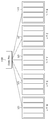
도 1은 본 발명의 일 실시예에 따른 인메모리 데이터베이스 시스템의 개념도이다.
도 2는 본 발명의 다른 실시예에 따른 인메모리 데이터베이스를 이용한 데이터 관리 장치의 블록도이다.
도 3은 본 발명의 또 다른 실시예에 따른 인메모리 데이터베이스를 이용한 데이터 관리 방법의 순서도이다.
도 4는 본 발명의 또 다른 실시예에 따른 인메모리 데이터베이스를 이용한 데이터 관리 방법의 순서도이다.
도 5는 본 발명의 몇몇 실시예에서 참조되는, 데이터 관리 방법의 예시이다.
도 6은 도 본 발명의 몇몇 실시예에서 참조되는, 복제 수의 조절 결과를 설명하기 위한 예시도이다.
도 7은 본 발명의 몇몇 실시예들에서 참조되는 데이터의 예시이다.
도 8은 도 7의 데이터에 대하여 저장 영역이 설정된 데이터의 예시이다.
도 9는 도 8의 설정에 따른 데이터의 저장 방법을 설명하기 위한 예시도이다.
도 10은 본 발명의 또 다른 실시예에 따른 중복 데이터가 삭제된 데이터베이스를 설명하기 위한 예시도이다.
도 11은 본 발명의 몇몇 실시예에서 참조되는 노드의 추가를 설명하기 위한 예시도이다.
도 12는 본 발명의 또 다른 실시예에 따른, 인메모리 데이터베이스를 이용한 저장 공간의 확정 방법에 대한 순서도이다.1 is a conceptual diagram of an in-memory database system according to an embodiment of the present invention.
2 is a block diagram of a data management apparatus using an in-memory database according to another embodiment of the present invention.
3 is a flowchart of a data management method using an in-memory database according to another embodiment of the present invention.
4 is a flowchart of a data management method using an in-memory database according to another embodiment of the present invention.
5 is an illustration of a data management method, referred to in some embodiments of the present invention.
Figure 6 is an exemplary diagram illustrating the result of adjusting the number of replications, also referred to in some embodiments of the invention.
Figure 7 is an illustration of data referenced in some embodiments of the present invention.
8 is an example of data in which a storage area is set for the data in Fig.
FIG. 9 is an exemplary diagram illustrating a method of storing data according to the setting of FIG. 8. FIG.
10 is an exemplary diagram illustrating a database in which redundant data is deleted according to another embodiment of the present invention.
Figure 11 is an exemplary diagram illustrating the addition of nodes referenced in some embodiments of the present invention.
12 is a flowchart of a method for determining a storage space using an in-memory database according to another embodiment of the present invention.
이하, 첨부된 도면을 참조하여 본 발명의 바람직한 실시예를 상세히 설명한다. 본 발명의 이점 및 특징, 그리고 그것들을 달성하는 방법은 첨부되는 도면과 함께 상세하게 후술되어 있는 실시 예들을 참조하면 명확해질 것이다. 그러나 본 발명은 이하에서 게시되는 실시 예들에 한정되는 것이 아니라 서로 다른 다양한 형태로 구현될 수 있으며, 단지 본 실시 예들은 본 발명의 게시가 완전하도록 하고, 본 발명이 속하는 기술분야에서 통상의 지식을 가진 자에게 발명의 범주를 완전하게 알려주기 위해 제공되는 것이며, 본 발명은 청구항의 범주에 의해 정의될 뿐이다. 명세서 전체에 걸쳐 동일 참조 부호는 동일 구성 요소를 지칭한다.Hereinafter, preferred embodiments of the present invention will be described in detail with reference to the accompanying drawings. BRIEF DESCRIPTION OF THE DRAWINGS The advantages and features of the present invention and the manner of achieving them will become apparent with reference to the embodiments described in detail below with reference to the accompanying drawings. The present invention may, however, be embodied in many different forms and should not be construed as limited to the embodiments set forth herein. Rather, these embodiments are provided so that this disclosure will be thorough and complete, and will fully convey the scope of the invention to those skilled in the art. Is provided to fully convey the scope of the invention to those skilled in the art, and the invention is only defined by the scope of the claims. Like reference numerals refer to like elements throughout the specification.
다른 정의가 없다면, 본 명세서에서 사용되는 모든 용어(기술 및 과학적 용어를 포함)는 본 발명이 속하는 기술분야에서 통상의 지식을 가진 자에게 공통적으로 이해될 수 있는 의미로 사용될 수 있을 것이다. 또 일반적으로 사용되는 사전에 정의되어 있는 용어들은 명백하게 특별히 정의되어 있지 않는 한 이상적으로 또는 과도하게 해석되지 않는다. 본 명세서에서 사용된 용어는 실시예들을 설명하기 위한 것이며 본 발명을 제한하고자 하는 것은 아니다. 본 명세서에서, 단수형은 문구에서 특별히 언급하지 않는 한 복수형도 포함한다.Unless defined otherwise, all terms (including technical and scientific terms) used herein may be used in a sense commonly understood by one of ordinary skill in the art to which this invention belongs. Also, commonly used predefined terms are not ideally or excessively interpreted unless explicitly defined otherwise. The terminology used herein is for the purpose of illustrating embodiments and is not intended to be limiting of the present invention. In the present specification, the singular form includes plural forms unless otherwise specified in the specification.
이하, 도 1을 참조하여 본 발명의 일 실시예에 따른 인메모리 데이터베이스를 이용한 데이터 관리 방법을 구현하는 시스템의 구성 및 동작을 구체적으로 설명한다. 도 1은 본 발명의 일 실시예에 따른 인메모리 데이터베이스 시스템의 개념도이다. 이하, 설명의 편의를 위하여, 인메모리 데이터베이스 시스템을 시스템이라 칭하기로 한다. 시스템은 컴퓨팅 장치에서 구현될 수 있다. 여기에서 컴퓨팅 장치는, 서버 장치, 데스크탑 PC와 같은 고정식 컴퓨팅 장치, 노트북, 스마트폰, 태블릿 피씨와 같은 모바일 컴퓨팅 장치를 포함할 수 있다.Hereinafter, a configuration and operation of a system for implementing a data management method using an in-memory database according to an embodiment of the present invention will be described in detail with reference to FIG. 1 is a conceptual diagram of an in-memory database system according to an embodiment of the present invention. Hereinafter, for convenience of explanation, an in-memory database system will be referred to as a system. The system may be implemented in a computing device. The computing device may include a server device, a stationary computing device such as a desktop PC, a mobile computing device such as a notebook, a smart phone, or a tablet PC.
이하, 시스템은 클러스터 구조의 복수의 노드를 포함하는 것으로 가정한다. 각 노드는 물리적인 서버일 수 있다. 이와 같은 시스템은 복제 수(Replication Factor, RF) 값만큼 데이터의 복제본을 저장함으로써 안정성을 확보할 수 있다. 초기 데이터베이스(초기 DB)에서 복제 수 값은 1이상이다. 예를 들어 복제 수 값이 1인 경우, 시스템은 저장 공간 내에 데이터의 복제본을 1개 추가로 저장하고 있다. 시스템은 이를 통하여 클러스터 내의 노드 유실 등의 사태에 대비할 수 있다. 즉, 복제본의 수는 복제본을 통해, 데이터를 복구(Recover)할 수 있는 능력을 의마한다.Hereinafter, it is assumed that the system includes a plurality of nodes in a cluster structure. Each node can be a physical server. Such a system can ensure the stability by storing a replica of the data by a replication factor (RF) value. The number of replications in the initial database (initial DB) is 1 or more. For example, if the number of replications is 1, the system stores one replica of the data in the storage space. Through this, the system can prepare for the loss of nodes in the cluster and the like. That is, the number of replicas has the ability to recover data through a replica.
인메모리 데이터베이스에 데이터의 양이 증가하여, 메모리 풀 상태에 근접한 경우, 시스템은 이를 감지할 수 있다. 인메모리 데이터베이스는 메모리 풀 상태에 근접한 위험 상태를 감지하기 위하여 데이터 사용률의 임계 값을 가질 수 있다. 상기 임계 값은 인메모리 데이터베이스 관리자 또는 제조자에 의해 설정될 수 있다.If the amount of data in the in-memory database increases and approaches the state of the memory pool, the system can detect this. An in-memory database may have a threshold of data utilization to detect a critical state near the memory pool state. The threshold may be set by the in-memory database administrator or manufacturer.
예를 들어, 인메모리 데이터베이스의 데이터 사용률 90%가 임계 값으로 설정된 경우, 시스템은 데이터 클러스터의 저장 공간이 90% 이상 채워지면, 시스템은 이를 감지할 수 있다.For example, if 90% of the data usage of an in-memory database is set to a threshold, the system can detect this if the storage space of the data cluster is filled to 90% or more.
상기 위험 상태가 감지된 경우, 시스템은 복제 수 값을 조절할 수 있다. 예를 들어, 복제 수 값이 1인 경우, 시스템은 복제 수 값을 0으로 조절할 수 있다. 또는 복제 수 값이 2인 경우, 시스템은 복제 수 값을 1로 조절할 수도 있다. 또는 복제 수 값이 2인 경우, 시스템은 복제 수 값을 0으로 조절할 수도 있다. 복제 수 값의 조절 량은 인메모리 데이터베이스 관리자에 의해 결정될 수 있다.If the critical condition is detected, the system may adjust the value of the number of replications. For example, if the value of the number of duplicates is 1, the system can adjust the value of the number of duplicates to zero. Or if the value of the number of duplicates is two, the system may adjust the value of the number of duplicates to one. Or if the value of the number of duplicates is 2, the system may adjust the value of the number of duplicates to zero. The amount of adjustment of the number of replica values can be determined by the in-memory database manager.
시스템은 상기 복제 수 값 조절 이벤트가 발생하면, 이를 인메모리 데이터베이스의 관리자에게 통보할 수 있다. 상기 이벤트 발생 경우는, 최초의 복제 수 값이 조절된 복제 수 값 보다 큰 경우이다. 시스템은 이 경우, 상기 복제 수 값 조절 이벤트가 발생한 것으로 판단할 수 있다.The system may notify the manager of the in-memory database when the number-of-duplication value adjustment event occurs. In the event occurrence, the first copy number value is larger than the adjusted copy number value. In this case, the system can determine that the copy number value adjustment event has occurred.
이를 위해, 인메모리 데이터베이스가 구현된 컴퓨팅 장치는 인메모리 데이터베이스의 관리자에게 상기 통보를 위한 출력부를 포함하여 구성될 수 있다. 예를 들어, 출력부는 디스플레이부 및 음향 출력부를 포함할 수 있다. 컴퓨팅 장치는 상기 통보 내용을 디스플레이부 상에서 팝업 메시지 형태로 디스플레이할 수 있다.To this end, a computing device in which an in-memory database is implemented may comprise an output for the notification to an administrator of the in-memory database. For example, the output unit may include a display unit and an acoustic output unit. The computing device may display the notification content in the form of a pop-up message on the display unit.
또한, 시스템은 상기 통보를 통해, 복제 수 값 조절을 통해 발생한 추가 저장 공간 정보를 인메모리 데이터베이스의 관리자에게 제공할 수 있다. 또한, 시스템은 임계 값 미만으로 인메모리 데이터베이스의 사용률을 낮추기 위해 추가로 필요한 노드의 개수 및 용량을 결정하여 인메모리 데이터베이스 관리자에게 통보할 수도 있다. 이때, 시스템은 복제 수 값이 1 증가 시 마다 필요한 노드의 개수 및 용량에 대한 정보를 인메모리 데이터 베이스의 관리자에게 제공할 수도 있다.Further, the system can provide, via the notification, the additional storage space information generated through the adjustment of the number-of-duplicates value to the manager of the in-memory database. In addition, the system may determine the number and capacity of additional nodes needed to lower utilization of the memory database that is below the threshold value and notify the in-memory database administrator. At this time, the system may provide information on the number and capacity of necessary nodes to the manager of the in-memory database every time the replication count value increases by one.
인메모리 데이터베이스의 관리자는 상기 통보된 정보를 참조하여, 노드 추가, 데이터 정리, 기존 대비 감소된 복제 수 값의 적용과 같은 데이터 관리 작업을 수행할 수 있다. 또한, 임테모리 데이터베이스의 관리자는 상기 통보된 정보를 참조하여, 노드가 추가된 상태에서 최초의 복제 수 값 회복 작업을 수행 할 수도 있다. 즉, 저장 공간이 추가로 확보되었으므로, 인메모리 데이터베이스의 관리자는 최초의 인메모리 데이터베이스에 저장되었던, 데이터의 복제본 수량만큼 데이터를 복제하고, 저장할 수 있다.The manager of the in-memory database can perform data management operations such as adding a node, organizing data, and applying a reduced copy number value to the existing data, by referring to the notified information. In addition, the administrator of the critical database may refer to the notified information and perform the initial replication value recovery operation with the node added. That is, since the storage space is further secured, the manager of the in-memory database can replicate and store the data as much as the number of replicas of the data stored in the first in-memory database.
이로써, 메모리 풀로 인한 장해 등의 위험에서 벗어날 수 있으며, 인메모리 데이터 베이스를 이용한 데이터 관리의 안정성을 확보할 수 있다.As a result, it is possible to avoid the risk of a failure due to a memory pool, and to secure the stability of data management using an in-memory database.
도 2는 본 발명의 다른 실시예에 따른 인메모리 데이터베이스를 이용한 데이터 관리 장치(100)의 블록도이다. 이하, 설명의 편의를 위하여, 인메모리 데이터베이스를 이용한 데이터 관리 장치(100)를 장치(100)라 칭한다.2 is a block diagram of a
장치(100)는 메모리(110) 및 제어부(140)를 포함하여 구성될 수 있다. 또한, 본 발명의 몇몇 실시예에 따르면, 장치(100)는 백업(Backup) 데이터베이스(150)를 포함할 수도 있다. 장치(100)는 메모리(110)를 복수의 물리적인 노드로 구성된 클러스터 형태로 구비할 수 있다.The
메모리(110) 및 백업 데이터베이스(150)는 각종 데이터, 명령 및/또는 정보를 저장한다. 또한, 메모리(110) 및 백업(Backup) 데이터베이스(150)는 본 발명의 일 실시예에 따른 인메모리 데이터베이스를 관리하기 위한 적어도 하나의 프로그램을 저장할 수도 있다.The
메모리(110)는 RAM(Random Access Memory)를 포함하려 구성될 수 있다. 또한, 메모리(110)는 ROM(Read Only Memory), EPROM(Erasable Programmable ROM), EEPROM(Electrically Erasable Programmable ROM), 플래시 메모리 등과 같은 비휘발성 메모리를 포함하여 구성될 수도 있다. 특히, 본 발명의 실시예에 따르면, 메모리(110)는 데이터베이스(120)를 저장할 수 있다. 즉, 메모리(110)는 인메모리 데이터베이스가 설치되어 구성될 수 있다. 데이터베이스(120)는 데이터 테이블과 인덱스(130)를 포함할 수 있다. 한편, 본 명세서에서 메모리(110)는 메인 메모리로 칭해질 수도 있다.The
백업 데이터베이스(150)는 메모리(110)로부터 전달된 데이터 등을 비임시적으로 저장할 수 있다. 하드 디스크, 착탈형 디스크를 포함하여 구성될 수 있다. 백업 데이터베이스(150)는 휘발성인 메모리(110)의 단점을 해소하기 위해 체크 포인트 파일과 로그 파일을 사용하여 메모리에 있는 내용을 저장할 수 있다. 특히, 백업 데이터베이스(150)는 메모리(110)에서 삭제된 중복 데이터를 저장할 수도 있다. 백업 데이터베이스(150)는 본 발명이 속하는 기술 분야에서 잘 알려진 임의의 형태의 컴퓨터로 읽을 수 있는 기록 매체를 포함하여 구성될 수 있다.The
제어부(140)은 장치(100)의 각 구성의 전반적인 동작을 제어한다. 또한, 제어부(140)는 장치(100)의 각 구성 간 정보가 송수신되도록 제어할 수도 있다. 특히, 제어부(140)는 본 발명의 일 실시예에 따른 인메모리 데이터베이스를 이용한 데이터의 복제 수 값 연산을 수행할 수 있다. 제어부(140)는 복제 수 값에 대한 연산 결과를 기초로 중복된 데이터가 삭제되도록 제어할 수도 있다. 제어부(140)은 CPU(Central Processing Unit), MPU(Micro Processor Unit), MCU(Micro Controller Unit), 또는 본 발명의 기술 분야에 잘 알려진 임의의 형태의 프로세서를 포함하여 구성될 수 있다. 또한, 제어부(140)는 본 발명의 실시예에 따른 방법을 실행하기 위한 적어도 하나의 애플리케이션 또는 프로그램을 저장할 수도 있다. 제어부(140)의 기능 및 동작은 후술할 본 발명의 실시예들에 대한 설명에서 자세히 설명하도록 한다.The
한편, 장치(100)는 상술한 컴퓨팅 장치 상에서 구현될 수 있다. 따라서, 도시되지 않았지만, 본 발명의 몇몇 실시예들에 따라, 장치(100)는 인메모리 데이터베이스의 관리자로부터 각종 설정 및 명령을 입력 받기 위한 입력부 및 인메모리 데이터베이스의 관리자에게 각종 정보를 통보하기 위한 출력부를 포함하여 구성될 수 있음에 유의하여야 한다.On the other hand, the
도 3은 본 발명의 또 다른 실시예에 따른 인메모리 데이터베이스를 이용한 데이터 관리 방법의 순서도이다. 이하, 도 1에서 참조된 시스템에 대한 설명에서 설명된 내용과 중복되는 내용은 생략하도록 한다.3 is a flowchart of a data management method using an in-memory database according to another embodiment of the present invention. Hereinafter, the contents overlapping with those described in the description of the system referenced in FIG. 1 will be omitted.
본 명세서에서, 데이터는 제어부(140)에 의해, 여러 조각으로 상기 복수의 노드에 분산되어 저장될 수 있다. 중복되는 데이터는 데이터와 동일한 값을 가지는 데이터로서, 역시 복수의 노드에 분산되어 저장될 수 있다. 이때, 제어부(140)는 상기 데이터와 중복되는 데이터의 조각이 각각의 노드에 저장되되, 하나의 노드에 저장되는 상기 데이터와 중복되는 데이터의 각 조각은 중복되어 저장되지 않도록 제어할 수 있다. In this specification, data may be distributed and stored in the plurality of nodes by the
한편, 상기 데이터와 상기 중복되는 데이터 중 어느 하나는 원본 데이터일 수 있다. 만약, 상기 데이터가 원본 데이터인 경우, 상기 중복되는 데이터는 복제본일 수 있다. 또는, 상기 중복되는 데이터 중 어느 하나가 원본 데이터인 경우, 나머지 중복되는 데이터 및 상기 데이터는 복제본일 수 있다.Either the data or the redundant data may be original data. If the data is original data, the duplicated data may be a duplicate. Alternatively, when any one of the redundant data is original data, the remaining redundant data and the data may be a duplicate.
도 3을 참조하면, 장치(100)는 데이터가 저장된 메모리(110)의 임계 값에 대한 설정을 입력 받을 수 있다(S10). 이 경우, 장치(100)는 인메모리 데이터베이스의 관리자로부터 상기 임계 값에 대한 설정을 입력 받기 위한 입력부를 포함하여 구성될 수 있다. 다만, 임계 값이 장치(100)에 미리 저장되어 있는 경우, 상기 임계 값을 설정 받는 단계(S10)은 생략될 수도 있다.Referring to FIG. 3, the
여기에서 임계 값이란, 메모리(100)의 저장 공간을 사용하는 인메모리 데이터베이스의 사용률을 의미한다. 제어부(140)는 인메모리 데이터베이스(120)의 메모리(110) 사용률이 임계 값 이상인지 여부를 판단할 수 있다(S20).Here, the threshold value means a usage rate of the in-memory database using the storage space of the
상기 판단 결과, 메모리(110) 사용률이 임계 값 이상인 경우, 제어부(140)는 복제 수 값이 0 보다 큰지 여부를 판단 할 수 있다. 여기에서 복제 수 값은 자연수이므로, 제어부(140)는 복제 수 값이 1 이상의 자연수인지 여부를 판단할 수 있다(S30).As a result of the determination, if the usage rate of the
복제 수 값이 1 이상의 자연수인 경우, 제어부(140)는 메모리(110)에 저장된 데이터의 복제 수 값이 감소되도록 제어할 수 있다. 메모리(110)의 사용률이 임계 값 이상이 되고, 복제 수 값의 감소가 이뤄지기 전이라면, 복제 수 값은 1 이상의 값을 가진다. 데이터의 안정적인 저장을 위하여, 데이터베이스(120)가 상기 데이터에 대하여 1개 이상의 복제본을 저장하기 때문이다. 따라서, 이 경우, 장치(100)는 단계(S30)을 수행하지 않고, 단계(S40)을 수행할 수도 있다.If the number of copies is a natural number equal to or greater than 1, the
즉, 단계(S20)에서 상기 판단 결과, 메모리(110) 사용률이 임계 값 이상인 경우, 제어부(140)는 메모리(110)에 저장된 데이터에 대한 복제 수 값이 감소되도록 제어할 수 있다(S40). 예를 들어, 복제 수 값이 2인 경우, 데이터와 중복된 데이터가 데이터베이스(120) 상에 2개 존재한다. 이때, 제어부(140)는 복제 수 값이 1 또는 0으로 감소되도록 제어할 수 있다. 복제 수 값의 감소 량은 인메모리 데이터베이스의 관리자 또는 제조자의 설정에 따라 결정될 수 있다.That is, if it is determined in operation S20 that the usage rate of the
복제 수 값이 1로 감소된 경우, 상기 데이터와 중복되는 데이터가 메모리(110) 상에 1개 존재한다. 복제 수 값이 0으로 감소된 경우, 상기 데이터와 중복되는 데이터가 메모리(110) 상에 존재하지 않는다. 즉, 제어부(140)는 상기 데이터에 대하여 복제 수 값에 대응되는 개수의 중복 데이터가 메모리(110) 상에 존재하도록 제어할 수 있다. 즉, 제어부(140)는 상기 데이터와 중복되는 데이터가 삭제되도록 제어할 수 있다. 상기 중복되는 데이터의 삭제를 통해, 상기 데이터만큼의 용량이 메모리(110)에서 빈 상태로 변경되었다.When the value of the number of copies is decreased to 1, there is one data on the
제어부(140)는 상기 중복되는 데이터 삭제 후, 메모리(110) 사용률을 다시 판단할 수 있다. 제어부(140)는 중복되는 데이터 삭제 후, 메모리 (110) 사용률이 여전히 임계 값 이상인지 여부를 판단할 수 있다. 상시 판단 결과, 메모리(110) 사용률이 임계 값 이상인 경우, 제어부(140)는 단계(S30)에서 감소된 복제 수 값을 추가적으로 감소시킬 수 있다. 이에 따라, 제어부(140)는 상기 데이터와 중복되는 데이터가 추가로 삭제되도록 제어할 수도 있다.The
예를 들어, 최초 데이터베이스(120) 상의 상기 데이터의 복제 수 값이 2인 경우, 단계(S30)에서 제어부(140)가 복제 수 값을 1 개로 감소시킨 경우를 가정한다. 복제 수 값이 2에서 1로 감소된 이후에도 메모리(110) 사용률이 여전히 임계 값 이상인 경우, 제어부(140)는 복제 수 값이 1 개에서 0 개로 추가적으로 감소되도록 제어할 수 있다.For example, when the value of the number of copies of the data on the
제어부(140)는 복제 수 값의 감소에 따라 삭제되는 중복 데이터가 메모리(110) 외의 저장 공간에 저장되도록 제어할 수도 있다. 예를 들어, 제어부(140)는 삭제된 중복 데이터가 백업 데이터베이스(150)에 저장되도록 제어할 수 있다. 또는 제어부(140)는 미리 설정된 외부 장치에 삭제된 중복 데이터가 송신되도록 제어할 수도 있다. 이를 위해, 장치(100)는 외부 장치와 유무선 통신이 가능한 통신부를 포함하여 구성될 수도 있다. 예를 들어, 상기 미리 설정된 외부 장치는, 장치(100)와 인터넷으로 연결된 클라우드 서버일 수 있다.The
상기에서, 메모리(110)의 사용률이 임계 값 이상인 경우에, 복제 수 값이 감소되는 경우를 설명하였다. 그러나, 복제 수 값이 반복적으로 감소되어, 0 이 된 경우, 메모리(110) 상의 상기 데이터는 단 1개만이 저장된 상태가 된다. 이 경우, 제어부(140)는 데이터 보존을 위하여, 상기 데이터를 삭제하지 않는다. 이 경우, 장치(100)에 추가적인 저장 공간이 요구된다. 도 4를 참조하여, 이에 대하여 자세히 설명한다.In the above, the case where the copy number value is decreased when the usage rate of the
도 4는 본 발명의 복제 수 값이 0인 경우의 인메모리 데이터베이스를 이용한 데이터 관리 방법의 순서도이다. 도 4를 참조하면, 단계(S30)에서 제어부(140)는 복제 수 값이 1 미만(즉, 0)인 것을 판단할 수 있다. 이때, 메모리(110)의 사용률이 임계 값 이상인 경우를 가정한다. 이 경우, 제어부(140)는 인메모리 데이터베이스에 메모리 풀로 인한 장애가 발생하는 것을 방지하기 위하여, 메모리(110)에 추가 저장 공간이 요구되는 것으로 판단할 수 있다. 또한, 제어부(140)는 메모리(110)에 추가가 요구되는 저장 공간의 용량을 판단할 수 있다.4 is a flowchart of a data management method using an in-memory database when the number-of-duplicates value of the present invention is zero. Referring to FIG. 4, in step S30, the
이때, 제어부(140)는 복제 수 값의 감소로 인하여 삭제된 중복 데이터의 용량을 기초로 상기 추가 저장 공간의 용량을 결정할 수 있다. 제어부(140)는 상기 데이터의 복제본이 다시 메모리(110)에 저장되기 위한 저장 공간의 용량을 결정할 수 있다. 삭제된 중복 데이터에 갈음하여 상기 데이터를 추가로 메모리(110) 상에 보유하기 위해서이다.At this time, the
단, 이때, 제어부(140)는 복제본이 저장되더라도, 저장 공간이 추가된 메모리(110)의 사용률이 임계 값 미만이 되도록 상기 저장 공간의 용량을 결정할 수 있다. 제어부(140)는 감소된 복제 수 값만큼 상기 데이터의 복제본이 저장되도록 상기 저장 공간의 용량을 결정할 수 있다. 또는, 제어부(140)는 복제 수 값 1만큼만 상기 데이터의 복제본이 저장되도록 상기 저장 공간의 용량을 결정할 수도 있다.However, at this time, the
예를 들어, 복제 수 값이 2 감소된 경우, 제어부(140)는 삭제된 중복 데이터 2개가 저장됨과 동시에, 메모리(110)의 사용률이 임계 값 미만이 되도록 하는 상기 저장 공간의 용량을 결정할 수 있다. 또는, 제어부(140)는 최소한의 안정성 유지를 위해, 복제 수 값이 2 감소된 경우라도, 1개의 중복 데이터가 저장되도록 상기 저장 공간의 용량을 결정할 수도 있다. 상기 추가로 저장되는 복제본의 개수 및 저장 공간의 용량은 인메모리 데이터베이스의 관리자 또는 제조자의 설정에 따라 결정될 수 있다.For example, when the number of duplicates is decreased by two, the
상기에서, 저장 공간의 용량은, 클러스터를 구성하는 각 노드의 저장 공간 용량이 동일한 경우, 추가되는 노드의 개수를 의미할 수도 있다.In the above, the capacity of the storage space may mean the number of nodes to be added when the storage capacity of each node constituting the cluster is the same.
제어부(140)는 장치(100)의 출력부를 통해, 상기 저장 공간의 용량에 대한 정보를 포함하는 알림이 출력되도록 제어할 수 있다. 상기 알림은 저장 공간의 추가를 요청하는 메시지 형식으로 출력될 수 있다. 인메모리 데이터베이스의 관리자는 상기 메시지를 인지하여, 메모리(110)에 추가적인 노드 설치를 고려할 수 있다.The
인메모리 데이터베이스의 관리자가 메모리(110) 상에 노드를 추가한 경우, 제어부(140)는 이를 감지할 수 있다. 또한, 제어부(140)는 추가된 노드의 저장 공간 용량을 감지할 수도 있다. 제어부(140)는 저장 공간의 추가가 감지되면, 상기 저장 공간이 추가된 메모리(110)에 대한 메모리()110) 사용률이 임계 값 이상인지 판단할 수 있다. 판단 결과, 상기 저장 공간이 추가된 메모리(110)에 대한 메모리(110) 사용률이 임계 값 미만인 경우, 제어부(140)는 상기 저장 공간이 추가된 메모리(110)에 상기 데이터가 리밸런싱(Re-Balancing) 처리되도록 제어할 수 있다. 여기에서 리밸런싱 처리란, 저장 공간이 추가된 메모리(110)의 각 노드의 저장 공간 용량을 고려하여 상기 데이터를 분산하여 저장하는 동작을 의미한다. 즉, 제어부(140)는 기존의 저장된 데이터가 추가된 노드를 포함하는 메모리(110)의 각 노드에 적절히 분산 저장되도록 제어할 수 있다. 이때, 추가로 저장되는 복제본 역시, 상기 데이터와 함께 분산 저장될 수 있다. 상기 데이터에 대한 분산의 정도는 인메모리 데이터베이스의 관리자 또는 제조자의 설정에 따라 결정될 수 있다.When an administrator of the in-memory database adds a node to the
도 5는 본 발명의 몇몇 실시예에서 참조되는, 데이터 관리 방법의 예시이다. 또한, 도 6은 도 본 발명의 몇몇 실시예에서 참조되는, 복제 수의 조절 결과를 설명하기 위한 예시도이다. 5 is an illustration of a data management method, referred to in some embodiments of the present invention. 6 is an exemplary diagram for explaining the adjustment result of the number of replications, which is also referred to in some embodiments of the present invention.
도 5를 참조하여, 노드 W(501), 노드 X(511), 노드 Y(521) 및 노드 Z(531)에 분산 저장된 상기 데이터의 복제 수 값이 감소되는 경우를 다시 한번 설명하도록 한다. 이때, 상기 각 노드(501, 511, 521, 531)은 메모리(110)에 포함된 노드이고, 물리적인 서버인 경우를 가정한다. 또한, 데이터 A, B, C, D는 각각 제1 데이터를 구성하는 일부 데이터이고, 데이터 E, F, G, H는 각각 제2 데이터를 구성하는 일부 데이터이다. 각 노드에 저장된 각각의 일부 데이터는 데이터 A1, B1, C1, D1는 데이터 A, B, C, D와 중복되는 데이터이고, 데이터 E1, F1, G1, H1는 데이터 E, F, G, H와 중복되는 데이터이다.5, the case where the value of the number of copies of the data stored in the
영역(503, 505, 507, 509), 영역(513, 515, 517, 519), 영역(523, 525, 527, 529) 및 (533, 535, 537, 539)은 각 노드 상에서 논리적으로 구분된 영역일 수 있다. 상기 일부 데이터들은 상기 각각의 논리 영역에 저장된 것으로 가정한다. 이때, 제어부(140)는 각 영역에 서로 다른 일부 데이터가 저장되도록 제어할 수 있다. 또한, 각 노드에 저장된 데이터(제1 데이터 또는 제2 데이터)는 서로 다른 데이터이다. 따라서, 어느 하나의 노드에 저장된 데이터가 유실되더라도, 데이터베이스(120)는 제1 데이터, 제2 데이터를 보존할 수 있다. 제어부(140)는 데이터에 대한 호출이 감지되면, 분산 저장된 데이터의 일부 데이터들을 수집하여, 완결성을 가지는 데이터로 조합하여 데이터 호출자에게 제공할 수 있다.The
제어부(140)는 축적 절차(Stored Procedure)(500, 510)을 제어한다. 축적 절차(500)는 제1 데이터에 대한 노드 W(501) 및 노드 Y(521) 상의 저장, 삭제, 호출 동작을 관장한다. 또한, 축적 절차(51)은 제2 데이터에 대한 노드 X(511) 및 노드 Z(531) 상의 저장, 삭제, 호출 동작을 관장한다.The
복제 수 값이 1인 경우를 예로 들어 설명한다. 이때, 설명의 편의를 위해, 데이터가 삭제된 후, 데이터의 리밸런싱은 고려하지 않기로 한다.And a case in which the value of the number of replica is 1 will be described as an example. At this time, for convenience of explanation, it is assumed that the rebalancing of the data is not considered after the data is deleted.
제어부(140)는 제1 데이터가 저장되면, 노드 W(501)에 제1 데이터가 저장되도록 제어할 수 있다. 또한, 복제 수 값이 1인 경우, 제어부(140)는 제1 데이터의 복제본이 노드 Y(521)에 저장되도록 제어할 수 있다.The
제어부(140)는 제2 데이터가 저장되면, 노드 X(511)에 제2 데이터가 저장되도록 제어할 수도 있다. 또한, 복제 수 값이 1이므로, 제어부(140)는 제2 데이터의 복제본이 노드 Z(531)에 저장되도록 제어할 수도 있다.The
본 발명의 일 실시예에 따르면, 메모리(110)의 사용률이 임계 값 이상인 경우, 제어부(140)는 복제 수 값 1을 감소시킬 수 있다. 제1 데이터에 대하여 복제 수 값이 1에서 0으로 감소된 경우, 제어부(140)는 노드 W(501)에 저장된 일부 데이터는 보존되고, 노드 Y(521)에 저장된 중복 데이터가 삭제되도록 제어할 수 있다. 또한, 제2 데이터에 대하여, 복제 수 값이 1에서 0으로 감소된 경우, 제어부(140)는 노드 X(511)에 저장된 일부 데이터는 보존되고, 노드 Z(531)에 저장된 중복 데이터가 삭제되도록 제어할 수 있다.According to an embodiment of the present invention, when the usage rate of the
도 6을 참조하면, 이 경우, 각각 영역(503, 505, 507, 509)에 저장된 일부 데이터 A, B, C, D가 메모리(110)에 보존되어 있다. 제1 데이터에 대한 호출 시, 제어부(140)는 노드 W(501) 상의 제1 데이터를 호출자에게 제공할 수 있다. 또한, 제2 데이터에 대하여는 영역(513, 515, 517, 519)에 저장된 데이터 E, F, G, H가 메모리(110)에 보존되어 있다. 제2 데이터에 대한 호출 시, 제어부(140)는 노드 X(511) 상의 제2 데이터를 호출자에게 제공할 수 있다.Referring to FIG. 6, in this case, some data A, B, C and D stored in the
상기에서 복제 수 값 1을 감소 시킴에 따라, 노드 Y(521) 및 노드 Z(531) 상의 중복 데이터가 삭제되는 경우를 설명하였다. 본 발명의 또 다른 실시예에 따르면, 제어부(140)는 서로 다른 노드에 존재하는 일부 데이터를 삭제함으로써 복제 수 값 1을 감소시킬 수도 있다. The case where redundant data on the
예를 들어, 제1 데이터에 대하여 복제 수 값이 1에서 0으로 감소된 경우, 제어부(140)는 노드 W(501)에 저장된 일부 데이터 중, 일부 데이터 A 및 일부 데이터 B는 보존되고, 일부 데이터 C 및 일부 데이터 D는 삭제되도록 제어할 수 있다. 또한, 노드 Y(521)에 저장된 중복 데이터 중, 일부 데이터 A1 및 일부 데이터 B1는 삭제되고, 일부 데이터 C1 및 일부 데이터 D1는 보존되도록 제어할 수 있다.For example, when the copy number value is decreased from 1 to 0 with respect to the first data, the
또 다른 예에서, 제2 데이터에 대하여, 복제 수 값이 1에서 0으로 감소된 경우, 제어부(140)는 노드 X(511)에 저장된 일부 데이터 중, 데이터 E 및 데이터 F는 보존되고, 데이터 G 및 데이터 H는 삭제되도록 제어할 수 있다. 또한, 노드 Z(531)에 저장된 중복 데이터 중, 일부 데이터 E1 및 일부 데이터 F1는 삭제되고, 일부 데이터 G1 및 일부 데이터 H1는 보존되도록 제어할 수 있다.In another example, when the number of copies is decreased from 1 to 0 for the second data, the
도 6을 참조하면, 이 경우, 각각 영역(503, 505, 527, 529)에 저장된 일부 데이터 A, B, C1, D1가 메모리(110)에 보존되어 있다. 제1 데이터에 대한 호출 시, 제어부(140)는 노드 W(501) 및 노드 Y(521) 상의 일부 데이터를 조합하여 제1 데이터(A, B, C, D)를 호출자에게 제공할 수 있다. 데이터 C1 및 데이터 D1은 각각 데이터 C 및 데이터 D와 동일한 데이터이기 때문이다.6, some data A, B, C1, and D1 stored in the
또한, 제2 데이터에 대하여는 영역(513, 515, 537, 539)에 저장된 데이터 E, F, G1, H1가 메모리(110)에 보존되어 있다. 제2 데이터에 대한 호출 시, 제어부(140)는 노드 X(511) 및 노드 Z(531)상의 제2 데이터(E, F, G, H)를 호출자에게 제공할 수 있다. 데이터 G1 및 데이터 H1은 각각 데이터 G 및 데이터 H와 동일한 데이터이기 때문이다.Data E, F, G1 and H1 stored in the
도 7은 본 발명의 몇몇 실시예들에서 참조되는 데이터의 예시이다. 또한, 도 8은 도 7의 데이터에 대하여 저장 영역이 설정된 데이터의 예시이다.Figure 7 is an illustration of data referenced in some embodiments of the present invention. 8 is an example of data in which a storage area is set for the data in Fig.
도 7을 참조하면, 데이터(700)은 회사에서 구성원 관리를 위해 사용되는 데이터 테이블의 예시이다. 데이터(700)는 회사 구성원의 사번, 아이디, 이름, 성별, 나이, 팀, 직책을 열로 가지고, 각 컨텐츠를 행으로 가지는 행렬 구조의 데이터이다. 상기 데이터(700)는 제어부(140)에 의해, 도 5에 대한 설명에서 참조된 바와 같이 데이터(700)는 각각의 노드에 분산되어 저장될 수 있다. 특히, 각 노드에 분산되어 저장되는 각각의 일부 데이터는 미리 설정된 기준에 따라 각 노드 상의 논리적으로 구분된 영역에 분산되어 저장될 수 있다.Referring to FIG. 7,
제어부(140)는 상기 미리 설정된 기준에 따라 데이터(700)를 분류해서 저장할 수 있다. 미리 설정된 기준은 인메모리 데이터베이스의 관리자에 의해 결정될 수 있다. 데이터(700)을 참조하면, 구성원의 성별, 직책 및 팀은 공통된 경우가 많으므로, 이를 기준으로 결정할 수 없다. 데이터(700)에서 나이 및 이름은 공통된 경우가 도시되지 않았으나, 생략된 부분에서 공통된 이름과 나이를 갖는 구성원이 존재할 수 있다. 반면, 아이디 또는 사번과 같이 각 일부 데이터를 다른 데이터와 차별화 시킬 수 있는 고유 값을 갖는 대상은 상기 기준으로 결정될 수 있다. 이하, 사번을 기준으로 일부 데이터가 분산 저장된 경우를 예로 들어 설명하도록 한다.The
도 8을 참조하면, 데이터(800)의 사번은 16개를 주기로 도 5에서 설명된 논리 영역에 각각 저장되도록 번호가 지정된다. 즉, 각 사번은 논리 영역(503,505, 507, 509, 513, 515, 517, 519, 523, 525, 527, 529, 533, 535, 537, 539)의 개수 16개로 나누어 남은 나머지로 저장 영역이 결정된다. 예를 들어, 사번 1은 16으로 나누면 나머지가 1이므로, 1번째 영역(503)이 저장영역으로 결정될 수 있다. 또한, 사번 2는 16으로 나누면, 나머지가 2이므로, 2번째 영역(505)가 저장 영역으로 결정될 수 있다. 사번 16의 경우, 16으로 나누면, 나머지가 0이므로 번호가 0으로 지정되고, 16번째 영역(539)이 저장 영역으로 결정될 수 있다.Referring to FIG. 8, the numbering of the
이어서, 사번 17은 16으로 나누면 나머지가 1으므로, 번호가 1_1로 지정되고, 1번째 영역(503)이 저장영역으로 결정될 수 있다. 또한, 사번 18는 16으로 나누면, 나머지가 2이므로, 번호가 1_2로 지정되고 2번째 영역(505)가 저장 영역으로 결정될 수 있다. 다음으로, 사번 16으로 나누면, 나머지가 0이므로, 번호가 1_0으로 지정되고, 16번째 영역(539)가 저장 영역으로 결정될 수 있다. 또한, 사번 33은 16으로 나누면 나머지가 1으므로, 번호가 2_1로 지정되고, 1번째 영역(503)이 저장 영역으로 결정될 수 있다. 제어부(140)는 이와 같이 결정된 저장 영역에 사번을 기준으로 일부 데이터가 저장되도록 제어할 수 있다. 즉, 영역(503)에는 사번1의 아이디 A1, 이름 홍길동, 성별 남, 나이 27세, 팀 개발1 및 직책 사원의 데이터가 저장될 수 있다. Subsequently, the
도 9는 도 8의 설정에 따른 데이터의 저장 방법을 설명하기 위한 예시도이다. 도 9에서 제어부(140)가 축적 절차(900)에 따라 상기 데이터(800)를 저장한 경우가 예로써 도시되었다.FIG. 9 is an exemplary diagram illustrating a method of storing data according to the setting of FIG. 8. FIG. In FIG. 9, the case where the
도 9를 참조하면, 제어부(140)는 도 8에 대한 설명에서 참조된 번호대로 복수의 노드 상의 각 논리 영역에 사번에 대응되는 데이터가 저장되도록 제어할 수 있다. 예를 들어, 제어부(140)는 번호 1, 1_1, 2_1 등에 대응되는 사번을 갖는 일부 데이터가 영역(503)의 일부 영역(910)에 저장되도록 제어할 수 있다. 나머지가 다른 숫자를 가지는 데이터(800)의 일부 데이터가 각각 노드 상의 나머지 영역(505, 507, 509, 513, 515, 517, 519, 523, 525, 527, 529, 533, 535, 537, 539)에 저장될 수 있다. 이때, 제어부(140)는 일부 데이터의 각각의 상기 논리 영역 상의 영역(930, 950, 970)에 저장될 수 있다.Referring to FIG. 9, the
제어부(140)는 논리 영역 상의 영역(910, 930, 950, 970)외의 영역에 중복 데이터를 저장할 수 있다. 즉, 복제 수 값이 1인 경우, 논리 영역(503, 505, 507, 509, 513, 515, 517, 519, 523, 525, 527, 529, 533, 535, 537, 539)은 각각 데이터를 저장하기 위한 영역(910, 930, 950,970) 및 중복 데이터를 저장하기 위한 영역(920, 940, 960, 980)으로 구분될 수 있다.The
노드 W(501)을 참조하면, 나머지가 1, 2, 3, 4인 일부 데이터가 영역(503, 505, 507, 509)의 영역(910)에 저장되었고, 나머지가 13, 14, 15, 0인 일부 데이터가 영역(503, 505, 507, 509)의 영역(920)에 저장되었다.Referring to the
노드 X(511)을 참조하면, 나머지가 5, 6, 7, 8인 일부 데이터가 영역(513, 515, 517, 519)의 영역(910)에 저장되었고, 나머지가 9, 10, 11, 12인 일부 데이터가 영역(513, 515, 517, 519)의 영역(920)에 저장되었다.Referring to the
노드 Y(521)을 참조하면, 나머지가 9, 10, 11, 12인 일부 데이터가 영역(523, 525, 527, 529)의 영역(910)에 저장되었고, 나머지가 5, 6, 7, 8인 일부 데이터가 영역(523, 525, 527, 529)의 영역(920)에 저장되었다.Referring to the
노드 Z(531)을 참조하면, 나머지가 13, 14, 15, 0인 일부 데이터가 영역(533, 535, 537, 539)의 영역(910)에 저장되었고, 나머지가 1, 2, 3, 4인 일부 데이터가 영역(533, 535, 537, 539)의 영역(920)에 저장되었다.Referring to the
제어부(140)는 복제 수 값이 1에서 0으로 감소되면, 영역(910, 930, 950, 970)의 데이터 또는 영역(920, 940, 960, 970)의 데이터 중 어느 하나를 삭제할 수 있다. 이에 따라, 복제 수 값이 감소되더라도 상기 데이터와 상기 중복 데이터 중 어느 하나는 데이터베이스(120)에 보존될 수 있다.The
도 10은 본 발명의 또 다른 실시예에 따른 중복 데이터가 삭제된 데이터베이스를 설명하기 위한 예시도이다. 도 10에서 제어부(140)가 축적 절차(1000)에 따라 상기 데이터(800)의 중복 데이터를 삭제한 경우가 예로써 도시되었다.10 is an exemplary diagram illustrating a database in which redundant data is deleted according to another embodiment of the present invention. In FIG. 10, the case where the
도 10을 참조하면, 예를 들어, 영역(920, 940, 960, 970)의 데이터가 삭제된 경우, 논리 영역의 영역(920, 940, 960, 970)은 빈 상태가 되어 저장 공간으로 확보될 수 있다. 이에 따라, 메모리 풀로 인한 장애가 발생하는 경우가 방지될 수 있다. 제어부(140)는 상기 확보된 저장 공간을 기초로 메모리(110) 사용률이 임계 값 이상인지 판단할 수 있다. 판단 결과 임계 값 미만인 경우, 데이터베이스(120)은 새로운 데이터가 추가되더라도, 메모리(110) 사용률이 임계 값 미만이 유지되는 한도에서 안정적으로 사용될 수 있다. 반면, 판단 결과 임계 값 이상인 경우, 복제 수 값은 0이므로, 더 이상 삭제할 중복 데이터가 존재하지 않는다. 이 경우, 메모리(110)에 저장 공간을 추가하기 위하여, 새로운 노드의 추가가 고려되어야 한다.10, for example, when data of the
도 11은 본 발명의 몇몇 실시예에서 참조되는 노드의 추가를 설명하기 위한 예시도이다. 도 11을 참조하면, 새로운 노드 N(1111)이 도 5에서 참조된 기존의 노드에 추가 되었다. 제어부(140)는 축적 절차(1100)에 의해 저장된 데이터(800)가 리밸런싱되도록 제어할 수 있다. 이에 대한 설명은 상기한 설명에 중복되는 바, 생략한다.Figure 11 is an exemplary diagram illustrating the addition of nodes referenced in some embodiments of the present invention. Referring to FIG. 11, a
도 12는 본 발명의 또 다른 실시예에 따른, 인메모리 데이터베이스를 이용한 저장 공간의 확정 방법에 대한 순서도이다.12 is a flowchart of a method for determining a storage space using an in-memory database according to another embodiment of the present invention.
도 12를 참조하면, 장치(100)는 인메모리 데이터베이스의 관리자로부터 메모리(110)의 임계 값에 대한 설정을 입력 받을 수 있다(S1201). 이때, 입력되는 임계 값은 제1 임계 값 및 제2 임계 값을 포함할 수 있다. 제1 임계 값은 제2 임계 값보다 낮은 수준의 메모리(110) 사용률을 규정한다. 예를 들어, 메모리 사용률 90%가 제2 임계 값인 경우, 제1 임계 값은 메모리 사용률(70%)로 설정될 수 있다. 제1 임계 값은 데이터의 우선 순위를 고려하여 중요도가 낮은 데이터를 우선적으로 삭제 대상으로 결정하는 기준일 수 있다. 제2 임계 값은 복제 수 값을 감소시키는 기준일 수 있다. 다만, 상기 제1 임계 값 및 제2 임계 값이 장치(100)에 미리 저장되어 있는 경우, 상기 임계 값을 설정 받는 단계(S1201)은 생략될 수도 있다.Referring to FIG. 12, the
제어부(140)는 메모리(110) 사용률이 제1 임계 값 이상인지 판단할 수 있다(S1202). 다음으로, 제어부(140)는 복제 수 값이 1 이상인지 판단할 수 있다(S1203). 다만, 도 3에 대한 설명에서 상술한 바와 마찬가지로 복제 수 값이 감소된 적이 없는 경우, 단계(S1203)은 생략할 수 있다.The
단계(S1202)에서 상기 판단 결과, 메모리(110) 사용률이 상기 제1 임계 값 이상인 경우, 제어부(140)는 복수의 노드 상에 분산 저장된 데이터 중, 적어도 하나의 노드 상의 일부 데이터를 식별할 수 있다(S1204).If it is determined in step S1202 that the usage rate of the
이때, 제어부(140)는 미리 설정된 우선순위를 기초로, 상기 일부 데이터를 식별할 수 있다. 또한, 제어부(140)는 상기 식별된 일부 데이터와 다른 노드에 저장된, 중복되는 데이터를 식별할 수도 있다. 제어부(140)는 우선 순위를 기초로 중복되는 데이터를 삭제 대상으로 결정할 수 있다. At this time, the
상기 실시예에 대하여, 도 7 내지 도 9를 다시 참조하여 설명한다. 도 7에서 접근 빈도가 상대적으로 떨어지는 사번 그룹이 존재하는 것으로 가정한다. 이 경우, 제어부(140)는 사번에 대한 접근 이력을 식별할 수 있다. 또한, 제어부(140)는 상기 접근 이력을 기초로 일부 데이터의 우선 순위를 결정할 수 있다. 예를 들어, 사번 중 특정 번호 대의 사번은 특정 년도에 생성된 번호로서 구성원 대부분이 은퇴한 경우를 가정하도록 한다. 또는 우선 순위는 인메모리 데이터베이스의 관리자에 의해 결정될 수도 있다.The above embodiment will be described with reference to Figs. 7 to 9 again. In FIG. 7, it is assumed that there is a group of persons having a relatively low access frequency. In this case, the
제어부(140)는 해당 사번에 대한 접근 빈도가 매우 낮으므로, 해당 사번에 대응되는 일부 데이터의 우선순위를 가장 낮게 결정할 수 있다. 상기 우선 순위가 가장 낮은 일부 데이터가 도 8 나머지 번호가 0인 사번으로 가정한다. 이에 따라, 제어부(140)는 노드 Z(531)의 논리 영역(539)의 영역(910)에 저장된, 우선 순위가 가장 낮은 일부 데이터를 식별할 수 있다.The
이때, 상기 우선 순위가 낮은 일부 데이터는 하나 이상의 노드 상에 존재할 수도 있다. 이에 따라, 제어부(140)는 논리 영역(539)의 영역(910)과 다른 노드에 저장된 중복 데이터를 식별할 수도 있다. 상기 예에서, 제어부(140)는 노드 W(501)의 논리 영역(503)의 영역(920)에 저장된 중복 데이터를 식별할 수도 있다. 제어부(140)는 논리 영역(503)의 영역(920)에 저장된 중복 데이터를 삭제 대상으로 결정할 수 있다. At this time, the low priority data may exist on one or more nodes. Accordingly, the
제어부(140)는 삭제 대상으로 결정된 중복되는 데이터를 미리 설정된 개수만큼 삭제할 수 있다(S1205). 즉, 복제 수 값이 2 이상인 경우, 식별된 일부 데이터와 중복되는 데이터가 2 이상 존재하므로, 제어부(140)는 중복되는 데이터를 설정된 개수만큼 삭제할 수 있다. 예를 들어, 중복된 데이터를 모두 삭제하도록 설정된 경우, 제어부(140)는 식별된 데이터를 남기고, 중복된 데이터를 모두 삭제할 수 있다. 또는, 중복된 데이터를 1개만 삭제하도록 설정된 경우, 제어부(140)는 중복된 데이터 1개만을 삭제할 수도 있다.The
한편, 단계(S1205)에서 식별 데이터와 중복되는 데이터를 삭제한 후, 인메모리 데이터베이스의 관리자가 메모리(110)에 노드를 추가한 경우를 설명한다. 이때, 제어부(140)는 메모리(110)에 대한 저장 공간 추가 여부를 감지할 수 있다. 상기 저장 공간의 추가가 감지되면, 제어부(140)는 우선 순위를 기초로, 상기 식별된 일부 데이터를 확인할 수 있다.On the other hand, a case where an administrator of the in-memory database adds a node to the
즉, 제어부(140)는 앞서 중복된 데이터를 삭제할 당시에 우선 순위가 낮은 일부 데이터를 식별하였으므로, 삭제 대상 결정에 이용된 우선 순위를 기초로 단계(S1204)에서 식별되었던 일부 데이터가 어떤 데이터인지 판단할 수 있다. 상기 예에서 제어부(140)는 우선 순위가 가장 낮은 나머지 번호가 0인 사번의 데이터를 식별할 수 있다.That is, since the
다음으로, 제어부(140)는 확인된 상기 결정된 일부 데이터의 복제본을 상기 미리 설정된 개수만큼 복사할 수 있다. 즉, 제어부(140)는 삭제된 중복 데이터 개 만큼 식별된 데이터의 복제본을 생성할 수 있다. 또한, 제어부(140)는 상기 복제본을 포함하여 구성되는 데이터가 식별된 일부 데이터를 포함하여 구성되는 데이터와 동일성이 인정되는지 판단할 수 있다. 이를 통해, 삭제되었던 중복 데이터 개수만큼 복제본 생성이 되었는지 확인하는 과정이다.Next, the
상기 예에서, 노드 W(501)의 논리 영역(503)의 영역(920)의 중복 데이터가 삭제된 경우, 제어부(140)는 노드 Z(531)의 논리 영역(539)의 영역(910)의 데이터에 대한 복제본을 생성할 수 있다. 이에 따라, 제어부(140)는 생성된 복제본이 영역(920, 940, 960,980)에 저장된 중복 데이터와 짝을 이뤄 도 8의 데이터(800)를 구성하는지 확인할 수 있다. 상기 확인을 위해, 제어부(140)는 영역(910,930,950,970)의 일부 데이터를 조합한 결과와 상기 복제본과 영역(920, 940, 960,980)에 저장된 중복 데이터를 조합한 결과가 일치하는지 판단할 수 있다.In the above example, when the redundant data in the
제어부(140)는 상기 판단 결과 동일성이 인정되는 데이터 개수만큼을 상기 데이터의 복제 수 값으로 결정할 수 있다. 상기 예에서, 동일성이 인정되는 경우, 제어부(140)는 복제 수 값을 1로 결정할 수 있다.The
이는, 중복된 데이터를 삭제하기 전의 데이터 상태로 메모리(110)에 저장된 데이터를 회복 시키는 과정이다. 제어부(140)는 메모리(110)에 저장 공간이 추가된 상태에서, 상기 회복된 데이터가 리밸런싱 처리되도록 제어할 수 있다.This is a process of restoring data stored in the
단계(S1205)에서 중복된 데이터를 삭제하였음에도, 메모리(110) 사용률이 제2 임계 값을 초과하는 경우가 있을 수 있다. 예를 들어, 최초 메모리(110) 사용률이 95%이고, 단계(S1205)에서 중복데이터 삭제하였음에도 메모리(110) 사용률이 90%인 경우이다. 제어부(140)는 메모리(110) 사용률이 제2 임계 값 이상인지 추가 판단할 수 있다. 추가 판단 결과, 메모리(110) 사용률이 상기 제2 임계 값 이상인 경우, 제어부(140)는 데이터에 대한 복제 수 값을 감소시킬 수 있다. 또한, 복제 수 값 감소에 따라, 제어부(140)는 상기 데이터와 중복되는 데이터가 적어도 하나 삭제되도록 제어할 수 있다. 이에 대한 설명은 도 4에 대한 설명으로 갈음한다.There may be a case where the usage rate of the
반면, 단계(S1205) 이후, 메모리(110) 사용률이 제2 임계 값 이상인지 추가 판단 결과, 제2 임계 값 미만인 경우, 제어부(140)는 임계 값에 대응하는 잔여 저장 공간의 용량에 대한 정보를 출력할 수 있다. 즉, 제어부(140)는 제1 임계 값까지 추가로 사용할 수 있는 메모리(110)의 잔여 저장 공간의 용량 및 제2 임계 값까지 추가로 사용할 수 있는 메모리(110)의 잔여 저장 공간의 용량에 대한 정보를 인메모리 데이터베이스의 관리자에게 통보할 수 있다.On the other hand, if it is determined that the usage rate of the
지금까지 첨부된 도면을 참조하여 설명된 본 발명의 실시예에 따른 방법들은 컴퓨터가 읽을 수 있는 코드로 구현된 컴퓨터프로그램의 실행에 의하여 수행될 수 있다. 상기 컴퓨터프로그램은 인터넷 등의 네트워크를 통하여 제1 컴퓨팅 장치로부터 제2 컴퓨팅 장치에 송신되어 상기 제2 컴퓨팅 장치에 설치될 수 있고, 이로써 상기 제2 컴퓨팅 장치에서 사용될 수 있다. 상기 제1 컴퓨팅 장치 및 상기 제2 컴퓨팅 장치는, 서버 장치, 데스크탑 PC와 같은 고정식 컴퓨팅 장치, 노트북, 스마트폰, 태블릿 피씨와 같은 모바일 컴퓨팅 장치를 모두 포함한다.The methods according to embodiments of the present invention described above with reference to the accompanying drawings can be performed by the execution of a computer program embodied in computer readable code. The computer program may be transmitted from a first computing device to a second computing device via a network, such as the Internet, and installed in the second computing device, thereby enabling it to be used in the second computing device. The first computing device and the second computing device all include mobile computing devices such as a server device, a fixed computing device such as a desktop PC, a notebook, a smart phone, and a tablet PC.
이상 첨부된 도면을 참조하여 본 발명의 실시예들을 설명하였지만, 본 발명이 속하는 기술분야에서 통상의 지식을 가진 자는 본 발명이 그 기술적 사상이나 필수적인 특징을 변경하지 않고서 다른 구체적인 형태로 실시될 수 있다는 것을 이해할 수 있을 것이다. 그러므로 이상에서 기술한 실시예들은 모든 면에서 예시적인 것이며 한정적인 것이 아닌 것으로 이해해야만 한다.While the present invention has been described in connection with what is presently considered to be practical exemplary embodiments, it is to be understood that the invention is not limited to the disclosed embodiments, but, on the contrary, You will understand. It is therefore to be understood that the above-described embodiments are illustrative in all aspects and not restrictive.
Claims (13)
메모리 사용률이 임계 값 이상인지 판단하는 단계;
상기 판단 결과, 상기 메모리 사용률이 상기 임계 값 이상인 경우, 상기 메모리에 저장된 데이터에 대한 복제 수 값을 감소시키는 단계; 및
상기 복제 수 값 감소에 따라, 상기 데이터와 중복되는 데이터를 적어도 하나 삭제하는 단계를 포함하는,
인메모리 데이터베이스를 이용한 데이터 관리 방법.A method for managing data performed by a database management apparatus,
Determining whether a memory usage rate is not less than a threshold value;
Decreasing a value of the number of replicas of data stored in the memory when the memory usage rate is equal to or greater than the threshold; And
And deleting at least one piece of data that overlaps with the data in accordance with the copy number value decrease.
A method for managing data using an in-memory database.
상기 데이터와 중복되는 데이터를 적어도 하나 삭제하는 단계는,
상기 중복되는 적어도 하나의 데이터를 삭제 후, 상기 메모리 사용률이 상기 임계 값 이상인지 추가 판단하는 단계; 및
상기 추가 판단 결과, 상기 데이터 중 적어도 하나 삭제 후의 메모리 사용률이 상기 임계 값 이상인 경우, 상기 데이터에 대하여 감소된 복제 수 값을 추가로 감소시키는 단계를 포함하는,
인메모리 데이터베이스를 이용한 데이터 관리 방법.The method according to claim 1,
Wherein the step of deleting at least one data that overlaps the data comprises:
Determining whether the memory usage rate is greater than or equal to the threshold value after deleting at least one of the redundant data; And
Further comprising decreasing a value of the decreased number of replications for the data if the memory usage rate after deletion of at least one of the data is greater than or equal to the threshold value as a result of the further determination.
A method for managing data using an in-memory database.
상기 데이터와 중복되는 데이터를 적어도 하나 삭제하는 단계는,
상기 삭제된 적어도 하나의 중복 데이터를 미리 설정된 상기 메모리 외의 저장 공간에 저장하는 단계를 포함하는,
인메모리 데이터베이스를 이용한 데이터 관리 방법.The method according to claim 1,
Wherein the step of deleting at least one data that overlaps the data comprises:
And storing the deleted at least one redundant data in a storage space other than the predetermined memory.
A method for managing data using an in-memory database.
상기 메모리 사용률이 상기 임계 값 이상인지 판단하는 단계는,
상기 판단 결과, 상기 메모리 사용률이 상기 임계 값 이상이고, 상기 데이터에 대한 복제 수 값이 1 미만인 경우, 상기 메모리에 대한 저장 공간 추가 여부를 감지하는 단계;
상기 저장 공간의 추가가 감지되면, 상기 저장 공간이 추가된 메모리에 대한 메모리 사용률이 상기 임계 값 이상인지 판단하는 단계; 및
상기 판단 결과, 상기 저장 공간이 추가된 메모리에 대한 메모리 사용률이 상기 임계 값 미만인 경우, 상기 저장 공간이 추가된 메모리에 상기 데이터를 리밸런싱 처리하는 단계를 포함하는,
인메모리 데이터베이스를 이용한 데이터 관리 방법.The method according to claim 1,
Determining whether the memory usage rate is equal to or greater than the threshold value,
Detecting whether a storage space is added to the memory when the memory usage rate is greater than or equal to the threshold value and the copy number value is less than 1;
Determining whether the memory usage rate of the memory to which the storage space is added is greater than or equal to the threshold value when the addition of the storage space is detected; And
And rebalancing the data in the memory to which the storage space is added if the memory usage rate for the memory to which the storage space is added is less than the threshold value as a result of the determination.
A method for managing data using an in-memory database.
상기 메모리 사용률이 상기 임계 값 이상인지 판단하는 단계는,
상기 데이터에 대한 복제 수 값이 1 미만인 경우, 상기 메모리에 추가가 요구되는 저장 공간의 용량을 판단하는 단계; 및
상기 추가가 요구되는 저장 공간의 용량에 대한 정보를 포함하는 저장 공간 추가 요청 메시지를 출력하는 단계를 포함하는,
인메모리 데이터베이스를 이용한 데이터 관리 방법.The method according to claim 1,
Determining whether the memory usage rate is equal to or greater than the threshold value,
Determining a capacity of a storage space to be added to the memory when the value of the number of replications for the data is less than 1; And
And outputting a storage space addition request message including information on the capacity of the storage space for which the addition is requested,
A method for managing data using an in-memory database.
상기 메모리에 추가가 요구되는 저장 공간의 용량을 판단하는 단계는,
상기 메모리 사용률이 상기 임계 값 미만일 것을 만족시키되 상기 데이터의 복제본을 적어도 하나 추가로 저장시키는데 요구되는, 저장 공간의 용량을 결정하는 단계를 포함하는,
인메모리 데이터베이스를 이용한 데이터 관리 방법.6. The method of claim 5,
Wherein the step of determining the capacity of the storage space requiring addition to the memory comprises:
Determining a capacity of the storage space that is required to satisfy at least the memory usage rate is less than the threshold value and to further store at least one copy of the data.
A method for managing data using an in-memory database.
메모리 사용률이 제1 임계 값 이상인지 판단하는 단계;
상기 판단 결과, 상기 메모리 사용률이 상기 제1 임계 값 이상인 경우, 복수의 노드 상에 분산 저장된 데이터 중, 적어도 하나의 노드 상의 일부 데이터를 식별하는 단계; 및
상기 식별된 일부 데이터와 중복되는 데이터를 미리 설정된 개수만큼 삭제하는 단계를 포함하되,
상기 데이터는 상기 일부 데이터를 구성으로 포함하는,
인메모리 데이터베이스를 이용한 데이터 관리 방법.A method for managing data performed by a database management apparatus,
Determining whether a memory usage rate is equal to or greater than a first threshold value;
If the memory usage rate is equal to or greater than the first threshold value, identifying some data on at least one node among data distributed over a plurality of nodes; And
And deleting data overlapping with the identified partial data by a predetermined number,
Wherein the data comprises as part of the data,
A method for managing data using an in-memory database.
상기 일부 데이터를 식별하는 단계는,
미리 설정된 우선순위를 기초로, 상기 일부 데이터를 식별하는 단계;
상기 식별된 일부 데이터와 다른 노드에 저장된, 상기 중복되는 데이터를 식별하는 단계; 및
상기 우선 순위를 기초로 상기 중복되는 데이터를 삭제 대상으로 결정하는 단계를 포함하는,
인메모리 데이터베이스를 이용한 데이터 관리 방법.8. The method of claim 7,
Wherein identifying the portion of data comprises:
Identifying the partial data based on a preset priority;
Identifying the duplicate data stored in another node with the identified data; And
And determining that the redundant data is to be deleted based on the priority.
A method for managing data using an in-memory database.
상기 식별된 일부 데이터와 중복되는 데이터를 미리 설정된 개수만큼 삭제하는 단계는,
상기 메모리에 대한 저장 공간 추가 여부를 감지하는 단계;
상기 저장 공간의 추가가 감지되면, 상기 우선 순위를 기초로, 상기 식별된 일부 데이터를 확인하는 단계;
상기 확인된 일부 데이터의 복제본을 상기 미리 설정된 개수만큼 복사하는 단계; 및
상기 저장 공간이 추가된 메모리에 상기 데이터를 리밸런싱 처리하는 단계를 포함하는,
인메모리 데이터베이스를 이용한 데이터 관리 방법.9. The method of claim 8,
Wherein the step of deleting data, which is overlapped with the identified partial data,
Detecting whether or not storage space is added to the memory;
If the addition of the storage space is detected, checking the identified partial data based on the priority;
Copying a copy of the identified partial data by the predetermined number; And
And rebalancing the data in a memory to which the storage space is added.
A method for managing data using an in-memory database.
상기 미리 설정된 개수만큼 복사하는 단계는,
상기 복제본을 포함하여 구성되는 데이터가 상기 식별된 일부 데이터를 포함하여 구성되는 데이터와 동일성이 인정되는지 판단하는 단계; 및
상기 판단 결과 동일성이 인정되는 데이터 개수만큼을 상기 데이터의 복제 수 값으로 결정하는 단계를 포함하는,
인메모리 데이터베이스를 이용한 데이터 관리 방법.10. The method of claim 9,
Wherein the step of copying by the predetermined number comprises:
Determining whether the data including the replica is identical with the data including the identified partial data; And
And determining the number of copies of the data as the number of copies of the data,
A method for managing data using an in-memory database.
상기 중복되는 데이터를 미리 설정된 개수만큼 삭제하는 단계는,
상기 삭제 후, 상기 메모리 사용률이 제2 임계 값 이상인지 추가 판단하는 단계;
상기 추가 판단 결과, 상기 중복되는 데이터가 미리 설정된 개수만큼 삭제된 후의 메모리 사용률이 상기 제2 임계 값 이상인 경우, 상기 데이터에 대한 복제 수 값을 감소시키는 단계; 및
상기 복제 수 값 감소에 따라 상기 데이터와 중복되는 데이터를 적어도 하나 삭제하는 단계를 포함하는,
인메모리 데이터베이스를 이용한 데이터 관리 방법.8. The method of claim 7,
Wherein the step of deleting the redundant data by a predetermined number comprises:
Further comprising: determining whether the memory usage rate is equal to or greater than a second threshold value after the deletion;
Decreasing the number of duplications for the data when the memory usage rate after the predetermined number of duplicated data is deleted is greater than or equal to the second threshold value as a result of the additional determination; And
And deleting at least one piece of data that overlaps with the data according to the copy number value decrease.
A method for managing data using an in-memory database.
상기 중복되는 데이터를 미리 설정된 개수만큼 삭제하는 단계는,
상기 삭제 후, 상기 메모리 사용률이 상기 제2 임계 값 중, 제2 임계 값 이상인지 추가 판단하는 단계; 및
상기 추가 판단 결과, 상기 중복되는 데이터가 미리 설정된 개수만큼 삭제된 후의 메모리 사용률이 상기 제2 임계 값 미만인 경우, 상기 임계 값에 대응하는 잔여 저장 공간의 용량에 대한 정보를 출력하는 단계를 포함하는,
인메모리 데이터베이스를 이용한 데이터 관리 방법.8. The method of claim 7,
Wherein the step of deleting the redundant data by a predetermined number comprises:
Further comprising determining whether the memory usage rate is equal to or greater than a second threshold value after the deletion; And
And outputting information on a capacity of a remaining storage space corresponding to the threshold value if the memory usage rate after the duplicated data is deleted by a predetermined number is less than the second threshold value as a result of the further determination.
A method for managing data using an in-memory database.
메모리 사용률이 임계 값 이상인지 판단하고, 상기 판단 결과, 상기 메모리 사용률이 상기 임계 값 이상인 경우 상기 메모리에 저장된 데이터에 대한 복제 수 값이 감소되도록 제어하고, 상기 복제 수 값 감소에 따라 상기 데이터와 중복되는 데이터를 적어도 하나 삭제하는 제어부를 포함하는,
인메모리 데이터베이스를 이용한 데이터베이스 관리 장치.
A memory for storing data; And
Determining whether the memory usage rate is greater than or equal to a threshold value and controlling the number of duplications for data stored in the memory to be decreased if the memory usage rate is greater than or equal to the threshold value as a result of the determination, And at least one data to be deleted,
A database management apparatus using an in-memory database.
Priority Applications (4)
| Application Number | Priority Date | Filing Date | Title |
|---|---|---|---|
| KR1020150146033A KR20170045928A (en) | 2015-10-20 | 2015-10-20 | Method for managing data using In-Memory Database and Apparatus thereof |
| PCT/KR2015/014137 WO2017069337A1 (en) | 2015-10-20 | 2016-01-14 | Method for managing data by using in-memory database and device therefor |
| US15/088,229 US10133757B2 (en) | 2015-10-20 | 2016-04-01 | Method for managing data using in-memory database and apparatus thereof |
| CN201610329550.7A CN106598477A (en) | 2015-10-20 | 2016-05-18 | Method for managing data using in-memory database and apparatus thereof |
Applications Claiming Priority (1)
| Application Number | Priority Date | Filing Date | Title |
|---|---|---|---|
| KR1020150146033A KR20170045928A (en) | 2015-10-20 | 2015-10-20 | Method for managing data using In-Memory Database and Apparatus thereof |
Publications (1)
| Publication Number | Publication Date |
|---|---|
| KR20170045928A true KR20170045928A (en) | 2017-04-28 |
Family
ID=58523063
Family Applications (1)
| Application Number | Title | Priority Date | Filing Date |
|---|---|---|---|
| KR1020150146033A Abandoned KR20170045928A (en) | 2015-10-20 | 2015-10-20 | Method for managing data using In-Memory Database and Apparatus thereof |
Country Status (4)
| Country | Link |
|---|---|
| US (1) | US10133757B2 (en) |
| KR (1) | KR20170045928A (en) |
| CN (1) | CN106598477A (en) |
| WO (1) | WO2017069337A1 (en) |
Cited By (4)
| Publication number | Priority date | Publication date | Assignee | Title |
|---|---|---|---|---|
| KR20200060970A (en) | 2018-11-23 | 2020-06-02 | 연세대학교 산학협력단 | Method for Processing Data in In-Memory Database Using Snapshot and In-Memory Database |
| KR102253361B1 (en) * | 2020-06-23 | 2021-05-18 | 주식회사 아이콘루프 | Blockchain network system and method for determining validator nodes |
| CN115242814A (en) * | 2022-06-16 | 2022-10-25 | 深圳一粒云科技有限公司 | Cloud space storage amount distribution method, device and medium based on idle storage amount |
| KR102875685B1 (en) * | 2025-02-05 | 2025-10-23 | 주식회사 스타캣 | Method and apparatus for collecting real time data that determines data insertion into dbms based on dynamically setting in-memory retention period using rule-based algorithm and neural network model |
Families Citing this family (3)
| Publication number | Priority date | Publication date | Assignee | Title |
|---|---|---|---|---|
| CN110245144B (en) * | 2018-04-27 | 2022-02-22 | 腾讯科技(深圳)有限公司 | Protocol data management method, device, storage medium and system |
| US20190354470A1 (en) * | 2018-05-16 | 2019-11-21 | Sap Se | Reduced Database Backup Memory Usage |
| CN108874322A (en) * | 2018-06-29 | 2018-11-23 | 郑州云海信息技术有限公司 | A kind of event-handling method, device and computer readable storage medium |
Family Cites Families (21)
| Publication number | Priority date | Publication date | Assignee | Title |
|---|---|---|---|---|
| JP3308554B2 (en) * | 1991-02-20 | 2002-07-29 | 株式会社日立製作所 | Control device and control method of control device |
| US5627533A (en) * | 1994-08-05 | 1997-05-06 | Hayes Microcomputer Products, Inc. | Adjusting encoding table size and memory allocation for data compression in response to input data |
| US5566315A (en) * | 1994-12-30 | 1996-10-15 | Storage Technology Corporation | Process of predicting and controlling the use of cache memory in a computer system |
| US7389300B1 (en) * | 2005-05-27 | 2008-06-17 | Symantec Operating Corporation | System and method for multi-staged in-memory checkpoint replication with relaxed consistency |
| US7958430B1 (en) * | 2005-06-20 | 2011-06-07 | Cypress Semiconductor Corporation | Flash memory device and method |
| JP4681374B2 (en) * | 2005-07-07 | 2011-05-11 | 株式会社日立製作所 | Storage management system |
| JP4468454B2 (en) * | 2005-10-17 | 2010-05-26 | シャープ株式会社 | Recording apparatus, recording apparatus control method, recording apparatus control program, and computer-readable recording medium |
| JP4920391B2 (en) * | 2006-01-06 | 2012-04-18 | 株式会社日立製作所 | Computer system management method, management server, computer system and program |
| US7979400B2 (en) * | 2008-06-10 | 2011-07-12 | International Business Machines Corporation | Database journaling in a multi-node environment |
| US8972488B2 (en) * | 2010-09-28 | 2015-03-03 | Redis Labs Ltd. | System, methods, and media for providing in-memory non-relational databases |
| US8660991B2 (en) * | 2011-01-11 | 2014-02-25 | Bridgewater Systems Corp. | Systems and methods for management of subscriber databases within mobile communications networks |
| CN103502990A (en) * | 2011-04-29 | 2014-01-08 | 惠普发展公司,有限责任合伙企业 | Systems and methods for in-memory processing of events |
| US8918362B2 (en) * | 2011-05-23 | 2014-12-23 | Microsoft Corporation | Replication processes in a distributed storage environment |
| US9613104B2 (en) * | 2012-02-17 | 2017-04-04 | Netflix, Inc. | System and method for building a point-in-time snapshot of an eventually-consistent data store |
| US8838883B2 (en) * | 2012-04-13 | 2014-09-16 | Sandisk Technologies Inc. | System and method of adjusting a programming step size for a block of a memory |
| JP5995071B2 (en) * | 2012-09-19 | 2016-09-21 | 学校法人 中央大学 | Memory controller, data storage device, and memory control method |
| US9053166B2 (en) * | 2012-12-10 | 2015-06-09 | Microsoft Technology Licensing, Llc | Dynamically varying the number of database replicas |
| GB2511325A (en) * | 2013-02-28 | 2014-09-03 | Ibm | Cache allocation in a computerized system |
| KR101694287B1 (en) | 2013-05-23 | 2017-01-23 | 한국전자통신연구원 | Apparatus and method for managing processing tasks |
| US9348707B2 (en) * | 2013-12-18 | 2016-05-24 | International Business Machines Corporation | Dynamically adjusting the number of replicas of a file according to the probability that the file will be accessed within a distributed file system |
| US9990308B2 (en) * | 2015-08-31 | 2018-06-05 | Oracle International Corporation | Selective data compression for in-memory databases |
-
2015
- 2015-10-20 KR KR1020150146033A patent/KR20170045928A/en not_active Abandoned
-
2016
- 2016-01-14 WO PCT/KR2015/014137 patent/WO2017069337A1/en not_active Ceased
- 2016-04-01 US US15/088,229 patent/US10133757B2/en active Active
- 2016-05-18 CN CN201610329550.7A patent/CN106598477A/en active Pending
Cited By (4)
| Publication number | Priority date | Publication date | Assignee | Title |
|---|---|---|---|---|
| KR20200060970A (en) | 2018-11-23 | 2020-06-02 | 연세대학교 산학협력단 | Method for Processing Data in In-Memory Database Using Snapshot and In-Memory Database |
| KR102253361B1 (en) * | 2020-06-23 | 2021-05-18 | 주식회사 아이콘루프 | Blockchain network system and method for determining validator nodes |
| CN115242814A (en) * | 2022-06-16 | 2022-10-25 | 深圳一粒云科技有限公司 | Cloud space storage amount distribution method, device and medium based on idle storage amount |
| KR102875685B1 (en) * | 2025-02-05 | 2025-10-23 | 주식회사 스타캣 | Method and apparatus for collecting real time data that determines data insertion into dbms based on dynamically setting in-memory retention period using rule-based algorithm and neural network model |
Also Published As
| Publication number | Publication date |
|---|---|
| WO2017069337A1 (en) | 2017-04-27 |
| US20170109376A1 (en) | 2017-04-20 |
| CN106598477A (en) | 2017-04-26 |
| US10133757B2 (en) | 2018-11-20 |
Similar Documents
| Publication | Publication Date | Title |
|---|---|---|
| KR20170045928A (en) | Method for managing data using In-Memory Database and Apparatus thereof | |
| US20220058090A1 (en) | Opportunistic execution of secondary copy operations | |
| US10061628B2 (en) | System and method for data access and replication in a distributed environment utilizing data derived from data access within the distributed environment | |
| US8108352B1 (en) | Data store replication for entity based partition | |
| US11204941B2 (en) | Distributed database system, distributed database management method, and distributed database management program | |
| US10949401B2 (en) | Data replication in site recovery environment | |
| US9800575B1 (en) | Assigning storage responsibility in a distributed data storage system with replication | |
| US11546426B2 (en) | System and method for client policy assignment in a data storage system | |
| CN111324606B (en) | Data slicing method and device | |
| US7849264B2 (en) | Storage area management method for a storage system | |
| US9971543B2 (en) | Methods and apparatus for storing electronic documents | |
| US9898518B2 (en) | Computer system, data allocation management method, and program | |
| US10664190B1 (en) | Geographically dispersed data protection and replication | |
| WO2015125171A1 (en) | System and method for managing logical volumes | |
| WO2023070935A1 (en) | Data storage method and apparatus, and related device | |
| US11556254B2 (en) | Providing a distributed and replicated data store in a heterogeneous cluster | |
| US11436193B2 (en) | System and method for managing data using an enumerator | |
| US20150088826A1 (en) | Enhanced Performance for Data Duplication | |
| US10318207B1 (en) | Apparatus and methods for inter-version replication checking | |
| US11487440B1 (en) | Evaluation system for evaluating resource operation of information system by user | |
| US20180165380A1 (en) | Data processing system and data processing method | |
| KR101754713B1 (en) | Asymmetric distributed file system, apparatus and method for distribution of computation | |
| US10691370B2 (en) | Assignment of a data identifier to first and second volumes | |
| JP6291977B2 (en) | Distributed file system, backup file acquisition method, control device, and management device | |
| CN111190549A (en) | Method, device, equipment and medium for acquiring available capacity of shared volume |
Legal Events
| Date | Code | Title | Description |
|---|---|---|---|
| PA0109 | Patent application |
St.27 status event code: A-0-1-A10-A12-nap-PA0109 |
|
| PG1501 | Laying open of application |
St.27 status event code: A-1-1-Q10-Q12-nap-PG1501 |
|
| P22-X000 | Classification modified |
St.27 status event code: A-2-2-P10-P22-nap-X000 |
|
| P22-X000 | Classification modified |
St.27 status event code: A-2-2-P10-P22-nap-X000 |
|
| P22-X000 | Classification modified |
St.27 status event code: A-2-2-P10-P22-nap-X000 |
|
| P22-X000 | Classification modified |
St.27 status event code: A-2-2-P10-P22-nap-X000 |
|
| A201 | Request for examination | ||
| PA0201 | Request for examination |
St.27 status event code: A-1-2-D10-D11-exm-PA0201 |
|
| P22-X000 | Classification modified |
St.27 status event code: A-2-2-P10-P22-nap-X000 |
|
| E902 | Notification of reason for refusal | ||
| PE0902 | Notice of grounds for rejection |
St.27 status event code: A-1-2-D10-D21-exm-PE0902 |
|
| E13-X000 | Pre-grant limitation requested |
St.27 status event code: A-2-3-E10-E13-lim-X000 |
|
| P11-X000 | Amendment of application requested |
St.27 status event code: A-2-2-P10-P11-nap-X000 |
|
| P13-X000 | Application amended |
St.27 status event code: A-2-2-P10-P13-nap-X000 |
|
| E701 | Decision to grant or registration of patent right | ||
| PE0701 | Decision of registration |
St.27 status event code: A-1-2-D10-D22-exm-PE0701 |
|
| NORF | Unpaid initial registration fee | ||
| PC1904 | Unpaid initial registration fee |
St.27 status event code: A-2-2-U10-U13-oth-PC1904 St.27 status event code: N-2-6-B10-B12-nap-PC1904 |
|
| PN2301 | Change of applicant |
St.27 status event code: A-3-3-R10-R13-asn-PN2301 St.27 status event code: A-3-3-R10-R11-asn-PN2301 |
|
| R11 | Change to the name of applicant or owner or transfer of ownership requested |
Free format text: ST27 STATUS EVENT CODE: A-3-3-R10-R11-ASN-PN2301 (AS PROVIDED BY THE NATIONAL OFFICE) |
|
| R13 | Change to the name of applicant or owner recorded |
Free format text: ST27 STATUS EVENT CODE: A-3-3-R10-R13-ASN-PN2301 (AS PROVIDED BY THE NATIONAL OFFICE) |