KR102762919B1 - Power supplier, Vehicle having the power supplier and method for controlling the vehicle - Google Patents
Power supplier, Vehicle having the power supplier and method for controlling the vehicle Download PDFInfo
- Publication number
- KR102762919B1 KR102762919B1 KR1020190145502A KR20190145502A KR102762919B1 KR 102762919 B1 KR102762919 B1 KR 102762919B1 KR 1020190145502 A KR1020190145502 A KR 1020190145502A KR 20190145502 A KR20190145502 A KR 20190145502A KR 102762919 B1 KR102762919 B1 KR 102762919B1
- Authority
- KR
- South Korea
- Prior art keywords
- battery
- amount
- charge
- charge amount
- vehicle
- Prior art date
- Legal status (The legal status is an assumption and is not a legal conclusion. Google has not performed a legal analysis and makes no representation as to the accuracy of the status listed.)
- Active
Links
Images




Classifications
-
- B—PERFORMING OPERATIONS; TRANSPORTING
- B60—VEHICLES IN GENERAL
- B60L—PROPULSION OF ELECTRICALLY-PROPELLED VEHICLES; SUPPLYING ELECTRIC POWER FOR AUXILIARY EQUIPMENT OF ELECTRICALLY-PROPELLED VEHICLES; ELECTRODYNAMIC BRAKE SYSTEMS FOR VEHICLES IN GENERAL; MAGNETIC SUSPENSION OR LEVITATION FOR VEHICLES; MONITORING OPERATING VARIABLES OF ELECTRICALLY-PROPELLED VEHICLES; ELECTRIC SAFETY DEVICES FOR ELECTRICALLY-PROPELLED VEHICLES
- B60L8/00—Electric propulsion with power supply from forces of nature, e.g. sun or wind
- B60L8/003—Converting light into electric energy, e.g. by using photo-voltaic systems
-
- H—ELECTRICITY
- H02—GENERATION; CONVERSION OR DISTRIBUTION OF ELECTRIC POWER
- H02J—ELECTRIC POWER NETWORKS; CIRCUIT ARRANGEMENTS OR SYSTEMS FOR SUPPLYING OR DISTRIBUTING ELECTRIC POWER; SYSTEMS FOR STORING ELECTRIC ENERGY
- H02J7/00—Circuit arrangements for charging or discharging batteries or for supplying loads from batteries
- H02J7/90—Regulation of charging or discharging current or voltage
-
- B—PERFORMING OPERATIONS; TRANSPORTING
- B60—VEHICLES IN GENERAL
- B60K—ARRANGEMENT OR MOUNTING OF PROPULSION UNITS OR OF TRANSMISSIONS IN VEHICLES; ARRANGEMENT OR MOUNTING OF PLURAL DIVERSE PRIME-MOVERS IN VEHICLES; AUXILIARY DRIVES FOR VEHICLES; INSTRUMENTATION OR DASHBOARDS FOR VEHICLES; ARRANGEMENTS IN CONNECTION WITH COOLING, AIR INTAKE, GAS EXHAUST OR FUEL SUPPLY OF PROPULSION UNITS IN VEHICLES
- B60K16/00—Arrangements in connection with power supply of propulsion units in vehicles from forces of nature, e.g. sun or wind
-
- B—PERFORMING OPERATIONS; TRANSPORTING
- B60—VEHICLES IN GENERAL
- B60L—PROPULSION OF ELECTRICALLY-PROPELLED VEHICLES; SUPPLYING ELECTRIC POWER FOR AUXILIARY EQUIPMENT OF ELECTRICALLY-PROPELLED VEHICLES; ELECTRODYNAMIC BRAKE SYSTEMS FOR VEHICLES IN GENERAL; MAGNETIC SUSPENSION OR LEVITATION FOR VEHICLES; MONITORING OPERATING VARIABLES OF ELECTRICALLY-PROPELLED VEHICLES; ELECTRIC SAFETY DEVICES FOR ELECTRICALLY-PROPELLED VEHICLES
- B60L1/00—Supplying electric power to auxiliary equipment of vehicles
-
- B—PERFORMING OPERATIONS; TRANSPORTING
- B60—VEHICLES IN GENERAL
- B60L—PROPULSION OF ELECTRICALLY-PROPELLED VEHICLES; SUPPLYING ELECTRIC POWER FOR AUXILIARY EQUIPMENT OF ELECTRICALLY-PROPELLED VEHICLES; ELECTRODYNAMIC BRAKE SYSTEMS FOR VEHICLES IN GENERAL; MAGNETIC SUSPENSION OR LEVITATION FOR VEHICLES; MONITORING OPERATING VARIABLES OF ELECTRICALLY-PROPELLED VEHICLES; ELECTRIC SAFETY DEVICES FOR ELECTRICALLY-PROPELLED VEHICLES
- B60L3/00—Electric devices on electrically-propelled vehicles for safety purposes; Monitoring operating variables, e.g. speed, deceleration or energy consumption
- B60L3/0023—Detecting, eliminating, remedying or compensating for drive train abnormalities, e.g. failures within the drive train
- B60L3/0046—Detecting, eliminating, remedying or compensating for drive train abnormalities, e.g. failures within the drive train relating to electric energy storage systems, e.g. batteries or capacitors
-
- B—PERFORMING OPERATIONS; TRANSPORTING
- B60—VEHICLES IN GENERAL
- B60L—PROPULSION OF ELECTRICALLY-PROPELLED VEHICLES; SUPPLYING ELECTRIC POWER FOR AUXILIARY EQUIPMENT OF ELECTRICALLY-PROPELLED VEHICLES; ELECTRODYNAMIC BRAKE SYSTEMS FOR VEHICLES IN GENERAL; MAGNETIC SUSPENSION OR LEVITATION FOR VEHICLES; MONITORING OPERATING VARIABLES OF ELECTRICALLY-PROPELLED VEHICLES; ELECTRIC SAFETY DEVICES FOR ELECTRICALLY-PROPELLED VEHICLES
- B60L58/00—Methods or circuit arrangements for monitoring or controlling batteries or fuel cells, specially adapted for electric vehicles
- B60L58/10—Methods or circuit arrangements for monitoring or controlling batteries or fuel cells, specially adapted for electric vehicles for monitoring or controlling batteries
- B60L58/12—Methods or circuit arrangements for monitoring or controlling batteries or fuel cells, specially adapted for electric vehicles for monitoring or controlling batteries responding to state of charge [SoC]
-
- H—ELECTRICITY
- H02—GENERATION; CONVERSION OR DISTRIBUTION OF ELECTRIC POWER
- H02J—ELECTRIC POWER NETWORKS; CIRCUIT ARRANGEMENTS OR SYSTEMS FOR SUPPLYING OR DISTRIBUTING ELECTRIC POWER; SYSTEMS FOR STORING ELECTRIC ENERGY
- H02J7/00—Circuit arrangements for charging or discharging batteries or for supplying loads from batteries
- H02J7/34—Parallel operation in networks using both storage and other DC sources, e.g. providing buffering
- H02J7/35—Parallel operation in networks using both storage and other DC sources, e.g. providing buffering with light sensitive cells
-
- H—ELECTRICITY
- H02—GENERATION; CONVERSION OR DISTRIBUTION OF ELECTRIC POWER
- H02J—ELECTRIC POWER NETWORKS; CIRCUIT ARRANGEMENTS OR SYSTEMS FOR SUPPLYING OR DISTRIBUTING ELECTRIC POWER; SYSTEMS FOR STORING ELECTRIC ENERGY
- H02J7/00—Circuit arrangements for charging or discharging batteries or for supplying loads from batteries
- H02J7/60—Circuit arrangements for charging or discharging batteries or for supplying loads from batteries including safety or protection arrangements
-
- H—ELECTRICITY
- H02—GENERATION; CONVERSION OR DISTRIBUTION OF ELECTRIC POWER
- H02J—ELECTRIC POWER NETWORKS; CIRCUIT ARRANGEMENTS OR SYSTEMS FOR SUPPLYING OR DISTRIBUTING ELECTRIC POWER; SYSTEMS FOR STORING ELECTRIC ENERGY
- H02J7/00—Circuit arrangements for charging or discharging batteries or for supplying loads from batteries
- H02J7/90—Regulation of charging or discharging current or voltage
- H02J7/971—Regulation of charging or discharging current or voltage the charge cycle being controlled or terminated in response to non-electric parameters
-
- H—ELECTRICITY
- H02—GENERATION; CONVERSION OR DISTRIBUTION OF ELECTRIC POWER
- H02S—GENERATION OF ELECTRIC POWER BY CONVERSION OF INFRARED RADIATION, VISIBLE LIGHT OR ULTRAVIOLET LIGHT, e.g. USING PHOTOVOLTAIC [PV] MODULES
- H02S10/00—PV power plants; Combinations of PV energy systems with other systems for the generation of electric power
-
- H—ELECTRICITY
- H02—GENERATION; CONVERSION OR DISTRIBUTION OF ELECTRIC POWER
- H02S—GENERATION OF ELECTRIC POWER BY CONVERSION OF INFRARED RADIATION, VISIBLE LIGHT OR ULTRAVIOLET LIGHT, e.g. USING PHOTOVOLTAIC [PV] MODULES
- H02S50/00—Monitoring or testing of PV systems, e.g. load balancing or fault identification
-
- B—PERFORMING OPERATIONS; TRANSPORTING
- B60—VEHICLES IN GENERAL
- B60K—ARRANGEMENT OR MOUNTING OF PROPULSION UNITS OR OF TRANSMISSIONS IN VEHICLES; ARRANGEMENT OR MOUNTING OF PLURAL DIVERSE PRIME-MOVERS IN VEHICLES; AUXILIARY DRIVES FOR VEHICLES; INSTRUMENTATION OR DASHBOARDS FOR VEHICLES; ARRANGEMENTS IN CONNECTION WITH COOLING, AIR INTAKE, GAS EXHAUST OR FUEL SUPPLY OF PROPULSION UNITS IN VEHICLES
- B60K16/00—Arrangements in connection with power supply of propulsion units in vehicles from forces of nature, e.g. sun or wind
- B60K2016/003—Arrangements in connection with power supply of propulsion units in vehicles from forces of nature, e.g. sun or wind solar power driven
-
- B—PERFORMING OPERATIONS; TRANSPORTING
- B60—VEHICLES IN GENERAL
- B60Y—INDEXING SCHEME RELATING TO ASPECTS CROSS-CUTTING VEHICLE TECHNOLOGY
- B60Y2200/00—Type of vehicle
- B60Y2200/90—Vehicles comprising electric prime movers
- B60Y2200/91—Electric vehicles
-
- B—PERFORMING OPERATIONS; TRANSPORTING
- B60—VEHICLES IN GENERAL
- B60Y—INDEXING SCHEME RELATING TO ASPECTS CROSS-CUTTING VEHICLE TECHNOLOGY
- B60Y2200/00—Type of vehicle
- B60Y2200/90—Vehicles comprising electric prime movers
- B60Y2200/92—Hybrid vehicles
-
- Y—GENERAL TAGGING OF NEW TECHNOLOGICAL DEVELOPMENTS; GENERAL TAGGING OF CROSS-SECTIONAL TECHNOLOGIES SPANNING OVER SEVERAL SECTIONS OF THE IPC; TECHNICAL SUBJECTS COVERED BY FORMER USPC CROSS-REFERENCE ART COLLECTIONS [XRACs] AND DIGESTS
- Y02—TECHNOLOGIES OR APPLICATIONS FOR MITIGATION OR ADAPTATION AGAINST CLIMATE CHANGE
- Y02E—REDUCTION OF GREENHOUSE GAS [GHG] EMISSIONS, RELATED TO ENERGY GENERATION, TRANSMISSION OR DISTRIBUTION
- Y02E10/00—Energy generation through renewable energy sources
- Y02E10/50—Photovoltaic [PV] energy
-
- Y—GENERAL TAGGING OF NEW TECHNOLOGICAL DEVELOPMENTS; GENERAL TAGGING OF CROSS-SECTIONAL TECHNOLOGIES SPANNING OVER SEVERAL SECTIONS OF THE IPC; TECHNICAL SUBJECTS COVERED BY FORMER USPC CROSS-REFERENCE ART COLLECTIONS [XRACs] AND DIGESTS
- Y02—TECHNOLOGIES OR APPLICATIONS FOR MITIGATION OR ADAPTATION AGAINST CLIMATE CHANGE
- Y02T—CLIMATE CHANGE MITIGATION TECHNOLOGIES RELATED TO TRANSPORTATION
- Y02T10/00—Road transport of goods or passengers
- Y02T10/60—Other road transportation technologies with climate change mitigation effect
- Y02T10/70—Energy storage systems for electromobility, e.g. batteries
-
- Y—GENERAL TAGGING OF NEW TECHNOLOGICAL DEVELOPMENTS; GENERAL TAGGING OF CROSS-SECTIONAL TECHNOLOGIES SPANNING OVER SEVERAL SECTIONS OF THE IPC; TECHNICAL SUBJECTS COVERED BY FORMER USPC CROSS-REFERENCE ART COLLECTIONS [XRACs] AND DIGESTS
- Y02—TECHNOLOGIES OR APPLICATIONS FOR MITIGATION OR ADAPTATION AGAINST CLIMATE CHANGE
- Y02T—CLIMATE CHANGE MITIGATION TECHNOLOGIES RELATED TO TRANSPORTATION
- Y02T10/00—Road transport of goods or passengers
- Y02T10/60—Other road transportation technologies with climate change mitigation effect
- Y02T10/7072—Electromobility specific charging systems or methods for batteries, ultracapacitors, supercapacitors or double-layer capacitors
-
- Y—GENERAL TAGGING OF NEW TECHNOLOGICAL DEVELOPMENTS; GENERAL TAGGING OF CROSS-SECTIONAL TECHNOLOGIES SPANNING OVER SEVERAL SECTIONS OF THE IPC; TECHNICAL SUBJECTS COVERED BY FORMER USPC CROSS-REFERENCE ART COLLECTIONS [XRACs] AND DIGESTS
- Y02—TECHNOLOGIES OR APPLICATIONS FOR MITIGATION OR ADAPTATION AGAINST CLIMATE CHANGE
- Y02T—CLIMATE CHANGE MITIGATION TECHNOLOGIES RELATED TO TRANSPORTATION
- Y02T10/00—Road transport of goods or passengers
- Y02T10/80—Technologies aiming to reduce greenhouse gasses emissions common to all road transportation technologies
- Y02T10/90—Energy harvesting concepts as power supply for auxiliaries' energy consumption, e.g. photovoltaic sun-roof
Landscapes
- Engineering & Computer Science (AREA)
- Power Engineering (AREA)
- Transportation (AREA)
- Mechanical Engineering (AREA)
- Chemical & Material Sciences (AREA)
- Combustion & Propulsion (AREA)
- Life Sciences & Earth Sciences (AREA)
- Sustainable Development (AREA)
- Sustainable Energy (AREA)
- Charge And Discharge Circuits For Batteries Or The Like (AREA)
Abstract
본 발명의 차량은, 주차 상태이면 차량에 마련된 적어도 하나의 배터리의 리프레쉬 모드의 진입 조건을 만족하는지 판단하고, 리프레쉬 모드의 진입 조건을 만족한다고 판단되면 태양 발전기에서 발생되는 전력량을 예측하고, 예측된 전력량에 기초하여 리프레쉬 모드의 수행이 가능한지 판단하고, 리프레쉬 모드의 수행이 가능하다고 판단되면 태양 발전기에서 발생된 전력을 이용하여 적어도 하나의 배터리를 충전시키고, 적어도 하나의 배터리의 충전량을 확인하고, 확인된 충전량이 제1기준 충전량 이상이면 적어도 하나의 배터리의 충전을 종료시키고, 시동 온 명령이 수신되면 적어도 하나의 배터리의 충전량이 제1기준 충전량 이상인지 판단하고, 적어도 하나의 배터리의 충전량이 제1기준 충전량 미만이라고 판단되면 알터네이터를 동작시키고, 알터네이터에서 발생된 전력을 이용하여 적어도 하나의 배터리를 충전시키되, 적어도 하나의 배터리의 충전량이 제1기준 충전량에 도달할 때까지 충전시킨다.The vehicle of the present invention determines whether at least one battery provided in the vehicle satisfies a condition for entering a refresh mode when the vehicle is in a parked state, and if it is determined that the condition for entering the refresh mode is satisfied, it predicts the amount of power generated by a solar generator, and if it is determined that the refresh mode can be performed based on the predicted amount of power, and if it is determined that the refresh mode can be performed, it charges at least one battery using the power generated by the solar generator, checks the amount of charge of at least one battery, and if the confirmed amount of charge is greater than or equal to a first reference amount of charge, it terminates the charging of at least one battery, and if an ignition-on command is received, it determines whether the amount of charge of at least one battery is greater than or equal to the first reference amount of charge, and if it is determined that the amount of charge of at least one battery is less than the first reference amount of charge, it operates the alternator, and charges at least one battery using the power generated by the alternator, and charges the at least one battery until the amount of charge of the at least one battery reaches the first reference amount of charge.

Description
본 발명은 배터리의 수명을 연장하기 위한 전력 공급 장치, 그를 가지는 차량 및 차량의 제어 방법에 관한 것이다.The present invention relates to a power supply device for extending the life of a battery, a vehicle having the same, and a method for controlling the vehicle.
차량은 내부의 각종 전기부하에 전력을 공급하기 위한 수단으로 배터리와 차량의 구동 중에 생산되는 전원을 배터리 및 전기부하에 공급하는 알터네이터를 포함한다.The vehicle includes a battery as a means of supplying electricity to various electrical loads inside the vehicle and an alternator that supplies electricity produced during operation of the vehicle to the battery and electrical loads.
최근에는 에너지 절약 및 환경문제로 인해 하이브리드 자동차(Hybrid Electric Vehicle, HEV) 및 전기 자동차(Electric Vehicle, EV)와 같이 고전압 배터리를 에너지원으로 사용하는 친환경 차량에 대한 연구가 가속되고 있다.Recently, research on eco-friendly vehicles that use high-voltage batteries as an energy source, such as hybrid electric vehicles (HEVs) and electric vehicles (EVs), is accelerating due to energy conservation and environmental issues.
이러한 차량에 사용되는 배터리는 일정한 범위 내에서 잦은 충방전이 이루어지며, 높은 심방전(Deep Cycle)으로 인해 배터리의 내구 수명이 감소되는 문제가 있다. 또한, 배터리가 방전되지 않은 상태에서 충전하면 배터리의 용량을 잘못 읽어 들어 용량이 점점 작아지는 메모리 효과에 의해 충방전 용량의 저하 등이 발생하는 문제점이 있다. 또한 단거리나 단시간 동안 주행하는 패턴을 가진 차량의 경우, 주행 중 배터리가 만충전되지 않아 배터리의 수명이 저하되는 문제점이 있다.The batteries used in these vehicles undergo frequent charging and discharging within a certain range, and there is a problem that the durability of the battery is reduced due to high deep discharge. In addition, if the battery is charged while it is not discharged, there is a problem that the capacity of the battery is incorrectly read, causing the capacity to gradually decrease due to the memory effect, such as a decrease in the charge and discharge capacity. In addition, in the case of vehicles with a pattern of driving short distances or for short periods of time, there is a problem that the battery life is reduced because the battery is not fully charged while driving.
또한 주행 중 배터리를 만충전할 경우, 배터리의 충전량 증대로 인해 연비가 저하되는 문제점이 있다.Additionally, if the battery is fully charged while driving, there is a problem of reduced fuel efficiency due to the increased battery charge.
일 측면은 배터리 리프레쉬 조건을 만족할 때 태양 발전기에서 생성된 전기 에너지를 배터리에 공급하는 전력 공급 장치, 그를 가지는 차량 및 차량의 제어 방법을 제공한다.One aspect provides a power supply device for supplying electric energy generated by a solar generator to a battery when a battery refresh condition is satisfied, a vehicle having the power supply device, and a method for controlling the vehicle.
다른 측면은 배터리 리프레쉬 조건을 만족할 때 제1배터리의 충전 상태에 기초하여 제2배터리의 우선 충전을 제어하는 전력 공급 장치, 그를 가지는 차량 및 차량의 제어 방법을 제공한다.Another aspect provides a power supply device for controlling priority charging of a second battery based on a state of charge of a first battery when a battery refresh condition is satisfied, a vehicle having the same, and a method for controlling the vehicle.
또 다른 측면은 주차 중 충전된 배터리의 충전량이 기준 충전량 미만이면 주행 중에 발생된 전기 에너지를 이용하여 배터리를 충전시키는 전력 공급 장치, 그를 가지는 차량 및 차량의 제어 방법을 제공한다. Another aspect provides a power supply device that charges a battery using electric energy generated during driving when the charge level of the battery charged while parked is less than a reference charge level, a vehicle having the power supply device, and a method of controlling the vehicle.
일 측면에 따른 전력 공급 장치는, 태양 발전기; 적어도 하나의 부하에 구동을 위한 전력을 공급하고 재충전을 수행하는 배터리; 배터리의 충전량을 검출하는 충전량 검출부; 및 태양 발전기에서 발생된 전기 에너지를 이용하여 배터리의 충전을 제어하고, 배터리의 충전 제어 시 충전량 검출부에 의해 검출된 충전량이 제1기준 충전량이면 배터리의 충전을 종료 제어하는 제어부를 포함한다.A power supply device according to one aspect includes: a solar generator; a battery for supplying power for driving at least one load and performing recharging; a charge detection unit for detecting a charge amount of the battery; and a control unit for controlling charging of the battery using electric energy generated from the solar generator, and controlling termination of charging of the battery if the charge amount detected by the charge detection unit during the charging control of the battery is a first reference charge amount.
일 측면에 따른 전력 공급 장치의 제어부는, 배터리의 충전과 방전 시의 전류의 누적 값을 확인하고, 배터리의 충전량이 최소 충전량 이하로 도달한 횟수를 확인하고, 전류의 누적 값이 제1기준치를 초과하거나, 확인된 횟수가 제2기준치를 초과하면 배터리의 충전량을 제1기준 충전량까지 충전하기 위한 리프레쉬 모드로 진입 조건을 만족한다고 판단한다.A control unit of a power supply device according to one aspect checks the accumulated value of current during charging and discharging of a battery, checks the number of times the battery's charge amount has reached a minimum charge amount or less, and if the accumulated value of current exceeds a first reference value or the number of times checked exceeds a second reference value, determines that the condition for entering a refresh mode for charging the battery's charge amount up to the first reference charge amount is satisfied.
일 측면에 따른 전력 공급 장치는 태양 발전기에 입사된 광량을 검출하는 광량 검출부를 더 포함하고, 제어부는 리프레쉬 모드로 진입 조건을 만족한다고 판단되면 광량 검출부에 의해 검출된 광량을 확인하고, 확인된 광량이 제1기준 광량 미만이면 배터리의 충전 제어를 미수행하고, 확인된 광량이 제2기준 광량 이상이면 배터리의 충전 제어를 수행한다.A power supply device according to one aspect further includes a light quantity detection unit that detects the amount of light incident on a solar generator, and a control unit checks the amount of light detected by the light quantity detection unit when it is determined that a condition for entering a refresh mode is satisfied, and if the checked amount of light is less than a first reference light quantity, charging control of a battery is not performed, and if the checked amount of light is greater than or equal to a second reference light quantity, charging control of the battery is performed.
일 측면에 따른 전력 공급 장치의 제어부는, 확인된 광량이 제1기준 광량 이상이고 제1기준 광량 미만이면 충전량 검출부에 의해 검출된 배터리의 충전량이 제2기준 충전량 이상인지 판단하고, 확인된 배터리의 충전량이 제2기준 충전량 이상이라고 판단되면 배터리의 충전을 제어한다.The control unit of the power supply device according to one aspect determines whether the charge amount of the battery detected by the charge amount detection unit is equal to or greater than the second reference charge amount if the confirmed light amount is equal to or greater than the first reference light amount and less than the first reference light amount, and controls charging of the battery if the confirmed charge amount of the battery is determined to be equal to or greater than the second reference charge amount.
일 측면에 따른 전력 공급 장치의 제어부는, 검출된 배터리의 충전량이 제2기준 충전량 미만이라고 판단되면 검출된 광량과 일몰까지 남은 시간에 기초하여 태양 발전기에 의해 발생되는 전력량을 예측하고, 예측된 전력량에서 적어도 하나의 부하에서 소비되는 전력량을 차감하고 차감된 전력량이 영(0) 이상이면 배터리의 충전을 제어하고, 차단된 전력량이 영 미만이면 배터리의 충전을 미수행한다.A control unit of a power supply device according to one aspect predicts an amount of power generated by a solar generator based on the detected amount of light and the remaining time until sunset if it is determined that the detected amount of charge of the battery is less than a second reference charge amount, and subtracts an amount of power consumed by at least one load from the predicted amount of power, and controls charging of the battery if the subtracted amount of power is zero (0) or more, and does not charge the battery if the blocked amount of power is less than zero.
일 측면에 따른 전력 공급 장치의 제어부는, 검출된 배터리의 충전량이 제1기준 충전량이면 리프레쉬 모드를 해제하고 배터리의 충전과 방전 시의 전류의 누적 값을 리셋하고, 확인된 횟수를 리셋한다.The control unit of the power supply device according to one aspect releases the refresh mode if the detected charge amount of the battery is the first reference charge amount, resets the accumulated value of the current during charging and discharging of the battery, and resets the number of times confirmed.
다른 측면에 따른 차량은, 태양 발전기; 적어도 하나의 부하에 구동을 위한 전력을 공급하고 재충전을 수행하는 제1배터리; 제1배터리의 충전량을 검출하는 제1충전량 검출부; 및 주차 상태이면 태양 발전기에서 발생된 전기 에너지를 이용하여 제1배터리의 충전을 제어하고, 배터리의 충전 제어 시 제1충전량 검출부에 의해 검출된 충전량이 제1기준 충전량 이상인지 판단하고 검출된 충전량이 제1기준 충전량 이상이라고 판단되면 제1배터리의 충전을 종료 제어하는 제어부를 포함한다.A vehicle according to another aspect includes: a solar generator; a first battery which supplies power for driving at least one load and performs recharging; a first charge detection unit which detects a charge amount of the first battery; and a control unit which controls charging of the first battery using electric energy generated by the solar generator when the vehicle is in a parked state, determines whether the charge amount detected by the first charge detection unit is equal to or greater than a first reference charge amount when controlling charging of the battery, and terminates charging of the first battery if the detected charge amount is determined to be equal to or greater than the first reference charge amount.
다른 측면에 따른 차량의 제어부는, 제1배터리의 충전과 방전 시의 전류의 누적 값을 확인하고, 제1배터리의 충전량이 최소 충전량 이하로 도달한 횟수를 확인하고, 시동 횟수를 확인하고, 전류의 누적 값이 제1기준치를 초과하거나, 확인된 횟수가 제2기준치를 초과하거나, 확인된 시동 횟수가 제3기준치를 초과하면 제1배터리의 충전량을 제1기준 충전량까지 충전하기 위한 리프레쉬 모드로 진입 조건을 만족한다고 판단한다.The vehicle control unit according to another aspect checks the accumulated value of current during charging and discharging of the first battery, checks the number of times the charge amount of the first battery has reached a minimum charge amount or less, checks the number of starts, and if the accumulated value of current exceeds the first reference value, or the checked number of times exceeds the second reference value, or the checked number of starts exceeds the third reference value, it determines that the condition for entering the refresh mode for charging the charge amount of the first battery up to the first reference charge amount is satisfied.
다른 측면에 따른 차량은 태양 발전기에 입사된 광량을 검출하는 광량 검출부를 더 포함하고, 제어부는 리프레쉬 모드로 진입 조건을 만족한다고 판단되면 광량 검출부에 의해 검출된 광량을 확인하고, 확인된 광량이 제1기준 광량 미만이면 제1배터리의 충전 제어를 미수행하고, 확인된 광량이 제2기준 광량 이상이면 제1 배터리의 충전 제어를 수행한다.According to another aspect, the vehicle further includes a light quantity detection unit that detects the amount of light incident on the solar generator, and the control unit, when it is determined that the condition for entering the refresh mode is satisfied, checks the amount of light detected by the light quantity detection unit, and if the checked amount of light is less than a first reference light quantity, does not perform charging control of the first battery, and if the checked amount of light is greater than or equal to a second reference light quantity, performs charging control of the first battery.
다른 측면에 따른 차량의 제어부는, 확인된 광량이 제1기준 광량 이상이고 제1기준 광량 미만이면 제1충전량 검출부에 의해 검출된 제1배터리의 충전량이 제2기준 충전량 이상인지 판단하고, 확인된 제1배터리의 충전량이 제2기준 충전량 이상이라고 판단되면 제1배터리의 충전을 제어한다.The vehicle control unit according to another aspect determines whether the charge amount of the first battery detected by the first charge amount detection unit is greater than or equal to the second reference charge amount if the confirmed light amount is greater than or equal to the first reference light amount and less than or equal to the first reference light amount, and controls charging of the first battery if the confirmed charge amount of the first battery is determined to be greater than or equal to the second reference charge amount.
다른 측면에 따른 차량의 제어부는, 검출된 제1배터리의 충전량이 제2기준 충전량 미만이라고 판단되면 검출된 광량과 일몰까지 남은 시간에 기초하여 태양 발전기에 의해 발생되는 전력량을 예측하고, 예측된 전력량에서 적어도 하나의 부하에서 소비되는 전력량을 차감하고 차감된 전력량이 영(0) 이상이면 제1배터리의 충전을 제어하고, 차단된 전력량이 영 미만이면 제1배터리의 충전을 미수행한다.The vehicle control unit according to another aspect predicts the amount of power generated by the solar generator based on the detected amount of light and the remaining time until sunset if it is determined that the detected charge amount of the first battery is less than the second reference charge amount, and subtracts the amount of power consumed by at least one load from the predicted amount of power, and controls the charging of the first battery if the subtracted amount of power is zero (0) or more, and does not charge the first battery if the blocked amount of power is less than zero.
다른 측면에 따른 차량의 제어부는, 검출된 배터리의 충전량이 제1기준 충전량이면 리프레쉬 모드를 해제하고 배터리의 충전과 방전 시의 전류의 누적 값을 리셋하고, 확인된 시동 횟수를 리셋하며, 확인된 횟수를 리셋한다.The vehicle control unit according to another aspect releases the refresh mode if the detected battery charge amount is the first reference charge amount, resets the accumulated value of the current during charging and discharging of the battery, resets the confirmed number of starts, and resets the confirmed number of times.
다른 측면에 따른 차량은 제2배터리; 제2배터리의 충전량을 검출하는 제2충전량 검출부; 태양 발전기가 제1배터리 및 제2배터리 중 어느 하나에 연결되도록 하는 스위치; 및 태양 발전기에 입사된 광량을 검출하는 광량 검출부를 더 포함하고, 제어부는 리프레쉬 모드로 진입 조건을 만족한다고 판단되면 광량 검출부에 의해 검출된 광량을 확인하고, 확인된 광량이 제1기준 광량 미만이면 제1, 2배터리의 충전 제어를 미수행하고, 확인된 광량이 제2기준 광량 이상이면 제1, 2 배터리의 충전 제어를 수행한다.According to another aspect, the vehicle further includes: a second battery; a second charge detection unit detecting a charge amount of the second battery; a switch allowing a solar generator to be connected to either the first battery or the second battery; and a light amount detection unit detecting an amount of light incident on the solar generator, wherein the control unit determines that a condition for entering a refresh mode is satisfied by checking the amount of light detected by the light amount detection unit, and if the checked amount of light is less than a first reference light amount, the charging control of the first and second batteries is not performed, and if the checked amount of light is greater than or equal to the second reference light amount, the charging control of the first and second batteries is performed.
다른 측면에 따른 차량의 제어부는, 제1충전량 검출부에서 검출된 제1배터리의 충전량과 제2충전량 검출부에서 검출된 제2배터리의 충전량을 확인하고, 제1, 2 배터리의 충전을 제어할 때 제1배터리의 충전량이 제2기준 충전량 이상이면 제1배터리를 우선 충전 제어한다.The vehicle control unit according to another aspect checks the charge amount of the first battery detected by the first charge amount detection unit and the charge amount of the second battery detected by the second charge amount detection unit, and when controlling the charging of the first and second batteries, if the charge amount of the first battery is greater than the second reference charge amount, the charging control of the first battery is given priority.
다른 측면에 따른 차량의 제어부는, 제1충전량 검출부에서 검출된 제1배터리의 충전량과 제2충전량 검출부에서 검출된 제2배터리의 충전량을 확인하고, 제2배터리의 충전량이 제2기준 충전량 미만이면 제1배터리를 우선 충전 제어한다.The vehicle control unit according to another aspect checks the charge amount of the first battery detected by the first charge amount detection unit and the charge amount of the second battery detected by the second charge amount detection unit, and if the charge amount of the second battery is less than the second reference charge amount, the first battery is given priority in charging control.
다른 측면에 따른 차량의 제어부는, 제1충전량 검출부에서 검출된 제1배터리의 충전량과 제2충전량 검출부에서 검출된 제2배터리의 충전량을 확인하고, 제1배터리의 충전량이 제2기준 충전량 미만이고 제2배터리의 충전량이 제2기준 충전량 이상이면 제2배터리를 우선 충전 제어한다.The vehicle control unit according to another aspect checks the charge amount of the first battery detected by the first charge amount detection unit and the charge amount of the second battery detected by the second charge amount detection unit, and if the charge amount of the first battery is less than the second reference charge amount and the charge amount of the second battery is greater than the second reference charge amount, the second battery is given priority in charging control.
다른 측면에 따른 차량은 알터네이터를 더 포함하고, 제어부는 시동 온 명령이 수신되면 제1충전량 검출부에 의해 검출된 충전량이 제1기준 충전량 미만인지 판단하고 검출된 충전량이 제1기준 충전량 미만이라고 판단되면 알터네이터를 제어하여 제1배터리가 충전되도록 한다.A vehicle according to another aspect further includes an alternator, and a control unit determines whether a charge amount detected by a first charge amount detection unit is less than a first reference charge amount when an ignition-on command is received, and if the detected charge amount is determined to be less than the first reference charge amount, controls the alternator to charge the first battery.
또 다른 측면에 따른 차량의 제어 방법은, 주차 상태이면 차량에 마련된 적어도 하나의 배터리의 리프레쉬 모드의 진입 조건을 만족하는지 판단하고, 리프레쉬 모드의 진입 조건을 만족한다고 판단되면 태양 발전기에서 발생되는 전력량을 예측하고, 예측된 전력량에 기초하여 리프레쉬 모드의 수행이 가능한지 판단하고, 리프레쉬 모드의 수행이 가능하다고 판단되면 태양 발전기에서 발생된 전력을 이용하여 적어도 하나의 배터리를 충전시키고, 적어도 하나의 배터리의 충전량을 확인하고, 확인된 충전량이 제1기준 충전량 이상이면 적어도 하나의 배터리의 충전을 종료시키고, 시동 온 명령이 수신되면 적어도 하나의 배터리의 충전량이 제1기준 충전량 이상인지 판단하고, 적어도 하나의 배터리의 충전량이 제1기준 충전량 미만이라고 판단되면 알터네이터를 동작시키고, 알터네이터에서 발생된 전력을 이용하여 적어도 하나의 배터리를 충전시키되, 적어도 하나의 배터리의 충전량이 제1기준 충전량에 도달할 때까지 충전시킨다.According to another aspect, a method for controlling a vehicle comprises: determining whether a condition for entering a refresh mode of at least one battery provided in the vehicle is satisfied when the vehicle is in a parked state; predicting an amount of power generated by a solar generator if the condition for entering the refresh mode is determined to be satisfied; predicting whether the refresh mode can be performed based on the predicted amount of power; charging at least one battery using the power generated by the solar generator if the condition for entering the refresh mode is determined to be possible when the condition for entering the refresh mode is determined to be possible; checking an amount of charge of at least one battery; and terminating charging of at least one battery if the confirmed amount of charge is greater than or equal to a first reference amount of charge; determining whether an engine start-up command is received or not and whether the amount of charge of at least one battery is greater than or equal to the first reference amount of charge if the amount of charge of at least one battery is determined to be less than the first reference amount of charge, operating an alternator, and charging at least one battery using the power generated by the alternator until the amount of charge of at least one battery reaches the first reference amount of charge.
적어도 하나의 배터리의 리프레쉬 모드의 진입 조건을 만족하는지 판단하는 것은, 적어도 하나의 배터리의 충전과 방전 시의 전류의 누적 값을 확인하고, 적어도 하나의 배터리의 충전량이 최소 충전량 이하로 도달한 횟수를 확인하고, 차량의 시동 횟수를 확인하고, 전류의 누적 값이 제1기준치를 초과하거나, 확인된 횟수가 제2기준치를 초과하거나, 확인된 시동 횟수가 제3기준치를 초과하면 제1배터리의 충전량을 제1기준 충전량까지 충전하기 위한 리프레쉬 모드로 진입 조건을 만족한다고 판단하는 것을 포함한다.Determining whether the condition for entering the refresh mode of at least one battery is satisfied includes checking the accumulated value of current during charging and discharging of at least one battery, checking the number of times the charge amount of at least one battery has reached a minimum charge amount or less, checking the number of times the vehicle has been started, and determining that the condition for entering the refresh mode for charging the charge amount of the first battery to the first reference charge amount is satisfied if the accumulated value of current exceeds a first reference value, the checked number of times exceeds a second reference value, or the checked number of times exceeds a third reference value.
주차 상태일 때 적어도 하나의 배터리를 충전시키는 것은, 태양 발전기에 입사되는 광량을 검출하고, 확인된 광량이 제1기준 광량 이상이고 제2기준 광량 미만이면 적어도 하나의 배터리의 충전량이 제2기준 충전량 이상인지 판단하고, 적어도 하나의 배터리의 충전량이 제2기준 충전량 이상이라고 판단되면 적어도 하나의 배터리의 충전을 제어하고, 검출된 광량이 제2기준 광량 이상이면 적어도 하나의 배터리의 충전을 수행하는 것을 포함한다.Charging at least one battery when in a parked state includes detecting an amount of light incident on a solar generator, determining whether a charge amount of at least one battery is equal to or greater than a first reference light amount and less than a second reference light amount if the detected amount of light ... second reference light amount, controlling charging of the at least one battery if the charge amount of the at least one battery is determined to be equal to or greater than the second reference light amount, and performing charging of the at least one battery if the detected amount of light is equal to or greater than the second reference light amount.
또 다른 측면에 따른 차량의 제어 방법은 검출된 광량이 제1기준 광량 미만이면 적어도 하나의 배터리의 충전을 미수행하는 것을 더 포함한다.A method of controlling a vehicle according to another aspect further includes not charging at least one battery if the detected light amount is less than a first reference light amount.
주차 상태일 때 적어도 하나의 배터리를 충전시키는 것은, 확인된 광량이 제1기준 광량 이상이고 제2기준 광량 미만이면 적어도 하나의 배터리의 충전량이 제2기준 충전량 미만인지 판단하고, 적어도 하나의 배터리의 충전량이 제2기준 충전량 미만이라고 판단되면 태양 발전기에서 발생된 전력의 전력량과 차량에서 소비되는 전력량에 기초하여 태양 발전기에서 발생된 전력량 중 잉여 전력량이 존재하는지 판단하고, 잉여 전력량이 존재한다고 판단되면 적어도 하나의 배터리의 충전을 제어하는 것을 포함한다.Charging at least one battery when parked includes: determining whether a charge amount of at least one battery is less than a second reference charge amount if a verified amount of light is greater than or equal to a first reference light amount and less than a second reference light amount; determining whether there is a surplus amount of power among the amounts of power generated by the solar generator based on the amount of power generated by the solar generator and the amount of power consumed by the vehicle if it is determined that there is a surplus amount of power; and controlling the charging of at least one battery if it is determined that there is a surplus amount of power.
본 발명은 주차 중 태양 발전기에서 발생된 에너지를 배터리의 리프레쉬 제어에 이용함으로써 차량 전체 에너지의 효율성을 높일 수 있다. 본 발명은 주차 중 태양 발전기에서 발생된 에너지 중 잉여 에너지를 활용하여 배터리를 만충전하기 때문에 차량의 연비를 향상시킬 수 있다.The present invention can improve the overall energy efficiency of a vehicle by utilizing the energy generated from a solar generator during parking to control the refresh of a battery. The present invention can improve the fuel efficiency of a vehicle because it fully charges the battery by utilizing surplus energy from among the energy generated from a solar generator during parking.
또한 본 발명은 광량, 일몰 시간 정보 또는 날씨 정보에 기초하여 태양 발전의 가능 여부를 판단하여 배터리 리프레쉬를 제어함으로써 배터리 리프레쉬를 최적화할 수 있다. 또한 본 발명은 듀얼 배터리를 가지는 경우에도 최적으로 배터리 간 리프레쉬 제어를 수행할 수 있다. 이로 인해 본 발명은 배터리의 수명이 연장되도록 할 수 있다.In addition, the present invention can optimize battery refresh by controlling battery refresh by judging whether solar power generation is possible based on light quantity, sunset time information, or weather information. In addition, the present invention can optimally perform refresh control between batteries even when there are dual batteries. As a result, the present invention can extend the life of the battery.
본 발명은 클러스터, 차량용 단말기(AVN), 사용자용 단말기와 연계하여 배터리 리프레쉬 및 태양 발전 등을 가시적으로 표시하기 때문에 차량의 품질 및 상품성을 향상시킬 수 있다.The present invention can improve the quality and marketability of a vehicle by visually displaying battery refresh and solar power generation, etc. in conjunction with a cluster, an in-vehicle terminal (AVN), and a user terminal.
본 발명은 태양 발전 상태를 모니터링한 모니터링 정보를 실시간으로 표시함으로써 사용자가 태양 발전기의 이상 상태 및 태양 발전기의 사용에 따른 연비 향상 효과를 용이하게 인식하도록 할 수 있다.The present invention enables a user to easily recognize abnormal conditions of a solar generator and the fuel efficiency improvement effect resulting from the use of a solar generator by displaying monitoring information that monitors the solar power generation status in real time.
본 발명은 배터리 리프레스쉬가 완료되지 않은 상태에서 주행할 때 리프레쉬 미종료 상태에 대한 정보를 출력하여 사용자가 리프레쉬 미 종료 상태를 인식하도록 함으로써 사용자에 의한 외부 주차를 유도할 수 있다.The present invention can induce users to park outside by outputting information about a non-completed refresh state when driving while the battery refresh is not completed, thereby allowing the user to recognize the non-completed refresh state.
본 발명은 주차 중 부하 사용에 따른 배터리의 방전을 사전에 방지할 수 있다.The present invention can prevent battery discharge in advance due to load use during parking.
본 발명은 배터리의 노후화를 방지함에 따라 시동을 위한 배터리의 수명을 연장할 수 있고, 차량의 시동을 위한 배터리의 품질 기간을 보증할 수 있도록 한다.The present invention can extend the life of a battery for starting a vehicle by preventing aging of the battery, and can guarantee the quality period of a battery for starting a vehicle.
이와 같이 본 발명은 사용자의 만족도를 높일 수 있으며 사용자의 편리성, 신뢰성 및 차량의 안전성을 향상시킬 수 있고 제품의 경쟁력을 확보할 수 있다.In this way, the present invention can increase user satisfaction, improve user convenience, reliability, and vehicle safety, and secure product competitiveness.
도 1은 일 실시 예에 따른 차량의 차체의 예시도이다.
도 2는 일 실시 예에 따른 차량의 제어 구성도이다.
도 3은 일 실시 예에 따른 차량에 마련된 전력 공급 장치의 제어 순서도이다.
도 4는 일 실시 예에 따른 차량에 마련된 제1, 2 배터리의 리프레쉬 모드의 진입 조건 예시도이다.
도 5a 및 도 5b는 일 실시 예에 따른 차량의 상태별 리프레쉬 모드의 수행 예시도이다.
도 6은 다른 실시 예에 따른 차량의 제어 구성도이다.
도 7은 다른 실시 예에 따른 차량에 마련된 전력 공급 장치의 구성도이다.
도 8a 및 도 8b는 다른 실시 예에 따른 차량의 제어 순서도이다.
도 9는 다른 실시 예에 따른 차량에 마련된 제1, 2 배터리의 리프레쉬 모드의 진입 조건 예시도이다.Figure 1 is an exemplary drawing of a vehicle body according to one embodiment.
Figure 2 is a control configuration diagram of a vehicle according to one embodiment.
Figure 3 is a control flow diagram of a power supply device provided in a vehicle according to one embodiment.
Figure 4 is an example of entry conditions into the refresh mode of the first and second batteries provided in a vehicle according to one embodiment.
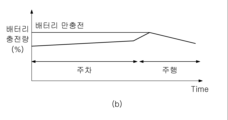
FIGS. 5A and 5B are exemplary diagrams showing execution of a vehicle state-specific refresh mode according to one embodiment.
Figure 6 is a control configuration diagram of a vehicle according to another embodiment.
Figure 7 is a configuration diagram of a power supply device provided in a vehicle according to another embodiment.
FIGS. 8A and 8B are control flowcharts of a vehicle according to another embodiment.
FIG. 9 is an example diagram of entry conditions into the refresh mode of the first and second batteries provided in a vehicle according to another embodiment.
명세서 전체에 걸쳐 동일 참조 부호는 동일 구성요소를 지칭한다. 본 명세서가 실시예들의 모든 요소들을 설명하는 것은 아니며, 본 발명이 속하는 기술분야에서 일반적인 내용 또는 실시예들 간에 중복되는 내용은 생략한다. Like reference numerals refer to like elements throughout the specification. This specification does not describe all elements of the embodiments, and general information within the technical field to which the present invention pertains or information that is redundant between the embodiments is omitted.
명세서에서 사용되는 '부'라는 용어는 소프트웨어 또는 하드웨어로 구현될 수 있으며, 실시 예들에 따라 복수의 '부'가 하나의 구성요소로 구현되거나, 하나의 '부'가 복수의 구성요소들을 포함하는 것도 가능하다.The term 'part' used in the specification can be implemented as software or hardware, and depending on the embodiments, multiple 'parts' can be implemented as one component, or one 'part' can include multiple components.
명세서 전체에서, 어떤 부분이 다른 부분과 "연결"되어 있다고 할 때, 이는 직접적으로 연결되어 있는 경우뿐 아니라, 간접적으로 연결되어 있는 경우를 포함하고, 간접적인 연결은 무선 통신망을 통해 연결되는 것을 포함한다.Throughout the specification, when a part is said to be "connected" to another part, this includes not only a direct connection but also an indirect connection, and an indirect connection includes a connection via a wireless communications network.
또한 어떤 부분이 어떤 구성요소를"포함"한다고 할 때, 이는 특별히 반대되는 기재가 없는 한 다른 구성요소를 제외하는 것이 아니라 다른 구성요소를 더 포함할 수 있는 것을 의미한다.Additionally, when a part is said to "include" a component, this does not mean that it excludes other components, but rather that it may include other components, unless otherwise specifically stated.
제 1, 제 2 등의 용어는 하나의 구성요소를 다른 구성요소로부터 구별하기 위해 사용되는 것으로, 구성요소가 전술된 용어들에 의해 제한되는 것은 아니다. The terms first, second, etc. are used to distinguish one component from another, and the components are not limited by the aforementioned terms.
단수의 표현은 문맥상 명백하게 예외가 있지 않는 한, 복수의 표현을 포함한다.Singular expressions include plural expressions unless the context clearly indicates otherwise.
각 단계들에 있어 식별부호는 설명의 편의를 위하여 사용되는 것으로 식별부호는 각 단계들의 순서를 설명하는 것이 아니며, 각 단계들은 문맥상 명백하게 특정 순서를 기재하지 않는 이상 명기된 순서와 다르게 실시될 수 있다. The identification codes in each step are used for convenience of explanation and do not describe the order of each step. Each step may be performed in a different order than specified unless the context clearly indicates a specific order.
이하 첨부된 도면들을 참고하여 본 발명의 작용 원리 및 실시 예들에 대해 설명한다.The operating principle and embodiments of the present invention will be described with reference to the attached drawings below.
이하, 첨부된 도면을 참조하여 본 발명에 대해 상세히 설명한다.Hereinafter, the present invention will be described in detail with reference to the attached drawings.
일 실시 예에 따른 차량은, 엔진을 동력원으로 하는 내연기관 차량일 수도 있고, 엔진과 배터리를 동력원으로 하는 하이브리드 차량일 수 있으며, 배터리를 동력원으로 하는 전기차량일 수도 있고, 수소 연료 전기 차량일 수도 있다. 이 중 하이브리드 차량을 예를 들어 설명한다.A vehicle according to one embodiment may be an internal combustion engine vehicle powered by an engine, a hybrid vehicle powered by an engine and a battery, an electric vehicle powered by a battery, or a hydrogen fuel cell electric vehicle. Among these, a hybrid vehicle will be described as an example.
도 1은 일 실시 예에 따른 차량의 차체의 예시도이다.Figure 1 is an exemplary drawing of a vehicle body according to one embodiment.
차량(1)은 내장과 외장을 갖는 차체(Body)와, 차체를 제외한 나머지 부분으로 주행에 필요한 기계 장치가 설치되는 차대(Chassis)를 포함한다.A vehicle (1) includes a body having an interior and exterior, and a chassis, which is the remaining part excluding the body, on which mechanical devices necessary for driving are installed.
도 1 에 도시된 바와 같이 차체의 외장(110)은 프론트 패널(111), 본네트(112), 루프 패널(113), 리어 패널(114), 테일 게이트(115) 및 전후좌우 도어(116) 등을 포함한다. 차체의 외장은 전후좌우 도어에 각각 설치된 윈도우 글라스를 더 포함할 수 있고, 루프 패널에 설치된 윈도우 글라스를 더 포함할 수도 있다.As illustrated in FIG. 1, the exterior of the vehicle body (110) includes a front panel (111), a bonnet (112), a roof panel (113), a rear panel (114), a tail gate (115), and front, rear, left, and right doors (116). The exterior of the vehicle body may further include window glass installed on each of the front, rear, left, and right doors, and may further include window glass installed on the roof panel.
차체의 외장에는 태양 광을 수집하는 솔라 패널(121a)이 마련될 수 있다.The exterior of the vehicle body may be provided with solar panels (121a) that collect solar light.
솔라 패널(121a)은 복수 개의 솔라 셀을 포함하며, 루프 패널(113)에 마련될 수 있다. 솔라 패널(121a)은 본네트(112), 테일 게이트(115) 및 전후좌우 도어(116)에 마련되는 것도 가능하다.The solar panel (121a) includes a plurality of solar cells and can be installed on the roof panel (113). The solar panel (121a) can also be installed on the bonnet (112), tail gate (115), and front, rear, left, and right doors (116).
차량의 차대는 동력 발생 장치, 동력 전달 장치, 주행 장치, 조향 장치, 제동 장치, 현가 장치, 변속 장치, 연료 장치, 전후좌우 차륜 등을 더 포함한다.The vehicle's chassis further includes a power generating unit, power transmission unit, driving unit, steering unit, braking unit, suspension unit, transmission unit, fuel unit, front/rear/left/right wheels, etc.
이외에도 차량(1)은 후방 또는 측방의 장애물 내지 다른 차량을 감지하는 근접센서, 강수 여부 및 강수량을 감지하는 레인 센서 등의 감지 장치를 더 포함하는 것도 가능하다.In addition, the vehicle (1) may further include detection devices such as a proximity sensor for detecting obstacles or other vehicles at the rear or side, and a rain sensor for detecting whether or not it is raining and the amount of rain.
이러한 차량(1)은 동력 발생 장치, 동력 전달 장치, 주행 장치, 조향 장치, 제동 장치, 현가 장치, 변속 장치, 연료 장치, 여러 가지 안전 장치 및 각종 감지 장치들의 구동을 제어하는 전자 제어 유닛(ECU: Electronic Control Unit)을 포함한다.These vehicles (1) include an electronic control unit (ECU) that controls the operation of a power generation device, a power transmission device, a driving device, a steering device, a braking device, a suspension device, a transmission device, a fuel device, various safety devices, and various detection devices.
또한 차량(1)은 운전자의 편의를 위해 설치된 핸즈프리 장치, GPS, 오디오 기기, 블루투스 장치(즉, 통신 장치), 후방 카메라, 충전 장치, 블랙박스, 시트의 열선, 하이패스 장치 등의 전자 장치(즉, 부하)를 선택적으로 포함할 수 있다.In addition, the vehicle (1) may optionally include electronic devices (i.e., loads) such as a hands-free device, GPS, audio device, Bluetooth device (i.e., communication device), rear camera, charging device, black box, seat heating wire, and Hi-pass device installed for the convenience of the driver.
차량은 오디오 장치, 공기 조화 장치, 오디오 기능, 비디오 기능, 내비게이션 기능을 수행하는 차량용 단말기인 AVN(Audio Video Navigation, 도 2의 132)를 더 포함할 수 있다.The vehicle may further include an AVN (Audio Video Navigation, 132 in FIG. 2), which is a vehicle terminal that performs audio devices, air conditioning devices, audio functions, video functions, and navigation functions.
차량용 단말기는 대시보드에 거치식 또는 매립식으로 마련될 수 있다.The vehicle terminal can be installed in the dashboard or built-in.
차량용 단말기는 터치 패널과 표시 패널이 일체화된 터치 스크린으로 마련될 수 있다. 아울러 차량용 단말기는 표시 패널만을 포함하는 것도 가능하다. 이때 차량용 단말기는 센터페시아 또는 헤드 유닛에 마련된 입력부를 통해 동작 명령 및 동작 정보를 수신할 수 있다.The vehicle terminal may be provided with a touch screen in which the touch panel and the display panel are integrated. In addition, the vehicle terminal may also include only the display panel. In this case, the vehicle terminal may receive operation commands and operation information through an input unit provided in the center fascia or head unit.
차량(1)은 공기 조화기, 오디오 기기, 실내의 조명, 시동 모터, 그 외 전자 장치들에 전기적으로 연결되어 구동을 위한 전력을 공급하는 전력 공급 장치(120a)를 더 포함한다. 이를 도 2를 참조하여 설명한다.The vehicle (1) further includes a power supply device (120a) that is electrically connected to an air conditioner, audio equipment, interior lighting, a starter motor, and other electronic devices to supply power for driving. This is described with reference to Fig. 2.
도 2는 일 실시 예에 따른 차량의 제어 구성도이다.Figure 2 is a control configuration diagram of a vehicle according to one embodiment.
차량(1)은 전력 공급 장치(120a), 입력부(131), 표시부(132), 제어부(140), 저장부(141), 통신부(150) 및 부하부(160)를 포함한다.The vehicle (1) includes a power supply unit (120a), an input unit (131), a display unit (132), a control unit (140), a storage unit (141), a communication unit (150), and a load unit (160).
전력 공급 장치(120a)는 주행 및 정지 시 차량에 마련된 부하부의 복수 개의 부하에 전력을 공급하는 것으로, 전력 공급 장치(120a)는 태양 에너지를 전기 에너지로 변환시키는 태양 발전기(121), 엔진(E )에 연결되고 엔진(E )의 구동력에 의해 전기 에너지를 발생시키는 알터네이터(122)와, 태양 발전기(121) 및 알터네이터(122) 중 적어도 하나에서 출력된 전력을 충전하는 배터리(123)를 포함한다.The power supply device (120a) supplies power to a plurality of loads of a load section provided in the vehicle when the vehicle is running and stopped. The power supply device (120a) includes a solar generator (121) that converts solar energy into electrical energy, an alternator (122) that is connected to an engine (E) and generates electrical energy by the driving force of the engine (E), and a battery (123) that charges power output from at least one of the solar generator (121) and the alternator (122).
태양 발전기(121)는 태양 에너지를 전기 에너지(즉 전력)로 변환하는 복수 개의 솔라 셀을 포함하고, 복수 개의 솔라 셀을 이용하여 태양광 발전을 수행하고, 태양광 발전에 의해 발생된 전기 에너지를 배터리(123)에 전달함으로써 배터리(123)가 충전될 수 있도록 한다.A solar generator (121) includes a plurality of solar cells that convert solar energy into electrical energy (i.e., power), performs solar power generation using the plurality of solar cells, and transfers the electrical energy generated by the solar power generation to a battery (123) so that the battery (123) can be charged.
태양 발전기(121)는 차량이 주차 상태 또는 정차 상태일 때 적어도 하나의 부하에 전력을 공급하는 것도 가능하다. 이로써 차량의 시동이 꺼진 상태에서도 차량 내의 부하에 전력을 공급할 수 있도록 한다.The solar generator (121) is also capable of supplying power to at least one load when the vehicle is parked or stopped. This allows power to be supplied to loads within the vehicle even when the vehicle engine is turned off.
아울러 태양 발전기(121)는 차량의 주행 중에 전자 장치(즉 부하)를 통해 기준 이상의 전력을 사용할 때 태양 발전기(121)에서 발생된 전력을 전자 장치에 공급함으로써 연비가 저감되는 것을 방지할 수 있다.In addition, the solar generator (121) can prevent fuel efficiency from being reduced by supplying power generated by the solar generator (121) to the electronic device when power exceeding the standard is used through the electronic device (i.e., load) while the vehicle is driving.
알터네이터(122)는 엔진(E )에 연결되고 엔진의 기계 에너지를 전기 에너지로 변환하고, 변환된 전기 에너지에 대응하는 전력을 배터리(123)에 공급하고, 또한 전력을 차량 주행 시 부하부(160)의 복수 개의 부하에 공급한다.The alternator (122) is connected to the engine (E) and converts mechanical energy of the engine into electrical energy, supplies power corresponding to the converted electrical energy to the battery (123), and also supplies power to multiple loads of the load section (160) when the vehicle is running.
즉 알터네이터(122)는 엔진(E )이 동작하는 순간부터 전기를 만들고 차량 주행 중 각종 전자 장치 등의 부하 및 배터리(123)에 전력을 공급한다. That is, the alternator (122) generates electricity from the moment the engine (E) starts operating and supplies power to loads such as various electronic devices and the battery (123) while the vehicle is running.
배터리(123)는 시동 전 복수의 부하 중 적어도 하나의 부하에 전력을 공급하고, 시동 시 시동을 위한 전력을 시동 모터에 공급하며, 시동을 걸고 난 후에는 알터네이터(122) 또는 태양 발전기(121)에서 출력된 전기 에너지를 이용하여 충전을 수행한다.The battery (123) supplies power to at least one of a plurality of loads before starting, supplies power for starting to the starting motor during starting, and performs charging using electric energy output from the alternator (122) or solar generator (121) after starting.
배터리(123)는 주행 상태일 때 엔진(E )에 연결된 알터네이터(122) 또는 태양 발전기(121)에 의해 발생된 전기 에너지를 전달받아 충전을 수행하고, 정지 상태일 때 태양 발전기(121)에서 발생된 전기 에너지를 전달받아 충전을 수행한다.The battery (123) is charged by receiving electric energy generated by an alternator (122) or solar generator (121) connected to the engine (E) when in a running state, and is charged by receiving electric energy generated by a solar generator (121) when in a stationary state.
전력 공급 장치(120a)는 전력 변환부(124), 광량 검출부(125), 발전량 검출부(126) 및 충전량 검출부(127)를 더 포함한다.The power supply device (120a) further includes a power conversion unit (124), a light amount detection unit (125), a power generation amount detection unit (126), and a charge amount detection unit (127).
전력 변환부(124)는 전력을 공급받는 각 부하의 전기적 특성 요구 치에 대응하여 알터네이터(122), 태양 발전기(121) 및 배터리(123)에서 출력되는 전력의 전압 및 전류를 변환한다.The power conversion unit (124) converts the voltage and current of the power output from the alternator (122), solar generator (121), and battery (123) in response to the electrical characteristic requirements of each load receiving power.
즉 전력 변환부(124)는 태양 발전기(121) 및 알터네이터(122)에서 출력된 전력의 전압 및 전류의 크기를 변환하고, 또한 배터리(123)에서 출력된 전력의 전압 및 전류의 크기를 변환하는 것도 가능하다.That is, the power conversion unit (124) converts the voltage and current size of the power output from the solar generator (121) and the alternator (122), and can also convert the voltage and current size of the power output from the battery (123).
이러한 전력 변환부(124)는 각 부하의 정격 전압 및 정격 전류의 크기와, 배터리의 정격 전압 및 정격 전류의 크기에 기초하여 입력된 전력의 크기를 조정한다.This power conversion unit (124) adjusts the size of the input power based on the size of the rated voltage and rated current of each load and the size of the rated voltage and rated current of the battery.
또한 전력 변환부(124)는 각 부하에서 사용되는 전류의 성분에 기초하여 입력된 전류의 성분을 변환한다. 예를 들어, 전력 변환부(124)는 태양 발전기(121)에서 출력된 전력의 직류 성분을 교류 성분으로 변환하거나, 알터네이터(122)에서 출력된 전력의 교류 성분을 직류 성분으로 변환하거나, 배터리(123)에서 출력된 전력의 직류 성분을 교류 성분으로 변환한다. In addition, the power conversion unit (124) converts the components of the input current based on the components of the current used in each load. For example, the power conversion unit (124) converts the direct current component of the power output from the solar generator (121) into an alternating current component, converts the alternating current component of the power output from the alternator (122) into a direct current component, or converts the direct current component of the power output from the battery (123) into an alternating current component.
즉, 전력 변환부(124)는 전류 변환기, 전압 변환기, 직류-교류 변환기, 교류-직류 변환기일 수 있다.That is, the power conversion unit (124) may be a current converter, a voltage converter, a DC-AC converter, or an AC-DC converter.
광량 검출부(125)는 태양 발전기(121)의 태양광 발전 시 태양 발전기(121)에 입사되는 광량을 검출하고 검출된 광량의 정보를 제어부(140)에 전송한다. The light quantity detection unit (125) detects the amount of light incident on the solar generator (121) when the solar generator generates solar power and transmits information on the detected amount of light to the control unit (140).
발전량 검출부(126)는 태양 발전기(121)의 태양광 발전 시 태양 발전기(121)에서 발생되는 발전량을 검출하고 검출된 태양 발전기(121)의 발전량을 제어부(140)에 전송한다. 이러한 발전량 검출부(126)는 태양 발전기(121)의 전압을 검출하는 전압 검출부 및 태양 발전기(121)의 전류를 검출하는 전류 검출부를 포함한다. 발전량 검출부(126)는 태양 발전기(121)에서 출력되는 전력을 검출하는 전력 검출부일 수 있다.The power generation detection unit (126) detects the power generation amount generated by the solar generator (121) when the solar generator (121) generates solar power and transmits the detected power generation amount of the solar generator (121) to the control unit (140). This power generation detection unit (126) includes a voltage detection unit that detects the voltage of the solar generator (121) and a current detection unit that detects the current of the solar generator (121). The power generation detection unit (126) may be a power detection unit that detects the power output from the solar generator (121).
충전량 검출부(127)는 배터리(123)에 충전된 전기 에너지의 양인 충전량을 검출하고 검출된 배터리의 충전량의 정보를 제어부(140)에 전송한다.The charge detection unit (127) detects the charge amount, which is the amount of electric energy charged in the battery (123), and transmits information on the detected charge amount of the battery to the control unit (140).
충전량 검출부(127)는 배터리(123)의 전류를 검출하는 전류 검출부와, 배터리의 전압을 검출하는 전압 검출부를 포함하고, 배터리의 온도를 검출하는 온도 검출부를 더 포함하며, 검출된 배터리의 전류, 전압 및 온도를 이용하여 배터리의 충전 상태에 대한 충전량을 검출한다. 아울러 충전량 검출부(127)는 배터리(123)의 전력을 검출하는 전력 검출부를 더 포함하는 것도 가능하다.The charge detection unit (127) includes a current detection unit for detecting the current of the battery (123), a voltage detection unit for detecting the voltage of the battery, and further includes a temperature detection unit for detecting the temperature of the battery, and detects the charge amount for the charging state of the battery using the detected current, voltage, and temperature of the battery. In addition, the charge detection unit (127) may further include a power detection unit for detecting the power of the battery (123).
입력부(131)는 사용자 입력을 수신한다. 여기서 사용자 입력은 적어도 하나의 부하의 동작 명령이나, 적어도 하나의 기능 수행 명령 등을 포함할 수 있다.The input unit (131) receives user input. Here, the user input may include at least one operation command of a load, at least one function execution command, etc.
입력부(131)는 차량 내에 마련된 복수 개의 부하들 중 적어도 하나의 동작 명령을 입력받고 입력된 적어도 하나의 부하의 동작 명령을 제어부(140)에 전송한다.The input unit (131) receives an operation command for at least one of a plurality of loads provided in the vehicle and transmits the operation command for at least one of the input loads to the control unit (140).
입력부(131)는 태양 발전기(121)의 태양광 발전에 대한 태양 발전 표시 명령을 입력받고, 입력된 태양 발전 표시 명령을 제어부(140)에 전송하는 것도 가능하다.The input unit (131) can also receive a solar power generation display command for solar power generation of the solar generator (121) and transmit the input solar power generation display command to the control unit (140).
입력부(131)는 시동 온오프 명령을 입력받는 시동 버튼을 포함할 수 있다.The input unit (131) may include a start button for receiving a start on/off command.
시동 버튼은 시동 모터의 동작 명령을 입력받는다. 즉 차량(1)은 시동 버튼이 온 되면 시동 모터를 동작시키고 시동 모터의 동작을 통해 동력 발생 장치인 엔진(미도시)을 구동시킨다.The start button receives an operation command for the starter motor. That is, when the start button is turned on, the vehicle (1) operates the starter motor and drives the engine (not shown), which is a power generation device, through the operation of the starter motor.
입력부(131)는 내비게이션 모드의 동작 명령과, 목적지 정보를 수신하는 것도 가능하고 탐색된 경로들 중 어느 하나의 경로에 대한 선택 정보를 수신하는 것도 가능하다.The input unit (131) can receive operation commands in the navigation mode and destination information, and can also receive selection information for one of the searched routes.
표시부(132)는 배터리 리프레쉬 동작에 대한 정보를 표시하는 것도 가능하다.The display unit (132) can also display information about the battery refresh operation.
표시부(132)는 태양 발전기의 태양광 발전에 대한 정보를 표시하고, 태양 발전기를 사용함에 따른 효과정보를 표시함으로써 사용자가 태양 발전기의 장점을 인식하도록 할 수 있다.The display unit (132) displays information on solar power generation of the solar generator and can display information on the effectiveness of using the solar generator, thereby allowing the user to recognize the advantages of the solar generator.
표시부(132)는 클러스터를 포함할 수 있다. 여기서 클러스터는 디지털 방식으로 구현할 수 있다. 이러한 디지털 방식의 클러스터는 차량의 축의 회전수(RPM), 차량의 속도, 연비, 총 주행 거리 등과 같은 차량의 주행 정보 및 태양 발전기의 모니터링 정보 등을 영상으로 표시한다. 태양 발전기의 모니터링 정보는, 솔라 셀의 고장 진단과 관련된 모니터링 정보를 포함한다.The display unit (132) may include a cluster. Here, the cluster may be implemented digitally. This digital cluster displays driving information of the vehicle, such as the rotational speed (RPM) of the vehicle's axle, vehicle speed, fuel efficiency, total driving distance, etc., and monitoring information of the solar generator, etc., as images. The monitoring information of the solar generator includes monitoring information related to fault diagnosis of the solar cell.
클러스터(123)는 공조 조정 기능의 정보, 내비게이션 기능의 정보, 음악 재생 기능의 정보, 라디오 기능의 정보, 전화 기능의 정보를 더 표시할 수 있고, 연료계기, 자동 변속 선택 레버 등의 정보를 더 표시할 수 있다.The cluster (123) can further display information on the air conditioning control function, information on the navigation function, information on the music playback function, information on the radio function, information on the telephone function, and information on the fuel gauge, automatic transmission selection lever, etc.
입력부(131)는 터치 패널로 구현 가능하고, 표시부(132)는 디스플레이 패널로 구현 가능하다. 차량의 입력부(131)와 표시부(132)는 터치 패널과 디스플레이 패널이 일체화된 터치 스크린으로 마련될 수 있다. 아울러 터치 스크린은 차량용 단말기로 이용될 수 있다.The input unit (131) can be implemented as a touch panel, and the display unit (132) can be implemented as a display panel. The input unit (131) and the display unit (132) of the vehicle can be provided as a touch screen in which the touch panel and the display panel are integrated. In addition, the touch screen can be used as a vehicle terminal.
입력부(131)는 센터페시아 또는 헤드 유닛에 마련된 버튼, 키, 스위치 및 레버 형태로 구현되는 것도 가능하다. The input unit (131) can also be implemented in the form of a button, key, switch, or lever provided on the center fascia or head unit.
입력부(131)는 일몰 시간을 입력받는 것도 가능하다.The input unit (131) can also receive the sunset time.
제어부(140)는 차량의 상태가 주행 상태인지 정지 상태인지 판단하고, 판단 결과에 대응하여 전력 공급 장치(120a)의 동작을 제어한다. 여기서 차량의 상태는, 시동 여부, 휠 속도, 차량 속도 및 변속 레버의 위치에 기초하여 판단 가능하다.The control unit (140) determines whether the vehicle is in a driving state or a stopped state, and controls the operation of the power supply device (120a) in response to the determination result. Here, the vehicle state can be determined based on whether the engine is started, wheel speed, vehicle speed, and the position of the shift lever.
제어부(140)는 전력 공급 제어 시, 태양 발전기(121) 및 배터리(123)에 연결된 스위치(미도시)의 온오프 동작을 제어할 수 있다.The control unit (140) can control the on/off operation of a switch (not shown) connected to a solar generator (121) and a battery (123) when controlling power supply.
제어부(140)는 차량의 시동 명령이 입력되면 배터리(123)에 충전된 전력이 시동 모터에 공급되도록 하고, 알터네이터(122)의 동작을 제어하여 알터네이터(122)에서 발생된 전력이 부하부(160)의 복수 개의 부하에 공급되도록 한다.When a vehicle start command is input, the control unit (140) supplies power charged in the battery (123) to the starter motor and controls the operation of the alternator (122) so that power generated from the alternator (122) is supplied to multiple loads of the load unit (160).
제어부(140)는 주행 중 배터리(123)의 충전량이 일정 충전량 미만이면 배터리(123)의 충전을 제어한다. 즉, 제어부(140)는 알터네이터(122)에서 발생된 전력이 배터리(123)에 공급되도록 한다. 여기서 일정 충전량은 배터리의 방전을 제한하는 방전 제한 충전량일 수 있다.The control unit (140) controls the charging of the battery (123) if the charge amount of the battery (123) is less than a certain charge amount during driving. That is, the control unit (140) ensures that the power generated by the alternator (122) is supplied to the battery (123). Here, the certain charge amount may be a discharge limit charge amount that limits the discharge of the battery.
제어부(140)는 차량이 정지 상태이고 적어도 하나의 부하가 동작 상태이면 태양 발전기(121)의 태양광 발전을 제어하여 태양 발전기(131)에서 발생된 전력이 동작 상태인 적어도 하나의 부하에 공급되도록 한다.The control unit (140) controls the solar power generation of the solar generator (121) when the vehicle is stationary and at least one load is in an operating state so that the power generated by the solar generator (131) is supplied to at least one load in an operating state.
또한 제어부(140)는 차량이 정지 상태이면 배터리(123)의 충전량과 일정 충전량을 비교하고 배터리(123)의 충전량이 기준 충전량 미만이면 태양 발전기(121)의 태양광 발전을 제어하여 배터리(123)의 충전을 제어하는 것도 가능하다.In addition, the control unit (140) can control the charging of the battery (123) by comparing the charge amount of the battery (123) with a predetermined charge amount when the vehicle is stopped and controlling the solar power generation of the solar generator (121) when the charge amount of the battery (123) is less than the standard charge amount.
제어부(140)는 검출된 광량과 검출된 발전량에 기초하여 태양 발전기의 상태를 모니터링하고 모니터링된 태양 발전기(121)의 상태 정보의 표시를 제어한다.The control unit (140) monitors the status of the solar generator based on the detected amount of light and the detected amount of power generated, and controls the display of status information of the monitored solar generator (121).
여기서 태양 발전기의 상태를 모니터링 하는 것은, 발전량, 태양 발전기의 고장 진단을 수행하는 것을 포함한다. 이러한 제어부(140)는 전력 공급 장치(120a)의 각 검출부와 CAN 통신, LIN, Ethernet, Flex Ray, Serial 통신 등을 수행할 수 있다.Monitoring the status of the solar generator here includes performing power generation and fault diagnosis of the solar generator. This control unit (140) can perform CAN communication, LIN, Ethernet, Flex Ray, Serial communication, etc. with each detection unit of the power supply device (120a).
제어부(140)는 확인된 기간별 태양 발전기의 발전량과 부하별 공급량에 기초하여 연비 향상에 미치는 작용 정도를 판단하고, 판단된 작용 정도의 정보가 클러스터에 표시되도록 제어하는 것도 가능하다. The control unit (140) can determine the degree of effect on improving fuel efficiency based on the power generation amount of the solar generator for each confirmed period and the supply amount for each load, and can also control information on the determined degree of effect to be displayed on the cluster.
제어부(140)는 입력부(131)로부터 발전 표시 명령이 전송되면 표시부(132)를 통해 태양 발전기의 모니터링 정보를 표시하도록 제어하는 것도 가능하다. 제어부(140)는 태양 발전기(121)의 모니터링 정보가 클러스터에 표시되도록 하는 것도 가능하다.The control unit (140) can also control the display unit (132) to display monitoring information of the solar generator when a power display command is transmitted from the input unit (131). The control unit (140) can also cause the monitoring information of the solar generator (121) to be displayed on the cluster.
여기서 태양 발전기의 모니터링 정보는, 태양 발전기의 정상/이상 상태 정보, 태양 발전기에 의해 발전된 발전량, 태양 발전기의 사용에 따른 연비 향상의 정보를 포함한다.Here, the monitoring information of the solar generator includes information on the normal/abnormal status of the solar generator, the amount of power generated by the solar generator, and information on improved fuel efficiency due to the use of the solar generator.
제어부(140)는 충전량 검출부(127)로부터 배터리의 충전 상태에 대한 충전량의 정보를 수신하고 표시부(132)를 통해 배터리의 충전량의 정보가 표시되도록 제어하는 것도 가능하다.The control unit (140) can also receive information on the charge level of the battery from the charge level detection unit (127) and control the display unit (132) to display information on the charge level of the battery.
아울러 제어부(140)는 검출된 배터리의 전압, 전류 및 온도에 기초하여 배터리 충전 상태에 대한 정보를 획득하는 것도 가능하다.In addition, the control unit (140) can also obtain information on the battery charging status based on the detected voltage, current, and temperature of the battery.
아울러 차량은 배터리의 전압을 검출하는 전압 검출부, 배터리의 전류를 검출하는 전류 검출부 및 배터리의 온도를 검출하는 온도 검출부를 포함하고, 검출된 배터리의 전압, 전류 및 온도에 기초하여 배터리 충전 상태를 모니터링하는 배터리 관리부를 더 포함할 수 있다.In addition, the vehicle may include a voltage detection unit for detecting the voltage of the battery, a current detection unit for detecting the current of the battery, and a temperature detection unit for detecting the temperature of the battery, and may further include a battery management unit for monitoring the battery charging state based on the detected voltage, current, and temperature of the battery.
제어부(140)는 충전량 검출부에서 검출된 전류에 기초하여 배터리(123)에 충전되는 전류와 방전되는 전류를 누적하고, 누적된 두 값을 합하여 배터리(123)의 충방전된 전류 누적 값을 산출한다.The control unit (140) accumulates the current charged and discharged from the battery (123) based on the current detected by the charge detection unit, and calculates the accumulated charge and discharge current value of the battery (123) by adding the two accumulated values.
제어부(140)는 배터리(123)의 충전상태(SOC)를 모니터링하며, 배터리(123)의 충전상태가 최소 충전량으로 진입한 횟수를 카운트 한다. 여기서, 최소 충전량은 배터리(123)의 충전량(%)이 미리 설정된 정상치 이하로 벗어나는 임계 값을 의미한다.The control unit (140) monitors the state of charge (SOC) of the battery (123) and counts the number of times the state of charge of the battery (123) has entered the minimum charge amount. Here, the minimum charge amount means a threshold value at which the charge amount (%) of the battery (123) falls below a preset normal value.
제어부(140)는 속도 검출부(미도시)에서 검출된 주행 속도와 회전수 검출부(미도시)에서 검출된 엔진의 회전수(RPM) 등의 상태 정보를 수신하고, 수신된 주행 속도와 엔진의 회전수에 기초하여 주행 중 리프레쉬 모드의 수행 여부를 판단하고, 시동 버튼의 온오프에 대응하는 시동 횟수를 카운트하여 누적 기록한다.The control unit (140) receives status information such as the driving speed detected by the speed detection unit (not shown) and the engine rotation speed (RPM) detected by the rotation speed detection unit (not shown), determines whether to perform the refresh mode during driving based on the received driving speed and engine rotation speed, and counts and accumulates the number of starts corresponding to the on/off of the start button.
제어부(140)는 주차 상태이면 배터리 전류 누적 값, 최소 충전량 진입 횟수, 시동 횟수가 배터리 리프레쉬(Refresh)조건을 만족하는지 판단한다. 여기서, 배터리 전류 누적 값(Ah), 최소 충전량 진입 횟수, 시동 횟수에 대한 각 리프레쉬 조건은 반복된 실험 및 테스트를 통해 얻어진 결과로, 미리 저장된 값일 수 있다.The control unit (140) determines whether the battery current accumulation value, minimum charge entry count, and starting count satisfy the battery refresh conditions when in the parking state. Here, each refresh condition for the battery current accumulation value (Ah), minimum charge entry count, and starting count may be a pre-stored value obtained through repeated experiments and tests.
제어부(140)는 주차 상태이면 판단된 배터리 전류 누적 값(Ah), 최소 충전량 진입 횟수, 시동 횟수 중 적어도 하나가 리프레쉬 조건에 만족하는지 판단하여 리프레쉬 모드로의 진입 가능성을 판단하고, 리프레쉬 모드로 진입이 가능하다고 판단되면 배터리의 충전량이 제1기준 충전량(즉 만충전량)이 될 때까지 리프레쉬 모드의 수행을 제어한다. 여기서 리프레쉬 모드는 배터리 충전회복을 수행하는 모드이다.The control unit (140) determines whether at least one of the determined battery current accumulation value (Ah), minimum charge amount entry count, and start count satisfies the refresh condition when in the parking state, and determines the possibility of entering the refresh mode. If it is determined that entry into the refresh mode is possible, the control unit controls the execution of the refresh mode until the battery charge amount becomes the first reference charge amount (i.e., full charge amount). Here, the refresh mode is a mode that performs battery charge recovery.
제어부(140)는 주차 중 리프레쉬 모드로 진입이 가능하다고 판단되면 배터리의 충전량과 광량에 대응하여 리프레쉬 모드의 진입 여부를 판단하는 것도 가능하다. 예를 들어, 제어부(140)는 배터리의 충전량이 제2기준 충전량 이상이고 검출된 광량이 제1기준 광량 미만이면 배터리의 만충전이 어렵다고 판단하여 리프레쉬 모드를 수행할 수 없다고 판단한다. 이에 따라 제어부(140)는 리프레쉬 모드를 수행하지 않는다. If the control unit (140) determines that it is possible to enter the refresh mode during parking, it is also possible to determine whether to enter the refresh mode in response to the battery charge amount and the amount of light. For example, if the battery charge amount is greater than or equal to the second reference charge amount and the detected amount of light is less than the first reference light amount, the control unit (140) determines that it is difficult to fully charge the battery and thus determines that the refresh mode cannot be performed. Accordingly, the control unit (140) does not perform the refresh mode.
제어부(140)는 배터리의 충전량이 제2기준 충전량 이상이고 검출된 광량이 제1기준 광량 이상이면 배터리의 만충전을 위한 리프레쉬 모드를 수행할 수 있다고 판단한다. The control unit (140) determines that if the battery charge amount is greater than or equal to the second reference charge amount and the detected light amount is greater than or equal to the first reference light amount, the refresh mode for fully charging the battery can be performed.
제어부(140)는 배터리의 충전량이 제2기준 충전량 미만이고 검출된 광량이 제1기준 광량 이상이고 제2기준 광량 미만이면 일몰 시간을 확인하며, 현재 시간과 일몰 시간에 기초하여 일몰 시간까지 남은 시간을 획득하고 검출된 광량과 획득된 남은 시간에 기초하여 발전량을 예측하며, 예측된 발전량에서 총 소비 전력량을 차감하여 잉여 전력량이 존재하는지 판단하고 잉여 전력량이 존재한다고 판단되면 리프레쉬 모드를 수행할 수 있다고 판단한다.The control unit (140) checks the sunset time if the battery charge is less than the second reference charge and the detected light amount is greater than or equal to the first reference light amount and less than the second reference light amount, obtains the time remaining until sunset time based on the current time and the sunset time, predicts the power generation amount based on the detected light amount and the acquired remaining time, determines whether there is surplus power by subtracting the total power consumption from the predicted power generation amount, and determines that the refresh mode can be performed if it is determined that there is surplus power.
여기서 총 소비 전력량은 적어도 하나의 부하에서 소비되는 전력량과 배터리를 충전하는데 소비되는 전력량을 합산한 전력량이다. 주차 상태에서 적어도 하나의 부하에서 소비되는 전력량과 배터리 충전에 소비되는 전력량은, 미리 저장된 정보일 수 있다. 주차 상태에서 적어도 하나의 부하에서 소비되는 전력량은 암전류에 대응하는 전력량일 수 있다.Here, the total power consumption is the power consumption of at least one load and the power consumption for charging the battery. The power consumption of at least one load and the power consumption for charging the battery in the parking state may be information stored in advance. The power consumption of at least one load in the parking state may be the power corresponding to the dark current.
제어부(140)는 날씨 정보를 확인하고 확인된 날씨 정보, 검출된 광량과 일몰 시간에 기초하여 발전량을 예측하는 것도 가능하다. 여기서 일몰 시간은, 월별, 날짜별로 저장된 정보일 수도 있고, 서버(미도시)로부터 전달받은 정보일 수도 있다. 날씨 정보는 서버로부터 전달받은 정보일 수 있다.The control unit (140) can also check weather information and predict power generation based on the confirmed weather information, detected light quantity, and sunset time. Here, the sunset time may be information stored by month or date, or may be information received from a server (not shown). The weather information may be information received from a server.
제어부(140)는 배터리 리프레쉬 모드의 진입이 가능하다고 판단되면 발전량 검출부에서 검출된 발전량을 확인하되 시간당 발전량 또는 분당 발전량을 확인하고, 확인된 발전량과 일몰 시간에 기초하여 태양 발전기에 의해 발생될 수 있는 발전량(즉, 전력량)을 확인하고, 확인된 발전량에서 총 소비 전력량을 차감하여 확인된 발전량 중 잉여 전력량이 존재하는지 판단하는 것도 가능하다.If the control unit (140) determines that entry into the battery refresh mode is possible, it checks the power generation detected by the power generation detection unit, but checks the power generation per hour or per minute, and checks the power generation (i.e., power amount) that can be generated by the solar generator based on the confirmed power generation and the sunset time, and it is also possible to determine whether there is a surplus power amount among the confirmed power generation by deducting the total power consumption from the confirmed power generation.
제어부(140)는 리프레쉬 모드의 수행 중 충전량 검출부에서 검출된 충전량이 제1기준 충전량 이상이면 배터리가 만충전되었다고 판단하여 리프레쉬 모드를 종료하고 리프레쉬 조건에 대한 정보를 리셋한다.If the charge amount detected by the charge amount detection unit during the execution of the refresh mode is greater than the first reference charge amount, the control unit (140) determines that the battery is fully charged, terminates the refresh mode, and resets information on the refresh conditions.
제어부(140)는 확인된 충전량이 제1기준 충전량 미만인 상태에서 시동 온 명령이 수신되면 리프레쉬 모드의 미종료 정보를 출력하도록 표시부를 제어한다.The control unit (140) controls the display unit to output information on the non-end of the refresh mode when a start-up command is received while the confirmed charge amount is less than the first reference charge amount.
제어부(140)는 확인된 충전량이 제1기준 충전량 미만인 상태에서 시동 온 명령이 수신되면 주행 중 알터네이터를 제어하여 배터리의 충전을 제어하고 배터리의 충전 중 충전량 검출부에서 검출된 충전량을 확인하고 확인된 충전량이 제1기준 충전량 이상이면 배터리가 만충전되었다고 판단하여 리프레쉬 모드를 종료한다.When a start-up command is received while the confirmed charge amount is less than the first reference charge amount, the control unit (140) controls the alternator during driving to control the charging of the battery, checks the charge amount detected by the charge amount detection unit during the charging of the battery, and if the confirmed charge amount is greater than the first reference charge amount, determines that the battery is fully charged and terminates the refresh mode.
제어부(140)는 주행 중 배터리의 충전량이 제1기준 충전량 이상이면 리프레쉬 모드의 종료 정보를 표시하도록 표시부를 제어하는 것도 가능하다.The control unit (140) can also control the display unit to display information on the end of the refresh mode if the battery charge level during driving is greater than the first reference charge level.
제어부(140)는 시동 온 명령이 수신되면 내비게이션 정보에 기초하여 배터리의 리프레쉬 모드를 수행할 위치를 검색하고 검색된 위치에 대한 정보를 표시하도록 표시부를 제어하는 것도 가능하다. The control unit (140) can also control the display unit to search for a location to perform a battery refresh mode based on navigation information when a start-up command is received and to display information about the searched location.
제어부(140)는 엔진의 동작을 제어하는 엔진 제어부와, 태양 발전기의 발전량을 제어하는 발전 제어부와, 배터리의 충전 상태를 관리하는 배터리 제어부와, 차량의 전력을 제어하는 전력 제어부를 포함할 수 있다. 아울러 제어부(140)는 엔진 제어부, 발전 제어부, 배터리 제어부 및 전력 제어부가 통합된 제어부일 수 있다.The control unit (140) may include an engine control unit that controls the operation of the engine, a power generation control unit that controls the amount of power generated by the solar generator, a battery control unit that manages the charging status of the battery, and a power control unit that controls the power of the vehicle. In addition, the control unit (140) may be a control unit that integrates an engine control unit, a power generation control unit, a battery control unit, and a power control unit.
저장부(141)는 제1, 2, 3 기준 충전량에 대한 정보를 저장한다.The storage unit (141) stores information on the first, second, and third standard charge amounts.
저장부(141)는 리프레쉬 모드의 진입 조건의 만족 여부를 판단하기 위한 제 1, 2, 3 기준치를 저장한다. 여기서 제1기준치는 누적된 전류 값에 대한 기준치이고, 제2기준치는 배터리의 충전량이 최소 충전량으로 진입한 횟수에 대한 기준치이며, 제3기준치는 시동 횟수에 대한 기준치이다.The storage unit (141) stores the first, second, and third criteria for determining whether the entry conditions of the refresh mode are satisfied. Here, the first criteria is a criteria for the accumulated current value, the second criteria is a criteria for the number of times the battery charge has entered the minimum charge amount, and the third criteria is a criteria for the number of starts.
저장부(141)는 주차 상태에서 소비되는 전력량에 대한 정보를 저장하는 것도 가능하다. 주차 상태에서 소비되는 전력량은 적어도 하나의 부하에서 소비되는 전력량과 배터리의 충전에 소비되는 전력량을 포함할 수 있고, 암전류에 대한 전력량을 더 포함할 수도 있다.The storage unit (141) can also store information on the amount of power consumed in the parking state. The amount of power consumed in the parking state may include the amount of power consumed by at least one load and the amount of power consumed for charging the battery, and may further include the amount of power for dark current.
저장부(141)는 제어부(140)와 관련하여 전술한 프로세서와 별개의 칩으로 구현된 메모리일 수 있고, 프로세서와 단일 칩으로 구현될 수도 있다. The storage unit (141) may be a memory implemented as a separate chip from the processor described above in relation to the control unit (140), or may be implemented as a single chip with the processor.
저장부(141)는 캐쉬, ROM(Read Only Memory), PROM(Programmable ROM), EPROM(Erasable Programmable ROM), EEPROM(Electrically Erasable Programmable ROM) 및 플래쉬 메모리(Flash memory)와 같은 비휘발성 메모리 소자 또는 RAM(Random Access Memory)과 같은 휘발성 메모리 소자 또는 하드디스크 드라이브(HDD, Hard Disk Drive), CD-ROM과 같은 저장 매체 중 적어도 하나로 구현될 수 있으나 이에 한정되지는 않는다. The storage unit (141) may be implemented by at least one of nonvolatile memory devices such as cache, ROM (Read Only Memory), PROM (Programmable ROM), EPROM (Erasable Programmable ROM), EEPROM (Electrically Erasable Programmable ROM), and flash memory, volatile memory devices such as RAM (Random Access Memory), or storage media such as a hard disk drive (HDD) and a CD-ROM, but is not limited thereto.
통신부(150)는 각종 전자 장치와 제어부 사이에서 정보를 송수신한다.The communication unit (150) transmits and receives information between various electronic devices and the control unit.
통신부(150)는 외부 장치 및 내부에 마련된 각종 전자 장치들 간에 통신을 가능하게 하는 하나 이상의 구성 요소를 포함할 수 있으며, 예를 들어 근거리 통신 모듈, 유선 통신 모듈 및 무선 통신 모듈 중 적어도 하나를 포함할 수 있다.The communication unit (150) may include one or more components that enable communication between external devices and various electronic devices provided internally, and may include, for example, at least one of a short-range communication module, a wired communication module, and a wireless communication module.
근거리 통신 모듈은 블루투스 모듈, 적외선 통신 모듈, RFID(Radio Frequency Identification) 통신 모듈, WLAN(Wireless Local Access Network) 통신 모듈, NFC 통신 모듈, 직비(Zigbee) 통신 모듈 등 근거리에서 무선 통신망을 이용하여 신호를 송수신하는 다양한 근거리 통신 모듈을 포함할 수 있다.The short-range communication module may include various short-range communication modules that transmit and receive signals using a wireless communication network at a short range, such as a Bluetooth module, an infrared communication module, an RFID (Radio Frequency Identification) communication module, a WLAN (Wireless Local Access Network) communication module, an NFC communication module, and a Zigbee communication module.
유선 통신 모듈은 캔(Controller Area Network; CAN) 통신 모듈, 지역 통신(Local Area Network; LAN) 모듈, 광역 통신(Wide Area Network; WAN) 모듈 또는 부가가치 통신(Value Added Network; VAN) 모듈 등 다양한 유선 통신 모듈뿐만 아니라, USB(Universal Serial Bus), HDMI(High Definition Multimedia Interface), DVI(Digital Visual Interface), RS-232(recommended standard232), 전력선 통신, 또는 POTS(plain old telephone service) 등 다양한 케이블 통신 모듈을 포함할 수 있다. The wired communication module may include various wired communication modules such as a Controller Area Network (CAN) communication module, a Local Area Network (LAN) module, a Wide Area Network (WAN) module, or a Value Added Network (VAN) module, as well as various cable communication modules such as a Universal Serial Bus (USB), a High Definition Multimedia Interface (HDMI), a Digital Visual Interface (DVI), an RS-232 (recommended standard232), power line communication, or plain old telephone service (POTS).
통신부는 LIN, Ethernet, Flex Ray, Serial 통신 등을 수행할 수 있다.The communication unit can perform LIN, Ethernet, Flex Ray, and Serial communications.
무선 통신 모듈은 와이파이(Wifi) 모듈, 와이브로(Wireless broadband) 모듈 외에도, GSM(global System for Mobile Communication), CDMA(Code Division Multiple Access), WCDMA(Wideband Code Division Multiple Access), UMTS(universal mobile telecommunications system), TDMA(Time Division Multiple Access), LTE(Long Term Evolution) 등 다양한 무선 통신 방식을 지원하는 무선 통신 모듈을 포함할 수 있다.The wireless communication module may include, in addition to a WiFi module and a Wireless broadband module, a wireless communication module that supports various wireless communication methods such as GSM (global System for Mobile Communication), CDMA (Code Division Multiple Access), WCDMA (Wideband Code Division Multiple Access), UMTS (universal mobile telecommunications system), TDMA (Time Division Multiple Access), and LTE (Long Term Evolution).
부하부(160)는 알터네이터(122), 배터리(123) 및 태양 발전기(121)에서 출력된 전력을 이용하여 적어도 하나의 기능을 수행하는 복수 개의 부하를 포함한다.The load unit (160) includes a plurality of loads that perform at least one function using power output from the alternator (122), battery (123), and solar generator (121).
좀 더 구체적으로 부하부(160)의 적어도 하나의 부하는, 차량의 주행 시 알터네이터(122)에서 출력된 전력을 공급받고, 차량의 정지 시 태양 발전기(121)에서 출력된 전력을 공급받으며, 또한 정지 상태 시 배터리(123)에서 출력된 전력을 공급받는 것도 가능하다.More specifically, at least one load of the load section (160) is supplied with power output from the alternator (122) when the vehicle is running, is supplied with power output from the solar generator (121) when the vehicle is stopped, and is also possible to be supplied with power output from the battery (123) when the vehicle is stopped.
여기서 복수 개의 부하는 전력을 공급받고 제어부(140)에서 전송된 동작 명령에 기초하여 적어도 하나의 기능을 수행하는 전자 장치를 포함한다. 예를 들어, 복수 개의 부하는 전조등, 미등, 비상등 및 실내 램프를 포함할 수 있다. 복수 개의 부하는 차량용 단말기, 블랙박스, 핸즈프리 장치, GPS, 오디오 기기, 블루투스 장치(즉, 통신 장치), 후방 카메라, 충전 장치, 시트의 열선, 하이패스 장치 중 적어도 하나를 더 포함할 수 있다.Here, the plurality of loads include electronic devices that are supplied with power and perform at least one function based on an operation command transmitted from the control unit (140). For example, the plurality of loads may include headlights, taillights, emergency lights, and interior lamps. The plurality of loads may further include at least one of a vehicle terminal, a black box, a hands-free device, a GPS, an audio device, a Bluetooth device (i.e., a communication device), a rear camera, a charging device, a seat heater, and a Hi-pass device.
예를 들어, 각종 전자 장치들 중 블랙 박스 또는 후방 감시 카메라와 같은 장치는, 차량의 시동이 오프된 후 주차된 상태에서도 지속적으로 주변을 촬영하기 위해 제1 배터리로부터 전력을 공급받는다.For example, among various electronic devices, devices such as black boxes or rear-view surveillance cameras receive power from the primary battery in order to continuously record the surroundings even when the vehicle is parked after the ignition is turned off.
복수 개의 부하는 능동 조향 장치(AFS: Active Front Steering), 전동식 파워 스티어링(MDPS: Motor Driven Power Steering), 후륜 조향 장치(RWS: Rear Wheel Streeing), 및 차량 선회 쏠림 방지 장치(ARS: Active Roll Stabilization)와 같이 고 전력을 요구하는 부하를 포함할 수도 있다.Multiple loads may include high power demand loads such as Active Front Steering (AFS), Motor Driven Power Steering (MDPS), Rear Wheel Steering (RWS), and Active Roll Stabilization (ARS).
도 3은 일 실시 예에 따른 차량의 제어 순서도이다.Figure 3 is a control flow diagram of a vehicle according to one embodiment.
차량은 시동 명령이 입력되면 배터리(123)에 충전된 전력을 시동 모터에 공급하여 시동 모터가 동작되도록 한다. When a start command is input, the vehicle supplies power charged in the battery (123) to the starter motor to operate the starter motor.
차량은 시동이 걸리면 알터네이터(122)를 동작시켜 알터네이터(122)에서 발생된 전력을 복수 개의 부하에 공급하여 복수 개의 부하가 동작되도록 하고, 주행 중 배터리(123)의 충전량이 기준 충전량 미만이면 알터네이터(122)에서 발생된 전력을 배터리(123)에 공급하여 배터리(123)가 충전되도록 한다.When the vehicle is started, the alternator (122) is operated to supply power generated from the alternator (122) to multiple loads so that the multiple loads are operated, and when the charge level of the battery (123) is less than the standard charge level during driving, the power generated from the alternator (122) is supplied to the battery (123) so that the battery (123) is charged.
차량은 주행 중 충전량 검출부에서 검출된 전류에 기초하여 배터리(123)에 충전되는 전류와 방전되는 전류의 값을 누적하고, 누적된 두 값을 합하여 배터리(123)의 충방전된 전류 누적 값을 산출한다.The vehicle accumulates the values of the current charged and discharged to the battery (123) based on the current detected by the charge detection unit while driving, and calculates the accumulated value of the charged and discharged current of the battery (123) by adding the two accumulated values.
차량은 주행 중 배터리(123)의 충전상태(SOC)를 모니터링하며, 배터리(123)의 충전상태에 대한 충전량이 최소 충전량으로 진입한 횟수를 카운트 한다. 여기서, 최소 충전량은 배터리(123)의 충전량(%)이 미리 설정된 정상치 이하로 벗어나는 임계 값을 의미한다. The vehicle monitors the state of charge (SOC) of the battery (123) while driving, and counts the number of times the charge amount of the battery (123) reaches the minimum charge amount. Here, the minimum charge amount means a threshold value at which the charge amount (%) of the battery (123) falls below a preset normal value.
차량은 주행 중 시동 버튼의 온 명령에 대응하는 시동 횟수를 카운트하여 누적 저장한다.The vehicle counts and accumulates the number of times the vehicle starts in response to the on command of the start button while driving.
아울러 차량은 주차 상태에서도 배터리에 충전되는 전류와 방전되는 전류의 값을 누적 저장하고, 배터리의 충전량이 최소 충전량에 도달한 횟수를 카운트하여 누적 저장하는 것도 가능하다.In addition, the vehicle can accumulate and store the values of the current being charged and discharged to the battery even when parked, and can also count and accumulate the number of times the battery's charge reaches the minimum charge.
차량은 주차 상태(171)이면 적어도 하나의 부하의 동작이 필요한지 판단하고, 적어도 하나의 부하가 동작해야 한다고 판단되면, 태양 발전기(121)를 통해 태양광 발전을 수행하도록 제어하고, 태양 발전기(121)에서 발생된 전력을 적어도 하나의 부하에 공급한다.When the vehicle is in a parked state (171), it determines whether at least one load requires operation, and if it determines that at least one load requires operation, it controls solar power generation through a solar generator (121), and supplies power generated by the solar generator (121) to at least one load.
차량은 차량의 상태 정보, 배터리의 상태 정보 및 태양 발전기의 상태 정보를 수집하고, 수집된 각 정보가 리프레쉬 모드의 진입 조건을 만족하는지를 판단(172)한다.The vehicle collects vehicle status information, battery status information, and solar generator status information, and determines whether each piece of collected information satisfies the conditions for entering the refresh mode (172).
좀 더 구체적으로, 차량은 배터리에서 충방전된 전류의 누적 값이 제1기준치를 초과하는 경우 리프레쉬 모드의 조건을 만족하는 것으로 판단한다. 이는 배터리(123)의 충방전되는 전류의 누적 값이 높을 수록 배터리 내구 성능이 감소되는 것을 고려한 것이다.More specifically, the vehicle determines that the condition of the refresh mode is satisfied when the cumulative value of the current charged and discharged from the battery exceeds the first reference value. This is in consideration of the fact that the higher the cumulative value of the current charged and discharged from the battery (123), the lower the battery durability performance.
또한, 차량은 배터리의 충전상태(SOC)에 대응하는 충전량이 미리 설정된 최소 충전량 이하로 진입한 횟수가 제2기준치를 초과하는 경우 리프레쉬 수행 조건을 만족하는 것으로 판단한다. 이는 배터리(123)의 최소 충전량으로의 진입 횟수가 늘어날수록 배터리의 SOH(State of Health)가 감소되는 것을 고려한 것이다.In addition, the vehicle determines that the refresh performance condition is satisfied if the number of times the charge corresponding to the state of charge (SOC) of the battery enters below the preset minimum charge exceeds the second criterion. This is because the SOH (State of Health) of the battery decreases as the number of times the battery (123) enters the minimum charge increases.
또한, 차량은 차량의 시동횟수가 제3기준치를 초과하는 경우 리프레쉬 수행 조건을 만족하는 것으로 판단한다. 이는 배터리(123)의 대전류 방전에 따른 내구 성능이 감소되는 것을 고려한 것이다.In addition, the vehicle is judged to satisfy the refresh performance condition if the number of vehicle starts exceeds the third criterion. This is in consideration of the decrease in durability performance due to high current discharge of the battery (123).
반면, 차량은 배터리 전류 누적 값, 최소 충전량으로의 진입횟수 및 시동 횟수가 각각의 기준치를 이내에 있는 경우, 차량 상태 및 배터리 상태가 정상적인 것으로 판단하여 리프레쉬 조건을 만족하는지 여부를 계속 판단한다.On the other hand, the vehicle continuously determines whether the vehicle condition and battery condition are normal and satisfies the refresh conditions if the accumulated battery current value, the number of times the minimum charge level is reached, and the number of times the vehicle starts are within the respective criteria.
차량은 리프레쉬 모드로 진입 조건에 만족한다고 판단되면 검출된 광량에 기초하여 리프레쉬 모드의 수행 여부를 판단한다.When the vehicle determines that the conditions for entering refresh mode are satisfied, it determines whether to perform refresh mode based on the amount of light detected.
도 4에 도시된 바와 같이, 차량은 배터리의 충전량이 제2기준 충전량 이상이고 검출된 광량이 제1기준 광량 미만이면 배터리의 만충전이 어렵다고 판단하여 리프레쉬 모드를 수행하지 않는다. As shown in Fig. 4, if the battery charge amount is greater than or equal to the second reference charge amount and the detected light amount is less than the first reference light amount, the vehicle determines that it is difficult to fully charge the battery and does not perform the refresh mode.
차량은 배터리의 충전량이 제2기준 충전량 이상이고 검출된 광량이 제1기준 광량 이상이면 배터리의 만충전을 위한 리프레쉬 모드를 수행할 수 있다고 판단한다. 여기서 제2기준 충전량은 배터리의 충전 상태(SOC) 85%에 대응하는 충전량일 수 있다. 제1기준 광량은 300(W/m2) 이고, 제2기준 광량은 600(W/m2)일 수 있다.The vehicle determines that the battery charge is greater than or equal to the second reference charge and the detected light quantity is greater than or equal to the first reference light quantity, and thus can perform the refresh mode for fully charging the battery. Here, the second reference charge quantity may be a charge quantity corresponding to a battery state of charge (SOC) of 85%. The first reference light quantity may be 300 (W/m2), and the second reference light quantity may be 600 (W/m2).
차량은 배터리의 충전량이 제2기준 충전량 미만이고 검출된 광량이 제1기준 광량 이상이고 제2기준 광량 미만이면 일몰 시간까지 남은 시간을 확인하며 검출된 광량과 남은 시간에 기초하여 발전량을 예측(173)한다. 여기서 일몰 시간은, 월별, 날짜별로 저장된 정보일 수도 있고, 서버(미도시)로부터 전달받은 정보일 수도 있다.If the battery charge is less than the second reference charge and the detected light quantity is greater than the first reference light quantity and less than the second reference light quantity, the vehicle checks the remaining time until sunset and predicts the power generation amount (173) based on the detected light quantity and the remaining time. Here, the sunset time may be information stored by month or date, or information received from a server (not shown).
차량은 적어도 하나의 부하에서 소비되는 전력량을 확인(174)하고 배터리를 충전하기 위해 필요한 소비 전력량을 확인(175)하며 확인된 부하의 소비 전력량과 배터리의 소비 전력량을 합산하여 합산 전력량을 획득한다.The vehicle checks the amount of power consumed by at least one load (174), checks the amount of power consumed required to charge the battery (175), and adds up the power consumption of the checked load and the power consumption of the battery to obtain a combined power amount.
차량은 예측된 발전량에서 합산된 소비 전력량을 차감하여 잉여 전력량을 획득하고 획득된 잉여 전력량이 영(0)이상인지 판단(176)하고 잉여 전력량이 영(0) 이상이라고 판단되면 리프레쉬 모드를 수행(177)한다.The vehicle obtains surplus power by subtracting the total power consumption from the predicted power generation and determines whether the obtained surplus power is greater than or equal to zero (176). If the surplus power is determined to be greater than or equal to zero (0), it performs refresh mode (177).
차량은 주차 중 리프레쉬 모드로 진입이 가능하다고 판단되면 날씨 정보를 확인하고 확인된 날씨 정보, 검출된 광량과 일몰 시간에 기초하여 발전량을 예측하는 것도 가능하다. 여기서 날씨 정보는 서버(미도시)로부터 전달받은 정보일 수 있다.If the vehicle is determined to be in refresh mode while parked, it is also possible to check weather information and predict power generation based on the confirmed weather information, detected light amount, and sunset time. Here, the weather information may be information received from a server (not shown).
아울러 차량은 리프레쉬 모드의 진입이 가능하다고 판단되면 발전량 검출부에서 검출된 발전량을 확인하되 시간당 발전량 또는 분당 발전량을 확인하고, 확인된 발전량과 일몰 시간에 기초하여 태양 발전기에 의해 발생될 수 있는 발전량(즉, 전력량)을 예측하는 것도 가능하다.In addition, if the vehicle is determined to be able to enter the refresh mode, it can check the power generation detected by the power generation detection unit, check the power generation per hour or per minute, and predict the power generation (i.e., power amount) that can be generated by the solar generator based on the confirmed power generation and sunset time.
여기서 리프레쉬 모드는, 배터리의 충전량이 제1기준 충전량(즉 만충전량)이 될 때까지 충전을 수행하는 모드이다. 이때 차량은 태양 발전기(121)에서 생산되는 전력을 배터리(123)에 집중적으로 공급하여 배터리 충전회복을 수행한다.Here, the refresh mode is a mode in which charging is performed until the battery's charge amount reaches the first reference charge amount (i.e., full charge amount). At this time, the vehicle performs battery charge recovery by intensively supplying power produced by the solar generator (121) to the battery (123).
차량은 시동 온 명령이 수신(178)되면 배터리가 만충전 상태인지를 판단(179)한다. 여기서 만충전 상태인지 판단하는 것은, 배터리의 충전량이 제1기준 충전량 이상인지를 판단하는 것을 포함한다. 제1기준 충전량은 배터리의 충전 상태(SOC) 95%에 대응하는 충전량일 수 있다.When the vehicle receives an ignition start command (178), it determines (179) whether the battery is fully charged. Here, determining whether the battery is fully charged includes determining whether the battery charge amount is greater than or equal to a first reference charge amount. The first reference charge amount may be a charge amount corresponding to a state of charge (SOC) of 95% of the battery.
차량은 배터리가 만충전 상태라고 판단되면 리프레쉬 모드를 종료시키고 리프레쉬 해제 정보를 출력(180)하도록 표시부를 제어하고 리프레쉬 진입 조건에 대한 정보를 리셋(183)한다. 즉, 차량은 누적되어 저장된 배터리 전류 누적 값, 최소 충전량으로의 진입횟수 및 시동횟수를 초기화다.When the vehicle determines that the battery is fully charged, it terminates the refresh mode, controls the display to output refresh release information (180), and resets information on the refresh entry condition (183). That is, the vehicle initializes the accumulated and stored battery current cumulative value, the number of times it enters the minimum charge level, and the number of times it starts.
도 5a에 도시된 바와 같이, 차량은 주차 상태에서 리프레쉬 모드를 수행함으로써 배터리를 만충전할 수 있고 주행하면서 배터리에 충전된 전력을 이용하여 적어도 하나의 부하에 공급할 수 있다.As illustrated in FIG. 5a, the vehicle can fully charge the battery by performing the refresh mode while in the parked state and supply the power charged in the battery to at least one load while driving.
차량은 배터리가 만충전 상태가 아니라고 판단되면 리프레쉬 모드의 미종료 정보를 출력하도록 표시부를 제어하고, 리프레쉬 모드를 계속적으로 수행(181)한다. If the vehicle determines that the battery is not fully charged, it controls the display to output information on the incomplete completion of the refresh mode and continuously performs the refresh mode (181).
즉 차량은 확인된 배터리의 충전량이 제1기준 충전량 미만인 상태에서 시동 온 명령이 수신되면 주행 중 알터네이터를 제어하여 배터리의 충전을 제어함으로써 리프레쉬 모드를 유지시킨다. That is, when a command to start the vehicle is received while the charge of the confirmed battery is less than the first reference charge, the vehicle maintains the refresh mode by controlling the alternator while driving to control the charging of the battery.
차량은 주행 중 리프레쉬 모드를 수행할 때, 차량 내 복수 개의 부하 중 적어도 하나에 불필요한 전력 공급을 중단하거나 최소화하고, 알터네이터(122)에서 생산되는 전력을 배터리 충전회복에 집중시킨다. 이때 배터리(123)가 불필요한 부하로 전력을 공급하는 것도 제한할 수 있다.When the vehicle performs the refresh mode while driving, it stops or minimizes unnecessary power supply to at least one of the multiple loads in the vehicle and focuses the power produced by the alternator (122) on battery charge recovery. At this time, the battery (123) can also be restricted from supplying power to unnecessary loads.
아울러, 차량은 확인된 배터리의 충전량이 제1기준 충전량 미만인 상태에서 시동 온 명령이 수신되면 주행 중 태양 발전기를 제어하여 배터리의 충전을 제어함으로써 리프레쉬 모드를 유지시키는 것도 가능하다.In addition, the vehicle can also maintain the refresh mode by controlling the solar generator during driving to control the charging of the battery when a start-up command is received while the confirmed battery charge level is less than the first reference charge level.
차량은 주행 중 충전량 검출부에서 검출된 충전량을 확인하고 확인된 충전량에 기초하여 배터리가 만충전 상태인지 판단(182)하고, 배터리가 만충전 상태라고 판단되면 리프레쉬 해제 정보를 출력하도록 표시부를 제어하고, 리프레쉬 진입 조건에 대한 정보를 리셋(183)한다.The vehicle checks the charge level detected by the charge level detection unit while driving and determines whether the battery is fully charged based on the confirmed charge level (182). If the battery is determined to be fully charged, the display unit is controlled to output refresh release information and reset information on the refresh entry conditions (183).
도 5b에 도시된 바와 같이, 차량은 주차 상태에서 리프레쉬 모드를 수행하고 시동 온 명령의 수신에 대응하여 태양 발전기의 전력을 이용한 리프레쉬 모드를 중단하고, 주행을 수행하면서 알터네이터를 이용한 리프레쉬 모드를 수행하도록 함으로써 배터리를 만충전시킬 수 있고 배터리의 만충전이 완료되면 리프레쉬 모드를 종료하고, 주행하면서 배터리에 충전된 전력을 이용하여 적어도 하나의 부하에 공급할 수 있다.As illustrated in FIG. 5b, the vehicle can fully charge the battery by performing the refresh mode while in the parked state, stopping the refresh mode using the power of the solar generator in response to receiving an ignition-on command, and performing the refresh mode using the alternator while driving, and when the battery is fully charged, terminating the refresh mode, and supplying the power charged in the battery to at least one load while driving.
차량은 시동 온 명령이 수신되면 내비게이션 정보에 기초하여 배터리의 리프레쉬 모드를 수행할 위치를 검색하고 검색된 위치에 대한 정보를 표시하도록 표시부를 제어하는 것도 가능하다. 즉 차량은 알터네이터가 아닌 태양 발전기를 이용하여 배터리를 충전할 수 있도록 사용자에게 태양 발전이 가능한 위치를 알려줄 수 있다.The vehicle can also control the display to search for a location to perform a battery refresh mode based on navigation information when an engine start command is received and to display information about the searched location. In other words, the vehicle can inform the user of a location where solar power generation is possible so that the battery can be charged using a solar generator instead of an alternator.
배터리의 초기화 및 만충전을 실행함으로써 충방전 밸런스를 유지하고 내구 수명을 향상시키는 효과가 있다.By initializing and fully charging the battery, it is possible to maintain charge and discharge balance and improve its durability.
또한, 고전압 배터리를 구동 에너지원으로 사용하는 하이브리드 자동차(HEV) 및 전기 자동차(EV)에 적용할 경우 배터리의 용량감소 방지 및 내구 성능 확보로 연비향상 및 차량의 상품성을 높이는 효과를 기대할 수 있다. In addition, when applied to hybrid vehicles (HEVs) and electric vehicles (EVs) that use high-voltage batteries as a driving energy source, it is expected to have the effect of improving fuel efficiency and enhancing the marketability of the vehicle by preventing battery capacity reduction and securing durability.
도 6은 다른 실시 예에 따른 차량의 제어 구성도이고 도 7은 다른 실시 예에 따른 차량에 마련된 전력 공급 장치의 구성도이다.FIG. 6 is a control configuration diagram of a vehicle according to another embodiment, and FIG. 7 is a configuration diagram of a power supply device provided in a vehicle according to another embodiment.
다른 실시 예에 따른 차량은 전력 공급 장치(120b), 입력부(131), 표시부(132), 제어부(142), 저장부(143), 통신부(150) 및 부하부(160)를 포함한다. 다른 실시 예에 따른 차량의 입력부(131), 표시부(132), 통신부(150) 및 부하부(160)는 일 실시 예의 입력부(131), 표시부(132), 통신부(150) 및 부하부(160)와 동일하여 설명을 생략한다.A vehicle according to another embodiment includes a power supply device (120b), an input unit (131), a display unit (132), a control unit (142), a storage unit (143), a communication unit (150), and a load unit (160). The input unit (131), the display unit (132), the communication unit (150), and the load unit (160) of the vehicle according to another embodiment are the same as the input unit (131), the display unit (132), the communication unit (150), and the load unit (160) of one embodiment, and thus, a description thereof is omitted.
다른 실시 예에 따른 차량의 전력 공급 장치(120b)는, 일 실시 예의 전력 공급 장치(120a)와 달리 제2배터리(128), 제2전력 변환부(129), 충전량 검출부(127b), 제1스위치(S1) 및 제2스위치(S2)를 더 포함한다. A power supply device (120b) of a vehicle according to another embodiment, unlike the power supply device (120a) of one embodiment, further includes a second battery (128), a second power conversion unit (129), a charge amount detection unit (127b), a first switch (S1), and a second switch (S2).
전력 공급 장치(120b)의 구성 중 일 실시예의 전력 공급 장치(120a)와 동일한 구성에 대해서는 설명을 생략한다.Description of the configuration of the power supply device (120b) that is identical to that of the power supply device (120a) of one embodiment is omitted.
전력 공급 장치(120b)는 주행 및 정지 시 차량에 마련된 부하부의 복수 개의 부하에 전력을 공급하는 것으로, 전력 공급 장치(120b)는 태양 에너지를 전기 에너지로 변환시키는 태양 발전기(121), 엔진(E )에 연결되고 엔진(E )의 구동력에 의해 전기 에너지를 발생시키는 알터네이터(122)와, 태양 발전기(121) 및 알터네이터(122) 중 적어도 하나에서 출력된 전력을 충전하는 제1배터리(123)와, 태양 발전기(121), 알터네이터(122) 및 제1배터리(123) 중 적어도 하나에서 출력된 전력을 충전하는 제2배터리(128)를 포함한다.The power supply device (120b) supplies power to a plurality of loads of a load section provided in the vehicle when the vehicle is running and stopped, and the power supply device (120b) includes a solar generator (121) that converts solar energy into electrical energy, an alternator (122) that is connected to an engine (E) and generates electrical energy by the driving force of the engine (E), a first battery (123) that charges power output from at least one of the solar generator (121) and the alternator (122), and a second battery (128) that charges power output from at least one of the solar generator (121), the alternator (122), and the first battery (123).
제1, 2 배터리(123, 128)는 충전 및 방전이 가능한 배터리이다.The first and second batteries (123, 128) are rechargeable and dischargeable batteries.
제1배터리(123)는 시동 모터(M)에 전력을 공급하고, 알터네이터(122)로부터 전력을 공급받아 충전을 수행하는 것도 가능하고, 태양 발전기(121)로부터 전력을 공급받아 충전을 수행하는 것도 가능하다.The first battery (123) supplies power to the starting motor (M), and can be charged by receiving power from the alternator (122), or can be charged by receiving power from the solar generator (121).
제1배터리(123)는 알터네이터(122), 태양 발전기(121) 및 시동모터(M)에 연결될 수 있고, 그 외 차량에 마련된 차량용 단말기, 오디오 장치, 실내 등과 같은 차량의 기본적인 부하(L1)에 연결되고 연결된 각 부하(L1)에 전력을 공급할 수 있다.The first battery (123) can be connected to an alternator (122), a solar generator (121), and a starter motor (M), and can be connected to basic loads (L1) of the vehicle, such as a vehicle terminal, audio device, and interior, and supply power to each connected load (L1).
제1배터리(123)는 차량에 마련된 각종 전자 장치의 기본적인 동작이 이루어지도록 시동 온/오프와 관계없이 각종 전자 장치에 전류를 공급할 수 있다.The first battery (123) can supply current to various electronic devices installed in the vehicle regardless of whether the ignition is turned on or off so that the basic operations of the various electronic devices are performed.
예를 들어, 각종 전자 장치들 중 블랙 박스 또는 후방 감시 카메라와 같은 장치는, 차량의 시동이 오프된 후 주차된 상태에서도 지속적으로 주변을 촬영하기 위해 제1 배터리로부터 전력을 공급받는다.For example, among various electronic devices, devices such as black boxes or rear-view surveillance cameras receive power from the primary battery in order to continuously record the surroundings even when the vehicle is parked after the ignition is turned off.
제2배터리(128)는 제1 배터리(123) 및 태양 발전기(121) 중 적어도 하나로부터 전력을 공급받아 충전을 수행한다. 이러한 제2배터리(128)는 알터네이터(122)로부터 전력을 공급받아 충전을 수행하는 것도 가능하다.The second battery (128) is charged by receiving power from at least one of the first battery (123) and the solar generator (121). The second battery (128) can also be charged by receiving power from the alternator (122).
제2배터리(128)는 능동 조향 장치(AFS: Active Front Steering), 전동식 파워 스티어링(MDPS: Motor Driven Power Steering), 후륜 조향 장치(RWS: Rear Wheel Streeing), 및 차량 선회 쏠림 방지 장치(ARS: Active Roll Stabilization)와 같이 고 전력을 요구하는 부하(L2)에 연결되고 연결된 각 부하(L2)에 전력을 공급한다.The second battery (128) is connected to loads (L2) that require high power, such as an active front steering (AFS), a motor driven power steering (MDPS), a rear wheel steering (RWS), and an active roll stabilization (ARS), and supplies power to each connected load (L2).
전력 공급 장치(120b)는 제1전력 변환부(124), 광량 검출부(125), 발전량 검출부(126) 및 제1충전량 검출부(127a)를 더 포함한다. 이들은 일 실시 예의 전력 변환부(124), 광량 검출부(125), 발전량 검출부(126) 및 충전량 검출부(127)와 동일하여 설명을 생략한다.The power supply device (120b) further includes a first power conversion unit (124), a light quantity detection unit (125), a power generation detection unit (126), and a first charge quantity detection unit (127a). These are the same as the power conversion unit (124), the light quantity detection unit (125), the power generation detection unit (126), and the charge quantity detection unit (127) of one embodiment, and thus, a description thereof is omitted.
전력 공급 장치(120b)는 제2전력 변환부(129), 충전량 검출부(127b), 제1스위치(S1) 및 제2스위치(S2)를 더 포함한다. The power supply device (120b) further includes a second power conversion unit (129), a charge detection unit (127b), a first switch (S1), and a second switch (S2).
제2전력 변환부(129)는 제2배터리의 전기적 특성 요구 치에 대응하여 태양 발전기(121) 및 제1배터리(123)에서 출력되는 전력의 전압 및 전류를 변환한다. 즉 전력 변환부(129)는 태양 발전기(121) 및 제1배터리(123)에서 출력된 전력의 전압 및 전류의 크기를 변환한다.The second power conversion unit (129) converts the voltage and current of the power output from the solar generator (121) and the first battery (123) in response to the electrical characteristic requirements of the second battery. In other words, the power conversion unit (129) converts the magnitude of the voltage and current of the power output from the solar generator (121) and the first battery (123).
제2전력 변환부(129)는 제1배터리와 제2배터리 사이의 회로 상의 노이즈를 제거하기 위한 제1, 2 필터(F1, F2)와, 저항(R )과, 전압의 승압 및 강압의 효율을 향상시키기 위한 복수 개의 변환부(P1, P2, P3)를 포함한다.The second power conversion unit (129) includes first and second filters (F1, F2) for removing noise in the circuit between the first battery and the second battery, a resistor (R), and a plurality of conversion units (P1, P2, P3) for improving the efficiency of voltage boosting and lowering.
제2충전량 검출부(127b)는 제2배터리(128)에 충전된 전기 에너지의 양인 충전량을 검출하고 검출된 배터리의 충전량의 정보를 제어부(142)에 전송한다.The second charge detection unit (127b) detects the charge amount, which is the amount of electric energy charged in the second battery (128), and transmits information on the charge amount of the detected battery to the control unit (142).
제2충전량 검출부(127b)는 제2배터리(128)의 전류를 검출하는 전류 검출부와, 제2배터리의 전압을 검출하는 전압 검출부를 포함하고, 제2배터리의 온도를 검출하는 온도 검출부를 더 포함하며, 검출된 제2배터리의 전류, 전압 및 온도를 이용하여 제2배터리의 충전 상태에 대한 충전량을 검출한다. 아울러 제2충전량 검출부(127b)는 제2배터리(128)의 전력을 검출하는 전력 검출부를 더 포함하는 것도 가능하다.The second charge detection unit (127b) includes a current detection unit for detecting the current of the second battery (128), a voltage detection unit for detecting the voltage of the second battery, and further includes a temperature detection unit for detecting the temperature of the second battery, and detects the charge amount for the charging state of the second battery using the detected current, voltage, and temperature of the second battery. In addition, the second charge detection unit (127b) may further include a power detection unit for detecting the power of the second battery (128).
제1스위치(S1)는 제1전력변환부(124)에 연결되고, 제1배터리(123) 및 제2배터리(128) 중 어느 하나에 선택적으로 연결된다. 이러한 제1스위치(S1)는 제1배터리(123)와 제2배터리(128) 사이에서 절환을 수행한다.The first switch (S1) is connected to the first power conversion unit (124) and selectively connected to either the first battery (123) or the second battery (128). The first switch (S1) performs switching between the first battery (123) and the second battery (128).
제1스위치(S1)는 태양 발전기(121)와 제1배터리(123)가 전기적, 기계적으로 연결되도록 하거나, 태양 발전기(121)와 제2배터리(128)가 전기적, 기계적으로 연결되도록 함으로써 제1전력변환부(124)에서 변환된 전력을 제1배터리(123)에 공급하거나 또는 제2배터리(128)에 공급한다.The first switch (S1) supplies power converted by the first power conversion unit (124) to the first battery (123) or to the second battery (128) by electrically and mechanically connecting the solar generator (121) and the first battery (123) or electrically and mechanically connecting the solar generator (121) and the second battery (128).
제2스위치(S2)는 제1배터리(123)와 제2배터리(128) 사이의 연결을 온오프 한다. 제2스위치(S2)는 온 동작을 수행함으로써 제1배터리(123)의 전력이 제2배터리(128)에 공급되도록 하거나, 오프 동작을 수행함으로써 제1배터리(123)의 전력이 제2배터리(128)에 공급되는 것을 차단한다.The second switch (S2) turns on and off the connection between the first battery (123) and the second battery (128). The second switch (S2) performs an on operation to supply power from the first battery (123) to the second battery (128), or performs an off operation to block power from the first battery (123) from being supplied to the second battery (128).
시동 모터(M)는 제1 배터리(123)로부터 전력을 공급받고 공급된 전력을 이용하여 구동하며, 구동에 의해 발생된 회전력을 엔진(E )에 전달함으로써 엔진(E )이 시동되도록 한다.The starter motor (M) receives power from the first battery (123) and is driven using the supplied power, and transmits the rotational force generated by the driving to the engine (E), thereby starting the engine (E).
제어부(142)는 제1배터리에 연결된 제1부하(L1)의 전력 소모량을 예측하고 예측된 제1부하의 전력 소모량에 기초하여 제1배터리의 충전 여부를 판단하고, 제2배터리에 연결된 제2부하(L2)의 전력 소모량을 예측하고 예측된 제2부하의 전력 소모량에 기초하여 제2배터리의 충전 여부를 판단한다.The control unit (142) predicts the power consumption of the first load (L1) connected to the first battery and determines whether the first battery is charged based on the predicted power consumption of the first load, and predicts the power consumption of the second load (L2) connected to the second battery and determines whether the second battery is charged based on the predicted power consumption of the second load.
제어부(142)는 제1배터리의 충전 제어 시, 제1배터리의 전압이 제2배터리 전압보다 낮으면 제2전력 변환부를 벅 모드로 제어하고, 제1배터리의 전압이 제2배터리 전압보다 높으면 제2전력 변환부를 부스트 모드로 제어한다.When controlling the charging of the first battery, the control unit (142) controls the second power converter in buck mode if the voltage of the first battery is lower than the voltage of the second battery, and controls the second power converter in boost mode if the voltage of the first battery is higher than the voltage of the second battery.
제어부(142)는 제2배터리의 충전 제어 시, 제2배터리의 전압이 제1배터리 전압보다 낮으면 전력 변환부를 벅 모드로 제어하고, 제2배터리의 전압이 제1배터리 전압보다 높으면 전력 변환부를 부스트 모드로 제어한다.When controlling the charging of the second battery, the control unit (142) controls the power conversion unit in buck mode if the voltage of the second battery is lower than the voltage of the first battery, and controls the power conversion unit in boost mode if the voltage of the second battery is higher than the voltage of the first battery.
제어부(142)는 제2전력 변환부(129)를 바이패스 모드로 제어 시, 전력 변환부의 변환부에 마련된 제1스위칭부와 제2스위칭부의 온 동작을 제어한다.When the control unit (142) controls the second power conversion unit (129) in bypass mode, it controls the on operation of the first switching unit and the second switching unit provided in the conversion unit of the power conversion unit.
제어부(142)는 제1, 2 배터리 중 어느 하나의 배터리를 충전하기 위해 제2전력 변환부(129)를 부스트 모드 또는 벅 모드로 제어 시, 제2전력 변환부(129)의 변환부에 마련된 제1스위칭부, 제2스위칭부, 제3스위칭부 및 제4스위칭부 중 어느 하나의 펄스 폭 변조(PWM)를 제어한다. When the control unit (142) controls the second power conversion unit (129) to a boost mode or a buck mode to charge one of the first and second batteries, it controls the pulse width modulation (PWM) of one of the first switching unit, the second switching unit, the third switching unit, and the fourth switching unit provided in the conversion unit of the second power conversion unit (129).
제어부(142)는 제1배터리의 전력을 이용하여 제2배터리의 충전을 제어할 때, 제2스위치를 온제어하고, 제2배터리의 충전이 완료되면 제2스위치를 오프 제어하는 것도 가능하다.When the control unit (142) controls the charging of the second battery using the power of the first battery, it is also possible to control the second switch to be turned on, and to control the second switch to be turned off when the charging of the second battery is completed.
제어부(142)는 검출된 제1배터리의 전류값에 기초하여 제1배터리의 충전 상태를 인식하는 것도 가능하고, 검출된 제1배터리의 전류값과 전압값에 기초하여 제1배터리의 충전 상태를 인식하는 것도 가능하며, 제1배터리의 전류값, 전압값, 온도값에 기초하여 제1배터리의 충전 상태(SOC)를 인식하는 것도 가능하다.The control unit (142) can recognize the state of charge of the first battery based on the detected current value of the first battery, can recognize the state of charge of the first battery based on the detected current value and voltage value of the first battery, and can recognize the state of charge (SOC) of the first battery based on the current value, voltage value, and temperature value of the first battery.
제어부(142)는 검출된 제2배터리의 전류값에 기초하여 제2배터리의 충전 상태를 인식하는 것도 가능하고, 검출된 제2배터리의 전류값과 전압값에 기초하여 제2배터리의 충전 상태를 인식하는 것도 가능하며, 제2배터리의 전류값, 전압값, 온도값에 기초하여 제2배터리의 충전 상태(SOC)를 인식하는 것도 가능하다.The control unit (142) can recognize the state of charge of the second battery based on the detected current value of the second battery, can recognize the state of charge of the second battery based on the detected current value and voltage value of the second battery, and can recognize the state of charge (SOC) of the second battery based on the current value, voltage value, and temperature value of the second battery.
제어부(142)는 주차 상태이면 배터리 전류 누적 값(Ah), 최소 충전량 진입 횟수, 시동 횟수 중 적어도 하나가 리프레쉬 조건에 만족하는지 판단하여 리프레쉬 모드로의 진입 가능성을 판단하고, 리프레쉬 모드로 진입이 가능하다고 판단되면 제1, 2배터리의 충전량이 제1기준 충전량(즉 만충전량)이 될 때까지 리프레쉬 모드의 수행을 제어한다. The control unit (142) determines whether at least one of the battery current accumulation value (Ah), the minimum charge amount entry count, and the number of starts satisfies the refresh conditions when in the parking state, and determines the possibility of entering the refresh mode. If it is determined that entry into the refresh mode is possible, the control unit controls the execution of the refresh mode until the charge amounts of the first and second batteries reach the first reference charge amount (i.e., the full charge amount).
여기서 제1, 2배터리의 제1기준 충전량은 서로 동일할 수도 있고, 서로 상이할 수도 있다.Here, the first reference charge amounts of the first and second batteries may be the same or different.
제어부(142)는 주차 중 리프레쉬 모드로 진입이 가능하다고 판단되면 배터리의 충전량과 광량에 대응하여 리프레쉬 모드의 진입 여부를 판단하는 것도 가능하다.If the control unit (142) determines that it is possible to enter the refresh mode while parking, it is also possible to determine whether to enter the refresh mode based on the battery charge level and the amount of light.
예를 들어, 제어부(142)는 검출된 광량이 제1기준 광량 미만이면 제1, 2배터리의 만충전이 어렵다고 판단하여 리프레쉬 모드를 수행할 수 없다고 판단한다. 이에 따라 제어부(142)는 리프레쉬 모드를 수행하지 않는다. For example, if the detected light quantity is less than the first reference light quantity, the control unit (142) determines that it is difficult to fully charge the first and second batteries and thus determines that the refresh mode cannot be performed. Accordingly, the control unit (142) does not perform the refresh mode.
제어부(142)는 제1, 2 배터리의 충전량이 제2기준 충전량 이상이고 검출된 광량이 제1기준 광량 이상이면 배터리의 만충전을 위한 리프레쉬 모드를 수행할 수 있다고 판단한다. 여기서 제1, 2 배터리의 제2기준 충전량은 서로 동일할 수도 있고 서로 상이할 수도 있다. The control unit (142) determines that the refresh mode for fully charging the batteries can be performed if the charge amounts of the first and second batteries are greater than or equal to the second reference charge amount and the detected light amount is greater than or equal to the first reference light amount. Here, the second reference charge amounts of the first and second batteries may be the same or different from each other.
제어부(142)는 제 1, 2 배터리의 충전량 중 적어도 하나가 제2기준 충전량 미만이고 검출된 광량이 제1기준 광량 이상이고 제2기준 광량 미만이면 일몰 시간을 확인하며, 현재 시간과 일몰 시간에 기초하여 일몰 시간까지 남은 시간을 획득하고 검출된 광량과 획득된 남은 시간에 기초하여 발전량을 예측하며, 예측된 발전량에서 총 소비 전력량을 차감하여 잉여 전력량이 존재하는지 판단하고 잉여 전력량이 존재한다고 판단되면 리프레쉬 모드를 수행할 수 있다고 판단한다.The control unit (142) determines the sunset time if at least one of the charge amounts of the first and second batteries is less than the second reference charge amount and the detected light amount is greater than or equal to the first reference light amount and less than the second reference light amount, obtains the time remaining until sunset time based on the current time and the sunset time, predicts the amount of power generation based on the detected light amount and the obtained remaining time, determines whether there is surplus power by subtracting the total power consumption from the predicted amount of power generation, and determines that the refresh mode can be performed if it is determined that there is surplus power.
여기서 총 소비 전력량은 적어도 하나의 부하에서 소비되는 전력량과 제1, 2배터리를 충전하는데 소비되는 전력량을 합산한 전력량이다. 주차 상태에서 적어도 하나의 부하에서 소비되는 전력량과 제1, 2배터리 충전에 소비되는 전력량은, 미리 저장된 정보일 수 있다. 주차 상태에서 적어도 하나의 부하에서 소비되는 전력량은 암전류에 대응하는 전력량일 수 있다.Here, the total power consumption is the power amount that is the sum of the power consumed by at least one load and the power amount consumed to charge the first and second batteries. The power amount consumed by at least one load in the parking state and the power amount consumed to charge the first and second batteries may be information stored in advance. The power amount consumed by at least one load in the parking state may be the power amount corresponding to the dark current.
제어부(142)는 날씨 정보를 확인하고 확인된 날씨 정보, 검출된 광량과 일몰 시간에 기초하여 발전량을 예측하는 것도 가능하다. 여기서 일몰 시간은, 월별, 날짜별로 저장된 정보일 수도 있고, 서버(미도시)로부터 전달받은 정보일 수도 있다. 날씨 정보는 서버로부터 전달받은 정보일 수 있다.The control unit (142) can also check weather information and predict power generation based on the confirmed weather information, detected light quantity, and sunset time. Here, the sunset time may be information stored by month or date, or may be information received from a server (not shown). The weather information may be information received from a server.
제어부(142)는 제1, 2배터리 리프레쉬 모드의 진입이 가능하다고 판단되면 발전량 검출부에서 검출된 발전량을 확인하되 시간당 발전량 또는 분당 발전량을 확인하고, 확인된 발전량과 일몰 시간에 기초하여 태양 발전기에 의해 발생될 수 있는 발전량(즉, 전력량)을 확인하고, 확인된 발전량에서 총 소비 전력량을 차감하여 확인된 발전량 중 잉여 전력량이 존재하는지 판단하는 것도 가능하다.If the control unit (142) determines that entry into the first and second battery refresh modes is possible, it checks the power generation detected by the power generation detection unit, but checks the power generation per hour or per minute, and checks the power generation (i.e., power amount) that can be generated by the solar generator based on the confirmed power generation and the sunset time, and it is also possible to determine whether there is a surplus power amount among the confirmed power generation by deducting the total power consumption from the confirmed power generation.
제어부(140)는 리프레쉬 모드의 수행 중 제1, 2충전량 검출부에서 검출된 제1,2 배터리의 충전량이 모두 제1기준 충전량 이상이면 제1. 2배터리가 만충전되었다고 판단하여 리프레쉬 모드를 종료하고 리프레쉬 조건에 대한 정보를 리셋한다.If the charge amounts of the first and second batteries detected by the first and second charge amount detection units during the execution of the refresh mode are both greater than the first reference charge amount, the control unit (140) determines that the first and second batteries are fully charged, terminates the refresh mode, and resets information on the refresh conditions.
제어부(142)는 검출된 제1, 2 배터리의 충전량 중 적어도 하나가 제1기준 충전량 미만인 상태에서 시동 온 명령이 수신되면 리프레쉬 모드의 미종료 정보를 출력하도록 표시부를 제어한다.The control unit (142) controls the display unit to output information on the non-end of the refresh mode when a start-up command is received while at least one of the detected first and second batteries has a charge level less than the first reference charge level.
제어부(142)는 검출된 제1, 2 배터리의 충전량 중 적어도 하나가 제1기준 충전량 미만인 상태에서 시동 온 명령이 수신되면 주행 중 알터네이터를 제어하여 적어도 하나의 배터리의 충전을 제어하고 충전 중인 배터리에 연결된 충전량 검출부에서 검출된 충전량을 확인하고 확인된 충전량이 제1기준 충전량 이상이면 적어도 하나의 배터리가 만충전되었다고 판단하여 리프레쉬 모드를 종료한다.When a start-up command is received while at least one of the detected first and second batteries has a charge amount lower than a first reference charge amount, the control unit (142) controls the alternator during driving to control the charging of at least one battery, checks the charge amount detected by the charge amount detection unit connected to the battery being charged, and if the confirmed charge amount is higher than the first reference charge amount, determines that at least one battery is fully charged and terminates the refresh mode.
제어부(142)는 주행 중 적어도 하나의 배터리의 충전량이 제1기준 충전량 이상이면 리프레쉬 모드의 종료 정보를 표시하도록 표시부를 제어하는 것도 가능하다.The control unit (142) can also control the display unit to display information on the end of the refresh mode if the charge level of at least one battery during driving is greater than the first reference charge level.
제어부(142)는 리프레쉬 모드를 수행하기 전에 제1배터리와 제2배터리 중 우선 충전할 배터리를 결정한다. 이때 제어부(142)는 제1배터리의 충전량이 제2기준 충전량 미만이고, 제2배터리의 충전량이 제2기준 충전량 이상이면 제2배터리가 우선적으로 충전되도록 제어하고, 제2배터리의 충전량이 제1기준 충전량이면 제1배터리의 충전을 제어한다.The control unit (142) determines which battery among the first battery and the second battery will be charged first before performing the refresh mode. At this time, if the charge amount of the first battery is less than the second reference charge amount and the charge amount of the second battery is greater than the second reference charge amount, the control unit (142) controls the second battery to be charged first, and if the charge amount of the second battery is the first reference charge amount, the control unit (142) controls the charging of the first battery.
제어부(142)는 제2배터리의 충전량이 제2기준 충전량 미만이면 제1배터리가 우선적으로 충전되도록 제어하고, 제1배터리의 충전량이 제1기준 충전량이면 제2배터리의 충전을 제어한다.The control unit (142) controls the charging of the first battery to be performed preferentially when the charge amount of the second battery is less than the second reference charge amount, and controls the charging of the second battery when the charge amount of the first battery is equal to the first reference charge amount.
제어부(142)는 제1배터리의 충전량이 제2기준 충전량 이상이면 제1배터리가 우선적으로 충전되도록 제어하고, 제1배터리의 충전량이 제1기준 충전량이면 제2배터리의 충전을 제어한다.The control unit (142) controls the charging of the first battery to be performed preferentially if the charge amount of the first battery is greater than or equal to the second reference charge amount, and controls the charging of the second battery if the charge amount of the first battery is equal to the first reference charge amount.
제어부(142)는 제1배터리의 충전을 제어할 때, 제1스위치를 제어하여 제1전력 변환부와 제1배터리가 전기적, 기계적으로 연결되도록 하고, 제2배터리의 충전을 제어할 때, 제1스위치를 제어하여 제1전력 변환부와 제2배터리가 전기적, 기계적으로 연결되도록 한다.When controlling the charging of the first battery, the control unit (142) controls the first switch so that the first power converter and the first battery are electrically and mechanically connected, and when controlling the charging of the second battery, the control unit controls the first switch so that the first power converter and the second battery are electrically and mechanically connected.
제어부(142)는 검출된 광량과 검출된 발전량에 기초하여 태양 발전기의 상태를 모니터링하고, 사용자용 단말기(2)에서 전송된 모니터링 정보의 요청 명령이 수신되면 모니터링된 태양 발전기(121)의 상태 정보의 전송을 단말기(2)에 전송하도록 한다.The control unit (142) monitors the status of the solar generator based on the detected amount of light and the detected amount of power generated, and when a request command for monitoring information transmitted from the user terminal (2) is received, transmits status information of the monitored solar generator (121) to the terminal (2).
제어부(142)는 리프레쉬 모드의 수행 중 시동 온 명령이 수신되면 주행 중 알터네이터를 제어하여 제1기준 충전량 이하인 적어도 하나의 배터리의 충전을 제어하고 적어도 하나의 배터리의 충전 중 검출된 충전량을 확인하고 확인된 충전량이 제1기준 충전량 이상이면 적어도 하나의 배터리가 만충전되었다고 판단하여 리프레쉬 모드를 종료한다.When a start-up command is received while the refresh mode is being performed, the control unit (142) controls the alternator during driving to control charging of at least one battery having a charge amount lower than or equal to a first reference charge amount, checks the charge amount detected during charging of at least one battery, and if the checked charge amount is higher than or equal to the first reference charge amount, determines that at least one battery is fully charged and terminates the refresh mode.
제어부(142)는 주차 상태일 때 리프레쉬 모드의 수행 정보를 사용자용 단말기에 전송하도록 통신부를 제어하는 것도 가능하다.The control unit (142) can also control the communication unit to transmit performance information of the refresh mode to the user terminal when in the parking state.
제어부(142)는 리프레쉬 모드의 종료 시간을 예측하고, 예측된 종료 시간에 대한 정보를 사용자용 단말기에 전송하도록 하는 것도 가능하다.The control unit (142) can also predict the end time of the refresh mode and transmit information about the predicted end time to the user terminal.
제어부(142)는 리플레쉬 모드의 진입 조건이 만족하는 상태이면 광량 검출부에서 검출된 광량에 기초하여 태양광 발전이 가능한지 판단하고, 태양광 발전이 불가능하다고 판단되면 주차 위치의 변경에 대한 정보를 사용자용 단말기(2)에 전송하도록 하는 것도 가능하다.The control unit (142) determines whether solar power generation is possible based on the amount of light detected by the amount of light detection unit when the entry condition for the refresh mode is satisfied, and if solar power generation is determined to be impossible, it is also possible to transmit information on a change in the parking location to the user terminal (2).
단말기(2)는 이동 가능하고 통신 가능한 기기로, 차량과 원격 통신이 가능하다.The terminal (2) is a movable and communicable device capable of remote communication with a vehicle.
단말기(2)는 배터리의 리프레쉬 정보 및 태양 발전기의 모니터링 정보를 표시할 수 있다.The terminal (2) can display battery refresh information and solar power generator monitoring information.
이러한 단말기는 스마트 폰, 태블릿, 노트북, 웨어러블 디바이스 등을 포함할 수 있다.These terminals may include smartphones, tablets, laptops, wearable devices, etc.
저장부(143)는 제1배터리의 제1, 2기준 충전량을 저장하고, 제2배터리의 제1, 2기준 충전량을 저장한다.The storage unit (143) stores the first and second reference charge amounts of the first battery and the first and second reference charge amounts of the second battery.
도 8a 및 도 8b는 일 실시 예에 따른 차량의 제어 순서도이다.FIGS. 8A and 8B are control flowcharts of a vehicle according to one embodiment.
차량은 주차 상태이면 적어도 하나의 부하의 동작이 필요한지 판단하고, 적어도 하나의 부하가 동작해야 한다고 판단되면, 태양 발전기(121)를 통해 태양광 발전을 수행하도록 제어하고, 태양 발전기(121)에서 발생된 전력을 적어도 하나의 부하에 공급한다.When the vehicle is parked, it determines whether at least one load requires operation, and if it determines that at least one load requires operation, it controls solar power generation through a solar generator (121), and supplies power generated by the solar generator (121) to at least one load.
차량은 차량의 상태 정보, 제1, 2 배터리의 상태 정보 및 태양 발전기의 상태 정보를 수집하고, 수집된 각 정보가 리프레쉬 모드의 진입 조건을 만족하는지를 판단한다. 여기서 리프레쉬 모드의 진입 조건을 만족하는지 판단하는 것은, 일 실시 예와 동일하여 설명을 생략한다.The vehicle collects the vehicle status information, the status information of the first and second batteries, and the status information of the solar generator, and determines whether each piece of collected information satisfies the entry conditions of the refresh mode. Here, determining whether the entry conditions of the refresh mode are satisfied is the same as in one embodiment, and thus, a description thereof is omitted.
차량은 리프레쉬 모드로 진입 조건에 만족한다고 판단되면 검출된 광량에 기초하여 리프레쉬 모드의 수행 여부를 판단한다.When the vehicle determines that the conditions for entering refresh mode are satisfied, it determines whether to perform refresh mode based on the amount of light detected.
차량은 검출된 광량이 제1기준 광량 미만이면 배터리의 만충전이 어렵다고 판단하여 리프레쉬 모드를 수행하지 않는다. If the detected light amount is less than the first reference light amount, the vehicle determines that it is difficult to fully charge the battery and does not perform refresh mode.
차량은 제1, 2배터리의 충전량이 제2기준 충전량 이상이고 검출된 광량이 제1기준 광량 이상이면 배터리의 만충전을 위한 리프레쉬 모드를 수행할 수 있다고 판단한다. The vehicle determines that it can perform refresh mode for fully charging the battery if the charge amount of the first and second batteries is greater than or equal to the second reference charge amount and the detected light amount is greater than or equal to the first reference light amount.
여기서 제2기준 충전량은 제1, 2 배터리의 충전 상태(SOC) 85%에 대응하는 충전량일 수 있다. 제1기준 광량은 300(W/m2) 이고, 제2기준 광량은 600(W/m2)일 수 있다.Here, the second reference charge amount may be a charge amount corresponding to 85% of the state of charge (SOC) of the first and second batteries. The first reference light amount may be 300 (W/m2), and the second reference light amount may be 600 (W/m2).
차량은 제1, 2 배터리의 충전량 중 적어도 하나가 제2기준 충전량 미만이고 검출된 광량이 제1기준 광량 이상이고 제2기준 광량 미만이면 일몰 시간까지 남은 시간을 확인하며 검출된 광량과 남은 시간에 기초하여 발전량을 예측한다. If at least one of the charge levels of the first and second batteries is less than the second reference charge level and the detected light amount is greater than the first reference light amount and less than the second reference light amount, the vehicle checks the remaining time until sunset and predicts the amount of power generation based on the detected light amount and the remaining time.
차량은 적어도 하나의 부하에서 소비되는 전력량을 확인하고 배터리를 충전하기 위해 필요한 소비 전력량을 확인하며 확인된 부하의 소비 전력량과 배터리의 소비 전력량을 합산하여 합산 전력량을 획득한다.The vehicle determines the amount of power consumed by at least one load, determines the amount of power consumed to charge the battery, and adds up the power consumption of the identified load and the power consumption of the battery to obtain a combined power amount.
차량은 예측된 발전량에서 합산된 소비 전력량을 차감하여 잉여 전력량을 획득하고 획득된 잉여 전력량이 영(0)이상인지 판단(176)하고 잉여 전력량이 영(0) 이상이라고 판단되면 리프레쉬 모드를 수행한다.The vehicle obtains surplus power by subtracting the total power consumption from the predicted power generation, determines whether the obtained surplus power is greater than or equal to zero (0) (176), and if the surplus power is determined to be greater than or equal to zero (0), performs refresh mode.
차량은 리프레쉬 모드를 수행할 때, 제1배터리와 제2배터리 중 우선 충전할 배터리를 결정하고 결정된 순서에 기초하여 제1, 2 배터리의 충전을 제어한다.When the vehicle performs refresh mode, it determines which battery among the first and second batteries should be charged first, and controls the charging of the first and second batteries based on the determined order.
좀 더 구체적으로 차량은 제1충전량 검출부에서 검출된 제1배터리(123)의 충전량과, 제2충전량 검출부에서 검출된 제2배터리의 충전량을 확인한다.More specifically, the vehicle checks the charge amount of the first battery (123) detected by the first charge amount detection unit and the charge amount of the second battery detected by the second charge amount detection unit.
다음 차량은 제1충전량 검출부에서 검출된 제1배터리(123)의 충전량이 제2기준 충전량 미만인지를 판단(201)하고, 제1충전량 검출부에서 검출된 제1배터리(123)의 충전량이 제2기준 충전량 이상이라고 판단되면 제1배터리를 우선적으로 충전(202)한다.The following vehicle determines (201) whether the charge amount of the first battery (123) detected by the first charge amount detection unit is less than the second reference charge amount, and if the charge amount of the first battery (123) detected by the first charge amount detection unit is determined to be greater than the second reference charge amount, the first battery is charged preferentially (202).
차량은 제1충전량 검출부에서 검출된 제1배터리(123)의 충전량이 제2기준 충전량 미만이라고 판단되면 제2충전량 검출부에서 검출된 제2배터리의 충전량이 제2기준 충전량 이상인지를 판단(203)한다.If the vehicle determines that the charge amount of the first battery (123) detected by the first charge amount detection unit is less than the second reference charge amount, the vehicle determines (203) whether the charge amount of the second battery detected by the second charge amount detection unit is greater than or equal to the second reference charge amount.
차량은 제1충전량 검출부에서 검출된 제1배터리(123)의 충전량이 제2기준 충전량 미만이고 제2충전량 검출부에서 검출된 제2배터리의 충전량이 제2기준 충전량 미만이라고 판단되면 제 1배터리를 우선적으로 충전(204)한다.If the vehicle determines that the charge amount of the first battery (123) detected by the first charge amount detection unit is less than the second reference charge amount and that the charge amount of the second battery detected by the second charge amount detection unit is less than the second reference charge amount, the vehicle charges the first battery preferentially (204).
차량은 제1충전량 검출부에서 검출된 제1배터리(123)의 충전량이 제2기준 충전량 미만이고 제2충전량 검출부에서 검출된 제2배터리의 충전량이 제2기준 충전량 이상이라고 판단되면 제2배터리(128)를 우선적으로 충전(205)시킨다.If the vehicle determines that the charge amount of the first battery (123) detected by the first charge amount detection unit is less than the second reference charge amount and that the charge amount of the second battery detected by the second charge amount detection unit is greater than the second reference charge amount, the vehicle charges (205) the second battery (128) with priority.
즉, 차량은 제1충전량 검출부에서 검출된 제1배터리(123)의 충전량이 제2기준 충전량 이상이면 제1배터리를 우선 충전시키고, 제2충전량 검출부에서 검출된 제2배터리의 충전량이 제2기준 충전량 미만이면 제1배터리(123)를 우선적으로 충전시킨다.That is, if the charge amount of the first battery (123) detected by the first charge amount detection unit is greater than the second reference charge amount, the vehicle charges the first battery first, and if the charge amount of the second battery detected by the second charge amount detection unit is less than the second reference charge amount, the vehicle charges the first battery (123) first.
여기서 제1배터리를 우선 충전시키는 것은, 전력 공급 장치(120b)의 제1스위치(S1)를 제어하여 제1전력 변환부와 제1배터리가 전기적, 기계적으로 연결되도록 하는 것을 포함한다. Here, charging the first battery first includes controlling the first switch (S1) of the power supply device (120b) so that the first power converter and the first battery are electrically and mechanically connected.
차량은 제1배터리를 우선 충전할 때, 제1충전량 검출부에서 검출된 제1배터리의 충전량을 확인하고 확인된 제1배터리의 충전량이 제1기준 충전량 이상인지를 판단하며 제1배터리의 충전량이 제1기준 충전량 이상이라고 판단되면 제1배터리에 대한 리프레쉬 모드를 종료하고, 제2배터리에 대한 리프레쉬 모드를 수행한다. 이때 차량은 전력 공급 장치(120b)의 제1스위치(S1)를 제어하여 제1전력 변환부와 제2배터리가 전기적, 기계적으로 연결되도록 함으로써 태양 발전기에서 발생된 전력을 제2배터리에 공급하여 제2배터리를 충전시킨다.When charging the first battery first, the vehicle checks the charge amount of the first battery detected by the first charge amount detection unit and determines whether the confirmed charge amount of the first battery is equal to or greater than the first reference charge amount. If it is determined that the charge amount of the first battery is equal to or greater than the first reference charge amount, the vehicle terminates the refresh mode for the first battery and performs the refresh mode for the second battery. At this time, the vehicle controls the first switch (S1) of the power supply device (120b) so that the first power converter and the second battery are electrically and mechanically connected, thereby supplying power generated by the solar generator to the second battery and charging the second battery.
제2배터리를 우선 충전시키는 것은, 전력 공급 장치(120b)의 제1스위치(S1)를 제어하여 제1전력 변환부와 제2배터리가 전기적, 기계적으로 연결되도록 하는 것을 포함한다. Charging the second battery first includes controlling the first switch (S1) of the power supply device (120b) to electrically and mechanically connect the first power converter and the second battery.
차량은 제2배터리를 우선 충전할 때, 제2충전량 검출부에서 검출된 제2배터리의 충전량을 확인하고 확인된 제2배터리의 충전량이 제1기준 충전량 이상인지를 판단하며 제2배터리의 충전량이 제1기준 충전량 이상이라고 판단되면 제2배터리에 대한 리프레쉬 모드를 종료하고, 제1배터리에 대한 리프레쉬 모드를 수행한다. 이때 차량은 전력 공급 장치(120b)의 제1스위치(S1)를 제어하여 제1전력 변환부와 제1배터리가 전기적, 기계적으로 연결되도록 함으로써 태양 발전기에서 발생된 전력을 제1배터리에 공급하여 제1배터리를 충전시킨다.When charging the second battery first, the vehicle checks the charge amount of the second battery detected by the second charge amount detection unit and determines whether the confirmed charge amount of the second battery is equal to or greater than the first reference charge amount. If it is determined that the charge amount of the second battery is equal to or greater than the first reference charge amount, the vehicle terminates the refresh mode for the second battery and performs the refresh mode for the first battery. At this time, the vehicle controls the first switch (S1) of the power supply device (120b) to electrically and mechanically connect the first power converter and the first battery, thereby supplying power generated by the solar generator to the first battery and charging the first battery.
차량은 리프레쉬 모드의 수행 중 시동 온 명령이 수신(206)되면 제1배터리가 만충전된 상태인지를 판단(207)하고, 제1배터리가 만충전된 상태가 아니라고 판단되면 제2배터리가 만충전된 상태인지를 판단(208)한다.When a vehicle receives an ignition-on command (206) while performing refresh mode, it determines whether the first battery is fully charged (207), and if it determines that the first battery is not fully charged, it determines whether the second battery is fully charged (208).
제1배터리가 만충전된 상태인지를 판단하는 것은, 제1배터리의 충전량이 제1기준 충전량 이상인지를 판단하는 것을 포함한다.Determining whether the first battery is fully charged includes determining whether the charge amount of the first battery is greater than or equal to the first reference charge amount.
제2배터리가 만충전된 상태인지를 판단하는 것은, 제2배터리의 충전량이 제1기준 충전량 이상인지를 판단하는 것을 포함한다.Determining whether the second battery is fully charged includes determining whether the charge amount of the second battery is greater than or equal to the first reference charge amount.
차량은 제1, 2 배터리 모두 만충전 상태가 아니라고 판단되면, 주행 중 알터네이터를 제어하여 제1, 2 배터리가 충전되도록 리프레쉬 모드를 수행(209)한다.If the vehicle determines that neither the first nor the second batteries are fully charged, it performs refresh mode (209) by controlling the alternator while driving to charge the first and second batteries.
차량은 제1 배터리만이 만충전 상태가 아니라고 판단되면, 주행 중 알터네이터를 제어하여 제1 배터리가 충전되도록 리프레쉬 모드를 수행(210)한다.If the vehicle determines that only the first battery is not fully charged, it performs a refresh mode (210) by controlling the alternator while driving to charge the first battery.
차량은 제1배터리가 만충전 상태라고 판단되면 제2배터리가 만충전 상태인지를 판단(211)하고, 제2배터리도 만충전 상태라고 판단되면 리프레쉬 모드의 해제 정보를 출력(212)하고 리프레쉬 모드의 진입 조건에 대한 정보를 리셋(214)한다. 이를 통해 사용자가 배터리의 리프레쉬 모드의 종료를 인식할 수 있도록 한다.When the vehicle determines that the first battery is fully charged, it determines whether the second battery is fully charged (211), and when the second battery is also fully charged, it outputs information on releasing the refresh mode (212) and resets information on the entry conditions of the refresh mode (214). This allows the user to recognize that the battery's refresh mode has ended.
차량은 제2 배터리만이 만충전 상태가 아니라고 판단되면, 주행 중 알터네이터를 제어하여 제2배터리가 충전되도록 리프레쉬 모드를 수행(213)한다.If the vehicle determines that only the second battery is not fully charged, it performs refresh mode (213) by controlling the alternator while driving to charge the second battery.
즉 차량은 시동 온 명령이 수신되면 제1,2 배터리가 만충전 상태인지 판단하고, 제1, 2 배터리 모두 만충전 상태라고 판단되면 리프레쉬 모드를 종료하고, 적어도 하나의 배터리가 만충전 상태가 아니라고 판단되면 주행 중 적어도 하나의 배터리에 대한 리프레쉬 모드를 수행하고, 리프레쉬 모드의 수행 중 적어도 하나의 배터리의 충전량이 제1기준 충전량이면 리프레쉬 모드를 종료한다.That is, when a command to start the vehicle is received, the vehicle determines whether the first and second batteries are fully charged, and if it determines that both the first and second batteries are fully charged, it terminates the refresh mode, and if it determines that at least one battery is not fully charged, it performs the refresh mode for at least one battery while driving, and if the charge level of at least one battery is the first reference charge level while performing the refresh mode, it terminates the refresh mode.
여기서 제1, 2 배터리가 만충전 상태인지 판단하는 것은, 제1, 2배터리의 충전량이 제1기준 충전량 이상인지를 판단하는 것을 포함한다. 제1기준 충전량은 배터리의 충전 상태(SOC) 95%에 대응하는 충전량일 수 있다.Here, determining whether the first and second batteries are fully charged includes determining whether the charge amount of the first and second batteries is equal to or greater than a first reference charge amount. The first reference charge amount may be a charge amount corresponding to 95% of the state of charge (SOC) of the battery.
차량은 주행 중 제1, 2배터리가 만충전 상태라고 판단되면 리프레쉬 모드를 종료시키고 리프레쉬 해제 정보를 출력하도록 표시부를 제어하고 리프레쉬 진입 조건에 대한 정보를 리셋(214)한다. 즉, 차량은 누적되어 저장된 배터리 전류 누적 값, 최소 충전량으로의 진입횟수 및 시동횟수를 초기화다.When the vehicle determines that the first and second batteries are fully charged while driving, it terminates the refresh mode, controls the display to output refresh release information, and resets (214) information on the refresh entry conditions. That is, the vehicle initializes the accumulated and stored battery current cumulative value, the number of entries to the minimum charge amount, and the number of starts.
차량은 주차 상태에서 리프레쉬 모드를 수행함으로써 배터리를 만충전할 수 있고 주행하면서 배터리에 충전된 전력을 이용하여 적어도 하나의 부하에 공급할 수 있다.The vehicle can fully charge the battery by performing the refresh mode while parked and supply at least one load using the power charged in the battery while driving.
차량은 확인된 배터리의 충전량이 제1기준 충전량 미만인 상태에서 시동 온 명령이 수신되면 주행 중 알터네이터에서 발생된 전력을 배터리에 공급하여 배터리의 충전을 제어함으로써 리프레쉬 모드를 유지시킬 수 있다. When a vehicle starts to drive and a command to start the vehicle is received while the charge level of the confirmed battery is lower than the first reference charge level, the vehicle can maintain the refresh mode by controlling the charging of the battery by supplying power generated from the alternator during driving to the battery.
차량은 주행 중 리프레쉬 모드를 수행할 때, 차량 내 복수 개의 부하 중 적어도 하나에 불필요한 전력 공급을 중단하거나 최소화하고, 알터네이터(122)에서 생산되는 전력을 배터리 충전회복에 집중시킬 수 있다. 이때 배터리(123)가 불필요한 부하로 전력을 공급하는 것도 제한할 수 있다.When the vehicle performs a refresh mode while driving, it can stop or minimize unnecessary power supply to at least one of multiple loads within the vehicle and focus the power produced by the alternator (122) on battery charge recovery. At this time, the battery (123) can also be restricted from supplying power to unnecessary loads.
차량은 시동 온 명령이 수신되면 내비게이션 정보에 기초하여 배터리의 리프레쉬 모드를 수행할 위치를 검색하고 검색된 위치에 대한 정보를 표시하도록 표시부를 제어하는 것도 가능하다. 즉 차량은 알터네이터가 아닌 태양 발전기를 이용하여 배터리를 충전할 수 있도록 사용자에게 태양 발전이 가능한 위치를 알려줄 수 있다. 이때 차량은 태양 발전이 가능한 위치 정보를 사용자용 단말기에 전송할 수 있다.The vehicle can also control the display to search for a location to perform the battery refresh mode based on navigation information when an ignition-on command is received and to display information about the searched location. In other words, the vehicle can inform the user of a location where solar power generation is possible so that the battery can be charged using a solar generator instead of an alternator. At this time, the vehicle can transmit the location information where solar power generation is possible to the user terminal.
또한 차량은 주차 중 리프레쉬 모드에 대한 정보를 사용자용 단말기에 전송함으로써 주차 중 배터리의 리프레쉬 모드에 대한 정보를 사용자가 인식할 수 있도록 한다.Additionally, the vehicle transmits information about the refresh mode while parked to the user terminal, thereby allowing the user to be aware of the battery refresh mode while parked.
한편, 개시된 실시예들은 컴퓨터에 의해 실행 가능한 명령어를 저장하는 기록매체의 형태로 구현될 수 있다. 명령어는 프로그램 코드의 형태로 저장될 수 있으며, 프로세서에 의해 실행되었을 때, 프로그램 모듈을 생성하여 개시된 실시예들의 동작을 수행할 수 있다. 기록매체는 컴퓨터로 읽을 수 있는 기록매체로 구현될 수 있다.Meanwhile, the disclosed embodiments may be implemented in the form of a recording medium storing instructions executable by a computer. The instructions may be stored in the form of program codes, and when executed by a processor, may generate program modules to perform the operations of the disclosed embodiments. The recording medium may be implemented as a computer-readable recording medium.
컴퓨터가 읽을 수 있는 기록매체로는 컴퓨터에 의하여 해독될 수 있는 명령어가 저장된 모든 종류의 기록 매체를 포함한다. 예를 들어, ROM(Read Only Memory), RAM(Random Access Memory), 자기 테이프, 자기 디스크, 플래쉬 메모리, 광 데이터 저장장치 등이 있을 수 있다. Computer-readable storage media include all types of storage media that store instructions that can be deciphered by a computer. Examples include ROM (Read Only Memory), RAM (Random Access Memory), magnetic tape, magnetic disk, flash memory, and optical data storage devices.
이상에서와 같이 첨부된 도면을 참조하여 개시된 실시예들을 설명하였다.본 발명이 속하는 기술분야에서 통상의 지식을 가진 자는 본 발명의 기술적 사상이나 필수적인 특징을 변경하지 않고도, 개시된 실시예들과 다른 형태로 본 발명이 실시될 수 있음을 이해할 것이다. 개시된 실시예들은 예시적인 것이며, 한정적으로 해석되어서는 안 된다.As described above, the disclosed embodiments have been described with reference to the attached drawings. Those skilled in the art to which the present invention pertains will understand that the present invention can be implemented in forms other than the disclosed embodiments without changing the technical idea or essential features of the present invention. The disclosed embodiments are exemplary and should not be construed as limiting.
1: 차량 2: 단말기
120a 120b: 전력 공급 장치 121a: 솔라 패널
240: 제3배터리 1: Vehicle 2: Terminal
120a 120b:
240: Third Battery
Claims (22)
적어도 하나의 부하에 구동을 위한 전력을 공급하고 재충전을 수행하는 배터리;
상기 배터리의 충전량을 검출하는 충전량 검출부; 및
상기 태양 발전기에서 발생된 전기 에너지를 이용하여 상기 배터리의 충전을 제어하고, 상기 배터리의 충전 제어 시 상기 충전량 검출부에 의해 검출된 충전량이 제1기준 충전량이면 상기 배터리의 충전을 종료 제어하는 제어부를 포함하고,
상기 제어부는, 상기 배터리의 충전과 방전 시의 전류의 누적 값을 확인하고, 상기 배터리의 충전량이 최소 충전량 이하로 도달한 횟수를 확인하고, 상기 전류의 누적 값이 제1기준치를 초과하거나, 상기 확인된 횟수가 제2기준치를 초과하면 상기 배터리의 충전량을 상기 제1기준 충전량까지 충전하기 위한 리프레쉬 모드로 진입 조건을 만족한다고 판단하는 전력 공급 장치.solar generator;
A battery that supplies power to drive and recharge at least one load;
A charge detection unit for detecting the charge amount of the above battery; and
A control unit is included that controls charging of the battery using electric energy generated from the solar generator, and controls charging of the battery to be terminated if the charge amount detected by the charge amount detection unit during the charging control of the battery is a first reference charge amount.
The control unit is a power supply device that determines that the condition for entering the refresh mode for charging the battery to the first reference charge amount is satisfied when the accumulated value of the current during charging and discharging of the battery is confirmed, the number of times the charge amount of the battery has reached a minimum charge amount or less, and the accumulated value of the current exceeds a first reference value or the number of times confirmed exceeds a second reference value.
상기 태양 발전기에 입사된 광량을 검출하는 광량 검출부를 더 포함하고,
상기 제어부는, 상기 리프레쉬 모드로 진입 조건을 만족한다고 판단되면 상기 광량 검출부에 의해 검출된 광량을 확인하고, 상기 확인된 광량이 제1기준 광량 미만이면 상기 배터리의 충전 제어를 미수행하고, 상기 확인된 광량이 제2기준 광량 이상이면 상기 배터리의 충전 제어를 수행하는 전력 공급 장치.In paragraph 1,
It further includes a light amount detection unit that detects the amount of light incident on the solar generator,
The control unit is a power supply device that checks the light quantity detected by the light quantity detection unit when it is determined that the condition for entering the refresh mode is satisfied, and if the checked light quantity is less than the first reference light quantity, does not perform charging control of the battery, and if the checked light quantity is greater than the second reference light quantity, performs charging control of the battery.
상기 확인된 광량이 제1기준 광량 이상이고 상기 제1기준 광량 미만이면 상기 충전량 검출부에 의해 검출된 배터리의 충전량이 제2기준 충전량 이상인지 판단하고, 상기 확인된 배터리의 충전량이 제2기준 충전량 이상이라고 판단되면 상기 배터리의 충전을 제어하는 전력 공급 장치. In the third paragraph, the control unit,
A power supply device that determines whether the charge amount of the battery detected by the charge amount detection unit is greater than or equal to the second reference charge amount if the confirmed light amount is greater than or equal to the first reference light amount and less than or equal to the first reference light amount, and controls charging of the battery if the confirmed charge amount of the battery is determined to be greater than or equal to the second reference charge amount.
상기 검출된 배터리의 충전량이 제2기준 충전량 미만이라고 판단되면 상기 검출된 광량과 일몰까지 남은 시간에 기초하여 상기 태양 발전기에 의해 발생되는 전력량을 예측하고, 상기 예측된 전력량에서 상기 적어도 하나의 부하에서 소비되는 전력량을 차감하고 차감된 전력량이 영(0) 이상이면 상기 배터리의 충전을 제어하고, 상기 차감된 전력량이 영 미만이면 상기 배터리의 충전을 미수행하는 전력 공급 장치.In the fourth paragraph, the control unit,
A power supply device that predicts the amount of power generated by the solar generator based on the detected amount of light and the time remaining until sunset when it is determined that the detected amount of charge of the battery is less than the second reference charge amount, subtracts the amount of power consumed by the at least one load from the predicted amount of power, and controls charging of the battery when the subtracted amount of power is zero (0) or more, and does not charge the battery when the subtracted amount of power is less than zero.
상기 검출된 배터리의 충전량이 제1기준 충전량이면 상기 리프레쉬 모드를 해제하고 상기 배터리의 충전과 방전 시의 전류의 누적 값을 리셋하고, 상기 확인된 횟수를 리셋하는 전력 공급 장치. In the first paragraph, the control unit,
A power supply device that releases the refresh mode if the detected charge amount of the battery is the first reference charge amount, resets the accumulated value of current during charging and discharging of the battery, and resets the number of times confirmed.
적어도 하나의 부하에 구동을 위한 전력을 공급하고 재충전을 수행하는 제1배터리;
상기 제1배터리의 충전량을 검출하는 제1충전량 검출부; 및
주차 상태이면 상기 태양 발전기에서 발생된 전기 에너지를 이용하여 상기 제1배터리의 충전을 제어하고, 상기 제1배터리의 충전 제어 시 상기 제1충전량 검출부에 의해 검출된 충전량이 제1기준 충전량 이상인지 판단하고 상기 검출된 충전량이 제1기준 충전량 이상이라고 판단되면 상기 제1배터리의 충전을 종료 제어하는 제어부를 포함하고,
상기 제어부는, 상기 제1배터리의 충전과 방전 시의 전류의 누적 값을 확인하고, 상기 제1배터리의 충전량이 최소 충전량 이하로 도달한 횟수를 확인하고, 시동 횟수를 확인하고, 상기 전류의 누적 값이 제1기준치를 초과하거나, 상기 확인된 횟수가 제2기준치를 초과하거나, 상기 확인된 시동 횟수가 제3기준치를 초과하면 상기 제1배터리의 충전량을 상기 제1기준 충전량까지 충전하기 위한 리프레쉬 모드로 진입 조건을 만족한다고 판단하는 차량.solar generator;
A first battery for supplying power to drive and recharging at least one load;
A first charge detection unit for detecting the charge amount of the first battery; and
When in a parking state, the charging of the first battery is controlled using electric energy generated from the solar generator, and when controlling the charging of the first battery, a control unit is included that determines whether the charge amount detected by the first charge amount detection unit is greater than or equal to a first reference charge amount, and if it is determined that the detected charge amount is greater than or equal to the first reference charge amount, controls the termination of the charging of the first battery.
The control unit determines that the vehicle satisfies the condition of entering the refresh mode for charging the charge amount of the first battery to the first reference charge amount if the accumulated value of the current during charging and discharging of the first battery is confirmed, the number of times the charge amount of the first battery has reached a minimum charge amount or less, the number of starts is confirmed, and the accumulated value of the current exceeds a first reference value, the confirmed number of starts exceeds a second reference value, or the confirmed number of starts exceeds a third reference value.
상기 태양 발전기에 입사된 광량을 검출하는 광량 검출부를 더 포함하고,
상기 제어부는, 상기 리프레쉬 모드로 진입 조건을 만족한다고 판단되면 상기 광량 검출부에 의해 검출된 광량을 확인하고, 상기 확인된 광량이 제1기준 광량 미만이면 상기 제1배터리의 충전 제어를 미수행하고, 상기 확인된 광량이 제2기준 광량 이상이면 상기 제1 배터리의 충전 제어를 수행하는 차량.In paragraph 7,
It further includes a light amount detection unit that detects the amount of light incident on the solar generator,
The vehicle in which the control unit, when it is determined that the condition for entering the refresh mode is satisfied, checks the amount of light detected by the amount of light detection unit, and if the checked amount of light is less than the first reference amount of light, does not perform charging control of the first battery, and if the checked amount of light is greater than or equal to the second reference amount of light, performs charging control of the first battery.
상기 확인된 광량이 제1기준 광량 이상이고 상기 제1기준 광량 미만이면 상기 제1충전량 검출부에 의해 검출된 제1배터리의 충전량이 제2기준 충전량 이상인지 판단하고, 상기 확인된 제1배터리의 충전량이 제2기준 충전량 이상이라고 판단되면 상기 제1배터리의 충전을 제어하는 차량. In the 9th paragraph, the control unit,
A vehicle that determines whether the charge amount of the first battery detected by the first charge amount detection unit is greater than or equal to the second reference charge amount if the confirmed light amount is greater than or equal to the first reference light amount and less than or equal to the first reference light amount, and controls charging of the first battery if the confirmed charge amount of the first battery is determined to be greater than or equal to the second reference charge amount.
상기 검출된 제1배터리의 충전량이 제2기준 충전량 미만이라고 판단되면 상기 검출된 광량과 일몰까지 남은 시간에 기초하여 상기 태양 발전기에 의해 발생되는 전력량을 예측하고, 상기 예측된 전력량에서 상기 적어도 하나의 부하에서 소비되는 전력량을 차감하고 차감된 전력량이 영(0) 이상이면 상기 제1배터리의 충전을 제어하고, 상기 차감된 전력량이 영 미만이면 상기 제1배터리의 충전을 미수행하는 차량.In the 10th paragraph, the control unit,
A vehicle that predicts the amount of power generated by the solar generator based on the detected amount of light and the time remaining until sunset if it is determined that the detected amount of charge of the first battery is less than the second reference charge amount, subtracts the amount of power consumed by the at least one load from the predicted amount of power, and controls charging of the first battery if the subtracted amount of power is zero (0) or more, and does not charge the first battery if the subtracted amount of power is less than zero.
상기 검출된 배터리의 충전량이 제1기준 충전량이면 상기 리프레쉬 모드를 해제하고 상기 배터리의 충전과 방전 시의 전류의 누적 값을 리셋하고, 상기 확인된 시동 횟수를 리셋하며, 상기 확인된 횟수를 리셋하는 차량.In the seventh paragraph, the control unit,
A vehicle that releases the refresh mode if the detected battery charge amount is the first reference charge amount, resets the accumulated value of current during charging and discharging of the battery, resets the confirmed number of starts, and resets the confirmed number of times.
제2배터리;
상기 제2배터리의 충전량을 검출하는 제2충전량 검출부;
상기 태양 발전기가 상기 제1배터리 및 상기 제2배터리 중 어느 하나에 연결되도록 하는 스위치; 및
상기 태양 발전기에 입사된 광량을 검출하는 광량 검출부를 더 포함하고,
상기 제어부는, 상기 리프레쉬 모드로 진입 조건을 만족한다고 판단되면 상기 광량 검출부에 의해 검출된 광량을 확인하고, 상기 확인된 광량이 제1기준 광량 미만이면 상기 제1, 2배터리의 충전 제어를 미수행하고, 상기 확인된 광량이 제2기준 광량 이상이면 상기 제1, 2 배터리의 충전 제어를 수행하는 차량.In paragraph 7,
Second battery;
A second charge detection unit for detecting the charge amount of the second battery;
a switch for connecting said solar generator to either said first battery or said second battery; and
It further includes a light amount detection unit that detects the amount of light incident on the solar generator,
The vehicle in which the control unit, when it is determined that the condition for entering the refresh mode is satisfied, checks the amount of light detected by the amount of light detection unit, and if the checked amount of light is less than the first reference amount of light, does not perform charging control of the first and second batteries, and if the checked amount of light is greater than or equal to the second reference amount of light, performs charging control of the first and second batteries.
상기 제1충전량 검출부에서 검출된 제1배터리의 충전량과 상기 제2충전량 검출부에서 검출된 제2배터리의 충전량을 확인하고, 상기 제1, 2 배터리의 충전을 제어할 때 상기 제1배터리의 충전량이 제2기준 충전량 이상이면 상기 제1배터리를 우선 충전 제어하는 차량.In the 13th paragraph, the control unit,
A vehicle that checks the charge amount of the first battery detected by the first charge amount detection unit and the charge amount of the second battery detected by the second charge amount detection unit, and when controlling the charging of the first and second batteries, if the charge amount of the first battery is greater than the second reference charge amount, gives priority to charging control of the first battery.
상기 제1충전량 검출부에서 검출된 제1배터리의 충전량과 상기 제2충전량 검출부에서 검출된 제2배터리의 충전량을 확인하고, 상기 제2배터리의 충전량이 제2기준 충전량 미만이면 제1배터리를 우선 충전 제어하는 차량.In the 13th paragraph, the control unit,
A vehicle that checks the charge amount of the first battery detected by the first charge amount detection unit and the charge amount of the second battery detected by the second charge amount detection unit, and if the charge amount of the second battery is less than the second reference charge amount, gives priority to charging control of the first battery.
상기 제1충전량 검출부에서 검출된 제1배터리의 충전량과 상기 제2충전량 검출부에서 검출된 제2배터리의 충전량을 확인하고, 상기 제1배터리의 충전량이 제2기준 충전량 미만이고 상기 제2배터리의 충전량이 제2기준 충전량 이상이면 제2배터리를 우선 충전 제어하는 차량.In the 13th paragraph, the control unit,
A vehicle that checks the charge amount of the first battery detected by the first charge amount detection unit and the charge amount of the second battery detected by the second charge amount detection unit, and if the charge amount of the first battery is less than the second reference charge amount and the charge amount of the second battery is greater than the second reference charge amount, gives priority charging control to the second battery.
알터네이터를 더 포함하고,
상기 제어부는, 시동 온 명령이 수신되면 상기 제1충전량 검출부에 의해 검출된 충전량이 제1기준 충전량 미만인지 판단하고 상기 검출된 충전량이 제1기준 충전량 미만이라고 판단되면 상기 알터네이터를 제어하여 상기 제1배터리가 충전되도록 하는 차량.In Article 13,
Including an alternator,
The above control unit determines whether the charge amount detected by the first charge amount detection unit is less than the first reference charge amount when an ignition-on command is received, and controls the alternator to charge the first battery if the detected charge amount is determined to be less than the first reference charge amount.
상기 리프레쉬 모드의 진입 조건을 만족한다고 판단되면 태양 발전기에서 발생되는 전력량을 예측하고,
상기 예측된 전력량에 기초하여 상기 리프레쉬 모드의 수행이 가능한지 판단하고,
상기 리프레쉬 모드의 수행이 가능하다고 판단되면 태양 발전기에서 발생된 전력을 이용하여 상기 적어도 하나의 배터리를 충전시키고,
상기 적어도 하나의 배터리의 충전량을 확인하고,
상기 확인된 충전량이 제1기준 충전량 이상이면 상기 적어도 하나의 배터리의 충전을 종료시키고,
시동 온 명령이 수신되면 상기 적어도 하나의 배터리의 충전량이 상기 제1기준 충전량 이상인지 판단하고,
상기 적어도 하나의 배터리의 충전량이 상기 제1기준 충전량 미만이라고 판단되면 알터네이터를 동작시키고,
상기 알터네이터에서 발생된 전력을 이용하여 상기 적어도 하나의 배터리를 충전시키되, 상기 적어도 하나의 배터리의 충전량이 상기 제1기준 충전량에 도달할 때까지 충전시키고,
상기 적어도 하나의 배터리의 리프레쉬 모드의 진입 조건을 만족하는지 판단하는 것은,
상기 적어도 하나의 배터리의 충전과 방전 시의 전류의 누적 값을 확인하고,
상기 적어도 하나의 배터리의 충전량이 최소 충전량 이하로 도달한 횟수를 확인하고,
상기 차량의 시동 횟수를 확인하고,
상기 전류의 누적 값이 제1기준치를 초과하거나, 상기 확인된 횟수가 제2기준치를 초과하거나, 상기 확인된 시동 횟수가 제3기준치를 초과하면 상기 배터리의 충전량을 상기 제1기준 충전량까지 충전하기 위한 리프레쉬 모드로 진입 조건을 만족한다고 판단하는 것을 포함하는 차량의 제어 방법.When in parked state, determine whether at least one battery installed in the vehicle satisfies the conditions for entering the refresh mode,
If it is determined that the above refresh mode entry conditions are satisfied, the amount of power generated by the solar generator is predicted,
Based on the predicted power amount, determine whether the refresh mode can be performed,
If it is determined that the above refresh mode can be performed, at least one battery is charged using the power generated from the solar generator,
Check the charge level of at least one battery above,
If the above-mentioned confirmed charge amount is greater than or equal to the first reference charge amount, the charging of at least one battery is terminated,
When a start-up command is received, it is determined whether the charge level of at least one battery is greater than or equal to the first reference charge level,
If it is determined that the charge of at least one battery is less than the first reference charge, the alternator is operated,
Charging the at least one battery using the power generated from the alternator, and charging the at least one battery until the charge amount of the at least one battery reaches the first reference charge amount;
Determining whether the conditions for entering the refresh mode of at least one battery are satisfied is as follows:
Check the accumulated value of current during charging and discharging of at least one battery,
Check the number of times the charge of at least one battery has reached below the minimum charge level,
Check the number of starts of the above vehicle,
A vehicle control method including determining that a condition for entering a refresh mode for charging the battery to the first reference charge amount is satisfied when the accumulated value of the current exceeds the first reference value, the confirmed number of times exceeds the second reference value, or the confirmed number of starts exceeds the third reference value.
상기 태양 발전기에 입사되는 광량을 검출하고,
상기 확인된 광량이 제1기준 광량 이상이고 제2기준 광량 미만이면 상기 적어도 하나의 배터리의 충전량이 제2기준 충전량 이상인지 판단하고, 상기 적어도 하나의 배터리의 충전량이 상기 제2기준 충전량 이상이라고 판단되면 상기 적어도 하나의 배터리의 충전을 제어하고,
상기 검출된 광량이 상기 제2기준 광량 이상이면 상기 적어도 하나의 배터리의 충전을 수행하는 것을 포함하는 차량의 제어 방법.In the 18th paragraph, charging the at least one battery while in the parking state,
Detecting the amount of light incident on the solar generator,
If the above-mentioned confirmed light quantity is greater than or equal to the first reference light quantity and less than or equal to the second reference light quantity, it is determined whether the charge quantity of the at least one battery is greater than or equal to the second reference charge quantity, and if it is determined that the charge quantity of the at least one battery is greater than or equal to the second reference charge quantity, the charging of the at least one battery is controlled.
A vehicle control method including performing charging of at least one battery if the detected light amount is greater than or equal to the second reference light amount.
상기 검출된 광량이 제1기준 광량 미만이면 상기 적어도 하나의 배터리의 충전을 미수행하는 것을 더 포함하는 차량의 제어 방법.In Article 20,
A vehicle control method further comprising not charging at least one battery if the detected light amount is less than the first reference light amount.
상기 확인된 광량이 제1기준 광량 이상이고 상기 제2기준 광량 미만이면 상기 적어도 하나의 배터리의 충전량이 제2기준 충전량 미만인지 판단하고,
상기 적어도 하나의 배터리의 충전량이 제2기준 충전량 미만이라고 판단되면 상기 태양 발전기에서 발생된 전력의 전력량과 상기 차량에서 소비되는 전력량에 기초하여 상기 태양 발전기에서 발생된 전력량 중 잉여 전력량이 존재하는지 판단하고, 상기 잉여 전력량이 존재한다고 판단되면 상기 적어도 하나의 배터리의 충전을 제어하는 것을 포함하는 차량의 제어 방법. In the 20th paragraph, charging the at least one battery while in the parking state,
If the above-mentioned confirmed light quantity is greater than or equal to the first reference light quantity and less than or equal to the second reference light quantity, it is determined whether the charge quantity of at least one battery is less than the second reference charge quantity,
A method for controlling a vehicle, comprising: determining whether there is a surplus amount of power among the amount of power generated by the solar generator based on the amount of power generated by the solar generator and the amount of power consumed by the vehicle when it is determined that the amount of charge of the at least one battery is less than a second reference charge amount; and controlling the charging of the at least one battery when it is determined that the surplus amount of power exists.
Priority Applications (5)
| Application Number | Priority Date | Filing Date | Title |
|---|---|---|---|
| KR1020190145502A KR102762919B1 (en) | 2019-11-14 | 2019-11-14 | Power supplier, Vehicle having the power supplier and method for controlling the vehicle |
| US16/785,190 US11594907B2 (en) | 2019-11-14 | 2020-02-07 | Power supply device, vehicle having the same, and method of controlling the same |
| CN202010138700.2A CN112793429B (en) | 2019-11-14 | 2020-03-03 | Power supply device, vehicle having the power supply device and control method thereof |
| DE102020202704.8A DE102020202704A1 (en) | 2019-11-14 | 2020-03-03 | Energy supply device, vehicle therewith and method for controlling the same |
| US18/101,156 US11824352B2 (en) | 2019-11-14 | 2023-01-25 | Power supply device, vehicle having the same, and method of controlling the same |
Applications Claiming Priority (1)
| Application Number | Priority Date | Filing Date | Title |
|---|---|---|---|
| KR1020190145502A KR102762919B1 (en) | 2019-11-14 | 2019-11-14 | Power supplier, Vehicle having the power supplier and method for controlling the vehicle |
Publications (2)
| Publication Number | Publication Date |
|---|---|
| KR20210059092A KR20210059092A (en) | 2021-05-25 |
| KR102762919B1 true KR102762919B1 (en) | 2025-02-10 |
Family
ID=75684057
Family Applications (1)
| Application Number | Title | Priority Date | Filing Date |
|---|---|---|---|
| KR1020190145502A Active KR102762919B1 (en) | 2019-11-14 | 2019-11-14 | Power supplier, Vehicle having the power supplier and method for controlling the vehicle |
Country Status (4)
| Country | Link |
|---|---|
| US (2) | US11594907B2 (en) |
| KR (1) | KR102762919B1 (en) |
| CN (1) | CN112793429B (en) |
| DE (1) | DE102020202704A1 (en) |
Families Citing this family (13)
| Publication number | Priority date | Publication date | Assignee | Title |
|---|---|---|---|---|
| KR102767526B1 (en) * | 2020-01-21 | 2025-02-13 | 현대자동차주식회사 | Control system for the solar roof of car and method therefor |
| JP7388340B2 (en) * | 2020-11-17 | 2023-11-29 | トヨタ自動車株式会社 | Vehicle control device, method, program, and vehicle |
| WO2022118681A1 (en) * | 2020-12-04 | 2022-06-09 | 株式会社椿本チエイン | Charging and discharging device, charge/discharge control method, and computer program |
| KR102533081B1 (en) * | 2021-06-25 | 2023-05-16 | 써멀마스터 주식회사 | Transport refrigrator unit |
| EP4270782A1 (en) * | 2022-04-28 | 2023-11-01 | Sono Motors GmbH | Method for operating an object including a pv arrangement, particularly method for operating a vehicle including a pv arrangement provided on a vehicle body |
| KR102800077B1 (en) * | 2022-06-08 | 2025-04-28 | 진호(주) | Air conditioner system for heat pump based heating and cooling for truck when engine stopped |
| CN115214423A (en) * | 2022-07-20 | 2022-10-21 | 广州汽车集团股份有限公司 | Generator control method, device, computer readable medium, and automobile |
| KR102618733B1 (en) * | 2023-11-24 | 2023-12-28 | (주)정명텍 | Auxiliary charging system for work vehicles |
| US20250303926A1 (en) * | 2024-04-02 | 2025-10-02 | John Cappello | Kinetic Energy System for Continuous Electric Vehicle Operation |
| CN118700835B (en) * | 2024-06-14 | 2025-08-05 | 国网北京市电力公司 | Control method, device and non-volatile storage medium for power generation vehicle |
| CN118790168A (en) * | 2024-07-01 | 2024-10-18 | 一汽解放汽车有限公司 | Automobile charging control system and control method thereof |
| CN119693181B (en) * | 2024-10-30 | 2025-12-12 | 吉林大学 | Optical storage and charging control system and method based on short-distance logistics vehicle |
| CN121105796B (en) * | 2025-09-30 | 2026-03-24 | 清华大学 | Vehicle control methods, devices, equipment and media |
Citations (3)
| Publication number | Priority date | Publication date | Assignee | Title |
|---|---|---|---|---|
| US20020167296A1 (en) | 2001-05-11 | 2002-11-14 | Toyota Jidosha Kabushiki Kaisha | Refresh charge control device and method |
| US20110248667A1 (en) * | 2010-03-03 | 2011-10-13 | Honda Access Corp. | Vehicle |
| US20150149799A1 (en) | 2013-11-26 | 2015-05-28 | Nec Laboratories America, Inc. | Power coordination system for hybrid energy storage system |
Family Cites Families (18)
| Publication number | Priority date | Publication date | Assignee | Title |
|---|---|---|---|---|
| DE4225746A1 (en) * | 1992-08-04 | 1994-02-10 | Hagen Batterie Ag | Circuit device |
| JP2008172959A (en) * | 2007-01-12 | 2008-07-24 | Toyota Motor Corp | Vehicle power supply control device |
| US8159191B2 (en) * | 2007-04-17 | 2012-04-17 | Tsun-Yu Chang | Advanced rechargeable battery system |
| KR101138054B1 (en) * | 2010-06-28 | 2012-04-23 | 현대하이스코 주식회사 | Method of manufacturing titanium dioxide paste for dye sensitized solar cell |
| KR101141770B1 (en) * | 2010-10-12 | 2012-05-11 | 호남대학교 산학협력단 | electric energy charging and discharging apparatus and method using super capactiors for regenerative braking system of electric motorcycles |
| KR101417308B1 (en) * | 2012-07-30 | 2014-07-08 | 기아자동차주식회사 | Active control system for Low DC/DC Converter in an electric vehicle |
| KR101632353B1 (en) * | 2012-11-13 | 2016-06-21 | 주식회사 엘지화학 | Apparatus and method for controlling charging and discharging of secondary battery |
| JP5746257B2 (en) * | 2013-04-30 | 2015-07-08 | トヨタ自動車株式会社 | Power generation output device, photovoltaic power generation system |
| US9821666B2 (en) * | 2013-05-17 | 2017-11-21 | Toyota Jidosha Kabushiki Kaisha | Charge control device using an in-vehicle solar cell |
| DE102013219360A1 (en) * | 2013-09-26 | 2015-03-26 | Siemens Aktiengesellschaft | Energy storage device |
| US9428073B2 (en) * | 2014-02-21 | 2016-08-30 | GM Global Technology Operations LLC | System and method of monitoring a performance level of a battery |
| US10603997B2 (en) * | 2015-01-21 | 2020-03-31 | Polaris Industries Inc. | Electric vehicle |
| CN106696704A (en) * | 2015-07-31 | 2017-05-24 | 比亚迪股份有限公司 | Power supply conversion device and power supply conversion method for vehicle |
| JP6583294B2 (en) * | 2017-01-17 | 2019-10-02 | トヨタ自動車株式会社 | Electric vehicle |
| BR102017009786A2 (en) * | 2017-05-10 | 2018-12-04 | Fundação Núcleo De Tecnologia Industrial Do Ceará | intelligent automotive photovoltaic solar film (aipv) integrator with automotive direct current wiring |
| KR102030239B1 (en) * | 2017-09-01 | 2019-10-08 | 현대자동차주식회사 | Vehicle battery management method using estimation of solar cell power generation amount |
| KR102440522B1 (en) * | 2017-12-28 | 2022-09-06 | 현대자동차주식회사 | Apparatus and method for variable charge control using an external energy source |
| JP2019170096A (en) * | 2018-03-23 | 2019-10-03 | 本田技研工業株式会社 | Electric automobile |
-
2019
- 2019-11-14 KR KR1020190145502A patent/KR102762919B1/en active Active
-
2020
- 2020-02-07 US US16/785,190 patent/US11594907B2/en active Active
- 2020-03-03 CN CN202010138700.2A patent/CN112793429B/en not_active Expired - Fee Related
- 2020-03-03 DE DE102020202704.8A patent/DE102020202704A1/en not_active Withdrawn
-
2023
- 2023-01-25 US US18/101,156 patent/US11824352B2/en active Active
Patent Citations (3)
| Publication number | Priority date | Publication date | Assignee | Title |
|---|---|---|---|---|
| US20020167296A1 (en) | 2001-05-11 | 2002-11-14 | Toyota Jidosha Kabushiki Kaisha | Refresh charge control device and method |
| US20110248667A1 (en) * | 2010-03-03 | 2011-10-13 | Honda Access Corp. | Vehicle |
| US20150149799A1 (en) | 2013-11-26 | 2015-05-28 | Nec Laboratories America, Inc. | Power coordination system for hybrid energy storage system |
Also Published As
| Publication number | Publication date |
|---|---|
| CN112793429B (en) | 2024-03-15 |
| US20230163615A1 (en) | 2023-05-25 |
| US20210151992A1 (en) | 2021-05-20 |
| CN112793429A (en) | 2021-05-14 |
| KR20210059092A (en) | 2021-05-25 |
| US11824352B2 (en) | 2023-11-21 |
| US11594907B2 (en) | 2023-02-28 |
| DE102020202704A1 (en) | 2021-05-20 |
Similar Documents
| Publication | Publication Date | Title |
|---|---|---|
| KR102762919B1 (en) | Power supplier, Vehicle having the power supplier and method for controlling the vehicle | |
| CN111092481B (en) | Vehicle and method for controlling the same | |
| US10766368B2 (en) | Dual function battery system and method | |
| JP5249277B2 (en) | Vehicle charging device | |
| US8823206B2 (en) | Power-supply control device | |
| CN102481857B (en) | Electric power supply system and electric power supply method | |
| JP5247520B2 (en) | Power control apparatus and method, and program | |
| KR20180045954A (en) | Battery management system and the controlling method thereof | |
| KR101459485B1 (en) | System and method for low voltage dc-dc converter output control of green car | |
| RU2711949C2 (en) | Vehicle on-board network voltage supply method | |
| CN203747443U (en) | Solar charging system for vehicle and car | |
| US20230055719A1 (en) | Power distribution apparatus and vehicle having the same | |
| US11198368B2 (en) | Vehicular charging control system | |
| US11673485B2 (en) | Method for controlling an electrical system of an electrically drivable motor vehicle having a plurality of batteries, and electrical system of an electrically drivable motor vehicle having a plurality of batteries | |
| US20240149690A1 (en) | Power distribution control apparatus and vehicle having the same | |
| US20230339344A1 (en) | Power management device and vehicle having the same | |
| KR101656809B1 (en) | User interface device, Vehicle having the same and method for controlling the same | |
| KR20190058907A (en) | Power supplier, Vehicle having the power supplier and method for controlling the vehicle | |
| KR101887748B1 (en) | System for protecting battery from over-charge for vehicle and the controlling method | |
| JP2007161000A (en) | Vehicle power supply control device | |
| KR102613199B1 (en) | Vehicle, and method for controlling the vehicle | |
| KR101492161B1 (en) | Charging system and method for spare battery with car | |
| JP2022091016A (en) | Travel charging system for vehicle having sub-battery | |
| US20210188122A1 (en) | Vehicle and Control Method Thereof | |
| CN117734615A (en) | Vehicle power system |
Legal Events
| Date | Code | Title | Description |
|---|---|---|---|
| PA0109 | Patent application |
Patent event code: PA01091R01D Comment text: Patent Application Patent event date: 20191114 |
|
| PG1501 | Laying open of application | ||
| A201 | Request for examination | ||
| PA0201 | Request for examination |
Patent event code: PA02012R01D Patent event date: 20221020 Comment text: Request for Examination of Application Patent event code: PA02011R01I Patent event date: 20191114 Comment text: Patent Application |
|
| E902 | Notification of reason for refusal | ||
| PE0902 | Notice of grounds for rejection |
Comment text: Notification of reason for refusal Patent event date: 20240520 Patent event code: PE09021S01D |
|
| E701 | Decision to grant or registration of patent right | ||
| PE0701 | Decision of registration |
Patent event code: PE07011S01D Comment text: Decision to Grant Registration Patent event date: 20241218 |
|
| PG1601 | Publication of registration |