KR102414052B1 - Wireless control system and battery pack including the same - Google Patents
Wireless control system and battery pack including the same Download PDFInfo
- Publication number
- KR102414052B1 KR102414052B1 KR1020180144857A KR20180144857A KR102414052B1 KR 102414052 B1 KR102414052 B1 KR 102414052B1 KR 1020180144857 A KR1020180144857 A KR 1020180144857A KR 20180144857 A KR20180144857 A KR 20180144857A KR 102414052 B1 KR102414052 B1 KR 102414052B1
- Authority
- KR
- South Korea
- Prior art keywords
- slave
- response packet
- master
- packet
- wirelessly
- Prior art date
- Legal status (The legal status is an assumption and is not a legal conclusion. Google has not performed a legal analysis and makes no representation as to the accuracy of the status listed.)
- Active
Links
Images




Classifications
-
- H—ELECTRICITY
- H04—ELECTRIC COMMUNICATION TECHNIQUE
- H04W—WIRELESS COMMUNICATION NETWORKS
- H04W4/00—Services specially adapted for wireless communication networks; Facilities therefor
- H04W4/30—Services specially adapted for particular environments, situations or purposes
- H04W4/40—Services specially adapted for particular environments, situations or purposes for vehicles, e.g. vehicle-to-pedestrians [V2P]
- H04W4/48—Services specially adapted for particular environments, situations or purposes for vehicles, e.g. vehicle-to-pedestrians [V2P] for in-vehicle communication
-
- G—PHYSICS
- G01—MEASURING; TESTING
- G01R—MEASURING ELECTRIC VARIABLES; MEASURING MAGNETIC VARIABLES
- G01R31/00—Arrangements for testing electric properties; Arrangements for locating electric faults; Arrangements for electrical testing characterised by what is being tested not provided for elsewhere
- G01R31/005—Testing of electric installations on transport means
-
- G—PHYSICS
- G01—MEASURING; TESTING
- G01R—MEASURING ELECTRIC VARIABLES; MEASURING MAGNETIC VARIABLES
- G01R31/00—Arrangements for testing electric properties; Arrangements for locating electric faults; Arrangements for electrical testing characterised by what is being tested not provided for elsewhere
- G01R31/36—Arrangements for testing, measuring or monitoring the electrical condition of accumulators or electric batteries, e.g. capacity or state of charge [SoC]
-
- G—PHYSICS
- G01—MEASURING; TESTING
- G01R—MEASURING ELECTRIC VARIABLES; MEASURING MAGNETIC VARIABLES
- G01R31/00—Arrangements for testing electric properties; Arrangements for locating electric faults; Arrangements for electrical testing characterised by what is being tested not provided for elsewhere
- G01R31/36—Arrangements for testing, measuring or monitoring the electrical condition of accumulators or electric batteries, e.g. capacity or state of charge [SoC]
- G01R31/371—Arrangements for testing, measuring or monitoring the electrical condition of accumulators or electric batteries, e.g. capacity or state of charge [SoC] with remote indication, e.g. on external chargers
-
- G—PHYSICS
- G01—MEASURING; TESTING
- G01R—MEASURING ELECTRIC VARIABLES; MEASURING MAGNETIC VARIABLES
- G01R31/00—Arrangements for testing electric properties; Arrangements for locating electric faults; Arrangements for electrical testing characterised by what is being tested not provided for elsewhere
- G01R31/36—Arrangements for testing, measuring or monitoring the electrical condition of accumulators or electric batteries, e.g. capacity or state of charge [SoC]
- G01R31/382—Arrangements for monitoring battery or accumulator variables, e.g. SoC
-
- G—PHYSICS
- G01—MEASURING; TESTING
- G01R—MEASURING ELECTRIC VARIABLES; MEASURING MAGNETIC VARIABLES
- G01R31/00—Arrangements for testing electric properties; Arrangements for locating electric faults; Arrangements for electrical testing characterised by what is being tested not provided for elsewhere
- G01R31/36—Arrangements for testing, measuring or monitoring the electrical condition of accumulators or electric batteries, e.g. capacity or state of charge [SoC]
- G01R31/396—Acquisition or processing of data for testing or for monitoring individual cells or groups of cells within a battery
-
- H—ELECTRICITY
- H01—ELECTRIC ELEMENTS
- H01M—PROCESSES OR MEANS, e.g. BATTERIES, FOR THE DIRECT CONVERSION OF CHEMICAL ENERGY INTO ELECTRICAL ENERGY
- H01M10/00—Secondary cells; Manufacture thereof
- H01M10/42—Methods or arrangements for servicing or maintenance of secondary cells or secondary half-cells
- H01M10/4207—Methods or arrangements for servicing or maintenance of secondary cells or secondary half-cells for several batteries or cells simultaneously or sequentially
-
- H—ELECTRICITY
- H01—ELECTRIC ELEMENTS
- H01M—PROCESSES OR MEANS, e.g. BATTERIES, FOR THE DIRECT CONVERSION OF CHEMICAL ENERGY INTO ELECTRICAL ENERGY
- H01M10/00—Secondary cells; Manufacture thereof
- H01M10/42—Methods or arrangements for servicing or maintenance of secondary cells or secondary half-cells
- H01M10/4285—Testing apparatus
-
- H—ELECTRICITY
- H01—ELECTRIC ELEMENTS
- H01M—PROCESSES OR MEANS, e.g. BATTERIES, FOR THE DIRECT CONVERSION OF CHEMICAL ENERGY INTO ELECTRICAL ENERGY
- H01M10/00—Secondary cells; Manufacture thereof
- H01M10/42—Methods or arrangements for servicing or maintenance of secondary cells or secondary half-cells
- H01M10/48—Accumulators combined with arrangements for measuring, testing or indicating the condition of cells, e.g. the level or density of the electrolyte
-
- H—ELECTRICITY
- H01—ELECTRIC ELEMENTS
- H01M—PROCESSES OR MEANS, e.g. BATTERIES, FOR THE DIRECT CONVERSION OF CHEMICAL ENERGY INTO ELECTRICAL ENERGY
- H01M10/00—Secondary cells; Manufacture thereof
- H01M10/42—Methods or arrangements for servicing or maintenance of secondary cells or secondary half-cells
- H01M10/48—Accumulators combined with arrangements for measuring, testing or indicating the condition of cells, e.g. the level or density of the electrolyte
- H01M10/486—Accumulators combined with arrangements for measuring, testing or indicating the condition of cells, e.g. the level or density of the electrolyte for measuring temperature
-
- H—ELECTRICITY
- H04—ELECTRIC COMMUNICATION TECHNIQUE
- H04L—TRANSMISSION OF DIGITAL INFORMATION, e.g. TELEGRAPHIC COMMUNICATION
- H04L12/00—Data switching networks
- H04L12/28—Data switching networks characterised by path configuration, e.g. LAN [Local Area Networks] or WAN [Wide Area Networks]
- H04L12/40—Bus networks
- H04L12/40006—Architecture of a communication node
- H04L12/40019—Details regarding a bus master
-
- H—ELECTRICITY
- H04—ELECTRIC COMMUNICATION TECHNIQUE
- H04L—TRANSMISSION OF DIGITAL INFORMATION, e.g. TELEGRAPHIC COMMUNICATION
- H04L12/00—Data switching networks
- H04L12/28—Data switching networks characterised by path configuration, e.g. LAN [Local Area Networks] or WAN [Wide Area Networks]
- H04L12/40—Bus networks
- H04L12/403—Bus networks with centralised control, e.g. polling
-
- H—ELECTRICITY
- H04—ELECTRIC COMMUNICATION TECHNIQUE
- H04L—TRANSMISSION OF DIGITAL INFORMATION, e.g. TELEGRAPHIC COMMUNICATION
- H04L67/00—Network arrangements or protocols for supporting network services or applications
- H04L67/01—Protocols
- H04L67/12—Protocols specially adapted for proprietary or special-purpose networking environments, e.g. medical networks, sensor networks, networks in vehicles or remote metering networks
-
- H—ELECTRICITY
- H04—ELECTRIC COMMUNICATION TECHNIQUE
- H04L—TRANSMISSION OF DIGITAL INFORMATION, e.g. TELEGRAPHIC COMMUNICATION
- H04L69/00—Network arrangements, protocols or services independent of the application payload and not provided for in the other groups of this subclass
- H04L69/26—Special purpose or proprietary protocols or architectures
-
- H—ELECTRICITY
- H04—ELECTRIC COMMUNICATION TECHNIQUE
- H04W—WIRELESS COMMUNICATION NETWORKS
- H04W24/00—Supervisory, monitoring or testing arrangements
- H04W24/02—Arrangements for optimising operational condition
-
- H—ELECTRICITY
- H04—ELECTRIC COMMUNICATION TECHNIQUE
- H04W—WIRELESS COMMUNICATION NETWORKS
- H04W24/00—Supervisory, monitoring or testing arrangements
- H04W24/10—Scheduling measurement reports ; Arrangements for measurement reports
-
- H—ELECTRICITY
- H04—ELECTRIC COMMUNICATION TECHNIQUE
- H04W—WIRELESS COMMUNICATION NETWORKS
- H04W4/00—Services specially adapted for wireless communication networks; Facilities therefor
- H04W4/30—Services specially adapted for particular environments, situations or purposes
- H04W4/38—Services specially adapted for particular environments, situations or purposes for collecting sensor information
-
- H—ELECTRICITY
- H04—ELECTRIC COMMUNICATION TECHNIQUE
- H04W—WIRELESS COMMUNICATION NETWORKS
- H04W4/00—Services specially adapted for wireless communication networks; Facilities therefor
- H04W4/80—Services using short range communication, e.g. near-field communication [NFC], radio-frequency identification [RFID] or low energy communication
-
- H—ELECTRICITY
- H04—ELECTRIC COMMUNICATION TECHNIQUE
- H04W—WIRELESS COMMUNICATION NETWORKS
- H04W52/00—Power management, e.g. Transmission Power Control [TPC] or power classes
- H04W52/02—Power saving arrangements
- H04W52/0209—Power saving arrangements in terminal devices
- H04W52/0212—Power saving arrangements in terminal devices managed by the network, e.g. network or access point is leader and terminal is follower
-
- H—ELECTRICITY
- H04—ELECTRIC COMMUNICATION TECHNIQUE
- H04W—WIRELESS COMMUNICATION NETWORKS
- H04W52/00—Power management, e.g. Transmission Power Control [TPC] or power classes
- H04W52/04—Transmission power control [TPC]
- H04W52/30—Transmission power control [TPC] using constraints in the total amount of available transmission power
- H04W52/34—TPC management, i.e. sharing limited amount of power among users or channels or data types, e.g. cell loading
-
- H—ELECTRICITY
- H04—ELECTRIC COMMUNICATION TECHNIQUE
- H04W—WIRELESS COMMUNICATION NETWORKS
- H04W52/00—Power management, e.g. Transmission Power Control [TPC] or power classes
- H04W52/04—Transmission power control [TPC]
- H04W52/38—TPC being performed in particular situations
- H04W52/46—TPC being performed in particular situations in multi-hop networks, e.g. wireless relay networks
-
- H—ELECTRICITY
- H04—ELECTRIC COMMUNICATION TECHNIQUE
- H04L—TRANSMISSION OF DIGITAL INFORMATION, e.g. TELEGRAPHIC COMMUNICATION
- H04L12/00—Data switching networks
- H04L12/28—Data switching networks characterised by path configuration, e.g. LAN [Local Area Networks] or WAN [Wide Area Networks]
- H04L12/40—Bus networks
- H04L2012/40208—Bus networks characterized by the use of a particular bus standard
- H04L2012/40215—Controller Area Network CAN
-
- H—ELECTRICITY
- H04—ELECTRIC COMMUNICATION TECHNIQUE
- H04L—TRANSMISSION OF DIGITAL INFORMATION, e.g. TELEGRAPHIC COMMUNICATION
- H04L12/00—Data switching networks
- H04L12/28—Data switching networks characterised by path configuration, e.g. LAN [Local Area Networks] or WAN [Wide Area Networks]
- H04L12/40—Bus networks
- H04L2012/40267—Bus for use in transportation systems
- H04L2012/40273—Bus for use in transportation systems the transportation system being a vehicle
-
- H—ELECTRICITY
- H04—ELECTRIC COMMUNICATION TECHNIQUE
- H04W—WIRELESS COMMUNICATION NETWORKS
- H04W84/00—Network topologies
- H04W84/18—Self-organising networks, e.g. ad-hoc networks or sensor networks
-
- H—ELECTRICITY
- H04—ELECTRIC COMMUNICATION TECHNIQUE
- H04W—WIRELESS COMMUNICATION NETWORKS
- H04W88/00—Devices specially adapted for wireless communication networks, e.g. terminals, base stations or access point devices
- H04W88/02—Terminal devices
- H04W88/04—Terminal devices adapted for relaying to or from another terminal or user
-
- Y—GENERAL TAGGING OF NEW TECHNOLOGICAL DEVELOPMENTS; GENERAL TAGGING OF CROSS-SECTIONAL TECHNOLOGIES SPANNING OVER SEVERAL SECTIONS OF THE IPC; TECHNICAL SUBJECTS COVERED BY FORMER USPC CROSS-REFERENCE ART COLLECTIONS [XRACs] AND DIGESTS
- Y02—TECHNOLOGIES OR APPLICATIONS FOR MITIGATION OR ADAPTATION AGAINST CLIMATE CHANGE
- Y02D—CLIMATE CHANGE MITIGATION TECHNOLOGIES IN INFORMATION AND COMMUNICATION TECHNOLOGIES [ICT], I.E. INFORMATION AND COMMUNICATION TECHNOLOGIES AIMING AT THE REDUCTION OF THEIR OWN ENERGY USE
- Y02D30/00—Reducing energy consumption in communication networks
- Y02D30/70—Reducing energy consumption in communication networks in wireless communication networks
-
- Y—GENERAL TAGGING OF NEW TECHNOLOGICAL DEVELOPMENTS; GENERAL TAGGING OF CROSS-SECTIONAL TECHNOLOGIES SPANNING OVER SEVERAL SECTIONS OF THE IPC; TECHNICAL SUBJECTS COVERED BY FORMER USPC CROSS-REFERENCE ART COLLECTIONS [XRACs] AND DIGESTS
- Y02—TECHNOLOGIES OR APPLICATIONS FOR MITIGATION OR ADAPTATION AGAINST CLIMATE CHANGE
- Y02E—REDUCTION OF GREENHOUSE GAS [GHG] EMISSIONS, RELATED TO ENERGY GENERATION, TRANSMISSION OR DISTRIBUTION
- Y02E60/00—Enabling technologies; Technologies with a potential or indirect contribution to GHG emissions mitigation
- Y02E60/10—Energy storage using batteries
Landscapes
- Engineering & Computer Science (AREA)
- Computer Networks & Wireless Communication (AREA)
- Signal Processing (AREA)
- Physics & Mathematics (AREA)
- General Physics & Mathematics (AREA)
- Chemical & Material Sciences (AREA)
- Manufacturing & Machinery (AREA)
- Chemical Kinetics & Catalysis (AREA)
- Electrochemistry (AREA)
- General Chemical & Material Sciences (AREA)
- Computing Systems (AREA)
- Computer Security & Cryptography (AREA)
- Health & Medical Sciences (AREA)
- General Health & Medical Sciences (AREA)
- Medical Informatics (AREA)
- Mobile Radio Communication Systems (AREA)
- Charge And Discharge Circuits For Batteries Or The Like (AREA)
- Secondary Cells (AREA)
Abstract
무선 제어 시스템 및 그것을 포함하는 배터리팩이 제공된다. 상기 무선 제어 시스템은, 제1 내지 제N 배터리 모듈의 상태를 나타내는 제1 내지 제N 배터리 정보를 무선으로 수집 및 관리하기 위한 것이다. 상기 무선 제어 시스템은, 제1 명령 패킷을 무선 전송하도록 구성되는 마스터; 및 제1 내지 제N ID가 순차적으로 기 할당된 제1 내지 제N 슬레이브를 포함한다. 상기 제1 슬레이브는, 상기 제1 명령 패킷을 수신 시, 상기 제1 배터리 모듈의 상태를 나타내는 제1 배터리 정보를 생성하고, 상기 제1 ID 및 상기 제1 배터리 정보를 포함하는 제1 응답 패킷을 무선 전송하도록 구성된다. 상기 제k+1 슬레이브는, 상기 제1 명령 패킷을 수신 시, 상기 제k+1 배터리 모듈의 상태를 나타내는 제k+1 배터리 정보를 생성하고, 자신에게 할당된 타임 슬롯에 도달할 때까지 상기 제k 슬레이브로부터의 제k 응답 패킷의 수신을 위해 대기한 다음, 제k+1 응답 패킷을 무선 전송하도록 구성된다. 상기 제k+1 슬레이브가 상기 제k 응답 패킷의 수신에 성공 시, 상기 제k+1 응답 패킷은, 상기 제k ID, 상기 제k 배터리 정보, 상기 제k+1 ID 및 상기 제k+1 배터리 정보를 포함한다. N은 2 이상의 자연수이고, k는 1 이상 N-1 이하의 자연수이다.A wireless control system and a battery pack including the same are provided. The wireless control system is for wirelessly collecting and managing first to N-th battery information indicating states of the first to N-th battery modules. The radio control system includes: a master configured to wirelessly transmit a first command packet; and first to N-th slaves to which first to N-th IDs are sequentially assigned in advance. When receiving the first command packet, the first slave generates first battery information indicating the state of the first battery module, and sends a first response packet including the first ID and the first battery information. configured to transmit wirelessly. When the k+1th slave receives the first command packet, it generates k+1th battery information indicating the state of the k+1th battery module, and generates the k+1th battery information until an assigned time slot is reached. and waits for reception of the kth response packet from the kth slave, and then wirelessly transmits the k+1th response packet. When the k+1th slave succeeds in receiving the kth response packet, the k+1th response packet includes the kth ID, the kth battery information, the k+1th ID, and the k+1th response packet. Includes battery information. N is a natural number of 2 or more, and k is a natural number of 1 or more and N-1 or less.
Description
본 발명은 마스터와 복수의 슬레이브를 포함하는 무선 제어 시스템 및 상기 무선 제어 시스템을 포함하는 배터리팩에 관한 것이다. The present invention relates to a wireless control system including a master and a plurality of slaves, and to a battery pack including the wireless control system.
최근, 노트북, 비디오 카메라, 휴대용 전화기 등과 같은 휴대용 전자 제품의 수요가 급격하게 증대되고, 전기 자동차, 에너지 저장용 축전지, 로봇, 위성 등의 개발이 본격화됨에 따라, 반복적인 충방전이 가능한 고성능 배터리에 대한 연구가 활발히 진행되고 있다.Recently, as the demand for portable electronic products such as laptops, video cameras, and mobile phones has rapidly increased, and the development of electric vehicles, energy storage batteries, robots, satellites, etc. is in full swing, high-performance batteries that can be repeatedly charged and discharged have been developed. Research is being actively conducted.
현재 상용화된 배터리로는 니켈 카드뮴 전지, 니켈 수소 전지, 니켈 아연 전지, 리튬 배터리 등이 있는데, 이 중에서 리튬 배터리는 니켈 계열의 배터리에 비해 메모리 효과가 거의 일어나지 않아 충방전이 자유롭고, 자가 방전율이 매우 낮으며 에너지 밀도가 높은 장점으로 각광을 받고 있다.Currently commercialized batteries include nickel-cadmium batteries, nickel-hydrogen batteries, nickel-zinc batteries, and lithium batteries. It is in the spotlight because of its low energy density and high energy density.
전기 자동차와 같이 대용량이면서 고전압이 요구되는 장치를 위한 배터리팩은, 통상적으로 서로 직렬로 접속된 복수의 배터리 모듈을 포함한다. 복수의 배터리 모듈의 상태를 개별적이면서 효율적으로 관리하기 위해서, 멀티 슬레이브 체계를 가지는 제어 시스템이 개시되어 있다. 멀티 슬레이브 체계를 가지는 제어 시스템은, 각 배터리 모듈의 상태를 모니터링하기 위한 복수의 슬레이브와 상기 복수의 슬레이브를 통합 관제하는 마스터를 포함한다. A battery pack for a device requiring high-capacity and high voltage, such as an electric vehicle, typically includes a plurality of battery modules connected in series to each other. In order to individually and efficiently manage the states of a plurality of battery modules, a control system having a multi-slave system is disclosed. A control system having a multi-slave system includes a plurality of slaves for monitoring the state of each battery module and a master for integrally controlling the plurality of slaves.
그런데, 마스터와 복수의 슬레이브가 상호 간에 무선 통신을 수행할 경우, 외부 노이즈로 인하여 마스터와 적어도 하나의 슬레이브 간의 무선 연결이 원치 않게 끊어져버릴 수 있다.However, when the master and the plurality of slaves perform wireless communication with each other, the wireless connection between the master and at least one slave may be undesirably cut off due to external noise.
본 발명은, 상기와 같은 문제점을 해결하기 위해 안출된 것으로서, 적어도 하나의 슬레이브가 자신이 결합되어 있는 배터리 모듈의 배터리 정보뿐만 아니라, 자신보다 상위의 ID가 할당된 다른 슬레이브로부터의 다른 배터리 정보까지도 마스터에게 무선으로 포워딩함으로써, 마스터가 복수의 배터리 모듈 각각의 상태를 나타내는 배터리 정보를 신뢰성 높게 무선으로 수집할 수 있는 무선 제어 시스템 및 그것을 포함하는 배터리팩과 방법을 제공하는 것을 목적으로 한다. The present invention has been devised to solve the above problems, and not only battery information of a battery module to which at least one slave is coupled to itself, but also other battery information from other slaves assigned with an ID higher than itself. An object of the present invention is to provide a wireless control system capable of wirelessly collecting battery information indicating the state of each of a plurality of battery modules by the master by wirelessly forwarding to the master, and a battery pack and method including the same.
본 발명의 다른 목적 및 장점들은 하기의 설명에 의해서 이해될 수 있으며, 본 발명의 실시예에 의해 보다 분명하게 알게 될 것이다. 또한, 본 발명의 목적 및 장점들은 특허청구범위에 나타난 수단 및 그 조합에 의해 실현될 수 있음을 쉽게 알 수 있을 것이다.Other objects and advantages of the present invention may be understood by the following description, and will become more clearly understood by the examples of the present invention. In addition, it will be readily apparent that the objects and advantages of the present invention can be realized by means and combinations thereof indicated in the claims.
상기 목적을 달성하기 위한 본 발명의 다양한 실시예는 다음과 같다.Various embodiments of the present invention for achieving the above object are as follows.
본 발명의 일 측면에 따른 무선 제어 시스템은, 제1 내지 제N 배터리 모듈의 상태를 나타내는 제1 내지 제N 배터리 정보를 무선으로 수집 및 관리하기 위한 것이다. 상기 무선 제어 시스템은, 제1 명령 패킷을 무선 전송하도록 구성되는 마스터; 및 제1 내지 제N ID가 순차적으로 기 할당된 제1 내지 제N 슬레이브를 포함한다. 상기 제1 슬레이브는, 상기 제1 명령 패킷을 수신 시, 상기 제1 배터리 모듈의 상태를 나타내는 제1 배터리 정보를 생성하고, 상기 제1 ID 및 상기 제1 배터리 정보를 포함하는 제1 응답 패킷을 무선 전송하도록 구성된다. 상기 제k+1 슬레이브는, 상기 제1 명령 패킷을 수신 시, 상기 제k+1 배터리 모듈의 상태를 나타내는 제k+1 배터리 정보를 생성하고, 자신에게 할당된 타임 슬롯에 도달할 때까지 상기 제k 슬레이브로부터의 제k 응답 패킷의 수신을 위해 대기한 다음, 제k+1 응답 패킷을 무선 전송하도록 구성된다. 상기 제k+1 슬레이브가 상기 제k 응답 패킷의 수신에 성공 시, 상기 제k+1 응답 패킷은, 상기 제k ID, 상기 제k 배터리 정보, 상기 제k+1 ID 및 상기 제k+1 배터리 정보를 포함한다. N은 2 이상의 자연수이고, k는 1 이상 N-1 이하의 자연수이다.A wireless control system according to an aspect of the present invention is for wirelessly collecting and managing first to N-th battery information indicating states of the first to N-th battery modules. The radio control system includes: a master configured to wirelessly transmit a first command packet; and first to N-th slaves to which first to N-th IDs are sequentially assigned in advance. When receiving the first command packet, the first slave generates first battery information indicating the state of the first battery module, and sends a first response packet including the first ID and the first battery information. configured to transmit wirelessly. When the k+1th slave receives the first command packet, it generates k+1th battery information indicating the state of the k+1th battery module, and generates the k+1th battery information until an assigned time slot is reached. and waits for reception of the kth response packet from the kth slave, and then wirelessly transmits the k+1th response packet. When the k+1th slave succeeds in receiving the kth response packet, the k+1th response packet includes the kth ID, the kth battery information, the k+1th ID, and the k+1th response packet. Includes battery information. N is a natural number of 2 or more, and k is a natural number of 1 or more and N-1 or less.
상기 제N 슬레이브는, 상기 제N 응답 패킷을 무선 전송한 후, 상기 제N 응답 패킷을 1회 이상 무선 재전송하도록 구성될 수 있다.The N-th slave may be configured to wirelessly retransmit the N-th response packet one or more times after wirelessly transmitting the N-th response packet.
상기 제N-1 슬레이브는, 상기 제N-1 응답 패킷이 무선 전송된 후에 상기 제N 응답 패킷을 수신 시, 추가적 응답 패킷을 무선 전송하도록 구성될 수 있다. 상기 추가적 응답 패킷은, 상기 제N ID 및 상기 제N 배터리 정보를 포함하라 수 있다.The N-1 th slave may be configured to wirelessly transmit an additional response packet when receiving the N-th response packet after the N-1 th response packet is wirelessly transmitted. The additional response packet may include the Nth ID and the Nth battery information.
상기 제k+1 슬레이브가 상기 제k 응답 패킷의 수신에 실패 시, 상기 제k+1 응답 패킷은, 상기 제k+1 ID, 상기 제k+1 배터리 정보를 포함하고, 상기 제k ID 및 상기 제k 배터리 정보는 포함하지 않을 수 있다.When the k+1th slave fails to receive the kth response packet, the k+1th response packet includes the k+1th ID and the k+1th battery information, the kth ID and The kth battery information may not be included.
상기 마스터는, 상기 제1 명령 패킷이 무선 전송된 후 수신된 각 응답 패킷에 포함된 ID가 기 할당된 각 슬레이브를 제1 그룹으로 설정하는 한편 상기 제1 그룹으로 설정되지 않은 나머지 슬레이브를 제2 그룹으로 설정하도록 구성될 수 있다.The master sets each slave to which an ID included in each response packet received after the first command packet is wirelessly transmitted as a first group, while setting the remaining slaves not set as the first group as a second group It can be configured to set as a group.
상기 마스터는, 상기 제1 내지 제N 슬레이브 중 적어도 하나가 상기 제2 그룹으로 설정된 경우, 제2 명령 패킷을 무선 전송하도록 구성될 수 있다. 상기 제2 명령 패킷은, 상기 제2 그룹으로 설정된 모든 슬레이브의 ID를 포함할 수 있다.The master may be configured to wirelessly transmit a second command packet when at least one of the first to N-th slaves is set as the second group. The second command packet may include IDs of all slaves set in the second group.
상기 마스터는, 상기 제1 명령 패킷을 제1 신호 강도로 무선 전송하고, 상기 제2 명령 패킷을 제1 증폭된 신호 강도로 무선 전송하도록 구성될 수 있다. 상기 제1 증폭된 신호 강도는, 상기 제1 신호 강도보다 클 수 있다.The master may be configured to wirelessly transmit the first command packet at a first signal strength and wirelessly transmit the second command packet at a first amplified signal strength. The first amplified signal strength may be greater than the first signal strength.
상기 제k+1 슬레이브는, 상기 제k+1 ID가 상기 제2 명령 패킷에 포함된 경우, 상기 제k+1 응답 패킷을 무선 재전송하도록 구성될 수 있다.The k+1th slave may be configured to wirelessly retransmit the k+1th response packet when the k+1th ID is included in the second command packet.
상기 제k+1 슬레이브는, 상기 제k+1 ID가 상기 제2 명령 패킷에 포함된 경우, 상기 제2 명령 패킷에 포함된 모든 ID 중에서 상기 제k+1 ID의 상대 순위를 결정하도록 구성될 수 있다. 상기 제k+1 슬레이브는, 상기 제k+1 ID의 상기 상대 순위에 할당된 타임 슬롯에서, 상기 제k+1 응답 패킷을 무선 재전송하도록 구성될 수 있다.The k+1th slave is configured to determine the relative rank of the k+1th ID among all IDs included in the second command packet when the k+1th ID is included in the second command packet. can The k+1th slave may be configured to wirelessly retransmit the k+1th response packet in a time slot assigned to the relative priority of the k+1th ID.
본 발명의 다른 측면에 따른 배터리팩은, 상기 무선 제어 시스템을 포함한다.A battery pack according to another aspect of the present invention includes the wireless control system.
본 발명의 또 다른 측면에 따른 방법은, 마스터가 제1 내지 제N ID가 순차적으로 기 할당된 제1 내지 제N 슬레이브로부터 제1 내지 제N 배터리 모듈의 상태를 나타내는 제1 내지 제N 배터리 정보를 무선으로 수집하기 위한 것이다. 상기 방법은, 상기 마스터가 제1 명령 패킷을 상기 제1 내지 제N 슬레이브에게 무선 전송하는 단계; 상기 제1 슬레이브가 상기 제1 명령 패킷을 수신 시, 상기 제1 배터리 정보를 생성하고, 상기 제1 ID 및 상기 제1 배터리 정보를 포함하는 제1 응답 패킷을 무선 전송하는 단계; 및 상기 제k+1 슬레이브가 상기 제1 명령 패킷을 수신 시, 상기 제k+1 배터리 정보를 생성하고, 자신에게 할당된 타임 슬롯에 도달할 때까지 상기 제k 슬레이브로부터의 제k 응답 패킷의 수신을 위해 대기한 다음, 제k+1 응답 패킷을 무선 전송하는 단계를 포함한다. 상기 제k+1 슬레이브가 상기 제k 응답 패킷의 수신에 성공 시, 상기 제k+1 응답 패킷은, 상기 제k ID, 상기 제k 배터리 정보, 상기 제k+1 ID, 상기 제k+1 배터리 정보를 포함한다. N은 2 이상의 자연수이고, k는 1 이상 N-1 이하의 자연수이다.In the method according to another aspect of the present invention, the first to N-th battery information indicating the state of the first to N-th battery modules from the first to N-th slaves to which the master has sequentially assigned the first to N-th IDs. to collect wirelessly. The method may include: wirelessly transmitting, by the master, a first command packet to the first to Nth slaves; generating the first battery information when the first slave receives the first command packet, and wirelessly transmitting a first response packet including the first ID and the first battery information; and when the k+1th slave receives the first command packet, the k+1th battery information is generated, and the k-th response packet from the kth slave is generated until the time slot assigned to it is reached. and waiting for reception, and then wirelessly transmitting a k+1th response packet. When the k+1th slave succeeds in receiving the kth response packet, the k+1th response packet includes the kth ID, the kth battery information, the k+1 ID, and the k+1th response packet. Includes battery information. N is a natural number of 2 or more, and k is a natural number of 1 or more and N-1 or less.
상기 방법은, 상기 제N 슬레이브가 상기 제N 응답 패킷을 무선 전송한 후, 상기 제N 응답 패킷을 1회 이상 무선 재전송하는 단계를 더 포함할 수 있다.The method may further include, after the N-th slave wirelessly transmits the N-th response packet, wirelessly retransmitting the N-th response packet one or more times.
상기 방법은, 상기 제N-1 슬레이브가 상기 제N-1 응답 패킷이 무선 전송된 후에 상기 제N 응답 패킷을 수신 시, 추가적 응답 패킷을 무선 전송하는 단계를 더 포함할 수 있다. 상기 추가적 응답 패킷은, 상기 제N ID 및 상기 제N 배터리 정보를 포함할 수 있다.The method may further include, when the N-1 th slave receives the N-th response packet after the N-1 th response packet is wirelessly transmitted, wirelessly transmitting an additional response packet. The additional response packet may include the Nth ID and the Nth battery information.
본 발명의 실시예들 중 적어도 하나에 의하면, 적어도 하나의 슬레이브가 자신이 결합되어 있는 배터리 모듈의 배터리 정보뿐만 아니라, 자신보다 상위의 ID가 할당된 다른 슬레이브로부터의 다른 배터리 정보까지도 마스터에게 무선으로 포워딩할 수 있다.According to at least one of the embodiments of the present invention, at least one slave transmits not only battery information of the battery module to which it is coupled, but also other battery information from other slaves assigned with an ID higher than itself to the master wirelessly. can be forwarded.
또한, 본 발명의 실시예들 중 적어도 하나에 의하면, 마스터가 모든 슬레이브 중에서 자신과의 무선 연결에 실패한 슬레이브만을 선별하여 무선 연결을 재시도할 수 있다. In addition, according to at least one of the embodiments of the present invention, the master may select only the slaves that have failed in the wireless connection with itself from among all the slaves and retry the wireless connection.
또한, 본 발명의 실시예들 중 적어도 하나에 의하면, 마스터와 적어도 하나의 슬레이브 간의 무선 연결이 실패한 경우, 마스터 및 슬레이브 중 적어도 하나가 통상의 경우(즉, 무선 연결이 이루어진 경우)보다 큰 신호 강도로 상대방에게 신호를 무선 전송할 수 있다.Further, according to at least one of the embodiments of the present invention, when the wireless connection between the master and the at least one slave fails, at least one of the master and the slave has a signal strength greater than that in a normal case (ie, when a wireless connection is made) to wirelessly transmit a signal to the other party.
결과적으로, 마스터가 복수의 배터리 모듈 각각의 상태를 나타내는 배터리 정보를 신뢰성 높게 무선으로 수집할 수 있다.As a result, the master can wirelessly collect battery information indicating the state of each of the plurality of battery modules with high reliability.
본 발명의 효과들은 이상에서 언급한 효과들로 제한되지 않으며, 언급되지 않은 또 다른 효과들은 청구범위의 기재로부터 당업자에게 명확하게 이해될 수 있을 것이다.Effects of the present invention are not limited to the effects mentioned above, and other effects not mentioned will be clearly understood by those skilled in the art from the description of the claims.
본 명세서에 첨부되는 다음의 도면들은 본 발명의 바람직한 실시예를 예시하는 것이며, 후술되는 발명의 상세한 설명과 함께 본 발명의 기술사상을 더욱 이해시키는 역할을 하는 것이므로, 본 발명은 그러한 도면에 기재된 사항에만 한정되어 해석되어서는 아니 된다.
도 1은 무선 제어 시스템을 포함하는 배터리팩의 구성을 예시적으로 보여주는 도면이다.
도 2는 도 1의 마스터 및 슬레이브의 상세 구성을 예시적으로 보여주는 도면이다.
도 3은 도 1의 마스터가 복수의 슬레이브로부터의 응답 패킷을 무선으로 수집하는 과정을 설명하기 위한 예시적인 타이밍 챠트이다.
도 4는 도 1의 마스터가 복수의 슬레이브로부터의 응답 패킷을 무선으로 수집하는 과정을 설명하기 위한 다른 예시적인 타이밍 챠트이다.
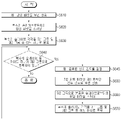
도 5는 본 발명의 제1 실시예에 따라 마스터가 복수의 슬레이브로부터의 응답 패킷을 무선으로 수집하기 위한 방법을 보여주는 순서도이다.
도 6은 본 발명의 제2 실시예에 따라 마스터가 복수의 슬레이브로부터의 응답 패킷을 무선으로 수집하기 위한 방법을 보여주는 순서도이다.
도 7은 제2 실시예에 연관된 룩업 테이블을 예시적으로 보여준다.
도 8은 본 발명의 제3 실시예에 따라 마스터가 복수의 슬레이브로부터의 응답 패킷을 무선으로 수집하기 위한 방법을 보여주는 순서도이다.The following drawings attached to this specification illustrate preferred embodiments of the present invention, and serve to further understand the technical spirit of the present invention together with the detailed description of the present invention to be described later, so that the present invention is described in such drawings should not be construed as being limited only to
1 is a diagram exemplarily showing the configuration of a battery pack including a wireless control system.
FIG. 2 is a diagram exemplarily showing detailed configurations of a master and a slave of FIG. 1 .
FIG. 3 is an exemplary timing chart for explaining a process in which the master of FIG. 1 wirelessly collects response packets from a plurality of slaves.
FIG. 4 is another exemplary timing chart for explaining a process in which the master of FIG. 1 wirelessly collects response packets from a plurality of slaves.
5 is a flowchart illustrating a method for a master to wirelessly collect response packets from a plurality of slaves according to a first embodiment of the present invention.
6 is a flowchart illustrating a method for a master to wirelessly collect response packets from a plurality of slaves according to a second embodiment of the present invention.
7 exemplarily shows a lookup table related to the second embodiment.
8 is a flowchart illustrating a method for a master to wirelessly collect response packets from a plurality of slaves according to a third embodiment of the present invention.
이하, 첨부된 도면을 참조하여 본 발명의 바람직한 실시예를 상세히 설명하기로 한다. 이에 앞서, 본 명세서 및 청구범위에 사용된 용어나 단어는 통상적이거나 사전적인 의미로 한정해서 해석되어서는 아니 되며, 발명자는 그 자신의 발명을 가장 최선의 방법으로 설명하기 위해 용어의 개념을 적절하게 정의할 수 있다는 원칙에 입각하여 본 발명의 기술적 사상에 부합하는 의미와 개념으로 해석되어야 한다. Hereinafter, preferred embodiments of the present invention will be described in detail with reference to the accompanying drawings. Prior to this, the terms or words used in the present specification and claims should not be construed as being limited to conventional or dictionary meanings, and the inventor should properly understand the concept of the term in order to best describe his invention. Based on the principle that it can be defined, it should be interpreted as meaning and concept consistent with the technical idea of the present invention.
따라서, 본 명세서에 기재된 실시예와 도면에 도시된 구성은 본 발명의 가장 바람직한 일 실시예에 불과할 뿐이고 본 발명의 기술적 사상을 모두 대변하는 것은 아니므로, 본 출원시점에 있어서 이들을 대체할 수 있는 다양한 균등물과 변형예들이 있을 수 있음을 이해하여야 한다. Accordingly, the embodiments described in this specification and the configurations shown in the drawings are only the most preferred embodiment of the present invention and do not represent all of the technical spirit of the present invention, so at the time of the present application, various It should be understood that there may be equivalents and variations.
또한, 본 발명을 설명함에 있어 관련된 공지 구성 또는 기능에 대한 구체적인 설명이 본 발명의 요지를 흐릴 수 있다고 판단되는 경우에는 그 상세한 설명은 생략한다.In addition, in the description of the present invention, if it is determined that a detailed description of a related known configuration or function may obscure the gist of the present invention, the detailed description thereof will be omitted.
제1, 제2 등과 같이 서수를 포함하는 용어들은, 다양한 구성요소들 중 어느 하나를 나머지와 구별하는 목적으로 사용되는 것이고, 그러한 용어들에 의해 구성요소들을 한정하기 위해 사용되는 것은 아니다.Terms including an ordinal number such as 1st, 2nd, etc. are used for the purpose of distinguishing any one of various components from the others, and are not used to limit the components by such terms.
명세서 전체에서, 어떤 부분이 어떤 구성요소를 "포함"한다고 할 때, 이는 특별히 반대되는 기재가 없는 한 다른 구성요소를 제외하는 것이 아니라, 다른 구성요소를 더 포함할 수 있다는 것을 의미한다. 또한, 명세서에 기재된 <제어 유닛>과 같은 용어는 적어도 하나의 기능이나 동작을 처리하는 단위를 의미하며, 이는 하드웨어나 소프트웨어, 또는 하드웨어 및 소프트웨어의 결합으로 구현될 수 있다.Throughout the specification, when a part "includes" a certain element, it means that other elements may be further included, rather than excluding other elements, unless specifically stated otherwise. In addition, a term such as <control unit> described in the specification means a unit that processes at least one function or operation, which may be implemented as hardware or software, or a combination of hardware and software.
덧붙여, 명세서 전체에서, 어떤 부분이 다른 부분과 "연결"되어 있다고 할 때, 이는 "직접적으로 연결"되어 있는 경우뿐만 아니라, 그 중간에 다른 소자를 사이에 두고 "간접적으로 연결"되어 있는 경우도 포함한다.In addition, throughout the specification, when a part is "connected" with another part, it is not only "directly connected" but also "indirectly connected" with another element interposed therebetween. include
도 1은 본 발명의 일 실시예에 따른 무선 제어 시스템(30)을 포함하는 배터리팩(10)의 구성을 예시적으로 보여주는 도면이다.1 is a diagram exemplarily showing the configuration of a
도 1을 참조하면, 배터리팩(10)은, N개의 배터리 모듈(20) 및 무선 제어 시스템(30)을 포함한다. N은 2 이상의 자연수이다. 도면에는, N개의 배터리 모듈(20)을 구분하기 위한 목적으로, N개의 배터리 모듈(20)에게 부호 200_1~200_N을 순차적으로 부여하였다. 배터리팩(10)은, 전기 자동차에 탑재되어, 전기 자동차의 전기 모터의 구동에 요구되는 전력을 공급할 수 있다.Referring to FIG. 1 , a
N개의 배터리 모듈(20)_1~20_N, N은 2 이상의 자연수)은, 서로 직렬 또는 직병렬 연결된다. 각 배터리 모듈(20)은, 적어도 하나의 배터리 셀(21)을 포함한다.The N battery modules 20_1 to 20_N, where N is a natural number equal to or greater than 2) are connected in series or series-parallel to each other. Each battery module 20 includes at least one
무선 제어 시스템(30)은, 마스터(100) 및 N개의 슬레이브(200)를 포함한다. 도면에는, N개의 슬레이브(200)를 구분하기 위한 목적으로, N개의 슬레이브(200)에게 부호 200_1~200_N을 순차적으로 부여하였다.The
마스터(100)는, 배터리팩(10)을 통합 제어하도록 구성된다. 복수의 슬레이브(200_1~200_N) 각각은, 마스터(100)로부터 미리 할당받은 자신의 ID를 이용하여, 마스터(100)와 무선 통신을 수행하도록 구성된다. 마스터(100)는, 복수의 슬레이브(200_1~200_N)에게 미리 할당되어 있는 ID를 저장한다. ID는, 복수의 슬레이브(200_1~200_N)를 구별하기 위한 식별 정보이다.The
마스터(100)는, CAN(Control Area Network)와 같은 유선 네트워크를 통해 외부의 메인 컨트롤러(예, 전기자동차의 ECU)와 통신할 수 있다. 마스터(100)는, 마스터 안테나(MA)를 포함하고, 마스터 안테나(MA)를 통해 각 슬레이브(200)와 무선 통신할 수 있다.The
복수의 슬레이브(200_1~200_N)는, 복수의 배터리 모듈(20_1~20_N)에 일대일로 연결된다. i = 1 ~ N 이라고 할 때, 슬레이브(200_i)는, 배터리 모듈(20_i)의 상태(예, 전압, 전류, 온도)를 모니터링하도록 구성된다. 슬레이브(200_i)의 동작에 요구되는 전력은 배터리 모듈(20_i)로부터 공급될 수 있다.The plurality of slaves 200_1 to 200_N are connected to the plurality of battery modules 20_1 to 20_N on a one-to-one basis. When i = 1 to N, the slave 200_i is configured to monitor the state (eg, voltage, current, and temperature) of the battery module 20_i. Power required for the operation of the slave 200_i may be supplied from the battery module 20_i.
슬레이브(200_i)는 또한, 배터리 모듈(20_i)의 모니터링된 상태를 나타내는 데이터(이하, '배터리 정보'라고도 칭함)를 마스터(100)에게 무선 전송할 수 있다. The slave 200_i may also wirelessly transmit data indicating the monitored state of the battery module 20_i (hereinafter, also referred to as 'battery information') to the
마스터(100)는, 슬레이브(200_i)로부터의 배터리 정보에 기초하여, 배터리 모듈(20_i)의 SOC(state of charge), SOH(state of health) 등을 연산하거나, 배터리 모듈(20_i)의 과전압, 부족전압, 과충전 또는 과방전 여부를 판정할 수 있다.The
복수의 슬레이브(200_1~200_N)는, 마스터(100)와의 통신 거리가 서로 상이하도록 배터리팩(10) 내부의 서로 다른 영역에 배치된다. 슬레이브(200_i)와 마스터(100) 간의 통신 거리는, 슬레이브(200_i)의 안테나(SA_i)와 마스터(100)의 안테나(MA) 간의 직선 거리를 의미할 수 있다. 이하에서는, 슬레이브(200_i)와 마스터(100) 간의 통신 거리는, 슬레이브(200_i+1)와 마스터(100) 간의 통신 거리보다 짧다고 가정한다. 예를 들어, 도 1을 참조하면, 슬레이브(200_i)의 안테나(SA_i)는, 슬레이브(200_i+1)의 안테나(SA_i+1)보다 마스터(100)의 안테나(MA)에 가깝게 배치된다. 슬레이브(200_i)의 안테나(SA_i)는 슬레이브(200_i+1)의 안테나(SA_i+1)의 '상류측'에 배치되고, 슬레이브(200_i+1)의 안테나(SA_i+1)는 슬레이브(200_i)의 안테나(SA_i)의 '하류측'에 배치된다고 할 수 있다.The plurality of slaves 200_1 to 200_N are disposed in different regions inside the
이하에서는, 마스터(100)와의 통신 거리가 상대적으로 짧은 슬레이브에게 상대적으로 높은 순위의 ID가 할당되어 있는 것으로 가정한다. 예를 들어, 슬레이브(200_i)의 ID는 슬레이브(200_i+1)의 ID보다 순위가 높다.Hereinafter, it is assumed that a relatively high priority ID is allocated to a slave having a relatively short communication distance with the
마스터(100)는, 소정 주기마다, 복수의 슬레이브(200_1~200_N) 각각을 제1 그룹 및 제2 그룹 중 어느 하나로 분류하도록 구성된다. 마스터(100)는, 명령 패킷을 전송한 후 대기 기간 동안 제2 그룹으로부터의 응답 패킷을 스캐닝할 수 있다. The
슬레이브(200)는, 명령 패킷에 자신의 ID가 포함된 경우, 명령 패킷에 대한 응답으로서의 응답 패킷을 마스터(100)에게 무선 전송하도록 구성될 수 있다.The
명령 패킷이 전송된 후 소정 시간 내에, 마스터(100)가 제2 그룹에 속하는 특정 슬레이브(예, 200_2)로부터 응답 패킷을 수신한 경우에는, 마스터(100)는 해당 특정 슬레이브를 제2 그룹으로부터 제1 그룹으로 분류한다. 반면, 마스터(100)가 제2 그룹에 속하는 특정 슬레이브로부터 응답 패킷을 수신하지 못한 경우에는, 마스터(100)는 해당 특정 슬레이브를 제2 그룹으로 유지한다.When the
도 2는 도 1의 마스터(100) 및 슬레이브(200)의 상세 구성을 예시적으로 보여주는 도면이다.FIG. 2 is a diagram exemplarily showing detailed configurations of the
도 2를 참조하면, 마스터(100)는, 안테나(MA), 무선 통신 회로(110) 및 제어부(120)를 포함한다. 마스터(100)의 동작에 요구되는 전력은 복수의 배터리 모듈(20_1~20_N) 중 적어도 하나 또는 외부의 전원으로부터 공급될 수 있다.Referring to FIG. 2 , the
무선 통신 회로(110)는, 안테나(MA)를 통해 슬레이브(200)에게 명령 패킷을 무선 전송하도록 구성된다. 또한, 무선 통신 회로(110)는, 안테나(MA)를 통해 슬레이브(200)로부터의 응답 패킷을 수신하도록 구성된다. The
제어부(120)는, 무선 통신 회로(110)에 동작 가능하게 연결된다. 제어부(220)는, 안테나(MA)를 통해 수신되는 신호(예, 배터리 정보를 나타냄)를 기초로, 복수의 슬레이브(200_1~200_N) 중 적어도 하나에 대한 요청 사항을 결정하고, 상기 요청 사항을 나타내는 데이터를 포함하는 명령 패킷을 복수의 슬레이브(200_1~200_N) 중 적어도 하나에게 무선으로 송신할 수 있다.The
제어부(120)는 하드웨어적으로 ASICs(application specific integrated circuits), DSPs(digital signal processors), DSPDs(digital signal processing devices), PLDs(programmable logic devices), FPGAs(field programmable gate arrays), 마이크로 프로세서(microprocessors), 기타 기능 수행을 위한 전기적 유닛 중 적어도 하나를 이용하여 구현될 수 있다. 제어부(120)에는 메모리 디바이스가 내장될 수 있으며, 메모리 디바이스로는 예컨대 RAM, ROM, 레지스터, 하드디스크, 광기록 매체 또는 자기기록 매체가 이용될 수 있다. 메모리 디바이스는, 제어부(120)에 의해 실행되는 각종 제어 로직을 포함하는 프로그램, 및/또는 상기 제어 로직이 실행될 때 발생되는 데이터를 저장, 갱신 및/또는 소거할 수 있다.
슬레이브(200)는, 안테나(SA), 센싱부(210), 무선 통신 회로(220) 및 제어부(230)를 포함한다.The
센싱부(210)는, 전압 측정 회로(211) 및 온도 센서(212)를 포함한다. 센싱부(210)는, 전류 센서(미도시)를 더 포함할 수 있다. 전압 측정 회로(211)는, 적어도 하나의 전압 센서를 포함한다. The
전압 측정 회로(211)는, 배터리 모듈(20)의 모듈 전압을 측정한다. 모듈 전압은, 배터리 모듈(20)의 양단에 걸친 전압이다. 전압 측정 회로(211)는 또한, 배터리 모듈(20)에 포함된 각 배터리 셀(21)의 셀 전압을 더 측정할 수 있다. 셀 전압은, 배터리 셀(21)의 양단에 걸친 전압이다. 전압 측정 회로(211)는, 모듈 전압과 셀(21) 전압을 나타내는 전압 신호를 제어부(230)에게 전송한다. The
온도 센서(212)는, 배터리 모듈(20)로부터 소정 거리 내에 배치되어, 배터리 모듈(20)의 온도를 나타내는 온도 신호를 제어부(230)에게 전송한다. The
전류 센서는, 배터리팩(10)의 충방전 전류 경로에 설치되어, 배터리팩(10)의 충방전 시에 흐르는 전류를 측정하고, 측정된 전류를 나타내는 전류 신호를 제어부(230)에게 전송한다.The current sensor is installed in the charging/discharging current path of the
무선 통신 회로(220)는, 제어부(220) 및 안테나(SA)에 연결된다. 무선 통신 회로(220)는, 하드웨어적으로 RF SoC(System on Chip)를 이용하여 구현될 수 있다. 무선 통신 회로(220)는, 안테나(SA)를 통해, 마스터(100) 또는 다른 슬레이브(200)에게 데이터를 무선 전송하거나, 마스터(100) 또는 다른 슬레이브(200)로부터의 데이터를 무선 수신할 수 있다. The
제어부(230)는, 센싱부(210) 및 무선 통신 회로(220)에 동작 가능하게 결합되어, 이들 각각의 동작을 개별적으로 제어할 수 있다. 제어부(230)는, 하드웨어적으로 ASICs(application specific integrated circuits), DSPs(digital signal processors), DSPDs(digital signal processing devices), PLDs(programmable logic devices), FPGAs(field programmable gate arrays), 마이크로 프로세서(microprocessors), 기타 기능 수행을 위한 전기적 유닛 중 적어도 하나를 이용하여 구현될 수 있다. 제어부(230)에는 메모리 디바이스가 내장될 수 있으며, 메모리 디바이스로는 예컨대 RAM, ROM, 레지스터, 하드디스크, 광기록 매체 또는 자기기록 매체가 이용될 수 있다. 메모리 디바이스는, 제어부(230)에 의해 실행되는 각종 제어 로직을 포함하는 프로그램, 및/또는 상기 제어 로직이 실행될 때 발생되는 데이터를 저장, 갱신 및/또는 소거할 수 있다.The
무선 통신 회로(220)는, 안테나(SA)를 통해 무선 수신된 마스터(100) 또는 다른 슬레이브(200)로부터의 신호에 응답하여, 미리 정해진 기능들 중 적어도 하나를 선택적으로 실행하도록 구성된다. The
무선 통신 회로(220)는, 안테나(SA)를 통해 어떤 신호가 수신된 경우, 수신된 신호의 신호 강도(signal strength)를 측정할 수 있다. 무선 통신 회로(220)는, 안테나(SA)를 통해 마스터(100)로부터의 명령 패킷을 수신한 경우, 상기 명령 패킷에 대한 응답으로서의 응답 패킷을 마스터(100)에게 무선 전송할 수 있다. 응답 패킷은, 슬레이브(200)가 마스터(100)로부터 무선 전송된 명령 패킷의 수신에 성공하였음을 마스터(100)에게 보고하기 위한 신호이다.When a certain signal is received through the antenna SA, the
도 3은 도 1의 마스터(100)가 복수의 슬레이브(200_1~200_N)로부터의 응답 패킷을 무선으로 수집하는 과정을 설명하기 위한 예시적인 타이밍 챠트이다. N개의 슬레이브(200_1~200_N)로부터의 응답패킷을 구분하기 위한 목적으로, N개의 응답패킷에게 부호 RP_1~RP_N을 순차적으로 부여하였다.3 is an exemplary timing chart for explaining a process in which the
도 3 및 도 4에서, N개의 슬레이브(200_1~200_N)로부터의 응답패킷을 구분하기 위한 목적으로, N개의 응답패킷에게 부호 RP_1~RP_N을 순차적으로 부여하였다. 도 3 및 도 4에서, 시점 T10은 임의의 주기의 시작 시점이고, T20은 다음 주기의 시작 시점일 나타내는 것일 수 있다. 또한, 각 주기의 시간 간격(ΔTcyc)은, N개 이상의 타임 슬롯으로 나뉘어져 있고, 이 중 N개의 타임 슬롯이 복수의 슬레이브(200_1~200_N)에게 순차적으로 할당되어 있다고 가정한다.3 and 4, for the purpose of distinguishing response packets from the N slaves 200_1 to 200_N, codes RP_1 to RP_N are sequentially assigned to the N response packets. 3 and 4 , a time point T10 may indicate a start time of an arbitrary period, and T20 may indicate a start time of a next period. In addition, it is assumed that the time interval ΔT cyc of each period is divided into N or more time slots, among which N time slots are sequentially allocated to the plurality of slaves 200_1 to 200_N.
시점 T10에서, 마스터(100)는, 복수의 슬레이브(200_1~200_N)에게 명령 패킷(CP1)을 무선 전송한다. 마스터(100)는, 소정의 제1 신호 강도로 명령 패킷(CP1)을 무선 전송할 수 있다. 명령 패킷(CP1)은, 브로드캐스팅 방식을 통해 마스터(100)로부터 복수의 슬레이브(200_1~200_N)에게 일괄적으로 전송될 수 있다. 명령 패킷(CP1)은, 제1 데이터(D11) 및 제2 데이터(D12)를 포함하고, 제3 데이터(D13)를 더 포함할 수 있다. 명령 패킷(CP1)의 제1 데이터(D11)는, 해당 명령 패킷이 현재의 주기에서 마스터(100)가 최초로 전송한 것인지 여부를 나타낸다. 예컨대, 제1 데이터(D11)가 제1 값(예, 0)인 것은 해당 명령 패킷이 현재의 주기에서 최초로 전송되는 것임을 나타낸다. 명령 패킷(CP1)의 제2 데이터(D12)는, 복수의 슬레이브(200_1~200_N)에 대한 요청 사항을 포함한다. 요청 사항은, 제2 그룹에 속하는 슬레이브에게 특정 기능(예, 전압 측정, 셀 밸런싱)의 실행을 요청하기 위한 것이다. 명령 패킷(CP1)의 제3 데이터(D13)는, 복수의 슬레이브(200_1~200_N) 모두의 ID를 포함한다.At a time point T10 , the
복수의 슬레이브(200_1~200_N) 각각은, 명령 패킷(CP1)을 무선 수신 시, 자신에게 할당되어 있는 타임 슬롯에서 응답 패킷(RP)을 무선 전송한다. Each of the plurality of slaves 200_1 to 200_N wirelessly transmits a response packet RP in a time slot allocated thereto when receiving the command packet CP1 wirelessly.
i = 1 ~ N이라고 할 때, 슬레이브(200_i)는 N개 이상의 타임 슬롯 중에서 i번째 타임 슬롯에서 응답 패킷(RP_i)을 무선 전송한다. 응답 패킷(RP_i)은, 슬레이브(200_i)에게 기 할당된 제i ID 및 배터리 모듈(20_i)의 상태를 나타내는 제i 배터리 정보를 포함한다. 응답 패킷(RP_i)은, 브로드캐스팅 방식에 따라 소정의 제2 신호 강도 또는 슬레이브(200_i)에게 기 할당된 기준 신호 강도로 무선 전송될 수 있다. 이에 따라, 응답 패킷(RP_i)은, 마스터(100)는 물론 슬레이브(200_i) 외의 다른 슬레이브(예, 200_i-1 또는 200_i+1)에 의해서도 수신될 수 있다.When i = 1 to N, the slave 200_i wirelessly transmits a response packet RP_i in an i-th time slot among N or more time slots. The response packet RP_i includes an ith ID previously allocated to the slave 200_i and ith battery information indicating the state of the battery module 20_i. The response packet RP_i may be wirelessly transmitted with a predetermined second signal strength or a reference signal strength pre-allocated to the slave 200_i according to a broadcasting method. Accordingly, the response packet RP_i may be received not only by the
k = 1 ~ N-1이라고 할 때, 제k+1 슬레이브(200_k+1)는, 명령 패킷(CP1)이 수신된 시점으로부터 소정의 시간 동안 또는 자신에게 할당된 타임 슬롯에 도달하기 전까지, 자신의 ID보다 상위의 ID가 할당된 적어도 하나의 슬레이브(예, 200_k)로부터의 응답 패킷(예, RP_k)의 수신을 위해 대기한 다음, 제k+1 응답 패킷(RP_k+1)을 무선 전송하도록 구성된다. When k = 1 to N-1, the k+1th slave 200_k+1, from the time when the command packet CP1 is received, for a predetermined time or until the time slot allocated to it is reached, itself Wait for reception of a response packet (eg, RP_k) from at least one slave (eg, 200_k) assigned an ID higher than the ID of , and then wirelessly transmit the k+1th response packet (RP_k+1) is composed
제k+1 슬레이브(200_k+1)가 제k 응답 패킷(RP_k)의 수신에 성공 시, 제k+1 응답 패킷(RP_k+1)은, 제k ID, 제k 배터리 정보, 제k+1 ID 및 제k+1 배터리 정보를 포함한다. 제k+1 슬레이브(200_k+1)가 제k 응답 패킷(RP_k) 이외의 다른 응답 패킷(예, RP_k-1)의 수신에 성공 시, 제k+1 응답 패킷(RP_k+1)은, 제k-1 ID, 제k-1 배터리 정보를 더 포함할 수도 있다.When the k+1th slave 200_k+1 succeeds in receiving the kth response packet RP_k, the k+1th response packet RP_k+1 includes the kth ID, kth battery information, and k+1 ID and k+1th battery information. When the k+1th slave (200_k+1) succeeds in receiving a response packet other than the kth response packet (RP_k) (eg, RP_k-1), the k+1th response packet (RP_k+1) is It may further include k-1 ID and k-1th battery information.
반면, 제k+1 슬레이브(200_k+1)가 제k 응답 패킷(RP_k)의 수신에 실패 시, 제k+1 응답 패킷(RP_k+1)은, 제k+1 ID 및 제k+1 배터리 정보를 포함하지만 제k ID 및 제k 배터리 정보를 포함하지 않는다.On the other hand, when the k+1th slave 200_k+1 fails to receive the kth response packet RP_k, the k+1th response packet RP_k+1 is the k+1th ID and the k+1th battery information, but does not include kth ID and kth battery information.
제N 슬레이브(200_N)는, 제N 응답 패킷(RP_N)을 2회 이상 무선 전송할 수 있다. 예컨대, 제N 슬레이브(200_N)는, 명령 패킷(CP1)에 대한 응답으로서 제N 응답 패킷(RP_N)을 최초로 무선 전송한 다음 시간차를 두고 제N 응답 패킷(RP_N)을 1회 이상 무선 재전송할 수 있다. 대안적으로, 제N-1 슬레이브(200_N-1)는, 제N-1 응답 패킷(RP_N-1)을 무선 전송한 다음, 제N 응답 패킷(RP_N)을 수신 시, 추가적 응답 패킷(RPA_N-1)을 무선 전송할 수 있다. 추가적 응답 패킷(RPA_N-1)은, 제N ID 및 제N 배터리 정보를 포함하고, 제N-1 ID 및 제N-1 배터리 정보를 더 포함할 수 있다. 추가적 응답 패킷(RPA_N-1)은, 소정의 제2 신호 강도 또는 슬레이브(200_N-1)에게 기 할당된 기준 신호 강도로 무선 전송될 수 있다.The N-th slave 200_N may wirelessly transmit the N-th response packet RP_N twice or more. For example, the N-th slave 200_N wirelessly transmits the N-th response packet RP_N first as a response to the command packet CP1, and then wirelessly retransmits the N-th response packet RP_N one or more times with a time difference. have. Alternatively, when the N-1 th slave 200_N-1 wirelessly transmits the N-1 th response packet (RP_N-1) and then receives the N th response packet RP_N, the additional response packet RPA_N- 1) can be transmitted wirelessly. The additional response packet RPA_N-1 may include an N-th ID and N-th battery information, and may further include an N-1 th ID and N-1 th battery information. The additional response packet RPA_N-1 may be wirelessly transmitted with a predetermined second signal strength or a reference signal strength pre-allocated to the slave 200_N-1.
마스터(100)는, 시점 T10으로부터 소정 시간(ΔT1) 동안, 복수의 슬레이브(200_1~200_N)로부터의 응답 패킷(RP_1~RP_N)을 스캐닝한다. 이하에서는, 시점 T10으로부터 소정 시간(ΔT1) 내에, 마스터(100)가 제1 내지 제N 슬레이브(200_1~200_N)로부터의 응답 패킷(RP_1~RP_N)을 수신에 성공 시, 복수의 슬레이브(200_1~200_N)로부터 제1 내지 제N 배터리 정보를 무선으로 수집하는 과정을 종료할 수 있다. 이에 따라, 시점 T10으로부터 시점 T20이 도달하기 전까지의 기간 내에, 제1 내지 제N 배터리 정보 각각은 2회 이상 마스터(100)에게 무선 전송됨으로써, 마스터(100)가 제1 내지 제N 배터리 정보 중 적어도 하나의 수신에 실패할 가능성을 저감할 수 있다.The
도 3에서는 마스터(100)가 시점 T10으로부터 소정 시간(ΔT1) 내에 응답 패킷(RP_1~RP_N)을 빠짐없이 수신한 상황을 예시하였다. 이하에서는, 도 4를 참조하여, 마스터(100)가 시점 T10으로부터 소정 시간(ΔT1) 내에 응답 패킷(RP_1~RP_N) 중 적어도 하나의 수신에 실패한 경우에서의 동작을 설명하기로 한다.3 exemplifies a situation in which the
도 4는 도 1의 마스터(100)가 복수의 슬레이브(200_1~200_N)로부터의 응답 패킷을 무선으로 수집하는 과정을 설명하기 위한 다른 예시적인 타이밍 챠트이다. 4 is another exemplary timing chart for explaining a process in which the
도 4를 참조하면, 마스터(100)가 시점 T10에서 명령 패킷(CP1)을 무선 전송한 다음 소정 시간(ΔT1) 동안, 복수의 슬레이브(200_1~200_N)로부터의 응답 패킷(RP_1~RP_N)을 스캐닝하는 것은 도 3에서와 동일하다. Referring to FIG. 4 , the
다만, 시점 T10으로부터 소정 시간(ΔT1) 내에, 마스터(100)가 슬레이브(200_1, 200_3~200_N-2, 200_N)로부터의 응답 패킷(RP_1, RP_3~RP_N-2, RP_N)을 수신한 반면, 슬레이브(200_2, 200_N-1)로부터는 응답 패킷(RP_2, RP_N-1)을 수신하지 못하였다는 점에서 도 3에서의 상황과는 상이하다. 물론, 응답 패킷(RP_2, RP_N-1)은 브로드캐스팅 방식으로 무선 전송될 수 있는 것이므로, 다른 슬레이브(예, 200_3, 200_N)는 응답 패킷(RP_2, RP_N-1)을 수신하였을 수 있다.However, within a predetermined time (ΔT1) from the time point T10, the
그러면, 마스터(100)는, 수신된 응답 패킷(RP_1, RP_3~RP_N-2, RP_N)에 포함된 ID가 할당되어 있는 슬레이브(200_1, 200_3~200_N-2, 200_N)를 제1 그룹으로 설정하고, 복수의 슬레이브(200_1~200_N) 중에서 제1 그룹으로 설정되지 않은 나머지 슬레이브(200_2, 200_N-1)를 제2 그룹으로 설정할 수 있다. 그리고, 마스터(100)는, 제2 그룹으로 설정된 슬레이브(200_2, 200_N-1)의 ID 중에서 가장 후순위(즉, 최하위)인 ID를 인덱스로서 이용하여, 룩업 테이블(도 7의 부호 '700' 참조)로부터 게인값을 결정(도 6의 단계 S645 및 도 8의 단계 S845 참조)할 수 있다.Then, the
시점 T11에서는, 두 슬레이브(200_2, 200_N-1)만이 제2 그룹으로 설정되어 있는 반면, 나머지 슬레이브(200_1, 200_3~200_N-2, 200_N)는 제1 그룹으로 설정되어 있다. 시점 T11에서, 마스터(100)는, 명령 패킷(CP2)을 무선 전송한다. 마스터(100)는, 소정의 제1 신호 강도 또는 제1 증폭된 신호 강도로 명령 패킷(CP2)을 무선 전송할 수 있다. 제1 증폭된 신호 강도는, 제1 신호 강도보다 클 수 있다. 명령 패킷(CP2)은, 제1 데이터(D21), 제2 데이터(D22) 및 제3 데이터(D23)를 포함하고, 제4 데이터(D24)를 더 포함할 수 있다. 명령 패킷(CP2)의 제1 데이터(D21)는 제2 값(예, 1)을 가지며, 이는 해당 명령 패킷이 제2 그룹과의 무선 연결을 재시도하기 위한 것임을 나타낸다. 명령 패킷(CP2)의 제2 데이터(D22)는, 제2 그룹으로 설정되어 있는 슬레이브(200_2, 200_N-1)에 대한 요청 사항을 포함한다. 명령 패킷(CP2)의 제3 데이터(D23)는, 제2 그룹에 속하는 모든 슬레이브(200_2, 200_N-1)의 ID를 포함한다. 명령 패킷(CP2)은, 복수의 슬레이브(200_1 ~ 200_N) 모두에 의해 수신될 수 있지만, 명령 패킷(CP2)은 제2 그룹에 속하는 두 슬레이브(200_2, 200_N-1)의 ID만을 포함하므로, 제1 그룹으로 설정되어 있는 슬레이브(200_1, 200_3~200_N-2, 200_N)는 명령 패킷(CP2)을 자신의 메모리 디바이스로부터 소거할 수 있다. At time point T11, only the two slaves 200_2 and 200_N-1 are set as the second group, while the remaining slaves 200_1, 200_3 to 200_N-2, and 200_N are set as the first group. At time point T11, the
반면, 제2 그룹에 속하는 슬레이브(200_2, 200_N-1) 각각은, 명령 패킷(CP2)을 수신 시, 명령 패킷(CP2)의 제3 데이터(D23)에 포함된 모든 ID에 대한 자신의 ID의 상대 순위를 결정할 수 있다. 슬레이브(200_2)는, 명령 패킷(CP2)을 수신 시, 명령 패킷(CP2)의 제3 데이터(D23)에 포함된 모든 ID 중에서 자신의 ID보다 높은 순위를 가지는 ID가 없으므로, 자신의 ID의 순위가 가장 높은 것으로 결정한다. 슬레이브(200_N-1)는, 명령 패킷(CP2)을 수신 시, 명령 패킷(CP2)의 제3 데이터(D23)에 포함된 모든 ID 중에서 자신의 ID보다 높은 순위를 가지는 ID가 1개이므로 자신의 ID가 두번째로 높은 것으로 결정할 수 있다. On the other hand, when each of the slaves 200_2 and 200_N-1 belonging to the second group receives the command packet CP2, the relative ranking can be determined. When the slave 200_2 receives the command packet CP2 , there is no ID having a higher rank than its ID among all IDs included in the third data D23 of the command packet CP2 , so the rank of its own ID is determined to be the highest. When the slave 200_N-1 receives the command packet CP2, among all IDs included in the third data D23 of the command packet CP2, the slave 200_N-1 has one ID having a higher priority than its own ID. It can be determined that the ID is the second highest.
슬레이브(200_2)는, 자신의 ID의 상대 순위에 연관된 타이밍(즉, 첫번째 타임 슬롯)에서 응답 패킷(RP_2')을 마스터(100)에게 전송한다. 응답 패킷(RP_2')은, 응답 패킷(RP_2)과 동일할 수 있다.The slave 200_2 transmits the response packet RP_2' to the
슬레이브(200_N-1)는, 자신의 ID의 상대 순위에 연관된 타이밍(즉, 두번째 타임 슬롯)에 도달할 때까지, 자신 ID보다 상위의 ID가 할당된 슬레이브(200_2)로부터의 응답 패킷(RP_2')의 수신을 대기할 수 있다. 슬레이브(200_N-1)는, 응답 패킷(RP_2')을 수신 시, 응답 패킷(RP_N-1')을 마스터(100)에게 전송한다. 응답 패킷(RP_N-1')은, 응답 패킷(RP_2')에 포함된 제2 ID 및 제2 배터리 정보와 함께 제N-1 ID 및 제N-1 배터리 정보를 포함할 수 있다. 물론, 응답 패킷(RP_N-1')은, 제N-2 ID 및 제N-2 배터리 정보를 더 포함할 수도 있다.The slave 200_N-1 receives a response packet (RP_2') from the slave 200_2 to which an ID higher than its ID is assigned until the timing (ie, the second time slot) associated with the relative rank of its ID is reached. ) can be queued. The slave 200_N-1 transmits the response packet RP_N-1' to the
두 슬레이브(200_2, 200_N-1) 각각은, 소정의 제2 신호 강도 또는 자신에게 기 할당된 기준 신호 강도로 응답 패킷(RP_2', RP_N-1')을 무선 전송할 수 있다. i = 1 ~ N이라고 할때, 슬레이브(200_i)에게 할당된 기준 신호 강도는, 슬레이브(200_i-1)에게 할당된 기준 신호 강도보다 클 수 있다. 즉, 마스터(100)과의 통신 거리가 상대적으로 긴 슬레이브에게 상대적으로 큰 기준 신호 강도가 할당되어 있을 수 있다.Each of the two slaves 200_2 and 200_N-1 may wirelessly transmit response packets RP_2' and RP_N-1' with a predetermined second signal strength or a reference signal strength assigned to them. When i = 1 to N, the reference signal strength allocated to the slave 200_i may be greater than the reference signal strength allocated to the slave 200_i-1. That is, a relatively large reference signal strength may be allocated to a slave having a relatively long communication distance with the
시점 T11로부터 소정 시간(ΔT2) 동안, 마스터(100)는, 제2 그룹에 속하는 슬레이브(200_2, 200_N-1)로부터의 응답 패킷(RP_2', RP_N-1')을 스캐닝한다. ΔT2는, ΔT1와 동일하거나, 더 짧거나 더 클 수 있다. 마스터(100)는, 시점 T11로부터 소정 시간(ΔT2) 내에, 제2 그룹으로 설정된 모든 슬레이브(200_2, 200_N-1)로부터의 응답 패킷(RP_2', RP_N-1')을 수신하였다고 해보자. 그러면, 마스터(100)는, 슬레이브(200_2, 200_N-1)를 제2 그룹으로부터 제1 그룹으로 설정하고, 복수의 슬레이브(200_1~200_N)로부터 제1 내지 제N 배터리 정보를 무선으로 수집하는 과정을 종료할 수 있다. 이에 따라, 제1 내지 제N 배터리 정보 각각은 2회 이상 마스터(100)에게 무선 전송됨으로써, 마스터(100)가 제1 내지 제N 배터리 정보 중 적어도 하나의 수신에 실패할 가능성을 저감할 수 있다.For a predetermined time (ΔT2) from the time point T11, the
반면, 시점 T11로부터 소정 시간(ΔT2) 내에 응답 패킷(RP_2', RP_N-1') 중 적어도 하나(예, RP_2)가 수신되지 않았다면, 마스터(100)는 슬레이브(예, 200_N-1)를 제1 그룹으로 변경하는 한편 슬레이브(예, 200_2)를 제2 그룹으로 유지할 수 있다. 그 다음, 마스터(100)는 제2 그룹으로 남아있는 슬레이브(예, 200_2)가 응답 패킷(RP_2')을 다시 무선 전송하도록 유도하기 위하여 새로운 명령 패킷을 무선 전송할 수 있다.On the other hand, if at least one (eg, RP_2) of the response packets (RP_2', RP_N-1') is not received within a predetermined time (ΔT2) from the time point T11, the
이하에서는, '제1 명령 패킷'은 제1 데이터로서 제1 값을 가지는 명령 패킷을 지칭하고, '제2 명령 패킷'은 제1 데이터로서 제2 값을 가지는 명령 패킷을 지칭한다.Hereinafter, a 'first command packet' refers to a command packet having a first value as first data, and a 'second command packet' refers to a command packet having a second value as first data.
도 5는 본 발명의 제1 실시예에 따라 마스터(100)가 복수의 슬레이브(200_1~200_N)로부터의 응답 패킷을 무선으로 수집하기 위한 방법을 보여주는 순서도이다. 도 5의 방법은, 소정 주기마다 실행되는 것일 수 있다.5 is a flowchart illustrating a method for the
도 1 내지 도 5를 참조하면, 단계 S510에서, 마스터(100)는, 제1 명령 패킷을 무선 전송한다. 제1 명령 패킷은, 소정의 제1 신호 강도로 무선 전송될 수 있다. 제1 데이터 및 제2 데이터를 포함하고, 제3 데이터를 더 포함할 수 있다. 제1 명령 패킷의 제1 데이터는, 제1 명령 패킷이 현재의 주기에서 복수의 슬레이브(200_1~200_N)와의 무선 연결을 최초로 시도하기 위한 것임을 나타내는 제1 값을 가진다. 제1 명령 패킷의 제2 데이터는, 복수의 슬레이브(200_1~200_N)에게 특정 기능(예, 전압 측정, 셀 밸런싱)의 실행할 것을 요청하는 데이터를 포함한다. 제1 명령 패킷의 제3 데이터는, 복수의 슬레이브(200_1~200_N)의 ID를 포함한다.1 to 5 , in step S510 , the
i = 1 ~ N이라고 할때, 슬레이브(200_i)는, 제1 명령 패킷의 제1 데이터가 제1 값을 가지는 경우, 제1 명령 패킷의 제2 데이터에 의해 요청된 기능을 실행하고, 자신의 ID를 포함하는 응답 패킷(RP_i)을 무선 전송할 수 있다.When i = 1 to N, when the first data of the first command packet has a first value, the slave 200_i executes a function requested by the second data of the first command packet, and its own A response packet (RP_i) including an ID may be wirelessly transmitted.
단계 S520에서, 마스터(100)는, 제1 대기 기간 동안 복수의 슬레이브(200_1~200_N)로부터의 응답 패킷(RP_1~RP_N)을 스캐닝한다. 즉, 마스터(100)는, 제1 명령 패킷이 전송된 시점부터 소정 시간이 경과된 시점까지, 복수의 슬레이브(200_1~200_N)가 무선 전송하는 응답 패킷(RP_1~RP_N)을 수집한다.In step S520 , the
단계 S530에서, 마스터(100)는, 복수의 슬레이브(200_1~200_N) 각각을 제1 그룹 및 제2 그룹 중 어느 하나로 분류한다. 구체적으로, 마스터(100)는, 제1 대기 기간 동안 스캐닝된 각 응답 패킷의 ID가 할당된 슬레이브(200)를 제1 그룹으로 분류하고, 나머지 슬레이브(200)는 제2 그룹으로 분류할 수 있다. 즉, 응답 패킷을 전송하지 않았거나 마스터(100)에 의해 수신되지 못한 응답 패킷을 전송한 슬레이브(200)는, 마스터(100)에 의해 제2 그룹으로 분류될 수 있다.In step S530 , the
단계 S540에서, 마스터(100)는, 복수의 슬레이브(200_1~200_N) 적어도 하나가 제2 그룹으로 분류되어 있는지 여부를 판정한다. 즉, 마스터(100)는, 현재의 주기에서, 적어도 하나의 슬레이브(200)가 마스터(100)와의 무선 연결이 이루어지지 않은 상태로 남아 있는지 여부를 체크한다. 단계 S540의 값이 "YES"인 경우, 단계 S550이 진행된다. 단계 S540의 값이 "NO"라는 것은, 마스터(100)가 복수의 슬레이브(200_1~200_N) 모두와 무선 연결된 것을 의미하므로, 상기 방법은 종료될 수 있다.In step S540 , the
단계 S550에서, 마스터(100)는, 제2 명령 패킷을 무선 전송한다. 제2 명령 패킷은, 소정의 제1 신호 강도로 무선 전송될 수 있다. 제2 명령 패킷은, 제1 데이터, 제2 데이터 및 제3 데이터를 포함한다. 제2 명령 패킷의 제1 데이터는, 제2 명령 패킷이 마스터(100)와 제2 그룹 간의 무선 연결을 재시도하기 위한 것임을 나타내는 제2 값을 가진다. 제2 명령 패킷의 제2 데이터는, 제2 그룹에 속하는 모든 슬레이브(200)에게 특정 기능의 실행할 것을 요청하는 데이터를 포함한다. 제2 명령 패킷의 제3 데이터는, 제2 그룹에 속하는 모든 슬레이브(200)의 ID를 포함한다.In step S550, the
복수의 슬레이브(200_1~200_N) 각각은, 제2 명령 패킷을 수신 시, 제2 명령 패킷의 제1 데이터가 제2 값을 가지는 것에 응답하여, 제2 명령 패킷의 제3 데이터에 자신의 ID가 포함되어 있는지 여부를 판정한다. 제2 그룹에 속하는 슬레이브(200)는, 제2 명령 패킷의 제3 데이터에 자신의 ID가 포함되어 있으므로, 제2 명령 패킷의 제2 데이터가 요청한 기능을 실행하고, 자신의 ID를 포함하는 응답 패킷을 소정의 제2 신호 강도 또는 자신에게 기 할당된 기준 신호 강도로 마스터(100)에게 전송한다. 반면, 제1 그룹에 속하는 슬레이브(200)는, 제2 명령 패킷의 제2 데이터에 자신의 ID가 포함되어 있지 않으므로, 응답 패킷을 전송하지 않고, 제2 명령 패킷을 자신의 메모리 디바이스로부터 소거(즉, 제2 명령 패킷의 제3 데이터에 의한 요청을 무시)할 수 있다.When each of the plurality of slaves 200_1 to 200_N receives the second command packet, in response to the first data of the second command packet having a second value, the third data of the second command packet has an ID of its own Check whether it is included or not. Since the
단계 S560에서, 마스터(100)는, 제2 대기 기간 동안 제2 그룹으로 분류된 슬레이브(200)로부터의 응답 패킷을 스캐닝한다. 즉, 마스터(100)는, 제2 명령 패킷이 전송된 시점부터 소정 시간이 경과된 시점까지, 제2 그룹에 속하는 적어도 하나의 슬레이브(200)가 무선 전송하는 응답 패킷을 수집한다.In step S560, the
단계 S570에서, 마스터(100)는, 복수의 슬레이브(200_1~200_N) 각각을 제1 그룹 및 제2 그룹 중 어느 하나로 분류한다. 구체적으로, 마스터(100)는, 제2 대기 기간 동안 스캐닝된 각 응답 패킷의 ID가 할당된 슬레이브(200)를 제2 그룹으로부터 제1 그룹으로 분류하고, 나머지 슬레이브(200)는 제2 그룹으로 유지할 수 있다. 단계 S570 후, 상기 방법은 단계 S540로 진행할 수 있다.In step S570, the
도 6은 본 발명의 제2 실시예에 따라 마스터(100)가 복수의 슬레이브(200_1~200_N)로부터의 응답 패킷을 무선으로 수집하기 위한 방법을 보여주는 순서도이고, 도 7은 제2 실시예에 연관된 룩업 테이블(700)을 예시적으로 보여준다. 도 6의 방법은, 소정 주기마다 실행되는 것일 수 있다.6 is a flowchart illustrating a method for the
도 1 내지 도 3, 도 6 및 도 7을 참조하면, 단계 S610에서, 마스터(100)는, 제1 명령 패킷을 무선 전송한다. 제1 명령 패킷은, 소정의 제1 신호 강도로 무선 전송될 수 있다. 제1 명령 패킷은, 제1 데이터 및 제2 데이터를 포함하고, 제3 데이터를 더 포함할 수 있다. 제1 명령 패킷의 제1 데이터는, 제1 명령 패킷이 현재의 주기에서 복수의 슬레이브(200_1~200_N)와의 무선 연결을 최초로 시도하기 위한 것임을 나타내는 제1 값을 가진다. 제1 명령 패킷의 제2 데이터는, 복수의 슬레이브(200_1~200_N)에게 특정 기능의 실행할 것을 요청하는 데이터를 포함한다. 제1 명령 패킷의 제3 데이터는, 복수의 슬레이브(200_1~200_N)의 ID를 포함한다.1 to 3, 6 and 7 , in step S610, the
복수의 슬레이브(200_1~200_N) 각각은, 제1 명령 패킷의 제1 데이터가 제1 값을 가지는 경우, 제1 명령 패킷의 제2 데이터에 의해 요청된 기능을 실행하고, 자신의 ID를 포함하는 응답 패킷을 소정의 제2 신호 강도 또는 자신에게 기 할당된 기준 신호 강도로 무선 전송할 수 있다.Each of the plurality of slaves 200_1 to 200_N, when the first data of the first command packet has a first value, executes a function requested by the second data of the first command packet, and includes its ID The response packet may be wirelessly transmitted with a predetermined second signal strength or a reference signal strength pre-assigned to itself.
단계 S620에서, 마스터(100)는, 제1 대기 기간 동안 복수의 슬레이브(200_1~200_N)로부터의 응답 패킷을 스캐닝한다. 즉, 마스터(100)는, 제1 명령 패킷이 전송된 시점부터 소정 시간이 경과된 시점까지, 복수의 슬레이브(200_1~200_N)가 무선 전송하는 응답 패킷을 수집한다.In step S620 , the
단계 S630에서, 마스터(100)는, 복수의 슬레이브(200_1~200_N) 각각을 제1 그룹 및 제2 그룹 중 어느 하나로 분류한다. 구체적으로, 마스터(100)는, 제1 대기 기간 동안 스캐닝된 각 응답 패킷의 ID가 할당된 슬레이브(200)를 제1 그룹으로 분류하고, 나머지 슬레이브(200)는 제2 그룹으로 분류할 수 있다. 즉, 응답 패킷을 전송하지 않았거나 마스터(100)에 의해 수신되지 못한 응답 패킷을 전송한 슬레이브(200)는, 마스터(100)에 의해 제2 그룹으로 분류될 수 있다.In step S630 , the
단계 S640에서, 마스터(100)는, 복수의 슬레이브(200_1~200_N) 적어도 하나가 제2 그룹으로 분류되어 있는지 여부를 판정한다. 즉, 마스터(100)는, 현재의 주기에서, 적어도 하나의 슬레이브(200)가 마스터(100)와의 무선 연결이 이루어지지 않은 상태로 남아 있는지 여부를 체크한다. 단계 S640의 값이 "YES"인 경우, 단계 S645가 진행된다. 단계 S640의 값이 "NO"라는 것은, 마스터(100)가 복수의 슬레이브(200_1~200_N) 모두와 무선 연결된 것을 의미하므로, 상기 방법은 종료될 수 있다.In step S640 , the
단계 S645에서, 마스터(100)는, 제2 그룹에 속하는 적어도 하나의 슬레이브(200)의 ID 중에서 가장 후순위인 ID를 인덱스로서 이용하여, 룩업 테이블(700)로부터 제1 게인값을 결정한다. 구체적으로, 룩업 테이블(700)은, 복수의 슬레이브의 ID(S1~SN) 각각에 연관된 복수의 게인값(G1~GN)을 저장한다. 복수의 게인값(G1~GN) 중에서 적어도 하나는 1보다 크다. 룩업 테이블(700)에서, 상대적으로 하위의 ID에는 상대적으로 큰 게인값이 연관되어 있다. i = 1 ~ N이라고 할 때, 예를 들어, Si는, 슬레이브(200_i)의 ID로서, Gi에 연관되어 있고, Gi-1 < Gi이다. 만약, 도 3에서와 같이, 슬레이브(200_2)와 슬레이브(200_N-1)가 제2 그룹에 속하는 경우, SN-1이 가장 후순위의 ID이므로, GN-1이 제1 게인값으로서 결정된다.In step S645 , the
단계 S650에서, 마스터(100)는, 제2 명령 패킷을 제1 증폭된 신호 강도로 무선 전송한다. 제1 증폭된 신호 강도는, 단계 S645에서 결정된 제1 게인값을 제1 신호 강도에 곱한 것과 동일하다. 제2 명령 패킷은, 제1 데이터, 제2 데이터 및 제3 데이터를 포함한다. 제2 명령 패킷의 제1 데이터는, 제2 명령 패킷이 마스터(100)와 제2 그룹 간의 무선 연결을 재시도하기 위한 것임을 나타내는 제2 값을 가진다. 제2 명령 패킷의 제2 데이터는, 제2 그룹에 속하는 모든 슬레이브(200)에게 특정 기능의 실행할 것을 요청하는 데이터를 포함한다. 제2 명령 패킷의 제3 데이터는, 제2 그룹에 속하는 모든 슬레이브(200)의 ID를 포함한다.In step S650, the
복수의 슬레이브(200_1~200_N) 각각은, 제2 명령 패킷을 수신 시, 제2 명령 패킷의 제1 데이터가 제2 값을 가지는 것에 응답하여, 제2 명령 패킷의 제2 데이터에 자신의 ID가 포함되어 있는지 여부를 판정한다. 제2 그룹에 속하는 슬레이브(200)는, 제2 명령 패킷의 제3 데이터에 자신의 ID가 포함되어 있으므로, 제2 명령 패킷의 제2 데이터가 요청한 기능을 실행하고, 자신의 ID를 포함하는 응답 패킷을 소정의 제2 신호 강도 또는 자신에게 기 할당된 기준 신호 강도로 마스터(100)에게 전송한다. 반면, 제1 그룹에 속하는 슬레이브(200)는, 제2 명령 패킷의 제2 데이터에 자신의 ID가 포함되어 있지 않으므로, 응답 패킷을 전송하지 않고, 제2 명령 패킷을 자신의 메모리 디바이스로부터 소거(즉, 제2 명령 패킷의 제3 데이터에 의한 요청을 무시)할 수 있다.When each of the plurality of slaves 200_1 to 200_N receives the second command packet, in response to the first data of the second command packet having a second value, the second data of the second command packet has an ID of its own Check whether it is included or not. Since the
단계 S660에서, 마스터(100)는, 제2 대기 기간 동안 제2 그룹으로 분류된 슬레이브(200)로부터의 응답 패킷을 스캐닝한다. 즉, 마스터(100)는, 제2 명령 패킷이 전송된 시점부터 소정 시간이 경과된 시점까지, 제2 그룹에 속하는 적어도 하나의 슬레이브(200)가 무선 전송하는 응답 패킷을 수집한다.In step S660 , the
단계 S670에서, 마스터(100)는, 복수의 슬레이브(200_1~200_N) 각각을 제1 그룹 및 제2 그룹 중 어느 하나로 분류한다. 구체적으로, 마스터(100)는, 제2 대기 기간 동안 스캐닝된 각 응답 패킷의 ID가 할당된 슬레이브(200)를 제2 그룹으로부터 제1 그룹으로 분류하고, 나머지 슬레이브(200)는 제2 그룹으로 유지할 수 있다. 단계 S670 후, 상기 방법은 단계 S640으로 진행할 수 있다.In step S670, the
도 8는 본 발명의 제3 실시예에 따라 마스터(100)가 복수의 슬레이브(200_1~200_N)로부터의 응답 패킷을 무선으로 수집하기 위한 방법을 보여주는 순서도이다. 도 8의 방법은, 소정 주기마다 실행되는 것일 수 있다. 도 7에 도시된 룩업 테이블(700)은, 제2 실시예뿐만 아니라 제3 실시예에서도 마스터(100)에 의해 참조될 수 있다.8 is a flowchart illustrating a method for the
도 1 내지 도 3, 도 7 및 도 8을 참조하면, 단계 S810에서, 마스터(100)는, 제1 명령 패킷을 무선 전송한다. 제1 명령 패킷은, 소정의 제1 신호 강도로 무선 전송될 수 있다. 제1 명령 패킷은, 제1 데이터 및 제2 데이터를 포함하고, 제3 데이터를 더 포함할 수 있다. 제1 명령 패킷의 제1 데이터는, 제1 명령 패킷이 현재의 주기에서 복수의 슬레이브(200_1~200_N)와의 무선 연결을 최초로 시도하기 위한 것임을 나타내는 제1 값을 가진다. 제1 명령 패킷의 제2 데이터는, 복수의 슬레이브(200_1~200_N)에게 특정 기능의 실행할 것을 요청하는 데이터를 포함한다. 제1 명령 패킷의 제3 데이터는, 복수의 슬레이브(200_1~200_N)의 ID를 포함한다.1 to 3, 7 and 8 , in step S810, the
복수의 슬레이브(200_1~200_N) 각각은, 제1 명령 패킷의 제1 데이터가 제1 값을 가지는 경우, 제1 명령 패킷의 제2 데이터에 의해 요청된 기능을 실행하고, 자신의 ID를 포함하는 응답 패킷을 소정의 제2 신호 강도 또는 자신에게 기 할당된 기준 신호 강도로 무선 전송할 수 있다.Each of the plurality of slaves 200_1 to 200_N, when the first data of the first command packet has a first value, executes a function requested by the second data of the first command packet, and includes its ID The response packet may be wirelessly transmitted with a predetermined second signal strength or a reference signal strength pre-assigned to itself.
단계 S820에서, 마스터(100)는, 제1 대기 기간 동안 복수의 슬레이브(200_1~200_N)로부터의 응답 패킷을 스캐닝한다. 즉, 마스터(100)는, 제1 명령 패킷이 전송된 시점부터 소정 시간이 경과된 시점까지, 복수의 슬레이브(200_1~200_N)가 무선 전송하는 응답 패킷을 수집한다.In step S820 , the
단계 S830에서, 마스터(100)는, 복수의 슬레이브(200_1~200_N) 각각을 제1 그룹 및 제2 그룹 중 어느 하나로 분류한다. 구체적으로, 마스터(100)는, 제1 대기 기간 동안 스캐닝된 각 응답 패킷의 ID가 할당된 슬레이브(200)를 제1 그룹으로 분류하고, 나머지 슬레이브(200)는 제2 그룹으로 분류할 수 있다. 즉, 응답 패킷을 전송하지 않았거나 마스터(100)에 의해 수신되지 못한 응답 패킷을 전송한 슬레이브(200)는, 마스터(100)에 의해 제2 그룹으로 분류될 수 있다.In step S830, the
단계 S840에서, 마스터(100)는, 복수의 슬레이브(200_1~200_N) 적어도 하나가 제2 그룹으로 분류되어 있는지 여부를 판정한다. 즉, 마스터(100)는, 현재의 주기에서, 적어도 하나의 슬레이브(200)가 마스터(100)와의 무선 연결이 이루어지지 않은 상태로 남아 있는지 여부를 체크한다. 단계 S840의 값이 "YES"인 경우, 단계 S845가 진행된다. 단계 S840의 값이 "NO"라는 것은, 마스터(100)가 복수의 슬레이브(200_1~200_N) 모두와 무선 연결된 것을 의미하므로, 상기 방법은 종료될 수 있다.In step S840 , the
단계 S845에서, 마스터(100)는, 제2 게인값을 결정한다. 제2 그룹에 속하는 적어도 하나의 슬레이브(200)의 ID 중에서 가장 후순위인 ID를 인덱스로서 이용하여, 룩업 테이블(700)로부터 제2 게인값을 결정한다. 구체적으로, 룩업 테이블(700)은, 복수의 슬레이브의 ID(S1~SN) 각각에 연관된 복수의 게인값(G1~GN)을 저장한다. 복수의 게인값(G1~GN) 중에서 적어도 하나는 1보다 크다. 룩업 테이블(700)에서, 상대적으로 하위의 ID에는 상대적으로 큰 게인값이 연관되어 있다. i = 1 ~ N이라고 할 때, 예를 들어, Si는, 슬레이브(200_i)의 ID로서, Gi에 연관되어 있고, Gi-1 < Gi이다. 만약, 도 3에서와 같이, 슬레이브(200_2)와 슬레이브(200_N-1)가 제2 그룹에 속하는 경우, SN-1이 가장 후순위의 ID이므로, GN-1이 제1 게인값으로서 결정된다.In step S845, the
단계 S850에서, 마스터(100)는, 제2 명령 패킷을 무선 전송한다. 제2 명령 패킷은, 소정의 제1 신호 강도 또는 제1 증폭된 신호 강도로 무선 전송될 수 있다. 제1 증폭된 신호 강도는, 도 6 및 도 7을 참조하여 전술된 방식으로 결정되는 것일 수 있다. 제2 명령 패킷은, 제1 데이터, 제2 데이터 및 제3 데이터를 포함하고, 제4 데이터를 더 포함한다. 제2 명령 패킷의 제1 데이터는, 제2 명령 패킷이 마스터(100)와 제2 그룹 간의 무선 연결을 재시도하기 위한 것임을 나타내는 제2 값을 가진다. 제2 명령 패킷의 제2 데이터는, 제2 그룹에 속하는 모든 슬레이브(200)에게 특정 기능의 실행할 것을 요청하는 데이터를 포함한다. 제2 명령 패킷의 제3 데이터는, 제2 그룹에 속하는 모든 슬레이브(200)의 ID를 포함한다. 제2 명령 패킷은, 제4 데이터를 더 포함한다. 제2 명령 패킷의 제4 데이터는, 단계 S845에서 결정된 제2 게인값을 나타낸다. In step S850, the
복수의 슬레이브(200_1~200_N) 각각은, 제2 명령 패킷을 수신 시, 제2 명령 패킷의 제1 데이터가 제2 값을 가지는 것에 응답하여, 제2 명령 패킷의 제3 데이터에 자신의 ID가 포함되어 있는지 여부를 판정한다. 제2 그룹에 속하는 슬레이브(200)는, 제2 명령 패킷의 제3 데이터에 자신의 ID가 포함되어 있으므로, 제2 명령 패킷의 제2 데이터가 요청한 기능을 실행할 수 있다. When each of the plurality of slaves 200_1 to 200_N receives the second command packet, in response to the first data of the second command packet having a second value, the third data of the second command packet has an ID of its own Check whether or not it is included. The
또한, 제2 그룹에 속하는 슬레이브(200)는, 제2 명령 패킷의 제4 데이터가 나타내는 제2 게인값을 소정의 제2 신호 강도 또는 자신에게 기 할당된 기준 신호 강도에 곱하여 제4 신호 강도를 결정한다. 그 다음, 제2 그룹에 속하는 슬레이브(200)는, 자신의 ID를 포함하는 응답 패킷을 제2 증폭된 신호 강도로 마스터(100)에게 전송한다. 반면, 제1 그룹에 속하는 슬레이브(200)는, 제2 명령 패킷의 제2 데이터에 자신의 ID가 포함되어 있지 않으므로, 응답 패킷을 전송하지 않고, 제2 명령 패킷을 자신의 메모리 디바이스로부터 소거(즉, 제2 명령 패킷의 제3 데이터에 의한 요청을 무시)할 수 있다.In addition, the
단계 S860에서, 마스터(100)는, 제2 대기 기간 동안 제2 그룹으로 분류된 슬레이브(200)로부터의 응답 패킷을 스캐닝한다. 즉, 마스터(100)는, 제2 명령 패킷이 전송된 시점부터 소정 시간이 경과된 시점까지, 제2 그룹에 속하는 적어도 하나의 슬레이브(200)가 무선 전송하는 응답 패킷을 수집한다.In step S860, the
단계 S870에서, 마스터(100)는, 복수의 슬레이브(200_1~200_N) 각각을 제1 그룹 및 제2 그룹 중 어느 하나로 분류한다. 구체적으로, 마스터(100)는, 제2 대기 기간 동안 스캐닝된 각 응답 패킷의 ID가 할당된 슬레이브(200)를 제2 그룹으로부터 제1 그룹으로 분류하고, 나머지 슬레이브(200)는 제2 그룹으로 유지할 수 있다. 단계 S870 후, 상기 방법은 단계 S840으로 진행할 수 있다.In step S870, the
이상에서 설명한 본 발명의 실시예는 장치 및 방법을 통해서만 구현이 되는 것은 아니며, 본 발명의 실시예의 구성에 대응하는 기능을 실현하는 프로그램 또는 그 프로그램이 기록된 기록 매체를 통해 구현될 수도 있으며, 이러한 구현은 앞서 설명한 실시예의 기재로부터 본 발명이 속하는 기술분야의 전문가라면 쉽게 구현할 수 있는 것이다. The embodiment of the present invention described above is not implemented only through the apparatus and method, and may be implemented through a program for realizing a function corresponding to the configuration of the embodiment of the present invention or a recording medium in which the program is recorded. The implementation can be easily implemented by those skilled in the art to which the present invention pertains from the description of the above-described embodiments.
이상에서 본 발명은 비록 한정된 실시예와 도면에 의해 설명되었으나, 본 발명은 이것에 의해 한정되지 않으며 본 발명이 속하는 기술분야에서 통상의 지식을 가진 자에 의해 본 발명의 기술사상과 아래에 기재될 특허청구범위의 균등범위 내에서 다양한 수정 및 변형이 가능함은 물론이다.In the above, although the present invention has been described with reference to limited embodiments and drawings, the present invention is not limited thereto and will be described below with the technical idea of the present invention by those of ordinary skill in the art to which the present invention pertains. Of course, various modifications and variations are possible within the scope of equivalents of the claims.
또한, 이상에서 설명한 본 발명은 본 발명이 속하는 기술분야에서 통상의 지식을 가진 자에 있어 본 발명의 기술적 사상을 벗어나지 않는 범위 내에서 여러 가지 치환, 변형 및 변경이 가능하므로 전술한 실시예 및 첨부된 도면에 의해 한정되는 것이 아니라, 다양한 변형이 이루어질 수 있도록 각 실시예들의 전부 또는 일부가 선택적으로 조합되어 구성될 수 있다. In addition, since the present invention described above can be various substitutions, modifications and changes within the scope that does not depart from the technical spirit of the present invention for those of ordinary skill in the art to which the present invention pertains, the above-described embodiments and attachments It is not limited by the illustrated drawings, and all or part of each embodiment may be selectively combined and configured so that various modifications may be made.
10: 배터리팩
20: 배터리 모듈
30: 무선 제어 시스템
100: 마스터
200: 슬레이브10: battery pack
20: battery module
30: radio control system
100: master
200: slave
Claims (13)
제1 명령 패킷을 무선 전송하도록 구성되는 마스터; 및
제1 내지 제N ID가 순차적으로 기 할당된 제1 내지 제N 슬레이브를 포함하되,
상기 제1 슬레이브는, 상기 제1 명령 패킷을 수신 시, 상기 제1 배터리 모듈의 상태를 나타내는 제1 배터리 정보를 생성하고, 상기 제1 ID 및 상기 제1 배터리 정보를 포함하는 제1 응답 패킷을 상기 제2 슬레이브 내지 제N 슬레이브 및 상기 마스터에 무선 전송하도록 구성되고,
상기 제k+1 슬레이브는, 상기 제1 명령 패킷을 수신 시, 상기 제k+1 배터리 모듈의 상태를 나타내는 제k+1 배터리 정보를 생성하고, 자신에게 할당된 타임 슬롯에 도달할 때까지 상기 제k 슬레이브로부터의 제k 응답 패킷의 수신을 위해 대기한 다음, 제k+1 응답 패킷을 자신을 제외한 나머지 슬레이브 및 상기 마스터에 무선 전송하도록 구성되고,
상기 제k+1 슬레이브가 상기 제k 응답 패킷의 수신에 성공 시, 상기 제k+1 응답 패킷은, 상기 제k ID, 상기 제k 배터리 정보, 상기 제k+1 ID 및 상기 제k+1 배터리 정보를 포함하며,
N은 2 이상의 자연수이고,
k는 1 이상 N-1 이하의 자연수인, 무선 제어 시스템.
In the wireless control system for the first to Nth battery module,
a master configured to wirelessly transmit a first command packet; and
Including first to N-th slaves to which first to N-th IDs are sequentially assigned,
When the first slave receives the first command packet, it generates first battery information indicating the state of the first battery module, and sends a first response packet including the first ID and the first battery information. configured to wirelessly transmit to the second slave to the N-th slave and the master;
Upon receiving the first command packet, the k+1th slave generates k+1th battery information indicating the state of the k+1th battery module, and generates the k+1th battery information until the time slot allocated to it is reached. After waiting for reception of the kth response packet from the kth slave, it is configured to wirelessly transmit the k+1th response packet to the remaining slaves and the master except for itself,
When the k+1th slave succeeds in receiving the kth response packet, the k+1th response packet includes the kth ID, the kth battery information, the k+1th ID, and the k+1th response packet. contains battery information;
N is a natural number greater than or equal to 2,
k is a natural number greater than or equal to 1 and less than or equal to N-1;
상기 제N 슬레이브는,
상기 제N 응답 패킷을 무선 전송한 후, 상기 제N 응답 패킷을 1회 이상 무선 재전송하도록 구성되는, 무선 제어 시스템.
According to claim 1,
The N-th slave is
After wirelessly transmitting the Nth response packet, the wireless control system is configured to wirelessly retransmit the Nth response packet one or more times.
상기 제N-1 슬레이브는,
상기 제N-1 응답 패킷이 무선 전송된 후에 상기 제N 응답 패킷을 수신 시, 추가적 응답 패킷을 무선 전송하도록 구성되되,
상기 추가적 응답 패킷은,
상기 제N ID 및 상기 제N 배터리 정보를 포함하는, 무선 제어 시스템.
According to claim 1,
The N-1th slave is
configured to wirelessly transmit an additional response packet when receiving the N-th response packet after the N-1 th response packet is wirelessly transmitted,
The additional response packet is
Including the N-th ID and the N-th battery information, a wireless control system.
상기 제k+1 슬레이브가 상기 제k 응답 패킷의 수신에 실패 시, 상기 제k+1 응답 패킷은, 상기 제k+1 ID, 상기 제k+1 배터리 정보를 포함하고, 상기 제k ID 및 상기 제k 배터리 정보는 포함하지 않는, 무선 제어 시스템.
According to claim 1,
When the k+1th slave fails to receive the kth response packet, the k+1th response packet includes the k+1th ID and the k+1th battery information, the kth ID and The k-th battery information does not include, a radio control system.
상기 마스터는,
상기 제1 명령 패킷이 무선 전송된 후 수신된 각 응답 패킷에 포함된 ID가 기 할당된 각 슬레이브를 제1 그룹으로 설정하는 한편 상기 제1 그룹으로 설정되지 않은 나머지 슬레이브를 제2 그룹으로 설정하도록 구성되는, 무선 제어 시스템.
According to claim 1,
The master is
After the first command packet is wirelessly transmitted, each slave to which an ID included in each received response packet is assigned is set as the first group, while the remaining slaves not set as the first group are set as the second group. configured, a radio control system.
상기 마스터는,
상기 제1 내지 제N 슬레이브 중 적어도 하나가 상기 제2 그룹으로 설정된 경우, 제2 명령 패킷을 무선 전송하도록 구성되되,
상기 제2 명령 패킷은, 상기 제2 그룹으로 설정된 모든 슬레이브의 ID를 포함하는, 무선 제어 시스템.
6. The method of claim 5,
The master is
configured to wirelessly transmit a second command packet when at least one of the first to N-th slaves is set to the second group,
The second command packet includes IDs of all slaves set in the second group, the radio control system.
상기 마스터는,
상기 제1 명령 패킷을 제1 신호 강도로 무선 전송하고,
상기 제2 명령 패킷을 제1 증폭된 신호 강도로 무선 전송하도록 구성되되,
상기 제1 증폭된 신호 강도는, 상기 제1 신호 강도보다 큰, 무선 제어 시스템.
7. The method of claim 6,
The master is
wirelessly transmits the first command packet at a first signal strength;
configured to wirelessly transmit the second command packet at a first amplified signal strength;
wherein the first amplified signal strength is greater than the first signal strength.
상기 제k+1 슬레이브는,
상기 제k+1 ID가 상기 제2 명령 패킷에 포함된 경우, 상기 제k+1 응답 패킷을 무선 재전송하도록 구성되는, 무선 제어 시스템.
7. The method of claim 6,
The k+1th slave is
and wirelessly retransmit the k+1th response packet when the k+1th ID is included in the second command packet.
상기 제k+1 슬레이브는,
상기 제k+1 ID가 상기 제2 명령 패킷에 포함된 경우, 상기 제2 명령 패킷에 포함된 모든 ID 중에서 상기 제k+1 ID의 상대 순위를 결정하고,
상기 제k+1 ID의 상기 상대 순위에 할당된 타임 슬롯에서, 상기 제k+1 응답 패킷을 무선 재전송하도록 구성되는, 무선 제어 시스템.
9. The method of claim 8,
The k+1th slave is
when the k+1th ID is included in the second command packet, determining the relative rank of the k+1th ID among all IDs included in the second command packet;
and wirelessly retransmit the k+1th response packet in the time slot assigned to the relative rank of the k+1th ID.
10. A battery pack comprising the radio control system according to any one of claims 1 to 9.
상기 마스터가 제1 명령 패킷을 상기 제1 내지 제N 슬레이브에게 무선 전송하는 단계;
상기 제1 슬레이브가 상기 제1 명령 패킷을 수신 시, 상기 제1 배터리 정보를 생성하고, 상기 제1 ID 및 상기 제1 배터리 정보를 포함하는 제1 응답 패킷을 상기 제2 슬레이브 내지 제N 슬레이브 및 상기 마스터에 무선 전송하는 단계; 및
상기 제k+1 슬레이브가 상기 제1 명령 패킷을 수신 시, 상기 제k+1 배터리 정보를 생성하고, 자신에게 할당된 타임 슬롯에 도달할 때까지 상기 제k 슬레이브로부터의 제k 응답 패킷의 수신을 위해 대기한 다음, 제k+1 응답 패킷을 자신을 제외한 나머지 슬레이브 및 상기 마스터에 무선 전송하는 단계를 포함하되,
상기 제k+1 슬레이브가 상기 제k 응답 패킷의 수신에 성공 시, 상기 제k+1 응답 패킷은, 상기 제k ID, 상기 제k 배터리 정보, 상기 제k+1 ID, 상기 제k+1 배터리 정보를 포함하고,
N은 2 이상의 자연수이고,
k는 1 이상 N-1 이하의 자연수인, 방법.
In the method for the master to wirelessly collect first to Nth battery information indicating the state of the first to Nth battery modules from the first to Nth slaves to which the first to Nth IDs are sequentially assigned,
wirelessly transmitting, by the master, a first command packet to the first to Nth slaves;
When the first slave receives the first command packet, it generates the first battery information, and transmits a first response packet including the first ID and the first battery information to the second slave to the N-th slave and wirelessly transmitting to the master; and
When the k+1th slave receives the first command packet, it generates the k+1th battery information, and receives the kth response packet from the kth slave until the time slot allocated to it is reached After waiting for, including the step of wirelessly transmitting the k+1th response packet to the remaining slaves and the master except for itself,
When the k+1th slave succeeds in receiving the kth response packet, the k+1th response packet includes the kth ID, the kth battery information, the k+1 ID, and the k+1th response packet. contains battery information;
N is a natural number greater than or equal to 2,
k is a natural number greater than or equal to 1 and not greater than or equal to N-1.
상기 제N 슬레이브가 상기 제N 응답 패킷을 무선 전송한 후, 상기 제N 응답 패킷을 1회 이상 무선 재전송하는 단계를 더 포함하는, 방법.
12. The method of claim 11,
After the N-th slave wirelessly transmits the N-th response packet, the method further comprising the step of wirelessly retransmitting the N-th response packet one or more times.
상기 제N-1 슬레이브가 상기 제N-1 응답 패킷이 무선 전송된 후에 상기 제N 응답 패킷을 수신 시, 추가적 응답 패킷을 무선 전송하는 단계를 더 포함하되,
상기 추가적 응답 패킷은,
상기 제N ID 및 상기 제N 배터리 정보를 포함하는, 방법.12. The method of claim 11,
When the N-1 th slave receives the N th response packet after the N-1 th response packet is wirelessly transmitted, the method further comprising: wirelessly transmitting an additional response packet,
The additional response packet is
and the Nth ID and the Nth battery information.
Priority Applications (6)
| Application Number | Priority Date | Filing Date | Title |
|---|---|---|---|
| KR1020180144857A KR102414052B1 (en) | 2018-11-21 | 2018-11-21 | Wireless control system and battery pack including the same |
| JP2020541385A JP7004078B2 (en) | 2018-11-21 | 2019-11-04 | Wireless control system, wireless control method and battery pack |
| US17/043,999 US11356824B2 (en) | 2018-11-21 | 2019-11-04 | Wireless control system, wireless control method, and battery pack |
| CN201980015993.0A CN111788798B (en) | 2018-11-21 | 2019-11-04 | Wireless control system, wireless control method and battery pack |
| PCT/KR2019/014838 WO2020105903A1 (en) | 2018-11-21 | 2019-11-04 | Wireless control system, wireless control method, and battery pack |
| EP19888028.8A EP3758304B1 (en) | 2018-11-21 | 2019-11-04 | Wireless control system, wireless control method, and battery pack |
Applications Claiming Priority (1)
| Application Number | Priority Date | Filing Date | Title |
|---|---|---|---|
| KR1020180144857A KR102414052B1 (en) | 2018-11-21 | 2018-11-21 | Wireless control system and battery pack including the same |
Publications (2)
| Publication Number | Publication Date |
|---|---|
| KR20200059752A KR20200059752A (en) | 2020-05-29 |
| KR102414052B1 true KR102414052B1 (en) | 2022-06-27 |
Family
ID=70774674
Family Applications (1)
| Application Number | Title | Priority Date | Filing Date |
|---|---|---|---|
| KR1020180144857A Active KR102414052B1 (en) | 2018-11-21 | 2018-11-21 | Wireless control system and battery pack including the same |
Country Status (6)
| Country | Link |
|---|---|
| US (1) | US11356824B2 (en) |
| EP (1) | EP3758304B1 (en) |
| JP (1) | JP7004078B2 (en) |
| KR (1) | KR102414052B1 (en) |
| CN (1) | CN111788798B (en) |
| WO (1) | WO2020105903A1 (en) |
Families Citing this family (12)
| Publication number | Priority date | Publication date | Assignee | Title |
|---|---|---|---|---|
| KR102414051B1 (en) * | 2018-11-21 | 2022-06-27 | 주식회사 엘지에너지솔루션 | Wireless control system and battery pack including the same |
| KR102743585B1 (en) * | 2019-09-09 | 2024-12-17 | 주식회사 엘지에너지솔루션 | Battery management system and method of communicating using intermediate nodes |
| EP4095974B1 (en) * | 2020-01-23 | 2025-04-02 | Panasonic Intellectual Property Management Co., Ltd. | Authentication method for power storage pack, power storage pack, charging device, electric moving body, and control device for electric moving body |
| US12189751B2 (en) | 2020-01-23 | 2025-01-07 | Panasonic Intellectual Property Management Co., Ltd. | Power storage pack authentication method, power storage pack, charging device, electric mobile body, and electric mobile body control device |
| JP7484687B2 (en) * | 2020-12-08 | 2024-05-16 | トヨタ自動車株式会社 | In-vehicle network system |
| CN113765760B (en) * | 2021-07-26 | 2023-05-12 | 江苏科曜能源科技有限公司 | Method for automatically distributing address of slave control unit by battery management system |
| KR20230020852A (en) * | 2021-08-04 | 2023-02-13 | 주식회사 엘지에너지솔루션 | Apparatus and method for requesting battery information |
| US11942609B2 (en) | 2021-10-29 | 2024-03-26 | Texas Instruments Incorporated | Reduced power wireless battery management system |
| EP4181524B1 (en) | 2021-11-11 | 2025-01-08 | Dukosi Limited | An auxiliary device for monitoring an electric battery system |
| CN114979974B (en) * | 2022-04-13 | 2024-07-26 | 深圳市智岩科技有限公司 | Wireless control method, device and equipment |
| CN116389939A (en) * | 2023-03-20 | 2023-07-04 | 深圳市正浩创新科技股份有限公司 | Data transmission method of multiple battery packs, battery pack, system and storage medium |
| KR102790910B1 (en) * | 2023-03-27 | 2025-04-04 | (주)에어포인트 | The System And Method Of Diagnosing Battery Cells That Support One-To-Many Wireless Communication Using Common-Frequency-Channels And Multiple Communication-Frequency-Channels |
Citations (1)
| Publication number | Priority date | Publication date | Assignee | Title |
|---|---|---|---|---|
| JP2012222913A (en) * | 2011-04-07 | 2012-11-12 | Hitachi Ltd | Battery module and battery system comprising the same |
Family Cites Families (23)
| Publication number | Priority date | Publication date | Assignee | Title |
|---|---|---|---|---|
| JP2001103570A (en) * | 1999-09-30 | 2001-04-13 | Toshiba Corp | Communication system, communication device and communication method used in this communication system |
| US6920171B2 (en) * | 2000-12-14 | 2005-07-19 | Motorola, Inc. | Multiple access frequency hopping network with interference anticipation |
| KR101156342B1 (en) * | 2009-08-03 | 2012-06-13 | 삼성에스디아이 주식회사 | Battery id setting system and driving method thereof |
| KR101245279B1 (en) | 2010-10-11 | 2013-03-19 | 주식회사 엘지화학 | Method and System for setting up sequent ID of multi-slave in battery pack |
| US9559530B2 (en) | 2010-11-02 | 2017-01-31 | Navitas Solutions | Fault tolerant wireless battery area network for a smart battery management system |
| KR101540086B1 (en) | 2012-01-19 | 2015-07-28 | 주식회사 엘지화학 | System and method for waking up multi-bms |
| KR101631064B1 (en) | 2012-08-06 | 2016-06-16 | 삼성에스디아이 주식회사 | Battery pack, voltage measuring method of the same, and energy storage system including the battery pack |
| KR101564365B1 (en) * | 2012-11-12 | 2015-10-29 | 주식회사 엘지화학 | System and method for balancing of battery using wireless communications |
| CN104885326B (en) | 2012-12-28 | 2017-06-13 | 日立麦克赛尔株式会社 | The monitoring control method of assembled battery system, battery system and assembled battery system |
| JP2014183728A (en) | 2013-03-21 | 2014-09-29 | Nissin Electric Co Ltd | Charging part monitoring device |
| US9537328B2 (en) | 2013-05-23 | 2017-01-03 | Samsung Sdi Co., Ltd. | Battery management system and method of driving the same |
| KR102210890B1 (en) | 2013-06-05 | 2021-02-02 | 삼성에스디아이 주식회사 | Battery management system, and method of managing the same |
| CN204086490U (en) * | 2014-04-29 | 2015-01-07 | 北京兴科迪科技有限公司 | A kind of electric vehicle battery intelligent wireless diagnostic system |
| JP6421625B2 (en) | 2015-01-30 | 2018-11-14 | 日立化成株式会社 | Wireless battery system and wireless system |
| KR102101909B1 (en) * | 2015-11-02 | 2020-04-17 | 주식회사 엘지화학 | Apparatus and method for battery id assignment |
| KR102501641B1 (en) | 2015-11-12 | 2023-02-21 | 현대모비스 주식회사 | Distributed battery management system and method |
| KR102167427B1 (en) | 2016-04-11 | 2020-10-19 | 주식회사 엘지화학 | Apparatus and method for cognizance of master bms and slave bms |
| US10505374B2 (en) * | 2016-05-31 | 2019-12-10 | Infineon Technologies Ag | Power balancing communication for battery management |
| CN109416389B (en) | 2016-06-28 | 2021-06-29 | 亚德诺半导体国际无限责任公司 | Wireless Sensors for Battery Systems |
| KR101901337B1 (en) | 2016-07-29 | 2018-11-08 | 농업회사법인 주식회사 디앤이이노베이션 | Process for producing chutney composition comprising insect flour |
| WO2018061459A1 (en) | 2016-09-30 | 2018-04-05 | 株式会社日立製作所 | Wireless battery system |
| CN108306067A (en) * | 2018-02-07 | 2018-07-20 | 无锡瓴芯电子科技有限公司 | A kind of series battery modularization management system and method |
| KR102414051B1 (en) * | 2018-11-21 | 2022-06-27 | 주식회사 엘지에너지솔루션 | Wireless control system and battery pack including the same |
-
2018
- 2018-11-21 KR KR1020180144857A patent/KR102414052B1/en active Active
-
2019
- 2019-11-04 JP JP2020541385A patent/JP7004078B2/en active Active
- 2019-11-04 EP EP19888028.8A patent/EP3758304B1/en active Active
- 2019-11-04 US US17/043,999 patent/US11356824B2/en active Active
- 2019-11-04 WO PCT/KR2019/014838 patent/WO2020105903A1/en not_active Ceased
- 2019-11-04 CN CN201980015993.0A patent/CN111788798B/en active Active
Patent Citations (1)
| Publication number | Priority date | Publication date | Assignee | Title |
|---|---|---|---|---|
| JP2012222913A (en) * | 2011-04-07 | 2012-11-12 | Hitachi Ltd | Battery module and battery system comprising the same |
Also Published As
| Publication number | Publication date |
|---|---|
| CN111788798A (en) | 2020-10-16 |
| CN111788798B (en) | 2022-04-29 |
| JP2021513186A (en) | 2021-05-20 |
| EP3758304A4 (en) | 2021-05-19 |
| WO2020105903A1 (en) | 2020-05-28 |
| US20210037407A1 (en) | 2021-02-04 |
| JP7004078B2 (en) | 2022-01-21 |
| EP3758304A1 (en) | 2020-12-30 |
| KR20200059752A (en) | 2020-05-29 |
| EP3758304B1 (en) | 2023-04-26 |
| US11356824B2 (en) | 2022-06-07 |
Similar Documents
| Publication | Publication Date | Title |
|---|---|---|
| KR102414052B1 (en) | Wireless control system and battery pack including the same | |
| JP6828866B2 (en) | Wireless battery control system, method and battery pack for assigning IDs to multiple slave management modules | |
| KR102414051B1 (en) | Wireless control system and battery pack including the same | |
| KR102780623B1 (en) | Wireless battery management system, electric vehicle comprising same, and method thereof | |
| EP3536541B1 (en) | Wireless battery management system and battery pack including same | |
| KR102861413B1 (en) | Battery control system, battery pack, electric vehicle, and control method for the battery control system | |
| US11880264B2 (en) | BMS recognition system and method | |
| KR102780581B1 (en) | Apparatus for relaying data |
Legal Events
| Date | Code | Title | Description |
|---|---|---|---|
| PA0109 | Patent application |
Patent event code: PA01091R01D Comment text: Patent Application Patent event date: 20181121 |
|
| PG1501 | Laying open of application | ||
| A201 | Request for examination | ||
| PA0201 | Request for examination |
Patent event code: PA02012R01D Patent event date: 20200807 Comment text: Request for Examination of Application Patent event code: PA02011R01I Patent event date: 20181121 Comment text: Patent Application |
|
| N231 | Notification of change of applicant | ||
| PN2301 | Change of applicant |
Patent event date: 20210512 Comment text: Notification of Change of Applicant Patent event code: PN23011R01D |
|
| E902 | Notification of reason for refusal | ||
| PE0902 | Notice of grounds for rejection |
Comment text: Notification of reason for refusal Patent event date: 20220112 Patent event code: PE09021S01D |
|
| E701 | Decision to grant or registration of patent right | ||
| PE0701 | Decision of registration |
Patent event code: PE07011S01D Comment text: Decision to Grant Registration Patent event date: 20220519 |
|
| GRNT | Written decision to grant | ||
| PR0701 | Registration of establishment |
Comment text: Registration of Establishment Patent event date: 20220623 Patent event code: PR07011E01D |
|
| PR1002 | Payment of registration fee |
Payment date: 20220623 End annual number: 3 Start annual number: 1 |
|
| PG1601 | Publication of registration |