KR101869959B1 - Flexible display apparatus and control method thereof - Google Patents
Flexible display apparatus and control method thereof Download PDFInfo
- Publication number
- KR101869959B1 KR101869959B1 KR1020120092621A KR20120092621A KR101869959B1 KR 101869959 B1 KR101869959 B1 KR 101869959B1 KR 1020120092621 A KR1020120092621 A KR 1020120092621A KR 20120092621 A KR20120092621 A KR 20120092621A KR 101869959 B1 KR101869959 B1 KR 101869959B1
- Authority
- KR
- South Korea
- Prior art keywords
- bending
- rubbing gesture
- rubbing
- display device
- area
- Prior art date
- Legal status (The legal status is an assumption and is not a legal conclusion. Google has not performed a legal analysis and makes no representation as to the accuracy of the status listed.)
- Active
Links
Images






Classifications
-
- G—PHYSICS
- G06—COMPUTING OR CALCULATING; COUNTING
- G06F—ELECTRIC DIGITAL DATA PROCESSING
- G06F1/00—Details not covered by groups G06F3/00 - G06F13/00 and G06F21/00
- G06F1/16—Constructional details or arrangements
- G06F1/1613—Constructional details or arrangements for portable computers
- G06F1/1633—Constructional details or arrangements of portable computers not specific to the type of enclosures covered by groups G06F1/1615 - G06F1/1626
- G06F1/1637—Details related to the display arrangement, including those related to the mounting of the display in the housing
- G06F1/1652—Details related to the display arrangement, including those related to the mounting of the display in the housing the display being flexible, e.g. mimicking a sheet of paper, or rollable
-
- G—PHYSICS
- G06—COMPUTING OR CALCULATING; COUNTING
- G06F—ELECTRIC DIGITAL DATA PROCESSING
- G06F3/00—Input arrangements for transferring data to be processed into a form capable of being handled by the computer; Output arrangements for transferring data from processing unit to output unit, e.g. interface arrangements
- G06F3/01—Input arrangements or combined input and output arrangements for interaction between user and computer
- G06F3/017—Gesture based interaction, e.g. based on a set of recognized hand gestures
-
- G—PHYSICS
- G06—COMPUTING OR CALCULATING; COUNTING
- G06F—ELECTRIC DIGITAL DATA PROCESSING
- G06F1/00—Details not covered by groups G06F3/00 - G06F13/00 and G06F21/00
- G06F1/16—Constructional details or arrangements
- G06F1/1613—Constructional details or arrangements for portable computers
- G06F1/1633—Constructional details or arrangements of portable computers not specific to the type of enclosures covered by groups G06F1/1615 - G06F1/1626
- G06F1/1637—Details related to the display arrangement, including those related to the mounting of the display in the housing
- G06F1/1643—Details related to the display arrangement, including those related to the mounting of the display in the housing the display being associated to a digitizer, e.g. laptops that can be used as penpads
-
- G—PHYSICS
- G06—COMPUTING OR CALCULATING; COUNTING
- G06F—ELECTRIC DIGITAL DATA PROCESSING
- G06F1/00—Details not covered by groups G06F3/00 - G06F13/00 and G06F21/00
- G06F1/16—Constructional details or arrangements
- G06F1/1613—Constructional details or arrangements for portable computers
- G06F1/1626—Constructional details or arrangements for portable computers with a single-body enclosure integrating a flat display, e.g. Personal Digital Assistants [PDAs]
-
- G—PHYSICS
- G06—COMPUTING OR CALCULATING; COUNTING
- G06F—ELECTRIC DIGITAL DATA PROCESSING
- G06F3/00—Input arrangements for transferring data to be processed into a form capable of being handled by the computer; Output arrangements for transferring data from processing unit to output unit, e.g. interface arrangements
- G06F3/01—Input arrangements or combined input and output arrangements for interaction between user and computer
- G06F3/048—Interaction techniques based on graphical user interfaces [GUI]
- G06F3/0487—Interaction techniques based on graphical user interfaces [GUI] using specific features provided by the input device, e.g. functions controlled by the rotation of a mouse with dual sensing arrangements, or of the nature of the input device, e.g. tap gestures based on pressure sensed by a digitiser
- G06F3/0488—Interaction techniques based on graphical user interfaces [GUI] using specific features provided by the input device, e.g. functions controlled by the rotation of a mouse with dual sensing arrangements, or of the nature of the input device, e.g. tap gestures based on pressure sensed by a digitiser using a touch-screen or digitiser, e.g. input of commands through traced gestures
- G06F3/04883—Interaction techniques based on graphical user interfaces [GUI] using specific features provided by the input device, e.g. functions controlled by the rotation of a mouse with dual sensing arrangements, or of the nature of the input device, e.g. tap gestures based on pressure sensed by a digitiser using a touch-screen or digitiser, e.g. input of commands through traced gestures for inputting data by handwriting, e.g. gesture or text
-
- G—PHYSICS
- G06—COMPUTING OR CALCULATING; COUNTING
- G06F—ELECTRIC DIGITAL DATA PROCESSING
- G06F3/00—Input arrangements for transferring data to be processed into a form capable of being handled by the computer; Output arrangements for transferring data from processing unit to output unit, e.g. interface arrangements
- G06F3/14—Digital output to display device ; Cooperation and interconnection of the display device with other functional units
Landscapes
- Engineering & Computer Science (AREA)
- Theoretical Computer Science (AREA)
- General Engineering & Computer Science (AREA)
- Human Computer Interaction (AREA)
- Physics & Mathematics (AREA)
- General Physics & Mathematics (AREA)
- Computer Hardware Design (AREA)
- Devices For Indicating Variable Information By Combining Individual Elements (AREA)
- Controls And Circuits For Display Device (AREA)
- User Interface Of Digital Computer (AREA)
Abstract
플렉서블 장치가 개시된다. 플렉서블 장치는, 플렉서블 장치에 대한 벤딩을 감지하는 감지부 및, 감지 결과에 기초하여 플렉서블 장치의 서로 다른 복수의 영역이 러빙(rubbing)되는 러빙 제스처가 발생된 것으로 판단되면, 러빙 제스처에 대응되는 동작을 수행하는 제어부를 포함한다. A flexible device is disclosed. When it is determined that a rubbing gesture is generated in which a plurality of different areas of the flexible device are rubbed based on the detection result, the flexible device includes a sensing unit sensing bending with respect to the flexible device, and an operation corresponding to the rubbing gesture And a control unit for performing the control.
Description
본 발명은 플렉서블 장치 및 그 제어 방법에 대한 것으로, 보다 상세하게는, 벤딩 조작이 가능한 플렉서블 장치 및 그 제어 방법에 대한 것이다. BACKGROUND OF THE
전자 기술의 발달에 힘입어 다양한 유형의 디스플레이 장치가 개발되고 있다. 특히, TV, PC, 랩탑 컴퓨터, 태블릿 PC, 휴대폰, MP3 플레이어 등과 같은 디스플레이 장치들은 대부분의 가정에서 사용될 정도로 보급율이 높다.Various types of display devices are being developed due to the development of electronic technology. In particular, display devices such as TVs, PCs, laptop computers, tablet PCs, mobile phones, MP3 players and the like are widely used in most households.
최근에는 더 새롭고 다양한 기능을 원하는 사용자의 니즈(needs)에 부합하기 위하여, 디스플레이 장치를 좀 더 새로운 형태로 개발하기 위한 노력이 이루어지고 있다. 이른바 차세대 디스플레이라고 불리는 것이 바로 그것이다. In recent years, efforts have been made to develop display devices in a more new form in order to meet the needs of users who want more new and various functions. This is what is called the next generation display.
차세대 디스플레이 장치의 일 예로 플렉서블 장치가 있다. 플렉서블 장치란 마치 종이처럼 형태 변형될 수 있는 특성을 가지는 디스플레이 장치를 의미한다.One example of a next-generation display device is a flexible device. A flexible device means a display device having characteristics such that it can be deformed like paper.
플렉서블 장치는 사용자가 힘을 가해서 벤딩시켜 형상을 변형시킬 수 있으므로, 다양한 용도로 사용될 수 있다. 가령, 휴대폰이나 태블릿 PC, 전자 액자, PDA, MP3 플레이어 등과 같은 휴대형 장치로 구현될 수 있다. The flexible device can be used for various purposes because the user can bend the device by applying force to deform the shape. For example, a portable device such as a mobile phone or a tablet PC, an electronic photo frame, a PDA, or an MP3 player.
한편, 플렉서블 장치는 기존의 여느 장치와 달리 유연하다는 특성이 있다. 이에 따라 해당 특성을 다양하게 이용하는 방안이 요구된다. Flexible devices, on the other hand, have the characteristic that they are flexible, unlike conventional devices. Therefore, it is required to use various characteristics of the characteristics.
본 발명은 상술한 필요성에 따른 것으로, 본 발명의 목적은, 벤딩 조작 상태로부터 직관적으로 연상되는 다양한 기능을 수행할 수 있는 플렉서블 장치 및 그 제어 방법을 제공함에 있다.SUMMARY OF THE INVENTION The present invention has been made in view of the above-mentioned needs, and an object of the present invention is to provide a flexible apparatus and a control method thereof that can perform various functions intuitively reminiscent from a bending operation state.
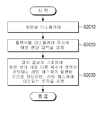
상술한 목적을 달성하기 위한 본 발명의 일 실시 예에 따른 플렉서블 장치는, 상기 플렉서블 장치에 대한 벤딩을 감지하는 감지부 및, 상기 감지 결과에 기초하여 상기 플렉서블 장치의 서로 다른 복수의 영역이 러빙(rubbing)되는 러빙 제스처가 발생된 것으로 판단되면, 상기 러빙 제스처에 대응되는 동작을 수행하는 제어부를 포함한다. According to another aspect of the present invention, there is provided a flexible device comprising: a sensing unit for sensing bending of a flexible device; and rubbing the rubbing gesture when it is determined that the rubbing gesture is generated.
여기서, 상기 복수의 영역은, 상기 벤딩에 의해 형성된 벤딩 라인에 의해 구분되는 영역이 될 수 있다. Here, the plurality of regions may be regions defined by the bending lines formed by the bending.
또한, 상기 제어부는, 상기 벤딩 라인이 기설정된 시간 동안 기설정된 영역 내에서 기설정된 횟수 이상 연속적으로 이동된 것으로 감지되면, 상기 러빙 제스처가 발생된 것으로 판단할 수 있다. The controller may determine that the rubbing gesture is generated when the bending line is detected as being continuously moved by a predetermined number of times or more within a preset range for a preset time.
또한, 상기 제어부는, 상기 벤딩 라인이 상기 플렉서블 장치의 1 위치에서 제2 위치로 이동한 후, 다시 상기 제1 위치 또는 상기 제1 위치의 인접 위치로 복귀하는 제1 패턴이 적어도 한번 이상 반복된 것으로 감지되면, 상기 러빙 제스처가 발생된 것으로 판단할 수 있다. The bending line may be moved from a first position to a second position of the flexible device, and then the first pattern may be repeated at least once or more at least at the first position or at a position adjacent to the first position. It can be determined that the rubbing gesture is generated.
또한, 상기 감지부는, 상기 벤딩 라인에 의해 구분되는 제1 및 제2 영역의 접촉 여부를 감지하며, 상기 제어부는, 상기 제1 및 제2 영역의 접촉에 의한 접촉 영역이 기설정된 시간 범위 내에서 연속적으로 변경되면, 상기 러빙 제스처가 발생된 것으로 판단할 수 있다. Also, the sensing unit senses whether or not the first and second regions are distinguished by the bending line, and the controller determines that the contact region of the first and second regions is within a predetermined time range If it is continuously changed, it can be determined that the rubbing gesture is generated.
또한, 화면을 디스플레이하는 디스플레이부를 더 포함하며, 상기 서로 다른 복수의 영역은, 상기 화면 상에서 서로 다른 복수의 영역이 될 수 있다. The display device may further include a display unit for displaying a screen, and the plurality of different areas may be a plurality of different areas on the screen.
또한, 상기 제어부는, 상기 러빙 제스처가 발생된 것으로 판단되면, 상기 벤딩 라인에 의해 구분되는 복수의 영역 중 적어도 하나의 영역에 표시된 객체와 관련된 기능을 수행할 수 있다. The controller may perform a function related to an object displayed in at least one of a plurality of regions divided by the bending line when it is determined that the rubbing gesture is generated.
또한, 상기 제어부는, 상기 러빙 제스처가 발생된 것으로 판단되면, 상기 벤딩 라인에 의해 구분되는 복수의 영역 중 하나의 영역에 표시되어 있던 객체를 삭제하거나 다른 하나의 영역으로 이동하여 표시하거나, 다른 하나의 영역으로 복사하여 표시할 수 있다. In addition, when it is determined that the rubbing gesture is generated, the control unit may delete the object displayed in one of the plurality of areas divided by the bending line, move the object to another area and display the object, And can be displayed by copying it to the area of
또한, 상기 제어부는, 상기 복수의 영역 각각이 기설정된 면적 이상을 차지하는 전체 러빙 제스처가 발생된 것으로 판단되면, 상기 화면 상에 디스플레이된 전체 컨텐츠 또는 상기 화면 상에서 실행 중인 전체 컨텐츠에 대하여 기설정된 기능을 수행하고, 상기 복수의 영역 중 적어도 하나의 영역이 기설정된 면적 미만을 차지하는 부분 러빙 제스처가 발생된 것으로 판단되면, 상기 부분 러빙 제스처가 발생된 영역에 디스플레이된 일부 컨텐츠 또는 해당 영역에서 실행 중인 일부 컨텐츠에 대하여 기설정된 기능을 수행할 수 있다. If it is determined that the entire rubbing gesture in which each of the plurality of regions occupies a predetermined area or more is generated, the controller may perform a predetermined function on all the contents displayed on the screen or all the contents being executed on the screen And when it is determined that a partial rubbing gesture in which at least one region of the plurality of regions occupies less than a predetermined area is generated, And can perform a predetermined function with respect to the display device.
또한, 상기 제어부는, 상기 러빙 제스처의 대상으로 판단된 객체가 다른 객체와 식별되도록 상기 러빙 제스처에 대한 피드백 효과를 제공할 수 있다. In addition, the controller may provide a feedback effect on the rubbing gesture such that the object determined as the object of the rubbing gesture is identified with another object.
또한, 전자 장치와 통신을 수행하는 통신부를 더 포함하며, 상기 제어부는, 상기 러빙 제스처에 대응되는 동작을 수행하도록 상기 전자 장치를 제어하기 위한 제어 신호를 생성하여 전송할 수 있다. The control unit may further include a communication unit for performing communication with the electronic device, and the control unit may generate and transmit a control signal for controlling the electronic device to perform an operation corresponding to the rubbing gesture.
한편, 본 발명의 일 실시 예에 따른 플렉서블 장치의 제어 방법은, 상기 플렉서블 장치에 대한 벤딩을 감지하는 단계 및, 상기 감지 결과에 기초하여 상기 플렉서블 장치의 서로 다른 복수의 영역이 러빙(rubbing)되는 러빙 제스처가 발생된 것으로 판단되면, 상기 러빙 제스처에 대응되는 동작을 수행하는 단계를 포함한다. According to another aspect of the present invention, there is provided a method of controlling a flexible device, the method comprising: sensing bending of the flexible device; and determining whether a plurality of different areas of the flexible device are rubbed And performing an operation corresponding to the rubbing gesture if it is determined that the rubbing gesture has occurred.
여기서, 상기 복수의 영역은, 상기 벤딩에 의해 형성된 벤딩 라인에 의해 구분되는 영역이 될 수 있다. Here, the plurality of regions may be regions defined by the bending lines formed by the bending.
또한, 상기 러빙 제스처에 대응되는 동작을 수행하는 단계는, 상기 벤딩 라인이 기설정된 시간 동안 기설정된 영역 내에서 기설정된 횟수 이상 연속적으로 이동된 것으로 감지되면, 상기 러빙 제스처가 발생된 것으로 판단할 수 있다. The step of performing the operation corresponding to the rubbing gesture may include determining that the rubbing gesture is generated when it is detected that the bending line is continuously moved by a predetermined number of times or more within a predetermined area for a predetermined time have.
또한, 상기 러빙 제스처에 대응되는 동작을 수행하는 단계는, 상기 벤딩 라인이 제1 위치에서 제2 위치로 이동한 후, 다시 상기 제1 위치 또는 상기 제1 위치의 인접 위치로 복귀하는 제1 패턴이 적어도 한번 이상 반복된 것으로 감지되면, 상기 러빙 제스처가 발생된 것으로 판단할 수 있다. The step of performing the operation corresponding to the rubbing gesture may include a step of moving the bending line from the first position to the second position and then returning to the first position or the adjacent position of the first position, Is detected as being repeated at least once, it can be determined that the rubbing gesture has occurred.
또한, 상기 러빙 제스처에 대응되는 동작을 수행하는 단계는, 상기 벤딩 라인에 의해 구분되는 제1 및 제2 영역의 접촉에 의한 접촉 영역이 기설정된 시간 범위 내에서 연속적으로 변경되면, 상기 러빙 제스처가 발생된 것으로 판단할 수 있다. The step of performing the operation corresponding to the rubbing gesture may be such that if the contact area caused by the contact of the first and second regions divided by the bending line continuously changes within a predetermined time range, It can be judged that it has occurred.
또한, 화면을 디스플레이하는 단계;를 더 포함하며, 상기 서로 다른 복수의 영역은, 상기 화면 상에서 서로 다른 복수의 영역이 될 수 있다. The method may further include displaying a screen, wherein the plurality of different areas may be a plurality of different areas on the screen.
또한, 상기 러빙 제스처에 대응되는 동작을 수행하는 단계는, 상기 러빙 제스처가 발생된 것으로 판단되면, 상기 벤딩 라인에 의해 구분되는 복수의 영역 중 적어도 하나의 영역에 표시된 객체와 관련된 기능을 수행할 수 있다. The step of performing an operation corresponding to the rubbing gesture may include performing a function related to an object displayed in at least one of a plurality of regions divided by the bending line when the rubbing gesture is determined to have occurred have.
또한, 상기 러빙 제스처에 대응되는 동작을 수행하는 단계는, 상기 러빙 제스처가 발생된 것으로 판단되면, 상기 벤딩 라인에 의해 구분되는 복수의 영역 중 하나의 영역에 표시되어 있던 객체를 삭제하거나, 다른 하나의 영역으로 이동하여 표시하거나, 다른 하나의 영역으로 복사하여 표시할 수 있다. The step of performing the operation corresponding to the rubbing gesture may include deleting the object displayed in one of the plurality of regions divided by the bending line when the rubbing gesture is determined to have occurred, Or may be copied and displayed in another area.
또한, 상기 러빙 제스처에 대응되는 동작을 수행하는 단계는, 상기 복수의 영역 각각이 기설정된 면적 이상을 차지하는 전체 러빙 제스처가 발생된 것으로 판단되면, 상기 화면 상에 디스플레이된 전체 컨텐츠 또는 상기 화면 상에서 실행 중인 전체 컨텐츠에 대하여 기설정된 기능을 수행하고, 상기 복수의 영역 중적어도 하나의 영역이 기설정된 면적 미만을 차지하는 부분 러빙 제스처가 발생된 것으로 판단되면, 상기 부분 러빙 제스처가 발생된 영역에 디스플레이된 일부 컨텐츠 또는 해당 영역에서 실행 중인 일부 컨텐츠에 대하여 기설정된 기능을 수행할 수 있다. The step of performing the operation corresponding to the rubbing gesture may further comprise the steps of: if it is determined that the entire rubbing gesture in which each of the plurality of regions occupies a predetermined area or more is generated, When a partial rubbing gesture in which one region occupies less than a preset area is generated among the plurality of regions, a portion displayed in the region where the partial rubbing gesture is generated A predetermined function can be performed on the content or some content that is being executed in the area.
또한, 상기 러빙 제스처에 대응되는 동작을 수행하는 단계는, 상기 러빙 제스처의 대상으로 판단된 객체가 다른 객체와 식별되도록 상기 러빙 제스처에 대한 피드백 효과를 제공할 수 있다. The step of performing an operation corresponding to the rubbing gesture may provide a feedback effect on the rubbing gesture so that the object determined as the object of the rubbing gesture is identified with another object.
또한, 전자 장치와 통신을 수행하는 단계를 더 포함하며, 상기 러빙 제스처에 대응되는 동작을 수행하는 단계는, 상기 러빙 제스처에 대응되는 동작을 수행하도록 상기 전자 장치를 제어하기 위한 제어 신호를 생성하여 전송할 수 있다. The method of
상술한 본 발명의 다양한 실시 예에 따르면, 사용자에게 직관적인 다양한 기능을 제공할 수 있게 되므로 사용자의 편의성이 향상된다. According to various embodiments of the present invention described above, various functions intuitive to the user can be provided, thereby improving convenience for the user.
도 1은 본 발명의 일 실시 예에 따른 플렉서블 디스플레이 장치의 구성을 나타내는 블럭도이다.
도 2는 본 발명의 일 실시 예에 따른 플렉서블 디스플레이 장치를 구성하는 디스플레이부의 기본 구조를 설명하기 위한 도면이다.
도 3 내지 도 5는 본 발명의 일 실시 예에 따른 벤딩 감지 방법을 설명하기 위한 도면이다.
도 6 및 도 7은 본 발명의 일 실시 예에서, 벤드 센서를 이용하여 플렉서블 디스플레이 장치에서 벤딩을 감지하는 방법을 설명하기 위한 도면이다.
도 8은 본 발명의 일 실시 예에 따른 벤딩 정도를 판단하는 방법을 설명하기 위한 도면이다.
도 9는 본 발명의 일 실시 예에 따른 벤딩 정도를 판단하는 방법을 설명하기 위한 도면이다.
도 10 및 도 11에서, 중첩된 벤드 센서를 이용하여 벤딩 방향을 감지하는 방법을 설명하기 위한 도면들이다.
도 12는 두개의 벤드 센서가 디스플레이부의 양면에 배치된 상태를 나타낸다.
도 13은 하나의 벤드 센서를 디스플레이부의 일 면에 배치하여 벤딩을 감지하는 구성의 일 예를 나타낸다.
도 14는 두 개의 벤드 센서가 서로 교차되도록 배치한 실시 예를 나타낸다.
도 15는 복수의 스트레인 게이지를 사용하여 벤딩을 감지하는 실시 예를 나타내는 도면이다.
도 16은 이러한 센서들의 일 예로 가속도 센서를 이용하여 벤딩 방향을 감지하는 방법을 설명하기 위한 도면이다.
도 17은 본 발명의 다양한 실시 예에 따른 동작을 설명하기 위한 플렉서블 디스플레이 장치의 세부 구성의 일 예를 설명하기 위한 블럭도이다.
도 18은 도 17에 도시된 제어부의 세부 구성을 설명하기 위한 도면이다.
도 19는 상술한 다양한 실시 예에 따른 제어부의 동작을 지원하기 위한 저장부의 소프트웨어 구조를 나타내는 도면이다.
도 20은 본 발명의 일 실시 예에 따른 플렉서블 디스플레이 장치의 디스플레이 방법을 설명하기 위한 도면이다.
도 21은 본 발명의 일 실시 예에 따른 러빙 제스처의 동작을 설명하기 위한 도면이다.
도 22는 본 발명의 일 실시 예에 따른 영역 구분 방법을 설명하기 위한 도면이다.
도 23은 본 발명의 일 실시 예에 따른 러빙 제스처에 따라 수행되는 기능을 설명하기 위한 도면이다.
도 24는 본 발명의 다른 실시 예에 따른 러빙 제스처에 따라 수행되는 기능을 설명하기 위한 도면이다.
도 25 내지 도 38은 본 발명의 또 다른 실시 예에 따른 러빙 제스처에 따라 수행되는 기능을 설명하기 위한 도면이다.
도 39는 본 발명의 또 다른 실시 예에 따른 러빙 제스처에 따라 수행되는 기능을 설명하기 위한 도면이다.
도 40은 본 발명의 또 다른 실시 예에 따라 외부 디스플레이 장치와 연동하는 플렉서블 장치의 구성을 나타내는 도면이다.
도 41은 본 발명의 또 다른 실시 예에 따라 외부 디스플레이 장치와 연동하는 플렉서블 장치의 구성을 나타내는 도면이다.
도 42는 도 40에 도시된 플렉서블 장치의 동작 방법을 설명하기 위한 도면이다.
도 43은 본 발명의 또 다른 실시 예에 따른 플렉서블 장치의 동작 방법을 설명하기 위한 도면이다.
도 44 및 도 45는 본 발명의 다양한 실시 예에 따른 플렉서블 디스플레이 장치의 구현 예를 설명하기 위한 도면들이다. 1 is a block diagram showing a configuration of a flexible display device according to an embodiment of the present invention.
2 is a view for explaining a basic structure of a display unit constituting a flexible display device according to an embodiment of the present invention.
3 to 5 are views for explaining a bending sensing method according to an embodiment of the present invention.
6 and 7 are views for explaining a method of detecting bending in a flexible display device using a bend sensor in an embodiment of the present invention.
8 is a view for explaining a method of determining the degree of bending according to an embodiment of the present invention.
9 is a view for explaining a method of determining the degree of bending according to an embodiment of the present invention.
10 and 11 are views for explaining a method of sensing a bending direction using an overlapped bend sensor.
12 shows a state in which two bend sensors are disposed on both sides of the display unit.
13 shows an example of a configuration in which a bend sensor is disposed on one surface of a display unit to detect bending.
Fig. 14 shows an embodiment in which two bend sensors are arranged to intersect each other.
15 is a view showing an embodiment for detecting bending using a plurality of strain gauges.
16 is a view for explaining a method of detecting a bending direction by using an acceleration sensor as an example of such sensors.
17 is a block diagram for explaining an example of a detailed configuration of a flexible display device for explaining an operation according to various embodiments of the present invention.
18 is a view for explaining the detailed configuration of the control unit shown in Fig.
19 is a diagram showing a software structure of a storage unit for supporting the operation of the controller according to the various embodiments described above.
20 is a view for explaining a display method of a flexible display device according to an embodiment of the present invention.
21 is a view for explaining the operation of the rubbing gesture according to an embodiment of the present invention.
FIG. 22 is a view for explaining a region dividing method according to an embodiment of the present invention.
23 is a view for explaining a function performed in accordance with a rubbing gesture according to an embodiment of the present invention.
24 is a view for explaining a function performed in accordance with a rubbing gesture according to another embodiment of the present invention.
25 to 38 are views for explaining functions performed in accordance with a rubbing gesture according to another embodiment of the present invention.
39 is a view for explaining a function performed in accordance with a rubbing gesture according to another embodiment of the present invention .
40 is a view showing a configuration of a flexible device that cooperates with an external display device according to another embodiment of the present invention .
41 is a view showing a configuration of a flexible device that cooperates with an external display device according to another embodiment of the present invention .
42 is a diagram for explaining an operation method of the flexible apparatus shown in FIG.
43 is a diagram for explaining a method of operating a flexible device according to another embodiment of the present invention .
44 and 45 are views for explaining an embodiment of a flexible display device according to various embodiments of the present invention.
이하에서, 첨부된 도면을 이용하여 본 발명에 대하여 구체적으로 설명한다.Hereinafter, the present invention will be described in detail with reference to the accompanying drawings.
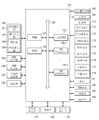
도 1은 본 발명의 일 실시 예에 따른 플렉서블 디스플레이 장치의 구성을 나타내는 블럭도이다. 도 1에 따르면, 플렉서블 디스플레이 장치(100)는 디스플레이부(110), 감지부(120) 및 제어부(130)를 포함한다. 1 is a block diagram showing a configuration of a flexible display device according to an embodiment of the present invention. 1, the
디스플레이부(110)는 화면을 디스플레이한다. 디스플레이부(110)를 포함한 플렉서블 디스플레이 장치(100)는 벤딩 가능한 특성을 가진다. 이에 따라, 디스플레이부(110)는 벤딩이 가능할 수 있는 구조 및 재질로 제작되어야 한다. 디스플레이부(110)의 세부 구성에 대해서는 후술하는 부분에서 설명한다.The
감지부(120)는 디스플레이부(110)에 대한 벤딩을 감지할 수 있다. 구체적으로, 감지부(120)는 벤드 센서, 압력 센서 등을 이용하여 벤딩/폴딩 위치, 벤딩/폴딩 방향, 벤딩/폴딩 각도, 벤딩/폴딩 세기, 벤딩/폴딩 속도, 벤딩/폴딩 횟수, 벤딩/폴딩 동작 발생 시점, 벤딩/폴딩 유지 시간 등을 인식할 수 있다.The
구체적으로, 감지부(120)는 벤드 센서에서 출력되는 저항값 분포나, 압력 센서에서 감지되는 압력 분포의 변화를 통해 벤딩 위치의 곡률 반경 R값을 측정하여 벤딩 세기를 인식할 수 있다. Specifically, the
또한, 감지부(120)는 벤드 센서에서 출력되는 저항값 분포나, 압력 센서에서 감지되는 압력 분포의 변화를 통해 감지된 벤딩 위치 및 세기의 변화 상태를 기초로 벤딩 속도를 인식할 수 있다. In addition, the
또한, 감지부(120)는 벤딩 상태의 변화를 감지할 수 있다. 구체적으로, 벤딩/폴딩 위치 변화, 벤딩/폴딩 방향 변화, 벤딩/폴딩 각도 변화, 벤딩/폴딩 세기 변화 등을 인식할 수 있다. In addition, the
또한, 감지부(120)는 벤딩 입력에 의해 형성된 벤딩 라인 및 벤딩 라인의 변경 상태를 인식할 수 있다. 구체적으로, 감지부(120)는 벤드 센서에서 출력되는 저항값 분포나, 압력 센서에서 감지되는 압력 분포의 변화를 통해 벤딩 라인을 인식할 수 있다. 여기서, 벤딩 라인이란 벤딩이 발생된 영역 상에서 벤딩 정도가 가장 큰 지점이 될 수 있다. 예를 들어, 벤드 센서에서 출력되는 저항값이 최대인 벤딩 포인트(또는 벤딩 좌표)를 연결한 가상의 라인이 벤딩 라인이 될 수 있다. In addition, the
또한, 감지부(120)는 다양한 접촉 센서를 이용하여 인식된 벤딩 라인에 의해 구분되는 제1 및 제2 영역의 접촉 여부를 감지할 수 있다. 여기서 접촉 센서는 터치 센서, 압력 센서 등으로 구현될 수 있다. In addition, the
또한, 감지부(120)는 벤딩으로 인해 접촉이 일어나지 않고 근접만 되어 있는 영역(예를 들어, 벤딩 라인 인접 영역)에 대해 근접 센서를 이용하여 근접 여부를 감지할 수 있다. In addition, the
한편, 감지부(120)는 인식된 벤딩 라인의 위치 및 변경 정도, 벤딩 라인이 변경되는 범위, 벤딩 유지 시간, 인식된 벤딩 라인에 의해 구분되는 제1 및 제2 영역의 접촉 여부 등을 통해 러빙(rubbing) 제스처를 인식할 수 있다. On the other hand, the
러빙Rubbing 제스처의 인식 Recognition of gestures
러빙 제스처는 서로 다른 복수의 영역이 러빙되는 동작으로, 제1 영역 중 적어도 일부 영역 및 제2 영역 중 적어도 일부 영역이 접촉된 상태에서 접촉 위치 및 접촉 면적 중 적어도 하나가 기설정된 시간 범이 내에서 연속적으로 변경되는 상태가 될 수 있다. 여기서, 제1 및 제2 영역은 벤딩 라인에 의해 구분되는 영역이 될 수 있다.The rubbing gesture is an operation in which a plurality of regions different from each other are rubbed, wherein at least a portion of the first region and at least a portion of the second region are in contact with each other, and at least one of the contact position and the contact area is within a predetermined time range It can be changed continuously. Here, the first and second regions may be regions defined by bending lines.
한편, 벤딩 라인은 러빙 제스처에 따라 복수 개가 형성될 수 있으나, 영역을 구분하는 벤딩 라인은 러빙 제스처를 위한 처음 또는 마지막 벤딩 조작에 의해 형성된 벤딩 라인, 또는 복수의 벤딩 라인 위치를 평균한 벤딩 라인 등이 될 수 있다. 또는 경우에 따라서는 복수의 벤딩 라인이 생기는 영역을 경계 영역으로 하여 경계 영역을 제외한 나머지 영역을 제1 및 제2 영역으로 구분할 수 있다. On the other hand, a plurality of bending lines may be formed according to the rubbing gesture, but the bending lines for dividing the regions may be formed by bending lines formed by the first or last bending operation for the rubbing gesture, or bending lines obtained by averaging a plurality of bending line positions . Alternatively, a region where a plurality of bending lines are generated may be divided into a first region and a second region except for the boundary region.
이에 따라 제어부(130)는 제1 영역 중 적어도 일부 영역 및 제2 영역 중 적어도 일부 영역이 접촉된 상태에서 접촉 위치 및 접촉 면적 중 적어도 하나가 연속적으로 변경되는 경우 러빙 제스처가 발생된 것으로 판단할 수 있다. Accordingly, when at least one of the first region and at least some of the second region are in contact with each other and at least one of the contact position and the contact area is continuously changed, the
구체적으로, 제어부(130)는 접촉 위치 및 접촉 면적 중 적어도 하나의 변경 상태가 기설정된 반복 패턴을 갖는 경우 러빙 제스처가 발생된 것으로 판단할 수 있다. 예를 들어, 접촉 위치가 제1 영역의 제1 위치 및 제2 영역의 제2 위치에서 제1 영역의 제3 위치 및 제2 영역의 제4 위치로 변경된 후 다시 제1 영역의 제1 위치 및 제2 영역의 제2 위치로 변경되는 패턴이 적어도 1회 이상 반복되는 경우 러빙 제스처가 발생된 것으로 판단할 수 있다. Specifically, the
한편, 러빙 제스처에 의해 벤딩 라인이 변경될 수 있으므로 벤딩 라인의 변경 상태를 인식하여 러빙 제스처 발생 여부를 판단할 수도 있다. On the other hand, since the bending line may be changed by the rubbing gesture, the change state of the bending line may be recognized to determine whether or not the rubbing gesture has occurred.
구체적으로, 제어부(130)는 감지부(120)에 의해 감지된 감지 결과에 기초하여 가상적으로 형상된 벤딩 라인의 변경 상태가 기설정된 반복 패턴을 갖는 경우 러빙 제스처가 발생된 것으로 판단할 수 있다. 예를 들어, 벤딩 라인이 제5 위치에서 기설정된 범위 이상 이동하여 제6 위치로 이동하였다가 다시 제1 위치 또는 제1 위치의 근접 위치로 복귀하는 패턴이 적어도 1회 이상 반복되는 경우 러빙 제스처가 발생된 것으로 판단할 수 있다. Specifically, the
한편, 상술한 제1 내지 제6 위치는 기설정된 오차 범위를 포함하는 영역으로 라인 또는 기설정된 임계값 이상의 넓이를 갖는 면으로 정의될 수 있다. On the other hand, the first to sixth positions described above may be defined as a region including a predetermined error range, or a plane having a width equal to or greater than a predetermined threshold value.
또한, 제어부(130)는 감지부(120)에서 벤딩 라인에 의해 구분되는 제1 및 제2 영역의 접촉에 의한 접촉 영역이 기설정된 시간 범위 내에서 연속적으로 변경된 것으로 감지되면, 러빙 제스처가 발생된 것으로 판단할 수 있다. 이 경우, 제어부(130)는 접촉 영역 이외에 벤딩 라인 근처에서 물체의 근접이 감지되면, 러빙 제스처가 발생된 것으로 판단할 수 있다.
If it is detected that the contact area due to the contact between the first and second areas divided by the bending line is continuously changed within a predetermined time range, the
러빙Rubbing 제스처에 따른 기능 수행 Perform functions according to gestures
제어부(130)는 감지부(120)에서 감지된 감지 결과에 따라 러빙 제스처가 발생된 것으로 판단되면, 러빙 제스처에 대응되는 동작을 수행할 수 있다. If it is determined that the rubbing gesture is generated according to the detection result detected by the
여기서 러빙 제스처에 대응되는 동작은 벤딩 라인에 의해 구분되는 복수의 영역 중 적어도 하나의 영역에 표시된 객체와 관련된 기능이 될 수 있으나 이에 d한정되는 것은 아니며, 화면에 디스플레이된 객체와 관련된 기능이 아니더라도 러빙 제스쳐 대상이 되는 영역에 대응되는 기설정된 기능을 수행할 수도 있다. Here, the operation corresponding to the rubbing gesture may be a function related to the object displayed in at least one of the plurality of regions divided by the bending line, but is not limited thereto. Even if it is not a function relating to the object displayed on the screen, And may perform a predetermined function corresponding to the area to be a gesture target.
구체적으로, 제어부(130)는 오브젝트 복사, 삭제, 저장, 실행 종료, 디폴트 화면 전환, 휘도 조정, 턴 오프/턴 온, 세부 정보 표시 등과 러빙 제스처에 대응되는 다양한 동작을 수행할 수 있다. 즉, 일반적으로 사용자들에게 러빙 동작에 대응되는 기능으로 직관적으로 인식될 수 있는 다양한 기능들이 러빙 제스처에 의해 수행될 수 있다. Specifically, the
제어부(130)는 러빙 제스처가 발생된 것으로 판단되면, 벤딩 라인에 의해 구분되는 복수의 영역 중 하나의 영역에 표시되어 있던 적어도 하나의 객체를 삭제하거나 다른 하나의 영역으로 이동하여 표시하거나, 복수의 영역 중 하나의 영역에 표시되어 있던 객체를 삭제하고 다른 하나의 영역으로 이동하여 표시할 수 있다. 예를 들어, 제어부(130)는 복수의 영역 중 제1 영역에 표시된 복수의 객체들 중 제2 영역과 접촉된 영역에 디스플레이된 적어도 하나의 객체를 삭제할 수 있다. If it is determined that the rubbing gesture is generated, the
또한, 제어부(130)는 러빙 제스처가 발생된 것으로 판단되면, 벤딩 라인에 의해 구분되는 복수의 영역 중 하나의 영역에 표시되어 있던 적어도 하나의 객체를 다른 하나의 영역으로 복사하고, 이를 표시 및/또는 저장할 수 있다. If it is determined that the rubbing gesture is generated, the
또한, 제어부(130)는 러빙 제스처가 발생된 것으로 판단되면, 벤딩 라인에 의해 구분되는 복수의 영역 중 하나의 영역에 표시되어 있던 객체에 대한 정보를 복수의 영역 중 다른 하나의 영역에 대응되는 저장 공간에 저장할 수 있다. 예를 들어, 우측 상단 모서리 영역이 저장 기능을 수행하는 경우 우측 상단 모서리 영역과 러빙된 대상 영역에 디스플레이된 컨텐츠를 대응되는 영역에 저장할 수 있다. If it is determined that the rubbing gesture is generated, the
또한, 제어부(130)는 러빙 제스처가 발생된 것으로 판단되면, 벤딩 라인에 의해 구분되는 복수의 영역 중 하나의 영역에 표시되어 있던 객체에 대한 세부 정보를 표시할 수 있다. 이 경우, 제어부(130)는 객체가 표시되어 있던 영역에 해당 세부 정보를 표시할 수도 있으나, 플렉서블 디스플레이 장치(100)가 플랫한 상태로 변경된 상태에서 나머지 영역에 세부 정보를 표시할 수도 있다. In addition, when it is determined that the rubbing gesture is generated, the
한편, 제어부(130)는 벤딩 라인에 의해 구분되는 복수의 영역 각각이 기설정된 면적 이상을 차지하는 전체 러빙 제스처가 발생된 것으로 판단되면, 화면 상에 디스플레이된 전체 컨텐츠 또는 화면 상에서 실행 중인 전체 컨텐츠에 대하여 기설정된 기능을 수행할 수 있다. 예를 들어, 음악 재생 기능 및 웹 페이지 디스플레이 기능이 멀티 태스킹으로 실행 중인 상태에서 전체 러빙 제스처가 발생된 것으로 판단되면, 음악 재생 기능 및 웹 페이지 디스플레이 기능에 모두 종료 기능을 수행할 수 있다. 이에 따라 홈 화면, 대기 화면 등과 같은 디폴트 화면이 디스플레이될 수 있다. On the other hand, if it is determined that the entire rubbing gesture in which each of the plurality of regions divided by the bending line occupies a predetermined area or more is generated, the
또한, 제어부(130)는 복수의 영역 중 적어도 하나의 영역이 기설정된 면적 미만을 차지하는 부분 러빙 제스처가 발생된 것으로 판단되면, 부분 러빙 제스처가 발생된 영역에 디스플레이된 일부 컨텐츠 또는 해당 영역에서 실행 중인 일부 컨텐츠에 대하여 기설정된 기능을 수행할 수 있다. 예를 들어, 음악 재생 기능 및 웹 페이지 디스플레이 기능이 멀티 태스킹으로 실행 중인 상태에서 부분 러빙 제스처가 발생된 것으로 판단되면, 부분 러빙 제스처의 대상이 되는 기능에 대해서만 기설정된 기능인 종료 기능을 수행할 수 있다. 즉, 부분 러빙 제스처가 음악 재생 기능에 대응되는 뮤직 플레이어 화면에 대해 수행되었다면, 해당 기능 만을 종료시킬 수 있다. 여기서, 종료는 뮤직 플레이어 화면을 사라지게 하거나, 정지 기능을 적용하는 등 다양한 형태로 구현될 수 있다. If it is determined that the partial rubbing gesture in which at least one region of the plurality of regions occupies less than the predetermined area is generated, the
한편, 상술한 실시 예에서는 벤딩 라인에 의해 구분되는 복수의 영역이 기설정된 면적 미만인지 이상인지 여부에 따라 부분 러빙 제스처 및 전체 러빙 제스처를 구분하였지만, 경우에 따라서는 실질적으로 러빙 동작이 일어나는 영역을 기준으로 부분 러빙 제스처 및 전체 러빙 제스처를 구분할 수도 있다. 예를 들어, 벤딩 라인에 의해 구분되는 복수의 영역 각각이 기설정된 면적 이상인 경우에도 실질적으로 러빙 동작, 예를 들어 손가락이 접촉된 상태에서 이동하는 동작이 기설정된 면적 미만의 국부적인 영역에서만 수행되었다면 부분 러빙 제스처로 판단될 수도 있다. Meanwhile, in the above-described embodiment, the partial rubbing gesture and the entire rubbing gesture are classified according to whether or not a plurality of regions divided by the bending line are less than a predetermined area or not. However, in some cases, A partial rubbing gesture and a full rubbing gesture can be distinguished by reference. For example, even if each of the plurality of regions divided by the bending line is greater than or equal to the predetermined area, if the rubbing operation, for example, the movement in which the finger is moved in contact is performed only in a local area less than a predetermined area It may be judged as a partial rubbing gesture.
또한, 제어부(130)는 러빙 제스처의 대상으로 판단된 객체가 다른 객체와 식별되도록 러빙 제스처에 대한 피드백 효과를 제공할 수 있다. In addition, the
구체적으로, 제어부(130)는 객체 또는 객체 주변에 그래픽 효과, 사운드 효과 및 햅틱 효과 중 적어도 하나를 제공하거나, 제어부(130)는 러빙 제스처 발생 영역에 그래픽 효과, 사운도 효과 및 햅틱 효과 중 적어도 하나를 제공할 수 있다. 또한, 경우에 따라서는 상술한 피드백 효과들을 동시에 제공하는 것도 가능하다. In detail, the
또한, 제어부(130)는 디스플레이 화면 후면에 구비된 LED 등을 이용하여 러빙 제스처가 가능한 준비 상태임을 사용자에게 알릴 수 있다. 예를 들어, 벤딩된 상태가 일정 벤딩 각도 이상인 경우, 특정 오브젝트를 지정할 수 있는 위치에 벤딩 라인이 형성된 경우, 특정 오브젝트를 지정할 수 있는 위치에 접촉이 이루어진 경우 등을 준비 상태로 판단하고 대응되는 영역에 구비된 LED를 ON시킬 수 있다. In addition, the
다만 이에 한정되는 것은 아니며, 러빙 제스처의 대응되는 동작은 플렉서블 디스플레이 장치(100)의 종류에 따라 다양한 형태가 될 수 있다. 일 예로, 플렉서블 디스플레이 장치(100)가 휴대폰인 경우에는 제어부(130)는 전화 연결, 수신 거부, 메뉴 표시, 문자 송수신, 어플리케이션 선택 및 실행, 웹 브라우저 실행 및 종료 등과 같은 다양한 기능들 중에서 러빙 제스처에 대응되는 기능을 수행할 수 있다. 다른 예로, 플렉서블 디스플레이 장치(100)가 TV인 경우, 채널 선택, 볼륨 조절, 휘도 조정, 컬러 조정, 콘트라스트 조정 등과 같은 다양한 기능들 중에서 러빙 제스처에 대응되는 기능을 수행할 수 있다. 또 다른 예로, 플렉서블 디스플레이 장치(100)가 전자 책인 경우 메모란 디스플레이, 북마크 페이지 보여주기, 빨리 넘기기, 하이라이트 기능, 비밀 저장 기능, 요약 보기 기능, 페이지 합치기 기능들 중에서 러빙 제스처에 대응되는 기능을 수행할 수 있다. The corresponding operation of the rubbing gesture may be various forms depending on the type of the
그 밖에 플렉서블 디스플레이 장치(100)는 PDA, 전자 액자, 전자 수첩, MP3 플레이어, 태블릿 PC, 랩탑 컴퓨터(laptop computer), 모니터 등과 같은 다양한 유형의 디스플레이 장치로 구현될 수 있으며, 러빙 제스처가 인식되는 경우 각 장치의 특성에 맞게 다양한 기능이 수행될 수 있다. In addition, the
한편, 상술한 바와 같이 디스플레이부(110)는 벤딩이 가능한 형태로 제작되어야 한다. 감지부(120)는 다양한 방식으로 벤딩 상태를 감지할 수 있다. Meanwhile, as described above, the
이하에서는 디스플레이부(110)의 세부 구성 및 그에 대한 벤딩 감지 방법에 대하여 구체적으로 설명한다.Hereinafter, the detailed structure of the
< < 플렉서블한Flexible 디스플레이부의Display part 구조 및 그 Structure and its 벤딩Bending 감지 방법의 예 > Example of detection method>
도 2는 본 발명의 일 실시 예에 따른 플렉서블 디스플레이 장치를 구성하는 디스플레이부의 기본 구조를 설명하기 위한 도면이다. 도 2에 따르면, 디스플레이부(110)는 기판(111), 구동부(112), 디스플레이 패널(113) 및 보호층(114)을 포함한다.2 is a view for explaining a basic structure of a display unit constituting a flexible display device according to an embodiment of the present invention. 2, the
플렉서블 디스플레이 장치(100)는 기존의 평판 디스플레이 장치의 디스플레이 특성을 그대로 유지하면서 종이와 같이 휘어지거나, 구부려지거나, 접혀지거나, 또는 말릴 수 있는 장치를 의미한다. 따라서, 플렉서블 디스플레이 장치는 유연한 기판 위에 제작되어야 한다.The
구체적으로, 기판(111)은 외부 압력에 의해 변형될 수 있는 플라스틱 기판(가령, 고분자 필름)으로 구현될 수 있다. Specifically, the
플라스틱 기판은 기초 소재(base film)에 배리어 코팅(barrier coating)이 양면으로 처리된 구조를 갖는다. 기초 소재의 경우, PI(Polyimide), PC(Polycarbonite), PET(Polyethyleneterephtalate), PES(Polyethersulfone), PEN(Polythylenenaphthalate), FRP(Fiber Reinforced Plastic) 등의 다양한 수지로 구현될 수 있다. 그리고, 배리어 코팅은 기초 소재에서 서로 대향되는 면에 수행되며, 유연성을 유지하기 위해 유기막 또는 무기막이 이용될 수 있다.The plastic substrate has a structure in which a base film is treated with a barrier coating on both sides. In the case of the base material, it can be realized by various resins such as PI (Polyimide), PC (Polycarbonate), PET (Polyethyleneterephtalate), PES (Polyethersulfone), PEN (Polysilene Epthalate) and FRP (Fiber Reinforced Plastic). And, the barrier coating is performed on the surfaces facing each other in the base material, and an organic film or an inorganic film can be used to maintain flexibility.
한편, 기판(111)은 플라스틱 기판 외에도 유리 박막(thin glass) 또는 금속 박막(metal foil) 등과 같이 플렉서블한 특성을 갖는 소재가 사용될 수도 있다.The
구동부(112)는 디스플레이 패널(113)을 구동시키는 기능을 한다. 구체적으로, 구동부(112)는 디스플레이 패널(113)을 구성하는 복수의 화소에 구동 전압을 인가하며, a-si TFT, LTPS(low temperature poly silicon) TFT, OTFT(organic TFT) 등으로 구현될 수 있다. 구동부(112)는 디스플레이 패널(113)의 구현 형태에 따라 다양한 형태로 구현될 수 있다. 일 예로, 디스플레이 패널(113)은 복수의 화소 셀로 이루어진 유기 발광체 및 그 유기 발광체의 양면을 덮는 전극층으로 이루어질 수 있다. 이 경우, 구동부(112)는 디스플레이 패널(113)의 각 화소 셀에 대응되는 복수의 트랜지스터를 포함할 수 있다. 제어부(130)는 각 트랜지스터의 게이트로 전기 신호를 인가하여, 트랜지스터에 연결된 화소 셀을 발광시킨다. 이에 따라, 영상이 표시될 수 있다. The driving
또는, 디스플레이 패널(113)은 유기발광다이오드 외에도 EL, EPD(electrophoretic display), ECD(electrochromic display), LCD(liquid crystal disply), AMLCD, PDP(Plasma display Panel) 등으로 구현될 수도 있다. 다만, LCD의 경우, 자체적으로 발광할 수 없다는 점에서 별도의 백라이트가 요구된다. 백라이트가 사용되지 않는 LCD의 경우에는 주변 광을 이용한다. 따라서, 백라이트 없이 LCD 디스플레이 패널(113)을 사용하기 위해서는 광량이 많은 야외 환경과 같은 조건이 충족되어야 한다. Alternatively, the
보호층(114)은 디스플레이 패널(113)을 보호하는 기능을 한다. 예를 들어, 보호층(114)에는 ZrO, CeO2, Th O2 등의 재료가 이용될 수 있다. 보호층(114)은 투명한 필름 형태로 제작되어 디스플레이 패널(113) 표면 전체를 덮을 수 있다.The
한편, 도 2에 도시된 바와 달리 디스플레이부(110)는 전자 종이로 구현될 수도 있다. 전자 종이는 종이에 일반적인 잉크의 특징을 적용한 디스플레이로서, 반사광을 사용하는 점이 일반 평판 디스플레이와는 다른 점이다. 한편, 전자 종이는 트위스트 볼을 이용하거나 캡슐을 이용한 전기영동을 이용하여 그림 또는 문자를 변경할 수 있다.2, the
한편, 디스플레이부(110)가 투명한 재질의 구성요소로 이루어지는 경우, 벤딩이 가능하면서 투명한 성질을 가지는 디스플레이 장치로도 구현될 수 있다. 가령, 기판(111)은 투명한 성질을 가지는 플라스틱과 같은 폴리머 재료로 구현되고, 구동부(112)가 투명 트랜지스터로 구현되며 디스플레이 패널(113)이 투명 유기 발광층 및 투명 전극으로 구현되는 경우에는, 투명성을 가질 수 있다. Meanwhile, when the
투명 트랜지스터란 기존 박막 트랜지스터의 불투명한 실리콘을 투명한 아연산화물, 산화 티타늄 등과 같은 투명 물질로 대체하여 제작한 트랜지스터를 의미한다. 또한, 투명 전극은 ITO(indium tin oxide)나 그래핀과 같은 신소재가 사용될 수도 있다. 그래핀이란 탄소원자가 서로 연결돼 벌집 모양의 평면 구조를 이루며 투명한 성질을 가지는 물질을 의미한다. 그 밖에, 투명 유기 발광 층도 다양한 재료로 구현될 수 있다. Transparent transistor means a transistor fabricated by replacing opaque silicon of a conventional thin film transistor with a transparent material such as transparent zinc oxide, titanium oxide, or the like. As the transparent electrode, a new material such as indium tin oxide (ITO) or graphene may be used. Graphene refers to a substance with a transparent nature that forms a honeycomb-like planar structure of carbon atoms. In addition, the transparent organic light emitting layer may be formed of various materials.
도 3은 본 발명의 일 실시 예에 따른 벤딩 감지 방법을 설명하기 위한 도면이다. 3 is a view for explaining a bending sensing method according to an embodiment of the present invention.
플렉서블 디스플레이 장치(100)는 외부 압력에 의해 벤딩되어 그 형태가 변형될 수 있다. 벤딩은 일반 벤딩, 폴딩, 롤링되는 경우를 모두 포함할 수 있다. 여기서, 일반 벤딩(normal bending)이란 플렉서블 디스플레이 장치가 구부러지는 상태를 의미한다. The
폴딩(Folding)은 플렉서블 디스플레이 장치가 접혀지는 상태를 의미한다. 여기서, 폴딩 및 일반 벤딩은 벤딩되는 정도에 따라 구분될 수 있다. 가령, 일정한 벤딩 각도 이상으로 벤딩이 이루어지면 폴딩된 상태로 정의하고, 그 벤딩 각도 미만으로 벤딩이 이루어진 경우에는 일반 벤딩이라고 정의할 수 있다. Folding refers to a state in which the flexible display device is folded. Here, the folding and general bending can be classified according to the degree of bending. For example, when the bending is performed at a predetermined bending angle or more, the bending angle is defined as a folded state, and when the bending angle is less than the bending angle, it is defined as general bending.
롤링(Rolling)은 플렉서블 디스플레이 장치가 말려진 상태를 의미한다. 롤링 역시 벤딩 각도를 기준으로 판단될 수 있다. 가령, 일정 벤딩 각도 이상의 벤딩이 일정 영역에 걸쳐 감지되는 상태를 롤링이라고 정의할 수 있다. 반면, 일정 벤딩 각도 미만의 벤딩이 롤링에 비해 상대적으로 작은 영역에서 감지되는 상태를 폴딩이라고 정의할 수 있다. 상술한 일반 벤딩, 폴딩, 롤링 등은 벤딩 각도 이외에 곡률 반경을 기초로 하여 판정될 수도 있다. Rolling means that the flexible display device is being rolled. Rolling can also be judged based on the bending angle. For example, a state in which bending over a predetermined bending angle is sensed over a certain area can be defined as rolling. On the other hand, a state in which bending less than a predetermined bending angle is detected in a relatively small area as compared with rolling can be defined as folding. The general bending, folding, rolling, etc. described above may be determined based on the radius of curvature in addition to the bending angle.
또한, 곡률 반경과 상관 없이 플렉서블 디스플레이 장치(100)가 말려진 단면이 거의(substantially) 원이나 타원에 가까운 형상을 갖는 상태를 롤링이라고 정의할 수도 있다.In addition, a state in which the cross section of the curled portion of the
다만, 이상과 같은 다양한 형태 변형 예들에 대한 정의는 일 예에 불과하며, 플렉서블 디스플레이 장치의 종류나 크기, 무게, 특징 등에 따라 다르게 정의될 수도 있다. 가령, 플렉서블 디스플레이 장치(100)의 표면이 서로 맞닿을 수 있을 정도로 벤딩이 가능하다면, 폴딩은 벤딩과 동시에 장치 표면이 서로 접촉하는 상태로 정의될 수도 있다. 반면, 롤링은 벤딩으로 인하여 플렉서블 디스플레이 장치의 앞면과 뒷면이 서로 접촉하는 상태로 정의될 수도 있다.However, the definition of the various form variations as described above is merely an example, and may be defined differently depending on the type, size, weight, and characteristics of the flexible display device. For example, if the surfaces of the
이하에서는 설명의 편의를 위하여 본 발명의 일 실시 예에 따른 일반 벤딩 상태를 벤딩 상태로 상정하여 설명하도록 한다. Hereinafter, the general bending state according to an embodiment of the present invention is assumed to be a bending state for convenience of description.
플렉서블 디스플레이 장치(100)는 다양한 방식으로 벤딩을 감지할 수 있다.The
일 예로, 감지부(120)는 디스플레이부(110) 앞면이나 뒷면과 같은 하나의 표면에 배치된 벤드 센서(bend sensor)나 또는 양면 모두에 배치된 벤드 센서를 포함할 수 있다. 제어부(130)는 감지부(120)의 벤드 센서에서 센싱되는 값을 이용하여 벤딩을 감지할 수 있다. For example, the
여기서, 벤드 센서란, 그 자체로 구부러질 수 있으며, 구부러지는 정도에 따라 저항값이 달라지는 특성을 가지는 센서를 의미한다. 벤드 센서는 광섬유 벤드 센서나, 압력 센서, 스트레인 게이지(strain gauge) 등과 같이 다양한 형태로 구현될 수 있다. Here, the bend sensor refers to a sensor that can bend itself and has a characteristic that the resistance value varies depending on the degree of bending. The bend sensor can be implemented in various forms such as an optical fiber bend sensor, a pressure sensor, a strain gauge, and the like.
감지부(120)는 벤드 센서에 인가되는 전압의 크기 또는 벤드 센서를 흐르는 전류의 크기를 이용하여 벤드 센서의 저항 값을 감지하고, 그 저항 값의 크기에 따라 해당 벤드 센서의 위치에서의 벤딩 상태를 감지할 수 있다.The
도 3에서는 벤드 센서가 디스플레이부(110)의 앞면에 내장된 상태를 나타내지만, 이는 일 예에 불과하며 벤드 센서는 디스플레이부(110)의 뒷면에 내장될 수도 있고, 양면 모두에 내장될 수도 있다. 또한, 벤드 센서의 형태, 개수 및 배치 위치도 다양하게 변경될 수 있다. 예를 들어, 디스플레이부(110)에는 하나의 벤드 센서 또는 복수 개의 벤드 센서가 결합될 수 있다. 여기서, 하나의 벤드 센서는 하나의 벤딩 데이터를 감지하는 것일 수도 있으나, 하나의 벤드 센서가 복수의 벤딩 데이터를 감지하는 복수의 센싱 채널을 갖는 것일 수도 있다. 3 shows a state in which the bend sensor is embedded in the front surface of the
도 3에서는 복수 개의 바 형태의 벤드 센서들이 가로 방향 및 세로 방향으로 배치되어 격자 형태를 이룬 예를 도시하였다. FIG. 3 shows an example in which a plurality of bar-shaped bend sensors are arranged in a horizontal direction and a vertical direction to form a lattice shape.
도 3에 따르면, 벤드 센서는 제1 방향으로 나열된 벤드 센서(21-1 내지 21-5) 및 제1 방향에 수직한 제2 방향으로 나열된 벤드 센서(22-1 내지 22-5)를 포함한다. 각 벤드 센서들은 서로 일정한 간격만큼 이격 배치될 수 있다. 3, the bend sensor includes bend sensors 21-1 through 21-5 arranged in a first direction and bend sensors 22-1 through 22-5 arranged in a second direction perpendicular to the first direction . Each of the bend sensors may be spaced apart from each other by a predetermined distance.
도 3에서는 가로 및 세로 방향 각각으로 5 개씩 벤드 센서(21-1 내지 21-5, 22-1 내지 22-5)가 배치되는 것으로 도시하였지만 이는 일 예에 불과하며, 플렉서블 디스플레이 장치의 크기 등에 따라 벤드 센서의 개수는 변경될 수 있음은 물론이다. 이와 같이, 벤드 센서가 가로 및 세로 방향으로 배치되는 것은 플렉서블 디스플레이 장치의 전역에서 이루어지는 벤딩을 감지하기 위해서이므로, 일부분만 플렉서블한 특성을 가지거나, 일부분에 대해서만 벤딩을 감지할 필요가 있는 장치인 경우에는, 해당 부분에만 벤드 센서가 배치될 수도 있다.In FIG. 3, five bend sensors 21-1 to 21-5 and 22-1 to 22-5 are arranged in each of the horizontal and vertical directions. However, this is only an example. It goes without saying that the number of bend sensors can be changed. As described above, the bend sensors are disposed in the horizontal and vertical directions to detect bending occurring in the entire area of the flexible display device. Therefore, in the case where the device has a flexible characteristic or needs to detect bending only in a part , The bend sensor may be disposed only at the corresponding portion.
각 벤드 센서(21-1 내지 21-5, 22-1 내지 22-5)는 전기 저항을 이용하는 전기 저항식 센서 또는, 광섬유의 변형률을 이용하는 마이크로 광섬유 센서 형태로 구현될 수 있다. 이하에서는 설명의 편의를 위하여 벤드 센서가 전기 저항식 센서로 구현되는 경우를 상정하여 설명하도록 한다.Each of the bend sensors 21-1 to 21-5 and 22-1 to 22-5 can be realized in the form of an electric resistance sensor using an electric resistance or a micro optical fiber sensor using a strain of an optical fiber. Hereinafter, for convenience of explanation, it is assumed that a bend sensor is implemented as an electric resistance sensor.
구체적으로, 도 4와 같이 플렉서블 디스플레이 장치(100)의 좌우 양측 가장자리를 기준으로 그 중심에 위치한 중심 영역이 아래 방향을 향하도록 벤딩된 경우, 벤딩에 의한 장력이 가로 방향으로 배치된 벤드 센서들(21-1 내지 21-5)에 가해진다. 이에 따라, 가로 방향으로 배치된 각 벤드 센서(21-1 내지 21-5)의 저항값이 달라지게 된다. 감지부(120)는 각 벤드 센서(21-1 내지 21-5)로부터 출력되는 출력값의 변화를 감지하여 디스플레이 표면의 중심을 기준으로 가로 방향으로 벤딩이 이루어진 것을 감지할 수 있다. 도 4에서는 중심 영역이 디스플레이 표면을 기준으로 수직한 아래 방향(이하에서는, Z- 방향이라 함)으로 벤딩된 상태를 도시하였으나, 디스플레이 표면을 기준으로 수직한 윗 방향(이하에서는 Z+ 방향이라 함)으로 벤딩된 경우에도 가로 방향의 벤드 센서(21-1 내지 21-5)의 출력값의 변화에 기초하여 감지할 수 있다.4, when the central region located at the center of the left and right edges of the
또한, 도 5와 같이 플렉서블 디스플레이 장치(100)의 형태가 상하측 가장자리를 기준으로 그 중심에 위치한 중심 영역이 윗 방향을 향하도록 벤딩된 경우, 장력이 세로 방향으로 배치된 벤드 센서들(22-1 내지 22-5)에 가해지게 된다. 감지부(120)는 세로 방향으로 배치된 벤드 센서(22-1 내지 22-5)의 출력값에 기초하여 세로 방향의 형태 변형을 감지할 수 있다. 도 5에서는 Z+ 방향의 벤딩을 도시하였으나, Z-방향의 벤딩도 세로 방향으로 배치된 벤드 센서(22-1 내지 22-5)를 이용하여 감지할 수 있음은 물론이다. 5, when the shape of the
한편, 대각선 방향의 형태 변형인 경우, 장력은 가로 및 세로 방향으로 배치된 벤드 센서들에 모두에 가해지므로, 가로 및 세로 방향으로 배치된 벤드 센서의 출력값에 기초하여 대각선 방향의 형태 변형도 감지할 수 있다.On the other hand, in the case of the diagonal shape deformation, the tensile force is applied to all of the bend sensors disposed in the transverse direction and the longitudinal direction, so that the shape deformation in the diagonal direction is detected based on the output value of the bend sensor arranged in the transverse direction and the longitudinal direction .
이하에서는, 벤드 센서를 이용하여 일반 벤딩, 폴딩 및 롤링 등의 각 변형 형태를 감지하는 구체적인 방법에 대해 설명하도록 한다.Hereinafter, a concrete method of detecting each type of deformation such as general bending, folding, and rolling using a bend sensor will be described.
도 6 및 도 7은 본 발명의 일 실시 예에서, 벤드 센서를 이용하여 플렉서블 디스플레이 장치에서 벤딩을 감지하는 방법을 설명하기 위한 도면이다. 6 and 7 are views for explaining a method of detecting bending in a flexible display device using a bend sensor in an embodiment of the present invention.
먼저, 도 6은 플렉서블 디스플레이 장치가 벤딩되었을 때, 플렉서블 디스플레이 장치(100)의 단면도를 나타낸다. First, FIG. 6 shows a cross-sectional view of the
플렉서블 디스플레이 장치(100)가 벤딩되면, 플렉서블 디스플레이 장치의 일 면 또는 양면에 배치된 벤드 센서도 함께 구부러지며 가해지는 장력의 세기에 대응되는 저항값을 가지며, 이에 대응되는 출력값을 출력한다.When the
예를 들어, 도 6과 같이 플렉서블 디스플레이 장치(100)가 벤딩되면, 플렉서블 디스플레이 장치(100)의 뒷면에 배치된 벤드 센서(31-1) 또한 구부러지고, 가해지는 장력의 크기에 따른 저항값을 출력한다.For example, when the
이 경우, 장력의 세기는 벤딩 정도에 비례하여 커지게 된다. 가령, 도 6과 같이 벤딩이 이루어지게 되면, 중심 영역의 벤딩 정도가 가장 크게 된다. 따라서, 중심 영역인 a3 지점에 배치된 벤드 센서(31-1)에 가장 큰 장력이 작용하게 되고, 이에 따라 벤드 센서(31-1)이 가장 큰 저항값을 가지게 된다. 반면, 바깥 방향으로 갈수록 벤딩 정도가 약해진다. 이에 따라, 벤드 센서(31-1)는 a3 지점을 기준으로 a2, a1 지점으로 갈수록, 또는 a4, a5 지점으로 갈수록 a3 지점보다 작은 저항값을 가지게 된다. In this case, the strength of the tension increases in proportion to the degree of bending. For example, when bending is performed as shown in FIG. 6, the degree of bending of the central region becomes the largest. Therefore, the largest tensile force is applied to the bend sensor 31-1 disposed at the position a3, which is the center area, and thus the bend sensor 31-1 has the largest resistance value. On the other hand, the degree of bending decreases toward the outside. Accordingly, the bend sensor 31-1 has a smaller resistance value toward the points a2 and a1 or a3 and a5 than the point a3 on the basis of a3 point.
감지부(120)는 벤드 센서에서 출력되는 저항값이 특정 지점에서 최대값을 갖고 양쪽 방향으로 갈수록 출력되는 저항값이 점차 작아지면, 최대 저항값이 검출된 영역이 제일 큰 벤딩이 이루어진 영역이라고 판단할 수 있다. 또한, 감지부(120)는 저항값이 변하지 않은 영역은 벤딩이 이루어지지 않은 플랫(flat) 영역으로 판단하고, 저항값이 일정 크기 이상 변한 영역은 벤딩이 조금이라도 이루어진 벤딩 영역이라고 판단할 수 있다.If the resistance value output from the bend sensor has the maximum value at a specific point and the resistance value output from the bend sensor decreases toward both directions, the
도 7은 본 발명의 일 실시 예에서 벤딩 영역을 정의하는 방법을 설명하기 위한 도면이다. 도 7의 경우, 플렉서블 디스플레이 장치가 앞면을 기준으로 가로 방향으로 벤딩된 경우를 설명하기 위한 도면이므로, 설명의 편의를 위해 세로 방향으로 배치되는 벤드 센서들은 도시하지 않았다. 또한, 설명의 편의를 위하여 각 벤드 센서들에 대한 도면 부호는 도면마다 상이하게 부여하였으나, 실제로는 도 3에 도시된 구조와 같은 벤드 센서들이 그대로 이용될 수도 있다. 7 is a view for explaining a method of defining a bending region in an embodiment of the present invention. In the case of FIG. 7, since the flexible display device is bent in the lateral direction with respect to the front surface, the bend sensors arranged in the longitudinal direction are not shown for convenience of explanation. In addition, although the reference numerals of the respective bend sensors are given differently for the sake of convenience of explanation, the bend sensors such as the structure shown in Fig. 3 may actually be used as they are.
벤딩 영역은 플렉서블 디스플레이 장치가 휘어져서 구부러진 영역을 의미한다. 벤딩에 의해 벤드 센서가 함께 구부러지게 되므로, 벤딩 영역은, 원 상태에서와는 다른 저항값을 출력하는 벤드 센서가 배치된 모든 지점으로 정의될 수 있다.The bending area refers to a bent area of the flexible display device. Since the bend sensor is bent together by bending, the bending region can be defined as any point where a bend sensor outputting a resistance value different from that in the original state is disposed.
감지부(120)는 저항값 변화가 감지된 지점들간의 관계를 기초로 하여, 벤딩 라인의 크기, 벤딩 라인의 방향, 벤딩 라인의 위치, 벤딩 라인의 개수, 벤딩의 횟수, 형태가 변화되는 벤딩 속도, 벤딩 영역의 크기, 벤딩 영역의 위치, 벤딩 영역의 개수 등을 감지할 수 있다.The
구체적으로, 저항값 변화가 감지된 지점들 사이의 거리가 기설정된 거리 내이면 저항값을 출력하는 지점들을 하나의 벤딩 영역으로 감지한다. 반면, 저항값 변화가 감지된 지점들 중 그 사이의 거리가 기설정된 거리 이상으로 이격된 지점이 존재하면, 이들 지점을 기준으로 서로 다른 벤딩 영역으로 구분하여 정의할 수 있다. 보다 구체적인 설명을 위해 도 7을 참조한다.Specifically, when the distance between the points at which the resistance value change is detected is within the predetermined distance, the points for outputting the resistance value are detected as one bending area. On the other hand, if there is a point where the distance between the points where the resistance value change is detected is separated by a predetermined distance or more, it can be defined by dividing the points into different bending areas based on these points. See FIG. 7 for a more detailed description.
도 7은 하나의 벤딩 영역을 감지하는 방법을 설명하기 위한 도면이다. 도 7에서와 같이 플렉서블 디스플레이 장치(100)가 벤딩되면, 벤드 센서(31-1)의 a1 지점부터 a5 지점까지, 벤드 센서(31-2)의 b1 지점부터 b5 지점까지, 벤드 센서(31-3)의 c1 지점부터 c5 지점까지, 벤드 센서(31-4)의 d1 지점부터 d5 지점까지, 벤드 센서(31-5)의 e1 지점부터 e5 지점까지 원 상태에서와는 다른 저항값을 가지게 된다. 7 is a view for explaining a method of detecting one bending area. When the
이 경우, 각 벤드 센서(31-1 내지 31-5)에서 저항값 변화가 감지된 지점들은 서로 기 설정된 거리 이내에 위치하여 연속적으로 배치된다. In this case, the points where the change in the resistance value is sensed by each of the bend sensors 31-1 to 31-5 are located within a predetermined distance from each other and are continuously arranged.
따라서, 감지부(120)는 벤드 센서(31-1)에서 a1 지점부터 a5 지점까지, 벤드 센서(31-2)에서 b1 지점부터 b5 지점까지, 벤드 센서(31-3)에서 c1 지점부터 c5 지점까지, 벤드 센서(31-4)에서 d1 지점부터 d5 지점까지, 벤드 센서(31-5)에서 e1 지점부터 e5 지점까지를 모두 포함하는 영역(32)을 하나의 벤딩 영역으로 감지한다.Therefore, the
한편, 벤딩 영역은 벤딩 라인을 포함할 수 있다. 벤딩 라인이란, 벤드 센서에서 최대값을 출력하는 서로 다른 지점을 연결한 라인일 수 있다. 즉, 벤딩 라인은 각 벤딩 영역에서 가장 큰 저항값이 검출된 지점들을 연결하는 라인으로 정의될 수 있다.On the other hand, the bending region may include a bending line. The bending line may be a line connecting different points for outputting the maximum value from the bend sensor. That is, the bending line may be defined as a line connecting the points where the largest resistance value is detected in each bending area.
가령, 도 7의 경우 벤딩 영역(33)에서 가장 큰 저항값을 출력하는 a3 지점, 벤드 센서(31-2)에서 가장 큰 저항값을 출력하는 b3 지점, 벤드 센서(31-3)에서 가장 큰 저항값을 출력하는 c3 지점, 벤드 센서(31-4)에서 가장 큰 저항값을 출력하는 d3 지점, 벤드 센서(31-5)에서 가장 큰 저항값을 출력하는 e3 지점을 연결하는 라인(33)을 벤딩 라인으로 정의할 수 있다. 도 7에서는 벤딩 라인이 디스플레이 표면의 중앙 영역에서 세로 방향으로 형성된 상태를 나타낸다. For example, in point b 3, the bend sensor 31-3 outputs the greatest resistance value in a 3 point bend sensor 31-2 outputs the greatest resistance value in the bending
도 8은 본 발명의 일 실시 예에 따른 벤딩 정도를 판단하는 방법을 설명하기 위한 도면이다. 8 is a view for explaining a method of determining the degree of bending according to an embodiment of the present invention.
도 8에 따르면, 플렉서블 디스플레이 장치(100)는 벤드 센서에서 일정한 간격마다 출력되는 저항값의 크기 변화를 이용하여, 플렉서블 디스플레이 장치(100)가 벤딩된 정도 즉, 벤딩 각도를 판단한다. Referring to FIG. 8, the
구체적으로, 제어부(130)는 벤드 센서에서 가장 큰 저항값을 출력하는 지점의 저항값과 그 지점에서 소정 거리만큼 이격된 지점에서 출력된 저항값 사이의 차이를 산출한다. Specifically, the
그리고, 제어부(130)는 산출된 저항값 차이를 이용하여 벤딩된 정도를 판단할 수 있다. 구체적으로, 플렉서블 디스플레이 장치(100)는 벤딩된 정도를 복수의 레벨로 구분하고, 각 레벨마다 일정한 범위를 갖는 저항값을 매칭시켜 저장할 수 있다. Then, the
이에 따라, 플렉서블 디스플레이 장치는 산출된 저항값 차이가 벤딩된 정도에 따라 구분된 복수의 레벨 중에서 속하는 레벨에 따라 플렉서블 디스플레이 장치의 벤딩 정도를 판단할 수 있다.Accordingly, the flexible display device can determine the degree of bending of the flexible display device according to a level belonging to a plurality of levels classified according to the degree of bending of the calculated resistance value difference.
예를 들어, 도 8에 도시된 바과 같이, 플렉서블 디스플레이 장치(100) 뒷면에 구비된 벤드 센서(41)에서 가장 큰 저항값을 출력하는 지점 a5 에서 출력된 저항값 및 소정 거리만큼 이격된 지점 a4에서 출력된 저항값 차이에 기초하여 벤딩된 정도를 판단할 수 있다. For example, as shown in FIG. 8, the resistance value outputted at the point a5 at which the largest resistance value is output from the
구체적으로, 기 저장된 복수의 레벨 중에서, 도 8에 도시된 실시 예에서 산출된 저항값 차이가 속하는 레벨을 확인하고, 확인된 레벨에 대응되는 벤딩 정도를 판단할 수 있다. 여기서 벤딩 정도는 벤딩 각도 또는 벤딩 강도로 표현될 수도 있다.Specifically, of the plurality of pre-stored levels, the level to which the resistance value difference calculated in the embodiment shown in FIG. 8 belongs can be checked, and the degree of bending corresponding to the confirmed level can be determined. Here, the degree of bending may be expressed by a bending angle or a bending strength.
한편, 도 8에 도시된 바와 같이 벤딩 정도가 커지게 되면, 벤드 센서 a5 지점에서 출력된 저항값 및 a4 지점에서 출력된 저항값의 차이는 기존 저항값 차이에 비해 크게 된다. 이에 따라, 제어부(130)는 벤딩 정도가 더 커진 것으로 판단할 수 있다.On the other hand, if the degree of bending increases as shown in FIG. 8, the difference between the resistance value output from the bend sensor a5 and the resistance value output from the a4 point becomes larger than the existing resistance value difference. Accordingly, the
한편, 상술한 바와 같이, 플렉서블 디스플레이 장치(100)의 벤딩 방향은 Z+ 방향 또는 Z- 방향과 같이 달라질 수 있다. Meanwhile, as described above, the bending direction of the
도 9는 본 발명의 일 실시 예에 따른 벤딩 정도를 판단하는 방법을 설명하기 위한 도면이다. 9 is a view for explaining a method of determining the degree of bending according to an embodiment of the present invention.
도 9에 도시된 바와 같이 벤딩 반경 R의 변화를 통해 벤딩 정도를 판단할 수 있다. 벤딩 반경 R의 크기는 도 8에 도시된 바와 같이 각 벤드 센서의 저항값 차이를 통해 판단가능하므로 자세한 설명은 생략하도록 한다. The degree of bending can be determined by changing the bending radius R as shown in FIG. The size of the bending radius R can be determined through the difference in resistance value of each bend sensor as shown in FIG. 8, and therefore, a detailed description thereof will be omitted.
상술한 바와 같은 벤딩 반경 R의 크기에 따라 활성화 영역에 대한 레이아웃이 달라질 수 있다. The layout for the active region may vary depending on the size of the bending radius R as described above.
한편, 벤딩 방향 역시 다양한 방식으로 센싱될 수 있다. 일 예로는, 벤드 센서를 두 개로 중첩시켜 배치하여, 각 벤드 센서의 저항값의 크기 변화의 차이에 따라 벤딩 방향을 판단할 수 있다. 도 10 및 도 11에서, 중첩된 벤드 센서를 이용하여 벤딩 방향을 감지하는 방법에 대하여 설명한다. On the other hand, the bending direction can also be sensed in various ways. For example, the bend sensors may be arranged in two overlapping positions to determine the bending direction according to the difference in the magnitude of the resistance value of each bend sensor. 10 and 11, a method of detecting the bending direction using the overlapping bend sensor will be described.
도 10에 따르면, 디스플레이부(110)의 일 측에는 두 개의 벤드 센서(61, 62)가 서로 중첩되어 마련될 수 있다. 이 경우, 한쪽 방향으로 벤딩이 이루어지게 되면, 벤딩이 이루어진 지점에서 상위 벤드 센서(61) 및 하위 벤드 센서(62)의 저항 값이 다르게 검출된다. 따라서, 동일 지점에서의 두 벤드 센서(61, 62)의 저항 값을 비교하면, 벤딩 방향을 알 수 있다. 10, two
구체적으로, 도 11에 도시된 바와 같이 플렉서블 디스플레이 장치(100)가 Z+ 방향으로 벤딩되면, 벤딩 라인에 해당하는 A 지점에서, 위쪽 벤드 센서(61)보다 아래쪽 벤드 센서(62)에 더 큰 세기의 장력이 가해지게 된다. 11, when the
이와 반대로, 플렉서블 디스플레이 장치(100)가 뒷면 방향으로 벤딩되면, 위쪽 벤드 센서(61)에서 아래쪽 벤드 센서(62)보다 더 큰 세기의 장력이 가해지게 된다.On the contrary, when the
따라서, 제어부(130)는 두 벤드 센서(61, 62)에서 A 지점에 해당하는 저항값을 비교하여, 벤딩 방향을 감지할 수 있다.Accordingly, the
도 10 및 도 11에서는 두 벤드 센서가 디스플레이부(110)의 일측에서 서로 중첩되어 배치된 상태를 도시하였으나, 벤드 센서는 디스플레이부(110)의 양면에 배치될 수도 있다. In FIGS. 10 and 11, the two bend sensors are overlapped with each other on one side of the
도 12는 두 벤드 센서(61, 62)가 디스플레이부(110)의 양면에 배치된 상태를 나타낸다.12 shows a state in which two
이에 따라, 플렉서블 디스플레이 장치(100)가 화면으로부터 수직한 제1 방향(이하, Z+ 방향)으로 벤딩될 때는, 디스플레이부(110)의 양면 중에서 제1 면에 배치된 벤드 센서는 압축력을 받게 되는 반면, 제2 면에 배치된 벤드 센서는 장력을 받게 된다. 반면, 제1 방향의 반대인 제2 방향(이하, Z- 방향이라 함)으로 벤딩될 때는 제2 면에 배치된 벤드 센서는 압축력을 받게 되는 반면, 제1 면에 배치된 벤드 센서는 장력을 받게 된다. 이와 같이, 벤딩 방향에 따라 두 벤드 센서에서 감지되는 값은 서로 다르게 검출되며, 제어부(130)는 그 값의 검출 특성에 따라 벤딩 방향을 구분할 수 있다. Accordingly, when the
한편, 도 10 내지 도 12에서는 두 개의 벤드 센서를 이용하여 벤딩 방향을 감지하는 것으로 설명하였으나, 디스플레이부(110)의 일 면에 배치된 스트레임 게이지 만으로도 벤딩 방향을 구분할 수도 있다. 즉, 일 면에 배치된 스트레인 게이지는 그 벤딩 방향에 따라 압축력 또는 인장력이 가해지므로, 그 출력 값의 특성을 확인하면 벤딩 방향을 알 수 있게 된다.10 to 12, bending directions are sensed using two bend sensors. However, bending directions can also be determined by using only a strain gauge disposed on one surface of the
도 13은 하나의 벤드 센서를 디스플레이부(110)의 일 면에 배치하여 벤딩을 감지하는 구성의 일 예를 나타낸다. 도 13에 따르면, 벤드 센서 (71)는 원형이나 사각형 기타 다각형을 이루는 폐곡선 형태로 구현되어, 디스플레이부(110)의 가장 자리에 배치될 수 있다. 제어부(130)는 폐곡선 상에서 출력값 변화가 감지되는 지점을 벤딩 영역이라 판단할 수 있다. 이 밖에, 벤드 센서는 S자나 Z자, 기타 지그재그(zigzag)와 같은 개곡선 형태로 디스플레이부(110)와 결합될 수도 있다.13 shows an example of a configuration in which one bend sensor is disposed on one surface of the
도 14는 두 개의 벤드 센서가 서로 교차되도록 배치한 실시 예를 나타낸다. 도 14에 따르면, 제1 벤드 센서(71)는 디스플레이부(110)의 제1 면에 배치되고, 제2 벤드 센서(72)는 디스플레이부(110)의 제2 면에 배치된다. 제1 벤드 센서(71)는 디스플레이부(110)의 제1 면 상에서 제1 대각선 방향으로 배치되고, 제2 벤드 센서(72)는 제2 면에서 제2 대각선 방향으로 배치된다. 이에 따라, 각 모서리 영역이 벤딩되는 경우, 각 가장자리 영역이 벤딩되는 경우, 중앙부가 벤딩되는 경우, 폴딩 또는 롤링이 이루어지는 경우 등과 같은 다양한 벤딩 조건 별로 제1 및 제2 벤드 센서(71,72)의 출력값 및 출력 지점이 달라지게 되는 바, 제어부(130)는 이러한 출력값 특성에 따라 어떠한 유형의 벤딩이 이루어졌는지 판단할 수 있다.Fig. 14 shows an embodiment in which two bend sensors are arranged to intersect each other. 14, the
한편, 상술한 다양한 실시 예들에서는 라인 형태의 벤드 센서들이 사용되는 경우를 도시하였으나, 단편적인 스트레인 게이지를 복수 개 사용하여 벤딩을 감지할 수도 있다.Meanwhile, in the above-described various embodiments, a case in which line-shaped bend sensors are used is shown, but it is also possible to detect bending by using a plurality of fragmentary strain gauges.
도 15는 복수의 스트레인 게이지를 사용하여 벤딩을 감지하는 실시 예를 나타내는 도면이다. 스트레인 게이지는 가해지는 힘의 크기에 따라 저항이 크게 변하는 금속 또는 반도체를 이용하여, 그 저항치 변화에 따라 측정 대상물의 표면의 변형을 감지하는 것이다. 일반적으로 금속과 같은 재료는 외부로부터의 힘에 따라 길이가 늘어나면 저항치가 증가하고, 길이가 줄어들면 저항치가 감소하는 특성이 있다. 따라서, 저항치 변화를 감지하면 벤딩이 이루어졌는지 여부를 판단할 수 있다.15 is a view showing an embodiment for detecting bending using a plurality of strain gauges. The strain gauge detects the deformation of the surface of the object to be measured according to the change of the resistance value by using a metal or semiconductor whose resistance varies greatly depending on the magnitude of the applied force. In general, a material such as a metal has a characteristic in which the resistance value increases as the length increases according to the external force, and the resistance value decreases as the length decreases. Therefore, it is possible to judge whether or not the bending is performed by detecting the change in the resistance value.
도 15에 따르면, 디스플레이부(110)의 가장 자리 영역에는 복수의 스트레인 게이지들이 배치된다. 스트레인 게이지의 개수는 디스플레이부(110)의 사이즈나, 형태, 기 설정된 벤딩 감지 해상도 등에 따라 달라질 수 있다. Referring to FIG. 15, a plurality of strain gauges are disposed in the edge region of the
도 15와 같이 스트레인 게이지들이 배치된 상태에서, 사용자는 임의의 지점을 임의의 방향으로 벤딩시킬 수 있다. 구체적으로, 일 모서리 영역이 벤딩되는 경우, 가로 방향으로 배치된 스트레인 게이지들(80-1 ~ 80-n) 중에서 벤딩 라인에 겹치는 스트레인 게이지에 힘이 작용한다. 이에 따라, 해당 스트레인 게이지의 출력값이 타 스트레인 게이지들의 출력값보다 커지게 된다. 또한, 세로 방향으로 배치된 스트레인 게이지들(80-n, 80-n+1, ~~ 80-m) 중에서도 벤딩 라인에 겹치는 스트레인 게이지에 힘이 작용하여, 출력값이 변하게 된다. 제어부(130)는 출력값이 변한 두 스트레인 게이지를 연결하는 라인을 벤딩 라인이라고 판단할 수도 있다. With the strain gauges arranged as shown in Fig. 15, the user can bend any point in an arbitrary direction. Specifically, when one corner area is bent, a force acts on the strain gage that overlaps the bending line among the strain gages 80-1 to 80-n arranged in the transverse direction. Accordingly, the output value of the strain gauge becomes larger than the output value of the other strain gauges. Also, among the strain gauges 80-n and 80-
또는, 도 11 내지 도 15에서 설명한 바와 달리 플렉서블 디스플레이 장치(100)는 자이로 센서, 지자기 센서, 가속도 센서 등과 같은 다양한 센서를 이용하여 벤딩 방향을 감지할 수도 있다. Alternatively, the
도 16은 이러한 센서들의 일 예로 가속도 센서를 이용하여 벤딩 방향을 감지하는 방법을 설명하기 위한 도면이다. 도 16에 따르면, 플렉서블 디스플레이 장치(100)는 복수의 가속도 센서(81-1, 81-2)를 포함한다.16 is a view for explaining a method of detecting a bending direction by using an acceleration sensor as an example of such sensors. According to Fig. 16, the
가속도 센서(81-1, 81-2)는 움직임 발생시 가속도 및 가속도의 방향을 측정할 수 있는 센서이다. 구체적으로는, 가속도 센서(81-1, 81-2)는 그 센서가 부착된 장치의 기울기에 따라 변화되는 중력 가속도에 대응되는 센싱 값을 출력한다. 따라서, 플렉서블 디스플레이 장치의 양측 가장 자리 영역에 가속도 센서(81-1, 81-2)를 각각 배치하면, 플렉서블 디스플레이 장치가 벤딩될 때 각 가속도 센서(81-1, 81-2)에서 센싱되는 출력값이 변화된다. 제어부(130)는 각 가속도 센서(81-1, 81-2)에서 센싱되는 출력값을 이용하여 피치각(pitch angle) 및 롤각(role angle)을 연산한다. 이에 따라, 각 가속도 센서(81-1, 81-2)에서 감지된 피치각 및 롤각의 변화 정도에 기초하여 벤딩 방향을 판단할 수 있다. The acceleration sensors 81-1 and 81-2 are sensors that can measure the direction of the acceleration and the acceleration when a motion occurs. Specifically, the acceleration sensors 81-1 and 81-2 output a sensing value corresponding to the gravitational acceleration that varies according to the inclination of the apparatus to which the sensor is attached. Therefore, when the acceleration sensors 81-1 and 81-2 are disposed at both edge regions of the flexible display device, the output values sensed by the acceleration sensors 81-1 and 81-2 when the flexible display device is bent . The
한편, 도 16에서는 플렉서블 디스플레이 장치(100)가 앞면을 기준으로 가로 방향의 양 측 가장자리에 가속도 센서(81-1, 81-2)가 배치된 상태를 도시하였으나, 가속도 센서(81-1, 81-2)은 세로 방향으로 배치될 수도 있다. 이 경우, 플렉서블 디스플레이 장치(100)가 세로 방향으로 벤딩되면, 세로 방향의 각 가속도 센서(81-1, 81-2)에서 감지한 측정값에 따라 벤딩 방향을 감지할 수 있다. 16 shows the state in which the acceleration sensors 81-1 and 81-2 are disposed on both lateral edges of the
한편, 다른 실시 예에 따르면, 가속도 센서는 상하좌우측 가장자리 모두에 배치될 수도 있고, 모서리 영역에 배치될 수도 있다.Meanwhile, according to another embodiment, the acceleration sensor may be disposed on both the upper, lower, left, and right edges, or may be disposed in the corner area.
상술한 바와 같이 가속도 센서 이외에 자이로 센서나 지자기 센서를 이용하여 벤딩 방향을 감지할 수도 있다. 자이로 센서는 회전 운동이 일어나면, 그 속도 방향으로 작용하는 코리올리의 힘을 측정하여, 각속도를 검출하는 센서이다. 자이로 센서의 측정 값에 따르면, 어느 방향으로 회전되었는지를 검출할 수 있게 되므로, 벤딩 방향을 감지할 수 있다. 지자기 센서는 2축 또는 3축 플럭스게이트를 이용하여 방위각을 감지하는 센서이다. 지자기 센서로 구현된 경우, 플렉서블 디스플레이 장치(100)의 각 가장 자리 부분에 배치된 지자기 센서는 그 가장자리 부분이 벤딩되면 위치 이동이 이루어지게 되어, 그로 인한 지자기 변화에 대응되는 전기 신호를 출력한다. 제어부(130)는 지자기 센서로부터 출력되는 값을 이용하여 요우 각(yaw angle)을 산출할 수 있다. 이에 따라, 산출된 요우각의 변화에 따라 벤딩 영역 및 벤딩 방향 등과 같은 다양한 벤딩 특성을 판단할 수 있다. As described above, it is also possible to detect the bending direction by using a gyro sensor or a geomagnetic sensor in addition to the acceleration sensor. The gyro sensor is a sensor that detects angular velocity by measuring the force of Coriolis acting in the speed direction when rotational motion occurs. According to the measurement value of the gyro sensor, it is possible to detect in which direction the rotation is performed, so that the bending direction can be detected. The geomagnetic sensor is a sensor that detects the azimuth using a two-axis or three-axis fluxgate. In the case of a geomagnetic sensor, the geomagnetic sensor disposed at each edge of the
이상과 같이 플렉서블 디스플레이 장치(100)는 다양한 유형의 센서를 이용하여 벤딩을 감지할 수 있다. 상술한 센서의 구성 및 센싱 방법은 개별적으로 플렉서블 디스플레이 장치(100)에 적용될 수도 있고, 서로 조합되어 적용될 수도 있다.As described above, the
한편, 감지부(120)는 벤딩 이외에 사용자가 디스플레이부(110)의 화면을 터치하는 조작도 감지할 수 있다. Meanwhile, the
구체적으로, 감지부(120)는 접촉식 정전용량 방식, 압력식 저항막 방식, 적외선 감지 방식, 표면 초음파 전도 방식, 적분식 장력측정 방식, 피에조 효과 방식 등을 이용하여 터치를 감지할 수 있다. Specifically, the
여기서, 접촉식 정전용량 방식이란 손가락 접촉시 정전용량 변화를 감지하여 위치를 센싱하는 방식을 말한다. Here, the contact type electrostatic capacitance type refers to a method of sensing a position change by detecting a capacitance change when a finger is contacted.
또한, 압력식 저항막 방식이란 누르는 동작을 통해 상하면이 접촉되어 저항값이 변화하고, 이 때 양단에 흐르는 전류에 의해 전압의 변화도 일어나게 되는데 이러한 전압 변화 정도도 접촉된 위치를 센싱하는 방식을 의미한다. In the pressure resistive membrane type, the upper and lower surfaces are in contact with each other through a pressing operation, and the resistance value changes. At this time, a voltage change occurs due to the current flowing at both ends. do.
또한, 적외선 감지 방식이란 Optp-Matrix frame이 장착된 모니터에서 손가락과 같이 빛을 차단할 수 있는 물체로 화면 터치시 적외선 발광 다이오드에서 발광된 빛이 차단되어 반대편의 포토 트랜지스터에 감지가 되지 않는 것을 이용하여 위치를 센싱하는 방식이다. In addition, the infrared ray detection method is an object capable of blocking light such as a finger in a monitor equipped with an Optp-Matrix frame, using light that is emitted from the infrared ray emitting diode when the screen is touched and is not sensed by the opposite phototransistor It is a way to sense the position.
표면 초음파 전도 방식이란 초음파가 표면을 따라 전파되는 특성과 일정한 시간에 진행하는 거리는 일정하다는 소리의 전파 특성을 이용한 간단한 원리로 구현한 방식으로 트랜스미터와 리플렉터를 통해 반사되어 수신되는 소리의 시간 간격을 센싱하는 방식이다. Surface ultrasonic wave propagation is a method implemented by a simple principle using the propagation characteristics of ultrasonic waves propagating along the surface and the distance traveled at a certain time is constant, and the time interval of the sound reflected by the transmitter and the reflector is sensed .
적분식 장력측정 방식이란 한쪽의 모서리를 손으로 누르면 네 모서리에 구비된 장력측정장치 중 눌려진 쪽의 장력측정장치가 가장 많은 힘을 받게 되며, 늘어나는 힘의 정도에 따라 전기적인 신호로 변경되어 콘트롤러에 전달되는데, 이 때 콘트롤러가 네 모서리의 전기적인 신호의 비율을 계산하여 좌표값을 계산하는 방식이다. In the integral type tension measurement method, when one of the corners is manually pressed, the tension measuring device on the pressed side of the tension measuring device provided at the four corners receives the most force, and is changed to an electric signal according to the degree of the increasing force, In this case, the controller computes the coordinate value by calculating the ratio of the electrical signals of the four corners.
피에조 효과 방식이란 사용자가 터치하였을 때 그 압력의 정도와 위치에 따라 네 모서리에서 받는 압력의 정도가 각각 다르게 되는데, 이러한 네 모서리의 전기적인 신호의 비율을 계산하여 터치 위치를 알아내는 방식이다. The piezo effect method is a method of finding the touch position by calculating the ratio of the electrical signals of the four corners to the pressure applied to the four corners depending on the degree and position of the pressure when the user touches the touch panel.
가령, 감지부(120)는 디스플레이부(110) 내의 기판(111) 상에 증착된 ITO(indium-tin oxide)와 같은 투명 전도막 및 그 상측에 형성된 필름을 포함할 수 있다. 이에 따라, 사용자가 화면을 터치하면 터치된 지점의 상하판이 접촉되어 전기 신호가 제어부(130)로 전달된다. 제어부(130)는 전기 신호가 전달된 전극의 좌표를 이용하여, 터치 지점을 인식한다. 터치 감지 방식에 대해서는 다양한 선행 문헌에서 공지된 바 있으므로 더 이상의 구체적인 설명은 생략한다.For example, the
제어부(130)는 화면이 비활성화 상태에서 벤딩 입력이 감지되면, 벤딩 라인에 따라 구분된 벤딩 영역을 활성화시키거나, 화면이 활성화 상태에서 벤딩 입력이 감지되면, 벤딩 라인에 따라 구분된 벤딩 영역을 비활성화시킬 수 있다. 제어부(130)의 구체적 기능에 대해서는 상술하였으므로 자세한 설명을 생략하도록 한다. When the bending input is detected while the screen is in the inactive state, the
< 본 발명의 다양한 실시 예에 따른 According to various embodiments of the present invention 플렉서블Flexible 디스플레이 장치의 세부 구성 예 > Detailed configuration example of display device>
도 17은 본 발명의 다양한 실시 예에 따른 동작을 설명하기 위한 플렉서블 디스플레이 장치의 세부 구성의 일 예를 설명하기 위한 블럭도이다. 17 is a block diagram for explaining an example of a detailed configuration of a flexible display device for explaining an operation according to various embodiments of the present invention.
도 17에 따르면, 플렉서블 디스플레이 장치(100)는 디스플레이부(110), 감지부(120), 제어부(130), 저장부(140), 통신부(150), 음성 인식부(160), 모션 인식부(170), 스피커(180), 외부 입력 포트(190-1 ~ 190-n), 전원부(500)를 포함한다.17, the
디스플레이부(110)는 플렉서블한 특성을 가진다. 디스플레이부(110)의 세부 구성 및 동작에 대해서는 상술한 부분에서 구체적으로 설명하였으므로, 중복 설명은 생략한다.The
저장부(140)에는 플렉서블 디스플레이 장치(100)의 동작과 관련된 각종 프로그램이나 데이터, 사용자가 설정한 설정 정보, 시스템 구동 소프트웨어(Operating Software), 각종 어플리케이션 프로그램 등이 저장될 수 있다. Various programs and data related to the operation of the
또한, 저장부(140)에는 상술한 복수의 기능에 대한 정보 및 복수의 기능에 대해 할당된 우선 순위에 대한 정보가 저장될 수 있다. Also, the
또한, 저장부(140)에는 디스플레이부(110)의 각 영역 별로 매칭되는 적어도 하나의 기능에 대한 정보가 저장될 수 있다. 또한, 저장부(140)에는 각 기능에 대해 할당된 우선 순위에 대한 정보가 저장될 수 있다. In addition, the
감지부(120)는 디스플레이부(110)를 비롯한 플렉서블 디스플레이 장치(100)에서 발생하는 사용자 조작, 특히 벤딩 조작, 터치 조작 등을 감지한다. 도 17에 따르면, 감지부(120)는 터치 센서(121), 지자기 센서(122), 가속도 센서(123), 벤드 센서(124), 압력 센서(125), 근접 센서(126), 그립 센서(127) 등과 같은 다양한 유형의 센서를 포함할 수 있다.The
터치 센서(121)는 정전식 또는 감압식으로 구현될 수 있다. 정전식 터치 센서는 디스플레이부(110)의 표면에 코팅된 유전체를 이용하여, 사용자의 신체 일부가 디스플레이부(110)의 표면에 터치되었을 때 사용자의 인체로 여기되는 미세 전기를 감지하여 터치 좌표를 산출하는 방식의 센서를 의미한다. 감압식 터치 센서는 원격 제어 장치(200)에 내장된 두 개의 전극 판을 포함하여, 사용자가 터치하였을 경우, 터치된 지점의 상하 판이 접촉되어 전류가 흐르게 되는 것을 감지하여 터치 좌표를 산출하는 방식의 터치 센서를 의미한다. 그 밖에 적외선 감지 방식, 표면 초음파 전도 방식, 적분식 장력측정 방식, 피에조 효과 방식 등이 터치 조작을 감지하는데 이용될 수 있다. The
적외선 감지 방식은 Optp-Matrix-frame이 장착된 모니터에 손가락이 같이 빛을 차단할 수 있는 물체로 화면 터치 시 적외선 발광 다이오드에서 발광된 빛이 차단되어 반대편의 포토 트랜지스터에 감지가 되지 않는 것을 이용하여 위치를 센싱하는 방식이다. Infrared sensing method is an object that can block light like a finger on a monitor equipped with an Optp-Matrix-frame. When the screen is touched, the light emitted from the infrared light emitting diode is blocked, .
표면 초음파 전도 방식은 초음파 표면을 따라 전파되는 특성과 일정한 시간에 진행하는 거리는 일정하다는 소리의 전파 특성을 이용한 간단한 원리로 구현한 방식으로 트랜스미터와 리플렉터를 통해 반사되어 수신되는 소리의 시간 간격을 센싱하는 방식이다. Surface ultrasonic wave propagation is a simple principle that propagates along the ultrasonic wave surface and the distance traveled at a certain time is constant. It senses the time interval of the sound reflected by the transmitter and reflector. Method.
또한, 적분식 장력측정 방식은 일측 모서리를 손으로 누르면 네 모서리의 장력 측정 장치 중 눌려진 모서리에 위치한 장력 측정 장치가 가장 큰 힘을 받게 되면, 늘어나는 힘의 정도에 따라 전기적인 신호로 변경되어 컨트롤러에 전달되는 구성을 이용한다. 이 경우, 컨트롤러는 네 모서리의 전기적 신호의 비율을 계산하여 터치 위치를 알아낼 수 있게 된다. In addition, when the tension measuring device located at the pressed corner of the tension measuring device at four corners is subjected to the greatest force when one side edge is manually pressed, the integrated type tension measuring method is changed to an electric signal according to the degree of the increasing force, Use the delivered configuration. In this case, the controller can calculate the ratio of the electrical signals of the four corners to find out the touch position.
피에조 효과 방식은 사용자가 터치하였을 때 터치 압력의 정도와 위치에 따라 네 모서리에서 받는 압력의 정도가 각각 다르게 되며, 컨트롤러가 이러한 압력의 정도에 따른 비율을 계산하여 좌표값을 산출하는 방식이다. The piezo effect method is a method in which the degree of pressure applied to the four corners is different according to the degree and position of the touch pressure when the user touches them, and the controller calculates the coordinate value by calculating the ratio according to the degree of the pressure.
이상과 같이 터치 센서(121)는 다양한 형태로 구현될 수 있다.As described above, the
지자기 센서(122)는 플렉서블 디스플레이 장치(100)의 회전 상태 및 이동 방향 등을 감지하기 위한 센서이고, 가속도 센서(123)는 플렉서블 디스플레이 장치(100)의 기울어진 정도를 감지하기 위한 센서이다. 상술한 바와 같이, 지자기 센서(122) 및 가속도 센서(123)는 각각 플렉서블 디스플레이 장치(100)의 벤딩 방향이나 벤딩 영역 등과 같은 벤딩 특성을 검출하기 위한 용도로 사용될 수도 있지만, 이와 별도로, 플렉서블 디스플레이 장치(100)의 회전 상태 또는 기울기 상태 등을 검출하기 위한 용도로 사용될 수도 있다. The
벤드 센서(124)는 상술한 바와 같이 다양한 형태 및 개수로 구현되어, 플렉서블 디스플레이 장치(100)의 벤딩 상태를 감지할 수 있다. 벤드 센서(124)의 구성 및 동작에 대한 다양한 예는 상술한 바 있으므로, 중복 설명은 생략한다.The bend sensor 124 may be implemented in various shapes and numbers as described above to detect the bending state of the
압력 센서(125)는 사용자가 터치 또는 벤딩 조작을 할 때 플렉서블 디스플레이 장치(100)에 가해지는 압력의 크기를 감지하여 제어부(130)로 제공한다. 압력 센서(125)는 디스플레이부(110)에 내장되어 압력의 크기에 대응되는 전기 신호를 출력하는 압전 필름(piezo film)을 포함할 수 있다. 도 17에서는 압력 센서(125)가 터치 센서(121)와 별개인 것으로 도시하였으나, 터치 센서(121)가 감압식 터치 센서로 구현된 경우, 그 감압식 터치 센서가 압력 센서(150)의 역할도 함께 할 수도 있다.The
근접 센서(126)는 디스플레이 표면에 직접 접촉되지 않고 접근하는 물체를 감지하기 위한 센서이다. 근접 센서(126)는 고주파 자계를 형성하여, 물체 접근 시에 변화되는 자계특성에 의해 유도되는 전류를 감지하는 고주파 발진 형, 자석을 이용하는 자기 형, 대상체의 접근으로 인해 변화되는 정전 용량을 감지하는 정전 용량 형, 광전 형, 초음파 형과 같은 다양한 형태의 센서로 구현될 수 있다. The
그립 센서(127)는 압력 센서(125)와 별개로 플렉서블 디스플레이 장치(100)의 테두리나 손잡이 부분에서 배치되어, 사용자의 그립(grip)을 감지하는 센서이다. 그립 센서(127)는 압력 센서나 터치 센서로 구현될 수 있다.The grip sensor 127 is disposed at the rim or the handle of the
제어부(130)는 감지부(120)에서 감지된 각종 감지 신호를 분석하여, 벤딩 조작이 발생하였다고 판단되면 벤딩 라인을 기준으로 활성화 영역 및 비활성화 영역을 결정하고, 활성화 영역에는 대응되는 화면을 디스플레이할 수 있다. The
예를 들어, 제어부(130)는 외부 기기와의 통신을 통해 획득한 데이터 또는, 저장부(140)에 저장된 데이터를 처리하여 디스플레이부(110)의 활성화 영역 및 스피커(180) 등을 통해 출력하는 동작을 수행할 수 있다. 이 경우, 제어부(130)는 통신부(150)를 이용하여 외부 기기와 통신을 수행할 수 있다. For example, the
통신부(150)는 다양한 유형의 통신 방식에 따라 다양한 유형의 외부 기기와 통신을 수행하는 구성이다. 통신부(150)는 방송 수신 모듈(151), 근거리 무선 통신 모듈(152), GPS 모듈(153), 무선 통신 모듈(154) 등과 같은 다양한 통신 모듈을 포함할 수 있다. 여기서, 방송 수신 모듈(151)이란 지상파 방송 신호를 수신하기 위한 안테나, 복조기, 등화기 등을 포함하는 지상파 방송 수신 모듈(미도시), DMB 방송 신호를 수신하여 처리하기 위한 DMB 모듈 등을 포함할 수 있다. 근거리 무선 통신 모듈(152)이란 NFC(Near Field Communication)나 블루투스, 지그비 방식 등과 같은 근거리 무선 통신 방식에 따라, 근거리에 위치한 외부 기기와 통신을 수행하기 위한 모듈이다. GPS 모듈(153)이란 GPS 위성으로부터 GPS 신호를 수신하여, 플렉서블 디스플레이 장치(100)의 현재 위치를 검출하기 위한 모듈이다. 무선 통신 모듈(154)이란 WiFi, IEEE 등과 같은 무선 통신 프로토콜에 따라 외부 네트워크에 연결되어 통신을 수행하는 모듈이다. 이 밖에 통신 모듈(152)은 3G(3rd Generation), 3GPP(3rd Generation Partnership Project), LTE(Long Term Evoloution) 등과 같은 다양한 이동 통신 규격에 따라 이동 통신 망에 접속하여 통신을 수행하는 이동 통신 모듈을 더 포함할 수도 있다.The
제어부(130)는 활성화 영역에서 수행되는 기능에 따라 외부 기기로부터 컨텐츠를 수신하거나, 외부 기기로 컨텐츠를 전송하도록 통신부(150)를 제어할 수 있다. The
또한, 제어부(130)는 벤딩 조작이나 터치 조작 이외에 음성 입력이나 모션 입력을 인식하여, 그 입력에 대응되는 동작을 수행할 수도 있다. 이 경우, 음성 인식부(160) 또는 모션 인식부(170)를 활성화시킬 수 있다.In addition to the bending operation and the touch operation, the
음성 인식부(160)는 마이크(미도시)와 같은 음성 취득 수단을 이용하여 사용자의 음성이나 외부 음향을 수집한 후, 제어부(130)로 전달한다. 제어부(130)는 음성 제어 모드로 동작하는 경우, 사용자의 음성이 기 설정된 음성 코맨드와 일치하면, 사용자의 음성에 대응되는 태스크(task)를 수행할 수 있다. The
한편, 모션 인식부(170)는 카메라와 같은 이미지 촬상 수단(미도시)을 이용하여 사용자의 이미지를 획득한 후, 제어부(130)로 제공한다. 모션 제어 모드로 동작하는 경우, 제어부(130)는 사용자의 이미지를 분석하여 사용자가 기 설정된 모션 코맨드에 대응되는 모션 제스처를 취한 것으로 판단되면, 그 모션 제스처에 대응되는 동작을 수행한다. Meanwhile, the
일 예로, 채널 재핑, 장치 턴온, 턴오프, 일시 정지, 재생, 정지, 되감기, 빨리 감기, 음소거 등과 같은 다양한 태스크가 음성 또는 모션에 의해 제어될 수 있으나, 이에 한정되는 것은 아니다. For example, various tasks, such as channel jumping, device turn on, turn off, pause, play, stop, rewind, fast forward, mute, etc., may be controlled by voice or motion, but are not limited thereto.
그 밖에, 외부 입력 포트 1, 2 ~ n(190-1 ~ 190-n)들은 각각 다양한 유형의 외부 기기와 연결되어 각종 데이터나 프로그램, 제어 명령 등을 수신할 수 있다. 구체적으로는 USB 포트, 헤드셋 포트, 마우스 포트, LAN 포트 등을 포함할 수 있다. 전원부(500)는 플렉서블 디스플레이 장치(100)의 각 구성요소들로 전원을 공급하는 구성요소이다. 전원부(500)는 양극 집전체, 양극 전극, 전해질부, 음극 전극, 음극 집전체 및 이를 감싸는 피복부를 포함하는 형태로 구현될 수 있다. 전원부(500)는 충방전이 가능한 2차 전지로 구현된다. 전원부(500)는 플렉서블 디스플레이 장치(100)와 함께 벤딩될 수 있도록 플렉서블한 형태로 구현될 수 있다. 이 경우, 집전체, 전극, 전해질, 피복 등은 유연한 특성을 가지는 재질로 이루어질 수 있다. 전원부(500)의 구체적인 형상 및 재질에 대해서는 후술하는 부분에서 별도로 설명한다. In addition, the
도 17에서는 플렉서블 디스플레이 장치(100)에 포함될 수 있는 다양한 구성요소에 대하여 도시하였으나, 플렉서블 디스플레이 장치(100)가 반드시 전체 구성요소들을 포함하여야 하는 것은 아니며, 이들 구성요소만을 가지는 것으로 한정되는 것도 아니다. 즉, 플렉서블 디스플레이 장치(100)의 제품 종류에 따라 구성요소들 일부가 생략되거나 추가될 수 있고, 또는, 타 구성요소들로 대체될 수도 있음은 물론이다. Although FIG. 17 shows various components that can be included in the
제어부(130)는 상술한 감지부(120), 음성 인식부(160), 모션 인식부(170) 등을 통해 인식되는 사용자 조작에 따라 각 구성 요소들을 제어하여, 각종 동작을 수행한다.The
도 18은 도 17에 도시된 제어부(130)의 세부 구성을 설명하기 위한 도면이다. FIG. 18 is a diagram for explaining the detailed configuration of the
도 18에 따르면, 제어부(130)는 시스템 메모리(131), 메인 CPU(132), 이미지 프로세서(133), 네트워크 인터페이스(134), 저장부 인터페이스(135), 제1 내지 n 인터페이스(136-1 ~ 136-n), 오디오 처리부(137), 시스템 버스(140)를 포함한다. 18, the
시스템 메모리(131), 메인 CPU(132), 이미지 프로세서(133), 네트워크 인터페이스(134), 저장부 인터페이스(135), 제1 내지 n 인터페이스(136-1 ~ 136-n), 오디오 처리부(137)들은 시스템 버스(140)를 통해 서로 연결되어, 각종 데이터나 신호 등을 송수신할 수 있다.The
제1 내지 n 인터페이스(136-1 ~ 136-n)는 감지부(120)를 비롯한 다양한 구성요소들과 제어부(130) 내의 각 구성요소들 간의 인터페이싱을 지원한다. 도 18에서는 감지부(120)가 제1 인터페이스(136-1)로만 연결된 것으로 도시하였으나, 도 17에 도시된 바와 같이 감지부(120)가 다양한 유형의 복수의 센서들을 포함하는 경우에는 각 센서마다 인터페이스를 통해 연결될 수 있다. 또한, 제1 내지 n 인터페이스(136-1 ~ 136-n) 중 적어도 하나는 플렉서블 디스플레이 장치(100)의 바디 부분에 마련된 버튼이나, 외부 입력 포트 1 내지 n을 통해 연결된 외부 장치로부터 각종 신호를 수신하는 입력 인터페이스로 구현될 수도 있다.The first to n-th interfaces 136-1 to 136-n support interfacing between the various components including the
시스템 메모리(131)는 ROM(131-1) 및 RAM(131-2)을 포함한다. ROM(131-1)에는 시스템 부팅을 위한 명령어 세트 등이 저장된다. 턴온 명령이 입력되어 전원이 공급되면, 메인 CPU(132)는 ROM(131-1)에 저장된 명령어에 따라 저장부(140)에 저장된 O/S를 RAM(131-2)에 복사하고, O/S를 실행시켜 시스템을 부팅시킨다. 부팅이 완료되면, 메인 CPU(132)는 저장부(140)에 저장된 각종 어플리케이션 프로그램을 RAM(131-2)에 복사하고, RAM(131-2)에 복사된 어플리케이션 프로그램을 실행시켜 각종 동작을 수행한다. The
이상과 같이, 메인 CPU(132)는 저장부(140)에 저장된 어플리케이션 프로그램의 실행에 따라 다양한 동작을 수행할 수 있다.As described above, the
저장부 인터페이스(135)는 저장부(140)와 연결되어 각종 프로그램, 컨텐츠, 데이터 등을 송수신한다. The
일 예로, 사용자의 벤딩 조작에 따라 활성화 영역이 결정되면, 메인 CPU(132)는 저장부 인터페이스(135)를 통해 저장부(140)에 액세스하여, 저장된 정보를 확인하여 활성화 영역에 대응되는 기능, 예를 들어 동영상 재생 기능을 실행시킬 수 있다. 이러한 상태에서 사용자가 하나의 컨텐츠를 선택하면, 메인 CPU(132)는 저장부(140)에 저장된 동영상 재생 프로그램을 실행시킨다. 동영상 재생 프로그램에 포함된 명령어에 따라 메인 CPU(132)는 이미지 처리부(133)를 제어하여 동영상 재생 화면을 구성한다.The
이미지 처리부(133)는 디코더, 렌더러, 스케일러 등을 포함할 수 있다. 이에 따라, 저장된 컨텐츠를 디코딩하고, 디코딩된 컨텐츠 데이터를 렌더링하여 프레임을 구성하고, 구성된 프레임의 사이즈를 디스플레이부(110)의 화면 크기에 맞게 스케일링한다. 이미지 처리부(133)는 처리된 프레임을 디스플레이부(110)로 제공하여, 디스플레이한다.The
그 밖에, 오디오 처리부(137)는 오디오 데이터를 처리하여 스피커(180)와 같은 음향 출력 수단으로 제공하는 구성요소를 의미한다. 오디오 처리부(137)는 저장부(140)에 저장된 오디오 데이터나 통신부(150)를 통해 수신된 오디오 데이터를 디코딩하고, 노이즈 필터링한 후, 적정 데시벨로 증폭하는 등의 오디오 신호 처리를 수행할 수 있다. 상술한 예에서, 재생되는 컨텐츠가 동영상 컨텐츠인 경우, 오디오 처리부(137)는 동영상 컨텐츠로부터 디먹싱된 오디오 데이터를 처리하여 이미지 처리부(133)와 동기시켜 출력할 수 있도록 스피커(180)로 제공할 수 있다. In addition, the
네트워크 인터페이스(134)는 네트워크를 통해 외부 장치들과 연결되는 부분이다. 가령, 메인 CPU(132)는 웹 브라우저 프로그램이 실행되면, 네트워크 인터페이스(134)를 통해서 웹 서버에 액세스한다. 웹 서버로부터 웹 페이지 데이터가 수신되면, 메인 CPU(132)는 이미지 처리부(133)를 제어하여 웹 페이지 화면을 구성하고, 구성된 웹 페이지 화면을 디스플레이부(110)에 디스플레이한다.The
상술한 바와 같이, 플렉서블 디스플레이 장치(100)에서 벤딩 조작이 감지되면, 제어부(130)는 감지된 벤딩 조작에 따른 벤딩 라인을 검출하고, 벤딩 라인을 기준으로 활성화 영역 및 비활성화 영역을 결정하여 각 영역에 대응되는 동작을 수행할 수 있다. 이상과 같은 제어부(130)의 동작은 저장부(140)에 저장된 각종 프로그램의 실행에 의해 구현될 수 있다.As described above, when the bending operation is detected in the
도 19는 상술한 다양한 실시 예에 따른 제어부(130)의 동작을 지원하기 위한 저장부(140)의 소프트웨어 구조를 나타내는 도면이다. 도 19에 따르면, 저장부(140)에는 베이스 모듈(1910), 디바이스 관리 모듈(1920), 통신 모듈(1930), 프리젠테이션 모듈(1940), 웹 브라우저 모듈(1950), 서비스 모듈(1960)을 포함한다.19 is a diagram showing the software structure of the
베이스 모듈(1910)이란 플렉서블 디스플레이 장치(100)에 포함된 각 하드웨어들로부터 전달되는 신호를 처리하여 상위 레이어 모듈로 전달하는 기초 모듈을 의미한다. The base module 1910 refers to a base module that processes a signal transmitted from each hardware included in the
베이스 모듈(1910)은 스토리지 모듈(1911), 위치 기반 모듈(1912), 보안 모듈(1913), 네트워크 모듈(1914) 등을 포함한다.The base module 1910 includes a storage module 1911, a location based module 1912, a security module 1913, a network module 1914, and the like.
스토리지 모듈(1911)이란 데이터베이스(DB)나 레지스트리를 관리하는 프로그램 모듈이다. 위치 기반 모듈(1912)이란 GPS 칩과 같은 하드웨어와 연동하여 위치 기반 서비스를 지원하는 프로그램 모듈이다. 보안 모듈(1913)이란 하드웨어에 대한 인증(Certification), 요청 허용(Permission), 보안 저장(Secure Storage) 등을 지원하는 프로그램 모듈이고, 네트워크 모듈(1914)이란 네트워크 연결을 지원하기 위한 모듈로 DNET 모듈, UPnP 모듈 등을 포함한다. The storage module 1911 is a program module for managing a database (DB) or a registry. The location-based module 1912 is a program module that supports location-based services in cooperation with hardware such as a GPS chip. The security module 1913 is a program module that supports certification for hardware, permission, and secure storage. The network module 1914 is a module for supporting network connection, , A UPnP module, and the like.
디바이스 관리 모듈(1920)은 외부 입력 및 외부 디바이스에 대한 정보를 관리하고, 이를 이용하기 위한 모듈이다. 디바이스 관리 모듈(1920)은 센싱 모듈(1921), 디바이스 정보관리 모듈(1922), 원격 제어 모듈(1923)등을 포함할 수 있다. The device management module 1920 is a module for managing information on external inputs and external devices and using the information. The device management module 1920 may include a sensing module 1921, a device information management module 1922, a remote control module 1923, and the like.
센싱 모듈(1921)은 감지부(120) 내의 각종 센서들로부터 제공되는 센서 데이터를 분석하는 모듈이다. 구체적으로는, 물체의 위치나 사용자의 위치, 색상, 형태, 크기 및 기타 프로필을 검출하는 동작을 수행하는 프로그램 모듈이다. 센싱 모듈(1921)은 얼굴 인식 모듈, 음성 인식 모듈, 모션 인식 모듈, NFC 인식 모듈 등을 포함할 수 있다. 디바이스 정보 관리 모듈(1922)은 각종 디바이스에 대한 정보를 제공하는 모듈이며, 원격 제어 모듈(1923)은 전화기나 TV, 프린터, 카메라, 에어컨 등과 같은 주변 디바이스를 원격적으로 제어하는 동작을 수행하는 프로그램 모듈이다.The sensing module 1921 is a module for analyzing sensor data provided from various sensors in the
통신 모듈(1930)은 외부와 통신을 수행하기 위한 모듈이다. 통신 모듈(1930)은 메신저 프로그램, SMS(Short Message Service) & MMS(Multimedia Message Service) 프로그램, 이메일 프로그램 등과 같은 메시징 모듈(1931), 전화 정보 수집기(Call Info Aggregator) 프로그램 모듈, VoIP 모듈 등을 포함하는 전화 모듈(1932)을 포함할 수 있다. The communication module 1930 is a module for performing communication with the outside. The communication module 1930 includes a messaging module 1931 such as a messenger program, a Short Message Service (SMS) and a Multimedia Message Service (MMS) program, an email program, a Call Info Aggregator program module, And a telephone module 1932 for performing a telephone call.
프리젠테이션 모듈(1940)은 디스플레이 화면을 구성하기 위한 모듈이다. 프리젠테이션 모듈(1940)은 멀티미디어 컨텐츠를 재생하여 출력하기 위한 멀티미디어 모듈(1941), UI 및 그래픽 처리를 수행하는 UI & 그래픽 모듈(1942)을 포함한다. 멀티미디어 모듈(1941)은 플레이어 모듈, 캠코더 모듈, 사운드 처리 모듈 등을 포함할 수 있다. 이에 따라, 각종 멀티미디어 컨텐츠를 재생하여 화면 및 음향을 생성하여 재생하는 동작을 수행한다. UI & 그래픽 모듈(1942)은 이미지를 조합하는 이미지 합성기(Image Compositor module)(1942-1), 이미지를 디스플레이할 화면 상의 좌표를 조합하여 생성하는 좌표 조합 모듈(1942-2), 하드웨어로부터 각종 이벤트를 수신하는 X11 모듈(1942-3), 2D 또는 3D 형태의 UI를 구성하기 위한 툴(tool)을 제공하는 2D/3D UI 툴킷(1942-4) 등을 포함할 수 있다.The presentation module 1940 is a module for constituting a display screen. The presentation module 1940 includes a multimedia module 1941 for reproducing and outputting multimedia contents, a UI and a UI & graphic module 1942 for performing graphic processing. The multimedia module 1941 may include a player module, a camcorder module, a sound processing module, and the like. Accordingly, various multimedia contents are reproduced, and a screen and sound are generated and reproduced. The UI & graphic module 1942 includes an image compositor module 1942-1 that combines images, a coordinate combination module 1942-2 that combines coordinates on the screen to display an image, A 2D / 3D UI toolkit 1942-4 that provides a tool for constructing a UI in 2D or 3D form, and the like.
웹 브라우저 모듈(1950)은 웹 브라우징을 수행하여 웹 서버에 액세스하는 모듈을 의미한다. 웹 브라우저 모듈(1950)은 웹 페이지를 구성하는 웹 뷰(web view) 모듈, 다운로드를 수행하는 다운로드 에이전트 모듈, 북마크 모듈, 웹킷(Webkit) 모듈 등과 같은 다양한 모듈을 포함할 수 있다.The web browser module 1950 refers to a module that accesses a web server by performing web browsing. The web browser module 1950 may include various modules such as a web view module for configuring a web page, a download agent module for downloading, a bookmark module, a webkit module, and the like.
그 밖에, 서비스 모듈(1960)은 다양한 서비스를 제공하기 위한 어플리케이션 모듈을 의미한다. 예를 들면, 서비스 모듈(1960)은 지도나 현재 위치, 랜드 마크, 경로 정보 등을 제공하는 네비게이션 서비스 모듈, 게임 모듈, 광고 어플리케이션 모듈 등과 같은 다양한 모듈을 포함할 수 있다.In addition, the service module 1960 denotes an application module for providing various services. For example, the service module 1960 may include various modules such as a navigation service module, a game module, an advertisement application module, etc., which provide a map, a current location, a landmark, route information and the like.
제어부(130) 내의 메인 CPU(132)는 저장부 인터페이스(135)를 통해서 저장부(140)에 액세스하여, 저장부(140)에 저장된 각종 모듈들을 RAM(131-2)에 복사하고, 복사된 모듈의 동작에 따라 동작을 수행한다. The
구체적으로는 메인 CPU(132)는 센싱 모듈(1921)을 이용하여 감지부(120) 내의 각종 센서들의 출력값을 분석하여, 벤딩 라인을 검출하고, 검출된 벤딩 라인에 기초하여 활성화 영역을 결정한다. 메인 CPU(132)는 활성화 영역이 결정되면, 스토리지 모듈(1910)의 데이터베이스(DB)로부터 결정된 활성화 영역에 대응되는 기능에 대한 정보를 검출한다. 그리고, 검출된 정보에 대응되는 모듈을 구동시켜, 동작을 수행한다. Specifically, the
일 예로, GUI(Graphic User Interface) 표시 동작인 경우라면, 메인 CPU(132)는 프리젠테이션 모듈(1940) 내의 이미지 조합 모듈(1942-1)을 이용하여, GUI 화면을 구성한다. 그리고, 좌표 조합 모듈(1942-2)을 이용하여, GUI 화면의 표시 위치를 결정하고, 그 위치에 GUI 화면을 표시하도록 디스플레이부(110)를 제어한다. For example, in the case of a GUI (Graphic User Interface) display operation, the
또는 메시지 수신 동작에 대응되는 사용자 조작이 이루어진 경우에는, 메인 CPU(132)는 메시징 모듈(1941)을 실행시켜, 메시지 관리 서버로 액세스한 후, 사용자 계정에 저장된 메시지를 수신한다. 그리고, 메인 CPU(132)는 프리젠테이션 모듈(1940)을 이용하여, 수신된 메시지에 대응되는 화면을 구성한 후, 디스플레이부(140)에 표시된다. Or the user operation corresponding to the message reception operation is performed, the
이 밖에, 전화 통화 동작을 수행하는 경우에는 메인 CPU(132)는 전화 모듈(1932)을 구동시킬 수도 있다. In addition, when the telephone communication operation is performed, the
이상과 같이 저장부(140)에는 다양한 구조의 프로그램이 저장되어 있을 수 있으며, 제어부(130)는 저장부(140)에 저장된 각종 프로그램을 이용하여 상술한 다양한 실시 예에 따른 동작을 수행할 수 있다.As described above, programs of various structures may be stored in the
한편, 상술한 실시 예들에서는 플렉서블 디스플레이 장치(100)가 기설정된 성능 이상의 CPU를 포함하여 다양한 기능을 수행하는 것으로 설명하였지만, 이는 일 실시 예에 불과하다. 즉, 플렉서블 디스플레이 장치(100)는 간단한 디스플레이 기능 만을 갖는 e-paper 와 같은 형태로 구현될 수 있다. 여기서, e-paper는 소비 전력이 매우 낮고, 낮은 컴퓨팅 기능을 갖는 형태로 구현될 수 있다. 또한, 스마트폰 등의 고성능 외부 기기와 연동하여 외부 기기의 정보를 제공받아 디스플레이하는 형태로 구현될 수 있다. 이러한 e-paper는 전자신문, 전자잡지, 전자책 등으로 이용될 수 있다. 다만, 플렉서블 디스플레이 장치(100)가 e-paper로 구현되는 경우에서 구현 가능한 한도에서 본 발명에 따른 다양한 러빙 제스처에 따른 기능이 적용될 수 있음은 물론이다. In the above-described embodiments, the
도 20은 본 발명의 일 실시 예에 따른 플렉서블 디스플레이 장치의 디스플레이 방법을 설명하기 위한 도면이다. 20 is a view for explaining a display method of a flexible display device according to an embodiment of the present invention.
도 20에 도시된 플렉서블 디스플레이 장치의 디스플레이 방법에 따르면, 우선, 플렉서블 디스플레이 장치(100)는 화면을 디스플레이한다(S2010).According to the display method of the flexible display device shown in Fig. 20, first, the
이어서, 플렉서블 디스플레이 장치에 대한 벤딩 입력을 감지한다(S2020).Then, the bending input to the flexible display device is sensed (S2020).
S2020 단계에서의 감지 결과에 기초하여 화면 상의 서로 다른 복수의 영역이 러빙(rubbing)되는 러빙 제스처가 발생된 것으로 판단되면, 러빙 제스처에 대응되는 동작을 수행한다(S2030). 여기서, 복수의 영역은 벤딩 입력에 의해 형성된 벤딩 라인에 의해 구분되는 영역이 될 수 있다. If it is determined that a rubbing gesture in which a plurality of different areas on the screen are rubbed is generated based on the detection result in step S2020, an operation corresponding to the rubbing gesture is performed (S2030). Here, the plurality of regions may be regions separated by bending lines formed by bending input.
또한, S2030 단계에서는, 벤딩 라인이 기설정된 시간 동안 기설정된 영역 내에서 기설정된 횟수 이상 연속적으로 이동된 것으로 감지되면, 러빙 제스처가 발생된 것으로 판단할 수 있다. In step S2030, if it is detected that the bending line has continuously moved more than a preset number of times within a preset time period, it can be determined that a rubbing gesture has occurred.
또한, S2030 단계에서는, 벤딩 라인이 화면 상의 제1 위치에서 제2 위치로 이동한 후, 다시 제1 위치 또는 제1 위치의 인접 위치로 복귀하는 제1 패턴이 적어도 한번 이상 반복된 것으로 감지되면, 러빙 제스처가 발생된 것으로 판단할 수 있다. If it is detected in step S2030 that the first pattern in which the bending line is moved from the first position to the second position on the screen and then returns to the first position or the adjacent position in the first position is repeated at least once, It can be determined that a rubbing gesture has occurred.
또한, S2030 단계에서는, 벤딩 라인에 의해 구분되는 제1 및 제2 영역의 접촉에 의한 접촉 영역이 기설정된 시간 범위 내에서 연속적으로 변경되면, 러빙 제스처가 발생된 것으로 판단할 수 있다. In step S2030, it is determined that the rubbing gesture is generated when the contact area of the first and second areas divided by the bending line is continuously changed within a predetermined time range.
또한, S2030 단계에서는, 러빙 제스처가 발생된 것으로 판단되면, 벤딩 라인에 의해 구분되는 복수의 영역 중 적어도 하나의 영역에 표시된 객체와 관련된 기능을 수행할 수 있다. If it is determined that the rubbing gesture has been generated, the function related to the object displayed in at least one of the plurality of regions classified by the bending line may be performed in operation S2030.
또한, S2030 단계에서는, 러빙 제스처가 발생된 것으로 판단되면, 벤딩 라인에 의해 구분되는 복수의 영역 중 하나의 영역에 표시되어 있던 객체를 삭제하거나 다른 하나의 영역으로 이동하여 표시할 수 있다.If it is determined that the rubbing gesture is generated, the object displayed in one of the plurality of regions classified by the bending line may be deleted or moved to another region and displayed.
또한, S2030 단계에서는, 러빙 제스처가 발생된 것으로 판단되면, 복수의 영역 중 하나의 영역에 표시되어 있던 객체를 다른 하나의 영역으로 복사하여 표시할 수 있다. If it is determined in step S2030 that the rubbing gesture is generated, the object displayed in one of the plurality of areas may be copied and displayed in another area.
또한, S2030 단계에서는, 러빙 제스처가 발생된 것으로 판단되면, 복수의 영역 중 하나의 영역에 표시되어 있던 객체에 대한 정보를 복수의 영역 중 다른 하나의 영역에 대응되는 저장 공간에 저장할 수 있다. If it is determined in step S2030 that the rubbing gesture has been generated, information on the object displayed in one of the plurality of areas may be stored in a storage space corresponding to the other one of the plurality of areas.
또한, S2030 단계에서는, 러빙 제스처가 발생된 것으로 판단되면, 복수의 영역 중 하나의 영역에 표시되어 있던 객체에 대한 세부 정보를 표시할 수 있다. In step S2030, when it is determined that the rubbing gesture is generated, detailed information about the object displayed in one of the plurality of areas can be displayed.
또한, S2030 단계에서는, 복수의 영역 각각이 기설정된 면적 이상을 차지하는 전체 러빙 제스처가 발생된 것으로 판단되면, 화면 상에 디스플레이된 전체 컨텐츠 또는 화면 상에서 실행 중인 전체 컨텐츠에 대하여 기설정된 기능을 수행할 수 있다. If it is determined in step S2030 that the entire rubbing gesture in which each of the plurality of areas occupies a predetermined area or more is generated, the predetermined function can be performed on the entire contents displayed on the screen or all the contents being executed on the screen have.
또한, S2030 단계에서는, 복수의 영역 중 적어도 하나의 영역이 기설정된 면적 미만을 차지하는 부분 러빙 제스처가 발생된 것으로 판단되면, 부분 러빙 제스처가 발생된 영역에 디스플레이된 일부 컨텐츠 또는 해당 영역에서 실행 중인 일부 컨텐츠에 대하여 기설정된 기능을 수행할 수 있다. If it is determined in step S2030 that the partial rubbing gesture in which at least one of the plurality of areas occupies less than the preset area is generated, A predetermined function can be performed on the content.
또한, S2030 단계에서는, 러빙 제스처 대상으로 판단된 객체가 다른 객체와 식별되도록 러빙 제스처에 대한 피드백 효과를 제공할 수 있다. In addition, in step S2030, it is possible to provide a feedback effect on the rubbing gesture such that the object determined as the rubbing gesture target is distinguished from other objects.
또한, S2030 단계에서는, 객체 또는 객체 주변에 그래픽 효과, 사운드 효과 및 햅틱 효과 중 적어도 하나를 제공하거나, 러빙 제스처 발생 영역에 그래픽 효과, 사운도 효과 및 햅틱 효과 중 적어도 하나를 제공할 수 있다.
Also, in step S2030, at least one of a graphic effect, a sound effect, and a haptic effect may be provided around the object or the object, or at least one of a graphic effect, a sound effect, and a haptic effect may be provided in the rubbing gesture occurrence area.
< 본 발명의 다양한 실시 예에 따른 디스플레이 방법 >≪ Display method according to various embodiments of the present invention &
도 21은 본 발명의 일 실시 예에 따른 러빙 제스처의 동작을 설명하기 위한 도면이다. 21 is a view for explaining the operation of the rubbing gesture according to an embodiment of the present invention.
도 21(a)는 플렉서블 디스플레이 장치(100)의 일부 영역을 벤딩한 후 러빙하는 부분 러빙 제스처를 설명하기 위한 도면이다.21A is a view for explaining a partial rubbing gesture for rubbing after bending a partial area of the
도 21(a)에 도시된 바와 같이 플렉서블 디스플레이 장치(100)에서 전체 화면 영역 중 기설정된 면적 미만의 영역을 벤딩하고 해당 영역을 누름 조작한 상태에서 A 방향으로 러빙하고, 이어서 B 방향으로 러빙한 후, 다시 A 방향, B 방향으로 러빙하는 동작을 기설정된 횟수 이상 반복하는 경우 본 발명에 따른 부분 러빙 제스처가 될 수 있다. 여기서, A 방향 및 B 방향은 반대 방향이 될 수 있다. As shown in Fig. 21 (a), in the
도 21(b)에 도시된 바와 같이 플렉서블 디스플레이 장치(100)에서 전체 화면 영역 중 기설정된 면적 이상의 영역을 벤딩하고 해당 영역을 누름 조작한 상태에서 C 방향으로 러빙하고, 이어서 D 방향으로 러빙한 후, 다시 C 방향, D 방향으로 러빙하는 동작을 기설정된 횟수 이상 반복하는 경우 본 발명에 따른 부분 러빙 제스처가 될 수 있다. 여기서, C 방향 및 D 방향은 반대 방향이 될 수 있다. As shown in FIG. 21 (b), in the
상술한 바와 같이, 도 21(a) 및 도 21(b)에 도시된 바와 같이 러빙을 위한 벤딩 조작이 발생되는 영역이 전체 화면 영역에서 차지하는 면적 비율을 기준으로 부분 러빙 제스처 및 전체 러빙 제스처가 구분될 수 있다. As described above, the partial rubbing gesture and the total rubbing gesture are classified based on the area ratio occupied by the area where the bending operation for rubbing occurs in the entire screen area as shown in Figs. 21 (a) and 21 .
도 22는 본 발명의 일 실시 예에 따른 영역 구분 방법을 설명하기 위한 도면이다. FIG. 22 is a view for explaining a region dividing method according to an embodiment of the present invention.
도 22(a)에 도시된 바와 같이 러빙 제스처에 따라 영역 A1이 벤딩되고 이어서 영역 A2가 벤딩되는 경우를 가정하도록 한다. Assume that the region A1 is bent according to a rubbing gesture as shown in Fig. 22 (a), and then the region A2 is bent.
첫번 째 도면에서 BL1에 의해 구분된 영역 A1에 오브젝트 221, 222, 223이 위치하고, 두번 째 도면에서 BL2에 구분된 영역 A2에 오브젝트 222, 223이 위치하고 오브젝트 221이 다른 영역에 위치하게 되는 경우, 러빙 제스처에 대응되는 기능 적용시 오브젝트 221은 첫번째 벤딩이 기준이 되어 벤딩으로 위치 이동이 일어나는 영역에 속하는 오브젝트으로 분류될 수 있다.In the first drawing, when the
예를 들어, 도 22(b)에 도시된 바와 같이 러빙 제스처에 의해 이동이 일어난 영역에 디스플레이된 오브젝트가 삭제되는 기능이 수행되는 경우, 오브젝트 221은 벤딩으로 인해 위치 이동이 일어나게 되는 영역에 속하는 오브젝트로 분류되어 러빙 제스처에 따라 삭제될 수 있다. For example, in the case where a function of deleting an object displayed in an area where movement has occurred by the rubbing gesture is performed as shown in FIG. 22 (b), the
다만, 도 22에 도시된 실시 예는 일 예에 불과하며 경우에 따라서는 벤딩 라인이 변경되는 영역에서는 러빙 제스처에 의한 기능이 적용되지 않도록 하거나, 변경되는 벤딩 라인을 평균하여 영역을 구분하는 것도 가능하다. However, the embodiment shown in FIG. 22 is merely an example, and in some cases, it is possible to prevent the function of the rubbing gesture from being applied in the area where the bending line is changed or to divide the area by averaging the bending line to be changed Do.
도 23은 본 발명의 일 실시 예에 따른 러빙 제스처에 따라 수행되는 기능을 설명하기 위한 도면이다. 23 is a view for explaining a function performed in accordance with a rubbing gesture according to an embodiment of the present invention.
도 23에 도시된 바와 같이 플렉서블 디스플레이 장치(100)의 일부 영역을 벤딩한 후 특정 영역(232)를 누름 조작한 채 국부적으로 러빙하는 러빙 제스처가 수행된 경우를 가정하도록 한다. It is assumed that a rubbing gesture is performed in which a certain area of the
이 경우, 누름 조작된 영역(232) 하부에 위치하는 오브젝트 231 만이 삭제되는 기능이 수행될 수 있다. In this case, the function of deleting only the
도 24는 본 발명의 다른 실시 예에 따른 러빙 제스처에 따라 수행되는 기능을 설명하기 위한 도면이다.24 is a view for explaining a function performed in accordance with a rubbing gesture according to another embodiment of the present invention.
도 24(a) 및 도 24(b)에 도시된 바와 같이 러빙 제스처에 따라 국부적 러빙이 수행되는 영역에서 컨텐츠 복사하기 또는 컨텐츠 붙여넣기 기능이 수행될 수 있다. The content copying or content pasting function may be performed in an area where local rubbing is performed according to the rubbing gesture as shown in Figs. 24 (a) and 24 (b).
구체적으로, 도 24(a)에 도시된 바와 같이 플렉서블 디스플레이 장치(100)의 화면 중앙 영역에 휴지통 아이콘(241)이 디스플레이된 상태에서 일부 영역을 벤딩한 후 휴지동 아이콘(241)이 디스플레이된 영역을 누름 조작한 채 국부적으로 러빙하는 러빙 제스처가 수행된 경우를 가정하도록 한다. Specifically, as shown in FIG. 24 (a), after the
이 경우, 누름 조작된 영역(242) 하부 즉, 원래 화면 중앙 영역에 디스플레이된 휴지동 아이콘(241)은 사라지고 누름 조작된 영역(242)에 대응되는 좌측 상부 모서리 영역에 휴지통 아이콘(241)이 생성될 수 있다. 즉, 러빙 제스처에 의해 컨텐츠 복사 기능이 수행될 수 있다. In this case, the
또한, 도 24(b)에 도시된 바와 같이 휴지동 아이콘(241)이 좌측 모서리 영역으로 이동되어 디스플레이된 상태에서 해당 영역을 화면 중앙 영역으로 벤딩하여 누름 조작한 채 국부적으로 러빙하는 러빙 제스처가 수행되는 경우, 화면 중앙 영역으로 휴지동 아이콘(241)이 이동되어 디스플레이될 수 있다. 즉, 러빙 제스처에 의해 컨텐츠 붙여넣기 기능이 수행될 수 있다. In addition, as shown in FIG. 24 (b), the rubbing gesture in which the rubbing
도 25는 본 발명의 또 다른 실시 예에 따른 러빙 제스처에 따라 수행되는 기능을 설명하기 위한 도면이다. 25 is a view for explaining a function performed in accordance with a rubbing gesture according to another embodiment of the present invention.
도 25에 도시된 바에 따르면, 플렉서블 디스플레이 장치(100)의 화면 중 네 모서리 영역(251 내지 254)은 컨텐츠 복사 또는 저장 영역으로 이용될 수 있다. 즉, 화면의 모든 영역이 컨텐츠 복사 또는 저장 기능을 수행하는 것이 아니라 네 모서리 영역(251 내지 254)만이 컨텐츠 복사 또는 저장 기능을 수행할 수 있다. 25, the four
예를 들어, 좌측 상단 모서리 영역(251)을 벤딩하여 화면 중앙 영역에 디스플레이된 오브젝트들(255-1 내지 255-3) 중 제1 오브젝트(255-1)에 위치시킨 후 국부적으로 러빙하는 러빙 제스처가 수행되면, 러빙 대상이 된 제1 오브젝트(255-1)가 좌측 상단 모서리 영역(251)에 저장되어 디스플레이될 수 있다. For example, the upper
이어서, 제1 오브젝트(255-1)가 저장된 좌측 상단 모서리 영역(251)을 재벤딩하여 화면 중앙 영역에 오브젝트가 디스플레이되어 있지 않은 영역에 위치시킨 후 국부적으로 러빙하는 러빙 제스처가 수행되면, 러빙 대상이 된 영역에 좌측 상단 모서리 영역(251)에 저장된 제1 오브젝트(255-1)가 이동되어 디스플레이될 수 있다. Then, when a rubbing gesture for locally rubbing is performed after the left
한편, 도면에는 도시되지 않았지만, 제1 오브젝트(255-1)가 저장된 좌측 상단 모서리 영역(251)을 재벤딩하여 화면 중앙 영역에 제2 오브젝트(255-2)가 디스플레이된 영역에 위치시킨 후 국부적으로 러빙하는 러빙 제스처가 수행되면, 러빙 대상이 된 영역 디스플레이된 제2 오브젝트(255-2)는 사라지고, 해당 영역에 좌측 상단 모서리 영역(251)에 저장된 제1 오브젝트(255-1)가 이동되어 디스플레이될 수 있다. Although not shown in the drawing, the upper
도 26은 본 발명의 또 다른 실시 예에 따른 러빙 제스처에 따라 수행되는 기능을 설명하기 위한 도면이다. 26 is a view for explaining a function performed in accordance with a rubbing gesture according to another embodiment of the present invention.
도 26에 도시된 바와 같이 플렉서블 디스플레이 장치(100)의 화면 상에 복수의 어플리케이션 실행 화면(261, 262)이 디스플레이된 상태에서 화면을 반으로 폴딩한 상태에서 러빙하는 전체 러빙 제스처가 수행되는 경우, 폴딩된 영역을 비껴 열어보면 현재 실행 중인 어플 화면(261-1, 262-1)이 순차적으로 디스플레이될 수 있다. 26, when a plurality of application execution screens 261 and 262 are displayed on the screen of the
한편, 도면에는 도시되지 않았지만 경우에 따라서는 실행 화면이 디스플레이되지 않고 배경으로 실행 중인 어플(예를 들어, 뮤직 플레이어)이 있는 경우, 해당 전체 러빙 제스처에 따라 해당 어플 화면까지 디스플레이될 수도 있다. Meanwhile, although not shown in the drawing, in some cases, if an execution screen is not displayed and an application (for example, a music player) is running in the background, the application screen may be displayed according to the entire rubbing gesture.
도 27은 본 발명의 일 실시 예에 따른 피드백 효과 제공 방법을 설명하기 위한 도면이다. 27 is a diagram for explaining a feedback effect providing method according to an embodiment of the present invention.
도 27(a)에 도시된 바와 같이 플렉서블 디스플레이 장치(100)의 화면 상에 디스플레이된 오브젝트(271)에 대한 러빙 제스처가 수행되는 경우, 도 27(b)에 도시된 바와 같이 러빙 제스처 대상이 되는 오브젝트(271) 또는 오브젝트(271) 주변에 그래픽 피드백 효과(271-1)를 제공하여 사용자가 러빙 제스처 대상을 인식 가능하도록 할 수 있다. 또한, 벤딩이 일어난 부위(271-2)에 시각적 효과(271-2)를 제공하는 것도 가능하다. When the rubbing gesture for the
또한, 도면에는 도시되지 않았지만, 러빙 제스처 대상이 되는 오브젝트(271) 또는 오브젝트(271) 주변에 진동 피드백을 제공하여 사용자가 러빙 제스처 대상을 인식 가능하도록 할 수 있다. Although not shown in the drawing, vibration feedback may be provided around the
이 경우, 플렉서블 디스플레이 장치(100)는 플렉서블 디스플레이 장치(100)를 벤딩하거나 폴딩하여 화면과 닿거나, 겹치는 오브젝트를 러빙 제스처 대상이라고 판단할 수 있다. In this case, the
도 28은 본 발명의 다른 실시 예에 따른 피드백 효과 제공 방법을 설명하기 위한 도면이다. 28 is a view for explaining a feedback effect providing method according to another embodiment of the present invention.
도 28에 도시된 바와 같이 디스플레이 화면 후면에 구비된 LED(271-3) 등을 이용하여 해당 영역에서 러빙 제스처가 가능한 준비 상태임을 사용자에게 알릴 수 있다. 예를 들어, 벤딩된 상태가 일정 각도 이상이거나, 특정 오브젝트(271)를 지정할 수 있는 위치에 벤딩 라인이 형성된 경우, 벤딩 영역이 특정 오브젝트(271)에 접촉된 경우 등을 준비 상태로 판단할 수 있다. It is possible to notify the user that the rubbing gesture is ready in the corresponding region by using the LED 271-3 or the like provided on the back of the display screen as shown in Fig. For example, when the bending state is a certain angle or more, or when the bending line is formed at a position where the
도 29 내지 34는 본 발명의 또 다른 실시 예에 따른 러빙 제스처에 따라 수행되는 기능을 설명하기 위한 도면이다. 29 to 34 are views for explaining functions performed in accordance with a rubbing gesture according to another embodiment of the present invention.
도 29 내지 도 34는 플렉서블 디스플레이 장치(100)가 전자책 기능을 수행하는 경우 러빙 제스처에 대응되는 기능을 설명하기 위한 도면들이다. 다만, 도 29 내지 도 34에서 플렉서블 디스플레이 장치(100)의 기능을 전자책 기능으로 한정한 것은 설명의 편의를 위한 것이며, 웹페이지 디스플레이, 다이어리 제공 기능 등 도시된 실시 예가 적용될 수 있는 경우라면 한정되지 않고 적용가능함은 물론이다. 29 to 34 illustrate functions corresponding to the rubbing gesture when the
도 29에 도시된 바와 같이 플렉서블 디스플레이 장치(100)가 전자책 기능을 수행하는 경우, 전자책 기능 실행시 모서리 영역(291) 등을 벤딩하여 북마킹 기능을 수행할 수 있다. As shown in FIG. 29, when the
이어서, 화면을 반으로 폴딩한 상태에서 러빙하는 전체 러빙 제스처가 수행되면, 북마킹 해둔 페이지들(292 내지 295)만이 순차적으로 디스플레이될 수 있다. Then, when the entire rubbing gesture for rubbing is performed while folding the screen in half, only the bookmarked
도 30에 도시된 바와 같이 플렉서블 디스플레이 장치(100)가 전자책 기능을 수행하는 경우, 화면의 일 모서리 영역(301)을 벤딩하여 화면의 일부 텍스트 영역에 접촉시킨 후 러빙하는 러빙 제스처가 수행되면, 해당 영역에 디스플레이된 텍스트들의 간격을 축소시켜 디스플레이(302)할 수 있다. 여기서, 러빙 제스처는 원을 그리는 형태로 러빙하는 동작이 될 수 있으며, 원을 그리는 횟수 또는 누르는 압력 세기 등에 따라 축소되는 간격의 정도가 달라질 수 있다. 30, when the
또한, 경우에 따라서는 원을 그리는 횟수 또는 누르는 압력 세기 등에 기초하여 해당 영역에 디스플레이된 텍스트를 압축하여 저장할 수도 있다. 또한, 상술한 실시 예에서는 텍스트인 경우로 한정하여 설명하였지만, 압축하여 저장하는 경우에는 이미지가 대상이 될 수 있음은 물론이다.Also, in some cases, the displayed text in the area may be compressed and stored based on the number of times the circle is drawn, the pressure intensity to be pressed, and the like. Also, in the above-described embodiment, description has been made only for the case of text, but it goes without saying that the image may be the target when compressed and stored.
도 31에 도시된 바와 같이 화면의 일 모서리 영역(311)을 벤딩하여 화면의 일부 영역에 접촉시킨 후 러빙하는 러빙 제스처가 수행되면, 해당 영역에 기입 가능한 영역을 디스플레이할 수 있다. 예를 들어 도시된 바와 같이 러빙 제스처가 수행된 영역에 메모장(312)을 디스플레이할 수 있다. 여기서, 메모장(312)는 팝업창 형태로 디스플레이될 수 있다. As shown in FIG. 31, when a rubbing rubbing rubbing is performed after bending one
한편, 메모장(312)이 디스플레이된 상태에서 플렉서블 디스플레이 장치(100)의 하부 영역(313)을 벤딩하는 경우, 벤딩이 이루어진 영역에 메모장(312)에 내용 기입을 위한 키보드 화면(314)이 디스플레이될 수 있다. On the other hand, when the
도 32에 도시된 바와 같이 화면의 일 변을 포함하는 영역(321)을 벤딩하여 화면의 일부 영역에 접촉시킨 후 러빙하는 러빙 제스처가 수행되면, 러빙 제스처가 수행된 영역 즉, 타 영역과 접촉이 이루어진 영역에 디스플레이된 텍스트들이 하이라이트되는 형태로 디스플레이될 수 있다. 예를 들어, 도시된 바와 같이 러빙 제스처가 수행된 영역 상에 디스플레이된 텍스트들을 굵은 폰트로 디스플레이할 수 있다. 이 경우, 벤딩으로 위치가 이동된 영역(323) 및 벤딩 라인이 형성된 영역(324)에 디스플레이된 텍스트들은 하이라이트되지 않을 수 있다. 32, when a rubbing rubbing rubbing action is performed after bending an
도 33에 도시된 바와 같이 플렉서블 디스플레이 장치(100)는 듀얼 스크린을 구비하는 형태로 구현될 수 있다. 즉, 플렉서블 디스플레이 장치(100)는 2 개의 EPD(Electronic Paper Display)(330-1, 330-2)를 구비할 수 있다.As shown in FIG. 33, the
EPD(330-1, 330-2)에는 전자책의 연속하는 페이지가 각각 표시된다. 즉, EPD-1(330-1)에는 n 번째 페이지가 표시되고, EPD-2(330-2)에는 n+1 번째 페이지가 표시된다. 이에 따라, 듀얼 스크린 전자책 단말기의 전자책 제공은, 실제 책과 동일한 방식으로 이루어진다고 할 수 있다.The EPDs 330-1 and 330-2 each display consecutive pages of the electronic book. That is, the n-th page is displayed in the EPD-1 330-1 and the n + 1-th page is displayed in the EPD-2 330-2. Accordingly, the provision of the e-book of the dual screen e-book terminal can be said to be performed in the same manner as the actual book.
도시된 바와 같이 플렉서블 디스플레이 장치(100)에 구비된 2 개의 EPD(330-1, 330-2)가 서로 마주보는 형태로 폴딩한 후 러빙하는 전체 러빙 제스쳐가 수행되면, 2 개의 EPD(330-1, 330-2) 각각에 표시된 화면은 하나의 화면으로 합쳐져서 표시될 수 있다. 예를 들어, 상측에는 n 번째 페이지가 표시되고, 하측에는 n+1 번째 페이지가 표시될 수 있다. As shown in the figure, when the entire rubbing gesture for rubbing is performed after the two EPDs 330-1 and 330-2 provided on the
다만, 이는 일 실시 예에 불과하며 러빙 제스쳐에 따라 경계선이 없어지거나, 별개의 컨텐츠가 하나의 컨텐츠로 병합되는 등 다양한 통합 기능이 수행될 수 있다. However, this is merely an embodiment, and various integration functions can be performed such that the boundary line disappears according to the rubbing gesture, or the separate contents are merged into one content.
도 34에 도시된 바와 같이 플렉서블 디스플레이 장치를 반으로 폴딩한 후 러빙하는 전체 러빙 제스처가 수행되는 경우, 러빙 대상이 된 페이지를 별도로 보관하는 기능을 제공할 수 있다. 이 경우, 화면에는 대상 페이지가 별도로 저장되어 볼 수 없음을 나타내는 잠금 표시 아이콘(342)이 디스플레이될 수 있다. 이에 따라 사용자는 자신이 원하는 페이지 또는 부분을 별도의 잠금 기능을 통해 저장하여 다른 사람들이 보지 못하도록 할 수 있으며, 이는 메모장, 다이어리 기능 등에도 적용될 수 있다. As shown in FIG. 34, when the entire rubbing gesture for rubbing after the folding of the flexible display device is performed, it is possible to provide a function of separately storing the rubbed page. In this case, a lock indication icon 342 may be displayed on the screen indicating that the target page is separately stored and can not be viewed. Accordingly, the user can store a desired page or a part thereof through a separate locking function to prevent others from viewing it, which can be applied to a notepad, a diary function, and the like.
도 35는 본 발명의 또 다른 실시 예에 따른 러빙 제스처에 따라 수행되는 기능을 설명하기 위한 도면이다. 35 is a view for explaining functions performed in accordance with a rubbing gesture according to another embodiment of the present invention.
도 35에 도시된 바와 같이 플렉서블 디스플레이 장치(100)가 두 개의 스크린(350-1, 350-2)을 포함하는 듀얼 디스플레이 장치로 구현되며, 제1 스크린(350-1) 상에는 제1 영상(351)이 디스플레이되고, 제2 스크린(350-2)에는 제2 영상(352)이 디스플레이되는 경우를 가정하도록 한다. 35, the
도시된 바와 같이 플렉서블 디스플레이 장치(100)에 구비된 제1 및 제2 스크린(350-1, 350-2)을 서로 마주보는 형태로 폴딩한 후 러빙하는 전체 러빙 제스쳐가 수행되면, 제1 및 제2 스크린(350-1, 350-2) 상에 각각 디스플레이된 제1 영상(351) 및 제2 영상(352)의 위치를 체인지하여 디스플레이할 수 있다. 예를 들어 도시된 바와 같이 제1 스크린(350-1) 상에 디스플레이된 제1 영상(351)을 제2 스크린(350-2) 상에 디스플레이하고, 제2 스크린(350-2) 상에 디스플레이된 제2 영상(352)를 제1 스크린(350-1) 상에 디스플레이할 수 있다. As shown in the figure, when the first and second screens 350-1 and 350-2 provided in the
도 36은 본 발명의 또 다른 실시 예에 따른 러빙 제스처에 따라 수행되는 기능을 설명하기 위한 도면이다. 36 is a view for explaining a function performed in accordance with a rubbing gesture according to another embodiment of the present invention.
도 36(a)에 도시된 바와 같이 제1 플렉서블 디스플레이 장치(100-1) 상에 제1 컨텐츠(361)가 디스플레이되어 있고, 제2 플렉서블 디스플레이 장치(100-2) 상에 제2 컨텐츠(362)가 디스플레이된 경우를 가정하도록 한다. The
제1 플렉서블 디스플레이 장치(100-1)의 화면 상에 제2 플렉서블 디스플레이 장치(100-2)의 화면을 마주보는 형태로 위치시킨 후 러빙하는 러빙 제스쳐가 수행되면, 제1 플렉서블 디스플레이 장치(100-1) 화면 상에 디스플레이된 컨텐츠(361)가 제2 플렉서블 디스플레이 장치(100-2) 화면에 복사되어 디스플레이(363')될 수 있다. 즉, 러빙 제스처에 의해 장치 간 컨텐츠 전송 기능이 수행될 수 있다. When the rubbing rubbing gesture is performed after positioning the screen of the second flexible display device 100-2 on the screen of the first flexible display device 100-1 and facing the screen of the first flexible display device 100-1, 1) The
한편, 도 36(a)에서는 러빙 제스처에 의해 제1 플렉서블 디스플레이 장치(100-1) 화면 상에 디스플레이된 컨텐츠(361)가 제2 플렉서블 디스플레이 장치(100-2)로 전송되는 것으로 설명하였지만, 이는 일 실시 예에 불과하며 러빙 제스처에 의해 제2 플렉서블 디스플레이 장치(100-2)에 디스플레이된 컨텐츠(362)가 제1 디스플레이 장치(100-1)로 전송되거나 양 플렉서블 디스플레이 장치(100-1, 100-2)에서의 컨텐츠 전송 동작이 동시에 수행되는 것도 가능하다. 36 (a), the
도 36(b)에 도시된 바와 같이 제1 플렉서블 디스플레이 장치(100-1) 상에 제3 컨텐츠(363)가 디스플레이되어 있는 경우를 가정하도록 한다. Assume that the
제1 플렉서블 디스플레이 장치(100-1)와 제2 플렉서블 디스플레이 장치(100-2)을 중복되는 형태로 위치시킨 후 대응되는 위치, 예를 들어 좌측 상부 모서리 영역을 벤딩한 후 러빙하는 러빙 제스처가 수행되면, 제1 플렉서블 디스플레이 장치(100-1)의 좌측 상부 모서리 영역에 디스플레이된 제3 컨텐츠(363)가 제2 플렉서블 디스플레이 장치(100-2)의 좌측 상부 모서리 영역으로 복사되어 디스플레이(363')될 수 있다.After the first flexible display device 100-1 and the second flexible display device 100-2 are positioned in the overlapped form, a rubbing gesture for rubbing after bending the corresponding upper left corner area, for example, is performed The
도 37은 본 발명의 또 다른 실시 예에 따른 러빙 제스처에 따라 수행되는 기능을 설명하기 위한 도면이다. 37 is a view for explaining a function performed in accordance with a rubbing gesture according to another embodiment of the present invention.
도 37에 도시된 바와 같이 플렉서블 디스플레이 장치(100)의 서로 다른 두 영역을 동시에 벤딩한 상태에서 각각 러빙하는 러빙 제스처가 수행되면, 두 영역에 디스플레이되었던 컨텐츠의 위치가 서로 체인징되어 디스플레이될 수 있다. As shown in FIG. 37, when rubbing rubbing rubbing is performed in a state where two different regions of the
예를 들어, 도시된 바와 같이 플렉서블 디스플레이 장치(100)에 제1, 제2, 제3 컨텐츠(371, 372, 373) 등이 디스플레이된 상태에서 좌측 상부 모서리 영역(374) 및 우측 상부 모서리 영역(375)을 동시에 벤딩한 상태에서 각각 러빙하는 러빙 제스처가 수행되면, 좌측 상부 모서리 영역(374) 및 우측 상부 모서리 영역(375)에 각각 디스플레이된 제1 및 제3 컨텐츠(371, 373)의 위치가 서로 체인징되어 디스플레이될 수 있다. For example, when the first, second, and
도 38은 본 발명의 또 다른 실시 예에 따른 러빙 제스처에 따라 수행되는 기능을 설명하기 위한 도면이다. 38 is a view for explaining a function performed in accordance with a rubbing gesture according to another embodiment of the present invention.
도 38에 도시된 바와 같이 플렉서블 디스플레이 장치(100)가 전자책 기능을 수행하는 경우, 플렉서블 디스플레이 장치(100)의 일 영역을 벤딩한 후 양 손으로 그립한 상태에서 러빙하는 러빙 제스처가 수행되면, 벤딩이 일어나지 않은 영역에 각 페이지의 요약 내용이 순차적으로 디스플레이될 수 있다. 또는, 해당 러빙 제스처에 따라 북마킹 해둔 페이지들이 순차적으로 디스플레이되거나, 메모가 있는 페이지들만이 순차적으로 디스플레이되는 것도 가능하다. When the
도 39는 본 발명의 또 다른 실시 예에 따른 러빙 제스처에 따라 수행되는 기능을 설명하기 위한 도면이다. 39 is a view for explaining a function performed in accordance with a rubbing gesture according to another embodiment of the present invention.
도 39에 도시된 바와 같이 본 발명의 또 다른 실시 예에 따른 플렉서블 디스플레이 장치(100-1, 100-2)는 기설정된 크기 이하의 면적을 갖도록 구현될 수 있다. 예를 들어, 플렉서블 디스플레이 장치(100-1, 100-2)는 명함 사이즈의 크기를 갖도록 구현될 수 있다. As shown in FIG. 39, the flexible display devices 100-1 and 100-2 according to another embodiment of the present invention may have an area less than a predetermined size. For example, the flexible display devices 100-1 and 100-2 can be implemented to have a size of a business card size.
이 경우, 도시된 바와 같이 두 개의 플렉서블 디스플레이 장치(100-1, 100-2)를 서로 맞대어 러빙하는 사용자 조작을 통해 특정 기능을 수행할 수 있다. 예를 들어, 러빙 조작을 통해 제1 플렉서블 디스플레이 장치(100-1)에 저장된 컨텐츠가 제2 플렉서블 디스플레이 장치(100-2)로 복사되어 이동될 수 있다. 이 경우, 러빙 조작시에 제1 플렉서블 디스플레이 장치(100-1)의 화면 상에 표시된 컨텐츠가 제2 플렉서블 디스플레이 장치(100-2)에 복사되어 화면 상에 표시될 수 있다. 한편, 이 경우, 플렉서블한 특성을 갖지 않는 경우에도 본 실시 예가 적용가능하므로, 본 실시 예는 블렉서블한 특성을 갖지 않는 디스플레이 장치까지 확장되어 적용 가능하다. In this case, as shown in the figure, a specific function can be performed through a user operation of rubbing the two flexible display devices 100-1 and 100-2 against each other. For example, content stored in the first flexible display device 100-1 may be copied and moved to the second flexible display device 100-2 through a rubbing operation. In this case, the content displayed on the screen of the first flexible display device 100-1 at the time of the rubbing operation can be copied to the second flexible display device 100-2 and displayed on the screen. On the other hand, in this case, since the present embodiment can be applied even when the flexible characteristic is not provided, the present embodiment can be extended to a display device having no flexible characteristic.
도 40은 본 발명의 또 다른 실시 예에 따라 외부 디스플레이 장치와 연동하는 플렉서블 장치의 구성을 나타내는 도면이다.40 is a view showing a configuration of a flexible device that cooperates with an external display device according to another embodiment of the present invention.
도 40(a)에 따르면, 플렉서블 장치(100)는 디스플레이 장치(200)와 유선 또는 무선으로 연결될 수 있다. 플렉서블 장치(100)는 상술한 바와 같이 플렉서블한 재질로 제작되어 사용자가 임의로 구부릴 수 있는 반면, 디스플레이 장치(200)는 플렉서블하지 않은 일반적인 디스플레이 장치로 구현될 수 있다. 구체적으로는, TV, 전자 액자, 모니터, 광고판 등과 같은 다양한 유형의 디스플레이 장치로 구현될 수 있다. 이 경우, 플렉서블 장치(100)는 도 2에 도시된 디스플레이부(110)의 구조에서 디스플레이 기능을 지원하기 위한 구성을 제외하고, 플렉서블한 기판 만을 구비하는 형태로 구현될 수 있다.40 (a), the
일 예에 따르면, 플렉서블 장치(100)는 디스플레이 장치(200)를 피제어 기기로 하는 원격 제어 장치로 동작할 수 있다. 플렉서블 장치(100)는 디스플레이 장치(200)를 제어하기 위한 사용자 명령을 입력받고 입력된 사용자 명령에 대응되는 제어 신호를 디스플레이 장치(200)로 전송할 수 있다. According to one example, the
특히, 플렉서블 장치(100)는 러빙 제스처를 감지하고, 감지된 러빙 제스처에 대응되는 신호를 디스플레이 장치(200)로 전송한다. 이 경우, 플렉서블 장치(100)는 감지된 러빙 제스처에 대응되는 신호(이하에서, 제어 신호라 함)를 전송할 수도 있지만, 감지된 러빙 제스처에 대응되는 신호를 디스플레이 장치(200)를 제어하기 위한 제어 명령으로 변환한 신호(이하에서, 제어 정보라 함)를 전송할 수도 있다. 이는 감지된 신호로부터 제어 정보를 산출하기 위한 연산이 플렉서블 장치(100)에서 이루어지는지, 디스플레이 장치(200)에서 이루어지는지에 따라 달라질 수 있다. In particular, the
한편, 플렉서블 장치(100) 및 디스플레이 장치(200)는 BT(BlueTooth), IR Interface, wifi, PAN, LAN, WAN, Wired I/O, USB(Universal Serial Bus) 등의 다양한 통신 방식을 통해 통신을 수행할 수 있다. 예를 들어, 플렉서블 장치(100) 및 디스플레이 장치(200)가 BT(BlueTooth)를 통해 통신을 수행하는 경우 블루투스 페어링을 통해 서로 연동될 수 있다. 블루투스 페어링과 관련된 상세 기술은 당업자에게 자명한 사항이므로 자세한 설명은 생략하도록 한다. The
디스플레이 장치(200)는 벤딩 가능한 플렉서블 장치(100)로부터 벤딩에 대응되는 제어 신호가 수신되면, 그 제어 신호에 따른 제어 동작을 수행한다. 제어 신호는 IR(Infra Red) 신호로 구현될 수도 있고, 블루투스나 NFC, 와이파이, 지그비, 시리얼 인터페이스 등과 같은 다양한 인터페이스를 통해 전송되는 통신 신호일 수도 있다. 이 경우, 플렉서블 장치(100)는 도 40(b)에 도시된 바와 같이 디스플레이부(110)를 제외하고, 감지부(120), 제어부(130), 저장부(140)를 포함하며, 이와 별도로 디스플레이 장치(200)와 통신을 수행하기 위한 통신부(150)를 더 포함할 수 있다. When a control signal corresponding to bending is received from the flexible
저장부(140)에는 벤딩에 대응되는 각종 코맨드를 저장할 수 있다. 제어부(120)는 감지부(110)에 의해 벤딩이 감지되면, 감지된 벤딩에 대응되는 코맨드를 저장부(140)로부터 검출한 후, 그 코맨드에 대응되는 제어 신호를 생성하여 통신부(150)를 통해 디스플레이 장치(200)로 전송할 수 있다. 저장부(140)에 저장되는 코맨드는 디스플레이 장치(200)에서 지원하는 벤딩 별로 할당되어 미리 저장된다. 특히, 저장부(140)에는 러빙 제스처에 대응되는 코맨드가 저장되어 있을 수 있다. The
이에 따라 제어부(130)는 감지부(120)에 의해 벤딩이 감지되면 감지된 벤딩에 대응되는 제어 동작을 지시하는 제어 신호를 디스플레이 장치(200)로 전송하여 줄 수 있다. 이에 따라, 사용자는 플렉서블 장치(100)를 벤딩시켜, 외부 디스플레이 장치(200)의 동작을 제어할 수 있다. Accordingly, when the bending is detected by the
예를 들어, 벤딩에 기초하여 플렉서블 장치(100)의 서로 다른 복수의 영역이 러빙되는 러빙 제스처가 발생된 것으로 판단되면, 대응되는 기능을 수행하기 위한 제어 신호를 디스플레이 장치(200)로 전송할 수 있다. For example, if it is determined that rubbing gestures are generated in which a plurality of different regions of the
다만, 이전에 언급한 바와 같이 플렉서블 장치(100)는 감지 신호만을 디스플레이 장치(200)로 전송하고, 디스플레이 장치(200)에서 수신된 감지 신호에 기초하여 대응되는 제어 신호를 생성하는 것도 가능할 수 있다. However, as described above, it is also possible that the
도 41은 본 발명의 또 다른 실시 예에 따라 외부 디스플레이 장치와 연동하는 플렉서블 장치의 구성을 나타내는 도면이다.41 is a view showing a configuration of a flexible device that cooperates with an external display device according to another embodiment of the present invention.
도 41에 도시된 바와 같이 플렉서블 장치(100)는 복수의 외부 장치를 제어할 수 있는 통합 원격 제어 장치로 구현되는 것도 가능하다. As shown in FIG. 41, the
예를 들어, 도시된 바와 같이 플렉서블 장치(100)는 디스플레이 장치(200) 뿐 아니라, 차량(200-1), 오디오(200-1)와 같은 복수의 외부 장치를 제어할 수 있는 형태로 구현될 수 있다. 한편, 복수의 장치를 제어하는 기능 구현에 있어서는 기존의 통합 리모콘과 동일한 원리가 적용될 수 있으므로 자세한 설명을 생략하도록 한다. For example, as shown in the figure, the
도 42는 도 40에 도시된 플렉서블 장치의 동작 방법을 설명하기 위한 도면이다. 42 is a diagram for explaining an operation method of the flexible apparatus shown in FIG.
도 42에 도시된 바와 같은 플렉서블 장치(100)에 대한 러빙 제스처가 감지되는 경우, 디스플레이 장치(200)의 다양한 기능이 제어될 수 있다. 예를 들어, 플렉서블 장치(100)에서 러빙 제스처가 1회 감지되는 경우 디스플레이 장치(200)에서는 채널 전환, 볼륨 조절, 밝기 조절, 디스플레이 페이지 전환, 파일 송수신 등의 다양한 기능이 수행될 수 있다. 여기서, 러빙 제스처가 1회 감지되는 경우란 벤딩에 의해 생성된 벤딩 라인이 연속적으로 이동한 후 다시 원 지점으로 돌아오는 일련의 제스처가 감지되는 경우가 될 수 있다. When the rubbing gesture for the
이 경우, 러빙 제스처가 개시되는 시점에서 디스플레이 장치(200)에서 디스플레이되는 컨텐츠 종류, 수행되는 기능 등에 따라 대응되는 기능이 수행될 수 있다. 예를 들어, 디스플레이 장치(200)에서 인터넷 기능이 실행되어 웹페이지가 디스플레이된 상태에서 플렉서블 장치(100)에서 러빙 제스처가 감지되는 경우 페이지 전환 기능이 수행될 수 있다. In this case, the function corresponding to the type of content displayed on the
또한, 플렉서블 장치(100)에서 1회의 러빙 제스처가 완료된 시점에서의 벤딩 형태가 기설정된 시간 이상 유지되는 경우 매핑된 기능을 반복 수행하거나, 빠르게 수행할 수 있다. 예를 들어, 채널을 빠르게 전환하거나, 볼륨을 빠르게 조정하거나, 페이지 전환을 빠르게 수행할 수 있다. In addition, when the bending mode at the time of completing one rubbing gesture in the
또한, 플렉서블 장치(100)에서 러빙 제스처가 1회 감지되는 경우, 벤딩 라인이 발생하는 시점과 벤딩 라인이 이동 및 종료되는 시점에 적합한 오디오 피드백 및 햅틱 피드백 중 적어도 하나가 제공될 수 있다. 이에 따라 사용자는 러빙 제스처의 1회 조작 완료 여부를 인식할 수 있게 된다. In addition, when the rubbing gesture is detected once in the
도 42(a)에 도시된 바와 같이 플렉서블 장치(100)에서 러빙 제스처가 감지되면, 디스플레이 장치(100)에서 채널 전환 기능이 수행될 수 있다. As shown in FIG. 42 (a), when the rubbing gesture is detected in the
도시된 바와 같이 디스플레이 장치(200)에서 특정 채널이 선국되어 방송 중인 상태에서, 플렉서블 장치(100)에서 러빙 제스처가 감지되면, 플렉서블 장치(100)는 대응되는 제어 신호를 디스플레이 장치(200)로 전송할 수 있다. 이 경우, 디스플레이 장치(100)에서는 수신된 제어 신호에 따라 현재 채널의 다음 채널 또는 이전 채널로의 채널 전환이 수행될 수 있다. 여기서, 벤딩 시작 위치, 벤딩 라인의 z 방향 등에 따라 다음 채널 또는 이전 채널로의 채널 전환이 이루어질 수 있다. 또한, 1회 조작 후 벤딩 상태가 유지되는 경우 채널 전환이 연속적으로 수행될 수 있다. As shown in the figure, when a rubbing gesture is sensed in the
도 42(b)에 도시된 바와 같이 디스플레이 장치(200)에서 UI 화면이 디스플레이된 상태에서 플렉서블 장치(100)에서 러빙 제스처가 감지되면, 디스플레이 장치(200)에서는 UI 화면이 다른 UI 화면으로 전환되어 디스플레이될 수 있다. 예를 들어 도시된 바와 같이 현재 디스플레이된 UI 페이지가 다음 UI 페이지로 전환되어 디스플레이될 수 있다.As shown in FIG. 42 (b), when the rubbing gesture is detected in the
도 43은 본 발명의 또 다른 실시 예에 따른 플렉서블 장치의 동작 방법을 설명하기 위한 도면이다. 43 is a diagram for explaining a method of operating a flexible device according to another embodiment of the present invention.
도 43에 도시된 바와 같이 플렉서블 장치(100)는 스마트폰 등의 외부 기기(300)와 연결되어 다른 외부 디스플레이 장치(200)를 제어하는 형태로 구현되는 것도 가능하다. 예를 들어, 플렉서블 장치(100)는 저성능 CPU를 구비하여 낮은 컴퓨팅 기능만 갖거나, 외부 기기와 통신을 수행할 수 있을 정도의 성능 만을 갖도록 구현되는 경우가 있을 수 있다. 이 경우, 플렉서블 장치(100)는 고성능 스마트 폰 등의 외부 기기(300)의 컴퓨팅 기능을 활용하여 외부 디스플레이 장치(200)를 제어하는 원격 제어 장치로 동작할 수 있다. 이 경우, 플렉서블 장치(100)는 외부 기기(300)와 핀(pin) 등을 통해 연결될 수 있다. As shown in FIG. 43, the
한편, 도면에는 도시되지 않았지만, 플렉서블 장치(100)는 외부 디스플레이 장치(200)를 제어하기 위한 용도가 아닌, 단순히 외부 기기(300)와 연결되어 외부 기기(300)에 대한 입력 도구로 사용되는 것도 가능하다. Although not shown in the drawing, the
도 44 및 도 45는 본 발명의 다양한 실시 예에 따른 플렉서블 디스플레이 장치의 구현 예를 설명하기 위한 도면들이다. 44 and 45 are views for explaining an embodiment of a flexible display device according to various embodiments of the present invention.
도 44(a)는 본 발명의 일 실시 예에 따른 본체에 내장된 플렉서블 디스플레이 장치의 형태의 일 예를 나타내는 도면이다. FIG. 44 (a) is a view showing an example of a form of a flexible display device built in a main body according to an embodiment of the present invention.
도 44(a)에 따르면, 플렉서블 디스플레이 장치(100)는 본체(430), 디스플레이부(110), 그립부(431)를 포함할 수 있다. Referring to Figure 44 (a), the
본체(430)는 디스플레이부(110)를 담는 일종의 케이스 역할을 한다. 플렉서블 디스플레이 장치(100)가 도 17과 같이 다양한 구성요소를 포함하는 경우, 디스플레이부(110) 및 일부 센서들을 제외한 나머지 구성요소들은 본체(430)에 탑재될 수 있다. 본체(430)는 디스플레이부(110)를 롤링시키는 회전롤러를 포함한다. 이에 따라, 미사용시에는 디스플레이부(110)는 회전 롤러를 중심으로 롤링되어 본체(430) 내부에 내장될 수 있다.The
사용자가 그립부(431)를 파지하여 잡아 당기게 되면, 회전 롤러가 롤링 반대 방향으로 회전하면서 롤링이 해제되고, 디스플레이부(110)가 본체(430) 외부로 나오게 된다. 회전 롤러에는 스토퍼가 마련될 수 있다. 이에 따라, 사용자가 그립부(431)를 일정 거리 이상으로 당기면, 스토퍼에 의해 회전 롤러의 회전이 정지되고, 디스플레이부(110)가 고정될 수 있다. 이에 따라, 사용자는 외부로 노출된 디스플레이부(110)를 이용하여 각종 기능을 실행시킬 수 있다. 한편, 사용자가 스토퍼를 해제하기 위한 버튼을 누르면, 스토퍼가 해제되면서 회전 롤러가 역 방향으로 회전하고, 결과적으로 디스플레이부(110)가 본체(430) 내로 다시 롤링될 수 있다. 스토퍼는 회전 롤러를 회전시키기 위한 기어의 동작을 정지시키는 스위치 형상이 될 수 있다. 회전 롤러 및 스토퍼에 대해서는 통상의 롤링 구조체에서 사용되는 구조가 그대로 이용될 수 있으므로, 이에 대한 구체적인 도시 및 설명은 생략한다.When the user grasps and pulls the
한편, 본체(430)에는 전원부(500)가 포함된다. 전원부(500)는 1회용 배터리가 장착되는 배터리 연결부, 사용자가 복수 횟수 충전하여 사용할 수 있는 2차 전지, 태양 열을 이용하여 발전을 수행하는 태양 전지 등과 같이 다양한 형태로 구현될 수 있다. 2차 전지로 구현되는 경우, 사용자는 본체(430)와 외부 전원을 유선으로 연결하여 전원부(500)를 충전시킬 수 있다.Meanwhile, the
도 44(a)에서는 원통형 구조의 본체(430)가 도시되었으나, 본체(430)의 형상은 사각형이나 기타 다각형과 같이 구현될 수도 있다. 또한, 디스플레이부(110)가 본체(430)로부터 내장된 상태에서 풀링(pulling)에 의해 외부로 노출되는 형태가 아니라, 본체 외부를 감싸는 형태나 그 밖의 다양한 형태로 구현될 수 있음도 물론이다.44 (a), a
도 44(b)는 전원부(500)가 탈부착될 수 있는 형태의 플렉서블 디스플레이 장치를 나타내는 도면이다. 도 44(b)에 따르면, 전원부(500)는 플렉서블 디스플레이 장치의 일측 가장자리에 마련되어, 탈부착될 수 있다.FIG. 44 (b) is a view showing a flexible display device in which the
전원부(500)는 플렉서블한 재질로 구현되어, 디스플레이부(110)와 함께 벤딩될 수 있다. 구체적으로는, 전원부(500)는 음극 집전체, 음극 전극, 전해질부, 양극 전극, 양극 집전체 및 이들을 덮는 피복부를 포함할 수 있다. The
일 예로, 집전체는 탄성 특성이 좋은 TiNi계와 같은 합금류, 구리 알루미늄 등과 같은 순금속류, 탄소가 코팅된 순금속, 탄소, 탄소 섬유 등과 같은 도전성 물질, 폴리피롤과 같은 전도성 고분자 등으로 구현될 수 있다. For example, the current collector may be made of an alloy such as a TiN based alloy having good elastic properties, a pure metal such as copper aluminum, a pure metal coated with carbon, a conductive material such as carbon or carbon fiber, or a conductive polymer such as polypyrrole .
음극 전극은 리튬, 나트륨, 아연, 마그네슘, 카드늄, 수소저장합금, 납 등의 금속류와 탄소 등의 비금속류 그리고 유기황과 같은 고분자 전극 물질과 같은 음 전극 물질로 제작될 수 있다. The cathode electrode may be made of a negative electrode material such as lithium, sodium, zinc, magnesium, cadmium, hydrogen storage alloy, lead and the like, non-metals such as carbon and polymer electrode material such as organic sulfur.
양극 전극은 황 및 금속 황화물, LiCoO2 등 리튬천이금속산화물, SOCl2, MnO2, Ag2O, Cl2, NiCl2, NiOOH, 고분자 전극 등의 양 전극 물질로 제작될 수 있다. 전해질부는 PEO, PVdF, PMMA, PVAC 등을 이용한 겔(gel) 형으로 구현될 수 있다. The anode electrode can be made of both electrode materials such as sulfur and metal sulfides, lithium transition metal oxides such as LiCoO2, SOCl2, MnO2, Ag2O, Cl2, NiCl2, NiOOH, and polymer electrodes. The electrolyte part can be realized as a gel type using PEO, PVdF, PMMA, PVAC, or the like.
피복부는 통상의 고분자 수지를 사용할 수 있다. 예를 들어, PVC, HDPE나 에폭시 수지 등이 사용될 수 있다. 그 밖에, 실 형태 전지의 파손을 방지하면서, 자유롭게 휘거나 구부러질 수 있는 재질이라면, 피복부로 사용될 수 있다. Conventional polymer resins can be used for the covering portion. For example, PVC, HDPE, epoxy resin, or the like can be used. In addition, it can be used as a covering portion if it is a material that can be freely bent or bent while preventing breakage of the cell.
전원부(500) 내의 양극 전극 및 음극 전극은 각각 외부와 전기적으로 연결되기 위한 커넥터를 포함할 수 있다. The positive electrode and the negative electrode in the
도 44(b)에 따르면, 커넥터가 전원부(500)로부터 돌출된 형태로 형성되고, 디스플레이부(110)에는 커넥터의 위치, 크기, 형상에 대응되는 홈이 형성된다. 이에 따라, 커넥터 및 홈의 결합에 의해 전원부(500)가 디스플레이부(110)와 결합될 수 있다. 전원부(500)의 커넥터는 플렉서블 디스플레이 장치(100) 내부의 전원 연결 패드(미도시)와 연결되어 전원을 공급할 수 있다.44 (b), the connector is formed to protrude from the
도 44(b)에서는 전원부(500)가 플렉서블 디스플레이 장치(100)의 일 측 가장자리에서 탈부착될 수 있는 형태로 도시하였으나, 이는 일 예에 불과하며, 전원부(500)의 위치 및 형태는 제품 특성에 따라 다양하게 달라질 수 있다. 가령, 플렉서블 디스플레이 장치(100)가 어느 정도 두께를 가지는 제품인 경우에는, 플렉서블 디스플레이 장치(100)의 후면에 전원부(500)가 장착될 수도 있다. 44 (b), the
도 45는 본 발명의 다양한 실시 예에 따른 플렉서블 디스플레이 장치의 구현 형태를 설명하기 위한 도면이다.45 is a view for explaining an embodiment of a flexible display device according to various embodiments of the present invention.
도 45(a) 및 도 45(b)에 도시된 바와 같이 본 발명에 따른 플렉서블 디스플레이 장치(100)는 다양한 형태로 구현될 수 있다. 45 (a) and 45 (b), the
도 45(a)는 플렉서블 디스플레이 장치(100)가 평판 디스플레이 장치 형태가 아니라 입체형 디스플레이 장치로 구현된 경우를 나타낸다. 도 44(a)에 따르면, 플렉서블 디스플레이 장치(100)는 일 측에 디스플레이부(110)가 마련되고, 다른 표면에는 버튼이나 스피커, 마이크, IR 램프 등과 같은 다양한 하드웨어가 마련된다. 45 (a) shows a case where the
도 45(a)과 같은 플렉서블 디스플레이 장치(100)는 외장 케이스 전체 또는 일부분이 고무나 기타 고분자 수지로 제작되어 플렉서블하게 휘어질 수 있다. 이에 따라, 플렉서블 디스플레이 장치(100) 전체 또는 일부분이 플렉서블한 특성을 가질 수 있다. In the
플렉서블 디스플레이 장치(100)는 벤딩에 따라, 이전 동작과 상이한 새로운 동작을 수행할 수 있다. 가령, 평상시에는 외부 장치를 제어하기 위한 리모콘 기능을 수행하다가, 일 영역에서 벤딩 제스쳐가 이루어지면 전화 기능을 수행할 수 있다. 리모콘 기능이 수행될 때에는 디스플레이부(110)에 리모콘 버튼이 표시될 수 있고, 전화 기능이 수행되는 경우에는 디스플레이부(110)에 다이얼 패드가 디스플레이될 수 있다. The
도 45(b)는 플렉서블 디스플레이 장치(100)가 원형으로 구현된 경우를 나타낸다. 이에 따라, 플렉서블 디스플레이 장치(100)가 놓여진 형태나 접혀진 형태에 따라 시각적, 기능적으로 상이한 동작을 수행한다. 가령, 바닥에 수평하게 놓여져 있을 때는 사진이나 기타 컨텐츠를 디스플레이하다가, 바닥에 수직하게 세워지면 탁상 시계 기능을 수행할 수 있다. 또는, 중심부가 90도 정도 벤딩되면 노트북 PC 기능을 수행할 수 있다. 이 경우에는, 접혀진 영역 중 하나에는 소프트 키보드를 표시하고 다른 하나의 영역에는 디스플레이 창을 디스플레이할 수 있다.45 (b) shows a case in which the
상술한 바와 같이 본 발명에 따르면, 플렉서블 디스플레이 장치 또는 플렉서블 장치를 러빙하는 조작을 통해 다양한 기능을 수행할 수 있게 된다. As described above, according to the present invention, it is possible to perform various functions through the operation of rubbing the flexible display device or the flexible device.
한편, 상술한 다양한 실시 예에 따른 다양한 디스플레이 방법은 프로그램으로 구현되어 플렉서블 디스플레이 장치에 제공될 수 있다.Meanwhile, various display methods according to the above-described various embodiments may be implemented by a program and provided to a flexible display device.
일 예로, 화면 상의 서로 다른 복수의 영역이 러빙(rubbing)되는 러빙 제스처를 감지하는 단계 및 러빙 제스처가 발생된 것으로 판단되면, 러빙 제스처에 대응되는 동작을 수행하는 단계를 수행하는 프로그램이 저장된 비일시적 판독 가능 매체(non-transitory computer readable medium)가 제공될 수 있다. For example, if it is determined that a rubbing gesture in which a plurality of different regions on the screen are rubbed is detected, and a program performing a step corresponding to the rubbing gesture is determined to be non-transitory A non-transitory computer readable medium may be provided.
그 밖에, 상술한 다양한 실시 예에 따른 활성화 영역을 결정하기 위한 다양한 방법을 수행하기 위한 프로그램이 저장된 비일시적 판독 가능 매체가 제공될 수도 있다. In addition, a non-volatile readable medium may be provided in which a program for performing various methods for determining an activation area according to various embodiments described above is stored.
비일시적 판독 가능 매체란 레지스터, 캐쉬, 메모리 등과 같이 짧은 순간 동안 데이터를 저장하는 매체가 아니라 반영구적으로 데이터를 저장하며, 기기에 의해 판독(reading)이 가능한 매체를 의미한다. 구체적으로는, 상술한 다양한 어플리케이션 또는 프로그램들은 CD, DVD, 하드 디스크, 블루레이 디스크, USB, 메모리카드, ROM 등과 같은 비일시적 판독 가능 매체에 저장되어 제공될 수 있다.A non-transitory readable medium is a medium that stores data for a short period of time, such as a register, cache, memory, etc., but semi-permanently stores data and is readable by the apparatus. In particular, the various applications or programs described above may be stored on non-volatile readable media such as CD, DVD, hard disk, Blu-ray disk, USB, memory card, ROM,
또한, 이상에서는 본 발명의 바람직한 실시 예에 대하여 도시하고 설명하였지만, 본 발명은 상술한 특정의 실시 예에 한정되지 아니하며, 청구범위에서 청구하는 본 발명의 요지를 벗어남이 없이 당해 발명이 속하는 기술분야에서 통상의 지식을 가진자에 의해 다양한 변형실시가 가능한 것은 물론이고, 이러한 변형실시들은 본 발명의 기술적 사상이나 전망으로부터 개별적으로 이해되어져서는 안될 것이다.While the present invention has been particularly shown and described with reference to exemplary embodiments thereof, it is to be understood that the invention is not limited to the disclosed exemplary embodiments, but, on the contrary, It will be understood by those skilled in the art that various changes in form and detail may be made therein without departing from the spirit and scope of the present invention.
110 : 디스플레이부 120 : 감지부
130 : 제어부 140 : 저장부110: display unit 120:
130: control unit 140:
Claims (22)
상기 플렉서블 장치에 대한 벤딩을 감지하는 감지부; 및
상기 감지 결과에 기초하여 상기 플렉서블 장치의 복수의 영역이 서로 접촉된 상태에서 러빙(rubbing)되는 러빙 제스처가 발생된 것으로 판단되면, 상기 러빙 제스처에 대응되는 동작을 수행하는 제어부;를 포함하고,
상기 복수의 영역은, 상기 플렉서블 장치의 벤딩에 의해 형성된 벤딩 라인에 따라 구분되고,
상기 제어부는,
상기 복수의 영역이 서로 접촉된 상태에서 상기 벤딩에 의해 형성되는 벤딩 라인이 연속적으로 변경되면, 상기 러빙 제스처가 발생된 것으로 판단하는 플렉서블 장치.In the flexible device,
A sensing unit sensing bending of the flexible device; And
And a controller for performing an operation corresponding to the rubbing gesture when it is determined that a rubbing rubbing rubbing is generated in a state where a plurality of regions of the flexible device are in contact with each other based on the detection result,
Wherein the plurality of regions are divided according to a bending line formed by bending the flexible device,
Wherein,
And determines that the rubbing gesture is generated when the bending line formed by the bending is continuously changed while the plurality of areas are in contact with each other.
상기 제어부는,
상기 벤딩 라인이 기설정된 시간 동안 기설정된 영역 내에서 기설정된 횟수 이상 연속적으로 이동된 것으로 감지되면, 상기 러빙 제스처가 발생된 것으로 판단하는 것을 특징으로 하는 플렉서블 장치.The method according to claim 1,
Wherein,
Wherein the controller determines that the rubbing gesture is generated when it is detected that the bending line is continuously moved by a predetermined number of times or more within a predetermined area for a predetermined time.
상기 제어부는,
상기 벤딩 라인이 상기 플렉서블 장치의 제1 위치에서 제2 위치로 이동한 후, 다시 상기 제1 위치 또는 상기 제1 위치의 인접 위치로 복귀하는 제1 패턴이 적어도 한번 이상 반복된 것으로 감지되면, 상기 러빙 제스처가 발생된 것으로 판단하는 것을 특징으로 하는 플렉서블 장치.The method of claim 3,
Wherein,
If it is detected that the first pattern in which the bending line moves from the first position to the second position of the flexible device and then returns to the first position or the adjacent position of the first position is repeated at least once, The controller determines that a rubbing gesture has occurred.
상기 감지부는,
상기 벤딩 라인에 의해 구분되는 제1 및 제2 영역의 접촉 여부를 감지하며,
상기 제어부는,
상기 제1 및 제2 영역의 접촉에 의한 접촉 영역이 기설정된 시간 범위 내에서 연속적으로 변경되면, 상기 러빙 제스처가 발생된 것으로 판단하는 것을 특징으로 하는 플렉서블 장치.The method of claim 3,
The sensing unit includes:
Wherein the bending line sensor detects whether the first and second regions are distinguished by the bending line,
Wherein,
Wherein the controller determines that the rubbing gesture is generated when the contact area caused by the contact between the first and second areas continuously changes within a predetermined time range.
화면을 디스플레이하는 디스플레이부;를 더 포함하며,
상기 복수의 영역은,
상기 화면 상에서 서로 다른 복수의 영역인 것을 특징으로 하는 플렉서블 장치. The method according to claim 1,
And a display unit for displaying a screen,
Wherein the plurality of regions include:
Wherein the plurality of areas are different from each other on the screen.
상기 제어부는,
상기 러빙 제스처가 발생된 것으로 판단되면, 상기 벤딩 라인에 의해 구분되는 복수의 영역 중 적어도 하나의 영역에 표시된 객체와 관련된 기능을 수행하는 것을 특징으로 하는 플렉서블 장치.The method according to claim 6,
Wherein,
And performs a function related to an object displayed in at least one of a plurality of regions divided by the bending line when it is determined that the rubbing gesture is generated.
상기 제어부는,
상기 러빙 제스처가 발생된 것으로 판단되면, 상기 벤딩 라인에 의해 구분되는 복수의 영역 중 하나의 영역에 표시되어 있던 객체를 삭제하거나 다른 하나의 영역으로 이동하여 표시하거나, 다른 하나의 영역으로 복사하여 표시하는 것을 특징으로 하는 플렉서블 장치.8. The method of claim 7,
Wherein,
If it is determined that the rubbing gesture has been generated, the object displayed in one of the plurality of areas divided by the bending line may be deleted or displayed in another area, or may be copied to another area and displayed And wherein the flexible device is a flexible device.
상기 제어부는,
상기 복수의 영역 각각이 기설정된 면적 이상을 차지하는 전체 러빙 제스처가 발생된 것으로 판단되면, 상기 화면 상에 디스플레이된 전체 컨텐츠 또는 상기 화면 상에서 실행 중인 전체 컨텐츠에 대하여 기설정된 기능을 수행하고,
상기 복수의 영역 중 적어도 하나의 영역이 기설정된 면적 미만을 차지하는 부분 러빙 제스처가 발생된 것으로 판단되면, 상기 부분 러빙 제스처가 발생된 영역에 디스플레이된 일부 컨텐츠 또는 해당 영역에서 실행 중인 일부 컨텐츠에 대하여 기설정된 기능을 수행하는 것을 특징으로 하는 플렉서블 장치.8. The method of claim 7,
Wherein,
And performing a preset function on all the contents displayed on the screen or all the contents being executed on the screen if it is determined that the entire rubbing gesture in which each of the plurality of areas occupies a predetermined area or more is generated,
If it is determined that a partial rubbing gesture in which at least one region of the plurality of regions occupies less than a preset area is generated, And performs the set function.
상기 제어부는,
상기 러빙 제스처의 대상으로 판단된 객체가 다른 객체와 식별되도록 상기 러빙 제스처에 대한 피드백 효과를 제공하는 것을 특징으로 하는 플렉서블 장치.8. The method of claim 7,
Wherein,
And provides a feedback effect on the rubbing gesture such that an object determined as an object of the rubbing gesture is identified with another object.
전자 장치와 통신을 수행하는 통신부;를 더 포함하며,
상기 제어부는,
상기 러빙 제스처에 대응되는 동작을 수행하도록 상기 전자 장치를 제어하기 위한 제어 신호를 생성하여 전송하는 것을 특징으로 하는 플렉서블 장치.8. The method of claim 7,
And a communication unit for performing communication with the electronic device,
Wherein,
And generates and transmits a control signal for controlling the electronic device to perform an operation corresponding to the rubbing gesture.
상기 플렉서블 장치에 대한 벤딩을 감지하는 단계; 및
상기 감지 결과에 기초하여 상기 플렉서블 장치의 복수의 영역이 서로 접촉된 상태에서 러빙(rubbing)되는 러빙 제스처가 발생된 것으로 판단되면, 상기 러빙 제스처에 대응되는 동작을 수행하는 단계;를 포함하고,
상기 러빙 제스처에 대응되는 동작을 수행하는 단계는,
상기 플렉서블 장치의 벤딩에 의해 형성된 벤딩 라인에 따라 구분되는 복수의 영역이 서로 접촉된 상태에서 상기 벤딩에 의해 형성되는 벤딩 라인이 연속적으로 변경되면, 상기 러빙 제스처가 발생된 것으로 판단하는, 제어 방법.A control method for a flexible device,
Sensing bending of the flexible device; And
And performing an operation corresponding to the rubbing gesture when it is determined that rubbing rubbing is generated in a state where a plurality of areas of the flexible device are in contact with each other based on the detection result,
Wherein performing the action corresponding to the rubbing gesture comprises:
Wherein the controller determines that the rubbing gesture is generated when a bending line formed by the bending is continuously changed in a state where a plurality of regions defined by a bending line formed by the bending of the flexible device are in contact with each other.
상기 러빙 제스처에 대응되는 동작을 수행하는 단계는,
상기 벤딩 라인이 기설정된 시간 동안 기설정된 영역 내에서 기설정된 횟수 이상 연속적으로 이동된 것으로 감지되면, 상기 러빙 제스처가 발생된 것으로 판단하는 것을 특징으로 하는 제어 방법.13. The method of claim 12,
Wherein performing the action corresponding to the rubbing gesture comprises:
Wherein the controller determines that the rubbing gesture is generated when it is detected that the bending line is continuously moved by a predetermined number of times or more within a preset range for a predetermined time.
상기 러빙 제스처에 대응되는 동작을 수행하는 단계는,
상기 벤딩 라인이 제1 위치에서 제2 위치로 이동한 후, 다시 상기 제1 위치 또는 상기 제1 위치의 인접 위치로 복귀하는 제1 패턴이 적어도 한번 이상 반복된 것으로 감지되면, 상기 러빙 제스처가 발생된 것으로 판단하는 것을 특징으로 하는 제어 방법.15. The method of claim 14,
Wherein performing the action corresponding to the rubbing gesture comprises:
If the bending line moves from the first position to the second position and it is detected that the first pattern that returns to the first position or the adjacent position of the first position is repeated at least once more, Is judged to have been judged to be abnormal.
상기 러빙 제스처에 대응되는 동작을 수행하는 단계는,
상기 벤딩 라인에 의해 구분되는 제1 및 제2 영역의 접촉에 의한 접촉 영역이 기설정된 시간 범위 내에서 연속적으로 변경되면, 상기 러빙 제스처가 발생된 것으로 판단하는 것을 특징으로 하는 제어 방법.13. The method of claim 12,
Wherein performing the action corresponding to the rubbing gesture comprises:
Wherein the controller determines that the rubbing gesture is generated when the contact area caused by the contact of the first and second areas divided by the bending line continuously changes within a predetermined time range.
화면을 디스플레이하는 단계;를 더 포함하며,
상기 서로 다른 복수의 영역은,
상기 화면 상에서 서로 다른 복수의 영역인 것을 특징으로 하는 제어 방법.13. The method of claim 12,
Further comprising the steps of:
Wherein the plurality of different regions are divided into a plurality of regions,
Wherein the plurality of areas are different from each other on the screen.
상기 러빙 제스처에 대응되는 동작을 수행하는 단계는,
상기 러빙 제스처가 발생된 것으로 판단되면, 상기 벤딩 라인에 의해 구분되는 복수의 영역 중 적어도 하나의 영역에 표시된 객체와 관련된 기능을 수행하는 것을 특징으로 하는 제어 방법.18. The method of claim 17,
Wherein performing the action corresponding to the rubbing gesture comprises:
Wherein the controller performs a function related to an object displayed in at least one of a plurality of regions divided by the bending line when it is determined that the rubbing gesture is generated.
상기 러빙 제스처에 대응되는 동작을 수행하는 단계는,
상기 러빙 제스처가 발생된 것으로 판단되면, 상기 벤딩 라인에 의해 구분되는 복수의 영역 중 하나의 영역에 표시되어 있던 객체를 삭제하거나, 다른 하나의 영역으로 이동하여 표시하거나, 다른 하나의 영역으로 복사하여 표시하는 것을 특징으로 하는 제어 방법.19. The method of claim 18,
Wherein performing the action corresponding to the rubbing gesture comprises:
If it is determined that the rubbing gesture has been generated, the object displayed in one of the plurality of areas divided by the bending line may be deleted or displayed in another area, or copied to another area And displays the control information.
상기 러빙 제스처에 대응되는 동작을 수행하는 단계는,
상기 복수의 영역 각각이 기설정된 면적 이상을 차지하는 전체 러빙 제스처가 발생된 것으로 판단되면, 상기 화면 상에 디스플레이된 전체 컨텐츠 또는 상기 화면 상에서 실행 중인 전체 컨텐츠에 대하여 기설정된 기능을 수행하고,
상기 복수의 영역 중적어도 하나의 영역이 기설정된 면적 미만을 차지하는 부분 러빙 제스처가 발생된 것으로 판단되면, 상기 부분 러빙 제스처가 발생된 영역에 디스플레이된 일부 컨텐츠 또는 해당 영역에서 실행 중인 일부 컨텐츠에 대하여 기설정된 기능을 수행하는 것을 특징으로 하는 제어 방법.19. The method of claim 18,
Wherein performing the action corresponding to the rubbing gesture comprises:
And performing a preset function on all the contents displayed on the screen or all the contents being executed on the screen if it is determined that the entire rubbing gesture in which each of the plurality of areas occupies a predetermined area or more is generated,
If it is determined that a partial rubbing gesture in which one area occupies less than a preset area among the plurality of areas is generated, And performs the set function.
상기 러빙 제스처에 대응되는 동작을 수행하는 단계는,
상기 러빙 제스처의 대상으로 판단된 객체가 다른 객체와 식별되도록 상기 러빙 제스처에 대한 피드백 효과를 제공하는 것을 특징으로 하는 제어 방법.19. The method of claim 18,
Wherein performing the action corresponding to the rubbing gesture comprises:
And provides a feedback effect on the rubbing gesture such that the object determined as the object of the rubbing gesture is identified with another object.
전자 장치와 통신을 수행하는 단계;를 더 포함하며,
상기 러빙 제스처에 대응되는 동작을 수행하는 단계는,
상기 러빙 제스처에 대응되는 동작을 수행하도록 상기 전자 장치를 제어하기 위한 제어 신호를 생성하여 전송하는 것을 특징으로 하는 제어 방법.18. The method of claim 17,
And performing communication with the electronic device,
Wherein performing the action corresponding to the rubbing gesture comprises:
And generating and transmitting a control signal for controlling the electronic device to perform an operation corresponding to the rubbing gesture.
Priority Applications (6)
| Application Number | Priority Date | Filing Date | Title |
|---|---|---|---|
| KR1020120092621A KR101869959B1 (en) | 2012-08-23 | 2012-08-23 | Flexible display apparatus and control method thereof |
| EP13181384.2A EP2701035A1 (en) | 2012-08-23 | 2013-08-22 | Flexible apparatus and control method thereof |
| PCT/KR2013/007584 WO2014030967A1 (en) | 2012-08-23 | 2013-08-23 | Flexible apparatus and control method thereof |
| US13/974,363 US9563279B2 (en) | 2012-08-23 | 2013-08-23 | Flexible apparatus and control method thereof |
| CN201380043491.1A CN104583907B (en) | 2012-08-23 | 2013-08-23 | Flexible device and control method thereof |
| RU2015110059A RU2015110059A (en) | 2012-08-23 | 2013-08-23 | FLEXIBLE DEVICE AND METHOD FOR MANAGING THEM |
Applications Claiming Priority (1)
| Application Number | Priority Date | Filing Date | Title |
|---|---|---|---|
| KR1020120092621A KR101869959B1 (en) | 2012-08-23 | 2012-08-23 | Flexible display apparatus and control method thereof |
Publications (2)
| Publication Number | Publication Date |
|---|---|
| KR20140025926A KR20140025926A (en) | 2014-03-05 |
| KR101869959B1 true KR101869959B1 (en) | 2018-07-23 |
Family
ID=49035374
Family Applications (1)
| Application Number | Title | Priority Date | Filing Date |
|---|---|---|---|
| KR1020120092621A Active KR101869959B1 (en) | 2012-08-23 | 2012-08-23 | Flexible display apparatus and control method thereof |
Country Status (6)
| Country | Link |
|---|---|
| US (1) | US9563279B2 (en) |
| EP (1) | EP2701035A1 (en) |
| KR (1) | KR101869959B1 (en) |
| CN (1) | CN104583907B (en) |
| RU (1) | RU2015110059A (en) |
| WO (1) | WO2014030967A1 (en) |
Families Citing this family (25)
| Publication number | Priority date | Publication date | Assignee | Title |
|---|---|---|---|---|
| KR101515629B1 (en) | 2012-01-07 | 2015-04-27 | 삼성전자주식회사 | Method and apparatus for providing event of portable device having flexible display unit |
| US9939900B2 (en) | 2013-04-26 | 2018-04-10 | Immersion Corporation | System and method for a haptically-enabled deformable surface |
| KR20150007910A (en) | 2013-07-11 | 2015-01-21 | 삼성전자주식회사 | user termincal device for supporting user interaxion and methods thereof |
| CN104978054A (en) * | 2014-04-01 | 2015-10-14 | 天津富纳源创科技有限公司 | Thin type flexible electronic device |
| WO2015178714A1 (en) * | 2014-05-23 | 2015-11-26 | Samsung Electronics Co., Ltd. | Foldable device and method of controlling the same |
| US10613585B2 (en) * | 2014-06-19 | 2020-04-07 | Samsung Electronics Co., Ltd. | Transparent display apparatus, group play system using transparent display apparatus and performance methods thereof |
| CN104238923B (en) * | 2014-07-29 | 2019-03-29 | 京东方科技集团股份有限公司 | A display device and its working method |
| KR101628470B1 (en) | 2014-08-14 | 2016-06-08 | 현대자동차주식회사 | Pad for generating rhythmic sound wave |
| US9690381B2 (en) | 2014-08-21 | 2017-06-27 | Immersion Corporation | Systems and methods for shape input and output for a haptically-enabled deformable surface |
| US9535550B2 (en) * | 2014-11-25 | 2017-01-03 | Immersion Corporation | Systems and methods for deformation-based haptic effects |
| USD871420S1 (en) | 2014-11-26 | 2019-12-31 | Maria Francisca Jones | Display screen with animated graphical user interface |
| WO2016111561A1 (en) | 2015-01-07 | 2016-07-14 | Samsung Electronics Co., Ltd. | Display device and operating method thereof |
| CN112150984B (en) * | 2015-01-07 | 2023-04-07 | 三星电子株式会社 | Flexible user terminal device and display method thereof |
| KR20160139320A (en) * | 2015-05-27 | 2016-12-07 | 엘지전자 주식회사 | Deformable display device and operating method thereof |
| US20160364003A1 (en) * | 2015-06-10 | 2016-12-15 | Wayne Patrick O'Brien | Holographic interface for manipulation |
| CN104866231A (en) * | 2015-06-12 | 2015-08-26 | 联想(北京)有限公司 | Information processing method, device and electronic equipment |
| WO2017045963A1 (en) * | 2015-09-16 | 2017-03-23 | Koninklijke Philips N.V. | Medical system using optical shape sensing fiber for triggering an event |
| KR102448804B1 (en) * | 2015-12-10 | 2022-09-29 | 엘지전자 주식회사 | flexible display device |
| KR102536791B1 (en) * | 2016-07-29 | 2023-05-26 | 엘지디스플레이 주식회사 | Rollable flexible display device |
| CN107562345B (en) * | 2017-08-31 | 2020-01-10 | 维沃移动通信有限公司 | Information storage method and mobile terminal |
| CN109491506B (en) * | 2018-11-13 | 2020-06-09 | 云谷(固安)科技有限公司 | Display terminal and display control method |
| CN110718186B (en) * | 2019-10-29 | 2020-12-11 | 厦门天马微电子有限公司 | Flexible display device and driving method |
| KR102640424B1 (en) * | 2019-12-09 | 2024-02-26 | 삼성전자주식회사 | Foldable electronic device for detecting defective region and method thereof |
| GB2624463B (en) * | 2022-11-21 | 2025-01-08 | Yair Energy Ltd | An electronic device |
| CN118565525B (en) * | 2024-08-01 | 2025-05-27 | 大连理工大学 | Multi-degree-of-freedom micro-displacement measuring device of hemispherical resonator gyroscope |
Citations (1)
| Publication number | Priority date | Publication date | Assignee | Title |
|---|---|---|---|---|
| US20110227822A1 (en) * | 2008-10-12 | 2011-09-22 | Efrat BARIT | Flexible devices and related methods of use |
Family Cites Families (12)
| Publication number | Priority date | Publication date | Assignee | Title |
|---|---|---|---|---|
| US7195170B2 (en) * | 2005-06-09 | 2007-03-27 | Fuji Xerox Co., Ltd. | Post-bit: multimedia ePaper stickies |
| US20100045705A1 (en) * | 2006-03-30 | 2010-02-25 | Roel Vertegaal | Interaction techniques for flexible displays |
| US7770136B2 (en) * | 2007-01-24 | 2010-08-03 | Microsoft Corporation | Gesture recognition interactive feedback |
| US20100011291A1 (en) * | 2008-07-10 | 2010-01-14 | Nokia Corporation | User interface, device and method for a physically flexible device |
| KR101472021B1 (en) | 2008-09-02 | 2014-12-24 | 엘지전자 주식회사 | Mobile terminal equipped with flexible display and controlling method thereof |
| KR20100065418A (en) * | 2008-12-08 | 2010-06-17 | 삼성전자주식회사 | Flexible display device and data output method thereof |
| JP2010157060A (en) * | 2008-12-26 | 2010-07-15 | Sony Corp | Display device |
| US8253712B2 (en) * | 2009-05-01 | 2012-08-28 | Sony Ericsson Mobile Communications Ab | Methods of operating electronic devices including touch sensitive interfaces using force/deflection sensing and related devices and computer program products |
| KR101813028B1 (en) | 2010-12-17 | 2017-12-28 | 엘지전자 주식회사 | Mobile terminal and method for controlling display thereof |
| US8929085B2 (en) * | 2011-09-30 | 2015-01-06 | Apple Inc. | Flexible electronic devices |
| US8669956B2 (en) * | 2011-12-30 | 2014-03-11 | Lg Electronics Inc. | Bending threshold and release for a flexible display device |
| US9116567B2 (en) * | 2012-04-25 | 2015-08-25 | Google Technology Holdings LLC | Systems and methods for managing the display of content on an electronic device |
-
2012
- 2012-08-23 KR KR1020120092621A patent/KR101869959B1/en active Active
-
2013
- 2013-08-22 EP EP13181384.2A patent/EP2701035A1/en not_active Withdrawn
- 2013-08-23 CN CN201380043491.1A patent/CN104583907B/en active Active
- 2013-08-23 WO PCT/KR2013/007584 patent/WO2014030967A1/en not_active Ceased
- 2013-08-23 US US13/974,363 patent/US9563279B2/en not_active Expired - Fee Related
- 2013-08-23 RU RU2015110059A patent/RU2015110059A/en not_active Application Discontinuation
Patent Citations (1)
| Publication number | Priority date | Publication date | Assignee | Title |
|---|---|---|---|---|
| US20110227822A1 (en) * | 2008-10-12 | 2011-09-22 | Efrat BARIT | Flexible devices and related methods of use |
Also Published As
| Publication number | Publication date |
|---|---|
| KR20140025926A (en) | 2014-03-05 |
| CN104583907B (en) | 2017-12-05 |
| WO2014030967A1 (en) | 2014-02-27 |
| EP2701035A1 (en) | 2014-02-26 |
| RU2015110059A (en) | 2016-10-10 |
| US9563279B2 (en) | 2017-02-07 |
| CN104583907A (en) | 2015-04-29 |
| US20140055345A1 (en) | 2014-02-27 |
Similar Documents
| Publication | Publication Date | Title |
|---|---|---|
| KR101869959B1 (en) | Flexible display apparatus and control method thereof | |
| KR101948665B1 (en) | Flexible apparatus and control method thereof | |
| US10275045B2 (en) | Flexible display apparatus and display method thereof | |
| KR102016119B1 (en) | Flexible display apparatus and control method thereof | |
| US10019052B2 (en) | Flexible display apparatus and method for providing UI thereof | |
| KR102004409B1 (en) | Flexible display apparatus and contorlling method thereof | |
| KR101721046B1 (en) | Display appartus and display appartus controlling method | |
| KR102104588B1 (en) | Flexible display apparatus and operating method thereof | |
| KR102043810B1 (en) | Flexible display apparatus and controlling method thereof | |
| KR101692252B1 (en) | Flexible display apparatus and control method thereof | |
| US20140078046A1 (en) | Flexible display apparatus and control method thereof | |
| KR102205410B1 (en) | Flexible display apparatus and display method thereof | |
| KR102036366B1 (en) | Flexible display apparatus and display method thereof | |
| KR101935029B1 (en) | Flexible display apparatus and controlling method thereof | |
| KR102222332B1 (en) | Flexible display apparatus and contorlling method thereof | |
| KR102237296B1 (en) | Flexible display apparatus and control method thereof | |
| KR102082377B1 (en) | Flexible display apparatus and display method thereof | |
| KR101841718B1 (en) | Display appartus and display appartus controlling method | |
| KR20190089139A (en) | Flexible display apparatus and contorlling method thereof |
Legal Events
| Date | Code | Title | Description |
|---|---|---|---|
| PA0109 | Patent application |
Patent event code: PA01091R01D Comment text: Patent Application Patent event date: 20120823 |
|
| PG1501 | Laying open of application | ||
| A201 | Request for examination | ||
| PA0201 | Request for examination |
Patent event code: PA02012R01D Patent event date: 20160823 Comment text: Request for Examination of Application Patent event code: PA02011R01I Patent event date: 20120823 Comment text: Patent Application |
|
| E902 | Notification of reason for refusal | ||
| PE0902 | Notice of grounds for rejection |
Comment text: Notification of reason for refusal Patent event date: 20170809 Patent event code: PE09021S01D |
|
| AMND | Amendment | ||
| E601 | Decision to refuse application | ||
| PE0601 | Decision on rejection of patent |
Patent event date: 20180220 Comment text: Decision to Refuse Application Patent event code: PE06012S01D Patent event date: 20170809 Comment text: Notification of reason for refusal Patent event code: PE06011S01I |
|
| X091 | Application refused [patent] | ||
| AMND | Amendment | ||
| PX0901 | Re-examination |
Patent event code: PX09011S01I Patent event date: 20180220 Comment text: Decision to Refuse Application Patent event code: PX09012R01I Patent event date: 20171011 Comment text: Amendment to Specification, etc. |
|
| PX0701 | Decision of registration after re-examination |
Patent event date: 20180406 Comment text: Decision to Grant Registration Patent event code: PX07013S01D Patent event date: 20180323 Comment text: Amendment to Specification, etc. Patent event code: PX07012R01I Patent event date: 20180220 Comment text: Decision to Refuse Application Patent event code: PX07011S01I Patent event date: 20171011 Comment text: Amendment to Specification, etc. Patent event code: PX07012R01I |
|
| X701 | Decision to grant (after re-examination) | ||
| GRNT | Written decision to grant | ||
| PR0701 | Registration of establishment |
Comment text: Registration of Establishment Patent event date: 20180615 Patent event code: PR07011E01D |
|
| PR1002 | Payment of registration fee |
Payment date: 20180618 End annual number: 3 Start annual number: 1 |
|
| PG1601 | Publication of registration | ||
| FPAY | Annual fee payment |
Payment date: 20210528 Year of fee payment: 4 |
|
| PR1001 | Payment of annual fee |
Payment date: 20210528 Start annual number: 4 End annual number: 4 |
|
| FPAY | Annual fee payment |
Payment date: 20220530 Year of fee payment: 5 |
|
| PR1001 | Payment of annual fee |
Payment date: 20220530 Start annual number: 5 End annual number: 5 |
|
| PR1001 | Payment of annual fee |
Payment date: 20240530 Start annual number: 7 End annual number: 7 |