KR100791303B1 - Component generation device and method of build unit - Google Patents
Component generation device and method of build unit Download PDFInfo
- Publication number
- KR100791303B1 KR100791303B1 KR1020060079482A KR20060079482A KR100791303B1 KR 100791303 B1 KR100791303 B1 KR 100791303B1 KR 1020060079482 A KR1020060079482 A KR 1020060079482A KR 20060079482 A KR20060079482 A KR 20060079482A KR 100791303 B1 KR100791303 B1 KR 100791303B1
- Authority
- KR
- South Korea
- Prior art keywords
- component
- dependency
- unit
- build
- independent
- Prior art date
- Legal status (The legal status is an assumption and is not a legal conclusion. Google has not performed a legal analysis and makes no representation as to the accuracy of the status listed.)
- Expired - Fee Related
Links
Images





Classifications
-
- G—PHYSICS
- G06—COMPUTING OR CALCULATING; COUNTING
- G06F—ELECTRIC DIGITAL DATA PROCESSING
- G06F9/00—Arrangements for program control, e.g. control units
- G06F9/06—Arrangements for program control, e.g. control units using stored programs, i.e. using an internal store of processing equipment to receive or retain programs
-
- G—PHYSICS
- G06—COMPUTING OR CALCULATING; COUNTING
- G06F—ELECTRIC DIGITAL DATA PROCESSING
- G06F8/00—Arrangements for software engineering
- G06F8/70—Software maintenance or management
- G06F8/71—Version control; Configuration management
-
- G—PHYSICS
- G06—COMPUTING OR CALCULATING; COUNTING
- G06F—ELECTRIC DIGITAL DATA PROCESSING
- G06F9/00—Arrangements for program control, e.g. control units
Landscapes
- Engineering & Computer Science (AREA)
- Theoretical Computer Science (AREA)
- Software Systems (AREA)
- General Engineering & Computer Science (AREA)
- Physics & Mathematics (AREA)
- General Physics & Mathematics (AREA)
- Computer Security & Cryptography (AREA)
- Stored Programmes (AREA)
Abstract
Description
도 1은 종래 레거시 소프트웨어의 소스 코드를 재사용하기 위한 과정을 도시한다.1 illustrates a process for reusing source code of conventional legacy software.
도 2는 본 발명의 일 실시예에 따른 빌드 단위의 컴포넌트 생성 장치의 블록도이다.2 is a block diagram of an apparatus for generating a component in a build unit according to an embodiment of the present invention.
도 3은 상기 도 2를 이용하여 독립적인 컴포넌트를 생성하는 순서도이다.3 is a flowchart of generating an independent component using FIG. 2.
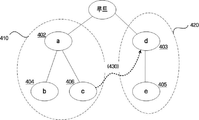
도 4는 본 발명의 일 실시예에 따른 소스 트리에서 독립적인 컴포넌트를 생성하기 위한 디렉토리를 선택하는 개념도이다.4 is a conceptual diagram of selecting a directory for creating an independent component in a source tree according to an embodiment of the present invention.
도 5 및 도 6은 본 발명의 일 실시예에 따른 소스 트리내의 스크립트 및 스크립트 실행시의 정보를 도시한다.5 and 6 show scripts in the source tree and information upon script execution in accordance with one embodiment of the present invention.
도 7은 본 발명의 일 실시예에 따른 빌드 인터페이스를 도시한다.7 illustrates a build interface according to one embodiment of the invention.
도 8은 본 발명의 일 실시예에 따른 설정 인터페이스를 도시한다.8 illustrates a setting interface according to an embodiment of the present invention.
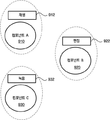
도 9 및 도 10은 본 발명의 일 실시예에 따른 타입이 정의된 독립적인 컴포넌트 및 컴포넌트 선택 화면을 도시한다.9 and 10 illustrate an independent component and a component selection screen in which a type is defined according to an embodiment of the present invention.
<도면의 주요 부분에 관한 부호의 설명><Explanation of symbols on main parts of the drawings>
210: 수집부 220: 제거부210: collector 220: remover
230: 구성부 240: 생성부230: component 240: generator
250: 구현부 260: 타입 정의부250: implementation unit 260: type definition unit
270: 검증부270: verification unit
본 발명은 빌드 단위의 컴포넌트 생성 장치 및 방법에 관한 것으로서, 더욱 상세하게는 빌드 단위로 컴포넌트를 생성하여 사용자가 원하는 컴포넌트를 선택할 수 있도록 하는 빌드 단위의 컴포넌트 생성 장치 및 방법에 관한 것이다.The present invention relates to an apparatus and method for generating a component in a build unit, and more particularly, to an apparatus and method for generating a component in a build unit for generating a component in a build unit so that a user can select a desired component.
하드웨어의 눈부신 발전은 제조사들이 고성능의 다양한 기능을 갖춘 기기를 더 짧은 시간 내에 제조할 수 있게 했으며, 이는 업체간의 기술격차를 작게 만들었다. 그리고, 이와 같은 기기를 운영하기 위해서 필요한 소프트웨어의 개발은 많은 시간과 비용을 필요로 하는 일이므로, 결국 소프트웨어의 차별화가 제품의 성공을 좌우하게 되었다. 그러나 고성능 하드웨어를 운영하는데 걸맞은 소프트웨어를 개발할 능력이 있는 회사라 하더라도 개발주기가 짧아지고, 다양해진 하드웨어들에 맞춘 소프트웨어를 매번 개발하는 일은 쉬운 일이 아니다. 그러므로 이미 많은 시간과 비용을 투입해 개발된 레거시 소프트웨어의 소스 코드를 재사용할 필요성이 대두되었다. 이미 개발된 레거시 소프트웨어의 재사용을 위해서는 각 레거시 소프트웨어의 모듈이 컴포넌트로 구성되어야 한다.The breakthrough in hardware has allowed manufacturers to build high-performance, versatile devices in less time, which has narrowed the technology gap between vendors. In addition, since the development of the software required to operate such a device requires a lot of time and money, the differentiation of the software ultimately determines the success of the product. But even a company that has the ability to develop software for running high-performance hardware has a shorter development cycle, and it's not easy to develop software for every piece of hardware. Therefore, there is a need to reuse the source code of legacy software that has already been developed with a great deal of time and money. In order to reuse legacy software that has already been developed, the modules of each legacy software must be composed of components.
도 1은 종래 레거시 소프트웨어의 소스 코드를 재사용하기 위한 과정을 도시 한다.1 illustrates a process for reusing source code of conventional legacy software.
개발자가 레거시 소프트웨어내의 기능을 재사용하기 위해 먼저 레거시 소프트웨어의 구조를 분석한다(S11).The developer first analyzes the structure of the legacy software in order to reuse the functions in the legacy software (S11).
그리고, 개발자는 레거시 소프트웨어내에 구현된 기능 중 다른 시스템이나 프로그램에서 다시 재사용할 기능을 선택한다(S21).Then, the developer selects a function to be reused again in another system or program among functions implemented in the legacy software (S21).
다음 단계에서, 개발자는 재사용할 기능을 호출하기 위해서 상기 기능을 포함하고 있는 레거시 소프트웨어의 인터페이스를 선택한다(S31). In the next step, the developer selects the interface of the legacy software including the function to call the function to be reused (S31).
또한, 개발자는 상기 인터페이스를 포함하고 있는 소스 파일을 선택한다(S41).In addition, the developer selects a source file including the interface (S41).
다음 단계에서, 개발자는 상기 소스 파일을 다른 시스템이나 프로그램으로 이동시키고, 이동된 소스들이 새로운 환경에서 오류 없이 동작하는 지 빌드(build) 및 실행 과정을 통해 검증한다(S51). 만약, 오류가 발생할 경우 빌드(build) 및 실행 과정에서 디버깅(debugging)을 수행하고 이와 같은 디버깅을 오류가 제거될 때까지 반복한다.In the next step, the developer moves the source file to another system or program, and verifies through the build and execution process that the moved sources operate without error in a new environment (S51). If an error occurs, debugging is performed during build and execution, and the debugging is repeated until the error is removed.
상기한 바와 같이, 종래에는 일반적으로 특정 기능을 재사용하기 위한 소스 파일들을 묶어서 기능 단위의 컴포넌트를 생성하였다. 그러나, 소스 파일들을 포함하고 있는 디렉토리를 독립적인 컴포넌트로 선택하여 컴포넌트의 활용도를 더욱 확장시킬 필요성이 제기된다. 또한 생성된 복수개의 빌드단위의 컴포넌트에 타입을 정의하여, 사용자가 필요에 따라 손쉽게 컴포넌트를 선택하여 시스템내에서 소정 기능을 수행하는 모듈로 활용할 필요성이 제기된다.As described above, in general, a component of a functional unit is generated by grouping source files for reusing a specific function. However, there is a need to further expand the utility of the component by selecting the directory containing the source files as an independent component. In addition, by defining types in a plurality of generated build units, a need arises for a user to easily select a component as needed and utilize it as a module for performing a predetermined function in a system.
본 발명은 빌드 단위의 컴포넌트 생성 장치 및 방법을 제공하여 빌드 단위로 컴포넌트를 생성하는 데 그 목적이 있다.An object of the present invention is to generate a component in a build unit by providing an apparatus and a method for generating a component in a build unit.
본 발명의 목적들은 이상에서 언급한 목적들로 제한되지 않으며, 언급되지 않은 또 다른 목적들은 아래의 기재로부터 당업자에게 명확하게 이해되어질 수 있을 것이다.The objects of the present invention are not limited to the above-mentioned objects, and other objects that are not mentioned will be clearly understood by those skilled in the art from the following description.
상기 목적을 달성하기 위하여, 본 발명의 실시예에 따른 빌드 단위의 컴포넌트 생성 장치는 컴포넌트간 의존 관계가 있을 경우 의존 관계를 해소시키는 제거부와 의존 관계가 해소된 컴포넌트를 독립적인 컴포넌트로 생성시키는 구현부 및 생성된 독립적인 컴포넌트의 특성을 나타내는 타입을 정의하는 타입 정의부를 포함한다. In order to achieve the above object, the component generation apparatus of a build unit according to an embodiment of the present invention implements the removal unit for eliminating the dependency when there is a dependency between components and the component for which the dependency is removed as an independent component. And a type definition unit defining a type representing a characteristic of the generated independent component.
본 발명의 실시예에 따른 빌드 단위의 컴포넌트 생성 방법은 컴포넌트간 의존 관계가 있을 경우 의존 관계를 해소시키는 (a)단계와 의존 관계가 해소된 컴포넌트를 독립적인 컴포넌트로 생성시키는 (b)단계 및 생성된 독립적인 컴포넌트의 특성을 나타내는 타입을 정의하는 (c)단계를 포함한다.In the method of generating a component in a build unit according to an embodiment of the present invention, if there is a dependency relationship between components, (a) resolving the dependency relationship and (b) generating and generating a component whose dependency has been resolved as an independent component. And (c) defining a type representing a characteristic of the independent component.
기타 실시예들의 구체적인 사항들은 상세한 설명 및 도면들에 포함되어 있다.Specific details of other embodiments are included in the detailed description and the drawings.
본 발명의 이점 및 특징, 그리고 그것들을 달성하는 방법은 첨부되는 도면과 함께 상세하게 후술되어 있는 실시예들을 참조하면 명확해질 것이다. 그러나 본 발 명은 이하에서 개시되는 실시예들에 한정되는 것이 아니라 서로 다른 다양한 형태로 구현될 수 있으며, 단지 본 실시예들은 본 발명의 개시가 완전하도록 하고, 본 발명이 속하는 기술분야에서 통상의 지식을 가진 자에게 발명의 범주를 완전하게 알려주기 위해 제공되는 것이며, 본 발명은 청구항의 범주에 의해 정의될 뿐이다. 명세서 전체에 걸쳐 동일 참조 부호는 동일 구성 요소를 지칭한다.Advantages and features of the present invention and methods for achieving them will be apparent with reference to the embodiments described below in detail with the accompanying drawings. However, the present invention is not limited to the embodiments disclosed below, but can be implemented in various different forms, only the embodiments are to make the disclosure of the present invention complete, and common knowledge in the art to which the present invention belongs It is provided to fully inform the person having the scope of the invention, which is defined only by the scope of the claims. Like reference numerals refer to like elements throughout.
이하, 첨부된 도면을 참조하여 본 발명의 바람직한 실시예를 상세히 설명하기로 한다.Hereinafter, exemplary embodiments of the present invention will be described in detail with reference to the accompanying drawings.
도 2는 본 발명의 일 실시예에 따른 빌드 단위의 컴포넌트 생성 장치의 블록도이다.2 is a block diagram of an apparatus for generating a component in a build unit according to an embodiment of the present invention.
빌드 단위의 컴포넌트 생성 장치(200)는 수집부(210), 제거부(220), 구성부(230), 생성부(240), 구현부(250), 타입 정의부(260), 및 검증부(270)를 포함한다.The component generation device 200 in a build unit includes a collector 210, a
사용자가 소스 트리(tree)에서 빌드(build) 단위의 컴포넌트(이하 독립적인 컴포넌트라고도 함)를 생성하기 위해 소정의 디렉토리를 선택한다. 상기 빌드 단위는 컴포넌트간 의존 관계가 존재하지 않고 독립적(independent)인 컴포넌트로 생성될 수 있는 단위를 의미한다. 사용자는 독립적인 컴포넌트를 생성하기 위해 소스 트리에서 개별적인 디렉토리 또는 복수개의 디렉토리의 묶음을 선택할 수 있다. The user selects a predetermined directory to create a build unit component (hereinafter, also referred to as an independent component) in the source tree. The build unit refers to a unit that can be generated as a component that is independent without a dependency between components. The user can select individual directories or groups of directories in the source tree to create independent components.
수집부(210)는 상기 컴포넌트간 의존 관계에 관한 정보를 수집한다. 상기 선택된 디렉토리는 개별적인 독립적인 컴포넌트 생성을 위해 선택된 것이다. 따라서, 수집부(210)는 상기 선택된 디렉토리간 의존 관계가 있는 지 분석하고, 이를 통해 컴포넌트간 의존 관계에 관한 정보를 수집할 수 있다. 예를 들어, 디렉토리 A가 제1 컴포넌트 생성을 위해 선택되었고, 디렉토리 B는 제2 컴포넌트 생성을 위해 선택되었다. 이때, 디렉토리 A내의 소스 파일이 디렉토리 B내의 소스 파일을 참조 한다면, 디렉토리 A는 디렉토리 B에 대해서 의존 관계(dependency)에 있게 된다. 따라서 디렉토리 A가 속한 제1 컴포넌트와 디렉토리 B가 속한 제2 컴포넌트는 의존 관계가 존재한다.The collecting unit 210 collects information about the dependency relationship between the components. The selected directory is selected for creating individual independent components. Therefore, the collection unit 210 may analyze whether there is a dependency relationship between the selected directories, and collect information on the dependency relationship between components. For example, directory A was selected for the first component creation and directory B was selected for the second component creation. At this time, if the source file in the directory A refers to the source file in the directory B, the directory A is dependent on the directory B. Therefore, there is a dependency relationship between the first component to which directory A belongs and the second component to which directory B belongs.
이때, 상기 의존 관계에 관한 정보를 수집하는 방법에는 정적인 방법과 동적인 방법이 있다. 먼저 정적인 방법으로, 수집부(210)는 소스 트리내의 스크립트(예를 들어, GNU의 ‘makefile’)를 분석하여 필요한 의존 관계에 관한 정보를 수집할 수 있다. 즉, 수집부(210)는 스크립트에 기술된 문법과 쉘 명령을 분석하는 방법을 통해 인클루드(include)하는 인터페이스, 링크할 때 필요한 라이브러리, 컴파일할 때 필요한 소스 파일 등에 관한 정보를 알 수 있고, 이를 통해 상기 디렉토리간의 의존 관계에 관한 정보를 수집할 수 있다. At this time, there are a static method and a dynamic method for collecting the information on the dependency relationship. First, in a static manner, the collecting unit 210 may analyze scripts (eg, 'makefile' of GNU) in the source tree and collect information on necessary dependencies. That is, the collection unit 210 may know information about an interface to include, a library required when linking, a source file required when compiling, and the like, by analyzing syntax and shell commands described in a script. Information about the dependencies between the directories can be collected.
또한, 동적인 방법으로, 수집부(210)는 스크립트 실행시 컴파일러 또는 링커에 전송될 상기 쉘 명령의 파라미터 값을 분석해서 디렉토리간의 의존 관계에 관한 정보를 수집할 수 있다. 상기 쉘 명령의 파라미터 값은 컴파일 옵션, 컴파일될 소스 파일 이름, 링크 옵션 등을 포함하고 있다. 예를 들어, 수집부(210)는 스크립트에서 쉘 명령 중 gcc 컴파일러의 이름을 다른 이름(즉 gxx)으로 변경하여 복사해둔다. 그리고, 수집부(210)는 스크립트가 실행되어 gcc 컴파일러가 호출되면 미리 생성된 gcc라는 동일한 이름의 프로그램을 실행시키게 된다. 이때, 상기 동일한 이름 의 gcc 프로그램은 실제 gcc 컴파일러에게 전송될 정보들 즉, 쉘 명령의 파라미터 값을 미리 수신하여 분석한다. 마찬가지로, 수집부(210)는 링커에게 전송될 정보들도 상기한 과정으로 분석할 수 있다. 이를 통해 수집부(210)는 소스 파일간의 의존 관계에 관한 정보를 수집할 수 있게 된다. In addition, in a dynamic manner, the collection unit 210 may collect information about dependency relationships between directories by analyzing parameter values of the shell command to be transmitted to a compiler or linker when executing a script. Parameter values of the shell command include compilation options, source file names to be compiled, link options, and the like. For example, the collecting unit 210 changes the name of the gcc compiler among the shell commands in the script to another name (ie, gxx) and copies it. When the script is executed and the gcc compiler is called, the collecting unit 210 executes a program of the same name as previously generated gcc. In this case, the gcc program of the same name receives and analyzes information to be transmitted to the actual gcc compiler, that is, a parameter value of a shell command in advance. Similarly, the collection unit 210 may analyze the information to be transmitted to the linker in the above-described process. Through this, the collection unit 210 may collect information about the dependency relationship between the source files.
제거부(220)는 상기 컴포넌트간 의존 관계가 있을 경우 상기 의존 관계를 해소시킨다. 예를 들어, 두 개의 소스 파일이 독립적인 컴포넌트(제1 컴포넌트와 제2 컴포넌트)를 생성하기 위한 개별적인 디렉토리에 각각 포함되어 있다. 이때, 두 개의 소스 파일이 서로 참조하는 의존 관계에 있는 경우에는 제1 컴포넌트와 제2 컴포넌트는 서로 간접적인 필요(circular need)로 인해서 독립적(independently)으로 사용될 수 없다. 따라서 상기 의존 관계를 해소시키기 위해, 제거부(220)는 의존 관계에 있는 컴포넌트를 하나로 통합(merge)할 수 있으며, 이로 인해 새로운 독립적인 컴포넌트가 생성되게 된다. 다른 방법으로, 제거부(220)는 제1 컴포넌트가 의존하고 있는 제2 컴포넌트를 제1 컴포넌트에 복사하여 포함시킴으로써 의존 관계를 해소시킬 수 있다. 이와 같은 과정을 통해 이후, 하나의 독립적인 독립적인 컴포넌트로 생성될 수 있게 된다.The
구성부(230)는 상기 스크립트내의 정보를 바탕으로 독립적인 컴포넌트로 생성시키기 위한 빌드 방법 및 상기 독립적인 컴포넌트에 적용 가능한 속성 중 적어도 어느 하나를 설정할 수 있도록 인터페이스를 구성한다. 인터페이스는 빌드 인터페이스(build interface)와 설정 인터페이스(configuration interface)로 구분되어 화면에 GUI형태로 출력될 수 있다.The
빌드 인터페이스는 빌드 방법들을 제공하며, 빌드 방법에는 ‘all, install, clean’ 등이 있다. 예를 들어 GNU 코딩 표준에서 ‘all’은 소스 파일 패키지의 모든 타겟(즉 소스 파일들)을 빌드시키고, ‘install’은 모든 타겟을 인스톨한다. 그리고 ‘clean’은 중간 결과물(intermediate results)과 모든 타겟을 제거하기 위한 빌드 방법이다. 또한, 빌드 인터페이스는 상기 빌드 방법들간의 의존 관계를 나타낼 수 있으며, 사용자가 빌드 방법을 선택할 수 있도록 설정 메뉴가 제공될 수 있다. The build interface provides build methods, including build methods: all, install, and clean. For example, in the GNU coding standard, 'all' builds all targets (ie source files) in a source file package, and 'install' installs all targets. 'Clean' is a build method for removing intermediate results and all targets. In addition, the build interface may indicate a dependency relationship between the build methods, and a setting menu may be provided to allow a user to select a build method.
이외에도, 구성부(230)는 빌드 방법의 설정 메뉴에 컴포넌트간의 의존 관계를 제거할 수 있는 옵션을 추가시킬 수 있다. 따라서, 사용자가 해당 옵션을 선택하였을 경우, 상기 제거부(220)를 통해 컴포넌트간의 의존 관계를 해소시키게 되고, 상기 의존 관계가 해소된 컴포넌트를 빌드시키게 된다.In addition, the
상기 설정 인터페이스는 독립적인 컴포넌트에 적용 가능한 속성을 제공한다. 예를 들어 사용자는 디버깅(debugging) 지원을 사용가능 또는 사용불가 하도록 설정할 수 있다. 또한 사용자는 빌드 단위로 생성될 컴포넌트가 오디오 기능과 관련된 컴포넌트인 경우, mp3 지원 유무를 설정하거나, 인코딩 또는 디코딩 방식을 설정할 수 있다. 이와 같이 사용자는 상기 빌드 인터페이스와 설정 인터페이스에서 소정의 값을 설정할 수 있으며, 사용자에 의한 설정이 없을 경우 디폴트(default)로 설정된 값이 선택될 수 있다.The configuration interface provides properties applicable to independent components. For example, you can enable or disable debugging support. In addition, when a component to be generated in a build unit is a component related to an audio function, the user may set whether mp3 is supported or set an encoding or decoding method. As such, the user may set a predetermined value in the build interface and the setting interface, and when there is no setting by the user, a value set as a default may be selected.
생성부(240)는 상기 인터페이스에서 설정된 값을 이용하여 독립적인 컴포넌트로 생성시키기 위한 빌드 스크립트를 생성한다. 상기 소스 트리내의 스크립트(제 1 스크립트)는 여러 디렉토리에 흩어져 복수개로 존재할 수 있다. 이로 인해 제1 스크립트들은 중복된 정보들을 포함할 수 있으며 사용자가 제1 스크립트의 정보를 일관성있게 변경하기 어렵다. 따라서 생성부(240)는 하나의 스크립트로 일관성 있게 사용자의 변경 내용을 반영할 수 있도록 상기 설정된 값들을 이용하여 빌드 스크립트를 생성할 수 있다. 빌드 스크립트는 바람직하게는 하나의 독립적인 컴포넌트마다 하나씩 생성될 수 있다.The
구현부(250)는 상기 의존 관계가 해소된 컴포넌트를 하나의 독립적인 컴포넌트로 생성시킨다. 이를 위해 구현부(250)는 상기 빌드 스크립트를 실행시킨다. 이때, 구현부(250)는 상기 빌드 방법의 설정 메뉴에서 컴포넌트간의 의존 관계를 제거할 수 있는 옵션이 선택된 경우, 상기 제거부(220)를 통해 컴포넌트간의 의존 관계를 해소시킨 독립적인 컴포넌트를 생성시키게 된다.The
타입 정의부(260)는 상기 생성된 독립적인 컴포넌트에 대한 타입을 정의한다. 타입은 독립적인 컴포넌트의 특성 및 기능에 관한 정보를 나타낼 수 있다. 따라서 복수개의 독립적인 컴포넌트(즉 독립적인 컴포넌트)가 생성될 경우 사용자는 정의된 타입에 따라 구별할 수 있으며, 시스템내에서 소정 기능을 수행하는 모듈로써 사용될 독립적인 컴포넌트를 선택할 수 있다.The
검증부(270)는 상기 독립적인 컴포넌트가 상기 의존 관계를 해소한 상태로 정상적으로 생성되었는 지 여부를 검증한다. 즉, 검증부(270)는 컴포넌트간 의존 관계가 해소되어 하나의 독립적인 컴포넌트로 정상적으로 동작하는 지 여부를 검증할 수 있다. 또한, 예를 들어 검증부(270)는 동일한 독립적인 컴포넌트에 속한 소 스 파일 A와 B에 있어서, 소스 파일 A가 소스 파일 B의 소정 함수를 임포트(import)하고 있는 경우, 소스 파일 B에 상기 함수가 정상적으로 정의되어 있는 지 여부를 검증할 수 있다.The verification unit 270 verifies whether the independent component has been normally generated in a state of resolving the dependency relationship. That is, the verification unit 270 may verify whether the dependencies between components are resolved and normally operate as one independent component. Further, for example, the verification unit 270 in the source files A and B belonging to the same independent component, when the source file A imports a predetermined function of the source file B, the source file B You can verify whether a function is defined correctly.
도 2에서 도시된 각각의 구성요소는 일종의 '모듈'로 구성될 수 있다. 상기 '모듈'은 소프트웨어 또는 Field Programmable Gate Array(FPGA) 또는 주문형 반도체(Application Specific Integrated Circuit, ASIC)과 같은 하드웨어 구성요소를 의미하며, 모듈은 어떤 역할들을 수행한다. 그렇지만 모듈은 소프트웨어 또는 하드웨어에 한정되는 의미는 아니다. 모듈은 어드레싱할 수 있는 저장 매체에 있도록 구성될 수도 있고 하나 또는 그 이상의 프로세서들을 실행시키도록 구성될 수도 있다. 따라서, 일 예로서 모듈은 소프트웨어 구성요소들, 객체지향 소프트웨어 구성요소들, 클래스 구성요소들 및 태스크 구성요소들과 같은 구성요소들과, 프로세스들, 함수들, 속성들, 프로시저들, 서브루틴들, 프로그램 코드의 세그먼트들, 드라이버들, 펌웨어, 마이크로코드, 회로, 데이터, 데이터베이스, 데이터 구조들, 테이블들, 어레이들, 및 변수들을 포함한다. 구성요소들과 모듈들에서 제공되는 기능은 더 작은 수의 구성요소들 및 모듈들로 결합되거나 추가적인 구성요소들과 모듈들로 더 분리될 수 있다.Each component illustrated in FIG. 2 may be configured as a kind of 'module'. The term 'module' refers to a hardware component such as software or a field programmable gate array (FPGA) or an application specific integrated circuit (ASIC), and a module plays a role. However, modules are not meant to be limited to software or hardware. The module may be configured to be in an addressable storage medium and may be configured to execute one or more processors. Thus, as an example, a module may include components such as software components, object-oriented software components, class components, and task components, and processes, functions, properties, procedures, subroutines. , Segments of program code, drivers, firmware, microcode, circuits, data, databases, data structures, tables, arrays, and variables. The functionality provided by the components and modules may be combined into a smaller number of components and modules or further separated into additional components and modules.
이하 도 3에서는, 독립적인 컴포넌트를 생성하는 과정을 각 단계별로 설명하기로 한다.In FIG. 3, a process of generating an independent component will be described for each step.
도 3은 상기 도 2를 이용하여 독립적인 컴포넌트를 생성하는 순서도이다.3 is a flowchart of generating an independent component using FIG. 2.
사용자가 소스 트리(tree)에서 빌드(build) 단위의 컴포넌트를 생성하기 위 해 소정의 디렉토리를 선택한다(S301). 상기 빌드 단위는 컴포넌트간 의존 관계가 존재하지 않고 독립적(independent)인 컴포넌트로 생성될 수 있는 단위를 의미한다. 사용자는 독립적인 컴포넌트를 생성하기 위해 소스 트리에서 개별적인 디렉토리 또는 복수개의 디렉토리의 묶음을 선택할 수 있다.The user selects a predetermined directory to create a component of a build unit in the source tree (S301). The build unit refers to a unit that can be generated as a component that is independent without a dependency between components. The user can select individual directories or groups of directories in the source tree to create independent components.
수집부(210)는 컴포넌트간 의존 관계에 관한 정보를 수집한다(S311). 상기 선택된 디렉토리는 개별적인 독립적인 컴포넌트 생성을 위해 선택된 것이다. 따라서, 수집부(210)는 상기 선택된 디렉토리간 의존 관계가 있는 지 분석하고, 이를 통해 컴포넌트간 의존 관계에 관한 정보를 수집할 수 있다.The collector 210 collects information about dependency relationships between components (S311). The selected directory is selected for creating individual independent components. Therefore, the collection unit 210 may analyze whether there is a dependency relationship between the selected directories, and collect information on the dependency relationship between components.
제거부(220)는 상기 컴포넌트간 의존 관계가 있을 경우 상기 의존 관계를 해소시킨다(S321). 상기 의존 관계를 해소시키기 위해, 제거부(220)는 의존 관계에 있는 컴포넌트를 하나로 통합(merge)할 수 있으며, 이로 인해 새로운 독립적인 컴포넌트가 생성되게 된다. 또한, 제거부(220)는 제1 컴포넌트가 의존하고 있는 제2 컴포넌트를 제1 컴포넌트에 복사하여 포함시킴으로써 의존 관계를 해소시킬 수 있다. If there is a dependency relationship between the components, the
구성부(230)는 상기 스크립트내의 정보를 바탕으로 독립적인 컴포넌트로 생성시키기 위한 빌드 방법 및 상기 독립적인 컴포넌트에 적용 가능한 속성 중 적어도 어느 하나를 설정할 수 있도록 인터페이스를 구성한다(S331). 인터페이스는 빌드 인터페이스(build interface)와 설정 인터페이스(configuration interface)로 구분되어 화면에 GUI형태로 출력될 수 있다.The
생성부(240)는 상기 인터페이스에서 설정된 값을 이용하여 독립적인 컴포넌 트로 생성시키기 위한 빌드 스크립트를 생성한다(S341).The
구현부(250)는 상기 의존 관계가 해소된 컴포넌트를 하나의 독립적인 컴포넌트로 생성시킨다(S351). 이를 위해 구현부(250)는 상기 빌드 스크립트를 실행시킨다.The
타입 정의부(260)는 상기 생성된 독립적인 컴포넌트에 대한 타입을 정의한다(S361). 타입은 독립적인 컴포넌트의 특성 및 기능에 관한 정보를 나타낼 수 있다.The
검증부(270)는 상기 독립적인 컴포넌트가 상기 의존 관계를 해소한 상태로 정상적으로 생성되었는 지 여부를 검증한다(S371). The verification unit 270 verifies whether the independent component is normally generated in a state in which the dependency relationship is resolved (S371).
도 4는 본 발명의 일 실시예에 따른 소스 트리에서 독립적인 컴포넌트를 생성하기 위한 디렉토리를 선택하는 개념도이다.4 is a conceptual diagram of selecting a directory for creating an independent component in a source tree according to an embodiment of the present invention.
사용자는 독립적인 컴포넌트를 생성하기 위해 소스 트리에서 개별적인 디렉토리들(402, 404, 406, 403, 405) 또는 복수개의 디렉토리의 묶음(410, 420)을 선택할 수 있다. The user can select
예를 들어, 디렉토리 a, b, c(402, 404, 406)와 디렉토리 d, e(403, 405)가 각각 독립적인 컴포넌트 생성을 위해 선택되었다고 하자. 이때, 디렉토리 c(406)내의 소스 파일이 디렉토리 d(403)내의 소스 파일을 참조(430) 한다면, 디렉토리 c(406)는 디렉토리 d(403)에 대해서 의존 관계(dependency)에 있게 된다. 따라서 디렉토리 c(406)가 속한 제1 컴포넌트와 디렉토리 d(403)가 속한 제2 컴포넌트는 의존 관계가 존재한다. 이와 같은 의존 관계를 해소시키기 위해서, 제거부(220)는 디렉토리 d(403)내의 소스 파일을 제1 컴포넌트로 복사하거나, 제1 컴포넌트와 제2 컴포넌트를 하나의 컴포넌트로 통합시킬 수 있다.For example, assume that directories a, b, c (402, 404, 406) and directories d, e (403, 405) are each selected for independent component creation. At this time, if the source file in the
상기 의존 관계에 관한 정보는 수집부(210)가 소스 트리내의 스크립트(예를 들어, GNU의 ‘makefile’)를 분석하여 수집할 수 있다. 보다 구체적인 내용은 이하 도 5 및 도 6에서 소정의 스크립트를 예로 들어 설명하기로 한다.The dependency information may be collected by the collection unit 210 by analyzing a script (eg, 'makefile' of GNU) in the source tree. More details will be described below by taking a predetermined script as an example in FIGS. 5 and 6.
도 5 및 도 6은 본 발명의 일 실시예에 따른 소스 트리내의 스크립트 및 스크립트 실행시의 정보를 도시한다.5 and 6 show scripts in the source tree and information upon script execution in accordance with one embodiment of the present invention.
수집부(210)는 컴포넌트간 의존 관계에 관한 정보를 수집하기 위해 스크립트에 기술된 문법과 쉘 명령을 분석한다. Collector 210 analyzes the syntax and shell commands described in the script to collect information about the dependencies between components.
도 5에 도시된 바와 같이, test1(502)이란 제1 컴포넌트 생성에 있어서 write.c 소스 파일(504)이 제2 컴포넌트에 포함되어 있고 나머지 파일들은 동일한 제1 컴포넌트에 포함되어 있을 경우 제1 컴포넌트는 제2 컴포넌트와 의존 관계에 있게 된다. 이와 같이 인클루드(include)하는 인터페이스(예를 들어 io.h 헤더 파일(506)), 링크할 때 필요한 라이브러리, 컴파일할 때 필요한 소스 파일 등에 관한 정보를 통해 컴포넌트간 의존 관계에 대한 정보를 수집할 수 있다.As shown in FIG. 5, when the first component is generated, test1 502 includes the first component when write.c source file 504 is included in the second component and the remaining files are included in the same first component. Is dependent on the second component. Information about the dependencies between components can be collected through information about the include interface (for example, the io.h header file 506), the libraries required for linking, and the source files required for compiling. have.
또한, 수집부(210)는 스크립트가 실행되어 컴파일러 또는 링커에 전송될 쉘 명령의 파라미터 값을 분석해서 디렉토리간의 의존 관계에 관한 정보를 수집할 수 있다. 이를 위해 예를 들어, 수집부(210)는 스크립트에서 쉘 명령 중 gcc 컴파일러의 이름을 다른 이름(즉 gxx)으로 변경하여 복사해둔다. 그리고, 수집부(210)는 스크립트가 실행되어 gcc 컴파일러가 호출되면 미리 생성된 gcc라는 동일한 이름의 프로그램을 실행시키게 된다. 즉, 도 6에 도시된 바와 같이, 스크립트가 실행되어 쉘 명령 중 gcc 컴파일러가 호출되면, 미리 생성된 동일한 이름의 gcc 프로그램이 수행되어 실제 gcc 컴파일러에게 전송될 정보들 즉, 쉘 명령(즉 gcc)의 파라미터 값인 컴파일 옵션(602), 컴파일될 소스 파일 이름(604) 등을 미리 수신하여 분석한다. 이를 통해 수집부(210)는 소스 파일간의 의존 관계에 관한 정보를 수집할 수 있게 된다. 상기 도 5 및 도 6의 스크립트는 시스템에 따라서 다양하게 구성될 수 있으며, 이에 한정되지 않는다.In addition, the collection unit 210 may collect information about dependency relationships between directories by analyzing a parameter value of a shell command to be executed by a script and transmitted to a compiler or a linker. To this end, for example, the collection unit 210 changes the name of the gcc compiler among the shell commands in the script to another name (ie, gxx) and copies it. When the script is executed and the gcc compiler is called, the collecting unit 210 executes a program of the same name as previously generated gcc. That is, as shown in FIG. 6, when the script is executed and the gcc compiler is called among the shell commands, the gcc program of the same name generated in advance is executed to transmit information to the actual gcc compiler, that is, the shell command (ie, gcc).
상기한 바와 같이 컴포넌트간의 의존 관계에 관한 정보를 바탕으로 제거부(220)는 의존 관계에 있는 컴포넌트들을 통합시키거나, 의존 관계에 있는 소스 파일을 복사하는 방법으로 의존 관계를 해소시킬 수 있다. 그리고, 상기 스크립트내의 정보를 바탕으로 상기 독립적인 컴포넌트로 생성시키기 위한 빌드 방법 및 상기 독립적인 컴포넌트에 적용 가능한 속성 중 적어도 어느 하나를 설정할 수 있도록 인터페이스를 구성할 수 있다. 이하 도 7에서 보다 자세히 설명하기로 한다.As described above, based on the information about the dependency relationship between components, the
도 7은 본 발명의 일 실시예에 따른 빌드 인터페이스를 도시한다.7 illustrates a build interface according to one embodiment of the invention.
구성부(230)는 상기 스크립트내의 정보를 바탕으로 상기 독립적인 컴포넌트를 생성시키기 위한 빌드 방법 및 상기 독립적인 컴포넌트에 적용 가능한 속성 중 적어도 어느 하나를 설정할 수 있도록 인터페이스를 구성한다.The
도시된 바와 같이, 빌드 방법에는 ‘all, install, clean’ 등이 있다. GNU 코딩 표준에서 ‘all’(702)은 소스 파일 패키지(디렉토리)의 모든 타겟(즉 소스 파일들)을 빌드시키고, ‘install’은 모든 타겟을 인스톨한다. 그리고 ‘clean ’(704)은 중간 결과물(intermediate results)과 모든 타겟을 제거하기 위한 빌드 방법이다. 상기 스크립트의 빌드 방법은 GUI 형태의 빌드 인터페이스(710)로 사용자에게 제공될 수 있다. 그리고, 빌드 인터페이스(710)는 상기 빌드 방법들간의 의존 관계(711)를 나타낼 수 있으며, 사용자가 빌드 방법을 선택할 수 있도록 설정 메뉴(730)가 제공될 수 있다. 또한, 구성부(230)는 빌드 방법의 설정 메뉴(730)에 컴포넌트간의 의존 관계를 제거할 수 있는 옵션(732)을 추가시켜, 사용자가 해당 옵션(732)을 선택하였을 경우, 이후 제거부(220)를 통해 컴포넌트간의 의존 관계를 해소시키도록 할 수 있다.As shown, build methods include 'all, install, clean' and the like. In the GNU coding standard, 'all' (702) builds all targets (ie source files) of a source file package (directory), and 'install' installs all targets. 'Clean' (704) is a build method for removing intermediate results and all targets. The build method of the script may be provided to the user as a
또한, 사용자는 설정 인터페이스(720)를 통해 독립적인 컴포넌트에 적용할 속성을 설정할 수 있다. 이하 도 8에서 자세히 설명하기로 한다.In addition, the user may set a property to be applied to an independent component through the setting
도 8은 본 발명의 일 실시예에 따른 설정 인터페이스를 도시한다.8 illustrates a setting interface according to an embodiment of the present invention.
설정 인터페이스(720)는 독립적인 컴포넌트에 적용 가능한 속성을 제공한다. 예를 들어 사용자는 독립적인 컴포넌트에 디버깅(debugging) 지원(802)을 사용가능 또는 사용불가 하도록 설정할 수 있다. 또한 사용자는 독립적인 컴포넌트가 오디오 기능과 관련된 컴포넌트인 경우, mp3 지원 유무(804)를 설정하거나, 인코딩 또는 디코딩 방식(806, 808)을 설정할 수 있다.The
생성부(240)는 상기 인터페이스(710, 720)에서 설정된 값을 이용하여 독립적인 컴포넌트로 생성시키기 위한 빌드 스크립트를 생성한다. 그리고, 구현부(250)는 상기 빌드 스크립트를 실행시켜 의존 관계가 해소된 독립적인 컴포넌트로 생성시킨다. 특히, 구현부(250)는 상기 빌드 방법의 설정 메뉴(730)에 컴포넌트간의 의존 관계를 제거할 수 있는 옵션(732)이 선택된 경우, 빌드 스크립트 실행시 상기 제거부(220)를 통해 컴포넌트간의 의존 관계를 해소시킨 독립적인 컴포넌트를 생성하게 된다. 그리고, 타입 정의부(260)는 상기 빌드된 컴포넌트에 대한 타입을 정의하게 되는 데 이하 도 9에서 설명하기로 한다.The
도 9 및 도 10은 본 발명의 일 실시예에 따른 타입이 정의된 독립적인 컴포넌트 및 컴포넌트 선택 화면을 도시한다.9 and 10 illustrate an independent component and a component selection screen in which a type is defined according to an embodiment of the present invention.
타입 정의부(260)는 생성된 독립적인 컴포넌트(910, 920, 930)의 특성 및 기능에 관한 정보를 담고 있는 타입을 정의한다.The
도 9에 도시된 바와 같이, 생성된 독립적인 컴포넌트들(910, 920, 930)이 오디오 기능과 관련된 컴포넌트인 경우, 사용자는 독립적인 컴포넌트들에 정의된 타입(912, 922, 932)으로 각 독립적인 컴포넌트를 구별하고, 원하는 독립적인 컴포넌트를 선택하여 시스템내에서 소정 기능을 수행하도록 할 수 있다. As shown in FIG. 9, when the generated
이를 위해 도 10에 도시된 바와 같이, 사용자가 원하는 독립적인 컴포넌트를 선택할 수 있도록 GUI 화면(1000)이 제공될 수 있다. 상기 GUI 화면(1000)에는 상기 도 7 및 도 8에서 사용자가 설정한 빌드 인터페이스(710) 및 설정 인터페이스(720)에서 설정한 내용들을 함께 출력될 수 있다. 사용자는 독립적인 컴포넌트(910, 920, 930)에 정의된 타입(재생, 편집, 녹음)으로 독립적인 컴포넌트의 특성 및 기능을 구별할 수 있다. 따라서, 사용자는 시스템에 적용할 독립적인 컴포넌트를 선택하여 소정의 기능을 수행하도록 할 수 있다.For this purpose, as illustrated in FIG. 10, the
이상 첨부된 도면을 참조하여 본 발명의 실시예를 설명하였지만, 본 발명이 속하는 기술분야에서 통상의 지식을 가진 자는 본 발명이 그 기술적 사상이나 필수적인 특징을 변경하지 않고서 다른 구체적인 형태로 실시될 수 있다는 것을 이해할 수 있을 것이다. 그러므로 이상에서 기술한 실시예들은 모든 면에서 예시적인 것이며 한정적이 아닌 것으로 이해해야만 한다.Although embodiments of the present invention have been described above with reference to the accompanying drawings, those skilled in the art to which the present invention pertains may implement the present invention in other specific forms without changing the technical spirit or essential features thereof. I can understand that. Therefore, it should be understood that the embodiments described above are exemplary in all respects and not restrictive.
상기한 바와 같은 본 발명의 빌드 단위의 컴포넌트 생성 장치 및 방법에 따르면 다음과 같은 효과가 하나 혹은 그 이상 있다. According to the component generating apparatus and method of the build unit of the present invention as described above has one or more of the following effects.
첫째, 독립적인 컴포넌트 생성을 통해 컴포넌트의 활용도를 더욱 확장시키는 장점이 있다.First, there is an advantage of further expanding the utilization of the component by creating an independent component.
둘째, 독립적인 컴포넌트의 타입을 정의하여 사용자가 원하는 컴포넌트를 선택하여 시스템에 적용시킬 수 있는 장점도 있다. Second, there is an advantage that the user can select the desired component and apply it to the system by defining the type of independent component.
Claims (20)
Priority Applications (3)
| Application Number | Priority Date | Filing Date | Title |
|---|---|---|---|
| KR1020060079482A KR100791303B1 (en) | 2006-08-22 | 2006-08-22 | Component generation device and method of build unit |
| US11/762,934 US20080052666A1 (en) | 2006-08-22 | 2007-06-14 | Apparatus and method for making build-block component |
| EP07114559A EP1898303A1 (en) | 2006-08-22 | 2007-08-17 | Apparatus and method for making build-block component |
Applications Claiming Priority (1)
| Application Number | Priority Date | Filing Date | Title |
|---|---|---|---|
| KR1020060079482A KR100791303B1 (en) | 2006-08-22 | 2006-08-22 | Component generation device and method of build unit |
Publications (1)
| Publication Number | Publication Date |
|---|---|
| KR100791303B1 true KR100791303B1 (en) | 2008-01-04 |
Family
ID=38698274
Family Applications (1)
| Application Number | Title | Priority Date | Filing Date |
|---|---|---|---|
| KR1020060079482A Expired - Fee Related KR100791303B1 (en) | 2006-08-22 | 2006-08-22 | Component generation device and method of build unit |
Country Status (3)
| Country | Link |
|---|---|
| US (1) | US20080052666A1 (en) |
| EP (1) | EP1898303A1 (en) |
| KR (1) | KR100791303B1 (en) |
Families Citing this family (1)
| Publication number | Priority date | Publication date | Assignee | Title |
|---|---|---|---|---|
| US10671510B1 (en) * | 2016-06-24 | 2020-06-02 | Intuit, Inc. | Techniques for evaluating collected build metrics during a software build process |
Citations (13)
| Publication number | Priority date | Publication date | Assignee | Title |
|---|---|---|---|---|
| US6230117B1 (en) * | 1997-03-27 | 2001-05-08 | International Business Machines Corporation | System for automated interface generation for computer programs operating in different environments |
| US6253244B1 (en) * | 1998-10-30 | 2001-06-26 | Unisys Corp. | System and computer-implemented method for providing access to host-based screen applications using business-centric software components |
| US6305003B1 (en) * | 1999-05-26 | 2001-10-16 | Hewlett-Packard Company | System and method for propagating clock nodes in a netlist of circuit design |
| KR20020058537A (en) * | 2000-12-30 | 2002-07-12 | 오길록 | An Adaptation Technique for Binary Components through Adaptation Components |
| KR20030050621A (en) * | 2001-12-19 | 2003-06-25 | 한국전자통신연구원 | Method and apparatus for wrapping existing procedure oriented program into component based system |
| KR20030059504A (en) * | 2001-12-29 | 2003-07-10 | 한국전자통신연구원 | System for transforming source code into component automatically and method thereof |
| KR20040046463A (en) * | 2002-11-27 | 2004-06-05 | 한국전자통신연구원 | System and method of generating EJB component from reusable business logic in servlet |
| KR20040049505A (en) * | 2002-12-06 | 2004-06-12 | 한국전자통신연구원 | Method for architecture-based reengineering using design patterns |
| KR20040097941A (en) * | 2003-05-12 | 2004-11-18 | 정안모 | Method and system of developing a software with utilizing metadata of the client-side component under component-based development environment |
| KR20050024227A (en) * | 2003-09-02 | 2005-03-10 | 마이크로소프트 코포레이션 | Software componentization |
| KR20050063402A (en) * | 2003-12-22 | 2005-06-28 | 한국전자통신연구원 | Componentization method for re-engineering of legacy system |
| KR20050062896A (en) * | 2003-12-19 | 2005-06-28 | 한국전자통신연구원 | Method for extracting reusable components from legacy systems |
| KR20050066281A (en) * | 2003-12-26 | 2005-06-30 | 한국전자통신연구원 | Descriptor file architecture based on sca system and file parsing method thereof |
Family Cites Families (2)
| Publication number | Priority date | Publication date | Assignee | Title |
|---|---|---|---|---|
| US7640533B1 (en) * | 2005-03-30 | 2009-12-29 | Emc Corporation | System and methods for defining a software build |
| US7836440B2 (en) * | 2006-04-27 | 2010-11-16 | Oracle America, Inc. | Dependency-based grouping to establish class identity |
-
2006
- 2006-08-22 KR KR1020060079482A patent/KR100791303B1/en not_active Expired - Fee Related
-
2007
- 2007-06-14 US US11/762,934 patent/US20080052666A1/en not_active Abandoned
- 2007-08-17 EP EP07114559A patent/EP1898303A1/en not_active Ceased
Patent Citations (13)
| Publication number | Priority date | Publication date | Assignee | Title |
|---|---|---|---|---|
| US6230117B1 (en) * | 1997-03-27 | 2001-05-08 | International Business Machines Corporation | System for automated interface generation for computer programs operating in different environments |
| US6253244B1 (en) * | 1998-10-30 | 2001-06-26 | Unisys Corp. | System and computer-implemented method for providing access to host-based screen applications using business-centric software components |
| US6305003B1 (en) * | 1999-05-26 | 2001-10-16 | Hewlett-Packard Company | System and method for propagating clock nodes in a netlist of circuit design |
| KR20020058537A (en) * | 2000-12-30 | 2002-07-12 | 오길록 | An Adaptation Technique for Binary Components through Adaptation Components |
| KR20030050621A (en) * | 2001-12-19 | 2003-06-25 | 한국전자통신연구원 | Method and apparatus for wrapping existing procedure oriented program into component based system |
| KR20030059504A (en) * | 2001-12-29 | 2003-07-10 | 한국전자통신연구원 | System for transforming source code into component automatically and method thereof |
| KR20040046463A (en) * | 2002-11-27 | 2004-06-05 | 한국전자통신연구원 | System and method of generating EJB component from reusable business logic in servlet |
| KR20040049505A (en) * | 2002-12-06 | 2004-06-12 | 한국전자통신연구원 | Method for architecture-based reengineering using design patterns |
| KR20040097941A (en) * | 2003-05-12 | 2004-11-18 | 정안모 | Method and system of developing a software with utilizing metadata of the client-side component under component-based development environment |
| KR20050024227A (en) * | 2003-09-02 | 2005-03-10 | 마이크로소프트 코포레이션 | Software componentization |
| KR20050062896A (en) * | 2003-12-19 | 2005-06-28 | 한국전자통신연구원 | Method for extracting reusable components from legacy systems |
| KR20050063402A (en) * | 2003-12-22 | 2005-06-28 | 한국전자통신연구원 | Componentization method for re-engineering of legacy system |
| KR20050066281A (en) * | 2003-12-26 | 2005-06-30 | 한국전자통신연구원 | Descriptor file architecture based on sca system and file parsing method thereof |
Also Published As
| Publication number | Publication date |
|---|---|
| EP1898303A1 (en) | 2008-03-12 |
| US20080052666A1 (en) | 2008-02-28 |
Similar Documents
| Publication | Publication Date | Title |
|---|---|---|
| US7340726B1 (en) | Systems and methods for performing static analysis on source code | |
| Systä et al. | Shimba—an environment for reverse engineering Java software systems | |
| TWI514130B (en) | A computing device, method, computer-program product and apparatus for enabling concurrent testing | |
| JP7776247B2 (en) | Checking source code validity when updating code | |
| EP1089172A2 (en) | Compiler and method for compiling specification language into implementation language | |
| CN101866315B (en) | Test method and system of software development tool | |
| US8863100B2 (en) | Application services source refactoring | |
| CN106775744B (en) | Method and device for generating static library | |
| CN106933642B (en) | Application processing method and processing device | |
| He et al. | Swe-perf: Can language models optimize code performance on real-world repositories? | |
| CN113821204B (en) | Component generation method and device, electronic equipment and readable storage medium | |
| US7624381B1 (en) | Portable detection of start and completion of object construction | |
| US12197316B2 (en) | Automated decoupling of unit tests | |
| KR100791303B1 (en) | Component generation device and method of build unit | |
| Leemans et al. | Recursion aware modeling and discovery for hierarchical software event log analysis (extended) | |
| Alshanqiti et al. | Visual contract extractor: a tool for reverse engineering visual contracts using dynamic analysis | |
| CN112579470B (en) | Compiling and linking method and system for debugging dynamic software library | |
| CN112597669B (en) | Simulation test platform and working method thereof | |
| WO2008015110A2 (en) | Methods, apparatus and computer programs for modelling computer programs | |
| CN116185837A (en) | Interface testing method, device, computer equipment and readable storage medium | |
| JP2016042317A (en) | Software design support apparatus and method | |
| KR100834759B1 (en) | Device implementation method and method using object file | |
| CN111338612A (en) | System and method for realizing C cross compiler integrated construction aiming at software development tool | |
| Klikovits et al. | Considering execution environment resilience: a white-box approach | |
| Drobintsev et al. | Model oriented approach for industrial software development |
Legal Events
| Date | Code | Title | Description |
|---|---|---|---|
| A201 | Request for examination | ||
| PA0109 | Patent application |
St.27 status event code: A-0-1-A10-A12-nap-PA0109 |
|
| PA0201 | Request for examination |
St.27 status event code: A-1-2-D10-D11-exm-PA0201 |
|
| R17-X000 | Change to representative recorded |
St.27 status event code: A-3-3-R10-R17-oth-X000 |
|
| E701 | Decision to grant or registration of patent right | ||
| PE0701 | Decision of registration |
St.27 status event code: A-1-2-D10-D22-exm-PE0701 |
|
| GRNT | Written decision to grant | ||
| PR0701 | Registration of establishment |
St.27 status event code: A-2-4-F10-F11-exm-PR0701 |
|
| PR1002 | Payment of registration fee |
St.27 status event code: A-2-2-U10-U11-oth-PR1002 Fee payment year number: 1 |
|
| PG1601 | Publication of registration |
St.27 status event code: A-4-4-Q10-Q13-nap-PG1601 |
|
| PR1001 | Payment of annual fee |
St.27 status event code: A-4-4-U10-U11-oth-PR1001 Fee payment year number: 4 |
|
| PR1001 | Payment of annual fee |
St.27 status event code: A-4-4-U10-U11-oth-PR1001 Fee payment year number: 5 |
|
| R18-X000 | Changes to party contact information recorded |
St.27 status event code: A-5-5-R10-R18-oth-X000 |
|
| FPAY | Annual fee payment |
Payment date: 20121129 Year of fee payment: 6 |
|
| PR1001 | Payment of annual fee |
St.27 status event code: A-4-4-U10-U11-oth-PR1001 Fee payment year number: 6 |
|
| FPAY | Annual fee payment |
Payment date: 20131128 Year of fee payment: 7 |
|
| PR1001 | Payment of annual fee |
St.27 status event code: A-4-4-U10-U11-oth-PR1001 Fee payment year number: 7 |
|
| FPAY | Annual fee payment |
Payment date: 20141127 Year of fee payment: 8 |
|
| PR1001 | Payment of annual fee |
St.27 status event code: A-4-4-U10-U11-oth-PR1001 Fee payment year number: 8 |
|
| LAPS | Lapse due to unpaid annual fee | ||
| PC1903 | Unpaid annual fee |
St.27 status event code: A-4-4-U10-U13-oth-PC1903 Not in force date: 20151228 Payment event data comment text: Termination Category : DEFAULT_OF_REGISTRATION_FEE |
|
| PC1903 | Unpaid annual fee |
St.27 status event code: N-4-6-H10-H13-oth-PC1903 Ip right cessation event data comment text: Termination Category : DEFAULT_OF_REGISTRATION_FEE Not in force date: 20151228 |