JP7421251B1 - Risk assessment system - Google Patents
Risk assessment system Download PDFInfo
- Publication number
- JP7421251B1 JP7421251B1 JP2023106775A JP2023106775A JP7421251B1 JP 7421251 B1 JP7421251 B1 JP 7421251B1 JP 2023106775 A JP2023106775 A JP 2023106775A JP 2023106775 A JP2023106775 A JP 2023106775A JP 7421251 B1 JP7421251 B1 JP 7421251B1
- Authority
- JP
- Japan
- Prior art keywords
- information
- medication
- drug
- identification information
- risk
- Prior art date
- Legal status (The legal status is an assumption and is not a legal conclusion. Google has not performed a legal analysis and makes no representation as to the accuracy of the status listed.)
- Active
Links
Images








Landscapes
- Medical Treatment And Welfare Office Work (AREA)
Abstract

【課題】服薬者識別情報と、薬剤識別情報と、服薬期間情報と、空白期間情報と、遵守率算出ルールとに基づいて、服薬者ごとに薬剤別に遵守率を算出し、その遵守率を薬剤識別情報と関連付けて保持するリスク判定システムを提供しようとする。
【解決手段】服薬者識別情報と、薬剤識別情報と、服薬期間情報と、空白期間情報と、遵守率算出ルールとに基づいて、服薬者ごとに薬剤別に遵守率を算出する遵守率算出部と、遵守率算出部で算出された遵守率を薬剤識別情報と関連付けて保持する遵守率保持部と、を有するリスク判定システムを提供する。
【選択図】図3
[Problem] Calculate the compliance rate for each drug for each patient based on medication patient identification information, drug identification information, medication period information, blank period information, and compliance rate calculation rules, and calculate the compliance rate for each drug. We aim to provide a risk assessment system that is associated with identification information and maintained.
[Solution] A compliance rate calculation unit that calculates the compliance rate for each medication for each medication patient based on medication medication identification information, medication identification information, medication period information, blank period information, and compliance rate calculation rules. , a compliance rate holding unit that stores the compliance rate calculated by the compliance rate calculation unit in association with drug identification information.
[Selection diagram] Figure 3
Description
本発明は、服薬者識別情報と、薬剤識別情報と、服薬期間情報と、空白期間情報と、遵守率算出ルールとに基づいて、服薬者ごとに薬剤別に遵守率を算出し、その遵守率を薬剤識別情報と関連付けて保持するリスク判定システムに関するものである。 The present invention calculates the compliance rate for each drug for each patient and calculates the compliance rate based on patient identification information, drug identification information, medication period information, blank period information, and compliance rate calculation rules. The present invention relates to a risk determination system that is held in association with drug identification information.
最近、処方せんなどに示された薬剤を服用する服薬者に対して、服薬遵守させるように働きかけるシステムやサービスが検討されている。 Recently, systems and services have been considered that encourage patients to comply with the medication prescribed in their prescriptions.
そのようなシステムの一例として、特許文献1に記載された発明が提案されていた。この発明では、ユーザの入力した服薬情報を端末から受信し、その服薬情報に基づく、ユーザの服薬の履歴に基づいて、ユーザがどれだけ用法、用量を守って服薬をしているかを評価するためのスコアを算出し、そのスコアに基づいてユーザの端末に対して対価情報を送るようなシステムを提供するというものであった。
As an example of such a system, the invention described in
しかしながら、上述した発明では、ユーザ(服薬者)自身が端末から自らの服薬情報をシステム側にその都度送らなければならないという煩わしさがあり、また、システム側でその服薬情報に基づく、ユーザ(服薬者)の服薬の履歴に基づいて、ユーザ(服薬者)がどれだけ用法、用量を守って服薬をしているかを評価するためのスコアを算出する方法などが明確に開示されていないという課題があった。 However, with the above-described invention, the user (medication taker) has to send his/her own medication information from the terminal to the system side each time, which is troublesome. The issue is that the method for calculating a score to evaluate how well the user (the person taking the medication) is following the directions and dosage based on the medication history of the user (the person taking the medication) is not clearly disclosed. there were.
本発明は、上述したような課題を踏まえ、服薬者識別情報と、薬剤識別情報と、服薬期間情報と、空白期間情報と、遵守率算出ルールとに基づいて、服薬者ごとに薬剤別に遵守率を算出し、その遵守率を薬剤識別情報と関連付けて保持するリスク判定システムを提供しようとするものである。 In view of the above-mentioned problems, the present invention calculates the compliance rate for each drug for each patient based on patient identification information, drug identification information, medication period information, blank period information, and compliance rate calculation rules. The aim is to provide a risk determination system that calculates the compliance rate and stores it in association with drug identification information.
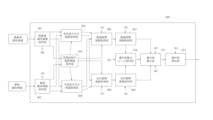
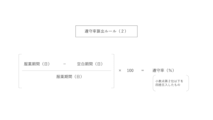
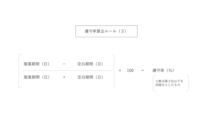
具体的には、本発明は、医薬品の給付に関わる情報で示された薬剤を服用する服薬者を一意に識別するための情報である服薬者識別情報を保持する服薬者識別情報保持部と、医薬品の給付に関わる情報で示された薬剤を一意に識別するための情報である薬剤識別情報を保持する薬剤識別情報保持部と、服薬者識別情報保持部で保持された服薬者識別情報で識別される服薬者に対して、薬剤識別情報を含む医薬品の給付に関わる情報の履歴情報を保持する医薬品給付履歴情報保持部と、服薬者識別情報で識別される服薬者の前回の薬剤識別情報で識別される薬剤の処方日付を示す情報であって給付された薬剤の薬剤識別情報と関連付けられた前回処方日付情報を取得する前回処方日付情報取得部と、服薬者識別情報で識別される服薬者の今回の薬剤識別情報で識別される薬剤の処方日付を示す情報であって給付された薬剤の薬剤識別情報と関連付けられた今回処方日付情報を取得する今回処方日付情報取得部と、給付される薬剤を識別する薬剤識別情報と関連付けて前回処方日付から今回処方日付までの期間であって、理論上服用すべき薬剤が存在する期間を表すための情報である服薬期間情報を医薬品給付履歴情報から取得する服薬期間情報取得部と、服薬期間情報取得部で取得された服薬期間情報を薬剤識別情報と関連付けて保持する服薬期間情報保持部と、給付される薬剤を識別する薬剤識別情報と関連付けて前回処方日付から今回処方日付までの期間であって、理論上服用すべき薬剤が存在しない期間を表すための情報である空白期間情報を医薬品給付履歴情報から取得する空白期間情報取得部と、空白期間情報取得部で取得された空白期間情報を薬剤識別情報と関連付けて保持する空白期間情報保持部と、服薬期間情報と、空白期間情報とに基づいて、服薬者が用法・用量を遵守して対象薬剤を服用していることを示す遵守率を算出するためのルールである遵守率算出ルールを薬剤識別情報と関連付けて保持する遵守率算出ルール保持部と、服薬者識別情報と、薬剤識別情報と、服薬期間情報と、空白期間情報と、遵守率算出ルールと、に基づいて、服薬者ごとに薬剤別に遵守率を算出する遵守率算出部と、遵守率算出部で算出された遵守率を薬剤識別情報と関連付けて保持する遵守率保持部と、を有するリスク判定システムを提供する。 Specifically, the present invention provides a medication patient identification information holding unit that holds medication patient identification information that is information for uniquely identifying a medication patient who takes a drug indicated by information related to pharmaceutical benefits; A drug identification information storage unit that holds drug identification information, which is information for uniquely identifying the drug indicated in the information related to drug benefits, and a medication user identification information held in the medication user identification information storage unit. A drug benefit history information storage unit that maintains historical information related to drug benefits, including drug identification information, and a drug benefit history information storage unit that maintains history information related to drug benefits, including drug identification information, for patients taking medication a previous prescription date information acquisition unit that acquires previous prescription date information that is information indicating the prescription date of the identified drug and is associated with the drug identification information of the dispensed drug; and a patient who is taking the medication and who is identified by the medication user identification information. a current prescription date information acquisition unit that acquires current prescription date information that is information indicating the prescription date of the drug identified by the current drug identification information and is associated with the drug identification information of the paid drug; Medication period information, which is the period from the previous prescription date to the current prescription date, which is information that represents the period during which the drug should theoretically be taken, is obtained from the drug benefit history information in association with the drug identification information that identifies the drug. A medication period information acquisition unit that acquires the medication period information, a medication period information storage unit that stores the medication period information acquired by the medication period information acquisition unit in association with drug identification information, and a medication period information storage unit that associates and holds the medication period information acquired by the medication period information acquisition unit with drug identification information that identifies the medication to be provided. A blank period information acquisition unit that acquires blank period information, which is information representing the period from the previous prescription date to the current prescription date, during which there is no drug that should be taken theoretically, from pharmaceutical benefit history information; The blank period information storage unit stores the blank period information acquired by the period information acquisition unit in association with the drug identification information, and the blank period information storage unit stores the blank period information acquired by the period information acquisition unit to ensure that the patient who takes the medication complies with the usage and dosage based on the medication period information and the blank period information. A compliance rate calculation rule storage unit that stores compliance rate calculation rules, which are rules for calculating compliance rates indicating that a target drug is taken, in association with drug identification information, medication user identification information, and drug identification information. , a compliance rate calculation unit that calculates the compliance rate for each medication for each patient based on the medication period information, the blank period information, and the compliance rate calculation rule; and the compliance rate calculation unit that calculates the compliance rate calculated by the compliance rate calculation unit. A risk determination system is provided, which includes a compliance rate holding unit that holds the drug identification information in association with the drug identification information.
また、本発明は、前記特徴に加えて、遵守率保持部に保持されている遵守率を薬剤識別情報ごとに統計処理する統計処理部と、統計処理部での統計処理結果を保持する統計処理結果保持部と、統計処理結果保持部で保持されている統計処理結果を出力する統計処理結果出力部と、を有するリスク判定システムを提供する。 In addition to the above features, the present invention also provides a statistical processing unit that statistically processes the compliance rate held in the compliance rate holding unit for each drug identification information, and a statistical processing unit that holds the statistical processing results in the statistical processing unit. A risk determination system is provided that includes a result holding section and a statistical processing result output section that outputs the statistical processing results held in the statistical processing result holding section.
また、本発明は、医薬品の給付に関わる情報で示された薬剤を服用する服薬者を一意に識別するための情報である服薬者識別情報を保持する服薬者識別情報保持部と、医薬品の給付に関わる情報で示された薬剤を一意に識別するための情報である薬剤識別情報を保持する薬剤識別情報保持部と、服薬者識別情報保持部で保持された服薬者識別情報で識別される服薬者に対して、薬剤識別情報を含む医薬品の給付に関わる情報の履歴情報を保持する医薬品給付履歴情報保持部と、服薬者識別情報で識別される服薬者の今回の薬剤識別情報で識別される薬剤の処方日付を示す情報であって給付された薬剤の薬剤識別情報と関連付けられた今回処方日付情報を取得する今回処方日付情報取得部と、服薬者識別情報で識別される服薬者の過去の薬剤識別情報で識別される薬剤の処方日付を示す情報であって給付された薬剤の薬剤識別情報と関連付けられた過去処方日付情報を取得する過去処方日付情報取得部と、過去処方日付から今回処方日付までの期間であって、理論上服用すべき薬剤が存在する期間を表すための情報である服薬期間情報を医薬品給付履歴情報から取得する服薬期間情報取得部と、服薬期間情報取得部で取得された服薬期間情報を薬剤識別情報と関連付けて保持する服薬期間情報保持部と、過去処方日付から今回処方日付までの期間であって、理論上服用すべき薬剤が存在しない期間を表すための情報である空白期間情報を医薬品給付履歴情報から取得する空白期間情報取得部と、空白期間情報取得部で取得された空白期間情報を薬剤識別情報と関連付けて保持する空白期間情報保持部と、服薬期間情報と、空白期間情報と、に基づいて、服薬者が用法・用量を遵守して対象薬剤を服用していることを示す遵守率を算出するためのルールである遵守率算出ルールを薬剤識別情報と関連付けて保持する遵守率算出ルール保持部と、服薬者識別情報と、薬剤識別情報と、服薬期間情報と、空白期間情報と、遵守率算出ルールと、に基づいて、服薬者ごとに薬剤別に遵守率を算出する遵守率算出部と、遵守率算出部で算出された遵守率を薬剤識別情報と関連付けて保持する遵守率保持部と、を有するリスク判定システムを提供する。 Further, the present invention provides a medication patient identification information holding unit that holds medication patient identification information that is information for uniquely identifying a medication patient who takes a medication indicated by information related to pharmaceutical benefits; A drug identification information holding unit that holds drug identification information that is information for uniquely identifying the drug indicated by information related to the drug, and a medication identification information holding unit that holds drug identification information that is information for uniquely identifying the drug indicated by the information related to the medication. A drug benefit history information storage unit that maintains historical information related to drug benefits, including drug identification information, and a drug benefit history information storage unit that maintains historical information related to drug benefits, including drug identification information, and a drug benefit history information storage unit that holds history information related to drug benefits, including drug identification information, and A current prescription date information acquisition unit that acquires current prescription date information, which is information indicating the prescription date of a drug and is associated with the drug identification information of the dispensed drug, and a current prescription date information acquisition unit that acquires current prescription date information that is information indicating the prescription date of the drug and is associated with the drug identification information of the provided drug. A past prescription date information acquisition unit that acquires past prescription date information that is information indicating the prescription date of the drug identified by the drug identification information and is associated with the drug identification information of the provided drug; Medication period information is acquired from pharmaceutical benefit history information by the medication period information acquisition unit, which is information that represents the period up to the date during which the drug that should theoretically be taken exists, and the medication period information acquisition unit. a medication period information storage unit that stores medication period information associated with medication identification information, and information that represents a period from the past prescription date to the current prescription date during which there is no medication that should theoretically be taken. a blank period information acquisition unit that acquires blank period information from pharmaceutical benefit history information; a blank period information holding unit that stores the blank period information acquired by the blank period information acquisition unit in association with drug identification information; The compliance rate calculation rule, which is a rule for calculating the compliance rate indicating that the patient is taking the target drug in compliance with the usage and dosage, based on the drug identification information and the blank period information. A compliance rate calculation rule holding unit that is held in association with A risk determination system is provided that includes a compliance rate calculation unit that calculates a compliance rate, and a compliance rate holding unit that stores the compliance rate calculated by the compliance rate calculation unit in association with drug identification information.
また、本発明は、前記特徴に加えて、遵守率保持部に保持されている遵守率を薬剤識別情報ごとに統計処理する統計処理部と、統計処理部での統計処理結果を保持する統計処理結果保持部と、統計処理結果保持部で保持されている統計処理結果を出力する統計処理結果出力部と、を有するリスク判定システムを提供する。 In addition to the above features, the present invention also provides a statistical processing unit that statistically processes the compliance rate held in the compliance rate holding unit for each drug identification information, and a statistical processing unit that holds the statistical processing results in the statistical processing unit. A risk determination system is provided that includes a result holding section and a statistical processing result output section that outputs the statistical processing results held in the statistical processing result holding section.
また、本発明は、前記特徴に加えて、遵守率保持部で保持された遵守率に基づいて、服薬者識別情報で識別される服薬者の服薬行動によって発現するリスクを表すリスク情報を導出するためのルールであるリスク情報導出ルールを保持するリスク情報導出ルール保持部と、服薬者識別情報と、薬剤識別情報と、服薬期間情報と、空白期間情報と、遵守率算出ルールと、リスク情報導出ルールと、に基づいて、服薬者ごとに薬剤別にリスク情報を判定する服薬者別薬剤別リスク情報判定部と、服薬者別薬剤別リスク情報判定部で判定されたリスク情報を服薬者識別情報及び薬剤識別情報と関連付けて保持するリスク情報保持部と、をさらに有するリスク判定システムを提供する。 In addition to the above-mentioned features, the present invention also derives risk information representing the risk caused by the medication-taking behavior of the medication-taking person identified by the medication-taking person identification information, based on the compliance rate held in the compliance rate holding unit. A risk information derivation rule holding unit that holds risk information derivation rules that are rules for the purpose of the process, medication patient identification information, drug identification information, medication period information, blank period information, compliance rate calculation rules, and risk information derivation. A patient-specific drug-specific risk information determination unit that determines risk information for each drug for each patient based on the rules; A risk determination system is provided, further comprising a risk information holding unit that holds the risk information in association with drug identification information.
また、本発明は、前記特徴に加えて、リスク情報保持部で保持されたリスク情報に応じて、服薬者識別情報で識別された服薬者及びその服薬者に関わる医療従事者の両方又はいずれか一方に対して注意喚起を促すためのアラートを報知するアラート報知部をさらに有するリスク判定システムを提供する。 In addition to the above-mentioned features, the present invention also provides a method for determining whether or not a person taking medication identified by patient identification information and/or a medical worker associated with the person taking medication, depending on the risk information held in the risk information holding unit. A risk determination system is provided that further includes an alert notification unit that notifies one party of an alert to call attention to the other party.
また、本発明は、前記特徴に加えて、服薬者に処方された薬剤に対する服薬指導に関するアドバイス情報を、服薬者識別情報と関連付けて保持する服薬指導アドバイス情報保持部と、リスク情報保持部で保持されたリスク情報に応じて、服薬指導アドバイス情報保持部で保持された服薬指導に関するアドバイス情報を更新可能な服薬指導アドバイス情報更新部と、服薬指導アドバイス情報更新部で更新された服薬指導に関するアドバイス情報を、服薬者識別情報で識別された服薬者及びその服薬者に関わる医療従事者の両方又はいずれか一方に対して出力する服薬指導アドバイス情報出力部と、をさらに有するリスク判定システムを提供する。 In addition to the above-mentioned features, the present invention also provides a medication guidance advice information storage unit that stores advice information regarding medication guidance for a drug prescribed to a patient in association with medication patient identification information, and a risk information storage unit. A medication guidance advice information update unit that can update the medication guidance advice information held in the medication guidance advice information storage unit according to the risk information received, and medication guidance advice information updated by the medication guidance advice information update unit. Provided is a risk determination system further comprising: a medication guidance advice information output unit that outputs the information to a medication taker identified by medication medication identification information and/or to a medical worker associated with the medication recipient.
また、本発明は、前記特徴に加えて、リスク情報保持部で保持されたリスク情報を、服薬者識別情報で識別された服薬者の同意に基づいて、外部に対して出力可能なリスク情報出力部をさらに有するリスク判定システムを提供する。 In addition to the above features, the present invention also provides risk information output that allows the risk information held in the risk information holding unit to be output to the outside based on the consent of the patient identified by the patient identification information. Provided is a risk assessment system further comprising a section.
また、本発明は、前記特徴に加えて、服薬者識別情報は、少なくともマイナンバー情報、社会保険又は国民健康保険の被保険者証の記号・番号、介護保険の被保険者番号のうちいずれか一以上の情報を含むリスク判定システムを提供する。 In addition to the above-mentioned characteristics, the present invention also provides that the medication patient identification information is at least one of My Number information, the symbol/number of an insured person's card of social insurance or national health insurance, and the insured person's number of nursing care insurance. A risk determination system including one or more pieces of information is provided.
更に、上述したリスク判定システムについて、それらを実現するため、コンピュータであるリスク判定システムの動作方法、並びに、計算機であるリスク判定システムに読み取り実行可能に記述したリスク判定システムの動作プログラムを提供する。 Furthermore, in order to realize the above-described risk assessment system, we provide a method for operating the risk assessment system, which is a computer, and an operating program for the risk assessment system, which is written in a manner readable and executable by the risk assessment system, which is a computer.
具体的には、本発明は、コンピュータであるリスク判定システムにおけるCPUが実行する方法であって、医薬品の給付に関わる情報で示された薬剤を服用する服薬者を一意に識別するための情報である服薬者識別情報を保持する服薬者識別情報保持ステップと、医薬品の給付に関わる情報で示された薬剤を一意に識別するための情報である薬剤識別情報を保持する薬剤識別情報保持ステップと、服薬者識別情報保持ステップで保持された服薬者識別情報で識別される服薬者に対して、薬剤識別情報を含む医薬品の給付に関わる情報の履歴情報を保持する医薬品給付履歴情報保持ステップと、服薬者識別情報で識別される服薬者の前回の薬剤識別情報で識別される薬剤の処方日付を示す情報であって給付された薬剤の薬剤識別情報と関連付けられた前回処方日付情報を取得する前回処方日付情報取得ステップと、服薬者識別情報で識別される服薬者の今回の薬剤識別情報で識別される薬剤の処方日付を示す情報であって給付された薬剤の薬剤識別情報と関連付けられた今回処方日付情報を取得する今回処方日付情報取得ステップと、給付される薬剤を識別する薬剤識別情報と関連付けて前回処方日付から今回処方日付までの期間であって、理論上服用すべき薬剤が存在する期間を表すための情報である服薬期間情報を医薬品給付履歴情報から取得する服薬期間情報取得ステップと、服薬期間情報取得ステップで取得された服薬期間情報を薬剤識別情報と関連付けて保持する服薬期間情報保持ステップと、給付される薬剤を識別する薬剤識別情報と関連付けて前回処方日付から今回処方日付までの期間であって、理論上服用すべき薬剤が存在しない期間を表すための情報である空白期間情報を医薬品給付履歴情報から取得する空白期間情報取得ステップと、空白期間情報取得ステップで取得された空白期間情報を薬剤識別情報と関連付けて保持する空白期間情報保持ステップと、服薬期間情報と、空白期間情報とに基づいて、服薬者が用法・用量を遵守して対象薬剤を服用していることを示す遵守率を算出するためのルールである遵守率算出ルールを薬剤識別情報と関連付けて保持する遵守率算出ルール保持ステップと、服薬者識別情報と、薬剤識別情報と、服薬期間情報と、空白期間情報と、遵守率算出ルールと、に基づいて、服薬者ごとに薬剤別に遵守率を算出する遵守率算出ステップと、遵守率算出ステップで算出された遵守率を薬剤識別情報と関連付けて保持する遵守率保持ステップと、を有する方法を提供する。 Specifically, the present invention is a method executed by a CPU in a risk assessment system, which is a computer, which uses information for uniquely identifying a patient taking a drug indicated by information related to drug benefits. a medication patient identification information holding step of holding certain medication medication patient identification information; a drug identification information holding step of holding drug identification information that is information for uniquely identifying a drug indicated by information related to drug benefits; a pharmaceutical benefit history information retaining step for retaining history information of information related to pharmaceutical benefits, including drug identification information, for a patient identified by the medication patient identification information held in the medication patient identification information retaining step; Previous prescription, which is information indicating the prescription date of the drug identified by the previous drug identification information of the patient identified by the patient identification information, and which obtains the previous prescription date information associated with the drug identification information of the dispensed drug. the step of acquiring date information; and the current prescription, which is information indicating the prescription date of the drug identified by the current drug identification information of the patient identified by the drug user identification information, and which is associated with the drug identification information of the dispensed drug. A current prescription date information acquisition step that acquires date information, and a period from the previous prescription date to the current prescription date, in which there is a drug that should theoretically be taken, in association with drug identification information that identifies the drug to be provided. A medication period information acquisition step that acquires medication period information, which is information for expressing the drug, from pharmaceutical benefit history information, and a medication period information retention step that stores the medication period information acquired in the medication period information acquisition step in association with drug identification information. Blank period information, which is information representing the period from the previous prescription date to the current prescription date, in which there is no drug that should be taken in theory, in association with step and drug identification information that identifies the drug to be provided. a blank period information acquisition step that acquires the blank period information from pharmaceutical benefit history information; a blank period information retention step that stores the blank period information acquired in the blank period information acquisition step in association with drug identification information; Compliance rate calculation rules, which are rules for calculating the compliance rate indicating that the patient is taking the target drug in compliance with the usage and dosage, based on information, are maintained in association with drug identification information. Compliance in which the compliance rate is calculated for each drug for each patient based on the rate calculation rule holding step, the medication patient identification information, the drug identification information, the medication period information, the blank period information, and the compliance rate calculation rule. A method is provided that includes a rate calculation step and a compliance rate holding step that stores the compliance rate calculated in the compliance rate calculation step in association with drug identification information.
また、本発明は、前記特徴に加えて、コンピュータであるリスク判定システムにおけるCPUが実行する方法であって、遵守率保持ステップで保持されている遵守率を薬剤識別情報ごとに統計処理する統計処理ステップと、統計処理ステップでの統計処理結果を保持する統計処理結果保持ステップと、統計処理結果保持ステップで保持されている統計処理結果を出力する統計処理結果出力ステップと、を有する方法を提供する。 In addition to the above characteristics, the present invention also provides a method executed by a CPU in a risk determination system that is a computer, which performs statistical processing of the compliance rate held in the compliance rate holding step for each drug identification information. a statistical processing result holding step for holding the statistical processing results in the statistical processing step; and a statistical processing result outputting step for outputting the statistical processing results held in the statistical processing result holding step. .
また、本発明は、コンピュータであるリスク判定システムにおけるCPUが実行する方法であって、医薬品の給付に関わる情報で示された薬剤を服用する服薬者を一意に識別するための情報である服薬者識別情報を保持する服薬者識別情報保持ステップと、医薬品の給付に関わる情報で示された薬剤を一意に識別するための情報である薬剤識別情報を保持する薬剤識別情報保持ステップと、服薬者識別情報保持ステップで保持された服薬者識別情報で識別される服薬者に対して、薬剤識別情報を含む医薬品の給付に関わる情報の履歴情報を保持する医薬品給付履歴情報保持ステップと、服薬者識別情報で識別される服薬者の今回の薬剤識別情報で識別される薬剤の処方日付を示す情報であって給付された薬剤の薬剤識別情報と関連付けられた今回処方日付情報を取得する今回処方日付情報取得ステップと、服薬者識別情報で識別される服薬者の過去の薬剤識別情報で識別される薬剤の処方日付を示す情報であって給付された薬剤の薬剤識別情報と関連付けられた過去処方日付情報を取得する過去処方日付情報取得ステップと、過去処方日付から今回処方日付までの期間であって、理論上服用すべき薬剤が存在する期間を表すための情報である服薬期間情報を医薬品給付履歴情報から取得する服薬期間情報取得ステップと、服薬期間情報取得ステップで取得された服薬期間情報を薬剤識別情報と関連付けて保持する服薬期間情報保持ステップと、過去処方日付から今回処方日付までの期間であって、理論上服用すべき薬剤が存在しない期間を表すための情報である空白期間情報を医薬品給付履歴情報から取得する空白期間情報取得ステップと、空白期間情報取得ステップで取得された空白期間情報を薬剤識別情報と関連付けて保持する空白期間情報保持ステップと、服薬期間情報と、空白期間情報とに基づいて、服薬者が用法・用量を遵守して対象薬剤を服用していることを示す遵守率を算出するためのルールである遵守率算出ルールを薬剤識別情報と関連付けて保持する遵守率算出ルール保持ステップと、服薬者識別情報と、薬剤識別情報と、服薬期間情報と、空白期間情報と、遵守率算出ルールと、に基づいて、服薬者ごとに薬剤別に遵守率を算出する遵守率算出ステップと、遵守率算出ステップで算出された遵守率を薬剤識別情報と関連付けて保持する遵守率保持ステップと、を有する方法を提供する。 The present invention also provides a method executed by a CPU in a risk assessment system, which is a computer, in which a patient who takes a drug is information for uniquely identifying a patient who takes a drug indicated by information related to drug benefits. A medication user identification information retention step for retaining identification information, a drug identification information retention step for retaining medication identification information that is information for uniquely identifying a drug indicated in information related to pharmaceutical benefits, and medication patient identification. a drug benefit history information holding step for holding history information of information related to drug benefits, including drug identification information, for a drug user identified by the drug user identification information held in the information holding step; and medication patient identification information. Obtain current prescription date information, which is information indicating the prescription date of the drug identified by the current drug identification information of the patient identified by , and is associated with the drug identification information of the paid drug. and past prescription date information associated with the drug identification information of the dispensed drug, which is information indicating the prescription date of the drug identified by the past drug identification information of the drug patient identified by the drug patient identification information. The past prescription date information acquisition step and the period from the past prescription date to the current prescription date, which is information representing the period during which the drug should be taken in theory, is obtained from the drug benefit history information. a medication period information acquisition step; a medication period information retention step that stores the medication period information acquired in the medication period information acquisition step in association with drug identification information; , a blank period information acquisition step that acquires blank period information, which is information representing a period in which there is no drug that should theoretically be taken, from drug benefit history information; Based on the blank period information retention step which is stored in association with the identification information, the medication period information, and the blank period information, a compliance rate indicating that the patient is taking the target drug in compliance with the usage and dosage is determined. A compliance rate calculation rule retention step in which compliance rate calculation rules, which are rules for calculation, are stored in association with drug identification information, medication user identification information, drug identification information, medication period information, blank period information, and compliance a compliance rate calculation step that calculates the compliance rate for each drug for each patient based on the rate calculation rule; and a compliance rate retention step that stores the compliance rate calculated in the compliance rate calculation step in association with drug identification information. , a method is provided.
また、本発明は、前記特徴に加えて、コンピュータであるリスク判定システムにおけるCPUが実行する方法であって、遵守率保持ステップで保持されている遵守率を薬剤識別情報ごとに統計処理する統計処理ステップと、統計処理ステップでの統計処理結果を保持する統計処理結果保持ステップと、統計処理結果保持ステップで保持されている統計処理結果を出力する統計処理結果出力ステップと、を有する方法を提供する。 In addition to the above characteristics, the present invention also provides a method executed by a CPU in a risk determination system that is a computer, which performs statistical processing of the compliance rate held in the compliance rate holding step for each drug identification information. a statistical processing result holding step for holding the statistical processing results in the statistical processing step; and a statistical processing result outputting step for outputting the statistical processing results held in the statistical processing result holding step. .
また、本発明は、前記特徴に加えて、コンピュータであるリスク判定システムにおけるCPUが実行する方法であって、遵守率保持ステップで保持された遵守率に基づいて、服薬者識別情報で識別される服薬者の服薬行動によって発現するリスクを表すリスク情報を導出するためのルールであるリスク情報導出ルールを保持するリスク情報導出ルール保持ステップと、服薬者識別情報と、薬剤識別情報と、服薬期間情報と、空白期間情報と、遵守率算出ルールと、リスク情報導出ルールと、に基づいて、服薬者ごとに薬剤別にリスク情報を判定する服薬者別薬剤別リスク情報判定ステップと、服薬者別薬剤別リスク情報判定ステップで判定されたリスク情報を服薬者識別情報及び薬剤識別情報と関連付けて保持するリスク情報保持ステップと、をさらに有する方法を提供する。 In addition to the above-mentioned characteristics, the present invention also provides a method executed by a CPU in a risk assessment system that is a computer, in which the patient is identified by patient identification information based on the compliance rate held in the compliance rate holding step. a risk information derivation rule retention step for retaining risk information derivation rules, which are rules for deriving risk information representing risks that occur due to the medication behavior of a person taking the medication, medication medication identification information, drug identification information, and medication period information; a step for determining risk information for each medication for each medication user based on blank period information, compliance rate calculation rules, and risk information derivation rules; The present invention provides a method further comprising a risk information holding step in which the risk information determined in the risk information judgment step is held in association with medication user identification information and drug identification information.
また、本発明は、前記特徴に加えて、コンピュータであるリスク判定システムにおけるCPUが実行する方法であって、リスク情報保持ステップで保持されたリスク情報に応じて、服薬者識別情報で識別された服薬者及びその服薬者に関わる医療従事者の両方又はいずれか一方に対して注意喚起を促すためのアラートを報知するアラート報知ステップをさらに有する方法を提供する。 In addition to the above-mentioned characteristics, the present invention also provides a method executed by a CPU in a risk determination system that is a computer, in which a patient is identified by medication patient identification information in accordance with the risk information held in the risk information holding step. The present invention provides a method that further includes an alert notification step of notifying a person taking the medication and/or a medical worker involved with the person taking the medication to call attention to the medication.
また、本発明は、前記特徴に加えて、コンピュータであるリスク判定システムにおけるCPUが実行する方法であって、服薬者に処方された薬剤に対する服薬指導に関するアドバイス情報を、服薬者識別情報と関連付けて保持する服薬指導アドバイス情報保持ステップと、リスク情報保持ステップで保持されたリスク情報に応じて、服薬指導アドバイス情報保持ステップで保持された服薬指導に関するアドバイス情報を更新可能な服薬指導アドバイス情報更新ステップと、服薬指導アドバイス情報更新ステップで更新された服薬指導に関するアドバイス情報を、服薬者識別情報で識別された服薬者及びその服薬者に関わる医療従事者の両方又はいずれか一方に対して出力する服薬指導アドバイス情報出力ステップと、をさらに有する方法を提供する。 In addition to the above features, the present invention also provides a method executed by a CPU in a risk assessment system, which is a computer, in which advice information regarding medication guidance for a drug prescribed to a patient is associated with medication patient identification information. A medication guidance advice information update step that can update the medication guidance advice information held in the medication guidance advice information retention step according to the risk information held in the medication guidance advice information retention step and the risk information retention step. , medication guidance that outputs the advice information regarding medication guidance updated in the medication guidance advice information update step to both or one of the medication taker identified by the medication medication user identification information and the medical worker associated with the medication recipient. The method further comprises: outputting advice information.
また、本発明は、前記特徴に加えて、コンピュータであるリスク判定システムにおけるCPUが実行する方法であって、リスク情報保持ステップで保持されたリスク情報を、服薬者識別情報で識別された服薬者の同意に基づいて、外部に対して出力可能なリスク情報出力ステップをさらに有する方法を提供する。 In addition to the above-mentioned features, the present invention also provides a method executed by a CPU in a risk determination system that is a computer, in which the risk information held in the risk information holding step is transferred to a patient identified by the patient identification information. The present invention provides a method that further includes a step of outputting risk information to the outside based on the consent of the user.
また、本発明は、前記特徴に加えて、コンピュータであるリスク判定システムにおけるCPUが実行する方法であって、服薬者識別情報は、少なくともマイナンバー情報、社会保険又は国民健康保険の被保険者証の記号・番号、介護保険の被保険者番号のうちいずれか一以上の情報を含む方法を提供する。 In addition to the above-mentioned features, the present invention also provides a method executed by a CPU in a risk determination system that is a computer, in which medication patient identification information is at least My Number information, social insurance or national health insurance card. Provides a method that includes information on one or more of the symbol/number of the person, and the insured number of the nursing care insurance.
具体的には、本発明は、医薬品の給付に関わる情報で示された薬剤を服用する服薬者を一意に識別するための情報である服薬者識別情報を保持する服薬者識別情報保持ステップと、医薬品の給付に関わる情報で示された薬剤を一意に識別するための情報である薬剤識別情報を保持する薬剤識別情報保持ステップと、服薬者識別情報保持ステップで保持された服薬者識別情報で識別される服薬者に対して、薬剤識別情報を含む医薬品の給付に関わる情報の履歴情報を保持する医薬品給付履歴情報保持ステップと、服薬者識別情報で識別される服薬者の前回の薬剤識別情報で識別される薬剤の処方日付を示す情報であって給付された薬剤の薬剤識別情報と関連付けられた前回処方日付情報を取得する前回処方日付情報取得ステップと、服薬者識別情報で識別される服薬者の今回の薬剤識別情報で識別される薬剤の処方日付を示す情報であって給付された薬剤の薬剤識別情報と関連付けられた今回処方日付情報を取得する今回処方日付情報取得ステップと、給付される薬剤を識別する薬剤識別情報と関連付けて前回処方日付から今回処方日付までの期間であって、理論上服用すべき薬剤が存在する期間を表すための情報である服薬期間情報を医薬品給付履歴情報から取得する服薬期間情報取得ステップと、服薬期間情報取得ステップで取得された服薬期間情報を薬剤識別情報と関連付けて保持する服薬期間情報保持ステップと、給付される薬剤を識別する薬剤識別情報と関連付けて前回処方日付から今回処方日付までの期間であって、理論上服用すべき薬剤が存在しない期間を表すための情報である空白期間情報を医薬品給付履歴情報から取得する空白期間情報取得ステップと、空白期間情報取得ステップで取得された空白期間情報を薬剤識別情報と関連付けて保持する空白期間情報保持ステップと、服薬期間情報と、空白期間情報とに基づいて、服薬者が用法・用量を遵守して対象薬剤を服用していることを示す遵守率を算出するためのルールである遵守率算出ルールを薬剤識別情報と関連付けて保持する遵守率算出ルール保持ステップと、服薬者識別情報と、薬剤識別情報と、服薬期間情報と、空白期間情報と、遵守率算出ルールと、に基づいて、服薬者ごとに薬剤別に遵守率を算出する遵守率算出ステップと、遵守率算出ステップで算出された遵守率を薬剤識別情報と関連付けて保持する遵守率保持ステップと、を有する計算機であるリスク判定システムに読み取り実行可能に記述したリスク判定システムの動作プログラムを提供する。 Specifically, the present invention includes a step of holding medication patient identification information, which is information for uniquely identifying a medication patient who takes a drug indicated by information related to medical supply benefits; A drug identification information holding step that holds drug identification information, which is information for uniquely identifying the drug indicated in the information related to drug benefits, and a medication user identification information held in the medication user identification information holding step. A drug benefit history information retention step that maintains historical information related to drug benefits, including drug identification information, for drug users identified by the drug patient identification information; a previous prescription date information acquisition step of acquiring previous prescription date information that is information indicating the prescription date of the identified drug and is associated with drug identification information of the dispensed drug; a current prescription date information acquisition step of acquiring current prescription date information that is information indicating the prescription date of the drug identified by the current drug identification information and is associated with the drug identification information of the paid drug; Medication period information, which is the period from the previous prescription date to the current prescription date, which is information that represents the period during which the drug should theoretically be taken, is obtained from the drug benefit history information in association with the drug identification information that identifies the drug. a step of acquiring medication period information, a step of retaining medication period information that associates the medication period information acquired in the step of acquiring medication period information with drug identification information, and a step of holding the medication period information acquired in the step of acquiring medication period information, and a step of holding medication period information in association with drug identification information that identifies the drug to be provided. a blank period information acquisition step of acquiring blank period information, which is information representing a period from the previous prescription date to the current prescription date, during which there is no drug that should theoretically be taken, from pharmaceutical benefit history information; A blank period information retention step stores the blank period information acquired in the period information acquisition step in association with drug identification information, and the blank period information is stored in association with drug identification information, and based on the medication period information and the blank period information, the patient who takes the medication complies with the usage and dosage. A compliance rate calculation rule holding step that stores a compliance rate calculation rule, which is a rule for calculating a compliance rate indicating that a target drug is taken, in association with drug identification information, medication user identification information, and drug identification information. , a compliance rate calculation step that calculates the compliance rate for each medication for each patient based on the medication period information, the blank period information, and the compliance rate calculation rule; and the compliance rate calculation step that calculates the compliance rate calculated in the compliance rate calculation step. The present invention provides an operation program for a risk determination system that is readable and executable by a risk determination system that is a computer that has a compliance rate retention step that is retained in association with drug identification information.
また、本発明は、前記特徴に加えて、遵守率保持ステップで保持されている遵守率を薬剤識別情報ごとに統計処理する統計処理ステップと、統計処理ステップでの統計処理結果を保持する統計処理結果保持ステップと、統計処理結果保持ステップで保持されている統計処理結果を出力する統計処理結果出力ステップと、を有する計算機であるリスク判定システムに読み取り実行可能に記述したリスク判定システムの動作プログラムを提供する。 In addition to the above features, the present invention also provides a statistical processing step for statistically processing the compliance rate held in the compliance rate holding step for each drug identification information, and a statistical processing step for holding the statistical processing results in the statistical processing step. A risk determination system operation program written in a readable and executable manner in a risk determination system that is a computer having a result holding step and a statistical processing result output step that outputs the statistical processing results held in the statistical processing result holding step. provide.
また、本発明は、医薬品の給付に関わる情報で示された薬剤を服用する服薬者を一意に識別するための情報である服薬者識別情報を保持する服薬者識別情報保持ステップと、医薬品の給付に関わる情報で示された薬剤を一意に識別するための情報である薬剤識別情報を保持する薬剤識別情報保持ステップと、服薬者識別情報保持ステップで保持された服薬者識別情報で識別される服薬者に対して、薬剤識別情報を含む医薬品の給付に関わる情報の履歴情報を保持する医薬品給付履歴情報保持ステップと、服薬者識別情報で識別される服薬者の今回の薬剤識別情報で識別される薬剤の処方日付を示す情報であって給付された薬剤の薬剤識別情報と関連付けられた今回処方日付情報を取得する今回処方日付情報取得ステップと、服薬者識別情報で識別される服薬者の過去の薬剤識別情報で識別される薬剤の処方日付を示す情報であって給付された薬剤の薬剤識別情報と関連付けられた過去処方日付情報を取得する過去処方日付情報取得ステップと、過去処方日付から今回処方日付までの期間であって、理論上服用すべき薬剤が存在する期間を表すための情報である服薬期間情報を医薬品給付履歴情報から取得する服薬期間情報取得ステップと、服薬期間情報取得ステップで取得された服薬期間情報を薬剤識別情報と関連付けて保持する服薬期間情報保持ステップと、過去処方日付から今回処方日付までの期間であって、理論上服用すべき薬剤が存在しない期間を表すための情報である空白期間情報を医薬品給付履歴情報から取得する空白期間情報取得ステップと、空白期間情報取得ステップで取得された空白期間情報を薬剤識別情報と関連付けて保持する空白期間情報保持ステップと、服薬期間情報と、空白期間情報とに基づいて、服薬者が用法・用量を遵守して対象薬剤を服用していることを示す遵守率を算出するためのルールである遵守率算出ルールを薬剤識別情報と関連付けて保持する遵守率算出ルール保持ステップと、服薬者識別情報と、薬剤識別情報と、服薬期間情報と、空白期間情報と、遵守率算出ルールと、に基づいて、服薬者ごとに薬剤別に遵守率を算出する遵守率算出ステップと、遵守率算出ステップで算出された遵守率を薬剤識別情報と関連付けて保持する遵守率保持ステップと、を有する計算機であるリスク判定システムに読み取り実行可能に記述したリスク判定システムの動作プログラムを提供する。 Further, the present invention provides a medication patient identification information holding step for storing medication patient identification information, which is information for uniquely identifying a medication patient who takes a medication indicated by information related to medication benefits; A drug identification information holding step that holds drug identification information that is information for uniquely identifying the drug indicated by the information related to the drug, and a drug identification information holding step that holds drug identification information that is information for uniquely identifying the drug indicated by the information related to the drug. a pharmaceutical benefit history information retention step for retaining historical information on information related to pharmaceutical benefits including drug identification information for those who are taking the medication, and A current prescription date information acquisition step of acquiring current prescription date information, which is information indicating the prescription date of the drug and is associated with the drug identification information of the dispensed drug; A past prescription date information acquisition step of acquiring past prescription date information that is information indicating the prescription date of the drug identified by the drug identification information and is associated with the drug identification information of the provided drug; Medication period information, which is information representing the period up to a date and in which a drug theoretically should be taken, is obtained from pharmaceutical benefit history information in a medication period information acquisition step and a medication period information acquisition step. a medication period information holding step for storing the prescribed medication period information in association with drug identification information; and information for representing the period from the past prescription date to the current prescription date during which there is no medication that should theoretically be taken. a blank period information acquisition step for acquiring blank period information from pharmaceutical benefit history information; a blank period information retention step for retaining the blank period information acquired in the blank period information acquisition step in association with drug identification information; The compliance rate calculation rule, which is a rule for calculating the compliance rate indicating that the patient is taking the target drug in compliance with the usage and dosage, based on the drug identification information and the blank period information, is used as the drug identification information. Compliance rate calculation rules are maintained in association with each other for each drug for each patient based on the retention step, patient identification information, drug identification information, medication period information, blank period information, and compliance rate calculation rules. A compliance rate calculation step that calculates the compliance rate; and a compliance rate retention step that stores the compliance rate calculated in the compliance rate calculation step in association with drug identification information. Provides an operating program for the risk assessment system.
また、本発明は、前記特徴に加えて、遵守率保持ステップで保持されている遵守率を薬剤識別情報ごとに統計処理する統計処理ステップと、統計処理ステップでの統計処理結果を保持する統計処理結果保持ステップと、統計処理結果保持ステップで保持されている統計処理結果を出力する統計処理結果出力ステップと、を有する計算機であるリスク判定システムに読み取り実行可能に記述したリスク判定システムの動作プログラムを提供する。 In addition to the above features, the present invention also provides a statistical processing step for statistically processing the compliance rate held in the compliance rate holding step for each drug identification information, and a statistical processing step for holding the statistical processing results in the statistical processing step. A risk determination system operation program written in a readable and executable manner in a risk determination system that is a computer having a result holding step and a statistical processing result output step that outputs the statistical processing results held in the statistical processing result holding step. provide.
また、本発明は、前記特徴に加えて、遵守率保持ステップで保持された遵守率に基づいて、服薬者識別情報で識別される服薬者の服薬行動によって発現するリスクを表すリスク情報を導出するためのルールであるリスク情報導出ルールを保持するリスク情報導出ルール保持ステップと、服薬者識別情報と、薬剤識別情報と、服薬期間情報と、空白期間情報と、遵守率算出ルールと、リスク情報導出ルールと、に基づいて、服薬者ごとに薬剤別にリスク情報を判定する服薬者別薬剤別リスク情報判定ステップと、服薬者別薬剤別リスク情報判定ステップで判定されたリスク情報を服薬者識別情報及び薬剤識別情報と関連付けて保持するリスク情報保持ステップと、をさらに有する計算機であるリスク判定システムに読み取り実行可能に記述したリスク判定システムの動作プログラムを提供する。 In addition to the above-mentioned characteristics, the present invention also derives risk information representing the risk caused by the medication-taking behavior of the medication-taking person identified by the medication-taking person identification information, based on the compliance rate held in the compliance rate holding step. A risk information derivation rule retention step that maintains risk information derivation rules that are rules for the process, medication patient identification information, drug identification information, medication period information, blank period information, compliance rate calculation rules, and risk information derivation. A step for determining risk information for each drug for each patient based on the rules; The present invention provides an operating program for a risk determination system that is readable and executable by a risk determination system that is a computer, further comprising a step of retaining risk information in association with drug identification information.
また、本発明は、前記特徴に加えて、リスク情報保持ステップで保持されたリスク情報に応じて、服薬者識別情報で識別された服薬者及びその服薬者に関わる医療従事者の両方又はいずれか一方に対して注意喚起を促すためのアラートを報知するアラート報知ステップをさらに有する計算機であるリスク判定システムに読み取り実行可能に記述したリスク判定システムの動作プログラムを提供する。 In addition to the above-mentioned characteristics, the present invention also provides a method for controlling both or any of the drug taker identified by the drug taker identification information and the medical personnel associated with the drug taker, depending on the risk information held in the risk information holding step. An operating program for a risk determination system is provided that is readable and executable by the risk determination system, which is a computer, and further includes an alert notification step for notifying an alert to call attention to one party.
また、本発明は、前記特徴に加えて、服薬者に処方された薬剤に対する服薬指導に関するアドバイス情報を、服薬者識別情報と関連付けて保持する服薬指導アドバイス情報保持ステップと、リスク情報保持ステップで保持されたリスク情報に応じて、服薬指導アドバイス情報保持ステップで保持された服薬指導に関するアドバイス情報を更新可能な服薬指導アドバイス情報更新ステップと、服薬指導アドバイス情報更新ステップで更新された服薬指導に関するアドバイス情報を、服薬者識別情報で識別された服薬者及びその服薬者に関わる医療従事者の両方又はいずれか一方に対して出力する服薬指導アドバイス情報出力ステップと、をさらに有する計算機であるリスク判定システムに読み取り実行可能に記述したリスク判定システムの動作プログラムを提供する。 In addition to the above features, the present invention also provides a medication guidance advice information holding step in which advice information regarding medication guidance for a drug prescribed to a medication patient is held in association with medication medication identification information, and a risk information storage step. A medication guidance advice information update step in which the medication guidance advice information held in the medication guidance advice information holding step can be updated according to the risk information that has been updated, and medication guidance advice information updated in the medication guidance advice information update step. to a risk assessment system that is a calculator, further comprising: a step of outputting medication guidance advice information to a medication taker identified by medication medication identification information and/or a medical worker associated with the medication recipient. A readable and executable operating program for the risk assessment system is provided.
また、本発明は、前記特徴に加えて、リスク情報保持ステップで保持されたリスク情報を、服薬者識別情報で識別された服薬者の同意に基づいて、外部に対して出力可能なリスク情報出力ステップをさらに有する計算機であるリスク判定システムに読み取り実行可能に記述したリスク判定システムの動作プログラムを提供する。 In addition to the above features, the present invention also provides risk information output that allows the risk information held in the risk information holding step to be outputted to the outside based on the consent of the drug user identified by the drug user identification information. An operating program for the risk assessment system is provided which is written in a readable and executable manner to the risk assessment system which is a computer further having steps.
また、本発明は、前記特徴に加えて、服薬者識別情報は、少なくともマイナンバー情報、社会保険又は国民健康保険の被保険者証の記号・番号、介護保険の被保険者番号のうちいずれか一以上の情報を含む計算機であるリスク判定システムに読み取り実行可能に記述したリスク判定システムの動作プログラムを提供する。 In addition to the above-mentioned characteristics, the present invention also provides that the medication patient identification information is at least one of My Number information, the symbol/number of an insured person's card of social insurance or national health insurance, and the insured person's number of nursing care insurance. A risk determination system operation program written in a readable and executable manner is provided to the risk determination system, which is a computer containing one or more pieces of information.
以上より、本発明では、服薬者識別情報と、薬剤識別情報と、服薬期間情報と、空白期間情報と、遵守率算出ルールとに基づいて、服薬者ごとに薬剤別に遵守率を算出し、その遵守率を薬剤識別情報と関連付けて保持するリスク判定システムを提供することができる。 As described above, the present invention calculates the compliance rate for each drug for each patient based on the medication patient identification information, drug identification information, medication period information, blank period information, and compliance rate calculation rule. It is possible to provide a risk determination system that maintains compliance rates in association with drug identification information.
図1は、本件発明に適用されるハードウェア構成を示す図である。
本件発明は、原則的に電子計算機を利用する発明であるが、ソフトウェアによって実現され、ハードウェアによっても実現され、ソフトウェアとハードウェアの協働によっても実現される。本件発明の各構成要件の全部又は一部を実現するハードウェアでは、コンピュータの基本的構成であるCPU、メモリ、バス、入出力装置、各種周辺機器、ユーザーインターフェースなどによって構成される。各種周辺機器には、記憶装置、インターネット等インターフェース、インターネット等機器、ディスプレイ、キーボード、マウス、スピーカー、カメラ、ビデオ、テレビ、実験室又は工場などでの生産状態を把握するための各種センサ(流量センサ、温度センサ、重量センサ、液量センサ、赤外線センサ、出荷個数計数機、梱包個数計数機、異物検査装置、不良品計数機、放射線検査装置、表面状態検査装置、回路検査装置、人感センサ、作業者作業状況把握装置(映像、ID、PC作業量などで)等)、CD装置、DVD装置、ブルーレイ装置、USBメモリ、USBメモリインターフェース、着脱可能タイプのハードディスク、一般的なハードディスク、プロジェクタ装置、SSD、電話、ファックス、コピー機、印刷装置、ムービー編集装置、各種センサ装置などが含まれる。また、本システムは、必ずしも一つの筐体によって構成されている必要はなく、複数の筐体を通信で結合して構成されるものであってもよい。また、通信は、LANであってもWAN、Wifi、ブルートゥース(登録商標)、赤外線通信、超音波通信であってもよく、さらに、一部が国境を跨いで設置されていてもよい。さらに、複数の筐体のそれぞれが異なる主体によって運営されていてもよく、一の主体によって運営されていてもよい。本件発明のシステムの運用主体は、単数であるか複数であるかは問わない。また、本システムの他に第三者の利用する端末、さらに他の第三者の利用する端末を含むシステムとしても発明を構成することができる。また、これらの端末は国境を越えて設置されていてもよい。さらに、本システムや前記端末の他に第三者の関連情報や、関連人物の登録のために利用される装置、登録の内容を記録するためのデータベースに利用される装置などが用意されてもよい。これらは、本システムに備えてもよいし、本システム外に備えてこれらの情報を、利用可能に本システムを構成してもよい。
FIG. 1 is a diagram showing a hardware configuration applied to the present invention.
The present invention is an invention that basically utilizes an electronic computer, but it is also realized by software, hardware, and cooperation between software and hardware. The hardware that realizes all or part of each component of the present invention is comprised of the basic components of a computer, such as a CPU, memory, bus, input/output devices, various peripheral devices, and a user interface. Various peripheral devices include storage devices, interfaces such as the Internet, devices such as the Internet, displays, keyboards, mice, speakers, cameras, videos, televisions, and various sensors (flow rate sensors, , temperature sensor, weight sensor, liquid level sensor, infrared sensor, shipment counting machine, packaging counting machine, foreign object inspection device, defective product counting machine, radiation inspection device, surface condition inspection device, circuit inspection device, human sensor, Devices for understanding worker work status (video, ID, PC workload, etc.), CD devices, DVD devices, Blu-ray devices, USB memory, USB memory interfaces, removable hard disks, general hard disks, projector devices, This includes SSDs, telephones, faxes, copy machines, printing devices, movie editing devices, various sensor devices, etc. Further, the present system does not necessarily need to be configured by one housing, but may be configured by connecting multiple housings through communication. Further, the communication may be LAN, WAN, Wifi, Bluetooth (registered trademark), infrared communication, or ultrasonic communication, and furthermore, some of the communication may be located across national borders. Further, each of the plurality of cases may be operated by a different entity, or may be operated by one entity. It does not matter whether the system of the present invention is operated by a single entity or a plurality of entities. In addition to this system, the invention can also be configured as a system including a terminal used by a third party, and a terminal used by another third party. Furthermore, these terminals may be installed across national borders. Furthermore, in addition to this system and the above-mentioned terminals, devices used for registering related information of third parties, related persons, and devices used for databases for recording registration contents may also be prepared. good. These may be provided in this system, or may be provided outside of this system and configured to make this information usable.
この図にあるように、計算機は、マザーボード上に構成される、チップセット、CPU、不揮発性メモリ、メインメモリ、各種バス、BIOS、USBやHDMI(登録商標)やLANなどの各種インターフェース、リアルタイムクロック等からなる。これらはオペレーティングシステムやデバイスドライバ(USB、HDMI(登録商標)などの各種インターフェース、カメラ、マイク、スピーカー又はヘッドホン、ディスプレイなどの各種機器組込み用)、各種プログラムなどと協働して動作する。本発明を構成する各種プログラムや各種データはこれらのハードウェア資源を効率的に利用して各種の処理を実行するように構成されている。
≪チップセット≫
As shown in this figure, a computer is configured on a motherboard, including a chipset, CPU, nonvolatile memory, main memory, various buses, BIOS, various interfaces such as USB, HDMI (registered trademark), and LAN, and a real-time clock. Consists of etc. These operate in cooperation with an operating system, device drivers (for embedding various interfaces such as USB and HDMI (registered trademark), and various devices such as cameras, microphones, speakers or headphones, and displays), various programs, and the like. Various programs and various data constituting the present invention are configured to efficiently utilize these hardware resources to execute various processes.
≪Chip set≫
「チップセット」は、計算機のマザーボードに実装され、CPUの外部バスと、メモリや周辺機器を接続する標準バスとの連絡機能、つまりブリッジ機能を集積した大規模集積回路(LSI)のセットである。2チップセット構成を採用する場合と、1チップセット構成を採用する場合とがある。CPUやメインメモリに近い側をノースブリッジ、遠い側で比較的低速な外部I/Oとのインターフェースの側にサウスブリッジが設けられる。 A "chip set" is a set of large-scale integrated circuits (LSI) that are mounted on a computer's motherboard and integrate a bridge function, which is a communication function between the CPU's external bus and a standard bus that connects memory and peripheral devices. . There are cases where a two-chip set configuration is adopted and cases where a one-chip set configuration is adopted. A north bridge is provided on the side closer to the CPU and main memory, and a south bridge is provided on the side that is far away and interfaces with relatively low-speed external I/O.
(ノースブリッジ)
ノースブリッジには、CPUインターフェース、メモリコントローラ、グラフィックインターフェースが含まれる。従来のノースブリッジの機能のほとんどをCPUに担わせてもよい。ノースブリッジは、メインメモリのメモリスロットとはメモリバスを介して接続し、グラフィックカードのグラフィックカードスロットとは、ハイスピードグラフィックバス(AGP、PCI Express)で接続される。
(North Bridge)
The northbridge includes a CPU interface, memory controller, and graphics interface. Most of the functions of a conventional northbridge may be performed by the CPU. The north bridge is connected to the memory slot of the main memory via a memory bus, and is connected to the graphic card slot of the graphic card via a high-speed graphic bus (AGP, PCI Express).
(サウスブリッジ)
サウスブリッジには、PCIインターフェース(PCIスロット)とはPCIバスを介して接続し、ATA(SATA)インターフェース、USBインターフェース、EthernetインターフェースなどとのI/O機能やサウンド機能を担う。高速な動作が必要でない、あるいは、不可能であるようなPS/2ポート、フロッピーディスクドライブ、シリアルポート、パラレルポート、ISAバスをサポートする回路を組み込むことは、チップセット自体の高速化の足かせとなるためサウスブリッジのチップから分離させ、スーパーI/Oチップと呼ばれる別のLSIに担当させることとしてもよい。CPU(MPU)と、周辺機器や各種制御部を繋ぐためにバスが用いられる。バスはチップセットによって連結される。メインメモリとの接続に利用されるメモリバスは、高速化を図るために、これに代えてチャネル構造を採用してもよい。バスとしてはシリアルバスかパラレルバスを採用できる。パラレルバスは、シリアルバスが1ビットずつデータを転送するのに対して、元データそのものや元データから切り出した複数ビットをひとかたまりにして、同時に複数本の通信路で伝送する。クロック信号の専用線がデータ線と平行して設け、受信側でのデータ復調の同期を行う。CPU(チップセット)と外部デバイスをつなぐバスとしても用いられ、GPIB、IDE/(パラレル)ATA、SCSI、PCIなどがある。高速化に限界があるため、PCIの改良版PCI ExpressやパラレルATAの改良版シリアルATAでは、データラインはシリアルバスでもよい。
(South Bridge)
The south bridge is connected to a PCI interface (PCI slot) via a PCI bus, and is responsible for I/O functions and sound functions with ATA (SATA) interface, USB interface, Ethernet interface, etc. Incorporating circuits to support PS/2 ports, floppy disk drives, serial ports, parallel ports, and ISA buses that do not require or are not possible to operate at high speeds will hinder the speeding up of the chipset itself. Therefore, it may be separated from the south bridge chip and placed in another LSI called a super I/O chip. A bus is used to connect the CPU (MPU) with peripheral devices and various control units. The buses are connected by chipsets. The memory bus used for connection with the main memory may alternatively have a channel structure in order to increase speed. A serial bus or a parallel bus can be used as the bus. Whereas a serial bus transfers data one bit at a time, a parallel bus bundles the original data itself or multiple bits extracted from the original data and simultaneously transmits them over multiple communication paths. A dedicated line for clock signals is provided in parallel with the data line to synchronize data demodulation on the receiving side. It is also used as a bus to connect the CPU (chip set) and external devices, and includes GPIB, IDE/(parallel) ATA, SCSI, and PCI. Since there is a limit to speeding up, the data line may be a serial bus in PCI Express, an improved version of PCI, and Serial ATA, an improved version of parallel ATA.
≪CPU≫ ≪CPU≫
CPUはメインメモリ上にあるプログラムと呼ばれる命令列を順に読み込んで解釈・実行することで信号からなる情報を同じくメインメモリ上に出力する。CPUは計算機内での演算を行なう中心として機能する。なお、CPUは演算の中心となるCPUコア部分と、その周辺部分とから構成され、CPU内部にレジスタ、キャッシュメモリや、キャッシュメモリとCPUコアとを接続する内部バス、DMAコントローラ、タイマー、ノースブリッジとの接続バスとのインターフェースなどが含まれる。なお、CPUコアは一つのCPU(チップ)に複数備えられていてもよい。また、CPUに加えて、グラフィックインターフェース(GPU)若しくはFPUによって、処理を行っても良い。なお、実施形態での説明は2コアタイプのものであるが、これに限定されない。またCPU内にプログラムを内蔵することもできる。 The CPU sequentially reads, interprets, and executes a sequence of instructions called a program stored in the main memory, and outputs information consisting of signals to the main memory as well. The CPU functions as the center for performing calculations within the computer. Note that a CPU is composed of a CPU core part that is the center of calculations and its peripheral parts, and inside the CPU there are registers, cache memory, an internal bus that connects the cache memory and the CPU core, a DMA controller, a timer, and a north bridge. This includes the connection bus and interface. Note that one CPU (chip) may include a plurality of CPU cores. Further, in addition to the CPU, processing may be performed by a graphic interface (GPU) or FPU. Note that although the description in the embodiment is of a two-core type, the present invention is not limited to this. Moreover, the program can also be built into the CPU.
≪不揮発性メモリ≫ ≪Nonvolatile memory≫
(HDD) (HDD)
ハードディスクドライブの基本構造は、磁気ディスク、磁気ヘッド、および磁気ヘッドを搭載するアームから構成される。外部インターフェースは、SATA(過去ではATA)を採用することができる。高機能なコントローラ、例えばSCSIを用いて、ハードディスクドライブ間の通信をサポートする。例えば、ファイルを別のハードディスクドライブにコピーする時、コントローラがセクタを読み取って別のハードディスクドライブに転送して書き込むといったことができる。この時ホストCPUのメモリにはアクセスしない。したがってCPUの負荷を増やさないで済む。 The basic structure of a hard disk drive consists of a magnetic disk, a magnetic head, and an arm on which the magnetic head is mounted. The external interface can be SATA (ATA in the past). A sophisticated controller, such as SCSI, is used to support communication between hard disk drives. For example, when copying a file to another hard drive, the controller can read sectors and transfer them to the other hard drive for writing. At this time, the memory of the host CPU is not accessed. Therefore, there is no need to increase the load on the CPU.
≪メインメモリ≫ ≪Main memory≫
CPUが直接アクセスしてメインメモリ上の各種プログラムを実行する。メインメモリは揮発性のメモリでDRAMが用いられる。メインメモリ上のプログラムはプログラムの起動命令を受けて不揮発性メモリからメインメモリ上に展開される。その後もプログラム内で各種実行命令や、実行手順に従ってCPUがプログラムを実行する。 The CPU directly accesses and executes various programs on the main memory. The main memory is a volatile memory, and DRAM is used. The program on the main memory is expanded from the non-volatile memory onto the main memory in response to a program activation command. Thereafter, the CPU continues to execute the program according to various execution instructions and execution procedures within the program.
≪オペレーティングシステム(OS)≫ ≪Operating System (OS)≫
オペレーティングシステムは計算機上の資源をアプリケーションに利用させるための管理をしたり、各種デバイスドライバを管理したり、ハードウェアである計算機自身を管理するために用いられる。小型の計算機ではオペレーティングシステムとしてファームウェアを用いることもある。 An operating system is used to manage the resources on a computer so that they can be used by applications, to manage various device drivers, and to manage the computer itself, which is hardware. Small computers sometimes use firmware as an operating system.
≪BIOS≫ ≪BIOS≫
BIOSは、計算機のハードウェアを立ち上げてオペレーティングシステムを稼働させるための手順をCPUに実行させるもので、最も典型的には計算機の起動命令を受けるとCPUが最初に読取りに行くハードウェアである。ここには、ディスク(不揮発性メモリ)に格納されているオペレーティングシステムのアドレスが記載されており、CPUに展開されたBIOSによってオペレーティングシステムが順次メインメモリに展開されて稼働状態となる。なお、BIOSは、バスに接続されている各種デバイスの有無をチェックするチェック機能をも有している。チェックの結果はメインメモリ上に保存され、適宜オペレーティングシステムによって利用可能な状態となる。なお、外部装置などをチェックするようにBIOSを構成してもよい。以上については、すべての実施形態でも同様である。 The BIOS causes the CPU to execute the steps to start up the computer's hardware and run the operating system, and is most typically the first piece of hardware that the CPU reads when it receives a computer startup command. . The address of the operating system stored on the disk (non-volatile memory) is written here, and the operating system is sequentially loaded into the main memory by the BIOS loaded on the CPU and becomes operational. Note that the BIOS also has a check function that checks the presence or absence of various devices connected to the bus. The results of the check are stored in main memory and made available to the operating system as appropriate. Note that the BIOS may be configured to check external devices and the like. The above is the same in all embodiments.
図に示すように、本発明は基本的に汎用計算機プログラム、各種デバイスで構成することが可能である。計算機の動作は基本的に不揮発性メモリに記録されているプログラムをメインメモリにロードして、メインメモリとCPUと各種デバイスとで処理を実行していく形態をとる。デバイスとの通信はバス線と繋がったインターフェースを介して行われる。インターフェースには、ディスプレイインターフェース、キーボード、通信バッファ等が考えられる。以下、本発明の実施の形態を図示例と共に説明する。 As shown in the figure, the present invention can basically be configured by a general-purpose computer program and various devices. Basically, a computer operates by loading a program stored in a non-volatile memory into the main memory, and executing the process using the main memory, CPU, and various devices. Communication with devices is performed via an interface connected to a bus line. Possible interfaces include a display interface, a keyboard, and a communication buffer. Embodiments of the present invention will be described below along with illustrated examples.
<本発明の自然法則の利用性の充足> <Satisfaction of the usability of natural laws of the present invention>
本発明は、コンピュータと通信設備とソフトウェアとの協働で機能するものである。具体的には、服薬者識別情報と、薬剤識別情報と、服薬期間情報と、空白期間情報と、遵守率算出ルールとに基づいて、服薬者ごとに薬剤別に遵守率を算出し、その遵守率を薬剤識別情報と関連付けて保持するリスク判定システムに関するものであり、ネットワークを介して、服薬者端末や医療従事者端末などの間で様々な情報やデータがハードウェア資源を用いてやり取りされている。従って、この観点から本願発明はコンピュータなどのリソースを請求項や明細書に記載された事項と、それらの事項に関係する技術常識に基づいて判断すれば、本願発明は全体として自然法則を利用したものであり、また、コンピュータ・ソフトウェア関連発明に該当するものである。 The present invention functions in cooperation with a computer, communication equipment, and software. Specifically, the compliance rate is calculated for each medication for each medication patient based on medication identification information, drug identification information, medication period information, blank period information, and compliance rate calculation rules, and the compliance rate is calculated for each medication patient. This relates to a risk assessment system that stores data in association with drug identification information, and various information and data are exchanged between drug taker terminals, medical worker terminals, etc. via a network using hardware resources. . Therefore, from this point of view, if the claimed invention is judged based on the matters stated in the claims and specification, as well as the common general knowledge related to these matters, the claimed invention as a whole utilizes the laws of nature. This invention also falls under computer software-related inventions.
<特許法で求められる自然法則の利用の意義> <Significance of the use of natural laws required by patent law>
特許法で求められる自然法則の利用とは、法目的に基づいて、発明が産業上利用性を有し、産業の発達に寄与するものでなければならないとの観点から、産業上有用に利用することができる発明であることを担保するために求められるものである。つまり、産業上有用であること、すなわち出願に際して宣言した発明の効果がその発明の実施によってある一定の確実性の下再現できることを求めるものである。この観点から自然法則利用性とは、発明の効果を発揮するための発明の構成である発明特定事項(発明構成要件)のそれぞれが発揮する機能が自然法則を利用して発揮されるものであればよい、と解釈される。さらに言えば、発明の効果とはその発明を利用する利用者に所定の有用性を提供できる可能性があればよいのであって、その有用性を利用者がどのように感じたり、考えたりするかという観点で見るべきではない。したがって、利用者が本システムによって得る効果が心理的な効果であったとしても、その効果自体は求められる自然法則の利用性の対象外の事象である。 The use of natural laws required by the Patent Act refers to the use of natural laws that are industrially useful, from the viewpoint that inventions must have industrial applicability and contribute to the development of industry based on the legal purpose. This is required to ensure that the invention is capable of In other words, it requires that the invention be industrially useful, that is, that the effects of the invention declared at the time of filing the application can be reproduced with a certain degree of certainty by implementing the invention. From this perspective, the usability of natural laws means that the functions of each of the invention specifying matters (invention constituent elements), which are the composition of the invention to achieve the effects of the invention, are achieved by utilizing natural laws. It is interpreted as bayoi. Furthermore, the effectiveness of an invention is defined as the possibility of providing a certain level of usefulness to the users who use the invention, and it is not sufficient to define the effectiveness of an invention as long as it has the potential to provide a certain level of usefulness to the users who use the invention. It should not be viewed from that perspective. Therefore, even if the effect that the user obtains from this system is a psychological effect, that effect itself is a phenomenon that is not subject to the required usability of natural laws.
以下、本件発明の実施の形態について、添付図面を用いて説明する。なお、実施形態と請求項の相互の関係は以下の通りである。主として、実施形態1の説明は請求項1、10および19に関し、実施形態2の説明は請求項2、11および20に関し、実施形態3の説明は請求項3、12および21に関し、実施形態4の説明は請求項4、13および22に関し、実施形態5の説明は請求項5、14および23に関し、実施形態6の説明は請求項6、15および24に関し、実施形態7の説明は請求項7、16および25に関し、実施形態8の説明は請求項8、17および26に関するものである。本件発明は、これら実施形態に何ら限定されるべきものではなく、その要旨を逸脱しない範囲において、種々なる態様で実施し得る。
Embodiments of the present invention will be described below with reference to the accompanying drawings. Note that the mutual relationship between the embodiments and the claims is as follows. Primarily, the description of
<本件発明のリスク判定システムの全体的な構成>
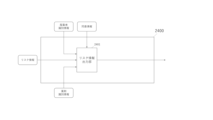
図2は、本件発明におけるリスク判定システムの全体的な構成の一例を示す図である。
リスク判定システム201は、ネットワーク204(例えば、インターネット、WAN、LANなど)を介して、服薬者端末202や医療従事者端末203と電気的に接続できるように構成されている。ここで、服薬者端末202や医療従事者端末203は、有線又は無線のインターフェース(例えば、通信ケーブルやWiFiルーターなど)を介して、ネットワーク204に接続可能な電子機器(例えば、パーソナルコンピュータ、タブレット端末、スマートフォンなど)であってもよい。
また、本件発明において、「服薬者」とは、医薬品の給付に関わる情報で示された薬剤を服用する個人を指していう。なお、場合によって、「服薬者」には、服薬者の家族又は服薬者の介護関係者が含まれるようにしてもよい。
また、「医療従事者」とは、少なくとも医師、歯科医師、薬剤師、保健師、助産師、看護師、准看護師、理学療法士、作業療法士、視能訓練士、言語聴覚士、義肢装具士、診療放射線技師、診療エックス線技師、臨床検査技師、衛生検査技師、臨床工学技士、歯科衛生士、歯科技工士、救急救命士、あん摩マッサージ指圧師、はり師、きゅう師、柔道整復師、管理栄養士、栄養士、精神福祉士、社会福祉士、介護福祉士、公認心理士、臨床心理士、医療事務者のうち何れか一以上の者を指していう。また、医療従事者は、リスク判定システムにおける各種情報について編集、追加、削除を行う権限を有していてもよい。
また、「非医療従事者」とは、少なくとも生命保険会社、損害保険会社、証券会社、製薬会社、創薬ベンチャー会社、食品会社、介護サービス事業者、寝具会社、健康器具会社、フィットネスクラブ、スポーツジム、銀行、信用金庫、JA、組合健保、協会けんぽ、共済組合、市町村国保、国保組合、PR会社、総合研究所、大学および大学院(附属の研究機関も含む)、高等専門学校、農林水産系会社、肥料会社、官公庁、自治体、独立行政法人に属する従業員のうちいずれか一以上の者を指していう。
ところで、図36は、PHRの全体像(一部抜粋)の一例を示す図である。この例に示されるように、「PHRシステム」とは、学校、市区町村、保険者、医療機関が保有している保険医療情報を中間サーバ等に蓄積しておき、個人(患者及びその家族等)の同意に基づいて、「マイナポータル」等の仕組みとAPI連携することにより、個人が自分自身の情報を閲覧したり、あるいは、ダウンロードしたりすることができるようなものをいう。なお、これはあくまで一例であり、必ずしもこれに限定されない。
<Overall configuration of the risk determination system of the present invention>
FIG. 2 is a diagram showing an example of the overall configuration of the risk determination system according to the present invention.
The
Furthermore, in the present invention, the term "medication user" refers to an individual who takes the drug indicated in the information related to drug benefits. In some cases, the term "person taking medication" may include a family member of the person taking the medication or a person involved in the care of the person taking the medication.
In addition, "medical workers" include at least doctors, dentists, pharmacists, public health nurses, midwives, nurses, associate nurses, physical therapists, occupational therapists, orthoptists, speech-language pathologists, and prosthetics and orthotics. Medical radiologist, medical X-ray technician, clinical laboratory technician, sanitary laboratory technician, clinical engineer, dental hygienist, dental technician, emergency medical technician, anma massage shiatsu therapist, acupuncture therapist, massage therapist, judo therapist, management Refers to one or more of the following: a dietitian, nutritionist, mental health worker, social worker, care worker, certified psychologist, clinical psychologist, and medical administrator. Further, the medical worker may have the authority to edit, add, and delete various information in the risk determination system.
In addition, "non-medical workers" include at least life insurance companies, non-life insurance companies, securities companies, pharmaceutical companies, drug discovery venture companies, food companies, nursing care service providers, bedding companies, health equipment companies, fitness clubs, sports Gyms, banks, credit unions, JA, health insurance associations, health insurance associations, mutual aid associations, municipal national health insurance, national health insurance associations, PR companies, general research institutes, universities and graduate schools (including affiliated research institutes), technical colleges, agriculture, forestry and fisheries. Refers to one or more employees of a company, fertilizer company, government agency, local government, or independent administrative agency.
By the way, FIG. 36 is a diagram showing an example of the entire image (partial excerpt) of the PHR. As shown in this example, a "PHR system" is a system that stores insurance medical information held by schools, municipalities, insurers, and medical institutions on intermediate servers, etc. etc.), which allows individuals to view or download their own information by linking APIs with mechanisms such as "Mynaportal". Note that this is just an example and is not necessarily limited to this.
なお、本件発明では、リスク判定システム201が物理的に一つのサーバで機能するように構成されることを前提として説明するが、これに限らず、複数のサーバが用意され、それらのサーバ間で情報やデータのやり取りを行い、連携又は協働して各種機能を実行できるように構成してもよい。
The present invention will be described on the premise that the
<リスク判定システムの社会的意義について>
第一に、本システムの活用により、患者の服用行動に関する実情を把握することができる。本システムで算出されるデータ(遵守率)が芳しくないケースにおいては、当該薬剤の服用において何らかの課題がある場合が推定できる。その場合において、服用状況が不良である可能性のある患者として医療従事者に対して注意喚起することが可能になる。このような注意喚起が実施できることで患者と服用状況にかかわるコミュニケーションを促進し、医薬品の適正使用を促すことが可能となる。なお、上述した注意喚起は他の処方情報を有するシステムとの連携により実施することができる。
第二に、本システムにおける上述の注意喚起は、単純な服薬継続の状況にかかわる注意喚起だけではなく、対象薬剤において発生しうる服薬上の課題をあらかじめ想定し、課題やその対策などを併せて通知することで、患者の服用状況を改善し医薬品の適正使用を推進することができ、患者の服薬行動の変容を促し、医薬品の適正使用の推進に寄与することができる。
第三に、本システムの活用により、患者個人が服用している複数の薬剤における服用状況を把握することで、対象となる患者個人の服用行動における傾向が把握でき、その傾向に応じた服薬指導を実施できる。また、この傾向にかかわるデータを活用し、医療従事者に対し患者への服薬指導にかかわるアドバイスを更新して出力するシステムや、リスク情報導出ルールとしてのアルゴリズムを更新させるためのパラメータの一つとして活用することができる。
第四に、本システムにおける遵守率の判定を蓄積・分析を行うことで、患者の自己判断による服薬中止のリスクを推計することができる。また、それらの結果に基づき、患者の服用行動について統計的なレーティングを行うことができ、そのレーティングは上述のパラメータの一つとして活用することもできる。
第五に、本システムを活用することにより、医療システム(単独施設のシステム、PHRなどの医療情報連携システムなどを指す)に保存された全患者の服薬状況の傾向を把握することで、当該医療システム内に記録される全患者のレーティングが実施できる。その結果、当該医療システム内における全患者の服用状況が統計化できるので、当該医療システムにおける服用状況のレーティングが可能となる。この結果、医療機関(例えば、病院、一般診療所、歯科診療所、薬局、訪問介護ステーションなど。以下、同様とする。)や医療提供施設(例えば、病院、診療所、介護老人保健施設、調剤薬局、その他の医療を提供する施設など。以下、同様とする。)ごとの服薬状況をレーティングすることも可能となる。施設単位でのレーティングが可能になれば、その単独施設の服薬指導に関する評価などにも活用が可能となる。また、特定のレーティングの患者を抽出し、レーティング毎に服薬行動を変容させる対策を実施することも可能となり、施設全体で適正使用の推進に寄与することもできる。適正使用の促進は医療機関や医療提供施設の来院や来局の増加につながるので、医療機関や医療提供施設において売り上げの向上につなげることができる。なお、これらのレーティングは経営状況の指標としても取り扱うことができる。また、患者/医療機関/医療提供施設ごとに服薬状況に関するレーティングを実施し、例えば、レーティングの高い患者等に対して、何らかのインセンティブ(例えば、マイナポイントの付与や、クーポン券の発行などが考えられるが、これに限られない。)を提供することが可能となり、患者の服薬行動を変容させる契機となり、医薬品の適正使用の推進にも寄与できる。
第六に、本システムで蓄積される医薬品ごとの服用状況のデータを活用することにより、医薬品ごとの遵守率を統計的にレーティングすることができ、服用状況において課題があると思われる医薬品を抽出することができるようになり、その薬剤における服用上の課題を分析することで、医薬品の指導にかかわる資材の内容等の充実やレーティングの低い薬剤の傾向を分析することで、患者が服用を継続しやすい医薬品開発における基礎的な研究が可能となる。
第七に、本システムで蓄積される医薬品ごとの服用状況のデータを活用することにより、医薬品ごとの遵守率を統計的にレーティングすることができ、そのシステムを取り扱う医療機関や医療提供施設において遵守率やレーティングの低い薬剤における対策や指導内容の充実などを行うことで、当該薬剤の適正使用を促進するとともに、医療機関や医療提供施設の患者の来院、来局頻度を高めることができる。
<About the social significance of the risk assessment system>
First, by utilizing this system, it is possible to understand the actual situation regarding patients' medication behavior. In cases where the data (compliance rate) calculated by this system is unsatisfactory, it can be assumed that there are some problems with taking the drug. In that case, it becomes possible to alert medical personnel to a patient who may be taking the drug poorly. By being able to issue such warnings, it becomes possible to promote communication with patients regarding the dosage status and encourage proper use of medicines. Note that the above-mentioned warning can be implemented in cooperation with a system having other prescription information.
Second, the above-mentioned alerts in this system are not only alerts regarding the status of simple medication continuation, but also include anticipating in advance medication-related issues that may occur with the target drug, and also addressing issues and their countermeasures. By notifying patients, it is possible to improve the patient's medication usage and promote the proper use of medicines, and it is possible to encourage changes in patients' medication-taking behavior and contribute to the promotion of the proper use of medicines.
Third, by utilizing this system, it is possible to understand trends in the medication behavior of individual patients by understanding the usage status of multiple drugs that each individual patient is taking, and provide medication guidance based on these trends. can be carried out. In addition, data related to this trend will be used to create a system that updates and outputs advice related to medication guidance for patients for medical professionals, and as one of the parameters for updating algorithms as rules for deriving risk information. It can be utilized.
Fourth, by accumulating and analyzing compliance rate judgments in this system, it is possible to estimate the risk of medication discontinuation based on patients' self-judgment. Further, based on these results, a statistical rating can be performed on the patient's medication behavior, and the rating can also be used as one of the above-mentioned parameters.
Fifth, by utilizing this system, it is possible to understand trends in the medication status of all patients stored in the medical system (systems of individual facilities, medical information coordination systems such as PHR, etc.) Ratings can be performed for all patients recorded in the system. As a result, the medication status of all patients in the medical system can be statisticized, making it possible to rate the medication status in the medical system. As a result, medical institutions (e.g., hospitals, general clinics, dental clinics, pharmacies, visiting care stations, etc.; the same shall apply hereinafter) and medical care facilities (e.g., hospitals, clinics, nursing care facilities, dispensing facilities, etc.) It is also possible to rate the medication taking status of each facility (pharmacy, other medical facility, etc. (hereinafter the same shall apply)). If it becomes possible to rate each facility, it will also be possible to use it to evaluate medication guidance at a single facility. It is also possible to extract patients with a specific rating and implement measures to change their medication-taking behavior based on their rating, contributing to the promotion of appropriate use throughout the facility. Promoting proper use will lead to an increase in visits to medical institutions and medical care facilities, which can lead to increased sales at medical institutions and medical care facilities. Furthermore, these ratings can also be treated as indicators of business conditions. In addition, we conduct ratings on the medication status of each patient/medical institution/medical provider facility, and provide some kind of incentive (for example, giving minor points or issuing coupons) to patients with high ratings. (but not limited to this), it becomes possible to provide an opportunity to change patients' medication-taking behavior, and it can also contribute to promoting the proper use of pharmaceuticals.
Sixth, by utilizing the data on the usage status of each drug that is accumulated in this system, it is possible to statistically rate the compliance rate for each medication, and to extract medicines that are thought to have problems with their usage status. By analyzing the problems with taking the drug, we can improve the content of materials related to drug guidance, and by analyzing the trends of drugs with low ratings, we can help patients continue taking the drug. This will enable basic research in easy drug development.
Seventh, by utilizing the data on the usage status of each drug accumulated in this system, it is possible to statistically rate the compliance rate for each drug, and the compliance rate of each drug can be statistically evaluated. By implementing countermeasures and enhancing the content of guidance for drugs with low drug rates and ratings, it is possible to promote the appropriate use of such drugs and increase the frequency of visits by patients at medical institutions and medical care facilities.
<実施形態1(主に請求項1、請求項10および請求項19に対応)>
<実施形態1 概要>
本実施形態は、服薬者識別情報と、薬剤識別情報と、服薬期間情報と、空白期間情報と、遵守率算出ルールと、に基づいて、服薬者ごとに薬剤別に遵守率を算出し、その遵守率を薬剤識別情報と関連付けて保持するリスク判定システムを提供する。また、それを実現するため、コンピュータであるリスク判定システムにおけるCPUが実行する方法、並びに、計算機であるリスク判定システムに読み取り実行可能に記述したリスク判定システムの動作プログラムを提供する。
<Embodiment 1 (mainly corresponding to
<
This embodiment calculates the compliance rate for each drug for each patient and complies with the compliance rate based on the medication patient identification information, drug identification information, medication period information, blank period information, and compliance rate calculation rules. Provided is a risk determination system that stores rates in association with drug identification information. In order to achieve this, the present invention provides a method executed by a CPU in a risk assessment system, which is a computer, and an operating program for the risk assessment system, which is written to be readable and executable by the risk assessment system, which is a computer.
<実施形態1 機能的構成>
図3は、実施形態1におけるリスク判定システムの機能的構成を示す図である。本実施形態では、服薬者識別情報保持部と、薬剤識別情報保持部と、医薬品給付履歴情報保持部と、前回処方日付情報取得部と、今回処方日付情報取得部と、服薬期間情報取得部と、服薬期間情報保持部と、空白期間情報取得部と、空白期間情報保持部と、遵守率算出ルール保持部と、遵守率算出部と、遵守率保持部とを備えている。
<
FIG. 3 is a diagram showing the functional configuration of the risk determination system in the first embodiment. In this embodiment, a medication user identification information storage unit, a drug identification information storage unit, a pharmaceutical benefit history information storage unit, a previous prescription date information acquisition unit, a current prescription date information acquisition unit, and a medication period information acquisition unit are used. , a medication period information storage section, a blank period information acquisition section, a blank period information storage section, a compliance rate calculation rule storage section, a compliance rate calculation section, and a compliance rate storage section.
<実施形態1 構成の説明:服薬者識別情報保持部>
「服薬者識別情報保持部」301は、医薬品の給付に関わる情報で示された薬剤を服用する服用者を一意に識別するための情報である服薬者識別情報を保持する機能を有するように構成される。
ここで、「医薬品の給付に関わる情報」とは、紙媒体の処方せんにおける情報、又は、電子処方せんにおける電子データなどが含まれることが好ましい。なお、「医薬品の給付に関わる情報」については、特に情報源は限定されない。これ以降、同様とする。
また、「服薬者識別情報」とは、少なくともマイナンバー情報、社会保険又は国民健康保険の被保険者証の記号・番号、介護保険の被保険者番号などのうちいずれか一以上の情報が含まれることが好ましい。ここで、「マイナンバー」とは、赤ちゃんからお年寄りまで一人ひとりに指定された12桁からなる「個人番号」のことをいう。日本に住民票がある人(外国人も含む)全員が持っている。その人だけの番号なので亡くなった方を含め同じ番号の人はいない。
<
The “medication patient identification information holding unit” 301 is configured to have a function of holding medication patient identification information, which is information for uniquely identifying a patient who takes a drug indicated by information related to pharmaceutical benefits. be done.
Here, it is preferable that the "information related to drug benefits" includes information in a paper prescription or electronic data in an electronic prescription. There are no particular limitations on the sources of "information related to pharmaceutical benefits." The same shall apply from here on.
In addition, "medication patient identification information" includes at least one or more of the following information: My Number information, the symbol/number of the social insurance or national health insurance insurance card, the nursing care insurance insured number, etc. It is preferable that Here, "My Number" refers to a 12-digit "individual number" assigned to each person, from babies to the elderly. Everyone who has a resident card in Japan (including foreigners) has one. Since the number is unique to that person, there is no other person with the same number, including those who have passed away.
<実施形態1 構成の説明:薬剤識別情報保持部>
「薬剤識別情報保持部」302は、医薬品の給付に関わる情報で示された薬剤を一意に識別するための情報である薬剤識別情報を保持する機能を有するように構成される。
ここで、「医薬品の給付に関わる情報」とは、紙媒体の処方せんにおける情報、又は、電子処方せんにおける電子データなどが含まれることが好ましい。
また、「薬剤識別情報」としては、薬価基準収載医薬品コード(厚労省コード:英数12桁からなる)、個別医薬品コード(YJコード:英数12桁からなる)、JANコード(標準型)(ジャンコード:13桁の数字からなる)などのうちいずれか一以上の情報が含まれることが好ましい。これら以外にも、医薬品に付与されているコードは目的別に多種存在しており、それらも含まれるようにしてもよい。
<
The "drug identification information holding unit" 302 is configured to have a function of holding drug identification information, which is information for uniquely identifying a drug indicated by information related to medical supply.
Here, it is preferable that the "information related to drug benefits" includes information in a paper prescription or electronic data in an electronic prescription.
In addition, "drug identification information" includes drug price listed drug code (Ministry of Health, Labor and Welfare code: consisting of 12 alphanumeric digits), individual drug code (YJ code: consisting of 12 alphanumeric digits), JAN code (standard type) (Jan code: consisting of 13 digits) It is preferable that one or more of the following information is included. In addition to these, there are many types of codes given to medicines for different purposes, and these may also be included.
<実施形態1 構成の説明:医薬品給付履歴情報保持部>
「医薬品給付履歴情報保持部」303は、保持された服薬者識別情報で識別される服薬者に対して、薬剤識別情報を含む医薬品の給付に関わる情報の履歴情報を保持する機能を有するように構成される。
ここで、「医薬品の給付に関わる情報」とは、紙媒体の処方せんにおける情報、又は、電子処方せんにおける電子データなどが含まれることが好ましい。
また、「服薬者識別情報」とは、少なくともマイナンバー情報、社会保険又は国民健康保険の被保険者証の記号・番号、介護保険の被保険者番号などのうちいずれか一以上の情報が含まれることが好ましい。
また、「薬剤識別情報」としては、薬価基準収載医薬品コード(厚労省コード:英数12桁からなる)、個別医薬品コード(YJコード:英数12桁からなる)、JANコード(標準型)(ジャンコード:13桁の数字からなる)などのうちいずれか一以上の情報が含まれることが好ましい。これら以外にも、医薬品に付与されているコードは目的別に多種存在しており、それらも含まれるようにしてもよい。
<
The "pharmaceutical benefit history information holding unit" 303 has a function of retaining history information of information related to the benefit of pharmaceuticals, including drug identification information, for the patient who is identified by the retained patient identification information. configured.
Here, it is preferable that the "information related to drug benefits" includes information in a paper prescription or electronic data in an electronic prescription.
In addition, "medication patient identification information" includes at least one or more of the following information: My Number information, the symbol/number of the social insurance or national health insurance insurance card, the nursing care insurance insured number, etc. It is preferable that
In addition, "drug identification information" includes drug price listed drug code (Ministry of Health, Labor and Welfare code: consisting of 12 alphanumeric digits), individual drug code (YJ code: consisting of 12 alphanumeric digits), JAN code (standard type) (Jan code: consisting of 13 digits) It is preferable that one or more of the following information is included. In addition to these, there are many types of codes given to medicines for different purposes, and these may also be included.
<実施形態1 構成の説明:前回処方日付情報取得部>
「前回処方日付情報取得部」304は、服薬者識別情報で識別される服薬者の前回の薬剤識別情報で識別される薬剤の処方日付を示す情報であって給付された薬剤の薬剤識別情報と関連付けられた前回処方日付情報を取得する機能を有するように構成される。ここで、「前回処方日付情報」は、上述した医薬品給付履歴情報保持部で保持された医薬品給付履歴情報から取得するようにしてもよいし、あるいは、健康医療情報共有システム(例えば、PHRシステムなども含む)などからAPIを介して取得するようにしてもよい。
ここで、「健康医療情報共有システム」とは、例えば、個人に関する健康医療関連情報を蓄積する健康医療関連情報蓄積部と、健康医療関連情報蓄積部に蓄積された健康医療関連情報に、ネットワークを介して、第三者にアクセスさせるためのアクセス制御部と、を有し、アクセス制御部は、アクセス主体が、健康医療関連情報を非営利的に利用するアクセス主体であるか、健康医療関連情報を営利的に利用するアクセス主体であるかによって、異なるアクセス要件を課すためのアクセス主体別要件要求手段を有し、健康医療関連情報蓄積部は、個人の電子カルテ情報、各種検査情報、処方箋情報、薬歴情報、バイタル情報、問診票の情報、健康促進アプリのデータ、対話型健康促進SNSの会話データなどのうち少なくとも1つ以上を含む健康医療情報共有システムのことなどをいい、以下、同様とする。なお、上記は「健康医療情報共有システム」の一例であり、必ずしもこれに限られない。
例えば、個人に関する健康医療関連情報を蓄積する健康医療関連情報蓄積部と、健康医療関連情報蓄積部に蓄積された健康医療関連情報を、ネットワークを介して、第三者に開示させるためのアクセス制御部と、個人が自身の健康医療関連情報の第三者への公開を許可するか否かを示す公開許否情報を保持する公開許否情報保持部と、第三者が医療従事者であるか、あるいは、非医療従事者であるかを識別するための第三者識別情報を保持する第三者識別情報保持部と、を有し、健康医療関連情報蓄積部は、個人の電子カルテ情報、各種検査情報、処方箋情報、薬歴情報、バイタル情報、問診票の情報、健康促進アプリのデータ、対話型健康促進SNSの会話データからなる健康医療関連情報を蓄積し、アクセス制御部は、第三者が医療従事者であるか、あるいは、非医療従事者であるかによって、健康医療関連情報の閲覧可能な範囲を異ならせるシステムであってもよい。
例えば、個人に関する健康医療に関連する情報である健康医療関連情報であって、公共の安全に影響を及ぼす可能性がある公共安全健康医療関連情報を含む健康医療関連情報を蓄積する健康医療関連情報蓄積部と、健康医療関連情報蓄積部に蓄積された健康医療関連情報を、ネットワークを介して、第三者に開示することを制御するためのアクセス制御部と、個人が自身の健康医療関連情報を第三者に公開許可するか否かを示す公開許否情報を保持する公開許否情報保持部と、を有し、健康医療関連情報蓄積部は、個人に関する電子カルテ情報、各種検査情報、処方せん情報、薬歴情報、服用状況情報、バイタル情報、問診票の情報、健康促進アプリのデータ、対話型健康促進SNSの会話データ、公共安全健康医療関連情報のうちいずれか1以上の情報からなる健康医療関連情報を蓄積し、アクセス制御部は、公開許否情報保持部に保持された公開許否情報が公開許可を示している場合に、健康医療関連情報蓄積部に蓄積された公共安全健康医療関連情報を除外した健康医療関連情報を第三者に閲覧させた後、公開許否情報保持部に保持された公開許否情報が公開拒否に変更された場合に、健康医療関連情報蓄積部に蓄積された公共安全健康医療関連情報を除外した健康医療関連情報を第三者に閲覧させるのを停止するシステムであってもよい。
また、例えば、個人に関する健康医療情報を蓄積しておき、個人の同意に基づいて、第三者(医療従事者又は非医療従事者)に当該健康医療情報を開示するシステムであってもよい。この場合、第三者が医療従事者の場合には健康医療情報をそのまま開示し、第三者が非医療従事者の場合には匿名加工化された健康医療情報を開示するようにしてもよい。更に、個人の同意に基づいて、個別の健康医療情報ごとに選択して第三者に開示させるようにしてもよいし、一括して健康医療情報を第三者に開示させるようにしてもよい。
また、「服薬者識別情報」とは、少なくともマイナンバー情報、社会保険又は国民健康保険の被保険者証の記号・番号、介護保険の被保険者番号などのうちいずれか一以上の情報が含まれることが好ましい。
また、「薬剤識別情報」としては、薬価基準収載医薬品コード(厚労省コード:英数12桁からなる)、個別医薬品コード(YJコード:英数12桁からなる)、JANコード(標準型)(ジャンコード:13桁の数字からなる)などのうちいずれか一以上の情報が含まれることが好ましい。これら以外にも、医薬品に付与されているコードは目的別に多種存在しており、それらも含まれるようにしてもよい。
<
The “previous prescription date information acquisition unit” 304 is information indicating the prescription date of the drug identified by the previous drug identification information of the patient identified by the drug user identification information, and is the drug identification information of the dispensed drug. It is configured to have a function of acquiring associated previous prescription date information. Here, the "previous prescription date information" may be obtained from the drug benefit history information held in the above-mentioned drug benefit history information holding unit, or may be obtained from a health and medical information sharing system (for example, a PHR system, etc.). It may also be acquired via an API.
Here, the "health and medical information sharing system" refers to, for example, a health and medical information storage unit that accumulates health and medical information related to individuals, and a network for the health and medical information accumulated in the health and medical information storage unit. and an access control unit for allowing a third party to access the health and medical information, and the access control unit determines whether the access subject is a non-commercial user of the health and medical information. The health and medical information storage department has a means for requesting requirements for each accessing entity to impose different access requirements depending on whether the accessing entity uses the information for commercial purposes. , medical history information, vital information, medical questionnaire information, data from health promotion apps, conversation data from interactive health promotion SNS, etc., refers to a health and medical information sharing system that includes at least one of the following. shall be. Note that the above is an example of a "health and medical information sharing system" and is not necessarily limited to this.
For example, a health and medical information storage unit that stores health and medical information related to individuals, and access control that allows the health and medical information stored in the health and medical information storage unit to be disclosed to a third party via a network. and a disclosure permission/denial information holding unit that holds disclosure permission/denial information indicating whether individuals are permitted to disclose their health and medical information to a third party, and whether the third party is a medical professional or not. Alternatively, it has a third party identification information holding unit that holds third party identification information for identifying whether the person is a non-medical worker, and a health and medical related information storage unit that stores personal electronic medical record information, various types of information, etc. We accumulate health and medical related information consisting of test information, prescription information, medication history information, vital information, medical questionnaire information, data from health promotion apps, and conversation data from interactive health promotion SNS, and the access control unit uses a third party to The system may be such that the range of health and medical information that can be viewed differs depending on whether the person is a medical worker or a non-medical worker.
For example, health and medical related information that accumulates health and medical related information that is information related to health and medical care regarding individuals, including public safety, health and medical related information that may affect public safety. an access control unit for controlling the disclosure of the health and medical information accumulated in the health and medical information storage unit to a third party via the network; and a disclosure approval/disapproval information holding unit that holds disclosure approval/disapproval information indicating whether disclosure is permitted or not to a third party.The health and medical information storage unit stores electronic medical record information, various test information, and prescription information regarding individuals. , medication history information, medication status information, vital information, medical questionnaire information, data from health promotion apps, conversation data from interactive health promotion SNS, and public safety, health and medical related information. The access control unit stores the related information, and when the disclosure permission/denial information held in the disclosure permission/denial information holding unit indicates permission to release, the access control unit stores the public safety, health and medical related information stored in the health/medical information storage unit. Public safety information stored in the health and medical information storage section if the information on disclosure permission or denial held in the information storage section is changed to refusal of disclosure after the excluded health and medical information is allowed to be viewed by a third party. It may also be a system that stops third parties from viewing health and medical related information excluding health and medical related information.
Alternatively, for example, the system may be a system that stores health and medical information regarding an individual and discloses the health and medical information to a third party (a medical worker or a non-medical worker) based on the consent of the individual. In this case, if the third party is a medical professional, the health and medical information may be disclosed as is, and if the third party is a non-medical professional, anonymized health and medical information may be disclosed. . Furthermore, based on the individual's consent, individual health and medical information may be selectively disclosed to a third party, or health and medical information may be disclosed to a third party all at once. .
In addition, "medication patient identification information" includes at least one or more of the following information: My Number information, the symbol/number of a social insurance or national health insurance insured person's card, and an insured person's number for nursing care insurance. It is preferable that
In addition, "drug identification information" includes drug price listed drug code (Ministry of Health, Labor and Welfare code: consisting of 12 alphanumeric digits), individual drug code (YJ code: consisting of 12 alphanumeric digits), JAN code (standard type) (Jan code: consisting of 13 digits) It is preferable that one or more of the following information is included. In addition to these, there are many types of codes given to medicines depending on their purpose, and these may also be included.
<実施形態1 構成の説明:今回処方日付情報取得部>
「今回処方日付情報取得部」305は、服薬者識別情報で識別される服薬者の今回の薬剤識別情報で識別される薬剤の処方日付を示す情報であって給付された薬剤の薬剤識別情報と関連付けられた今回処方日付情報を取得する機能を有するように構成される。ここで、「今回処方日付情報」は、上述した医薬品給付履歴情報保持部で保持された医薬品給付履歴情報から取得するようにしてもよいし、あるいは、「健康医療情報共有システム」(例えば、PHRシステムなども含む)などからAPIを介して取得するようにしてもよい。
また、「服薬者識別情報」とは、少なくともマイナンバー情報、社会保険又は国民健康保険の被保険者証の記号・番号、介護保険の被保険者番号などのうちいずれか一以上の情報が含まれることが好ましい。
また、「薬剤識別情報」としては、薬価基準収載医薬品コード(厚労省コード:英数12桁からなる)、個別医薬品コード(YJコード:英数12桁からなる)、JANコード(標準型)(ジャンコード:13桁の数字からなる)などのうちいずれか一以上の情報が含まれることが好ましい。これら以外にも、医薬品に付与されているコードは目的別に多種存在しており、それらも含まれるようにしてもよい。
<
“Current prescription date information acquisition unit” 305 is information indicating the prescription date of the drug identified by the current drug identification information of the patient identified by the drug user identification information, and is the drug identification information of the dispensed drug. It is configured to have a function of acquiring associated current prescription date information. Here, the "current prescription date information" may be obtained from the pharmaceutical benefit history information held in the aforementioned pharmaceutical benefit history information holding unit, or may be obtained from the "health and medical information sharing system" (for example, PHR). The information may also be obtained via an API from a system (including the system, etc.).
In addition, "medication patient identification information" includes at least one or more of the following information: My Number information, the symbol/number of a social insurance or national health insurance insured person's card, and an insured person's number for nursing care insurance. It is preferable that
In addition, "drug identification information" includes drug price listed drug code (Ministry of Health, Labor and Welfare code: consisting of 12 alphanumeric digits), individual drug code (YJ code: consisting of 12 alphanumeric digits), JAN code (standard type) (Jan code: consisting of 13 digits) It is preferable that one or more of the following information is included. In addition to these, there are many types of codes given to medicines depending on their purpose, and these may also be included.
<実施形態1 構成の説明:服薬期間情報取得部>
「服薬期間情報取得部」306は、給付される薬剤を識別する薬剤識別情報と関連付けて前回処方日付から今回処方日付までの期間であって、理論上服用すべき薬剤が存在する期間を表すための情報である服薬期間情報を医薬品給付履歴情報から取得する機能を有するように構成される。ここで、「服薬期間情報」は、上述した医薬品給付履歴情報保持部で保持された医薬品給付履歴情報から取得するようにしてもよいし、あるいは、「健康医療情報共有システム」(例えば、PHRシステムなども含む)などからAPIを介して取得するようにしてもよい。
ここで、「前回処方日付」とは、過去処方薬剤が適正に消費終了されると見込まれる日の翌日をいう。
また、「服薬期間情報」は、用法・用量を守って正しく服薬していると仮定した場合の薬剤の消費可能期間をいう。例えば、14日処方の場合には、服薬期間情報は14日となる。
また、「服薬者識別情報」とは、少なくともマイナンバー情報、社会保険又は国民健康保険の被保険者証の記号・番号、介護保険の被保険者番号などのうちいずれか一以上の情報が含まれることが好ましい。
また、「薬剤識別情報」としては、薬価基準収載医薬品コード(厚労省コード:英数12桁からなる)、個別医薬品コード(YJコード:英数12桁からなる)、JANコード(標準型)(ジャンコード:13桁の数字からなる)などのうちいずれか一以上の情報が含まれることが好ましい。これら以外にも、医薬品に付与されているコードは目的別に多種存在しており、それらも含まれるようにしてもよい。
<
The “medication period information acquisition unit” 306 is used to express the period from the previous prescription date to the current prescription date in association with drug identification information that identifies the drug to be provided, which is a period during which there is a drug that should theoretically be taken. The system is configured to have a function of acquiring medication period information, which is information on drug benefit history information. Here, the "medication period information" may be obtained from the drug benefit history information held in the above-mentioned drug benefit history information holding unit, or may be obtained from the "health and medical information sharing system" (for example, the PHR system). etc.), etc., via an API.
Here, the "previous prescription date" refers to the day following the date on which the previously prescribed drug is expected to be properly consumed.
Further, "medication period information" refers to the period during which a drug can be consumed, assuming that the drug is taken correctly by following the directions and dosage. For example, in the case of a 14-day prescription, the medication period information will be 14 days.
In addition, "medication patient identification information" includes at least one or more of the following information: My Number information, the symbol/number of a social insurance or national health insurance insured person's card, and an insured person's number for nursing care insurance. It is preferable that
In addition, "drug identification information" includes drug price listed drug code (Ministry of Health, Labor and Welfare code: consisting of 12 alphanumeric digits), individual drug code (YJ code: consisting of 12 alphanumeric digits), JAN code (standard type) (Jan code: consisting of 13 digits) It is preferable that one or more of the following information is included. In addition to these, there are many types of codes given to medicines depending on their purpose, and these may also be included.
<実施形態1 構成の説明:服薬期間情報保持部>
「服薬期間情報保持部」307は、上述した服薬期間情報取得部で取得された服薬期間情報を薬剤識別情報と関連付けて保持する機能を有するように構成される。
また、「服薬者識別情報」とは、少なくともマイナンバー情報、社会保険又は国民健康保険の被保険者証の記号・番号、介護保険の被保険者番号などのうちいずれか一以上の情報が含まれることが好ましい。
また、「薬剤識別情報」としては、薬価基準収載医薬品コード(厚労省コード:英数12桁からなる)、個別医薬品コード(YJコード:英数12桁からなる)、JANコード(標準型)(ジャンコード:13桁の数字からなる)などのうちいずれか一以上の情報が含まれることが好ましい。これら以外にも、医薬品に付与されているコードは目的別に多種存在しており、それらも含まれるようにしてもよい。
<
The “medication period information holding unit” 307 is configured to have a function of storing the medication period information acquired by the medication period information acquisition unit described above in association with drug identification information.
In addition, "medication patient identification information" includes at least one or more of the following information: My Number information, the symbol/number of a social insurance or national health insurance insured person's card, and an insured person's number for nursing care insurance. It is preferable that
In addition, "drug identification information" includes drug price listed drug code (Ministry of Health, Labor and Welfare code: consisting of 12 alphanumeric digits), individual drug code (YJ code: consisting of 12 alphanumeric digits), JAN code (standard type) (Jan code: consisting of 13 digits) It is preferable that one or more of the following information is included. In addition to these, there are many types of codes given to medicines depending on their purpose, and these may also be included.
<実施形態1 構成の説明:空白期間情報取得部>
「空白期間情報取得部」308は、給付される薬剤を識別する薬剤識別情報と関連付けて前回処方日付から今回処方日付までの期間であって、理論上服用すべき薬剤が存在しない期間を表すための情報である空白期間情報を医薬品給付履歴情報から取得する機能を有するように構成される。ここで、「空白期間情報」は、薬剤が処方された日数を超えて徒過した日数(実際に薬剤を服用できない日数)で表される。例えば、14日処方で徒過した日数が4日の場合は、空白期間情報は4日となる。
ここで「空白期間情報」には実際に服薬がされていない期間を示す情報のほかに、服薬の空白期間がない場合も空白期間情報に含まれるものとする。「空白期間がない」とは空白期間=0日の意味である。また場合によっては、いまだに薬剤が残っている状態で次の薬剤を処方した場合のように、薬剤が重複して提供されるような場合の期間を示す情報が含まれるように設計してもよい。例えば重複期間=マイナス3日のような情報が含まれるように設計してもよい。この場合には、例えば睡眠薬が服薬者の手元に大量に存在するような情報を知ることができ、誤服用の危険などを検知することが可能となる。
また、「服薬者識別情報」とは、少なくともマイナンバー情報、社会保険又は国民健康保険の被保険者証の記号・番号、介護保険の被保険者番号などのうちいずれか一以上の情報が含まれることが好ましい。
また、「薬剤識別情報」としては、薬価基準収載医薬品コード(厚労省コード:英数12桁からなる)、個別医薬品コード(YJコード:英数12桁からなる)、JANコード(標準型)(ジャンコード:13桁の数字からなる)などのうちいずれか一以上の情報が含まれることが好ましい。これら以外にも、医薬品に付与されているコードは目的別に多種存在しており、それらも含まれるようにしてもよい。
なお、「空白期間情報」は、上述した医薬品給付履歴情報保持部で保持された医薬品給付履歴情報から取得するようにしてもよいし、あるいは、「健康医療情報共有システム」(例えば、PHRシステムなども含む)などからAPIを介して取得するようにしてもよい。
<
The “blank period information acquisition unit” 308 is used to indicate the period from the previous prescription date to the current prescription date in association with drug identification information that identifies the drug to be provided, which is a period in which there is no drug that should theoretically be taken. The system is configured to have a function of acquiring blank period information, which is information on pharmaceutical benefit history information. Here, the "blank period information" is expressed by the number of days that have passed beyond the number of days for which the drug was prescribed (the number of days in which the drug cannot actually be taken). For example, if the number of days that have passed for a 14-day prescription is 4 days, the blank period information will be 4 days.
Here, the "blank period information" includes not only information indicating a period in which medication is not actually taken, but also a case where there is no blank period for taking medication. “There is no blank period” means that the blank period is 0 days. In some cases, it may also be designed to include information indicating the period in which drugs will be provided in duplicate, such as when the next drug is prescribed while there is still some left. . For example, it may be designed to include information such as overlapping period = minus 3 days. In this case, it is possible to know that, for example, there is a large amount of sleeping pills in the hands of a person taking the medication, and it is possible to detect the risk of taking the medication incorrectly.
In addition, "medication patient identification information" includes at least one or more of the following information: My Number information, the symbol/number of a social insurance or national health insurance insured person's card, and an insured person's number for nursing care insurance. It is preferable that
In addition, "drug identification information" includes drug price listed drug code (Ministry of Health, Labor and Welfare code: consisting of 12 alphanumeric digits), individual drug code (YJ code: consisting of 12 alphanumeric digits), JAN code (standard type) (Jan code: consisting of 13 digits) It is preferable that one or more of the following information is included. In addition to these, there are many types of codes given to medicines depending on their purpose, and these may also be included.
The "blank period information" may be obtained from the drug benefit history information held in the above-mentioned drug benefit history information holding unit, or may be obtained from the "health and medical information sharing system" (for example, PHR system, etc.). It may also be acquired via an API.
<実施形態1 構成の説明:空白期間情報保持部>
「空白期間情報保持部」309は、上述した空白期間情報取得部で取得された空白期間情報を薬剤識別情報と関連付けて保持する機能を有するように構成される。
また、「服薬者識別情報」とは、少なくともマイナンバー情報、社会保険又は国民健康保険の被保険者証の記号・番号、介護保険の被保険者番号などのうちいずれか一以上の情報が含まれることが好ましい。
また、「薬剤識別情報」としては、薬価基準収載医薬品コード(厚労省コード:英数12桁からなる)、個別医薬品コード(YJコード:英数12桁からなる)、JANコード(標準型)(ジャンコード:13桁の数字からなる)などのうちいずれか一以上の情報が含まれることが好ましい。これら以外にも、医薬品に付与されているコードは目的別に多種存在しており、それらも含まれるようにしてもよい。
<
The “blank period information holding unit” 309 is configured to have a function of holding the blank period information acquired by the blank period information acquisition unit described above in association with drug identification information.
In addition, "medication patient identification information" includes at least one or more of the following information: My Number information, the symbol/number of a social insurance or national health insurance insured person's card, and an insured person's number for nursing care insurance. It is preferable that
In addition, "drug identification information" includes drug price listed drug code (Ministry of Health, Labor and Welfare code: consisting of 12 alphanumeric digits), individual drug code (YJ code: consisting of 12 alphanumeric digits), JAN code (standard type) (Jan code: consisting of 13 digits), etc. It is preferable that one or more of the following information is included. In addition to these, there are many types of codes given to medicines depending on their purpose, and these may also be included.
<実施形態1 構成の説明:遵守率算出ルール保持部>
「遵守率算出ルール保持部」310は、服薬期間情報と、空白期間情報とに基づいて、服薬者が用法・用量を遵守して対象薬剤を服用していることを示す遵守率を算出するためのルールである遵守率算出ルールを薬剤識別情報と関連付けて保持する機能を有するように構成される。
図27は、本件発明における遵守率算出ルール(1)の一例を示す図である。この図に示されるように、遵守率(%)は、服薬期間(日)を(服薬期間(日)+空白期間(日))で除算したものに100を乗算した数値で表される。ここで、遵守率は割り切れない場合があるため、小数点第2位以下を四捨五入した数値で表されるものとする。
同様に、図28は、本件発明における遵守率算出ルール(2)の一例を示す図である。この図に示されるように、遵守率(%)は、(服薬期間(日)-空白期間(日))を服薬期間(日)で除算したものに100を乗算した数値で表される。ここで、遵守率は割り切れない場合があるため、小数点第2位以下を四捨五入した数値で表されるものとする。
同様に、図29は、本件発明における遵守率算出ルール(3)の一例を示す図である。この図に示されるように、遵守率(%)は、(服薬期間(日)-空白期間(日))を(服薬期間(日)+空白期間(日))で除算したものに100を乗算した数値で表される。ここで、遵守率は割り切れない場合があるため、小数点第2位以下を四捨五入した数値で表されるものとする。
このように、遵守率算出ルールはいくつかのパターンが考えられ得るが、本願明細書では、遵守率算出ルール(1)の場合を主に説明することとする。
また、「服薬者識別情報」とは、少なくともマイナンバー情報、社会保険又は国民健康保険の被保険者証の記号・番号、介護保険の被保険者番号などのうちいずれか一以上の情報が含まれることが好ましい。
また、「薬剤識別情報」としては、薬価基準収載医薬品コード(厚労省コード:英数12桁からなる)、個別医薬品コード(YJコード:英数12桁からなる)、JANコード(標準型)(ジャンコード:13桁の数字からなる)などのうちいずれか一以上の情報が含まれることが好ましい。これら以外にも、医薬品に付与されているコードは目的別に多種存在しており、それらも含まれるようにしてもよい。
<
The "compliance rate calculation rule holding unit" 310 is for calculating a compliance rate indicating that a patient is taking the target drug in compliance with the usage and dosage, based on the medication period information and blank period information. The device is configured to have a function of storing compliance rate calculation rules, which are rules of the above, in association with drug identification information.
FIG. 27 is a diagram showing an example of compliance rate calculation rule (1) in the present invention. As shown in this figure, the compliance rate (%) is expressed as the value obtained by dividing the medication period (days) by (medication period (days) + blank period (days)) multiplied by 100. Here, since the compliance rate may not be divisible, it is expressed as a value rounded to the second decimal place.
Similarly, FIG. 28 is a diagram showing an example of compliance rate calculation rule (2) in the present invention. As shown in this figure, the compliance rate (%) is expressed as the value obtained by dividing (medication period (days) - blank period (days)) by the medication period (days) multiplied by 100. Here, since the compliance rate may not be divisible, it is expressed as a value rounded to the second decimal place.
Similarly, FIG. 29 is a diagram showing an example of compliance rate calculation rule (3) in the present invention. As shown in this figure, the compliance rate (%) is calculated by dividing (drug period (days) - blank period (days)) by (drug period (days) + blank period (days)) multiplied by 100. It is expressed as a numerical value. Here, since the compliance rate may not be divisible, it is expressed as a value rounded to the second decimal place.
As described above, several patterns of compliance rate calculation rules can be considered, but in this specification, the case of compliance rate calculation rule (1) will be mainly explained.
In addition, "medication patient identification information" includes at least one or more of the following information: My Number information, the symbol/number of a social insurance or national health insurance insured person's card, and an insured person's number for nursing care insurance. It is preferable that
In addition, "drug identification information" includes drug price listed drug code (Ministry of Health, Labor and Welfare code: consisting of 12 alphanumeric digits), individual drug code (YJ code: consisting of 12 alphanumeric digits), JAN code (standard type) (Jan code: consisting of 13 digits) It is preferable that one or more of the following information is included. In addition to these, there are many types of codes given to medicines depending on their purpose, and these may also be included.
<実施形態1 構成の説明:遵守率算出部>
「遵守率算出部」311は、服薬者識別情報と、薬剤識別情報と、服薬期間情報と、空白期間情報と、遵守率算出ルールと、に基づいて、服薬者ごとに薬剤別に遵守率を算出する機能を有するように構成される。
図27で示した遵守率算出ルール(遵守率を算出する計算式)を見れば分かるように、服薬期間(日数)に対して空白期間(日数)が小さければ小さいほど遵守率(%)が高くなり、一方、服薬期間(日数)に対して空白期間(日数)が大きければ大きいほど遵守率(%)が低くなる。
また、「服薬者識別情報」とは、少なくともマイナンバー情報、社会保険又は国民健康保険の被保険者証の記号・番号、介護保険の被保険者番号などのうちいずれか一以上の情報が含まれることが好ましい。
また、「薬剤識別情報」としては、薬価基準収載医薬品コード(厚労省コード:英数12桁からなる)、個別医薬品コード(YJコード:英数12桁からなる)、JANコード(標準型)(ジャンコード:13桁の数字からなる)などのうちいずれか一以上の情報が含まれることが好ましい。これら以外にも、医薬品に付与されているコードは目的別に多種存在しており、それらも含まれるようにしてもよい。
<
The "compliance rate calculation unit" 311 calculates the compliance rate for each drug for each patient based on the medication patient identification information, drug identification information, medication period information, blank period information, and compliance rate calculation rules. It is configured to have the function of
As can be seen from the compliance rate calculation rule (calculation formula for calculating compliance rate) shown in Figure 27, the smaller the blank period (number of days) compared to the medication period (number of days), the higher the compliance rate (%). On the other hand, the longer the blank period (number of days) compared to the medication period (number of days), the lower the compliance rate (%).
In addition, "medication patient identification information" includes at least one or more of the following information: My Number information, the symbol/number of a social insurance or national health insurance insured person's card, and an insured person's number for nursing care insurance. It is preferable that
In addition, "drug identification information" includes drug price listed drug code (Ministry of Health, Labor and Welfare code: consisting of 12 alphanumeric digits), individual drug code (YJ code: consisting of 12 alphanumeric digits), JAN code (standard type) (Jan code: consisting of 13 digits) It is preferable that one or more of the following information is included. In addition to these, there are many types of codes given to medicines depending on their purpose, and these may also be included.
<実施形態1 構成の説明:遵守率保持部>
「遵守率保持部」312は、上述した遵守率算出部で算出された遵守率を薬剤識別情報と関連付けて保持する機能を有するように構成される。ここで、保持された遵守率は、後述するリスク情報を導出する際に使用されることとなる。
また、「服薬者識別情報」とは、少なくともマイナンバー情報、社会保険又は国民健康保険の被保険者証の記号・番号、介護保険の被保険者番号などのうちいずれか一以上の情報が含まれることが好ましい。
また、「薬剤識別情報」としては、薬価基準収載医薬品コード(厚労省コード:英数12桁からなる)、個別医薬品コード(YJコード:英数12桁からなる)、JANコード(標準型)(ジャンコード:13桁の数字からなる)などのうちいずれか一以上の情報が含まれることが好ましい。これら以外にも、医薬品に付与されているコードは目的別に多種存在しており、それらも含まれるようにしてもよい。
<
The "compliance rate holding unit" 312 is configured to have a function of holding the compliance rate calculated by the compliance rate calculation unit described above in association with drug identification information. Here, the maintained compliance rate will be used when deriving risk information, which will be described later.
In addition, "medication patient identification information" includes at least one or more of the following information: My Number information, the symbol/number of a social insurance or national health insurance insured person's card, and an insured person's number for nursing care insurance. It is preferable that
In addition, "drug identification information" includes drug price listed drug code (Ministry of Health, Labor and Welfare code: consisting of 12 alphanumeric digits), individual drug code (YJ code: consisting of 12 alphanumeric digits), JAN code (standard type) (Jan code: consisting of 13 digits) It is preferable that one or more of the following information is included. In addition to these, there are many types of codes given to medicines depending on their purpose, and these may also be included.
<実施形態1 リスク判定システム:ハードウェア構成>
本実施形態におけるリスク判定システムのハードウェア構成について図を用いて説明する。
<
The hardware configuration of the risk determination system in this embodiment will be explained using diagrams.
図4は、本実施形態におけるリスク判定システムのハードウェア構成を示す図である。この図に示すように、本実施形態におけるリスク判定システムは、各種演算処理を行う「CPU(中央演算装置)」401と、「メインメモリ」402とを備えている。また、所定の情報を保持する「不揮発性メモリ」403や、複数の服薬者端末406や医療従事者端末407と情報の送受信を行う「ネットワークI/F(インターフェース)」404を備えている。そして、それらが「バス」405などのデータ通信経路によって相互に接続され、情報の送受信や処理を行う。
FIG. 4 is a diagram showing the hardware configuration of the risk determination system in this embodiment. As shown in this figure, the risk determination system in this embodiment includes a "CPU (Central Processing Unit)" 401 that performs various calculation processes, and a "main memory" 402. It also includes a "nonvolatile memory" 403 that holds predetermined information, and a "network I/F (interface)" 404 that sends and receives information to and from a plurality of
ここに「メインメモリ」は、各種処理を行うプログラムを「CPU」に実行させるために読み出すと同時に、そのプログラムの作業領域でもあるワーク領域を提供する。また、この「メインメモリ」や「不揮発性メモリ」にはそれぞれ複数のアドレスが割り当てられており、「CPU」で実行されるプログラムは、そのアドレスを特定しアクセスすることで相互にデータのやり取りを行い、処理を行うことが可能になっている。本実施形態において、「メインメモリ」に格納されているプログラムは、服薬者識別情報保持プログラム、薬剤識別情報保持プログラム、医薬品給付履歴情報保持プログラム、前回処方日付情報取得プログラム、今回処方日付情報取得プログラム、服薬期間情報取得プログラム、服薬期間情報保持プログラム、空白期間情報取得プログラム、空白期間情報保持プログラム、遵守率算出ルール保持プログラム、遵守率算出プログラム、遵守率保持プログラムなどである。また、「メインメモリ」と「不揮発性メモリ」には、服薬者識別情報、薬剤識別情報、医薬品給付履歴情報、前回処方日付情報、今回処方日付情報、服薬期間情報、空白期間情報、遵守率算出ルール、遵守率などが格納されている。 Here, the "main memory" reads out programs for performing various processes in order to be executed by the "CPU", and at the same time provides a work area that is a work area for the programs. In addition, multiple addresses are assigned to each of the "main memory" and "nonvolatile memory," and programs executed by the "CPU" can exchange data with each other by identifying and accessing those addresses. It is possible to carry out and process. In this embodiment, the programs stored in the "main memory" are a medication patient identification information retention program, a drug identification information retention program, a pharmaceutical benefit history information retention program, a previous prescription date information acquisition program, and a current prescription date information acquisition program. , a medication period information acquisition program, a medication period information retention program, a blank period information acquisition program, a blank period information retention program, a compliance rate calculation rule retention program, a compliance rate calculation program, a compliance rate retention program, etc. In addition, "main memory" and "non-volatile memory" contain medication patient identification information, drug identification information, drug benefit history information, previous prescription date information, current prescription date information, medication period information, blank period information, and compliance rate calculation. Rules, compliance rates, etc. are stored.
「CPU」は、「メインメモリ」に格納されている服薬者識別情報保持プログラムを実行して、「ネットワークI/F」を通じて、医療従事者端末から送られてきた服薬者識別情報を「メインメモリ」や「不揮発性メモリ」に格納する。また、「メインメモリ」に格納されている薬剤識別情報保持プログラムを実行して、「ネットワークI/F」を通じて、医療従事者端末から送られてきた薬剤識別情報を「メインメモリ」や「不揮発性メモリ」に格納する。また、「メインメモリ」に格納されている医薬品給付履歴情報保持プログラムを実行して、医薬品給付履歴情報を「メインメモリ」や「不揮発性メモリ」に格納する。また、「メインメモリ」に格納されている前回処方日付情報取得プログラムを実行して、医薬品給付履歴情報から前回処方日付情報を取得するとともに、前回処方日付情報を「メインメモリ」や「不揮発性メモリ」に格納する。また、「メインメモリ」に格納されている今回処方日付情報取得プログラムを実行して、医薬品給付履歴情報から今回処方日付情報を取得するとともに、今回処方日付情報を「メインメモリ」や「不揮発性メモリ」に格納する。また、「メインメモリ」に格納されている服薬期間情報取得プログラムを実行して、医薬品給付履歴情報から服薬期間情報を取得する。また、「メインメモリ」に格納されている服薬期間情報保持プログラムを実行して、取得した服薬期間情報を「メインメモリ」や「不揮発性メモリ」に格納する。また、「メインメモリ」に格納されている空白期間情報取得プログラムを実行して、医薬品給付履歴情報から空白期間情報を取得する。また、「メインメモリ」に格納されている空白期間情報保持プログラムを実行して、取得した空白期間情報を「メインメモリ」や「不揮発性メモリ」に格納する。また、「メインメモリ」に格納されている遵守率算出ルール保持プログラムを実行して、遵守率算出ルールを「メインメモリ」や「不揮発性メモリ」に格納する。また、「メインメモリ」に格納されている遵守率算出プログラムを実行して、遵守率算出ルールなどに基づき遵守率を算出する。また、「メインメモリ」に格納されている遵守率保持プログラムを実行して、算出された遵守率を「メインメモリ」や「不揮発性メモリ」に格納する。 The "CPU" executes the medication patient identification information holding program stored in the "main memory" and stores the medication patient identification information sent from the medical worker terminal through the "network I/F" into the "main memory." ” or “non-volatile memory”. In addition, the drug identification information retention program stored in the "main memory" is executed, and the drug identification information sent from the medical worker terminal is stored in the "main memory" or "non-volatile" via the "network I/F". Store in "memory". Further, the drug benefit history information holding program stored in the "main memory" is executed to store the drug benefit history information in the "main memory" and the "nonvolatile memory." In addition, the previous prescription date information acquisition program stored in the "main memory" is executed to obtain the previous prescription date information from the pharmaceutical benefit history information, and the previous prescription date information is stored in the "main memory" or "non-volatile memory". ”. In addition, the current prescription date information acquisition program stored in the "main memory" is executed to obtain the current prescription date information from the pharmaceutical benefit history information, and the current prescription date information is stored in the "main memory" or "non-volatile memory". ”. Additionally, a medication period information acquisition program stored in the "main memory" is executed to acquire medication period information from the pharmaceutical benefit history information. Further, a medication period information holding program stored in the "main memory" is executed to store the acquired medication period information in the "main memory" or "nonvolatile memory." Additionally, a blank period information acquisition program stored in the "main memory" is executed to acquire blank period information from the pharmaceutical benefit history information. Further, the blank period information holding program stored in the "main memory" is executed to store the obtained blank period information in the "main memory" or the "nonvolatile memory." Further, the compliance rate calculation rule holding program stored in the "main memory" is executed to store the compliance rate calculation rule in the "main memory" or the "nonvolatile memory". Additionally, the compliance rate calculation program stored in the "main memory" is executed to calculate the compliance rate based on the compliance rate calculation rules. Further, the compliance rate maintenance program stored in the "main memory" is executed, and the calculated compliance rate is stored in the "main memory" or the "nonvolatile memory."
<実施形態1 リスク判定システム:処理の流れ>
図5は、本実施形態におけるリスク判定システムを利用した場合の処理の流れを示す図である。図に示されるように、服薬者識別情報保持ステップS501と、薬剤識別情報保持ステップS502と、医薬品給付履歴情報保持ステップS503と、前回処方日付情報取得ステップS504と、今回処方日付情報取得ステップS505と、服薬期間情報取得ステップS506と、服薬期間情報保持ステップS507と、空白期間情報取得ステップS508と、空白期間情報保持ステップS509と、遵守率算出ルール保持ステップS510と、遵守率算出ステップS511と、遵守率保持ステップS512とからなる処理方法である。
これらの処理方法は、医薬品の給付に関わる情報で示された薬剤を服用する服薬者を一意に識別するための情報である服薬者識別情報を保持する服薬者識別情報保持部と、医薬品の給付に関わる情報で示された薬剤を一意に識別するための情報である薬剤識別情報を保持する薬剤識別情報保持部と、服薬者識別情報保持部で保持された服薬者識別情報で識別される服薬者に対して、薬剤識別情報を含む医薬品の給付に関わる情報の履歴情報を保持する医薬品給付履歴情報保持部と、服薬者識別情報で識別される服薬者の前回の薬剤識別情報で識別される薬剤の処方日付を示す情報であって給付された薬剤の薬剤識別情報と関連付けられた前回処方日付情報を取得する前回処方日付情報取得部と、服薬者識別情報で識別される服薬者の今回の薬剤識別情報で識別される薬剤の処方日付を示す情報であって給付された薬剤の薬剤識別情報と関連付けられた今回処方日付情報を取得する今回処方日付情報取得部と、給付される薬剤を識別する薬剤識別情報と関連付けて前回処方日付から今回処方日付までの期間であって、理論上服用すべき薬剤が存在する期間を表すための情報である服薬期間情報を医薬品給付履歴情報から取得する服薬期間情報取得部と、服薬期間情報取得部で取得された服薬期間情報を薬剤識別情報と関連付けて保持する服薬期間情報保持部と、給付される薬剤を識別する薬剤識別情報と関連付けて前回処方日付から今回処方日付までの期間であって、理論上服用すべき薬剤が存在しない期間を表すための情報である空白期間情報を医薬品給付履歴情報から取得する空白期間情報取得部と、空白期間情報取得部で取得された空白期間情報を薬剤識別情報と関連付けて保持する空白期間情報保持部と、服薬期間情報と、空白期間情報とに基づいて、服薬者が用法・用量を遵守して対象薬剤を服用していることを示す遵守率を算出するためのルールである遵守率算出ルールを薬剤識別情報と関連付けて保持する遵守率算出ルール保持部と、服薬者識別情報と、薬剤識別情報と、服薬期間情報と、空白期間情報と、遵守率算出ルールと、に基づいて、服薬者ごとに薬剤別に遵守率を算出する遵守率算出部と、遵守率算出部で算出された遵守率を薬剤識別情報と関連付けて保持する遵守率保持部と、を有するリスク判定システムによって実行されるものである。
<
FIG. 5 is a diagram showing the flow of processing when using the risk determination system in this embodiment. As shown in the figure, a step S501 for holding medication identification information, a step S502 for holding drug identification information, a step S503 for holding drug benefit history information, a step S504 for obtaining previous prescription date information, and a step S505 for obtaining current prescription date information. , medication period information acquisition step S506, medication period information retention step S507, blank period information acquisition step S508, blank period information retention step S509, compliance rate calculation rule retention step S510, compliance rate calculation step S511, compliance This processing method includes a rate holding step S512.
These processing methods consist of a medication patient identification information storage unit that holds medication patient identification information, which is information for uniquely identifying a medication patient who takes the medication indicated in the information related to pharmaceutical benefits; A drug identification information holding unit that holds drug identification information that is information for uniquely identifying the drug indicated by information related to the drug, and a medication identification information holding unit that holds drug identification information that is information for uniquely identifying the drug indicated by the information related to the medication. A drug benefit history information storage unit that holds historical information related to drug benefits, including drug identification information, and a drug benefit history information storage unit that maintains historical information related to drug benefits, including drug identification information, and a drug benefit history information storage unit that maintains history information related to drug benefits, including drug identification information, and A previous prescription date information acquisition unit that acquires the previous prescription date information that is information indicating the prescription date of the drug and is associated with the drug identification information of the dispensed drug; A current prescription date information acquisition unit that acquires current prescription date information that is information indicating the prescription date of the drug identified by the drug identification information and is associated with the drug identification information of the dispensed drug; and a current prescription date information acquisition unit that identifies the dispensed drug. Obtain medication period information from pharmaceutical benefit history information, which is the period from the previous prescription date to the current prescription date, which is information that represents the period during which the drug should theoretically be taken, in association with the drug identification information to be taken. a period information acquisition unit; a medication period information storage unit that stores the medication period information acquired by the medication period information acquisition unit in association with drug identification information; and a medication period information storage unit that stores the medication period information acquired by the medication period information acquisition unit in association with drug identification information; A blank period information acquisition unit that acquires blank period information, which is information representing the period from the date of prescription to the current prescription date, during which there is no drug that should theoretically be taken, from pharmaceutical benefit history information, and a blank period information acquisition unit. Based on the blank period information holding unit that associates the blank period information acquired by the department with drug identification information and the blank period information, the medication period information, and the blank period information, the patient who takes the drug complies with the usage and dosage and uses the target drug. A compliance rate calculation rule storage unit that stores compliance rate calculation rules, which are rules for calculating the compliance rate indicating that medication is taken, in association with drug identification information, medication user identification information, drug identification information, and medication A compliance rate calculation unit that calculates the compliance rate for each drug for each patient based on period information, blank period information, and compliance rate calculation rules, and a compliance rate calculation unit that calculates the compliance rate for each drug for each patient and uses drug identification information to calculate the compliance rate calculated by the compliance rate calculation unit. and a compliance rate holding unit that holds the information in association with the risk determination system.
「服薬者識別情報保持ステップ」S501とは、医薬品の給付に関わる情報で示された薬剤を服用する服薬者を一意に識別するための情報である服薬者識別情報を保持する段階である。 "Medicine taker identification information holding step" S501 is a step to hold medicine taker identification information, which is information for uniquely identifying a medication taker who takes the medicine indicated by the information related to medical supply.
「薬剤識別情報保持ステップ」S502とは、医薬品の給付に関わる情報で示された薬剤を一意に識別するための情報である薬剤識別情報を保持する段階である。 "Drug identification information holding step" S502 is a step of holding drug identification information, which is information for uniquely identifying the drug indicated by the information related to medical supply.
「医薬品給付履歴情報保持ステップ」S503とは、保持された服薬者識別情報で識別される服薬者に対して、薬剤識別情報を含む医薬品の給付に関わる情報の履歴情報を保持する段階である。 "Drug supply history information holding step" S503 is a step of retaining history information of information related to the provision of medicines, including drug identification information, for the medication patient identified by the held medication patient identification information.
「前回処方日付情報取得ステップ」S504とは、薬者識別情報で識別される服薬者の前回の薬剤識別情報で識別される薬剤の処方日付を示す情報であって給付された薬剤の薬剤識別情報と関連付けられた前回処方日付情報を取得する段階である。 "Previous prescription date information acquisition step" S504 is information indicating the prescription date of the drug identified by the previous drug identification information of the patient identified by the drug provider identification information, and is drug identification information of the dispensed drug. This is the stage of acquiring the previous prescription date information associated with the previous prescription date.
「今回処方日付情報取得ステップ」S505とは、服薬者識別情報で識別される服薬者の今回の薬剤識別情報で識別される薬剤の処方日付を示す情報であって給付された薬剤の薬剤識別情報と関連付けられた今回処方日付情報を取得する段階である。 "Current prescription date information acquisition step" S505 is information indicating the prescription date of the drug identified by the current drug identification information of the patient identified by the drug user identification information, and is drug identification information of the dispensed drug. This is the stage of acquiring current prescription date information associated with the current prescription date.
「服薬期間情報取得ステップ」S506とは、給付される薬剤を識別する薬剤識別情報と関連付けて前回処方日付から今回処方日付までの期間であって、理論上服用すべき薬剤が存在する期間を表すための情報である服薬期間情報を医薬品給付履歴情報から取得する段階である。 "Medication period information acquisition step" S506 refers to the period from the previous prescription date to the current prescription date in association with drug identification information that identifies the drug to be provided, and represents the period during which there is a drug that should theoretically be taken. This is the stage of acquiring medication period information, which is information for medical treatment, from pharmaceutical benefit history information.
「服薬期間情報保持ステップ」S507とは、取得された服薬期間情報を薬剤識別情報と関連付けて保持する段階である。 "Medication period information retention step" S507 is a step in which the acquired medication period information is retained in association with drug identification information.
「空白期間情報取得ステップ」S508とは、給付される薬剤を識別する薬剤識別情報と関連付けて前回処方日付から今回処方日付までの期間であって、理論上服用すべき薬剤が存在しない期間を表すための情報である空白期間情報を医薬品給付履歴情報から取得する段階である。 "Blank period information acquisition step" S508 is a period from the previous prescription date to the current prescription date in association with drug identification information that identifies the drug to be provided, and represents a period in which there is no drug that should be taken theoretically. This is the stage of acquiring blank period information, which is information for medical treatment, from pharmaceutical benefit history information.
「空白期間情報保持ステップ」S509とは、取得された空白期間情報を薬剤識別情報と関連付けて保持する段階である。 The "blank period information holding step" S509 is a step in which the obtained blank period information is held in association with drug identification information.
「遵守率算出ルール保持ステップ」S510とは、服薬期間情報と、空白期間情報とに基づいて、服薬者が用法・用量を遵守して対象薬剤を服用していることを示す遵守率を算出するためのルールである遵守率算出ルールを薬剤識別情報と関連付けて保持する段階である。 "Compliance rate calculation rule maintenance step" S510 calculates the compliance rate indicating that the patient is taking the target drug in compliance with the usage and dosage, based on the medication period information and blank period information. This is the stage where compliance rate calculation rules, which are rules for drug identification, are stored in association with drug identification information.
「遵守率算出ステップ」S511とは、服薬者識別情報と、薬剤識別情報と、服薬期間情報と、空白期間情報と、遵守率算出ルールと、に基づいて、服薬者ごとに薬剤別に遵守率を算出する段階である。 "Compliance rate calculation step" S511 is to calculate the compliance rate for each drug for each patient based on the medication patient identification information, drug identification information, medication period information, blank period information, and compliance rate calculation rules. This is the stage of calculation.
「遵守率保持ステップ」S512とは、算出された遵守率を薬剤識別情報と関連付けて保持する段階である。 "Compliance rate holding step" S512 is a step in which the calculated compliance rate is held in association with drug identification information.
<まとめ>
以上より、本発明では、服薬者識別情報と、薬剤識別情報と、服薬期間情報と、空白期間情報と、遵守率算出ルールとに基づいて、服薬者ごとに薬剤別に遵守率を算出し、その遵守率を薬剤識別情報と関連付けて保持することが可能なリスク判定システムを提供することができる。
<Summary>
As described above, in the present invention, the compliance rate is calculated for each medication for each medication patient based on the medication medication identification information, medication identification information, medication period information, blank period information, and compliance rate calculation rules. It is possible to provide a risk determination system that can maintain compliance rates in association with drug identification information.
<実施形態2(主に請求項2、請求項11および請求項20に対応)>
<実施形態2 概要>
本実施形態は、実施形態1を基本として、保持されている遵守率を薬剤識別情報ごとに統計処理する統計処理部と、統計処理結果を保持する統計処理結果保持部と、保持されている統計処理結果を出力する統計処理結果出力部とを有するリスク判定システムを提供する。また、それを実現するため、コンピュータであるリスク判定システムにおけるCPUが実行する方法、並びに、計算機であるリスク判定システムに読み取り実行可能に記述したリスク判定システムの動作プログラムを提供する。
これ以降、実施形態1と重複する機能、ハードウェア構成、処理の流れについては、適宜、説明を省略する。
<Embodiment 2 (mainly corresponding to
<
This embodiment is based on
From now on, descriptions of functions, hardware configurations, and processing flows that overlap with those of
<実施形態2 機能的構成>
図6は、実施形態2におけるリスク判定システムの機能的構成を示す図である。本実施形態では、統計処理部と、統計処理結果保持部と、統計処理結果出力部とを備えている。
<
FIG. 6 is a diagram showing the functional configuration of the risk determination system in the second embodiment. This embodiment includes a statistical processing section, a statistical processing result holding section, and a statistical processing result output section.
<実施形態2 構成の説明:統計処理部>
「統計処理部」601は、保持されている遵守率を薬剤識別情報ごとに統計処理する機能を有するように構成される。
また、「薬剤識別情報」としては、薬価基準収載医薬品コード(厚労省コード:英数12桁からなる)、個別医薬品コード(YJコード:英数12桁からなる)、JANコード(標準型)(ジャンコード:13桁の数字からなる)などのうちいずれか一以上の情報が含まれることが好ましい。これら以外にも、医薬品に付与されているコードは目的別に多種存在しており、それらも含まれるようにしてもよい。
図30は、服薬者、薬剤、遵守率の関係の一例を示す図である。この図に示されるように、薬剤A(薬剤識別情報:P001)を服用している服薬者が3名おり、服薬者X1は遵守率100%、服薬者X5は遵守率100%、服薬者X6は遵守率87.5%となっている。これらを平均すると、薬剤A(薬剤識別情報:P001)については、平均遵守率95.8%となる。同様に、薬剤B(薬剤識別情報:P002)については、服薬者が3名おり、平均遵守率は90.0%となる。同様に、薬剤C(薬剤識別情報:P003)については、服薬者が3名おり、平均遵守率は84.1%となる。同様に、薬剤D(薬剤識別情報:P004)については、服薬者が3名おり、平均遵守率は75.4%となる。同様に、薬剤E(薬剤識別情報P005)については、服薬者が3名おり、平均遵守率は81.2%となる。同様に、薬剤F(薬剤識別情報:P006)については、服薬者が3名おり、平均遵守率は87.1%となる。
<
The "statistics processing unit" 601 is configured to have a function of statistically processing the held compliance rate for each drug identification information.
In addition, "drug identification information" includes drug price listed drug code (Ministry of Health, Labor and Welfare code: consisting of 12 alphanumeric digits), individual drug code (YJ code: consisting of 12 alphanumeric digits), JAN code (standard type) (Jan code: consisting of 13 digits), etc. It is preferable that one or more of the following information is included. In addition to these, there are many types of codes given to medicines depending on their purpose, and these may also be included.
FIG. 30 is a diagram illustrating an example of the relationship between a person taking medication, a medication, and a compliance rate. As shown in this figure, there are three patients who are taking drug A (drug identification information: P001), and patient X1 has a compliance rate of 100%, patient X5 has a compliance rate of 100%, and patient X6 has a compliance rate of 100%. The compliance rate is 87.5%. When these are averaged, the average compliance rate for drug A (drug identification information: P001) is 95.8%. Similarly, for drug B (drug identification information: P002), there are three people taking the drug, and the average compliance rate is 90.0%. Similarly, for drug C (drug identification information: P003), there are three people taking the drug, and the average compliance rate is 84.1%. Similarly, for drug D (drug identification information: P004), there are three people taking the drug, and the average compliance rate is 75.4%. Similarly, for drug E (drug identification information P005), there are three people taking the drug, and the average compliance rate is 81.2%. Similarly, for drug F (drug identification information: P006), there are three people taking the drug, and the average compliance rate is 87.1%.
この例では、薬剤別に統計処理を行う場合を説明したが、これに限られない。例えば、薬剤のカテゴリー別(処方箋医薬品、要指導医薬品、一般用医薬品など)、薬効別(血圧降下剤、利尿剤など)、識別コード別(薬剤に紐づけられた属性を表す一部のコード情報など)、医療機関別、医師別、年齢別などに統計処理を行うことができるようにしてもよい。 In this example, a case where statistical processing is performed for each drug has been described, but the present invention is not limited to this. For example, by drug category (prescription drugs, drugs requiring guidance, over-the-counter drugs, etc.), drug efficacy (hypertensive drugs, diuretics, etc.), and identification codes (some code information representing attributes associated with drugs). etc.), statistical processing may be performed by medical institution, doctor, age, etc.
なお、上述した場合以外に、人工知能を用いて、「健康医療情報共有システム」などで予め蓄積された各種健康医療情報を入力として学習させておき、その後、薬剤のカテゴリー別、薬効別、識別コード別、医療機関別、医師別、年齢別に統計処理を行わせるように構成してもよい。 In addition to the above-mentioned cases, artificial intelligence is used to learn various health and medical information that has been accumulated in advance through a "health and medical information sharing system", and then learns information by drug category, drug efficacy, and identification. It may be configured to perform statistical processing by code, by medical institution, by doctor, and by age.
ここで、「健康医療情報」とは、個人に関する電子カルテ情報、各種検査情報(健診、検診などを含んでもよい)、処方箋情報、薬歴情報、服用状況情報、バイタル情報(例えば、体温、血圧、脈拍、心拍数、身長、体重、血糖値、体脂肪率、動脈血中酸素飽和度、脳波、心電図、歩数、呼吸数、心音、尿測定情報(例えば、尿糖、尿蛋白、尿潜血、ウロビリノーゲン、pH、ビリルビン、ケトン体、亜硝酸塩など)、睡眠時間などを少なくとも含み、これに限られない)、問診票の情報、健康促進アプリのデータ、対話型健康促進SNSの会話データなどをいう。 Here, "health and medical information" refers to personal electronic medical record information, various test information (which may include medical examinations, medical examinations, etc.), prescription information, drug history information, medication status information, vital information (for example, body temperature, Blood pressure, pulse, heart rate, height, weight, blood sugar level, body fat percentage, arterial oxygen saturation, electroencephalogram, electrocardiogram, number of steps, breathing rate, heart sounds, urine measurement information (e.g., urine sugar, urine protein, urine occult blood, urobilinogen, pH, bilirubin, ketone bodies, nitrite, etc.), sleep time, etc.), information on medical questionnaires, data from health promotion apps, conversation data from interactive health promotion SNS, etc. .
また、「電子カルテ情報」には、例えば、患者に関する基本情報(例えば、患者ID、氏名、生年月日、連絡先、緊急連絡先、家族歴、身長・体重、アレルギー情報、喫煙や飲酒の状況、既往歴など)、診察に関する情報(例えば、患者の主訴(自覚症状や体調などの訴え)、各種検査結果、お薬の情報、診断名、治療方針、医師による診察記録、医師からの指示など)、看護や経過に関する情報(例えば、バイタル情報(例えば、体温、血圧、脈拍、心拍数、身長、体重、血糖値、体脂肪率、動脈血中酸素飽和度、脳波、心電図、歩数、呼吸数、心音、尿測定情報(例えば、尿糖、尿蛋白、尿潜血、ウロビリノーゲン、pH、ビリルビン、ケトン体、亜硝酸塩など)、睡眠時間などを少なくとも含み、これに限られない)、観察結果、尿や便などの記録、食事内容と摂取量の記録、看護ケアの記録など)、検査に関する情報(例えば、検査指示、検査結果、画像検査により得られた画像(一部)、その画像に対するレポートなど)、処置や手術に関する情報(例えば、処置や手術の指示、処置や手術の経過と結果、病理診断を行った場合にはその方法と診断結果など)、お薬に関する情報(例えば、投薬の指示、投薬日時と薬剤、投薬の結果など)、治療後又は術後の経過観察情報などが含まれていてもよい。 In addition, "electronic medical record information" includes, for example, basic information about the patient (e.g., patient ID, name, date of birth, contact information, emergency contact information, family history, height/weight, allergy information, smoking and drinking status). , medical history, etc.), medical examination information (e.g., patient's chief complaint (complaints about subjective symptoms and physical condition), various test results, medication information, diagnosis name, treatment policy, doctor's examination records, doctor's instructions, etc.) ), information related to nursing care and progress (e.g., vital information (e.g., body temperature, blood pressure, pulse, heart rate, height, weight, blood sugar level, body fat percentage, arterial blood oxygen saturation, electroencephalogram, electrocardiogram, number of steps, respiratory rate, Heart sounds, urine measurement information (e.g., urine sugar, urine protein, urine occult blood, urobilinogen, pH, bilirubin, ketone bodies, nitrites, etc.), sleep time, etc.), observation results, urine and Records of stool, etc., records of meal contents and intake, records of nursing care, etc.), information regarding tests (for example, test instructions, test results, images (partial) obtained from image tests, reports on those images, etc.) , information regarding treatments and surgeries (e.g. instructions for treatment and surgery, progress and results of treatments and surgeries, method and results of pathological diagnosis, etc.), information regarding medications (e.g. instructions for medication, (date and time of medication, drug, medication results, etc.), post-treatment or post-surgery follow-up information, etc. may also be included.
また、「処方箋情報」には、例えば、保険者番号、氏名・生年月日・性別、医療機関名・連絡先・処方した医師の名前、お薬の名前・お薬の形(錠剤、カプセル剤、液剤、散剤、顆粒剤など)・お薬の量(1回あたりに飲む量)・1日に飲む回数・飲むタイミング、ジェネリック医薬品への変更についての情報、分割調剤の回数などが含まれていてもよい。 In addition, "prescription information" includes, for example, insurer number, name, date of birth, gender, name of medical institution, contact information, name of prescribing doctor, name of medicine, form of medicine (tablets, capsules). (e.g., liquids, powders, granules, etc.), amount of medicine (amount to take at a time), number of times to take per day, timing of taking, information on switching to generic drugs, number of times of split dispensing, etc. You can.
また、「薬歴情報」には、例えば、患者の氏名・生年月日・性別・被保険者証の記号番号・住所・緊急時連絡先、処方した保険医療機関名及び保険医氏名・処方日・処方内容、調剤日・処方内容に関する照会の要点等、患者の体質・アレルギー歴・副作用歴、患者又はその家族等からの相談事項の要点、服薬状況、残薬の状況の確認、服薬中の体調の変化、併用薬、合併症を含む既往歴に関する情報、他科受診の有無、副作用が疑われる症状の有無、飲食物(薬剤との相互作用)の摂取状況、後発医薬品の使用に関する患者の意向、手帳による情報提供の状況、服薬指導の要点、指導した保険薬剤師の氏名、服用状況情報などが含まれていてもよい。 In addition, "medication history information" includes, for example, the patient's name, date of birth, gender, insurance card number, address, emergency contact information, name of the insurance medical institution that prescribed the medicine, name of the insurance doctor, and date of prescription.・Confirmation of prescription contents, dispensing date, main points of inquiry regarding prescription contents, patient's constitution, allergy history, history of side effects, consultation matters from patients or their families, medication status, remaining medication status, confirmation of medication status, etc. Information regarding changes in physical condition, concomitant medications, past medical history including complications, whether or not the patient has visited other departments, whether or not there are symptoms suspected of having side effects, intake status of food and drink (drug interactions), and use of generic drugs. It may include information such as intention, status of providing information in the notebook, main points of medication guidance, name of the insurance pharmacist who gave the guidance, medication status information, etc.
また、「服用状況情報」とは、例えば、処方された薬の残量に関する情報(例えば、患者がうっかり飲み忘れた場合や、患者が意図的に飲まなかった場合などに残った薬の量などを含む)、来院/来局に関するタイミング情報(例えば、予定処方終了日(予定服用終了日)から実際に来院/来局するまでに要する期間(例えば、予定よりも早く来院/来局した場合や、予定よりも遅く来院/来局した場合なども含む)など)、服用についての患者の訴え(例えば、ある薬を飲み続けたら、じん麻疹が出てしまった、あるいは、ある薬を飲んだら、効きすぎてしまい、身体がふらふらするなどの自覚症状や体調に関する訴えを含む)に関する情報などが含まれていてもよい。 In addition, "dose status information" refers to, for example, information regarding the remaining amount of prescribed medicine (e.g., the amount of medicine remaining if the patient accidentally forgets to take it or does not intentionally take it). ), timing information regarding visits to the hospital/office (e.g., the period required from the end date of the scheduled prescription (end date of scheduled dosing) to the actual visit to the office/office (e.g., if you come to the office/office earlier than planned, patient's complaint regarding medication (e.g., if you continue to take a certain medicine, you get hives, or if you take a certain medicine, It may also include information regarding symptoms (including complaints about physical condition and subjective symptoms such as feeling light-headed due to the drug being too effective).
<実施形態2 構成の説明:統計処理結果保持部>
「統計処理結果保持部」602は、上述した統計処理部で統計処理された結果を保持する機能を有するように構成される。
例えば、図30に示されるように、製薬メーカYが薬剤A、薬剤Bおよび薬剤Cを製造販売していること、薬剤メーカZが薬剤D、薬剤Eおよび薬剤Fを製造販売していること、各薬剤の平均遵守率の結果がいくつであるかということをまとめて保持するようにすることが好ましい。
<
The “statistical processing result holding unit” 602 is configured to have a function of holding the results of statistical processing performed by the above-mentioned statistical processing unit.
For example, as shown in FIG. 30, pharmaceutical manufacturer Y manufactures and sells drugs A, B, and C, drug manufacturer Z manufactures and sells drugs D, E, and F, It is preferable to collectively maintain the average compliance rate results for each drug.
<実施形態2 構成の説明:統計処理結果出力部>
「統計処理結果出力部」603は、保持されている統計処理結果を出力する機能を有するように構成される。
例えば、図30に示されるように、薬剤A、薬剤Bおよび薬剤Cの平均遵守率を薬剤メーカYに対してレポートするようにしたり、薬剤D、薬剤Eおよび薬剤Fの平均遵守率を薬剤メーカZに対してレポートするようにしたりすることが可能となる。これにより、薬剤メーカは自社の薬剤がどのくらい遵守されて服用されているかを知ることができるようになる。このようなフィードバックを受けることで、薬剤の改良や、新薬開発に繋げることが可能となる。
また、服薬者の同意に基づいて、「医療従事者」や「非医療従事者」に対して統計処理結果を出力するようにしてもよい。ここで、「非医療従事者」とは、少なくとも生命保険会社、損害保険会社、証券会社、製薬会社、創薬ベンチャー会社、食品会社、寝具会社、健康器具会社、フィットネスクラブ、スポーツジム、銀行、信用金庫、JA、組合健保、協会けんぽ、共済組合、市町村国保、国保組合、PR会社、総合研究所、大学および大学院(附属の研究機関も含む)、高等専門学校、農林水産系会社、肥料会社、官公庁、自治体、独立行政法人に属する従業員のうちいずれか一以上の者を指していう。
なお、統計処理結果出力部で出力された統計処理結果を一旦「健康医療情報共有システム」に保持させ、そこから「医療従事者」や「非医療従事者」に対して送るようにしてもよい。
<
The "statistical processing result output unit" 603 is configured to have a function of outputting the held statistical processing results.
For example, as shown in FIG. 30, the average compliance rates for drugs A, B, and C are reported to drug manufacturer Y, or the average compliance rates for drugs D, E, and F are reported to drug manufacturer Y. It becomes possible to make a report to Z. This allows drug manufacturers to know how well their drugs are being adhered to and taken. Receiving such feedback can lead to drug improvements and new drug development.
Furthermore, the statistical processing results may be output to "medical personnel" or "non-medical personnel" based on the consent of the person taking the medication. Here, "non-medical workers" include at least life insurance companies, non-life insurance companies, securities companies, pharmaceutical companies, drug discovery venture companies, food companies, bedding companies, health equipment companies, fitness clubs, sports gyms, banks, Shinkin banks, JA, health insurance associations, health insurance associations, mutual aid associations, municipal national health insurance, national health insurance associations, PR companies, research institutes, universities and graduate schools (including affiliated research institutes), technical colleges, agriculture, forestry and fisheries companies, fertilizer companies Refers to one or more employees of a public office, local government, or independent administrative agency.
In addition, the statistical processing results output by the statistical processing result output unit may be temporarily stored in the "health and medical information sharing system" and sent from there to "medical workers" and "non-medical workers." .
<実施形態2 リスク判定システム:ハードウェア構成>
本実施形態におけるリスク判定システムのハードウェア構成について図を用いて説明する。
<
The hardware configuration of the risk determination system in this embodiment will be explained using diagrams.
図7は、本実施形態におけるリスク判定システムのハードウェア構成を示す図である。この図に示すように、本実施形態におけるリスク判定システムは、各種演算処理を行う「CPU(中央演算装置)」701と、「メインメモリ」702とを備えている。また、所定の情報を保持する「不揮発性メモリ」703や、複数の服薬者端末706や医療従事者端末707と情報の送受信を行う「ネットワークI/F(インターフェース)」704を備えている。そして、それらが「バス」705などのデータ通信経路によって相互に接続され、情報の送受信や処理を行う。
FIG. 7 is a diagram showing the hardware configuration of the risk determination system in this embodiment. As shown in this figure, the risk determination system in this embodiment includes a "CPU (Central Processing Unit)" 701 that performs various calculation processes, and a "main memory" 702. It also includes a "non-volatile memory" 703 that holds predetermined information, and a "network I/F (interface)" 704 that sends and receives information to and from a plurality of
ここに「メインメモリ」は、各種処理を行うプログラムを「CPU」に実行させるために読み出すと同時に、そのプログラムの作業領域でもあるワーク領域を提供する。また、この「メインメモリ」や「不揮発性メモリ」にはそれぞれ複数のアドレスが割り当てられており、「CPU」で実行されるプログラムは、そのアドレスを特定しアクセスすることで相互にデータのやり取りを行い、処理を行うことが可能になっている。本実施形態において、「メインメモリ」に格納されているプログラムは、統計処理プログラム、統計処理結果保持プログラム、統計処理結果出力プログラムなどである。また、「メインメモリ」と「不揮発性メモリ」には、薬剤識別情報、遵守率、統計処理結果情報などが格納されている。 Here, the "main memory" reads out programs for performing various processes in order to be executed by the "CPU", and at the same time provides a work area that is a work area for the programs. In addition, multiple addresses are assigned to each of the "main memory" and "nonvolatile memory," and programs executed by the "CPU" can exchange data with each other by identifying and accessing those addresses. It is possible to carry out and process. In this embodiment, the programs stored in the "main memory" include a statistical processing program, a statistical processing result holding program, a statistical processing result output program, and the like. Further, the "main memory" and "nonvolatile memory" store drug identification information, compliance rate, statistical processing result information, and the like.
「CPU」は、「メインメモリ」に格納されている統計処理プログラムを実行して、「ネットワークI/F」を通じて、保持されている遵守率を薬剤識別情報ごとに統計処理する。また、「メインメモリ」に格納されている統計処理結果保持プログラムを実行して、薬剤識別情報、薬剤ごとの平均遵守率(統計処理結果情報)を「メインメモリ」や「不揮発性メモリ」に格納する。また、「メインメモリ」に格納されている統計処理結果出力プログラムを実行して、「メインメモリ」や「不揮発性メモリ」に格納されている統計処理結果情報を「ネットワークI/F」を通じて、システム外部に対して出力する。 The "CPU" executes the statistical processing program stored in the "main memory" and statistically processes the held compliance rate for each drug identification information through the "network I/F." In addition, the statistical processing result retention program stored in the "main memory" is executed, and drug identification information and average compliance rate for each drug (statistical processing result information) are stored in the "main memory" and "nonvolatile memory." do. In addition, the statistical processing result output program stored in the "main memory" is executed, and the statistical processing result information stored in the "main memory" and "nonvolatile memory" is sent to the system through the "network I/F". Output to the outside.
<実施形態2 リスク判定システム:処理の流れ>
図8は、本実施形態におけるリスク判定システムを利用した場合の処理の流れを示す図である。図に示されるように、統計処理ステップS801と、統計処理結果保持ステップS802と、統計処理結果出力ステップS803とからなる処理方法である。
これらの処理方法は、保持されている遵守率を薬剤識別情報ごとに統計処理する統計処理部と、統計処理結果を保持する統計処理結果保持部と、保持されている統計処理結果を出力する統計処理結果出力部とを有するリスク判定システムによって実行される。
<
FIG. 8 is a diagram showing the flow of processing when using the risk determination system in this embodiment. As shown in the figure, this processing method includes a statistical processing step S801, a statistical processing result holding step S802, and a statistical processing result output step S803.
These processing methods consist of a statistical processing unit that statistically processes the maintained compliance rate for each drug identification information, a statistical processing result holding unit that holds the statistical processing results, and a statistical processing unit that outputs the held statistical processing results. The process is executed by a risk determination system having a processing result output unit.
「統計処理ステップ」S801とは、保持されている遵守率を薬剤識別情報ごとに統計処理する段階である。 "Statistical processing step" S801 is a stage in which the held compliance rate is statistically processed for each drug identification information.
「統計処理結果保持ステップ」S802とは、統計処理結果を保持する段階である。 "Statistical processing result retention step" S802 is a stage in which the statistical processing results are retained.
「統計処理結果出力ステップ」S803とは、保持されている統計処理結果を出力する段階である。 "Statistical processing result output step" S803 is a step of outputting the held statistical processing results.
<まとめ>
以上より、本発明では、保持されている遵守率を薬剤識別情報ごとに統計処理し、その統計処理結果を保持し、保持された統計処理結果を出力することが可能なリスク判定システムを提供することができる。
<Summary>
As described above, the present invention provides a risk determination system that is capable of statistically processing the maintained compliance rate for each drug identification information, retaining the statistical processing results, and outputting the retained statistical processing results. be able to.
<実施形態3(主に請求項3、請求項12および請求項21に対応)>
<実施形態3 概要>
本実施形態は、実施形態1および実施形態2を基本として、服薬者識別情報と、薬剤識別情報と、服薬期間情報と、空白期間情報と、遵守率算出ルールと、に基づいて、服薬者ごとに薬剤別に遵守率を算出し、その遵守率を薬剤識別情報と関連付けて保持するリスク判定システムを提供する。また、それを実現するため、コンピュータであるリスク判定システムにおけるCPUが実行する方法、並びに、計算機であるリスク判定システムに読み取り実行可能に記述したリスク判定システムの動作プログラムを提供する。
これ以降、実施形態1および実施形態2と重複する機能、ハードウェア構成、処理の流れについては、適宜、説明を省略する。
<Embodiment 3 (mainly corresponding to
<
This embodiment is based on
From now on, descriptions of functions, hardware configurations, and processing flows that overlap with those of
<実施形態3 機能的構成>
図9は、実施形態3におけるリスク判定システムの機能的構成を示す図である。本実施形態では、服薬者識別情報保持部と、薬剤識別情報保持部と、医薬品給付履歴情報保持部と、今回処方日付情報取得部と、過去処方日付情報取得部と、服薬期間情報取得部と、服薬期間情報保持部と、空白期間情報取得部と、空白期間情報保持部と、遵守率算出ルール保持部と、遵守率算出部と、遵守率保持部とを備えている。
<
FIG. 9 is a diagram showing the functional configuration of the risk determination system in
<実施形態3 構成の説明:服薬者識別情報保持部>
「服薬者識別情報保持部」901は、医薬品の給付に関わる情報で示された薬剤を服用する服用者を一意に識別するための情報である服薬者識別情報を保持する機能を有するように構成される。実施形態1における「服薬者識別情報保持部」の機能と同様である。
<
The “medication user identification information holding unit” 901 is configured to have a function of holding medication user identification information, which is information for uniquely identifying a user who takes a drug indicated by information related to pharmaceutical benefits. be done. This function is similar to the function of the "medicated patient identification information holding unit" in
<実施形態3 構成の説明:薬剤識別情報保持部>
「薬剤識別情報保持部」902は、医薬品の給付に関わる情報で示された薬剤を一意に識別するための情報である薬剤識別情報を保持する機能を有するように構成される。実施形態1における「薬剤識別情報保持部」の機能と同様である。
<
The “drug identification information holding unit” 902 is configured to have a function of holding drug identification information, which is information for uniquely identifying a drug indicated by information related to medical supply. This function is similar to the function of the "drug identification information holding section" in the first embodiment.
<実施形態3 構成の説明:医薬品給付履歴情報保持部>
「医薬品給付履歴情報保持部」903は、保持された服薬者識別情報で識別される服薬者に対して、薬剤識別情報を含む医薬品の給付に関わる情報の履歴情報を保持する機能を有するように構成される。実施形態1における「医薬品給付履歴情報保持部」の機能と同様である。
<
The "pharmaceutical benefit history information holding unit" 903 has a function of retaining history information of information related to pharmaceutical benefits, including drug identification information, for the patient who is identified by the held patient identification information. configured. This function is similar to the function of the "drug benefit history information holding unit" in the first embodiment.
<実施形態3 構成の説明:今回処方日付情報取得部>
「前回処方日付情報取得部」904は、服薬者識別情報で識別される服薬者の今回の薬剤識別情報で識別される薬剤の処方日付を示す情報であって給付された薬剤の薬剤識別情報と関連付けられた今回処方日付情報を取得する機能を有するように構成される。実施形態1における「今回処方日付情報取得部」の機能と同様である。
<
The “previous prescription date information acquisition unit” 904 is information indicating the prescription date of the drug identified by the current drug identification information of the patient identified by the drug user identification information, and is the drug identification information of the dispensed drug. It is configured to have a function of acquiring associated current prescription date information. This function is similar to the function of the "current prescription date information acquisition unit" in the first embodiment.
<実施形態3 構成の説明:過去処方日付情報取得部>
「過去処方日付情報取得部」905は、服薬者識別情報で識別される服薬者の過去の薬剤識別情報で識別される薬剤の処方日付を示す情報であって給付された薬剤の薬剤識別情報と関連付けられた過去処方日付情報を取得する機能を有するように構成される。ここで、「過去処方日付情報」は、上述した医薬品給付履歴情報保持部で保持された医薬品給付履歴情報から取得するようにしてもよいし、あるいは、「健康医療情報共有システム」(例えば、PHRシステムなども含む)などからAPIを介して取得するようにしてもよい。なお、過去処方日付情報は、過去に遡ったある時点における処方日付を表す情報であり、例えば、3回前の処方日付とか、10回前の処方日付とかを表す情報として任意に指定可能としてもよい。
また、「服薬者識別情報」とは、少なくともマイナンバー情報、社会保険又は国民健康保険の被保険者証の記号・番号、介護保険の被保険者番号などのうちいずれか一以上の情報が含まれることが好ましい。
また、「薬剤識別情報」としては、薬価基準収載医薬品コード(厚労省コード:英数12桁からなる)、個別医薬品コード(YJコード:英数12桁からなる)、JANコード(標準型)(ジャンコード:13桁の数字からなる)などのうちいずれか一以上の情報が含まれることが好ましい。これら以外にも、医薬品に付与されているコードは目的別に多種存在しており、それらも含まれるようにしてもよい。
<
The “past prescription date information acquisition unit” 905 is information indicating the prescription date of the drug identified by the past drug identification information of the patient identified by the drug user identification information, and the drug identification information of the dispensed drug. It is configured to have a function of acquiring associated past prescription date information. Here, the "past prescription date information" may be obtained from the pharmaceutical benefit history information held in the aforementioned pharmaceutical benefit history information holding unit, or may be obtained from the "health and medical information sharing system" (for example, PHR). The information may also be acquired via an API from a system (including the system, etc.). Note that the past prescription date information is information that represents the prescription date at a certain point in the past. good.
In addition, "medication patient identification information" includes at least one or more of the following information: My Number information, the symbol/number of the social insurance or national health insurance insurance card, the nursing care insurance insured number, etc. It is preferable that
In addition, "drug identification information" includes drug price listed drug code (Ministry of Health, Labor and Welfare code: consisting of 12 alphanumeric digits), individual drug code (YJ code: consisting of 12 alphanumeric digits), JAN code (standard type) (Jan code: consisting of 13 digits), etc. It is preferable that one or more of the following information is included. In addition to these, there are many types of codes given to medicines for different purposes, and these may also be included.
<実施形態3 構成の説明:服薬期間情報取得部>
「服薬期間情報取得部」906は、給付される薬剤を識別する薬剤識別情報と関連付けて過去処方日付から今回処方日付までの期間であって、理論上服用すべき薬剤が存在する期間を表すための情報である服薬期間情報を医薬品給付履歴情報から取得する機能を有するように構成される。ここで、「服薬期間情報」は、上述した医薬品給付履歴情報保持部で保持された医薬品給付履歴情報から取得するようにしてもよいし、あるいは、「健康医療情報共有システム」(例えば、PHRシステムなども含む)などからAPIを介して取得するようにしてもよい。
また、「過去処方日付」とは、過去処方薬剤が適正に消費終了されると見込まれる日の翌日をいう。
また、「服薬期間情報」は、用法・用量を守って正しく服薬していると仮定した場合の薬剤の消費可能期間をいう。例えば、14日処方を3回繰り返した場合には、服薬期間情報は合計42日となる。
また、「服薬者識別情報」とは、少なくともマイナンバー情報、社会保険又は国民健康保険の被保険者証の記号・番号、介護保険の被保険者番号などのうちいずれか一以上の情報が含まれることが好ましい。
また、「薬剤識別情報」としては、薬価基準収載医薬品コード(厚労省コード:英数12桁からなる)、個別医薬品コード(YJコード:英数12桁からなる)、JANコード(標準型)(ジャンコード:13桁の数字からなる)などのうちいずれか一以上の情報が含まれることが好ましい。これら以外にも、医薬品に付与されているコードは目的別に多種存在しており、それらも含まれるようにしてもよい。
<
The “medication period information acquisition unit” 906 is used to indicate the period from the past prescription date to the current prescription date in association with drug identification information that identifies the drug to be provided, and represents the period during which the drug that should theoretically be taken exists. The system is configured to have a function of acquiring medication period information, which is information on drug benefit history information. Here, the "medication period information" may be obtained from the drug benefit history information held in the above-mentioned drug benefit history information holding unit, or may be obtained from the "health and medical information sharing system" (for example, the PHR system). etc.), etc., via an API.
Furthermore, the "past prescription date" refers to the day following the date on which the past prescription drug is expected to be properly consumed.
Furthermore, "medication period information" refers to the period during which a drug can be consumed, assuming that the drug is taken correctly and according to its usage and dosage. For example, if a 14-day prescription is repeated three times, the medication period information will be 42 days in total.
In addition, "medication patient identification information" includes at least one or more of the following information: My Number information, the symbol/number of the social insurance or national health insurance insurance card, the nursing care insurance insured number, etc. It is preferable that
In addition, "drug identification information" includes drug price listed drug code (Ministry of Health, Labor and Welfare code: consisting of 12 alphanumeric digits), individual drug code (YJ code: consisting of 12 alphanumeric digits), JAN code (standard type) (Jan code: consisting of 13 digits) It is preferable that one or more of the following information is included. In addition to these, there are many types of codes given to medicines for different purposes, and these may also be included.
<実施形態3 構成の説明:服薬期間情報保持部>
「服薬期間情報保持部」907は、上述した服薬期間情報取得部で取得された服薬期間情報を薬剤識別情報と関連付けて保持する機能を有するように構成される。
また、「服薬者識別情報」とは、少なくともマイナンバー情報、社会保険又は国民健康保険の被保険者証の記号・番号、介護保険の被保険者番号などのうちいずれか一以上の情報が含まれることが好ましい。
また、「薬剤識別情報」としては、薬価基準収載医薬品コード(厚労省コード:英数12桁からなる)、個別医薬品コード(YJコード:英数12桁からなる)、JANコード(標準型)(ジャンコード:13桁の数字からなる)などのうちいずれか一以上の情報が含まれることが好ましい。これら以外にも、医薬品に付与されているコードは目的別に多種存在しており、それらも含まれるようにしてもよい。
<
The “medication period information holding unit” 907 is configured to have a function of storing the medication period information acquired by the above-mentioned medication period information acquisition unit in association with drug identification information.
In addition, "medication patient identification information" includes at least one or more of the following information: My Number information, the symbol/number of the social insurance or national health insurance insurance card, the nursing care insurance insured number, etc. It is preferable that
In addition, "drug identification information" includes drug price listed drug code (Ministry of Health, Labor and Welfare code: consisting of 12 alphanumeric digits), individual drug code (YJ code: consisting of 12 alphanumeric digits), JAN code (standard type) (Jan code: consisting of 13 digits), etc. It is preferable that one or more of the following information is included. In addition to these, there are many types of codes given to medicines for different purposes, and these may also be included.
<実施形態3 構成の説明:空白期間情報取得部>
「空白期間情報取得部」908は、給付される薬剤を識別する薬剤識別情報と関連付けて過去処方日付から今回処方日付までの期間であって、理論上服用すべき薬剤が存在しない期間を表すための情報である空白期間情報を医薬品給付履歴情報から取得する機能を有するように構成される。ここで、「空白期間情報」は、上述した医薬品給付履歴情報保持部で保持された医薬品給付履歴情報から取得するようにしてもよいし、あるいは、「健康医療情報共有システム」(例えば、PHRシステムなども含む)などからAPIを介して取得するようにしてもよい。なお、「空白期間情報」は、薬剤が処方された日数を超えて徒過した日数(実際に薬剤を服用できない日数)で表される。例えば、14日処方を3回繰り返した場合であって、徒過した日数が合計12日の場合は、空白期間情報は12日となる。
また、「空白期間情報」には実際に服薬がされていない期間を示す情報のほかに、服薬の空白期間がない場合も空白期間情報に含まれるものとする。「空白期間がない」とは空白期間=0日の意味である。また場合によっては、いまだに薬剤が残っている状態で次の薬剤を処方した場合のように、薬剤が重複して提供されるような場合の期間を示す情報が含まれるように設計してもよい。例えば重複期間=マイナス3日のような情報が含まれるように設計してもよい。この場合には、例えば睡眠薬が服薬者の手元に大量に存在するような情報を知ることができ、誤服用の危険などを検知することが可能となる。
また、「服薬者識別情報」とは、少なくともマイナンバー情報、社会保険又は国民健康保険の被保険者証の記号・番号、介護保険の被保険者番号などのうちいずれか一以上の情報が含まれることが好ましい。
また、「薬剤識別情報」としては、薬価基準収載医薬品コード(厚労省コード:英数12桁からなる)、個別医薬品コード(YJコード:英数12桁からなる)、JANコード(標準型)(ジャンコード:13桁の数字からなる)などのうちいずれか一以上の情報が含まれることが好ましい。これら以外にも、医薬品に付与されているコードは目的別に多種存在しており、それらも含まれるようにしてもよい。
<
The “blank period information acquisition unit” 908 is used to indicate the period from the past prescription date to the current prescription date in association with drug identification information that identifies the drug to be provided, which is a period in which there is no drug that should be taken theoretically. The system is configured to have a function of acquiring blank period information, which is information on pharmaceutical benefit history information. Here, the "blank period information" may be obtained from the pharmaceutical benefit history information held in the aforementioned pharmaceutical benefit history information holding unit, or may be obtained from the "health and medical information sharing system" (for example, the PHR system). etc.), etc., via an API. Note that the "blank period information" is expressed by the number of days that have passed beyond the number of days for which the drug was prescribed (the number of days in which the drug cannot actually be taken). For example, if a 14-day prescription is repeated three times and the total number of days that have elapsed is 12 days, the blank period information will be 12 days.
Furthermore, in addition to information indicating a period in which medication is not actually taken, "blank period information" also includes information when there is no blank period for taking medication. “There is no blank period” means that the blank period is 0 days. In some cases, it may also be designed to include information indicating the period in which drugs will be provided in duplicate, such as when the next drug is prescribed while there is still some left. . For example, it may be designed to include information such as overlapping period = minus 3 days. In this case, it is possible to know that, for example, there is a large amount of sleeping pills in the hands of a person taking the medication, and it is possible to detect the risk of taking the medication incorrectly.
In addition, "medication patient identification information" includes at least one or more of the following information: My Number information, the symbol/number of the social insurance or national health insurance insurance card, the nursing care insurance insured number, etc. It is preferable that
In addition, "drug identification information" includes drug price listed drug code (Ministry of Health, Labor and Welfare code: consisting of 12 alphanumeric digits), individual drug code (YJ code: consisting of 12 alphanumeric digits), JAN code (standard type) (Jan code: consisting of 13 digits) It is preferable that one or more of the following information is included. In addition to these, there are many types of codes given to medicines for different purposes, and these may also be included.
<実施形態3 構成の説明:空白期間情報保持部>
「空白期間情報保持部」909は、上述した空白期間情報取得部で取得された空白期間情報を薬剤識別情報と関連付けて保持する機能を有するように構成される。
また、「服薬者識別情報」とは、少なくともマイナンバー情報、社会保険又は国民健康保険の被保険者証の記号・番号、介護保険の被保険者番号などのうちいずれか一以上の情報が含まれることが好ましい。
また、「薬剤識別情報」としては、薬価基準収載医薬品コード(厚労省コード:英数12桁からなる)、個別医薬品コード(YJコード:英数12桁からなる)、JANコード(標準型)(ジャンコード:13桁の数字からなる)などのうちいずれか一以上の情報が含まれることが好ましい。これら以外にも、医薬品に付与されているコードは目的別に多種存在しており、それらも含まれるようにしてもよい。
<
The “blank period information holding unit” 909 is configured to have a function of holding the blank period information acquired by the blank period information acquisition unit described above in association with drug identification information.
In addition, "medication patient identification information" includes at least one or more of the following information: My Number information, the symbol/number of a social insurance or national health insurance insured person's card, and an insured person's number for nursing care insurance. It is preferable that
In addition, "drug identification information" includes drug price listed drug code (Ministry of Health, Labor and Welfare code: consisting of 12 alphanumeric digits), individual drug code (YJ code: consisting of 12 alphanumeric digits), JAN code (standard type) (Jan code: consisting of 13 digits) It is preferable that one or more of the following information is included. In addition to these, there are many types of codes given to medicines depending on their purpose, and these may also be included.
<実施形態3 構成の説明:遵守率算出ルール保持部>
「遵守率算出ルール保持部」910は、服薬期間情報と、空白期間情報とに基づいて、服薬者が用法・用量を遵守して対象薬剤を服用していることを示す遵守率を算出するためのルールである遵守率算出ルールを薬剤識別情報と関連付けて保持する機能を有するように構成される。
図27は、本件発明における遵守率算出ルール(1)の一例を示す図である。この図に示されるように、遵守率(%)は、服薬期間(日)を(服薬期間(日)+空白期間(日))で除算したものに100を乗算した数値で表される。ここで、遵守率は割り切れない場合があるため、小数点第2位以下を四捨五入した数値で表されるものとする。
同様に、図28は、本件発明における遵守率算出ルール(2)の一例を示す図である。この図に示されるように、遵守率(%)は、(服薬期間(日)-空白期間(日))を服薬期間(日)で除算したものに100を乗算した数値で表される。ここで、遵守率は割り切れない場合があるため、小数点第2位以下を四捨五入した数値で表されるものとする。
同様に、図29は、本件発明における遵守率算出ルール(3)の一例を示す図である。この図に示されるように、遵守率(%)は、(服薬期間(日)-空白期間(日))を(服薬期間(日)+空白期間(日))で除算したものに100を乗算した数値で表される。ここで、遵守率は割り切れない場合があるため、小数点第2位以下を四捨五入した数値で表されるものとする。
このように、遵守率算出ルールはいくつかのパターンが考えられ得るが、本願明細書では、遵守率算出ルール(1)の場合を主に説明することとする。
また、「服薬者識別情報」とは、少なくともマイナンバー情報、社会保険又は国民健康保険の被保険者証の記号・番号、介護保険の被保険者番号などのうちいずれか一以上の情報が含まれることが好ましい。
また、「薬剤識別情報」としては、薬価基準収載医薬品コード(厚労省コード:英数12桁からなる)、個別医薬品コード(YJコード:英数12桁からなる)、JANコード(標準型)(ジャンコード:13桁の数字からなる)などのうちいずれか一以上の情報が含まれることが好ましい。これら以外にも、医薬品に付与されているコードは目的別に多種存在しており、それらも含まれるようにしてもよい。
<
The "compliance rate calculation rule holding unit" 910 is used to calculate a compliance rate indicating that the patient is taking the target drug in compliance with the usage and dosage, based on the medication period information and blank period information. The device is configured to have a function of storing compliance rate calculation rules, which are rules of the above, in association with drug identification information.
FIG. 27 is a diagram showing an example of compliance rate calculation rule (1) in the present invention. As shown in this figure, the compliance rate (%) is expressed as the value obtained by dividing the medication period (days) by (medication period (days) + blank period (days)) multiplied by 100. Here, since the compliance rate may not be divisible, it is expressed as a value rounded to the second decimal place.
Similarly, FIG. 28 is a diagram showing an example of compliance rate calculation rule (2) in the present invention. As shown in this figure, the compliance rate (%) is expressed as the value obtained by dividing (medication period (days) - blank period (days)) by the medication period (days) multiplied by 100. Here, since the compliance rate may not be divisible, it is expressed as a value rounded to the second decimal place.
Similarly, FIG. 29 is a diagram showing an example of compliance rate calculation rule (3) in the present invention. As shown in this figure, the compliance rate (%) is calculated by dividing (drug period (days) - blank period (days)) by (drug period (days) + blank period (days)) multiplied by 100. It is expressed as a numerical value. Here, since the compliance rate may not be divisible, it is expressed as a value rounded to the second decimal place.
As described above, several patterns of compliance rate calculation rules can be considered, but in this specification, the case of compliance rate calculation rule (1) will be mainly explained.
In addition, "medication patient identification information" includes at least one or more of the following information: My Number information, the symbol/number of a social insurance or national health insurance insured person's card, and an insured person's number for nursing care insurance. It is preferable that
In addition, "drug identification information" includes drug price listed drug code (Ministry of Health, Labor and Welfare code: consisting of 12 alphanumeric digits), individual drug code (YJ code: consisting of 12 alphanumeric digits), JAN code (standard type) (Jan code: consisting of 13 digits) It is preferable that one or more of the following information is included. In addition to these, there are many types of codes given to medicines depending on their purpose, and these may also be included.
<実施形態3 構成の説明:遵守率算出部>
「遵守率算出部」911は、服薬者識別情報と、薬剤識別情報と、服薬期間情報と、空白期間情報と、遵守率算出ルールと、に基づいて、服薬者ごとに薬剤別に遵守率を算出する機能を有するように構成される。
図27で示した遵守率算出ルール(遵守率を算出するための計算式)を見れば分かるように、服薬期間(日数)に対して空白期間(日数)が小さければ小さいほど遵守率(%)が高くなり、一方、服薬期間(日数)に対して空白期間(日数)が大きければ大きいほど遵守率(%)が低くなる傾向が見られる。
また、「服薬者識別情報」とは、少なくともマイナンバー情報、社会保険又は国民健康保険の被保険者証の記号・番号、介護保険の被保険者番号などのうちいずれか一以上の情報が含まれることが好ましい。
また、「薬剤識別情報」としては、薬価基準収載医薬品コード(厚労省コード:英数12桁からなる)、個別医薬品コード(YJコード:英数12桁からなる)、JANコード(標準型)(ジャンコード:13桁の数字からなる)などのうちいずれか一以上の情報が含まれることが好ましい。これら以外にも、医薬品に付与されているコードは目的別に多種存在しており、それらも含まれるようにしてもよい。
<
The "compliance rate calculation unit" 911 calculates the compliance rate for each drug for each patient based on the medication patient identification information, drug identification information, medication period information, blank period information, and compliance rate calculation rules. It is configured to have the function of
As can be seen from the compliance rate calculation rule (calculation formula for calculating compliance rate) shown in Figure 27, the smaller the blank period (number of days) compared to the medication period (number of days), the higher the compliance rate (%). On the other hand, there is a tendency for the compliance rate (%) to decrease as the blank period (number of days) increases relative to the medication period (number of days).
In addition, "medication patient identification information" includes at least one or more of the following information: My Number information, the symbol/number of a social insurance or national health insurance insured person's card, and an insured person's number for nursing care insurance. It is preferable that
In addition, "drug identification information" includes drug price listed drug code (Ministry of Health, Labor and Welfare code: consisting of 12 alphanumeric digits), individual drug code (YJ code: consisting of 12 alphanumeric digits), JAN code (standard type) (Jan code: consisting of 13 digits) It is preferable that one or more of the following information is included. In addition to these, there are many types of codes given to medicines depending on their purpose, and these may also be included.
<実施形態3 構成の説明:遵守率保持部>
「遵守率保持部」912は、上述した遵守率算出部で算出された遵守率を薬剤識別情報と関連付けて保持する機能を有するように構成される。ここで、保持された遵守率は、後述するリスク情報を導出する際に使用されることとなる。
また、「服薬者識別情報」とは、少なくともマイナンバー情報、社会保険又は国民健康保険の被保険者証の記号・番号、介護保険の被保険者番号などのうちいずれか一以上の情報が含まれることが好ましい。
また、「薬剤識別情報」としては、薬価基準収載医薬品コード(厚労省コード:英数12桁からなる)、個別医薬品コード(YJコード:英数12桁からなる)、JANコード(標準型)(ジャンコード:13桁の数字からなる)などのうちいずれか一以上の情報が含まれることが好ましい。これら以外にも、医薬品に付与されているコードは目的別に多種存在しており、それらも含まれるようにしてもよい。
<
The “compliance rate holding unit” 912 is configured to have a function of holding the compliance rate calculated by the compliance rate calculation unit described above in association with drug identification information. Here, the maintained compliance rate will be used when deriving risk information, which will be described later.
In addition, "medication patient identification information" includes at least one or more of the following information: My Number information, the symbol/number of the social insurance or national health insurance insurance card, the nursing care insurance insured number, etc. It is preferable that
In addition, "drug identification information" includes drug price listed drug code (Ministry of Health, Labor and Welfare code: consisting of 12 alphanumeric digits), individual drug code (YJ code: consisting of 12 alphanumeric digits), JAN code (standard type) (Jan code: consisting of 13 digits), etc. It is preferable that one or more of the following information is included. In addition to these, there are many types of codes given to medicines for different purposes, and these may also be included.
<実施形態3 リスク判定システム:ハードウェア構成>
本実施形態におけるリスク判定システムのハードウェア構成について図を用いて説明する。
<
The hardware configuration of the risk determination system in this embodiment will be explained using diagrams.
図10は、本実施形態におけるリスク判定システムのハードウェア構成を示す図である。この図に示すように、本実施形態におけるリスク判定システムは、各種演算処理を行う「CPU(中央演算装置)」1001と、「メインメモリ」1002とを備えている。また、所定の情報を保持する「不揮発性メモリ」1003や、複数の服薬者端末1006や医療従事者端末1007と情報の送受信を行う「ネットワークI/F(インターフェース)」1004を備えている。そして、それらが「バス」1005などのデータ通信経路によって相互に接続され、情報の送受信や処理を行う。
FIG. 10 is a diagram showing the hardware configuration of the risk determination system in this embodiment. As shown in this figure, the risk determination system in this embodiment includes a "CPU (Central Processing Unit)" 1001 that performs various calculation processes, and a "main memory" 1002. It also includes a "non-volatile memory" 1003 that holds predetermined information, and a "network I/F (interface)" 1004 that sends and receives information to and from a plurality of
ここに「メインメモリ」は、各種処理を行うプログラムを「CPU」に実行させるために読み出すと同時に、そのプログラムの作業領域でもあるワーク領域を提供する。また、この「メインメモリ」や「不揮発性メモリ」にはそれぞれ複数のアドレスが割り当てられており、「CPU」で実行されるプログラムは、そのアドレスを特定しアクセスすることで相互にデータのやり取りを行い、処理を行うことが可能になっている。本実施形態において、「メインメモリ」に格納されているプログラムは、服薬者識別情報保持プログラム、薬剤識別情報保持プログラム、医薬品給付履歴情報保持プログラム、今回処方日付情報取得プログラム、過去処方日付情報取得プログラム、服薬期間情報取得プログラム、服薬期間情報保持プログラム、空白期間情報取得プログラム、空白期間情報保持プログラム、遵守率算出ルール保持プログラム、遵守率算出プログラム、遵守率保持プログラムなどである。また、「メインメモリ」と「不揮発性メモリ」には、服薬者識別情報、薬剤識別情報、医薬品給付履歴情報、今回処方日付情報、過去処方日付情報、服薬期間情報、空白期間情報、遵守率算出ルール、遵守率などが格納されている。 Here, the "main memory" reads out programs for performing various processes in order to be executed by the "CPU", and at the same time provides a work area that is a work area for the programs. In addition, multiple addresses are assigned to each of the "main memory" and "nonvolatile memory," and programs executed by the "CPU" can exchange data with each other by identifying and accessing those addresses. It is possible to carry out and process. In this embodiment, the programs stored in the "main memory" are a medication patient identification information retention program, a drug identification information retention program, a pharmaceutical benefit history information retention program, a current prescription date information acquisition program, and a past prescription date information acquisition program. , a medication period information acquisition program, a medication period information retention program, a blank period information acquisition program, a blank period information retention program, a compliance rate calculation rule retention program, a compliance rate calculation program, a compliance rate retention program, etc. In addition, "main memory" and "non-volatile memory" contain medication patient identification information, drug identification information, drug benefit history information, current prescription date information, past prescription date information, medication period information, blank period information, and compliance rate calculation. Rules, compliance rates, etc. are stored.
「CPU」は、「メインメモリ」に格納されている服薬者識別情報保持プログラムを実行して、「ネットワークI/F」を通じて、医療従事者端末から送られてきた服薬者識別情報を「メインメモリ」や「不揮発性メモリ」に格納する。また、「メインメモリ」に格納されている薬剤識別情報保持プログラムを実行して、「ネットワークI/F」を通じて、医療従事者端末から送られてきた薬剤識別情報を「メインメモリ」や「不揮発性メモリ」に格納する。また、「メインメモリ」に格納されている医薬品給付履歴情報保持プログラムを実行して、医薬品給付履歴情報を「メインメモリ」や「不揮発性メモリ」に格納する。また、「メインメモリ」に格納されている今回処方日付情報取得プログラムを実行して、医薬品給付履歴情報から今回処方日付情報を取得するとともに、今回処方日付情報を「メインメモリ」や「不揮発性メモリ」に格納する。また、「メインメモリ」に格納されている過去処方日付情報取得プログラムを実行して、医薬品給付履歴情報から過去処方日付情報を取得するとともに、過去処方日付情報を「メインメモリ」や「不揮発性メモリ」に格納する。また、「メインメモリ」に格納されている服薬期間情報取得プログラムを実行して、医薬品給付履歴情報から服薬期間情報を取得する。また、「メインメモリ」に格納されている服薬期間情報保持プログラムを実行して、取得した服薬期間情報を「メインメモリ」や「不揮発性メモリ」に格納する。また、「メインメモリ」に格納されている空白期間情報取得プログラムを実行して、医薬品給付履歴情報から空白期間情報を取得する。また、「メインメモリ」に格納されている空白期間情報保持プログラムを実行して、取得した空白期間情報を「メインメモリ」や「不揮発性メモリ」に格納する。また、「メインメモリ」に格納されている遵守率算出ルール保持プログラムを実行して、遵守率算出ルールを「メインメモリ」や「不揮発性メモリ」に格納する。また、「メインメモリ」に格納されている遵守率算出プログラムを実行して、遵守率算出ルールなどに基づき遵守率を算出する。また、「メインメモリ」に格納されている遵守率保持プログラムを実行して、算出された遵守率を「メインメモリ」や「不揮発性メモリ」に格納する。 The "CPU" executes the medication patient identification information holding program stored in the "main memory" and stores the medication patient identification information sent from the medical worker terminal through the "network I/F" into the "main memory." ” or “non-volatile memory”. In addition, the drug identification information retention program stored in the "main memory" is executed, and the drug identification information sent from the medical worker terminal is stored in the "main memory" or "non-volatile" via the "network I/F". Store in "memory". Further, the drug benefit history information holding program stored in the "main memory" is executed to store the drug benefit history information in the "main memory" and the "nonvolatile memory." In addition, the current prescription date information acquisition program stored in the "main memory" is executed to obtain the current prescription date information from the pharmaceutical benefit history information, and the current prescription date information is stored in the "main memory" or "non-volatile memory". ”. In addition, the past prescription date information acquisition program stored in the "main memory" is executed to acquire the past prescription date information from the pharmaceutical benefit history information, and the past prescription date information is stored in the "main memory" or "non-volatile memory". ”. Additionally, a medication period information acquisition program stored in the "main memory" is executed to acquire medication period information from the pharmaceutical benefit history information. Further, a medication period information holding program stored in the "main memory" is executed to store the acquired medication period information in the "main memory" or "nonvolatile memory." Additionally, a blank period information acquisition program stored in the "main memory" is executed to acquire blank period information from the pharmaceutical benefit history information. Further, the blank period information holding program stored in the "main memory" is executed to store the obtained blank period information in the "main memory" or the "nonvolatile memory." Further, the compliance rate calculation rule holding program stored in the "main memory" is executed to store the compliance rate calculation rule in the "main memory" or the "nonvolatile memory". Additionally, the compliance rate calculation program stored in the "main memory" is executed to calculate the compliance rate based on the compliance rate calculation rules. Furthermore, the compliance rate maintenance program stored in the "main memory" is executed, and the calculated compliance rate is stored in the "main memory" or the "nonvolatile memory."
<実施形態3 リスク判定システム:処理の流れ>
図11は、本実施形態におけるリスク判定システムを利用した場合の処理の流れを示す図である。図に示されるように、服薬者識別情報保持ステップS1101と、薬剤識別情報保持ステップS1102と、医薬品給付履歴情報保持ステップS1103と、今回処方日付情報取得ステップS1104と、過去処方日付情報取得ステップS1105と、服薬期間情報取得ステップS1106と、服薬期間情報保持ステップS1107と、空白期間情報取得ステップS1108と、空白期間情報保持ステップS1109と、遵守率算出ルール保持ステップS1110と、遵守率算出ステップS1111と、遵守率保持ステップS1112とからなる処理方法である。
これらの処理方法は、医薬品の給付に関わる情報で示された薬剤を服用する服薬者を一意に識別するための情報である服薬者識別情報を保持する服薬者識別情報保持部と、医薬品の給付に関わる情報で示された薬剤を一意に識別するための情報である薬剤識別情報を保持する薬剤識別情報保持部と、服薬者識別情報保持部で保持された服薬者識別情報で識別される服薬者に対して、薬剤識別情報を含む医薬品の給付に関わる情報の履歴情報を保持する医薬品給付履歴情報保持部と、服薬者識別情報で識別される服薬者の今回の薬剤識別情報で識別される薬剤の処方日付を示す情報であって給付された薬剤の薬剤識別情報と関連付けられた今回処方日付情報を取得する今回処方日付情報取得部と、服薬者識別情報で識別される服薬者の過去の薬剤識別情報で識別される薬剤の処方日付を示す情報であって給付された薬剤の薬剤識別情報と関連付けられた過去処方日付情報を取得する過去処方日付情報取得部と、給付される薬剤を識別する薬剤識別情報と関連付けて過去処方日付から今回処方日付までの期間であって、理論上服用すべき薬剤が存在する期間を表すための情報である服薬期間情報を医薬品給付履歴情報から取得する服薬期間情報取得部と、服薬期間情報取得部で取得された服薬期間情報を薬剤識別情報と関連付けて保持する服薬期間情報保持部と、給付される薬剤を識別する薬剤識別情報と関連付けて過去処方日付から今回処方日付までの期間であって、理論上服用すべき薬剤が存在しない期間を表すための情報である空白期間情報を医薬品給付履歴情報から取得する空白期間情報取得部と、空白期間情報取得部で取得された空白期間情報を薬剤識別情報と関連付けて保持する空白期間情報保持部と、服薬期間情報と、空白期間情報とに基づいて、服薬者が用法・用量を遵守して対象薬剤を服用していることを示す遵守率を算出するためのルールである遵守率算出ルールを薬剤識別情報と関連付けて保持する遵守率算出ルール保持部と、服薬者識別情報と、薬剤識別情報と、服薬期間情報と、空白期間情報と、遵守率算出ルールと、に基づいて、服薬者ごとに薬剤別に遵守率を算出する遵守率算出部と、遵守率算出部で算出された遵守率を薬剤識別情報と関連付けて保持する遵守率保持部と、を有するリスク判定システムによって実行されるものである。
<
FIG. 11 is a diagram showing the flow of processing when using the risk determination system in this embodiment. As shown in the figure, a step S1101 for holding medication identification information, a step S1102 for holding drug identification information, a step S1103 for holding drug benefit history information, a step S1104 for acquiring current prescription date information, and a step S1105 for acquiring past prescription date information. , medication period information acquisition step S1106, medication period information retention step S1107, blank period information acquisition step S1108, blank period information retention step S1109, compliance rate calculation rule retention step S1110, compliance rate calculation step S1111, compliance This processing method includes a rate holding step S1112.
These processing methods consist of a medication patient identification information storage unit that holds medication patient identification information, which is information for uniquely identifying a medication patient who takes the medication indicated in the information related to pharmaceutical benefits; A drug identification information holding unit that holds drug identification information that is information for uniquely identifying the drug indicated by information related to the drug, and a medication identification information holding unit that holds drug identification information that is information for uniquely identifying the drug indicated by the information related to the medication. A drug benefit history information storage unit that maintains historical information related to drug benefits, including drug identification information, and a drug benefit history information storage unit that maintains historical information related to drug benefits, including drug identification information, and a drug benefit history information storage unit that holds history information related to drug benefits, including drug identification information, and A current prescription date information acquisition unit that acquires current prescription date information, which is information indicating the prescription date of a drug and is associated with the drug identification information of the dispensed drug, and a current prescription date information acquisition unit that acquires current prescription date information that is information indicating the prescription date of the drug and is associated with the drug identification information of the provided drug. a past prescription date information acquisition unit that acquires past prescription date information that is information indicating the prescription date of the drug identified by the drug identification information and is associated with the drug identification information of the dispensed drug; and a past prescription date information acquisition unit that identifies the dispensed drug. Obtain medication period information from pharmaceutical benefit history information, which is the period from the past prescription date to the current prescription date, which is information that represents the period during which the drug should theoretically be taken, in association with the drug identification information to be used. a period information acquisition unit; a medication period information storage unit that stores the medication period information acquired by the medication period information acquisition unit in association with drug identification information; and a medication period information storage unit that stores the medication period information acquired by the medication period information acquisition unit in association with drug identification information; A blank period information acquisition unit that acquires blank period information, which is information representing the period from the date of prescription to the current prescription date, during which there is no drug that should theoretically be taken, from pharmaceutical benefit history information, and a blank period information acquisition unit. Based on the blank period information holding unit that associates the blank period information acquired by the department with drug identification information and the blank period information, the medication period information, and the blank period information, the patient who takes the drug complies with the usage and dosage and uses the target drug. A compliance rate calculation rule storage unit that stores compliance rate calculation rules, which are rules for calculating the compliance rate indicating that medication is taken, in association with drug identification information, medication user identification information, drug identification information, and medication A compliance rate calculation unit that calculates the compliance rate for each drug for each patient based on period information, blank period information, and compliance rate calculation rules, and a compliance rate calculation unit that calculates the compliance rate for each drug for each patient and uses drug identification information to calculate the compliance rate calculated by the compliance rate calculation unit. and a compliance rate holding unit that holds the information in association with the risk determination system.
「服薬者識別情報保持ステップ」S1101とは、医薬品の給付に関わる情報で示された薬剤を服用する服薬者を一意に識別するための情報である服薬者識別情報を保持する段階である。 "Medicine taker identification information retention step" S1101 is a step to hold medication taker identification information, which is information for uniquely identifying a medication taker who takes the medicine indicated by the information related to medical supply.
「薬剤識別情報保持ステップ」S1102とは、医薬品の給付に関わる情報で示された薬剤を一意に識別するための情報である薬剤識別情報を保持する段階である。 "Drug identification information holding step" S1102 is a step of holding drug identification information, which is information for uniquely identifying the drug indicated by the information related to medical supply.
「医薬品給付履歴情報保持ステップ」S1103とは、保持された服薬者識別情報で識別される服薬者に対して、薬剤識別情報を含む医薬品の給付に関わる情報の履歴情報を保持する段階である。 "Drug supply history information holding step" S1103 is a step in which history information of information related to the provision of medicines, including drug identification information, is held for the medication patient identified by the held medication patient identification information.
「今回処方日付情報取得ステップ」S1104とは、薬者識別情報で識別される服薬者の今回の薬剤識別情報で識別される薬剤の処方日付を示す情報であって給付された薬剤の薬剤識別情報と関連付けられた今回処方日付情報を取得する段階である。 "Current prescription date information acquisition step" S1104 is information indicating the prescription date of the drug identified by the current drug identification information of the patient identified by the drug provider identification information, and is drug identification information of the dispensed drug. This is the stage of acquiring current prescription date information associated with the current prescription date.
「過去処方日付情報取得ステップ」S1105とは、服薬者識別情報で識別される服薬者の過去の薬剤識別情報で識別される薬剤の処方日付を示す情報であって給付された薬剤の薬剤識別情報と関連付けられた過去処方日付情報を取得する段階である。 "Past prescription date information acquisition step" S1105 is information indicating the prescription date of the drug identified by the past drug identification information of the patient identified by the drug user identification information, and is drug identification information of the dispensed drug. This is the stage of acquiring past prescription date information associated with the.
「服薬期間情報取得ステップ」S1106とは、給付される薬剤を識別する薬剤識別情報と関連付けて過去処方日付から今回処方日付までの期間であって、理論上服用すべき薬剤が存在する期間を表すための情報である服薬期間情報を医薬品給付履歴情報から取得する段階である。 "Medication period information acquisition step" S1106 refers to the period from the past prescription date to the current prescription date in association with the drug identification information that identifies the drug to be provided, and represents the period during which there is a drug that should theoretically be taken. This is the stage of acquiring medication period information, which is information for medical treatment, from pharmaceutical benefit history information.
「服薬期間情報保持ステップ」S1107とは、取得された服薬期間情報を薬剤識別情報と関連付けて保持する段階である。 "Medication period information retention step" S1107 is a step in which the acquired medication period information is stored in association with drug identification information.
「空白期間情報取得ステップ」S1108とは、給付される薬剤を識別する薬剤識別情報と関連付けて過去処方日付から今回処方日付までの期間であって、理論上服用すべき薬剤が存在しない期間を表すための情報である空白期間情報を医薬品給付履歴情報から取得する段階である。 "Blank period information acquisition step" S1108 is the period from the past prescription date to the current prescription date in association with drug identification information that identifies the drug to be provided, and represents a period in which there is no drug that should theoretically be taken. This is the stage of acquiring blank period information, which is information for medical treatment, from pharmaceutical benefit history information.
「空白期間情報保持ステップ」S1109とは、取得された空白期間情報を薬剤識別情報と関連付けて保持する段階である。 "Blank period information holding step" S1109 is a step in which the obtained blank period information is held in association with drug identification information.
「遵守率算出ルール保持ステップ」S1110とは、服薬期間情報と、空白期間情報とに基づいて、服薬者が用法・用量を遵守して対象薬剤を服用していることを示す遵守率を算出するためのルールである遵守率算出ルールを薬剤識別情報と関連付けて保持する段階である。 "Compliance rate calculation rule maintenance step" S1110 calculates the compliance rate indicating that the patient is taking the target drug in compliance with the usage and dosage, based on the medication period information and blank period information. This is the stage where compliance rate calculation rules, which are rules for drug identification, are stored in association with drug identification information.
「遵守率算出ステップ」S1111とは、服薬者識別情報と、薬剤識別情報と、服薬期間情報と、空白期間情報と、遵守率算出ルールと、に基づいて、服薬者ごとに薬剤別に遵守率を算出する段階である。 "Compliance rate calculation step" S1111 is to calculate the compliance rate for each drug for each patient based on the medication patient identification information, drug identification information, medication period information, blank period information, and compliance rate calculation rules. This is the stage of calculation.
「遵守率保持ステップ」S1112とは、算出された遵守率を薬剤識別情報と関連付けて保持する段階である。 "Compliance rate holding step" S1112 is a step in which the calculated compliance rate is held in association with drug identification information.
<まとめ>
以上より、本発明では、服薬者識別情報と、薬剤識別情報と、服薬期間情報と、空白期間情報と、遵守率算出ルールとに基づいて、服薬者ごとに薬剤別に遵守率を算出し、その遵守率を薬剤識別情報と関連付けて保持することが可能なリスク判定システムを提供することができる。
<Summary>
As described above, the present invention calculates the compliance rate for each drug for each patient based on the medication patient identification information, drug identification information, medication period information, blank period information, and compliance rate calculation rule. It is possible to provide a risk determination system that can maintain compliance rates in association with drug identification information.
<実施形態4(主に請求項4、請求項13および請求項22に対応)>
<実施形態4 概要>
本実施形態は、実施形態1乃至実施形態3を基本として、保持されている遵守率を薬剤識別情報ごとに統計処理する統計処理部と、統計処理結果を保持する統計処理結果保持部と、保持されている統計処理結果を出力する統計処理結果出力部とを有するリスク判定システムを提供する。また、それを実現するため、コンピュータであるリスク判定システムにおけるCPUが実行する方法、並びに、計算機であるリスク判定システムに読み取り実行可能に記述したリスク判定システムの動作プログラムを提供する。
これ以降、実施形態1乃至実施形態3と重複する機能、ハードウェア構成、処理の流れについては、適宜、説明を省略する。
<Embodiment 4 (mainly corresponding to
<
This embodiment is based on
From now on, descriptions of functions, hardware configurations, and processing flows that overlap those of
<実施形態4 機能的構成>
図12は、実施形態4におけるリスク判定システムの機能的構成を示す図である。本実施形態では、統計処理部と、統計処理結果保持部と、統計処理結果出力部とを備えている。
<
FIG. 12 is a diagram showing the functional configuration of the risk determination system in
<実施形態4 構成の説明:統計処理部>
「統計処理部」1201は、保持されている遵守率を薬剤識別情報ごとに統計処理する機能を有するように構成される。実施形態2における「統計処理部」の機能と同様である。
<
The "statistics processing unit" 1201 is configured to have a function of statistically processing the held compliance rate for each drug identification information. The function is similar to that of the "statistics processing unit" in the second embodiment.
<実施形態4 構成の説明:統計処理結果保持部>
「統計処理結果保持部」1202は、上述した統計処理部で統計処理された結果を保持する機能を有するように構成される。実施形態2における「統計処理結果保持部」の機能と同様である。
<
The “statistical processing result holding unit” 1202 is configured to have a function of holding the results of statistical processing performed by the above-mentioned statistical processing unit. This function is similar to the function of the "statistical processing result holding unit" in the second embodiment.
<実施形態4 構成の説明:統計処理結果出力部>
「統計処理結果出力部」1203は、保持されている統計処理結果を出力する機能を有するように構成される。実施形態2における「統計処理結果出力部」の機能と同様である。
<
The "statistical processing result output unit" 1203 is configured to have a function of outputting the held statistical processing results. This function is similar to the function of the "statistical processing result output section" in the second embodiment.
<実施形態4 リスク判定システム:ハードウェア構成>
本実施形態におけるリスク判定システムのハードウェア構成について図を用いて説明する。
<
The hardware configuration of the risk determination system in this embodiment will be explained using diagrams.
図13は、本実施形態におけるリスク判定システムのハードウェア構成を示す図である。この図に示すように、本実施形態におけるリスク判定システムは、各種演算処理を行う「CPU(中央演算装置)」1301と、「メインメモリ」1302とを備えている。また、所定の情報を保持する「不揮発性メモリ」1303や、複数の服薬者端末1306や医療従事者端末1307と情報の送受信を行う「ネットワークI/F(インターフェース)」1304を備えている。そして、それらが「バス」1305などのデータ通信経路によって相互に接続され、情報の送受信や処理を行う。
FIG. 13 is a diagram showing the hardware configuration of the risk determination system in this embodiment. As shown in this figure, the risk determination system in this embodiment includes a "CPU (Central Processing Unit)" 1301 that performs various calculation processes, and a "main memory" 1302. It also includes a "non-volatile memory" 1303 that holds predetermined information, and a "network I/F (interface)" 1304 that sends and receives information to and from a plurality of
ここに「メインメモリ」は、各種処理を行うプログラムを「CPU」に実行させるために読み出すと同時に、そのプログラムの作業領域でもあるワーク領域を提供する。また、この「メインメモリ」や「不揮発性メモリ」にはそれぞれ複数のアドレスが割り当てられており、「CPU」で実行されるプログラムは、そのアドレスを特定しアクセスすることで相互にデータのやり取りを行い、処理を行うことが可能になっている。本実施形態において、「メインメモリ」に格納されているプログラムは、統計処理プログラム、統計処理結果保持プログラム、統計処理結果出力プログラムなどである。また、「メインメモリ」と「不揮発性メモリ」には、薬剤識別情報、遵守率、統計処理結果情報などが格納されている。 Here, the "main memory" reads out programs for performing various processes in order to be executed by the "CPU", and at the same time provides a work area that is a work area for the programs. In addition, multiple addresses are assigned to each of the "main memory" and "nonvolatile memory," and programs executed by the "CPU" can exchange data with each other by identifying and accessing those addresses. It is possible to carry out and process. In this embodiment, the programs stored in the "main memory" include a statistical processing program, a statistical processing result holding program, a statistical processing result output program, and the like. Further, the "main memory" and "nonvolatile memory" store drug identification information, compliance rate, statistical processing result information, and the like.
「CPU」は、「メインメモリ」に格納されている統計処理プログラムを実行して、「ネットワークI/F」を通じて、保持されている遵守率を薬剤識別情報ごとに統計処理する。また、「メインメモリ」に格納されている統計処理結果保持プログラムを実行して、薬剤識別情報、薬剤ごとの平均遵守率(統計処理結果情報)を「メインメモリ」や「不揮発性メモリ」に格納する。また、「メインメモリ」に格納されている統計処理結果出力プログラムを実行して、「メインメモリ」や「不揮発性メモリ」に格納されている統計処理結果情報を「ネットワークI/F」を通じて、システム外部に対して出力する。 The "CPU" executes the statistical processing program stored in the "main memory" and statistically processes the held compliance rate for each drug identification information through the "network I/F." In addition, the statistical processing result retention program stored in the "main memory" is executed, and drug identification information and average compliance rate for each drug (statistical processing result information) are stored in the "main memory" and "nonvolatile memory." do. In addition, the statistical processing result output program stored in the "main memory" is executed, and the statistical processing result information stored in the "main memory" and "nonvolatile memory" is sent to the system through the "network I/F". Output to the outside.
<実施形態4 リスク判定システム:処理の流れ>
図14は、本実施形態におけるリスク判定システムを利用した場合の処理の流れを示す図である。図に示されるように、統計処理ステップS1401と、統計処理結果保持ステップS1402と、統計処理結果出力ステップS1403とからなる処理方法である。
これらの処理方法は、保持されている遵守率を薬剤識別情報ごとに統計処理する統計処理部と、統計処理結果を保持する統計処理結果保持部と、保持されている統計処理結果を出力する統計処理結果出力部とを有するリスク判定システムによって実行される。
<
FIG. 14 is a diagram showing the flow of processing when using the risk determination system in this embodiment. As shown in the figure, this processing method includes a statistical processing step S1401, a statistical processing result holding step S1402, and a statistical processing result output step S1403.
These processing methods consist of a statistical processing unit that statistically processes the maintained compliance rate for each drug identification information, a statistical processing result holding unit that holds the statistical processing results, and a statistical processing unit that outputs the held statistical processing results. The process is executed by a risk determination system having a processing result output unit.
「統計処理ステップ」S1401とは、保持されている遵守率を薬剤識別情報ごとに統計処理する段階である。 "Statistical processing step" S1401 is a stage in which the held compliance rate is statistically processed for each drug identification information.
「統計処理結果保持ステップ」S1402とは、統計処理結果を保持する段階である。 "Statistical processing result retention step" S1402 is a stage in which the statistical processing results are retained.
「統計処理結果出力ステップ」S1403とは、保持されている統計処理結果を出力する段階である。 "Statistical processing result output step" S1403 is a step of outputting the held statistical processing results.
<まとめ>
以上より、本発明では、保持されている遵守率を薬剤識別情報ごとに統計処理し、その統計処理結果を保持し、保持された統計処理結果を出力することが可能なリスク判定システムを提供することができる。
<Summary>
As described above, the present invention provides a risk determination system that is capable of statistically processing the maintained compliance rate for each drug identification information, retaining the statistical processing results, and outputting the retained statistical processing results. be able to.
<実施形態5(主に請求項5、請求項14および請求項23に対応)>
<実施形態5 概要>
本実施形態は、実施形態1乃至実施形態4を基本として、保持された遵守率に基づいて、服薬者識別情報で識別される服薬者の服薬行動によって発現するリスクを表すリスク情報を導出するためのルールであるリスク情報導出ルールを保持するリスク情報導出ルール保持部と、服薬者識別情報と、薬剤識別情報と、服薬期間情報と、空白期間情報と、遵守率算出ルールと、リスク情報導出ルールと、に基づいて、服薬者ごとに薬剤別にリスク情報を判定する服薬者別薬剤別リスク情報判定部と、判定されたリスク情報を服薬者識別情報及び薬剤識別情報と関連付けて保持するリスク情報保持部と、を備えた点に特徴がある。また、それを実現するため、コンピュータであるリスク判定システムにおけるCPUが実行する方法、並びに、計算機であるリスク判定システムに読み取り実行可能に記述したリスク判定システムの動作プログラムを提供する。これ以降、実施形態1乃至実施形態4と重複する機能、ハードウェア構成、処理の流れについては、適宜、説明を省略する。
<Embodiment 5 (mainly corresponding to
<
This embodiment is based on
<実施形態5 機能的構成>
図15は、実施形態5におけるリスク判定システムの機能的構成を示す図である。本実施形態では、リスク情報導出ルール保持部と、服薬者別薬剤別リスク情報判定部と、リスク情報保持部とを備えている。
<
FIG. 15 is a diagram showing the functional configuration of the risk determination system in
<実施形態5 構成の説明:リスク情報導出ルール保持部>
「リスク情報導出ルール保持部」1501は、保持された遵守率に基づいて、服薬者識別情報で識別される服薬者の服薬行動によって発現するリスクを表すリスク情報を導出するためのルールであるリスク情報導出ルールを保持する機能を有するように構成される。
また、「服薬者識別情報」とは、少なくともマイナンバー情報、社会保険又は国民健康保険の被保険者証の記号・番号、介護保険の被保険者番号などのうちいずれか一以上の情報が含まれることが好ましい。
ここで、「服薬者の服薬行動によって発現するリスク」には、例えば、少なくとも以下の三種類が考えられる。いずれの場合でも、服用する薬剤の種類と、その薬剤に対する遵守率の関係により、リスクが決まってくることに変わりはない。
第一番目に、服薬者が対象薬剤の服用を医療従事者に相談せず自己判断で中止してしまう「脱落リスク」が考えられる。このような場合、例えば、服薬アドヒアランス不良に陥り、結果として薬が正しく作用せず、治療効果が出づらい状態となる恐れがある。また、残薬が増えてしまい、結果として医療費が嵩むという問題もある。
第二番目に、服薬者が対象薬剤の用法・用量を遵守して服用できないことにより、ある疾患が悪化してしまう「重症化リスク」が考えられる。このような場合、例えば、高血圧症の患者が、薬剤(降圧剤)を服用して血圧が一時的に下がったからといって、その薬剤の服用を急に止めてしまうと、血圧が反動的に上昇することとなり、最悪の場合、脳内出血を引き起こす恐れがある。
第三番目に、服薬者が対象薬剤の用法・用量を遵守して服用できないことにより、ある疾患が原因となって別の疾患を発症してしまう「合併症リスク」が考えられる。このような場合、例えば、糖尿病の患者が長期間罹患することにより、糖尿病性網膜症(最悪の場合、失明に至る)、糖尿病性腎症(最悪の場合、人工透析に至る)、糖尿病性神経症(最悪の場合、足の切断に至る)などの合併症を発症する恐れがある。
本願明細書においては、これ以降、リスク情報として「脱落リスク」の場合を例として説明を行うこととする。
図31は、本件発明におけるリスク情報導出ルール(脱落リスクの場合)の一例を示す図である。この例では、遵守率(%)の数値がどの範囲に属するかにより、三段階に分けて脱落リスクを導出するようになっている。例えば、(1)の場合を例に説明すると、遵守率(%)が、90.0より大きく、かつ、100.0以下の場合には、脱落リスクA(良好)と導出されることとなる。また、例えば、(2)の場合を例に説明すると、遵守率(%)が、70.0より大きく、かつ、90.0以下の場合には、脱落リスクB(注意)と導出されることとなる。また、例えば、(3)の場合を例に説明すると、遵守率(%)が、0.0より大きく、かつ、70.0以下の場合には、脱落リスクC(危険)と導出されることとなる。
<
The “risk information derivation rule holding unit” 1501 is a rule for deriving risk information representing the risk that occurs due to the medication behavior of a medication taker identified by the medication medication patient identification information, based on the maintained compliance rate. It is configured to have a function of holding information derivation rules.
In addition, "medication patient identification information" includes at least one or more of the following information: My Number information, the symbol/number of a social insurance or national health insurance insured person's card, and an insured person's number for nursing care insurance. It is preferable that
Here, there are at least the following three types of "risks that arise due to the drug-taking behavior of drug users", for example: In either case, risk remains determined by the relationship between the type of drug taken and the rate of compliance with that drug.
First, there is a ``dropout risk,'' in which patients stop taking the target drug on their own without consulting a medical professional. In such a case, for example, there is a risk that medication adherence will be poor, and as a result, the medication will not work properly, making it difficult to achieve therapeutic effects. There is also the problem that the number of leftover medicines increases, resulting in increased medical costs.
Second, there is a ``risk of aggravation,'' in which a certain disease worsens if a patient is unable to follow the directions and dosage for the target drug. In such cases, for example, if a patient with hypertension takes a drug (antihypertensive drug) and suddenly stops taking the drug, even though his blood pressure has temporarily lowered, his blood pressure may rebound. In the worst case scenario, this can lead to intracerebral hemorrhage.
Thirdly, there is a ``complication risk'' in which one disease causes another disease if the patient is unable to follow the dosage and administration of the target drug. In such cases, for example, if a patient has diabetes for a long period of time, diabetic retinopathy (in the worst case, leading to blindness), diabetic nephropathy (in the worst case, leading to artificial dialysis), diabetic neuropathy, etc. There is a risk of developing complications such as severe illness (in the worst case, it can lead to leg amputation).
Hereinafter, in this specification, the case of "dropout risk" will be explained as an example of risk information.
FIG. 31 is a diagram showing an example of the risk information derivation rule (in the case of dropout risk) in the present invention. In this example, the dropout risk is calculated in three stages depending on the range of the compliance rate (%). For example, to explain case (1) as an example, if the compliance rate (%) is greater than 90.0 and less than 100.0, the dropout risk is determined to be A (good). . Also, for example, to explain case (2) as an example, if the compliance rate (%) is greater than 70.0 and less than 90.0, it is determined that the risk of dropping out is B (caution). becomes. Furthermore, for example, to explain case (3) as an example, if the compliance rate (%) is greater than 0.0 and less than or equal to 70.0, the dropout risk is determined to be C (dangerous). becomes.
<実施形態5 構成の説明:服薬者別薬剤別リスク情報判定部>
「服薬者別薬剤別リスク情報判定部」1502は、服薬者識別情報と、薬剤識別情報と、服薬期間情報と、空白期間情報と、遵守率算出ルールと、リスク情報導出ルールと、に基づいて、服薬者ごとに薬剤別にリスク情報を判定する機能を有するように構成される。
端的にいえば、服用する薬剤(薬剤識別情報)と、その薬剤に対する遵守率と、その薬剤を服用する服薬者(服薬者識別情報)との関係から、リスク情報が判定されるようにすることが望ましい。
また、「服薬者識別情報」とは、少なくともマイナンバー情報、社会保険又は国民健康保険の被保険者証の記号・番号、介護保険の被保険者番号などのうちいずれか一以上の情報が含まれることが好ましい。
また、「薬剤識別情報」としては、薬価基準収載医薬品コード(厚労省コード:英数12桁からなる)、個別医薬品コード(YJコード:英数12桁からなる)、JANコード(標準型)(ジャンコード:13桁の数字からなる)などのうちいずれか一以上の情報が含まれることが好ましい。これら以外にも、医薬品に付与されているコードは目的別に多種存在しており、それらも含まれるようにしてもよい。
<
The “risk information determination unit for each medication patient and drug” 1502 is based on medication patient identification information, drug identification information, medication period information, blank period information, compliance rate calculation rules, and risk information derivation rules. , is configured to have a function of determining risk information for each drug for each patient.
Simply put, risk information should be determined based on the relationship between the drug to be taken (drug identification information), the compliance rate for that drug, and the person taking the drug (drug user identification information). is desirable.
In addition, "medication patient identification information" includes at least one or more of the following information: My Number information, the symbol/number of a social insurance or national health insurance insured person's card, and an insured person's number for nursing care insurance. It is preferable that
In addition, "drug identification information" includes drug price listed drug code (Ministry of Health, Labor and Welfare code: consisting of 12 alphanumeric digits), individual drug code (YJ code: consisting of 12 alphanumeric digits), JAN code (standard type) (Jan code: consisting of 13 digits) It is preferable that one or more of the following information is included. In addition to these, there are many types of codes given to medicines depending on their purpose, and these may also be included.
図32は、本件発明における脱落リスクの一例(1)を示す図である。これは実施形態1の場合に相当する。
図32では、例えば、服薬者A(服薬者識別情報:A001)と、服薬者B(服薬者識別情報:A002)が存在している。
服薬者Aは、例えば、以下の(1)乃至(3)に示されるような3種類の薬剤を服薬している状態である。同図(1)では、薬剤BA(薬剤識別情報:B001)を、医療機関である病院CAから処方されている。また、同図(2)では、薬剤BB(薬剤識別情報:B002)を、医療機関であるクリニックCBから処方されている。また、同図(3)では、薬剤BC(薬剤識別情報:B003)を、医療機関であるクリニックCCから処方されている。
また、服薬者Bは、例えば、以下の(4)乃至(5)に示されるような2種類の薬剤を服薬している状態である。同図(4)では、薬剤BB(薬剤識別情報:B002)を、医療機関であるクリニックCBから処方されている。また、同図(5)では、薬剤BD(薬剤識別情報:B004)を、医療機関であるクリニックCDから処方されている。
なお、ここでは、説明の便宜のため、薬剤の処方日数を14日、前回処方日付を全て同じ日付として脱落リスクを判定するようにしていることに注意が必要である。実際には、各医療機関における薬剤の処方日付がバラバラであったり、処方日数もバラバラであったりするのが一般的であるからである。
更に、具体的にみると、同図(1)の場合、服薬者A(服薬者識別情報:A001)は、薬剤BA(薬剤識別情報:B001)を、病院CAから処方され、服薬期間14日と空白期間2日となっている。この服薬期間情報と空白期間情報とを用いて、図21の遵守率算出ルールに当てはめてみると、遵守率は87.5%となり、図22のリスク情報導出ルールに当てはめてみると、リスク情報は脱落リスクBとして判定されることとなる。同様にして、同図(2)の場合を考えてみると、薬剤BB(薬剤識別情報:B002)に対して、遵守率は100%となり、リスク情報は脱落リスクAと判定されることとなる。同様にして、同図(3)の場合を考えてみると、薬剤BC(薬剤識別情報:B003)に対して、遵守率は70.0%となり、リスク情報は脱落リスクCと判定されることとなる。また、服薬者B(服薬者識別情報:A002)についても、同様にして、同図(4)の場合を考えてみると、薬剤BB(薬剤識別情報:B002)に対して、遵守率は100%となり、リスク情報は脱落リスクAと判定されることとなる。同様にして、同図(5)の場合を考えてみると、薬剤BD(薬剤識別情報:B004)に対して、遵守率は82.4%となり、リスク情報は脱落リスクBと判定されることとなる。
FIG. 32 is a diagram showing an example (1) of dropout risk in the present invention. This corresponds to the case of the first embodiment.
In FIG. 32, for example, there are a medication taker A (medication recipient identification information: A001) and a medication recipient B (medication recipient identification information: A002).
Medication user A is, for example, taking three types of medicines as shown in (1) to (3) below. In (1) of the same figure, drug BA (drug identification information: B001) is prescribed by hospital CA, which is a medical institution. Further, in (2) of the same figure, drug BB (drug identification information: B002) is prescribed by clinic CB, which is a medical institution. Further, in (3) of the same figure, medicine BC (drug identification information: B003) is prescribed by clinic CC, which is a medical institution.
Further, the medication user B is, for example, taking two types of medications as shown in (4) to (5) below. In (4) of the same figure, drug BB (drug identification information: B002) is prescribed by clinic CB, which is a medical institution. Further, in (5) of the same figure, a medicine BD (drug identification information: B004) is prescribed by a clinic CD, which is a medical institution.
It should be noted that, for convenience of explanation, the risk of dropout is determined here by assuming that the number of prescription days for the drug is 14 days and the dates of previous prescriptions are all the same. This is because, in reality, it is common for each medical institution to have different drug prescription dates and different prescription days.
More specifically, in the case of (1) in the same figure, drug taker A (drug taker identification information: A001) is prescribed drug BA (drug identification information: B001) by hospital CA, and the medication period is 14 days. There is a blank period of 2 days. When applying the compliance rate calculation rule in Figure 21 using this medication period information and blank period information, the compliance rate is 87.5%, and when applying the risk information derivation rule in Figure 22, the risk information will be judged as a dropout risk B. Similarly, considering the case (2) in the same figure, for drug BB (drug identification information: B002), the compliance rate is 100%, and the risk information is determined to be dropout risk A. . Similarly, considering the case (3) in the same figure, for drug BC (drug identification information: B003), the compliance rate is 70.0%, and the risk information is determined to be dropout risk C. becomes. Similarly, considering the case (4) in the same diagram for medication taker B (medication recipient identification information: A002), the compliance rate is 100 for medication BB (drug identification information: B002). %, and the risk information is determined to be dropout risk A. Similarly, considering the case (5) in the same figure, the compliance rate is 82.4% for drug BD (drug identification information: B004), and the risk information is determined to be dropout risk B. becomes.
図33は、本件発明における脱落リスクの一例(2)を示す図である。これは実施形態3の場合に相当する。
図33では、例えば、服薬者A(服薬者識別情報:A001)と、服薬者B(服薬者識別情報:A002)が存在している。
服薬者Aは、例えば、以下の(1)乃至(3)に示されるような3種類の薬剤を服薬している状態である。同図(1)では、薬剤BA(薬剤識別情報:B001)を、医療機関である病院CAから処方されている。また、同図(2)では、薬剤BB(薬剤識別情報:B002)を、医療機関であるクリニックCBから処方されている。また、同図(3)では、薬剤BC(薬剤識別情報:B003)を、医療機関であるクリニックCCから処方されている。
また、服薬者Bは、例えば、以下の(4)乃至(5)に示されるような2種類の薬剤を服薬している状態である。同図(4)では、薬剤BB(薬剤識別情報:B002)を、医療機関であるクリニックCBから処方されている。また、同図(5)では、薬剤BD(薬剤識別情報:B004)を、医療機関であるクリニックCDから処方されている。
なお、ここでは、説明の便宜のため、薬剤の処方日数を14日で固定し、また、過去処方日付(この場合は、いずれも3回前)を全て同じ日付として脱落リスクを判定するようにしていることに注意が必要である。実際には、各医療機関における薬剤の処方日付がバラバラであったり、処方日数もバラバラであったりするのが一般的だからである。
更に、具体的にみると、同図(1)の場合、服薬者A(服薬者識別情報:A001)は、薬剤BA(薬剤識別情報:B001)を、病院CAから処方され、服薬期間(合計)42日と空白期間(合計)7日となっている。この服薬期間情報と空白期間情報とを用いて、図21の遵守率算出ルールに当てはめてみると、遵守率は85.7%となり、図22のリスク情報導出ルールに当てはめてみると、リスク情報は脱落リスクBとして判定されることとなる。同様にして、同図(2)の場合を考えてみると、薬剤BB(薬剤識別情報:B002)に対して、遵守率は100%となり、リスク情報は脱落リスクAと判定されることとなる。同様にして、同図(3)の場合を考えてみると、薬剤BC(薬剤識別情報:B003)に対して、遵守率は70.0%となり、リスク情報は脱落リスクCと判定されることとなる。また、服薬者B(服薬者識別情報:A002)についても、同様にして、同図(4)の場合を考えてみると、薬剤BB(薬剤識別情報:B002)に対して、遵守率は95.5%となり、リスク情報は脱落リスクAと判定されることとなる。同様にして、同図(5)の場合を考えてみると、薬剤BD(薬剤識別情報:B004)に対して、遵守率は79.2%となり、リスク情報は脱落リスクBと判定されることとなる。
このように、「服薬者別薬剤別リスク情報判定部」902は、服薬者ごとに、薬剤別に、リスク情報を判定することができる。
FIG. 33 is a diagram showing an example (2) of dropout risk in the present invention. This corresponds to the case of the third embodiment.
In FIG. 33, for example, there are a medication taker A (medication recipient identification information: A001) and a medication recipient B (medication recipient identification information: A002).
Medication user A is, for example, taking three types of drugs as shown in (1) to (3) below. In (1) of the same figure, drug BA (drug identification information: B001) is prescribed by hospital CA, which is a medical institution. Further, in (2) of the same figure, drug BB (drug identification information: B002) is prescribed by clinic CB, which is a medical institution. Further, in (3) of the same figure, medicine BC (drug identification information: B003) is prescribed by clinic CC, which is a medical institution.
Further, the medication user B is, for example, taking two types of medications as shown in (4) to (5) below. In (4) of the same figure, drug BB (drug identification information: B002) is prescribed by clinic CB, which is a medical institution. Further, in (5) of the same figure, a medicine BD (drug identification information: B004) is prescribed by a clinic CD, which is a medical institution.
For convenience of explanation, here, the number of days a drug is prescribed is fixed at 14 days, and the dropout risk is determined by assuming that all past prescription dates (in this case, three times ago) are the same date. It is necessary to be careful that This is because, in reality, it is common for each medical institution to have different drug prescription dates and different prescription days.
More specifically, in the case of (1) in the same figure, drug taker A (drug taker identification information: A001) is prescribed drug BA (drug identification information: B001) by hospital CA, and the medication period (total ) 42 days and a blank period (total) of 7 days. If we apply this medication period information and blank period information to the compliance rate calculation rule in Figure 21, the compliance rate will be 85.7%, and if we apply it to the risk information derivation rule in Figure 22, we will find that the risk information will be judged as a dropout risk B. Similarly, considering the case (2) in the same figure, for drug BB (drug identification information: B002), the compliance rate is 100%, and the risk information is determined to be dropout risk A. . Similarly, considering the case (3) in the same figure, for drug BC (drug identification information: B003), the compliance rate is 70.0%, and the risk information is determined to be dropout risk C. becomes. Similarly, considering the case (4) in the same diagram for medication taker B (medication recipient identification information: A002), the compliance rate is 95 for medication BB (drug identification information: B002). .5%, and the risk information is determined to be dropout risk A. Similarly, considering the case (5) in the same figure, for drug BD (drug identification information: B004), the compliance rate is 79.2%, and the risk information is determined to be dropout risk B. becomes.
In this way, the "risk information determination unit for each patient and drug" 902 can determine risk information for each patient and for each drug.
<実施形態5 構成の説明:リスク情報保持部>
「リスク情報保持部」1503は、上述の服薬者別薬剤別リスク情報判定部で判定されたリスク情報を服薬者識別情報及び薬剤識別情報と関連付けて保持する機能を有するように構成される。
また、「服薬者識別情報」とは、少なくともマイナンバー情報、社会保険又は国民健康保険の被保険者証の記号・番号、介護保険の被保険者番号などのうちいずれか一以上の情報が含まれることが好ましい。
また、「薬剤識別情報」としては、薬価基準収載医薬品コード(厚労省コード:英数12桁からなる)、個別医薬品コード(YJコード:英数12桁からなる)、JANコード(標準型)(ジャンコード:13桁の数字からなる)などのうちいずれか一以上の情報が含まれることが好ましい。これら以外にも、医薬品に付与されているコードは目的別に多種存在しており、それらも含まれるようにしてもよい。
なお、リスク情報は、服薬者の同意があれば、各医療機関が相互に閲覧できるように構成することとしてもよい。例えば、ある医療機関で処方された一つの薬剤の遵守率が悪い場合、他の医療機関で処方された他の薬剤にも何らかの影響を与え得ることが予想されるからである。
<
The “risk information holding unit” 1503 is configured to have a function of holding the risk information determined by the above-described patient-specific drug-specific risk information determining unit in association with medication-taking person identification information and drug identification information.
In addition, "medication patient identification information" includes at least one or more of the following information: My Number information, the symbol/number of a social insurance or national health insurance insured person's card, and an insured person's number for nursing care insurance. It is preferable that
In addition, "drug identification information" includes drug price listed drug code (Ministry of Health, Labor and Welfare code: consisting of 12 alphanumeric digits), individual drug code (YJ code: consisting of 12 alphanumeric digits), JAN code (standard type) (Jan code: consisting of 13 digits) It is preferable that one or more of the following information is included. In addition to these, there are many types of codes given to medicines depending on their purpose, and these may also be included.
Note that the risk information may be configured so that each medical institution can view it mutually if the patient consents. For example, if the compliance rate for one drug prescribed at a certain medical institution is poor, it is expected that this may have some influence on other drugs prescribed at other medical institutions.
<実施形態5 リスク判定システム:ハードウェア構成>
本実施形態におけるリスク判定システムのハードウェア構成について図を用いて説明する。
<
The hardware configuration of the risk determination system in this embodiment will be explained using diagrams.
図16は、本実施形態におけるリスク判定システムのハードウェア構成を示す図である。この図に示すように、本実施形態におけるリスク判定システムは、各種演算処理を行う「CPU(中央演算装置)」1601と、「メインメモリ」1602とを備えている。また、所定の情報を保持する「不揮発性メモリ」1603や、複数の服薬者端末1606や医療従事者端末1607と情報の送受信を行う「ネットワークI/F(インターフェース)」1604を備えている。そして、それらが「バス」1605などのデータ通信経路によって相互に接続され、情報の送受信や処理を行う。
FIG. 16 is a diagram showing the hardware configuration of the risk determination system in this embodiment. As shown in this figure, the risk determination system in this embodiment includes a "CPU (Central Processing Unit)" 1601 that performs various calculation processes, and a "main memory" 1602. It also includes a "nonvolatile memory" 1603 that holds predetermined information, and a "network I/F (interface)" 1604 that sends and receives information to and from a plurality of
ここに「メインメモリ」は、各種処理を行うプログラムを「CPU」に実行させるために読み出すと同時に、そのプログラムの作業領域でもあるワーク領域を提供する。また、この「メインメモリ」や「不揮発性メモリ」にはそれぞれ複数のアドレスが割り当てられており、「CPU」で実行されるプログラムは、そのアドレスを特定しアクセスすることで相互にデータのやり取りを行い、処理を行うことが可能になっている。本実施形態において、「メインメモリ」に格納されているプログラムは、リスク情報導出ルール保持プログラム、服薬者別薬剤別リスク情報判定プログラム、リスク情報保持プログラムなどである。また、「メインメモリ」と「不揮発性メモリ」には、服薬者識別情報、薬剤識別情報、服薬期間情報、空白期間情報、遵守率算出ルール、遵守率、リスク情報導出ルール、リスク情報などが格納されている。 Here, the "main memory" reads out programs for performing various processes in order to be executed by the "CPU", and at the same time provides a work area that is a work area for the programs. In addition, multiple addresses are assigned to each of the "main memory" and "nonvolatile memory," and programs executed by the "CPU" can exchange data with each other by identifying and accessing those addresses. It is possible to carry out and process. In this embodiment, the programs stored in the "main memory" include a risk information derivation rule holding program, a drug-specific risk information determination program for each patient, and a risk information holding program. In addition, "main memory" and "non-volatile memory" store medication identification information, drug identification information, medication period information, blank period information, compliance rate calculation rules, compliance rate, risk information derivation rules, risk information, etc. has been done.
「CPU」は、「メインメモリ」に格納されているリスク情報導出ルール保持プログラムを実行して、リスク情報導出ルールを「メインメモリ」や「不揮発性メモリ」に格納する。また、「メインメモリ」に格納されている服薬者別薬剤別リスク情報判定プログラムを実行して、服薬者識別情報、薬剤識別情報、服薬期間情報、空白期間情報、遵守率算出ルール、リスク情報導出ルールに基づいてリスク情報を判定する。また、「メインメモリ」に格納されているリスク情報保持プログラムを実行して、導出されたリスク情報を「メインメモリ」や「不揮発性メモリ」に格納する。 The "CPU" executes the risk information derivation rule holding program stored in the "main memory" and stores the risk information derivation rules in the "main memory" or "nonvolatile memory." In addition, the risk information determination program for each patient and drug stored in the "main memory" is executed to derive patient identification information, drug identification information, medication period information, blank period information, compliance rate calculation rules, and risk information. Determine risk information based on rules. Furthermore, the risk information holding program stored in the "main memory" is executed, and the derived risk information is stored in the "main memory" or the "nonvolatile memory."
<実施形態5 リスク判定システム:処理の流れ>
図17は、本実施形態におけるリスク判定システムを利用した場合の処理の流れを示す図である。図に示されるように、リスク情報導出ルール保持ステップS1701と、服薬者別薬剤別リスク情報判定ステップS1702と、リスク情報保持ステップS1703とからなる処理方法である。
これらの処理方法は、保持された遵守率に基づいて、服薬者識別情報で識別される服薬者の服薬行動によって発現するリスクを表すリスク情報を導出するためのルールであるリスク情報導出ルールを保持するリスク情報導出ルール保持部と、服薬者識別情報と、薬剤識別情報と、服薬期間情報と、空白期間情報と、遵守率算出ルールと、リスク情報導出ルールと、に基づいて、服薬者ごとに薬剤別にリスク情報を判定する服薬者別薬剤別リスク情報判定部と、服薬者別薬剤別リスク情報判定部で判定されたリスク情報を服薬者識別情報及び薬剤識別情報と関連付けて保持するリスク情報保持部と、を有するリスク判定システムによって実行されるものである。
<
FIG. 17 is a diagram showing the flow of processing when using the risk determination system in this embodiment. As shown in the figure, this processing method includes a risk information derivation rule holding step S1701, a drug-specific risk information determination step S1702 for each patient, and a risk information holding step S1703.
These processing methods maintain risk information derivation rules, which are rules for deriving risk information that represents the risks expressed by the medication behavior of a medication user identified by medication patient identification information, based on the maintained compliance rate. Based on the risk information derivation rule holding unit, medication patient identification information, drug identification information, medication period information, blank period information, compliance rate calculation rules, and risk information derivation rules, A drug-specific risk information determination unit for each patient that determines risk information for each drug; and a risk information retention unit that stores the risk information determined by the patient-specific drug risk information determination unit in association with medication user identification information and drug identification information. This is executed by a risk assessment system having a department and a risk assessment system.
「リスク情報導出ルール保持ステップ」S1701とは、保持された遵守率に基づいて、服薬者識別情報で識別される服薬者の服薬行動によって発現するリスクを表すリスク情報を導出するためのルールであるリスク情報導出ルールを保持する段階である。 "Risk information derivation rule retention step" S1701 is a rule for deriving risk information representing the risk that occurs due to the medication behavior of a medication user identified by medication medication patient identification information, based on the maintained compliance rate. This is the stage where risk information derivation rules are maintained.
「服薬者別薬剤別リスク情報判定ステップ」S1702とは、服薬者識別情報と、薬剤識別情報と、服薬期間情報と、空白期間情報と、遵守率算出ルールと、リスク情報導出ルールと、に基づいて、服薬者ごとに薬剤別にリスク情報を判定する段階である。 "Risk information determination step for each medication patient and drug" S1702 is based on medication patient identification information, drug identification information, medication period information, blank period information, compliance rate calculation rules, and risk information derivation rules. This is the stage where risk information is determined for each drug for each patient.
「リスク情報保持ステップ」S1703とは、判定されたリスク情報を服薬者識別情報及び薬剤識別情報と関連付けて保持する段階である。 "Risk information retention step" S1703 is a step in which the determined risk information is retained in association with medication user identification information and drug identification information.
<まとめ>
以上より、本発明では、服薬者識別情報と、薬剤識別情報と、服薬期間情報と、空白期間情報と、遵守率算出ルールと、リスク情報導出ルールと、に基づいて、服薬者ごとに薬剤別にリスク情報を判定し、その判定されたリスク情報を服薬者識別情報及び薬剤識別情報と関連付けて保持することが可能なリスク判定システムを提供することができる。
<Summary>
As described above, in the present invention, it is possible to identify each drug for each patient based on the patient identification information, the drug identification information, the medication period information, the blank period information, the compliance rate calculation rule, and the risk information derivation rule. It is possible to provide a risk determination system that can determine risk information and hold the determined risk information in association with medication identification information and drug identification information.
<実施形態6(主に請求項6、請求項15および請求項24に対応)>
<実施形態6 概要>
本実施形態は、実施形態1乃至実施形態5を基本として、保持されたリスク情報に応じて、服薬者識別情報で識別された服薬者及びその服薬者に関わる医療従事者の両方又はいずれか一方に対して注意喚起を促すためのアラートを報知するアラート報知部を備えた点に特徴がある。また、それを実現するため、コンピュータであるリスク判定システムにおけるCPUが実行する方法、並びに、計算機であるリスク判定システムに読み取り実行可能に記述したリスク判定システムの動作プログラムを提供する。これ以降、実施形態1乃至実施形態5と重複する機能、ハードウェア構成、処理の流れについては、適宜、説明を省略する。
<Embodiment 6 (mainly corresponding to claims 6, 15, and 24)>
<Embodiment 6 Overview>
This embodiment is based on
<実施形態6 機能的構成>
図18は、実施形態6におけるリスク判定システムの機能的構成を示す図である。本実施形態では、アラート報知部を備えている。
<Embodiment 6 Functional configuration>
FIG. 18 is a diagram showing the functional configuration of the risk determination system in Embodiment 6. This embodiment includes an alert notification section.
<実施形態6 構成の説明:アラート報知部>
「アラート報知部」1801は、保持されたリスク情報に応じて、服薬者識別情報で識別された服薬者及びその服薬者に関わる医療従事者の両方又はいずれか一方に対して注意喚起を促すためのアラートを報知する機能を有するように構成される。
また、「服薬者識別情報」とは、少なくともマイナンバー情報、社会保険又は国民健康保険の被保険者証の記号・番号、介護保険の被保険者番号などのうちいずれか一以上の情報が含まれることが好ましい。
また、「薬剤識別情報」としては、薬価基準収載医薬品コード(厚労省コード:英数12桁からなる)、個別医薬品コード(YJコード:英数12桁からなる)、JANコード(標準型)(ジャンコード:13桁の数字からなる)などのうちいずれか一以上の情報が含まれることが好ましい。これら以外にも、医薬品に付与されているコードは目的別に多種存在しており、それらも含まれるようにしてもよい。
また、「医療従事者」とは、少なくとも医師、歯科医師、薬剤師、保健師、助産師、看護師、准看護師、理学療法士、作業療法士、視能訓練士、言語聴覚士、義肢装具士、診療放射線技師、診療エックス線技師、臨床検査技師、衛生検査技師、臨床工学技士、歯科衛生士、歯科技工士、救急救命士、あん摩マッサージ指圧師、はり師、きゅう師、柔道整復師、管理栄養士、栄養士、精神福祉士、社会福祉士、介護福祉士、公認心理士、臨床心理士、医療事務者のうち何れか一以上の者を指していう。
医療従事者については、例えば、医師、歯科医師、薬剤師が挙げられるが、これらの医療従事者識別情報については、少なくとも、その一部として、医師免許証に記載されている医籍登録番号(例えば、6桁の数字からなる番号)、歯科医師免許証に記載されている歯科医籍登録番号(例えば、6桁の数字からなる番号)、薬剤師免許証に記載されている薬剤師名簿登録番号(例えば、6桁の数字からなる番号)が含まれるようにしてもよい。同様に、その他の医療従事者についても、医療従事者識別情報については、少なくとも、その一部として、保有している資格免許証に記載されている番号などが含まれるようにしてもよい。
<Embodiment 6 Configuration description: Alert notification unit>
The "alert notification unit" 1801 is for the purpose of calling attention to the patient identified by the patient identification information and/or the medical personnel involved in the patient, according to the retained risk information. The system is configured to have the function of notifying alerts.
In addition, "medication patient identification information" includes at least one or more of the following information: My Number information, the symbol/number of a social insurance or national health insurance insured person's card, and an insured person's number for nursing care insurance. It is preferable that
In addition, "drug identification information" includes drug price listed drug code (Ministry of Health, Labor and Welfare code: consisting of 12 alphanumeric digits), individual drug code (YJ code: consisting of 12 alphanumeric digits), JAN code (standard type) (Jan code: consisting of 13 digits) It is preferable that one or more of the following information is included. In addition to these, there are many types of codes given to medicines depending on their purpose, and these may also be included.
In addition, "medical workers" include at least doctors, dentists, pharmacists, public health nurses, midwives, nurses, associate nurses, physical therapists, occupational therapists, orthoptists, speech-language pathologists, and prosthetics and orthotics. Medical radiologist, medical X-ray technician, clinical laboratory technician, sanitary laboratory technician, clinical engineer, dental hygienist, dental technician, emergency medical technician, anma massage shiatsu therapist, acupuncture therapist, massage therapist, judo therapist, management Refers to one or more of the following: a dietitian, nutritionist, mental health worker, social worker, care worker, certified psychologist, clinical psychologist, and medical administrator.
Examples of medical personnel include doctors, dentists, and pharmacists, and at least part of the identification information for these medical personnel includes the medical registration number listed on the medical license (for example, A number consisting of 6 digits), a dental registration number written on a dentist's license (e.g. a number consisting of 6 digits), a pharmacist directory registration number written on a pharmacist's license (e.g. 6 (a number consisting of digits) may also be included. Similarly, for other medical personnel, the medical personnel identification information may include at least a part of the identification information, such as the number written on the qualification license held by the medical personnel.
図34は、本件発明におけるアラート報知の一例を示す図である。この図に示されるように、得られたリスク情報の程度に応じて、アラート報知のやり方を変えることにより、服薬者や医療従事者に対して重要度や緊急度を認識させることができる点で好ましい。また、服薬者を一意に識別する服薬者識別情報と、その服薬者に関わる医療従事者を一意に識別する医療従事者識別情報とをシステム内で予め関連付けておくことが望ましい。
具体的には、同図(1)の脱落リスクAの場合では、服薬者端末202及びその服薬者に関わる医療従事者端末203の両方又はいずれか一方に対して、端末の画面の一部領域が青色で表示され、そこに服薬者氏名、服薬者識別情報、薬剤名、薬剤識別情報、遵守率およびリスク情報(この場合、脱落リスクA)などを表示させて、注意喚起を促すためのアラートを報知する。この端末の画面に表示される色や各種情報のことをまとめて「アラート表示情報」という。同図(2)の脱落リスクBの場合では、服薬者端末202及びその服薬者に関わる医療従事者端末203の両方又はいずれか一方に対して、端末の画面の一部領域が黄色で表示され、そこに服薬者氏名、服薬者識別情報、薬剤名、薬剤識別情報、遵守率およびリスク情報(この場合、脱落リスクB)などを表示させるとともに、端末のスピーカーから「ピィーッ」という鳴音を1回出力させることにより、注意喚起を促すためのアラートを報知する。この端末の画面に表示される色や各種情報のことをまとめて「アラート表示情報」という。また、端末のスピーカーから発せられる音のことを「アラート鳴音情報」という。
同図(3)の脱落リスクCの場合では、服薬者端末202及びその服薬者に関わる医療従事者端末203の両方又はいずれか一方に対して、端末の画面の一部領域が赤色で表示され、そこに服薬者氏名、服薬者識別情報、薬剤名、薬剤識別情報、遵守率およびリスク情報(この場合、脱落リスクC)などを表示させるとともに、端末のスピーカーから「ビーッ」という鳴音を2回連続して出力させることにより、注意喚起を促すためのアラートを報知する。この端末の画面に表示される色や各種情報のことをまとめて「アラート表示情報」という。また、端末のスピーカーから発せられる音のことを「アラート鳴音情報」という。
この例のように、リスク情報の程度に応じて、アラート報知のやり方を変えることで、服薬者や医療従事者に対して重要度や緊急度をアラート表示情報やアラート鳴音情報を用いて良く認識させることができるようになる。
なお、服薬者端末202や医療従事者端末203の種類によっては、予めバイブレータなどの振動で報知する手段が備えられている場合がある。そのような場合には、上述した報知のやり方に加えて、振動の強弱や振動の間隔の長短などにより、服薬者や医療従事者に対してアラート報知を行うようにしてもよい。
なお、アラート報知は、服薬者およびその服薬者に関わる医療従事者の両方又はいずれか一方に対して行われる場合以外にも、他の医療従事者に対してアラート報知が行えるように構成してもよい。服薬者が服用すべき複数の薬剤が各々異なる医療機関から処方される場合も想定されるからである。
また、服薬者本人だけでなく、服薬者の家族や服薬者の介護関係者にもアラート報知が行えるようにしてもよい。
FIG. 34 is a diagram showing an example of alert notification in the present invention. As shown in this figure, by changing the alert notification method depending on the level of risk information obtained, it is possible to make drug users and medical personnel aware of the importance and urgency. preferable. Further, it is desirable to associate in advance in the system the medication-taking person identification information that uniquely identifies the medication-taking person and the medical worker identification information that uniquely identifies the medical personnel involved with the medication-taking person.
Specifically, in the case of dropout risk A in (1) of the same figure, a partial area of the screen of the
In the case of dropout risk C in (3) of the same figure, a partial area of the terminal screen is displayed in red for both or one of the
As in this example, by changing the method of alert notification depending on the level of risk information, it is possible to use alert display information and alert sound information to communicate the importance and urgency to medication users and healthcare workers. be able to recognize it.
Note that depending on the type of the medication-taking
In addition to the case in which alert notifications are made to the patient taking the medication and/or the medical personnel associated with the person taking the medication, the system is configured so that the alert notification can be made to other medical personnel. Good too. This is because it is assumed that a plurality of drugs to be taken by a patient may be prescribed by different medical institutions.
Further, the alert notification may be made not only to the person taking the medication but also to the person's family and care personnel of the person taking the medication.
<実施形態6 リスク判定システム:ハードウェア構成>
本実施形態におけるリスク判定システムのハードウェア構成について図を用いて説明する。
<Embodiment 6 Risk determination system: Hardware configuration>
The hardware configuration of the risk determination system in this embodiment will be explained using diagrams.
図19は、本実施形態におけるリスク判定システムのハードウェア構成を示す図である。この図に示すように、本実施形態におけるリスク判定システムは、各種演算処理を行う「CPU(中央演算装置)」1901と、「メインメモリ」1902とを備えている。また、所定の情報を保持する「不揮発性メモリ」1903や、複数の服薬者端末1906や医療従事者端末1907と情報の送受信を行う「ネットワークI/F(インターフェース)」1904を備えている。そして、それらが「バス」1905などのデータ通信経路によって相互に接続され、情報の送受信や処理を行う。
FIG. 19 is a diagram showing the hardware configuration of the risk determination system in this embodiment. As shown in this figure, the risk determination system in this embodiment includes a "CPU (central processing unit)" 1901 that performs various calculation processes and a "main memory" 1902. It also includes a "nonvolatile memory" 1903 that holds predetermined information, and a "network I/F (interface)" 1904 that sends and receives information to and from a plurality of
ここに「メインメモリ」は、各種処理を行うプログラムを「CPU」に実行させるために読み出すと同時に、そのプログラムの作業領域でもあるワーク領域を提供する。また、この「メインメモリ」や「不揮発性メモリ」にはそれぞれ複数のアドレスが割り当てられており、「CPU」で実行されるプログラムは、そのアドレスを特定しアクセスすることで相互にデータのやり取りを行い、処理を行うことが可能になっている。本実施形態において、「メインメモリ」に格納されているプログラムは、アラート報知プログラムなどである。また、「メインメモリ」と「不揮発性メモリ」には、服薬者識別情報、薬剤識別情報、リスク情報、アラート表示情報、アラート鳴音情報などが格納されている。 Here, the "main memory" reads out programs for performing various processes in order to be executed by the "CPU", and at the same time provides a work area that is a work area for the programs. In addition, multiple addresses are assigned to each of the "main memory" and "nonvolatile memory," and programs executed by the "CPU" can exchange data with each other by identifying and accessing those addresses. It is possible to carry out and process. In this embodiment, the program stored in the "main memory" is an alert notification program or the like. Furthermore, the "main memory" and "nonvolatile memory" store medication identification information, drug identification information, risk information, alert display information, alert sound information, and the like.
「CPU」は、「メインメモリ」に格納されているアラート報知プログラムを実行して、保持されたリスク情報に応じて、服薬者識別情報で識別された服薬者及びその服薬者に関わる医療従事者の両方又はいずれか一方に対して注意喚起を促すためのアラートを報知する。 The "CPU" executes the alert notification program stored in the "main memory" and, according to the retained risk information, sends a message to the patient identified by the patient identification information and the medical personnel involved with the patient. An alert is sent to call attention to either or both of the above.
<実施形態6 リスク判定システム:処理の流れ>
図20は、本実施形態におけるリスク判定システムを利用した場合の処理の流れを示す図である。図に示されるように、アラート報知ステップS2001からなる処理方法である。
これらの処理方法は、保持されたリスク情報に応じて、服薬者識別情報で識別された服薬者及びその服薬者に関わる医療従事者の両方又はいずれか一方に対して注意喚起を促すためのアラートを報知するアラート報知部を有するリスク判定システムによって実行されるものである。
<Embodiment 6 Risk determination system: Process flow>
FIG. 20 is a diagram showing the flow of processing when using the risk determination system in this embodiment. As shown in the figure, this processing method includes an alert notification step S2001.
These processing methods are based on the retained risk information, and include alerts to call attention to the patient identified by the patient identification information and/or the medical personnel involved with the patient. This is executed by a risk determination system that has an alert notification unit that notifies the user of the risk.
「アラート報知ステップ」S2001とは、保持されたリスク情報に応じて、服薬者識別情報で識別された服薬者及びその服薬者に関わる医療従事者の両方又はいずれか一方に対して注意喚起を促すためのアラートを報知する段階である。 "Alert notification step" S2001 is to call attention to the patient identified by the patient identification information and/or the medical personnel associated with the patient, depending on the retained risk information. This is the stage where an alert is issued.
<まとめ>
以上より、本発明では、保持されたリスク情報に応じて、服薬者識別情報で識別された服薬者及びその服薬者に関わる医療従事者の両方又はいずれか一方に対して注意喚起を促すためのアラートを報知することが可能なリスク判定システムを提供することができる。
<Summary>
As described above, in the present invention, in accordance with the retained risk information, there is a system for calling attention to the patient identified by the patient identification information and/or the medical personnel involved with the patient. It is possible to provide a risk determination system that can issue alerts.
<実施形態7(主に請求項7、請求項16および請求項25に対応)>
<実施形態7 概要>
本実施形態は、実施形態1乃至実施形態6を基本として、服薬者に処方された薬剤に対する服薬指導に関するアドバイス情報を、服薬者識別情報と関連付けて保持する服薬指導アドバイス情報保持部と、リスク情報保持部で保持されたリスク情報に応じて、服薬指導アドバイス情報保持部で保持された服薬指導に関するアドバイス情報を更新可能な服薬指導アドバイス情報更新部と、服薬指導アドバイス情報更新部で更新された服薬指導に関するアドバイス情報を、服薬者識別情報で識別された服薬者及びその服薬者に関わる医療従事者の両方又はいずれか一方に対して出力する服薬指導アドバイス情報出力部と、を備えた点に特徴がある。また、それを実現するため、コンピュータであるリスク判定システムにおけるCPUが実行する方法、並びに、計算機であるリスク判定システムに読み取り実行可能に記述したリスク判定システムの動作プログラムを提供する。これ以降、実施形態1乃至実施形態6と重複する機能、ハードウェア構成、処理の流れについては、適宜、説明を省略する。
<Embodiment 7 (mainly corresponding to claims 7, 16, and 25)>
<Embodiment 7 Overview>
This embodiment is based on
<実施形態7 機能的構成>
図21は、実施形態7におけるリスク判定システムの機能的構成を示す図である。本実施形態では、服薬指導アドバイス情報保持部と、服薬指導アドバイス情報更新部と、服薬指導アドバイス情報出力部とを備えている。
<Embodiment 7 Functional configuration>
FIG. 21 is a diagram showing the functional configuration of a risk determination system in Embodiment 7. This embodiment includes a medication guidance advice information storage section, a medication guidance advice information update section, and a medication guidance advice information output section.
<実施形態7 構成の説明:服薬指導アドバイス情報保持部>
「服薬指導アドバイス情報保持部」2101は、服薬者に処方された薬剤に対する服薬指導に関するアドバイス情報を、服薬者識別情報と関連付けて保持する機能を有するように構成される。
また、「服薬者識別情報」とは、少なくともマイナンバー情報、社会保険又は国民健康保険の被保険者証の記号・番号、介護保険の被保険者番号などのうちいずれか一以上の情報が含まれることが好ましい。
また、「薬剤識別情報」としては、薬価基準収載医薬品コード(厚労省コード:英数12桁からなる)、個別医薬品コード(YJコード:英数12桁からなる)、JANコード(標準型)(ジャンコード:13桁の数字からなる)などのうちいずれか一以上の情報が含まれることが好ましい。これら以外にも、医薬品に付与されているコードは目的別に多種存在しており、それらも含まれるようにしてもよい。
<Embodiment 7 Configuration description: Medication guidance advice information holding unit>
The "medication guidance advice information holding unit" 2101 is configured to have a function of storing advice information regarding medication guidance for a drug prescribed to a patient in association with medication patient identification information.
In addition, "medication patient identification information" includes at least one or more of the following information: My Number information, the symbol/number of the social insurance or national health insurance insurance card, the nursing care insurance insured number, etc. It is preferable that
In addition, "drug identification information" includes drug price listed drug code (Ministry of Health, Labor and Welfare code: consisting of 12 alphanumeric digits), individual drug code (YJ code: consisting of 12 alphanumeric digits), JAN code (standard type) (Jan code: consisting of 13 digits) It is preferable that one or more of the following information is included. In addition to these, there are many types of codes given to medicines for different purposes, and these may also be included.
<実施形態7 構成の説明:服薬指導アドバイス情報更新部>
「服薬指導アドバイス情報更新部」2102は、保持されたリスク情報に応じて、上述の服薬指導アドバイス情報保持部で保持された服薬指導に関するアドバイス情報を更新可能とする機能を有するように構成される。
また、「服薬者識別情報」とは、少なくともマイナンバー情報、社会保険又は国民健康保険の被保険者証の記号・番号、介護保険の被保険者番号などのうちいずれか一以上の情報が含まれることが好ましい。
また、「薬剤識別情報」としては、薬価基準収載医薬品コード(厚労省コード:英数12桁からなる)、個別医薬品コード(YJコード:英数12桁からなる)、JANコード(標準型)(ジャンコード:13桁の数字からなる)などのうちいずれか一以上の情報が含まれることが好ましい。これら以外にも、医薬品に付与されているコードは目的別に多種存在しており、それらも含まれるようにしてもよい。
<Embodiment 7 Configuration description: Medication guidance advice information update section>
The “medication guidance advice information update unit” 2102 is configured to have a function of updating the advice information regarding medication guidance held in the medication guidance advice information storage unit described above in accordance with the held risk information. .
In addition, "medication patient identification information" includes at least one or more of the following information: My Number information, the symbol/number of the social insurance or national health insurance insurance card, the nursing care insurance insured number, etc. It is preferable that
In addition, "drug identification information" includes drug price listed drug code (Ministry of Health, Labor and Welfare code: consisting of 12 alphanumeric digits), individual drug code (YJ code: consisting of 12 alphanumeric digits), JAN code (standard type) (Jan code: consisting of 13 digits) It is preferable that one or more of the following information is included. In addition to these, there are many types of codes given to medicines for different purposes, and these may also be included.
図35は、本件発明における服薬指導アドバイス情報の一例を示す図である。この図に示されるように、得られたリスク情報の程度に応じて、服薬指導アドバイスの内容を適宜変えることにより、服薬者や医療従事者に対して服薬指導アドバイスの重要度や緊急度を認識させることができる点で好ましい。
例えば、同図(1)の脱落リスクAの場合では、服薬指導アドバイス情報の一部として、服薬者氏名、服薬者識別情報、薬剤名、薬剤識別情報を含めるとともに、服薬指導アドバイスとして、「薬の用法・用量を遵守して服薬できています。素晴らしいです。このままの状態を維持していきましょう!もし、困ったことが発生しましたら、医師や薬剤師にご相談ください。」という具体的な内容とする。また、同図(2)の脱落リスクBの場合では、服薬指導アドバイス情報の一部として、服薬者氏名、服薬者識別情報、薬剤名、薬剤識別情報を含めるとともに、服薬指導アドバイスとして、「薬の用法・用量を遵守して服薬できていません。薬の遵守率が悪くなっています。改善が必要です!問題等あれば、医師や薬剤師にご相談ください。」という具体的な内容に更新する。また、同図(3)の脱落リスクCの場合では、服薬指導アドバイス情報の一部として、服薬者氏名、服薬者識別情報、薬剤名、薬剤識別情報を含めるとともに、服薬指導アドバイスとして、「薬の用法・用量を遵守して服薬できていません。薬の遵守率が非常に悪化しています!速やかな改善が必須です!原因究明とそれに対する対策を講じるため、可及的速やかに医師や薬剤師に相談してください!」という具体的な内容に更新する。
FIG. 35 is a diagram showing an example of medication guidance advice information in the present invention. As shown in this figure, by changing the content of medication guidance advice as appropriate depending on the level of risk information obtained, the importance and urgency of medication guidance advice can be recognized for drug users and medical professionals. This is preferable in that it can be done.
For example, in the case of dropout risk A in Figure 1 (1), the medication guidance advice information includes the name of the person taking the medication, patient identification information, drug name, and medication identification information, and the medication guidance advice includes the following: I am taking the medication in accordance with the directions and dosage. That's great. Let's maintain this status! If you have any trouble, please consult your doctor or pharmacist." shall be. In addition, in the case of dropout risk B in Figure (2), the medication guidance advice information includes the patient's name, medication patient identification information, drug name, and medication identification information, and the medication guidance advice includes "medication The medication has not been taken in compliance with the usage and dosage. The compliance rate with the medication has deteriorated. Improvement is necessary! If you have any problems, please consult your doctor or pharmacist.'' do. In addition, in the case of dropout risk C in Figure (3), the medication guidance advice information includes the patient's name, medication patient identification information, drug name, and medication identification information, as well as the medication guidance advice "Medication People are not taking the medication in accordance with the usage and dosage. The compliance rate with the medication has deteriorated significantly! Immediate improvement is essential! In order to investigate the cause and take countermeasures, please contact your doctor as soon as possible. Please consult a pharmacist!'' Updated with more specific content.
なお、上述した場合以外に、人工知能を用いて、「健康医療情報共有システム」などで予め蓄積された各種健康医療情報を入力として学習させておき、その後、リスク情報を入力させることで、適切な服薬指導アドバイス情報を選択できるように構成してもよい。 In addition to the above-mentioned cases, artificial intelligence can be used to learn various health and medical information that has been accumulated in advance through a "health and medical information sharing system," and then input risk information. The configuration may be such that medication guidance advice information can be selected.
ここで、「健康医療情報」とは、個人に関する電子カルテ情報、各種検査情報(健診、検診などを含んでもよい)、処方箋情報、薬歴情報、服用状況情報、バイタル情報(例えば、体温、血圧、脈拍、心拍数、身長、体重、血糖値、体脂肪率、動脈血中酸素飽和度、脳波、心電図、歩数、呼吸数、心音、尿測定情報(例えば、尿糖、尿蛋白、尿潜血、ウロビリノーゲン、pH、ビリルビン、ケトン体、亜硝酸塩など)、睡眠時間などを少なくとも含み、これに限られない)、問診票の情報、健康促進アプリのデータ、対話型健康促進SNSの会話データなどをいう。 Here, "health and medical information" refers to personal electronic medical record information, various test information (which may include medical examinations, medical examinations, etc.), prescription information, drug history information, medication status information, vital information (for example, body temperature, Blood pressure, pulse, heart rate, height, weight, blood sugar level, body fat percentage, arterial oxygen saturation, electroencephalogram, electrocardiogram, number of steps, breathing rate, heart sounds, urine measurement information (e.g., urine sugar, urine protein, urine occult blood, urobilinogen, pH, bilirubin, ketone bodies, nitrite, etc.), sleep time, etc.), information on medical questionnaires, data from health promotion apps, conversation data from interactive health promotion SNS, etc. .
また、「電子カルテ情報」には、例えば、患者に関する基本情報(例えば、患者ID、氏名、生年月日、連絡先、緊急連絡先、家族歴、身長・体重、アレルギー情報、喫煙や飲酒の状況、既往歴など)、診察に関する情報(例えば、患者の主訴(自覚症状や体調などの訴え)、各種検査結果、お薬の情報、診断名、治療方針、医師による診察記録、医師からの指示など)、看護や経過に関する情報(例えば、バイタル情報(例えば、体温、血圧、脈拍、心拍数、身長、体重、血糖値、体脂肪率、動脈血中酸素飽和度、脳波、心電図、歩数、呼吸数、心音、尿測定情報(例えば、尿糖、尿蛋白、尿潜血、ウロビリノーゲン、pH、ビリルビン、ケトン体、亜硝酸塩など)、睡眠時間などを少なくとも含み、これに限られない)、観察結果、尿や便などの記録、食事内容と摂取量の記録、看護ケアの記録など)、検査に関する情報(例えば、検査指示、検査結果、画像検査により得られた画像(一部)、その画像に対するレポートなど)、処置や手術に関する情報(例えば、処置や手術の指示、処置や手術の経過と結果、病理診断を行った場合にはその方法と診断結果など)、お薬に関する情報(例えば、投薬の指示、投薬日時と薬剤、投薬の結果など)、治療後又は術後の経過観察情報などが含まれていてもよい。 In addition, "electronic medical record information" includes, for example, basic information about the patient (e.g., patient ID, name, date of birth, contact information, emergency contact information, family history, height/weight, allergy information, smoking and drinking status). , medical history, etc.), medical examination information (e.g., patient's chief complaint (complaints about subjective symptoms and physical condition), various test results, medication information, diagnosis name, treatment policy, doctor's examination records, doctor's instructions, etc.) ), information related to nursing care and progress (e.g., vital information (e.g., body temperature, blood pressure, pulse, heart rate, height, weight, blood sugar level, body fat percentage, arterial blood oxygen saturation, electroencephalogram, electrocardiogram, number of steps, respiratory rate, Heart sounds, urine measurement information (e.g., urine sugar, urine protein, urine occult blood, urobilinogen, pH, bilirubin, ketone bodies, nitrites, etc.), sleep time, etc.), observation results, urine and Records of stool, etc., records of meal contents and intake, records of nursing care, etc.), information regarding tests (for example, test instructions, test results, images (partial) obtained from image tests, reports on those images, etc.) , information regarding treatments and surgeries (e.g. instructions for treatment and surgery, progress and results of treatments and surgeries, method and results of pathological diagnosis, etc.), information regarding medications (e.g. instructions for medication, (date and time of medication, drug, medication results, etc.), post-treatment or post-surgery follow-up information, etc. may also be included.
また、「処方箋情報」には、例えば、保険者番号、氏名・生年月日・性別、医療機関名・連絡先・処方した医師の名前、お薬の名前・お薬の形(錠剤、カプセル剤、液剤、散剤、顆粒剤など)・お薬の量(1回あたりに飲む量)・1日に飲む回数・飲むタイミング、ジェネリック医薬品への変更についての情報、分割調剤の回数などが含まれていてもよい。
また、「薬歴情報」には、例えば、患者の氏名・生年月日・性別・被保険者証の記号番号・住所・緊急時連絡先、処方した保険医療機関名及び保険医氏名・処方日・処方内容、調剤日・処方内容に関する照会の要点等、患者の体質・アレルギー歴・副作用歴、患者又はその家族等からの相談事項の要点、服薬状況、残薬の状況の確認、服薬中の体調の変化、併用薬、合併症を含む既往歴に関する情報、他科受診の有無、副作用が疑われる症状の有無、飲食物(薬剤との相互作用)の摂取状況、後発医薬品の使用に関する患者の意向、手帳による情報提供の状況、服薬指導の要点、指導した保険薬剤師の氏名、服用状況情報などが含まれていてもよい。
In addition, "prescription information" includes, for example, insurer number, name, date of birth, gender, name of medical institution, contact information, name of prescribing doctor, name of medicine, form of medicine (tablets, capsules). (e.g., liquids, powders, granules, etc.), amount of medicine (amount to take at a time), number of times to take per day, timing of taking, information on switching to generic drugs, number of times of split dispensing, etc. You can.
In addition, "medication history information" includes, for example, the patient's name, date of birth, gender, insurance card number, address, emergency contact information, name of the insurance medical institution that prescribed the medicine, name of the insurance doctor, and date of prescription.・Confirmation of prescription contents, dispensing date, main points of inquiry regarding prescription contents, patient's constitution, allergy history, history of side effects, main points of consultation from patients or their families, medication status, remaining medication status, confirmation of medication status, etc. Information regarding changes in physical condition, concomitant medications, past medical history including complications, whether or not the patient has visited other departments, whether or not there are symptoms suspected of having side effects, intake status of food and drink (drug interactions), and use of generic drugs. It may include information such as intention, status of providing information in the notebook, main points of medication guidance, name of the insurance pharmacist who gave the guidance, medication status information, etc.
また、「服用状況情報」とは、例えば、処方された薬の残量に関する情報(例えば、患者がうっかり飲み忘れた場合や、患者が意図的に飲まなかった場合などに残った薬の量などを含む)、来院/来局に関するタイミング情報(例えば、予定処方終了日(予定服用終了日)から実際に来院/来局するまでに要する期間(例えば、予定よりも早く来院/来局した場合や、予定よりも遅く来院/来局した場合なども含む)など)、服用についての患者の訴え(例えば、ある薬を飲み続けたら、じん麻疹が出てしまった、あるいは、ある薬を飲んだら、効きすぎてしまい、身体がふらふらするなどの自覚症状や体調に関する訴えを含む)に関する情報などが含まれていてもよい。
なお、例えば、医療機関Aで処方された薬剤Aと、医療機関Bで処方された薬剤Bとがある場合において、薬剤Bの遵守率が薬剤Aの遵守率に比べて著しく悪いケースがあった場合には、服薬者に服用上の課題が生じている恐れがあると推定される。このような推定に基づいて、適宜、必要に応じて適切な服薬指導アドバイス情報を提供することができるように構成してもよい。
In addition, "dose status information" refers to, for example, information regarding the remaining amount of prescribed medicine (e.g., the amount of medicine remaining if the patient accidentally forgets to take it or does not intentionally take it). ), timing information regarding visits to the hospital/office (e.g., the period required from the end date of the scheduled prescription (end date of scheduled dosing) to the actual visit to the office/office (e.g., if you come to the office/office earlier than planned, patient's complaint regarding medication (e.g., if you continue to take a certain medicine, you get hives, or if you take a certain medicine, It may also include information regarding symptoms (including complaints about physical condition and subjective symptoms such as feeling light-headed due to the drug being too effective).
For example, in a case where there is a drug A prescribed at medical institution A and a drug B prescribed at medical institution B, there were cases in which the compliance rate for drug B was significantly worse than the compliance rate for drug A. In some cases, it is presumed that the person taking the drug may have problems with taking the drug. Based on such estimation, the configuration may be such that appropriate medication guidance advice information can be provided as needed.
<実施形態7 構成の説明:服薬指導アドバイス情報出力部>
「服薬指導アドバイス情報出力部」2103は、上述した服薬指導アドバイス情報更新部で更新された服薬指導に関するアドバイス情報を、服薬者識別情報で識別された服薬者及びその服薬者に関わる医療従事者の両方又はいずれか一方に対して出力する機能を有するように構成される。
また、「服薬者識別情報」とは、少なくともマイナンバー情報、社会保険又は国民健康保険の被保険者証の記号・番号、介護保険の被保険者番号などのうちいずれか一以上の情報が含まれることが好ましい。
また、「薬剤識別情報」としては、薬価基準収載医薬品コード(厚労省コード:英数12桁からなる)、個別医薬品コード(YJコード:英数12桁からなる)、JANコード(標準型)(ジャンコード:13桁の数字からなる)などのうちいずれか一以上の情報が含まれることが好ましい。これら以外にも、医薬品に付与されているコードは目的別に多種存在しており、それらも含まれるようにしてもよい。
また、「医療従事者」とは、少なくとも医師、歯科医師、薬剤師、保健師、助産師、看護師、准看護師、理学療法士、作業療法士、視能訓練士、言語聴覚士、義肢装具士、診療放射線技師、診療エックス線技師、臨床検査技師、衛生検査技師、臨床工学技士、歯科衛生士、歯科技工士、救急救命士、あん摩マッサージ指圧師、はり師、きゅう師、柔道整復師、管理栄養士、栄養士、精神福祉士、社会福祉士、介護福祉士、公認心理士、臨床心理士、医療事務者のうち何れか一以上の者を指していう。
医療従事者については、例えば、医師、歯科医師、薬剤師が挙げられるが、これらの医療従事者識別情報については、少なくとも、その一部として、医師免許証に記載されている医籍登録番号(例えば、6桁の数字からなる番号)、歯科医師免許証に記載されている歯科医籍登録番号(例えば、6桁の数字からなる番号)、薬剤師免許証に記載されている薬剤師名簿登録番号(例えば、6桁の数字からなる番号)が含まれるようにしてもよい。同様に、その他の医療従事者についても、医療従事者識別情報については、少なくとも、その一部として、保有している資格免許証に記載されている番号などが含まれるようにしてもよい。
<Embodiment 7 Configuration description: Medication guidance advice information output unit>
The “medication guidance advice information output unit” 2103 outputs advice information regarding medication guidance updated by the above-mentioned medication guidance advice information updating unit to the patient taking the medication identified by the medication patient identification information and the medical personnel related to the person taking the medication. It is configured to have a function of outputting to both or either one.
In addition, "medication patient identification information" includes at least one or more of the following information: My Number information, the symbol/number of a social insurance or national health insurance insured person's card, and an insured person's number for nursing care insurance. It is preferable that
In addition, "drug identification information" includes drug price listed drug code (Ministry of Health, Labor and Welfare code: consisting of 12 alphanumeric digits), individual drug code (YJ code: consisting of 12 alphanumeric digits), JAN code (standard type) (Jan code: consisting of 13 digits), etc. It is preferable that one or more of the following information is included. In addition to these, there are many types of codes given to medicines depending on their purpose, and these may also be included.
In addition, "medical workers" include at least doctors, dentists, pharmacists, public health nurses, midwives, nurses, associate nurses, physical therapists, occupational therapists, orthoptists, speech-language pathologists, and prosthetics and orthotics. Medical radiologist, medical X-ray technician, clinical laboratory technician, sanitary laboratory technician, clinical engineer, dental hygienist, dental technician, emergency medical technician, anma massage shiatsu therapist, acupuncture therapist, massage therapist, judo therapist, management Refers to one or more of the following: a dietitian, nutritionist, mental health worker, social worker, care worker, certified psychologist, clinical psychologist, and medical administrator.
Examples of medical personnel include doctors, dentists, and pharmacists, and at least part of the identification information for these medical personnel includes the medical registration number listed on the medical license (for example, A number consisting of 6 digits), a dental registration number written on a dentist's license (e.g. a number consisting of 6 digits), a pharmacist directory registration number written on a pharmacist's license (e.g. 6 (a number consisting of digits) may also be included. Similarly, for other medical personnel, the medical personnel identification information may include at least a part of the identification information, such as the number written on the qualification license held by the medical personnel.
図35は、本件発明における服薬指導アドバイス情報の一例を示す図である。この図に示されるように、得られたリスク情報の程度に応じて、服薬指導アドバイスを適宜変えることにより、服薬者や医療従事者に対して服薬指導アドバイスの重要度や緊急度を認識させることができる点で好ましい。また、服薬者を一意に識別する服薬者識別情報と、その服薬者に関わる医療従事者を一意に識別する医療従事者識別情報とをシステム内で予め関連付けておくことが望ましい。このようにすることで、服薬者及び服薬者に関わる医療従事者の両方又はいずれか一方に対して服薬指導アドバイス情報を出力することが可能となる。
例えば、同図(1)の脱落リスクAの場合では、服薬指導アドバイス情報の一部として、服薬者氏名、服薬者識別情報、薬剤名、薬剤識別情報を含めるとともに、服薬指導アドバイスとして、「薬の用法・用量を遵守して服薬できています。素晴らしいです。このままの状態を維持していきましょう!もし、困ったことが発生しましたら、医師や薬剤師にご相談ください。」という具体的な内容で、服薬者端末202及び医療従事者端末203の両方又はいずれか一方に対して、服薬指導アドバイス情報を出力する。また、同図(2)の脱落リスクBの場合では、服薬指導アドバイス情報の一部として、服薬者氏名、服薬者識別情報、薬剤名、薬剤識別情報を含めるとともに、服薬指導アドバイスとして、「薬の用法・用量を遵守して服薬できていません。薬の遵守率が悪くなっています。改善が必要です!問題等あれば、医師や薬剤師にご相談ください。」という具体的な内容に更新した上で、服薬者端末202及び医療従事者端末203の両方又はいずれか一方に対して、服薬指導アドバイス情報を出力する。また、同図(3)の脱落リスクCの場合では、服薬指導アドバイス情報の一部として、服薬者氏名、服薬者識別情報、薬剤名、薬剤識別情報を含めるとともに、服薬指導アドバイスとして、「薬の用法・用量を遵守して服薬できていません。薬の遵守率が非常に悪化しています!速やかな改善が必須です!原因究明とそれに対する対策を講じるため、可及的速やかに医師や薬剤師に相談してください!」という具体的な内容に更新した上で、服薬者端末202及び医療従事者端末203の両方又はいずれか一方に対して、服薬指導アドバイス情報を出力する。
この例のように、リスク情報の程度に応じて、服薬指導アドバイス情報の内容を具体的に更新して出力することで、服薬者や医療従事者に対して服薬指導アドバイスの内容の重要度や緊急度を良く認識させることができるようになる。
なお、服薬者本人だけでなく、服薬者の家族や服薬者の介護関係者にも服薬情報アドバイス情報が出力できるように構成してもよい。
FIG. 35 is a diagram showing an example of medication guidance advice information in the present invention. As shown in this figure, by changing medication guidance advice as appropriate depending on the level of risk information obtained, it is possible to make drug users and medical professionals aware of the importance and urgency of medication guidance advice. This is preferable because it allows for Further, it is desirable to associate in advance in the system the medication-taking person identification information that uniquely identifies the medication-taking person and the medical worker identification information that uniquely identifies the medical personnel involved with the medication-taking person. By doing so, it becomes possible to output medication guidance advice information to both or one of the person taking the medication and the medical staff involved with the person taking the medication.
For example, in the case of dropout risk A in Figure (1), the medication guidance advice information includes the name of the person taking the medication, patient identification information, drug name, and medication identification information, and the medication guidance advice ``Medication I am taking the medication in accordance with the directions and dosage. That's great. Let's maintain this status! If you have any trouble, please consult your doctor or pharmacist." Then, medication guidance advice information is output to both or one of the
As in this example, by specifically updating and outputting the content of medication guidance advice information according to the level of risk information, it is possible to inform patients and medical professionals of the importance of the content of medication guidance advice. You will be able to better recognize the level of urgency.
Note that the medication information and advice information may be configured so that it can be output not only to the person taking the medication but also to the person's family and care personnel.
<実施形態7 リスク判定システム:ハードウェア構成>
本実施形態におけるリスク判定システムのハードウェア構成について図を用いて説明する。
<Embodiment 7 Risk determination system: Hardware configuration>
The hardware configuration of the risk determination system in this embodiment will be explained using diagrams.
図22は、本実施形態におけるリスク判定システムのハードウェア構成を示す図である。この図に示すように、本実施形態におけるリスク判定システムは、各種演算処理を行う「CPU(中央演算装置)」2201と、「メインメモリ」2202とを備えている。また、所定の情報を保持する「不揮発性メモリ」2203や、複数の服薬者端末2206や医療従事者端末2207と情報の送受信を行う「ネットワークI/F(インターフェース)」2204を備えている。そして、それらが「バス」2205などのデータ通信経路によって相互に接続され、情報の送受信や処理を行う。
FIG. 22 is a diagram showing the hardware configuration of the risk determination system in this embodiment. As shown in this figure, the risk determination system in this embodiment includes a "CPU (Central Processing Unit)" 2201 that performs various calculation processes, and a "main memory" 2202. It also includes a "non-volatile memory" 2203 that holds predetermined information, and a "network I/F (interface)" 2204 that sends and receives information to and from a plurality of
ここに「メインメモリ」は、各種処理を行うプログラムを「CPU」に実行させるために読み出すと同時に、そのプログラムの作業領域でもあるワーク領域を提供する。また、この「メインメモリ」や「不揮発性メモリ」にはそれぞれ複数のアドレスが割り当てられており、「CPU」で実行されるプログラムは、そのアドレスを特定しアクセスすることで相互にデータのやり取りを行い、処理を行うことが可能になっている。本実施形態において、「メインメモリ」に格納されているプログラムは、服薬指導アドバイス情報保持プログラム、服薬指導アドバイス情報更新プログラム、服薬指導アドバイス情報出力プログラムなどである。また、「メインメモリ」と「不揮発性メモリ」には、服薬者識別情報、薬剤識別情報、リスク情報、服薬指導アドバイス情報などが格納されている。 Here, the "main memory" reads out programs for performing various processes in order to be executed by the "CPU", and at the same time provides a work area that is a work area for the programs. In addition, multiple addresses are assigned to each of the "main memory" and "nonvolatile memory," and programs executed by the "CPU" can exchange data with each other by identifying and accessing those addresses. It is possible to carry out and process. In this embodiment, the programs stored in the "main memory" include a medication guidance advice information retention program, a medication guidance advice information update program, and a medication guidance advice information output program. Furthermore, the "main memory" and the "nonvolatile memory" store medication identification information, medication identification information, risk information, medication guidance advice information, and the like.
「CPU」は、「メインメモリ」に格納されている服薬指導アドバイス保持プログラムを実行して、服薬指導アドバイス情報を「メインメモリ」や「不揮発性メモリ」に格納する。また、「メインメモリ」に格納されている服薬指導アドバイス情報更新プログラムを実行して、リスク情報に応じて、服薬指導アドバイス情報を更新する。また、「メインメモリ」に格納されている服薬指導アドバイス情報出力プログラムを実行して、更新された服薬指導アドバイス情報を、服薬者識別情報で識別された服薬者及びその服薬者に関わる医療従事者の両方又はいずれか一方に対して出力する。 The "CPU" executes the medication guidance advice holding program stored in the "main memory" and stores the medication guidance advice information in the "main memory" or the "nonvolatile memory." Further, the medication guidance advice information update program stored in the "main memory" is executed to update the medication guidance advice information according to the risk information. In addition, by executing the medication guidance advice information output program stored in the "main memory", the updated medication guidance advice information is sent to the patient identified by the patient identification information and the medical personnel involved with the patient. Output to either or both of the following.
<実施形態7 リスク判定システム:処理の流れ>
図23は、本実施形態におけるリスク判定システムを利用した場合の処理の流れを示す図である。図に示されるように、服薬指導アドバイス情報保持ステップS2301と、服薬指導アドバイス情報更新ステップS2302と、服薬指導アドバイス情報出力ステップS2303とからなる処理方法である。
これらの処理方法は、服薬者に処方された薬剤に対する服薬指導に関するアドバイス情報を、服薬者識別情報と関連付けて保持する服薬指導アドバイス情報保持部と、保持されたリスク情報に応じて、服薬指導アドバイス情報保持部で保持された服薬指導に関するアドバイス情報を更新可能な服薬指導アドバイス情報更新部と、服薬指導アドバイス情報更新部で更新された服薬指導に関するアドバイス情報を、服薬者識別情報で識別された服薬者及びその服薬者に関わる医療従事者の両方又はいずれか一方に対して出力する服薬指導アドバイス情報出力部と、を有するリスク判定システムによって実行されるものである。
<Embodiment 7 Risk determination system: Process flow>
FIG. 23 is a diagram showing the flow of processing when using the risk determination system in this embodiment. As shown in the figure, this processing method includes a medication guidance advice information holding step S2301, a medication guidance advice information update step S2302, and a medication guidance advice information output step S2303.
These processing methods consist of a medication guidance advice information storage unit that stores advice information regarding medication guidance for drugs prescribed to a patient in association with medication patient identification information, and a medication guidance advice information storage unit that stores advice information regarding medication guidance for drugs prescribed to a patient in association with patient identification information. A medication guidance advice information update unit that can update the medication guidance advice information held in the information holding unit and a medication guidance advice information updating unit that can update the medication guidance advice information held in the information holding unit and update the medication guidance advice information updated in the medication guidance advice information update unit, A risk determination system includes a medication guidance advice information output unit that outputs information to both or one of the patient and the medical personnel involved with the person taking the medication.
「服薬指導アドバイス情報保持ステップ」S2301とは、服薬者に処方された薬剤に対する服薬指導に関するアドバイス情報を、服薬者識別情報と関連付けて保持する段階である。 "Medication guidance advice information retention step" S2301 is a step in which advice information regarding medication guidance for a drug prescribed to a medication user is stored in association with medication medication identification information.
「服薬指導アドバイス情報更新ステップ」S2302とは、保持されたリスク情報に応じて、服薬指導アドバイス情報保持ステップで保持された服薬指導に関するアドバイス情報を更新する段階である。 "Medication guidance advice information update step" S2302 is a step of updating the advice information regarding medication guidance held in the medication guidance advice information holding step according to the held risk information.
「服薬指導アドバイス情報出力ステップ」S2303とは、服薬指導アドバイス情報更新ステップで更新された服薬指導に関するアドバイス情報を、服薬者識別情報で識別された服薬者及びその服薬者に関わる医療従事者の両方又はいずれか一方に対して出力する段階である。 "Medication guidance advice information output step" S2303 means that advice information regarding medication guidance updated in the medication guidance advice information update step is sent to both the medication user identified by the medication patient identification information and the medical personnel involved with the medication patient. or output to either one.
<まとめ>
以上より、本発明では、保持されたリスク情報に応じて、保持された服薬指導に関するアドバイス情報を更新し、更新された服薬指導に関するアドバイス情報を服薬者及びその服薬者に関わる医療従事者の両方又はいずれか一方に対して出力することが可能なリスク判定システムを提供することができる。
<Summary>
As described above, the present invention updates the retained advice information regarding medication guidance according to the retained risk information, and provides the updated advice information regarding medication guidance to both the patient taking the medication and the medical personnel involved with the person taking the medication. Alternatively, it is possible to provide a risk determination system that can output to either one.
<実施形態8(主に請求項8、請求項17および請求項26に対応)>
<実施形態8 概要>
本実施形態は、実施形態1乃至実施形態7を基本として、保持されたリスク情報を、服薬者識別情報で識別された服薬者の同意に基づいて、外部に対して出力可能なリスク情報出力部を備えた点に特徴がある。また、それを実現するため、コンピュータであるリスク判定システムにおけるCPUが実行する方法、並びに、計算機であるリスク判定システムに読み取り実行可能に記述したリスク判定システムの動作プログラムを提供する。これ以降、実施形態1乃至実施形態7と重複する機能、ハードウェア構成、処理の流れについては、適宜、説明を省略する。
<Embodiment 8 (mainly corresponding to claims 8, 17, and 26)>
<Embodiment 8 Overview>
This embodiment is based on
<実施形態8 機能的構成>
図24は、実施形態8におけるリスク判定システムの機能的構成を示す図である。本実施形態では、リスク情報出力部を備えている。
<Embodiment 8 Functional configuration>
FIG. 24 is a diagram showing the functional configuration of the risk determination system in Embodiment 8. This embodiment includes a risk information output section.
<実施形態8 構成の説明:リスク情報出力部>
「リスク情報出力部」2401は、保持されたリスク情報を、服薬者識別情報で識別された服薬者の同意に基づいて、外部に対して出力可能な機能を有するように構成される。
また、「服薬者識別情報」とは、少なくともマイナンバー情報、社会保険又は国民健康保険の被保険者証の記号・番号、介護保険の被保険者番号などのうちいずれか一以上の情報が含まれることが好ましい。
また、「薬剤識別情報」としては、薬価基準収載医薬品コード(厚労省コード:英数12桁からなる)、個別医薬品コード(YJコード:英数12桁からなる)、JANコード(標準型)(ジャンコード:13桁の数字からなる)などのうちいずれか一以上の情報が含まれることが好ましい。これら以外にも、医薬品に付与されているコードは目的別に多種存在しており、それらも含まれるようにしてもよい。
また、例えば、リスク情報出力部2401内に、「同意情報受付手段」を設けて、服薬者が自ら服用する薬剤に対するリスク情報を外部に出力することに同意する旨の同意情報を、システム側で受け付けられるように構成されることが好ましい。一方、服薬者端末202内に、「同意情報出力手段」を設けて、服薬者が自ら服用する薬剤に対するリスク情報を外部に出力することに同意する旨の同意情報を、服薬者が薬剤を選択して個別に出力できるようにしてもよいし、あるいは、服薬者が薬剤を一括して出力できるようにしてもよい。
<Embodiment 8 Configuration description: Risk information output unit>
The "risk information output unit" 2401 is configured to have a function of outputting the held risk information to the outside based on the consent of the patient identified by the patient identification information.
In addition, "medication patient identification information" includes at least one or more of the following information: My Number information, the symbol/number of a social insurance or national health insurance insured person's card, and an insured person's number for nursing care insurance. It is preferable that
In addition, "drug identification information" includes drug price listed drug code (Ministry of Health, Labor and Welfare code: consisting of 12 alphanumeric digits), individual drug code (YJ code: consisting of 12 alphanumeric digits), JAN code (standard type) (Jan code: consisting of 13 digits) It is preferable that one or more of the following information is included. In addition to these, there are many types of codes given to medicines depending on their purpose, and these may also be included.
Furthermore, for example, a "consent information receiving means" may be provided in the risk
<実施形態8 リスク判定システム:ハードウェア構成>
本実施形態におけるリスク判定システムのハードウェア構成について図を用いて説明する。
<Embodiment 8 Risk determination system: Hardware configuration>
The hardware configuration of the risk determination system in this embodiment will be explained using diagrams.
図25は、本実施形態におけるリスク判定システムのハードウェア構成を示す図である。この図に示すように、本実施形態におけるリスク判定システムは、各種演算処理を行う「CPU(中央演算装置)」2501と、「メインメモリ」2502とを備えている。また、所定の情報を保持する「不揮発性メモリ」2503や、複数の服薬者端末2506や医療従事者端末2507と情報の送受信を行う「ネットワークI/F(インターフェース)」2504を備えている。そして、それらが「バス」2505などのデータ通信経路によって相互に接続され、情報の送受信や処理を行う。
FIG. 25 is a diagram showing the hardware configuration of the risk determination system in this embodiment. As shown in this figure, the risk determination system in this embodiment includes a "CPU (Central Processing Unit)" 2501 that performs various calculation processes, and a "main memory" 2502. It also includes a "non-volatile memory" 2503 that holds predetermined information, and a "network I/F (interface)" 2504 that sends and receives information to and from a plurality of
ここに「メインメモリ」は、各種処理を行うプログラムを「CPU」に実行させるために読み出すと同時に、そのプログラムの作業領域でもあるワーク領域を提供する。また、この「メインメモリ」や「不揮発性メモリ」にはそれぞれ複数のアドレスが割り当てられており、「CPU」で実行されるプログラムは、そのアドレスを特定しアクセスすることで相互にデータのやり取りを行い、処理を行うことが可能になっている。本実施形態において、「メインメモリ」に格納されているプログラムは、リスク情報出力プログラムなどである。また、「メインメモリ」と「不揮発性メモリ」には、服薬者識別情報、薬剤識別情報、リスク情報、同意情報などが格納されている。 Here, the "main memory" reads out programs for performing various processes in order to be executed by the "CPU", and at the same time provides a work area that is a work area for the programs. In addition, multiple addresses are assigned to each of the "main memory" and "nonvolatile memory," and programs executed by the "CPU" can exchange data with each other by identifying and accessing those addresses. It is possible to carry out and process. In this embodiment, the program stored in the "main memory" is a risk information output program or the like. Further, the "main memory" and "nonvolatile memory" store medication identification information, drug identification information, risk information, consent information, etc.
「CPU」は、「メインメモリ」に格納されているリスク情報出力プログラムを実行して、保持されたリスク情報を、服薬者識別情報で識別された服薬者の同意に基づいて、外部に対して出力する。 The "CPU" executes the risk information output program stored in the "main memory" and transmits the retained risk information to the outside based on the consent of the patient identified by the patient identification information. Output.
<実施形態8 リスク判定システム:処理の流れ>
図26は、本実施形態におけるリスク判定システムを利用した場合の処理の流れを示す図である。図に示されるように、リスク情報出力ステップS2601からなる処理方法である。
これらの処理方法は、保持されたリスク情報を、服薬者識別情報で識別された服薬者の同意に基づいて、外部に対して出力可能なリスク情報出力部を有するリスク判定システムによって実行されるものである。
<Embodiment 8 Risk determination system: Process flow>
FIG. 26 is a diagram showing the flow of processing when using the risk determination system in this embodiment. As shown in the figure, this processing method includes a risk information output step S2601.
These processing methods are executed by a risk assessment system that has a risk information output unit that can output the retained risk information to the outside based on the consent of the patient identified by the patient identification information. It is.
「リスク情報出力ステップ」S2601とは、保持されたリスク情報を、服薬者識別情報で識別された服薬者の同意に基づいて、外部に対して出力する段階である。 "Risk information output step" S2601 is a step in which the held risk information is outputted to the outside based on the consent of the patient identified by the patient identification information.
<まとめ>
以上より、本発明では、保持されたリスク情報を、服薬者識別情報で識別された服薬者の同意に基づいて、外部に対して出力することが可能なリスク判定システムを提供することができる。
<Summary>
As described above, the present invention can provide a risk determination system that can output the retained risk information to the outside based on the consent of the person taking the medication identified by the person's identification information.
リスク判定システム:201、300
服薬者端末:202
医療従事者端末:203
ネットワーク:204
服薬者識別情報保持部:301
薬剤識別情報保持部:302
医薬品給付履歴情報保持部:303
前回処方日付情報取得部:304
前回処方日付情報取得部:305
服薬期間情報取得部:306
服薬期間情報保持部:307
空白期間情報取得部:308
空白期間情報保持部:309
遵守率算出ルール保持部:310
遵守率算出部:311
遵守率保持部:312
Risk assessment system: 201, 300
Medication patient terminal: 202
Medical worker terminal: 203
Network: 204
Medication patient identification information holding unit: 301
Drug identification information holding unit: 302
Pharmaceutical benefit history information retention department: 303
Previous prescription date information acquisition unit: 304
Previous prescription date information acquisition unit: 305
Medication period information acquisition department: 306
Medication period information retention unit: 307
Blank period information acquisition unit: 308
Blank period information holding unit: 309
Compliance rate calculation rule holding unit: 310
Compliance rate calculation department: 311
Compliance rate retention department: 312
Claims (27)
医薬品の給付に関わる情報で示された薬剤を一意に識別するための情報である薬剤識別情報を保持する薬剤識別情報保持部と、
前記服薬者識別情報保持部で保持された服薬者識別情報で識別される服薬者に対して、薬剤識別情報を含む医薬品の給付に関わる情報の履歴情報を保持する医薬品給付履歴情報保持部と、
服薬者識別情報で識別される服薬者の前回の薬剤識別情報で識別される薬剤の処方日付を示す情報であって給付された薬剤の薬剤識別情報と関連付けられた前回処方日付情報を取得する前回処方日付情報取得部と、
服薬者識別情報で識別される服薬者の今回の薬剤識別情報で識別される薬剤の処方日付を示す情報であって給付された薬剤の薬剤識別情報と関連付けられた今回処方日付情報を取得する今回処方日付情報取得部と、
給付される薬剤を識別する薬剤識別情報と関連付けて前回処方日付から今回処方日付までの期間であって、理論上服用すべき薬剤が存在する期間を表すための情報である服薬期間情報を医薬品給付履歴情報から取得する服薬期間情報取得部と、
前記服薬期間情報取得部で取得された服薬期間情報を薬剤識別情報と関連付けて保持する服薬期間情報保持部と、
給付される薬剤を識別する薬剤識別情報と関連付けて前回処方日付から今回処方日付までの期間であって、理論上服用すべき薬剤が存在しない期間を表すための情報である空白期間情報を医薬品給付履歴情報から取得する空白期間情報取得部と、
前記空白期間情報取得部で取得された空白期間情報を薬剤識別情報と関連付けて保持する空白期間情報保持部と、
服薬期間情報と、空白期間情報とに基づいて、服薬者が用法・用量を遵守して対象薬剤を服用していることを示す遵守率を算出するためのルールである遵守率算出ルールを薬剤識別情報と関連付けて保持する遵守率算出ルール保持部と、
服薬者識別情報と、薬剤識別情報と、服薬期間情報と、空白期間情報と、遵守率算出ルールと、に基づいて、服薬者ごとに薬剤別に遵守率を算出する遵守率算出部と、
前記遵守率算出部で算出された遵守率を薬剤識別情報と関連付けて保持する遵守率保持部と、
を有することを特徴とするリスク判定システム。 a medication patient identification information holding unit that holds medication patient identification information that is information for uniquely identifying a medication patient who takes the drug indicated in the information related to pharmaceutical benefits;
a drug identification information holding unit that holds drug identification information that is information for uniquely identifying the drug indicated in the information related to drug benefits;
a pharmaceutical benefit history information storage unit that retains history information of information related to the provision of pharmaceuticals, including drug identification information, for a patient who is identified by the medication patient identification information held in the medication patient identification information storage unit;
The last time to acquire the previous prescription date information associated with the drug identification information of the dispensed drug, which is information indicating the prescription date of the drug identified by the drug identification information of the previous drug user identified by the drug taker identification information. a prescription date information acquisition unit;
The current prescription date information, which is information indicating the prescription date of the drug identified by the current drug identification information of the patient identified by the drug user identification information, and is associated with the drug identification information of the paid drug. a prescription date information acquisition unit;
The medication period information, which is the period from the previous prescription date to the current prescription date, is associated with the drug identification information that identifies the drug to be provided, and is information that represents the period during which the drug should theoretically be taken. a medication period information acquisition unit that acquires from history information;
a medication period information holding unit that stores the medication period information acquired by the medication period information acquisition unit in association with drug identification information;
The blank period information, which is information that represents the period from the previous prescription date to the current prescription date, in which there is no drug that should theoretically be taken, is associated with drug identification information that identifies the drug to be provided. a blank period information acquisition unit that acquires from historical information;
a blank period information holding unit that holds the blank period information acquired by the blank period information acquisition unit in association with drug identification information;
Based on medication period information and blank period information, compliance rate calculation rules, which are rules for calculating the compliance rate indicating that the patient is taking the target drug in compliance with the usage and dosage, are used for drug identification. a compliance rate calculation rule holding unit that is held in association with information;
a compliance rate calculation unit that calculates a compliance rate for each medication for each medication user based on medication medication identification information, medication identification information, medication period information, blank period information, and compliance rate calculation rules;
a compliance rate holding unit that stores the compliance rate calculated by the compliance rate calculation unit in association with drug identification information;
A risk determination system characterized by having.
前記統計処理部での統計処理結果を保持する統計処理結果保持部と、
前記統計処理結果保持部で保持されている統計処理結果を出力する統計処理結果出力部と、
を有することを特徴とする請求項1に記載のリスク判定システム。 a statistical processing unit that statistically processes the compliance rate held in the compliance rate storage unit for each drug identification information;
a statistical processing result holding unit that holds statistical processing results in the statistical processing unit;
a statistical processing result output unit that outputs the statistical processing results held in the statistical processing result holding unit;
The risk determination system according to claim 1, characterized in that it has the following.
医薬品の給付に関わる情報で示された薬剤を一意に識別するための情報である薬剤識別情報を保持する薬剤識別情報保持部と、
前記服薬者識別情報保持部で保持された服薬者識別情報で識別される服薬者に対して、薬剤識別情報を含む医薬品の給付に関わる情報の履歴情報を保持する医薬品給付履歴情報保持部と、
服薬者識別情報で識別される服薬者の今回の薬剤識別情報で識別される薬剤の処方日付を示す情報であって給付された薬剤の薬剤識別情報と関連付けられた今回処方日付情報を取得する今回処方日付情報取得部と、
服薬者識別情報で識別される服薬者の過去の薬剤識別情報で識別される薬剤の処方日付を示す情報であって給付された薬剤の薬剤識別情報と関連付けられた過去処方日付情報を取得する過去処方日付情報取得部と、
過去処方日付から今回処方日付までの期間であって、理論上服用すべき薬剤が存在する期間を表すための情報である服薬期間情報を医薬品給付履歴情報から取得する服薬期間情報取得部と、
前記服薬期間情報取得部で取得された服薬期間情報を薬剤識別情報と関連付けて保持する服薬期間情報保持部と、
過去処方日付から今回処方日付までの期間であって、理論上服用すべき薬剤が存在しない期間を表すための情報である空白期間情報を医薬品給付履歴情報から取得する空白期間情報取得部と、
前記空白期間情報取得部で取得された空白期間情報を薬剤識別情報と関連付けて保持する空白期間情報保持部と、
服薬期間情報と、空白期間情報とに基づいて、服薬者が用法・用量を遵守して対象薬剤を服用していることを示す遵守率を算出するためのルールである遵守率算出ルールを薬剤識別情報と関連付けて保持する遵守率算出ルール保持部と、
服薬者識別情報と、薬剤識別情報と、服薬期間情報と、空白期間情報と、遵守率算出ルールと、に基づいて、服薬者ごとに薬剤別に遵守率を算出する遵守率算出部と、
前記遵守率算出部で算出された遵守率を薬剤識別情報と関連付けて保持する遵守率保持部と、
を有することを特徴とするリスク判定システム。 a medication patient identification information holding unit that holds medication patient identification information that is information for uniquely identifying a medication patient who takes the drug indicated in the information related to pharmaceutical benefits;
a drug identification information holding unit that holds drug identification information that is information for uniquely identifying the drug indicated in the information related to drug benefits;
a pharmaceutical benefit history information storage unit that retains history information of information related to the provision of pharmaceuticals, including drug identification information, for a patient who is identified by the medication patient identification information held in the medication patient identification information storage unit;
The current prescription date information, which is information indicating the prescription date of the drug identified by the current drug identification information of the patient identified by the drug user identification information, and is associated with the drug identification information of the paid drug. a prescription date information acquisition unit;
Information indicating the prescription date of the drug identified by the past drug identification information of the drug user identified by the drug user identification information, and past prescription date information associated with the drug identification information of the dispensed drug. a prescription date information acquisition unit;
a medication period information acquisition unit that acquires medication period information from pharmaceutical benefit history information, which is information representing the period from the past prescription date to the current prescription date, which is information representing the period during which a drug should theoretically be taken;
a medication period information holding unit that stores the medication period information acquired by the medication period information acquisition unit in association with drug identification information;
a blank period information acquisition unit that acquires blank period information, which is information representing a period from the past prescription date to the current prescription date, during which there is no drug that should theoretically be taken, from the pharmaceutical benefit history information;
a blank period information holding unit that holds the blank period information acquired by the blank period information acquisition unit in association with drug identification information;
Based on medication period information and blank period information, compliance rate calculation rules, which are rules for calculating the compliance rate indicating that the patient is taking the target drug in compliance with the usage and dosage, are used for drug identification. a compliance rate calculation rule holding unit that is held in association with information;
a compliance rate calculation unit that calculates a compliance rate for each medication for each medication user based on medication medication identification information, medication identification information, medication period information, blank period information, and compliance rate calculation rules;
a compliance rate holding unit that stores the compliance rate calculated by the compliance rate calculation unit in association with drug identification information;
A risk determination system characterized by having.
前記統計処理部での統計処理結果を保持する統計処理結果保持部と、
前記統計処理結果保持部で保持されている統計処理結果を出力する統計処理結果出力部と、
を有することを特徴とする請求項3に記載のリスク判定システム。 a statistical processing unit that statistically processes the compliance rate held in the compliance rate storage unit for each drug identification information;
a statistical processing result holding unit that holds statistical processing results in the statistical processing unit;
a statistical processing result output unit that outputs the statistical processing results held in the statistical processing result holding unit;
The risk determination system according to claim 3, characterized in that it has the following.
服薬者識別情報と、薬剤識別情報と、服薬期間情報と、空白期間情報と、遵守率算出ルールと、リスク情報導出ルールと、に基づいて、服薬者ごとに薬剤別にリスク情報を判定する服薬者別薬剤別リスク情報判定部と、
前記服薬者別薬剤別リスク情報判定部で判定されたリスク情報を服薬者識別情報及び薬剤識別情報と関連付けて保持するリスク情報保持部と、
をさらに有することを特徴とする請求項1又は請求項3に記載のリスク判定システム。 Based on the compliance rate held in the compliance rate holding unit, maintains risk information derivation rules that are rules for deriving risk information representing the risk that occurs due to the medication behavior of the medication user identified by the medication patient identification information. a risk information derivation rule holding unit,
A medication-taking person that determines risk information for each medication for each medication-taking person based on medication medication identification information, medication identification information, medication period information, blank period information, compliance rate calculation rules, and risk information derivation rules. Separate drug-specific risk information determination department,
a risk information holding unit that holds the risk information determined by the drug-specific risk information determining unit for each medication user in association with medication medication identification information and medication identification information;
The risk determination system according to claim 1 or 3, further comprising:
前記リスク情報保持部で保持されたリスク情報に応じて、前記服薬指導アドバイス情報保持部で保持された服薬指導に関するアドバイス情報を更新可能な服薬指導アドバイス情報更新部と、
前記服薬指導アドバイス情報更新部で更新された服薬指導に関するアドバイス情報を、服薬者識別情報で識別された服薬者及びその服薬者に関わる医療従事者の両方又はいずれか一方に対して出力する服薬指導アドバイス情報出力部と、
をさらに有することを特徴とする請求項5に記載のリスク判定システム。 a medication guidance advice information holding unit that stores advice information regarding medication guidance for a drug prescribed to a medication patient in association with medication medication identification information;
a medication guidance advice information updating unit capable of updating advice information regarding medication guidance held in the medication guidance advice information storage unit according to the risk information held in the risk information storage unit;
Medication guidance that outputs the advice information regarding medication guidance updated by the medication guidance advice information update unit to both or one of the medication taker identified by the medication medication user identification information and the medical worker associated with the medication medication recipient. an advice information output section;
The risk determination system according to claim 5, further comprising:
医薬品の給付に関わる情報で示された薬剤を服用する服薬者を一意に識別するための情報である服薬者識別情報を保持する服薬者識別情報保持ステップと、
医薬品の給付に関わる情報で示された薬剤を一意に識別するための情報である薬剤識別情報を保持する薬剤識別情報保持ステップと、
前記服薬者識別情報保持ステップで保持された服薬者識別情報で識別される服薬者に対して、薬剤識別情報を含む医薬品の給付に関わる情報の履歴情報を保持する医薬品給付履歴情報保持ステップと、
服薬者識別情報で識別される服薬者の前回の薬剤識別情報で識別される薬剤の処方日付を示す情報であって給付された薬剤の薬剤識別情報と関連付けられた前回処方日付情報を取得する前回処方日付情報取得ステップと、
服薬者識別情報で識別される服薬者の今回の薬剤識別情報で識別される薬剤の処方日付を示す情報であって給付された薬剤の薬剤識別情報と関連付けられた今回処方日付情報を取得する今回処方日付情報取得ステップと、
給付される薬剤を識別する薬剤識別情報と関連付けて前回処方日付から今回処方日付までの期間であって、理論上服用すべき薬剤が存在する期間を表すための情報である服薬期間情報を医薬品給付履歴情報から取得する服薬期間情報取得ステップと、
前記服薬期間情報取得ステップで取得された服薬期間情報を薬剤識別情報と関連付けて保持する服薬期間情報保持ステップと、
給付される薬剤を識別する薬剤識別情報と関連付けて前回処方日付から今回処方日付までの期間であって、理論上服用すべき薬剤が存在しない期間を表すための情報である空白期間情報を医薬品給付履歴情報から取得する空白期間情報取得ステップと、
前記空白期間情報取得ステップで取得された空白期間情報を薬剤識別情報と関連付けて保持する空白期間情報保持ステップと、
服薬期間情報と、空白期間情報とに基づいて、服薬者が用法・用量を遵守して対象薬剤を服用していることを示す遵守率を算出するためのルールである遵守率算出ルールを薬剤識別情報と関連付けて保持する遵守率算出ルール保持ステップと、
服薬者識別情報と、薬剤識別情報と、服薬期間情報と、空白期間情報と、遵守率算出ルールと、に基づいて、服薬者ごとに薬剤別に遵守率を算出する遵守率算出ステップと、
前記遵守率算出ステップで算出された遵守率を薬剤識別情報と関連付けて保持する遵守率保持ステップと、
を有することを特徴とする方法。 A method executed by a CPU in a risk assessment system that is a computer, the method comprising:
a medication patient identification information holding step of holding medication patient identification information that is information for uniquely identifying a medication patient who takes the drug indicated by the information related to pharmaceutical benefits;
a drug identification information holding step of holding drug identification information that is information for uniquely identifying the drug indicated in the information related to drug benefits;
a pharmaceutical benefit history information retaining step for retaining history information of information related to the benefit of pharmaceuticals, including drug identification information, for a patient identified by the medication patient identification information held in the medication patient identification information retaining step;
The last time to acquire the previous prescription date information associated with the drug identification information of the dispensed drug, which is information indicating the prescription date of the drug identified by the drug identification information of the previous drug user identified by the drug taker identification information. Prescription date information acquisition step;
The current prescription date information, which is information indicating the prescription date of the drug identified by the current drug identification information of the patient identified by the drug user identification information, and is associated with the drug identification information of the paid drug. Prescription date information acquisition step;
The medication period information, which is the period from the previous prescription date to the current prescription date, is associated with the drug identification information that identifies the drug to be provided, and is information that represents the period during which the drug should theoretically be taken. a step of acquiring medication period information from historical information;
a medication period information holding step of storing the medication period information acquired in the medication period information acquisition step in association with drug identification information;
The blank period information, which is information that represents the period from the previous prescription date to the current prescription date, in which there is no drug that should theoretically be taken, is associated with drug identification information that identifies the drug to be provided. a step of acquiring blank period information from historical information;
a blank period information holding step of holding the blank period information acquired in the blank period information obtaining step in association with drug identification information;
Based on medication period information and blank period information, compliance rate calculation rules, which are rules for calculating the compliance rate indicating that the patient is taking the target drug in compliance with the usage and dosage, are used for drug identification. a compliance rate calculation rule retention step that is retained in association with information;
a compliance rate calculation step of calculating a compliance rate for each medication for each medication user based on medication medication identification information, medication identification information, medication period information, blank period information, and compliance rate calculation rules;
a compliance rate holding step that stores the compliance rate calculated in the compliance rate calculation step in association with drug identification information;
A method characterized by having the following.
前記遵守率保持ステップで保持されている遵守率を薬剤識別情報ごとに統計処理する統計処理ステップと、
前記統計処理ステップでの統計処理結果を保持する統計処理結果保持ステップと、
前記統計処理結果保持ステップで保持されている統計処理結果を出力する統計処理結果出力ステップと、
を有することを特徴とする請求項10に記載の方法。 A method executed by a CPU in a risk assessment system that is a computer, the method comprising:
a statistical processing step of statistically processing the compliance rate held in the compliance rate holding step for each drug identification information;
a statistical processing result holding step for holding the statistical processing results in the statistical processing step;
a statistical processing result output step for outputting the statistical processing results held in the statistical processing result holding step;
11. The method according to claim 10, comprising:
医薬品の給付に関わる情報で示された薬剤を服用する服薬者を一意に識別するための情報である服薬者識別情報を保持する服薬者識別情報保持ステップと、
医薬品の給付に関わる情報で示された薬剤を一意に識別するための情報である薬剤識別情報を保持する薬剤識別情報保持ステップと、
前記服薬者識別情報保持ステップで保持された服薬者識別情報で識別される服薬者に対して、薬剤識別情報を含む医薬品の給付に関わる情報の履歴情報を保持する医薬品給付履歴情報保持ステップと、
服薬者識別情報で識別される服薬者の今回の薬剤識別情報で識別される薬剤の処方日付を示す情報であって給付された薬剤の薬剤識別情報と関連付けられた今回処方日付情報を取得する今回処方日付情報取得ステップと、
服薬者識別情報で識別される服薬者の過去の薬剤識別情報で識別される薬剤の処方日付を示す情報であって給付された薬剤の薬剤識別情報と関連付けられた過去処方日付情報を取得する過去処方日付情報取得ステップと、
過去処方日付から今回処方日付までの期間であって、理論上服用すべき薬剤が存在する期間を表すための情報である服薬期間情報を医薬品給付履歴情報から取得する服薬期間情報取得ステップと、
前記服薬期間情報取得ステップで取得された服薬期間情報を薬剤識別情報と関連付けて保持する服薬期間情報保持ステップと、
過去処方日付から今回処方日付までの期間であって、理論上服用すべき薬剤が存在しない期間を表すための情報である空白期間情報を医薬品給付履歴情報から取得する空白期間情報取得ステップと、
前記空白期間情報取得ステップで取得された空白期間情報を薬剤識別情報と関連付けて保持する空白期間情報保持ステップと、
服薬期間情報と、空白期間情報とに基づいて、服薬者が用法・用量を遵守して対象薬剤を服用していることを示す遵守率を算出するためのルールである遵守率算出ルールを薬剤識別情報と関連付けて保持する遵守率算出ルール保持ステップと、
服薬者識別情報と、薬剤識別情報と、服薬期間情報と、空白期間情報と、遵守率算出ルールと、に基づいて、服薬者ごとに薬剤別に遵守率を算出する遵守率算出ステップと、
前記遵守率算出ステップで算出された遵守率を薬剤識別情報と関連付けて保持する遵守率保持ステップと、
を有することを特徴とする方法。 A method executed by a CPU in a risk assessment system that is a computer, the method comprising:
a medication patient identification information holding step of holding medication patient identification information that is information for uniquely identifying a medication patient who takes the drug indicated by the information related to pharmaceutical benefits;
a drug identification information holding step of holding drug identification information that is information for uniquely identifying the drug indicated in the information related to drug benefits;
a pharmaceutical benefit history information retaining step for retaining history information of information related to the benefit of pharmaceuticals, including drug identification information, for a patient identified by the medication patient identification information held in the medication patient identification information retaining step;
The current prescription date information, which is information indicating the prescription date of the drug identified by the current drug identification information of the patient identified by the drug user identification information, and is associated with the drug identification information of the paid drug. Prescription date information acquisition step;
Information indicating the prescription date of the drug identified by the past drug identification information of the drug user identified by the drug user identification information, and past prescription date information associated with the drug identification information of the dispensed drug. Prescription date information acquisition step;
A medication period information acquisition step of acquiring medication period information from pharmaceutical benefit history information, which is information representing the period from the past prescription date to the current prescription date, during which the drug that should theoretically be taken exists;
a medication period information holding step of storing the medication period information acquired in the medication period information acquisition step in association with drug identification information;
A blank period information acquisition step of acquiring blank period information, which is information representing a period from the past prescription date to the current prescription date, during which there is no drug that should be taken theoretically, from the pharmaceutical benefit history information;
a blank period information holding step of holding the blank period information acquired in the blank period information obtaining step in association with drug identification information;
Based on medication period information and blank period information, compliance rate calculation rules, which are rules for calculating the compliance rate indicating that the patient is taking the target drug in compliance with the usage and dosage, are used for drug identification. a compliance rate calculation rule retention step that is retained in association with information;
a compliance rate calculation step of calculating a compliance rate for each medication for each medication user based on medication medication identification information, medication identification information, medication period information, blank period information, and compliance rate calculation rules;
a compliance rate holding step that stores the compliance rate calculated in the compliance rate calculation step in association with drug identification information;
A method characterized by having the following.
前記遵守率保持ステップで保持されている遵守率を薬剤識別情報ごとに統計処理する統計処理ステップと、
前記統計処理ステップでの統計処理結果を保持する統計処理結果保持ステップと、
前記統計処理結果保持ステップで保持されている統計処理結果を出力する統計処理結果出力ステップと、
を有することを特徴とする請求項12に記載の方法。 A method executed by a CPU in a risk assessment system that is a computer, the method comprising:
a statistical processing step of statistically processing the compliance rate held in the compliance rate holding step for each drug identification information;
a statistical processing result holding step for holding the statistical processing results in the statistical processing step;
a statistical processing result output step for outputting the statistical processing results held in the statistical processing result holding step;
13. The method according to claim 12, comprising:
前記遵守率保持ステップで保持された遵守率に基づいて、服薬者識別情報で識別される服薬者の服薬行動によって発現するリスクを表すリスク情報を導出するためのルールであるリスク情報導出ルールを保持するリスク情報導出ルール保持ステップと、
服薬者識別情報と、薬剤識別情報と、服薬期間情報と、空白期間情報と、遵守率算出ルールと、リスク情報導出ルールと、に基づいて、服薬者ごとに薬剤別にリスク情報を判定する服薬者別薬剤別リスク情報判定ステップと、
前記服薬者別薬剤別リスク情報判定ステップで判定されたリスク情報を服薬者識別情報及び薬剤識別情報と関連付けて保持するリスク情報保持ステップと、
をさらに有することを特徴とする請求項10又は請求項12に記載の方法。 A method executed by a CPU in a risk assessment system that is a computer, the method comprising:
Based on the compliance rate held in the compliance rate holding step, maintain risk information derivation rules that are rules for deriving risk information representing the risk that occurs due to the medication behavior of the medication user identified by the medication medication user identification information. a risk information derivation rule retention step;
A medication-taking person that determines risk information for each medication for each medication-taking person based on medication medication identification information, medication identification information, medication period information, blank period information, compliance rate calculation rules, and risk information derivation rules. A risk information determination step for each drug;
a risk information holding step of holding the risk information determined in the drug-specific risk information determining step for each drug-taking person in association with drug-taking person identification information and drug identification information;
13. The method according to claim 10 or claim 12, further comprising:
前記リスク情報保持ステップで保持されたリスク情報に応じて、服薬者識別情報で識別された服薬者及びその服薬者に関わる医療従事者の両方又はいずれか一方に対して注意喚起を促すためのアラートを報知するアラート報知ステップをさらに有することを特徴とする請求項14に記載の方法。 A method executed by a CPU in a risk assessment system that is a computer,
In accordance with the risk information held in the risk information holding step, an alert to call attention to the person taking the medication identified by the medication person identification information and/or the medical personnel involved with the person taking the medication. 15. The method according to claim 14, further comprising the step of notifying an alert.
服薬者に処方された薬剤に対する服薬指導に関するアドバイス情報を、服薬者識別情報と関連付けて保持する服薬指導アドバイス情報保持ステップと、
前記リスク情報保持ステップで保持されたリスク情報に応じて、前記服薬指導アドバイス情報保持ステップで保持された服薬指導に関するアドバイス情報を更新可能な服薬指導アドバイス情報更新ステップと、
前記服薬指導アドバイス情報更新ステップで更新された服薬指導に関するアドバイス情報を、服薬者識別情報で識別された服薬者及びその服薬者に関わる医療従事者の両方又はいずれか一方に対して出力する服薬指導アドバイス情報出力ステップと、
をさらに有することを特徴とする請求項14に記載の方法。 A method executed by a CPU in a risk assessment system that is a computer, the method comprising:
a medication guidance advice information retention step for retaining advice information regarding medication guidance for a drug prescribed to a medication patient in association with medication medication identification information;
a medication guidance advice information update step capable of updating advice information regarding medication guidance held in the medication guidance advice information retention step according to the risk information held in the risk information retention step;
Medication guidance for outputting the advice information regarding medication guidance updated in the medication guidance advice information update step to both or either one of the medication taker identified by the medication medication user identification information and the medical worker associated with the medication recipient. an advice information output step;
15. The method of claim 14, further comprising:
前記リスク情報保持ステップで保持されたリスク情報を、服薬者識別情報で識別された服薬者の同意に基づいて、外部に対して出力可能なリスク情報出力ステップをさらに有することを特徴とする請求項14に記載の方法。 A method executed by a CPU in a risk assessment system that is a computer, the method comprising:
A claim further comprising a risk information output step capable of outputting the risk information held in the risk information holding step to an external party based on the consent of the patient identified by the patient identification information. 14. The method described in 14.
前記服薬者識別情報は、少なくともマイナンバー情報、社会保険又は国民健康保険の被保険者証の記号・番号、介護保険の被保険者番号のうちいずれか一以上の情報を含むことを特徴とする請求項10又は請求項12に記載の方法。 A method executed by a CPU in a risk assessment system that is a computer,
The medication user identification information is characterized in that it includes at least one or more of My Number information, the symbol/number of an insured person's card of social insurance or national health insurance, and the insured person's number of nursing care insurance. The method according to claim 10 or claim 12.
医薬品の給付に関わる情報で示された薬剤を一意に識別するための情報である薬剤識別情報を保持する薬剤識別情報保持ステップと、
前記服薬者識別情報保持ステップで保持された服薬者識別情報で識別される服薬者に対して、薬剤識別情報を含む医薬品の給付に関わる情報の履歴情報を保持する医薬品給付履歴情報保持ステップと、
服薬者識別情報で識別される服薬者の前回の薬剤識別情報で識別される薬剤の処方日付を示す情報であって給付された薬剤の薬剤識別情報と関連付けられた前回処方日付情報を取得する前回処方日付情報取得ステップと、
服薬者識別情報で識別される服薬者の今回の薬剤識別情報で識別される薬剤の処方日付を示す情報であって給付された薬剤の薬剤識別情報と関連付けられた今回処方日付情報を取得する今回処方日付情報取得ステップと、
給付される薬剤を識別する薬剤識別情報と関連付けて前回処方日付から今回処方日付までの期間であって、理論上服用すべき薬剤が存在する期間を表すための情報である服薬期間情報を医薬品給付履歴情報から取得する服薬期間情報取得ステップと、
前記服薬期間情報取得ステップで取得された服薬期間情報を薬剤識別情報と関連付けて保持する服薬期間情報保持ステップと、
給付される薬剤を識別する薬剤識別情報と関連付けて前回処方日付から今回処方日付までの期間であって、理論上服用すべき薬剤が存在しない期間を表すための情報である空白期間情報を医薬品給付履歴情報から取得する空白期間情報取得ステップと、
前記空白期間情報取得ステップで取得された空白期間情報を薬剤識別情報と関連付けて保持する空白期間情報保持ステップと、
服薬期間情報と、空白期間情報とに基づいて、服薬者が用法・用量を遵守して対象薬剤を服用していることを示す遵守率を算出するためのルールである遵守率算出ルールを薬剤識別情報と関連付けて保持する遵守率算出ルール保持ステップと、
服薬者識別情報と、薬剤識別情報と、服薬期間情報と、空白期間情報と、遵守率算出ルールと、に基づいて、服薬者ごとに薬剤別に遵守率を算出する遵守率算出ステップと、
前記遵守率算出ステップで算出された遵守率を薬剤識別情報と関連付けて保持する遵守率保持ステップと、
を有することを特徴とする計算機であるリスク判定システムに読み取り実行可能に記述したリスク判定システムの動作プログラム。 a medication patient identification information holding step of holding medication patient identification information that is information for uniquely identifying a medication patient who takes the drug indicated by the information related to pharmaceutical benefits;
a drug identification information holding step of holding drug identification information that is information for uniquely identifying the drug indicated in the information related to drug benefits;
a pharmaceutical benefit history information retaining step for retaining history information of information related to the benefit of pharmaceuticals, including drug identification information, for a patient identified by the medication patient identification information held in the medication patient identification information retaining step;
The last time to acquire the previous prescription date information associated with the drug identification information of the dispensed drug, which is information indicating the prescription date of the drug identified by the drug identification information of the previous drug user identified by the drug taker identification information. Prescription date information acquisition step;
This is information indicating the prescription date of the drug identified by the current drug identification information of the patient identified by the drug user identification information, and is associated with the drug identification information of the dispensed drug. Prescription date information acquisition step;
The medication period information, which is the period from the previous prescription date to the current prescription date, which is information that represents the period during which the drug should theoretically be taken, is linked to the drug identification information that identifies the drug to be provided. a step of acquiring medication period information from historical information;
a medication period information holding step of storing the medication period information acquired in the medication period information acquisition step in association with drug identification information;
The blank period information, which is information that represents the period from the previous prescription date to the current prescription date, in which there is no drug that should theoretically be taken, is associated with drug identification information that identifies the drug to be provided. a step of acquiring blank period information from historical information;
a blank period information holding step of holding the blank period information acquired in the blank period information obtaining step in association with drug identification information;
Based on the medication period information and blank period information, the compliance rate calculation rule, which is a rule for calculating the compliance rate indicating that the patient is taking the target drug in compliance with the usage and dosage, is used for drug identification. a compliance rate calculation rule retention step that is retained in association with information;
a compliance rate calculation step of calculating a compliance rate for each medication for each medication user based on medication medication identification information, medication identification information, medication period information, blank period information, and compliance rate calculation rules;
a compliance rate holding step that stores the compliance rate calculated in the compliance rate calculation step in association with drug identification information;
An operating program for a risk determination system written in a manner readable and executable by the risk determination system, which is a computer characterized by having the following:
前記統計処理ステップでの統計処理結果を保持する統計処理結果保持ステップと、
前記統計処理結果保持ステップで保持されている統計処理結果を出力する統計処理結果出力ステップと、
を有することを特徴とする請求項19に記載の計算機であるリスク判定システムに読み取り実行可能に記述したリスク判定システムの動作プログラムの方法。 a statistical processing step of statistically processing the compliance rate held in the compliance rate holding step for each drug identification information;
a statistical processing result holding step for holding the statistical processing results in the statistical processing step;
a statistical processing result output step for outputting the statistical processing results held in the statistical processing result holding step;
20. A method of operating a risk determination system, which is written in a manner readable and executable by the risk determination system, which is a computer according to claim 19.
医薬品の給付に関わる情報で示された薬剤を一意に識別するための情報である薬剤識別情報を保持する薬剤識別情報保持ステップと、
前記服薬者識別情報保持ステップで保持された服薬者識別情報で識別される服薬者に対して、薬剤識別情報を含む医薬品の給付に関わる情報の履歴情報を保持する医薬品給付履歴情報保持ステップと、
服薬者識別情報で識別される服薬者の今回の薬剤識別情報で識別される薬剤の処方日付を示す情報であって給付された薬剤の薬剤識別情報と関連付けられた今回処方日付情報を取得する今回処方日付情報取得ステップと、
服薬者識別情報で識別される服薬者の過去の薬剤識別情報で識別される薬剤の処方日付を示す情報であって給付された薬剤の薬剤識別情報と関連付けられた過去処方日付情報を取得する過去処方日付情報取得ステップと、
過去処方日付から今回処方日付までの期間であって、理論上服用すべき薬剤が存在する期間を表すための情報である服薬期間情報を医薬品給付履歴情報から取得する服薬期間情報取得ステップと、
前記服薬期間情報取得ステップで取得された服薬期間情報を薬剤識別情報と関連付けて保持する服薬期間情報保持ステップと、
過去処方日付から今回処方日付までの期間であって、理論上服用すべき薬剤が存在しない期間を表すための情報である空白期間情報を医薬品給付履歴情報から取得する空白期間情報取得ステップと、
前記空白期間情報取得ステップで取得された空白期間情報を薬剤識別情報と関連付けて保持する空白期間情報保持ステップと、
服薬期間情報と、空白期間情報とに基づいて、服薬者が用法・用量を遵守して対象薬剤を服用していることを示す遵守率を算出するためのルールである遵守率算出ルールを薬剤識別情報と関連付けて保持する遵守率算出ルール保持ステップと、
服薬者識別情報と、薬剤識別情報と、服薬期間情報と、空白期間情報と、遵守率算出ルールと、に基づいて、服薬者ごとに薬剤別に遵守率を算出する遵守率算出ステップと、
前記遵守率算出ステップで算出された遵守率を薬剤識別情報と関連付けて保持する遵守率保持ステップと、
を有することを特徴とする計算機であるリスク判定システムに読み取り実行可能に記述したリスク判定システムの動作プログラム。 a medication patient identification information holding step of holding medication patient identification information that is information for uniquely identifying a medication patient who takes the drug indicated by the information related to pharmaceutical benefits;
a drug identification information holding step of holding drug identification information that is information for uniquely identifying the drug indicated in the information related to drug benefits;
a pharmaceutical benefit history information retaining step for retaining history information of information related to the benefit of pharmaceuticals, including drug identification information, for a patient identified by the medication patient identification information held in the medication patient identification information retaining step;
The current prescription date information, which is information indicating the prescription date of the drug identified by the current drug identification information of the patient identified by the drug user identification information, and is associated with the drug identification information of the paid drug. Prescription date information acquisition step;
Information indicating the prescription date of the drug identified by the past drug identification information of the drug user identified by the drug user identification information, and past prescription date information associated with the drug identification information of the dispensed drug. Prescription date information acquisition step;
A medication period information acquisition step of acquiring medication period information from pharmaceutical benefit history information, which is information representing the period from the past prescription date to the current prescription date, during which the drug that should theoretically be taken exists;
a medication period information holding step of storing the medication period information acquired in the medication period information acquisition step in association with drug identification information;
A blank period information acquisition step of acquiring blank period information, which is information representing a period from the past prescription date to the current prescription date, during which there is no drug that should be taken theoretically, from the pharmaceutical benefit history information;
a blank period information holding step of holding the blank period information acquired in the blank period information obtaining step in association with drug identification information;
Based on medication period information and blank period information, compliance rate calculation rules, which are rules for calculating the compliance rate indicating that the patient is taking the target drug in compliance with the usage and dosage, are used for drug identification. a compliance rate calculation rule retention step that is retained in association with information;
a compliance rate calculation step of calculating a compliance rate for each medication for each medication user based on medication medication identification information, medication identification information, medication period information, blank period information, and compliance rate calculation rules;
a compliance rate retention step for retaining the compliance rate calculated in the compliance rate calculation step in association with drug identification information;
1. An operating program for a risk determination system written in a manner readable and executable by the risk determination system, which is a computer characterized by having the following:
前記統計処理ステップでの統計処理結果を保持する統計処理結果保持ステップと、
前記統計処理結果保持ステップで保持されている統計処理結果を出力する統計処理結果出力ステップと、
を有することを特徴とする請求項21に記載の計算機であるリスク判定システムに読み取り実行可能に記述したリスク判定システムの動作プログラムの方法。 a statistical processing step of statistically processing the compliance rate held in the compliance rate holding step for each drug identification information;
a statistical processing result holding step for holding the statistical processing results in the statistical processing step;
a statistical processing result output step for outputting the statistical processing results held in the statistical processing result holding step;
22. A method of operating a risk determination system, which is written in a manner readable and executable by the risk determination system, which is a computer according to claim 21.
服薬者識別情報と、薬剤識別情報と、服薬期間情報と、空白期間情報と、遵守率算出ルールと、リスク情報導出ルールと、に基づいて、服薬者ごとに薬剤別にリスク情報を判定する服薬者別薬剤別リスク情報判定ステップと、
前記服薬者別薬剤別リスク情報判定ステップで判定されたリスク情報を服薬者識別情報及び薬剤識別情報と関連付けて保持するリスク情報保持ステップと、
をさらに有することを特徴とする請求項19又は請求項21に記載の計算機であるリスク判定システムに読み取り実行可能に記述したリスク判定システムの動作プログラム。 Based on the compliance rate held in the compliance rate holding step, maintain risk information derivation rules that are rules for deriving risk information representing the risk that occurs due to the medication behavior of the medication user identified by the medication patient identification information. a risk information derivation rule retention step;
A medication user who determines risk information for each medication for each medication user based on medication medication identification information, medication identification information, medication period information, blank period information, compliance rate calculation rules, and risk information derivation rules. A risk information determination step for each drug;
a risk information holding step of holding the risk information determined in the drug-specific risk information determining step for each drug-taking person in association with drug-taking person identification information and drug identification information;
An operating program for a risk determination system written in a manner readable and executable by the risk determination system, which is a computer according to claim 19 or 21, further comprising:
前記リスク情報保持ステップで保持されたリスク情報に応じて、前記服薬指導アドバイス情報保持ステップで保持された服薬指導に関するアドバイス情報を更新可能な服薬指導アドバイス情報更新ステップと、
前記服薬指導アドバイス情報更新ステップで更新された服薬指導に関するアドバイス情報を、服薬者識別情報で識別された服薬者及びその服薬者に関わる医療従事者の両方又はいずれか一方に対して出力する服薬指導アドバイス情報出力ステップと、
をさらに有することを特徴とする請求項23に記載の計算機であるリスク判定システムに読み取り実行可能に記述したリスク判定システムの動作プログラム。 a medication guidance advice information retention step for retaining advice information regarding medication guidance for a drug prescribed to a medication patient in association with medication medication identification information;
a medication guidance advice information update step capable of updating advice information regarding medication guidance held in the medication guidance advice information retention step according to the risk information held in the risk information retention step;
Medication guidance for outputting the advice information regarding medication guidance updated in the medication guidance advice information update step to both or either one of the medication taker identified by the medication medication user identification information and the medical worker associated with the medication recipient. an advice information output step;
24. An operating program for a risk determination system written in a manner readable and executable by the risk determination system, which is a computer according to claim 23.
Priority Applications (1)
| Application Number | Priority Date | Filing Date | Title |
|---|---|---|---|
| JP2023106775A JP7421251B1 (en) | 2023-06-29 | 2023-06-29 | Risk assessment system |
Applications Claiming Priority (1)
| Application Number | Priority Date | Filing Date | Title |
|---|---|---|---|
| JP2023106775A JP7421251B1 (en) | 2023-06-29 | 2023-06-29 | Risk assessment system |
Publications (2)
| Publication Number | Publication Date |
|---|---|
| JP7421251B1 true JP7421251B1 (en) | 2024-01-24 |
| JP2025006149A JP2025006149A (en) | 2025-01-17 |
Family
ID=89616035
Family Applications (1)
| Application Number | Title | Priority Date | Filing Date |
|---|---|---|---|
| JP2023106775A Active JP7421251B1 (en) | 2023-06-29 | 2023-06-29 | Risk assessment system |
Country Status (1)
| Country | Link |
|---|---|
| JP (1) | JP7421251B1 (en) |
Citations (4)
| Publication number | Priority date | Publication date | Assignee | Title |
|---|---|---|---|---|
| JP2010516004A (en) | 2007-01-12 | 2010-05-13 | ヘルスオーナーズ コーポレイション | Behavior modification using intermittent rewards |
| US20130317840A1 (en) | 2012-03-16 | 2013-11-28 | Drfirst.Com, Inc. | System and method for increasing patient adherence to medication treatment regimens |
| JP2020160597A (en) | 2019-03-25 | 2020-10-01 | オムロンヘルスケア株式会社 | Medication state management device, method, and program |
| US11217335B1 (en) | 2014-09-16 | 2022-01-04 | Walgreen Co. | Method and system for patient adherence tracking |
-
2023
- 2023-06-29 JP JP2023106775A patent/JP7421251B1/en active Active
Patent Citations (4)
| Publication number | Priority date | Publication date | Assignee | Title |
|---|---|---|---|---|
| JP2010516004A (en) | 2007-01-12 | 2010-05-13 | ヘルスオーナーズ コーポレイション | Behavior modification using intermittent rewards |
| US20130317840A1 (en) | 2012-03-16 | 2013-11-28 | Drfirst.Com, Inc. | System and method for increasing patient adherence to medication treatment regimens |
| US11217335B1 (en) | 2014-09-16 | 2022-01-04 | Walgreen Co. | Method and system for patient adherence tracking |
| JP2020160597A (en) | 2019-03-25 | 2020-10-01 | オムロンヘルスケア株式会社 | Medication state management device, method, and program |
Also Published As
| Publication number | Publication date |
|---|---|
| JP2025006149A (en) | 2025-01-17 |
Similar Documents
| Publication | Publication Date | Title |
|---|---|---|
| Cancino et al. | The impact of COVID-19 on cancer screening: challenges and opportunities | |
| Uscher-Pines et al. | Analysis of Teladoc use seems to indicate expanded access to care for patients without prior connection to a provider | |
| Naik et al. | Telemedicine and Telehealth in Urology—What Do the ‘Patients' Think About It? | |
| JP7724020B2 (en) | Unified health and medical information management system | |
| JP7149022B1 (en) | Health and medical information sharing system | |
| JP7133136B1 (en) | Shared health and medical information third-party disclosure system | |
| JP7421251B1 (en) | Risk assessment system | |
| Alti et al. | Community and primary care | |
| Kadambi et al. | Review of an electronic health record model to facilitate remote patient management in metabolic and lifestyle diseases | |
| JP7804382B2 (en) | Medical care information management system | |
| JP7713753B1 (en) | Healthcare Information Management System | |
| JP7204271B1 (en) | Shared health and medical information third-party disclosure system | |
| JP7671547B1 (en) | Healthcare Information Management System | |
| JP7232436B1 (en) | Shared health and medical information third-party disclosure system | |
| JP7570159B1 (en) | Information provision system | |
| JP7187089B1 (en) | Health and medical information sharing system | |
| Perez | Smart Inhalers and the Future of Respiratory Health Management. | |
| Burton-Shepherd | Medicines optimisation in patients with long-term conditions | |
| JP2026053122A (en) | Information processing device, information provision method, and program | |
| Jifar et al. | Covid-19 pandemic Diseases effect on Self-Medication practices among community of Bedelle city and its surrounding, Buno Bedelle Zone, south west of Oromia, Ethiopia | |
| Finn | E-Patients Live Longer: The Complete Guide to Managing Health Care Using Technology |
Legal Events
| Date | Code | Title | Description |
|---|---|---|---|
| A621 | Written request for application examination |
Free format text: JAPANESE INTERMEDIATE CODE: A621 Effective date: 20230929 |
|
| A871 | Explanation of circumstances concerning accelerated examination |
Free format text: JAPANESE INTERMEDIATE CODE: A871 Effective date: 20230929 |
|
| TRDD | Decision of grant or rejection written | ||
| A01 | Written decision to grant a patent or to grant a registration (utility model) |
Free format text: JAPANESE INTERMEDIATE CODE: A01 Effective date: 20231213 |
|
| A61 | First payment of annual fees (during grant procedure) |
Free format text: JAPANESE INTERMEDIATE CODE: A61 Effective date: 20240104 |
|
| R150 | Certificate of patent or registration of utility model |
Ref document number: 7421251 Country of ref document: JP Free format text: JAPANESE INTERMEDIATE CODE: R150 |
|
| S531 | Written request for registration of change of domicile |
Free format text: JAPANESE INTERMEDIATE CODE: R313531 |
|
| R350 | Written notification of registration of transfer |
Free format text: JAPANESE INTERMEDIATE CODE: R350 |