JP7400112B2 - Biasing alphanumeric strings for automatic speech recognition - Google Patents
Biasing alphanumeric strings for automatic speech recognition Download PDFInfo
- Publication number
- JP7400112B2 JP7400112B2 JP2022543558A JP2022543558A JP7400112B2 JP 7400112 B2 JP7400112 B2 JP 7400112B2 JP 2022543558 A JP2022543558 A JP 2022543558A JP 2022543558 A JP2022543558 A JP 2022543558A JP 7400112 B2 JP7400112 B2 JP 7400112B2
- Authority
- JP
- Japan
- Prior art keywords
- contextual
- finite state
- generating
- alphanumeric
- fst
- Prior art date
- Legal status (The legal status is an assumption and is not a legal conclusion. Google has not performed a legal analysis and makes no representation as to the accuracy of the status listed.)
- Active
Links
Images






Classifications
-
- G—PHYSICS
- G10—MUSICAL INSTRUMENTS; ACOUSTICS
- G10L—SPEECH ANALYSIS TECHNIQUES OR SPEECH SYNTHESIS; SPEECH RECOGNITION; SPEECH OR VOICE PROCESSING TECHNIQUES; SPEECH OR AUDIO CODING OR DECODING
- G10L15/00—Speech recognition
- G10L15/26—Speech to text systems
-
- G—PHYSICS
- G10—MUSICAL INSTRUMENTS; ACOUSTICS
- G10L—SPEECH ANALYSIS TECHNIQUES OR SPEECH SYNTHESIS; SPEECH RECOGNITION; SPEECH OR VOICE PROCESSING TECHNIQUES; SPEECH OR AUDIO CODING OR DECODING
- G10L15/00—Speech recognition
- G10L15/08—Speech classification or search
- G10L15/18—Speech classification or search using natural language modelling
- G10L15/183—Speech classification or search using natural language modelling using context dependencies, e.g. language models
-
- G—PHYSICS
- G06—COMPUTING OR CALCULATING; COUNTING
- G06N—COMPUTING ARRANGEMENTS BASED ON SPECIFIC COMPUTATIONAL MODELS
- G06N3/00—Computing arrangements based on biological models
- G06N3/02—Neural networks
- G06N3/04—Architecture, e.g. interconnection topology
- G06N3/045—Combinations of networks
-
- G—PHYSICS
- G10—MUSICAL INSTRUMENTS; ACOUSTICS
- G10L—SPEECH ANALYSIS TECHNIQUES OR SPEECH SYNTHESIS; SPEECH RECOGNITION; SPEECH OR VOICE PROCESSING TECHNIQUES; SPEECH OR AUDIO CODING OR DECODING
- G10L15/00—Speech recognition
- G10L15/08—Speech classification or search
- G10L15/16—Speech classification or search using artificial neural networks
-
- G—PHYSICS
- G10—MUSICAL INSTRUMENTS; ACOUSTICS
- G10L—SPEECH ANALYSIS TECHNIQUES OR SPEECH SYNTHESIS; SPEECH RECOGNITION; SPEECH OR VOICE PROCESSING TECHNIQUES; SPEECH OR AUDIO CODING OR DECODING
- G10L15/00—Speech recognition
- G10L15/08—Speech classification or search
- G10L15/18—Speech classification or search using natural language modelling
- G10L15/183—Speech classification or search using natural language modelling using context dependencies, e.g. language models
- G10L15/19—Grammatical context, e.g. disambiguation of the recognition hypotheses based on word sequence rules
- G10L15/193—Formal grammars, e.g. finite state automata, context free grammars or word networks
-
- G—PHYSICS
- G10—MUSICAL INSTRUMENTS; ACOUSTICS
- G10L—SPEECH ANALYSIS TECHNIQUES OR SPEECH SYNTHESIS; SPEECH RECOGNITION; SPEECH OR VOICE PROCESSING TECHNIQUES; SPEECH OR AUDIO CODING OR DECODING
- G10L15/00—Speech recognition
- G10L15/22—Procedures used during a speech recognition process, e.g. man-machine dialogue
-
- G—PHYSICS
- G10—MUSICAL INSTRUMENTS; ACOUSTICS
- G10L—SPEECH ANALYSIS TECHNIQUES OR SPEECH SYNTHESIS; SPEECH RECOGNITION; SPEECH OR VOICE PROCESSING TECHNIQUES; SPEECH OR AUDIO CODING OR DECODING
- G10L15/00—Speech recognition
- G10L15/28—Constructional details of speech recognition systems
- G10L15/30—Distributed recognition, e.g. in client-server systems, for mobile phones or network applications
Landscapes
- Engineering & Computer Science (AREA)
- Physics & Mathematics (AREA)
- Computational Linguistics (AREA)
- Health & Medical Sciences (AREA)
- Audiology, Speech & Language Pathology (AREA)
- Human Computer Interaction (AREA)
- Acoustics & Sound (AREA)
- Multimedia (AREA)
- Artificial Intelligence (AREA)
- Evolutionary Computation (AREA)
- Theoretical Computer Science (AREA)
- Biophysics (AREA)
- General Physics & Mathematics (AREA)
- Data Mining & Analysis (AREA)
- General Health & Medical Sciences (AREA)
- Molecular Biology (AREA)
- Computing Systems (AREA)
- General Engineering & Computer Science (AREA)
- Biomedical Technology (AREA)
- Mathematical Physics (AREA)
- Software Systems (AREA)
- Life Sciences & Earth Sciences (AREA)
- Machine Translation (AREA)
- User Interface Of Digital Computer (AREA)
- Circuits Of Receivers In General (AREA)
Description
自動音声認識のための英数字列のバイアス付加に関する。 Concerning bias addition of alphanumeric strings for automatic speech recognition.
自動音声認識(ASR)技術は、自然言語入力をテキストに変換する。たとえば、マイクロフォンを使用してキャプチャされたオーディオデータが、テキストに変換され得る。ASRシステムは、1組の認識候補を生成する際に使用するためのASRモデルを含み得る。ASRシステムは、1組の認識候補から生成されたテキストを選択することができる。 Automatic speech recognition (ASR) technology converts natural language input into text. For example, audio data captured using a microphone may be converted to text. An ASR system may include an ASR model for use in generating a set of recognition candidates. The ASR system can select the generated text from a set of recognition candidates.
人は、本明細書において「自動化されたアシスタント」と呼ばれるインタラクティブなソフトウェアアプリケーション(「デジタルエージェント」、「チャットボット」、「インタラクティブパーソナルアシスタント」、「インテリジェントパーソナルアシスタント」、「アシスタントアプリケーション」、「会話エージェント」などとも呼ばれる)を用いて人間とコンピュータとの対話に従事する可能性がある。たとえば、人(自動化されたアシスタントとインタラクションするときは「ユーザ」と呼ばれる場合がある)は、場合によってはテキストに変換され(たとえば、ASR技術を使用してテキストに変換され)、それから処理される場合がある口で言われた自然言語入力(つまり、発話)を使用して自動化されたアシスタントにコマンドおよび/または要求を与える可能性がある。 A person uses an interactive software application, herein referred to as an "automated assistant" (a "digital agent", "chatbot", "interactive personal assistant", "intelligent personal assistant", "assistant application", "conversational agent"). ) may be used to engage in human-computer interaction. For example, a person (sometimes referred to as a "user" when interacting with an automated assistant) may be converted to text (e.g., converted to text using ASR technology) and then processed. Commands and/or requests may be given to the automated assistant using spoken natural language input (i.e., speech).
本明細書において開示される実装は、文脈的バイアス付加有限状態トランスデューサ(FST)を使用して、英数字列を含む口で言われた発話のテキスト表現を決定することを対象とする。文脈的バイアス付加FSTは、本明細書においては、文脈的FST、文脈的文語ドメイン(written domain)英数字文法FST、および文語ドメイン英数字文法FSTとも呼ばれる。一例として、「DAYへのフライトについて教えて」という口で言われた発話は、デイトン国際空港を示す英数字列「DAY」を含む。英数字列は、本明細書において使用されるとき、アルファベット文字および/または数字文字の組合せを含み得る。一部の実装において、英数字列は、本明細書において使用されるとき、予想される文字長、アルファベット文字および/もしくは数字文字の予想されるパターン、ならびに/または1つもしくは複数の追加的な予想される特性を有する。たとえば、空港コードは、予想される長さが3文字であり、最初のアルファベット文字、2番目のアルファベット文字、および3番目のアルファベット文字の予想されるパターンを持つ英数字列である。別の例として、追跡番号は、予想される長さならびに/またはアルファベット文字および/もしくは数字文字の予想されるパターンを持つ英数字列である。英数字列は、追跡番号、空港コード、無線局呼び出し番号、個人識別番号、時間、郵便番号、電話番号、および/または追加的もしくは代替的な列を含み得る。 The implementations disclosed herein are directed to using a contextually biased finite state transducer (FST) to determine textual representations of spoken utterances that include alphanumeric strings. Contextually biased FST is also referred to herein as contextual FST, contextual written domain alphanumeric grammar FST, and written domain alphanumeric grammar FST. As an example, the spoken utterance "Tell me about flights to DAY" includes the alphanumeric string "DAY" indicating Dayton International Airport. An alphanumeric string, as used herein, may include a combination of alphabetic and/or numeric characters. In some implementations, an alphanumeric string, as used herein, includes an expected character length, an expected pattern of alphabetic and/or numeric characters, and/or one or more additional Has the expected properties. For example, an airport code is an alphanumeric string with an expected length of 3 characters and an expected pattern of a first alphabetic character, a second alphabetic character, and a third alphabetic character. As another example, the tracking number is an alphanumeric string with an expected length and/or an expected pattern of alphabetic and/or numeric characters. The alphanumeric strings may include a tracking number, airport code, wireless station calling number, personal identification number, time, postal code, telephone number, and/or additional or alternative strings.
自動音声認識(ASR)システムが、口で言われた発話のテキスト表現を生成するために使用され得る。一部の実装において、ASRシステムは、1組の訓練インスタンスを使用して訓練されることが可能であり、1組の訓練インスタンスは、当該英数字列を含まない。追加的または代替的に、ASRシステムは、1組の訓練インスタンスを使用して訓練されることが可能であり、英数字列は、1組の訓練インスタンス内に閾値未満の回数発生する。言い換えると、本明細書において説明される実装による文脈的バイアス付加FSTの使用は、ASRシステムを訓練するために使用される訓練データに存在しないおよび/または訓練データ内で遭遇頻度が低い英数字列の認識を増やすことができ、したがって、そのような英数字列に基づくASRシステムの追加の訓練を必要とせずにASRシステムの精度を高める。 Automatic speech recognition (ASR) systems may be used to generate textual representations of spoken utterances. In some implementations, the ASR system can be trained using a set of training instances, where the set of training instances does not include the alphanumeric string. Additionally or alternatively, the ASR system can be trained using a set of training instances, and the alphanumeric string occurs less than a threshold number of times within the set of training instances. In other words, the use of a contextually biased FST by the implementations described herein uses alphanumeric strings that are not present in the training data used to train the ASR system and/or are infrequently encountered within the training data. , thus increasing the accuracy of ASR systems without the need for additional training of ASR systems based on such alphanumeric sequences.
一部の実装において、ASRシステムは、ASRシステムのASRモデル部を使用して口で言われた発話を処理して、口で言われた発話の1つまたは複数の認識候補を生成することができる。再帰型ニューラルネットワーク(RNN)モデル、再帰型ニューラルネットワーク-トランスフォーマ(RNN-T)モデル、シーケンスツーシーケンスモデル、リッスン・アテンド・スペル(LAS: listen attend spell)モデル、および/または口で言われた発話の認識候補を生成するのに使用するための1つもしくは複数の追加的なモデルを含む様々なASRモデルが、口で言われた発話の認識候補を生成するのに使用され得る。 In some implementations, the ASR system may process the spoken utterance using an ASR model portion of the ASR system to generate one or more recognition candidates for the spoken utterance. can. recurrent neural network (RNN) models, recurrent neural network-transformer (RNN-T) models, sequence-to-sequence models, listen attend spell (LAS) models, and/or spoken utterances Various ASR models may be used to generate recognition candidates for the spoken utterance, including one or more additional models for use in generating recognition candidates for the spoken utterance.
ASRシステムは、1つまたは複数の認識候補の確率を再採点する(rescore)(たとえば、認識候補の確率を上げるおよび/または下げる)ことができる。認識候補および/または再採点された認識候補は、口で言われた発話のテキスト表現を生成するためにASRシステムによって使用され得る。ASRシステムは、認識候補を再採点する際に使用されるビームサーチ部を含み得る。一部の実装において、ASRシステムは、文脈的バイアス付加FSTを使用してビームサーチ部を修正することができる。一部の実装において、ビームサーチ部は、一度に1単位ずつ認識候補を構築する際にASRモデルと反復してインタラクションすることができる。たとえば、ASRシステムは、ASRモデルとしてRNN-Tモデルを含み得る。ASRシステムは、RNN-Tモデルを使用して生成された認識候補を、ビームサーチ部を使用して修正し、ビームサーチ部は、シャロウフュージョン(shallow fusion)によって文脈的FSTを使用して修正される。 The ASR system can rescore the probability of one or more recognition candidates (eg, increase and/or decrease the probability of a recognition candidate). The recognition candidates and/or rescored recognition candidates may be used by the ASR system to generate a textual representation of the spoken utterance. The ASR system may include a beam search unit used in rescoring recognition candidates. In some implementations, the ASR system may use a contextually biased FST to modify the beam search portion. In some implementations, the beam search unit may iteratively interact with the ASR model in building recognition candidates one unit at a time. For example, an ASR system may include an RNN-T model as an ASR model. The ASR system modifies the recognition candidates generated using the RNN-T model using a beam search part, and the beam search part is modified using contextual FST by shallow fusion. Ru.
文脈的バイアス付加FSTは、口で言われた発話に対応する文脈情報に基づいて、FSTエンジンを使用して選択され得る。別の言い方をすれば、文脈情報が、文脈情報にマッピングされる1つまたは複数の文脈的バイアス付加FSTを選択する際に直接的または間接的に使用され得る。一部の実装においては、口で言われた発話が、関連する文脈情報を決定するために文脈エンジンを使用して処理され得る。追加的または代替的に、追加情報が、文脈情報を決定するために文脈エンジンを使用して処理され得る。追加情報は、たとえば、口で言われた発話に先立つユーザとコンピューティングシステムとの間の対話の1つもしくは複数の以前の順番、ユーザプロファイルに記憶されたユーザについての情報、コンピューティングシステムについての情報、1つもしくは複数のネットワーク接続されたハードウェアデバイス(たとえば、ネットワーク接続されたスマートサーモスタット、ネットワーク接続されたスマートオーブン、ネットワーク接続されたカメラなど)についての情報、および/または発話の文脈に関する追加情報を含み得る。たとえば、「turn the temperature up to 72 degrees」という口で言われた発話に基づいて、サーモスタットの温度に関連する文脈情報が決定され得る。たとえば、サーモスタットの温度に関連する文脈情報は、口で言われた発話の中の、「turn」、「temperature」、「up」、および/または「degrees」などのサーモスタットの温度に(個々にまたは集合的に)マッピングされる特定の語の存在に基づき得る。追加的または代替的に、ネットワーク接続されたスマートサーモスタットに関連する追加情報が、文脈情報を決定するのに使用され得る。たとえば、ネットワーク接続されたスマートサーモスタットが、口で言われた発話がそのデバイスを介して受信されるデバイスとリンクされることに基づいて、追加情報が利用され得る。示された例においては、「turn the temperature up to 72 degrees」という口で言われた発話と、ネットワーク接続されたスマートサーモスタットについての追加情報とが、サーモスタットの温度の文脈情報を決定するために文脈エンジンを使用して処理され得る。この文脈情報は、温度の文脈的バイアス付加FSTを選択するた
めにFSTエンジンを使用して処理され得る。温度の文脈的バイアス付加FSTは、1桁または2桁の予想される長さ、最初の数字文字に2番目の数字文字が続く予想される構造、および値の予想される範囲(たとえば、50から90までの間の予想される範囲)を持ち得る。一部の実装において、FSTエンジンは、文脈情報に関連する複数の文脈的バイアス付加FSTを選択することができる。たとえば、FSTエンジンは、華氏温度の文脈的バイアス付加FSTおよび摂氏温度の文脈的バイアス付加FSTを選択することができる。華氏温度の文脈的バイアス付加FSTは、華氏温度の予想される範囲を持つことができ、一方、摂氏の文脈的バイアス付加FSTは、摂氏温度の別個の予想される範囲を持つことができる。
A contextually biased FST may be selected using an FST engine based on contextual information corresponding to the spoken utterance. Stated another way, the context information may be used directly or indirectly in selecting one or more contextually biased FSTs that map to the context information. In some implementations, spoken utterances may be processed using a context engine to determine relevant contextual information. Additionally or alternatively, additional information may be processed using a context engine to determine context information. The additional information may include, for example, one or more previous orders of interaction between the user and the computing system prior to the spoken utterance, information about the user stored in the user profile, information about the computing system, etc. information, information about one or more networked hardware devices (e.g., a networked smart thermostat, a networked smart oven, a networked camera, etc.), and/or additions regarding the context of the utterance. May contain information. For example, contextual information related to the temperature of the thermostat may be determined based on the spoken utterance "turn the temperature up to 72 degrees." For example, contextual information related to the temperature of a thermostat may include words such as "turn", "temperature", "up", and/or "degrees" (individually or may be based on the presence of specific words that are mapped (collectively). Additionally or alternatively, additional information related to the networked smart thermostat may be used to determine the contextual information. For example, additional information may be utilized based on a networked smart thermostat being linked with a device through which spoken utterances are received. In the example shown, the spoken utterance "turn the temperature up to 72 degrees" and additional information about a networked smart thermostat are contextualized to determine the thermostat's temperature context information. can be processed using an engine. This contextual information may be processed using an FST engine to select a contextually biased FST of temperature. Contextually biased FST for temperature is determined by the expected length of one or two digits, the expected structure of the first digit character followed by the second digit character, and the expected range of values (e.g., from 50 to may have an expected range of up to 90). In some implementations, the FST engine may select multiple contextually biased FSTs that are related to contextual information. For example, the FST engine may select a contextually biased FST for Fahrenheit temperature and a contextually biased FST for Celsius temperature. A contextually biased FST of Fahrenheit temperature can have an expected range of Fahrenheit temperatures, while a contextually biased FST of Celsius temperatures can have a separate expected range of Celsius temperatures.
多くの実装において、文脈的バイアス付加FSTは、英数字文法FSTに基づいて生成され得る。英数字文法FSTは、英数字列の種類に関して有効な英数字列を受け入れることができる。たとえば、空港コードの英数字列のための空港コードの英数字の文法は、最初のアルファベット文字、2番目のアルファベット文字、および3番目のアルファベット文字の3文字列の様々な組合せを受け入れることができる。一部の実装において、空港コードの英数字の文法は、有効な空港コードに対応する可能な3文字の組合せのサブセットのみを受け入れてよい。言い換えると、空港の英数字の文法は、アルファベット文字の17,000を超える潜在的な3文字列のすべてを受け入れるのではなく、実際の空港コードに対応するアルファベット文字の3文字列のみを受け入れるように構築され得る。一部の実装においては、重み付けされていないワードピース(wordpiece)に基づくアクセプタ(acceptor)文法が、英数字文法FSTおよびスペラ(speller)FSTに基づいて生成されることが可能であり、スペラFSTは、ワードピースをその構成書記素にマッピングすることができる。重み付けされていないワードピースに基づくアクセプタ文法は、英数字の文法の有効なワードピースのトークン化を受け入れることができる。たとえば、重み付けされていないワードピースに基づくアクセプタ文法は、ロサンゼルス国際空港を示す空港コード「LAX」の有効なワードピーストークン化として「LAX」、「L AX」、または「LA X」を受け入れることができる。さらに、一部の実装においては、ファクタード(factored)FSTが、重み付けされていないワードピースに基づくアクセプタ文法に因子演算(factor operation)を適用することによって生成されることが可能であり、ファクタードFSTの所与の状態に至るいずれのパスも、同じ数の弧を越える。文脈的バイアス付加FSTは、ファクタードFSTに弧ごとの一定の重みを適用することによって生成され得る。追加的または代替的に、文脈的バイアス付加FSTは、失敗の遷移(failure transition)を、ファクタードFSTへの各状態までに蓄積された累積的な重みに等しくすることによって生成され得る。 In many implementations, a contextually biased FST may be generated based on an alphanumeric grammar FST. The alphanumeric grammar FST can accept any alphanumeric string that is valid for the type of alphanumeric string. For example, the airport code alphanumeric grammar for an airport code alphanumeric string can accept various combinations of three strings: the first alphabetic character, the second alphabetic character, and the third alphabetic character. . In some implementations, the airport code alphanumeric grammar may only accept a subset of possible three-character combinations that correspond to valid airport codes. In other words, the airport alphanumeric grammar is constructed to accept only the 3-string string of alphabetic characters that corresponds to the actual airport code, rather than accepting all of the over 17,000 potential 3-string strings of alphabetic characters. can be done. In some implementations, an acceptor grammar based on unweighted wordpieces can be generated based on alphanumeric grammars FST and speller FST, and speller FST is , a word piece can be mapped to its constituent graphemes. An acceptor grammar based on unweighted word pieces can accept valid word piece tokenizations of alphanumeric grammars. For example, an acceptor grammar based on unweighted word pieces could accept "LAX", "LA AX", or "LA X" as valid word piece tokenizations for the airport code "LAX" for Los Angeles International Airport. can. Additionally, in some implementations, a factored FST can be generated by applying a factor operation to an acceptor grammar based on unweighted word pieces; Any path to a given state of the FST traverses the same number of arcs. A contextually biased FST may be generated by applying constant per-arc weights to the factored FST. Additionally or alternatively, a contextually biased FST may be generated by equating the failure transition to the cumulative weight accumulated by each state to the factored FST.
したがって、様々な実装は、オーディオデータを処理して英数字列のテキスト表現を生成する--ならびに音声認識がより効率的および/または正確であることを可能にする方法でそうする--ための技術を示す。本明細書において開示される実装は、たとえ英数字列が低い事前確率を有する(すなわち、ASRシステムを訓練するために使用される訓練データ内で遭遇頻度が低い)か、または基礎となるASRシステムの語彙から外れているときでも、英数字列のテキスト表現の精度を高める。これらのおよびその他の方法で、所与の英数字列を含む複数の(またはさらにはいずれの)訓練例でASRシステムを訓練することにリソースを事前に利用することなく、所与の英数字列に関して正確な音声認識が実行され得る。さらに、キャプチャされたオーディオデータを正確に認識することは、ユーザがシステムによって誤って認識されたオーディオデータを繰り返す(または誤った認識の訂正を手動でタイピングする)必要をなくすことによって、システムリソース(たとえば、プロセッササイクル、メモリ、バッテリ電力、および/またはコンピューティングシステムの追加リソース)を節約することができる。これは、ユーザ入力の継続時間およびユーザとシステムとの対話の継続時間を短縮する。さらに、システムによって誤って認識されたオーディオデータをユーザが繰り返す必要をなくすことによって、ユーザエクスペリエンスが改善され得る。 Accordingly, various implementations for processing audio data to generate a textual representation of an alphanumeric string -- and for doing so in a manner that allows speech recognition to be more efficient and/or accurate. Demonstrate technique. The implementations disclosed herein are effective even if the alphanumeric string has a low prior probability (i.e., is encountered infrequently within the training data used to train the ASR system) or the underlying ASR system Improve the accuracy of textual representations of alphanumeric strings even when they fall outside the vocabulary of In these and other ways, a given alphanumeric string can be trained without prior utilization of resources in training the ASR system with multiple (or even any) training examples containing the given alphanumeric string. Accurate speech recognition can be performed for. Additionally, accurately recognizing captured audio data saves system resources by eliminating the need for users to repeat audio data incorrectly recognized by the system (or manually type corrections for incorrect recognition). For example, processor cycles, memory, battery power, and/or additional resources of the computing system) may be saved. This reduces the duration of user input and the duration of user interaction with the system. Additionally, the user experience may be improved by eliminating the need for the user to repeat audio data that was incorrectly recognized by the system.
上の説明は、本明細書において開示される一部の実装の概要としてのみ提供されている。テクノロジーのこれらのおよびその他の実装が、下でさらに詳細に開示される。 The above description is provided only as a summary of some implementations disclosed herein. These and other implementations of the technology are disclosed in further detail below.
上述の概念および本明細書においてより詳細に説明される追加の概念のすべての組合せは、本明細書において開示される対象の一部であると考えられることを理解されたい。たとえば、本開示の最後に現れる特許請求の対象のすべての組合せは、本明細書において開示される対象の一部であると考えられる。 It is to be understood that all combinations of the concepts described above and additional concepts described in more detail herein are considered to be part of the subject matter disclosed herein. For example, all combinations of claimed subject matter that appear at the end of this disclosure are considered to be part of the subject matter disclosed herein.
英数字列の正確な認識は、音声認識アプリケーションにとって極めて重要であり得る。たとえば、ユーザは、カレンダーイベントを追加しようとする可能性があり、イベントの時間、日付、および継続期間を言うように自動化されたアシスタントによって求められる可能性がある。本明細書において開示される実装は、エンドツーエンド音声認識システムと、有限状態トランスデューサとして表される文語ドメインの英数字の文法とのシャロウフュージョンを使用して英数字エンティティ(alphanumeric entity)を認識する文脈的音声認識技術を対象とする。文語ドメインにおいて英数字エンティティを表す文法を、ビームサーチ中にこれらの文法に一致する仮説の確率を高めるために使用され得る有限状態トランスデューサに自動的に変換するための手法が、提示される。 Accurate recognition of alphanumeric strings can be critical for speech recognition applications. For example, a user may attempt to add a calendar event and may be prompted by an automated assistant to say the time, date, and duration of the event. Implementations disclosed herein recognize alphanumeric entities using a shallow fusion of an end-to-end speech recognition system and an alphanumeric grammar of the literary domain represented as a finite state transducer. Targets contextual speech recognition technology. A technique is presented for automatically converting grammars representing alphanumeric entities in the literary domain into finite state transducers that can be used to increase the probability of hypotheses matching these grammars during beam searches.
英数字列の正確な認識は、自動音声認識(ASR)を使用する多くのアプリケーションにまたがる重要なタスクである。住所、時間、日付、数字列などの英数字列を認識することは、対話の文脈などの特定の文脈で必要とされることが多い難しいタスクであり得る。たとえば、ユーザは、アラームまたはカレンダーイベントを設定するために、音声制御式のデジタルアシスタントにコマンドを与え、そして今度は、アラームの時間またはカレンダーイベントの継続期間を指定するように求められる可能性がある。これらの種類の文脈的シナリオにおいて、音声認識の誤りは、ユーザエクスペリエンスに大きな影響を与え得る。 Accurate recognition of alphanumeric strings is a critical task across many applications that use automatic speech recognition (ASR). Recognizing alphanumeric strings such as addresses, times, dates, and numeric strings can be a difficult task that is often required in specific contexts, such as conversational contexts. For example, a user may give a command to a voice-controlled digital assistant to set an alarm or calendar event, and in turn be asked to specify the time of the alarm or the duration of the calendar event. . In these types of contextual scenarios, speech recognition errors can have a significant impact on the user experience.
英数字列の種類の多様性を考えると、新しい文脈および英数字エンティティの種類に容易に適応することができる柔軟なASRシステムを持つことが重要である。したがって、特に訓練データで十分に表現される可能性が低い英数字列に関してASRの精度を向上させるためには、利用可能な文脈情報を取り入れることが重要である。 Given the diversity of types of alphanumeric strings, it is important to have a flexible ASR system that can easily adapt to new contexts and types of alphanumeric entities. Therefore, it is important to incorporate available contextual information to improve the accuracy of ASR, especially for alphanumeric sequences that are unlikely to be well represented in the training data.
文脈情報の様々な関連ソースが存在する可能性がある。たとえば、異なる国の郵便番号および電話番号は異なる形式を有するので、場所が、文脈的シグナルとして使用され得る。同様に、対話の順番で、ユーザは、特定の長さの数字列を入力するように要求される可能性がある。この文脈的知識を利用することができないASRシステムは、潜在的に、数字エンティティ(numeric entity)の低い認識精度を提供し得る。 There may be various relevant sources of contextual information. For example, location can be used as a contextual signal since postal codes and phone numbers in different countries have different formats. Similarly, in an interaction order, the user may be required to enter a string of numbers of a particular length. ASR systems that are unable to utilize this contextual knowledge may potentially provide lower recognition accuracy for numeric entities.
通常のASRシステムの認識精度を向上させるために、文脈情報が利用され得る。ASRシステムを特定の文脈にオンザフライで適応させるために、様々な文脈的シグナル(たとえば、場所、対話の状態、表面(surface)など)が利用され得る。オンザフライ再採点および有限状態トランスデューサ文脈モデルが、文脈的ASRシステムにおいて使用され得る。通常のASRシステムは、文脈情報と一緒にバーバライザ(verbalizer)およびクラスに基づくシステムを使用して、数字列の品質向上に取り組んできた。 Contextual information can be utilized to improve the recognition accuracy of conventional ASR systems. Various contextual signals (eg, location, state of interaction, surface, etc.) may be utilized to adapt the ASR system to a particular context on the fly. On-the-fly rescoring and finite state transducer context models can be used in contextual ASR systems. Typical ASR systems have used verbalizers and class-based systems along with contextual information to improve the quality of digit strings.
同様に、文脈情報は、エンドツーエンド(E2E)ASRシステムにおいて利用され得る。たとえば、E2E ASRシステムにおける文脈的音声認識の通常の手法は、シャロウフュージョン言語モデルを利用することができる。追加的なおよび/または代替的な技術は、推論プロセスを適応させることを含み、ビームサーチの各ステップで出力尤度(output likelihood)を調整することによって文脈的シグナルを利用し得る。提案される方法は、E2Eシステムの予測に文脈を取り入れることに有効性を示すリッスン・アテンド・スペル(LAS) E2Eモデル上で評価され得る。 Similarly, contextual information can be utilized in end-to-end (E2E) ASR systems. For example, common approaches to contextual speech recognition in E2E ASR systems can utilize shallow fusion language models. Additional and/or alternative techniques may include adapting the inference process to take advantage of contextual signals by adjusting the output likelihood at each step of the beam search. The proposed method can be evaluated on the Listen Attend Spell (LAS) E2E model, which shows its effectiveness in incorporating context into the prediction of E2E systems.
さらに、技術は、E2E音声認識システムにおいて使用される浅いビーム(shallow beam)が原因でよくあり得る探索エラーを最小化することができる。システムは、再帰型ニューラルネットワークトランスデューサ(RNN-T)を使用して評価され得る。ビームサーチ中に、出力尤度が、枝刈り(pruning)前に外部モデルによって再採点される。外部モデルは、ワードピース出力の確率、正の重みかまたは負の重みかのどちらかを提供し得る。探索エラーを減らすために、システムは、文脈モデルに存在する単語のプレフィックス(prefix)の確率を上げ、失敗したマッチングに関して確率を引き下げる。この方法によって、潜在的に文脈モデルからの単語につながる可能性があるパスの確率が、ビームサーチ中に高められる。プレフィックスがマッチングを停止する場合、スコアが引き下げられる。この技術は、コミュニケーションおよびメディアのタスクを含む多種多様な文脈的音声アプリケーションにおいて有望であることが判明している。 Additionally, the technique can minimize search errors that are common due to shallow beams used in E2E speech recognition systems. The system can be evaluated using a recurrent neural network transducer (RNN-T). During beam search, the output likelihood is rescored by an external model before pruning. The external model may provide probabilities of word piece output, either positive or negative weights. To reduce search errors, the system increases the probability of word prefixes existing in the context model and decreases the probability for failed matches. By this method, the probability of paths potentially leading to words from the context model is increased during beam search. If a prefix stops matching, the score is reduced. This technique has proven promising in a wide variety of contextual speech applications, including communication and media tasks.
このシステムの限界は、フレーズのリストから文脈モデルを構築することしかできないことである。数字クラス、たとえば、10桁の数字列に関して文脈的ASRをサポートするためには、すべての10桁の数が列挙される必要がある。これは、多数の要素を有するクラス(たとえば、郵便番号、電話番号など)に関して、(たとえば、メモリの観点でおよび/またはプロセッサの観点で)計算コストが手に負えないほど高い。 The limitation of this system is that it can only build a context model from a list of phrases. To support contextual ASR for a number class, e.g., a 10-digit number string, all 10-digit numbers need to be enumerated. This is prohibitively computationally expensive (eg, in terms of memory and/or processor) for classes with large numbers of elements (eg, postal codes, phone numbers, etc.).
E2Eシステムにおける文脈的音声認識のための代替的な技術、文脈的リッスン、アテンド、およびスペル(CLAS: Contextual Listen, Attend and Spell)が、利用され得る。しかし、CLAS技術は、大量のフレーズへの拡張性に乏しい。 An alternative technique for contextual speech recognition in E2E systems, Contextual Listen, Attend and Spell (CLAS), may be utilized. However, CLAS technology has poor scalability to a large number of phrases.
E2Eシステムにおける英数字エンティティの認識を向上させるために、様々な手法が利用され得る。文語テキストトゥスピーチ(TTS)システムにおいては、訓練のために使用される英数字エンティティを含む合成クエリを生成するためにTTSシステムが使用される。この手法は、生成された訓練データに似たクエリおよび音声を使用して生成されたテストセットに関しては改善を示したが、一般的なテストセットに関しては若干後退する結果となった。これらの手法は、汎用的な数字エンティティ認識には有用である可能性があるが、モジュール型および/またはスケーラブルでなく、ユーザが時間を求めるプロンプトに応答するような文脈的な英数字エンティティ認識シナリオに対処しない。 Various techniques may be utilized to improve the recognition of alphanumeric entities in E2E systems. In literary text-to-speech (TTS) systems, the TTS system is used to generate synthetic queries containing alphanumeric entities that are used for training. Although this approach showed improvement for test sets generated using queries and speech similar to the generated training data, it resulted in some regression for general test sets. Although these techniques can be useful for general-purpose numeric entity recognition, they are not modular and/or scalable for contextual alphanumeric entity recognition scenarios, such as when a user responds to a time prompt. Don't deal with it.
E2Eシステムが通常のモデルと競合するようになるとき、これらのシステムが英数字エンティティに対する同等の認識性能を持つことを保証することが有益である。E2E ASRシステムは、明示的なバーバライザまたは辞書(lexicon)を利用せず、限られた文脈的ASR能力のみを有し、したがって、複雑な言語化規則を持つ特にロングテール(long tail)数字エンティティをともなう英数字エンティティなどの、E2Eモデルの訓練データで十分に表現されず、特定の文脈でのみ必要とされる英数字エンティティの特定のクラスに対してはやはりうまくいかない可能性がある。 As E2E systems become competitive with regular models, it is beneficial to ensure that these systems have comparable recognition performance for alphanumeric entities. E2E ASR systems do not utilize explicit verbalizers or lexicons, have only limited contextual ASR capabilities, and are therefore particularly useful for long-tail numeric entities with complex verbalization rules. It may also not work well for certain classes of alphanumeric entities that are not well represented in the E2E model's training data and are needed only in certain contexts, such as alphanumeric entities with associated alphanumeric entities.
様々な実装は、E2E音声認識器と、有限状態トランスデューサとして表される文語ドメインの英数字の文法とのシャロウフュージョンを使用して英数字エンティティを認識するための文脈的音声認識技術を対象とする。文語ドメインにおいて英数字エンティティを表す文法を、E2E音声認識システムにおいてビームサーチ中にこれらの文法に一致する仮説の確率を高めるために使用され得るFSTに自動的に変換するための手法が、提供される。 Various implementations target contextual speech recognition techniques for recognizing alphanumeric entities using a shallow fusion of an E2E speech recognizer and an alphanumeric grammar of the literary domain represented as a finite state transducer. . A technique is provided for automatically converting grammars representing alphanumeric entities in the literary domain into FSTs that can be used to increase the probability of hypotheses matching these grammars during beam searches in E2E speech recognition systems. Ru.
E2E RNN-Tに基づくASRシステムが、一部の実装において利用され得る。ビームサーチ中にワードピースに基づくRNN-Tを文脈的FSTと融合させることによって、文脈的ASRが実現され得る。本明細書において説明される技術は、E2E ASRシステムに英数字の文脈を追加するための技術を導入する。この技術は、数字の文法から英数字の文脈的FSTを構築し、それらを文脈的E2E ASRシステムに統合することに取り組む。 ASR systems based on E2E RNN-T may be utilized in some implementations. Contextual ASR can be realized by fusing word piece-based RNN-T with contextual FST during beam search. The techniques described herein introduce techniques for adding alphanumeric context to E2E ASR systems. This technique addresses constructing alphanumeric contextual FSTs from numeric grammars and integrating them into a contextual E2E ASR system.
英数字の文法が、対応する英数字の文法に基づく文脈的FSTを生成するために処理され得る。結果として得られる文脈的FSTは、英数字の文脈的FSTインベントリに記憶され得る。認識時には、このインベントリから文脈的に関連するFSTをフェッチするために、文脈情報が分析され得る。これらのFSTは、与えられた数字の文法に一致する仮説の確率を高めるために、ビームサーチ中にRNN-Tの重みによって補間される重みを提供する。 An alphanumeric grammar may be processed to generate a contextual FST based on the corresponding alphanumeric grammar. The resulting contextual FST may be stored in an alphanumeric contextual FST inventory. During recognition, context information may be analyzed to fetch contextually relevant FSTs from this inventory. These FSTs provide weights that are interpolated by the RNN-T weights during beam search to increase the probability of a hypothesis matching a given number grammar.
英数字の文脈的FSTがフェッチされるべきかどうかを決定するために使用される文脈情報は、たとえば、特定の対話の状態であることが可能である。たとえば、ユーザがアラームの時間を求められた場合、時間の数字の文脈的FSTが、インベントリからフェッチされ得る。同様に、文脈情報は、ユーザが使用しているデバイスの種類である可能性がある。ユーザがスマートラジオシステムを使用している場合、ラジオ局の文脈的FSTがフェッチされ、文脈的ASRのために使用される。 The contextual information used to determine whether an alphanumeric contextual FST should be fetched can be, for example, the state of a particular interaction. For example, if a user is asked for the time of an alarm, a contextual FST of the time number may be fetched from the inventory. Similarly, contextual information may be the type of device the user is using. If the user is using a smart radio system, the radio station's contextual FST is fetched and used for contextual ASR.
技術は、本明細書においては、事前にコンパイルされた文法を使用して説明されるが、英数字の文法を英数字の文脈的FSTにオンザフライで変換することも可能である。これは、特定のAPIを通じてオンザフライで指定される、カスタムのクライアントによって提供される英数字の文法をサポートするために特に有用である可能性がある。 Although the technique is described herein using pre-compiled grammars, it is also possible to convert alphanumeric grammars to alphanumeric contextual FSTs on the fly. This may be particularly useful to support custom client-provided alphanumeric grammars specified on the fly through a particular API.
特定の種類の英数字エンティティのための文脈的FSTを構築するために、様々な実装は、文語ドメインの英数字の文法から開始する。技術は、文字列「200」または「202」を受け入れる簡単な文法の例を用いて示される。概して、英数字の文法は、複雑であり、たとえば、時間、パーセンテージ、数字列などを表す可能性がある。文語ドメインの英数字の文法は、Gと表記される。文字__が、単語の始まりを示すために使用される。 To construct a contextual FST for a particular type of alphanumeric entity, various implementations start from an alphanumeric grammar in the literary domain. The technique is illustrated using a simple grammar example that accepts the strings "200" or "202". Generally, alphanumeric grammars are complex and may represent times, percentages, strings of numbers, etc., for example. The alphanumeric grammar of the literary domain is written as G. The character __ is used to indicate the beginning of a word.
E2E RNN-T ASRシステムの文脈的ASRのために使用されるために、英数字文法FSTは、「スペラ」技術と同様の技術を使用してワードピースに変換される必要がある。スペラFST Sは、ワードピースからそのワードピースの構成書記素に変換する。Sを使用して、重み付けされていないワードピースに基づくアクセプタ文法Uが、式1のFSTの演算を使用して生成され得る。重み付けされていないワードピースに基づくアクセプタ文法FSTは、文法Gの文字列のすべての有効なワードピースレベルのトークン化を受け入れる。示された例においては、数「__200」が、ワードピース「__20 0」、「__2 0 0」、または「__2 00」にトークン化され得る。
To be used for contextual ASR in the E2E RNN-T ASR system, the alphanumeric grammar FST needs to be converted to word pieces using a technique similar to the "Spera" technique. Spera FST S converts from a word piece to its constituent graphemes. Using S, an acceptor grammar U based on unweighted word pieces can be generated using the FST operation in
U = min(det det(project(S〇G))) (1) U = min(det det(project(S〇G))) (1)
既存の文脈的ASRシステムと統合するために、文脈的FSTは、部分一致に関してペナルティを減算するための失敗の遷移を有することができる。したがって、同じ状態に至るすべてのパスは、同じ累積的重みを有するべきである。文脈的FSTにおいて一致する弧ごとの一定の重みを適用することは、曖昧な失敗の重みの問題をもたらし得る。この問題を解決するために、いずれの状態でも、その状態までの累積的なパスの重みが同じであることを保証するために、因子重み(factor weight)1としてFactorFST演算が使用され得る。どの状態でも、その状態に到達するために越えられる弧の累積的な数は、その状態に到達するために選ばれたパスとは無関係に、今や同じであることに留意されたい。因子演算の代替的な解決策は、ツリーFST(tree FST)を作成することである。しかし、一部の実装において、そのようなツリーは、N桁の数のような単純な文法に関して指数関数的に大きくなり得る。
To integrate with existing contextual ASR systems, contextual FST can have a failure transition to subtract a penalty on partial matches. Therefore, all paths leading to the same state should have the same cumulative weight. Applying a constant weight per matching arc in contextual FST can lead to the problem of ambiguous failure weights. To solve this problem, a FactorFST operation can be used as a
最後に、重みおよび失敗の遷移が、ファクタードFSTに適用され、重み付けされた文脈的FST Cをもたらす。この例においては、弧ごとの一定の重みを適用され得るが、その他の戦略は、所与の状態に到達するために越えられる弧の数の関数として重みを適用する可能性がある。どちらの戦略も、任意の所与の状態において一定の累積的なパスの重みをもたらし、失敗の遷移に関して一貫した重みをもたらす。このFSTに関して、同じ数字列の異なるトークン化は、異なる重みを得ることに留意されたい。追加的または代替的に、重みが書記素の深さ(FSTのある状態に到達するために必要とされる書記素の累積的な数)の関数として適用されることが可能であり、これは、同じ数字列を綴るすべてのパスが等しい重みを有するという、一部のユースケースのために潜在的に望ましい特性をもたらす。 Finally, weight and failure transitions are applied to the factored FST, resulting in a weighted contextual FST C. In this example, a constant weight per arc may be applied, but other strategies could apply weights as a function of the number of arcs traversed to reach a given state. Both strategies result in constant cumulative path weights in any given state and consistent weights for failing transitions. Note that for this FST, different tokenizations of the same digit string get different weights. Additionally or alternatively, weights can be applied as a function of grapheme depth (the cumulative number of graphemes required to reach a certain state of the FST), which , yields the potentially desirable property for some use cases that all paths that spell the same digit string have equal weight.
文脈的FSTの重みは、式2に従って、ビームサーチ中に確率を修正するために使用され得る。s(y)と表記されるラベルyの対数確率が、因子αlog log pC(y)によって修正され、αは、補間重みであり、log log pC(y)は、ラベルyがCの弧に一致する場合に文脈的FSTによって与えられる重みである。ラベルyがCの弧に一致しない場合、対数確率s(y)は修正されない。
The contextual FST weights may be used to modify the probabilities during beam search according to
s(y) = log log p(x) - αlog log pC(y) (2) s(y) = log log p(x) - αlog log p C (y) (2)
文脈的FSTを構築し、使用するためのプロセスは、以下のように要約され得る。(1)非巡回的な文字に基づくFST Gを構築する。(2)ワードピースをそれらの構成書記素にマッピングする「スペラ」FST Sを構築する。(3)式1に示されたように、SおよびGを使用して、重み付けされていないワードピースに基づくアクセプタ文法Uを計算する。(4)所与の状態に至るいずれのパスも同じ数の弧を越えることを保証するために、因子演算を適用してファクタードFST Fを生成する。(5)弧ごとの一定の重みと、ここまでに蓄積された累積的重みに等しい失敗の遷移とを適用して、文脈的バイアス付加FST Cを取得する。(6)式2に示されたように、文脈的FSTを使用して、ビームサーチ中に一致するラベルの確率を修正する。
The process for constructing and using a contextual FST can be summarized as follows. (1) Construct FST G based on acyclic characters. (2) Construct a "spera" FST S that maps word pieces to their constituent graphemes. (3) Compute the acceptor grammar U based on unweighted word pieces using S and G, as shown in
前述の段落は、様々な実装の概要として提供されている。それらおよびその他の実装が、以降で図に関連してより詳細に説明される。図1Aは、様々な実装による、文脈的バイアス付加有限状態トランスデューサを使用してオーディオデータのテキスト表現を生成する例を示す。示された例100においては、1つまたは複数の英数字列を含むオーディオデータ102が、文脈エンジン104およびASRモデル114を使用して処理される。オーディオデータ102は、クライアントデバイスのマイクロフォンによってキャプチャされた口で言われた自然言語などのキャプチャされたオーディオデータであることが可能である。文脈エンジン104は、オーディオデータ102を処理して、処理されたオーディオデータに対応する文脈情報108を生成することができる。たとえば、文脈エンジン104は、「tell me about my flight to DAY」という口で言われた発話に基づいて、フライトに関連する文脈情報を決定することができ、DAYは、デイトン国際空港を示す空港コードの英数字列である。
The preceding paragraphs are provided as an overview of various implementations. These and other implementations are described in more detail below in conjunction with the figures. FIG. 1A shows an example of using a contextually biased finite state transducer to generate a textual representation of audio data, according to various implementations. In the illustrated example 100,
一部の実装において、文脈エンジン104は、追加情報106を処理して、文脈情報108を生成することができる。追加情報106は、オーディオデータ102に先立つユーザ-コンピューティングシステムの対話の1つもしくは複数の以前の順番、ユーザプロファイルに記憶されたユーザ情報、クライアントデバイス情報、ならびに/または現在の対話セッション、以前の対話セッション、デバイス、ユーザ、および/もしくはその他の文脈情報に関連する追加情報を含み得る。たとえば、追加情報106は、オハイオ州デイトンへのフライトを示すカレンダエントリを含み得る。一部の実装において、文脈エンジン104は、オーディオデータ102に加えて追加情報106を処理して、文脈情報108を生成することができる。たとえば、文脈エンジン104は、「tell me about my flight to DAY」というオーディオデータ102と、オハイオ州デイトンへのフライトを示すカレンダエントリの追加情報106とを処理して、文脈情報108を生成することができる。一部のその他の実装において、文脈エンジン104は、オーディオデータ102を処理することなく追加情報106を処理して、文脈情報108を生成することができる。
In some implementations,
FSTエンジン110は、文脈情報108を処理して、文脈情報に対応する1つまたは複数の文脈的FST 112を決定することができる。文脈的FST 112は、オーディオデータ102の1つまたは複数のテキスト認識候補116の確率を修正するために使用され得る。たとえば、FSTエンジン110が、フライトを示す文脈情報108に基づいて、空港コードの文脈的FST 112を決定することができる。
追加的または代替的に、オーディオデータ102は、ASRエンジンを使用して処理され得る。たとえば、オーディオデータ102は、オーディオデータの1つまたは複数のテキスト認識候補116を生成するために、ASRエンジンのASRモデル114の部分を使用して処理され得る。ASRモデル114は、再帰型ニューラルネットワーク(RNN)モデル、再帰型ニューラルネットワーク-トランスフォーマ(RNN-T)モデル、シーケンスツーシーケンスモデル、リッスン・アテンド・スペル(LAS)モデル、および/または口で言われた発話の認識候補を生成するのに使用するための1つもしくは複数の追加的なモデルを含む様々な機械学習モデルを含み得る。追加的または代替的に、ASRエンジンは、認識候補116からテキスト表現を選択する際に利用され得るビームサーチ部を含むことが可能である。一部の実装において、文脈的FSTは、ASRエンジンのビームサーチ部118を修正することによって、1つまたは複数の認識候補116の確率を修正することができる。それらの実装の一部において、文脈的FST 112は、シャロウフュージョンによってASRエンジンのビームサーチ部118を修正するために使用され得る。たとえば、空港コードの文脈的FSTが、「to DAY」というテキスト認識候補の確率を上げるため、および/または「today」というテキスト認識候補の確率を下げるために使用され得る。
Additionally or alternatively,
図1Bは、本明細書において開示される様々な実装が実装されてよい例示的な環境を示す。例示的な環境150は、クライアントデバイス152を含む。クライアントデバイス152は、ASRエンジン115、文脈エンジン104、FSTエンジン110、追加的もしくは代替的エンジン(図示せず)、ASRモデル114、および/または追加的もしくは代替的モデル(図示せず)を含み得る。追加的または代替的に、クライアントデバイス152は、文脈的FST 112と関連付けられてよい。多くの実装において、文脈的FST 112は、クライアントデバイスのローカルに記憶されることが可能であり、英数字列を含む口で言われた発話などの口で言われた発話の認識候補の確率を修正するために使用されることが可能であり、認識候補は、口で言われた発話のテキスト表現を生成する際に使用される。一部の実装において、クライアントデバイス152は、ユーザインターフェース入力/出力デバイス(図示せず)を含む場合があり、ユーザインターフェース入力/出力デバイスは、たとえば、物理的なキーボード、(たとえば、仮想キーボードもしくはその他のテキスト入力メカニズムを実装する)タッチスクリーン、マイクロフォン、カメラ、ディスプレイスクリーン、および/またはスピーカを含んでよい。ユーザインターフェース入力/出力デバイスは、ユーザの1つまたは複数のクライアントデバイス152と統合されてよい。たとえば、ユーザのモバイル電話が、ユーザインターフェース入力出力デバイスを含む場合があり、スタンドアロンのデジタルアシスタントハードウェアデバイスが、ユーザインターフェース入力/出力デバイスを含む場合があり、第1のコンピューティングデバイスが、ユーザインターフェース入力デバイスを含む場合があり、別のコンピューティングデバイスが、ユーザインターフェース出力デバイスを含む場合があり、以下同様である。一部の実装において、クライアントデバイス152のすべてまたは態様は、やはりユーザインターフェース入力/出力デバイスを含むクライアントデバイスに実装される場合がある。一部の実装において、クライアントデバイス152は、自動化されたアシスタント(図示せず)を含んでよく、自動化されたアシスタントのすべてまたは態様は、ユーザインターフェース入力/出力デバイスを含むクライアントデバイスと別
れており、遠隔にあるコンピューティングデバイスに実装される場合がある(たとえば、すべてまたは態様は、「クラウドに」実装される場合がある)。それらの実装の一部において、自動化されたアシスタントのそれらの態様は、ローカルエリアネットワーク(LAN)および/または広域ネットワーク(WAN)(たとえば、インターネット)などの1つまたは複数のネットワークを介してコンピューティングデバイスと通信する場合がある。
FIG. 1B illustrates an example environment in which various implementations disclosed herein may be implemented.
クライアントデバイス152のいくつかの非限定的な例は、デスクトップコンピューティングデバイス、ラップトップコンピューティングデバイス、自動化されたアシスタントに少なくとも部分的に専用のスタンドアロンのハードウェアデバイス、タブレットコンピューティングデバイス、モバイル電話コンピューティングデバイス、乗り物のコンピューティングデバイス(たとえば、車載通信システム、および車載エンターテインメントシステム、車載ナビゲーションシステム、車載ナビゲーションシステム)、またはコンピューティングデバイスを含むユーザのウェアラブル装置(たとえば、コンピューティングデバイスを有するユーザの腕時計、コンピューティングデバイスを有するユーザのメガネ、仮想もしくは拡張現実コンピューティングデバイス)のうちの1つまたは複数を含む。追加的および/または代替的なコンピューティングシステムが、提供されてよい。クライアントデバイス152は、データおよびソフトウェアアプリケーションを記憶するための1つまたは複数のメモリと、データにアクセスし、アプリケーションを実行するための1つまたは複数のプロセッサと、ネットワークを介した通信を容易にするためのその他の構成要素とを含んでよい。クライアントデバイス152によって実行される動作は、複数のコンピューティングデバイスに分散される場合がある。たとえば、1つまたは複数の場所の1つまたは複数のコンピュータ上で実行されるコンピューティングプログラムが、ネットワークを通じて互いに結合され得る。
Some non-limiting examples of
図1Bに示されるように、文脈的FST生成エンジン156が、文脈的FST 112を生成することができる。一部の実装において、文脈的FST生成エンジン156は、英数字列を受け入れることができる文語ドメイン英数字文法FSTを決定することができる。たとえば、図2の英数字文法FST200は、「200」および「202」の英数字列を受け入れることができる。一部の実装において、英数字文法FSTは、有向非巡回グラフである。一部の実装において、文脈的FST生成エンジン156は、英数字文法FSTを生成することができる。追加的または代替的に、文脈的FST生成エンジン156は、追加的なエンジンによって生成された英数字文法FSTを選択することができる。
As shown in FIG. 1B, a contextual
文脈的FST生成エンジン156は、ワードピースをそのワードピースの構成書記素にマッピングするスペラFSTを決定することができる。一部の実装において、文脈的FST生成エンジン156は、スペラFSTを生成することができる。追加的または代替的に、文脈的FST生成エンジン156は、追加的なエンジン(図示せず)によって生成されたスペラFSTを選択することができる。一部の実装において、文脈FST生成エンジン156は、スペラFSTおよび英数字文法FSTを使用して、重み付けされていないワードピースに基づくアクセプタ文法FSTを生成することができる。重み付けされていないワードピースアクセプタ文法は、英数字文法FSTの文字列の有効なワードピースレベルのトークン化を受け入れる場合がある。たとえば、図3の重み付けされていないワードピースに基づくアクセプタ文法300は、文字列「2 00」、「2 0 0」、「2 0 2」、「20 2」、および「20 0」を受け入れることが可能である。
Contextual
一部の実装において、文脈的FST生成エンジン156は、重み付けされていないワードピースに基づくアクセプタ文法に因子演算を適用することによってファクタードFSTを生成することができ、ファクタードFSTの所与の状態に至るいずれのパスも、同じ数の弧を越える。たとえば、図4のファクタードFST400の所与の状態に至るすべてのパスは、同じ長さを有する。さらに、文脈的FST生成エンジン156は、弧ごとの一定の重みをファクタードFSTに適用することによって、文脈的FST 112を生成することができる。図5の文脈的バイアス付加FST500は、文脈的FSTの説明のための例である。
In some implementations, the contextual
一部の実装においては、クライアントデバイス152のマイクロフォンを使用してキャプチャされたオーディオデータなどのオーディオデータが、オーディオデータに対応する文脈情報を決定するために文脈エンジン104を使用して処理され得る。追加的または代替的に、文脈エンジン104は、追加情報に基づいて文脈情報を決定することができる。たとえば、追加情報は、クライアントデバイスの構成要素とユーザとの間の、オーディオデータに先立つ対話の1つもしくは複数の以前の順番、ユーザプロファイルに記憶されたユーザ情報、クライアントデバイス情報、ならびに/または現在の対話セッション、以前の対話セッション、デバイス、ユーザ、および/もしくはその他の情報に関連する追加情報を含み得る。一部の実装において、FSTエンジン110は、文脈情報に基づいて1つまたは複数の文脈的FST 112を選択することができる。たとえば、FSTエンジン110は、サーモスタットの温度に関連する文脈情報に基づいて、温度の文脈的FSTを選択することができる。
In some implementations, audio data, such as audio data captured using a microphone of
ASRエンジン154は、ASRモデル114を使用して、オーディオデータの1つまたは複数の認識候補を決定することができる。たとえば、ASRモデル114は、再帰型ニューラルネットワーク-トランスフォーマ(RNN-T)モデルであることが可能であり、ASRエンジンは、RNN-Tモデルを使用してオーディオデータの1組の認識候補を決定することが可能である。一部の実装において、ASRエンジン154は、認識候補に基づいてオーディオデータのテキスト表現を生成するためのビームサーチ部を含み得る。文脈エンジン104を使用して決定された文脈情報に基づいてFSTエンジン110によって選択された文脈的FST 112は、ビームサーチ中に認識候補の確率を修正するために使用され得る。一部の実装において、文脈的FST 112は、シャロウフュージョンによってビームサーチ部を修正することができる。たとえば、文脈的FSTは、文脈的FSTによって示される英数字列の認識候補の確率を上げるおよび/または下げることができる。
図2は、英数字文法FSTの例を示す。英数字文法FSTは、書記素に基づくアクセプタ文法のような有向非巡回グラフであることが可能である。示された例において、英数字文法FST200は、英数字列「200」または「202」を受け入れる。一部の実装においては、文字「_」が、英数字列の始まりを示す。たとえば、英数字文法FST200は、「_200」および「_202」を受け付ける。示された例において、英数字文法FST200は、頂点0で始まり、頂点4で終了する。英数字列200は、頂点0と頂点4との間に、頂点1、頂点2、および頂点3を含む様々な追加の頂点を含む。示された例においては、頂点0と頂点1との間の辺が、「_」(すなわち、英数字列の開始を示すトークン)を表す。頂点1と頂点2との間の辺は、受け入れられる列の最初の文字「2」を表す。頂点2と頂点3との間の辺は、受け入れられる列の2番目の文字「0」を表す。頂点3と頂点4との間には、2つの辺がある。第1の辺は、受け入れられる列の3番目の文字である文字「2」を表す。第2の辺は、英数字の文法によって受け入れられるさらなる列の3番目の文字である文字「0」を表す。
Figure 2 shows an example of an alphanumeric grammar FST. The alphanumeric grammar FST can be a directed acyclic graph like a grapheme-based acceptor grammar. In the example shown, the
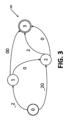
図3は、例示的な重み付けされていないワードピースに基づくアクセプタ文法を示す。一部の実装において、重み付けされていないワードピースに基づくアクセプタ文法300は、スペラFSTを使用して図2の英数字文法FST200を処理することによって生成され得る。スペラFSTは、ワードピースをそれらの構成書記素にマッピングすることができる。重み付けされていないワードピースに基づくアクセプタ文法300は、頂点0で始まり、頂点3で終了する。頂点0と頂点3との間に、頂点1および頂点2を含む様々な追加の頂点がある。示された例において、頂点0と頂点1との間の辺は、「_2」を表し、頂点1と頂点3との間の辺は、「00」を表し、頂点0と頂点2との間の辺は、「_20」を表し、頂点1と頂点2との間の辺は、「0」を表し、頂点2と頂点3との間の第1の辺は、「2」を表し、頂点2と頂点3との間の第2の辺は、「0」を表す。示された例において、重み付けされていないワードピースに基づくアクセプタ文法300は、文字列「2 00」、「2 0 0」、「20 0」、「2 0 2」、および「20 2」を受け入れることが可能である。
FIG. 3 shows an exemplary unweighted word piece-based acceptor grammar. In some implementations, the unweighted word piece-based
図4は、例示的なファクタードFSTを示す。示された例において、ファクタードFST400の所与の状態に至るすべてのパスは、同じ長さを有する。一部の実装において、ファクタードFST400は、重み付けされていないワードピースに基づくアクセプタ文法300に因子演算を適用することによって生成される。ファクタードFST400は、頂点0で始まり、頂点4かまたは頂点5かのどちらかで終わる。ファクタードFST400は、頂点1、頂点2、および頂点3も含む。頂点0と頂点1との間の辺は、「_2」を表す。頂点1と頂点3との間の辺は、「0」を表す。頂点3と頂点5との間の第1の辺は、「2」を表す。頂点3と頂点5との間の第2の辺は、「0」を表す。頂点1と頂点4との間の辺は、「00」を表す。頂点0と頂点2との間の辺は、「_20」を表す。頂点2と頂点4との間の第1の辺は、「2」を表す。頂点2と頂点4との間の第2の辺は、「0」を表す。
FIG. 4 shows an exemplary factored FST. In the example shown, all paths to a given state of factored
図5は、文脈的バイアス付加FSTの例を示す。示された例において、文脈的バイアス付加FST500は、弧ごとの一定の重み1を有する。一部の実装において、文脈的バイアス付加FSTは、弧ごとの追加の重み(たとえば、弧ごとの一定の重み2、弧ごとの一定の重み10、および/または弧ごとの追加の一定の重み)を有する。文脈的バイアス付加FST500は、弧ごとの一定の重み、および/またはファクタードFST400の所与の状態までに蓄積された累積的な重みに等しい失敗の遷移を適用することによって生成され得る。一部の実装において、文脈的FST500の重みは、自動音声認識のビームサーチ部の間に確率を修正するために使用され得る。文脈的バイアス付加FST500は、頂点0で始まり、頂点4かまたは頂点5かのどちらかで終わる。文脈的バイアス付加FST500の追加の頂点は、頂点1、頂点2、および頂点3を含む。示された例において、頂点0と頂点1との間の辺は、「_2/1」を表し、_2は、開始文字および受け付けられる数の最初の桁を表し、1は、重みを表す。頂点1と頂点3との間の辺は、「0/1」を表し、0は、受け付けられる数の2番目の桁であり、1は、重みを表す。頂点3と頂点5との間の第1の辺は、「2/1」を表し、2は、受け付けられる数の3番目の桁であり、1は、重みを表す。頂点3と頂点5との間の第2の辺は、「0/1」を表し、0は、受け付けられる数の3番目の桁であり、1は、重みを表す。頂点1と頂点4との間の辺は、「00/1」を表し、00は、受け付けられる数の2番目および3番目の桁であり、1は、重みである。頂点0と頂点2との間の辺は、「_20/1」を表し、_は、開始文字であり、20は、受け付けられる数の最初のおよび2番目の桁であり、1は、重みである。頂点2と頂点4との間の第1の辺は、「2/1」を表し、2は、受け付けられる数の3番目の桁であり、1は、重みである。頂点2と頂点4との間の第2の辺は、「0/1」を表し、0は、受け付けられる数の3番目の桁であり、1は、重みである。
Figure 5 shows an example of a contextually biased FST. In the example shown, the contextually biased
頂点1と頂点0との間の辺は、-1の失敗の遷移を示す「<epsilon>/-1」を表す。頂点3と頂点0との間の辺は、-2の失敗の遷移を示す「<epsilon>/-2」を表す。頂点2と頂点0との間の辺は、-1の失敗の遷移を示す「<epsilon>/-1」を表す。
The edge between
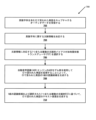
図6は、本明細書において開示される実装による文脈的バイアス付加FSTを生成するプロセス600を示す流れ図である。便宜上、流れ図の動作は、動作を実行するシステムに関連して説明される。このシステムは、図1Bのクライアントデバイス152の1つまたは複数の構成要素などの、様々なコンピュータシステムの様々な構成要素を含んでよい。さらに、プロセス600の動作は特定の順序で示されるが、これは、限定的であるように意図されていない。1つまたは複数の動作が、順序を変えられるか、省略されるか、および/または追加される可能性がある。
FIG. 6 is a flow diagram illustrating a
ブロック602において、システムが、英数字文法FSTを選択する。一部の実装において、英数字文法FSTは、非巡回的な文字に基づくFSTである。たとえば、図2の英数字文法FST200が、列「200」および「202」を受け入れる。
At block 602, the system selects an alphanumeric grammar FST. In some implementations, the alphanumeric grammar FST is an acyclic character-based FST. For example, the
ブロック604において、システムが、スペラFSTを選択し、スペラFSTが、ワードピースをその構成書記素にマッピングする。 At block 604, the system selects a Spera FST, which maps word pieces to their constituent graphemes.
ブロック606において、システムが、英数字文法FSTおよびスペラFSTに基づいて、重み付けされていないワードピースに基づくアクセプタ文法FSTを生成する。一部の実装において、システムは、ブロック602で選択された英数字文法FSTとブロック604で選択されたスペラFSTとに基づいて、重み付けされていないワードピースに基づくアクセプタ文法FSTを生成する。たとえば、図3の重み付けされていないワードピースに基づくアクセプタ文法FST300は、文字列「2 00」、「2 0 0」、「2 0 2」、「20 2」、および「20 0」を受け入れることが可能である。
At
ブロック608において、システムが、因子演算を使用して、重み付けされていないワードピースに基づくアクセプタ文法を処理することによって、ファクタードFSTを生成する。一部の実装においては、ファクタードFSTの所与の状態に至るいずれのパスも、同じ数の弧を越える。図4のファクタードFST400は、ファクタードFSTの例である。
At
ブロック610において、システムが、弧ごとの一定の重みをファクタードFSTに適用することによって文脈的バイアス付加FSTを生成する。図5の文脈的バイアス付加FST500は、例示的な文脈的バイアス付加FSTである。
At
図7は、本明細書において開示される実装による文脈的バイアス付加FSTを使用して口で言われた発話のテキスト表現を生成するプロセス700を示す流れ図である。便宜上、流れ図の動作は、動作を実行するシステムに関連して説明される。このシステムは、図1Bのクライアントデバイス152の1つまたは複数の構成要素などの、様々なコンピュータシステムの様々な構成要素を含んでよい。さらに、プロセス700の動作は特定の順序で示されるが、これは、限定的であるように意図されていない。1つまたは複数の動作が、順序を変えられるか、省略されるか、および/または追加される可能性がある。
FIG. 7 is a flow diagram illustrating a
ブロック702において、システムが、英数字列を含む口で言われた発話をキャプチャするオーディオデータを受信する。一部の実装において、オーディオデータは、クライアントデバイスのマイクロフォンを使用してキャプチャされる。たとえば、システムは、「DAYへのフライトについて教えて」という口で言われた発話をキャプチャするオーディオデータを受信することができ、DAYは、デイトン国際空港を示す空港コードの英数字列である。別の例として、システムは、「追跡番号ABC-123の私の荷物はいつ着きますか」という口で言われた発話をキャプチャするオーディオデータを受信することができる。
At
ブロック704において、システムが、英数字列に関する文脈情報を決定する。一部の実装において、システムは、口で言われた発話に基づいて文脈情報を決定することができる。たとえば、システムは、口で言われた発話「追跡番号ABC-123の私の荷物はいつ着きますか」に関して、追跡番号を示す文脈情報を決定することができる。追加的または代替的に、システムは、口で言われた発話に先立つユーザとコンピューティングシステムとの間の対話の1つもしくは複数の以前の順番、ユーザプロファイルに記憶されたユーザについての情報、コンピューティングシステムについての情報、1つもしくは複数のネットワーク接続されたハードウェアデバイス(たとえば、ネットワーク接続されたスマートサーモスタット、ネットワーク接続されたスマートオーブン、ネットワーク接続されたカメラなど)についての情報、および/または発話の文脈に関する追加情報を含む追加情報に基づいて文脈情報を決定することができる。たとえば、ユーザとコンピューティングシステムとの間の対話は、ユーザ--「私の荷物はいつ着きますか」、コンピューティングシステム--「荷物の追跡番号は何番ですか」、ユーザ--「ABC-123です」を含み得る。「追跡番号は何番ですか」という追加情報が、追跡番号に関連する文脈情報を生成するために使用され得る。別の例として、ユーザのユーザプロファイルが、サンフランシスコ国際空港からロサンゼルス国際空港へのフライトに関連するカレンダエントリを含むことが可能であり、それが、フライトに関連する文脈情報を決定するために使用され得る。追加的または代替的に、サーモスタットの温度に関連する文脈情報が、システムに関連するスマートサーモスタットに基づいて決定され得る。
At
ブロック706において、システムが、文脈情報に対応する1つまたは複数の文脈的バイアス付加FSTを選択する。たとえば、システムは、フライトを示す文脈情報に基づいて、空港コードの文脈的バイアス付加FSTを選択することができる。一部の実装において、システムは、文脈情報に対応する複数の文脈的FSTを選択することができる。たとえば、システムは、スマートサーモスタットの温度を示す文脈情報に対応する華氏温度の文脈的バイアス付加FSTおよび摂氏温度の文脈的バイアス付加FSTを選択することができる。一部の実装において、1つまたは複数の文脈的バイアス付加FSTは、図6のプロセス600によって生成され得る。一部の実装において、システムは、クライアントデバイスのローカルに記憶された文脈的FSTの所定の組から文脈的バイアス付加FSTを選択することができる。追加的または代替的に、システムは、サーバ上の、クライアントデバイスの遠隔に記憶された文脈的FSTの所定の組から文脈的バイアス付加FSTを選択することできる。一部の実装において、システムは、クライアントによって提供された数字の文法に基づいてオンザフライで生成される文脈的バイアス付加FSTなどの、システムによってオンザフライで生成される文脈的バイアス付加FSTを選択することができる。
At
ブロック708において、システムが、ASRエンジンのASRモデル部を使用して口で言われた発話を処理することによって、英数字列を含む口で言われた発話の1組の認識候補を生成する。一部の実装において、システムは、RNN-Tモデルを使用してブロック702で受信されたオーディオデータを処理することによって、口で言われた発話の1組の認識候補を生成することができる。
At block 708, the system generates a set of recognition candidates for the spoken utterance that includes an alphanumeric string by processing the spoken utterance using the ASR model portion of the ASR engine. In some implementations, the system may generate a set of recognition candidates for the spoken utterance by processing the audio data received at
ブロック710において、システムが、1組の認識候補および1つまたは複数の選択された文脈的FSTに基づいて、口で言われた発話のテキスト表現を生成する。一部の実装において、システムは、ブロック708で生成された1組の認識候補と、ブロック702で選択された1つまたは複数の文脈的FSTとに基づいて、口で言われた発話のテキスト表現を生成することができる。たとえば、ASRシステムのビームサーチ部が、ブロック708においてASRモデルを使用して生成された認識候補の確率を変更するために、文脈的FSTを使用してシャロウフュージョンによって修正され得る。
At
図8に目を向けると、本明細書において開示される実装が実装され得る例示的な環境。図8は、自動化されたアシスタントクライアント804のインスタンスを実行するクライアントコンピューティングデバイス802を含む。1つまたは複数のクラウドに基づく自動化されたアシスタント構成要素810が、808に全体的に示される1つまたは複数のローカルエリアおよび/または広域ネットワーク(たとえば、インターネット)を介してクライアントデバイス802に通信可能なように結合される1つまたは複数のコンピューティングシステム(集合的に「クラウド」コンピューティングシステムと呼ばれる)に実装され得る。
Turning to FIG. 8, an example environment in which implementations disclosed herein may be implemented. FIG. 8 includes a client computing device 802 running an instance of an automated assistant client 804. One or more cloud-based automated
自動化されたアシスタントクライアント804のインスタンスは、1つまたは複数のクラウドに基づく自動化されたアシスタント構成要素810とのその自動化されたアシスタントクライアント804のインタラクションを通して、ユーザの観点から見てユーザが人とコンピュータとの対話に従事する可能性がある自動化されたアシスタント800の論理的なインスタンスであるように見えるものを形成する場合がある。したがって、一部の実装において、クライアントデバイス802上で実行される自動化されたアシスタントクライアント804と関わり合うユーザは、実際には、自動化されたアシスタント800のそのユーザ独自の論理的なインスタンスと関わり合う可能性があることを理解されたい。簡潔で単純にするために、特定のユーザに「サービスを提供する」ものとして本明細書において使用される用語「自動化されたアシスタント」は、多くの場合、ユーザによって運用されるクライアントデバイス802上で実行される自動化されたアシスタントクライアント804と(複数のクライアントコンピューティングデバイスの複数の自動化されたアシスタントクライアントの間で共有される可能性がある)1つまたは複数のクラウドに基づく自動化されたアシスタント構成要素810との組合せを指す。一部の実装において、自動化されたアシスタント800は、ユーザが自動化されたアシスタント800のその特定のインスタンスによって実際に「サービスを提供される」かどうかに関係なく任意のユーザからの要求に応答する場合があることも理解されたい。
An instance of an automated assistant client 804 provides information about how a user interacts with a person and a computer from the user's perspective through the interaction of that automated assistant client 804 with one or more cloud-based automated
クライアントコンピューティングデバイス802は、たとえば、デスクトップコンピューティングデバイス、ラップトップコンピューティングデバイス、タブレットコンピューティングデバイス、モバイルスマートフォンコンピューティングデバイス、スタンドアロンのインタラクティブスピーカ、スマート家電、および/またはコンピューティングデバイスを含むユーザのウェアラブル装置(たとえば、コンピューティングデバイスを有するユーザの腕時計、コンピューティングデバイスを有するユーザのメガネ、仮想もしくは拡張現実コンピューティングデバイス)であってよい。追加的および/または代替的なクライアントコンピューティングデバイスが、提供されてよい。追加的または代替的に、クライアントコンピューティングデバイス802の動作は、複数のコンピューティングデバイスに分散される場合がある。たとえば、クライアントコンピューティングデバイス802の1つまたは複数の動作が、モバイルスマートフォンと乗り物のコンピューティングデバイスとに分散される場合がある。さらに、クライアントコンピューティングデバイス802の動作は、(場合によっては通信可能なように結合されてよい)複数のコンピューティングデバイスの間で繰り返される場合がある。さらなる例として、両方とも(下で説明される)呼び出しエンジンを含むモバイルスマートフォンおよび乗り物のインターフェースデバイスなどのモバイルスマートフォンおよび乗り物のインターフェースデバイスが、自動化されたアシスタント800の動作をそれぞれ実施する場合がある。様々な実装において、クライアントコンピューティングデバイス802は、任意で、メッセージ交換クライアント(たとえば、SMS、MMS、オンラインチャット)、ブラウザなどの、自動化されたアシスタントクライアント804以外の1つまたは複数のその他のアプリケーションを動作させる場合がある。それらの様々な実装の一部においては、その他のアプリケーションのうちの1つまたは複数が、任意で、自動化されたアシスタント804と(たとえば、アプリケーションプログラミングインターフェースを介して)インターフェースを取るか、または(クラウドに基づく自動化されたアシスタント構成要素810とやはりインターフェースを取る可能性がある)自動化されたアシスタントアプリケーションのそれらの
その他のアプリケーション独自のインスタンスを含み得る。
Client computing device 802 may be a user's wearable, including, for example, a desktop computing device, a laptop computing device, a tablet computing device, a mobile smartphone computing device, a standalone interactive speaker, a smart home appliance, and/or a computing device. The device may be a device (eg, a user's watch with a computing device, a user's glasses with a computing device, a virtual or augmented reality computing device). Additional and/or alternative client computing devices may be provided. Additionally or alternatively, the operations of client computing device 802 may be distributed across multiple computing devices. For example, one or more operations of client computing device 802 may be distributed between a mobile smartphone and a vehicle computing device. Further, operations of client computing device 802 may be repeated among multiple computing devices (which may be communicatively coupled in some cases). As a further example, a mobile smartphone and a vehicle interface device, such as a mobile smartphone and a vehicle interface device that both include a paging engine (described below), may each perform the operations of the
自動化されたアシスタント800は、クライアントデバイスのユーザインターフェース入力および出力デバイス(図示せず)を介してユーザとの人とコンピュータとの対話セッションに従事する。ユーザのプライバシーを守るおよび/またはリソースを節約するために、多くの状況で、ユーザは、自動化されたアシスタントが口で言われた発話を完全に処理する前に自動化されたアシスタント800を明示的に呼び出さなければならないことが多い。自動化されたアシスタント800の明示的な呼び出しは、クライアントデバイス802において受け取られた特定のユーザインターフェース入力に応答して起こり得る。たとえば、クライアントデバイス802を介して自動化されたアシスタント800を呼び出すことができるユーザインターフェース入力は、任意で、クライアントデバイス802のハードウェアのおよび/または仮想的なボタンの作動を含み得る。さらに、自動化されたアシスタントクライアントは、1つまたは複数の口で言われた呼び出しフレーズの存在を検出するように動作可能である呼び出しエンジンなどの1つまたは複数のローカルエンジン806を含み得る。呼び出しエンジンは、口で言われた呼び出しフレーズのうちの1つまたは複数の検出に応じて自動化されたアシスタント800を呼び出すことができる。たとえば、呼び出しエンジンは、「ヘイ、アシスタント」、「オーケー、アシスタント」、および/または「アシスタント」などの口で言われた呼び出しフレーズの検出に応じて自動化されたアシスタント800を呼び出すことができる。呼び出しエンジンは、口で言われた呼び出しフレーズの発生を監視するためにクライアントデバイス802の1つまたは複数のマイクロフォンからの出力に基づくオーディオデータフレームのストリームを(たとえば、「非アクティブ」モードでない場合に)継続的に処理することができる。口で言われた呼び出しフレーズの発生を監視している間に、呼び出しエンジンは、口で言われた呼び出しフレーズを含まないすべてのオーディオデータフレームを(たとえば、バッファに一時的に記憶した後)破棄する。しかし、呼び出しエンジンが処理されるオーディオデータフレーム内で口で言われた呼び出しフレーズの発生を検出するとき、呼び出しエンジンは、自動化されたアシスタント800を呼び出すことができる。本明細書において使用されるとき、自動化されたアシスタント800を「呼び出すこと」は、自動化されたアシスタント800の1つまたは複数の前は非アクティブであった機能をアクティブ化させることを含み得る。たとえば、自動化されたアシスタント800を呼び出すことは、(呼び出しの前はオーディオデータフレームのさらなる処理が行われていなかったが)1つまたは複数のローカルエンジン806および/またはクラウドに基づく自動化されたアシスタント構成要素810に、呼び出しフレーズが検出されたオーディオデータフレームおよび/または1つもしくは複数の引き続くオーディオデータフレームをさらに処理させることを含み得る。
自動化されたアシスタント804の1つまたは複数のローカルエンジン806は、任意であり、たとえば、上述の呼び出しエンジン、(キャプチャされたオーディオをテキストに変換する)ローカルスピーチトゥテキスト(「STT」)エンジン、(テキストをスピーチに変換する)ローカルテキストトゥスピーチ(「TTS」)エンジン、(オーディオおよび/もしくはオーディオから変換されたテキストの意味論的意味を決定する)ローカル自然言語プロセッサ、ならびに/またはその他のローカル構成要素を含み得る。クライアントデバイス802はコンピューティングリソース(たとえば、プロセッササイクル、メモリ、バッテリなど)の点で比較的制約されるので、ローカルエンジン806は、クラウドに基づく自動化されたアシスタント構成要素810に含まれる任意の対応する機能に比べて制限された機能を有する場合がある。
One or more local engines 806 of automated assistant 804 are optional, such as the above-mentioned invocation engine, a local speech-to-text ("STT") engine (which converts captured audio to text), ( a local text-to-speech (“TTS”) engine (which converts text to speech), a local natural language processor (which determines the semantic meaning of the audio and/or text converted from the audio), and/or other local configurations; May contain elements. Because the client device 802 is relatively constrained in terms of computing resources (e.g., processor cycles, memory, battery, etc.), the local engine 806 may not be compatible with any corresponding cloud-based
自動化されたアシスタントクライアント804は、文脈エンジンおよび/またはFSTエンジン(図示せず)をさらに含み得る。図1Aおよび図1Bの文脈エンジン104などの文脈エンジンが、オーディオデータおよび/またはオーディオデータに関連する追加情報に基づいて文脈情報を決定する際に自動化されたアシスタントクライアント804によって利用され得る。図1Aおよび図1BのFSTエンジン110などのFSTエンジンが、1つまたは複数の文脈的バイアス付加FSTを選択する際に自動化されたアシスタントクライアント804によって利用され得る。TTSエンジン812は、シャロウフュージョンによって文脈的バイアス付加FSTを用いてビームサーチを修正することによるなどして、オーディオデータのテキスト表現を生成する際に1つまたは複数の選択された文脈的バイアス付加FSTを利用することができる。
Automated assistant client 804 may further include a context engine and/or an FST engine (not shown). A context engine, such as
クラウドに基づく自動化されたアシスタント構成要素810は、クラウドの実質的に制限のないリソースを利用して、ローカルエンジン806の任意の対応する処理に比べてオーディオデータおよび/またはその他のユーザインターフェース入力のより堅牢なおよび/またはより正確な処理を実行する。さらにまた、様々な実装において、クライアントデバイス802は、呼び出しエンジンによる口で言われた呼び出しフレーズの検出または自動化されたアシスタント800の何らかのその他の明示的な呼び出しの検出に応じてクラウドに基づく自動化されたアシスタント構成要素810にオーディオデータおよび/またはその他のデータを提供することができる。
The cloud-based
示されたクラウドに基づく自動化されたアシスタント構成要素810は、クラウドに基づくTTSモジュール812、クラウドに基づくSTTモジュール814、および自然言語プロセッサ816を含む。一部の実装において、自動化されたアシスタント800のエンジンおよび/またはモジュールのうちの1つまたは複数は、省略されるか、組み合わされるか、および/または自動化されたアシスタント800とは別である構成要素に実装される場合がある。さらに、一部の実装において、自動化されたアシスタント800は、追加的および/または代替的なエンジンおよび/またはモジュールを含み得る。
The illustrated cloud-based automated
クラウドに基づくSTTモジュール814は、オーディオデータをテキストに変換することができ、テキストは、それから、自然言語プロセッサ816に提供されてよい。様々な実装において、クラウドに基づくSTTモジュール814は、割り振りエンジン(図示せず)によって提供される話者ラベルおよび割り振りのインジケーションに少なくとも部分的に基づいてオーディオデータをテキストに変換することができる。
Cloud-based
クラウドに基づくTTSモジュール812は、テキストデータ(たとえば、自動化されたアシスタント800によって作られた自然言語応答)をコンピュータによって生成されたスピーチ出力に変換することができる。一部の実装において、TTSモジュール812は、コンピュータによって生成されたスピーチ出力を、たとえば、1つまたは複数のスピーカを使用して直接出力されるようにクライアントデバイス802に提供し得る。その他の実装においては、自動化されたアシスタント800によって生成されたテキストデータ(たとえば、自然言語応答)が、ローカルエンジン806のうちの1つに提供されてよく、それから、そのローカルエンジン806が、テキストデータを、ローカルで出力されるコンピュータによって生成されたスピーチに変換する場合がある。
Cloud-based
自動化されたアシスタント800の自然言語プロセッサ816は、自由形式の自然言語入力を処理し、自然言語入力に基づいて、自動化されたアシスタント800の1つまたは複数のその他の構成要素による使用のために注釈付きの出力を生成する。たとえば、自然言語プロセッサ816は、クライアントデバイス802を介してユーザによって与えられたオーディオデータのSTTモジュール814による変換であるテキスト入力である自然言語の自由形式の入力を処理することができる。生成される注釈付きの出力は、自然言語入力の1つまたは複数の注釈と、任意で、自然言語入力の語のうちの1つまたは複数(たとえば、すべて)とを含んでよい。一部の実装において、自然言語プロセッサ816は、自然言語入力内の様々な種類の文法的情報を特定し、注釈を付けるように構成される。たとえば、自然言語プロセッサ816は、語にそれらの語の文法的役割によって注釈を付けるように構成された音声タガー(図示せず)の一部を含んでよい。また、たとえば、一部の実装において、自然言語プロセッサ816は、追加的および/また代替的に、自然言語入力内の語の間の統語的関係を決定するように構成された依存関係パーサ(図示せず)を含んでよい。
一部の実装において、自然言語プロセッサ816は、追加的および/また代替的に、(たとえば、文学のキャラクタ、有名人、著名人などを含む)人、組織、(現実のおよび架空の)場所などへの言及などの1つまたは複数のサンプル内のエンティティの言及に注釈を付けるように構成されたエンティティタガー(図示せず)を含んでよい。自然言語プロセッサ816のエンティティタガーは、(たとえば、人などのエンティティのクラスへのすべての言及の特定を可能にするための)高レベルの粒度(granularity)および/または(たとえば、特定の人物などの特定のエンティティへのすべての言及の特定を可能にするための)より低レベルの粒度でエンティティへの言及に注釈を付ける可能性がある。エンティティタガーは、特定のエンティティを解決するために自然言語入力の内容に依拠する可能性があり、および/または特定のエンティティを解決するためにナレッジグラフもしくはその他のエンティティデータベースと任意で通信する可能性がある。
In some implementations, the
一部の実装において、自然言語プロセッサ816は、追加的および/また代替的に、1つまたは複数の文脈的手掛かり(contextual cue)に基づいて同じエンティティへの言及をグループ分けするかまたは「クラスタリングする」ように構成された同一指示(coreference)リゾルバ(図示せず)を含んでよい。たとえば、同一指示リゾルバは、自然言語入力「I liked Hypothetical Cafe last time we ate there」内の語「there」を「Hypothetical Cafe」に解決するために利用されてよい。
In some implementations,
一部の実装において、自然言語プロセッサ816の1つまたは複数の構成要素は、自然言語プロセッサ816の1つまたは複数のその他の構成要素からの注釈に依拠する可能性がある。たとえば、一部の実装において、指定されたエンティティタガーは、特定のエンティティへのすべての言及に注釈を付ける際に同一指示リゾルバおよび/または依存関係パーサからの注釈に依拠してよい。また、たとえば、一部の実装において、同一指示リゾルバは、同じエンティティへの言及をクラスタリングする際に依存関係パーサからの注釈に依拠してよい。一部の実装においては、特定の自然言語入力を処理する際に、自然言語プロセッサ816の1つまたは複数の構成要素が、1つまたは複数の注釈を決定するために、関連する以前の入力、および/または特定の自然言語入力外のその他の関連するデータを使用する場合がある。
In some implementations, one or more components of
図9は、本明細書において説明される技術の1つまたは複数の態様を実行するために任意で利用されてよい例示的なコンピューティングデバイス910のブロック図である。一部の実装においては、クライアントコンピューティングデバイスおよび/またはその他の構成要素のうちの1つまたは複数が、例示的なコンピューティングデバイス910の1つまたは複数の構成要素を含む場合がある。
FIG. 9 is a block diagram of an
概して、コンピューティングデバイス910は、バスサブシステム912を介していくつかの周辺デバイスと通信する少なくとも1つのプロセッサ914を含む。これらの周辺デバイスは、たとえば、メモリサブシステム925およびファイルストレージサブシステム926を含むストレージサブシステム924と、ユーザインターフェース出力デバイス920と、ユーザインターフェース入力デバイス922と、ネットワークインターフェースサブシステム916とを含んでよい。入力および出力デバイスは、コンピューティングデバイス910とのユーザのインタラクションを可能にする。ネットワークインターフェースサブシステム916は、外部ネットワークへのインターフェースを提供し、その他のコンピューティングデバイスの対応するインターフェースデバイスに結合される。
Generally,
ユーザインターフェース入力デバイス922は、キーボード、マウス、トラックボール、タッチパッド、もしくはグラフィックスタブレットなどのポインティングデバイス、スキャナ、ディスプレイに組み込まれたタッチスクリーン、音声認識システムなどの音声入力デバイス、マイクロフォン、および/またはその他の種類の入力デバイスを含んでよい。概して、用語「入力デバイス」の使用は、コンピューティングデバイス910または通信ネットワークに情報を入力するためのすべての可能な種類のデバイスおよび方法を含むように意図される。
User
ユーザインターフェース出力デバイス920は、ディスプレイサブシステム、プリンタ、ファックスマシン、または音声出力デバイスなどの非視覚的表示を含んでよい。ディスプレイサブシステムは、ブラウン管(「CRT」)、液晶ディスプレイ(「LCD」)などのフラットパネルデバイス、プロジェクションデバイス、または可視画像を生成するための何らかのその他のメカニズムを含んでよい。ディスプレイサブシステムは、音声出力デバイスを介するなどして非視覚的表示を提供する場合もある。概して、用語「出力デバイス」の使用は、コンピューティングデバイス910からユーザまたは別のマシンもしくはコンピューティングデバイスに情報を出力するすべての可能な種類のデバイスおよび方法を含むように意図される。
User
ストレージサブシステム924は、本明細書において説明されるモジュールの一部またはすべての機能を提供するプログラミングおよびデータ構造を記憶する。たとえば、ストレージサブシステム924は、図8のプロセスのうちの1つまたは複数の選択された態様を実行するためおよび図1Bに示された様々な構成要素を実装するための論理を含んでよい。
これらのソフトウェアモジュールは、概して、プロセッサ914によって単独で、またはその他のプロセッサとの組合せで実行される。ストレージサブシステム924において使用されるメモリ925は、プログラムの実行中の命令およびデータの記憶のための主ランダムアクセスメモリ(「RAM」)930と、決まった命令が記憶される読み出し専用メモリ(「ROM」)932とを含むいくつかのメモリを含み得る。ファイルストレージサブシステム926は、プログラムおよびデータファイルのための永続的ストレージを提供することができ、ハードディスクドライブ、関連する取り外し可能な媒体をともなうフロッピーディスクドライブ、CD-ROMドライブ、光学式ドライブ、または取り外し可能なメディアカートリッジを含んでよい。特定の実装の機能を実装するモジュールは、ストレージサブシステム924内のファイルストレージサブシステム926によって、またはプロセッサ914によりアクセスされ得るその他のマシンに記憶される場合がある。
These software modules are generally executed by
バスサブシステム912は、コンピューティングデバイス910の様々な構成要素およびサブシステムに意図されたように互いに通信させるためのメカニズムを提供する。バスサブシステム912は単一のバスとして概略的に示されているが、バスサブシステムの代替的な実装は複数のバスを使用する場合がある。
コンピューティングデバイス910は、ワークステーション、サーバ、コンピューティングクラスタ、ブレードサーバ、サーバファーム、または任意のその他のデータ処理システムもしくはコンピューティングデバイスを含む様々な種類であることが可能である。コンピュータおよびネットワークの変わり続ける性質が原因で、図9に示されたコンピューティングデバイス910の説明は、いくつかの実装を示すことを目的とする特定の例としてのみ意図される。図9に示されたコンピューティングデバイスよりも多くのまたは図9に示されたコンピューティングデバイスよりも少ない構成要素を有するコンピューティングデバイス910の多くのその他の構成が、可能である。
本明細書において説明されたシステムがユーザ(もしくは本明細書においては「参加者」と呼ばれることが多い)についての個人情報を収集するかまたは個人情報を利用する可能性がある状況において、ユーザは、プログラムまたは特徴がユーザ情報(たとえば、ユーザのソーシャルネットワーク、ソーシャルな行為もしくは活動、職業、ユーザの好み、またはユーザの現在の地理的位置についての情報)を収集するかどうかを制御するか、あるいはユーザにより関連性がある可能性があるコンテンツをコンテンツサーバから受信するべきかどうかおよび/またはどのようにして受信するべきかを制御する機会を与えられてよい。また、特定のデータが、個人を特定することができる情報が削除されるように、記憶されるかまたは使用される前に1つまたは複数の方法で処理される場合がある。たとえば、ユーザのアイデンティティ(identity)が、個人を特定することができる情報がユーザに関して決定され得ないように、または地理的位置情報が取得される場合にユーザの地理的位置が(都市、郵便番号、もしくは州のレベルまでになど)一般化される場合があり、したがって、ユーザの特定の地理的位置が決定され得ないように処理されてよい。したがって、ユーザは、情報がユーザについてどのようにして収集されるかおよび/または使用されるかを制御することができる場合がある。 In situations where the systems described herein may collect or make use of personal information about users (or often referred to herein as "participants"), users , control whether a program or feature collects user information (e.g., information about a user's social networks, social conduct or activities, occupation, user preferences, or user's current geographic location); or A user may be given the opportunity to control whether and/or how potentially relevant content is to be received from a content server. Certain data may also be processed in one or more ways before being stored or used, such that personally identifiable information is removed. For example, if a user's identity is determined such that no personally identifiable information can be determined about the user, or if geographic location information is obtained, the user's geographic location (city, postal code) or even down to the state level) and may therefore be treated such that the user's specific geographic location cannot be determined. Accordingly, a user may be able to control how information is collected and/or used about the user.
一部の実装においては、自動音声認識(「ASR」)エンジンを使用して、英数字列を含む口で言われた発話をキャプチャするオーディオデータのテキスト表現を生成するステップを含む、1つまたは複数のプロセッサによって実施される方法が提供される。一部の実装において、ASRエンジンを使用して、英数字列を含む口で言われた発話をキャプチャするオーディオデータのテキスト表現を生成するステップは、英数字列に関する文脈情報を決定することを含む。一部の実装において、方法は、文脈情報に基づいて、英数字列のための1つまたは複数の文脈的有限状態トランスデューサを選択するステップを含む。一部の実装において、方法は、ASRエンジンのASRモデル部を使用してオーディオデータを処理することに基づいて、口で言われた発話の1組の認識候補を生成するステップを含む。一部の実装において、方法は、口で言われた発話のテキスト表現を生成するステップであって、テキスト表現が、英数字列を含み、テキスト表現を生成するステップが、生成された1組の認識候補および1つまたは複数の選択された文脈的有限状態トランスデューサに基づく、ステップを含む。 In some implementations, the one or more steps include using an automatic speech recognition ("ASR") engine to generate a textual representation of audio data that captures spoken utterances that include an alphanumeric string. A method is provided that is implemented by multiple processors. In some implementations, using an ASR engine to generate a textual representation of audio data that captures spoken utterances that include an alphanumeric string includes determining contextual information about the alphanumeric string. . In some implementations, the method includes selecting one or more contextual finite state transducers for the alphanumeric string based on the contextual information. In some implementations, the method includes generating a set of recognition candidates for the spoken utterance based on processing the audio data using an ASR model portion of the ASR engine. In some implementations, the method includes the step of generating a textual representation of the spoken utterance, the textual representation comprising an alphanumeric string, and the step of generating the textual representation comprises a set of generated utterances. The method includes steps based on the recognition candidate and the one or more selected contextual finite state transducers.
本明細書において開示されるテクノロジーのこれらのおよびその他の実装は、以下の特徴のうちの1つまたは複数を含み得る。 These and other implementations of the technology disclosed herein may include one or more of the following features.
一部の実装において、ASRモデルは、再帰型ニューラルネットワークトランスデューサ(RNN-T)モデルであり、ASRエンジンは、ビームサーチ部をさらに含む。それらの実装の一部のバージョンにおいて、生成された1組の認識候補および1つまたは複数の選択された文脈的有限状態トランスデューサに基づいて、口で言われた発話のテキスト表現を生成するステップは、1つまたは複数の文脈的有限状態トランスデューサを使用してASRエンジンのビームサーチ部を修正することを含む。それらの実装の一部のバージョンにおいて、1つまたは複数の文脈的有限状態トランスデューサを使用してASRエンジンのビームサーチ部を修正することは、1つまたは複数の文脈的有限状態トランスデューサを使用してASRエンジンのビームサーチ部をシャロウフュージョンによって修正することを含む。それらの実装の一部のバージョンにおいて、生成された1組の認識候補および1つまたは複数の選択された文脈的有限状態トランスデューサに基づいて、口で言われた発話のテキスト表現を生成するステップは、1組の認識候補中の各認識候補に関する対応する確率測度(probability measure)を決定することをさらに含む。一部の実装において、方法は、1つまたは複数の文脈的有限状態トランスデューサを使用して修正されたASRエンジンのビームサーチ部を使用して対応する確率測度を修正するステップをさらに含む。一部の実装において、方法は、認識候補に関する対応する確率測度が1つまたは複数の条件を満たすと判定することに基づいて、1組の認識候補から認識候補を選択するステップをさらに含む。一部の実装において、方法は、選択された認識候補に基づいて、口で言われた発話のテキスト表現を生成するステップをさらに含む。 In some implementations, the ASR model is a recurrent neural network transducer (RNN-T) model, and the ASR engine further includes a beam search unit. In some versions of those implementations, the step of generating a textual representation of the spoken utterance based on the generated set of recognition candidates and one or more selected contextual finite state transducers includes , including modifying the beam search portion of the ASR engine using one or more contextual finite state transducers. In some versions of those implementations, modifying the beam search portion of the ASR engine using one or more contextual finite-state transducers may be modified using one or more contextual finite-state transducers. This includes modifying the beam search section of the ASR engine using shallow fusion. In some versions of those implementations, the step of generating a textual representation of the spoken utterance based on the generated set of recognition candidates and one or more selected contextual finite state transducers includes , further comprising determining a corresponding probability measure for each recognition candidate in the set of recognition candidates. In some implementations, the method further includes modifying the corresponding probability measure using a beam search portion of the ASR engine modified using one or more contextual finite state transducers. In some implementations, the method further includes selecting a recognition candidate from the set of recognition candidates based on determining that a corresponding probability measure for the recognition candidate satisfies one or more conditions. In some implementations, the method further includes generating a textual representation of the spoken utterance based on the selected recognition candidates.
一部の実装において、オーディオデータは、クライアントデバイスの1つまたは複数のマイクロフォンによってキャプチャされる。 In some implementations, audio data is captured by one or more microphones on the client device.
一部の実装において、英数字列に関する文脈情報を決定することは、口で言われた発話をキャプチャするオーディオデータに基づいており、オーディオデータに基づいて英数字列に関する文脈情報を決定することは、オーディオデータの1つまたは複数の認識された語に基づいて英数字列に関する文脈情報を生成することであって、1つまたは複数の認識された語が、英数字列以外である、生成することを含む。 In some implementations, determining the contextual information about the alphanumeric string is based on audio data that captures spoken utterances, and determining the contextual information about the alphanumeric string based on the audio data is , generating contextual information about an alphanumeric string based on one or more recognized words of the audio data, the one or more recognized words being other than the alphanumeric string. Including.
一部の実装において、英数字列に関する文脈情報を決定することは、口で言われた発話の直前にあったレンダリングされたシステムプロンプトに基づき、レンダリングされたシステムプロンプトに基づいて文脈情報を決定することは、レンダリングされたシステムプロンプトに対する少なくとも1つの予測された応答に基づいて文脈情報を決定することを含む。 In some implementations, determining the contextual information for the alphanumeric string is based on a rendered system prompt that immediately preceded the spoken utterance, and determining the contextual information based on the rendered system prompt. The determining includes determining the contextual information based on at least one predicted response to the rendered system prompt.
一部の実装において、方法は、1つまたは複数の文脈的有限状態トランスデューサのうちの少なくとも所与の文脈的有限状態トランスデューサを生成するステップをさらに含む。一部の実装において、所与の文脈的有限状態トランスデューサを生成するステップは、英数字列に対応する英数字文法有限状態トランスデューサを選択することを含む。一部の実装において、方法は、ワードピースを構成書記素にマッピングするスペラ有限状態トランスデューサを選択するステップをさらに含む。一部の実装において、方法は、英数字文法有限状態トランスデューサおよびスペラ有限状態トランスデューサに基づいて、重み付けされていないワードピースに基づくアクセプタ文法を生成するステップをさらに含む。それらの実装の一部のバージョンにおいて、所与の文脈的有限状態トランスデューサを生成するステップは、因子演算を使用して重み付けされていないワードピースに基づくアクセプタ文法を処理することに基づいてファクタード有限状態トランスデューサを生成することをさらに含む。一部の実装において、方法は、重み付けされていないワードピースに基づくアクセプタ文法の各弧に一定の重みを適用することに基づいて、所与の文脈的有限状態トランスデューサを生成するステップをさらに含む。 In some implementations, the method further includes generating at least a given contextual finite state transducer of the one or more contextual finite state transducers. In some implementations, generating a given contextual finite state transducer includes selecting an alphanumeric grammar finite state transducer that corresponds to the alphanumeric string. In some implementations, the method further includes selecting a Speller finite state transducer that maps the word piece to its constituent graphemes. In some implementations, the method further includes generating an unweighted word piece-based acceptor grammar based on the alphanumeric grammar finite-state transducer and the Speller finite-state transducer. In some versions of their implementation, the step of generating a given contextual finite state transducer is based on processing an acceptor grammar based on unweighted word pieces using factor operations. The method further includes generating a state transducer. In some implementations, the method further includes generating a given contextual finite state transducer based on applying a constant weight to each arc of the acceptor grammar based on the unweighted word pieces.
一部の実装において、英数字列は、少なくとも1つの数を含み、少なくとも1つの文字を含む。 In some implementations, the alphanumeric string includes at least one number and includes at least one character.
一部の実装において、ASRエンジンのASRモデル部は、エンドツーエンド音声認識モデルである。 In some implementations, the ASR model portion of the ASR engine is an end-to-end speech recognition model.
一部の実装において、ASRエンジンは、1組の訓練インスタンスを使用して訓練され、英数字列は、1組の訓練インスタンス内にない。 In some implementations, the ASR engine is trained using a set of training instances, and the alphanumeric string is not within the set of training instances.
一部の実装において、ASRエンジンは、1組の訓練インスタンスを使用して訓練され、英数字列は、1組の訓練インスタンスに、閾値未満の回数発生する。 In some implementations, the ASR engine is trained using a set of training instances, and the alphanumeric string occurs less than a threshold number of times in the set of training instances.
一部の実装においては、自動音声認識中に口で言われた発話の英数字列の認識候補の1つまたは複数の確率を修正するのに使用するための文脈的有限状態トランスデューサを生成するステップを含む、1つまたは複数のプロセッサによって実施される方法が提供される。一部の実装において、文脈的有限状態トランスデューサを生成するステップは、英数字列に対応する英数字文法有限状態トランスデューサを選択することを含む。一部の実装において、方法は、ワードピースを構成書記素にマッピングするスペラ有限状態トランスデューサを選択するステップを含む。一部の実装において、方法は、英数字文法有限状態トランスデューサおよびスペラ有限状態トランスデューサに基づいて、重み付けされていないワードピースに基づくアクセプタ文法を生成するステップを含む。一部の実装において、方法は、因子演算を使用して重み付けされていないワードピースに基づくアクセプタ文法を処理することに基づいてファクタード有限状態トランスデューサを生成するステップを含む。一部の実装において、方法は、重み付けされていないワードピースに基づくアクセプタ文法の各弧に一定の重みを適用することに基づいて、文脈的有限状態トランスデューサを生成するステップを含む。 In some implementations, generating a contextual finite state transducer for use in modifying the probability of one or more recognition candidates for alphanumeric strings of spoken utterances during automatic speech recognition. A method is provided that is implemented by one or more processors. In some implementations, generating the contextual finite state transducer includes selecting an alphanumeric grammar finite state transducer that corresponds to the alphanumeric string. In some implementations, the method includes selecting a Speller finite state transducer that maps word pieces to constituent graphemes. In some implementations, the method includes generating an unweighted word piece-based acceptor grammar based on the alphanumeric grammar finite state transducer and the Spera finite state transducer. In some implementations, the method includes generating a factored finite state transducer based on processing an acceptor grammar based on unweighted word pieces using a factor operation. In some implementations, the method includes generating a contextual finite state transducer based on applying a constant weight to each arc of an acceptor grammar based on unweighted word pieces.
加えて、一部の実装は、1つまたは複数のコンピューティングデバイスの1つまたは複数のプロセッサ(たとえば、中央演算処理装置(CPU)、グラフィックス処理ユニット(GPU)、および/またはテンソルプロセッシングユニット(TPU))を含み、1つまたは複数のプロセッサは、関連するメモリに記憶された命令を実行するように動作可能であり、命令は、本明細書において説明された方法のいずれかの実行を引き起こすように構成される。一部の実装は、本明細書において説明された方法のいずれかを実行するために1つまたは複数のプロセッサによって実行され得るコンピュータ命令を記憶する1つまたは複数の一時的または非一時的コンピュータ可読ストレージ媒体も含む。 In addition, some implementations utilize one or more processors (e.g., central processing unit (CPU), graphics processing unit (GPU), and/or tensor processing unit ( TPU)), the one or more processors are operable to execute instructions stored in associated memory, the instructions causing execution of any of the methods described herein. It is configured as follows. Some implementations include one or more temporary or non-transitory computer readable devices storing computer instructions that may be executed by one or more processors to perform any of the methods described herein. Also includes storage media.
100 例
102 オーディオデータ
104 文脈エンジン
106 追加情報
108 文脈情報
110 FSTエンジン
112 文脈的FST
114 ASRモデル
115 ASRエンジン
116 テキスト認識候補
118 ASRエンジンのビームサーチ部
150 環境
152 クライアントデバイス
154 ASRエンジン
156 文脈的FST生成エンジン
200 英数字文法FST
300 重み付けされていないワードピースに基づくアクセプタ文法
400 ファクタードFST
500 文脈的バイアス付加FST
600 プロセス
700 プロセス
800 自動化されたアシスタント
802 クライアントコンピューティングデバイス
804 自動化されたアシスタントクライアント
806 ローカルエンジン
808 ローカルエリアおよび/または広域ネットワーク
810 クラウドに基づく自動化されたアシスタント構成要素
812 クラウドに基づくTTSモジュール
814 クラウドに基づくSTTモジュール
816 自然言語プロセッサ
910 コンピューティングデバイス
912 バスサブシステム
914 プロセッサ
916 ネットワークインターフェースサブシステム
920 ユーザインターフェース出力デバイス
922 ユーザインターフェース入力デバイス
924 ストレージサブシステム
925 メモリサブシステム
926 ファイルストレージサブシステム
930 主ランダムアクセスメモリ(「RAM」)
932 読み出し専用メモリ(「ROM」)
100 cases
102 Audio data
104 Context Engine
106 Additional information
108 Contextual information
110 FST engine
112 Contextual FST
114 ASR model
115 ASR engine
116 Text recognition candidates
118 Beam search section of ASR engine
150 Environment
152 Client Device
154 ASR engine
156 Contextual FST generation engine
200 Alphanumeric Grammar FST
300 Acceptor grammar based on unweighted word pieces
400 Factored FST
500 Contextual biased FST
600 processes
700 processes
800 automated assistant
802 Client Computing Device
804 Automated Assistant Client
806 local engine
808 local area and/or wide area network
810 Cloud-based automated assistant components
812 Cloud-based TTS module
814 Cloud-based STT module
816 Natural Language Processor
910 computing device
912 bus subsystem
914 processor
916 Network Interface Subsystem
920 User Interface Output Device
922 User Interface Input Device
924 Storage Subsystem
925 Memory Subsystem
926 File Storage Subsystem
930 Main Random Access Memory (“RAM”)
932 Read-only memory (“ROM”)
Claims (18)
自動音声認識(「ASR」)エンジンを使用して、英数字列を含む口で言われた発話をキャプチャするオーディオデータのテキスト表現を生成するステップを含み、前記ASRエンジンを使用して、前記英数字列を含む前記口で言われた発話をキャプチャする前記オーディオデータの前記テキスト表現を生成するステップが、
前記英数字列に関する文脈情報を決定すること、
前記文脈情報に基づいて、前記英数字列のための1つまたは複数の文脈的有限状態トランスデューサを選択すること、
前記ASRエンジンのASRモデル部を使用して前記オーディオデータを処理することに基づいて、前記口で言われた発話の1組の認識候補を生成すること、ならびに
前記口で言われた発話の前記テキスト表現を生成することであって、前記テキスト表現が、前記英数字列を含み、前記テキスト表現を生成することが、前記生成された1組の認識候補および前記1つまたは複数の選択された文脈的有限状態トランスデューサに基づく、生成することを含む、方法。 A method implemented by one or more processors, the method comprising:
using an automatic speech recognition ("ASR") engine to generate a textual representation of audio data that captures spoken utterances that include an alphanumeric string; generating the textual representation of the audio data capturing the spoken utterance including a string of digits;
determining contextual information regarding the alphanumeric string;
selecting one or more contextual finite state transducers for the alphanumeric string based on the contextual information;
generating a set of recognition candidates for the mouthed utterances based on processing the audio data using an ASR model portion of the ASR engine; and generating a textual representation, said textual representation including said alphanumeric string, said generating said textual representation comprising said generated set of recognition candidates and said one or more selected recognition candidates; A method comprising generating based on a contextual finite state transducer.
前記1つまたは複数の文脈的有限状態トランスデューサを使用して前記ASRエンジンの前記ビームサーチ部を修正することを含む請求項2に記載の方法。 generating the textual representation of the spoken utterance based on the generated set of recognition candidates and the one or more selected contextual finite state transducers;
3. The method of claim 2, comprising modifying the beam search portion of the ASR engine using the one or more contextual finite state transducers.
前記1つまたは複数の文脈的有限状態トランスデューサを使用して前記ASRエンジンの前記ビームサーチ部をシャロウフュージョンによって修正することを含む請求項3に記載の方法。 modifying the beam search portion of the ASR engine using the one or more contextual finite state transducers;
4. The method of claim 3, comprising using the one or more contextual finite state transducers to modify the beam search portion of the ASR engine by shallow fusion.
前記1組の認識候補中の各認識候補に関する対応する確率測度を決定することと、
前記1つまたは複数の文脈的有限状態トランスデューサを使用して修正された前記ASRエンジンの前記ビームサーチ部を使用して前記対応する確率測度を修正することと、
認識候補に関する前記対応する確率測度が1つまたは複数の条件を満たすと判定することに基づいて、前記1組の認識候補から前記認識候補を選択することと、
前記選択された認識候補に基づいて、前記口で言われた発話の前記テキスト表現を生成することとをさらに含む請求項4に記載の方法。 generating the textual representation of the spoken utterance based on the generated set of recognition candidates and the one or more selected contextual finite state transducers;
determining a corresponding probability measure for each recognition candidate in the set of recognition candidates;
modifying the corresponding probability measure using the beam search portion of the ASR engine modified using the one or more contextual finite state transducers;
selecting the recognition candidate from the set of recognition candidates based on determining that the corresponding probability measure for the recognition candidate satisfies one or more conditions;
5. The method of claim 4, further comprising: generating the textual representation of the spoken utterance based on the selected recognition candidates.
前記オーディオデータの1つまたは複数の認識された語に基づいて前記英数字列に関する前記文脈情報を生成することであって、前記1つまたは複数の認識された語が、前記英数字列以外である、生成することを含む請求項1から6のいずれか一項に記載の方法。 determining the contextual information for the alphanumeric string is based on the audio data capturing the spoken utterance, and determining the contextual information for the alphanumeric string based on the audio data. but,
generating the contextual information regarding the alphanumeric string based on one or more recognized words of the audio data, the one or more recognized words being other than the alphanumeric string; 7. A method according to any one of claims 1 to 6, comprising: producing.
前記レンダリングされたシステムプロンプトに対する少なくとも1つの予測された応答に基づいて前記文脈情報を決定することを含む請求項1から7のいずれか一項に記載の方法。 determining the contextual information for the alphanumeric string is based on a rendered system prompt that immediately preceded the spoken utterance; determining the contextual information based on the rendered system prompt; but,
8. A method according to any preceding claim, comprising determining the contextual information based on at least one predicted response to the rendered system prompt.
英数字列に対応する英数字文法有限状態トランスデューサを選択することと、
ワードピースを構成書記素にマッピングするスペラ有限状態トランスデューサを選択することと、
前記英数字文法有限状態トランスデューサおよび前記スペラ有限状態トランスデューサに基づいて、重み付けされていないワードピースに基づくアクセプタ文法を生成することとを含む請求項1から8のいずれか一項に記載の方法。 further comprising the step of generating at least a given contextual finite state transducer of the one or more contextual finite state transducers, the step of generating the given contextual finite state transducer comprising:
selecting an alphanumeric grammar finite state transducer corresponding to the alphanumeric string;
selecting a Spera finite state transducer that maps word pieces to constituent graphemes;
and generating an unweighted word piece based acceptor grammar based on the alphanumeric grammar finite state transducer and the Spera finite state transducer.
因子演算を使用して前記重み付けされていないワードピースに基づくアクセプタ文法を処理することに基づいてファクタード有限状態トランスデューサを生成することと、
前記重み付けされていないワードピースに基づくアクセプタ文法の各弧に一定の重みを適用することに基づいて、前記所与の文脈的有限状態トランスデューサを生成することとをさらに含む請求項9に記載の方法。 The step of generating the given contextual finite state transducer comprises:
generating a factored finite state transducer based on processing the unweighted word piece based acceptor grammar using a factor operation;
generating the given contextual finite state transducer based on applying a constant weight to each arc of the acceptor grammar based on the unweighted word pieces. .
自動音声認識中に口で言われた発話の英数字列の認識候補の1つまたは複数の確率を修正するのに使用するための文脈的有限状態トランスデューサを生成するステップを含み、前記文脈的有限状態トランスデューサを生成するステップが、
前記英数字列に対応する英数字文法有限状態トランスデューサを選択すること、
ワードピースを構成書記素にマッピングするスペラ有限状態トランスデューサを選択すること、
前記英数字文法有限状態トランスデューサおよび前記スペラ有限状態トランスデューサに基づいて、重み付けされていないワードピースに基づくアクセプタ文法を生成すること、
因子演算を使用して前記重み付けされていないワードピースに基づくアクセプタ文法を処理することに基づいてファクタード有限状態トランスデューサを生成すること、ならびに
前記重み付けされていないワードピースに基づくアクセプタ文法の各弧に一定の重みを適用することに基づいて、前記文脈的有限状態トランスデューサを生成することを含む、方法。 A method implemented by one or more processors, the method comprising:
generating a contextual finite state transducer for use in modifying the probability of one or more recognition candidates of an alphanumeric string of a spoken utterance during automatic speech recognition; The step of generating a state transducer is
selecting an alphanumeric grammar finite state transducer corresponding to the alphanumeric string;
selecting a Spella finite state transducer that maps word pieces to constituent graphemes;
generating an unweighted word piece based acceptor grammar based on the alphanumeric grammar finite state transducer and the Spera finite state transducer;
generating a factored finite state transducer based on processing the acceptor grammar based on the unweighted word pieces using a factor operation; and on each arc of the acceptor grammar based on the unweighted word pieces. A method comprising generating said contextual finite state transducer based on applying constant weights.
Applications Claiming Priority (1)
| Application Number | Priority Date | Filing Date | Title |
|---|---|---|---|
| PCT/US2020/014141 WO2021145893A1 (en) | 2020-01-17 | 2020-01-17 | Alphanumeric sequence biasing for automatic speech recognition |
Publications (2)
| Publication Number | Publication Date |
|---|---|
| JP2023511091A JP2023511091A (en) | 2023-03-16 |
| JP7400112B2 true JP7400112B2 (en) | 2023-12-18 |
Family
ID=69724068
Family Applications (1)
| Application Number | Title | Priority Date | Filing Date |
|---|---|---|---|
| JP2022543558A Active JP7400112B2 (en) | 2020-01-17 | 2020-01-17 | Biasing alphanumeric strings for automatic speech recognition |
Country Status (6)
| Country | Link |
|---|---|
| US (2) | US11942091B2 (en) |
| EP (1) | EP4073789B1 (en) |
| JP (1) | JP7400112B2 (en) |
| KR (1) | KR102916604B1 (en) |
| CN (1) | CN114981885A (en) |
| WO (1) | WO2021145893A1 (en) |
Families Citing this family (8)
| Publication number | Priority date | Publication date | Assignee | Title |
|---|---|---|---|---|
| WO2021145893A1 (en) | 2020-01-17 | 2021-07-22 | Google Llc | Alphanumeric sequence biasing for automatic speech recognition |
| US11455467B2 (en) * | 2020-01-30 | 2022-09-27 | Tencent America LLC | Relation extraction using full dependency forests |
| US12412567B1 (en) * | 2021-05-05 | 2025-09-09 | Amazon Technologies, Inc. | Low latency audio processing techniques |
| US11893983B2 (en) * | 2021-06-23 | 2024-02-06 | International Business Machines Corporation | Adding words to a prefix tree for improving speech recognition |
| US12462171B2 (en) * | 2021-11-22 | 2025-11-04 | Tencent America LLC | Hierarchical context tagging for utterance rewriting |
| US11880645B2 (en) | 2022-06-15 | 2024-01-23 | T-Mobile Usa, Inc. | Generating encoded text based on spoken utterances using machine learning systems and methods |
| CN118016058A (en) * | 2022-11-10 | 2024-05-10 | 脸萌有限公司 | Voice recognition method, device and electronic equipment |
| US20250095632A1 (en) * | 2023-09-19 | 2025-03-20 | Google Llc | Voice wrapper(s) for existing first-party text-based chatbot(s) |
Citations (4)
| Publication number | Priority date | Publication date | Assignee | Title |
|---|---|---|---|---|
| JP2000267691A (en) | 1999-03-19 | 2000-09-29 | Meidensha Corp | Recognition dictionary selecting method in voice recognition system |
| US8972243B1 (en) | 2012-11-20 | 2015-03-03 | Amazon Technologies, Inc. | Parse information encoding in a finite state transducer |
| JP2017219769A (en) | 2016-06-09 | 2017-12-14 | 国立研究開発法人情報通信研究機構 | Voice recognition device and computer program |
| US10176802B1 (en) | 2016-03-21 | 2019-01-08 | Amazon Technologies, Inc. | Lattice encoding using recurrent neural networks |
Family Cites Families (30)
| Publication number | Priority date | Publication date | Assignee | Title |
|---|---|---|---|---|
| JPH03144877A (en) * | 1989-10-25 | 1991-06-20 | Xerox Corp | Method and system for recognizing contextual character or phoneme |
| CN1137449C (en) * | 1997-09-19 | 2004-02-04 | 国际商业机器公司 | Method for identifying character/numeric string in Chinese speech recognition system |
| JP4645708B2 (en) | 2008-09-10 | 2011-03-09 | 株式会社デンソー | Code recognition device and route search device |
| EP3091535B1 (en) * | 2009-12-23 | 2023-10-11 | Google LLC | Multi-modal input on an electronic device |
| US20110202338A1 (en) * | 2010-02-18 | 2011-08-18 | Philip Inghelbrecht | System and method for recognition of alphanumeric patterns including license plate numbers |
| US9817813B2 (en) * | 2014-01-08 | 2017-11-14 | Genesys Telecommunications Laboratories, Inc. | Generalized phrases in automatic speech recognition systems |
| US9971765B2 (en) | 2014-05-13 | 2018-05-15 | Nuance Communications, Inc. | Revising language model scores based on semantic class hypotheses |
| CN104008160A (en) * | 2014-05-29 | 2014-08-27 | 吴春尧 | Method and system of indistinct logic chatting robot for realizing parallel topic control |
| US10140981B1 (en) * | 2014-06-10 | 2018-11-27 | Amazon Technologies, Inc. | Dynamic arc weights in speech recognition models |
| US9032321B1 (en) * | 2014-06-16 | 2015-05-12 | Google Inc. | Context-based presentation of a user interface |
| US20160162148A1 (en) * | 2014-12-04 | 2016-06-09 | Google Inc. | Application launching and switching interface |
| US9460713B1 (en) | 2015-03-30 | 2016-10-04 | Google Inc. | Language model biasing modulation |
| US9940362B2 (en) * | 2015-05-26 | 2018-04-10 | Google Llc | Predicting user needs for a particular context |
| US20170069309A1 (en) * | 2015-09-03 | 2017-03-09 | Google Inc. | Enhanced speech endpointing |
| US10650317B2 (en) * | 2015-09-21 | 2020-05-12 | Google Llc | Detecting and correcting potential errors in user behavior |
| US10255905B2 (en) * | 2016-06-10 | 2019-04-09 | Google Llc | Predicting pronunciations with word stress |
| US20180032499A1 (en) * | 2016-07-28 | 2018-02-01 | Google Inc. | Automatically Generating Spelling Suggestions and Corrections Based on User Context |
| US10032451B1 (en) * | 2016-12-20 | 2018-07-24 | Amazon Technologies, Inc. | User recognition for speech processing systems |
| CN108628908B (en) * | 2017-03-24 | 2021-02-26 | 北京京东尚科信息技术有限公司 | Method, device and electronic equipment for classifying user question-answer boundaries |
| JP6941494B2 (en) | 2017-07-18 | 2021-09-29 | 日本放送協会 | End-to-end Japanese speech recognition model learning device and program |
| CN109582930B (en) * | 2017-09-29 | 2022-12-20 | 北京金山安全软件有限公司 | Sliding input decoding method and device and electronic equipment |
| CN107644638B (en) * | 2017-10-17 | 2019-01-04 | 北京智能管家科技有限公司 | Audio recognition method, device, terminal and computer readable storage medium |
| US10846109B2 (en) * | 2017-12-20 | 2020-11-24 | Google Llc | Suggesting actions based on machine learning |
| CN109410949B (en) * | 2018-10-11 | 2021-11-16 | 厦门大学 | Text content punctuation adding method based on weighted finite state converter |
| US11232799B1 (en) * | 2018-10-31 | 2022-01-25 | Amazon Technologies, Inc. | Speech recognition routing in a provider network |
| CN109493848A (en) * | 2018-12-17 | 2019-03-19 | 深圳市沃特沃德股份有限公司 | Audio recognition method, system and electronic device |
| KR102375115B1 (en) * | 2019-05-03 | 2022-03-17 | 구글 엘엘씨 | Phoneme-Based Contextualization for Cross-Language Speech Recognition in End-to-End Models |
| EP3966808B1 (en) * | 2019-05-10 | 2026-01-28 | Google LLC | Using context information with end-to-end models for speech recognition |
| US11328712B2 (en) * | 2019-08-02 | 2022-05-10 | International Business Machines Corporation | Domain specific correction of output from automatic speech recognition |
| WO2021145893A1 (en) | 2020-01-17 | 2021-07-22 | Google Llc | Alphanumeric sequence biasing for automatic speech recognition |
-
2020
- 2020-01-17 WO PCT/US2020/014141 patent/WO2021145893A1/en not_active Ceased
- 2020-01-17 KR KR1020227027865A patent/KR102916604B1/en active Active
- 2020-01-17 US US17/251,465 patent/US11942091B2/en active Active
- 2020-01-17 EP EP20707891.6A patent/EP4073789B1/en active Active
- 2020-01-17 JP JP2022543558A patent/JP7400112B2/en active Active
- 2020-01-17 CN CN202080093228.3A patent/CN114981885A/en active Pending
-
2024
- 2024-03-25 US US18/615,621 patent/US12283278B2/en active Active
Patent Citations (4)
| Publication number | Priority date | Publication date | Assignee | Title |
|---|---|---|---|---|
| JP2000267691A (en) | 1999-03-19 | 2000-09-29 | Meidensha Corp | Recognition dictionary selecting method in voice recognition system |
| US8972243B1 (en) | 2012-11-20 | 2015-03-03 | Amazon Technologies, Inc. | Parse information encoding in a finite state transducer |
| US10176802B1 (en) | 2016-03-21 | 2019-01-08 | Amazon Technologies, Inc. | Lattice encoding using recurrent neural networks |
| JP2017219769A (en) | 2016-06-09 | 2017-12-14 | 国立研究開発法人情報通信研究機構 | Voice recognition device and computer program |
Also Published As
| Publication number | Publication date |
|---|---|
| US20240233732A1 (en) | 2024-07-11 |
| US11942091B2 (en) | 2024-03-26 |
| WO2021145893A1 (en) | 2021-07-22 |
| US12283278B2 (en) | 2025-04-22 |
| JP2023511091A (en) | 2023-03-16 |
| KR20220128397A (en) | 2022-09-20 |
| KR102916604B1 (en) | 2026-01-22 |
| EP4073789A1 (en) | 2022-10-19 |
| CN114981885A (en) | 2022-08-30 |
| EP4073789B1 (en) | 2023-11-08 |
| US20220013126A1 (en) | 2022-01-13 |
Similar Documents
| Publication | Publication Date | Title |
|---|---|---|
| JP7400112B2 (en) | Biasing alphanumeric strings for automatic speech recognition | |
| US11797772B2 (en) | Word lattice augmentation for automatic speech recognition | |
| AU2021202694B2 (en) | Facilitating end-to-end communications with automated assistants in multiple languages | |
| JP7104247B2 (en) | On-device speech synthesis of text segments for training on-device speech recognition models | |
| KR102390940B1 (en) | Context biasing for speech recognition | |
| KR102596446B1 (en) | Modality learning on mobile devices | |
| US9805718B2 (en) | Clarifying natural language input using targeted questions | |
| US9594744B2 (en) | Speech transcription including written text | |
| CN115735248B (en) | Parsing unique personal identifiers during a dialogue between a voice robot and a human. | |
| US20260023950A1 (en) | Multi-stream recurrent neural network transducer(s) | |
| KR20240154576A (en) | Generate and/or utilize unintentional memorization measurements(s) for automatic speech recognition model(s) | |
| US20250342321A1 (en) | Processing, using generative model, content of user input and temporal encoding for the user input | |
| KR20250053935A (en) | Decentralized automatic speech recognition (ASR) misrecognition identification and correction |
Legal Events
| Date | Code | Title | Description |
|---|---|---|---|
| A521 | Request for written amendment filed |
Free format text: JAPANESE INTERMEDIATE CODE: A523 Effective date: 20220901 |
|
| A621 | Written request for application examination |
Free format text: JAPANESE INTERMEDIATE CODE: A621 Effective date: 20220901 |
|
| A977 | Report on retrieval |
Free format text: JAPANESE INTERMEDIATE CODE: A971007 Effective date: 20230912 |
|
| TRDD | Decision of grant or rejection written | ||
| A01 | Written decision to grant a patent or to grant a registration (utility model) |
Free format text: JAPANESE INTERMEDIATE CODE: A01 Effective date: 20231106 |
|
| A61 | First payment of annual fees (during grant procedure) |
Free format text: JAPANESE INTERMEDIATE CODE: A61 Effective date: 20231206 |
|
| R150 | Certificate of patent or registration of utility model |
Ref document number: 7400112 Country of ref document: JP Free format text: JAPANESE INTERMEDIATE CODE: R150 |