JP7065772B2 - Nucleic acid encoding a repetitive amino acid sequence rich in proline and alanine residues with a low repetitive nucleotide sequence - Google Patents
Nucleic acid encoding a repetitive amino acid sequence rich in proline and alanine residues with a low repetitive nucleotide sequence Download PDFInfo
- Publication number
- JP7065772B2 JP7065772B2 JP2018532638A JP2018532638A JP7065772B2 JP 7065772 B2 JP7065772 B2 JP 7065772B2 JP 2018532638 A JP2018532638 A JP 2018532638A JP 2018532638 A JP2018532638 A JP 2018532638A JP 7065772 B2 JP7065772 B2 JP 7065772B2
- Authority
- JP
- Japan
- Prior art keywords
- seq
- nucleic acid
- nucleotide sequence
- acid molecule
- length
- Prior art date
- Legal status (The legal status is an assumption and is not a legal conclusion. Google has not performed a legal analysis and makes no representation as to the accuracy of the status listed.)
- Active
Links
Images


Classifications
-
- A—HUMAN NECESSITIES
- A61—MEDICAL OR VETERINARY SCIENCE; HYGIENE
- A61P—SPECIFIC THERAPEUTIC ACTIVITY OF CHEMICAL COMPOUNDS OR MEDICINAL PREPARATIONS
- A61P43/00—Drugs for specific purposes, not provided for in groups A61P1/00-A61P41/00
-
- C—CHEMISTRY; METALLURGY
- C07—ORGANIC CHEMISTRY
- C07K—PEPTIDES
- C07K14/00—Peptides having more than 20 amino acids; Gastrins; Somatostatins; Melanotropins; Derivatives thereof
- C07K14/001—Peptides having more than 20 amino acids; Gastrins; Somatostatins; Melanotropins; Derivatives thereof by chemical synthesis
-
- A—HUMAN NECESSITIES
- A61—MEDICAL OR VETERINARY SCIENCE; HYGIENE
- A61K—PREPARATIONS FOR MEDICAL, DENTAL OR TOILETRY PURPOSES
- A61K47/00—Medicinal preparations characterised by the non-active ingredients used, e.g. carriers or inert additives; Targeting or modifying agents chemically bound to the active ingredient
- A61K47/50—Medicinal preparations characterised by the non-active ingredients used, e.g. carriers or inert additives; Targeting or modifying agents chemically bound to the active ingredient the non-active ingredient being chemically bound to the active ingredient, e.g. polymer-drug conjugates
- A61K47/51—Medicinal preparations characterised by the non-active ingredients used, e.g. carriers or inert additives; Targeting or modifying agents chemically bound to the active ingredient the non-active ingredient being chemically bound to the active ingredient, e.g. polymer-drug conjugates the non-active ingredient being a modifying agent
- A61K47/62—Medicinal preparations characterised by the non-active ingredients used, e.g. carriers or inert additives; Targeting or modifying agents chemically bound to the active ingredient the non-active ingredient being chemically bound to the active ingredient, e.g. polymer-drug conjugates the non-active ingredient being a modifying agent the modifying agent being a protein, peptide or polyamino acid
- A61K47/64—Drug-peptide, drug-protein or drug-polyamino acid conjugates, i.e. the modifying agent being a peptide, protein or polyamino acid which is covalently bonded or complexed to a therapeutically active agent
-
- C—CHEMISTRY; METALLURGY
- C07—ORGANIC CHEMISTRY
- C07K—PEPTIDES
- C07K14/00—Peptides having more than 20 amino acids; Gastrins; Somatostatins; Melanotropins; Derivatives thereof
-
- C—CHEMISTRY; METALLURGY
- C07—ORGANIC CHEMISTRY
- C07K—PEPTIDES
- C07K14/00—Peptides having more than 20 amino acids; Gastrins; Somatostatins; Melanotropins; Derivatives thereof
- C07K14/435—Peptides having more than 20 amino acids; Gastrins; Somatostatins; Melanotropins; Derivatives thereof from animals; from humans
- C07K14/575—Hormones
- C07K14/5759—Products of obesity genes, e.g. leptin, obese (OB), tub, fat
-
- C—CHEMISTRY; METALLURGY
- C07—ORGANIC CHEMISTRY
- C07K—PEPTIDES
- C07K14/00—Peptides having more than 20 amino acids; Gastrins; Somatostatins; Melanotropins; Derivatives thereof
- C07K14/435—Peptides having more than 20 amino acids; Gastrins; Somatostatins; Melanotropins; Derivatives thereof from animals; from humans
- C07K14/705—Receptors; Cell surface antigens; Cell surface determinants
- C07K14/715—Receptors; Cell surface antigens; Cell surface determinants for cytokines; for lymphokines; for interferons
- C07K14/7155—Receptors; Cell surface antigens; Cell surface determinants for cytokines; for lymphokines; for interferons for interleukins [IL]
-
- C—CHEMISTRY; METALLURGY
- C12—BIOCHEMISTRY; BEER; SPIRITS; WINE; VINEGAR; MICROBIOLOGY; ENZYMOLOGY; MUTATION OR GENETIC ENGINEERING
- C12N—MICROORGANISMS OR ENZYMES; COMPOSITIONS THEREOF; PROPAGATING, PRESERVING, OR MAINTAINING MICROORGANISMS; MUTATION OR GENETIC ENGINEERING; CULTURE MEDIA
- C12N15/00—Mutation or genetic engineering; DNA or RNA concerning genetic engineering, vectors, e.g. plasmids, or their isolation, preparation or purification; Use of hosts therefor
- C12N15/09—Recombinant DNA-technology
- C12N15/11—DNA or RNA fragments; Modified forms thereof; Non-coding nucleic acids having a biological activity
-
- C—CHEMISTRY; METALLURGY
- C12—BIOCHEMISTRY; BEER; SPIRITS; WINE; VINEGAR; MICROBIOLOGY; ENZYMOLOGY; MUTATION OR GENETIC ENGINEERING
- C12N—MICROORGANISMS OR ENZYMES; COMPOSITIONS THEREOF; PROPAGATING, PRESERVING, OR MAINTAINING MICROORGANISMS; MUTATION OR GENETIC ENGINEERING; CULTURE MEDIA
- C12N15/00—Mutation or genetic engineering; DNA or RNA concerning genetic engineering, vectors, e.g. plasmids, or their isolation, preparation or purification; Use of hosts therefor
- C12N15/09—Recombinant DNA-technology
- C12N15/11—DNA or RNA fragments; Modified forms thereof; Non-coding nucleic acids having a biological activity
- C12N15/62—DNA sequences coding for fusion proteins
-
- C—CHEMISTRY; METALLURGY
- C12—BIOCHEMISTRY; BEER; SPIRITS; WINE; VINEGAR; MICROBIOLOGY; ENZYMOLOGY; MUTATION OR GENETIC ENGINEERING
- C12N—MICROORGANISMS OR ENZYMES; COMPOSITIONS THEREOF; PROPAGATING, PRESERVING, OR MAINTAINING MICROORGANISMS; MUTATION OR GENETIC ENGINEERING; CULTURE MEDIA
- C12N15/00—Mutation or genetic engineering; DNA or RNA concerning genetic engineering, vectors, e.g. plasmids, or their isolation, preparation or purification; Use of hosts therefor
- C12N15/09—Recombinant DNA-technology
- C12N15/63—Introduction of foreign genetic material using vectors; Vectors; Use of hosts therefor; Regulation of expression
- C12N15/64—General methods for preparing the vector, for introducing it into the cell or for selecting the vector-containing host
-
- C—CHEMISTRY; METALLURGY
- C12—BIOCHEMISTRY; BEER; SPIRITS; WINE; VINEGAR; MICROBIOLOGY; ENZYMOLOGY; MUTATION OR GENETIC ENGINEERING
- C12N—MICROORGANISMS OR ENZYMES; COMPOSITIONS THEREOF; PROPAGATING, PRESERVING, OR MAINTAINING MICROORGANISMS; MUTATION OR GENETIC ENGINEERING; CULTURE MEDIA
- C12N15/00—Mutation or genetic engineering; DNA or RNA concerning genetic engineering, vectors, e.g. plasmids, or their isolation, preparation or purification; Use of hosts therefor
- C12N15/09—Recombinant DNA-technology
- C12N15/63—Introduction of foreign genetic material using vectors; Vectors; Use of hosts therefor; Regulation of expression
- C12N15/67—General methods for enhancing the expression
-
- C—CHEMISTRY; METALLURGY
- C12—BIOCHEMISTRY; BEER; SPIRITS; WINE; VINEGAR; MICROBIOLOGY; ENZYMOLOGY; MUTATION OR GENETIC ENGINEERING
- C12N—MICROORGANISMS OR ENZYMES; COMPOSITIONS THEREOF; PROPAGATING, PRESERVING, OR MAINTAINING MICROORGANISMS; MUTATION OR GENETIC ENGINEERING; CULTURE MEDIA
- C12N15/00—Mutation or genetic engineering; DNA or RNA concerning genetic engineering, vectors, e.g. plasmids, or their isolation, preparation or purification; Use of hosts therefor
- C12N15/09—Recombinant DNA-technology
- C12N15/63—Introduction of foreign genetic material using vectors; Vectors; Use of hosts therefor; Regulation of expression
- C12N15/67—General methods for enhancing the expression
- C12N15/68—Stabilisation of the vector
-
- C—CHEMISTRY; METALLURGY
- C12—BIOCHEMISTRY; BEER; SPIRITS; WINE; VINEGAR; MICROBIOLOGY; ENZYMOLOGY; MUTATION OR GENETIC ENGINEERING
- C12N—MICROORGANISMS OR ENZYMES; COMPOSITIONS THEREOF; PROPAGATING, PRESERVING, OR MAINTAINING MICROORGANISMS; MUTATION OR GENETIC ENGINEERING; CULTURE MEDIA
- C12N15/00—Mutation or genetic engineering; DNA or RNA concerning genetic engineering, vectors, e.g. plasmids, or their isolation, preparation or purification; Use of hosts therefor
- C12N15/09—Recombinant DNA-technology
- C12N15/63—Introduction of foreign genetic material using vectors; Vectors; Use of hosts therefor; Regulation of expression
- C12N15/70—Vectors or expression systems specially adapted for E. coli
-
- C—CHEMISTRY; METALLURGY
- C12—BIOCHEMISTRY; BEER; SPIRITS; WINE; VINEGAR; MICROBIOLOGY; ENZYMOLOGY; MUTATION OR GENETIC ENGINEERING
- C12Q—MEASURING OR TESTING PROCESSES INVOLVING ENZYMES, NUCLEIC ACIDS OR MICROORGANISMS; COMPOSITIONS OR TEST PAPERS THEREFOR; PROCESSES OF PREPARING SUCH COMPOSITIONS; CONDITION-RESPONSIVE CONTROL IN MICROBIOLOGICAL OR ENZYMOLOGICAL PROCESSES
- C12Q1/00—Measuring or testing processes involving enzymes, nucleic acids or microorganisms; Compositions therefor; Processes of preparing such compositions
- C12Q1/68—Measuring or testing processes involving enzymes, nucleic acids or microorganisms; Compositions therefor; Processes of preparing such compositions involving nucleic acids
-
- A—HUMAN NECESSITIES
- A61—MEDICAL OR VETERINARY SCIENCE; HYGIENE
- A61K—PREPARATIONS FOR MEDICAL, DENTAL OR TOILETRY PURPOSES
- A61K38/00—Medicinal preparations containing peptides
-
- C—CHEMISTRY; METALLURGY
- C07—ORGANIC CHEMISTRY
- C07K—PEPTIDES
- C07K2319/00—Fusion polypeptide
-
- C—CHEMISTRY; METALLURGY
- C07—ORGANIC CHEMISTRY
- C07K—PEPTIDES
- C07K2319/00—Fusion polypeptide
- C07K2319/31—Fusion polypeptide fusions, other than Fc, for prolonged plasma life, e.g. albumin
-
- C—CHEMISTRY; METALLURGY
- C12—BIOCHEMISTRY; BEER; SPIRITS; WINE; VINEGAR; MICROBIOLOGY; ENZYMOLOGY; MUTATION OR GENETIC ENGINEERING
- C12N—MICROORGANISMS OR ENZYMES; COMPOSITIONS THEREOF; PROPAGATING, PRESERVING, OR MAINTAINING MICROORGANISMS; MUTATION OR GENETIC ENGINEERING; CULTURE MEDIA
- C12N2800/00—Nucleic acids vectors
- C12N2800/22—Vectors comprising a coding region that has been codon optimised for expression in a respective host
-
- C—CHEMISTRY; METALLURGY
- C12—BIOCHEMISTRY; BEER; SPIRITS; WINE; VINEGAR; MICROBIOLOGY; ENZYMOLOGY; MUTATION OR GENETIC ENGINEERING
- C12Q—MEASURING OR TESTING PROCESSES INVOLVING ENZYMES, NUCLEIC ACIDS OR MICROORGANISMS; COMPOSITIONS OR TEST PAPERS THEREFOR; PROCESSES OF PREPARING SUCH COMPOSITIONS; CONDITION-RESPONSIVE CONTROL IN MICROBIOLOGICAL OR ENZYMOLOGICAL PROCESSES
- C12Q2537/00—Reactions characterised by the reaction format or use of a specific feature
- C12Q2537/10—Reactions characterised by the reaction format or use of a specific feature the purpose or use of
- C12Q2537/165—Mathematical modelling, e.g. logarithm, ratio
Landscapes
- Health & Medical Sciences (AREA)
- Life Sciences & Earth Sciences (AREA)
- Genetics & Genomics (AREA)
- Chemical & Material Sciences (AREA)
- Engineering & Computer Science (AREA)
- Organic Chemistry (AREA)
- Bioinformatics & Cheminformatics (AREA)
- Zoology (AREA)
- Biomedical Technology (AREA)
- Molecular Biology (AREA)
- Wood Science & Technology (AREA)
- Biotechnology (AREA)
- General Engineering & Computer Science (AREA)
- General Health & Medical Sciences (AREA)
- Biophysics (AREA)
- Biochemistry (AREA)
- Proteomics, Peptides & Aminoacids (AREA)
- Microbiology (AREA)
- Physics & Mathematics (AREA)
- Plant Pathology (AREA)
- Medicinal Chemistry (AREA)
- Gastroenterology & Hepatology (AREA)
- Immunology (AREA)
- Cell Biology (AREA)
- Public Health (AREA)
- Veterinary Medicine (AREA)
- Animal Behavior & Ethology (AREA)
- Pharmacology & Pharmacy (AREA)
- Toxicology (AREA)
- Chemical Kinetics & Catalysis (AREA)
- General Chemical & Material Sciences (AREA)
- Epidemiology (AREA)
- Analytical Chemistry (AREA)
- Obesity (AREA)
- Child & Adolescent Psychology (AREA)
- Endocrinology (AREA)
- Nuclear Medicine, Radiotherapy & Molecular Imaging (AREA)
- Medicines That Contain Protein Lipid Enzymes And Other Medicines (AREA)
- Preparation Of Compounds By Using Micro-Organisms (AREA)
- Peptides Or Proteins (AREA)
Description
本発明は、プロリン/アラニンリッチアミノ酸反復配列をコードする低反復性ヌクレオチド配列を含む核酸分子に関する。コードされたポリペプチドは、ランダムコイルを形成する反復性アミノ酸配列を含む。前記低反復性ヌクレオチド配列を含む核酸分子は、生理活性または薬理活性タンパク質をコードするヌクレオチド配列をさらに含むことができる。さらに、本発明は、前記低反復性ヌクレオチド配列を含む前記核酸分子を特定するための選択手段および方法を提供する。本発明は、前記核酸分子を調製するための方法にも関する。本明細書では、本明細書で提供される核酸分子を使用して、コードされたポリペプチドまたはコードされたポリペプチドとの薬物コンジュゲートを調製するための方法も提供される。薬物コンジュゲートは、生理活性または薬理活性タンパク質または低分子薬物を含んでもよい。本明細書では、そのような核酸分子を含むベクターおよび宿主も提供される。 The present invention relates to nucleic acid molecules comprising a low repetitive nucleotide sequence encoding a proline / alanine rich amino acid repeat sequence. The encoded polypeptide contains a repetitive amino acid sequence that forms a random coil. The nucleic acid molecule comprising the low repeat nucleotide sequence can further comprise a nucleotide sequence encoding a bioactive or pharmacologically active protein. Further, the present invention provides selection means and methods for identifying the nucleic acid molecule containing the low rebound nucleotide sequence. The present invention also relates to a method for preparing the nucleic acid molecule. Also provided herein are methods for preparing drug conjugates with encoded polypeptides or encoded polypeptides using the nucleic acid molecules provided herein. The drug conjugate may include a bioactive or pharmacologically active protein or a small molecule drug. Also provided herein are vectors and hosts containing such nucleic acid molecules.
ランダムコイルを形成するポリペプチドは、従来技術で公知である。例えば、国際公開第2008/155134号パンフレットは、少なくとも約100個のアミノ酸残基のアミノ酸配列を含み、プロリン、アラニン、およびセリン(PAS)残基からなるタンパク質を開示している。ランダムコイルコンフォメーションを形成するアミノ酸配列は、複数のアミノ酸反復を含んでもよい。これら反復は、少なくとも3~30個またはそれよりも多くのアミノ酸残基からなっていてもよい。国際公開第2011/144756号パンフレットは、プロリンおよびアラニン(PA)残基のみからなる反復性アミノ酸配列を含むポリペプチドを開示している。これらポリペプチドも、ランダムコイルを形成し、少なくとも50個のプロリンおよびアラニン残基からなる。国際公開第2015/132004号パンフレットは、PASからなるランダムコイルドメインを含む組換えクロストリジウム神経毒を開示している。米国特許出願公開第2006/0252120号明細書は、アミノ酸配列モチーフ[(AP)5]nを有するプロリンリッチ糖モジュールとしてコードされているセグメントを含む、ヒドロキシプロリンリッチ糖タンパク質を開示している。天然ポリペプチドも、遺伝子バンク受託番号(AAP41454.1)として公開されているマカクヘルペスウイルス(Macacine herpesvirus)1遺伝子の超大型テグメントタンパク質等の、プロリンおよびアラニンが豊富な配列を包含する。コドン最適化の方法は、国際公開第2007/142954号パンフレットに開示されている。
Polypeptides that form random coils are known in the art. For example, WO 2008/155134 contains an amino acid sequence of at least about 100 amino acid residues and discloses a protein consisting of proline, alanine, and serine (PAS) residues. The amino acid sequence that forms the random coil conformation may include multiple amino acid repeats. These iterations may consist of at least 3-30 or more amino acid residues. WO 2011/144756 discloses a polypeptide containing a repetitive amino acid sequence consisting only of proline and alanine (PA) residues. These polypeptides also form a random coil and consist of at least 50 proline and alanine residues. WO 2015/132004 discloses a recombinant Clostridium neurotoxin containing a random coil domain consisting of PAS. US Patent Application Publication No. 2006/0252120 discloses a hydroxyproline-rich glycoprotein comprising a segment encoded as a proline-rich glycoprotein having an amino acid sequence motif [(AP) 5 ] n . Natural polypeptides also include proline and alanine-rich sequences, such as the super-large segment protein of the
PASまたはPA配列のような、反復性の従来技術のポリペプチドは、典型的には、対応する反復性核酸によりコードされる。そのため、従来技術の核酸は、それらのヌクレオチド配列にもコードされているアミノ酸配列の反復構造を反映する。したがって、従来技術の核酸は、配列レベルで高度に反復性である。従来技術の核酸が反復性であることは、特に、長いPASまたはPA配列、例えば300残基以上がコードされる場合、部分的な遺伝子不安定性等の懸念に結び付く場合がある。 Repetitive prior art polypeptides, such as PAS or PA sequences, are typically encoded by the corresponding rebound nucleic acid. As such, prior art nucleic acids reflect the repeating structure of amino acid sequences that are also encoded in their nucleotide sequences. Therefore, prior art nucleic acids are highly repetitive at the sequence level. The repetitiveness of prior art nucleic acids can lead to concerns such as partial gene instability, especially if long PAS or PA sequences, eg, 300 residues or more, are encoded.
したがって、本発明の根底にある技術的課題は、アミノ酸反復を含むポリペプチド、特に、プロリン、アラニン、および任意選択でセリンからなるアミノ酸反復を含むポリペプチドの便利で信頼性の高い調製のための手段および方法の提供である。 Therefore, the underlying technical challenge of the present invention is for the convenient and reliable preparation of polypeptides containing amino acid repeats, in particular those containing amino acid repeats consisting of proline, alanine, and optionally serine. Providing means and methods.
この技術的課題は、本明細書の下記に提供されている実施形態を提供することにより、および添付の特許請求の範囲で特徴付けられているように解決される。 This technical challenge is solved by providing the embodiments provided below in the specification and as characterized by the appended claims.
本発明は、以下の項目に関する。 The present invention relates to the following items.
1.プロリン、アラニン、および任意選択でセリンからなるポリペプチドをコードするヌクレオチド配列を含む核酸分子であって、
前記核酸のヌクレオチド配列が、少なくとも300個のヌクレオチドの長さを有し、
前記ヌクレオチド配列が、50,000未満のヌクレオチド反復スコア(NRS)を有し、
前記ヌクレオチド反復スコア(NRS)が、数式:
1. 1. A nucleic acid molecule comprising a nucleotide sequence encoding a polypeptide consisting of proline, alanine, and optionally serine.
The nucleotide sequence of the nucleic acid has a length of at least 300 nucleotides.
The nucleotide sequence has a nucleotide repetition score (NRS) of less than 50,000 and
The nucleotide repetition score (NRS) is calculated by the formula:

Ntotは、前記ヌクレオチド配列の長さであり、
nは、前記ヌクレオチド配列内の反復の長さであり、
fi(n)は、前記長さnの反復の頻度であり、
1つよりも多くの長さnの反復が存在する場合、k(n)は、前記長さnの反復の前記異なる配列の数であり、そうでなければ、前記長さnの反復のk(n)は1である、核酸分子。
N tot is the length of the nucleotide sequence.
n is the length of the iteration within the nucleotide sequence.
f i (n) is the frequency of repetitions of the length n.
If there are more than one iteration of length n, k (n) is the number of the different sequences of the iterations of length n, otherwise k of the iterations of length n. (N) is a nucleic acid molecule of 1.
2.前記コードされたポリペプチドが、プロリンおよびアラニンからなる、項目1に記載の核酸分子。
2. 2. The nucleic acid molecule of
3.前記プロリン残基が、前記コードされたポリペプチドの約10%超および約75%未満を構成する、項目2に記載の核酸分子。
3. 3. The nucleic acid molecule of
4.前記コードされたポリペプチドが、プロリン、アラニン、およびセリンからなる、項目1に記載の核酸分子。
4. The nucleic acid molecule of
5.前記プロリン残基が、前記コードされたポリペプチドの4%超および40%未満を構成する、項目4に記載の核酸分子。
5. The nucleic acid molecule of
6.前記ヌクレオチド反復スコア(NRS)が、100未満である、項目1~5のいずれか一項に記載の核酸分子。
6. The nucleic acid molecule according to any one of
7.増強された遺伝子安定性を有する、項目1~6のいずれか一項に記載の核酸分子。
7. The nucleic acid molecule according to any one of
8.前記ヌクレオチド配列が、前記反復を含み、前記反復が、最大長nmaxを有し、nmaxが、数式: 8. The nucleotide sequence comprises the repeat, the repeat having a maximum length n max , where n max is the formula:

9.前記反復が、約14、15、16、または17個のヌクレオチドから約55個のヌクレオチドまでの最大長を有する、項目1~8のいずれか一項に記載の核酸分子。 9. The nucleic acid molecule of any one of items 1-8, wherein the repeat has a maximum length of from about 14, 15, 16, or 17 nucleotides to about 55 nucleotides.
10.前記反復が、前記ヌクレオチド配列の長さの50%に対応する最大長を有する、項目1~9のいずれか一項に記載の核酸分子。 10. The nucleic acid molecule of any one of items 1-9, wherein the repeat has a maximum length corresponding to 50% of the length of the nucleotide sequence.
11.前記コードされたポリペプチドが、複数のアミノ酸反復を有する反復性アミノ酸配列を含み、9個以下の連続アミノ酸残基が同一であり、前記ポリペプチドがランダムコイルを形成する、項目1~10のいずれか一項に記載の核酸分子。 11. Any of items 1-10, wherein the encoded polypeptide comprises a repetitive amino acid sequence having multiple amino acid repeats, 9 or less contiguous amino acid residues are identical, and the polypeptide forms a random coil. The nucleic acid molecule according to one item.
12.(a)配列番号19、配列番号20、配列番号21、配列番号22、配列番号23、配列番号24、配列番号25、配列番号26、および配列番号27からなる群から選択される少なくとも1つのヌクレオチド配列を含む核酸分子;
(b)配列番号28、配列番号29、配列番号30、配列番号31、配列番号32、配列番号33、配列番号34、配列番号35、配列番号36、および配列番号37からなる群から選択される少なくとも1つのヌクレオチド配列を含む核酸分子;
(c)配列番号38、配列番号39、配列番号40、および配列番号41からなる群から選択されるヌクレオチド配列を含む核酸分子;
(d)配列番号42、配列番号43、配列番号44、および/または配列番号45からなるヌクレオチド配列を含む核酸分子;
(e)(a)または(b)で規定されるヌクレオチド配列の相補鎖にストリンジェントな条件下でハイブリダイズする核酸分子;
(f)(a)、(c)、および(e)のいずれか1つで規定されるヌクレオチド配列と少なくとも56%の同一性を有するヌクレオチド配列を含む核酸分子;
(g)(b)、(d)、および(e)のいずれか1つで規定されるヌクレオチド配列と少なくとも66.7%の同一性を有するヌクレオチド配列を含む核酸分子、ならびに
(h)(a)~(d)のいずれか1つで規定されるヌクレオチド配列に対する遺伝子コードの結果として縮重している核酸分子
からなる群から選択される、項目1~11のいずれか一項に記載の核酸分子。
12. (A) At least one nucleotide selected from the group consisting of SEQ ID NO: 19, SEQ ID NO: 20, SEQ ID NO: 21, SEQ ID NO: 22, SEQ ID NO: 23, SEQ ID NO: 24, SEQ ID NO: 25, SEQ ID NO: 26, and SEQ ID NO: 27. Nucleic acid molecule containing sequence;
(B) Selected from the group consisting of SEQ ID NO: 28, SEQ ID NO: 29, SEQ ID NO: 30, SEQ ID NO: 31, SEQ ID NO: 32, SEQ ID NO: 33, SEQ ID NO: 34, SEQ ID NO: 35, SEQ ID NO: 36, and SEQ ID NO: 37. Nucleic acid molecule containing at least one nucleotide sequence;
(C) Nucleic acid molecule containing a nucleotide sequence selected from the group consisting of SEQ ID NO: 38, SEQ ID NO: 39, SEQ ID NO: 40, and SEQ ID NO: 41;
(D) A nucleic acid molecule comprising a nucleotide sequence consisting of SEQ ID NO: 42, SEQ ID NO: 43, SEQ ID NO: 44, and / or SEQ ID NO: 45;
(E) A nucleic acid molecule that hybridizes to the complementary strand of the nucleotide sequence defined in (a) or (b) under stringent conditions;
(F) A nucleic acid molecule containing a nucleotide sequence having at least 56% identity with the nucleotide sequence defined in any one of (a), (c), and (e);
(G) A nucleic acid molecule containing a nucleotide sequence having at least 66.7% identity with the nucleotide sequence defined in any one of (b), (d), and (e), and (h) (a). )-(D). The nucleic acid according to any one of
13.前記核酸分子が、2つの相補的5’-突出を含み、コード鎖の5’-突出が5’-GCCであり、非コード鎖の5’-突出が5’-GGCである、項目1~12のいずれか1項に記載の核酸分子。
13.
14.生理活性タンパク質をコードする核酸と同じリーディングフレームに作動可能に連結された、項目1~13のいずれか一項に記載の核酸分子。
14. The nucleic acid molecule according to any one of
15.前記生理活性タンパク質が、治療上有効なタンパク質である、項目14に記載の核酸分子。
15. The nucleic acid molecule according to
16.前記生理活性タンパク質が、結合タンパク質、抗体断片、サイトカイン、成長因子、ホルモン、酵素、タンパク質ワクチン、ペプチドワクチン、最大50個のアミノ酸残基からなるペプチド、またはペプチド模倣体からなる群から選択される、項目14または15に記載の核酸分子。
16. The physiologically active protein is selected from the group consisting of binding proteins, antibody fragments, cytokines, growth factors, hormones, enzymes, protein vaccines, peptide vaccines, peptides consisting of up to 50 amino acid residues, or peptide mimetics. The nucleic acid molecule according to
17.前記結合タンパク質が、抗体、Fab断片、Fab’断片、F(ab’)2断片、単鎖可変断片(scFv)、(単一)ドメイン抗体、抗体の単離された可変領域(VLおよび/またはVH領域)、CDR、免疫グロブリンドメイン、CDR由来ペプチド模倣体、レクチン、タンパク質スキャフォールド、フィブロネクチンドメイン、テネイシンドメイン、プロテインAドメイン、SH3ドメイン、アンキリン反復ドメイン、およびリポカリンからなる群から選択される、項目16に記載の核酸分子。 17. The binding protein is an antibody, Fab fragment, Fab'fragment, F (ab') 2 fragment, single chain variable fragment (scFv), (single) domain antibody, isolated variable region (VL and / or) of the antibody. VH region), CDR, immunoglobulin domain, CDR-derived peptide mimetic, lectin, protein scaffold, fibronectin domain, tenesin domain, protein A domain, SH3 domain, ankyrin repeat domain, and lipocalin. 16. The nucleic acid molecule according to 16.
18.前記生理活性タンパク質が、インターロイキン1受容体アンタゴニスト、レプチン、酸性スフィンゴミエリナーゼ、アデノシンデアミナーゼ、アガルシダーゼアルファ、アルファ-1アンチトリプシン、アルファ心房性ナトリウム利尿ペプチド、アルファ-ガラクトシダーゼ、アルファ-グルコシダーゼ、アルファ-N-アセチルグルコサミニダーゼ、アルテプラーゼ、アメジプラーゼ(amediplase)、アミリン、アミリン類似体、抗HIVペプチド融合阻害剤、アルギニンデイミナーゼ、アスパラギナーゼ、Bドメイン欠損第VIII因子、骨形態形成タンパク質、ブラジキニンアンタゴニスト、B型ナトリウム利尿ペプチド、ブーガニン(bouganin)、成長ホルモン、絨毛性ゴナドトロピン、CD3受容体アンタゴニスト、CD19アンタゴニスト、CD20アンタゴニスト、CD40アンタゴニスト、CD40Lアンタゴニスト、セレブロシドスルファターゼ、凝固第VIIa因子、凝固第XIII因子、凝固第IX因子、凝固第X因子、補体成分C3阻害剤、補体成分5aアンタゴニスト、C-ペプチド、CTLA-4アンタゴニスト、C型ナトリウム利尿ペプチド、ディフェンシン、デオキシリボヌクレアーゼI、EGFR受容体アンタゴニスト、上皮成長因子、エリスロポエチン、エキセンディン-4、エズリンペプチド1、FcγIIB受容体アンタゴニスト、線維芽細胞成長因子21、卵胞刺激ホルモン、胃抑制ポリペプチド(GIP)、GIP類似体、グルカゴン、グルカゴン受容体アゴニスト、グルカゴン様ペプチド1(GLP-1)、GLP-1類似体、グルカゴン様ペプチド2(GLP-2)、GLP-2類似体、ゴナドレリン、ゴナドトロピン放出ホルモンアゴニスト、ゴナドトロピン放出ホルモンアンタゴニスト、gp120、gp160、顆粒球コロニー刺激因子(G-CSF)、顆粒球マクロファージコロニー刺激因子(GM-CSF)、グレリン、グレリン類似体、成長ホルモン、成長ホルモン放出ホルモン、ヘマタイド、肝細胞成長因子、肝細胞成長因子受容体(HGFR)アンタゴニスト、ヘプシジンアンタゴニスト、ヘプシジン模倣体、Her2/neu受容体アンタゴニスト、ヒストレリン、ヒルジン、hsp70アンタゴニスト、ヒューマニン、ヒアルロニダーゼ、加水分解性リソソームグルコセレブロシド特異的酵素、イズロネート-2-スルファターゼ、IgEアンタゴニスト、インスリン、インスリン類似体、インスリン様成長因子1、インスリン様成長因子2、インターフェロン-アルファ、インターフェロン-アルファアンタゴニスト、インターフェロン-アルファスーパーアゴニスト、インターフェロン-アルファ-n3、インターフェロン-ベータ、インターフェロン-ガンマ、インターフェロン-ラムダ、インターフェロンタウ、インターロイキン、インターロイキン2融合タンパク質、インターロイキン-22受容体サブユニットアルファ(IL-22ra)アンタゴニスト、イリシン、島ネオゲネシス関連タンパク質、ケラチノサイト成長因子、Kv1.3イオンチャネルアンタゴニスト、ランチペプチド、リパーゼ、黄体形成ホルモン、ルトロピンアルファ、リソスタフィン、マンノシダーゼ、N-アセチルガラクトサミン-6-スルファターゼ、N-アセチルグルコサミニダーゼ、好中球ゼラチナーゼ関連リポカリン、オクトレオチド、ω-コノトキシン、オルニトドロス・モウバタ(Ornithodoros moubata)補体阻害剤、骨形成タンパク質-1、オステオプロテゲリン、シュウ酸デカルボキシラーゼ、P128、副甲状腺ホルモン、フィロマー(Phylomer)、PD-1アンタゴニスト、PDGFアンタゴニスト、フェニルアラニンアンモニアリアーゼ、血小板由来成長因子、プロインスリン、プロテインC、リラキシン、リラキシン類似体、セクレチン、RGDペプチド、リボヌクレアーゼ、センレボターゼ(senrebotase)、セリンプロテアーゼ阻害剤、可溶性1型補体受容体、可溶性DCC受容体、可溶性TACI受容体、可溶性腫瘍壊死因子I受容体(sTNF-RI)、可溶性腫瘍壊死因子II受容体(sTNF-RII)、可溶性VEGF受容体Flt-1、可溶性FcγIIB受容体、ソマトスタチン、ソマトスタチン類似体、ストレプトキナーゼ、T細胞受容体リガンド、テネクテプラーゼ、テリパラチド、トロンボモジュリンアルファ、チモシンアルファ1、toll様受容体阻害剤、腫瘍壊死因子(TNFα)、腫瘍壊死因子αアンタゴニスト、ウリカーゼ、血管作用性腸ペプチド、バソプレッシン、バソプレッシン類似体、VEGFアンタゴニスト、フォンビルブラント因子からなる群から選択される、項目14~17のいずれか一項に記載の核酸分子。
18. The physiologically active proteins include
19.項目1~18のいずれか一項に記載の核酸分子を含むベクター。
19. A vector containing the nucleic acid molecule according to any one of
20.前記ベクターが、エンドヌクレアーゼ制限酵素により認識される上流認識配列、およびエンドヌクレアーゼ制限酵素により認識される下流認識配列を含み、前記上流認識配列および前記下流認識配列が、逆相補的に配向されている、項目19に記載のベクター。 20. The vector contains an upstream recognition sequence recognized by an endonuclease restriction enzyme and a downstream recognition sequence recognized by an endonuclease restriction enzyme, and the upstream recognition sequence and the downstream recognition sequence are oriented in a reverse complementary manner. , Item 19.
21.前記下流認識配列を認識する前記エンドヌクレアーゼ制限酵素が、上流認識配列を認識するエンドヌクレアーゼ制限酵素とは異なる、項目20に記載のベクター。 21. The vector according to item 20, wherein the endonuclease restriction enzyme that recognizes the downstream recognition sequence is different from the endonuclease restriction enzyme that recognizes the upstream recognition sequence.
22.前記上流認識配列が、2つの異なる制限酵素の2つの認識配列を含む、項目20または21に記載のベクター。 22. The vector according to item 20 or 21, wherein the upstream recognition sequence comprises two recognition sequences of two different restriction enzymes.
23.前記下流認識配列が、上流認識配列に含まれている、項目20~22のいずれか一項に記載のベクター。 23. The vector according to any one of items 20 to 22, wherein the downstream recognition sequence is contained in the upstream recognition sequence.
24.前記上流認識配列および/または前記下流認識配列が、ヌクレオチド突出を生成する制限酵素の認識配列である、項目20~23のいずれか一項に記載のベクター。 24. The vector according to any one of items 20 to 23, wherein the upstream recognition sequence and / or the downstream recognition sequence is a recognition sequence of a restriction enzyme that produces a nucleotide overhang.
25.前記上流認識配列および/または前記下流認識配列が、認識配列の外側を切断する制限酵素の認識部位である、項目20~24のいずれか一項に記載のベクター。 25. The vector according to any one of items 20 to 24, wherein the upstream recognition sequence and / or the downstream recognition sequence is a recognition site for a restriction enzyme that cleaves the outside of the recognition sequence.
26.前記制限酵素が、IIS型制限酵素である、項目20~25のいずれか一項に記載のベクター。 26. The vector according to any one of items 20 to 25, wherein the restriction enzyme is an IIS type restriction enzyme.
27.前記上流認識配列がヌクレオチド配列「5’-GCTCTTC-3’」を有し、および/または前記下流認識配列がヌクレオチド配列「5’-CTCTTC-3’」を有する、項目20~26のいずれか一項に記載のベクター。 27. Any one of items 20-26, wherein the upstream recognition sequence has the nucleotide sequence "5'-GCTCTTC-3'" and / or the downstream recognition sequence has the nucleotide sequence "5'-CTCTTC-3'". The vector described in the section.
28.前記上流認識配列がSapIおよびEarIにより認識され、ならびに/または前記下流認識配列がEarIにより認識される、項目20~27のいずれか一項に記載のベクター。 28. The vector according to any one of items 20 to 27, wherein the upstream recognition sequence is recognized by SapI and EarI and / or the downstream recognition sequence is recognized by EarI.
29.前記ベクターが、配列番号48または配列番号55に示されている配列を有する、項目20~28のいずれか一項に記載のベクター。 29. The vector according to any one of items 20 to 28, wherein the vector has the sequence shown in SEQ ID NO: 48 or SEQ ID NO: 55.
30.項目1~18のいずれか一項に記載の核酸分子を含むか、または項目19~29のいずれか一項に記載のベクターで形質転換された宿主。
30. A host comprising the nucleic acid molecule according to any one of
31.細菌、哺乳動物細胞、昆虫細胞、藻細胞、繊毛虫、酵母、および植物細胞からなる群から選択される、項目30に記載の宿主。 31. 30. The host of item 30, selected from the group consisting of bacteria, mammalian cells, insect cells, algae cells, cilia, yeast, and plant cells.
32.細菌が、エシェリキア属(Escherichia)、コリネバクテリウム属(Corynebacterium)、シュードモナス属(Pseudomonas)、またはバチルス属(Bacillus)に属する、項目30または31に記載の宿主。 32. 30 or 31. The host according to item 30 or 31, wherein the bacterium belongs to the genus Escherichia, Corynebacterium, Pseudomonas, or Bacillus.
33.前記細菌が、大腸菌(Escherichia coli)、コリネバクテリウム・グルタミカム(Corynebacterium glutamicum)、シュードモナス・フルオレッセンス(Pseudomonas fluorescens)、またはバチルス・メガテリウム(Bacillus megaterium)である、項目32に記載の宿主。 33. 32. The host according to item 32, wherein the bacterium is Escherichia coli, Corynebacterium glutamicum, Pseudomonas fluorescens, or Bacillus megaterium.
34.前記哺乳動物細胞が、ハムスター細胞である、項目31に記載の宿主。 34. 31. The host of item 31, wherein the mammalian cell is a hamster cell.
35.前記哺乳動物細胞が、CHO細胞である、項目34に記載の宿主。 35. 34. The host according to item 34, wherein the mammalian cell is a CHO cell.
36.前記酵母が、サッカロマイセス属(Saccharomyces)、ピキア属(Pichia)、ハンゼヌラ属(Hansenula)、またはクリベロマイセス属(Kluyveromyces)に属する、項目31に記載の宿主。 36. 31. The host of item 31, wherein the yeast belongs to the genus Saccharomyces, Pichia, Hansenula, or Kluyveromyces.
37.前記酵母が、サッカロマイセス・セレビシエ(Saccharomyces cerevisiae)、シゾサッカロミセス・ポンベ(Schizosaccharomyces pombe)、ピキア・パストリス(Pichia pastoris)、ピキア・メタノリカ(Pichia methanolica)、ハンゼヌラ・ポリモルファ(Hansenula polymorpha)、またはクリベロマイセス・ラクティス(Kluyveromyces lactis)である、項目36に記載の宿主。 37. The yeasts are Saccharomyces cerevisiae, Schizosaccharomyces pombe, Pichia pastoris, Pichia methanolica, Hansenula polymorpha. 36. The host according to item 36, which is (Kluyveromyces lactis).
38.項目1~18のいずれか一項に記載の前記核酸分子、または項目19~29のいずれか一項に記載の前記ベクターを調製するための方法であって、項目30~37のいずれか一項に記載の宿主を培養/成長させること;ならびに任意選択で、産生された核酸分子および/またはベクターを単離することを含む方法。
38. A method for preparing the nucleic acid molecule according to any one of
39.項目1~18のいずれか一項に記載の核酸分子によりコードされるポリペプチドを調製するための方法であって、項目1~18のいずれか一項に記載の核酸分子を含む、項目30~37のいずれか一項に記載の宿主を培養/成長させること;および任意選択で、産生されたポリペプチドを単離することを含む方法。
39. A method for preparing a polypeptide encoded by the nucleic acid molecule according to any one of
40.薬物コンジュゲートを調製するための方法であって、前記薬物コンジュゲートが、項目1~18のいずれか一項に記載の核酸分子によりコードされるポリペプチドを含み、(i)生理活性タンパク質および/または(ii)低分子および/または(iii)炭水化物をさらに含む、方法。 40. A method for preparing a drug conjugate, wherein the drug conjugate comprises a polypeptide encoded by the nucleic acid molecule according to any one of items 1-18, (i) a bioactive protein and /. Or (iii) a method further comprising small molecules and / or (iii) carbohydrates.
41.前記核酸分子が、増強された遺伝子安定性を有する、項目40に記載の薬物コンジュゲートを調製するための方法。 41. The method for preparing a drug conjugate according to item 40, wherein the nucleic acid molecule has enhanced gene stability.
42.前記生理活性タンパク質が、治療上有効なタンパク質である、項目40または41に記載の薬物コンジュゲートを調製するための方法。 42. The method for preparing a drug conjugate according to item 40 or 41, wherein the bioactive protein is a therapeutically effective protein.
43.前記ポリペプチドが、前記薬物コンジュゲートの増強されたin vivoおよび/またはin vitro安定性を媒介する、項目40~42のいずれか一項に記載の薬物コンジュゲートを調製するための方法。 43. The method for preparing a drug conjugate according to any one of items 40-42, wherein the polypeptide mediates enhanced in vivo and / or in vitro stability of the drug conjugate.
44.前記生理活性タンパク質が、結合タンパク質、抗体断片、サイトカイン、成長因子、ホルモン、酵素、タンパク質ワクチン、ペプチドワクチン、最大50個のアミノ酸残基からなるペプチド、またはペプチド模倣体からなる群から選択される、項目40~43のいずれか一項に記載の薬物コンジュゲートを調製するための方法。 44. The physiologically active protein is selected from the group consisting of binding proteins, antibody fragments, cytokines, growth factors, hormones, enzymes, protein vaccines, peptide vaccines, peptides consisting of up to 50 amino acid residues, or peptide mimetics. The method for preparing a drug conjugate according to any one of items 40 to 43.
45.前記結合タンパク質が、抗体、Fab断片、Fab’断片、F(ab’)2断片、単鎖可変断片(scFv)、(単一)ドメイン抗体、抗体の単離された可変領域(VLおよび/またはVH領域)、CDR、免疫グロブリンドメイン、CDR由来ペプチド模倣体、レクチン、タンパク質スキャフォールド、フィブロネクチンドメイン、テネイシンドメイン、プロテインAドメイン、SH3ドメイン、アンキリン反復ドメイン、およびリポカリンからなる群から選択される、項目40~44のいずれか一項に記載の薬物コンジュゲートを調製するための方法。 45. The binding protein is an antibody, Fab fragment, Fab'fragment, F (ab') 2 fragment, single chain variable fragment (scFv), (single) domain antibody, isolated variable region (VL and / or) of the antibody. VH region), CDR, immunoglobulin domain, CDR-derived peptide mimetic, lectin, protein scaffold, fibronectin domain, tenesin domain, protein A domain, SH3 domain, ankyrin repeat domain, and lipocalin. The method for preparing a drug conjugate according to any one of 40 to 44.
46.前記生理活性タンパク質が、インターロイキン1受容体アンタゴニスト、レプチン、酸性スフィンゴミエリナーゼ、アデノシンデアミナーゼ、アガルシダーゼアルファ、アルファ-1アンチトリプシン、アルファ心房性ナトリウム利尿ペプチド、アルファ-ガラクトシダーゼ、アルファ-グルコシダーゼ、アルファ-N-アセチルグルコサミニダーゼ、アルテプラーゼ、アメジプラーゼ、アミリン、アミリン類似体、抗HIVペプチド融合阻害剤、アルギニンデイミナーゼ、アスパラギナーゼ、Bドメイン欠損第VIII因子、骨形態形成タンパク質、ブラジキニンアンタゴニスト、B型ナトリウム利尿ペプチド、ブーガニン、成長ホルモン、絨毛性ゴナドトロピン、CD3受容体アンタゴニスト、CD19アンタゴニスト、CD20アンタゴニスト、CD40アンタゴニスト、CD40Lアンタゴニスト、セレブロシドスルファターゼ、凝固第VIIa因子、凝固第XIII因子、凝固第IX因子、凝固第X因子、補体成分C3阻害剤、補体成分5aアンタゴニスト、C-ペプチド、CTLA-4アンタゴニスト、C型ナトリウム利尿ペプチド、ディフェンシン、デオキシリボヌクレアーゼI、EGFR受容体アンタゴニスト、上皮成長因子、エリスロポエチン、エキセンディン-4、エズリンペプチド1、FcγIIB受容体アンタゴニスト、線維芽細胞成長因子21、卵胞刺激ホルモン、胃抑制ポリペプチド(GIP)、GIP類似体、グルカゴン、グルカゴン受容体アゴニスト、グルカゴン様ペプチド1(GLP-1)、GLP-1類似体、グルカゴン様ペプチド2(GLP-2)、GLP-2類似体、ゴナドレリン、ゴナドトロピン放出ホルモンアゴニスト、ゴナドトロピン放出ホルモンアンタゴニスト、gp120、gp160、顆粒球コロニー刺激因子(G-CSF)、顆粒球マクロファージコロニー刺激因子(GM-CSF)、グレリン、グレリン類似体、成長ホルモン、成長ホルモン放出ホルモン、ヘマタイド、肝細胞成長因子、肝細胞成長因子受容体(HGFR)アンタゴニスト、ヘプシジンアンタゴニスト、ヘプシジン模倣体、Her2/neu受容体アンタゴニスト、ヒストレリン、ヒルジン、hsp70アンタゴニスト、ヒューマニン、ヒアルロニダーゼ、加水分解性リソソームグルコセレブロシド特異的酵素、イズロネート-2-スルファターゼ、IgEアンタゴニスト、インスリン、インスリン類似体、インスリン様成長因子1、インスリン様成長因子2、インターフェロン-アルファ、インターフェロン-アルファアンタゴニスト、インターフェロン-アルファスーパーアゴニスト、インターフェロン-アルファ-n3、インターフェロン-ベータ、インターフェロン-ガンマ、インターフェロン-ラムダ、インターフェロンタウ、インターロイキン、インターロイキン2融合タンパク質、インターロイキン-22受容体サブユニットアルファ(IL-22ra)アンタゴニスト、イリシン、島ネオゲネシス関連タンパク質、ケラチノサイト成長因子、Kv1.3イオンチャネルアンタゴニスト、ランチペプチド、リパーゼ、黄体形成ホルモン、ルトロピンアルファ、リソスタフィン、マンノシダーゼ、N-アセチルガラクトサミン-6-スルファターゼ、N-アセチルグルコサミニダーゼ、好中球ゼラチナーゼ関連リポカリン、オクトレオチド、ω-コノトキシン、オルニトドロス・モウバタ(Ornithodoros moubata)補体阻害剤、骨形成タンパク質-1、オステオプロテゲリン、シュウ酸デカルボキシラーゼ、P128、副甲状腺ホルモン、フィロマー(Phylomer)、PD-1アンタゴニスト、PDGFアンタゴニスト、フェニルアラニンアンモニアリアーゼ、血小板由来成長因子、プロインスリン、プロテインC、リラキシン、リラキシン類似体、セクレチン、RGDペプチド、リボヌクレアーゼ、センレボターゼ、セリンプロテアーゼ阻害剤、可溶性1型補体受容体、可溶性DCC受容体、可溶性TACI受容体、可溶性腫瘍壊死因子I受容体(sTNF-RI)、可溶性腫瘍壊死因子II受容体(sTNF-RII)、可溶性VEGF受容体Flt-1、可溶性FcγIIB受容体、ソマトスタチン、ソマトスタチン類似体、ストレプトキナーゼ、T細胞受容体リガンド、テネクテプラーゼ、テリパラチド、トロンボモジュリンアルファ、チモシンアルファ1、toll様受容体阻害剤、腫瘍壊死因子(TNFα)、腫瘍壊死因子αアンタゴニスト、ウリカーゼ、血管作用性腸ペプチド、バソプレッシン、バソプレッシン類似体、VEGFアンタゴニスト、フォンビルブラント因子からなる群から選択される、項目40~45のいずれか一項に記載の薬物コンジュゲートを調製するための方法。
46. The physiologically active proteins include
47.前記低分子が、血管新生阻害剤、抗アレルギー薬、制吐薬、抗うつ薬、抗高血圧薬、抗炎症薬、抗感染症薬、抗精神病薬、抗増殖(細胞毒性および細胞増殖抑制)薬、カルシウムアンタゴニストおよび他の循環器薬、コリン作動性アゴニスト、中枢神経系に作用する薬物、呼吸器系に作用する薬物、ホルモン、ステロイド、ポリケチド、炭水化物、オリゴ糖、核酸、核酸誘導体、アンチセンス核酸、低分子干渉RNA(siRNA)、マイクロRNA(miR)阻害剤、マイクロRNA模倣体、DNAアプタマー、およびRNAアプタマーからなる群から選択される、項目40~46のいずれか一項に記載の薬物コンジュゲートを調製するための方法。
47. The small molecule is an angiogenesis inhibitor, an antiallergic drug, an antiemetic drug, an antidepressant drug, an antihypertensive drug, an antiinflammatory drug, an antiinfectious disease drug, an antipsychotic drug, an antiproliferative (cell toxicity and cell proliferation inhibitory) drug, Calcium antagonists and other cardiovascular drugs, cholinergic agonists, drugs that act on the central nervous system, drugs that act on the respiratory system, hormones, steroids, polyketides, carbohydrates, oligosaccharides, nucleic acids, nucleic acid derivatives, antisense nucleic acids,
48.項目39に記載の方法により得られるかまたは得ることができるポリペプチド、項目40~47のいずれか一項に記載の方法により得られる薬物コンジュゲート。 48. A polypeptide obtained or can be obtained by the method according to item 39, a drug conjugate obtained by the method according to any one of items 40-47.
49.項目1~18のいずれか一項に記載の核酸分子を配列決定するための方法。
49. A method for sequencing the nucleic acid molecule according to any one of
50.項目1~18のいずれか一項に記載の核酸分子を増幅するための方法。
50. The method for amplifying the nucleic acid molecule according to any one of
51.項目1~18のいずれか一項に記載の核酸分子をクローニングするための方法。
51. A method for cloning a nucleic acid molecule according to any one of
52.遺伝子的に安定な核酸分子を選択するための方法であって、前記核酸分子が、プロリン、アラニン、および任意選択でセリンからなるポリペプチドをコードするヌクレオチド配列を含み、前記ヌクレオチド配列が、少なくとも300個のヌクレオチドの長さを有し、
前記方法が、50,000未満のヌクレオチド反復スコア(NRS)を有するヌクレオチド配列を含む核酸分子を選択するステップを含み、
前記ヌクレオチド反復スコア(NRS)が、数式:
52. A method for selecting a genetically stable nucleic acid molecule, wherein the nucleic acid molecule comprises a nucleotide sequence encoding a polypeptide consisting of proline, alanine, and optionally serine, wherein the nucleotide sequence is at least 300. Has a length of nucleotides and has
The method comprises selecting a nucleic acid molecule comprising a nucleotide sequence having a nucleotide repeat score (NRS) of less than 50,000.
The nucleotide repetition score (NRS) is calculated by the formula:

Ntotが、前記ヌクレオチド配列の長さであり、
nが、前記ヌクレオチド配列内の反復の長さであり、
fi(n)が、前記長さnの反復の頻度であり、
1つよりも多くの長さnの反復が存在する場合、k(n)は、前記長さnの反復の前記異なる配列の数であり、そうでなければ、前記長さnの反復のk(n)は1である、方法。
N tot is the length of the nucleotide sequence.
n is the length of the iteration in the nucleotide sequence.
f i (n) is the frequency of repetitions of the length n.
If there are more than one iteration of length n, k (n) is the number of the different sequences of the iterations of length n, otherwise k of the iterations of length n. (N) is 1, the method.
ある特定の態様では、本出願は、以下の項目に関する。 In certain aspects, the application relates to the following items:
1.プロリン、アラニン、および任意選択でセリンからなるポリペプチドをコードするヌクレオチド配列を含む核酸分子であって、
前記核酸のヌクレオチド配列が、少なくとも300個のヌクレオチドの長さを有し、
前記ヌクレオチド配列が、50,000未満のヌクレオチド反復スコア(NRS)を有し、
前記ヌクレオチド反復スコア(NRS)が、数式:
1. 1. A nucleic acid molecule comprising a nucleotide sequence encoding a polypeptide consisting of proline, alanine, and optionally serine.
The nucleotide sequence of the nucleic acid has a length of at least 300 nucleotides.
The nucleotide sequence has a nucleotide repetition score (NRS) of less than 50,000 and
The nucleotide repetition score (NRS) is calculated by the formula:

Ntotは、前記ヌクレオチド配列の長さであり、
nは、前記ヌクレオチド配列内の反復の長さであり、
fi(n)は、前記長さnの反復の頻度であり、
1つよりも多くの長さnの反復が存在する場合、k(n)は、前記長さnの反復の前記異なる配列の数であり、そうでなければ、前記長さnの反復のk(n)は1である、核酸分子。
N tot is the length of the nucleotide sequence.
n is the length of the iteration within the nucleotide sequence.
f i (n) is the frequency of repetitions of the length n.
If there are more than one iteration of length n, k (n) is the number of the different sequences of the iterations of length n, otherwise k of the iterations of length n. (N) is a nucleic acid molecule of 1.
2.前記コードされたポリペプチドがプロリンおよびアラニンからなり、前記プロリン残基が、前記コードされたポリペプチドの約10%超および約75%未満を構成する、項目1に記載の核酸分子。
2. 2. The nucleic acid molecule of
3.前記コードされたポリペプチドがプロリン、アラニン、およびセリンからなり、前記プロリン残基が、前記コードされたポリペプチドの4%超および40%未満を構成する、項目1に記載の核酸分子。
3. 3. The nucleic acid molecule of
4.前記ヌクレオチド反復スコア(NRS)が、100未満である、項目1~3のいずれか一項に記載の核酸分子。
4. The nucleic acid molecule according to any one of
5.増強された遺伝子安定性を有する、項目1~4のいずれか一項に記載の核酸分子。
5. The nucleic acid molecule according to any one of
6.前記ヌクレオチド配列が、前記反復を含み、前記反復が、最大長nmaxを有し、nmaxが、数式: 6. The nucleotide sequence comprises the repeat, the repeat having a maximum length n max , where n max is the formula:

7.前記反復が、約14、15、16、または17個のヌクレオチドから約55個のヌクレオチドまでの最大長を有する、項目1~6のいずれか一項に記載の核酸分子。 7. The nucleic acid molecule of any one of items 1-6, wherein the iteration has a maximum length of from about 14, 15, 16, or 17 nucleotides to about 55 nucleotides.
8.前記コードされたポリペプチドが、複数のアミノ酸反復を有する反復性アミノ酸配列を含み、9個以下の連続アミノ酸残基が同一であり、前記ポリペプチドがランダムコイルを形成する、項目1~7のいずれか一項に記載の核酸分子。 8. Any of items 1-7, wherein the encoded polypeptide comprises a repetitive amino acid sequence with multiple amino acid repeats, 9 or less contiguous amino acid residues are identical, and the polypeptide forms a random coil. The nucleic acid molecule according to one item.
9.(a)配列番号19、配列番号20、配列番号21、配列番号22、配列番号23、配列番号24、配列番号25、配列番号26、および配列番号27からなる群から選択される少なくとも1つのヌクレオチド配列を含む核酸分子;
(b)配列番号28、配列番号29、配列番号30、配列番号31、配列番号32、配列番号33、配列番号34、配列番号35、配列番号36、および配列番号37からなる群から選択される少なくとも1つのヌクレオチド配列を含む核酸分子;
(c)配列番号38、配列番号39、配列番号40、および配列番号41からなる群から選択されるヌクレオチド配列を含む核酸分子;
(d)配列番号42、配列番号43、配列番号44、および/または配列番号45からなるヌクレオチド配列を含む核酸分子;
(e)(a)または(b)で規定されるヌクレオチド配列の相補鎖にストリンジェントな条件下でハイブリダイズする核酸分子;
(f)(a)、(c)、および(e)のいずれか1つで規定されるヌクレオチド配列と少なくとも56%の同一性を有するヌクレオチド配列を含む核酸分子;
(g)(b)、(d)、および(e)のいずれか1つで規定されるヌクレオチド配列と少なくとも66.7%の同一性を有するヌクレオチド配列を含む核酸分子;ならびに
(h)(a)~(d)のいずれか1つで規定されるヌクレオチド配列に対する遺伝子コードの結果として縮重している核酸分子
からなる群から選択される、項目1~8のいずれか一項に記載の核酸分子。
9. (A) At least one nucleotide selected from the group consisting of SEQ ID NO: 19, SEQ ID NO: 20, SEQ ID NO: 21, SEQ ID NO: 22, SEQ ID NO: 23, SEQ ID NO: 24, SEQ ID NO: 25, SEQ ID NO: 26, and SEQ ID NO: 27. Nucleic acid molecule containing sequence;
(B) Selected from the group consisting of SEQ ID NO: 28, SEQ ID NO: 29, SEQ ID NO: 30, SEQ ID NO: 31, SEQ ID NO: 32, SEQ ID NO: 33, SEQ ID NO: 34, SEQ ID NO: 35, SEQ ID NO: 36, and SEQ ID NO: 37. Nucleic acid molecule containing at least one nucleotide sequence;
(C) Nucleic acid molecule containing a nucleotide sequence selected from the group consisting of SEQ ID NO: 38, SEQ ID NO: 39, SEQ ID NO: 40, and SEQ ID NO: 41;
(D) A nucleic acid molecule comprising a nucleotide sequence consisting of SEQ ID NO: 42, SEQ ID NO: 43, SEQ ID NO: 44, and / or SEQ ID NO: 45;
(E) A nucleic acid molecule that hybridizes to the complementary strand of the nucleotide sequence defined in (a) or (b) under stringent conditions;
(F) A nucleic acid molecule containing a nucleotide sequence having at least 56% identity with the nucleotide sequence defined in any one of (a), (c), and (e);
(G) Nucleic acid molecule containing a nucleotide sequence having at least 66.7% identity with the nucleotide sequence defined by any one of (b), (d), and (e); and (h) (a). )-(D). The nucleic acid according to any one of
10.生理活性タンパク質をコードする核酸と同じリーディングフレームに作動可能に連結された、項目1~9のいずれか一項に記載の核酸分子。
10. The nucleic acid molecule according to any one of
11.前記生理活性タンパク質が、結合タンパク質、抗体断片、サイトカイン、成長因子、ホルモン、酵素、タンパク質ワクチン、ペプチドワクチン、最大50個のアミノ酸残基からなるペプチド、またはペプチド模倣体からなる群から選択され、前記結合タンパク質が、抗体、Fab断片、Fab’断片、F(ab’)2断片、単鎖可変断片(scFv)、(単一)ドメイン抗体、抗体の単離された可変領域(VLおよび/またはVH領域)、CDR、免疫グロブリンドメイン、CDR由来ペプチド模倣体、レクチン、タンパク質スキャフォールド、フィブロネクチンドメイン、テネイシンドメイン、プロテインAドメイン、SH3ドメイン、アンキリン反復ドメイン、およびリポカリンからなる群から選択される、項目10に記載の核酸分子。
11. The physiologically active protein is selected from the group consisting of binding proteins, antibody fragments, cytokines, growth factors, hormones, enzymes, protein vaccines, peptide vaccines, peptides consisting of up to 50 amino acid residues, or peptide mimetics. The binding protein is an antibody, Fab fragment, Fab'fragment, F (ab') 2 fragment, single chain variable fragment (scFv), (single) domain antibody, isolated variable region (VL and / or VH) of the antibody. Region), CDR, immunoglobulin domain, CDR-derived peptide mimetic, lectin, protein scaffold, fibronectin domain, tenesin domain, protein A domain, SH3 domain, ankyrin repeat domain, and lipocalin,
12.前記生理活性タンパク質が、酸性スフィンゴミエリナーゼ、アデノシンデアミナーゼ、アガルシダーゼアルファ、アルファ-1アンチトリプシン、アルファ心房性ナトリウム利尿ペプチド、アルファ-ガラクトシダーゼ、アルファ-グルコシダーゼ、アルファ-N-アセチルグルコサミニダーゼ、アルテプラーゼ、アメジプラーゼ、アミリン、アミリン類似体、抗HIVペプチド融合阻害剤、アルギニンデイミナーゼ、アスパラギナーゼ、Bドメイン欠損第VIII因子、骨形態形成タンパク質、ブラジキニンアンタゴニスト、B型ナトリウム利尿ペプチド、ブーガニン、成長ホルモン、絨毛性ゴナドトロピン、CD3受容体アンタゴニスト、CD19アンタゴニスト、CD20アンタゴニスト、CD40アンタゴニスト、CD40Lアンタゴニスト、セレブロシドスルファターゼ、凝固第VIIa因子、凝固第XIII因子、凝固第IX因子、凝固第X因子、補体成分C3阻害剤、補体成分5aアンタゴニスト、Cペプチド、CTLA-4アンタゴニスト、C型ナトリウム利尿ペプチド、ディフェンシン、デオキシリボヌクレアーゼI、EGFR受容体アンタゴニスト、上皮成長因子、エリスロポエチン、エキセンディン-4、エズリンペプチド1、FcγIIB受容体アンタゴニスト、線維芽細胞成長因子21、卵胞刺激ホルモン、胃抑制ポリペプチド(GIP)、GIP類似体、グルカゴン、グルカゴン受容体アゴニスト、グルカゴン様ペプチド(GLP-1)、GLP-1類似体、グルカゴン様ペプチド2(GLP-2)、GLP-2類似体、ゴナドレリン、ゴナドトロピン放出ホルモンアゴニスト、ゴナドトロピン放出ホルモンアンタゴニスト、gp120、gp160、顆粒球コロニー刺激因子(G-CSF)、顆粒球マクロファージコロニー刺激因子(GM-CSF)、グレリン、グレリン類似体、成長ホルモン、成長ホルモン放出ホルモン、ヘマタイド、肝細胞成長因子、肝細胞成長因子受容体(HGFR)アンタゴニスト、ヘプシジンアンタゴニスト、ヘプシジン模倣体、Her2/neu受容体アンタゴニスト、ヒストレリン、ヒルジン、hsp70アンタゴニスト、ヒューマニン、ヒアルロニダーゼ、加水分解性リソソームグルコセレブロシド特異的酵素、イズロネート-2-スルファターゼ、IgEアンタゴニスト、インスリン、インスリン類似体、インスリン様成長因子1、インスリン様成長因子2、インターフェロン-アルファ、インターフェロン-アルファアンタゴニスト、インターフェロン-アルファスーパーアゴニスト、インターフェロン-アルファ-n3、インターフェロン-ベータ、インターフェロン-ガンマ、インターフェロン-ラムダ、インターフェロンタウ、インターロイキン、インターロイキン1受容体アンタゴニスト、インターロイキン2融合タンパク質、インターロイキン-22受容体サブユニットアルファ(IL-22ra)アンタゴニスト、イリシン、島ネオゲネシス関連タンパク質、ケラチノサイト成長因子、Kv1.3イオンチャネルアンタゴニスト、ランチペプチド、レプチン、リパーゼ、黄体形成ホルモン、ルトロピンアルファ、リソフスタフィン、マンノシダーゼ、N-アセチルガラクトサミン-6-スルファターゼ、N-アセチルグルコサミニダーゼ、好中球ゼラチナーゼ関連リポカリン、オクトレオチド、ω-コノトキシン、オルニトドロス・モウバタ(Ornithodoros moubata)補体阻害剤、骨形成タンパク質-1、オステオプロテゲリン、シュウ酸デカルボキシラーゼ、P128、副甲状腺ホルモン、フィロマー(Phylomer)、PD-1アンタゴニスト、PDGFアンタゴニスト、フェニルアラニンアンモニアリアーゼ、血小板由来成長因子、プロインスリン、プロテインC、リラキシン、リラキシン類似体、セクレチン、RGDペプチド、リボヌクレアーゼ、センレボターゼ、セリンプロテアーゼ阻害剤、可溶性1型補体受容体、可溶性DCC受容体、可溶性TACI受容体、可溶性腫瘍壊死因子I受容体(sTNF-RI)、可溶性腫瘍壊死因子II受容体(sTNF-RII)、可溶性VEGF受容体Flt-1、可溶性FcγIIB受容体、ソマトスタチン、ソマトスタチン類似体、ストレプトキナーゼ、T細胞受容体リガンド、テネクテプラーゼ、テリパラチド、トロンボモジュリンアルファ、チモシンアルファ1、toll様受容体阻害剤、腫瘍壊死因子(TNFα)、腫瘍壊死因子αアンタゴニスト、ウリカーゼ、血管作用性腸ペプチド、バソプレッシン、バソプレッシン類似体、VEGFアンタゴニスト、フォンビルブラント因子からなる群から選択される、項目10または11に記載の核酸分子。 12. The physiologically active proteins include acidic sphingomyelinase, adenosine deaminase, agarsidase alpha, alpha-1 antitrypsin, alpha atrioventricular sodium diuretic peptide, alpha-galactosidase, alpha-glucosidase, alpha-N-acetylglucosaminidase, alteplase, amediplase, Amylin, amylin analog, anti-HIV peptide fusion inhibitor, arginine deiminase, asparaginase, B domain deficient factor VIII, bone morphogenetic protein, brazikinin antagonist, type B sodium diuretic peptide, bouganine, growth hormone, chorionic gonadotropin, CD3 Receptor antagonist, CD19 antagonist, CD20 antagonist, CD40 antagonist, CD40L antagonist, celebroside sulfatase, coagulation factor VIIa, coagulation factor XIII, coagulation factor IX, coagulation factor X, complement component C3 inhibitor, complement component 5a Antagonist, C peptide, CTLA-4 antagonist, C-type sodium diuretic peptide, Defensin, Deoxyribonuclease I, EGFR receptor antagonist, epithelial growth factor, erythropoetin, exendin-4, ezulin peptide 1, FcγIIB receptor antagonist, fibroblasts Growth factor 21, follicular stimulating hormone, gastric inhibitory polypeptide (GIP), GIP analog, glucagon, glucagon receptor agonist, glucagon-like peptide (GLP-1), GLP-1 analog, glucagon-like peptide 2 (GLP-2) ), GLP-2 analog, gonadorelin, gonadotropin-releasing hormone agonist, gonadotropin-releasing hormone antagonist, gp120, gp160, granulocyte colony stimulating factor (G-CSF), granulocyte macrophage colony stimulating factor (GM-CSF), grelin, grelin Peptides, growth hormones, growth hormone-releasing hormones, hematides, hepatocellular growth factors, hepatocellular growth factor receptor (HGFR) antagonists, hepsidin antagonists, hepsidin mimetics, Her2 / neu receptor antagonists, histrelin, hirudin, hsp70 antagonists, Humanin, hyaluronidase, hydrolyzable lysosome glucocerebroside-specific enzyme, islonate-2-sulfatase, IgE antagonist, insulin, insulin analog, insulin-like growth factor 1, insulin-like growth factor Child 2, Interferon-alpha, Interferon-Alpha antagonist, Interferon-Alpha super agonist, Interferon-Alpha-n3, Interferon-Beta, Interferon-gamma, Interferon-Lambda, Interferontau, Interleukin, Interleukin 1 receptor antagonist, Inter Leukin 2 fusion protein, interleukin-22 receptor subunit alpha (IL-22ra) antagonist, irisine, islet neogenesis-related protein, keratinocyte growth factor, Kv1.3 ion channel antagonist, lunch peptide, leptin, lipase, luteinizing hormone, Lutropin alpha, lysofstaphin, mannosidase, N-acetylgalactosamine-6-sulfatase, N-acetylglucosaminidase, neutrophil zelatinase-related lipocalin, octreotide, ω-conotoxin, Ornithodoros moubata complement inhibitor, bone-forming protein -1, Osteoprotegerin, oxalic acid decarboxylase, P128, parathyroid hormone, Phylomer, PD-1 antagonist, PDGF antagonist, phenylalanine ammonia lyase, platelet-derived growth factor, proinsulin, protein C, relaxin, similar to relaxin Body, secretin, RGD peptide, ribonuclease, senrebotase, serine protease inhibitor, soluble type 1 complement receptor, soluble DCC receptor, soluble TACI receptor, soluble tumor necrosis factor I receptor (sTNF-RI), soluble tumor necrosis Factor II receptor (sTNF-RII), soluble VEGF receptor Flt-1, soluble FcγIIB receptor, somatostatin, somatostatin analog, streptoxinase, T cell receptor ligand, tenecteplase, teriparatide, thrombomodulin alpha, thymosin alpha 1, Item selected from the group consisting of tall-like receptor inhibitor, tumor necrotizing factor (TNFα), tumor necrotizing factor α antagonist, uricase, vasoactive intestinal peptide, vasopressin, vasopressin analog, VEGF antagonist, von bilbrandt factor. 10 or 11 of the nucleic acid molecule.
13.項目1~12のいずれか一項に記載の核酸分子を含むか、または項目1~12のいずれか一項に記載の核酸分子を含むベクターで形質転換された宿主。
13. A host containing the nucleic acid molecule according to any one of
14.項目1~12のいずれか一項に記載の核酸分子によりコードされるポリペプチドを調製するための方法であって、項目13に記載の宿主を培養/成長させること;および任意選択で、産生されたポリペプチドを単離することを含む方法。
14. A method for preparing a polypeptide encoded by the nucleic acid molecule according to any one of items 1-12, wherein the host according to
15.薬物コンジュゲートを調製するための方法であって、前記薬物コンジュゲートが、項目1~12のいずれか一項に記載の核酸分子によりコードされるポリペプチドを含み、(i)生理活性タンパク質および/または(ii)低分子および/または(iii)炭水化物をさらに含む、方法。 15. A method for preparing a drug conjugate, wherein the drug conjugate comprises a polypeptide encoded by the nucleic acid molecule according to any one of items 1-12, (i) a bioactive protein and /. Or (iii) a method further comprising small molecules and / or (iii) carbohydrates.
本発明は、プロリン、アラニン、および任意選択でセリンからなるポリペプチドをコードする低反復性ヌクレオチド配列を有する核酸分子に関する。そのようなポリペプチドは、本明細書では、PAリッチまたはプロリン/アラニンリッチポリペプチドとも称される。本明細書で提供される本発明の核酸分子は、1ヌクレオチド反復配列当たり約14、15、16、または17ヌクレオチドの最大長等の、ある最大長のヌクレオチド反復をほとんど有していないかまたは有していない。さらに、PAリッチコードヌクレオチド配列は、少なくとも300ヌクレオチドの全長を有し、このコード配列内の個々のヌクレオチド反復は、14、15、16、17、約20、約25、約30、約35、約40、約45、約50、または約55ヌクレオチドの個々の最長長を有する。 The present invention relates to nucleic acid molecules having a low repetitive nucleotide sequence encoding a polypeptide consisting of proline, alanine, and optionally serine. Such polypeptides are also referred to herein as PA-rich or proline / alanine-rich polypeptides. The nucleic acid molecules of the invention provided herein have few or have some maximum length nucleotide repeats, such as a maximum length of about 14, 15, 16, or 17 nucleotides per nucleotide repeat sequence. Not done. In addition, the PA-rich coding nucleotide sequence has a total length of at least 300 nucleotides, and the individual nucleotide repeats within this coding sequence are 14, 15, 16, 17, about 20, about 25, about 30, about 35, about. It has an individual maximum length of 40, about 45, about 50, or about 55 nucleotides.
1つの態様では、本発明の核酸分子は、反復性アミノ酸配列(例えば、PAリッチポリペプチド)をコードするヌクレオチド配列を含み、前記核酸分子の前記ヌクレオチド配列は、少なくとも300ヌクレオチドの長さを有し、前記ヌクレオチド配列は、50,000未満のヌクレオチド反復スコア(NRS)を有し、前記ヌクレオチド反復スコア(NRS)は、数式: In one embodiment, the nucleic acid molecule of the invention comprises a nucleotide sequence encoding a repetitive amino acid sequence (eg, a PA-rich polypeptide), wherein the nucleotide sequence of the nucleic acid molecule has a length of at least 300 nucleotides. , The nucleotide sequence has a nucleotide repeat score (NRS) of less than 50,000, and the nucleotide repeat score (NRS) is a formula:

この数式中、Ntotは、前記ヌクレオチド配列の長さであり、nは、前記ヌクレオチド配列内の反復の長さであり、fi(n)は、前記長さnの反復の頻度であり、1つよりも多くの長さnの反復が存在する場合、k(n)は、前記長さnの反復の前記異なる配列の数であり、そうでなければ、前記長さnの反復のk(n)は、1である。定義は以下の通りである。 In this formula, N tot is the length of the nucleotide sequence, n is the length of iterations within the nucleotide sequence, and fi (n) is the frequency of iterations of the length n. If there are more than one iteration of length n, k (n) is the number of the different sequences of the iterations of length n, otherwise k of the iterations of length n. (N) is 1. The definition is as follows.
ある特定の態様では、本発明の核酸分子は、プロリン、アラニン、および任意選択でセリンからなるポリペプチドをコードしており、前記核酸分子のヌクレオチド配列内に繰り返して出現するヌクレオチド配列伸長(すなわち、「反復」)は、最大で、14、15、16、17、約20、約25、約30、約35、約40、約45、約50、または約55ヌクレオチドの長さを有する。言い換えれば、核酸分子は、PAリッチポリペプチドをコードするヌクレオチド配列を含み、前記コードヌクレオチド配列は、14、15、16、17、約20、約25、約30、約35、約40、約45、約50、または約55ヌクレオチドの最大長を有するヌクレオチド反復を含む。また、本発明の核酸分子/配列は、特に生理活性または薬理活性タンパク質のような、追加のコード配列を含んでもよい。 In certain embodiments, the nucleic acid molecule of the invention encodes a polypeptide consisting of proline, alanine, and optionally serine, a nucleotide sequence extension (ie, a repetitive appearance within the nucleotide sequence of said nucleic acid molecule). A "repetition") has a length of up to 14, 15, 16, 17, about 20, about 25, about 30, about 35, about 40, about 45, about 50, or about 55 nucleotides. In other words, the nucleic acid molecule comprises a nucleotide sequence encoding a PA-rich polypeptide, said coding nucleotide sequence of 14, 15, 16, 17, about 20, about 25, about 30, about 35, about 40, about 45. , Includes nucleotide repeats with a maximum length of about 50, or about 55 nucleotides. Nucleic acid molecules / sequences of the invention may also contain additional coding sequences, especially such as bioactive or pharmacologically active proteins.
添付の例では、本発明の低反復性核酸分子は、従来技術の高度に反復性の核酸分子と比較して有利であることが実証されている。特に、本明細書で提供される低反復性核酸分子の遺伝子安定性は、本明細書に記載されているように、および添付の例に示されているように向上されている。PAリッチポリペプチドをコードする従来技術の反復性核酸分子の遺伝子安定性を評価するために、国際公開第2008/155134号パンフレットに開示されている複数の60量体ヌクレオチド配列ユニットで構成されている反復性プロリン/アラニンリッチ配列をコードする従来技術の反復性核酸分子(PAS#1a(600)、配列番号12、実施例6、図2B)を含むベクターを構築した。このベクターは、本明細書では、「pASK75-PAS#1a(600)-IL1Ra」(配列番号51)と称される。宿主(大腸菌(E. coli))を、このベクターで形質転換し、数日間、例えば7日間培養した。7日目、およそ70世代にわたって連続的に増殖させた後、細胞をLB/Amp寒天にプレーティングし、クローンをピッキングし、プラスミド調製を実施した。プラスミドは、制限酵素を使用し、その後アガロースゲル電気泳動法を使用して分析した(図5)。pASK75-PAS#1a(600)-IL1Raの5つの分析したクローンのうちの4つは、プロリン/アラニンリッチ配列をコードする短縮核酸断片を示した(図5、レーン1~5)。
In the attached examples, the low rebound nucleic acid molecules of the present invention have been demonstrated to be advantageous over the highly rebound nucleic acid molecules of the prior art. In particular, the genetic stability of the low rebound nucleic acid molecules provided herein has been improved as described herein and as shown in the accompanying examples. Consists of multiple 60-mer nucleotide sequence units disclosed in WO 2008/155134 to assess the genetic stability of prior art repetitive nucleic acid molecules encoding PA-rich polypeptides. A vector containing a prior art repetitive nucleic acid molecule encoding a repetitive proline / alanin-rich sequence (
したがって、反復性プロリン/アラニンリッチ配列をコードする従来技術の反復性核酸分子は、遺伝子的に不安定である。言い換えれば、従来技術の核酸分子は、低in vivo安定性を有する。理論により束縛されないが、遺伝子不安定性は、相同組換えの結果であり得る。遺伝子不安定性および遺伝子カセットの短縮化により、その結果生じるプロリン/アラニンリッチアミノ酸配列も変更されることになる。したがって、長期培養中の不安定なプラスミドによりコードされたプロリン/アラニンリッチアミノ酸配列は、元のプラスミドによりコードされたものとは異なるものになるだろう。したがって、従来技術の反復性核酸分子を使用して長期培養中に得られるポリペプチドが所望のポリペプチドでなくなってしまうというリスクは、かなり高い。 Therefore, prior art repetitive nucleic acid molecules encoding repetitive proline / alanine-rich sequences are genetically unstable. In other words, the nucleic acid molecules of the prior art have low in vivo stability. Although not bound by theory, gene instability can be the result of homologous recombination. Gene instability and shortening of gene cassettes will also alter the resulting proline / alanine-rich amino acid sequence. Therefore, the proline / alanine-rich amino acid sequence encoded by the unstable plasmid during long-term culture will be different from that encoded by the original plasmid. Therefore, the risk that a polypeptide obtained during long-term culture using prior art repetitive nucleic acid molecules will no longer be the desired polypeptide is fairly high.
さらに、その結果生じるポリペプチド組成物が、様々な異なるポリペプチド(例えば、種々のサイズ、長さ、および/または配列のプロリン/アラニンリッチポリペプチド)を含み得るというリスクが存在する。これは、特に生物学的製品に使用するための生物学的産物に求められる画一性に反する。したがって、プロリン/アラニンリッチポリペプチドをコードする従来技術の反復性核酸分子の遺伝子不安定性は、生物学的最終産物の品質低下に結び付き、特に治療応用の規制面で、その産生を不都合で信頼性の低いものにする場合がある。 In addition, there is a risk that the resulting polypeptide composition may contain a variety of different polypeptides (eg, proline / alanine-rich polypeptides of various sizes, lengths, and / or sequences). This goes against the uniformity required for biological products, especially for use in biological products. Therefore, the genetic instability of the prior art repetitive nucleic acid molecules encoding proline / alanine-rich polypeptides has led to poor quality of biological end products, which is inconvenient and reliable, especially in terms of regulatory application. May be low.
本発明では、遺伝子不安定性の問題は、低内部ヌクレオチド反復を有する核酸分子を設計することにより解決される。しかしながら、プロリン/アラニンリッチアミノ酸配列をコードするために利用可能なヌクレオチドトリプレットコドンの数が少ないことを考慮すると、これはささいな課題ではない。 In the present invention, the problem of gene instability is solved by designing nucleic acid molecules with low internal nucleotide repeats. However, given the low number of nucleotide triplet codons available to encode the proline / alanine-rich amino acid sequence, this is not a trivial task.
添付の非限定的な例に示されているように、本発明の核酸分子は、上述の欠点を回避する。例えば、実施例5および6、ならびに図4および図5レーン6~10を参照されたい。それにも関わらず、本発明の核酸分子は、従来技術の核酸分子のように、複数のプロリン/アラニンリッチ反復を含むプロリン/アラニンリッチポリペプチドをコードする。しかしながら、従来技術の核酸分子とは非常に対照的に、本発明の核酸分子は、低反復性ヌクレオチド配列を有する(すなわち、少数のおよび/または短いヌクレオチド反復しか含まない)。 As shown in the attached non-limiting example, the nucleic acid molecules of the invention avoid the above-mentioned drawbacks. See, for example, Examples 5 and 6, and FIGS. 4 and 5 lanes 6-10. Nevertheless, the nucleic acid molecules of the invention encode proline / alanine-rich polypeptides containing multiple proline / alanine-rich repeats, like the nucleic acid molecules of the prior art. However, in stark contrast to the nucleic acid molecules of the invention, the nucleic acid molecules of the invention have a low repetitive nucleotide sequence (ie, contain only a few and / or short nucleotide repeats).
例示的な実施例5は、プロリン/アラニンリッチポリペプチドをコードする低反復性ヌクレオチド配列を含む、本発明の例示的なベクターの調製を示している。例示的なベクターで使用されている「PAS#1f/1c/1b(600)」と称する低反復性ヌクレオチド配列は、配列番号38に示されている。その結果生じたプラスミドを、「pASK75-PAS#1f/1c/1b(600)-IL1Ra」(配列番号50)と命名した。それは、図4に示されている。
Exemplary Example 5 shows the preparation of an exemplary vector of the invention comprising a low rebound nucleotide sequence encoding a proline / alanine-rich polypeptide. The low recoil nucleotide sequence referred to as "
本発明のプラスミド「pASK75-PAS#1f/1c/1b(600)-IL1Ra」を、ベクター「pASK75-PAS#1a(600)-IL1Ra」に関して上述されている同じ培養に供した。後者のベクターは、国際公開第2008/155134号パンフレットに開示されている複数の60量体ヌクレオチド配列ユニットで構成されている反復性プロリン/アラニンリッチ配列(PAS#1a(600);配列番号12)をコードする従来技術の反復性核酸分子を含む(図1A)。「pASK75-PAS#1a(600)-IL1Ra」とは対照的に、本発明のプラスミド「pASK75-PAS#1f/1c/1b(600)-IL1Ra」は、高い遺伝子安定性を示した。「pASK75-PAS#1f/1c/1b(600)」の全ての分析したクローンのみが、3093bpおよび2377bpに予想通りのバンドを示した(図5、レーン6~10)。これは、1800塩基対を含み、プロリン/アラニンリッチ配列PAS#1をコードする低反復性PAS#1f/1c/1b(600)遺伝子カセットの高い遺伝子安定性を示す。この高い遺伝子安定性により、従来技術の核酸分子の欠点が回避される。これは、低反復性ヌクレオチド配列を含む本発明の核酸分子が、プロリン/アラニンリッチポリペプチドおよび/または対応する融合タンパク質の便利で信頼性の高い生合成に有用であることを明らかに示す。
The plasmid "pASK75-
例示的な実施例4は、本発明により提供される核酸分子のさらなる利点を示している。ここでは、本発明の低反復性ヌクレオチド配列を含む例示的な核酸分子(PAS#1f/1c/1b(600)カセットと称される;配列番号38;例えば、実施例1を参照)を、自動DNA配列決定に供した。その結果、900個よりも多くの塩基対を含む、明確に画定されたエラーフリー電気泳動図(図3)が得られた。これは、非特異的プライマー結合の徴候を示していなかった。したがって、対応するクローニングされた遺伝子カセットの上流または下流にハイブリダイズするプライマーでしか信頼性の高い配列決定ができない反復性ヌクレオチド配列とは対照的に、プロリン/アラニンリッチ配列をコードする長い低反復性DNA断片は、容易な様式で完全に配列決定することができる。この場合、内部に結合するプライマーを適用し、したがって、必要に応じて複数のオーバーラップ配列リードを生成することもできる。特筆すべきことに、そのような内部にハイブリダイズするプライマーを使用すると、反復性ヌクレオチド配列の場合に特有な配列決定パターンに帰結しない。したがって、低反復性ヌクレオチド配列を含む本発明の核酸分子は、これらの配列決定問題を回避する。
Exemplary Example 4 shows the additional advantages of the nucleic acid molecules provided by the present invention. Here, exemplary nucleic acid molecules containing the low repeat nucleotide sequences of the invention (referred to as
要約すると、本発明は、特に、高度に反復性の配列を含む従来技術の核酸分子に対して、以下の利点を有する。本発明の有利な低反復性ヌクレオチド配列は、従来技術の核酸分子とは対照的に、さらなる労苦を伴うことなく完全に配列決定することができる。本発明の核酸分子のさらなる利点は、本発明の核酸分子は、反復性が低いため、増幅特性(例えば、ポリメラーゼ連鎖反応PCRによる)が向上されていることである。さらに、本発明の核酸分子は、繰り返し/反復性配列を含むヌクレオチド配列と比較して、クローニング手順を向上させる。本明細書で提供される核酸分子の特定の利点は、従来技術の高度に反復性の核酸分子と比較して、遺伝子安定性が向上されているということである。これは、プロリン/アラニンリッチポリペプチドおよび/またはそれらの融合タンパク質の信頼性の高い産生を可能にする。 In summary, the invention has the following advantages, especially over prior art nucleic acid molecules containing highly repetitive sequences. The advantageous low rebound nucleotide sequences of the present invention can be completely sequenced without further effort, in contrast to the nucleic acid molecules of the prior art. A further advantage of the nucleic acid molecules of the invention is that the nucleic acid molecules of the invention have improved amplification properties (eg, by polymerase chain reaction PCR) due to their low repeatability. In addition, the nucleic acid molecules of the invention improve the cloning procedure as compared to nucleotide sequences that include repetitive / repetitive sequences. A particular advantage of the nucleic acid molecules provided herein is that they have improved gene stability as compared to the highly repetitive nucleic acid molecules of the prior art. This allows reliable production of proline / alanine-rich polypeptides and / or their fusion proteins.
本発明の核酸分子を特徴付ける特徴は、プロリン、アラニン、および任意選択でセリンからなるポリペプチドをコードするヌクレオチド配列が、上述の有利な技術的効果を付与する「低反復性ヌクレオチド配列」であることである。添付の実施例には、核酸分子が、本発明による低反復性ヌクレオチド配列を含むか否かを分析するために使用することができる方法が示されている。特に、添付の実施例は、本明細書では「ヌクレオチド反復スコア(NRS)」と称されるスコアを提供している。このヌクレオチド反復スコア(NRS)は、本明細書では、上記で論じられている数式: A feature that characterizes the nucleic acid molecule of the present invention is that the nucleotide sequence encoding the polypeptide consisting of proline, alanine, and optionally serine is a "low repeat nucleotide sequence" that imparts the above-mentioned advantageous technical effects. Is. The accompanying examples show methods that can be used to analyze whether a nucleic acid molecule comprises a low rebound nucleotide sequence according to the invention. In particular, the accompanying examples provide a score referred to herein as the "Nucleotide Repeat Score (NRS)". This nucleotide repetition score (NRS) is the formula discussed above herein:

NRSは、当業者が、本発明で使用するための低反復性ヌクレオチド配列を選択することを可能にする。言い換えれば、NRSは、ヌクレオチド配列の反復性の度合いを決定するためのツールを提供する。反復を自動的に特定し、NRSを算出するために、本明細書で提供されるNRSカリキュレータと称するアルゴリズムを使用することができる。 NRS allows one of ordinary skill in the art to select low repeat nucleotide sequences for use in the present invention. In other words, the NRS provides a tool for determining the degree of repeatability of a nucleotide sequence. An algorithm called the NRS Calculator provided herein can be used to automatically identify iterations and calculate the NRS.
添付の例示的な実施例、例えば実施例13に示されているように、プロリン/アラニンリッチ配列をコードするいくつかの従来技術の核酸を、実施例14に記載のNRSカリキュレータを使用して、本発明によるプロリン/アラニンリッチ配列をコードする低反復性核酸と比較した。例えば、以下の従来技術の配列のNRSを決定した:国際公開第2008/155134号パンフレットに開示されているPAS#1a(200)、国際公開第2011144756号パンフレットに開示されているPA#1a(200)、米国特許出願公開第20060252120号明細書に開示されている[(AP)5]20APA、GenBank受託番号DQ399411aとして公開されている[AAPAPAPAP]10AS、GenBank受託番号NP_851896として公開されているマカクヘルペスウイルス(macacine herpesvirus)1の大型テグメントタンパク質。加えて、それぞれの長さに対してプロットしたヌクレオチド反復の頻度を示すヒストグラムを、これら従来技術のヌクレオチド配列、およびPAS#1b(200)(配列番号19)またはPA#1e/1d/1c/1b(800)(配列番号44)等の本発明の低反復性ヌクレオチド配列について決定した(図9)。従来技術のヌクレオチド配列のヒストグラムは、高度に反復性の性質を明らかにした。対照的に、本発明の低反復性ヌクレオチド配列、例えば、PAS#1b(200)およびPA#1e/1d/1c/1b(800)のヒストグラムは、14ヌクレオチドの最大長を有するほんの少数の反復を示している。例えば、図9F~Iを参照されたい。
Some prior art nucleic acids encoding proline / alanine-rich sequences, such as those shown in the attached exemplary examples, eg, Example 13, are used with the NRS calculator described in Example 14. It was compared with the low repeat nucleic acid encoding the proline / alanine rich sequence according to the present invention. For example, the NRS of the following prior art sequence was determined:
従来技術のヌクレオチド配列と本発明のヌクレオチド配列との間の反復性の差異は、それらのヌクレオチド反復スコアを比較すると、さらにより明白になる。本明細書で分析した従来技術の配列は、80000を超えるNRSを明らかにしている(表2)。対照的に、例示的な本発明のヌクレオチド配列は、低いヌクレオチド反復スコア、例えば34未満を示している。表1を参照されたい。したがって、本明細書では、本発明のプロリン/アラニンリッチ配列をコードするヌクレオチド配列の反復品質が、従来技術の配列と比較してはるかに高く、ヌクレオチド配列反復は、より少数であり、かつより短いことが、明らかに証明されている。したがって、本発明の核酸分子は、低反復性配列を有する。 The repetitive differences between the prior art nucleotide sequences and the nucleotide sequences of the present invention become even more pronounced when comparing their nucleotide repeat scores. The prior art sequences analyzed herein reveal more than 80,000 NRS (Table 2). In contrast, the exemplary nucleotide sequence of the invention shows a low nucleotide repeat score, eg less than 34. See Table 1. Thus, herein, the repetitive quality of the nucleotide sequences encoding the proline / alanin-rich sequences of the invention is much higher than in prior art sequences, with fewer and shorter nucleotide sequence repetitives. That is clearly proven. Therefore, the nucleic acid molecule of the present invention has a low rebound sequence.
上記に示されているように、当業者であれば、核酸分子の反復性の度合いを分析するための、いくつかの選択肢を認識している。添付の例には、本発明の核酸分子および従来技術の核酸分子の反復性が、ドットプロット分析でも分析されたことが示されている。例えば、実施例3を参照されたい。ドットプロット分析は、国際公開第2011/144756号パンフレットに開示されている反復性プロリン/アラニンリッチ配列PA#3a(配列番号15;図2A)、国際公開第2008/155134号パンフレットに開示されているPAS#1(配列番号11;図2B)、米国特許出願公開第2006/0252120号明細書に開示されているコードされた[(AP)5]n多量体(配列番号16)、およびGenBank受託番号AAP41454.1として公開されている、マカクヘルペスウイルス(Macacine herpesvirus)1遺伝子の超大型テグメントタンパク質の反復性プロリン/アラニンリッチ領域(配列番号18;図2C)をコードする核酸について実施した。添付の実施例では、Geneiousソフトウェアパッケージ バージョン8.1(Biomatters、オークランド、ニュージーランド)の「dottup」ツールを使用した。このアルゴリズムは、それぞれの配列をそれ自体にアラインし、例えば、14または15ヌクレオチドの反復ウィンドウを適用する。従来技術のヌクレオチド配列のドットプロットを、本発明の低反復性ヌクレオチド配列、例えば、ユニットPA#3b(200)(配列番号36)、PA#1b(配列番号28)、または構築された低反復性ヌクレオチド配列PAS#1f/1c/1b(600)(配列番号38)およびPAS#1d/1f/1c/1b(800)(配列番号39)のドットプロットと比較した。分析した従来技術の配列は全て、黒色の並行対角線により示されているように、ヌクレオチド配列レベルで高度に反復性の性質を明らかにしたが(図2A~C)、本発明による例示的なヌクレオチド配列のドットプロットは、それぞれ、600ヌクレオチド(図2A、C)、1800ヌクレオチド、または2400ヌクレオチド(図2B)のヌクレオチド配列全体内に、最長長が14ヌクレオチドの反復(黒色線)が存在しないかまたはほんの少数しか散在していないことを示している。したがって、本明細書では、本明細書で提供されるヌクレオチド配列が、反復を含まないかまたはほんの少数の短い反復しか含まない低反復性ヌクレオチド配列であることが証明されている。
As shown above, one of ordinary skill in the art recognizes several options for analyzing the degree of repeatability of nucleic acid molecules. The attached example shows that the repeatability of the nucleic acid molecules of the invention and the prior art nucleic acid molecules was also analyzed by dot plot analysis. See, for example, Example 3. Dot plot analysis is disclosed in Repetitive Proline / Alanin Rich
要約すると、添付の例は、本発明の核酸分子が、プロリン/アラニンリッチアミノ酸反復配列をコードしつつ、低反復性ヌクレオチド配列を有することを明らかに示している。本明細書では、本明細書で提供される核酸分子の「低繰り返し性」または「低反復性」は、代替戦略、例えば、本明細書で提供されるヌクレオチド反復スコア、またはドットプロット分析等の当業者に公知の方法により、容易に評価することができることが、さらに示されている。あるいは、当業者であれば、ヌクレオチド配列反復、したがってヌクレオチド配列の反復性の度合いを、手作業で、またはVisual Gene Developer(Jung (2011) BMC Bioinformatics 12:340)もしくはRepfindツール(Betley (2002) Curr Biol 12:1756-1761)等の一般ソフトウェアプログラムの支援を受けてのいずれかで特定することができる。それにより、予期しない有利な特性を有する本発明の核酸分子を、これらの特徴を欠く従来技術の核酸分子と容易に区別することができる。 In summary, the attached examples clearly show that the nucleic acid molecules of the invention have a low repetitive nucleotide sequence while encoding a proline / alanine-rich amino acid repeat sequence. As used herein, the "low repeatability" or "low repeatability" of nucleic acid molecules provided herein refers to alternative strategies, such as the nucleotide repeat scores provided herein, or dot plot analysis. It is further shown that evaluation can be easily performed by a method known to those skilled in the art. Alternatively, one of ordinary skill in the art can manually determine the degree of nucleotide sequence repeatability, and thus the degree of nucleotide sequence repeatability, or the Visual Gene Developer (Jung (2011) BMC Bioinformatics 12: 340) or Repfind tool (Betley (2002) Curr. It can be identified by any of the support of general software programs such as Biol 12: 1756-1761). Thereby, the nucleic acid molecules of the present invention having unexpected and advantageous properties can be easily distinguished from the nucleic acid molecules of the prior art lacking these characteristics.
上述されているように、本発明の低反復性ヌクレオチド配列は、50,000未満のNRSを有し得るか、または約17、約20、約25、約30、約35、約40、約45、約50、もしくは約55ヌクレオチドの最大長を有する反復を有し得る。本発明の低反復性ヌクレオチド配列は、少なくとも100ヌクレオチド、好ましくは少なくとも150個の、より好ましくは少なくとも200個の、さらにより好ましくは少なくとも300ヌクレオチド、さらにより好ましくは少なくとも350ヌクレオチドの、さらにより好ましくは少なくとも600ヌクレオチドの、さらにより好ましくは少なくとも900個の、さらにより好ましくは少なくとも1200個の、さらにより好ましくは少なくとも1500ヌクレオチドの、または最も好ましくは少なくとも1800ヌクレオチドの長さを有する。言い換えれば、本発明の核酸分子は、プロリン、アラニン、および任意選択でセリンからなるポリペプチドをコードするヌクレオチド配列を含むかまたはそれからなり、前記核酸のヌクレオチド配列は、少なくとも100ヌクレオチドの、好ましくは少なくとも150個の、より好ましくは少なくとも200個の、さらにより好ましくは少なくとも300ヌクレオチドの、さらにより好ましくは少なくとも350ヌクレオチドの、さらにより好ましくは少なくとも400個もしくは500ヌクレオチド、さらにより好ましくは少なくとも600ヌクレオチドの、さらにより好ましくは少なくとも700個もしくは800ヌクレオチドの、さらにより好ましくは少なくとも900ヌクレオチドの、さらにより好ましくは少なくとも1000個もしくは1100個の、さらにより好ましくは少なくとも1200ヌクレオチド(例えば、1203ヌクレオチド)の、さらにより好ましくは少なくとも1300個もしくは1400ヌクレオチドの、さらにより好ましくは少なくとも1500ヌクレオチドの、さらにより好ましくは少なくとも1600個もしくは1700ヌクレオチドの、または最も好ましくは少なくとも1800ヌクレオチドの長さを有する。 As mentioned above, the low repeat nucleotide sequences of the invention can have an NRS of less than 50,000 or about 17, about 20, about 25, about 30, about 35, about 40, about 45. , Can have a repeat with a maximum length of about 50, or about 55 nucleotides. The low repeat nucleotide sequences of the present invention are at least 100 nucleotides, preferably at least 150, more preferably at least 200, even more preferably at least 300 nucleotides, even more preferably at least 350 nucleotides, even more preferably. It has a length of at least 600 nucleotides, even more preferably at least 900, even more preferably at least 1200, even more preferably at least 1500 nucleotides, or most preferably at least 1800 nucleotides. In other words, the nucleic acid molecule of the invention comprises or comprises a nucleotide sequence encoding a polypeptide consisting of proline, alanine, and optionally serine, wherein the nucleotide sequence of said nucleic acid is at least 100 nucleotides, preferably at least at least. 150, more preferably at least 200, even more preferably at least 300 nucleotides, even more preferably at least 350 nucleotides, even more preferably at least 400 or 500 nucleotides, even more preferably at least 600 nucleotides. Even more preferably at least 700 or 800 nucleotides, even more preferably at least 900 nucleotides, even more preferably at least 1000 or 1100 nucleotides, even more preferably at least 1200 nucleotides (eg, 1203 nucleotides), even more. It preferably has a length of at least 1300 or 1400 nucleotides, even more preferably at least 1500 nucleotides, even more preferably at least 1600 or 1700 nucleotides, or most preferably at least 1800 nucleotides.
本発明の核酸分子は、プロリン、アラニン、および任意選択でセリンからなるポリペプチドをコードするヌクレオチド配列を含んでもよく、またはそれからなっていてもよく、前記核酸のヌクレオチド配列は、最大で5000ヌクレオチド、好ましくは最大で4800ヌクレオチド、3600ヌクレオチド、または2400ヌクレオチドの長さを有する。本発明の核酸分子は、プロリン、アラニン、および任意選択でセリンからなるポリペプチドをコードするヌクレオチド配列を含んでもよく、またはそれからなっていてもよく、前記核酸のヌクレオチド配列は、最大で5000ヌクレオチド、4900ヌクレオチド、4800ヌクレオチド、4700ヌクレオチド、4600ヌクレオチド、4500ヌクレオチド、4400ヌクレオチド、4300ヌクレオチド、4200ヌクレオチド、4100ヌクレオチド、4000ヌクレオチド、3900ヌクレオチド、3800ヌクレオチド、3700ヌクレオチド、3600ヌクレオチド、3500ヌクレオチド、3400ヌクレオチド、3300ヌクレオチド、3200ヌクレオチド、3100ヌクレオチド、3000ヌクレオチド、2900ヌクレオチド、2800ヌクレオチド、2700ヌクレオチド、2600ヌクレオチド、2500ヌクレオチド、2400ヌクレオチド、2300ヌクレオチド、2200ヌクレオチド、2100ヌクレオチド、2000ヌクレオチド、または最大で1900ヌクレオチドの長さを有する。 The nucleic acid molecule of the invention may or may comprise a nucleotide sequence encoding a polypeptide consisting of proline, alanine, and optionally serine, wherein the nucleic acid nucleotide sequence is up to 5000 nucleotides. It preferably has a maximum length of 4800 nucleotides, 3600 nucleotides, or 2400 nucleotides. The nucleic acid molecule of the invention may or may comprise a nucleotide sequence encoding a polypeptide consisting of proline, alanine, and optionally serine, wherein the nucleotide sequence of the nucleic acid is up to 5000 nucleotides. 4900 nucleotides, 4800 nucleotides, 4700 nucleotides, 4600 nucleotides, 4500 nucleotides, 4400 nucleotides, 4300 nucleotides, 4200 nucleotides, 4100 nucleotides, 4000 nucleotides, 3900 nucleotides, 3800 nucleotides, 3700 nucleotides, 3600 nucleotides, 3500 nucleotides, 3400 nucleotides, 3300 nucleotides. It has a length of 3,200 nucleotides, 3100 nucleotides, 3000 nucleotides, 2900 nucleotides, 2800 nucleotides, 2700 nucleotides, 2600 nucleotides, 2500 nucleotides, 2400 nucleotides, 2300 nucleotides, 2200 nucleotides, 2100 nucleotides, 2000 nucleotides, or a maximum of 1900 nucleotides. ..
特に好ましい態様では、本発明の核酸分子は、プロリン、アラニン、および任意選択でセリンからなるポリペプチドをコードするヌクレオチド配列を含んでもよく、またはそれからなっていてもよく、前記核酸のヌクレオチド配列は、1200~3600ヌクレオチドの長さを有する。 In a particularly preferred embodiment, the nucleic acid molecule of the invention may, or may consist of, a nucleotide sequence encoding a polypeptide consisting of proline, alanine, and optionally serine, wherein the nucleotide sequence of the nucleic acid comprises. It has a length of 1200 to 3600 nucleotides.
さらに、低反復性ヌクレオチド配列は、50,000未満、好ましくは40,000未満、より好ましくは30,000未満、より好ましくは20,000未満、より好ましくは10,000未満、より好ましくは1000未満、より好ましくは500未満、さらにより好ましくは100未満のヌクレオチド反復スコア(NRS)を有する。50未満、より好ましくは48未満、より好ましくは45未満、より好ましくは43未満、より好ましくは40未満、より好ましくは38未満、または最も好ましくは35未満のヌクレオチド反復スコア(NRS)を有する低反復性ヌクレオチド配列が、特に好ましい。言い換えれば、本発明の核酸分子は、プロリン、アラニン、および任意選択でセリンからなるポリペプチドをコードするヌクレオチド配列を含み、前記ヌクレオチド配列は、50,000未満、好ましくは40,000未満、より好ましくは30,000未満、より好ましくは20,000未満、より好ましくは10,000未満、より好ましくは1000未満、より好ましくは500未満、さらにより好ましくは400、300、200未満、さらにより好ましくは100未満のヌクレオチド反復スコア(NRS)を有する。プロリン、アラニン、および任意選択でセリンからなるポリペプチドをコードするヌクレオチド配列を含み、前記ヌクレオチド配列が、90、80、70、60未満、より好ましくは50未満、より好ましくは48未満のヌクレオチド反復スコア(NRS)、より好ましくは45または45未満、より好ましくは43未満、より好ましくは40未満のNRSスコア、より好ましくは39、38、37、もしくは36、または39、38、37、もしくは36未満のNRSスコア、あるいは最も好ましくは35または35未満のNRSスコアを有する核酸分子が特に好ましい。プロリン、アラニン、および任意選択でセリンからなるポリペプチドをコードするヌクレオチド配列を含み、前記ヌクレオチド配列が、34、32、31、30、29、28、27、26、25、24、23、22、21、20、19、18、17、16、15、14、13、12、11、10、9、もしくは8のヌクレオチド反復スコア(NRS)、または34、32、31、30、29、28、27、26、25、24、23、22、21、20、19、18、17、16、15、14、13、12、11、10、9、もしくは8未満のNRSを有する核酸分子がさらにより特に好ましい。 In addition, the low recoil nucleotide sequence is less than 50,000, preferably less than 40,000, more preferably less than 30,000, more preferably less than 20,000, more preferably less than 10,000, more preferably less than 1000. , More preferably less than 500, even more preferably less than 100 nucleotide repetition scores (NRS). Low repeats with a nucleotide repeat score (NRS) of less than 50, more preferably less than 48, more preferably less than 45, more preferably less than 43, more preferably less than 40, more preferably less than 38, or most preferably less than 35. Sex nucleotide sequences are particularly preferred. In other words, the nucleic acid molecule of the invention comprises a nucleotide sequence encoding a polypeptide consisting of proline, alanine, and optionally serine, wherein the nucleotide sequence is less than 50,000, preferably less than 40,000, more preferably. Is less than 30,000, more preferably less than 20,000, more preferably less than 10,000, more preferably less than 1000, more preferably less than 500, even more preferably less than 400, 300, 200, even more preferably 100. Has a nucleotide repeat score (NRS) of less than. Containing a nucleotide sequence encoding a polypeptide consisting of proline, alanine, and optionally serine, said nucleotide sequence is less than 90, 80, 70, 60, more preferably less than 50, more preferably less than 48 nucleotide repeat scores. (NRS), more preferably less than 45 or 45, more preferably less than 43, more preferably less than 40, more preferably 39, 38, 37, or 36, or 39, 38, 37, or less than 36. Nucleic acid molecules with an NRS score, or most preferably an NRS score of 35 or less than 35, are particularly preferred. Containing a nucleotide sequence encoding a polypeptide consisting of proline, alanine, and optionally serine, said nucleotide sequence is 34, 32, 31, 30, 29, 28, 27, 26, 25, 24, 23, 22, A nucleotide repeat score (NRS) of 21, 20, 19, 18, 17, 16, 15, 14, 13, 12, 11, 10, 9, or 8 or 34, 32, 31, 30, 29, 28, 27. , 26, 25, 24, 23, 22, 21, 20, 19, 18, 17, 16, 15, 14, 13, 12, 11, 10, 9, or even more particularly nucleic acid molecules with an NRS of less than 8, preferable.
上記で論じられているように、「ヌクレオチド反復スコア」または「NRS」は、以下の数式により決定することができる。 As discussed above, the "nucleotide repeat score" or "NRS" can be determined by the following formula.

したがって、NRSは、全ての考え得る反復長にわたって(n=4からNtot-1まで)、各反復長(n)の二乗の和にその全体頻度の平方根を掛けたものを、分析したヌクレオチド配列の全長(Ntot)で除算したものと定義される。言い換えれば、NRSは、前記長さnの反復の頻度(fi(n))の和の平方根を掛けた、前記ヌクレオチド配列内の反復の長さの二乗の和であり、1つよりも多くの長さnの反復が存在する場合、k(n)は、前記長さnの反復の前記異なる配列の数であり、そうでなければ、前記長さnの反復のk(n)は1であり、前記和は、前記ヌクレオチド配列の全長で除算される。 Therefore, the NRS is the nucleotide sequence analyzed over all possible iteration lengths (from n = 4 to N tot -1), the sum of the squares of each iteration length (n) multiplied by the square root of its overall frequency. It is defined as being divided by the total length (N tot ) of. In other words, NRS is the sum of the squares of the lengths of the iterations in the nucleotide sequence multiplied by the square root of the sum of the frequencies of iterations of length n ( fi (n)), more than one. If there are iterations of length n, k (n) is the number of the different sequences of the iterations of length n, otherwise k (n) of the iterations of length n is 1. And the sum is divided by the total length of the nucleotide sequence.
本明細書で使用される場合、「Ntot」は、プロリン、アラニン、および任意選択でセリンからなるポリペプチドをコードする前記ヌクレオチド配列の全長である。また、長さNtotは、前記ヌクレオチド配列のヌクレオチドの数である。したがって、Ntotは、分析されるヌクレオチド配列の全長である。 As used herein, "N tot " is the full length of the nucleotide sequence encoding a polypeptide consisting of proline, alanine, and optionally serine. Further, the length N tot is the number of nucleotides in the nucleotide sequence. Therefore, N tot is the full length of the nucleotide sequence to be analyzed.
本明細書で使用される場合、「n」は、プロリン、アラニン、および任意選択でセリンからなるポリペプチドをコードする前記ヌクレオチド配列内の反復の長さである。また、長さnは、前記反復のヌクレオチドの数である。したがって、nは、分析されるヌクレオチド配列内の反復の長さである。定義では、最も長い考え得る反復は、分析されるヌクレオチド配列の全長(Ntot)よりもヌクレオチドが1個分だけ短い、すなわちn=Ntot-1の長さを有していてもよい。その一方で、NRS分析のために考慮される反復の最も短い長さは、n=4であり、これは、アミノ酸の単一トリプレットコドンよりも長いヌクレオチドの最短伸長に相当する。そのようなコドンは、単にコードされるアミノ酸配列の結果として複数回出現するに過ぎないため、解決しようとする技術的課題に関するヌクレオチド配列反復とみなされるべきではない。 As used herein, "n" is the length of the repeat within said nucleotide sequence encoding a polypeptide consisting of proline, alanine, and optionally serine. Also, the length n is the number of nucleotides in the repeat. Therefore, n is the length of the iteration within the nucleotide sequence being analyzed. By definition, the longest possible iteration may have one nucleotide shorter than the total length (N tot ) of the nucleotide sequence being analyzed, i.e. n = N tot -1. On the other hand, the shortest repeat length considered for NRS analysis is n = 4, which corresponds to the shortest extension of a nucleotide longer than a single triplet codon of an amino acid. Such codons should not be considered as nucleotide sequence iterations for the technical problem to be solved, as they only appear multiple times as a result of the encoded amino acid sequence.
用語「反復」は、本明細書で使用される場合、ヌクレオチド配列が、1回を超える、長さnのヌクレオチドの同一連続配列(すなわち、反復)を含むことを意味する。言い換えれば、ヌクレオチド配列は、少なくとも2つのまたは複数のコピーの、ある長さのヌクレオチドの連続部分/伸長/配列を含む。言い換えれば、用語「反復」は、ヌクレオチド配列中に1回よりも多く存在する、長さnのヌクレオチドの配列を指す。本明細書では、分析されるヌクレオチド配列の全長内に、1つのタイプの長さnの反復しか存在しなくてもよく、または同じ長さnの1つよりも多くの異なる反復が存在していてもよいことが企図される。したがって、ヌクレオチド配列は、例えば、その出現が全て同じ配列を有する、長さnの反復を有していてもよく、前記反復は、分析されるヌクレオチド配列の全長内に、少なくとも2回出現するが、複数回出現してもよいことが理解される。あるいは、異なる配列を有し、長さnが同じである反復、すなわち同じ長さ(n)を共有するが、配列レベルでは同一でない反復が存在する。この場合、各々の異なる反復性配列は、別のタイプの反復を構成する。 As used herein, the term "repetition" means that the nucleotide sequence comprises more than one identical contiguous sequence of nucleotides of length n (ie, repeat). In other words, a nucleotide sequence comprises a contiguous portion / extension / sequence of a length of nucleotide of at least two or more copies. In other words, the term "repetition" refers to a sequence of nucleotides of length n that is present more than once in the nucleotide sequence. As used herein, there may be only one type of iteration of length n, or more than one of the same length n, within the overall length of the nucleotide sequence being analyzed. It is intended that it may be. Thus, the nucleotide sequence may have, for example, repeats of length n, the appearances of which all have the same sequence, although the repeats appear at least twice within the full length of the nucleotide sequence being analyzed. , It is understood that it may appear multiple times. Alternatively, there are iterations that have different sequences and are of the same length n, that is, they share the same length (n) but are not identical at the sequence level. In this case, each different iterative sequence constitutes another type of iteration.
本明細書で使用される場合、「fi(n)」は、長さnの反復の頻度である。言い換えれば、fi(n)は、長さnの反復の出現数である。1つのタイプの長さnの反復しか存在しない場合、k(n)は、1である。あるいは、長さnの1つよりも多くの異なる反復が存在する場合、k(n)は、前記長さnの反復の異なる配列の数である。言い換えれば、異なる配列を有する1つより多くの長さnの反復が存在する場合、k(n)は、前記長さnの反復の前記異なる配列の数である。したがって、2つまたはそれよりも多くの異なるタイプの長さnの反復が存在する場合、k(n)は、前記長さnの反復の前記異なる配列の数である。そうでなければ、長さnの反復全てが、同じ(すなわち、同一の)配列を有する場合、前記長さnの反復のk(n)は、1である。 As used herein, " fi (n)" is the frequency of iterations of length n. In other words, fi (n) is the number of occurrences of iterations of length n. If there is only one type of iteration of length n, then k (n) is 1. Alternatively, if there are more than one different iteration of length n, k (n) is the number of different sequences of said iterations of length n. In other words, if there are more than one iteration of length n with different sequences, k (n) is the number of said different sequences of the iterations of length n. Thus, if there are two or more different types of iterations of length n, k (n) is the number of said different sequences of the iterations of length n. Otherwise, if all iterations of length n have the same (ie, identical) sequence, then the k (n) of the iterations of length n is 1.
例えば、ヌクレオチド配列(長さNtotの)内の、14ヌクレオチド(n=14)の長さの反復の頻度は、5であってもよい。これは、14ヌクレオチドの長さを有する5つの反復が全て同一の配列を有する(同じタイプに属する)、すなわちその反復の配列が、ヌクレオチド配列内に5回出現することを意味し得る。この場合、k(n)は1であり、f1(n)=5である。別のシナリオでは、14ヌクレオチドの長さの5つ反復は、異なる配列を有している場合がある。このシナリオでは、5つの反復のうちの2つが、同一の配列を共有し(1つのタイプを構成する)、5つの反復のうちの3つが、別の同一配列を共有し(第2のタイプを構成する)、それにより1つの配列を共有する前者2つの反復の配列および別の配列を共有する後者3つの反復の配列は互いと異なることが想定される。したがって、このシナリオでは、前記長さnの異なる配列の数は2であり、すなわち、k(n)は2であり、f1(n)=2およびf2(n)=3である。用語fi(n)のインデックス「i」は、同じ長さnを有する一組の異なる反復内の反復のタイプを表すと理解することができる。 For example, the frequency of iterations of 14 nucleotides (n = 14) length within a nucleotide sequence (of length N tot ) may be 5. This can mean that 5 iterations with a length of 14 nucleotides all have the same sequence (belonging to the same type), i.e., the sequence of the iterations appears 5 times in the nucleotide sequence. In this case, k (n) is 1 and f 1 (n) = 5. In another scenario, 5 iterations of 14 nucleotide length may have different sequences. In this scenario, two of the five iterations share the same sequence (constituting one type) and three of the five iterations share another identical sequence (the second type). It is assumed that the sequences of the former two iterations sharing one sequence and the sequences of the latter three iterations sharing another sequence are different from each other. Therefore, in this scenario, the number of sequences with different lengths n is 2, i.e., k (n) is 2, f 1 (n) = 2 and f 2 (n) = 3. The index " i " in the term fi (n) can be understood to represent the type of iteration within a set of different iterations having the same length n.
NRSを決定するための数式は、反復の長さの二乗(n2)の和を含み、式中、nは、総和のインデックスであり、4は総和の下限であり、Ntot-1は総和の上限である。したがって、最小で考慮される反復の長さは、4である。4ヌクレオチドの長さの反復は、1つのアミノ酸コドントリプレットよりも長い全て配列を含む。インデックスnは、各逐次項毎に1だけ増加され、n=Ntot-1のとき中止される。 The formula for determining the NRS includes the sum of the squares of the lengths of the iterations (n 2 ), where n is the index of the sum, 4 is the lower bound of the sum, and N tot -1 is the sum. Is the upper limit of. Therefore, the minimum length of iteration considered is 4. The 4-nucleotide length iteration contains all sequences longer than one amino acid codon triplet. The index n is incremented by 1 for each sequential term and is aborted when n = N tot -1.
さらに、NRSを決定するための数式は、前記長さnの反復の頻度(fi(n))の和の平方根を含み、式中、iは総和のインデックスであり、fi(n)は、系列の各逐次項を表すインデックス変数であり、1は総和の下限であり、k(n)は総和の上限である。インデックスiは、各逐次項毎に1だけ増加され、i=k(n)のとき中止される。したがって、1つのタイプの長さnの反復しか存在しない場合、すなわち長さnの全ての反復が同一の配列を有する場合、前記長さnの反復のk(n)は1であり、ヌクレオチド配列の全長(Ntot)内の、この長さnの反復の和ではなく、頻度f1(n)のみが分析される。 Further, the formula for determining NRS includes the square root of the sum of the repetition frequencies of length n (fi (n)), where i is the index of the sum and fi (n) is. , An index variable representing each sequential term of the series, where 1 is the lower limit of the sum and k (n) is the upper limit of the sum. The index i is incremented by 1 for each sequential term and is aborted when i = k (n). Thus, if there is only one type of iteration of length n, i.e., if all iterations of length n have the same sequence, then k (n) of the iteration of length n is 1, and the nucleotide sequence. Only the frequency f 1 (n) is analyzed, not the sum of the iterations of this length n within the total length (N tot ) of.
例えば、以下のNRSカリキュレータスクリプトを、本発明に従って使用して、NRSを決定することができる。 For example, the following NRS calculator script can be used according to the present invention to determine the NRS.


さらに、本発明は、最大長nmaxを有するヌクレオチド反復を含むヌクレオチド配列にも関し、nmaxは、数式 Furthermore, the present invention also relates to a nucleotide sequence containing a nucleotide repeat having a maximum length of n max , where n max is a mathematical expression.

添付の例では、本発明の例示的な核酸分子が、例えば14ヌクレオチドの長さの反復をほんの少数しか含んでいないことが示されている。例えば、添付の実施例2を参照されたい。上記で説明されているように、反復分析は、本明細書で提供されるNRS分析等の任意の好適なツールを用いて、手作業で、または例えば、Visual Gene Developer(Jung (2011) loc. cit)もしくはRepfindツール(Betley (2002) loc. cit)を使用したドットプロット分析等の一般ソフトウェアプログラムの支援を受けて実施することができる。ドットプロットは、2つの配列間の類似性の視覚的な提示である。 In the attached examples, it is shown that the exemplary nucleic acid molecules of the invention contain only a small number of iterations, eg, 14 nucleotides in length. See, for example, the attached Example 2. As described above, iterative analysis can be performed manually or, for example, using any suitable tool such as NRS analysis provided herein, or for example, Visual Gene Developer (Jung (2011) loc. It can be performed with the support of general software programs such as dot plot analysis using cit) or Repfind tools (Betley (2002) loc. Cit). A dot plot is a visual presentation of the similarities between two sequences.
添付の例では、本明細書で提供されるヌクレオチド配列を、それら自体とアラインした。矩形配置の各軸は、比較されている2つの(全体的に同一の)ヌクレオチド配列の一方を表す。第1の入力配列の全ての位置を、第2の入力配列の全ての位置と比較し、指定されている置換行列を使用してスコア化する。これにより、類似性/同一性の局所領域(ドットプロットの対角線に対応する)が特定されるスコアリングマトリックスが生成される。ユーザが指定する長さの反復ウィンドウ/閾値を、全ての考え得る対角線に沿って移動させる。反復ウィンドウ/閾値の各位置は、スコア行列の対スコアに相当する。ウィンドウ全体のスコアは、その内にある個々の位置のスコアの合計である。ウィンドウスコアが、ユーザが定義する閾値を超える場合、そのウィンドウに対応するドットプロットに線がプロットされる(例えば、http://emboss.sourceforge.net/apps/cvs/emboss/apps/dotmatcher.htmlを参照)。 In the attached example, the nucleotide sequences provided herein are aligned with themselves. Each axis of the rectangular arrangement represents one of the two (overall identical) nucleotide sequences being compared. All positions in the first input sequence are compared to all positions in the second input sequence and scored using the specified permutation matrix. This produces a scoring matrix that identifies local areas of similarity / identity (corresponding to the diagonals of the dot plot). Move a user-specified length of iteration window / threshold along all possible diagonals. Each position of the iteration window / threshold corresponds to a pair of scores in the score matrix. The score for the entire window is the sum of the scores for the individual positions within it. If the window score exceeds a user-defined threshold, a line is plotted on the dot plot corresponding to that window (eg http: //emboss.sourceforge.net/apps/cvs/emboss/apps/dotmachir.html). See).
添付の例、例えば実施例3では、核酸分子のヌクレオチド配列の反復性を分析するために、ドットプロット分析が使用されている。本発明の核酸分子、例えば、配列番号36(本明細書ではPA#3b(200)と称する)または配列番号28(本明細書ではPA#1bと称する)が、14の反復ウィンドウ/閾値を適用した場合、600ヌクレオチドの長さ全体内にほんの少数の散在性の14ヌクレオチド反復しか有していないことが証明されている。14の反復ウィンドウ/閾値を1ヌクレオチドだけ増加させると、すなわち15ヌクレオチドの反復ウィンドウ/閾値は、分析されるヌクレオチド配列全体内にさらなる反復を明らかにしない(図2および実施例3を参照)。これは、調査した核酸配列全体内の反復の最長長が、14ヌクレオチドの長さを有する(それよりも短い反復も含む)ことを意味する。一般的に、そのようなヌクレオチド反復は、短ければ短いほど、遺伝子安定性に有害な役割を果たさないと仮定することができる。
In the attached example, eg, Example 3, dot plot analysis is used to analyze the repeatability of the nucleotide sequence of the nucleic acid molecule. Nucleic acid molecules of the invention, eg, SEQ ID NO: 36 (referred to herein as
しかしながら、従来技術に開示されているプロリン/アラニンリッチ配列をコードする核酸分子は、例えば、添付の実施例(実施例3を参照)で使用されているように14個または15ヌクレオチドの反復ウィンドウ/閾値を適用すると、より長いおよび/またはより多くの反復配列を示す。例えば、国際公開第2011/144756号パンフレットに開示されているプロリン/アラニンリッチ配列(配列番号15;本明細書ではPA#3a(200)と称する)は、長さ60の複数のヌクレオチド反復を有する。それらは、連続しており、オーバーラップさえしており、したがって、多数の長い平行線を生じさせる。配列番号12に示されており、国際公開第2008/155134号パンフレットに開示されているPAS#1a(600);配列番号16に示されており、米国特許出願公開第2006/0252120号明細書に開示されている[(AP)5]n多量体;または配列番号18に示されており、GenBankエントリーAAP41454.1において開示されているマカクヘルペスウイルス(Macacine herpesvirus)1の大型テグメントタンパク質等の従来技術に開示されているさらなる核酸分子も、これらヌクレオチド配列の高度に反復性の性質を実証している。
However, the nucleic acid molecules encoding the proline / alanine-rich sequences disclosed in the prior art are, for example, 14 or 15 nucleotide repeat windows / as used in the accompanying Examples (see Example 3). Applying the threshold shows longer and / or more repetitive sequences. For example, the proline / alanine-rich sequence disclosed in WO 2011/144756 (SEQ ID NO: 15; referred to herein as
これは、ヌクレオチド配列レベルでの低反復性を示している本発明の核酸分子とは著しく対照的である。例えば、従来技術の配列PA#3a(200)(配列番号15)の反復の数を、14ヌクレオチドの反復ウィンドウ/閾値を使用して、本発明の低反復性ヌクレオチド配列PA#3b(200)(配列番号36)の反復の数と比較すると、従来技術の配列の100個を超える多く反復に対して(600ヌクレオチド残基当たり)、本発明の配列は、29個の反復(600ヌクレオチド残基当たり)を有することを観察することができる。15ヌクレオチドのウィンドウを適用すると、本発明の例示的な分析された核酸分子またはヌクレオチド配列は、一切の反復を含まない。対照的に、従来技術の核酸分子では、15個またはそれを超えるヌクレオチドの長さを有する多数の反復が明らかになる。添付の例で証明されているように、本発明の核酸分子が、低反復性ヌクレオチド配列を有することを確認するためには、14~20個、例えば14、15、16、17、18、19、または20ヌクレオチドの反復ウィンドウ/閾値が、特に好適である。反復ウィンドウ/閾値の長さは、特定のヌクレオチド配列で特定されることになる反復の数と逆相関すると理解される。例えば、反復ウィンドウ/閾値が「1」である場合、反復の数は、ヌクレオチド配列中にある全てのヌクレオチド残基(A、T、G、および/またはC)の数と等しい場合がある(ただし、分析される配列に出現する各タイプのヌクレオチドが、少なくとも2つのコピーで存在する)。反復ウィンドウ/閾値の長さが増加すると、分析されるヌクレオチド配列中の反復の数は、配列特異的な様式で減少することになる。したがって、本発明の「低反復性」ヌクレオチド配列も、反復を有していてもよいが、同じパラメータを分析に適用した場合、反復は、従来技術の配列と比較してより短く、より少数である。
This is in sharp contrast to the nucleic acid molecules of the invention, which show low repeatability at the nucleotide sequence level. For example, the number of iterations of
したがって、本明細書で提供される核酸分子は、14、15、16、17、約18、約19、約20、約21、約25、約30、約35、約40、約45、約50、または約55ヌクレオチドの最大長の反復を含む。さらに、本明細書で提供される核酸分子は、約17ヌクレオチドの最大長~約55ヌクレオチドの最大長の反復を含む。反復の最大長の状況では、用語「約」は、最長反復長が、示されている反復長の+/-4ヌクレオチドであることを意味する。言い換えれば、この状況では、「約」は、反復の長さが、示されている反復長よりも、4ヌクレオチドだけより長くともよく、または短くともよい範囲を指す。例えば、約55ヌクレオチドの最大反復長は、51~59ヌクレオチドの最大長の反復を含むヌクレオチド配列を指す。さらに、約17ヌクレオチドの最大反復長は、13~21ヌクレオチドの最大長の反復を含むヌクレオチド配列を指す。 Thus, the nucleic acid molecules provided herein are 14, 15, 16, 17, about 18, about 19, about 20, about 21, about 25, about 30, about 35, about 40, about 45, about 50. , Or a maximum length repeat of about 55 nucleotides. In addition, the nucleic acid molecules provided herein include repeats with a maximum length of about 17 nucleotides to a maximum length of about 55 nucleotides. In the context of maximum repeat length, the term "about" means that the longest repeat length is +/- 4 nucleotides of the indicated repeat length. In other words, in this situation, "about" refers to a range in which the repeat length may be longer or shorter than the indicated repeat length by only 4 nucleotides. For example, a maximum repeat length of about 55 nucleotides refers to a nucleotide sequence containing a maximum repeat length of 51-59 nucleotides. Further, the maximum repeat length of about 17 nucleotides refers to a nucleotide sequence containing a maximum repeat length of 13-21 nucleotides.
さらに、本発明は、59ヌクレオチド、好ましくは54ヌクレオチド、より好ましくは50ヌクレオチド、より好ましくは48ヌクレオチド、より好ましくは40ヌクレオチド、より好ましくは36ヌクレオチド、より好ましくは35ヌクレオチド、より好ましくは30ヌクレオチド、より好ましくは25ヌクレオチド、より好ましくは24ヌクレオチド、より好ましくは21ヌクレオチド、より好ましくは20ヌクレオチド、より好ましくは19ヌクレオチド、より好ましくは18ヌクレオチド、より好ましくは16ヌクレオチド、より好ましくは15ヌクレオチド、より好ましくは14ヌクレオチド、または最も好ましくは17ヌクレオチドの最大長の反復を含む核酸分子に関する。 Further, the present invention comprises 59 nucleotides, preferably 54 nucleotides, more preferably 50 nucleotides, more preferably 48 nucleotides, more preferably 40 nucleotides, more preferably 36 nucleotides, more preferably 35 nucleotides, more preferably 30 nucleotides. More preferably 25 nucleotides, more preferably 24 nucleotides, more preferably 21 nucleotides, more preferably 20 nucleotides, more preferably 19 nucleotides, more preferably 18 nucleotides, more preferably 16 nucleotides, more preferably 15 nucleotides, more preferably. Relates to a nucleic acid molecule containing a maximum length repeat of 14 nucleotides, or most preferably 17 nucleotides.
本明細書で使用される場合、例えば、17ヌクレオチドの最大長の反復を含む核酸分子は、1、2、3、4、5、6、7、8、9、10、11、12、13、14、15、16、または17ヌクレオチドの長さを有する反復配列を含む核酸分子に関する。同様に、14ヌクレオチドの最大長の反復を含む核酸分子は、最大14ヌクレオチドの、すなわち、「≦14ヌクレオチド」または「1、2、3、4、5、6、7、8、9、10、11、12、13、もしくは14ヌクレオチド」の反復を含む核酸分子に関する。言い換えれば、14ヌクレオチドの最大長の反復を含む核酸分子は、14ヌクレオチドよりも長い、すなわち「>14ヌクレオチド」の反復を含んでいない。 As used herein, for example, nucleic acid molecules containing a maximum length repeat of 17 nucleotides are 1, 2, 3, 4, 5, 6, 7, 8, 9, 10, 11, 12, 13, 13. With respect to nucleic acid molecules containing repetitive sequences having a length of 14, 15, 16, or 17 nucleotides. Similarly, nucleic acid molecules containing a maximum length repeat of 14 nucleotides are of up to 14 nucleotides, ie "≤14 nucleotides" or "1, 2, 3, 4, 5, 6, 7, 8, 9, 10, ,. With respect to nucleic acid molecules containing "11, 12, 13, or 14 nucleotides" iterations. In other words, a nucleic acid molecule containing a maximum length repeat of 14 nucleotides does not contain a repeat longer than 14 nucleotides, i.e. "> 14 nucleotides".
本発明は、低反復性核酸分子にさらに関し、低反復性は、反復性アミノ酸配列をコードするより長いヌクレオチド配列内に反復して出現するヌクレオチド配列伸長が、その繰り返しアミノ酸配列伸長をコードするヌクレオチド配列の長さの、最大で0.05%、好ましくは0.1%、より好ましくは0.5%、より好ましくは1%、より好ましくは2%、より好ましくは3%、より好ましくは4%、より好ましくは5%、より好ましくは6%、より好ましくは7%、より好ましくは8%、より好ましくは9%、より好ましくは10%、より好ましくは15%、より好ましくは20%、より好ましくは25%、より好ましくは30%、より好ましくは40%、または最も好ましくは50%に相当することを意味する。言い換えれば、本発明の核酸は反復を含み、前記反復は、プロリン、アラニン、および任意選択でセリンからなるポリペプチド中のアミノ酸配列反復をコードする前記ヌクレオチド配列の長さの、0.05%、好ましくは0.1%、より好ましくは0.5%、より好ましくは1%、より好ましくは2%、より好ましくは3%、より好ましくは4%、より好ましくは5%、より好ましくは6%、より好ましくは7%、より好ましくは8%、より好ましくは9%、より好ましくは10%、より好ましくは15%、より好ましくは20%、より好ましくは25%、より好ましくは30%、より好ましくは40%、または最も好ましくは50%に相当する最大長を有する。 The present invention further relates to low repeat nucleic acid molecules, where low repeat is a nucleotide in which a nucleotide sequence extension that appears repeatedly in a longer nucleotide sequence that encodes a repeat amino acid sequence encodes the repeat amino acid sequence extension. The length of the sequence is up to 0.05%, preferably 0.1%, more preferably 0.5%, more preferably 1%, more preferably 2%, more preferably 3%, more preferably 4 %, More preferably 5%, more preferably 6%, more preferably 7%, more preferably 8%, more preferably 9%, more preferably 10%, more preferably 15%, more preferably 20%, It means that it corresponds to more preferably 25%, more preferably 30%, more preferably 40%, or most preferably 50%. In other words, the nucleic acid of the invention comprises a repeat, which is 0.05% of the length of the nucleotide sequence encoding an amino acid sequence repeat in a polypeptide consisting of proline, alanine, and optionally serine. Preferably 0.1%, more preferably 0.5%, more preferably 1%, more preferably 2%, more preferably 3%, more preferably 4%, more preferably 5%, more preferably 6%. , More preferably 7%, more preferably 8%, more preferably 9%, more preferably 10%, more preferably 15%, more preferably 20%, more preferably 25%, more preferably 30%, more. It has a maximum length, preferably corresponding to 40%, or most preferably 50%.
本発明は、PAリッチ配列をコードし、少なくとも300ヌクレオチド(100個のアミノ酸残基に相当する)の長さを有する新規で進歩性のあるヌクレオチド配列を提供するだけでなく、本発明は、遺伝子的に安定な配列に結び付き、ならびに/または便利なクローニング、配列決定、および/もしくは増幅を可能にする組換えおよび/または合成核酸分子の選択手段および方法も提供することは明白である。この選択方法は、本明細書で提供されるNRSおよび/または本明細書に記載されている最長反復長に基づく。したがって、本発明は、遺伝子的に安定な核酸分子を選択するための方法であって、前記核酸分子が、プロリン、アラニン、および任意選択でセリンからなるポリペプチドをコードするヌクレオチド配列を含み、前記ヌクレオチド配列が、少なくとも300ヌクレオチドの長さを有し、方法が、50,000未満のヌクレオチド反復スコア(NRS)を有するヌクレオチド配列を含む核酸分子を選択するステップを含み、前記ヌクレオチド反復スコア(NRS)が、本明細書の上記に提供されている数式により決定される、方法に関する。さらに、本発明は、遺伝子的に安定な核酸分子を選択するための方法であって、前記核酸分子が、プロリン、アラニン、および任意選択でセリンからなるポリペプチドをコードするヌクレオチド配列を含み、方法が、nmaxの最大長を有する反復を含む前記ヌクレオチド配列を選択するステップを含む方法に関する。さらに、本発明は、遺伝子的に安定な核酸分子を選択するための方法であって、前記核酸分子が、プロリン、アラニン、および任意選択でセリンからなるポリペプチドをコードするヌクレオチド配列を含み、方法が、約17ヌクレオチドの最大長~約55ヌクレオチドの最大長の反復を含む前記ヌクレオチド配列を選択するステップを含む方法に関する。PAリッチ配列をコードする本発明の核酸の状況における、本明細書の上記で提供されているNRS数式および低反復性ヌクレオチド配列の実施形態およびパラメータは、必要な変更を加えれば、本明細書で提供および例示されている、PAリッチ配列をコードする遺伝子的に安定な核酸分子の選択方法、ならびにさらなる実施形態に当てはまる。 The present invention not only encodes a PA-rich sequence and provides a novel and progressive nucleotide sequence having a length of at least 300 nucleotides (corresponding to 100 amino acid residues), but the present invention also provides a gene. It is clear that they also provide means and methods for selecting recombinant and / or synthetic nucleic acid molecules that bind to a stable sequence and / or enable convenient cloning, sequencing, and / or amplification. This selection method is based on the NRS provided herein and / or the longest repeat length described herein. Accordingly, the present invention is a method for selecting a genetically stable nucleic acid molecule, wherein said nucleic acid molecule comprises a nucleotide sequence encoding a polypeptide consisting of proline, alanine, and optionally serine. The nucleotide sequence comprises a step of selecting a nucleic acid molecule comprising a nucleotide sequence having a length of at least 300 nucleotides and a method having a nucleotide repeat score (NRS) of less than 50,000, said nucleotide repeat score (NRS). With respect to the method as determined by the equations provided above herein. Furthermore, the present invention is a method for selecting a genetically stable nucleic acid molecule, wherein the nucleic acid molecule comprises a nucleotide sequence encoding a polypeptide consisting of proline, alanine, and optionally serine. The present invention relates to a method comprising the step of selecting the nucleotide sequence containing the repeat having the maximum length of n max . Furthermore, the present invention is a method for selecting a genetically stable nucleic acid molecule, wherein the nucleic acid molecule comprises a nucleotide sequence encoding a polypeptide consisting of proline, alanine, and optionally serine. The present invention relates to a method comprising the step of selecting the nucleotide sequence comprising a maximum length of about 17 nucleotides to a maximum length of about 55 nucleotides. The NRS equations and low repeat nucleotide sequence embodiments and parameters provided above herein in the context of the nucleic acids of the invention encoding PA-rich sequences are herein made with the necessary modifications. This applies to the methods provided and exemplified for the selection of genetically stable nucleic acid molecules encoding PA-rich sequences, as well as further embodiments.
本明細書では、驚くべきことに、本発明の核酸分子が、増強されたin vivo安定性を有することが見出され、実証された。添付の実例、例えば実施例6に示されているように、本明細書で提供される核酸分子は、より反復性のヌクレオチド配列を含む核酸分子よりも安定している。実施例6では、ヌクレオチド配列の反復性が異なる、プロリン、アラニン、およびセリンからなるポリペプチドをコードする核酸分子が比較されている。例えば、配列番号50に示されているような、本明細書で提供される低反復性ヌクレオチド配列を含む本発明の核酸分子(図2Bも参照)は、従来技術で示されているもの、例えば、配列番号51等の、高度に反復性のヌクレオチド配列と比較して、より高い遺伝子安定性を有する。したがって、用語「in vivo安定性」は、本明細書で使用される場合、特に「遺伝子安定性」を指す。用語「遺伝子安定性」は、本明細書で使用される場合、核酸が、宿主細胞内で安定的に維持され、配列が、例えば、突然変異、挿入、または欠失により、遺伝子的に修飾されないことを意味する。本明細書で使用される場合、突然変異は、ヌクレオチド配列の変化、例えば、置換、欠失、挿入、または延長を指す。高度に反復性のヌクレオチド配列を含む核酸分子は、欠失または短縮を受けやすいことが、添付の例に示されている。例えば、実施例6を参照されたい。したがって、高度に反復性のヌクレオチド配列/反復性の遺伝子カセットを含む核酸分子は、遺伝子安定性が劣っており、それは、例えば、細胞分裂中の組換え事象に起因する場合がある。本明細書で定義されているパラメータNRSまたはnmaxは、従来技術に由来するもの等の、高い値のNRSおよび/またはnmaxを有する高度に反復性のヌクレオチド配列を、低い値のNRSおよび/またはnmaxを有する本発明の低反復性ヌクレオチド配列と区別するための客観的手段を提供する。 Surprisingly, it has been found and demonstrated herein that the nucleic acid molecules of the invention have enhanced in vivo stability. As shown in the attached examples, eg, Example 6, the nucleic acid molecules provided herein are more stable than nucleic acid molecules containing more repetitive nucleotide sequences. In Example 6, nucleic acid molecules encoding polypeptides consisting of proline, alanine, and serine with different nucleotide sequence repeatability are compared. For example, nucleic acid molecules of the invention (also see FIG. 2B) comprising the low repeatability nucleotide sequences provided herein, such as those shown in SEQ ID NO: 50, are those shown in the art, eg. , SEQ ID NO: 51, etc., have higher gene stability compared to highly repetitive nucleotide sequences. Thus, the term "in vivo stability", as used herein, specifically refers to "gene stability". As used herein, the term "gene stability" means that the nucleic acid remains stable in the host cell and the sequence is not genetically modified, for example, by mutation, insertion, or deletion. Means that. As used herein, mutation refers to a change in nucleotide sequence, eg, substitution, deletion, insertion, or extension. Nucleic acid molecules containing highly repetitive nucleotide sequences are susceptible to deletion or shortening, as shown in the attached examples. See, for example, Example 6. Thus, nucleic acid molecules containing highly repetitive nucleotide sequences / repetitive gene cassettes have poor gene stability, which may be due, for example, to recombinant events during cell division. The parameters NRS or n max as defined herein are highly repetitive nucleotide sequences with high NRS and / or n max , such as those derived from the prior art, low NRS and /. Alternatively, an objective means for distinguishing from the low repeat nucleotide sequence of the present invention having n max is provided.
本明細書で提供される核酸分子は、反復性アミノ酸配列を含むポリペプチドをコードする。特筆すべきことには、コードされた反復性アミノ酸配列は、融合タンパク質の一部/断片であってもよい。例えば、本明細書で開示されている核酸分子は、プロリン/アラニンリッチ反復、例えば、プロリン、アラニン、および任意選択でセリンからなる反復からなるポリペプチドをコードしていてもよい。プロリン/アラニンリッチポリペプチドは、ランダムコイルを形成する場合がある。ある特定の態様では、本明細書で開示されている核酸分子は、プロリン、アラニン、およびセリンからなるポリペプチドをコードし、上記ポリペプチドは、ランダムコイルを形成する。ある特定の態様では、本明細書で開示されている核酸分子は、プロリンおよびアラニンからなるポリペプチドをコードし、前記ポリペプチドは、ランダムコイルを形成する。 The nucleic acid molecules provided herein encode a polypeptide comprising a repetitive amino acid sequence. Notably, the encoded repetitive amino acid sequence may be part / fragment of the fusion protein. For example, the nucleic acid molecules disclosed herein may encode a polypeptide consisting of a proline / alanine-rich repeat, eg, a repeat consisting of proline, alanine, and optionally serine. Proline / alanine-rich polypeptides may form random coils. In certain embodiments, the nucleic acid molecules disclosed herein encode a polypeptide consisting of proline, alanine, and serine, which polypeptide forms a random coil. In certain embodiments, the nucleic acid molecules disclosed herein encode a polypeptide consisting of proline and alanine, said polypeptide forming a random coil.
特に、ヌクレオチド配列は、プロリン、アラニン、および任意選択でセリンからなるポリペプチドをコードする。このコードされたポリペプチドは、ランダムコイルを形成する。ヌクレオチド配列は、本明細書で提供される核酸分子に含まれる。したがって、ある特定の態様では、本明細書で開示されている核酸分子は、反復性アミノ酸配列を含み、プロリン、アラニン、および任意選択でセリンからなるポリペプチドをコードし、前記ポリペプチドは、ランダムコイルを形成する。ある特定の態様では、本明細書で開示されている核酸分子は、反復性アミノ酸配列を含み、プロリン、アラニン、およびセリンからなるポリペプチドをコードし、前記ポリペプチドは、ランダムコイルを形成する。ある特定の態様では、本明細書で開示されている核酸分子は、反復性アミノ酸配列を含み、プロリンおよびアラニンからなるポリペプチドをコードし、前記ポリペプチドは、ランダムコイルを形成する。 In particular, the nucleotide sequence encodes a polypeptide consisting of proline, alanine, and optionally serine. This encoded polypeptide forms a random coil. Nucleotide sequences are included in the nucleic acid molecules provided herein. Thus, in certain embodiments, the nucleic acid molecule disclosed herein comprises a repetitive amino acid sequence and encodes a polypeptide consisting of proline, alanine, and optionally serine, wherein the polypeptide is random. Form a coil. In certain embodiments, the nucleic acid molecule disclosed herein comprises a repetitive amino acid sequence and encodes a polypeptide consisting of proline, alanine, and serine, said polypeptide forming a random coil. In certain embodiments, the nucleic acid molecules disclosed herein comprise a repetitive amino acid sequence, encoding a polypeptide consisting of proline and alanine, said polypeptide forming a random coil.
本明細書で使用される場合、用語「ランダムコイル」は、アミノ酸ポリマー、特にLアミノ酸で作られているポリペプチドを含むポリマー分子の任意のコンフォメーションに関し、前記ポリマー構造を形成する個々の単量体要素が、化学的に連結したまま、1つまたは複数の隣接単量体要素に対して本質的にランダムに配向されている。特に、「ランダムコイルコンフォメーション」を取る/有する/形成する、コードされたポリペプチドまたはアミノ酸ポリマーは、明確な二次および三次構造を実質的に欠く。コードされたポリペプチドランダムコイルの性質、およびそれらを実験的に特定するための方法は、当業者に公知であり、科学文献(Cantor (1980) Biophysical Chemistry, 2nd ed., W. H. Freeman and Company, New York;Creighton (1993) Proteins - Structures and Molecular Properties, 2nd ed., W. H. Freeman and Company, New York;Smith (1996) Fold. Des. 1:R95-R106)、ならびに特許文献、例えば国際公開第2011/144756号パンフレットおよび国際公開第2008/155134号パンフレットに記載されている。 As used herein, the term "random coil" is used with respect to any conformation of a polymer molecule, including a polypeptide made of an amino acid polymer, in particular an L amino acid, the individual monomer forming said polymer structure. The body elements remain chemically linked and are essentially randomly oriented with respect to one or more adjacent monomeric elements. In particular, the encoded polypeptide or amino acid polymer that takes / has / forms "random coil conformation" substantially lacks distinct secondary and tertiary structure. The properties of the encoded polypeptide random coils, and methods for experimentally identifying them, are known to those of skill in the art and scientific literature (Cantor (1980) Biophysical Chemistry, 2nd ed., W. H. Freeman and Company, New. York; Creighton (1993) Proteins --Structures and Molecular Properties, 2nd ed., W. H. Freeman and Company, New York; Smith (1996) Fold. Des. 1: R95-R106), as well as patent documents such as International Publication No. 2011 / It is described in the 144756 pamphlet and the International Publication No. 2008/155134 pamphlet.
本発明のコードされたランダムコイルポリペプチドは、例えば、水溶液中でおよび/または生理学的条件で、ランダムコイルコンフォメーションを取る/形成する。用語「生理学的条件」は、当技術分野で公知であり、タンパク質が、通常それらの天然折り畳みコンフォメーションを取る条件に関する。より詳しくは、用語「生理学的条件」は、典型的には、高等生物、特に哺乳動物、最も好ましくはヒトに有効であるような環境的生物物理学的パラメータに関する。用語「生理学的条件」は、哺乳動物、特にヒトの体内に、特に体液中に通常見出されるような生化学的および生物物理学的パラメータに関する場合がある。前記「生理学的条件」は、健常体内に見出される対応するパラメータ、ならびに疾患状態下でまたはヒト患者に見出されるパラメータに関する場合がある。例えば、哺乳動物またはヒトが発熱を患っている場合、前記病気の哺乳動物または前記ヒト患者は、より高温であるものの「生理学的な」体温(すなわち、温度条件)を有する場合がある。タンパク質がそれらの天然コンフォメーション/状態を取る「生理学的条件」に関して、最も重要なパラメータは、温度(健常ヒト体内では、37℃)、pH(ヒト血液では、7.35~7.45)、浸透圧モル濃度(280~300mmol/kg H2O)、および必要に応じて、一般的タンパク質含有量(66~85g/l血清)である。 The encoded random coil polypeptides of the invention form / form random coil conformations, for example, in aqueous solution and / or under physiological conditions. The term "physiological conditions" is known in the art and relates to conditions in which proteins usually take their natural folding conformation. More specifically, the term "physiological conditions" typically relates to environmental biophysical parameters such that they are effective for higher organisms, especially mammals, most preferably humans. The term "physiological condition" may relate to biochemical and biophysical parameters commonly found in the body of mammals, especially humans, especially in body fluids. The "physiological conditions" may relate to corresponding parameters found in a healthy body, as well as parameters found under diseased conditions or in human patients. For example, if a mammal or human suffers from fever, the diseased mammal or said human patient may have a "physiological" body temperature (ie, temperature condition), albeit at a higher temperature. With respect to the "physiological conditions" in which proteins take their natural conformation / state, the most important parameters are temperature (37 ° C in a healthy human body), pH (7.35-7.45 in human blood), Osmolar concentrations (280-300 mmol / kg H2O ) and, optionally, general protein content (66-85 g / l serum).
しかしながら、当業者であれば、生理学的条件では、これらパラメータは様々であり得、例えば、温度、pH、浸透圧モル濃度、およびタンパク質含有量は、所与の体内、または血液、脳脊髄液、腹水、およびリンパ液等の組織液で異なっている場合があることを認識している(Klinke (2005) Physiologie, 4th edition., Georg Thieme Verlag, Stuttgart)。例えば、脳脊髄液では、浸透圧モル濃度は、290mmol/kg H2O付近であってもよく、タンパク濃度は、0.15g/l~0.45g/lであってもよく、リンパ液のpHは、7.4付近であってもよく、タンパク質含有量は、3g/l~5g/lであってもよい。コードされたポリペプチド/アミノ酸配列が、実験条件下でランダムコイルコンフォメーションを形成するか/取るか否かを決定する場合、温度、pH、浸透圧モル濃度、およびタンパク質含有量等の生物物理学的パラメータは、in vivoで通常見出される生理学的条件とは異なっていてもよい。1℃~42℃または好ましくは4℃~25℃の温度を、in vitroの生理学的条件下でタンパク質の生物物理学的特性および生理活性を試験および/または検証するために有用であるとみなすことができる。 However, for those of skill in the art, under physiological conditions, these parameters can vary, eg, temperature, pH, osmotic molar concentration, and protein content can be found in a given body or in blood, cerebrospinal fluid, etc. We recognize that it may differ in ascites and tissue fluids such as lymph (Klinke (2005) Physiologie, 4th edition., Georg Thieme Verlag, Stuttgart). For example, in cerebrospinal fluid, the molar concentration of osmotic pressure may be around 290 mmol / kg H2O , the protein concentration may be 0.15 g / l to 0.45 g / l, and the pH of the lymph fluid. May be around 7.4 and the protein content may be between 3 g / l and 5 g / l. Biophysics such as temperature, pH, osmotic molarity, and protein content when determining whether the encoded polypeptide / amino acid sequence forms / takes a random coil conformation under experimental conditions. The target parameters may differ from the physiological conditions normally found in vivo. A temperature of 1 ° C. to 42 ° C., preferably 4 ° C. to 25 ° C., shall be considered useful for testing and / or verifying the biophysical properties and bioactivity of the protein under in vitro physiological conditions. Can be done.
in vitro、特に実験の設定では、例えば、当業者がタンパク質/アミノ酸配列の構造特性を決定することを可能にするCD測定または他の方法の状況では、医薬組成物用の溶媒および/または賦形剤を含んでもよいいくつかの緩衝液が、「生理学的溶液」/「生理学的条件」であるとみなされる。そのような緩衝液の例は、例えば、リン酸緩衝生理食塩水(PBS、例えば:115mM NaCl、4mM KH2PO4、16mM Na2HPO4 pH7.4)、Tris緩衝液、酢酸緩衝液、クエン酸緩衝液、または類似の緩衝液である。一般的に、「生理学的溶液条件」を表す緩衝液のpHは、6.5から8.5までの範囲、好ましくは7.0から8.0までの範囲、最も好ましくは7.2から7.7までの範囲に入るべきであり、浸透圧モル濃度は、10から1000mmol/kg H2Oまでの範囲、より好ましくは50から500mmol/kg H2Oまでの範囲、および最も好ましくは200から350mmol/kg H2Oまでの範囲に入るべきである。任意選択で、生理学的溶液のタンパク質含有量は、ランダムコイルコンフォメーションを取る調査対象のタンパク質自体を除き、0から100g/lまでの範囲に入っていてもよく、さらに、典型的な安定化タンパク質、例えば、ヒトまたはウシ血清アルブミンが存在してもよい。 In vitro, especially in experimental settings, for example, in the context of CD measurements or other methods that allow one of ordinary skill in the art to determine the structural properties of a protein / amino acid sequence, a solvent and / or shaping for a pharmaceutical composition. Some buffers that may contain the agent are considered to be "physiological solutions" / "physiological conditions". Examples of such buffers are, for example, phosphate buffered saline (PBS, eg: 115 mM NaCl, 4 mM KH 2 PO 4 , 16 mM Na 2 HPO 4 pH 7.4), Tris buffer, acetate buffer, quen. Acid buffer, or similar buffer. In general, the pH of the buffer, which represents "physiological solution conditions", ranges from 6.5 to 8.5, preferably 7.0 to 8.0, most preferably 7.2 to 7. It should be in the range of .7 and the osmotic molar concentration is in the range of 10 to 1000 mmol / kg H 2 O, more preferably in the range of 50 to 500 mmol / kg H 2 O, and most preferably from 200. It should be in the range up to 350 mmol / kg H2O . Optionally, the protein content of the physiological solution may range from 0 to 100 g / l, with the exception of the protein itself being investigated, which takes a random coil conformation, and is also a typical stabilizing protein. For example, human or bovine serum albumin may be present.
本発明の核酸分子によりコードされるポリペプチドは、生理学的条件下でランダムコイルコンフォメーションを形成するだけでなく、より一般的には、水溶液中でもランダムコイルコンフォメーションを形成する。例えば、国際公開第2011/144756号パンフレットを参照されたい。用語「水溶液」は、当技術分野で周知である。「水溶液」は、少なくとも約20%の、少なくとも約30%の、少なくとも約40%の、少なくとも約50%の、少なくとも約60%の、少なくとも約70%の、少なくとも約80%の、または少なくとも約90%のH2O(重量/重量)の水(H2O)含有量を有する溶液であってもよい。したがって、本発明で提供されるコードされたポリペプチドは、恐らくは他の混和性溶媒を含む水溶液中で、または広範囲の温度、pH値、浸透圧モル濃度、もしくはタンパク質含有量を有する水性分散液中でランダムコイルコンフォメーションを形成することができる。これは、医学的療法またはin vivo診断以外の、例えば、化粧品、栄養、または食品技術における、ランダムコイルポリペプチドの応用に特に関連する。 The polypeptides encoded by the nucleic acid molecules of the invention not only form random coil conformations under physiological conditions, but more generally, they also form random coil conformations in aqueous solution. See, for example, International Publication No. 2011/144756. The term "aqueous solution" is well known in the art. An "aqueous solution" is at least about 20%, at least about 30%, at least about 40%, at least about 50%, at least about 60%, at least about 70%, at least about 80%, or at least about. It may be a solution having a water (H 2 O) content of 90% H 2 O (weight / weight). Accordingly, the encoded polypeptides provided in the present invention are likely in aqueous solutions containing other miscible solvents or in aqueous dispersions with a wide range of temperatures, pH values, osmotic molar concentrations, or protein contents. Can form a random coil conformation with. This is particularly relevant for the application of random coil polypeptides in, for example, cosmetics, nutrition, or food technology, other than medical therapy or in vivo diagnosis.
また、本発明の状況では、コードされたポリペプチドのランダムコイルコンフォメーションは、液体医薬品/生物学的製剤または凍結乾燥医薬組成物のような医薬組成物中で維持されることが想定される。これは、特にランダムコイルポリペプチドを含む、本明細書で提供されるコードされた生理活性タンパク質または薬物コンジュゲートの状況では特に重要である。好ましくは、「生理学的条件」は、対応する緩衝液系、溶媒、および/または賦形剤に使用されることになる。しかしながら、例えば、凍結乾燥または乾燥させた組成物(例えば、医薬組成物/生物学的製剤のような)では、本明細書で提供されるコードされたランダムコイルポリペプチドのランダムコイルコンフォメーションは、一時的に存在していなくてもよく、および/または検出することができないことが想定される。しかしながら、前記コードされたランダムコイルポリペプチドは、対応する緩衝液/溶液/賦形剤/溶媒に再構成した後、または患者もしくは動物の体に投与された後で、そのランダムコイルを再び取る/形成することになる。 Also, in the context of the invention, it is envisioned that the random coil conformation of the encoded polypeptide is maintained in a pharmaceutical composition such as a liquid pharmaceutical / biopharmacy or lyophilized pharmaceutical composition. This is of particular importance in the context of the encoded bioactive proteins or drug conjugates provided herein, especially including random coil polypeptides. Preferably, the "physiological conditions" will be used for the corresponding buffer system, solvent, and / or excipient. However, for example, in lyophilized or dried compositions (eg, such as pharmaceutical compositions / biologics), the random coil conformation of the encoded random coil polypeptides provided herein is: It may not be present temporarily and / or it is assumed that it cannot be detected. However, the encoded random coil polypeptide is retaken after being reconstituted in the corresponding buffer / solution / excipient / solvent or after being administered to the patient or animal body / It will be formed.
本発明のある特定の態様では、本明細書で開示されている核酸分子は、プロリン、アラニン、および任意選択でセリンから(主にまたは排他的に)なるポリペプチドをコードし、9個以下の連続アミノ酸残基が同一である。そのようなコードされたポリペプチドは、ランダムコイルを形成する。ある特定の態様では、ランダムコイルコンフォメーションを取るコードされたアミノ酸配列/ポリペプチドは、複数のアミノ酸反復を含んでもよく、前記「アミノ酸反復」は、プロリン、アラニン、および任意選択でセリンアミノ酸残基から主にまたは排他的になり、9個以下の連続アミノ酸残基が同一である。ある特定の態様では、ランダムコイルコンフォメーションを取るコードされたアミノ酸配列/ポリペプチド(本明細書で定義されるランダムコイルポリペプチド)は、複数のアミノ酸反復を含んでもよく、前記「アミノ酸反復」は、プロリン、アラニン、およびセリンアミノ酸残基から主にまたは排他的になり、9個以下の連続アミノ酸残基が同一である。ある特定の態様では、ランダムコイルコンフォメーションを取るコードされたアミノ酸配列/ポリペプチドは、複数のアミノ酸反復を含んでもよく、前記「アミノ酸反復」は、プロリンおよびアラニンアミノ酸残基から主にまたは排他的になり、9個以下の連続アミノ酸残基が同一である。 In certain aspects of the invention, the nucleic acid molecules disclosed herein encode a polypeptide consisting (mainly or exclusively) from proline, alanine, and optionally serine, up to nine. Consecutive amino acid residues are identical. Such encoded polypeptides form a random coil. In certain embodiments, the encoded amino acid sequence / polypeptide that takes a random coil conformation may contain multiple amino acid repeats, wherein the "amino acid repeats" are proline, alanine, and optionally serine amino acid residues. Primarily or exclusively from, 9 or less contiguous amino acid residues are identical. In certain embodiments, the encoded amino acid sequence / polypeptide (random coil polypeptide as defined herein) that takes a random coil conformation may include multiple amino acid repeats, said "amino acid repeats". , Proline, alanine, and serine are predominantly or exclusive from amino acid residues, and up to 9 consecutive amino acid residues are identical. In certain embodiments, the encoded amino acid sequence / polypeptide that takes a random coil conformation may contain multiple amino acid repeats, wherein the "amino acid repeats" are predominantly or exclusive from proline and alanine amino acid residues. And 9 or less consecutive amino acid residues are the same.
好ましい態様では、本明細書で開示されている核酸分子は、8個以下の連続アミノ酸残基が同一である複数のアミノ酸反復を有する反復性アミノ酸配列を含むポリペプチドをコードし、前記ポリペプチドは、ランダムコイルを形成する。好ましくは、本明細書で開示されている核酸分子は、7個以下の連続アミノ酸残基が同一である複数のアミノ酸反復を有する反復性アミノ酸配列を含むポリペプチドをコードし、前記ポリペプチドは、ランダムコイルを形成する。より好ましくは、本明細書で開示されている核酸分子は、6個以下の連続アミノ酸残基が同一である複数のアミノ酸反復を有する反復性アミノ酸配列を含むポリペプチドをコードし、前記ポリペプチドは、ランダムコイルを形成する。特に好ましくは、本明細書で開示されている核酸分子は、5個以下の連続アミノ酸残基が同一である複数のアミノ酸反復を有する反復性アミノ酸配列を含むポリペプチドをコードし、前記ポリペプチドは、ランダムコイルを形成する。より特に好ましくは、本明細書で開示されている核酸分子は、4個以下の連続アミノ酸残基が同一である複数のアミノ酸反復を有する反復性アミノ酸配列を含むポリペプチドをコードし、前記ポリペプチドは、ランダムコイルを形成する。最も好ましくは、本明細書で開示されている核酸分子は、3個以下の連続アミノ酸残基が同一である複数のアミノ酸反復を有する反復性アミノ酸配列を含むポリペプチドをコードし、前記ポリペプチドは、ランダムコイルを形成する。 In a preferred embodiment, the nucleic acid molecule disclosed herein encodes a polypeptide comprising a repetitive amino acid sequence having a plurality of amino acid repeats in which no more than 8 contiguous amino acid residues are identical, said polypeptide. , Form a random coil. Preferably, the nucleic acid molecule disclosed herein encodes a polypeptide comprising a repetitive amino acid sequence having a plurality of amino acid repeats in which no more than 7 consecutive amino acid residues are identical, said polypeptide. Form a random coil. More preferably, the nucleic acid molecule disclosed herein encodes a polypeptide comprising a repetitive amino acid sequence having a plurality of amino acid repeats in which no more than 6 consecutive amino acid residues are identical, said polypeptide. , Form a random coil. Particularly preferably, the nucleic acid molecule disclosed herein encodes a polypeptide comprising a repetitive amino acid sequence having a plurality of amino acid repeats in which no more than 5 consecutive amino acid residues are identical, said polypeptide. , Form a random coil. More particularly preferably, the nucleic acid molecule disclosed herein encodes a polypeptide comprising a repetitive amino acid sequence having a plurality of amino acid repeats in which no more than 4 consecutive amino acid residues are identical, said polypeptide. Form a random coil. Most preferably, the nucleic acid molecule disclosed herein encodes a polypeptide comprising a repetitive amino acid sequence having a plurality of amino acid repeats in which no more than three consecutive amino acid residues are identical, said polypeptide. , Form a random coil.
プロリン、アラニン、およびセリン残基から排他的になるアミノ酸反復の非限定的な例は、本明細書の下記で提供されている。例えば、配列番号6を参照されたい。プロリンおよびアラニン残基から排他的になるコードされたアミノ酸反復の非限定的な例は、本明細書の下記で提供されている。例えば、配列番号8を参照されたい。コードされたポリペプチドは、同じ配列または異なる配列の複数のコピーを含んでもよい。 Non-limiting examples of amino acid repeats that are exclusive from proline, alanine, and serine residues are provided herein below. See, for example, SEQ ID NO: 6. Non-limiting examples of encoded amino acid repeats that are exclusive from proline and alanine residues are provided herein below. See, for example, SEQ ID NO: 8. The encoded polypeptide may contain multiple copies of the same sequence or different sequences.
本明細書で開示されている核酸分子は、3種類のアミノ酸残基:プロリン(Pro、P)、アラニン(Ala、A)、および任意選択でセリン(Ser、S)から主にまたは排他的になるポリペプチドをコードする。用語「任意選択で」は、本明細書で使用される場合、本発明のコードされたポリペプチドが、プロリン、アラニン、およびセリンから主にもしくは排他的になっているか、またはプロリンおよびアラニンから主にもしくは排他的になっているかのいずれかであることを意味する。3種類のアミノ酸残基:プロリン、アラニン、およびセリンから主にまたは排他的になるコードされたポリペプチドは、本明細書では「PAS」ポリペプチドと呼ばれる。2種類のアミノ酸残基:プロリンおよびアラニンから主にまたは排他的になるコードされたポリペプチドは、本明細書では「PA」ポリペプチドと呼ばれる。プロリンおよびアラニンからなるコードされたポリペプチドの非限定的な例は、配列番号8に示されている。プロリン、アラニン、およびセリンからなるコードされたポリペプチドの非限定的な例は、配列番号6に示されている。用語「主に」は、本明細書で使用される場合、コードされたアミノ酸の好ましくは少なくとも約90%または少なくとも約95%が、プロリン、アラニン、および任意選択でセリンであり、そのため、プロリン、アラニン、およびセリンが合わさると、大多数を構成するが、それらだけがアミノ酸残基ではなくともよく、したがって、コードされたアミノ酸配列は、必ずしも100%がプロリン、アラニン、および任意選択のセリンではないことを意味する。したがって、コードされたポリペプチド/アミノ酸配列は、アミノ酸配列がランダムコイルコンフォメーションを形成する/取る/有する限り、プロリン、アラニン、および任意選択でセリン以外の他のアミノ酸も、微量成分として含んでもよい。そのようなランダムコイルコンフォメーションは、本明細書に記載の手段および方法により、容易に決定することができる。したがって、本発明は、一実施形態では、ランダムコイルポリペプチドをコードし、そのためアミノ酸配列がプロリン、アラニン、および任意選択でセリンから主になる核酸分子に関する。 The nucleic acid molecules disclosed herein are primarily or exclusively from three amino acid residues: proline (Pro, P), alanine (Ala, A), and optionally serine (Ser, S). Encodes a polypeptide. The term "optionally", as used herein, is whether the encoded polypeptide of the invention is predominantly or exclusively from proline, alanine, and serine, or predominantly from proline and alanine. It means that it is either or exclusive to. The encoded polypeptide consisting predominantly or exclusively from the three amino acid residues: proline, alanine, and serine is referred to herein as the "PAS" polypeptide. The encoded polypeptide consisting primarily or exclusively from the two amino acid residues: proline and alanine is referred to herein as the "PA" polypeptide. A non-limiting example of the encoded polypeptide consisting of proline and alanine is set forth in SEQ ID NO: 8. A non-limiting example of a encoded polypeptide consisting of proline, alanine, and serine is shown in SEQ ID NO: 6. The term "mainly", as used herein, preferably at least about 90% or at least about 95% of the encoded amino acids are proline, alanine, and optionally serine, hence proline. Alanine, and serine combined, make up the majority, but they do not have to be amino acid residues alone, so the encoded amino acid sequence is not necessarily 100% proline, alanine, and optional serine. Means that. Thus, the encoded polypeptide / amino acid sequence may also include proline, alanine, and optionally other amino acids other than serine as trace components, as long as the amino acid sequence forms / takes / has a random coil conformation. .. Such a random coil conformation can be readily determined by the means and methods described herein. Accordingly, the present invention relates to, in one embodiment, a nucleic acid molecule encoding a random coil polypeptide such that the amino acid sequence is predominantly from proline, alanine, and optionally serine.
コードされたポリペプチドがプロリンおよびアラニンからなる場合、前記プロリン残基は、前記コードされたアミノ酸配列の約10%超および約75%未満を構成する。したがって、コードされたランダムコイルポリペプチドは、プロリンおよびアラニンから主になり、プロリン残基は、アミノ酸配列の約10%超および75%未満を構成する。アラニン残基は、前記アミノ酸配列の残り少なくとも25%~90%を構成する。 When the encoded polypeptide consists of proline and alanine, the proline residue constitutes more than about 10% and less than about 75% of the encoded amino acid sequence. Thus, the encoded random coil polypeptide consists predominantly from proline and alanine, with proline residues constituting more than about 10% and less than 75% of the amino acid sequence. Alanine residues make up at least the remaining 25% to 90% of the amino acid sequence.
好ましくは、コードされたアミノ酸配列は、約10%を超える、好ましくは約12%を超える、より好ましくは約14%、18%、20%を超える、より好ましくは約22%、23%、24%、または25%を超える、より好ましくは約27%、29%、または30%を超える、より好ましくは約32%、33%、または34%を超える、および最も好ましくは約35%を超えるプロリン残基を含む。アミノ酸配列は、好ましくは、約75%未満、より好ましくは70%未満、より好ましくは65%未満、より好ましくは60%未満、より好ましくは55%未満、より好ましくは50%未満のプロリン残基を含み、より低い値が好ましい。さらにより好ましくは、アミノ酸配列は、約48%、46%、44%、42%未満のプロリン残基を含む。約41%、40%、39%、38%、37%、または36%未満のプロリン残基を含むアミノ酸配列がより好ましく、より低い値が好ましい。約34%、32%、または30%未満を含むアミノ酸配列がより好ましい。約28%、26%、または25%未満を含むアミノ酸配列がより好ましい。より好ましくは、アミノ酸配列は、約35%未満のプロリン残基を含む。 Preferably, the encoded amino acid sequence is greater than about 10%, preferably greater than about 12%, more preferably greater than about 14%, 18%, 20%, more preferably greater than about 22%, 23%, 24. More than%, or more than 25%, more preferably more than about 27%, 29%, or 30%, more preferably more than about 32%, 33%, or 34%, and most preferably more than about 35% proline. Contains residues. The amino acid sequence is preferably less than about 75%, more preferably less than 70%, more preferably less than 65%, more preferably less than 60%, more preferably less than 55%, more preferably less than 50% proline residues. , And lower values are preferred. Even more preferably, the amino acid sequence contains less than about 48%, 46%, 44%, 42% proline residues. Amino acid sequences containing less than about 41%, 40%, 39%, 38%, 37%, or 36% proline residues are more preferred, with lower values preferred. Amino acid sequences containing less than about 34%, 32%, or 30% are more preferred. Amino acid sequences containing less than about 28%, 26%, or 25% are more preferred. More preferably, the amino acid sequence contains less than about 35% proline residues.
逆も同様に、アミノ酸配列は、好ましくは約90%未満、より好ましくは88%、86%、84%、82%、または80%未満のアラニン残基を含み、より低い値が好ましい。より好ましくは、アミノ酸配列は、約79%、78%、77%、76%未満のアラニン残基を含み、より低い値が好ましい。より好ましくは、アミノ酸配列は、約74%、72%、または70%未満のアラニン残基を含み、より低い値が好ましい。より好ましくは、アミノ酸配列は、約69%、67%、または65%未満のアラニン残基を含み、より低い値が好ましい。最も好ましくは、アミノ酸配列は、約75%未満のアラニン残基を含む。本明細書では、約25%を超える、好ましくは約30%を超える、より好ましくは約35%を超える、より好ましくは約40%を超える、より好ましくは約45%を超える、より好ましくは約50%を超える、より好ましくは約52%、54%、56%、58%、または59%を超えるアラニン残基を含むアミノ酸配列も好ましく、より高い値が好ましい。さらにより好ましくは、アミノ酸配列は、約60%、61%、62%、63%、または64%を超えるアラニン残基を含む。より好ましくは、アミノ酸配列は、約66%、67%、69%、または70%を超えるアラニン残基を含む。より好ましくは、アミノ酸配列は、約72%、74%、または75%を超えるアラニン残基を含む。より好ましくは、アミノ酸配列は、約65%を超えるアラニン残基を含む。 And vice versa, the amino acid sequence preferably contains less than about 90%, more preferably 88%, 86%, 84%, 82%, or less than 80% alanine residues, preferably lower values. More preferably, the amino acid sequence contains less than about 79%, 78%, 77%, 76% alanine residues, with lower values preferred. More preferably, the amino acid sequence contains less than about 74%, 72%, or 70% alanine residues, with lower values preferred. More preferably, the amino acid sequence contains less than about 69%, 67%, or 65% alanine residues, with lower values preferred. Most preferably, the amino acid sequence contains less than about 75% alanine residues. As used herein, it exceeds about 25%, preferably more than about 30%, more preferably more than about 35%, more preferably more than about 40%, more preferably more than about 45%, more preferably about. Amino acid sequences containing more than 50%, more preferably about 52%, 54%, 56%, 58%, or more than 59% alanine residues are also preferred, and higher values are preferred. Even more preferably, the amino acid sequence comprises more than about 60%, 61%, 62%, 63%, or 64% alanine residues. More preferably, the amino acid sequence comprises more than about 66%, 67%, 69%, or 70% alanine residues. More preferably, the amino acid sequence comprises more than about 72%, 74%, or 75% alanine residues. More preferably, the amino acid sequence contains more than about 65% alanine residues.
したがって、ランダムコイルポリペプチドは、それぞれ、約25%または30%のプロリン残基および約75%または70%のアラニン残基からなるアミノ酸配列を含んでもよい。あるいは、ランダムコイルポリペプチドは、約35%のプロリン残基および約65%のアラニン残基からなるアミノ酸配列を含んでもよい。本明細書の上記で使用されているような用語「約X%」は、パーセンテージの簡潔な数に限定されず、それよりも10%~20%多いまたは10%~20%少ない残基の値も含む。例えば、用語10%は、それぞれ、11%または12%および9%または8%にも関し得る。
Thus, a random coil polypeptide may contain an amino acid sequence consisting of about 25% or 30% proline residues and about 75% or 70% alanine residues, respectively. Alternatively, the random coil polypeptide may contain an amino acid sequence consisting of about 35% proline residues and about 65% alanine residues. The term "about X%" as used above herein is not limited to a concise number of percentages, but is 10% to 20% more or 10% to 20% less residue values. Also includes. For example, the
コードされたポリペプチドがプロリン、アラニン、およびセリンからなる場合、前記プロリン残基は、前記コードされたアミノ酸配列の約4%超および約40%未満を構成する。アラニンおよびセリン残基は、前記アミノ酸配列の残りの量を構成する。 When the encoded polypeptide consists of proline, alanine, and serine, the proline residue constitutes more than about 4% and less than about 40% of the encoded amino acid sequence. Alanine and serine residues make up the remaining amount of the amino acid sequence.
好ましくは、コードされたアミノ酸配列は、約4%を超える、好ましくは約6%を超える、より好ましくは約10%を超える、より好ましくは約15%を超える、より好ましくは約20%を超える、より好ましくは約22%、23%、または24%を超える、より好ましくは約26%、29%、または30%を超える、より好ましくは約31%、32%、33%、34%、または35%を超える、および最も好ましくは約25%を超えるプロリン残基を含む。コードされたアミノ酸配列は、好ましくは約40%未満、より好ましくは38%、35%、30%、26%未満のプロリン残基を含み、より低い値が好ましい。 Preferably, the encoded amino acid sequence is greater than about 4%, preferably greater than about 6%, more preferably greater than about 10%, more preferably greater than about 15%, more preferably greater than about 20%. , More preferably greater than about 22%, 23%, or 24%, more preferably greater than about 26%, 29%, or 30%, more preferably greater than about 31%, 32%, 33%, 34%, or. It contains more than 35%, and most preferably more than about 25%, proline residues. The encoded amino acid sequence preferably contains less than about 40%, more preferably 38%, 35%, 30%, less than 26% proline residues, preferably lower values.
コードされたアミノ酸配列は、好ましくは約95%未満、より好ましくは90%、86%、84%、82%、または80%未満のアラニン残基を含み、より低い値が好ましい。より好ましくは、コードされたアミノ酸配列は、約79%、78%、77%、76%未満のアラニン残基を含み、より低い値が好ましい。より好ましくは、コードされたアミノ酸配列は、約75%、73%、71%、または70%未満のアラニン残基を含み、より低い値が好ましい。より好ましくは、コードされたアミノ酸配列は、約69%、67%、66%、または65%未満のアラニン残基を含み、より低い値が好ましい。より好ましくは、コードされたアミノ酸配列は、約64%、63%、62%、または60%未満のアラニン残基を含み、より低い値が好ましい。より好ましくは、コードされたアミノ酸配列は、約59%、57%、56%、または55%未満のアラニン残基を含み、より低い値が好ましい。より好ましくは、コードされたアミノ酸配列は、約54%、53%、または51%未満のアラニン残基を含み、より低い値が好ましい。最も好ましくは、コードされたアミノ酸配列は、約50%未満のアラニン残基を含む。 The encoded amino acid sequence preferably contains less than about 95%, more preferably 90%, 86%, 84%, 82%, or less than 80% alanine residues, preferably lower values. More preferably, the encoded amino acid sequence contains less than about 79%, 78%, 77%, 76% alanine residues, with lower values preferred. More preferably, the encoded amino acid sequence contains less than about 75%, 73%, 71%, or 70% alanine residues, with lower values preferred. More preferably, the encoded amino acid sequence contains less than about 69%, 67%, 66%, or 65% alanine residues, with lower values preferred. More preferably, the encoded amino acid sequence contains less than about 64%, 63%, 62%, or 60% alanine residues, with lower values preferred. More preferably, the encoded amino acid sequence contains less than about 59%, 57%, 56%, or 55% alanine residues, with lower values preferred. More preferably, the encoded amino acid sequence contains less than about 54%, 53%, or 51% alanine residues, with lower values preferred. Most preferably, the encoded amino acid sequence contains less than about 50% alanine residues.
本明細書では、約10%を超える、好ましくは約15%、17%、19%、または20%を超える、より好ましくは約22%、24%、または25%を超える、より好ましくは約27%、29%、または30%を超える、より好ましくは約32%、34%、または35%を超える、より好ましくは約37%、39%、または40%を超える、より好ましくは約42%、44%、または45%を超える、より好ましくは約46%、47%、または49%を超えるアラニン残基を含むコードされたアミノ酸配列も好ましく、より高い値が好ましい。最も好ましくは、コードされたアミノ酸配列は、約50%を超えるアラニン残基を含む。上記で言及されているように、セリン残基は、前記アミノ酸配列の残りの量を構成する。 As used herein, it exceeds about 10%, preferably more than about 15%, 17%, 19%, or 20%, more preferably more than about 22%, 24%, or more than 25%, more preferably about 27%. More than%, 29%, or 30%, more preferably more than about 32%, 34%, or 35%, more preferably more than about 37%, 39%, or more than 40%, more preferably about 42%, Encoded amino acid sequences containing more than 44%, or more preferably more than about 46%, 47%, or more than 49% alanine residues are also preferred, and higher values are preferred. Most preferably, the encoded amino acid sequence contains more than about 50% alanine residues. As mentioned above, serine residues make up the remaining amount of the amino acid sequence.
したがって、コードされたランダムコイルポリペプチドは、約35%のプロリン残基、約50%のアラニン、および15%のセリン残基からなるアミノ酸配列を含んでもよい。例示的なヌクレオチド配列およびそのコードされたポリペプチドは、表1に見出すことができる。本明細書の上記で使用されているような用語「約X%」は、パーセンテージの簡潔な数に限定されず、それよりも10%~20%多いまたは10%~20%少ない残基の値も含む。例えば、用語10%は、それぞれ、11%または12%または9%および8%にも関し得る。
Thus, the encoded random coil polypeptide may contain an amino acid sequence consisting of about 35% proline residues, about 50% alanine, and 15% serine residues. An exemplary nucleotide sequence and its encoded polypeptide can be found in Table 1. The term "about X%" as used above herein is not limited to a concise number of percentages, but is 10% to 20% more or 10% to 20% less residue values. Also includes. For example, the
しかしながら、上記で言及されているように、および本明細書の下記でさらに詳述されているように、前記コードされたランダムコイルポリペプチド、および特にアミノ酸配列は、プロリン、アラニン、および任意選択でセリンとは異なる追加のアミノ酸も微量成分として含むことができる。本明細書の上記で既に論じられているように、前記微量成分、すなわちプロリン、アラニン、または任意選択でセリンとは異なるアミノ酸は、本発明のコードされたランダムコイルポリペプチドの約10%未満または約5%未満を構成していてもよい。 However, as mentioned above, and as further detailed below herein, the encoded random coil polypeptides, and in particular the amino acid sequences, are proline, alanine, and optionally. Additional amino acids different from serine can also be included as trace components. As already discussed above herein, said trace components, ie proline, alanine, or optionally different amino acids from serine, are less than about 10% or less than about 10% of the encoded random coil polypeptides of the invention. It may constitute less than about 5%.
当業者であれば、プロリン、アラニン、および任意選択でセリン以外の他の残基が、前記アミノ酸配列/ポリペプチド(ポリペプチド断片)に微量成分として含まれている場合、コードされたアミノ酸配列/ポリペプチドも、ランダムコイルコンフォメーションを形成することができることを認識する。用語「微量成分」は、本明細書で使用される場合、本発明のコードされたランダムコイルポリペプチド中、最大で5%、または最大で10%のアミノ酸残基が、プロリン、アラニン、またはセリンとは異なることを意味する。これは、100個のアミノ酸のうち最大で10個が、プロリン、アラニン、および任意選択でセリンと異なっていてもよく、好ましくは、最大で8%、すなわち100個のアミノ酸のうち最大で8個が、プロリン、アラニン、および任意選択でセリンと異なっていてもよく、より好ましくは、最大で6%、すなわち100個のアミノ酸のうち最大で6個が、プロリン、アラニン、および任意選択でセリンと異なっていてもよく、さらにより好ましくは、最大で5%、すなわち100個のアミノ酸のうち最大で5個が、プロリン、アラニン、および任意選択でセリンと異なっていてもよく、特に好ましくは、最大で4%、すなわち100個のアミノ酸のうち最大で4個が、プロリン、アラニン、および任意選択でセリンと異なっていてもよく、より特に好ましくは、最大で3%、すなわち100個のアミノ酸のうち最大で3個が、プロリン、アラニン、および任意選択でセリンと異なっていてもよく、さらにより特に好ましくは、最大で2%、すなわち100個のアミノ酸のうち最大で2個が、プロリン、アラニン、および任意選択でセリンと異なっていてもよく、最も好ましくは、最大で1%、すなわちランダムコイルポリペプチドに含まれる100個のアミノ酸のうち最大で1個が、プロリン、アラニン、および任意選択でセリンと異なっていてもよいことを意味する。プロリン、アラニン、および任意選択でセリンと異なる前記アミノ酸は、翻訳後に修飾されたアミノ酸または非天然アミノ酸を含む、Arg、Asn、Asp、Cys、Gln、Glu、Gly、His、Ile、Leu、Lys、Met、Phe、Thr、Trp、Tyr、およびValからなる群から選択することができる(例えば、Budisa (2004) Angew Chem Int Ed Engl 43: 6426-6463;Young (2010) J Biol Chem 285:11039-11044;Liu (2010) Annu Rev Biochem 79:413-444;Wagner (1983) AngewChem Int Ed Engl 22:816-828;Walsh (2010) Drug Discov Today 15: 773-780を参照)。ある特定の場合では、PAリッチ配列は、微量成分としてSerも含むことができる。例えば、コードされたランダムコイルポリペプチドが、プロリンおよびアラニンからなる場合、セリンも微量成分とみなすことができる。 If a person skilled in the art contains proline, alanine, and optionally other residues other than serine as trace components in the amino acid sequence / polypeptide (polypeptide fragment), the encoded amino acid sequence / Recognize that polypeptides can also form random coil conformations. The term "trace component", as used herein, has up to 5%, or up to 10%, amino acid residues in the encoded random coil polypeptide of the invention as proline, alanine, or serine. Means different from. This may differ from proline, alanine, and optionally serine, up to 10 out of 100 amino acids, preferably up to 8%, i.e. up to 8 out of 100 amino acids. However, proline, alanine, and optionally serine may differ, more preferably up to 6%, ie, up to 6 out of 100 amino acids, with proline, alanine, and optionally serine. It may differ, and even more preferably, up to 5%, i.e., up to 5 out of 100 amino acids may differ from proline, alanine, and optionally serine, particularly preferably up to. In 4%, i.e. up to 4 out of 100 amino acids, may differ from proline, alanine, and optionally serine, more particularly preferably up to 3%, i.e. out of 100 amino acids. Up to 3 may differ from proline, alanine, and optionally serine, and even more preferably up to 2%, i.e. up to 2 out of 100 amino acids, proline, alanine. And may optionally differ from serine, most preferably up to 1%, ie, up to 1 out of 100 amino acids contained in the random coil polypeptide, is proline, alanine, and optionally serine. It means that it may be different from. The amino acids that differ from proline, alanine, and optionally serine include post-translationally modified amino acids or unnatural amino acids, such as Arg, Asn, Asp, Cys, Gln, Glu, Gly, His, Ile, Leu, Lys, You can choose from the group consisting of Met, Ph, Thr, Trp, Tyr, and Val (eg, Budisa (2004) Angew Chem Int Ed Engl 43: 6426-6463; Young (2010) J Biol Chem 285: 11039- 11044; Liu (2010) Annu Rev Biochem 79: 413-444; Wagner (1983) AngewChem Int Ed Engl 22: 816-828; see Walsh (2010) Drug Discov Today 15: 773-780). In certain cases, the PA-rich sequence can also include Ser as a trace component. For example, if the encoded random coil polypeptide consists of proline and alanine, serine can also be considered a trace component.
一般的に、本明細書では、これら「微量」アミノ酸(プロリン、アラニン、および任意選択でセリン以外の)は、本明細書に記載のコードされたランダムコイルポリペプチド、または融合タンパク質の一部/断片としてのコードされたランダムコイルポリペプチドに存在しないことが好ましい。本発明によると、コードされたランダムコイルポリペプチド/アミノ酸配列は、特に、プロリン、アラニン、および任意選択でセリン残基から排他的になっていてもよい(すなわち、コードされたランダムコイルポリペプチドまたはアミノ酸配列に、他のアミノ酸残基が存在しない)。 In general, as used herein, these "trace" amino acids (other than proline, alanine, and optionally serine) are the encoded random coil polypeptides described herein, or part of a fusion protein /. It is preferably absent from the encoded random coil polypeptide as a fragment. According to the invention, the encoded random coil polypeptide / amino acid sequence may be, in particular, exclusive from proline, alanine, and optionally serine residues (ie, the encoded random coil polypeptide or There are no other amino acid residues in the amino acid sequence).
本発明の状況では、プロリン、アラニン、および任意選択でセリンからなるポリペプチドをコードする核酸分子、またはプロリン、アラニン、および任意選択でセリンからなるポリペプチドをコードするヌクレオチド配列は、少なくとも300ヌクレオチドからなっていてもよい。しかしながら、本明細書で提供されるヌクレオチド配列の長さは、コードされたポリペプチドがランダムコイルを形成する限り、限定されないことは、当業者であれば明白である。添付の例は、低反復性ヌクレオチド配列を含む、本明細書で提供される核酸分子は、驚くべきことに、それらの長さに関わらず合成することができることを実証している。例えば、約600ヌクレオチドの長さを有するヌクレオチド配列を合成することができることが、本明細書で証明されている。そのようなヌクレオチド配列は、さらにより長いヌクレオチド配列を構築するために使用することができる。言い換えれば、これらヌクレオチド配列は、本発明の核酸分子に包含されるより長いヌクレオチド配列を組み合わせる/構築するためのユニット/モジュール/構成単位として使用することができる。一実施形態では、単一のヌクレオチド配列ユニット/モジュール/構成単位も、本発明の核酸分子に相当する。 In the context of the present invention, the nucleic acid molecule encoding the polypeptide consisting of proline, alanine, and optionally serine, or the nucleotide sequence encoding the polypeptide consisting of proline, alanine, and optionally serine, may be from at least 300 nucleotides. It may be. However, it will be apparent to those skilled in the art that the length of the nucleotide sequence provided herein is not limited as long as the encoded polypeptide forms a random coil. The attached examples demonstrate that the nucleic acid molecules provided herein, including low rebound nucleotide sequences, can be surprisingly synthesized regardless of their length. For example, it has been demonstrated herein that a nucleotide sequence having a length of about 600 nucleotides can be synthesized. Such nucleotide sequences can be used to construct even longer nucleotide sequences. In other words, these nucleotide sequences can be used as units / modules / building units for combining / constructing longer nucleotide sequences contained in the nucleic acid molecules of the present invention. In one embodiment, a single nucleotide sequence unit / module / building block also corresponds to the nucleic acid molecule of the invention.
本発明によると、構築されたヌクレオチド配列が、プロリン、アラニン、および任意選択でセリンからなるポリペプチドをコードする限り、同一または非同一のヌクレオチド配列ユニット/モジュール/構成単位を、互いに組み合わせることができる。さらに、本発明によると、反復性アミノ酸配列を有するポリペプチドをコードする構築されたヌクレオチド配列がランダムコイルを形成する限り、同一または非同一のヌクレオチド配列ユニット/モジュール/構成単位を、互いに組み合わせることができる。上記で言及されているように、これらユニット/モジュール/構成単位を使用することにより、低反復性ヌクレオチド配列を含む本明細書で提供される核酸分子を構築することが、特に有利である。少なくとも2400ヌクレオチドの長さを有する長いヌクレオチド配列を構築することができることが、本明細書で実証されている。本発明のヌクレオチド配列は、互いに、または追加の非同一ヌクレオチド配列と組み合わせることができる。したがって、本明細書で提供される核酸分子は、同一または非同一のヌクレオチド配列から構築することができ、前記ヌクレオチド配列は、低反復性ヌクレオチド配列である。ある特定の態様では、本明細書で提供される核酸分子は、配列番号19、配列番号20、配列番号21、配列番号22、配列番号23、配列番号24、配列番号25、配列番号26、配列番号27、配列番号28、配列番号29、配列番号30、配列番号31、配列番号32、配列番号33、配列番号34、配列番号35、配列番号36、配列番号37、配列番号87、配列番号88、配列番号89、配列番号90、配列番号91、配列番号92、配列番号93、配列番号94、配列番号95、配列番号96、配列番号97、配列番号98、配列番号99、配列番号100、配列番号101、配列番号102、配列番号103、配列番号104、配列番号105、配列番号106、配列番号107、配列番号108、配列番号109、配列番号110、配列番号111、配列番号112、配列番号113、配列番号114、配列番号115、配列番号116、配列番号117、配列番号118、配列番号119、配列番号120、配列番号121、配列番号122、配列番号123、配列番号124、配列番号125、配列番号126、配列番号127、配列番号128、配列番号129、配列番号130、配列番号131、配列番号132、配列番号133、配列番号134、配列番号135、配列番号136、配列番号137、配列番号138、配列番号139、配列番号140、配列番号141、配列番号142、配列番号143、配列番号144、配列番号145、配列番号146、配列番号147、配列番号148、配列番号149、配列番号150、配列番号151、配列番号152、配列番号192、配列番号193、配列番号194および配列番号195からなる群から選択される少なくとも1つのヌクレオチド配列を含む。これら例示的なヌクレオチド配列を使用して、より長いヌクレオチド配列を構築することができるため、これらヌクレオチド配列を、ユニットまたはモジュールまたは構成単位と称する場合がある。したがって、本明細書では、本発明の核酸分子は、より長いヌクレオチド配列へと構築される複数のこれらのヌクレオチドモジュールまたはヌクレオチド配列を含むことができ、前記より長いヌクレオチド配列それ自体が、本明細書の上記に記載されている低反復性ヌクレオチド配列であることが理解される。当業者であれば、本発明の核酸分子は、所与のヌクレオチド配列モジュールの断片も含み得ることを理解する。言い換えれば、本明細書で提供される核酸分子は、配列番号19、配列番号20、配列番号21、配列番号22、配列番号23、配列番号24、配列番号25、配列番号26、配列番号27、配列番号28、配列番号29、配列番号30、配列番号31、配列番号32、配列番号33、配列番号34、配列番号35、配列番号36、配列番号37、配列番号87、配列番号88、配列番号89、配列番号90、配列番号91、配列番号92、配列番号93、配列番号94、配列番号95、配列番号96、配列番号97、配列番号98、配列番号99、配列番号100、配列番号101、配列番号102、配列番号103、配列番号104、配列番号105、配列番号106、配列番号107、配列番号108、配列番号109、配列番号110、配列番号111、配列番号112、配列番号113、配列番号114、配列番号115、配列番号116、配列番号117、配列番号118、配列番号119、配列番号120、配列番号121、配列番号122、配列番号123、配列番号124、配列番号125、配列番号126、配列番号127、配列番号128、配列番号129、配列番号130、配列番号131、配列番号132、配列番号133、配列番号134、配列番号135、配列番号136、配列番号137、配列番号138、配列番号139、配列番号140、配列番号141、配列番号142、配列番号143、配列番号144、配列番号145、配列番号146、配列番号147、配列番号148、配列番号149、配列番号150、配列番号151、配列番号152、配列番号192、配列番号193、配列番号194および配列番号195からなる群から選択される少なくとも1つのヌクレオチド配列またはその断片を含むかまたはそれである。 According to the invention, identical or non-identical nucleotide sequence units / modules / building blocks can be combined with each other as long as the nucleotide sequence constructed encodes a polypeptide consisting of proline, alanine, and optionally serine. .. Furthermore, according to the present invention, identical or non-identical nucleotide sequence units / modules / building units can be combined with each other as long as the constructed nucleotide sequences encoding the polypeptides having the repeating amino acid sequence form a random coil. can. As mentioned above, it is particularly advantageous to use these units / modules / building units to construct the nucleic acid molecules provided herein that contain low rebound nucleotide sequences. It is demonstrated herein that long nucleotide sequences with a length of at least 2400 nucleotides can be constructed. The nucleotide sequences of the invention can be combined with each other or with additional non-identical nucleotide sequences. Thus, the nucleic acid molecules provided herein can be constructed from identical or non-identical nucleotide sequences, said nucleotide sequences being low repeat nucleotide sequences. In certain embodiments, the nucleic acid molecules provided herein are SEQ ID NO: 19, SEQ ID NO: 20, SEQ ID NO: 21, SEQ ID NO: 22, SEQ ID NO: 23, SEQ ID NO: 24, SEQ ID NO: 25, SEQ ID NO: 26, SEQ ID NO: No. 27, SEQ ID NO: 28, SEQ ID NO: 29, SEQ ID NO: 30, SEQ ID NO: 31, SEQ ID NO: 32, SEQ ID NO: 33, SEQ ID NO: 34, SEQ ID NO: 35, SEQ ID NO: 36, SEQ ID NO: 37, SEQ ID NO: 87, SEQ ID NO: 88. , SEQ ID NO: 89, SEQ ID NO: 90, SEQ ID NO: 91, SEQ ID NO: 92, SEQ ID NO: 93, SEQ ID NO: 94, SEQ ID NO: 95, SEQ ID NO: 96, SEQ ID NO: 97, SEQ ID NO: 98, SEQ ID NO: 99, SEQ ID NO: 100, SEQ ID NO: No. 101, SEQ ID NO: 102, SEQ ID NO: 103, SEQ ID NO: 104, SEQ ID NO: 105, SEQ ID NO: 106, SEQ ID NO: 107, SEQ ID NO: 108, SEQ ID NO: 109, SEQ ID NO: 110, SEQ ID NO: 111, SEQ ID NO: 112, SEQ ID NO: 113. , SEQ ID NO: 114, SEQ ID NO: 115, SEQ ID NO: 116, SEQ ID NO: 117, SEQ ID NO: 118, SEQ ID NO: 119, SEQ ID NO: 120, SEQ ID NO: 121, SEQ ID NO: 122, SEQ ID NO: 123, SEQ ID NO: 124, SEQ ID NO: 125, SEQ ID NO: No. 126, SEQ ID NO: 127, SEQ ID NO: 128, SEQ ID NO: 129, SEQ ID NO: 130, SEQ ID NO: 131, SEQ ID NO: 132, SEQ ID NO: 133, SEQ ID NO: 134, SEQ ID NO: 135, SEQ ID NO: 136, SEQ ID NO: 137, SEQ ID NO: 138. , SEQ ID NO: 139, SEQ ID NO: 140, SEQ ID NO: 141, SEQ ID NO: 142, SEQ ID NO: 143, SEQ ID NO: 144, SEQ ID NO: 145, SEQ ID NO: 146, SEQ ID NO: 147, SEQ ID NO: 148, SEQ ID NO: 149, SEQ ID NO: 150, SEQ ID NO: It comprises at least one nucleotide sequence selected from the group consisting of No. 151, SEQ ID NO: 152, SEQ ID NO: 192, SEQ ID NO: 193, SEQ ID NO: 194 and SEQ ID NO: 195. Since these exemplary nucleotide sequences can be used to construct longer nucleotide sequences, these nucleotide sequences may be referred to as units or modules or building blocks. Accordingly, herein, the nucleic acid molecules of the invention can include multiple of these nucleotide modules or nucleotide sequences that are constructed into longer nucleotide sequences, the longer nucleotide sequences themselves being described herein. It is understood that it is the low repeat nucleotide sequence described above. Those skilled in the art will appreciate that the nucleic acid molecules of the invention may also contain fragments of a given nucleotide sequence module. In other words, the nucleic acid molecules provided herein are SEQ ID NO: 19, SEQ ID NO: 20, SEQ ID NO: 21, SEQ ID NO: 22, SEQ ID NO: 23, SEQ ID NO: 24, SEQ ID NO: 25, SEQ ID NO: 26, SEQ ID NO: 27, SEQ ID NO: 28, SEQ ID NO: 29, SEQ ID NO: 30, SEQ ID NO: 31, SEQ ID NO: 32, SEQ ID NO: 33, SEQ ID NO: 34, SEQ ID NO: 35, SEQ ID NO: 36, SEQ ID NO: 37, SEQ ID NO: 87, SEQ ID NO: 88, SEQ ID NO: 89, SEQ ID NO: 90, SEQ ID NO: 91, SEQ ID NO: 92, SEQ ID NO: 93, SEQ ID NO: 94, SEQ ID NO: 95, SEQ ID NO: 96, SEQ ID NO: 97, SEQ ID NO: 98, SEQ ID NO: 99, SEQ ID NO: 100, SEQ ID NO: 101, SEQ ID NO: 102, SEQ ID NO: 103, SEQ ID NO: 104, SEQ ID NO: 105, SEQ ID NO: 106, SEQ ID NO: 107, SEQ ID NO: 108, SEQ ID NO: 109, SEQ ID NO: 110, SEQ ID NO: 111, SEQ ID NO: 112, SEQ ID NO: 113, SEQ ID NO: 114, SEQ ID NO: 115, SEQ ID NO: 116, SEQ ID NO: 117, SEQ ID NO: 118, SEQ ID NO: 119, SEQ ID NO: 120, SEQ ID NO: 121, SEQ ID NO: 122, SEQ ID NO: 123, SEQ ID NO: 124, SEQ ID NO: 125, SEQ ID NO: 126, SEQ ID NO: 127, SEQ ID NO: 128, SEQ ID NO: 129, SEQ ID NO: 130, SEQ ID NO: 131, SEQ ID NO: 132, SEQ ID NO: 133, SEQ ID NO: 134, SEQ ID NO: 135, SEQ ID NO: 136, SEQ ID NO: 137, SEQ ID NO: 138, SEQ ID NO: 139, SEQ ID NO: 140, SEQ ID NO: 141, SEQ ID NO: 142, SEQ ID NO: 143, SEQ ID NO: 144, SEQ ID NO: 145, SEQ ID NO: 146, SEQ ID NO: 147, SEQ ID NO: 148, SEQ ID NO: 149, SEQ ID NO: 150, SEQ ID NO: 151, Contains or is at least one nucleotide sequence selected from the group consisting of SEQ ID NO: 152, SEQ ID NO: 192, SEQ ID NO: 193, SEQ ID NO: 194 and SEQ ID NO: 195.
本明細書では、本明細書で提供される低反復性ヌクレオチド配列またはユニットもしくはモジュールもしくは構成単位は、構築されたヌクレオチド配列が、本発明による低反復性ヌクレオチド配列を含む限り、互いに任意の組合せで並び替えまたは組み合わせることができることが理解される。例示的な構築されたヌクレオチド配列は、本明細書の下記に提示されており、例えば、配列番号38または本明細書ではPAS#1f/1c/1b(600)として表示されており、配列番号39または本明細書ではPAS#1d/1f/1c/1b(800)として表示されており、配列番号40または本明細書ではPAS#1h/1e/1i(600)として表示されており、配列番号41または本明細書ではPAS#1j/1h/1e/1i(800)として表示されており、本明細書ではPA#1d/1c/1b(600)として表示されている配列番号42、配列番号43または本明細書ではPA#1i/1h/1g/1f(800)として表示されており、配列番号44または本明細書ではPA#1e/1d/1c/1b(800)として表示されており、配列番号45または本明細書ではPA#1i/1h/1g/1f/1e/1d/1c/1b(1600)として表示されており、配列番号153、配列番号154、配列番号155、配列番号156、配列番号157、配列番号158、配列番号159、配列番号160、配列番号161、配列番号162、配列番号163、配列番号164、配列番号165、配列番号166、配列番号167、配列番号168、配列番号169、配列番号170、配列番号171、配列番号172、配列番号173;配列番号174、配列番号175、配列番号176、配列番号177、配列番号178、配列番号179、配列番号180、配列番号181、配列番号182、配列番号184、配列番号185、配列番号186、配列番号187、配列番号188、配列番号189、配列番号190、および/または配列番号191である。
As used herein, the low repeat nucleotide sequences or units or modules or building blocks provided herein are in any combination with each other as long as the constructed nucleotide sequence comprises the low repeat nucleotide sequence according to the invention. It is understood that they can be sorted or combined. An exemplary constructed nucleotide sequence is presented herein below, eg, SEQ ID NO: 38 or, herein as
したがって、本明細書で提供される核酸分子は、本発明の好ましい態様では、前記構築されたヌクレオチド配列を有するか、含むか、またはそれである。 Accordingly, the nucleic acid molecules provided herein have, contain, or are, in the preferred embodiment of the invention, the constructed nucleotide sequence.
添付の例(実施例1を参照)で実証されているように、本発明による長いヌクレオチド配列は、段階的な様式で構築することができる。構築されたヌクレオチド配列は、低反復性を維持する。添付の例には、配列番号39に示されているか、または本明細書ではPAS#1d/1f/1c/1b(800)として表示されている、2400ヌクレオチドを含み、800個のアミノ酸をコードする例示的なヌクレオチド配列の構築方法が示されている。
As demonstrated in the attached example (see Example 1), the long nucleotide sequences according to the invention can be constructed in a stepwise fashion. The constructed nucleotide sequence maintains low repeatability. The attached example comprises 2400 nucleotides shown in SEQ ID NO: 39 or represented herein as
本明細書では、これら構築されたヌクレオチド配列は、低反復性ヌクレオチド配列であると理解される。例えば、添付の例は、配列番号39に示されているか、または本明細書ではPAS#1d/1f/1c/1b(800)配列として表示されている例示的なヌクレオチド配列は、15の反復ウィンドウの場合、2400ヌクレオチドのヌクレオチド配列全体内に、反復を示さないか、または単一の14ヌクレオチドの反復しか示さないことを実証している。図2Bを参照されたい。比較のため、従来技術に開示されている長いヌクレオチド配列は、本明細書では配列番号12として示されているPAS#1a(600)の場合、例示的に実証されているように、反復性ヌクレオチド配列を含む。したがって、本発明による長い核酸分子は、低反復性ヌクレオチド配列を有しており、したがって、上記で言及されているような繰り返しヌクレオチド伸長に伴う技術的課題を克服する。
As used herein, these constructed nucleotide sequences are understood to be low recoil nucleotide sequences. For example, the attached example is shown in SEQ ID NO: 39, or the exemplary nucleotide sequence shown herein as the
核酸分子および関連核酸分子(プロリンおよびアラニンからなるポリペプチドをコードする特定のヌクレオチド配列と少なくとも66%、例えば少なくとも66.6%の同一性を有するバリアント、断片、核酸分子のような;または本明細書で提供および規定されている、プロリン、アラニン、およびセリンからなるポリペプチドをコードする特定のヌクレオチド配列と少なくとも56%、例えば少なくとも56.6%の同一性を有するバリアント、断片、核酸分子等のような)は、in vivo/vitro安定性を増加させるランダムコイルコンフォメーションを形成するポリペプチドをコードする低反復性ヌクレオチド配列を含むかまたはそれらである。 Nucleic acid molecules and related nucleic acid molecules, such as variants, fragments, nucleic acid molecules having at least 66%, eg, at least 66.6%, identity with a particular nucleotide sequence encoding a polypeptide consisting of proline and alanin; or herein. Variants, fragments, nucleic acid molecules, etc. that have at least 56%, eg, at least 56.6%, identity with a particular nucleotide sequence encoding a polypeptide consisting of proline, alanine, and serine provided and specified in the book. Such) include or are low repetitive nucleotide sequences encoding polypeptides that form random coil conformations that increase in vivo / vitro stability.
核酸分子および関連核酸分子は、ランダムコイルコンフォメーションを形成し、生理活性または薬理活性タンパク質または薬物のin vivo/vitro安定性を増加させるポリペプチドをコードする低反復性ヌクレオチド配列を有するか、含むか、またはそれらである。前記関連核酸分子は、前記核酸分子のバリアントおよび断片を含むかまたはそれらである。前記関連核酸分子は、プロリンおよびアラニンからなるポリペプチドをコードする特定のヌクレオチド配列と、少なくとも66%、例えば少なくとも66.6%の同一性を有するか、または本明細書で提供および規定されている、プロリン、アラニン、およびセリンからなるポリペプチドをコードする特定のヌクレオチド配列と、少なくとも56%、例えば少なくとも56.6%の同一性を有する等である。 Whether nucleic acid molecules and related nucleic acid molecules have or contain a low repeat nucleotide sequence encoding a polypeptide that forms a random coil conformation and increases in vivo / vitro stability of a bioactive or pharmacologically active protein or drug. , Or those. The relevant nucleic acid molecule comprises or is a variant and fragment of the nucleic acid molecule. The relevant nucleic acid molecule has at least 66%, eg, at least 66.6%, identity with a particular nucleotide sequence encoding a polypeptide consisting of proline and alanine, or is provided and defined herein. , With at least 56%, eg, at least 56.6%, identity with a particular nucleotide sequence encoding a polypeptide consisting of proline, alanine, and serine, and the like.
ある特定の態様では、プロリンおよびアラニンからなるポリペプチドをコードするオルソロガスな/相同性の/同一の/類似の(したがって、関連する)ヌクレオチド配列を含む核酸分子は、特に、配列番号28、29、30、31、32、33、34、35、36、37、42、43、44、45、87、88、89、90、91、92、93、94、95、96、97、98、99、100、101、102、103、104、105、106、107、108、109、110、111、112、113、114、115、116、117、118、119、120、121、122、153、154、155、156、157、158、159、160、161、162、163、164、165、166、167、168、169、170、171、172、173、192および193に示されているヌクレオチド配列と、少なくとも66%、例えば少なくとも66.6%相同性/同一である。より好ましくは、プロリンおよびアラニンからなるポリペプチドをコードするオルソロガスな/相同性の/同一の/類似の(したがって、関連する)ヌクレオチド配列を含む核酸分子は、特に、28、29、30、31、32、33、34、35、36、37、42、43、44、45、87、88、89、90、91、92、93、94、95、96、97、98、99、100、101、102、103、104、105、106、107、108、109、110、111、112、113、114、115、116、117、118、119、120、121、122、153、154、155、156、157、158、159、160、161、162、163、164、165、166、167、168、169、170、171、172、173、192および193に示されているヌクレオチド配列と、少なくとも68%、70%、75%、80%、85%、90%、92%、93%、94%、95%、96%、97%、または98%相同性/同一であり、より高い値が好ましい。最も好ましくは、プロリンおよびアラニンからなるポリペプチドをコードするオルソロガスな/相同性の/同一の/類似の(したがって、関連する)ヌクレオチド配列を含む核酸分子は、特に、28、29、30、31、32、33、34、35、36、37、42、43、44、45、87、88、89、90、91、92、93、94、95、96、97、98、99、100、101、102、103、104、105、106、107、108、109、110、111、112、113、114、115、116、117、118、119、120、121、122、153、154、155、156、157、158、159、160、161、162、163、164、165、166、167、168、169、170、171、172、173、192および193に示されているヌクレオチド配列と、少なくとも99%相同性であり/同一であり/類似している。 In certain embodiments, nucleic acid molecules comprising orthologous / homologous / identical / similar (and therefore associated) nucleotide sequences encoding polypeptides consisting of proline and alanine are particularly those of SEQ ID NOs: 28, 29, 30, 31, 32, 33, 34, 35, 36, 37, 42, 43, 44, 45, 87, 88, 89, 90, 91, 92, 93, 94, 95, 96, 97, 98, 99, 100, 101, 102, 103, 104, 105, 106, 107, 108, 109, 110, 111, 112, 113, 114, 115, 116, 117, 118, 119, 120, 121, 122, 153, 154, With the nucleotide sequences shown in 155, 156, 157, 158, 159, 160, 161, 162, 163, 164, 165, 166, 167, 168, 169, 170, 171, 172, 173, 192 and 193. At least 66%, eg at least 66.6% homology / identity. More preferably, nucleic acid molecules containing orthologous / homologous / identical / similar (and therefore related) nucleotide sequences encoding polypeptides consisting of proline and alanine are particularly 28, 29, 30, 31 and ,. 32, 33, 34, 35, 36, 37, 42, 43, 44, 45, 87, 88, 89, 90, 91, 92, 93, 94, 95, 96, 97, 98, 99, 100, 101, 102, 103, 104, 105, 106, 107, 108, 109, 110, 111, 112, 113, 114, 115, 116, 117, 118, 119, 120, 121, 122, 153, 154, 155, 156, At least 68% of the nucleotide sequences shown in 157, 158, 159, 160, 161, 162, 163, 164, 165, 166, 167, 168, 169, 170, 171, 172, 173, 192 and 193. 70%, 75%, 80%, 85%, 90%, 92%, 93%, 94%, 95%, 96%, 97%, or 98% homology / same, higher values are preferred. Most preferably, nucleic acid molecules containing orthologous / homologous / identical / similar (and therefore related) nucleotide sequences encoding polypeptides consisting of proline and alanine are particularly 28, 29, 30, 31, and. 32, 33, 34, 35, 36, 37, 42, 43, 44, 45, 87, 88, 89, 90, 91, 92, 93, 94, 95, 96, 97, 98, 99, 100, 101, 102, 103, 104, 105, 106, 107, 108, 109, 110, 111, 112, 113, 114, 115, 116, 117, 118, 119, 120, 121, 122, 153, 154, 155, 156, At least 99% homology to the nucleotide sequences shown in 157, 158, 159, 160, 161, 162, 163, 164, 165, 166, 167, 168, 169, 170, 171, 172, 173, 192 and 193. Gender / identical / similar.
さらなる態様では、プロリン、アラニン、およびセリンからなるポリペプチドをコードするオルソロガスな/相同性の/同一の/類似の(したがって、関連する)ヌクレオチド配列を含む核酸分子は、特に、配列番号19、20、21、22、23、24、25、26、27、38、39、40、41、123、124、125、126、127、128、129、130、131、132、133、134、135、136、137、138、139、140、141、142、143、144、145、146、147、148、149、150、151、152、174、175、176、177、178、179、180、181、182、184、185、186、187、188、189、190、191、194および195に示されているヌクレオチド配列と、少なくとも56%、例えば少なくとも56.6%相同性であり/同一であり/類似している。より好ましくは、プロリン、アラニン、およびセリンからなるポリペプチドをコードするオルソロガスな/相同性の/同一の/類似の(したがって、関連する)ヌクレオチド配列を含む核酸分子は、特に、19、20、21、22、23、24、25、26、27、38 39、40、41、123、124、125、126、127、128、129、130、131、132、133、134、135、136、137、138、139、140、141、142、143、144、145、146、147、148、149、150、151、152、174、175、176、177、178、179、180、181、182、184、185、186、187、188、189、190、191、194および195に示されているヌクレオチド配列と、少なくとも58%、60%、65%、70%、75%、80%、85%、90%、91%、92%、93%、94%、95%、96%、97%、または98%相同性/同一である。最も好ましくは、プロリン、アラニン、およびセリンからなるポリペプチドをコードするオルソロガスな/相同性の/同一の/類似の(したがって、関連する)ヌクレオチド配列を含む核酸分子は、特に、配列番号19、20、21、22、23、24、25、26、27、38、39、40、41、123、124、125、126、127、128、129、130、131、132、133、134、135、136、137、138、139、140、141、142、143、144、145、146、147、148、149、150、151、152、174、175、176、177、178、179、180、181、182、184、185、186、187、188、189、190、191、194および195に示されているヌクレオチド配列と、少なくとも99%相同性であり/同一であり/類似している。上記で規定されている関連ヌクレオチド配列も、より長いかまたはより短いアイソフォーム、スプライストバリアント、または融合構築物に包含され得る。 In a further embodiment, nucleic acid molecules comprising orthologous / homologous / identical / similar (and therefore related) nucleotide sequences encoding a polypeptide consisting of proline, alanine, and serine are in particular SEQ ID NOs: 19, 20. , 21, 22, 23, 24, 25, 26, 27, 38, 39, 40, 41, 123, 124, 125, 126, 127, 128, 129, 130, 131, 132, 133, 134, 135, 136. , 137, 138, 139, 140, 141, 142, 143, 144, 145, 146, 147, 148, 149, 150, 151, 152, 174, 175, 176, 177, 178, 179, 180, 181 and 182. , 184, 185, 186, 187, 188, 189, 190, 191, 194 and 195, at least 56%, eg, at least 56.6% homologous / identical / similar. ing. More preferably, nucleic acid molecules containing orthologous / homologous / identical / similar (and therefore related) nucleotide sequences encoding polypeptides consisting of proline, alanine, and serine are particularly 19, 20, 21. , 22, 23, 24, 25, 26, 27, 38 39, 40, 41, 123, 124, 125, 126, 127, 128, 129, 130, 131, 132, 133, 134, 135, 136, 137, 138,139,140,141,142,143,144,145,146,147,148,149,150,151,152,174,175,176,177,178,179,180,181,182,184, The nucleotide sequences shown in 185, 186, 187, 188, 189, 190, 191, 194 and 195 and at least 58%, 60%, 65%, 70%, 75%, 80%, 85%, 90%. , 91%, 92%, 93%, 94%, 95%, 96%, 97%, or 98% homology / same. Most preferably, nucleic acid molecules containing orthologous / homologous / identical / similar (and therefore related) nucleotide sequences encoding polypeptides consisting of proline, alanine, and serine are particularly particularly SEQ ID NOs: 19, 20. , 21, 22, 23, 24, 25, 26, 27, 38, 39, 40, 41, 123, 124, 125, 126, 127, 128, 129, 130, 131, 132, 133, 134, 135, 136. , 137, 138, 139, 140, 141, 142, 143, 144, 145, 146, 147, 148, 149, 150, 151, 152, 174, 175, 176, 177, 178, 179, 180, 181 and 182. , 184, 185, 186, 187, 188, 189, 190, 191, 194 and 195 at least 99% homologous / identical / similar. The relevant nucleotide sequences defined above may also be included in longer or shorter isoforms, spliced variants, or fusion constructs.
ある特定の態様では、本明細書で提供される核酸分子は、特に、配列番号19、20、21、22、23、24、25、26、27、28、29、30、31、32、33、34、35、36、37、38、39、40、41、42、43、44、45、87、88、89、90、91、92、93、94、95、96、97、98、99、100、101、102、103、104、105、106、107、108、109、110、111、112、113、114、115、116、117、118、119、120、121、122、123、124、125、126、127、128、129、130、131、132、133、134、135、136、137、138、139、140、141、142、143、144、145、146、147、148、149、150、151、152、153、154、155、156、157、158、159、160、161、162、163、164、165、166、167、168、169、170、171、172、173、174、175、176、177、178、179、180、181、182、184、185、186、187、188、189、190、191、192、193、194および195に示されているヌクレオチド配列の相補鎖にストリンジェントな条件下でハイブリダイズすることができる。用語「ハイブリダイゼーション」または「ハイブリダイズする」は、本明細書で使用される場合、ストリンジェントなまたは非ストリンジェントな条件下でのハイブリダイゼーションに関していてもよい。さらに指定されない場合、条件は、好ましくはストリンジェントである。前記ハイブリダイゼーション条件は、例えば、Sambrook (2001) Molecular Cloning: A Laboratory Manual, Cold Spring Harbor Laboratory Press, 3rd ed., New York;Ausubel (1989) Current Protocols in Molecular Biology, Green Publishing Associates and Wiley Interscience, New York、またはHiggins(1985)Nucleic acid hybridization, a practical approach, IRL Press Oxford, Washington DCに記載されている従来のプロトコールに従って確立することができる。好適な条件の設定は、十分に当業者の技術範囲内にあり、当技術分野に記載されているプロトコールにより決定することができる。したがって、特異的にハイブリダイズする配列のみの検出は、通常、例えば、65℃での0.1×クエン酸ナトリウム生理食塩水緩衝液(SSC)、0.1w/v%SDS、または60℃での2×SSC、0.1w/v%SDS等の、ストリンジェントなハイブリダイゼーションおよび洗浄条件を必要とするだろう。相同性のまたは厳密には相補性ではない配列を検出するための低ストリンジェントなハイブリダイゼーション条件は、例えば、65℃での6×SCC、1w/v%SDSに設定してもよい。周知のように、核酸プローブの長さ、および決定しようとする核酸の組成は、ハイブリダイゼーション条件のさらなるパラメータを構成する。 In certain embodiments, the nucleic acid molecules provided herein are, in particular, SEQ ID NOs: 19, 20, 21, 22, 23, 24, 25, 26, 27, 28, 29, 30, 31, 32, 33. , 34, 35, 36, 37, 38, 39, 40, 41, 42, 43, 44, 45, 87, 88, 89, 90, 91, 92, 93, 94, 95, 96, 97, 98, 99. , 100, 101, 102, 103, 104, 105, 106, 107, 108, 109, 110, 111, 112, 113, 114, 115, 116, 117, 118, 119, 120, 121, 122, 123, 124. , 125, 126, 127, 128, 129, 130, 131, 132, 133, 134, 135, 136, 137, 138, 139, 140, 141, 142, 143, 144, 145, 146, 147, 148, 149. , 150, 151, 152, 153, 154, 155, 156, 157, 158, 159, 160, 161, 162, 163, 164, 165, 166, 167, 168, 169, 170, 171, 172, 173, 174. Complementary strands of the nucleotide sequences shown in 175, 176, 177, 178, 179, 180, 181, 182, 184, 185, 186, 187, 188, 189, 190, 191, 192, 193, 194 and 195. It can hybridize under stringent conditions. The term "hybridization" or "hybridize", as used herein, may refer to hybridization under stringent or non-stringent conditions. If not further specified, the condition is preferably stringent. The hybridization conditions are, for example, Sambrook (2001) Molecular Cloning: A Laboratory Manual, Cold Spring Harbor Laboratory Press, 3rd ed., New York; Ausubel (1989) Current Protocols in Molecular Biology, Green Publishing Associates and Wiley Interscience, New. It can be established according to the conventional protocol described in York, or Higgins (1985) Nucleic acid hybridization, a practical approach, IRL Press Oxford, Washington DC. The setting of suitable conditions is well within the skill of one of ordinary skill in the art and can be determined by the protocol described in the art. Therefore, detection of only specifically hybridized sequences is usually carried out, for example, at 0.1 x sodium citrate saline buffer (SSC), 0.1 w / v% SDS, or 60 ° C. at 65 ° C. Will require stringent hybridization and washing conditions, such as 2 × SSC, 0.1 w / v% SDS, etc. Low stringent hybridization conditions for detecting sequences that are homologous or not strictly complementary may be set, for example, to 6 × SCC at 65 ° C., 1 w / v% SDS. As is well known, the length of the nucleic acid probe and the composition of the nucleic acid to be determined constitute additional parameters of hybridization conditions.
本発明によると、2つまたはそれよりも多くのヌクレオチド配列の状況での、用語「相同性」または「相同性パーセント」または「同一」または「同一性パーセント」または「同一性パーセンテージ」または「配列同一性」は、当技術分野で知られている配列比較アルゴリズムを使用して、または手作業によるアラインメントおよび目視検査により測定し、比較のウィンドウにわたって(好ましくは全長にわたって)または指定領域にわたって、最大限に対応するように比較およびアラインした場合に、同じであるか、または同じであるヌクレオチドの指定パーセンテージ(プロリンおよびアラニンからなるポリペプチドをコードする核酸分子の場合は、好ましくは少なくとも66%、例えば少なくとも66.6%の同一性、より好ましくは少なくとも68%、70%、75%、80%、85%、90%、91%、92%、93%、94%、95%、96%、97%、もしくは98%の同一性、最も好ましくは少なくとも99%の同一性;またはプロリン、アラニン、およびセリンをコードする核酸分子の場合は、好ましくは少なくとも56%、例えば少なくとも56.6%の同一性、より好ましくは少なくとも58%、60%、65%、70%、75%、80%、85%、90%、91%、92%、93%、94%、95%、96%、97%、もしくは98%の同一性、最も好ましくは少なくとも99%の同一性)を有する2つまたはそれよりも多くの配列または部分配列を指す。 According to the present invention, in the context of two or more nucleotide sequences, the terms "similarity" or "percent of homology" or "identity" or "percent identity" or "percent identity" or "sequence". "Identity" is measured using sequence comparison algorithms known in the art or by manual alignment and visual inspection, maximally across the comparison window (preferably over the entire length) or over a designated area. A specified percentage of nucleotides that are the same or the same when compared and aligned to correspond to (in the case of nucleic acid molecules encoding a polypeptide consisting of proline and alanine, preferably at least 66%, eg, at least at least. 66.6% identity, more preferably at least 68%, 70%, 75%, 80%, 85%, 90%, 91%, 92%, 93%, 94%, 95%, 96%, 97% , Or 98% identity, most preferably at least 99% identity; or in the case of nucleic acid molecules encoding proline, alanine, and serine, preferably at least 56%, eg, at least 56.6% identity. More preferably, at least 58%, 60%, 65%, 70%, 75%, 80%, 85%, 90%, 91%, 92%, 93%, 94%, 95%, 96%, 97%, or Refers to two or more sequences or partial sequences having 98% identity, most preferably at least 99% identity).
例えば、70%~90%またはそれを超える配列同一性を有する配列は、実質的に同一または類似しているとみなすことができる。そのような定義は、試験核酸配列の相補体にも当てはまる。好ましくは、記載されている同一性は、長さが少なくとも約15~25ヌクレオチドである領域にわたって、より好ましくは長さが少なくとも約50~100ヌクレオチドである領域にわたって、より好ましくは長さが少なくとも約125~200ヌクレオチドである領域にわたって、より好ましくは長さが少なくとも約225~300ヌクレオチドである領域にわたって、さらにより好ましくは長さが少なくとも約325~600ヌクレオチドである領域にわたって、さらにより好ましくは長さが少なくとも約625~800ヌクレオチドである領域にわたって、および最も好ましくは長さが少なくとも約825~1200ヌクレオチドである領域にわたって存在する。当業者であれば、例えば、CLUSTALWコンピュータプログラム(Thompson (1994) Nucl. Acids Res. 2:4673-4680)、CLUSTAL Omega(Sievers (2014) Curr. Protoc. Bioinformatics 48:3.13.1-3.13.16)、またはFASTDB(Brutlag (1990) Comp App Biosci 6: 237-245)に基づくもの等のアルゴリズムを使用して、配列間/配列内の同一性パーセントを決定する方法を知っているだろう。Basic Local Alignment Search Toolの略であるBLASTおよびBLAST 2.0アルゴリズムも、当業者であれば利用可能である(Altschul, (1997) Nucl. Acids Res. 25:3389-3402;Altschul (1990) J. Mol. Biol. 215:403-410)。核酸配列用のBLASTNプログラムは、ワード長(W)11、期待値(E)10、M=5、N=4、および両鎖比較を使用する。BLOSUM62スコアリングマトリックス(Henikoff (1992) Proc. Natl. Acad. Sci. U.S.A. 89:10915-10919)は、アラインメント(B)50、期待値(E)10、M=5、N=4、および両鎖比較を使用する。 For example, sequences with 70% to 90% or more sequence identity can be considered to be substantially identical or similar. Such a definition also applies to the complement of the test nucleic acid sequence. Preferably, the described identity is more preferably over a region having a length of at least about 15-25 nucleotides, more preferably over a region having a length of at least about 50-100 nucleotides, and more preferably at least about a length. Even more preferably over a region of 125-200 nucleotides, more preferably over a region having a length of at least about 225-300 nucleotides, even more preferably over a region having a length of at least about 325-600 nucleotides. Is present over a region of at least about 625 to 800 nucleotides, and most preferably over a region of at least about 825 to 1200 nucleotides in length. Those skilled in the art, for example, the ClustalW Computer Program (Thompson (1994) Nucl. Acids Res. 2: 4673-4680), Clustal Omega (Sievers (2014) Curr. Protoc. Bioinformatics 48: 3.13.1-3.13.16) , Or using algorithms such as those based on FASTDB (Brutlag (1990) Comp App Biosci 6: 237-245), will know how to determine the percentage of identity between and within sequences. BLAST and BLAST 2.0 algorithms, short for Basic Local Acids Search Tool, are also available to those of skill in the art (Altschul, (1997) Nucl. Acids Res. 25: 3389-3402; Altschul (1990) J. et al. Mol. Biol. 215: 403-410). The BLASTN program for nucleic acid sequences uses word length (W) 11, expected value (E) 10, M = 5, N = 4, and double-strand comparison. The BLOSUM62 scoring matrix (Henikoff (1992) Proc. Natl. Acad. Sci. U.S.A. 89: 10915-10919) has alignment (B) 50, expected value (E) 10, M = 5, N = 4, and both chains. Use comparison.
所与のヌクレオチド配列のヌクレオチド残基が、例えば、それぞれ、配列番号19、20、21、22、23、24、25、26、27、28、29、30、31、32、33、34、35、36、37、38、39、40、41、42、43、44、45、87、88、89、90、91、92、93、94、95、96、97、98、99、100、101、102、103、104、105、106、107、108、109、110、111、112、113、114、115、116、117、118、119、120、121、122、123、124、125、126、127、128、129、130、131、132、133、134、135、136、137、138、139、140、141、142、143、144、145、146、147、148、149、150、151、152、153、154、155、156、157、158、159、160、161、162、163、164、165、166、167、168、169、170、171、172、173、174、175、176、177、178、179、180、181、182、184、185、186、187、188、189、190、191、192、193、194および195のヌクレオチド配列のある位置に対応するか否かを決定するために、当業者であれば、当技術分野で周知の手段および方法、例えばアラインメントを、手作業で、または本明細書で言及されているもの等のコンピュータプログラムを使用することによってのいずれかで使用することができる。例えば、BLAST2.0を使用して、局所的な配列アラインメントを探索することができる。上記で論じられているようなBLASTまたはBLAST2.0は、ヌクレオチド配列のアラインメントを生成して、配列類似性を決定する。アラインメントの局所的性質のため、BLASTまたはBLAST2.0は、完全一致を決定するのに、または類似もしくは同一配列を特定するのに特に有用である。 The nucleotide residues of a given nucleotide sequence are, for example, SEQ ID NOs: 19, 20, 21, 22, 23, 24, 25, 26, 27, 28, 29, 30, 31, 32, 33, 34, 35, respectively. , 36, 37, 38, 39, 40, 41, 42, 43, 44, 45, 87, 88, 89, 90, 91, 92, 93, 94, 95, 96, 97, 98, 99, 100, 101. , 102, 103, 104, 105, 106, 107, 108, 109, 110, 111, 112, 113, 114, 115, 116, 117, 118, 119, 120, 121, 122, 123, 124, 125, 126. 127, 128, 129, 130, 131, 132, 133, 134, 135, 136, 137, 138, 139, 140, 141, 142, 143, 144, 145, 146, 147, 148, 149, 150, 151 , 152, 153, 154, 155, 156, 157, 158, 159, 160, 161, 162, 163, 164, 165, 166, 167, 168, 169, 170, 171, 172, 173, 174, 175, 176. Determines whether to correspond to a position in the nucleotide sequence of 177, 178, 179, 180, 181, 182, 184, 185, 186, 187, 188, 189, 190, 191, 192, 193, 194 and 195. To do so, one of ordinary skill in the art, either by means and methods well known in the art, such as alignment, either manually or by using computer programs such as those referred to herein. Can be used in. For example, BLAST 2.0 can be used to search for local sequence alignments. BLAST or BLAST 2.0, as discussed above, produces nucleotide sequence alignments to determine sequence similarity. Due to the local nature of the alignment, BLAST or BLAST 2.0 is particularly useful for determining exact matches or for identifying similar or identical sequences.
添付の例に示されているように、本明細書では、前記ヌクレオチド配列を含む長い低反復性ヌクレオチド配列または長い低反復性核酸分子を迅速および容易にクローニングするための手段および方法が提供される。例えば、実施例1、2、5、7、および10を参照されたい。添付の例に示されているように、本明細書では、本発明のヌクレオチド配列をより長い構築物へと構築するのに特に好適な例示的なベクターが提供される。上記で言及されているように、本明細書で提供される核酸分子またはヌクレオチド配列は、段階的な様式で構築され、長い核酸分子または長いヌクレオチド配列を組み立てることができる。本明細書では、構築された核酸分子もしくはヌクレオチド配列のサイズは限定されないか、またはプラスミドサイズもしくは形質転換/形質移入効率等の実際的な状況により制限されるに過ぎないことが想定される。 As shown in the attached examples, the present specification provides means and methods for rapidly and easily cloning a long low repeat nucleotide sequence or a long low repeat nucleic acid molecule containing the nucleotide sequence. .. See, for example, Examples 1, 2, 5, 7, and 10. As shown in the attached examples, the present specification provides exemplary vectors particularly suitable for constructing the nucleotide sequences of the invention into longer constructs. As mentioned above, the nucleic acid molecules or nucleotide sequences provided herein can be constructed in a stepwise fashion to assemble long nucleic acid molecules or long nucleotide sequences. It is assumed herein that the size of the constructed nucleic acid molecule or nucleotide sequence is not limited, or is limited only by practical circumstances such as plasmid size or transformation / transfection efficiency.
プロリン、アラニン、およびセリンの反復性アミノ酸配列をコードする、約2400ヌクレオチドの長さ(800個アミノ酸残基の長さを有するポリペプチドをコードする)の低反復性ヌクレオチド配列または核酸分子を含む核酸分子の例示的な構築は、添付の実施例2に示されている。そこでは、最初に、配列番号19に示されているヌクレオチド配列ユニット(構成単位)PAS#1b(200)、次に、配列番号20に示されているヌクレオチド配列ユニットPAS#1c(200)、その後、配列番号23に示されているヌクレオチド配列ユニットPAS#1f(200)、および最後に、配列番号21に示されているヌクレオチド配列ユニットPAS#1d(200)を、例示的なpXL2ベクターにクローニングおよび構築することが示されている。この例示的な構築された核酸分子または構築されたヌクレオチド配列は、本明細書では、PAS#1d/1f/1c/1b(800)として表示されており、配列番号39に示されている。加えて、本明細書では、これら構築された本発明の核酸分子は、低反復性ヌクレオチド配列を有するかまたは含むことが証明されている。特に、実施例2には、配列番号39に示されているこの例示的な構築されたヌクレオチド配列は、14ヌクレオチドの最大長の反復配列しか有していないことが示されている。
Nucleic acid containing a low repetitive nucleotide sequence or nucleic acid molecule of approximately 2400 nucleotides in length (encoding a polypeptide having a length of 800 amino acid residues) encoding the repetitive amino acid sequences of proline, alanine, and serine. An exemplary construction of the molecule is shown in Attached Example 2. There, first the nucleotide sequence unit (constituent unit)
本発明は、本発明の核酸分子を提供するための方法にも関する。例えば、より長いヌクレオチド配列を構築するための例示的な手順を示している図1Eを参照されたい。さらに、本発明は、PAリッチポリペプチドをコードする低反復性核酸分子を構築するための特に好適なベクターに関する。 The present invention also relates to a method for providing the nucleic acid molecule of the present invention. See, for example, FIG. 1E, which shows an exemplary procedure for constructing a longer nucleotide sequence. Furthermore, the present invention relates to a particularly suitable vector for constructing a low rebound nucleic acid molecule encoding a PA-rich polypeptide.
上記によると、本明細書で提供される核酸分子は、プロリンおよびアラニンからなるポリペプチドをコードすることができる。 According to the above, the nucleic acid molecule provided herein can encode a polypeptide consisting of proline and alanine.
したがって、本明細書で提供される核酸分子は、
(a)配列番号28、配列番号29、配列番号30、配列番号31、配列番号32、配列番号33、配列番号34、配列番号35、配列番号36、配列番号37、配列番号87、配列番号88、配列番号89、配列番号90、配列番号91、配列番号92、配列番号93、配列番号94、配列番号95、配列番号96、配列番号97、配列番号98、配列番号99、配列番号100、配列番号101、配列番号102、配列番号103、配列番号104、配列番号105、配列番号106、配列番号107、配列番号108、配列番号109、配列番号110、配列番号111、配列番号112、配列番号113、配列番号114、配列番号115、配列番号116、配列番号117、配列番号118、配列番号119、配列番号120、配列番号121、配列番号122、配列番号192および配列番号193からなる群から選択される少なくとも1つのヌクレオチド配列を含む核酸分子;
(b)配列番号42、配列番号43、配列番号44、配列番号45、配列番号153、配列番号154、配列番号155、配列番号156、配列番号157、配列番号158、配列番号159、配列番号160、配列番号161、配列番号162、配列番号163、配列番号164、配列番号165、配列番号166、配列番号167、配列番号168、配列番号169、配列番号170、配列番号171、配列番号172、および/または配列番号173からなるヌクレオチド配列を含む核酸分子;
(c)(a)または(b)で規定されるヌクレオチド配列の相補鎖にストリンジェントな条件下でハイブリダイズする核酸分子;
(d)(a)、(b)、および(c)のいずれか1つで規定されるヌクレオチド配列と少なくとも66.7%の同一性を有するヌクレオチド配列を含む核酸分子;ならびに
(e)(a)または(b)で規定されるヌクレオチド配列に対する遺伝子コードの結果として縮重している核酸分子
からなる群から選択することができる。
Therefore, the nucleic acid molecules provided herein are:
(A) SEQ ID NO: 28, SEQ ID NO: 29, SEQ ID NO: 30, SEQ ID NO: 31, SEQ ID NO: 32, SEQ ID NO: 33, SEQ ID NO: 34, SEQ ID NO: 35, SEQ ID NO: 36, SEQ ID NO: 37, SEQ ID NO: 87, SEQ ID NO: 88. , SEQ ID NO: 89, SEQ ID NO: 90, SEQ ID NO: 91, SEQ ID NO: 92, SEQ ID NO: 93, SEQ ID NO: 94, SEQ ID NO: 95, SEQ ID NO: 96, SEQ ID NO: 97, SEQ ID NO: 98, SEQ ID NO: 99, SEQ ID NO: 100, SEQ ID NO: No. 101, SEQ ID NO: 102, SEQ ID NO: 103, SEQ ID NO: 104, SEQ ID NO: 105, SEQ ID NO: 106, SEQ ID NO: 107, SEQ ID NO: 108, SEQ ID NO: 109, SEQ ID NO: 110, SEQ ID NO: 111, SEQ ID NO: 112, SEQ ID NO: 113. , SEQ ID NO: 114, SEQ ID NO: 115, SEQ ID NO: 116, SEQ ID NO: 117, SEQ ID NO: 118, SEQ ID NO: 119, SEQ ID NO: 120, SEQ ID NO: 121, SEQ ID NO: 122, SEQ ID NO: 192 and SEQ ID NO: 193. A nucleic acid molecule containing at least one nucleotide sequence;
(B) SEQ ID NO: 42, SEQ ID NO: 43, SEQ ID NO: 44, SEQ ID NO: 45, SEQ ID NO: 153, SEQ ID NO: 154, SEQ ID NO: 155, SEQ ID NO: 156, SEQ ID NO: 157, SEQ ID NO: 158, SEQ ID NO: 159, SEQ ID NO: 160. , SEQ ID NO: 161, SEQ ID NO: 162, SEQ ID NO: 163, SEQ ID NO: 164, SEQ ID NO: 165, SEQ ID NO: 166, SEQ ID NO: 167, SEQ ID NO: 168, SEQ ID NO: 169, SEQ ID NO: 170, SEQ ID NO: 171 and SEQ ID NO: 172. / Or a nucleic acid molecule comprising a nucleotide sequence consisting of SEQ ID NO: 173;
(C) A nucleic acid molecule that hybridizes to the complementary strand of the nucleotide sequence defined in (a) or (b) under stringent conditions;
(D) Nucleic acid molecule containing a nucleotide sequence having at least 66.7% identity with the nucleotide sequence defined in any one of (a), (b), and (c); and (e) (a). ) Or (b) can be selected from the group consisting of nucleic acid molecules that are degenerate as a result of the genetic code for the nucleotide sequence.
上記によると、本明細書で提供される核酸分子は、プロリン、アラニン、およびセリンからなるポリペプチドをコードすることができる。 According to the above, the nucleic acid molecule provided herein can encode a polypeptide consisting of proline, alanine, and serine.
したがって、本明細書で提供される核酸分子は、
(a)配列番号19、配列番号20、配列番号21、配列番号22、配列番号23、配列番号24、配列番号25、配列番号26、配列番号27、配列番号123、配列番号124、配列番号125、配列番号126、配列番号127、配列番号128、配列番号129、配列番号130、配列番号131、配列番号132、配列番号133、配列番号134、配列番号135、配列番号136、配列番号137、配列番号138、配列番号139、配列番号140、配列番号141、配列番号142、配列番号143、配列番号144、配列番号145、配列番号146、配列番号147、配列番号148、配列番号149、配列番号150、配列番号151、配列番号152;配列番号194および配列番号195からなる群から選択される少なくとも1つのヌクレオチド配列を含む核酸分子;
(b)配列番号38、配列番号39、配列番号40、配列番号41、配列番号174、配列番号175、配列番号176、配列番号177、配列番号178、配列番号179、配列番号180、配列番号181、配列番号182、配列番号184、配列番号185、配列番号186、配列番号187、配列番号188、配列番号189、配列番号190、および配列番号191からなる群から選択されるヌクレオチド配列を含む核酸分子;
(c)(a)または(b)で規定されるヌクレオチド配列の相補鎖にストリンジェントな条件下でハイブリダイズする核酸分子;
(d)(a)、(b)、および(c)のいずれか1つで規定されるヌクレオチド配列と少なくとも56%の同一性を有するヌクレオチド配列を含む核酸分子;ならびに
(e)(a)または(b)で規定されるヌクレオチド配列に対する遺伝子コードの結果として縮重している核酸分子
からなる群から選択することができる。
Therefore, the nucleic acid molecules provided herein are:
(A) SEQ ID NO: 19, SEQ ID NO: 20, SEQ ID NO: 21, SEQ ID NO: 22, SEQ ID NO: 23, SEQ ID NO: 24, SEQ ID NO: 25, SEQ ID NO: 26, SEQ ID NO: 27, SEQ ID NO: 123, SEQ ID NO: 124, SEQ ID NO: 125. , SEQ ID NO: 126, SEQ ID NO: 127, SEQ ID NO: 128, SEQ ID NO: 129, SEQ ID NO: 130, SEQ ID NO: 131, SEQ ID NO: 132, SEQ ID NO: 133, SEQ ID NO: 134, SEQ ID NO: 135, SEQ ID NO: 136, SEQ ID NO: 137, SEQ ID NO: No. 138, SEQ ID NO: 139, SEQ ID NO: 140, SEQ ID NO: 141, SEQ ID NO: 142, SEQ ID NO: 143, SEQ ID NO: 144, SEQ ID NO: 145, SEQ ID NO: 146, SEQ ID NO: 147, SEQ ID NO: 148, SEQ ID NO: 149, SEQ ID NO: 150. , SEQ ID NO: 151, SEQ ID NO: 152; a nucleic acid molecule comprising at least one nucleotide sequence selected from the group consisting of SEQ ID NO: 194 and SEQ ID NO: 195;
(B) SEQ ID NO: 38, SEQ ID NO: 39, SEQ ID NO: 40, SEQ ID NO: 41, SEQ ID NO: 174, SEQ ID NO: 175, SEQ ID NO: 176, SEQ ID NO: 177, SEQ ID NO: 178, SEQ ID NO: 179, SEQ ID NO: 180, SEQ ID NO: 181. , SEQ ID NO: 182, SEQ ID NO: 184, SEQ ID NO: 185, SEQ ID NO: 186, SEQ ID NO: 187, SEQ ID NO: 188, SEQ ID NO: 189, SEQ ID NO: 190, and SEQ ID NO: 191. ;
(C) A nucleic acid molecule that hybridizes to the complementary strand of the nucleotide sequence defined in (a) or (b) under stringent conditions;
(D) Nucleic acid molecule containing a nucleotide sequence having at least 56% identity with the nucleotide sequence defined by any one of (a), (b), and (c); and (e) (a) or It can be selected from the group consisting of nucleic acid molecules that are degenerate as a result of the genetic code for the nucleotide sequence defined in (b).
ある特定の態様では、本発明は、本発明の低反復性ヌクレオチド配列を含む核酸分子を調製するための方法であって、
(a)エンドヌクレアーゼ制限酵素により認識される上流認識配列、およびエンドヌクレアーゼ制限酵素により認識される下流認識配列を含むベクターを準備するステップであり、
任意選択で、前記下流認識配列を認識する前記エンドヌクレアーゼ制限酵素が、上流認識配列を認識するエンドヌクレアーゼ制限酵素とは異なり、
前記上流認識配列および前記下流認識配列が、逆相補的に配向されており、
前記上流認識配列が、2つの異なる制限酵素の2つの認識配列を含み、
前記下流認識配列が、上流認識配列に含まれており、ならびに/または
前記上流認識配列および/もしくは前記下流認識配列が、認識配列の外側を切断する制限酵素の認識部位である、ステップ;
(b)前記上流および/または前記下流認識配列を認識する制限酵素で(a)の前記ベクターを切断するステップ;
(c)任意選択で、(b)の前記ベクターを脱リン酸化して、相補性粘着末端のハイブリダイゼーションを防止するステップ;
(d)プロリン、アラニン、および任意選択でセリンからなるポリペプチドをコードする核酸分子を準備するステップであり、ヌクレオチド配列の末端が、(b)または(c)のベクターの切断末端にハイブリダイズする、ステップ;ならびに
(e)(d)の前記核酸分子を、DNAリガーゼの存在下で、前記切断されたベクターに挿入するステップを含む方法に関する。
In certain embodiments, the present invention is a method for preparing a nucleic acid molecule comprising the low rebound nucleotide sequence of the present invention.
(A) A step of preparing a vector containing an upstream recognition sequence recognized by an endonuclease restriction enzyme and a downstream recognition sequence recognized by an endonuclease restriction enzyme.
Optionally, the endonuclease restriction enzyme that recognizes the downstream recognition sequence is different from the endonuclease restriction enzyme that recognizes the upstream recognition sequence.
The upstream recognition sequence and the downstream recognition sequence are oriented in an inversely complementary manner.
The upstream recognition sequence comprises two recognition sequences of two different restriction enzymes.
The downstream recognition sequence is included in the upstream recognition sequence and / or the upstream recognition sequence and / or the downstream recognition sequence is a recognition site for a restriction enzyme that cleaves the outside of the recognition sequence.
(B) A step of cleaving the vector of (a) with a restriction enzyme that recognizes the upstream and / or the downstream recognition sequence;
(C) Optionally, dephosphorylate the vector of (b) to prevent hybridization of complementary adhesive ends;
(D) A step of preparing a nucleic acid molecule encoding a polypeptide consisting of proline, alanine, and optionally serine, where the end of the nucleotide sequence hybridizes to the cleaved end of the vector of (b) or (c). , Step; and the method comprising inserting the nucleic acid molecule of (e) (d) into the cleaved vector in the presence of DNA ligase.
本発明のある特定の態様では、本明細書で提供される方法は、より長い核酸分子を調製するために使用することができ、核酸分子は、構築された低反復性ヌクレオチド配列を含み、上述されている、核酸分子を調製するための方法は、
(f)前記上流または前記下流認識配列のいずれかを認識する制限酵素で(e)の前記ベクターを切断するステップ;
(g)任意選択で、(f)の前記ベクターを脱リン酸化して、相補性粘着末端のハイブリダイゼーションを防止するステップ;
(h)プロリン、アラニン、および任意選択でセリンからなるポリペプチドをコードする核酸分子を準備するステップであり、ヌクレオチド配列の末端が、(f)または(g)のベクターの切断末端にハイブリダイズする、ステップ;
(i)(h)の前記ヌクレオチド配列を、DNAリガーゼの存在下で、前記切断されたベクターに挿入するステップ;
(j)ヌクレオチド配列の所望の長さに到達するまで、ステップ(f)~(i)を繰り返すステップをさらに含む。
In certain aspects of the invention, the methods provided herein can be used to prepare longer nucleic acid molecules, wherein the nucleic acid molecule comprises a constructed low repeat nucleotide sequence, described above. The method for preparing nucleic acid molecules has been
(F) A step of cleaving the vector of (e) with a restriction enzyme that recognizes either the upstream or downstream recognition sequence;
(G) Optionally, dephosphorylate the vector of (f) to prevent hybridization of complementary adhesive ends;
(H) A step of preparing a nucleic acid molecule encoding a polypeptide consisting of proline, alanine, and optionally serine, where the end of the nucleotide sequence hybridizes to the cleaved end of the vector of (f) or (g). , Step;
(I) The step of inserting the nucleotide sequence of (h) into the cleaved vector in the presence of DNA ligase;
(J) Further comprises repeating steps (f)-(i) until the desired length of the nucleotide sequence is reached.
当業者であれば、PAリッチポリペプチドをコードする構築されたヌクレオチド配列または構築された核酸分子の所望の長さが得られるまで、この方法のステップを反復して繰り返すことができることを理解する。 Those skilled in the art will appreciate that the steps of this method can be repeated until the desired length of the constructed nucleotide sequence encoding the PA-rich polypeptide or the constructed nucleic acid molecule is obtained.
本明細書で提供される核酸分子を有利にクローニングにするための手段および方法を提供するためには、好適なクローニングベクターは、エンドヌクレアーゼ制限酵素により認識される上流認識配列、およびエンドヌクレアーゼ制限酵素により認識される下流認識配列を含み、任意選択で、前記下流認識配列を認識する前記エンドヌクレアーゼ制限酵素は、前記上流認識配列を認識する前記エンドヌクレアーゼ制限酵素とは異なり、前記上流認識配列および前記下流認識配列は、逆相補的に配向されている。さらに、前記上流認識配列は、2つの異なる制限酵素の2つの認識配列を含んでもよい。さらに、前記下流認識配列は、上流認識配列に含まれていてもよい。したがって、前記下流認識配列は、上流認識配列の1つに含まれていてもよい。添付の実例、特に図1、4、6、および8は、例示的なベクターおよび核酸分子ならびにそれらを準備するための方法を示している。 In order to provide means and methods for advantageously cloning the nucleic acid molecules provided herein, suitable cloning vectors are upstream recognition sequences recognized by endonuclease restriction enzymes, and endonuclease restriction enzymes. The endonuclease restriction enzyme, which comprises the downstream recognition sequence recognized by, and optionally recognizes the downstream recognition sequence, is different from the endonuclease restriction enzyme, which recognizes the upstream recognition sequence, the upstream recognition sequence and the said. The downstream recognition sequences are oriented in a reverse complementary manner. Further, the upstream recognition sequence may contain two recognition sequences of two different restriction enzymes. Further, the downstream recognition sequence may be included in the upstream recognition sequence. Therefore, the downstream recognition sequence may be included in one of the upstream recognition sequences. Attached examples, in particular FIGS. 1, 4, 6 and 8, show exemplary vectors and nucleic acid molecules and methods for preparing them.
添付の例では、下流認識配列が上流認識配列に含まれていることが特に有益であることが実証されている。そのような戦略を使用することにより、上流認識部位を使用して、さらなるヌクレオチド配列を、本明細書で提供されるベクターに構築することができる。無論、そのようなベクターの上流および下流制限部位の位置は交換可能である。本発明のヌクレオチド配列が挿入される例示的なクローニング領域は、図1Dに示されている。この場合、下流認識配列を認識する制限酵素は、上流認識配列も認識および切断する。したがって、プロリン、アラニン、および任意選択でセリンからなるポリペプチドをコードする本発明のヌクレオチド配列または核酸分子を、下流および上流認識配列を認識する制限酵素を使用することにより、本明細書で提供されるベクターから切り出すことができ、したがって、他の核酸またはベクターとのライゲーションに使用して、例えば、遺伝子発現を可能にするか、または融合タンパク質のコード領域を生成することが可能になる。長い低反復性ヌクレオチド配列の構築を達成するための、このクローニング戦略の例は、本明細書の下記に示されている。例えば、図1Eを参照されたい。 In the attached example, the inclusion of the downstream recognition sequence in the upstream recognition sequence has been demonstrated to be particularly beneficial. By using such a strategy, upstream recognition sites can be used to construct additional nucleotide sequences into the vectors provided herein. Of course, the locations of upstream and downstream restriction sites of such vectors are interchangeable. An exemplary cloning region into which the nucleotide sequence of the invention is inserted is shown in FIG. 1D. In this case, the restriction enzyme that recognizes the downstream recognition sequence also recognizes and cleaves the upstream recognition sequence. Accordingly, the nucleotide sequences or nucleic acid molecules of the invention encoding a polypeptide consisting of proline, alanine, and optionally serine are provided herein by using restriction enzymes that recognize downstream and upstream recognition sequences. Can be excised from a vector and thus used for ligation with other nucleic acids or vectors to allow, for example, gene expression or to generate coding regions for fusion proteins. An example of this cloning strategy to achieve the construction of long, low-rebound nucleotide sequences is set forth herein below. See, for example, FIG. 1E.
ある特定の態様では、第1の突出は、アラニンをコードするヌクレオチドトリプレット/コドンを含んでもよく、それは、特にGCCだが、GCT、GCA、またはGCGであってもよい。好ましい態様では、本発明の核酸分子は、2つの相補的5’-突出を含む、すなわち、一方の5’-突出はコード鎖にあり、他方の5’-突出は非コード鎖にある。特に好ましい実施形態では、コード鎖にある5’-突出はGCCであり、非コード鎖にある5’-突出はGGCである。 In certain embodiments, the first overhang may include a nucleotide triplet / codon encoding alanine, which may be GCT, GCA, or GCG, especially GCC. In a preferred embodiment, the nucleic acid molecule of the invention comprises two complementary 5'-projections, i.e., one 5'-projection is on the coding strand and the other 5'-projection is on the non-coding strand. In a particularly preferred embodiment, the 5'-projection on the coding strand is GCC and the 5'-projection on the non-coding strand is GGC.
ある特定のさらなる態様では、第1の突出は、プロリンまたはセリンをコードするヌクレオチドトリプレット/コドン、例えば、CCT、CCC、CCA、CCG、TCT、TCC、TCA、TCG、AGT、またはAGCも含んでもよい。しかしながら、当業者であれば、本明細書で提供される核酸分子を調製するための方法は、突出に限定されず、核酸分子またはヌクレオチド配列は、例えば、平滑末端を介してライゲーションすることができることを知っている。本明細書で使用される場合、用語「突出」は、相補体が結合されていない二本鎖DNA分子の一部としての核酸鎖の末端部分に関し、粘着末端としても知られている。本明細書で使用される場合、用語「平滑末端」は、突出を有していないDNA鎖の末端部分に関する。突出の長さは限定されないことが想定されているが、1~10ヌクレオチドを含む突出が、特に好適であると考えられる。添付の例では、アミノ酸アラニンをコードする3ヌクレオチドの突出を使用した。この種のトリプレット突出は、本発明による核酸分子をアミノ酸翻訳するためのリーディングフレームとそのままで適合するという利点を提供する。 In certain further embodiments, the first overhang may also include nucleotide triplets / codons encoding proline or serine, such as CCT, CCC, CCA, CCG, TCT, TCC, TCA, TCG, AGT, or AGC. .. However, those skilled in the art are not limited to the method for preparing the nucleic acid molecules provided herein, and the nucleic acid molecules or nucleotide sequences can be ligated, for example, via blunt ends. know. As used herein, the term "protrusion" is also known as a sticky end with respect to the terminal portion of the nucleic acid strand as part of a double-stranded DNA molecule to which no complement is attached. As used herein, the term "blunt end" refers to the end portion of a DNA strand that does not have a protrusion. It is assumed that the length of the overhang is not limited, but overhangs containing 1-10 nucleotides are considered to be particularly suitable. In the attached example, a protrusion of 3 nucleotides encoding the amino acid alanine was used. This type of triplet overhang offers the advantage of being compatible as-is with the leading frame for amino acid translation of nucleic acid molecules according to the invention.
特筆すべきことに、突出は、プロリン、アラニン、および任意選択でセリンからなるポリペプチドをコードするヌクレオチド配列または核酸分子に、1つの追加のトリプレットを導入する。したがって、本発明のクローニング戦略は、1つの追加のアミノ酸、例えばアラニンを導入する。この追加アミノ酸または対応するトリプレット/コドンは、それぞれ、プロリン、アラニン、および任意選択でセリンからなるポリペプチドまたはコードする核酸の一部とみなすことができる。結果的に、当業者であれば認識するように、例えば300ヌクレオチドを含むヌクレオチド配列に、上述のクローニング戦略を使用する場合、切り出される核酸分子は、3ヌクレオチドの5’-突出も一緒に数えると、303ヌクレオチドを含む。本明細書では、このクローニング手順により、本明細書で使用される突出の長さに応じて、さらに多くのトリプレット/コドン、またはしたがってより多くのアミノ酸残基を導入することができることが想定される。 Notably, the overhang introduces one additional triplet into the nucleotide sequence or nucleic acid molecule encoding the polypeptide consisting of proline, alanine, and optionally serine. Therefore, the cloning strategy of the present invention introduces one additional amino acid, eg alanine. This additional amino acid or corresponding triplet / codon can be considered as part of a polypeptide or encoding nucleic acid consisting of proline, alanine, and optionally serine, respectively. As a result, as those skilled in the art will recognize, for example, when using the cloning strategy described above for a nucleotide sequence containing 300 nucleotides, the nucleic acid molecule to be excised will also count the 5'-protrusion of 3 nucleotides. , 303 nucleotides. As used herein, it is envisioned that this cloning procedure can introduce more triplets / codons, or thus more amino acid residues, depending on the length of the protrusions used herein. ..
さらに、ベクターにクローニングされると、またはより長い合成DNA断片(例えば、ストリング)の一部として、本明細書で提供される核酸分子またはヌクレオチド配列は、前記上流認識配列および/または前記下流認識配列を含み、前記上流認識配列および/または前記下流認識配列は、認識配列の外側を切断する制限酵素の認識部位である。本明細書で使用される制限酵素、例えばIIS型クラスの制限酵素は、好ましくは、一方の側ではそれらの認識配列の外側を切断し、それにより、非対称的認識配列の適切な配向に応じて、認識部位を含まない切断された核酸分子またはヌクレオチド配列がもたらされる。 In addition, the nucleic acid molecules or nucleotide sequences provided herein, when cloned into a vector or as part of a longer synthetic DNA fragment (eg, a string), are the upstream recognition sequence and / or the downstream recognition sequence. The upstream recognition sequence and / or the downstream recognition sequence is a recognition site for a restriction enzyme that cleaves the outside of the recognition sequence. Restriction enzymes used herein, such as type IIS class restriction enzymes, preferably cleave the outside of their recognition sequences on one side, thereby depending on the proper orientation of the asymmetric recognition sequences. , A cleaved nucleic acid molecule or nucleotide sequence containing no recognition site is provided.
また、本明細書で提供されるベクターでは、そのような制限酵素による切断により、制限酵素の認識配列が維持される。例示的なベクターpXL2のクローニング部位は、図1Cに示されている。このベクターから切り出される核酸分子またはヌクレオチド配列は、そのクローニングまたは切り出しに使用された制限酵素の認識部位を欠く。これは、例えば、発現ベクターにクローニングするための、または融合タンパク質のコード領域を生成するための、本明細書に記載されている手順に従って、より長い核酸分子またはより長いヌクレオチド配列を構築するために特に有利である。 Also, in the vectors provided herein, cleavage with such restriction enzymes maintains the recognition sequence of the restriction enzymes. An exemplary vector pXL2 cloning site is shown in FIG. 1C. The nucleic acid molecule or nucleotide sequence excised from this vector lacks a recognition site for the restriction enzyme used for its cloning or excision. This is to construct a longer nucleic acid molecule or longer nucleotide sequence, for example, for cloning into an expression vector or for generating a coding region of a fusion protein, according to the procedure described herein. Especially advantageous.
さらなる実施形態では、例示的なベクターpXL1が提供されており(配列番号55)、図1Bに示されている。この場合、本発明によるクローニング/挿入された核酸分子またはヌクレオチド配列は、2つのSapI制限部位により隣接されている。したがって、プロリン、アラニン、および任意選択でセリンからなるポリペプチドをコードする核酸分子は、単一の制限酵素、すなわちSapI(またはEarIも)を用いた消化/切断により、このベクターから簡単に切り出すことができる。これは、その後の発現ベクターへのクローニングおよび/または融合タンパク質のコード領域の生成に特に有利である。 In a further embodiment, an exemplary vector pXL1 is provided (SEQ ID NO: 55) and is shown in FIG. 1B. In this case, the cloned / inserted nucleic acid molecule or nucleotide sequence according to the invention is flanked by two SapI restriction sites. Therefore, nucleic acid molecules encoding a polypeptide consisting of proline, alanine, and optionally serine can be easily excised from this vector by digestion / cleavage with a single restriction enzyme, SapI (or also EarI). Can be done. This is particularly advantageous for subsequent cloning into expression vectors and / or generation of coding regions for fusion proteins.
添付の例に示されているように、本明細書で提供される核酸分子またはヌクレオチド配列は、ベクターpXL2(配列番号48)に反復的な様式で構築されている;例えば、実施例2を参照されたい。したがって、ベクター内の認識部位の一方または両方を使用して、さらなるヌクレオチド配列をベクターに(存在するインサートの一方の側に)挿入してもよく、または代わりに(構築された)ヌクレオチド配列もしくは核酸分子全体をベクターから切り出してもよい。 As shown in the attached example, the nucleic acid molecule or nucleotide sequence provided herein is constructed in an iterative manner in vector pXL2 (SEQ ID NO: 48); see, eg, Example 2. I want to be. Thus, additional nucleotide sequences may be inserted into the vector (on one side of an existing insert) using one or both of the recognition sites within the vector, or instead (constructed) nucleotide sequences or nucleic acids. The entire molecule may be excised from the vector.
さらなる利点として、本明細書で提供される本発明の核酸分子を産生するための方法では、本発明による核酸分子内に制限酵素の認識部位が存在しないことにより、(i)本明細書で提供される構築されたより長いヌクレオチド配列が、内部的に、例えば、構築されたヌクレオチド配列のユニット/モジュール間で切断されることが防止され、(ii)構築されたヌクレオチド配列の隣接するユニット/モジュールにあるコードされたアミノ酸配列間、または本発明のヌクレオチド配列および生理活性タンパク質のヌクレオチド配列にあるコードされたアミノ酸配列間での不偏性移行がもたらされる。この戦略は、「トレースレス」または「シームレス」構築またはクローニングと称される場合がある。 As a further advantage, the methods for producing nucleic acid molecules of the invention provided herein are provided herein by the absence of a restriction enzyme recognition site within the nucleic acid molecule according to the invention. The longer constructed nucleotide sequence is prevented from being cleaved internally, eg, between the units / modules of the constructed nucleotide sequence, and (ii) adjacent units / modules of the constructed nucleotide sequence. It results in an unbiased transfer between certain encoded amino acid sequences, or between the nucleotide sequences of the invention and the encoded amino acid sequences in the nucleotide sequences of physiologically active proteins. This strategy is sometimes referred to as "traceless" or "seamless" construction or cloning.
添付の例では、IIS型の制限酵素を使用することができることが示されている。例えば、実施例1および2を参照されたい。このクラスの制限酵素は、認識部位が切断部位から離れており、それらのいくつか、例えば、SapIおよびEarIは、一方の側では認識配列の外側を切断する。本明細書の下記では、pXL2の前記上流認識配列は、SapIおよびEarIにより認識され、前記下流認識配列は、EarIにより認識されることが示されている。したがって、前記上流認識配列は、ヌクレオチド配列5’-GCTCTTC-3’を有し、前記下流認識配列は、ヌクレオチド配列5’-CTCTTC-3’を有する。当業者であれば、本明細書で規定されている目的または限定を満たす限り、制限酵素は、本明細書では特に限定されないことを知っている。 In the attached example, it is shown that IIS type restriction enzymes can be used. See, for example, Examples 1 and 2. In this class of restriction enzymes, the recognition site is separated from the cleavage site, and some of them, such as SapI and EarI, cleave the outside of the recognition sequence on one side. In the following of the specification, it is shown that the upstream recognition sequence of pXL2 is recognized by SapI and EarI, and the downstream recognition sequence is recognized by EarI. Therefore, the upstream recognition sequence has the nucleotide sequence 5'-GCTCTTC-3', and the downstream recognition sequence has the nucleotide sequence 5'-CTCTTC-3'. Those skilled in the art know that restriction enzymes are not particularly limited herein, as long as they meet the objectives or limitations specified herein.
本明細書で使用される場合、用語「エンドヌクレアーゼ制限酵素」は、核酸分子またはヌクレオチド配列、例えばDNA内の、一続きのヌクレオチドを含む特定の認識配列のまたは付近の、あるヌクレオチドを接続しているリン酸ジエステル結合でオリゴ/ポリヌクレオチドをカット/切断/加水分解するエンドヌクレアーゼ酵素に関する。したがって、制限酵素は、ヌクレオチド配列または核酸分子内のリン酸ジエステル結合の加水分解を触媒する。制限酵素は、一般的に、構造の差異、および認識配列で基質をカット/切断するかまたは別の部位で基質をカット/切断するかで、3つのタイプに分類される。二本鎖DNAをカット/切断するために、制限酵素は、通常、2つのリン酸ジエステル結合、DNA二重らせんの各糖-リン酸主鎖(すなわち、各鎖)の1つずつを切断する。 As used herein, the term "endonuclease limiting enzyme" connects certain nucleotides in or near a nucleic acid molecule or nucleotide sequence, eg, a particular recognition sequence containing a series of nucleotides in DNA. It relates to an endonuclease enzyme that cuts / cleaves / hydrolyzes oligos / polynucleotides with a phosphate diester bond. Thus, restriction enzymes catalyze the hydrolysis of phosphate diester bonds within nucleotide sequences or nucleic acid molecules. Restriction enzymes are generally classified into three types depending on the structural difference and whether the substrate is cut / cleaved at a recognition sequence or the substrate is cut / cleaved at another site. To cut / cleave double-stranded DNA, restriction enzymes usually cleave one of each sugar-phosphate backbone (ie, each strand) of the two phosphodiester bonds, the DNA double helix. ..
本明細書で使用される場合、用語「認識配列」は、制限酵素により認識される、ヌクレオチドの特定の配列、例えば、長さが4~8個の特定の塩基対に関する。 As used herein, the term "recognition sequence" relates to a particular sequence of nucleotides recognized by a restriction enzyme, eg, a particular base pair having a length of 4-8.
本明細書で使用される場合、用語「切断」は、核酸分子および/またはベクターが、制限酵素によりカット/消化/加水分解されることを意味する。上記で言及されているように、制限酵素は、ポリヌクレオチド鎖内のリン酸ジエステル結合を切断する。 As used herein, the term "cleave" means that nucleic acid molecules and / or vectors are cut / digested / hydrolyzed by restriction enzymes. As mentioned above, restriction enzymes cleave phosphodiester bonds within the polynucleotide chain.
本明細書で使用される場合、用語「挿入」は、酵素の作用により、核酸分子をベクターにライゲーションすることを指す。それにより、1つのポリヌクレオチドの末端の3’-ヒドロキシル基と、別の5’-ホスホリル基との間にリン酸ジエステル結合が形成されることにより、ポリヌクレオチドの末端が一緒に接合される。プロリン、アラニン、および任意選択でセリンからなるポリペプチドをコードする核酸分子またはヌクレオチド配列は、ベクターの切断末端にハイブリダイズすることができる末端を有する。本発明の好ましい態様では、そのような末端は、切断されたベクターのそれぞれの突出にハイブリダイズすることができる突出である。 As used herein, the term "insertion" refers to the action of an enzyme to ligate a nucleic acid molecule into a vector. Thereby, a phosphate diester bond is formed between a 3'-hydroxyl group at the end of one polynucleotide and another 5'-phosphoryl group, thereby joining the ends of the polynucleotide together. A nucleic acid molecule or nucleotide sequence encoding a polypeptide consisting of proline, alanine, and optionally serine has a terminal capable of hybridizing to the cleavage end of the vector. In a preferred embodiment of the invention, such an end is a protrusion that can hybridize to each protrusion of the cleaved vector.
核酸分子をベクターに挿入する場合、ベクターを脱リン酸化して、インサートを有していない再環化ベクターDNAのバックグラウンドが高くなることを回避することが好ましい。脱リン酸化用の例示的な酵素は、子ウシ腸アルカリホスファターゼ(CIPまたはCIAP)またはエビアルカリホスファターゼであってもよく、これらは両方とも、消化されたポリヌクレオチドの5’末端からリン酸基を除去する。 When inserting a nucleic acid molecule into a vector, it is preferred to dephosphorylate the vector to avoid increasing the background of the recyclized vector DNA without the insert. Exemplary enzymes for dephosphorylation may be calf intestinal alkaline phosphatase (CIP or CIAP) or shrimp alkaline phosphatase, both of which have phosphate groups from the 5'end of the digested polynucleotide. Remove.
本明細書で使用される場合、用語「上流」および「下流」は両方とも、核酸分子またはヌクレオチド配列の相対的位置を指す。核酸分子またはヌクレオチド配列の各鎖は、5’末端および3’末端を有し、それらは、デオキシリボース(またはリボース)糖の炭素原子がそう呼ばれている。一般的に、上流および下流は、RNA転写が生じるコード鎖の5’から3’方向に関する。二本鎖DNAを考慮すると、上流は、検討中の遺伝子またはリーディングフレームのコード鎖の5’末端に向かい、下流は、3’末端に向かう。二本鎖DNAには逆平行の性質があるため、これは、非コード鎖の3’末端が、遺伝子の上流であり、その5’末端が下流であることを意味する。 As used herein, the terms "upstream" and "downstream" both refer to the relative position of a nucleic acid molecule or nucleotide sequence. Each strand of the nucleic acid molecule or nucleotide sequence has a 5'end and a 3'end, which are so referred to as the carbon atom of the deoxyribose (or ribose) sugar. In general, upstream and downstream relate to the 5'to 3'direction of the coding strand where RNA transcription occurs. Considering double-stranded DNA, the upstream is towards the 5'end of the coding strand of the gene or reading frame under consideration and the downstream is towards the 3'end. Due to the antiparallel nature of double-stranded DNA, this means that the 3'end of the non-coding strand is upstream of the gene and its 5'end is downstream.
本明細書で使用される場合、用語「核酸分子」または「ヌクレオチド配列」は、DNA分子およびRNA分子等の核酸分子を含むことが意図される。本明細書では、用語「ヌクレオチド配列」は、用語「核酸配列」と等しく、これら用語は、本明細書では同義的に使用することができると理解される。前記核酸分子または前記ヌクレオチド配列は、一本鎖であってもよく、または二本鎖であってもよいが、好ましくは、二本鎖DNAである。当業者であれば、二本鎖DNAは、実際には、大部分が相補的なヌクレオチド配列を有する(粘着末端が存在する場合は、それを除く)2つの異なる核酸分子を含み、それらが非共有結合で会合/ハイブリダイズされて二本鎖が形成されていることを知っている。 As used herein, the term "nucleic acid molecule" or "nucleotide sequence" is intended to include nucleic acid molecules such as DNA and RNA molecules. As used herein, the term "nucleotide sequence" is equivalent to the term "nucleic acid sequence" and it is understood that these terms can be used interchangeably herein. The nucleic acid molecule or the nucleotide sequence may be single-stranded or double-stranded, but is preferably double-stranded DNA. For those of skill in the art, double-stranded DNA actually contains two different nucleic acid molecules, most of which have complementary nucleotide sequences (except if sticky ends are present), which are non-complementary. We know that covalent bonds are associated / hybridized to form double strands.
本発明の一態様では、プロリン、アラニン、および任意選択でセリンからなるポリペプチドをコードするヌクレオチド配列または核酸分子は、生理活性または薬理活性タンパク質をコードする核酸と同じリーディングフレームに作動可能に連結されている。本発明の好ましい態様では、プロリン、アラニン、および任意選択でセリンからなるポリペプチドをコードするヌクレオチド配列または核酸分子は、生理活性または薬理活性タンパク質をコードする核酸と同じリーディングフレームに作動可能に連結されている。したがって、核酸分子は、プロリン、アラニン、および任意選択でセリンからなるポリペプチドならびに生理活性または薬理活性タンパク質を含む異種性薬物コンジュゲートをコードする。本明細書で使用される場合、異種性は、プロリン、アラニン、および任意選択でセリンからなるポリペプチドならびに生理活性または薬理活性タンパク質をコードする核酸分子が、自然界には見出されないことを意味する。 In one aspect of the invention, a nucleotide sequence or nucleic acid molecule encoding a polypeptide consisting of proline, alanine, and optionally serine is operably linked to the same reading frame as the nucleic acid encoding a bioactive or pharmacologically active protein. ing. In a preferred embodiment of the invention, the nucleotide sequence or nucleic acid molecule encoding the polypeptide consisting of proline, alanine, and optionally serine is operably linked to the same reading frame as the nucleic acid encoding the bioactive or pharmacologically active protein. ing. Thus, the nucleic acid molecule encodes a heterologous drug conjugate comprising a polypeptide consisting of proline, alanine, and optionally serine as well as bioactive or pharmacologically active proteins. As used herein, heterogeneity means that a polypeptide consisting of proline, alanine, and optionally serine and a nucleic acid molecule encoding a bioactive or pharmacologically active protein are not found in nature. ..
本明細書で使用される場合、用語「作動可能に連結される」は、検討中の成分が、両方とも意図されている様式で機能することが可能な関係性にある並置を指す。 As used herein, the term "operably linked" refers to a juxtaposition in which the components under consideration are both capable of functioning in the intended manner.
プロリン、アラニン、および任意選択でセリンからなるポリペプチドをコードするヌクレオチド配列は、生理活性または薬理活性タンパク質をコードするヌクレオチド配列と、シームレスに、すなわちそれら2つの配列間にリンカーを介在させることなく、コンジュゲートすることができる。あるいは、リンカーまたはスペーサー構造が、ランダムコイルポリペプチドと生理活性または薬理活性タンパク質との間に含まれている。したがって、本発明のある特定の態様では、アミノ酸リンカーをコードするヌクレオチド配列が、プロリン/アラニンリッチポリペプチドをコードするヌクレオチド配列と、生理活性または薬理活性タンパク質をコードするヌクレオチド配列との間に挿入されている。例示的なリンカーは、プロテアーゼ感受性切断部位、セリン/グリシンリンカー、His6-タグまたはStrep-タグII等の親和性タグ、シグナルペプチド、保持ペプチド、膜輸送ペプチドまたは追加のエフェクタードメインのような標的指向性ペプチド、例えば、抗腫瘍トキシンまたはプロドラッグ活性用酵素等と関連する、腫瘍標的化用の抗体断片であってもよい。リンカー/スペーサーを含むポリペプチドは、前記生理活性タンパク質の制御放出を可能にする血漿プロテアーゼ切断部位を有していてもよい。特定のタンパク質の最適な生理活性を得るための異なるタイプまたは長さのリンカー/スペーサーは、過度の負担なく特定することができる。 The nucleotide sequence encoding the polypeptide consisting of proline, alanine, and optionally serine is seamless with the nucleotide sequence encoding the physiologically active or pharmacologically active protein, ie without the interposition of a linker between the two sequences. Can be conjugated. Alternatively, a linker or spacer structure is included between the random coil polypeptide and the bioactive or pharmacologically active protein. Thus, in certain embodiments of the invention, a nucleotide sequence encoding an amino acid linker is inserted between a nucleotide sequence encoding a proline / alanine-rich polypeptide and a nucleotide sequence encoding a bioactive or pharmacologically active protein. ing. Exemplary linkers are target oriented such as protease sensitive cleavage sites, serine / glycine linkers, affinity tags such as His 6 -tag or Strep-tag II, signal peptides, retention peptides, membrane transport peptides or additional effector domains. It may be an antibody fragment for tumor targeting associated with a sex peptide, such as an antitumor toxin or an enzyme for prodrug activity. The polypeptide containing the linker / spacer may have a plasma protease cleavage site that allows controlled release of the bioactive protein. Linkers / spacers of different types or lengths for optimal bioactivity of a particular protein can be identified without undue burden.
リンカー/スペーサーは、リンカーまたはスペーサー構造を担持する融合タンパク質を受容する対象において免疫応答を引き起こす場合がある。したがって、本発明の好ましい態様では、プロリン/アラニンリッチポリペプチドをコードするヌクレオチド配列は、生理活性または薬理活性タンパク質をコードするヌクレオチド配列とシームレスにコンジュゲートされている。本明細書で使用される場合、「シームレス」は、ランダムコイルポリペプチドをコードするヌクレオチド配列を、生理活性または薬理活性タンパク質をコードするヌクレオチド配列と直接的にコンジュゲートすることを意味する。したがって、プロリン、アラニン、または任意選択でセリン以外のアミノ酸残基をコードする追加のヌクレオチドは導入されない。添付の例に示されているように、シームレスクローニングは、アミノ酸残基アラニンをコードする突出を使用することにより達成された。例えば、実施例7を参照されたい。したがって、本発明は、核酸分子を調製するための方法であって、前記核酸分子が、プロリン、アラニン、および任意選択でセリンをコードするヌクレオチド配列、ならびに生理活性または薬理活性タンパク質またはペプチドをコードするヌクレオチド配列を含み、前記ヌクレオチド配列が、生理活性または薬理活性タンパク質をコードする前記ヌクレオチド配列とシームレスにコンジュゲートされる、方法にさらに関する。また、添付の例および本明細書の上記では、シームレスクローニングを使用して、PAリッチポリペプチドをコードするより長いヌクレオチド配列を構築することができることが示されている。したがって、シームレスクローニング法が適用される場合、プロリン、アラニン、および任意選択でセリンからなるポリペプチドをコードするその結果生じたヌクレオチド配列は、本明細書に記載のような低反復性ヌクレオチド配列である。 Linkers / spacers may elicit an immune response in a subject that receives a fusion protein that carries a linker or spacer structure. Therefore, in a preferred embodiment of the invention, the nucleotide sequence encoding the proline / alanine-rich polypeptide is seamlessly conjugated to the nucleotide sequence encoding the bioactive or pharmacologically active protein. As used herein, "seamless" means directly conjugating a nucleotide sequence encoding a random coil polypeptide with a nucleotide sequence encoding a bioactive or pharmacologically active protein. Therefore, proline, alanine, or optionally additional nucleotides encoding amino acid residues other than serine are not introduced. As shown in the attached example, seamless cloning was accomplished by using a protrusion encoding the amino acid residue alanine. See, for example, Example 7. Accordingly, the present invention is a method for preparing a nucleic acid molecule, wherein the nucleic acid molecule encodes a proline, alanine, and optionally a nucleotide sequence encoding serine, as well as a physiologically active or pharmacologically active protein or peptide. Further relates to a method comprising a nucleotide sequence, wherein the nucleotide sequence is seamlessly conjugated to the nucleotide sequence encoding a physiologically active or pharmacologically active protein. Also, in the attached examples and above herein, it is shown that seamless cloning can be used to construct longer nucleotide sequences encoding PA-rich polypeptides. Thus, where seamless cloning methods are applied, the resulting nucleotide sequence encoding a polypeptide consisting of proline, alanine, and optionally serine is a low repeat nucleotide sequence as described herein. ..
本明細書で使用される場合、用語「生理活性」は、生体、例えば生物に対する物質の生物学的作用を記述する。したがって、用語「生理活性タンパク質」または「生理活性ペプチド」は、本明細書で使用される場合、前記タンパク質またはポリペプチドまたはペプチドに曝露した生細胞/生物において生物学的効果を誘導することが可能なタンパク質またはペプチドに関する。本発明の状況では、プロリン、アラニン、および任意選択でセリンからなるポリペプチドをコードするヌクレオチド配列または核酸分子は、生理活性タンパク質をコードする異種性核酸と同じリーディングフレームに作動可能に連結される。 As used herein, the term "physiological activity" describes the biological action of a substance on an organism, eg, an organism. Accordingly, the term "physiologically active protein" or "physiologically active peptide", as used herein, is capable of inducing a biological effect in a living cell / organism exposed to said protein or polypeptide or peptide. Protein or peptide. In the context of the invention, the nucleotide sequence or nucleic acid molecule encoding the polypeptide consisting of proline, alanine, and optionally serine is operably linked to the same reading frame as the heterologous nucleic acid encoding the bioactive protein.
本明細書では、コードされた生理活性タンパク質またはペプチドは、「生理活性を有するおよび/または媒介するアミノ酸配列」であるか、または「生理活性を有するアミノ酸配列」であり、ならびに/または薬理活性を有するおよび/もしくは媒介するアミノ酸配列であることが理解される。用語「生理活性タンパク質」、「生理活性を有するおよび/または媒介するアミノ酸配列」、もしくは「生理活性を有するアミノ酸配列」、および/または「薬理活性を有するおよび/または媒介するアミノ酸配列」には、in vivoまたはin vitroいずれかでの半減期の延長が有益である任意の目的のタンパク質またはペプチド(ならびに、抗体断片、膜受容体の細胞外または細胞内ドメインを含む断片、成長因子またはサイトカインの短縮形態等の、それらの機能性断片)も含まれる。当業者であれば、プロリン、アラニン、および任意選択でセリンからなるポリペプチドのランダムコイルコンフォメーションは、生理活性/薬理活性(「機能性」)タンパク質またはペプチドに、in vivoおよび/またはin vitro安定性の増加、特に血漿内半減期の増加を媒介することを知っている。 As used herein, the encoded bioactive protein or peptide is a "biologically active and / or mediating amino acid sequence" or a "biologically active amino acid sequence" and / or has pharmacological activity. It is understood that it is an amino acid sequence that has and / or mediates. The terms "biologically active protein", "biologically active and / or mediating amino acid sequence", or "biologically active amino acid sequence", and / or "pharmacologically active and / or mediating amino acid sequence" are used. Shortening of any protein or peptide of interest (as well as antibody fragments, fragments containing extracellular or intracellular domains of membrane receptors, growth factors or cytokines for which extended half-life in either in vitro or in vitro is beneficial. Their functional fragments, such as morphology) are also included. For those of skill in the art, random coil conformations of polypeptides consisting of proline, alanine, and optionally serine are stable in vivo and / or in vitro to bioactive / pharmacologically active (“functional”) proteins or peptides. It is known to mediate increased sex, especially increased in vivo half-life.
本発明の一実施形態では、本発明による、生理活性を有するおよび/または媒介するコードされたアミノ酸配列は、任意の「目的タンパク質」、すなわち薬学的もしくは生物学的目的の任意のタンパク質、または治療上有効なタンパク質として有用な任意のタンパク質から推定することができる。したがって、前記生理活性タンパク質またはペプチドは、薬理学的に活性な、または治療上有効なタンパク質またはペプチドであってもよい。薬理学的に活性であるかまたは治療上有効なタンパク質またはペプチドは、所望の薬理学的、薬学的、および/または生理学的効果を有する任意のタンパク質またはペプチドである。効果は、(i)疾患/医学的状態/障害またはそれらの症状を完全にまたは部分的に予防および/または緩和する点で予防的であってもよく、ならびに/あるいは(ii)疾患/医学的状態/障害を部分的にもしくは完全に阻害する、すなわちその進行を停止させる点で、または疾患/医学的状態/障害を軽減する、すなわち疾患/医学的状態/障害の退縮を引き起こす点で、治療的であってもよい。最も好ましくは、前記生理活性タンパク質は、例えばワクチンとして使用するための治療上有効なタンパク質である。したがって、前記生理活性タンパク質は、ワクチン接種にも使用することができる。 In one embodiment of the invention, the encoded amino acid sequence having and / or mediating physiological activity according to the invention is any "protein of interest", i.e. any protein of pharmaceutical or biological purpose, or therapeutic. It can be deduced from any protein useful as an effective protein. Therefore, the bioactive protein or peptide may be a pharmacologically active or therapeutically effective protein or peptide. A protein or peptide that is pharmacologically active or therapeutically effective is any protein or peptide that has the desired pharmacological, pharmaceutical, and / or physiological effects. The effect may be (i) prophylactic in that it completely or partially prevents and / or alleviates the disease / medical condition / disorder or their symptoms, and / or (ii) the disease / medical. Treatment in that it partially or completely inhibits the condition / disorder, that is, it stops its progression, or that it alleviates the disease / medical condition / disorder, that is, it causes the regression of the disease / medical condition / disorder. It may be a target. Most preferably, the bioactive protein is a therapeutically effective protein for use, for example, as a vaccine. Therefore, the bioactive protein can also be used for vaccination.
さらに、前記生理活性タンパク質は、診断関連タンパク質であってもよい。本明細書で使用される場合、「診断関連タンパク質」は、診断に使用されるタンパク質またはポリペプチドに関する。本発明の状況では、診断は、対象の疾患、例えば、がんおよび腫瘍、または臨床症状の認識および(早期)検出に関する。診断は、鑑別診断も含んでもよい。疾患または臨床状態の重症度の評価も、ある特定の実施形態では、用語「診断」に包含される場合がある。特に、本発明の核酸分子によりコードされるポリペプチドおよび/または薬物コンジュゲートは、in vitroまたはin vivo診断に使用することができる。例えば、コードされたポリペプチドおよび/または薬物コンジュゲートは、医用画像法に使用することができる。コードされたPAリッチポリペプチドおよび/または薬物コンジュゲートは、腫瘍細胞内への取り込みが向上しているため、これらの方法に特に好適である。さらに、コードされたPAリッチポリペプチドおよび/または薬物コンジュゲートは、腫瘍細胞と血液または健常細胞/組織との間で高いコントラストを示す。 Further, the bioactive protein may be a diagnostic-related protein. As used herein, "diagnostic protein" refers to a protein or polypeptide used for diagnosis. In the context of the present invention, the diagnosis relates to the recognition and (early) detection of the disease of interest, eg, cancer and tumor, or clinical manifestations. The diagnosis may also include a differential diagnosis. Assessment of the severity of a disease or clinical condition may also be included in the term "diagnosis" in certain embodiments. In particular, the polypeptides and / or drug conjugates encoded by the nucleic acid molecules of the invention can be used for in vitro or in vivo diagnostics. For example, the encoded polypeptide and / or drug conjugate can be used in medical imaging. The encoded PA-rich polypeptide and / or drug conjugate is particularly suitable for these methods due to its improved uptake into tumor cells. In addition, the encoded PA-rich polypeptide and / or drug conjugate exhibits high contrast between tumor cells and blood or healthy cells / tissues.
コードされた生理活性タンパク質は、結合タンパク質、抗体断片、サイトカイン、成長因子、ホルモン、酵素、タンパク質ワクチン、ペプチドワクチン、またはペプチドもしくはペプチド模倣体からなる群から選択される。本明細書で使用される場合、「ペプチド」は、好ましくは、最大50個のアミノ酸残基を含む/からなり、「タンパク質」は、好ましくは、50個またはそれよりも多くのアミノ酸残基を含む/からなる。 The encoded bioactive protein is selected from the group consisting of binding proteins, antibody fragments, cytokines, growth factors, hormones, enzymes, protein vaccines, peptide vaccines, or peptides or peptide mimetics. As used herein, a "peptide" preferably comprises / consists of up to 50 amino acid residues, and a "protein" preferably contains 50 or more amino acid residues. Includes / consists of.
本明細書で使用される場合、用語「結合タンパク質」は、(a)潜在的結合パートナーを、前記潜在的結合パートナーとは異なる複数の分子と区別することができるように、潜在的結合パートナーとしての複数の異なる分子の貯留から、前記潜在的結合パートナーのみが結合するか、または著しく結合する程度に、潜在的結合パートナーと特異的に相互作用することができる分子に関する。結合タンパク質と潜在的結合パートナーとの間の結合活性を測定するための方法は、当技術分野で公知であり、例えば、酵素結合免疫吸着測定法(ELISA)、等温滴定熱量測定法(ITC)、平衡透析法、プルダウンアッセイ法、マイクロスケール熱泳動法、蛍光滴定法、または例えばBiacore機器を使用する表面プラズモン共鳴(SPR)分光法を使用することにより、日常的に実施することができる。 As used herein, the term "binding protein" is used as a potential binding partner such that (a) a potential binding partner can be distinguished from a plurality of molecules different from said potential binding partner. With respect to molecules capable of specifically interacting with a potential binding partner to such an extent that only the potential binding partner binds or is significantly bound from the reservoir of a plurality of different molecules. Methods for measuring binding activity between binding proteins and potential binding partners are known in the art and are described, for example, in enzyme-linked immunosorbent assay (ELISA), isothermal constant calorific value measurement (ITC), and the like. It can be routinely performed by equilibrium dialysis, pull-down assay, microscale thermophoresis, fluorescence titration, or surface plasmon resonance (SPR) spectroscopy using, for example, a Biacore instrument.
本発明の状況で有用な例示的な結合タンパク質/結合分子として、これらに限定されないが、抗体;Fab断片、Fab’断片、F(ab’)2断片、単鎖可変断片(scFv)(単一)ドメイン抗体等の抗体断片、特にラクダ、ラマ、またはサメに由来するもの;抗体の単離された可変領域(VLおよび/またはVH領域)、特にヒトまたは霊長類に由来するもの;CDR;免疫グロブリンドメイン;CDR由来ペプチド模倣体;レクチン;フィブロネクチンドメイン;テネイシンドメイン;プロテインAドメイン;SH3ドメイン;アンキリン反復ドメイン;およびリポカリン;または例えばSkerra (2000) J. Mol. Recognit. 13:167-187、Gebauer (2009) Curr. Opin. Chem. Biol. 13:245-255、またはBinz (2005) Nat. Biotechnol. 23:1257-1268に記載されている種々のタイプのスキャフォールド由来結合タンパク質が挙げられる。 Exemplary binding proteins / molecules useful in the context of the invention include, but are not limited to, antibodies; Fab fragments, Fab'fragments, F (ab') 2 fragments, single chain variable fragments (scFv) (single). ) Antibody fragments such as domain antibodies, especially those derived from camels, llamas, or sharks; isolated variable regions of the antibody (VL and / or VH regions), especially those derived from humans or primates; CDR; immunity. Globulin domain; CDR-derived peptide mimetic; Lectin; Fibronectin domain; Tenesin domain; Protein A domain; SH3 domain; Ankyrin repeat domain; and lipocalin; or eg Skerra (2000) J. Mol. Recognit. 13: 167-187, Gebauer. (2009) Curr. Opin. Chem. Biol. 13: 245-255, or Binz (2005) Nat. Biotechnol. 23: 1257-1268, various types of scaffold-derived binding proteins described.
本発明の状況で有用な、他の例示的なコードされた生理活性、薬理活性タンパク質または治療上有効な目的タンパク質としては、これらに限定されないが、インターロイキン受容体アンタゴニスト、EBI-005またはアナキンラのようなインターロイキン-1受容体アンタゴニスト、レプチン、アセチルコリンエステラーゼ、活性化プロテインC(ドロトレコギン)、アクチビン受容体IIBアンタゴニスト、アデノシンデアミナーゼ、アガルシダーゼアルファ、エントリモド(entolimod)のようなトール様受容体5のアゴニスト、アルファ-1アンチトリプシン、アルファ-1プロティナーゼ阻害剤、アルファ-ガラクトシダーゼ、アルファ-ヒト心房性ナトリウム利尿ペプチド、アルファ-N-アセチルグルコサミニダーゼ、アルテプラーゼ、アメジプラーゼ、アミリン、アミリン類似体、ANF-Rho、アンギオテンシン(1~7)、アンギオテンシンII、アンギオテンシン転換酵素2、抗上皮細胞接着分子単鎖抗体断片、抗トロンビンアルファ、抗トロンビンIII、アポトーシス誘導性酵素mi-APO、アルギニンデイミナーゼ、カラスパルガーゼ(calaspargase)、ペグアスパルガーゼ、クリサンタスパーゼのようなアスパラギナーゼ、ベロクトコグ(beroctocog)アルファまたはオクトファクター(octofactor)のようなBドメイン欠損第VIII因子、ベクツモマブ(bectumomab)(Lymphoscan)、ブセリパーゼ(bucelipase)アルファのような胆汁酸塩刺激性リパーゼ、パブリズマブ(pavlizumab)のようなRSウイルスに対する結合タンパク質、BMP-2(ジボテルミンアルファ)またはBMP-6のような骨形態形成タンパク質、ブーガニン、ウシカルボキシヘモグロビン、ウシ成長ホルモン、C1-エステラーゼ阻害剤、C3細胞外酵素タンパク質、カルボキシヘモグロビン、CD19アンタゴニスト、リツキサンのようなCD20アンタゴニスト、CD3受容体アンタゴニスト、CD40アンタゴニスト、ダピロリズマブ(dapirolizumab)またはAntovaのようなCD40Lアンタゴニスト、セレブロシドスルファターゼ、VGX-210のようなセトリン、コンドロイチンリアーゼ、コナコグ(conacog)ガンマ、コナコグベータ、アルブトレペノナコグアルファのような凝固第IX因子、エプタコグアルファ、マルゼプタコグアルファ(marzeptacog alfa)、バトレプタコグアルファ、オレプタコグアルファ(oreptacog alfa)のような凝固第VIIa因子、スソクトコグアルファ(susoctocog alfa)、ダモクトコグアルファ、ツロクトコグアルファ、ルリオクトコグアルファ、エフモロクトコグアルファ、エフラロクトコグアルファ、シモクトコグアルファ(simoctocog alfa)のような凝固第VIII因子、凝固第X因子、カトリデカコグのような凝固第XIII因子、クロストリジウム・ヒストリチクム(clostridium histolyticum)のコラゲナーゼ、補体因子C3阻害剤、補体受容体5aアンタゴニスト、副腎皮質刺激ホルモン放出因子、FPA008のようなCSF1受容体アンタゴニスト、CSF1Rアンタゴニスト、イピリムマブのようなCTLA-4アンタゴニスト、シアノビリン-N、ドルナーゼアルファのようなデオキシリボヌクレアーゼI、EGFR受容体アンタゴニスト、ボナパニターゼのようなヒトI型膵臓エラスターゼのようなエラスターゼ、エンドスタチン、エンカスチム(enkastim)、上皮成長因子、エリスロポエチンアルファ、エリスロポエチンゼータ、FcγIIB受容体アンタゴニスト、フィブリノゲナーゼ、ブリナーゼのような線維素溶解酵素、線維芽細胞成長因子1(ヒト酸性線維芽細胞成長因子)、線維芽細胞成長因子18、線維芽細胞成長因子2(ヒト塩基性線維芽細胞成長因子)、線維芽細胞成長因子21、FPA144のような線維芽細胞成長因子受容体2アンタゴニスト、Fms様チロシンキナーゼ3リガンド、フォリトロピンアルファまたはフォリトロピンベータのような卵胞刺激ホルモン、ヒト殺菌性/透過性増強タンパク質21(オペバカン/rBPI21)の断片、ゲロニン、グルカゴン受容体アゴニスト、アブシキシマブのような糖タンパク質IIb/IIIaアンタゴニスト、コンドリアーゼのようなグリコサミノグリカン分解酵素、gp120/gp160、顆粒球コロニー刺激因子(G-CSF)、顆粒球マクロファージコロニー刺激因子(GM-CSF)、転写因子E7(ベルパセプカルテスペン(verpasep caltespen))と融合されているミコバクテリウムBCGに由来する熱ショックタンパク質hsp65、肝細胞成長因子、肝細胞成長因子受容体(HGFR)アンタゴニスト、ヘプシジンアンタゴニスト、ハーセプチンのようなHer2/neu受容体アンタゴニスト、ヘテロ二量体15:IL-15Ra(hetIL-15)、ヒルジン、hsp70アンタゴニスト、ヒト酸性スフィンゴミエリナーゼ、コリオゴナドトロピンアルファのようなヒト絨毛性ゴナドトロピン、レベグルコシダーゼアルファ(reveglucosidase alfa)またはアルグルコシダーゼアルファのようなヒト酵素酸性α-グルコシダーゼ、ヒト成長ホルモン、ヒトケラチノサイト成長因子(KGF)、ヒトマトリックスメタロプロテイナーゼ、ヒトミエリン塩基性タンパク質断片、ヒト骨形成タンパク質1、ヒト骨形成タンパク質-1、ヒト副甲状腺ホルモン、ヒトトロンボモジュリンアルファ、rHuPH20のようなヒアルロニダーゼ、ヒトヒアルロニダーゼPH-20(ボルヒアルロニダーゼアルファ(vorhyaluronidase alfa))、ヒアロシダーゼ、またはボブヒアルロニダーゼ(bovhyaluronidase)のようなヒアルロニダーゼ、グルコセレブロシダーゼ、ベラグルセラーゼアルファ、またはタリグルセラーゼアルファのような加水分解性リソソームグルコセレブロシド特異的酵素、イズロネート-2-スルファターゼ、オマリズマブのようなIgEアンタゴニスト、イロコイ(iIroquois)ホメオボックスタンパク質2(IRX-2)、インスリン、インスリン類似体、インテグリンα4β1アンタゴニスト、インターフェロンタウ、インターフェロン-アルファ、インターフェロン-アルファアンタゴニスト、インターフェロン-アルファスーパーアゴニスト、インターフェロン-アルファ-n3(Alferon N注射剤)、インターフェロン-ベータ、インターフェロン-ガンマ、インターフェロン-ラムダ、DAB(389)IL-2のようなインターロイキン2融合タンパク質、オプレレブキン(oprelevkin)のようなインターロイキン-11、インターロイキン-12、インターロイキン-17受容体アンタゴニスト、インターロイキン-18結合タンパク質、インターロイキン-2、インターロイキン-22、ピトラキンラのようなインターロイキン-4、インターロイキン-4ムテイン、インターロイキン-6受容体アンタゴニスト、インターロイキン-7、インターロイキン-22受容体サブユニットアルファ(IL-22ra)アンタゴニスト、イリシン、島ネオゲネシス関連タンパク質、カリジノゲナーゼ、ラクトフェリン、ラクトフェリン断片、ラノテプラーゼ、ブルルリパーゼ(burlulipase)、リゾリパーゼ(rizolipase)、エパフィパーゼ(epafipase)、またはセベリパーゼアルファのようなリパーゼ酵素、黄体形成ホルモン、ルトロピンアルファ、リンパ球膨張分子(lymphocyte expansion molecule)、リソスタフィン、哺乳動物胃リパーゼ酵素(メリスペース(merispace))、ベルマナーゼアルファ(velmanase alfa)のようなマンノシダーゼ、メラノコルチン-4受容体アゴニスト、MEPE由来23アミノ酸ペプチド、メチオニルヒト幹細胞因子(アンセスチム)、マイクロプラスミン、エロスルファーゼアルファのようなN-アセチルガラクトサミン-6-スルファターゼ、N-アセチルグルコサミニダーゼ、ナサルプラーゼベータ、神経成長因子、ニューレグリン-1、神経毒(例えば、クロストリジウム・ボツリヌム(Clostridium botulinum)神経毒(クロストリジウム・ボツリヌム(Clostridium botulinum)神経毒セロタイプA、B、C、D、E、F、またはG、特にクロストリジウム・ボツリヌム(Clostridium botulinum)神経毒セロタイプA等)のようなクロストリジウム神経毒)、好中球ゼラチナーゼ関連リポカリン、オクリプラスミン、オルニトドロス・モウバタ(Ornithodoros moubata)補体阻害剤(OmCI/Coversin)、オステオプロテゲリン、P128(StaphTAME)、パミテプラーゼ、パラトルモン(PTH)、PD-1アンタゴニスト、PDGFアンタゴニスト、ペントラキシン-2タンパク質、HY133のようなファージリシン、バリアーゼ(valiase)のようなフェニルアラニンアンモニアリアーゼ、組織非特異性アルカリホスファターゼまたはアスホターゼアルファのようなホスファターゼ、プラスミノーゲン、V10153のようなプラスミノーゲンバリアント、血小板由来成長因子-BB、ブタ成長ホルモン、プロヒビチン標的指向性ペプチド1、プロインスリン、プロテインA、ドロトレコグニン(drotrecognin)のようなプロテインC、FP-1039のようなタンパク結合線維芽細胞成長因子受容体リガンド、組換え組織因子経路阻害剤(チファコギン)、リラキシン、セレラキシンのようなリラキシン類似体、レテプラーゼ、rhPDGF-BB、オンコナーゼまたはアンフィナーゼのようなリボヌクレアーゼ、センレボターゼ、コネスタットアルファのようなセリンプロテアーゼ阻害剤、スフェリカーゼ、シアリダーゼ、可溶性補体受容体1型、可溶性DCC(結腸直腸がんにおいて欠失)受容体、可溶性TACI受容体(アタシセプト)、可溶性腫瘍壊死因子I受容体(sTNF-RI)、可溶性腫瘍壊死因子II受容体(sTNF-RII)、可溶性VEGF受容体Flt-1、可溶性ヒトFcγIIB受容体、スタフィロキナーゼ、ストレプトキナーゼ、スルファミダーゼ、T細胞受容体リガンド、テネクテプラーゼ、血小板新生刺激タンパク質(AMG-531)、トロンボポエチン、トロンボスポンジン-1、甲状腺ホルモン、タルチレリンのような甲状腺刺激ホルモン放出ホルモン(TRH)類似体、組織プラスミノーゲン活性化因子、パミテプラーゼのような組織型プラスミノーゲン活性化因子、トリペプチジルペプチダーゼI、腫瘍壊死因子(TNFアルファ)、腫瘍壊死因子αアンタゴニスト、ラスブリカーゼまたはペガドリカーゼ(pegadricase)のようなウリカーゼ、ウロジラチン、ウロフォリトロピン、ウロキナーゼ、ウテログロビン、ランビズマブ(ranbizumab)またはベバシズマブのようなVEGFアンタゴニスト、VEGF/PDGFアンタゴニスト、マルチVEGF/PDGF DARPinまたは融合タンパク質のようなVEGF/PDGFアンタゴニスト、ビスキュミン、ボニコグアルファ(vonicog alfa)のようなフォンビルブラント因子が挙げられる。本明細書では、インターロイキン受容体アンタゴニスト、特に、EBI-005またはアナキンラのようなインターロイキン-1受容体アンタゴニスト、およびレプチン、特にヒトレプチンまたは突然変異体ヒトレプチン(huLeptin(W100Q)、成熟ポリペプチド鎖の100位に、トリプトファンからグルタミンへの置換を有するヒトレプチン突然変異体)が好ましい。ヒトレプチンのアミノ酸配列は、例えば、UniProtKB受託コードP41159に開示されている。突然変異体huLeptin(W100Q)は、Murphy (ed.) Misbehaving proteins: protein (mis)folding, aggregation, and stability, Springer, 1st edition, New YorkのRicci(2006) Mutational approach to improve physical stability of protein therapeutics susceptible to aggregationにより記載されている。
Other exemplary encoded physiologically active, pharmacologically active proteins or therapeutically effective target proteins useful in the context of the invention are, but are not limited to, interleukin receptor antagonists, EBI-005 or Anakinla. Interleukin-1 receptor antagonists such as leptin, acetylcholinesterase, activated protein C (drotrecogin), activin receptor IIB antagonists, adenosine deaminase, agarsidase alpha, agonists of tall-
例示的ペプチドおよびペプチド模倣体としては、これらに限定されないが、副腎皮質刺激ホルモン(ACTH)、アファメラノチド、アラレリン、アルファ4インテグリン阻害剤、抗HIV融合阻害剤(エンフルビチド(enfurvitide)、V2o、SC34EK、SC35EK、IQN17、またはIZN17のような)、アンギオテンシンII2型(AT2)受容体アゴニスト(LT2のような)、抗イディオタイプp53ペプチド、アミリン、アミリン類似体、アストレシン、アトシバン、抗がんおよび抗HIV活性を有する細菌ペプチド断片(ATP-01のような)、二環式ペプチド(TG-758のような)、ビバリルジン、ブラジキニンアンタゴニスト(イカチバントのような)、ブレメラノチド、B型ナトリウム利尿ペプチド、カルシトニン、カルベトシン、カルフィルゾミブ、クリサリン(chrysalin)、シレンギチド、C型ナトリウム利尿ペプチド、コロストリニン(colostrinin)、副腎皮質刺激ホルモン放出因子(Xerecept、コイスントロピン(coysnthropin)のような)、CNGRCG腫瘍ホーミングペプチド、ω-コノトキシンペプチド(ジコノチドのような)、C-ペプチド、ダネガプチド(danegaptide)、ディフェンシン、エカランチド、エルカトニン、エレドイシン、エキセンディン-4、エキセンディン-4類似体(エキセンディン9~39のような)、エズリンペプチド1、ヒトマトリックス細胞外リン糖タンパク質由来断片(AC-100のような)、ガラニン、胃抑制ポリペプチド(GIP)、GIP類似体、グラチラマー、グルカゴン、グルカゴン類似体、グルカゴン様ペプチド1(GLP-1)、GLP-1類似体(リキシセナチド、リラグルチド、またはセミグルチド(semiglutide)のような)、グルカゴン様ペプチド2(GLP-2)、GLP-2類似体(テデュグルチドのような)、ゴナドレリン、ゴナドトロピン放出ホルモンアゴニスト(ゴセレリン、ブセレリン、トリプトレリン、ロイプロリド、プロチレリン、レシレリン、フェルチレリン、またはデシオレリン(desiorelin)のような)、ゴナドトロピン放出ホルモンアンタゴニスト(アバレリクス、セトロレリクス、デガレリクス、ガニレリクス、またはテベレリクスのような)、グレリン、グレリン類似体(AZP-531のような)、成長ホルモン放出ホルモン、成長ホルモン放出ホルモン類似体(セルモレリンまたはテサモレリンのような)、ヘマタイド、ヘプシジン模倣体ペプチド、ヒストレリン、インドリシジン、インドリシジン類似体(オミガナンのような)、IgE下方調節ペプチド(SC-01のような)、INGAPペプチド(エキスリン(exsulin))、インスリン様成長因子1、インスリン様成長因子2、Kv1.3イオンチャネルアンタゴニスト(cgtxA、cgtxE、またはcgtxFのような)、ランレオチド、レクチン結合ペプチド(sv6B、sv6D、svC2、svH1C、svH1D、またはsvL4のような)、ランチペプチド、ララゾチド、リナクロチド、ルスプルチド(lusupultide)、メラノコルチン-4受容体アゴニスト(AZD2820のような)、MEPE由来23アミノ酸ペプチド、ミトコンドリア由来ペプチド(MOTS-c、ヒューマニン、SHLP-6、またはSHLP-2のような)、インスリン様成長因子結合タンパク質-2の突然変異体(I-HBD1のような)、Navイオンチャネルモジュレーター(GTx1-15またはVSTx3のような)、オクトレオチド、プロタンパク質転換酵素サブチリシン/ケキシン9型(PCSK9)阻害性ペプチド、アズリンのペプチド断片、フィロマー(Phylomer)、MHCクラスII関連インバリアントペプチド(CLIP)のペプチドアンタゴニスト(VG1177のような)、熱ショックタンパク質に由来するペプチド(エンカスチム(enkastim)のような)、ペキシガナン、プロバマー(plovamer)、プラムリンチド、プロヒビチン標的指向性ペプチド1、プロ膵島ペプチド、ペプチドチロシンチロシン(PYY3-36)、RGDペプチドまたはペプチド模倣体、ラモプラニン、セクレチン、シナプルチド(sinapultide)、ソマトスタチン、ソマトスタチン類似体(パシレオチドまたはCAP-232のような)、特異的標的化抗菌ペプチド(STAMP)(C16G2のような)、骨形態形成タンパク質の受容体アゴニスト(THR-184またはTHR-575のような)、ストレスコピン(stresscopin)、サーファクシン(surfaxin)、Tc99mアプシチド、テリパラチド(PTH1-34)、テトラコサクチド、チモシンアルファ1、TLR2阻害性ペプチド、TLR3阻害性ペプチド、TLR4阻害性ペプチド、チモシンB4、チモシンB15、血管作用性腸ペプチド、バソプレッシン、バソプレッシン類似体(例えばデスモプレシン、フェリプレシン、またはテルリプレシン)が挙げられる。
Exemplary peptides and peptide mimetics include, but are not limited to, corticostimulatory hormones (ACTH), afamelanothides, allerin, alpha4 integrin inhibitors, anti-HIV fusion inhibitors (enfurvitide, V2o, SC34EK, SC35EK). , IQN17, or IZN17), angiotensin type II (AT2) receptor agonist (such as LT2), anti-idiotype p53 peptide, amylin, amylin analog, astrecin, atociban, anticancer and anti-HIV activity. Has bacterial peptide fragments (such as ATP-01), bicyclic peptides (such as TG-758), vivalyldin, brazikinin antagonists (such as squidibant), bremeranotide, type B sodium diuretic peptide, calcitonin, carvetocin, carfilzomib. , Chrysalin, sirengitide, C-type sodium diuretic peptide, colistrinin, corticostimulatory hormone-releasing factor (such as Xerecept, coysnthropin), CNGRCG tumor homing peptide, ω-conotoxin peptide ( (Like diconotide), C-peptide, danegaptide, Defensin, Ecalandide, Elcatonin, Eledoicin, Exendin-4, Exendin-4 analogs (like Exendin 9-39), Ezulin Peptide 1, Human Matrix extracellular phosphoprotein-derived fragments (such as AC-100), galanin, gastric inhibitory polypeptide (GIP), GIP analogs, glatiramers, glucagon, glucagon analogs, glucagon-like peptide 1 (GLP-1), GLP -1 analogs (such as lixisenatide, liraglutide, or semiglutide), glucagon-like peptide 2 (GLP-2), GLP-2 analogs (such as teduglutide), gonadorelin, gonadotropin-releasing hormone agonists (gocerelin, Buserelin, tryptrelin, leuprolide, protilerin, recilerin, fertilerin, or desiorelin), gonadotropin-releasing hormone antagonists (such as avalerix, cetrorelix, degarelix, ganirelix, or tevererix), grelin, grelin analogs (AZ) -Growth hormone-releasing hormones, growth hormone-releasing hormone analogs (such as cellmorelin or tesamorelin), hematides, hepsidin mimetic peptides, histrelin, indolicidine, indolicidin analogs (such as omiganan), IgE down Regulatory peptides (such as SC-01), INGAP peptides (exsulin), insulin-like growth factor 1, insulin-like growth factor 2, Kv1.3 ion channel antagonists (such as cgtxA, cgtxE, or cgtxF), Derived from laneotide, lectin-binding peptide (such as sv6B, sv6D, svC2, svH1C, svH1D, or svL4), lunch peptide, larazotide, linacrotide, lusupultide, melanocortin-4 receptor agonist (such as AZD2820), MEPE. 23 amino acid peptides, mitochondrial-derived peptides (such as MOTS-c, humanin, SHLP-6, or SHLP-2), mutants of insulin-like growth factor-binding protein-2 (such as I-HBD1), Nav ions. Channel modulator (such as GTx1-15 or VSTx3), octreotide, proprotein convertase subtilisin / kexin type 9 (PCSK9) inhibitory peptide, azulin peptide fragment, Phylomer, MHC class II-related invariant peptide (CLIP) ) Peptide antagonists (such as VG1177), peptides derived from heat shock proteins (such as enkastim), pexiganan, provamer, plumlintide,
ワクチン接種の状況で有用な例示的な目的の生理活性タンパク質としては、これらに限定されないが、AE37ペプチド、ボンベシン-ガストリン放出ペプチド、がん胎児性抗原(CEA)、E型肝炎ウイルスのカプシドタンパク質オープンリーディングフレーム2(ORF2)タンパク質、コレラ毒素B、黄色ブドウ球菌(staphylococcus aureus)のクランピング因子A、ジフテリア毒素、ジフテリア毒素突然変異体(CRM197のような)、大腸菌(E. coli)熱不安定性エンテロトキシン、シュードモナス・エルギノーサ(pseudomonas aeruginosa)の菌体外毒素A、麻疹ウイルスのFタンパク質、日本脳炎(JE)ウイルスの糖タンパク質E、GPC3由来ペプチド、A型肝炎ポリタンパク質、HER2由来ペプチドGP2、ヘレグリン、Her2neuペプチド、B型肝炎ウイルス表面抗原(HbSAg)、ヒトグルタミン酸デカルボキシラーゼタンパク質アイソフォーム65kDa(rhGAD65)、インフルエンザ赤血球凝集素抗原(HA)、インフルエンザノイラミニダーゼ(NA)、ヒトパピローマウイルスのL1タンパク質、li-Key/HER2/neuハイブリッドペプチド、ボレリア・ブルグドルフェリ(borrelia burgdorferi)の細胞表層リポタンパク質(OspA)、ロタウイルスの主要外側カプシドタンパク質、ムチン-1(MUC-1)ペプチド、ノーウォークウイルス(rNVP)カプシドタンパク質、パルボウイルスB19 VLP、顆粒球マクロファージコロニー刺激因子由来ペプチド、ブタサーコウイルス2カプシド(PCV2 ORF2)タンパク質、ダニ媒介性脳炎ウイルスのCタンパク質、ダニ媒介性脳炎ウイルスのEタンパク質、黄熱病ウイルスのEタンパク質、風疹ウイルスのE-1タンパク質、ラブドウイルス科(rhabdoviridae)のGタンパク質、麻疹ウイルスのHタンパク質、パラミクソウイルス科(paramyxoviridae)のHタンパク質、黄熱病ウイルスのNSタンパク質、パラミクソウイルス科(paramyxoviridae)のNタンパク質、ブタコレラウイルスの前立腺特異抗原E2タンパク質、ロタウイルスのVP6タンパク質、ロタウイルスのVP7タンパク質、SARSウイルス由来スパイクタンパク質(D3252)、ポリオウイルスのVP1タンパク質、ポリオウイルスのVP4タンパク質、Ras腫瘍性タンパク質、精子由来ペプチド(YLP12、P10G、A9D、mFA-12-19、SP56、および/またはmFA-1117-136のような)、破傷風毒素、ツベルクリン、腫瘍関連ペプチド(TUMAP)(IMA901、IMA910、またはIMA950のような)が挙げられる。 Exemplary physiologically active proteins useful in vaccination situations include, but are not limited to, AE37 peptide, bombesin-gastrin-releasing peptide, cancer fetal antigen (CEA), hepatitis E virus capsid protein open. Leading frame 2 (ORF2) protein, cholera toxin B, clamping factor A of staphylococcus aureus, diphtheria toxin, diphtheria toxin mutant (such as CRM197), E. coli thermolabile enterotoxin , Pseudomonas aeruginosa extracellular toxin A, measles virus F protein, Japanese encephalitis (JE) virus glycoprotein E, GPC3-derived peptide, hepatitis A polyprotein, HER2-derived peptide GP2, hellegrin, Her2neu Peptide, hepatitis B virus surface antigen (HbSAg), human glutamate decarboxylase protein isoform 65 kDa (rhGAD65), influenza hemagglutinin antigen (HA), influenza neurominidase (NA), human papillomavirus L1 protein, li-Key / HER2 / Neu hybrid peptide, borrelia burgdorferi cell surface lipoprotein (OspA), rotavirus major outer capsid protein, mutin-1 (MUC-1) peptide, nowalk virus (rNVP) capsid protein, Parvovirus B19 VLP, granulocyte macrophage colony stimulating factor-derived peptide, porcine circovirus 2 capsid (PCV2 ORF2) protein, tick-mediated encephalitis virus C protein, tick-mediated encephalitis virus E protein, yellow fever virus E protein, E-1 protein of ruin virus, G protein of rhabdoviridae, H protein of measles virus, H protein of paramyxoviridae, NS protein of yellow fever virus, paramyxoviridae N protein, porcine cholera virus prostate-specific antigen E2 protein, rotavirus VP6 protein, rotavirus VP7 protein, SARS virus-derived spike protein (D3252), po Riovirus VP1 protein, poliovirus VP4 protein, Ras neoplastic protein, sperm-derived peptides (such as YLP12, P10G, A9D, mFA-12-19, SP56, and / or mFA-1117-136), tetanus toxins. , Tuberkrin, Tumor Related Peptide (TUMAP) (such as IMA901, IMA910, or IMA950).
一態様では、本発明は、本明細書で開示されている核酸分子、例えば、プロリン、アラニン、およびセリンからなるポリペプチドをコードするヌクレオチド配列を含む核酸分子であって、前記核酸のヌクレオチド配列が、少なくとも300ヌクレオチドの長さを有する、核酸分子に関するか、または
本発明は、一態様では、生理活性タンパク質をコードする核酸と同じリーディングフレームに作動可能に連結された、本明細書で開示されている核酸分子、例えば、プロリン、アラニン、およびセリンからなるポリペプチドをコードするヌクレオチド配列を含む核酸分子であって、前記核酸のヌクレオチド配列が、少なくとも300ヌクレオチドの長さを有し、核酸分子が、生理活性タンパク質をコードする核酸と同じリーディングフレームに作動可能に連結されており、
前記ヌクレオチド配列が、
In one aspect, the invention is a nucleic acid molecule comprising a nucleotide sequence encoding a polypeptide comprising a nucleic acid molecule disclosed herein, eg, proline, alanine, and serine, wherein the nucleotide sequence of said nucleic acid. Disclosed herein, relating to a nucleic acid molecule having a length of at least 300 nucleotides, or in one embodiment, operably linked to the same leading frame as the nucleic acid encoding the physiologically active protein. A nucleic acid molecule comprising a nucleotide sequence encoding a polypeptide consisting of, for example, proline, alanine, and serine, wherein the nucleotide sequence of the nucleic acid has a length of at least 300 nucleotides. It is operably linked to the same leading frame as the nucleic acid encoding the bioactive protein.
The nucleotide sequence is


一態様では、本発明は、本明細書で開示されている核酸分子、例えば、プロリン、アラニン、およびセリンからなるポリペプチドをコードするヌクレオチド配列を含む核酸分子であって、前記核酸のヌクレオチド配列が、少なくとも300ヌクレオチドの長さを有する、核酸分子に関するか、または
本発明は、一態様では、生理活性タンパク質をコードする核酸と同じリーディングフレームに作動可能に連結された、本明細書で開示されている核酸分子、例えば、プロリン、アラニン、およびセリンからなるポリペプチドをコードするヌクレオチド配列を含む核酸分子であって、前記核酸のヌクレオチド配列が、少なくとも300ヌクレオチドの長さを有し、核酸分子が、生理活性タンパク質をコードする核酸と同じリーディングフレームに作動可能に連結されており、
前記ヌクレオチド配列が、
In one aspect, the invention is a nucleic acid molecule comprising a nucleotide sequence encoding a polypeptide comprising a nucleic acid molecule disclosed herein, eg, proline, alanine, and serine, wherein the nucleotide sequence of said nucleic acid. Disclosed herein, relating to a nucleic acid molecule having a length of at least 300 nucleotides, or in one embodiment, operably linked to the same leading frame as the nucleic acid encoding the physiologically active protein. A nucleic acid molecule comprising a nucleotide sequence encoding a polypeptide consisting of, for example, proline, alanine, and serine, wherein the nucleotide sequence of the nucleic acid has a length of at least 300 nucleotides. It is operably linked to the same leading frame as the nucleic acid encoding the bioactive protein.
The nucleotide sequence is


一態様では、本発明は、プロリン、アラニン、および任意選択でセリンからなるポリペプチドをコードするヌクレオチド配列からなる核酸分子であって、
前記核酸のヌクレオチド配列が、少なくとも300ヌクレオチドの長さを有し、
前記ヌクレオチド配列が、50,000未満のヌクレオチド反復スコア(NRS)を有し、
前記ヌクレオチド反復スコア(NRS)が、数式:
In one aspect, the invention is a nucleic acid molecule consisting of a nucleotide sequence encoding a polypeptide consisting of proline, alanine, and optionally serine.
The nucleotide sequence of the nucleic acid has a length of at least 300 nucleotides and has a length of at least 300 nucleotides.
The nucleotide sequence has a nucleotide repetition score (NRS) of less than 50,000 and
The nucleotide repetition score (NRS) is calculated by the formula:
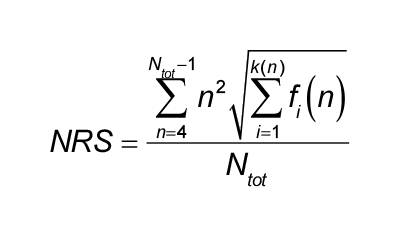
Ntotは、前記ヌクレオチド配列の長さであり、
nは、前記ヌクレオチド配列内の反復の長さであり、
fi(n)は、前記長さnの反復の頻度であり、
1つよりも多くの長さnの反復が存在する場合、k(n)は、前記長さnの反復の前記異なる配列の数であり、そうでなければ、前記長さnの反復のk(n)は1である、核酸分子に関する。
N tot is the length of the nucleotide sequence.
n is the length of the iteration within the nucleotide sequence.
f i (n) is the frequency of repetitions of the length n.
If there are more than one iteration of length n, k (n) is the number of the different sequences of the iterations of length n, otherwise k of the iterations of length n. (N) relates to a nucleic acid molecule of 1.
さらに、本発明は、本発明の核酸分子またはヌクレオチド配列を含むベクターにも関する。また、ベクターは、(i)アラニン、プロリン、および任意選択でセリンからなるポリペプチドをコードするヌクレオチド配列、ならびに(ii)生理活性タンパク質をコードするヌクレオチド配列を含む核酸分子を提供するために使用することができる。例えば、図4および実施例7を参照されたい。 Furthermore, the present invention also relates to a vector containing the nucleic acid molecule or nucleotide sequence of the present invention. The vector is also used to provide a nucleic acid molecule comprising (i) a nucleotide sequence encoding a polypeptide consisting of alanine, proline, and optionally serine, and (ii) a nucleotide sequence encoding a physiologically active protein. be able to. See, for example, FIG. 4 and Example 7.
そのようなベクターは、コードされたランダムコイルポリペプチドおよび生理活性タンパク質を含む融合タンパク質を発現するために、発現ベクターとして使用することができる。したがって、コードされた融合タンパク質は、(ii)生理活性タンパク質とカップリングされた、(i)低反復性ヌクレオチド配列によりコードされているランダムコイルポリペプチドを包含する。好ましくは、ランダムコイルポリペプチドは、アラニン、プロリン、および任意選択でセリンからなる。例示的なベクターは、配列番号56に示されている。添付の例には、そのようなベクターまたは核酸分子を提供するための例示的な方法が示されている。例えば、図6および実施例7を参照されたい。 Such vectors can be used as expression vectors to express fusion proteins, including encoded random coil polypeptides and bioactive proteins. Thus, the encoded fusion protein includes (ii) a random coil polypeptide encoded by a low repeat nucleotide sequence coupled with a bioactive protein. Preferably, the random coil polypeptide consists of alanine, proline, and optionally serine. An exemplary vector is shown in SEQ ID NO: 56. The attached example shows an exemplary method for providing such a vector or nucleic acid molecule. See, for example, FIG. 6 and Example 7.
本発明の方法では、本明細書で提供されるベクターは、生理活性タンパク質をコードするヌクレオチド配列を含み、第2のステップにて、PAリッチポリペプチドをコードするヌクレオチド配列がベクターに導入される。生理活性タンパク質をコードするヌクレオチド配列を含むベクターに、プロリン/アラニンリッチ配列をコードするヌクレオチド配列を導入するためには、例えば、アラニン、プロリン、および/または任意選択でセリンをコードする少なくとも1つのヌクレオチドトリプレット/コドンを含む突出を使用することができる。上記を参照されたい。したがって、そのようなトリプレットまたはコドンは、プロリン/アラニンリッチ配列の一部とみなされるアミノ酸、特にアラニンをコードすることができる。 In the method of the invention, the vector provided herein comprises a nucleotide sequence encoding a bioactive protein, and in the second step, the nucleotide sequence encoding the PA-rich polypeptide is introduced into the vector. In order to introduce a nucleotide sequence encoding a proline / alanine-rich sequence into a vector containing a nucleotide sequence encoding a physiologically active protein, for example, at least one nucleotide encoding alanine, proline, and / or optionally serine. Prolines containing triplets / codons can be used. See above. Thus, such triplets or codons can encode amino acids that are considered part of the proline / alanine-rich sequence, especially alanine.
結果的に、本明細書で提供される方法およびベクターは、従来の制限部位を使用することにより導入される場合がある追加のアミノ酸リンカーの導入を回避する。したがって、本明細書で提供される手段および方法は、(i)アラニン、プロリン、および任意選択でセリンからなるポリペプチドをコードするヌクレオチド配列、および(ii)生理活性タンパク質をコードするヌクレオチド配列を含む本発明の核酸分子のシームレスクローニングを可能にする。 As a result, the methods and vectors provided herein avoid the introduction of additional amino acid linkers that may be introduced by using conventional restriction sites. Accordingly, the means and methods provided herein include (i) a nucleotide sequence encoding a polypeptide consisting of alanine, proline, and optionally serine, and (ii) a nucleotide sequence encoding a physiologically active protein. It enables seamless cloning of the nucleic acid molecule of the present invention.
多くの好適なベクターが、分子生物学分野の当業者に知られている。プラスミド、コスミド、ウイルス、バクテリオファージ、および遺伝子工学で従来使用される他のベクターを含む好適なベクターの選択は、所望の機能に依存する。 Many suitable vectors are known to those of skill in the art of molecular biology. The choice of suitable vector, including plasmids, cosmids, viruses, bacteriophages, and other vectors conventionally used in genetic engineering, depends on the desired function.
好ましくは、ベクターは、プラスミドであり、より好ましくは、一般的な大腸菌(E. coli)発現ベクターpASK37、pASK75、またはpXL2に基づくプラスミドである。 Preferably, the vector is a plasmid, more preferably a plasmid based on the common E. coli expression vector pASK37, pASK75, or pXL2.
当業者に周知である方法を使用して、種々のプラスミドを構築することができる。例えば、Sambrook(2001) loc. cit.およびAusubel(1989) loc. cit.に記載されている技法を参照されたい。典型的なプラスミドベクターとしては、例えば、pQE-12、pUC系列のプラスミド、pBluescript(Stratagene)、pET系列の発現ベクター(Novagen)またはpCRTOPO(Invitrogen)、lambda gt11、pJOE、pBBR1-MCS系列、pJB861、pBSMuL、pBC2、pUCPKS、pTACT1が挙げられる。哺乳動物細胞での発現に適合する典型的なベクターとしては、E-027 pCAG Kosak-Cherry(L45a)ベクター系、pREP(Invitrogen)、pCEP4(Invitrogen)、pMC1neo(Stratagene)、pXT1(Stratagene)、pSG5(Stratagene)、EBO-pSV2neo、pBPV-1、pdBPVMMTneo、pRSVgpt、pRSVneo、pSV2-dhfr、pIZD35、Okayama-Berg cDNA発現ベクターpcDV1(Pharmacia)、pRc/CMV、pcDNA1、pcDNA3(Invitrogen)、pcDNA3.1、pSPORT1(GIBCO BRL)、pGEMHE(Promega)、pLXIN、pSIR(Clontech)、pIRES-EGFP(Clontech)、pEAK-10(Edge Biosystems)pTriEx-Hygro(Novagen)、およびpCINeo(Promega)が挙げられる。ピキア・パストリス(Pichia pastoris)に好適なプラスミドベクターの非限定的な例は、例えば、プラスミドpAO815、pPIC9K、およびpPIC3.5K(全てInvitrogen)を含む。 Various plasmids can be constructed using methods well known to those of skill in the art. See, for example, the techniques described in Sambrook (2001) loc. Cit. And Ausubel (1989) loc. Cit. Typical plasmid vectors include, for example, pQE-12, pUC series plasmid, pBluescript (Stratagene), pET series expression vector (Novagen) or pCRTOPO (Invitrogen), lambda gt11, pJOE, pBBR1-MCS series, pJB1 Examples thereof include pBSMeL, pBC2, pUCPS, and pTACT1. Typical vectors suitable for expression in mammalian cells include E-027 pCAG Kosak-Cherry (L45a) vector system, pREP (Invitrogen), pCEP4 (Invitrogen), pMC1neo (Stratagene), pXT1 (Stratagene). (Stratagene), EBO-pSV2neo, pBPV-1, pdBPVMMTneo, pRSVgpt, pRSVneo, pSV2-dhfr, pIZD35, Okayama-Berg cDNA expression vector pcDV1 (Pharmacia) cDNA3p pSPORT1 (GIBCO BRL), pGEMHE (Promega), pLXIN, pSIR (Clontech), pIRES-EGFP (Clontech), pEAK-10 (Edge Biosystems) pTriEx-Hygro (Novegen), and pTriEx-Hygro (Novegen). Non-limiting examples of plasmid vectors suitable for Pichia pastoris include, for example, plasmids pAO815, pPIC9K, and pPIC3.5K (all Invitrogen).
一般的に、ベクターは、クローニングまたは発現用の1つまたは複数の複製開始点(ori)および遺伝系、宿主での選択用の1つまたは複数のマーカー、例えば、抗生物質耐性、ならびに1つまたは複数の発現カセットを含んでもよい。好適な複製開始点の例としては、例えば、全長ColE1、pUCプラスミドに存在するもの等のその短縮型、SV40ウイルスおよびM13ファージ複製開始点が挙げられる。選択可能なマーカーの非限定的な例としては、アンピシリン、クロラムフェニコール、テトラサイクリン、カナマイシン、dhfr、gpt、ネオマイシン、ヒグロマイシン、ブラストサイジン、またはジェネテシンが挙げられる。 Generally, the vector is one or more origins of replication (ori) and genetic system for cloning or expression, one or more markers for selection at the host, eg, antibiotic resistance, and one or more. It may contain a plurality of expression cassettes. Examples of suitable origins of replication include full-length ColE1, shortened forms such as those present in the pUC plasmid, SV40 virus and M13 phage origin of replication. Non-limiting examples of selectable markers include ampicillin, chloramphenicol, tetracycline, kanamycin, dhfr, gpt, neomycin, hyglomycin, blastsaidin, or genetesin.
さらに、前記ベクターは、本明細書で規定されている前記ヌクレオチド配列または核酸分子に作動可能に連結された調節配列を含む。 In addition, the vector comprises a regulatory sequence operably linked to the nucleotide sequence or nucleic acid molecule defined herein.
コード配列、例えば、ベクターに含まれる、PAリッチポリペプチドをコードする前記ヌクレオチド配列は、確立されている方法を使用して、(a)転写調節エレメントおよび/または他のアミノ酸コード配列に連結することができる。そのような調節配列は当業者に周知であり、限定ではないが、転写の開始を保証する調節配列、内部リボソーム進入部位(IRES)、ならびに任意選択で、転写の終結および転写物の安定化を保証する調節エレメントが挙げられる。転写の開始を保証するそのような調節配列の非限定的な例は、プロモーター、翻訳開始コドン、エンハンサー、インスレーター、および/または転写終結を保証する調節エレメントを含む。さらに、例としては、RNAスプライシングの供与および受容部位により隣接されているコザック配列および介在配列、分泌シグナルをコードする核酸配列、または、使用される発現系に応じて、発現されたタンパク質を細胞区画または培養培地へと方向付けることが可能なシグナル配列が挙げられる。 The coding sequence, eg, the nucleotide sequence encoding the PA-rich polypeptide contained in the vector, is linked to (a) a transcriptional regulatory element and / or other amino acid coding sequence using established methods. Can be done. Such regulatory sequences are well known to those of skill in the art and, without limitation, regulatory sequences that ensure initiation of transcription, internal ribosome entry sites (IRES), and optionally, termination of transcription and stabilization of transcripts. Includes regulatory elements to guarantee. Non-limiting examples of such regulatory sequences that guarantee initiation of transcription include promoters, translation initiation codons, enhancers, insulators, and / or regulatory elements that guarantee transcription termination. Further, as an example, depending on the Kozak and intervening sequences adjacent to the donating and receiving sites of RNA splicing, the nucleic acid sequence encoding the secretory signal, or the expression system used, the expressed protein may be compartmentalized. Alternatively, a signal sequence that can be directed to the culture medium can be mentioned.
好適なプロモーターの例としては、限定ではないが、サイトメガロウイルス(CMV)プロモーター、SV40プロモーター、RSV(ラウス肉腫ウイルス)プロモーター、lacZプロモーター、ニワトリβ-アクチンプロモーター、CAGプロモーター(ニワトリβ-アクチンプロモーターおよびサイトメガロウイルス最初期エンハンサーの組合せ)、ヒト伸長因子1αプロモーター、AOX1プロモーター、GAL1プロモーター、CaM-キナーゼプロモーター、lac、trp、またはtacプロモーター、lacUV5プロモーター、T7またはT5プロモーター、オートグラファ・カリフォルニカ(Autographa californica)多核多角体病ウイルス(AcMNPV)多角体プロモーター、または哺乳動物および他の動物細胞のグロビンイントロンが挙げられる。エンハンサーの一例は、例えばSV40エンハンサーである。転写終結を保証する調節エレメント/配列の非限定的な追加の例としては、SV40ポリA部位、tkポリA部位、またはAcMNPV多角体ポリアデニル化シグナルが挙げられる。 Examples of suitable promoters include, but are not limited to, cytomegalovirus (CMV) promoter, SV40 promoter, RSV (Rous sarcoma virus) promoter, lacZ promoter, chicken β-actin promoter, CAG promoter (chicken β-actin promoter and). Cytomegalovirus earliest enhancer combination), human elongation factor 1α promoter, AOX1 promoter, GAL1 promoter, CaM-kinase promoter, lac, trp, or tac promoter, lacUV5 promoter, T7 or T5 promoter, Autographa californica) Polynuclear polymorphic disease virus (AcMNPV) polyhedron promoters, or globin introns of mammalian and other animal cells. An example of an enhancer is, for example, an SV40 enhancer. Non-limiting additional examples of regulatory elements / sequences that guarantee transcription termination include SV40 polyA sites, tk polyA sites, or AcMNPV polyhedrapolyadenylation signals.
さらに、発現系に応じて、ポリペプチドを細胞区画へと方向付けることが可能であるか、またはそれを培地内に分泌させることが可能であるリーダー配列を、本明細書で提供される核酸分子のコード配列に追加してもよい。リーダー配列は、翻訳、開始、および終結配列とインフレームで構築されており、好ましくは、リーダー配列は、翻訳されたタンパク質またはその部分の分泌を、細胞周辺腔へとまたは細胞外培地へと方向付けることが可能である。好適なリーダー配列は、例えば、大腸菌(E. coli)では、BAP(細菌アルカリホスファターゼ)、CTB(コレラ毒素サブユニットB)、DsbA、ENX、OmpA、PhoA、stII、OmpT、PelB、Tat(ツインアルギニン透過系)のシグナル配列、ならびに真核細胞では、ウシ成長ホルモン、ヒトキモトリプシノーゲン、ヒト第VIII因子、ヒトig-カッパ、ヒトインスリン、ヒトインターロイキン-2、メトリダ(Metrida)またはバルグラ(Vargula)に由来するルシフェラーゼ、ヒトトリプシノーゲン-2、クリベロマイセス・マルキシアヌス(Kluyveromyces marxianus)に由来するイヌリナーゼ、サッカロマイセス・セレビシエ(Saccharomyces cerevisiae)に由来する交尾因子アルファ-1、メリチン、およびヒトアズロシジン等のシグナル配列である。 In addition, the nucleic acid molecules provided herein are leader sequences that, depending on the expression system, can direct the polypeptide to the cellular compartment or allow it to be secreted into the medium. May be added to the code array of. The leader sequence is constructed in-frame with the translation, initiation, and termination sequences, preferably the leader sequence directs the secretion of the translated protein or portion thereof into the pericellular cavity or into the extracellular medium. It is possible to attach it. Suitable leader sequences are, for example, in E. coli, BAP (bacterial alkaline phosphatase), CTB (cholera toxin subunit B), DsbA, ENX, OpPA, PhoA, stII, OpPT, PelB, Tat (twin arginine). In the signal sequence of the permeabilization system), as well as in eukaryotic cells, to bovine growth hormone, human chymotrypsinogen, human factor VIII, human ig-kappa, human insulin, human interleukin-2, Metrida or Vargula. It is a signal sequence of luciferase derived from human trypsinogen-2, inulinase derived from Kluyveromyces marxianus, mating factor alpha-1 derived from Saccharomyces cerevisiae, meritin, and human azurosidin.
また、ベクターは、タンパク質の正しい折り畳みを促進するための1つまたは複数のシャペロンをコードする追加の発現可能な核酸配列を含んでもよい。 The vector may also contain additional expressible nucleic acid sequences encoding one or more chaperones to facilitate proper folding of the protein.
好ましくは、本発明のベクターは、発現ベクターである。本発明による発現ベクターは、本発明の核酸分子、例えば、プロリン/アラニンリッチポリペプチドをコードするヌクレオチド配列および生理活性タンパク質をコードするヌクレオチド配列を含む核酸分子の複製および発現を方向付けることが可能である。添付の例では、(i)プロリン、アラニン、およびセリンからなるポリペプチドをコードするヌクレオチド配列、ならびに(ii)IL-1Ra等の生理活性タンパク質を含む発現ベクターを構築した。実施例6を参照されたい。プロリンおよびアラニンからなるポリペプチドをコードする核酸分子を含む例示的な発現ベクターは、実施例10に示されている。 Preferably, the vector of the present invention is an expression vector. Expression vectors according to the invention can direct the replication and expression of nucleic acid molecules of the invention, including, for example, nucleotide sequences encoding proline / alanin-rich polypeptides and nucleotide sequences encoding physiologically active proteins. be. In the attached example, an expression vector was constructed containing (i) a nucleotide sequence encoding a polypeptide consisting of proline, alanine, and serine, and (ii) a bioactive protein such as IL-1Ra. See Example 6. An exemplary expression vector comprising a nucleic acid molecule encoding a polypeptide consisting of proline and alanine is shown in Example 10.
好適な細菌発現宿主は、例えば、大腸菌(Escherichia coli)に由来する菌株JM83、W3110、KS272、TG1、BL21(BL21(DE3)、BL21(DE3)PlysS、BL21(DE3)RIL、BL21(DE3)PRARE等)、Origami(K-12)、Origami B、またはRosettaを含む。ベクター修飾、PCR増幅、およびライゲーション技法については、Sambrook(2001) loc. cit. に記載されている方法を参照されたい。 Suitable bacterial expression hosts are, for example, strains JM83, W3110, KS272, TG1, BL21 (BL21 (DE3), BL21 (DE3) PlusS, BL21 (DE3) RIL, BL21 (DE3) PRARE) derived from Escherichia coli. Etc.), Origami (K-12), Origami B, or Rosetta. For vector modification, PCR amplification, and ligation techniques, see the methods described in Sambrook (2001) loc. Cit.
加えて、バキュロウイルス系も、真核生物発現系で本発明の核酸分子を発現するためのベクターとして使用することができる。これらの態様では、pFBDMベクターを、発現ベクターとして使用することができる。MultiBacバキュロウイルスDNAへの挿入は、DH10 MultiBac大腸菌(E. coli)細胞の形質転換時に、Tn7転位配列により媒介される(Berger (2013) J. Vis. Exp. 77:50159, Fitzgerald (2006) Nat. Methods. 2006 3:1021-1032.)。ウイルス増幅および発現は、Sf21(スポドプテラ・フルギペルダ(Spodoptera frugiperda))またはHigh Five(イラクサギンウワバ(Trichoplusia ni))細胞で実施することができる。 In addition, the baculovirus system can also be used as a vector for expressing the nucleic acid molecule of the present invention in a eukaryotic expression system. In these embodiments, the pFBDM vector can be used as an expression vector. Insertion into MultiBac baculovirus DNA is mediated by Tn7 rearrangement sequences during transformation of DH10 MultiBac E. coli cells (Berger (2013) J. Vis. Exp. 77: 50159, Fitzgerald (2006) Nat. . Methods. 2006 3: 1021-1032.). Virus amplification and expression can be performed on Sf21 (Spodoptera frugiperda) or High Five (Trichoplusia ni) cells.
本明細書の上記に記載されている本発明の核酸分子および/またはベクターは、例えば、非化学的な方法(エレクトロポレーション、ソノポレーション、光学形質移入、遺伝子電気泳動転写、流体力学的送達、または細胞を本発明の核酸分子と接触させる際に自然に生じる形質転換)、化学薬品に基づく方法(リン酸カルシウム、DMSO、PEG、リポソーム、DEAE-デキストラン、ポリエチレンイミン、ヌクレオフェクション等)、粒子に基づく方法(遺伝子ガン、マグネトフェクション、インパルフェクション(impalefection))、ファージまたはファージミドベクターに基づく方法およびウイルス方法により細胞内に導入するために設計することができる。例えば、核酸分子を標的細胞集団に送達するために、レトロウイルス、ワクシニアウイルス、アデノ随伴ウイルス、ヘルペスウイルス、セムリキ森林ウイルス、またはウシパピローマウイルス等のウイルスに由来する発現ベクターを使用することができる The nucleic acid molecules and / or vectors of the invention described above herein are, for example, non-chemical methods (electroporation, sonoporation, optical transformation, gene electrophoretic transcription, hydrodynamic delivery). , Or naturally occurring transformations when cells are brought into contact with the nucleic acid molecules of the invention), chemical-based methods (calcium phosphate, DMSO, PEG, liposomes, DEAE-dextran, polyethyleneimine, nucleofection, etc.), into particles. It can be designed for introduction into cells by methods based on (gene cancer, nucleofection, impalefection), phage or phagemid vector based methods and viral methods. For example, expression vectors derived from viruses such as retrovirus, vaccinia virus, adeno-associated virus, herpesvirus, semuliki forest virus, or bovine papillomavirus can be used to deliver the nucleic acid molecule to the target cell population.
好ましくは、本発明の核酸分子および/またはベクターは、エレクトロポレーションによるエレクトロコンピテント大腸菌(E. coli)の形質転換用に、またはリン酸カルシウム、ポリエチレンイミン、もしくはリポフェクタミン形質移入によるCHO細胞の安定形質移入用に設計されている(Pham (2006) Mol. Biotechnol. 34:225-237;Geisse(2012) Methods Mol. Biol. 899:203-219;Hacker (2013) Protein Expr. Purif. 92:67-76)。 Preferably, the nucleic acid molecules and / or vectors of the invention are for stable transformation of CHO cells for transformation of electrocompetent E. coli by electroporation or by transfer of calcium phosphate, polyethyleneimine, or lipofectamine. Designed for (Pham (2006) Mol. Biotechnol. 34: 225-237; Geisse (2012) Methods Mol. Biol. 899: 203-219; Hacker (2013) Protein Expr. Purif. 92: 67-76 ).
本発明は、本発明のベクターまたは核酸分子で形質転換された宿主細胞または非ヒト宿主にも関する。本発明によると、用語「本発明のベクターで形質転換された宿主細胞または非ヒト宿主」は、本発明のベクターまたは核酸分子を含む宿主細胞または非ヒト宿主に関することが理解されるだろう。ポリペプチドを発現するための宿主細胞は、当技術分野で周知であり、原核細胞ならびに真核細胞を含む。したがって、宿主は、細菌、哺乳動物細胞、藻細胞、繊毛虫、酵母、および植物細胞からなる群から選択することができる。 The invention also relates to a host cell or non-human host transformed with the vector or nucleic acid molecule of the invention. According to the invention, it will be appreciated that the term "host cell or non-human host transformed with the vector of the invention" relates to a host cell or non-human host containing the vector or nucleic acid molecule of the invention. Host cells for expressing a polypeptide are well known in the art and include prokaryotic cells as well as eukaryotic cells. Thus, the host can be selected from the group consisting of bacteria, mammalian cells, algae cells, ciliated worms, yeast, and plant cells.
典型的な細菌としては、エシェリキア属(Escherichia)、コリネバクテリウム属(Corynebacterium)(グルタミカム(glutamicum))、シュードモナス属(Pseudomonas)(フルオレッセンス(fluorescens))、ラクトバチルス属(Lactobacillus)、ストレプトミセス属(Streptomyces)、サルモネラ属(Salmonella)、バチルス属(Bacillus)(バチルス・メガテリウム(Bacillus megaterium)またはバチルス・スブチリス(Bacillus subtilis)等)、またはコリネバクテリウム属(Corynebacterium)(コリネバクテリウム・グルタミカム(Corynebacterium glutamicum)のような)が挙げられる。本明細書では、最も好ましい細菌宿主は、大腸菌(E. coli)である。本明細書で使用される例示的な繊毛虫は、テトラヒメナ属(Tetrahymena)、例えばテトラヒメナ・サーモフィラ(Tetrahymena thermophila)である。 Typical bacteria include Escherichia, Corynebacterium (glutamicum), Pseudomonas (fluorescens), Lactobacillus, and Streptomyces. (Streptomyces), Salmonella, Bacillus (Bacillus megaterium or Bacillus subtilis, etc.), or Corynebacterium (Corynebacterium). glutamicum)). As used herein, the most preferred bacterial host is E. coli. An exemplary ciliate used herein is the genus Tetrahymena, such as Tetrahymena thermophila.
典型的な哺乳動物細胞としては、Hela、HEK293、HEK293T、H9、Per.C6、およびジャーカット細胞、マウスNIH3T3、NS0、およびC127細胞、COS1、COS7、およびCV1、ウズラQC1-3細胞、マウスL細胞、マウス肉腫細胞、Bowesメラノーマ細胞、ならびにチャイニーズハムスター卵巣(CHO)細胞が挙げられる。本発明による最も好ましい哺乳動物宿主細胞は、CHO細胞である。本明細書で使用される例示的な宿主は、モンゴルキヌゲネズミ属(Cricetulus)、例えばモンゴルキヌゲネズミ(Cricetulus griseus)(チャイニーズハムスター)である。ヒト胚腎臓(HEK)細胞も好ましい。 Typical mammalian cells include Hela, HEK293, HEK293T, H9, Per. C6 and jarcut cells, mouse NIH3T3, NS0, and C127 cells, COS1, COS7, and CV1, quail QC1-3 cells, mouse L cells, mouse sarcoma cells, Bowes melanoma cells, and Chinese hamster ovary (CHO) cells. Can be mentioned. The most preferred mammalian host cell according to the invention is a CHO cell. An exemplary host as used herein is the genus Cricetulus, such as the Cricetulus griseus (Chinese hamster). Human embryo-kidney (HEK) cells are also preferred.
他の好適な真核宿主細胞は、例えば、ピキア・パストリス(Pichia pastoris)、クリベロマイセス・ラクティス(Kluyveromyces lactis)、サッカロマイセス・セレビシエ(Saccharomyces cerevisiae)、およびシゾサッカロミセス・ポンベ(Schizosaccharomyces pombe)等の酵母、または例えばDT40細胞等のニワトリ細胞である。発現に好適な昆虫細胞は、例えば、ショウジョウバエ(Drosophila)S2、ショウジョウバエ(Drosophila)Kc、スポドプテラ(Spodoptera)Sf9およびSf21、またはトリコプルシア(Trichoplusia)Hi5細胞である。好ましい藻細胞は、コナミドリムシ(Chlamydomonas reinhardtii)またはシネココッカス・エロンガツス(Synechococcus elongatus)細胞等である。例示的な植物は、ニセツリガネゴケ属(Physcomitrella)、例えばヒメツリガネゴケ(Physcomitrella patens)である。例示的な植物細胞は、ニセツリガネゴケ属(Physcomitrella)植物細胞、例えばヒメツリガネゴケ(Physcomitrella patens)植物細胞である。 Other suitable eukaryotic host cells are yeasts such as Pichia pastoris, Kluyveromyces lactis, Saccharomyces cerevisiae, and Schizosaccharomyces pombe. Alternatively, it is a chicken cell such as DT40 cell. Suitable insect cells for expression are, for example, Drosophila S2, Drosophila Kc, Spodoptera Sf9 and Sf21, or Trichoplusia Hi5 cells. Preferred algae cells are Chlamydomonas reinhardtii or Synechococcus elongatus cells and the like. An exemplary plant is the genus Physcomitrella, such as Physcomitrella patens. Exemplary plant cells are Physcomitrella plant cells, such as Physcomitrella patens plant cells.
初代哺乳動物細胞または細胞株も、本発明の範囲内にある。初代細胞とは、生物から直接得られる細胞である。好適な初代細胞は、例えば、マウス胚線維芽細胞(MEF)、マウス初代肝細胞、心筋細胞、およびニューロン細胞、ならびにマウス筋肉幹細胞(衛星細胞)、ヒト皮膚および肺線維芽細胞、ヒト上皮細胞(鼻、気管、腎、胎盤、腸、気管支の上皮細胞)、ヒト分泌細胞(唾液腺、皮脂腺、および汗腺からの)、ヒト内分泌細胞(甲状腺細胞)、ヒト脂肪細胞、ヒト平滑筋細胞、ヒト骨格筋細胞、B細胞、T細胞、NK細胞、または樹状細胞等のヒト白血球、およびそれらに由来する安定不死化細胞株(例えば、hTERTまたはオンコジーン不死化細胞)である。上述の宿主細胞の適切な培養培地および条件は、当技術分野で公知である。 Primary mammalian cells or cell lines are also within the scope of the invention. Primary cells are cells obtained directly from an organism. Suitable primary cells are, for example, mouse embryonic fibroblasts (MEFs), mouse primary hepatocytes, myocardial cells, and neuronal cells, as well as mouse muscle stem cells (satellite cells), human skin and lung fibroblasts, human epithelial cells ( Nose, trachea, kidney, placenta, intestine, bronchial epithelial cells), human secretory cells (from salivary glands, sebaceous glands, and sweat glands), human endocrine cells (thyroid cells), human fat cells, human smooth muscle cells, human skeletal muscle Human leukocytes such as cells, B cells, T cells, NK cells, or dendritic cells, and stable immortalized cell lines derived from them (eg, hTERT or oncogene immortalized cells). Suitable culture media and conditions for the host cells described above are known in the art.
宿主細胞を使用して、例えば、本明細書で提供される核酸分子、本明細書で提供されるコードされたポリペプチド、および/または本明細書で提供される前記薬物コンジュゲートを大量に産生することができる。したがって、宿主細胞を使用して、本明細書で提供される核酸分子、PAリッチポリペプチドをコードするヌクレオチド配列を含む核酸分子によりコードされるポリペプチド、ならびに/またはPAリッチポリペプチドおよび生理活性タンパク質をコードするヌクレオチド配列を含む核酸分子によりコードされるポリペプチドを大量に産生することができる。 Host cells are used, for example, to produce large amounts of the nucleic acid molecules provided herein, the encoded polypeptides provided herein, and / or the drug conjugates provided herein. can do. Thus, using host cells, nucleic acid molecules provided herein, polypeptides encoded by nucleic acid molecules comprising nucleotide sequences encoding PA-rich polypeptides, and / or PA-rich polypeptides and bioactive proteins. It is possible to produce a large amount of a polypeptide encoded by a nucleic acid molecule containing a nucleotide sequence encoding the above.
したがって、本発明は、本明細書で提供される核酸分子またはベクターを調製するための方法であって、本発明の宿主または宿主細胞を好適な条件下で培養すること、ならびに任意選択で、産生された核酸分子および/またはベクターを単離することを含む方法にも関する。 Accordingly, the present invention is a method for preparing a nucleic acid molecule or vector provided herein, wherein the host or host cell of the present invention is cultured under suitable conditions, and optionally produced. Also involved are methods comprising isolating the nucleic acid molecules and / or vectors that have been obtained.
さらに、本発明は、本明細書で提供される核酸分子またはヌクレオチド配列によりコードされるポリペプチドを調製するための方法であって、本発明の宿主または宿主細胞を好適な条件下で培養すること、および任意選択で、産生されたポリペプチドを単離することを含む方法に関する。 Furthermore, the present invention is a method for preparing a polypeptide encoded by the nucleic acid molecule or nucleotide sequence provided herein, wherein the host or host cell of the present invention is cultured under suitable conditions. , And optionally, methods comprising isolating the produced polypeptide.
さらに、本発明は、薬物コンジュゲートを調製するための方法であって、本発明の宿主細胞を好適な条件下で培養すること、および任意選択で、産生された前記薬物コンジュゲートを単離することを含む方法に関する。好ましくは、本発明は、薬物コンジュゲートを調製するための方法であって、前記薬物コンジュゲートが、プロリン、アラニン、および任意選択でセリンからなるポリペプチドならびに生理活性タンパク質をコードするヌクレオチド配列を含む核酸分子によりコードされている、方法に関する。 Furthermore, the present invention is a method for preparing a drug conjugate, wherein the host cell of the present invention is cultured under suitable conditions, and optionally, the produced drug conjugate is isolated. Regarding methods including that. Preferably, the invention is a method for preparing a drug conjugate, wherein the drug conjugate comprises a polypeptide consisting of proline, alanine, and optionally serine, as well as a nucleotide sequence encoding a bioactive protein. With respect to the method encoded by the nucleic acid molecule.
したがって、本発明は、一態様では、薬物コンジュゲートを調製するための方法であって、前記薬物コンジュゲートが、本明細書で規定されている核酸分子によりコードされたポリペプチドを含み、(i)生理活性タンパク質および/または(ii)低分子および/または(iii)炭水化物をさらに含み、方法が、本明細書で提供される宿主または宿主細胞を培養すること、ならびに任意選択で、産生されたポリペプチドおよび/または薬物コンジュゲートを単離することをさらに含む方法に関する。例えば、薬物コンジュゲートが、本明細書で規定されている核酸分子によりコードされたポリペプチドを含み、生理活性タンパク質をさらに含む融合タンパク質である場合、本方法は、本明細書で提供される宿主または宿主細胞(すなわち、本明細書で提供される、プロリン、アラニン、および任意選択でセリンからなるポリペプチドをコードする核酸、ならびに本明細書で規定されている生理活性タンパク質、特に治療的活性タンパク質をコードする核酸を含む宿主または宿主細胞)を培養すること、および任意選択で、産生された融合タンパク質(薬物コンジュゲート)を単離することをさらに含んでもよい。無論、薬物コンジュゲートがタンパク質である場合、本方法は、本明細書で提供される宿主または宿主細胞(すなわち、本明細書で提供される、プロリン、アラニン、および任意選択でセリンからなるポリペプチドをコードする核酸を含む宿主または宿主細胞)を培養すること、および/または本明細書で規定されている生理活性タンパク質、特に治療的活性タンパク質をコードする核酸を含む宿主もしくは宿主細胞を培養すること、ならびに任意選択で、プロリン、アラニン、および任意選択でセリンからなる産生されたポリペプチドを単離すること、ならびに/または産生された生理活性タンパク質を単離すること、ならびにさらに任意選択で、ポリペプチドおよび生理活性タンパク質をコンジュゲートして(例えば、化学的カップリングにより)、薬物コンジュゲート産生することも含んでもよい。 Accordingly, in one aspect, the invention is a method for preparing a drug conjugate, wherein the drug conjugate comprises a polypeptide encoded by a nucleic acid molecule as defined herein (i). ) Further comprising bioactive proteins and / or (ii) small molecules and / or (iii) carbohydrates, the method was produced by culturing the host or host cells provided herein, and optionally. It relates to a method further comprising isolating a polypeptide and / or a drug conjugate. For example, if the drug conjugate is a fusion protein comprising a polypeptide encoded by a nucleic acid molecule as defined herein, further comprising a physiologically active protein, the method is provided herein as a host. Or host cells (ie, nucleic acids encoding a polypeptide consisting of proline, alanine, and optionally serine provided herein, as well as bioactive proteins as defined herein, particularly therapeutically active proteins. It may further include culturing a host or host cell containing the nucleic acid encoding the above, and optionally isolating the produced fusion protein (drug conjugate). Of course, if the drug conjugate is a protein, the method is a polypeptide consisting of the host or host cell provided herein (ie, proline, alanine, and optionally serine, provided herein. (A host or host cell containing a nucleic acid encoding a) and / or a host or host cell containing a nucleic acid encoding a physiologically active protein, particularly a therapeutically active protein, as defined herein. , And optionally, isolate the produced polypeptide consisting of proline, alanine, and optionally serine, and / or optionally isolate the bioactive protein produced, and optionally, poly. It may also include conjugating peptides and bioactive proteins (eg, by chemical coupling) to produce drug conjugates.
例えば、薬物コンジュゲートが、本明細書で規定される核酸分子によりコードされたポリペプチド(すなわち、本明細書で提供される、プロリン、アラニン、および任意選択でセリンからなるポリペプチドをコードする核酸)の、ならびに低分子のおよび/または炭水化物のコンジュゲートである場合、本方法は、本明細書で提供される宿主または宿主細胞(すなわち、本明細書で提供されるプロリン、アラニン、および任意選択でセリンからなるポリペプチドをコードする核酸を含む宿主または宿主細胞)を培養すること、ならびに任意選択で、産生されたポリペプチドを単離すること、ならびにさらに任意選択で、ポリペプチドを、低分子および/または炭水化物とコンジュゲートすること(例えば、化学的カップリングにより)をさらに含んでもよい。 For example, a nucleic acid in which a drug conjugate encodes a polypeptide encoded by a nucleic acid molecule as defined herein (ie, a polypeptide consisting of proline, alanine, and optionally serine provided herein. ), And small molecule and / or carbohydrate conjugates, the method comprises the hosts or host cells provided herein (ie, proline, alanine, and optionally provided herein). Culturing a host or host cell containing a nucleic acid encoding a polypeptide consisting of serine in, and optionally isolating the produced polypeptide, and optionally optionally the polypeptide, a small molecule. And / or conjugation with a carbohydrate (eg, by chemical coupling) may further be included.
「宿主または宿主細胞を培養する」ことは、この状況では、宿主または宿主細胞中で、本明細書で規定されているポリペプチドおよび/または生理活性タンパク質を発現させることを含む。 "Culturing a host or host cell" in this context comprises expressing in the host or host cell the polypeptide and / or bioactive protein defined herein.
添付の例には、(i)プロリン、アラニン、およびセリンからなるポリペプチドをコードするヌクレオチド配列、ならびに(ii)IL-1Ra等の生理活性タンパク質を含むそのような核酸分子を、細菌で発現させ、その後精製することができることが示されている。実施例8および図7を参照されたい。さらに、本明細書には、本明細書で提供される核酸分子によりコードされた、プロリンおよびアラニンからなるポリペプチドを発現させ、精製することができることが示されている。例えば、実施例11および図8を参照されたい。プロリン、アラニン、および任意選択でセリンからなるコードされたポリペプチドを、低分子薬物、炭水化物、および/または生理活性タンパク質とコンジュゲートすることにより、低分子/低分子薬物および/または生理活性タンパク質の血漿内半減期および/または溶解度を増加させ、非特異的毒性を減少させることができ、標的細胞または構造に対する活性薬物の体内での曝露を延長させることにより、薬物動力学の増強をもたらすことができる。 In the attached examples, such nucleic acid molecules including (i) a nucleotide sequence encoding a polypeptide consisting of proline, alanine, and serine, and (ii) a bioactive protein such as IL-1Ra are expressed in the bacterium. , It has been shown that it can then be purified. See Example 8 and FIG. Furthermore, it is shown herein that the polypeptide consisting of proline and alanine encoded by the nucleic acid molecules provided herein can be expressed and purified. See, for example, Example 11 and FIG. A small molecule / small molecule drug and / or a bioactive protein by conjugating a encoded polypeptide consisting of proline, alanine, and optionally serine with a small molecule drug, carbohydrate, and / or bioactive protein. It can increase intraplasmic half-life and / or solubility, reduce non-specific toxicity, and can result in enhanced drug kinetics by prolonging the body's exposure of active drugs to target cells or structures. can.
本発明の宿主に存在するベクターは、発現ベクター、またはタンパク質の発現が保証されるような様式で、宿主細胞のゲノムへの本発明の核酸分子の安定した組み込みを媒介するベクターのいずれかである。タンパク質の発現が保証されるように本発明の核酸分子を導入することに成功した宿主細胞を選択するための手段および方法は、当技術分野で周知であり、記載されている(Browne (2007) Trends Biotechnol. 25:425-432;Matasci (2008) Drug Discov. Today: Technol. 5:e37-e42;Wurm (2004) Nat. Biotechnol. 22:1393-1398)。 The vector present in the host of the invention is either an expression vector or a vector that mediates the stable integration of the nucleic acid molecule of the invention into the genome of the host cell in such a manner as to ensure the expression of the protein. .. Means and methods for selecting host cells that have been successfully introduced with the nucleic acid molecules of the invention to ensure protein expression are well known and described in the art (Browne (2007)). Trends Biotechnol. 25: 425-432; Matasci (2008) Drug Discov. Today: Technol. 5: e37-e42; Wurm (2004) Nat. Biotechnol. 22: 1393-1398).
原核または真核宿主細胞の培養に好適な条件は、当業者に周知である。例えば、例えば大腸菌(E. coli)等の細菌は、ルリアベルターニ(LB)培地中で通気しながら、典型的には4から約37℃までの温度で培養することができる。発現産物の収量および溶解度を増加させるために、培地を緩衝化してもよく、またはこれらを両方とも増強または促進することが知られている好適な添加剤で補完してもよい。誘導可能なプロモーターが、宿主細胞に存在するベクター内の本発明の核酸分子を制御する場合、ポリペプチドの発現は、例えば、添付の例で使用されているようなイソプロピル-β-D-チオガラクトピラノシド(IPTG)またはアンヒドロテトラサイクリン(aTc)等の適切な誘導剤を添加することにより誘導することができる。好適な発現プロトコールおよび戦略は、当技術分野に、例えば、Sambrook (2001) loc. cit.、(Gebauer (2012) Meth. Enzymol. 503:157-188)に記載されており、必要に応じて、特定の宿主細胞の必要性および発現させようとするタンパク質の必要条件に適合させることができる。 Suitable conditions for culturing prokaryotic or eukaryotic host cells are well known to those of skill in the art. For example, bacteria such as E. coli can be cultured at temperatures typically from 4 to about 37 ° C. with aeration in Luria Bertani (LB) medium. The medium may be buffered to increase the yield and solubility of the expression product, or both may be supplemented with suitable additives known to enhance or promote both. When an inducible promoter controls a nucleic acid molecule of the invention in a vector present in a host cell, expression of the polypeptide will be, for example, isopropyl-β-D-thiogalacto as used in the attached examples. It can be induced by adding a suitable inducer such as pyranoside (IPTG) or anhydrotetracycline (aTc). Suitable expression protocols and strategies are described in the art, eg, Sambrook (2001) loc. Cit., (Gebauer (2012) Meth. Enzymol. 503: 157-188), and as needed. It can be adapted to the needs of a particular host cell and the requirements of the protein to be expressed.
細胞タイプおよびその特定の必要条件に応じて、哺乳動物細胞培養は、例えば、10%(v/v)FCS、2mM L-グルタミン、および100U/mlペニシリン/ストレプトマイシンを含む、RPMI、Williams’E、またはDMEM培地で実施することができる。DT40ニワトリ細胞の場合、細胞は、例えば、37℃または41℃にて、5%CO2の水飽和大気中で維持することができる。昆虫細胞培養用の好適な培地は、例えば、TNM+10%FCS、SF900、またはHyClone SFX昆虫培地である。昆虫細胞は、通常、接着または懸濁培養として27℃で増殖させる。真核生物または脊椎動物細胞の好適な発現プロトコールは、当業者に周知であり、例えば、Sambrook (2001) (loc. cit)に見出すことができる。 Depending on the cell type and its specific requirements, mammalian cell cultures include, for example, 10% (v / v) FCS, 2 mM L-glutamine, and 100 U / ml penicillin / streptomycin, RPMI, Williams'E,. Alternatively, it can be carried out in DMEM medium. In the case of DT40 chicken cells, the cells can be maintained, for example, at 37 ° C or 41 ° C in a water saturated atmosphere of 5% CO 2 . Suitable media for culturing insect cells are, for example, TNM + 10% FCS, SF900, or HyClone SFX insect medium. Insect cells are usually grown at 27 ° C. as an adherent or suspension culture. Suitable expression protocols for eukaryotic or vertebrate cells are well known to those of skill in the art and can be found, for example, in Sambrook (2001) (loc. Cit).
好ましくは、本発明の核酸分子、ベクター、ポリペプチド、および/または薬物コンジュゲートを調製するための方法は、例えば大腸菌(E. coli)細胞等の細菌細胞、または例えばCHO細胞等の哺乳動物細胞のいずれかを使用して実施される。より好ましくは、本方法は、大腸菌(E. coli)細胞またはCHO細胞を使用して実施され、最も好ましくは、本方法は、大腸菌(E. coli)細胞を使用して実施される。 Preferably, the method for preparing nucleic acid molecules, vectors, polypeptides, and / or drug conjugates of the invention is bacterial cells such as, for example, E. coli cells, or mammalian cells such as, for example, CHO cells. It is carried out using one of the above. More preferably, the method is performed using E. coli cells or CHO cells, and most preferably, the method is performed using E. coli cells.
産生されたコードされたポリペプチドを単離するための方法は、限定ではないが、親和性クロマトグラフィー(好ましくは、StrepタグIIまたはHis6タグ等の融合タグを使用して)、ゲル濾過(サイズ排除クロマトグラフィー)、陰イオン交換クロマトグラフィー、陽イオン交換クロマトグラフィー、疎水性相互作用クロマトグラフィー、高圧液体クロマトグラフィー(HPLC)、逆相HPLC、硫安沈殿、または免疫沈降等の精製ステップを含む。これら方法は、当技術分野で周知であり、例えば、Sambrook (2001) loc. cit.に一般的に記載されており、添付の例にも記載されている。例えば、実施例8および11を参照されたい。そのような方法は、実質的に純粋なポリペプチドを提供する。前記純粋なポリペプチドは、好ましくは少なくとも約90~95%(タンパク質レベルで)、より好ましくは少なくとも約98~99%の均質性を有する。最も好ましくは、これらの純粋なポリペプチドは、薬学的使用/応用に好適である。また、本明細書では、食品または化粧品産業での応用が想定される。産生手順で使用される宿主細胞/生物に応じて、本発明のコードされたポリペプチドは、グリコシル化されていてもよく、またはグリコシル化されていなくともよい。好ましくは、本発明の核酸分子によりコードされた、プロリン、アラニン、および任意選択でセリンからなるポリペプチドは、グリコシル化されていない。最も好ましくは、本発明の核酸分子によりコードされた、プロリン、アラニン、および任意選択でセリンからなるポリペプチドは、例えばプロリンヒドロキシル化等により、その側鎖が翻訳後修飾されていない。 Methods for isolating the encoded polypeptide produced are not limited, but are limited to affinity chromatography (preferably using fusion tags such as Strep Tag II or His 6 tag), gel filtration (preferably using fusion tags such as Strep Tag II or His 6 tag). Includes purification steps such as size exclusion chromatography), anion exchange chromatography, cation exchange chromatography, hydrophobic interaction chromatography, high performance liquid chromatography (HPLC), reverse phase HPLC, sulfide precipitation, or immunoprecipitation. These methods are well known in the art and are commonly described, for example, in Sambrook (2001) loc. Cit. And are also described in the accompanying examples. See, for example, Examples 8 and 11. Such a method provides a substantially pure polypeptide. The pure polypeptide preferably has at least about 90-95% (at the protein level), more preferably at least about 98-99% homogeneity. Most preferably, these pure polypeptides are suitable for pharmaceutical use / application. In addition, this specification is expected to be applied in the food or cosmetics industry. Depending on the host cell / organism used in the production procedure, the encoded polypeptide of the invention may or may not be glycosylated. Preferably, the polypeptide consisting of proline, alanine, and optionally serine, encoded by the nucleic acid molecule of the invention is not glycosylated. Most preferably, the polypeptide consisting of proline, alanine, and optionally serine encoded by the nucleic acid molecule of the present invention has its side chains unmodified after translation, for example by proline hydroxylation.
コードされたランダムコイルポリペプチドは、アラニン、プロリン、および任意選択でセリン残基から主になり、O-グリコシル化またはN-グリコシル化に必要なセリン、トレオニン、またはアスパラギンは、好ましくは存在しない。したがって、ポリペプチド自体の、またはコードされたランダムコイルポリペプチドを含む生理活性タンパク質の産生は、好ましくは、Pro/Ala/SerまたはPro/Ala配列内に翻訳後修飾を欠如する単分散性産物をもたらすことができる。これは、複雑なタンパク質の生合成に選択されることが多い、チャイニーズハムスター卵巣細胞(CHO)、HEK細胞、または酵母のような、真核細胞で組換えタンパク質を産生する利点である。 The encoded random coil polypeptide consists predominantly from alanine, proline, and optionally serine residues, and the serine, threonine, or asparagine required for O-glycosylation or N-glycosylation is preferably absent. Therefore, the production of bioactive proteins, either the polypeptide itself or containing the encoded random coil polypeptide, preferably contains monodisperse products lacking post-translational modifications within the Pro / Ala / Ser or Pro / Ala sequences. Can bring. This is an advantage of producing recombinant proteins in eukaryotic cells, such as Chinese hamster ovary cells (CHO), HEK cells, or yeast, which are often selected for complex protein biosynthesis.
本発明は、薬物コンジュゲートを調製するための方法であって、前記薬物コンジュゲートが、本明細書で提供される本発明の核酸分子によりコードされたポリペプチドを含み、(i)生理活性タンパク質および/または(ii)低分子および/または(iii)炭水化物をさらに含む、方法にも関する。そのような炭水化物コンジュゲートは、ワクチンとして特に有用であり得る。 The present invention is a method for preparing a drug conjugate, wherein the drug conjugate comprises a polypeptide encoded by the nucleic acid molecule of the invention provided herein, (i) a physiologically active protein. And / or also relating to methods comprising (iii) small molecules and / or (iii) carbohydrates. Such carbohydrate conjugates can be particularly useful as vaccines.
上述のように、PAリッチポリペプチドおよび生理活性タンパク質を含む薬物コンジュゲートは、PAリッチポリペプチドをコードするヌクレオチド配列および生理活性タンパク質をコードする核酸配列を含む核酸分子を発現させることより調製することができる。発現された薬物コンジュゲートは単離してもよい。あるいは、薬物コンジュゲートは、プロリン、アラニン、および任意選択でセリンからなる前記ポリペプチドをコードするヌクレオチド配列または核酸分子を含む宿主を培養/成長させることにより調製することができる。したがって、核酸分子は、宿主中で発現される。任意選択で、前記産生されたポリペプチドを単離する。プロリン、アラニン、および任意選択でセリンからなる産生されたポリペプチドを、例えばペプチド結合または非ペプチド結合により、生理活性タンパク質にコンジュゲートすることができる。 As described above, drug conjugates containing PA-rich polypeptides and bioactive proteins are prepared by expressing nucleic acid molecules containing a nucleotide sequence encoding a PA-rich polypeptide and a nucleic acid sequence encoding a bioactive protein. Can be done. The expressed drug conjugate may be isolated. Alternatively, the drug conjugate can be prepared by culturing / growing a host comprising a nucleotide sequence or nucleic acid molecule encoding the polypeptide consisting of proline, alanine, and optionally serine. Therefore, nucleic acid molecules are expressed in the host. Optionally, the produced polypeptide is isolated. Polypeptides produced consisting of proline, alanine, and optionally serine can be conjugated to bioactive proteins, for example by peptide or non-peptide bonds.
実例には、本明細書で提供される核酸分子によりコードされたPAリッチポリペプチドは、細菌で発現させることができ、それらから精製することができることが示されている。例えば、実施例11および図8を参照されたい。特に、驚くべきことに、調製されたポリペプチドの開始メチオニン(N末端メチオニン)は、切断されており、したがって、産生されたポリペプチドには欠如していることが示された。例えば、実施例12および図8Dを参照されたい。調製されたポリペプチドに開始メチオニンが欠如することにより、生理活性タンパク質、低分子、および/または炭水化物のN末端を、次のアミノ酸(開始メチオニンの後)の一級アミノ基にシームレスにコンジュゲートすることが可能になる。したがって、本発明の核酸分子およびそれらの調製されたポリペプチドは、例えば、生理活性タンパク質とのコンジュゲーションに特に有利である。 Examples show that PA-rich polypeptides encoded by the nucleic acid molecules provided herein can be expressed in bacteria and purified from them. See, for example, Example 11 and FIG. In particular, surprisingly, it was shown that the starting methionine (N-terminal methionine) of the prepared polypeptide was cleaved and therefore absent in the produced polypeptide. See, for example, Example 12 and FIG. 8D. Seamlessly conjugate the N-terminus of a bioactive protein, small molecule, and / or carbohydrate to the primary amino group of the next amino acid (after the starting methionine) due to the lack of starting methionine in the prepared polypeptide. Will be possible. Therefore, the nucleic acid molecules of the invention and their prepared polypeptides are particularly advantageous for, for example, conjugation with bioactive proteins.
特に、生理活性タンパク質は、例えば、N-(3-ジメチルアミノプロピル)-N’-エチルカルボジイミド(EDC)またはN-ヒドロキシサクシニミド(NHS)エステル等の活性化剤の存在下で(Hermanson (1996) Bioconjugate Techniques, 1st edition, Academic Press, San Diego, CA)、産生されたランダムコイルポリペプチドのN末端と、部位特異的にコンジュゲートしてもよい。あるいは、生理活性タンパク質は、例えば、EDC等の活性化剤の存在下で、または活性化後のNHSエステルとして、プロリン、アラニン、および任意選択でセリンからなる産生されたランダムコイルポリペプチドのC末端と、部位特異的にコンジュゲートしてもよい。 In particular, physiologically active proteins are in the presence of activators such as, for example, N- (3-dimethylaminopropyl) -N'-ethylcarbodiimide (EDC) or N-hydroxysuccinimide (NHS) esters (Hermanson (Hermanson). 1996) Bioconjugate Techniques, 1st edition, Academic Press, San Diego, CA), may be site-specifically conjugated to the N-terminus of the produced random coil polypeptide. Alternatively, the bioactive protein is the C-terminus of a random coil polypeptide produced consisting of proline, alanine, and optionally serine, for example in the presence of an activator such as EDC, or as an NHS ester after activation. And, it may be conjugated in a site-specific manner.
さらに、プロリン、アラニン、および任意選択でセリンからなる産生されたポリペプチドは、非ペプチド結合を介して、低分子および/または炭水化物にコンジュゲートすることができる。タンパク質の架橋に有用な非ペプチド結合は、当技術分野で公知であり、例えば2つのCys側鎖および/またはチオール基間のジスルフィド結合、チオエーテル結合、ならびにカルボキシル基とアミノ基とのアミド結合を含み得る。非ペプチド共有結合は、スベリン酸ジサクシンイミジル(DSS)、N-β-マレイミドプロピル-オキシスクシンイミドエステル(BMPS)、またはスルホサクシニミジル4-[p-マレイミドフェニル]ブチレート(スルホ-SMPB)等の化学的架橋剤、金属キレート/錯体形成基、ならびに非共有結合性のタンパク質-タンパク質またはタンパク質-ペプチド相互作用により提供することもできる。 In addition, the polypeptide produced consisting of proline, alanine, and optionally serine can be conjugated to small molecules and / or carbohydrates via non-peptide bonds. Non-peptide bonds useful for protein cross-linking are known in the art and include, for example, disulfide bonds between two Cys side chains and / or thiol groups, thioether bonds, and amide bonds between carboxyl and amino groups. obtain. Non-peptide covalent bonds include succinimidyl (DSS), N-β-maleimidepropyl-oxysuccinimide ester (BMPS), or sulfosuccinimidyl 4- [p-maleimidephenyl] butyrate (sulfo-SMBP). It can also be provided by a chemical cross-linking agent, a metal chelate / complex-forming group, and a non-covalent protein-protein or protein-peptide interaction.
さらに、低分子薬物を、ランダムコイルを形成するポリペプチドと、部位特異的にコンジュゲートすることができる。任意選択で、ポリペプチドのN末端は、好適な保護基、例えばアセチル基またはピログルタミル基で修飾することができ、例えば、一般的な試薬EDCおよびNHSを使用して、C末端カルボキシレート基を活性化した後で(Hermanson (1996) loc. cit.)、ランダムコイルポリペプチドのC末端と薬物との部位特異的カップリングを達成することができる。このようにして、均一な薬物コンジュゲートを容易に得ることができる。 In addition, small molecule drugs can be site-specifically conjugated to polypeptides that form random coils. Optionally, the N-terminus of the polypeptide can be modified with a suitable protecting group, eg, an acetyl group or a pyroglutamyl group, eg, the common reagents EDC and NHS are used to generate the C-terminal carboxylate group. After activation (Hermanson (1996) loc. Cit.), Site-specific coupling of the C-terminus of the random coil polypeptide to the drug can be achieved. In this way, a uniform drug conjugate can be easily obtained.
単一の部位特異的コンジュゲーションの代わりに、プロリン、アラニン、および任意選択でセリンからなるランダムコイルポリペプチドは、ε-アミノ基を有するリジン残基、チオール基を有するシステイン残基、またはさらに非天然アミノ酸等の化学的修飾に好適な追加の側鎖を、N-もしくはC-末端にまたは内部に備え、例えばNHSまたはマレイミド活性基を使用して、1つ、2つ、または複数の低分子のコンジュゲーションを可能にしてもよい。 Random coil polypeptides consisting of proline, alanine, and optionally serine instead of a single site-specific conjugation are lysine residues with ε-amino groups, cysteine residues with thiol groups, or even non-. Additional side chains suitable for chemical modification, such as natural amino acids, are provided at the N- or C-terminal or internally, using, for example, NHS or maleimide active groups to provide one, two, or multiple small molecules. May enable conjugation.
安定コンジュゲーションとは別に、プロドラッグが、ランダムコイルポリペプチドと一時的に連結されていてもよい。連結は、予測可能な様式で、酵素機序、または例えば難溶性抗腫瘍剤カンプトテシンをPEGポリマーにコンジュゲートした場合と同様の生理学的pHで開始される遅延加水分解のいずれかにより、in vivoで切断されるように設計することができ、したがって、生体内分布の増加、毒性の減少、効力の増強、および腫瘍蓄積を達成することができる(Conover (1998) Cancer Chemother. Pharmacol. 42:407-414)。さらなるプロドラッグの例は、ドセタキセル(Liu (2008) J. Pharm. Sci. 97:3274-3290)、ドキソルビシン(Veronese (2005) Bioconjugate Chem. 16: 775-784)、またはパクリタキセル(Greenwald (2001) J. Control Release 74:159-171)のような化学療法剤である。 Apart from stable conjugation, the prodrug may be temporarily linked to the random coil polypeptide. The ligation is in vivo, either by enzymatic mechanism or by delayed hydrolysis initiated at a physiological pH similar to, for example, when the sparingly soluble antitumor agent camptothecin is conjugated to a PEG polymer. It can be designed to be cleaved, thus increasing biodistribution, reducing toxicity, enhancing efficacy, and achieving tumor accumulation (Conover (1998) Cancer Chemother. Pharmacol. 42: 407- 414). Examples of further prodrugs are docetaxel (Liu (2008) J. Pharm. Sci. 97: 3274-3290), doxorubicin (Veronese (2005) Bioconjugate Chem. 16: 775-784), or paclitaxel (Greenwald (2001) J). It is a chemotherapeutic agent such as Control Release 74: 159-171).
本明細書では、低分子を、融合タンパク質、例えば、標的指向性ドメイン、例えば抗体断片と遺伝子的に融合されている、プロリン、アラニン、任意選択でセリンからなり、ランダムコイルを形成するポリペプチドとカップリングさせ、したがって、低分子薬物の特異的送達をもたらすことができることも想定されている。細胞毒性低分子とのコンジュゲーションにより後者の場合に生成される免疫毒素は、標的指向性ドメインが、例えば内部移行を起こす細胞表面受容体に向けられている場合、特に有用である。 As used herein, small molecules are composed of fusion proteins, eg, proline, alanine, optionally serine, genetically fused to a targeting domain, eg, an antibody fragment, with a polypeptide forming a random coil. It is also envisioned that they can be coupled and thus result in specific delivery of small molecule drugs. Immunotoxins produced in the latter case by conjugation with cytotoxic small molecules are particularly useful when the targeting domain is directed, for example, to cell surface receptors that undergo internal translocation.
本明細書で使用される場合、用語「薬物」は、低分子、生理活性タンパク質、ペプチド、または炭水化物を指す。本明細書で使用される場合、用語「低分子」は、(有機)低分子量(<900ダルトン)化合物を指す場合がある。低分子は、生物学的プロセスの調節を支援することができ、通常、ナノメートル程度のサイズを有する。本明細書では、低分子は、治療法、診断法で使用されるか、または食品もしくは化粧品産業で使用されることが想定されている。例えば、本明細書で提供されるヌクレオチド配列または核酸分子によりコードされる産生されたポリペプチドとの薬物コンジュゲートは、(a)血管新生阻害剤、抗アレルギー薬、制吐薬、抗うつ薬、抗高血圧薬、抗炎症薬、抗感染症薬、抗精神病薬、抗増殖(細胞毒性および細胞増殖抑制)薬、カルシウムアンタゴニストおよび他の循環器薬、コリン作動性アゴニスト、中枢神経系に作用する薬物、呼吸器系に作用する薬物、ステロイド、アンチセンス核酸、低分子干渉RNA(siRNA)、マイクロRNA(miR)阻害剤、マイクロRNA模倣体、DNAアプタマー、およびRNAアプタマーからなる群から選択される低分子を含んでもよい。 As used herein, the term "drug" refers to a small molecule, bioactive protein, peptide, or carbohydrate. As used herein, the term "small molecule" may refer to a (organic) low molecular weight (<900 Dalton) compound. Small molecules can assist in the regulation of biological processes and are usually as small as nanometers in size. As used herein, small molecules are envisioned to be used in therapeutic, diagnostic, or in the food or cosmetics industry. For example, drug conjugates with produced polypeptides encoded by the nucleotide sequences or nucleic acid molecules provided herein are (a) angiogenesis inhibitors, antiallergic agents, antiemetics, antidepressants, anti-depressants. Hypertension drugs, anti-inflammatory drugs, anti-infective drugs, antipsychotic drugs, antiproliferative (cell toxicity and cell growth inhibitory) drugs, calcium antagonists and other cardiovascular drugs, cholinergic agonists, drugs that act on the central nervous system, A small molecule selected from the group consisting of drugs that act on the respiratory system, steroids, antisense nucleic acids, small interfering RNA (siRNA), microRNA (miR) inhibitors, microRNA mimetics, DNA aptamers, and RNA aptamers. May include.
例示的な血管新生阻害剤としては、これらに限定されないが、MetAP2阻害剤(フマギリン、フマギリン誘導体、2-{3-[3,5-ビス[4-ニトロベンジリデン]-4-オキソピペリジン-1-イル]-3-オキソプロピルスルファニル}エタンスルホン酸のような)、VGFR阻害剤(アキシチニブ、ブリバニブ、カボザンチニブ、チボザニブ、およびモテサニブのような)、胎盤成長因子(PIGF)阻害剤、および血小板由来成長因子受容体阻害剤(AC710、ソラフェニブ、スニチニブ、およびバタラニブのような)等が挙げられる。 Exemplary angiogenesis inhibitors include, but are not limited to, MetAP2 inhibitors (fumagiline, fumagirin derivatives, 2- {3- [3,5-bis [4-nitrobenzylidene] -4-oxopiperidine-1-. Il] -3-oxopropylsulfanyl} ethanesulfonic acid), VGFR inhibitors (such as axitinib, brivanib, cabozantinib, tibozanib, and motesanib), placental growth factor (PIGF) inhibitors, and platelet-derived growth factors. Receptor inhibitors (such as AC710, sorafenib, sunitinib, and batalanib) and the like can be mentioned.
例示的な抗アレルギー薬としては、これらに限定されないが、抗ヒスタミン剤(ジフェンヒドラミン(ベナドリル)、ジメンヒドリナート(ドラマミン、ドリミナート(driminate))、塩酸ヒドロキシジン(レストール(restall)、ビスタコート(vistacot))、およびプロメタジン(フェネルガン)のような)等が挙げられる。 Exemplary antiallergic agents include, but are not limited to, antihistamines (diphenhydramine (benadrill), dimenhydrinate (dramamine, driminate), hydroxyzine hydrochloride (restall, vistacot), And promethazine (like Phenelgan)) and the like.
例示的な抗うつ薬としては、これらに限定されないが、グラニセトロンおよびパロノセトロン等が挙げられる。 Exemplary antidepressants include, but are not limited to, granisetron, palonosetron and the like.
例示的な抗うつ薬としては、これらに限定されないが、cis-フルペンチキソール、塩酸イミプラミン、およびミアンセリン等が挙げられる。 Exemplary antidepressants include, but are not limited to, cis-flupentixol, imipramine hydrochloride, mianserin and the like.
例示的な抗高血圧薬としては、これらに限定されないが、アルプロスタジル、ジアゾキシド、およびニカルジビン等が挙げられる。 Exemplary antihypertensive agents include, but are not limited to, alprostadil, diazoxide, nicardibin and the like.
例示的な抗炎症薬としては、これらに限定されないが、コルチゾン、ヒアルロン酸、およびケトロラク等が挙げられる。 Exemplary anti-inflammatory agents include, but are not limited to, cortisone, hyaluronic acid, ketorolac and the like.
例示的な抗感染症薬としては、これらに限定されないが、アミノグリコシド、アマドビル(amadovir)、アモキシシリン、アンピシリン、ベンジルペニシリン、カルバペネム、セファロスポリン、セフチオフル、クロラムフェニコール、セフェピム、セフタジジム、セフトビプロール、クリンダマイシン、ドラクシン、ダルババンシン、ダプトマイシン、ジヒドロストレプトマイシン、エリスロマイシン、フロルフェニコール、フルオロキノロン、フルニキシンメグルミン、リネゾリド、マルボフロキサシン、ミカファンギン、ニトロフラゾン、オリタバンシン、オキシテトラサイクリン、ペニシリン、ピペラシリン、プロカイン(procain)、ルピントリビル(rupintrivir)、スピラマイシン、ストレプトグラミン、スルファジメトキシン(sulfadimethoxin)、スルファメタジン、テジゾリド、テラバンシン、チカルシリン、チルミコシン、チゲサイクリン、チルジピロシン、チロシン、およびバンコマイシン等が挙げられる。 Exemplary anti-infective agents include, but are not limited to, aminoglycoside, amadovir, amoxycillin, ampicillin, benzylpenicillin, carbapenem, cephalosporins, cefthioflu, chloramphenicol, cefepim, ceftazidime, ceftviplol. , Clindamycin, Draxin, Dalvavancin, Daptomycin, Dihydrostreptomycin, Erythromycin, Florphenicol, Fluoroquinolone, Flunicinmeglumin, Linezolid, Malvofloxacin, Mikafangin, Nitroflazone, Oritavancin, Oxytetracycline, Penicillin, Piperacilin, Procain ), Rupintrivir, spiramycin, streptogramin, sulfadimethoxin, sulfamethazine, tedizolid, teravansin, ticarcillin, tyrmicocin, tigecycline, tildipyrosin, tyrosine, vancomycin and the like.
例示的な抗精神病薬としては、これらに限定されないが、アミスルプリド(amisulprid)、アリプラゾール(ariprazole)、ベンペリドール、ブロムペリドール、クロルプロマジン(clorpromazin)、クロルプロチキセン(chlorprothixen)、クロペンチキソール、クロザピン、フルペンチキソール、フルフェナジン(fluphenazin)、フルスピリレン(fluspirilen)、ハロペリドール、レボメプロマジン(levomepromazin)、メルペロン(melperon)、オランザピン、ペラジン(perazin)、ペルフェナジン(perphenazin)、ピモジド(pimozid)、ピパンペロン(pipamperon)、プロマジン(promazin)、プロメタジン、プロチペンジル、クエチアピン、リスペリド(risperido)、スルピリド(sulpirid)、チオリダジン(thioridazin)、トリフルオペラジン(trifluoperazin)、トリフルプロマジン(triflupromazin)、およびズクロペンチキソール等が挙げられる。 Exemplary antipsychotics include, but are not limited to, amisulprid, ariprazole, bemperidol, bromperidol, clorpromazin, chlorprothixen, clopentixol, Chlorpromazine, flupentixol, fluphenazin, fluspirilen, haloperidol, levomepromazin, melperon, olanzapin, perazin, perphenazin, pimozid, pimozid pipamperon), promazin, promethazine, prochipendil, quetiapine, risperido, sulpiride, thioridazin, trifluoperazin, triflupromazin, and chlorpromazine, etc. Can be mentioned.
例示的な抗腫瘍薬としては、これらに限定されないが、アントラサイクリン(ドキソルビシン、エピルビシン、イダルビシン、およびダウノルビシンのような)、アルキル化剤(カリチアマイシン、ダクチノマイシン、ミトロマイシン(mitromycine)、およびピロロベンゾジアゼピンのような)、AKT阻害剤(AT7867のような)、アマトキシン(ax-アマニチン、P-アマニチン、y-アマニチン、c-アマニチン、アマヌリン、アマヌリン酸、アマニンアミド、アマニン、およびプロアマヌリン、SN-38、ならびにカンプトテシンのような)、ATM阻害剤、オーリスタチン(オーリスタチンEB(AEB)、オーリスタチンEFP(AEFP)、モノメチルオーリスタチンE(MMAE)、モノメチルオーリスタチンF(MMAF)、オーリスタチンF、およびドラスタチンのような)、クリプトフィシン、サイクリン依存性キナーゼ阻害剤(BMS-387032、PD0332991、GSK429286、AZD7762;AZD1152、MLN8054、およびMLN8237;BI2536、B16727、GSK461364、ON-01910、SB743921、SB715992、MK-0731、AZD8477、AZ3146、およびARRY-520のような)、デュオカルマイシン、DNA-PK阻害剤、エポチロン(エポチロンA、B、C、D、E、またはF、および誘導体のような)、GSK-3阻害剤、HDAC阻害剤(ベリノスタット、CUDC-101、ドロキシノスタット、ITF2357、JNJ-26481585、LAQ824、およびパノビノスタットMC1568、モセチノスタット、エンチノスタット、PCI-24781、ピロキサミド、トリコスタチンA、およびボリノスタットのような)、hsp70阻害剤、hsp90阻害剤(17AAG誘導体、B11B021、B11B028、SNX-5422、NVP-AUY-922、KW-2478、およびゲルダナマイシンのような)、MAPKシグナル伝達経路阻害剤(MEK、Racs、JNK、B-Rafのような)、マイタンシノイド、マイタンシノイド類似体(マイタンシノール、マイタンシノール類似体、マイタンシン、DM-1、およびDM-4のような)、p38MAPK阻害剤(GDC-0973、GSK1 120212、MSC1936369B、AS703026、R05126766、およびR04987655、PD0325901、AZD6244、AZD8330、GDC-0973、CDC-0879、PLX-4032、SB590885、BIRB796、LY2228820、SB202190、AEE788、BIBW2992、アファチニブ、ラパチニブ、エルロチニブ、およびゲフィチニブのような)、PARP阻害剤(イニパリブ、オラパリブ、ベリパリブ、AG014699、CEP9722、MK4827、KU-0059436、LT-673、3アミノベンズアミド、A-966492、およびAZD2461のような)、PDK-1阻害剤、白金化合物(シスプラチン、カルボプラチン、オキサリプラチン、イプロプラチン、オルマプラチン、またはテトラプラチンのような)、タキサン(taxan)(パクリタキセルおよび/またはドセタキセルのような)、チューブリシン(チューブリシンA、チューブリシンB、およびチューブリシン誘導体のような)、ビンカアルカロイド(ビンブラスチン、ビンデシン、およびナベルビンのような)、およびWnt/ヘッジホッグシグナル伝達経路阻害剤(例えばビスモデギブ、GDC-0449、シクロパミン、およびXAV-939)等が挙げられる。 Exemplary antitumor agents include, but are not limited to, anthracyclins (such as doxorubicin, epirubicin, idarubicin, and daunorbisin), alkylating agents (calityamycin, dactinomycin, mitromycine), and. Pyrrolobenzodiazepine), AKT inhibitors (like AT7867), amatoxins (ax-amanitin, P-amanitin, y-amanitin, c-amanitin, amanulin, amanulic acid, amaninamide, amanin, and proamanulin, SN-38 , And ATM inhibitors, auristatin (auristatin EB (AEB), auristatin EFP (AEFP), monomethyloristatin E (MMAE), monomethyloristatin F (MMAF), auristatin F, and (Like drastatin), cryptophycin, cyclin-dependent kinase inhibitors (BMS-387032, PD0332991, GSK492286, AZD7762; AZD1152, MLN8054, and MLN8237; BI2536, B16727, GSK461364, ON-01917, SB743921, S. , AZD8477, AZ3146, and ARRY-520), Duocarmycin, DNA-PK Inhibitors, Epotylon (like Epotylon A, B, C, D, E, or F, and Derivatives), GSK-3 Inhibitors, HDAC inhibitors (such as verinostat, CUDC-101, droxynostat, ITF2357, JNJ-26481585, LAQ824, and panobinostat MC1568, mosetinostat, entinostat, PCI-241781, pyroxamide, tricostatin A, and bolinostat. ), Hsp70 inhibitors, hsp90 inhibitors (such as 17AAG derivatives, B11B021, B11B028, SNX-5422, NVP-AUY-922, KW-2478, and geldanamycin), MAPK signaling pathway inhibitors (MEK, Racs). , JNK, B-Raf, etc.), Maytansinoids, Maytansinoid analogs (such as Maytancinol, Maytansinol analogs, Maytancin, DM-1, and DM-4), p38MAPK inhibitors (such as DM-4). GDC-0973, GSK1 120212, MSC193369B, AS703026, R05126766, and R04987655, PD0325901, AZD6244, AZD8330, GDC-0973, CDC-0879, PLX-4032, SB590885, BIRB796, LY2228820, SB202190, AEE788, BIBW2992, PARP inhibitors (such as iniparib, olapatinib, veriparib, AG014699, CEP9722, MK4827, KU-0059436, LT-673, 3 aminobenzamide, A-966492, and AZD2461), PDK-1 inhibitors, platinum compounds (cisplatin, Carboplatin, oxaliplatin, iproplatin, olmaplatin, or tetraplatin), taxanes (such as paclitaxel and / or docetaxel), tubulinin (such as tubulinin A, tubulinin B, and tubulinin derivatives). ), Vinca alkaloids (such as vinblastine, bindesin, and navelvin), and Wnt / hedgehog signaling pathway inhibitors (eg, bismodegib, GDC-0449, cyclopamine, and XAV-939).
中枢神経系に作用する例示的な薬物としては、これらに限定されないが、ブプレノルフィン(buprenorphin)、クリオスタチン(cryostatin)、ナルトロキスレキソン(naltroxrexone)、およびナロキソン等が挙げられる。 Exemplary drugs that act on the central nervous system include, but are not limited to, buprenorphine, cryostatin, naltroxrexone, naloxone, and the like.
例示的なビタミンとしては、これらに限定されないが、ビタミンB-12(シアノコバラミン)およびビタミンA等が挙げられる。 Exemplary vitamins include, but are not limited to, vitamin B-12 (cyanocobalamin), vitamin A and the like.
例示的なステロイドとしては、これらに限定されないが、アンドロゲン性ステロイド(steriod)(フルオキシメステロン、メチルテストステロン、テストステロン、トレンボロンのような)、エストロゲン(ベータ-エストラジオール、ジエチルスチルベストロール、エストロン、エストリオール、エキリン、エストロピペート、エキリン、メストラノールのような)、およびプロゲステロン化合物(19-ノルプロゲステロン、アルファプロストール、クロルマジノン、デメゲストン、ジドロゲステロン、ジメチステロン、エチステロン、二酢酸エチノジオール、ノルエチンドロン、酢酸ノルエチンドロン、メドロキシプロゲステロン、メレンゲストロールプロゲステロン、ノルゲストレル、プロメゲストン、ゼラノールのような)等が挙げられる。 Exemplary steroids include, but are not limited to, androgenic steroids (steriod) (such as fluoxymesterone, methyltestosterone, testosterone, tremorone), estrogens (beta-estradiol, diethylstillestrol, estron, es). Triols, equilins, estropipetes, equilins, mestranols, and progesterone compounds (19-norprogesterone, alphaprostol, chlormaginone, demethanthone, didrogesterone, dimethisterone, etisterone, ethinodiol diacetate, norethindrone, noretindrone acetate, medroxydron). Melengestrol progesterone, norgestrel, promegestone, like zeranol) and the like.
例示的なアンチセンス核酸としては、これらに限定されないが、アンドロゲン受容体(ISIS-AR、AZD5312のような)、アンギオポエチン様3タンパク質(ISIS-ANGPTL3のような)、アポリポタンパク質B100(ミポメルセンのような)、アポリポタンパク質CIII(ISIS-APOCIII、ボランソルセンのような)、結合組織成長因子(CTGF)(EXC001、PF-06473871のような)、クラステリン(クスチルセン、OGX-011のような)、C-反応性タンパク質(ISIS-CRPのような)、ジアシルグリセロールアシルトランスフェラーゼ(ISIS-DGAT2のような)、第VII因子(ISIS-FVIIのような)、線維芽細胞成長因子受容体4(ISIS-FGFR4のような)、ヘプシジン(XEN701のような)、Hsp27(アパトルセン、OGX-427のような)、HTT遺伝子(ISIS-HTTのような)、ICAM-1(アリカホルセンのような)、プレカリクレン(prekallikren)(ISIS-PKKのような)、SMN2(ISIS-SMNのような)、STAT3(ISIS-STAT3-2.5、AZD9150のような)、およびトランスサイレチン遺伝子(ISIS-TTRのような)等を標的とするアンチセンス核酸が挙げられる。 Exemplary antisense nucleic acids include, but are not limited to, androgen receptors (such as ISIS-AR, AZD5312), angiopoetin-like 3 proteins (such as ISIS-ANGPTL3), and apolypoprotein B100 (such as mipomersen). Such as), apolypoprotein CIII (such as ISIS-APOCIII, bolansolsen), binding tissue growth factor (CTGF) (such as EXC001, PF-06473871), crusterin (such as Kustilsen, OGX-011), C- Reactive proteins (such as ISIS-CRP), diacylglycerol acyltransferase (such as ISIS-DGAT2), factor VII (such as ISIS-FVII), fibroblast growth factor receptor 4 (such as ISIS-FGFR4). Like), hepsidin (like XEN701), Hsp27 (like apatrusen, OGX-427), HTT gene (like ISIS-HTT), ICAM-1 (like Aricahorsen), prekallikren (like) Targeting ISIS-PKK-like), SMN2 (such as ISIS-SMN), STAT3 (such as ISIS-STAT3-2.5, AZD9150), and transsiletin genes (such as ISIS-TTR). Examples thereof include antisense nucleic acids.
例示的な低分子干渉RNA(siRNA)としては、これらに限定されないが、アルファ-1-アンチトリプシン突然変異体Z-AAT(ALN-AATのような)、アミノレブリン酸シンターゼ1(ALAS-1)(ALN-AS1、ALN-AS2のような)、抗トロンビンIII(ALN-AT3のような)、補体成分C5(ALN-CC5のような)、補体成分C6(ALN-CC6のような)、結合組織成長因子(RXI-109のような)、ジストロフィン遺伝子のエクソン8(SRP-4008のような)、ジストロフィン遺伝子のエクソン44(SRP-4044のような)、ジストロフィン遺伝子のエクソン45(SRP-4045のような)、ジストロフィン遺伝子のエクソン50(SRP-4050のような)、エボラウイルス(AVI-7537のような)、ジストロフィン遺伝子のエクソン51(エテプリルセン、AVI-4658のような)、ジストロフィン遺伝子のエクソン52(SRP-4052のような)、ジストロフィン遺伝子のエクソン53(SRP-4053のような)、インフルエンザウイルス(AVI-7100のような)、キネシンスピンドルタンパク質(KSP)、肺疾患(Atu111のような)、マールブルグウイルス(AVI-7288のような)、多標的低分子干渉RNA(siRNA)カクテル(STP503、STP523、STP601、STP702、STP705、STP801、STP805、STP900、STP902、STP911、STP916、siPOOLのような)、ウイルスゲノムのヌクレオカプシドN(ALN-RSV01のような)、PCSK9(ALN-PCS01、ALN-PCSscのような)、アポトーシス促進性タンパク質カスパーゼ2(QPI-1007のような)、アポトーシス促進性タンパク質p53(QPI-1002のような)、RTP801(PF-655のような)、SERPINC1(ALN-AT4のような)、膜貫通プロテアーゼセリン6(Tmprss6)(ALN-TMPのような)、トランスサイレチン(ALN-TTRsc、ALN-TTR02のような)、PCSK10(ALN-PCS02のような)、PKN3(Atu027のような)、および血管内皮成長因子(VEGF)(ALN-VSPのような)等を標的とするsiRNAが挙げられる。
Exemplary small interfering RNAs (siRNAs) include, but are not limited to, alpha-1-antitrypsin mutant Z-AAT (such as ALN-AAT), aminolevulinate synthase 1 (ALAS-1) (ALAS-1). ALN-AS1, like ALN-AS2, antithrombin III (like ALN-AT3), complement component C5 (like ALN-CC5), complement component C6 (like ALN-CC6), Binding tissue growth factor (like RXI-109), dystrophin gene exxon 8 (like SRP-4008), dystrophin gene exson 44 (like SRP-4044), dystrophin gene exxon 45 (SRP-4045) (Like),
例示的なマイクロRNA阻害剤としては、これらに限定されないが、miR-10b、miR-15、miR-21、miR-29、miR-33、miR-92、miR-145、miR195、miR-208、miR-221、miR-451、およびmiR-499等の阻害剤が挙げられる。 Exemplary microRNA inhibitors include, but are not limited to, miR-10b, miR-15, miR-21, miR-29, miR-33, miR-92, miR-145, miR195, miR-208, Inhibitors such as miR-221, miR-451, and miR-499 can be mentioned.
例示的なマイクロRNA模倣体としては、これらに限定されないが、miR-34(MRX34のような)、miR-Rx06、miR-Rx07、miR-Rx16の類似体、およびlet7(miR-Rxlet-7のような)の類似体等が挙げられる。 Exemplary microRNA mimetics include, but are not limited to, miR-34 (such as MRX34), miR-Rx06, miR-Rx07, miR-Rx16 analogs, and let7 (miR-Rxlet-7). Such as) analogs and the like.
例示的なDNAアプタマーとしては、これらに限定されないが、ヌクレオリン阻害剤(AS1411のような)、pGDF阻害剤(E10030のような)、トロンビン阻害剤(NU172のような)、およびvWF阻害剤(ARC1779のような)等が挙げられる。 Exemplary DNA aptamers include, but are not limited to, nucleolin inhibitors (such as AS1411), pGDF inhibitors (such as E10030), thrombin inhibitors (such as NU172), and vWF inhibitors (ARC1779). ) Etc. can be mentioned.
例示的なRNAアプタマーとしては、これらに限定されないが、C5a阻害剤(NOX-D21またはARC1905のような)、カルシトニン遺伝子関連ペプチド阻害剤(NOX-L41のような)、C-Cケモカインリガンド2阻害剤(NOX-E36のような)、CXCL12阻害剤(NOX-A12のような)、グルカゴン阻害剤(NOX-G16のような)、ヘプシジンアンタゴニスト(NOX-H94のような)、病原体認識受容体アゴニスト(RIG-Iアゴニストのような)、スフィンゴシン-1-リン酸阻害剤(NOX-S93のような)、およびVEGFアンタゴニスト(NX1838のような)等が挙げられる。
Exemplary RNA aptamers include, but are not limited to, C5a inhibitors (such as NOX-D21 or ARC1905), calcitonin gene-related peptide inhibitors (such as NOX-L41), and CC-
ワクチンの調製に潜在的に有用な例示的な炭水化物としては、限定ではないが、レクチン、大腸菌(E. coli)O121 O-抗原、大腸菌(E. coli)O121 O-抗原誘導体、HIV-I gpl20由来のMan9、シゲラ・フレックスネリ(shigella flexneri)2a O-ポリサッカライド、黄色ブドウ球菌(staphylococcus aureus)ポリサッカライド莢膜ポリサッカライド5、黄色ブドウ球菌(staphylococcus aureus)ポリサッカライド莢膜ポリサッカライド8、腫瘍関連炭水化物抗原(TACA)(Tn抗原(例えば、α-GalNAc-O-Ser/Thr)、シアリルTn抗原(例えば、NeuAcα(2,6)-GalNAcα-O-Ser/Thr)、Thomsen-Friedenreich抗原(Galβ1-3GalNAcα1)、LewisY(例えば、Fucα(1,2)-Galβ(1,4)-[Fucα(1,3)]-GalNAc)、シアリルLewisX、およびシアリルLewisA、LewisX(ステージ特異的胎児抗原-1/SSEA-1)、Globo H抗原(例えば、Fucα(1,2)-Galβ(1,3)-GalNAcβ(1,3)-Galα(1,4)-Galβ(1,4)-Glc)、T抗原(例えば、Galβ(1,3)-GalNAcα-O-Ser/Thr)、スフィンゴ糖脂質ステージ特異的胎児抗原-3(SSEA-3)、シアル酸含有スフィンゴ糖脂質、ガングリオシドGD2、GD3、ガングリオシドGM2、ガングリオシドフコシルGM、およびガングリオシドNeu5GcGM3のような)等と特異的に結合する炭水化物エピトープが挙げられる。 Exemplary carbohydrates that are potentially useful in the preparation of vaccines include, but are not limited to, Lectin, E. coli O121 O-antigen, E. coli O121 O-antigen derivative, HIV-I gpl20. Derived from Man9, shigella flexneri 2a O-polysaccharide, staphylococcus aureus polysaccharide pods, staphylococcus aureus, staphylococcus aureus, saccharide, saccharite, tumor-related Carbohydrate antigen (TACA) (Tn antigen (eg α-GalNAc-O-Ser / Thr), sialyl Tn antigen (eg NeuAcα (2,6) -GalNAcα-O-Ser / Thr), Thomasen-Friendreich antigen (Galβ1) -3GalNAcα1), LewisY (eg, Fucα (1,2) -Galβ (1,4)-[Fucα (1,3)]-GalNAc), sialyl LewisX, and sialyl LewisA, LewisX (stage-specific fetal antigen-1). / SSEA-1), Globo H antigen (eg, Fucα (1,2) -Galβ (1,3) -GalNAcβ (1,3) -Galα (1,4) -Galβ (1,4) -Glc), T antigen (eg Galβ (1,3) -GalNAcα-O-Ser / Thr), spingoglycolipid stage-specific fetal antigen-3 (SSEA-3), sialic acid-containing spingoglycolipid, ganglioside GD2, GD3, ganglioside Examples thereof include carbohydrate epitopes that specifically bind to GM2, ganglioside fucosyl GM, and ganglioside Neu5GcGM3) and the like.
本明細書で提供される本発明の核酸分子によりコードされたポリペプチドを含み、生理活性タンパク質および/または低分子および/または炭水化物を含む薬物コンジュゲートは、炎症性疾患、感染性疾患、呼吸器疾患、内分泌障害、中枢神経系の疾患、筋骨格疾患、心血管疾患、腫瘍学的疾患、泌尿生殖器疾患、および代謝疾患の治療に使用することができる。 Drug conjugates comprising the polypeptides encoded by the nucleic acid molecules of the invention provided herein, including bioactive proteins and / or small molecules and / or carbohydrates, are inflammatory, infectious, and respiratory. It can be used to treat diseases, endocrine disorders, central nervous system disorders, musculoskeletal disorders, cardiovascular disorders, oncological disorders, urogenital disorders, and metabolic disorders.
例示的な炎症性疾患としては、これらに限定されないが、強直性脊椎炎、関節炎、アテローム性動脈硬化症、非典型溶血性尿毒症症候群(aHUS)、線維筋痛、ギランバレー症候群(GBS)、過敏性腸症候群(IBS)、クローン病、大腸炎、皮膚炎、憩室炎、骨関節炎、乾癬性関節炎、ランバート-イートン筋無力症症候群、全身性紅斑性狼瘡(SLE)、腎炎、パーキンソン病、多発性硬化症、発作性夜間血色素尿症(PNH)、関節リウマチ(RA)、シェーグレン症候群、および潰瘍性大腸炎等が挙げられる。 Exemplary inflammatory diseases include, but are not limited to, tonic lupus erythematosus, arthritis, atherosclerosis, atypical lupus erythematosus syndrome (aHUS), fibromyalgia, Gillan Valley syndrome (GBS), Hypersensitivity bowel syndrome (IBS), Crohn's disease, colitis, dermatitis, diverticulitis, osteoarthritis, psoriatic arthritis, Lambert-Eaton myasthenia syndrome, systemic lupus erythematosus (SLE), nephritis, Parkinson's disease, multiple occurrences Examples include lupus erythematosus, paroxysmal nocturnal lupus erythematosus (PNH), rheumatoid arthritis (RA), Schegren's syndrome, and ulcerative colitis.
例示的な感染症としては、これらに限定されないが、アフリカトリパノソーマ症、ボレリア症、コレラ、クリプトスポリジウム症、デング熱、A型肝炎、B型肝炎、C型肝炎、HIV/AIDS、インフルエンザ、日本脳炎、リーシュマニア症、マラリア、麻疹、脳膜炎、回旋糸状虫症、肺炎、ロタウイルス感染症、住血吸虫症、敗血症、細菌性赤痢、連鎖球菌性扁桃炎、結核、腸チフス、および黄熱病等が挙げられる。 Exemplary infectious diseases include, but are not limited to, African tripanosoma disease, borreliosis, cholera, cryptospolidium disease, dengue fever, hepatitis A, hepatitis B, hepatitis C, HIV / AIDS, influenza, Japanese encephalitis, Examples include leashmania, malaria, measles, meningitis, circumflex worm disease, pneumonia, rotavirus infection, suffocation, sepsis, bacterial erythema, streptococcal tonsillitis, tuberculosis, intestinal typhoid, and yellow fever.
例示的な呼吸器疾患としては、これらに限定されないが、喘息、慢性閉塞性肺疾患(COPD)、および嚢胞性線維症等が挙げられる。 Exemplary respiratory diseases include, but are not limited to, asthma, chronic obstructive pulmonary disease (COPD), cystic fibrosis and the like.
例示的な内分泌障害としては、これらに限定されないが、先端巨大症、I型糖尿病、II型糖尿病、妊娠性糖尿病、グレーブス病、成長ホルモン欠損症、高血糖症、副甲状腺機能亢進症、甲状腺機能亢進症、低血糖症、不妊、肥満、副甲状腺疾患、モルキオA症候群、およびムコ多糖症等が挙げられる。 Exemplary endocrine disorders include, but are not limited to, advanced giant disease, type I diabetes, type II diabetes, gestational diabetes, Graves' disease, growth hormone deficiency, hyperglycemia, hyperthyroidism, thyroid function. Examples include hyperglycemia, hypoglycemia, infertility, obesity, parathyroid disease, Morchio A syndrome, and mucopolysaccharidosis.
中枢神経系の例示的な疾患としては、これらに限定されないが、アルツハイマー病、カタレプシー、ハンチントン病、およびパーキンソン病等が挙げられる。 Exemplary diseases of the central nervous system include, but are not limited to, Alzheimer's disease, catalepsy, Huntington's disease, Parkinson's disease, and the like.
例示的な筋骨格疾患としては、これらに限定されないが、骨粗鬆症および筋ジストロフィー等が挙げられる。 Exemplary musculoskeletal diseases include, but are not limited to, osteoporosis and muscular dystrophy.
例示的な心血管疾患としては、これらに限定されないが、急性心不全、脳血管疾患(脳卒中)、および虚血性心疾患等が挙げられる。 Exemplary cardiovascular diseases include, but are not limited to, acute heart failure, cerebrovascular disease (stroke), ischemic heart disease and the like.
例示的な腫瘍学的疾患としては、これらに限定されないが、副腎がん、膀胱がん、乳がん、結腸および直腸がん、子宮内膜がん、腎臓がん、急性リンパ芽球性白血病(ALL)、他のタイプの白血病、肺がん、黒色腫、非ホジキンリンパ腫、膵臓がん、前立腺がん、ならびに甲状腺がん等が挙げられる。 Exemplary oncological disorders include, but are not limited to, adrenal cancer, bladder cancer, breast cancer, colon and rectal cancer, endometrial cancer, kidney cancer, acute lymphoblastic leukemia (ALL). ), Other types of leukemia, lung cancer, melanoma, non-hodgkin lymphoma, pancreatic cancer, prostate cancer, and thyroid cancer.
例示的な泌尿生殖器疾患としては、これらに限定されないが、良性前立腺過形成(BPH)、血尿症、過敏膀胱、およびペーロニー病等が挙げられる。 Exemplary genitourinary disorders include, but are not limited to, benign prostatic hyperplasia (BPH), hematuria, hypersensitivity bladder, and Pelloney's disease.
例示的な代謝疾患としては、これらに限定されないが、ゴーシェ病、ファブリ病、成長ホルモン欠損症、ハーラー症候群、ハンター症候群、高シュウ酸尿症、神経セロイドリポフスチン症、マロトー・ラミー症候群、モルキオ症候群、ヌーナン症候群、SHOX遺伝子ハプロ不全、ターナー症候群、プラダー・ウィリー症候群、フェニルケトン尿症、およびサンフィリッポ症候群等が挙げられる。 Exemplary metabolic disorders include, but are not limited to, Gaucher's disease, Fabri's disease, growth hormone deficiency, Harler's syndrome, Hunter's syndrome, hypersulphic aciduria, neuroceroid lipofustinosis, Maroto ramie syndrome, Morchio's syndrome. , Nunan syndrome, SHOX gene haplo deficiency, Turner syndrome, Prader Willy syndrome, phenylketonuria, Sanfilippo syndrome and the like.
上述のように、本明細書で提供される核酸分子は、単独で、または遺伝子治療目的用のベクターの一部としても使用することができる。遺伝子治療は、ex vivoまたはin vivo技法により、治療用遺伝子を細胞内に導入することに基づくものであり、遺伝子移入の最も重要な応用の1つである。in vivo遺伝子治療に好適なベクター、方法、または遺伝子送達系は、文献に記載されており、当業者に公知である。例えば、Giordano (1996) Nat. Med. 2:534-539;Schaper (1996) Circ. Res. 79:911-919;Anderson (1992) Science 256:808-813;Verma (1997) Nature 389:239-249;Isner (1996) Lancet 348:370-374;Muhlhauser (1995) Circ. Res. 77:1077-1086;Onodera (1998) Blood 91:30-36;Verma (1998) Gene Ther. 5:692-699;Nabel (1997) Ann. N.Y. Acad. Sci. 811:289-292;Verzeletti (1998) Hum. Gene Ther. 9:2243-2251;Wang (1996) Nat. Med. 2:714-716;国際公開第94/29469号パンフレット;国際公開第97/00957号パンフレット、米国特許第5,580,859号明細書;米国特許第5,589,466号明細書;またはSchaper (1996) Curr. Opin. Biotechnol. 7:635-640を参照されたい。本明細書で提供される核酸分子およびベクターは、細胞内に直接導入するように、またはリポソームもしくはウイルスベクター(例えば、アデノウイルス、レトロウイルス)により導入するように設計することができる。例えば、ベクターは、アデノ随伴ウイルス(AAV)ベクター、特にAAV8ベクターであってもよい。AAVベクターは、遺伝子治療に魅力的である。AAV系は、長期的な遺伝子発現、ヘルパーウイルスなしでは自己複製できないこと、分裂および非分裂細胞の形質導入、ならびに野生型感染による病原性の欠如を含む、いくつかの利点を有する。好ましくは、核酸分子またはベクターが導入される前記細胞は、生殖系列細胞、胚細胞、もしくは卵細胞、またはそれらに由来するものであり、最も好ましくは、前記細胞は、幹細胞である。胚幹細胞の例は、特に、Nagy (1993) Proc. Natl. Acad. Sci. USA 90:8424-8428に記載の幹細胞であってもよい。 As mentioned above, the nucleic acid molecules provided herein can be used alone or as part of a vector for gene therapy purposes. Gene therapy is based on the introduction of therapeutic genes into cells by ex vivo or in vivo techniques and is one of the most important applications of gene transfer. Vectors, methods, or gene delivery systems suitable for in vivo gene therapy have been described in the literature and are known to those of skill in the art. For example, Giordano (1996) Nat. Med. 2: 534-539; Schaper (1996) Circ. Res. 79: 911-919; Anderson (1992) Science 256: 808-813; Verma (1997) Nature 389: 239- 249; Isner (1996) Lancet 348: 370-374; Muhlhauser (1995) Circ. Res. 77: 1077-1086; Onedra (1998) Blood 91: 30-36; Verma (1998) Gene Ther. 5: 692-699 Nabel (1997) Ann. N.Y. Acad. Sci. 811: 289-292; Verzeletti (1998) Hum. Gene Ther. 9: 2243-2251; Wang (1996) Nat. Med. 2: 714-716; International Release No. 94/29469 Broch.; International Publication No. 97/00757, US Pat. No. 5,580,859; US Pat. No. 5,589,466; or Schaper (1996) Curr. Opin. Biotechnol. See 7: 635-640. The nucleic acid molecules and vectors provided herein can be designed to be introduced directly into cells or by liposomes or viral vectors (eg, adenovirus, retrovirus). For example, the vector may be an adeno-associated virus (AAV) vector, in particular an AAV8 vector. AAV vectors are attractive for gene therapy. The AAV system has several advantages, including long-term gene expression, inability to self-renew without helper virus, transduction of dividing and non-dividing cells, and lack of pathogenicity due to wild-type infection. Preferably, the cell into which the nucleic acid molecule or vector is introduced is a germline cell, embryonic cell, or egg cell, or one derived from them, most preferably the cell is a stem cell. Examples of embryonic stem cells may be, in particular, the stem cells described in Nagy (1993) Proc. Natl. Acad. Sci. USA 90: 8424-8428.
用語「ポリペプチド」、「ペプチド」、および「タンパク質」は、本明細書では同義的に使用され、1つのアミノ酸のアミノ基と別のアミノ酸のカルボキシル基との間で形成されるアミドまたはペプチド結合により連結されている2つまたはそれよりも多くのアミノ酸のポリマーを指す。好ましくは、ペプチド結合は、1つのアミノ酸のα-アミノ基と別のアミノ酸のα-カルボキシル基との間で形成される。ペプチドまたはタンパク質に含まれるアミノ酸は、アミノ酸残基とも呼ばれ、20種の標準タンパク質新生α-アミノ酸(すなわち、Ala、Arg、Asn、Asp、Cys、Glu、Gln、Gly、His、Ile、Leu、Lys、Met、Phe、Pro、Ser、Thr、Trp、Tyr、およびVal)から選択してもよいが、非タンパク質新生および/または非標準α-アミノ酸(例えば、オルニチン、シトルリン、ホモリジン、ピロリジン、または4-ヒドロキシプロリン)ならびにβ-アミノ酸(例えば、β-アラニン)、γ-アミノ酸、およびδ-アミノ酸から選択してもよい。好ましくは、ペプチドまたはタンパク質に含まれるアミノ酸残基は、α-アミノ酸から選択され、より好ましくは20種の標準タンパク質新生α-アミノ酸(それらは、L-異性体またはD-異性体として存在することができ、好ましくは、Glyを除いて全てがL-異性体として存在する)から選択される。 The terms "polypeptide," "peptide," and "protein" are used interchangeably herein to form an amide or peptide bond between the amino group of one amino acid and the carboxyl group of another amino acid. Refers to a polymer of two or more amino acids linked by. Preferably, the peptide bond is formed between the α-amino group of one amino acid and the α-carboxyl group of another amino acid. Amino acids contained in peptides or proteins, also called amino acid residues, are 20 standard protein-generated α-amino acids (ie, Ala, Arg, Asn, Asp, Cys, Glu, Gln, Gly, His, Ile, Leu, You may choose from Lys, Met, Phe, Pro, Ser, Thr, Trp, Tyr, and Val), but non-protein neoplastic and / or non-standard α-amino acids (eg, ornithine, citrulin, homolysine, pyrrolidine, or 4-Hydroxyproline) and β-amino acids (eg β-alanine), γ-amino acids, and δ-amino acids may be selected. Preferably, the amino acid residues contained in the peptide or protein are selected from α-amino acids, more preferably 20 standard protein nascent α-amino acids, which are present as L-isomers or D-isomers. , And preferably all are present as L-isomers except Gly).
コードされたポリペプチドまたはタンパク質は、未修飾であってもよく、または例えば、そのN末端が、そのC末端が、および/またはそのアミノ酸残基のいずれかの側鎖が(特に、1つまたは複数のLys、His、Ser、Thr、Tyr、Cys、Asp、Glu、および/またはArg残基の側鎖官能基が)修飾されていてもよい。そのような修飾としては、例えば、Wuts (2006) Greene's protective groups in organic synthesis, John Wiley & Sons, 4th edition, Hoboken, N.J.において、対応する官能基について記載されている保護基のいずれかを結合させることが挙げられ得る。そのような修飾としては、1つまたは複数の脂肪酸(例えば、1つまたは複数のC8~30アルカン酸またはアルケン酸;脂肪酸アシル化ペプチドまたはタンパク質を形成)によるグリコシル化および/またはアシル化も挙げることができる。コードされたポリペプチドは、好ましくはヒドロキシル化されておらず、特に、ヒドロキシプロリンを含んでいない。 The encoded polypeptide or protein may be unmodified, or, for example, its N-terminus, its C-terminus, and / or any side chain of its amino acid residue (especially one or more). Multiple Lys, His, Ser, Thr, Tyr, Cys, Asp, Glu, and / or side chain functional groups of the Arg residue) may be modified. Such modifications include, for example, binding any of the protecting groups described for the corresponding functional groups in Wuts (2006) Greene's protective groups in organic synthesis, John Wiley & Sons, 4th edition, Hoboken , NJ. It can be mentioned to make it. Such modifications also include glycosylation and / or acylation with one or more fatty acids (eg, one or more C8-30 alkanoic acids or alkenes; forming fatty acid acylated peptides or proteins). be able to. The encoded polypeptide is preferably not hydroxylated and, in particular, does not contain hydroxyproline.
コードされたペプチドまたはタンパク質に含まれるアミノ酸残基は、例えば、直鎖分子鎖(直鎖ペプチドまたはタンパク質を形成する)として存在してもよく、あるいは例えばペプチドもしくはイソペプチド結合またはジスルフィド架橋により環化されている1つまたは複数の環(環状ペプチドまたはタンパク質に対応する)を形成していてもよい。ペプチドまたはタンパク質は、2つまたはそれよりも多くの同一のまたは異なる分子からなるオリゴマーも形成してもよい。本明細書で使用される場合、用語「ドメイン」は、特定の構造および/または機能を自律的に取ることが可能なアミノ酸配列の任意の領域/部分に関する。したがって、本発明の状況では、「ドメイン」は、機能的ドメインまたは構造ドメインであってもよく、それらは、例えば、より大きなポリペプチドの一部を形成していてもよい。 Amino acid residues contained in the encoded peptide or protein may be present, for example, as a linear molecular chain (forming a linear peptide or protein), or cyclized by, for example, a peptide or isopeptide bond or disulfide bridge. It may form one or more rings (corresponding to cyclic peptides or proteins). Peptides or proteins may also form oligomers consisting of two or more identical or different molecules. As used herein, the term "domain" refers to any region / part of an amino acid sequence capable of autonomously taking a particular structure and / or function. Thus, in the context of the invention, the "domains" may be functional or structural domains, which may form, for example, part of a larger polypeptide.
本明細書で使用される場合、用語「含む(comprising)」および「含む(including)」またはそれらの文法的異型は、記載されている特徴、整数、ステップ、または成分を指定すると理解されるべきであるが、1つまたは複数の追加の特徴、整数、ステップ、成分、またはそれらのグループの付加を排除しない。これら用語は、用語「~からなる」および「~から本質的になる」を包含する。 As used herein, the terms "comprising" and "inclating" or their grammatical variants should be understood to specify the features, integers, steps, or components described. However, it does not preclude the addition of one or more additional features, integers, steps, components, or groups thereof. These terms include the terms "consisting of" and "consisting of essentially".
したがって、用語「含む(comprising)」/「含む(including)」/「有する(having)」は、任意のさらなる成分(または類似の特徴、整数、およびステップ等)が存在することができる/存在していてもよいことを意味する。したがって、用語「含む(comprising)」/「含む(including)」/「有する(having)」が本明細書で使用される場合はいつでも、「~から本質的になる」に、または好ましくは「~からなる」に置き換えることができる。 Thus, the terms "comprising" / "included" / "having" can / have any additional components (or similar features, integers, and steps, etc.). It means that it may be. Thus, whenever the terms "comprising" / "included" / "having" are used herein, to "become essential", or preferably "to". Can be replaced with "consisting of".
用語「~からなる」は、さらなる成分(または類似の特徴、整数、およびステップ等)が存在しないことを意味する。 The term "consisting of" means that there are no additional components (or similar features, integers, and steps, etc.).
用語「~から本質的になる」またはその文法的異型は、本明細書で使用される場合、記載されている特徴、整数、ステップ、または成分を指定すると理解されるべきであるが、1つまたは複数の追加の特徴、整数、ステップ、成分、またはそれらのグループの付加は、追加の特徴、整数、ステップ、成分、またはそれらのグループが、特許請求されている組成物、デバイス、または方法の基本的および新規な特徴を実質的に変更しない場合にのみ排除されない。 The term "becomes essential from" or its grammatical variants, as used herein, should be understood to specify the features, integers, steps, or components described, but one. Or the addition of multiple additional features, integers, steps, ingredients, or groups thereof, of the composition, device, or method in which the additional features, integers, steps, ingredients, or groups thereof are claimed. It is not excluded only if the basic and new features are not substantially changed.
したがって、用語「~から本質的になる」は、特定のさらなる成分(または類似の特徴、整数、およびステップ等)、すなわち組成物、デバイス、または方法の本質的な特徴に実質的な影響を及ぼさないものが存在し得ることを意味する。言い換えれば、用語「~から本質的になる」(本明細書では、用語「実質的に含む」と同義的に使用することができる)は、デバイスまたは方法の本質的な特徴が他の成分の存在により実質的に影響を受けない限り、必須成分(または類似の特徴、整数、およびステップ等)に加えて、組成物、デバイス、または方法に他の成分が存在することを許容する。 Thus, the term "becomes essential from" has a substantial effect on certain additional components (or similar features, integers, and steps, etc.), ie, the essential features of the composition, device, or method. It means that something that does not exist can exist. In other words, the term "becomes essential from" (which can be used herein synonymously with the term "substantially includes") is an essential feature of a device or method of other components. In addition to the essential ingredients (or similar features, integers, and steps, etc.), the presence of other ingredients in the composition, device, or method is allowed, unless substantially affected by their presence.
用語「方法」は、所与の作業を達成するための様式、手段、技法、および手順を指し、そのようなものとしては、化学、生物学、および生物物理学分野の実務者に知られているか、または既知の様式、手段、技法、および手順から容易に開発されるかのいずれかである様式、手段、技法、および手順が挙げられるが、それらに限定されない。 The term "method" refers to the modalities, means, techniques, and procedures for accomplishing a given task, such as those known to practitioners in the fields of chemistry, biology, and biophysics. Examples, but not limited to, styles, means, techniques, and procedures that are either, or easily developed from known styles, means, techniques, and procedures.
本明細書で使用される場合、別様の指示がない限り、用語「約」は、好ましくは、示されている数値の±10%、より好ましくは、示されている数値の±5%、および特に、示されている数値そのものを指す。 As used herein, the term "about" is preferably ± 10% of the numbers shown, more preferably ± 5% of the numbers shown, unless otherwise indicated. And in particular, it refers to the numbers shown themselves.
以下の非限定的な図および例を参照することにより、本発明をさらに説明する。別様の指定がない限り、例えば、その全体が参照により本明細書に組み込まれるSambrook (2001) loc. cit.に記載されている組換え遺伝子技術の確立されている方法を使用した。 The invention will be further described by reference to the following non-limiting figures and examples. Unless otherwise specified, for example, the established method of recombinant gene technology described in Sambrook (2001) loc. Cit., Which is incorporated herein by reference in its entirety, was used.
以下の非限定的な図および例を参照することにより、本発明をさらに説明する。図は、以下の通りである。 The invention will be further described by reference to the following non-limiting figures and examples. The figure is as follows.
本発明およびその多くの利点についてのより良好な理解を提供する以下の例示的な非限定的な例により、本発明をさらに説明する。 The invention is further described by the following exemplary non-limiting examples which provide a better understanding of the invention and many of its advantages.
[実施例1]
プロリン/アラニンリッチアミノ酸反復配列をコードする低反復性ヌクレオチド配列ユニットの合成
各々が200個の残基のプロリン/アラニンリッチアミノ酸反復配列をコードする1セットの異なるヌクレオチド配列を最適化した。最適化には、ヌクレオチドレベルでの低反復性、低GC含量、低RNA二次構造、大腸菌(E. coli)での発現に好ましいコドン使用頻度、および抗ウイルスモチーフの回避、ならびにCIS作用性エレメントに関する、手作業による調整が含まれていた。この目的を達成するために、条件特異的コドン最適化手法(Lanza (2014) BMC Syst Biol 8:33)またはGeneOptimizerアルゴリズム(Raab (2010) Syst Synth Biol 4:215-225)等の、確立されているアルゴリズムを適用した。それらの得られた初期配列を、以下の様式で手作業により調整した。
[Example 1]
Synthesis of low-repetitive nucleotide sequence units encoding proline / alanine-rich amino acid repeats One set of different nucleotide sequences each encoding a proline / alanine-rich amino acid repeat sequence with 200 residues was optimized. Optimization includes low repeatability at the nucleotide level, low GC content, low RNA secondary structure, preferred codon usage for expression in E. coli, and avoidance of antiviral motifs, as well as CIS-acting elements. Included manual adjustments regarding. To achieve this goal, established conditions such as condition-specific codon optimization techniques (Lanza (2014) BMC Syst Biol 8:33) or GeneOptimizer algorithm (Raab (2010) Syst Synth Biol 4: 215-225) have been established. I applied the algorithm. The initial sequences obtained were manually adjusted in the following manner.
所与の閾値(例えば、14ヌクレオチド)よりも長い反復を、http://visualgenedeveloper.netにて自由に利用可能であるVisual Gene Developerソフトウェア バージョン1.2を使用して特定した。その後、特定された反復内のコドンを、段階的に置換した。特に、特定された反復内のGCリッチコドンを、選択した宿主生物(例えば大腸菌(E. coli)、P.パストリス(P. pastoris)、またはCHO)で高度に発現される遺伝子に多くみられるATリッチコドンに置き換えた。各置換後、ヌクレオチド配列全体を、反復について再び分析した。置換が、所与の閾値よりも長い新しい反復に結び付いた場合、ヌクレオチド交換を却下し、以前に特定された反復内の異なるコドンを置換した。この手法が失敗した場合、特定された長い反復内の2つのコドンを、同時に置換した。このようにして、所与の閾値を超える全ての特定された反復を、コードされたプロリン/アラニンリッチアミノ酸配列を維持しつつ、反復的に除去した。 Repeats longer than a given threshold (eg, 14 nucleotides), http: // visualgenedeveloper. Identified using Visual Gene Developer software version 1.2, which is freely available on the net. Then, the codons in the identified iterations were replaced stepwise. In particular, the GC-rich codons within the identified repeats are abundant in genes that are highly expressed in selected host organisms (eg, E. coli, P. pastoris, or CHO). Replaced with. After each substitution, the entire nucleotide sequence was analyzed again for iteration. If the substitution led to a new iteration longer than a given threshold, the nucleotide exchange was rejected and a different codon within the previously identified iteration was replaced. If this technique failed, two codons in the specified long iteration were replaced simultaneously. In this way, all identified iterations above a given threshold were iteratively removed while maintaining the encoded proline / alanine-rich amino acid sequence.
第2のステップでは、最適化されたヌクレオチド配列のコドン適応インデックス(CAI)、GC含量、および安定なmRNA構造を、Visual Gene Developerソフトウェアを使用して分析し、開始配列と比較した。最適化されたヌクレオチド配列が、開始配列と等しいかまたはより良好なCAI、GC含量、またはmRNA構造に到達するまで、この場合もコドン置換/サイレント突然変異により、追加の手作業による調整を実施した。ステップ1の反復分析を再び実施し、必要に応じて、目標を満たすために他のコドンを交換した。目標は、反復閾値、CAI、GC含量、およびmRNA構造(二次構造)であった。
In the second step, the codon adaptive index (CAI), GC content, and stable mRNA structure of the optimized nucleotide sequence were analyzed using Visual Gene Developer software and compared to the starting sequence. Additional manual adjustments were also performed by codon substitution / silent mutation until the optimized nucleotide sequence reached a CAI, GC content, or mRNA structure equal to or better than the starting sequence. .. The iterative analysis of
第3のステップでは、各々が同じ200残基のプロリン/アラニンリッチアミノ酸反復配列をコードする異なる個々に最適化されたヌクレオチド配列を組み合わせた、すなわち互いに付け加えた。その結果生じたより長いヌクレオチド配列を、ステップ1および2と同じ様式で最適化した。最後に、その結果生じた長い酸配列を、より短い、例えば600ヌクレオチド長のDNAカセットに分割した。例えば、2400ヌクレオチドの配列PAS#1d/1f/1c/1b(配列番号39)を、4つのより短いカセット(配列番号19、20、21、23)に分割した。同様に、2400ヌクレオチドの配列PA#1e/1d/1c/1b(配列番号44)を、各々が600ヌクレオチドを含む、4つのより短いカセット(配列番号28、29、30、31)に分割した。
In the third step, different individually optimized nucleotide sequences, each encoding the same 200-residue proline / alanine-rich amino acid repeat, were combined, ie added to each other. The resulting longer nucleotide sequences were optimized in the same manner as in
これら最適化されたヌクレオチド配列ユニットは、逆相補的に配向されている2つのSapI認識部位(5’-GCTCTTC-3’)により隣接され、制限酵素消化後に5’-GCC/5’-GGCヌクレオチド突出がもたらされるように、異なる商業的供給業者が個々に合成した。なお、2つのGCC/GGCヌクレオチド突出が存在するため、中間の597ヌクレオチドのみが、切り出し後にDNA二本鎖を形成し、したがって塩基対(bp)を含む。また、最適化された600個ヌクレオチド配列は、第2のSapI制限部位が存在するため、追加のAlaコドンで延長されており、したがって、プロリン/アラニンリッチアミノ酸配列をコードする全体として603ヌクレオチドの、クローニングされたDNAカセットに結び付く。2つの隣接するSapI制限部位の存在は、例えば本発明のDNAカセット全体の正確な切り出し、およびpXL2へのサブクローニングを可能にする。 These optimized nucleotide sequence units are flanked by two SapI recognition sites (5'-GCTCTTC-3') that are inversely complementarily oriented and are 5'-GCC / 5'-GGC nucleotides after restriction enzyme digestion. Different commercial suppliers have individually synthesized to bring about the prominence. Note that due to the presence of two GCC / GGC nucleotide overhangs, only the intermediate 597 nucleotides form a DNA double strand after excision and thus contain base pair (bp). Also, the optimized 600 nucleotide sequence is extended with an additional Ala codon due to the presence of a second SapI restriction site, and thus the overall 603 nucleotides encoding the proline / alanine-rich amino acid sequence. It binds to the cloned DNA cassette. The presence of two adjacent SapI restriction sites allows, for example, accurate excision of the entire DNA cassette of the invention and subcloning into pXL2.
大腸菌(Escherichia coli)、ピキア・パストリス(Pichia pastoris)、ヒト胚腎臓(HEK)細胞、シュードモナス・フルオレッセンス(Pseudomonas fluorescens)、コリネバクテリウム・グルタミカム(Corynebacterium glutamicum)、バチルス・スブチリス(Bacillus subtilis)、テトラヒメナ・サーモフィラ(Tetrahymena thermophila)、サッカロマイセス・セレビシエ(Saccharomyces cerevisiae)、クリベロマイセス・ラクティス(Kluyveromyces lactis)、ヒメツリガネゴケ(Physcomitrella patens)、またはモンゴルキヌゲネズミ(Cricetulus griseus)での発現用にコドンが最適化された、プロリン/アラニンリッチアミノ酸反復配列をコードするヌクレオチド配列ユニットのさらなるセットを、同じ様式で設計および合成した。これら生物用のコドン選択表は、http://www.kazusa.or.jp/codonからダウンロードして入手可能である。本発明による合成された核酸分子およびそれらのヌクレオチド配列特徴は、表1に要約されている。 Escherichia coli, Pichia pastoris, human embryonic kidney (HEK) cells, Pseudomonas fluorescens, Corynebacterium glutamicum, Bacillus subtilis, Tetrahimena・ Thermophila (Tetrahymena thermophila), Saccharomyces cerevisiae, Kluyveromyces lactis, Physcomitrella patens, or Physcomitrella patens, or Mongolian kinugenezumi (Cricetulus griseus) An additional set of nucleotide sequence units encoding the / alanin-rich amino acid repeat sequence was designed and synthesized in the same manner. A codon selection table for these organisms can be found at http: // www. kazusa. or. It is available for download from jp / codon. Nucleic acid molecules synthesized according to the present invention and their nucleotide sequence characteristics are summarized in Table 1.
[実施例2]
低反復性ヌクレオチド配列ユニットの、プロリン/アラニンリッチアミノ酸反復配列をコードするより長いヌクレオチド配列への構築
各々がクローニングされた合成DNA断片を担持する商業的供給業者から得たプラスミドを、SapIで消化し、その結果生じた600ヌクレオチドのDNA断片を、標準的な手順(Sambrook (2001) loc. cit.)によるアガロースゲル電気泳動法で精製した。個々のヌクレオチド配列ユニットを、図1Aに示されている、pUC19(Yanisch-Perron (1985). Gene. 33, 103-119)の誘導体であるプラスミドpXL2(配列番号48)を使用して、より長いヌクレオチド配列へと構築した。pXL2は、単一のSapI制限部位を含み、このIIS型制限酵素による消化は、アラニンをコードする5’-GCC/5’-GGC突出を生成し、これは、合成され精製されたDNA断片の粘着末端と適合する(図1C)。1つのヌクレオチド配列ユニットを挿入/ライゲーションした後、別のSapI制限消化により、クローニングされた配列ユニットの一方の末端、ここでは上流の末端で、プラスミドを開環することができる(図1D)。このベクター設計は、同一のまたは異なる低反復性ヌクレオチド配列ユニットの段階的な挿入を可能にし、プロリン/アラニンリッチアミノ酸反復配列をコードするより長いクローニングされた遺伝子カセットを産出する(図1E)。
[Example 2]
Construction of Low Repetitive Nucleotide Sequence Units into Longer Nucleotide Sequences Encoding Proline / Alanin Rich Amino Acid Repeat Sequences SapI digests plasmids obtained from commercial suppliers, each carrying a cloned synthetic DNA fragment. The resulting 600 nucleotide DNA fragment was purified by agarose gel electrophoresis according to standard procedures (Sambrook (2001) loc. Cit.). The individual nucleotide sequence units are longer using the plasmid pXL2 (SEQ ID NO: 48), which is a derivative of pUC19 (Yanisch-Perron (1985). Gene. 33, 103-119) shown in FIG. 1A. It was constructed into a nucleotide sequence. pXL2 contains a single SapI restriction site, and digestion with this IIS type restriction enzyme produces alanine-encoding 5'-GCC / 5'-GGC overhang, which is a synthesized and purified DNA fragment. Compatible with sticky ends (Fig. 1C). After inserting / ligating one nucleotide sequence unit, another SapI restriction digestion can open the plasmid at one end of the cloned sequence unit, here the upstream end (FIG. 1D). This vector design allows for the stepwise insertion of identical or different low repeat nucleotide sequence units, yielding a longer cloned gene cassette encoding a proline / alanine-rich amino acid repeat sequence (FIG. 1E).
一例として、まず、ヌクレオチド配列ユニットPAS#1b(200)(配列番号19)、次に、配列ユニットPAS#1c(200)(配列番号20)、およびその後配列ユニットPAS#1f(200)(配列番号23)を、記載されている様式でSapI制限部位によりpXL2に挿入して、プラスミドpXL2-PAS#1f/1c/1b(600)(配列番号38)がもたらされた。その後のステップで、配列ユニットPAS#1d(200)(配列番号19)を、SapI制限部位を使用して、同じ様式でさらに挿入した。その結果生じたプラスミドは、全体で、14ヌクレオチドの最大長を有するヌクレオチド配列反復を明らかにした、構築された2400bp DNAカセットPAS#1d/1f/1c/1b(800)(配列番号39)を含んでいた。pXL2にクローニングされた低反復性DNAカセットの下流にあるEarI(5’-CTCTTC-3’)の認識配列は、SapIの認識配列の一部でもあるため、構築されたDNAカセット全体を、EarIで制限消化して、したがって2回切断して、容易に切り出すことができ、さらなるサブクローニングのために後で使用することが可能である。
As an example, first the nucleotide sequence
同じ様式で、低反復性ヌクレオチド配列PA#1e/1d/1c/1b(800)(配列番号44)を、ヌクレオチド配列ユニットPA#1b(200)(配列番号28)、PA#1c(200)(配列番号29)、PA#1d(200)(配列番号30)、およびPA#1e(200)(配列番号31)から、記載されている順序で構築した。大腸菌(E. coli)とは異なる宿主生物用にコドン使用頻度も最適化されている、記載されている構築されたヌクレオチド配列ならびに本発明によるプロリン/アラニンリッチアミノ酸反復配列をコードするさらなる例示的な低反復の核酸分子は、表1に要約されている。開示されているクローニング戦略は、一般的な遺伝子合成法では直接得ることができない、プロリン/アラニンリッチアミノ酸反復配列をコードする長い低反復性核酸分子を含む複雑な遺伝子カセットの単純で段階的な構築を提供する。
In the same manner, the low repeat nucleotide
[実施例3]
プロリン/アラニンリッチアミノ酸反復配列をコードするヌクレオチド配列の反復性分析
ドットプロット分析を、国際公開第2011144756号パンフレットに開示されているプロリン/アラニンリッチアミノ酸反復配列PA#3(配列番号15)(図2A)、国際公開第2008155134号パンフレットに開示されているPAS#1(配列番号11)(図2B)、国際公開第2004094590号パンフレットに開示されている[(AP)5]n多量体(配列番号16)、およびGenBank受託番号AAP41454.1として公開されている、マカクヘルペスウイルス(Macacine herpesvirus)1遺伝子の超大型テグメントタンパク質の反復性プロリン/アラニンリッチアミノ酸配列領域(配列番号18)(図2C)をコードする異なるヌクレオチド配列について実施した。分析は、Geneiousソフトウェアパッケージ バージョン8.1(Biomatters、オークランド、ニュージーランド)のドットプロットツール「dottup」を使用し、14または15ヌクレオチドの反復ウィンドウを適用して、各ヌクレオチド配列をそれ自体に対してアラインすることにより実施した。このソフトウェアのアルゴリズムは、自由に利用可能なEMBOSS6.5.7ツール「dottup」(Sanger Institute、ケンブリッジ、英国)に基づいている。従来技術のヌクレオチド配列について得られたその結果生じた二次元ドットプロットグラフを、低反復性ヌクレオチド配列ユニットPA#3b(200)(配列番号36)、PA#1b(200)(配列番号28)、ならびにより長いプロリン/アラニンリッチアミノ酸反復配列をコードする構築されたヌクレオチド配列PAS#1f/1c/1b(600)(配列番号38)およびPAS#1d/1f/1c/1b(800)(配列番号39)のドットプロットと比較した。黒色対角線によって示されているように(図2A、B、C)、分析した従来技術のヌクレオチド配列は全て、ヌクレオチド配列レベルで高度に反復性の性質を明らかにしたが、本発明によるプロリン/アラニンリッチアミノ酸反復配列をコードする最適化されたヌクレオチド配列のドットプロットは、600ヌクレオチドのPA#3b(200)およびPA#1b(200)カセット(図2A、C)、1800ヌクレオチドのPAS#1f/1c/1b(600)カセット(図2B)、または2400ヌクレオチドのPAS#1d/1f/1c/1b(800)カセット(図2B)の分析したヌクレオチド配列全体内に、ほんの少数の散在性のまたは短い14ヌクレオチド反復(黒色線)しか示さなかった。
[Example 3]
Repeated analysis of the nucleotide sequence encoding the proline / alanin-rich amino acid repeat sequence Dot plot analysis is disclosed in WO 2011144756, Proline / Alanin-rich amino acid repeat sequence PA # 3 (SEQ ID NO: 15) (FIG. 2A). ), PAS # 1 (SEQ ID NO: 11) (FIG. 2B) disclosed in WO 2008155134, and [(AP) 5 ] n multimers (SEQ ID NO: 16) disclosed in WO 201404590. ), And the repetitive proline / alanin-rich amino acid sequence region (SEQ ID NO: 18) (FIG. 2C) of the super-large segment protein of the
[実施例4]
長いプロリン/アラニンリッチアミノ酸反復配列をコードする低反復性核酸分子のDNA配列決定
プラスミドpXL2にクローニングした実施例2に記載されている低反復性PAS#1f/1c/1b(600)DNAカセット(配列番号38)は、DNA配列決定サービス提供業者(Eurofins Genomics、エーバースベルク、ドイツ)が、サンガーサイクル配列決定法を使用して、ABI 3730XL機器(Thermo Fisher Scientific、ウォルサム、マサチューセッツ州)で配列決定した。この目的を達成するため、形質転換された大腸菌(E. coli)XL1-blue細胞から、QIAprepスピンミニプレップキット(Qiagen、ヒルデン、ドイツ)を使用して単離した8μl(150ng/μl)のpXL2-PAS#1f/1c/1b(600)プラスミドDNAを、5μlの二重蒸留H2O、およびPAS#1b(200)ヌクレオチド配列ユニットのコード領域内にハイブリダイズする2μlのプライマーXLP-1(10μM)(配列番号3)と混合し、DNA配列決定サービス提供業者に提出した。その結果、900個よりも多くの帰属可能なヌクレオチドを含むエラーフリー電気泳動図(図3)が得られた。これは、非特異的または多重プライマー結合の徴候を示していなかった。したがって、クローニングされたDNAの上流または下流にあるベクターヌクレオチド配列にハイブリダイズするプライマーの使用では、部分的にしか配列決定することができない長い反復ヌクレオチド配列とは対照的に、プロリン/アラニンリッチアミノ酸反復配列をコードする本発明による長い低反復性核酸分子は、クローニングされたヌクレオチド配列内で内部的に特異的ハイブリダイズするプライマーも使用して、容易に配列決定することができる。これは、異なる好適なプライマーを使用して、複数のオーバーラップ配列リードを可能にし、したがって本発明による非常に長い核酸分子の配列決定でさえ、全配列範囲を網羅することが可能になる。
[Example 4]
DNA sequencing of a low-repetitive nucleic acid molecule encoding a long proline / alanin-rich amino acid repeat sequence The low-
[実施例5]
治療用のPAS#1(600)-IL1Ra融合タンパク質を細菌で産生するための遺伝子的に安定な発現ベクターであるpASK75-PAS#1f/1c/1b(600)の構築
インターロイキン-1受容体アンタゴニスト(IL-1Ra)を、600残基PAS#1アミノ酸反復配列(配列番号38)との融合体としてコードする発現プラスミドを構築する場合、ベクターpASK75-IL1Ra(図4A)(配列番号49)を、SapIで切断し、エビアルカリホスファターゼ(Thermo Fisher Scientific、ウォルサム、マサチューセッツ州)で脱リン酸化し、600残基PAS#1ポリペプチドをコードする低反復性ヌクレオチド配列カセットに対応するDNA断片とライゲーションし、それを、EarIによる制限消化でプラスミドpXL2-PAS#1f/1c/1b(600)から切り出した。大腸菌(E. coli)XL1-Blue(Bullock (1987) Biotechniques 5:376-378)を形質転換した後、プラスミドDNAを調製し、挿入したDNA断片の存在を、制限分析およびDNA配列決定により確認した。その結果生じたプラスミドを、pASK75-PAS#1f/1c/1b(600)-IL1Ra(配列番号50)と命名した。これは、図4Bに示されている。
[Example 5]
Construction of pASK75-
[実施例6]
プロリン/アラニンリッチアミノ酸反復配列をコードする低反復性核酸分子を内包するプラスミドの長期遺伝子安定性試験
プラスミドpASK75-PAS#1f/1c/1b(600)-IL1Ra(配列番号50)の遺伝子安定性を、PAS#1f/1c/1b(600)DNAカセットが、反復性核酸PAS#1a(600)(配列番号12)により置換された誘導体であるpASK75-PAS#1a(600)-IL1Ra(配列番号51)の遺伝子安定性と比較した。この目的を達成するため、大腸菌(E. coli)KS272(Strauch (1988) Proc. Natl. Acad. Sci. USA 85:1576-1580)を、塩化カルシウム法(Sambrook (2001) loc. cit.)を使用して、それぞれのプラスミドで形質転換し、遺伝子発現を誘導せずに、100mL振盪フラスコ中の、100mg/mLアンピシリンで補完した50mlルリアベルターニ(LB)培地で、37℃、170rpmにて7日間培養した。この期間中、細菌細胞を、1日2回(朝および夕)、1:1000稀釈を使用して新しい培地に移した。7日目、およそ70世代にわたって連続的に増殖させた後、培養物を最終的には定常期まで増殖させ、細胞をLB/Amp寒天にプレーティングした。次いで、個々のクローンをピッキングし、LB培地の50mL培養の接種に使用し、定常期まで一晩増殖させた後、Qiagenミニプレップキット(Qiagen、ヒルデン、ドイツ)を使用して、2つのプラスミドの各々につき5つのクローンから、プラスミドDNAを調製し、XbaI/HindIII制限消化により分析した(図5)。
[Example 6]
Long-term gene stability test of plasmid containing a low-repetition nucleic acid molecule encoding a proline / alanin-rich amino acid repeat sequence. Gene stability of plasmid pASK75-
pASK75-PAS#1a(600)-IL1Raの5つの分析したクローンのうち1つのクローンのみが、3093bpおよび2377bpに対応する予想通りのバンドを示した(図5、レーン1)。2つのクローン(図5、レーン3および5)は、OmpAおよびIL1Raをコードする遺伝子配列の組合せのおよそのサイズである573bpのバンドを明らかにした。これは、恐らくは組換えにより、反復性PAS#1a(600)配列カセットがほぼ完全に喪失したことを示す。他の2つのクローンは、著しく短縮されたDNA断片を示した(図5、レーン2および4)。これも、反復性PAS#1a(600)配列カセット内の欠失事象、したがって遺伝子不安定性を示す。対照的に、pASK75-PAS#1f/1c/1b(600)-IL1Raの5つの分析したクローンは全て、3093bpおよび2377bpに予想通りのバンドを明らかにした(図5、レーン6~10)。これは、プロリン/アラニンリッチアミノ酸反復配列をコードする遺伝子カセットが完全であること、したがって、本発明による低反復性核酸分子の遺伝子プラスミド安定性が高いことを示す。
Only one of the five analyzed clones of pASK75-
[実施例7]
生理活性タンパク質IL-1Raをコードする発現プラスミドへの、プロリン/アラニンリッチアミノ酸反復配列をコードする低反復性ヌクレオチド配列のシームレスおよび定方向クローニング。
薬学的応用を目標として、生理活性タンパク質およびプロリン/アラニンリッチアミノ酸反復配列のみを含む融合タンパク質が望まれている。例えば、クローニング用の制限部位を提供または使用するために導入される追加のアミノ酸リンカーが存在しないことにより、臨床使用中の潜在的な免疫応答を防止することができ、および/またはタンパク質レベルでの意図しない相互作用を回避することができる。したがって、ここではPA#1b(200)(配列番号28)を含むDNA断片で例示される低反復性ヌクレオチド配列を、生理活性タンパク質IL1-Ra(Molto (2010) Joint Bone Spine. 77:102-107)をコードする、汎用発現プラスミドpASK75(Skerra (1994) loc. cit.)の誘導体に定方向挿入するためのシームレスクローニング戦略を開発した(図6)。
[Example 7]
Seamless and directional cloning of low-repetitive nucleotide sequences encoding proline / alanine-rich amino acid repeats into an expression plasmid encoding the bioactive protein IL-1Ra.
For pharmaceutical applications, fusion proteins containing only bioactive proteins and proline / alanine-rich amino acid repeats are desired. For example, the absence of additional amino acid linkers introduced to provide or use restriction sites for cloning can prevent potential immune responses during clinical use and / or at the protein level. Unintended interactions can be avoided. Therefore, here, the low-repetitive nucleotide sequence exemplified by the DNA fragment containing
最初に、IL1-Raの成熟アミノ酸配列(UniProt ID P18510)をコードする合成DNA断片を、遺伝子合成提供業者(Thermo Fisher Scientific、レーゲンスブルク、ドイツ)から得た。この遺伝子断片(配列番号46)は、XbaI制限部位、その次にリボソーム結合部位、OmpAシグナルペプチドをコードするヌクレオチド配列、その次にGCCアラニンコドン、非コード鎖にある第1のSapI認識配列GCTCTTC、GCジヌクレオチドスペーサー、および逆相補的に配向されており、コード鎖でのその認識配列がGCTCTTCである第2のSapI制限配列、その次に成熟IL1Ra(UniProt ID P18510)のコード配列に直接連結されているGCCアラニンコドンを含み、最後にHindIII制限部位がその次に続いていた。 First, a synthetic DNA fragment encoding the mature amino acid sequence of IL1-Ra (UniProt ID P18510) was obtained from a gene synthesis provider (Thermo Fisher Scientific, Regensburg, Germany). This gene fragment (SEQ ID NO: 46) comprises the XbaI restriction site, then the ribosome binding site, the nucleotide sequence encoding the OpPA signal peptide, then the GCC alanin codon, the first SapI recognition sequence on the non-coding strand, GCTCTTC. A GC dinucleotide spacer, and its recognition sequence in the coding strand is directly linked to the coding sequence of a second SapI restriction sequence, which is the GCTCTTC, followed by the mature IL1Ra (UniProt ID P18510). It contained a GCC alanine codon, followed by a HindIII restriction site at the end.
この遺伝子断片を、標準的手順(Sambrook (2001) loc. cit.)に従って、隣接する制限部位XbaIおよびHindIIIによりpASk75にクローニングした。その結果生じたプラスミド(図6Aを参照)をSapIで消化した。それにより、両SapI認識部位を含む小型(24bp)DNAインサートの放出、およびプロリン/アラニンリッチアミノ酸反復配列をコードする低反復性核酸分子の挿入に理想的に適している、IL-1Raのコードされた成熟N末端の直前の位置に、適合する5’-GCC/5’-GGC粘着末端を有する切断されたベクター骨格がもたらされた(図6B)。いずれも製造業者の説明書に従って、QIAquickゲル抽出キット(Qiagen、ヒルデン、ドイツ)を使用してベクター断片を単離し、温度感受性アルカリホスファターゼFastAP(Thermo Fisher Scientific、ウォルサム、マサチューセッツ州)で脱リン酸化した後、それを、EarI制限消化により、pXL2-PA#1b(200)(配列番号54)から切り出したPA#1b(200)遺伝子カセットとライゲーションした(図6C)。その結果生じたプラスミド(配列番号56)は、生理活性タンパク質IL-1Raと融合されたプロリン/アラニンリッチアミノ酸反復配列のみからなる融合タンパク質(配列番号10)の細菌での発現を可能にする(大腸菌(E. coli)の周辺質分泌時のOmpAシグナルペプチドのin vivoプロセシング後)。
This gene fragment was cloned into pASk75 by adjacent restriction sites XbaI and HindIII according to standard procedures (Sambrook (2001) loc. Cit.). The resulting plasmid (see Figure 6A) was digested with SapI. It encodes IL-1Ra, which is ideally suitable for the release of small (24bp) DNA inserts containing both SapI recognition sites and the insertion of low repeat nucleic acid molecules encoding proline / alanine rich amino acid repeats. Immediately prior to the mature N-terminus, a truncated vector backbone with a matching 5'-GCC / 5'-GGC sticky terminus was provided (FIG. 6B). Vector fragments were isolated using the QIAquick gel extraction kit (Qiagen, Hilden, Germany) and dephosphorylated with the temperature sensitive alkaline phosphatase FastAP (Thermo Fisher Scientific, Waltham, Massachusetts), both according to the manufacturer's instructions. It was then ligated with the
[実施例8]
遺伝子的に安定なプラスミドpASK75-PAS#1f/1c/1b(600)-IL1Raにコードされた、PAS#1(600)配列とIL-1Raとの融合タンパク質の細菌での産生および精製
8L卓上型発酵槽を使用し、公開されている手順(Schiweck (1995) Proteins 23:561-565)に従って、100mg/Lアンピシリンおよび30mg/Lクロラムフェニコールで補完した合成グルコースミネラル培地を用いて、PAS#1(600)-IL1-Ra融合タンパク質(計算質量:68kDa)を、25℃にて、実施例6の遺伝子的に安定な発現プラスミドpASK75-PAS#1f/1c/1b(600)-IL1Raおよび折り畳みヘルパープラスミドpTUM4(Schlapschy (2006) Protein Eng. Des. Sel. 20:273-284)を内包する大腸菌(E. coli)KS272で産生した。組換え遺伝子発現は、培養がOD550=28に達したら直ちに、500μg/Lアンヒドロテトラサイクリンを添加することにより誘導した(Skerra (1994) loc. cit.)。2.5時間の誘導期間後、遠心分離により細胞を回収し、氷冷の周辺質分画緩衝液(500mMスクロース、1mM EDTA、100mM Tris/HCl pH8.0;1LおよびOD550当たり2ml)に10分間再懸濁した。15mM EDTAおよび250μg/mLリゾチームを添加した後、細胞懸濁物を、氷上で20分間インキュベートし、数回遠心分離し、組換えタンパク質を含む清浄上清を回収した。
[Example 8]
Bacterial production and purification of a fusion protein of PAS # 1 (600) sequence and IL-1Ra encoded by the genetically stable plasmid pASK75-
周辺質抽出物を、4℃にて4回、それぞれ5Lの40mMリン酸Na pH7.5、500mM NaClで透析し、80mlのHisTrap HPカラム(GE Healthcare、フライブルク、ドイツ)を使用して、His6タグにより精製した。タンパク質は、40mMリン酸Na、pH7.5、0.5M NaCl中0から200mMまでのイミダゾール/HCl pH7.5濃度勾配で溶出した。精製したタンパク質を貯留し、5Lの20mM Tris/HCl pH8.0、1mM EDTAで、それぞれ少なくとも6時間4℃にて2回透析した。20mM Tris/HCl pH8.0、1mM EDTAをランニング緩衝液として使用し、Source15Qレジンを充填した60ml XKカラム(GE Healthcare、フライブルク、ドイツ)をAkta purifierシステム(GE Healthcare、フライブルク、ドイツ)に接続して使用て、透析したタンパク質溶液を、陰イオン交換クロマトグラフィーにかけた。タンパク質は、ランニング緩衝液中0から200mMまでのNaCl濃度勾配を使用して溶出した。 Peripheral extract was dialyzed 4 times at 4 ° C. with 5 L of 40 mM Na phosphate pH 7.5 and 500 mM NaCl, respectively, and using an 80 ml HisTrap HP column (GE Healthcare, Freiburg, Germany), His 6 Purified by tag. The protein was eluted with an imidazole / HCl pH 7.5 concentration gradient from 0 to 200 mM in 40 mM Na phosphate, pH 7.5, 0.5 M NaCl. Purified protein was stored and dialyzed against 5 L of 20 mM Tris / HCl pH 8.0, 1 mM EDTA twice at 4 ° C. for at least 6 hours each. A 60 ml XK column (GE Healthcare, Freiburg, Germany) filled with Source15Q resin using 20 mM Tris / HCl pH 8.0, 1 mM EDTA as a running buffer was connected to the Akta purifier system (GE Healthcare, Freiburg, Germany). Using, the dialed protein solution was subjected to anion exchange chromatography. The protein was eluted using a NaCl concentration gradient from 0 to 200 mM in running buffer.
溶出画分を、10mM MES/HCl pH6.0、1mM EDTAで、それぞれ少なくとも6時間4℃にて2回透析し、その後、36mlのSource15Sレジン(GE Healthcare、フライブルク、ドイツ)を充填したXKカラムを使用して、陽イオン交換クロマトグラフィーにかけた。陽イオン交換クロマトグラフィーは、10mM MES/HCl pH6.0、1mM EDTAをランニング緩衝液として使用して、Akta purifierシステムで実施し、4カラム体積にわたってランニング緩衝液中0から500mMまでのNaCl濃度勾配を使用して、タンパク質を溶出した。PAS#1(600)-IL1-Raを含む溶出タンパク質画分を再び貯留し、5Lリン酸緩衝生理食塩水(PBS:115mM NaCl、4mM KH2PO4、および16mM Na2HPO4 pH7.4)で一晩4℃にて透析し、Amicon Ultra遠心濾過デバイス(30000MWCO;15mL;Millipore、ビルリカ、マサチューセッツ州)を使用して、5mg/mlに濃縮し、PBSで平衡化したHiLoad26/60 Superdex200調製用カラム(GE Healthcare、フライブルク、ドイツ)を使用したサイズ排除クロマトグラフィーでさらに精製した。
The eluate fraction was dialed twice with 10 mM MES / HCl pH 6.0, 1 mM EDTA at 4 ° C. for at least 6 hours each, followed by an XK column packed with 36 ml of Source15S resin (GE Healthcare, Freiburg, Germany). Used and subjected to cation exchange chromatography. Cation exchange chromatography was performed on the Akta purifier system using 10 mM MES / HCl pH 6.0, 1 mM EDTA as the running buffer, with a NaCl concentration gradient from 0 to 500 mM in the running buffer over 4 column volumes. Used to elute the protein. The eluted protein fraction containing PAS # 1 (600) -IL1-Ra was re-stored and 5 L phosphate buffered saline (PBS: 115 mM NaCl, 4 mM KH 2 PO 4 , and 16 mM Na 2 HPO 4 pH 7.4). For preparation of HiRoad 26/60
凝集の徴候がない均質なタンパク質調製物が、1つの8L発酵槽から70mgの最終収量で得られた。タンパク濃度は、15720M-1cm-1の計算吸光係数(Gill (1989) Anal. Biochem. 182:319-326)を使用し、280nmの吸収を測定することにより決定した。高モル濃度Tris緩衝液系(Fling (1986) Anal. Biochem. 155:83-88)を使用してSDS-PAGEを実施した(図7A)。 A homogeneous protein preparation with no signs of aggregation was obtained from one 8 L fermenter with a final yield of 70 mg. The protein concentration was determined by measuring absorption at 280 nm using a calculated absorption coefficient of 15720 M -1 cm -1 (Gill (1989) Anal. Biochem. 182: 319-326). SDS-PAGE was performed using a high molar Tris buffer system (Fling (1986) Anal. Biochem. 155: 83-88) (Fig. 7A).
[実施例9]
PAS#1(600)-IL1Ra融合タンパク質のESI-MS分析
実施例8に記載のように産生および精製したPAS#1(600)-IL1Raを、1000倍容積の10mM酢酸アンモニウムpH6.8で2回透析し、陽イオンモードを使用してQ-Tof Ultima機器(Waters、エッシュブロン、ドイツ)で、ESI質量分析法により分析した。PA#1(600)-IL1Ra融合タンパク質のデコンボリューションスペクトルは、67994.8Daの質量を明らかにした。これは、67994.8Daの計算質量と本質的に一致する(図7B)。これは、遺伝子的に安定な発現プラスミドpASK75-PAS#1f/1c/1b(600)-IL1Raを使用して、大腸菌(E. coli)にて、PA#1(600)-IL1Ra融合タンパク質全体を効率的に産生することができることを明らかに示す。
[Example 9]
ESI-MS analysis of PAS # 1 (600) -IL1Ra fusion protein The PAS # 1 (600) -IL1Ra produced and purified as described in Example 8 was subjected to 1000 times volume of 10 mM ammonium acetate pH 6.8 twice. It was dialyzed and analyzed by ESI mass spectrometry on a Q-Tof Ultima instrument (Waters, Eschbron, Germany) using cation mode. The deconvolution spectrum of the PA # 1 (600) -IL1Ra fusion protein revealed a mass of 67994.8 Da. This is essentially consistent with the calculated mass of 67994.8 Da (FIG. 7B). It uses the genetically stable expression plasmid pASK75-
[実施例10]
プロリン/アラニンリッチアミノ酸反復ポリペプチドを大腸菌(E. coli)で産生するための遺伝子的に安定なプラスミドであるpASK37-MP-PA#1d/1c/1b(600)の構築
純粋なPA#1(600)ポリペプチドをコードする安定な発現プラスミドを構築するため、100pmolのプライマーNdeI-MP-SapI-HindIIIfw(配列番号4)およびNdeI-MP-SapI-HindIIIrev(配列番号5)をリン酸化し、混合し、80℃まで10分間加熱し、ゆっくりと一晩かけて室温に冷却して、ハイブリダイゼーションを可能にした。その結果生じた二本鎖DNA断片は、NdeIおよびHindIII突出に適合する粘着末端を示した。プラスミドpASK37(Skerra (1991) loc. cit)を、NdeIおよびHindIIIで切断し、骨格断片を、ハイブリダイズされたプライマーとライゲーションした。
[Example 10]
Construction of pASK37-MP-
その結果生じたプラスミドをSapIで消化した。それにより、2つのSapI認識部位を含む小型(24bp)インサートの放出、および適合する粘着5’-GCC/5’-GGC末端を有する切断されたベクター骨格がもたらされた。これら粘着末端は、プロリンコドンCCAがその後にあるN末端開始メチオニンコドン(ATG)のすぐ下流の位置に、プロリン/アラニンリッチアミノ酸反復配列をコードする低反復性ヌクレオチド配列を挿入するのに理想的に適しており、それにより効率的な翻訳開始が可能になることを見出した。製造業者の説明書に従って、QIAquickゲル抽出キットを使用してベクター断片を単離し、温度感受性アルカリホスファターゼFastAPで脱リン酸化した後、それを、EarI制限消化によりpXL2-PA#1d/1c/1b(600)から切り出した低反復性遺伝子カセットPA#1d/1c/1b(600)(配列番号42)とライゲーションした。その結果生じたプラスミド(配列番号53)は、プロリン/アラニンリッチアミノ酸反復配列を含むポリペプチドの発現を可能にする(図8A)。
The resulting plasmid was digested with SapI. This resulted in the release of a small (24bp) insert containing two SapI recognition sites, and a truncated vector backbone with a compatible 5'-GCC / 5'-GGC end. These sticky ends are ideal for inserting a low-repetitive nucleotide sequence encoding a proline / alanine-rich amino acid repeat sequence just downstream of the N-terminal initiation methionine codon (ATG), which is followed by the proline codon CCA. We have found that it is suitable and that it enables efficient initiation of translation. According to the manufacturer's instructions, the vector fragment was isolated using the QIAquick gel extraction kit, dephosphorylated with the temperature sensitive alkaline phosphatase FastAP, and then subjected to pXL2-
[実施例11]
遺伝子的に安定なプラスミドpASK37-MP-PA#1d/1c/1b(600)にコードされたPA#1(600)ポリペプチドの細菌発現および精製
N末端に追加のPro残基およびC末端に追加のAla残基を有するPA#1(600)ポリペプチド(計算質量:48302Da)を、実施例10に記載の発現プラスミドpASK37-PA#1d/1c/1b(600)を内包する大腸菌(E. coli)KS272の細胞質中で産生した。pASK37-PA#1d/1c/1b(600)で形質転換された大腸菌(E. coli)KS272のコロニーを、1w/v%グルコースおよび100mg/Lアンピシリンで置換された、無菌13mLポリプロピレンチューブ(Sarstedt、ニュームブレヒト、ドイツ)中の4ml LB培地に接種し、37℃、170rpmで一晩増殖させた。細菌でのタンパク質産生は、2.5g/LのD-グルコースおよび100mg/Lのアンピシリンで補完された2Lテリフィックブロス(TB)培地(Sambrook (2001) loc. cit.)を有する5L振盪フラスコで30℃にて実施した。
[Example 11]
Bacterial expression and purification of PA # 1 (600) polypeptide encoded by the genetically stable plasmid pASK37-MP-
大腸菌(E. coli)培養に2mlの一晩培養物を接種し、細胞を一晩増殖させ、OD550=5になったら、イソプロピル-β-D-チオガラクトピラノシド(IPTG)を、0.5mMの終濃度になるまで添加することにより、組換え遺伝子発現を誘導した。誘導3時間後に細菌を回収し、20mlの40mMリン酸Na pH7.2、1mM EDTAに再懸濁し、フレンチプレスセル(Thermo Scientific、ウォルサム、マサチューセッツ州)を使用して溶菌した。溶菌物を遠心分離(17,000rpm、1時間、4℃)した後、封入体は観察されなかった。可溶性PA#1(600)ポリペプチドを含む上清を、室温で連続撹拌しながら20w/v%の終濃度になるまで固体(NH4)2SO4を段階的に添加することによる硫酸アンモニウム析出法にかけた。上清を、室温で20分間、17,000rpmで遠心分離した。析出したPA#1(600)ポリペプチドを含む沈殿物を、20mM Tris/HCl pH8.0に溶解し、溶液を遠心分離し(13,000rpm、10分間、室温)、不溶性狭雑物を除去した。 E. coli cultures are inoculated with 2 ml of overnight culture, the cells are grown overnight, and when OD 550 = 5, isopropyl-β-D-thiogalactopyranoside (IPTG) is 0. Recombinant gene expression was induced by addition to a final concentration of .5 mM. Bacteria were harvested 3 hours after induction, resuspended in 20 ml 40 mM Na phosphate pH 7.2, 1 mM EDTA and lysed using a French press cell (Thermo Scientific, Waltham, Mass.). No inclusion bodies were observed after centrifugation of the lysate (17,000 rpm, 1 hour, 4 ° C.). Ammonium sulfate precipitation method by adding solid (NH 4 ) 2 SO 4 stepwise to a supernatant containing a soluble PA # 1 (600) polypeptide at room temperature with continuous stirring until a final concentration of 20 w / v% is reached. I went to The supernatant was centrifuged at 17,000 rpm for 20 minutes at room temperature. The precipitate containing the precipitated PA # 1 (600) polypeptide was dissolved in 20 mM Tris / HCl pH 8.0 and the solution was centrifuged (13,000 rpm, 10 minutes, room temperature) to remove insoluble contaminants. ..
純粋な酢酸(Sigma-Aldrich、シュタインハイム、ドイツ)を、1v/v%の終濃度になるまで添加し、13,000rpmで10分間遠心分離することにより不純物を沈殿させた。ほとんど純粋なPA#1(600)ポリペプチドを含む上清を、100倍容積の1v/v%酢酸で4℃にて一晩透析した。残留不純物を除去するため、1v/v%酢酸をランニング緩衝液として使用し、1mlのSource15Sカラム(GE Healthcare、フライブルク、ドイツ)をAkta purifierシステムに接続して使用して、透析したタンパク質を、サブトラクティブ陽イオン交換クロマトグラフィーにかけた。 Pure acetic acid (Sigma-Aldrich, Steinheim, Germany) was added to a final concentration of 1 v / v% and centrifuged at 13,000 rpm for 10 minutes to precipitate impurities. The supernatant containing the almost pure PA # 1 (600) polypeptide was dialyzed overnight at 4 ° C. with a 100-fold volume of 1v / v% acetic acid. To remove residual impurities, 1 v / v% acetic acid was used as the running buffer and a 1 ml Source15S column (GE Healthcare, Freiburg, Germany) was connected to the Akta purifier system and the dialed protein was subtralated. It was subjected to active cation exchange chromatography.
各精製ステップの試料を、高モル濃度Tris緩衝液系(Fling (1986) loc. cit.)を使用して、SDS-PAGEにより分析した。SDS-PAGE後に、ゲルを、まず、PEGの分析について記載されているように(Kurfurst (1992) Anal. Biochem. 200:244-248)ヨウ化バリウムで染色した。手短に言えば、ポリアクリルアミドゲルを水ですすいだ後、2.5w/v%のBaI2(ヨウ化バリウム二水和物;Sigma-Aldrich、シュタインハイム、ドイツ)水溶液中で5分間インキュベートした。水ですすいだ後、ゲルを、ルゴール溶液(水中の、10w/v%のp.a.等級KI(AppliChem、ダルムシュタット、ドイツ 5%のp.a.等級I2(Riedel de Haen AG、ゼールツェ、ドイツ))に5分間移した。10v/v%酢酸で脱染色した後、オレンジ色のPA#1(600)ポリペプチドバンドが視覚化された(図8B)。その後、ゲルを水で脱染色し、10%酢酸(Honeywell Specialty Chemicals、ゼールツェ、ドイツ)、65%H2O、および25%イソプロパノール(CLN、ニーダーフンメル、ドイツ)に溶解したクーマシーブリリアントブルーR250(Applichem)による第2の染色にかけた。10v/v%酢酸で脱染色した後、青色タンパク質バンド(宿主細胞タンパク質の)が視覚化された(図8C)。
Samples from each purification step were analyzed by SDS-PAGE using a high molar Tris buffer system (Fling (1986) loc. Cit.). After SDS-PAGE, gels were first stained with barium iodide as described for analysis of PEG (Kurfurst (1992) Anal. Biochem. 200: 244-248). Briefly, polyacrylamide gels were rinsed with water and then incubated in 2.5 w / v% BaI 2 (barium iodide dihydrate; Sigma-Aldrich, Steinheim, Germany) aqueous solution for 5 minutes. After rinsing with water, the gel is subjected to Lugol's solution (10 w / v% p.a. grade KI (AppliChem, Darmstadt,
[実施例12]
純粋なPA#1(600)ポリペプチドのESI-MS分析
5mg/mL濃度の実施例11の単離されたPA#1(600)ポリペプチドの200μlを、2v/v%アセトニトリル、1v/v%ギ酸をランニング緩衝液として使用して、Akta purifierシステムに接続された1mL Resource RPCカラム(GE Healthcare、フライブルク、ドイツ)にアプライした。タンパク質は、20カラム体積にわたって2v/v%アセトニトリル、0.1v/v%ギ酸から80v/v%アセトニトリル、0.1v/v%ギ酸までのアセトニトリル勾配を使用して溶出した。溶出したタンパク質は、そのまま、陽イオンモードを使用してQ-Tof Ultima機器でESI質量分析により分析した。PA#1(600)ポリペプチドのデコンボリューションスペクトルは、48301.78Daの質量を明らかにした。これは、N末端に追加のPro残基およびC末端に追加のAla残基を有するが、開始メチオニンを欠如するPA#1(600)ポリペプチドの計算質量(48301.4Da)と本質的に一致する(図8D)。これは、遺伝子的に安定なヌクレオチド配列によりコードされた純粋なPA#1(600)ポリペプチド(親和性タグを有していない)を、その完全な形態で大腸菌(E. coli)において産生させることができることを明らかに示す。
[Example 12]
ESI-MS analysis of pure PA # 1 (600)
[実施例13]
プロリン/アラニンリッチアミノ酸配列をコードするヌクレオチド配列の反復分析
プロリン/アラニンリッチ配列をコードする核酸分子の品質を、ヌクレオチド配列反復の頻度(出現)に関して評価するための尺度として、本発明者らは、以下の数式により算出されるヌクレオチド反復スコア(NRS)を考案した。
[Example 13]
Repeated analysis of nucleotide sequences encoding proline / alanin-rich amino acid sequences As a measure for assessing the quality of nucleic acid molecules encoding proline / alanin-rich sequences with respect to the frequency (appearance) of nucleotide sequence repetitions, we We devised a nucleotide repeat score (NRS) calculated by the following formula.

この数式中、Ntotは、分析するヌクレオチド配列の全長さであり、nは、分析するヌクレオチド配列内の配列反復の長さであり、頻度fi(n)は、この配列反復の出現数である。同じ長さnを有するいくつかの異なる配列反復が存在する場合、これらの異なる配列反復は、インデックスiにより区別され、同じ長さnを有する異なる配列反復の数は、k(n)である。1つのタイプの長さnを有する配列反復しか存在しない場合、k(n)は1と等しい。NRSは、反復長の二乗の和に、それぞれの全体頻度の平方根をかけ、それを、分析するヌクレオチド配列の全長で除算したものと定義される。NRSの算出に考慮される最小反復長は、4つのヌクレオチドを含み、1つのコドントリプレットよりも長い全てのヌクレオチド配列を含み、最大で、Ntot-1までの範囲であり、つまり、分析するヌクレオチド配列に1回よりも多く出現し得る最も長いヌクレオチド配列反復の長さである。 In this formula, N tot is the total length of the nucleotide sequence to be analyzed, n is the length of the sequence iteration in the nucleotide sequence to be analyzed, and frequency fi (n) is the number of occurrences of this sequence iteration. be. If there are several different sequence iterations with the same length n, these different sequence iterations are distinguished by the index i and the number of different sequence iterations with the same length n is k (n). If there is only one type of sequence iteration with length n, then k (n) is equal to 1. NRS is defined as the sum of the squares of the repeat length multiplied by the square root of each overall frequency and divided by the total length of the nucleotide sequence to be analyzed. The minimum repeat length considered in the calculation of NRS contains 4 nucleotides, contains all nucleotide sequences longer than one codon triplet, and ranges up to N tot -1, ie, the nucleotides to be analyzed. The longest nucleotide sequence repeat length that can appear more than once in a sequence.
この状況では、用語「反復」は、ヌクレオチド配列が、分析するヌクレオチド配列内に少なくとも2回出現することを意味する。頻度を計数する場合、本発明者らは、少なくとも2回出現する同一配列を有するヌクレオチド伸長、ならびに各々がまた少なくとも2回出現する同じ長さの異なる配列を有するヌクレオチド伸長を両方とも考慮した。例えば、14量体反復の全体頻度が5である場合、これは、同じ14量体ヌクレオチド伸長が5回出現するか、または1つの14量体ヌクレオチド配列が、分析するヌクレオチド配列に2回出現し、1つの異なる14個ヌクレオチド配列が3回出現するかのいずれかを意味する。 In this situation, the term "repetition" means that the nucleotide sequence appears at least twice in the nucleotide sequence to be analyzed. When counting the frequency, we considered both nucleotide extensions with the same sequence that appear at least twice, as well as nucleotide extensions with different sequences of the same length, each also appearing at least twice. For example, if the overall frequency of 14-mer repeats is 5, this means that the same 14-mer nucleotide extension appears 5 times, or one 14-mer nucleotide sequence appears twice in the nucleotide sequence to be analyzed. It means that one different 14-nucleotide sequence appears three times.
さらに、より長いヌクレオチド配列反復内に含まれているより短い反復は、各々が別々に計数される。例えば、分析するヌクレオチド配列が、2つのGCACCヌクレオチド伸長(すなわち、反復)を含む場合、GCACおよびCACC反復も、それらが前記GCACCヌクレオチド伸長内に、または恐らくは加えて、分析するヌクレオチド配列内の他所に出現するか否かに関わらず、個々に数えられる。なお、核酸分子のコード鎖の反復のみが考慮される。 In addition, the shorter iterations contained within the longer nucleotide sequence iterations are each counted separately. For example, if the nucleotide sequence to be analyzed contains two GCACC nucleotide extensions (ie, repeats), the GCAC and CACC repeats will also be located elsewhere in the nucleotide sequence to be analyzed, either within said GCACC nucleotide extensions, or perhaps in addition. It is counted individually regardless of whether it appears or not. Only the repetition of the coding strand of the nucleic acid molecule is considered.
当業者であれば、手作業で、またはhttp://www.visualgenedeveloper.netでダウンロードで入手可能なVisual Gene Developer(Jung (2011) loc. cit.)、もしくはhttp://zlab.bu.edu/repfindで利用可能なRepfindツール等(Betley (2002) loc. cit)の一般ソフトウェアプログラムの支援を受けてのいずれかで、ヌクレオチド配列反復を特定することができる。しかしながら、全てのアルゴリズムが、各種の反復を検出するとは限らず、例えば、Visual Gene Developerの結果は、オーバーラップ反復を含まない。したがって、ソフトウェアツールの結果を点検し、必要に応じて、手作業で修正しなければならない。あるいは、実施例14に記載のNRSカリキュレータと称するアルゴリズムを使用して、ヌクレオチド配列反復を明確に特定し、自動的にNRSを算出してもよい。 If you are a person skilled in the art, you can do it manually or at http: // www. visualgenedeveloper. Visual Gene Developer (Jung (2011) loc. Cit.), Which is available for download at net, or http: // zlab. bu. Nucleotide sequence iterations can be identified with the help of general software programs such as the Repfind tool available in edu / repfind (Betley (2002) loc. Cit). However, not all algorithms detect various iterations, for example, the Visual Gene Developer results do not include overlapping iterations. Therefore, the results of the software tools must be inspected and manually corrected if necessary. Alternatively, an algorithm called the NRS Calculator described in Example 14 may be used to clearly identify nucleotide sequence iterations and automatically calculate the NRS.
当技術分野では、プロリン/アラニンリッチアミノ酸配列をコードする天然核酸ならびにある合成核酸が知られている。しかしながら、それらの配列は全て、下記に記載されているNRS分析で明らかに明白になるように、遺伝子レベルで高度に反復性であり、したがって、それらの生物工学的および/または生物薬学的な応用への使用には制限がある。 In the art, natural nucleic acids encoding proline / alanine-rich amino acid sequences as well as certain synthetic nucleic acids are known. However, all of their sequences are highly repetitive at the genetic level, as evidenced by the NRS analysis described below, and therefore their bioengineering and / or biopharmaceutical applications. There are restrictions on its use.
プロリン/アラニンリッチアミノ酸配列をコードするいくつかの従来技術のヌクレオチド配列を、実施例14に記載のNRSカリキュレータを使用して、本発明によるプロリン/アラニンリッチアミノ酸反復配列をコードする低反復性核酸分子と比較した:国際公開第2008/155134号パンレットに開示されているヌクレオチド配列PAS#1a(200)(配列番号11)(図9A)、国際公開第2011144756号パンフレットに開示されているヌクレオチド配列PA#1a(200)(配列番号14)(図9B)、米国特許出願公開第20060252120号明細書に開示されている[(AP)5]20APA糖モジュール(配列番号16)をコードするヌクレオチド配列(図9C)、GenBank受託番号DQ399411.1として公開されている糖モジュール[AAPAPAPAP]10AS(配列番号17)をコードする合成遺伝子構築物のヌクレオチド配列(図9D)、GenBank受託番号NP_851896として公開されている、マカクヘルペスウイルス(macacine herpesvirus)1の大型テグメントタンパク質内のプロリン/アラニンリッチ配列をコードする225ヌクレオチド配列(配列番号18)(図9E)、本発明による低反復性ヌクレオチド配列PAS#1b(200)(配列番号19)(図9F、G)、および本発明による低反復性ヌクレオチド配列PA#1e/1d/1c/1b(800)(配列番号44)(図9H、I)。
A low-repetitive nucleic acid molecule encoding a proline / alanine-rich amino acid repeat sequence according to the present invention, using the NRS calculator described in Example 14 with some prior art nucleotide sequences encoding the proline / alanine-rich amino acid sequence. Compared to: Nucleotide
算出された反復頻度を、Kaleidagraph V3.6ソフトウェア(Synergy Software、レディング、ペンシルベニア州)を使用して、それぞれの反復長に対してプロットした(図9)。従来技術のヌクレオチド配列の全てのヒストグラムは、高度に反復性の性質を明らかにするが、これは、高頻度を示すバーが多数あり、反復長は、非常に長い反復まで幅広い分布を有することにより示されている。特筆すべきことには、これらの場合では、反復頻度は、反復長が長くなると共にゆっくりとしか減少しない(図9A~E)。対照的に、本発明による低反復性ヌクレオチド配列PAS#1b(200)およびPA#1e/1d/1c/1b(800)のヒストグラムは、ほんの少数の反復しか示さず、最大長は14ヌクレオチドであり、それらの頻度は、より短い反復からより長い反復に移行するときに、急激に減少してゼロになる(図9F、G、H、I)。
The calculated repeat frequency was plotted for each repeat length using the Kaleidagraf V3.6 software (Synergy Software, Reading, PA) (FIG. 9). All histograms of conventional nucleotide sequences reveal highly repetitive properties, due to the large number of high frequency bars and the wide distribution of repeat lengths up to very long repeats. It is shown. Notably, in these cases, the repeat frequency decreases only slowly with increasing repeat length (FIGS. 9A-E). In contrast, the histograms of the low repeat nucleotide
従来技術のヌクレオチド配列と本発明の低反復性ヌクレオチド配列との間の反復性の差異は、それらのヌクレオチド反復スコアを比較すると、さらにより明白になる。従来技術の配列は全て、80000を超えるNRSを明らかにするが(表2)、600ヌクレオチド配列PAS#1b(200)および2400ヌクレオチド配列PA#1e/1d/1c/1b(800)は、それぞれ、わずか13および14のNRS値を示す(表1)。これは、本発明によるプロリン/アラニンリッチアミノ酸反復配列をコードする低反復性ヌクレオチド配列の反復品質が、従来技術の配列と比較してはるかにより高く、ヌクレオチド配列反復が、より少数であり、かつより短いことを明らかに示す。
The repetitive differences between the prior art nucleotide sequences and the low repetitive nucleotide sequences of the invention are even more pronounced when comparing their nucleotide repeat scores. While all prior art sequences reveal more than 80,000 NRS (Table 2), the 600 nucleotide


[実施例14]
ヌクレオチド配列反復を明確に特定し、ヌクレオチド反復スコアを算出するためのアルゴリズムであるNRSカリキュレータ
Visual Gene Developer(Jung (2011) loc. cit)またはRepfindツール(Betley (2002) loc. cit)等の一般的に利用可能なソフトウェアプログラムは、必ずしも信頼性高く作動するとは限らず、分析するヌクレオチド配列内にある全ての配列反復を正確に算出するためには、手作業による修正が必要となる場合がある。加えて、反復は、手作業で計数しなければならず、NRSは、実施例13に記載の数式により別々に算出しなければならない。明確な結果を産出するアルゴリズムを提供するための、およびNRSの算出を容易にするための、NRSカリキュレータと称する簡単なPythonスクリプトをここに記載する。このスクリプトは、ランタイム環境Python2.7.10(http://www.python.org)で実行され、ドットマトリックス配列比較に基づき、潜在的に長いヌクレオチド配列内にある、オーバーラップ反復を含む全ての順方向反復を、ギャップを考慮せずに特定する。ドットマトリックス配列比較は、当業者に周知の方法であり、例えば、Mount (2004) Bioinformatics: Sequence and Genome Analysis, Cold Spring Harbor Laboratory Press, 2nd edition, New York等の一般的なバイオインフォマティクスの教科書に記載されている。
[Example 14]
Common such as the NRS Calculator Visual Gene Developer (Jung (2011) loc. Cit) or Repfind Tool (Betley (2002) loc. Cit), which is an algorithm for clearly identifying nucleotide sequence repeats and calculating nucleotide repeat scores. The software programs available are not always reliable and may require manual modification to accurately calculate all sequence iterations within the nucleotide sequence to be analyzed. In addition, iterations must be counted manually and the NRS must be calculated separately by the formula described in Example 13. A simple Python script called the NRS Calculator is described here to provide an algorithm that produces clear results and to facilitate the calculation of the NRS. This script is run in the runtime environment Python2.7.10 (http://www.python.org) and is based on dot-matrix sequence comparisons, with all potentially long nucleotide sequences containing overlapping iterations. Identify forward iterations without considering gaps. Dot-matrix sequence comparisons are well known to those of skill in the art and are found in common bioinformatics textbooks such as Mount (2004) Bioinformatics: Sequence and Genome Analysis, Cold Spring Harbor Laboratory Press, 2nd edition , New York. Have been described.
NRSカリキュレータは、各反復長の頻度を計数し、実施例13に記載の数式に従ってNRSを自動的に算出する。NRSカリキュレータスクリプトを実行するために、ランタイム環境Pythonバージョン2.7.10を、https://www.python.org/downloadsからダウンロードし、Windows7オペレーティングシステムを実行するThinkPad L530ノートブック(Lenovo、シュツットガルト、ドイツ)にインストールした。Microsoft Windows Editorバージョン6.1を使用して、下記に記載されているNRSカリキュレータスクリプトを、NRScalculator.pyと命名したプレーンテキストファイルとして保存した。分析しようとするヌクレオチド配列を、sequence.fasという名前のFASTAファイルとして、同じフォルダー内に保存した。その後、コマンドラインシェルを開き、NRScalculator.pyおよびsequence.fasファイルを両方とも含むディレクトリーを選択した。計算を開始させるために、以下のコマンドラインを実行した。
c:\user\admin\NRSfolder>c:\Python27\python.exe NRScalculator.py sequence.fas
The NRS calculator counts the frequency of each iteration length and automatically calculates the NRS according to the formula described in Example 13. To execute the NRS Calculator script, run-time environment Python version 2.7.10, https: // www. python. It was downloaded from org / downloads and installed on a ThinkPad L530 notebook (Lenovo, Stuttgart, Germany) running the
c: \ user \ admin \ NRSfolder> c: \ Python27 \ python. ex NRS Calculator. py sequence. fas
このコマンドは、2列のスクリーン出力をもたらした。左側の列は、反復長(長さ)を示し、右側の(第2の)列は、それぞれの反復頻度(頻度)を示す。加えて、NtotおよびNRS(端数のない整数)は、それぞれ、出力の始めおよび終わりに記載されていた。 This command resulted in two rows of screen output. The left column shows the iteration length (length), and the right (second) column shows the respective iteration frequency (frequency). In addition, N tot and NRS (integer without fractions) were listed at the beginning and end of the output, respectively.
NRSカリキュレータスクリプト: NRS Calculator Script:


NRSカリキュレータの例示的な出力: Illustrative output of NRS calculator:

[実施例15]
治療用のPA#1(600)-IL1Ra融合タンパク質を細菌で産生するための遺伝子的に安定な発現ベクターであるpASK75-PA#1d/1c/1b(600)-IL1Raの構築
インターロイキン-1受容体アンタゴニスト(IL-1Ra)を、600残基PA#1アミノ酸反復配列との融合体としてコードする発現プラスミドを構築するために、ベクターpASK75-IL1Ra(図4A)(配列番号49)を、SapIで切断し、エビアルカリホスファターゼ(Thermo Fisher Scientific、ウォルサム、マサチューセッツ州)で脱リン酸化し、600残基PA#1ポリペプチドをコードする低反復性ヌクレオチド配列カセットに対応するDNA断片とライゲーションし、それを、SapIでの制限消化によりプラスミドpXL1-PA#1d/1c/1b(600)(配列番号79)から切り出した。大腸菌(E. coli)XL1-Blue(Bullock (1987) loc. cit.)を形質転換した後、プラスミドDNAを調製し、挿入したDNA断片の存在を、制限分析およびDNA配列決定により確認した。その結果生じたプラスミドを、pASK75-PA#1d/1c/1b(600)-IL1Ra(配列番号77)と命名した。それは図10に示されている。
[Example 15]
Construction of pASK75-
[実施例16]
プロリン/アラニンリッチアミノ酸反復配列をコードする低反復の核酸分子PA#1d/1c/1b(600)を内包するプラスミドpASK75-PA#1b/1c/1b(600)-IL1Raの長期遺伝子安定性試験
プラスミドpASK75-PA#1d/1c/1b(600)-IL1Ra(配列番号77)の遺伝子安定性を、PA#1d/1c/1b(600)DNAカセットが、反復性核酸PA#1a(600)(配列番号80)により置き換えられた誘導体であるpASK75-PA#1a(600)-IL1Ra(配列番号78)の遺伝子安定性と比較した。この目的を達成するため、大腸菌(E. coli)JM83(Yanisch-Perron C. (1985) loc. cit.)を、塩化カルシウム法(Sambrook (2001) loc. cit.)を使用して、それぞれのプラスミドで形質転換し、遺伝子発現を誘導せずに、100mL振盪フラスコ中の、100mg/Lアンピシリンで補完した50mlルリアベルターニ(LB)培地で、37℃、170rpmにて7日間培養した。この期間中、細菌細胞を、1日2回(朝および夕)、1:1000稀釈を使用して新しい培地に移した。7日目、およそ70世代にわたって連続的に増殖させた後、培養物を最終的には定常期まで増殖させ、細胞をLB/Amp寒天にプレーティングした。その後、2つのプラスミドの各々の10個の個々のクローンをピッキングし、各々を、LB/Amp培地の50mL培養の接種に使用し、定常期まで一晩増殖させた後、Qiagenミニプレップキット(Qiagen、ヒルデン、ドイツ)を使用して、プラスミドDNAを調製し、XbaI/HindIII制限消化により分析した(図11)。
[Example 16]
Long-term gene stability test plasmid for pASK75-
pASK75-PA#1a(600)-IL1Raの10個の分析したクローンのうち6つのみが、3093bpおよび2377bpに対応する予想通りのバンドを示した(図11A、レーン1、3、4、5、7、および8)。4つのクローンは、著しく短縮されたDNA断片を示した(図11A、レーン2、6、9、および10)。これは、反復性PA#1a(600)配列カセット内の欠失、したがって遺伝子不安定性を示す。対照的に、pASK75-PA#1d/1c/1b(600)-IL1Raの10個の分析したクローンは全て、3093bpおよび2377bpに予想通りのバンドを明らかにした(図11B、レーン1~10)。これは、プロリン/アラニンリッチアミノ酸反復配列をコードする遺伝子カセットが完全であること、したがって、本発明による低反復性核酸分子の遺伝子プラスミド安定性が高いことを示す。
Only 6 of the 10 analyzed clones of pASK75-
[実施例17]
プロリン/アラニンリッチアミノ酸反復配列と融合されたヒトレプチンを細菌で産生するための遺伝子的に安定な発現ベクターの構築。
600残基PA#1アミノ酸反復配列(配列番号82)とN末端で融合されたヒトレプチン(huLeptin)をコードする発現プラスミドを構築するために、ベクターpASK37-MP-huLeptin(図12A)(配列番号81)を、SapIで切断した。それにより、両SapI認識部位を含む小型(24bp)DNAインサートの切除、およびヒトレプチンのコードされた成熟N末端のすぐ上流の位置に、適合する5’-GCC/5’-GGC粘着末端を有する切断されたベクター骨格がもたらされた。これら粘着末端は、プロリンコドンCCAがその後にあるN末端開始メチオニンコドン(ATG)のすぐ下流の位置に、プロリン/アラニンリッチアミノ酸反復配列をコードする低反復性ヌクレオチド配列を挿入するのに理想的に適しており、それにより効率的な翻訳開始が可能になることを見出した。いずれも製造業者の説明書に従って、QIAquickゲル抽出キット(Qiagen、ヒルデン、ドイツ)を使用してベクター断片を単離し、温度感受性アルカリホスファターゼFastAP(Thermo Fisher Scientific、ウォルサム、マサチューセッツ州)で脱リン酸化した後、プラスミドを、SapIでの制限消化によりプラスミドpXL1-PA#1d/1c/1b(600)(配列番号79)から切り出した、600残基PA#1bポリペプチドをコードする低反復性ヌクレオチド配列カセットに対応するDNA断片とライゲーションした。大腸菌(E. coli)XL1-Blue(Bullock (1987) loc. cit.)を形質転換した後、プラスミドDNAを調製し、挿入したDNA断片の存在を、制限分析およびDNA配列決定により確認した。その結果生じたプラスミドを、pASK37-MP-PA#1d/1c/1b(600)-huLeptin(配列番号82)と命名した。それは図12Bに示されている。同じ様式で、図12Cに示されている600残基PAS#1アミノ酸反復配列とN末端で融合されたヒトレプチン(huLeptin)をコードする発現プラスミドである、pASK37-MP-PAS#1f/1c/1b(600)-huLeptin(配列番号83)を、プラスミドpASK37-MP-huLeptin(図12A)(配列番号81)に、pXL1-PAS#1f/1c/1b(配列番号84)から切り出した低反復性ヌクレオチド配列PAS#1f/1c/1b(配列番号38)を挿入することにより構築した。同様のクローニング戦略を適用して、プロリン/アラニンリッチアミノ酸反復配列とC末端で融合された型のレプチンを構築することができる。
[Example 17]
Construction of a genetically stable expression vector for bacterial production of human leptin fused with proline / alanine-rich amino acid repeats.
To construct an expression plasmid encoding a 600-
[実施例18]
遺伝子的に安定なプラスミドpASK37-PA#1d/1c/1b(600)hu-Leptin(W100Q)にコードされた、プロリン/アラニンリッチアミノ酸反復配列とヒトレプチン突然変異との融合タンパク質の細菌での産生、精製、および特徴付け
成熟アミノ酸配列の100位にトリプトファンからグルタミンへの置換を有するヒトレプチン突然変異体(UniProtKB受託コードP41159)とプロリン/アラニンリッチアミノ酸反復配列PA#1(600)(配列番号85)との融合タンパク質であるPA#1(600)-huLeptin(W100Q)(計算質量:64.25kDa)を、trxB、gor、およびahpC突然変異により酸化性細胞質を有する大腸菌(E. coli)菌株(Bessette (1999) Proc. Natl. Acad. Sci. USA 96:13703-13708)であるOrigami B(Novagene/Merck Millipore、ビルリカ、マサチューセッツ州)の細胞質において30℃で産生した。この目的を達成するため、1w/v%のD-グルコースおよび100mg/Lのアンピシリンで補完した、無菌13mLポリプロピレンチューブ(Sarstedt、ニュームブレヒト、ドイツ)中の4ml LB培地に、遺伝子的に安定な発現プラスミドpASK37-MP-PA#1d/1c/1b(600)-huLep(W100Q)(配列番号86)で形質転換した大腸菌(E. coli)Origami Bのコロニーを接種した。細菌細胞を、30℃にて170rpmの振盪器で一晩増殖させた。
[Example 18]
Bacterial production of a fusion protein of a proline / alanin-rich amino acid repeat sequence with a human leptin mutation, encoded by the genetically stable plasmid pASK37-
細菌でのタンパク質産生は、2mlの大腸菌(E. coli)一晩培養物を接種した、2.5g/LのD-グルコースおよび100mg/Lのアンピシリンで補完された2Lテリフィックブロス(TB)培地(Sambrook (2001) loc. cit.)を有する5Lバッフルフラスコで30℃にて実施した。細菌細胞を30℃で増殖させ、OD550=0.85になったら、イソプロピル-β-D-チオガラクトピラノシド(IPTG)を、0.5mMの終濃度になるまで添加することにより、組換え遺伝子発現を誘導した。誘導の19時間後に細菌を回収し、細菌細胞湿重量1g当たり3mlのPBS/E(10mM EDTAで補完されたPBS)に再懸濁し、Panda細胞破砕器(GEA、パルマ、イタリア)を使用して溶菌した。溶菌物を遠心分離(20,000rpm、30分間、4℃)した後、封入体は観察されなかった。1mMの2,2’-ジチオジピリジンを上清に添加して、組換えレプチンのジスルフィド架橋形成を促進させた。可溶性レプチン融合タンパク質を含む上清を、100倍容積のPBSで一晩4℃にて透析した。その後、1Mの(NH4)2SO4の終濃度に到達するまで連続的に撹拌しながら4Mの(NH4)2SO4(水に溶解した)を滴加することにより、融合タンパク質を、室温で析出させた。室温にて20分間17,000rpmで遠心分離した後、析出したPA#1(600)-hu-Leptin(W100/Q)融合タンパク質を含む沈殿物を、PBSに溶解し、溶液を遠心分離(13,000rpm、10分間、室温)して、不溶性狭雑物を除去した。
Protein production in bacteria is 2 L terrific broth (TB) medium supplemented with 2.5 g / L D-glucose and 100 mg / L ampicillin inoculated with 2 ml E. coli overnight culture. It was carried out at 30 ° C. in a 5 L baffle flask with (Sambrook (2001) loc. Cit.). Bacterial cells are grown at 30 ° C. and when OD 550 = 0.85, isopropyl-β-D-thiogalactopyranoside (IPTG) is added by adding to a final concentration of 0.5 mM. Induced the expression of the recombinant gene. Bacteria were harvested 19 hours after induction, resuspended in 3 ml PBS / E (PBS supplemented with 10 mM EDTA) per gram of wet bacterial cell weight, and used with a Panda cell disruptor (GEA, Palma, Italy). It was lysed. No inclusion bodies were observed after centrifugation of the lysate (20,000 rpm, 30 minutes, 4 ° C.). 1
PA#1(600)-hu-Leptin(W100Q)融合タンパク質を、5Lの20mM Tris/HCl pH8.5で2回、各々少なくとも6時間4℃にて透析した。次いで、ランニング緩衝液として20mM Tris/HCl pH8.5を使用し、6mlのResourceQカラム(GE Healthcare、フライブルク、ドイツ)をAkta purifierシステム(GE Healthcare、フライブルク、ドイツ)に接続して使用して、タンパク質溶液を、陰イオン交換クロマトグラフィーにかけた。その後、融合タンパク質を、NaCl濃度勾配を使用して溶出した。溶出画分を収集し、PBSで平衡化したSuperdex 200 HR10/300カラム(GE Healthcare、フライブルク、ドイツ)を使用して、サイズ排除クロマトグラフィーでさらに精製した。
The PA # 1 (600) -hu-Leptin (W100Q) fusion protein was dialyzed twice at 5 L of 20 mM Tris / HCl pH 8.5, each at 4 ° C. for at least 6 hours. The protein was then used with 20 mM Tris / HCl pH 8.5 as the running buffer and a 6 ml ResourceQ column (GE Healthcare, Freiburg, Germany) connected to the Akta purifier system (GE Healthcare, Freiburg, Germany). The solution was subjected to anion exchange chromatography. The fusion protein was then eluted using a NaCl concentration gradient. Eluted fractions were collected and further purified by size exclusion chromatography using a
この手順により、凝集の徴候がない均質なタンパク質調製物が、0.8mg/L細菌培
養の最終収量で得られた。タンパク濃度は、8605M-1cm-1の計算吸光係数(Gi
ll (1989) loc. cit.)を使用して、280nmの吸光を測定することにより決定した。
10%高モル濃度Tris緩衝液系(Fling (1986) loc. cit.)を使用してSDS-PA
GEを実施した(図13A)。溶出したタンパク質を、10000倍容積の10mM酢酸
アンモニウムpH5.5で2回透析し、陽イオンモードを使用してmaXis Q-TO
F機器(Bruker Daltonics、ブレーメン、ドイツ)で、ESI質量分析
により分析した。PA#1(600)-hu-Leptin(W100Q)のデコンボリ
ューションスペクトルは、64249.53Daの質量を明らかにした(図13B)。こ
れは、この融合タンパク質の計算質量(64249.80Da)と本質的に一致する。こ
れは、本発明による遺伝子的に安定な低反復性核酸分子によりコードされたPA#1(6
00)-hu-Leptin(W100Q)融合タンパク質を、その完全な形態で大腸菌
(E. coli)にて産生させることができることを明らかに示す。
本発明は以下の態様を含む。
<1>
プロリン、アラニン、および任意選択でセリンからなるポリペプチドをコードするヌク
レオチド配列を含む核酸分子であって、
前記核酸の前記ヌクレオチド配列が、少なくとも300ヌクレオチドの長さを有し、
前記ヌクレオチド配列が、50,000未満のヌクレオチド反復スコア(NRS)を有
し、
前記ヌクレオチド反復スコア(NRS)が、数式:

により決定され、式中、
N
tot
は、前記ヌクレオチド配列の長さであり、
nは、前記ヌクレオチド配列内の反復の長さであり、
f
i
(n)は、前記長さnの反復の頻度であり、
1つよりも多くの長さnの反復が存在する場合、k(n)は、前記長さnの反復の前記
異なる配列の数であり、そうでなければ、前記長さnの反復についてk(n)は1である
、核酸分子。
<2>
前記コードされたポリペプチドが、プロリンおよびアラニンからなる、<1>に記載の核酸分子。
<3>
前記プロリン残基が、前記コードされたポリペプチドの約10%超および約75%未満を構成する、<2>に記載の核酸分子。
<4>
前記コードされたポリペプチドが、プロリン、アラニン、およびセリンからなる、<1>に記載の核酸分子。
<5>
前記プロリン残基が、前記コードされたポリペプチドの4%超および40%未満を構成する、<4>に記載の核酸分子。
<6>
前記ヌクレオチド反復スコア(NRS)が、100未満である、<1>~<5>のいずれかに記載の核酸分子。
<7>
前記ヌクレオチド反復スコア(NRS)が、50未満である、<1>~<6>のいずれかに記載の核酸分子。
<8>
前記ヌクレオチド反復スコア(NRS)が、35未満である、<1>~<7>のいずれかに記載の核酸分子。
<9>
前記核酸の前記ヌクレオチド配列が、少なくとも900ヌクレオチドの長さを有する、<1>~<8>のいずれかに記載の核酸分子。
<10>
増強された遺伝子安定性を有する、<1>~<9>のいずれかに記載の核酸分子。
<11>
前記ヌクレオチド配列が、前記反復を含み、前記反復が、最大長n
max
を有し、n
max
が、数式:

により決定され、式中、N
tot
が、前記ヌクレオチド配列の長さである、<1>~<10>のいずれかに記載の核酸分子。
<12>
前記反復が、約14、15、16、または17ヌクレオチドから約55ヌクレオチドまでの最大長を有する、<1>~<11>のいずれかに記載の核酸分子。
<13>
前記コードされたポリペプチドが、複数のアミノ酸反復を有する反復性アミノ酸配列を
含み、9個以下の連続アミノ酸残基が同一であり、前記ポリペプチドがランダムコイルを
形成する、<1>~<12>のいずれかに記載の核酸分子。
<14>
(a)配列番号28、配列番号29、配列番号30、配列番号31、配列番号32、配
列番号33、配列番号34、配列番号35、配列番号36、配列番号37、配列番号87
、配列番号88、配列番号89、配列番号90、配列番号91、配列番号92、配列番号
93、配列番号94、配列番号95、配列番号96、配列番号97、配列番号98、配列
番号99、配列番号100、配列番号101、配列番号102、配列番号103、配列番
号104、配列番号105、配列番号106、配列番号107、配列番号108、配列番
号109、配列番号110、配列番号111、配列番号112、配列番号113、配列番
号114、配列番号115、配列番号116、配列番号117、配列番号118、配列番
号119、配列番号120、配列番号121、配列番号122、配列番号192、および
配列番号193からなる群から選択される少なくとも1つのヌクレオチド配列を含む核酸
分子;
(b)配列番号42、配列番号43、配列番号44、配列番号45、配列番号153、
配列番号154、配列番号155、配列番号156、配列番号157、配列番号158、
配列番号159、配列番号160、配列番号161、配列番号162、配列番号163、
配列番号164、配列番号165、配列番号166、配列番号167、配列番号168、
配列番号169、配列番号170、配列番号171、配列番号172、および/または配
列番号173からなるヌクレオチド配列を含む核酸分子;
(c)(a)または(b)で規定されるヌクレオチド配列の相補鎖にストリンジェント
な条件下でハイブリダイズする核酸分子;
(d)(a)、(b)、および(c)のいずれか1つで規定されるヌクレオチド配列と
少なくとも66.7%の同一性を有するヌクレオチド配列を含む核酸分子;ならびに
(e)(a)または(b)で規定されるヌクレオチド配列に対する遺伝子コードの結果
として縮重している核酸分子
からなる群から選択される、<1>~<3>および<6>~<13>のいずれかに記載の核酸分子。
<15>
(a)配列番号19、配列番号20、配列番号21、配列番号22、配列番号23、配
列番号24、配列番号25、配列番号26、配列番号27、配列番号123、配列番号1
24、配列番号125、配列番号126、配列番号127、配列番号128、配列番号1
29、配列番号130、配列番号131、配列番号132、配列番号133、配列番号1
34、配列番号135、配列番号136、配列番号137、配列番号138、配列番号1
39、配列番号140、配列番号141、配列番号142、配列番号143、配列番号1
44、配列番号145、配列番号146、配列番号147、配列番号148、配列番号1
49、配列番号150、配列番号151、配列番号152、配列番号194、および配列
番号195からなる群から選択される少なくとも1つのヌクレオチド配列を含む核酸分子
;
(b)配列番号38、配列番号39、配列番号40、配列番号41、配列番号174、
配列番号175、配列番号176、配列番号177、配列番号178、配列番号179、
配列番号180、配列番号181、配列番号182、配列番号184、配列番号185、
配列番号186、配列番号187、配列番号188、配列番号189、配列番号190、
および配列番号191からなる群から選択されるヌクレオチド配列を含む核酸分子;
(c)(a)または(b)で規定されるヌクレオチド配列の相補鎖にストリンジェント
な条件下でハイブリダイズする核酸分子;
(d)(a)、(b)、および(c)のいずれか1つで規定されるヌクレオチド配列と
少なくとも56%の同一性を有するヌクレオチド配列を含む核酸分子;
(e)(a)または(b)で規定されるヌクレオチド配列に対する遺伝子コードの結果
として縮重している核酸分子
からなる群から選択される、<1>および<4>~<13>のいずれかに記載の核酸分子。
<16>
生理活性タンパク質をコードする核酸と同じリーディングフレームに作動可能に連結さ
れた、<1>~<15>のいずれかに記載の核酸分子。
<17>
前記生理活性タンパク質が、治療上有効なタンパク質である、<16>に記載の核酸分子。
<18>
前記生理活性タンパク質が、結合タンパク質、抗体断片、サイトカイン、成長因子、ホ
ルモン、酵素、タンパク質ワクチン、ペプチドワクチン、最大50個のアミノ酸残基から
なるペプチド、またはペプチド模倣体からなる群から選択される、<16>または<17>に記載の核酸分子。
<19>
前記結合タンパク質が、抗体、Fab断片、Fab’断片、F(ab’)
2
断片、単鎖
可変断片(scFv)、(単一)ドメイン抗体、抗体の単離された可変領域(VL領域お
よび/またはVH領域)、CDR、免疫グロブリンドメイン、CDR由来ペプチド模倣体
、レクチン、タンパク質スキャフォールド、フィブロネクチンドメイン、テネイシンドメ
イン、プロテインAドメイン、SH3ドメイン、アンキリン反復ドメイン、およびリポカ
リンからなる群から選択される、<18>に記載の核酸分子。
<20>
前記生理活性タンパク質が、インターロイキン1受容体アンタゴニスト、レプチン、酸
性スフィンゴミエリナーゼ、アデノシンデアミナーゼ、アガルシダーゼアルファ、アルフ
ァ-1アンチトリプシン、アルファ心房性ナトリウム利尿ペプチド、アルファ-ガラクト
シダーゼ、アルファ-グルコシダーゼ、アルファ-N-アセチルグルコサミニダーゼ、ア
ルテプラーゼ、アメジプラーゼ、アミリン、アミリン類似体、抗HIVペプチド融合阻害
剤、アルギニンデイミナーゼ、アスパラギナーゼ、Bドメイン欠損第VIII因子、骨形
態形成タンパク質、ブラジキニンアンタゴニスト、B型ナトリウム利尿ペプチド、ブーガ
ニン、成長ホルモン、絨毛性ゴナドトロピン、CD3受容体アンタゴニスト、CD19ア
ンタゴニスト、CD20アンタゴニスト、CD40アンタゴニスト、CD40Lアンタゴ
ニスト、セレブロシドスルファターゼ、凝固第VIIa因子、凝固第XIII因子、凝固
第IX因子、凝固第X因子、補体成分C3阻害剤、補体成分5aアンタゴニスト、C-ペ
プチド、CTLA-4アンタゴニスト、C型ナトリウム利尿ペプチド、ディフェンシン、
デオキシリボヌクレアーゼI、EGFR受容体アンタゴニスト、上皮成長因子、エリスロ
ポエチン、エキセンディン-4、エズリンペプチド1、FcγIIB受容体アンタゴニス
ト、線維芽細胞成長因子21、卵胞刺激ホルモン、胃抑制ポリペプチド(GIP)、GI
P類似体、グルカゴン、グルカゴン受容体アゴニスト、グルカゴン様ペプチド1(GLP
-1)、GLP-1類似体、グルカゴン様ペプチド2(GLP-2)、GLP-2類似体
、ゴナドレリン、ゴナドトロピン放出ホルモンアゴニスト、ゴナドトロピン放出ホルモン
アンタゴニスト、gp120、gp160、顆粒球コロニー刺激因子(G-CSF)、顆
粒球マクロファージコロニー刺激因子(GM-CSF)、グレリン、グレリン類似体、成
長ホルモン、成長ホルモン放出ホルモン、ヘマタイド、肝細胞成長因子、肝細胞成長因子
受容体(HGFR)アンタゴニスト、ヘプシジンアンタゴニスト、ヘプシジン模倣体、H
er2/neu受容体アンタゴニスト、ヒストレリン、ヒルジン、hsp70アンタゴニ
スト、ヒューマニン、ヒアルロニダーゼ、加水分解性リソソームグルコセレブロシド特異
的酵素、イズロネート-2-スルファターゼ、IgEアンタゴニスト、インスリン、イン
スリン類似体、インスリン様成長因子1、インスリン様成長因子2、インターフェロン-
アルファ、インターフェロン-アルファアンタゴニスト、インターフェロン-アルファス
ーパーアゴニスト、インターフェロン-アルファ-n3、インターフェロン-ベータ、イ
ンターフェロン-ガンマ、インターフェロン-ラムダ、インターフェロンタウ、インター
ロイキン、インターロイキン2融合タンパク質、インターロイキン-22受容体サブユニ
ットアルファ(IL-22ra)アンタゴニスト、イリシン、島ネオゲネシス関連タンパ
ク質、ケラチノサイト成長因子、Kv1.3イオンチャネルアンタゴニスト、ランチペプ
チド、リパーゼ、黄体形成ホルモン、ルトロピンアルファ、リソスタフィン、マンノシダ
ーゼ、N-アセチルガラクトサミン-6-スルファターゼ、N-アセチルグルコサミニダ
ーゼ、好中球ゼラチナーゼ関連リポカリン、オクトレオチド、ω-コノトキシン、オルニ
トドロス・モウバタ(Ornithodoros moubata)補体阻害剤、骨形成タンパク質-1、オス
テオプロテゲリン、シュウ酸デカルボキシラーゼ、P128、副甲状腺ホルモン、フィロ
マー(Phylomer)、PD-1アンタゴニスト、PDGFアンタゴニスト、フェニルアラニ
ンアンモニアリアーゼ、血小板由来成長因子、プロインスリン、プロテインC、リラキシ
ン、リラキシン類似体、セクレチン、RGDペプチド、リボヌクレアーゼ、センレボター
ゼ、セリンプロテアーゼ阻害剤、可溶性1型補体受容体、可溶性DCC受容体、可溶性T
ACI受容体、可溶性腫瘍壊死因子I受容体(sTNF-RI)、可溶性腫瘍壊死因子I
I受容体(sTNF-RII)、可溶性VEGF受容体Flt-1、可溶性FcγIIB
受容体、ソマトスタチン、ソマトスタチン類似体、ストレプトキナーゼ、T細胞受容体リ
ガンド、テネクテプラーゼ、テリパラチド、トロンボモジュリンアルファ、チモシンアル
ファ1、toll様受容体阻害剤、腫瘍壊死因子(TNFα)、腫瘍壊死因子αアンタゴ
ニスト、ウリカーゼ、血管作用性腸ペプチド、バソプレッシン、バソプレッシン類似体、
VEGFアンタゴニスト、フォンビルブラント因子からなる群から選択される、<16>~<18>のいずれかに記載の核酸分子。
<21>
<1>~<20>のいずれかに記載の核酸分子を含むベクター。
<22>
<1>~<20>のいずれかに記載の核酸分子を含む宿主もしくは宿主細胞、<21>に記載のベクターを含む宿主もしくは宿主細胞、または<21>に記載のベクターで形質転換された宿主もしくは宿主細胞。
<23>
<1>~<20>のいずれかに記載の核酸分子を調製するための方法であって、<22>に記載の宿主または宿主細胞を培養すること、および任意選択で、産生された核酸分子を単離することを含む方法。
<24>
<21>に記載のベクターを調製するための方法であって、<22>に記載の宿主または宿主細胞を培養すること、および任意選択で、産生されたベクターを単離することを含む方法。
<25>
<1>~<20>のいずれかに記載の核酸分子によりコードされるポリペプチドを調製するための方法であって、<22>に記載の宿主または宿主細胞を培養/成長させること、および任意選択で、産生されたポリペプチドを単離することを含む方法。
<26>
薬物コンジュゲートを調製するための方法であって、
前記薬物コンジュゲートが、<1>~<15>のいずれかに記載の核酸分子によりコードされるポリペプチドを含み、
(i)生理活性タンパク質および/または(ii)低分子および/または(iii)炭
水化物をさらに含み、
前記方法が、<22>に記載の宿主または宿主細胞を培養すること、および任意選択で、産生されたポリペプチドおよび/または薬物コンジュゲートを単離することをさらに含む方法。
<27>
前記生理活性タンパク質が、治療上有効なタンパク質である、<26>に記載の薬物コンジュゲートを調製するための方法。
<28>
前記生理活性タンパク質が、結合タンパク質、抗体断片、サイトカイン、成長因子、ホ
ルモン、酵素、タンパク質ワクチン、ペプチドワクチン、最大50個のアミノ酸残基から
なるペプチド、またはペプチド模倣体からなる群から選択される、<26>または<27>に記載の薬物コンジュゲートを調製するための方法。
<29>
前記結合タンパク質が、抗体、Fab断片、Fab’断片、F(ab’)
2
断片、単鎖
可変断片(scFv)、(単一)ドメイン抗体、抗体の単離された可変領域(VL領域お
よび/またはVH領域)、CDR、免疫グロブリンドメイン、CDR由来ペプチド模倣体
、レクチン、タンパク質スキャフォールド、フィブロネクチンドメイン、テネイシンドメ
イン、プロテインAドメイン、SH3ドメイン、アンキリン反復ドメイン、およびリポカ
リンからなる群から選択される、<28>に記載の薬物コンジュゲートを調製するための方法。
<30>
前記生理活性タンパク質が、インターロイキン1受容体アンタゴニスト、レプチン、酸
性スフィンゴミエリナーゼ、アデノシンデアミナーゼ、アガルシダーゼアルファ、アルフ
ァ-1アンチトリプシン、アルファ心房性ナトリウム利尿ペプチド、アルファ-ガラクト
シダーゼ、アルファ-グルコシダーゼ、アルファ-N-アセチルグルコサミニダーゼ、ア
ルテプラーゼ、アメジプラーゼ、アミリン、アミリン類似体、抗HIVペプチド融合阻害
剤、アルギニンデイミナーゼ、アスパラギナーゼ、Bドメイン欠損第VIII因子、骨形
態形成タンパク質、ブラジキニンアンタゴニスト、B型ナトリウム利尿ペプチド、ブーガ
ニン、成長ホルモン、絨毛性ゴナドトロピン、CD3受容体アンタゴニスト、CD19ア
ンタゴニスト、CD20アンタゴニスト、CD40アンタゴニスト、CD40Lアンタゴ
ニスト、セレブロシドスルファターゼ、凝固第VIIa因子、凝固第XIII因子、凝固
第IX因子、凝固第X因子、補体成分C3阻害剤、補体成分5aアンタゴニスト、C-ペ
プチド、CTLA-4アンタゴニスト、C型ナトリウム利尿ペプチド、ディフェンシン、
デオキシリボヌクレアーゼI、EGFR受容体アンタゴニスト、上皮成長因子、エリスロ
ポエチン、エキセンディン-4、エズリンペプチド1、FcγIIB受容体アンタゴニス
ト、線維芽細胞成長因子21、卵胞刺激ホルモン、胃抑制ポリペプチド(GIP)、GI
P類似体、グルカゴン、グルカゴン受容体アゴニスト、グルカゴン様ペプチド1(GLP
-1)、GLP-1類似体、グルカゴン様ペプチド2(GLP-2)、GLP-2類似体
、ゴナドレリン、ゴナドトロピン放出ホルモンアゴニスト、ゴナドトロピン放出ホルモン
アンタゴニスト、gp120、gp160、顆粒球コロニー刺激因子(G-CSF)、顆
粒球マクロファージコロニー刺激因子(GM-CSF)、グレリン、グレリン類似体、成
長ホルモン、成長ホルモン放出ホルモン、ヘマタイド、肝細胞成長因子、肝細胞成長因子
受容体(HGFR)アンタゴニスト、ヘプシジンアンタゴニスト、ヘプシジン模倣体、H
er2/neu受容体アンタゴニスト、ヒストレリン、ヒルジン、hsp70アンタゴニ
スト、ヒューマニン、ヒアルロニダーゼ、加水分解性リソソームグルコセレブロシド特異
的酵素、イズロネート-2-スルファターゼ、IgEアンタゴニスト、インスリン、イン
スリン類似体、インスリン様成長因子1、インスリン様成長因子2、インターフェロン-
アルファ、インターフェロン-アルファアンタゴニスト、インターフェロン-アルファス
ーパーアゴニスト、インターフェロン-アルファ-n3、インターフェロン-ベータ、イ
ンターフェロン-ガンマ、インターフェロン-ラムダ、インターフェロンタウ、インター
ロイキン、インターロイキン2融合タンパク質、インターロイキン-22受容体サブユニ
ットアルファ(IL-22ra)アンタゴニスト、イリシン、島ネオゲネシス関連タンパ
ク質、ケラチノサイト成長因子、Kv1.3イオンチャネルアンタゴニスト、ランチペプ
チド、リパーゼ、黄体形成ホルモン、ルトロピンアルファ、リソスタフィン、マンノシダ
ーゼ、N-アセチルガラクトサミン-6-スルファターゼ、N-アセチルグルコサミニダ
ーゼ、好中球ゼラチナーゼ関連リポカリン、オクトレオチド、ω-コノトキシン、オルニ
トドロス・モウバタ(Ornithodoros moubata)補体阻害剤、骨形成タンパク質-1、オス
テオプロテゲリン、シュウ酸デカルボキシラーゼ、P128、副甲状腺ホルモン、フィロ
マー(Phylomer)、PD-1アンタゴニスト、PDGFアンタゴニスト、フェニルアラニ
ンアンモニアリアーゼ、血小板由来成長因子、プロインスリン、プロテインC、リラキシ
ン、リラキシン類似体、セクレチン、RGDペプチド、リボヌクレアーゼ、センレボター
ゼ、セリンプロテアーゼ阻害剤、可溶性1型補体受容体、可溶性DCC受容体、可溶性T
ACI受容体、可溶性腫瘍壊死因子I受容体(sTNF-RI)、可溶性腫瘍壊死因子I
I受容体(sTNF-RII)、可溶性VEGF受容体Flt-1、可溶性FcγIIB
受容体、ソマトスタチン、ソマトスタチン類似体、ストレプトキナーゼ、T細胞受容体リ
ガンド、テネクテプラーゼ、テリパラチド、トロンボモジュリンアルファ、チモシンアル
ファ1、toll様受容体阻害剤、腫瘍壊死因子(TNFα)、腫瘍壊死因子αアンタゴ
ニスト、ウリカーゼ、血管作用性腸ペプチド、バソプレッシン、バソプレッシン類似体、
VEGFアンタゴニスト、フォンビルブラント因子からなる群から選択される、<26>~<28>のいずれかに記載の薬物コンジュゲートを調製するための方法。
<31>
前記低分子が、血管新生阻害剤、抗アレルギー薬、制吐薬、抗うつ薬、抗高血圧薬、抗
炎症薬、抗感染症薬、抗精神病薬、抗増殖(細胞毒性および細胞増殖抑制)薬、カルシウ
ムアンタゴニストおよび他の循環器薬、コリン作動性アゴニスト、中枢神経系に作用する
薬物、呼吸器系に作用する薬物、ホルモン、ステロイド、ポリケチド、炭水化物、オリゴ
糖、核酸、核酸誘導体、アンチセンス核酸、低分子干渉RNA(siRNA)、マイクロ
RNA(miR)阻害剤、マイクロRNA模倣体、DNAアプタマー、およびRNAアプ
タマーからなる群から選択される、<26>~<30>に記載の薬物コンジュゲートを調製するための方法。
<32>
<1>~<20>のいずれかに記載の核酸分子を配列決定するための方法。
<33>
<1>~<20>のいずれかに記載の核酸分子を増幅するための方法。
<34>
<1>~<20>のいずれかに記載の核酸分子をクローニングするための方法。
<35>
遺伝子的に安定な核酸分子を選択するための方法であって、前記核酸分子が、プロリン
、アラニン、および任意選択でセリンからなるポリペプチドをコードするヌクレオチド配
列を含み、前記ヌクレオチド配列が、少なくとも300ヌクレオチドの長さを有し、
前記方法が、50,000未満のヌクレオチド反復スコア(NRS)を有するヌクレオ
チド配列を含む核酸分子を選択するステップを含み、
前記ヌクレオチド反復スコア(NRS)が、数式:

により決定され、式中、
N
tot
は、前記ヌクレオチド配列の長さであり、
nは、前記ヌクレオチド配列内の反復の長さであり、
f
i
(n)は、前記長さnの反復の頻度であり、
1つよりも多くの長さnの反復が存在する場合、k(n)は、前記長さnの反復の前記
異なる配列の数であり、そうでなければ、前記長さnの反復についてk(n)は1である
、方法。
This procedure yielded a homogeneous protein preparation with no signs of aggregation in the final yield of 0.8 mg / L bacterial culture. The protein concentration is the calculated absorption coefficient (Gi) of 8605M -1 cm -1 .
It was determined by measuring the absorbance at 280 nm using ll (1989) loc. Cit.).
SDS-PA using a 10% high molar Tris buffer system (Fling (1986) loc. Cit.)
GE was carried out (Fig. 13A). The eluted protein is dialyzed twice at 10000 times volume of 10 mM ammonium acetate pH 5.5 and maXis Q-TO using cation mode.
Analyzed by ESI mass spectrometry on an F instrument (Bruker Daltonics, Bremen, Germany). The deconvolution spectrum of PA # 1 (600) -hu-Leptin (W100Q) revealed a mass of 64249.53 Da (FIG. 13B). This is essentially consistent with the calculated mass of this fusion protein (64249.80 Da). This is PA # 1 (6) encoded by the genetically stable low rebound nucleic acid molecule according to the invention.
It is clearly shown that the 00) -hu-Leptin (W100Q) fusion protein can be produced in E. coli in its complete form.
The present invention includes the following aspects.
<1>
Nuku encoding a polypeptide consisting of proline, alanine, and optionally serine
A nucleic acid molecule containing a leotide sequence,
The nucleotide sequence of the nucleic acid has a length of at least 300 nucleotides and has a length of at least 300 nucleotides.
The nucleotide sequence has a nucleotide repetition score (NRS) of less than 50,000.
death,
The nucleotide repetition score (NRS) is calculated by the formula:
Determined by, in the formula,
N tot is the length of the nucleotide sequence.
n is the length of the iteration within the nucleotide sequence.
f i (n) is the frequency of repetitions of the length n.
If there are more than one iteration of length n, k (n) is the said of the iteration of length n.
The number of different sequences, otherwise k (n) is 1 for the iteration of length n.
, Nucleic acid molecule.
<2>
The nucleic acid molecule according to <1>, wherein the encoded polypeptide comprises proline and alanine.
<3>
The nucleic acid molecule according to <2>, wherein the proline residue constitutes more than about 10% and less than about 75% of the encoded polypeptide.
<4>
The nucleic acid molecule according to <1>, wherein the encoded polypeptide comprises proline, alanine, and serine.
<5>
The nucleic acid molecule according to <4>, wherein the proline residue constitutes more than 4% and less than 40% of the encoded polypeptide.
<6>
The nucleic acid molecule according to any one of <1> to <5>, wherein the nucleotide repetition score (NRS) is less than 100.
<7>
The nucleic acid molecule according to any one of <1> to <6>, wherein the nucleotide repetition score (NRS) is less than 50.
<8>
The nucleic acid molecule according to any one of <1> to <7>, wherein the nucleotide repetition score (NRS) is less than 35.
<9>
The nucleic acid molecule according to any one of <1> to <8>, wherein the nucleotide sequence of the nucleic acid has a length of at least 900 nucleotides.
<10>
The nucleic acid molecule according to any one of <1> to <9>, which has enhanced gene stability.
<11>
The nucleotide sequence comprises the repeat, the repeat having a maximum length n max , where n max is the formula:
The nucleic acid molecule according to any one of <1> to <10>, wherein N tot is the length of the nucleotide sequence.
<12>
The nucleic acid molecule of any of <1> to <11>, wherein the repeat has a maximum length of about 14, 15, 16, or 17 to about 55 nucleotides.
<13>
The encoded polypeptide has a repetitive amino acid sequence with multiple amino acid repeats.
Containing 9 or less consecutive amino acid residues are identical and the polypeptide comprises a random coil
The nucleic acid molecule according to any one of <1> to <12> to be formed.
<14>
(A) SEQ ID NO: 28, SEQ ID NO: 29, SEQ ID NO: 30, SEQ ID NO: 31, SEQ ID NO: 32, Distribution
Column number 33, SEQ ID NO: 34, SEQ ID NO: 35, SEQ ID NO: 36, SEQ ID NO: 37, SEQ ID NO: 87
, SEQ ID NO: 88, SEQ ID NO: 89, SEQ ID NO: 90, SEQ ID NO: 91, SEQ ID NO: 92, SEQ ID NO:
93, SEQ ID NO: 94, SEQ ID NO: 95, SEQ ID NO: 96, SEQ ID NO: 97, SEQ ID NO: 98, SEQ ID NO:
Number 99, SEQ ID NO: 100, SEQ ID NO: 101, SEQ ID NO: 102, SEQ ID NO: 103, SEQ ID NO:
No. 104, SEQ ID NO: 105, SEQ ID NO: 106, SEQ ID NO: 107, SEQ ID NO: 108, SEQ ID NO:
No. 109, SEQ ID NO: 110, SEQ ID NO: 111, SEQ ID NO: 112, SEQ ID NO: 113, SEQ ID NO:
No. 114, SEQ ID NO: 115, SEQ ID NO: 116, SEQ ID NO: 117, SEQ ID NO: 118, SEQ ID NO:
No. 119, SEQ ID NO: 120, SEQ ID NO: 121, SEQ ID NO: 122, SEQ ID NO: 192, and
Nucleic acid containing at least one nucleotide sequence selected from the group consisting of SEQ ID NO: 193
molecule;
(B) SEQ ID NO: 42, SEQ ID NO: 43, SEQ ID NO: 44, SEQ ID NO: 45, SEQ ID NO: 153,
SEQ ID NO: 154, SEQ ID NO: 155, SEQ ID NO: 156, SEQ ID NO: 157, SEQ ID NO: 158,
SEQ ID NO: 159, SEQ ID NO: 160, SEQ ID NO: 161, SEQ ID NO: 162, SEQ ID NO: 163,
SEQ ID NO: 164, SEQ ID NO: 165, SEQ ID NO: 166, SEQ ID NO: 167, SEQ ID NO: 168,
SEQ ID NO: 169, SEQ ID NO: 170, SEQ ID NO: 171, SEQ ID NO: 172, and / or
Nucleic acid molecule containing a nucleotide sequence consisting of column number 173;
(C) Stringent to the complementary strand of the nucleotide sequence defined in (a) or (b)
Nucleic acid molecules that hybridize under various conditions;
(D) With the nucleotide sequence defined by any one of (a), (b), and (c).
Nucleic acid molecules containing nucleotide sequences with at least 66.7% identity; as well
(E) Result of genetic code for the nucleotide sequence defined in (a) or (b)
Nucleic acid molecule degenerate as
The nucleic acid molecule according to any one of <1> to <3> and <6> to <13>, which is selected from the group consisting of.
<15>
(A) SEQ ID NO: 19, SEQ ID NO: 20, SEQ ID NO: 21, SEQ ID NO: 22, SEQ ID NO: 23, Distribution
Column number 24, SEQ ID NO: 25, SEQ ID NO: 26, SEQ ID NO: 27, SEQ ID NO: 123, SEQ ID NO: 1
24, SEQ ID NO: 125, SEQ ID NO: 126, SEQ ID NO: 127, SEQ ID NO: 128, SEQ ID NO: 1
29, SEQ ID NO: 130, SEQ ID NO: 131, SEQ ID NO: 132, SEQ ID NO: 133, SEQ ID NO: 1
34, SEQ ID NO: 135, SEQ ID NO: 136, SEQ ID NO: 137, SEQ ID NO: 138, SEQ ID NO: 1
39, SEQ ID NO: 140, SEQ ID NO: 141, SEQ ID NO: 142, SEQ ID NO: 143, SEQ ID NO: 1
44, SEQ ID NO: 145, SEQ ID NO: 146, SEQ ID NO: 147, SEQ ID NO: 148, SEQ ID NO: 1
49, SEQ ID NO: 150, SEQ ID NO: 151, SEQ ID NO: 152, SEQ ID NO: 194, and SEQ ID NO:
Nucleic acid molecule containing at least one nucleotide sequence selected from the group consisting of number 195
;
(B) SEQ ID NO: 38, SEQ ID NO: 39, SEQ ID NO: 40, SEQ ID NO: 41, SEQ ID NO: 174,
SEQ ID NO: 175, SEQ ID NO: 176, SEQ ID NO: 177, SEQ ID NO: 178, SEQ ID NO: 179,
SEQ ID NO: 180, SEQ ID NO: 181, SEQ ID NO: 182, SEQ ID NO: 184, SEQ ID NO: 185,
SEQ ID NO: 186, SEQ ID NO: 187, SEQ ID NO: 188, SEQ ID NO: 189, SEQ ID NO: 190,
And a nucleic acid molecule containing a nucleotide sequence selected from the group consisting of SEQ ID NO: 191;
(C) Stringent to the complementary strand of the nucleotide sequence defined in (a) or (b)
Nucleic acid molecules that hybridize under various conditions;
(D) With the nucleotide sequence defined by any one of (a), (b), and (c).
Nucleic acid molecule containing a nucleotide sequence with at least 56% identity;
(E) Result of genetic code for the nucleotide sequence defined in (a) or (b)
Nucleic acid molecule degenerate as
The nucleic acid molecule according to any one of <1> and <4> to <13>, which is selected from the group consisting of.
<16>
Operatively linked to the same reading frame as the nucleic acid encoding the bioactive protein
The nucleic acid molecule according to any one of <1> to <15>.
<17>
The nucleic acid molecule according to <16>, wherein the physiologically active protein is a therapeutically effective protein.
<18>
The bioactive protein is a binding protein, antibody fragment, cytokine, growth factor, e
From Lumon, Enzymes, Protein Vaccines, Peptide Vaccines, Up to 50 Amino Acid Residues
The nucleic acid molecule according to <16> or <17>, which is selected from the group consisting of peptides or peptide mimetics.
<19>
The binding protein is an antibody, a Fab fragment, a Fab'fragment, an F (ab') 2 fragment, or a single chain.
Variable fragment (scFv), (single) domain antibody, isolated variable region (VL region) of antibody
And / or VH region), CDR, immunoglobulin domain, CDR-derived peptide mimetic
, Lectin, protein scaffold, fibronectin domain, tenaisindome
In, protein A domain, SH3 domain, ankyrin repeat domain, and lipoca
The nucleic acid molecule according to <18>, which is selected from the group consisting of phosphorus.
<20>
The bioactive protein is an interleukin-1 receptor antagonist, leptin, acid.
Sex sphingomyelinase, adenosine deaminase, agarsidase alpha, alf
A-1 antitrypsin, alpha atrial natriuretic peptide, alpha-galacto
Cedarse, alpha-glucosidase, alpha-N-acetylglucosaminidase, a
Luteplase, amediprase, amyrin, amyrin analog, anti-HIV peptide fusion inhibition
Agent, arginine deminase, asparaginase, B domain deficient factor VIII, bone shape
State-forming protein, bradykinin antagonist, type B natriuretic peptide, bougue
Nin, growth hormone, chorionic gonadotropin, CD3 receptor antagonist, CD19
Ntagonist, CD20 antagonist, CD40 antagonist, CD40L antago
Nist, cerebroside sulfatase, coagulation factor VIIa, coagulation factor XIII, coagulation
Factor IX, coagulation factor X, complement component C3 inhibitor, complement component 5a antagonist, C-pe
Petit, CTLA-4 antagonist, natriuretic peptide C, defensin,
Deoxyribonuclease I, EGFR receptor antagonist, epidermal growth factor, erythro
Poetin, Exendin-4,
G, fibroblast growth factor 21, follicle-stimulating hormone, gastric inhibitory polypeptide (GIP), GI
P analog, glucagon, glucagon receptor agonist, glucagon-like peptide 1 (GLP)
-1), GLP-1 analog, glucagon-like peptide 2 (GLP-2), GLP-2 analog
, Gonadorelin, Gonadotropin-releasing hormone agonist, Gonadotropin-releasing hormone
Antagonists, gp120, gp160, granulocyte colony stimulating factor (G-CSF), condyles
Granulocyte macrophage colony stimulating factor (GM-CSF), ghrelin, ghrelin analog, adult
Long hormone, growth hormone-releasing hormone, hematide, hepatocyte growth factor, hepatocyte growth factor
Receptor (HGFR) antagonist, hepcidin antagonist, hepcidin mimetic, H
er2 / neu receptor antagonist, histrelin, hirudin, hsp70 antagoni
Glucose, humanin, hyaluronidase, hydrolyzable lysosome glucocerebroside specific
Enzyme, islonate-2-sulfatase, IgE antagonist, insulin, inn
Suling analog, insulin-
Alpha, interferon-alpha antagonist, interferon-alphas
-Per agonist, interferon-alpha-n3, interferon-beta, i
Interferon-gamma, interferon-lambda, interferon tau, inter
Leukin,
Talpha (IL-22ra) antagonist, irisine, island neogenesis-related tampa
Quality, keratinocyte growth factor, Kv1.3 ion channel antagonist, Ranchpep
Chid, lipase, luteinizing hormone, lutropin alpha, lithostafin, mannosida
-Ze, N-acetylgalactosamine-6-sulfatase, N-acetylglucosaminida
-Se, neutrophil gelatinase-related lipocalin, octreotide, ω-conotoxin, orni
Ornithodoros moubata complement inhibitor, bone morphogenetic protein-1, male
Theoprotegerin, oxalate decarboxylase, P128, parathyroid hormone, phyllo
Phylomer, PD-1 antagonist, PDGF antagonist, Phenylarani
Phenylalanine-lyase, platelet-derived growth factor, proinsulin, protein C, relux
, Relaxin analog, secretin, RGD peptide, ribonuclease, senreboter
Ze, serine protease inhibitor,
ACI Receptor, Soluble Tumor Necrosis Factor I Receptor (sTNF-RI), Soluble Tumor Necrosis Factor I
I receptor (sTNF-RII), soluble VEGF receptor Flt-1, soluble FcγIIB
Receptor, somatostatin, somatostatin analog, streptokinase, T cell receptor
Gand, tenecteplase, teriparatide, thrombomodulin alpha, thymosinal
Nist, uricase, vasoactive intestinal peptide, vasopressin, vasopressin analog,
The nucleic acid molecule according to any one of <16> to <18>, which is selected from the group consisting of VEGF antagonist and von Bill Brandt factor.
<21>
A vector containing the nucleic acid molecule according to any one of <1> to <20>.
<22>
A host or host cell containing the nucleic acid molecule according to any one of <1> to <20>, a host or host cell containing the vector according to <21>, or a host transformed with the vector according to <21>. Or a host cell.
<23>
A method for preparing the nucleic acid molecule according to any one of <1> to <20>, wherein the host or the host cell according to <22> is cultured, and the nucleic acid molecule produced optionally is produced. Methods involving the isolation of.
<24>
A method for preparing the vector according to <21>, which comprises culturing the host or host cell according to <22>, and optionally isolating the produced vector.
<25>
A method for preparing a polypeptide encoded by the nucleic acid molecule according to any one of <1> to <20>, wherein the host or host cell according to <22> is cultured / grown, and optionally. A method comprising, optionally, isolating the produced polypeptide.
<26>
A method for preparing drug conjugates,
The drug conjugate comprises a polypeptide encoded by the nucleic acid molecule according to any one of <1> to <15>.
(I) Physiologically active proteins and / or (ii) small molecules and / or (iii) charcoal
Contains more hydrates,
The method further comprises culturing the host or host cell according to <22>, and optionally isolating the produced polypeptide and / or drug conjugate.
<27>
The method for preparing a drug conjugate according to <26>, wherein the physiologically active protein is a therapeutically effective protein.
<28>
The bioactive protein is a binding protein, antibody fragment, cytokine, growth factor, e
From Lumon, Enzymes, Protein Vaccines, Peptide Vaccines, Up to 50 Amino Acid Residues
The method for preparing a drug conjugate according to <26> or <27>, which is selected from the group consisting of peptides or peptide mimetics.
<29>
The binding protein is an antibody, a Fab fragment, a Fab'fragment, an F (ab') 2 fragment, or a single chain.
Variable fragment (scFv), (single) domain antibody, isolated variable region (VL region) of antibody
And / or VH region), CDR, immunoglobulin domain, CDR-derived peptide mimetic
, Lectin, protein scaffold, fibronectin domain, tenaisindome
In, protein A domain, SH3 domain, ankyrin repeat domain, and lipoca
The method for preparing a drug conjugate according to <28>, which is selected from the group consisting of phosphorus.
<30>
The bioactive protein is an interleukin-1 receptor antagonist, leptin, acid.
Sex sphingomyelinase, adenosine deaminase, agarsidase alpha, alf
A-1 antitrypsin, alpha atrial natriuretic peptide, alpha-galacto
Cedarse, alpha-glucosidase, alpha-N-acetylglucosaminidase, a
Luteplase, amediprase, amyrin, amyrin analog, anti-HIV peptide fusion inhibition
Agent, arginine deminase, asparaginase, B domain deficient factor VIII, bone shape
State-forming protein, bradykinin antagonist, type B natriuretic peptide, bougue
Nin, growth hormone, chorionic gonadotropin, CD3 receptor antagonist, CD19
Ntagonist, CD20 antagonist, CD40 antagonist, CD40L antago
Nist, cerebroside sulfatase, coagulation factor VIIa, coagulation factor XIII, coagulation
Factor IX, coagulation factor X, complement component C3 inhibitor, complement component 5a antagonist, C-pe
Petit, CTLA-4 antagonist, natriuretic peptide C, defensin,
Deoxyribonuclease I, EGFR receptor antagonist, epidermal growth factor, erythro
Poetin, Exendin-4,
G, fibroblast growth factor 21, follicle-stimulating hormone, gastric inhibitory polypeptide (GIP), GI
P analog, glucagon, glucagon receptor agonist, glucagon-like peptide 1 (GLP)
-1), GLP-1 analog, glucagon-like peptide 2 (GLP-2), GLP-2 analog
, Gonadorelin, Gonadotropin-releasing hormone agonist, Gonadotropin-releasing hormone
Antagonists, gp120, gp160, granulocyte colony stimulating factor (G-CSF), condyles
Granulocyte macrophage colony stimulating factor (GM-CSF), ghrelin, ghrelin analog, adult
Long hormone, growth hormone-releasing hormone, hematide, hepatocyte growth factor, hepatocyte growth factor
Receptor (HGFR) antagonist, hepcidin antagonist, hepcidin mimetic, H
er2 / neu receptor antagonist, histrelin, hirudin, hsp70 antagoni
Glucose, humanin, hyaluronidase, hydrolyzable lysosome glucocerebroside specific
Enzyme, islonate-2-sulfatase, IgE antagonist, insulin, inn
Suling analog, insulin-
Alpha, interferon-alpha antagonist, interferon-alphas
-Per agonist, interferon-alpha-n3, interferon-beta, i
Interferon-gamma, interferon-lambda, interferon tau, inter
Leukin,
Talpha (IL-22ra) antagonist, irisine, island neogenesis-related tampa
Quality, keratinocyte growth factor, Kv1.3 ion channel antagonist, Ranchpep
Chid, lipase, luteinizing hormone, lutropin alpha, lithostafin, mannosida
-Ze, N-acetylgalactosamine-6-sulfatase, N-acetylglucosaminida
-Se, neutrophil gelatinase-related lipocalin, octreotide, ω-conotoxin, orni
Ornithodoros moubata complement inhibitor, bone morphogenetic protein-1, male
Theoprotegerin, oxalate decarboxylase, P128, parathyroid hormone, phyllo
Phylomer, PD-1 antagonist, PDGF antagonist, Phenylarani
Phenylalanine-lyase, platelet-derived growth factor, proinsulin, protein C, relux
, Relaxin analog, secretin, RGD peptide, ribonuclease, senreboter
Ze, serine protease inhibitor,
ACI Receptor, Soluble Tumor Necrosis Factor I Receptor (sTNF-RI), Soluble Tumor Necrosis Factor I
I receptor (sTNF-RII), soluble VEGF receptor Flt-1, soluble FcγIIB
Receptor, somatostatin, somatostatin analog, streptokinase, T cell receptor
Gand, tenecteplase, teriparatide, thrombomodulin alpha, thymosinal
Nist, uricase, vasoactive intestinal peptide, vasopressin, vasopressin analog,
The method for preparing a drug conjugate according to any one of <26> to <28>, which is selected from the group consisting of a VEGF antagonist and von Bill Brandt factor.
<31>
The small molecule is an angiogenesis inhibitor, an antiallergic drug, an antiemetic drug, an antidepressant drug, an antihypertensive drug, and an antihypertensive drug.
Inflammatory, anti-infective, anti-psychiatric, anti-proliferative (cytotoxic and anti-proliferative) drugs, calciu
Acts on antagonists and other cardiovascular drugs, cholinergic agonists, and central nervous system
Drugs, drugs that act on the respiratory system, hormones, steroids, polyketides, carbohydrates, oligos
Sugars, nucleic acids, nucleic acid derivatives, antisense nucleic acids, small interfering RNAs (siRNAs), micro
RNA (miR) inhibitors, microRNA mimetics, DNA aptamers, and RNA aptamers
The method for preparing a drug conjugate according to <26> to <30>, which is selected from the group consisting of Tamar.
<32>
A method for sequencing the nucleic acid molecule according to any one of <1> to <20>.
<33>
The method for amplifying the nucleic acid molecule according to any one of <1> to <20>.
<34>
The method for cloning the nucleic acid molecule according to any one of <1> to <20>.
<35>
A method for selecting a genetically stable nucleic acid molecule, wherein the nucleic acid molecule is proline.
, Alanine, and optionally a nucleotide configuration encoding a polypeptide consisting of serine
The nucleotide sequence comprises a row and has a length of at least 300 nucleotides.
The method is Nucleo with a nucleotide repeat score (NRS) of less than 50,000.
Including the step of selecting a nucleic acid molecule containing a tide sequence,
The nucleotide repetition score (NRS) is calculated by the formula:
Determined by, in the formula,
N tot is the length of the nucleotide sequence.
n is the length of the iteration within the nucleotide sequence.
f i (n) is the frequency of repetitions of the length n.
If there are more than one iteration of length n, k (n) is the said of the iteration of length n.
The number of different sequences, otherwise k (n) is 1 for the iteration of length n.
,Method.
Claims (23)
前記ポリペプチドが、ランダムコイルを形成し、
前記核酸の前記ヌクレオチド配列が、少なくとも300ヌクレオチドの長さを有し、
前記ヌクレオチド配列が、50,000未満のヌクレオチド反復スコア(NRS)を有し、
前記ヌクレオチド反復スコア(NRS)が、数式:

により決定され、式中、
Ntotは、前記ヌクレオチド配列の長さであり、
nは、前記ヌクレオチド配列内の反復の長さであり、
fi(n)は、前記長さnの反復の頻度であり、
1つよりも多くの長さnの反復が存在する場合、k(n)は、前記長さnの反復の異なる配列の数であり、そうでなければ、前記長さnの反復についてk(n)は1である、核酸分子。 A nucleic acid molecule comprising a nucleotide sequence encoding a polypeptide consisting of proline, alanine, and optionally serine.
The polypeptide forms a random coil and
The nucleotide sequence of the nucleic acid has a length of at least 300 nucleotides and has a length of at least 300 nucleotides.
The nucleotide sequence has a nucleotide repetition score (NRS) of less than 50,000 and
The nucleotide repetition score (NRS) is calculated by the formula:
Determined by, in the formula,
N tot is the length of the nucleotide sequence.
n is the length of the iteration within the nucleotide sequence.
f i (n) is the frequency of repetitions of the length n.
If there are more than one iterations of length n, k (n) is the number of different sequences of the iterations of length n, otherwise k for the iterations of length n. (N) is a nucleic acid molecule of 1.

により決定され、式中、Ntotが、前記ヌクレオチド配列の長さである、請求項1~8のいずれか一項に記載の核酸分子。 The nucleotide sequence comprises the repeat, the repeat having a maximum length n max , where n max is the formula:
The nucleic acid molecule according to any one of claims 1 to 8, wherein N tot is the length of the nucleotide sequence.
(b)配列番号42、配列番号43、配列番号44、配列番号45、配列番号153、配列番号154、配列番号155、配列番号156、配列番号157、配列番号158、配列番号159、配列番号160、配列番号161、配列番号162、配列番号163、配列番号164、配列番号165、配列番号166、配列番号167、配列番号168、配列番号169、配列番号170、配列番号171、配列番号172、および/または配列番号173からなるヌクレオチド配列を含む核酸分子;
(c)(a)または(b)で規定されるヌクレオチド配列の相補鎖にストリンジェントな条件下でハイブリダイズする核酸分子;
(d)(a)、(b)、および(c)のいずれか1つで規定されるヌクレオチド配列と少なくとも66.7%の同一性を有するヌクレオチド配列を含む核酸分子;ならびに
(e)(a)または(b)で規定されるヌクレオチド配列に対する遺伝子コードの結果として縮重している核酸分子
からなる群から選択される、請求項1~3および6~11のいずれか一項に記載の核酸分子。 (A) SEQ ID NO: 28, SEQ ID NO: 29, SEQ ID NO: 30, SEQ ID NO: 31, SEQ ID NO: 32, SEQ ID NO: 33, SEQ ID NO: 34, SEQ ID NO: 35, SEQ ID NO: 36, SEQ ID NO: 37, SEQ ID NO: 87, SEQ ID NO: 88. , SEQ ID NO: 89, SEQ ID NO: 90, SEQ ID NO: 91, SEQ ID NO: 92, SEQ ID NO: 93, SEQ ID NO: 94, SEQ ID NO: 95, SEQ ID NO: 96, SEQ ID NO: 97, SEQ ID NO: 98, SEQ ID NO: 99, SEQ ID NO: 100, SEQ ID NO: No. 101, SEQ ID NO: 102, SEQ ID NO: 103, SEQ ID NO: 104, SEQ ID NO: 105, SEQ ID NO: 106, SEQ ID NO: 107, SEQ ID NO: 108, SEQ ID NO: 109, SEQ ID NO: 110, SEQ ID NO: 111, SEQ ID NO: 112, SEQ ID NO: 113. , SEQ ID NO: 114, SEQ ID NO: 115, SEQ ID NO: 116, SEQ ID NO: 117, SEQ ID NO: 118, SEQ ID NO: 119, SEQ ID NO: 120, SEQ ID NO: 121, SEQ ID NO: 122, SEQ ID NO: 192, and SEQ ID NO: 193. A nucleic acid molecule containing at least one nucleotide sequence to be made;
(B) SEQ ID NO: 42, SEQ ID NO: 43, SEQ ID NO: 44, SEQ ID NO: 45, SEQ ID NO: 153, SEQ ID NO: 154, SEQ ID NO: 155, SEQ ID NO: 156, SEQ ID NO: 157, SEQ ID NO: 158, SEQ ID NO: 159, SEQ ID NO: 160. , SEQ ID NO: 161, SEQ ID NO: 162, SEQ ID NO: 163, SEQ ID NO: 164, SEQ ID NO: 165, SEQ ID NO: 166, SEQ ID NO: 167, SEQ ID NO: 168, SEQ ID NO: 169, SEQ ID NO: 170, SEQ ID NO: 171 and SEQ ID NO: 172. / Or a nucleic acid molecule comprising a nucleotide sequence consisting of SEQ ID NO: 173;
(C) A nucleic acid molecule that hybridizes to the complementary strand of the nucleotide sequence defined in (a) or (b) under stringent conditions;
(D) Nucleic acid molecule containing a nucleotide sequence having at least 66.7% identity with the nucleotide sequence defined in any one of (a), (b), and (c); and (e) (a). ) Or (b), the nucleic acid according to any one of claims 1 to 3 and 6 to 11, selected from the group consisting of nucleic acid molecules that are degenerate as a result of the genetic code for the nucleotide sequence defined in (b). molecule.
(b)配列番号38、配列番号39、配列番号40、配列番号41、配列番号174、配列番号175、配列番号176、配列番号177、配列番号178、配列番号179、配列番号180、配列番号181、配列番号182、配列番号184、配列番号185、配列番号186、配列番号187、配列番号188、配列番号189、配列番号190、および配列番号191からなる群から選択されるヌクレオチド配列を含む核酸分子;
(c)(a)または(b)で規定されるヌクレオチド配列の相補鎖にストリンジェントな条件下でハイブリダイズする核酸分子;
(d)(a)、(b)、および(c)のいずれか1つで規定されるヌクレオチド配列と少なくとも56%の同一性を有するヌクレオチド配列を含む核酸分子;
(e)(a)または(b)で規定されるヌクレオチド配列に対する遺伝子コードの結果として縮重している核酸分子
からなる群から選択される、請求項1および4~11のいずれか一項に記載の核酸分子。 (A) SEQ ID NO: 19, SEQ ID NO: 20, SEQ ID NO: 21, SEQ ID NO: 22, SEQ ID NO: 23, SEQ ID NO: 24, SEQ ID NO: 25, SEQ ID NO: 26, SEQ ID NO: 27, SEQ ID NO: 123, SEQ ID NO: 124, SEQ ID NO: 125. , SEQ ID NO: 126, SEQ ID NO: 127, SEQ ID NO: 128, SEQ ID NO: 129, SEQ ID NO: 130, SEQ ID NO: 131, SEQ ID NO: 132, SEQ ID NO: 133, SEQ ID NO: 134, SEQ ID NO: 135, SEQ ID NO: 136, SEQ ID NO: 137, SEQ ID NO: No. 138, SEQ ID NO: 139, SEQ ID NO: 140, SEQ ID NO: 141, SEQ ID NO: 142, SEQ ID NO: 143, SEQ ID NO: 144, SEQ ID NO: 145, SEQ ID NO: 146, SEQ ID NO: 147, SEQ ID NO: 148, SEQ ID NO: 149, SEQ ID NO: 150. , A nucleic acid molecule comprising at least one nucleotide sequence selected from the group consisting of SEQ ID NO: 151, SEQ ID NO: 152, SEQ ID NO: 194, and SEQ ID NO: 195;
(B) SEQ ID NO: 38, SEQ ID NO: 39, SEQ ID NO: 40, SEQ ID NO: 41, SEQ ID NO: 174, SEQ ID NO: 175, SEQ ID NO: 176, SEQ ID NO: 177, SEQ ID NO: 178, SEQ ID NO: 179, SEQ ID NO: 180, SEQ ID NO: 181. , SEQ ID NO: 182, SEQ ID NO: 184, SEQ ID NO: 185, SEQ ID NO: 186, SEQ ID NO: 187, SEQ ID NO: 188, SEQ ID NO: 189, SEQ ID NO: 190, and SEQ ID NO: 191. ;
(C) A nucleic acid molecule that hybridizes to the complementary strand of the nucleotide sequence defined in (a) or (b) under stringent conditions;
(D) A nucleic acid molecule containing a nucleotide sequence having at least 56% identity with the nucleotide sequence defined in any one of (a), (b), and (c);
(E) One of claims 1 and 4 to 11 selected from the group consisting of nucleic acid molecules that are degenerate as a result of the genetic code for the nucleotide sequence defined in (a) or (b). The nucleic acid molecule of the description.
前記薬物コンジュゲートが、請求項1~13のいずれか一項に記載の核酸分子によりコードされるポリペプチドを含み、
(i)生理活性タンパク質および/または(ii)低分子および/または(iii)炭水化物をさらに含み、
前記方法が、請求項17に記載の宿主または宿主細胞を培養すること、および任意選択で、産生されたポリペプチドおよび/または薬物コンジュゲートを単離することをさらに含む方法。 A method for preparing drug conjugates,
The drug conjugate comprises a polypeptide encoded by the nucleic acid molecule of any one of claims 1-13.
Further comprising (i) bioactive protein and / or (ii) small molecule and / or (iii) carbohydrate.
The method further comprises culturing the host or host cell of claim 17, and optionally isolating the produced polypeptide and / or drug conjugate.
前記核酸分子が、プロリン、アラニン、および任意選択でセリンからなるポリペプチドをコードするヌクレオチド配列を含み、
前記ポリペプチドが、ランダムコイルを形成し、
前記ヌクレオチド配列が、少なくとも300ヌクレオチドの長さを有し、
前記方法が、50,000未満のヌクレオチド反復スコア(NRS)を有するヌクレオチド配列を含む核酸分子を選択するステップを含み、
前記ヌクレオチド反復スコア(NRS)が、数式:

により決定され、式中、
Ntotは、前記ヌクレオチド配列の長さであり、
nは、前記ヌクレオチド配列内の反復の長さであり、
fi(n)は、前記長さnの反復の頻度であり、
1つよりも多くの長さnの反復が存在する場合、k(n)は、前記長さnの反復の異なる配列の数であり、そうでなければ、前記長さnの反復についてk(n)は1である、方法。 A method for selecting genetically stable nucleic acid molecules,
The nucleic acid molecule comprises a nucleotide sequence encoding a polypeptide consisting of proline, alanine, and optionally serine.
The polypeptide forms a random coil and
The nucleotide sequence has a length of at least 300 nucleotides and has a length of at least 300 nucleotides.
The method comprises selecting a nucleic acid molecule comprising a nucleotide sequence having a nucleotide repeat score (NRS) of less than 50,000.
The nucleotide repetition score (NRS) is calculated by the formula:
Determined by, in the formula,
N tot is the length of the nucleotide sequence.
n is the length of the iteration within the nucleotide sequence.
f i (n) is the frequency of repetitions of the length n.
If there are more than one iterations of length n, k (n) is the number of different sequences of the iterations of length n, otherwise k for the iterations of length n. (N) is 1, the method.
Applications Claiming Priority (3)
| Application Number | Priority Date | Filing Date | Title |
|---|---|---|---|
| EP15202093.9 | 2015-12-22 | ||
| EP15202093 | 2015-12-22 | ||
| PCT/EP2016/082407 WO2017109087A1 (en) | 2015-12-22 | 2016-12-22 | Nucleic acids encoding repetitive amino acid sequences rich in proline and alanine residues that have low repetitive nucleotide sequences |
Publications (3)
| Publication Number | Publication Date |
|---|---|
| JP2019508020A JP2019508020A (en) | 2019-03-28 |
| JP2019508020A5 JP2019508020A5 (en) | 2020-02-06 |
| JP7065772B2 true JP7065772B2 (en) | 2022-05-12 |
Family
ID=55129435
Family Applications (1)
| Application Number | Title | Priority Date | Filing Date |
|---|---|---|---|
| JP2018532638A Active JP7065772B2 (en) | 2015-12-22 | 2016-12-22 | Nucleic acid encoding a repetitive amino acid sequence rich in proline and alanine residues with a low repetitive nucleotide sequence |
Country Status (19)
| Country | Link |
|---|---|
| US (1) | US11401305B2 (en) |
| EP (2) | EP3394266B1 (en) |
| JP (1) | JP7065772B2 (en) |
| KR (1) | KR102654180B1 (en) |
| CN (1) | CN109153996B (en) |
| AU (1) | AU2016378646B2 (en) |
| BR (1) | BR112018012784A2 (en) |
| CA (1) | CA3005115A1 (en) |
| DK (1) | DK3394266T3 (en) |
| EA (1) | EA201891127A1 (en) |
| ES (1) | ES2877539T3 (en) |
| HU (1) | HUE055267T2 (en) |
| IL (1) | IL259352B (en) |
| LT (1) | LT3394266T (en) |
| MX (1) | MX2018007680A (en) |
| PL (1) | PL3394266T3 (en) |
| SG (1) | SG11201803958WA (en) |
| SI (1) | SI3394266T1 (en) |
| WO (1) | WO2017109087A1 (en) |
Families Citing this family (30)
| Publication number | Priority date | Publication date | Assignee | Title |
|---|---|---|---|---|
| US10704021B2 (en) | 2012-03-15 | 2020-07-07 | Flodesign Sonics, Inc. | Acoustic perfusion devices |
| WO2015105955A1 (en) | 2014-01-08 | 2015-07-16 | Flodesign Sonics, Inc. | Acoustophoresis device with dual acoustophoretic chamber |
| US11377651B2 (en) | 2016-10-19 | 2022-07-05 | Flodesign Sonics, Inc. | Cell therapy processes utilizing acoustophoresis |
| US11708572B2 (en) | 2015-04-29 | 2023-07-25 | Flodesign Sonics, Inc. | Acoustic cell separation techniques and processes |
| US11214789B2 (en) | 2016-05-03 | 2022-01-04 | Flodesign Sonics, Inc. | Concentration and washing of particles with acoustics |
| US10174302B1 (en) | 2017-06-21 | 2019-01-08 | Xl-Protein Gmbh | Modified L-asparaginase |
| CN111406071B (en) * | 2017-11-16 | 2024-01-16 | 成都硕德药业有限公司 | PASylated VEGFR/PDGFR fusion proteins and their use in therapy |
| WO2019096226A1 (en) * | 2017-11-16 | 2019-05-23 | Chengdu Easton Biopharmaceuticals Co., Ltd. | Pasylated vegfr/pdgfr fusion proteins and their use in therapy |
| EP3725092A4 (en) | 2017-12-14 | 2021-09-22 | FloDesign Sonics, Inc. | Acoustic transducer drive and controller |
| WO2019165345A1 (en) * | 2018-02-23 | 2019-08-29 | Innovate Biopharmaceuticals, Inc. | Compositions and methods for treating or preventing intestinal paracellular permeability |
| CN110038120B (en) * | 2019-04-02 | 2022-12-23 | 河南师范大学 | Application of rana pipiens anti-tumor enzyme fusion protein as tumor treatment drug |
| KR102209198B1 (en) * | 2019-04-02 | 2021-02-02 | 주식회사 바이오앱 | Recombinant Irisin gene optimized for plant expression and method for producing recombinant Irisin protein therefrom |
| US12431219B2 (en) * | 2019-04-15 | 2025-09-30 | Bruker Daltonics GmbH & Co. KG | Methods for determining isomeric amino acid residues of proteins and peptides |
| WO2020227341A1 (en) * | 2019-05-06 | 2020-11-12 | 9 Meters Biopharma, Inc. | Compositions and methods for treating sjogren's syndrome |
| EP4048303A1 (en) | 2019-10-25 | 2022-08-31 | Jazz Pharmaceuticals Ireland Ltd. | Recombinant l-asparaginase |
| JP2024501316A (en) | 2020-12-22 | 2024-01-11 | イクスエル-プロテイン・ゲーエムベーハー | Antibodies specific for structurally disordered sequences |
| US20220313798A1 (en) | 2021-03-30 | 2022-10-06 | Jazz Pharmaceuticals Ireland Ltd. | Dosing of recombinant l-asparaginase |
| EP4337668A4 (en) * | 2021-05-14 | 2025-08-13 | Antlia Bioscience Inc | MODIFIED B-TYPE NATRIURETIC PEPTIDE |
| CN113340864B (en) * | 2021-06-07 | 2023-04-07 | 郑州轻工业大学 | Aptamer sensor for secondary amplification of INS signal based on MEF effect and preparation method and application thereof |
| CN114470170B (en) * | 2022-02-22 | 2023-09-19 | 广州新济药业科技有限公司 | A kind of semaglutide soluble microneedle composition and preparation method thereof |
| WO2024042236A1 (en) | 2022-08-26 | 2024-02-29 | Ethris Gmbh | Stable lipid or lipidoid nanoparticle suspensions |
| GB202218084D0 (en) | 2022-12-01 | 2023-01-18 | Volution Immuno Pharmaceuticals Sa | Fusion proteins |
| EP4630548A2 (en) * | 2022-12-08 | 2025-10-15 | Insmed Incorporated | Uricase conjugates and methods of use thereof |
| CN115851667B (en) * | 2023-01-17 | 2026-01-30 | 陕西科技大学 | A method for regulating recombinant nuclease activity |
| WO2025045767A1 (en) | 2023-08-25 | 2025-03-06 | Ethris Gmbh | Stabilized lipid and lipidoid nanoparticle formulations with specific surfactant properties for enhanced pharmaceutical applications |
| WO2025088192A1 (en) | 2023-10-27 | 2025-05-01 | Xl-Protein Gmbh | Methods for the coupling of di(alkyl)amines to polypeptides |
| WO2025088193A1 (en) | 2023-10-27 | 2025-05-01 | Xl-Protein Gmbh | Methods for efficient recombinant production of polypeptides |
| WO2025233381A1 (en) | 2024-05-07 | 2025-11-13 | Technische Universität München, in Vertretung des Freistaates Bayern | Enzymes that eliminate pyrimidine and/or purine nucleosides for treating cancer |
| CN118979069B (en) * | 2024-07-31 | 2025-03-18 | 广东省农业科学院植物保护研究所 | Application of Chorion protein 36 in regulating the reproduction of female melon flies |
| CN119162200B (en) * | 2024-11-04 | 2025-11-11 | 福建农林大学 | Rice fresh seed spike germination resistant OsRDR gene, inDel marker and application thereof |
Citations (2)
| Publication number | Priority date | Publication date | Assignee | Title |
|---|---|---|---|---|
| JP2010531139A (en) | 2007-06-21 | 2010-09-24 | テクニシェ ユニバーシタット ミュンヘン | Biologically active proteins with increased in vivo and / or in vitro stability |
| JP2013531480A (en) | 2010-05-21 | 2013-08-08 | エクスエル‐プロテイン ゲーエムベーハー | Biosynthesis of proline / alanine random coil polypeptides and uses thereof |
Family Cites Families (12)
| Publication number | Priority date | Publication date | Assignee | Title |
|---|---|---|---|---|
| US5703055A (en) | 1989-03-21 | 1997-12-30 | Wisconsin Alumni Research Foundation | Generation of antibodies through lipid mediated DNA delivery |
| EP0702722B1 (en) | 1993-06-07 | 2005-08-03 | Vical Incorporated | Plasmids suitable for gene therapy |
| JPH11509088A (en) | 1995-06-23 | 1999-08-17 | プレジデント アンド フェローズ オブ ハーバード カレッジ | Transcriptional regulation of the gene encoding vascular endothelial growth factor receptor |
| US7378506B2 (en) | 1997-07-21 | 2008-05-27 | Ohio University | Synthetic genes for plant gums and other hydroxyproline-rich glycoproteins |
| US20060252120A1 (en) | 2003-05-09 | 2006-11-09 | Kieliszewski Marcia J | Synthetic genes for plant gums and other hydroxyproline-rich glycoproteins |
| AU2007254993A1 (en) | 2006-05-30 | 2007-12-13 | Dow Global Technologies Llc | Codon optimization method |
| EP3113792B1 (en) | 2014-03-05 | 2018-12-05 | Merz Pharma GmbH & Co. KGaA | Novel recombinant clostridial neurotoxins with increased duration of effect |
| EP3642340B1 (en) | 2017-06-21 | 2024-03-20 | Jazz Pharmaceuticals Ireland Limited | Modified l-asparaginase |
| WO2018234455A1 (en) | 2017-06-21 | 2018-12-27 | Xl-Protein Gmbh | CONJUGATES OF PROTEIN MEDICINAL PRODUCTS AND PEPTIDES M / S |
| EP3418383A1 (en) | 2017-06-21 | 2018-12-26 | XL-protein GmbH | Modified l-asparaginase |
| US10174302B1 (en) | 2017-06-21 | 2019-01-08 | Xl-Protein Gmbh | Modified L-asparaginase |
| WO2019096226A1 (en) | 2017-11-16 | 2019-05-23 | Chengdu Easton Biopharmaceuticals Co., Ltd. | Pasylated vegfr/pdgfr fusion proteins and their use in therapy |
-
2016
- 2016-12-22 EP EP16828736.5A patent/EP3394266B1/en active Active
- 2016-12-22 CN CN201680072372.2A patent/CN109153996B/en active Active
- 2016-12-22 EA EA201891127A patent/EA201891127A1/en unknown
- 2016-12-22 WO PCT/EP2016/082407 patent/WO2017109087A1/en not_active Ceased
- 2016-12-22 BR BR112018012784-1A patent/BR112018012784A2/en active Search and Examination
- 2016-12-22 KR KR1020187020867A patent/KR102654180B1/en active Active
- 2016-12-22 MX MX2018007680A patent/MX2018007680A/en unknown
- 2016-12-22 JP JP2018532638A patent/JP7065772B2/en active Active
- 2016-12-22 HU HUE16828736A patent/HUE055267T2/en unknown
- 2016-12-22 LT LTEP16828736.5T patent/LT3394266T/en unknown
- 2016-12-22 SI SI201631254T patent/SI3394266T1/en unknown
- 2016-12-22 CA CA3005115A patent/CA3005115A1/en active Pending
- 2016-12-22 PL PL16828736T patent/PL3394266T3/en unknown
- 2016-12-22 ES ES16828736T patent/ES2877539T3/en active Active
- 2016-12-22 US US16/064,951 patent/US11401305B2/en active Active
- 2016-12-22 DK DK16828736.5T patent/DK3394266T3/en active
- 2016-12-22 AU AU2016378646A patent/AU2016378646B2/en active Active
- 2016-12-22 EP EP21166789.4A patent/EP3919623A1/en not_active Withdrawn
- 2016-12-22 SG SG11201803958WA patent/SG11201803958WA/en unknown
-
2018
- 2018-05-14 IL IL259352A patent/IL259352B/en unknown
Patent Citations (2)
| Publication number | Priority date | Publication date | Assignee | Title |
|---|---|---|---|---|
| JP2010531139A (en) | 2007-06-21 | 2010-09-24 | テクニシェ ユニバーシタット ミュンヘン | Biologically active proteins with increased in vivo and / or in vitro stability |
| JP2013531480A (en) | 2010-05-21 | 2013-08-08 | エクスエル‐プロテイン ゲーエムベーハー | Biosynthesis of proline / alanine random coil polypeptides and uses thereof |
Non-Patent Citations (1)
| Title |
|---|
| Protein Engineering Design and Selection,2013年,Vol.26, No.8,pp.489-501 |
Also Published As
| Publication number | Publication date |
|---|---|
| LT3394266T (en) | 2021-08-25 |
| CN109153996B (en) | 2022-03-25 |
| DK3394266T3 (en) | 2021-06-07 |
| AU2016378646B2 (en) | 2023-03-09 |
| EP3919623A1 (en) | 2021-12-08 |
| AU2016378646A1 (en) | 2018-06-14 |
| US11401305B2 (en) | 2022-08-02 |
| SI3394266T1 (en) | 2021-08-31 |
| EP3394266A1 (en) | 2018-10-31 |
| NZ742902A (en) | 2023-12-22 |
| ES2877539T3 (en) | 2021-11-17 |
| KR20180088484A (en) | 2018-08-03 |
| HUE055267T2 (en) | 2021-11-29 |
| MX2018007680A (en) | 2018-11-14 |
| CN109153996A (en) | 2019-01-04 |
| SG11201803958WA (en) | 2018-07-30 |
| IL259352A (en) | 2018-07-31 |
| EA201891127A1 (en) | 2019-01-31 |
| BR112018012784A2 (en) | 2019-02-05 |
| EP3394266B1 (en) | 2021-04-14 |
| CA3005115A1 (en) | 2017-06-29 |
| WO2017109087A1 (en) | 2017-06-29 |
| PL3394266T3 (en) | 2021-12-13 |
| US20190010192A1 (en) | 2019-01-10 |
| IL259352B (en) | 2022-02-01 |
| JP2019508020A (en) | 2019-03-28 |
| KR102654180B1 (en) | 2024-04-04 |
Similar Documents
| Publication | Publication Date | Title |
|---|---|---|
| JP7065772B2 (en) | Nucleic acid encoding a repetitive amino acid sequence rich in proline and alanine residues with a low repetitive nucleotide sequence | |
| JP6921797B2 (en) | Modified polynucleotides for the production of biologics and proteins associated with human disease | |
| JP6971953B2 (en) | A composition comprising lipid nanoparticles encapsulating a modified polynucleotide | |
| US20120258104A1 (en) | Delivery System and Conjugates For Compound Delivery Via Naturally Occurring Intracellular Transport Routes | |
| CN111511405A (en) | Peptides and nanoparticles for intracellular delivery of mRNA | |
| JPWO2015098989A1 (en) | A novel anti-transferrin receptor antibody that crosses the blood-brain barrier | |
| JP2022539238A (en) | Viral vector therapy | |
| AU2024234874A1 (en) | Lipid nanoparticles comprising coding rna molecules for use in gene editing and as vaccines and therapeutic agents | |
| AU2024312860A1 (en) | Lipid nanoparticles comprising coding rna molecules for use in gene editing and as vaccines and therapeutic agents | |
| CN120456930A (en) | Polymer complexes containing targeted conjugates of polyethyleneimine and polyethylene glycol and nucleic acids | |
| KR20250057809A (en) | Modified virus-like particle of CMV | |
| WO2025174765A1 (en) | Lipid nanoparticles comprising coding rna molecules for use in gene editing and as vaccines and therapeutic agents | |
| HK1262001A1 (en) | Nucleic acids encoding repetitive amino acid sequences rich in proline and alanine residues that have low repetitive nucleotide sequences | |
| HK1262001B (en) | Nucleic acids encoding repetitive amino acid sequences rich in proline and alanine residues that have low repetitive nucleotide sequences | |
| Xu et al. | A Recombinant lipidated Receptor-binding domain Is a Promising Self-Adjuvanting Antigen for Mucosal Vaccine | |
| CN113195514A (en) | Fusion products and bioconjugates comprising mixed charge peptides | |
| EA041113B1 (en) | NUCLEIC ACIDS ENCODING REPEATED AMINO ACID SEQUENCES WITH A HIGH CONTENT OF PROLINE AND ALANINE RESIDUES, HAVE NUCLEOTIDE SEQUENCES WITH LOW REPETITION | |
| JP2026510392A (en) | Lipid nanoparticles containing encoding RNA molecules for use in gene editing, as well as for use as vaccines and therapeutic agents. |
Legal Events
| Date | Code | Title | Description |
|---|---|---|---|
| A521 | Request for written amendment filed |
Free format text: JAPANESE INTERMEDIATE CODE: A523 Effective date: 20191223 |
|
| A621 | Written request for application examination |
Free format text: JAPANESE INTERMEDIATE CODE: A621 Effective date: 20191223 |
|
| A131 | Notification of reasons for refusal |
Free format text: JAPANESE INTERMEDIATE CODE: A131 Effective date: 20210202 |
|
| A601 | Written request for extension of time |
Free format text: JAPANESE INTERMEDIATE CODE: A601 Effective date: 20210426 |
|
| A521 | Request for written amendment filed |
Free format text: JAPANESE INTERMEDIATE CODE: A523 Effective date: 20210630 |
|
| A131 | Notification of reasons for refusal |
Free format text: JAPANESE INTERMEDIATE CODE: A131 Effective date: 20211019 |
|
| A601 | Written request for extension of time |
Free format text: JAPANESE INTERMEDIATE CODE: A601 Effective date: 20220119 |
|
| A521 | Request for written amendment filed |
Free format text: JAPANESE INTERMEDIATE CODE: A523 Effective date: 20220316 |
|
| TRDD | Decision of grant or rejection written | ||
| A01 | Written decision to grant a patent or to grant a registration (utility model) |
Free format text: JAPANESE INTERMEDIATE CODE: A01 Effective date: 20220405 |
|
| A61 | First payment of annual fees (during grant procedure) |
Free format text: JAPANESE INTERMEDIATE CODE: A61 Effective date: 20220426 |
|
| R150 | Certificate of patent or registration of utility model |
Ref document number: 7065772 Country of ref document: JP Free format text: JAPANESE INTERMEDIATE CODE: R150 |
|
| R250 | Receipt of annual fees |
Free format text: JAPANESE INTERMEDIATE CODE: R250 |