JP6664072B2 - Search support method, search support device, and program - Google Patents
Search support method, search support device, and program Download PDFInfo
- Publication number
- JP6664072B2 JP6664072B2 JP2015236141A JP2015236141A JP6664072B2 JP 6664072 B2 JP6664072 B2 JP 6664072B2 JP 2015236141 A JP2015236141 A JP 2015236141A JP 2015236141 A JP2015236141 A JP 2015236141A JP 6664072 B2 JP6664072 B2 JP 6664072B2
- Authority
- JP
- Japan
- Prior art keywords
- decision tree
- question
- user
- answer
- node
- Prior art date
- Legal status (The legal status is an assumption and is not a legal conclusion. Google has not performed a legal analysis and makes no representation as to the accuracy of the status listed.)
- Active
Links
Images








Classifications
-
- G—PHYSICS
- G10—MUSICAL INSTRUMENTS; ACOUSTICS
- G10L—SPEECH ANALYSIS TECHNIQUES OR SPEECH SYNTHESIS; SPEECH RECOGNITION; SPEECH OR VOICE PROCESSING TECHNIQUES; SPEECH OR AUDIO CODING OR DECODING
- G10L15/00—Speech recognition
- G10L15/22—Procedures used during a speech recognition process, e.g. man-machine dialogue
-
- G—PHYSICS
- G16—INFORMATION AND COMMUNICATION TECHNOLOGY [ICT] SPECIALLY ADAPTED FOR SPECIFIC APPLICATION FIELDS
- G16H—HEALTHCARE INFORMATICS, i.e. INFORMATION AND COMMUNICATION TECHNOLOGY [ICT] SPECIALLY ADAPTED FOR THE HANDLING OR PROCESSING OF MEDICAL OR HEALTHCARE DATA
- G16H10/00—ICT specially adapted for the handling or processing of patient-related medical or healthcare data
- G16H10/20—ICT specially adapted for the handling or processing of patient-related medical or healthcare data for electronic clinical trials or questionnaires
-
- G—PHYSICS
- G06—COMPUTING OR CALCULATING; COUNTING
- G06F—ELECTRIC DIGITAL DATA PROCESSING
- G06F16/00—Information retrieval; Database structures therefor; File system structures therefor
- G06F16/30—Information retrieval; Database structures therefor; File system structures therefor of unstructured textual data
- G06F16/33—Querying
- G06F16/338—Presentation of query results
-
- G—PHYSICS
- G06—COMPUTING OR CALCULATING; COUNTING
- G06F—ELECTRIC DIGITAL DATA PROCESSING
- G06F16/00—Information retrieval; Database structures therefor; File system structures therefor
- G06F16/20—Information retrieval; Database structures therefor; File system structures therefor of structured data, e.g. relational data
- G06F16/29—Geographical information databases
-
- G—PHYSICS
- G06—COMPUTING OR CALCULATING; COUNTING
- G06F—ELECTRIC DIGITAL DATA PROCESSING
- G06F16/00—Information retrieval; Database structures therefor; File system structures therefor
- G06F16/30—Information retrieval; Database structures therefor; File system structures therefor of unstructured textual data
- G06F16/31—Indexing; Data structures therefor; Storage structures
- G06F16/316—Indexing structures
- G06F16/322—Trees
-
- G—PHYSICS
- G06—COMPUTING OR CALCULATING; COUNTING
- G06F—ELECTRIC DIGITAL DATA PROCESSING
- G06F16/00—Information retrieval; Database structures therefor; File system structures therefor
- G06F16/30—Information retrieval; Database structures therefor; File system structures therefor of unstructured textual data
- G06F16/33—Querying
- G06F16/332—Query formulation
- G06F16/3329—Natural language query formulation
-
- G—PHYSICS
- G06—COMPUTING OR CALCULATING; COUNTING
- G06F—ELECTRIC DIGITAL DATA PROCESSING
- G06F16/00—Information retrieval; Database structures therefor; File system structures therefor
- G06F16/30—Information retrieval; Database structures therefor; File system structures therefor of unstructured textual data
- G06F16/33—Querying
- G06F16/3331—Query processing
- G06F16/334—Query execution
- G06F16/3344—Query execution using natural language analysis
-
- G—PHYSICS
- G06—COMPUTING OR CALCULATING; COUNTING
- G06T—IMAGE DATA PROCESSING OR GENERATION, IN GENERAL
- G06T11/00—Two-dimensional [2D] image generation
- G06T11/20—Drawing from basic elements
- G06T11/26—Drawing of charts or graphs
-
- G—PHYSICS
- G06—COMPUTING OR CALCULATING; COUNTING
- G06T—IMAGE DATA PROCESSING OR GENERATION, IN GENERAL
- G06T11/00—Two-dimensional [2D] image generation
- G06T11/60—Creating or editing images; Combining images with text
-
- G—PHYSICS
- G16—INFORMATION AND COMMUNICATION TECHNOLOGY [ICT] SPECIALLY ADAPTED FOR SPECIFIC APPLICATION FIELDS
- G16H—HEALTHCARE INFORMATICS, i.e. INFORMATION AND COMMUNICATION TECHNOLOGY [ICT] SPECIALLY ADAPTED FOR THE HANDLING OR PROCESSING OF MEDICAL OR HEALTHCARE DATA
- G16H50/00—ICT specially adapted for medical diagnosis, medical simulation or medical data mining; ICT specially adapted for detecting, monitoring or modelling epidemics or pandemics
- G16H50/20—ICT specially adapted for medical diagnosis, medical simulation or medical data mining; ICT specially adapted for detecting, monitoring or modelling epidemics or pandemics for computer-aided diagnosis, e.g. based on medical expert systems
Landscapes
- Engineering & Computer Science (AREA)
- Theoretical Computer Science (AREA)
- Physics & Mathematics (AREA)
- Databases & Information Systems (AREA)
- General Physics & Mathematics (AREA)
- Data Mining & Analysis (AREA)
- Health & Medical Sciences (AREA)
- General Engineering & Computer Science (AREA)
- Medical Informatics (AREA)
- Public Health (AREA)
- Biomedical Technology (AREA)
- Computational Linguistics (AREA)
- Epidemiology (AREA)
- Primary Health Care (AREA)
- General Health & Medical Sciences (AREA)
- Pathology (AREA)
- Artificial Intelligence (AREA)
- Software Systems (AREA)
- Remote Sensing (AREA)
- Human Computer Interaction (AREA)
- Mathematical Physics (AREA)
- Audiology, Speech & Language Pathology (AREA)
- Acoustics & Sound (AREA)
- Multimedia (AREA)
- Information Retrieval, Db Structures And Fs Structures Therefor (AREA)
- User Interface Of Digital Computer (AREA)
Description
本発明は、探索支援方法、探索支援装置、及び、プログラムに関する。 The present invention relates to a search support method, a search support device, and a program.
従来、問題解決木を用いて対話的に情報を絞り込む技術及び装置が開示されている(特許文献1参照)。 2. Description of the Related Art Conventionally, a technology and a device for interactively narrowing down information using a problem solving tree have been disclosed (see Patent Document 1).
しかしながら、例えば特許文献1に開示される技術及び装置により所定の複数の情報の中から順次質問に回答しながら所望の情報を特定する際に、所望の情報の特定に至るまでの質問の回数が多いと、回答中に回答者が不安又は煩わしさを感じるという問題がある。
However, for example, when specifying desired information while sequentially answering a question from a plurality of pieces of predetermined information using the technology and apparatus disclosed in
また、回答者が不安又は煩わしさを感じると、回答者が冷静さを欠くことで正しい回答が得られない可能性がある。正しい回答が得られない場合、再度の情報の探索が必要となり、装置の処理負荷及び電力消費が増加するという問題がある。 Also, if the respondent feels anxious or annoyed, the correct answer may not be obtained because the respondent lacks calmness. If a correct answer cannot be obtained, it is necessary to search for information again, and there is a problem that the processing load and power consumption of the device increase.
そこで、本発明は、所望の情報を探索するための質問及び回答に際して、回答者が不安又は煩わしさを感じることを抑制する探索支援方法等を提供することを目的とする。 Therefore, an object of the present invention is to provide a search support method or the like that suppresses a respondent from feeling uneasy or annoying when asking and answering for searching for desired information.
本発明の一態様に係る探索支援方法は、複数の所定の情報のうちから一の情報を探索することを支援する探索支援装置が行う探索支援方法であって、前記複数の所定の情報のうちから前記一の情報を含む1以上の情報を特定するための1以上の質問それぞれに対応付けられた1以上のノードと、前記複数の所定の情報それぞれに対応付けられた複数のリーフとを有する決定木を表示装置に表示させ、前記決定木が有する前記1以上のノードのうちの一のノードに対応する質問に対するユーザの回答を取得することで前記探索を進行させ、取得した前記回答に基づいて、前記探索が進行したことを示すように、前記表示装置に表示させた前記決定木の表示態様を変更する。 A search support method according to an aspect of the present invention is a search support method performed by a search support device that supports searching for one piece of information from among a plurality of pieces of predetermined information, and includes: Has one or more nodes respectively associated with one or more questions for identifying one or more pieces of information including the one piece of information, and has a plurality of leaves associated with each of the plurality of pieces of predetermined information. Displaying a decision tree on a display device, and proceeding the search by acquiring a user's answer to a question corresponding to one of the one or more nodes of the decision tree, based on the acquired answer Then, the display mode of the decision tree displayed on the display device is changed so as to indicate that the search has progressed.
なお、これらの包括的または具体的な態様は、システム、方法、集積回路、コンピュータプログラムまたはコンピュータ読み取り可能なCD−ROMなどの記録媒体で実現されてもよく、システム、方法、集積回路、コンピュータプログラムおよび記録媒体の任意な組み合わせで実現されてもよい。 Note that these comprehensive or specific aspects may be realized by a recording medium such as a system, a method, an integrated circuit, a computer program or a computer-readable CD-ROM, and the system, the method, the integrated circuit, and the computer program. And any combination of recording media.
本発明の探索支援方法は、所望の情報を探索するための質問及び回答に際して、回答者が不安又は煩わしさを感じることを抑制することができる。 ADVANTAGE OF THE INVENTION The search support method of this invention can suppress a respondent's feeling of anxiety or annoyance at the time of a question and an answer for searching for desired information.
本発明の一態様に係る探索支援方法は、複数の所定の情報のうちから一の情報を探索することを支援する探索支援装置が行う探索支援方法であって、前記複数の所定の情報のうちから前記一の情報を含む1以上の情報を特定するための1以上の質問それぞれに対応付けられた1以上のノードと、前記複数の所定の情報それぞれに対応付けられた複数のリーフとを有する決定木を表示装置に表示させ、前記決定木が有する前記1以上のノードのうちの一のノードに対応する質問に対するユーザの回答を取得することで前記探索を進行させ、取得した前記回答に基づいて、前記探索が進行したことを示すように、前記表示装置に表示させた前記決定木の表示態様を変更する。 A search support method according to an aspect of the present invention is a search support method performed by a search support device that supports searching for one piece of information from among a plurality of pieces of predetermined information, and includes: Has one or more nodes respectively associated with one or more questions for identifying one or more pieces of information including the one piece of information, and has a plurality of leaves associated with each of the plurality of pieces of predetermined information. Displaying a decision tree on a display device, and proceeding the search by acquiring a user's answer to a question corresponding to one of the one or more nodes of the decision tree, based on the acquired answer Then, the display mode of the decision tree displayed on the display device is changed so as to indicate that the search has progressed.
上記態様によれば、探索支援装置は、既に提示した質問、及び、今後に提示し得る質問をノードとして示した決定木をユーザに提示し、また、探索の進行に従って決定木の表示態様を変更する。ユーザは、提示された決定木を視認することで、一の情報の探索のための一連の質問の中での、現時点の質問の位置づけを把握することができる。また、提示された決定木の表示態様の変更を視認することで、情報の探索が進行していることを認識することができる。このように、探索支援装置は、所望の情報を探索するための質問及び回答に際して、ユーザが不安又は煩わしさを感じることを抑制することができる。また、ユーザが不安又は煩わしさを感じなければ、これを理由として行われる再度の情報の探索が不要となり、装置の処理負荷及び電力消費の増加を未然に回避することができる。 According to the above aspect, the search support apparatus presents the user with a question tree that has already been presented and a question tree that can be presented in the future as a node, and changes the display mode of the decision tree as the search progresses. I do. By visually recognizing the presented decision tree, the user can grasp the current position of the question in a series of questions for searching for one piece of information. Further, by visually confirming the change in the display mode of the presented decision tree, it is possible to recognize that the search for information is in progress. As described above, the search support device can suppress the user from feeling uneasy or annoying when asking and answering for searching for desired information. In addition, if the user does not feel anxious or troublesome, it is not necessary to search for information again for this reason, and it is possible to avoid an increase in the processing load and power consumption of the apparatus.
例えば、前記決定木の表示態様を変更する際には、前記一のノードの表示態様を、前記探索が進行したことを示す所定の表示態様に変更することで、前記決定木の表示態様を変更する。 For example, when changing the display mode of the decision tree, the display mode of the one node is changed to a predetermined display mode indicating that the search has progressed, thereby changing the display mode of the decision tree. I do.
上記態様によれば、探索支援装置は、ユーザから回答を得たノードの表示態様を変更することで、一の情報の探索が進行したことを具体的にユーザに認識させることができる。 According to the above aspect, the search support device can change the display mode of the node for which the answer has been received from the user, so that the user can specifically recognize that the search for one piece of information has progressed.
例えば、前記決定木の表示態様を変更する際には、前記1以上のノードのうち、当該ノードに対応する質問に対する回答が既に取得されたノード、及び、当該ノードを頂点とする部分木のみを表示するように、前記決定木の表示態様を変更する。 For example, when changing the display mode of the decision tree, only the node for which the answer to the question corresponding to the node has already been acquired and the partial tree having the node as the vertex are selected from the one or more nodes. The display mode of the decision tree is changed so as to be displayed.
上記態様によれば、探索支援装置は、ユーザから現時点までで既に回答を得たノードと、今後にユーザに提示し得る質問に対応するノードのみをユーザに提示する。これにより、ユーザは、探索に不要な情報を見ることがなくなり、探索の進行を適切に認識することができる。 According to the above aspect, the search support device presents to the user only nodes that have already received an answer from the user up to the present and nodes that correspond to questions that can be presented to the user in the future. Thus, the user does not see information unnecessary for the search, and can appropriately recognize the progress of the search.
例えば、前記決定木の表示態様を変更する際には、前記1以上のノードのうち、当該ノードに対応する質問に対する回答が既に取得されたノード、及び、当該ノードを頂点とする部分木の表示態様を、前記決定木のうち当該ノード及び前記部分木を除く部分とは異なる表示態様で表示するように、前記決定木の表示態様を変更する。 For example, when the display mode of the decision tree is changed, of the one or more nodes, a node for which an answer to a question corresponding to the node has already been obtained, and a display of a partial tree having the node as a vertex The display mode of the decision tree is changed so that the mode is displayed in a display mode different from that of the part other than the node and the subtree in the decision tree.
上記態様によれば、探索支援装置は、ユーザから現時点までで既に回答を得たノードと、今後にユーザに提示し得る質問に対応するノードとを、それ以外の部分と異なる態様でユーザに提示する。これにより、ユーザは、探索に不要な情報と必要な情報とを区別して認識することができ、探索の進行を適切に認識することができる。 According to the above aspect, the search support device presents, to the user, a node that has already received an answer from the user up to the present and a node corresponding to a question that can be presented to the user in a different manner from the other parts. I do. Thereby, the user can distinguish and recognize the information unnecessary for the search and the information necessary for the search, and can appropriately recognize the progress of the search.
例えば、前記1以上の質問それぞれは、予め定められた複数の回答の候補のうちの一の回答を取得するための質問である。 For example, each of the one or more questions is a question for acquiring one of a plurality of predetermined answer candidates.
上記態様によれば、探索支援装置は、予め複数の回答の候補が定められている質問を用いて、具体的に、情報の探索をすることができる。 According to the above aspect, the search support device can specifically search for information using a question in which a plurality of answer candidates are determined in advance.
例えば、前記1以上の質問それぞれに対応する前記1以上のノードそれぞれの子ノードは、前記複数の回答の候補それぞれが取得されたときの次の質問に対応づけられており、前記回答を取得する際には、取得した前記回答が前記複数の回答の候補に含まれるか否かを判定し、取得した前記回答が前記複数の回答の候補に含まれると判定すると、さらに、前記一の質問に対応するノードの子ノードであって、前記回答が取得されたときの次の質問に対応する子ノードに対応づけられた質問を提示する。 For example, the child node of each of the one or more nodes corresponding to each of the one or more questions is associated with the next question when each of the plurality of answer candidates is acquired, and acquires the answer. In this case, it is determined whether the obtained answer is included in the plurality of answer candidates, and when it is determined that the obtained answer is included in the plurality of answer candidates, A question associated with the child node corresponding to the next question when the answer is obtained is presented.
上記態様によれば、探索支援装置は、決定木における上位ノードから下位ノードへと進みながら質問と回答とを順次行うことで、具体的に情報の探索を行うことができる。 According to the above aspect, the search support device can perform a specific information search by sequentially performing the question and the answer while moving from the upper node to the lower node in the decision tree.
例えば、前記決定木を表示させる際には、さらに、前記決定木のうち既に回答が取得された質問のうちの回答が取得された時刻が最も遅い質問に対応するノードを頂点とする部分木の高さから1を減じた値を前記表示装置に表示させ、前記決定木の表示態様を変更する際には、前記一の質問に相当するノードを頂点とする部分木の高さから1を減じた値を表示するように、前記表示装置に表示させた前記値を変更する。 For example, when displaying the decision tree, a partial tree having a vertex as a node corresponding to a question whose time at which an answer is obtained among questions whose answers have already been obtained among the questions of the decision tree is further included. When a value obtained by subtracting 1 from the height is displayed on the display device and the display mode of the decision tree is changed, 1 is subtracted from the height of the partial tree having the node corresponding to the one question as a vertex. Changing the value displayed on the display device so that the displayed value is displayed.
上記態様によれば、探索支援装置は、ユーザに現時点より後に提示し得る質問の個数をさらにユーザに提示する。これにより、ユーザが不安又は煩わしさを感じることをさらに抑制することができる。 According to the above aspect, the search support device further presents to the user the number of questions that can be presented to the user after the current time. This can further suppress the user from feeling uneasy or annoying.
例えば、前記質問が有する予め定められた複数の回答の候補は、当該質問に対する肯定回答及び否定回答であり、前記決定木を前記表示装置に表示させる際には、前記決定木に含まれるノードそれぞれの子ノードであって、当該ノードに対応する質問に対する肯定回答が取得されたときの次の質問に対応付けられた子ノードを、当該ノードに対して所定の方向に配置されるように表示し、前記決定木に含まれるノードそれぞれの子ノードであって、当該ノードに対応する質問に対する否定回答が取得されたときの次の質問に対応付けられた子ノードを、当該ノードに対して前記所定の方向とは異なる方向に配置されるように表示する。 For example, a plurality of predetermined answer candidates included in the question are positive and negative answers to the question, and when displaying the decision tree on the display device, each of the nodes included in the decision tree Display child nodes associated with the next question when an affirmative answer to the question corresponding to the node is obtained, so as to be arranged in a predetermined direction with respect to the node. A child node of each of the nodes included in the decision tree, the child node associated with the next question when a negative answer to the question corresponding to the node is obtained, Is displayed so as to be arranged in a direction different from the direction of.
上記態様によれば、探索支援装置は、決定木における各ノードの配置について、肯定回答と否定回答とのそれぞれに対応する子ノードを同じ方向に配置する。これにより、ユーザは、より直観的に、探索の進行を認識することができる。 According to the above aspect, the search support device arranges child nodes corresponding to each of the positive and negative answers in the same direction with respect to the arrangement of each node in the decision tree. This allows the user to more intuitively recognize the progress of the search.
例えば、取得した前記回答が前記複数の回答の候補に含まれないと判定すると、さらに、取得した前記回答に基づいて新たな決定木を構築し、構築した前記新たな決定木を前記表示装置に表示させる。 For example, when it is determined that the obtained answer is not included in the plurality of answer candidates, a new decision tree is further constructed based on the acquired answer, and the constructed new decision tree is displayed on the display device. Display.
上記態様によれば、探索支援装置は、ユーザによる回答が、ユーザに提示した質問の回答の候補に含まれない場合には、これまでのユーザの回答に基づいて新たな決定木を構築する。上記ユーザの回答により現在使用している決定木が使えなくなるので、新たな決定木を取得するためである。 According to the above aspect, when the answer from the user is not included in the candidate answer to the question presented to the user, the search support device constructs a new decision tree based on the answer from the user so far. This is because a new decision tree is acquired because the currently used decision tree cannot be used due to the answer from the user.
例えば、前記複数の所定の情報それぞれには、当該所定の情報がユーザにとってどれだけ重要であるかを示す重要度が紐付けられており、前記探索支援方法により前記一の情報の探索が完了した場合であっても、重要度が所定の条件を満たし、かつ、未だユーザに提示していない質問である残存質問がある場合には、前記残存質問に対応する決定木を前記表示装置にさらに表示させる。 For example, each of the plurality of pieces of predetermined information is associated with a degree of importance indicating how important the predetermined information is to the user, and the search for the one piece of information has been completed by the search support method. Even in this case, when there is a remaining question whose importance satisfies a predetermined condition and is not yet presented to the user, a decision tree corresponding to the remaining question is further displayed on the display device. Let it.
上記態様によれば、探索支援装置は、探索された一の情報が、重要度が高い情報である場合、残存質問に対応する追加決定木を表示しユーザの回答をさらに取得することで、重要度が高い情報の探索をより正確に行うことができる。 According to the above aspect, when one piece of searched information is information of high importance, the search support apparatus displays an additional decision tree corresponding to the remaining question and further obtains a user's answer, thereby Higher degree information can be searched more accurately.
例えば、前記複数の所定の情報は、複数の所定の病気を示す情報であり、前記一の情報は、ユーザがかかっている病気を示す情報であり、前記1以上のノードそれぞれは、前記複数の所定の病気が有する症状をユーザが発症しているか否かを問う質問に対応付けられている。 For example, the plurality of predetermined information is information indicating a plurality of predetermined illnesses, the one information is information indicating a illness that a user is suffering, and each of the one or more nodes includes the plurality of predetermined illnesses. It is associated with a question asking whether the user has developed a symptom of a predetermined disease.
上記態様によれば、探索支援装置は、ユーザが発症している症状に基づいてユーザがかかっている一の病気を具体的に探索することができる。 According to the above aspect, the search support device can specifically search for one illness that the user is suffering based on the symptoms that the user has developed.
例えば、前記複数の所定の情報は、複数の不動産物件を示す情報であり、前記一の情報は、ユーザが希望する一の不動産物件を示す情報であり、前記1以上のノードそれぞれは、前記複数の不動産物件の家賃、最寄駅からの距離又は最寄駅からの徒歩時間が、ユーザの希望を満たすものであるか否かを問う質問に対応付けられている。 For example, the plurality of predetermined information is information indicating a plurality of real estate properties, the one information is information indicating one real estate property desired by a user, and each of the one or more nodes is The rent of the real estate property, the distance from the nearest station or the walking time from the nearest station is associated with a question asking whether or not the user's wish is satisfied.
上記態様によれば、探索支援装置は、ユーザが希望する不動産物件についての情報に基づいて、一の不動産物件を具体的に探索することができる。 According to the above aspect, the search support device can specifically search for one real estate property based on information about the real estate property desired by the user.
例えば、前記複数の所定の情報は、複数の旅行プランを示す情報であり、前記一の情報は、ユーザが希望する一の旅行プランを示す情報であり、前記1以上のノードそれぞれは、前記複数の旅行プランの購入価格、行き先又は泊数が、ユーザの希望を満たすものであるか否かを問う質問に対応付けられている。 For example, the plurality of predetermined information is information indicating a plurality of travel plans, the one information is information indicating one travel plan desired by a user, and each of the one or more nodes is The purchase price, destination, or number of nights of the travel plan is associated with a question asking whether or not the user's desire is satisfied.
上記態様によれば、探索支援装置は、ユーザが希望する旅行プランについての情報に基づいて、一の旅行プランを具体的に探索することができる。 According to the above aspect, the search support device can specifically search for one travel plan based on information on the travel plan desired by the user.
例えば、前記複数の所定の情報は、所定の装置に生じ得る複数の故障症状を改善するための対応策を示す情報であり、前記一の情報は、ユーザが所有する所定の装置に生じた故障症状を改善するための対応策を示す情報であり、前記1以上のノードのそれぞれは、ユーザが所有する所定の装置が前記複数の故障症状を発症しているか否かを問う質問に対応付けられている。 For example, the plurality of predetermined information is information indicating a countermeasure for improving a plurality of failure symptoms that may occur in a predetermined device, and the one information is a failure generated in a predetermined device owned by a user. Information indicating a countermeasure for improving a symptom, wherein each of the one or more nodes is associated with a question asking whether a predetermined device owned by a user has developed the plurality of failure symptoms. ing.
上記態様によれば、探索支援装置は、ユーザが所有する所定の装置が発症している故障症状に基づいて、故障症状を改善するための対応策を具体的に探索することができる。 According to the above aspect, the search support device can specifically search for a countermeasure for improving the failure symptom based on the failure symptom occurring in the predetermined device owned by the user.
また、本発明の一態様に係る探索支援装置は、複数の所定の情報のうちから一の情報を探索することを支援する探索支援装置であって、前記複数の所定の情報のうちから前記一の情報を含む1以上の情報を特定するための1以上の質問それぞれに対応付けられた1以上のノードと、前記複数の所定の情報それぞれに対応付けられた複数のリーフとを有する決定木を表示装置に表示させる表示制御部と、前記決定木が有する前記1以上のノードのうちの一のノードに対応する質問に対するユーザの回答を取得することで前記探索を進行させるタスク処理部とを備え、前記表示制御部は、さらに、取得した前記回答に基づいて、前記探索が進行したことを示すように、前記表示装置に表示させた前記決定木の表示態様を変更する。 Further, a search support device according to an aspect of the present invention is a search support device that supports searching for one piece of information from a plurality of pieces of predetermined information, wherein the one piece of the plurality of pieces of predetermined information is one of the plurality of pieces of predetermined information. A decision tree having one or more nodes respectively associated with one or more questions for identifying one or more information including one or more pieces of information, and a plurality of leaves associated with the plurality of pieces of predetermined information, respectively. A display control unit to be displayed on a display device; and a task processing unit that progresses the search by acquiring a user's answer to a question corresponding to one of the one or more nodes of the decision tree. The display control unit further changes a display mode of the decision tree displayed on the display device based on the obtained answer so as to indicate that the search has progressed.
上記態様によれば、上記探索支援装置と同様の効果を奏する。 According to the above aspect, the same effects as those of the search support device are provided.
また、本発明の一態様に係るプログラムは、上記の探索支援方法をコンピュータに実行させるためのプログラムである。 A program according to one embodiment of the present invention is a program for causing a computer to execute the above search support method.
上記態様によれば、上記探索支援装置と同様の効果を奏する。 According to the above aspect, the same effects as those of the search support device are provided.
なお、これらの包括的または具体的な態様は、システム、方法、集積回路、コンピュータプログラムまたはコンピュータ読み取り可能なCD−ROMなどの記録媒体で実現されてもよく、システム、方法、集積回路、コンピュータプログラムまたは記録媒体の任意な組み合わせで実現されてもよい。 Note that these comprehensive or specific aspects may be realized by a recording medium such as a system, a method, an integrated circuit, a computer program or a computer-readable CD-ROM, and the system, the method, the integrated circuit, and the computer program. Alternatively, it may be realized by an arbitrary combination of recording media.
以下、実施の形態について、図面を参照しながら具体的に説明する。 Hereinafter, embodiments will be specifically described with reference to the drawings.
なお、以下で説明する実施の形態は、いずれも包括的または具体的な例を示すものである。以下の実施の形態で示される数値、形状、材料、構成要素、構成要素の配置位置及び接続形態、ステップ、ステップの順序などは、一例であり、本発明を限定する主旨ではない。また、以下の実施の形態における構成要素のうち、最上位概念を示す独立請求項に記載されていない構成要素については、任意の構成要素として説明される。 Each of the embodiments described below shows a comprehensive or specific example. Numerical values, shapes, materials, constituent elements, arrangement positions and connection forms of constituent elements, steps, order of steps, and the like shown in the following embodiments are merely examples, and do not limit the present invention. In addition, among the components in the following embodiments, components not described in the independent claims indicating the highest concept are described as arbitrary components.
(実施の形態1)
本実施の形態において、所望の情報を探索するための質問及び回答に際して、回答者(ユーザ)が不安又は煩わしさを感じることを抑制することができる探索支援装置及び探索支援方法などについて説明する。なお、本実施の形態では、一例として、病気の自覚症状(以降、単に症状ともいう)と想定される症状を発症しているユーザが、かかっている病気をその症状に基づいて探索することで特定することを、探索支援装置等により支援する方法について説明するが、本実施の形態に係る探索支援装置の用途は上記に限定されない。
(Embodiment 1)
In this embodiment, a search support device and a search support method that can suppress a respondent (user) from feeling uneasy or annoying when asking and answering for searching for desired information will be described. In the present embodiment, as an example, a user who has developed a symptom that is assumed to be a subjective symptom of a disease (hereinafter, also simply referred to as a symptom) can search for a disease that the user is suffering based on the symptom. A method of supporting the identification by the search support device or the like will be described, but the use of the search support device according to the present embodiment is not limited to the above.
図1は、症状の確認に基づいて病気を特定する方法を説明するための第一の説明図である。図1に示されるように、病気1には、病気1の症状A、B及びC、病気1の部位P、並びに、病気1にかかっている時間T(3日間、1ヶ月間など)が関連付けられている。
FIG. 1 is a first explanatory diagram for explaining a method of specifying a disease based on confirmation of a symptom. As shown in FIG. 1, the
従来、ユーザが症状A、B及びCを発症していることに基づいて、所定の情報処理により、ユーザがかかっている病気1を特定する技術及び装置が開示されている(例えば特許文献1)。この技術では、症状A、B及びCを含む複数の症状を発症しているか否かをユーザに対して順次質問し、その質問に対する回答に基づいて、所定の複数の病気のうちからユーザがかかっている病気(病気1)を探索することで特定する。しかし、所定の複数の病気の個数が多い場合には多くの回数の質問が必要になる。具体的には、病気が1000程度ある場合、二分木による探索を用いるとすると、木の最も長い経路での質問の回数を10回未満にできないと見積もられる。
2. Description of the Related Art Conventionally, a technique and an apparatus for identifying a
多くの回数の質問をユーザに順次提示すると、回答中にユーザが不安又は煩わしさを感じるという問題がある。また、ユーザが不安又は煩わしさを感じると、ユーザが冷静さを欠くことで正しい回答が得られない可能性がある。正しい回答が得られない場合、再度の情報の探索が必要となり、装置の処理負荷及び電力消費が増加するという問題がある。 If the question is presented to the user a large number of times sequentially, there is a problem that the user feels anxiety or annoyance during the answer. Also, if the user feels anxious or annoyed, there is a possibility that a correct answer cannot be obtained because the user lacks calmness. If a correct answer cannot be obtained, it is necessary to search for information again, and there is a problem that the processing load and power consumption of the device increase.
本実施の形態の探索支援装置及び探索支援方法は、所望の情報を探索するための質問及び回答に際して、ユーザが不安又は煩わしさを感じることを抑制することができる。 The search support device and the search support method according to the present embodiment can suppress the user from feeling uneasy or annoying when asking and answering for searching for desired information.
図2は、本実施の形態における探索支援装置10の構成を示すブロック図である。探索支援装置10は、複数の所定の情報のうちから一の情報を探索することを支援する探索支援装置である。以降の説明において、探索支援装置10によるユーザへの質問と、当該質問に対するユーザによる回答とのことを対話ともいう。
FIG. 2 is a block diagram illustrating a configuration of the
図2に示されるように、探索支援装置10は、マイク20と、音声認識部22と、分類部24と、タスク処理部26と、記憶部28と、音声合成部30と、スピーカ32と、表示制御部34と、表示装置36とを備える。なお、探索支援装置10は、上記構成要素を1つの筐体内に収めたものとして構成されてもよいし、上記構成要素それぞれが分散配置され、ネットワーク等により通信可能に接続されたものとして構成されてもよい。
As shown in FIG. 2, the
マイク20は、周囲の音を収音し、収音した音に相当する電気信号を生成する収音装置である。
The
音声認識部22は、マイク20が生成した電気信号を取得し、マイク20が収音した音に含まれる音声を認識し、テキストデータを生成する処理部である。音声認識部22が生成するテキストデータは、例えば、「ハツネツガアリマス」又は「ハイ」というような、文字で表現され得るデータである。ただし、このテキストデータでは、文字についての意味付けは行われていない。つまり、このテキストデータに含まれる「ハツネツ」は、熱があるという意味の言葉「発熱」であるのか、又は、別の意味の言葉であるのかは区別されていない。
The
分類部24は、音声認識部22が生成したテキストデータを取得し、意味付け及び意味分類を行う処理部である。分類部24は、音声認識部22からテキストデータとして例えば「ハツネツガアリマス」を取得し、所定の対話データを参照することで、このテキストデータが、熱があるという意味の「発熱があります」という言葉であることを識別(つまり意味付け)する。つまり、この段階で、テキストデータに含まれていた「ハツネツ」が、熱があるという意味の「発熱」に意味付けされ、別の意味の言葉と区別される。
The
さらに、分類部24は、テキストデータをその意味に応じて分類する。具体的には、発熱があることを示す音声として、上記「発熱があります」の他にも、「熱がある」又は「熱い」などの表現があり得る。分類部24は、これらの言葉を、発熱があるという1つの意味に分類する。また、分類部24は、音声認識部22からテキストデータとして「アリマス」を取得した場合、このテキストデータだけでは意味付けすることが困難であるが、事前に提示した質問がわかる場合には、その質問に対して肯定する意味であると判断して分類することができる。例えば、テキストデータ「アリマス」を取得した場合、当該テキストデータを取得する前に提示した質問が「発熱がありますか」という質問であったのであれば、取得したテキストデータ「ハイ」または「アリマス」をYesという1つの意味に分類する。このようにして、分類部24は、マイク20が収音した音声に生じ得る表現の揺らぎを吸収する。
Further, the
タスク処理部26は、ユーザとの対話に基づいて、上記一の情報の探索を行う処理部である。具体的には、タスク処理部26は、分類部24で意味付け及び意味分類されたテキストデータを取得し、取得したテキストデータを記憶部28に登録する処理部である。タスク処理部26は、ユーザに提示した質問又は提示する複数の質問を決定木として管理している。タスク処理部26は、決定木とユーザから現時点までに取得した情報とにより所望の情報の探索を完了することができるか否かを判定する。タスク処理部26は、現時点までに取得した情報により所望の情報の探索を完了することができないと判定した場合には、次にユーザに提示する質問を決定し、決定した質問のテキストデータを生成する。また、タスク処理部26は、管理している決定木を表示装置36に表示させるとともに、対話つまり探索の進行に応じて決定木の表示態様を変更する。決定木の構造、及び、決定木の表示態様については、後で詳しく説明する。
The
記憶部28は、各種情報を記憶する記憶装置である。記憶部28は、病気データテーブル、キーワードリスト、及び、除外リスト等を記憶している。病気データテーブルは、所定の複数の病気と、複数の病気それぞれの症状とを対応付けを示すテーブルである。キーワードリストは、ユーザが回答した項目を示すリストである。除外リストは、所定の項目のうちユーザに提示することを禁止する項目のリストである。上記のテーブル及びリストについては、後で例を示しながら具体的に説明する。
The
音声合成部30は、タスク処理部26が生成した、次にユーザに提示する質問のテキストデータを取得し、このテキストデータに相当する音声の電気信号を生成する処理部である。
The
スピーカ32は、音声合成部30が生成した電気信号に基づいて音を出力する音出力装置である。
The
表示制御部34は、表示装置36が表示する画像の画像データを生成し、生成した画像データを表示装置36に提供する処理部である。表示制御部34は、タスク処理部26が管理している決定木を示す情報と、決定木の表示態様を示す情報とをタスク処理部26から取得し、表示装置36に表示させる決定木の画像データを生成する。そして、表示制御部34は、生成した画像データを表示装置36に提供する。
The
表示装置36は、表示制御部34から提供される画像データに基づいて画像を表示する表示装置である。
The
なお、音声認識部22、分類部24、タスク処理部26、音声合成部30及び表示制御部34のそれぞれは、プロセッサがプログラムを実行することで実現されてもよいし、専用回路で実現されてもよい。
Each of the
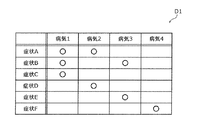
図3は、本実施の形態における病気データテーブルD1の説明図である。病気データテーブルD1は、複数の病気と、複数の病気それぞれにかかった人が発症する症状とを対応付けたテーブルである。 FIG. 3 is an explanatory diagram of the disease data table D1 in the present embodiment. The disease data table D1 is a table in which a plurality of illnesses are associated with a symptom developed by a person having each of the plurality of illnesses.
病気データテーブルD1において、1つの列が1つの病気を示しており、各病気にかかった人が発症する症状が「○」印により各行に示されている。例えば、病気1にかかった人は症状A、B及びCを発症し、病気2にかかった人は症状A及びDを発症する、ということが示されている。
In the illness data table D1, one column indicates one illness, and a symptom developed by a person suffering from each illness is indicated in each row by an “○” mark. For example, it has been shown that a person with
図4は、本実施の形態における決定木T1の説明図である。決定木T1は、順次質問を行うことで、図3に示される複数の病気のうちから一の病気を特定するための決定木の一例である。決定木T1によれば、症状Aがあるか否か、及び、症状Bがあるか否かの2つの質問に対するユーザの回答に基づいて、病気1〜4のどの病気にユーザがかかっているかを探索することができる。
FIG. 4 is an explanatory diagram of the decision tree T1 in the present embodiment. The decision tree T1 is an example of a decision tree for specifying one disease from the plurality of diseases shown in FIG. 3 by sequentially asking a question. According to the decision tree T1, based on the user's answer to two questions of whether or not there is the symptom A and whether or not there is the symptom B, it is possible to determine which of the
なお、図3に示される複数の病気のいずれかを特定するための決定木は図4に示される決定木T1だけでなく、他にもあり得る。なるべく少ない質問数で複数の病気それぞれを識別する決定木の作り方については従来さまざまな研究がなされている。どのような決定木であっても本実施の形態における説明は成立し得る。 It should be noted that the decision tree for specifying any of the plurality of diseases shown in FIG. 3 is not limited to the decision tree T1 shown in FIG. Conventionally, various studies have been made on how to create a decision tree for identifying each of a plurality of diseases with as few questions as possible. The description in the present embodiment can be established for any decision tree.
図4に示される決定木T1は、ノードN1、N2及びN3、並びに、リーフL1、L2、L3及びL4を有する木構造のデータ構造である。ノードN1、N2及びN3それぞれは、複数の所定の病気のうちから一の病気を含む1以上の情報を特定するための1以上の質問それぞれに対応付けられている。また、リーフL1、L2、L3及びL4それぞれは、複数の所定の病気それぞれに対応付けられている。 The decision tree T1 shown in FIG. 4 is a tree-structured data structure having nodes N1, N2, and N3 and leaves L1, L2, L3, and L4. Each of the nodes N1, N2, and N3 is associated with one or more questions for specifying one or more pieces of information including one illness from a plurality of predetermined illnesses. Each of the leaves L1, L2, L3, and L4 is associated with each of a plurality of predetermined diseases.
タスク処理部26は、決定木T1をルートノード(ノードN1)からリーフへ向かって、順次、1つのノードに着目する。着目されるノードを着目ノードともいう。
The
タスク処理部26は、着目ノードに対応する質問をユーザに提示し、提示した質問に対するユーザの回答を得る。タスク処理部26は、着目ノードの子ノードのうち、ユーザから得た回答に対応する子ノードを新たな着目ノードとし、着目ノードに対応する質問をユーザに提示する。これを繰り返して一のリーフに到達したとき、タスク処理部26は、到達したリーフに対応する病気をユーザがかかっている病気として特定する。
The
具体的には、タスク処理部26は、決定木T1を用いて、症状Aを発症しているか(ノードN1)の質問に対して、症状Aを発症しているという回答つまり肯定回答(Yes)、及び、症状Aを発症していないという回答つまり否定回答(No)のいずれかの回答を取得し、その後に、症状Bを発症しているか(ノードN2又はN3)の質問に対して、Yes及びNoのいずれかの回答を取得する。このようにして、タスク処理部26は、ユーザが、病気1〜4のいずれにかかっているかを探索により特定する。
Specifically, the
なお、決定木T1において、(a)決定木T1に含まれるノードそれぞれの子ノードであって、当該ノードに対応する質問に対する肯定回答が取得されたときの次の質問に対応付けられた子ノードを、当該ノードに対して所定の方向に配置し、(b)決定木T1に含まれるノードそれぞれの子ノードであって、当該ノードに対応する質問に対する否定回答が取得されたときの次の質問に対応付けられた子ノードを、当該ノードに対して上記所定の方向とは異なる方向に配置するようにしてもよい。つまり、タスク処理部26は、決定木T1において、一のノードに対応する質問に対してYesの回答を取得した場合に次になされる質問に相当する子ノードを上記一のノードの左下に配置し、上記質問に対してNoの回答を取得した場合に次になされる質問に相当する子ノードを上記一のノードの右下に配置するようにしてもよい。このように配置すれば、質問とその質問に対する回答が決定木上でどのように接続されているかを、この決定木を視認したユーザが直観的に把握することができる利点がある。
Note that, in the decision tree T1, (a) a child node of each node included in the decision tree T1 and associated with the next question when an affirmative answer to the question corresponding to the node is obtained Is arranged in a predetermined direction with respect to the node, and (b) the next question when a negative answer to the question corresponding to the node is obtained, which is a child node of each node included in the decision tree T1 May be arranged in a direction different from the predetermined direction with respect to the node. In other words, the
図5は、本実施の形態におけるキーワードリストL11の説明図である。 FIG. 5 is an explanatory diagram of the keyword list L11 in the present embodiment.
図5に示されるキーワードリストL11は、ユーザにより回答された情報がキーワードとして登録されるリストであり、記憶部28に格納される。キーワードリストL11は、探索支援装置10がユーザとの対話を始める前にクリアされる。また、キーワードリストL11には、探索支援装置10がユーザとの対話においてユーザから取得した回答に基づいてキーワードが登録される。具体的には、キーワードリストL11には、タスク処理部26が分類部24から取得したテキストデータが登録される。
The keyword list L11 illustrated in FIG. 5 is a list in which information answered by the user is registered as a keyword, and is stored in the
図5に示されるキーワードリストL11は、ユーザから「症状Aあり」との回答を取得した後、さらに「症状Bあり」との回答を取得したときのキーワードリストを示したものである。キーワードリストL11は、ユーザが回答した、発症している症状、及び、発症していない症状をまとめたリストであり、キーワードリストL11にキーワードが登録されていくことは、決定木上でルートノードからリーフに向かって着目ノードを移していくことに相当する。 The keyword list L11 shown in FIG. 5 shows a keyword list obtained when an answer “Symptom A is present” is obtained from the user and then an answer indicating “Symptom B is present” is obtained. The keyword list L11 is a list that summarizes the symptoms that the user has responded to, the symptoms that have occurred, and the symptoms that have not occurred. The fact that the keywords are registered in the keyword list L11 is determined from the root node on the decision tree. This corresponds to shifting the node of interest toward the leaf.
なお、提示した質問に対してユーザから「Yes」との回答を取得した場合には、この回答が当該提示した質問に対して肯定する旨の回答であるとして扱うものとする。つまり、「症状Aはありますか?」との質問に対してユーザから「Yes」との回答を取得した場合には、キーワードリストL11に「症状Aあり」のキーワードが登録される。 Note that, when an answer of “Yes” is obtained from the user to the presented question, this answer is treated as an answer to the effect that the presented question is affirmed. That is, when the user has answered “Yes” to the question “Do you have symptom A?”, The keyword “with symptom A” is registered in the keyword list L11.
図6は、本実施の形態における除外リストL21の説明図である。 FIG. 6 is an explanatory diagram of the exclusion list L21 in the present embodiment.
図6に示される除外リストL21は、ユーザに対して質問する項目から除外する項目が登録されるリストであり、記憶部28に格納される。除外リストL21は、探索支援装置10がユーザとの対話を始める前にクリアされる。また、除外リストL21には、探索支援装置10がユーザとの対話においてユーザから取得した回答に基づいてキーワードが登録される。具体的には、除外リストL21には、ユーザからの回答が、提示した質問の回答の候補に含まれず、かつ、決定木における他の質問の回答の候補にも含まれない場合に、提示した質問が登録される。具体的には、タスク処理部26が上記条件に基づいて決定したキーワードが、除外リストL21に登録される。除外リストL21は、決定木の再構築の際に用いられる。
The exclusion list L21 illustrated in FIG. 6 is a list in which items excluded from items to be asked to the user are registered, and are stored in the
以上のように構成された探索支援装置10が行う探索支援方法の処理について以降で説明する。
The processing of the search support method performed by the
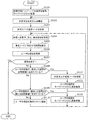
図7は、本実施の形態における探索支援方法における処理の流れを示す流れ図である。 FIG. 7 is a flowchart showing a processing flow in the search support method according to the present embodiment.
図7の一連の処理を行う前に、探索支援装置10は、記憶部28に記憶されているキーワードリストをクリアする。つまり、ステップS101の実行を行う時点では、キーワードリストにはキーワードが1つも登録されていない状態である。
Before performing the series of processes in FIG. 7, the
ステップS101において、タスク処理部26は、ユーザとの初期対話を行い、ユーザが発症している症状を取得し、取得した症状をキーワードとしてキーワードリストに登録する。初期対話とは、ユーザが発症している症状を問いかけるための最初の質問と、その質問に対するユーザの回答とを含む対話である。タスク処理部26は、初期対話により、ユーザが発症している症状のうちの1以上の症状を取得する。タスク処理部26は、例えば、発症している症状について問いかけられたユーザが声に出した言葉をマイク20により取得し、さらに、音声認識部22による音声認識、及び、分類部24による意味分類を行うことで、上記症状を取得する。
In step S101, the
ステップS102において、タスク処理部26は、ステップS101で取得した初期のキーワードに基づいて決定木を生成する。決定木を生成する方法にはさまざまな方法があり得る。その方法の1つを以下で説明する。
In step S102, the
タスク処理部26は、まず、ステップS101で取得した最初のキーワードに示される症状をユーザが発症しているか否かという質問に対応するノードを、決定木のルートノードとして生成する。
First, the
次に、タスク処理部26は、予め保有している病気データのうち、ステップS101で取得したキーワードに対応する症状を有する病気をすべて抽出し、抽出した病気のうちのおよそ半分の病気が有する症状の1つを選択する。この選択した1つの症状をユーザが発症しているか否かという質問に対応するノードを、ルートノードの子ノードとして生成する。ルートノードの子ノードはこの1つのみである。この質問の回答の候補は、Yes(つまり、症状がある)、及び、No(つまり、症状がない)である。なお、上記症状の1つを選択する際には、抽出した1以上の病気のうちのおよそ半分の病気が有する症状が複数ある場合には、その複数の症状のうちの任意の1つ(例えば複数の症状を所定の順番に並べた場合の最初の1つ)の症状を選択する。
Next, the
次に、タスク処理部26は、予め保有している病気データのうち、上記子ノードに対応する質問に係る症状を有するすべての病気、及び、その症状を有しないすべての病気をそれぞれ抽出し、抽出した1以上の病気に対して上記の処理を行うことで、上記子ノードの子ノード(つまり、ルートノードの孫ノード)を生成する。このようにして子ノードを順次生成し、質問に係る症状を有する病気が1個になるとき、この1個の病気に対応するリーフを生成する。また、病気が2個以上のノードであっても、質問に係る症状を有する病気と、その症状を有しない病気との2つの群に分割する質問を発見できないときには、子のノードを生成せずに、そのノードをリーフとする。
Next, the
この方法により、ステップS101で取得したキーワードを症状として有するすべての病気をリーフとして有する決定木が生成される。 According to this method, a decision tree having all the diseases having as a symptom the keyword acquired in step S101 as a leaf is generated.
なお、後述するステップS110又はS131を実行後にステップS102を実行する場合には、除外リストのキーワードが登録されていることがある。その場合、子ノードを生成する際に、除外リストに登録されている質問を除外したもののうちから子ノードに対応する質問を選択することで新たな決定木を生成する。 When step S102 is executed after execution of step S110 or S131 to be described later, keywords in the exclusion list may be registered. In this case, when generating a child node, a new decision tree is generated by selecting a question corresponding to the child node from among questions excluding questions registered in the exclusion list.
ステップS103において、タスク処理部26は、決定木上の着目ノードを決定する。ステップS101でキーワードを取得した後に初めて本ステップを実行する場合には、ルートノードの1つの子ノードを着目ノードとする。
In step S103, the
ステップS104において、タスク処理部26は、ステップS103で生成した決定木を、表示制御部34による制御により所定の表示態様で表示装置36に表示させる。また、タスク処理部26は、既に決定木を表示装置36に表示させている場合には、表示させている決定木の表示態様を、所定の表示態様に変更する。決定木の表示態様を変更する際には、ユーザからの回答を取得した質問に対応するノードの表示態様を、探索が進行したことを示す所定の表示態様に変更することで、決定木の表示態様を変更してもよい。また、1以上のノードのうち、当該ノードに対応する質問に対する回答が既に取得されたノード、及び、当該ノードを頂点とする部分木のみを表示するようにしてもよい。また、1以上のノードのうち、当該ノードに対応する質問に対する回答が既に取得されたノード、及び、当該ノードを頂点とする部分木の表示態様を、決定木のうち当該ノード及び部分木を除く部分とは異なる表示態様で表示するようにしてもよい。
In step S104, the
ステップS105において、タスク処理部26は、着目ノードに対応する質問をユーザに提示する。質問を提示する方法は、さまざまあり得るが、例えば、質問のテキストデータを音声合成部30及びスピーカ32を用いて音声として出力する方法がある。なお、質問をユーザに提示する際には、ステップS103で生成した決定木を表示装置36に表示させたままで行うようにしてもよい。このようにすれば、ユーザは、提示された質問の、一連の質問における位置づけを把握しながら回答を行うことができる利点がある。
In step S105, the
ステップS106において、タスク処理部26は、ユーザの回答を取得する。ユーザの回答は、ステップS105でユーザに質問を提示した後にユーザが声に出した言葉をマイク20が取得し、音声認識部22による音声認識、及び、分類部24による意味分類がなされたものである。なお、ステップS105でユーザに質問を提示した後所定時間経過してもユーザの回答が取得できない場合、質問に対する有効な回答がない旨の回答を取得したものとして処理を進める。
In step S106, the
ステップS107において、タスク処理部26は、ステップS106で取得したユーザの回答により情報の探索が完了するか否かを判定する。具体的には、タスク処理部26は、ステップS106で取得したユーザの回答により、決定木におけるリーフに到達したか、つまり、これ以上質問がないかを判定することで上記判定を行う。これ以上質問がない場合、情報の探索が完了すると判定する。ステップS107で情報の探索を完了すると判定した場合(ステップS107でYes)、一連の処理を終了する。一方、ステップS107で情報の探索を完了しないと判定した場合(ステップS107でNo)、ステップS108に進む。
In step S107, the
ステップS108において、タスク処理部26は、ステップS106で取得したユーザの回答が、ステップS105で提示した質問の回答の候補に含まれているか否かを判定する。ステップS108で取得したユーザの回答が、上記質問の回答の候補に含まれていると判定した場合(ステップS108でYes)、ステップS121に進む。一方、ステップS106で取得したユーザの回答が、上記質問の回答の候補に含まれていないと判定した場合(ステップS108でNo)、ステップS109に進む。なお、ステップS106で、質問に対する有効な回答がない旨の回答を取得した場合には、ステップS106で取得したユーザの回答が、上記質問の回答の候補に含まれていないと判定する。
In step S108, the
ステップS109において、タスク処理部26は、ステップS106で取得したユーザの回答が、決定木に含まれる質問のうち、ステップS105で提示した質問を除く他の質問の回答の候補に含まれているか否かを判定する。ステップS109でユーザの回答が他の質問の回答の候補に含まれていると判定した場合(ステップS109でYes)、ステップS131に進む。一方、ステップS109でユーザの回答が他の質問の回答の候補に含まれてないと判定した場合(ステップS109でNo)、ステップS110に進む。
In step S109, the
ステップS110において、タスク処理部26は、ステップS105で提示した質問を除外リストに登録する。その後、ステップS102に進む。
In step S110, the
ステップS121において、タスク処理部26は、決定木上の着目ノードを更新する。具体的には、タスク処理部26は、現時点における着目ノードの子ノードのうち、ステップS106で取得した回答に対応する子ノードを新たな着目ノードとするように、着目ノードを更新する。
In step S121, the
ステップS122において、タスク処理部26は、ステップS106で取得したユーザの回答をキーワードリストに登録する。その後、ステップS104に進む。
In step S122, the
ステップS131において、タスク処理部26は、ステップS106で取得したユーザの回答をキーワードリストに登録する。その後、ステップS102に進む。
In step S131, the
以上の一連の処理により、探索支援装置10は、決定木を表示装置36に表示させ、また、表示させた決定木の表示態様をユーザから得られる回答に基づいて変更しながらユーザとの対話を行う。これにより、探索支援装置10は、所望の情報を探索するための質問及び回答に際して、ユーザが不安又は煩わしさを感じることを抑制することができる。
Through the above series of processing, the
以降において、2つの対話の具体例を示しながら探索支援装置10の動作について説明する。対話の第一例は、探索支援装置10がユーザに提示する質問に対して、想定される回答をユーザが行う場合の例である。つまり、対話の第一例は、図7においてステップS108でYesに進む場合の例である。対話の第二例は、探索支援装置10がユーザに提示する質問に対して、想定される回答と異なる回答をユーザが行う場合の例である。つまり、対話の第二例は、図7においてステップS108でNoに進み、その後ステップS109でYesに進む場合の例である。
Hereinafter, the operation of the
図8は、本実施の形態における対話の第一例の説明図である。図8に示される対話は、何らかの症状を発症しているユーザが、探索支援装置10を利用して症状の原因となる病気を特定するための対話の内容を示したものである。なお、図8において、探索支援装置10による発話内容を「Q(質問者)」として、ユーザによる発話内容を「A(回答者)」として、それぞれ示している。この一連の対話における時点T11、T12及びT13における決定木とキーワードリストとについて説明する。
FIG. 8 is an explanatory diagram of a first example of the dialogue in the present embodiment. The dialog shown in FIG. 8 shows the contents of the dialog for the user who has developed some symptom using the
まず、探索支援装置10は、初期対話によりユーザが発症している症状を取得することを試みる(発話Q1〜A3)。
First, the
初期対話において、探索支援装置10は、ユーザに対して「今日はどうされましたか」というように、ユーザが発症している症状を問いかける(発話Q1)。ユーザは、この問いかけに対して、ユーザは、「頭痛があります」というように、頭痛がある旨の回答を行う(発話A1)。探索支援装置10は、ユーザの上記回答に基づいて、頭痛がある旨を示すキーワード、具体的には「頭痛,あり」をキーワードリストに登録する(ステップS101)。また、探索支援装置10は、ユーザに対して他にも症状がないか確認した後に初期対話を終える(発話Q2〜A3)。
In the initial dialogue, the
初期対話を終えると、探索支援装置10は、初期対話で取得したユーザの症状、つまり、この時点でキーワードリストに登録されているキーワードに基づいて決定木の生成、及び、決定木上の着目ノードの決定を行う(ステップS102及びS103)。
When the initial dialogue is completed, the
次に、探索支援装置10は、決定木を表示するとともに、「発熱はありますか」という最初の質問を行う(ステップS104及びS105、発話Q4)。この時点を時点T11とする。
Next, the
ユーザが探索支援装置10による質問に対して回答(発話A4)すると、その回答に応じて探索支援装置10は、決定木上の着目ノードを更新し(ステップS121)、順次質問を継続し(発話Q5〜Q8)、ユーザによる回答(発話A5〜A7)に基づいて順次決定木の表示態様を変更する。発話Q6及びQ8をする時点をそれぞれ、時点T12及びT13とする。
When the user answers the question (utterance A4) by the
図9Aは、本実施の形態における対話の第一例における時点T11で表示装置36に表示される決定木の説明図である。図9Bは、本実施の形態における対話の第一例における時点T11でのキーワードリストの説明図である。
FIG. 9A is an explanatory diagram of a decision tree displayed on the
図9Aに示されるように、時点T11において、表示制御部34は、表示装置36に決定木101を表示する。決定木101のルートノード(紙面上で最も上のノード)であるノード111は、「頭痛がある」という症状に対応するノードである。ノード112は、ユーザに対して質問しユーザからの回答を受け付けている最中である質問に対応しており、「発熱がある」という症状に対応するノードである。ノード113は、未だユーザに提示していない質問に対応するノードである。また、表示制御部34は、残りの質問数121、及び、ノードの表示態様の凡例131を表示装置36に表示する。残りの質問数121は、決定木のうち既に回答が取得された質問のうちの回答が取得された時刻が最も遅い質問に対応するノードを頂点とする部分木の高さから1を減じた値として求められる。
As shown in FIG. 9A, at time T11, the
また、図9Bに示されるように、時点T11において、キーワードリストL11には、キーワードとして「頭痛,あり」が登録されている。これは、初期対話におけるユーザの回答(発話A2)から得られたものである。 Further, as shown in FIG. 9B, at time T11, “headache, present” is registered as a keyword in the keyword list L11. This is obtained from the user's answer (utterance A2) in the initial dialogue.
このように、探索支援装置10は、一連の質問の中での、現時点の質問の位置づけを表示装置36に表示するので、ユーザが不安又は煩わしさを感じることを抑制することができる。
As described above, since the
次に、時点T12で表示装置36に表示される決定木について2つの例を挙げて説明する。
Next, the decision tree displayed on the
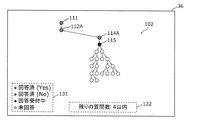
図10は、本実施の形態における対話の第一例における時点T12で表示装置36に表示される決定木の第一例の説明図である。
FIG. 10 is an explanatory diagram of a first example of the decision tree displayed on the
図10に示される決定木102は、時点T12で表示装置36に表示される決定木である。具体的には、決定木102は、時点T12までの対話においてユーザから回答が得られた質問に相当するノード(ノード111、112A及び114A)と、現時点で回答を受け付けている質問に対応するノード(ノード115)と、現時点より後にユーザに提示し得る質問に対応するノードとを含む。決定木102のノード111は、決定木101のノード111(図9)と同じものである。決定木102のノード112A及び114Aは、ユーザから回答を受け付けたことにより、決定木101から表示態様が変更されたものである。
The
タスク処理部26は、対話の進行に応じて表示装置36に表示させる決定木の表示態様を変更することで、時点T12において決定木102を表示装置36に表示させる。なお、表示装置36に表示される決定木102の表示上の大きさが所定の大きさの範囲内に含まれるように、決定木102を拡大又は縮小するようにしてもよい。
The
また、決定木102において、タスク処理部26が既にユーザからの回答を取得した質問と、現時点で回答を受け付けている質問と、今後に提示し得る質問とのそれぞれに対応するノードの表示態様を互いに異なるようにする。より具体的には、上記ノードの色、大きさ、形、模様、点滅する又はしないの別、及び、点滅の間隔、などを互いに異なるようにする。このようにすることで、ユーザは、決定木における上記それぞれの質問をより適切に把握することができる。
In the
また、上記決定木の表示態様の変更にあわせて、残りの質問数122も更新される。
In addition, the number of remaining
図11は、本実施の形態における対話の第一例における時点T12で表示装置36に表示される決定木の第二例の説明図である。
FIG. 11 is an explanatory diagram of a second example of the decision tree displayed on the
図11に示される決定木103は、時点T12で表示装置36に表示される決定木である。具体的には、決定木103は、現時点で回答を受け付けている質問に対応するノード(ノード115)と、現時点より後に提示し得る質問に対応するノードとを含む。
The
決定木103が決定木102と異なる点は、時点T12までの対話においてユーザから回答が得られた質問に相当するノード(ノード111、112A及び114A)を含まないこと、及び、表示上の決定木の大きさが大きくなるように拡大されていることである。決定木103は、上記ノードを含まない分だけ、決定木102に比べてノード数が少ないので、表示上の大きさを大きくすることができる。残りの質問数123については、残りの質問数122と同じ内容でよい。このようにすることで、ユーザは、今後に回答が必要な質問をより直観的に認識することができる利点がある。
The difference between the
なお、時点T12で表示装置36に表示される決定木は、決定木101(図9A)の表示上の大きさのままで、ノードの表示態様だけが変更されたものであってもよい。
Note that the decision tree displayed on the
図12Aは、本実施の形態における対話の第一例における時点T12で表示装置36に表示される決定木の説明図である。図12Bは、本実施の形態における対話の第一例における時点T13でのキーワードリストの説明図である。
FIG. 12A is an explanatory diagram of the decision tree displayed on the
図12Aに示されるように、表示制御部34は、時点T12において表示装置36に決定木104を表示する。決定木104のノード111は、決定木101のノード111(図9)と同じものである。ノード112Aは、決定木101のノード112(図9)と同じ質問に対応するノードであるが、ユーザから受け付けた回答に基づいてその表示態様が変更されたものである。ノード114A、115A及び116Aは、それぞれ、ユーザに対する質問に対応したノードであり、また、ユーザから受け付けた回答に基づいてその表示態様が変更されたものである。ノード117は、ユーザに対して質問しユーザからの回答を受け付けている最中である質問に対応しており、「息苦しい」という症状に対応するノードである。また、表示制御部34は、図9の場合と同様に、残りの質問数124、及び、ノードの表示態様の凡例131を表示装置36に表示する。
As shown in FIG. 12A, the
また、図12Bに示されるように、時点T13において、キーワードリストL11には、キーワードとして「頭痛,あり」、及び、「発熱,なし」というように、これまでの対話により得られたユーザが発症している又は発症していない症状が登録されている。 Further, as shown in FIG. 12B, at time T13, in the keyword list L11, the user obtained by the previous conversation, such as “Headache, present” and “fever, none” as keywords, develops. Symptoms with or without onset are registered.
このように、探索支援装置10は、表示装置36に決定木を表示させ、また、表示させた決定木の表示態様をユーザから得られる回答に基づいて変更しながらユーザとの対話を行う。これにより、探索支援装置10は、所望の情報を探索するための質問及び回答に際して、ユーザが不安又は煩わしさを感じることを抑制することができる。
As described above, the
図13は、本実施の形態における対話の第二例の説明図である。 FIG. 13 is an explanatory diagram of a second example of the dialogue in the present embodiment.
まず、探索支援装置10は、図8の場合と同様、初期対話によりユーザが発症している症状を取得することを試みる(発話Q11〜A13)。
First, as in the case of FIG. 8, the
初期対話を終えると、探索支援装置10は、図8の場合と同様、決定木の生成及び、決定木上の着目ノードの決定を行う(ステップS102及びS103)。
After completing the initial dialogue, the
次に、探索支援装置10は、決定木を表示するとともに、「発熱はありますか」という最初の質問を行う(ステップS104及びS105)。この質問について想定される回答の候補には、発熱がある旨を示す「Yes」、及び、発熱がない旨を示す「No」がある。
Next, the
これに対して、ユーザは、上記回答の候補とは異なる回答である「意識が飛ぶことがあります」と回答する(発話A4)。 On the other hand, the user replies that the consciousness may fly, which is a different answer from the above answer candidates (utterance A4).
タスク処理部26は、提示した質問の回答の候補に上記回答が含まれないと判定し(ステップS108でNo)、その後、決定木に含まれる質問のうちの提示した質問を除く他の質問の回答の候補に上記回答が含まれていると判定する(ステップS109でYes)。その後、タスク処理部26は、上記回答に相当する症状「意識障害,あり」をキーワードリストに追加登録し(ステップS131)、登録後のキーワードリストに基づいて決定木の再構築、及び、決定木上の着目ノードの決定を行う(ステップS102及びS103)。この時点が時点T21である。
The
ユーザが探索支援装置10による最初の質問に対して回答すると、その回答に応じて探索支援装置10は、決定木上の着目ノードを更新し(ステップS121)、順次質問を継続する。探索支援装置10が質問である発話Q10をする時点が時点T22である。
When the user answers the first question by the
図14は、本実施の形態における対話の第二例における時点T21で表示される決定木の説明図である。図15は、本実施の形態における対話の第二例における時点T21でのキーワードリストの説明図である。 FIG. 14 is an explanatory diagram of the decision tree displayed at time T21 in the second example of the dialogue according to the present embodiment. FIG. 15 is an explanatory diagram of the keyword list at time T21 in the second example of the dialogue in the present embodiment.
図14に示されるように、時点T21において、表示制御部34は、表示装置36に決定木105を表示する。決定木105のルートノードであるノード211は、「意識が飛ぶ」という症状に対応するノードである。ノード212は、ユーザに対して質問しユーザからの回答を受け付けている最中である質問に対応しており、「発熱がある」という症状に対応するノードである。このように、決定木の再構築の結果、再構築する時点でキーワードリストに登録されていた症状をルートノードに対応させた決定木が構築される。また、残りの質問数125も、再構築された決定木と現時点の着目ノードに基づいて更新される。
As shown in FIG. 14, at time T21, the
また、図15に示されるように、時点T21において、キーワードリストL11には、キーワードとして「頭痛,あり」、及び、「意識障害,あり」が登録されている。これは、初期対話及びその後の対話においてユーザの回答から得られたものである。 As shown in FIG. 15, at the time T21, the keywords “headache, present” and “consciousness disorder, present” are registered in the keyword list L11. This is obtained from the user's response in the initial dialog and subsequent dialogs.
図16は、本実施の形態における対話の第二例における時点T22で表示される決定木の説明図である。図17は、本実施の形態における対話の第二例における時点T22でのキーワードリストの説明図である。 FIG. 16 is an explanatory diagram of the decision tree displayed at time T22 in the second example of the dialogue according to the present embodiment. FIG. 17 is an explanatory diagram of the keyword list at time T22 in the second example of the dialogue according to the present embodiment.
図16に示されるように、時点T22において、表示制御部34は、表示装置36に決定木106を表示する。決定木106のノード211は、決定木105のノード211(図14)と同じものである。ノード112Aは、決定木105のノード212(図14)と同じ質問に対応するノードであるが、ユーザから受け付けた回答に基づいてその表示態様が変更されたものである。ノード213及び214は、それぞれ、ユーザに対する質問に対応したノードであり、また、ユーザから受け付けた回答に基づいてその表示態様が変更されたものである。ノード215は、ユーザに対して質問しユーザからの回答を受け付けている最中である質問に対応しており、「息苦しい」という症状に対応するノードである。また、表示制御部34は、図14の場合と同様に、残りの質問数126、及び、ノードの表示態様の凡例131を表示装置36に表示する。
As shown in FIG. 16, at time T22, the
また、図17に示されるように、時点T22において、キーワードリストL11には、キーワードとして「頭痛,あり」、「意識障害,あり」などというように、これまでの対話により得られたユーザが発症している又は発症していない症状が登録されている。 Also, as shown in FIG. 17, at time T22, the keyword list L11 includes a user obtained by the previous conversation, such as “headache, present” or “consciousness impairment” as keywords. Symptoms with or without onset are registered.
なお、探索支援装置10が扱う情報が病気及び病気の症状である場合を上記で説明した。つまり、複数の所定の情報は、複数の所定の病気を示す情報であり、一の情報は、ユーザがかかっている病気を示す情報であり、1以上のノードそれぞれは、複数の所定の病気が有する症状をユーザが発症しているか否かを問う質問に対応付けられているとした場合について上記で説明した。
The case where the information handled by the
この他にも、探索支援装置10は、以下のような情報を扱うこともできる。
In addition, the
例えば、複数の所定の情報は、複数の不動産物件を示す情報であり、一の情報は、ユーザが希望する一の不動産物件を示す情報であり、1以上のノードそれぞれは、複数の不動産物件の家賃、最寄駅からの距離又は最寄駅からの徒歩時間が、ユーザの希望を満たすものであるか否かを問う質問に対応付けられているとしてもよい。 For example, the plurality of pieces of predetermined information are information indicating a plurality of real estate properties, one piece of information is information indicating one real estate property desired by the user, and each of the one or more nodes has a plurality of real estate properties. The rent, the distance from the nearest station or the walking time from the nearest station may be associated with a question asking whether or not the user's wish is satisfied.
例えば、複数の所定の情報は、複数の旅行プランを示す情報であり、一の情報は、ユーザが希望する一の旅行プランを示す情報であり、1以上のノードそれぞれは、複数の旅行プランの購入価格、行き先又は泊数が、ユーザの希望を満たすものであるか否かを問う質問に対応付けられているとしてもよい。 For example, the plurality of predetermined information is information indicating a plurality of travel plans, the one information is information indicating one travel plan desired by a user, and each of the one or more nodes is a plurality of travel plans. The purchase price, the destination, or the number of nights may be associated with a question asking whether the user's desire is satisfied.
複数の所定の情報は、所定の装置に生じ得る複数の故障症状を改善するための対応策を示す情報であり、一の情報は、ユーザが所有する所定の装置に生じた故障症状を改善するための対応策を示す情報であり、1以上のノードのそれぞれは、ユーザが所有する所定の装置が複数の故障症状を発症しているか否かを問う質問に対応付けられているとしてもよい。 The plurality of predetermined information is information indicating a countermeasure for improving a plurality of failure symptoms that can occur in the predetermined device, and the one information improves a failure symptom occurring in the predetermined device owned by the user. May be associated with a question asking whether or not a predetermined device owned by the user has developed a plurality of failure symptoms.
以上のように、本実施の形態の探索支援装置は、既に提示した質問、及び、今後に提示し得る質問を示した決定木をユーザに提示し、また、探索の進行に従って表示態様を変更する。ユーザは、提示された決定木を視認することで、一の情報の探索のための一連の質問の中での、現時点の質問の位置づけを把握することができる。また、提示された決定木の表示態様の変更を視認することで、情報の探索が進行していることを認識することができる。このように、所望の情報を探索するための質問及び回答に際して、ユーザが不安又は煩わしさを感じることを抑制することができる。また、ユーザが不安又は煩わしさを感じなければ、これを理由として行われる再度の情報の探索が不要となり、装置の処理負荷及び電力消費の増加を未然に回避することができる。 As described above, the search support device according to the present embodiment presents the user with the already presented question and the decision tree indicating the question that can be presented in the future, and changes the display mode according to the progress of the search. . By visually recognizing the presented decision tree, the user can grasp the current position of the question in a series of questions for searching for one piece of information. Further, by visually confirming the change in the display mode of the presented decision tree, it is possible to recognize that the search for information is in progress. As described above, it is possible to suppress the user from feeling uneasy or annoying when asking and answering for searching for desired information. In addition, if the user does not feel anxious or troublesome, it is not necessary to search for information again for this reason, and it is possible to avoid an increase in the processing load and power consumption of the apparatus.
(実施の形態2)
本実施の形態において、所望の情報を探索するための質問及び回答に際して、回答者が不安又は煩わしさを感じることを抑制することができる探索支援装置及び探索支援方法などにおいて、さらに、探索する対象の情報の性質に基づく表示を行う技術について説明する。
(Embodiment 2)
In the present embodiment, in a search support apparatus and a search support method that can suppress a respondent from feeling uneasy or annoying when asking and answering for searching for desired information, A technique for performing display based on the nature of the information will be described.
図18は、自覚症状の確認に基づいて病気を特定する方法を説明するための第二の説明図である。図18に示されるように、病気2には、病気2の症状A、C及びD、病気2の部位P、病気2にかかっている時間U、並びに、病気2の重篤性(重篤さの度合い)が関連付けられている。特に、病気2の重篤性が関係付けられている点で、実施の形態1における病気1と各項目との関連付けと異なる。
FIG. 18 is a second explanatory diagram for describing a method of specifying a disease based on confirmation of a subjective symptom. As shown in FIG. 18, the illness 2 includes the symptoms A, C, and D of the illness 2, the site P of the illness 2, the time U spent on the illness 2, and the severity of the illness 2 (severity). Are associated with each other. In particular, this is different from the association between the
重篤性は、病気の重篤さを示す指標であり、本実施の形態では、重篤性がある病気と重篤性がない病気とに病気を分類した上で、重篤性があると分類された病気に「重篤性あり」との情報を関連付ける。なお、重篤性は、病気がユーザにとってどれだけ重要であるかを示す重要度の一例である。 Severity is an index indicating the seriousness of the disease.In the present embodiment, the seriousness is classified into a serious disease and a non-serious disease. The information of “severe” is associated with the classified disease. The seriousness is an example of the importance indicating how important the illness is for the user.
本実施の形態における探索支援装置の構成は実施の形態1における探索支援装置10と同じである。
The configuration of the search support device according to the present embodiment is the same as that of
図19は、本実施の形態における病気データテーブルD2の説明図である。病気データテーブルD2は、複数の病気と、複数の病気それぞれにかかった人が発症する症状とを対応付けたテーブルである。病気データテーブルD2は、実施の形態1における病気データテーブルD1に加えて、各病気の重篤性として、「重篤性あり」又は「重篤性なし」が示されたものである。具体的には、病気1、3及び4は、重篤性がない病気であり、病気2は、重篤性がある病気である。
FIG. 19 is an explanatory diagram of the disease data table D2 in the present embodiment. The disease data table D2 is a table in which a plurality of illnesses are associated with a symptom developed by a person who suffers from each of the plurality of illnesses. The disease data table D2 shows, in addition to the disease data table D1 in the first embodiment, “severe” or “not serious” as the severity of each disease. Specifically,
本実施の形態の探索支援装置10は、重篤性がある病気にかかった人が発症する又は発症しない症状と、ユーザが発症している症状又は発症していない症状とが完全には一致しなくても、不一致の項目が所定数(例えば1個)以下である場合にさらに質問を継続するようにする。
The
図20は、本実施の形態における決定木T2の説明図である。決定木T2は、図19に示される複数の病気を、順次質問を行うことで特定するための決定木の一例である。 FIG. 20 is an explanatory diagram of the decision tree T2 in the present embodiment. The decision tree T2 is an example of a decision tree for specifying a plurality of diseases shown in FIG. 19 by sequentially asking questions.
決定木T2は、実施の形態1における決定木T1(図3)と同様、病気1〜4のどの病気にユーザがかかっているかを探索するための決定木である。決定木T2が決定木T1と異なる点は、病気の重篤性に応じて追加的な質問を行うための追加決定木(決定木T3、T4及びT5)を含む点である。追加決定木T3は、ノードN4並びにリーフL1A及びL1Bを有する。追加決定木T4は、ノードN5並びにリーフL2A及びL2Bを有する。追加決定木T5は、ノードN6並びにリーフL4A及びL4Bを有する。なお、決定木T2において決定木T1と同じノード及びリーフには同じ符号を付している。
Like the decision tree T1 (FIG. 3) in the first embodiment, the decision tree T2 is a decision tree for searching which disease among the
病気データテーブルD2によれば、ユーザに症状Aがあり、また、症状Bがない場合、ユーザがかかっている病気は、病気2であることが特定される。しかしながら、病気2が重篤性のある病気であるので、ユーザが病気2にかかっていると判定することができない場合であっても、病気2にかかっている可能性がある場合にそのことを提示することが求められる。 According to the disease data table D2, if the user has the symptom A and the symptom B does not exist, it is specified that the disease that the user is suffering is the disease 2. However, since the illness 2 is a serious illness, even if the user cannot be determined to have the illness 2, if the user is likely to have the illness 2, this is done. It is required to be presented.
そこで、本実施の形態の探索支援方法は、上記場合に、未だ症状の有無が不明である他の症状(症状C又はD)をユーザが発症しているか否かを確認し、確認結果に応じた表示を行う。具体的には、ユーザが、症状A及び症状Bを発症している場合、病気2のさらなる症状である症状Dをユーザが発症しているか否かを質問するための追加決定木である決定木T3をさらに表示する。この質問に対して、ユーザが症状Dを発症していると回答すれば、ユーザが発症している又は発症していない症状は、病気2にかかった人が発症する又は発症しない症状と、3項目のうち2項目において一致することになる。この場合、ユーザが病気2にかかっている蓋然性が比較的高いので、病気2にかかっている疑いがある旨の表示を行う(リーフL1A)。一方、ユーザが症状Dを発症していないと回答すれば、決定木T3を用いない場合(実施の形態1における決定木T1(図4))の場合と同様に病気1にかかっている旨の表示を行う(リーフL1A)。 Therefore, in the above case, the search support method according to the present embodiment confirms whether or not the user has developed another symptom (symptom C or D) for which the presence or absence of the symptom is still unknown, and responds to the confirmation result. Display. Specifically, when the user has developed the symptoms A and the symptoms B, a decision tree which is an additional decision tree for asking whether the user has developed the symptom D which is a further symptom of the disease 2. T3 is further displayed. In response to this question, if the user answers that the symptom D has developed, the symptoms that the user has or has not developed are the symptoms that the person with the disease 2 develops or does not develop. The two items will match. In this case, since the probability that the user has the disease 2 is relatively high, a display indicating that the user is suspected to have the disease 2 is displayed (leaf L1A). On the other hand, if the user answers that the symptom D has not developed, it means that the user is sick 1 as in the case where the decision tree T3 is not used (decision tree T1 in the first embodiment (FIG. 4)). Display is performed (leaf L1A).
また、ユーザが、症状Aを発症し、症状Bを発症していない場合、病気2のさらなる症状である症状Dをユーザが発症しているか否かを質問するための追加決定木である決定木T4をさらに表示する。この質問に対して、ユーザが症状Dを発症していると回答すれば、上記の3項目のうち3項目すべてにおいてが一致することになる。この場合、ユーザが病気2にかかっている蓋然性が極めて高いので、病気2にかかっている旨の表示を行う(リーフL2A)。一方、ユーザが症状Dを発症していないと回答すれば、上記の3項目のうち2項目において一致することになる。この場合、ユーザが病気2にかかっている蓋然性が比較的高いので、病気2にかかっている疑いがある旨の表示を行う(リーフL2B)。 When the user has developed symptom A but not symptom B, a decision tree as an additional decision tree for asking whether the user has developed symptom D, which is a further symptom of illness 2. T4 is further displayed. If the user answers that question that the symptom D has developed, all three of the above three items match. In this case, since the probability that the user has the disease 2 is extremely high, a display indicating that the user has the disease 2 is displayed (leaf L2A). On the other hand, if the user replies that symptom D has not developed, two of the above three items match. In this case, since the probability that the user has the disease 2 is relatively high, a display indicating that the user is suspected to have the disease 2 is displayed (leaf L2B).
なお、決定木T5についても上記と同様の説明が成立するが詳細な説明を省略する。 Note that the same description as described above holds for the decision tree T5, but a detailed description is omitted.
図21は、本実施の形態における対話における決定木107の説明図である。
FIG. 21 is an explanatory diagram of the
決定木107は、実施の形態1の決定木102(図11)の状態からさらに対話が進んだ状態である。具体的には、決定木107は、ユーザとの対話により特定された病気が重篤性のある病気である場合に、追加的な質問を行うとともに、追加的な質問のための決定木である追加決定木である決定木108を表示する。
The
以上のように、本実施の形態に係る探索支援装置は、探索された一の情報が、例えば重要度が高い情報である場合、残存質問に対応する追加決定木を表示しユーザの回答を取得することができる。ユーザは、残存質問についても決定木を認識することができる。このように、ユーザが不安又は煩わしさを感じることを抑制することができる。 As described above, the search support device according to the present embodiment displays an additional decision tree corresponding to a remaining question and obtains a user's answer when one piece of searched information is, for example, information having a high degree of importance. can do. The user can recognize the decision tree even for the remaining questions. Thus, it is possible to suppress the user from feeling uneasy or annoying.
(実施の形態3)
本実施の形態において、所望の情報を探索するための質問及び回答に際して、ユーザが不安又は煩わしさを感じることを抑制することができる探索支援装置の別構成について説明する。
(Embodiment 3)
In the present embodiment, another configuration of a search support device that can suppress a user from feeling uneasy or annoying when asking and answering for searching for desired information will be described.
図22は、本実施の形態における探索支援装置11の構成を示すブロック図である。
FIG. 22 is a block diagram illustrating a configuration of the
図22に示されるように、本実施の形態における探索支援装置11は、実施の形態1における探索支援装置10のマイク20、音声認識部22、音声合成部30及びスピーカ32を備えない。その代わりに、探索支援装置11は、操作インタフェース40及び操作取得部42を備える。また、探索支援装置11は、表示制御部34の代わりに表示制御部34Aを備える。なお、実施の形態1と同様、探索支援装置10は、上記構成要素を1つの筐体内に収めたものとして構成されてもよいし、上記構成要素それぞれが分散配置され、ネットワーク等により通信可能に接続されたものとして構成されてもよい。
As shown in FIG. 22,
操作インタフェース40は、ユーザによる探索支援装置11に対する操作を受け付けるためのユーザインタフェースである。操作インタフェース40は、具体的には、マウス、キーボード又はタッチパッド等であり、ボタンのクリック、キーの押下、マウス又はタッチパッド上でのユーザの指の移動等を受け付ける。
The
操作取得部42は、操作インタフェース40が受け付けたユーザによる操作を取得し、ユーザによりなされた操作に基づいて(例えば、画面上で選択された位置、入力された文字列)を取得し、取得した操作に基づいてユーザが意図するテキストデータを生成し、分類部24に提供する。
The
表示制御部34Aは、表示制御部34の機能に加えて、ユーザに対する質問を表示装置36に表示する。
The
これにより探索支援装置11は、音声による対話の代わりに、ユーザに提示するための質問を表示装置36に表示させ、質問に対するユーザによる回答を操作インタフェース40により受け付けることで、ユーザとの対話を行うことができる。これにより、探索支援装置11は、所望の情報を探索するための質問及び回答に際して、回答者が不安又は煩わしさを感じることを抑制することができる。
As a result, the
なお、上記各実施の形態において、各構成要素は、専用のハードウェアで構成されるか、各構成要素に適したソフトウェアプログラムを実行することによって実現されてもよい。各構成要素は、CPUまたはプロセッサなどのプログラム実行部が、ハードディスクまたは半導体メモリなどの記録媒体に記録されたソフトウェアプログラムを読み出して実行することによって実現されてもよい。ここで、上記各実施の形態の探索支援装置などを実現するソフトウェアは、次のようなプログラムである。 In each of the above embodiments, each component may be configured by dedicated hardware, or may be realized by executing a software program suitable for each component. Each component may be realized by a program execution unit such as a CPU or a processor reading and executing a software program recorded on a recording medium such as a hard disk or a semiconductor memory. Here, the software for realizing the search support device and the like in each of the above embodiments is the following program.
すなわち、このプログラムは、コンピュータに、複数の所定の情報のうちから一の情報を探索することを支援する探索支援装置が行う探索支援方法であって、前記複数の所定の情報のうちから前記一の情報を含む1以上の情報を特定するための1以上の質問それぞれに対応付けられた1以上のノードと、前記複数の所定の情報それぞれに対応付けられた複数のリーフとを有する決定木を表示装置に表示させ、前記決定木が有する前記1以上のノードのうちの一のノードに対応する質問に対するユーザの回答を取得することで前記探索を進行させ、取得した前記回答に基づいて、前記探索が進行したことを示すように、前記表示装置に表示させた前記決定木の表示態様を変更する探索支援方法を実行させる。 That is, the program is a search support method performed by a search support device that supports searching for one piece of information from among a plurality of pieces of predetermined information. A decision tree having one or more nodes respectively associated with one or more questions for identifying one or more information including one or more pieces of information, and a plurality of leaves associated with the plurality of pieces of predetermined information, respectively. Displayed on a display device, proceeding the search by obtaining a user's answer to a question corresponding to one of the one or more nodes of the decision tree has, based on the obtained answer, A search support method for changing a display mode of the decision tree displayed on the display device so as to indicate that the search has progressed is executed.
以上、一つまたは複数の態様に係る探索支援装置などについて、実施の形態に基づいて説明したが、本発明は、この実施の形態に限定されるものではない。本発明の趣旨を逸脱しない限り、当業者が思いつく各種変形を本実施の形態に施したものや、異なる実施の形態における構成要素を組み合わせて構築される形態も、一つまたは複数の態様の範囲内に含まれてもよい。 As described above, the search support device according to one or more aspects has been described based on the embodiment, but the present invention is not limited to this embodiment. Unless departing from the gist of the present invention, various modifications conceivable by those skilled in the art may be applied to this embodiment, and a form constructed by combining components in different embodiments may be in the scope of one or more aspects. May be included within.
本発明は、所望の情報を探索するための質問及び回答に際して、ユーザが不安又は煩わしさを感じることを抑制することができる探索支援装置に利用可能である。より具体的には、病気の探索、不動産物件の探索、旅行プランの探索、又は、故障症状を改善するための対応策等の探索において、ユーザが不安又は煩わしさを感じることを抑制することができる探索支援装置に利用可能である。 INDUSTRIAL APPLICABILITY The present invention is applicable to a search support device that can suppress a user from feeling uneasy or annoying when asking and answering for searching for desired information. More specifically, in searching for a disease, searching for a real estate property, searching for a travel plan, or searching for a countermeasure for improving a failure symptom, it is possible to suppress a user from feeling uneasy or troublesome. The present invention can be used for a search support device.
10、11 探索支援装置
20 マイク
22 音声認識部
24 分類部
26 タスク処理部
28 記憶部
30 音声合成部
32 スピーカ
34、34A 表示制御部
36 表示装置
40 操作インタフェース
42 操作取得部
101、102、103、104、105、106、107、108、T1、T2、T3、T4、T5 決定木
111、112、112A、113、114A、115、115A、116A、117、211、212、212A、213、214、215 ノード
121、122、123、124、125、126 残りの質問数
131 凡例
D1、D2 病気データテーブル
N1、N2、N3、N4、N5、N6 ノード
L1、L1A、L1B、L2、L2A、L2B、L3、L4、L4A、L4B、L5、L6 リーフ
L11 キーワードリスト
L21 除外リスト
T11、T12、T13、T21、T22 時点
10, 11
Claims (15)
前記複数の所定の情報のうちから前記一の情報を含む1以上の情報を特定するための1以上の質問それぞれに対応付けられた1以上のノードと、前記複数の所定の情報それぞれに対応付けられた複数のリーフとを有する決定木を表示装置に表示させ、
前記決定木が有する前記1以上のノードのうちの一のノードに対応する質問に対するユーザの回答を取得することで前記探索を進行させ、
取得した前記回答に基づいて、前記探索が進行したことを示すように、前記表示装置に表示させた前記決定木の表示態様を変更し、
前記複数の所定の情報それぞれには、当該所定の情報がユーザにとってどれだけ重要であるかを示す重要度が紐付けられており、
前記探索支援方法により前記一の情報の探索が完了した場合であっても、重要度が所定の条件を満たし、かつ、未だユーザに提示していない質問である残存質問がある場合には、前記残存質問に対応する決定木を前記表示装置にさらに表示させる
探索支援方法。 A search support method performed by a search support device that supports searching for one piece of information from among a plurality of pieces of predetermined information,
One or more nodes respectively associated with one or more questions for identifying one or more pieces of information including the one piece of information from the plurality of pieces of predetermined information, and each node is associated with each of the plurality of pieces of predetermined information. Display on a display device a decision tree having a plurality of leaves,
Advancing the search by obtaining a user's answer to a question corresponding to one of the one or more nodes of the decision tree,
Based on the obtained answer, to change the display mode of the decision tree displayed on the display device to indicate that the search has progressed ,
Each of the plurality of predetermined information is associated with an importance indicating how important the predetermined information is to the user,
Even if the search for the one information is completed by the search support method, if the importance satisfies a predetermined condition, and there is a remaining question that is not yet presented to the user, A search support method for further displaying a decision tree corresponding to a remaining question on the display device .
前記一のノードの表示態様を、前記探索が進行したことを示す所定の表示態様に変更することで、前記決定木の表示態様を変更する
請求項1に記載の探索支援方法。 When changing the display mode of the decision tree,
The search support method according to claim 1, wherein the display mode of the decision tree is changed by changing a display mode of the one node to a predetermined display mode indicating that the search has progressed.
前記1以上のノードのうち、当該ノードに対応する質問に対する回答が既に取得されたノード、及び、当該ノードを頂点とする部分木のみを表示するように、前記決定木の表示態様を変更する
請求項1又は2に記載の探索支援方法。 When changing the display mode of the decision tree,
The display mode of the decision tree is changed so that, of the one or more nodes, only a node for which an answer to a question corresponding to the node has already been obtained and a subtree having the node as a vertex are displayed. Item 3. The search support method according to item 1 or 2.
前記1以上のノードのうち、当該ノードに対応する質問に対する回答が既に取得されたノード、及び、当該ノードを頂点とする部分木の表示態様を、前記決定木のうち当該ノード及び前記部分木を除く部分とは異なる表示態様で表示するように、前記決定木の表示態様を変更する
請求項1又は2に記載の探索支援方法。 When changing the display mode of the decision tree,
Of the one or more nodes, the node for which the answer to the question corresponding to the node has already been obtained, and the display mode of the subtree having the node as the vertex, the node and the subtree of the decision tree The search support method according to claim 1, wherein a display mode of the decision tree is changed so as to be displayed in a display mode different from a display mode of a part to be excluded.
請求項1〜4のいずれか1項に記載の探索支援方法。 The search support method according to any one of claims 1 to 4, wherein each of the one or more questions is a question for acquiring one answer among a plurality of predetermined answer candidates.
前記回答を取得する際には、取得した前記回答が前記複数の回答の候補に含まれるか否かを判定し、
取得した前記回答が前記複数の回答の候補に含まれると判定すると、さらに、前記一の質問に対応するノードの子ノードであって、前記回答が取得されたときの次の質問に対応する子ノードに対応づけられた質問を提示する
請求項5に記載の探索支援方法。 A child node of each of the one or more nodes corresponding to each of the one or more questions is associated with a next question when each of the plurality of answer candidates is obtained,
When acquiring the answer, determine whether the acquired answer is included in the plurality of answer candidates,
If it is determined that the obtained answer is included in the plurality of answer candidates, it is a child node of a node corresponding to the one question, and a child node corresponding to the next question when the answer is obtained. The search support method according to claim 5, wherein a question associated with the node is presented.
前記決定木のうち既に回答が取得された質問のうちの回答が取得された時刻が最も遅い質問に対応するノードを頂点とする部分木の高さから1を減じた値を前記表示装置に表示させ、
前記決定木の表示態様を変更する際には、
前記一の質問に相当するノードを頂点とする部分木の高さから1を減じた値を表示する
ように、前記表示装置に表示させた前記値を変更する
請求項6に記載の探索支援方法。 When displaying the decision tree,
A value obtained by subtracting 1 from the height of a partial tree having a node corresponding to a question having the latest answer at the time at which the answer was obtained among the questions for which the answer has already been obtained is displayed on the display device. Let
When changing the display mode of the decision tree,
The search support method according to claim 6, wherein the value displayed on the display device is changed so as to display a value obtained by subtracting 1 from a height of a subtree having a node corresponding to the one question as a vertex. .
前記決定木を前記表示装置に表示させる際には、
前記決定木に含まれるノードそれぞれの子ノードであって、当該ノードに対応する質問に対する肯定回答が取得されたときの次の質問に対応付けられた子ノードを、当該ノードに対して所定の方向に配置されるように表示し、
前記決定木に含まれるノードそれぞれの子ノードであって、当該ノードに対応する質問に対する否定回答が取得されたときの次の質問に対応付けられた子ノードを、当該ノードに対して前記所定の方向とは異なる方向に配置されるように表示する
請求項1〜7のいずれか1項に記載の探索支援方法。 Candidates for a plurality of predetermined answers that the question has are positive and negative answers to the question,
When displaying the decision tree on the display device,
A child node of each of the nodes included in the decision tree, the child node associated with the next question when an affirmative answer to the question corresponding to the node is obtained, is given in a predetermined direction with respect to the node. To be placed on the
A child node of each node included in the decision tree, the child node associated with the next question when a negative answer to the question corresponding to the node is obtained, The search support method according to any one of claims 1 to 7, wherein the display is performed so as to be arranged in a direction different from the direction.
取得した前記回答に基づいて新たな決定木を構築し、構築した前記新たな決定木を前記表示装置に表示させる
請求項5に記載の探索支援方法。 When it is determined that the obtained answer is not included in the plurality of answer candidates,
The search support method according to claim 5, wherein a new decision tree is constructed based on the acquired answer, and the constructed new decision tree is displayed on the display device.
前記一の情報は、ユーザがかかっている病気を示す情報であり、
前記1以上のノードそれぞれは、前記複数の所定の病気が有する症状をユーザが発症しているか否かを問う質問に対応付けられている
請求項1〜9のいずれか1項に記載の探索支援方法。 The plurality of predetermined information is information indicating a plurality of predetermined diseases,
The one information is information indicating a disease that the user is suffering,
The search support according to any one of claims 1 to 9 , wherein each of the one or more nodes is associated with a question asking whether a user has developed a symptom of the plurality of predetermined diseases. Method.
前記一の情報は、ユーザが希望する一の不動産物件を示す情報であり、
前記1以上のノードそれぞれは、前記複数の不動産物件の家賃、最寄駅からの距離又は最寄駅からの徒歩時間が、ユーザの希望を満たすものであるか否かを問う質問に対応付けられている
請求項1〜9のいずれか1項に記載の探索支援方法。 The plurality of predetermined information is information indicating a plurality of real estate properties,
The one information is information indicating one real estate property desired by the user,
Each of the one or more nodes is associated with a question asking whether the rent of the plurality of real estate properties, the distance from the nearest station or the walking time from the nearest station satisfies the user's desire. The search support method according to any one of claims 1 to 9 .
前記一の情報は、ユーザが希望する一の旅行プランを示す情報であり、
前記1以上のノードそれぞれは、前記複数の旅行プランの購入価格、行き先又は泊数が、ユーザの希望を満たすものであるか否かを問う質問に対応付けられている
請求項1〜9のいずれか1項に記載の探索支援方法。 The plurality of predetermined information is information indicating a plurality of travel plans,
The one information is information indicating one travel plan desired by the user,
The one or more nodes, respectively, the purchase price of the multiple itineraries, destination or nights number, any claim 1-9 associated with the question about whether or not to satisfy the desire of the user 2. The search support method according to claim 1.
前記一の情報は、ユーザが所有する所定の装置に生じた故障症状を改善するための対応策を示す情報であり、
前記1以上のノードのそれぞれは、ユーザが所有する所定の装置が前記複数の故障症状
を発症しているか否かを問う質問に対応付けられている
請求項1〜9のいずれか1項に記載の探索支援方法。 The plurality of predetermined information is information indicating a countermeasure for improving a plurality of failure symptoms that may occur in a predetermined device,
The one information is information indicating a countermeasure for improving a failure symptom occurred in a predetermined device owned by the user,
Wherein each of the one or more nodes, according to any one of claims 1 to 9, predetermined device owned by the user is associated with a question asking whether or not developing said plurality of fault symptom Search support method.
前記複数の所定の情報のうちから前記一の情報を含む1以上の情報を特定するための1以上の質問それぞれに対応付けられた1以上のノードと、前記複数の所定の情報それぞれに対応付けられた複数のリーフとを有する決定木を表示装置に表示させる表示制御部と、
前記決定木が有する前記1以上のノードのうちの一のノードに対応する質問に対するユーザの回答を取得することで前記探索を進行させるタスク処理部とを備え、
前記表示制御部は、さらに、
取得した前記回答に基づいて、前記探索が進行したことを示すように、前記表示装置に表示させた前記決定木の表示態様を変更し、
前記複数の所定の情報それぞれには、当該所定の情報がユーザにとってどれだけ重要であるかを示す重要度が紐付けられており、
前記探索支援装置により前記一の情報の探索が完了した場合であっても、重要度が所定の条件を満たし、かつ、未だユーザに提示していない質問である残存質問がある場合には、前記残存質問に対応する決定木を前記表示装置にさらに表示させる
探索支援装置。 A search support device that supports searching for one piece of information from among a plurality of pieces of predetermined information,
One or more nodes respectively associated with one or more questions for identifying one or more pieces of information including the one piece of information from the plurality of pieces of predetermined information, and a plurality of nodes associated with each of the plurality of pieces of predetermined information; A display control unit that causes a display device to display a decision tree having a plurality of leaves,
A task processing unit that progresses the search by acquiring a user's answer to a question corresponding to one of the one or more nodes of the decision tree,
The display control unit further includes:
Based on the obtained answer, to change the display mode of the decision tree displayed on the display device to indicate that the search has progressed ,
Each of the plurality of pieces of predetermined information is associated with a degree of importance indicating how important the predetermined information is to the user,
Even if the search for the one piece of information is completed by the search support device, if the importance satisfies a predetermined condition and there is a remaining question that is not yet presented to the user, A search support device for further displaying a decision tree corresponding to a remaining question on the display device.
Priority Applications (4)
| Application Number | Priority Date | Filing Date | Title |
|---|---|---|---|
| JP2015236141A JP6664072B2 (en) | 2015-12-02 | 2015-12-02 | Search support method, search support device, and program |
| CN201610921637.3A CN107045586A (en) | 2015-12-02 | 2016-10-21 | Control method and control device |
| US15/356,779 US10747798B2 (en) | 2015-12-02 | 2016-11-21 | Control method, processing apparatus, and recording medium |
| EP16200969.0A EP3176718A3 (en) | 2015-12-02 | 2016-11-28 | Control method, processing apparatus, and recording medium |
Applications Claiming Priority (1)
| Application Number | Priority Date | Filing Date | Title |
|---|---|---|---|
| JP2015236141A JP6664072B2 (en) | 2015-12-02 | 2015-12-02 | Search support method, search support device, and program |
Publications (2)
| Publication Number | Publication Date |
|---|---|
| JP2017102757A JP2017102757A (en) | 2017-06-08 |
| JP6664072B2 true JP6664072B2 (en) | 2020-03-13 |
Family
ID=57421712
Family Applications (1)
| Application Number | Title | Priority Date | Filing Date |
|---|---|---|---|
| JP2015236141A Active JP6664072B2 (en) | 2015-12-02 | 2015-12-02 | Search support method, search support device, and program |
Country Status (4)
| Country | Link |
|---|---|
| US (1) | US10747798B2 (en) |
| EP (1) | EP3176718A3 (en) |
| JP (1) | JP6664072B2 (en) |
| CN (1) | CN107045586A (en) |
Families Citing this family (13)
| Publication number | Priority date | Publication date | Assignee | Title |
|---|---|---|---|---|
| JP6347901B2 (en) * | 2016-03-07 | 2018-06-27 | 国立大学法人大阪大学 | Emergency judgment support system and emergency judgment support program |
| US10346452B2 (en) * | 2016-11-09 | 2019-07-09 | International Business Machines Corporation | Answering of consecutive questions |
| CN108416681B (en) * | 2017-11-28 | 2021-05-28 | 中国平安财产保险股份有限公司 | Insurance quotation information display method, storage medium and server |
| CN109960186B (en) * | 2017-12-25 | 2022-01-07 | 紫石能源有限公司 | Control flow processing method and device, electronic equipment and storage medium |
| CN109273101A (en) * | 2018-09-05 | 2019-01-25 | 百度在线网络技术(北京)有限公司 | Man-machine interaction method, device, computer equipment and medium based on decision tree |
| US11532132B2 (en) * | 2019-03-08 | 2022-12-20 | Mubayiwa Cornelious MUSARA | Adaptive interactive medical training program with virtual patients |
| CN114026557A (en) * | 2019-07-04 | 2022-02-08 | 松下知识产权经营株式会社 | Speech analysis device, speech analysis method, and program |
| CN112836026B (en) * | 2019-11-25 | 2024-03-15 | 北京搜狗科技发展有限公司 | Dialogue-based inquiry method and device |
| EP4078427A1 (en) * | 2019-12-20 | 2022-10-26 | Koninklijke Philips N.V. | Two-dimensional embedding of a hierarchical menu for easy navigation |
| CN112035623B (en) * | 2020-09-11 | 2023-08-04 | 杭州海康威视数字技术股份有限公司 | Intelligent question answering method, device, electronic equipment and storage medium |
| CN114706859B (en) * | 2022-06-06 | 2022-09-02 | 广东鹰视能效科技有限公司 | Method and system for rapidly analyzing power utilization condition |
| WO2024190751A1 (en) * | 2023-03-16 | 2024-09-19 | パナソニックIpマネジメント株式会社 | Information processing method, information processing device, and information processing program |
| CN119517363B (en) * | 2024-10-22 | 2025-10-03 | 华中科技大学 | An intelligent medical guidance system |
Family Cites Families (27)
| Publication number | Priority date | Publication date | Assignee | Title |
|---|---|---|---|---|
| JP2985505B2 (en) | 1991-07-08 | 1999-12-06 | 株式会社日立製作所 | Quality information collection and diagnosis system and method |
| JPH1166085A (en) * | 1997-08-19 | 1999-03-09 | Matsushita Electric Ind Co Ltd | Information transmitting device and receiving device |
| US6334192B1 (en) * | 1998-03-09 | 2001-12-25 | Ronald S. Karpf | Computer system and method for a self administered risk assessment |
| US20060030890A1 (en) | 1999-04-16 | 2006-02-09 | Cosentino Daniel L | System, method, and apparatus for automated interactive verification of an alert generated by a patient monitoring device |
| WO2001050330A1 (en) * | 2000-01-06 | 2001-07-12 | Igotpain.Com, Inc. | System and method of decision making |
| JP2001325104A (en) | 2000-05-12 | 2001-11-22 | Mitsubishi Electric Corp | Language case inference method, language case inference device, and recording medium in which language case inference program is recorded |
| JP3945187B2 (en) * | 2001-05-25 | 2007-07-18 | 三菱電機株式会社 | Dialog management device |
| US20030140063A1 (en) * | 2001-12-17 | 2003-07-24 | Pizzorno Joseph E. | System and method for providing health care advice by diagnosing system function |
| CA2368992A1 (en) * | 2002-01-22 | 2003-07-22 | Van Mierlo Communications Consulting Inc. | Method of collecting data on anxiety disorders and related research |
| JP4020362B2 (en) * | 2002-03-08 | 2007-12-12 | 日本電信電話株式会社 | Yes / No type question tree creation device, program and recording medium |
| US20030198934A1 (en) * | 2002-03-29 | 2003-10-23 | Nachi Sendowski | Branching script engine |
| US20060036430A1 (en) * | 2004-08-12 | 2006-02-16 | Junling Hu | System and method for domain-based natural language consultation |
| CA2530928A1 (en) * | 2005-12-20 | 2007-06-20 | Ibm Canada Limited - Ibm Canada Limitee | Recommending solutions with an expert system |
| US8639639B2 (en) * | 2009-08-31 | 2014-01-28 | Bhagwan Mahavir Medical Research Centre | Predicting possible outcomes in multi-factored diseases |
| JP5521807B2 (en) * | 2010-06-16 | 2014-06-18 | 富士通株式会社 | Failure cause estimation apparatus, failure cause estimation program, and failure cause estimation method |
| US8725739B2 (en) * | 2010-11-01 | 2014-05-13 | Evri, Inc. | Category-based content recommendation |
| JP5728212B2 (en) * | 2010-11-30 | 2015-06-03 | キヤノン株式会社 | Diagnosis support device, diagnosis support device control method, and program |
| US8977656B2 (en) * | 2011-01-10 | 2015-03-10 | Moonshadow Mobile, Inc. | Inline tree data structure for high-speed searching and filtering of large datasets |
| US20120290310A1 (en) * | 2011-05-12 | 2012-11-15 | Onics Inc | Dynamic decision tree system for clinical information acquisition |
| CN102903008B (en) * | 2011-07-29 | 2016-05-18 | 国际商业机器公司 | For the method and system of computer question and answer |
| CA3141754A1 (en) * | 2011-10-24 | 2013-05-02 | President And Fellows Of Harvard College | Enhancing diagnosis of disorder through artificial intelligence and mobile health technologies without compromising accuracy |
| WO2013067337A1 (en) * | 2011-11-04 | 2013-05-10 | BigML, Inc. | Method and apparatus for visualizing and interacting with decision trees |
| JP5593297B2 (en) * | 2011-11-08 | 2014-09-17 | 京セラドキュメントソリューションズ株式会社 | Real estate property information support equipment |
| BR112015004652B1 (en) | 2012-09-06 | 2022-04-26 | Koninklijke Philips N.V | Decision support system, workstation and method of providing decision support |
| KR101455686B1 (en) * | 2012-11-30 | 2014-11-03 | 한국디지털병원수출사업협동조합 | Inspection location extraction method of three-dimensional ultrasound. |
| JP2014170400A (en) * | 2013-03-04 | 2014-09-18 | Canon Inc | Message management device, message management method and program |
| WO2014189400A1 (en) * | 2013-05-22 | 2014-11-27 | Axon Doo | A method for diacritisation of texts written in latin- or cyrillic-derived alphabets |
-
2015
- 2015-12-02 JP JP2015236141A patent/JP6664072B2/en active Active
-
2016
- 2016-10-21 CN CN201610921637.3A patent/CN107045586A/en active Pending
- 2016-11-21 US US15/356,779 patent/US10747798B2/en active Active
- 2016-11-28 EP EP16200969.0A patent/EP3176718A3/en not_active Ceased
Also Published As
| Publication number | Publication date |
|---|---|
| US20170161370A1 (en) | 2017-06-08 |
| US10747798B2 (en) | 2020-08-18 |
| EP3176718A2 (en) | 2017-06-07 |
| CN107045586A (en) | 2017-08-15 |
| JP2017102757A (en) | 2017-06-08 |
| EP3176718A3 (en) | 2017-10-25 |
Similar Documents
| Publication | Publication Date | Title |
|---|---|---|
| JP6664072B2 (en) | Search support method, search support device, and program | |
| JP6562355B2 (en) | Search support method, search support device, and program | |
| JP6251145B2 (en) | Audio processing apparatus, audio processing method and program | |
| JP6019604B2 (en) | Speech recognition apparatus, speech recognition method, and program | |
| Mirheidari et al. | Diagnosing people with dementia using automatic conversation analysis | |
| JP7282014B2 (en) | Workshop support system and workshop support method | |
| JP6675788B2 (en) | Search result display device, search result display method, and program | |
| JPWO2016178337A1 (en) | Information processing apparatus, information processing method, and computer program | |
| Dixit et al. | Vision language models are few-shot audio spectrogram classifiers | |
| JP2018092582A (en) | Information processing method, information processor, and program | |
| Abad et al. | Advances in Speech and Language Technologies for Iberian Languages: Third International Conference, IberSPEECH 2016, Lisbon, Portugal, November 23-25, 2016, Proceedings | |
| JP5224532B2 (en) | Reputation information classification device and program | |
| Faubion-Trejo et al. | The roles of absolute pitch and timbre in plink perception | |
| US12204866B1 (en) | Voice based searching and dialog management system | |
| Zhang et al. | Perception of intonation on neutral tone in Mandarin | |
| JP2013232111A (en) | Counting device, counting program, computer-readable recording medium with counting program recorded, and counting method | |
| JP5574775B2 (en) | Idea organization support device and idea organization support program | |
| JP5623023B2 (en) | Idea organization support device, idea support method, and computer program | |
| JP5223671B2 (en) | Text mining device, text mining method, and text mining program | |
| JPWO2015132829A1 (en) | Voice dialogue apparatus, voice dialogue system, and voice dialogue method | |
| JP2013161119A (en) | Customer opinion analysis apparatus and program | |
| KR20230082528A (en) | Method for pattern and video generation and training for language education using machine learning and system thereof | |
| JP2016035635A (en) | Communication support device by sound symbolism word | |
| JP6730090B2 (en) | Dialog processing device | |
| JP7734115B2 (en) | Response flow creation support device and response flow creation support method |
Legal Events
| Date | Code | Title | Description |
|---|---|---|---|
| A621 | Written request for application examination |
Free format text: JAPANESE INTERMEDIATE CODE: A621 Effective date: 20180613 |
|
| A977 | Report on retrieval |
Free format text: JAPANESE INTERMEDIATE CODE: A971007 Effective date: 20190524 |
|
| A131 | Notification of reasons for refusal |
Free format text: JAPANESE INTERMEDIATE CODE: A131 Effective date: 20190702 |
|
| A521 | Request for written amendment filed |
Free format text: JAPANESE INTERMEDIATE CODE: A523 Effective date: 20190822 |
|
| TRDD | Decision of grant or rejection written | ||
| A01 | Written decision to grant a patent or to grant a registration (utility model) |
Free format text: JAPANESE INTERMEDIATE CODE: A01 Effective date: 20200128 |
|
| A61 | First payment of annual fees (during grant procedure) |
Free format text: JAPANESE INTERMEDIATE CODE: A61 Effective date: 20200130 |
|
| R151 | Written notification of patent or utility model registration |
Ref document number: 6664072 Country of ref document: JP Free format text: JAPANESE INTERMEDIATE CODE: R151 |