JP3787431B2 - Abuse detection method - Google Patents
Abuse detection method Download PDFInfo
- Publication number
- JP3787431B2 JP3787431B2 JP09869598A JP9869598A JP3787431B2 JP 3787431 B2 JP3787431 B2 JP 3787431B2 JP 09869598 A JP09869598 A JP 09869598A JP 9869598 A JP9869598 A JP 9869598A JP 3787431 B2 JP3787431 B2 JP 3787431B2
- Authority
- JP
- Japan
- Prior art keywords
- computer system
- login
- unauthorized use
- detection method
- computer
- Prior art date
- Legal status (The legal status is an assumption and is not a legal conclusion. Google has not performed a legal analysis and makes no representation as to the accuracy of the status listed.)
- Expired - Fee Related
Links
Images




Description
【0001】
【発明の属する技術分野】
本発明はコンピュータの操作者に対する個人認証方法に係り、キーボードから入力されたパスワードとあらかじめ登録されているパスワードが等しいことにより認証を行うものに関する。
【0002】
【従来の技術】
コンピュータを操作する場合、該コンピュータを操作する権利があるかどうかを認証する仕組みとしてユーザにキーボードなどからパスワードを入力させ、該パスワードがあらかじめ登録されているパスワードと等しいことにより認証を行うシステムが広く使われている。従来、この認証は手段に基づくコンピュータ不正利用の検出機能として、例えば HP-UX 9.0のオンラインマニュアル login(1) の項に記載のように3回といった規定回数連続して間違えた時や例えば1分間といった規定時間認証が完了しない場合に接続を遮断すると共にその出来事を記録したり、Windows NT 3.5セキュリティ/監査ガイド(Microsoft Corporation著 アスキー・ネットワーク・テクノロジー監訳 アスキーテクライト訳 アスキー出版局 ISBN4-7561-1017-7)の2.2セキュリティ機能「ユーザアカウントセキュリティ」の項に記載のように、連続して規定回数以上入力を間違えた場合に記録を取るとともに管理者に報告するなどの処理が行われていた。
【0003】
また、ユーザがどの端末から操作しているのかという情報は記録していたが、それを不正な利用の発見に利用しようという試みでは例えばインターネット上の ftp://ftp.aist-nara.ac.jp/pub/Security/tools/tcp_wrappers などから入手できるフリーソフトである TCP wrapper に見られるように特定の端末からまたは特定の端末以外からの利用を不正と判断するにとどまっていた。
【0004】
また、特開平6-6347号公報には、ネットワーク上のセキュリティ監視を集中的に行う方法が記載されている。
【0005】
また、特開平7-264178号公報には、LAN上における不正アクセスを中継装置からの情報を得ることによって不正アクセスをした箇所を特定する方式が記載されている。
【0006】
【発明が解決しようとする課題】
かかる従来の方法においては、次のような課題がある。
【0007】
すなわち、1回でも失敗した時には失敗の記録をするようにしたシステムの場合、通常の使用においてパスワードの打ち間違いをした場合においても記録されてしまい、管理者は不正利用なのか単なる入力ミスなのかの判断が難しい状況となる。
【0008】
また、規定回数(例えば3回)続けて間違えたときに接続を切る方法においては不正な利用者はパスワードを規定回数未満の回数(例えば2回)続けて間違えた場合、さらに規定時間(例えば1分)認証が完了しない場合に接続を遮断する方法においては規定時間内に自分から接続を切ってしまうことにより、不正利用を行おうとした記録を取られることはなく、当然、不正行為によって実際に侵入されたのかそうでないのか区別できない。
【0009】
また、パスワードによる認証に失敗した時にログに残すシステムにおいては規定回数以上、間違ったパスワードを入力し続けた場合、認証失敗のログが大量に出力され、他の重要なメッセージが埋もれてしまうことになる。
【0010】
また、前記従来技術では失敗をカウントする時間間隔を設けていないので、一般に特定の時間帯に集中して行われる傾向のある侵入の事象を絞り込むことができない。
【0011】
また同一人物に与えられているアカウントを用いて、複数の場所からアクセスを行ってきた場合、それは不正な利用であると考えられるが、そのような事象を効率的に検出する手段は提供されていない。
【0012】
本発明の一つの目的は上記従来技術の問題点を解決し、パスワードを入力したユーザが正規の利用者であるか不正な利用者であるかの判断において信頼性を上げるところにある。
【0013】
本発明の他の目的は、従来不正なユーザの行動は逐一管理者に報告していたものを、一連の不正アクセスに関しては一度だけ管理者に報告することにより、管理者が容易に不正アクセスを精度よく把握可能とするところにある。
【0014】
【課題を解決するための手段】
本発明は、パスワードなどのユーザから与えられた個人認証情報と該情報が与えられた時刻と該情報が与えられた端末の場所に関する情報とあらかじめ登録されている個人認証情報の突き合わせ結果を記録する認証システムにおいて、それらの情報と過去の付き合わせの失敗回数および期間に関する記録と現在該ユーザが使用している端末の数に関する情報が既定値以上または既定値以下の場合、不正な使用との判断を行うステップを実行するようにした不正利用検出方法を提供している。
【0015】
また、上記第一のステップにおいて、一連の認証処理の最後がログイン成功で終わっているのかログインが最後まで失敗で終わっているかによって処理を変えることにより、実際に不正アクセスが成功したのか失敗に終わったのかが判定する第2のステップを実行するようにした不正利用検出方法を提供している。
【0016】
また、上記第一および第二のステップにおいて、不正な使用と判断される事象が複数あり、その事象が連続していた場合、それらの事象を一つの事象としてまとめる第三のステップを実行するようにした不正利用検出方法を提供している。
【0017】
また、同一ユーザが複数の端末を使用してログインしてきた場合、指定されたユーザ数以上の利用を検出した場合、指定された時間以上または指定された時刻の間、指定されたユーザ数以上の利用を検出した場合、それらが正常な使用か不正な使用かを判断する第四のステップを実行するようにした不正利用検出方法を提供している。
【0018】
さらに、上記第一から第四のステップにおいて、それらの結果を記録するとともに管理者に報告し、予め指定された対策を自動的に実行するかまたは不正利用が検出された計算機に対してより詳細な情報を収集するための監視プログラムを送信する第五のステップを実行するようにした不正利用検出方法を提供している。
【0019】
【発明の実施の形態】
図2は本発明の一実施例のシステム構成を示したものである。
【0020】
ユーザが直接操作する複数のローカル計算機(201)とユーザが遠隔操作をする複数のリモート計算機(210)とそれらを管理するマネージャ計算機(220)とからなり、それらはネットワークでつながれている。これらの計算機はいずれかの二種類、または三種類すべてが一つの計算機上で行われることもある。また、ローカル計算機(201)は中央演算処理装置(202)と主記憶装置(203)とキーボードなどの入力装置(204)とディスプレイなどの出力装置(205)とネットワーク制御装置(206)から構成する。また、リモート計算機(210)は中央演算処理装置(211)と主記憶装置(212)とディスク装置(213)とディスク制御装置(214)とネットワーク制御装置(215)とからなる。また、マネージャ計算機(220)は中央演算処理装置(221)と主記憶装置(222)とディスク装置(223)とディスク制御装置(224)とネットワーク制御装置(225)とキーボードなどの入力装置(228)とディスプレイなどの出力装置(227)からなる。また、マネージャ計算機(220)は不正アクセスと判断するための不正アクセス判断基準情報(229)をディスク装置(223)上に保持しており、ネットワーク(232)を通してリモート計算機(210)に送ることができる。リモート計算機(210)はマネージャ計算機(220)から不正アクセス判断基準情報(227)を受け取り、ディスク装置(213)上に不正アクセス判断基準情報(217)として記憶する。ユーザはローカル計算機(201)の入力装置(204)を操作し、ネットワークを経由してリモート計算機(210)にログインし利用する。リモート計算機(210)はローカル計算機(201)からのログイン操作を受け、ログイン時およびログアウト時に、入力が行われた時刻(802)と利用者名(803)とパスワードを正しく入力しログインできたのか誤ったパスワードを入力しログインできなかったのかの情報(804)とローカル計算機(201)の名称(805)とローカル計算機上で使用された入力装置(204)の名称(806)をログ情報(216)として、ディスク装置(213)に記憶する。ログ情報の形式を8図に示す。このとき、同時に不正アクセス基準情報(217)と照らし合わせ、不正なアクセスと判断された場合にはマネージャ計算機(220)に不正アクセス情報を通知するとともに、ディスク装置(213)に記録する。マネージャ計算機(220)が不正アクセス情報の通知を受け取れなかった場合には、ログ情報をもとに、マネージャ計算機(220)が通知を受け取れるまで通知を再送する。マネージャ計算機(220)は不正アクセス情報を受け取り、記録するとともに表示コンソールにメッセージを表示してオペレータに報告する。
【0021】
ここでは、リモート計算機(210)はユーザのログインがあった時にリアルタイムに検出するシステムを説明したが、必ずしもリアルタイムに検出するシステムばかりでなく、事後にログ情報(216)を一括してマネージャ計算機(220)に転送してマネージャ計算機(220)上で不正アクセス基準情報(217)と照らし合わせて不正なアクセスを検出することも考えられる。
【0022】
また、ここではリモート計算機(210)が不正なアクセスを検出し、マネージャ計算機(220)に報告する形式で記述したが、リモート計算機(210)がユーザ認証情報をマネージャ計算機(220)に転送し、マネージャ計算機(220)の中央演算処理装置(221)が不正なアクセスを検出してもよい。この時にも、リモート計算機(210)がマネージャ計算機(220)にリアルタイムにユーザ認証情報を転送し検出する方法と、リモート計算機(210)はログ情報(216)を溜めておき事後に一括してマネージャ計算機(220)に転送する形が考えられ、それぞれの場合に、転送されたマネージャ計算機(220)はリアルタイムに処理する方法と一度ディスク装置(223)にログ情報として記録しておき、あとから検出する方法が考えられる。
【0023】
図6は本発明の一実施例のソフトウエア構成を示す。図6は図2で説明した構成において、ログ情報をリモート計算機上に溜めておいて、適当なタイミングで一括してマネージャ計算機に転送する方法を実現する構成である。マネージャ計算機(601)は計算機のハードウエアを制御するオペレーテイングシステム(603)上に本考案機能を実現するコンポーネントを構成する。ルール管理部(607)は、前述の不正アクセス基準情報(217)(ログ解析ルール)、管理対象計算機(602)(リモート計算機)上で収集したログ情報をフィルタリングするための基準(フィルタリングルール)および正規化ログファイル(616)やデータベース(609)の容量を管理するための基準(ログファイル管理ルール)を登録または削除、変更するための処理部である。ログ解析部(608)は、登録されたログ解析ルールに従って管理対象計算機から収集し、データベース(609)に蓄積したログ情報を解析するための処理部である。ルール配布部(610)はルール管理部で登録したフィルタリングルールやログファイル管理ルールを管理対象計算機に配布制御する処理部であり、ログ収集部(618)は管理対象計算機からログ情報を収集制御する処理部である。一方、管理対象計算機(602)は、マネージャ計算機と同様にオペレーテイングシステム(604)上に本考案機能を実現するコンポーネントを構成する。ログ収集部(613)はオペレーテイングシステム(604)が採取するアクセスログを定期的に収集し、ログ正規化部(612)で予め指定された共通の形式に変換する。さらに、マネージャ計算機から指示されたフィルタリングルールに従って指定された情報のみを正規化ログファイル(616)に格納する。正規ログ収集部は共通の形式に変換したログ情報を適当なタイミングで(例えばマネージャ計算機から指示があった時点)マネージャ計算機に転送する。なお、マネージャ計算機と管理対象計算機の間の通信制御はオペレーテイングシステムの基本通信制御部(605)(606)が提供する論理的通信路(617)を用いて実現する。
【0024】
図1は、本発明における不正アクセスの判断基準の一例を示したものである。不正アクセスの判断基準(図2(217))として「規定時間内に規定回数内で正しいパスワードを入力できた時に正常なアクセスであった。それ以外は不正なアクセスである。」とする。例として規定回数を4回、規定時間を1分間として説明する。始めの入力から1分間は(100)は入力(101)から入力(104)が失敗しており、2回目の入力から1分間も入力(102)から入力(105)も失敗している。しかし、3回目の入力から1分間の入力(103)から入力(106)では最後の入力(106)において正しいパスワードを入力している。このため、これらは一連の処理とみなされ、このアクセスは正常なアクセスであったと判断される(図1(a))。次に(110)は入力(107)から入力(110)が失敗しており、2回目の入力から1分間も入力(108)から入力(111)も失敗している。さらに、3回目の入力から1分間の入力(109)から入力(112)でも最後の入力(112)において失敗しており、その後、入力がない。よって3回目の入力から1分が経過した時点で一連の認証処理は終了したものとされ、1分以内にログインに成功しなかったため、認証に成功しなかったとみなされ、不正なアクセスと判断される(図1(b))。
【0025】
以上の処理はユーザからの入力が行われているときにリアルタイムに不正なアクセスか判断する方法と、ユーザの行動をログに記録しておき、あとから不正なアクセスであったか判断する方法がある。
【0026】
図3は、前記処理手順の一例を示したものである。この手順は、図6において、マネージャ計算機のログ解析部(608)で実行する場合と、管理対象計算機上で正規化ログを読み出して実行する場合が考えられる(後者の処理部は図6では図示していない)。この手順ではユーザの行動が記録されたログを読み出すことにより、不正なアクセスであるかを判断する。また、この手順ではユーザからのパスワードの入力が誤っていた場合、連続して間違えた回数のみで不正な操作と判断するのではなく、一連の入力の最後が成功で終わっているのか失敗で終わっているかによって不正な操作かどうかの判断を行うものである。このログの形式としては図7に示すようにユーザから入力されたユーザ名、パスワードが正しかったかどうかの判定結果、およびユーザからの入力が行われた時刻情報が記録されている必要がある。まず、最初の入力を読み出す(301)。次に不正なアクセスを検出したことを示すためのフラグをリセットする(302)。そのログインが成功であるかチェックし(303)、成功であった場合は認証は完了する(304)。失敗であった場合、入力時刻を一連の処理の開始時刻として登録し(305)、終了予定時刻を計算するとともに登録する(306)。次に、連続誤入力カウンタに1を足す(307)。連続誤入力カウンタをチェックし(308)、カウンタ値が規定回数以上であった場合、検出フラグをセットする(309)。次のデータがあるかチェックし(310)、次のデータが存在しない場合は処理を終了とする(311)。存在する場合は次のデータを読み出し(312)、その記録時刻と該終了予定時刻を比較する(313)。終了予定時刻が先の場合は先のデータまでで一連の処理は終了したものとし(314)、検出フラグをチェックし(315)、セットされていれば不正アクセスがあったことを記録するとともに報告する(316)。その後、(302)へ戻り、繰り返す。データの入力時刻の方が先であった場合、ログインの成功をチェックし(317)、不成功の場合は(306)へ戻り、処理を繰り返す。成功であった場合は検出フラグがセットされているかチェックし(318)、セットされていれば不正アクセスと判断する(319)。そして、認証は完了する(320)。上述の例においては(307)において終了時刻を計算し直し、更新しているが、より厳密な不正アクセスのチェックをしようとする場合には終了予定時刻最初に(307)で計算したときのままとし、更新処理を行わない処理も考えられる。つまり、(317)の処理の後、(307)へ戻ることとする処理である。
【0027】
次に図4を用いてログを採取しながらリアルタイムに処理する場合の処理手順を説明する。
【0028】
この手順は、図6において、マネージャ計算機に1つのログを転送するごとにログ解析部(608)で実行する場合と、管理対象計算機上で1つのログを正規化するごとに実行する場合が考えられる(後者の処理部は図6では図示していない)。本手順は図6の構成において、まず、検出フラグおよび入力カウンタをリセットする(401)。次にキーボードなどからユーザがユーザ名とパスワードの組みなどの認証情報を入力するがあるのを待つ(402)。入力された時刻を一連の処理の開始時刻として登録する(403)。認証情報が許可されたものでログインが成功したかをチェックし(404)、成功した場合は一連の処理中にカウントされた各種カウンタの値を読み(405)、その値が事前に定めておいた不正アクセス基準以上の場合、不正アクセスの可能性があるとみなし(406)、アラートを上げたり、記録を残したりした後、認証を完了する(407)。ログインが失敗した場合、現在時刻に一定時間を加えることにより終了予定時刻を計算し、登録する(408)。次に連続誤入力カウンタに1を加える(409)。連続誤入力カウンタの値が規定回数未満であるかチェックし(410)、規定回数未満であった場合は終了時刻まで再度認証情報の入力を待つ(411)。入力が行われた後、終了時刻であるかチェックする(412)。入力が終了時刻になる前に行われた場合、ログイン成功判断部分(404)へ戻る。終了時刻になった場合と先程の認証失敗回数が規定回数以上になった場合は連続誤入力回数がチェックされ(413)、不正アクセス基準以上の場合、不正アクセスとし、アラートを上げたり、ログに記録したりする(414)。そして、認証失敗として終了する。
【0029】
次に不正アクセスの判断基準(図2(217))として、「同一利用者名で複数箇所からログインがあった場合に不正な利用と判断する」に関して述べる。本処理は複数の計算機で採取したログ情報を突き合わせる必要があるため、複数の管理対象計算機から収集したログ情報を用いて、図6のマネージャ計算機上のログ解析部(608)で実行する。一人のユーザが存在できるのは地理的な一地点であるはずであり、例えば東京と大阪にある端末に同時に触ることはできず、その両方から使用していることが検出された場合、不正な利用がされていると考えられる。つまり、複数の端末からネットワーク経由で一つのマシンにログインがあった場合、それは不正な利用者が使用していると考えられる。どの端末が地理的にどこに存在するかという情報、および、どの端末とどの端末を(またはどの地域の端末とどの地域の端末を)同時に使用した場合には不正アクセスとするのかそれとも不正アクセスとしないのか、および、いくつ以上の端末を同時に使用した場合不正使用とするのか、または以上の条件のどのような組み合わせで不正使用とするのか、などの不正アクセス判断基準情報はあらかじめ作成し、記憶装置に記憶しておく。まず、ログに記録されたデータから不正な利用があったかどうかを監査する処理について述べる。ログデータは、図8に示すようにユーザ名、ログイン情報かログアウト情報かの区別、使用した端末位置、の情報を有する。この端末位置情報はネットワークを多段に用いてログインしてきている場合、そのおおもとの実際のキーボードなどの入力装置が存在する場所を特定して記録されているものとする。ただし、特定ができない場合、検出精度が低下することを承知の上、直前の端末場所の情報で代用されていることもある。
【0030】
また、検出処理中に使用するワークエリアには、現在どこの端末を使用しているかをユーザごとに記録するものとする。
【0031】
図5に上記ログ解析処理手順を示す。最初に、ワークエリアをクリアする(501)。次に不正アクセス基準を記憶装置から読み出す(502)。次に、まだ処理をしていないログデータが存在するか判断する(503)。すでにデータをすべて処理してしまった場合、処理を終了する(504)。データがまだ残っている場合、ログから一つ目のログデータを読み出す(505)。読み出したデータがログインのデータかログアウトのデータかを判断し(506)、ログアウトの情報であれば、該ユーザの使用端末数を1つ減らすとともに(507)、該端末位置からのログイン情報を削除し(508)、(503)の処理へ戻る。ログインの情報であった場合、該ユーザの使用端末数を1つ増やすとともに(509)、使用端末位置を記録する(510)。次に、該ユーザに関しての使用端末数と使用端末位置情報とあらかじめ登録しておいた各端末の地理的な情報と不正アクセス基準を照らし合わせ(511)、不正なログインと判断された場合(512)、記録を取る(513)とともにアラートを上げる(514)などの処理を行う。
【0032】
その後、(503)へ戻り、繰り返す。
【0033】
上記処理手順において、さらに、「指定された時間連続して同時利用端末数が既定値以上になった場合についてのみ不正ログインとみなす」、また、「指定された時間帯に同時利用端末数が既定値以上になった場合について不正ログインとみなす」という不正アクセスの判断基準として拡張可能である。
【0034】
図7に不正アクセスを報告するためのマネージャ計算機の表示コンソール上の画面構成の一例を示す。702はネットワーク上に位置する管理対象計算機の接続関係と各計算機を表現するシンボルの色で該計算機の状態を示す画面である。これに対して、701は、どのような事象が発生したかを時系列にメッセージ表示した画面である。例えば、3行目および4行目は不正アクセスが発生したことを示すメッセージであり、特定の計算機が限定される場合は、シンボルの色を変化させて(例えば計算機B)管理者への表示を明確にする。また、不正アクセスの詳細が知りたい場合は画面701に付属するメニューを選択する操作により詳細画面703を表示する。
【0035】
マネージャ計算機において、不正アクセスが報告された時、特定の計算機(一般には不正アクセスを検出した計算機)に対して予め指定された動作(例えば問題の発生した利用者情報を削除する等)を指示することが可能である。これらの処理プログラムは予め各計算機に組み込んでおく方法とマネージャ計算機から必要になった時点で配布して該計算機上で実行する方法が考えられる。この手順を図9で説明する。マネージャ計算機において不正アクセスを検出したとき(902)、報告された情報に対する動作が定義されているかを調べて、存在すればこれを読み出す(903)。次に管理対象計算機上に前記動作を実行する処理プログラムが存在するかを調べて(904)、存在するときは処理に必要なパラメータのみを管理対象計算機に転送する(905)。前記処理プログラムが存在しないときは、必要なパラメータとともに前記動作を実行する処理プログラムもあわせて管理対象計算機に転送する(906)。管理対象計算機では、指定された処理プログラムを実行して(907)、実行結果をマネージャ計算機に転送する(908)。
【0036】
また、マネージャ計算機において、不正アクセスが報告されたとき、さらに詳細な情報採取や詳細な状態監視のため(例えば、ファイルの更新状況やプロセスの稼動状況、等)、予め指定されたプログラムを不正アクセスが発生した計算機に対して監視プログラムを配布して該計算機にて監視を実行する方法が考えられる。本手順も図9に示す手順に従って実行することができる。
【0037】
【発明の効果】
使用者が正規のユーザであるか不正な使用であるか信頼性の高い検査を行うことにより、不正利用者の見逃しや正規利用者の誤摘発を少なくすることができる。
【0038】
また、多くの事象のうち、関係のある物をひとつにして管理者に報告するため、管理者が注意すべき情報量を少なく押さえることができる。
【0039】
さらに、不正な利用が検出されたとき、自動的に対象計算機に対して問題のあるユーザ情報を消去するなどの対策や、詳細情報を収集する、等の処理を自動的に実行することができる。
【図面の簡単な説明】
【図1】正常アクセス例(a)と不正アクセス例(b)を表す図。
【図2】本発明の適用される計算機の構成を表す図。
【図3】ログ情報を元に最後にログインが成功しているか否かを考慮し不正アクセスを検出する手順を表す図。
【図4】リアルタイムに最後にログインが成功したか否かを考慮して不正アクセスを検出する手順を表す図。
【図5】ログ情報を元に複数の地点からの侵入を調査し、不正アクセスを検出する手順を表す図。
【図6】本発明を実現するソフトウエア構成を表す図。
【図7】マネージャ計算機の監視画面の一例を表す図。
【図8】ログ情報の形式を表す図。
【図9】不正アクセス検出後の処理手順を表す図。
【符号の説明】
101:ログインの失敗、102:ログインの失敗、103:ログインの成功、111:ログインの失敗、112:ログインの失敗、201:ローカル計算機、202:中央処理演算装置、203:主記憶装置、204:入力装置、205:出力装置、206:ネットワーク制御装置、210:リモート計算機、211:中央処理演算装置、212:主記憶装置、213:ディスク装置、214:ディスク制御装置、215:ネットワーク制御装置、216:ログ情報、217:不正アクセス基準情報、220:マネージャ計算機、221:中央演算処理装置、222:主記憶装置、223:ディスク装置、224:ディスク制御装置、225:ネットワーク制御装置、226:ログ情報、227:不正アクセス基準情報601:マネージャ計算機、602:管理対象計算機、603:マネージャ計算機上オペレーテイングシステム、604:管理対象計算機上オペレーテングシステム、605:マネージャ計算機上基本通信制御部、606:管理対象計算機上基本通信制御部、607:ルール管理部、608:ログ解析部、609:データベース、610:ルール配布部、611:正規ログ収集部、612:ログ正規化部、613:ログ収集部、614:フィルタリング処理部、615:ルール配布部、616:正規化ログファイル、617:論理的通信路、618:ログ収集部、701:メッセージ表示画面、702:管理対象計算機状態監視画面、703:メッセージ詳細表示画面[0001]
BACKGROUND OF THE INVENTION
The present invention relates performs authentication by personal Ri authentication method engaged, the password is previously registered password entered from the keyboard equivalent to the computer operator.
[0002]
[Prior art]
When operating a computer, as a mechanism for authenticating whether or not there is a right to operate the computer, there are a wide variety of systems that perform authentication by allowing a user to input a password from a keyboard or the like and the password is equal to a pre-registered password. It is used. Conventionally, this authentication has been a means of detecting unauthorized computer use based on means. For example, as described in the online manual login (1) section of HP-UX 9.0, when it has been mistaken for a specified number of times, such as 3 times, for example, for 1 minute. If the specified time authentication is not completed, the connection is blocked and the event is recorded. -7) 2.2 Security Function As described in the section “User Account Security”, processing was performed such as recording and reporting to the administrator when mistakes were made in the number of consecutive entries.
[0003]
In addition, information on which terminal the user is operating from was recorded, but attempts to use it for discovering unauthorized use are for example ftp://ftp.aist-nara.ac. As seen in the TCP wrapper, which is free software available from jp / pub / Security / tools / tcp_wrappers, etc., the use from a specific terminal or other than a specific terminal was judged as illegal.
[0004]
Japanese Laid-Open Patent Publication No. 6-6347 describes a method for centrally monitoring security on a network.
[0005]
Japanese Patent Application Laid-Open No. 7-264178 describes a method of identifying an illegal access on a LAN by obtaining information from the relay device by obtaining information from the relay device.
[0006]
[Problems to be solved by the invention]
Such conventional methods have the following problems.
[0007]
In other words, in the case of a system that records a failure when it fails even once, it is recorded even if the password is mistyped during normal use, and whether the administrator is an unauthorized use or just an input mistake It becomes difficult to judge.
[0008]
Further, in the method of disconnecting when the user makes a mistake for a specified number of times (for example, three times), if an unauthorized user mistakes the password for a number of times less than the specified number of times (for example, two times), the specified time (for example 1 Min) In the method of blocking the connection when the authentication is not completed, it is not possible to take a record of unauthorized use by disconnecting from the connection within the specified time. I cannot tell if it was invaded or not.
[0009]
Also, in the system that logs in when password authentication fails, if you enter the wrong password more than the specified number of times, a lot of authentication failure logs will be output and other important messages will be buried Become.
[0010]
In addition, since the prior art does not provide a time interval for counting failures, it is generally impossible to narrow down intrusion events that tend to be concentrated in a specific time zone.
[0011]
In addition, if access is made from multiple locations using an account assigned to the same person, it is considered to be unauthorized use, but means for efficiently detecting such an event is not provided. Absent.
[0012]
One object of the present invention is to solve the above-mentioned problems of the prior art and increase reliability in determining whether a user who has entered a password is a legitimate user or an unauthorized user.
[0013]
Another object of the present invention is to make it easy for an administrator to perform unauthorized access by reporting a series of unauthorized access to the administrator only once in the past. It is in a place where it can be grasped with high accuracy.
[0014]
[Means for Solving the Problems]
The present invention records personal authentication information given by a user such as a password, the time when the information was given, information about the location of the terminal to which the information was given, and the result of matching personal authentication information registered in advance. and have your authentication system, if those information and information on the number of terminals recorded with the current the user about the failure frequency and duration of past adjustment per the uses the following default value or more or the default value, unauthorized use and A method for detecting unauthorized use is provided in which the step of determining the above is executed.
[0015]
Also, in the first step above, whether or not unauthorized access has actually succeeded or failed has been changed by changing the processing depending on whether the end of the series of authentication processing has been successful or whether the login has been unsuccessful. An unauthorized use detection method is provided in which the second step of determining whether or not the user has been executed is performed.
[0016]
Also, in the first and second steps above, if there are multiple events that are judged to be unauthorized use, and if those events are continuous, the third step of combining those events as one event is executed. An illegal use detection method is provided.
[0017]
In addition, when the same user logs in using a plurality of terminals, when usage exceeding the specified number of users is detected, the specified number of users exceeds the specified time or for the specified time. When a use is detected, an unauthorized use detection method is provided in which a fourth step of determining whether the use is normal or unauthorized is performed.
[0018]
Furthermore, in the above first to fourth steps, the results are recorded and reported to the administrator, and the countermeasures specified in advance are automatically executed or more detailed for the computer in which unauthorized use is detected. An unauthorized use detection method is provided which executes a fifth step of transmitting a monitoring program for collecting various information.
[0019]
DETAILED DESCRIPTION OF THE INVENTION
FIG. 2 shows the system configuration of an embodiment of the present invention.
[0020]
A plurality of local computers (201) directly operated by the user, a plurality of remote computers (210) remotely operated by the user, and a manager computer (220) managing them are connected through a network. Any two or all three of these computers may be performed on a single computer. The local computer (201) includes a central processing unit (202), a main memory (203), an input device (204) such as a keyboard, an output device (205) such as a display, and a network control device (206). . The remote computer (210) includes a central processing unit (211), a main storage device (212), a disk device (213), a disk control device (214), and a network control device (215). The manager computer (220) includes a central processing unit (221), a main storage unit (222), a disk unit (223), a disk control unit (224), a network control unit (225), and an input device such as a keyboard (228). ) And an output device (227) such as a display. Further, the manager computer (220) holds the unauthorized access judgment reference information (229) on the disk device (223) for judging unauthorized access, and can send it to the remote computer (210) through the network (232). it can. The remote computer (210) receives the unauthorized access determination criterion information (227) from the manager computer (220) and stores it as unauthorized access determination criterion information (217) on the disk device (213). The user operates the input device (204) of the local computer (201), logs in to the remote computer (210) via the network, and uses it. Has the remote computer (210) received the login operation from the local computer (201), and did the login and logout correctly enter the input time (802), user name (803), and password to log in? Log information (216) Information about whether or not you could log in by entering an incorrect password (804), the name (805) of the local computer (201), and the name (806) of the input device (204) used on the local computer ) Is stored in the disk device (213). Figure 8 shows the log information format. At this time, the unauthorized access reference information (217) is checked at the same time, and if unauthorized access is determined, the unauthorized access information is notified to the manager computer (220) and recorded in the disk device (213). If the manager computer (220) fails to receive the notification of unauthorized access information, the notification is retransmitted until the manager computer (220) can receive the notification based on the log information. The manager computer (220) receives and records unauthorized access information and displays a message on the display console to report to the operator.
[0021]
Here, the remote computer (210) explained the system that detects in real time when the user logged in, but not only the system that detects in real time, but also the log information (216) in a batch after the manager computer ( It is also conceivable that the unauthorized access is detected on the manager computer (220) against the unauthorized access reference information (217).
[0022]
In addition, here, the remote computer (210) detects unauthorized access and described in a format to report to the manager computer (220), but the remote computer (210) transfers user authentication information to the manager computer (220), The central processing unit (221) of the manager computer (220) may detect unauthorized access. At this time, the remote computer (210) transfers the user authentication information to the manager computer (220) in real time and detects it, and the remote computer (210) stores the log information (216) and collects the manager information after the event. The transfer to the computer (220) can be considered, and in each case, the transferred manager computer (220) records the log information in the disk device (223) once in real time and the detection method later A way to do this is conceivable.
[0023]
FIG. 6 shows a software configuration of an embodiment of the present invention. FIG. 6 is a configuration for realizing the method of storing log information on the remote computer and transferring it to the manager computer at an appropriate timing in the configuration described in FIG. The manager computer (601) constitutes a component that realizes the function of the present invention on the operating system (603) that controls the hardware of the computer. The rule management unit (607) includes the above-described unauthorized access standard information (217) (log analysis rule), a standard (filtering rule) for filtering log information collected on the managed computer (602) (remote computer), and This is a processing unit for registering, deleting, or changing a standard (log file management rule) for managing the capacity of the normalized log file (616) and the database (609). The log analysis unit (608) is a processing unit for analyzing the log information collected from the managed computer according to the registered log analysis rules and accumulated in the database (609). The rule distribution unit (610) is a processing unit that distributes and controls the filtering rules and log file management rules registered by the rule management unit to the managed computers. The log collection unit (618) collects and controls log information from the managed computers. It is a processing unit. On the other hand, the management target computer (602) constitutes a component that realizes the function of the present invention on the operating system (604), like the manager computer. The log collection unit (613) periodically collects access logs collected by the operating system (604) and converts them into a common format specified in advance by the log normalization unit (612). Furthermore, only the information designated according to the filtering rule instructed from the manager computer is stored in the normalized log file (616). The regular log collection unit transfers the log information converted into the common format to the manager computer at an appropriate timing (for example, when instructed by the manager computer). Note that communication control between the manager computer and the management target computer is realized using a logical communication path (617) provided by the basic communication control units (605) and (606) of the operating system.
[0024]
FIG. 1 shows an example of criteria for judging unauthorized access in the present invention. As a criterion for judging unauthorized access (FIG. 2 (217)), “It was a normal access when a correct password was entered within a specified number of times within a specified time. Otherwise, it was an unauthorized access.” As an example, the specified number of times is 4 times and the specified time is 1 minute. For one minute from the first input, the input (101) to the input (104) failed for (100), and the input (102) to the input (105) also failed for one minute from the second input. However, the correct password is input in the last input (106) from the input (103) to the input (106) for one minute from the third input. Therefore, these are regarded as a series of processes, and it is determined that this access is a normal access (FIG. 1 (a)). Next, in (110), the input (110) from the input (107) has failed, and the input (108) to the input (111) have also failed for one minute from the second input. Further, the input (109) to the input (112) for one minute from the third input fails in the last input (112), and there is no input thereafter. Therefore, when one minute has passed since the third input, the series of authentication processing was completed, and login was not successful within one minute, so it was considered that the authentication was not successful, and it was determined that the access was unauthorized. (FIG. 1 (b)).
[0025]
The above processing includes a method for determining whether unauthorized access is performed in real time when an input from the user is performed, and a method for determining whether the unauthorized access has been made after the user's behavior is recorded in a log.
[0026]
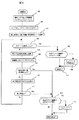
FIG. 3 shows an example of the processing procedure. In FIG. 6, this procedure can be executed by the log analysis unit (608) of the manager computer or by reading and executing the normalization log on the managed computer (the latter processing unit is shown in FIG. 6). Not shown). In this procedure, it is determined whether the access is unauthorized by reading a log in which the user's action is recorded. Also, in this procedure, if the password input from the user is incorrect, it is not judged as an illegal operation only by the number of consecutive mistakes, but the end of the series of inputs ends with success or failure. It is determined whether the operation is illegal or not. As the format of this log, as shown in FIG. 7, it is necessary to record the user name input from the user, the determination result of whether the password is correct, and the time information when the user input is performed. First, the first input is read (301). Next, a flag for indicating that an unauthorized access has been detected is reset (302). Whether the login is successful is checked (303), and if successful, authentication is completed (304). If it is unsuccessful, the input time is registered as the start time of a series of processes (305), and the scheduled end time is calculated and registered (306). Next, 1 is added to the continuous erroneous input counter (307). The continuous erroneous input counter is checked (308), and if the counter value is more than the specified number, a detection flag is set (309). It is checked whether there is next data (310), and if the next data does not exist, the processing is terminated (311). If it exists, the next data is read (312), and the recording time is compared with the scheduled end time (313). If the scheduled end time is earlier, it is assumed that the series of processing has been completed up to the previous data (314), the detection flag is checked (315), and if it is set, the fact that there was unauthorized access is recorded and reported (316). Then, return to (302) and repeat. If the data input time is earlier, the success of login is checked (317), and if unsuccessful, the process returns to (306) to repeat the process. If it is successful, it is checked whether the detection flag is set (318). If it is set, it is determined that the access is unauthorized (319). Authentication is complete (320). In the above example, the end time is recalculated and updated in (307), but if more strict unauthorized access checks are to be made, the end time is the same as the one calculated at (307) at the beginning. A process that does not perform the update process is also conceivable. That is, the process returns to (307) after the process (317).
[0027]
Next, a processing procedure for processing in real time while collecting logs will be described with reference to FIG.
[0028]
In FIG. 6, this procedure is considered to be executed by the log analysis unit (608) every time one log is transferred to the manager computer, or executed every time one log is normalized on the managed computer. (The latter processing unit is not shown in FIG. 6). In this procedure, in the configuration of FIG. 6, first, the detection flag and the input counter are reset (401). Next, it waits for the user to input authentication information such as a user name and password combination from the keyboard (402). The input time is registered as the start time of a series of processes (403). Check whether the login is successful with the authentication information allowed (404) .If the login is successful, read the values of the various counters counted during the series of processing (405). If it is equal to or higher than the unauthorized access standard, it is considered that there is a possibility of unauthorized access (406), and after raising an alert or leaving a record, the authentication is completed (407). If login fails, the scheduled end time is calculated by adding a certain time to the current time and registered (408). Next, 1 is added to the continuous erroneous input counter (409). It is checked whether the value of the continuous erroneous input counter is less than the specified number of times (410). After the input is made, it is checked whether it is the end time (412). If the input is made before the end time, the process returns to the login success determination part (404). When the end time is reached and the number of previous authentication failures exceeds the specified number, the number of consecutive incorrect inputs is checked (413). (414). Then, the process ends as an authentication failure.
[0029]
Next, as a criterion for determining unauthorized access (FIG. 2 (217)), “determined unauthorized use when logged in from multiple locations with the same user name” will be described. Since this processing needs to match log information collected by a plurality of computers, it is executed by the log analysis unit (608) on the manager computer in FIG. 6 using log information collected from a plurality of managed computers. A single user should be able to exist in a single geographical location, for example, if you cannot touch a device in Tokyo and Osaka at the same time, It is thought that it is being used. In other words, if a single machine logs in from multiple terminals via a network, it is considered that it is being used by an unauthorized user. Information about which device is located geographically, and which device and which device (or which regional device and which regional device) are used at the same time, or unauthorized access Information, such as whether to use illegally when using more than one terminal at the same time, or in any combination of the above conditions, is created in advance and stored in the storage device Remember. First, a process for auditing whether there has been unauthorized use from data recorded in a log will be described. As shown in FIG. 8, the log data includes information on the user name, the distinction between login information and logout information, and the terminal location used. When the terminal location information is logged in using the network in multiple stages, it is assumed that the location where the original input device such as an actual keyboard exists is specified and recorded. However, if the identification is not possible, the information on the terminal location immediately before may be substituted with the knowledge that the detection accuracy is lowered.
[0030]
In addition, in the work area used during the detection process, which terminal is currently used is recorded for each user.
[0031]
FIG. 5 shows the log analysis processing procedure. First, the work area is cleared (501). Next, the unauthorized access standard is read from the storage device (502). Next, it is determined whether there is log data that has not yet been processed (503). If all the data has already been processed, the process ends (504). If data still remains, the first log data is read from the log (505). It is determined whether the read data is log-in data or log-out data (506). If the data is log-out information, the number of terminals used by the user is reduced by one (507) and the log-in information from the terminal position is deleted. Return to the processing of (508) and (503). If it is login information, the number of terminals used by the user is increased by one (509), and the position of the terminal used is recorded (510). Next, the number of used terminals and the used terminal location information regarding the user are compared with the pre-registered geographical information of each terminal and the unauthorized access criteria (511), and when the unauthorized login is determined (512) ), Record (513) and raise alert (514).
[0032]
Then, return to (503) and repeat.
[0033]
In the above processing procedure, further, “only when the number of simultaneously used terminals for a specified time continuously exceeds the default value is regarded as an unauthorized login”, It can be expanded as a criterion for determining unauthorized access, which is considered as unauthorized login when a value exceeds the value.
[0034]
FIG. 7 shows an example of the screen configuration on the display console of the manager computer for reporting unauthorized access.
[0035]
When an unauthorized access is reported in the manager computer, a specific operation (generally, a computer that has detected unauthorized access) is instructed in advance to a specified operation (for example, deletion of user information in which a problem has occurred). It is possible. These processing programs can be preliminarily incorporated in each computer, or can be distributed from the manager computer and executed on the computer when needed. This procedure will be described with reference to FIG. When an unauthorized access is detected in the manager computer (902), it is checked whether an operation for the reported information is defined, and if it exists, it is read (903). Next, it is checked whether or not there is a processing program for executing the operation on the management target computer (904), and if it exists, only the parameters necessary for the processing are transferred to the management target computer (905). When the processing program does not exist, the processing program for executing the operation together with necessary parameters is transferred to the management target computer (906). The managed computer executes the designated processing program (907) and transfers the execution result to the manager computer (908).
[0036]
Also, when unauthorized access is reported on the manager computer, unauthorized access to a pre-designated program for more detailed information collection and detailed status monitoring (for example, file update status, process operating status, etc.) A method is conceivable in which a monitoring program is distributed to a computer in which the problem occurs and monitoring is performed by the computer. This procedure can also be executed according to the procedure shown in FIG.
[0037]
【The invention's effect】
By performing a highly reliable inspection as to whether the user is a legitimate user or unauthorized use, it is possible to reduce oversight of unauthorized users and false detection of authorized users.
[0038]
In addition, since many related events are reported to the administrator as one of many events, the amount of information that the administrator should pay attention to can be reduced.
[0039]
Furthermore, when unauthorized use is detected, it is possible to automatically execute measures such as automatically deleting user information having a problem with the target computer and collecting detailed information. .
[Brief description of the drawings]
FIG. 1 is a diagram illustrating a normal access example (a) and an unauthorized access example (b).
FIG. 2 is a diagram showing a configuration of a computer to which the present invention is applied.
FIG. 3 is a diagram showing a procedure for detecting unauthorized access in consideration of whether or not login has succeeded last based on log information.
FIG. 4 is a diagram showing a procedure for detecting unauthorized access in consideration of whether login has succeeded last time in real time;
FIG. 5 is a diagram illustrating a procedure for investigating intrusions from a plurality of points based on log information and detecting unauthorized access.
FIG. 6 is a diagram showing a software configuration for realizing the present invention.
FIG. 7 is a diagram illustrating an example of a monitoring screen of a manager computer.
FIG. 8 is a diagram illustrating a format of log information.
FIG. 9 is a diagram illustrating a processing procedure after detection of unauthorized access.
[Explanation of symbols]
101: Login failure, 102: Login failure, 103: Login success, 111: Login failure, 112: Login failure, 201: Local computer, 202: Central processing unit, 203: Main storage, 204: Input device, 205: Output device, 206: Network control device, 210: Remote computer, 211: Central processing unit, 212: Main storage device, 213: Disk device, 214: Disk control device, 215: Network control device, 216 : Log information, 217: Unauthorized access criteria information, 220: Manager computer, 221: Central processing unit, 222: Main storage, 223: Disk unit, 224: Disk control unit, 225: Network control unit, 226: Log information , 227: Unauthorized access standard information 601: Manager computer, 602: Managed computer, 603: Operating system on manager computer, 604: Operating system on managed computer, 605: Basic communication control on manager computer , 606: Basic communication control unit on managed computer, 607: Rule management unit, 608: Log analysis unit, 609: Database, 610: Rule distribution unit, 611: Regular log collection unit, 612: Log normalization unit, 613: Log collection unit, 614: Filtering processing unit, 615: Rule distribution unit, 616: Normalized log file, 617: Logical communication path, 618: Log collection unit, 701: Message display screen, 702: Monitored computer status monitoring screen , 703: Message details display screen
Claims (5)
前記計算機システムは、誤った個人認証情報を連続して入力したログイン失敗回数と、その一連のログイン操作の開始から当該ログインの成功又は不成功で終わる期間と、最後のログイン操作が成功したのか不成功に終わったのかを示す、最後のログイン認証処理結果と、を不正アクセスの判断基準情報とし、
前記期間における一連のログイン操作の、前記ログイン失敗回数が既定値以上であること、及び、
前記期間における一連のログイン操作の、前記最後のログイン認証処理結果がログイン不成功であることを検出することにより、
前記計算機システムの不正な利用であると判断する不正利用検出方法。In a computer system having a function of comparing personal authentication information registered in advance in a database and personal authentication information input from an input device at the time of a login operation,
The computer system includes the number of failed logins in which erroneous personal authentication information has been continuously input, the period from the start of the series of login operations to the success or failure of the login, and whether the last login operation was successful. The final login authentication processing result indicating whether or not it was successful and the unauthorized access criteria information,
The number of login failures in a series of login operations in the period is greater than or equal to a default value; and
By detecting that the last login authentication processing result of the series of login operations in the period is unsuccessful login,
An unauthorized use detection method for determining an unauthorized use of the computer system.
前記計算機システムの不正な利用であると判断する事象が複数あった場合であって、それらの事象のうち、後から起こった事象が、前記期間における、前に起こった事象の一連のログイン操作と認められるときは、前記計算機システムの不正な利用であると判断する事象の個数に対応した前記期間で、前記計算機システムが、それらを一つにまとめて警告として報告する不正利用検出方法。In the unauthorized use detection method according to claim 1,
When there are a plurality of events that are determined to be unauthorized use of the computer system, among those events, the event that occurred later is a series of login operations of the events that occurred earlier in the period. An unauthorized use detection method in which, when it is recognized, the computer system collectively reports them as a warning during the period corresponding to the number of events determined to be unauthorized use of the computer system .
時刻、ユーザ名、ログイン操作の成功不成功、当該ログイン操作の対象となった計算機名、及び、使用された端末名とを記録し、
これらに基づいて、前記計算機システムが、時系列順に読み出す処理を行う不正利用検出方法。The unauthorized use detection method according to claim 1, wherein the computer system further comprises:
Record the time, user name, success or failure of the login operation, the name of the computer that was the target of the login operation, and the name of the terminal used,
An unauthorized use detection method in which the computer system performs a process of reading in chronological order based on these.
前記計算機システムの不正な利用であると判断したとき、対応するログイン操作を行ったユーザに関する前記記録を、前記計算機システムが、削除する不正利用検出方法。The unauthorized use detection method according to claim 3, wherein the computer system further comprises:
An unauthorized use detection method in which the computer system deletes the record relating to a user who performed a corresponding login operation when it is determined that the computer system is unauthorized use.
前記計算機システムの不正な利用であると判断したとき、
前記計算機システムが、詳細な情報取得を行うための監視プログラムを、不正な利用であると判断されたログイン操作の対象となった計算機システムに対して送信し、又は、不正な利用であると判断されたログイン操作の対象となった計算機システムにおいて実行する不正利用検出方法。The unauthorized use detection method according to claim 1, wherein the computer system further comprises:
When it is determined that the computer system is illegally used,
The computer system transmits a monitoring program for acquiring detailed information to the computer system that is the target of the login operation determined to be unauthorized use, or is determined to be unauthorized use. An unauthorized use detection method that is executed in a computer system that is the target of a logged-in operation.
Priority Applications (1)
| Application Number | Priority Date | Filing Date | Title |
|---|---|---|---|
| JP09869598A JP3787431B2 (en) | 1997-04-11 | 1998-04-10 | Abuse detection method |
Applications Claiming Priority (3)
| Application Number | Priority Date | Filing Date | Title |
|---|---|---|---|
| JP9-93438 | 1997-04-11 | ||
| JP9343897 | 1997-04-11 | ||
| JP09869598A JP3787431B2 (en) | 1997-04-11 | 1998-04-10 | Abuse detection method |
Publications (2)
| Publication Number | Publication Date |
|---|---|
| JPH10340254A JPH10340254A (en) | 1998-12-22 |
| JP3787431B2 true JP3787431B2 (en) | 2006-06-21 |
Family
ID=26434801
Family Applications (1)
| Application Number | Title | Priority Date | Filing Date |
|---|---|---|---|
| JP09869598A Expired - Fee Related JP3787431B2 (en) | 1997-04-11 | 1998-04-10 | Abuse detection method |
Country Status (1)
| Country | Link |
|---|---|
| JP (1) | JP3787431B2 (en) |
Families Citing this family (16)
| Publication number | Priority date | Publication date | Assignee | Title |
|---|---|---|---|---|
| DE19929515A1 (en) * | 1998-07-01 | 2000-01-05 | Nat Semiconductor Corp | Network device for achieving secure connection access to equipment in local network |
| EP1197873A4 (en) * | 1999-03-16 | 2002-09-25 | Fujitsu Ltd | INFORMATION PROCESSOR, METHOD FOR CONTROLLING INFORMATION PROCESSOR, AND RECORDING MEDIUM |
| KR100304367B1 (en) * | 1999-06-17 | 2001-11-01 | 오길록 | Authentication method for network system |
| JP2001118042A (en) * | 1999-10-19 | 2001-04-27 | Hitachi Ltd | Card monitoring method |
| JP4950384B2 (en) * | 2000-03-28 | 2012-06-13 | 株式会社東芝 | Medical diagnostic imaging apparatus and security management method thereof |
| JP2002318734A (en) * | 2001-04-18 | 2002-10-31 | Teamgia:Kk | Method and system for processing communication log |
| JP2002334061A (en) * | 2001-05-08 | 2002-11-22 | Ntt Data Corp | Unauthorized access monitoring system and its program |
| JP2003099295A (en) * | 2001-09-21 | 2003-04-04 | Teamgia:Kk | Processing method for communication log, computer software program for implementing the same method on computer system and communication log processing system |
| WO2005001611A2 (en) | 2003-05-30 | 2005-01-06 | Privaris, Inc. | A system and methods for assignation and use of media content subscription service privileges |
| JP5214135B2 (en) * | 2006-11-17 | 2013-06-19 | 株式会社ドリームウェア | Work content recording system and method, and program thereof |
| JP5004086B2 (en) * | 2007-10-29 | 2012-08-22 | 独立行政法人産業技術総合研究所 | Authentication system using short sequences |
| JP2010003206A (en) * | 2008-06-23 | 2010-01-07 | Obic Business Consultants Ltd | Information processor, information processing method, and program |
| JP5454166B2 (en) * | 2010-01-25 | 2014-03-26 | 富士通株式会社 | Access discrimination program, apparatus, and method |
| CN106161372B (en) * | 2015-04-09 | 2019-05-31 | 阿里巴巴集团控股有限公司 | A method and device for risk identification based on address matching |
| CN109687955B (en) * | 2019-01-14 | 2022-03-11 | 合肥联宝信息技术有限公司 | Method and device for protecting data |
| CN113079147B (en) * | 2021-03-25 | 2022-12-02 | 珠海爱浦京软件股份有限公司 | Data monitoring system and method based on industrial internet |
-
1998
- 1998-04-10 JP JP09869598A patent/JP3787431B2/en not_active Expired - Fee Related
Also Published As
| Publication number | Publication date |
|---|---|
| JPH10340254A (en) | 1998-12-22 |
Similar Documents
| Publication | Publication Date | Title |
|---|---|---|
| US6202158B1 (en) | Detection method of illegal access to computer system | |
| JP3787431B2 (en) | Abuse detection method | |
| US6353385B1 (en) | Method and system for interfacing an intrusion detection system to a central alarm system | |
| US6347374B1 (en) | Event detection | |
| US7145457B2 (en) | Integrated visualization of security information for an individual | |
| US8392552B2 (en) | System and method for providing configurable security monitoring utilizing an integrated information system | |
| JP3351318B2 (en) | Computer system monitoring method | |
| US7815106B1 (en) | Multidimensional transaction fraud detection system and method | |
| JP2005526311A (en) | Method and apparatus for monitoring a database system | |
| KR20070039478A (en) | Database user behavior monitoring system and method | |
| CN108989150A (en) | A kind of login method for detecting abnormality and device | |
| US7367063B1 (en) | Methods and apparatus for providing security to a computerized device | |
| CN115396166B (en) | Service management method of enterprise cloud office platform based on big data | |
| CN112131057B (en) | AI test method, client and system of network security equipment | |
| US6920028B2 (en) | Digital protective relay for power systems with operator-initiated record keeping capability | |
| JP2002041468A (en) | Illegal access preventing service system | |
| JP2007164465A (en) | Client security management system | |
| JPH10210033A (en) | Network management system, security management device, and security management method | |
| CN111612932A (en) | Method and device for monitoring abnormal information in information supervision | |
| JP5454166B2 (en) | Access discrimination program, apparatus, and method | |
| JP2006323475A (en) | Monitoring and control device operation management device | |
| CN120930191B (en) | Control method of hard disk state and electronic equipment | |
| US20060235697A1 (en) | On-line security management system | |
| JPH07262135A (en) | Security management device | |
| CN113961916A (en) | Crawler identification method and device |
Legal Events
| Date | Code | Title | Description |
|---|---|---|---|
| A977 | Report on retrieval |
Free format text: JAPANESE INTERMEDIATE CODE: A971007 Effective date: 20050223 |
|
| A131 | Notification of reasons for refusal |
Free format text: JAPANESE INTERMEDIATE CODE: A131 Effective date: 20050329 |
|
| A521 | Request for written amendment filed |
Free format text: JAPANESE INTERMEDIATE CODE: A523 Effective date: 20050527 |
|
| A131 | Notification of reasons for refusal |
Free format text: JAPANESE INTERMEDIATE CODE: A131 Effective date: 20051213 |
|
| A521 | Request for written amendment filed |
Free format text: JAPANESE INTERMEDIATE CODE: A523 Effective date: 20060208 |
|
| TRDD | Decision of grant or rejection written | ||
| A01 | Written decision to grant a patent or to grant a registration (utility model) |
Free format text: JAPANESE INTERMEDIATE CODE: A01 Effective date: 20060307 |
|
| A61 | First payment of annual fees (during grant procedure) |
Free format text: JAPANESE INTERMEDIATE CODE: A61 Effective date: 20060327 |
|
| R150 | Certificate of patent or registration of utility model |
Free format text: JAPANESE INTERMEDIATE CODE: R150 |
|
| LAPS | Cancellation because of no payment of annual fees |