JP2023047278A - Seamless access to trusted domain protected memory by virtual machine manager using transformer key identifier - Google Patents
Seamless access to trusted domain protected memory by virtual machine manager using transformer key identifier Download PDFInfo
- Publication number
- JP2023047278A JP2023047278A JP2022106707A JP2022106707A JP2023047278A JP 2023047278 A JP2023047278 A JP 2023047278A JP 2022106707 A JP2022106707 A JP 2022106707A JP 2022106707 A JP2022106707 A JP 2022106707A JP 2023047278 A JP2023047278 A JP 2023047278A
- Authority
- JP
- Japan
- Prior art keywords
- transformer
- structure data
- data
- trusted
- key
- Prior art date
- Legal status (The legal status is an assumption and is not a legal conclusion. Google has not performed a legal analysis and makes no representation as to the accuracy of the status listed.)
- Pending
Links
Images




Classifications
-
- H—ELECTRICITY
- H04—ELECTRIC COMMUNICATION TECHNIQUE
- H04L—TRANSMISSION OF DIGITAL INFORMATION, e.g. TELEGRAPHIC COMMUNICATION
- H04L9/00—Cryptographic mechanisms or cryptographic arrangements for secret or secure communications; Network security protocols
- H04L9/08—Key distribution or management, e.g. generation, sharing or updating, of cryptographic keys or passwords
- H04L9/088—Usage controlling of secret information, e.g. techniques for restricting cryptographic keys to pre-authorized uses, different access levels, validity of crypto-period, different key- or password length, or different strong and weak cryptographic algorithms
-
- G—PHYSICS
- G06—COMPUTING OR CALCULATING; COUNTING
- G06F—ELECTRIC DIGITAL DATA PROCESSING
- G06F21/00—Security arrangements for protecting computers, components thereof, programs or data against unauthorised activity
- G06F21/60—Protecting data
- G06F21/62—Protecting access to data via a platform, e.g. using keys or access control rules
-
- G—PHYSICS
- G06—COMPUTING OR CALCULATING; COUNTING
- G06F—ELECTRIC DIGITAL DATA PROCESSING
- G06F9/00—Arrangements for program control, e.g. control units
- G06F9/06—Arrangements for program control, e.g. control units using stored programs, i.e. using an internal store of processing equipment to receive or retain programs
- G06F9/44—Arrangements for executing specific programs
- G06F9/455—Emulation; Interpretation; Software simulation, e.g. virtualisation or emulation of application or operating system execution engines
- G06F9/45533—Hypervisors; Virtual machine monitors
- G06F9/45558—Hypervisor-specific management and integration aspects
-
- H—ELECTRICITY
- H04—ELECTRIC COMMUNICATION TECHNIQUE
- H04L—TRANSMISSION OF DIGITAL INFORMATION, e.g. TELEGRAPHIC COMMUNICATION
- H04L9/00—Cryptographic mechanisms or cryptographic arrangements for secret or secure communications; Network security protocols
- H04L9/14—Cryptographic mechanisms or cryptographic arrangements for secret or secure communications; Network security protocols using a plurality of keys or algorithms
-
- G—PHYSICS
- G06—COMPUTING OR CALCULATING; COUNTING
- G06F—ELECTRIC DIGITAL DATA PROCESSING
- G06F9/00—Arrangements for program control, e.g. control units
- G06F9/06—Arrangements for program control, e.g. control units using stored programs, i.e. using an internal store of processing equipment to receive or retain programs
- G06F9/44—Arrangements for executing specific programs
- G06F9/455—Emulation; Interpretation; Software simulation, e.g. virtualisation or emulation of application or operating system execution engines
- G06F9/45533—Hypervisors; Virtual machine monitors
- G06F9/45558—Hypervisor-specific management and integration aspects
- G06F2009/45583—Memory management, e.g. access or allocation
-
- G—PHYSICS
- G06—COMPUTING OR CALCULATING; COUNTING
- G06F—ELECTRIC DIGITAL DATA PROCESSING
- G06F9/00—Arrangements for program control, e.g. control units
- G06F9/06—Arrangements for program control, e.g. control units using stored programs, i.e. using an internal store of processing equipment to receive or retain programs
- G06F9/44—Arrangements for executing specific programs
- G06F9/455—Emulation; Interpretation; Software simulation, e.g. virtualisation or emulation of application or operating system execution engines
- G06F9/45533—Hypervisors; Virtual machine monitors
- G06F9/45558—Hypervisor-specific management and integration aspects
- G06F2009/45587—Isolation or security of virtual machine instances
Landscapes
- Engineering & Computer Science (AREA)
- Software Systems (AREA)
- Computer Security & Cryptography (AREA)
- Theoretical Computer Science (AREA)
- Physics & Mathematics (AREA)
- General Engineering & Computer Science (AREA)
- General Physics & Mathematics (AREA)
- Signal Processing (AREA)
- Computer Networks & Wireless Communication (AREA)
- Health & Medical Sciences (AREA)
- Computer Hardware Design (AREA)
- General Health & Medical Sciences (AREA)
- Bioethics (AREA)
- Storage Device Security (AREA)
Abstract
Description
本開示は、一般に、コンピューティングシステムの分野に関し、より詳細には、データアクセスおよび保護に関する。 TECHNICAL FIELD This disclosure relates generally to the field of computing systems, and more particularly to data access and protection.
コンピュータシステム内のメモリをソフトウェアのバグおよびセキュリティの脆弱性から保護することは、重大な関心事である。悪意のある行為者は、アクセスが許可されていないデータにアクセスしようと試みる場合がある。完全性保護および暗号化は、メモリに記憶されたデータを保護するための一般的な方法である。 Protecting memory within a computer system from software bugs and security vulnerabilities is a significant concern. Malicious actors may attempt to access data that they are not authorized to access. Integrity protection and encryption are common methods for protecting data stored in memory.
様々な図面における同様の参照番号および符号は、同様の要素を示す。 Similar reference numbers and symbols in the various drawings indicate similar elements.
クラウド・セキュリティ・プロバイダ(CSP)は、それらのプラットフォーム上で実行されている顧客ワークロードを互いに、およびCSPから暗号化的に分離し得る。一部の現在のアーキテクチャでは、サーバ上に暗号化分離を提供し、CSPソフトウェア(例えば、仮想機械モニタ(VMM))を信頼境界から除去するための信頼ドメイン拡張(TDX)を、プラットフォームは、実装することができ、これにより、プラットフォームは、個々の仮想機械(VM)のプライベートデータにアクセスすることができない(特定のVMに関連する信頼境界は信頼されたドメイン(TD)と呼ばれる)。TDXは、機密性および完全性の両方を提供するマルチキー・トータル・メモリ暗号化エンジン(MKTME)を使用して、クラウド環境における顧客ワークロードの暗号化分離を提供し得る。現在のアーキテクチャはまた、中央処理装置(CPU)モード、またはセキュア調停モード(SEAM)ルートモードと呼ぶ(本明細書で、SEAMモードとも呼ぶ)他のセキュアプロセッサ実行モードを、利用することができ、本明細書で、SEAMモジュールと呼ぶソフトウェアモジュールは、VM分離を実施するためにCPUによって実行される。 Cloud Security Providers (CSPs) may cryptographically isolate customer workloads running on their platforms from each other and from the CSPs. In some current architectures, platforms implement Trust Domain Extensions (TDX) to provide cryptographic isolation on servers and remove CSP software (e.g., Virtual Machine Monitors (VMMs)) from the trust boundary. , which prevents the platform from accessing the private data of individual virtual machines (VMs) (the trust boundary associated with a particular VM is called a Trusted Domain (TD)). TDX can provide cryptographic isolation of customer workloads in cloud environments using a Multi-Key Total Memory Cryptographic Engine (MKTME) that provides both confidentiality and integrity. Current architectures can also utilize other secure processor execution modes called Central Processing Unit (CPU) mode, or Secure Arbitration Mode (SEAM) root mode (also referred to herein as SEAM mode), A software module, referred to herein as the SEAM module, is executed by the CPU to implement VM isolation.
現在のアーキテクチャでは、各VM(本明細書で、信頼されたドメイン(TD)とも呼ぶ)は、それ自体の一意のメモリ暗号化鍵を割り当てることができ、これにより、VMMおよび他のVMは、暗号化されたVM(TD)の平文メモリにアクセスできない。TDから生じる書込みのデータに対して設定され、読取りアクセス時に(例えば、MKTMEエンジンなどの暗号化エンジンによって)チェックされる、信頼されたドメイン(TD)ビットとして知られるメタデータビットを使用して、TDのプライベートメモリの決定論的アクセス防止が、実施され得る。TD内から生じる読取りアクセスは、データにアクセスすることを許可され、その後、アクセスするTDのプライベート鍵を使用して、(例えば、暗号化エンジンによって)完全性検証される。そのデータに対する読取りアクセスが、データを読み取ることを許可されていない非TDソフトウェア(例えば、VMM)によって要求されたとき、固定ゼロ(または他の所定の値)を含む汚染されたデータは、データへのアクセスを試みるソフトウェアに戻され得る。これらのメカニズムは、VMMを信頼境界から除去するために、TDのプライベートメモリに、意図された保護を提供する一方で、VMMが、管理機能のために、これらの構造への読取りアクセスを必要とするにもかかわらず、TD管理構造(例えば、TDセキュア拡張ページテーブル(EPT)、ネスト・ページ・テーブル(NPT)、およびページ変更ログ(PML))への直接アクセスが、VMMに対して拒否されるという点で、これらのメカニズムは過度に限定的であり得る。代わりに、メモリから構造を読み取るために、VMMは、CPUをSEAMルートモードに移行させ、SEAMモジュール要求にこれらのTD管理構造へと(例えば、CPU命令を介して)アクセスさせるための呼出しを行う必要があり得る。このような呼出しは、SEAMCALLと呼ばれ得る。SEAMモジュールは、管理構造が記憶されているTDのプライベートメモリを読み取り、VMMに(例えば、共有メモリ領域内で、またはレジスタを介して)アクセス可能な指定された場所で、メモリ内容をコピーしてVMMと共有し得る。しかしながら、SEAMモジュールの呼出しは、プロセッサモード切替えに起因して、著しい遅延(例えば、数千のCPUサイクル)を招くことがある。 In current architectures, each VM (also referred to herein as a Trusted Domain (TD)) can be assigned its own unique memory encryption key, which allows the VMM and other VMs to Unable to access plaintext memory of encrypted VM(TD). Using a metadata bit known as the Trusted Domain (TD) bit that is set for data in writes originating from a TD and checked on read access (e.g., by a cryptographic engine such as the MKTME engine), Deterministic access prevention of the TD's private memory may be implemented. Read access originating from within a TD is allowed to access the data, which is then integrity verified (eg, by a cryptographic engine) using the private key of the accessing TD. Tainted data containing fixed zeros (or other predetermined values) may cause the data to be can be returned to software attempting to access the While these mechanisms provide the intended protection of the TD's private memory to remove the VMM from the trust boundary, the VMM does not require read access to these structures for administrative functions. direct access to TD management structures (e.g. TD Secure Extended Page Table (EPT), Nested Page Table (NPT), and Page Modification Log (PML)) is denied to the VMM despite In that respect, these mechanisms may be overly restrictive. Instead, to read structures from memory, the VMM transitions the CPU to SEAM root mode and makes calls to let SEAM module requests access (e.g., via CPU instructions) to these TD management structures. may need. Such a call may be called SEAMCALL. The SEAM module reads the TD's private memory where the management structures are stored, and copies the memory contents at designated locations accessible to the VMM (e.g., in a shared memory region or via registers). Can be shared with VMM. However, calling the SEAM module can incur significant delays (eg, thousands of CPU cycles) due to processor mode switches.
本開示の実施形態において、TDは、プライベートコードおよびデータ、ならびにTDのための管理構造を含む、メモリの特定の部分にデータを書き込むために、本明細書で、TD KeyID(例えば、110)と呼ぶ、それぞれの一意の鍵識別子(KeyID)を利用し得る。TD KeyIDは、上述した一意の暗号化鍵を識別し得る。加えて、本明細書の実施形態は、TDの管理構造への読取りアクセス、および書込みアクセスの両方のために、SEAMモードにおいて使用され、およびVMM(例えば、VMM134)によって使用され得る、本明細書で、トランスフォーマKeyID(例えば、111A、111B)と呼ぶ、特別なKeyIDを導入し得る。トランスフォーマKeyIDを使用したメモリへのVMM書込みは、結果としてメモリ所有権をVMMに移すことになり得る。 In embodiments of the present disclosure, a TD is referred to herein as a TD KeyID (e.g., 110) to write data to a specific portion of memory, including private code and data, and management structures for the TD. A unique key identifier (KeyID) for each can be used. The TD KeyID may identify the unique encryption key described above. In addition, embodiments herein can be used in SEAM mode and by a VMM (eg, VMM 134) for both read access and write access to the TD's management structure. , may introduce special KeyIDs called Transformer KeyIDs (eg, 111A, 111B). A VMM write to memory using a Transformer KeyID can result in transferring memory ownership to the VMM.
TDが、そのKeyIDを使用して(例えば、TDによるセキュアなEPTページウォークを介して)、管理構造内のデータに後でアクセスしようとするとき、データは、トランスフォーマKeyIDを使用してVMMによって最後に書き込まれたという指示と共に返され得る。ページ・ミス・ハンドラ(PMH)ハードウェアは、この指示を受信すると、SEAMモジュールをフォルトさせ、SEAMモジュールはその後、トランスフォーマKeyIDを使用してメモリからデータを読み取り得る。SEAMモジュールは、VMM動作が許容可能であることを保証するために、データ(および変更された可能性がある任意の関連構造)を、検証および/または検査し得る。許容可能であると考えられる場合、SEAMモジュールは、信頼されたトランスフォーマKeyIDを使用して、メモリ位置にデータを書き戻し、次いで、TDは再開され、フォルトを受信することなく、信頼されたトランスフォーマKeyIDを使用して、メモリにアクセスし得る。 When the TD later attempts to access data in the management structure using that KeyID (e.g., via a secure EPT page walk by the TD), the data is finally processed by the VMM using the transformer KeyID. can be returned with an indication that it was written to the The Page Miss Handler (PMH) hardware, upon receiving this indication, faults the SEAM module, which can then read data from memory using the Transformer KeyID. The SEAM module may validate and/or inspect data (and any associated structures that may have changed) to ensure that VMM operation is acceptable. If deemed acceptable, the SEAM module writes the data back to the memory location using the Trusted Transformer KeyID, and then TD is restarted and the Trusted Transformer KeyID is used without receiving a fault. can be used to access the memory.
トランスフォーマKeyIDを使用して、SEAMおよびVMMは、数千サイクルを必要とし得るプロセッサモードを移行する必要なしに、メモリを介していくつかのデータをシームレスに共有し得る。これにより、プライベートEPT構造、A/Dビット、PMLなどの読取り、EPT編集を可能にし、それらの完全性を保証しつつ、VMMにおけるシャドウEPT管理を回避することによって、ライブマイグレーションなどの多くの用途を可能にし得る。さらに、本明細書の実施形態は、残りのTDプライベートメモリが、トランスフォーマKeyIDを使用してSEAMによって明示的に共有されないことが、依然としてVMMによる閲覧/アクセスから保護されることを、保証し得る。このようにして、VMMは、そのようなアクセスが必要とされるたびに、SEAMにプロセッサモードが移ることを回避しつつ、管理目的で、TD EPTおよびPMLなどの構造にアクセスし得る。TDのためのプライベートメモリ(例えば、コードおよびデータ)が、メモリ内のTDビットの使用を通じて、または完全性を通じて、VMMに依然としてアクセスできないTDプライベート鍵を使用し続け得るので、TDデータ分離に必要なセキュリティ特性は、依然として維持される。例えば、VMMが、TDプライベートコードまたはデータにアクセスするために共有KeyIDを使用する場合、それは、TDビットチェックによって保護され、さらに、VMMが、TDプライベートコードまたはデータにアクセスするために信頼できないトランスフォーマKeyIDを使用する場合、それは、結果として完全性障害をもたらす。 Using Transformer KeyID, SEAM and VMM can seamlessly share some data through memory without having to transition processor modes, which can require thousands of cycles. This enables reading of private EPT structures, A/D bits, PML, etc., EPT editing, and ensures their integrity, while avoiding shadow EPT management in the VMM, thus enabling many applications such as live migration. can enable Additionally, embodiments herein may ensure that the remaining TD private memory is not explicitly shared by SEAM using the Transformer KeyID, but still protected from viewing/access by the VMM. In this way, the VMM may access structures such as the TD EPT and PML for administrative purposes while avoiding processor mode transitions to the SEAM whenever such access is required. Required for TD data isolation because private memory (e.g., code and data) for the TD may continue to use TD private keys that are still inaccessible to the VMM, either through the use of TD bits in memory or through integrity. Security properties are still preserved. For example, if the VMM uses a shared KeyID to access TD private code or data, it is protected by a TD bit check and furthermore, if the VMM uses an untrusted transformer KeyID to access the TD private code or data. , it results in an integrity failure.
本明細書の実施形態は、既存のハードウェアに対する最小限の変更のみで実装され、SEAMがシャドウ構造を維持する必要性ならびにSEAM呼出しを通じてモード切替えをすることを節減するという性能上の利点に加えて、VM分離を(例えば、シャドウEPTメンテナンスの回避を)可能にする極めて容易なソフトウェアを可能にし得る。例えば、VMMロジックは、本明細書の実施形態を実装するために変更する必要がない。すなわち、VMMは、信頼されたSEAMモジュールによって、セキュリティ違反を透過的に監視されつつ、管理していると考えるVMの管理構造を編集して、通常どおりに動作し得る。 Embodiments herein are implemented with minimal changes to existing hardware, and in addition to the performance benefits of saving SEAM from having to maintain shadow structures as well as mode switching through SEAM calls. , may enable very easy software to enable VM isolation (eg, avoiding shadow EPT maintenance). For example, VMM logic does not need to be changed to implement the embodiments herein. That is, the VMM can edit the management structure of the VM it thinks it is managing and operate as normal, while being transparently monitored for security violations by the trusted SEAM module.
図1を詳細に参照すると、コンピューティングシステム100は、本明細書で説明した機能を実施するための任意のタイプの電子デバイスとして具現化され得る。例えば、コンピューティングシステム100は、限定しないが、スマートフォン、タブレットコンピュータ、ウェアラブル・コンピューティング・デバイス、ラップトップコンピュータ、ノートブックコンピュータ、モバイル・コンピューティング・デバイス、携帯電話、ハンドセット、メッセージングデバイス、車両テレマティクスデバイス、サーバコンピュータ、ワークステーション、分散コンピューティングシステム、マルチプロセッサシステム、コンシューマ電子デバイス、および/または本明細書で説明した機能を実施するように構成された任意の他のコンピューティングデバイスとして、具現化されてもよい。 Referring in detail to FIG. 1, computing system 100 may be embodied as any type of electronic device for performing the functionality described herein. For example, computing system 100 may include, but is not limited to, smart phones, tablet computers, wearable computing devices, laptop computers, notebook computers, mobile computing devices, cell phones, handsets, messaging devices, vehicle telematics devices. , server computers, workstations, distributed computing systems, multiprocessor systems, consumer electronic devices, and/or any other computing device configured to perform the functionality described herein. may
図1に示すように、例示的なコンピューティングシステム100は、少なくとも1つのプロセッサ102と、メモリ122と、入力/出力サブシステム124と、データ記憶デバイス126と、ディスプレイデバイス128と、ユーザ・インターフェース(UI)・サブシステム130と、通信サブシステム132と、を含む。図示していないが、様々な実施形態において、コンピューティングシステム100は、保護SEAMモードも含み得るグラフィック処理ユニット(GPU)も含み得る。さらなる実施形態では、システム100は、1つまたは複数のハードウェアアクセラレータを含んでもよい。 As shown in FIG. 1, exemplary computing system 100 includes at least one processor 102, memory 122, input/output subsystem 124, data storage device 126, display device 128, and a user interface ( UI) subsystem 130 and a communications subsystem 132 . Although not shown, in various embodiments computing system 100 may also include a graphics processing unit (GPU) that may also include a protected SEAM mode. In further embodiments, system 100 may include one or more hardware accelerators.
コンピューティングシステム100は、他の実施形態では、モバイルおよび/または固定コンピュータ(例えば、様々なセンサおよび入出力デバイス)に一般的に見られるものなど、他の構成要素または追加の構成要素を含んでもよい。さらに、いくつかの実施形態では、例示的な構成要素のうちの1つまたは複数は、別の構成要素に組み込まれてもよく、そうでなければ別の構成要素の一部を形成してもよい。コンピューティングシステム100の各構成要素は、ソフトウェア、ファームウェア、ハードウェア、またはソフトウェアとハードウェアとの組合せとして、具現化されてもよい。 Computing system 100 may, in other embodiments, include other or additional components such as those commonly found in mobile and/or stationary computers (e.g., various sensors and input/output devices). good. Further, in some embodiments one or more of the exemplary components may be incorporated into, or otherwise form part of, another component. good. Each component of computing system 100 may be embodied as software, firmware, hardware, or a combination of software and hardware.
プロセッサ102は、メモリコントローラ103と、レジスタ106と、キャッシュ107と、1つまたは複数のコア109(例えば、109Aおよび109B)と、を含む。プロセッサ102は、本明細書で説明した機能を実施し得る任意のタイプのプロセッサとして具現化され得る。例えば、プロセッサ102は、単一またはマルチコア中央処理装置(CPU)、マルチCPUプロセッサ、処理/制御回路、あるいは複数の多様な処理ユニットまたは回路(例えば、CPUおよびグラフィック処理ユニット(GPU)など)として具現化されてもよい。 Processor 102 includes memory controller 103, registers 106, cache 107, and one or more cores 109 (eg, 109A and 109B). Processor 102 may be embodied as any type of processor capable of performing the functions described herein. For example, processor 102 may be embodied as a single or multi-core central processing unit (CPU), a multi-CPU processor, processing/control circuitry, or multiple and diverse processing units or circuits (eg, CPU and graphics processing unit (GPU), etc.). may be changed.
レジスタ106は、例えば、汎用レジスタ、専用レジスタ、およびモデル固有レジスタ(MSR)を含んでもよい。図示の実施形態では、レジスタ106は、TDプライベートKeyID構成情報108を記憶する。情報108は、TDプライベートKeyID110、ならびに使用に利用可能なTDプライベートKeyIDの数などのTDプライベートKeyID110に関する任意の適切な情報を含み得る。一例では、情報108は、メモリ読取り要求および書込み要求のために、TDプライベートKeyID110を搬送するために使用され得るメモリ・アドレス・ビットの数を示すプログラム可能な(例えば、プロセッサ命令を介した)値を含み得る(したがって、TDの保護に使用するために利用可能なKeyIDの最大数であり、いくつかの実施形態では、各TDは、KeyIDによって識別されるそれ自体の鍵を用いて保護される)。情報108はまた、トランスフォーマKeyID111Aまたは111Bの識別を含み得る(例えば、情報108は、TDプライベートKeyIDのアドレス空間内または何らかの他のアドレス空間内にあり得るトランスフォーマKeyID111Aまたは111Bの特定の値を指定し得る、あるいはトランスフォーマKeyID111Aまたは111Bの位置を指定し得る)。
Registers 106 may include, for example, general purpose registers, special purpose registers, and model specific registers (MSRs). In the illustrated embodiment, registers 106 store TD private
暗号化エンジン104は、データ暗号化ロジック112と、データ復号ロジック113と、暗号化鍵116と、を含む。データ暗号化ロジック112は、様々な暗号化鍵116に基づいてデータを暗号化し、データ復号ロジック113は、暗号化鍵116に基づいてデータを復号する。メモリコントローラ103の完全性検証ロジック114は、完全性検証動作を提供する。例えば、完全性検証ロジック114は、メモリ122に書き込まれるデータについてメッセージ認証コード(MAC)を計算してもよく、データ(例えば、同じキャッシュライン内)と共にMACを記憶してもよい。データが記憶されているメモリアドレスが、読取りコマンドによりアクセスされるとき、完全性検証ロジック114は、メモリ122から読み取られたデータに基づいてMACを計算し、そのMACと、メモリ122から読み取られたMACとを比較して、アクセスされたデータが、メモリアドレスに書き込まれたデータと同じであるか否かを判定し得る。MACが一致しない場合、暗号化エンジン104は、ページフォルト(または他のタイプのフォルト)をトリガすることと、アクセス用に返されたデータの値を所定の値に設定することと(例えば、各ビットがゼロに設定されてもよい)、要求エンティティによって有効なデータとして扱われないようにするために、返されたデータを汚染されたとしてマークすること、のうちの1つまたは複数を実施し得る。書込み要求に応答して、データの暗号化の前に、データの暗号化と併せて、データの暗号化の後に、または暗号化とは無関係に、MACは計算され得る(例えば、暗号化が使用されない場合、鍵を使用してMACを生成してもよい)。読取り要求に応答して、データの復号前に、データの復号と併せて、データの復号後に、またはデータの暗号化とは無関係に、MACは、計算され得る(例えば、データが暗号化されているか否かにかかわらず計算される)。 Encryption engine 104 includes data encryption logic 112 , data decryption logic 113 , and encryption key 116 . Data encryption logic 112 encrypts data based on various encryption keys 116 and data decryption logic 113 decrypts data based on encryption keys 116 . Integrity verification logic 114 of memory controller 103 provides integrity verification operations. For example, integrity verification logic 114 may calculate a message authentication code (MAC) for data written to memory 122 and store the MAC with the data (eg, within the same cache line). When the memory address where the data is stored is accessed by a read command, integrity verification logic 114 calculates a MAC based on the data read from memory 122, and the MAC and the MAC read from memory 122. A MAC may be compared to determine if the data accessed is the same as the data written to the memory address. If the MACs do not match, the encryption engine 104 triggers a page fault (or other type of fault) and sets the value of the data returned for access to a predetermined value (e.g., each bits may be set to zero), and marking the returned data as tainted to prevent it from being treated as valid data by the requesting entity. obtain. In response to a write request, a MAC may be calculated before, in conjunction with, after, or independent of data encryption (e.g., if encryption is used). If not, the key may be used to generate the MAC). In response to a read request, the MAC may be calculated before decryption of the data, in conjunction with decryption of the data, after decryption of the data, or independently of the encryption of the data (e.g., when the data is encrypted). (calculated regardless of whether there is
暗号化鍵116は、TD KeyID110によって識別される複数のTDプライベート鍵と、信頼されたトランスフォーマKeyID111Aによって識別された信頼されたトランスフォーマ鍵と、信頼できないトランスフォーマKeyID111Bによって識別された信頼できないトランスフォーマ鍵と、VMによって共有されるデータにアクセスするためにVMMによって使用され得る共有鍵などの任意の他の適切な鍵と、を備え得る。いくつかの実施形態では、共有KeyID空間は、異なるメモリアドレス空間(例えば、TDプライベート鍵のメモリアドレス空間とは異なるビットを使用し得る)であってもよい。
The encryption key 116 includes a plurality of TD private keys identified by
様々な実施形態では、暗号化エンジン104は、システム100によってホストされる各VM136に対して、異なる暗号化鍵116(または鍵のセット)を使用するMKTMEエンジンであってもよい。様々な実施形態では、任意の適切な暗号化または完全性保護(例えば、MAC生成を介して)は、暗号化エンジン104によって実装されてもよい。単なる一例として、暗号化エンジン104は、XTS(xor-encrypt-xor-based tweaked-codebook mode with ciphertext stealing)モードにおける高度暗号化規格(AES)を使用した暗号化および機密保護を、ならびにメモリ122に書き込まれた各完全性保護キャッシュラインに対してSHA-3ベースのMACを使用した完全性保護を、提供してもよい。いくつかの実施形態では、MACは、ECCデバイスに記憶され、エラー訂正コードが、データに対応して別々に読み取り/書き込みされる隔離メモリに記憶され得るので、並列に読み取られ得る。 In various embodiments, encryption engine 104 may be an MKTME engine that uses a different encryption key 116 (or set of keys) for each VM 136 hosted by system 100 . Any suitable encryption or integrity protection (eg, via MAC generation) may be implemented by encryption engine 104 in various embodiments. By way of example only, the encryption engine 104 performs encryption and security using Advanced Encryption Standard (AES) in an xor-encrypt-xor-based tweaked-codebook mode with ciphertext stealing (XTS) mode and to memory 122. Integrity protection using a SHA-3 based MAC for each integrity protection cache line written may be provided. In some embodiments, the MAC may be stored in an ECC device and the error correction code may be stored in an isolated memory that is read/written separately corresponding to the data and thus may be read in parallel.
CPUは、メモリ要求内のTDビットを示し、メモリコントローラ103は、SEAM管理VM(TD)136によって開始された書込みのために、TDビットも設定し得る。いくつかの実施形態では、TDビットは、キャッシュライン粒度(または書込み命令粒度と一致する他の粒度)ごとに設定される。TDビットは、書込み命令によって(例えば、アドレスビット内で)指定されたTDプライベートKeyIDの使用に関連して設定され、したがって、VMM134は、そのようなキャッシュラインにアクセスし得ない。また、読み取られたデータが設定されたTDビットを含むとき、暗号化エンジン104は、(例えば、KeyIDが信頼されたエンティティからのものであるか否かをチェックすることによって、またはKeyIDがデータにアクセスすることを許可されたエンティティからのものであるか否かを判定するために、呼出し命令のアドレスをチェックすることによって)呼出しエンティティがデータにアクセスすることを許可されていることを保証することをチェックし得る。いくつかの実施形態では、読み取られた命令は、読み取られた命令のアドレスビット内にKeyIDを含んでもよく、命令の呼出しアドレスは、アクセスが関連するTDによって行われているか否かを判定するために、特定のKeyIDの許可されたアドレス空間についてチェックされてもよい。
The CPU indicates the TD bit in memory requests, and memory controller 103 may also set the TD bit for writes initiated by SEAM management VM (TD) 136 . In some embodiments, the TD bit is set per cache line granularity (or other granularity consistent with the write instruction granularity). The TD bit is set in association with the use of the TD private KeyID specified (eg, in the address bits) by the write instruction, so the
コンピューティングシステム100のメモリ122は、本明細書で説明した機能を実施し得る、任意のタイプの揮発性もしくは不揮発性メモリ、またはデータ記憶装置(またはこれらの組合せ)として、具現化され得る。揮発性メモリは、媒体によって記憶されたデータの状態を維持するために、電力を必要とする記憶媒体である。揮発性メモリの例は、ダイナミック・ランダム・アクセス・メモリ(DRAM)またはスタティック・ランダム・アクセス・メモリ(SRAM)など、様々なタイプのランダム・アクセス・メモリ(RAM)を含んでもよい。メモリで使用され得るDRAMの特定の1つのタイプは、同期ダイナミック・ランダム・アクセス・メモリ(SDRAM)である。特定の実施形態では、メモリ122のDRAMは、電子機器技術評議会(JEDEC)によって公布された規格、例えば、ダブル・データ・レート(DDR)SDRAMのJESD79F、DDR2 SDRAMのJESD79-2F、DDR3 SDRAMのJESD79-3F、またはDDR4 SDRAMのJESD79-4Aに準拠する(これらの規格はwww.jedec.orgで入手可能である)。不揮発性メモリは、媒体によって記憶されたデータの状態を維持するために電力を必要としない記憶媒体である。不揮発性メモリの非限定的な例は、ソリッド・ステート・メモリ(プレーナ型または3D NANDフラッシュメモリ、あるいはNORフラッシュメモリなど)、3Dクロスポイントメモリ、カルコゲナイド相変化材料(例えば、カルコゲナイドガラス)を使用するメモリデバイス、バイトアドレス可能不揮発性メモリデバイス、強誘電体メモリ、シリコン酸化物窒化物酸化物シリコン(SONOS)メモリ、ポリマーメモリ(例えば、強誘電性ポリマーメモリ)、強誘電体トランジスタ・ランダム・アクセス・メモリ(Fe-TRAM)オボニックメモリ、ナノワイヤメモリ、電気的消去可能プログラマブル読取り専用メモリ(EEPROM)、他の様々なタイプの不揮発性ランダム・アクセス・メモリ(RAM)、および磁気記憶メモリのいずれか、または組合せを含み得る。 Memory 122 of computing system 100 may be embodied as any type of volatile or nonvolatile memory or data storage device (or combination thereof) capable of performing the functions described herein. Volatile memory is a storage medium that requires power to maintain the state of the data stored by the medium. Examples of volatile memory may include various types of random access memory (RAM) such as dynamic random access memory (DRAM) or static random access memory (SRAM). One particular type of DRAM that can be used in memory is synchronous dynamic random access memory (SDRAM). In particular embodiments, the DRAM of memory 122 conforms to standards promulgated by the Electronic Equipment Engineering Council (JEDEC), such as JESD79F for double data rate (DDR) SDRAM, JESD79-2F for DDR2 SDRAM, and JESD79-2F for DDR3 SDRAM. Compliant with JESD79-3F, or JESD79-4A for DDR4 SDRAM (these standards are available at www.jedec.org). Non-volatile memory is a storage medium that does not require power to maintain the state of data stored by the medium. Non-limiting examples of non-volatile memory use solid state memory (such as planar or 3D NAND flash memory, or NOR flash memory), 3D cross-point memory, chalcogenide phase change materials (e.g., chalcogenide glass). memory devices, byte addressable non-volatile memory devices, ferroelectric memories, silicon oxide nitride silicon oxide (SONOS) memories, polymer memories (e.g. ferroelectric polymer memories), ferroelectric transistors random access memory memory (Fe-TRAM) any of ovonic memory, nanowire memory, electrically erasable programmable read-only memory (EEPROM), various other types of non-volatile random access memory (RAM), and magnetic storage memory; or a combination.
いくつかの実施形態では、メモリ122は、デュアル・インライン・メモリ・モジュール(DIMM)など、1つまたは複数のメモリ・ハードウェア・モジュールを備えてもよい。いくつかの実施形態では、メモリ122は、プロセッサ102を備える集積回路チップとは異なる1つまたは複数の集積回路チップ上に配置されてもよく、あるいはプロセッサ102と同じ集積回路チップ上に配置されてもよい。メモリ122は、任意の適切なタイプのメモリを備えることができ、様々な実施形態において特定の速度、またはメモリの技術に限定されない。いくつかの実施形態は、エラー検出および訂正の目的で追加のチップおよび配線を有するECC DIMMを使用してもよく、これらの追加のメモリデバイスはまた、対応するキャッシュライン/メモリラインごとに、TDビットおよび完全性MAC値を記憶するために使用されてもよい。 In some embodiments, memory 122 may comprise one or more memory hardware modules such as dual in-line memory modules (DIMMs). In some embodiments, memory 122 may be located on one or more integrated circuit chips that are different from the integrated circuit chip that comprises processor 102, or may be located on the same integrated circuit chip as processor 102. good too. Memory 122 may comprise any suitable type of memory and is not limited to any particular speed or memory technology in various embodiments. Some embodiments may use ECC DIMMs with additional chips and wiring for error detection and correction purposes, and these additional memory devices also provide TD It may be used to store bits and integrity MAC values.
動作中、メモリ122は、コンピューティングシステム100の動作中に使用される様々なデータおよびソフトウェア、ならびにオペレーティングシステム、アプリケーション、プログラム、ライブラリ、およびドライバを記憶し得る。したがって、メモリ122は、プロセッサ102によって実行されるデータおよび/または命令のシーケンスを記憶し得る。図示の実施形態では、メモリ122は、VMM134、(SEAMを通じて管理されるVM136に対応する)任意の数のTD136、SEAMモジュール138、SEAMを通じて管理されない他のVM(図示せず)、および他のモジュール140に関する情報(例えば、プログラムコード、データ、管理構造など)を記憶する。
During operation, memory 122 may store various data and software, as well as operating systems, applications, programs, libraries, and drivers used during operation of computing system 100 . Thus, memory 122 may store data and/or sequences of instructions for execution by processor 102 . In the illustrated embodiment, memory 122 includes
他のモジュール140は、1つまたは複数のユーザ空間アプリケーション、あるいは他のアプリケーションなど、いくつかのコンピュータプログラム構成要素を含み得る。これらのモジュール140のいずれも、任意のコンピュータアプリケーション(例えば、ソフトウェア、ファームウェア、ハードウェア、またはそれらの組合せ)として具現化され得る。他のモジュール140のいくつかの例は、ワード・プロセッシング・プログラム、文書ビューア/リーダ、ウェブブラウザ、電子メールプログラム、メッセージングサービス、コンピュータゲーム、カメラおよびビデオアプリケーションなどを含む。これらのワークロードのいくつかは、VMMによる直接アクセスを防止するために、SEAMによって個別に暗号化および管理される仮想機械で実行されてもよい。
(ハイパーバイザとしても知られる)VMM134は、VM136を作成および実行するためのロジックを備え得る。VMM134は、VM136によって実行されるゲスト・オペレーティング・システムに仮想動作プラットフォームを提示し(例えば、VMが単一のハードウェアプラットフォーム上に実際に統合された場合、VMが別個の物理ノード上で実行されているように、VMには見え)、システム100によるゲスト・オペレーティング・システムの実行を管理し得る。VMM134のサービスは、ソフトウェア内で仮想化することによって、または最小限のソフトウェア介入を必要とするハードウェア支援リソースを通じて、またはその両方によって提供され得る。様々なゲスト・オペレーティング・システムの複数のインスタンスは、VMM134によって管理され得る。
VMM 134 (also known as a hypervisor) may comprise logic for creating and executing VMs 136 . The
システムロジックを制御し、ゲスト・オペレーティング・システムを管理するために、VMM134は、システム100上で直接実行されるネイティブまたはベアメタルハイパーバイザであってもよい。あるいは、VMM134は、ホスト・オペレーティング・システム上で動作し、さらにホスト・オペレーティング・システムからゲスト・オペレーティング・システムを抽象化する、ホストハイパーバイザであってもよい。
VM136は、それ自体の専用ハードウェアを用いて、コンピュータシステムをエミュレートし得る。VM136は、VMM134上でゲスト・オペレーティング・システムを実行し得る。システム100の構成要素(例えば、プロセッサ102、暗号化エンジン104、メモリ122、I/Oサブシステム124、データ記憶デバイス126、ディスプレイデバイス128、GPU(図示せず)、UIサブシステム130、通信サブシステム132)を仮想化することができ、これにより、ゲスト・オペレーティング・システムには、VM136がそれ自体の専用コンポーネントを有するように見える。
VM 136 may emulate a computer system using its own dedicated hardware. VM 136 may run guest operating systems on
SEAMモジュール138は、TDのセキュリティポリシーの実施に役立つセキュリティサービスモジュールであってもよい。いくつかの実施形態において、SEAMモジュール138は、デジタル署名されてもよく、これにより、SEAMモジュール138の著作者は、(例えば、SEAMモジュール138の信頼性を示すために)システム100のユーザによって確認されてもよい。SEAMモジュール138は、範囲レジスタ(SEAM範囲レジスタ(SEAMRR)と呼ばれ得る)によって識別される予約メモリ空間(例えば、コンピューティングシステム100のメモリ122または他のメモリ)内で、ホストされ得る。プロセッサ102は、SEAMメモリ範囲内で実行されるソフトウェアについて、SEAMメモリ範囲へのアクセスのみを許可することができ、デバイスからこのメモリ範囲への他のすべてのソフトウェアアクセスおよび直接メモリアクセスは、許可されない。 The SEAM module 138 may be a security services module that helps enforce the TD's security policy. In some embodiments, SEAM module 138 may be digitally signed so that the author of SEAM module 138 is verified by users of system 100 (eg, to indicate authenticity of SEAM module 138). may be SEAM module 138 may be hosted within a reserved memory space (eg, memory 122 or other memory of computing system 100) identified by a range register (which may be referred to as a SEAM Range Register (SEAMRR)). The processor 102 can only allow access to the SEAM memory range for software executing within the SEAM memory range; all other software accesses to this memory range from the device and direct memory access are disallowed. .
SEAMモジュール138を、SEAMローダと呼ばれ得る認証コードモジュール(ACM)によってインストールすることができ、SEAMローダは、SEAMモジュール上のデジタル署名を検証し、SEAMモジュールをSEAMメモリ範囲にロードするために役立ち得る。SEAMモジュールがSEAMメモリ範囲にロードされるとき、SEAMモジュールの属性(例えば、SEAMモジュールのバージョン番号)は、システム100のユーザ(例えば、クラウド・サービス・プロバイダ)のセキュリティポリシーに対してチェックされるべきプロセッサのレジスタ106に記憶され得る。実施形態は、SEAMモジュールが正しくインストールされ、および構成されている(したがって、VMMによって信頼されている)ことを検証するために、VMMがSEAMコードおよび構成(秘匿メモリ領域に記憶されていてもよいし、プライベートメモリ暗号化鍵で暗号化されていてもよい、秘密メモリ暗号化鍵、RSA鍵、プライベート鍵等の秘密情報を除くすべて)を読み取る(しかし、変更しない)ことを可能にし得る。様々な実施形態において、SEAMコードおよび構成は、読取り専用KeyIDによって保護されてもよい。例えば、SEAMコード自体は、VMM134に読み取り可能であり得る(例えば、これは、SEAMモジュール138が新しいバージョンに正しくパッチされたことを、VMMが確認することに役立ち得る)。同様に、SEAMの割込み記述子テーブル(IDT)は、読取り専用KeyIDによりVMMに読み取られ得る。 The SEAM module 138 may be installed by an Authorization Code Module (ACM), which may be referred to as a SEAM loader, which verifies digital signatures on SEAM modules and serves to load SEAM modules into SEAM memory ranges. obtain. When a SEAM module is loaded into a SEAM memory range, the attributes of the SEAM module (eg, SEAM module version number) should be checked against the security policy of the user of system 100 (eg, cloud service provider). It may be stored in processor registers 106 . Embodiments may allow the VMM to store the SEAM code and configuration (in a private memory area) to verify that the SEAM module is correctly installed and configured (and thus trusted by the VMM). and all but secret information, such as secret memory encryption keys, RSA keys, private keys, etc.), which may be encrypted with a private memory encryption key, to be read (but not changed). In various embodiments, SEAM codes and configurations may be protected by read-only KeyIDs. For example, the SEAM code itself may be readable by the VMM 134 (eg, this may help the VMM verify that the SEAM module 138 has been correctly patched to the new version). Similarly, the SEAM's Interrupt Descriptor Table (IDT) can be read into the VMM by read-only KeyID.
いくつかの実施形態では、プロセッサ102は、複数の異なるSEAMモードで動作してもよい。例えば、プロセッサ102は、SEAMルートモードおよびSEAM非ルートモードで動作してもよい。SEAMルートモードは、最高特権モードであり得る。それにより、SEAMモジュール138は、ハードウェア、制御レジスタ、拡張ページテーブル、割込み、ソフトウェア管理モード(SMM)を管理することができ、一般に、SEAMモジュールが管理するTD(セキュアなVM)とは別個のままであり、TDから保護されたままであり得る。SEAM非ルートモードでは、TDは、実行され、低減された特権で実行され、ハードウェアおよびメモリへのアクセスが制限され得る(例えば、SEAM管理セキュア拡張ページテーブルによって制御される)。 In some embodiments, processor 102 may operate in multiple different SEAM modes. For example, processor 102 may operate in a SEAM root mode and a SEAM non-root mode. SEAM root mode may be the highest privilege mode. It allows the SEAM module 138 to manage hardware, control registers, extended page tables, interrupts, Software Management Mode (SMM) and is generally separate from the TD (Secure VM) it manages. can remain protected from TD. In SEAM non-root mode, TD runs, runs with reduced privileges, and may have limited access to hardware and memory (eg, controlled by SEAM managed secure extension page tables).
プロセッサ102をSEAMルートモードにし、SEAMモジュール138を呼び出すために、SEAMCALL命令が、VMM134によって呼び出され得る。SEAMモジュール138は、TD(例えば、VM136)の実行を作成、削除、およびスケジューリングするために、インターフェースをVMM134に提供し得る。TD(例えば、VM136)作成の一部として、VMM134は、TDコード、データ、およびTD関連メタデータ構造のメモリページをセットアップする。
A SEAMCALL instruction may be invoked by
プロセッサ102はまた、TD(例えば、VM136)から、限定された命令を実行するために、SEAM非ルートモードで動作し得る。VMRESUMEおよびVMLAUNCH(または他の適切な命令)を使用して、SEAM非ルートモードに遷移され、SEAM管理セキュア拡張ページテーブル(S-EPT)を介してTDにマッピングされたメモリ領域内のTDを実行し得る。このEPT構造は、本明細書で説明するように、トランスフォーマKeyID(例えば、111B)を使用して、VMMと共有され得るSEAM管理構造の一例である。SEAMRET命令(または他の適切な命令)は、実行制御をVMM134に返す。
Processor 102 may also operate in SEAM non-root mode to execute limited instructions from a TD (eg, VM 136). Use VMRESUME and VMLAUNCH (or other suitable instructions) to transition to SEAM non-root mode and execute TDs in memory regions mapped to TDs via SEAM-managed Secure Extended Page Tables (S-EPTs) can. This EPT structure is an example of a SEAM management structure that can be shared with the VMM using a Transformer KeyID (eg, 111B) as described herein. A SEAMRET instruction (or other suitable instruction) returns execution control to
TDのプライベート鍵はまた、SEAMモジュール138(例えば、VMM134からの要求に応答して)によって作成され得る。例えば、SEAMモジュール138は、使用されるTD KeyID110ごとに、プロセッサ102によって生成された一意の鍵をプログラムするために、PCONFIG命令を呼び出してもよい。鍵(例えば、116)は、暗号化エンジン104内にプログラムされ得る。
The TD's private key may also be created by SEAM module 138 (eg, in response to a request from VMM 134). For example, SEAM module 138 may call the PCONFIG instruction to program the unique key generated by processor 102 for each
メモリ122は、例えばI/Oサブシステム124を介して、プロセッサ102に通信可能に接続される。I/Oサブシステム124は、プロセッサ102、メモリ122、およびコンピューティングシステム100の他の構成要素との入力/出力動作を容易にするための回路および/または構成要素として、具現化され得る。例えば、I/Oサブシステム124は、メモリコントローラハブ、入力/出力制御ハブ、ファームウェアデバイス、通信リンク(すなわち、ポイントツーポイントリンク、バスリンク、ワイヤ、ケーブル、ライトガイド、プリント回路基板トレースなど)、ならびに/または入力/出力動作を容易にするための他の構成要素およびサブシステムとして、具現化されてもよく、またはそれらを含んでもよい。いくつかの実施形態では、I/Oサブシステム124は、システムオンチップ(SoC)の一部を形成してもよく、単一の集積回路チップ上に、プロセッサ102、メモリ122、および/またはコンピューティングシステム100の他の構成要素のうちの1つまたは複数と共に組み込まれてもよい。GPU実行エンジンが共有仮想メモリ(SVM)を使用して、同じページテーブル変換を使用してVMおよびTDメモリに直接アクセスすることを可能にするために、GPUなどの他の処理構成要素は、SEAMモードを有するプロセッサと同じメモリ122を共有し得る。ここで、信頼された構成で動作するときに、TDビットを設定するために、さらに、TDがGPU(または他のアクセラレータ)を信頼されたコプロセッサとして直接使用することを選ぶときに、S-EPTを使用してプライベート鍵IDにアクセスし、TDメモリを読み取り/書き込みするために、GPUは、SEAMモードを有する。 Memory 122 is communicatively coupled to processor 102 , eg, via I/O subsystem 124 . I/O subsystem 124 may be embodied as circuits and/or components to facilitate input/output operations with processor 102 , memory 122 and other components of computing system 100 . For example, the I/O subsystem 124 may include memory controller hubs, input/output control hubs, firmware devices, communication links (i.e., point-to-point links, bus links, wires, cables, light guides, printed circuit board traces, etc.), and/or may be embodied in or include other components and subsystems for facilitating input/output operations. In some embodiments, I/O subsystem 124 may form part of a system-on-chip (SoC), which includes processor 102, memory 122, and/or computing power on a single integrated circuit chip. may be incorporated with one or more of the other components of the coding system 100. To allow the GPU execution engine to use shared virtual memory (SVM) to directly access VM and TD memory using the same page table translations, other processing components such as GPUs are placed in SEAM mode. may share the same memory 122 with processors having Here, to set the TD bit when operating in a trusted configuration, and also when TD chooses to use the GPU (or other accelerator) directly as a trusted coprocessor, the S- The GPU has a SEAM mode to use the EPT to access the private key ID and read/write the TD memory.
データ記憶デバイス126は、例えば、メモリデバイスおよび回路、メモリカード、ハード・ディスク・ドライブ、ソリッドステートドライブ、フラッシュメモリまたは他の読取り専用メモリ、読取り専用メモリとランダム・アクセス・メモリとの組合せであるメモリデバイス、または他のデータ記憶デバイスなど、データの短期または長期記憶のために構成された任意のタイプの1つまたは複数の物理デバイスとして、具現化されてもよい。様々な実施形態において、メモリ122は、データ記憶デバイス126に記憶されたデータをキャッシュしてもよい。 Data storage device 126 may be, for example, memory devices and circuits, memory cards, hard disk drives, solid state drives, flash memory or other read-only memory, a combination of read-only memory and random access memory. device, or other data storage device, may be embodied as any type of one or more physical devices configured for short-term or long-term storage of data. In various embodiments, memory 122 may cache data stored in data storage device 126 .
ディスプレイデバイス128は、液晶ディスプレイ(LCD)、発光ダイオード(LED)、プラズマディスプレイ、陰極線管(CRT)、または他のタイプのディスプレイデバイスなど、デジタル情報を表示し得る任意のタイプのディスプレイとして具現化され得る。いくつかの実施形態では、ディスプレイデバイス128は、ユーザがコンピューティングシステム100と対話し得るようにするために、タッチスクリーンまたは他のヒューマン・コンピュータ・インターフェース・デバイスに接続されてもよい。ディスプレイデバイス128は、ユーザ・インターフェース(UI)・サブシステム130の一部であってもよい。ユーザ・インターフェース・サブシステム130は、物理または仮想制御ボタンまたはキー、マイクロフォン、スピーカ、単方向または双方向スチルおよび/あるいはビデオカメラなどを含む、コンピューティングシステム100とのユーザ対話を容易にする、いくつかの追加デバイスを含み得る。ユーザ・インターフェース・サブシステム130はまた、運動センサ、近接センサ、および視線追跡デバイスなどのデバイスを含むことができ、これらは、コンピューティングシステム100を含む様々な他の形態の人間の相互作用を、検出、キャプチャ、および処理するように構成され得る。 Display device 128 is embodied as any type of display capable of displaying digital information, such as a liquid crystal display (LCD), light emitting diode (LED), plasma display, cathode ray tube (CRT), or other type of display device. obtain. In some embodiments, display device 128 may be connected to a touch screen or other human-computer interface device to allow a user to interact with computing system 100 . Display device 128 may be part of user interface (UI) subsystem 130 . User interface subsystem 130 facilitates user interaction with computing system 100 including physical or virtual control buttons or keys, a microphone, speakers, unidirectional or bidirectional still and/or video cameras, and the like. may include any additional device. User interface subsystem 130 may also include devices such as motion sensors, proximity sensors, and eye-tracking devices, which enable various other forms of human interaction with computing system 100, It can be configured to detect, capture and process.
コンピューティングシステム100は、コンピューティングシステム100と他の電子デバイスとの間を通信し得る、任意の通信回路、デバイス、またはそれらの集合として具現化され得る通信サブシステム132をさらに含む。通信サブシステム132は、そのような通信を行うために、任意の1つまたは複数の通信技術(例えば、無線または有線通信)および関連プロトコル(例えば、イーサネット(登録商標)、Bluetooth(登録商標)、Wi-Fi(登録商標)、WiMAX(登録商標)、3G/LTEなど)を使用するように構成され得る。いくつかの実施形態では、通信サブシステム132は、無線ネットワークアダプタなどのネットワークアダプタとして具現化されてもよい。 Computing system 100 further includes communication subsystem 132, which may be embodied as any communication circuit, device, or collection thereof capable of communicating between computing system 100 and other electronic devices. Communication subsystem 132 may employ any one or more communication technologies (e.g., wireless or wired communication) and associated protocols (e.g., Ethernet, Bluetooth, Wi-Fi®, WiMAX®, 3G/LTE, etc.). In some embodiments, communications subsystem 132 may be embodied as a network adapter, such as a wireless network adapter.
図2A~図2Bは、プライベートTDコードおよびデータが保護される例示的なアーキテクチャを示している。特に、図2Aは、TDのコードおよびデータ204(例えば、204A、204B、または204C)、ならびにTDのメモリ管理または他の制御構造などの管理構造206(例えば、206A、206B、または206C)を暗号化するために、TDのプライベート鍵が使用される現在のアーキテクチャ200を示しており、一方で、図2Bは、特定の実施形態による、TDの管理構造が、トランスフォーマKeyIDによって識別されるトランスフォーマ鍵によって暗号化され、VMM134が、トランスフォーマKeyIDを使用することによって、管理構造(例えば、S-EPT、VMCS、PMLなど)に迅速かつ直接アクセスし得る、提案されたアーキテクチャ250を示している。
2A-2B show exemplary architectures in which private TD code and data are protected. In particular, FIG. 2A encrypts TD's code and data 204 (eg, 204A, 204B, or 204C), and management structures 206 (eg, 206A, 206B, or 206C), such as TD's memory management or other control structures. 2B shows the
TDのコードおよびデータ204は、プロセッサ102のコア(例えば、SEAM非ルートモードで)によって実行されるTDのプログラム命令を、ならびにTDの動作をサポートする任意の適切なデータ(例えば、TDの実行中に生成されたデータ)を、含み得る。管理構造206は、VMM134と共有され得る、それぞれのTDの動作をサポートする任意の適切なデータ構造を含み得る。例えば、管理構造206は、対応するTDに関する、拡張ページテーブル(例えば、セキュア拡張ページテーブル)またはネスト・ページ・テーブルを含み得る。そのようなページテーブルは、VMM134によって構築され、ゲスト物理アドレス(GPA)からのホスト物理アドレス(HPA)変換をもたらし得る。メモリ122がVMM134またはVM136によってアクセスされるときに、仮想アドレスにマッピングされた物理メモリアドレスを取得するために、これらのページテーブルは、仮想アドレス(線形アドレスと呼ばれることもある)をゲスト物理アドレスにマッピングする個々のVM(例えば、VMのオペレーティングシステムを介して)によって構築されたページテーブルと共に使用され得る。仮想(または線形)アドレスを使用して、TD(例えば、TD_A)から、メモリ122へのアクセスが受信されたとき、プロセッサ102のページウォーク回路は、VMのページテーブルをウォークして、ゲスト物理アドレスを取得し(アクセスで指定された仮想メモリアドレスにマッピングする)、次いで、拡張ページテーブルまたはネスト・ページ・テーブルをウォークして、ゲスト物理アドレスに対応する物理アドレスを取得する。このマッピングはその後、変換ルックアサイドバッファに(許可と共に)キャッシュされるため、プロセッサは、後続のアクセスで仮想アドレスを物理アドレスに迅速に変換し得る。したがって、メモリの(物理アドレスではなく)ゲスト物理アドレスのみが、TDに公開される。
TD code and data 204 includes the TD's program instructions to be executed by the processor 102 core (e.g., in SEAM non-root mode), as well as any suitable data that supports the operation of the TD (e.g., during execution of the TD). generated data). Management structure 206 may include any suitable data structure that supports the operation of each TD that may be shared with
管理構造206(例えば、206A)はまた、対応するTD(例えば、TD_A)について、拡張ページテーブルまたはネスト・ページ・テーブル内で記憶される、またはそれに関連して記憶される、ページ変更ログおよびアクセス/ダーティ(A/D)ビットを含み得る。A/Dビットは、メモリページがアクセスされた(A)か、または書き込まれた、したがってTDによってダーティである(D)か否かを示すことができ、ページングおよび他の管理動作(例えば、デフラグ、書込み時のコピー)に使用され得る。どのページに最近書き込まれたかを検出するために、VMM134が、拡張ページテーブルまたはネスト・ページ・テーブルをウォークする必要がないように、ページ変更ログは、最近書き込まれたゲスト物理アドレスのレコードを含み得る。ページ変更ログは、書込み動作に応答してA/Dビットが更新されるのと同時に、更新され得る。他の構造は、VM136の構成および実行状態、VMMが読み書きする必要があり得る情報を含むSEAMモジュール138を除いて、管理される仮想機械制御構造(VMCS)を含むことができ、トランスフォーマKeyIDを使用してこれらの構造またはその一部にアクセスするためのSEAM呼出しを回避する。
The management structure 206 (e.g., 206A) also includes page change logs and access logs stored within or associated with the extended or nested page table for the corresponding TD (e.g., TD_A). /dirty (A/D) bits. The A/D bit can indicate whether the memory page has been accessed (A) or written and therefore dirty by the TD (D), and can be used for paging and other management operations (e.g. defragmentation). , copy-on-write). The page change log contains a record of recently written guest physical addresses so that the
アーキテクチャ200は、関連する管理構造、MS_A、MS_B、およびMS_C(206A~C)と共に、3つのTD(TD_A、TD_B、およびTD_C)のためのコードおよびデータ(204A~C)を記憶するメモリ202(メモリ122の特性のいずれかに対応するか、またはそれらを含み得る)を含む。図2Aおよび図2Bは3つの異なるTDを示しているが、様々な実施形態において、システム100は任意の数のTDをサポートし得る。アーキテクチャ200では、各TDのプライベートコードおよびデータ、ならびに管理構造は、(対応するTD KeyID110に関連する)対応するTDのプライベート鍵で暗号化され、完全性が保護される。例えば、TD_Aのコードおよびデータ204A、ならびに管理構造206Aはそれぞれ、TD_Aのプライベート鍵によって保護され、TD_Bのコードおよびデータ204B、ならびに管理構造206Bはそれぞれ、TD_Bのプライベート鍵によって保護され、以下同様である。所有TDおよびSEAMモジュール138は、TDのコードおよびデータに対する読取りおよび書込みのアクセス権が有り、SEAMモジュール138のみが、管理構造206への直接アクセス権を有する。管理構造を更新またはアクセスするために、VMM134は、管理構造206への更新/アクセスを要求するために、SEAMモジュール138にSEAMCALLをする。一例として、TDのセキュアなEPTの構築は、VMM134がSEAMCALLをSEAMモジュール138にすることを通じて達成され、次にVMM134に代わってTDのセキュアなEPT構造を構築する。VMMは、TDのプライベートコードおよびデータ、ならびに関連する管理構造への直接アクセスが許可されない。いくつかの実施形態は、これらの構造を、ページテーブルを介してVMMの保護されたメモリにおいて、読取り専用または存在しないように設定することができ、これにより、VMMが、構造の読取りまたは書込みを試みるとき、ページフォルトが生成され、次いでこれらのページフォルトは、VMMによって試みられた所望のメモリ書込み変更、またはメモリ読取りを含むSEAMCALLにコンバートされ得る。
この分離は、TDプライベートKeyID110を、プロセッサがVMM134に使用させないアーキテクチャによって達成される(TDプライベートKeyIDは、TDのデータを暗号化または復号するために、暗号化エンジン104によって利用される暗号化鍵116を識別する)。例えば、TDのコードまたはデータのキャッシュライン(または他のユニット)に関連する誤り訂正符号(ECC)メタデータに格納された単一ビット(以前はTDビットまたはメモリ所有権ビットと呼ばれていた)は、メモリ所有権を示すために使用されてもよく、各読取り時に、このビットの値は、メモリから読み取られ、着信アクセスのソースがデータ線の所有者と一致することを保証するために、着信アクセスとチェックされる。一例として、TDデータの場合、TDビットは、1に設定され、VMMがTDデータにアクセスしようとすると、結果として、メモリコントローラ103でTDビットが不一致になり、そのアクセスは、すべてゼロ、または他の所定の値を確定的に返し得る。ちなみに、いくつかの実施形態では、TDに関連するデータは、共有データとしてマークされてもよく、その場合、VMMは、共有KeyIDを用いて、そのようなデータにアクセスし得るが、共有KeyIDを使用してプライベートTDデータにアクセスしようとするVMMによる試みは、当然、完全性障害をもたらす。したがって、現在のアーキテクチャ200では、SEAMモジュール138および所有するTDは、TDプライベートメモリ(コードおよびデータ204)へのアクセスが許可され、SEAMモジュール138のみ、管理構造への直接アクセスが許可される。
This separation is achieved by an architecture that does not allow the processor to use the
VMMが信頼境界から外れていることを保証するために、VMMに、プライベートコードおよびデータへのアクセスを許可しないことは、TDをVMMから保護するための望ましい挙動である一方で、管理構造への直接アクセスを許可しないことは、その必要がなく、性能を妨げる可能性がある。より具体的には、VMMは、その管理機能を実施するために、管理構造206のいくつかにアクセスする必要があり得る。一例として、EPTは、TDマイグレーションのためにアクセスされ、および/またはメモリ管理のためにVMMによって編集される必要があってもよい。アーキテクチャ200では、VMMは、SEAMCALLを使用して、これらの構造への読取りアクセスを提供される。しかしながら、SEAMCALLを使用するには、高くつくモード切替えと、現在これらの構造にメモリ内で直接アクセスしているVMMの追加の有効化とが必要になる。
While disallowing the VMM to access private code and data to ensure that the VMM is outside the trust boundary is the desired behavior for protecting the TD from the VMM, it is also a risk to the management structure. Disallowing direct access is not necessary and can hinder performance. More specifically, the VMM may need access to some of the management structures 206 in order to perform its management functions. As an example, the EPT may need to be accessed for TD migration and/or edited by the VMM for memory management. In
提案したアーキテクチャ250では、管理構造206は、管理構造206にアクセスするTDが使用するための一方の信頼されたトランスフォーマKeyID(例えば、111A)と、管理構造206にアクセスするためにVMMが使用するための一方の信頼できないトランスフォーマKeyID(例えば、111B)との2つのトランスフォーマKeyIDに関連する暗号化鍵を用いて保護される。特定の実施形態では、信頼されたトランスフォーマKeyIDと信頼できないトランスフォーマKeyIDとは同じ鍵であってもよいが、識別子は互いに異なる。各TDのプライベートコードおよびデータは、一意のTD KeyID(例えば、110)に関連する一意の暗号化鍵で依然として保護されている。セキュリティの観点から、管理構造は、それ自体の別個の鍵を用いて保護されなくてもよい場合がある。アーキテクチャ200と同様に、TDのプライベートコードおよびデータは、コード/データを所有するTDによってのみ、またはSEAMモジュールによってのみ、アクセスされ得る。しかしながら、アーキテクチャ250では、VMMは、信頼できないトランスフォーマKeyIDを使用して、管理構造206(例えばセキュア拡張ページテーブル)を直接読み書きすることができ、TDは、本明細書で説明するように、信頼されたトランスフォーマKeyIDを使用して、管理構造206にアクセスし得る。
In the proposed
信頼できないトランスフォーマKeyIDを使用して書き込まれた管理構造データへのTDによるアクセスは、SEAMモジュールに対してTDExitイベントおよびフォルトを引き起こす可能性がある。次いで、SEAMモジュールは、信頼できないトランスフォーマKeyIDを使用して、データを復号し、データを検査/検証し、検証された場合、信頼されたトランスフォーマKeyIDを使用して、データを再暗号化し得る。この後、TDは、信頼されたトランスフォーマKeyIDを使用して、管理構造データを再開し、およびアクセスし得る。本開示は、この領域に配置されるEPT/SEPT、VMCS、PMLなどの制御/管理構造を説明するが、TDとVMMとの間の任意の共有は、入力/出力(IO)データを含むトランスフォーマKeyIDを使用して、実施され得る。セキュリティを保証するために、各TDのプライベートコードおよびデータは依然として、TD固有の一意の鍵(TD KeyID、例えば、110に関連する)で暗号化され、VMMによるTDのプライベートコードへのアクセスの試み、ならびにVMMによるTDのプライベートコードおよびデータへのアクセスの試みはいずれも、結果として、決定論的ゼロが返されるか、または誤ったKeyIDを使用したアクセスによる完全性障害をもたらすかのいずれかである。 Access by a TD to management structure data written using an untrusted transformer KeyID can cause a TDExit event and fault to the SEAM module. The SEAM module may then use the untrusted Transformer KeyID to decrypt the data, verify/verify the data, and if verified, re-encrypt the data using the trusted Transformer KeyID. After this, the TD can use the Trusted Transformer KeyID to resume and access the management structure data. This disclosure describes control/management structures such as EPT/SEPT, VMCS, PML, etc., placed in this area, but any sharing between TD and VMM is done by transformers, including input/output (IO) data. It can be implemented using KeyID. To ensure security, each TD's private code and data is still encrypted with a TD-specific unique key (related to the TD KeyID, e.g., 110), and attempts by the VMM to access the TD's private code , and attempts by the VMM to access the TD's private code and data either result in a return of deterministic zero or an integrity failure due to access using the wrong KeyID. be.
アーキテクチャ200では、KeyID空間は、(共有TDメモリにアクセスするVMMが使用するために利用可能な)共有KeyIDのための基本入出力システム(BIOS)と、(プライベートTDメモリのためにSEAMモジュール138が使用するために利用可能な)プライベートKeyIDと、によって分割される。BIOSは、KeyID空間のこの分割をセットアップする役割を担い得る。特定の実施形態では、プライベートKeyID空間内の2つのKeyID、すなわち一方の信頼されたトランスフォーマKeyID、および一方の信頼できないトランスフォーマKeyIDが、トランスフォーマKeyIDとして使用されるようにBIOSによって予約されてもよい。そうするために、新しいMSR、IA32_TRANSFORMER_KEYIDが、使用され得る。BIOSは、WRMSR IA32_TRANSFORMER_KEYIDを使用して、トランスフォーマKeyIDをセットアップし得る。BIOSは、特定の場合に、トランスフォーマKeyIDとして、2つのプライベートKeyIDを使用し得る。BIOSがVM分離のために信頼されていないので、MCHECK(または任意の信頼されたモジュール)を使用して、BIOSによってセットアップされたトランスフォーマKeyIDがプライベートKeyIDのうちの1つであることを検証し得る。次いで、SEAMモジュールは、RDMSR IA32_TRANSFORMER_KEYIDを読み取って、トランスフォーマKeyIDとして、BIOSによってセットアップされたKeyIDを知り得る。2つのプライベートKeyIDをトランスフォーマKeyIDとして使用することによって、非SEAMソフトウェアは、キープログラミング命令、PCONFIGを使用して、トランスフォーマKeyIDに関連するプログラミング(例えば、鍵または暗号化モード)に対する変更または制御を妨げられることに留意することが重要である。
In
2つのトランスフォーマKeyIDは、暗号化エンジン内の同じ鍵および暗号化モードで、同一にプログラムされ得る。しかしながら、信頼されたトランスフォーマKeyIDは、信頼されたソフトウェア(例えば、SEAMモジュールまたはTD)からのみ使用され、信頼できないトランスフォーマKeyIDは、信頼できないソフトウェア(例えば、VMM)によって使用され得る。 Two Transformer KeyIDs can be programmed identically with the same key and encryption mode in the encryption engine. However, trusted Transformer KeyIDs can only be used by trusted software (eg, SEAM modules or TDs), and untrusted Transformer KeyIDs can be used by untrusted software (eg, VMMs).
SEAMモジュールは、いずれのTDについてもトランスフォーマKeyIDを使用しない。代わりに、VMMにアクセスすることを許可するように、SEAMモジュールが意図している管理構造または任意のコード/データは、信頼されたトランスフォーマKeyIDを使用して、SEAMによって暗号化され、完全性が保護される。トランスフォーマKeyIDを使用して共有されるデータは、機密性要件がない可能性があり、したがって、特定の実施形態において、暗号化なしで、完全性のみのKeyIDであり得ることに留意されたい。 The SEAM module does not use the Transformer KeyID for any TD. Instead, any control structure or any code/data intended by the SEAM module to allow access to the VMM is encrypted by SEAM using a trusted Transformer KeyID and integrity is protected. Note that data shared using Transformer KeyIDs may have no confidentiality requirements, and thus may be integrity-only KeyIDs, without encryption, in certain embodiments.
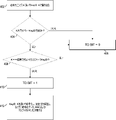
図3は、特定の実施形態による、トランスフォーマKeyIDを指定するアクセス要求を処理するためのフローを示している。システム100のページ・ミス・ハンドラ(PMH)・ハードウェアは、トランスフォーマKeyIDに対して所望されるアクセス制御を実施し得る。図3のフローは、ページ・テーブル・ウォークが、プライベートTD KeyID110によるアクセスに起因して、変換ルックアサイドバッファ(TLB)のミスによってトリガされたときに何が起こるかを示している(TLBは、メモリ122に記憶されているページテーブル変換のためのキャッシュとして機能し得る)。 FIG. 3 illustrates a flow for processing access requests that specify a Transformer KeyID, according to certain embodiments. The Page Miss Handler (PMH) hardware of system 100 may implement the desired access control for the Transformer KeyID. The flow of FIG. 3 shows what happens when a page table walk is triggered by a translation lookaside buffer (TLB) miss due to an access by a private TD KeyID 110 (TLB is may serve as a cache for page table translations stored in memory 122).
302において、PMHハードウェアは、プロセッサ実行の現在のモードの指示、およびTLBを埋めるためにページ・テーブル・ウォークをもたらしたメモリアクセスタイプ(例えば、読取りまたは書込み)の指示、ならびにアクセスに使用されたKeyID Kを受信するか、または他の様態で識別する。304において、PMHハードウェアは、プロセッサがSEAMルートモードで実行しているか否かを判定する。プロセッサがSEAMルートモードで実行している(したがって、SEAMモジュール138からの命令を実行している)場合、306において、PMHは、ページテーブルをウォークし、TLBに仮想アドレスから物理アドレスへの変換をロードして、アクセスタイプに関係なく(SEAM構成ページテーブル許可に従って)アクセスを許可する。これにより、SEAMモジュール138が、現在のアーキテクチャ(例えば、200)で行うように、SEAMモジュール138は、すべてのメモリへの無制限のアクセスを有することが保証される。特定の実施形態では、SEAM非ルートモードがTD実行のために検出され、セキュアEPTは、TDが特定の物理ページにアクセスできるか否かを判定するために、ウォークされ得る。 At 302, the PMH hardware is used to indicate the current mode of processor execution and the type of memory access (e.g., read or write) that resulted in a page table walk to fill the TLB and the access Receive or otherwise identify KeyID K. At 304, the PMH hardware determines whether the processor is running in SEAM root mode. If the processor is running in SEAM root mode (and is therefore executing instructions from the SEAM module 138), at 306 the PMH walks the page tables and asks the TLB for virtual to physical address translation. Load and allow access regardless of access type (according to SEAM configuration page table permissions). This ensures that the SEAM module 138 has unrestricted access to all memory, just as the SEAM module 138 does in current architectures (eg, 200). In certain embodiments, SEAM non-root mode is detected for TD execution, and the secure EPT can be walked to determine if the TD can access a particular physical page.
プロセッサモードがSEAMルートモードでない場合(例えば、プロセッサが標準実行モードにあり、したがって、恐らく命令は、VMM134からのものである)、306において、アクセスに用いられるKeyIDが信頼できないトランスフォーマ(TR)KeyIDであるか否かを、PMHハードウェアはチェックする。アクセスで使用されたKeyIDが信頼できないトランスフォーマKeyIDである場合、310において、PMHは、アクセスを許可するために変換をTLBにロードする。これにより、信頼できないトランスフォーマKeyIDを用いてページにアクセスするVMMは、SEAMCALLを実行する必要なしに、読取り/書込みアクセスを許可されることが保証される。一方、アクセスに使用されるKeyIDが信頼できないトランスフォーマKeyID以外のもの(信頼されたトランスフォーマKeyIDを含む)である場合、312において、PMHハードウェアは、ページフォルトをシグナリングし(#PF)、(例えば、すべてのプライベートKeyIDについてメモリが保護される方法と同様の方法で)メモリへのアクセスがブロックされる。他の実施形態では、VMMによる書込みの試みに対する異なる応答は、例えば一般保護フォルト(#GP)が使用されてもよい。 If the processor mode is not SEAM root mode (e.g., the processor is in standard execution mode, so presumably the instruction is from VMM 134), then at 306 the KeyID used for the access is an untrusted transformer (TR) KeyID. PMH hardware checks if there is. If the KeyID used in the access is an untrusted transformer KeyID, at 310 the PMH loads the transform into the TLB to allow access. This ensures that a VMM accessing a page with an untrusted Transformer KeyID is granted read/write access without having to perform a SEAMCALL. On the other hand, if the KeyID used for access is anything other than an untrusted transformer KeyID (including a trusted transformer KeyID), then at 312 the PMH hardware signals a page fault (#PF) (e.g., Access to memory is blocked (similar to how memory is protected for all private KeyIDs). In other embodiments, a different response to a write attempt by the VMM may be used, for example a general protection fault (#GP).
信頼できないトランスフォーマKeyIDを用いて、VMMは、任意のTDのプライベートメモリ(例えば、204)にアクセスしようと試みることができ、TDメモリへのVMMアクセスを許可することは、ソフトウェア再生および辞書攻撃などのいくつかの攻撃までTDをオープンにし得る。しかしながら、KeyIDに対するメモリ完全性が有効にされると、信頼できないトランスフォーマKeyIDを用いて任意のTDのプライベートメモリ(例えば、204)にアクセスしようとするVMMによる試みは、完全性障害をもたらし得る。さらに、信頼できないトランスフォーマKeyIDが、プライベートKeyID空間から切り出されたとしても、特定の実施形態では、信頼できないトランスフォーマKeyIDを使用して、書込みが行われるとき、メモリ内の各キャッシュラインに関連するTDビットは、設定解除される(それにアクセスするときにTDによって以前に設定されていたはずであるため)。これは、VMMがTDビットの不一致なしに信頼できないトランスフォーマKeyIDで保護されたメモリを読み取り続け得ることを保証し得るが、VMMが信頼できないトランスフォーマKeyIDを用いて、TDプライベートメモリの読取りを試みるときはいつでも、(TDビットが、これらのシナリオで設定されているため)完全性障害をもたらす。 With an untrusted Transformer KeyID, the VMM can attempt to access any TD's private memory (e.g., 204), and allowing VMM access to TD memory is vulnerable to attacks such as software replay and dictionary attacks. Can open TD up to a few attacks. However, when memory integrity for KeyID is enabled, an attempt by the VMM to access any TD's private memory (eg, 204) with an untrusted transformer KeyID can result in an integrity failure. Furthermore, even if the untrusted transformer KeyID is carved out of the private KeyID space, in certain embodiments, when a write is performed using an untrusted transformer KeyID, the TD bit associated with each cache line in memory is unset (because it must have been previously set by TD when accessing it). This may ensure that the VMM can continue to read protected memory with an untrusted Transformer KeyID without a TD bit mismatch, but when the VMM attempts to read TD private memory with an untrusted Transformer KeyID, Any time results in an integrity failure (because the TD bit is set in these scenarios).
図4は、特定の実施形態による、KeyIDを使用して、データを書き込むためのフローを示している。402において、KeyID「K」を参照する書込みコマンドが、メモリコントローラ103において(例えば、暗号化エンジン104において)受信される。404において、メモリコントローラ103は、KがプライベートKeyIDであるか否か(例えば、KeyIDへの参照がプライベートKeyIDのアドレス空間内にあるか否か)を判定し得る。そうでない場合、406において、信頼できないソフトウェアからのアクセスであることを示すために、信頼されたドメイン(TD)ビットがゼロに設定される。KがプライベートKeyIDである場合、408において、Kが信頼できないトランスフォーマKeyID(例えば、111B)であるか否かに関する判定が行われる。そうであれば、406において、信頼できないソフトウェアからのアクセスであることを示すために、TDビットは、再びゼロに設定される。しかしながら、Kが信頼できないトランスフォーマKeyIDでない場合、TDビットは、信頼されたソフトウェアからの書込みを示すために1に設定される(例えば、TD KeyID110または信頼されたトランスフォーマKeyID111Bを使用して)。412において、書込みデータは、KeyID Kに対応する鍵を使用して暗号化され、メッセージ認証コード(MAC)(または他の完全性保護コード)が、KeyID Kに対応する鍵を使用して生成される。暗号化された書込みデータ、対応するMAC、およびTDビットは、その後、メモリ(例えば、122)に記憶される。
FIG. 4 shows a flow for writing data using a KeyID, according to certain embodiments. At 402, a write command that references KeyID 'K' is received at memory controller 103 (eg, at encryption engine 104). At 404, memory controller 103 may determine whether K is a private KeyID (eg, whether a reference to the KeyID is within the private KeyID's address space). Otherwise, at 406, the Trusted Domain (TD) bit is set to zero to indicate access from untrusted software. If K is a private KeyID, then at 408 a determination is made as to whether K is an untrusted transformer KeyID (eg, 111B). If so, at 406 the TD bit is again set to zero to indicate access from untrusted software. However, if K is not an untrusted transformer KeyID, the TD bit is set to 1 to indicate a write from trusted software (eg, using
図5は、特定の実施形態による、KeyIDを使用して、データを読み取るためのフローを示している。502において、KeyID Kを参照する読取りアクセス要求が、メモリコントローラ103において(例えば、暗号化エンジン104において)受信される。504において、KがプライベートKeyIDであるか否か(例えば、KeyIDへの参照がプライベートKeyIDのアドレス空間内にあるか否か)に関する判定が行われる。そうでない場合、506において、access_intent値(信頼されたソフトウェアからのアクセスか、信頼できないソフトウェアからのアクセスかを追跡するために使用され得る)がゼロに設定される。KがプライベートKeyIDである場合、508において、Kが信頼できないトランスフォーマKeyIDであるか否かに関する判定が行われる。そうでない場合、信頼されたソフトウェアからの読取りを示すために、access_intent値は、1に設定される。しかしながら、Kが信頼できないトランスフォーマKeyIDである場合、509において、信頼できないトランスフォーマKeyIDが、TDビットチェックのバイパスを許可されることを示すために、access_intent値は、NAに設定される。これは、VMMがTDのために作成するEPTなどの管理構造データを自由に読み取り得ることを、保証し得る。しかしながら、悪意のあるVMMが、信頼できないトランスフォーマKeyIDを使用して、TDプライベートメモリにアクセスする場合、TDプライベートメモリが暗号化され、TDのプライベートKeyIDを使用して完全性が保護されるため、このことは、後の完全性チェックによって捕捉される。 FIG. 5 shows a flow for reading data using a KeyID, according to certain embodiments. At 502, a read access request referencing KeyID K is received at memory controller 103 (eg, at encryption engine 104). At 504, a determination is made as to whether K is a private KeyID (eg, whether a reference to the KeyID is within the private KeyID's address space). Otherwise, at 506 the access_intent value (which may be used to track access from trusted or untrusted software) is set to zero. If K is a private KeyID, then at 508 a determination is made as to whether K is an untrusted transformer KeyID. Otherwise, the access_intent value is set to 1 to indicate reading from trusted software. However, if K is an untrusted Transformer KeyID, then at 509 the access_intent value is set to NA to indicate that the untrusted Transformer KeyID is allowed to bypass the TD bit check. This can ensure that the VMM can freely read management structure data such as EPTs it creates for the TD. However, if a malicious VMM uses an untrusted Transformer KeyID to access the TD private memory, this is because the TD private memory is encrypted and integrity protected using the TD's private KeyID. That will be caught by a later integrity check.
いくつかの実施形態では、信頼できないトランスフォーマKeyIDを使用して、VMMによって書き込まれたが、SEAMモジュール(信頼された側)によってまだ検証されていないデータを消費しようと試みる前に、信頼されたエンティティ(例えば、TD)は、通知を受信してもよい。すなわち、その通知は、その汚染されたキャッシュラインが、代わりに暗号化エンジンから返されたときに、潜在的にセキュアでないデータの消費の直前に行われ得る。 In some embodiments, before attempting to consume data written by the VMM using an untrusted Transformer KeyID, but not yet verified by the SEAM module (the trusted party), trusted entities (eg, TD) may receive the notification. That is, the notification may occur immediately prior to the consumption of potentially insecure data when the tainted cache line is instead returned from the encryption engine.
508、509または510の後、フローは512で再開し、そこでは、暗号化データ、ならびにMACおよびTDビットなどの関連するメタデータが、メモリから読み取られる。514において、その読み取られたTDビットの値がaccess_intent値に等しいか、またはaccess_intentがNAに設定されているか否かに関する判定が行われる。TDビットの値が、access_intent値と等しくない場合(認可されていないエンティティが、TDプライベートメモリにアクセスしようとしていること、またはエンティティが、TDのプライベートメモリの一部ではないデータを復号するためにTDのプライベート鍵を使用しようと試みていることを示す)、516において、データの完全性チェックはスキップされ、次に汚染され、ゼロにされたデータ(または他の所定の値)は、コアに返される。TDビットがaccess_intent値に等しい場合、518において、完全性が検証される(例えば、検索されたデータのMACを計算し、そのデータを用いて読み取られたMACと、それをチェックすることによって)。完全性検証に合格した場合、520において、データがコアに返される。完全性検証に合格しない場合、522において、データは、汚染され、ゼロ(または他の所定の値)にされ、次いでコアに返される。追加的または代替的に、ページフォルトは、516または522でトリガされ得る。 After 508, 509 or 510, flow resumes at 512 where the encrypted data and associated metadata such as MAC and TD bits are read from memory. At 514, a determination is made as to whether the value of the read TD bit is equal to the access_intent value or access_intent is set to NA. If the value of the TD bit is not equal to the access_intent value (either an unauthorized entity is trying to access the TD private memory, or the entity is using the TD to decrypt data that is not part of the TD's private memory). private key), data integrity checking is skipped at 516 and then the tainted and zeroed data (or other predetermined value) is returned to the core. be If the TD bit is equal to the access_intent value, at 518 integrity is verified (eg, by computing the MAC of the retrieved data and checking it with the MAC read with that data). If the integrity verification passes, the data is returned to the core at 520 . If the integrity verification does not pass, at 522 the data is tainted and zeroed (or some other predetermined value) and then returned to the core. Additionally or alternatively, a page fault may be triggered at 516 or 522 .
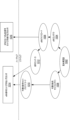
図6は、信頼できないトランスフォーマKeyIDで書き込まれたデータを読み取ったことに応答して、発生したフォルトを処理するためのフローを示している。602において、TDは、信頼されたトランスフォーマKeyID(例えば、111A)を使用して、管理構造データ(例えば、図2Bの206)にアクセスする。これは、例えば、信頼されたトランスフォーマKeyIDを使用して、コアPMHウォーキングTDページテーブルを含んでもよい。信頼されたトランスフォーマKeyIDを使用してデータにアクセスするとき、PMHは、上述したように、TDビット=1を読み取ることを期待し得る。 FIG. 6 shows a flow for handling faults that occur in response to reading data written with an untrusted Transformer KeyID. At 602, the TD uses the Trusted Transformer KeyID (eg, 111A) to access the management structure data (eg, 206 in FIG. 2B). This may include, for example, the core PMH walking TD page table using the Trusted Transformer KeyID. When accessing data using the trusted transformer KeyID, the PMH may expect to read TD bit=1, as described above.
604において、TDビットが0(例えば、図4に関して上述したように)に設定されたデータを読み取ることを含む、信頼できないトランスフォーマKeyID(例えば、111B)を用いて、PMHは、以前に書き込まれたデータを読み取る。データを読み取ると、図5に関して上述したように、汚染された/ゼロにされたデータは、コアに戻される。 At 604, the PMH was previously written using an untrusted transformer KeyID (eg, 111B), including reading data with the TD bit set to 0 (eg, as described above with respect to FIG. 4). read the data. Upon reading the data, the corrupted/zeroed data is returned to the core as described above with respect to FIG.
606において、PMHは、TDビットの不一致(期待されたもの、に対して読み取られたもの)に基づいて、SEAMモジュールをフォルトさせ、これは、TDのTDExitイベントを引き起こす可能性がある。いくつかの実施形態では、拡張ページ・テーブル・エントリ(PTE)のフォルト物理アドレスは、PMHによってSEAMモジュールに対して利用可能にされてもよい。これは、TDExitに起因して、TDCSで報告される可能性があり、PTEページフォルトアドレスはCR2で報告される。 At 606, the PMH faults the SEAM module based on the TD bit mismatch (read versus expected), which can cause a TDExit event. In some embodiments, the extended page table entry (PTE) fault physical address may be made available to the SEAM module by the PMH. This may be reported in TDCS due to TDExit and the PTE page fault address is reported in CR2.
608において、SEAMモジュールは、信頼できないトランスフォーマKeyIDを使用して、データを読み取り、および検証する。例えば、データがVMMによって以前に書き込まれた場合、SEAMモジュールは、信頼できないトランスフォーマKeyIDを使用して、VMMによって書き込まれたページ・テーブル・エントリを読み取り、データを検査し、および検証してもよい。例えば、1つのTD(潜在的に悪意のある)が、他のTDアクティビティを追跡し、その暗号文を読み取り、最終的に機密性を破る可能性があるため、単一の物理ページが、2つの異なるTDにマッピングされることはない。したがって、いくつかの実施形態では、検査/検証プロセスの一部として、VMMがTDページをマッピングしている物理ページが、TDに未だ割り当てられていないことを、SEAMモジュールは、保証してもよい。マッピングされたデータが正しい許可(例えば、データページ上で実行しない)を有することを、SEAMモジュールはまた、検証し得る。 At 608, the SEAM module uses the untrusted Transformer KeyID to read and verify the data. For example, if the data was previously written by a VMM, the SEAM module may use the untrusted Transformer KeyID to read the page table entries written by the VMM, check and verify the data. . For example, one TD (potentially malicious) could track other TD activity, read its ciphertext, and ultimately break confidentiality, so that a single physical page can are never mapped to two different TDs. Thus, in some embodiments, as part of the verification/verification process, the SEAM module may ensure that the physical pages to which the VMM maps TD pages have not yet been assigned to the TD. . The SEAM module may also verify that the mapped data has the correct permissions (eg, do not execute on data pages).
610において、データが検証された場合、SEAMモジュールは、信頼されたトランスフォーマTD KeyIDを使用して、データをメモリに書き戻す。その後、612において、TDは再開し、TDは、信頼されたトランスフォーマKeyIDを使用して、データにアクセスする。610において、このKeyIDを使用して、データが書き換えられたので、TDはもはやフォルトを認識しない。 At 610, if the data is verified, the SEAM module writes the data back to memory using the trusted transformer TD KeyID. The TD then resumes at 612 and uses the trusted transformer KeyID to access the data. At 610, this KeyID was used to rewrite the data so the TD no longer sees the fault.
別の実施形態では、検出されたが、修正されていないエラーなどの異なるエラーに対して、トランスフォーマKeyID読取りチェックが必要であることを示すために、(汚染と同様に)使用される特別なビットがあり得る。これにより、SEAMモジュールは、上述の変換アクションを実行し得る。 In another embodiment, a special bit is used (similar to taint) to indicate that a transformer KeyID read check is required for different errors, such as detected but uncorrected errors. can be. This allows the SEAM module to perform the conversion actions described above.
上記のフローのコヒーレンスプロトコルは、コアキャッシュからKeyIDエイリアスを排除することを考慮することができ、したがって、信頼されたトランスフォーマKeyIDを用いて行われたアクセスは、信頼できないトランスフォーマKeyIDを用いて作成されたキャッシュ内のデータを排除し得ることに留意することが重要である。 The coherence protocol in the flow above can consider excluding KeyID aliases from the core cache, so that accesses made with trusted transformer KeyIDs were made with untrusted transformer KeyIDs. It is important to note that data in cache can be eliminated.
上記のフローを使用して、VMMによる管理構造データへのシームレスな書込みアクセスを可能にするために、以下のシナリオを実施し得る。例えば、VMMは、信頼できないトランスフォーマKeyIDを用いて、TD EPTに書き込み、TDビットを0に設定してもよい。次に、TDは、VMM編集された管理構造を読み取り得る。PMHは、ページテーブルをウォークするために、信頼されたトランスフォーマKeyIDを使用することができ、したがって、暗号化エンジンでTDビット不一致が発生し、汚染された/ゼロにされたデータが、コアに返される。PMHは、汚染を受信すると、信頼できないトランスフォーマKeyIDを使用してVMM編集された管理構造を読み取るSEAMモジュールをフォルトさせる。SEAMモジュールはまた、読み取ったデータを検査/検証し、検証された場合、信頼されたトランスフォーマKeyIDを用いてメモリにそれを書き戻し、信頼されたソフトウェア(例えば、TD)による後続のアクセスがフォルトしないように、TDビットを1に設定する。信頼できないトランスフォーマKeyIDを用いて書き換えられたデータにアクセスしようとするVMMの試みが、許可される一方で、TDのプライベート鍵を使用して書き込まれたTDプライベートデータにアクセスしようとするVMMの試みは、誤った鍵の使用に起因して、完全性障害を引き起こす。 Using the above flow, the following scenarios may be implemented to enable seamless write access to management structure data by the VMM. For example, a VMM may use an untrusted transformer KeyID to write to the TD EPT and set the TD bit to 0. The TD can then read the VMM-edited management structure. The PMH can use the trusted transformer KeyID to walk the page table, thus causing a TD bit mismatch in the encryption engine and tainted/zeroed data returned to the core. be When the PMH receives the taint, it faults the SEAM module reading the VMM-edited management structure using the untrusted transformer KeyID. The SEAM module also checks/verifies the data it reads and if verified writes it back to memory using the trusted transformer KeyID so that subsequent accesses by trusted software (e.g. TD) do not fault. TD bit is set to 1 so that A VMM's attempt to access data that has been rewritten using an untrusted Transformer KeyID is permitted, while a VMM's attempt to access TD private data written using the TD's private key is permitted. , causing an integrity failure due to incorrect key usage.
図2A~図6で説明したフローは、特定の実施形態で発生し得る動作または通信の単なる代表例である。他の実施形態では、追加の動作または通信が、フロー内で実施されてもよい。本開示の様々な実施形態は、本明細書で説明した機能を達成するために、任意の適切なシグナリング機構を企図している。図2A~図6に示す動作の一部は、適宜、繰り返されてもよいし、組み合わされてもよいし、変更されてもよいし、削除されてもよい。さらに、動作は、特定の実施形態の範囲から逸脱することなく、任意の適切な順序で実施され得る。さらに、フローは、ページング構造に関して説明され得るが、本開示の態様は、VMのための任意の制御構造(例えば、VM制御構造、TD制御構造、拡張ページテーブル、およびVMMが通常管理する任意のデータバッファ(読取りおよび書込み))に拡張し得ることが理解されよう。 The flows described in FIGS. 2A-6 are merely representative of actions or communications that may occur in particular embodiments. Additional operations or communications may be performed within a flow in other embodiments. Various embodiments of the present disclosure contemplate any suitable signaling mechanism to achieve the functionality described herein. Portions of the operations shown in FIGS. 2A-6 may be repeated, combined, modified, or omitted as appropriate. Additionally, operations may be performed in any suitable order without departing from the scope of particular embodiments. Further, while flow may be described in terms of paging structures, aspects of this disclosure apply to any control structure for a VM (e.g., VM control structures, TD control structures, extended page tables, and any It will be appreciated that it can be extended to data buffers (read and write).
図7~図10は、本明細書で開示した実施形態のいずれかに従って使用され得る例示的なコンピュータアーキテクチャのブロック図である。一般に、プロセッサおよびコンピューティングシステムについて当技術分野で知られている任意のコンピュータアーキテクチャ設計が使用され得る。一例では、ラップトップ、デスクトップ、ハンドヘルドPC、携帯情報端末、タブレット、エンジニアリングワークステーション、サーバ、ネットワークデバイス、サーバ、機器、ネットワークハブ、ルータ、スイッチ、組込みプロセッサ、デジタル信号プロセッサ(DSP)、グラフィックスデバイス、ビデオ・ゲーム・デバイス、セットトップボックス、マイクロコントローラ、スマートフォン、モバイルデバイス、ウェアラブル電子デバイス、ポータブル・メディア・プレーヤ、ハンド・ヘルド・デバイス、および様々な他の電子デバイスのための当技術分野で知られているシステム設計および構成も、本明細書で説明したコンピューティングシステムの実施形態に適している。一般に、本明細書で開示した実施形態に適したコンピュータアーキテクチャは、図7~図10に示した構成を含み得るが、これらに限定されない。 7-10 are block diagrams of exemplary computer architectures that may be used in accordance with any of the embodiments disclosed herein. In general, any computer architecture design known in the art for processors and computing systems may be used. Examples include laptops, desktops, handheld PCs, personal digital assistants, tablets, engineering workstations, servers, network devices, servers, appliances, network hubs, routers, switches, embedded processors, digital signal processors (DSPs), graphics devices. , video game devices, set-top boxes, microcontrollers, smart phones, mobile devices, wearable electronic devices, portable media players, hand-held devices, and various other electronic devices. The system designs and configurations described herein are also suitable for the computing system embodiments described herein. In general, computer architectures suitable for embodiments disclosed herein may include, but are not limited to, the configurations shown in FIGS. 7-10.
図7は、一実施形態によるプロセッサの例示的な図である。プロセッサ700は、本明細書で示し、説明した実装形態(例えば、プロセッサ102)に関連して使用され得るハードウェアデバイスのタイプの一例である。プロセッサ700は、マイクロプロセッサ、組込みプロセッサ、デジタル信号プロセッサ(DSP)、ネットワークプロセッサ、マルチコアプロセッサ、シングル・コア・プロセッサ、またはコードを実行する他のデバイスなど、任意のタイプのプロセッサであってもよい。図7には、1つのプロセッサ700だけを示しているが、処理要素は代替的に、図7に示すプロセッサ700のうちの複数を含んでもよい。プロセッサ700は、単一スレッドコアであってもよく、または少なくとも一実施形態では、プロセッサ700は、コアごとに、複数のハードウェア・スレッド・コンテキスト(または「ロジカルプロセッサ」)を含み得るという点で、マルチスレッドであってもよい。 FIG. 7 is an exemplary diagram of a processor according to one embodiment. Processor 700 is one example of a type of hardware device that may be used in connection with the implementations shown and described herein (eg, processor 102). Processor 700 may be any type of processor, such as a microprocessor, embedded processor, digital signal processor (DSP), network processor, multi-core processor, single-core processor, or other device that executes code. Although only one processor 700 is shown in FIG. 7, a processing element may alternatively include multiple of the processors 700 shown in FIG. In that processor 700 may be a single-threaded core, or in at least one embodiment, processor 700 may include multiple hardware thread contexts (or “logical processors”) per core. , which may be multi-threaded.
図7はまた、一実施形態による、プロセッサ700に接続されたメモリ702を示している。メモリ702は、本明細書で示し、説明した実装形態(例えば、メモリ122)に関連して使用され得るハードウェアデバイスのタイプの一例である。メモリ702は、当業者に知られているか、そうでなければ利用可能な多種多様なメモリ(メモリ階層の様々な層を含む)のいずれかであってもよい。そのようなメモリ要素は、ランダム・アクセス・メモリ(RAM)、読取り専用メモリ(ROM)、フィールド・プログラマブル・ゲート・アレイ(FPGA)のロジックブロック、消去可能プログラマブル読取り専用メモリ(EPROM)、および電気的消去可能プログラマブルROM(EEPROM)を含み得るが、これらに限定されない。 FIG. 7 also shows memory 702 coupled to processor 700, according to one embodiment. Memory 702 is one example of a type of hardware device that may be used in connection with the implementations shown and described herein (eg, memory 122). Memory 702 may be any of a wide variety of memories (including various layers of memory hierarchy) known or otherwise available to those skilled in the art. Such memory elements include Random Access Memory (RAM), Read Only Memory (ROM), Field Programmable Gate Array (FPGA) logic blocks, Erasable Programmable Read Only Memory (EPROM), and electrical It may include, but is not limited to, erasable programmable ROM (EEPROM).
プロセッサ700は、本明細書で詳述するアルゴリズム、プロセス、または動作に関連する任意のタイプの命令を実行し得る。一般に、プロセッサ700は、要素または物(例えば、データ)を、任意の状態または物から、別の状態または物に変換し得る。 Processor 700 may execute any type of instructions relating to the algorithms, processes, or acts detailed herein. In general, processor 700 can transform an element or thing (eg, data) from one state or thing to another state or thing.
プロセッサ700によって実行されるべき1つまたは複数の命令であり得るコード704は、メモリ702に記憶されてもよく、あるいはソフトウェア、ハードウェア、ファームウェア、もしくはそれらの任意の適切な組合せに、または適切な場合には特定の必要に基づいて、任意の他の内部もしくは外部の構成要素、デバイス、要素、もしくはオブジェクトに記憶されてもよい。一例では、プロセッサ700は、コード704によって示される命令のプログラムシーケンスに従うことができる。各命令は、フロントエンドロジック706に入り、1つまたは複数のデコーダ708によって処理される。デコーダは、その出力として、所定のフォーマットの固定幅マイクロ演算など、マイクロ演算を生成し、あるいは元のコード命令を反映する他の命令、マイクロ命令、または制御信号を生成し得る。フロントエンドロジック706はまた、レジスタ・リネーミング・ロジック710と、スケジューリングロジック712と、を含み、これらは一般に、リソースを割り当て、実行のための命令に対応する動作をキューに入れる。
Code 704, which may be one or more instructions to be executed by processor 700, may be stored in memory 702, or may be implemented in software, hardware, firmware, or any suitable combination thereof or It may be stored in any other internal or external component, device, element or object, possibly based on particular needs. In one example, processor 700 can follow a programmed sequence of instructions indicated by code 704 . Each instruction enters front-
プロセッサ700はまた、実行ユニット716a、716b、716nなどのセットを有する実行ロジック714を含み得る。いくつかの実施形態は、特定の機能または機能のセットに専用のいくつかの実行ユニットを含み得る。他の実施形態は、特定の機能を実施し得る、ただ1つの実行ユニットまたは1つの実行ユニットを含んでもよい。実行ロジック714は、コード命令によって指定された動作を実施する。
Processor 700 may also include
コード命令によって指定された動作の実行が完了した後、バックエンドロジック718は、コード704の命令をリタイアし得る。一実施形態では、プロセッサ700は、順不同な実行を可能にするが、順番に命令のリタイアをすることが必要である。リタイアメントロジック720は、様々な既知の形態(例えば、再順序付けバッファなど)をとり得る。このようにして、プロセッサ700は、少なくとも、デコーダによって生成された出力、レジスタ・リネーミング・ロジック710によって利用されるハードウェアレジスタおよびテーブル、ならびに実行ロジック714によって変更された任意のレジスタ(図示せず)に関して、コード704の実行中に変換される。 After completing the execution of the operations specified by the code instructions, backend logic 718 may retire the instructions of code 704 . In one embodiment, processor 700 allows out-of-order execution, but requires in-order retirement of instructions. Retirement logic 720 may take various known forms (eg, a reordering buffer, etc.). In this way, processor 700 receives at least the output generated by the decoder, the hardware registers and tables utilized by register renaming logic 710, and any registers modified by execution logic 714 (not shown). ) are translated during execution of code 704 .
図7に示していないが、処理要素は、プロセッサ700を有するチップ上に、他の要素を含み得る。例えば、処理要素は、プロセッサ700と共にメモリ制御ロジックを含んでもよい。処理要素は、I/O制御ロジックを含んでもよく、および/またはメモリ制御ロジックと統合されたI/O制御ロジックを含んでもよい。処理要素はまた、1つまたは複数のキャッシュを含んでもよい。いくつかの実施形態では、不揮発性メモリ(フラッシュメモリまたはヒューズなど)もまた、プロセッサ700を有するチップに含まれてもよい。 Although not shown in FIG. 7, processing elements may include other elements on a chip with processor 700 . For example, a processing element may include memory control logic along with processor 700 . A processing element may include I/O control logic and/or may include I/O control logic integrated with memory control logic. A processing element may also include one or more caches. In some embodiments, non-volatile memory (such as flash memory or fuses) may also be included on the chip with processor 700 .
図8Aは、本開示の1つまたは複数の実施形態による、例示的なインオーダパイプライン、および例示的なレジスタリネーミング、アウトオブオーダ発行/実行パイプラインの両方を示すブロック図である。図8Bは、本開示の1つまたは複数の実施形態による、プロセッサに含まれるべき、インオーダ・アーキテクチャ・コアの例示的な実施形態、および例示的なレジスタリネーミング、アウトオブオーダ発行/実行アーキテクチャコアの両方を示すブロック図である。図8A~図8Bの実線の四角は、インオーダパイプラインおよびインオーダコアを示す一方で、破線の四角の任意選択の追加は、レジスタリネーミング、アウトオブオーダ発行/実行パイプラインおよびコアを示す。インオーダ態様がアウトオブオーダ態様のサブセットであると仮定して、アウトオブオーダ態様について説明する。 FIG. 8A is a block diagram illustrating both an exemplary in-order pipeline and an exemplary register renaming, out-of-order issue/execution pipeline, according to one or more embodiments of the present disclosure. FIG. 8B illustrates an exemplary embodiment of an in-order architecture core and an exemplary register renaming, out-of-order issue/execution architecture core to be included in a processor, according to one or more embodiments of the present disclosure. is a block diagram showing both. The solid squares in FIGS. 8A-8B illustrate the in-order pipeline and in-order core, while the optional addition of dashed squares illustrates register renaming, out-of-order issue/execution pipelines and cores. Out-of-order aspects are discussed, assuming that in-order aspects are a subset of out-of-order aspects.
図8Aにおいて、プロセッサパイプライン800は、フェッチステージ802と、長さデコードステージ804と、デコードステージ806と、割当てステージ808と、リネーミングステージ810と、スケジュール(ディスパッチまたは発行としても知られる)ステージ812と、レジスタ読取り/メモリ読取りステージ814と、実行ステージ816と、書戻し/メモリ書込みステージ818と、例外処理ステージ822と、コミットステージ824と、を含む。
8A, a processor pipeline 800 includes a fetch
図8Bは、実行エンジンユニット850に接続されたフロント・エンド・ユニット830を含むプロセッサコア890を示し、両方ともメモリユニット870に接続される。プロセッサコア890およびメモリユニット870は、本明細書で示し、説明した実装形態(例えば、プロセッサ102、メモリ122)に関連して使用され得るハードウェアのタイプの例である。コア890は、縮小命令セット・コンピューティング(RISC)・コア、複合命令セット・コンピューティング(CISC)・コア、超長命令語(VLIW)コア、またはハイブリッドもしくは代替のコアタイプであってもよい。さらに別の選択肢として、コア890は、例えば、ネットワークまたは通信コア、圧縮エンジン、コプロセッサコア、汎用コンピューティンググラフィック処理ユニット(GPGPU)コア、グラフィックスコアなどの専用コアであってもよい。さらに、プロセッサコア890、およびその構成要素は、ロジックプロセッサ、およびそれらのそれぞれの構成要素を実装するために使用され得る例示的なアーキテクチャを表す。
FIG. 8B shows processor core 890 including front end unit 830 connected to
フロント・エンド・ユニット830は、命令キャッシュユニット834に接続された分岐予測ユニット832を含み、その命令キャッシュユニットは、命令変換ルックアサイドバッファ(TLB)ユニット836に接続され、その命令変換ルックアサイドバッファは、命令フェッチユニット838に接続され、その命令フェッチユニットは、デコードユニット840に接続される。デコードユニット840(またはデコーダ)は、命令をデコードすることができ、出力として、元の命令からデコードされるか、そうでなければ元の命令を反映するか、または元の命令から導出される、1つまたは複数のマイクロ演算、マイクロコード・エントリ・ポイント、マイクロ命令、他の命令、または他の制御信号を生成し得る。デコードユニット840は、様々な異なるメカニズムを使用して実装され得る。適切なメカニズムの例には、ルックアップテーブル、ハードウェア実装形態、プログラマブル・ロジック・アレイ(PLA)、マイクロコード読取り専用メモリ(ROM)などが含まれるが、これらに限定されない。一実施形態では、コア890は、マイクロコードROM、または特定のマクロ命令用のマイクロコードを記憶する(例えば、デコードユニット840内の、または他の様態でフロント・エンド・ユニット830内の)他の媒体を含む。デコードユニット840は、実行エンジンユニット850内のリネーム/アロケータユニット852に接続される。
Front end unit 830 includes a branch prediction unit 832 connected to an instruction cache unit 834, which is connected to an instruction translation lookaside buffer (TLB) unit 836, whose instruction translation lookaside buffer is , is connected to an instruction fetch unit 838 , which is connected to a decode unit 840 . Decode unit 840 (or decoder) can decode instructions and, as an output, either decoded from the original instruction, or otherwise reflect the original instruction, or be derived from the original instruction. It may generate one or more micro-ops, microcode entry points, microinstructions, other instructions, or other control signals. Decode unit 840 may be implemented using a variety of different mechanisms. Examples of suitable mechanisms include, but are not limited to, lookup tables, hardware implementations, programmable logic arrays (PLAs), microcode read only memories (ROMs), and the like. In one embodiment, core 890 is a microcode ROM or other memory (eg, in decode unit 840 or otherwise in front end unit 830) that stores microcode for specific macroinstructions. Including media. Decode unit 840 is connected to rename/allocator unit 852 within
実行エンジンユニット850は、リタイアメントユニット854に接続された、および1つまたは複数のスケジューラユニット856のセットに接続された、リネーム/アロケータユニット852を含む。スケジューラユニット856は、予約ステーション、中央命令ウィンドウなどを含む、任意の数の異なるスケジューラを表す。スケジューラユニット856は、物理レジスタ・ファイル・ユニット858に接続される。スカラ整数、スカラ浮動小数点、パック型整数、パック型浮動小数点、ベクトル整数、ベクトル浮動小数点、ステータス(例えば、次に実行される命令のアドレスである命令ポインタ)など、1つまたは複数の異なるデータタイプを記憶する、1つまたは複数の物理レジスタファイルを、物理レジスタ・ファイル・ユニット858の各々は表す。一実施形態では、物理レジスタ・ファイル・ユニット858は、ベクトル・レジスタ・ユニットと、書込みマスク・レジスタ・ユニットと、スカラ・レジスタ・ユニットと、を備える。これらのレジスタユニットは、アーキテクチャ・ベクトル・レジスタ、ベクトル・マスク・レジスタ、および汎用レジスタ(GPR)を提供し得る。本明細書で説明した少なくともいくつかの実施形態では、レジスタユニット858は、本明細書で示し、説明した実装形態(例えば、レジスタ106)に関連して使用され得るハードウェアのタイプの例である。レジスタリネーミングおよびアウトオブオーダ実行が(例えば、リオーダバッファおよびリタイアメント・レジスタ・ファイルを使用して、将来ファイル、履歴バッファ、およびリタイアメント・レジスタ・ファイルを使用して、レジスタマップおよびレジスタのプールを使用して等で)実装され得る様々な方法を示すために、物理レジスタ・ファイル・ユニット858は、リタイアメントユニット854と重なっている。リタイアメントユニット854および物理レジスタ・ファイル・ユニット858は、実行クラスタ860に接続される。実行クラスタ860は、1つまたは複数の実行ユニット862のセットと、1つまたは複数のメモリ・アクセス・ユニット864のセットと、を含む。実行ユニット862は、様々な演算(例えば、シフト、加算、減算、乗算)を、様々なタイプのデータ(例えば、スカラ浮動小数点、パック型整数、パック型浮動小数点、ベクトル整数、ベクトル浮動小数点)について、実施し得る。いくつかの実施形態は、特定の機能、または機能のセットについて、専用のいくつかの実行ユニットを含んでもよく、一方で、他の実施形態は、1つの実行ユニットのみ、またはすべてがすべての機能を実施する複数の実行ユニットを含んでもよい。実行ユニット862はまた、メインメモリ(例えば、メモリユニット870)およびページ・ミス・ハンドラ(PMH)にアクセスするために、コアによって使用されるアドレスを計算するアドレス生成ユニットを含み得る。
特定の実施形態が、特定のタイプのデータ/演算のための別個のパイプライン(例えば、スカラ整数パイプライン、スカラ浮動小数点/パック型整数/パック型浮動小数点/ベクトル整数/ベクトル浮動小数点パイプライン、ならびに/あるいは各々がそれ自体のスケジューラユニット、物理レジスタ・ファイル・ユニット、および/または実行クラスタを有するメモリ・アクセス・パイプラインであり、別個のメモリ・アクセス・パイプラインの場合、このパイプラインの実行クラスタのみが、メモリ・アクセス・ユニット864を有する特定の実施形態が実装される)を作成するので、スケジューラユニット856、物理レジスタ・ファイル・ユニット858、および実行クラスタ860は、場合によっては複数であるように示される。別個のパイプラインが使用される場合、これらのパイプラインのうちの1つまたは複数は、アウトオブオーダ発行/実行であり、残りはインオーダであり得ることも理解されたい。 Certain embodiments provide separate pipelines for particular types of data/operations (e.g., scalar integer pipeline, scalar floating point/packed integer/packed floating point/vector integer/vector floating point pipeline, and/or memory access pipelines each having its own scheduler unit, physical register file unit, and/or execution cluster, and if separate memory access pipelines, the execution of this pipeline scheduler unit 856, physical register file unit 858, and execution cluster 860 are possibly multiple is shown as It should also be appreciated that if separate pipelines are used, one or more of these pipelines may be out-of-order issue/execution and the rest in-order.
レベル2(L2)キャッシュユニット876に接続されたデータ・キャッシュ・ユニット874に接続されたデータTLBユニット872を含むメモリユニット870に、メモリ・アクセス・ユニット864のセットは、接続される。例示的な一実施形態では、メモリ・アクセス・ユニット864は、ロードユニットと、ストア・アドレス・ユニットと、ストア・データ・ユニットと、を含んでもよく、それらの各々は、メモリユニット870内のデータTLBユニット872に接続される。命令キャッシュユニット834は、メモリユニット870内のレベル2(L2)キャッシュユニット876にさらに接続される。L2キャッシュユニット876は、1つまたは複数の他のレベルのキャッシュ、および最終的にはメインメモリに接続される。加えて、データTLBユニット872内に一致するものが見つからない場合、ページテーブル内のアドレスマッピングを検索するために、ページ・ミス・ハンドラ(例えば、ページ・ミス・ハンドラ826)もコア890に含まれ得る。
A set of memory access units 864 are connected to a
例として、例示的なレジスタリネーミング、アウトオブオーダ発行/実行コアアーキテクチャは、1)命令フェッチユニット838は、フェッチステージ802および長さデコードステージ804を実施し、2)デコードユニット840は、デコードステージ806を実施し、3)リネーム/アロケータユニット852は、割当てステージ808およびリネーミングステージ810を実施し、4)スケジューラユニット856は、スケジュールステージ812を実施し、5)物理レジスタ・ファイル・ユニット858およびメモリユニット870は、レジスタ読取り/メモリ読取りステージ814を実施し、実行クラスタ860は、実行ステージ816を実施し、6)メモリユニット870および物理レジスタ・ファイル・ユニット858は、書戻し/メモリ書込みステージ818を実施し、7)様々なユニットは、例外処理ステージ822に関与することができ、ならびに8)リタイアメントユニット854および物理レジスタ・ファイル・ユニット858は、コミットステージ824を実施する、といったパイプライン800を実装し得る。
As an example, an exemplary register renaming, out-of-order issue/execution core architecture includes: 1) instruction fetch unit 838 implements fetch
コア890は、本明細書で説明した命令を含む、1つまたは複数の命令セット(例えば、x86命令セット(より新しいバージョンで追加された、いくつかの拡張を有する)、カリフォルニア州サニーベールのMIPS Technologies社のMIPS命令セット、カリフォルニア州サニーベールのARM Holdings社のARM命令セット(NEONなどの任意選択の追加拡張子付き))をサポートし得る。一実施形態では、コア890は、パック型データ命令セット拡張(例えば、AVX1、AVX2)をサポートするロジックを含み、それによって、多くのマルチメディアアプリケーションによって使用される演算が、パック型データを使用して実施され得る。 Core 890 may include one or more instruction sets (e.g., the x86 instruction set (with some extensions added in newer versions)), MIPS, Sunnyvale, Calif., including the instructions described herein. Technologies, Inc.'s MIPS instruction set, ARM Holdings, Inc., Sunnyvale, Calif., ARM instruction set (with optional additional extensions such as NEON)). In one embodiment, core 890 includes logic to support packed data instruction set extensions (eg, AVX1, AVX2) so that operations used by many multimedia applications use packed data. can be implemented
コアは、マルチスレッディング(演算またはスレッドの2つ以上の並列セットを実行する)をサポートすることができ、タイム・スライス・マルチスレッディング、同時マルチスレッディング(物理コアが同時にマルチスレッディングであるスレッドの各々ごとに、単一の物理コアが、ロジカルコアを提供する)、またはそれらの組合せ(例えば、Intel(登録商標)ハイパースレッディング技術などにおけるタイム・スライス・フェッチおよびデコード、ならびにその後の同時マルチスレッディング)を含む様々な方法でサポートし得ることを理解されたい。したがって、少なくともいくつかの実施形態では、マルチスレッドエンクレーブをサポートしてもよい。 A core can support multithreading (running two or more parallel sets of operations or threads), time-sliced multithreading, simultaneous multithreading (a single physical cores providing logical cores), or combinations thereof (e.g., time-slice fetching and decoding, such as in Intel® Hyper-Threading technology, followed by simultaneous multithreading) It should be understood that Thus, at least some embodiments may support multi-threaded enclaves.
レジスタリネーミングをアウトオブオーダ実行の文脈で説明する一方で、レジスタリネーミングは、インオーダアーキテクチャで使用され得ることを理解されたい。プロセッサの図示の実施形態はまた、別個の命令キャッシュユニット834およびデータ・キャッシュ・ユニット874、ならびに共有L2キャッシュユニット876を含む一方で、代替の実施形態は、例えばレベル1(L1)内部キャッシュ、または複数レベルの内部キャッシュなど、命令およびデータの両方のための単一内部キャッシュを有してもよい。いくつかの実施形態では、システムは、内部キャッシュと、コアおよび/またはプロセッサの外部にある外部キャッシュとの組合せを含んでもよい。あるいは、キャッシュのすべては、コアおよび/またはプロセッサの外部にあってもよい。 While register renaming is described in the context of out-of-order execution, it should be understood that register renaming can be used in in-order architectures. The illustrated embodiment of the processor also includes separate instruction cache unit 834 and data cache unit 874, and a shared L2 cache unit 876, while alternative embodiments include, for example, a level 1 (L1) internal cache, or There may be a single internal cache for both instructions and data, such as multiple levels of internal caches. In some embodiments, the system may include a combination of internal caches and external caches external to the core and/or processor. Alternatively, all of the cache may be external to the core and/or processor.
図9は、一実施形態による、ポイントツーポイン(PtP)構成で配置されたコンピューティングシステム900を示している。特に、図9は、プロセッサ、メモリ、および入力/出力デバイスが、いくつかのポイントツーポイントインターフェースによって相互接続されるシステムを示している。一般に、本明細書で説明したコンピューティングシステムまたはコンピューティングデバイスのうちの1つまたは複数(例えば、コンピューティングシステム100)は、コンピューティングシステム900と同じ、または同様の方法で構成され得る。
FIG. 9 illustrates a
プロセッサ970および980は、シングル・コア・プロセッサ974aおよび984a、またはマルチコアプロセッサ974a~974bおよび984a~984bとして、実装され得る。プロセッサ970および980は各々、1つまたは複数のコアのそれぞれによって使用されるキャッシュ971および981を含み得る。共有キャッシュ(図示せず)は、いずれかのプロセッサに含まれてもよく、または両方のプロセッサの外部に含まれてもよいが、P-P相互接続を介してプロセッサと接続されてもよく、これにより、プロセッサが低電力モードになった場合、いずれかまたは両方のプロセッサのローカルキャッシュ情報は、共有キャッシュに記憶されてもよい。本明細書で説明した1つまたは複数の実施形態は、コンピューティングシステム900など、コンピューティングシステムに実装され得ることに留意されたい。さらに、プロセッサ970および980は、本明細書で示し、説明した実装形態(例えば、プロセッサ102)に関連して使用され得るハードウェアのタイプの例である。
プロセッサ970および980の各々はまた、それぞれのプロセッサにローカルに取り付けられたメインメモリの一部であり得るメモリ要素932および934と通信するために、統合メモリ・コントローラ・ロジック(MC)972および982を含み得る。代替の実施形態では、メモリ・コントローラ・ロジック972および982は、プロセッサ970および980とは別個の個別のロジックであってもよい。メモリ要素932および/または934は、本明細書で概説される動作および機能を達成する際に、プロセッサ970および980によって使用されるべき様々なデータを記憶し得る。
Each of
プロセッサ970および980は、他の図に関連して説明したような、任意のタイプのプロセッサであってもよい。プロセッサ970および980は、ポイントツーポイントインターフェース回路978および988をそれぞれ使用して、ポイントツーポイント(PtP)インターフェース950を介して、データを交換し得る。プロセッサ970および980の各々は、ポイントツーポイントインターフェース回路976、986、994および998を使用して、個々のポイントツーポイントインターフェース952および954を介して、入力/出力(I/O)サブシステム990とデータを交換し得る。I/Oサブシステム990はまた、PtPインターフェース回路であり得るインターフェース回路992を使用して、高性能グラフィックインターフェース939を介して、高性能グラフィック回路938とデータを交換し得る。一実施形態では、高性能グラフィック回路938は、例えば、高スループットMICプロセッサ、ネットワークまたは通信プロセッサ、圧縮エンジン、グラフィックプロセッサ、GPGPU、組込みプロセッサなど、専用プロセッサである。I/Oサブシステム990はまた、人間のユーザが見ることができるデータを表示するためのディスプレイ933と通信し得る。代替の実施形態では、図9に示すPtPリンクのいずれか、またはすべては、PtPリンクではなく、マルチドロップバスとして実装されてもよい。
I/Oサブシステム990は、インターフェース回路996を介して、バス920と通信し得る。バス920は、バスブリッジ918およびI/Oデバイス916など、バスを介して通信する1つまたは複数のデバイスを有し得る。バス910を介して、バスブリッジ918は、ユーザインターフェース912(キーボード、マウス、タッチスクリーン、または他の入力装置など)、通信デバイス926(モデム、ネットワーク・インターフェース・デバイス、またはコンピュータネットワーク960を通じて通信し得る他のタイプの通信デバイスなど)、オーディオI/Oデバイス914、および/またはデータ記憶デバイス928など、他のデバイスと通信し得る。データ記憶デバイス928は、プロセッサ970および/または980によって実行され得るコードおよびデータ930を記憶し得る。代替の実施形態では、バスアーキテクチャの任意の部分は、1つまたは複数のPtPリンクで実装され得る。
I/
コード930などのプログラムコードは、入力命令に適用され、本明細書で説明した機能を実施し、出力情報を生成し得る。出力情報は、既知の方法で1つまたは複数の出力デバイスに適用され得る。本出願の目的のために、処理システムは、コンピューティングシステム900の一部であってもよく、例えば、デジタル信号プロセッサ(DSP)、マイクロコントローラ、特定用途向け集積回路(ASIC)、またはマイクロプロセッサなどのプロセッサを有する任意のシステムを含む。
Program code, such as
プログラムコード(例えば、930)は、処理システムと通信するために、高水準手続き型言語、またはオブジェクト指向プログラミング言語で実装されてもよい。プログラムコードはまた、必要に応じて、アセンブリ言語または機械語で実装されてもよい。実際、本明細書で説明したメカニズムは、特定のプログラミング言語の範囲に限定されない。いずれの場合でも、言語は、コンパイル型言語、またはインタプリタ型言語であってもよい。 The program code (eg, 930) may be implemented in a high level procedural or object oriented programming language to communicate with a processing system. The program code may also be implemented in assembly or machine language, if desired. In fact, the mechanisms described herein are not limited in scope to any particular programming language. In any case, the language may be a compiled or interpreted language.
少なくとも1つの実施形態のうちの1つまたは複数の態様は、プロセッサ内の様々なロジックを表す機械可読媒体に記憶された典型的な命令によって実施され、それを機械が読み取ると、機械は、本明細書で説明した技術のうちの1つまたは複数を実施するためのロジックを組み立てる。「IPコア」として知られるそのような表現は、有形の機械可読媒体に記憶され、ロジックまたはプロセッサを実際に作る組立機械にロードするために、様々な顧客または製造施設に供給されてもよい。 One or more aspects of at least one embodiment are implemented by exemplary instructions stored on a machine-readable medium representing various logic within a processor, which, when read by a machine, implements the present invention. Logic is assembled to implement one or more of the techniques described herein. Such representations, known as "IP cores," may be stored on tangible, machine-readable media and supplied to various customers or manufacturing facilities for loading into the assembly machines that actually build the logic or processor.
そのような機械可読記憶媒体は、限定はしないが、ハードディスクなどの記憶媒体、フロッピーディスク、光ディスク、コンパクトディスク読取り専用メモリ(CD-ROM)、コンパクトディスク書換え可能ディスク(CD-RW)、および光磁気ディスクを含む任意の他のタイプのディスク、読取り専用メモリ(ROM)、ダイナミック・ランダム・アクセス・メモリ(DRAM)、スタティック・ランダム・アクセス・メモリ(SRAM)などのランダム・アクセス・メモリ(RAM)、消去可能プログラマブル読取り専用メモリ(EPROM)、フラッシュメモリ、電気的消去可能プログラマブル読取り専用メモリ(EEPROM)、相変化メモリ(PCM)などの半導体デバイス、磁気カードもしくは光カード、または電子命令の記憶に適した任意の他のタイプの媒体を含む、機械またはデバイスによって製造または形成された物品の非一時的有形構成を含んでもよい。 Such machine-readable storage media include, but are not limited to, storage media such as hard disks, floppy disks, optical disks, compact disk read-only memory (CD-ROM), compact disk rewritable disk (CD-RW), and magneto-optical any other type of disk including disks; random access memory (RAM) such as read only memory (ROM), dynamic random access memory (DRAM), static random access memory (SRAM); Semiconductor devices such as erasable programmable read-only memory (EPROM), flash memory, electrically erasable programmable read-only memory (EEPROM), phase change memory (PCM), magnetic or optical cards, or suitable for storing electronic instructions It may include non-transitory tangible configurations of articles manufactured or formed by a machine or device, including any other type of media.
したがって、本開示の実施形態はまた、本明細書で説明した構造、回路、装置、プロセッサ、および/またはシステム機能を定義するハードウェア記述言語(HDL)など、命令を含む、または設計データを含む、非一時的有形機械可読媒体を含む。そのような実施形態はまた、プログラム製品と呼ばれることもある。 Accordingly, embodiments of the present disclosure also include instructions, such as a hardware description language (HDL) that define the structures, circuits, devices, processors, and/or system functionality described herein, or include design data. , including non-transitory tangible machine-readable media. Such embodiments are also sometimes referred to as program products.
図9に示すコンピューティングシステムは、本明細書で説明する様々な実施形態を実施するために利用され得るコンピューティングシステムの一実施形態の概略図である。図9に示すシステムの様々な構成要素は、システム・オン・チップ(SoC)アーキテクチャで、または本明細書で提供される例および実装形態の機能および特徴を達成し得る任意の他の適切な構成で、組み合わされ得ることが理解されよう。 The computing system illustrated in FIG. 9 is a schematic diagram of one embodiment of a computing system that can be utilized to implement various embodiments described herein. The various components of the system shown in FIG. 9 may be arranged in a system-on-chip (SoC) architecture or in any other suitable configuration capable of achieving the functions and features of the examples and implementations provided herein. , can be combined.
場合によっては、命令コンバータを使用して、ソース命令セットからターゲット命令セットに命令をコンバートしてもよい。例えば、命令コンバータは、命令を、コアによって処理されるべき1つまたは複数の他の命令に変換しても(例えば、静的バイナリ変換、動的コンパイルを含む動的バイナリ変換を使用して)、モーフィングしても、エミュレートしても、またはコンバートしてもよい。命令コンバータは、ソフトウェア、ハードウェア、ファームウェア、またはそれらの組合せで実装されてもよい。命令コンバータは、オンプロセッサ、オフプロセッサ、またはパートオンおよびパートオフプロセッサであってもよい。 In some cases, an instruction converter may be used to convert instructions from the source instruction set to the target instruction set. For example, an instruction converter converts an instruction into one or more other instructions to be processed by the core (e.g., using static binary translation, dynamic binary translation including dynamic compilation). , may be morphed, emulated, or converted. Instruction converters may be implemented in software, hardware, firmware, or a combination thereof. The instruction converter may be on-processor, off-processor, or part-on and part-off processor.
図10は、本開示の実施形態による、ソース命令セット内のバイナリ命令を、ターゲット命令セット内のバイナリ命令にコンバートするソフトウェア命令コンバータの使用を対比するブロック図である。図示の実施形態では、命令コンバータは、ソフトウェア命令コンバータであるが、代替的に、命令コンバータは、ソフトウェア、ファームウェア、ハードウェア、またはそれらの様々な組合せで実装されてもよい。図10は、少なくとも1つのx86命令セットコアを有するプロセッサ1016によってネイティブに実行され得るx86バイナリコード1006を生成するために、x86コンパイラ1004を使用してコンパイルされ得る高水準言語1002のプログラムを示している。少なくとも1つのx86命令セットコアを有するプロセッサ1016は、少なくとも1つのx86命令セットコアを有するIntelプロセッサと実質的に同じ結果を達成するために、(1)Intel x86命令セットコアの命令セットのかなりの部分を、または(2)少なくとも1つのx86命令セットコアを有するIntelプロセッサ上で実行することを目的としたアプリケーションまたは他のソフトウェアのオブジェクトコードバージョンを、互換的に実行または処理することによって、少なくとも1つのx86命令セットコアを有するIntelプロセッサと実質的に同じ機能を実施し得る任意のプロセッサを表す。x86コンパイラ1004は、追加のリンケージ処理の有無にかかわらず、少なくとも1つのx86命令セットコアを有するプロセッサ1016上で実行され得るx86バイナリコード1006(例えば、オブジェクトコード)を、生成するように動作可能なコンパイラを表す。同様に、図10は、少なくとも1つのx86命令セットコアのないプロセッサ1014(例えば、カリフォルニア州サニーベールのMIPS Technologies社のMIPS命令セットを実行する、および/またはカリフォルニア州サニーベールのARM Holdings社のARM命令セットを実行する、コアを有するプロセッサ)によって、ネイティブに実行され得る代替の命令セット・バイナリ・コード1010を生成するために、代替の命令セットコンパイラ1008を使用して、高水準言語1002のプログラムをコンパイルし得ることを示している。命令コンバータ1012は、x86命令セットコアのないプロセッサ1014によってネイティブに実行され得るコードに、x86バイナリコード1006をコンバートするために使用される。このコンバートされたコードは、代替の命令セット・バイナリ・コード1010と同じになる可能性が低く、その理由は、これを可能にする命令コンバータを作ることは困難であるからであるが、コンバートされたコードは、一般的な動作を達成し、代替の命令セットからの命令で構成される。したがって、エミュレーション、シミュレーションまたは任意の他のプロセスを介して、x86命令セットプロセッサまたはコアを有さないプロセッサまたは他の電子デバイスが、x86バイナリコード1006を実行し得るソフトウェア、ファームウェア、ハードウェアまたはそれらの組合せを、命令コンバータ1012は表す。
FIG. 10 is a block diagram contrasting the use of a software instruction converter to convert binary instructions in a source instruction set to binary instructions in a target instruction set, according to embodiments of the present disclosure. In the illustrated embodiment, the instruction converter is a software instruction converter, but alternatively the instruction converter may be implemented in software, firmware, hardware, or various combinations thereof. FIG. 10 shows a high-level language 1002 program that can be compiled using an
本開示は、特定の実装形態および一般に関連する方法に関して記載しているが、これらの実装形態および方法の変更および置換は、当業者には明らかであろう。例えば、本明細書で説明した動作は、説明したものとは異なる順序で実施され、それでも望ましい結果を達成し得る。一例として、添付の図面に示すプロセスは、所望の結果を達成するために、示した特定の順序、または連続する順序を、必ずしも必要としない。特定の実装形態では、マルチタスク処理および並列処理が有利であり得る。他の変形形態は、以下の特許請求の範囲内である。 Although this disclosure has been described in terms of particular implementations and generally associated methods, alterations and permutations of these implementations and methods will be apparent to those skilled in the art. For example, the operations described herein may be performed in a different order than described and still achieve desirable results. As an example, the processes illustrated in the accompanying figures do not necessarily require the particular order shown, or sequential order, to achieve desired results. Multitasking and parallel processing may be advantageous in certain implementations. Other variations are within the scope of the following claims.
本明細書に提示したアーキテクチャは、例としてのみ提供し、非排他的で、非限定的であることを意図している。さらに、開示した様々な部分は、論理的な分割のみを意図しており、必ずしも物理的に別個のハードウェアおよび/またはソフトウェア構成要素を表す必要はない。特定のコンピューティングシステムは、単一の物理メモリデバイスにメモリ要素を設けてもよく、他の場合には、メモリ要素は、多くの物理デバイスにわたって機能的に分散されてもよい。仮想機械マネージャまたはハイパーバイザの場合、機能の全部または一部は、開示した論理機能を提供するために、仮想化層上で実行するソフトウェアまたはファームウェアの形態で設けられてもよい。 The architectures presented herein are provided as examples only and are intended to be non-exclusive and non-limiting. Moreover, the various portions disclosed are intended to be logical divisions only and do not necessarily represent physically separate hardware and/or software components. Particular computing systems may provide memory elements in a single physical memory device; in other cases, the memory elements may be functionally distributed across many physical devices. In the case of a virtual machine manager or hypervisor, all or part of the functionality may be provided in the form of software or firmware running on the virtualization layer to provide the disclosed logical functions.
本明細書で提供した例では、相互作用は単一のコンピューティングシステムに関して説明していることに留意されたい。しかしながら、これは、明確化および例示のみを目的としている。場合によっては、単一のコンピューティングシステムのみを参照することによって、所与のフローセットの機能のうちの1つまたは複数を説明することが容易である。さらに、深層学習およびマルウェア検出のためのシステムは、容易に拡張可能であり、多数の構成要素(例えば、複数のコンピューティングシステム)、ならびに複雑/高度な配置および構成にわたって、実装され得る。したがって、提供した例は、無数の他のアーキテクチャに潜在的に適用されるコンピューティングシステムの範囲を限定すべきでも、その広範な教示を阻害すべきでもない。 Note that in the examples provided herein, interactions are described with respect to a single computing system. However, this is for clarification and illustration purposes only. In some cases, it is easier to describe one or more of the functions of a given flowset by referring to only a single computing system. Moreover, systems for deep learning and malware detection are easily scalable and can be implemented across multiple components (eg, multiple computing systems) and complex/sophisticated arrangements and configurations. Accordingly, the examples provided should not limit the scope of computing systems that are potentially applicable to myriad other architectures, nor should they obscure their broad teachings.
本明細書で使用する場合、そうではないと明示的に述べない限り、「少なくとも1つの」という語句の使用は、指定された項目、要素、条件、または活動の任意の組合せを指す。例えば、「X、Y、およびZの少なくとも1つ」は、1)Yでなく、Zでもない、少なくとも1つのX、2)Xでなく、Zでもない、少なくとも1つのY、3)Xでなく、Yでもない、少なくとも1つのZ、4)Zでない、少なくとも1つのXおよび少なくとも1つのY、5)Yでない、少なくとも1つのXおよび少なくとも1つのZ、6)Xでない、少なくとも1つのYおよび少なくとも1つのZ、または7)少なくとも1つのX、少なくとも1つのY、および少なくとも1つのZ、である意味を意図している。 As used herein, unless expressly stated otherwise, use of the phrase "at least one" refers to any combination of the specified items, elements, conditions, or activities. For example, "at least one of X, Y, and Z" means 1) at least one X that is neither Y nor Z; 2) at least one Y that is not X or Z; 4) not Z, at least one X and at least one Y; 5) not Y, at least one X and at least one Z; 6) not X, at least one Y and at least one Z, or 7) at least one X, at least one Y, and at least one Z.
さらに、そうではないと明示的に述べない限り、用語「第1」、「第2」、「第3」などは、それらが修飾する特定の名詞(例えば、要素、条件、モジュール、アクティビティ、動作、クレーム要素など)を区別することを意図しているが、修飾された名詞の順序、ランク、重要性、時系列、または階層のいずれのタイプも示すことを意図しない。例えば、「第1のX」および「第2のX」は、2つの要素の任意の順序、ランク、重要性、時系列、または階層によって必ずしも限定されない、2つの別個のX要素を指定することを意図している。 Further, unless expressly stated otherwise, the terms "first", "second", "third", etc. refer to the particular nouns they modify (e.g., elements, conditions, modules, activities, actions). , claim elements, etc.), but is not intended to indicate any type of order, rank, importance, chronology, or hierarchy of the modified nouns. For example, "first X" and "second X" designate two distinct X elements, not necessarily limited by any order, rank, importance, chronology, or hierarchy of the two elements. is intended.
本明細書における「1つの実施形態」、「一実施形態」、「いくつかの実施形態」などへの言及は、説明した実施形態が、特定の特徴、構造、または特性を含み得ることを示すが、すべての実施形態が、その特定の特徴、構造、または特性を含んでも、必ずしも含まなくてもよい。さらに、そのような語句は、同じ実施形態を必ずしも指すとは限らない。 References herein to "one embodiment," "one embodiment," "some embodiments," etc. indicate that the described embodiments may include a particular feature, structure, or property. However, all embodiments may or may not necessarily include that particular feature, structure, or property. Moreover, such phrases are not necessarily referring to the same embodiment.
本明細書は、多くの具体的な実装形態を含む一方で、これらは、任意の実施形態または特許請求され得るものの範囲を限定するように解釈されるべきでなく、むしろ特定の実施形態に特有の特徴の説明として解釈されるべきである。別個の実施形態の文脈で本明細書で説明した特定の特徴はまた、単一の実施形態において組み合わせて実装されてもよい。逆に、単一の実施形態の文脈で説明される様々な特徴は、複数の実施形態において、別々に、または任意の適切な部分的な組合せで実装されてよい。さらに、特徴は、特定の組合せで作用するものとして上述し、最初にそのように特許請求され得るが、特許請求された組合せからの1つまたは複数の特徴を、場合によっては、その組合せから削除することができ、さらに、特許請求された組合せは、部分的な組合せ、または部分的な組合せの変形を対象とすることができる。 While this specification contains many specific implementations, these should not be construed to limit the scope of any embodiment or what may be claimed, but rather specific to a particular embodiment. should be interpreted as a description of the characteristics of Certain features that are described in this specification in the context of separate embodiments can also be implemented in combination in a single embodiment. Conversely, various features that are described in the context of a single embodiment can also be implemented in multiple embodiments separately or in any suitable subcombination. Further, although features may be described above and originally claimed as working in a particular combination, one or more features from the claimed combination may be deleted from the combination as the case may be. and further, claimed combinations may cover subcombinations or variations of subcombinations.
同様に、上述の実施形態における様々なシステム構成要素およびモジュールの分離は、すべての実施形態においてそのような分離を必要とすると理解されるべきではない。説明したプログラム構成要素、モジュール、およびシステムは、一般に、単一のソフトウェア製品に共に統合されてもよく、または複数のソフトウェア製品にパッケージ化されてもよいことを理解されたい。 Similarly, the separation of various system components and modules in the above-described embodiments should not be understood to require such separation in all embodiments. It should be appreciated that the described program components, modules, and systems may generally be integrated together in a single software product or packaged into multiple software products.
このようにして、主題の特定の実施形態を説明している。他の実施形態も本開示の範囲内である。多数の他の変化、置換、変形、修正、および変更が当業者に確認されてもよく、本開示は、添付の特許請求の範囲内に含まれる、すべてのそのような変化、置換、変形、修正、および変更を包含することを意図している。 Thus, specific embodiments of the subject matter have been described. Other embodiments are within the scope of this disclosure. Numerous other changes, substitutions, variations, modifications, and alterations may occur to those skilled in the art, and this disclosure includes all such changes, substitutions, variations, modifications, and alterations that fall within the scope of the appended claims. Intended to include modifications and alterations.
実施例1は、複数の仮想機械(VM)、および仮想機械モニタ(VMM)の命令を実行するための少なくとも1つのコアと、複数のプライベート鍵、および信頼されたトランスフォーマ鍵の使用を通じて複数のVMに関連するデータを保護する回路を備える暗号化エンジンと、を備えるプロセッサを備える装置であって、複数のプライベート鍵の各々は、それぞれのVMのプログラム命令およびデータを保護し、信頼されたトランスフォーマ鍵は、複数のVMの管理構造データを保護し、プロセッサは、信頼できないトランスフォーマ鍵により、管理構造データへの読取りおよび書込みアクセスを、VMMに提供する、装置を含む。
実施例2は、実施例1の主題を含み、プロセッサは、管理構造データが、信頼できないトランスフォーマ鍵を使用して保護されていることを検出すると、信頼できないトランスフォーマ鍵を使用することによってVMM書込みデータを復号させ、信頼されたトランスフォーマ鍵を使用して暗号化させる。 Example 2 includes the subject matter of Example 1, wherein upon detecting that management structure data is protected using an untrusted transformer key, the processor detects VMM write data by using an untrusted transformer key. is decrypted and encrypted using the trusted transformer key.
実施例2.5は、実施例2の主題を含み、プロセッサは、管理構造データをさらに検証する。 Example 2.5 includes the subject matter of Example 2, with the processor further validating the administrative structure data.
実施例3は、実施例1または2の主題を含み、暗号化エンジンは、複数のプライベート鍵のうちの1つのプライベート鍵、または信頼されたトランスフォーマ鍵を使用して、管理構造データに書き込むために、信頼されたドメイン(TD)ビットを設定し、信頼できないトランスフォーマ鍵を使用して、管理構造データに書き込むために、TDビットの設定を解除する。 Example 3 includes the subject matter of Examples 1 or 2, wherein the encryption engine uses a private key of a plurality of private keys or a trusted transformer key to write to management structure data. , set the Trusted Domain (TD) bit and unset the TD bit to write to the management structure data using an untrusted transformer key.
実施例4は、実施例1から3のいずれか1つの主題を含み、暗号化エンジンは、読取りに応答して管理構造データにアクセスし、複数のプライベート鍵のうちの1つのプライベート鍵、信頼されたトランスフォーマ鍵、または信頼できないトランスフォーマ鍵を使用して、読取りのために、アクセスしたデータをコアに返し、他の鍵を使用して、読取りのために、汚染され、ゼロにされたデータをコアに返す。 Example 4 includes the subject matter of any one of Examples 1-3, wherein the cryptographic engine accesses administrative structure data in response to reading, the private key of the plurality of private keys, the trusted Return the accessed data to the core for reading using the untrusted or untrusted transformer key, and return the tainted and zeroed data to the core for reading using the other key. return to
実施例5は、実施例4の主題を含み、暗号化エンジンは、アクセスしたデータをコアに返す前に、データにアクセスするために使用される鍵に基づいて、アクセスしたデータの完全性チェックを実施する。 Example 5 includes the subject matter of Example 4, wherein the encryption engine performs an integrity check on the accessed data based on the key used to access the data before returning the accessed data to the core. implement.
実施例6は、実施例1から5のいずれか1つの主題を含み、管理構造データは、ゲスト物理アドレスをメモリの物理アドレスにマッピングするページテーブルを備える。 Example 6 includes the subject matter of any one of Examples 1-5, wherein the management structure data comprises a page table mapping guest physical addresses to physical addresses in memory.
実施例7は、実施例1から6のいずれか1つの主題を含み、プロセッサは、鍵識別子空間のどの鍵識別子がトランスフォーマ鍵の識別子であるかを指定するレジスタを含む。 Example 7 includes the subject matter of any one of Examples 1-6, wherein the processor includes a register that specifies which key identifier in the key identifier space is the identifier of the transformer key.
実施例8は、実施例1から7のいずれか1つの主題を含み、プライベート鍵を使用して暗号化された複数のVMのプログラム命令およびデータを記憶するメモリを、さらに備える。 Example 8 includes the subject matter of any one of Examples 1-7, further comprising memory storing program instructions and data for the plurality of VMs encrypted using a private key.
実施例9は、実施例1から8のいずれか1つの主題を含み、暗号化エンジンは、信頼されたトランスフォーマ鍵または信頼できないトランスフォーマ鍵のうちの1つを使用して、管理構造データを暗号化する。 Example 9 includes the subject matter of any one of Examples 1-8, wherein the encryption engine encrypts management structure data using one of a trusted transformer key or an untrusted transformer key. do.
実施例10は、実施例1から9のいずれか1つの主題を含み、暗号化エンジンは、信頼されたトランスフォーマ鍵または信頼できないトランスフォーマ鍵のうちの1つを使用して、管理構造データの完全性を保護する。 Example 10 includes the subject matter of any one of Examples 1-9, wherein the cryptographic engine uses one of the trusted transformer key or the untrusted transformer key to perform the integrity of the administrative structure data. to protect
実施例11は、複数の仮想機械(VM)、および仮想機械モニタ(VMM)の命令を実行する段階と、複数のプライベート鍵、および信頼されたトランスフォーマ鍵の使用を通じて複数のVMに関連するデータを保護する段階であって、複数のプライベート鍵の各々が、それぞれのVMのプログラム命令およびデータを保護し、信頼されたトランスフォーマ鍵が、複数のVMの管理構造データを保護する、段階と、信頼できないトランスフォーマ鍵により、管理構造データへの読取りおよび書込みアクセスを、VMMに提供する段階と、を含む方法を含む。 Example 11 includes executing instructions for multiple virtual machines (VMs) and virtual machine monitors (VMMs), and sharing data associated with multiple VMs through the use of multiple private keys and trusted transformer keys. a protecting step, wherein each of a plurality of private keys protects program instructions and data of a respective VM, and a trusted transformer key protects management structure data of a plurality of VMs; providing the VMM with read and write access to the management structure data through the transformer key.
実施例12は、実施例11の主題を含み、管理構造データを読取る要求に応答して、管理構造データが信頼できないトランスフォーマ鍵を使用して保護されていることを検出する段階と、信頼できないトランスフォーマ鍵を用いて保護された管理構造データにアクセスする段階と、信頼できないトランスフォーマ鍵を使用して管理構造データを復号する段階と、信頼されたトランスフォーマ鍵を使用して管理構造データを暗号化する段階と、をさらに含む。 Example 12 includes the subject matter of Example 11, detecting, in response to a request to read the administrative structure data, that the administrative structure data is protected using an untrusted transformer key; accessing the protected management structure data using the key; decrypting the management structure data using the untrusted transformer key; and encrypting the management structure data using the trusted transformer key. and further including.
実施例13は、実施例12の主題を含み、管理構造データが信頼できないトランスフォーマ鍵を使用して保護されていることを検出する段階は、設定されていない管理構造データに対応する信頼されたドメイン(TD)ビットに基づく。 Example 13 includes the subject matter of Example 12, wherein detecting that administrative structure data is protected using an untrusted transformer key includes: Based on (TD) bits.
実施例14は、実施例13の主題を含み、信頼されたトランスフォーマ鍵を使用して管理構造データを暗号化する段階に基づいて、管理構造データのTDビットを設定する段階を、さらに含む。 Example 14 includes the subject matter of Example 13, and further includes setting the TD bit of the administrative structure data based on encrypting the administrative structure data using the trusted transformer key.
実施例15は、実施例12から14のいずれか1つの主題を含み、信頼されたトランスフォーマ鍵に基づいて、管理構造データのためのメッセージ認証コード(MAC)を生成する段階を、さらに含む。 Example 15 includes the subject matter of any one of Examples 12-14, further comprising generating a message authentication code (MAC) for the management structure data based on the trusted transformer key.
実施例16は、実施例11から15のいずれか1つの主題を含み、管理構造データは、ゲスト物理アドレスをメモリの物理アドレスにマッピングするページテーブルを備える。 Example 16 includes the subject matter of any one of Examples 11-15, wherein the management structure data comprises a page table mapping guest physical addresses to physical addresses in memory.
実施例17は、実施例11から16のいずれか1つの主題を含み、信頼されたトランスフォーマ鍵を使用して管理構造データを保護する段階は、信頼されたトランスフォーマ鍵に基づいて、管理構造データを暗号化する段階を含む。 Example 17 includes the subject matter of any one of Examples 11-16, wherein protecting the management structure data using the trusted transformer key comprises protecting the management structure data based on the trusted transformer key. Including the step of encrypting.
実施例18は、実施例11から17のいずれか1つの主題を含み、信頼されたトランスフォーマ鍵を使用して管理構造データを保護する段階は、信頼されたトランスフォーマ鍵に基づいて、管理構造データの完全性を保護する段階を含む。 Example 18 includes the subject matter of any one of Examples 11-17, wherein protecting the management structure data using the trusted transformer key comprises protecting the management structure data based on the trusted transformer key. Includes steps to protect integrity.
実施例19は、コードを記憶した1つまたは複数の非一時的コンピュータ可読媒体を含み、コードは、複数のプライベート鍵および信頼されたトランスフォーマ鍵の使用を通じて複数のVMに関連するデータを保護することであって、複数のプライベート鍵の各々が、それぞれのVMのプログラム命令およびデータを保護し、信頼されたトランスフォーマ鍵が、複数のVMの管理構造データを保護する、保護することと、信頼できないトランスフォーマ鍵により、管理構造データへの読取りおよび書込みアクセスを、仮想機械モニタ(VMM)に提供することと、を機械にさせるように実行可能である。 Example 19 includes one or more non-transitory computer-readable media having code stored thereon to protect data associated with multiple VMs through the use of multiple private keys and trusted transformer keys. wherein each of a plurality of private keys protects program instructions and data of a respective VM, and a trusted transformer key protects management structure data of the plurality of VMs; The keys are executable to provide a virtual machine monitor (VMM) with read and write access to management structure data and to have the machine do so.
実施例20は、実施例19の主題を含み、コードは、管理構造データを読み取る要求に応答して、管理構造データが信頼できないトランスフォーマ鍵を使用して保護されていることを検出することと、信頼できないトランスフォーマ鍵を用いて保護された管理構造データにアクセスすることと、信頼できないトランスフォーマ鍵を使用して管理構造データを復号することと、信頼されたトランスフォーマ鍵を使用して管理構造データを暗号化することと、を機械にさせる。 Example 20 includes the subject matter of Example 19, wherein the code, in response to a request to read the administrative structure data, detects that the administrative structure data is protected using an untrusted transformer key; Accessing protected custody structure data using the untrusted transformer key, decrypting the custody structure data using the untrusted transformer key, and encrypting the custody structure data using the trusted transformer key. Let the machine do the transformation.
実施例21は、実施例20の主題を含み、コードは、管理構造データが、設定されていない管理構造データに対応する信頼されたドメイン(TD)ビットに基づいて、信頼できないトランスフォーマ鍵を使用して保護されていることを検出することを、機械にさせる。 Example 21 includes the subject matter of Example 20, wherein the code uses an untrusted transformer key based on the Trusted Domain (TD) bit corresponding to the unset administrative structure data. Let the machine detect that it is protected by
実施例22は、実施例21の主題を含み、コードは、信頼されたトランスフォーマ鍵を使用した管理構造データの暗号化に基づいて、管理構造データのTDビットを設定することを、機械にさせる。 Example 22 includes the subject matter of Example 21, code that causes a machine to set the TD bit of management structure data based on encryption of the management structure data using a trusted transformer key.
実施例23は、実施例19から22のいずれか1つの主題を含み、管理構造データは、ゲスト物理アドレスをメモリの物理アドレスにマッピングするページテーブルを備える。 Example 23 includes the subject matter of any one of Examples 19-22, wherein the management structure data comprises a page table mapping guest physical addresses to physical addresses in memory.
実施例24は、実施例19から23のいずれか1つの主題を含み、信頼されたトランスフォーマ鍵を使用して管理構造データを保護することは、信頼されたトランスフォーマ鍵に基づいて、管理構造データを暗号化することを含む。 Example 24 includes the subject matter of any one of Examples 19-23, wherein protecting the management structure data using the trusted transformer key comprises protecting the management structure data based on the trusted transformer key. Including encrypting.
実施例25は、実施例19から24のいずれか1つの主題を含み、信頼されたトランスフォーマ鍵を使用して管理構造データを保護することは、信頼されたトランスフォーマ鍵に基づいて、管理構造データの完全性を保護することを含む。 Example 25 includes the subject matter of any one of Examples 19-24, wherein protecting the management structure data using the trusted transformer key includes: Including integrity protection.
実施例26は、複数の仮想機械(VM)および仮想機械モニタ(VMM)の命令を実行する手段と、複数のプライベート鍵および信頼されたトランスフォーマ鍵の使用を通じて複数のVMに関連するデータを保護する手段であって、複数のプライベート鍵の各々は、それぞれのVMのプログラム命令およびデータを保護し、信頼されたトランスフォーマ鍵は、複数のVMの管理構造データを保護する、手段と、信頼できないトランスフォーマ鍵により、管理構造データへの読取りおよび書込みアクセスを、VMMに提供する手段と、を備えるシステムを含む。 Embodiment 26 protects data associated with multiple VMs through the use of multiple virtual machines (VMs) and virtual machine monitors (VMMs), and the use of multiple private keys and trusted transformer keys. means, wherein each of the plurality of private keys protects program instructions and data of a respective VM, and a trusted transformer key protects management structure data of the plurality of VMs; and an untrusted transformer key. means for providing the VMM with read and write access to the management structure data according to the method.
実施例27は、実施例26の主題を含み、管理構造データを保護する手段は、管理構造データが、設定されていない信頼されたドメイン(TD)ビットに基づいて、信頼できないトランスフォーマ鍵を使用して保護されていることを検出する手段と、信頼できないトランスフォーマ鍵を用いて保護された管理構造データにアクセスする手段と、信頼できないトランスフォーマ鍵を使用して管理構造データを復号する手段と、信頼されたトランスフォーマ鍵を使用して管理構造データを暗号化する手段と、を含む。 Example 27 includes the subject matter of Example 26, wherein the means for protecting administrative structure data is such that the administrative structure data does not use an untrusted transformer key based on an unset Trusted Domain (TD) bit. a means for accessing protected management structure data using an untrusted transformer key; a means for decrypting management structure data using an untrusted transformer key; and means for encrypting the management structure data using the transformer key.
実施例28は、実施例27の主題を含み、管理構造データを保護する手段は、信頼されたトランスフォーマ鍵を使用した管理構造データの暗号化に基づいて、管理構造データのTDビットを設定する手段を、さらに含む。 Example 28 includes the subject matter of Example 27, wherein the means for protecting the administrative structure data comprises setting the TD bit of the administrative structure data based on encryption of the administrative structure data using the trusted transformer key further includes
実施例29は、実施例26から28のいずれか1つの主題を含み、信頼されたトランスフォーマ鍵を使用して管理構造データを保護する手段は、信頼されたトランスフォーマ鍵に基づいて、管理構造データを暗号化する手段を含む。 Example 29 includes the subject matter of any one of Examples 26-28, wherein the means for protecting management structure data using a trusted transformer key comprises protecting management structure data based on the trusted transformer key. Including means to encrypt.
実施例30は、実施例26から29のいずれか1つの主題を含み、信頼されたトランスフォーマ鍵を使用して管理構造データを保護する手段は、信頼されたトランスフォーマ鍵に基づいて、管理構造データの完全性を保護する手段を含む。
[その他の可能な項目]
(項目1)
複数の仮想機械(VM)、および仮想機械モニタ(VMM)の命令を実行するための少なくとも1つのコアと、
複数のプライベート鍵、および信頼されたトランスフォーマ鍵の使用を通じて前記複数のVMに関連するデータを保護する回路を備える暗号化エンジンであって、前記複数のプライベート鍵の各々が、それぞれのVMのプログラム命令およびデータを保護し、前記信頼されたトランスフォーマ鍵が、前記複数のVMの管理構造データを保護する、暗号化エンジンと
を備えるプロセッサを備える装置であって、
前記プロセッサが、信頼できないトランスフォーマ鍵により、前記管理構造データへの読取りおよび書込みアクセスを、前記VMMに提供する、装置。
(項目2)
前記プロセッサが、
管理構造データが、前記信頼できないトランスフォーマ鍵を使用して保護されていることを検出すると、
前記信頼できないトランスフォーマ鍵を使用することによって前記VMM書込みデータを復号させ、前記信頼されたトランスフォーマ鍵を使用して暗号化させる、項目1に記載の装置。
(項目3)
前記プロセッサが、前記信頼されたトランスフォーマ鍵を使用して前記管理構造データを暗号化する前に、前記管理構造データを、さらに検証する、項目2に記載の装置。
(項目4)
前記暗号化エンジンが、
前記複数のプライベート鍵のうちの1つのプライベート鍵、または前記信頼されたトランスフォーマ鍵を使用して、前記管理構造データに書き込むために、信頼されたドメイン(TD)ビットを設定し、
前記信頼できないトランスフォーマ鍵を使用して、前記管理構造データに書き込むために、前記TDビットの設定を解除する、項目1に記載の装置。
(項目5)
前記暗号化エンジンが、
読取りに応答して管理構造データにアクセスし、
前記複数のプライベート鍵のうちの1つのプライベート鍵、前記信頼されたトランスフォーマ鍵、または前記信頼できないトランスフォーマ鍵を使用して、読取りのために、前記アクセスしたデータを前記コアに返し、
他の鍵を使用して、読取りのために、汚染され、ゼロにされたデータを前記コアに返す、項目1に記載の装置。
(項目6)
前記暗号化エンジンが、前記アクセスしたデータを前記コアに返す前に、前記データにアクセスするために使用される前記鍵に基づいて、前記アクセスしたデータの完全性チェックを実施する、項目4に記載の装置。
(項目7)
前記管理構造データが、ゲスト物理アドレスをメモリの物理アドレスにマッピングするページテーブルを備える、項目1に記載の装置。
(項目8)
前記プライベート鍵を使用して暗号化された前記複数のVMのプログラム命令およびデータを記憶するメモリを、さらに備える、項目1に記載の装置。
(項目9)
前記暗号化エンジンが、前記信頼されたトランスフォーマ鍵または前記信頼できないトランスフォーマ鍵のうちの1つを使用して、前記管理構造データを暗号化する、項目1に記載の装置。
(項目10)
前記暗号化エンジンが、前記信頼されたトランスフォーマ鍵または前記信頼できないトランスフォーマ鍵のうちの1つを使用して、前記管理構造データの完全性を保護する、項目1に記載の装置。
(項目11)
複数の仮想機械(VM)、および仮想機械モニタ(VMM)の命令を実行する段階と、
複数のプライベート鍵、および信頼されたトランスフォーマ鍵の使用を通じて前記複数のVMに関連するデータを保護する段階であって、前記複数のプライベート鍵の各々が、それぞれのVMのプログラム命令およびデータを保護し、前記信頼されたトランスフォーマ鍵が、前記複数のVMの管理構造データを保護する、段階と、
信頼できないトランスフォーマ鍵により、前記管理構造データへの読取りおよび書込みアクセスを、前記VMMに提供する段階と、
を含む方法。
(項目12)
管理構造データを読取る要求に応答して、
前記管理構造データが前記信頼できないトランスフォーマ鍵を使用して保護されていることを検出する段階と、
前記信頼できないトランスフォーマ鍵を用いて保護された前記管理構造データにアクセスする段階と、
前記信頼できないトランスフォーマ鍵を使用して前記管理構造データを復号する段階と、
前記信頼されたトランスフォーマ鍵を使用して前記管理構造データを暗号化する段階と、
をさらに含む、項目11に記載の方法。
(項目13)
前記管理構造データが前記信頼できないトランスフォーマ鍵を使用して保護されていることを検出する段階が、設定されていない前記管理構造データに対応する信頼されたドメイン(TD)ビットに基づく、項目12に記載の方法。
(項目14)
前記信頼されたトランスフォーマ鍵を使用して前記管理構造データを暗号化する段階に基づいて、前記管理構造データの前記TDビットを設定する段階を、さらに含む、項目13に記載の方法。
(項目15)
前記信頼されたトランスフォーマ鍵に基づいて、前記管理構造データのためのメッセージ認証コード(MAC)を生成する段階を、さらに含む、項目12に記載の方法。
(項目16)
前記管理構造データが、ゲスト物理アドレスをメモリの物理アドレスにマッピングするページテーブルを備える、項目11に記載の方法。
(項目17)
前記信頼されたトランスフォーマ鍵を使用して前記管理構造データを保護する段階が、前記信頼されたトランスフォーマ鍵に基づいて、前記管理構造データを暗号化する段階を含む、項目11に記載の方法。
(項目18)
前記信頼されたトランスフォーマ鍵を使用して前記管理構造データを保護する段階が、前記信頼されたトランスフォーマ鍵に基づいて、前記管理構造データの完全性を保護する段階を含む、項目11に記載の方法。
(項目19)
コードを記憶した1つまたは複数の非一時的コンピュータ可読媒体であって、
前記コードが、
複数のプライベート鍵、および信頼されたトランスフォーマ鍵の使用を通じて複数のVMに関連するデータを保護することであって、前記複数のプライベート鍵の各々が、それぞれのVMのプログラム命令およびデータを保護し、前記信頼されたトランスフォーマ鍵が、前記複数のVMの管理構造データを保護する、保護することと、
信頼できないトランスフォーマ鍵により、前記管理構造データへの読取りおよび書込みアクセスを、仮想機械モニタ(VMM)に提供することと、
を機械にさせるように実行可能である、
1つまたは複数の非一時的コンピュータ可読媒体。
(項目20)
前記コードが、
管理構造データを読み取る要求に応答して、
前記管理構造データが前記信頼できないトランスフォーマ鍵を使用して保護されていることを検出することと、
前記信頼できないトランスフォーマ鍵を用いて保護された前記管理構造データにアクセスすることと、
前記信頼できないトランスフォーマ鍵を使用して前記管理構造データを復号することと、
前記信頼されたトランスフォーマ鍵を使用して前記管理構造データを暗号化することと、
を前記機械にさせる、項目19に記載の1つまたは複数のコンピュータ可読媒体。
(項目21)
前記コードが、
前記管理構造データが、設定されていない前記管理構造データに対応する信頼されたドメイン(TD)ビットに基づいて、前記信頼できないトランスフォーマ鍵を使用して保護されていることを検出すること、
を前記機械にさせる、項目20に記載の1つまたは複数のコンピュータ可読媒体。
(項目22)
前記コードが、前記信頼されたトランスフォーマ鍵を使用した前記管理構造データの暗号化に基づいて、前記管理構造データの前記TDビットを設定することを前記機械にさせる、項目21に記載の1つまたは複数のコンピュータ可読媒体。
(項目23)
前記管理構造データが、ゲスト物理アドレスをメモリの物理アドレスにマッピングするページテーブルを備える、項目19に記載の1つまたは複数のコンピュータ可読媒体。
(項目24)
前記信頼されたトランスフォーマ鍵を使用して前記管理構造データを保護することが、前記信頼されたトランスフォーマ鍵に基づいて、前記管理構造データを暗号化することを含む、項目19に記載の1つまたは複数のコンピュータ可読媒体。
(項目25)
前記信頼されたトランスフォーマ鍵を使用して前記管理構造データを保護することが、前記信頼されたトランスフォーマ鍵に基づいて、前記管理構造データの完全性を保護することを含む、項目19に記載の1つまたは複数のコンピュータ可読媒体。
Example 30 includes the subject matter of any one of Examples 26-29, wherein the means for protecting management structure data using a trusted transformer key includes: Include means to protect integrity.
[Other possible items]
(Item 1)
at least one core for executing instructions for a plurality of virtual machines (VMs) and a virtual machine monitor (VMM);
A cryptographic engine comprising a plurality of private keys and circuitry for protecting data associated with the plurality of VMs through the use of trusted transformer keys, each of the plurality of private keys corresponding to program instructions of a respective VM. and a cryptographic engine protecting data, the trusted transformer key protecting management structure data of the plurality of VMs, wherein:
The apparatus, wherein the processor provides the VMM with read and write access to the management structure data through an untrusted transformer key.
(Item 2)
the processor
upon detecting that administrative structure data is protected using said untrusted transformer key;
Apparatus according to
(Item 3)
3. The apparatus of claim 2, wherein the processor further verifies the administrative structure data before encrypting the administrative structure data using the trusted transformer key.
(Item 4)
the encryption engine
setting a trusted domain (TD) bit to write to the management structure data using a private key of the plurality of private keys or the trusted transformer key;
2. The apparatus of
(Item 5)
the encryption engine
access the administrative structure data in response to the read,
returning the accessed data to the core for reading using one of the plurality of private keys, the trusted transformer key, or the untrusted transformer key;
Apparatus according to
(Item 6)
Clause 5, wherein the encryption engine performs an integrity check of the accessed data based on the key used to access the data before returning the accessed data to the core. equipment.
(Item 7)
2. The apparatus of
(Item 8)
2. The apparatus of
(Item 9)
The apparatus of
(Item 10)
2. The apparatus of
(Item 11)
executing instructions for a plurality of virtual machines (VMs) and a virtual machine monitor (VMM);
protecting data associated with the plurality of VMs through the use of a plurality of private keys and a trusted transformer key, each of the plurality of private keys protecting program instructions and data of a respective VM; , the trusted transformer key protects management structure data of the plurality of VMs;
providing the VMM with read and write access to the management structure data through an untrusted transformer key;
method including.
(Item 12)
In response to a request to read administrative structure data,
detecting that the management structure data is protected using the untrusted transformer key;
accessing the protected management structure data using the untrusted transformer key;
decrypting the management structure data using the untrusted transformer key;
encrypting the management structure data using the trusted transformer key;
12. The method of item 11, further comprising:
(Item 13)
13, wherein detecting that the management structure data is protected using the untrusted transformer key is based on a trusted domain (TD) bit corresponding to the management structure data that is not set; described method.
(Item 14)
14. The method of claim 13, further comprising setting the TD bit of the control structure data based on encrypting the control structure data using the trusted transformer key.
(Item 15)
13. The method of item 12, further comprising generating a message authentication code (MAC) for the management structure data based on the trusted transformer key.
(Item 16)
12. The method of item 11, wherein the administrative structure data comprises a page table mapping guest physical addresses to physical addresses in memory.
(Item 17)
12. The method of claim 11, wherein protecting the administrative structure data using the trusted transformer key comprises encrypting the administrative structure data based on the trusted transformer key.
(Item 18)
12. The method of item 11, wherein protecting the management structure data using the trusted transformer key comprises protecting the integrity of the management structure data based on the trusted transformer key. .
(Item 19)
One or more non-transitory computer-readable media having code stored thereon,
The code is
protecting data associated with multiple VMs through the use of multiple private keys and trusted transformer keys, each of the multiple private keys protecting program instructions and data of a respective VM; the trusted transformer key protecting management structure data of the plurality of VMs;
providing a virtual machine monitor (VMM) with read and write access to the management structure data through an untrusted transformer key;
is executable to let the machine
One or more non-transitory computer-readable media.
(Item 20)
The code is
In response to a request to read administrative structure data,
detecting that the management structure data is protected using the untrusted transformer key;
accessing the managed structure data protected using the untrusted transformer key;
decrypting the management structure data using the untrusted transformer key;
encrypting the management structure data using the trusted transformer key;
20. The one or more computer readable media according to item 19, wherein the computer readable medium causes the machine to:
(Item 21)
The code is
detecting that the administrative structure data is protected using the untrusted transformer key based on a trusted domain (TD) bit corresponding to the administrative structure data that is not set;
21. The one or more computer-readable media according to item 20, causing the machine to:
(Item 22)
22. The one of item 21, wherein the code causes the machine to set the TD bit of the control structure data based on encryption of the control structure data using the trusted transformer key; or Plural computer readable media.
(Item 23)
20. The one or more computer-readable media of item 19, wherein the management structure data comprises a page table mapping guest physical addresses to physical addresses in memory.
(Item 24)
20. The one of item 19, wherein protecting the management structure data using the trusted transformer key comprises encrypting the management structure data based on the trusted transformer key; or Plural computer readable media.
(Item 25)
20. 19. 19. 19, wherein protecting the management structure data using the trusted transformer key comprises protecting the integrity of the management structure data based on the trusted transformer key. one or more computer readable media;
Claims (26)
複数のプライベート鍵、および信頼されたトランスフォーマ鍵の使用を通じて前記複数のVMに関連するデータを保護する回路を含む暗号化エンジンであって、前記複数のプライベート鍵の各々が、それぞれのVMのプログラム命令およびデータを保護し、前記信頼されたトランスフォーマ鍵が、前記複数のVMの管理構造データを保護する、暗号化エンジンと
を有するプロセッサ
を備える装置であって、
前記プロセッサが、信頼できないトランスフォーマ鍵により、前記管理構造データへの読取りおよび書込みアクセスを、前記VMMに提供する、装置。 at least one core for executing instructions for a plurality of virtual machines (VMs) and a virtual machine monitor (VMM);
A cryptographic engine including a plurality of private keys and circuitry for protecting data associated with the plurality of VMs through the use of trusted transformer keys, each of the plurality of private keys corresponding to program instructions of a respective VM. and a cryptographic engine protecting data, the trusted transformer key protecting management structure data of the plurality of VMs;
The apparatus, wherein the processor provides the VMM with read and write access to the management structure data through an untrusted transformer key.
前記複数のプライベート鍵のうちの1つのプライベート鍵、または前記信頼されたトランスフォーマ鍵を使用して、前記管理構造データに書き込むために、信頼されたドメイン(TD)ビットを設定し、
前記信頼できないトランスフォーマ鍵を使用して、前記管理構造データに書き込むために、前記TDビットの設定を解除する、請求項1に記載の装置。 the encryption engine
setting a trusted domain (TD) bit to write to the management structure data using a private key of the plurality of private keys or the trusted transformer key;
2. The apparatus of claim 1, unsetting the TD bit to write to the management structure data using the untrusted transformer key.
読取りに応答して管理構造データにアクセスし、
前記複数のプライベート鍵のうちの1つのプライベート鍵、前記信頼されたトランスフォーマ鍵、または前記信頼できないトランスフォーマ鍵を使用して、読取りのために、前記アクセスしたデータを前記コアに返し、
他の鍵を使用して、読取りのために、汚染され、ゼロにされたデータを前記コアに返す、請求項1に記載の装置。 the encryption engine
access the administrative structure data in response to the read,
returning the accessed data to the core for reading using one of the plurality of private keys, the trusted transformer key, or the untrusted transformer key;
2. The apparatus of claim 1, wherein another key is used to return tainted and zeroed data to the core for reading.
複数のプライベート鍵、および信頼されたトランスフォーマ鍵の使用を通じて前記複数のVMに関連するデータを保護する段階であって、前記複数のプライベート鍵の各々が、それぞれのVMのプログラム命令およびデータを保護し、前記信頼されたトランスフォーマ鍵が、前記複数のVMの管理構造データを保護する、段階と、
信頼できないトランスフォーマ鍵により、前記管理構造データへの読取りおよび書込みアクセスを、前記VMMに提供する段階と
を備える方法。 executing instructions for a plurality of virtual machines (VMs) and a virtual machine monitor (VMM);
protecting data associated with the plurality of VMs through the use of a plurality of private keys and a trusted transformer key, each of the plurality of private keys protecting program instructions and data of a respective VM; , the trusted transformer key protects management structure data of the plurality of VMs;
and providing read and write access to said management structure data to said VMM with an untrusted transformer key.
前記管理構造データが前記信頼できないトランスフォーマ鍵を使用して保護されていることを検出する段階と、
前記信頼できないトランスフォーマ鍵を用いて保護された前記管理構造データにアクセスする段階と、
前記信頼できないトランスフォーマ鍵を使用して前記管理構造データを復号する段階と、
前記信頼されたトランスフォーマ鍵を使用して前記管理構造データを暗号化する段階と
をさらに備える、請求項11に記載の方法。 In response to a request to read administrative structure data,
detecting that the management structure data is protected using the untrusted transformer key;
accessing the protected management structure data using the untrusted transformer key;
decrypting the management structure data using the untrusted transformer key;
12. The method of claim 11, further comprising: encrypting said management structure data using said trusted transformer key.
前記コードが、
複数のプライベート鍵、および信頼されたトランスフォーマ鍵の使用を通じて複数のVMに関連するデータを保護することであって、前記複数のプライベート鍵の各々が、それぞれのVMのプログラム命令およびデータを保護し、前記信頼されたトランスフォーマ鍵が、前記複数のVMの管理構造データを保護する、保護することと、
信頼できないトランスフォーマ鍵により、前記管理構造データへの読取りおよび書込みアクセスを、仮想機械モニタ(VMM)に提供することと
を機械にさせるように実行可能である、
コンピュータプログラム。 A computer program comprising code,
The code is
protecting data associated with multiple VMs through the use of multiple private keys and trusted transformer keys, each of the multiple private keys protecting program instructions and data of a respective VM; the trusted transformer key protecting management structure data of the plurality of VMs;
providing a virtual machine monitor (VMM) with read and write access to said management structure data via an untrusted transformer key;
computer program.
前記管理構造データが前記信頼できないトランスフォーマ鍵を使用して保護されていることを検出することと、
前記信頼できないトランスフォーマ鍵を用いて保護された前記管理構造データにアクセスすることと、
前記信頼できないトランスフォーマ鍵を使用して前記管理構造データを復号することと、
前記信頼されたトランスフォーマ鍵を使用して前記管理構造データを暗号化することと
を前記機械にさせる、請求項19に記載のコンピュータプログラム。 The code, in response to a request to read administrative structure data,
detecting that the management structure data is protected using the untrusted transformer key;
accessing the managed structure data protected using the untrusted transformer key;
decrypting the management structure data using the untrusted transformer key;
20. The computer program of claim 19, causing the machine to: encrypt the administrative structure data using the trusted transformer key.
Applications Claiming Priority (2)
| Application Number | Priority Date | Filing Date | Title |
|---|---|---|---|
| US17/485,146 US12267423B2 (en) | 2021-09-24 | 2021-09-24 | Seamless access to trusted domain protected memory by virtual machine manager using transformer key identifier |
| US17/485,146 | 2021-09-24 |
Publications (1)
| Publication Number | Publication Date |
|---|---|
| JP2023047278A true JP2023047278A (en) | 2023-04-05 |
Family
ID=79171778
Family Applications (1)
| Application Number | Title | Priority Date | Filing Date |
|---|---|---|---|
| JP2022106707A Pending JP2023047278A (en) | 2021-09-24 | 2022-06-30 | Seamless access to trusted domain protected memory by virtual machine manager using transformer key identifier |
Country Status (4)
| Country | Link |
|---|---|
| US (1) | US12267423B2 (en) |
| EP (1) | EP4156008A1 (en) |
| JP (1) | JP2023047278A (en) |
| CN (1) | CN115858085A (en) |
Cited By (1)
| Publication number | Priority date | Publication date | Assignee | Title |
|---|---|---|---|---|
| JP2024136234A (en) * | 2023-03-23 | 2024-10-04 | 株式会社大都技研 | Gaming machine |
Families Citing this family (7)
| Publication number | Priority date | Publication date | Assignee | Title |
|---|---|---|---|---|
| CN114301596A (en) * | 2021-11-18 | 2022-04-08 | 成都市卡蛙科技有限公司 | OTA (over the air) secure communication method and device for vehicle intranet, vehicle-mounted system and storage medium |
| CN116260595B (en) * | 2023-05-15 | 2023-07-25 | 豪符密码检测技术(成都)有限责任公司 | Cloud password detection method and system |
| EP4564210A1 (en) * | 2023-11-30 | 2025-06-04 | INTEL Corporation | Memory controller, method for a memory controller and apparatus for providing a trusted domain-related management service |
| TWI874051B (en) * | 2023-12-18 | 2025-02-21 | 慧榮科技股份有限公司 | Method and computer program product and apparatus for programming and recovering protected data |
| CN120183469A (en) | 2023-12-18 | 2025-06-20 | 慧荣科技股份有限公司 | Method for writing and restoring protected data, computer readable medium and device |
| TWI884122B (en) * | 2023-12-18 | 2025-05-11 | 慧榮科技股份有限公司 | Method and computer program product and apparatus for programming and recovering protected data |
| CN119892930A (en) * | 2024-12-06 | 2025-04-25 | 天翼云科技有限公司 | Method, device, equipment and medium for bare computer gateway to realize metadata service |
Family Cites Families (4)
| Publication number | Priority date | Publication date | Assignee | Title |
|---|---|---|---|---|
| WO2011116459A1 (en) | 2010-03-25 | 2011-09-29 | Enomaly Inc. | System and method for secure cloud computing |
| US11520611B2 (en) * | 2018-08-20 | 2022-12-06 | Intel Corporation | Secure public cloud using extended paging and memory integrity |
| US11614956B2 (en) | 2019-12-06 | 2023-03-28 | Red Hat, Inc. | Multicast live migration for encrypted virtual machines |
| US11641272B2 (en) | 2020-09-18 | 2023-05-02 | Intel Corporation | Seamless one-way access to protected memory using accessor key identifier |
-
2021
- 2021-09-24 US US17/485,146 patent/US12267423B2/en active Active
-
2022
- 2022-06-30 JP JP2022106707A patent/JP2023047278A/en active Pending
- 2022-07-13 EP EP22184630.6A patent/EP4156008A1/en active Pending
- 2022-08-24 CN CN202211019471.8A patent/CN115858085A/en active Pending
Cited By (1)
| Publication number | Priority date | Publication date | Assignee | Title |
|---|---|---|---|---|
| JP2024136234A (en) * | 2023-03-23 | 2024-10-04 | 株式会社大都技研 | Gaming machine |
Also Published As
| Publication number | Publication date |
|---|---|
| US12267423B2 (en) | 2025-04-01 |
| US20220014356A1 (en) | 2022-01-13 |
| EP4156008A1 (en) | 2023-03-29 |
| CN115858085A (en) | 2023-03-28 |
Similar Documents
| Publication | Publication Date | Title |
|---|---|---|
| US12050701B2 (en) | Cryptographic isolation of memory compartments in a computing environment | |
| US11641272B2 (en) | Seamless one-way access to protected memory using accessor key identifier | |
| US11625337B2 (en) | Encoded pointer based data encryption | |
| US11669625B2 (en) | Data type based cryptographic computing | |
| US11580035B2 (en) | Fine-grained stack protection using cryptographic computing | |
| US11520611B2 (en) | Secure public cloud using extended paging and memory integrity | |
| EP3367287B1 (en) | Secure public cloud with protected guest-verified host control | |
| US12267423B2 (en) | Seamless access to trusted domain protected memory by virtual machine manager using transformer key identifier | |
| US20200257827A1 (en) | Memory write for ownership access in a core | |
| US12306998B2 (en) | Stateless and low-overhead domain isolation using cryptographic computing | |
| US20220121447A1 (en) | Hardening cpu predictors with cryptographic computing context information | |
| US12481502B2 (en) | Cryptographic computing with context information for transient side channel security | |
| US20240104027A1 (en) | Temporal information leakage protection mechanism for cryptographic computing | |
| US20210117341A1 (en) | Cache line slot level encryption based on context information |
Legal Events
| Date | Code | Title | Description |
|---|---|---|---|
| A621 | Written request for application examination |
Free format text: JAPANESE INTERMEDIATE CODE: A621 Effective date: 20250623 |