JP2022121930A - Method for setting travel route on navigation system, and management device for the same - Google Patents
Method for setting travel route on navigation system, and management device for the same Download PDFInfo
- Publication number
- JP2022121930A JP2022121930A JP2021018928A JP2021018928A JP2022121930A JP 2022121930 A JP2022121930 A JP 2022121930A JP 2021018928 A JP2021018928 A JP 2021018928A JP 2021018928 A JP2021018928 A JP 2021018928A JP 2022121930 A JP2022121930 A JP 2022121930A
- Authority
- JP
- Japan
- Prior art keywords
- risk
- value
- expected
- vehicle
- expected value
- Prior art date
- Legal status (The legal status is an assumption and is not a legal conclusion. Google has not performed a legal analysis and makes no representation as to the accuracy of the status listed.)
- Granted
Links
Images




Landscapes
- Instructional Devices (AREA)
- Navigation (AREA)
- Traffic Control Systems (AREA)
Abstract

【課題】好ましい体験をさせつつリスクをも適切に体験させて、運転技量の向上と運転に対する自信向上に繋げる。
【解決手段】車両1のユーザが希望する出発地点から目的地に向かうための複数の走行経路のそれぞれについて、ポジティブな体験が期待できる期待値の総計と走行に伴うリスクの度合いを示すリスク値の総計とを得る。期待値の総計がリスク値の総計よりも大きくなる範囲で、該リスク値の総計がもっとも大きくなる走行経路をユーザに提示する。期待値とリスク値とは、ユーザ毎に設定することができる。
【選択図】 図5
An object of the present invention is to allow a driver to experience risks appropriately while having a positive experience, leading to improvement in driving skill and confidence in driving.
SOLUTION: For each of a plurality of travel routes from a departure point desired by a user of a vehicle 1 to a destination, a sum of expected values with which a positive experience can be expected and a risk value indicating the degree of risk associated with travel. Get a grand total. Within a range where the total expected value is greater than the total risk value, the user is presented with the travel route that maximizes the total risk value. The expected value and risk value can be set for each user.
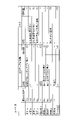
[Selection drawing] Fig. 5
Description
本発明は、ナビゲーションシステムにおける走行経路の設定方法およびその管理装置に関するものである。 The present invention relates to a travel route setting method and a management apparatus for the same in a navigation system.
特許文献1には、ユーザの感情に合致させるように目的地までの経路案内を行うナビゲーション装置が開示されている。具体的には、複数のユーザから収集した地点毎の感情データから生成した感情マップに基づいて、ポジティブな感情と関連する地点を多く含む一方、ネガティブな感情と関連する地点を多く含まないようにされた経路を提案するものが開示されている。
特許文献2には、各地点の安全度と安心度を表すマップに基づいて、安全度と安心度の高い場所へ案内するナビゲーション装置が開示されている。 Patent Literature 2 discloses a navigation device that guides a user to a place with a high degree of safety and security based on a map representing the degree of safety and security of each point.
ところで、自動車を運転するユーザ(ドライバ)の中には、どのような道路でも問題なく自身をもって運転することができるベテランドライバ以外に、運転に不慣れあるいはあまり得意でない者が多く存在する。 By the way, among users (drivers) who drive automobiles, there are many people who are inexperienced or not very good at driving, other than veteran drivers who can drive with confidence on any road.
運転に不慣れあるいはあまり得意でないユーザにおいては、例えば趣味に合致することから自動車を運転して行ってみたい施設がある一方、この施設に向かう途中の道路が例えば狭小であるとか交通量が多すぎるとかのリスク要因を考慮して、上記施設へ行くことをためらうことがある。つまり、ユーザは、得られる好ましい体験(ポジティブな体験)とリスクに伴う不安とを天秤にかけて、不安が勝るときは上記施設へ行くことを断念してしまうことになる。 A user who is unfamiliar with driving or who is not very good at driving may, for example, find a facility that he or she would like to drive by car because it matches his/her hobby, while the road on the way to the facility is narrow or has too much traffic. may hesitate to go to the above facilities considering the risk factors of In other words, the user weighs the desired experience (positive experience) to be obtained and the anxiety associated with the risk, and gives up going to the facility when the anxiety prevails.
リスク要因を低減するために、ある目的地へ向かう経路として、リスク要因のもっとも低い経路を提案することが考えられる。しかしながら、単にリスクを避けるような経路を走行しているだけでは、種々の道路状況に適切に対応するための運転経験をつむことができないことから、運転技量が向上せずまた運転に対する自信を高めることも難しいものとなり、結果としてドライブへ出かける機会の低減ともなる。 In order to reduce risk factors, it is conceivable to propose a route with the lowest risk factor as a route to a certain destination. However, simply driving on a route that avoids risks does not improve driving skills and boosts confidence in driving because it is not possible to acquire driving experience to respond appropriately to various road conditions. It also becomes difficult, and as a result, the opportunity to go out for a drive is reduced.
本発明は以上のような事情を勘案してなされたもので、その目的は、好ましい体験をさせつつリスクをも適切に体験させて、運転技量の向上と運転に対する自信向上に繋げることのできるようにしたナビゲーションシステムにおける走行経路の設定方法およびその管理装置を提供することにある。 The present invention has been made in view of the circumstances described above, and its purpose is to provide a positive experience and an appropriate risk experience, thereby improving driving skills and increasing self-confidence in driving. To provide a travel route setting method and its management device in a navigation system.
前記目的を達成するため、本発明によるナビゲーションシステムにおける走行経路の設定方法にあっては次のような解決手法を採択してある。すなわち、
車両のユーザが希望する出発地点から目的地に向かうための複数の走行経路のそれぞれについて、ポジティブな体験が期待できる期待値の総計と走行に伴うリスクの度合いを示すリスク値の総計とを得る第1ステップと、
前記期待値の総計が前記リスク値の総計よりも大きくなる範囲で、該リスク値の総計がもっとも大きくなる走行経路をユーザに提示する第2ステップと、
を備えているようにしてある。
In order to achieve the above object, the method for setting a travel route in a navigation system according to the present invention employs the following solutions. i.e.
For each of a plurality of travel routes from a starting point desired by a vehicle user to a destination, a total expected value for which a positive experience can be expected and a total risk value indicating the degree of risk associated with the travel are obtained. 1 step;
a second step of presenting to the user a travel route that maximizes the sum of the risk values within a range where the sum of the expected values is greater than the sum of the risk values;
It seems to be equipped with
上記解決手法によれば、期待値の総計がリスク値の総計よりも大きくなるように走行経路が設定されるので、ユーザに対して積極的にドライブに行きたいという意欲を持たせることができる。そして、リスク値の総計がもっとも大きくなるように設定されているので、リスクをも適切に体験させて、運転技量の向上や運転に対する自信を向上させることができる。そして、リスクを経験することにより、徐々に不安を感じなくなり(リスク値の低減)、長期的には期待値がリスク値よりも大きくなる状態へと促す上でも好ましいものとなる。 According to the above-described solution method, the travel route is set so that the total expected value is greater than the total risk value, so that the user can be actively motivated to go for a drive. In addition, since the total risk value is set to be the largest, the risk can be appropriately experienced, and the driver's driving skill and confidence in driving can be improved. By experiencing risk, people gradually lose their sense of anxiety (reduction of risk value), and in the long run, it is favorable in promoting a state in which the expected value is greater than the risk value.
本発明によるナビゲーションシステムにおける走行経路の設定方法にあっては、次のような態様を採択することができる。すなわち、
走行経路が多数の区間に区分けされて、各区間について前記期待値または前記リスク値を記憶したデータベースを有し、
前記第1ステップでは、前記複数の走行経路についてそれぞれ、前記データベースに照合して、前記区間毎の前記期待値を合計することにより該期待値の総計を得ると共に、前記区間毎の前記リスク値を合計することにより該リスク値の総計を得る、
ようにすることができる。この場合、データベースを有効に利用して、走行経路についての期待値の総計とリスク値の総計とを容易に取得する上で好ましいものとなる。
The method for setting a travel route in a navigation system according to the present invention can employ the following aspects. i.e.
Having a database in which a driving route is divided into a large number of sections and the expected value or the risk value is stored for each section,
In the first step, each of the plurality of travel routes is collated with the database, and the expected value for each section is totaled to obtain the total expected value, and the risk value for each section is calculated. obtaining an aggregate risk value by summing;
can be made In this case, it is preferable to use the database effectively and easily acquire the total expected value and the total risk value for the travel route.
本発明によるナビゲーションシステムにおける走行経路の設定方法にあっては、次のような態様を採択することができる。すなわち、
前記データベースに記憶されている前記期待値が、ユーザの心の活性度を示す感情状態に基づいて更新され、
前記データベースに記憶されている前記リスク値が、ユーザの緊張度合いを示す心理状態に基づいて更新される、
ようにすることができる。この場合、期待値とリスク値とをユーザに応じた適正な値にする上で好ましいものとなる。
The method for setting a travel route in a navigation system according to the present invention can employ the following aspects. i.e.
updating the expected value stored in the database based on an emotional state indicative of a user's mental activity;
The risk value stored in the database is updated based on a psychological state indicating the degree of tension of the user.
can be made In this case, it is preferable to set the expected value and the risk value to appropriate values according to the user.
本発明によるナビゲーションシステムにおける走行経路の設定方法にあっては、次のような態様を採択することができる。すなわち、
ユーザの前記感情状態に基づいて仮の期待値を設定して、直近から所定回数分の仮の期待値に基づいて前記データベースに記憶されている前記期待値の更新が実行され、
ユーザの前記心理状態に基づいて仮のリスク値を設定して、直近から所定回数分の仮のリスク値に基づいて前記データベースに記憶されている前記リスク値の更新が実行される、
ようにすることができる。この場合、古い走行ログに基づく期待値やリスク値を捨てて、ユーザの心境変化や成長に伴う傾向値の変化に追従して、期待値、リスク値をユーザに現在の傾向に対応した極めて適切な値に設定する上で好ましいものとなる。
The method for setting a travel route in a navigation system according to the present invention can employ the following aspects. i.e.
setting a provisional expected value based on the user's emotional state, and updating the expected value stored in the database based on a predetermined number of provisional expected values from the latest,
A provisional risk value is set based on the psychological state of the user, and the risk value stored in the database is updated based on the provisional risk values for a predetermined number of times from the latest.
can be made In this case, the expected value and risk value based on the old driving log are discarded, and the expected value and risk value are given to the user in an extremely appropriate manner corresponding to the current trend by following the change in the trend value accompanying the user's change of mind and growth. It is preferable to set it to a reasonable value.
本発明によるナビゲーションシステムにおける走行経路の設定方法にあっては、次のような態様を採択することができる。すなわち、
前記期待値として、日常的に走行される日常モードでの期待値と非日常的に走行されるハッピーモードでの期待値との2種類が設定されて、ポジティブな体験の内容が同じであればハッピーモードでの期待値の方が日常モードでの期待値よりも大きくなるように設定されている、ようにすることができる。この場合、期待値を、走行に慣れた場所と走行に慣れていない場所とで区別して、期待値を適切な値とする上で好ましいものとなる。
The method for setting a travel route in a navigation system according to the present invention can employ the following aspects. i.e.
As the expected values, two kinds of expected values are set, that is, an expected value in a normal mode for daily driving and an expected value in a happy mode for extraordinary driving, and if the content of the positive experience is the same. The expected value in the happy mode can be set to be larger than the expected value in the normal mode. In this case, it is preferable to distinguish the expected value between a place where the vehicle is accustomed to driving and a place where the vehicle is not accustomed to driving, and set the expected value to an appropriate value.
本発明によるナビゲーションシステムにおける走行経路の設定方法にあっては、次のような態様を採択することができる。すなわち、
前記リスク値として、日常的に走行される日常モードでのリスク値と非日常的に走行されるハッピーモードでのリスク値との2種類が設定されて、リスクの内容が同じであればハッピーモードでのリスク値の方が日常モードでのリスク値よりも大きくなるように設定されている、ようにすることができる。この場合、リスク値を、走行に慣れた場所と走行に慣れていない場所とで区別して、リスク値を適切な値とする上で好ましいものとなる。
The method for setting a travel route in a navigation system according to the present invention can employ the following aspects. i.e.
As the risk value, two types are set, a risk value in a normal mode for daily driving and a risk value in a happy mode for extraordinary driving, and if the risk content is the same, the happy mode is selected The risk value in the daily mode is set to be larger than the risk value in the daily mode. In this case, it is preferable to distinguish the risk value between a place where the vehicle is used to driving and a place where the vehicle is not used to driving, and set the risk value to an appropriate value.
本発明によるナビゲーションシステムにおける走行経路の設定方法にあっては、次のような態様を採択することができる。すなわち、
車両に、ポジティブな体験をした際に車両の運転者によって操作されるいいねボタンが設けられ、
前記いいねボタンが操作されたときの車両の場所をポジティブな体験の分類と共に記憶して、該記憶されている場所のうち、同一分類のポジティブな体験について該いいねボタンが操作された車両数が所定の条件を満足する多数とされた場所を、前記期待値が設定されるポジティブな体験が期待できる場所として追加される、
ようにすることができる。この場合、未知のポジティブな体験ができる場所を多数のユーザを利用して新たに作成する上で好ましいものとなる(集合知によるポジティブな体験ができる場所の追加)。
The method for setting a travel route in a navigation system according to the present invention can employ the following aspects. i.e.
The vehicle is equipped with a like button that is operated by the vehicle driver when they have a positive experience,
The location of the vehicle when the like button is operated is stored together with the positive experience classification, and the number of vehicles for which the like button has been operated for the positive experience of the same classification among the stored locations. is added as a place where a positive experience for which the expected value is set can be expected,
can be made In this case, it is preferable to newly create a place where a large number of users can have unknown positive experiences (adding a place where they can have positive experiences based on collective intelligence).
本発明によるナビゲーションシステムにおける走行経路の設定方法にあっては、次のような態様を採択することができる。すなわち、
車両が、ポジティブな体験が生じたときに体験フラグを発生すると共に、リスクが生じたときにリスクフラグを発生するように設定され、
前記体験フラグが発生されたときの車両の場所をポジティブな体験の分類と共に記憶して、該記憶されている場所のうち、同一分類のポジティブな体験について該体験フラグを発生した車両数が所定の条件を満足する多数とされた場所を、前記期待値が設定されるポジティブな体験が期待できる場所として追加され、
前記リスクフラグが発生されたときの車両の場所をリスクの分類と共に記憶して、該記憶されている場所のうち、同一分類のリスクについて該リスクフラグを発生した車両数が所定の条件を満足する多数とされた場所を、前記リスク値が設定されるリスクのある場所として追加される、
ようにすることができる。この場合、未知のポジティブな体験が期待できる場所、未知のリスクのある場所を、多数のユーザを利用して新たに作成する上で好ましいものとなる(集合知によるポジティブな体験ができる場所の追加、およびリスクのある場所の追加)。
The method for setting a travel route in a navigation system according to the present invention can employ the following aspects. i.e.
the vehicle is configured to generate an experience flag when a positive experience occurs and a risk flag when a risk occurs;
The location of the vehicle when the experience flag was generated is stored together with the classification of the positive experience, and the number of vehicles that generated the experience flag for the positive experience of the same classification among the stored locations is a predetermined number. Adding a large number of places that satisfy the conditions as places where a positive experience can be expected for which the expected value is set,
The location of the vehicle when the risk flag is generated is stored together with the risk classification, and the number of vehicles that generated the risk flag for the risk of the same classification among the stored locations satisfies a predetermined condition. adding the multiplied location as a risk location for which the risk value is set;
can be made In this case, it is preferable to create new places where unknown positive experiences can be expected and unknown risky places using a large number of users. , and Add Risk Locations).
前記目的を達成するため、本発明によるナビゲーションシステムの管理装置にあっては、次のような解決手法を採択してある。すなわち、
ナビゲーション装置を備えた車両と該車両のユーザにより操作される携帯端末との少なくとも一方に対して通信可能なコンピュータからなる管理装置であって、
前記車両またはユーザ端末からユーザが希望する出発地点と目的地とを受信する機能と、
前記受信した前記出発地点と前記目的地に向かうための複数の走行経路のそれぞれについて、ポジティブな体験が期待できる期待値の総計を得る機能と、
前記受信した前記出発地点と前記目的地に向かうための複数の走行経路のそれぞれについて、走行に伴うリスクの度合いを示すリスク値の総計を得る機能と、
前記期待値の総計が前記リスク値の総計よりも大きくなる範囲で、該リスク値の総計がもっとも大きくなる走行経路を前記車両または前記ユーザ端末に送信する機能と、
を備えているようにしてある。上記解決手法によれば、請求項1に記載のナビゲーションシステムにおける走行経路の設定方法に用いることのできる管理装置が提供される。
In order to achieve the above object, the navigation system management device according to the present invention adopts the following solutions. i.e.
A management device comprising a computer capable of communicating with at least one of a vehicle equipped with a navigation device and a mobile terminal operated by a user of the vehicle,
a function of receiving a departure point and a destination desired by the user from the vehicle or the user terminal;
a function of obtaining an aggregate expected value for which a positive experience can be expected for each of the received starting point and a plurality of driving routes to the destination;
a function of obtaining a total risk value indicating the degree of risk associated with traveling for each of the plurality of travel routes for the received departure point and the destination;
a function of transmitting to the vehicle or the user terminal a driving route that maximizes the sum of the risk values within a range in which the sum of the expected values is greater than the sum of the risk values;
It seems to be equipped with According to the above solution, a management device is provided that can be used in the route setting method in the navigation system.
本発明によるナビゲーションシステム用の管理装置にあっては、次のような態様を採択することができる。すなわち、
走行経路が多数の区間に区分けされて、各区間について前記期待値または前記リスク値を記憶したデータベースを有し、
前記複数の走行経路についてそれぞれ、前記データベースに照合して、前記区間毎の前記期待値を合計することにより該期待値の総計を得るようにされ、
前記複数の走行経路についてそれぞれ、前記データベースに照合して、前記区間毎の前記リスク値を合計することにより該リスク値の総計を得るようにされている、
ようにすることができる。この場合、請求項2に記載のナビゲーションシステムにおける走行経路の設定方法に用いることのできる管理装置が提供される。
The navigation system management device according to the present invention can adopt the following aspects. i.e.
Having a database in which a driving route is divided into a large number of sections and the expected value or the risk value is stored for each section,
each of the plurality of travel routes is collated with the database, and the total expected value is obtained by summing the expected value for each section,
For each of the plurality of travel routes, the total risk value is obtained by matching the database and totaling the risk value for each section.
can be made In this case, there is provided a management device that can be used in the method of setting a travel route in a navigation system according to claim 2.
本発明によるナビゲーションシステム用の管理装置にあっては、次のような態様を採択することができる。すなわち、
前記データベースに記憶されている前記期待値を、ユーザの心の活性度を示す感情状態に基づいて更新する機能と、
前記データベースに記憶されている前記リスク値を、ユーザの緊張度合いを示す心理状態に基づいて更新する機能と、
をさらに備えたものとすることができる。この場合、期待値とリスク値とを現在のユーザの傾向に応じた適正な値とする上で好ましいものとなる。
The navigation system management device according to the present invention can adopt the following aspects. i.e.
a function of updating the expected value stored in the database based on an emotional state indicating the degree of mental activity of the user;
A function of updating the risk value stored in the database based on the psychological state indicating the degree of tension of the user;
can be further provided. In this case, it is preferable to set the expected value and the risk value to appropriate values according to the current user's tendency.
本発明によるナビゲーションシステム用の管理装置にあっては、次のような態様を採択することができる。すなわち、
前記期待値の更新が、ユーザの前記感情状態に基づいて仮の期待値を設定して、直近から所定回数分の仮の期待値に基づいて行われ、
前記リスク値の更新が、ユーザの前記心理状態に基づいて仮のリスク値を設定して、直近から所定回数分の仮のリスク値に基づいて行われる、
ようにすることができる。この場合、古い走行ログに基づく期待値やリスク値を捨てて、ユーザの心境変化や成長に伴う傾向値の変化に追従して、期待値、リスク値をユーザに現在の傾向に対応した極めて適切な値に設定する上で好ましいものとなる。
The navigation system management device according to the present invention can adopt the following aspects. i.e.
Updating the expected value is performed by setting a provisional expected value based on the user's emotional state and based on the provisional expected value for a predetermined number of times from the latest,
Updating the risk value is performed based on a predetermined number of temporary risk values from the latest by setting a temporary risk value based on the psychological state of the user.
can be made In this case, the expected value and risk value based on the old driving log are discarded, and the expected value and risk value are given to the user in an extremely appropriate manner corresponding to the current trend by following the change in the trend value accompanying the user's change of mind and growth. It is preferable to set it to a reasonable value.
本発明によるナビゲーションシステム用の管理装置にあっては、次のような態様を採択することができる。すなわち、
車両のユーザによっていいねボタンが操作された際に、そのときの車両の場所をポジティブな体験の分類と共に記憶する機能と、
前記記憶されている場所のうち、同一分類のポジティブな体験について前記いいねボタンが操作された車両数が所定の条件を満足する多数とされた場所を、前記期待値が設定されるポジティブな体験が期待できる場所として追加する機能と、
前記期待値が設定されるポジティブな体験が得られる場所として追加される、
ようにすることができる。この場合、未知のポジティブな体験が期待できる場所をユーザを利用して新たに追加することができる。
The navigation system management device according to the present invention can adopt the following aspects. i.e.
A function that remembers the location of the vehicle at that time along with the positive experience classification when the like button is operated by the vehicle user;
Among the stored locations, locations where the number of vehicles for which the like button has been operated for positive experiences of the same classification is a large number that satisfies a predetermined condition is defined as a positive experience for which the expected value is set. with the ability to add as where you can expect
Added as a place to get a positive experience where the expected value is set,
can be made In this case, the user can be used to newly add a place where an unknown positive experience can be expected.
本発明によるナビゲーションシステム用の管理装置にあっては、次のような態様を採択することができる。すなわち、
ポジティブな体験が生じたときに発生される体験フラグを車両から受信して、該体験フラグが発生したときの車両の場所をポジティブな体験の分類と共に記憶する機能と、
前記記憶されている場所のうち、同一分類のポジティブな体験について前記体験フラグを発生した車両数が所定の条件を満足する多数とされた場所を、前記期待値が設定されるポジティブな体験が期待できる場所として追加する機能と、
リスクが生じたときに発生されるリスクフラグを車両から受信して、該リスクフラグが発生されたときの車両の場所をリスクの分類と共に記憶する機能と、
前記記憶されている場所のうち、同一分類のリスクについて該リスクフラグを発生した車両数が所定の条件を満足する多数とされた場所を、前記リスク値が設定されるリスクのある場所として追加する機能と、
をさらに備えているようにすることができる。この場合、未知のポジティブな体験が期待できる場所、未知のリスクのある場所を、多数のユーザを利用して新たに作成する上で好ましいものとなる。
The navigation system management device according to the present invention can adopt the following aspects. i.e.
receiving experience flags from the vehicle that are generated when a positive experience occurs, and storing the location of the vehicle when the experience flag occurs along with the classification of the positive experience;
A positive experience for which the expected value is set is expected to be a place where the number of vehicles that have generated the experience flag for positive experiences of the same classification is a large number that satisfies a predetermined condition, among the stored places. With the ability to add as a place where you can
receiving from the vehicle a risk flag that is generated when a risk occurs and storing the location of the vehicle when the risk flag is generated along with the risk classification;
Among the stored locations, locations where the number of vehicles that have generated the risk flag for the same class of risks are large enough to satisfy a predetermined condition are added as locations at risk for which the risk value is set. function and
can be further provided. In this case, it is preferable to newly create a place where an unknown positive experience can be expected and an unknown risky place using a large number of users.
本発明によるナビゲーションシステム用の管理装置にあっては、次のような態様を採択することができる。すなわち、
前記期待値として、日常的に走行される日常モードでの期待値と非日常的に走行されるハッピーモードでの期待値との2種類が設定されて、ポジティブな体験の内容が同じであればハッピーモードでの期待値の方が日常モードでの期待値よりも大きくなるように設定され、
前記リスク値として、日常的に走行される日常モードでのリスク値と非日常的に走行されるハッピーモードでのリスク値との2種類が設定されて、リスクの内容が同じであればハッピーモードでのリスク値の方が日常モードでのリスク値よりも大きくなるように設定され、
走行経路を複数の区間に区切って、各区間毎に日常モードであるのかハッピーモードであるのかを区別して前記期待値あるいはリスク値を取得する、
ようにすることができる。この場合、ハッピーモードと日常モードとに応じて、期待値とリスク値とを適切に設定することができる。
The navigation system management device according to the present invention can adopt the following aspects. i.e.
As the expected values, two kinds of expected values are set, that is, an expected value in a normal mode for daily driving and an expected value in a happy mode for extraordinary driving, and if the content of the positive experience is the same. The expected value in happy mode is set to be higher than the expected value in normal mode,
As the risk value, two types are set, a risk value in a normal mode for daily driving and a risk value in a happy mode for extraordinary driving, and if the risk content is the same, the happy mode is selected is set so that the risk value in is greater than the risk value in daily mode,
Dividing the driving route into a plurality of sections, distinguishing between the daily mode and the happy mode for each section to obtain the expected value or the risk value;
can be made In this case, the expected value and the risk value can be appropriately set according to the happy mode and the daily mode.
本発明によれば、好ましい体験をさせつつリスクをも適切に体験させて、運転技量の向上と運転に対する自信向上を図る上で好ましいものとなる。 Advantageous Effects of Invention According to the present invention, the driver is allowed to experience risks appropriately while having a favorable experience, which is preferable in terms of improving driving skills and improving confidence in driving.
以下、本発明の実施形態について説明する。
(1)全体の概要について。
Embodiments of the present invention will be described below.
(1) Overall overview.
まず、図1を参照しつつ、全体システムの概要について説明する。この図1において、1はユーザ(ドライバ)の車両(自動車)、20は車両1のユーザが使用する情報処理装置としての携帯端末(スマートフォン等)である。また、30は、サーバ装置を構成する管理装置である。
First, an overview of the entire system will be described with reference to FIG. In FIG. 1, 1 is a user's (driver's) vehicle (automobile), and 20 is a mobile terminal (such as a smart phone) as an information processing device used by the user of the
管理装置30は、各種処理を行うためのプログラムを記憶したメモリ、上記プログラムにしたがって各種処理を実行するプロセッサ、通信回路、入出力装置、表示装置等を含むコンピュータ装置によって構成されている。管理装置30は、後述するようにビッグデータを扱うことから、大容量のデータベースを保有するものとなっている(このため大容量のHDDやフラッシュメモリを有している)。
The
車両1および携帯端末20は、無線通信の形態で、通信回路としてのインターネット40を介して管理装置30と通信可能とされている。また、車両1と携帯端末20とは、例えばブルートゥース(登録商標)等によって近距離無線通信が可能とされている。図1では車両1およびこれに対応した携帯端末20が1組のみ表示されているが、実際には、多数の他車両分についてその携帯端末と共にインターネット40を介して管理装置30と通信可能とされている。
The
管理装置30は、道路の所定単位距離(例えば100m~200m)毎に区分けされた区間単位でもって、ポジティブな体験が期待できる区間とその期待値、およびリスクを含む区間とそのリスク値を記憶している(同じ区間でも、曜日や時間毎、さらには天候等に応じて期待値あるいはリスク値を設定するのが好ましい)。なお、1つの区間の長さ(距離)を同一とすることもできるが、例えば同じような状況が長く続く道路の場合は1区間の長さを長く設定し、道路状況の変化が大きい複雑な道路については1つの区間の長さを短く設定するのが好ましい。ある1つの走行経路は、多数の区間を連続したものとなる。
The
携帯端末20から、出発地点と目的地および出発時間とが管理装置30の送信される。管理装置30は、受信した出発地点と目的地および出発時間に基づいて、複数の走行経路を設定して、各走行経路毎に、上記期待値の総計とリスク値の総計とを算出する。そして、期待値の総計がリスク値の総計よりも大きい範囲で、リスク値がもっとも大きくなる走行経路を選択して、この選択された走行経路を車両1に送信する。なお、走行経路の車両1への送信は、携帯端末20を介して行うようにしてもよい。
The
走行経路の決定に際しては、ポジティブな体験ができる区間とリスクのある区間とを抽出して、抽出された区間毎の期待値あるいはリスク値を決定して、各区間毎の期待値あるいはリスク値を全ての区間について合計することにより、期待値の総計とリスク値の総計とを得ることができる。 When determining the driving route, we extract sections where we can have a positive experience and sections with risks, determine the expected value or risk value for each extracted section, and calculate the expected value or risk value for each section. By summing over all intervals, a total expected value and a total risk value can be obtained.
車両1は、管理装置30から送信された走行経路に沿って走行することにより、ポジティブな体験を十分得つつ、走行に伴うリスクも適切に体験することになる。リスクの適切な体験により、運転技量が向上されると共に運転に対する自信も向上されて、ドライブへ出かけるという意欲が向上されることになる。
By traveling along the travel route transmitted from the
管理装置30からの走行経路に関する送信に際しては、トリップルート(走行経路)の他に、トリップルート周辺のヒートマップ(ポジティブな体験が得られる場所の分布)およびリスクマップ(リスク有りの場所の分布)を合わせて送信するのが好ましい。
When sending a travel route from the
上述の複数の走行経路について、各走行経路毎の期待値の総計とリスク値の総計を示す一例が図3に示される。図3では、ルートBが、期待値の総計がリスク値の総計よりも大きい範囲で、リスク値の総計がもっとも大きくなる走行経路である。ルートBの走行経路の具体例が、ヒートマップ、リスクマップと共に図4に示される。ルートBにおいては、出発地点から、終了地点(目的地)に向けて順次、会話を楽しめる場所(ポジティブな体験が期待できる場所)、車線変更が多く行われる場所(リスクのある場所)、離合のある場所(リスクがある場所)、公園がある場所(ポジティブな体験が期待できる場所)、走りが楽しめる場所(ポジティブな体験が期待できる場所)、路面が滑りやすい場所(リスクのある場所)となっている。 FIG. 3 shows an example of the total expected value and the total risk value for each of the multiple travel routes described above. In FIG. 3, route B is the driving route with the largest total risk value in the range where the total expected value is greater than the total risk value. A specific example of the travel route of route B is shown in FIG. 4 together with a heat map and a risk map. On route B, from the starting point to the ending point (destination), the locations are places where you can enjoy conversation (places where you can expect positive experiences), places where you frequently change lanes (places where there is a risk), A place (where there is a risk), a place where there is a park (where you can expect a positive experience), a place where you can enjoy running (where you can expect a positive experience), a place where the road surface is slippery (where you can expect a risk). ing.
図4に示すような表示は、車両1のディスプレイに表示させることができる。この場合、同じ分類のポジティブな体験ができる区間が連続して複数存在する場合は、この複数の区間をまとめてポジティブな体験が期待できる区間としてまとめて表示することができる。同様に、同じ分類のリスクのある区間が連続して複数存在する場合は、この複数の区間をまとめてポジティブな体験が期待できる区間としてまとめて表示することができる。
A display such as that shown in FIG. 4 can be displayed on the display of the
上記ポジティブな体験が期待ができる各区間毎の期待値と、上記リスクのある区間毎のリスク値の具体例が、図5に示される。各期待値を合計した総計が247であり、各リスク値を合計した総計が222となる(図3のルートB対応)。なお、図5に示す例では、目的地としての宿泊先について期待値が0になっているが、宿泊先で温泉が楽しめたり催し物が開催される等のときは、ポジティブな体験が期待できる区間(地点)とされて、所定の期待値が設定されることもある。
(2)車両側でのデータ収集と、管理装置30におけるデータ処理(記憶)について。
FIG. 5 shows a specific example of the expected value for each section in which the positive experience can be expected and the risk value for each section with risk. The sum of the expected values is 247, and the sum of the risk values is 222 (corresponding to route B in FIG. 3). In the example shown in FIG. 5, the expected value for the accommodation as the destination is 0, but when the accommodation can enjoy a hot spring or an event is held, it is a section where a positive experience can be expected. A predetermined expected value may be set as a (point).
(2) Regarding data collection on the vehicle side and data processing (storage) in the
図2を参照しつつ、車両側でのデータ収集と、管理装置30におけるデータ処理(特にデータベース関係)に着目して説明する。なお、図2においては、管理装置30のうちデータベースの記憶に関する部位が抽出して記載されている。
Data collection on the vehicle side and data processing (particularly database-related) in the
車両1側においては、撮像手段としてのカメラS1と、各種センサS2と、入力装置S3と、表示装置S4と、を有する。カメラS1は、少なくとも、乗員の顔を撮影する車内カメラと、少なくとも車両前方を撮影する車外カメラとを含むものとされている。なお、実施形態では、車外カメラは全方位を撮影可能とされている。
The
各種センサS2に含まれるセンサとしては、次のようなものとされている。まず、車両挙動の状態を取得するために、車速センサ、前後方向および左右方向の加速度センサ、ヨーレートセンサ、エンジン回転数センサ等を含んでいる。また、運転操作の状態を取得するために、アクセル開度センサ、ブレーキセンサ、舵角センサ等を含んでいる。車両の位置情報を取得するために、GPSやGNSS等の測位センサを含んでいる。さらに、乗員の感情情報取得のために、乗員の声を取得するマイク、乗員の心拍変動を計測する心拍センサ等の生体センサを含んでいる。さらに、車両物体を検出する前方レーダ、後方物体を検出する後方レーダを含んでいる。 The sensors included in the various sensors S2 are as follows. First, it includes a vehicle speed sensor, longitudinal and lateral acceleration sensors, a yaw rate sensor, an engine speed sensor, and the like in order to acquire the state of vehicle behavior. It also includes an accelerator opening sensor, a brake sensor, a steering angle sensor, etc. to acquire the state of driving operation. A positioning sensor such as GPS or GNSS is included to acquire vehicle position information. Furthermore, in order to acquire emotional information of the occupant, biometric sensors such as a microphone that acquires the occupant's voice and a heartbeat sensor that measures the variability of the occupant's heartbeat are included. It also includes a front radar for detecting vehicle objects and a rear radar for detecting rear objects.
入力装置S3は、各種のスイッチやボタン、タッチパネル等を含む他、後述する「いいねボタン」を含んでいる。いいねボタンは、走行中に運転者により操作され易い位置(例えばステアリングハンドル)に設けられている。走行中に良い景色を見たとき等に、いいねボタンを操作することにより、そのときに車両が位置する区間が、ポジティブな体験が得られる区間の候補地とされる。この候補地とされたある同一の区間について、所定条件を満たす所定台数以上となる多数の車両がいいねボタンを操作していることが確認されると、ポジティブな体験が得られる区間として追加される。 The input device S3 includes various switches, buttons, a touch panel, etc., and also includes a "Like button" to be described later. The like button is provided at a position (for example, a steering wheel) that can be easily operated by the driver while the vehicle is running. By operating the like button when seeing a good view while driving, the section where the vehicle is located at that time becomes a candidate site for a section where a positive experience can be obtained. If it is confirmed that a large number of vehicles, which meet the predetermined conditions and exceed the predetermined number of vehicles, are operating the "Like" button in the same section of the candidate site, it is added as a section where a positive experience can be obtained. be.
表示装置S4は、乗員に対して各種情報を報知するもので、実施形態ではナビゲーション装置の表示画面によって構成してある。なお、ナビゲーション装置用の表示画面とは別個の表示画面を設定することもできる。 The display device S4 notifies the passengers of various types of information, and in this embodiment, is configured by the display screen of the navigation device. It is also possible to set a display screen separate from the display screen for the navigation device.
上記S1~S4は、制御手段としての演算装置15と接続されている。演算装着15は、次のような処理を行う。まず、ウインカ、ヘッドランプ、いいねボタン等の操作ログ、運転支援などの各種機能の動作ログを収集する。収集される運転支援などの各種機能の動作ログは、例えば、緊急ブレーキ(自動ブレーキ)の作動、死角支援モニタの作動、ABS装置の作動、電子制御4WDの作動、車線維持制御の作動等がある。
The above S1 to S4 are connected to an
また、演算装置15は、運転状態(運転技量)の判定結果や、算出された乗員の感情強度(楽しさの度合いや不安の度合い)を収集する。なお、上記運転状態や感情強度は、演算装置15が算出するようにすることもできる。
The
さらに、演算装置15は、ユーザ認証を行う。この認証は、車内カメラや映像を用いた顔認証や、携帯端末20との接続を利用したID認証等によって行うことができる。
Furthermore, the
さらに又、演算装置15は、ハッピーモードか否かの識別を行う。ハッピーモードは、通勤や買い物等の日常走行(日常モード)と余暇のドライブとを区別するためのもので、余暇のドライブを楽しむときにハッピーモードとされる。前述した期待値とリスク値とは、ハッピーモードの方が日常モードよりも大きな値となるように設定される。例えば、直近の所定期間(例えば6ヶ月~1年間)に所定回数(例えば10~20回)以上走行された区間は日常モードの区間とされ、それ以外の区間はハッピーモードの区間とされる。実施形態では、ユーザの要望に応じて管理装置30で設定された走行経路(トリップルート)を走行するときは、ユーザが走り慣れていないあるいは未知の道路を走行することが多いことから、ハッピーモードとされる。
Furthermore, the
車両1に搭載された通信装置16と管理装置30の通信装置31とが通信可能とされている。演算装置15で処理された各種情報が、この通信装置16、31を介して管理装置30へ送信される。また、管理装置30からの情報が、通信装置31、16を介して車両1へ送信される。演算装置15は、カメラS1、センサS2、入力装置S3からの情報を、ユーザ毎の情報として、ユーザ毎に紐付けされた状態で管理装置30へ送信する。
The
管理装置30は、データベースDB1~DB3を有する。カメラS1、センサS2、入力装置S3からの情報は、データベースDB1に格納(記憶)される。
The
管理装置30は、データベースDB1の格納情報に基づいて、ドライバの感情情報と同乗者の感情情報とを、ユーザ毎に区別してデータベースDB2に記憶する。このデータベースDB2は、ユーザ毎に、ハッピーモードと日常モードとに分類分けした状態で、ユーザ毎の期待値とリスク値とを記憶している。
Based on the information stored in the database DB1, the
管理装置30は、処理部32を有する。処理部32は、データベースDB1の格納情報に基づいて、1回の走行(トリップ)毎に、トリップルート情報を取得する。取得されたトリップルート情報は、データベースDB3に格納される。各トリップルート情報には、ルートID(識別符号)が付される。トリップルート情報としてデータベースDB3に記憶される情報は、走行経路の出発地点、終了地点、出発日時、総トリップ時間(走行時間)、目的地(終了地点とされることもある)、走行ルート(通過した多数の区間を結んだもの)とされる。
The
処理部32は、データベースDB1の格納情報に基づいて、上述したトリップルートが入力される毎に、トリップIDを付与して、走行ログ情報を取得する。トリップルートが入力されていないときは、イグニッションスイッチがオンされる毎にトリップIDを付与して、走行ログ情報を取得する。取得した走行ログは、データベースDB3に格納される。取得される走行ログ情報は、車両情報としてのシリアル番号、位置情報、車両操作系の操作情報、車両挙動、フラグ情報(体験フラグとリスクフラグ)、運転支援の作動情報、運転状態の評価、イグニッションスイッチのON、OFF情報、いいねボタンの操作情報、ハッピーモードの有無とされる。
Based on the information stored in the database DB1, the
処理部32は、データベースDB1の格納情報に基づいて、施設毎にIDを付与して、施設情報を取得する。取得された施設情報は、データベースDB3に格納される。施設情報としては、位置情報と分類(例えば、博物館、自然公園、美術館等)とされる。
The
処理部32は、データベースDB1の格納情報に基づいて、各区間毎にIDを付与して、区間情報を取得する。取得された区間情報は、データベースDB3に格納される。区間情報としては、始点位置情報、終点位置情報、ポジティブな体験の内容を示す分類、発生したリスクの分類とされる。
Based on the information stored in the database DB1, the
携帯端末20は、管理装置30の通信装置31を介して、データベースDB3にアクセス可能とされている。データベースDB3へのアクセスにより、例えば、ユーザがある走行経路を走行した後に、この走行に関する種々の情報を入手することができる。
(3)乗員の感情の判定について。
The
(3) Determination of passenger's emotions.
乗員の感情の判定は、ポジティブな体験につながる楽しさ(活性度)の度合いに関する判定と、リスにつながる不安(緊張度)の度合いに関する判定とされる。楽しさの度合いは、例えば100点満点で評価されて、100点に近いほど楽しさの度合いが高いとされる。また、不安の度合いは、例えば100点満点で評価されて、100点に近いほど不安の度合いが高いとされる。 The determination of the emotions of the occupant is based on the degree of fun (activity) leading to a positive experience and the degree of anxiety (strain) leading to squirrels. The degree of enjoyment is evaluated, for example, out of 100 points, and the closer to 100 points, the higher the degree of enjoyment. In addition, the degree of anxiety is evaluated on a scale of 100, for example, and the closer the score is to 100, the higher the degree of anxiety.
上述した乗員の感情判定についての手法は種々提案されているが、例えば次のような手法で行うことができる。まず、乗員の音声を取得する車内マイク、運転者の心拍変動を計測する心拍計測装置、車内カメラが撮影した乗員の画像等の生体センサからの情報に基づいて、乗員の感情を判定する。実施形態では、運転者および同乗者における瞳孔径、眼球運動、頭部や肩の位置や向きを含む上半身の挙動および顔の表情、並びに心拍変動を生体データとして取得する。そして、取得された生体データに基づき、運転者および同乗者の心理状態としての緊張度を分析する。緊張度が高いほど、不安の度合いが高いとされる。 Various techniques have been proposed for determining the emotion of the passenger as described above. For example, the following technique can be used. First, the emotion of the occupant is determined based on information from biosensors such as an in-vehicle microphone that acquires the occupant's voice, a heart rate measuring device that measures the heart rate variability of the driver, and an image of the occupant captured by an in-vehicle camera. In the embodiment, pupil diameter, eye movement, upper body behavior including head and shoulder positions and orientations, facial expression, and heart rate variability of the driver and fellow passenger are acquired as biometric data. Then, based on the acquired biometric data, the degree of stress as the psychological state of the driver and fellow passengers is analyzed. The higher the degree of tension, the higher the degree of anxiety.
また、公知の「MIMOSYS(登録商標)」などのアルゴリズムを用いて、運転者および同乗者の音声を分析して、運転者および同乗者の感情状態としての活性度を求める。活性度が高いほど、楽しさの度合いが高いものとされる。なお、生体データに基づく感情状態の判定は、実施形態では演算装置15で行うようにしてあるが、これに限らず、携帯端末20および/または管理装置30が感情状態の判定の一部または全部を行うようにしてもよい。
(4)運転状態の評価について。
In addition, using an algorithm such as the well-known "MIMOSYS (registered trademark)", the voices of the driver and the passenger are analyzed to determine the degree of activity as the emotional state of the driver and the passenger. The higher the degree of activity, the higher the degree of enjoyment. In the embodiment, the determination of the emotional state based on the biometric data is performed by the
(4) Regarding evaluation of driving conditions.
実施形態では、運転状態として、しなやかな運転状態であるか否かを判定するようにしてある。すなわち、しなやかな運転状態が行われる区間は、ポジティブな体験が期待できる好ましい区間であるとされる。具体的には、車両1の加速度の変化量が相対的に大きい場合(例えば発進時や停車するとき、旋回開始時や旋回終了時)においては、加速度の変化量が所定値以上でかつ躍度(加速度の微分値)が所定値未満であるときに、しなやかな運転状態であると判定する。この運転状態では、運転操作が適度な速さで行われており、乗員の体の揺れの大きさや速さが所定範囲内に収まることとなる。
In the embodiment, it is determined whether or not the operating state is a supple operating state. In other words, the section in which the supple driving state is performed is considered to be a favorable section in which a positive experience can be expected. Specifically, when the amount of change in the acceleration of the
また、車両1の加速度の変化量が相対的に小さい場合(例えば、ほぼ一定加速度で加速や減速が行われている場合)においては、車両1の加速度の変化量が所定量未満かつ加速度の絶対値が所定値以上であるときに、しなやかな運転状態であると判定される。この運転状態では、運転操作が最適な操作量により一発で行われ、その操作状態が維持されることで、乗員の体が一定に維持されることとなる。なお、運転状態の判定は、実施形態では演算装置15が行うようにしてあるが、これに限らず、携帯端末20および/または管理装置30が運転状態の判定の一部または全部を行うようにしてもよい。
(5)ポジティブな体験が期待できる場所(区間)について。
When the amount of change in the acceleration of the
(5) Places (sections) where positive experiences can be expected.
ポジティブな体験が期待できる場所(区間)として、実施形態では、良い走りができる場所と、良い景色がある場所と、会話が盛り上がりやすい場所との3種類が設定されているが、これに限るものではない。 In the embodiment, three types of places (sections) where a positive experience can be expected are set: a place where a good run is possible, a place where there is a good view, and a place where conversation is easy to liven up. is not.
良い走りができる場所(区間)であるか否かの判定に使用するデータは、車両の挙動とされる。判定基準は、前述したしなやかな運転と判断された距離が所定の単位区間内で所定割合以上の場合、とされている。 The behavior of the vehicle is used as data for determining whether or not it is a place (section) where it is possible to drive well. The criterion for determination is that the distance determined as smooth driving as described above is equal to or greater than a predetermined ratio within a predetermined unit section.
良い景色がある場所(区間)であるか否かの判定に使用するデータは、乗員の操作と乗員状態である。判定基準は、いいねボタンが操作されたとき、あるいは同乗者の感情が活性かつその同乗者の視線が車外を向いている場合とされている。 The data used to determine whether or not the location (section) has a good view is the operation and condition of the occupant. The judgment criteria are when the like button is operated, or when the passenger's emotions are active and the passenger's line of sight is directed outside the vehicle.
会話が盛り上がりやすい場所(区間)であるか否かの判定に使用するデータは、乗員状態とされる。判定基準は、乗員の少なくとも1人の感情が活性かつ会話音量が所定値(例えば60dB)以上の大きい場合とされている。 The data used for determining whether or not the place (section) is likely to be a lively conversation is the occupant state. The criteria for determination are that at least one of the passengers is emotionally active and that the conversation volume is greater than or equal to a predetermined value (eg, 60 dB).
車両1側において、前述したポジティブな体験ができる状況をセンシングすると、体験フラグが立てられる。この体験フラグは、上記センシングされた区間を示す情報と、ポジティブな体験の種類を示す情報と共に、管理装置30に送信されて記憶される。管理装置30は、同じ区間を通過した本システムのサービスを受ける全車両数に対して、体験フラグを送信した車両数の割合が所定値以上のとき、当該区間をポジティブな体験が期待できる場所(区間)として設定(記憶)する。なお、上記全車両数は、所定台数(例えば20~30台)以上とされる。
On the
さらに、ポジティブな体験が期待できる地点(目的地や経由地となる施設で、例えば海、公園、美術館等)が設定される。すなわち、管理装置30は、ある地点を訪れたシステムのサービスを受ける所定台数以上の全車両数に対して、ハッピーモードで訪れた車両数の割合が所定値以上のときに、ポジティブな体験が期待できる地点とし設定(記憶)する。
(6)リスクのある場所(区間)について。
In addition, points where positive experiences can be expected (destinations and transit facilities such as the sea, parks, museums, etc.) are set. That is, the
(6) Risky locations (sections).
リスクのある場所(区間)は、大別して、実施形態では、物理的な要因となる物理1~物理4と、社会的要因となる社会1~社会4の8種類に分類してあるが、これに限るものではない。以下、各リスク毎に説明する。 Locations (sections) at risk are roughly classified into eight types, physical 1 to physical 4 as physical factors and social 1 to social 4 as social factors, in the embodiment. is not limited to Each risk will be explained below.
物理1のリスクは、離合が発生する狭い道路である。判定に使うデータは、車外カメラと地図情報と車両諸元とされる。判定基準は、対面通行かつ道幅から車幅を差し引いた値が所定値以下となる狭い道路とされる。
物理2のリスクは、滑り易い道路である。特に、地域によっては路面の組成(例えばアスファルト)が違うなど、摩擦係数の低い道路が想定される。判定に使うデータは、車外カメラと運転操作と車両挙動とされる。判定基準は、ブレーキ踏み込み量に対する減速度が通常時よりも小さいときとされる。この他、車外カメラによる路面状況を加味して判定することもできる。 A physics 2 risk is a slippery road. In particular, roads with low coefficients of friction are assumed, such as road surfaces with different composition (for example, asphalt) depending on the region. The data used for determination are the outside camera, driving operation, and vehicle behavior. The criterion for determination is when the deceleration relative to the amount of brake depression is smaller than normal. In addition, it is also possible to make a determination by taking into consideration the road surface conditions obtained by the camera outside the vehicle.
物理3のリスクは、雨天時に視界が悪化し易い道路である。例えば、水はけが悪くて、水しぶきがあがりやすい道路が想定される。判定に使うデータは、車外カメラとレーダと交通情報である。判定基準は、雨天時(ワイパ作動時とすることもできる)で、レーダで検出できた物体がカメラで検出できない場合のときとされる。 The physical 3 risk is roads where visibility tends to deteriorate in rainy weather. For example, a road with poor drainage and prone to splashing is assumed. The data used for determination are the camera outside the vehicle, radar, and traffic information. The judgment criteria are when it is raining (which can also be when the wipers are operating) and when an object that can be detected by the radar cannot be detected by the camera.
物理4のリスクは、路端から転落のおそれがある道路である。判定に使うデータは、車外カメラである。判定基準は、路端に縁石やガードレールがなく、路端外の高さが道路面よりも低い場合のときとされる。 A physical 4 risk is a road where there is a risk of falling off the edge of the road. The data used for determination is the camera outside the vehicle. The judgment criteria are when there is no curb or guardrail on the road edge and the height outside the road edge is lower than the road surface.
社会1のリスクは、車間距離の短い車両が多い道路である。判定に使うデータは、前方レーダおよび後方レーダである。判定基準は、前方車両あるいは後方車両との車間距離が、車速に応じて決まる所定距離以下の状態が、区間内で所定割合以上続く場合である。
The risk of
社会2のリスクは、歩行者や車両の飛び出しが多い道路である。判定に使うデータは、車両挙動と、前方カメラまたは前方レーダである。判定基準は、交差点への進入速度が所定値以上の車両や歩行者を、前方カメラあるいは前方レーダで検出した場合とされる。 The risk of society 2 is roads with many pedestrians and vehicles running out. Data used for determination are vehicle behavior and front camera or front radar. The determination criterion is that a vehicle or a pedestrian entering the intersection at a speed equal to or higher than a predetermined value is detected by the front camera or the front radar.
社会3のリスクは、右折待ちで後方車両を待たせてしまう道路である。例えば、施設の入り口、右折信号のない交差点が想定され、後方車両を待たせることによる焦りが事故リスクとなる。判定に使うデータは、後方カメラである。判定基準は、ウインカが作動状態(より具体的には、左側通行の場合での右ウインカ作動状態となる右折待ちの状態)で、かつ後方所定距離以内に停車車両が存在する状態が所定秒数以上続く場合である。 The risk of society 3 is the road that makes the rear vehicle wait while waiting for a right turn. For example, an entrance to a facility or an intersection without a right-turn signal is assumed, and impatience caused by making the rear vehicle wait becomes an accident risk. The data used for determination is the rear camera. The criterion is that the turn signal is activated (more specifically, the right turn signal is activated in the case of left-hand traffic and the vehicle is waiting for a right turn), and a stopped vehicle is present within a predetermined distance behind the vehicle for a predetermined number of seconds. This is the case where the above continues.
社会4のリスクは、急な車線変更が多い道路である。例えば、左側通行の場合において右折信号のない交差点での右折車両の回避や、左右の道路が合流した後の近距離で再び道路が左右に分かれることから、合流直後での車線変更が頻繁に行われることが想定される。判定に使うデータは、前方カメラと運転操作と車両挙動である。判定基準は、車線をまたぐ車両数に対して、ウインカ非作動またはウインカ作動から極めて短い時間内に車線をまたぐ車両数の割合が所定値以上の場合である。なお、急な車線変更を行う車両(車線変更開始から終了までの時間が所定時間以内というように極めて短い車両)を、前方カメラを用いて検出するようにしてもよい。
The risk for
車両1側において、前述したリスクのある状況をセンシングすると、リスクフラグが立てられる。このリスクフラグは、上記センシングされた区間を示す情報と、リスクの種類を示す情報と共に、管理装置30に送信されて記憶される。管理装置30は、同じ区間を通過した本システムのサービスを受ける所定台数以上の全車両数に対して、リスクフラグを送信した車両数の割合が所定値以上のとき、当該区間をリスクのある場所(区間)として設定(記憶)する。
(7)期待値とリスク値について
ポジティブな体験に関する期待値と、リスクに関するリスク値とは、ユーザ毎に設定され、このためユーザの傾向に依存する傾向値として表現することもある。
On the
(7) Expected Values and Risk Values Expected values for positive experiences and risk values for risks are set for each user, and are therefore sometimes expressed as trend values that depend on user tendencies.
期待値とリスク値とは、それぞれ、希望ジャンルと走行ログとから、ユーザの傾向を分析してユーザ毎に決定される。すなわち、どのようなジャンルの体験を好むのかを点数化して期待値として決定され、どのようなジャンルのリスクに対して不安を感じるのかを点数化してリスク値として決定される。期待値とリスク値とは、実施形態ではそれぞれ100点満点とされている。期待値が大きい方が、よりポジティブな体験が期待できることを意味する。また、リスク値が大きい方が、よりリスクが高いことを意味する。 The expected value and the risk value are determined for each user by analyzing the user's tendency based on the desired genre and travel log, respectively. That is, what genre of experience the user prefers is scored to determine the expected value, and what genre of risk the user feels uneasy about is scored to determine the risk value. The expected value and the risk value are each given a perfect score of 100 points in the embodiment. A higher expected value means a more positive experience can be expected. Also, a higher risk value means a higher risk.
当初は、本システムのサービス利用開始時に、ポジティブな体験として希望するジャンル(例えば、海、山、都会、公園、芸術、動物等々)が、例えば携帯端末20を利用して管理装置30へ入力される。入力された希望のジャンルに「期待」の傾向値して事前に設定した期待値(例えば80点)が付与される。管理装置30から、多数のジャンルを携帯端末20に対して多数提示して、アンケート回答の形式で、好みのジャンルの選択をその期待値と共にユーザに入力させることもできる。
Initially, when starting to use the service of this system, a desired genre (for example, sea, mountain, city, park, art, animals, etc.) as a positive experience is input to the
リスク値についても、当初は期待値と同様に設定することができる。すなわち、リスクを感じるジャンル(例えば、急な車線変更、離合、歩行者や車両の飛び出し等々)が、例えば携帯端末20を利用して管理装置30へ入力される。入力されたリスクを感じるジャンルに「リスク」の傾向値して事前に設定したリスク値(例えば80点)が付与される。管理装置30から、多数のジャンルを携帯端末20に対して多数提示して、アンケート回答の形式で、不安に感じるジャンルの選択をそのリスク値と共にユーザに入力させることもできる。
The risk value can also be initially set in the same way as the expected value. That is, the category of risk (for example, a sudden lane change, a collision, a pedestrian or a vehicle running out, etc.) is input to the
ユーザ毎に決定された期待値とリスク値とは、それぞれ管理装置30のデータベースDB2に記憶される。
The expected value and risk value determined for each user are stored in the database DB2 of the
上記のようにして決定された期待値とリスク値とは、それぞれ初期値であり、この初期値が走行ログに基づいて適宜更新される。すなわち、走行中に体験フラグが立てられたときのユーザの感情状態(楽しさの度合いを示す活性度)を検出して、この検出された感情状態に基づいて期待値が更新(補正)される。具体的には、体験フラグが立てられたときのユーザの感情があまり楽しくない状態であると判断されたときは、期待値が小さくなる方向に更新される。逆に、体験フラグが立てられたときの感情が非常に楽しい状態であると判断されたときは、期待値が大きくなる方向に更新される。勿論、期待値の更新は、ポジティブな体験の種類毎に行われる。 The expected value and the risk value determined as described above are initial values, and these initial values are appropriately updated based on the travel log. That is, the user's emotional state (activation level indicating the degree of enjoyment) when the experience flag is set while driving is detected, and the expected value is updated (corrected) based on the detected emotional state. . Specifically, when it is determined that the user's emotion when the experience flag is set is not very pleasant, the expected value is updated to decrease. On the contrary, when it is determined that the feeling when the experience flag is raised is in a very happy state, the expected value is updated in the direction of increasing. Of course, updating the expected value is done for each type of positive experience.
リスク値については、走行中にリスクフラグが立てられたときのユーザの心理状態(不安の度合いを示す緊張度合い)を検出して、この検出された心理状態に基づいてリスク値が更新(補正)される。具体的には、リスクフラグが立てられたときのユーザの緊張度合いが低い(不安レベルが低い)状態であると判断されたときは、リスク値が小さくなる方向に更新される。逆に、リスクフラグが立てられたときの緊張度合いが高い(不安レベルが高い)状態であると判断されたときは、リスク値が大きくなる方向に更新される。勿論、リスク値の更新は、リスクの種類毎に行われる。 Regarding the risk value, the user's psychological state (the degree of tension indicating the degree of anxiety) when the risk flag is set while driving is detected, and the risk value is updated (corrected) based on this detected psychological state. be done. Specifically, when it is determined that the user is in a state of low tension (low anxiety level) when the risk flag is set, the risk value is updated to decrease. Conversely, when it is determined that the degree of tension is high (the anxiety level is high) when the risk flag is set, the risk value is updated in the direction of increasing. Of course, updating of the risk value is performed for each type of risk.
期待値およびリスク値を精度よく設定するために、次のような更新手法を採択するのが好ましい。まず、上述した走行ログに基づいて逐次取得される期待値(リスク値)を、仮の期待値(仮のリスク値)として順次記憶しておく。そして、直近の所定数分の仮の期待値(仮のリスク値)に基づいて、最終的に更新後の期待値(リスク値)として設定するのが好ましい。仮の期待値は、体験フラグが立てられたときの乗員の感情状態(活性度合い)に基づいて100点満点で決定される。また、仮のリスク値は、リスクフラグが立てられたときの乗員の心理状態(緊張度合い)に基づいて100点満点で決定される。 In order to accurately set the expected value and risk value, it is preferable to adopt the following update method. First, expected values (risk values) sequentially obtained based on the above-described travel log are sequentially stored as temporary expected values (temporary risk values). Then, it is preferable to finally set the updated expected value (risk value) based on the last predetermined number of provisional expected values (temporary risk values). The tentative expected value is determined out of 100 based on the passenger's emotional state (degree of activity) when the experience flag is set. The provisional risk value is determined out of 100 based on the psychological state (degree of tension) of the passenger when the risk flag is set.
所定数分の仮の期待値(仮のリスク値)に基づく更新後の期待値(リスク値)の算出は、例えば、所定数分の仮の期待値(仮のリスク値)の平均値とすることができる((移動平均値の採択)。また、所定数分の仮の期待値(仮のリスク値)のうち、新しい値ほど反映度合いが大きくなるように(古い値ほど反映度合いが小さくなるように)算出することもできる。このように、直近の複数の仮の期待値(仮のリスク値)に基づいて期待値(リスク値)の更新を行うことにより、ユーザの心境変化や成長に伴う傾向の変化に対して、極力忠実に追従した期待値(リスク値)とすることができる。 Calculation of the updated expected value (risk value) based on a predetermined number of provisional expected values (provisional risk values) is, for example, the average value of the predetermined number of provisional expected values (provisional risk values). (Adoption of the moving average value).In addition, among the predetermined number of provisional expected values (provisional risk values), the newer the value, the higher the degree of reflection (the older the value, the lower the degree of reflection). In this way, by updating the expected value (risk value) based on a plurality of recent provisional expected values (provisional risk values), An expected value (risk value) that closely follows the accompanying change in trend can be obtained.
傾向値としての期待値(リスク値)は、図6に示すように、実施形態では、走り慣れていない場所(経路)を対象としたハッピーモードと、通勤や買い物等で走り慣れている場所(経路)を対象とした日常モードの2種類が設定される。期待値(リスク値)は、ハッピーモードの方が日常モードよりも大きい値とされる。前述した期待値(リスク値)の更新は、ハッピーモードと日常モードとに分けて行うことができる。走行経路(トリップルート)が設定されていない状態での走行は、一般的に走り慣れた道を走行するときなので、楽しさも不安も感じずらいことから、結果的にハッピーモードの方が日常モードよりも期待値もリスク値も大きくなる。 As shown in FIG. 6, the expected value (risk value) as a tendency value is, in the embodiment, a happy mode targeting unfamiliar places (routes) and a place (routes) familiar to commuting or shopping ( route) are set. The expected value (risk value) is a larger value in the happy mode than in the everyday mode. The update of the expected value (risk value) described above can be performed separately for the happy mode and the everyday mode. Driving without a travel route (trip route) is generally when driving on familiar roads, so it is difficult to feel fun or anxiety, so as a result, happy mode is better than everyday mode. Expected value and risk value are higher than
図6に、あるユーザについて、期待値とリスク値とを、ハッピーモードと日常モードに分けて設定した例が示される。傾向値のうち、ポジティブな体験に関する傾向値(期待値)については、ハッピーモードの傾向値から日常モードの傾向値を差し引いた値が大きいほど、ハッピーモードにおいてポジティブな体験をより十分に楽しめるということを意味する。また、リスクに関する傾向値(リスク値)については、ハッピーモードの傾向値から日常モードの傾向値を差し引いた値が大きいほど、ハッピーモードではより大きく不安を感じやすいということを意味する。なお、図6は、あるユーザを例にしたものであり、ユーザが相違すれば、傾向値は異なるものである。ユーザは、リスクを経験することにより、徐々に不安を感じなくなり(リスク値が低減されていく)、長期的には、期待値(の総計)がリスク値(の総計)よりも大きくなる経路が増大することになる。 FIG. 6 shows an example of setting the expected value and the risk value for a certain user separately for happy mode and everyday mode. Of the trend values, regarding the trend value (expected value) related to positive experiences, the larger the value obtained by subtracting the trend value of everyday mode from the trend value of happy mode, the more fully the positive experience can be enjoyed in happy mode. means In addition, regarding the trend value (risk value) regarding risk, it means that the greater the value obtained by subtracting the trend value of the normal mode from the trend value of the happy mode, the greater the anxiety in the happy mode. FIG. 6 shows an example of a certain user, and different users have different tendency values. By experiencing risk, users gradually lose their anxiety (the risk value is reduced), and in the long run, there is a path in which the expected value (total) becomes greater than the risk value (total). will increase.
走行経路は、多数の区間を繋げることにより構成される。したがって、ハッピーモードと日常モードの使い分けを、各区間毎に行うことができる。なお、走り慣れている場所での走行距離(あるいは走行時間)が、走り慣れていない場所での走行距離(あるいは走行時間)よりも十分に短い場合は、走行経路の全体について、ハッピーモードでの期待値とリスク値とを採択することもできる。これとは逆に、走り慣れている場所での走行距離(あるいは走行時間)が、走り慣れていない場所での走行距離(あるいは走行時間)よりも十分に長い場合は、走行経路の全体について、日常モードでの期待値とリスク値とを採択することもできる。
(8)車両1と携帯端末20と管理装置30との間での情報授受について。
A travel route is configured by connecting a large number of sections. Therefore, the happy mode and the everyday mode can be selectively used for each section. If the distance traveled (or travel time) in a place you are used to driving is sufficiently shorter than the travel distance (or travel time) in an unfamiliar place, the entire travel route will be driven in happy mode. An expected value and a risk value can also be adopted. Conversely, if the distance traveled (or travel time) in a familiar location is sufficiently longer than the travel distance (or travel time) in an unfamiliar location, for the entire travel route, It is also possible to adopt the expected value and the risk value in the daily mode.
(8) Concerning exchange of information between the
図7、図8は、車両1と携帯端末20と管理装置30との間で行われる情報授受を時系列的に示すものである。なお、以下の説明で、Pは車両1側での処理を示すステップ(処理部)であり、Qは携帯端末20での処理を示すステップ(処理部)であり、Rは管理装置30での処理を示すステップ(処理部)である。
FIG. 7 and FIG. 8 show time-sequentially the exchange of information between the
まず、図7のQ1において携帯端末20でのログインが行われる。管理装置30との間で認証が成立すると、Q2において、走行経路を提案するためのサービス画面が起動される。この後、Q3において、トリップ条件が入力される。トリップ条件としては、前述のように、出発地点と終了地点(目的地でもよい)と出発時間の他、適宜の条件、例えば寄り道したい施設、終了地点への到着希望時間等を入力することができる。
First, in Q1 of FIG. 7, login is performed with the
管理装置30は、Q3での入力を受けて、R1において、トリップルート(走行経路)を決定して、データベースDB3に格納する。そして、決定されたトリップルートが、ヒートマップと共に携帯端末20へ送信される。携帯端末20は、Q4において、送信されてきたトリップルートとヒートマップを表示する。次いで、Q5において、トリップルートの確定処理が行われると、R2において、トリップルートとヒートマップとが車両1(のナビゲーション装置)へ送信される。
The
車両1では、P1において、トリップルートとヒートマップとを受信する。なお、トリップルートとヒートマップは、管理装置30から、携帯端末20を介して間接的に車両1で取得させるようにしてもよい。
P1の後、携帯端末20との間で認証が成立したことを条件として、図8に示す処理が行われる。まず、P2において、車両のイグニッションスイッチがONされると、P3において、ハッピーモードがONにされる。すなわち、設定された走行経路(トリップルート)に基づく走行時には、ハッピーモードがオンにされる。なお、手動でハッピーモードをONにするようにしてもよい。この後、P4において、トリップルートに基づいてナビゲート(経路案内)が行われる。
After P1, the process shown in FIG. 8 is performed on the condition that authentication with the
P5において、ナビゲートされつつ走行している間、位置情報や車両情報等の前述した走行ログが随時取得される。取得された走行ログは、常時管理装置30へ常時送信されて、R3において、管理装置30において走行ログが蓄積される。
In P5, while the vehicle is traveling while being navigated, the above-described travel logs such as position information and vehicle information are acquired as needed. The acquired travel log is constantly transmitted to the
P6において、トリップ終了地点でイグニッションスイッチをOFFすることにより、P7においてハッピーモードがOFFとされる。 The happy mode is turned off at P7 by turning off the ignition switch at the trip end point at P6.
P7でのハッピーモードOFFの情報が、管理装置30へ送信される。これを受けて管理装置30では、R4において、各データから該当トリップに関するデータが抽出される。この後、R5において、区間毎のポジティブな体験、リスクを評価して、評価結果をデータベースDB3に記憶する。最後に、R6において、ユーザ毎の傾向値(期待値とリスク値)とを算出(更新値の算出)して、算出結果がユーザと紐付けられた状態でデータベースDB3に記憶される。
(9)フローチャートについて。
Information indicating that the happy mode is turned off at P7 is transmitted to the
(9) Flowchart.
図9は、管理装置30での制御内容のうち、走行経路の決定と、体験フラグおよびいいねボタンに対応してポジティブな体験が期待できる場所の設定と、リスクフラグに対応してリスクのある場所の設定とを行う処理内容に着目した制御例を示す。なお、以下の説明でTはステップを示す。なお、体験フラグとリスクフラグといいねボタンの各受信は、他車両からのものも含むものである。
FIG. 9 shows, among the control contents of the
図9のT1において、データ入力された後、T2において、携帯端末20から走行経路の要求があるか否かが判別される。T2の判別でYESのときは、T3において、要求された内容に応じた複数の走行経路が選択される。この後、T4において、複数の走行経路毎に、期待値の総計とリスク値の総計とが算出される。T5では、期待値の総計がリスク値の総計よりも大きくて、かつリスク値がもっとも大きい1つの走行経路が決定される。T6では、T5で決定された走行経路が、携帯端末20を介してあるいは直接に車両1側へ送信される。
After the data is input at T1 in FIG. 9, it is determined at T2 whether or not there is a request for a travel route from the
前記T2の判別でNOのときは、T7において、T5で決定された走行経路にしたがって車両1が走行中であるか否かが判別される。T7の判別でYESのときは、T8において、体験フラグを受信したか否かが判別される。T8の判別でYESのときは、T9においてポジティブな体験が行われた場所がその分類(内容の区分け)と共に記憶される。
When the determination at T2 is NO, it is determined at T7 whether or not the
T9の後、T10において、T9でのポジティブな体験場所とその分類と同じものが所定割合以上存在するか否かが判別される。具体的には、T10の判別においては、同一のポジティブな体験の分類について、同じ区間を通過した本システムのサービスを受ける所定台数以上の全車両数に対して、体験フラグを送信した車両数の割合が所定値以上であるか否かが判別される。T10の判別でYESのときは、T11において、ポジティブな体験場所がその分類と共に新たに設定(追加)される。 After T9, at T10, it is determined whether or not positive experience locations and the same classification as those at T9 exist at a predetermined ratio or more. Specifically, in the determination at T10, for the same positive experience classification, the number of vehicles that sent an experience flag to the total number of vehicles above a predetermined number that received the service of this system that passed through the same section It is determined whether or not the ratio is equal to or greater than a predetermined value. When the determination at T10 is YES, at T11, a positive experience place is newly set (added) along with its classification.
T11の後、あるいはT10の判別でNOのときは、T12において、イグニッションスイッチがOFFされてか否かが判別される。T12の判別でNOのときはT1に戻る。T12の判別でYESのときは、T13において、期待値とリスク値との更新が行われる。 After T11 or when the determination at T10 is NO, it is determined at T12 whether or not the ignition switch is turned off. If the determination at T12 is NO, the process returns to T1. When the determination at T12 is YES, the expected value and the risk value are updated at T13.
前記T8の判別でNOのときは、T14において、いいねボタンが操作された旨の信号を受信したか否かが判別される。T14の判別でYESのときは、前述したT9以降の処理が行われる。 When the determination at T8 is NO, it is determined at T14 whether or not a signal indicating that the "Like" button has been operated has been received. When the determination at T14 is YES, the processes after T9 described above are performed.
上記T14の判別でNOのときは、T15において、リスクフラグを受信したか否かが判別される。このT15の判別でYESのときは、T16において、リスクの発生した場所(区間)が、リスクの分類と共に記憶される。 When the determination at T14 is NO, it is determined at T15 whether or not the risk flag has been received. When the determination at T15 is YES, at T16, the place (section) where the risk occurred is stored together with the risk classification.
T16の後、T17において、T16でのリスク発生場所とその分類とが同じものが所定割合以上存在するか否かが判別される。具体的には、T17においては、同一のリスクの分類について、同じ区間を通過した本システムのサービスを受ける所定台数以上の全車両数に対して、リスクフラグを送信した車両数の割合が所定値以上であるか否かが判別される。T17の判別でYESのときは、T18においてリスク発生場所がその分類と共に新たに設定(追加)される。 After T16, at T17, it is determined whether or not there are a predetermined percentage or more of the same risk occurrence locations and their classification at T16. Specifically, at T17, for the same risk classification, the ratio of the number of vehicles that have sent risk flags to the total number of vehicles that have passed through the same section and are serviced by this system and are equal to or greater than a predetermined number is a predetermined value. It is determined whether or not the above is satisfied. When the determination at T17 is YES, at T18, the risk occurrence location is newly set (added) along with its classification.
T18の後、あるいはT17の判別でNOのときは、T12へ移行される。 After T18 or when the determination at T17 is NO, the process proceeds to T12.
前記T7の判別でNOのとき、あるいはT15の判別でNOのときは、T1へ戻る。 When the determination at T7 is NO, or when the determination at T15 is NO, the process returns to T1.
ここで、前記T10での判定条件を、同一分類のポジティブな体験について、所定期間内(例えば1~2ヶ月)に、所定台数(例えば20~30台)以上という多くの車両から体験フラグを受信したか否か(あるいは、いいねボタンが操作された車両数が上記所定台数以上であるか否か)、という条件に変更することもできる。また、前記T17での判定条件を、同一分類のリスクについて、所定期間内(例えば1~2ヶ月)に、上記所定台数以上という多くの車両からリスクフラグを受信したか否か、という条件に変更することもできる。 Here, the judgment condition at T10 is that experience flags are received from a predetermined number of vehicles (for example, 20 to 30 vehicles) or more within a predetermined period (for example, 1 to 2 months) for positive experiences of the same classification. (or whether or not the number of vehicles for which the like button has been operated is equal to or greater than the predetermined number). In addition, the determination condition at T17 is changed to a condition of whether risk flags have been received from a number of vehicles equal to or greater than the predetermined number within a predetermined period (for example, 1 to 2 months) for risks of the same classification. You can also
以上実施形態について説明したが、本発明は、実施形態に限定されるものではなく、特許請求の範囲の記載された範囲において適宜の変更が可能である。携帯端末20の機能の一部または全部を車両1側に持たせるようにしてもよい。車両1の運転者によって操作されや易い位置に「リスクボタン」を別途設けて、ある場所あるいはその付近でリスクボタンが操作されたことが所定回数以上検出されたときに、その場所をリスクのある場所として追加することもできる。リスクの分類は、例えば車両の挙動、車両の操作状況、およびカメラで取得された映像を用いて行うことができる。
Although the embodiments have been described above, the present invention is not limited to the embodiments, and can be appropriately modified within the scope of the claims. Some or all of the functions of the
車両1側(ユーザ)に提示される走行経路が、期待値の総計がリスク値の総計よりも大きいことを前提として、リスク値の総計がもっとも大きくなる走行経路がユーザによって拒否された場合は、リスク値の総計が2番目に大きい走行経路を提示することもできる(2番目が拒否された場合は、3番目にリスク値の総計が大きい走行経路を提示する・・以下同じ)。
On the premise that the total expected value of the driving route presented to the
走行経路を車両1側(ユーザ)に提示する場合に、ポジティブな体験ができる場所の映像を合わせて提示することもでき、この場合、ドライブにでかける意欲をより一層向上させる上で好ましいものとなる。また、走行経路を提示した際に、リスクのある場所の映像、特に、他車両においてリスクのある場所をスムーズに通過しているときの他車両の車室内から撮影した映像を提示することもでき、この場合、リスクのある場所をスムーズに通過するための運転操作をユーザに事前に学習させて、ドライブに出かける際の不安感を低下させる上で好ましいものとなる。
When presenting the driving route to the
走行経路を車両1側(ユーザ)に提示する場合に、走行経路周辺にあるポジティブな体験が場所の分布を示すヒートマップを合わせて提示することに代えてあるいは加えて、走行経路周辺にあるリスクのある場所の分布を示すリスクマップを合わせて提示ことができる。また、ユーザが、ヒートマップ上に示されたポジティブな体験ができる場所を通過するように希望する場合に、ユーザの希望条件(の変更)を受け入れて提示する走行経路を作成し直すこともできる。
When presenting the travel route to the
ユーザに提示する前に選択される複数の走行経路は、その行程全長に渡って相違するものでもよく、また一部あるいは大半が一致する経路であってもよい。管理装置30の機能は、機能名に手段の名称を付したものとして表現することができる。勿論、本発明の目的は、明記されたものに限らず、実質的に好ましいあるいは利点として表現されたものを提供することをも暗黙的に含むものである。
The plurality of travel routes selected before being presented to the user may differ over the entire length of the journey, or may be routes that are partially or largely identical. The functions of the
本発明は、ナビゲーション装置をより有効に利用する上で好ましいものとなる。 INDUSTRIAL APPLICABILITY The present invention is preferable for more effective use of navigation devices.
1:車両
15:演算装置
16:通信装置
20:携帯端末:
30:管理装置
31:通信装置
32:処理部
DB1~DB3:データベース
40:通信回線
1: Vehicle 15: Computing Device 16: Communication Device 20: Portable Terminal:
30: Management device 31: Communication device 32: Processing units DB1 to DB3: Database 40: Communication line
Claims (15)
前記期待値の総計が前記リスク値の総計よりも大きくなる範囲で、該リスク値の総計がもっとも大きくなる走行経路をユーザに提示する第2ステップと、
を備えていることを特徴とするナビゲーションシステムにおける走行経路の設定方法。 For each of a plurality of travel routes from a starting point desired by a vehicle user to a destination, a total expected value for which a positive experience can be expected and a total risk value indicating the degree of risk associated with the travel are obtained. 1 step;
a second step of presenting to the user a travel route that maximizes the sum of the risk values within a range where the sum of the expected values is greater than the sum of the risk values;
A method of setting a travel route in a navigation system, comprising:
走行経路が多数の区間に区分けされて、各区間について前記期待値または前記リスク値を記憶したデータベースを有し、
前記第1ステップでは、前記複数の走行経路についてそれぞれ、前記データベースに照合して、前記区間毎の前記期待値を合計することにより該期待値の総計を得ると共に、前記区間毎の前記リスク値を合計することにより該リスク値の総計を得る、
ことを特徴とするナビゲーションシステムにおける走行経路の設定方法。 In claim 1,
Having a database in which a driving route is divided into a large number of sections and the expected value or the risk value is stored for each section,
In the first step, each of the plurality of travel routes is collated with the database, and the expected value for each section is totaled to obtain the total expected value, and the risk value for each section is calculated. obtaining an aggregate risk value by summing;
A method of setting a travel route in a navigation system characterized by:
前記データベースに記憶されている前記期待値が、ユーザの心の活性度を示す感情状態に基づいて更新され、
前記データベースに記憶されている前記リスク値が、ユーザの緊張度合いを示す心理状態に基づいて更新される、
ことを特徴とするナビゲーションシステムにおける走行経路の設定方法。 In claim 2,
updating the expected value stored in the database based on an emotional state indicative of a user's mental activity;
The risk value stored in the database is updated based on a psychological state indicating the degree of tension of the user.
A method of setting a travel route in a navigation system characterized by:
ユーザの前記感情状態に基づいて仮の期待値を設定して、直近から所定回数分の仮の期待値に基づいて前記データベースに記憶されている前記期待値の更新が実行され、
ユーザの前記心理状態に基づいて仮のリスク値を設定して、直近から所定回数分の仮のリスク値に基づいて前記データベースに記憶されている前記リスク値の更新が実行される、
ことを特徴とするナビゲーションシステムにおける走行経路の設定方法。 In claim 3,
setting a provisional expected value based on the user's emotional state, and updating the expected value stored in the database based on a predetermined number of provisional expected values from the latest,
A provisional risk value is set based on the psychological state of the user, and the risk value stored in the database is updated based on the provisional risk values for a predetermined number of times from the latest.
A method of setting a travel route in a navigation system characterized by:
前記期待値として、日常的に走行される日常モードでの期待値と非日常的に走行されるハッピーモードでの期待値との2種類が設定されて、ポジティブな体験の内容が同じであればハッピーモードでの期待値の方が日常モードでの期待値よりも大きくなるように設定されている、ことを特徴とするナビゲーションシステムにおける走行経路の設定方法。 In any one of claims 1 to 4,
As the expected values, two kinds of expected values are set, that is, an expected value in a normal mode for daily driving and an expected value in a happy mode for extraordinary driving, and if the content of the positive experience is the same. A method of setting a travel route in a navigation system, wherein an expected value in a happy mode is set to be larger than an expected value in a normal mode.
前記リスク値として、日常的に走行される日常モードでのリスク値と非日常的に走行されるハッピーモードでのリスク値との2種類が設定されて、リスクの内容が同じであればハッピーモードでのリスク値の方が日常モードでのリスク値よりも大きくなるように設定されている、ことを特徴とするナビゲーションシステムにおける走行経路の設定方法。 In any one of claims 1 to 5,
As the risk value, two types are set, a risk value in a normal mode for daily driving and a risk value in a happy mode for extraordinary driving, and if the risk content is the same, the happy mode is selected A method of setting a travel route in a navigation system, characterized in that the risk value in normal mode is set to be greater than the risk value in normal mode.
車両に、ポジティブな体験をした際に車両の運転者によって操作されるいいねボタンが設けられ、
前記いいねボタンが操作されたときの車両の場所をポジティブな体験の分類と共に記憶して、該記憶されている場所のうち、同一分類のポジティブな体験について該いいねボタンが操作された車両数が所定の条件を満足する多数とされた場所を、前記期待値が設定されるポジティブな体験が期待できる場所として追加される、
ことを特徴とするナビゲーションシステムにおける走行経路の設定方法。 In any one of claims 1 to 6,
The vehicle is equipped with a like button that is operated by the vehicle driver when they have a positive experience,
The location of the vehicle when the like button is operated is stored together with the positive experience classification, and the number of vehicles for which the like button has been operated for the positive experience of the same classification among the stored locations. is added as a place where a positive experience for which the expected value is set can be expected,
A method of setting a travel route in a navigation system characterized by:
車両が、ポジティブな体験が生じたときに体験フラグを発生すると共に、リスクが生じたときにリスクフラグを発生するように設定され、
前記体験フラグが発生されたときの車両の場所をポジティブな体験の分類と共に記憶して、該記憶されている場所のうち、同一分類のポジティブな体験について該体験フラグを発生した車両数が所定の条件を満足する多数とされた場所を、前記期待値が設定されるポジティブな体験が期待できる場所として追加され、
前記リスクフラグが発生されたときの車両の場所をリスクの分類と共に記憶して、該記憶されている場所のうち、同一分類のリスクについて該リスクフラグを発生した車両数が所定の条件を満足する多数とされた場所を、前記リスク値が設定されるリスクのある場所として追加される、
ことを特徴とするナビゲーションシステムにおける走行経路の設定方法。 In any one of claims 1 to 7,
the vehicle is configured to generate an experience flag when a positive experience occurs and a risk flag when a risk occurs;
The location of the vehicle when the experience flag was generated is stored together with the classification of the positive experience, and the number of vehicles that generated the experience flag for the positive experience of the same classification among the stored locations is a predetermined number. Adding a large number of places that satisfy the conditions as places where a positive experience can be expected for which the expected value is set,
The location of the vehicle when the risk flag is generated is stored together with the risk classification, and the number of vehicles that generated the risk flag for the risk of the same classification among the stored locations satisfies a predetermined condition. adding the multiplied location as a risk location for which the risk value is set;
A method of setting a travel route in a navigation system characterized by:
前記車両またはユーザ端末からユーザが希望する出発地点と目的地とを受信する機能と、
前記受信した前記出発地点と前記目的地に向かうための複数の走行経路のそれぞれについて、ポジティブな体験が期待できる期待値の総計を得る機能と、
前記受信した前記出発地点と前記目的地に向かうための複数の走行経路のそれぞれについて、走行に伴うリスクの度合いを示すリスク値の総計を得る機能と、
前記期待値の総計が前記リスク値の総計よりも大きくなる範囲で、該リスク値の総計がもっとも大きくなる走行経路を前記車両または前記ユーザ端末に送信する機能と、
を備えていることを特徴とするナビゲーションシステム用の管理装置。 A management device comprising a computer capable of communicating with at least one of a vehicle equipped with a navigation device and a mobile terminal operated by a user of the vehicle,
a function of receiving a departure point and a destination desired by the user from the vehicle or the user terminal;
a function of obtaining an aggregate expected value for which a positive experience can be expected for each of the received starting point and a plurality of driving routes to the destination;
a function of obtaining a total risk value indicating the degree of risk associated with traveling for each of the plurality of travel routes for the received departure point and the destination;
a function of transmitting to the vehicle or the user terminal a driving route that maximizes the sum of the risk values within a range in which the sum of the expected values is greater than the sum of the risk values;
A management device for a navigation system, comprising:
走行経路が多数の区間に区分けされて、各区間について前記期待値または前記リスク値を記憶したデータベースを有し、
前記複数の走行経路についてそれぞれ、前記データベースに照合して、前記区間毎の前記期待値を合計することにより該期待値の総計を得るようにされ、
前記複数の走行経路についてそれぞれ、前記データベースに照合して、前記区間毎の前記リスク値を合計することにより該リスク値の総計を得るようにされている、
ことを特徴とするナビゲーションシステム用の管理装置。 In claim 9,
Having a database in which a driving route is divided into a large number of sections and the expected value or the risk value is stored for each section,
each of the plurality of travel routes is collated with the database, and the total expected value is obtained by summing the expected value for each section,
For each of the plurality of travel routes, the total risk value is obtained by matching the database and totaling the risk value for each section.
A management device for a navigation system characterized by:
前記データベースに記憶されている前記期待値を、ユーザの心の活性度を示す感情状態に基づいて更新する機能と、
前記データベースに記憶されている前記リスク値を、ユーザの緊張度合いを示す心理状態に基づいて更新する機能と、
をさらに備えていることを特徴とするナビゲーションシステム用の管理装置。 In claim 10,
a function of updating the expected value stored in the database based on an emotional state indicating the degree of mental activity of the user;
A function of updating the risk value stored in the database based on the psychological state indicating the degree of tension of the user;
A management device for a navigation system, further comprising:
前記期待値の更新が、ユーザの前記感情状態に基づいて仮の期待値を設定して、直近から所定回数分の仮の期待値に基づいて行われ、
前記リスク値の更新が、ユーザの前記心理状態に基づいて仮のリスク値を設定して、直近から所定回数分の仮のリスク値に基づいて行われる、
ことを特徴とするナビゲーションシステム用の管理装置。 In claim 11,
Updating the expected value is performed by setting a provisional expected value based on the user's emotional state and based on the provisional expected value for a predetermined number of times from the latest,
Updating the risk value is performed based on a predetermined number of temporary risk values from the latest by setting a temporary risk value based on the psychological state of the user.
A management device for a navigation system characterized by:
車両のユーザによっていいねボタンが操作された際に、そのときの車両の場所をポジティブな体験の分類と共に記憶する機能と、
前記記憶されている場所のうち、同一分類のポジティブな体験について前記いいねボタンが操作された車両数が所定の条件を満足する多数とされた場所を、前記期待値が設定されるポジティブな体験が期待できる場所として追加する機能と、
をさらに備えていることを特徴とするナビゲーションシステム用の管理装置。 In any one of claims 9 to 12,
A function that remembers the location of the vehicle at that time along with the positive experience classification when the like button is operated by the vehicle user;
Among the stored locations, locations where the number of vehicles for which the like button has been operated for positive experiences of the same classification is a large number that satisfies a predetermined condition is defined as a positive experience for which the expected value is set. with the ability to add as where you can expect
A management device for a navigation system, further comprising:
ポジティブな体験が生じたときに発生される体験フラグを車両から受信して、該体験フラグが発生したときの車両の場所をポジティブな体験の分類と共に記憶する機能と、
前記記憶されている場所のうち、同一分類のポジティブな体験について前記体験フラグを発生した車両数が所定の条件を満足する多数とされた場所を、前記期待値が設定されるポジティブな体験が期待できる場所として追加する機能と、
リスクが生じたときに発生されるリスクフラグを車両から受信して、該リスクフラグが発生されたときの車両の場所をリスクの分類と共に記憶する機能と、
前記記憶されている場所のうち、同一分類のリスクについて該リスクフラグを発生した車両数が所定の条件を満足する多数とされた場所を、前記リスク値が設定されるリスクのある場所として追加する機能と、
をさらに備えていることを特徴とするナビゲーションシステム用の管理装置。 In any one of claims 9 to 13,
receiving experience flags from the vehicle that are generated when a positive experience occurs, and storing the location of the vehicle when the experience flag occurs along with the classification of the positive experience;
A positive experience for which the expected value is set is expected to be a place where the number of vehicles that have generated the experience flag for positive experiences of the same classification is a large number that satisfies a predetermined condition, among the stored places. With the ability to add as a place where you can
receiving from the vehicle a risk flag that is generated when a risk occurs and storing the location of the vehicle when the risk flag is generated along with the risk classification;
Among the stored locations, locations where the number of vehicles that have generated the risk flag for the same class of risks are large enough to satisfy a predetermined condition are added as locations at risk for which the risk value is set. function and
A management device for a navigation system, further comprising:
前記期待値として、日常的に走行される日常モードでの期待値と非日常的に走行されるハッピーモードでの期待値との2種類が設定されて、ポジティブな体験の内容が同じであればハッピーモードでの期待値の方が日常モードでの期待値よりも大きくなるように設定され、
前記リスク値として、日常的に走行される日常モードでのリスク値と非日常的に走行されるハッピーモードでのリスク値との2種類が設定されて、リスクの内容が同じであればハッピーモードでのリスク値の方が日常モードでのリスク値よりも大きくなるように設定され、
走行経路を複数の区間に区切って、各区間毎に日常モードであるのかハッピーモードであるのかを区別して前記期待値あるいは前記リスク値を取得する、
ことを特徴とするナビゲーションシステム用の管理装置。 In any one of claims 9 to 14,
As the expected values, two kinds of expected values are set, that is, an expected value in a normal mode for daily driving and an expected value in a happy mode for extraordinary driving, and if the content of the positive experience is the same. The expected value in happy mode is set to be higher than the expected value in normal mode,
As the risk value, two types are set, a risk value in a normal mode for daily driving and a risk value in a happy mode for extraordinary driving, and if the risk content is the same, the happy mode is selected is set so that the risk value in is greater than the risk value in daily mode,
Dividing the driving route into a plurality of sections, distinguishing between the daily mode and the happy mode for each section to obtain the expected value or the risk value;
A management device for a navigation system characterized by:
Priority Applications (1)
| Application Number | Priority Date | Filing Date | Title |
|---|---|---|---|
| JP2021018928A JP7561326B2 (en) | 2021-02-09 | 2021-02-09 | Method and device for setting driving routes in a navigation system |
Applications Claiming Priority (1)
| Application Number | Priority Date | Filing Date | Title |
|---|---|---|---|
| JP2021018928A JP7561326B2 (en) | 2021-02-09 | 2021-02-09 | Method and device for setting driving routes in a navigation system |
Publications (2)
| Publication Number | Publication Date |
|---|---|
| JP2022121930A true JP2022121930A (en) | 2022-08-22 |
| JP7561326B2 JP7561326B2 (en) | 2024-10-04 |
Family
ID=82932966
Family Applications (1)
| Application Number | Title | Priority Date | Filing Date |
|---|---|---|---|
| JP2021018928A Active JP7561326B2 (en) | 2021-02-09 | 2021-02-09 | Method and device for setting driving routes in a navigation system |
Country Status (1)
| Country | Link |
|---|---|
| JP (1) | JP7561326B2 (en) |
Cited By (2)
| Publication number | Priority date | Publication date | Assignee | Title |
|---|---|---|---|---|
| WO2025248723A1 (en) * | 2024-05-30 | 2025-12-04 | 株式会社Subaru | Route search apparatus |
| WO2025248725A1 (en) * | 2024-05-30 | 2025-12-04 | 株式会社Subaru | Route retrieval device |
Citations (3)
| Publication number | Priority date | Publication date | Assignee | Title |
|---|---|---|---|---|
| JP2007205764A (en) * | 2006-01-31 | 2007-08-16 | Equos Research Co Ltd | Route search device |
| JP2014174032A (en) * | 2013-03-11 | 2014-09-22 | Osaka Gas Co Ltd | Safe route search system |
| JP2017181449A (en) * | 2016-03-31 | 2017-10-05 | カシオ計算機株式会社 | Electronic device, route search method and program |
-
2021
- 2021-02-09 JP JP2021018928A patent/JP7561326B2/en active Active
Patent Citations (3)
| Publication number | Priority date | Publication date | Assignee | Title |
|---|---|---|---|---|
| JP2007205764A (en) * | 2006-01-31 | 2007-08-16 | Equos Research Co Ltd | Route search device |
| JP2014174032A (en) * | 2013-03-11 | 2014-09-22 | Osaka Gas Co Ltd | Safe route search system |
| JP2017181449A (en) * | 2016-03-31 | 2017-10-05 | カシオ計算機株式会社 | Electronic device, route search method and program |
Cited By (2)
| Publication number | Priority date | Publication date | Assignee | Title |
|---|---|---|---|---|
| WO2025248723A1 (en) * | 2024-05-30 | 2025-12-04 | 株式会社Subaru | Route search apparatus |
| WO2025248725A1 (en) * | 2024-05-30 | 2025-12-04 | 株式会社Subaru | Route retrieval device |
Also Published As
| Publication number | Publication date |
|---|---|
| JP7561326B2 (en) | 2024-10-04 |
Similar Documents
| Publication | Publication Date | Title |
|---|---|---|
| CN114906124B (en) | Methods and systems for determining and dynamically updating routes and driving styles for passenger comfort | |
| CN109996713B (en) | Driving assistance device, driving assistance system, and method for controlling driving assistance device | |
| JP4258585B2 (en) | Destination setting device | |
| US6351698B1 (en) | Interactive vehicle control system | |
| JP6703465B2 (en) | Driving support device, center device | |
| JP3873386B2 (en) | Agent device | |
| JP2007506166A (en) | Information system for automobile | |
| JP2001056225A (en) | Agent device | |
| JP2018106530A (en) | Driving support device and driving support method | |
| CN110062937B (en) | information provision system | |
| US12128921B2 (en) | Autonomous vehicle interactive experience platform | |
| JP2023073264A (en) | Information presentation device for self-driving cars | |
| JP7561326B2 (en) | Method and device for setting driving routes in a navigation system | |
| JP4253918B2 (en) | Agent device | |
| JPH11272640A (en) | Agent device | |
| JP2001235343A (en) | Information output device | |
| CN113320536A (en) | Vehicle control method and system | |
| US12319302B2 (en) | Method and system for assisting circuit driving | |
| JP7531700B2 (en) | Driving support information generating device, driving support device, and driving support information generating method | |
| KR102417514B1 (en) | Vehicle, and control method for the same | |
| CN114424025B (en) | Vehicle information processing device and method | |
| CN115320615B (en) | Method and device for supporting manual driving of a driver of a vehicle | |
| JP7575638B2 (en) | Method and vehicle for providing media content adapted to vehicle movements | |
| JP7570597B2 (en) | Driver assistance method and management device thereof | |
| JP7693844B2 (en) | vehicle |
Legal Events
| Date | Code | Title | Description |
|---|---|---|---|
| A621 | Written request for application examination |
Free format text: JAPANESE INTERMEDIATE CODE: A621 Effective date: 20231219 |
|
| A977 | Report on retrieval |
Free format text: JAPANESE INTERMEDIATE CODE: A971007 Effective date: 20240613 |
|
| A131 | Notification of reasons for refusal |
Free format text: JAPANESE INTERMEDIATE CODE: A131 Effective date: 20240614 |
|
| A521 | Request for written amendment filed |
Free format text: JAPANESE INTERMEDIATE CODE: A523 Effective date: 20240806 |
|
| TRDD | Decision of grant or rejection written | ||
| A01 | Written decision to grant a patent or to grant a registration (utility model) |
Free format text: JAPANESE INTERMEDIATE CODE: A01 Effective date: 20240823 |
|
| A61 | First payment of annual fees (during grant procedure) |
Free format text: JAPANESE INTERMEDIATE CODE: A61 Effective date: 20240905 |
|
| R150 | Certificate of patent or registration of utility model |
Ref document number: 7561326 Country of ref document: JP Free format text: JAPANESE INTERMEDIATE CODE: R150 |