JP2016518408A - Salt of epidermal growth factor receptor kinase inhibitor - Google Patents
Salt of epidermal growth factor receptor kinase inhibitor Download PDFInfo
- Publication number
- JP2016518408A JP2016518408A JP2016512980A JP2016512980A JP2016518408A JP 2016518408 A JP2016518408 A JP 2016518408A JP 2016512980 A JP2016512980 A JP 2016512980A JP 2016512980 A JP2016512980 A JP 2016512980A JP 2016518408 A JP2016518408 A JP 2016518408A
- Authority
- JP
- Japan
- Prior art keywords
- compound
- acid
- hydrobromide
- salt
- bis
- Prior art date
- Legal status (The legal status is an assumption and is not a legal conclusion. Google has not performed a legal analysis and makes no representation as to the accuracy of the status listed.)
- Pending
Links
Images






Classifications
-
- A—HUMAN NECESSITIES
- A61—MEDICAL OR VETERINARY SCIENCE; HYGIENE
- A61K—PREPARATIONS FOR MEDICAL, DENTAL OR TOILETRY PURPOSES
- A61K31/00—Medicinal preparations containing organic active ingredients
- A61K31/33—Heterocyclic compounds
- A61K31/395—Heterocyclic compounds having nitrogen as a ring hetero atom, e.g. guanethidine or rifamycins
- A61K31/495—Heterocyclic compounds having nitrogen as a ring hetero atom, e.g. guanethidine or rifamycins having six-membered rings with two or more nitrogen atoms as the only ring heteroatoms, e.g. piperazine or tetrazines
- A61K31/505—Pyrimidines; Hydrogenated pyrimidines, e.g. trimethoprim
- A61K31/506—Pyrimidines; Hydrogenated pyrimidines, e.g. trimethoprim not condensed and containing further heterocyclic rings
-
- A—HUMAN NECESSITIES
- A61—MEDICAL OR VETERINARY SCIENCE; HYGIENE
- A61P—SPECIFIC THERAPEUTIC ACTIVITY OF CHEMICAL COMPOUNDS OR MEDICINAL PREPARATIONS
- A61P35/00—Antineoplastic agents
-
- A—HUMAN NECESSITIES
- A61—MEDICAL OR VETERINARY SCIENCE; HYGIENE
- A61P—SPECIFIC THERAPEUTIC ACTIVITY OF CHEMICAL COMPOUNDS OR MEDICINAL PREPARATIONS
- A61P43/00—Drugs for specific purposes, not provided for in groups A61P1/00-A61P41/00
-
- C—CHEMISTRY; METALLURGY
- C07—ORGANIC CHEMISTRY
- C07D—HETEROCYCLIC COMPOUNDS
- C07D239/00—Heterocyclic compounds containing 1,3-diazine or hydrogenated 1,3-diazine rings
- C07D239/02—Heterocyclic compounds containing 1,3-diazine or hydrogenated 1,3-diazine rings not condensed with other rings
- C07D239/24—Heterocyclic compounds containing 1,3-diazine or hydrogenated 1,3-diazine rings not condensed with other rings having three or more double bonds between ring members or between ring members and non-ring members
- C07D239/28—Heterocyclic compounds containing 1,3-diazine or hydrogenated 1,3-diazine rings not condensed with other rings having three or more double bonds between ring members or between ring members and non-ring members with hetero atoms or with carbon atoms having three bonds to hetero atoms with at the most one bond to halogen, directly attached to ring carbon atoms
- C07D239/46—Two or more oxygen, sulphur or nitrogen atoms
- C07D239/48—Two nitrogen atoms
Landscapes
- Health & Medical Sciences (AREA)
- Chemical & Material Sciences (AREA)
- Organic Chemistry (AREA)
- Medicinal Chemistry (AREA)
- Pharmacology & Pharmacy (AREA)
- Life Sciences & Earth Sciences (AREA)
- Animal Behavior & Ethology (AREA)
- General Health & Medical Sciences (AREA)
- Public Health (AREA)
- Veterinary Medicine (AREA)
- Epidemiology (AREA)
- Chemical Kinetics & Catalysis (AREA)
- General Chemical & Material Sciences (AREA)
- Nuclear Medicine, Radiotherapy & Molecular Imaging (AREA)
- Bioinformatics & Cheminformatics (AREA)
- Engineering & Computer Science (AREA)
- Pharmaceuticals Containing Other Organic And Inorganic Compounds (AREA)
Abstract
本発明は、塩の形態及びその組成物を提供し、これは、EGFRキナーゼの阻害剤として有用であり、そしてこれは、それに対して望ましい特徴を示す。例は、N−(3−(2−(4−(4−アセチル(aceryl)ピペラジン−1−イル)−2−メトキシフェニルアミノ)−5−(トリフルオロメチル)ピリミジン−4−イルアミノ)フェニル)アクリルアミド)の臭化水素酸及びビス−ベシル酸塩を含む。塩及びその多形は、その特質、例えば安定性、溶解度、及び薬物動態に対して評価される。【選択図】図1The present invention provides salt forms and compositions thereof, which are useful as inhibitors of EGFR kinase, and exhibit desirable characteristics thereto. An example is N- (3- (2- (4- (4-Acetylpiperazin-1-yl) -2-methoxyphenylamino) -5- (trifluoromethyl) pyrimidin-4-ylamino) phenyl) Acrylamide) hydrobromic acid and bis-besylate. Salts and their polymorphs are evaluated for their properties, such as stability, solubility, and pharmacokinetics. [Selection] Figure 1
Description
[0001]本出願は、2013年5月6日に出願された米国特許仮出願61/820,096号及び2014年1月10日に出願された米国特許仮出願61/926,008の利益を主張するものである。それぞれのこれらの出願は、本明細書中に参考文献としてその全てが全ての目的のために援用される。 [0001] This application claims the benefit of US Provisional Application 61 / 820,096, filed May 6, 2013, and US Provisional Application 61 / 926,008, filed January 10, 2014. It is what I insist. Each of these applications is hereby incorporated by reference in its entirety for all purposes.
[0002]本発明は、ある種の塩の多形の形態を含む、上皮増殖因子受容体(EGFR)キナーゼの変異選択的阻害剤として有用な化合物の塩の形態を提供する。本発明は、更に、本発明の塩の形態を含む医薬的に受容可能な組成物及び各種の疾病の治療における組成物を使用する方法を提供する。 [0002] The present invention provides salt forms of compounds useful as mutation-selective inhibitors of epidermal growth factor receptor (EGFR) kinase, including certain salt polymorphic forms. The present invention further provides pharmaceutically acceptable compositions comprising the salt forms of the present invention and methods of using the compositions in the treatment of various diseases.
[0003]タンパク質チロシンキナーゼは、ATP又はGTPからのタンパク質の基質上に位置するチロシン残基へのリン酸基の移動を触媒する酵素のクラスである。受容体チロシンキナーゼは、リン酸化の現象により二次メッセージングエフェクターを活性化することによって細胞の外側から内側にシグナルを転移するために作用する。増殖、炭水化物の利用、タンパク質合成、血管新生、細胞増殖、及び細胞の生存を含む各種の細胞の過程がこれらのシグナルによって促進される。 [0003] Protein tyrosine kinases are a class of enzymes that catalyze the transfer of a phosphate group from ATP or GTP to a tyrosine residue located on a protein substrate. Receptor tyrosine kinases act to transduce signals from the outside to the inside of the cell by activating secondary messaging effectors through the phenomenon of phosphorylation. These signals facilitate various cellular processes including growth, carbohydrate utilization, protein synthesis, angiogenesis, cell proliferation, and cell survival.
[0004]60%を超える全ての固形腫瘍が、少なくとも一つのこれらのタンパク質又はそのリガンドを過剰発現するために、ヒトの癌におけるEGFRの関与に対する強力な前例がある。EGFRの過剰発現は、乳房の、肺の、頭頸部の、膀胱の腫瘍において普通に見いだされている。 [0004] There is a strong precedent for EGFR involvement in human cancer because over 60% of all solid tumors overexpress at least one of these proteins or their ligands. EGFR overexpression is commonly found in breast, lung, head and neck, and bladder tumors.
[0005]EGFRのチロシンキナーゼ領域における活性化変異は、非小細胞肺癌を持つ患者において確認されている(Lin,N.U.;Winer,E.P.,Breast Cancer Res 6:204−210,2004)。現時点で、可逆性阻害剤タルセバ(エルロチニブ)及びイレッサ(ゲフィチニブ)は、活性化変異を伴う非小細胞肺癌の患者に対する第一線の療法である。最も普通の活性化変異は、L858R及びdelE746−A750である。 [0005] Activating mutations in the tyrosine kinase region of EGFR have been identified in patients with non-small cell lung cancer (Lin, NU; Winer, EP, Breast Cancer Res 6: 204-210, 2004). At present, the reversible inhibitors Tarceva (erlotinib) and Iressa (gefitinib) are first-line therapies for patients with non-small cell lung cancer with activating mutations. The most common activating mutations are L858R and delE746-A750.
[0006]更に、再発する患者の殆どにおいて、ゲートキーパー残基T790Mの変異によるような後天性薬物耐性が、少なくとも半分のこのような臨床的耐性患者において検出されている。更に、T790Mは既存することもあり;T790M変異に対する独立の、発癌の役割があり得る。例えば、これまでゲフィチニブ治療を受けたことがないL858R/T790M変異を持つ患者が存在する。更に、生殖系列EGFRのT790M変異は、ある種の家族性肺癌に関連している。 [0006] Furthermore, in most patients who relapse, acquired drug resistance, such as by mutation of gatekeeper residue T790M, has been detected in at least half of such clinically resistant patients. Furthermore, T790M may exist; there may be an independent oncogenic role for the T790M mutation. For example, there are patients with the L858R / T790M mutation who have never received gefitinib treatment. Furthermore, the germline EGFR T790M mutation is associated with certain familial lung cancers.
[0007]第二世代の共有結合阻害剤、例えばBIBW2992、HKI−272及びPF−0299804を含む現時点で開発中の薬物は、T790M耐性変異に対して有効であるが、しかしWTのEGFRの同時阻害のために、用量制限毒性を示す。従って、治療剤として有用な変異選択的EGFRキナーゼ阻害剤を見出す必要性が残っている。 [0007] Drugs currently under development, including second generation covalent inhibitors such as BIBW2992, HKI-272, and PF-0299804 are effective against T790M resistance mutations, but co-inhibition of WT EGFR Because of dose limiting toxicity. Thus, there remains a need to find mutation-selective EGFR kinase inhibitors that are useful as therapeutic agents.
[0008]本発明の新規なベンゼンスルホン酸、カンファースルホン酸、1,2−エタンジスルホン酸、臭化水素酸、塩酸、マレイン酸、メタンスルホン酸、ナフタレン−2−スルホン酸、1,5−ナフタレンジスルホン酸、シュウ酸、4−トルエンスルホン酸又は2,4,6−トリヒドロキシ安息香酸塩、及びその組成物が、一つ又はそれより多いEGFRキナーゼの変異選択的阻害剤として有用であり、そしてそれに対して所望の特徴を示すことが見いだされている。一般的に、これらの塩、及びその医薬的に受容可能な組成物は、本明細書中で詳細に記載されるように、各種の疾病又は疾患の重篤度を治療又は緩和するために有用である。 [0008] The novel benzenesulfonic acid, camphorsulfonic acid, 1,2-ethanedisulfonic acid, hydrobromic acid, hydrochloric acid, maleic acid, methanesulfonic acid, naphthalene-2-sulfonic acid, 1,5-naphthalene of the present invention Disulfonic acid, oxalic acid, 4-toluenesulfonic acid or 2,4,6-trihydroxybenzoate, and compositions thereof are useful as one or more mutation-selective inhibitors of EGFR kinase, and In contrast, it has been found to exhibit the desired characteristics. In general, these salts, and pharmaceutically acceptable compositions thereof, are useful for treating or alleviating the severity of various diseases or disorders, as described in detail herein. It is.
[0009]有用な医薬剤形が、以下の化合物2: [0009] Useful pharmaceutical dosage forms include the following compound 2:

[式中:
nは、1又は2であり;そして
Xは、臭化水素酸、ベンゼンスルホン酸、カンファースルホン酸、1,2−エタンジスルホン酸、塩酸、マレイン酸、メタンスルホン酸、ナフタレン−2−スルホン酸、1,5−ナフタレンジスルホン酸、シュウ酸、4−トルエンスルホン酸又は2,4,6−トリヒドロキシ安息香酸である;]
を含むことが今や見出され、ここにおいて、前記剤形は、化合物2を、約50mg〜約1000mgの量で含む。
[Where:
n is 1 or 2; and X is hydrobromic acid, benzenesulfonic acid, camphorsulfonic acid, 1,2-ethanedisulfonic acid, hydrochloric acid, maleic acid, methanesulfonic acid, naphthalene-2-sulfonic acid, 1,5-naphthalenedisulfonic acid, oxalic acid, 4-toluenesulfonic acid or 2,4,6-trihydroxybenzoic acid;
Wherein the dosage form comprises Compound 2 in an amount of about 50 mg to about 1000 mg.
本発明のある種の側面の一般的説明:
[0095]その全てがここに本明細書中に参考文献として援用される、2012年6月14日にUS2012/0149687として公開された、2011年10月31日に出願された米国特許出願13/286,061号(“‘061出願”)は、EGFRキナーゼの活性を共有結合的に、そして不可逆的に阻害するある種の2,4−二置換ピリミジン化合物を記載している。このような化合物は、以下の式1:
General description of certain aspects of the invention:
[0095] All of which are hereby incorporated by reference herein, published as US 2012/0149687 on June 14, 2012,
の化合物を含む。
[0096]化合物1(N−(3−(2−(4−(4−アセチルピペラジン−1−イル)−2−メトキシフェニルアミノ)−5−(トリフルオロメチル)ピリミジン−4−イルアミノ)フェニル)アクリルアミド))は、化合物番号I−4として設計され、そして化合物1の合成は、‘061出願の実施例3に詳細に記載されている。
Of the compound.
[0096] Compound 1 (N- (3- (2- (4- (4-acetylpiperazin-1-yl) -2-methoxyphenylamino) -5- (trifluoromethyl) pyrimidin-4-ylamino) phenyl) Acrylamide)) is designed as Compound No. 1-4 and the synthesis of
[0097]化合物1は、各種のアッセイにおいて活性であり、そして治療モデルは、変異EGFRキナーゼの選択的共有結合的、不可逆的阻害を示す(酵素的及び細胞アッセイにおいて)。注目すべきは、化合物1は、in vitro及びin vivoの両方において、ヒト非小細胞肺癌細胞の増殖を阻害することが見いだされた。従って、化合物1及びその塩は、変異EGFRキナーゼの活性に関係する一つ又はそれより多い疾患の治療に対して有用である。
[0097]
[0098]化合物1と比較して、改良された水性溶解度、安定性及び形成の容易さのような特徴を与える化合物1の形態を提供することは望ましいことであるものである。従って、本発明は、化合物1の幾つかの塩を提供する。
[0098] It would be desirable to provide a form of
[0099]一つの態様によれば、今発明は、以下の化合物2: [0099] According to one embodiment, the present invention now provides the following compound 2:
[式中:
nは、1又は2であり;そして
Xは、ベンゼンスルホン酸、カンファースルホン酸、1,2−エタンジスルホン酸、臭化水素酸、塩酸、マレイン酸、メタンスルホン酸、ナフタレン−2−スルホン酸、1,5−ナフタレンジスルホン酸、シュウ酸、4−トルエンスルホン酸又は2,4,6−トリヒドロキシ安息香酸である;]
によって表される化合物1の塩を提供する。
[Where:
n is 1 or 2; and X is benzenesulfonic acid, camphorsulfonic acid, 1,2-ethanedisulfonic acid, hydrobromic acid, hydrochloric acid, maleic acid, methanesulfonic acid, naphthalene-2-sulfonic acid, 1,5-naphthalenedisulfonic acid, oxalic acid, 4-toluenesulfonic acid or 2,4,6-trihydroxybenzoic acid;
A salt of
[00100]“X”として示された酸部分が、イオン的に結合されて、化合物2を形成することは、当業者によって認識されるものである。化合物2が、各種の物理的形態で存在することができることは意図されている。例えば、化合物2は、溶液、懸濁液、又は固体の形態であることができる。ある態様において、化合物2は、固体の形態である。化合物2が固体の形態である場合、前記化合物は、非晶質、結晶質、又はこれらの混合物であることができる。例示的な固体の形態は、以下に更に詳細に記載される。
[00100] It will be appreciated by those skilled in the art that the acid moiety designated as "X" is ionically linked to form
[00101]他の態様において、本発明は、実質的に不純物を含まない化合物2を提供する。本明細書中で使用する場合、用語“実質的に不純物を含まない”は、化合物が有意な量の外来性物質を含有しないことを意味する。このような外来性物質は、過剰の酸“X”、過剰の化合物1、残留溶媒、又は化合物2の調製、及び/又は単離の結果であることができるいずれかの他の不純物を含むことができる。ある態様において、少なくとも約90重量%の化合物2が存在する。ある態様において、少なくとも約95重量%の化合物2が存在する。本発明のなお他の態様において、少なくとも約99重量%の化合物2が存在する。
[00101] In other embodiments, the present invention provides
[00102]一つの態様によれば、化合物2は、少なくとも約95、97、97.5、98.0、98.5、99、99.5、99.8重量パーセントの量で存在し、ここで、パーセントは、組成物の全重量に基づく。もう一つの態様によれば、化合物2は、HPLC面積で約5.0パーセントより多くない全有機不純物を、そしてある態様において、HPLC面積で約3.0パーセントより多くない全有機不純物を、そしてある態様において、HPLC面積で約1.5パーセントより多くない全有機不純物を、HPLCクロマトグラムの全面積に対して含有する。他の態様において、化合物2は、HPLC面積で約1.0パーセントより多くないいずれか一つの不純物を;HPLC面積で約0.6パーセントより多くないいずれか一つの不純物を、HPLC面積で約0.5パーセントより多くないいずれか一つの不純物を、HPLCクロマトグラムの全面積に対して含有する。
[00102] According to one embodiment,
[00103]化合物2のために示した構造は、更に、化合物2の全ての互変異性の形態を含むことを意味する。更に、本明細書中に示す構造は、更に、一つ又はそれより多い同位体的に富化された原子の存在においてのみ異なる化合物を含むことを意味する。例えば、水素のジューテリウム又はトリチウムによる置換、或いは炭素の13C又は14C富化炭素による置換を除いて、本発明の構造を有する化合物は、本発明の範囲内である。
[00103] The structure shown for
[00104]一つの態様によれば、本発明は、以下の化合物2: [00104] According to one embodiment, the present invention provides the following compound 2:
[式中:
nは、1又は2であり;そして
Xは、臭化水素酸、ベンゼンスルホン酸、カンファースルホン酸、1,2−エタンジスルホン酸、塩酸、マレイン酸、メタンスルホン酸、ナフタレン−2−スルホン酸、1,5−ナフタレンジスルホン酸、シュウ酸、4−トルエンスルホン酸又は2,4,6−トリヒドロキシ安息香酸である;]
を含む医薬的剤形を提供し、ここにおいて、前記剤形は、化合物2を、約50mg〜約1000mgの量で含む。
[Where:
n is 1 or 2; and X is hydrobromic acid, benzenesulfonic acid, camphorsulfonic acid, 1,2-ethanedisulfonic acid, hydrochloric acid, maleic acid, methanesulfonic acid, naphthalene-2-sulfonic acid, 1,5-naphthalenedisulfonic acid, oxalic acid, 4-toluenesulfonic acid or 2,4,6-trihydroxybenzoic acid;
Wherein the dosage form comprises
[00105]本発明の一つの態様によれば、Xは、臭化水素酸である。
[00106]本発明の一つの態様によれば、化合物2は、約17.39、約19.45、約21.41、約23.56及び約27.45度の2シータのものから選択される、粉末X線回折パターンの一つ又はそれより多いピークによって特徴づけられるI型の臭化水素酸塩である。
[00105] According to one embodiment of the present invention, X is hydrobromic acid.
[00106] According to one embodiment of the present invention,
[00107]本発明の一つの態様によれば、化合物2の全日量は、約500mg〜約2000mgである。
[00108]本発明の一つの態様によれば、化合物2の投与量は、約250mgBID〜約1000mgBIDである。
[00107] According to one embodiment of the invention, the total daily dose of
[00108] According to one embodiment of the invention, the dose of
[00109]本発明の一つの態様によれば、化合物2の投与量は、約500mgBID〜約750mgBIDである。
[00110]本発明の一つの態様によれば、化合物2の投与量は、500mgBIDである。
[00109] According to one embodiment of the invention, the dose of
[00110] According to one embodiment of the invention, the dose of
[00111]本発明の一つの態様によれば、化合物2の投与量は、625mgBIDである。
[00112]本発明の一つの態様によれば、化合物2の投与量は、750mgBIDである。
[00111] According to one embodiment of the invention, the dose of
[00112] According to one embodiment of the invention, the dose of
[00113]本発明の一つの態様によれば、剤形は、約50mg〜約500mgの量の化合物2を含む。
[00114]本発明の一つの態様によれば、剤形は、約125mg〜約250mgの量の化合物2を含む。
[00113] According to one embodiment of the invention, the dosage form comprises
[00114] According to one embodiment of the invention, the dosage form comprises
固体の形態の化合物2
[00115]化合物2が、各種の固体の形態で存在することができることが見いだされている。このような形態は、多形及び非晶質の形態を含む。固体の形態は、化合物2の溶媒和物、水和物及び非溶媒和形態であることができる。全てのこのような形態は、本発明によって意図されている。ある態様において、本発明は、化合物2の一つ又はそれより多い固体の形態の混合物としての化合物2を提供する。
[00115] It has been found that
[00116]本明細書中で使用する場合、用語“多形”は、化合物が結晶化することができる異なった結晶構造(溶媒和物又は非溶媒和物の形態の)を指す。
[00117]本明細書中で使用する場合、用語“溶媒和物”は、化学量論的又は非化学量論的のいずれかの量の溶媒を伴う結晶形を指す。多形において、溶媒は、結晶構造に組込まれる。同様に、用語“水和物”は、化学量論的又は非化学量論的のいずれかの量の水を伴う固体の形態を指す。多形において、水は、結晶構造に組込まれる。
[00116] As used herein, the term "polymorph" refers to different crystal structures (in the form of solvates or unsolvates) from which a compound can crystallize.
[00117] As used herein, the term "solvate" refers to a crystalline form with either a stoichiometric or non-stoichiometric amount of solvent. In the polymorph, the solvent is incorporated into the crystal structure. Similarly, the term “hydrate” refers to the solid form with either stoichiometric or non-stoichiometric amounts of water. In the polymorph, water is incorporated into the crystal structure.
[00118]本明細書中で使用する場合、用語“約”は、2−シータ度値に関して使用される場合、記述した値±0.3度の2−シータ(°2θ)を指す。ある態様において、“約”は、±0.2度の2シータ又は±0.1度の2−シータを指す。 [00118] As used herein, the term "about" when used in reference to a 2-theta degree value refers to the described value ± 0.3 degrees of 2-theta (° 2θ). In some embodiments, “about” refers to ± 0.2 degrees 2-theta or ± 0.1 degrees 2-theta.
[00119]ある態様において、化合物2は、結晶質の固体である。他の態様において、化合物2は、非晶質の化合物2を実質的に含まない結晶質の固体である。本明細書中で使用する場合、用語“非晶質の化合物2を実質的に含まない”は、化合物が有意な量の非晶質の化合物2を含有しないことを意味する。ある態様において、少なくとも約90重量%の結晶質の化合物2が存在するか、又は少なくとも約95重量%の結晶質の化合物2が存在する。本発明のなお他の態様において、少なくとも約99重量%の結晶質の化合物2が存在する。
[00119] In some embodiments,
[00120]ある態様において、化合物2は、ベンゼンスルホン酸(ベシル酸)塩である。塩は、モノ−ベシル酸塩又はビス−ベシル酸塩であることができる。ベシル酸塩は、所望により溶媒和又は、一水和物のように水和されていてもよい。
[00120] In some embodiments,
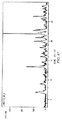
[00121]一つの側面によれば、非溶媒和ビス−ベシル酸塩は、図1に示したものと実質的に類似の粉末X線回折パターンを有する。一つの態様によれば、非溶媒和ビス−ベシル酸塩は、約5.62、約17.41、約18.90、約19.07及び約19.52度の2−シータにおけるものから選択されるその粉末X線回折パターンの一つ又はそれより多いピークによって特徴づけられる。幾つかの態様において、非溶媒和ビス−ベシル酸塩は、約5.62、約17.41、約18.90、約19.07及び約19.52度の2−シータにおけるものから選択されるその粉末X線回折パターンの二つ又はそれより多いピークによって特徴づけられる。ある態様において、非溶媒和ビス−ベシル酸塩は、約5.62、約17.41、約18.90、約19.07及び約19.52度の2−シータにおけるものから選択されるその粉末X線回折パターンの三つ又はそれより多いピークによって特徴づけられる。特別な態様において、非溶媒和ビス−ベシル酸塩は、約5.62、7.89、11.23、12.64、17.41、18.90、19.07、19.52、22.63、23.17、25.28及び28.92度の2−シータにおけるものから選択されるそのX線粉末回折パターンの実質的に全てのピークによって特徴づけられる。例示的な態様において、非溶媒和ビス−ベシル酸塩は、およそ、以下の表: [00121] According to one aspect, the unsolvated bis-besylate salt has a powder X-ray diffraction pattern substantially similar to that shown in FIG. According to one embodiment, the unsolvated bis-besylate salt is selected from those at about 5.62, about 17.41, about 18.90, about 19.07 and about 19.52 degrees 2-theta. Characterized by one or more peaks in its powder X-ray diffraction pattern. In some embodiments, the unsolvated bis-besylate salt is selected from those at about 5.62, about 17.41, about 18.90, about 19.07 and about 19.52 degrees 2-theta. It is characterized by two or more peaks in its powder X-ray diffraction pattern. In some embodiments, the unsolvated bis-besylate salt is selected from those at about 5.62, about 17.41, about 18.90, about 19.07 and about 19.52 degrees 2-theta. Characterized by three or more peaks in the powder X-ray diffraction pattern. In a particular embodiment, the unsolvated bis-besylate salt is about 5.62, 7.89, 11.23, 12.64, 17.41, 18.90, 19.07, 19.52, 22. Characterized by substantially all peaks in its X-ray powder diffraction pattern selected from those at 63, 23.17, 25.28 and 28.92 degrees 2-theta. In an exemplary embodiment, the unsolvated bis-besylate salt is approximately the following table:
におけるものから選択されるその粉末X線回折パターンの実質的に全てのピークによって特徴づけられる。
[00122]もう一つの側面によれば、非溶媒和ビス−ベシル酸塩は、図2又は3に示すものと実質的に類似の熱重量分析パターンを有する。なおもう一つの側面によれば、非溶媒和ビス−ベシル酸塩は、図4に示すものと実質的に類似の示差走査熱量分析パターンを有する。更なる態様によれば、非溶媒和ビス−ベシル酸塩は、図5に示すものと実質的に類似の赤外スペクトルを有する。もう一つの態様によれば、非溶媒和ビス−ベシル酸塩は、図6に示すものと実質的に類似の1H−NMRスペクトルを有する。更なる態様によれば、非溶媒和ビス−ベシル酸塩は、図7に示すものと実質的に類似の動的水蒸気吸着パターンを有する。非溶媒和ビス−ベシル酸塩は、二つ又はそれより多いこれらの図との、同時の実質的な類似によって特徴づけることができる。
Characterized by substantially all peaks in its powder X-ray diffraction pattern selected from
[00122] According to another aspect, the unsolvated bis-besylate salt has a thermogravimetric analysis pattern substantially similar to that shown in FIG. According to yet another aspect, the unsolvated bis-besylate salt has a differential scanning calorimetry pattern substantially similar to that shown in FIG. According to a further aspect, the unsolvated bis-besylate salt has an infrared spectrum substantially similar to that shown in FIG. According to another embodiment, the unsolvated bis-besylate salt has a 1 H-NMR spectrum substantially similar to that shown in FIG. According to a further aspect, the unsolvated bis-besylate salt has a dynamic water vapor adsorption pattern substantially similar to that shown in FIG. Unsolvated bis-besylate can be characterized by simultaneous substantial similarity with two or more of these figures.
[00123]一つの側面によれば、ビス−ベシル酸水和物は、図14に示すものと実質的に類似の粉末X線回折パターンを有する。一つの態様によれば、ビス−ベシル酸水和物塩は、約10.68、約16.10、約18.44及び約22.36度の2−シータのものから選択されるその粉末X線回折パターンの一つ又はそれより多いピークによって特徴づけられる。幾つかの態様において、ビス−ベシル酸水和物塩は、約10.68、約16.10、約18.44及び約22.36度の2−シータのものから選択されるその粉末X線回折パターンの二つ又はそれより多いピークによって特徴づけられる。ある態様において、ビス−ベシル酸水和物塩は、約10.68、約16.10、約18.44及び約22.36度の2−シータのものから選択されるその粉末X線回折パターンの三つ又はそれより多いピークによって特徴づけられる。特別な態様において、ビス−ベシル酸水和物塩は、約9.33、10.68、16.10、16.43、16.64、18.44、20.05、20.32、20.74、22.36及び22.83度の2−シータのものから選択されるそのX線粉末回折パターンの実質的に全てのピークによって特徴づけられる。例示的な態様において、ビス−ベシル酸水和物塩は、およそ、以下の表: [00123] According to one aspect, bis-besylate hydrate has a powder X-ray diffraction pattern substantially similar to that shown in FIG. According to one embodiment, the bis-besylate hydrate salt is powder X selected from those of about 10.68, about 16.10, about 18.44 and about 22.36 degrees 2-theta. Characterized by one or more peaks in the line diffraction pattern. In some embodiments, the bis-besylate hydrate salt is a powder X-ray selected from those of about 10.68, about 16.10, about 18.44 and about 22.36 degrees 2-theta. Characterized by two or more peaks in the diffraction pattern. In some embodiments, the bis-besylate hydrate salt has its powder X-ray diffraction pattern selected from those of about 10.68, about 16.10, about 18.44 and about 22.36 degrees 2-theta. Characterized by three or more peaks. In a particular embodiment, the bis-besylate hydrate salt is about 9.33, 10.68, 16.10, 16.43, 16.64, 18.44, 20.05, 20.32, 20. Characterized by substantially all peaks in its X-ray powder diffraction pattern selected from those of 74, 22.36 and 22.83 degrees 2-theta. In an exemplary embodiment, the bis-besylate hydrate salt is approximately the following table:
のものから選択されるそのX線粉末回折パターンの実質的に全てのピークによって特徴づけられる。
[00124]もう一つの側面によれば、ビス−ベシル酸水和物は、図15に示したものと実質的に類似の熱重量分析パターンを有する。なおもう一つの側面によれば、ビス−ベシル酸水和物は、図16に示したものと実質的に類似の示差走査熱量分析パターンを有する。更なる態様によれば、ビス−ベシル酸水和物は、図17に示したものと実質的に類似の赤外スペクトルを有する。もう一つの態様によれば、ビス−ベシル酸水和物は、図18に示したものと実質的に類似の1H−NMRスペクトルを有する。更なる態様によれば、ビス−ベシル酸水和物は、図19に示したものと実質的に類似の動的水蒸気吸着パターンを有する。ビス−ベシル酸水和物は、二つ又はそれより多いこれらの図との、同時の実質的な類似性によって特徴づけることができる。
Characterized by substantially all peaks in its X-ray powder diffraction pattern selected from
[00124] According to another aspect, bis-besylate hydrate has a thermogravimetric analysis pattern substantially similar to that shown in FIG. According to yet another aspect, bis-besylate hydrate has a differential scanning calorimetry pattern substantially similar to that shown in FIG. According to a further embodiment, the bis-besylate hydrate has an infrared spectrum substantially similar to that shown in FIG. According to another embodiment, the bis-besylate hydrate has a 1 H-NMR spectrum substantially similar to that shown in FIG. According to a further aspect, the bis-besylate hydrate has a dynamic water vapor adsorption pattern substantially similar to that shown in FIG. Bis-besylate hydrate can be characterized by simultaneous substantial similarity with two or more of these figures.
[00125]ある態様において、化合物2は、カンファースルホン酸塩(例えば、カンファー−10−スルホン酸)である。幾つかの態様において、化合物2は、モノ−カンファースルホン酸塩である。幾つかの態様において、化合物2は、ビス−カンファースルホン酸塩である。
[00125] In some embodiments,
[00126]ある態様において、化合物2は、1,2−エタンスルホン酸塩である。幾つかの態様において、化合物2は、モノ−1,2−ジスルホン酸塩である。幾つかの態様において、化合物2は、ビス−1,2−ジスルホン酸塩である。
[00126] In some embodiments,
[00127]ある態様において、化合物2は、臭化水素酸塩である。幾つかの態様において、化合物2は、モノ−臭化水素酸塩無水物である。幾つかの態様において、化合物2は、ビス−臭化水素酸塩無水物である。臭化水素酸塩は、所望により溶媒和又は水和されていてもよい。幾つかの態様において、化合物2は、臭化水素酸塩一水和物である。幾つかの態様において、化合物2は、溶媒和された臭化水素酸塩である。幾つかのこのような態様において、溶媒(solvate)は、ジメチルスルホキシド(DMSO)、ジメチルホルムアミド(DMF)及び1,4−ジオキサンから選択される。幾つかの態様において、化合物2は、I型、III型、IV型、V型、VI型、VII型及びVIII型から選択される臭化水素酸塩であり、そのそれぞれは、以下で更に詳細に記載される。
[00127] In some embodiments,
[00128]幾つかの態様において、化合物2は、I型の臭化水素酸塩である。幾つかのこのような態様において、化合物2は、I型の臭化水素酸塩無水物である。一つの側面によれば、I型の臭化水素酸塩は、図60に示すものと実質的に類似の粉末X線回折パターンによって特徴づけられる。幾つかの態様において、I型の臭化水素酸塩は、図59に示すものと実質的に類似の粉末X線回折パターンによって特徴づけられる。一つの態様によれば、I型のモノ−臭化水素酸塩は、約17.39、約19.45、約21.41、約23.56及び約27.45度の2−シータのものから選択される、その粉末X線回折パターンの一つ又はそれより多いピークによって特徴づけられる。幾つかの態様において、I型のモノ−臭化水素酸塩は、約17.39、約19.45、約21.41、約23.56及び約27.45度の2−シータのものから選択される、その粉末X線回折パターンの二つ又はそれより多いピークによって特徴づけられる。ある態様において、I型のモノ−臭化水素酸塩は、約17.39、約19.45、約21.41、約23.56及び約27.45度の2−シータのものから選択される、その粉末X線回折パターンの三つ又はそれより多いピークによって特徴づけられる。幾つかの態様において、I型のモノ−臭化水素酸塩は、約17.39、約19.45、約21.41、約23.56及び約27.45度の2−シータのものから選択される、その粉末X線回折パターンの四つ又はそれより多いピークによって特徴づけられる。特別な態様において、I型のモノ−臭化水素酸塩は、約9.84、15.62、17.39、19.45、20.69、21.41、22.38、23.56、25.08及び27.45度の2−シータにおけるピークを含むX線粉末回折パターン特徴づけられる。例示的な態様において、I型のモノ−臭化水素酸塩は、およそ、以下の表:
[00128] In some embodiments,
のものから選択されるそのX線粉末回折パターンの実質的に全てのピークによって特徴づけられる。
[00129]もう一つの側面によれば、I型のモノ−臭化水素酸塩は、図63に示すものと実質的に類似の熱重量分析パターンによって特徴づけられる。なおもう一つの側面によれば、I型のモノ−臭化水素酸塩は、図64に示すものと実質的に類似の示差走査熱量分析パターンによって特徴づけられる。更なる態様によれば、I型のモノ−臭化水素酸塩は、図61に示すものと実質的に類似の赤外スペクトルによって特徴づけられる。もう一つの態様によれば、I型のモノ−臭化水素酸塩は、図62に示すものと実質的に類似の1H−NMRスペクトルによって特徴づけられる。幾つかの態様において、I型モノ−臭化水素酸塩は、二つ又はそれより多いこれらの図との、同時の実質的な類似性によって特徴づけられる。
Characterized by substantially all peaks in its X-ray powder diffraction pattern selected from
[00129] According to another aspect, Form I mono-hydrobromide is characterized by a thermogravimetric analysis pattern substantially similar to that shown in FIG. According to yet another aspect, Form I mono-hydrobromide is characterized by a differential scanning calorimetry pattern substantially similar to that shown in FIG. According to a further embodiment, Form I mono-hydrobromide is characterized by an infrared spectrum substantially similar to that shown in FIG. According to another embodiment, Form I mono-hydrobromide is characterized by a 1 H-NMR spectrum substantially similar to that shown in FIG. In some embodiments, the Form I mono-hydrobromide is characterized by simultaneous substantial similarity with two or more of these figures.
[00130]幾つかの態様において、化合物2は、III型の臭化水素酸塩である。幾つかのこのような態様において、化合物2は、III型の臭化水素酸塩無水物である。幾つかの態様において、III型の臭化水素酸塩は、図67に示すものと実質的に類似の粉末X線回折パターンによって特徴づけられる。一つの態様によれば、III型の臭化水素酸塩は、約6.79、約13.36、約19.93、約20.89、約21.90、約22.70、約22.91及び約26.34度の2−シータのものから選択されるその粉末X線回折パターンの一つ又はそれより多いピークによって特徴づけられる。幾つかの態様において、III型の臭化水素酸塩は、約6.79、約13.36、約19.93、約20.89、約21.90、約22.70、約22.91及び約26.34度の2−シータのものから選択されるその粉末X線回折パターンの二つ又はそれより多いピークによって特徴づけられる。ある態様において、III型の臭化水素酸塩は、約6.79、約13.36、約19.93、約20.89、約21.90、約22.70、約22.91及び約26.34度の2−シータのものから選択されるその粉末X線回折パターンの三つ又はそれより多いピークによって特徴づけられる。幾つかの態様において、III型の臭化水素酸塩は、約6.79、約13.36、約19.93、約20.89、約21.90、約22.70、約22.91及び約26.34度の2−シータのものから選択されるその粉末X線回折パターンの四つ又はそれより多いピークによって特徴づけられる。幾つかの態様において、III型の臭化水素酸塩は、約6.79、約13.36、約19.93、約20.89、約21.90、約22.70、約22.91及び約26.34度の2−シータのものから選択されるその粉末X線回折パターンの五つ又はそれより多いピークによって特徴づけられる。幾つかの態様において、III型の臭化水素酸塩は、約6.79、約13.36、約19.93、約20.89、約21.90、約22.70、約22.91及び約26.34度の2−シータのものから選択されるその粉末X線回折パターンの六つ又はそれより多いピークによって特徴づけられる。特別な態様において、III型の臭化水素酸塩は、約6.79、約13.36、約19.93、約20.89、約21.90、約22.70、約22.91及び約26.34度の2−シータにおけるピークを含むX線粉末回折パターンによって特徴づけられる。例示的な態様において、III型の臭化水素酸塩は、およそ、以下の表:
[00130] In some embodiments,
のものから選択されるそのX線粉末回折パターンの実質的に全てのピークによって特徴づけられる。
[00131]幾つかの態様において、III型の臭化水素酸塩は、図68に示すものと実質的に類似の熱重量分析パターンによって特徴づけられる。幾つかの態様において、III型の臭化水素酸塩は、図69に示すものと実質的に類似の示差走査熱量分析パターンによって特徴づけられる。幾つかの態様において、III型の臭化水素酸塩は、図70に示すものと実質的に類似の赤外スペクトルによって特徴づけられる。幾つかの態様において、III型の臭化水素酸塩は、図71に示すものと実質的に類似の1H−NMRスペクトルによって特徴づけられる。幾つかの態様において、III型の臭化水素酸塩は、二つ又はそれより多いこれらの図との、同時の実質的な類似性によって特徴づけられる。
Characterized by substantially all peaks in its X-ray powder diffraction pattern selected from
[00131] In some embodiments, the Form III hydrobromide is characterized by a thermogravimetric analysis pattern substantially similar to that shown in FIG. In some embodiments, the Form III hydrobromide is characterized by a differential scanning calorimetry pattern substantially similar to that shown in FIG. In some embodiments, the Form III hydrobromide is characterized by an infrared spectrum substantially similar to that shown in FIG. In some embodiments, the Form III hydrobromide is characterized by a 1 H-NMR spectrum substantially similar to that shown in FIG. In some embodiments, the Form III hydrobromide is characterized by a simultaneous substantial similarity with two or more of these figures.
[00132]幾つかの態様において、化合物2は、IV型の臭化水素酸塩である。幾つかのこのような態様において、IV型の臭化水素酸塩は、1,4−ジオキサン溶媒和物である。幾つかの態様において、IV型の臭化水素酸塩は、図72に示すものと実質的に類似の粉末X線回折パターンによって特徴づけられる。一つの態様によれば、IV型の臭化水素酸塩は、約6.45、約12.96、約19.38、約19.79、約21.37及び約21.58度の2−シータのものから選択される、その粉末X線回折パターンの一つ又はそれより多いピークによって特徴づけられる。幾つかの態様において、IV型の臭化水素酸塩は、約6.45、約12.96、約19.38、約19.79、約21.37及び約21.58度の2−シータのものから選択される、その粉末X線回折パターンの二つ又はそれより多いピークによって特徴づけられる。ある態様において、IV型の臭化水素酸塩は、約6.45、約12.96、約19.38、約19.79、約21.37及び約21.58度の2−シータのものから選択される、その粉末X線回折パターンの三つ又はそれより多いピークによって特徴づけられる。幾つかの態様において、IV型の臭化水素酸塩は、約6.45、約12.96、約19.38、約19.79、約21.37及び約21.58度の2−シータのものから選択される、その粉末X線回折パターンの四つ又はそれより多いピークによって特徴づけられる。幾つかの態様において、IV型の臭化水素酸塩は、約6.45、約12.96、約19.38、約19.79、約21.37及び約21.58度の2−シータのものから選択される、その粉末X線回折パターンの五つ又はそれより多いピークによって特徴づけられる。特別な態様において、IV型の臭化水素酸塩は、約6.45、約12.96、約19.38、約19.79、約21.37及び約21.58度の2−シータにおけるピークを含むX線粉末回折パターン特徴づけられる。例示的な態様において、IV型の臭化水素酸塩は、およそ、以下の表:
[00132] In some embodiments,
のものから選択されるそのX線粉末回折パターンの実質的に全てのピークによって特徴づけられる。
[00133]幾つかの態様において、化合物2は、V型の臭化水素酸塩である。幾つかのこのような態様において、V型の臭化水素酸塩は、N,N−ジメチルホルムアミド(DMF)溶媒和物である。幾つかの態様において、V型の臭化水素酸塩は、図73に示すものと実質的に類似の粉末X線回折パターンによって特徴づけられる。一つの態様によれば、V型の臭化水素酸塩は、約6.17、約6.99、約12.50、約14.14、約17.72及び約23.12度の2−シータのものから選択されるその粉末X線回折パターンの一つ又はそれより多いピークによって特徴づけられる。幾つかの態様において、V型の臭化水素酸塩は、約6.17、約6.99、約12.50、約14.14、約17.72及び約23.12度の2−シータのものから選択されるその粉末X線回折パターンの二つ又はそれより多いピークによって特徴づけられる。ある態様において、V型の臭化水素酸塩は、約6.17、約6.99、約12.50、約14.14、約17.72及び約23.12度の2−シータのものから選択されるその粉末X線回折パターンの三つ又はそれより多いピークによって特徴づけられる。幾つかの態様において、V型の臭化水素酸塩は、約6.17、約6.99、約12.50、約14.14、約17.72及び約23.12度の2−シータのものから選択されるその粉末X線回折パターンの四つ又はそれより多いピークによって特徴づけられる。幾つかの態様において、V型の臭化水素酸塩は、約6.17、約6.99、約12.50、約14.14、約17.72及び約23.12度の2−シータのものから選択されるその粉末X線回折パターンの五つ又はそれより多いピークによって特徴づけられる。特別な態様において、V型の臭化水素酸塩は、約6.17、約6.99、約12.50、約14.14、約17.72及び約23.12度の2−シータにおけるピークを含むX線粉末回折パターンによって特徴づけられる。例示的な態様において、V型の臭化水素酸塩は、およそ、以下の表:
Characterized by substantially all peaks in its X-ray powder diffraction pattern selected from
[00133] In some embodiments,
のものから選択されるそのX線粉末回折パターンの実質的に全てのピークによって特徴づけられる。
[00134]幾つかの態様において、化合物2は、VI型の臭化水素酸塩である。幾つかのこのような態様において、VI型の臭化水素酸塩は、ジメチルスルホキシド(DMF)溶媒和物である。幾つかの態様において、VI型の臭化水素酸塩は、図74に示すものと実質的に類似の粉末X線回折パターンによって特徴づけられる。一つの態様によれば、VI型の臭化水素酸塩は、約8.38、約9.38、約18.93、及び約21.58度の2−シータのものから選択されるその粉末X線回折パターンの一つ又はそれより多いピークによって特徴づけられる。幾つかの態様において、VI型の臭化水素酸塩は、約8.38、約9.38、約18.93、及び約21.58度の2−シータのものから選択されるその粉末X線回折パターンの二つ又はそれより多いピークによって特徴づけられる。ある態様において、VI型の臭化水素酸塩は、約8.38、約9.38、約18.93、及び約21.58度の2−シータのものから選択されるその粉末X線回折パターンの三つ又はそれより多いピークによって特徴づけられる。特別な態様において、VI型の臭化水素酸塩は、約8.38、約9.38、約18.93、及び約21.58度の2−シータにおけるピークを含むX線粉末回折パターンによって特徴づけられる。例示的な態様において、VI型の臭化水素酸塩は、およそ、以下の表:
Characterized by substantially all peaks in its X-ray powder diffraction pattern selected from
[00134] In some embodiments,
のものから選択されるそのX線粉末回折パターンの実質的に全てのピークによって特徴づけられる。
[00135]幾つかの態様において、化合物2は、VII型の臭化水素酸塩である。幾つかのこのような態様において、VII型の臭化水素酸塩は、ジメチルスルホキシド(DMSO)溶媒和物である。幾つかの態様において、VII型の臭化水素酸塩は、図75に示すものと実質的に類似の粉末X線回折パターンによって特徴づけられる。一つの態様によれば、VII型の臭化水素酸塩は、約15.91、約19.10、約19.53、約20.24、約22.64及び約25.58度の2−シータのものから選択されるその粉末X線回折パターンの一つ又はそれより多いピークによって特徴づけられる。幾つかの態様において、VII型の臭化水素酸塩は、約15.91、約19.10、約19.53、約20.24、約22.64及び約25.58度の2−シータのものから選択されるその粉末X線回折パターンの二つ又はそれより多いピークによって特徴づけられる。ある態様において、VII型の臭化水素酸塩は、約15.91、約19.10、約19.53、約20.24、約22.64及び約25.58度の2−シータのものから選択されるその粉末X線回折パターンの三つ又はそれより多いピークによって特徴づけられる。幾つかの態様において、VII型の臭化水素酸塩は、約15.91、約19.10、約19.53、約20.24、約22.64及び約25.58度の2−シータのものから選択されるその粉末X線回折パターンの四つ又はそれより多いピークによって特徴づけられる。幾つかの態様において、VII型の臭化水素酸塩は、約15.91、約19.10、約19.53、約20.24、約22.64及び約25.58度の2−シータのものから選択されるその粉末X線回折パターンの五つ又はそれより多いピークによって特徴づけられる。特別な態様において、VII型の臭化水素酸塩は、約15.91、約19.10、約19.53、約20.24、約22.64及び約25.58度の2−シータにおけるピークを含むX線粉末回折パターンによって特徴づけられる。例示的な態様において、VII型の臭化水素酸塩は、およそ、以下の表:
Characterized by substantially all peaks in its X-ray powder diffraction pattern selected from
[00135] In some embodiments,
のものから選択されるそのX線粉末回折パターンの実質的に全てのピークによって特徴づけられる。
[00136]幾つかの態様において、化合物2は、VIII型の臭化水素酸塩である。幾つかのこのような態様において、VIII型の臭化水素酸塩は、水和物である。幾つかの態様において、VIII型の臭化水素酸塩は、図76に示すものと実質的に類似の粉末X線回折パターンによって特徴づけられる。一つの態様によれば、VIII型の臭化水素酸塩は、約8.79、約11.13、約19.97、約21.31、約21.56、約25.30及び約26.65度の2−シータのものから選択されるその粉末X線回折パターンの一つ又はそれより多いピークによって特徴づけられる。幾つかの態様において、VIII型の臭化水素酸塩は、約8.79、約11.13、約19.97、約21.31、約21.56、約25.30及び約26.65度の2−シータのものから選択されるその粉末X線回折パターンの二つ又はそれより多いピークによって特徴づけられる。ある態様において、VIII型の臭化水素酸塩は、約8.79、約11.13、約19.97、約21.31、約21.56、約25.30及び約26.65度の2−シータのものから選択されるその粉末X線回折パターンの三つ又はそれより多いピークによって特徴づけられる。幾つかの態様において、VIII型の臭化水素酸塩は、約8.79、約11.13、約19.97、約21.31、約21.56、約25.30及び約26.65度の2−シータのものから選択されるその粉末X線回折パターンの四つ又はそれより多いピークによって特徴づけられる。幾つかの態様において、VIII型の臭化水素酸塩は、約8.79、約11.13、約19.97、約21.31、約21.56、約25.30及び約26.65度の2−シータのものから選択されるその粉末X線回折パターンの五つ又はそれより多いピークによって特徴づけられる。幾つかの態様において、VIII型の臭化水素酸塩は、約8.79、約11.13、約19.97、約21.31、約21.56、約25.30及び約26.65度の2−シータのものから選択されるその粉末X線回折パターンの六つ又はそれより多いピークによって特徴づけられる。特別な態様において、VIII型の臭化水素酸塩は、約8.79、約11.13、約19.97、約21.31、約21.56、約25.30及び約26.65度の2−シータにおけるピークを含むX線粉末回折パターンよって特徴づけられる。例示的な態様において、VIII型の臭化水素酸塩は、およそ、以下の表:
Characterized by substantially all peaks in its X-ray powder diffraction pattern selected from
[00136] In some embodiments,
のものから選択されるそのX線粉末回折パターンの実質的に全てのピークによって特徴づけられる。
[00137]幾つかの態様において、VIII型の臭化水素酸塩は、図77に示すものと実質的に類似の熱重量分析パターンを有する。幾つかの態様において、VIII型の臭化水素酸塩は、図78に示すものと実質的に類似の示差走査熱量分析パターンを有する。幾つかの態様において、VIII型の臭化水素酸塩は、二つ又はそれより多いこれらの図との、同時の実質的な類似性によって特徴づけられる。
Characterized by substantially all peaks in its X-ray powder diffraction pattern selected from
[00137] In some embodiments, Form VIII hydrobromide has a thermogravimetric analysis pattern substantially similar to that shown in FIG. In some embodiments, Form VIII hydrobromide has a differential scanning calorimetry pattern substantially similar to that shown in FIG. In some embodiments, Form VIII hydrobromide is characterized by simultaneous substantial similarity to two or more of these figures.
[00138]幾つかの態様において、化合物2は、塩酸塩である。幾つかの態様において、化合物2は、モノ−塩酸塩である。幾つかの態様において、化合物2は、ビス−塩酸塩である。
[00138] In some embodiments,
[00139]一つの側面によれば、ビス−塩酸塩は、図28に示すものと実質的に類似の粉末X線回折パターンを有する。一つの態様によれば、ビス−塩酸塩は、約17.58、約23.32、約25.53及び約28.37度の2−シータのものから選択される、その粉末X線回折パターンの一つ又はそれより多いピークによって特徴づけられる。幾つかの態様において、ビス−塩酸塩は、約17.58、約23.32、約25.53及び約28.37度の2−シータのものから選択される、その粉末X線回折パターンの二つ又はそれより多いピークによって特徴づけられる。ある態様において、ビス−塩酸塩は、約17.58、約23.32、約25.53及び約28.37度の2−シータのものから選択される、その粉末X線回折パターンの三つ又はそれより多いピークによって特徴づけられる。特別な態様において、ビス−塩酸塩は、約17.58、20.13、22.14、23.32、25.53、26.60、27.80及び28.37度の2−シータのものから選択される、その粉末X線回折パターンの実質的に全てのピークによって特徴づけられる。例示的な態様において、ビス−塩酸塩は、およそ、以下の表: [00139] According to one aspect, the bis-hydrochloride salt has a powder X-ray diffraction pattern substantially similar to that shown in FIG. According to one embodiment, the bis-hydrochloride salt powder X-ray diffraction pattern selected from those of about 17.58, about 23.32, about 25.53 and about 28.37 degrees 2-theta. Characterized by one or more peaks. In some embodiments, the bis-hydrochloride salt has a powder X-ray diffraction pattern selected from those of about 17.58, about 23.32, about 25.53 and about 28.37 degrees 2-theta. Characterized by two or more peaks. In certain embodiments, the bis-hydrochloride salt has three of its powder X-ray diffraction patterns selected from those of about 17.58, about 23.32, about 25.53 and about 28.37 degrees 2-theta, or Characterized by more peaks. In a particular embodiment, the bis-hydrochloride salt is about 17.58, 20.13, 22.14, 23.32, 25.53, 26.60, 27.80 and 28.37 degrees 2-theta. Characterized by substantially all peaks in its powder X-ray diffraction pattern. In an exemplary embodiment, the bis-hydrochloride salt is approximately the following table:
のものから選択される、そのX線粉末回折パターンの実質的に全てのピークによって特徴づけられる。もう一つの側面によれば、ビス−塩酸塩は、図29に示すものと実質的に類似の熱重量分析パターンを有する。なおもう一つの側面によれば、ビス−塩酸塩は、図30に示すものと実質的に類似の示差走査熱量分析パターンを有する。もう一つの態様によれば、ビス−塩酸塩は、図31に示すものと実質的に類似の1H−NMRスペクトルを有する。 Characterized by substantially all peaks in its X-ray powder diffraction pattern. According to another aspect, the bis-hydrochloride salt has a thermogravimetric analysis pattern substantially similar to that shown in FIG. According to yet another aspect, bis-hydrochloride has a differential scanning calorimetry pattern substantially similar to that shown in FIG. According to another embodiment, the bis-hydrochloride salt has a 1 H-NMR spectrum substantially similar to that shown in FIG.
[00140]ある態様において、化合物2は、マレイン酸塩である。幾つかの態様において、化合物2は、モノ−マレイン酸塩である。幾つかの態様において、化合物2は、ビス−マレイン酸塩である。
[00140] In some embodiments,
[00141]一つの側面によれば、モノ−マレイン酸塩は、図24に示すものと実質的に類似の粉末X線回折パターンを有する。一つの態様によれば、モノ−マレイン酸塩は、約8.38、約23.59及び約23.80度の2−シータのものから選択されるその粉末X線回折パターンの一つ又はそれより多いピークによって特徴づけられる。幾つかの態様において、モノ−マレイン酸塩は、約8.38、約23.59及び約23.80度の2−シータのものから選択されるその粉末X線回折パターンの二つ又はそれより多いピークによって特徴づけられる。ある態様において、モノ−マレイン酸塩は、約8.38、約23.59及び約23.80度の2−シータのものから選択されるその粉末X線回折パターンの三つのピークによって特徴づけられる。特別な態様において、モノ−マレイン酸塩は、約8.38、13.74、16.35、16.54、20.67、23.15、23.59及び23.80度の2−シータのものから選択されるそのX線粉末回折パターンの実質的に全てのピークによって特徴づけられる。例示的な態様において、モノ−マレイン酸塩は、およそ、以下の表: [00141] According to one aspect, the mono-maleate salt has a powder X-ray diffraction pattern substantially similar to that shown in FIG. According to one embodiment, the mono-maleate has one or more of its powder X-ray diffraction patterns selected from those of about 8.38, about 23.59 and about 23.80 degrees 2-theta. Characterized by more peaks. In some embodiments, the mono-maleate salt has two or more of its powder X-ray diffraction patterns selected from those of about 8.38, about 23.59 and about 23.80 degrees 2-theta. Characterized by many peaks. In some embodiments, the mono-maleate salt is characterized by three peaks in its powder X-ray diffraction pattern selected from those of about 8.38, about 23.59 and about 23.80 degrees 2-theta. . In a particular embodiment, the mono-maleate salt is about 8.38, 13.74, 16.35, 16.54, 20.67, 23.15, 23.59 and 23.80 degrees 2-theta. Characterized by substantially all peaks in its X-ray powder diffraction pattern selected from those. In an exemplary embodiment, the mono-maleate salt is approximately the following table:
のものから選択されるそのX線粉末回折パターンの実質的に全てのピークによって特徴づけられる。もう一つの側面によれば、モノ−マレイン酸塩は、図25に示すものと実質的に類似の熱重量分析パターンを有する。なおもう一つの側面によれば、モノ−マレイン酸塩は、図26に示すものと実質的に類似の示差走査熱量分析パターンを有する。もう一つの態様によれば、モノ−マレイン酸塩は、図27に示すものと実質的に類似の1H−NMRスペクトルを有する。 Characterized by substantially all peaks in its X-ray powder diffraction pattern selected from According to another aspect, the mono-maleate has a thermogravimetric analysis pattern substantially similar to that shown in FIG. According to yet another aspect, the mono-maleate salt has a differential scanning calorimetry pattern substantially similar to that shown in FIG. According to another embodiment, the mono-maleate salt has a 1 H-NMR spectrum substantially similar to that shown in FIG.
[00142]上述の多形の形態のいずれもは、例えば、そのそれぞれのX線回折パターンのピークのいずれかに言及することによって特徴づけることができることは認識されるものである。従って、幾つかの態様において、本明細書中に記載される多形は、1、2、3、4、5、6、7、8、9、10、11、12、13、14、15、16、17、18、19、20又はそれより多いXRPDピーク(°2θ)によって特徴づけられる。 [00142] It will be appreciated that any of the polymorphic forms described above can be characterized, for example, by referring to any of the peaks of their respective X-ray diffraction patterns. Thus, in some embodiments, the polymorphs described herein are 1, 2, 3, 4, 5, 6, 7, 8, 9, 10, 11, 12, 13, 14, 15, Characterized by 16, 17, 18, 19, 20 or more XRPD peaks (° 2θ).
[00143]ある態様において、化合物2は、メタンスルホン酸塩である。幾つかの態様において、化合物2は、モノ−メタンスルホン酸塩である。幾つかの態様において、化合物2は、ビス−メタンスルホン酸塩である。
[00143] In some embodiments,
[00144]ある態様において、化合物2は、ナフタレン−2−スルホン酸塩である。幾つかの態様において、化合物2は、モノ−ナフタレン−2−スルホン酸塩である。幾つかの態様において、化合物2は、ビス−ナフタレン−2−スルホン酸塩である。
[00144] In some embodiments,
[00145]ある態様において、化合物2は、1,5−ナフタレンジスルホン酸塩である。幾つかの態様において、化合物2は、モノ−1,5−ナフタレンジスルホン酸塩である。幾つかの態様において、化合物2は、ビス−1,5−ナフタレンジスルホン酸塩である。
[00145] In some embodiments,
[00146]ある態様において、化合物2は、シュウ酸塩である。幾つかの態様において、化合物2は、モノ−シュウ酸塩である。幾つかの態様において、化合物2は、ビス−シュウ酸塩である。
[00146] In some embodiments,
[00147]ある態様において、化合物2は、p−トルエンスルホン酸(トシル酸)塩である。幾つかの態様において、化合物2は、モノ−p−トルエンスルホン酸塩である。幾つかの態様において、化合物2は、ビス−p−トルエンスルホン酸塩である。
[00147] In some embodiments,
[00148]ある態様において、化合物2は、2,4,6−トリヒドロキシ安息香酸塩である。幾つかの態様において、化合物2は、モノ−2,4,6−トリヒドロキシ安息香酸塩である。幾つかの態様において、化合物2は、ビス−2,4,6−トリヒドロキシ安息香酸塩である。
[00148] In some embodiments,
[00149]もう一つの態様によれば、本発明は、非晶質固体としての、化合物2を提供する。非晶質固体は、当業者にとって公知であり、そして典型的には、凍結乾燥、溶融、及び特に超臨界流体からの沈殿のような方法によって調製される。
[00149] According to another embodiment, the present invention provides
化合物2を提供する一般的方法:
[00150]化合物1は、その全てが本明細書中に参考文献としてここに援用される、‘061出願中に記載される方法によって調製される。化合物2は、以下のスキーム:
General method for providing compound 2:
[00150]
によって、化合物1から調製される。
[00151]上記の一般的スキームに示すように、化合物2は、化合物1を、1又は2当量のいずれかの、ベンゼンスルホン酸、カンファースルホン酸、1,2−エタンスルホン酸、臭化水素酸、塩酸、マレイン酸、メタンスルホン酸、ナフタレン−2−スルホン酸、1,5−ナフタレンジスルホン酸、シュウ酸、4−トルエンスルホン酸又は2,4,6−トリヒドロキシ安息香酸と混合して、その塩を形成することによって、化合物1から調製される。従って、本発明のもう一つの側面は:
以下の式:
Prepared from
[00151] As shown in the general scheme above,
The following formula:
の化合物2を調製するための、
以下の式:
For preparing
The following formula:
の化合物1を用意し、
化合物1を、1又は2当量のベンゼンスルホン酸、カンファースルホン酸、1,2−エタンスルホン酸、臭化水素酸、塩酸、マレイン酸、メタンスルホン酸、ナフタレン−2−スルホン酸、1,5−ナフタレンジスルホン酸、シュウ酸、4−トルエンスルホン酸又は2,4,6−トリヒドロキシ安息香酸と適当な溶媒中で混合し;そして
所望により化合物2を単離する工程を含む、方法を提供する。
[00152]適した溶媒は、一つ又はそれより多い反応成分を可溶化することができるか、又は、別の方法として、適した溶媒は、一つ又はそれより多い反応成分の懸濁液の撹拌を促進することができる。本発明において有用な適した溶媒の例は、プロトン性溶媒、極性非プロトン性溶媒、非極性溶媒又はこれらの混合物である。ある態様において、適した溶媒は、水、エーテル、エステル、アルコール、ハロゲン化溶媒、ケトン、又はこれらの混合物を含む。ある態様において、適した溶媒は、メタノール、エタノール、イソプロパノール、酢酸エチル、酢酸イソプロピル、メチルエチルケトン、メチルイソブチルケトン又はアセトンである。ある態様において、適した溶媒は、ジクロロメタンである。他の態様において、適した溶媒は、テトラヒドロフラン、ジメチルホルムアミド、ジメチルスルホキシド、グリム、ジグリム、メチルt−ブチルエーテル、t−ブタノール、n−ブタノール、及びアセトニトリルを含む。幾つかの態様において、適した溶媒は、シクロヘキサンである。 [00152] A suitable solvent can solubilize one or more reaction components, or alternatively, a suitable solvent is a suspension of one or more reaction components. Agitation can be facilitated. Examples of suitable solvents useful in the present invention are protic solvents, polar aprotic solvents, nonpolar solvents or mixtures thereof. In certain embodiments, suitable solvents include water, ethers, esters, alcohols, halogenated solvents, ketones, or mixtures thereof. In certain embodiments, a suitable solvent is methanol, ethanol, isopropanol, ethyl acetate, isopropyl acetate, methyl ethyl ketone, methyl isobutyl ketone, or acetone. In certain embodiments, a suitable solvent is dichloromethane. In other embodiments, suitable solvents include tetrahydrofuran, dimethylformamide, dimethyl sulfoxide, glyme, diglyme, methyl t-butyl ether, t-butanol, n-butanol, and acetonitrile. In some embodiments, a suitable solvent is cyclohexane.
[00153]もう一つの態様によれば、本発明は、以下の式: [00153] According to another embodiment, the present invention provides the following formula:
の化合物2を調製するための、以下の式
The following formula for preparing
の化合物1を、適した溶媒と混合し、そして所望により加熱して、その溶液を形成し;
1又は2当量のベンゼンスルホン酸、カンファースルホン酸、1,2−エタンスルホン酸、臭化水素酸、塩酸、マレイン酸、メタンスルホン酸、ナフタレン−2−スルホン酸、1,5−ナフタレンジスルホン酸、シュウ酸、4−トルエンスルホン酸又は2,4,6−トリヒドロキシ安息香酸を前記溶液に加え;そして
所望により化合物2を単離する工程を含む、方法を提供する。
Of
1 or 2 equivalents of benzenesulfonic acid, camphorsulfonic acid, 1,2-ethanesulfonic acid, hydrobromic acid, hydrochloric acid, maleic acid, methanesulfonic acid, naphthalene-2-sulfonic acid, 1,5-naphthalenedisulfonic acid, A method is provided comprising the steps of adding oxalic acid, 4-toluenesulfonic acid or 2,4,6-trihydroxybenzoic acid to the solution; and optionally isolating
[00154]先に一般的に記載したように、化合物1は、所望により加熱を伴って、適した溶媒中に溶解又は懸濁される。ある態様において、化合物1は、20〜60℃で溶解される。他の態様において、化合物1は、約20〜約25℃、例えばおよそ室温で溶解される。なお他の態様において、化合物1は、溶媒の沸点で溶解される。他の態様において、化合物1は、加熱を伴わずに溶解される。
[00154] As described generally above,
[00155]ある態様において、約1当量のベンゼンスルホン酸、カンファースルホン酸、1,2−エタンスルホン酸、臭化水素酸、塩酸、マレイン酸、メタンスルホン酸、ナフタレン−2−スルホン酸、1,5−ナフタレンジスルホン酸、シュウ酸、4−トルエンスルホン酸又は2,4,6−トリヒドロキシ安息香酸が化合物1に加えられて、化合物2を得る。他の態様において、約2当量のベンゼンスルホン酸、カンファースルホン酸、1,2−エタンスルホン酸、臭化水素酸、塩酸、マレイン酸、メタンスルホン酸、ナフタレン−2−スルホン酸、1,5−ナフタレンジスルホン酸、シュウ酸、4−トルエンスルホン酸又は2,4,6−トリヒドロキシ安息香酸が化合物1に加えられて、化合物2を得る。なお他の態様において、2当量より多いベンゼンスルホン酸、カンファースルホン酸、1,2−エタンスルホン酸、臭化水素酸、塩酸、マレイン酸、メタンスルホン酸、ナフタレン−2−スルホン酸、1,5−ナフタレンジスルホン酸、シュウ酸、4−トルエンスルホン酸又は2,4,6−トリヒドロキシ安息香酸が化合物1に加えられて、化合物2を得る。なお他の態様において、約0.9〜約1.1当量のベンゼンスルホン酸、カンファースルホン酸、1,2−エタンスルホン酸、臭化水素酸、塩酸、マレイン酸、メタンスルホン酸、ナフタレン−2−スルホン酸、1,5−ナフタレンジスルホン酸、シュウ酸、4−トルエンスルホン酸又は2,4,6−トリヒドロキシ安息香酸が化合物1に加えられて、化合物2を得る。もう一つの態様において、約0.99〜約1.01当量のベンゼンスルホン酸、カンファースルホン酸、1,2−エタンスルホン酸、臭化水素酸、塩酸、マレイン酸、メタンスルホン酸、ナフタレン−2−スルホン酸、1,5−ナフタレンジスルホン酸、シュウ酸、4−トルエンスルホン酸又は2,4,6−トリヒドロキシ安息香酸が化合物1に加えられて、化合物2を得る。更なる態様において、約1.8〜約2.2当量、例えば約1.98〜2.02当量のベンゼンスルホン酸、カンファースルホン酸、1,2−エタンスルホン酸、臭化水素酸、塩酸、マレイン酸、メタンスルホン酸、ナフタレン−2−スルホン酸、1,5−ナフタレンジスルホン酸、シュウ酸、4−トルエンスルホン酸又は2,4,6−トリヒドロキシ安息香酸が化合物1に加えられて、化合物2を得る。
[00155] In certain embodiments, about 1 equivalent of benzenesulfonic acid, camphorsulfonic acid, 1,2-ethanesulfonic acid, hydrobromic acid, hydrochloric acid, maleic acid, methanesulfonic acid, naphthalene-2-sulfonic acid, 1, 5-Naphthalenedisulfonic acid, oxalic acid, 4-toluenesulfonic acid or 2,4,6-trihydroxybenzoic acid is added to
[00156]酸を、いずれもの適した形態で、化合物1及び適した溶媒の混合物に加えることができることは認識されるものである。例えば、酸は、固体の形態で、或いは適した溶媒中の溶液又は懸濁液として加えることができる。適した溶媒は、化合物1と混合されるものと同じ適した溶媒であることができるか、又は異なった溶媒であることができる。一つの態様によれば、酸は固体の形態で加えられる。ある態様において、酸は、化合物を加える前に、適した溶媒と混合される。もう一つの態様によれば、酸は、適した溶媒中の溶液として加えられる。ある態様において、適した溶媒は、水、エーテル、アルコール、ハロゲン化溶媒、ケトン、又はこれらの混合物を含む。ある態様において、適した溶媒は、メタノール、エタノール、イソプロパノール、酢酸エチル、酢酸イソプロピル、メチルエチルケトン、メチルイソブチルケトン又はアセトンである。ある態様において、適した溶媒は、ジクロロメタンである。他の態様において、適した溶媒は、テトラヒドロフラン、ジメチルホルムアミド、ジメチルスルホキシド、グリム、ジグリム、メチルt−ブチルエーテル、t−ブタノール、n−ブタノール、及びアセトニトリルを含む。幾つかの態様において、適した溶媒は、シクロヘキサンである。ある態様において、適した溶媒は、上記のものから選択され、そして無水物である。
[00156] It will be appreciated that the acid can be added to the mixture of
[00157]ある態様において、化合物2を含有する得られた混合物は、冷却される。他の態様において、化合物2を含有する混合物は、20℃以下に、例えば10℃以下に冷却される。
[00157] In certain embodiments, the resulting
[00158]ある態様において、化合物2は、混合物から沈殿する。もう一つの態様において、化合物2は、混合物から結晶化する。他の態様において、化合物2は、溶液の種結晶添加(即ち、溶液に化合物2の結晶を加えること)後、溶液から結晶化する。
[00158] In certain embodiments,
[00159]結晶質の化合物2は、反応混合物から沈殿することができるか、又は溶媒の一部又は全ての、蒸発、蒸留、濾過(例えば、ナノ濾過、限外濾過)、逆浸透、吸収及び逆溶媒、例えば水、MTBE又はヘプタンの添加による反応、冷却又はこれらの方法の異なった組合せのような方法による除去によって発生することができる。
[00159]
[00160]先に一般的に記載したように、化合物2は、所望により単離される。化合物2を、当業者にとって既知のいずれもの適した物理的手段によって単離することができることは認識されるものである。ある態様において、沈殿した固体の化合物2は、濾過によって上清から分離される。他の態様において、沈殿した固体の化合物2は、上清をデカントすることによって上清から分離される。
[00160]
[00161]ある態様において、沈殿した固体の化合物2は、濾過によって上清から分離される。
[00162]ある態様において、単離された化合物2は、空気中で乾燥される。他の態様において、単離された化合物2は、減圧下で、所望により上昇した温度で乾燥される。
[00161] In certain embodiments, the precipitated
[00162] In certain embodiments, the
使用、処方及び投与
医薬的に受容可能な組成物
[00163]もう一つの態様によれば、本発明は、化合物2及び医薬的に受容可能な担体、アジュバント、又はベヒクルを含む組成物を提供する。本発明の組成物中の化合物2の量は、これが、生物学的試料又は患者のタンパク質キナーゼ、特にEGFRキナーゼ、又はその変異体を測定可能な程度阻害するために有効であるようなものである。ある態様において、本発明の組成物は、このような組成物を必要とする患者への投与のために処方される。幾つかの態様において、本発明の阻害剤は、患者への経口投与のために処方される。
Use, formulation and administration Pharmaceutically acceptable compositions
[00163] According to another embodiment, the present invention provides a
[00164]用語“患者”は、本明細書中で使用する場合、動物、好ましくは哺乳動物、そして最も好ましくはヒトを意味する。
[00165]用語“医薬的に受容可能な担体、アジュバント、又はベヒクル”は、これが処方される化合物の薬理学的活性を破壊しない、非毒性の担体、アジュバント、又はベヒクルを指す。本発明の組成物中に使用することができる医薬的に受容可能な担体、アジュバント又はベヒクルは、制約されるものではないが、イオン交換剤、アルミナ、ステアリン酸アルミニウム、レシチン、血清蛋白質、例えばヒト血清アルブミン、緩衝物質、例えばリン酸、グリシン、ソルビン酸、ソルビン酸カリウム、飽和植物性脂肪酸の部分的グリセリドの混合物、水、塩又は電解質、例えば硫酸プロタミン、リン酸水素二ナトリウム、リン酸水素カリウム、塩化ナトリウム、亜鉛塩、コロイド状シリカ、三ケイ酸マグネシウム、ポリビニルピロリドン、セルロース基剤物質、ポリエチレングリコール、ビタミンEポリエチレングリコールコハク酸(d−アルファトコフェリルポリエチレングリコール1000コハク酸)、カルボキシメチルセルロースナトリウム、ポリアクリレート、ワックス、ポリエチレン−ポリオキシプロピレン−ブロックポリマー、ゼラチン、ポリビニルピロリドン 酢酸ビニル、ヒドロキシプロピルメチルセルロース、ステアリン酸マグネシウム(madnesium)、ステアリン(steric)酸、クエン酸、マンニトール、及びラノリンを含む。
[00164] The term "patient", as used herein, means an animal, preferably a mammal, and most preferably a human.
[00165] The term "pharmaceutically acceptable carrier, adjuvant, or vehicle" refers to a non-toxic carrier, adjuvant, or vehicle that does not destroy the pharmacological activity of the compound with which it is formulated. Pharmaceutically acceptable carriers, adjuvants or vehicles that can be used in the compositions of the present invention are not limited, but include ion exchangers, alumina, aluminum stearate, lecithin, serum proteins such as humans Serum albumin, buffer substances such as phosphate, glycine, sorbic acid, potassium sorbate, mixtures of partial glycerides of saturated vegetable fatty acids, water, salts or electrolytes such as protamine sulfate, disodium hydrogen phosphate, potassium hydrogen phosphate , Sodium chloride, zinc salt, colloidal silica, magnesium trisilicate, polyvinylpyrrolidone, cellulose base material, polyethylene glycol, vitamin E polyethylene glycol succinic acid (d-alpha
[00166]本発明の組成物は、経口的、非経口的に、吸入噴霧により、局所的、直腸的、鼻腔的、頬側的、膣的に、又はインプラントの貯蔵所により投与することができる。用語“非経口的に”は、本明細書中で使用する場合、皮下、静脈内、筋肉内、関節内、滑膜内、胸骨内、クモ膜下腔内、肝臓内、病巣内及び頭蓋内注射又は注入技術を含む。好ましくは、組成物は、経口的、腹腔内的又は静脈内的に投与される。本発明の組成物の滅菌注射用形態は、水性又は油性懸濁液であることができる。これらの懸濁液は、適した分散又は湿潤剤及び懸濁剤を使用して当技術において既知の技術によって処方することができる。滅菌注射用製剤は、更に、非毒性の非経口的に受容可能な希釈剤又は溶媒中の滅菌注射用溶液或いは懸濁液、例えば1,3−ブタンジオール中の溶液であることができる。受容可能なベヒクル及び溶媒の中で、使用することができるものは、水、リンゲル溶液及び等張の塩化ナトリウム溶液である。更に、滅菌の固定油は、溶媒又は懸濁媒体として好都合に使用される。 [00166] The compositions of the present invention can be administered orally, parenterally, by inhalation spray, topically, rectally, nasally, buccally, vaginally or via an implant reservoir. . The term “parenteral” as used herein is subcutaneous, intravenous, intramuscular, intraarticular, intrasynovial, intrasternal, intrathecal, intrahepatic, intralesional and intracranial. Includes injection or infusion techniques. Preferably, the composition is administered orally, intraperitoneally or intravenously. Sterile injectable forms of the compositions of this invention may be aqueous or oleaginous suspension. These suspensions may be formulated according to techniques known in the art using suitable dispersing or wetting agents and suspending agents. The sterile injectable preparation can further be a sterile injectable solution or suspension in a nontoxic parenterally acceptable diluent or solvent, for example, as a solution in 1,3-butanediol. Among the acceptable vehicles and solvents that can be used are water, Ringer's solution and isotonic sodium chloride solution. In addition, sterile fixed oils are conveniently employed as a solvent or suspending medium.
[00167]この目的のために、合成のモノ−又はジ−グリセリドを含む、いずれもの無菌性の固定油を使用することができる。脂肪酸、例えばオレイン酸及びそのグリセリド誘導体、特にそのポリオキシエチル化変種は、天然の医薬的に受容可能な油類、例えばオリーブ油又はヒマシ油のように注射剤の調製において有用である。これらの油の溶液又は懸濁液は、更に、乳液及び懸濁液を含む医薬的に受容可能な剤形の処方中に普通に使用される長鎖アルコール希釈剤又は分散剤、例えばカルボキシメチルセルロース又は類似の分散剤を含有することができる。医薬的に受容可能な固体、液体、又は他の剤形の製造において普通に使用される、他の普通に使用される界面活性剤、例えばTween、Span及び他の乳化剤又は生物学的利用可能性の向上剤も、更に処方の目的のために使用することができる。 [00167] For this purpose any bland fixed oil can be employed including synthetic mono- or di-glycerides. Fatty acids such as oleic acid and its glyceride derivatives, especially polyoxyethylated variants thereof, are useful in the preparation of injectables, such as natural pharmaceutically acceptable oils such as olive oil or castor oil. These oil solutions or suspensions may further comprise long chain alcohol diluents or dispersants commonly used in the formulation of pharmaceutically acceptable dosage forms, including emulsions and suspensions, such as carboxymethylcellulose or Similar dispersants can be included. Other commonly used surfactants commonly used in the manufacture of pharmaceutically acceptable solids, liquids, or other dosage forms, such as Tween, Span and other emulsifiers or bioavailability These improvers can also be used for formulation purposes.
[00168]本発明の医薬的に受容可能な組成物は、制約されるものではないが、カプセル、錠剤、水性及び非水性懸濁液又は溶液を含むいずれもの経口的に受容可能な剤形で経口的に投与することができる。経口使用のための錠剤の場合、普通に使用される担体は、ラクトース及びトウモロコシデンプンを含む。潤滑剤、例えばステアリン酸マグネシウムも、更に、典型的には加えられる。カプセルの形態の経口投与のために、有用な希釈剤は、ラクトース及び乾燥トウモロコシデンプンを含む。経口使用のために、水性懸濁液が要求される場合、活性成分は、典型的には乳化剤及び懸濁剤と混合される。所望する場合、ある種の甘味剤、芳香剤又は着色剤も更に加えることができる。 [00168] The pharmaceutically acceptable compositions of the present invention are in any orally acceptable dosage form including, but not limited to, capsules, tablets, aqueous and non-aqueous suspensions or solutions. It can be administered orally. In the case of tablets for oral use, carriers that are commonly used include lactose and corn starch. A lubricant, such as magnesium stearate, is also typically added. For oral administration in a capsule form, useful diluents include lactose and dried corn starch. When aqueous suspensions are required for oral use, the active ingredient is typically mixed with emulsifying and suspending agents. If desired, certain sweetening, flavoring, or coloring agents can also be added.
[00169]別の方法として、本発明の医薬的に受容可能な組成物は、直腸投与のための座薬の形態で投与することができる。これらは、薬剤を、室温で固体であるが、直腸温度では液体であり、そして従って直腸内で溶融して、薬物を放出するものである適した非刺激性の賦形剤と混合することによって調製することができる。このような物質は、ココアバター、蜜蝋及びポリエチレングリコールを含む。 [00169] Alternatively, the pharmaceutically acceptable compositions of this invention can be administered in the form of suppositories for rectal administration. These are by mixing the drug with a suitable non-irritating excipient that is solid at room temperature but liquid at rectal temperature and therefore melts in the rectum to release the drug. Can be prepared. Such materials include cocoa butter, beeswax and polyethylene glycols.
[00170]本発明の医薬的に受容可能な組成物は、特に治療の標的が、眼、皮膚、又は下部消化管の疾病を含む、局所適用によって容易に接近可能な場所又は器官を含む場合、更に局所的に投与することができる。適した局所的製剤は、これらの場所又は器官のそれぞれのために容易に調製される。 [00170] The pharmaceutically acceptable compositions of the present invention, particularly where the therapeutic target comprises a place or organ that is readily accessible by topical application, including diseases of the eye, skin, or lower gastrointestinal tract Furthermore, it can be administered locally. Suitable topical formulations are readily prepared for each of these locations or organs.
[00171]下部消化管のための局所適用は、直腸の座薬製剤(上記を参照されたい)又は適した浣腸製剤で行うことができる。局所的な経皮貼布も更に使用することができる。
[00172]局所適用のために、提供される医薬的に受容可能な組成物は、一つ又はそれより多い担体中に懸濁又は溶解された活性成分を含有する適した軟膏中に処方することができる。化合物2の局所投与のための担体は、制約されるものではないが、鉱油、液体ワセリン、白色ワセリン、プロピレングリコール、ポリオキシエチレン、ポリオキシプロピレン化合物、乳化用ワックス及び水を含む。別の方法として、提供される医薬的に受容可能な組成物は、一つ又はそれより多い医薬的に受容可能な担体中に懸濁或いは溶解された活性成分を含有する、適したローション又はクリーム中に処方することができる。適した担体は、制約されるものではないが、鉱油、モノステアリン酸ソルビタン、ポリソルベート60、セチルエステルワックス、セテアリルアルコール、2−オクチルドデカノール、ベンジルアルコール及び水を含む。
[00171] Topical application for the lower gastrointestinal tract can be done with a rectal suppository formulation (see above) or a suitable enema formulation. Topical transdermal patches can also be used.
[00172] For topical application, provided pharmaceutically acceptable compositions may be formulated in a suitable ointment containing the active ingredients suspended or dissolved in one or more carriers. Can do. Carriers for topical administration of
[00173]眼科の使用のために、提供される医薬的に受容可能な組成物は、等張のpHを調節された滅菌生理食塩水中の微小化懸濁液として、又は、好ましくは等張のpHを調節された滅菌生理食塩水中の溶液として、保存剤、例えば塩化ベンジルアルコニウムを含む、又は含まないのいずれかとして処方することができる。別の方法として、眼科使用のために、医薬的に受容可能な組成物は、軟膏、例えばワセリン中に処方することができる。 [00173] For ophthalmic use, provided pharmaceutically acceptable compositions are as micronized suspensions in sterile isotonic pH adjusted saline, or preferably isotonic. It can be formulated as a solution in sterile pH-adjusted saline, either with or without preservatives such as benzylalkonium chloride. Alternatively, for ophthalmic use, pharmaceutically acceptable compositions can be formulated in ointments such as petrolatum.
[00174]本発明の医薬的に受容可能な組成物は、更に、鼻腔エアゾール又は吸入によっても投与することもできる。このような組成物は、医薬製剤の技術において公知の技術によって調製され、そしてベンジルアルコール又は他の適した保存剤、生物学的利用可能性を向上するための吸収促進剤、フルオロカーボン、及び/又は他の慣用的な可溶化又は分散剤を使用して生理食塩水中の溶液として調製することができる。 [00174] The pharmaceutically acceptable compositions of this invention can also be administered by nasal aerosol or inhalation. Such compositions are prepared by techniques known in the art of pharmaceutical formulation and are benzyl alcohol or other suitable preservatives, absorption enhancers to improve bioavailability, fluorocarbons, and / or Other conventional solubilizing or dispersing agents can be used to prepare as a solution in saline.
[00175]幾つかの態様において、本発明の医薬的に受容可能な組成物は、経口投与のために処方される。
[00176]単一剤形の組成物を製造するための担体物質と混合することができる化合物2の量は、治療される宿主、投与の特定の様式によって変化するものである。ある態様において、提供される組成物は、0.01−100mg/kg体重/日の投与量の化合物2が、これらの組成物を受ける患者に投与することができるように処方される。
[00175] In some embodiments, the pharmaceutically acceptable compositions of the present invention are formulated for oral administration.
[00176] The amount of
[00177]いずれもの特定の患者に対する具体的な投与量及び治療計画は、使用される具体的な化合物の活性、年齢、体重、一般的健康状態、性別、食事、投与の時間、排出の速度、薬物の組合せ、及び治療する医師の判断、並びに治療される特定に疾病の重篤度を含む各種の因子に依存するものであることも更に理解されるべきである。 [00177] The specific dosage and treatment regimen for any particular patient is the activity, age, weight, general health, sex, diet, time of administration, rate of excretion, specific compound used, It should further be understood that the combination of drugs and the judgment of the treating physician, and the particular condition being treated, will depend on various factors including the severity of the disease.
化合物及び医薬的に受容可能な組成物の使用
[00178]本明細書中に記載される化合物2及び組成物は、一般的に一つ又はそれより多い酵素のタンパク質キナーゼ活性の阻害のために有用である。本明細書中に記載される化合物2及び組成物によって阻害され、そしてそれに対して本明細書中に記載される方法が有用であるキナーゼの例は、EGFRキナーゼ又はその変異体を含む。化合物2が、野生型(“WT”)EGFRと比較して、少なくとも一つのEGFRの変異の選択的な阻害剤であることが見いだされている。ある態様において、EGFRの少なくとも一つの変異は、T790Mである。ある態様において、EGFRの少なくとも一つの変異は、欠失変異である。幾つかの態様において、EGFRの少なくとも一つの変異は、活性化変異である。ある態様において、化合物2は、WTのEGFRと比較して、少なくとも一つの耐性変異、及び少なくとも一つの活性化変異を選択的に阻害する。幾つかの態様において、化合物2は、少なくとも一つの欠失変異、及び/又は少なくとも一つの点変異を選択的に阻害し、そしてWTのEGFR阻害に関しては容認する。
Use of compounds and pharmaceutically acceptable compositions
[00178]
[00179]EGFRの変異は、T790M(耐性又は発癌性)、L858R(活性化)、delE746−A750(活性化)、G719S(活性化)、又はこれらの組合せから選択することができる。 [00179] EGFR mutations can be selected from T790M (resistant or carcinogenic), L858R (activated), delE746-A750 (activated), G719S (activated), or combinations thereof.
[00180]本明細書中で使用する場合、WTのEGFRの阻害と比較して使用されるような用語“選択的に阻害する”は、化合物2が、EGFRの少なくとも一つの変異(即ち、少なくとも一つの欠失変異、少なくとも一つの活性化変異、少なくとも一つの耐性変異、又は少なくとも一つの欠失変異及び少なくとも一つの点変異)を、本明細書中に記載される少なくとも一つのアッセイ(例えば、生化学的又は細胞的)において阻害することを意味する。幾つかの態様において、WTのEGFRの阻害と比較して使用されるような用語“選択的に阻害する”は、化合物2が、WTのEGFRと比較して、本明細書中で定義され、そして記載されるように、EGFRの少なくとも一つの変異の阻害剤として、少なくとも50倍、少なくとも45倍、少なくとも40倍、少なくとも35倍、少なくとも30倍、少なくとも25倍、又は少なくとも20倍多く強力であることを意味する。
[00180] As used herein, the term "selectively inhibits" as used in comparison to inhibition of WT EGFR means that
[00181]本明細書中で使用する場合、用語“WTのEGFRに関して容認する”は、先に、そして本明細書中で定義され、そして記載されるように、EGFRの少なくとも一つの変異の選択的阻害剤が、少なくとも一つのアッセイ、例えば‘061出願中に記載されたもの(例えば、実施例56−58に詳細に記載されるような生化学的又は細胞的)の検出の上限においてEGFRを阻害することを意味する。In vitroのアッセイは、リン酸化活性の阻害及び/又はその後の機能的結果、或いは活性化EGFR(WT又は変異体)のATPアーゼ活性を決定するアッセイを含む。別のin vitroのアッセイは、EGFR(WT又は変異体)に結合する阻害剤の能力を定量化する。阻害剤の結合は、結合の前に阻害剤を放射線標識し、阻害剤/EGFR(WT又は変異体)複合体を単離し、そして結合した放射線標識の量を決定することによって測定することができる。別の方法として、阻害剤の結合は、競合実験を行うことによって決定することができ、ここで、新しい阻害剤は、既知の放射性リガンドに結合したEGFR(WT又は変異体)と共にインキュベートされる。幾つかの態様において、用語“WTのEGFRに関して容認する”は、化合物2が、WTのEGFRを、少なくとも10μM、少なくとも9μM、少なくとも8μM、少なくとも7μM、少なくとも6μM、少なくとも5μM、少なくとも3μM、少なくとも2μM、少なくとも1μMのIC50で阻害することを意味する。
[00181] As used herein, the term "acceptable for WT EGFR" has been defined above and herein as the selection and selection of at least one mutation of EGFR. EGFR at the upper limit of detection of at least one assay, eg, those described in the '061 application (eg, biochemical or cellular as described in detail in Examples 56-58). Means to inhibit. In vitro assays include assays that determine inhibition of phosphorylation activity and / or subsequent functional consequences, or ATPase activity of activated EGFR (WT or variant). Another in vitro assay quantifies the ability of the inhibitor to bind to EGFR (WT or variant). Inhibitor binding can be measured by radiolabeling the inhibitor prior to binding, isolating the inhibitor / EGFR (WT or variant) complex and determining the amount of radiolabel bound. . Alternatively, inhibitor binding can be determined by performing competition experiments, where the new inhibitor is incubated with EGFR (WT or mutant) bound to a known radioligand. In some embodiments, the term “accepting for WT EGFR” means that
[00182]ある態様において、化合物2は、(a)少なくとも一つの活性化変異;及び(b)T790Mを選択的に阻害し;そして(c)WTに関して容認する。幾つかの態様において、少なくとも一つの活性化変異は、欠失変異である。幾つかの態様において、少なくとも一つの活性化変異は、点変異である。幾つかの態様において、活性化変異は、delE746−A750である。幾つかの態様において、活性化変異は、L858Rである。幾つかの態様において、活性化変異は、G719Sである、
[00183]幾つかの態様において、EGFRの少なくとも一つの変異は、L858R及び/又はT790Mである。
[00182] In certain embodiments,
[00183] In some embodiments, at least one mutation in EGFR is L858R and / or T790M.
[00184]いずれもの特定の理論に束縛されることを望むものではないが、少なくとも一つの活性化変異を有する患者への化合物2の投与が、T790M耐性変異の形成を阻止することができると信じられる。従って、ある態様において、本発明は、本明細書中に記載されるような化合物2又はその組成物を患者に投与することを含む、患者の活性化変異を阻害するための方法を提供する。
[00184] While not wishing to be bound by any particular theory, it is believed that administration of
[00185]ある種の患者が、T790M変異の発癌性型を有し、即ち、T790M変異が、患者へのいずれものEGFRキナーゼ阻害剤の投与に先立って存在し、そして従って発癌性であることを、当業者は認識するものである。従って、幾つかの態様において、本発明は、本明細書中に記載するような提供される化合物又はその組成物を患者に投与することを含む、患者の発癌性T790Mを阻害するための方法を提供する。 [00185] Certain patients have an oncogenic form of the T790M mutation, ie, the T790M mutation is present prior to administration of any EGFR kinase inhibitor to the patient and is therefore oncogenic. Those skilled in the art will recognize. Accordingly, in some aspects, the present invention provides a method for inhibiting oncogenic T790M in a patient comprising administering to the patient a provided compound or composition thereof as described herein. provide.
[00186]ある態様において、組成物中の化合物2の量は、生物学的試料又は患者のWTのEGFR及び他のタンパク質キナーゼ(例えば、ErbB2、ErbB4、TEC−キナーゼ、及び/又はLAK3)と比較して、EGFRの少なくとも一つの変異体を選択的に測定可能な程度に阻害するために有効である。
[00186] In certain embodiments, the amount of
[00187]本明細書中で使用する場合、用語“治療する”、及び“治療すること”は、本明細書中に記載されるような疾病又は疾患、或いはその一つ又はそれより多い徴候を逆転、緩和し、その発症を遅延し、或いはその進行を阻害することを指す。幾つかの態様において、治療は、一つ又はそれより多い徴候が発症した後に行うことができる。他の態様において、治療は、徴候の非存在において行うことができる。例えば、治療は、徴候の開始の前に感受性な個体に行うことができる(例えば、徴候の病歴に照らして及び/又は遺伝的又は他の感受性の因子に照らして)。治療は、更に徴候が解決した後も、例えばその再発を予防又は遅延するために継続することができる。 [00187] As used herein, the terms "treat" and "treating" refer to a disease or disorder as described herein, or one or more symptoms thereof. Reversal, alleviation, delaying its onset, or inhibiting its progression. In some embodiments, treatment can be performed after one or more symptoms have developed. In other embodiments, treatment can be performed in the absence of symptoms. For example, treatment can be performed on susceptible individuals prior to onset of symptoms (eg, in light of a history of symptoms and / or in light of genetic or other sensitive factors). Treatment can continue even after the symptoms have been resolved, for example to prevent or delay its recurrence.
[00188]化合物2は、EGFRの少なくとも一つの変異体の阻害剤であり、そして従って、一つ又は(of)それより多いEGFR変異体(例えば、欠失変異、発生か変異、耐性変異、又はこれらの組合せ)の活性に関係する一つ又はそれより多い疾患を治療するために有用である。従って、ある態様において、本発明は、化合物2又は医薬的に受容可能なその組成物を、それを必要とする患者に投与する工程を含む、変異体EGFRが仲介する疾患を治療するための方法を提供する。
[00188]
[00189]本明細書中で使用する場合、用語“変異体EGFRが仲介する”疾患又は症状は、本明細書中で使用する場合、EGFRの少なくとも一つの変異体が役割を演じることが知られたいずれもの疾病又は他の有害な症状を意味する。ある態様において、EGFRの少なくとも一つの変異体は、T790Mである。幾つかの態様において、EGFRの少なくとも一つの変異体は、欠失変異である。ある態様において、EGFRの少なくとも一つの変異体は、活性化変異である。幾つかの態様において、EGFRの少なくとも一つの変異体は、L858R及び/又はT790Mである。ある態様において、提供される化合物は、(a)少なくとも一つの活性化変異、(b)T790Mを選択的に阻害し、そして(c)WTに対しては容認する。幾つかの態様において、少なくとも一つの活性化変異は、欠失変異である。幾つかの態様において、少なくとも一つの活性化変異は、点変異である。幾つかの態様において、活性化変異は、delE746−A750である。幾つかの態様において、活性化変異は、L858Rである。幾つかの態様において、活性化変異は、G719Sである。 [00189] As used herein, the term "mutant EGFR-mediated" disease or condition is known as used herein, where at least one variant of EGFR plays a role. Means any disease or other harmful condition. In certain embodiments, at least one variant of EGFR is T790M. In some embodiments, at least one variant of EGFR is a deletion mutation. In certain embodiments, at least one variant of EGFR is an activating mutation. In some embodiments, at least one variant of EGFR is L858R and / or T790M. In some embodiments, provided compounds (a) selectively inhibit at least one activating mutation, (b) T790M, and (c) tolerate WT. In some embodiments, at least one activating mutation is a deletion mutation. In some embodiments, at least one activating mutation is a point mutation. In some embodiments, the activating mutation is delE746-A750. In some embodiments, the activating mutation is L858R. In some embodiments, the activating mutation is G719S.
[00190]従って、本発明のもう一つの態様は、EGFRの少なくとも一つの変異体が、役割を演じることが知られている一つ又はそれより多い疾病の重篤度を治療又は軽減することに関する。具体的には、本発明は、増殖性疾患から選択される疾病又は症状の重篤度を治療又は軽減する方法に関し、ここにおいて、前記方法は、本発明による化合物又は組成物をそれを必要とする患者に投与することを含む。 [00190] Accordingly, another aspect of the invention relates to treating or reducing the severity of one or more diseases in which at least one variant of EGFR is known to play a role. . Specifically, the present invention relates to a method for treating or reducing the severity of a disease or condition selected from proliferative diseases, wherein said method requires a compound or composition according to the present invention. Administration to patients.
[00191]幾つかの態様において、本発明は、癌から選択される一つ又はそれより多い疾患の重篤度を治療又は軽減するための方法を提供する。幾つかの態様において、癌は、固形癌に関係する。ある態様において、癌は、乳癌、神経膠芽腫、肺癌、頭頸部の癌、直腸結腸癌、膀胱癌、又は非小細胞肺癌である。幾つかの態様において、本発明は、扁平上皮癌、唾液腺癌、卵巣癌、又は膵臓癌から選択される一つ又はそれより多い疾患の重篤度を治療又は軽減するための方法を提供する。 [00191] In some embodiments, the present invention provides methods for treating or reducing the severity of one or more diseases selected from cancer. In some embodiments, the cancer is associated with a solid cancer. In certain embodiments, the cancer is breast cancer, glioblastoma, lung cancer, head and neck cancer, colorectal cancer, bladder cancer, or non-small cell lung cancer. In some embodiments, the present invention provides a method for treating or reducing the severity of one or more diseases selected from squamous cell carcinoma, salivary gland cancer, ovarian cancer, or pancreatic cancer.
[00192]ある態様において、本発明は、神経線維腫症I型(NF1)、神経線維腫症II型(NF2)、シュワン細胞腫瘍(例えばMPNST)、又はシュワン腫の重篤度を治療又は軽減するための方法を提供する。 [00192] In certain embodiments, the invention treats or reduces the severity of neurofibromatosis type I (NF1), neurofibromatosis type II (NF2), Schwann cell tumor (eg, MPNST), or Schwannoma Provide a way to do that.
[00193]本発明の方法による化合物2及びその組成物は、癌の重篤度を治療又は軽減するために有効な、いずれもの量及びいずれもの投与の経路を使用して投与することができる。必要な正確な量は、患者の種、年齢、及び一般的状態、感染の重篤度、特定の薬剤、その投与の様式、等によって患者ごとに変化するものである。化合物2は、好ましくは投与の容易さ及び投与量の均一性のために投与単位の形態に処方される。表現“投与単位の形態”は、本明細書中で使用する場合、治療される患者のために適当な薬剤の物理的に別個の単位を指す。然しながら、本発明の化合物及び組成物の全日量は、担当医師によって、健全な医学的判断の範囲内で決定されるものであることは理解されるものである。いずれもの特定の患者又は器官に対する具体的な有効な投与量レベルは、治療される疾患、及び疾患の重篤度;使用される具体的な化合物の活性;使用される具体的な組成物;患者の年齢、体重、一般的健康状態、性別及び食事;投与の時間、投与の経路、及び使用される具体的な化合物の排出の速度;治療の期間;使用される具体的な化合物と組合せて又は同時に使用される薬物を含む各種の因子、及び医学の技術で公知の類似の因子に依存するものである。用語“患者”は、本明細書中で使用する場合、動物、好ましくは哺乳動物、そして最も好ましくはヒトを意味する。
[00193]
[00194]本発明の医薬的に受容可能な組成物は、ヒト及び他の動物に、治療される感染の重篤度により、経口的、直腸的、非経口的、大槽内、膣内、腹腔内、局所的(粉末、軟膏、又は液滴として)、頬側的に、経口又は鼻腔噴霧として、等で投与することができる。ある態様において、化合物2は、所望の治療効果を得るために、一日当たり、一日一回又はそれより多い回数、約0.01mg/kg〜約60mg/kg、又は約0.1mg/kg〜約50mg/kg、又は約0.25mg/kg〜約45mg/kg、そして好ましくは約0.5mg/kgから約25mg/kgの患者の体重までの投与量レベルで経口的又は非経口的に投与することができる。
[00194] The pharmaceutically acceptable compositions of the present invention can be administered orally, rectally, parenterally, in the cisterna, intravaginally, depending on the severity of the infection being treated in humans and other animals. It can be administered intraperitoneally, topically (as a powder, ointment, or droplet), buccal, oral or nasal spray, and the like. In certain embodiments,
[00195]経口投与のための液体の剤形は、制約されるものではないが、医薬的に受容可能な乳液、マイクロ乳液、溶液、懸濁液、シロップ及びエリキシルを含む。化合物2に加えて、液体の剤形は、例えば、水又は他の溶剤、可溶化剤及び乳化剤、例えばエチルアルコール、イソプロピルアルコール、炭酸エチル、酢酸エチル、ベンジルアルコール、安息香酸ベンジル、ポリエチレングリコール(例えば、PEG200、PEG400、PEG1000、PEG2000)、プロピレングリコール、1,3−ブチレングリコール、ジメチルホルムアミド、油類(特に、綿実油、落花生油、トウモロコシ油、胚芽油、ヒマシ油、及びゴマ油)、グリセロール、テトラヒドロフリルアルコール、ビタミンEポリエチレングリコールコハク酸(d−アルファトコフェリルポリエチレングリコール1000コハク酸)、ソルビタンのポリエチレングルコール及び脂肪酸エステル、並びにこれらの混合物のような、当技術において普通に使用される不活性希釈剤を含有することができる。不活性希釈剤に加えて、経口組成物は、更に、アジュバント、例えば湿潤剤、乳化及び懸濁剤、甘味剤、風味剤、及び芳香剤を含むことができる。上記の液体の形態は、更に、軟質又は硬質カプセル中に充填して、固体の剤形を形成することもできる。適したカプセルは、例えば、ゼラチン、デンプン及びセルロース誘導体(例えば、ヒドロキシセルロース、ヒドロキシプロピルメチルセルロース(hydropropylmethylcellurose))から形成することができる。
[00195] Liquid dosage forms for oral administration include, but are not limited to, pharmaceutically acceptable emulsions, microemulsions, solutions, suspensions, syrups and elixirs. In addition to
[00196]注射用製剤、例えば、滅菌注射用水性又は油性懸濁液は、適した分散又は湿潤剤及び懸濁剤を使用して既知の技術によって処方することができる。滅菌注射用製剤は、更に、非毒性の非経口的に受容可能な希釈剤又は溶媒中の滅菌注射用溶液、懸濁液又は乳液、例えば1,3−ブタノール中の溶液であることができる。受容可能なベヒクル及び溶媒の中で、使用することができるものは、水、U.S.P.のリンゲル溶液、及び等張の塩化ナトリウム溶液である。更に、滅菌の、固定油は溶媒又は懸濁溶媒として好都合に使用される。この目的のために、合成のモノ−又はジグリセリドを含むいずれもの無菌性の固定油を使用することができる。更に、脂肪酸、例えばオレイン酸は、注射剤の調製に使用される。 [00196] Injectable preparations, for example, sterile injectable aqueous or oleaginous suspensions can be formulated according to the known art using suitable dispersing or wetting agents and suspending agents. The sterile injectable preparation can also be a sterile injectable solution, suspension or emulsion in a nontoxic parenterally acceptable diluent or solvent, for example, as a solution in 1,3-butanol. Among the acceptable vehicles and solvents that can be used are water, U.S.A. S. P. Ringer's solution and isotonic sodium chloride solution. In addition, sterile, fixed oils are conveniently employed as a solvent or suspending solvent. For this purpose any bland fixed oil can be employed including synthetic mono- or diglycerides. In addition, fatty acids such as oleic acid are used in the preparation of injectables.
[00197]注射用製剤は、例えば、細菌捕捉フィルターを通す濾過によって、或いは使用前に滅菌水又は他の滅菌注射用溶媒中に溶解若しくは分散することができる、滅菌固体組成物の形態の滅菌剤を組込むことによって滅菌することができる。 [00197] Injectable formulations are, for example, sterile agents in the form of sterile solid compositions which can be dissolved or dispersed by filtration through a bacteria capture filter or in sterile water or other sterile injectable solvent prior to use. Can be sterilized by incorporating.
[00198]本発明の化合物2の効果を延長するために、皮下又は筋肉内注射からの化合物の吸収を減速することがしばしば望ましいことである。これは、不良な水溶解度を持つ結晶質又は非晶質の物質の液体懸濁物の使用によって達成することができる。この結果、化合物の吸収の速度は、その溶解の速度に依存し、これは、今度は、結晶サイズ及び結晶形に依存する。別の方法として、非経口的に投与される化合物の形態の遅延した吸収は、化合物を油性ベヒクル中に溶解又は懸濁することによって達成される。注射用デポーの形態は、生分解性ポリマー、例えばポリラクチド−ポリグルコリド中に化合物のマイクロカプセルマトリックスを形成することによって製造される。化合物とポリマーの比、及び使用される特定のポリマーの性質により、化合物放出の速度を制御することができる。他の生分解性ポリマーの例は、ポリ(オルトエステル)及びポリ(無水物)を含む。デポーの注射用製剤は、更に、化合物を身体組織と適合性であるリポソーム又はマイクロ乳剤中に封入することによって調製される。
[00198] To prolong the effect of
[00199]直腸又は膣投与のための組成物は、好ましくは座薬であり、これは、本発明の化合物2を、周囲温度で固体であるが、体温では液体であり、そして従って直腸又は膣空隙で溶解し、そして活性化合物を放出する、適した非刺激性賦形剤又は担体、例えばココアバター、ポリエチレングリコール又は座薬用ワックスと混合することによって調製することができる。
[00199] The composition for rectal or vaginal administration is preferably a suppository, which is
[00200]経口投与のための固体の剤形は、カプセル、錠剤、丸薬、散薬、及び顆粒を含む。このような固体の剤形において、化合物2は、少なくとも一つの不活性の医薬的に受容可能な賦形剤又は担体、例えばクエン酸ナトリウム、アビセル、ヒドロキシプロピルセルロース又はリン酸二カルシウム及び/又はa)充填剤又は増量剤、例えばデンプン、ラクトース、スクロース、グルコース、マンニトール、及びケイ酸、b)例えば、カルボキシメチルセルロース、アルギン酸、ゼラチン、ポリビニルピロリジノン、スクロース、PVP 酢酸ビニル、及びアラビアゴムのような結合剤、c)保湿剤、例えばグリセロール、d)崩壊剤、例えば寒天、炭酸カルシウム、ジャガイモ又はタピオカデンプン、アルギン酸、ある種のケイ酸塩、クロスカルメロースナトリウム及び炭酸ナトリウム、e)溶液遅延剤、例えばパラフィン、f)吸収促進剤、例えば第四アンモニウム化合物、g)例えば、セチルアルコール及びモノステアリン酸グリセロールのような湿潤剤、h)吸収剤、例えばカオリン及びベントナイト粘土、i)潤滑剤、例えばタルク、ステアリン酸カルシウム、ステアリン酸マグネシウム、固体のポリエチレングリコール、ラウリル硫酸ナトリウム、j)可溶化剤、例えばビタミンEポリエチレングリコールコハク酸(d−アルファトコフェリルポリエチレングリコール1000コハク酸)、ステアリン(steric)酸、及びこれらの混合物と混合される。カプセル、錠剤及び丸薬の場合、剤形は、更に、緩衝剤を含むこともできる。
[00200] Solid dosage forms for oral administration include capsules, tablets, pills, powders, and granules. In such solid dosage forms,
[00201]類似の種類の固体組成物も、更に、ラクトース又は乳糖、並びに高分子量ポリエチレングリコール等のような賦形剤を使用して、軟質及び硬質充填カプセルの充填剤として使用することができる。錠剤、糖衣錠、カプセル、丸薬、及び顆粒の固体の剤形は、被覆及び殻、例えば医薬処方技術において公知の腸溶性被覆及び他の被覆を伴って調製することができる。これらは、所望により、不透明化剤を含有することができ、そして更に、これらが活性成分(一つ又は複数)のみを、又は優先的に、消化管のある部分で、所望により遅延様式で放出する組成物であることができる。使用することができる包埋組成物の例は、ポリマー物質及びワックスを含む。類似の種類の固体組成物は、更に、ラクトース又は乳糖、並びに高分子量ポリエチレングリコール等のような賦形剤を使用して軟質及び硬質充填カプセルの充填剤として使用することもできる。 [00201] Similar types of solid compositions can also be used as fillers in soft and hard-filled capsules using excipients such as lactose or lactose, and high molecular weight polyethylene glycols. The solid dosage forms of tablets, dragees, capsules, pills, and granules can be prepared with coatings and shells such as enteric coatings and other coatings known in the pharmaceutical formulating art. They can optionally contain opacifiers, and furthermore they release only the active ingredient (s) or preferentially in some part of the digestive tract, optionally in a delayed manner. It can be a composition. Examples of embedding compositions that can be used include polymeric substances and waxes. Similar types of solid compositions can also be used as fillers for soft and hard-filled capsules using excipients such as lactose or lactose, and high molecular weight polyethylene glycols.
[00202]化合物2は、更に、一つ又はそれより多い先に記載したような賦形剤を伴うマイクロカプセル化形態であることができる。錠剤、糖衣錠、カプセル、丸薬、及び顆粒の固体の剤形は、被覆及び殻、例えば医薬処方技術において公知の化粧被覆、腸溶性被覆、放出制御被覆及び他の被覆を伴って調製することができる。このような固体の剤形において、活性化合物は、少なくとも一つの希釈剤、例えばポリマー、スクロース、ラクトース又はデンプンと混合することができる。このような剤形は、更に、通常の習慣であるように、不活性希釈剤以外の更なる物質、例えば錠剤化潤滑剤及び他の錠剤化補助剤、例えばステアリン酸マグネシウム及び微結晶セルロースを含むことができる。カプセル、錠剤及び丸薬の場合、剤形は、更に、緩衝剤を含むこともできる。これらは、所望により、不透明化座を含有することができ、そして更に、これらが活性成分(一つ又は複数)のみを、又は優先的に、消化管のある部分で、所望により遅延様式で放出する組成物であることができる。使用することができる包埋組成物の例は、ポリマー物質及びワックスである。
[00202]
[00203]化合物2の局所又は経皮投与のための剤形は、軟膏、ペースト、クリーム、ローション、ゲル、粉末、溶液、噴霧、吸入又は貼布を含む。活性成分は、滅菌条件下で、医薬的に受容可能な担体及び必要に応じて、いずれもの必要な保存剤又は緩衝剤と混合される。眼科用製剤、点耳剤、及び点眼剤も、更に、本発明の範囲内であることが意図されている。更に、本発明は、身体への化合物の制御放出を提供する、更なる利点を有する経皮貼布の使用も意図している。このような剤形は、適当な媒体中に化合物を溶解又は分散することによって製造することができる。吸収向上剤も、更に、皮膚を通る化合物の流動を増加するために使用することができる。速度は、速度制御膜を提供するか、又は化合物をポリマーマトリックス又はゲル中に分散するかのいずれかによって制御することができる。
[00203] Dosage forms for topical or transdermal administration of
[00204]本発明において使用するための医薬組成物は、単位剤形として調製することができる。本明細書中に記載される単位剤形が、遊離塩基としての化合物2(即ち、化合物1)の量を指すことは、当業者は認識するものである。医薬組成物が、化合物2、例えば化合物2のモノ臭化水素酸塩を含む場合、組成物中に存在する化合物2のモノ臭化水素酸塩の量は、遊離塩基(即ち、化合物1)の単位投与量に等しい量であることを、当業者は更に認識するものである。例えば、28.64mgの化合物2の臭化水素酸塩を含む医薬組成物は、25mgの遊離塩基(即ち、化合物1)の単位投与量を提供するものである。
[00204] Pharmaceutical compositions for use in the present invention can be prepared as unit dosage forms. Those skilled in the art will recognize that the unit dosage forms described herein refer to the amount of Compound 2 (ie, Compound 1) as the free base. When the pharmaceutical composition comprises
[00205]幾つかの態様において、医薬的に受容可能な組成物は、化合物2の単位投与量を含む。幾つかの態様において、化合物2の単位投与量は、約25mg、約30 mg、約35mg、約40mg、約45mg、約50mg、約55mg、約60mg、約65mg、約70mg、約75mg、約80mg、約85mg、約90mg、約95mg、約100mg、約105mg、約110mg、約115mg、約120mg、約125mg、約130mg、約135mg、約140mg、約145mg、約150mg、約155mg、約160mg、約165mg、約170mg、約175mg、約180mg、約185mg、約190mg、約195mg、約200mg、約205mg、約210mg、約215mg、約220mg、約225mg、約230mg、約235mg、約240mg、約245mg、約250mg、約255mg、約260mg、約265mg、約270mg、約275mg、約280mg、約285mg、約290mg、約295mg、約300mg、約305mg、約310mg、約315mg、約320mg、約325mg、約330mg、約335mg、約340mg、約345mg、約350mg、約355mg、約360mg、約365mg、約370mg、約375mg、約380mg、約385mg、約390mg、約395mg、約400mg、約405mg、約410mg、約415mg、約420mg、約425mg、約430mg、約435mg、約440mg、約445mg、約450mg、約455mg、約460mg、約465mg、約470mg、約475mg、約480mg、約485mg、約490mg、約495mg、約500mg、約505mg、約510mg、約515mg、約520mg、約525mg、約530mg、約535mg、約540mg、約545mg、約550mg、約555mg、約560mg、約565mg、約570mg、約575mg、約580mg、約585mg、約590mg、約595mg、約600mg、約605mg、約610mg、約615mg、約620mg、約625mg、約630mg、約635mg、約640mg、約645mg、約650mg、約655mg、約660mg、約665mg、約670mg、約675mg、約680mg、約685mg、約690mg、約695mg、約700mg、約705mg、約710mg、約715mg、約720mg、約725mg、約730mg、約735mg、約740mg、約745mg、約750mg、約755mg、約760mg、約765mg、約770mg、約775mg、約780mg、約785mg、約790mg、約795mg、約800mg、約805mg、約810mg、約815mg、約820mg、約825mg、約830mg、約835mg、約840mg、約845mg、約850mg、約855mg、約860mg、約865mg、約870mg、約875mg、約880mg、約885mg、約890mg、約895mg、約900mg、約905mg、約910mg、約915mg、約920mg、約925mg、約930mg、約935mg、約940mg、約945mg、約950mg、約955mg、約960mg、約965mg、約970mg、約975mg、約980mg、約985mg、約990mg、約995mg又は約1000mgである。
[00205] In some embodiments, the pharmaceutically acceptable composition comprises a unit dose of
[00206]幾つかの態様において、化合物2、又は医薬的に受容可能なその組成物は、一日、一回、二回、三回、又は四回投与される。幾つかの態様において、化合物2、又は医薬的に受容可能なその組成物は、一日一回(“QD”)投与される。幾つかの態様において、化合物2、又は医薬的に受容可能なその組成物は、一日二回投与される。幾つかの態様において、一日二回投与は、“BID”投与される化合物又は組成物と呼ばれる。“BID”投与は、一日二回投与される(即ち、一日に二回の異なった時間に投与される125mgの二回の投与)特定の投与量(例えば、125mgの投与量)である。幾つかの態様において、一日二回投与は、二つの異なった投与量で投与される化合物又は組成物を指し、ここにおいて、最初に投与される投与量は、二番目に投与される投与量と異なる。例えば、一日二回投与される250mgの投与量は、二回の別個の投与量、一回の150mgの投与量及び一回の100mgの投与量として投与することができ、ここにおいて、それぞれの投与量は、一日の異なった時間に投与される。別の方法として、一日二回投与される250mgの投与量は、125mgBIDで投与することができる(即ち、二回の125mgの投与量が、一日の異なった時間に投与される)。
[00206] In some embodiments,
[00207]幾つかの態様において、化合物2、又は医薬的に受容可能なその組成物は、一日三回投与される。幾つかの態様において、化合物2、又は医薬的に受容可能なその組成物は、“TID”、又は三回の等しい投与量が一日の異なった三回の時間に投与される。幾つかの態様において、化合物2、又は医薬的に受容可能なその組成物は、三回の異なった投与量で投与され、ここにおいて、投与される投与量の少なくとも一回は、もう一回の投与される投与量と異なる。幾つかの態様において、化合物2、又は医薬的に受容可能なその組成物は、一日に四回投与される。幾つかの態様において、化合物2、又は医薬的に受容可能なその組成物は、“QID”、又は四回の等しい投与量が一日の四回の異なった時間に投与される。幾つかの態様において、化合物2、又は医薬的に受容可能なその組成物は、四回の異なった投与量で投与され、ここにおいて、投与される投与量の少なくとも一回が、もう一回の投与される投与量と異なる。
[00207] In some embodiments,
[00208]幾つかの態様において、化合物2の単位投与量は、一日一回投与される(QD)。幾つかの態様において、化合物2の単位投与量は、一日二回投与される。幾つかの態様において、化合物2の単位投与量は、BID投与される。
[00208] In some embodiments, the unit dose of
[00209]幾つかの態様において、医薬的に受容可能な組成物は、治療的に有効な量の化合物2を含み、ここにおいて、治療的に有効な量は、約50mg、約55mg、約60mg、約65mg、約70mg、約75mg、約80mg、約85mg、約90mg、約95mg、約100mg、約105mg、約110mg、約115mg、約120mg、約125mg、約130mg、約135mg、約140mg、約145mg、約150mg、約155mg、約160mg、約165mg、約170mg、約175mg、約180mg、約185mg、約190mg、約195mg、約200mg、約205mg、約210mg、約215mg、約220mg、約225mg、約230mg、約235mg、約240mg、約245mg、約250mg、約255mg、約260mg、約265mg、約270mg、約275mg、約280mg、約285mg、約290mg、約295mg、約300mg、約305mg、約310mg、約315mg、約320mg、約325mg、約330mg、約335mg、約340mg、約345mg、約350mg、約355mg、約360mg、約365mg、約370mg、約375mg、約380mg、約385mg、約390mg、約395mg、約400mg、約405mg、約410mg、約415mg、約420mg、約425mg、約430mg、約435mg、約440mg、約445mg、約450mg、約455mg、約460mg、約465mg、約470mg、約475mg、約480mg、約485mg、約490mg、約495mg、約500mg、約505mg、約510mg、約515mg、約520mg、約525mg、約530mg、約535mg、約540mg、約545mg、約550mg、約555mg、約560mg、約565mg、約570mg、約575mg、約580mg、約585mg、約590mg、約595mg、約600mg、約605mg、約610mg、約615mg、約620mg、約625mg、約630mg、約635mg、約640mg、約645mg、約650mg、約655mg、約660mg、約665mg、約670mg、約675mg、約680mg、約685mg、約690mg、約695mg、約700mg、約705mg、約710mg、約715mg、約720mg、約725mg、約730mg、約735mg、約740mg、約745mg、約750mg、約755mg、約760mg、約765mg、約770mg、約775mg、約780mg、約785mg、約790mg、約795mg、約800mg、約805mg、約810mg、約815mg、約820mg、約825mg、約830mg、約835mg、約840mg、約845mg、約850mg、約855mg、約860mg、約865mg、約870mg、約875mg、約880mg、約885mg、約890mg、約895mg、約900mg、約905mg、約910mg、約915mg、約920mg、約925mg、約930mg、約935mg、約940mg、約945mg、約950mg、約955mg、約960mg、約965mg、約970mg、約975mg、約980mg、約985mg、約990mg、約995mg、約1000mg、約1005mg、約1010mg、約1015mg、約1020mg、約1025mg、約1030mg、約1035mg、約1040mg、約1045mg、約1050mg、約1055mg、約1060mg、約1065mg、約1070mg、約1075mg、約1080mg、約1085mg、約1090mg、約1095mg、約1100mg、約1105mg、約1110mg、約1115mg、約1120mg、約1125mg、約1130mg、約1135mg、約1140mg、約1145mg、約1150mg、約1155mg、約1160mg、約1165mg、約1170mg、約1175mg、約1180mg、約1185mg、約1190mg、約1195mg、約1200mg、約1205mg、約1210mg、約1215mg、約1220mg、約1225mg、約1230mg、約1235mg、約1240mg、約1245mg、約1250mg、約1255mg、約1260mg、約1265mg、約1270mg、約1275mg、約1280mg、約1285mg、約1290mg、約1295mg、約1300mg、約1305mg、約1310mg、約1315mg、約1320mg、約1325mg、約1330mg、約1335mg、約1340mg、約1345mg、約1350mg、約1355mg、約1360mg、約1365mg、約1370mg、約1375mg、約1380mg、約1385mg、約1390mg、約1395mg、約1400mg、約1405mg、約1410mg、約1415mg、約1420mg、約1425mg、約1430mg、約1435mg、約1440mg、約1445mg、約1450mg、約1455mg、約1460mg、約1465mg、約1470mg、約1475mg、約1480mg、約1485mg、約1490mg、約1495mg、約1500mg、約1505mg、約1510mg、約1515mg、約1520mg、約1525mg、約1530mg、約1535mg、約1540mg、約1545mg、約1550mg、約1555mg、約1560mg、約1565mg、約1570mg、約1575mg、約1580mg、約1585mg、約1590mg、約1595mg、約1600mg、約1605mg、約1610mg、約1615mg、約1620mg、約1625mg、約1630mg、約1635mg、約1640mg、約1645mg、約1650mg、約1655mg、約1660mg、約1665mg、約1670mg、約1675mg、約1680mg、約1685mg、約1690mg、約1695mg、約1700mg、約1705mg、約1710mg、約1715mg、約1720mg、約1725mg、約1730mg、約1735mg、約1740mg、約1745mg、約1750mg、約1755mg、約1760mg、約1765mg、約1770mg、約1775mg、約1780mg、約1785mg、約1790mg、約1795mg、約1800mg、約1805mg、約1810mg、約1815mg、約1820mg、約1825mg、約1830mg、約1835mg、約1840mg、約1845mg、約1850mg、約1855mg、約1860mg、約1865mg、約1870mg、約1875mg、約1880mg、約1885mg、約1890mg、約1895mg、約1900mg、約1905mg、約1910mg、約1915mg、約1920mg、約1925mg、約1930mg、約1935mg、約1940mg、約1945mg、約1950mg、約1955mg、約1960mg、約1965mg、約1970mg、約1975mg、約1980mg、約1985mg、約1990mg、約1995mg、約2000mg、約2005mg、約2010mg、約2015mg、約2020mg、約2025mg、約2030mg、約2035、約2040mg、約2045mg、約2050mg、約2055mg、約2060mg、約2065mg、約2070mg、約2075mg、約2080mg、約2085mg、約2090mg、約2095mg、約2100mg、約2105mg、約2110mg、約2115mg、約2120mg、約2125mg、約2130mg、約2135mg、約2140mg、約2145mg、約2150mg、約2155mg、約2160mg、約2165mg、約2170mg、約2175mg、約2180mg、約2185mg、約2190mg、約2195mg、約2200mg、約2205mg、約2210mg、約2215mg、約2220mg、約2225mg、約2230mg、約2235mg、約2240mg、約2245mg、約2250mg、約2255mg、約2260mg、約2265mg、約2270mg、約2275mg、約2280mg、約2285mg、約2290mg、約2295mg、約2300mg、約2305mg、約2310mg、約2315mg、約2320mg、約2325mg、約2330mg、約2335mg、約2340mg、約2345mg、約2350mg、約2355mg、約2360mg、約2365mg、約2370mg、約2375mg、約2380mg、約2385mg、約2390mg、約2395mg、約2400mg、約2405mg、約2410mg、約2415mg、約2420mg、約2425mg、約2430mg、約2435mg、約2440mg、約2445mg、約2450mg、約2455mg、約2460mg、約2465mg、約2470mg、約2475mg、約2480mg、約2485mg、約2490mg、約2495mg、約2500mg、約2505mg、約2510mg、約2515mg、約2520mg、約2525mg、約2530mg、約2535mg、約2540mg、約2545mg、約2550mg、約2555mg、約2560mg、約2565mg、約2570mg、約2575mg、約2580mg、約2585mg、約2590mg、約2595mg、約2600mg、約2605mg、約2610mg、約2615mg、約2620mg、約2625mg、約2630mg、約2635mg、約2640mg、約2645mg、約2650mg、約2655mg、約2660mg、約2665mg、約2670mg、約2675mg、約2680mg、約2685mg、約2690mg、約2695mg、約2700mg、約2705mg、約2710mg、約2715mg、約2720mg、約2725mg、約2730mg、約2735mg、約2740mg、約2745mg、約2750mg、約2755mg、約2760mg、約2765mg、約2770mg、約2775mg、約2780mg、約2785mg、約2790mg、約2795mg、約2800mg、約2805mg、約2810mg、約2815mg、約2820mg、約2825mg、約2830mg、約2835mg、約2840mg、約2845mg、約2850mg、約2855mg、約2860mg、約2865mg、約2870mg、約2875mg、約2880mg、約2885mg、約2890mg、約2895mg、約2900mg、約2905mg、約2910mg、約2915mg、約2920mg、約2925mg、約2930mg、約2935mg、約2940mg、約2945mg、約2950mg、約2955mg、約2960mg、約2965mg、約2970mg、約2975mg、約2980mg、約2985mg、約2990mg、約2995mg、約3000mg、約3005mg、約3010mg、約3015mg、約3020mg、約3025mg、約3030mg、約3035mg、約3040mg、約3045mg、約3050mg、約3055mg、約3060mg、約3065mg、約3070mg、約3075mg、約3080mg、約3085mg、約3090mg、約3095mg、約3100mg、約3105mg、約3110mg、約3115mg、約3120mg、約3125mg、約3130mg、約3135mg、約3140mg、約3145mg、約3150mg、約3155mg、約3160mg、約3165mg、約3170mg、約3175mg、約3180mg、約3185mg、約3190mg、約3195mg、約3200mg、約3205mg、約3210mg、約3215mg、約3220mg、約3225mg、約3230mg、約3235mg、約3240mg、約3245mg、約3250mg、約3255mg、約3260mg、約3265mg、約3270mg、約3275mg、約3280mg、約3285mg、約3290mg、約3295mg、約3300mg、約3305mg、約3310mg、約3315mg、約3320mg、約3325mg、約3330mg、約33
35mg、約3340mg、約3345mg、約3350mg、約3355mg、約3360mg、約3365mg、約3370mg、約3375mg、約3380mg、約3385mg、約3390mg、約3395mg、約3400mg、約3405mg、約3410mg、約3415mg、約3420mg、約3425mg、約3430mg、約3435mg、約3440mg、約3445mg、約3450mg、約3455mg、約3460mg、約3465mg、約3470mg、約3475mg、約3480mg、約3485mg、約3490mg、約3495mg、約3500mg、約3505mg、約3510mg、約3515mg、約3520mg、約3525mg、約3530mg、約3535mg、約3540mg、約3545mg、約3550mg、約3555mg、約3560mg、約3565mg、約3570mg、約3575mg、約3580mg、約3585mg、約3590mg、約3595mg、約3600mg、約3605mg、約3610mg、約3615mg、約3620mg、約3625mg、約3630mg、約3635mg、約3640mg、約3645mg、約3650mg、約3655mg、約3660mg、約3665mg、約3670mg、約3675mg、約3680mg、約3685mg、約3690mg、約3695mg、約3700mg、約3705mg、約3710mg、約3715mg、約3720mg、約3725mg、約3730mg、約3735mg、約3740mg、約3745mg、約3750mg、約3755mg、約3760mg、約3765mg、約3770mg、約3775mg、約3780mg、約3785mg、約3790mg、約3795mg、約3800mg、約3805mg、約3810mg、約3815mg、約3820mg、約3825mg、約3830mg、約3835mg、約3840mg、約3845mg、約3850mg、約3855mg、約3860mg、約3865mg、約3870mg、約3875mg、約3880mg、約3885mg、約3890mg、約3895mg、約3900mg、約3905mg、約3910mg、約3915mg、約3920mg、約3925mg、約3930mg、約3935mg、約3940mg、約3945mg、約3950mg、約3955mg、約3960mg、約3965mg、約3970mg、約3975mg、約3980mg、約3985mg、約3990mg、約3995mg又は約4000mgから選択される全日量である。
[00209] In some embodiments, the pharmaceutically acceptable composition comprises a therapeutically effective amount of
35 mg, about 3340 mg, about 3345 mg, about 3350 mg, about 3355 mg, about 3360 mg, about 3365 mg, about 3370 mg, about 3375 mg, about 3380 mg, about 3385 mg, about 3390 mg, about 3395 mg, about 3400 mg, about 3405 mg, about 3410 mg, about 3415 mg, About 3420 mg, about 3425 mg, about 3430 mg, about 3435 mg, about 3440 mg, about 3445 mg, about 3450 mg, about 3455 mg, about 3460 mg, about 3465 mg, about 3470 mg, about 3475 mg, about 3480 mg, about 3485 mg, about 3490 mg, about 3495 mg, about 3500 mg About 3505 mg, about 3510 mg, about 3515 mg, about 3520 mg, about 3525 mg, about 3530 mg, about 3535 mg, about 3540 mg, 3545 mg, about 3550 mg, about 3555 mg, about 3560 mg, about 3565 mg, about 3570 mg, about 3575 mg, about 3580 mg, about 3585 mg, about 3590 mg, about 3595 mg, about 3600 mg, about 3605 mg, about 3610 mg, about 3615 mg, about 3620 mg, about 3625 mg, About 3630 mg, about 3635 mg, about 3640 mg, about 3645 mg, about 3650 mg, about 3655 mg, about 3660 mg, about 3665 mg, about 3670 mg, about 3675 mg, about 3680 mg, about 3665 mg, about 3690 mg, about 3695 mg, about 3700 mg, about 3705 mg, about 3710 mg , About 3715 mg, about 3720 mg, about 3725 mg, about 3730 mg, about 3735 mg, about 3740 mg, about 3745 mg, about 3750 g, about 3755 mg, about 3760 mg, about 3765 mg, about 3770 mg, about 3775 mg, about 3780 mg, about 3785 mg, about 3790 mg, about 3795 mg, about 3800 mg, about 3805 mg, about 3810 mg, about 3815 mg, about 3820 mg, about 3825 mg, about 3830 mg, About 3835 mg, about 3840 mg, about 3845 mg, about 3850 mg, about 3855 mg, about 3860 mg, about 3865 mg, about 3870 mg, about 3875 mg, about 3880 mg, about 385 mg, about 3890 mg, about 3895 mg, about 3900 mg, about 3905 mg, about 3910 mg, about 3915 mg , About 3920 mg, about 3925 mg, about 3930 mg, about 3935 mg, about 3940 mg, about 3945 mg, about 3950 mg, about 3955 mg, about 39 The total daily dose selected from 60 mg, about 3965 mg, about 3970 mg, about 3975 mg, about 3980 mg, about 3985 mg, about 3990 mg, about 3995 mg or about 4000 mg.
[00210]幾つかの態様において、化合物2は、BID投与され、ここにおいて、BID投与量は、250mg、300mg、350mg、400mg、450mg、500mg、550mg、600mg、650mg、700mg、750mg、800mg、850mg、900mg、950mg、1000mg、1050mg、1100mg、1150mg、1200mg、1250mg、1300mg、1350mg、1400mg、1450mg、1500mg、1550mg、1600mg、1700mg、1750mg、1800mg、1850mg、1900mg、1950mg又は2000mgから選択される。幾つかの態様において、化合物2は、300mgBID投与される。幾つかの態様において、化合物2は、500mgBID投与される。幾つかの態様において、化合物2は、625mgBID投与される。幾つかの態様において、化合物2は、700mgBID投与される。幾つかの態様において、化合物2は、750mgBID投与される。幾つかの態様において、化合物2は、1000mgBID投与される。
[00210] In some embodiments,
[00211]幾つかの態様において、化合物2の投与の主要な用量制限毒性は、高血糖症である。一般的に、化合物2が一時的に中断された場合、又は血糖降下剤が同時投与された場合、血漿グルコースレベルは正常化される。いずれもの血糖降下剤が受容可能であることが予測され、そしてインスリン、メトホルミン、グリピジド、等のような薬剤を含む。別の方法として、幾つかの態様において、投与量の減少は、いずれもの高血糖症に対処することができる。他のEGFR阻害剤の普通の副作用、特に発疹及び下痢は、化合物2の投与に伴って典型的には観察されない。
[00211] In some embodiments, the primary dose limiting toxicity of administration of
[00212]一つの態様によれば、本発明は、生物学的試料中のタンパク質キナーゼ活性を阻害する、前記生物学的試料を、化合物2又は前記化合物を含む組成物と接触させる工程を含む方法に関する。
[00212] According to one embodiment, the invention comprises contacting the biological sample with
[00213]もう一つの態様によれば、本発明は、生物学的試料中のEGFRの少なくとも一つの変異体(例えば、欠失変異、活性化変異、耐性変異、又はこれらの組合せ)の活性を阻害する、前記生物学的試料を、化合物2又は前記化合物を含む組成物と接触させる工程を含む方法に関する。ある態様において、本発明は、生物学的試料を、化合物2又はこの化合物を含む組成物と接触させる工程を含む、生物学的試料中のEGFRの少なくとも一つの変異体(例えば、欠失変異、活性化変異、耐性変異、又はこれらの組合せ)の活性を不可逆的に阻害する方法に関する。
[00213] According to another embodiment, the present invention relates to the activity of at least one variant of EGFR (eg, a deletion mutation, an activation mutation, a resistance mutation, or a combination thereof) in a biological sample. Inhibiting, relates to a method comprising the step of contacting said biological sample with
[00214]ある態様において、化合物2は、生物学的試料中の(a)少なくとも一つの活性化変異、(b)T790Mを選択的に阻害し、そして(c)WTに対して容認する。幾つかの態様において、少なくとも一つの活性化変異は、欠失変異である。幾つかの態様において、少なくとも一つの活性化変異は、点変異である。幾つかの態様において、少なくとも一つの活性化変異は、delE746−A750である。幾つかの態様において、少なくとも一つの活性化変異は、L858Rである。幾つかの態様において、少なくとも一つの活性化変異は、G719Sである。
[00214] In certain embodiments,
[00215]用語“生物学的試料”は、本明細書中で使用する場合、制約されるものではないが、細胞培養物又はその抽出物;哺乳動物から得られた生検物質又はその抽出物;及び血液、唾液、尿、糞、精液、涙、又は他の体液、或いはこれらの抽出物を含む。 [00215] The term "biological sample" as used herein is not limited, but a cell culture or an extract thereof; a biopsy material obtained from a mammal or an extract thereof And blood, saliva, urine, feces, semen, tears, or other body fluids, or extracts thereof.
[00216]生物学的試料中のEGFRの少なくとも一つの変異体(例えば、欠失変異、活性化変異、耐性変異、又はこれらの組合せ)の活性の阻害は、各種の目的のために有用であり、これは、当業者にとって既知のことである。このような目的の例は、制約されるものではないが、輸血、器官移植、生物学的検体の保存、及び生物学的アッセイを含む。 [00216] Inhibiting the activity of at least one variant of EGFR (eg, a deletion mutation, an activation mutation, a resistance mutation, or a combination thereof) in a biological sample is useful for a variety of purposes. This is known to those skilled in the art. Examples of such purposes include, but are not limited to, blood transfusion, organ transplantation, biological specimen storage, and biological assays.
[00217]本発明のもう一つの態様は、化合物2又はこの化合物を含む組成物を、患者に投与する工程を含む、患者のEGFRの少なくとも一つの変異体(例えば、欠失変異、活性化変異、耐性変異、又はこれらの組合せ)の活性を阻害する方法に関する。ある態様において、本発明は、患者の(a)少なくとも一つの活性化変異、及び(b)T790Mを阻害し、そしてWTに関して容認するための方法を提供し、ここにおいて、この方法は、患者に化合物2又はその組成物を投与することを含む。幾つかの態様において、少なくとも一つの活性化変異は、欠失変異である。幾つかの態様において、少なくとも一つの活性化変異は、点変異である。幾つかの態様において、本発明は、患者のEGFRの少なくとも一つの変異体を阻害するための方法を提供し、ここにおいて、活性化変異は、delE746−A750である。幾つかの態様において、本発明は、患者のEGFRの少なくとも一つの変異体を阻害するための方法を提供し、ここにおいて、活性化変異は、L858Rである。幾つかの態様において、本発明は、患者のEGFRの少なくとも一つの変異体を阻害するための方法を提供し、ここにおいて、活性化変異は、G719Sである。
[00217] Another aspect of the present invention provides at least one variant (eg, deletion mutation, activation mutation) of the patient's EGFR comprising the step of administering
[00218]もう一つの態様によれば、本発明は、化合物2又はこの化合物を含む組成物を、患者に投与する工程を含む、患者のEGFRの少なくとも一つの変異体(例えば、欠失変異、活性化変異、耐性変異、又はこれらの組合せ)の活性を阻害する方法に関する。ある態様によれば、本発明は、患者のEGFRの少なくとも一つの変異体の活性(例えば、欠失変異、活性化変異、耐性変異、又はこれらの組合せ)を不可逆的に阻害する、化合物2又はこの化合物を含む組成物を、前記患者に投与する工程を含む方法に関する。ある態様において、本発明は、患者の(a)少なくとも一つの活性化変異、及び(b)T790Mを不可逆的に阻害し、そしてWTに関して容認するための方法を提供し、ここにおいて、前記方法は、患者に化合物2又はその組成物を投与することを含む。幾つかの態様において、不可逆的に阻害される少なくとも一つの変異は、欠失変異である。幾つかの態様において、不可逆的に阻害される少なくとも一つの変異は、点変異である。幾つかの態様において、本発明は、患者のEGFRの少なくとも一つの変異体を不可逆的に阻害するための方法を提供し、ここにおいて、活性化変異は、delE746−A750である。幾つかの態様において、本発明は、患者のEGFRの少なくとも一つの変異体を不可逆的に阻害するための方法を提供し、ここにおいて、活性化変異は、L858Rである。幾つかの態様において、本発明は、患者のEGFRの少なくとも一つの変異体を不可逆的に阻害するための方法を提供し、ここにおいて、活性化変異は、G719Sである。
[00218] According to another embodiment, the present invention provides at least one variant of a patient's EGFR (eg, a deletion mutation, comprising the step of administering
[00219]他の態様において、本発明は、化合物2又は医薬的に受容可能なその組成物を、それを必要とする患者のEGFRの少なくとも一つの変異体(例えば、欠失変異、活性化変異、耐性変異、又はこれらの組合せ)の一つ又はそれより多くによって仲介される疾患を治療するために、前記患者に投与する工程を含む方法を提供する。このような疾患は、本明細書中に詳細に記載されている。 [00219] In other embodiments, the present invention relates to Compound 2 or a pharmaceutically acceptable composition thereof, wherein at least one variant (eg, deletion mutation, activation mutation) of EGFR in a patient in need thereof. , Resistance mutation, or a combination thereof) to treat a disease mediated by one or more of the above, the method comprising administering to said patient. Such diseases are described in detail herein.
[00220]治療される特定の症状、又は疾病によるが、その症状を治療するために通常投与される更なる治療剤は、更に、本発明の組成物中に、又は化合物2を含む治療計画の一部として存在することができる。本明細書中で使用する場合、特定の疾病又は症状を治療するために通常投与される更なる治療剤は、“治療される疾病又は症状のために適当”として知られる。
[00220] Depending on the particular symptom or disease being treated, additional therapeutic agents normally administered to treat the symptom are further included in the compositions of the invention or in a treatment
[00221]例えば、化合物2又は医薬的に受容可能なその組成物は、増殖性疾病及び癌を治療するための化学療法剤と組合せて投与される。既知の化学療法剤の例は、制約されるものではないが、アドリアマイシン、デキサメタゾン、ビンクリスチン、シクロホスファミド、フルオロウラシル、トポテカン、タキソール、インターフェロン、白金誘導体、タキサン(例えば、パクリタキセル)、ビンカアルカロイド(例えば、ビンブラスチン)、アントラサイクリン(例えば、ドキソルビシン)、エピポドフィロトキシン(例えば、エトポシド)、シスプラチン、mTOR阻害剤(例えば、ラパマイシン)、メトトレキセート、アクチノマイシンD、ドラスタチン10、コルヒチン、エメチン、トリメトレキセート、メトプリン、シクロスポリン、ダウノルビシン、テニポシド、アムホテリシン、アルキル化剤(例えば、クロラムブシル)、5−フルオロウラシル、カンプトテシン、シスプラチン、メトロニダゾール、及び特にグリベックTMを含む。他の態様において、化合物2は、生物学的薬剤、例えばアバスチン又はVECTIBIXと組合せて投与される。
[00221] For example,
[00222]ある態様において、化合物2又は医薬的に受容可能なその組成物は、アバレリックス、アルデスロイキン、アレムツズマブ、アリトレチノイン、アロプリノール、アルトレタミン、アミホスチン、アナストロゾール、三酸化ヒ素、アスパラギナーゼ、アザシチジン、生BCG、ベバシズマブ(bevacuzimab)、フルオロウラシル、ベキサロテン、ブレオマイシン、ボルテゾミブ、ブスルファン、カルステロン、カペシタビン、カンプトテシン、カルボプラtン、カルムスチン、セレコキシブ、セツキシマブ、クロラムブシル、クラドリビン、クロファラビン、シクロホスファミド、シタラビン、ダクチノマイシン、ダルベポエチンアルファ、ダウノルビシン、デニロイキン、デクスラゾキサン、ドセタキセル、ドキソルビシン(中性)、ドキソルビシン塩酸塩、ドロモスタノロンプロピオン酸塩、エピルビシン、エポエチンアルファ、エルロチニブ、エストラムスチン、エトポシドリン酸塩、エトポシド、エキセメシタン、フィルグラスチム、フロクスウリジン フルダラビン、フルベストラント、ゲフィチニブ、ゲムシタビン、ゲムツズマブ、ゴセレリン酢酸塩、ヒストレリン酢酸塩、ヒドロキシ尿素、イブリツモマブ、イダルビシン、イホスファミド、イマチニブメシル酸塩、インターフェロンアルファ−2a、インターフェロンアルファ−2b、イリノテカン、レナリドマイド、レトロゾール、ロイコボリン、リュープロリド酢酸塩、レバミソール、ロムスチン、メゲストロール酢酸塩、メルファラン、メルカプトプリン、6−MP、メスナ、メトトレキセート、メトキサレン、マイトマイシンC、ミトタン、ミトキサントロン、ナンドロロン、ネララビン、レフェツモマブ(nofetumomab)、オプレルベキン、オキサリプラチン、パクリタキセル、パリフェルミン、パミドロン酸、ペガデマーゼ、ペグアスパルガーゼ、ペグフィルグラスチム、ペメトレキセド二ナトリウム、ペントスタチン、ピポブロマン、プリカマイシン、ポルフィマーナトリウム、プロカルバジン、キナクリン、ラスブリカーゼ、リツキシマブ、サルグラモスチム、ソラフェニブ、ストレプトゾシン、スニチニブマレイン酸塩、タルク、タモキシフェン、テモゾロミド、テニポシド、VM−26、テストラクトン、チオグアニン、6−TG、チオテパ、トポテカン、トレミフェン、トシツモマブ、トラスツズマブ、トレチノイン、ATRA、ウラシルマスタード、バルルビシン、ビンブラスチン、ビンクリスチン、ビノレルビン、ゾレドロン酸塩、又はゾレドロン酸のいずれか一つ又はそれより多くから選択される抗増殖性又は化学療法剤と組合せて投与される。 [00222] In certain embodiments, Compound 2 or a pharmaceutically acceptable composition thereof is abarelix, aldesleukin, alemtuzumab, alitretinoin, allopurinol, altretamine, amifostine, anastrozole, arsenic trioxide, asparaginase, azacitidine, Raw BCG, bevacizumab, fluorouracil, bexarotene, bleomycin, bortezomib, busulfan, carsterone, capecitabine, camptothecin, carboplatin, carmustine, celecoxib, cetuximab, chlorambucil, cladribine, phosphatamibin , Darbepoetin alfa, daunorubicin, denileukine, dexrazoxane, docetaxel, doxorubicin (Neutral), doxorubicin hydrochloride, dromostanolone propionate, epirubicin, epoetin alfa, erlotinib, estramustine, etoposide phosphate, etoposide, exemestitan, filgrastim, floxuridine fludarabine, fulvestrant, Gefitinib, gemcitabine, gemtuzumab, goserelin acetate, histrelin acetate, hydroxyurea, ibritumomab, idarubicin, ifosfamide, imatinib mesylate, interferon alfa-2a, interferon alfa-2b, irinotecan, lenalidomide, letrozole, leucovorin acetic acid , Levamisole, lomustine, megestrol acetate, melphalan, mercaptopurine, 6-MP, mesna, methotrexase , Methoxalene, mitomycin C, mitotane, mitoxantrone, nandrolone, nelarabine, lefetomamab, oprerubine, oxaliplatin, paclitaxel, paliferin, pamidronic acid, pegademase, pegaspargase, pegfilgrastim, pemetrexet Statins, pipobromans, prikamycin, porfimer sodium, procarbazine, quinacrine, rasburicase, rituximab, salgramostim, sorafenib, streptozocin, sunitinib maleate, talc, tamoxifen, temozolomide, teniposide, VM-26, test lactone, thioguanine, 6- TG, thiotepa, topotecan, toremifene, tositumomab, trastuzumab, to It is administered in combination with an antiproliferative or chemotherapeutic agent selected from any one or more of retinoin, ATRA, uracil mustard, valrubicin, vinblastine, vincristine, vinorelbine, zoledronic acid, or zoledronic acid.
[00223]更に、本発明の阻害剤と混合することができる他の薬剤の例は、制約されるものではないが:アルツハイマー病に対する治療剤、例えばドネペジル塩酸塩(アリセプト(登録商標))及びリバスチグミン(イクセロン(登録商標));パーキンソン病の治療剤、例えばL−DOPA/カルビドパ、エンタカポン、ロピニロール(ropinrole)、プラミペキソール、ブロモクリプチン、ペルゴリド、トリヘキシフェニジル(trihexephendyl)、及びアマンタジン;多発性硬化症(MS)を治療するための薬剤、例えばベータインターフェロン(例えば、アボネックス(登録商標)及びレビフ(登録商標))、グラチラマー酢酸塩(コパキソン(登録商標))、及びミトキサントロン;喘息に対する治療剤、例えばアルブテロール及びモンテルカスト(シングレア(登録商標));統合失調症を治療するための薬剤、例えばジプレキサ、リスパダール、セロクエル、及びハロペリドール;抗炎症剤、例えばコルチコステロイド、TNF遮断剤、IL−1RA、アザチオプリン、シクロホスファミド、及びスルファサラジン;免疫調節及び免疫抑制剤、例えばシクロスポリン、タクロリムス、ラパマイシン、ミコフェノール酸モフェチル、インターフェロン、コルチコステロイド、シクロホスファミド、アザチオプリン、及びスルファサラジン;神経栄養因子、例えばアセチルコリンエステラーゼ阻害剤、MAO阻害剤、インターフェロン、抗痙攣剤、イオンチャンネル遮断剤、リルゾール、及び抗パーキンソン病剤;心血管疾患を治療するための薬剤、例えばベータ遮断剤、ACE阻害剤、利尿剤、硝酸剤、カルシウムチャンネル遮断剤、及びスタチン;肝疾患を治療するための薬剤、例えばコルチコステロイド、コレスチラミン、インターフェロン、及び抗ウイルス剤;血液疾患を治療するための薬剤、例えばコルチコステロイド、抗白血病剤、及び成長因子;並びに免疫不全性疾患を治療するための薬剤、例えばガンマグロブリンを含む。 [00223] Further examples of other agents that can be mixed with the inhibitors of the present invention include, but are not limited to: therapeutic agents for Alzheimer's disease, such as donepezil hydrochloride (Aricept®) and rivastigmine (Ixelon®); a therapeutic agent for Parkinson's disease, such as L-DOPA / carbidopa, entacapone, ropinirole, pramipexole, bromocriptine, pergolide, trihexephendyl, and amantadine; Agents for treating MS), such as beta interferon (eg Avonex® and Rebif®), glatiramer acetate (Copaxone®), and mitoxantrone; A Rubuterol and montelukast (singlerea®); agents for treating schizophrenia, such as diplexa, rispadal, seroquel, and haloperidol; anti-inflammatory agents such as corticosteroids, TNF blockers, IL-1RA, azathioprine, Cyclophosphamide and sulfasalazine; immunomodulatory and immunosuppressive agents such as cyclosporine, tacrolimus, rapamycin, mycophenolate mofetil, interferon, corticosteroids, cyclophosphamide, azathioprine, and sulfasalazine; neurotrophic factors such as acetylcholinesterase Inhibitors, MAO inhibitors, interferons, anticonvulsants, ion channel blockers, riluzole, and antiparkinsonian agents; agents for treating cardiovascular disease, eg Beta blockers, ACE inhibitors, diuretics, nitrates, calcium channel blockers, and statins; drugs to treat liver disease, such as corticosteroids, cholestyramine, interferons, and antiviral agents; treat blood disorders Drugs to do such as corticosteroids, anti-leukemic agents, and growth factors; and drugs to treat immunodeficiency diseases such as gamma globulin.
[00224]ある態様において、化合物2又は医薬的に受容可能なその組成物は、モノクローナル抗体又はsiRNA治療剤と組合せて投与される。
[00225]更なる薬剤は、多剤投与計画の一部として化合物2を含有する組成物と別個に投与することができる。別の方法として、これらの薬剤は、単一組成物中に化合物2と一緒に混合された単一剤形の一部であることができる。多剤投与計画の一部として投与される場合、二つの活性剤は、同時に、連続的に又は互いに時間をおいて(例えば、1時間、2時間、6時間、12時間、1日、1週間、2週間、一月)提示することができる。
[00224] In certain embodiments,
[00225] Additional agents can be administered separately from the
[00226]本明細書中で使用する場合、用語“組合せ”、“組合せた”、及び関連する用語は、本発明による治療剤の同時又は連続投与を指す。例えば、化合物2は、もう一つの治療剤と共に、別個の単位剤形中で、又は単一の単位剤形中で一緒に同時に又は連続的に投与することができる。従って、本発明は、化合物2、更なる治療剤、及び医薬的に受容可能な担体、アジュバント、又はベヒクルを含む単一の剤形を提供する。
[00226] As used herein, the terms "combination", "combined", and related terms refer to simultaneous or sequential administration of therapeutic agents according to the present invention. For example,
[00227]単一の剤形を製造するために担体物質と組み合わせることができる化合物2及び更なる治療剤の量(先に記載したような更なる治療剤を含む組成物において)は、治療される宿主及び投与の特定の様式によって変化するものである。好ましくは、本発明の組成物は、0.01−100mg/kg体重/日の化合物2の投与量を投与することができるように処方されるべきである。
[00227] The amount of
[00228]更なる治療剤を含む組成物において、更なる治療剤及び化合物2は、相乗的に作用することができる。従って、このような組成物中の更なる治療剤の量は、その治療剤のみを使用する単剤治療で要求されるものより少ないものであることができる。このような組成物において、0.01−1,000μg/kg体重/日の投与量の更なる治療剤を投与することができる。
[00228] In a composition comprising an additional therapeutic agent, the additional therapeutic agent and
[00229]本発明の組成物中に存在する更なる治療剤の量は、唯一の活性剤としてその治療剤を含む組成物中で通常投与されるものである量より多くないものである。好ましくは、本発明で開示される組成物中の更なる治療剤の量は、唯一の治療的に活性な薬剤として薬剤を含む組成物中に通常存在する量の約50%から100%までの範囲であるものである。 [00229] The amount of additional therapeutic agent present in the composition of the present invention is not greater than that which would normally be administered in a composition comprising that therapeutic agent as the only active agent. Preferably, the amount of additional therapeutic agent in the composition disclosed in the present invention is about 50% to 100% of the amount normally present in a composition comprising the agent as the only therapeutically active agent. It is a range.
[00230]化合物2又はその医薬的組成物は、更に、移植可能な医学的デバイス、例えば人工器官、人工弁、血管移植片、ステント及びカテーテルを被覆するための組成物に組込むことができる。例えば、血管ステントは、再狭窄(損傷後の血管の再狭小化)を克服するために使用されている。然しながら、ステント又は他の移植可能なデバイスを使用する患者は、血塊形成又は血小板活性化の危険にさらされる。これらの所望しない効果は、キナーゼ阻害剤を含む医薬的に受容可能な組成物でデバイスを事前被覆することによって予防又は軽減することができる。化合物2で被覆された移植可能なデバイスは、本発明のもう一つの態様である。
[00230]
[00231]本発明のそれぞれの側面の全ての特徴は、変更すべきところは変更して、全ての他の側面に適用される。
[00232]本明細書中に記載される本発明を、更に完全に理解することができるように、以下の実施例が記載される。これらの実施例が例示的な目的のみであり、そして本発明を如何なる方法ででも制約すると解釈されることはないことは理解されるべきである。
[00231] All features of each aspect of the invention apply to all other aspects mutatis mutandis.
[00232] In order that the invention described herein may be more fully understood, the following examples are set forth. It should be understood that these examples are for illustrative purposes only and are not to be construed as limiting the invention in any way.
[00233]以下の実施例に示すように、ある例示的態様において、化合物は以下の一般的方法によって調製される。一般的方法は、本発明のある種の化合物の合成を示すが、以下の一般的方法、及び当業者にとって既知の他の方法を、全ての化合物及び下位群並びにこれらの化合物のそれぞれの種に、本明細書中に記載されるように適用することができることは認識されるものである。 [00233] As shown in the examples below, in certain exemplary embodiments, the compounds are prepared by the following general methods. The general method describes the synthesis of certain compounds of the present invention, but the following general method, and other methods known to those skilled in the art, are applied to all compounds and subgroups and to the respective species of these compounds. It will be appreciated that it can be applied as described herein.
化合物1の調製
[00234]化合物1の合成は、‘061出願の実施例3に詳細に記載されている。
Preparation of
[00234] The synthesis of
工程1
[00235]磁気撹拌子、サーモポケット及びCaCl2保護管を事前に備えた25mLの三口丸底フラスコに、N−Boc−1,3−ジアミノベンゼン(0.96g)及びn−ブタノール(9.00mL)を入れた。反応混合物を0℃に冷却した。2,4−ジクロロ−5−トリフルオロメチルピリミジン(1.0g)を、上記の反応混合物に0℃で滴下により加えた。ジイソプロピルエチルアミン(DIPEA)(0.96mL)を上記反応混合物に0℃で滴下により加え、そして反応混合物を1時間0℃〜5℃で撹拌した。最終的に、反応混合物を室温まで温めた。反応混合物を更に4時間室温で撹拌した。反応の完結をヘキサン:酢酸エチル(7:3)を使用するTLCによってモニターした。沈殿した固体を濾過して取出し、そして1−ブタノール(2mL)で洗浄した。固体を減圧下の40℃で1時間乾燥した。1H−NMR(DMSO−d6,400MHz)δ 1.48(S,9H),7.02(m,1H),7.26(m,2H),7.58(S,1H),8.57(S,1H),9.48(S,1H),9.55(S,1H)。
[00235] magnetic stirrer, three-necked round bottom flask 25mL equipped with thermo pockets and CaCl 2 guard tube beforehand, N-Boc-1,3-diaminobenzene (0.96 g) and n- butanol (9.00 mL ) The reaction mixture was cooled to 0 ° C. 2,4-Dichloro-5-trifluoromethylpyrimidine (1.0 g) was added dropwise to the above reaction mixture at 0 ° C. Diisopropylethylamine (DIPEA) (0.96 mL) was added dropwise to the above reaction mixture at 0 ° C. and the reaction mixture was stirred at 0 ° C. to 5 ° C. for 1 hour. Finally, the reaction mixture was warmed to room temperature. The reaction mixture was stirred for an additional 4 hours at room temperature. The completion of the reaction was monitored by TLC using hexane: ethyl acetate (7: 3). The precipitated solid was filtered off and washed with 1-butanol (2 mL). The solid was dried at 40 ° C. under reduced pressure for 1 hour. 1 H-NMR (DMSO-d 6 , 400 MHz) δ 1.48 (S, 9H), 7.02 (m, 1H), 7.26 (m, 2H), 7.58 (S, 1H), 8 .57 (S, 1H), 9.48 (S, 1H), 9.55 (S, 1H).
工程2
[00236]ジクロロメタン(DCM)(25mL)中の上記の粗製物(3.1g)に、トリフルオロ酢酸(TFA)(12.4mL)を0℃でゆっくりと加えた。反応混合物を室温まで温めた。反応混合物を更に10分間室温で撹拌した。粗製物を減圧下で濃縮した。
[00236] To the above crude (3.1 g) in dichloromethane (DCM) (25 mL) was added trifluoroacetic acid (TFA) (12.4 mL) slowly at 0 ° C. The reaction mixture was warmed to room temperature. The reaction mixture was stirred for an additional 10 minutes at room temperature. The crude product was concentrated under reduced pressure.
工程3
[00237]濃縮した粗製物を、DIPEA(2.0mL)及びジクロロメタン(25mL)中に溶解し、そして次いで−30℃に冷却した。反応混合物に塩化アクリロイル(0.76g)を−30℃でゆっくりと加えた。反応物質を室温に温め、室温で1.0時間撹拌した。反応をヘキサン:酢酸エチル(7:3)を移動相として使用するTLCでモニターした。反応は1時間後に完結した。工程3で中間体1を得た。
[00237] The concentrated crude was dissolved in DIPEA (2.0 mL) and dichloromethane (25 mL) and then cooled to -30 ° C. To the reaction mixture was added acryloyl chloride (0.76 g) slowly at −30 ° C. The reaction mass was warmed to room temperature and stirred at room temperature for 1.0 hour. The reaction was monitored by TLC using hexane: ethyl acetate (7: 3) as the mobile phase. The reaction was complete after 1 hour. In
工程4
[00238]化合物1の塩を得るために、中間体1(16mg)及び2−メトキシ−4−(4−アセチルピペラジニル)アニリンの、触媒のトリフルオロ酢酸を伴うジオキサン(1.0mL)中の混合物を一晩50℃で撹拌した。粗製物を減圧下で濃縮し、そしてHPLC(TFAモディファイアー)を使用して精製して、化合物1をTFA塩として得た。1H−NMR(DMSO−d6,400MHz)δ 10.2(S,1H),8.2(br,1H),8.30(S,1H),7.73(br,1H),7.52(d,J=7.8Hz,1H),7.45(d,J=7.8Hz,1H),7.26(J=8.2Hz,1H),7.14(be,1H),6.60(S,1H),6.42(dd,J=11.4,16.9Hz,1H),6.24(d,J=16.9Hz,1H),5.75(d,J=11.4Hz,1H),3.76(S,3H),3.04(br,4H),2.04(S,3 H);C27H28F3N7O3に対する計算質量:555.2,実測値:556.2(M+H+)。
[00238] To obtain the salt of
工程5
[00239]TFA塩から化合物1の遊離塩基の形態を得るために、塩をDCMに加え、そして0℃に冷却した。Na2CO3溶液(9.6重量%)を0℃で加えた。混合物を20℃に温め、そして35分間撹拌した。水層のpHは、>8であった。層を分離した。水層の抽出をDCMを使用して行った。有機層を混合し、そして食塩水で洗浄した。有機層を収集し、そして蒸発させて、化合物1の固体を得た。
[00239] To obtain the free base form of
化合物2の一般的調製
[00240]それぞれの対イオン及び溶媒系に対して、約25又は50mgの化合物1の遊離塩基を、200−300μlの割当てられた溶媒中でスラリー化した。溶媒は、アセトン、ジクロロメタン、シクロヘキサン、酢酸エチル、メタノール(スルホン酸含有対イオンに対してメチルエチルケトン)、メチルイソブチルケトン、2−プロパノール(スルホン酸含有対イオンに対して酢酸イソプロピル)、テトラヒドロフラン及びアセトニトリル:水(90:10)を含んでいた。それぞれの対イオンも、更に200−300μlの割当てられた溶媒中に溶解/スラリー化した。対イオンは、ベンゼンスルホン酸、カンファースルホン酸、1,2−エタンジスルホン酸、臭化水素酸、塩酸、マレイン酸、メタンスルホン酸、ナフタレン−2−スルホン酸、1,5−ナフタレンジスルホン酸、シュウ酸、4−トルエンスルホン酸及び2,4,6−トリヒドロキシ安息香酸を含んでいた。1当量のそれぞれの対イオンを使用し、そして更なる実験を、2当量のベンゼンスルホン酸、塩酸、硫酸及びp−トルエンスルホン酸と共に行った。次いで、酸溶液/スラリーを、分解の危険性を最小にするために少量のアリコートで、化合物1のスラリーに加えた。次いで反応物のpHを、汎用試験紙を使用して検査した。
General preparation of
[00240] For each counterion and solvent system, about 25 or 50 mg of
[00241]上記の方法を使用して作った化合物1/対イオン/溶媒の混合物を、1時間のサイクルで1−2日間、約0℃及び周囲温度(ambient)(約22℃)の間で撹拌しながら温度をサイクルさせた。一晩、試料を約2−5℃で保った。混合物を、いずれもの明白な分解の徴候(即ち、色の変化)に対して目視で検査し、そして次いで、目視的に分解されていない場合、存在するいずれもの固体を単離し、そして分析の前に周囲条件で乾燥させた。固体は、単離された化合物2である。
[00241] A
一般的方法
[00242]有望な塩の溶解度を、振盪フラスコ法を使用して試験し、これによって、それぞれの塩のスラリーを脱イオン水中で調製し、そして反応物のpHを、少量の、塩の形成のために使用される対イオンを加えることによってpH2以下に減少した。pHは、汎用試験紙を使用して試験した。約24時間の振盪後、HPLC分析を使用する溶解度決定のために、スラリーを濾過した。
General method
[00242] The solubility of promising salts is tested using a shake flask method, whereby a slurry of each salt is prepared in deionized water, and the pH of the reaction is adjusted to a small amount of salt formation. The pH was reduced to below 2 by adding the counter ion used. The pH was tested using general purpose test paper. After about 24 hours of shaking, the slurry was filtered for solubility determination using HPLC analysis.
[00243]X線粉末回折。 X線粉末回折(XRPD)分析を、3及び30、35又は50°2シータ間で試料を走査するSiemens D5000で行った。<100mgの試料に対して、約5−10mgの試料を、試料ホルダーに固定されるガラススライド上に静かに圧縮した。>100mgの試料に対して、約100mgの試料を、試料の表面が平滑で、そして試料ホルダーのレベルの丁度上であるように、プラスチックの試料ホルダーに静かに圧縮した。測定は、以下の実験条件を使用して行った:
開始位置 3.00°2θ
終了位置 30、35又は50°2θ
ステップサイズ 0.02°2θ
走査ステップ時間 1秒
走査型 連続
オフセット 0°2θ
発散スリット型 固定
発散スリットサイズ 2.0000°
受信スリットサイズ 0.2mm
温度 20℃
アノード材料 銅(Cu)
K−アルファ1 1.54060オングストローム
K−アルファ2 1.54443オングストローム
K−ベータ 1.39225オングストローム
K−A2/K−A1比 0.50000
発電機設定 40mA、40kV
角度計半径 217.50。
[00243] X-ray powder diffraction. X-ray powder diffraction (XRPD) analysis was performed on a Siemens D5000 that scans the sample between 3 and 30, 35, or 50 ° 2 theta. For <100 mg of sample, approximately 5-10 mg of sample was gently compressed onto a glass slide secured to the sample holder. For> 100 mg sample, approximately 100 mg of sample was gently compressed into a plastic sample holder so that the sample surface was smooth and just above the level of the sample holder. Measurements were made using the following experimental conditions:
Start position 3.00 ° 2θ
Step size 0.02 ° 2θ
Scanning
Divergent slit type Fixed Divergent slit size 2.000 °
Reception slit size 0.2mm
Anode material Copper (Cu)
K-
Generator setting 40mA, 40kV
Angle meter radius 217.50.
[00244]偏光顕微鏡。 偏光顕微鏡(PLM)において、結晶化度(複屈折)の存在は、Moticカメラ及び画像取込みソフトウェア(Motic Images Plus 2.0)を備えた、Olympus BX50偏光顕微鏡を使用して決定した。全ての画像は、他に記述しない限り、20×対物レンズを使用して記録した。 [00244] Polarization microscope. In a polarizing microscope (PLM), the presence of crystallinity (birefringence) was determined using an Olympus BX50 polarizing microscope equipped with a Motic camera and image capture software (Motic Images Plus 2.0). All images were recorded using a 20 × objective unless otherwise stated.
[00245]熱重量分析。 熱重量分析(TGA)のために、およそ5−10mgの物質を、開放アルミニウムパン上に正確に秤量し、そして熱重量/示差熱同時分析機(TG/DTA)に装填し、そして室温に保持した。次いで、試料を25℃から300℃まで10℃/分の速度で加熱し、この間、試料の重量の変化を、いずれもの示差熱現象(DTA)と共に記録した。窒素ガスを、100cm3/分の流量でパージガスとして使用した。 [00245] Thermogravimetric analysis. For thermogravimetric analysis (TGA), approximately 5-10 mg of material is accurately weighed onto an open aluminum pan and loaded into a thermogravimetric / differential thermal analyzer (TG / DTA) and kept at room temperature did. The sample was then heated from 25 ° C. to 300 ° C. at a rate of 10 ° C./min, during which time the weight change of the sample was recorded along with any differential thermal phenomena (DTA). Nitrogen gas was used as the purge gas at a flow rate of 100 cm 3 / min.
[00246]示差走査熱量測定。 示差走査熱量測定(DSC)のために、およそ5−10mgの物質を、アルミニウムのDSCパンに秤量し、そして穴をあけたアルミニウムの蓋で、非気密的に密封した。次いで試料のパンを、冷却されたSeiko DSC6200(冷却器を備えている)に装填し、そして25℃に保持した。安定した熱−流量反応が得られた時点で、試料及び参照試料を約260℃−280℃に10℃/分の走査速度で加熱し、そして得られた熱流量反応をモニターした。 [00246] Differential scanning calorimetry. For differential scanning calorimetry (DSC), approximately 5-10 mg of material was weighed into an aluminum DSC pan and hermetically sealed with a perforated aluminum lid. The sample pan was then loaded into a cooled Seiko DSC 6200 (equipped with a condenser) and held at 25 ° C. When a stable heat-flow response was obtained, the sample and reference sample were heated to about 260 ° C.-280 ° C. at a scan rate of 10 ° C./min and the resulting heat flow response was monitored.
[00247]核磁気共鳴分光分析。 1H−NMR実験を、Bruker AV400(1H周波数:400MHz)で行った。それぞれの試料の1H実験を、重水素化DMSOで行い、そしてそれぞれの試料を約1mg/mLの濃度で調製した。 [00247] Nuclear magnetic resonance spectroscopy. 1 H-NMR experiments were performed on a Bruker AV400 ( 1 H frequency: 400 MHz). 1 H experiments for each sample were performed in deuterated DMSO and each sample was prepared at a concentration of about 1 mg / mL.
[00248]動的水蒸気吸着。 動的水蒸気吸着(DVS)のために、およそ10−20mgの試料を、金網の水蒸気吸収天秤のパンに入れ、そしてSurface Measurement SystemsによるDVS−1動的水蒸気吸着天秤に装填した。試料を、20−90%相対湿度(RH)の10%増分での勾配特性にかけ、試料をそれぞれのステップで安定した重量が達成(99.5%のステップ完了)されるまで維持した。吸着サイクルの完了後、試料を同じ方法を使用して、しかし0%RHに至るまで乾燥し、そして最終的に開始時点の20%RHまで戻した。吸着/脱着サイクル中の重量変化をプロットし、試料の吸湿特性を決定することを可能にした。 [00248] Dynamic water vapor adsorption. For dynamic water vapor adsorption (DVS), approximately 10-20 mg of sample was placed in a wire mesh water vapor absorption balance pan and loaded onto a DVS-1 dynamic water vapor adsorption balance by Surface Measurement Systems. The sample was subjected to a gradient profile in 10% increments of 20-90% relative humidity (RH) and the sample was maintained until a stable weight was achieved at each step (99.5% step completion). After completion of the adsorption cycle, the sample was dried using the same method but to 0% RH and finally returned to 20% RH at the start. The weight change during the adsorption / desorption cycle was plotted, making it possible to determine the hygroscopic properties of the sample.
[00249]赤外線分光分析。 赤外線分光分析(IR)を、Bruker ALPHA P分光計で行った。十分な物質を、分光計のプレートの中心に置き、そしてスペクトルを以下のパラメーターを使用して得た:
分解能 4cm−1
バックグラウンド走査時間 16スキャン
試料走査時間 16スキャン
データ収集 4000〜400cm−1
結果のスペクトル 透過率
ソフトウェア OPUSバージョン6。
[00249] Infrared spectroscopy. Infrared spectroscopy (IR) was performed on a Bruker ALPHA P spectrometer. Sufficient material was placed in the center of the spectrometer plate and spectra were obtained using the following parameters:
Resolution 4cm -1
Background scan time 16 scans Sample scan time 16 scans Data collection 4000-400 cm -1
Resulting spectral transmission
[00250]Karl Fischer(KF)電量滴定のために、10−15mgの固体の物質をバイアルに正確に秤量した。次いで固体をMettler Toledo C30 Compact Titratorの滴定セルに手作業で導入した。バイアルを固体の添加後に逆秤量し、そして加えた固体の重量を、装置に入力した。滴定を、試料がセル中で完全に溶解した時点で開始した。水の含有率を装置によって自動的にパーセントとして計算し、そしてデータを印刷した。 [00250] For Karl Fischer (KF) coulometric titration, 10-15 mg of solid material was accurately weighed into a vial. The solid was then manually introduced into a Mettler Toledo C30 Compact Titrator titration cell. The vial was backweighed after the addition of the solid and the weight of the added solid was entered into the apparatus. Titration was started when the sample was completely dissolved in the cell. The water content was automatically calculated as a percentage by the instrument and the data was printed.
[00251]逆相勾配高速液体クロマトグラフィー(HPLC)を、C18、3.0×100mm×3.5μmカラムを装着したAgilent 1100装置で行った。検出波長は、240nmであった。 [00251] Reversed phase gradient high performance liquid chromatography (HPLC) was performed on an Agilent 1100 instrument equipped with a C18, 3.0 x 100 mm x 3.5 μm column. The detection wavelength was 240 nm.
[00252]媒体を撹拌するためにパドルを使用するSotax AT7溶解槽(USP2、EP2装置)を、溶解の研究のために使用した。全ての試験は、37℃で、そして100rpmのパドル速度で行った。 [00252] A Sotax AT7 dissolution tank (USP2, EP2 apparatus) using a paddle to stir the media was used for dissolution studies. All tests were performed at 37 ° C and a paddle speed of 100 rpm.
実施例1
第一次塩スクリーニング
[00253]化合物2の一般的調製に基づく、第一次塩スクリーニングの結果を、表1に示す。表1は、対イオン、溶媒及び得られた固体の形態(一つ又は複数)を示す。
Example 1
Primary salt screening
[00253] The results of the primary salt screening based on the general preparation of
実施例2
第一次塩スクリーニング
[00254]実施例1の第一次塩スクリーニング中に得られた有望な塩に対して、試料を、40℃/75%RH(開放バイアル)及び80℃(開放バイアル)における1週間の安定性試験のために設定した。TGAを、十分な物質を含有する試料に対する安定性の研究後に行った。試料の溶解度も、水性溶媒中で試験した(pH<2)。安定性及び溶解度の研究の結果を表2に示す。
Example 2
Primary salt screening
[00254] For the promising salt obtained during the primary salt screening of Example 1, samples were stable for 1 week at 40 ° C / 75% RH (open vial) and 80 ° C (open vial). Set for testing. TGA was performed after stability studies on samples containing sufficient material. Sample solubility was also tested in aqueous solvent (pH <2). The results of the stability and solubility studies are shown in Table 2.
[00255]これらの結果から、ビス−ベシル酸塩が、アセトンを溶媒として使用するスケールアップのために選択された。更に、臭化水素酸塩が、アセトニトリル:水(90:10)を溶媒として使用するスケールアップのために選択された。モノマレイン酸塩及びビス−塩酸塩も、更に、これらが溶媒和/水和されるか否かを評価するために、スケールアップ実験のために選択された。 [00255] From these results, bis-besylate was selected for scale-up using acetone as a solvent. In addition, the hydrobromide was selected for scale-up using acetonitrile: water (90:10) as the solvent. Monomaleate and bis-hydrochloride were also selected for scale-up experiments to assess whether they were solvated / hydrated.
実施例3
ビス−ベシル酸塩の第二次スクリーニング
[00256]およそ5mLのアセトンを、およそ800mgの化合物1に加えて、スラリーを形成した。別のバイアルで、およそ3mLのアセトンを、2当量のベンゼンスルホン酸に加えて、酸を溶解した。次いで、酸の溶液を少量のアリコートで遊離塩基のスラリーに撹拌しながら加えた。酸の完全な添加後、最初、ゴム/油様物質が形成したが、然しながら、これは、約30分間の撹拌後、固体に転換した。反応物を約1.5日間撹拌してから、単離し、そして乾燥した。物質を、最初真空下の周囲温度(ambient)(約22℃)で3日間乾燥したが、しかしながら、およそ6.7%のアセトンがなおこの段階で存在していた。次いで一部を更に2日間真空下の40℃で乾燥し、その後約2.7%のアセトンが残っていた。次いで物質を更に2日間真空下の60℃で乾燥した。収量は、1.1gの物質(86%)であった。
Example 3
Secondary screening of bis-besylate
[00256] Approximately 5 mL of acetone was added to approximately 800 mg of
[00257]緩衝液中のクエン酸が、pH3、4.5及び6.6に対して得られた溶解度値に影響を有するか否かを試験するために、熱力学的溶解度の実験を、pH3に対してKHP/HClを、pH4.5に対してKHP/NaOHを、そしてpH6.6に対してリン酸塩/NaOHを使用してこれらのpH値で繰り返した。残った固体を、更にXRPD分析によって分析して、固体の形態になんらかの変化が起こったかどうかを確認した。
[00257] To test whether citrate in the buffer has an effect on the solubility values obtained for
[00258]XRPD分析(図1)は、物質が結晶質であることを示した。ディフラクトグラムは、第一次塩スクリーニング中に得られた小規模なI型のビス−ベシル酸のディフラクトグラムと一致した。 [00258] XRPD analysis (Figure 1) indicated that the material was crystalline. The diffractogram was consistent with the small diffractogram of type I bis-besylate obtained during the primary salt screening.
[00259]TGA/DTAを、真空下の周囲温度(ambient)の乾燥の3日後に、並びに真空下の40℃の更に2日間、及び真空下の60℃の2日間の乾燥後に行った。周囲温度(ambient)の乾燥過程後、TGAは、約50−150℃で6.7%の重量損失を示した(図2)(アセトン溶媒和物に対して、1モル当量のアセトンは、約6.3重量%であるものである)。更なる乾燥後、TGAは、恐らく非結合の水分又は溶媒のために、開始から0.47%の重量損失を示した。更なる少量の0.16%の重量損失は、約142℃で開始する吸熱に対応する(図3)。 [00259] TGA / DTA was performed after 3 days of drying at ambient temperature under vacuum and after another 2 days at 40 ° C under vacuum and 2 days at 60 ° C under vacuum. After the ambient drying process, the TGA showed a weight loss of 6.7% at about 50-150 ° C. (FIG. 2) (1 molar equivalent of acetone to about acetone solvate was about 6.3% by weight). After further drying, TGA showed a weight loss of 0.47% from the start, possibly due to unbound moisture or solvent. A further small amount of 0.16% weight loss corresponds to an endotherm starting at about 142 ° C. (FIG. 3).
[00260]DSC分析(図4)は、恐らく非結合の溶媒による、初めからの幅広い吸熱を示した。二番目の吸熱は、約139.4℃の開始(146.1℃のピーク)に存在した。
[00261]偏光顕微鏡(示されていない)は、明確に定義される形態が存在しない複屈折粒子を示した。
[00260] DSC analysis (Figure 4) showed a broad endotherm from the beginning, presumably due to unbound solvent. A second endotherm was present at the beginning of about 139.4 ° C. (peak at 146.1 ° C.).
[00261] Polarization microscopy (not shown) showed birefringent particles without a well-defined morphology.
[00262]IR分光分析(図5)は、遊離塩基及びベンゼンスルホン酸と比較して、多くの差及び移行を示した。
[00263]1H NMR分光分析(図6)は、多くの化合物1及びベンゼンスルホン酸のピークが重複しているように見受けられることを示したが、然しながら、化学量論は、およそ2:1のベンゼンスルホン酸:化合物1である。アセトンの存在は、化学量論的量とは見受けられない。
[00262] IR spectroscopy (Figure 5) showed many differences and migrations compared to the free base and benzenesulfonic acid.
[00263] 1 H NMR spectroscopy (FIG. 6) showed that many of the
[00264]DVS分析(図7)は、20〜70%RHで約2.2%の水分取込みを示した。最初の吸着サイクル及び脱着、並びに20%RHにおける二回目の吸着サイクル間の質量の差は、恐らく最初のサイクルにおける過剰のアセトンの損失による。この物質は、更に、DVS後のXRPD分析(示されていない)によってみられる多形の形態の変化によって示されるように、DVS分析中は水和物のように見受けられる。XRPDディフラクトグラムも、結晶化度のある程度の損失を示した。 [00264] DVS analysis (Figure 7) showed about 2.2% moisture uptake at 20-70% RH. The difference in mass between the first adsorption cycle and desorption and the second adsorption cycle at 20% RH is probably due to the loss of excess acetone in the first cycle. This material also appears as a hydrate during DVS analysis, as shown by the polymorphic form change seen by XRPD analysis after DVS (not shown). The XRPD diffractogram also showed some loss of crystallinity.
[00265]Karl Fischer(KF)電量分析は、約0.77%の水分含有率を示した(注記:滴定セルへの固体物質の手作業による導入のために、1%以下の測定値は一般的に実際の水分含有率より僅かに高い)。 [00265] Karl Fischer (KF) coulometric analysis showed a moisture content of about 0.77% (note: due to manual introduction of solid material into the titration cell, measurements below 1% are common Slightly higher than the actual water content).
[00266]HPLCの純度評価(示されていない)は、ビス−ベシル酸塩に対して約97.6%の純度を示し、主要ピークは約13.05分の保持時間に溶出した。
[00267]ビス−ベシル酸塩のスラリーを、アセトン:水混合物(3%、5%及び10%)中で作製し、そして周囲温度(ambient)で約4日間撹拌した。次いで、得られた固体をXRPDによって分析して、何らかの変化がスラリー化で起こったか否かを決定した。XRPD分析からの水和の研究の結果(図8)を、表3に要約する。
[00266] HPLC purity assessment (not shown) showed about 97.6% purity relative to the bis-besylate salt, with the main peak eluting at a retention time of about 13.05 minutes.
[00267] A slurry of bis-besylate was made in an acetone: water mixture (3%, 5% and 10%) and stirred at ambient temperature for about 4 days. The resulting solid was then analyzed by XRPD to determine if any change occurred in the slurry. The results of the hydration study from the XRPD analysis (Figure 8) are summarized in Table 3.
[00268]ビス−ベシル酸塩を、脱イオン水中で周囲温度(約22℃)でスラリー化した。固体の試料を24及び48時間目に採取し、そしてXRPDによって分析した。上清のpHもモニターした。XRPD分析からの塩の不均化の研究の結果(図9)を、表4に要約する。 [00268] The bis-besylate salt was slurried in deionized water at ambient temperature (about 22 ° C). Solid samples were taken at 24 and 48 hours and analyzed by XRPD. The pH of the supernatant was also monitored. The results of the salt disproportionation study from the XRPD analysis (FIG. 9) are summarized in Table 4.
[00269]ビス−ベシル酸塩を、40℃/75%RH(相対湿度、開放及び密閉バイアル)及び80℃(開放バイアル)の環境に1週間曝露して、安定性を決定した。得られた固体を、XRPD及びHPLCによって分析して、何らかの変化が起こったか否かを確認した。開放及び密閉バイアルを使用する40℃/75%RH及び開放バイアルを使用する80℃における、XRPD(図10)及びHPLC分析(示されていない)の1週間の安定性の研究の結果を、表5に示す。 [00269] Bis-besylate was exposed to an environment of 40 ° C / 75% RH (relative humidity, open and sealed vials) and 80 ° C (open vials) for 1 week to determine stability. The resulting solid was analyzed by XRPD and HPLC to see if any changes occurred. The results of a one week stability study of XRPD (FIG. 10) and HPLC analysis (not shown) at 40 ° C./75% RH using open and sealed vials and 80 ° C. using open vials are tabulated. As shown in FIG.
[00270]ビス−ベシル酸塩のスラリーを、各種のpH(pH1;pH3;pH4.5及びpH6.6)の媒体中で作製し、そして約24時間振盪した。24時間後、スラリーを濾過し、そして各種のpHレベルにおける溶解度を決定するために溶液をHPLCによって分析した。残った固体も、更にXRPD分析によって分析して、固体の形態に何らかの変化が起こったか否かを確認した。緩衝溶液として、KCl/HClをpH1のために、そしてクエン酸/リン酸の組合せをpH3、4.5及び6.6のために使用した。熱力学的溶解度の研究は、表6に示す結果を示した。
[00270] Slurries of bis-besylate were made in various pH media (
[00271]熱力学的溶解度の決定のためのスラリーを最初の準備するとき、使用した全てのpHの媒体中でゴム状物が得られたが、然しながら、振盪した時点で、約2時間後ゴム状物は固体に転換した。溶解度実験後のスラリーからの過剰の固体のXRPD分析は、pH1において、ビス−ベシル酸塩がスラリー化中に水和したことを示す。従って、得られた溶解度値は、恐らく水和された物質の溶解度の表示である。残った試料に対するディフラクトグラムは、送入物質、並びにビス−ベシル酸塩及び化合物1の遊離塩基の全ての確認された形態と異なっているように見受けられる。このディフラクトグラムは、更に、緩衝液を構成するために使用した固体のディフラクトグラムとも異なっているように見受けられる。これらのpH緩衝液を使用して得られた溶解度値は、恐らく、最初に溶液に入れられたビス−ベシル酸塩の典型ではない。
[00271] When initially preparing a slurry for thermodynamic solubility determination, a gum was obtained in all pH media used, however, after about 2 hours at the time of shaking, the rubber was obtained. The product turned into a solid. XRPD analysis of excess solids from the slurry after the solubility experiment shows that at
[00272]およそ100−120mgのそれぞれの形態を、物質をダイス(直径13mm)に入れ、そしてこのダイスを、油圧プレスの5トンの圧力下で約2分間圧縮することによってディスクに圧縮した。媒体を100rpmで撹拌するパドルを含有する、Sotax AT7(EP2及びUSP2の合致)溶解装置を使用した。pH3(1%SDS)及びpH4.5(1%SDS)の溶解媒体を、クエン酸/リン酸緩衝液を使用して調製した。全ての物質を750mlの緩衝媒体中で試験した。ディスクを時間=0秒で加え、そして撹拌を始める前に溶解容器の底部まで沈めた。約1mlの媒体のアリコートを溶解容器から1、5、10、15、30、60、120、240分及び24時間の時点で抜出し、そしてHPLC−UVによって溶解した塩の濃度を試験した。溶解試験は二回行った。両方の溶解媒体において、最初の時点(15分まで)に対するピーク面積は、定量限界以下に落ちたが、然しながら、時間対溶解速度をプロットするとき、曲線の最も急勾配の部分は、これらの早期の時点中に起こっている。
[00272] Approximately 100-120 mg of each form was compressed into a disk by placing the material in a die (
[00273]pH4.5において、時間対溶解速度の曲線をプロット(図12)するとき、曲線の早期の時点から得られた固有溶解値(曲線の最も急勾配の部分)は、錠剤1及び2の両方に対しておよそ0.61mg/cm2/分であった。後期の時点で、錠剤1及び2に対してそれぞれ0.09mg/cm2/分及び0.08mg/cm2/分の固有溶解値が得られた。
[00273] When plotting the time vs. dissolution rate curve at pH 4.5 (FIG. 12), the intrinsic dissolution values (the steepest part of the curve) obtained from the earlier time points of the curve are the values for
[00274]pH3.0において、時間対溶解速度の曲線をプロット(図13)するとき、曲線の早期の時点から得られた固有溶解値(曲線の最も急勾配の部分)は、錠剤1に対して0.36mg/cm2/分、そして錠剤2に対して0.38mg/cm2/分であった。後期の時点で、錠剤1及び2に対してそれぞれ0.08mg/cm2/分及び0.07mg/cm2/分の固有溶解値が得られた。
[00274] When plotting the time vs. dissolution rate curve at pH 3.0 (Figure 13), the intrinsic dissolution values (the steepest part of the curve) obtained from the earlier time points of the curve are 0.36 mg / cm 2 / min Te, and was 0.38 mg / cm 2 / min to a
実施例4
ビス−ベシル酸水和物塩の第二次スクリーニング
[00275]およそ3mLのアセトンを、約500mgの化合物1に加えて、スラリーを形成した。別のバイアルで、約1mLのアセトンを、2当量のベンゼンスルホン酸に、酸を溶解するために加えた。次いで、酸の溶液を、少量のアリコートで遊離塩基のスラリーに撹拌しながら加えた。反応物を約1日間、温度を0℃及び周囲温度(約22℃)の間で温度をサイクルさせながら撹拌した。1日後、脱イオン水を反応混合物に加え、そしてスラリーを約3時間撹拌させてから、単離し、そして真空下の周囲温度(ambient)で乾燥した。
Example 4
Secondary screening of bis-besylate hydrate salt
[00275] Approximately 3 mL of acetone was added to about 500 mg of
[00276]XRPD分析(図14)は、物質が結晶質であることを示した。ディフラクトグラムは、ビス−ベシル酸塩の水和の研究から得られたビス−ベシル酸水和物と一致した。 [00276] XRPD analysis (Figure 14) indicated that the material was crystalline. The diffractogram was consistent with bis-besylate hydrate obtained from bis-besylate hydration studies.
[00277]TGA/DTAは、約70−100℃で約2.1%の重量損失を示した(図15)。これは、一水和物のために必要な2.03重量%の水とおよそ対応する。恐らく未結合の水による約2.2%の重量損失が、開始から約70℃までに存在する。全体で約4.2%の重量損失は、およそ二水和物と対応するが、最初の重量損失が開始から起こり、一水和物の量の水に対応する二番目の明確な重量損失が続く。最初の重量損失が約25℃で起こり、これは、非結合の水のためである可能性がある。 [00277] TGA / DTA showed a weight loss of about 2.1% at about 70-100 ° C (Figure 15). This roughly corresponds to the 2.03% by weight water required for the monohydrate. There is a weight loss of about 2.2%, possibly due to unbound water, from the start to about 70 ° C. A total weight loss of about 4.2% corresponds roughly to the dihydrate, but the first weight loss occurs from the beginning and there is a second distinct weight loss corresponding to the monohydrate amount of water. Continue. Initial weight loss occurs at about 25 ° C., which may be due to unbound water.
[00278]DSC分析は、約40−115℃での幅広い吸熱を示した。次いで、119.7℃で開始する(134.3℃のピーク)及び153.8℃で開始する(165.1℃のピーク)二つの更なる吸熱が存在する(図16)。 [00278] DSC analysis showed a broad endotherm at about 40-115 ° C. There are then two additional endotherms that begin at 119.7 ° C. (134.3 ° C. peak) and 153.8 ° C. (165.1 ° C. peak) (FIG. 16).
[00279]PLM分析は、幾つかの複屈折を示したが、然しながら、粒子サイズは非常に小さく、そして明確な形態は観察できなかった(示されていない)。ホットステージ顕微鏡観察をビス−ベシル酸塩水和物の試料に対して行った。物質が約160℃で溶解し、そして分解する(褐色に変色)前まで目視的変化は観察できなかった。 [00279] PLM analysis showed some birefringence, however, the particle size was very small and no clear morphology could be observed (not shown). Hot stage microscopy was performed on a sample of bis-besylate hydrate. No visual change could be observed before the material dissolved at about 160 ° C. and decomposed (turned brown).
[00280]IR分析(図17)は、遊離塩基及びベンゼンスルホン酸の両方のスペクトルからの差、並びに、送入したビス−ベシル酸塩のスペクトルを水和された物質のそれと比較した場合の幾つかの差を示した。 [00280] IR analysis (FIG. 17) shows differences from both the free base and benzene sulfonic acid spectra, as well as the number of bis-besylate spectra delivered compared to that of the hydrated material. The difference was shown.
[00281]1H NMR分光分析(図18)は、多くの化合物1及びベンゼンスルホン酸のピークが、重複しているように見受けられるが、然しながら、化学量論は、およそ2:1のベンゼンスルホン酸:化合物1であるように見受けられることを示した。少量の非化学量論的量のアセトンがスペクトル中に存在した。
[00281] 1 H NMR spectroscopy (FIG. 18) shows that
[00282]DVS分析(図19)は、20〜70%RHで約1.3%の水の取込みを示した。吸着及び脱着サイクル間に履歴現象は観察されなかった。DVS分析後の物質のXRPDディフラクトグラムは、送入ビス−ベシル酸水和物物質のディフラクトグラムと一致した(示されていない)。 [00282] DVS analysis (Figure 19) showed about 1.3% water uptake at 20-70% RH. No hysteresis was observed during the adsorption and desorption cycles. The XRPD diffractogram of the material after DVS analysis was consistent with the diffractogram of the incoming bis-besylate hydrate material (not shown).
[00283]40℃/75%RH(開放容器)における1週間の安定性データは、XRPDによれば、残った物質が、多形の形態の変化を伴わずに、送入物質と一致することを示した(図20)。 [00283] One week stability data at 40 ° C / 75% RH (open container) shows that, according to XRPD, the remaining material is consistent with the incoming material without any change in polymorphic form. (FIG. 20).
[00284]HPLCの純度決定は、約98.4%の初期純度を、そして40℃/75%RHにおける1週間の貯蔵後、約98.3%の純度を示した。
[00285]ビス−ベシル酸水和物の熱力学的溶解度の研究は、表7に示す結果を示した。
[00284] HPLC purity determination showed an initial purity of about 98.4% and a purity of about 98.3% after 1 week storage at 40 ° C / 75% RH.
[00285] A thermodynamic solubility study of bis-besylate hydrate showed the results shown in Table 7.
[00286]固有溶解試験を、pH4.5(1%SDS)及びpH3.0(1%SDS)を使用して行った。両方の溶解媒体において、最初の時点(15分まで)に対するピーク面積は、定量限界以下に落ちたが、然しながら、時間対溶解速度をプロットするとき、曲線の最も急勾配の部分は、これらの早期の時点中に起こっている。pH4.5において、時間対溶解速度の曲線をプロット(図22)するとき、曲線の早期の時点から得られた固有溶解値(曲線の最も急勾配の部分)は、錠剤1に対しておよそ0.43mg/cm2/分、そして錠剤2に対して0.44mg/cm2/分であった。後期の時点で(溶解の研究の終了の少し前)、錠剤1及び2に対してそれぞれ0.012mg/cm2/分及び0.006mg/cm2/分の固有溶解値が得られた。
[00286] Intrinsic dissolution tests were performed using pH 4.5 (1% SDS) and pH 3.0 (1% SDS). In both dissolution media, the peak area for the first time point (up to 15 minutes) fell below the limit of quantification, however, when plotting time vs. dissolution rate, the steepest part of the curve shows these early Is happening during the time. When plotting the time vs. dissolution rate curve at pH 4.5 (FIG. 22), the intrinsic dissolution value (the steepest part of the curve) obtained from the earlier time point of the curve is approximately 0 for
[00287]pH3.0において、時間対溶解速度の曲線をプロット(図23)するとき、曲線の早期の時点から得られた固有溶解値(曲線の最も急勾配の部分)は、錠剤1に対しておよそ0.38mg/cm2/分、そして錠剤2に対して0.39mg/cm2/分であった。後期の時点で、錠剤1及び2に対してそれぞれ0.01mg/cm2/分の固有溶解値が得られた。
[00287] When plotting the time vs. dissolution rate curve at pH 3.0 (Figure 23), the intrinsic dissolution values (the steepest part of the curve) obtained from the earlier time points of the curve are approximately 0.38 mg / cm 2 / min Te, and was 0.39 mg / cm 2 / min to a
[00288]ビス−ベシル酸水和物塩の大規模なバッチを、次の方法を使用して調製した。およそ20mLのアセトンを、丸底フラスコ中の約14gの化合物1に加えて、スラリーを形成した。別のフラスコで、約10mLのアセトンを、2当量のベンゼンスルホン酸に、酸を溶解するために加えた。次いで、酸の溶液を少量のアリコートで遊離塩基のスラリーに0℃で撹拌しながら加えた。次いで得られたスラリーを周囲温度(ambient)で約2時間撹拌させた。次いで、これを約5℃に2日間置いてから、更に3時間周囲温度で撹拌した。次いでアセトンを除去し、そして約20mLの水をこの物質に加えた。スラリーを、2時間のサイクルで約1日間、温度をサイクル(0℃−周囲温度(約22℃))させた。次いで、固体を濾過によって単離し、そして分析の前に、真空下の周囲条件で乾燥させた。乾燥は約10日間続けた。
[00288] A large batch of bis-besylate hydrate salt was prepared using the following method. Approximately 20 mL of acetone was added to about 14 g of
[00289]この大規模バッチからの物質の特質は、先に記載したものと類似であった。これらの特質に加えて、ビス−ベシル酸水和物を実験台上に2時間放置し、そしてTGAを再び行ったとき、試料が水を取込むらしく、最終のTGAにおいて合計約4.5%の重量損失を有することが注目された。残存する2%の非結合水は、これが周囲条件に曝露されたときに再び得たものであるために、乾燥によって除去することが可能であるように見受けられない。更に、KF滴定は、この物質の水含有率が約3.97%であることを決定した。約4重量%の水は理論的に二水和物に対応するものであるため、TGAにおける重量損失は、開始時から始まり、およそ1当量の水に対応する更に明確な二番目の重量損失がこれに続いているように見受けられる。この物質は、恐らく最初のTGAの重量損失をもたらす程度の吸湿性を示す。 [00289] The nature of the material from this large batch was similar to that previously described. In addition to these attributes, when the bis-besylate hydrate is left on the bench for 2 hours and the TGA is performed again, the sample appears to take up water, totaling about 4.5% in the final TGA. It was noted that it had a weight loss of The remaining 2% unbound water does not appear to be removable by drying because it was obtained again when exposed to ambient conditions. Furthermore, KF titration determined that the water content of this material was about 3.97%. Since about 4% by weight of water theoretically corresponds to the dihydrate, the weight loss in the TGA starts at the beginning and there is a clearer second weight loss corresponding to approximately 1 equivalent of water. It seems to follow this. This material is probably hygroscopic enough to result in a weight loss of the first TGA.
実施例5
モノ−マレイン酸塩の第二次スクリーニング
[00290]およそ3mLのジクロロメタンを、約200mgの化合物1に加えて、スラリーを形成した。別のバイアルで、約1mLのジクロロメタンを、1当量のマレイン酸に、酸を溶解するために加えた。次いで、酸の溶液を少量のアリコートで遊離塩基のスラリーに撹拌しながら加えた。得られたスラリーは、黄色であった。反応物を約1.5日間0℃〜周囲温度(約22℃)で撹拌し、そして約4℃で更に2日間そのままにしてから、単離し、そして周囲温度(ambient)で乾燥した。この物質を真空下の周囲温度(約22℃)で約2日間乾燥した。
Example 5
Secondary screening of mono-maleate
[00290] Approximately 3 mL of dichloromethane was added to about 200 mg of
[00291]XRPD分析(図24)は、物質が結晶質であることを示した。ディフラクトグラムは、第一次塩スクリーニング中に得られた小規模のI型のモノ−マレイン酸塩のディフラクトグラムと一致した。 [00291] XRPD analysis (Figure 24) indicated that the material was crystalline. The diffractogram was consistent with the diffractogram of the small scale type I mono-maleate obtained during the primary salt screening.
[00292]TGA/DTAを、真空下の周囲温度(ambient)における乾燥の2日後に行った。TGAは、恐らく非結合の水分又は溶媒による、開始から0.4%の重量損失を示した。より大きい10.9%の重量損失が約145−185℃でのDTA中の吸熱/発熱現象に伴い、恐らく分解による更なる重量損失がこれに続いた(図25)。 [00292] TGA / DTA was performed 2 days after drying at ambient temperature under vacuum. The TGA showed a weight loss of 0.4% from the start, possibly due to unbound moisture or solvent. Greater 10.9% weight loss was accompanied by an endothermic / exothermic phenomenon in DTA at about 145-185 ° C., followed by further weight loss due to decomposition (FIG. 25).
[00293]DSC分析は、160.4℃で開始する(163.8℃のピーク)吸熱、直接続く恐らく再結晶化による発熱、そして次いで最後の分解を示した(図26)。
[00294]1H NMR分光分析(図27)は、およそ1:1の化合物1:マレイン酸の化学量論を示した。ジクロロメタンはスペクトル中に存在しなかった。従って、モノ−マレイン酸塩は、溶媒和されていないように見受けられた。
[00293] DSC analysis showed an endotherm beginning at 160.4 ° C. (peak at 163.8 ° C.), followed by an exotherm possibly due to recrystallization, and then the final decomposition (FIG. 26).
[00294] 1 H NMR spectroscopy (FIG. 27) showed approximately 1: 1 compound 1: maleic acid stoichiometry. Dichloromethane was not present in the spectrum. Thus, the mono-maleate salt appeared to be unsolvated.
実施例6
ビス−塩酸塩(I型)の第二次スクリーニング
[00295]およそ1.5mLのアセトニトリル:H2O(90:10)を、約200mgの化合物1に加えて、スラリーを形成した。別のバイアルで、約1mLのアセトニトリル:H2O(90:10)を、2当量の塩酸に加えた。次いで酸の溶液を少量のアリコートで遊離塩基のスラリーに撹拌しながら加えた。反応物を約1.5日間0℃〜周囲温度(約22℃)で撹拌し、そして約4℃で更に2日間そのままにしてから、単離し、そして周囲温度で乾燥した。この物質を真空下の周囲温度(約22℃)で約2日間乾燥した。
Example 6
Secondary screening of bis-hydrochloride (type I)
[00295] Approximately 1.5 mL of acetonitrile: H 2 O (90:10) was added to about 200 mg of
[00296]XRPD分析(図28)は、この物質が結晶質であることを示した。ディフラクトグラムは、第一次塩スクリーニング中に得られた小規模のI型のビス−塩酸塩のディフラクトグラムと一致した。 [00296] XRPD analysis (Figure 28) indicated that the material was crystalline. The diffractogram was consistent with the diffractogram of the small form I bis-hydrochloride obtained during the primary salt screening.
[00297]TGA/DTAを、真空下の周囲温度(ambient)における2日間の乾燥の後に行った。TGAは、開始から約180℃までの2.7%の緩やかな重量損失を示した。更なる4.3%の重量損失が、約180−210℃間で観察され、これは、DTAトレース中の吸熱に対応する(図29)。 [00297] TGA / DTA was performed after 2 days of drying at ambient temperature under vacuum. The TGA showed a moderate weight loss of 2.7% from the start to about 180 ° C. An additional 4.3% weight loss was observed between about 180-210 ° C., corresponding to the endotherm in the DTA trace (FIG. 29).
[00298]DSC分析は、約30−160℃での幅広い吸熱を示した。次いで、206.4℃で開始する更なる吸熱が存在し(226.5℃のピーク)、238.2℃のピークでの小さい吸熱が直接続いた(図30)。 [00298] DSC analysis showed a broad endotherm at about 30-160 ° C. Then there was an additional endotherm starting at 206.4 ° C (226.5 ° C peak) followed directly by a small endotherm at the 238.2 ° C peak (Figure 30).
[00299]Karl Fischer分析は、約3.3%の水含有率を示した(一水和物に対して約2.8%の水が必要である)。
[00300]1H NMR分光分析(図31)は、スペクトルが、化合物1と比較して、恐らく塩の形成を示して移行していることを示した。分解の徴候は、観察することができなかった。遊離塩基のピークは、アセトニトリルの領域と部分的に重複しているように見受けられたが、然しながら、有意な量のアセトニトリルは存在しないように見受けられた。
[00299] Karl Fischer analysis showed a water content of about 3.3% (requires about 2.8% water for the monohydrate).
[00300] 1 H NMR spectroscopy (FIG. 31) showed that the spectrum migrated, probably indicating salt formation compared to
実施例7
臭化水素酸塩(1当量)の第二次スクリーニング
[00301]およそ、約5mLのアセトニトリル:水(10%)を、約1gの化合物1の遊離塩基に加えて、スラリーを形成した。別のバイアルで、約3mLのアセトニトリル:水(10%)を1当量の臭化水素酸(48%)に加えた。次いで、酸の溶液を、撹拌し、そして温度を0−5℃に維持しながら、遊離塩基のスラリーに1時間かけて滴下により加えた。酸の完全な添加後、更なる3mLのアセトニトリル:水(10%)を加えた。反応物を約1日間撹拌してから、単離し、そして真空下の周囲温度(ambient)(約22℃)で乾燥した。約79%の収率を得た。
Example 7
Secondary screening for hydrobromide (1 equivalent)
[00301] Approximately 5 mL of acetonitrile: water (10%) was added to about 1 g of
[00302]XRPD分析(図32)を、湿潤試料で、そして乾燥後に行った。分析は、この物質が乾燥時に形態の変化を受けたことを示した。乾燥前及び後の両方のスケールアップした物質のディフラクトグラムは、第一次スクリーニングの臭化水素酸試料のディフラクトグラムと異なっていた。 [00302] XRPD analysis (Figure 32) was performed on wet samples and after drying. Analysis showed that this material had undergone a change in morphology upon drying. The diffractogram of the scaled-up material both before and after drying was different from the diffractogram of the hydrobromic acid sample from the primary screen.
[00303]TGA/DTAは、恐らく非結合の水分又は溶媒による開始からの1.01%の重量損失を示した。更なる重量損失は、約230℃で開始する分解の前に観察されなかった(図33)。 [00303] TGA / DTA showed a weight loss of 1.01% from initiation, presumably due to unbound moisture or solvent. No further weight loss was observed before decomposition starting at about 230 ° C. (FIG. 33).
[00304]DSC分析(図34)は、恐らく非結合の溶媒/水による、開始からの幅広い吸熱を示した。次いで、230℃で開始する(238℃のピーク)二番目の吸熱が観察され、恐らく分解がそれに続いた。 [00304] DSC analysis (Figure 34) showed a broad endotherm from the start, presumably due to unbound solvent / water. A second endotherm was then observed starting at 230 ° C. (peak at 238 ° C.), possibly followed by decomposition.
[00305]偏光顕微鏡は、明確な定義された形態の存在を伴わない非常に小さい粒子を示した(示されていない)。
[00306]IR分光分析(図35)は、遊離塩基と比較して多くの差及び移行を示した。
[00305] Polarization microscopy showed very small particles (not shown) without the presence of a well-defined morphology.
[00306] IR spectroscopy (Figure 35) showed many differences and shifts compared to the free base.
[00307]1H NMR分光分析(図36)は、遊離塩基と比較して多くのピークの移行を示した。
[00308]DVS分析(図37)は、20〜70%RHの0.97%の水の取込みを示した。0−90%RH間の水の取込みは、非常に小さい履歴現象を示して、可逆的であった。DVS後のXRPD分析は、多形の形態が、変化するRH%の条件への曝露後、一致したままであるように見受けられることを示した(示されていない)。
[00307] 1 H NMR spectroscopy (Figure 36) showed a number of peak shifts compared to the free base.
[00308] DVS analysis (Figure 37) showed a 0.97% water uptake of 20-70% RH. Water uptake between 0-90% RH was reversible, showing very little hysteresis. XRPD analysis after DVS showed that the polymorphic form appeared to remain consistent after exposure to changing RH% conditions (not shown).
[00309]Karl Fischer電量分析は、約1.65%の水分含有率を示した。
[00310]HPLCの純度評価は、臭化水素酸塩に対して約97.5%の純度を示し、主要ピークは、約13分の保持時間で溶出した。
[00309] Karl Fischer coulometric analysis showed a moisture content of about 1.65%.
[00310] HPLC purity assessment showed a purity of about 97.5% relative to the hydrobromide, with the main peak eluting with a retention time of about 13 minutes.
[00311]臭化水素酸塩のスラリーを、アセトン:水混合物(3%、5%及び10%)中で作製し、そして周囲温度(ambient)で約3日間撹拌した。次いで、得られた固体をXRPDによって分析して、スラリー化中に何らかの変化が起こったか否かを決定した。XRPD分析からの水和の研究の結果(図38)を、表8に要約する。 [00311] A hydrobromide slurry was made in an acetone: water mixture (3%, 5% and 10%) and stirred at ambient temperature for about 3 days. The resulting solid was then analyzed by XRPD to determine if any changes occurred during slurrying. The results of the hydration study from the XRPD analysis (Figure 38) are summarized in Table 8.
[00312]臭化水素酸塩を、脱イオン水中で周囲温度(約22℃)でスラリー化した。固体の試料を、1.24及び48時間目に採取し、そしてXRPDによって分析した。上清のpHも、更にモニターした。XRPD分析からの塩の不均化の研究の結果(図39)を、表9に要約する。 [00312] The hydrobromide salt was slurried in deionized water at ambient temperature (about 22 ° C). Solid samples were taken at 1.24 and 48 hours and analyzed by XRPD. The pH of the supernatant was also monitored. The results of the salt disproportionation study from the XRPD analysis (Figure 39) are summarized in Table 9.
[00313]臭化水素酸塩を、40℃/75%RH(開放及び密閉バイアル)及び80℃(開放バイアル)の環境に1週間曝露して、安定性を決定した。得られた固体を、XRPD及びHPLCによって分析して、何らかの変化が起こったか否かを確認した。開放及び密閉バイアルを使用する40℃/75%RH、並びに開放バイアルを使用する80℃でのXRPD(図40)及びHPLC分析からの1週間の安定性の研究の結果を、表10に示す。 [00313] Hydrobromide was exposed to a 40 ° C / 75% RH (open and closed vial) and 80 ° C (open vial) environment for 1 week to determine stability. The resulting solid was analyzed by XRPD and HPLC to see if any changes occurred. The results of a one week stability study from 40.degree. C./75% RH using open and closed vials and XRPD (FIG. 40) and HPLC analysis at 80.degree. C. using open vials are shown in Table 10.
[00314]臭化水素酸塩のスラリーを、各種のpH(pH1;pH3;pH4.5及びpH6.2)の媒体中で作製し、そして約24時間振盪した。24時間後、スラリーを濾過し、そして各種のpHレベルにおける溶解度を決定するために溶液をHPLCによって分析した。残った固体も、更にXRPD分析によって分析して、固体の形態に何らかの変化が起こったか否かを確認した。緩衝溶液として、KCl/HClをpH1のために、そしてクエン酸/クエン酸ナトリウムの組合せをpH3、4.5及び6.2のために使用した。熱力学的溶解度の研究は、表11に示す結果を示した。
[00314] Hydrobromide slurries were made in various pH media (
[00315]pH3.0、4.5及び6.2の実験に対するディフラクトグラムは、送入物質、並びに臭化水素酸塩及び化合物1の遊離塩基の全ての確認された形態と異なっているように見受けられた。ディフラクトグラムは、更に、緩衝液を構成するために使用された固体のディフラクトグラムとも異なっているように見受けられた。従って、これらのpH緩衝液を使用して得た溶解度の値は、最初に溶液中に入れられた臭化水素酸塩の典型ではない可能性がある。
[00315] The diffractograms for the pH 3.0, 4.5 and 6.2 experiments appear to be different from the input material and all the confirmed forms of hydrobromide and the free base of
[00316]およそ100−120mgの物質を、物質をダイス(直径:13mm)に入れ、そしてダイスを油圧プレスの5トンの圧力下で約2分間圧縮することによってディスクに圧縮した。媒体を100rpmで撹拌するパドルを含有する、Sotax AT7(EP2及びUSP2の合致)溶解装置を使用した。pH3(1%SDS)及びpH4.5(1%SDS)の溶解媒体を、クエン酸/リン酸緩衝液を使用して調製した。全ての物質を750mlの緩衝媒体中で試験した。ディスクを時間=0秒で加え、そして撹拌を始める前に溶解容器の底部まで沈めさせた。約1mlの媒体のアリコートを、溶解容器から1、5、10、15、30、60、120、240分及び24時間の時点で抜出し、そしてHPLC−UVによってAPI濃度を試験した。溶解試験は二回行った。両方の溶解媒体において、最初の時点(15分まで)に対するピーク面積は、定量限界以下に落ちたが、然しながら、時間対溶解速度をプロットするとき、曲線の最も急勾配の部分は、これらの早期の時点中に起こっている。 [00316] Approximately 100-120 mg of material was compressed into a disk by placing the material in a die (diameter: 13 mm) and compressing the die for about 2 minutes under a pressure of 5 tons in a hydraulic press. A Sotax AT7 (Matching EP2 and USP2) dissolution apparatus containing a paddle that stirs the media at 100 rpm was used. pH 3 (1% SDS) and pH 4.5 (1% SDS) dissolution media were prepared using citrate / phosphate buffer. All materials were tested in 750 ml buffer medium. The disc was added at time = 0 seconds and was allowed to sink to the bottom of the dissolution vessel before starting stirring. Approximately 1 ml aliquots of media were withdrawn from the dissolution vessel at 1, 5, 10, 15, 30, 60, 120, 240 minutes and 24 hours and tested for API concentration by HPLC-UV. The dissolution test was performed twice. In both dissolution media, the peak area for the first time point (up to 15 minutes) fell below the limit of quantification, however, when plotting time vs. dissolution rate, the steepest part of the curve shows these early Is happening during the time.
[00317]pH4.5において、時間対溶解速度の曲線をプロット(図42)するとき、曲線の早期の時点から得られた固有溶解値(曲線の最も急勾配の部分)は、錠剤1に対しておよそ0.27mg/cm2/分であり、そして錠剤2に対しておよそ0.28mg/cm2/分であった。
[00317] When plotting the time vs. dissolution rate curve at pH 4.5 (Figure 42), the intrinsic dissolution values (the steepest part of the curve) obtained from the earlier time points of the curve are Te is approximately 0.27 mg / cm 2 / min, and was approximately 0.28 mg / cm 2 / min to a
[00318]pH3.0において、時間対溶解速度の曲線をプロット(図43)するとき、曲線の早期の時点から得られた固有溶解値(曲線の最も急勾配の部分)は、錠剤1及び2の両方に対しておよそ0.35mg/cm2/分であった。
[00318] When plotting the time vs. dissolution rate curve at pH 3.0 (Figure 43), the intrinsic dissolution values obtained from the earlier time points of the curve (the steepest part of the curve) are the values for
実施例8
臭化水素酸塩(2当量)の第二次スクリーニング
[00319]およそ1mLのメタノールを、約200mgの化合物1に加えて、スラリーを形成した。別のバイアルで、約1mLのメタノールを、2当量の臭化水素酸(48%)に加えた。次いで、酸の溶液を、遊離塩基のスラリーに撹拌しながら1時間かけて滴下により加え、そして温度を0−5℃に維持した。酸の完全な添加後、更なる1mLのメタノールを加えた。反応物を約3時間撹拌してから、単離し、そして乾燥した。およそ68%の収率を得た。
Example 8
Secondary screening for hydrobromide (2 equivalents)
[00319] Approximately 1 mL of methanol was added to about 200 mg of
[00320]XRPD分析(図44)を、濾過後に行い、そして得られたディフラクトグラムは、第一次塩スクリーニングにおいて1及び2当量の両方のHBrを使用して得られたI型物質と一致した。 [00320] XRPD analysis (Figure 44) was performed after filtration, and the resulting diffractogram was consistent with the Type I material obtained using both 1 and 2 equivalents of HBr in the primary salt screen did.
[00321]TGA/DTA(図45)は、恐らく非結合の水分又は溶媒による、開始から約100℃までの1.2%の重量損失を示した。更なる重量損失は、約230℃で開始する分解の前に観察されなかった。TGA/DTAは、実施例6の1当量のスケールアップされた形態に対して得られたトレースと類似であった。 [00321] TGA / DTA (FIG. 45) showed a 1.2% weight loss from onset to about 100 ° C., possibly due to unbound moisture or solvent. No further weight loss was observed before decomposition starting at about 230 ° C. The TGA / DTA was similar to the trace obtained for the 1 equivalent scaled-up form of Example 6.
[00322]IR分光分析(図46)は、遊離塩基及び臭化水素酸塩(1当量)のスケールアップされた塩と比較して、多くの差及び移行を示した。
実施例9
臭化水素酸(未知の形態)の第二次スクリーニング
[00323]臭化水素酸塩に対して行った熱力学的溶解度実験は、未知の固体の形態の形成をもたらした。この形態を特徴付けする、並びにこの物質をスラリー化する場合のこの形態への転換の速度を確立するための試みにおいて、以下の実験を行った。最初、およそ100mgの臭化水素酸塩(1当量)物質を、pH6.2の水溶液中で周囲温度(ambient)でスラリー化し、そしてXRPD分析を5分、1時間、2時間、4時間及び8時間の時点で行った。次いで更なる分析を、更に転換された物質に対しても行った。
[00322] IR spectroscopy (Figure 46) showed a number of differences and migrations compared to the scaled up salt of the free base and hydrobromide (1 equivalent).
Example 9
Secondary screening for hydrobromic acid (unknown form)
[00323] Thermodynamic solubility experiments performed on hydrobromide resulted in the formation of an unknown solid form. In an attempt to characterize this form as well as establish the rate of conversion to this form when the material is slurried, the following experiments were performed. Initially, approximately 100 mg of hydrobromide (1 equivalent) material was slurried in an aqueous solution of pH 6.2 at ambient temperature and XRPD analysis was performed for 5 minutes, 1 hour, 2 hours, 4 hours and 8 hours. Done at the time. Further analysis was then performed on the further converted material.
[00324]固体を、pH6.2の水性媒体中で、5分、1時間、2時間、4時間及び8時間スラリー化した後の臭化水素酸(1当量)塩に対して行ったXRPD分析(図47)は、未知の固体の形成への転換が2−4時間で起こっていることを示した。 [00324] XRPD analysis performed on hydrobromic acid (1 equivalent) salt after slurrying the slurry in aqueous medium at pH 6.2 for 5 minutes, 1 hour, 2 hours, 4 hours and 8 hours (FIG. 47) showed that conversion to the formation of an unknown solid occurred in 2-4 hours.
[00325]この物質のスラリーに対して行ったPLM分析は、非常に小さい粒子サイズを示した。ある程度の複屈折が観察された(示されていない)。乾燥した時点で、この物質はガラス様になった。 [00325] PLM analysis performed on a slurry of this material showed a very small particle size. Some birefringence was observed (not shown). When dried, the material became glassy.
[00326]1H NMR分析を、この物質に対して行い、これは、遊離塩基のスペクトル及び臭化水素酸塩のスペクトルの両方と、ピーク位置に関して異なっているスペクトルを示した(図48)。 [00326] 1 H NMR analysis was performed on this material, which showed a spectrum that differs from both the free base spectrum and the hydrobromide salt spectrum with respect to peak position (Figure 48).
[00327]DSC分析も、更にガラス様物質に対して試みられたが、然しながら、大きい幅広い吸熱が、開始から約110℃までに観察され、非晶質物質のパターンの特徴がこれに続いた(図49)。 [00327] DSC analysis was also attempted on glass-like materials, however, a large broad endotherm was observed from the onset to about 110 ° C, followed by features of the amorphous material pattern ( FIG. 49).
[00328]化合物1の遊離塩基及びビス−ベシル酸水和物のスラリー実験(分析のためにこの形態を更に製造する試みで行った)は、この未知の固体の形態を製造することに不成功であった。遊離塩基のスラリーにおいて、この物質はI型の遊離塩基のままであり、そしてビス−ベシル酸塩水和物のスラリーにおいて、この物質はある程度結晶化度を喪失したが、ビス−ベシル酸塩水和物のままであった(図50)。
[00328] Slurry experiments of
[00329]臭化水素酸塩(1当量)の更なるスケールアップ及びその後のpH6.2の水性媒体中のスラリー化は、この未知の固体の形態が得られる結果となった(図51)が、然しながら、この物質を濾過するための全ての試みは、不成功であり、固体は、小さい粒子サイズのために、焼結フィルター及び複数枚の濾紙を通過した。再び、溶媒を蒸発させて除去する試みは、ガラス様物質が得られる結果となった。これは、未知の形態が、単離された場合、不安定であることを示すように見受けられる。 [00329] Further scale-up of hydrobromide (1 equivalent) and subsequent slurrying in an aqueous medium at pH 6.2 resulted in this unknown solid form (FIG. 51). However, all attempts to filter this material were unsuccessful, and the solids passed through a sintered filter and multiple filter papers due to the small particle size. Again, attempts to remove the solvent by evaporation resulted in a glass-like material. This appears to indicate that the unknown form is unstable when isolated.
実施例10
臭化水素酸塩(1当量)の第三次スクリーニング
[00330]およそ85mLのアセトニトリル:水(90:10)を、丸底フラスコ中の約20gの化合物1に加えて、スラリーを形成した。別のフラスコで、1当量の臭化水素酸(約4.073mL)を約70mLのアセトニトリル:水(90:10)に加えた。次いで、酸の溶液を、少量のアリコートで遊離塩基のスラリーに約4℃で撹拌しながら加えた。次いで、得られたスラリーを周囲温度で約2時間撹拌させた。次いで、これを約5℃で一日置いてから、更に4時間周囲温度で撹拌した。次いで、反応物を濾過し、そして固体を真空下の周囲温度(約22℃)で乾燥した。乾燥を約2日間続けた。乾燥後のこの物質の部分的に結晶質の特質のために、次いでこの物質を約50mLのアセトン:水(90:10)混合物中でスラリー化した。反応物を、約4−22℃で1時間のサイクルで撹拌しながら約2日間温度をサイクルさせた。次いで、反応物を濾過し、そして周囲温度(ambient)で約4日間乾燥してから、分析した。更なるスラリー化後の収量は、16.4g(63%)であった。
Example 10
Tertiary screening of hydrobromide (1 equivalent)
[00330] Approximately 85 mL of acetonitrile: water (90:10) was added to about 20 g of
[00331]最初のスケールアップ物質に対して湿潤状態で行ったXRPD分析(図52)は、試料が高度に結晶質であることを示した。乾燥後、固体は、異なった多形の形態に転換され、そして更に、ある程度結晶化度を失った。アセトン:水(10%)中の更なるスラリー化及びその後の乾燥後の物質に対するXRPD分析(図53)は、結晶質の物質を示した。ディフラクトグラムは、実施例1中の乾燥後得られた小規模な臭化水素酸塩の試料と対応した。 [00331] XRPD analysis performed in the wet state on the original scale-up material (FIG. 52) indicated that the sample was highly crystalline. After drying, the solid was converted to a different polymorphic form and further lost some crystallinity. XRPD analysis (FIG. 53) on the material after further slurrying in acetone: water (10%) and subsequent drying showed a crystalline material. The diffractogram corresponded to the small hydrobromide sample obtained after drying in Example 1.
[00332]IR分光分析(図54)は、遊離塩基のスペクトルと比較した場合、差を示した。スペクトルは、更に、実施例1の臭化水素酸塩に対して得たスペクトルと一致するように見受けられた。 [00332] IR spectroscopy (Figure 54) showed a difference when compared to the spectrum of the free base. The spectrum was further seen to be consistent with the spectrum obtained for the hydrobromide salt of Example 1.
[00333]PLM(示されていない)は、定義された形態がなく、そして僅かな複屈折を伴う小さい粒子を示した。
[00334]1H NMR(図55)は、遊離塩基と比較して、多くのピークの移行を示した。少量の非化学量論的量のアセトンが、スペクトル中に存在した。
[00333] PLM (not shown) showed small particles with no defined morphology and with slight birefringence.
[00334] 1 H NMR (Figure 55) showed many peak shifts compared to the free base. A small non-stoichiometric amount of acetone was present in the spectrum.
[00335]TGA/DTA(図56)は、恐らく非結合の水分又は溶媒による、約0.4%の開始からの重量損失を示した。更なる有意な重量損失は、約230℃で開始する分解の前に観察されなかった。 [00335] TGA / DTA (Figure 56) showed a weight loss from about 0.4% onset, presumably due to unbound moisture or solvent. No further significant weight loss was observed prior to decomposition starting at about 230 ° C.
[00336]DSC分析(図57)は、恐らく非結合の溶媒/水による、開始からの浅く、幅広い吸熱を示した。次いで、約240℃で開始する(244℃のピーク)二番目の吸熱が存在し、恐らく分解がこれに続いた。 [00336] DSC analysis (Figure 57) showed a shallow, broad endotherm from the start, presumably due to unbound solvent / water. Then there was a second endotherm starting at about 240 ° C. (peak at 244 ° C.), possibly followed by decomposition.
[00337]KF分析は、この物質の水含有率が約0.76%であることを決定した。
[00338]HPLCの純度決定は、約98.1%の純度を示した。
[00339]この物質中の炭素、水素及び窒素の含有率を、試料を元素分析装置のオートサンプラーのドラムの内部に置かれた錫のカプセルに入れることによって決定した。試料の環境をヘリウムの連続した流れによってパージし、そして試料を、所定の間隔で、900℃に維持された縦型の石英管に滴下した。燃焼ガスの混合物を分離し、そして混合物の個々の成分の濃度に比例するシグナルを与える熱伝導度検出器によって検出した。この物質の臭素含有率は、試料の酸素フラスコ燃焼によって決定した。燃焼及び溶液への吸収が起こった時点で、試料を、較正済みの硝酸水銀溶液を使用して滴定した。元素分析(CHN及び臭化物)を、以下にパーセントで示した:
[00337] KF analysis determined that the water content of this material was about 0.76%.
[00338] HPLC purity determination showed about 98.1% purity.
[00339] The carbon, hydrogen and nitrogen content in this material was determined by placing the sample in a tin capsule placed inside the drum of the autosampler of the elemental analyzer. The sample environment was purged with a continuous flow of helium and the sample was dropped into a vertical quartz tube maintained at 900 ° C. at predetermined intervals. The mixture of combustion gases was separated and detected by a thermal conductivity detector giving a signal proportional to the concentration of the individual components of the mixture. The bromine content of this material was determined by oxygen flask combustion of the sample. When combustion and absorption into the solution occurred, the sample was titrated using a calibrated mercury nitrate solution. Elemental analysis (CHN and bromide) is given in percent below:
[00340]水溶液中のイオンの分析のために、イオンクロマトグラフィーを、Metrohm 761 Compact Ion Chromatographを使用して行った。較正標準を、認証された1000ppmの原液から調製した。イオンクロマトグラフィーは、12.38%の臭化物の存在を示した。 [00340] For analysis of ions in aqueous solution, ion chromatography was performed using a Metrohm 761 Compact Ion Chromatography. Calibration standards were prepared from a certified 1000 ppm stock solution. Ion chromatography showed the presence of 12.38% bromide.
[00341]この物質によって保持されている水(長期の乾燥にもかかわらず)を除去する影響を試験するために、少量の試料を、TGAパン中で100℃に加熱し、そして次いでXRPD分析を行った(図58)。分析は、結晶化度のある程度の喪失を示したが、然しながら、多形の形態は、加熱による約0.5%の水の除去後も一致したままであった。然しながら、この物質は僅かに吸湿性であるように見受けられた。 [00341] To test the effect of removing water retained by this material (despite prolonged drying), a small sample was heated to 100 ° C in a TGA pan and then XRPD analysis was performed. Performed (FIG. 58). Analysis showed some loss of crystallinity, however, the polymorphic form remained consistent after removal of about 0.5% water by heating. However, this material appeared to be slightly hygroscopic.
実施例11
臭化水素酸塩(1当量)の大規模調製
[00342]およそ1Lのアセトン:水(90:10)を、5Lの反応容器中の約319gの化合物1に、リアクター温度を4℃に設定して加えた。懸濁液を得た。懸濁液を450rpmで撹拌した。別のフラスコで、1当量の臭化水素酸(48%)(約65mL)を約750mLのアセトン:水(90:10)に加えた。次いで、この酸の溶液を、温度を約4℃に維持しながら、1時間かけて5Lのリアクターに加えた。30分後、更なる700mLのアセトン:水(90:10)をリアクターに加えた。HBr溶液の完全な添加後、反応温度を2時間で20℃に上げた。次いで、反応物を再び約4℃に冷却し、そしてこの温度を更に3時間維持した。次いで、反応混合物を濾過し、そして真空下の周囲温度(約22℃)で3日間乾燥した。乾燥過程中、固体を定期的に撹拌した。乾燥後の収量は、258.1g(71%)であった。
Example 11
Large-scale preparation of hydrobromide (1 equivalent)
[00342] Approximately 1 L of acetone: water (90:10) was added to about 319 g of
[00343]最初のスケールアップ物質に対して湿潤時に行ったXRPD分析(図59)は、試料が高度に結晶質であることを示した。乾燥後、固体は、異なった多形の形態(図60)に転換した。乾燥した物質は、第一次の塩のスクリーニングから得られたものと同じ形態である。 [00343] XRPD analysis (Figure 59) performed on the original scale-up material when wet showed that the sample was highly crystalline. After drying, the solid converted to a different polymorphic form (Figure 60). The dried material is in the same form as obtained from the primary salt screen.
[00344]IR分光分析(図61)は、遊離塩基のスペクトルと比較した場合、差を示した。スペクトルは、更に、実施例1及び7において調製された臭化水素酸塩に対して得られたスペクトルと一致するように見受けられた。 [00344] IR spectroscopy (Figure 61) showed a difference when compared to the spectrum of the free base. The spectrum was further seen to be consistent with the spectrum obtained for the hydrobromide prepared in Examples 1 and 7.
[00345]PLM分析は、湿潤であるとき、針様の繊維状の形態を示した(示されていない)。乾燥し、そして従って多形が転換された時点で、針様の形態を失い、小さい粒子が得られた。 [00345] PLM analysis showed a needle-like fibrous morphology when wet (not shown). When dry and thus the polymorph was converted, it lost its needle-like morphology and small particles were obtained.
[00346]1H NMR(図62)は、遊離塩基と比較して、多くのピークの移行を示した。痕跡量のアセトンがスペクトル中に存在した。
[00347]TGA/DTA(図63)は、恐らく非結合の水分又は溶媒による、開始からの約0.4%の重量損失を示した。更なる有意な重量損失は、約230℃に開始する分解の前に観察されなかった。従って、この物質は、長期の乾燥にもかかわらず周囲条件で約0.5%の水を保有するように見受けられ、そして従って、僅かに吸湿性であるように見受けられる。
[00346] 1 H NMR (Figure 62) showed a number of peak shifts compared to the free base. Trace amounts of acetone were present in the spectrum.
[00347] TGA / DTA (Figure 63) showed a weight loss of about 0.4% from the start, presumably due to unbound moisture or solvent. No further significant weight loss was observed before decomposition starting at about 230 ° C. Thus, this material appears to retain about 0.5% water at ambient conditions despite prolonged drying and, therefore, appears to be slightly hygroscopic.
[00348]DSC分析(図64)は、恐らく非結合の溶媒/水による、開始からの浅く、幅広い吸熱を示した。次いで、約241℃で開始する(245℃のピーク)二番目の吸熱が存在し、恐らく分解がこれに続いた。 [00348] DSC analysis (Figure 64) showed a shallow, broad endotherm from the start, presumably due to unbound solvent / water. Then there was a second endotherm starting at about 241 ° C. (peak at 245 ° C.), possibly followed by decomposition.
[00349]KF分析は、この物質の水分含有率が約0.74%であると決定した。
[00350]HPLCの純度決定は、約99.1%の純度を示した。
[00351]臭化水素酸塩のスラリーを、pH1.0(HCl/KCl緩衝液)、pH3.0(クエン酸緩衝液)、pH4.5(クエン酸緩衝液)及びpH6.2(クエン酸緩衝液)で、緩衝された水性媒体中で、並びにHBr(48%)を使用して2以下に減少されたpHを持つ水溶液中で調製した。それぞれのスラリーを24時間22℃で振盪した。次いで、固体を濾過によって除去し、そしてXRPD分析によって試験した。母液をHPLCによって分析して、API溶解度を決定した。各種のpHの媒体中のHPLCでの溶解度決定は、以下の結果を示した:
[00349] KF analysis determined that the moisture content of this material was about 0.74%.
[00350] HPLC purity determination showed a purity of about 99.1%.
[00351] The hydrobromide slurry was prepared at pH 1.0 (HCl / KCl buffer), pH 3.0 (citrate buffer), pH 4.5 (citrate buffer) and pH 6.2 (citrate buffer). Solution), in a buffered aqueous medium, and in an aqueous solution having a pH reduced to 2 or less using HBr (48%). Each slurry was shaken for 24 hours at 22 ° C. The solid was then removed by filtration and examined by XRPD analysis. The mother liquor was analyzed by HPLC to determine API solubility. Solubility determination by HPLC in various pH media showed the following results:
[00352]溶解度実験後に回収された固体のXRPD分析(図65)は、全ての試料が、主として送入臭化水素酸塩物質、不均化の研究で先に確認された形態及びpH>3のpH緩衝液中の臭化水素酸塩の先のスラリー化の痕跡を示す、pH3.0、4.5及び6.2の緩衝液中の試料に対応することを示した。 [00352] XRPD analysis of solids collected after the solubility experiment (Figure 65) shows that all samples were predominantly incoming hydrobromide material, morphology and pH> 3 previously confirmed in disproportionation studies. Corresponding to samples in pH 3.0, 4.5 and 6.2 buffers showing traces of previous slurrying of hydrobromide in pH buffer.
[00353]元素分析(CHN及び臭化物)は、以下のパーセントを示した: [00353] Elemental analysis (CHN and bromide) showed the following percentages:
[00354]スケールアップした物質の少量のスラリーを、約1.5ヶ月間約4℃で貯蔵した。PLMによってこの物質を再分析した時点で、結晶は、先に観察した繊維状の針様粒子と比較して、非常に平らなロッド形の粒子のように見受けられた(示されていない)。この物質は、乾燥した時点で、繊維状の針様結晶から平らなロッド様結晶への結晶の形態の変化を伴って得られたものと同じ形態に転換された。XRPD分析(図66)は、乾燥臭化水素酸塩物質(7.59、15.28、21.10、23.21、30.88、35.54、43.58及び47.13°の2−シータにおけるピーク)に対応するディフラクトグラムを示した。ピークは、ディフラクトグラム中の幾つかの好ましい配向を伴って非常に鋭く見受けられた。 [00354] A small slurry of the scaled up material was stored at about 4 ° C for about 1.5 months. When this material was re-analyzed by PLM, the crystals looked like very flat rod-shaped particles (not shown) compared to the previously observed fibrous needle-like particles. When dried, this material converted to the same form obtained with a change in crystal morphology from fibrous needle-like crystals to flat rod-like crystals. XRPD analysis (FIG. 66) shows dry hydrobromide material (7.59, 15.28, 21.10, 23.21, 30.88, 35.54, 43.58 and 47.13 ° 2 -Shows the diffractogram corresponding to the peak in theta). The peaks were seen very sharp with some preferred orientations in the diffractogram.
実施例12
臭化水素酸塩の第一次多形スクリーニング
[00355]非晶質物質の調製。 臭化水素酸塩物質を、Retsch Ball Millを使用して、試料が過熱するのを防止するための中間の5分間の中断を伴って約25分間粉砕した。次いで試料を、XRPDによって分析して、形態を決定し、そしてHPLCによって分解を検査した。粉砕後のXRPD分析は、臭化水素酸塩物質が、約99.5%のHPLCでの純度を持つ非晶質であることを示した(図79)。非晶質物質は、溶解度を増加し、そしてスクリーニングの研究を一つの特定の形態に偏らせないことの両方のために望ましい。
Example 12
Primary polymorphic screening of hydrobromide
[00355] Preparation of amorphous material. The hydrobromide material was ground using a Retsch Ball Mill for about 25 minutes with an intermediate 5 minute break to prevent the sample from overheating. Samples were then analyzed by XRPD to determine morphology and examined for degradation by HPLC. XRPD analysis after grinding showed that the hydrobromide material was amorphous with a purity on HPLC of about 99.5% (FIG. 79). Amorphous materials are desirable both for increasing solubility and not biasing screening studies to one particular form.
[00356]溶媒の溶解度スクリーニング。 およそ10mgの非晶質の臭化水素酸塩を、24個のバイアルのそれぞれに入れ、そして適当な溶媒系の5体積のアリコートをバイアルに加えた。それぞれの添加の間に、混合物を溶解に対して検査した。この方法を、溶解が観察されるか、又は100体積の溶媒が加えられるまで継続した。非晶質の臭化水素酸塩物質は、24種の溶媒系の3種において非常に可溶性であることが見いだされたが、残りの溶媒において低い溶解度が示された。24種の溶媒系中の非晶質の臭化水素酸塩のおよその溶解度値を、表12に示す: [00356] Solvent solubility screening. Approximately 10 mg of amorphous hydrobromide was placed in each of the 24 vials and a 5 volume aliquot of the appropriate solvent system was added to the vial. Between each addition, the mixture was checked for dissolution. This process was continued until dissolution was observed or 100 volumes of solvent were added. The amorphous hydrobromide material was found to be very soluble in 3 of the 24 solvent systems, but showed low solubility in the remaining solvents. The approximate solubility values of amorphous hydrobromide in the 24 solvent systems are shown in Table 12:
[00357]温度サイクル実験。 溶解度近似実験から得られた結果を、温度サイクルのためのスラリーを調製するために使用した。スラリーを、4℃〜25℃で4時間のサイクルで72時間温度をサイクルさせた(スラリーを4℃で4時間保持し、続いて周囲温度(ambent)で4時間保持し、4時間の保持時間後の冷却/加熱速度は約1℃/分であった)。次いで固体の物質を分析のために回収した。 [00357] Temperature cycling experiment. The results obtained from the solubility approximation experiment were used to prepare a slurry for temperature cycling. The slurry was cycled temperature for 72 hours with a 4 hour cycle from 4 ° C. to 25 ° C. (the slurry was held at 4 ° C. for 4 hours followed by 4 hours at ambient temperature and 4 hours hold time). The subsequent cooling / heating rate was about 1 ° C./min). The solid material was then recovered for analysis.
[00358]集中(crash)冷却実験。 集中冷却実験を、それぞれの24種の選択された溶媒系中の物質の飽和溶液を、2℃及び−18℃の環境に、最低48時間入れることによって行った。次いでいずれもの固体物質を分析のために回収した。 [00358] Crash cooling experiments. Intensive cooling experiments were performed by placing saturated solutions of material in each of the 24 selected solvent systems in a 2 ° C. and −18 ° C. environment for a minimum of 48 hours. Any solid material was then recovered for analysis.
[00359]急速蒸発実験。 急速蒸発実験を、それぞれの24種の溶媒系中の物質の飽和の濾過された溶液から、溶媒を真空下で蒸発することによって行った。次いで、溶媒が乾燥状態まで蒸発した後、いずれもの固体物質を回収し、そして分析した。 [00359] Rapid evaporation experiments. Rapid evaporation experiments were performed by evaporating the solvent under vacuum from a saturated filtered solution of material in each of the 24 solvent systems. Any solid material was then recovered and analyzed after the solvent had evaporated to dryness.
[00360]貧溶媒添加実験。 貧溶媒添加実験を、周囲温度で、選択された貧溶媒を、それぞれの24種の選択された溶媒系中の物質の飽和の濾過された溶液に添加することによって行った。選択された貧溶媒は、ヘプタンであり、ヘプタンと非混和性の溶媒のために使用されるtert−ブチルメチルエーテル及び水を含んでいた。貧溶媒の添加は、更なる沈殿がないか、又は更なる貧溶媒を加えることができなくなるまで継続された。いずれもの固体物質を回収し、そして形態の変化を避けるために、迅速に分析した。 [00360] Poor solvent addition experiment. Anti-solvent addition experiments were performed at ambient temperature by adding the selected anti-solvent to a saturated filtered solution of material in each of the 24 selected solvent systems. The selected anti-solvent was heptane, including tert-butyl methyl ether and water used for solvents that are immiscible with heptane. The addition of the antisolvent was continued until there was no further precipitation or no further antisolvent could be added. Any solid material was recovered and analyzed quickly to avoid morphological changes.
[00361]緩慢蒸発実験。 緩慢蒸発実験を、それぞれの24種の溶媒系中の物質の飽和の濾過された溶液から、溶媒を周囲条件で蒸発することによって行った。次いで、溶媒が乾燥状態まで蒸発された後、いずれもの固体物質を回収し、そして分析した。 [00361] Slow evaporation experiment. Slow evaporation experiments were performed by evaporating the solvent at ambient conditions from a saturated filtered solution of the material in each of the 24 solvent systems. Any solid material was then recovered and analyzed after the solvent was evaporated to dryness.
[00362]溶媒和された形態の脱溶媒和。 有望な溶媒和された形態を、TGA装置で、最初の重量損失をわずかに超える温度までの加熱にかけた。次いで、この形態が、溶媒分子の喪失の結果として変化したか否かを、その後のXRPD分析によって決定することができた。TGA装置を使用する180℃への加熱後、V型の溶媒和物は、XRPD分析によって、I型に戻ったことが見いだされた。得られたディフラクトグラムを、図80に示す。VII型の試みられた脱溶媒和は、加熱後、ゴム状物をもたらした。 [00362] Solvated form of desolvation. The promising solvated form was subjected to heating in a TGA apparatus to a temperature slightly above the initial weight loss. It could then be determined by subsequent XRPD analysis whether this form changed as a result of the loss of solvent molecules. After heating to 180 ° C. using a TGA apparatus, the Form V solvate was found to have returned to Form I by XRPD analysis. The obtained diffractogram is shown in FIG. Attempted desolvation of Form VII resulted in a gum after heating.
[00363]I型の湿潤及び乾燥試料の調査。 最初に、1型の湿潤試料は、XRPDディフラクトグラムで、乾燥試料のものとの幾つかの差を示した。乾燥の研究、それに続くXRPD分析、TGA、及びスピンを伴うXRPD分析を含む更なる調査を行った。I型において、湿潤物質は、有意な好ましい配向を示し、そして乾燥物質と比較した場合、ディフラクトグラムに移行が観察された。図81は、湿潤、及び乾燥の段階後の試料と比較したI型の送入物質を示す。
[00363] Investigation of wet and dry samples of type I. Initially, the
[00364]第一次多形スクリーニング中に行った実験の結果を表13に示す。結果は、PLM及びXRPD分析から得られた。全体として、多数の有望な多形の形態が、スクリーニング実験中に確認されたことを観察することができる。 [00364] The results of experiments performed during the primary polymorph screening are shown in Table 13. Results were obtained from PLM and XRPD analysis. Overall, it can be observed that a number of promising polymorphic forms have been confirmed during the screening experiments.
・ I型は、多数の温度サイクル実験から得られた。
・ III型は、無水物の形態で、DMSOの急速蒸発、エタノール中での2℃への集中冷却、並びにアセトン、アセトニトリル、及びエタノールからの貧溶媒添加から得られた。
• Type I was obtained from a number of temperature cycling experiments.
Form III was obtained in anhydrous form from rapid evaporation of DMSO, intensive cooling to 2 ° C. in ethanol, and antisolvent addition from acetone, acetonitrile, and ethanol.
・ IV型は、1,4−ジオキサン溶媒和物で、1,4−ジオキサン中の温度サイクルから得られた。
・ V型は、DMF溶媒和物で、温度循環及びDMFからの急速蒸発から得られた。
Form IV is a 1,4-dioxane solvate obtained from a temperature cycle in 1,4-dioxane.
• Form V is a DMF solvate obtained from temperature cycling and rapid evaporation from DMF.
・ VI型は、DMSO溶媒和物で、DMSO中の温度サイクルから得られた。
・ VII型は、DMSO溶媒和物で、DMSOからの緩慢蒸発から得られた。
• Form VI is a DMSO solvate obtained from a temperature cycle in DMSO.
• Form VII is a DMSO solvate obtained from slow evaporation from DMSO.
実施例13
臭化水素酸塩の第二次多形スクリーニング及び発展性評価
[00365]化合物1のIII型の臭化水素酸塩(1当量)を、多数の実験からの第一次多形スクリーニング中に得た。従って、この形態を、スケールアップ及び更なる分析のために進展した。
Example 13
Secondary polymorph screening and developmental evaluation of hydrobromide
[00365] Form III hydrobromide of compound 1 (1 equivalent) was obtained during the primary polymorph screening from a number of experiments. This form was therefore advanced for scale-up and further analysis.
[00366]III型の臭化水素酸塩の調製。 およそ500mgの非晶質の化合物2のHBr塩物質を、約6mLのアセトニトリル中でスラリー化した。次いで懸濁液を、4〜25℃で4時間のサイクルで約2日間温度をサイクルさせた。第二次スクリーニング分析を、III型の不安定性のために、これが湿潤状態であるときに、この物質に対して行った。
[00366] Preparation of Form III hydrobromide. Approximately 500 mg of
[00367]III型臭化水素酸塩のスケールアップ中に、この物質は黄色のままであった。XRPD分析は、拡大規模から製造された物質が結晶質であり、そして小規模なIII型臭化水素酸塩のディフラクトグラムと一致することを示した。PLM分析は、湿潤であるとき、複屈折で、針様結晶であることを示した。ホットステージ顕微鏡は、溶媒が40〜50℃で完全に乾燥したために、結晶の形態がよりロッド様の結晶に変化したことを示した。約250℃までに、この物質は溶融したことが観察された。TGA/DTA分析において、III型の湿潤試料をTGAパンに入れた。最初の10.3%の重量損失が、非結合の溶媒のために観察された。ホットステージ顕微鏡によって40〜50℃で起こった形態の変化は、溶媒損失によって遮蔽された。約239℃で開始する(約245℃のピーク)I型の臭化水素酸塩に対応する更なる吸熱が観察された。DSC分析は、開始からおよそ100℃までの最初の吸熱を示した。約233℃で開始する(約247℃のピーク)最後の吸熱が観察され、これは、I型の溶融と一致するように見受けられる。IR分光分析は、I型及びIII型のIRスペクトル間の非常に小さい差を示した。 [00367] During scale-up of the Type III hydrobromide, the material remained yellow. XRPD analysis showed that the material produced from the expanded scale was crystalline and consistent with the diffractogram of the small scale type III hydrobromide. PLM analysis showed a birefringent, needle-like crystal when wet. Hot stage microscopy showed that the crystal morphology changed to more rod-like crystals as the solvent was completely dried at 40-50 ° C. By about 250 ° C., this material was observed to melt. In TGA / DTA analysis, a wet type III sample was placed in a TGA pan. An initial 10.3% weight loss was observed due to unbound solvent. Morphological changes that occurred at 40-50 ° C. with a hot stage microscope were masked by solvent loss. A further endotherm was observed corresponding to Form I hydrobromide starting at about 239 ° C. (peak about 245 ° C.). DSC analysis showed an initial endotherm from start to approximately 100 ° C. A final endotherm starting at about 233 ° C. (peak at about 247 ° C.) is observed, which appears to be consistent with Type I melting. IR spectroscopic analysis showed a very small difference between type I and type III IR spectra.
[00368]DVS分析は、以下の観察を示した:
〇 サイクル1− 20−90%RHの吸着
■ 試料は約1.045%の質量を徐々に取込んだ。
[00368] DVS analysis showed the following observations:
○ Cycle 1-Adsorption of 20-90% RH
(1) The sample gradually took in a mass of about 1.045%.
〇 サイクル2− 90−0%RHの脱着
■ 90−0%RHで、試料の質量は約1.983%に徐々に減少した。
〇 サイクル3− 0−20%RHの吸着
■ 0−20%RHで、約0.535%の水分取込み。
○ Cycle 2- Desorption of 90-0% RH
(2) At 90-0% RH, the mass of the sample gradually decreased to about 1.983%.
○ Cycle 3-Adsorption of 0-20% RH
■ About 0.535% moisture uptake at 0-20% RH.
[00369]この物質は、僅かに吸湿性であることが観察された。DVS後のXRPDは、この物質が、DVS分析中にI型の臭化水素酸塩に転換されたことを示した。重水素化DMSO中で行った1H NMR分光分析は、I型臭化水素酸塩に対応するスペクトルを示した。KF分析は、1.4%の水の存在を示した。HPLCの純度分析は、約99.43%の純度を示した。イオンクロマトグラフィーは、12.17%の臭化物の存在を示した(1当量に対して、約12.57%の臭化物が必要)。 [00369] This material was observed to be slightly hygroscopic. XRPD after DVS showed that this material was converted to Form I hydrobromide during DVS analysis. 1 H NMR spectroscopy performed in deuterated DMSO showed a spectrum corresponding to Form I hydrobromide. KF analysis showed the presence of 1.4% water. HPLC purity analysis showed a purity of about 99.43%. Ion chromatography showed the presence of 12.17% bromide (about 12.57% bromide required for 1 equivalent).
[00370]24時間後に残った、熱力学的溶解度実験の固体に対して行ったXRPD分析は、pH6.6及び4.5の実験に対して、III型の臭化水素酸塩は、遊離塩基水和物の形態に転換され、pH3.0の実験からの固体は、非晶質になり、そしてpH1の実験からの固体は、結晶化度のある程度の喪失を伴って、主としてIII型の臭化水素酸塩と一致したままであることを示した。
[00370] XRPD analysis performed on the solids of the thermodynamic solubility experiment that remained after 24 hours showed that for the experiments at pH 6.6 and 4.5, the Form III hydrobromide was free base Converted to the hydrate form, the solid from the pH 3.0 experiment becomes amorphous, and the solid from the
[00371]25℃、80℃、40℃/75%RH(開放及び密封容器)における7日間の安定性の研究。 およそ15mgのIII型を、バイアルに入れ、そして次いで、25℃、80℃及び40℃/75%RHの環境(開放及び密封バイアル)に1週間曝露して、安定性を決定した。得られた固体を、XRPD及びHPLCによって分析して、何らかの変化が起こったか否かを確認した。開放及び密封バイアル中で25℃、80℃及び40℃/75%RHで行った1週間の安定性の研究は、以下の結果を示した: [00371] 7 day stability study at 25 ° C, 80 ° C, 40 ° C / 75% RH (open and sealed containers). Approximately 15 mg of Form III was placed in a vial and then exposed to a 25 ° C., 80 ° C. and 40 ° C./75% RH environment (open and sealed vials) for 1 week to determine stability. The resulting solid was analyzed by XRPD and HPLC to see if any changes occurred. One week stability studies conducted at 25 ° C., 80 ° C. and 40 ° C./75% RH in open and sealed vials showed the following results:
[00372]III型に対して行った特徴付けから、この形態が、恐らく臭化水素酸塩の無水物の形態で、準安定性であることが決定された。III型は、この物質の単離及び乾燥の時点で起こるI型への転換を伴い、非常に不安定であることが観察された。 [00372] From the characterization performed on Form III, it was determined that this form was metastable, probably in the form of the hydrobromide anhydride. Form III was observed to be very unstable with the conversion to Form I occurring at the time of isolation and drying of this material.
[00373]熱力学的溶解度の研究。 III型のスラリーを、各種のpH(pH1;pH3;pH4.5及びpH6.6)の媒体中で作製し、そして約24時間振盪した。24時間後、スラリーを濾過し、そして溶液を、各種のpHレベルにおける溶解度を決定するためにHPLCによって分析した。緩衝溶液として、pH1に対してKCl/HClを、そしてpH3、4.5及び6.6に対してクエン酸/リン酸の組合せを使用した(10mM)。溶液のpHを、更にHPLC分析の前にも測定した。XRPD分析を、24時間の振盪後に残った固体に対して行った。
[00373] Thermodynamic solubility studies. Type III slurries were made in media of various pH (
[00374]pH1、3.0、4.5及び6.6の緩衝液中で行った熱力学的溶解度実験は、以下の結果を示した:
[00374] Thermodynamic solubility experiments performed in
[00375]競合的スラリー化実験。 競合的スラリー化実験を、アセトン、イソプロパノール、アセトン:水(80:20)及び酢酸イソプロピル中で、室温(約22℃)及び60℃の両方で設定した。およそ200mgのI型及びIII型物質のそれぞれを、バイアルに入れ、そして4mLの適当な溶媒系を加えて、スラリーを製造した。それぞれの実験に対して、スラリーを約3日間撹拌させた。次いで、XRPDによる分析を行って、得られた固体の形態を決定した。III型対I型の競合的スラリー化実験を、4種の溶媒系中で行い、そして得られた固体をXRPD分析によって分析した(図82及び83)。結果を表17に要約する。 [00375] Competitive slurrying experiments. Competitive slurrying experiments were set up in acetone, isopropanol, acetone: water (80:20) and isopropyl acetate at both room temperature (about 22 ° C.) and 60 ° C. Approximately 200 mg of each type I and type III material was placed in a vial and 4 mL of the appropriate solvent system was added to produce a slurry. For each experiment, the slurry was allowed to stir for about 3 days. XRPD analysis was then performed to determine the form of the resulting solid. A Type III vs. Type I competitive slurrying experiment was performed in four solvent systems and the resulting solids were analyzed by XRPD analysis (FIGS. 82 and 83). The results are summarized in Table 17.
[00376]競合的スラリー化実験から、I型は、アセトン、イソプロパノール及び酢酸イソプロピル中で、周囲温度(ambient)及び60℃の両方で熱力学的に最も安定な形態であることが見いだされた。アセトン:水(80:20)において、未確認の形態への転換が得られた(VIII型と標識)。 [00376] From competitive slurrying experiments, Form I was found to be the thermodynamically most stable form in acetone, isopropanol and isopropyl acetate at both ambient and 60 ° C. Conversion to an unidentified form was obtained in acetone: water (80:20) (labeled Form VIII).
[00377]VIII型の特徴付け。 アセトン:水(80:20)中のI及びIII型の競合的スラリー化実験から得られたVIII型の最初の評価を、この形態の性質を決定し、そしてこれが、遊離塩基物質又はHBr塩と一致するか否かを評価するために行った。競合的スラリー化実験から得られる物質は、明るい黄色に見えた。PLM分析は、明確に定義された形態を持たない複屈折の物質を示した。真空下で約24時間乾燥した後、TGA/TDAは、開始からの5.2%の重量損失、それに続く、DTAのトレースの約40℃及び約96℃における吸熱を伴う1.2%の二番目の重量損失を示した。DTAのトレースにおける約184℃で開始する(約194℃のピーク)最後の吸熱が観察された。約197℃における溶融の前に、非常に小さい変化がホットステージ顕微鏡によって観察された。DSC分析は、開始から始まる幅広い吸熱(約93℃のピーク)、それに続く約140℃のピークでの2番目の吸熱、及び約178℃で開始する(約193℃のピーク)三番目の吸熱を示した。イオンクロマトグラフィーは、12.8%の臭化物含有率を示した(およそ1当量)。 [00377] Characterization of type VIII. The initial evaluation of Form VIII, obtained from competitive slurrying experiments of Forms I and III in acetone: water (80:20), determined the nature of this form, and this was determined with the free base material or the HBr salt. This was done to evaluate whether they matched. The material from the competitive slurrying experiment appeared bright yellow. PLM analysis showed birefringent material without a well-defined form. After drying for about 24 hours under vacuum, the TGA / TDA has a 1.2% weight loss with 5.2% weight loss from the start followed by endotherms at about 40 ° C. and about 96 ° C. of the DTA trace. The second weight loss was shown. A final endotherm was observed in the DTA trace starting at about 184 ° C. (peak about 194 ° C.). A very small change was observed with a hot stage microscope before melting at about 197 ° C. DSC analysis begins with a broad endotherm starting at the beginning (about 93 ° C peak), followed by a second endotherm at about 140 ° C peak, and a third endotherm starting at about 178 ° C (peak at about 193 ° C). Indicated. Ion chromatography showed a bromide content of 12.8% (approximately 1 equivalent).
[00378]VIII型を脱溶媒和/脱水和する効果を試験するために、この物質をTGAパンで150℃に加熱し、そして次いで、XRPD分析を行った。多形の形態は、同一のままのように見受けられた。150℃への加熱及びXRPD分析を行った後、再びTGA分析を同じ物質に対して行い、そして約42℃及び96℃におけるDTAのトレースにおける吸熱を伴う、開始からの6.0%の重量損失、これに続く0.9%の二番目の重量損失を示した。DTAのトレースにおける約186℃で開始する(約196℃のピーク)最後の吸熱が観察された。試料は、周囲条件に曝露されたとき、再水和されるように見受けられた。これは、恐らく、脱溶媒和/脱水和の前後のXRPDディフラクトグラム間の一致を説明するものである。 [00378] To test the effect of desolvating / dehydrating Form VIII, this material was heated to 150 ° C. in a TGA pan and then XRPD analysis was performed. The polymorphic form appeared to remain the same. After heating to 150 ° C. and XRPD analysis, TGA analysis is again performed on the same material and 6.0% weight loss from start with endotherm in DTA traces at about 42 ° C. and 96 ° C. This was followed by a second weight loss of 0.9%. A final endotherm was observed starting in the DTA trace at about 186 ° C. (peak about 196 ° C.). The sample appeared to be rehydrated when exposed to ambient conditions. This probably explains the agreement between the XRPD diffractograms before and after desolvation / dehydration.
[00379]55℃における水和の研究。 スラリーを、2mLの適当な溶媒系中の約200mgのI型塩物質を使用して作製した。これらを、約55℃で6時間撹拌した。使用した溶媒系を表18に記載する。 [00379] Hydration study at 55 ° C. The slurry was made using about 200 mg of type I salt material in 2 mL of a suitable solvent system. These were stirred at about 55 ° C. for 6 hours. The solvent system used is listed in Table 18.
[00380]水和の研究に続いて、物質をXRPDによって分析して、各種の水の活性レベルにおいて水和又は不均化が起こったか否かを決定した。EtOH:水試料のXRPD分析は、1、2、及び5%の水において、得られたディフラクトグラムは、送入したI型のHBr塩物質に対応することを明らかにした。10%の水において、HBr水和物が形成された。同じパターンが、IPA/アセトン(9:1):水混合物中でスラリー化した試料に対して出現し、ここで、1、2、及び5%の水において、得られたディフラクトグラムは、送入したI型HBr塩に対応したが、然しながら、10%の水において、HBr水和物が得られた。ディフラクトグラムは、図84及び図85で観察することができる。 [00380] Following hydration studies, materials were analyzed by XRPD to determine whether hydration or disproportionation occurred at various water activity levels. XRPD analysis of the EtOH: water sample revealed that the obtained diffractograms correspond to the incoming Type I HBr salt material at 1, 2, and 5% water. HBr hydrate was formed in 10% water. The same pattern appears for samples slurried in an IPA / acetone (9: 1): water mixture, where the diffractogram obtained is sent in 1, 2, and 5% water. Corresponding to the type I HBr salt charged, however, HBr hydrate was obtained in 10% water. The diffractogram can be observed in FIGS.
[00381]15℃及び35℃における水和の研究。 スラリーを、2mLの適当な溶媒系中の約200mgのI型塩物質を使用して作製した。これらを約15℃及び約35℃で24時間撹拌した。使用した溶媒系を表19に記載する。 [00381] Hydration study at 15 ° C and 35 ° C. The slurry was made using about 200 mg of type I salt material in 2 mL of a suitable solvent system. These were stirred at about 15 ° C. and about 35 ° C. for 24 hours. The solvent system used is listed in Table 19.
[00382]水和の研究に続いて、試料のXRPD分析は、得られたディフラクトグラムはI型HBr塩に対応し、そして2%の水レベルにおいて水和が起こらなかったことを明らかにした。ディフラクトグラムは、図86で観察することができる。 [00382] Following the hydration study, XRPD analysis of the sample revealed that the resulting diffractogram corresponded to the type I HBr salt and that hydration did not occur at the 2% water level. . The diffractogram can be observed in FIG.
[00383]化合物1の臭化水素酸塩(化合物2の臭化水素酸塩)に対する多形スクリーニングの結果を、図87に示す。化合物2臭化水素酸塩は、非晶質、無水物、溶媒和及び水和の形態を含む8種の異なった固体の形態で存在する。図87は、幾つかの確認された形態間の相互転換を例示し、I型は各種の条件下で特別な安定性を示す。
[00383] The polymorphic screening results for
実施例14
イヌのPKの研究
[00384]化合物1の遊離塩基及びI型のモノ臭化水素酸(HBr)塩としての化合物2を、イヌの交差PKの研究で評価した。化合物1の遊離塩基のカプセルは、カプセル中に充填された、ビタミンE TPGS及びPEG400中の化合物1の遊離塩基からなっていた。I型の臭化水素酸塩カプセルは、カプセルに充填された、単独のI型のHBrからなっていた。
Example 14
Study of dog PK
[00384]
[00385]化合物1の遊離塩基のカプセル及びI型のHBrカプセルを、それぞれ28.5及び24.5mg/kg(活性成分として)QDで、3匹の絶食したオスの処置中のビーグル犬(体重範囲:10.1−10.8kg)に、5日間の休薬期間を置いて経口投与した。およそ5mLの水道水を経口投与して、嚥下を促進し、そしてカプセルの胃への送達を確実にした。血漿試料を、投与前並びに、投与の0.5、1、2、4、6、8、12及び24時間後に収集した。化合物1の血漿濃度を、液体クロマトグラフィー−タンデム質量分析(LC/MS/MS)法によって決定した。結果を表20に与える。
[00385]
[00386]化合物1を、絶食したイヌに24.5−28.5mg/kgQDで経口投与した場合、化合物1の曝露(AUC及びCmaxに基づく)は、薬物がI型のHBr塩として投与された場合、遊離塩基の形態と比較して有意に高い。
[00386] When
実施例15
イヌのPKの研究2
[00387]化合物1の遊離塩基及びI型のモノ臭化水素酸(HBr)塩としての化合物2を、イヌの交差PKの研究で評価し、ここにおいて、オスのイヌを、ペンタガストリン(胃のpHを減少)又はファモチジン(胃のpHを増加)のいずれかで、経口投与前に事前処理して、胃のpHを制御した。更に、化合物1に対する全身的暴露に対する食物の影響も、I型のHBrをペンタガストリン事前処理を伴って受けるイヌで、更に評価した。化合物1の遊離塩基のカプセルは、カプセルに充填されたビタミンE TPGS及びPEG400中の化合物1の遊離塩基からなっていた。I型の臭化水素酸塩のカプセルは、カプセルに充填された単独のI型のHBrからなっていた。
Example 15
[00387]
[00388]化合物1の遊離塩基及びI型のHBrカプセルを、30mg/kg(活性成分として)QDで、投与前に、1)ペンタガストリン及び絶食、2)ファモチジン及び絶食、又は3)ペンタガストリン及び給餌で処理された3匹のオスの処置中のビーグル犬(体重範囲:9.6−10.5kg)に、経口投与した。投与間に最低6日間の休薬期間があった。給餌状態下の投与の日に、イヌに、60グラムの高脂肪食(Harlan Teklad 2027C)を与え、そして全ての食物を15−20分内に消費させた。イヌに10分間の休息時間が与えられ、そして次いで、カプセル投与が投与された。血漿試料を、投与前並びに投与の0.5、1、2、4、6、8、12及び24時間後に収集した。結果を表21に与える。
[00388]
[00389]化合物1が、30mg/kgQDでイヌに経口投与された場合、化合物1の曝露は、薬物がHBr塩として投与された場合、遊離塩基の形態と比較して、胃の低い及び高い両方のpH条件下において有意に高かった。胃の高いpH条件下で遊離塩基カプセルを受けたイヌにおいて、低いpHの条件下と比較して、化合物1の曝露の32〜48倍の減少が観察された。I型のHBrが投与された場合、Cmax及びAUCとして測定される化合物1に対する全身的暴露に対する胃のpHの変化の影響は、大幅に最小化される。I型のHBrの食物を伴う投与は、イヌにおける化合物1のCmax及びAUCの増加をもたらす。
[00389] When
実施例16
健康な志願者に対する投与
[00390]I型モノ臭化水素酸塩(HBr)及び化合物1(遊離塩基)の単一投与の薬物動態(PK)特性を、単一施設の非ランダム化、非盲検の単一投与の研究で健康な男性の非検者で比較した。被験者を、投与前に、28日目までの研究に関与する適格性に対してスクリーニングした。被験者を、投与の前の日(−1日目)の朝のおよそ09:00に臨床施設に入院させ、そしてそれぞれの投与の24時後までその場に残した。それぞれの被験者は、最後の投与の4〜6日後の経過観察訪問に出席した。
Example 16
Administration to healthy volunteers
[00390] Single-dose pharmacokinetic (PK) characteristics of type I monohydrobromide (HBr) and compound 1 (free base), single-center, non-randomized, open-label, single-dose The study compared healthy male non-examiners. Subjects were screened for eligibility to participate in the study by
[00391]12人の被験者の一つのグループは、先に記載したデータを得るための試みにおいて投与された。それぞれの被験者は、交差調査において以下の製剤を受けた。投与は少なくとも7日間離された。 [00391] One group of 12 subjects was administered in an attempt to obtain the data described above. Each subject received the following formulation in a crossover study. Dosing was separated for at least 7 days.
・ 投与計画A:150mgの化合物1(遊離塩基)のカプセル
・ 投与計画B:50mgの化合物2(I型HBr)の錠剤製剤
・ 投与計画C:≦150mgの化合物2(I型HBr)の錠剤製剤。
Dosage plan A: 150 mg of Compound 1 (free base) capsules Dosage plan B: 50 mg of compound 2 (type I HBr) tablet formulation Dosage plan C: ≦ 150 mg of compound 2 (type I HBr) tablet formulation .
[00392]全ての製剤を、一晩の絶食後の朝に投与した。被験者は、予定された投与時間の2時間前まで水を飲むことが許可され、そして240mLの水を投与後2時間後に与えられた。カフェイン除去した流体を投与の日の昼食時から自由に許可された。
[00392] All formulations were administered in the morning after an overnight fast. Subjects were allowed to drink water up to 2 hours before the scheduled dosing time and were given 240 mL of
[00393]被験者は、投与の前の日に軽食を与えられ、そして次いで、全ての食物及び飲み物(水を除く)を最低8時間絶たれ、投与のおよそ4時間後の時点で昼食が与えられた。夕食を投与のおよそ9時間後に、そして夜食を投与のおよそ14時間後に与えられた。翌日、食事は適当な時間に与えられた。 [00393] Subjects are given a snack on the day prior to dosing and then all food and drinks (except water) are cut off for a minimum of 8 hours and given lunch approximately 4 hours after dosing. It was. Dinner was given approximately 9 hours after dosing and an evening meal was given approximately 14 hours after dosing. The next day, meals were given at appropriate times.
[00394]静脈血の試料を、投与後の次の時間(時間):0.5、1、1.5、2、4、8、及び12に留置カテーテル又は静脈穿刺によって抜出した。
[00395]研究の第一次の終点は、I型HBrの製剤のPK特性を、遊離塩基としての化合物1のそれと、次のパラメーター:Tlag、Cmax、Tmax、AUC(0−last)、AUC(0−inf)、AUC%extrap、Frel、ラムダ−z、T1/2elを測定することによって比較することであった。研究の第二次の終点は、物理的試験、安全性の実験室的試験、生活反応、心電図(ECG)、体温及びAEを評価することによって、化合物1(遊離塩基)及び化合物2(I型のHBr塩)の安全性及び許容性についての情報を収集することであった。
[00394] Venous blood samples were drawn by indwelling catheter or venipuncture at the following time (hours) after administration: 0.5, 1, 1.5, 2, 4, 8, and 12.
[00395] The primary endpoint of the study was to determine the PK properties of the Formula I HBr formulation, that of
[00396]血漿濃度のデータを、濃度を定量化することが可能なそれぞれの被験者に対して表にし、そしてプロットした。得られた濃度時間データのPK解析を、適当なノンコンパートメント技術を使用して行って、以下のPKパラメーターの推定値を得た(関連する場合)。 [00396] Plasma concentration data was tabulated and plotted for each subject whose concentration could be quantified. PK analysis of the resulting concentration time data was performed using an appropriate non-compartmental technique to obtain estimates of the following PK parameters (if relevant):
Tlag 時間対濃度プロファイルにおける、化合物1の最初の定量可能な濃度の前の試料採取時間。
Cmax 観察された最大の血漿濃度。
Sampling time prior to the first quantifiable concentration of
C max Maximum observed plasma concentration.
Tmax Cmaxが起こった投与からの時間。
AUC(0−last) 時間0から最後に測定した時点までの、時間対濃度の曲線下面積。
T max Time from administration when C max occurred.
AUC (0-last) Area under the curve of time versus concentration from
AUC(0−inf) 時間0から無限大まで外挿された、時間対濃度の曲線下面積。
AUC%extrap 外挿によって構成されたAUC(0−inf)のパーセント。
AUC (0-inf) Area under the curve of time versus concentration extrapolated from
AUC % AUC (0-inf) percent constructed by % extrap extrapolation.
AUC(0−tau) [リニア又はリニア/ログダウン]台形法則を使用して推定された、投与間隔内の時間対濃度の曲線下面積。
AUC(0−24) 時間0から朝の投与の24時後までの、時間対濃度の曲線下面積。
AUC (0-tau) [Linear or Linear / Logdown] Area under the curve of time versus concentration within the dosing interval estimated using the trapezoidal rule.
AUC (0-24) Area under the curve of time versus concentration from
RA 相対的蓄積。
Frel 参照製剤と比較した試験製剤、例えば、投与計画A(参照)と比較した投与計画B、又はC(試験)の相対的生物学的利用可能性。
RA Relative accumulation.
Relative bioavailability of a test formulation compared to a F rel reference formulation, eg, regimen B or C (study) compared to regimen A (reference).
ラムダ−z 時間対濃度プロットの、見掛け上の排出期を通過する回帰直線の勾配。
T1/2el 見掛け上の排出半減期。
Lambda-z The slope of the regression line through the apparent elimination phase of the time versus concentration plot.
T 1/2 el Apparent discharge half-life.
用量比例性の評価、適宜に、例えばCmax/D;AUC/D。
[00397]結果。 150mgの化合物2HBrの錠剤の製剤は、化合物1(遊離塩基)カプセル製剤よりおよそ3倍大きい血漿曝露、並びに大幅に減少したPK可変性を投与毎に示した。これらのデータは、錠剤の製剤が、現時点のカプセル製剤と比較して、患者におけるより高い、そしてより予測可能な暴露を達成するために、有意により低い経口投与量で投与できることを示唆する。錠剤の製剤の予期しないほど改善されたPK特性に基づき、全てのその後の臨床研究は、錠剤の製剤で行われるものである。
Assessment of dose proportionality, as appropriate, eg C max / D; AUC / D.
[00397] Results. The 150 mg Compound 2HBr tablet formulation showed approximately 3 times greater plasma exposure than the Compound 1 (free base) capsule formulation, as well as significantly reduced PK variability from dose to dose. These data suggest that tablet formulations can be administered at significantly lower oral doses to achieve higher and more predictable exposure in patients compared to current capsule formulations. Based on the unexpectedly improved PK properties of the tablet formulation, all subsequent clinical studies will be conducted with the tablet formulation.
[00398]第I相の用量増大の研究は、適当な錠剤の製剤が利用可能になるまで、現時点の900mgBIDの投与量の遊離塩基のカプセル製剤で、新しい患者を登録するために継続されるものであり、その時点で、用量増大の研究は、最大耐用量(MTD)に達するまで錠剤の製剤で継続されるものである。錠剤による用量増大は、およそ300mgBIDの投与量で開始されるものであり、これは、遊離塩基カプセルで、900mgBIDにおいて観察される曝露に関連する。 [00398] Phase I dose escalation studies will continue to enroll new patients with the current 900 mg BID dose free base capsule formulation until the appropriate tablet formulation is available At that time, dose escalation studies will continue with tablet formulations until the maximum tolerated dose (MTD) is reached. The dose increase with the tablet is initiated at a dose of approximately 300 mg BID, which is related to the exposure observed at 900 mg BID with the free base capsule.
実施例17
進行したEGFR変異NSCLCを持つ患者に対する投与
[00399]第I相臨床研究において、進行した変異EGFRのNSCLCを持つ患者の増大用量コホートに、CO−1686HBr(化合物2)を、一日2回、連続21日のサイクルで投与した。4種の投与量レベルを研究した:
投与量レベル1:500mgBID
投与量レベル2:750mgBID
投与量レベル3:1000mgBID
投与量レベル4:625mgBID。
Example 17
Administration to patients with advanced EGFR mutation NSCLC
[00399] In a phase I clinical study, CO-1686HBr (Compound 2) was administered twice daily in a continuous 21-day cycle to an expanded dose cohort of patients with advanced mutant EGFR NSCLC. Four dose levels were studied:
Dose level 1: 500 mg BID
Dose level 2: 750 mg BID
Dose level 3: 1000 mg BID
Dose level 4: 625 mg BID.
[00400]更に、以前にCO−1686遊離塩基(化合物1)の投与コホートに登録され、そしてなお、治療を受けている患者は、CO−1686遊離塩基からCO−1686HBrに切り替えられた。CO−1686は、給餌状態で投与された。 [00400] Additionally, patients previously enrolled in the CO-1686 free base (Compound 1) administration cohort and still receiving treatment were switched from CO-1686 free base to CO-1686 HBr. CO-1686 was administered in the fed state.
[00401]中間結果
[00402]安全性
[00403]高血糖症が、主な用量制限毒性として現れた。今日まで、中断又は投与量の減少を必要とした高血糖症の頻度は、以下のとおりである:
500mgBID:6人中1人の患者
625mgBID:7人中1人の患者
750mgBID:9人中3人の患者。更に、既往の糖尿病を持つ一人の患者は、CO−1686の治療に関連して、通常より高い血糖値を発生した。
[00401] Intermediate results
[00402] Safety
[00403] Hyperglycemia has emerged as a major dose limiting toxicity. To date, the frequency of hyperglycemia that required discontinuation or dose reduction is as follows:
500 mg BID: 1 in 6 patients 625 mg BID: 1 in 7 patients 750 mg BID: 3 in 9 patients. In addition, one patient with a history of diabetes developed higher than normal blood glucose levels associated with CO-1686 treatment.
1000mgBID:6人中3人の患者。
[00404]制御されない血糖のために、CO−1686治療を永久的に中断した患者はいなかった。血糖値は、CO−1686を一時的に中断した場合、又は血糖降下剤(使用され成功した薬剤は、インスリン、メトホルミン、グリピジドを含んでいた)が同時投与された場合、急速に正常化された。別の方法として、血糖値は、CO−1686の投与量を減少することによって制御することができる。
1000 mg BID: 3 out of 6 patients.
[00404] None of the patients permanently discontinued CO-1686 treatment because of uncontrolled blood sugar. Blood glucose levels were rapidly normalized when CO-1686 was temporarily interrupted, or when hypoglycemic agents (successful drugs used included insulin, metformin, glipizide) were co-administered. . Alternatively, blood glucose levels can be controlled by reducing the dose of CO-1686.
[00405]高血糖症を持つ患者においてを含め、並びに全集団においても、野生型EGFR阻害の徴候、例えば皮膚の発疹及び/又は持続性の下痢はなかった。
[00406]薬物動態
[00407]CO−1868HBrは、増加した吸収を、そして従って、遊離塩基より高い曝露を示した。1000mgのCO−1686HBrのBIDにおける平均Cmax及びAUC0−24は、900mgの遊離塩基のBIDの平均Cmax及びAUC0−24のおよそ3倍であった。比較のPKは、当初は900mgのCO−1868遊離塩基のBIDでCO−1868治療を開始し、そして次いで500mgのCO−1868HBrのBIDに切り替えた8人の患者において入手できた(図88)。結果は、低い吸収体中の向上された吸収を示唆し、より高い平均値及びより低い変動性をもたらす。
[00405] There were no signs of wild-type EGFR inhibition, such as skin rashes and / or persistent diarrhea, including in patients with hyperglycemia and in the entire population.
[00406] Pharmacokinetics
[00407] CO-1868HBr showed increased absorption and therefore higher exposure than the free base. The mean C max and AUC 0-24 in BID of 1000 mg CO-1686HBr was approximately 3 times the mean C max and AUC 0-24 of 900 mg free base. A comparative PK was available in 8 patients who initially started CO-1868 treatment with 900 mg of CO-1868 free base BID and then switched to BID of 500 mg CO-1868 HBr (FIG. 88). The result suggests improved absorption in the lower absorber, resulting in higher average values and lower variability.
[00408]効力
[00409]効力のデータは、未完成である。サイクル2における腫瘍の縮小は、T790M陽性及びT790M陰性のNSCLCを持つ患者を含む殆どの患者において観察されている。殆どの患者は、なお治療中であり、そしてその最良の反応に達していない。1000mgBIDレベルにおいて、2人の患者は、サイクル2で、RECISTのPRを達成した。RECISTのPRを持つ両方の患者は、更に高血糖症を発症し、メトホルミンの同時投与を必要とした。サイクル2で有意な(>20%)腫瘍標的病変の縮小を持つ幾人かの患者は、異常な血糖レベルを生じなかった。
[00408] Efficacy
[00409] Efficacy data is incomplete. Tumor shrinkage in
[00410]CO−1686遊離塩基の900mgのbidに対して安定した疾病を達成している一人の患者は、CO−1686HBrの500mgのBIDに切り替えた後、更なる腫瘍の縮小を経験し、RFCISTのPRをもたらした。この患者において、CO−1686遊離塩基と比較して改善された血漿曝露が、CO−1686HBrで観察された。 [00410] One patient achieving stable disease for 900 mg bid of CO-1686 free base experienced further tumor shrinkage after switching to 500 mg BID of CO-1686HBr, and RFCIST Brought about PR. In this patient, improved plasma exposure compared to CO-1686 free base was observed with CO-1686HBr.
[00411]推奨される第2相投与
[00412]利用可能なデータに基づけば、投与量の範囲は、一日当たり500mg−2000mgである。投与量の減少及び遅延は副作用を管理するために可能であるが、投与は連続的である。投与計画は、恐らく250mgBID−1000mgBIDの投与量を提供するものであるが、しかし一日一回又は三回の計画を選択することができる。好ましい投与量は、500mgBID、625mgBID及び750mgBIDであり、現時点のデータが示唆するように、これらは、適切な血漿曝露、腫瘍の縮小及び受容可能な高血糖症の発生率を伴う。
[00411]
[00412] Based on available data, the dosage range is 500 mg-2000 mg per day. Although dose reductions and delays are possible to manage side effects, administration is continuous. The dosing schedule will probably provide a dose of 250 mg BID-1000 mg BID, but a schedule of once or three times a day can be chosen. The preferred dosages are 500 mg BID, 625 mg BID and 750 mg BID, which, as the current data suggest, are associated with appropriate plasma exposure, tumor shrinkage and an acceptable incidence of hyperglycemia.
Claims (14)
nは、1又は2であり;そして
Xは、臭化水素酸、ベンゼンスルホン酸、カンファースルホン酸、1,2−エタンジスルホン酸、塩酸、マレイン酸、メタンスルホン酸、ナフタレン−2−スルホン酸、1,5−ナフタレンジスルホン酸、シュウ酸、4−トルエンスルホン酸又は2,4,6−トリヒドロキシ安息香酸である;]
を含む医薬的剤形であって、ここにおいて、前記剤形は、化合物2を、約50mg〜約1000mgの量で含む、前記剤形。 The following compound 2:
n is 1 or 2; and X is hydrobromic acid, benzenesulfonic acid, camphorsulfonic acid, 1,2-ethanedisulfonic acid, hydrochloric acid, maleic acid, methanesulfonic acid, naphthalene-2-sulfonic acid, 1,5-naphthalenedisulfonic acid, oxalic acid, 4-toluenesulfonic acid or 2,4,6-trihydroxybenzoic acid;
Wherein said dosage form comprises Compound 2 in an amount of about 50 mg to about 1000 mg.
Applications Claiming Priority (5)
| Application Number | Priority Date | Filing Date | Title |
|---|---|---|---|
| US201361820096P | 2013-05-06 | 2013-05-06 | |
| US61/820,096 | 2013-05-06 | ||
| US201461926008P | 2014-01-10 | 2014-01-10 | |
| US61/926,008 | 2014-01-10 | ||
| PCT/US2014/036743 WO2014182593A1 (en) | 2013-05-06 | 2014-05-05 | Salts of an epidermal growth factor receptor kinase inhibitor |
Publications (1)
| Publication Number | Publication Date |
|---|---|
| JP2016518408A true JP2016518408A (en) | 2016-06-23 |
Family
ID=51867657
Family Applications (1)
| Application Number | Title | Priority Date | Filing Date |
|---|---|---|---|
| JP2016512980A Pending JP2016518408A (en) | 2013-05-06 | 2014-05-05 | Salt of epidermal growth factor receptor kinase inhibitor |
Country Status (5)
| Country | Link |
|---|---|
| US (1) | US20160074399A1 (en) |
| EP (1) | EP2994456A4 (en) |
| JP (1) | JP2016518408A (en) |
| HK (1) | HK1222644A1 (en) |
| WO (1) | WO2014182593A1 (en) |
Cited By (1)
| Publication number | Priority date | Publication date | Assignee | Title |
|---|---|---|---|---|
| JP2020536868A (en) * | 2017-10-04 | 2020-12-17 | セルジーン コーポレイション | Sith-4- [2-{[(3S, 4R) -3-fluorooxane-4-yl] amino} -8- (2,4,6-trichloroanilino) -9H-purine-9-yl] Composition and usage of -1-methylcyclohexane-1-carboxamide |
Families Citing this family (3)
| Publication number | Priority date | Publication date | Assignee | Title |
|---|---|---|---|---|
| BR112014022790B1 (en) | 2012-03-15 | 2022-04-19 | Celgene Car Llc | SALTS OF AN EPIDERMAL GROWTH FACTOR RECEPTOR KINASE INHIBITOR, PHARMACEUTICAL COMPOSITION AND USES THEREOF |
| CN105461640B (en) * | 2015-12-02 | 2017-11-21 | 芷威(上海)化学科技有限公司 | A kind of preparation method of tyrosine kinase inhibitor |
| CN105481779B (en) * | 2015-12-24 | 2019-01-25 | 南京华威医药科技集团有限公司 | Anticancer drug Rociletinib and its intermediate preparation |
Citations (1)
| Publication number | Priority date | Publication date | Assignee | Title |
|---|---|---|---|---|
| US20120149687A1 (en) * | 2010-11-01 | 2012-06-14 | Avila Therapeutics, Inc. | Heterocyclic compounds and uses thereof |
Family Cites Families (5)
| Publication number | Priority date | Publication date | Assignee | Title |
|---|---|---|---|---|
| US8338439B2 (en) * | 2008-06-27 | 2012-12-25 | Celgene Avilomics Research, Inc. | 2,4-disubstituted pyrimidines useful as kinase inhibitors |
| US9908884B2 (en) * | 2009-05-05 | 2018-03-06 | Dana-Farber Cancer Institute, Inc. | EGFR inhibitors and methods of treating disorders |
| MX336875B (en) * | 2010-08-10 | 2016-02-04 | Celgene Avilomics Res Inc | BESYLATE SALT OF A BRUTON TYPEOSIN CINASA INHIBITOR (BTK). |
| CA2866852C (en) * | 2012-03-15 | 2020-12-29 | Celgene Avilomics Research, Inc. | Solid forms of an epidermal growth factor receptor kinase inhibitor |
| BR112014022790B1 (en) * | 2012-03-15 | 2022-04-19 | Celgene Car Llc | SALTS OF AN EPIDERMAL GROWTH FACTOR RECEPTOR KINASE INHIBITOR, PHARMACEUTICAL COMPOSITION AND USES THEREOF |
-
2014
- 2014-05-05 EP EP14794681.8A patent/EP2994456A4/en not_active Withdrawn
- 2014-05-05 WO PCT/US2014/036743 patent/WO2014182593A1/en not_active Ceased
- 2014-05-05 HK HK16108817.6A patent/HK1222644A1/en unknown
- 2014-05-05 US US14/784,503 patent/US20160074399A1/en not_active Abandoned
- 2014-05-05 JP JP2016512980A patent/JP2016518408A/en active Pending
Patent Citations (1)
| Publication number | Priority date | Publication date | Assignee | Title |
|---|---|---|---|---|
| US20120149687A1 (en) * | 2010-11-01 | 2012-06-14 | Avila Therapeutics, Inc. | Heterocyclic compounds and uses thereof |
Cited By (2)
| Publication number | Priority date | Publication date | Assignee | Title |
|---|---|---|---|---|
| JP2020536868A (en) * | 2017-10-04 | 2020-12-17 | セルジーン コーポレイション | Sith-4- [2-{[(3S, 4R) -3-fluorooxane-4-yl] amino} -8- (2,4,6-trichloroanilino) -9H-purine-9-yl] Composition and usage of -1-methylcyclohexane-1-carboxamide |
| JP7287955B2 (en) | 2017-10-04 | 2023-06-06 | セルジーン コーポレイション | cis-4-[2-{[(3S,4R)-3-fluorooxan-4-yl]amino}-8-(2,4,6-trichloroanilino)-9H-purin-9-yl] -1-methylcyclohexane-1-carboxamide compositions and methods of use |
Also Published As
| Publication number | Publication date |
|---|---|
| WO2014182593A1 (en) | 2014-11-13 |
| EP2994456A4 (en) | 2017-01-04 |
| HK1222644A1 (en) | 2017-07-07 |
| EP2994456A1 (en) | 2016-03-16 |
| US20160074399A1 (en) | 2016-03-17 |
Similar Documents
| Publication | Publication Date | Title |
|---|---|---|
| US11292772B2 (en) | Salts of an epidermal growth factor receptor kinase inhibitor | |
| US10946016B2 (en) | Solid forms of an epidermal growth factor receptor kinase inhibitor | |
| JP2016518408A (en) | Salt of epidermal growth factor receptor kinase inhibitor | |
| HK1205430B (en) | Salts of an epidermal growth factor receptor kinase inhibitor |
Legal Events
| Date | Code | Title | Description |
|---|---|---|---|
| A621 | Written request for application examination |
Free format text: JAPANESE INTERMEDIATE CODE: A621 Effective date: 20170501 |
|
| A131 | Notification of reasons for refusal |
Free format text: JAPANESE INTERMEDIATE CODE: A131 Effective date: 20180223 |
|
| A601 | Written request for extension of time |
Free format text: JAPANESE INTERMEDIATE CODE: A601 Effective date: 20180508 |
|
| A02 | Decision of refusal |
Free format text: JAPANESE INTERMEDIATE CODE: A02 Effective date: 20181128 |