JP2012525715A - Temperature control for chemical mechanical polishing - Google Patents
Temperature control for chemical mechanical polishing Download PDFInfo
- Publication number
- JP2012525715A JP2012525715A JP2012508602A JP2012508602A JP2012525715A JP 2012525715 A JP2012525715 A JP 2012525715A JP 2012508602 A JP2012508602 A JP 2012508602A JP 2012508602 A JP2012508602 A JP 2012508602A JP 2012525715 A JP2012525715 A JP 2012525715A
- Authority
- JP
- Japan
- Prior art keywords
- polishing
- temperature
- substrate
- polishing surface
- pressure
- Prior art date
- Legal status (The legal status is an assumption and is not a legal conclusion. Google has not performed a legal analysis and makes no representation as to the accuracy of the status listed.)
- Withdrawn
Links
Images


Classifications
-
- B—PERFORMING OPERATIONS; TRANSPORTING
- B24—GRINDING; POLISHING
- B24B—MACHINES, DEVICES, OR PROCESSES FOR GRINDING OR POLISHING; DRESSING OR CONDITIONING OF ABRADING SURFACES; FEEDING OF GRINDING, POLISHING, OR LAPPING AGENTS
- B24B55/00—Safety devices for grinding or polishing machines; Accessories fitted to grinding or polishing machines for keeping tools or parts of the machine in good working condition
- B24B55/02—Equipment for cooling the grinding surfaces, e.g. devices for feeding coolant
-
- B—PERFORMING OPERATIONS; TRANSPORTING
- B24—GRINDING; POLISHING
- B24B—MACHINES, DEVICES, OR PROCESSES FOR GRINDING OR POLISHING; DRESSING OR CONDITIONING OF ABRADING SURFACES; FEEDING OF GRINDING, POLISHING, OR LAPPING AGENTS
- B24B37/00—Lapping machines or devices; Accessories
- B24B37/005—Control means for lapping machines or devices
- B24B37/015—Temperature control
Landscapes
- Engineering & Computer Science (AREA)
- Mechanical Engineering (AREA)
- Mechanical Treatment Of Semiconductor (AREA)
- Finish Polishing, Edge Sharpening, And Grinding By Specific Grinding Devices (AREA)
Abstract
化学機械研磨装置は、研磨表面を持つパッドを保持するプラテンと、研磨工程中、基板と研磨表面を共に保持するサブシステムと、研磨表面の温度を測定するために方向付けられた温度センサとを含み、ここで、サブシステムは、センサによって測定された温度を受信し、測定された温度に応じて研磨プロセスのパラメータを変えるようにプログラムされている。1つの態様において、化学機械研磨装置は、研磨表面を持つパッドを保持するプラテンと、流体を流体源から研磨表面まで輸送する流体配送システムと、作業中配送システムによって輸送される流体の温度を制御する温度制御装置を持つ。 The chemical mechanical polishing apparatus includes a platen that holds a pad having a polishing surface, a subsystem that holds the substrate and the polishing surface together during the polishing process, and a temperature sensor directed to measure the temperature of the polishing surface. Including, where the subsystem is programmed to receive the temperature measured by the sensor and vary the parameters of the polishing process in response to the measured temperature. In one aspect, a chemical mechanical polishing apparatus controls a platen that holds a pad with a polishing surface, a fluid delivery system that transports fluid from a fluid source to the polishing surface, and a temperature of fluid transported by the delivery system during operation. Have a temperature control device.
Description
本発明は、半導体基板の化学機械研磨(CMP)のための方法および装置に関し、より具体的には、そのような化学機械研磨中の温度制御に関する。 The present invention relates to methods and apparatus for chemical mechanical polishing (CMP) of semiconductor substrates, and more particularly to temperature control during such chemical mechanical polishing.
集積回路は、通常、シリコンウエーハといった基板上に、導電体層、半導体層、あるいは絶縁体層といった種々の層を順次堆積することによって作成される。1つの層が堆積された後、その層の上にフォトレジスト塗布層を適用することができる。塗布層上に光学像を集束することによって作業するフォトリソグラフ装置は、回路構造を形成することになる領域のフォトレジスト塗布層を残して、塗布層の部分を除去するために用いることができる。その後、基板は、層が塗布されていない部分を除去するためにエッチングして、所望の回路構造を残すことができる。 An integrated circuit is usually formed by sequentially depositing various layers such as a conductor layer, a semiconductor layer, or an insulator layer on a substrate such as a silicon wafer. After a layer is deposited, a photoresist coating layer can be applied over the layer. Photolithographic devices that work by focusing an optical image on a coating layer can be used to remove portions of the coating layer, leaving the photoresist coating layer in the region that will form the circuit structure. The substrate can then be etched to remove the uncoated layer, leaving the desired circuit structure.
一連の層が順次堆積されエッチングされるにつれて、基板の外部または最上部の表面は、次第に平坦でなくなりがちである。この平坦でない表面は、集積回路製造プロセスのフォトリソグラフィー工程に問題を提起する。例えば、もし平坦でない表面の山と谷の間の最大の高さの差が装置の焦点深度を超えていれば、フォトリソグラフィー装置を用いてフォトレジスト層上への光学像を集束する能力が損なわれかねない。従って、定期的に基板表面を平坦化する必要がある。 As a series of layers are sequentially deposited and etched, the exterior or top surface of the substrate tends to become increasingly flat. This uneven surface presents a problem for the photolithography process of the integrated circuit manufacturing process. For example, the ability to focus an optical image onto a photoresist layer using a photolithographic apparatus is impaired if the maximum height difference between peaks and valleys on a non-planar surface exceeds the depth of focus of the apparatus. It might be. Therefore, it is necessary to planarize the substrate surface periodically.
化学機械研磨(CMP)は平坦化のため一般に認められた1つの方法である。化学機械研磨は、一般に、化学的に反応性の物質を含むスラリー中での基板の機械的研磨を含む。研磨の間、基板は一般にキャリアヘッドによって研磨パッドに押し付けられている。研磨パッドは回転してもよい。キャリアヘッドも回転し、基板を研磨パッドと相対的に動かしてもよい。キャリアヘッドと研磨パッドとの間の運動の結果として、化学溶液あるいは化学スラリーを含むことのできる化学薬品が、化学機械研磨によって平坦でない基板表面を平坦化する。 Chemical mechanical polishing (CMP) is one accepted method for planarization. Chemical mechanical polishing generally involves mechanical polishing of a substrate in a slurry containing a chemically reactive material. During polishing, the substrate is typically pressed against the polishing pad by a carrier head. The polishing pad may rotate. The carrier head may also rotate to move the substrate relative to the polishing pad. As a result of the movement between the carrier head and the polishing pad, chemicals, which can include chemical solutions or chemical slurries, planarize the uneven substrate surface by chemical mechanical polishing.
非平坦性を除去するように設計されたCMPプロセスは、それでもなお、平坦でない製品を作る場合がある。例えば、システムの機械的態様と結合したスラリーの流体力学が、回転の相対速度に比例して、研磨パッド/基板の全域で乱流の変化の原因となりうる。これらの乱流の変化が基板の浸食を引き起こし、このことがCMPの目標に反して、平面性から逸脱する結果を招くと考えられている。この浸食は、CMP研磨パッドに対して基板を動かすことでも一部減らすことができるが、こうした浸食は完全には排除されない。CMPから生じうる別の欠陥または平面性の逸脱は、「へこみ」または差分研磨、および/または異なる材料層、典型的には異なる硬度の材料層の間に起こる浸食である。例えば、CMPがその上を覆う硬質層、例えば酸化物の層を破壊すると、軟質金属からなる下地層は「へこむ」ことがある。その結果、当該技術分野において、基板を平坦化し、浸食やへこみといったCMPの非平坦を招く副作用を減少させるCMPの能力を向上させる必要がある。 A CMP process designed to remove non-planarity may still produce a non-planar product. For example, the hydrodynamics of the slurry combined with the mechanical aspects of the system can cause turbulent changes across the polishing pad / substrate in proportion to the relative speed of rotation. These turbulent changes cause substrate erosion, which is believed to result in deviations from planarity, contrary to CMP goals. This erosion can be partially reduced by moving the substrate relative to the CMP polishing pad, but such erosion is not completely eliminated. Another defect or planarity deviation that can arise from CMP is “dentation” or differential polishing, and / or erosion that occurs between different material layers, typically different hardness material layers. For example, when CMP breaks a hard layer, such as an oxide layer, overlying it, the underlying layer of soft metal may “dent”. As a result, there is a need in the art to improve the CMP ability to planarize the substrate and reduce the side effects of CMP non-flat such as erosion and dents.
出願人は、CMP中の温度制御は、平坦性の向上、浸食の減少、そしてへこみの減少を導く可能性があることを見出した。特に、例えば、過硫酸アンモニウム(APS)酸化剤を付加したスラリーを用いた銅のCMPにおいて、へこみと浸食は、研磨パッドの表面温度と研磨スラリーの温度に依存する可能性があり、ここで、へこみは温度の低下と共に増加し、一方、浸食は温度の上昇と共に増加することを、出願人は見出した。 Applicants have found that temperature control during CMP can lead to improved flatness, reduced erosion, and reduced dents. In particular, for example, in copper CMP using a slurry to which an ammonium persulfate (APS) oxidant has been added, dents and erosion can depend on the surface temperature of the polishing pad and the temperature of the polishing slurry, where Applicants have found that increases with decreasing temperature, while erosion increases with increasing temperature.
一般に、多くの態様において、本発明は、研磨表面を持つパッドを保持するプラテンと、研磨プロセス中、研磨表面に当てて基板を保持するサブシステムと、研磨表面の温度を測定するように向けられた温度センサを持つ化学機械研磨装置を特徴とする。サブシステムはセンサによって測定された温度を受信し、測定された温度に応じて研磨プロセスのパラメータを変えるようにプログラムされている。 In general, in many aspects, the present invention is directed to measuring a platen that holds a pad with a polishing surface, a subsystem that holds a substrate against the polishing surface during the polishing process, and the temperature of the polishing surface. It features a chemical mechanical polishing device with a temperature sensor. The subsystem is programmed to receive the temperature measured by the sensor and change the parameters of the polishing process in response to the measured temperature.
種々の実施構成は、以下の1つまたはそれ以上を含んでいてもよい。サブシステムは、制御された圧力で基板を研磨表面に当てて保持してもよく、研磨プロセスのパラメータは、その制御された圧力とすることができる。キャリアヘッドは、基板を保持してもよい。圧力制御装置は、サブシステムが基板を研磨表面に当てて保持する圧力を制御してもよい。プロセッサは、圧力制御装置に電気的に接続されていてもよい。圧力制御装置は、キャリアヘッドへの圧縮された流体の流れを制御することによって圧力を制御してもよい。基板と研磨表面の間の相対速度が、研磨プロセスのパラメータであってもよい。化学溶液供給システムは、ある濃度の化学溶液を研磨表面に供給してもよく、研磨プロセスパラメータは濃度であってもよい。 Various implementations may include one or more of the following. The subsystem may hold the substrate against the polishing surface at a controlled pressure, and a parameter of the polishing process can be that controlled pressure. The carrier head may hold the substrate. The pressure controller may control the pressure at which the subsystem holds the substrate against the polishing surface. The processor may be electrically connected to the pressure controller. The pressure controller may control the pressure by controlling the flow of compressed fluid to the carrier head. The relative speed between the substrate and the polishing surface may be a parameter of the polishing process. The chemical solution supply system may supply a concentration of chemical solution to the polishing surface and the polishing process parameter may be concentration.
ある態様において、化学機械研磨装置は、研磨表面を持つパッドを保持するプラテンと、流体を流体源から研磨表面に輸送する流体供給システムと、作業中に、供給システムによって輸送される流体の温度を制御する温度制御装置とを持つ。 In one aspect, a chemical mechanical polishing apparatus includes a platen that holds a pad having a polishing surface, a fluid supply system that transports fluid from a fluid source to the polishing surface, and a temperature of fluid transported by the supply system during operation. With temperature control device to control.
幾つかの実施構成は、以下に示す1つまたはそれ以上を含む。加熱/冷却要素は、流体の温度を調節してもよい。装置は、流体の温度を制御するためのプロセッサを持っていてもよい。そこから流体が輸送される流体源は、水タンクであってもよい。 Some implementations include one or more of the following. The heating / cooling element may regulate the temperature of the fluid. The device may have a processor for controlling the temperature of the fluid. The fluid source from which the fluid is transported may be a water tank.
種々の態様において、基板の表面を研磨する方法は、複数のプロセスパラメータに特徴づけられる研磨プロセス中、研磨表面を用いて基板の表面を研磨し、該研磨プロセス中、研磨表面の温度を繰り返し観測し、観測された温度の目標値を得るように観測された温度に応じて複数のプロセスパラメータの1つを制御することを含む。 In various aspects, a method for polishing a surface of a substrate includes polishing the surface of a substrate using a polishing surface during a polishing process characterized by a plurality of process parameters, and repeatedly monitoring the temperature of the polishing surface during the polishing process. And controlling one of the plurality of process parameters in response to the observed temperature to obtain a target value for the observed temperature.
幾つかの実施構成は、以下の1つまたはそれ以上を含む。複数のプロセスパラメータのうちの1つは、基板を研磨表面に当てて保持する制御された圧力であってもよい。もし、観測された温度が目標温度より低ければ圧力は増加されてもよく、もし、観測された温度が目標温度より高ければ圧力は低減されてもよい。複数のプロセスパラメータのうちの1つは、研磨表面と基板の表面と間の相対速度を含んでいてもよい。ある濃度を持った化学溶液を研磨表面に供給してもよく、複数のプロセスパラメータのうちの1つは濃度であってもよい。 Some implementations include one or more of the following. One of the plurality of process parameters may be a controlled pressure that holds the substrate against the polishing surface. If the observed temperature is lower than the target temperature, the pressure may be increased, and if the observed temperature is higher than the target temperature, the pressure may be reduced. One of the plurality of process parameters may include a relative speed between the polishing surface and the surface of the substrate. A chemical solution having a certain concentration may be supplied to the polishing surface, and one of the plurality of process parameters may be the concentration.
本発明の種々の態様において、基板表面を研磨する方法は、流体を研磨表面に輸送し、流体の温度を制御することを含む。 In various aspects of the invention, a method for polishing a substrate surface includes transporting fluid to the polishing surface and controlling the temperature of the fluid.
ここで述べる化学機械研磨装置の潜在的な利点は、1つの研磨作業中および1つの研磨作業から次の研磨作業にかけて、温度の変動を大きく減少できることである。このことで、今度は、研磨プロセスの再現性の改良を可能とする。 A potential advantage of the chemical mechanical polishing apparatus described herein is that temperature variations can be greatly reduced during one polishing operation and from one polishing operation to the next. This in turn makes it possible to improve the reproducibility of the polishing process.
本発明の1つあるいはそれ以上の実施形態の詳細は、添付図面および以下の記述において説明される。本発明のその他の特徴、目的、および利点は、明細書、図面及び特許請求の範囲から明らかとなろう。 The details of one or more embodiments of the invention are set forth in the accompanying drawings and the description below. Other features, objects, and advantages of the invention will be apparent from the description and drawings, and from the claims.
種々の図面における同様の参照記号は、同様の要素を示している。 Like reference symbols in the various drawings indicate like elements.
本文に述べる本発明は、一般に、基板を平坦化するための、基板の化学機械研磨の方法および装置に関する。出願人は、CMP研磨プロセスの平坦化効率が、プロセスの温度およびプロセス中の温度の変動に関係することを見出した。特に、侵食やへこみといったCMPの副作用は、CMPプロセス中の温度や温度変動に関係していると考えられている。特に、例えば、過硫酸アンモニウム(APS)酸化剤を含むスラリーを用いた銅のCMPにおいて、へこみや侵食は、研磨パッド表面の温度および研磨スラリーの温度に依存する可能性があり、ここで、へこみは温度の低下とともに増加し、侵食は温度の上昇とともに増加することを出願人は見出した。従って、以下に記載する装置や方法は、CMPによる基板の平坦化中に平均温度の制御および温度変動の減少を対象とし、特に、平坦化を改良する目標温度を対象としている。記載した方法および装置は、侵食やへこみといった副作用を減少させて、基板のCMP期間中の改良された平坦化効率をもたらす。 The present invention described herein generally relates to a method and apparatus for chemical mechanical polishing of a substrate for planarizing the substrate. Applicants have found that the planarization efficiency of the CMP polishing process is related to process temperature and temperature variations during the process. In particular, CMP side effects such as erosion and dents are believed to be related to temperature and temperature fluctuations during the CMP process. In particular, for example, in copper CMP using a slurry containing an ammonium persulfate (APS) oxidant, dents and erosion can depend on the temperature of the polishing pad surface and the temperature of the polishing slurry, where the dents are Applicants have found that erosion increases with increasing temperature and that erosion increases with increasing temperature. Accordingly, the apparatus and method described below are directed to controlling the average temperature and reducing temperature fluctuations during planarization of the substrate by CMP, and in particular to target temperatures that improve planarization. The described method and apparatus reduces side effects such as erosion and dents, resulting in improved planarization efficiency during CMP of the substrate.
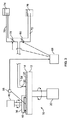
図1を参照すると、化学機械研磨(CMP)装置10は、研磨パッド14を取り付けまたは適用した平坦なプラテン12を含む。プラテン12は、研磨作業中にプラテン12を回転させるモータ20の駆動軸10の端部に取り付けられている。プラテン12は、例えば、アルミニウムといった熱伝導性材料で作成されていてもよく、その内部に、使用中冷却流体または加熱流体を循環させることができる流体循環路22の配列を含むこともできる。ポンプ24は、貯留槽出口管25aを通して予備タンク25から流体を集める。ポンプ24は、入口管26を介して循環路22に流体を供給し、循環路22から流出した流体は出口管28を通して集める。ポンプ24は、貯留槽入口管25bを通して予備タンク25に流体を戻す。予備タンク25を囲む加熱/冷却要素30は、循環システムを通して流れる流体を、例えば、所定温度に加熱または冷却し、これにより、研磨作業中プラテン12の温度を制御することができる。加熱/冷却要素は、当業者に既知の加熱および冷却要素を含むことができる。例えば、加熱要素は、抵抗電気加熱要素、赤外加熱要素、加熱された流体を予備タンク25の熱交換ジャケットあるいはコイル中を通して導く熱交換システム等を含むことができる。冷却要素は、冷却された流体を予備タンク25の熱交換ジャケットまたはコイルを通して導く熱交換システム、ペルチエ要素等を含むことができる。加熱または冷却要素は、プラテン12およびプラテン12の基板を加熱または冷却するために採用することができる。例えば、赤外加熱要素は、プラテン12とプラテン12に載置された基板を加熱するために採用することができる。赤外加熱要素は、赤外線の熱を研磨パッド上に導くためにプラテンの上方に配置することができる。流体の温度を観測するための温度センサ33を含む温度制御装置32は、加熱/冷却要素30に電気的に接続されている。センサ33によって供給される信号に基づいて、制御装置32は、例えば、流体を所定温度とするために加熱/冷却要素30を操作する。
Referring to FIG. 1, a chemical mechanical polishing (CMP)
通常は、研磨パッド14はプラテン12に接着によって取りつけられている。研磨パッド14は、例えば、伝統的な研磨パッド、固定研磨材パッド等とすることができる。伝統的パッドの例は、IC1000パッド(デラウェア州ニューアーク、ロデル社)である。研磨パッド14が、研磨表面34を提供する。
Usually, the
キャリアヘッド36は、プラテン12と対面しかつ研磨作業中基板を保持する。キャリアヘッド36は、通常、第2モータ40の駆動軸38の端部に取りつけられ、第2モータは、研磨中ヘッド36を回転させることができ、同時に、プラテン12は回転している。種々の実施構成においては、さらに、例えばキャリアヘッド36が回転中、研磨パッド14の表面の上方でキャリアヘッド36を横方向に動かすことが可能な並進モータを含んでもよい。
The
キャリアヘッド36は、支持組立体、例えば、円環状の保持リング43によって囲むことができるピストン状支持組立体42を含むことができる。支持組立体42は、保持リング43内の中央空間領域の内側に可撓性膜といった基板受領面を持つ。支持組立体42の後部の加圧可能チャンバ44は、支持組立体42の基板受領面の位置を制御する。チャンバ44内の圧力を調整することによって、基板を研磨パッドに押しつける圧力が制御される。さらに具体的には、チャンバ44内の圧力の増加は、支持組立体42をして研磨パッド14に基板をより強い力で押しつけ、チャンバ44内の圧力が減少すると押しつける力が弱まる。
The
本文は、ここに述べる発明に関連したCMP装置の典型的な要素を示す。典型的なCMPの構造および作業に関する追加の詳細は、例えば、米国特許第5,738,574号明細書に開示され、この特許は、参照することによって全体としてここに援用される。 This text shows typical elements of a CMP apparatus associated with the invention described herein. Additional details regarding typical CMP structure and operation are disclosed, for example, in US Pat. No. 5,738,574, which is hereby incorporated by reference in its entirety.
種々の実施構成において、例えば、圧縮空気源48(例えば、加圧空気の容器または空気ポンプ)といった圧力の源と連携している圧力制御装置46は、チャンバ44内の圧力を制御することができる。圧力制御装置46は、チャンバ44内の圧力を検知する圧力センサ50を含むことができる。圧力センサ50は、圧力制御装置46内に図示されているが、圧力センサはその代わりに、チャンバ44内の圧力が効率的に観測できる位置であればどのような位置にでも配置できる。圧力制御装置46は、弁、例えば、電子的に制御可能な弁52を動作させて、チャンバ44内に空気を流したり、チャンバ44から空気を開放したりすることにより、チャンバ44内の圧力を制御する。
In various implementations, a
研磨作業を行うために、供給配送管54が研磨パッド14の表面に研磨液56を配送する。種々の実施構成において、研磨パッド14は砥粒を含み、そして、研磨液56は普通、水と研磨プロセスを助ける化学薬品の混合液である。ある実施構成においては、研磨パッドは砥粒を含まず、研磨液56が化学液混合体中に砥粒を含んでいてもよい。幾つかの実施構成において、研磨パッド14と研磨液56の両方が砥粒を含むことができる。
In order to perform the polishing operation, the supply /
パイプ58は、配送管54と供給貯留槽60とを接続している。加熱/冷却要素62は、貯留槽60を囲み、研磨液を、それが研磨パッドに配送される前に、希望の一定温度に加熱および/または冷却する手法を提供する。加熱/冷却要素62を操作する温度制御装置64は、スラリーの温度監視のために熱センサ65を用い、スラリー温度を制御するために加熱/冷却要素62に送られる電力を調節する。
The
研磨表面34に配置されたIRセンサ66は、例えば、キャリアヘッド36が研磨表面34と接触している時、キャリアヘッド36に隣接した研磨表面34の温度を検知するために方向付けられている。プログラムされたコンピュータあるいは特殊目的のプロセッサ68は、IRセンサ66の出力を観測でき、以下により詳細に述べるように、ポンプ24、温度制御装置32、圧力制御装置46、温度制御装置64の制御できる。
The
研磨システムは、脱イオン水102を研磨パッド14の表面34に配送する水配送管100といったパッド洗浄システムをも含むことができる。パイプ104は、脱イオン水タンク106に配送管100を結合する。加熱/冷却要素108は、タンク106を囲み、水が研磨パッド14に配送される前に水を加熱および/または冷却する手法を提供する。加熱/冷却要素108を操作する温度制御装置110は、水の温度観測用に熱センサ112を用い、希望の水温を得るために加熱/冷却要素108に配送する電力を調節する。
The polishing system can also include a pad cleaning system such as a
研磨期間中、モータ20がプラテン12を回転させ、かつ、モータ40がキャリアヘッド36を回転させている間、キャリアヘッド36は、研磨表面34に当てて基板16を保持する。供給配送管54は、水と化学物質の混合液を研磨表面34に配送する。研磨後、研磨屑と過剰なスラリーは、水配送管100からの水によってパッド表面から洗い落とすことができる。
During the polishing period, the
本来部分的には化学的である研磨プロセスの間、研磨速度は、基板16での温度と研磨表面34の温度に依存する。より具体的には、研磨速度は、温度上昇時に増加し、温度が低下すると減少する。さらに、浸食やへこみといった好ましくない副作用は、温度の変動および/または温度の逸脱にともなって増加すると考えられる。この場合、へこみは温度低下と共に増加し、浸食は温度上昇と共に増加する。より均一で再現可能な研磨速度を得るために、かつ、浸食やへこみといった副作用を減少させるために、CMP中の温度を、特に、平坦化を向上させる目標温度に向かって以下のような1つまたはそれ以上の方法により調整することができる。
During a polishing process that is partially chemical in nature, the polishing rate depends on the temperature at the
第1に、研磨表面34での温度は、流体循環路22を循環する流体の温度を制御することによって、部分的に調整可能である。プラテンは熱伝導性材料で作られているので、循環路中の流体の温度は、研磨パッドの温度に直接的かつ迅速に影響することができる。コンピュータ68は、温度制御装置32の目標温度を設定可能で、その後、流体の温度を制御するため、例えば、目標温度に保持するために、加熱/冷却要素30に供給される電力を調節する。従って、目標温度に到達でき、温度の変動は減少できる。
First, the temperature at the polishing
研磨表面34の温度は、研磨表面34に配送される液体の温度を制御することによって調整してもよい。研磨パッド14は絶縁性を持つ。従って、例えプラテン12の温度が上述のように制御されたとしても、研磨表面34の温度を望ましいほど十分に制御しない可能性がある。研磨表面34の追加の温度制御は、液体配送給管54を通して供給される研磨流体56といった液を制御された温度で研磨表面34に配送することを含んでもよい。温度制御装置64は、タンク62内の研磨流体の温度を検知する。コンピュータ68は、目標温度を設定可能で、温度制御装置64は、その後、流体の温度を、例えば、目標温度に制御のため、加熱/冷却要素62に供給する電力を調整することができる。従って、目標温度に到達し、温度の変動が減少できる。
The temperature of the polishing
表面34に配送される第2の液体は、水配送管100から配送される脱イオン水102とすることができる。温度制御装置110は、水タンク106中の水の温度を検知することができる。温度制御装置106は、水の温度を、例えば、予め設定された目標温度に制御するため、加熱/冷却要素108に供給される電力を調節することができる。水配送管100は、例えば、目標温度にある脱イオン水を、研磨工程を始める前に、例えば、数秒間研磨表面34に配送する。それによって、研磨表面34は研磨工程が始まる時、目標温度とすることができる。この手順により、プロセスの再現性を向上させることができる。
The second liquid delivered to the
図2も参照すると、CMPプロセス中の基板16の温度は、研磨中、基板16が研磨表面34に押しつけられる圧力を制御することによっても制御できる。基板16と表面34の間の圧力は、部分的には摩擦を決める。圧力の増加は高い摩擦を、それ故高い温度をもたらす。反対に、圧力の減少は、低い摩擦、それ故低い温度をもたらす。したがって、コンピュータ68は、研磨表面34の温度を、例えば、目標温度に向けて制御するために、あるいは温度の逸脱を減少させるために、圧力を変えることができる。
Referring also to FIG. 2, the temperature of the
プロセス中に、基板16が研磨表面34に対して印加する圧力は、次のような方法で制御することができる。IRセンサ66を用いることにより、コンピュータ68は、研磨表面34の温度を観測できる。コンピュータ68は、センサ66の温度を予知された目標温度プロフィールと比較するようにプログラムすることができる。もし測定された温度が目標温度プロフィールより高い場合、コンピュータ68は、圧力制御装置46をして、例えば、キャリアヘッド36(図1参照)内のチャンバ44の圧力を減少させることによって、基板16に印加される圧力を減少させる。もし、測定された温度が目標温度プロフィールより低い場合、コンピュータ68は、圧力制御装置46をして、チャンバ44内の圧力を高めることによって、基板16に印加される圧力を高める。従って、コンピュータ68は、研磨プロセスを通して、温度を、例えば、ある所定の目標値に制御することができる。このプロセスは、ある与えられた基板に対して1〜2分の短かさとすることができる。
The pressure that the
通常、研磨作業中、研磨表面34の温度は、ある安定な温度に達するまで上昇する。コンピュータ68によって用いられる目標温度を決める方法の1つは、「良好な」研磨作業を監視し、圧力を一定にして、作業中温度の変動を時間の関数として調べる。このように測定された温度は、同様な研磨作業の目標温度として選定できる。即ち、コンピュータ68は単に、それぞれの作業において基板に印加される圧力を、研磨表面の温度が良好な研磨作業の測定曲線に従うように制御する。従って、コンピュータ68は、各研磨作業での平均化された研磨速度は繰り返し可能であり、これによって一貫性のある結果を与えることを保証している傾向にある。「良好な研磨作業」とは、温度制御によりへこみおよび/または浸食量が容認できる範囲で効果的な平坦化が導かれた時に得られる。
Typically, during the polishing operation, the temperature of the polishing
CMPプロセス中の基板16の温度は、プラテン12とキャリアヘッド36が互いに回転する相対速度を制御することによって制御できる。基板16と研磨表面34の間の摩擦は、基板16と表面34の間の相対速度によって一部決められる。相対速度と摩擦の間の関係は計算できる。そこで、もし研磨表面34の温度があまりに高ければ、摩擦を減少させるよう相対速度を調整でき、または、もし研磨表面34の温度があまりに低ければ、摩擦を増加させるよう相対速度が調節できる。例えば、研磨表面34の温度を、例えば、目標温度に向かって制御するために、コンピュータ68は、モータ20および/またはモータ40によって作り出される回転速度を変えることができる。
The temperature of the
プラテン12とキャリアヘッド36の間の相対速度は次の方法で制御することができる。IRセンサ66を用いて、コンピュータ68は研磨表面34の温度を観測する。コンピュータ68は、検知された温度を所定の目標温度プロフィールと比較するようにプログラムすることが可能である。もし、測定された温度が該目標温度プロフィールより高いまたは低い場合、コンピュータ68は、モータ20および/またはモータ40の回転速度を比例して変えることができる。それ故、コンピュータ68は、研磨プロセス中、温度を、例えば、所定の目標値に制御する。
The relative speed between the
通常、研磨作業において、研磨表面34の温度は、安定な温度に到達するまで上昇する。種々の実施構成において、コンピュータ68によって用いられる目標温度は、基板16と研磨表面34のある固定された相対速度において、時間の関数として作業中の温度の変動を検討するため、「良好な」研磨作業を観測することによって選定することができる。この測定された温度は、同様の研磨作業の目標温度として選択可能である。それ故、コンピュータ68は、基板16と研磨表面34との相対速度を制御できるので、研磨表面の温度は、良好な研磨作業の測定された曲線に従う。従って、コンピュータ68は、それぞれの研磨作業の平均化された研磨速度は、再現可能であり、一定の結果をもたらすことを保証する傾向がある。「良好な研磨作業」は、温度制御によりへこみおよび/または浸食が低減された効果的な平坦化が導かれた時に得られる。
Typically, in a polishing operation, the temperature of the polishing
図3を参照すると、CMPプロセス中の基板16の温度は、研磨液56の組成を制御することによって制御可能である。研磨液56は、供給/洗浄管54によって研磨表面34に配送される。パイプ70およびパイプ72は、管54を化学溶液貯留槽74および水タンク76にそれぞれ接続している。弁78および弁80は、パイプ70およびパイプ72から管54への液体の流れを、それぞれ、制御している。コンピュータ68は、弁78と80を制御可能である。基板16の温度は、研溶液56と基板16表面との反応速度に一部依存している可能性がある。研磨液56と基板16表面との反応速度は、研磨速度と直接比例している可能性がある。化学溶液の濃度が増加すると反応速度を増加させることができ、従って、研磨速度を増加させることができる。化学溶液の濃度の減少は、反応速度を低下させることができ、従って、研磨速度を減少させることができる。
Referring to FIG. 3, the temperature of the
研磨液56の組成は、次のような方法で制御することができる。IRセンサ66を用いて、コンピュータ68は、研磨表面34の温度を観測することができる。コンピュータ68は、検知された温度を所定の目標温度プロフィールと比較するようにプログラムすることができる。もし、測定された温度が目標温度プロフィールより高ければ、コンピュータ68は、弁78を調節して化学溶液貯留槽74からの化学溶液の流量を減少させることができる。あるいは、コンピュータ68は、弁80を調節して水タンク76からの水の流量を増加させることができる。この1つの弁または2つの弁の調節は、研磨表面34上の化学溶液の濃度を減少させる可能性があり、従って、研磨速度を減少させる。一方、もし測定された温度が目標温度プロフィールより低ければ、コンピュータ68は、弁78を調節して化学溶液貯留槽74からの化学溶液の流量を増加することができる。あるいは、コンピュータ68は、弁80を調節して、水タンク76からの水の流量を減少させることができる。この1つの弁または2つの弁の調節によって、研磨表面上の化学溶液の濃度を増加させることができ、従って、研磨速度を増加させることができる。
The composition of the polishing
通常、研磨作業中、研磨表面34の温度は、安定な温度に達するまで上昇する。種々の実施構成において、コンピュータ68によって使用される目標温度は、化学溶液の固定の水中濃度を用いて、時間の関数として作業中の温度の変動を検討するため、「良好な」研磨作業観測することによって確立することができる。この測定された温度は、同様の作業に対する目標温度として選択することができる。従って、コンピュータ68は、化学溶液の水中濃度を制御することができるので、研磨表面の温度は良好な研磨作業の測定曲線に従う。コンピュータ68は、従って、それぞれの研磨作業の平均化された研磨速度は、再現可能であり、一定の結果を導くことを保証する傾向がある。「良好な研磨作業」は温度制御によりへこみや浸食の少ない効果的な平坦化が導かれたときに得られる。もし測定温度が、ある閾値量以上に目標温度から変化している場合、温度を目標温度に向けて戻すために、例えば、基板上への圧力、保持リング上への圧力および/またはスラリーの流量といった1つまたは2つ以上の研磨パラメータを調節することができる。目標温度は、研磨プロセスを通して一定とすることができる。さらに、実際の研磨速度は研磨中変動してもよい。即ち、研磨パラメータのフィードバック・ループは、研磨速度を一定に維持するよりも、温度を一定に維持するように行われることを基本とする。
Typically, during the polishing operation, the temperature of the polishing
その他の実施形態は、以下の特許請求の範囲に含まれる。例えば、研磨表面の温度を制御するために冷媒をプラテンに供給することができるシステムにおいて、プラテンは、上記のアルミニウムの他に、いかなる適切な熱伝導性材料で製作されてもよい。加えて、研磨表面の温度をIR観測で測定する代わりに、例えば、プラテン中に装着されるか、研磨パッド中に埋め込まれた熱電対を用いるといった研磨表面の温度を測定するためのその他の既知の技術を用いることができる。また、基板と研磨パッドの間の圧力を制御するためのその他の方法を用いることができる。例えば、基板の裏面側に圧力を加えるよりも、基板上の圧力を制御するために、キャリアヘッド全体を差動装置(例えば、空気差動装置、電磁差動装置等)によって垂直に動かすことができる。さらに、研磨表面に配送される研磨液または水の温度は、すでに記載した位置以外に、配送システム中の位置に置かれた加熱または冷却要素によって制御することができる。加えて、液は、複数の配送管を通して、それぞれの管内の液の温度を制御する独立の温度制御装置を用いて、研磨表面に配送することもできる。 Other embodiments are within the scope of the following claims. For example, in a system where a coolant can be supplied to the platen to control the temperature of the polishing surface, the platen may be made of any suitable thermally conductive material in addition to the aluminum described above. In addition, instead of measuring the temperature of the polishing surface with IR observation, other known methods for measuring the temperature of the polishing surface, such as using a thermocouple mounted in a platen or embedded in a polishing pad Can be used. Other methods for controlling the pressure between the substrate and the polishing pad can also be used. For example, rather than applying pressure to the back side of the substrate, the entire carrier head can be moved vertically by a differential (eg, air differential, electromagnetic differential, etc.) to control the pressure on the substrate. it can. In addition, the temperature of the polishing liquid or water delivered to the polishing surface can be controlled by heating or cooling elements placed at locations in the delivery system other than those already described. In addition, the liquid can be delivered to the polishing surface through a plurality of delivery tubes using an independent temperature control device that controls the temperature of the liquid in each tube.
多段金属研磨プロセス、例えば、銅研磨は、温度制御をせずに、しかし当該研磨工程を中止する現場観察装置を用いて第1研磨パッドを有する第1プラテンで銅層のバルク研磨を行う第1の研磨工程と、障壁層を露出または除去して、上述の温度制御手順を用いる第2の研磨工程を含むことができる。 A multi-stage metal polishing process, for example, copper polishing, is a first method in which a copper layer is bulk-polished with a first platen having a first polishing pad without using temperature control, but using an in-situ observation apparatus that stops the polishing process. And a second polishing step using the temperature control procedure described above with the barrier layer exposed or removed.
本発明の多数の実施形態を記述した。それにも係わらず、本発明の精神と本発明の範囲を離れること無く種々の改良を行うことができることは理解されるだろう。 A number of embodiments of the invention have been described. Nevertheless, it will be understood that various modifications can be made without departing from the spirit and scope of the invention.
Claims (10)
研磨プロセス中、研磨表面に当てて基板を保持するサブシステムと、
研磨表面の温度を測定するために方向付けられた温度センサと、
を備えた化学機械研磨装置であって、
サブシステムは、センサによって測定された温度を受信し、測定された温度に応じて研磨プロセスのパラメータを変えるようにプログラムされており、かつ、
もし、測定された温度が目標温度から閾値量より大きく変化している場合、温度を目標温度に戻すために1つまたはそれ以上の研磨パラメータを調節する装置。 A platen holding a pad with a polishing surface;
A subsystem that holds the substrate against the polishing surface during the polishing process;
A temperature sensor oriented to measure the temperature of the polishing surface;
A chemical mechanical polishing apparatus comprising:
The subsystem is programmed to receive the temperature measured by the sensor and to change the parameters of the polishing process in response to the measured temperature; and
An apparatus that adjusts one or more polishing parameters to return the temperature to the target temperature if the measured temperature has changed more than a threshold amount from the target temperature.
複数のプロセスパラメータによって特徴づけられる研磨プロセス中、研磨表面をもつ基板の表面を研磨し、
研磨プロセス中、研磨表面の温度を繰り返し観測し、
観測された温度に対する目標値を得るように、観測された温度に応じて複数のプロセスパラメータの1つを制御すること
を含む方法。 A method for polishing a surface of a substrate, the method comprising:
During the polishing process characterized by multiple process parameters, the surface of the substrate with the polishing surface is polished,
During the polishing process, repeatedly observe the temperature of the polishing surface,
Controlling one of the plurality of process parameters in response to the observed temperature to obtain a target value for the observed temperature.
Applications Claiming Priority (3)
| Application Number | Priority Date | Filing Date | Title |
|---|---|---|---|
| US12/433,559 | 2009-04-30 | ||
| US12/433,559 US20100279435A1 (en) | 2009-04-30 | 2009-04-30 | Temperature control of chemical mechanical polishing |
| PCT/US2010/032609 WO2010126902A2 (en) | 2009-04-30 | 2010-04-27 | Temperature control of chemical mechanical polishing |
Publications (1)
| Publication Number | Publication Date |
|---|---|
| JP2012525715A true JP2012525715A (en) | 2012-10-22 |
Family
ID=43030689
Family Applications (1)
| Application Number | Title | Priority Date | Filing Date |
|---|---|---|---|
| JP2012508602A Withdrawn JP2012525715A (en) | 2009-04-30 | 2010-04-27 | Temperature control for chemical mechanical polishing |
Country Status (4)
| Country | Link |
|---|---|
| US (1) | US20100279435A1 (en) |
| JP (1) | JP2012525715A (en) |
| TW (1) | TW201101385A (en) |
| WO (1) | WO2010126902A2 (en) |
Cited By (9)
| Publication number | Priority date | Publication date | Assignee | Title |
|---|---|---|---|---|
| JP2013207268A (en) * | 2012-03-29 | 2013-10-07 | Dainippon Screen Mfg Co Ltd | Substrate processing device and substrate processing method |
| JP2016007652A (en) * | 2014-06-23 | 2016-01-18 | 株式会社荏原製作所 | Temperature control system of polishing pad and substrate treatment apparatus provided with the same |
| KR101587781B1 (en) | 2015-01-30 | 2016-02-02 | 주식회사 케이씨텍 | Chemical mechanical polishing apparatus and method |
| KR20180075669A (en) * | 2015-12-18 | 2018-07-04 | 가부시키가이샤 사무코 | Wafer polishing method and polishing apparatus |
| KR20190058939A (en) * | 2017-11-22 | 2019-05-30 | 주식회사 케이씨텍 | Chemical Mechanical Polishing Apparatus and Chemical Mechanical Polishing Method |
| KR20190058942A (en) * | 2017-11-22 | 2019-05-30 | 주식회사 케이씨텍 | Fluid Supplying Device of Chemical Mechanical Polishing Apparatus |
| KR20200074241A (en) * | 2017-11-14 | 2020-06-24 | 어플라이드 머티어리얼스, 인코포레이티드 | Temperature control of chemical mechanical polishing |
| CN112969553A (en) * | 2018-06-21 | 2021-06-15 | 伊利诺斯工具制品有限公司 | Method and apparatus for controlling fluid dispensers on metallurgical sample preparation machines |
| US11504821B2 (en) | 2017-11-16 | 2022-11-22 | Applied Materials, Inc. | Predictive filter for polishing pad wear rate monitoring |
Families Citing this family (57)
| Publication number | Priority date | Publication date | Assignee | Title |
|---|---|---|---|---|
| JP5552401B2 (en) | 2010-09-08 | 2014-07-16 | 株式会社荏原製作所 | Polishing apparatus and method |
| EP2431985A1 (en) * | 2010-09-16 | 2012-03-21 | Starkstrom-Gerätebau GmbH | Integrated cooling system |
| JP5628067B2 (en) * | 2011-02-25 | 2014-11-19 | 株式会社荏原製作所 | Polishing apparatus provided with temperature adjustment mechanism of polishing pad |
| WO2012139627A1 (en) | 2011-04-11 | 2012-10-18 | Ev Group E. Thallner Gmbh | Bendable carrier mounting, device and method for releasing a carrier substrate |
| TWI548483B (en) | 2011-07-19 | 2016-09-11 | 荏原製作所股份有限公司 | Grinding device and method |
| KR20200019772A (en) * | 2011-12-22 | 2020-02-24 | 에베 그룹 에. 탈너 게엠베하 | Flexible substrate holder, device and method for detaching a first substrate |
| JP5973731B2 (en) * | 2012-01-13 | 2016-08-23 | 東京エレクトロン株式会社 | Plasma processing apparatus and heater temperature control method |
| US9005999B2 (en) * | 2012-06-30 | 2015-04-14 | Applied Materials, Inc. | Temperature control of chemical mechanical polishing |
| US20140020829A1 (en) * | 2012-07-18 | 2014-01-23 | Applied Materials, Inc. | Sensors in Carrier Head of a CMP System |
| US9550270B2 (en) * | 2013-07-31 | 2017-01-24 | Taiwan Semiconductor Manufacturing Company Limited | Temperature modification for chemical mechanical polishing |
| JP6161999B2 (en) * | 2013-08-27 | 2017-07-12 | 株式会社荏原製作所 | Polishing method and polishing apparatus |
| WO2015035088A1 (en) * | 2013-09-05 | 2015-03-12 | Applied Materials, Inc | Methods and apparatus for forming a resist array using chemical mechanical planarization |
| US10207389B2 (en) * | 2014-07-17 | 2019-02-19 | Applied Materials, Inc. | Polishing pad configuration and chemical mechanical polishing system |
| CN106716604A (en) * | 2014-10-09 | 2017-05-24 | 应用材料公司 | Chemical mechanical polishing pad with internal channels |
| US10160090B2 (en) * | 2015-11-12 | 2018-12-25 | Taiwan Semiconductor Manufacturing Co., Ltd. | Chemical mechanical polishing method |
| US10414018B2 (en) * | 2016-02-22 | 2019-09-17 | Ebara Corporation | Apparatus and method for regulating surface temperature of polishing pad |
| US10037889B1 (en) | 2017-03-29 | 2018-07-31 | Rohm And Haas Electronic Materials Cmp Holdings, Inc. | Cationic particle containing slurries and methods of using them for CMP of spin-on carbon films |
| JP2019160996A (en) | 2018-03-13 | 2019-09-19 | 東芝メモリ株式会社 | Polishing pad, semiconductor manufacturing device, and method for manufacturing semiconductor device |
| JP7287987B2 (en) | 2018-06-27 | 2023-06-06 | アプライド マテリアルズ インコーポレイテッド | Temperature control for chemical mechanical polishing |
| US12017322B2 (en) * | 2018-08-14 | 2024-06-25 | Taiwan Semiconductor Manufacturing Co., Ltd. | Chemical mechanical polishing method |
| US11437250B2 (en) * | 2018-11-15 | 2022-09-06 | Tokyo Electron Limited | Processing system and platform for wet atomic layer etching using self-limiting and solubility-limited reactions |
| US12444610B2 (en) | 2018-11-15 | 2025-10-14 | Tokyo Electron Limited | Methods for etching a substrate using a hybrid wet atomic layer etching process |
| US12243752B2 (en) | 2018-11-15 | 2025-03-04 | Tokyo Electron Limited | Systems for etching a substrate using a hybrid wet atomic layer etching process |
| TWI838459B (en) | 2019-02-20 | 2024-04-11 | 美商應用材料股份有限公司 | Chemical mechanical polishing apparatus and method of chemical mechanical polishing |
| TWI771668B (en) | 2019-04-18 | 2022-07-21 | 美商應用材料股份有限公司 | Temperature-based in-situ edge assymetry correction during cmp |
| TWI859239B (en) | 2019-05-29 | 2024-10-21 | 美商應用材料股份有限公司 | Apparatus and method for steam treatment stations for chemical mechanical polishing system |
| US11633833B2 (en) | 2019-05-29 | 2023-04-25 | Applied Materials, Inc. | Use of steam for pre-heating of CMP components |
| US11628478B2 (en) | 2019-05-29 | 2023-04-18 | Applied Materials, Inc. | Steam cleaning of CMP components |
| US20210046603A1 (en) * | 2019-08-13 | 2021-02-18 | Applied Materials, Inc. | Slurry temperature control by mixing at dispensing |
| US11897079B2 (en) * | 2019-08-13 | 2024-02-13 | Applied Materials, Inc. | Low-temperature metal CMP for minimizing dishing and corrosion, and improving pad asperity |
| TWI872101B (en) | 2019-08-13 | 2025-02-11 | 美商應用材料股份有限公司 | Apparatus and method for cmp temperature control |
| JP7236990B2 (en) * | 2019-12-09 | 2023-03-10 | 株式会社荏原製作所 | System and polishing equipment for adjusting the surface temperature of the pad |
| JP7264039B2 (en) * | 2019-12-19 | 2023-04-25 | 株式会社Sumco | Polishing head, chemical mechanical polishing apparatus, and chemical mechanical polishing method |
| CN111300161B (en) * | 2020-02-26 | 2022-02-01 | 上海东竞自动化系统有限公司 | Method and apparatus for repairing surface scratches |
| CN115103738A (en) | 2020-06-29 | 2022-09-23 | 应用材料公司 | Temperature and slurry flow rate control in CMP |
| KR102905650B1 (en) * | 2020-06-29 | 2025-12-30 | 어플라이드 머티어리얼스, 인코포레이티드 | Control of steam generation for chemical mechanical polishing |
| KR20250004369A (en) | 2020-06-30 | 2025-01-07 | 어플라이드 머티어리얼스, 인코포레이티드 | Apparatus and method for cmp temperature control |
| US11577358B2 (en) | 2020-06-30 | 2023-02-14 | Applied Materials, Inc. | Gas entrainment during jetting of fluid for temperature control in chemical mechanical polishing |
| CN112247740B (en) * | 2020-09-25 | 2025-12-09 | 富联裕展科技(深圳)有限公司 | Polishing device, polishing method, polishing auxiliary device, polishing auxiliary system and polishing auxiliary method |
| US11724355B2 (en) * | 2020-09-30 | 2023-08-15 | Applied Materials, Inc. | Substrate polish edge uniformity control with secondary fluid dispense |
| CN112139987B (en) * | 2020-10-22 | 2025-04-11 | 南通大学 | Grinding component capable of measuring grinding temperature in real time and grinding pressure control method thereof |
| US11915941B2 (en) | 2021-02-11 | 2024-02-27 | Tokyo Electron Limited | Dynamically adjusted purge timing in wet atomic layer etching |
| JP7678125B2 (en) * | 2021-03-04 | 2025-05-15 | アプライド マテリアルズ インコーポレイテッド | Insulating fluid lines in chemical mechanical polishing |
| KR20220134327A (en) * | 2021-03-26 | 2022-10-05 | 주식회사 케이씨텍 | Wafer ploishing system and method thereof |
| DE102021113131A1 (en) * | 2021-05-20 | 2022-11-24 | Lapmaster Wolters Gmbh | Method for operating a double-sided processing machine and double-sided processing machine |
| US20220388117A1 (en) * | 2021-06-02 | 2022-12-08 | Revasum, Inc. | Polishing pad surface cooling by compressed gas |
| US12276033B2 (en) | 2021-10-19 | 2025-04-15 | Tokyo Electron Limited | Methods for wet etching of noble metals |
| US11802342B2 (en) | 2021-10-19 | 2023-10-31 | Tokyo Electron Limited | Methods for wet atomic layer etching of ruthenium |
| US12506014B2 (en) | 2021-10-19 | 2025-12-23 | Tokyo Electron Limited | Methods for non-isothermal wet atomic layer etching |
| US11866831B2 (en) | 2021-11-09 | 2024-01-09 | Tokyo Electron Limited | Methods for wet atomic layer etching of copper |
| CN114700871B (en) * | 2022-03-11 | 2023-11-24 | 上海致领半导体科技发展有限公司 | Third-generation semiconductor chemical mechanical polishing device |
| US12290897B2 (en) * | 2022-05-27 | 2025-05-06 | Applied Materials, Inc. | Fluid-tight electrical connection techniques for semiconductor processing |
| CN116237866B (en) * | 2023-03-31 | 2025-06-06 | 江苏科技大学 | A grinding and polishing machine capable of real-time temperature control and a temperature control method thereof |
| CN116690402B (en) * | 2023-08-09 | 2023-11-14 | 浙江晶盛机电股份有限公司 | Method and device for adjusting technological parameters of polishing machine, computer equipment and storage medium |
| US20250114909A1 (en) * | 2023-10-05 | 2025-04-10 | Applied Materials, Inc. | Cold liquid polishing control |
| US12506011B2 (en) | 2023-12-15 | 2025-12-23 | Tokyo Electron Limited | Methods for wet atomic layer etching of transition metal oxide dielectric materials |
| WO2025160065A1 (en) * | 2024-01-24 | 2025-07-31 | Lapmaster International, Llc | Cooling control in chemical mechanical polishing |
Family Cites Families (32)
| Publication number | Priority date | Publication date | Assignee | Title |
|---|---|---|---|---|
| US4450652A (en) * | 1981-09-04 | 1984-05-29 | Monsanto Company | Temperature control for wafer polishing |
| US5196353A (en) * | 1992-01-03 | 1993-03-23 | Micron Technology, Inc. | Method for controlling a semiconductor (CMP) process by measuring a surface temperature and developing a thermal image of the wafer |
| US5700180A (en) * | 1993-08-25 | 1997-12-23 | Micron Technology, Inc. | System for real-time control of semiconductor wafer polishing |
| JP3633062B2 (en) * | 1994-12-22 | 2005-03-30 | 株式会社デンソー | Polishing method and polishing apparatus |
| US5722875A (en) * | 1995-05-30 | 1998-03-03 | Tokyo Electron Limited | Method and apparatus for polishing |
| US5597442A (en) * | 1995-10-16 | 1997-01-28 | Taiwan Semiconductor Manufacturing Company Ltd. | Chemical/mechanical planarization (CMP) endpoint method using measurement of polishing pad temperature |
| US5762544A (en) * | 1995-10-27 | 1998-06-09 | Applied Materials, Inc. | Carrier head design for a chemical mechanical polishing apparatus |
| US5643050A (en) * | 1996-05-23 | 1997-07-01 | Industrial Technology Research Institute | Chemical/mechanical polish (CMP) thickness monitor |
| US5873769A (en) * | 1997-05-30 | 1999-02-23 | Industrial Technology Research Institute | Temperature compensated chemical mechanical polishing to achieve uniform removal rates |
| JPH1133897A (en) * | 1997-07-24 | 1999-02-09 | Matsushita Electron Corp | Chemical-mechanical polishing method and device |
| DE19737849A1 (en) * | 1997-08-29 | 1999-03-11 | Siemens Ag | Device and method for heating a liquid or viscous polishing agent and device for polishing wafers |
| DE19748020A1 (en) * | 1997-10-30 | 1999-05-06 | Wacker Siltronic Halbleitermat | Method and device for polishing semiconductor wafers |
| US5957750A (en) * | 1997-12-18 | 1999-09-28 | Micron Technology, Inc. | Method and apparatus for controlling a temperature of a polishing pad used in planarizing substrates |
| US6121144A (en) * | 1997-12-29 | 2000-09-19 | Intel Corporation | Low temperature chemical mechanical polishing of dielectric materials |
| US6000997A (en) * | 1998-07-10 | 1999-12-14 | Aplex, Inc. | Temperature regulation in a CMP process |
| US6315635B1 (en) * | 1999-03-31 | 2001-11-13 | Taiwan Semiconductor Manufacturing Company, Ltd | Method and apparatus for slurry temperature control in a polishing process |
| US6375693B1 (en) * | 1999-05-07 | 2002-04-23 | International Business Machines Corporation | Chemical-mechanical planarization of barriers or liners for copper metallurgy |
| US6225224B1 (en) * | 1999-05-19 | 2001-05-01 | Infineon Technologies Norht America Corp. | System for dispensing polishing liquid during chemical mechanical polishing of a semiconductor wafer |
| US6640151B1 (en) * | 1999-12-22 | 2003-10-28 | Applied Materials, Inc. | Multi-tool control system, method and medium |
| US6461980B1 (en) * | 2000-01-28 | 2002-10-08 | Applied Materials, Inc. | Apparatus and process for controlling the temperature of a substrate in a plasma reactor chamber |
| US6257954B1 (en) * | 2000-02-23 | 2001-07-10 | Memc Electronic Materials, Inc. | Apparatus and process for high temperature wafer edge polishing |
| US6647309B1 (en) * | 2000-05-22 | 2003-11-11 | Advanced Micro Devices, Inc. | Method and apparatus for automated generation of test semiconductor wafers |
| US20020023715A1 (en) * | 2000-05-26 | 2002-02-28 | Norio Kimura | Substrate polishing apparatus and substrate polishing mehod |
| US6946394B2 (en) * | 2000-09-20 | 2005-09-20 | Kla-Tencor Technologies | Methods and systems for determining a characteristic of a layer formed on a specimen by a deposition process |
| US6494765B2 (en) * | 2000-09-25 | 2002-12-17 | Center For Tribology, Inc. | Method and apparatus for controlled polishing |
| US20070290166A1 (en) * | 2001-03-14 | 2007-12-20 | Liu Feng Q | Method and composition for polishing a substrate |
| US6562185B2 (en) * | 2001-09-18 | 2003-05-13 | Advanced Micro Devices, Inc. | Wafer based temperature sensors for characterizing chemical mechanical polishing processes |
| DE10252613A1 (en) * | 2002-11-12 | 2004-05-27 | Infineon Technologies Ag | Method, device, computer-readable storage medium and computer program element for monitoring a manufacturing process |
| US7008295B2 (en) * | 2003-02-04 | 2006-03-07 | Applied Materials Inc. | Substrate monitoring during chemical mechanical polishing |
| JP2004306173A (en) * | 2003-04-03 | 2004-11-04 | Sharp Corp | Substrate polishing machine |
| JP2005311246A (en) * | 2004-04-26 | 2005-11-04 | Tokyo Seimitsu Co Ltd | Chemical mechanical polishing apparatus and method |
| US8292691B2 (en) * | 2008-09-29 | 2012-10-23 | Applied Materials, Inc. | Use of pad conditioning in temperature controlled CMP |
-
2009
- 2009-04-30 US US12/433,559 patent/US20100279435A1/en not_active Abandoned
-
2010
- 2010-04-27 JP JP2012508602A patent/JP2012525715A/en not_active Withdrawn
- 2010-04-27 WO PCT/US2010/032609 patent/WO2010126902A2/en not_active Ceased
- 2010-04-28 TW TW099113536A patent/TW201101385A/en unknown
Cited By (24)
| Publication number | Priority date | Publication date | Assignee | Title |
|---|---|---|---|---|
| JP2013207268A (en) * | 2012-03-29 | 2013-10-07 | Dainippon Screen Mfg Co Ltd | Substrate processing device and substrate processing method |
| JP2016007652A (en) * | 2014-06-23 | 2016-01-18 | 株式会社荏原製作所 | Temperature control system of polishing pad and substrate treatment apparatus provided with the same |
| KR101587781B1 (en) | 2015-01-30 | 2016-02-02 | 주식회사 케이씨텍 | Chemical mechanical polishing apparatus and method |
| KR102075480B1 (en) | 2015-12-18 | 2020-02-10 | 가부시키가이샤 사무코 | Wafer Polishing Method and Polishing Device |
| KR20180075669A (en) * | 2015-12-18 | 2018-07-04 | 가부시키가이샤 사무코 | Wafer polishing method and polishing apparatus |
| KR102374591B1 (en) | 2017-11-14 | 2022-03-15 | 어플라이드 머티어리얼스, 인코포레이티드 | Temperature Control of Chemical Mechanical Polishing |
| KR20200074241A (en) * | 2017-11-14 | 2020-06-24 | 어플라이드 머티어리얼스, 인코포레이티드 | Temperature control of chemical mechanical polishing |
| JP2021502904A (en) * | 2017-11-14 | 2021-02-04 | アプライド マテリアルズ インコーポレイテッドApplied Materials,Incorporated | Temperature control of chemical mechanical polishing |
| US12214468B2 (en) | 2017-11-14 | 2025-02-04 | Applied Materials, Inc. | Temperature control of chemical mechanical polishing |
| JP7433492B2 (en) | 2017-11-14 | 2024-02-19 | アプライド マテリアルズ インコーポレイテッド | Temperature control for chemical mechanical polishing |
| JP7014908B2 (en) | 2017-11-14 | 2022-02-01 | アプライド マテリアルズ インコーポレイテッド | Temperature control for chemical mechanical polishing |
| JP2023088921A (en) * | 2017-11-14 | 2023-06-27 | アプライド マテリアルズ インコーポレイテッド | Temperature control for chemical mechanical polishing |
| JP2022068153A (en) * | 2017-11-14 | 2022-05-09 | アプライド マテリアルズ インコーポレイテッド | Temperature control for chemical mechanical polishing |
| JP7241937B2 (en) | 2017-11-14 | 2023-03-17 | アプライド マテリアルズ インコーポレイテッド | Temperature control for chemical mechanical polishing |
| US11504821B2 (en) | 2017-11-16 | 2022-11-22 | Applied Materials, Inc. | Predictive filter for polishing pad wear rate monitoring |
| KR102465703B1 (en) * | 2017-11-22 | 2022-11-11 | 주식회사 케이씨텍 | Chemical Mechanical Polishing Apparatus and Chemical Mechanical Polishing Method |
| KR102467986B1 (en) * | 2017-11-22 | 2022-11-17 | 주식회사 케이씨텍 | Fluid Supplying Device of Chemical Mechanical Polishing Apparatus |
| KR20190058942A (en) * | 2017-11-22 | 2019-05-30 | 주식회사 케이씨텍 | Fluid Supplying Device of Chemical Mechanical Polishing Apparatus |
| KR20190058939A (en) * | 2017-11-22 | 2019-05-30 | 주식회사 케이씨텍 | Chemical Mechanical Polishing Apparatus and Chemical Mechanical Polishing Method |
| US11787007B2 (en) | 2018-06-21 | 2023-10-17 | Illinois Tool Works Inc. | Methods and apparatus to control a fluid dispenser on a metallurgical specimen preparation machine |
| CN112969553B (en) * | 2018-06-21 | 2024-02-06 | 伊利诺斯工具制品有限公司 | Method and device for controlling a fluid distributor on a metallurgical sample preparation machine |
| JP2021529095A (en) * | 2018-06-21 | 2021-10-28 | イリノイ トゥール ワークス インコーポレイティド | Methods and equipment for controlling fluid supply equipment in metallurgical sample preparation machines |
| CN112969553A (en) * | 2018-06-21 | 2021-06-15 | 伊利诺斯工具制品有限公司 | Method and apparatus for controlling fluid dispensers on metallurgical sample preparation machines |
| JP7691238B2 (en) | 2018-06-21 | 2025-06-11 | イリノイ トゥール ワークス インコーポレイティド | Method and apparatus for controlling a fluid supply in a metallurgical sample preparation machine - Patents.com |
Also Published As
| Publication number | Publication date |
|---|---|
| WO2010126902A3 (en) | 2011-02-03 |
| TW201101385A (en) | 2011-01-01 |
| US20100279435A1 (en) | 2010-11-04 |
| WO2010126902A2 (en) | 2010-11-04 |
| WO2010126902A4 (en) | 2011-03-31 |
Similar Documents
| Publication | Publication Date | Title |
|---|---|---|
| JP7433492B2 (en) | Temperature control for chemical mechanical polishing | |
| JP2012525715A (en) | Temperature control for chemical mechanical polishing | |
| JP7372442B2 (en) | Slurry temperature control by mixing during distribution | |
| US9005999B2 (en) | Temperature control of chemical mechanical polishing | |
| US8292691B2 (en) | Use of pad conditioning in temperature controlled CMP | |
| TWI904944B (en) | Low-temperature metal cmp for minimizing dishing and corrosion, and improving pad asperity | |
| TWI854492B (en) | Chemical mechanical polishing system and computer program product for temperature and slurry flow rate control | |
| US20220305611A1 (en) | Substrate polishing system and substrate polishing method | |
| TWI540624B (en) | Temperature control of chemical mechanical polishing | |
| JP2000343416A (en) | Polishing device and method therefor | |
| TWI919139B (en) | Method and system for temperature control of chemical mechanical polishing | |
| WO2014018027A1 (en) | Temperature control of chemical mechanical polishing | |
| JP2024509159A (en) | Temperature-controlled removal rate in CMP | |
| JP2006026897A (en) | Polishing device and polishing method |
Legal Events
| Date | Code | Title | Description |
|---|---|---|---|
| A300 | Application deemed to be withdrawn because no request for examination was validly filed |
Free format text: JAPANESE INTERMEDIATE CODE: A300 Effective date: 20130702 |