JP2009517921A - Broadcast messaging in peer-to-peer overlay networks - Google Patents
Broadcast messaging in peer-to-peer overlay networks Download PDFInfo
- Publication number
- JP2009517921A JP2009517921A JP2008542365A JP2008542365A JP2009517921A JP 2009517921 A JP2009517921 A JP 2009517921A JP 2008542365 A JP2008542365 A JP 2008542365A JP 2008542365 A JP2008542365 A JP 2008542365A JP 2009517921 A JP2009517921 A JP 2009517921A
- Authority
- JP
- Japan
- Prior art keywords
- node
- finger
- key value
- entry
- broadcast message
- Prior art date
- Legal status (The legal status is an assumption and is not a legal conclusion. Google has not performed a legal analysis and makes no representation as to the accuracy of the status listed.)
- Granted
Links
- 230000004044 response Effects 0.000 claims abstract description 78
- 238000000034 method Methods 0.000 claims description 67
- 230000004931 aggregating effect Effects 0.000 claims description 10
- 230000010365 information processing Effects 0.000 claims description 10
- 238000012545 processing Methods 0.000 claims description 8
- 238000004891 communication Methods 0.000 claims description 6
- 230000001174 ascending effect Effects 0.000 claims description 4
- 230000000977 initiatory effect Effects 0.000 description 11
- 230000006870 function Effects 0.000 description 7
- 238000013459 approach Methods 0.000 description 5
- 238000010586 diagram Methods 0.000 description 4
- 238000013500 data storage Methods 0.000 description 3
- 230000003287 optical effect Effects 0.000 description 3
- 230000003247 decreasing effect Effects 0.000 description 2
- 230000008520 organization Effects 0.000 description 2
- 230000008569 process Effects 0.000 description 2
- 238000012546 transfer Methods 0.000 description 2
- 230000002776 aggregation Effects 0.000 description 1
- 238000004220 aggregation Methods 0.000 description 1
- 238000012423 maintenance Methods 0.000 description 1
- 230000007246 mechanism Effects 0.000 description 1
- 238000012986 modification Methods 0.000 description 1
- 230000004048 modification Effects 0.000 description 1
- 230000006855 networking Effects 0.000 description 1
- 230000000007 visual effect Effects 0.000 description 1
- 239000002699 waste material Substances 0.000 description 1
Images







Classifications
-
- H—ELECTRICITY
- H04—ELECTRIC COMMUNICATION TECHNIQUE
- H04L—TRANSMISSION OF DIGITAL INFORMATION, e.g. TELEGRAPHIC COMMUNICATION
- H04L12/00—Data switching networks
- H04L12/02—Details
- H04L12/16—Arrangements for providing special services to substations
- H04L12/18—Arrangements for providing special services to substations for broadcast or conference, e.g. multicast
- H04L12/1854—Arrangements for providing special services to substations for broadcast or conference, e.g. multicast with non-centralised forwarding system, e.g. chaincast
Landscapes
- Engineering & Computer Science (AREA)
- Computer Networks & Wireless Communication (AREA)
- Signal Processing (AREA)
- Data Exchanges In Wide-Area Networks (AREA)
- Computer And Data Communications (AREA)
- Information Transfer Between Computers (AREA)
- Two-Way Televisions, Distribution Of Moving Picture Or The Like (AREA)
Abstract
オーバレイ・ネットワークのノードに同報通信メッセージが効率的に向けられる。同報通信メッセージは、同報通信メッセージを受信すべきノードのためのキー値の範囲を特定する終了IDパラメータを含む。オーバレイ・ネットワークの各ノードは、フィンガーノードおよびそれらのそれぞれのキー値のリストを保持している。同報通信メッセージを受信すると、ノードは、同報通信メッセージの終了ID値かまたは隣接するフィンガーノードのキー値に基づいて、フィンガーノードに新規の終了ID値を割当てる。ノードは、フィンガーノードの新規の終了ID値をそのフィンガーノードのキー値と比較して、そのフィンガーノードに同報通信メッセージを転送するかどうかを判断する。フィンガーノードに転送された同報通信メッセージは、そのフィンガーノードのために決定された新規の終了ID値に等しい終了IDパラメータを含む。ノードは、そのフィンガーノードからの応答メッセージを集約することができる。 Broadcast messages are efficiently directed to nodes in the overlay network. The broadcast message includes an end ID parameter that identifies the range of key values for the node that should receive the broadcast message. Each node in the overlay network maintains a list of finger nodes and their respective key values. Upon receiving the broadcast message, the node assigns a new end ID value to the finger node based on the end ID value of the broadcast message or the key value of the adjacent finger node. The node compares the finger node's new end ID value with the finger node's key value to determine whether to forward the broadcast message to the finger node. The broadcast message forwarded to the finger node includes an end ID parameter equal to the new end ID value determined for that finger node. A node can aggregate response messages from its finger nodes.
Description
発明の背景
この発明はデータネットワークの分野に関し、特にピアツーピア・オーバレイ・ネットワークに関する。ピアツーピア・ネットワークとは、集中型の階層構造または組織を全く持たない分散データネットワークである。ピアツーピア・データネットワークは、一般にノードと呼ばれる多数のコンピュータまたは他の情報装置間で情報を通信する頑強で柔軟性のある手段を提供する。
BACKGROUND OF THE INVENTION This invention relates to the field of data networks, and more particularly to peer-to-peer overlay networks. A peer-to-peer network is a distributed data network that has no centralized hierarchical structure or organization. Peer-to-peer data networks provide a robust and flexible means of communicating information between multiple computers or other information devices, commonly referred to as nodes.
オーバレイ・ネットワークとは、1つ以上のタイプの下位の物理的ネットワーク接続によって接続されたノードに課された、論理または仮想ネットワーク組織である。オーバレイ・ネットワークでは、ノードは仮想または論理リンクによって接続され、それらの各々は、下位の物理的ネットワークにおける1つ以上の経路に一致し得る。オーバレイ・ネットワークは典型的には、OSIネットワークスタックまたは他のタイプのネットワーキングプロトコルのアプリケーション層または他の上位層で動作するハードウェアおよび/またはソフトウェアによって実現される。 An overlay network is a logical or virtual network organization imposed on nodes connected by one or more types of underlying physical network connections. In an overlay network, nodes are connected by virtual or logical links, each of which may coincide with one or more paths in the underlying physical network. The overlay network is typically implemented by hardware and / or software operating at the application layer or other upper layers of the OSI network stack or other type of networking protocol.
ピアツーピア・オーバレイ・ネットワークの1クラスは、分散ハッシュテーブル・ネットワークと呼ばれる。分散ハッシュテーブル・オーバレイ・ネットワークは、ハッシュ関数を用いて1つ以上のキー値を生成し、一意的なノードに割当てる。すべての可能なキー値の組は、ハッシュ空間と呼ばれる。ノードはハッシュ空間において、それらの割当てられたキー値に従って組織化される。ハッシュ関数は、ハッシュ空間全体にわたってノードがほぼ均一に分散されるように選択される。分散ハッシュテーブル・オーバレイ・ネットワークは典型的には、非常に拡張性が高いためしばしば何百万ものノードをサポートし、頑強なためノードが頻繁に加入または離脱することを可能とし、また、効率的なためメッセージを単一の宛先ノードに迅速にルーティングする。 One class of peer-to-peer overlay networks is called a distributed hash table network. A distributed hash table overlay network uses a hash function to generate one or more key values and assigns them to unique nodes. All possible key value pairs are called hash spaces. Nodes are organized in hash space according to their assigned key values. The hash function is chosen so that the nodes are distributed almost evenly throughout the hash space. Distributed hash table overlay networks are typically highly scalable and often support millions of nodes, and are robust enough to allow nodes to join or leave frequently and be efficient Therefore, messages are routed quickly to a single destination node.
分散ハッシュテーブル・オーバレイ・ネットワークには多数の異なるタイプがある。ピアツーピア・オーバレイ・ネットワークの1タイプは、コード(Chord)ネットワークである。コード・オーバレイ・ネットワーク・プロトコルは、「コード:インターネットアプリケーションのための拡張性のあるピアツーピア・ルックアップ・プロトコル」(Chord: A Scalable Peer-to-peer Lookup Protocol for Internet Applications)、イオン ストイカ(Ion Stoica)、ロバート モリス(Robert Morris)、デビッド リベン−ノーウェル(David Liben-Nowell)、デビッド R.カーガー(David R. Karger)、M.フラン カーシュエク(M. Frans Kaashoek)、フランク ダベック(Frank Dabek)、ハリ バラクリシュナン(Hari Balakrishnan)、IEEE/ACMトランザクションズ・オン・ネットワーキング(IEEE/ACM Transactions on Networking)、第11巻第1号、17〜32頁、2003年2月に詳細に記載されている。 There are many different types of distributed hash table overlay networks. One type of peer-to-peer overlay network is a Chord network. The Code Overlay Network Protocol is “Code: A Scalable Peer-to-Peer Lookup Protocol for Internet Applications”, Ion Stoica. ), Robert Morris, David Liben-Nowell, David R.M. David R. Karger, M.C. M. Frans Kaashoek, Frank Dabek, Hari Balakrishnan, IEEE / ACM Transactions on Networking, Vol. 11, No. 1, 17-32 pages, February 2003.
コードプロトコルといった分散ハッシュテーブル・オーバレイ・ネットワーク・プロトコルは、単一の宛先ノードへのメッセージの効率的な配信を提供するが、それらは、メッセージの同報通信と呼ばれる、単一のメッセージが多数の宛先ノードに効率的に配信されることを可能にはしない。 Distributed hash table overlay network protocols, such as code protocols, provide efficient delivery of messages to a single destination node, but they are often referred to as message broadcasts, with many It does not allow efficient distribution to the destination node.
典型的な一実現化例では、メッセージを他のノードすべてに同報通信したいノードは、メッセージを各ノードに別個に送信しなければならない。各ノードは直接的には限られた
数のノードしか知らないため、開始ノードと呼ばれて同報通信メッセージを開始するノードは、すべての可能なキー値にメッセージを闇雲に送信しなければならない。分散ハッシュテーブル・ネットワークにとって、これは、可能な各キー値に別個のメッセージを送信することを必然的に伴う。(SHA−1といった160ビットのハッシュ関数の使用から生じる)2^160のハッシュ空間を有する分散ハッシュテーブル・ネットワークにとって、これは実現不可能である。
In a typical implementation, a node that wants to broadcast a message to all other nodes must send the message to each node separately. Since each node knows only a limited number of nodes directly, the node that initiates the broadcast message, called the start node, must send the message to the dark cloud for all possible key values . For a distributed hash table network, this entails sending a separate message for each possible key value. This is not feasible for a distributed hash table network with 2 ^ 160 hash space (resulting from the use of a 160-bit hash function such as SHA-1).
別の典型的な実現化例では、同報通信メッセージを配信するためにフラッディング・アプローチが使用される。開始ノードは、オーバレイ・ネットワークにおいて開始ノードと直接接続されたノードすべてにメッセージを送信する。メッセージを受信すると、各受信ノードは次にそのメッセージを、オーバレイ・ネットワークにおいて各受信ノードと直接接続されたあらゆる追加ノードに転送する。この実現化例は、いくつかのノードが重複するメッセージを受信するため、非効率的である。さらに、この実現化例は大量のネットワーク帯域幅を消費し、多大な動作時間を要する。 In another exemplary implementation, a flooding approach is used to deliver broadcast messages. The initiating node sends a message to all nodes directly connected to the initiating node in the overlay network. Upon receipt of the message, each receiving node then forwards the message to any additional nodes that are directly connected to each receiving node in the overlay network. This implementation is inefficient because several nodes receive duplicate messages. Furthermore, this implementation consumes a large amount of network bandwidth and requires a lot of operating time.
同報通信メッセージをフラッドさせることにより必要とされる帯域幅を減らすために、修正されたフラッディング手法は、各同報通信メッセージに有効期間(TTL)値を割当てる。同報通信メッセージのコピーが追加ノードに転送される度に、そのTTL値はデクリメントされる。TTL値が1に達すると、同報通信メッセージはもはや転送されない。この修正されたフラッディング手法は、浪費されるネットワーク帯域幅の量および重複するメッセージの数を減らすものの、それは、同報通信メッセージがすべてのノードにルーティングされることを確実にはできない。 In order to reduce the bandwidth required by flooding broadcast messages, the modified flooding technique assigns a time to live (TTL) value to each broadcast message. Each time a copy of the broadcast message is forwarded to the additional node, its TTL value is decremented. When the TTL value reaches 1, broadcast messages are no longer transferred. Although this modified flooding approach reduces the amount of network bandwidth wasted and the number of duplicate messages, it cannot ensure that broadcast messages are routed to all nodes.
したがって、システムおよび方法にとって、ピアツーピア・オーバレイ・ネットワークにおける各ノードが同報通信メッセージを受信することを保証することが望ましい。さらに、ピアツーピア・オーバレイ・ネットワークにおける各ノードが同報通信メッセージのコピーを1つだけ受信することをシステムおよび方法が保証し、それにより、ネットワーク帯域幅が効率的に利用されることを確実にすることが望ましい。さらに、システムおよび方法が、同報通信メッセージを開始するノードから時間および帯域幅資源を最小限しか必要としないことが望ましい。また、追加のネットワーク帯域幅オーバヘッドがないオーバレイ・ネットワークの部分に同報通信メッセージが選択的に向けられることを、システムおよび方法が可能にすることが望ましい。システムおよび方法にとって、最小限の時間間隔内で同報通信メッセージをピアツーピア・オーバレイ・ネットワークのすべてまたは選択された部分に配信することが望ましい。システムおよび方法にとって、ピアツーピア・オーバレイ・ネットワークにおけるノードからのクエリー結果の効率的な集約を可能にすることが望ましい。 Therefore, it is desirable for the system and method to ensure that each node in a peer-to-peer overlay network receives a broadcast message. Furthermore, the system and method ensure that each node in a peer-to-peer overlay network receives only one copy of the broadcast message, thereby ensuring that network bandwidth is utilized efficiently. It is desirable. In addition, it is desirable for the system and method to require minimal time and bandwidth resources from the node that initiates the broadcast message. It would also be desirable for systems and methods to allow broadcast messages to be selectively directed to portions of the overlay network that do not have additional network bandwidth overhead. It is desirable for systems and methods to deliver broadcast messages to all or selected portions of a peer-to-peer overlay network within a minimum time interval. It would be desirable for systems and methods to allow efficient aggregation of query results from nodes in a peer-to-peer overlay network.
発明の概要
この発明の一実施例は、重複するメッセージにネットワーク帯域幅を浪費することなく、またはノードをうっかり抜かすことなく、オーバレイ・ネットワークのノードに同報通信メッセージを効率的に向ける。同報通信メッセージは終了IDパラメータを含む。終了IDパラメータは、同報通信メッセージのコピーを受信すべきノードのためのキー値の範囲を特定する。各ノードは、フィンガーノードおよびそれらのそれぞれのキー値のリストを保持している。同報通信メッセージを受信すると、ノードは、受信した同報通信メッセージの終了ID値かまたは隣接するフィンガーノードのキー値に基づいて、各フィンガーノードに新規の終了ID値を割当てる。ノードは、各フィンガーノードの新規の終了ID値をそのフィンガーノードのキー値と比較して、そのフィンガーノードに同報通信メッセ
ージを転送するかどうかを判断する。フィンガーノードに転送された同報通信メッセージは、そのフィンガーノードのために決定された新規の終了ID値に等しい終了IDパラメータを含む。ノードは、同報通信メッセージに応答し、そのフィンガーノードからの応答メッセージを集約することができる。
SUMMARY OF THE INVENTION One embodiment of the invention efficiently directs broadcast messages to nodes in an overlay network without wasting network bandwidth on duplicate messages or without inadvertently dropping nodes. The broadcast message includes an end ID parameter. The end ID parameter specifies the range of key values for the node that should receive a copy of the broadcast message. Each node maintains a list of finger nodes and their respective key values. Upon receiving the broadcast message, the node assigns a new end ID value to each finger node based on the end ID value of the received broadcast message or the key value of the adjacent finger node. The node compares each finger node's new end ID value with the finger node's key value to determine whether to forward the broadcast message to that finger node. The broadcast message forwarded to the finger node includes an end ID parameter equal to the new end ID value determined for that finger node. A node can respond to broadcast messages and aggregate response messages from its finger nodes.
一実施例では、オーバレイ・ネットワークにおいて同報通信メッセージを処理する方法は、送信ノードから終了IDを含む同報通信メッセージを受信するステップを含む。終了IDは、同報通信メッセージのコピーを受信すべきフィンガーノードのためのキー値の範囲を特定する。この方法は、フィンガーテーブルのエントリを選択する。フィンガーテーブルの各エントリは、あるフィンガーノードおよびそのフィンガーノードに関連付けられたキー値への参照を含む。 In one embodiment, a method for processing a broadcast message in an overlay network includes receiving a broadcast message including an exit ID from a sending node. The end ID specifies the range of key values for the finger node that should receive a copy of the broadcast message. This method selects an entry in the finger table. Each entry in the finger table includes a reference to a finger node and a key value associated with that finger node.
この方法の一実施例は、フィンガーテーブルの次のエントリがあるかどうかを判断する。次のエントリは、ノードの順序に従って選択されたフィンガーテーブルエントリのキー値に隣接するキー値を含む。この方法は、フィンガーテーブルの次のエントリがあるという判断に応じて、次のエントリに関連付けられたキー値に新規の終了ID値をセットする。この方法は、フィンガーテーブルの次のエントリがないという判断に応じて、受信された同報通信メッセージの終了IDに新規の終了ID値をセットする。この方法は、選択されたフィンガーテーブルエントリのキー値を新規の終了ID値と比較し、選択されたフィンガーテーブルエントリのキー値が、新規の終了ID値によって特定されたキー値の範囲内にあるという判断に応じて、新規の終了ID値を有する同報通信メッセージのコピーを選択されたエントリのフィンガーノードに転送する。 One embodiment of this method determines if there is a next entry in the finger table. The next entry includes a key value adjacent to the key value of the finger table entry selected according to the node order. The method sets a new end ID value to the key value associated with the next entry in response to determining that there is a next entry in the finger table. This method sets a new end ID value to the end ID of the received broadcast message in response to a determination that there is no next entry in the finger table. The method compares the key value of the selected finger table entry with the new end ID value, and the key value of the selected finger table entry is within the key value range specified by the new end ID value. The broadcast message copy having the new end ID value is transferred to the finger node of the selected entry.
さらに別の一実施例では、フィンガーテーブルは、それぞれのキー値に従って配置された2つ以上のエントリを含む。一実施例では、ノードの順序は、キー値に従って昇順である。別の実施例では、ノードの順序は、キー値に従って降順である。 In yet another embodiment, the finger table includes two or more entries arranged according to respective key values. In one embodiment, the order of the nodes is ascending according to the key value. In another embodiment, the order of the nodes is descending according to the key value.
追加の一実施例では、この方法は、同報通信メッセージを通信する送信ノードへの参照を格納する。この方法は、同報通信メッセージの転送されたコピーに応じて、少なくとも1つのフィンガーノードから応答メッセージを受信し、受信された応答メッセージを組み合わされた応答メッセージに集約する。組み合わされた応答メッセージは送信ノードに転送される。 In an additional embodiment, the method stores a reference to the sending node that communicates the broadcast message. The method receives response messages from at least one finger node in response to the forwarded copy of the broadcast message and aggregates the received response messages into a combined response message. The combined response message is forwarded to the sending node.
さらに別の実施例では、この方法は、同報通信メッセージへの応答を受信し、その応答を組み合わされた応答メッセージに含めることができる。さらに別の実施例では、組み合わされた応答メッセージは、周波数領域変換を使用して作成されたコンパクト表現での1つ以上のノードからの応答メッセージを含む。 In yet another embodiment, the method may receive a response to the broadcast message and include the response in the combined response message. In yet another embodiment, the combined response message includes response messages from one or more nodes in a compact representation created using a frequency domain transform.
図面を参照して、この発明を説明する。
図面では、同一の参照番号の使用は同一または同様の要素を示す。
The present invention will be described with reference to the drawings.
In the drawings, the use of the same reference numbers indicates the same or similar elements.
発明の詳細な説明
図1Aおよび図1Bは、この発明の一実施例での使用に好適な、例示的なコード・オーバレイ・ネットワークを示す。図1Aは、ノード102、104、106、108、110、112、114、116、118、および120といった多数のノードを含む例示的なコード・オーバレイ・ネットワーク100を示す。各ノードには1つ以上のキー値が割当てられている。たとえば、ノード102、104、106、108、110、112、114、116、118、および120には、キー値0、45、60、115、120、128、144、187、210、および240がそれぞれ割当てられている。
DETAILED DESCRIPTION OF THE INVENTION FIGS. 1A and 1B illustrate an exemplary code overlay network suitable for use with one embodiment of the present invention. FIG. 1A shows an exemplary code overlay network 100 that includes a number of nodes, such as
オーバレイ・ネットワークのノードは、ハッシュ空間125におけるそれらの割当てられたキー値によって、またはすべての可能なキー値の組によって配置される。図1Aでは、ハッシュ空間125は、0〜2Nのすべての可能なキー値のリング構成として示されており、ここでNは、あるキー値に割当てられたビット数である。いくつかの実現化例では、Nは160ビットに等しく、それは、SHA−1といった典型的なハッシュ関数の出力のサイズであり、ハッシュ衝突を回避するのに十分大きい。この実現化例では、コード・オーバレイ・ネットワーク100は最大2160ノードをサポートし、典型的なコード・オーバレイ・ネットワークは何百万ものアクティブノードを含み得る。他の実現化例は、より多いかまたはより少ないハッシュビットを使用し得る。
The nodes of the overlay network are arranged by their assigned key values in the
いくつかの実現化例では、各ノードにはキー値がランダムに割当てられている。いくつかの実現化例では、各ノードには、ノードの1つ以上の属性のハッシュ関数の結果に基づいて、キー値が割当てられている。ハッシュ関数は、ハッシュ空間125全体にわたってノードがほぼ均一に分散されるように選択される。追加の実現化例では、ノードへのキー値の割当ては、下位の物理的ネットワークのトポロジに少なくとも部分的に基づいている。これらの実現化例では、ノードはハッシュ空間125全体にわたってほぼ均一に分散されているが、オーバレイ・ネットワーク100は、物理的ネットワークにおいてごく接近して位置するノード同士が、オーバレイ・ネットワークのハッシュ空間125においてもごく接近して位置することを確実にするよう試みる。
In some implementations, each node is randomly assigned a key value. In some implementations, each node is assigned a key value based on the result of a hash function of one or more attributes of the node. The hash function is selected such that the nodes are distributed almost uniformly throughout the
ハッシュ空間125におけるノードの配置に基づいて、各ノードは、1つ以上の隣接するノードへの参照を含む。コード・オーバレイ・ネットワーク100のいくつかの実現化例では、各ノードは、前後に隣接するノードへの参照を含む。たとえば、キー値60を有するノード106は、キー値45を有するノード104、およびキー値115を有するノード108への参照を含み得る。ノード106と108のキー値間にあるキー値、たとえば100というキー値を有する新しいノードが追加されると、ノード106の適切な参照はそれに応じて調節される。
Based on the placement of the nodes in the
さらに別の一実現化例では、各ノードは、1つ以上の近傍のノードへの参照を含むフィンガーテーブルを含む。各フィンガーテーブルエントリは、現在のノードのキー値からのオフセットによって特定されたキー値に最も近いノードを参照する。これらの実現化例のうちのいくつかでは、各フィンガーテーブルエントリのオフセットは、二進法の桁値に一致する。たとえば、第1のフィンガーテーブルエントリは1(20)というオフセット値を有し、第2のフィンガーテーブルエントリは2(21)というオフセット値を有し、第3のフィンガーテーブルエントリは4(22)というオフセット値を有し、第4のフィンガーテーブルエントリは8(23)というオフセット値を有する、などである。他の実現化例では、異なるオフセット値が各フィンガーテーブルエントリに関連付けられ得る。 In yet another implementation, each node includes a finger table that includes references to one or more neighboring nodes. Each finger table entry references the node closest to the key value specified by the offset from the current node's key value. In some of these implementations, the offset of each finger table entry matches the binary digit value. For example, the first finger table entry has an offset value of 1 (2 0 ), the second finger table entry has an offset value of 2 (2 1 ), and the third finger table entry is 4 (2 2 ), the fourth finger table entry has an offset value of 8 (2 3 ), and so on. In other implementations, different offset values may be associated with each finger table entry.
図1Bは、この実現化例に従ったオーバレイ・ネットワーク130においてフィンガーテーブルエントリによって特定されたノード関係の一例を示す。キー値4を有するノード132は、オフセット値1に一致するキー値5を有するノード136への参照134を特定する第1のフィンガーテーブルエントリを含む。ノード132の第2のフィンガーテーブルエントリは、ノード132からのオフセット値2に一致するキー値6を有するノード140への参照138を特定する。同様に、ノード132の第3のフィンガーテーブルエントリは、ノード132からのオフセット値4に一致するキー値8を有するノード144への参照142を特定する。ノード132の第4のフィンガーテーブルエントリは、ノード132からのオフセット値8に一致するキー値12を有するノード148への参照146を特定する。オーバレイ・ネットワーク130の他のノードの各々は、他のノードへの参照を特定する同様のフィンガーテーブルを有する。
FIG. 1B shows an example of node relationships identified by finger table entries in the
フィンガーテーブルは任意の数のエントリを有し得る。より大きなフィンガーテーブルは、ノードを追加または除去するためのより複雑な保守オーバヘッドを代償として、メッセージのためのルーティング時間を減少させることができる。たとえば、あるキー値がNビットから構成される場合、各ノードは、N個のエントリを有するフィンガーテーブルを有し得る。他の実現化例では、アプリケーションに依存して、他のフィンガーテーブルサイズが最適となり得る。 The finger table can have any number of entries. A larger finger table can reduce routing time for messages at the cost of more complex maintenance overhead for adding or removing nodes. For example, if a key value consists of N bits, each node may have a finger table with N entries. In other implementations, other finger table sizes may be optimal depending on the application.
オーバレイ・ネットワークのこの実現化例では、各ノードは、そのフィンガーテーブルにおける参照によって特定されたノードの場所しか知らない。しかしながら、ノードは、1つ以上の中間ノードを介して、オーバレイ・ネットワークにおける任意の他のノードにメッセージを送信することができる。図1Cは、この実現化例に従った、オーバレイ・ネットワーク150におけるメッセージの例示的なルーティングを示す。
In this implementation of the overlay network, each node only knows the location of the node identified by the reference in its finger table. However, a node can send a message to any other node in the overlay network via one or more intermediate nodes. FIG. 1C shows exemplary routing of messages in the
図1Cの例では、キー値0を有するノード152が、キー値6を有するノード164にメッセージを向ける。ノード152のフィンガーテーブルは、それぞれキー値1、2、4および8を有するノード154、156、158および160への参照を有する。キー値6を有するノード164にメッセージを配信するために、ノード152は、そのフィンガーテーブルにおける、宛先ノードのキー値以下で最大のキー値を有するノードに、そのメッセージを転送する。この例では、ノード152は、キー値4を有するノード158にメッセージを転送する。ノード152のフィンガーテーブルにおいて、ノード158は、宛先ノードのキー値である6以下で最大のキー値4を有する。
In the example of FIG. 1C, node 152 with
ノード158に向けられた、キー値6を有するメッセージを受信すると、ノード158は、それ自体のフィンガーテーブルを用いて、宛先ノードのキー値以下で最大のキー値を有するノードを識別する。この例では、キー値4を有するノード158は、それぞれキー値5、6、8および12を有するノード162、164、160および170への参照を有するフィンガーテーブルを有する。そのフィンガーテーブルに基づき、ノード158は、所望の宛先のキー値である6というキー値を有するノード164にメッセージを転送する。
Upon receiving a message with key value 6 destined for
上述のオーバレイ・ネットワークは、メッセージを個々のノードに効率的にルーティングできるが、オーバレイ・ネットワークのすべてまたは大部分に同報通信メッセージを効率的に転送するための機構がない。各ノードは直接的にはそのフィンガーテーブルにおけるノードしか知らない。このため、オーバレイ・ネットワークにおけるすべてのノードにメッセージを送信するには、開始ノードと呼ばれる、同報通信メッセージを開始するノードは、可能な各キー値に別個のメッセージを送信しなければならない。2160のハッシュ空間については、天文学的な数のキー値があり、それはこのアプローチを実行不可能にする。 Although the overlay network described above can efficiently route messages to individual nodes, there is no mechanism for efficiently forwarding broadcast messages to all or most of the overlay network. Each node knows only the nodes in its finger table directly. Thus, to send a message to all nodes in the overlay network, the node that initiates the broadcast message, called the start node, must send a separate message for each possible key value. For 2 160 hash spaces, there are astronomical numbers of key values that make this approach infeasible.
上述のように、同報通信メッセージを向けるためのフラッディングアプローチはネットワーク帯域幅を浪費し、同報通信メッセージがすべてのノードにルーティングされることを保証しない場合がある。フラッディングアプローチでは、各ノードは、それが接続された他のノードすべてに、受信した同報通信メッセージを転送する。このため、オーバレイ・ネットワーク150では、ノード152は同報通信メッセージをノード154、156、158および160に転送するであろう。各ノードは次に、受信した同報通信メッセージを、そのフィンガーテーブルにおけるノードに転送するであろう。たとえば、ノード158は同報通信メッセージをノード162、164、160および170に転送するであろう。図1Cからわかるように、ノード160はノード152およびノード158から同報通信メッセージを少なくとも2回受信する。
As mentioned above, flooding approaches to direct broadcast messages may waste network bandwidth and may not guarantee that broadcast messages are routed to all nodes. In the flooding approach, each node forwards the received broadcast message to all other nodes to which it is connected. Thus, in
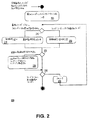
図2は、この発明の一実施例に従った、オーバレイ・ネットワークにおいて同報通信メッセージをルーティングする方法200を示す。方法200は、重複するメッセージにネットワーク帯域幅を浪費することなく、またはどのノードも抜かすことなく、オーバレイ・ネットワークにおけるすべてのノードに同報通信メッセージを効率的に向ける。
FIG. 2 illustrates a
方法200は、ノードが同報通信メッセージを受信すると開始される。一実施例では、各同報通信メッセージは終了IDパラメータを含む。終了IDパラメータは、同報通信メッセージが転送され得るノードのキー値の範囲を表わしている。たとえば、あるノードが、17という終了ID値を有する同報通信メッセージを受信した場合、そのノードは、そのフィンガーテーブルにおける、17よりも小さいキー値を有するノードに、その同報通信メッセージのコピーを転送してもよい。さらに、重複するメッセージがノードに送信されることを防止するために、同報通信メッセージの各転送コピーには、方法200に従って終了ID値が割当てられる。
受信された同報通信メッセージは、ノードによって以下のように処理される。ステップ205で、ノードは、ノードのフィンガーテーブルの第1のエントリに、インデックス値iをセットする。決定ブロック210で、ノードは、選択されたフィンガーテーブルエントリと呼ばれる、インデックス値iによって特定されたフィンガーテーブルエントリが、ノードのフィンガーテーブルの最後のエントリであるかどうかを判断する。そうである場合、方法200は決定ブロック210からステップ220に進む。ステップ220は、新規の終了IDパラメータを、受信された同報通信メッセージの終了IDと等しくなるように割当てる。
The received broadcast message is processed by the node as follows. In
逆に、選択されたフィンガーテーブルエントリがノードのフィンガーテーブルの最後のエントリではないとノードが判断した場合、方法200は決定ブロック210からステップ215に進む。ステップ215は、新規の終了IDパラメータを、次のフィンガーテーブルエントリ(すなわち、インデックスi+1によって特定されるフィンガーテーブルエントリ)のキー値かまたは受信された同報通信メッセージの終了IDのうち、ハッシュ空間における現在のノードに近い方と等しくなるように割当てる。一実施例では、現在のノードと、次のフィンガーテーブルエントリまたは現在の終了IDのようなキー値との距離は、現在のノードのキー値を他のキー値から減算することによって求められ得る。
Conversely, if the node determines that the selected finger table entry is not the last entry in the node's finger table, the
ステップ215のこの実施例では、フィンガーテーブルのエントリはそれらのそれぞれのノードのキー値の順に配置されること、および同報通信メッセージはキー値が大きくなる順にノードに通信されることが仮定される。しかしながら、代替的な実施例では、フィンガーテーブルは異なる順序で配置可能である。これらの実施例では、ステップ215は、新規の終了IDパラメータを、選択されたフィンガーテーブルエントリのキー値よりも大きくかつそれに最も近いフィンガーテーブルエントリのキー値と等しくなるように割当てる。この実施例は、同報通信メッセージを、キー値が大きくなる順にノードに通信する。さらに別の実施例では、同報通信メッセージが、キー値が小さくなる順にノードに通信される場合、ステップ215は、新規の終了IDパラメータを、選択されたフィンガーテーブルエントリのキー値よりも小さくかつそれに最も近いフィンガーテーブルエントリのキー値と等しくなるように割当てる。
In this example of
ステップ215またはステップ220に続いて、方法200は決定ブロック225に進む。決定ブロック225では、ノードは、選択されたフィンガーテーブルエントリのキー値が新規の終了IDパラメータの値よりも小さいかどうかを判断する。小さい場合、方法200はステップ230に進む。その他の場合、方法200は直接、決定ブロック235に進む。
Following
ステップ230は、選択されたフィンガーテーブルエントリに関連付けられたノードに同報通信メッセージのコピーを転送する。同報通信メッセージの転送されたコピーは、新規の終了IDパラメータの値にセットされた終了ID値を含む。 Step 230 forwards a copy of the broadcast message to the node associated with the selected finger table entry. The forwarded copy of the broadcast message includes the end ID value set to the value of the new end ID parameter.
決定ブロック225またはステップ230に続いて、方法200は決定ブロック235に進む。決定ブロック235は、選択されたフィンガーテーブルエントリがノードのフィンガーテーブルの最後のエントリであるかどうかを判断する。そうである場合、方法200は終了し、ノードは同報通信メッセージの転送を終える。
Following
選択されたフィンガーテーブルエントリがノードのフィンガーテーブルの最後のエントリではないと決定ブロック235が判断した場合、方法200はステップ240に進む。ステップ240はインデックスiをインクリメントし、それにより、ノードのフィンガーテーブルの次のフィンガーテーブルエントリを選択する。ステップ240に続いて、方法200は決定ブロック210に戻る。ステップ210、215、220、225、230、235、および240は、ノードのフィンガーテーブルのエントリすべてを評価するために必要に応じて何度でも繰返されてもよい。
If
図3A−図3Cは、この発明の一実施例に従った、オーバレイ・ネットワークにおける同報通信の例示的なルーティングを示す。この例では、開始ノード305は、オーバレイ・ネットワーク300のすべてのノードに同報通信メッセージを送信することを望んでいる。図3Aは、オーバレイ・ネットワーク300のノードへの同報通信メッセージの配信の第1段階300を示す。方法200に従って、開始ノードは、終了ID値が9の同報通信メッセージ307をノード309に、終了IDが12の同報通信メッセージ311をノード313に、終了IDが15の同報通信メッセージ315をノード317に、終了IDが7の同報通信メッセージ319をノード321に送信する。
3A-3C illustrate exemplary routing of broadcast in an overlay network according to one embodiment of the present invention. In this example, initiating
図3Bは、オーバレイ・ネットワークのノードへの同報通信メッセージの配信の第2段階330を示す。図3Bおよび図3Cにおいて、網掛けされたノードは、同報通信メッセージを既に受信している。第2段階330では、段階300で開始ノード305から同報通信メッセージを受信したノードは、方法200に従って同報通信メッセージのコピーを転送する。このため、段階330では、ノード317は、終了IDが14の同報通信メッセージ336をノード338に、終了IDが15の同報通信メッセージ340をノード342に転送する。同様に、ノード321は、終了IDが1の同報通信メッセージ344をノード346に、終了IDが4の同報通信メッセージ348をノード350に、終了IDが7の同報通信メッセージ352をノード354に転送する。
FIG. 3B shows a
ノード309は、それが受信した同報通信メッセージをどのノードにも転送しない。第1段階300では、ノード309は、終了IDが9の同報通信メッセージを受信した。キー値8を有するノード309とそれが受信した終了ID値9との間にはフィンガーノードがないため、ノード309にはそれが受信した同報通信メッセージを転送するノードがない。
図3A〜図3Cの例では、場所314、331、332、および333にそれぞれ割当てられたキー値3、5、10、および11は、どのノードにも割当てられていない。このため、ノード313のフィンガーテーブルの第1のエントリは、キー値12を有するノード317を参照する。しかしながら、ノード313は段階300で終了ID値が12の同報通信メッセージを受信した。ノード313はそのフィンガーテーブルに、終了ID値12よりも近いノードを有していないため、ノード313にはそれが受信した同報通信メッセージを転送するノードがない。
In the example of FIGS. 3A-3C,
図3Cは、オーバレイ・ネットワークのノードへの同報通信メッセージの配信の第3段階360を示す。図3Bおよび図3Cにおいて、網掛けされたノードは、同報通信メッセージを既に受信している。第3段階360では、第2段階330でノードから同報通信メッセージを受信したノードは、方法200に従って同報通信メッセージのコピーを転送する。このため、段階360では、ノード350は、終了IDが4の同報通信メッセージ362をノード364に転送する。加えて、ノード354は、終了IDが7の同報通信メッセージ366をノード368に転送する。
FIG. 3C shows a third stage 360 of delivery of the broadcast message to the nodes of the overlay network. 3B and 3C, the shaded node has already received the broadcast message. In the third stage 360, the node that received the broadcast message from the node in the
ノード338、342、および346は、段階330においてそれらが受信した同報通信メッセージの終了ID値に起因して、段階360で同報通信メッセージを転送しない。同様に、段階360でノード364および366によって受信された同報通信メッセージは、それらのそれぞれの終了ID値に起因して、オーバレイ・ネットワークにおけるどの他のノードにも転送されない。
図3A〜図3Cの例からわかるように、オーバレイ・ネットワークにおけるすべてのノードは、同報通信メッセージのコピーを受信する。加えて、オーバレイ・ネットワークにおけるどのノードも、同報通信メッセージの重複物を受信しない。さらに、開始ノードは、オーバレイ・ネットワークにおけるノードの総数に拘らず、そのフィンガーテーブルにおける各ノードに同報通信メッセージのコピーを送信するのに十分なネットワーク帯域幅しか必要としない。図3A〜図3Cの例では、これはたった4つの同報通信メッセージである。2160のハッシュ空間に対応して160個のエントリフィンガーテーブルを有するノードを有するオーバレイ・ネットワークでは、開始ノードは、潜在的に何百万ものノードに達するために同報通信メッセージのコピーを160個送信するだけでよい。 As can be seen from the example of FIGS. 3A-3C, every node in the overlay network receives a copy of the broadcast message. In addition, no nodes in the overlay network receive duplicate broadcast messages. Furthermore, the initiating node needs only enough network bandwidth to send a copy of the broadcast message to each node in its finger table, regardless of the total number of nodes in the overlay network. In the example of FIGS. 3A-3C, this is only four broadcast messages. In an overlay network with nodes that have 160 entry finger tables corresponding to 2 160 hash spaces, the initiating node will potentially send 160 copies of the broadcast message to reach millions of nodes. Just send it.
さらに、方法200は同報通信メッセージをオーバレイ・ネットワークのすべてのノードにO(log2N)回で向けることが可能であることがわかっており、ここでNは、オーバレイ・ネットワークにおけるノードの数である。図3A〜図3Cの例では、これは、同報通信メッセージのlog10=3.32回、または約3段階の転送および受信に対応している。1,000,000個のノードを有する160ビットのハッシュ空間を有する例示的なオーバレイ・ネットワークでは、方法200は、同報通信メッセージをすべてのノードに、同報通信メッセージの約20回、または20段階の転送および受信で向けることができる。
Further, it has been found that
さらに別の実施例では、同報通信メッセージは、オーバレイ・ネットワークにおけるノードの一部にのみ向けることができる。一実施例では、各同報通信メッセージは、終了IDパラメータに加え、開始IDパラメータを含む。開始IDパラメータは、同報通信メッセージを受信および処理するよう意図されたノードのキー値の範囲の始まりを表わしている。以下に詳細に説明するように、キー値のこの範囲外の追加ノードは、キー値のこの範囲内のノードがすべて同報通信メッセージを受信することを確実とするように同報通信メッセージを受信して転送してもよい。この実施例では、開始IDおよび終了IDは共に、ハッシュ空間の隣接部分のノードが同報通信メッセージを受信すべきであるということを特定する。開始ノードは、ハッシュ空間の異なる隣接部分を特定する開始ID値および終了ID値を各々有する多数の同報通信メッセージを送信することにより、オーバレイ・ネットワークにおける隣接していない組のノードに同報通信メッセージを向けることができる。 In yet another embodiment, broadcast messages can be directed only to a portion of the nodes in the overlay network. In one embodiment, each broadcast message includes a start ID parameter in addition to the end ID parameter. The start ID parameter represents the beginning of a range of key values for nodes intended to receive and process broadcast messages. As described in detail below, additional nodes outside this range of key values receive broadcast messages to ensure that all nodes within this range of key values receive broadcast messages. May be transferred. In this example, both the start ID and end ID specify that a node in the adjacent portion of the hash space should receive the broadcast message. The start node broadcasts to a non-adjacent set of nodes in the overlay network by sending multiple broadcast messages each having a start ID value and an end ID value that identify different adjacent portions of the hash space. You can direct a message.
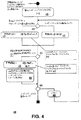
図4は、この発明の一実施例に従った、オーバレイ・ネットワークの一部に同報通信メッセージをルーティングする方法400を示す。方法400は、開始IDパラメータおよび終了IDパラメータを含む同報通信メッセージの受信で始まる。ステップ405で、ノ
ードは、ノードのフィンガーテーブルの第1のエントリに、インデックス値iをセットする。決定ブロック410で、ノードは、選択されたフィンガーテーブルエントリと呼ばれる、インデックス値iによって特定されたフィンガーテーブルエントリが、ノードのフィンガーテーブルの最後のエントリであるかどうかを判断する。そうである場合、方法400は決定ブロック410からステップ420に進む。ステップ420は、新規の終了IDパラメータを、受信された同報通信メッセージの終了IDと等しくなるように割当てる。
FIG. 4 illustrates a
逆に、選択されたフィンガーテーブルエントリがノードのフィンガーテーブルの最後のエントリではないとノードが判断した場合、方法400は決定ブロック410からステップ415に進む。ステップ415は、新規の終了IDパラメータを、次のフィンガーテーブルエントリ(すなわち、インデックスi+1によって特定されるフィンガーテーブルエントリ)のキー値かまたは受信された同報通信メッセージの終了IDのうち、ハッシュ空間における現在のノードに近い方と等しくなるように割当てる。一実施例では、現在のノードと、次のフィンガーテーブルエントリまたは現在の終了IDのようなキー値との距離は、現在のノードのキー値を他のキー値から減算することによって求められ得る。
Conversely, if the node determines that the selected finger table entry is not the last entry in the node's finger table, the
ステップ415のこの実施例では、フィンガーテーブルのエントリはそれらのそれぞれのノードのキー値の順に配置されること、および同報通信メッセージはキー値が大きくなる順にノードに通信されることが仮定される。しかしながら、代替的な実施例では、フィンガーテーブルは異なる順序で配置可能であり、同報通信メッセージはキー値が大きくなる順かまたは小さくなる順に通信され得る。 In this example of step 415, it is assumed that the finger table entries are arranged in the order of their respective node key values, and that broadcast messages are communicated to the nodes in the order of increasing key values. . However, in alternative embodiments, the finger tables can be arranged in a different order, and broadcast messages can be communicated in order of increasing or decreasing key values.
ステップ415またはステップ420に続いて、方法400は決定ブロック425に進む。決定ブロック425では、ノードは、選択されたフィンガーテーブルエントリのキー値が新規の終了IDパラメータの値よりも小さいかどうか、および、受信された同報通信メッセージの開始IDパラメータが新規の終了IDパラメータよりも近いかどうかを判断する。これらの条件が双方とも真である場合、方法400はステップ430に進む。ステップ430は、新規の開始IDパラメータを、選択されたフィンガーテーブルエントリのキー値かまたは受信された同報通信メッセージの開始IDパラメータのうち、ハッシュ空間における現在のノードから近い方と等しくなるように割当てる。
Following step 415 or step 420,
ステップ430に続いて、ステップ435は、選択されたフィンガーテーブルエントリに一致するノードに同報通信メッセージを転送する。転送された同報通信メッセージは、新規の開始IDパラメータに等しい開始IDと、新規の終了IDパラメータに等しい終了IDパラメータとを含む。
Following
決定ブロック425またはステップ435に続いて、方法400は決定ブロック440に進む。決定ブロック440は、選択されたフィンガーテーブルエントリがノードのフィンガーテーブルの最後のエントリであるかどうかを判断する。そうである場合、方法400は終了し、ノードは同報通信メッセージの転送を終える。
Following
選択されたフィンガーテーブルエントリがノードのフィンガーテーブルの最後のエントリではないと決定ブロック440が判断した場合、方法400はステップ445に進む。ステップ445はインデックスiをインクリメントし、それにより、ノードのフィンガーテーブルの次のフィンガーテーブルエントリを選択する。ステップ445に続いて、方法400は決定ブロック410に戻る。ステップ410、415、420、425、430、435、440、および445は、ノードのフィンガーテーブルのエントリすべてを評価するために必要に応じて何度でも繰返されてもよい。
If the
同報通信メッセージは、任意のタイプの情報を、オーバレイ・ネットワークのノードの
すべてまたは一部に伝えることができる。加えて、1つ以上のノードが、同報通信メッセージを開始しているノードと直接接触することによって同報通信メッセージに応答することができる。多数のノードが同報通信メッセージに潜在的に応答できる場合、開始ノードおよびそのネットワーク接続は圧倒される場合がある。
Broadcast messages can convey any type of information to all or some of the nodes of the overlay network. In addition, one or more nodes can respond to the broadcast message by directly contacting the node initiating the broadcast message. If a large number of nodes can potentially respond to broadcast messages, the initiating node and its network connection may be overwhelmed.
この発明のさらに別の実施例は、同報通信メッセージの配信に使用されるのと同じルートに沿って応答メッセージを集約することにより、この問題を緩和する。この実施例では、各ノードが、それ自体または別のノードからの応答を潜在的に必要とする同報通信メッセージを受信した場合、受信ノードは、送信ノードと呼ばれる、同報通信メッセージを送信しているノードの場所を記憶し、送信ノードは、同報通信メッセージを開始しているノードか、または同報通信メッセージを転送している中間ノードであってもよい。受信ノードが、同報通信メッセージへの応答が必要であると判断した場合、受信ノードはその応答をそのそれぞれの送信ノードに転送し返す。ノードは潜在的にどのノードからも同報通信メッセージを受信できるため、一実施例では、各ノードは、それが受信する各同報通信メッセージに関連付けられた送信ノードを記憶する。 Yet another embodiment of the invention alleviates this problem by aggregating response messages along the same route used to deliver broadcast messages. In this example, when each node receives a broadcast message that potentially requires a response from itself or another node, the receiving node sends a broadcast message, called the sending node. The sending node may be the node initiating the broadcast message or the intermediate node forwarding the broadcast message. If the receiving node determines that a response to the broadcast message is required, the receiving node forwards the response back to its respective sending node. Since a node can potentially receive broadcast messages from any node, in one embodiment, each node stores a sending node associated with each broadcast message it receives.
図5は、この発明の一実施例に従った、オーバレイ・ネットワークのノードからのクエリー結果を集約するためのシステムを示す。例示的なオーバレイ・ネットワーク500は、1組のノードを含む。この1組のノードは、図3A〜図3Cに説明したものと同様の1組の経路を介して、例示的な開始ノード535と接続されている。一実施例では、開始ノードからの同報通信メッセージに応答するノードは、その応答をそのそれぞれの送信ノードに転送する。たとえば、ノード510は、ノード535によって開始された同報通信メッセージを、送信ノード515を介して受信した。このため、ノード510は、その応答メッセージがもしあれば、それをノード515に送り返す。同様に、ノード515は、ノード535によって開始された同報通信メッセージを、ノード525を介して受信した。ノード525は、同報通信メッセージを開始ノード535から直接受信した。このため、ノード510からの応答メッセージは、ノード515および525を介して、開始ノード535に戻る。
FIG. 5 illustrates a system for aggregating query results from nodes in an overlay network according to one embodiment of the present invention. The exemplary overlay network 500 includes a set of nodes. This set of nodes is connected to an exemplary start node 535 via a set of paths similar to those described in FIGS. 3A-3C. In one embodiment, a node that responds to a broadcast message from the initiating node forwards the response to its respective sending node. For example,
あるノードが1つ以上のノードから応答メッセージを受信した場合、そのノードは応答メッセージを1つの新しい応答メッセージに集約し、それが次にその送信ノードに転送し返される。一実施例では、ノードは、同報通信メッセージに応答しないよう選択することができる。たとえば、同報通信メッセージが検索クエリーである場合、ノードは、そのノードがその検索クエリーを満たしている場合のみ応答するように選択できる。 If a node receives response messages from one or more nodes, that node aggregates the response messages into one new response message, which is then forwarded back to the sending node. In one embodiment, the node may choose not to respond to the broadcast message. For example, if the broadcast message is a search query, the node can choose to respond only if the node satisfies the search query.
ノードは、当該技術分野において公知のデータを圧縮または集約するための任意のアルゴリズムを用いて、応答メッセージを集約できる。たとえば、ノード505および510の双方が同報通信メッセージに応答する場合、ノード525が双方の応答を受信する。ノード525はこれらの応答を、ノード530の応答および/またはそれ自体の応答がもしあればともに集約して、組み合わされた応答メッセージにすることができる。ノード525は次に、組み合わされた応答メッセージをノード535に転送し返す。
Nodes can aggregate response messages using any algorithm for compressing or aggregating data known in the art. For example, if both
一実施例では、ノードは、応答の組のコンパクト表現を決定することによってこれらの応答を集約する。たとえば、離散的コサイン変換、高速フーリエ変換、またはウェーブレット変換といった周波数領域変換を適用して、同報通信メッセージへの応答の組のコンパクト表現を決定することができる。この例では、ノードは、メッセージ応答の組の1つ以上の周波数領域表現を受信し、これらの表現を逆変換し、そのノード自体の応答がもしあればこれらの表現と組み合わせ、メッセージ応答の組み合わされた組の新しい周波数領域表現を作成し、組み合わされた周波数領域表現をその送信ノードに転送し返すことができる。 In one embodiment, the node aggregates these responses by determining a compact representation of the response set. For example, a frequency domain transform such as a discrete cosine transform, a fast Fourier transform, or a wavelet transform may be applied to determine a compact representation of the set of responses to a broadcast message. In this example, a node receives one or more frequency domain representations of a set of message responses, inverse transforms these representations, combines the node's own response with any such representation, and combines the message responses. A new frequency domain representation of the combined set can be created and the combined frequency domain representation can be transferred back to the transmitting node.
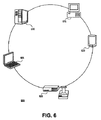
図6は、この発明の一実施例に従った、オーバレイ・ネットワーク600を実現するのに好適な1組の情報処理装置を示す。オーバレイ・ネットワーク600のノードは、ラップトップまたはポータブルコンピュータ605と、サーバコンピュータ610と、デスクトップコンピュータおよびワークステーション615と、携帯電話、携帯情報端末、携帯型デジタルメディアプレーヤ、および携帯型または手持ち式ゲーム機といった携帯コンピューティング装置620と、ビデオゲーム機、デジタルメディアプレーヤ、セットトップボックス、メディアセンターコンピュータ、および記憶装置といった家庭用娯楽機器625とを含む。オーバレイ・ネットワーク600は、他のタイプの装置の数とは独立した任意の数の各タイプの装置を含み得る。各装置は、オーバレイ・ネットワーク600の1つ以上のノードの機能性を実現する。各装置について、1つ以上のノードの機能性は、ハードウェア、ソフトウェア、ファームウェア、またはそれらの任意の組み合わせとして実現可能である。ソフトウェアにおけるノード機能性は、アプリケーション、ライブラリ、アプリケーション・プログラミング・インターフェイス、および/またはオペレーティングシステムの一部であり得る。さらに、オーバレイ・ネットワーク600の各ノードは、任意のタイプの電気、光学、無線または他の通信手段を取入れた任意のタイプの有線または無線ネットワーク接続を介して、他のノードと接続可能である。オーバレイ・ネットワーク600は、ローカルエリアネットワークと、インターネットなどの広域ネットワークとの双方を包含し得る。
FIG. 6 shows a set of information processing devices suitable for implementing an overlay network 600 according to one embodiment of the present invention. The nodes of the overlay network 600 include laptops or portable computers 605,
さらに別の実施例では、オーバレイ・ネットワーク600のいくつかの装置は、制限された能力を有していてもよい。たとえば、オーバレイ・ネットワーク600のノードの限られた一部だけが、同報通信メッセージを開始することを許可されてもよい。残りのノードは、同報通信メッセージを転送および/または処理することだけが許可される。さらに別の実施例では、オーバレイ・ネットワーク600のノードのすべてまたは一部は、同報通信メッセージを認証することができる。この実施例は、不正な同報通信メッセージの拡散を防止する。同報通信メッセージを受信すると、ノードはまず、その同報通信メッセージが真正のものかどうかを、たとえば暗号シグネチャをチェックすることによって判断する。同報通信メッセージが真正のものである場合、それは上述のように処理され、他のノードに潜在的に転送される。その他の場合、その同報通信メッセージは無視される。 In yet another embodiment, some devices of overlay network 600 may have limited capabilities. For example, only a limited portion of the nodes in the overlay network 600 may be allowed to initiate broadcast messages. The remaining nodes are only allowed to forward and / or process broadcast messages. In yet another embodiment, all or some of the nodes of the overlay network 600 can authenticate the broadcast message. This embodiment prevents the spread of unauthorized broadcast messages. Upon receiving a broadcast message, the node first determines whether the broadcast message is authentic, for example, by checking a cryptographic signature. If the broadcast message is authentic, it is processed as described above and potentially forwarded to other nodes. Otherwise, the broadcast message is ignored.
図7は、この発明の一実施例に従った、オーバレイ・ネットワーク700を実現するのに好適な1組の情報処理装置を示す。オーバレイ・ネットワーク700は、データバスを通して接続されたプロセッサが効率的な態様で同報通信メッセージを送受信できるようにする。データバスは、集積回路内および/または集積回路間でデータを搬送可能な任意の電気、光学または他のタイプのデータ通信手段を使用可能である。 FIG. 7 shows a set of information processing devices suitable for implementing an overlay network 700 in accordance with one embodiment of the present invention. Overlay network 700 allows processors connected through a data bus to send and receive broadcast messages in an efficient manner. The data bus can use any electrical, optical or other type of data communication means capable of carrying data within and / or between integrated circuits.
オーバレイ・ネットワーク700は、プロセッサ705、710、715、および720を含む。さらに別の実施例では、オーバレイ・ネットワーク700は、何千または何百万ものプロセッサを含み得る。各プロセッサは、マイクロプロセッサ、マイクロコントローラ、システム・オン・チップ・プロセッサ、デジタル信号プロセッサ、ASIC、プログラム可能論理装置、および/または任意の他のタイプの情報処理装置であり得る。各プロセッサはさらに、情報処理命令のシーケンスを独立して実行すること、または固定されたアルゴリズムに従って情報を処理することが可能な1つ以上の処理ユニットを含み得る。各プロセッサは、ローカルデータストレージと、共通または共有データストレージへのアクセスとを含み得る。
Overlay network 700 includes
図8は、この発明の一実施例に従った、オーバレイ・ネットワークのノードを実現するのに好適な情報処理装置の構成要素を示す。図8は、この発明の一実施例を実践するのに好適な、パーソナルコンピュータ、ビデオゲーム機、携帯情報端末、または他のデジタル
装置といったコンピュータシステム1000のブロック図である。コンピュータシステム1000は、ソフトウェアアプリケーションおよび任意でオペレーティングシステムを動作させるための中央処理装置(CPU)1005を含む。CPU1005は、1つ以上の処理コアから構成されてもよい。メモリ1010は、CPU1005によって使用されるためのアプリケーションおよびデータを格納する。ストレージ1015は、アプリケーションおよびデータ用の不揮発性ストレージを提供し、固定ディスクドライブ、取外し可能ディスクドライブ、フラッシュメモリ装置、およびCD−ROM、DVD−ROM、ブルーレイ、HD−DVD、UMD、または他の光学ストレージ装置を含んでいてもよい。ユーザ入力装置1020は、1人以上のユーザからのユーザ入力をコンピュータシステム1000に通信し、その例は、キーボード、マウス、ジョイスティック、タッチパッド、タッチスクリーン、スチルまたはビデオカメラ、および/またはマイクを含んでいてもよい。ネットワークインターフェイス1025は、コンピュータシステム1000が電子通信ネットワークを介して他のコンピュータシステムと通信することを可能にし、ローカルエリアネットワークおよびインターネットなどの広域ネットワークを通した有線または無線通信を含んでいてもよい。音声プロセッサ1055は、CPU1005、メモリ1010、および/またはストレージ1015によって提供される命令および/またはデータからアナログまたはデジタル音声出力を生成するようになっている。CPU1005、メモリ1010、データストレージ1015、ユーザ入力装置1020、ネットワークインターフェイス1025、および音声プロセッサ1055を含むコンピュータシステム1000の構成要素は、1つ以上のデータバス1060を介して接続されている。
FIG. 8 shows components of an information processing apparatus suitable for realizing an overlay network node according to an embodiment of the present invention. FIG. 8 is a block diagram of a
グラフィックスサブシステム1030がさらに、データバス1060およびコンピュータシステム1000の構成要素と接続されている。グラフィックスサブシステム1030は、グラフィックス処理ユニット(GPU)1035と、グラフィックスメモリ1040とを含む。グラフィックスメモリ1040は、出力画像の各画素についての画素データを格納するために使用されるディスプレイメモリ(たとえばフレームバッファ)を含む。グラフィックスメモリ1040は、GPU1035と同じ装置に一体化可能であり、GPU1035とは別個の装置として接続可能であり、および/またはメモリ1010内に実現可能である。画素データは、CPU1005から直接、グラフィックスメモリ1040に提供され得る。また、これに代えて、CPU1005はGPU1035に、所望の出力画像を規定するデータおよび/または命令を提供し、それからGPU1035は1つ以上の出力画像の画素データを生成する。所望の出力画像を規定するデータおよび/または命令は、メモリ1010および/またはグラフィックスメモリ1040に格納され得る。一実施例では、GPU1035は、あるシーンについてのジオメトリ、照明、影付け、テキスチャリング、動き、および/またはカメラパラメータを規定する命令およびデータから、出力画像用の画素データを生成するための三次元化機能を含む。GPU1035はさらに、シェーダプログラムを実行可能な1つ以上のプログラム可能実行ユニットを含み得る。
A graphics subsystem 1030 is further connected to the
グラフィックスサブシステム1030は、画像用の画素データを、ディスプレイ装置1050上に表示されるようにグラフィックスメモリ1040から周期的に出力する。ディスプレイ装置1050は、コンピュータシステム1000からの信号に応答して視覚情報を表示可能なあらゆる装置であり、CRT、LCD、プラズマおよびOLEDディスプレイを含む。コンピュータシステム1000は、ディスプレイ装置1050にアナログまたはデジタル信号を提供可能である。
The graphics subsystem 1030 periodically outputs pixel data for an image from the graphics memory 1040 so as to be displayed on the
明細書および図面から、さらに別の実施例が当業者の脳裏に浮かぶであろう。他の実施例では、上に開示された発明の組み合わせまたは部分的な組み合わせが有利になされ得る。アーキテクチャのブロック図およびフローチャートは、理解を容易にするためにグループ化されている。しかしながら、この発明の代替的な実施例では、ブロックの組み合わせ、新しいブロックの追加、ブロックの再構成などが考えられるということが理解されるべ
きである。
From the description and drawings, further embodiments will occur to those skilled in the art. In other embodiments, combinations or partial combinations of the inventions disclosed above may be advantageously made. The architecture block diagrams and flowcharts are grouped for ease of understanding. However, it should be understood that in alternative embodiments of the invention, combinations of blocks, addition of new blocks, block reconstruction, etc. are contemplated.
したがって、明細書および図面は、限定的な意味というよりもむしろ例示的な意味において考慮されるべきである。しかしながら、請求項に述べられているようなこの発明のより広い精神および範囲から逸脱することなく、さまざまな修正および変更がそれになされてもよいことは明らかである。 The specification and drawings are, accordingly, to be regarded in an illustrative sense rather than a restrictive sense. However, it will be apparent that various modifications and changes may be made thereto without departing from the broader spirit and scope of the invention as set forth in the claims.
Claims (22)
送信ノードから終了IDを含む同報通信メッセージを受信するステップを含み、前記終了IDは、前記同報通信メッセージのコピーを受信すべきフィンガーノードのためのキー値の範囲を特定し、前記方法はさらに、
フィンガーテーブルのエントリを選択するステップを含み、前記フィンガーテーブルの各エントリは、あるフィンガーノードおよびそのフィンガーノードに関連付けられたキー値への参照を含み、前記方法はさらに、
前記フィンガーテーブルの次のエントリがあるかどうかを判断するステップを含み、前記次のエントリは、ノードの順序に従って前記選択されたフィンガーテーブルエントリの前記キー値に隣接するキー値を含み、前記方法はさらに、
前記フィンガーテーブルの次のエントリがあるという前記判断に応じて、前記次のエントリに関連付けられた前記キー値に新規の終了IDをセットするステップと、
前記フィンガーテーブルの次のエントリがないという前記判断に応じて、前記受信された同報通信メッセージの前記終了IDに新規の終了IDをセットするステップと、
前記選択されたフィンガーテーブルエントリの前記キー値を前記新規の終了IDと比較するステップと、
前記選択されたフィンガーテーブルエントリの前記キー値が、前記新規の終了IDによって特定されたキー値の範囲内にあるという判断に応じて、前記新規の終了IDを有する前記同報通信メッセージのコピーを前記選択されたエントリの前記フィンガーノードに転送するステップとを含む、方法。 A method of processing a broadcast message in an overlay network, the method comprising:
Receiving a broadcast message including an end ID from a sending node, wherein the end ID specifies a range of key values for a finger node to receive a copy of the broadcast message; further,
Selecting a finger table entry, wherein each entry in the finger table includes a reference to a finger node and a key value associated with the finger node, the method further comprising:
Determining whether there is a next entry in the finger table, the next entry including a key value adjacent to the key value of the selected finger table entry according to a node order; further,
In response to the determination that there is a next entry in the finger table, setting a new end ID to the key value associated with the next entry;
In response to the determination that there is no next entry in the finger table, setting a new end ID to the end ID of the received broadcast message;
Comparing the key value of the selected finger table entry with the new end ID;
In response to determining that the key value of the selected finger table entry is within the range of key values specified by the new end ID, a copy of the broadcast message having the new end ID is created. Forwarding to the finger node of the selected entry.
同報通信メッセージの前記転送されたコピーに応じて、少なくとも1つのフィンガーノードから応答メッセージを受信するステップと、
前記受信された応答メッセージを組み合わされた応答メッセージに集約するステップと、
前記組み合わされた応答メッセージを前記送信ノードに転送するステップとをさらに含む、請求項1に記載の方法。 Storing a reference to a sending node that communicates the broadcast message;
Receiving a response message from at least one finger node in response to the forwarded copy of the broadcast message;
Aggregating the received response messages into a combined response message;
The method of claim 1, further comprising: forwarding the combined response message to the sending node.
前記応答を前記組み合わされた応答メッセージに含めるステップとをさらに含む、請求項5に記載の方法。 Receiving a response to the broadcast message;
6. The method of claim 5, further comprising including the response in the combined response message.
現在のキー値を有する現在のノードによって同報通信メッセージを受信するステップを
含み、前記同報通信メッセージは送信ノードからの開始IDおよび終了IDを含み、前記開始IDおよび終了IDは、前記同報通信メッセージのコピーを受信すべきフィンガーノードのためのキー値の範囲を特定し、前記方法はさらに、
フィンガーテーブルのエントリを選択するステップを含み、前記フィンガーテーブルの各エントリは、あるフィンガーノードおよびそのフィンガーノードに関連付けられたキー値への参照を含み、前記方法はさらに、
前記フィンガーテーブルの次のエントリがあるかどうかを判断するステップを含み、前記次のエントリは、ノードの順序に従って前記選択されたフィンガーテーブルエントリの前記キー値に隣接するキー値を含み、前記方法はさらに、
前記フィンガーテーブルの次のエントリがあるという前記判断に応じて、前記次のエントリに関連付けられた前記キー値に新規の終了IDをセットするステップと、
前記フィンガーテーブルの次のエントリがないという前記判断に応じて、前記受信された同報通信メッセージの前記終了IDに新規の終了IDをセットするステップと、
前記選択されたフィンガーテーブルエントリの前記キー値を前記新規の終了IDと比較し、前記開始IDを前記新規の終了IDと比較するステップと、
前記選択されたフィンガーテーブルエントリの前記キー値が、前記新規の終了IDによって特定されたキー値の範囲内にあり、かつ、前記開始IDが、前記新規の終了IDによって特定されたキー値の範囲内にあるという判断に応じて、
前記フィンガーテーブルの前記選択されたエントリの前記キー値かまたは前記開始IDのうち、前記現在のキー値から遠いほうに、新規の開始IDをセットするステップと、
前記新規の終了IDおよび前記新規の開始IDを有する前記同報通信メッセージのコピーを前記選択されたエントリの前記フィンガーノードに転送するステップとを含む、方法。 A method of processing a broadcast message in an overlay network, the method comprising:
Receiving a broadcast message by a current node having a current key value, wherein the broadcast message includes a start ID and an end ID from a sending node, wherein the start ID and end ID are the broadcast ID Identifying a range of key values for a finger node to receive a copy of the communication message, the method further comprising:
Selecting a finger table entry, wherein each entry in the finger table includes a reference to a finger node and a key value associated with the finger node, the method further comprising:
Determining whether there is a next entry in the finger table, the next entry including a key value adjacent to the key value of the selected finger table entry according to a node order; further,
In response to the determination that there is a next entry in the finger table, setting a new end ID to the key value associated with the next entry;
In response to the determination that there is no next entry in the finger table, setting a new end ID to the end ID of the received broadcast message;
Comparing the key value of the selected finger table entry with the new end ID and comparing the start ID with the new end ID;
The key value of the selected finger table entry is within the range of key values specified by the new end ID, and the start ID is a range of key values specified by the new end ID According to the judgment that
Setting a new start ID to either the key value of the selected entry of the finger table or the start ID farther from the current key value;
Forwarding a copy of the broadcast message with the new end ID and the new start ID to the finger node of the selected entry.
同報通信メッセージの前記転送されたコピーに応じて、少なくとも1つのフィンガーノードから応答メッセージを受信するステップと、
前記受信された応答メッセージを組み合わされた応答メッセージに集約するステップと、
前記組み合わされた応答メッセージを前記送信ノードに転送するステップとをさらに含む、請求項8に記載の方法。 Storing a reference to a sending node that communicates the broadcast message;
Receiving a response message from at least one finger node in response to the forwarded copy of the broadcast message;
Aggregating the received response messages into a combined response message;
9. The method of claim 8, further comprising the step of forwarding the combined response message to the sending node.
前記応答を前記組み合わされた応答メッセージに含めるステップとをさらに含む、請求項12に記載の方法。 Receiving a response to the broadcast message;
13. The method of claim 12, further comprising the step of including the response in the combined response message.
送信ノードから終了IDを含む同報通信メッセージを受信することを含み、前記終了I
Dは、前記同報通信メッセージのコピーを受信すべきフィンガーノードのためのキー値の範囲を特定し、前記動作はさらに、
フィンガーテーブルのエントリを選択することを含み、前記フィンガーテーブルの各エントリは、あるフィンガーノードおよびそのフィンガーノードに関連付けられたキー値への参照を含み、前記動作はさらに、
前記フィンガーテーブルの次のエントリがあるかどうかを判断することを含み、前記次のエントリは、ノードの順序に従って前記選択されたフィンガーテーブルエントリの前記キー値に隣接するキー値を含み、前記動作はさらに、
前記フィンガーテーブルの次のエントリがあるという前記判断に応じて、前記次のエントリに関連付けられた前記キー値に新規の終了ID値をセットすることと、
前記フィンガーテーブルの次のエントリがないという前記判断に応じて、前記受信された同報通信メッセージの前記終了IDに新規の終了ID値をセットすることと、
前記選択されたフィンガーテーブルエントリの前記キー値を前記新規の終了ID値と比較することと、
前記選択されたフィンガーテーブルエントリの前記キー値が、前記新規の終了ID値によって特定されたキー値の範囲内にあるという判断に応じて、前記新規の終了ID値を有する前記同報通信メッセージのコピーを前記選択されたエントリの前記フィンガーノードに転送することとを含む、情報記憶媒体。 An information storage medium comprising instructions adapted to instruct an information processing device to perform an operation, the operation comprising:
Receiving a broadcast message including an end ID from a sending node, the end I
D specifies a range of key values for a finger node that is to receive a copy of the broadcast message, the operation further comprising:
Selecting an entry in the finger table, wherein each entry in the finger table includes a reference to a finger node and a key value associated with the finger node, the operation further comprising:
Determining whether there is a next entry in the finger table, the next entry including a key value adjacent to the key value of the selected finger table entry according to a node order; further,
In response to the determination that there is a next entry in the finger table, setting a new end ID value to the key value associated with the next entry;
In response to the determination that there is no next entry in the finger table, setting a new end ID value to the end ID of the received broadcast message;
Comparing the key value of the selected finger table entry with the new end ID value;
In response to determining that the key value of the selected finger table entry is within the range of key values specified by the new end ID value, the broadcast message having the new end ID value Transferring a copy to the finger node of the selected entry.
同報通信メッセージの前記転送されたコピーに応じて、少なくとも1つのフィンガーノードから応答メッセージを受信することと、
前記受信された応答メッセージを組み合わされた応答メッセージに集約することと、
前記組み合わされた応答メッセージを前記送信ノードに転送することとをさらに含む、請求項15に記載の情報記憶媒体。 Storing a reference to a sending node that communicates the broadcast message;
Receiving a response message from at least one finger node in response to the forwarded copy of the broadcast message;
Aggregating the received response messages into a combined response message;
The information storage medium of claim 15, further comprising forwarding the combined response message to the sending node.
前記応答を前記組み合わされた応答メッセージに含めることとをさらに含む、請求項19に記載の情報記憶媒体。 Receiving a response to the broadcast message;
20. The information storage medium of claim 19, further comprising including the response in the combined response message.
現在のキー値を有する現在のノードによって同報通信メッセージを受信することを含み、前記同報通信メッセージは送信ノードからの開始IDおよび終了IDを含み、前記開始IDおよび終了IDは、前記同報通信メッセージのコピーを受信すべきフィンガーノードのためのキー値の範囲を特定し、前記動作はさらに、
フィンガーテーブルのエントリを選択することを含み、前記フィンガーテーブルの各エントリは、あるフィンガーノードおよびそのフィンガーノードに関連付けられたキー値への参照を含み、前記動作はさらに、
前記フィンガーテーブルの次のエントリがあるかどうかを判断することを含み、前記次のエントリは、ノードの順序に従って前記選択されたフィンガーテーブルエントリの前記キー値に隣接するキー値を含み、前記動作はさらに、
前記フィンガーテーブルの次のエントリがあるという前記判断に応じて、前記次のエントリに関連付けられた前記キー値に新規の終了IDをセットすることと、
前記フィンガーテーブルの次のエントリがないという前記判断に応じて、前記受信された同報通信メッセージの前記終了IDに新規の終了IDをセットすることと、
前記選択されたフィンガーテーブルエントリの前記キー値を前記新規の終了IDと比較し、前記開始IDを前記新規の終了IDと比較することと、
前記選択されたフィンガーテーブルエントリの前記キー値が、前記新規の終了IDによって特定されたキー値の範囲内にあり、かつ、前記開始IDが、前記新規の終了IDによって特定されたキー値の範囲内にあるという判断に応じて、
前記フィンガーテーブルの前記選択されたエントリの前記キー値かまたは前記開始IDのうち、前記現在のキー値から遠いほうに、新規の開始IDをセットすることと、
前記新規の終了IDおよび前記新規の開始IDを有する前記同報通信メッセージのコピーを前記選択されたエントリの前記フィンガーノードに転送することとを含む、情報記憶媒体。 An information storage medium comprising instructions adapted to instruct an information processing device to perform an operation, the operation comprising:
Receiving a broadcast message by a current node having a current key value, wherein the broadcast message includes a start ID and an end ID from a sending node, wherein the start ID and end ID are the broadcast ID Identifying a range of key values for a finger node to receive a copy of the communication message, the operation further comprising:
Selecting an entry in the finger table, wherein each entry in the finger table includes a reference to a finger node and a key value associated with the finger node, the operation further comprising:
Determining whether there is a next entry in the finger table, the next entry including a key value adjacent to the key value of the selected finger table entry according to a node order; further,
In response to the determination that there is a next entry in the finger table, setting a new end ID to the key value associated with the next entry;
In response to the determination that there is no next entry in the finger table, setting a new end ID to the end ID of the received broadcast message;
Comparing the key value of the selected finger table entry with the new end ID and comparing the start ID with the new end ID;
The key value of the selected finger table entry is within the range of key values specified by the new end ID, and the start ID is a range of key values specified by the new end ID According to the judgment that
Setting a new start ID to either the key value of the selected entry of the finger table or the start ID farther from the current key value;
Transferring a copy of the broadcast message having the new end ID and the new start ID to the finger node of the selected entry.
Applications Claiming Priority (2)
| Application Number | Priority Date | Filing Date | Title |
|---|---|---|---|
| US11/291,121 US7468952B2 (en) | 2005-11-29 | 2005-11-29 | Broadcast messaging in peer to peer overlay network |
| PCT/US2006/044661 WO2007120213A2 (en) | 2005-11-29 | 2006-11-17 | Broadcast messaging in peer to peer overlay network |
Publications (2)
| Publication Number | Publication Date |
|---|---|
| JP2009517921A true JP2009517921A (en) | 2009-04-30 |
| JP4671306B2 JP4671306B2 (en) | 2011-04-13 |
Family
ID=38087376
Family Applications (1)
| Application Number | Title | Priority Date | Filing Date |
|---|---|---|---|
| JP2008542365A Active JP4671306B2 (en) | 2005-11-29 | 2006-11-17 | Broadcast messaging in peer-to-peer overlay networks |
Country Status (6)
| Country | Link |
|---|---|
| US (4) | US7468952B2 (en) |
| EP (2) | EP1955477B1 (en) |
| JP (1) | JP4671306B2 (en) |
| AT (1) | ATE464716T1 (en) |
| DE (1) | DE602006013694D1 (en) |
| WO (1) | WO2007120213A2 (en) |
Cited By (1)
| Publication number | Priority date | Publication date | Assignee | Title |
|---|---|---|---|---|
| US8238237B2 (en) | 2007-06-18 | 2012-08-07 | Sony Computer Entertainment Inc. | Load balancing distribution of data to multiple recipients on a peer-to-peer network |
Families Citing this family (20)
| Publication number | Priority date | Publication date | Assignee | Title |
|---|---|---|---|---|
| US8041942B2 (en) * | 2006-09-05 | 2011-10-18 | Panasonic Corporation | Robust peer-to-peer networks and methods of use thereof |
| CN101589581B (en) * | 2006-11-27 | 2014-05-07 | 艾利森电话股份有限公司 | Method and system for providing a routing architecture for an overlay network |
| US8693392B2 (en) * | 2007-02-21 | 2014-04-08 | Avaya Canada Corp. | Peer-to-peer communication system and method |
| WO2008110460A2 (en) * | 2007-03-09 | 2008-09-18 | Telefonaktiebolaget Lm Ericsson (Publ) | Dissemination of network management tasks in a distributed communication network |
| US20080288654A1 (en) * | 2007-05-17 | 2008-11-20 | Nokia Corporation | Node and method to provide and keep real-time up-to-date data in a distributed hash table |
| US20090094651A1 (en) * | 2007-10-09 | 2009-04-09 | Alcatel Lucent | Ethernet-Level Measurement of Multicast Group Delay Performance |
| JP5029373B2 (en) * | 2008-01-11 | 2012-09-19 | 日本電気株式会社 | Node, route control method, and route control program |
| EP2255518A1 (en) | 2008-02-13 | 2010-12-01 | Telefonaktiebolaget LM Ericsson (publ) | Overlay network node and overlay networks |
| US8176200B2 (en) * | 2008-10-24 | 2012-05-08 | Microsoft Corporation | Distributed aggregation on an overlay network |
| US8767587B1 (en) | 2009-01-21 | 2014-07-01 | Cisco Technology, Inc. | Exploratory linktrace operations in a computer network |
| US9135094B2 (en) * | 2009-06-22 | 2015-09-15 | Microsoft Technology Licensing, Llc | Adding configurable messaging functionality to an infrastructure |
| US10248932B2 (en) | 2009-12-01 | 2019-04-02 | International Business Machines Corporation | Informing users of a virtual universe of real world events |
| US8855102B2 (en) * | 2010-01-29 | 2014-10-07 | Elster Solutions, Llc | Wireless communications providing interoperability between devices capable of communicating at different data rates |
| CA2788325C (en) * | 2010-01-29 | 2016-01-19 | Elster Solutions, Llc | High priority data reads for acquisition of real-time data in wireless mesh network |
| US8549126B2 (en) | 2010-04-09 | 2013-10-01 | Sony Computer Entertainment Inc. | Application level broadcast in peer overlay network |
| US8804731B2 (en) * | 2010-10-27 | 2014-08-12 | Intel Corporation | Generating platform identification for certification version signaling |
| US20130110931A1 (en) * | 2011-11-02 | 2013-05-02 | The Board Of Trustees Of The University Of Illinois | Scalable Peer To Peer Streaming For Real-Time Data |
| CN106202303B (en) * | 2016-06-30 | 2019-09-10 | 南京邮电大学 | A kind of Chord routing table compression method and optimization file search method |
| CN108337170B (en) * | 2018-01-30 | 2021-08-17 | 浙江省公众信息产业有限公司 | Distributed resource searching method and system |
| CN109391907A (en) * | 2018-12-13 | 2019-02-26 | 武汉盛硕电子有限公司 | A kind of encryption and decryption method and its application |
Citations (2)
| Publication number | Priority date | Publication date | Assignee | Title |
|---|---|---|---|---|
| JPH07336372A (en) * | 1994-06-06 | 1995-12-22 | At & T Corp | Method for multi-casting data cell through self-routing multi-stage network and network device therefor |
| WO2003105421A1 (en) * | 2002-06-06 | 2003-12-18 | インターナショナル・ビジネス・マシーンズ・コーポレーション | Digital content delivery system, digital content delivery method, program for executing the method, computer-readable recording medium storing thereon the program, and server and client for it |
Family Cites Families (16)
| Publication number | Priority date | Publication date | Assignee | Title |
|---|---|---|---|---|
| US6952401B1 (en) | 1999-03-17 | 2005-10-04 | Broadcom Corporation | Method for load balancing in a network switch |
| US7139269B2 (en) | 2000-06-09 | 2006-11-21 | Broadcom Corporation | Cascading of gigabit switches |
| US20020097732A1 (en) * | 2001-01-19 | 2002-07-25 | Tom Worster | Virtual private network protocol |
| US7161948B2 (en) | 2002-03-15 | 2007-01-09 | Broadcom Corporation | High speed protocol for interconnecting modular network devices |
| EP1535184A2 (en) * | 2002-06-21 | 2005-06-01 | Nexthop Technologies, Inc. | Fibonacci heap for use with internet routing protocols |
| US7613796B2 (en) * | 2002-09-11 | 2009-11-03 | Microsoft Corporation | System and method for creating improved overlay network with an efficient distributed data structure |
| US7379428B2 (en) * | 2002-10-31 | 2008-05-27 | Hewlett-Packard Development Company, L.P. | Autonomous system topology based auxiliary network for peer-to-peer overlay network |
| US7805448B2 (en) * | 2003-04-18 | 2010-09-28 | Hewlett-Packard Development Company, L.P. | Storing attribute values of computing resources in a peer-to-peer network |
| KR100803272B1 (en) * | 2004-01-29 | 2008-02-13 | 삼성전자주식회사 | Method and apparatus for processing authentication in IP V6 network |
| US7730207B2 (en) * | 2004-03-31 | 2010-06-01 | Microsoft Corporation | Routing in peer-to-peer networks |
| US7603715B2 (en) * | 2004-07-21 | 2009-10-13 | Microsoft Corporation | Containment of worms |
| US7715396B2 (en) * | 2004-08-19 | 2010-05-11 | Microsoft Corporation | Network routing |
| US7466656B2 (en) * | 2004-10-26 | 2008-12-16 | International Business Machines Corporation | Method, apparatus and program storage device for efficient construction of network overlays through interconnection topology embedding |
| US7529255B2 (en) * | 2005-04-21 | 2009-05-05 | Microsoft Corporation | Peer-to-peer multicasting using multiple transport protocols |
| US7808971B2 (en) * | 2005-07-01 | 2010-10-05 | Miller John L | Routing cache for distributed hash tables |
| US20070079004A1 (en) * | 2005-09-30 | 2007-04-05 | Junichi Tatemura | Method and apparatus for distributed indexing |
-
2005
- 2005-11-29 US US11/291,121 patent/US7468952B2/en active Active
-
2006
- 2006-11-17 DE DE602006013694T patent/DE602006013694D1/en active Active
- 2006-11-17 AT AT06850556T patent/ATE464716T1/en not_active IP Right Cessation
- 2006-11-17 EP EP06850556A patent/EP1955477B1/en active Active
- 2006-11-17 EP EP10159690A patent/EP2226969B1/en active Active
- 2006-11-17 WO PCT/US2006/044661 patent/WO2007120213A2/en not_active Ceased
- 2006-11-17 JP JP2008542365A patent/JP4671306B2/en active Active
-
2008
- 2008-12-08 US US12/330,267 patent/US7729280B2/en not_active Expired - Lifetime
-
2010
- 2010-04-15 US US12/761,318 patent/US7969906B2/en not_active Expired - Lifetime
-
2011
- 2011-06-27 US US13/170,096 patent/US8837477B2/en not_active Expired - Lifetime
Patent Citations (2)
| Publication number | Priority date | Publication date | Assignee | Title |
|---|---|---|---|---|
| JPH07336372A (en) * | 1994-06-06 | 1995-12-22 | At & T Corp | Method for multi-casting data cell through self-routing multi-stage network and network device therefor |
| WO2003105421A1 (en) * | 2002-06-06 | 2003-12-18 | インターナショナル・ビジネス・マシーンズ・コーポレーション | Digital content delivery system, digital content delivery method, program for executing the method, computer-readable recording medium storing thereon the program, and server and client for it |
Cited By (2)
| Publication number | Priority date | Publication date | Assignee | Title |
|---|---|---|---|---|
| US8238237B2 (en) | 2007-06-18 | 2012-08-07 | Sony Computer Entertainment Inc. | Load balancing distribution of data to multiple recipients on a peer-to-peer network |
| US8913492B2 (en) | 2007-06-18 | 2014-12-16 | Sony Computer Entertainment Inc. | Load balancing distribution of data to multiple recipients on a peer-to-peer network |
Also Published As
| Publication number | Publication date |
|---|---|
| EP1955477A2 (en) | 2008-08-13 |
| JP4671306B2 (en) | 2011-04-13 |
| US7969906B2 (en) | 2011-06-28 |
| DE602006013694D1 (en) | 2010-05-27 |
| US7729280B2 (en) | 2010-06-01 |
| ATE464716T1 (en) | 2010-04-15 |
| EP2226969A1 (en) | 2010-09-08 |
| US20100195652A1 (en) | 2010-08-05 |
| US20090086739A1 (en) | 2009-04-02 |
| EP2226969B1 (en) | 2013-01-02 |
| WO2007120213A2 (en) | 2007-10-25 |
| WO2007120213A3 (en) | 2007-12-27 |
| US20110317697A1 (en) | 2011-12-29 |
| US20070121570A1 (en) | 2007-05-31 |
| US7468952B2 (en) | 2008-12-23 |
| EP1955477B1 (en) | 2010-04-14 |
| US8837477B2 (en) | 2014-09-16 |
Similar Documents
| Publication | Publication Date | Title |
|---|---|---|
| US7729280B2 (en) | Broadcast messaging in peer to peer overlay network | |
| KR101095092B1 (en) | Load-balanced data distribution among multiple receivers in peer-to-peer network | |
| JP4806203B2 (en) | Routing in peer-to-peer networks | |
| US8582469B2 (en) | Peer-to-peer network including routing protocol enhancement | |
| US7562125B2 (en) | Techniques for locating distributed objects on a network based on physical communication costs | |
| US20100205282A1 (en) | Network address translation type for flexible neighbor selection in overlay networks | |
| US9913251B2 (en) | Application level broadcast in peer overlay network | |
| CN101171821A (en) | System, network device, method and computer program product for active load balancing using nodes of a cluster as authoritative domain name servers | |
| CN103428260A (en) | System and method for allocating server to terminal and efficiently delivering messages to the terminal | |
| US8959243B2 (en) | System and method to guide active participation in peer-to-peer systems with passive monitoring environment | |
| CN101543017A (en) | Apparatus and method for joining a peer-to-peer network | |
| KR101382177B1 (en) | Dynamic Message Routing System and Method | |
| Lu et al. | A scalable P2P overlay based on arrangement graph with minimized overhead | |
| JP6036302B2 (en) | Information processing apparatus, information processing system, information processing method, and information processing program | |
| CN114513490B (en) | View library cluster | |
| US20220006785A1 (en) | Media access control address learning limit on a virtual extensible local area multi-homed network ethernet virtual private network access port | |
| Takahashi et al. | Hybrid hierarchical overlay routing (hyho): Towards minimal overlay dilation | |
| Su et al. | A Multi-constraint Resource Search Algorithm for P2P-SIP Conference Services | |
| JP2005341378A (en) | LOAD DISTRIBUTION METHOD FOR MULTICAST TRANSFER APPARATUS, LOAD DISTRIBUTION METHOD FOR MULTICAST BRANCH FUNCTION, DISTRIBUTION APPARATUS AND INFORMATION OUTPUT PROGRAM |
Legal Events
| Date | Code | Title | Description |
|---|---|---|---|
| RD04 | Notification of resignation of power of attorney |
Free format text: JAPANESE INTERMEDIATE CODE: A7424 Effective date: 20100714 |
|
| A131 | Notification of reasons for refusal |
Free format text: JAPANESE INTERMEDIATE CODE: A131 Effective date: 20100817 |
|
| RD04 | Notification of resignation of power of attorney |
Free format text: JAPANESE INTERMEDIATE CODE: A7424 Effective date: 20100818 |
|
| A711 | Notification of change in applicant |
Free format text: JAPANESE INTERMEDIATE CODE: A712 Effective date: 20101126 |
|
| TRDD | Decision of grant or rejection written | ||
| A01 | Written decision to grant a patent or to grant a registration (utility model) |
Free format text: JAPANESE INTERMEDIATE CODE: A01 Effective date: 20110106 |
|
| A01 | Written decision to grant a patent or to grant a registration (utility model) |
Free format text: JAPANESE INTERMEDIATE CODE: A01 |
|
| RD02 | Notification of acceptance of power of attorney |
Free format text: JAPANESE INTERMEDIATE CODE: A7422 Effective date: 20110113 |
|
| A61 | First payment of annual fees (during grant procedure) |
Free format text: JAPANESE INTERMEDIATE CODE: A61 Effective date: 20110113 |
|
| R150 | Certificate of patent or registration of utility model |
Free format text: JAPANESE INTERMEDIATE CODE: R150 Ref document number: 4671306 Country of ref document: JP Free format text: JAPANESE INTERMEDIATE CODE: R150 |
|
| FPAY | Renewal fee payment (event date is renewal date of database) |
Free format text: PAYMENT UNTIL: 20140128 Year of fee payment: 3 |
|
| R250 | Receipt of annual fees |
Free format text: JAPANESE INTERMEDIATE CODE: R250 |
|
| R250 | Receipt of annual fees |
Free format text: JAPANESE INTERMEDIATE CODE: R250 |
|
| R250 | Receipt of annual fees |
Free format text: JAPANESE INTERMEDIATE CODE: R250 |
|
| R250 | Receipt of annual fees |
Free format text: JAPANESE INTERMEDIATE CODE: R250 |
|
| R250 | Receipt of annual fees |
Free format text: JAPANESE INTERMEDIATE CODE: R250 |
|
| R250 | Receipt of annual fees |
Free format text: JAPANESE INTERMEDIATE CODE: R250 |
|
| R250 | Receipt of annual fees |
Free format text: JAPANESE INTERMEDIATE CODE: R250 |
|
| R250 | Receipt of annual fees |
Free format text: JAPANESE INTERMEDIATE CODE: R250 |
|
| R250 | Receipt of annual fees |
Free format text: JAPANESE INTERMEDIATE CODE: R250 |
|
| R250 | Receipt of annual fees |
Free format text: JAPANESE INTERMEDIATE CODE: R250 |
|
| R250 | Receipt of annual fees |
Free format text: JAPANESE INTERMEDIATE CODE: R250 |
|
| R250 | Receipt of annual fees |
Free format text: JAPANESE INTERMEDIATE CODE: R250 |