JP2006324809A - Information processing apparatus, information processing method, and computer program - Google Patents
Information processing apparatus, information processing method, and computer program Download PDFInfo
- Publication number
- JP2006324809A JP2006324809A JP2005144560A JP2005144560A JP2006324809A JP 2006324809 A JP2006324809 A JP 2006324809A JP 2005144560 A JP2005144560 A JP 2005144560A JP 2005144560 A JP2005144560 A JP 2005144560A JP 2006324809 A JP2006324809 A JP 2006324809A
- Authority
- JP
- Japan
- Prior art keywords
- user
- information
- storage unit
- preference
- unit
- Prior art date
- Legal status (The legal status is an assumption and is not a legal conclusion. Google has not performed a legal analysis and makes no representation as to the accuracy of the status listed.)
- Pending
Links
Images






Landscapes
- Information Retrieval, Db Structures And Fs Structures Therefor (AREA)
- Television Receiver Circuits (AREA)
- Two-Way Televisions, Distribution Of Moving Picture Or The Like (AREA)
Abstract
【課題】 複数のユーザの嗜好の情報をユーザごとに蓄積することが可能で,複数のユーザに対して各ユーザの嗜好に合うコンテンツを推薦することが可能な情報処理装置を提供する。
【解決手段】 情報処理装置に,ユーザの嗜好の情報を記憶する嗜好情報記憶部150と,ユーザの生体特徴情報を記憶するユーザ情報記憶部144と,生体特徴情報を取得する特徴情報取得部と,ユーザ情報記憶部内のユーザの生体特徴情報に基づいて,取得された生体特徴に対応するユーザを特定する特徴認識部と,ユーザが特定された場合に,出力中のコンテンツのメタ情報を取得し,嗜好情報記憶部における上記特定されたユーザの嗜好の情報を上記取得したメタ情報に基づいて更新する嗜好情報更新部と,特定されたユーザの嗜好の情報を嗜好情報記憶部から取得して,取得したユーザの嗜好情報に基づいてユーザに推薦するコンテンツを決定するコンテンツ推薦部を設けた。
【選択図】 図2
PROBLEM TO BE SOLVED: To provide an information processing apparatus capable of accumulating information on preferences of a plurality of users for each user and recommending contents suitable for the preferences of each user to a plurality of users.
SOLUTION: In an information processing apparatus, a preference information storage unit 150 that stores user preference information, a user information storage unit 144 that stores biometric feature information of a user, and a feature information acquisition unit that acquires biometric feature information. Based on the biometric feature information of the user in the user information storage unit, the feature recognition unit that identifies the user corresponding to the obtained biometric feature and the meta information of the content being output when the user is identified , The preference information update unit for updating the specified user preference information in the preference information storage unit based on the acquired meta information, and the specified user preference information from the preference information storage unit, A content recommendation unit is provided that determines content to be recommended to the user based on the acquired user preference information.
[Selection] Figure 2
Description
本発明は,情報処理装置,情報処理方法,およびコンピュータプログラムに関し,特に,ユーザの嗜好の情報に関する処理を行う情報処理装置,情報処理方法,およびコンピュータプログラムに関する。 The present invention relates to an information processing device, an information processing method, and a computer program, and more particularly, to an information processing device, an information processing method, and a computer program that perform processing related to user preference information.
従来,ユーザが利用するコンテンツに基づいてユーザの嗜好の情報を収集すること,また,複数のコンテンツからユーザの嗜好に合うと推定されるコンテンツを選択して推薦することが行われている。 Conventionally, user preference information is collected based on content used by the user, and content presumed to meet the user preference is selected from a plurality of contents and recommended.
近年では,コンテンツの一例であるテレビ番組に対する処理をユーザの嗜好に基づいて行う装置が開発されている。この装置によれば,ユーザが視聴する番組のジャンル,出演者などの情報がユーザの嗜好の情報として蓄積され,蓄積された嗜好の情報に基づいてユーザに推薦する番組が選択されて自動で録画される(例えば特許文献1参照)。 In recent years, an apparatus has been developed that performs processing on a television program, which is an example of content, based on user preferences. According to this apparatus, information such as the genre and performer of the program viewed by the user is stored as user preference information, and a program recommended to the user is selected based on the stored preference information and automatically recorded. (See, for example, Patent Document 1).
しかし,上記の装置は,複数のユーザの嗜好の情報をユーザごとに蓄積することはできなかった。また,複数のユーザに対して各ユーザの嗜好に合う番組を推薦することはできなかった。複数のユーザの嗜好の情報をユーザごとに蓄積する場合や,複数のユーザに対して各ユーザの嗜好に合う番組を推薦する場合,コンテンツを視聴するユーザを装置が特定することが必要となる。ユーザを特定する方法として,ユーザに自己を識別する識別子を入力させる方法も考えられる。しかし,そのような方法では,ユーザは番組を視聴する際に逐一自己の識別子を入力しなければならず面倒である。また,ユーザにより識別子が入力されないと,その間に視聴した番組の情報をユーザの嗜好の情報に反映することができない。 However, the above-mentioned device cannot accumulate information on preferences of a plurality of users for each user. Moreover, it was not possible to recommend a program that suits each user's preference to a plurality of users. When accumulating information about the preferences of a plurality of users for each user, or when recommending a program that suits each user's preference to a plurality of users, it is necessary for the device to identify the user who views the content. As a method for specifying the user, a method for allowing the user to input an identifier for identifying the user can be considered. However, in such a method, the user has to input his / her own identifier every time the user views the program. Also, if the identifier is not input by the user, the information of the program viewed during that time cannot be reflected in the user preference information.
そこで,本発明は,このような問題に鑑みてなされたもので,その目的とするところは,ユーザを特定するためにユーザに特別な操作させることなく,自動的にユーザを認識してそのユーザの嗜好の情報を蓄積することが可能な情報処理装置,情報処理方法,およびコンピュータプログラムを提供することにある。また,本発明の別の目的は,ユーザを特定するためにユーザに特別な操作させることなく,自動的にユーザを認識してそのユーザの嗜好に合うコンテンツを推薦することが可能な情報処理装置等を提供することにある。 Therefore, the present invention has been made in view of such problems, and the object of the present invention is to automatically recognize the user without causing the user to perform a special operation in order to identify the user. It is to provide an information processing apparatus, an information processing method, and a computer program capable of storing information on user preferences. Another object of the present invention is to provide an information processing apparatus capable of automatically recognizing a user and recommending content that matches the user's preference without causing the user to perform a special operation in order to identify the user. Is to provide etc.
上記課題を解決するために,本発明のある観点によれば,ユーザの嗜好の情報を記憶する嗜好情報記憶部と;ユーザの生体特徴情報を記憶するユーザ情報記憶部と;生体特徴情報を取得する特徴情報取得部と;特徴情報取得部により取得された生体特徴情報とユーザ情報記憶部に記憶されているユーザの生体特徴情報とに基づいて,取得された生体特徴情報に対応するユーザを特定する特徴認識部と;ユーザが特定された場合に,ユーザが視聴中のコンテンツのメタ情報を取得し,嗜好情報記憶部における特定されたユーザの嗜好の情報を取得したメタ情報に基づいて更新する嗜好情報更新部と;特定されたユーザの嗜好の情報を嗜好情報記憶部から取得して,取得したユーザの嗜好情報に基づいてユーザに推薦するコンテンツを決定するコンテンツ推薦部と;を備える情報処理装置が提供される。 In order to solve the above problems, according to an aspect of the present invention, a preference information storage unit that stores user preference information; a user information storage unit that stores user biometric feature information; Identifying a user corresponding to the acquired biometric feature information based on the biometric feature information acquired by the feature information acquiring unit and the user biometric feature information stored in the user information storage unit A feature recognizing unit that, when a user is specified, obtains meta information of content being viewed by the user and updates the specified user preference information in the preference information storage unit based on the acquired meta information A preference information updating unit; acquiring information about the specified user's preference from the preference information storage unit, and determining content recommended to the user based on the acquired user's preference information The information processing apparatus is provided comprising; a Ceiling recommendation unit.
生体特徴情報は,各人で異なる肉体的な特徴をコンピュータで処理可能な形式にしたものであり,人物を一意に特定する情報である。上記発明によれば,生体特徴情報に基づいてユーザが特定され,特定されたユーザの嗜好の情報が,ユーザが視聴中のコンテンツのメタ情報に基づいて更新される。従って,複数のユーザの嗜好の情報を,ユーザごとに取得して蓄積することができる。また,上記発明によれば,生体特徴情報に基づいてユーザが特定され,特定されたユーザの嗜好の情報に基づいて,ユーザに推薦されるコンテンツが決定される。従って,複数のユーザに対して各ユーザの嗜好に合うコンテンツを推薦することができる。さらに,特徴情報取得部により取得された生体特徴情報に基づいてユーザを特定するため,ユーザを特定するためにユーザに特別な操作をさせる必要がない。 The biometric feature information is information that uniquely identifies a person in a form in which physical features that are different for each person can be processed by a computer. According to the above-described invention, the user is specified based on the biometric feature information, and the specified user preference information is updated based on the meta information of the content being viewed by the user. Therefore, the preference information of a plurality of users can be acquired and stored for each user. Moreover, according to the said invention, a user is specified based on biometric feature information, and the content recommended to a user is determined based on the specified user preference information. Therefore, it is possible to recommend content that suits each user's preference to a plurality of users. Furthermore, since the user is specified based on the biometric feature information acquired by the feature information acquisition unit, it is not necessary for the user to perform a special operation in order to specify the user.
上記ユーザ情報記憶部には,ユーザの顔の特徴を示す顔特徴情報が含まれ,特徴情報取得部は,所定のエリアを撮像するカメラを含み,上記特徴認識部は,カメラにより撮像された所定のエリア内の顔の画像とユーザ情報記憶部に記憶されているユーザの顔特徴情報とに基づいて顔の画像に対応するユーザを特定するようにしてもよい。カメラにより撮像された所定のエリアは,例えば,ユーザがコンテンツを視聴することが可能な範囲内に設定される。かかる構成によれば,ユーザを特定するために顔の特徴を用いることができる。 The user information storage unit includes face feature information indicating the features of the user's face, the feature information acquisition unit includes a camera that images a predetermined area, and the feature recognition unit includes a predetermined image captured by the camera. The user corresponding to the face image may be specified based on the face image in the area and the user face feature information stored in the user information storage unit. For example, the predetermined area captured by the camera is set within a range in which the user can view the content. According to this configuration, facial features can be used to identify the user.
上記情報処理装置は,コンテンツを表示する表示部を備えてもよく,その場合,上記嗜好情報更新部は,ユーザが特定された場合に,表示部に表示されているコンテンツのメタ情報を取得し,上記コンテンツ推薦部は,決定したコンテンツに関する情報を表示部に表示させるようにしてもよい。 The information processing apparatus may include a display unit that displays content. In this case, when the user is specified, the preference information update unit acquires meta information of the content displayed on the display unit. The content recommendation unit may display information on the determined content on the display unit.
上記情報処理装置は,外部装置からユーザ宛の電子メールを受信する通信部と;通信部により受信された電子メールの宛先が,特徴認識部により特定されたユーザである場合に,電子メールを受信した旨の通知を出力するメール処理部と;を備えてもよい。 The information processing apparatus includes: a communication unit that receives an e-mail addressed to a user from an external device; and an e-mail received when the destination of the e-mail received by the communication unit is a user specified by the feature recognition unit A mail processing unit that outputs a notification to the effect.
上記情報処理装置は,外部装置からコンテンツに関連するWebページを取得する通信部を備えてもよい。 The information processing apparatus may include a communication unit that acquires a Web page related to content from an external apparatus.
上記情報処理装置は,所定のエリア内に人物が存在することを検出する人検出センサを備えてもよく,その場合,上記カメラは,人検出センサにより所定のエリア内に人物が存在することが検出された場合に,撮像動作を開始するようにしてもよい。かかる構成によれば,人物が所定のエリア内に存在しない場合にはカメラの撮像動作を停止させることができる。 The information processing apparatus may include a human detection sensor that detects the presence of a person in a predetermined area. In this case, the camera may include a human in the predetermined area by the human detection sensor. If detected, the imaging operation may be started. According to such a configuration, the imaging operation of the camera can be stopped when no person is present in the predetermined area.
上記情報処理装置は,EPG情報を受信する通信部と;受信したEPG情報を記憶するEPG情報記憶部と;を備えてもよく,その場合,上記コンテンツ推薦部は,EPG情報記憶部に記憶されているEPG情報と特定されたユーザの嗜好の情報とに基づいて,受信したEPG情報によって特定されるコンテンツからユーザに推薦するコンテンツを選択するようにしてもよい。受信したEPG情報によって特定されるコンテンツには,現在放送中のコンテンツと,将来放送されるコンテンツの双方が含まれる。かかる構成によれば,放送中のコンテンツをリアルタイムでユーザに推薦することができる。また,将来放送されるコンテンツをユーザに推薦することができる。さらに,将来放送されるコンテンツからユーザの嗜好に沿って選択したコンテンツを,そのユーザのために記録しておくこともできる。 The information processing apparatus may include a communication unit that receives EPG information; and an EPG information storage unit that stores the received EPG information. In this case, the content recommendation unit is stored in the EPG information storage unit. The content recommended to the user may be selected from the content specified by the received EPG information based on the EPG information that is specified and the specified user preference information. The content specified by the received EPG information includes both the content currently being broadcast and the content to be broadcast in the future. According to such a configuration, it is possible to recommend the content being broadcast to the user in real time. In addition, it is possible to recommend content to be broadcast in the future to the user. Furthermore, content selected in accordance with the user's preference from content broadcast in the future can be recorded for the user.
上記カメラにより複数の顔の画像が撮像された場合に,上記コンテンツ推薦部は,所定のエリアの中央に近い一の顔の画像に対応するユーザの嗜好の情報に基づいてユーザに推薦するコンテンツを決定するようにしてもよい。かかる構成によれば,カメラにより撮像される所定のエリア内に同時に複数のユーザが存在する場合に,その中の一人の嗜好に沿った番組を推薦することができる。 When a plurality of facial images are captured by the camera, the content recommendation unit recommends content recommended to the user based on user preference information corresponding to a single facial image close to the center of a predetermined area. It may be determined. According to this configuration, when there are a plurality of users at the same time in a predetermined area imaged by the camera, a program according to the preference of one of them can be recommended.
上記嗜好情報記憶部および/または上記ユーザ情報記憶部は,複数のユーザ間における各ユーザの優先順位を記憶し,上記カメラにより撮像された画像に複数の顔の画像が含まれる場合に,コンテンツ推薦部は,優先順位の高いユーザの嗜好の情報に基づいてユーザに推薦するコンテンツを決定するようにしてもよい。かかる構成によれば,カメラにより撮像される所定のエリア内に同時に複数のユーザが存在する場合に,その中で優先順位の高い一人の嗜好に沿った番組を推薦することができる。 The preference information storage unit and / or the user information storage unit stores a priority order of each user among a plurality of users, and content recommendation is performed when a plurality of face images are included in the image captured by the camera. The unit may determine the content recommended to the user based on the preference information of the user having a high priority. According to such a configuration, when there are a plurality of users at the same time in a predetermined area imaged by the camera, it is possible to recommend a program according to the preference of a single person with a high priority.
上記ユーザ情報記憶部は,ユーザの年齢を記憶し,特定されたユーザの年齢に基づいて,コンテンツの出力状態を制御する出力状態制御部を備えてもよい。かかる構成によれば,各ユーザに適した状態でコンテンツを出力することができる。 The user information storage unit may include an output state control unit that stores the user's age and controls the output state of the content based on the identified user's age. According to such a configuration, it is possible to output content in a state suitable for each user.
上記嗜好情報更新部は,コンテンツごとに,特定されたユーザがコンテンツを視聴した期間を計測し,計測した期間に基づいて,嗜好情報記憶部に記憶されているユーザの嗜好情報を更新するようにしてもよい。かかる構成によれば,例えば,長い期間視聴されたコンテンツと,短い期間視聴されたコンテンツとで,そのコンテンツのメタ情報に基づくユーザの嗜好情報の更新の態様を変えることができる。 For each content, the preference information update unit measures a period during which the identified user views the content, and updates the user preference information stored in the preference information storage unit based on the measured period. May be. According to such a configuration, for example, the content of the user's preference information based on the meta information of the content can be changed between the content viewed for a long period of time and the content viewed for a short period of time.
上記嗜好情報更新部は,コンテンツごとに,コンテンツの全ての出力に要する期間に対する上記計測した期間の割合に応じて,嗜好情報記憶部に記憶されているユーザの嗜好情報を更新するようにしてもよい。かかる構成によれば,例えば,ユーザがコンテンツの大部分を視聴した場合と,コンテンツの一部分のみを視聴した場合とで,そのコンテンツのメタ情報に基づくユーザの嗜好情報の更新の態様を変えることができる。 The preference information update unit may update, for each content, user preference information stored in the preference information storage unit according to a ratio of the measured period to a period required for output of all content. Good. According to this configuration, for example, the manner in which the user's preference information is updated based on the meta information of the content can be changed between when the user views most of the content and when only a portion of the content is viewed. it can.
上記情報処理装置は,顔認識部により特定されたユーザの識別情報を記憶する視聴者情報記憶部を備えてもよく,その場合,上記カメラは連続的に撮像動作を行い,上記顔認識部により顔の画像に対応するユーザが特定された場合に該ユーザの識別情報を視聴者情報記憶部に記憶させ,その後所定の期間,カメラにより撮像された顔の画像から識別情報により識別されるユーザが特定されない場合に,視聴者情報記憶部から該ユーザの識別情報を削除する視聴状況監視部を備えるようにしてもよい。 The information processing apparatus may include a viewer information storage unit that stores user identification information specified by the face recognition unit. In this case, the camera continuously performs an imaging operation, and the face recognition unit When a user corresponding to a face image is identified, the user's identification information is stored in the viewer information storage unit, and then the user identified by the identification information from the face image captured by the camera for a predetermined period If not specified, a viewing status monitoring unit for deleting the identification information of the user from the viewer information storage unit may be provided.
上記嗜好情報更新部は,コンテンツを視聴するユーザの識別情報が視聴状況監視部により視聴者情報記憶部に記憶されてから,該識別情報が削除されるまでの間の所定の期間を,ユーザがコンテンツを視聴した期間とするようにしてもよい。 The preference information update unit has a predetermined period from when the identification information of the user who views the content is stored in the viewer information storage unit by the viewing status monitoring unit until the identification information is deleted. A period during which content is viewed may be used.
上記情報処理装置は,ユーザが試聴したコンテンツの識別情報を記憶する試聴ログ記憶部を備えてもよく,その場合,嗜好情報更新部は,試聴ログ記憶部に記憶されているコンテンツの識別情報に基づくユーザの各コンテンツの視聴状況に応じて,嗜好情報記憶部に記憶されているユーザの嗜好情報を更新するようにしてもよい。 The information processing apparatus may include a trial listening log storage unit that stores identification information of content that the user has auditioned. In this case, the preference information update unit includes content identification information stored in the trial log storage unit. The user's preference information stored in the preference information storage unit may be updated in accordance with the viewing status of each content based on the user.
上記課題を解決するために,本発明の別の観点によれば,コンピュータに上記の情報処理装置として機能させるコンピュータプログラムが提供される。コンピュータプログラムは,コンピュータが備える記憶部に格納され,コンピュータが備えるCPUに読み込まれて実行されることにより,そのコンピュータを上記の情報処理装置として機能させる。また,コンピュータプログラムが記録された,コンピュータで読み取り可能な記録媒体も提供される。記録媒体は,例えば,磁気ディスク,光ディスクなどである。 In order to solve the above problems, according to another aspect of the present invention, there is provided a computer program that causes a computer to function as the information processing apparatus. The computer program is stored in a storage unit included in the computer, and is read and executed by a CPU included in the computer, thereby causing the computer to function as the information processing apparatus. A computer-readable recording medium on which a computer program is recorded is also provided. The recording medium is, for example, a magnetic disk or an optical disk.
上記課題を解決するために,本発明の別の観点によれば,ユーザの嗜好の情報を記憶する嗜好情報記憶部と,ユーザの生体特徴情報を記憶するユーザ情報記憶部と,生体特徴情報を取得する特徴情報取得部と,を用いて実行され,特徴情報取得部により取得された生体特徴情報とユーザ情報記憶部に記憶されているユーザの生体特徴情報とに基づいて,取得された生体特徴情報に対応するユーザを特定する特徴認識ステップと;ユーザが特定された場合に,ユーザが視聴中のコンテンツのメタ情報を取得し,嗜好情報記憶部における特定されたユーザの嗜好の情報を取得したメタ情報に基づいて更新する嗜好情報更新ステップと;特定されたユーザの嗜好の情報を嗜好情報記憶部から取得して,取得したユーザの嗜好情報に基づいてユーザに推薦するコンテンツを決定するコンテンツ推薦ステップと;を含む情報処理方法が提供される。 In order to solve the above problems, according to another aspect of the present invention, a preference information storage unit that stores user preference information, a user information storage unit that stores user biometric feature information, and biometric feature information are provided. A biometric feature acquired based on the biometric feature information acquired by the feature information acquisition unit and the user biometric feature information stored in the user information storage unit. A feature recognition step for identifying the user corresponding to the information; when the user is identified, the meta information of the content being viewed by the user is acquired, and the specified user preference information in the preference information storage unit is acquired A preference information update step for updating based on the meta information; obtaining information on the specified user's preference from the preference information storage unit; Content recommendation step and determining the content of Como; information processing method comprising is provided.
上記発明によれば,生体特徴情報に基づいてユーザが特定され,特定されたユーザの嗜好の情報が,ユーザが視聴中のコンテンツのメタ情報に基づいて更新される。従って,複数のユーザの嗜好の情報を,ユーザごとに取得して蓄積することができる。また,上記発明によれば,生体特徴情報に基づいてユーザが特定され,特定されたユーザの嗜好の情報に基づいて,ユーザに推薦されるコンテンツが決定される。従って,複数のユーザに対して各ユーザの嗜好に合うコンテンツを推薦することができる。 According to the above-described invention, the user is specified based on the biometric feature information, and the specified user preference information is updated based on the meta information of the content being viewed by the user. Therefore, the preference information of a plurality of users can be acquired and stored for each user. Moreover, according to the said invention, a user is specified based on biometric feature information, and the content recommended to a user is determined based on the specified user preference information. Therefore, it is possible to recommend content that suits each user's preference to a plurality of users.
上記課題を解決するために,本発明の別の観点によれば,ユーザの嗜好の情報を記憶する嗜好情報記憶部と;ユーザの生体特徴情報を記憶するユーザ情報記憶部と;生体特徴情報を取得する特徴情報取得部と;特徴情報取得部により取得された生体特徴情報とユーザ情報記憶部に記憶されているユーザの生体特徴情報とに基づいて,取得された生体特徴情報に対応するユーザを特定する特徴認識部と;ユーザが特定された場合に,ユーザが視聴中のコンテンツのメタ情報を取得し,嗜好情報記憶部における特定されたユーザの嗜好の情報を取得したメタ情報に基づいて更新する嗜好情報更新部と;を備える情報処理装置が提供される。 In order to solve the above problems, according to another aspect of the present invention, a preference information storage unit that stores user preference information; a user information storage unit that stores user biometric feature information; A feature information acquisition unit to be acquired; and a user corresponding to the acquired biometric feature information based on the biometric feature information acquired by the feature information acquisition unit and the user biometric feature information stored in the user information storage unit. A feature recognition unit to be identified; when a user is identified, the meta information of the content being viewed by the user is acquired, and updated based on the meta information obtained by acquiring the specified user preference information in the preference information storage unit An information processing apparatus is provided.
上記発明によれば,生体特徴情報に基づいてユーザが特定され,特定されたユーザの嗜好の情報が,ユーザが視聴中のコンテンツのメタ情報に基づいて更新される。従って,複数のユーザの嗜好の情報を,ユーザごとに取得して蓄積することができる。 According to the above-described invention, the user is specified based on the biometric feature information, and the specified user preference information is updated based on the meta information of the content being viewed by the user. Therefore, the preference information of a plurality of users can be acquired and stored for each user.
上記課題を解決するために,本発明の別の観点によれば,ユーザの嗜好の情報を記憶する嗜好情報記憶部と;ユーザの生体特徴情報を記憶するユーザ情報記憶部と;生体特徴情報を取得する特徴情報取得部と;特徴情報取得部により取得された生体特徴情報とユーザ情報記憶部に記憶されているユーザの生体特徴情報とに基づいて,取得された生体特徴情報に対応するユーザを特定する特徴認識部と;特定されたユーザの嗜好の情報を嗜好情報記憶部から取得して,取得したユーザの嗜好情報に基づいてユーザに推薦するコンテンツを決定するコンテンツ推薦部と;を備える情報処理装置が提供される。 In order to solve the above problems, according to another aspect of the present invention, a preference information storage unit that stores user preference information; a user information storage unit that stores user biometric feature information; A feature information acquisition unit to be acquired; and a user corresponding to the acquired biometric feature information based on the biometric feature information acquired by the feature information acquisition unit and the user biometric feature information stored in the user information storage unit. Information comprising: a feature recognizing unit to be identified; a content recommendation unit that obtains information about the specified user's preference from the preference information storage unit and determines content to be recommended to the user based on the acquired user's preference information A processing device is provided.
上記発明によれば,生体特徴情報に基づいてユーザが特定され,特定されたユーザの嗜好の情報に基づいて,ユーザに推薦されるコンテンツが決定される。従って,複数のユーザに対して各ユーザの嗜好に合うコンテンツを推薦することができる。 According to the above invention, the user is specified based on the biometric feature information, and the content recommended to the user is determined based on the specified user preference information. Therefore, it is possible to recommend content that suits each user's preference to a plurality of users.
以上説明したように本発明によれば,複数のユーザの嗜好の情報をユーザごとに蓄積することができる。また,複数のユーザに対して各ユーザの嗜好に合うコンテンツを推薦することができる。 As described above, according to the present invention, preference information of a plurality of users can be stored for each user. In addition, it is possible to recommend content that suits each user's preference to a plurality of users.
以下に添付図面を参照しながら,本発明の好適な実施の形態について詳細に説明する。なお,本明細書及び図面において,実質的に同一の機能構成を有する構成要素については,同一の符号を付することにより重複説明を省略する。 Hereinafter, preferred embodiments of the present invention will be described in detail with reference to the accompanying drawings. In the present specification and drawings, components having substantially the same functional configuration are denoted by the same reference numerals, and redundant description is omitted.
まず,図1に基づいて,本実施形態の概要を説明する。以下では,本発明を,主にユーザが視聴するテレビ番組からそのユーザの嗜好の情報を収集し,収集した嗜好の情報に基づいて,ユーザの嗜好に合うと推定される番組を推薦する,情報処理装置10に適用して説明する。
First, an outline of the present embodiment will be described based on FIG. In the following, the present invention mainly collects user preference information from television programs viewed by the user, and recommends programs presumed to meet the user preference based on the collected preference information. Description will be made by applying to the
本実施形態では,本発明におけるコンテンツの一例として,テレビで放送されるコンテンツである番組を適用する。番組には,地上波アナログ/デジタル放送,衛星アナログ/デジタル放送,ケーブルテレビ放送による番組などが含まれる。なお,番組は,映像および音声から構成されるコンテンツであってもよいし,映像のみ,または音声のみから構成されるコンテンツであってもよい。番組のメタ情報である番組メタ情報には,番組がユーザに提供可能となる時刻の情報が少なくとも含まれる。具体的には例えば番組の放送開始時刻および番組の放送期間などによって,その番組がユーザに提供可能となる時刻を表すことができる。番組メタ情報には,その他に例えば,その番組が放送されるチャンネル情報,番組のジャンル情報,出演者情報,脚本家情報や,番組の内容を特徴づけるキーワード情報などが含まれる。 In the present embodiment, a program that is a content broadcast on a television is applied as an example of the content in the present invention. Programs include terrestrial analog / digital broadcasts, satellite analog / digital broadcasts, cable television broadcasts, and the like. The program may be content composed of video and audio, or may be content composed only of video or audio. The program meta information that is the meta information of the program includes at least information on the time at which the program can be provided to the user. Specifically, for example, the time at which the program can be provided to the user can be represented by the broadcast start time of the program and the broadcast period of the program. The program meta information includes, for example, channel information on which the program is broadcast, program genre information, performer information, screenwriter information, and keyword information that characterizes the content of the program.
なお,本発明にかかるコンテンツは上記の例には限定されず,例えば,音楽,講演,ラジオ番組等の音声(Audio)コンテンツや,映画,テレビジョン番組,ビデオプログラム,写真,絵画,図表等を構成する静止画若しくは動画からなる映像(Video)コンテンツ,電子図書(E−book),ゲーム,ソフトウェアなど,任意のコンテンツであってもよい。 Note that the content according to the present invention is not limited to the above example. For example, audio (Audio) content such as music, lectures, radio programs, movies, television programs, video programs, photographs, paintings, diagrams, etc. It may be any content such as a video (Video) content composed of a still image or a moving image, an electronic book (E-book), a game, and software.
本実施形態では,テレビで放送される番組を視聴するユーザを,そのユーザの生体特徴により特定して,ユーザが視聴している番組のメタ情報に基づいてそのユーザの嗜好の情報を収集する。また,テレビで放送される番組を視聴可能なエリアにいるユーザを,そのユーザの生体特徴により特定して,予め収集されたそのユーザの嗜好の情報に基づいて,そのユーザに推薦する番組を決定して出力する。本実施形態にかかる情報処理装置は,番組を視聴するユーザ,または番組を推薦するユーザを特定するため,複数のユーザの嗜好の情報をそのユーザごとに収集することができる。また,複数のユーザに対して,各々の嗜好の情報に基づいて番組を推薦することができる。 In this embodiment, a user who views a program broadcast on a television is specified based on the biometric feature of the user, and information about the user's preference is collected based on meta information of the program that the user is viewing. In addition, a user who is in an area where a program broadcast on a television can be viewed is identified by the biometric characteristics of the user, and a program recommended to the user is determined based on the user's preference information collected in advance. And output. The information processing apparatus according to the present embodiment can collect user preference information for each user in order to identify a user who views the program or a user who recommends the program. Moreover, it is possible to recommend a program to a plurality of users based on each preference information.
番組を視聴するユーザ,または番組を推薦するユーザを特定する方法として,ユーザに自己を識別する識別子を入力させる方法も考えられる。しかし,そのような方法では,ユーザは番組を視聴する際に逐一自己の識別子を入力しなければならず面倒である。また,ユーザにより識別子が入力されないと,その間に視聴した番組の情報をユーザの嗜好の情報に反映することができない。本実施形態では,ユーザを特定するために生体特徴を使用するため,ユーザに識別子を入力させなくてもユーザを特定できる。生体特徴として,顔,声,目(虹彩),指紋,静脈パターンなどを例示できる。本実施形態では,生体特徴として,顔を用いる。ユーザの顔をカメラ等で撮像して,撮像した顔画像からユーザを特定するようにすれば,ユーザは自己を情報処理装置に特定させるために特別な行動を取らなくて済む。 As a method for specifying a user who views a program or a user who recommends a program, a method of allowing the user to input an identifier for identifying itself can be considered. However, in such a method, the user has to input his / her own identifier every time the user views the program. Also, if the identifier is not input by the user, the information of the program viewed during that time cannot be reflected in the user preference information. In this embodiment, since the biometric feature is used to identify the user, the user can be identified without having the user input an identifier. Examples of biometric features include face, voice, eyes (iris), fingerprint, vein pattern, and the like. In this embodiment, a face is used as a biometric feature. If the user's face is imaged by a camera or the like and the user is identified from the captured face image, the user does not have to take any special action to identify the information processing apparatus.
そこで,本実施形態にかかる情報処理装置10は,所定のエリアを撮像するカメラ130を備え,所定のエリア内に存在する顔をカメラ130で撮像して,撮像した顔の画像からユーザを特定できるようにした。カメラ130は,生体特徴情報を取得する特徴情報取得部の一例である。所定のエリアとは,具体的には例えば,テレビで放送される番組を視聴可能なエリアとすることができる。本実施形態にかかる情報処理装置10としては,図1のようにカメラ130を備えたテレビを例示できるほか,ビデオ,ハードディスクレコーダ,その他のコンピュータとして構成することができる。なお,図示の例では,カメラとテレビ(情報処理装置10)とが一体的に構成されているが,別々に構成されても構わない。また,図示の例では,情報処理装置10が,番組を出力するディスプレイを備えているが,情報処理装置10はディスプレイを備えていなくても構わない。以上,本実施形態の概要を説明した。次に,図2に基づいて,情報処理装置10の構成について説明する。
Therefore, the
情報処理装置10は,番組を取得して出力する機能と,ユーザの嗜好の情報を収集する機能と,収集されたユーザの嗜好の情報に基づいて番組を推薦する機能などを備える。
The
まず,番組を取得して出力する機能を実現するための構成について説明する。アンテナ12は,デジタル放送信号を受信する。アンテナ12は受信した放送信号をチューナ102に送る。チューナ102は,放送波の選局を行い,所定番組のデジタル変調信号を得る。チューナ102は,所定番組のデジタル変調信号を復調部104に送る。復調部104は,変調されている信号を復調し,復調した信号を分離部106に送る。分離部に送られる信号には,所定番組の圧縮された放送信号と,その所定番組に対応した付加データとが含まれる。分離部106は,送られた信号を,放送信号と付加データとに分離する。そして分離部106は,放送信号をデコーダ110に送り,付加データをRAM126やHDD136等の記憶部に送る。なお,この付加データは,上述した番組メタ情報である。デコーダ110は,圧縮された放送信号を映像信号と音声信号にデコードし,音声信号をMUX112に送り,映像信号をコンポーザ118に送る。MUX(マルチプレクサ)112は,音声信号を多重化してスピーカ22に送り,スピーカ22において音声が出力される。コンポーザ118は,映像信号による映像コンテンツと,後述のグラフィック装置コントローラ116により生成されるGUI操作画面やメッセージなどを合成し,ディスプレイ20に映像データとして出力し,出力された映像データは,表示部の一例であるディスプレイ20に表示される。RAM108は,デコーダ108により,デコード対象である放送信号や,デコード後の映像信号,音声信号などを一時的に保存しておくために使用される記憶部である。出力状態制御部120は,後述のCPU124からの指示を受けて,ディスプレイ20の明るさやコントラストの調整,および,スピーカ22から出力される音量の調整を行う。
First, a configuration for realizing a function of acquiring and outputting a program will be described. The antenna 12 receives a digital broadcast signal. The antenna 12 sends the received broadcast signal to the
次に,ユーザの嗜好の情報を収集する機能と,収集されたユーザの嗜好の情報に基づいて番組を推薦する機能を実行するための構成について説明する。CPU124は,中央演算装置であって,情報処理装置10の全体制御を行う。また,CPU124は,HDD136やRAM126に格納される各情報を読み出して,その情報に基づいて処理を行うことにより,嗜好情報の収集や,番組の推薦などを実行する。処理の詳細については後述する。
Next, a configuration for executing a function of collecting user preference information and a function of recommending a program based on the collected user preference information will be described. The
RAM(Randam Access Memory)126には,例えば,分離部106により放送信号と分離された付加データや,アンテナ12または通信部122により受信されるEPG情報,カメラ130により撮像された画像,その他のCPU124の処理に必要な情報が記憶される。ROM(Read Only Memory)128には,情報処理装置10を動作させるために必要な基本部分のプログラムが記憶されている。
In a RAM (Random Access Memory) 126, for example, additional data separated from the broadcast signal by the
カメラ130は,所定のエリアを撮像する。カメラ130により撮像された画像は,カメラI/F132を介してRAM126に格納され,後述のCPU124による顔認識処理に利用される。カメラ130は,動画を撮像するビデオカメラである。なお,本発明にかかるカメラは,本例には限定されず,静止画を撮像するカメラであってもよい。
The
HDD(Hard Disk Drive)136には,例えば,分離部106により放送信号と分離された付加データや,アンテナ12または通信部122により受信されるEPG情報,その他のCPU124の処理に必要な情報が記憶される。HDD134に記憶されている各情報は,HDD I/F134を介してCPU124に読み込まれて処理される。また,HDD136には,各情報が関連付けられて記憶されており,例えば図示のように,関連付けて記憶される単位で各記憶部を構成してもよい。HDD136の各記憶部について,図3〜図8を参照して詳細に説明する。
An HDD (Hard Disk Drive) 136 stores, for example, additional data separated from the broadcast signal by the
まず,図3に基づいて録画コンテンツ情報記憶部140について説明する。録画コンテンツ情報記憶部140には,録画された番組と,その番組に対応するメタ情報が記憶される。番組の録画は,リモコン14などの操作部を介したユーザの指示に基づいてユーザの所望の番組について行われるほか,CPU124の指示に基づいてユーザに推薦する番組についても行われる。従って,録画コンテンツ情報記憶部140には,ユーザの所望の番組に関する情報と,ユーザに推薦する番組に関する情報とが記憶されている。より詳細には,録画コンテンツ情報記憶部140には,録画された各番組ついて,コンテンツNo1401,タイトル1402,TV局1403,ジャンル1404,録画日時1405,出演者1406,関連URL1407,コンテンツデータ1408などが記憶される。
First, the recorded content
コンテンツNo1401は,番組を情報処理装置10内で一意に識別するための識別子である。例えば,図示のように録画した年月日+一連番号+RをコンテンツNoとしてもよい。
The content No. 1401 is an identifier for uniquely identifying a program within the
タイトル1402から関連URL1407までは,番組のメタ情報の例である。その他,脚本家や,番組の内容を特徴づけるキーワードの情報などをメタ情報として記憶してもよい。
The
コンテンツデータ1408は,録画された番組のコンテンツデータである。コンテンツデータは,図示のようにMPEG形式でもよいし,他の形式でもよい。
次に,図4に基づいて,視聴コンテンツ情報記憶部142について説明する。視聴コンテンツ情報記憶部142には,出力中の番組に対応するメタ情報が記憶される。より詳細には,視聴コンテンツ情報記憶部142には,情報処理装置10が現在アンテナ12からデジタル放送信号を受信して,リアルタイムでディスプレイおよびスピーカに出力している番組についての情報,又は予め録画された番組を情報処理装置10が録画コンテンツ情報記憶部140から読み出してディスプレイおよびスピーカに出力している番組についての情報が格納される。具体的には,例えば,コンテンツNo1421,タイトル1422,TV局1423,ジャンル1424,放送日時1425,出演者1426,関連URL1427などが格納される。
Next, the viewing content
コンテンツNo1421は,番組を情報処理装置10内で一意に識別するための識別子である。例えば,図示のように番組を出力している年月日+一連番号+AをコンテンツNoとしてもよい。
The content No. 1421 is an identifier for uniquely identifying the program within the
タイトル1422から関連URL1427までは,番組のメタ情報の例である。その他,脚本家や,番組の内容を特徴づけるキーワードの情報などをメタ情報として記憶してもよい。
A
次に,図5に基づいて,ユーザ情報記憶部144について説明する。ユーザ情報記憶部144には,情報処理装置10を使用するユーザの情報が記憶されている。より詳細には,ユーザ情報記憶部144には,各ユーザについて,ユーザを情報処理装置10内で一意に識別する識別子であるユーザNo1441,ユーザの氏名1442,性別1443,年齢1444,顔データ1445,音量1446,画面の明るさ1447などが記憶される。顔データ1445には,顔認識用データとして,ユーザの顔の特徴情報が格納される。顔の特徴情報は,予めカメラ130や他のカメラ等によって撮像されたユーザの顔の画像から抽出されたものである。顔の画像から特徴情報を抽出する方法としては,例えば,特開2003−271958号公報に記載されている方法や,その他の公知の方法を用いることができる。
Next, the user
音量1446には,ユーザNo1441によって識別されるユーザが番組を視聴する場合に設定されることが望まれる音量を示す情報が格納される。画面の明るさ1447には,ユーザNo1441によって識別されるユーザが番組を視聴する場合に設定されることが望まれる画面の明るさを示す情報が格納される。音量1446や,画面の明るさ1447に格納される値は,ユーザにより入力されたものであってもよいし,年齢1444に格納される値から情報処理装置10により計算された値であってもよい。その他,ユーザが番組を視聴する場合に設定されることが望まれる画面のコントラストを示す情報などがユーザ情報としてユーザ情報記憶部144に格納されてもよい。
The
次に,図6に基づいて,視聴者情報記憶部146について説明する。視聴者情報記憶部146には,情報処理装置10により出力中である番組を視聴しているユーザの情報が格納される。情報処理装置10により出力中である番組を視聴しているユーザは,カメラ130により撮像された画像から検出される顔画像と上述のユーザ情報記憶部144に格納されている顔特徴情報とに基づいてCPU124により特定されたユーザである。つまり,カメラ130により撮像される所定のエリア内にいるユーザが,出力中の番組を視聴しているユーザ(以後,出力中の番組を視聴しているユーザを,視聴者とも称する。)として視聴者情報記憶部146にその視聴者の情報を格納する。
Next, the viewer
具体的には,視聴者情報記憶部146には,視聴者No1461,視聴者名1462,現在のコンテンツの視聴時間1463,メイン視聴者1464などが格納される。視聴者No1461は,視聴者が複数いる場合に,各視聴者に付与される一連番号である。視聴者が複数いる場合とは,カメラ130により撮像された画像から複数の顔が検出される場合であり,つまり,カメラ130により撮像される所定のエリア内に複数の人物がいる場合である。視聴者名1462には視聴者の名前が格納される。この名前は,ユーザ情報記憶部144の氏名1442と対応する。視聴者名1462は,視聴者を情報処理装置10内で一意に識別するために格納される情報である。視聴者名1462には,視聴者の名前の代わりに,ユーザ情報記憶部144のユーザNoに対応する識別子が格納されてもよい。現在のコンテンツの視聴時間1463には,視聴者名1462に格納された名前により識別されるユーザが,現在出力中の番組を視聴している時間が格納される。この視聴時間の計測方法については後述する。
Specifically, the viewer
メイン視聴者1464には,視聴者名1462に格納された名前により識別されるユーザが,メインの視聴者であるか否かを示す情報である。メインの視聴者とは,視聴者が一人である場合にはその視聴者がメイン視聴者となり,視聴者が複数いる場合には,その中の一人がメイン視聴者として選択される。複数の視聴者からのメイン視聴者の選択の方法としては,例えば,カメラ130により撮像されるエリアの中心に最も近い人物を選択する方法や,カメラ130の画角の中心に最も近い人物を選択する方法,カメラ130に最も近い人物を選択する方法などが考えられる。カメラ130に最も近い人物を選択するためには,例えばカメラ130により撮像された画像から検出される複数の顔の中で一番大きい顔に対応するユーザをメインの視聴者とすることにより実現できる。メイン視聴者1464には,メイン視聴者か否かを示すためにフラグを用いて,例えばメイン視聴者である場合には「1」を,メイン視聴者でない場合には「0」を格納するようにしてもよい。
The
なお,上記では,カメラにより撮像されるエリア内に複数のユーザが存在しており,情報処理装置が複数のユーザの顔を認識した場合には,情報処理装置10は,カメラにより撮像されたエリアの中央に近いユーザをメイン視聴者とし,そのユーザの嗜好に基づいて番組の推薦を行ったが,本発明はかかる例には限定されない。例えば,上記ユーザ情報記憶部144または嗜好情報記憶部150に,複数のユーザ間における各ユーザの優先順位を予め記憶させておき,情報処理装置10は,撮像エリア内から複数のユーザの顔を検出した場合に,予め設定されているユーザの優先順位に基づいて,優先順位のより高いユーザをメイン視聴者として,その嗜好に沿った番組の推薦を行っても良い。ユーザの優先順位は,例えば,リモコン14などを通してユーザにより指定されることができる。
In the above description, when there are a plurality of users in an area imaged by the camera and the information processing apparatus recognizes the faces of the plurality of users, the
次に,図7に基づいて,視聴ログ記憶部148について説明する。視聴ログ記憶部148には,ユーザ情報記憶部144に登録されているユーザごとに,視聴した番組と,その番組を視聴した時間比が記憶される。具体的には,視聴ログ記憶部148には,氏名1481,コンテンツNo1482,および視聴時間比1483などが記憶される。氏名1481には,ユーザの名前が格納される。この名前は,ユーザ情報記憶部144の氏名1442と対応する。氏名1481は,ユーザを情報処理装置10内で一意に識別するために格納される情報である。氏名1481には,ユーザの名前の代わりに,ユーザ情報記憶部144のユーザNoに対応する識別子が格納されてもよい。
Next, the viewing
コンテンツNo1482には,氏名1481に格納される名前によって識別されるユーザが視聴した番組の識別子が格納される。このコンテンツの識別子は,録画コンテンツ情報記憶部140のコンテンツNo1401,または視聴コンテンツ情報記憶部142のコンテンツNo1421に格納される識別子と対応する。
The content No. 1482 stores the identifier of the program viewed by the user identified by the name stored in the
視聴時間比1483には,コンテンツNo1482に格納されている識別子により識別される番組を,氏名1481に格納される名前により識別されるユーザが視聴した割合を示す情報である。具体的には,番組の放送時間全体に対してユーザが視聴した時間を示す数値が格納される。図示の例を用いて説明すると,例えばコンテンツNo200503030258Aにより識別される番組の放送時間が60分である場合,ユーザ「川喜多 孝一」はそのコンテンツを約48分(60分×0.8)視聴したことが,視聴時間比1483に格納される値によりわかる。視聴ログ記憶部148に記憶される情報によれば,ユーザごとに,そのユーザがどの番組を視聴したかがわかる。また,視聴時間比が格納されることにより,ユーザが視聴した各番組について,ユーザがどのくらいその番組を視聴したかがわかる。
The
次に,図8に基づいて,嗜好情報記憶部150について説明する。嗜好情報記憶部150には,ユーザ情報記憶部144に登録されているユーザごとに,そのユーザの嗜好の情報が記憶される。ユーザの嗜好の情報には,主に,番組に関するユーザの嗜好の情報が含まれる。より詳細には,嗜好情報記憶部150には,氏名1501,ジャンル嗜好度1502,番組嗜好度1503,出演者嗜好度1504などが記憶される。氏名1501には,ユーザの名前が格納される。この名前は,ユーザ情報記憶部144の氏名1442と対応する。氏名1501は,ユーザを情報処理装置10内で一意に識別するために格納される情報である。氏名1501には,ユーザの名前の代わりに,ユーザ情報記憶部144のユーザNoに対応する識別子が格納されてもよい。
Next, the preference
ジャンル嗜好度1502には,番組の各ジャンルについて,ユーザの嗜好の程度を示す情報が格納される。ジャンル嗜好度1502に格納される各ジャンルは,各番組のメタ情報に含まれるジャンルと対応している。嗜好度は,各ジャンルに対するユーザの嗜好の程度を数値で示している。具体的には例えば,ユーザが視聴した番組のメタ情報からジャンルの情報を取得して,ユーザが視聴した番組のジャンルを調べることにより,ユーザがどのジャンルに属する番組をどのくらい視聴したかを計算することができる。つまり,ジャンルごとにユーザが視聴する頻度を計算し,その頻度に基づいて嗜好度の値を決定することができる。
The
番組嗜好度1503には,各番組について,ユーザの嗜好の程度を示す情報が格納される。番組嗜好度1503に格納される各タイトルは,各番組のメタ情報に含まれるタイトルと対応している。嗜好度は,各番組に対するユーザの嗜好の程度を数値で示している。具体的には例えば,ユーザが視聴した番組のメタ情報からタイトルの情報を取得して,ユーザが視聴した番組のタイトルを調べることにより,ユーザがどの番組をどのくらい視聴したかを計算することができる。つまり,タイトルごとにユーザが視聴する頻度を計算し,その頻度に基づいて嗜好度の値を決定することができる。
The
出演者嗜好度1504には,番組の出演者について,ユーザの嗜好の程度を示す情報が格納される。出演者嗜好度1504に格納される各出演者名は,各番組のメタ情報に含まれる出演者名と対応している。嗜好度は,各出演者に対するユーザの嗜好の程度を数値で示している。具体的には例えば,ユーザが視聴した番組のメタ情報から出演者の情報を取得して,ユーザが視聴した番組に出演している出演者を調べることにより,ユーザがどの出演者が出演している番組をどのくらい視聴したかを計算することができる。つまり,出演者ごとにユーザが視聴する頻度を計算し,その頻度に基づいて嗜好度の値を決定することができる。図示の例によれば,ユーザ「川喜多 孝一」は,ジャンルが「ドキュメンタリ」に属する番組を頻繁に視聴することがわかる。また,そのユーザは,タイトルが「世界の遺産」である番組を頻繁に視聴することがわかる。また,そのユーザは,「寺野 明」が出演する番組を頻繁に視聴することがわかる。 The performer preference degree 1504 stores information indicating the degree of user preference for performers of the program. Each performer name stored in the performer preference degree 1504 corresponds to the performer name included in the meta information of each program. The degree of preference indicates the degree of user's preference for each performer as a numerical value. Specifically, for example, by obtaining the information of performers from the meta information of the program viewed by the user and examining the performers appearing in the program viewed by the user, which performer the user is performing You can calculate how much you watched a certain program. That is, it is possible to calculate the frequency of viewing by the user for each performer and determine the preference value based on the frequency. According to the example shown in the figure, it can be seen that the user “Koichi Kawakita” frequently views programs whose genre belongs to “documentary”. In addition, it can be seen that the user frequently views a program whose title is “World Heritage”. In addition, it can be seen that the user frequently watches programs in which “Akira Terano” appears.
なお,ジャンルに対する嗜好度は,ジャンルごとに重み付けをされてもよい。例えば,ジャンル「ニュース」に属する番組は放送される番組数が多く,ジャンル「音楽」に属する番組は放送される番組数が少ない場合,ジャンルごとにユーザが視聴する頻度を計算する際に,音楽に属する番組を1つ視聴すれば「ニュース」に属する番組を3つ視聴したのと同等の頻度になるように考慮することにより,重み付けを行ってもよい。 Note that the degree of preference for a genre may be weighted for each genre. For example, when a program belonging to the genre “news” has a large number of programs to be broadcast and a program belonging to the genre “music” has a small number of programs to be broadcast, music is calculated when calculating the frequency of viewing by the user for each genre. Weighting may be performed by considering that if one program belonging to is viewed, the frequency is the same as if three programs belonging to “news” are viewed.
以上,HDD136の各記憶部について説明した。図2に戻り,情報処理装置10の構成についての説明を続ける。通信部122は,ネットワーク18を介して他のコンピュータから情報を取得する。具体的には,例えば,ネットワーク18を介して接続されているサーバから,番組に関連するWebページや,EPG情報を取得する。なお,EPG情報はアンテナ12により受信される放送信号に含まれていてもよい。EPG情報は,電子番組ガイドを構成するデータであり,放送予定や放送中の番組のタイトル,出演者,チャンネル,放送開始時間,放送終了時間,番組のジャンルなどの情報が含まれる。通信部122により受信されたEPG情報は,HDD136のEPG情報記憶部に格納される。または,EPG情報は,RAM126に格納されてもよい。ネットワーク18は,情報処理装置10と他のコンピュータとを双方向通信可能に接続する通信回線網である。この通信網110は,例えば,インターネット,電話回線網,衛星通信網等の公衆回線網や,WAN,LAN,IP−VPN等の専用回線網などで構成されており,有線・無線を問わない。
The storage units of the
リモコン14は,ユーザからの指示を入力されて,情報処理装置10にその指示の情報を送るリモートコントローラである。ユーザからの指示には,例えば,情報処理装置10の電源のオン/オフ,チャンネルの変更,番組の録画指示,録画された番組の再生指示等のほか,後述のように推薦された複数の番組からの1番組の選択などが含まれる。リモコン14から情報処理装置10に送信された情報は,UI制御部114を介して,チューナ102,CPU124,RAM126,またはHDD134等に送られる。
The
人検出センサ16は,所定のエリア内に人物が存在することを検出する。所定のエリアは,カメラ130により撮像される所定のエリアと同様であってもよいし,より広いエリアであってもよい。人検出センサ16としては,遠赤外線の変動を感知する焦電センサを例示できる。焦電センサによれば,人物から発せられる遠赤外線の変動により,所定のエリア内に人物が存在するか否かを検出することができる。人検出センサ16は,所定のエリア内に人物が存在することを感知した場合に,情報処理装置10に通知する。人検出センサ16からの通知は,UI制御部114を介してCPU124に送られる。
The
グラフィック装置コントローラ116は,ディスプレイ20に表示するGUI操作画面やメッセージを生成する。具体的には,HDD136等の記憶部に格納されているGUI操作画面のレイアウト情報と,CPU124から指示された,GUI操作画面に表示させる情報とに基づいて,GUI操作画面を生成する。グラフィック装置コントローラ116により生成されたGUI操作画面やメッセージは,コンポーザ118により映像信号と合成されて,ディスプレイ20に出力される。
The
以上,情報処理装置10の構成について説明した。次に,図9〜図11に基づいて,CPU124が行う処理の詳細な説明を行う。図9〜図11は,CPU124が行う処理を機能ごとに分けて示した機能構成図である。
The configuration of the
図9は,ユーザの嗜好の情報を収集する処理に必要な機能構成を示す。顔認識部202,視聴状況監視部204および嗜好情報更新部206は,CPU124を含んで構成される。顔認識部202は,カメラ130により撮像された画像を入力されて,その画像中に存在する顔の検出と,検出された顔の認識を行う。より詳細には,顔認識部202は,カメラ130により撮像されてRAM126に格納された画像を取得し,その画像から顔の画像を検出し,検出された顔画像30から顔の特徴情報を抽出する。なお顔認識部202は,顔の画像を検出する際に,特に人物の顔の画像のみを検出してもよい。そして顔認識部202は,抽出した特徴情報とユーザ情報記憶部144にユーザ毎に格納されている顔特徴情報とを順次比較して,最も近い顔特徴情報をもつユーザの識別情報をユーザ情報記憶部144から取得する。また,顔認識部202は,RAM126から取得した画像から複数の顔の画像を検出した場合には,検出された各顔画像について,特徴情報の抽出,ユーザ情報記憶部144に格納されている顔特徴情報との比較に基づくユーザの特定,ユーザの識別子の取得を行う。顔認識部202は,上記処理により取得したユーザの識別情報を,視聴状況監視部204に提供する。顔認識部202は,複数のユーザの識別情報を視聴状況監視部204に提供する場合には,RAM126から取得した画像の中央に最も近い顔に対応するユーザの識別情報がわかるように,例えばフラグを立てるなどして,提供する。なお,顔画像30から抽出された特徴情報が,ユーザ情報記憶部144に格納されているいずれの顔特徴情報とも対応しない場合には,情報処理装置10はその顔画像30により特定されるユーザを新規にユーザ登録する。具体的には例えば,情報処理装置10はユーザ登録用の画面をディスプレイ20に表示させてユーザ名や年齢等の情報をユーザに入力させる。そして,入力された情報を,顔画像30から抽出された特徴情報と関連付けてユーザ情報記憶部144に格納する。
FIG. 9 shows a functional configuration necessary for the process of collecting user preference information. The
視聴状況監視部204は,現在出力中の番組に対するユーザの視聴状況を監視する。より詳細には,視聴状況監視部204は,顔認識部202からユーザの識別情報を取得し,取得した識別情報を視聴者情報記憶部146に書き込む。顔認識部202から複数のユーザの識別情報を取得した場合には,取得した全てのユーザの識別情報を,一連番号を付与して視聴者情報記憶部146に書き込む。その際に,フラグが立てられたユーザの識別情報,つまり,カメラ130により撮像された画像の中央に最も近いところに位置するユーザの識別情報は,メイン視聴者として視聴者情報記憶部146に書き込む。
The viewing
また,視聴状況監視部204は,視聴者情報記憶部146にユーザの識別情報を書き込んだ後,その識別情報を継続して顔認識部202から取得している時間を計測する。時間の計測は,例えば,視聴状況監視部204が視聴者情報記憶部146にユーザの識別情報を書き込んだ時にタイマを開始させ,視聴状況監視部204が視聴者情報記憶部146からユーザの識別情報を削除する時にタイマを止めることにより,実行できる。
In addition, the viewing
視聴状況監視部204が視聴者情報記憶部146からユーザの識別情報を削除するタイミングとしては,例えば,顔認識部202から当該ユーザの識別情報を提供されなくなった時や,顔認識部202から当該ユーザの識別情報を提供されなくなった時から所定時間が経過した時,などとすることができる。また,視聴状況監視部204は,顔認識部202から当該ユーザの識別情報を提供されなくなった時に,タイマをその時点での値のままで一時的に停止させ,所定時間が経過する前に再び当該ユーザの識別情報が顔認識部202から提供された場合には一時停止状態のタイマを再びスタートさせるようにしてもよい。タイマを一時停止させることにより,ユーザが番組を視聴した時間をより正確に計測することができる。さらに,視聴状況監視部204は,カメラ130により撮像される人物の視線の方向を取得し,視線がディスプレイ20に向かっている間,タイマの進行を許可し,視線がディスプレイ20に向かっていない間はタイマを停止するようにしてもよい。
As the timing at which the viewing
また,視聴状況監視部204は,ユーザごとに番組の視聴時間を視聴者情報記憶部146に書き込む。視聴時間は,例えば,上述のタイマの値を所定間隔ごとに視聴者情報記憶部146に書き込むことにより,実行できる。
In addition, the viewing
嗜好情報更新部206は,嗜好情報記憶部150に記憶されている各ユーザの嗜好情報を更新する。そのために,嗜好情報記憶部150は,出力されるコンテンツのメタ情報を取得し,そのメタ情報をユーザと関連付けて嗜好情報記憶部に記憶させる。嗜好情報の更新方法や更新のタイミングは複数考えられるが,その例を以下に記載する。
The preference
1.嗜好情報更新部206は,視聴状況監視部204から,視聴者情報記憶部146にユーザの識別情報を新たに書き込んだ旨の通知を受けて,視聴者情報記憶部146に記憶されている視聴者の識別情報を取得する。また,嗜好情報更新部206は,視聴コンテンツ情報記憶部142から番組のメタ情報を取得する。そして,嗜好情報更新部206は,取得した視聴者の識別情報と,取得した番組のメタ情報とを関連付けて嗜好情報記憶部150に格納する。この方法によれば,嗜好情報更新部206は,ユーザが視聴を開始した番組のメタ情報をユーザの嗜好の情報に追加することができる。また,現在視聴している番組のメタ情報に基づいて,リアルタイムでユーザの嗜好情報を更新することができる。なお,視聴者情報記憶部146に複数の視聴者の識別情報が記憶されている場合には,嗜好情報更新部206は,全ての視聴者の嗜好情報を更新してもよいし,メインの視聴者の嗜好情報のみを更新してもよい。
1. The preference
2.嗜好情報更新部206は,視聴状況監視部204から,視聴者情報記憶部146からユーザの識別情報を削除する旨の通知を受けて,視聴者情報記憶部146から削除される視聴者の識別情報と,視聴時間とを取得する。また,嗜好情報更新部206は,視聴コンテンツ情報記憶部142から番組のメタ情報を取得する。そして,嗜好情報更新部206は,メタ情報に含まれる放送日時に基づいて番組の放送時間を求め,放送時間全体に対する視聴者の視聴時間を算出して,算出された値に基づいて嗜好情報更新部に記憶されている当該視聴者の嗜好度を更新する。例えば,算出された値が大きく,放送時間全体に対する視聴者の視聴時間の割合が高い場合には,嗜好度を高くする。一方,算出された値が小さく,放送時間全体に対する視聴者の視聴時間の割合が低い場合には,嗜好度を低くする。この方法によれば,嗜好情報更新部206は,番組をどれくらいユーザが視聴したかに基づいて,ユーザの嗜好度を更新することができる。また,視聴した直後の番組のメタデータに基づいて,リアルタイムでユーザの嗜好情報を更新することができる。
2. The preference
3.嗜好情報更新部206は,例えば一日に1度,一週間に一度等の所定の間隔ごとに,視聴ログ記憶部148に記憶されている各ユーザの視聴ログに基づいて,各ユーザの嗜好情報を更新する。この方法によれば,視聴ログ記憶部148に記憶されている視聴時間比に基づいて嗜好度を更新することができるので,番組をどれくらいユーザが視聴したかに基づいて,ユーザの嗜好度を更新することができる。
3. The preference
次に,図10に基づいて,ユーザにコンテンツを推薦する処理に必要な機能構成について説明する。顔認識部202および視聴状況監視部204が行う処理は上述の通りである。コンテンツ推薦部208は,ユーザに番組を推薦する。番組の推薦方法や推薦のタイミングは複数考えられるが,その例を以下に記載する。
Next, a functional configuration necessary for the process of recommending content to the user will be described with reference to FIG. The processes performed by the
1.コンテンツ推薦部208は,視聴状況監視部204から,視聴者情報記憶部146にユーザの識別情報を新たに書き込んだ旨の通知を受けて,視聴者情報記憶部146に記憶されている視聴者の識別情報を取得する。この際,視聴者情報記憶部146に複数のユーザの識別情報が記憶されている場合には,メイン視聴者に設定されているユーザの識別情報を取得する。そして,コンテンツ推薦部208は,取得した識別情報に対応するユーザの嗜好情報を嗜好情報記憶部150から取得する。また,コンテンツ推薦部208は,EPG情報記憶部152から,現在放送中である複数の番組のメタ情報を取得する。コンテンツ推薦部208は,取得した嗜好情報と,番組のメタ情報とに基づいて,ユーザの嗜好に合うと推定される番組を選択する。最もユーザの嗜好に合うと推定される番組のみを選択してもよいし,複数を選択してもよい。そして,コンテンツ推薦部208は,選択した番組の情報をディスプレイ20またはスピーカ22から出力させることによって,ユーザに番組を推薦する。この方法によれば,現在放送中である番組をリアルタイムで推薦することができる。また,コンテンツ推薦部208は,EPG情報記憶部152から,将来放送される,放送予定の複数の番組のメタ情報を取得し,ユーザの嗜好に合うと推定される放送予定の番組を選択してもよい。そして,コンテンツ推薦部208は,選択した番組の情報をディスプレイ20またはスピーカ22から出力させることによって,または選択した番組を録画することによって,ユーザに放送予定の番組を推薦してもよい。なお,視聴状況監視部204が,視聴者情報記憶部146に格納されているメイン視聴者を変更した旨をコンテンツ推薦部208に通知し,コンテンツ推薦部208はその通知を受けて新たなメイン視聴者の嗜好情報に基づいてコンテンツの推薦を行うようにしてもよい。そうすれば,メインの視聴者が変わるごとに,そのメインの視聴者に向けたコンテンツの推薦を行うことができる。
1. The
2.コンテンツ推薦部208は,視聴状況監視部204から,視聴者情報記憶部146にユーザの識別情報を新たに書き込んだ旨の通知を受けて,視聴者情報記憶部146に記憶されている視聴者の識別情報を取得する。そして,コンテンツ推薦部208は,取得した識別情報に対応するユーザの嗜好情報を嗜好情報記憶部150から取得する。また,コンテンツ推薦部208は,録画コンテンツ情報記憶部140から,録画されている複数の番組のメタ情報を取得する。コンテンツ推薦部208は,取得した嗜好情報と,番組のメタ情報とに基づいて,ユーザの嗜好に合うと推定される番組を選択する。この方法によれば,録画済みである番組を推薦することができる。
2. The
なお,コンテンツ推薦部208は,上記のようにディスプレイ20やスピーカ22に出力することによりコンテンツの推薦を行ってもよいし,推薦するコンテンツを録画するようにしてもよい。
Note that the
次に,図11に基づいて,番組を視聴しているユーザに対して,その人宛の電子メールが届いたことを通知する処理に必要な機能構成について説明する。 Next, a functional configuration necessary for processing for notifying a user who is watching a program that an e-mail addressed to the person has arrived will be described with reference to FIG.
顔認識部202および視聴状況監視部204が行う処理は上述の通りである。メール処理部210は,通信部122から電子メールを受信した旨の通知を受けて,その電子メールの宛先が誰であるかを調べる。そして,メール処理部210は,視聴者情報記憶部146に記憶されている視聴者の識別情報を参照して,その識別情報により識別されるユーザが,電子メールの宛先に設定されている場合に,電子メールが届いた旨の通知をディスプレイ20やスピーカ22を介して行う。また,電子メールの内容を表示してもよい。
The processes performed by the
以上,CPU124が行う処理を詳細に説明した。次に,図12〜図19に基づいて,情報処理装置10により行われる各処理の流れを説明する。
The processing performed by the
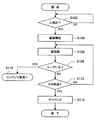
まず,図12に基づいて,情報処理装置10が行う処理の全体的な流れを説明する。サスペンド状態である情報処理装置10は,まずサスペンド状態から復帰する(S10)。サスペンド状態には,情報処理装置10の電源が入っていない状態,情報処理装置10の電源は入っているがディスプレイ20やスピーカ22からの出力が無い状態,カメラが動作を停止している状態などが含まれる。サスペンド状態から復帰した情報処理装置10は,番組の推薦を行い(S20),推薦した番組又はユーザによって選択された番組を放映する(S30)。放映中の番組が終了すると(S40),情報処理装置10は顔認識処理を行う(S50)。顔認識処理の結果,ユーザがいるか否かを判断する(S60)。ユーザがいる場合,つまり,カメラ130により顔が撮像された場合には,コンテンツの推薦処理に戻る。一方,顔認識処理の結果,ユーザがいない場合には,人が検出されるか否かを判断する(S70)。判断の結果,人が検出された場合には,顔認識処理に戻る。一方,人が検出されない場合には,情報処理装置10はサスペンド状態に戻る(S80)。
First, an overall flow of processing performed by the
S10のサスペンド状態からの復帰処理について,図13に基づいて説明する。情報処理装置10は,人が検出されるか否かを判断する(S102)。具体的には,CPU124が,人検出センサ16から遠赤外線の変化を検出した旨の通知を受けたか否かを判断する。人が検出された場合には,カメラ130による撮像動作を開始する(S104)。また,ディスプレイ20の電源をオンにしたり,情報処理装置10が例えば所定の照明器具を制御することができる場合には,その照明器具の電源をオンにしてもよい。
The return processing from the suspended state in S10 will be described with reference to FIG. The
続いて,情報処理装置10は顔認識を開始する(S106)。具体的には,CPU124が,カメラ130により撮像された所定のエリアの画像から顔の検出,認識を行う。情報処理装置10は,顔認識処理の結果,ユーザがいるか否かを判断する(S108)。具体的には,CPU124が,カメラ130により撮像された画像から顔を検出し,その顔からユーザを特定したか否かを判断する。判断の結果,ユーザがいる場合にはコンテンツ推薦処理に進む(S110)。一方,判断の結果,ユーザがいない場合には,所定時間が経過したか否かを判断する(S112)。具体的には,CPU124が,画像から顔の検出ができない時間が所定時間(例えば5分)続いたかを判断する。判断の結果,所定時間を経過していない場合には,顔認識処理を続ける。一方,判断の結果,所定時間を経過した場合には,情報処理装置10はサスペンド状態に戻る(S114)。
Subsequently, the
なお,サスペンド状態からの復帰は,上記のように人が検出された場合に行われるほか,リモコン14からの指示によって行われてもよい。
The return from the suspended state is performed when a person is detected as described above, or may be performed by an instruction from the
次に,図12のS50の顔認識処理について,図14に基づいて説明する。情報処理装置10は,顔を検出したか否かを判断する(S502)。具体的には,CPU124が,カメラ130により撮像された画像から顔を検出できたか否かを判断する(S502)。判断の結果,顔を検出できた場合には,情報処理装置10は顔認識処理を行う(S503)。具体的には,CPU124が,検出された顔の画像から抽出される特徴情報とユーザ情報記憶部144に記憶されている複数のユーザの顔特徴情報とを順次比較して,対応するユーザを特定する。なお,S502において,CPU124が,カメラ130により撮像された画像から顔を検出でき,さらにそれが人物の顔の画像であるか否かを判断し,人物の顔の画像を検出できた場合にのみS503に進むようにしてもよい。
Next, the face recognition process in S50 of FIG. 12 will be described based on FIG. The
続いて,情報処理装置10は,未登録の人がいるか否かを判断する(S504)。具体的には,CPU124が,S503の顔認識処理でユーザを特定することができたか否かを判断する。特定できた場合には,カメラ130により撮像された人物はユーザ情報記憶部144に予め登録されている人物である。特定できない場合には,カメラ130により撮像された人物はユーザ情報記憶部144に未登録の人物である。そこで,未登録の人物が撮像された場合には,情報処理装置10は顔登録処理に移る(S510)。具体的には,CPU124が,S503の顔認識処理により抽出された顔の特徴情報をユーザ情報記憶部144に格納する。その際に,CPU124は,グラフィック装置コントローラ116やコンポーザ118を介して,登録対象の人物に名前や年齢等のユーザ情報を入力させる登録画面をディスプレイ20に表示させ,入力されたユーザ情報と関連付けて顔特徴情報を格納してもよい。
Subsequently, the
続いて,情報処理装置10は,ユーザの数と,ユーザの識別情報と,カメラ130の画角の中心に最も近いユーザを識別する情報とを記憶する(S506)。具体的には,CPU124が,S503で特定されたユーザの数,または,特定されたユーザの数とS510で新たに登録されたユーザの数との合計数と,各ユーザの名前と,メイン視聴者に設定されるユーザの識別情報(例えばフラグ)とを,視聴者情報記憶部146に格納する。その後の顔検出判断処理(S502)において,顔が検出されない場合には,S508に進む。S508では,所定時間(例えば10分)以上連続で,顔が検出されない場合には,S506において視聴者情報記憶部146に格納したユーザの情報を視聴者情報記憶部146から削除する。
Subsequently, the
次に,図12のS20のコンテンツ推薦処理について,図15に基づいて説明する。情報処理装置10は,まず,図12のS50の顔認識処理で特定されたユーザのユーザ情報から設定データを読み出し(S202),読み出した設定データにより各設定を行う(S204)。具体的には,CPU124が,特定されたユーザの識別情報に基づいてユーザ情報記憶部144を参照し,識別情報に対応するユーザの情報から,音量や画面の明るさに設定されている値を読み出す。そして,CPU124は,読み出した値に基づいて,ディスプレイ20の明るさやスピーカ22から出力される音量を,出力状態制御部120を介して設定する。
Next, the content recommendation process in S20 of FIG. 12 will be described based on FIG. First, the
続いて,情報処理装置10は,EPG等を参照して放送中の番組の中からユーザの好みに合う番組を選択する(S206)。具体的には,CPU124が,RAM126またはHDD136のEPG情報記憶部152に記憶されているEPG情報に含まれる各番組のメタ情報と,嗜好情報記憶部150に格納されているユーザの嗜好情報とに基づいて,ユーザの嗜好に合うと推定される番組を選択する。
Subsequently, the
そして,情報処置装置10は,現在番組を放映中であるか否かを判断する(S208)。つまり,ディスプレイ20やスピーカ22を介して番組が出力されているか否かを判断する。判断の結果,番組を放映していない場合には,S206で選択した番組を放映する。S206で複数の番組が選択された場合には,最もユーザの嗜好に合うと推定される番組を放映する。一方,判断の結果,番組を放映中である場合には,S206で選択された番組の情報をディスプレイ20に表示させる(S212)。具体的には,CPU124が,S206で選択された複数の番組の上位3つについて,タイトル,出演者,ジャンル等のメタ情報をグラフィック装置コントローラ116およびコンポーザ118を介してディスプレイ20に表示させる。
Then, the
そして,情報処理装置10は,ユーザにより番組が選択されたか否かを判断する(S214)。具体的には,リモコン14などの操作手段により,S212で表示した番組のいずれかが選択されたか否かを判断する。判断の結果,いずれかの番組が選択された場合には,情報処理装置10は,放映する番組を,今放映されている番組からS214で選択された番組に変更する。また,情報処理装置10は,選択された番組の情報をユーザの嗜好情報に追加する。より具体的には,CPU124が,S214で選択された番組のメタ情報に基づいて,嗜好情報記憶部150内のユーザの嗜好情報を更新する。一方,S214でいずれの番組も選択されなかった場合にはS218に進む。
Then, the
情報処理装置10は,S218で,ユーザに録画済みコンテンツを推薦する(S218)。具体的には,CPU124が,録画コンテンツ情報記憶部140に記憶されている各番組のメタ情報と,ユーザの嗜好情報とに基づいて,ユーザの嗜好に合うと推定される番組を選択し,S212と同様にディスプレイ20に表示させる。または,録画コンテンツ情報記憶部140に記憶されている各番組に,どのユーザの嗜好情報に基づいて録画されたものであるかを識別する情報が含まれている場合には,CPU124は,該当ユーザの嗜好情報に基づいて録画された番組を選択してもよい。そして,情報処理装置10は,ユーザにより番組が選択されたか否かを判断する(S220)。判断の結果,いずれかの番組が選択された場合には,情報処理装置10は,放映する番組を,今放映されている番組からS220で選択された番組に変更する。また,情報処理装置10は,選択された番組の情報をユーザの嗜好情報に追加する。より具体的には,CPU124が,S220で選択された番組のメタ情報に基づいて,嗜好情報記憶部150内のユーザの嗜好情報を更新する。一方,S220でいずれの番組も選択されなかった場合にはS224に進む。S224で,情報処理装置10は,放映中の番組に関する情報をユーザの嗜好情報に追加する。
In S218, the
次に,図16に基づいて,ユーザの嗜好情報の更新処理の流れを説明する。まず,情報処理装置10は,視聴者リストを取り出す(S902)。具体的には,CPU124が,視聴者情報記憶部146に記憶されているユーザの識別情報を取得する。そして,情報処理装置10は,ユーザが現在視聴している番組のメタ情報に基づいて,そのユーザの嗜好情報を更新する(S904)。具体的には,CPU124が,現在ディスプレイ20およびスピーカ22から出力されている番組のメタ情報を視聴コンテンツ情報記憶部142から読み出し,そのメタ情報内のジャンル,タイトル,出演者に設定されている情報を取得する。CPU124は,S902で取得したユーザの識別情報に基づいて嗜好情報記憶部150を参照し,その識別情報に対応するユーザの嗜好情報について,取得したジャンル,タイトル,出演者の嗜好度を上げる。
Next, a flow of user preference information update processing will be described with reference to FIG. First, the
続いて,情報処理装置10は,ユーザが現在視聴している番組の視聴状況に基づいて,そのユーザの嗜好情報を更新する(S906)。具体的には,CPU124が,視聴者情報記憶部146に記憶されている現在のコンテンツの視聴時間と,視聴コンテンツ情報記憶部に記憶されている放送時間とを取得し,視聴時間が放送時間全体の0.7以上であれば,S904において嗜好度を上げたジャンル,タイトル,出演者の嗜好度をさらに上げる。
Subsequently, the
続いて,情報処理装置10は,ユーザの視聴履歴に基づいて,そのユーザの嗜好情報を更新する(S908)。具体的には,CPU124が,視聴ログ記憶部148を参照して,ユーザが昨日,または先週も同じ番組(シリーズ番組における各回の放送番組を含む)を視聴していた場合には,S904で嗜好度を上げたジャンル,タイトル,出演者の嗜好度をさらに上げる。
Subsequently, the
次に,図17および図18に基づいて,コンテンツの他の例として,広告情報に基づいてユーザの嗜好情報を更新する処理の流れを説明する。広告情報は,番組の前後や途中に放送される広告であるいわゆるコマーシャル映像を含む。まず,図17に基づいて,情報処理装置10が録画された番組をディスプレイ20に出力している場合について説明する。情報処理装置10は,EPGなどによりコマーシャル映像の情報を獲得する(S912)。具体的には例えば,CPU124が,RAM126またはHDD136のEPG情報記憶部152に記憶されているEPG情報に含まれるコマーシャル映像の情報として,例えば広告主であるメーカ名や,商品名,メーカが運営するWebサイトのURLなどを取得する。
Next, based on FIG. 17 and FIG. 18, a flow of processing for updating user preference information based on advertisement information will be described as another example of content. The advertisement information includes a so-called commercial video that is an advertisement broadcast before, during or after the program. First, the case where the
そして,情報処理装置10は顔認識処理を行い,ディスプレイに出力されている録画された番組を視聴しているユーザを特定する(S914)。そして,情報処理装置10は,ユーザがコマーシャル映像をスキップしたか否かを判断する(S916)。具体的には,リモコン14等の操作手段を介して,番組中または番組前後のコマーシャル映像が早送りされたか否かを判断する。判断の結果,コマーシャル映像がスキップされていない場合には,コマーシャル映像によって提供される情報(商品の情報など)にユーザは興味があると仮定し,情報処理装置10は,S914で特定したユーザの嗜好情報に,S912で取得したコマーシャル映像の情報に含まれるメーカ名,商品名等を追加する(S918)。また,情報処理装置10は,コマーシャル映像の情報に含まれるURLに基づいて,メーカのWebサイトをディスプレイ20に表示させる(S920)。具体的には,CPU124が,ネットワーク18によって情報処理装置10と接続されているWebサーバから,通信部122を介してWebページを取得し,グラフィック装置コントローラ116およびコンポーザ118を介してディスプレイ20にWebページを表示させる。
Then, the
次に,図18に基づいて,情報処理装置10が放送中の番組をリアルタイムでディスプレイ20に出力している場合について説明する。情報処理装置10は,EPGなどによりコマーシャル映像の情報を獲得する(S922)。具体的には例えば,CPU124が,RAM126またはHDD136のEPG情報記憶部152に記憶されているEPG情報に含まれるコマーシャル映像の情報として,例えば広告主であるメーカ名や,商品名,メーカが運営するWebサイトのURLなどを取得する。
Next, a case where the
そして,情報処理装置10は顔認識処理を行い,ディスプレイに出力されている番組を視聴しているユーザを特定する(S924)。そして,情報処理装置10は,ユーザの視線が画面に向かっているか否かを判断する(S926)。具体的には,カメラ130により撮像された人物の視線の方向を検出して判断する。判断の結果,ユーザの視線が画面に向かっている場合には,コマーシャル映像によって提供される情報(商品の情報など)にユーザは興味があると仮定し,情報処理装置10は,S924で特定したユーザの嗜好情報に,S922で取得したコマーシャル映像の情報に含まれるメーカ名,商品名等を追加する(S928)。また,情報処理装置10は,コマーシャル映像の情報に含まれるURLに基づいて,メーカのWebサイトをディスプレイ20に表示させる(S930)。なお,情報処理装置10に光学式文字読み取り装置(以後,OCRとも称する。)をさらに備え,画面に表示されたURLをOCRで読み取り,読み取ったURLに基づいてメーカや商品に関するWebサイトを該当するWebサーバから取得するようにしてもよい。同様に,情報処理装置10は,画面に表示されている商品名等をOCRで読み取って,読み取った商品名等をユーザの嗜好情報に追加してもよい。かかる構成によれば,EPG情報にコマーシャル映像の情報が含まれていない場合でも情報処理装置10はコマーシャル映像に関連する情報をユーザの嗜好情報に反映させることができ,また,ユーザにコマーシャル映像に関連する情報を提供することができる。
Then, the
次に,図19に基づいて,情報処理装置10がユーザ宛の電子メールを出力する処理の流れを説明する。情報処理装置10は,外部のコンピュータから電子メールを受信し,その電子メールの宛先を抽出する(S940)。具体的には,ネットワーク18により接続されている外部のコンピュータから通信部122が電子メールを受信し,RAM126またはHDD136に格納する。格納された電子メールをCPU124が読み出し,宛先を抽出する。続いて,情報処理装置10は顔認識処理を行い,ディスプレイに出力されている番組を視聴しているユーザ(視聴者)を特定する(S942)。そして,情報処理装置10は,S942で特定したユーザが,S940で抽出した宛先に該当するユーザであるかを判断する(S944)。判断の結果,S942で特定したユーザが,S940で抽出した宛先に該当するユーザである場合には,情報処理装置10は,S940で受信した電子メールのヘッダ部分をディスプレイ20に表示させる。その後,ユーザからリモコン14等の操作手段を介して電子メールの内容を表示する旨の指示を受けた場合には(S948),情報処理装置10は電子メールの内容をディスプレイ20に表示させる(S950)。
Next, the flow of processing in which the
以上,情報処理装置10により行われる各処理の流れを説明した。次に,図20〜図23に基づいて,情報処理装置10がディスプレイ20に表示させる画面の表示例について説明する。
The flow of each process performed by the
図20および図21は,情報処理装置10によりユーザに推薦される番組の情報がディスプレイ20に表示される場合の表示例である。図20はリアルタイムで放送中の番組を推薦する例である。図20に示すように,ディスプレイ20の画面には,放映中の番組が出力されており,その一部分に,推薦番組の情報を表示する子画面1702が重ねて表示されている。推薦番組の情報を表示する子画面1702は,リモコン14等の操作手段を介したユーザからの入力を受け付けることが可能なGUI画面であり,CPU124の指示に基づいてグラフィカル装置コントローラ116によって生成される。子画面1702には,放送中の番組からユーザに推薦される推薦番組の情報1704として,図示のように番組のタイトル,放送時間,ジャンル,出演者などの情報が表示される。
20 and 21 are display examples when information on a program recommended to the user by the
図21は,録画された番組を推薦する例である。リアルタイムで放送中の番組を推薦する場合とほぼ同様に,ディスプレイ20の画面には,放映中の番組が出力されており,その一部分に,推薦番組の情報を表示する子画面1802が重ねて表示されている。子画面1802には,録画されている番組の中からユーザに推薦される推薦番組の情報1804が表示される。
FIG. 21 shows an example of recommending a recorded program. As in the case of recommending a program being broadcast in real time, a program being broadcast is output on the screen of the
図22Aは,ユーザに電子メールが届いたことを通知する場合の表示例である。図22Aに示すように,ディスプレイ20の画面には,放映中の番組が出力されており,その一部分に,電子メール受信の通知情報を表示する子画面1902が重ねて表示されている。子画面1902には,例えば,電子メールのヘッダ部分の情報が表示される。子画面1902は,リモコン14等の操作手段を介したユーザからの入力を受け付けることが可能なGUI画面である。ユーザが操作手段を介してYesボタン1904を選択すると,電子メールの内容が子画面に表示される。
FIG. 22A is a display example when notifying the user that an e-mail has arrived. As shown in FIG. 22A, a program being broadcast is output on the screen of the
図22Bは,電子メールの内容が子画面に表示される場合の表示例である。図22Bに示すように,電子メールの内容が表示された子画面1906がディスプレイ20の画面の一部分に表示される。
FIG. 22B is a display example when the content of the e-mail is displayed on the sub-screen. As shown in FIG. 22B, a sub-screen 1906 displaying the contents of the e-mail is displayed on a part of the screen of the
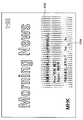
図23は,コマーシャル映像に関連する情報が表示される場合の表示例である。図23に示すように,ディスプレイ20の画面には,コマーシャル映像が出力されており,その一部分に,コマーシャル映像に関する情報を表示する子画面2002が重ねて表示されている。図示の例では,コマーシャル映像に関する情報の一例として,コマーシャル映像において宣伝されている商品のWebサイトが子画面2002に表示されている。子画面2002は,リモコン14等の操作手段を介したユーザからの入力を受け付けることが可能なGUI画面である。ユーザは,操作手段を介して,Webサイトの任意のページを表示させることができる。
FIG. 23 shows a display example when information related to a commercial video is displayed. As shown in FIG. 23, a commercial video is output on the screen of the
以上,情報処理装置10がディスプレイ20に表示させる画面の表示例について説明した。
The display example of the screen that the
本実施形態にかかる情報処理装置10によれば,カメラ130により撮像された所定のエリア内の顔画像に基づいて,出力される番組を視聴しているユーザを特定することができるので,ユーザは情報処理装置に自己を識別させるために,ユーザIDの入力等の特別な行動をとる必要がない。
According to the
また,ユーザの嗜好を,そのユーザが顔画像から特定されている間に出力されている番組に基づいて収集するため,ユーザが視聴した全ての番組の情報をユーザの嗜好情報に反映できる。 Further, since the user's preferences are collected based on the programs that are output while the user is identified from the face image, the information of all the programs viewed by the user can be reflected in the user's preference information.
また,顔画像により特定されたユーザに対して,そのユーザの嗜好情報に基づいて番組を推薦するため,ユーザは番組の推薦を受けるために特別な行動をする必要がない。 Moreover, since the program is recommended to the user specified by the face image based on the user's preference information, the user does not need to take any special action to receive the program recommendation.
また,顔画像により特定されたユーザに適した画面の明るさ,音量で番組を出力することができる。 In addition, it is possible to output a program with screen brightness and volume suitable for the user specified by the face image.
また,顔画像により特定された,番組を視聴しているユーザに対して,そのユーザ宛の電子メールを受信したことを通知するため,ユーザは,番組を視聴しながらも自分に届いた電子メールを即座に確認できる。 In addition, in order to notify the user who is viewing the program specified by the face image that the e-mail addressed to the user has been received, the user can receive the e-mail that he / she received while viewing the program. Can be confirmed immediately.
また,情報処理装置10は,人検出センサ16による人物の検出をトリガとして各処理を開始することができるため,電力の浪費を防止しながらも,テレビを視聴可能なエリア内に人物が入った場合に,自動的にテレビの電源をオンにしてその人物の嗜好に沿った番組を放映することができる。
In addition, since the
また,コンテンツの推薦時にEPG情報を用いることにより,録画されている番組のみではなく,リアルタイムで放送されている番組を推薦することができる。また,ユーザの嗜好情報の収集の際にEPG情報を用いることにより,リアルタイムで放送されている番組をユーザが視聴している場合にも,その番組の情報をユーザの嗜好情報に反映できる。 Also, by using EPG information when recommending content, it is possible to recommend not only recorded programs but also programs broadcast in real time. Further, by using EPG information when collecting user preference information, even when the user is watching a program broadcast in real time, the information on the program can be reflected in the user preference information.
以上,添付図面を参照しながら本発明の好適な実施形態について説明したが,本発明は係る例に限定されないことは言うまでもない。当業者であれば,特許請求の範囲に記載された範疇内において,各種の変更例または修正例に想到し得ることは明らかであり,それらについても当然に本発明の技術的範囲に属するものと了解される。 As mentioned above, although preferred embodiment of this invention was described referring an accompanying drawing, it cannot be overemphasized that this invention is not limited to the example which concerns. It will be apparent to those skilled in the art that various changes and modifications can be made within the scope of the claims, and these are of course within the technical scope of the present invention. Understood.
例えば,上記実施形態では,生体特徴として顔の特徴を用いたが,本発明はかかる例には限定されない。例えば,声,指紋,虹彩,静脈パターンなどを用いて実現することもできる。 For example, in the above-described embodiment, facial features are used as biological features, but the present invention is not limited to such examples. For example, it can be realized by using voice, fingerprint, iris, vein pattern, or the like.
また,上記実施形態では,コンテンツを番組として説明したが,本発明はかかる例には限定されない。例えば,生体特徴により特定されたユーザの嗜好情報に基づいて,そのユーザの嗜好に沿ったWebページを表示させてもよいし,そのユーザの嗜好に沿った音楽コンテンツやゲームコンテンツ等をダウンロードするようにしてもよい。また,例えばインターネット電話に本発明を適用して,ユーザが電話をかける際に,生体特徴によりユーザを特定し,そのユーザ用の電話帳を表示させるようにしてもよい。
In the above embodiment, the content is described as a program, but the present invention is not limited to such an example. For example, based on the user's preference information specified by the biometric feature, a web page according to the user's preference may be displayed, or music content, game content, or the like according to the user's preference may be downloaded. It may be. Further, for example, when the present invention is applied to an Internet telephone and a user makes a telephone call, the user may be specified by a biometric feature and a telephone directory for the user may be displayed.
10 情報処理装置
16 人検出センサ
20 ディスプレイ
120 出力状態制御部
122 通信部
130 カメラ
142 視聴コンテンツ情報記憶部
144 ユーザ情報記憶部
146 視聴者情報記憶部
148 視聴ログ記憶部
150 嗜好情報記憶部
152 EPG情報記憶部
202 顔認識部
204 視聴状況監視部
206 嗜好情報更新部
208 コンテンツ推薦部
210 メール処理部
DESCRIPTION OF
Claims (18)
前記ユーザの生体特徴情報を記憶するユーザ情報記憶部と;
前記生体特徴情報を取得する特徴情報取得部と;
前記特徴情報取得部により取得された前記生体特徴情報と前記ユーザ情報記憶部に記憶されている前記ユーザの生体特徴情報とに基づいて,前記取得された生体特徴情報に対応する前記ユーザを特定する特徴認識部と;
前記ユーザが特定された場合に,前記ユーザが視聴中のコンテンツのメタ情報を取得し,前記嗜好情報記憶部における前記特定されたユーザの嗜好の情報を前記取得したメタ情報に基づいて更新する嗜好情報更新部と;
前記特定されたユーザの嗜好の情報を前記嗜好情報記憶部から取得して,取得した前記ユーザの嗜好情報に基づいて前記ユーザに推薦するコンテンツを決定するコンテンツ推薦部と;
を備えることを特徴とする情報処理装置。 A preference information storage unit for storing user preference information;
A user information storage unit for storing biometric feature information of the user;
A feature information acquisition unit for acquiring the biometric feature information;
Based on the biometric feature information acquired by the feature information acquisition unit and the biometric feature information of the user stored in the user information storage unit, the user corresponding to the acquired biometric feature information is specified. A feature recognition unit;
When the user is identified, the preference is acquired for acquiring meta information of the content being viewed by the user, and updating the specified user preference information in the preference information storage unit based on the acquired meta information An information update unit;
A content recommendation unit that obtains the specified user preference information from the preference information storage unit and determines content to be recommended to the user based on the acquired user preference information;
An information processing apparatus comprising:
前記特徴情報取得部は,所定のエリアを撮像するカメラを含み,
前記特徴認識部は,前記カメラにより撮像された前記所定のエリア内の顔の画像と前記ユーザ情報記憶部に記憶されている前記ユーザの顔特徴情報とに基づいて前記顔の画像に対応する前記ユーザを特定することを特徴とする,請求項1に記載の情報処理装置。 The user information storage unit includes facial feature information indicating facial features of the user,
The feature information acquisition unit includes a camera that images a predetermined area;
The feature recognition unit corresponds to the face image based on the face image in the predetermined area captured by the camera and the user face feature information stored in the user information storage unit. The information processing apparatus according to claim 1, wherein a user is specified.
前記嗜好情報更新部は,前記ユーザが特定された場合に,前記表示部に表示されているコンテンツのメタ情報を取得し,
前記コンテンツ推薦部は,前記決定したコンテンツに関する情報を前記表示部に表示させることを特徴とする,請求項1に記載の情報処理装置。 A display unit for displaying the content;
The preference information update unit acquires meta information of content displayed on the display unit when the user is specified,
The information processing apparatus according to claim 1, wherein the content recommendation unit displays information on the determined content on the display unit.
前記通信部により受信された前記電子メールの宛先が,前記特徴認識部により特定されたユーザである場合に,前記電子メールを受信した旨の通知を出力するメール処理部と;
を備えることを特徴とする,請求項1に記載の情報処理装置。 A communication unit that receives an e-mail addressed to the user from an external device;
A mail processing unit that outputs a notification that the electronic mail has been received when the destination of the electronic mail received by the communication unit is a user specified by the feature recognition unit;
The information processing apparatus according to claim 1, further comprising:
前記カメラは,前記人検出センサにより前記所定のエリア内に前記人物が存在することが検出された場合に,撮像動作を開始することを特徴とする,請求項2に記載の情報処理装置。 A human detection sensor for detecting the presence of a person in the predetermined area;
The information processing apparatus according to claim 2, wherein the camera starts an imaging operation when the person detection sensor detects that the person is present in the predetermined area.
前記受信したEPG情報を記憶するEPG情報記憶部と;を備え,
前記コンテンツ推薦部は,前記EPG情報記憶部に記憶されている前記EPG情報と前記特定されたユーザの嗜好の情報とに基づいて,前記受信したEPG情報によって特定されるコンテンツから前記ユーザに推薦するコンテンツを選択することを特徴とする,請求項1に記載の情報処理装置。 A communication unit for receiving EPG information;
An EPG information storage unit for storing the received EPG information;
The content recommendation unit recommends to the user from the content specified by the received EPG information based on the EPG information stored in the EPG information storage unit and the specified user preference information. The information processing apparatus according to claim 1, wherein content is selected.
前記カメラにより撮像された画像に複数の顔の画像が含まれる場合に,前記コンテンツ推薦部は,前記優先順位の高いユーザの嗜好の情報に基づいて前記ユーザに推薦するコンテンツを決定することを特徴とする,請求項2に記載の情報処理装置。 The preference information storage unit and / or the user information storage unit stores a priority order of each user among the plurality of users;
When a plurality of face images are included in an image captured by the camera, the content recommendation unit determines content to be recommended to the user based on the preference information of the user having a high priority. The information processing apparatus according to claim 2.
前記特定されたユーザの年齢に基づいて,前記コンテンツの出力状態を制御する出力状態制御部を備えることを特徴とする,請求項1に記載の情報処理装置。 The user information storage unit stores the age of the user,
The information processing apparatus according to claim 1, further comprising an output state control unit configured to control an output state of the content based on the specified age of the user.
前記特徴情報取得部は,所定のエリアを連続的に撮像するカメラを含み,
前記特徴認識部は,前記カメラにより撮像された前記所定のエリア内の顔の画像と前記ユーザ情報記憶部に記憶されている前記ユーザの顔特徴情報とに基づいて前記顔の画像に対応する前記ユーザを特定し,
前記特徴認識部により特定されたユーザの識別情報を記憶する視聴者情報記憶部と;
前記特徴認識部により前記顔の画像に対応するユーザが特定された場合に該ユーザの識別情報を前記視聴者情報記憶部に記憶させ,その後所定の期間,前記カメラにより撮像された顔の画像から前記識別情報により識別されるユーザが特定されない場合に,前記視聴者情報記憶部から該ユーザの識別情報を削除する視聴状況監視部と;
を備えることを特徴とする,請求項11に記載の情報処理装置。 The user information storage unit includes facial feature information indicating facial features of the user,
The feature information acquisition unit includes a camera that continuously images a predetermined area;
The feature recognition unit corresponds to the face image based on the face image in the predetermined area captured by the camera and the user face feature information stored in the user information storage unit. Identify users,
A viewer information storage unit for storing identification information of the user specified by the feature recognition unit;
When a user corresponding to the face image is specified by the feature recognition unit, the identification information of the user is stored in the viewer information storage unit, and then from the face image captured by the camera for a predetermined period. A viewing status monitoring unit that deletes the identification information of the user from the viewer information storage unit when a user identified by the identification information is not specified;
The information processing apparatus according to claim 11, further comprising:
前記特徴情報取得部により取得された前記生体特徴情報と前記ユーザ情報記憶部に記憶されている前記ユーザの生体特徴情報とに基づいて,前記取得された生体特徴情報に対応する前記ユーザを特定する特徴認識処理と;
前記ユーザが特定された場合に,前記ユーザが視聴中のコンテンツのメタ情報を取得し,前記嗜好情報記憶部における前記特定されたユーザの嗜好の情報を前記取得したメタ情報に基づいて更新する嗜好情報更新処理と;
前記特定されたユーザの嗜好の情報を前記嗜好情報記憶部から取得して,取得した前記ユーザの嗜好情報に基づいて前記ユーザに推薦するコンテンツを決定するコンテンツ推薦処理と;
を実行することを特徴とするコンピュータプログラム。 Using a preference information storage unit that stores user preference information, a user information storage unit that stores biometric feature information of the user, and a feature information acquisition unit that acquires the biometric feature information,
Based on the biometric feature information acquired by the feature information acquisition unit and the biometric feature information of the user stored in the user information storage unit, the user corresponding to the acquired biometric feature information is specified. Feature recognition processing;
When the user is identified, the preference is acquired for acquiring meta information of the content being viewed by the user, and updating the specified user preference information in the preference information storage unit based on the acquired meta information Information update processing;
Content recommendation processing for acquiring the specified user preference information from the preference information storage unit and determining content to be recommended to the user based on the acquired user preference information;
The computer program characterized by performing.
前記特徴情報取得部により取得された前記生体特徴情報と前記ユーザ情報記憶部に記憶されている前記ユーザの生体特徴情報とに基づいて,前記取得された生体特徴情報に対応する前記ユーザを特定する特徴認識ステップと;
前記ユーザが特定された場合に,前記ユーザが視聴中のコンテンツのメタ情報を取得し,前記嗜好情報記憶部における前記特定されたユーザの嗜好の情報を前記取得したメタ情報に基づいて更新する嗜好情報更新ステップと;
前記特定されたユーザの嗜好の情報を前記嗜好情報記憶部から取得して,取得した前記ユーザの嗜好情報に基づいて前記ユーザに推薦するコンテンツを決定するコンテンツ推薦ステップと;
を含むことを特徴とする情報処理方法。 It is executed using a preference information storage unit that stores user preference information, a user information storage unit that stores biometric feature information of the user, and a feature information acquisition unit that acquires the biometric feature information,
Based on the biometric feature information acquired by the feature information acquisition unit and the biometric feature information of the user stored in the user information storage unit, the user corresponding to the acquired biometric feature information is specified. A feature recognition step;
When the user is identified, the preference is acquired for acquiring meta information of the content being viewed by the user, and updating the specified user preference information in the preference information storage unit based on the acquired meta information An information update step;
A content recommendation step of acquiring the specified user preference information from the preference information storage unit, and determining content to be recommended to the user based on the acquired user preference information;
An information processing method comprising:
前記ユーザの生体特徴情報を記憶するユーザ情報記憶部と;
前記生体特徴情報を取得する特徴情報取得部と;
前記特徴情報取得部により取得された前記生体特徴情報と前記ユーザ情報記憶部に記憶されている前記ユーザの生体特徴情報とに基づいて,前記取得された生体特徴情報に対応する前記ユーザを特定する特徴認識部と;
前記ユーザが特定された場合に,前記ユーザが視聴中のコンテンツのメタ情報を取得し,前記嗜好情報記憶部における前記特定されたユーザの嗜好の情報を前記取得したメタ情報に基づいて更新する嗜好情報更新部と;
を備えることを特徴とする情報処理装置。 A preference information storage unit for storing user preference information;
A user information storage unit for storing biometric feature information of the user;
A feature information acquisition unit for acquiring the biometric feature information;
Based on the biometric feature information acquired by the feature information acquisition unit and the biometric feature information of the user stored in the user information storage unit, the user corresponding to the acquired biometric feature information is specified. A feature recognition unit;
When the user is identified, the preference is acquired for acquiring meta information of the content being viewed by the user, and updating the specified user preference information in the preference information storage unit based on the acquired meta information An information update unit;
An information processing apparatus comprising:
前記ユーザの生体特徴情報を記憶するユーザ情報記憶部と;
前記生体特徴情報を取得する特徴情報取得部と;
前記特徴情報取得部により取得された前記生体特徴情報と前記ユーザ情報記憶部に記憶されている前記ユーザの生体特徴情報とに基づいて,前記取得された生体特徴情報に対応する前記ユーザを特定する特徴認識部と;
前記特定されたユーザの嗜好の情報を前記嗜好情報記憶部から取得して,取得した前記ユーザの嗜好情報に基づいて前記ユーザに推薦するコンテンツを決定するコンテンツ推薦部と;
を備えることを特徴とする情報処理装置。
A preference information storage unit for storing user preference information;
A user information storage unit for storing biometric feature information of the user;
A feature information acquisition unit for acquiring the biometric feature information;
Based on the biometric feature information acquired by the feature information acquisition unit and the biometric feature information of the user stored in the user information storage unit, the user corresponding to the acquired biometric feature information is specified. A feature recognition unit;
A content recommendation unit that obtains the specified user preference information from the preference information storage unit and determines content to be recommended to the user based on the acquired user preference information;
An information processing apparatus comprising:
Priority Applications (1)
| Application Number | Priority Date | Filing Date | Title |
|---|---|---|---|
| JP2005144560A JP2006324809A (en) | 2005-05-17 | 2005-05-17 | Information processing apparatus, information processing method, and computer program |
Applications Claiming Priority (1)
| Application Number | Priority Date | Filing Date | Title |
|---|---|---|---|
| JP2005144560A JP2006324809A (en) | 2005-05-17 | 2005-05-17 | Information processing apparatus, information processing method, and computer program |
Publications (1)
| Publication Number | Publication Date |
|---|---|
| JP2006324809A true JP2006324809A (en) | 2006-11-30 |
Family
ID=37544174
Family Applications (1)
| Application Number | Title | Priority Date | Filing Date |
|---|---|---|---|
| JP2005144560A Pending JP2006324809A (en) | 2005-05-17 | 2005-05-17 | Information processing apparatus, information processing method, and computer program |
Country Status (1)
| Country | Link |
|---|---|
| JP (1) | JP2006324809A (en) |
Cited By (41)
| Publication number | Priority date | Publication date | Assignee | Title |
|---|---|---|---|---|
| JP2008217458A (en) * | 2007-03-05 | 2008-09-18 | Yahoo Japan Corp | Advertisement providing device |
| JP2008263524A (en) * | 2007-04-13 | 2008-10-30 | Sharp Corp | Television receiver |
| JP2009267445A (en) * | 2008-04-21 | 2009-11-12 | Toshiba Corp | Preference information managing device, and preference information managing method |
| JP2010087872A (en) * | 2008-09-30 | 2010-04-15 | Toshiba Corp | Playback control apparatus and playback control method |
| WO2010053191A1 (en) * | 2008-11-10 | 2010-05-14 | 日本電気株式会社 | Electronic advertisement system, electronic advertisement distribution apparatus, electronic advertisement distribution method, and recording medium |
| JP2010113693A (en) * | 2008-11-10 | 2010-05-20 | Nec Software Kyushu Ltd | Face image extraction device, method, electronic advertisement device and program |
| JP2010233143A (en) * | 2009-03-30 | 2010-10-14 | Fujitsu Ltd | Recording / playback apparatus and content search program |
| JP2011077965A (en) * | 2009-10-01 | 2011-04-14 | Nippon Telegr & Teleph Corp <Ntt> | Video distribution service achievement device based on viewer identification, video distribution service achievement method, video distribution service achievement program and recording medium with the same program recorded thereon |
| JP2011109626A (en) * | 2009-11-20 | 2011-06-02 | Sharp Corp | Broadcast program display device, and control method thereof |
| JP2011128885A (en) * | 2009-12-17 | 2011-06-30 | Toshiba Corp | Information display apparatus and method |
| JP2011166572A (en) * | 2010-02-12 | 2011-08-25 | Nec Personal Products Co Ltd | Apparatus for estimation of program preference, image viewing system, program viewing confirmation method, and program |
| WO2011118837A1 (en) * | 2010-03-26 | 2011-09-29 | シャープ株式会社 | Display device and control method of same, television, program and storage medium |
| WO2011118836A1 (en) * | 2010-03-26 | 2011-09-29 | シャープ株式会社 | Display apparatus, television receiver, method of controlling display apparatus, remote control device, method of controlling remote control device, control program, and computer readable recording medium with control program stored therein |
| JP2011223551A (en) * | 2010-03-23 | 2011-11-04 | Panasonic Corp | Display device, display method, program, and recording medium |
| JP2012015917A (en) * | 2010-07-02 | 2012-01-19 | Sharp Corp | Content viewing system, content recommendation method and content display apparatus |
| JP2012089983A (en) * | 2010-10-18 | 2012-05-10 | Casio Comput Co Ltd | Image display device and program |
| JP2012114710A (en) * | 2010-11-25 | 2012-06-14 | Hitachi Consumer Electronics Co Ltd | Program recommendation apparatus |
| JP2012138827A (en) * | 2010-12-27 | 2012-07-19 | Toshiba Corp | Video output device and video output method |
| JP2012231395A (en) * | 2011-04-27 | 2012-11-22 | Toshiba Corp | Video display device, electronic apparatus and video display method |
| JP2012532366A (en) * | 2009-06-30 | 2012-12-13 | イーストマン コダック カンパニー | Method and apparatus for controlling image display according to viewer's factor and reaction |
| JP2013505674A (en) * | 2009-09-23 | 2013-02-14 | ユナイテッド ビデオ プロパティーズ, インコーポレイテッド | System and method for automatically detecting a user within a detection area of a media device |
| JP2013132041A (en) * | 2011-12-21 | 2013-07-04 | Korea Electronics Telecommun | Tv start channel setting apparatus and method |
| JP2014029725A (en) * | 2013-10-09 | 2014-02-13 | Toshiba Corp | Information reproducing device and control method thereof |
| JP2014099175A (en) * | 2012-11-15 | 2014-05-29 | Samsung Electronics Co Ltd | Display apparatus and method for delivering message thereof |
| JP2014110453A (en) * | 2012-11-30 | 2014-06-12 | Io:Kk | Information providing system and information providing method |
| WO2014199602A1 (en) * | 2013-06-10 | 2014-12-18 | パナソニック インテレクチュアル プロパティ コーポレーション オブ アメリカ | Speaker identification method, speaker identification device, and information management method |
| JP2015002425A (en) * | 2013-06-14 | 2015-01-05 | シャープ株式会社 | Content information providing apparatus, content information providing system, terminal device, television receiver, content information providing method, and content information providing program |
| US9014546B2 (en) | 2009-09-23 | 2015-04-21 | Rovi Guides, Inc. | Systems and methods for automatically detecting users within detection regions of media devices |
| JP2015517709A (en) * | 2012-06-30 | 2015-06-22 | インテル コーポレイション | A system for adaptive distribution of context-based media |
| JP2015135558A (en) * | 2014-01-16 | 2015-07-27 | Necパーソナルコンピュータ株式会社 | Electronic device, information processing method, and program |
| US9201627B2 (en) | 2010-01-05 | 2015-12-01 | Rovi Guides, Inc. | Systems and methods for transferring content between user equipment and a wireless communications device |
| US9414120B2 (en) | 2008-06-13 | 2016-08-09 | Rovi Guides, Inc. | Systems and methods for displaying media content and media guidance information |
| US9665922B2 (en) | 2012-11-30 | 2017-05-30 | Hitachi Maxell, Ltd. | Picture display device, and setting modification method and setting modification program therefor |
| US9674563B2 (en) | 2013-11-04 | 2017-06-06 | Rovi Guides, Inc. | Systems and methods for recommending content |
| KR101741550B1 (en) * | 2010-11-12 | 2017-06-15 | 엘지전자 주식회사 | Method and apparatus for providing optimized viewing conditions in multimedia device |
| JP2018050269A (en) * | 2016-09-23 | 2018-03-29 | エピクト インクEpict, Inc. | Content menu provision device and method |
| JP2019216453A (en) * | 2015-10-02 | 2019-12-19 | シャープ株式会社 | Display device |
| US10524004B2 (en) | 2014-02-07 | 2019-12-31 | Samsung Electronics Co., Ltd. | Content recommendation method and device |
| JP2021507626A (en) * | 2017-12-21 | 2021-02-22 | ロヴィ ガイズ, インコーポレイテッド | Systems and methods for dynamically enabling and disabling biometric devices |
| JP2022553890A (en) * | 2019-09-03 | 2022-12-27 | ライト フィールド ラボ、インコーポレイテッド | Light field display system for gaming environments |
| JP2023508306A (en) * | 2019-12-30 | 2023-03-02 | シンセン ティシーエル デジタル テクノロジー エルティーディ | Video recommendation method and device based on face recognition, television |
Citations (11)
| Publication number | Priority date | Publication date | Assignee | Title |
|---|---|---|---|---|
| JP2000099184A (en) * | 1998-09-21 | 2000-04-07 | Sharp Corp | Information system |
| JP2000115098A (en) * | 1998-10-05 | 2000-04-21 | Victor Co Of Japan Ltd | Program selection assisting device |
| JP2000115646A (en) * | 1998-09-30 | 2000-04-21 | Toshiba Corp | Program selection method, program viewing device, and additional service providing device |
| JP2001016514A (en) * | 1999-06-30 | 2001-01-19 | Matsushita Electric Ind Co Ltd | Display device with recognition function |
| JP2002007873A (en) * | 2000-06-27 | 2002-01-11 | Sharp Corp | Advertisement distribution system, user device, and service providing device |
| JP2002354391A (en) * | 2001-03-19 | 2002-12-06 | Victor Co Of Japan Ltd | Method for recording program signal, and method for transmitting record program control signal |
| JP2003101895A (en) * | 2001-09-21 | 2003-04-04 | Pioneer Electronic Corp | Broadcasting program guiding device, method and system |
| JP2003518833A (en) * | 1999-12-21 | 2003-06-10 | ティヴォ インク | Broadcast program recording overrun and underrun reservation system |
| JP2003219287A (en) * | 2002-01-25 | 2003-07-31 | Sharp Corp | Broadcast receiver |
| JP2004221938A (en) * | 2003-01-15 | 2004-08-05 | Toppan Printing Co Ltd | Content for viewing, management method of viewing history information, and program |
| JP2005117185A (en) * | 2003-10-03 | 2005-04-28 | Canon Inc | Digital television equipment |
-
2005
- 2005-05-17 JP JP2005144560A patent/JP2006324809A/en active Pending
Patent Citations (11)
| Publication number | Priority date | Publication date | Assignee | Title |
|---|---|---|---|---|
| JP2000099184A (en) * | 1998-09-21 | 2000-04-07 | Sharp Corp | Information system |
| JP2000115646A (en) * | 1998-09-30 | 2000-04-21 | Toshiba Corp | Program selection method, program viewing device, and additional service providing device |
| JP2000115098A (en) * | 1998-10-05 | 2000-04-21 | Victor Co Of Japan Ltd | Program selection assisting device |
| JP2001016514A (en) * | 1999-06-30 | 2001-01-19 | Matsushita Electric Ind Co Ltd | Display device with recognition function |
| JP2003518833A (en) * | 1999-12-21 | 2003-06-10 | ティヴォ インク | Broadcast program recording overrun and underrun reservation system |
| JP2002007873A (en) * | 2000-06-27 | 2002-01-11 | Sharp Corp | Advertisement distribution system, user device, and service providing device |
| JP2002354391A (en) * | 2001-03-19 | 2002-12-06 | Victor Co Of Japan Ltd | Method for recording program signal, and method for transmitting record program control signal |
| JP2003101895A (en) * | 2001-09-21 | 2003-04-04 | Pioneer Electronic Corp | Broadcasting program guiding device, method and system |
| JP2003219287A (en) * | 2002-01-25 | 2003-07-31 | Sharp Corp | Broadcast receiver |
| JP2004221938A (en) * | 2003-01-15 | 2004-08-05 | Toppan Printing Co Ltd | Content for viewing, management method of viewing history information, and program |
| JP2005117185A (en) * | 2003-10-03 | 2005-04-28 | Canon Inc | Digital television equipment |
Cited By (62)
| Publication number | Priority date | Publication date | Assignee | Title |
|---|---|---|---|---|
| JP2008217458A (en) * | 2007-03-05 | 2008-09-18 | Yahoo Japan Corp | Advertisement providing device |
| JP2008263524A (en) * | 2007-04-13 | 2008-10-30 | Sharp Corp | Television receiver |
| JP2009267445A (en) * | 2008-04-21 | 2009-11-12 | Toshiba Corp | Preference information managing device, and preference information managing method |
| US9414120B2 (en) | 2008-06-13 | 2016-08-09 | Rovi Guides, Inc. | Systems and methods for displaying media content and media guidance information |
| JP2010087872A (en) * | 2008-09-30 | 2010-04-15 | Toshiba Corp | Playback control apparatus and playback control method |
| JP2010113693A (en) * | 2008-11-10 | 2010-05-20 | Nec Software Kyushu Ltd | Face image extraction device, method, electronic advertisement device and program |
| WO2010053191A1 (en) * | 2008-11-10 | 2010-05-14 | 日本電気株式会社 | Electronic advertisement system, electronic advertisement distribution apparatus, electronic advertisement distribution method, and recording medium |
| JP2010113314A (en) * | 2008-11-10 | 2010-05-20 | Nec Corp | Electronic advertisement system, electronic advertisement distribution apparatus, electronic advertisement distribution method and program |
| JP2010233143A (en) * | 2009-03-30 | 2010-10-14 | Fujitsu Ltd | Recording / playback apparatus and content search program |
| JP2012532366A (en) * | 2009-06-30 | 2012-12-13 | イーストマン コダック カンパニー | Method and apparatus for controlling image display according to viewer's factor and reaction |
| JP2020167730A (en) * | 2009-09-23 | 2020-10-08 | ロヴィ ガイズ, インコーポレイテッド | Systems and methods to automatically detect users within the detection area of the media device |
| US10631066B2 (en) | 2009-09-23 | 2020-04-21 | Rovi Guides, Inc. | Systems and method for automatically detecting users within detection regions of media devices |
| US10085072B2 (en) | 2009-09-23 | 2018-09-25 | Rovi Guides, Inc. | Systems and methods for automatically detecting users within detection regions of media devices |
| JP2013505674A (en) * | 2009-09-23 | 2013-02-14 | ユナイテッド ビデオ プロパティーズ, インコーポレイテッド | System and method for automatically detecting a user within a detection area of a media device |
| JP2018014745A (en) * | 2009-09-23 | 2018-01-25 | ロヴィ ガイズ, インコーポレイテッド | System and method for automatically detecting user within detection region of media device |
| US9014546B2 (en) | 2009-09-23 | 2015-04-21 | Rovi Guides, Inc. | Systems and methods for automatically detecting users within detection regions of media devices |
| JP2011077965A (en) * | 2009-10-01 | 2011-04-14 | Nippon Telegr & Teleph Corp <Ntt> | Video distribution service achievement device based on viewer identification, video distribution service achievement method, video distribution service achievement program and recording medium with the same program recorded thereon |
| JP2011109626A (en) * | 2009-11-20 | 2011-06-02 | Sharp Corp | Broadcast program display device, and control method thereof |
| JP2011128885A (en) * | 2009-12-17 | 2011-06-30 | Toshiba Corp | Information display apparatus and method |
| US9201627B2 (en) | 2010-01-05 | 2015-12-01 | Rovi Guides, Inc. | Systems and methods for transferring content between user equipment and a wireless communications device |
| JP2011166572A (en) * | 2010-02-12 | 2011-08-25 | Nec Personal Products Co Ltd | Apparatus for estimation of program preference, image viewing system, program viewing confirmation method, and program |
| JP2011223551A (en) * | 2010-03-23 | 2011-11-04 | Panasonic Corp | Display device, display method, program, and recording medium |
| JP2011223573A (en) * | 2010-03-26 | 2011-11-04 | Sharp Corp | Display device, television receiver, display device control method, control program, and computer-readable recording medium with control program recorded thereon |
| WO2011118836A1 (en) * | 2010-03-26 | 2011-09-29 | シャープ株式会社 | Display apparatus, television receiver, method of controlling display apparatus, remote control device, method of controlling remote control device, control program, and computer readable recording medium with control program stored therein |
| WO2011118837A1 (en) * | 2010-03-26 | 2011-09-29 | シャープ株式会社 | Display device and control method of same, television, program and storage medium |
| JP2012015917A (en) * | 2010-07-02 | 2012-01-19 | Sharp Corp | Content viewing system, content recommendation method and content display apparatus |
| JP2012089983A (en) * | 2010-10-18 | 2012-05-10 | Casio Comput Co Ltd | Image display device and program |
| KR101741550B1 (en) * | 2010-11-12 | 2017-06-15 | 엘지전자 주식회사 | Method and apparatus for providing optimized viewing conditions in multimedia device |
| JP2012114710A (en) * | 2010-11-25 | 2012-06-14 | Hitachi Consumer Electronics Co Ltd | Program recommendation apparatus |
| US8453169B2 (en) | 2010-12-27 | 2013-05-28 | Kabushiki Kaisha Toshiba | Video output device and video output method |
| JP2012138827A (en) * | 2010-12-27 | 2012-07-19 | Toshiba Corp | Video output device and video output method |
| JP2012231395A (en) * | 2011-04-27 | 2012-11-22 | Toshiba Corp | Video display device, electronic apparatus and video display method |
| JP2013132041A (en) * | 2011-12-21 | 2013-07-04 | Korea Electronics Telecommun | Tv start channel setting apparatus and method |
| JP2015517709A (en) * | 2012-06-30 | 2015-06-22 | インテル コーポレイション | A system for adaptive distribution of context-based media |
| JP2014099175A (en) * | 2012-11-15 | 2014-05-29 | Samsung Electronics Co Ltd | Display apparatus and method for delivering message thereof |
| JP2014110453A (en) * | 2012-11-30 | 2014-06-12 | Io:Kk | Information providing system and information providing method |
| US9665922B2 (en) | 2012-11-30 | 2017-05-30 | Hitachi Maxell, Ltd. | Picture display device, and setting modification method and setting modification program therefor |
| US12541812B2 (en) | 2012-11-30 | 2026-02-03 | Maxell, Ltd. | Picture display device, and setting modification method and setting modification program therefor |
| US10097900B2 (en) | 2012-11-30 | 2018-10-09 | Maxell, Ltd. | Picture display device, and setting modification method and setting modification program therefor |
| US11823304B2 (en) | 2012-11-30 | 2023-11-21 | Maxell, Ltd. | Picture display device, and setting modification method and setting modification program therefor |
| US11227356B2 (en) | 2012-11-30 | 2022-01-18 | Maxell, Ltd. | Picture display device, and setting modification method and setting modification program therefor |
| WO2014199602A1 (en) * | 2013-06-10 | 2014-12-18 | パナソニック インテレクチュアル プロパティ コーポレーション オブ アメリカ | Speaker identification method, speaker identification device, and information management method |
| US9911421B2 (en) | 2013-06-10 | 2018-03-06 | Panasonic Intellectual Property Corporation Of America | Speaker identification method, speaker identification apparatus, and information management method |
| JPWO2014199602A1 (en) * | 2013-06-10 | 2017-02-23 | パナソニック インテレクチュアル プロパティ コーポレーション オブ アメリカPanasonic Intellectual Property Corporation of America | Speaker identification method, speaker identification device, and information management method |
| JP2015002425A (en) * | 2013-06-14 | 2015-01-05 | シャープ株式会社 | Content information providing apparatus, content information providing system, terminal device, television receiver, content information providing method, and content information providing program |
| JP2014029725A (en) * | 2013-10-09 | 2014-02-13 | Toshiba Corp | Information reproducing device and control method thereof |
| US9674563B2 (en) | 2013-11-04 | 2017-06-06 | Rovi Guides, Inc. | Systems and methods for recommending content |
| JP2015135558A (en) * | 2014-01-16 | 2015-07-27 | Necパーソナルコンピュータ株式会社 | Electronic device, information processing method, and program |
| US10524004B2 (en) | 2014-02-07 | 2019-12-31 | Samsung Electronics Co., Ltd. | Content recommendation method and device |
| JP2019216453A (en) * | 2015-10-02 | 2019-12-19 | シャープ株式会社 | Display device |
| JP2018050269A (en) * | 2016-09-23 | 2018-03-29 | エピクト インクEpict, Inc. | Content menu provision device and method |
| JP2021507626A (en) * | 2017-12-21 | 2021-02-22 | ロヴィ ガイズ, インコーポレイテッド | Systems and methods for dynamically enabling and disabling biometric devices |
| JP7305647B2 (en) | 2017-12-21 | 2023-07-10 | ロヴィ ガイズ, インコーポレイテッド | Systems and methods for dynamically enabling and disabling biometric devices |
| JP2023123724A (en) * | 2017-12-21 | 2023-09-05 | ロヴィ ガイズ, インコーポレイテッド | Systems and methods for dynamically enabling and disabling biometric devices |
| US11974020B2 (en) | 2017-12-21 | 2024-04-30 | Rovi Guides, Inc. | Systems and methods for dynamically enabling and disabling a biometric device |
| JP7511720B2 (en) | 2017-12-21 | 2024-07-05 | ロヴィ ガイズ, インコーポレイテッド | Systems and methods for dynamically enabling and disabling biometric devices - Patents.com |
| US12477186B2 (en) | 2017-12-21 | 2025-11-18 | Adeia Guides Inc. | Systems and methods for dynamically enabling and disabling a biometric device |
| JP7688418B2 (en) | 2019-09-03 | 2025-06-04 | ライト フィールド ラボ、インコーポレイテッド | Light Field Display System for Gaming Environments |
| JP2022553890A (en) * | 2019-09-03 | 2022-12-27 | ライト フィールド ラボ、インコーポレイテッド | Light field display system for gaming environments |
| JP2023508306A (en) * | 2019-12-30 | 2023-03-02 | シンセン ティシーエル デジタル テクノロジー エルティーディ | Video recommendation method and device based on face recognition, television |
| JP7675725B2 (en) | 2019-12-30 | 2025-05-13 | シンセン ティシーエル デジタル テクノロジー エルティーディ | Video recommendation method and device based on face recognition, television |
| US12524985B2 (en) | 2019-12-30 | 2026-01-13 | Shenzhen Tcl Digital Technology Ltd. | Face recognition-based video recommendation method and apparatus, and television |
Similar Documents
| Publication | Publication Date | Title |
|---|---|---|
| JP2006324809A (en) | Information processing apparatus, information processing method, and computer program | |
| US9230151B2 (en) | Method, apparatus, and system for searching for image and image-related information using a fingerprint of a captured image | |
| JP5482206B2 (en) | Information processing apparatus, information processing method, and program | |
| JP5528318B2 (en) | Display device | |
| CN101589620B (en) | Digital broadcast receiver and digital broadcast reception method | |
| TWI527442B (en) | Information extraction method and device and computer readable media | |
| JP5135024B2 (en) | Apparatus, method, and program for notifying content scene appearance | |
| JP2012015917A (en) | Content viewing system, content recommendation method and content display apparatus | |
| JP6150780B2 (en) | Information processing apparatus, information processing method, and program | |
| JP2010011403A (en) | Program information display device and program information display method | |
| CN107959880A (en) | TV programme suggesting method, equipment and computer-readable recording medium | |
| JP5449113B2 (en) | Program recommendation device | |
| JP4742952B2 (en) | Receiver and program | |
| JP2007215046A (en) | Information processing apparatus, information processing method, information processing program, and recording medium | |
| CN101388999B (en) | Program recording apparatus and reservation processing method | |
| JP2011239247A (en) | Digital broadcast receiver and related information presentation program | |
| JP5224896B2 (en) | Broadcast receiving apparatus, control method therefor, and program | |
| JP2014060642A (en) | Display device and display system | |
| JP4554399B2 (en) | Digital broadcast receiving apparatus, digital broadcast system, digital broadcast receiving method and digital broadcast method | |
| JP2012080258A (en) | Programmed recording support system, programmed recording support device and recorder with the same, and television receiver | |
| JP6567715B2 (en) | Information processing apparatus, information processing method, and program | |
| JP2017011438A (en) | Information processing apparatus, program, information processing system, and receiving apparatus | |
| CN114731384B (en) | Display device and method for the same | |
| JP2017126160A (en) | Information providing apparatus, information providing system, information providing method, and program | |
| JP2005258870A (en) | Preference analysis device, preference analysis method, and preference analysis program |
Legal Events
| Date | Code | Title | Description |
|---|---|---|---|
| A621 | Written request for application examination |
Free format text: JAPANESE INTERMEDIATE CODE: A621 Effective date: 20080513 |
|
| A977 | Report on retrieval |
Free format text: JAPANESE INTERMEDIATE CODE: A971007 Effective date: 20100709 |
|
| A131 | Notification of reasons for refusal |
Free format text: JAPANESE INTERMEDIATE CODE: A131 Effective date: 20100720 |
|
| A521 | Written amendment |
Free format text: JAPANESE INTERMEDIATE CODE: A523 Effective date: 20100909 |
|
| A131 | Notification of reasons for refusal |
Free format text: JAPANESE INTERMEDIATE CODE: A131 Effective date: 20110308 |
|
| A521 | Written amendment |
Free format text: JAPANESE INTERMEDIATE CODE: A523 Effective date: 20110502 |
|
| A02 | Decision of refusal |
Free format text: JAPANESE INTERMEDIATE CODE: A02 Effective date: 20110823 |