JP2004146036A - Protective mechanism for magnetic disk, computer system provided therewith, method for protecting magnetic disk and program - Google Patents
Protective mechanism for magnetic disk, computer system provided therewith, method for protecting magnetic disk and program Download PDFInfo
- Publication number
- JP2004146036A JP2004146036A JP2003306161A JP2003306161A JP2004146036A JP 2004146036 A JP2004146036 A JP 2004146036A JP 2003306161 A JP2003306161 A JP 2003306161A JP 2003306161 A JP2003306161 A JP 2003306161A JP 2004146036 A JP2004146036 A JP 2004146036A
- Authority
- JP
- Japan
- Prior art keywords
- magnetic disk
- disk device
- magnetic head
- impact
- state
- Prior art date
- Legal status (The legal status is an assumption and is not a legal conclusion. Google has not performed a legal analysis and makes no representation as to the accuracy of the status listed.)
- Pending
Links
- 238000000034 method Methods 0.000 title claims description 32
- 230000009979 protective mechanism Effects 0.000 title abstract 3
- 230000035939 shock Effects 0.000 claims abstract description 138
- 230000007246 mechanism Effects 0.000 claims abstract description 45
- 238000012545 processing Methods 0.000 claims abstract description 45
- 230000008859 change Effects 0.000 claims abstract description 30
- 230000001133 acceleration Effects 0.000 claims description 75
- 230000006870 function Effects 0.000 claims description 40
- 238000003860 storage Methods 0.000 claims description 26
- 230000004044 response Effects 0.000 claims description 9
- 230000007613 environmental effect Effects 0.000 claims description 7
- 230000000694 effects Effects 0.000 claims description 3
- 230000010365 information processing Effects 0.000 description 115
- 238000004364 calculation method Methods 0.000 description 27
- 238000003745 diagnosis Methods 0.000 description 24
- 238000010586 diagram Methods 0.000 description 24
- 238000001514 detection method Methods 0.000 description 14
- 210000003127 knee Anatomy 0.000 description 13
- 238000012546 transfer Methods 0.000 description 13
- 238000012790 confirmation Methods 0.000 description 12
- 230000008569 process Effects 0.000 description 11
- 238000006073 displacement reaction Methods 0.000 description 8
- 230000002950 deficient Effects 0.000 description 7
- 238000004092 self-diagnosis Methods 0.000 description 7
- 230000003068 static effect Effects 0.000 description 5
- 230000007704 transition Effects 0.000 description 5
- 238000011010 flushing procedure Methods 0.000 description 4
- 239000012634 fragment Substances 0.000 description 4
- 238000012544 monitoring process Methods 0.000 description 4
- 238000011084 recovery Methods 0.000 description 4
- 230000035945 sensitivity Effects 0.000 description 4
- 230000005484 gravity Effects 0.000 description 3
- 238000005259 measurement Methods 0.000 description 3
- 238000009825 accumulation Methods 0.000 description 2
- 238000004458 analytical method Methods 0.000 description 2
- 230000007547 defect Effects 0.000 description 2
- 230000003993 interaction Effects 0.000 description 2
- 230000003287 optical effect Effects 0.000 description 2
- 239000004065 semiconductor Substances 0.000 description 2
- 230000003466 anti-cipated effect Effects 0.000 description 1
- 230000005540 biological transmission Effects 0.000 description 1
- 239000002131 composite material Substances 0.000 description 1
- 238000007796 conventional method Methods 0.000 description 1
- 230000001186 cumulative effect Effects 0.000 description 1
- 238000013461 design Methods 0.000 description 1
- 238000005516 engineering process Methods 0.000 description 1
- 238000011156 evaluation Methods 0.000 description 1
- 230000009474 immediate action Effects 0.000 description 1
- 238000004519 manufacturing process Methods 0.000 description 1
- 239000000203 mixture Substances 0.000 description 1
- 238000012986 modification Methods 0.000 description 1
- 230000004048 modification Effects 0.000 description 1
- 238000002360 preparation method Methods 0.000 description 1
- 230000011218 segmentation Effects 0.000 description 1
- 230000001052 transient effect Effects 0.000 description 1
Images


Landscapes
- Digital Magnetic Recording (AREA)
- Signal Processing For Digital Recording And Reproducing (AREA)
Abstract
Description
本発明は、磁気ディスク装置の保護機構に関し、特に落下に伴う衝撃等から磁気ディスクを保護する機構に関する。 The present invention relates to a protection mechanism for a magnetic disk drive, and more particularly, to a mechanism for protecting a magnetic disk from a shock or the like caused by dropping.
ノートブック型コンピュータなどの携帯可能な情報処理装置においては、携帯時や操作中に誤って落下させた場合などの衝撃から情報処理装置を保護することが重要な課題である。特に、この種の情報処理装置の記憶装置として一般的に用いられている磁気ディスク装置は、構造上、衝撃や振動に弱いため、効果的な保護手段を設けることが望まれる。 In portable information processing devices such as notebook computers, it is an important issue to protect the information processing devices from shocks such as accidental dropping while carrying or operating. In particular, a magnetic disk device generally used as a storage device of this type of information processing apparatus is structurally vulnerable to shock and vibration, and therefore it is desired to provide an effective protection means.
磁気ディスク装置は、回転する磁気ディスク上に磁気ヘッドをシークさせてデータの読み書きを行うため、衝撃や振動によって磁気ヘッドが磁気ディスクに衝突すると、磁気ディスクが傷つき、データの一部または全てが復元できなくなる恐れがある。したがって、衝撃や振動発生時に磁気ヘッドを磁気ディスク上から退避させておくことにより、磁気ディスク装置の耐衝撃性能を向上させることができる。 The magnetic disk drive reads and writes data by seeking the magnetic head on the rotating magnetic disk.If the magnetic head collides with the magnetic disk due to shock or vibration, the magnetic disk is damaged, and part or all of the data is restored. It may not be possible. Therefore, the impact resistance of the magnetic disk device can be improved by retracting the magnetic head from above the magnetic disk when an impact or vibration occurs.
従来の磁気ディスク装置におけるこの種の保護機構としては、磁気ディスク装置に、当該磁気ディスク装置が傾斜したことを検知するためのセンサと、当該センサの検知信号に基づいて当該磁気ディスク装置が傾斜したことを判断し磁気ヘッドを退避領域に移動させる退避制御手段とを備え、磁気ディスク装置が傾斜したことを当該磁気ディスク装置の落下の前兆として検出し、磁気ヘッドを磁気ディスク上から退避させるものがある(例えば、特許文献1参照)。 As a protection mechanism of this kind in a conventional magnetic disk drive, a sensor for detecting that the magnetic disk drive is tilted, and a magnetic disk drive that tilts based on a detection signal of the sensor are provided in the magnetic disk drive. Evacuation control means for judging that the magnetic head is moved to the evacuation area, and detecting that the magnetic disk device is tilted as a sign of the fall of the magnetic disk device, and retreating the magnetic head from above the magnetic disk. (For example, see Patent Document 1).
また、磁気ディスク装置の保護機構として、磁気ディスク装置に自己診断機能を持たせることが従来から行われている。この自己診断機能の代表的なものにS.M.A.R.T.(Self-Monitoring Analysis and Reporting Technology)があり、スピンアップタイムや書き込みエラーやシークレート、温度など、磁気ディスク装置のさまざまな情報を得ることができ、故障の可能性を予告することもできる(例えば、非特許文献1参照)。 保護 As a protection mechanism for the magnetic disk device, a magnetic disk device has been conventionally provided with a self-diagnosis function. A typical example of this self-diagnosis function is SMART (Self-Monitoring Analysis and Reporting Technology), which can obtain various information about the magnetic disk device, such as spin-up time, write error, seek rate, and temperature. (See, for example, Non-Patent Document 1).
しかし、上記特許文献1に記載された従来技術は、磁気ディスク装置の重量の変化を検知する圧力センサの出力によって、磁気ディスク装置の搭載された携帯型端末装置の傾斜の程度が大きい、もしくは落下が始まったことを検知した場合に磁気ヘッドを退避することとしているが、その退避条件は抽象的であり明確とは言えない。したがって、例えばノートブック型コンピュータを膝上で使用する場合のように、実際には落下につながらない携帯型端末装置の傾斜を検出して不必要に磁気ヘッドを退避してしまう可能性を否定できない。この場合、携帯型端末装置が傾斜するたびに磁気ヘッドを磁気ディスク上から退避してしまうため、むしろ実用上の使い勝手を損なう原因となる。
さらに上記特許文献1には、誤って磁気ヘッドを退避してしまった場合に、どのような条件で磁気ヘッドを復帰させるかの条件も記述されていない。
However, according to the conventional technique described in Patent Document 1, the degree of inclination of the portable terminal device on which the magnetic disk device is mounted is large or the portable terminal device on which the magnetic disk device is mounted falls due to the output of a pressure sensor that detects a change in weight of the magnetic disk device. Is detected, the magnetic head is retracted. However, the retracting condition is abstract and not clear. Therefore, as in the case of using a notebook computer on a lap, for example, it is impossible to deny the possibility that the magnetic head is unnecessarily evacuated by detecting the inclination of the portable terminal device that does not actually lead to the fall. In this case, each time the portable terminal device is tilted, the magnetic head is retracted from the magnetic disk, which may rather impair practical usability.
Further, Patent Document 1 does not describe the conditions under which the magnetic head is returned when the magnetic head is evacuated by mistake.
また、S.M.A.R.T.による磁気ディスク装置の自己診断機能は、特定の衝撃が磁気ディスク装置にダメージを与えたか否かを判別する機能ではなく、磁気ディスク装置全体の累積統計情報として障害を評価するものである。したがって、S.M.A.R.T.の自己診断では、エラーの発生頻度等が閾値を越えてそろそろ故障の予兆が出ているという程度の情報しか取得することはできない。さらに、磁気ディスク装置が受けた衝撃によって磁気ディスク上の磁気記録領域に不良領域が発生しても、その領域に実際にアクセスされるまで、通常の使い方ではS.M.A.R.T.が当該不良領域の存在に気づくことはない。 The self-diagnosis function of the magnetic disk device by SMART is not a function of determining whether a specific impact has damaged the magnetic disk device, but is a function of evaluating a failure as cumulative statistical information of the entire magnetic disk device. . Therefore, in the self-diagnosis of S.M.A.R.T., it is possible to acquire only information to the extent that the frequency of occurrence of an error exceeds a threshold value and a sign of a failure appears soon. Furthermore, even if a defective area occurs in the magnetic recording area on the magnetic disk due to the impact received by the magnetic disk drive, SMART will notice the existence of the defective area in normal use until the area is actually accessed. There is no.
そこで、本発明は、磁気ヘッドの退避条件をきめ細かく設定し、効果的で実用性の高い、磁気ディスク装置の保護機構を提供することを目的とする。
また本発明は、磁気ディスク装置が衝撃を受けた場合に、その衝撃によって磁気ディスク装置がダメージを受けたか否かを判断する自己診断を実現することを目的とする。
SUMMARY OF THE INVENTION It is an object of the present invention to provide an effective and practical protection mechanism for a magnetic disk drive, in which the evacuation conditions of a magnetic head are finely set.
Another object of the present invention is to realize a self-diagnosis for determining whether a magnetic disk device is damaged by an impact when the magnetic disk device receives an impact.
上記の目的を達成する本発明は、磁気ディスク装置に対する環境の変動に関する情報を取得する情報取得手段と、この情報取得手段にて取得された情報をその履歴と共に解析し、磁気ディスク装置のおかれた状態を判断して衝撃予測を行う衝撃予測手段と、この衝撃予測手段による予測結果に基づいて、磁気ヘッドの退避を含む磁気ディスク装置の動作を制御する制御手段とを備えることを特徴とする磁気ディスクの保護機構として実現される。 The present invention to achieve the above object is to provide an information acquisition unit for acquiring information on environmental fluctuations with respect to a magnetic disk device, and to analyze the information acquired by the information acquisition unit together with its history, and to set up the magnetic disk device. And a control unit for controlling the operation of the magnetic disk drive including the retraction of the magnetic head based on the prediction result by the shock prediction unit. It is realized as a protection mechanism for a magnetic disk.
ここで、磁気ディスク装置のおかれた状態とは、具体的には磁気ディスク装置や、磁気ディスク装置を搭載した情報処理装置等の筐体の傾きや揺動等として表される。これらの状態は、磁気ディスク装置等に設けられた加速度センサが検知する磁気ディスク装置等に生じた加速度から求められる。この加速度には直線加速度と角加速度が含まれ、さらに直線加速度には、加速度センサの姿勢に応じて変動する静的加速度(重力加速度)と、磁気ディスク装置等が受ける重力以外の力が発生源となる動的加速度とがある。 Here, the state where the magnetic disk device is placed is specifically expressed as a tilt or swing of a housing of the magnetic disk device or an information processing device equipped with the magnetic disk device. These states are obtained from the acceleration generated in the magnetic disk device or the like detected by the acceleration sensor provided in the magnetic disk device or the like. The acceleration includes a linear acceleration and an angular acceleration, and the linear acceleration includes a static acceleration (gravitational acceleration) that fluctuates according to the attitude of the acceleration sensor and a force other than gravity received by a magnetic disk device or the like. Dynamic acceleration.
さらに好ましくは、この保護機構を構成する衝撃予測手段は、磁気ディスク装置のおかれた状態が所定のパターンで変動する場合に、この状態の変動によって衝撃が発生すると予測する。また、キーボード、マウス等の所定の入力デバイスによる入力操作の履歴を参酌して、衝撃予測における情報処理装置の状態判断に用いることができる。一方、この状態の変動が、一定期間、一定の範囲内に収まる場合、当該状態の変動によっては衝撃が発生すると予測しない。
また、衝撃予測手段は、磁気ヘッドを退避した後、この磁気ディスク装置のおかれた状態が安定した状態である、すなわち、静止またはそれに準ずる一定の範囲内の姿勢変動状態が一定期間続いていると判断した場合に、その旨を制御手段に通知する。かかる通知を受け取った制御手段は、退避されている磁気ヘッドを復帰させる。ここで、衝撃予測手段による判断の基準(復帰条件)は、衝撃が発生すると予測する前における情報処理装置の状態に関する情報、すなわち情報取得手段から得られた情報の履歴に基づいて適応的に調整することができる。
More preferably, the shock prediction means constituting the protection mechanism predicts that a shock will occur due to the change in the state when the placed state of the magnetic disk device changes in a predetermined pattern. In addition, it can be used for determining the state of the information processing apparatus in impact prediction, taking into account the history of input operations by a predetermined input device such as a keyboard and a mouse. On the other hand, if the change in the state falls within a certain range for a certain period, it is not predicted that an impact will occur due to the change in the state.
Further, after the magnetic head is retracted, the impact predicting means keeps the magnetic disk device in a stable state, that is, a stationary state or a posture fluctuation state within a certain range equivalent thereto continues for a certain period. When it is determined, the control means is notified of this. The control unit that has received the notification returns the retracted magnetic head. Here, the criterion (return condition) of the judgment by the shock prediction means is adaptively adjusted based on the information on the state of the information processing apparatus before the prediction of the occurrence of the shock, that is, the history of the information obtained from the information acquisition means. can do.
さらに、制御手段は、磁気ヘッドが退避されている状態では、衝撃予測手段により磁気ディスク装置が安定した状態にあると判断されるまで、この磁気ディスク装置への新たなアクセス要求を実行せず内部キューに保持する。これにより、磁気ディスク装置が不安定な状態にあるうちに、磁気ヘッドが復帰してしまうことを防ぎ、かつその間のアクセス要求が失われることを防ぐことができる。 Further, when the magnetic head is retracted, the control unit does not execute a new access request to the magnetic disk device until the impact prediction unit determines that the magnetic disk device is in a stable state. Keep in queue. Thus, it is possible to prevent the magnetic head from returning while the magnetic disk device is in an unstable state, and to prevent a loss of an access request during that time.
また、他の本発明は、磁気ディスク装置のおかれた状態を判断する状態判断手段と、この状態判断手段による判断結果に基づいて、磁気ヘッドの退避を含む磁気ディスク装置の動作を制御する制御手段とを備え、この制御手段は、状態判断手段により磁気ディスク装置が過度の衝撃を受ける可能性の高い状態にあると判断された場合に、この磁気ディスク装置へのアクセス要求を、1回のアクセスの対象となるデータサイズが小さいアクセス要求に細分化して磁気ディスク装置へ送信することを特徴とする磁気ディスクの保護機構としても実現される。 According to another aspect of the present invention, there is provided a state determining means for determining a state of a magnetic disk device, and a control for controlling an operation of the magnetic disk device including retraction of a magnetic head based on a result of determination by the state determining means. The control means, when the state determination means determines that the magnetic disk device is in a state where there is a high possibility of receiving an excessive shock, issues an access request to the magnetic disk device once. The present invention is also realized as a magnetic disk protection mechanism characterized in that an access request having a small data size to be accessed is subdivided and transmitted to the magnetic disk device.
さらに本発明による他の磁気ディスクの保護機構は、この制御手段が、状態判断手段により磁気ディスク装置が過度の衝撃を受ける可能性の高い状態にあると判断された場合に、この磁気ディスク装置が備えるライトキャッシュ機能を無効にしてこの磁気ディスクへのアクセスを行うようにすることもできる。
さらにまた、この制御手段が、ライトキャッシュ機能を無効とする代わりに、キャッシュメモリ内に書き込みデータが発生するたびに、この書き込みデータを磁気ディスクに書き込んでキャッシュメモリを空にする操作を行うようにすることもできる。
Further, another protection mechanism for a magnetic disk according to the present invention is such that when the control means determines that the magnetic disk device is in a state where there is a high possibility that the magnetic disk device is likely to receive an excessive impact, the magnetic disk device will The magnetic disk may be accessed by disabling the provided write cache function.
Furthermore, instead of disabling the write cache function, each time write data is generated in the cache memory, the control means writes the write data to the magnetic disk to empty the cache memory. You can also.
本発明による磁気ディスクの保護機構は、上述したように衝撃の発生を予測して磁気ヘッドを退避させるのみならず、実際に衝撃が発生した場合に、かかる衝撃の発生以前に磁気ヘッドの退避を完了できたかどうかを調べ、磁気ヘッドが磁気ディスクに衝突してダメージを与えた可能性があるか否かを診断する構成とすることもできる。かかる磁気ディスクの保護機構は、磁気ディスク装置に対する環境の変動に基づいて、この磁気ディスク装置に生じ得る衝撃を予測する衝撃予測手段と、この衝撃予測手段による予測結果に基づいて、磁気ヘッドの退避を含む磁気ディスク装置の動作を制御する制御手段と、この制御手段による磁気ヘッドの退避を開始した後に実際に衝撃が発生した場合に、かかる衝撃の発生以前に磁気ヘッドの退避が完了したか否かの判断を行う診断手段とを備えることを特徴とする。 As described above, the magnetic disk protection mechanism according to the present invention not only predicts the occurrence of an impact and retracts the magnetic head but also, if an impact actually occurs, retracts the magnetic head before the occurrence of the impact. It is also possible to determine whether or not the magnetic head has been completed and diagnose whether or not there is a possibility that the magnetic head has collided with the magnetic disk and caused damage. The protection mechanism for a magnetic disk includes an impact prediction unit that predicts a shock that may occur in the magnetic disk device based on a change in environment with respect to the magnetic disk device, and a retracting unit that retracts the magnetic head based on a result of the prediction by the shock prediction device. Control means for controlling the operation of the magnetic disk drive including: when an impact actually occurs after the retraction of the magnetic head is started by the control means, whether the retraction of the magnetic head is completed before the occurrence of the impact Diagnostic means for making a determination of
より詳細には、この診断手段は、磁気ヘッドの退避動作の開始時点から衝撃発生時点までの時間である衝撃猶予期間と、予め測定され保持されている磁気ヘッドの退避動作に要する退避時間とを比較することにより、判断を行うこととする。また、制御手段の制御により磁気ヘッドの退避動作を開始した際に磁気ヘッドがすでに退避されていた場合は、衝撃猶予期間と退避時間との比較を行わずに、衝撃の発生以前に磁気ヘッドの退避が完了したと判断する。ここで、制御手段が磁気ディスク装置を制御して磁気ヘッドの退避動作を行わせるための要求コマンドを発行した後、一定時間以内にコマンドの完了通知を取得した場合に、磁気ヘッドの退避動作を開始した際に磁気ヘッドがすでに退避されていたと判断する。
さらに、この磁気ディスク保護機構は、診断手段による、磁気ヘッドが磁気ディスクに衝突してダメージを与えた可能性があるか否かの診断結果をユーザに通知して、データバックアップ等のリカバリー処理を促すことができる。
More specifically, the diagnostic means includes a shock grace period, which is a time from the start of the magnetic head retreat operation to the time of the impact occurrence, and a retreat time required for the magnetic head retreat operation measured and held in advance. Judgment will be made by comparison. If the magnetic head has already been retracted when the retracting operation of the magnetic head is started under the control of the control means, the impact grace period is not compared with the retracting time, and the magnetic head is moved before the impact occurs. It is determined that the evacuation has been completed. Here, after the control unit issues a request command for controlling the magnetic disk device to perform the evacuation operation of the magnetic head, if the command completion notification is obtained within a predetermined time, the evacuation operation of the magnetic head is performed. At the start, it is determined that the magnetic head has already been retracted.
Further, the magnetic disk protection mechanism notifies a user of a diagnosis result by the diagnosis unit as to whether or not the magnetic head may have collided with the magnetic disk and caused damage, and performs recovery processing such as data backup. Can be encouraged.
また、上記の目的を達成する本発明は、上述した磁気ディスクの保護機構を備えたコンピュータシステムとしても実現される。さらに、コンピュータを制御して、上述した磁気ディスクの保護機構の機能を実現するプログラムとしても実現される。このプログラムは、磁気ディスクや光ディスク、半導体メモリ、その他の記録媒体に格納して配布したり、ネットワークを介して配信したりすることにより提供することができる。 The present invention that achieves the above object is also realized as a computer system having the above-described magnetic disk protection mechanism. Further, the present invention is also realized as a program that controls a computer and realizes the function of the above-described magnetic disk protection mechanism. This program can be provided by storing and distributing it on a magnetic disk, optical disk, semiconductor memory, or other recording medium, or distributing it via a network.
さらに、上記の目的を達成する本発明は、センサを用いて磁気ディスク装置のおかれた状態を判断し、判断結果に応じて磁気ヘッドを退避させることにより磁気ディスクを保護する、次のような磁気ディスクの保護方法として実現される。この磁気ディスクの保護方法は、センサから得られた情報の履歴を蓄積し、蓄積された履歴と最後に得られたセンサ情報とを解析して磁気ディスク装置の状態の変動パターンを認識し、この磁気ディスク装置の状態の変動の内容に基づいて、この磁気ディスク装置に対する衝撃の発生が予測される場合に、磁気ヘッドの退避を行うことを特徴とする。 Further, the present invention that achieves the above-mentioned object, according to the present invention, uses a sensor to determine the state of the magnetic disk drive, and protects the magnetic disk by retracting the magnetic head according to the determination result. This is implemented as a method for protecting a magnetic disk. This magnetic disk protection method accumulates a history of information obtained from a sensor, analyzes the accumulated history and the last obtained sensor information to recognize a fluctuation pattern of the state of the magnetic disk device, When the occurrence of an impact on the magnetic disk device is predicted based on the content of the change in the state of the magnetic disk device, the magnetic head is retracted.
また、本発明による他の磁気ディスクの保護方法は、センサの出力に基づいて磁気ディスク装置のおかれた状態を判断するステップと、この磁気ディスク装置が過度の衝撃を受ける可能性の高い状態にあると判断された場合に、この磁気ディスク装置へのアクセス要求を、1回のアクセスの対象となるデータサイズが小さいアクセス要求に細分化してこの磁気ディスク装置へ送信するように動作制御を行うステップと、この磁気ディスク装置が過度の衝撃を受けると予測された場合に、磁気ヘッドを退避させるステップとを含むことを特徴とする。 Further, another magnetic disk protection method according to the present invention includes a step of determining a state of the magnetic disk device being placed based on an output of a sensor, and a step of determining whether the magnetic disk device is likely to receive an excessive impact. When it is determined that there is, the operation control is performed such that the access request to the magnetic disk device is subdivided into an access request having a small data size to be accessed once and transmitted to the magnetic disk device. And retreating the magnetic head when the magnetic disk device is predicted to receive an excessive impact.
さらに、上述したアクセス要求を細分化するステップに替えて、磁気ディスク装置が過度の衝撃を受ける可能性の高い状態にあると判断された場合に、この磁気ディスク装置が備えるライトキャッシュ機能を無効にして磁気ディスクへのアクセスを行うように動作制御を行うステップを含むようにすることができる。
さらにまた、ライトキャッシュ機能を無効にする代わりに、磁気ディスク装置が備えるキャッシュメモリ内に書き込みデータが発生するたびに、この書き込みデータを磁気ディスクに書き込んでキャッシュメモリを空にする操作を行うようにしても良い。
Further, instead of the above-described step of subdividing the access request, when it is determined that the magnetic disk device is in a state that is likely to receive an excessive impact, the write cache function of the magnetic disk device is invalidated. And controlling the operation so as to access the magnetic disk.
Further, instead of disabling the write cache function, every time write data is generated in the cache memory of the magnetic disk device, an operation of writing the write data to the magnetic disk to empty the cache memory is performed. May be.
また本発明は、次のような磁気ディスクの保護方法としても実現される。この磁気ディスクの保護方法は、まず、磁気ディスク装置に対する環境の変動に基づいて、この磁気ディスク装置に生じ得る衝撃を予測する。次に、この予測の結果に基づいて、磁気ヘッドの退避を含む磁気ディスク装置の動作を制御する。そして、磁気ヘッドの退避を開始した後に実際に衝撃が発生した場合に、磁気ヘッドの退避動作の開始時点から衝撃発生時点までの時間である衝撃猶予期間と、予め測定され保持されている磁気ヘッドの退避動作に要する退避時間とを比較することにより、この衝撃の発生以前に磁気ヘッドの退避が完了したか否かの判断を行う。
以上の動作により、磁気ヘッドが磁気ディスクに衝突してダメージを与えた可能性があるか否かを診断することができる。
The present invention is also realized as the following magnetic disk protection method. In this method for protecting a magnetic disk, first, a shock that may occur in the magnetic disk device is predicted based on a change in environment with respect to the magnetic disk device. Next, based on the result of the prediction, the operation of the magnetic disk drive including the retraction of the magnetic head is controlled. Then, when an impact actually occurs after the retraction of the magnetic head is started, an impact grace period, which is a time from the start of the retraction operation of the magnetic head to the time of the impact, and a magnetic head measured and held in advance By comparing the evacuation time required for the evacuation operation, it is determined whether or not the evacuation of the magnetic head is completed before the impact occurs.
With the above operation, it is possible to diagnose whether or not there is a possibility that the magnetic head has hit and damaged the magnetic disk.
以上のように構成された本発明によれば、磁気ディスク装置あるいは磁気ディスク装置を搭載した情報処理装置の状態を監視して、きめ細かく設定された磁気ヘッドの退避条件に基づいて磁気ヘッドの退避動作を制御する効果的で実用性の高い、磁気ディスク装置の保護機構を実現できる。
また、本発明によれば、磁気ディスク装置等が不安定な状態にある場合に、予め準備を行うことにより、磁気ヘッドの退避動作を迅速に実行することが可能となる。
さらに本発明によれば、実際に磁気ディスク装置が衝撃を受けた場合に、その衝撃によって磁気ディスク装置がダメージを受けたか否かを判断する自己診断を実現し、必要ならば診断結果をユーザに通知することにより、データバックアップ等のリカバリー処理を促すことができる。これにより、磁気ディスクが実際にダメージを受けていた場合、磁気ヘッドによって削り取られた磁気ディスクの塗布磁気面の破片が、その後の磁気ディスク装置の動作中に磁気ディスクの表面をさらに傷つけてしまうといった二次的な障害により、より多くのデータを喪失するような被害を回避することが可能となる。
According to the present invention configured as described above, the state of the magnetic disk device or the information processing device equipped with the magnetic disk device is monitored, and the retracting operation of the magnetic head is performed based on the finely set retracting conditions of the magnetic head. And an effective and highly practical protection mechanism for the magnetic disk drive.
Further, according to the present invention, when the magnetic disk device or the like is in an unstable state, the evacuation operation of the magnetic head can be quickly performed by preparing in advance.
Further, according to the present invention, when the magnetic disk device is actually shocked, a self-diagnosis for determining whether or not the magnetic disk device is damaged by the shock is realized, and the diagnosis result is provided to the user if necessary. The notification can prompt recovery processing such as data backup. As a result, if the magnetic disk was actually damaged, fragments of the coated magnetic surface of the magnetic disk that were scraped by the magnetic head would further damage the surface of the magnetic disk during subsequent operation of the magnetic disk device. Secondary failures can avoid damage that causes more data to be lost.
以下、添付図面を参照して、本発明を実施するための最良の形態(以下、実施の形態)について詳細に説明する。
まず、本発明の概要を説明する。本発明は、記憶装置として磁気ディスク装置を備えた情報処理装置、特にノートブック型コンピュータやハンドヘルド型コンピュータなどの携帯可能な情報処理装置を対象として、これらの情報処理装置が落下する可能性がある場合に、その予兆を察知して磁気ディスク上から磁気ヘッドを退避させることにより、実際に情報処理装置が落下して衝撃が発生した際の磁気ディスク装置の耐衝撃性能を向上させる。これを実現するため、本発明では、情報処理装置の傾斜や振動の発生といった状態変化を監視し、これを解析して情報処理装置の落下の予兆を検出する。また、落下の予兆を検出した場合に磁気ヘッドの退避動作を迅速に行うための予備的な処理を、データ転送処理において実行する。
さらに本発明は、情報処理装置が実際に衝撃を受けた場合に、上記の状態変化の監視等により得られる情報に基づき、上記の磁気ヘッドの退避動作が間に合ったかどうか、言い換えれば、かかる衝撃によって磁気ディスク装置がダメージを受けた可能性があるかどうかについて自己診断を行う。
Hereinafter, the best mode for carrying out the present invention (hereinafter, an embodiment) will be described in detail with reference to the accompanying drawings.
First, the outline of the present invention will be described. INDUSTRIAL APPLICABILITY The present invention is directed to information processing apparatuses having a magnetic disk device as a storage device, particularly portable information processing apparatuses such as a notebook computer and a handheld computer, and these information processing apparatuses may fall. In this case, by detecting the sign and retracting the magnetic head from above the magnetic disk, the shock resistance performance of the magnetic disk device when the information processing device is actually dropped and a shock occurs is improved. In order to realize this, in the present invention, a state change such as occurrence of tilt or vibration of the information processing apparatus is monitored, and the state change is analyzed to detect a sign of a fall of the information processing apparatus. In addition, when a sign of a fall is detected, a preliminary process for quickly retracting the magnetic head is executed in the data transfer process.
Further, according to the present invention, when the information processing apparatus is actually shocked, based on information obtained by monitoring the state change or the like, it is determined whether or not the retracting operation of the magnetic head is in time, in other words, by the impact. A self-diagnosis is performed as to whether the magnetic disk device may be damaged.
図1は、本実施の形態による磁気ディスク装置の保護機構が適用される情報処理装置の構成を示すブロック図であり、図2は、かかる情報処理装置の外観を示す図である。
図1に示すように、本実施の形態による情報処理装置100は、記憶装置としての磁気ディスク装置(HDD)10と、情報処理装置の傾斜や振動の発生を感知するためのセンサ20と、磁気ディスク装置10及びセンサ20を制御するホストコンピュータ(CPU及びメモリ)30とを備える。本実施の形態では、図2に示すように、情報処理装置100を携帯が容易なノートブック型コンピュータ装置とし、磁気ディスク装置10がコンピュータ装置の筐体内に装着されている場合を例として説明する。この場合、ホストコンピュータ30は、コンピュータ装置自身のデータ処理のためのCPUとメインメモリとで実現される。また、磁気ディスク装置10はコンピュータ装置と一緒に傾斜し、あるいは振動や衝撃を受けることとなるので、センサ20は、磁気ディスク装置10に設けても良いし、コンピュータ装置の筐体に設けても良い。したがって、以下では、情報処理装置100が傾斜したり振動や衝撃を受けたりしたことを前提として説明するが、装置構成によっては磁気ディスク装置10自体が傾斜したり振動や衝撃を受けたりした場合に適用されることは言うまでもない。
FIG. 1 is a block diagram showing a configuration of an information processing apparatus to which a protection mechanism of a magnetic disk device according to the present embodiment is applied, and FIG. 2 is a diagram showing an appearance of the information processing apparatus.
As shown in FIG. 1, an
ここで、本実施の形態による磁気ディスク装置10の保護機構が必要となる状況について、詳細に説明する。
図3は、磁気ディスク装置10の一般的な装置構成を概略的に示す図である。
磁気ディスク装置10は、その構造上、データの読み書きのために磁気ヘッド11が磁気ディスク12上にある時(ロード時:位置(a))よりも、磁気ヘッド11が磁気ディスク12上から離れて所定の退避位置にある時(アンロード時:位置(b))の方が、衝撃や振動に対する耐性が高い。したがって、情報処理装置100が大きな衝撃を受けた場合、事前に磁気ヘッド11を磁気ディスク12上から退避させることにより、磁気ディスク装置10の耐衝撃性能を向上させることができる。
情報処理装置100が大きな衝撃を受ける場合の最も頻繁な例は、机上や膝上といった情報処理装置100を使用している場所から落下させた場合である。そこで、情報処理装置100が落下する予兆を察知して、落下による衝撃が発生する前に磁気ヘッド11を磁気ディスク12上から退避させ、磁気ディスク装置10を保護することが考えられる。
Here, the situation where the protection mechanism of the
FIG. 3 is a diagram schematically showing a general device configuration of the
Due to its structure, the
The most frequent example of the case where the
図4は、情報処理装置100が安定状態から落下に至るまでの状態変化を模式的に示した図である。
図4に示すように、情報処理装置100は、机上等に置かれた安定状態から、まず手で持ち上げられる等により揺動する(第1段階)。次に、落下の初期動作として情報処理装置100の揺動が大きくなり、回転し始める(第2段階)。そして、情報処理装置100は自由落下し(第3段階)、最後に、床等に衝突して強い衝撃を受ける(第4段階)。
以上の過程で、情報処理装置100の落下が開始するのは第2段階であるから、第1段階から第2段階へ移行したことを迅速に検知して、より早い時点で磁気ヘッド11の退避動作を開始することが好ましい。情報処理装置100を膝上で操作する場合を考え、この高さを50cm(センチメートル)とすれば、情報処理装置100が膝上の高さから落下するのに要する時間は約320msec(ミリ秒)である。これに、第2段階の落下の初期動作が150msec程度あると仮定すると、情報処理装置100が膝上から落下して衝撃が発生するまでの時間は約470msecとなる。
磁気ディスク装置10において、磁気ヘッド11が磁気ディスク12上から退避するのに要する時間は、2.5インチHDD(ハードディスクドライブ)の場合で約300msecであるので、落下開始(第2段階への移行)を検知した後、直ちに磁気ヘッド11の退避動作を行うのであれば、十分な時間があることになる。しかし、磁気ディスク装置10の動作制御やデータ転送の実状を鑑みれば、必ずしも落下開始を検出した後、直ちに磁気ヘッド11の退避動作を開始することができない場合がある。
FIG. 4 is a diagram schematically illustrating a state change from a stable state to a fall of the
As shown in FIG. 4, the
In the above process, the fall of the
In the
今日、磁気ディスク装置10の機械的な構造はある程度規格化されているため、落下検知時に強制的に磁気ヘッド11を磁気ディスク12上から退避させるための特殊な構成を追加することは困難であり、そのための特別な設計を行うとすれば、磁気ディスク装置10の生産コストが増大してしまう。したがって、磁気ヘッド11を退避させるためには、磁気ヘッド11のロード・アンロードを制御する場合と同様に、アンロードコマンドを用いてソフトウェア的に制御するのが好ましいと考えられる。
しかし、一般的な磁気ディスク装置10のHDC(ハードディスクコントローラ)はシングルタスクで動作するため、データの書き込み等の動作を行っている最中はホストコンピュータ30への応答ができない。そのため、アンロードコマンドによって磁気ヘッド11の退避制御を行う場合、ホストコンピュータ30から磁気ディスク装置10のHDCへアンロードコマンドを送信した際に当該磁気ディスク装置10がデータの読み書きを行っていると、その処理が終了するまでアンロードコマンドの実行を待たねばならず、直ちに磁気ヘッド11を退避させることができない。
Today, the mechanical structure of the
However, since the HDC (hard disk controller) of the general
また、磁気ディスク装置10は、一般にキャッシュメモリを備えており、磁気ディスク12へ書き込むデータを高速なキャッシュメモリに一時的に保持(ライトキャッシュ)してから低速な磁気ディスク12への書き込みを行うことにより、ホストコンピュータ30に対する応答速度を向上させている。通常、磁気ヘッド11をアンロードする場合、キャッシュメモリに保持されている書き込みデータ(ダーティデータ:Dirty Data)を磁気ディスク12に書き込み、当該キャッシュメモリをフラッシュ(空にする)した後に、磁気ヘッド11のアンロードが実行される。そのため、ホストコンピュータ30から磁気ディスク装置10のHDCへアンロードコマンドを送信した際に当該磁気ディスク装置10のキャッシュメモリにダーティデータが残っている場合、キャッシュがフラッシュされるまでアンロードコマンドの実行を待たねばならず、直ちに磁気ヘッド11を退避させることができない。
The
以上のことから、情報処理装置100が膝上から落下して衝撃が発生するまでの時間が約470msecであり、磁気ヘッド11を磁気ディスク12上から退避するのに要する時間が約300msecであるとしても、必ずしも十分な時間があるとは言えない。そこで、アンロードコマンドの発行から速やかに磁気ヘッド11の退避動作を開始するための工夫が必要となる。
From the above, it is assumed that the time required for the
また、本実施の形態による磁気ディスク装置10の保護機構では、磁気ヘッド11の退避動作の開始条件として、図4に示した第1段階から第2段階への移行を正確に判断することが必要となる。
情報処理装置100を膝上などで操作する場合、机上に置いて操作する場合と異なり、情報処理装置100は振動を受けたり傾斜したりしやすい状況にある。この場合、単に情報処理装置100が大きく傾いたり一定以上の強さの振動を受けたりしたことを磁気ヘッド11の退避動作の開始条件としてしまうと、膝上での情報処理装置100の操作中、操作者の姿勢や情報処理装置100の位置を変えた際における情報処理装置100の傾きや振動を感知して磁気ヘッド11を退避させてしまう可能性がある。当然ながら、磁気ヘッド11が退避してしまえば、磁気ディスク装置10へのデータの読み書きができず、所望のデータ処理が一時的にできなくなる。また、情報処理装置100が膝上等に置かれ、傾いたり振動を受けたりし続けることによって、磁気ディスク装置10の動作が復旧せず、データ処理を再開できないということも起こり得る。
したがって、情報処理装置100の傾きや振動を解析して、情報処理装置100の状態が確実に第2段階へ移行した後に、磁気ヘッド11を退避させなければならない。
Further, in the protection mechanism of the
When the
Therefore, it is necessary to retreat the
上記のように、磁気ディスク装置10の保護機構では、情報処理装置100の状態が図4に示した第1段階から第2段階へ移行したことを正確に判断して磁気ヘッド11を退避させることと、磁気ヘッド11を退避させるアンロードコマンドを発行してから実際の退避動作が開始されるまでの時間を極力短縮することとが要求される。
以下、上述した要求を満足する本実施の形態のシステム構成及び動作について説明する。
As described above, in the protection mechanism of the
Hereinafter, a system configuration and operation of the present embodiment that satisfies the above-described requirements will be described.
図5は、本実施の形態による磁気ディスク装置10の保護機構のシステム構成を説明する図である。
図5を参照すると、本実施の形態は、情報処理装置100に与えられた傾斜や振動といった環境の変動に関する情報を取得する情報取得手段としてのセンサ20及びセンサドライバ31と、センサ20により得られた情報を解析して磁気ディスク装置10の状態を判断し衝撃の発生を予測する解析手段及び衝撃予測手段としてのショックマネージャ32と、ショックマネージャ32の判断結果に基づいて磁気ディスク装置10の動作を制御する制御手段としてのHDDフィルタドライバ33とを備える。
FIG. 5 is a diagram illustrating the system configuration of the protection mechanism of the
Referring to FIG. 5, the present embodiment is obtained by a
これらセンサドライバ31、ショックマネージャ32及びHDDフィルタドライバ33の各機能は、ホストコンピュータ30において、プログラム制御されたCPUにて実現される。CPUを制御してこれらの機能を実現させるプログラムは、磁気ディスクや光ディスク、半導体メモリ、その他の記憶媒体に格納して配布したり、ネットワークを介して配信したりすることにより提供される。そして、磁気ディスク装置10に格納された後、ホストコンピュータ30のメモリに読み込まれ、CPUにて実行されることにより、図2に示した各構成要素の機能が実現される。
The functions of the
また、ホストコンピュータ30は、さらに通常の機能として、各種の具体的な処理を行うためのアプリケーション34、オペレーティングシステム(OS)にて提供されるファイルシステム35、磁気ディスク装置10の動作を実際に制御するHDDドライバ36、磁気ディスク装置10との接続を制御するIDEデバイスドライバ37とを備える。ホストコンピュータ30におけるこれら通常の機能も、それぞれプログラム制御されたCPUにて実現される。
Further, the
通常、アプリケーション34が磁気ディスク装置10内のデータファイルへアクセス(読み書き)する場合、OSにて提供されるファイルシステム35を介して行う。ファイルシステム35は、ひとかたまりのデータで構成されるデータファイルが実際に磁気ディスク装置10内でどの様に配置保存されているかを管理し、これをアプリケーション34に対して隠すことにより、アプリケーション34による磁気ディスク装置10の利用を簡易化する。磁気ディスク装置10へ実際にアクセスするのはHDDドライバ36及びIDEデバイスドライバ37である。
(4) Normally, when the
磁気ディスク装置10の動作を制御するHDDドライバ36は、磁気ディスク装置10がホストコンピュータに対して接続される際のインターフェイス(IDE(Integrated Drive Electronics)、SCSI(Small Computer System Interface)等)に応じて、当該インターフェイスに即したドライバを介して磁気ディスク装置10と接続する。本実施の形態では、磁気ディスク装置10のインターフェイスがIDEである場合を想定し、IDEデバイスドライバ37が用いられるものとする。HDDドライバ36及びIDEデバイスドライバ37は、ファイルシステム35による制御に応じて、磁気ディスク装置10が接続されているI/Oコントローラ(例えばIDEコントローラ)へアクセスする。そして、当該磁気ディスク装置10がファイルシステム35の指示に従って高速にデータ転送できるように当該I/Oコントローラの所定のI/Oポートを操作する。
The
上記の構成において、センサドライバ31は、センサ20から情報処理装置100の状態に関する情報を取得する。本実施の形態では、センサ20として、2軸(X/Y軸)または3軸(X/Y/Z軸)上のそれぞれに加えられる加速度の変動を検知しアナログ出力を行う加速度センサ(加速度計)を用いる(以下、本実施の形態では3軸の加速度センサを用いることとする)。なお、ここで加速度センサとは、直線または角加速度を測定する慣性センサを意味する。ただし、一般に加速度計とは、直線加速度計を意味することが多い。また、角加速度計の仲間にはジャイロスコープ(角速度計)が含まれる。実装方法は若干異なるがいずれのセンサを用いても本発明を実現することが可能である。
センサ20から常時出力される各時点の加速度情報は、センサドライバ31によって定期的(例えば10msec毎)に取得される。センサ20から取得される加速度情報としては、センサ20の姿勢(つまりセンサ20が固定されている磁気ディスク装置10や情報処理装置100の筐体の姿勢)に応じて変動する静的加速度(重力加速度)と、磁気ディスク装置10や情報処理装置100の筐体が外部から受ける力(衝撃等)が発生源となる動的加速度とがある。一般には、これらの合成値が当該センサ20から出力される。
In the above configuration, the
The acceleration information at each time point constantly output from the
ショックマネージャ32は、センサドライバ31により取得された加速度情報及びその発生時刻(時間間隔)を解析し、情報処理装置100(または磁気ディスク装置10)の筐体の傾き、移動及び回転の速度や加速度を計算する。これらの算出値は、直前までの変動履歴として、一定期間ショックマネージャ32に蓄積される。
また、ショックマネージャ32は、情報処理装置100の筐体の現在置かれている状況(傾き、移動及び回転の速度や加速度)を常時監視し、この現在の状況及びその履歴から、近い将来、過度の衝撃が起こるか否かの判断(衝撃予測)を行う。
The
Further, the
ここで、ショックマネージャ32の機能について詳細に説明する。
図6は、ショックマネージャ32の機能構成を示す図である。
図6に示すように、ショックマネージャ32は、システムタイマーで定期的に実行されるタイマー駆動モジュールであり、センサモニター部61、加速度データ履歴保存部62、タイマー駆動制御部63、キーボード・マウスイベント履歴保存部64及び衝撃予測部65を備える。
Here, the function of the
FIG. 6 is a diagram showing a functional configuration of the
As shown in FIG. 6, the
センサモニター部61は、システムタイマーに基づいて定期駆動されるたびに、センサ20からその時点で測定される、3軸(X/Y/Z軸)の何れかまたは全ての加速度レベルを取得する。取得した加速度レベルの情報(加速度データ)は衝撃予測に用いられるが、これら各軸の合成ベクトルの加速度レベルに対して予測してもよいし、各々の軸に対して個別に予測していずれかの軸の加速度レベルに対して予測しても良い。ただし後者の場合、安全と判断する予測は各軸の判断の論理ANDで、危険と判断する予測は各軸の判断の論理ORで行う。
センサモニター部61にて取得された加速度データは、衝撃予測部65及び加速度データ履歴保存部62に送られる。
Each time the
The acceleration data acquired by the
加速度データ履歴保存部62は、通常の操作で起こり得る衝撃の主要な要因である、落下で経過する時間に比べて充分に長い期間の加速度サンプルデータの履歴を保存する。例えば、100Hzで5秒間の履歴に相当する加速度データをサンプルするとすれば、サンプル数は各軸で500(=100×5)サンプルである。
タイマー駆動制御部63は、システムタイマー等で定期駆動される当該モジュールの実駆動周期を調整する。例えば、情報処理装置100が落下などにより過度の衝撃を受ける可能性の高い不安定な状態にある場合(後述の高リスクモード)は、100Hzで駆動し、情報処理装置100が安定した状態にある場合(後述のノーマルモード)は、あまり頻繁に監視する必要はないとして25Hzで監視及びその計算を行うといった制御を行う。このように、情報処理装置100の状態に応じて適応的に実駆動周期を調整することにより、当該情報処理装置100の状態判断や落下の検出に要するホストコンピュータ30の負荷を軽減することが可能である。
キーボード・マウスイベント履歴保存部64は、通常システムのイベントとして取得できるキーボードやマウスのイベントを、一定の時間分(例えば、加速度データの履歴と同様に過去5秒間分)記録する。
The acceleration data
The timer
The keyboard / mouse event
情報処理装置100のディスプレイ装置であるLCDパネルのステータスは、情報処理装置100がノートブック型コンピュータのように当該LCDパネルが開閉できる場合に、そのパネルの開閉状態を表し、その状態によって情報処理装置100に対する使用状態を判断するために、衝撃予測部65にて直接取得される。例えば、センサモニター部61にて取得される加速度データにおいて、加速度値の変動が検出される場合、LCDパネルが開いた状態であれば、不安定な状態で情報処理装置100を使用していると判断できる。一方、LCDパネルが閉じた状態であれば、情報処理装置100を運搬中であると判断できる。後者の場合、情報処理装置100を誤って落下させる可能性が高いので、後述する衝撃予測部65による衝撃予測の基準(閾値Th)を下げて、情報処理装置100の状態の変動に対して高感度に反応して磁気ヘッド11を退避させるといった制御を行うことができる。
The status of the LCD panel, which is the display device of the
同様に、キーボードやマウスの操作によるイベントも、上記のようにキーボード・マウスイベント履歴保存部64にて保存される他、衝撃予測部65に直接取得されて、キーボード・マウスイベント履歴保存部64の履歴情報と共に、情報処理装置100の使用状態を判断するために用いられる。例えば、情報処理装置100の落下以前にキーボードやマウスによる入力操作が行われていれば、ユーザにより情報処理装置100の使用中に落下したのであり、情報処理装置100は膝上等の不安定な状態で使用していたと判断できる。一方、落下以前にある程度の期間、入力操作が行われていなければ、情報処理装置100を手で持ち上げるなどの動作によって情報処理装置100が落下したと判断できる。これらの状況判断の結果を、適宜、磁気ヘッド11の退避条件として用いることができる。さらに、磁気ヘッド11を退避した後、ユーザインタラクションによるキーボードやマウスを用いた入力操作が行われた場合に、これを条件として磁気ヘッド11を復帰させる制御が可能である。
Similarly, an event due to a keyboard or mouse operation is stored in the keyboard / mouse event
また、それらの入力操作の有無、操作密度(単位時間当たりの入力量)、入力パターンを、衝撃予測の基準(閾値Th)の調整に利用することで、磁気ヘッド11の退避条件を、その時点でのユーザの利用状況に一層整合させることも可能である。
具体的には、現時点から過去に遡る一定期間に、キーボードやマウスによる所定の入力操作があった場合は、現時点で検出された加速度変動は、情報処理装置100の落下に繋がるユーザにとって不意の変動ではなく、明らかに操作中の変動であり、仮に落下の予兆だとしてもユーザはそれを防止するための対応を速やかに取ることができると考えられる。そこで、このような入力操作があった場合は、通常よりも閾値Thを上げて、情報処理装置100の状態の変動に対する感度を低下させ、操作中に付随する加速度変動に対する過敏な磁気ヘッド11の退避操作を抑制するように制御することができる。さらには、操作密度や入力パターンを閾値Thの調整に加味することにより、例えば、現時点から過去に遡る一定期間に一定以上の操作密度が検出されなければ、単に入力操作が検出されただけでは閾値Thを調整しないようにすることも可能である。
The evacuation condition of the
Specifically, when a predetermined input operation is performed by a keyboard or a mouse for a certain period of time from the current time to the past, the acceleration fluctuation detected at the current time is an unexpected fluctuation for a user who leads to the fall of the
また、ユーザが意図してマウスを操作しているか否かを判断するために、マウスカーサの軌道が単調な直線的軌道か否か、通常以上のカーサの移動速度か否か、ダブルクリックの有無などの評価を閾値Thの調整に選択的に取り込んだりすることもできる。ユーザが情報処理装置100の落下を防ごうとして情報処理装置100をとっさに保持する際に、意図せずにマウスに触れてしまい、マウス入力が行われてしまう場合がある。マウス入力の選択的活用を行うことは、このような意図しない入力を、通常の利用時のユーザによる意図的な入力操作と誤認しないようにするために有効である。同様に、キーボード入力に関しても、一連の入力に対して適正なタイプ間隔が確認できるかどうかなどを、ユーザの意図による入力操作か否かを判断する基準として用いることができる。
In addition, in order to determine whether the user is intentionally operating the mouse, whether the trajectory of the mouse cursor is a monotonous linear trajectory, whether or not the movement speed of the cursor is higher than normal, and whether or not double-clicking is performed. It is also possible to selectively incorporate such evaluation into the adjustment of the threshold Th. When the user tries to prevent the
以上述べた各モジュールは、タイマー駆動制御部63を除いて、全て衝撃予測部65と通信可能であり、衝撃予測部65がHDDフィルタドライバ33に対して送信する磁気ヘッド11の退避要求や復帰要求、動作モードの切り替え通知(後述)などを生成するための判断情報を提供する。
Each of the modules described above can communicate with the
図7は、衝撃予測部65の内部機能をさらに詳細に説明した図である。
図7を参照すると、衝撃予測部65は、直前変動平均算出部71、角度算出部72、角速度算出部73、変動周期検出部74、自由落下検出部75、衝撃検出部76、退避条件算出部77及び復帰条件算出部78を備える。
FIG. 7 is a diagram illustrating the internal function of the
Referring to FIG. 7, the
直前変動平均算出部71は、主に加速度データ履歴保存部62からの情報を使って直前の所定の期間に得られた加速度(絶対値)の平均値または当該加速度の単位時間ごとの積分値(速度)の平均値を算出する。また、加速度や速度の平均値を元に、これらに準ずる所定の統計量を算出するようにしても良い。統計量としては、例えば、時間軸上で現在側に重みをつけた加重平均、所定の範囲以外の値をデータに持つ期間を除外した平均、当該期間の変動量の標準偏差などを算出することができる。
この算出値に基づいて、情報処理装置100の使用状態が安定した状態なのか、膝の上や立ったままで使用している不安定な状態なのかが判断される。これにより、安定した状態の場合と不安定な状態場合とで、新規に発生する加速度に対する衝撃予測を行う際の感度を適応的に変更することが可能となる。すなわち、加速度や速度の変動(すなわち情報処理装置100の状態の変動)の平均が、所定の期間一定の範囲内で収まっているならば、膝上や移動する車内など、使用に際してある程度の振動などが伴う状態であり、落下の前兆ではないと判断して、衝撃予測を行う感度を下げるといった制御を行うことができる。
The immediately preceding fluctuation
Based on the calculated value, it is determined whether the
さらに、磁気ヘッド11を復帰させる際における復帰条件の基準の適応化にも、当該算出値は同様に利用され得る。すなわち、衝撃の発生が予測されて磁気ヘッド11の退避が行われた後に、実際には過度な衝撃が検出されず、磁気ディスク装置10が安定した状態にある(静止またはそれに準ずる一定の範囲内の姿勢変動状態が一定期間続いている)と判断されれば、HDDフィルタドライバ33に対して磁気ヘッド11の復帰要求が行われ、磁気ヘッド11を復帰させるのであるが、この場合の判断基準(復帰条件)を、衝撃が発生すると予測する前の状態、すなわちセンサ20の出力から得られる一定期間の傾き変動や動的加速度変動の履歴に基づいて適応的に調整する。例えば、磁気ヘッド11の退避前の一定期間の変動幅が比較的大きかった場合は、元々そのような姿勢変動のある環境(膝上等)で情報処理装置100が使用されていたと考えられるので、比較的緩い復帰条件で(多少の姿勢変動が有る状態でも)磁気ヘッド11を復帰させるといった調整を行う。
算出 Furthermore, the calculated value can be similarly used for adapting the reference of the return condition when returning the
角度算出部72は、情報処理装置100の傾き変位を追跡する。具体的には、予め求められている水平状態での静的な重力加速度を基準にして、この基準値と現在の重力加速度とを比較することにより、現在の傾きを求める。この傾きが一定以上の角度の場合には、情報処理装置100を使用中にそのような角度になっているのではなく、例えば落下開始の直後の状態(図4の第2段階へ移行した直後の状態)として発生している場合が多い。そこで、そのような角度変位が発生している場合、後述の角速度算出部73の算出結果との組み合わせによって、衝撃が発生すると判断される。なお、センサ20から得られる加速度値は、動的加速度と静的加速度との合成である場合が多い。したがって、周波数軸における低域以外の変動をローパスフィルタなどを介して除外して静的加速度を抽出する作業が必要になる。
The
角速度算出部73は、上記のように、角度算出部72によって算出される角度変位と組み合わせて、衝撃予測に利用される。すなわち、単に情報処理装置100が一定以上の角度に傾いているというだけでなく、その角度変位が所定の角速度を伴って発生している場合に、衝撃が発生すると判断される。なお、必ずしも一定以上の角度変位を伴わないと衝撃の発生を予測しないのではなく、その角度に応じた角速度の許容限界を適応的に設定して、傾き(角度変位)が小さい場合でも比較的大きな角速度が検出された場合には衝撃が発生すると判断するような制御が可能である。
なお、直線加速度計を用いて簡易的に角速度を求める方法として、直線加速度計から得られる角度変位量を単位時間毎に逐次算出し、得られた値を平均角速度として代替する方法がある。
The
In addition, as a method of easily obtaining an angular velocity using a linear accelerometer, there is a method of sequentially calculating an angular displacement amount obtained from the linear accelerometer for each unit time, and substituting the obtained value as an average angular velocity.
変動周期検出部74は、特定の加速度またはこの加速度に基づいて算出された数値(例えば速度)の変動パターンを監視する。これにより、単独では衝撃が発生すると予測するに至らないレベルの加速度変動があった場合でも、その加速度変動が特定のパターンで発生する場合は、衝撃が発生するという予測を行うことができる。具体的な事例としては、情報処理装置100のユーザが歩きながら当該情報処理装置100を動作させている場合に検出される加速度変動パターンや、膝の上から極端な回転運動を伴わずに滑り落ちる場合の特徴的な加速度変動パターンなどが検出対象となる。
自由落下検出部75は、突然不連続に重力加速度が急変した場合に、これを検出し、情報処理装置100が自由落下を開始したと判断する。情報処理装置100の自由落下が発生したと判断されたならば、これに基づいて衝撃が発生すると判断される。
The fluctuation
When the gravitational acceleration suddenly changes suddenly and discontinuously, the free-
衝撃検出部76は、情報処理装置100が実際に落下して過度の衝撃を被った場合に、加速度データからこれを判断する。そして、復帰条件算出部78に対して、実際に衝撃を受けた後の復帰条件の判断を行うべきか、退避条件算出部77による磁気ヘッド11の退避判断が間違いだったために速やかに復帰するべきかを判断するための情報を提供する。
(4) When the
退避条件算出部77は、上述した衝撃検出部76以外の各モジュールが算出する情報を入力し、これらを総合的に判断して、情報処理装置100が不安定な状態(図4の第1段階)にあるのか、落下を開始(図4の第2段階)して速やかに磁気ヘッド11の退避を行う必要があるのか決定する。そして、後者の場合に、HDDフィルタドライバ33に対して磁気ヘッド11の退避要求を行う。また前者の場合には、IDEデバイスドライバ37に対して後述する高リスクモードへ遷移するための動作モードの切り替え通知を行う。
復帰条件算出部78は、退避条件算出部77からの通知により磁気ヘッド11が退避された後、衝撃検出部76を含む上述した各モジュールが算出する情報を入力し、これらを総合的に判断して、磁気ヘッド11を復帰させるか否かの判断を行う。磁気ヘッド11を復帰させる場合は、HDDフィルタドライバ33に対して磁気ヘッド11の復帰要求を行う。また、判断結果に応じて、IDEデバイスドライバ37に対して後述するノーマルモードへ遷移するための動作モードの切り替え通知を行う。
The evacuation
After the
図8は、退避条件算出部77による動作アルゴリズムの例を示す図である。
ここでは、情報処理装置100に発生した角速度のみを磁気ヘッド11の退避条件として単純化して考える。センサ20で検出された(すなわち情報処理装置100に発生している)所定の時点での角速度をω、磁気ヘッド11の退避要求を行うか否かを判断するための閾値をTh、直前までの加速度の履歴蓄積期間の積分値をv、現在の傾き(角度変位)Aに応じて変更する比例定数をkn、一定レベルの許容微小変動量をbとして、閾値Thは、例えば次の計算式で算出する。
Th=kn*v+b
(ただし、kn=2(|A|<π/6),kn=1(|A|>π/6))
FIG. 8 is a diagram illustrating an example of an operation algorithm by the evacuation
Here, only the angular velocity generated in the
Th = k n * v + b
(However, k n = 2 (| A | <π / 6), k n = 1 (| A |> π / 6))
図8を参照すると、退避条件算出部77は、角速度ωが閾値Thよりも大きい場合は、落下が開始して(図4の第2段階)衝撃が発生すると予測し、磁気ヘッド11の退避要求をHDDフィルタドライバ33に対して行う。そして、衝撃が発生するまでの間に、あるいは継続して衝撃が発生し得る状態であるうちに磁気ヘッド11が復帰してしまうことを避け、一定時間、磁気ヘッド11が退避したままであることを保証するために、退避タイマーをスタートする(これはシステムタイマーをカウントする等の適当な任意の手段で実現される)。
また、角速度ωが閾値Thの1/2よりも大きい場合は、情報処理装置100が不安定な状態にある(図4の第1段階)と判断し、後述する高リスクモードへの遷移をIDEデバイスドライバ37に通知する。そして、一定時間、高リスクモードの動作状態を維持するため、高リスクモードタイマーをスタートする。
Referring to FIG. 8, when the angular velocity ω is greater than the threshold Th, the evacuation
When the angular velocity ω is larger than 閾 値 of the threshold Th, it is determined that the
図9は、復帰条件算出部78による動作アルゴリズムの例を示す図である。
図9を参照すると、復帰条件算出部78は、退避タイマーがタイムアウト(予め設定された時間が経過)した後、角速度ωが閾値Thの1/4よりも小さい場合は、衝撃は発生しないと判断して、磁気ヘッド11の復帰要求をHDDフィルタドライバ33に対して行う。
また、高リスクモードタイマーがタイムアウトした後、角速度ωが閾値Thの1/8よりも小さい場合は、情報処理装置100が安定した状態にあると判断し、後述するノーマルリスクモードへの遷移をIDEデバイスドライバ37に通知する。
FIG. 9 is a diagram illustrating an example of an operation algorithm performed by the return
Referring to FIG. 9, after the evacuation timer times out (elapse of a preset time), if the angular velocity ω is smaller than 1 / of the threshold Th, the return
If the angular velocity ω is smaller than 1 / of the threshold Th after the high-risk mode timer times out, it is determined that the
以上の動作アルゴリズムにおいて、閾値Thの1/2、1/4等の値は例示に過ぎず、他の適当な値を用いることもできる。また、上述したように、直前変動平均算出部71や変動周期検出部74の算出結果に応じて、これらの値を適応的に変化させることができる。さらに、実際の衝撃予測においては、角速度ωに対する閾値Thのみならず、上記直前変動平均算出部71から自由落下検出部75までの各モジュールが算出した情報を総合的に判断した結果に対する閾値が用いられることは言うまでもない。
また、上述したショックマネージャ32の構成及び動作アルゴリズムは本実施の形態における好適な例を示すものに過ぎず、センサ20の出力に基づいて情報処理装置100の状態を判断し、磁気ヘッド11の退避および復帰を制御し、あるいは動作モードの切り替えを制御するものであれば、当該センサ20の種類等に応じて種々の実装形態をとることができるのは言うまでもない。
In the above operation algorithm, values such as 1 / and 4 of the threshold value Th are merely examples, and other appropriate values may be used. Further, as described above, these values can be adaptively changed according to the calculation results of the immediately preceding fluctuation
Further, the configuration and the operation algorithm of the
HDDフィルタドライバ33は、HDDドライバ36とIDEデバイスドライバ37との間に設けられ、ショックマネージャ32からの指示(磁気ヘッド11の退避要求及び復帰要求)に基づいて、磁気ヘッド11を退避させるためのアンロードコマンドや復帰させるためのロードコマンドを発行する。また、HDDドライバ36及びIDEデバイスドライバ37による磁気ディスク装置10へのアクセスを制御することにより、情報処理装置100の落下時に磁気ヘッド11を迅速に退避させるための準備を行う。具体的には、HDDフィルタドライバ33は、磁気ディスク装置10へのアクセスに関して、情報処理装置100が安定した状態にある場合のアクセス方式であるノーマルモードと、情報処理装置100が落下などにより過度の衝撃を受ける可能性の高い状態にある場合のアクセス方式である高リスクモードとを設定する。そして、ショックマネージャ32による情報処理装置100の状態の判断結果に応じて、動作モードを切り替える。
ノーマルモードでは、HDDフィルタドライバ33は、HDDドライバ36とIDEデバイスドライバ37との間で単に両者のインターフェイスの仲立ちをするだけであり、何ら特別な動作を行わない。一方、高リスクモードでは、HDDフィルタドライバ33は、ファイルシステム35の制御に基づく磁気ディスク装置10へのアクセスに対して、(1)アクセス単位の細分化と、(2)ライトキャッシュ機能の無効化という2つの操作を追加する。この追加操作により、ホストコンピュータ30においてアンロードコマンドが発行された際に、直ちに当該アンロードコマンドを実行し、磁気ディスク装置10の磁気ヘッド11を磁気ディスク12上から退避できるようにする。
The
In the normal mode, the
以下、高リスクモードにおけるHDDフィルタドライバ33の動作について詳細に説明する。
(1)アクセス単位の細分化
磁気ディスク装置10において、磁気ディスク12に記録される1つのデータファイルは、通常、磁気ディスク12の記録単位であるセクタの整数倍またはファイルシステムの最小記録単位であるクラスタの整数倍で、可変長な大きさの連続ブロック(データブロック)が複数個で構成される。
上述したように、一般的な磁気ディスク装置10では、データの書き込み等の処理を行っている最中はホストコンピュータ30への応答ができない。そのため、ショックマネージャ32が情報処理装置100の落下の開始を検出し、ホストコンピュータ30から磁気ディスク装置10へアンロードコマンドが送信されても、当該処理が終了するまでアンロードコマンドを実行し磁気ヘッド11を退避することができない。したがって、アクセス対象であるデータファイルが大きい(多くのセクタやクラスタにわたる)データブロックを含む場合、アンロードコマンドが実行されるまでに長時間かかってしまう可能性がある。また、磁気ディスク12のフォーマット時にも同様に、磁気ディスク装置10の制御が当該フォーマットの動作によって長時間占有されてしまう。
Hereinafter, the operation of the
(1) Subdivision of Access Unit In the
As described above, in the general
このような事態を回避するため、高リスクモードにおいてHDDフィルタドライバ33は、ファイルシステム35から依頼されたアクセス対象のデータブロックが相対的に大きなブロックであるために当該データブロックへのアクセスに長時間を要すると予想される場合、当該データブロック(大ブロック)を一定以下のサイズの小ブロックに分け、当該データブロックへのアクセス要求を個々の小ブロックに対するアクセス要求に細分化し、磁気ディスク装置10へのアクセスを行う。小ブロックのサイズを、例えばセクタやクラスタの単位に即したサイズとすることにより、個々の小ブロックのアクセスに要する時間を極限まで短縮することができる。ファイルシステム35から依頼されるアクセス要求には、その転送データサイズや書き込み先等が明記されているので、この要求内容からデータブロックのサイズを認識し、アクセスに長時間を要するかどうかを判断することができる。これにより、1回のアクセスの対象となるデータサイズが小さくなるため、磁気ディスク装置10の制御がアクセス動作に占有される時間が一定の長さを越えないようにすることができる。
In order to avoid such a situation, in the high risk mode, the
図10は、アクセス単位の細分化の概念を説明する図である。
この場合、図10に示すように、HDDフィルタドライバ33は、細分化後の小ブロックの全てに対するアクセスが完了した後、細分化前の大ブロックに対するアクセスが完了したものとして、ファイルシステム35に通知する。これによって、ファイルシステム35からはその細分化の操作は隠されることとなる。
一方、当該大ブロックへのアクセス中にアンロードコマンドが発行された場合は、実行中であった1つの小ブロックへのアクセス処理が完了した時点で当該アンロードコマンドが実行されることとなる。これにより、アンロードコマンドの発行から実行までの時間が長くなることを防止できる。
また、当該大ブロックへのアクセス中に磁気ヘッド11がアンロードされた場合、処理が未完了の小ブロックはHDDフィルタドライバ33の内部キューに蓄積されて保存される。そして、当該磁気ヘッド11がロードされた後に、内部キューに保存されて待機していた小ブロックのデータ転送要求がFIFO形式で吐き出され、引き続き実行される。
FIG. 10 is a diagram illustrating the concept of subdivision of an access unit.
In this case, as shown in FIG. 10, the
On the other hand, if an unload command is issued during access to the large block, the unload command is executed when access processing to one small block being executed is completed. Thus, it is possible to prevent the time from issuance to execution of the unload command from being lengthened.
If the
(2)ライトキャッシュ機能の無効化
上述したように、磁気ディスク装置10は、ホストコンピュータ30に対する応答速度を向上させるために、キャッシュメモリを備え、データ書き込みの際にライトキャッシュを行うことが一般的である。そして、アンロードにより磁気ヘッド11を磁気ディスク12上から退避させる場合、当該アンロードの実行に先立って、キャッシュをフラッシュしてキャッシュメモリ内の揮発性データを磁気ディスク12上の磁気データ(不揮発性データ)に反映させる。そのため、ショックマネージャ32が情報処理装置100の落下の開始を検出し、ホストコンピュータ30から磁気ディスク装置10へアンロードコマンドが送信されても、キャッシュがフラッシュされてアンロードコマンドが実行されるまでに長時間かかってしまう可能性がある。
(2) Invalidation of Write Cache Function As described above, in order to improve the response speed to the
このような事態を回避するため、高リスクモードにおいてHDDフィルタドライバ33は、磁気ディスク装置10のライトキャッシュ機能を無効(Disable)にする。これにより、アンロードコマンドが発行されたならば、キャッシュをフラッシュすることなく、直ちに当該アンロードコマンドを実行し、磁気ヘッド11を磁気ディスク12上から退避させることができる。
なお、情報処理装置100の状態が安定した状態であるとショックマネージャ32が判断し、HDDフィルタドライバ33が動作をノーマルモードに切り替えた場合は、磁気ディスク装置10のライトキャッシュ機能が再び有効(Enable)となる。
In order to avoid such a situation, the
When the
上述したライトキャッシュ機能の無効化の変形として、キャッシュメモリ内にダーティデータが発生するたびに随時キャッシュをフラッシュすることにより、実質的にライトキャッシュ機能が無効であるのと同一の状態(ライトキャッシュ内にダーティデータが蓄積されない状態)を作る方法を採ることもできる。
ライトキャッシュ機能を完全に無効化してしまうと、磁気ヘッド11のアンロードは迅速に実行することができるが、通常のアクセス処理において、ライトキャッシュによるホストコンピュータ30への応答速度の向上を図ることができず、性能が若干低下することとなる。
そこで、この手法では、HDDフィルタドライバ33は、高リスクモード時にライトキャッシュ機能を無効とはしない。その代わり、磁気ディスク12へのデータ書き込みを行った直後に毎回、キャッシュをフラッシュするコマンド(Cache Flushコマンド)を磁気ディスク装置10へ送信し、このデータ書き込みのためにキャッシュメモリ内に発生したダーティデータを消去する。これにより、データ書き込みの操作においてはキャッシュメモリを利用できるので、ホストコンピュータ30への応答速度を向上させることができる一方、データ書き込み実行時以外はキャッシュメモリにダーティデータが蓄積されていない、実質的にライトキャッシュが無いに等しい状態を作ることができる。
これは、磁気ディスク装置10へのアクセスは、必ずしも連続的に長い時間を要するとは限らないため、アクセス操作の合間における磁気ディスク装置10のアイドル期間にキャッシュのフラッシュ操作を挿入すれば、非同期に発生する磁気ヘッド11のアンロード時の多くの場合には、キャッシュメモリ内にダーティデータが存在しないようにすることを意味する。すなわち、実質的にライトキャッシュ機能を無効としたのと同等の効果が得られるという考え方である。
As a modification of the invalidation of the write cache function described above, the cache is flushed whenever dirty data occurs in the cache memory, so that the cache is substantially in the same state as when the write cache function is invalid (in the write cache). (A state in which dirty data is not stored in the memory).
If the write cache function is completely disabled, the unloading of the
Therefore, in this method, the
This is because the access to the
以上のように、情報処理装置100が不安定な状態であり、落下等による衝撃を受ける可能性が高い場合には、HDDフィルタドライバ33が高リスクモードに切り替わってIDEデバイスドライバ37を制御し、磁気ディスク装置10へのアクセスにおいて、(1)アクセス単位の細分化、(2)ライトキャッシュ機能の無効化(キャッシュの即時フラッシュによる実質的な無効化を含む)といった操作を行う。これにより、ショックマネージャ32による衝撃予測後、直ちにアンロードが実行されるため、落下距離が小さい場合(落下開始から衝撃発生までの時間が短い場合)でも、十分に磁気ヘッド11を磁気ディスク12上から退避させることができる。
なお、これら2つの追加操作は、互いに依存性はなく、それぞれ独立にアンロードを実行するまでの時間の短縮を実現するので、いずれか一方のみを実行しても良い。
As described above, when the
Note that these two additional operations do not depend on each other, and shorten the time until the unloading is executed independently. Therefore, only one of them may be executed.
さて、ショックマネージャ32により情報処理装置100が過度の衝撃を受ける可能性が高いと判断され、一旦磁気ヘッド11のアンロードが実施されると、そのような高リスクの状態が解除されるまで、ファイルシステム35から磁気ディスク装置10への新たなアクセス要求が送信されても、HDDフィルタドライバ33がこのアクセス要求を受け付けるだけで、磁気ディスク装置10へのアクセスは実行されない。高リスクの状態が解除される場合とは、退避条件算出部77及び復帰条件算出部78の動作において上述したように、衝撃予測が外れ、その予測をするに至った情報処理装置100の筐体の変動が消えて安定した状態に戻ったと判断された場合、または、予測どおり衝撃が発生し、その衝撃が過ぎ去ったと判断するのに十分な期間(経験的に十分と考えられる時間)安定した状態にいると判断された場合である。ファイルシステム35は、当該アクセス要求が完了(IO Complete)するまで、続く処理を待たされることになる。すなわち、情報処理装置100が磁気ヘッド11の復帰の条件を満たすまでの間は、ファイルシステム35から新しいアクセス要求が行われることによって磁気ヘッド11がロードされてしまうことはない。
By the way, once the
図11は、この場合におけるHDDフィルタドライバ33の動作を説明する図である。
すでに磁気ヘッド11が退避済みであって、かつ、情報処理装置100が静止状態またはそれに準ずる一定の範囲内の姿勢変動状態が一定期間続いている(すなわち安定した状態にある)か、磁気ヘッド11をロードさせるためのユーザインタラクションによるマウス・キーボード入力があるか、の何れかの条件も満たしていない間に、ファイルシステム35からデータ転送要求(アクセス要求)がHDDフィルタドライバ33に届いた場合を考える。この場合、このデータ転送要求は、HDDフィルタドライバ33の内部キュー(データ転送要求蓄積キュー)331に蓄積される。そして、情報処理装置100における磁気ヘッド11の復帰条件が満たされ、ショックマネージャ32から磁気ヘッド11の復帰要求が送信されると、これを受信したHDDフィルタドライバ33は、まず、それまで内部キュー331に蓄積していたデータ転送要求をFIFO形式で吐き出し(キューフラッシュ命令)、次に新たに到着したデータ転送要求の処理に対応する。なお、内部キュー331のフラッシュ中に到着したデータ転送要求は、フラッシュ中であっても当該内部キュー331に逐次蓄積することにより、かかる過渡状態に対応する。そして、内部キュー331に蓄積されたデータ転送要求が全て吐き出された後、通常のデータ転送要求のフロー制御に戻る。
以上の操作によって、磁気ヘッド11のアンロード中に、不用意に磁気ヘッド11が元に戻ることによって、その後の外的衝撃により磁気ヘッド11と磁気ディスク12とが衝突して磁気ディスク12を傷つけ、データの一部または全てが復元不可能となるような事態を回避することができる。
FIG. 11 is a diagram illustrating the operation of the
Whether the
By the above operation, the
アクセス単位を細分化した場合は、細分化されたアクセス要求の全てがまだ処理を完了していないタイミングで磁気ヘッド11のアンロードが実施されると、退避された当該磁気ヘッド11が復帰するまで、残りの細分化されたアクセス要求のIDEデバイスドライバ37への送付が停止(Suspended)されたままとなる。したがって、この場合でも磁気ヘッド11が元に戻って磁気ディスク12を傷つけることは回避される。
In the case where the access unit is subdivided, if the unloading of the
磁気ヘッド11の復帰条件が満たされると、HDDフィルタドライバ33からIDEデバイスドライバ37に磁気ヘッド11をロードして磁気ディスク12上に復帰させるのに必要な操作要求(ロードコマンド)が送られる。ただし、磁気ディスク装置10にとって磁気ヘッド11のロードが通常のデータ処理要求を送ることで自動的になされる場合は、かかる操作要求は不要である。ただし、次の磁気ディスク装置10内のデータへのアクセス時に、磁気ヘッド11の復帰に要する時間を短縮または省略したい場合には、磁気ヘッド11の復帰がデータアクセスに伴って自動的になされる場合でも、磁気ヘッド11の復帰条件が満たされた時点で、データアクセス要求の有無に無関係に復帰操作要求(ロードコマンド)を送るようにしても良い。
(4) When the return condition of the
なお、上述した本実施の形態では、HDDドライバ36、HDDフィルタドライバ33、IDEデバイスドライバ37をそれぞれ別のモジュールとして説明したが、実装上は、これらのドライバの機能を全て含む単一モジュールとして構成することも可能である。
In the above-described embodiment, the
また、本実施の形態では、磁気ヘッド11を磁気ディスク12上から退避するためにアンロードコマンドを用いることとしたが、磁気ヘッド11のアンロードのための専用コマンドが存在しない仕様の磁気ディスク装置10に対しては、磁気ディスク12を回転駆動するスピンドルモータ等も一緒に停止させる省電力用のコマンド(スタンバイコマンド等)を用いることもできる。
Further, in the present embodiment, the unload command is used to retreat the
さて、上述した本実施の形態によっても、情報処理装置100が衝撃を受けた場合に、磁気ヘッド11の退避が間に合わず、磁気ディスク装置10に障害が発生して動作不良になることを、完全に防止できるとは言えない。本実施の形態では、情報処理装置100の傾きや振動を解析して、情報処理装置100の状態が図4の第1段階から第2段階へ移行した後に磁気ヘッド11を退避させている。そのため、机上で使用中の(静止した状態にある)情報処理装置100を持ち上げようとしてそのまま取り落とした場合など、第2段階へ移行してから衝撃が発生するまでの時間が極端に短い場合には、本実施の形態による磁気ヘッド11の退避動作が完了する前に衝撃が発生し、磁気ディスク12にダメージを与えてしまう可能性がある。
By the way, according to the above-described embodiment, even when the
磁気ディスク装置10の受けた衝撃によって、磁気ディスク12の磁気記録領域に恒久的な不良部分(傷)が生じた場合、直接的に当該領域の記録データが失われる。さらに、硬質の磁気ヘッド11が磁気ディスク12の表面に衝突したことによって削り取られた塗布磁気面の微細な破片が磁気ディスク装置10の内部に飛散した場合に、やがて正常に動作している(ように見える)磁気ヘッド11と磁気ディスク12との隙間にその破片が挟まって、より大きな傷を磁気ディスク12の表面につけてしまうというような二次的な障害を引き起こす恐れがある。
(4) When a permanent defective portion (scratch) occurs in the magnetic recording area of the
もし、高い確度でそのような不良、すなわち磁気ディスク12の磁気記録領域に物理的な傷による不良部分が発生したことが判明すれば、ユーザは、その時点の作業を中断してでも、その影響度合いを詳細に知りたくなるであろう。また、近い将来の被害を最小限に食い止める意味でも、データバックアップを取るなどのリカバリー動作を直ちに行うことが好ましい。
そこで、本発明の他の実施の形態として、上記のように磁気ディスク装置10に生じる衝撃を予測した後、実際に衝撃が発生するまでの間に磁気ヘッド11の退避が完了したかどうかを調べることにより、その衝撃によって磁気ディスク12がダメージを受けたかどうかを確認し、データバックアップなどの対応の必要性をユーザに通知する手段を提案する。
If it is found with high accuracy that such a defect, that is, a defective portion due to physical scratches has occurred in the magnetic recording area of the
Therefore, as another embodiment of the present invention, it is checked whether the retraction of the
本実施の形態による磁気ディスク装置10の保護機構では、図5に示した保護機構のショックマネージャ32に、磁気ヘッド11の退避動作を開始してから完了するまでの時間と、当該退避動作の開始から衝撃が発生するまでの時間とを測定して比較し、磁気ヘッド11の退避が間に合ったかどうかを判断する機能が追加される。
図12は、本実施の形態におけるショックマネージャ40の機能構成を示す図である。
図12に示すように、ショックマネージャ40は、図6に示したショックマネージャ32を構成するセンサモニター部61、加速度データ履歴保存部62、タイマー駆動制御部63、キーボード・マウスイベント履歴保存部64、衝撃予測部65に加えて、磁気ヘッド11の退避が衝撃発生までに間に合ったかどうかを診断する手段として、衝撃猶予期間測定部121、磁気ヘッド退避完了時間測定部122、診断処理部123及び磁気ヘッド位置確認部124を備える。
In the protection mechanism of the
FIG. 12 is a diagram illustrating a functional configuration of the
As shown in FIG. 12, the
衝撃猶予期間測定部121は、磁気ヘッド11の退避動作が行われた場合に、その開始時刻から実際に衝撃が発生した時刻までの時間(衝撃猶予期間)を測定する。図12に示すように、衝撃猶予期間測定部121は、HDDフィルタドライバ33から磁気ヘッド11の退避動作の開始通知を入力し、その入力時刻を記録する。また、センサモニター部61から加速度データを入力して、衝撃の発生時刻を記録する。
図示のように、衝撃猶予期間測定部121は、高強度衝撃推定部125を備えており、この高強度衝撃推定部125がセンサモニター部61から入力された加速度データを解析して衝撃の発生を検知する。すなわち、高強度衝撃推定部125は、情報処理装置100の落下等によってセンサ20の計測可能範囲を超える激しい衝撃(高強度衝撃)が発生した場合に、当該センサ20にて検出される特徴的な衝撃振幅パターンを把握して、その高強度衝撃を特定する。そして、高強度衝撃の発生が検知された時点の時刻が得られる。
衝撃猶予期間測定部121は、これら、HDDフィルタドライバ33からの通知により特定された磁気ヘッド11の退避動作の開始時刻と、高強度衝撃推定部125による高強度衝撃の検知時刻とから衝撃猶予期間を計算し、診断処理部123に送る。
When the retracting operation of the
As shown in the drawing, the shock grace
The shock grace
磁気ヘッド退避完了時間測定部122は、磁気ヘッド11の退避動作が行われた場合に、その退避動作の完了までに要する時間を測定する。図12に示すように、磁気ヘッド退避完了時間測定部122は、HDDフィルタドライバ33から磁気ヘッド11の退避動作の開始通知及び完了通知を入力し、その入力時刻から退避動作に要した時間を計算する。なお、ショックマネージャ40及びHDDフィルタドライバ33の負荷を軽減するため、毎回の磁気ヘッド11の退避時に実際に要した時間を計測するのではなく、予めブート時や磁気ディスク装置10の検出時に実際に退避操作を実施し、退避時間を計測してキャッシュメモリに保持しておき、衝撃予測時の退避動作の完了までに要する時間として利用しても良い。さらに、磁気ディスク装置10の仕様等に基づいて予め評価された固有値をROM等のメモリに保持しておき、衝撃予測時の退避動作の完了までに要する時間として利用することも可能である。
磁気ヘッド退避完了時間測定部122は、以上のようにして得られる衝撃予測時の磁気ヘッド11の退避時間を、診断処理部123に送る。
The magnetic head retraction completion
The magnetic head withdrawal completion
診断処理部123は、衝撃猶予期間測定部121から受け取った衝撃猶予期間と磁気ヘッド退避完了時間測定部122から受け取った衝撃予測時の磁気ヘッド11の退避時間とに基づいて、磁気ヘッド11の退避動作が実際の衝撃発生までに間に合ったかどうかを判断する。そして、間に合わなかったと判断された場合に、磁気ヘッド11が磁気ディスク12に衝突してダメージを与えた恐れがあることを示す警告メッセージを診断結果として出力し、ユーザに通知する。
The
図13は、診断処理部123の判断に用いられる衝撃猶予期間と磁気ヘッド11の退避時間との関係を説明する図である。
本実施形態では、図4に示したように、情報処理装置100が揺動し始めてから落下して衝撃が発生するまでのプロセスを4段階に分類し、衝撃予測部65が、情報処理装置100の状態が第1段階から第2段階に移行したと判断した時点で磁気ヘッド11の退避要求を行っている。したがって、図13の各図に示すように、磁気ヘッド11の退避要求を行った時点から実際に衝撃(磁気ディスク装置10が耐えられる限界(最大許容衝撃レンジ)を越える強度の衝撃)が発生するまでには、ある程度の時間経過がある。これが衝撃猶予期間測定部121で測定される衝撃猶予期間であり、診断処理部123は、この衝撃猶予期間内に磁気ヘッド11の退避が完了したかどうかを検証する。
FIG. 13 is a diagram for explaining the relationship between the shock delay period used for the determination by the
In the present embodiment, as shown in FIG. 4, the process from when the
図13(A)に示すように、衝撃猶予期間よりも磁気ヘッド11の退避時間の方が短い場合、衝撃発生前に磁気ヘッド11の退避が完了したと判断され、磁気ディスク12の磁気記録領域に不良領域は発生していないという診断結果が得られる。一方、図13(B)に示すように、衝撃猶予期間よりも磁気ヘッド11の退避時間の方が長い場合は、磁気ヘッド11の退避完了前に衝撃が発生したと判断され、磁気ディスク12の磁気記録領域に不良領域が発生している可能性があるという診断結果が得られる。
診断結果は、上記のように磁気ヘッド11の退避が衝撃発生までに間に合わなかった場合にのみユーザに通知するようにしても良いし、磁気ヘッド11の退避が衝撃発生までに完了した場合にも不良領域発生の恐れがないことをユーザに通知するようにしても良い。また、診断結果として出力される警告メッセージも、具体的にデータバックアップ等の対応を直ちに行うように促す内容としても良い。
As shown in FIG. 13A, when the retraction time of the
The diagnosis result may be notified to the user only when the retraction of the
なお、ここでは、衝撃猶予期間測定部121において磁気ヘッド11の退避動作の開始時刻と衝撃発生時刻とから衝撃猶予期間を計算し、磁気ヘッド退避完了時間測定部122において衝撃予測時の磁気ヘッド11の退避時間を取得して比較することとしたが、他の実装も可能である。例えば、高強度衝撃推定部125によって高強度衝撃の発生が検知された時刻を直接、診断処理部123に入力すると共に、磁気ヘッド退避完了時間測定部122において、磁気ヘッド11の退避動作の開始時刻と予め測定された退避時間とから計算される退避完了時刻を診断処理部123に入力して、これらの時刻の後先に基づいて、磁気ヘッド11の退避動作が衝撃の発生までに完了したか否かを診断するようにすることも可能である。
Here, the shock grace
磁気ヘッド位置確認部124は、衝撃予測部65がHDDフィルタドライバ33に対して磁気ヘッド11の退避要求を送った際に、磁気ヘッド11が磁気ディスク12上にあるのか、すでに磁気ディスク12上から離れて退避位置にあるのかを確認する。すなわち、省電力機能などのために、衝撃予測とは関係なく磁気ヘッド11がアンロードされる場合がある。そして、衝撃予測部65が磁気ヘッド11の退避要求を送った時点で磁気ヘッド11がアンロードされているならば、以後の診断処理部123による診断を行う必要がないため、この時点での磁気ヘッド11の位置(ロードかアンロードかの別)を検証する。
When the
ここで、衝撃予測部65から送信された退避要求によってHDDフィルタドライバ33がアンロードコマンドを発行し、磁気ヘッド11が退避されると、磁気ディスク装置10のコントローラから退避完了の通知が返送されてくる。したがって、開始しようとした時点で磁気ヘッド11がすでにアンロードされている場合、通常の操作時に比べて極端に短い時間(通常数100msec要するのに対し、数10〜100μsec(マイクロ秒)程度)で当該操作完了通知が返送されることとなる。そこで、HDDフィルタドライバ33がアンロードコマンドを発行してから一定時間(100μsec程度)内に操作完了通知が返送された場合に、当該操作完了通知をHDDフィルタドライバ33から磁気ヘッド位置確認部124へ送ることとする。そして、磁気ヘッド位置確認部124は、この通知に基づき、診断処理を終了するように診断処理部123を制御する。
Here, when the
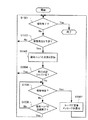
図14は、HDDフィルタドライバ33及び磁気ヘッド位置確認部124による磁気ヘッド11の位置確認方法を説明するフローチャートである。
まず、HDDフィルタドライバ33が、衝撃予測部65からの退避要求によりアンロードコマンドを発行し(ステップ1401)、この時点からの経過時間を計測する(ステップ1402)。そして、この経過時間が予め設定された時間T(例えば100μsec)を越える前に磁気ヘッド11の退避処理が完了したならば(ステップ1403)、HDDフィルタドライバ33は、その操作完了通知を磁気ヘッド位置確認部124へ送る(ステップ1404)。磁気ヘッド位置確認部124は、この通知を受け取ると、磁気ヘッド11がすでにアンロード状態にあったと判断し(ステップ1405)、診断処理部123による診断処理を終了させる(ステップ1406)。
一方、磁気ヘッド11の退避処理が完了しないうちに、アンロードコマンド発行後の経過時間が時間Tを越えたならば(ステップ1402、1403)、HDDフィルタドライバ33から磁気ヘッド位置確認部124へ操作完了通知は送られない。したがって、磁気ヘッド位置確認部124においても、磁気ヘッド11がアンロード状態にあったとは判断されず、診断処理部123による診断処理は継続される。
FIG. 14 is a flowchart illustrating a method of confirming the position of the
First, the
On the other hand, if the elapsed time after the issuance of the unload command exceeds the time T before the evacuation processing of the
次に、本実施の形態による衝撃予測後の診断処理の全体的な流れを説明する。
図15は、本実施の形態による診断処理の流れを説明するフローチャートである。
図15に示すように、衝撃予測部65により衝撃の発生が予測されると(ステップ1501、1502)、この衝撃予測部65の退避要求にしたがってHDDフィルタドライバ33が磁気ディスク装置10に対してアンロードコマンドを発行し、磁気ヘッド11の退避動作を開始する(ステップ1503)。
そして、磁気ヘッド位置確認部124により診断処理部123の制御が行われた場合、すなわち磁気ヘッド11がすでにアンロードされていた場合は、そのまま診断処理が終了する(ステップ1504、1501)。これにより、磁気ヘッド11の退避動作を開始する際にすでに磁気ヘッド11がアンロードされていたならば、衝撃猶予期間内に磁気ヘッド11を退避できたか否かを判断することなく、本実施の形態による診断処理を終了することとなる。
Next, the overall flow of the diagnostic processing after impact prediction according to the present embodiment will be described.
FIG. 15 is a flowchart illustrating the flow of the diagnostic processing according to the present embodiment.
As shown in FIG. 15, when the impact is predicted by the impact predicting unit 65 (
Then, when the control of the
磁気ヘッド11がロード中であり、磁気ヘッド位置確認部124による診断処理部123の制御が行われなかった場合、衝撃猶予期間測定部121、磁気ヘッド退避完了時間測定部122及び診断処理部123により、磁気ヘッド11の退避完了までに衝撃が検出されたかどうかが判断される(ステップ1505、1506)。
衝撃が検出される前に磁気ヘッド11の退避動作が完了したならば、磁気ヘッド11が磁気ディスク12に衝突してダメージを与える恐れが無くなったので、そのまま診断処理が終了する(ステップ1506、1501)。
一方、磁気ヘッド11の退避動作が完了する前に衝撃が検出されたならば、磁気ヘッド11が磁気ディスク12に衝突してダメージを与えた可能性があるので、ユーザに警告メッセージを通知して(ステップ1505、1507)、診断処理が終了する(ステップ1501)。
When the
If the retracting operation of the
On the other hand, if an impact is detected before the retracting operation of the
以上のようにして、本実施の形態による磁気ディスク装置10の診断処理によれば、衝撃予測後に実際に衝撃が発生した場合、磁気ヘッド11の退避動作が間に合ったかどうかを判断し、磁気ヘッド11が磁気ディスク12に衝突してダメージを与えた可能性がある場合に、その旨の警告をユーザに対して行い、データバックアップ等のリカバリー処理の実行を促すことができる。すなわち、磁気ディスク装置10や情報処理装置100が衝撃を受けて、動作中の磁気ディスク装置10に障害が発生したかどうかが疑わしい場合に、一定の確度でその判別をすることができる。
これにより、磁気ヘッド11が磁気ディスク12に衝突した際に削り取られた塗布磁気面の破片が、その後の磁気ディスク装置10の動作中に磁気ディスク12の表面をさらに傷つけてしまうといった二次的な障害により、より多くのデータを喪失するような被害を回避することが可能となる。
As described above, according to the diagnostic processing of the
Thereby, the fragments of the applied magnetic surface that are scraped off when the
なお、上述した各実施の形態は、対象としてノートブック型コンピュータ等の情報処理装置100を想定して説明したが、単体の磁気ディスク装置やハードディスクレコーダ等、記憶手段として磁気ディスク装置を搭載した種々の装置に対しても適用可能であることは言うまでもない。
Although the above embodiments have been described assuming the
10…磁気ディスク装置、20…センサ、30…ホストコンピュータ、31…センサドライバ、32、40…ショックマネージャ、33…HDDフィルタドライバ、34…アプリケーション、35…ファイルシステム、36…HDDドライバ、37…IDEデバイスドライバ、61…センサモニター部、62…加速度データ履歴保存部、63…タイマー駆動制御部、64…キーボード・マウスイベント履歴保存部、65…衝撃予測部、71…直前変動平均算出部、72…角度算出部、73…角速度算出部、74…変動周期検出部、75…自由落下検出部、76…衝撃検出部、77…退避条件算出部、78…復帰条件算出部、121…衝撃猶予期間測定部、122…磁気ヘッド退避完了時間測定部、123…診断処理部、124…磁気ヘッド位置確認部、125…高強度衝撃推定部
DESCRIPTION OF
Claims (33)
前記情報取得手段にて取得された情報をその履歴と共に解析し、前記磁気ディスク装置のおかれた状態を判断して衝撃予測を行う衝撃予測手段と、
前記衝撃予測手段による予測結果に基づいて、磁気ヘッドの退避を含む前記磁気ディスク装置の動作を制御する制御手段と
を備えることを特徴とする磁気ディスクの保護機構。 Information acquisition means for acquiring information on environmental fluctuations with respect to the magnetic disk device;
Shock prediction means for analyzing the information acquired by the information acquisition means together with the history thereof, and judging a state where the magnetic disk device is placed to perform a shock prediction;
Control means for controlling the operation of the magnetic disk drive, including retraction of the magnetic head, based on a result of the prediction by the shock predicting means.
前記衝撃予測手段は、前記情報取得手段にて取得された加速度の情報に基づいて、当該磁気ディスク装置のおかれた状態を認識することを特徴とする請求項1に記載の磁気ディスクの保護機構。 The information obtaining means obtains information on acceleration generated in the magnetic disk device,
2. The magnetic disk protection mechanism according to claim 1, wherein the shock predicting unit recognizes a state of the magnetic disk device in which the magnetic disk device is placed, based on the information on the acceleration acquired by the information acquiring unit. .
前記制御手段は、前記通知に応じて、退避されている前記磁気ヘッドを復帰させることを特徴とする請求項1に記載の磁気ディスクの保護機構。 The impact prediction means, when determining that the magnetic disk device is in a stable state, notifies the control means to that effect,
2. The magnetic disk protection mechanism according to claim 1, wherein the control unit returns the retracted magnetic head in response to the notification.
前記状態判断手段による判断結果に基づいて、磁気ヘッドの退避を含む前記磁気ディスク装置の動作を制御する制御手段とを備え、
前記制御手段は、前記状態判断手段により前記磁気ディスク装置が過度の衝撃を受ける可能性の高い状態にあると判断された場合に、前記磁気ディスク装置へのアクセス要求を、1回のアクセスの対象となるデータサイズが小さいアクセス要求に細分化して前記磁気ディスク装置へ送信することを特徴とする磁気ディスクの保護機構。 State determining means for determining a state of the magnetic disk drive;
Control means for controlling the operation of the magnetic disk device including retraction of a magnetic head based on a result of the judgment by the state judgment means,
The control unit, when the state determination unit determines that the magnetic disk device is in a state where there is a high possibility that the magnetic disk device is subjected to an excessive shock, sets an access request to the magnetic disk device as a target of one access. A protection request for a magnetic disk, wherein the request is divided into access requests having a small data size and transmitted to the magnetic disk device.
前記状態判断手段による判断結果に基づいて、磁気ヘッドの退避を含む前記磁気ディスク装置の動作を制御する制御手段とを備え、
前記制御手段は、前記状態判断手段により前記磁気ディスク装置が過度の衝撃を受ける可能性の高い状態にあると判断された場合に、前記磁気ディスク装置が備えるライトキャッシュ機能を無効にして当該磁気ディスクへのアクセスを行うことを特徴とする磁気ディスクの保護機構。 State determining means for determining a state of the magnetic disk drive;
Control means for controlling the operation of the magnetic disk device including retraction of a magnetic head based on a result of the judgment by the state judgment means,
The control means invalidates the write cache function of the magnetic disk device when the state determination means determines that the magnetic disk device is in a state in which the magnetic disk device is highly likely to be subjected to an excessive impact. A protection mechanism for a magnetic disk, characterized by accessing the disk.
前記状態判断手段による判断結果に基づいて、磁気ヘッドの退避を含む前記磁気ディスク装置の動作を制御する制御手段とを備え、
前記制御手段は、前記状態判断手段により前記磁気ディスク装置が過度の衝撃を受ける可能性の高い状態にあると判断された場合に、前記磁気ディスク装置が備えるキャッシュメモリ内に書き込みデータが発生するたびに、当該書き込みデータを磁気ディスクに書き込んで当該キャッシュメモリを空にする操作を行うことを特徴とする磁気ディスクの保護機構。 State determining means for determining a state of the magnetic disk drive;
Control means for controlling the operation of the magnetic disk device including retraction of a magnetic head based on a result of the judgment by the state judgment means,
The control unit is configured to, when the state determination unit determines that the magnetic disk device is in a state in which the magnetic disk device is likely to receive an excessive impact, every time write data is generated in the cache memory included in the magnetic disk device. An operation of writing the write data to the magnetic disk to empty the cache memory.
前記衝撃予測手段による予測結果に基づいて、磁気ヘッドの退避を含む前記磁気ディスク装置の動作を制御する制御手段と、
前記制御手段による磁気ヘッドの退避を開始した後に実際に衝撃が発生した場合に、当該衝撃の発生以前に磁気ヘッドの退避が完了したか否かの判断を行う診断手段と
を備えることを特徴とする磁気ディスクの保護機構。 Shock prediction means for predicting a shock that can occur on the magnetic disk device based on a change in environment with respect to the magnetic disk device;
Control means for controlling the operation of the magnetic disk device including retraction of a magnetic head based on a result of prediction by the impact prediction means;
Diagnosing means for determining whether or not the magnetic head has been completely retracted before the occurrence of an impact when the impact actually occurs after the magnetic head is retracted by the control means. Magnetic disk protection mechanism.
筐体に生じた加速度を検知する加速度センサと、
前記加速度センサにより取得された加速度の情報及びその履歴を解析し、前記筐体に対する衝撃の発生を予測するショックマネージャと、
前記ショックマネージャによる予測結果に基づいて、磁気ヘッドの退避を含む前記磁気ディスク装置の動作を制御するドライバと
を備えることを特徴とするコンピュータシステム。 In a computer system having a magnetic disk device,
An acceleration sensor for detecting acceleration generated in the housing;
A shock manager that analyzes information of acceleration and its history acquired by the acceleration sensor and predicts occurrence of an impact on the housing,
A computer system comprising: a driver that controls an operation of the magnetic disk device including a retraction of a magnetic head based on a result of prediction by the shock manager.
筐体のおかれた状態を判断して当該筐体に対する衝撃の発生を予測するショックマネージャと、
前記ショックマネージャにより前記磁気ディスク装置が過度の衝撃を受ける可能性の高い状態にあると判断された場合に、前記磁気ディスク装置へのアクセス要求を、1回のアクセスの対象となるデータサイズが小さいアクセス要求に細分化して前記磁気ディスク装置へ送信するドライバと
を備えることを特徴とするコンピュータシステム。 In a computer system having a magnetic disk device,
A shock manager for judging the state of the housing and predicting the occurrence of an impact on the housing;
If the shock manager determines that the magnetic disk device is in a state where there is a high possibility that the magnetic disk device will be subjected to an excessive shock, an access request to the magnetic disk device is issued with a small data size for one access. And a driver for subdividing the access request and transmitting the access request to the magnetic disk device.
筐体のおかれた状態を判断して当該筐体に対する衝撃の発生を予測するショックマネージャと、
前記ショックマネージャにより前記磁気ディスク装置が過度の衝撃を受ける可能性の高い状態にあると判断された場合に、前記磁気ディスク装置が備えるライトキャッシュ機能を無効にして当該磁気ディスクへのアクセスを行うドライバと
を備えることを特徴とするコンピュータシステム。 In a computer system having a magnetic disk device,
A shock manager for judging the state of the housing and predicting the occurrence of an impact on the housing;
A driver for accessing the magnetic disk by disabling a write cache function provided in the magnetic disk device when the shock manager determines that the magnetic disk device is in a state of high possibility of receiving an excessive shock; A computer system comprising:
筐体に生じた加速度を検知する加速度センサと、
前記加速度センサにより取得された加速度の情報及びその履歴を解析し、前記筐体に対する衝撃の発生を予測する衝撃予測部と、
前記衝撃予測部による予測結果に基づいて、磁気ヘッドの退避を含む前記磁気ディスク装置の動作を制御するドライバと、
前記ドライバによる磁気ヘッドの退避を開始した後に実際に衝撃が発生した場合に、当該衝撃の発生以前に磁気ヘッドの退避が完了したか否かの判断を行う診断処理部と
を備えることを特徴とするコンピュータシステム。 In a computer system having a magnetic disk device,
An acceleration sensor for detecting acceleration generated in the housing;
An impact prediction unit that analyzes the information and the history of the acceleration obtained by the acceleration sensor and predicts the occurrence of an impact on the housing,
A driver that controls an operation of the magnetic disk device including a retraction of a magnetic head based on a prediction result by the shock prediction unit;
A diagnostic processing unit that, when an impact actually occurs after the driver starts retreating the magnetic head, determines whether or not the retraction of the magnetic head is completed before the impact occurs. Computer system.
前記センサから得られた情報の履歴を蓄積し、
蓄積された履歴と最後に得られた前記情報とを解析して前記磁気ディスク装置の状態の変動パターンを認識し、
前記磁気ディスク装置の状態の変動の内容に基づいて、前記磁気ディスク装置に対する衝撃の発生が予測される場合に、前記磁気ヘッドの退避を行うことを特徴とする磁気ディスクの保護方法。 In a magnetic disk protection method for determining a placed state of a magnetic disk device using a sensor and retracting a magnetic head according to the determination result to protect the magnetic disk,
Accumulate the history of information obtained from the sensor,
Analyzing the accumulated history and the last obtained information to recognize the variation pattern of the state of the magnetic disk device,
A method for protecting a magnetic disk, comprising: retracting the magnetic head when it is predicted that an impact will occur on the magnetic disk device based on the content of a change in the state of the magnetic disk device.
前記センサの出力に基づいて前記磁気ディスク装置のおかれた状態を判断するステップと、
前記磁気ディスク装置が過度の衝撃を受ける可能性の高い状態にあると判断された場合に、前記磁気ディスク装置へのアクセス要求を、1回のアクセスの対象となるデータサイズが小さいアクセス要求に細分化して前記磁気ディスク装置へ送信するように動作制御を行うステップと、
前記磁気ディスク装置が過度の衝撃を受けると予測された場合に、磁気ヘッドを退避させるステップと
を含むことを特徴とする磁気ディスクの保護方法。 In a magnetic disk protection method for determining a placed state of a magnetic disk device using a sensor and retracting a magnetic head according to the determination result to protect the magnetic disk,
Determining a put state of the magnetic disk device based on an output of the sensor;
When it is determined that the magnetic disk device is in a state where there is a high possibility of receiving an excessive impact, an access request to the magnetic disk device is subdivided into an access request having a small data size to be accessed once. Performing operation control so that the data is transmitted to the magnetic disk device.
Retreating the magnetic head when the magnetic disk device is predicted to receive an excessive impact.
前記センサの出力に基づいて前記磁気ディスク装置のおかれた状態を判断するステップと、
前記磁気ディスク装置が過度の衝撃を受ける可能性の高い状態にあると判断された場合に、前記磁気ディスク装置が備えるライトキャッシュ機能を無効にして当該磁気ディスクへのアクセスを行うように動作制御を行うステップと、
前記磁気ディスク装置が過度の衝撃を受けると予測された場合に、磁気ヘッドを退避させるステップと
を含むことを特徴とする磁気ディスクの保護方法。 In a magnetic disk protection method for determining a placed state of a magnetic disk device using a sensor and retracting a magnetic head according to the determination result to protect the magnetic disk,
Determining a put state of the magnetic disk device based on an output of the sensor;
When it is determined that the magnetic disk device is in a state where there is a high possibility of receiving an excessive impact, the operation control is performed such that the write cache function of the magnetic disk device is invalidated and the magnetic disk is accessed. Steps to perform;
Retreating the magnetic head when the magnetic disk device is predicted to receive an excessive impact.
前記センサの出力に基づいて前記磁気ディスク装置のおかれた状態を判断するステップと、
前記磁気ディスク装置が過度の衝撃を受ける可能性の高い状態にあると判断された場合に、前記磁気ディスク装置が備えるキャッシュメモリ内に書き込みデータが発生するたびに、当該書き込みデータを前記磁気ディスクに書き込んで当該キャッシュメモリを空にする操作を行うように動作制御を行うステップと、
前記磁気ディスク装置が過度の衝撃を受けると予測された場合に、磁気ヘッドを退避させるステップと
を含むことを特徴とする磁気ディスクの保護方法。 In a magnetic disk protection method for determining a placed state of a magnetic disk device using a sensor and retracting a magnetic head according to the determination result to protect the magnetic disk,
Determining a put state of the magnetic disk device based on an output of the sensor;
When it is determined that the magnetic disk device is in a state where it is highly likely to receive an excessive shock, each time write data is generated in the cache memory provided in the magnetic disk device, the write data is written to the magnetic disk. Performing an operation control to perform an operation of writing and emptying the cache memory;
Retreating the magnetic head when the magnetic disk device is predicted to receive an excessive impact.
磁気ディスク装置に対する環境の変動に基づいて当該磁気ディスク装置に生じ得る衝撃を予測するステップと、
前記予測の結果に基づいて、磁気ヘッドの退避を含む前記磁気ディスク装置の動作を制御するステップと、
磁気ヘッドの退避を開始した後に実際に衝撃が発生した場合に、磁気ヘッドの退避動作の開始時点から衝撃発生時点までの時間である衝撃猶予期間と、予め測定され保持されている磁気ヘッドの退避動作に要する退避時間とを比較することにより、当該衝撃の発生以前に磁気ヘッドの退避が完了したか否かの判断を行うステップと
を含むことを特徴とする磁気ディスクの保護方法。 In a magnetic disk protection method for determining a placed state of a magnetic disk device using a sensor and retracting a magnetic head according to the determination result to protect the magnetic disk,
Estimating a shock that may occur on the magnetic disk device based on a change in environment with respect to the magnetic disk device;
Controlling the operation of the magnetic disk drive including retracting the magnetic head based on the result of the prediction;
If an impact actually occurs after the magnetic head retreat starts, an impact grace period, which is the time from the start of the retraction operation of the magnetic head to the time of the impact, and the retraction of the previously measured and held magnetic head Determining whether or not the retraction of the magnetic head has been completed before the occurrence of the impact by comparing the retraction time required for the operation.
前記磁気ディスク装置に対する環境の変動に関する情報を取得し所定の記憶手段に蓄積する手段と、
取得された前記情報と前記記憶手段に蓄積された当該情報の履歴とを解析し、前記磁気ディスク装置のおかれた状態を判断して衝撃予測を行う手段と、
前記衝撃予測の結果に基づいて、磁気ヘッドの退避を含む前記磁気ディスク装置の動作を制御する手段として
前記コンピュータを機能させることを特徴とするプログラム。 A program for controlling a computer to realize a protection mechanism of a magnetic disk device,
Means for acquiring information on environmental fluctuations with respect to the magnetic disk device and storing the information in predetermined storage means;
Means for analyzing the acquired information and the history of the information stored in the storage means, and determining the state of the magnetic disk device to perform impact prediction;
A computer-readable storage medium storing a program for causing a computer to function as means for controlling an operation of the magnetic disk device including a retraction of a magnetic head based on a result of the shock prediction.
磁気ディスク装置のおかれた状態を判断する手段と、
前記磁気ディスク装置に対する環境の変動に関する情報を取得し所定の記憶手段に蓄積する手段と、
前記磁気ディスク装置が過度の衝撃を受ける可能性の高い状態にあると判断された場合に、前記磁気ディスク装置へのアクセス要求を、1回のアクセスの対象となるデータサイズが小さいアクセス要求に細分化して前記磁気ディスク装置へ送信する操作を行うように動作制御を行う手段と、
前記磁気ディスク装置が過度の衝撃を受けると予測された場合に、磁気ヘッドを退避させる手段として
前記コンピュータを機能させることを特徴とするプログラム。 A program for controlling a computer to realize a protection mechanism of a magnetic disk device,
Means for determining the state of the magnetic disk drive;
Means for acquiring information on environmental fluctuations with respect to the magnetic disk device and storing the information in predetermined storage means;
When it is determined that the magnetic disk device is in a state where there is a high possibility of receiving an excessive impact, an access request to the magnetic disk device is subdivided into an access request having a small data size to be accessed once. Means for controlling the operation so as to perform an operation of converting the data to the magnetic disk device,
A computer-readable storage medium storing a program for causing a computer to function as a unit for retracting a magnetic head when the magnetic disk device is predicted to receive an excessive impact.
磁気ディスク装置のおかれた状態を判断する手段と、
前記磁気ディスク装置に対する環境の変動に関する情報を取得し所定の記憶手段に蓄積する手段と、
前記磁気ディスク装置が過度の衝撃を受ける可能性の高い状態にあると判断された場合に、前記磁気ディスク装置が備えるライトキャッシュ機能を無効にして当該磁気ディスクへのアクセスを行うように動作制御を行う手段と、
前記磁気ディスク装置が過度の衝撃を受けると予測された場合に、磁気ヘッドを退避させる手段として
前記コンピュータを機能させることを特徴とするプログラム。 A program for controlling a computer to realize a protection mechanism of a magnetic disk device,
Means for determining the state of the magnetic disk drive;
Means for acquiring information on environmental fluctuations with respect to the magnetic disk device and storing the information in predetermined storage means;
When it is determined that the magnetic disk device is in a state where there is a high possibility of receiving an excessive impact, the operation control is performed such that the write cache function of the magnetic disk device is invalidated and the magnetic disk is accessed. Means to do,
A computer-readable storage medium storing a program for causing a computer to function as a unit for retracting a magnetic head when the magnetic disk device is predicted to receive an excessive impact.
磁気ディスク装置のおかれた状態を判断する手段と、
前記磁気ディスク装置に対する環境の変動に関する情報を取得し所定の記憶手段に蓄積する手段と、
前記磁気ディスク装置が過度の衝撃を受ける可能性の高い状態にあると判断された場合に、前記磁気ディスク装置が備えるキャッシュメモリ内に書き込みデータが発生するたびに、当該書き込みデータを磁気ディスクに書き込んで当該キャッシュメモリを空にする操作を行うように動作制御を行う手段と、
前記磁気ディスク装置が過度の衝撃を受けると予測された場合に、磁気ヘッドを退避させる手段として
前記コンピュータを機能させることを特徴とするプログラム。 A program for controlling a computer to realize a protection mechanism of a magnetic disk device,
Means for determining the state of the magnetic disk drive;
Means for acquiring information on environmental fluctuations with respect to the magnetic disk device and storing the information in predetermined storage means;
When it is determined that the magnetic disk device is likely to be subjected to excessive shock, each time write data is generated in the cache memory provided in the magnetic disk device, the write data is written to the magnetic disk. Means for performing operation control so as to perform an operation of emptying the cache memory,
A computer-readable storage medium storing a program for causing a computer to function as a unit for retracting a magnetic head when the magnetic disk device is predicted to receive an excessive impact.
磁気ディスク装置に対する環境の変動に基づいて当該磁気ディスク装置に生じ得る衝撃を予測する手段と、
前記予測の結果に基づいて、磁気ヘッドの退避を含む前記磁気ディスク装置の動作を制御する手段と、
磁気ヘッドの退避を開始した後に実際に衝撃が発生した場合に、磁気ヘッドの退避動作の開始時点から衝撃発生時点までの時間である衝撃猶予期間と、予め測定され保持されている磁気ヘッドの退避動作に要する退避時間とを比較することにより、当該衝撃の発生以前に磁気ヘッドの退避が完了したか否かの判断を行う手段として、
前記コンピュータを機能させることを特徴とするプログラム。 A program for controlling a computer to realize a protection mechanism of a magnetic disk device,
Means for predicting an impact that may occur on the magnetic disk device based on a change in environment with respect to the magnetic disk device;
Means for controlling the operation of the magnetic disk device, including retracting the magnetic head, based on the result of the prediction;
If an impact actually occurs after the magnetic head retreat starts, an impact grace period, which is the time from the start of the retraction operation of the magnetic head to the time of the impact, and the retraction of the previously measured and held magnetic head By comparing the evacuation time required for the operation with the evacuation time, as means for determining whether or not the evacuation of the magnetic head has been completed before the occurrence of the impact,
A program for causing the computer to function.
Priority Applications (1)
| Application Number | Priority Date | Filing Date | Title |
|---|---|---|---|
| JP2003306161A JP2004146036A (en) | 2002-10-03 | 2003-08-29 | Protective mechanism for magnetic disk, computer system provided therewith, method for protecting magnetic disk and program |
Applications Claiming Priority (2)
| Application Number | Priority Date | Filing Date | Title |
|---|---|---|---|
| JP2002291561 | 2002-10-03 | ||
| JP2003306161A JP2004146036A (en) | 2002-10-03 | 2003-08-29 | Protective mechanism for magnetic disk, computer system provided therewith, method for protecting magnetic disk and program |
Publications (1)
| Publication Number | Publication Date |
|---|---|
| JP2004146036A true JP2004146036A (en) | 2004-05-20 |
Family
ID=32473427
Family Applications (1)
| Application Number | Title | Priority Date | Filing Date |
|---|---|---|---|
| JP2003306161A Pending JP2004146036A (en) | 2002-10-03 | 2003-08-29 | Protective mechanism for magnetic disk, computer system provided therewith, method for protecting magnetic disk and program |
Country Status (1)
| Country | Link |
|---|---|
| JP (1) | JP2004146036A (en) |
Cited By (27)
| Publication number | Priority date | Publication date | Assignee | Title |
|---|---|---|---|---|
| WO2005069349A1 (en) * | 2004-01-19 | 2005-07-28 | Nippon Tungsten Co., Ltd. | Discharge electrode, discharge lamp, and method and apparatus for manufacturing discharge electrode |
| WO2006061950A1 (en) * | 2004-12-09 | 2006-06-15 | Murata Manufacturing Co., Ltd. | Fall detecting apparatus and magnetic disc apparatus |
| JP2006172663A (en) * | 2004-12-17 | 2006-06-29 | Toshiba Corp | Electronic device and disk protection method |
| KR100618846B1 (en) | 2004-07-16 | 2006-09-01 | 삼성전자주식회사 | Hard disk drive impact protection method and a suitable hard disk drive |
| JP2006297896A (en) * | 2005-04-22 | 2006-11-02 | Toshiba Corp | Image forming apparatus and method for protecting image forming apparatus |
| JP2007179673A (en) * | 2005-12-28 | 2007-07-12 | Sony Corp | Information processing apparatus and head withdrawal processing method of its built-in hard disk drive |
| JP2007193935A (en) * | 2006-01-17 | 2007-08-02 | Lenovo Singapore Pte Ltd | Apparatus, system, and method for selectively protecting motion sensitive components in a computerized device |
| JP2007335010A (en) * | 2006-06-15 | 2007-12-27 | Fujitsu Ltd | Storage device, head return method, and head return device |
| JP2007335014A (en) * | 2006-06-15 | 2007-12-27 | Fujitsu Ltd | Control device, storage device, and head retraction control method |
| EP1947424A2 (en) | 2007-01-22 | 2008-07-23 | Hitachi Metals, Ltd. | Dual acceleration sensor system |
| US7406562B2 (en) | 2005-04-15 | 2008-07-29 | Hitachi Global Storage Technologies Netherlands B.V. | Information read/write device |
| US7536037B2 (en) | 2003-11-19 | 2009-05-19 | Samsung Electronics Co., Ltd. | Apparatus and method for human distinction using infrared light |
| JP2009140586A (en) * | 2007-12-07 | 2009-06-25 | Toshiba Corp | Information recording apparatus and control method of information recording apparatus |
| US7567402B2 (en) | 2005-10-28 | 2009-07-28 | Fujitsu Limited | Storage device, control method thereof and program |
| JP2009217859A (en) * | 2008-03-07 | 2009-09-24 | Lenovo Singapore Pte Ltd | Reproducing method without interruption of medium file |
| US7663833B2 (en) | 2007-05-24 | 2010-02-16 | Toshiba Storage Device Corporation | Controller, storage apparatus and control method |
| US7707436B2 (en) | 2004-12-02 | 2010-04-27 | Lenovo (Singapore) Pte. Ltd. | Managing laptop power based on display angle |
| US7706097B2 (en) | 2005-10-19 | 2010-04-27 | Hitachi Global Storage Technologies Netherlands B.V. | Magnetic disk drive with head retraction control |
| JP2010157266A (en) * | 2010-04-09 | 2010-07-15 | Toshiba Corp | Information processing apparatus, failure sign determination method, and program |
| JP2010176838A (en) * | 2010-03-29 | 2010-08-12 | Toshiba Corp | Electronic appliance |
| JP2012009099A (en) * | 2010-06-23 | 2012-01-12 | Toshiba Corp | Magnetic disk device and parameter adjustment method in the device |
| JP2012033266A (en) * | 2011-11-16 | 2012-02-16 | Toshiba Corp | Electronic apparatus |
| JP2014042385A (en) * | 2012-08-22 | 2014-03-06 | Lenovo Singapore Pte Ltd | Method for reducing abrasion of fluid dynamic pressure bearing and portable computer |
| JP2015069370A (en) * | 2013-09-27 | 2015-04-13 | レノボ・シンガポール・プライベート・リミテッド | Portable information processor, magnetic disk device protection method therefor, and computer-executable program |
| JP2015103270A (en) * | 2013-11-28 | 2015-06-04 | 株式会社東芝 | Electronic device, method and program |
| JP2016531370A (en) * | 2013-09-09 | 2016-10-06 | シーゲイト テクノロジー エルエルシーSeagate Technology LLC | Mobile data storage device with temperature management |
| CN113495517A (en) * | 2021-07-28 | 2021-10-12 | 云翔赛博(北京)数字信息科技有限公司 | Quick sensing and early warning method and system for screen plate falling of screening machine |
-
2003
- 2003-08-29 JP JP2003306161A patent/JP2004146036A/en active Pending
Cited By (35)
| Publication number | Priority date | Publication date | Assignee | Title |
|---|---|---|---|---|
| US7536037B2 (en) | 2003-11-19 | 2009-05-19 | Samsung Electronics Co., Ltd. | Apparatus and method for human distinction using infrared light |
| WO2005069349A1 (en) * | 2004-01-19 | 2005-07-28 | Nippon Tungsten Co., Ltd. | Discharge electrode, discharge lamp, and method and apparatus for manufacturing discharge electrode |
| KR100618846B1 (en) | 2004-07-16 | 2006-09-01 | 삼성전자주식회사 | Hard disk drive impact protection method and a suitable hard disk drive |
| US7903364B2 (en) | 2004-07-16 | 2011-03-08 | Samsung Electronics Co., Ltd. | Method of protecting hard disk drive from shocks and hard disk drive therefor |
| US7707436B2 (en) | 2004-12-02 | 2010-04-27 | Lenovo (Singapore) Pte. Ltd. | Managing laptop power based on display angle |
| WO2006061950A1 (en) * | 2004-12-09 | 2006-06-15 | Murata Manufacturing Co., Ltd. | Fall detecting apparatus and magnetic disc apparatus |
| US7551388B2 (en) | 2004-12-09 | 2009-06-23 | Murata Manufacturing Co., Ltd. | Fall detection device and magnetic disk drive |
| US8060336B2 (en) | 2004-12-17 | 2011-11-15 | Kabushiki Kaisha Toshiba | Electronic apparatus and disk protection method |
| US8131499B2 (en) | 2004-12-17 | 2012-03-06 | Kabushiki Kaisha Toshiba | Electronic apparatus and disk protection method |
| JP2006172663A (en) * | 2004-12-17 | 2006-06-29 | Toshiba Corp | Electronic device and disk protection method |
| US7496470B2 (en) | 2004-12-17 | 2009-02-24 | Kabushiki Kaisha Toshiba | Electronic apparatus and disk protection method |
| US7406562B2 (en) | 2005-04-15 | 2008-07-29 | Hitachi Global Storage Technologies Netherlands B.V. | Information read/write device |
| JP2006297896A (en) * | 2005-04-22 | 2006-11-02 | Toshiba Corp | Image forming apparatus and method for protecting image forming apparatus |
| US7706097B2 (en) | 2005-10-19 | 2010-04-27 | Hitachi Global Storage Technologies Netherlands B.V. | Magnetic disk drive with head retraction control |
| US7567402B2 (en) | 2005-10-28 | 2009-07-28 | Fujitsu Limited | Storage device, control method thereof and program |
| JP2007179673A (en) * | 2005-12-28 | 2007-07-12 | Sony Corp | Information processing apparatus and head withdrawal processing method of its built-in hard disk drive |
| JP2007193935A (en) * | 2006-01-17 | 2007-08-02 | Lenovo Singapore Pte Ltd | Apparatus, system, and method for selectively protecting motion sensitive components in a computerized device |
| JP2007335014A (en) * | 2006-06-15 | 2007-12-27 | Fujitsu Ltd | Control device, storage device, and head retraction control method |
| JP2007335010A (en) * | 2006-06-15 | 2007-12-27 | Fujitsu Ltd | Storage device, head return method, and head return device |
| EP1947424A2 (en) | 2007-01-22 | 2008-07-23 | Hitachi Metals, Ltd. | Dual acceleration sensor system |
| US7663833B2 (en) | 2007-05-24 | 2010-02-16 | Toshiba Storage Device Corporation | Controller, storage apparatus and control method |
| JP2009140586A (en) * | 2007-12-07 | 2009-06-25 | Toshiba Corp | Information recording apparatus and control method of information recording apparatus |
| JP2009217859A (en) * | 2008-03-07 | 2009-09-24 | Lenovo Singapore Pte Ltd | Reproducing method without interruption of medium file |
| JP2010176838A (en) * | 2010-03-29 | 2010-08-12 | Toshiba Corp | Electronic appliance |
| JP2010157266A (en) * | 2010-04-09 | 2010-07-15 | Toshiba Corp | Information processing apparatus, failure sign determination method, and program |
| JP2012009099A (en) * | 2010-06-23 | 2012-01-12 | Toshiba Corp | Magnetic disk device and parameter adjustment method in the device |
| US8320070B2 (en) | 2010-06-23 | 2012-11-27 | Kabushiki Kaisha Toshiba | Magnetic disk drive and method for adjusting parameter in the same |
| JP2012033266A (en) * | 2011-11-16 | 2012-02-16 | Toshiba Corp | Electronic apparatus |
| JP2014042385A (en) * | 2012-08-22 | 2014-03-06 | Lenovo Singapore Pte Ltd | Method for reducing abrasion of fluid dynamic pressure bearing and portable computer |
| JP2016531370A (en) * | 2013-09-09 | 2016-10-06 | シーゲイト テクノロジー エルエルシーSeagate Technology LLC | Mobile data storage device with temperature management |
| JP2015069370A (en) * | 2013-09-27 | 2015-04-13 | レノボ・シンガポール・プライベート・リミテッド | Portable information processor, magnetic disk device protection method therefor, and computer-executable program |
| US9679596B2 (en) | 2013-09-27 | 2017-06-13 | Lenovo (Singapore) Pte. Ltd. | Protection of a magnetic disk unit on a portable computing device |
| JP2015103270A (en) * | 2013-11-28 | 2015-06-04 | 株式会社東芝 | Electronic device, method and program |
| CN113495517A (en) * | 2021-07-28 | 2021-10-12 | 云翔赛博(北京)数字信息科技有限公司 | Quick sensing and early warning method and system for screen plate falling of screening machine |
| CN113495517B (en) * | 2021-07-28 | 2024-04-09 | 云翔赛博(山东)数字技术有限公司 | Quick sensing and early warning method and system for falling-off of screen plate of screening machine |
Similar Documents
| Publication | Publication Date | Title |
|---|---|---|
| US7382566B2 (en) | Magnetic disk protection mechanism, computer system comprising protection mechanism, protection method for magnetic disk, and program for protection method | |
| JP2004146036A (en) | Protective mechanism for magnetic disk, computer system provided therewith, method for protecting magnetic disk and program | |
| JP3961480B2 (en) | Protection mechanism for magnetic disk device, computer system including the same, magnetic disk device control method and program | |
| US8060336B2 (en) | Electronic apparatus and disk protection method | |
| US7944642B2 (en) | Hard disk drive protection system and method | |
| US8164847B2 (en) | Fall detection device, magnetic disk device, and portable electronic apparatus | |
| JP3994071B2 (en) | Computer apparatus, system operating state switching control method, and program | |
| JP3927532B2 (en) | Information processing apparatus, control method for information processing apparatus, program, and recording medium | |
| US8327193B2 (en) | Data storage device including a failure diagnostic log | |
| JP2007115309A (en) | Magnetic disk unit | |
| US8074016B2 (en) | Data loss prevention during a fall of a storage device | |
| CN102306497A (en) | Information processing apparatus and head evacuation processing method therefor | |
| WO2007087027A2 (en) | Programming a sensitivity level into an inertial sensor based on a proxy of whether a system is in transit | |
| US20070223123A1 (en) | Portable device with freefall detection or audio processing subsystem and freefall detection or audio processing method | |
| US20050213242A1 (en) | Magnetic disk apparatus and information processing apparatus | |
| JP4463771B2 (en) | Storage device | |
| CN102110455B (en) | Portable device with electronic control system and control method thereof | |
| US20090070509A1 (en) | Method of detecting and protecting falling portable computer hard disk through software monitoring driver | |
| JP5193018B2 (en) | Information processing apparatus, head withdrawal method for information processing apparatus, and computer-executable program | |
| KR20060121368A (en) | Impact prediction device and method using acceleration sensor | |
| US9679596B2 (en) | Protection of a magnetic disk unit on a portable computing device | |
| JP2007134000A (en) | Information processing apparatus and control method thereof | |
| JP2009272019A (en) | Disk driving device and method for testing fall sensor in disk driving device | |
| CN1667578A (en) | A data storage protection method and device |
Legal Events
| Date | Code | Title | Description |
|---|---|---|---|
| RD14 | Notification of resignation of power of sub attorney |
Free format text: JAPANESE INTERMEDIATE CODE: A7434 Effective date: 20040826 |
|
| A711 | Notification of change in applicant |
Free format text: JAPANESE INTERMEDIATE CODE: A711 Effective date: 20050407 |
|
| A621 | Written request for application examination |
Free format text: JAPANESE INTERMEDIATE CODE: A621 Effective date: 20060823 |
|
| RD02 | Notification of acceptance of power of attorney |
Free format text: JAPANESE INTERMEDIATE CODE: A7422 Effective date: 20060823 |
|
| A977 | Report on retrieval |
Free format text: JAPANESE INTERMEDIATE CODE: A971007 Effective date: 20081104 |
|
| A131 | Notification of reasons for refusal |
Free format text: JAPANESE INTERMEDIATE CODE: A131 Effective date: 20081209 |
|
| A02 | Decision of refusal |
Free format text: JAPANESE INTERMEDIATE CODE: A02 Effective date: 20090428 |