CN1859624A - Message route method and system for multimedia message service - Google Patents
Message route method and system for multimedia message service Download PDFInfo
- Publication number
- CN1859624A CN1859624A CNA2006100577705A CN200610057770A CN1859624A CN 1859624 A CN1859624 A CN 1859624A CN A2006100577705 A CNA2006100577705 A CN A2006100577705A CN 200610057770 A CN200610057770 A CN 200610057770A CN 1859624 A CN1859624 A CN 1859624A
- Authority
- CN
- China
- Prior art keywords
- service center
- server
- mms relay
- side terminal
- terminal
- Prior art date
- Legal status (The legal status is an assumption and is not a legal conclusion. Google has not performed a legal analysis and makes no representation as to the accuracy of the status listed.)
- Pending
Links
Images


Classifications
-
- H—ELECTRICITY
- H04—ELECTRIC COMMUNICATION TECHNIQUE
- H04W—WIRELESS COMMUNICATION NETWORKS
- H04W4/00—Services specially adapted for wireless communication networks; Facilities therefor
- H04W4/12—Messaging; Mailboxes; Announcements
-
- H—ELECTRICITY
- H04—ELECTRIC COMMUNICATION TECHNIQUE
- H04W—WIRELESS COMMUNICATION NETWORKS
- H04W8/00—Network data management
- H04W8/26—Network addressing or numbering for mobility support
- H04W8/28—Number portability ; Network address portability
-
- H—ELECTRICITY
- H04—ELECTRIC COMMUNICATION TECHNIQUE
- H04W—WIRELESS COMMUNICATION NETWORKS
- H04W88/00—Devices specially adapted for wireless communication networks, e.g. terminals, base stations or access point devices
- H04W88/18—Service support devices; Network management devices
- H04W88/184—Messaging devices, e.g. message centre
-
- H—ELECTRICITY
- H04—ELECTRIC COMMUNICATION TECHNIQUE
- H04W—WIRELESS COMMUNICATION NETWORKS
- H04W92/00—Interfaces specially adapted for wireless communication networks
- H04W92/02—Inter-networking arrangements
Landscapes
- Engineering & Computer Science (AREA)
- Computer Networks & Wireless Communication (AREA)
- Signal Processing (AREA)
- Mobile Radio Communication Systems (AREA)
- Data Exchanges In Wide-Area Networks (AREA)
- Digital Computer Display Output (AREA)
- Computer And Data Communications (AREA)
- Telephonic Communication Services (AREA)
Abstract
本发明公开了一种多媒体消息业务的消息路由方法,包括:当发送方多媒体消息服务中心收到发送方终端提交的消息后,通过系统中的归属位置寄存器获取接收方终端的国际移动用户识别码IMSI信息;发送方多媒体消息服务中心根据获取的接收方终端的IMSI信息获取接收方终端归属的多媒体消息服务中心;通过接收方终端归属的多媒体消息服务中心将发送方终端提交的多媒体消息发送给接收方终端。本发明还公开了一种多媒体消息业务的消息路由系统,包括多媒体消息服务中心、归属位置寄存器和信令网关。利用本发明,可以准确地获取用户的路由信息,降低实现成本。
The invention discloses a message routing method of a multimedia message service, comprising: after receiving the message submitted by the sender terminal, the multimedia message service center of the sender obtains the international mobile subscriber identification code of the receiver terminal through the home location register in the system IMSI information; the multimedia message service center of the sender obtains the multimedia message service center to which the recipient terminal belongs according to the obtained IMSI information of the recipient terminal; sends the multimedia message submitted by the sender terminal to the receiver through the multimedia message service center to which the receiver terminal belongs square terminal. The invention also discloses a message routing system for multimedia message service, which includes a multimedia message service center, a home location register and a signaling gateway. With the invention, the user's routing information can be accurately acquired, and the realization cost can be reduced.
Description
技术领域technical field
本发明涉及多媒体技术领域,具体涉及一种多媒体消息业务的消息路由方法及系统。The invention relates to the field of multimedia technology, in particular to a message routing method and system for multimedia message services.
背景技术Background technique
目前,MMS(多媒体消息业务)已经被业界公认为GPRS(通用分组无线业务)和3G市场启动与发展的关键推动力,它将非常有力地推动移动通信业务的发展。MMS是SMS(短信息服务)和EMS(增强型消息服务)的进一步发展,为个人多媒体移动通信服务提供了完整的端到端解决方案。从通信内容上讲,多媒体消息包括图像、音频、视频和数据等;从功能上讲,多媒体消息业务涵盖了终端到终端、终端到应用(主要指增值业务提供商)、应用到终端的多媒体消息通信。它不仅实现了终端之间、终端和应用之间的信息传递,还实现了内容的多样性,包括图片、语音、图像、数据和文本的各种组合。作为一个开放的媒体接入平台,MMS可以在移动用户和互联网内容提供商的互动下,衍生出更丰富多彩的内容服务应用。而用户既是MMS的消费者,又是内容开发者,这无疑会提高终端用户对业务的使用兴趣。At present, MMS (Multimedia Messaging Service) has been recognized by the industry as the key driving force for the start-up and development of GPRS (General Packet Radio Service) and 3G market, and it will very effectively promote the development of mobile communication services. MMS is the further development of SMS (Short Message Service) and EMS (Enhanced Message Service), providing a complete end-to-end solution for personal multimedia mobile communication services. In terms of communication content, multimedia messages include images, audio, video, and data; in terms of functions, multimedia message services cover terminal-to-terminal, terminal-to-application (mainly referring to value-added service providers), application-to-terminal communication. It not only realizes the information transfer between terminals, between terminals and applications, but also realizes the diversity of content, including various combinations of pictures, voices, images, data and texts. As an open media access platform, MMS can generate more colorful content service applications under the interaction between mobile users and Internet content providers. And the user is not only the consumer of MMS, but also the content developer, which will undoubtedly increase the end user's interest in using the service.
多媒体消息系统体系结构如图1所示:The architecture of the multimedia messaging system is shown in Figure 1:
在多媒体消息系统中可以包含许多不同的网络类型,其中,与多媒体消息业务相关的各种网络要素有:移动网络(2G、3G)、Internet(因特网)、MMS(多媒体消息业务)用户代理、增值业务提供商、外部服务器(比如邮件、传真)等。其中,MMS中继/服务器即通常所说的MMSC(多媒体消息服务中心),它主要提供以下功能:发送和接收多媒体消息、支持与外部服务器的互通、对MMS用户代理的多媒体消息通知、生成递送报告、地址变换、存储消息、对消息的路由转发、生成话单、终端能力协商等。其中,MMSC与用户代理之间的交互以及MMSC与增值业务提供商之间的交互是最基本的服务。Many different network types can be included in the multimedia message system, among which, various network elements related to the multimedia message service include: mobile network (2G, 3G), Internet (Internet), MMS (multimedia message service) user agent, value-added Service providers, external servers (such as mail, fax), etc. Among them, the MMS relay/server is commonly referred to as MMSC (Multimedia Message Service Center), which mainly provides the following functions: sending and receiving multimedia messages, supporting intercommunication with external servers, notification of multimedia messages to MMS user agents, and generating delivery Reporting, address conversion, storing messages, routing and forwarding messages, generating bills, terminal capability negotiation, etc. Among them, the interaction between the MMSC and the user agent and the interaction between the MMSC and the value-added service provider are the most basic services.
在运营商实际开展业务时,经常需要使用多个MMSC分别向用户提供MMS业务,各个MMSC分别管理部分用户,提供相应用户的接入功能。When an operator actually develops services, it is often necessary to use multiple MMSCs to provide MMS services to users respectively, and each MMSC manages some users and provides access functions for corresponding users.
多个MMSC互连的系统结构如图2所示:The system structure of multiple MMSC interconnection is shown in Figure 2:
其中,MMSC与终端之间通过WAP(无线应用协议)网关交互,该接口称为MM1接口;Among them, the MMSC and the terminal interact through the WAP (Wireless Application Protocol) gateway, and this interface is called the MM1 interface;
MMSC与邮件服务器之间采用MM3协议交互,承载协议为SMTP(简单邮件传输协议)协议;MM3 protocol is used for interaction between MMSC and mail server, and the bearer protocol is SMTP (Simple Mail Transfer Protocol) protocol;
MMSC与SP/CP(业务提供商/(内容提供商))之间采用MM7协议交互,承载协议一般选择为HTTP(超文本传输协议)协议,也有使用其它协议的;MM7 protocol is used for interaction between MMSC and SP/CP (service provider/(content provider)), and the bearer protocol is generally selected as HTTP (Hypertext Transfer Protocol) protocol, and other protocols are also used;
MMSC与MMSC之间则采用MM4协议交互,承载协议为SMTP协议。The MM4 protocol is used for interaction between the MMSC and the MMSC, and the bearer protocol is the SMTP protocol.
当发送方终端向归属于不同的MMSC的终端发送多媒体消息时,需要由发送方MMSC将消息通过MM4接口前转给接收方MMSC,然后再由接收方MMSC发送给接收方终端。因此,对于发送方MMSC来说,在接收到一条多媒体消息后,首先需要判断接收方终端的路由信息,即该接收方终端属于哪个MMSC。如果接收方终端属于某外部MMSC,则发送方MMSC需要通过MM4接口将消息前转到接收方MMSC。When the sending terminal sends a multimedia message to a terminal belonging to a different MMSC, the sending MMSC needs to forward the message to the receiving MMSC through the MM4 interface, and then the receiving MMSC sends the message to the receiving terminal. Therefore, for the sending MMSC, after receiving a multimedia message, it first needs to determine the routing information of the receiving terminal, that is, which MMSC the receiving terminal belongs to. If the receiving terminal belongs to an external MMSC, the sending MMSC needs to forward the message to the receiving MMSC through the MM4 interface.
通常,MMSC在收到一条提交的消息后,需要根据接收方MSISDN(移动台国际ISDN号码)来判断接收方的路由。Usually, after receiving a submitted message, the MMSC needs to judge the route of the receiver according to the receiver's MSISDN (Mobile Station International ISDN Number).
在现有的技术中,通常需要使用专用设备,如号码DNS(域名服务器)来查询路由,在专用设备中存储不同号码段与MMSC的对应关系,即路由信息。当用户使用的终端号码发生变化后,需要及时更新专用设备中相应的信息。In the prior art, it is usually necessary to use a dedicated device, such as a number DNS (Domain Name Server), to query the route, and store the corresponding relationship between different number segments and the MMSC in the dedicated device, that is, the routing information. When the terminal number used by the user changes, it is necessary to update the corresponding information in the dedicated device in time.
异地用户收发多媒体消息的流程如图3所示:The process of sending and receiving multimedia messages by remote users is shown in Figure 3:
发送方MMSC收到本地用户代理提交的消息后,提取出该消息中的接收方MSISDN,然后将接收方MSISDN发送到专用设备,如号码DNS(域名服务器)去查询路由,专用设备根据此号码查询路由后将相关信息返回给发送方MMSC,发送方MMSC根据收到的路由信息将本地用户提交的消息前转到接收方用户所在的MMSC,即接收方MMSC,然后再由接收方MMSC将多媒体消息传送给相应的用户。After receiving the message submitted by the local user agent, the sender MMSC extracts the receiver's MSISDN in the message, and then sends the receiver's MSISDN to a dedicated device, such as a number DNS (Domain Name Server) to query the route, and the dedicated device queries based on this number After routing, the relevant information is returned to the sender MMSC, and the sender MMSC forwards the message submitted by the local user to the MMSC where the receiver user is located, that is, the receiver MMSC according to the received routing information, and then the receiver MMSC forwards the multimedia message sent to the appropriate user.
在实际运营中,有时根据需要,运营商可能为用户提供号码携带业务,即用户可以在保留原有号码的前提下更换运营商。在这种情况下,虽然用户的MSISDN号码没有变化,但是该号码所对应的终端已经发生了变化。这时,即使是使用专用设备,准确及时地维护MSISDN号码和路由的对应关系也很困难。因此,使用MSISDN获得的路由信息可能不准确;而且,这种路由查询方式需要专用设备,会使运营商增加投资。In actual operation, sometimes according to needs, operators may provide users with number portability services, that is, users can change operators while retaining their original numbers. In this case, although the user's MSISDN number has not changed, the terminal corresponding to the number has changed. At this time, even if a dedicated device is used, it is very difficult to accurately and timely maintain the corresponding relationship between the MSISDN number and the route. Therefore, the routing information obtained by using MSISDN may be inaccurate; moreover, this routing query method requires special equipment, which will increase the investment of operators.
发明内容Contents of the invention
本发明的目的是提供一种多媒体消息业务的消息路由方法,以克服现有技术利用专用设备来获取多媒体消息业务的消息路由的方式成本高、并且在某些情况下不能提供准确的路由信息的缺点,利用网络现有的设备来准确地获取用户的路由信息,降低成本。The purpose of the present invention is to provide a message routing method for multimedia message services, to overcome the high cost of using special equipment to obtain message routing for multimedia message services in the prior art, and in some cases cannot provide accurate routing information The disadvantage is to use the existing network equipment to accurately obtain the user's routing information and reduce costs.
本发明的另一个目的是提供一种多媒体消息业务的消息路由系统,以简化网络结构,减少运营商的投资。Another object of the present invention is to provide a message routing system for multimedia message services, so as to simplify the network structure and reduce the operator's investment.
为此,本发明提供如下的技术方案:For this reason, the present invention provides following technical scheme:
一种多媒体消息业务的消息路由方法,所述方法包括步骤:A message routing method for a multimedia message service, the method comprising the steps of:
A、当发送方多媒体消息服务中心收到发送方终端提交的消息后,通过系统中的归属位置寄存器获取接收方终端的国际移动用户识别码IMSI信息;A. After receiving the message submitted by the sender's terminal, the sender's multimedia message service center obtains the IMSI information of the receiver's terminal through the home location register in the system;
B、发送方多媒体消息服务中心根据获取的接收方终端的IMSI信息获取接收方终端归属的多媒体消息服务中心;B. The multimedia message service center of the sending party obtains the multimedia message service center to which the receiving terminal belongs according to the obtained IMSI information of the receiving terminal;
C、通过所述接收方终端归属的多媒体消息服务中心将发送方终端提交的多媒体消息发送给接收方终端。C. Send the multimedia message submitted by the sender terminal to the receiver terminal through the multimedia message service center to which the receiver terminal belongs.
所述步骤A包括:Described step A comprises:
A1、发送方多媒体消息服务中心根据发送方终端提交的消息获取接收方终端的移动台国际综合业务数字网号码MSISDN;A1. The multimedia message service center of the sender acquires the mobile station international integrated services digital network number MSISDN of the receiver terminal according to the message submitted by the sender terminal;
A2、将接收方终端MSISDN发送给所述归属位置寄存器查询接收方终端IMSI信息;A2. Send the receiving terminal MSISDN to the home location register to query the receiving terminal IMSI information;
A3、所述归属位置寄存器将查询到的接收方IMSI信息发送给发送方多媒体消息服务中心。A3. The HLR sends the queried IMSI information of the receiver to the multimedia message service center of the sender.
所述步骤A2包括:Described step A2 comprises:
发送方多媒体消息服务中心通过扩展的短消息点对点协议SMPP3.4协议将接收方终端MSISDN发送给短消息服务中心,查询接收方终端IMSI信息;The sender's multimedia message service center sends the recipient's terminal MSISDN to the short message service center through the extended short message point-to-point protocol SMPP3.4 protocol, and queries the recipient's terminal IMSI information;
短消息服务中心接收到查询消息后,将消息转换为路由请求消息发送至所述归属位置寄存器。After receiving the query message, the short message service center converts the message into a routing request message and sends it to the HLR.
所述发送方多媒体消息服务中心发送的扩展的SMPP3.4协议为data_sm消息,通过其扩展的可选字段表示需要查询终端的IMSI信息。The extended SMPP3.4 protocol sent by the multimedia message service center of the sending party is a data_sm message, and the extended optional field indicates that the IMSI information of the terminal needs to be queried.
所述步骤A3包括:Described step A3 comprises:
所述归属位置寄存器将查询到的接收方终端IMSI信息通过路由请求响应消息返回给短消息服务中心;The home location register returns the queried IMSI information of the receiver terminal to the short message service center through a routing request response message;
短消息服务中心通过扩展的SMPP3.4协议将所述接收方终端IMSI信息返回给发送方多媒体消息服务中心。The short message service center returns the IMSI information of the receiver terminal to the sender multimedia message service center through the extended SMPP3.4 protocol.
所述短消息服务中心发送的扩展的SMPP3.4协议为data_sm_resp消息,通过其扩展的可选字段表示接收方终端的IMSI信息。The extended SMPP3.4 protocol sent by the short message service center is a data_sm_resp message, and the extended optional field indicates the IMSI information of the receiving terminal.
所述步骤B包括:Described step B comprises:
预先在所述发送方多媒体消息服务中心上配置IMSI号码段与多媒体消息服务中心的对应关系;Pre-configuring the corresponding relationship between the IMSI number segment and the multimedia message service center on the multimedia message service center of the sender;
发送方多媒体消息服务中心根据获取的接收方终端的IMSI信息查询所述对应关系,获取接收方终端归属的多媒体消息服务中心。The sending multimedia message service center queries the corresponding relationship according to the obtained IMSI information of the receiving terminal, and obtains the multimedia messaging service center to which the receiving terminal belongs.
一种多媒体消息业务的消息路由系统,包括:多媒体消息服务中心,还包括:归属位置寄存器和信令网关,A message routing system for multimedia message services, including: a multimedia message service center, and also includes: a home location register and a signaling gateway,
所述信令网关通过IP网络与所述多媒体消息服务中心相连,通过无线网络与所述归属位置寄存器相连;所述归属位置寄存器用于存储移动终端的用户信息;所述信令网关用于实现多媒体消息服务中心与归属位置寄存器之间的数据传输;The signaling gateway is connected to the multimedia message service center through an IP network, and is connected to the home location register through a wireless network; the home location register is used to store user information of a mobile terminal; the signaling gateway is used to realize Data transmission between the multimedia messaging service center and the home location register;
发送方多媒体消息服务中心通过所述信令网关向所述归属位置寄存器查询并获取接收方移动终端的国际移动用户识别码IMSI。The multimedia message service center of the sending party queries the HLR through the signaling gateway and obtains the IMSI of the mobile terminal of the receiving party.
所述系统进一步包括:The system further includes:
路由信息存储器,与所述多媒体消息服务中心相连,用于存储IMSI号码段与各多媒体消息服务中心的对应关系。The routing information memory is connected to the multimedia message service center and is used to store the corresponding relationship between the IMSI number segment and each multimedia message service center.
所述路由信息存储器集成在发送方的多媒体消息服务中心上。The routing information storage is integrated in the multimedia message service center of the sender.
所述信令网关为短消息服务中心。The signaling gateway is a short message service center.
所述短消息服务中心与所述多媒体消息服务中心之间的接口通过扩展SMPP3.4协议实现。The interface between the short message service center and the multimedia message service center is realized by extending the SMPP3.4 protocol.
所述短消息服务中心与所述归属位置寄存器之间的接口通过移动应用部分MAP协议实现。The interface between the short message service center and the home location register is realized through the mobile application part MAP protocol.
由以上本发明提供的技术方案可以看出,本发明将现有技术中的短消息服务中心作为一个信令网关,用于转接多媒体消息服务中心向HLR(归属位置寄存器)查询接收方终端IMSI信息的消息。多媒体消息服务中心和信令网关之间的接口通过扩充现有的SMPP3.4协议实现,信令网关与HLR之间的接口使用MAP(移动应用部分)协议实现。因此,本发明可以充分利用网络现有的设备来获取用户的路由信息,不需要增加专用设备,不仅减少了投资,简化了网络结构,而且能够提供更加准确的多媒体消息路由信息,进而提高了系统服务质量。As can be seen from the technical solutions provided by the present invention above, the present invention uses the short message service center in the prior art as a signaling gateway to transfer the multimedia message service center to query the recipient terminal IMSI from the HLR (Home Location Register). message of information. The interface between the multimedia message service center and the signaling gateway is realized by extending the existing SMPP3.4 protocol, and the interface between the signaling gateway and the HLR is realized by using the MAP (Mobile Application Part) protocol. Therefore, the present invention can make full use of the existing network equipment to obtain the user's routing information without adding special equipment, which not only reduces the investment, simplifies the network structure, but also provides more accurate multimedia message routing information, thereby improving the system service quality.
附图说明Description of drawings
图1是多媒体消息系统体系结构示意图;Fig. 1 is a schematic diagram of the architecture of the multimedia message system;
图2是多个MMSC运营的系统结构示意图;Fig. 2 is a schematic diagram of the system structure of multiple MMSC operations;
图3是现有技术中异地用户收发多媒体消息的流程;Fig. 3 is the process of receiving and dispatching multimedia messages by remote users in the prior art;
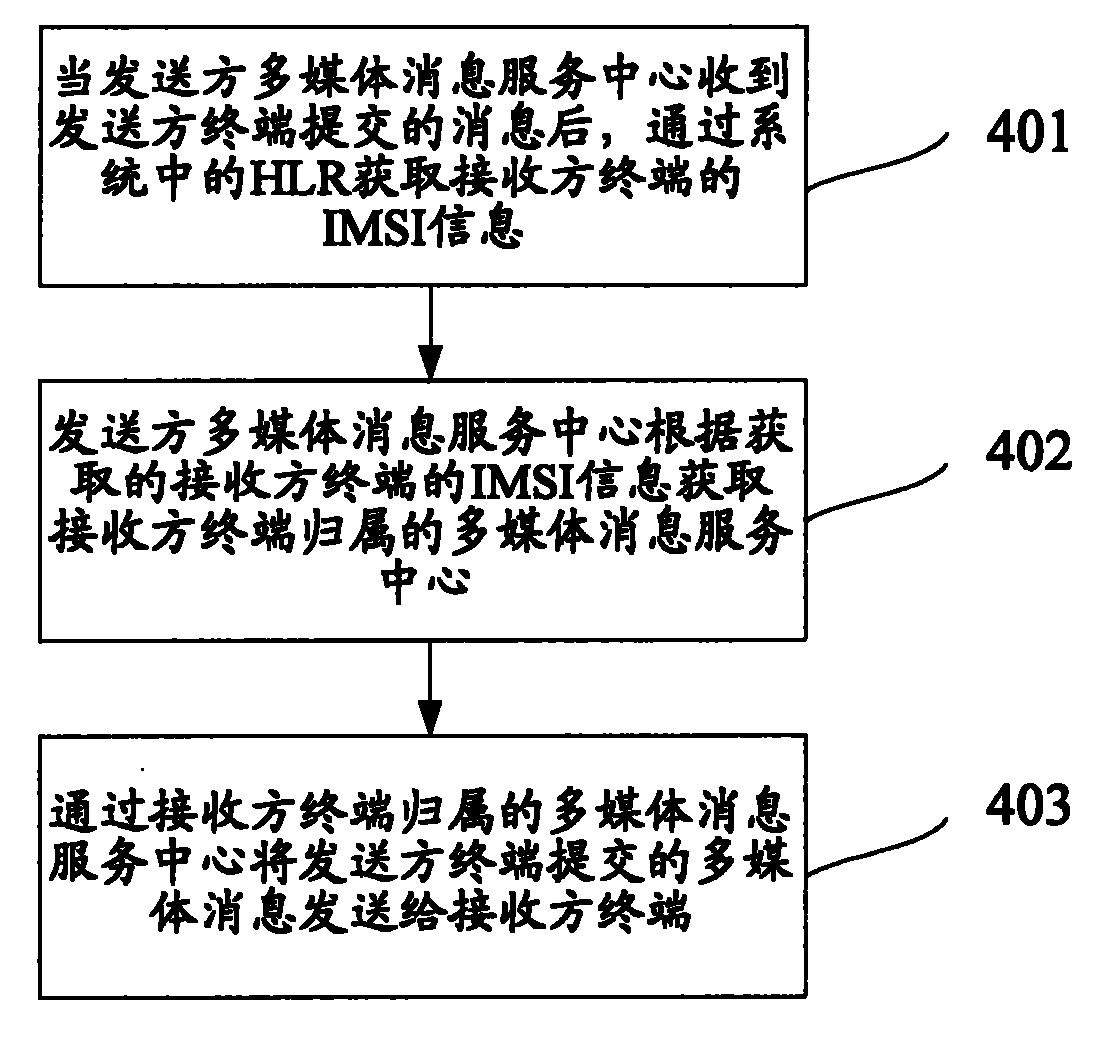
图4是本发明方法的实现流程图;Fig. 4 is the realization flowchart of the inventive method;
图5是本发明通过MMSC实现MM5接口查询业务消息的流程图;Fig. 5 is the flow chart that the present invention realizes MM5 interface inquiry service message by MMSC;
图6是利用本发明方法实现异地用户收发多媒体消息的流程图;Fig. 6 is the flow chart that utilizes the method of the present invention to realize that remote users send and receive multimedia messages;
图7是本发明系统第一实施例结构框图;Fig. 7 is a structural block diagram of the first embodiment of the system of the present invention;
图8是本发明系统第二实施例结构框图。Fig. 8 is a structural block diagram of the second embodiment of the system of the present invention.
具体实施方式Detailed ways
本发明的核心在于实现多媒体消息服务中心和HLR的MM5接口,利用该接口,使多媒体消息服务中心从HLR获取接收方终端的IMSI(国际移动用户识别码)信息,然后再由多媒体消息服务中心根据获取的接收方终端的IMSI信息获取接收方终端归属的多媒体消息服务中心,也就是说,得到多媒体消息业务的消息路由。这样,就可以通过接收方终端归属的多媒体消息服务中心将发送方终端提交的多媒体消息发送给接收方终端。The core of the present invention is to realize the MM5 interface of multimedia message service center and HLR, utilize this interface, make multimedia message service center obtain the IMSI (International Mobile Subscriber Identity code) information of receiver terminal from HLR, then by multimedia message service center according to The obtained IMSI information of the recipient terminal obtains the multimedia message service center to which the recipient terminal belongs, that is, obtains the message route of the multimedia message service. In this way, the multimedia message submitted by the sender terminal can be sent to the receiver terminal through the multimedia message service center to which the receiver terminal belongs.
本技术领域人员知道,在3GPP(第三代伙伴组织计划)规范中,虽然描述了多媒体消息服务中心与HLR之间的MM5接口,但是该规范中并没有给出详细的实现方式。MM5接口的实现,由各多媒体消息服务中心自行决定。由于多媒体消息服务中心和HLR的实现分别基于IP网络和信令网络,因此要实现多媒体消息服务中心与HLR的直接互连十分复杂。Those skilled in the art know that in the 3GPP (Third Generation Partnership Project) specification, although the MM5 interface between the multimedia message service center and the HLR is described, the detailed implementation manner is not given in the specification. The realization of the MM5 interface is decided by each multimedia message service center. Since the realization of the multimedia message service center and the HLR is based on the IP network and the signaling network respectively, it is very complicated to realize the direct interconnection between the multimedia message service center and the HLR.
在本发明中,利用一个信令网关来转接多媒体消息服务中心向HLR(归属位置寄存器)查询接收方终端IMSI信息的消息,从而实现MM5接口功能。由于在现有网络中的短消息服务中心和HLR之间已经存在相应信息查询接口,并且应用比较成熟,因此,为了简化网络结构,可以充分利用该信息查询接口,使短消息服务中心完成信令网关的功能。多媒体消息服务中心和信令网关之间的接口通过扩充现有的SMPP3.4协议实现,信令网关与HLR之间的接口使用MAP协议实现。In the present invention, a signaling gateway is used to transfer the message that the multimedia message service center inquires the IMSI information of the receiver terminal from the HLR (Home Location Register), thereby realizing the MM5 interface function. Since there is already a corresponding information query interface between the short message service center and HLR in the existing network, and the application is relatively mature, so in order to simplify the network structure, the information query interface can be fully utilized to make the short message service center complete the signaling function of the gateway. The interface between the multimedia message service center and the signaling gateway is realized by expanding the existing SMPP3.4 protocol, and the interface between the signaling gateway and the HLR is realized by using the MAP protocol.
为了使本技术领域的人员更好地理解本发明方案,首先对SMPP协议作简单说明。In order to enable those skilled in the art to better understand the solution of the present invention, the SMPP protocol is briefly described first.
SMPP(短消息点对点协议)协议是一个开放的消息转换协议,它定义了一系列操作的协议数据单元,从而完成SMSC与非PLMN(公众陆地移动电话网)短消息实体ESME(扩展短消息实体)的信息交换。SMPP是基于SMSC与ESME之间的请求和响应协议数据单元的交换,每一个SMPP操作都由一个请求PDU(协议数据单元)和相应的一个响应PDU组成,并且这种交换是在TCP/IP(传输控制协议/因特网协议)或X.25网络连接之上的。通过SMPP协议,一个ESME可以借助TCP/IP或X.25网与SMSC在应用层连接,并与SMSC之间分别发送和接收短消息;ESME也可以通过SMPP协议查询、删除和替换短消息。The SMPP (Short Message Point-to-Point Protocol) protocol is an open message conversion protocol, which defines a series of operational protocol data units, so as to complete SMSC and non-PLMN (Public Land Mobile Network) short message entity ESME (Extended Short Message Entity) information exchange. SMPP is based on the exchange of request and response protocol data units between SMSC and ESME. Each SMPP operation consists of a request PDU (protocol data unit) and a corresponding response PDU, and this exchange is in TCP/IP ( Transmission Control Protocol/Internet Protocol) or X.25 network connections. Through the SMPP protocol, an ESME can connect with the SMSC at the application layer by means of TCP/IP or X.25 network, and send and receive short messages with the SMSC respectively; ESME can also query, delete and replace short messages through the SMPP protocol.
根据SMPP3.4协议,每个PDU的结构定义由PDU头和PDU体(有些PDU没有)组成,如下表1所示:According to the SMPP3.4 protocol, the structure definition of each PDU consists of a PDU header and a PDU body (some PDUs do not), as shown in Table 1 below:
表1:
其中,命令长度字段定义了整个SMPP数据包的长度;命令标识字段表示SMPP PDU消息类型;命令状态字段表示请求消息是否成功;序列号字段表示消息的序列号,是请求消息和其应答之间的对应标志。Among them, the command length field defines the length of the entire SMPP packet; the command identification field indicates the SMPP PDU message type; the command status field indicates whether the request message is successful; the serial number field indicates the serial number of the message, which is the link between the request message and its response. corresponding flag.
data_sm、data_sm_resp命令用于SMSC和ESME之间传输数据,data_sm为传输数据请求消息,data_sm_resp为传输数据响应消息。在data_sm和data_sm_resp的消息体中,分别包含有一些必选参数和一些可选参数。因此,为了实现多媒体消息服务中心与短消息服务中心之间的数据传输,可以通过扩展这两个消息的消息体中的可选字段,实现对接收方用户信息的查询。The data_sm and data_sm_resp commands are used to transmit data between SMSC and ESME, data_sm is a request message for transmitting data, and data_sm_resp is a response message for transmitting data. The message bodies of data_sm and data_sm_resp contain some mandatory parameters and some optional parameters respectively. Therefore, in order to realize the data transmission between the multimedia message service center and the short message service center, the optional fields in the message bodies of the two messages can be expanded to realize the inquiry of the user information of the receiver.
比如,在data_sm消息中,扩充一个可选字段get_MTRouting_Information,该字段使用TLV(类型-长度-取值的编码格式)方式定义,具体定义如下表2所示:For example, in the data_sm message, an optional field get_MTRouting_Information is added, which is defined using TLV (type-length-value encoding format), and the specific definition is shown in Table 2 below:
表2:
在data_sm_resp消息中,扩充一个可选字段sub_IMSI,该字段使用TLV方式定义,具体定义如下表3所示:In the data_sm_resp message, an optional field sub_IMSI is added, which is defined in TLV mode. The specific definition is shown in Table 3 below:
表3:
当然,也可以使用data_sm和data_sm_resp消息中的其他可选字段来表示多媒体消息服务中心对接收方用户信息的查询及查询到的接收方终端的IMSI信息;也可以使用其他消息实现对接收方用户信息的查询。在实际应用中根据需要来确定。Of course, other optional fields in the data_sm and data_sm_resp messages can also be used to indicate the query of the receiver's user information by the multimedia message service center and the inquired IMSI information of the receiver's terminal; other messages can also be used to realize the receiver's user information query. It is determined according to needs in practical applications.
由于IMSI信息和终端之间是一一对应的关系,因此,多媒体信息中心获取到接收方终端的IMSI后,可以根据一些简单的静态配置的路由信息(IMSI号码段和多媒体消息服务中心的对应关系)来判断接收方归属的多媒体消息服务中心,从而实现多媒体消息的路由。Since there is a one-to-one correspondence between IMSI information and terminals, after the multimedia information center obtains the IMSI of the receiving terminal, it can ) to determine the multimedia message service center to which the receiver belongs, so as to realize the routing of the multimedia message.
为了使本技术领域的人员更好地理解本发明方案,下面结合附图和实施方式对本发明作进一步的详细说明。In order to enable those skilled in the art to better understand the solution of the present invention, the present invention will be further described in detail below in conjunction with the accompanying drawings and embodiments.
参照图4,图4示出了本发明方法的实现流程,包括以下步骤:With reference to Fig. 4, Fig. 4 has shown the implementation process of the method of the present invention, comprises the following steps:
步骤401:当发送方多媒体消息服务中心收到发送方终端提交的消息后,通过系统中的HLR获取接收方终端的IMSI信息。Step 401: After receiving the message submitted by the sender terminal, the multimedia message service center of the sender acquires the IMSI information of the receiver terminal through the HLR in the system.
首先,发送方多媒体消息服务中心根据发送方终端提交的消息获取接收方终端MSISDN(移动台国际ISDN号码);然后将接收方终端MSISDN发送给HLR查询接收方终端IMSI信息。Firstly, the multimedia message service center of the sender obtains the MSISDN (International ISDN Number) of the receiver terminal according to the message submitted by the sender terminal; then sends the MSISDN of the receiver terminal to the HLR to query the IMSI information of the receiver terminal.
本技术领域人员知道,HLR保存有用户的基本信息:如SIM的卡号、手机号码、签约信息等;以及一些动态信息:如当前的位置、是否已经关机等。HLR根据自己保存的用户信息对MSISDN进行查询,找到对应该MSISDN的IMSI,然后将查询到的接收方IMSI信息发送给发送方多媒体消息服务中心。通过该过程,发送方多媒体消息服务中心即可实现对接收方用户信息的查询。Those skilled in the art know that the basic information of the user is stored in the HLR: as the card number of the SIM, the mobile phone number, the subscription information, etc.; The HLR inquires the MSISDN according to the user information saved by itself, finds out the IMSI corresponding to the MSISDN, and then sends the inquired IMSI information of the receiving party to the multimedia message service center of the sending party. Through this process, the multimedia message service center of the sender can query the user information of the receiver.
前面已经详细描述,可以通过一个信令网关来实现多媒体消息服务中心与HLR之间的数据传输。在具体实现中,可以采用专用的信令网关。这时,就需要定义多媒体消息服务中心与信令网关、以及信令网关与HLR之间的通信协议、消息类型、格式等。通过这些消息来实现发送方多媒体消息服务中心对接收方终端IMSI信息的查询。It has been described in detail above that the data transmission between the multimedia message service center and the HLR can be realized through a signaling gateway. In a specific implementation, a dedicated signaling gateway may be used. At this time, it is necessary to define the communication protocol, message type, format, etc. between the multimedia message service center and the signaling gateway, and between the signaling gateway and the HLR. Through these messages, the multimedia message service center of the sender can inquire about the IMSI information of the terminal of the receiver.
为了简化网络结构,也可以将现有网络中的短消息服务中心作为一个信令网关。利用短消息服务中心与HLR之间已经存在的信息查询接口来完成发送方多媒体消息服务中心对收方终端IMSI信息的查询功能。多媒体消息服务中心和短消息服务中心之间的接口通过扩充现有的SMPP3.4协议实现,短消息服务中心与HLR之间的接口使用MAP协议实现。MAP规范规定了GSM(全球移动通信系统)网络上各个网元之间(包括短消息业务中心SMSC和HLR之间)的接口,目前已经得到了广泛的应用。In order to simplify the network structure, the short message service center in the existing network can also be used as a signaling gateway. Utilize the existing information query interface between the short message service center and the HLR to complete the function of querying the IMSI information of the receiver terminal by the multimedia message service center of the sender. The interface between the multimedia message service center and the short message service center is realized by expanding the existing SMPP3.4 protocol, and the interface between the short message service center and the HLR is realized by the MAP protocol. The MAP specification stipulates the interface between various network elements (including between SMSC and HLR) on the GSM (Global System for Mobile Communications) network, and has been widely used at present.
如图5所示:As shown in Figure 5:
1.MMSC发送扩充的SMPP3.4协议(data_sm消息)至SMSC来查询用户信息,在data_sm消息中带有用户的MSISDN。1. The MMSC sends the expanded SMPP3.4 protocol (data_sm message) to the SMSC to query user information, and the data_sm message contains the user's MSISDN.
2.SMSC接收到查询消息后,将消息转换成MAP_SRI_FOR_SM(短消息路由查询信息,在GSM规范中,SMSC利用此消息向HLR查询短消息接收方用户的路由),在该消息中携带接收端终端MSISDN,并发送至HLR。2. After the SMSC receives the query message, the message is converted into MAP_SRI_FOR_SM (short message routing query information, in the GSM specification, the SMSC utilizes this message to query the route of the short message receiver user to the HLR), and the receiving end terminal is carried in the message MSISDN, and sent to HLR.
3.若处理查询消息成功,HLR返回用户的IMSI以及拜访地MSC的号码(该号码唯一的标识了一个MSC)。3. If the inquiry message is successfully processed, the HLR returns the user's IMSI and the number of the visited MSC (the number uniquely identifies an MSC).
4.SMSC收到MAP_SRI_FOR_SM的响应消息后,将其转换成data_sm响应消息data_sm_resp返回给MMSC。4. After SMSC receives the response message of MAP_SRI_FOR_SM, it converts it into data_sm response message data_sm_resp and returns it to MMSC.
对SMPP3.4协议的data_sm消息及其响应data_sm_resp消息的扩展在前面已有详细说明,在此不再赘述。The extension of the data_sm message of the SMPP3.4 protocol and its response data_sm_resp message has been described in detail above, and will not be repeated here.
步骤402:发送方多媒体消息服务中心根据获取的接收方终端的IMSI信息获取接收方终端归属的多媒体消息服务中心。Step 402: The multimedia message service center of the sending party obtains the multimedia message service center to which the receiving terminal belongs according to the obtained IMSI information of the receiving terminal.
可以预先在发送方多媒体消息服务中心上配置IMSI号码段与多媒体消息服务中心的对应关系,这样,发送方多媒体消息服务中心根据获取的接收方终端的IMSI信息查询其存储的对应关系,获取接收方终端归属的多媒体消息服务中心。The corresponding relationship between the IMSI number segment and the multimedia message service center can be configured in advance on the multimedia message service center of the sender, so that the multimedia message service center of the sender can query the corresponding relationship stored according to the obtained IMSI information of the receiver terminal, and obtain the corresponding relationship of the receiver terminal. The multimedia message service center to which the terminal belongs.
步骤403:通过接收方终端归属的多媒体消息服务中心将发送方终端提交的多媒体消息发送给接收方终端。Step 403: Send the multimedia message submitted by the sender terminal to the receiver terminal through the multimedia message service center to which the receiver terminal belongs.
发送方多媒体消息服务中心获取接收方终端归属的多媒体消息服务中心后,判断该多媒体消息服务中心是否为本多媒体消息服务中心。如果是,则本多媒体消息服务中心直接将发送方终端提交的多媒体消息发送给接收方终端;如果不是,则本多媒体消息服务中心将发送方终端提交的多媒体消息前转到所述接收方终端归属的多媒体消息服务中心,由其再发送给接收方终端。After obtaining the multimedia message service center to which the receiving terminal belongs, the multimedia message service center of the sender determines whether the multimedia message service center is the own multimedia message service center. If so, the multimedia message service center directly sends the multimedia message submitted by the sender terminal to the receiver terminal; if not, the multimedia message service center forwards the multimedia message submitted by the sender terminal to the receiver terminal. The multimedia message service center, which then sends it to the receiver terminal.
利用本发明方法实现异地用户收发多媒体消息的流程如图6所示:Utilize the method of the present invention to realize the flow process of receiving and dispatching multimedia messages of remote users as shown in Figure 6:
1.发送方MMSC接收到发送方终端发送的多媒体消息;1. The sender MMSC receives the multimedia message sent by the sender terminal;
2.发送方MMSC向发送方终端返回提交响应消息;2. The sender MMSC returns a submission response message to the sender terminal;
3.发送方MMSC将接收方MSISDN发送给HLR查询接收方IMSI信息;3. The sender MMSC sends the receiver's MSISDN to the HLR to query the receiver's IMSI information;
4.HLR将查询到的接收方用户信息(即IMSI)发送给MMSC;4. The HLR sends the inquired recipient user information (i.e. IMSI) to the MMSC;
MMSC根据获取的IMSI信息和在系统中静态配置的路由信息(IMSI号码段和MMSC的对应关系)判断接收方终端归属的MMSC。若归属本MMSC,直接跳到第7步;否则,进到第5步,通过MM4接口将消息前转到接收方MMSC;The MMSC judges the MMSC to which the receiving terminal belongs according to the obtained IMSI information and the routing information statically configured in the system (the corresponding relationship between the IMSI number segment and the MMSC). If it belongs to the MMSC, skip directly to step 7; otherwise, go to step 5 and forward the message to the receiving MMSC through the MM4 interface;
5.发送方MMSC向接收方MMSC发送前转请求消息;5. The sending MMSC sends a forwarding request message to the receiving MMSC;
6.接收方MMSC收到发送方MMSC发送的多媒体消息后,向发送方MMSC返回前转响应消息;6. After receiving the multimedia message sent by the sender MMSC, the receiver MMSC returns a forwarding response message to the sender MMSC;
7.接收方MMSC向接收方终端下发多媒体消息通知;7. The recipient MMSC sends a multimedia message notification to the recipient terminal;
8.接收方终端向接收方MMSC发送多媒体消息通知响应消息;8. The receiver terminal sends a multimedia message notification response message to the receiver MMSC;
9.接收方MMSC等待接收方终端获取多媒体消息(MM1_retrieve.REQ);9. The receiver MMSC waits for the receiver terminal to obtain the multimedia message (MM1_retrieve.REQ);
10.接收方MMSC下发多媒体消息到接收方终端(MM1_retrieve.RES);10. The recipient MMSC sends a multimedia message to the recipient terminal (MM1_retrieve.RES);
11.接收方MMSC等待接收方终端的结果通知(MM1_acknowledgement.REQ);11. The receiver MMSC waits for the result notification from the receiver terminal (MM1_acknowledgment.REQ);
12.接收方MMSC根据发送方在提交消息时的要求决定是否发送递送报告消息(MM1_delivery_report.REQ)给发送方终端;如果发送方要求发送递送报告,则向发送端MMSC发送递送报告请求消息;12. The receiver MMSC decides whether to send a delivery report message (MM1_delivery_report.REQ) to the sender terminal according to the request of the sender when submitting the message; if the sender requests to send a delivery report, then send a delivery report request message to the sender MMSC;
13.发送方MMSC收到递送报告请求消息后,向接收方MMSC返回递送报告响应消息;13. After receiving the delivery report request message, the sender MMSC returns a delivery report response message to the receiver MMSC;
14.发送方MMSC将递送报告发送给发送方终端,结束流程。14. The sender MMSC sends the delivery report to the sender terminal, and ends the procedure.
参照图7,图7示出了本发明系统第一实施例的原理框图:Referring to Fig. 7, Fig. 7 shows the functional block diagram of the first embodiment of the system of the present invention:
在该系统中,信令网关S30通过IP网络与发送方多媒体消息服务中心S11相连,通过无线网络与归属位置寄存器S40相连。发送方多媒体消息服务中心S11与接收方多媒体消息服务中心S21通过IP网络相连,采用MM4协议交互,承载协议为SMTP(简单邮件传输协议);发送方多媒体消息服务中心S11与移动终端S10、接收方多媒体消息服务中心S21与移动终端S20之间通过WAP(无线应用协议)网关交互。In this system, the signaling gateway S30 is connected to the sender multimedia message service center S11 through the IP network, and connected to the home location register S40 through the wireless network. The multimedia message service center S11 of the sender is connected with the multimedia message service center S21 of the receiver through an IP network, and uses the MM4 protocol for interaction, and the bearer protocol is SMTP (Simple Mail Transfer Protocol); the multimedia message service center S11 of the sender is connected with the mobile terminal S10 and the receiver The multimedia message service center S21 interacts with the mobile terminal S20 through a WAP (Wireless Application Protocol) gateway.
其中,归属位置寄存器S40用于存储移动终端的用户信息;信令网关S30用于实现多媒体消息服务中心与归属位置寄存器之间的数据传输。Among them, the home location register S40 is used for storing the user information of the mobile terminal; the signaling gateway S30 is used for realizing the data transmission between the multimedia message service center and the home location register.
在进行多媒体消息路由时,发送方多媒体消息服务中心S11通过信令网关S30向归属位置寄存器S40查询并获取接收方移动终端的国际移动用户识别码IMSI。When routing the multimedia message, the multimedia message service center S11 of the sender queries the home location register S40 through the signaling gateway S30 and obtains the IMSI of the mobile terminal of the receiver.
为了获得接收方移动终端归属的多媒体消息服务中心,可以将IMSI号码段与各多媒体消息服务中心的对应关系存储在归属位置寄存器S40中,当发送方多媒体消息服务中心S11向归属位置寄存器S40查询接收方移动终端IMSI时,归属位置寄存器S40不仅向其返回接收方移动终端IMSI,而且还将该IMSI归属的多媒体消息服务中心返回给发送方多媒体消息服务中心。In order to obtain the multimedia message service center to which the receiver's mobile terminal belongs, the corresponding relationship between the IMSI number segment and each multimedia message service center can be stored in the home location register S40. When receiving the IMSI of the mobile terminal of the receiving party, the home location register S40 not only returns the IMSI of the mobile terminal of the receiving party to it, but also returns the multimedia message service center to which the IMSI belongs to the multimedia message service center of the sending party.
当然,还可以在系统中设备一个单独的路由信息存储器,如图8中的路由信息存储器S12,与发送方多媒体消息服务中心相连,存储IMSI号码段与各多媒体消息服务中心的对应关系。由于IMSI与终端之间具有一一对应的关系,这样,当发送方多媒体消息服务中心S11查询并获知接收方移动终端IMSI信息后,根据路由信息存储器S12存储的信息即可得到接收方移动终端归属的多媒体消息服务中心。当然,为了简化网络结构,还可将路由信息存储器S12集成在网络中每个发送方多媒体消息服务中心上,通过预先配置,将IMSI号码段与各多媒体消息服务中心的对应关系存储到路由信息存储器。Of course, a separate routing information storage can also be installed in the system, such as routing information storage S12 in FIG. 8 , which is connected to the sender multimedia message service center and stores the corresponding relationship between the IMSI number segment and each multimedia message service center. Since there is a one-to-one correspondence between the IMSI and the terminal, in this way, when the multimedia message service center S11 of the sending party inquires and obtains the IMSI information of the mobile terminal of the receiving party, the attribution of the mobile terminal of the receiving party can be obtained according to the information stored in the routing information storage S12. multimedia messaging service center. Of course, in order to simplify the network structure, the routing information storage S12 can also be integrated on each sending multimedia message service center in the network, and through pre-configuration, the corresponding relationship between the IMSI number segment and each multimedia messaging service center is stored in the routing information storage .
在本发明系统的实际应用中,为了充分利用现有网络设备,减少投资,可以利用现有网络中存在的短消息服务中心和归属位置寄存器之间已经存在的信息查询接口,将短消息服务中心作为信令网关。短消息服务中心与多媒体消息服务中心之间的接口通过扩展SMPP3.4协议实现,短消息服务中心与归属位置寄存器之间的接口通过MAP(移动应用部分)协议实现。具体实现方式在前面已有详细说明,在此不再赘述。In the actual application of the system of the present invention, in order to make full use of the existing network equipment and reduce investment, the existing information query interface between the short message service center and the home location register in the existing network can be used to send the short message service center as a signaling gateway. The interface between the Short Message Service Center and the Multimedia Message Service Center is realized through the extended SMPP3.4 protocol, and the interface between the Short Message Service Center and the Home Location Register is realized through the MAP (Mobile Application Part) protocol. The specific implementation manner has been described in detail above, and will not be repeated here.
虽然通过实施例描绘了本发明,本领域普通技术人员知道,本发明有许多变形和变化而不脱离本发明的精神,希望所附的权利要求包括这些变形和变化而不脱离本发明的精神。While the invention has been described by way of example, those skilled in the art will appreciate that there are many variations and changes to the invention without departing from the spirit of the invention, and it is intended that the appended claims cover such variations and changes without departing from the spirit of the invention.
Claims (13)
Priority Applications (6)
| Application Number | Priority Date | Filing Date | Title |
|---|---|---|---|
| CNA2006100577705A CN1859624A (en) | 2006-02-27 | 2006-02-27 | Message route method and system for multimedia message service |
| CNA2006800126766A CN101161025A (en) | 2006-02-27 | 2006-12-25 | Message routing method and system for multimedia message service |
| DE602006015925T DE602006015925D1 (en) | 2006-02-27 | 2006-12-25 | METHOD AND SYSTEM FOR MESSAGE MANAGEMENT OF A MULTIMEDIA MESSAGE SERVICE |
| EP06840620A EP1855497B1 (en) | 2006-02-27 | 2006-12-25 | A method and system for message routing of multimedia messaging service |
| PCT/CN2006/003568 WO2007095816A1 (en) | 2006-02-27 | 2006-12-25 | A method and system for message routing of multimedia messaging service |
| AT06840620T ATE476839T1 (en) | 2006-02-27 | 2006-12-25 | METHOD AND SYSTEM FOR MESSAGING A MULTIMEDIA NEWS SERVICE |
Applications Claiming Priority (1)
| Application Number | Priority Date | Filing Date | Title |
|---|---|---|---|
| CNA2006100577705A CN1859624A (en) | 2006-02-27 | 2006-02-27 | Message route method and system for multimedia message service |
Publications (1)
| Publication Number | Publication Date |
|---|---|
| CN1859624A true CN1859624A (en) | 2006-11-08 |
Family
ID=37298476
Family Applications (2)
| Application Number | Title | Priority Date | Filing Date |
|---|---|---|---|
| CNA2006100577705A Pending CN1859624A (en) | 2006-02-27 | 2006-02-27 | Message route method and system for multimedia message service |
| CNA2006800126766A Pending CN101161025A (en) | 2006-02-27 | 2006-12-25 | Message routing method and system for multimedia message service |
Family Applications After (1)
| Application Number | Title | Priority Date | Filing Date |
|---|---|---|---|
| CNA2006800126766A Pending CN101161025A (en) | 2006-02-27 | 2006-12-25 | Message routing method and system for multimedia message service |
Country Status (5)
| Country | Link |
|---|---|
| EP (1) | EP1855497B1 (en) |
| CN (2) | CN1859624A (en) |
| AT (1) | ATE476839T1 (en) |
| DE (1) | DE602006015925D1 (en) |
| WO (1) | WO2007095816A1 (en) |
Cited By (6)
| Publication number | Priority date | Publication date | Assignee | Title |
|---|---|---|---|---|
| CN101867907A (en) * | 2010-06-23 | 2010-10-20 | 中兴通讯股份有限公司 | A positioning method and positioning system for obtaining terminal position |
| WO2010142192A1 (en) * | 2009-06-08 | 2010-12-16 | 中兴通讯股份有限公司 | Method and device for forward transferring router request message |
| CN101577867B (en) * | 2008-05-08 | 2011-08-03 | 中国移动通信集团公司 | Push message sending method, device and system in multimedia message service |
| CN101159900B (en) * | 2007-10-16 | 2011-10-26 | 中兴通讯股份有限公司 | Method of transmitting multimedia message |
| CN101715174B (en) * | 2008-10-08 | 2012-09-19 | 中国移动通信集团公司 | Multimedia message sending method, service center, WAP gateway and system |
| CN104994486A (en) * | 2015-06-23 | 2015-10-21 | 中国联合网络通信集团有限公司 | Point-to-point short-message transmitting and receiving method and system |
Families Citing this family (1)
| Publication number | Priority date | Publication date | Assignee | Title |
|---|---|---|---|---|
| EP3349493A1 (en) * | 2016-10-25 | 2018-07-18 | Baldur Erich Jehnke | Signalling in mobile for number porting |
Family Cites Families (8)
| Publication number | Priority date | Publication date | Assignee | Title |
|---|---|---|---|---|
| US7027582B2 (en) * | 2001-07-06 | 2006-04-11 | Telefonaktiebolaget L M Ericsson (Publ) | Method and apparatus for resolving an entity identifier into an internet address using a domain name system (DNS) server and an entity identifier portability database |
| US6839421B2 (en) * | 2001-10-29 | 2005-01-04 | Telefonaktiebolaget Lm Ericsson (Publ) | Method and apparatus to carry out resolution of entity identifier in circuit-switched networks by using a domain name system |
| CN1505417B (en) * | 2002-12-03 | 2010-06-16 | 皇家飞利浦电子股份有限公司 | Wireless network system capable of transferring multimedia information with high efficiency |
| FI113000B (en) | 2003-02-25 | 2004-02-13 | Sonera Oyj | Message routing |
| JP3668231B2 (en) | 2003-05-07 | 2005-07-06 | ボーダフォン株式会社 | Multimedia message service equipment |
| EP1555836A1 (en) * | 2004-01-15 | 2005-07-20 | France Telecom | Routing system for inter-operator multimedia messaging (MMS) traffic |
| CN1332571C (en) * | 2004-06-28 | 2007-08-15 | 华为技术有限公司 | Method for repeating multimedia news between networks |
| JP4496943B2 (en) * | 2004-11-30 | 2010-07-07 | 日本電気株式会社 | Pathological diagnosis support apparatus, pathological diagnosis support program, operation method of pathological diagnosis support apparatus, and pathological diagnosis support system |
-
2006
- 2006-02-27 CN CNA2006100577705A patent/CN1859624A/en active Pending
- 2006-12-25 CN CNA2006800126766A patent/CN101161025A/en active Pending
- 2006-12-25 DE DE602006015925T patent/DE602006015925D1/en active Active
- 2006-12-25 EP EP06840620A patent/EP1855497B1/en not_active Not-in-force
- 2006-12-25 WO PCT/CN2006/003568 patent/WO2007095816A1/en not_active Ceased
- 2006-12-25 AT AT06840620T patent/ATE476839T1/en not_active IP Right Cessation
Cited By (10)
| Publication number | Priority date | Publication date | Assignee | Title |
|---|---|---|---|---|
| CN101159900B (en) * | 2007-10-16 | 2011-10-26 | 中兴通讯股份有限公司 | Method of transmitting multimedia message |
| CN101577867B (en) * | 2008-05-08 | 2011-08-03 | 中国移动通信集团公司 | Push message sending method, device and system in multimedia message service |
| CN101715174B (en) * | 2008-10-08 | 2012-09-19 | 中国移动通信集团公司 | Multimedia message sending method, service center, WAP gateway and system |
| WO2010142192A1 (en) * | 2009-06-08 | 2010-12-16 | 中兴通讯股份有限公司 | Method and device for forward transferring router request message |
| CN101867907A (en) * | 2010-06-23 | 2010-10-20 | 中兴通讯股份有限公司 | A positioning method and positioning system for obtaining terminal position |
| WO2011160465A1 (en) * | 2010-06-23 | 2011-12-29 | 中兴通讯股份有限公司 | Location method and location system for acquiring terminal location |
| CN101867907B (en) * | 2010-06-23 | 2014-04-09 | 中兴通讯股份有限公司 | Positioning method and positioning system for obtaining terminal position |
| US9042909B2 (en) | 2010-06-23 | 2015-05-26 | Zte Corporation | Location method and location system for acquiring terminal location |
| CN104994486A (en) * | 2015-06-23 | 2015-10-21 | 中国联合网络通信集团有限公司 | Point-to-point short-message transmitting and receiving method and system |
| CN104994486B (en) * | 2015-06-23 | 2018-09-11 | 中国联合网络通信集团有限公司 | A kind of point-to-point note receiving/transmission method and system |
Also Published As
| Publication number | Publication date |
|---|---|
| CN101161025A (en) | 2008-04-09 |
| DE602006015925D1 (en) | 2010-09-16 |
| ATE476839T1 (en) | 2010-08-15 |
| WO2007095816A1 (en) | 2007-08-30 |
| EP1855497A4 (en) | 2008-05-07 |
| EP1855497B1 (en) | 2010-08-04 |
| EP1855497A1 (en) | 2007-11-14 |
Similar Documents
| Publication | Publication Date | Title |
|---|---|---|
| CN100346622C (en) | Control of PLMN messaging services in IP domains | |
| CN1127865C (en) | Method for delivering messages in wireless communications system using same protocol for all types of messages | |
| CN1413421A (en) | Transmission of messages | |
| CN1411667A (en) | a message service | |
| CN1882934A (en) | System and method for providing configurable, dynamic multimedia message service pre-transcoding | |
| CN1697531A (en) | Method for sending multimedia message | |
| CN1292606C (en) | Method for implementing transfer of short message | |
| CN1565137A (en) | Inter-carrier short messaging service providing phone number only experience | |
| CN1330474A (en) | Short message gateway, system and method supply information service for mobile phone | |
| CN1568047A (en) | A method for implementing network side and terminal side service adaptation | |
| CN1735275A (en) | Mobile communication system and mobile station | |
| CN1802826A (en) | Method for transmitting messages in MMS-based communication system | |
| CN1859624A (en) | Message route method and system for multimedia message service | |
| CN100433854C (en) | Method for increasing transmitting party actual name in short message | |
| CN100337493C (en) | Method for transferring short message | |
| CN1756387A (en) | Method for realizing mobile data service unification route in communication system | |
| CN1283055C (en) | A processing method for creating packet data protocol context request | |
| CN1662078A (en) | Method for transferring short message | |
| CN1889710A (en) | Method for transmitting information utilizing information transmission protocol based on internetwork protocol | |
| CN1852465A (en) | Wireless network and method for customizing increment business by short message | |
| CN1197398C (en) | Data transmitting method in mobile communication system | |
| CN1848823A (en) | System and method for intercommunicating with mobile network short message based on IP switch-in network | |
| CN1324910C (en) | Realizing method for short message sending and short message intelligent service | |
| CN1481172A (en) | A Method of GPRS Supporting Intelligent Service | |
| CN101031109A (en) | Method and system for interconnecting SMS value-added service |
Legal Events
| Date | Code | Title | Description |
|---|---|---|---|
| C06 | Publication | ||
| PB01 | Publication | ||
| C10 | Entry into substantive examination | ||
| SE01 | Entry into force of request for substantive examination | ||
| C12 | Rejection of a patent application after its publication | ||
| RJ01 | Rejection of invention patent application after publication |