CN116368129A - 1-(pyridyl)-5-azinylpyrazole derivatives and their use for controlling unwanted plant growth - Google Patents
1-(pyridyl)-5-azinylpyrazole derivatives and their use for controlling unwanted plant growth Download PDFInfo
- Publication number
- CN116368129A CN116368129A CN202180072369.1A CN202180072369A CN116368129A CN 116368129 A CN116368129 A CN 116368129A CN 202180072369 A CN202180072369 A CN 202180072369A CN 116368129 A CN116368129 A CN 116368129A
- Authority
- CN
- China
- Prior art keywords
- alkyl
- methyl
- hydrogen
- cycloalkyl
- formula
- Prior art date
- Legal status (The legal status is an assumption and is not a legal conclusion. Google has not performed a legal analysis and makes no representation as to the accuracy of the status listed.)
- Pending
Links
Classifications
-
- C—CHEMISTRY; METALLURGY
- C07—ORGANIC CHEMISTRY
- C07D—HETEROCYCLIC COMPOUNDS
- C07D401/00—Heterocyclic compounds containing two or more hetero rings, having nitrogen atoms as the only ring hetero atoms, at least one ring being a six-membered ring with only one nitrogen atom
- C07D401/14—Heterocyclic compounds containing two or more hetero rings, having nitrogen atoms as the only ring hetero atoms, at least one ring being a six-membered ring with only one nitrogen atom containing three or more hetero rings
-
- A—HUMAN NECESSITIES
- A01—AGRICULTURE; FORESTRY; ANIMAL HUSBANDRY; HUNTING; TRAPPING; FISHING
- A01N—PRESERVATION OF BODIES OF HUMANS OR ANIMALS OR PLANTS OR PARTS THEREOF; BIOCIDES, e.g. AS DISINFECTANTS, AS PESTICIDES OR AS HERBICIDES; PEST REPELLANTS OR ATTRACTANTS; PLANT GROWTH REGULATORS
- A01N43/00—Biocides, pest repellants or attractants, or plant growth regulators containing heterocyclic compounds
- A01N43/48—Biocides, pest repellants or attractants, or plant growth regulators containing heterocyclic compounds having rings with two nitrogen atoms as the only ring hetero atoms
- A01N43/56—1,2-Diazoles; Hydrogenated 1,2-diazoles
-
- A—HUMAN NECESSITIES
- A01—AGRICULTURE; FORESTRY; ANIMAL HUSBANDRY; HUNTING; TRAPPING; FISHING
- A01N—PRESERVATION OF BODIES OF HUMANS OR ANIMALS OR PLANTS OR PARTS THEREOF; BIOCIDES, e.g. AS DISINFECTANTS, AS PESTICIDES OR AS HERBICIDES; PEST REPELLANTS OR ATTRACTANTS; PLANT GROWTH REGULATORS
- A01N43/00—Biocides, pest repellants or attractants, or plant growth regulators containing heterocyclic compounds
- A01N43/48—Biocides, pest repellants or attractants, or plant growth regulators containing heterocyclic compounds having rings with two nitrogen atoms as the only ring hetero atoms
- A01N43/54—1,3-Diazines; Hydrogenated 1,3-diazines
-
- A—HUMAN NECESSITIES
- A01—AGRICULTURE; FORESTRY; ANIMAL HUSBANDRY; HUNTING; TRAPPING; FISHING
- A01N—PRESERVATION OF BODIES OF HUMANS OR ANIMALS OR PLANTS OR PARTS THEREOF; BIOCIDES, e.g. AS DISINFECTANTS, AS PESTICIDES OR AS HERBICIDES; PEST REPELLANTS OR ATTRACTANTS; PLANT GROWTH REGULATORS
- A01N43/00—Biocides, pest repellants or attractants, or plant growth regulators containing heterocyclic compounds
- A01N43/48—Biocides, pest repellants or attractants, or plant growth regulators containing heterocyclic compounds having rings with two nitrogen atoms as the only ring hetero atoms
- A01N43/58—1,2-Diazines; Hydrogenated 1,2-diazines
-
- A—HUMAN NECESSITIES
- A01—AGRICULTURE; FORESTRY; ANIMAL HUSBANDRY; HUNTING; TRAPPING; FISHING
- A01N—PRESERVATION OF BODIES OF HUMANS OR ANIMALS OR PLANTS OR PARTS THEREOF; BIOCIDES, e.g. AS DISINFECTANTS, AS PESTICIDES OR AS HERBICIDES; PEST REPELLANTS OR ATTRACTANTS; PLANT GROWTH REGULATORS
- A01N43/00—Biocides, pest repellants or attractants, or plant growth regulators containing heterocyclic compounds
- A01N43/48—Biocides, pest repellants or attractants, or plant growth regulators containing heterocyclic compounds having rings with two nitrogen atoms as the only ring hetero atoms
- A01N43/60—1,4-Diazines; Hydrogenated 1,4-diazines
-
- A—HUMAN NECESSITIES
- A01—AGRICULTURE; FORESTRY; ANIMAL HUSBANDRY; HUNTING; TRAPPING; FISHING
- A01N—PRESERVATION OF BODIES OF HUMANS OR ANIMALS OR PLANTS OR PARTS THEREOF; BIOCIDES, e.g. AS DISINFECTANTS, AS PESTICIDES OR AS HERBICIDES; PEST REPELLANTS OR ATTRACTANTS; PLANT GROWTH REGULATORS
- A01N43/00—Biocides, pest repellants or attractants, or plant growth regulators containing heterocyclic compounds
- A01N43/64—Biocides, pest repellants or attractants, or plant growth regulators containing heterocyclic compounds having rings with three nitrogen atoms as the only ring hetero atoms
- A01N43/66—1,3,5-Triazines, not hydrogenated and not substituted at the ring nitrogen atoms
-
- C—CHEMISTRY; METALLURGY
- C07—ORGANIC CHEMISTRY
- C07D—HETEROCYCLIC COMPOUNDS
- C07D405/00—Heterocyclic compounds containing both one or more hetero rings having oxygen atoms as the only ring hetero atoms, and one or more rings having nitrogen as the only ring hetero atom
- C07D405/14—Heterocyclic compounds containing both one or more hetero rings having oxygen atoms as the only ring hetero atoms, and one or more rings having nitrogen as the only ring hetero atom containing three or more hetero rings
Landscapes
- Life Sciences & Earth Sciences (AREA)
- Chemical & Material Sciences (AREA)
- Organic Chemistry (AREA)
- Health & Medical Sciences (AREA)
- Pest Control & Pesticides (AREA)
- Plant Pathology (AREA)
- Agronomy & Crop Science (AREA)
- Engineering & Computer Science (AREA)
- Dentistry (AREA)
- General Health & Medical Sciences (AREA)
- Wood Science & Technology (AREA)
- Zoology (AREA)
- Environmental Sciences (AREA)
- Plural Heterocyclic Compounds (AREA)
- Agricultural Chemicals And Associated Chemicals (AREA)
Abstract
The present invention relates to novel herbicidally active substituted 1-pyridinyl-5-azinylpyrazolyl-3-oxyalkyl acids, 1-pyridinyl-5-azinylpyrazolyl-3-thioalkyl acids, 1-pyridinyl-5-azinylpyrazolyl-3-sulfinylalkyl acids and 1-pyridinyl-5-azinylpyrazolyl-3-sulfonylalkyl acids according to the general formula (I) and to their derivatives or agrochemically acceptable salts thereof. The invention further relates to methods for preparing these compounds and to the use thereof for controlling broadleaf weeds and grassy weeds.
Description
The present invention relates to the technical field of crop protection compositions, in particular to the technical field of herbicides for controlling broadleaf weeds and grasses (weeded grasses) in crops of useful plants and in ornamental gardens and in general in areas of the environment where plant growth is damaging.
The present invention relates to novel substituted 1-pyridinyl-5-azinylpyrazolyl-3-oxyalkyl acids, 1-pyridinyl-5-azinylpyrazolyl-3-thioalkyl acids, 1-pyridinyl-5-azinylpyrazolyl-3-sulfinylalkyl acids and 1-pyridinyl-5-azinylpyrazolyl-3-sulfonylalkyl acids, and derivatives thereof, processes for their preparation and their use for controlling harmful plants.
The 1- (pyridinyl) -5-azinylpyrazoles of the invention are characterized in that they have a further substituent at the 4-position of the pyrazole ring.
The 1-pyridinyl-5-azinylpyrazolyl-3-oxyalkyl acids and their derivatives according to the invention differ from the known 1, 5-diphenylpyrazolyl-3-oxoacetic acids in that they have a pyridinyl group (Q1-Q3) in the 1-position and a variable azinyl group (A1-A15) in the 5-position of the pyrazole ring.
The prior art discloses the biological effects of substituted 1, 5-diphenylpyrazolyl-3-oxoacetic acids and methods of preparing these compounds. DE 2828529 A1 describes the preparation and lipid-lowering action of 1, 5-diphenylpyrazolyl-3-oxoacetic acid.
CN 101284815A discloses 1, 5-diphenylpyrazolyl-3-oxoacetic acid as an agrochemical for bactericidal activity. Journal of Heterocyclic Chemistry (2012), 49 (6), 1370-1375 describe further synthesis and fungicidal action of 1, 5-diphenylpyrazolyl-3-oxoacetic acid.
WO 2008/083233 A2 describes 1, 5-diphenylpyrazolyl-3-oxyalkyl acids substituted in the 4-position of pyrazoles and derivatives thereof as substances suitable for breaking down cell aggregates. In particular [ (4-chloro-1, 5-diphenyl-1H-pyrazol-3-yl) oxy ] acetic acid ethyl ester is disclosed.
In addition, european Journal of Organic Chemistry (2011), 2011 (27), 5323-5330 describe the synthesis of some 4-chloro-1, 5-diphenylpyrazolyl-3-oxyacetic acid and its ethyl esters.
In contrast, 1-pyridinyl-5-azinylpyrazolyl-3-oxyacetic acid, 1-pyridinyl-5-azinylpyrazolyl-3-oxyalkyl acid, 1-pyridinyl-5-azinylpyrazolyl-3-thioalkyl alkyl acid, 1-pyridinyl-5-azinylpyrazolyl-3-sulfinylalkyl acid and 1-pyridinyl-5-azinylpyrazolyl-3-sulfonyl alkyl acid and derivatives thereof have heretofore been unknown.
It is an object of the present invention to provide novel pyrazole derivatives, namely 1-pyridinyl-5-azinylpyrazolyl-3-oxyalkyl acids, 1-pyridinyl-5-azinylpyrazolyl-3-thioalkyl acids, 1-pyridinyl-5-azinylpyrazolyl-3-sulfinylalkyl acids and 1-pyridinyl-5-azinylpyrazolyl-3-sulfonylalkyl acids, which are useful as herbicides or plant growth regulators, have satisfactory herbicidal action and broad-spectrum activity against harmful plants.
This object is achieved by substituted 1-pyridinyl-5-azinylpyrazolyl-3-oxyalkyl acids, 1-pyridinyl-5-azinylpyrazolyl-3-thioalkyl acids, 1-pyridinyl-5-azinylpyrazolyl-3-sulfinylalkyl acids and 1-pyridinyl-5-azinylpyrazolyl-3-sulfonylalkyl acids, which are distinguished by pyridinyl in the 1-position, azinyl in the 5-position and further substituents in the 4-position of the pyrazole ring and have very good herbicidal action.
Surprisingly, these compounds are highly effective against a wide range of economically important grassy weeds and broadleaf weeds.
The present invention provides substituted 1-pyridinyl-5-azinylpyrazolyl-3-oxyacetic acids, 1-pyridinyl-5-azinylpyrazolyl-3-oxyalkyl acids, 1-pyridinyl-5-azinylpyrazolyl-3-thioalkyl alkyl acids, 1-pyridinyl-5-azinylpyrazolyl-3-sulfinylalkyl acids and 1-pyridinyl-5-azinylpyrazolyl-3-sulfonylalkyl acids of the general formula (I)

And agrochemically acceptable salts, N-oxides, hydrates thereof, and hydrates of the salts and N-oxides, wherein
A is selected from A1-A15:

q is selected from Q1-Q3:
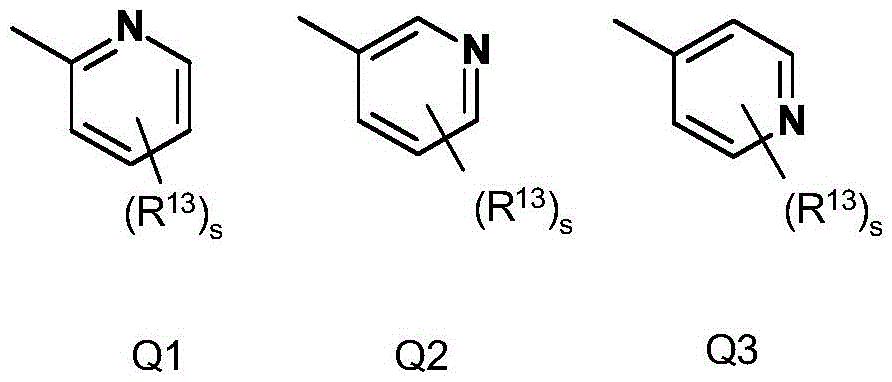
R 1 is-OR 1a 、-NR 9 R 10 or-O (CH) 2 ) x O(CH 2 ) y O(CH 2 ) z H;
R 1a Is hydrogen, or
Is (C) 1 -C 6 ) -alkyl, (C) 3 -C 6 ) -cycloalkyl each unsubstituted or substituted with one or more substituents selected from the group consisting of: halogen, (C) 1 -C 6 ) -alkyl, (C) 1 -C 6 ) -haloalkyl, (C) 3 -C 6 ) Cycloalkyl, (C) 1 -C 6 ) -alkoxy, (C) 1 -C 2 ) -haloalkoxy, (C) 1 -C 6 ) -alkoxycarbonyl, cyano and nitro groups,
or (C) 2 -C 4 ) -alkenyl groups、CH 2 C(COOMe)=CH 2 、(C 2 -C 4 ) Alkynyl or (C) 1 -C 6 ) -alkyl-S- (C) 1 -C 6 ) -alkyl-, (C) 1 -C 6 ) -alkyl-SO- (C) 1 -C 6 ) -alkyl-, (C) 1 -C 6 ) -alkyl-SO 2 -(C 1 -C 6 ) -alkyl-or-n= (C 3 -C 6 ) -cycloalkyl, -n=c (CH 3 ) 2 Or (b)
Is a heterocyclic group, heteroaryl group, aryl group, or
Is a heterocyclic group- (C) 1 -C 4 ) -alkyl-, heteroaryl- (C) 1 -C 4 ) -alkyl-, aryl- (C) 1 -C 4 ) -alkyl-, each of which is unsubstituted or substituted by one or more substituents selected from halogen, (C) 1 -C 6 ) -alkyl, (C) 1 -C 6 ) -substituent substitution of haloalkyl;
R 9 is hydrogen, (C) 1 -C 12 ) -an alkyl group;
R 10 is hydrogen, aryl, heteroaryl, heterocyclyl, (C) 1 -C 12 ) -alkyl, (C) 3 -C 8 ) Cycloalkyl, (C) 3 -C 8 ) Cycloalkyl- (C) 1 -C 7 ) -alkyl- (C) 2 -C 12 ) -alkenyl, (C) 5 -C 7 ) -cycloalkenyl, (C) 2 -C 12 ) Alkynyl, S (O) n R 5 Cyano, nitro, OR 5 、SO 2 NR 6 R 7 、CO 2 R 8 、COR 8 、NR 6 R 8 、NR 6 COR 8 、NR 6 CO 2 R 8 、NR 6 SO 2 R 8 Wherein the above alkyl, cycloalkyl, alkenyl, cycloalkenyl and alkynyl groups are unsubstituted OR each independently selected from hydrogen, optionally mono-OR polysubstituted aryl, halogen, cyano, nitro, OR 5 、S(O) n R 5 、SO 2 NR 6 R 7 、CO 2 R 8 、CONR 6 R 8 、COR 6 、NR 6 R 8 、NR 6 COR 8 、NR 6 CONR 8 R 8 、NR 6 CO 2 R 8 、NR 6 SO 2 R 8 、NR 6 SO 2 NR 6 R 8 、C(R 6 )=NOR 8 "m" groups of (d);
or (b)
R 9 And R is 10 Together with the nitrogen atom to which they are bound form a saturated or partially or fully unsaturated five-, six-or seven-membered ring, optionally selected from halogen, (C) 1 -C 6 ) -alkyl, (C) 1 -C 6 ) -haloalkyl, OR 5 、S(O) n R 5 、CO 2 R 8 、CONR 6 R 8 、COR 6 And C (R) 6 )=NOR 8 Monosubstituted to hexasubstituted and which contains, in addition to the nitrogen atom, "r" carbon atoms, "o" oxygen atoms, "p" sulfur atoms and "q" atoms as ring atoms selected from NR 7 CO and NCOR 7 Is a component of (a);
R 5 is (C) 1 -C 6 ) -alkyl, (C) 3 -C 6 ) Cycloalkyl, (C) 1 -C 6 ) -haloalkyl, aryl;
R 6 is hydrogen, (C) 1 -C 6 ) -alkyl, (C) 3 -C 6 ) Cycloalkyl, (C) 1 -C 6 ) -haloalkyl, aryl;
R 7 is hydrogen, (C) 1 -C 6 ) -alkyl, (C) 3 -C 6 ) Cycloalkyl, (C) 3 -C 4 ) -alkenyl, (C) 3 -C 4 ) Alkynyl, CH 2 -C(O)O(C 1 -C 2 ) -an alkyl group;
R 8 is hydrogen, (C) 1 -C 6 ) -alkyl, (C) 3 -C 6 ) Cycloalkyl, (C) 3 -C 4 ) -alkenyl, (C) 1 -C 6 ) -alkyl-C (O) O (C) 1 -C 2 ) -alkyl or (C) 3 -C 4 ) -alkynyl;
R 2 is hydrogen, cyano, (C) 1 -C 6 ) -alkyl, (C) 1 -C 6 ) -alkoxy- (C) 1 -C 6 ) -alkyl-, (C) 1 -C 6 ) -haloalkyl, (C) 1 -C 6 ) -alkoxy, (C) 2 -C 6 ) -alkenyl, (C) 2 -C 6 ) -haloalkenyl, (C) 2 -C 6 ) Alkynyl, (C) 2 -C 6 ) Haloalkynyl, (C) 3 -C 6 ) -cycloalkyl;
R 3 is halogen, cyano, isocyano, NO 2 、(C 3 -C 6 ) Cycloalkyl, (C) 1 -C 6 ) -alkyl, (C) 3 -C 6 ) -halocycloalkyl, (C) 1 -C 6 ) -haloalkyl, (C) 1 -C 6 ) -alkylcarbonyl- (C) 1 -C 6 ) -haloalkylcarbonyl- (C) 1 -C 6 ) -alkoxycarbonyl-, (C) 2 -C 3 ) -alkenyl, (C) 2 -C 3 ) -haloalkenyl, (C) 2 -C 3 ) Alkynyl, (C) 2 -C 3 ) Haloalkynyl, (C) 1 -C 6 ) -alkyl-S (O) n And (C) 1 -C 6 ) -haloalkyl-S (O) n 、CHO、NH 2 ;
R 12 Is halogen, cyano, isocyano, NO 2 、(C 1 -C 6 ) -alkyl, (C) 1 -C 6 ) -haloalkyl, (C) 1 -C 6 ) -alkylcarbonyl, (C) 1 -C 6 ) -haloalkylcarbonyl, (C) 1 -C 6 ) -alkoxycarbonyl, (C) 1 -C 6 ) -alkoxy, (C) 1 -C 6 ) -haloalkoxy, (C) 1 -C 6 ) -alkyl-, S (O) n 、(C 2 -C 3 ) -alkenyl, (C) 2 -C 3 ) -haloalkenyl, (C) 2 -C 3 ) Alkynyl, (C) 2 -C 3 ) Halogenated alkynyl, NH 2 ;
R 13 Is halogen, cyano, isocyano, NO 2 、(C 1 -C 6 ) -alkyl, (C) 1 -C 6 ) -haloalkyl, (C) 1 -C 6 ) -alkylcarbonyl, (C) 1 -C 6 ) -haloalkylcarbonyl, (C) 1 -C 6 ) -alkoxycarbonyl, (C) 1 -C 6 ) -alkoxy, (C) 1 -C 6 ) -haloalkoxy, (C) 1 -C 6 ) -alkyl-S (O) n 、(C 2 -C 3 ) -alkenyl, (C) 2 -C 3 ) -haloalkenyl; (C) 2 -C 3 ) Alkynyl, (C) 2 -C 3 ) Halogenated alkynyl, NH 2 ;
Y is oxygen, S (O) n ;
m is 0, 1 or 2;
n is 0, 1 or 2;
o is 0, 1 or 2;
p is 0 or 1;
q is 0 or 1;
r is 3, 4, 5 or 6;
s is 0, 1, 2, 3 or 4;
x is 2, 3:
y is 2, 3;
z is 1 or 2.
Preferred, particularly preferred, very particularly preferred and most preferred definitions of the individual substituents are described below. Other substituents of the general formula (I) not specifically specified below have the above definition.
This results in various embodiments of the compounds of formula (I).
Combinations that violate natural laws and would be excluded by those skilled in the art based on their knowledge are not included.
Preferred are compounds of the general formula (I) and agrochemically compatible salts, N-oxides, hydrates thereof and hydrates of the salts and N-oxides, wherein
A is selected from A1-A4, A6, A8, A9, A12, A15
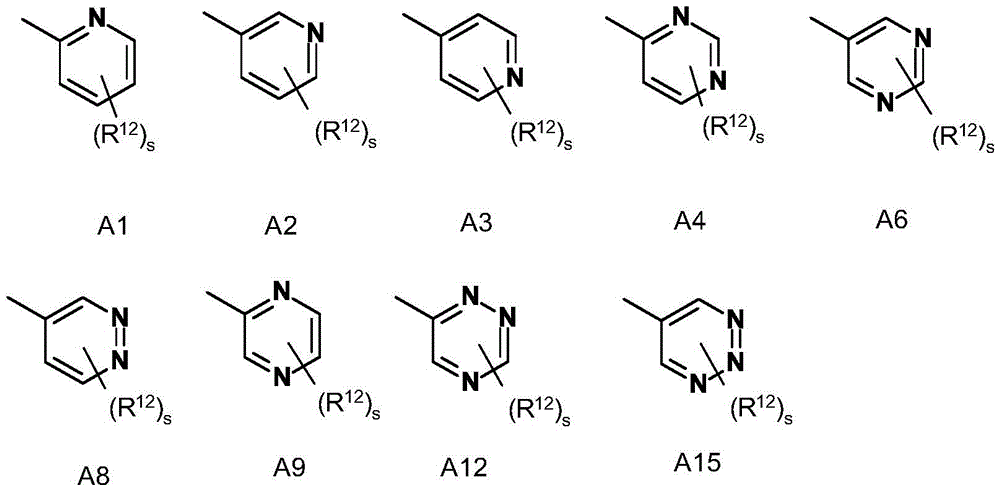
Q is selected from Q1-Q3:

R 1 is-OR 1a 、-NR 9 R 10 or-O (CH) 2 ) x O(CH 2 ) y O(CH 2 ) z H;
R 1a Is hydrogen, or
Is (C) 1 -C 3 ) -alkyl, (C) 3 -C 6 ) -cycloalkyl each unsubstituted or substituted with one or more substituents selected from the group consisting of: halogen, (C) 1 -C 4 ) -alkyl, (C) 1 -C 4 ) -haloalkyl, (C) 3 -C 6 ) Cycloalkyl, (C) 1 -C 4 ) -alkoxy, (C) 1 -C 4 ) -alkoxycarbonyl, cyano,
Or is (C) 2 -C 4 ) -alkenyl, (C) 2 -C 4 ) Alkynyl, or
Is (C) 2 -C 3 ) -alkyl-SMe- (C) 2 -C 3 ) -alkyl-SOMe- (C) 2 -C 3 ) -alkyl-SO 2 Me-, or
Is-n=c (CH 3 ) 2 Or (b)
Is a heterocyclic group, or
Is a heterocyclic group- (C) 1 -C 2 ) -alkyl-, heteroaryl- (C) 1 -C 2 ) -alkyl-, aryl- (C) 1 -C 2 ) -alkyl-, each of which is unsubstituted or substituted by one or more substituents selected from halogen, (C) 1 -C 2 ) -alkyl, (C) 1 -C 2 ) -substituent substitution of haloalkyl;
R 9 is hydrogen, (C) 1 -C 4 ) -an alkyl group;
R 10 is (C) 1 -C 4 ) -alkyl, (C) 2 -C 4 ) -alkenyl, (C) 2 -C 4 ) Alkynyl, S (O) n R 5 、SO 2 NR 6 R 7 Wherein the above alkyl, alkenyl and alkynyl groups are unsubstituted or each independently selected from halogen, cyano, S (O) n R 5 、SO 2 NR 6 R 7 、CO 2 R 8 、CONR 6 R 8 "m" groups of (2)The substitution of the groups is carried out,
or (b)
R 9 And R is 10 Together with the nitrogen atom to which they are bound, form a saturated or partially or fully unsaturated five-, six-or seven-membered ring, optionally mono-or di-substituted with a group selected from: (C) 1 -C 4 ) -alkyl, (C) 1 -C 4 ) -haloalkyl, CO 2 R 8 And CONR 6 R 8 ;
R 5 Is (C) 1 -C 4 ) -alkyl, (C) 3 -C 6 ) Cycloalkyl, (C) 1 -C 4 ) -haloalkyl, phenyl;
R 6 is hydrogen, (C) 1 -C 4 ) -alkyl, (C) 3 -C 6 ) Cycloalkyl, (C) 1 -C 4 ) -haloalkyl, phenyl;
R 7 is hydrogen, (C) 1 -C 4 ) -alkyl, (C) 3 -C 6 ) Cycloalkyl, (C) 3 -C 4 ) -alkenyl, (C) 3 -C 4 ) -alkynyl;
R 8 is hydrogen, (C) 1 -C 4 ) -alkyl, (C) 3 -C 6 ) Cycloalkyl, (C) 3 -C 4 ) -alkenyl, (C) 1 -C 4 ) -alkyl-C (O) O (C) 1 -C 2 ) -alkyl or (C) 3 -C 4 ) -alkynyl;
R 2 is hydrogen, (C) 1 -C 3 ) -alkyl, (C) 1 -C 3 ) -alkoxy, (C) 2 -C 3 ) -alkenyl, (C) 2 -C 3 ) Alkynyl, (C) 3 -C 6 ) -cycloalkyl;
R 3 is halogen, cyano, isocyano, NO 2 、(C 3 -C 6 ) Cycloalkyl, (C) 1 -C 4 ) -alkyl, (C) 3 -C 6 ) -halocycloalkyl, (C) 1 -C 4 ) -haloalkyl, (C) 1 -C 4 ) -alkylcarbonyl- (C) 1 -C 4 ) -haloalkylcarbonyl- (C) 1 -C 4 ) -alkoxycarbonyl-, (C) 2 -C 3 ) -alkenyl, (C) 2 -C 3 ) -haloalkenyl, (C) 2 -C 3 ) Alkynyl, (C) 2 -C 3 ) Haloalkynyl, CHO;
R 12 is halogen, cyano, NO 2 、(C 1 -C 4 ) -alkyl, (C) 1 -C 4 ) -haloalkyl, (C) 1 -C 4 ) -alkylcarbonyl, (C) 1 -C 4 ) -haloalkylcarbonyl, (C) 1 -C 4 ) -alkoxycarbonyl, (C) 1 -C 4 ) -alkoxy, (C) 1 -C 4 ) -haloalkoxy, (C) 2 -C 3 ) -alkenyl, (C) 2 -C 3 ) -haloalkenyl, (C) 2 -C 3 ) Alkynyl, (C) 2 -C 3 ) Halogenated alkynyl, NH 2 ;
R 13 Is halogen, cyano, NO 2 、(C 1 -C 4 ) -alkyl, (C) 1 -C 4 ) -haloalkyl, (C) 1 -C 4 ) -alkylcarbonyl, (C) 1 -C 4 ) -haloalkylcarbonyl, (C) 1 -C 4 ) -alkoxycarbonyl, (C) 1 -C 4 ) -alkoxy, (C) 1 -C 4 ) -haloalkoxy, (C) 2 -C 3 ) -alkenyl, (C) 2 -C 3 ) -haloalkenyl; (C) 2 -C 3 ) Alkynyl, (C) 2 -C 3 ) Halogenated alkynyl, NH 2 ;
Y is oxygen, S (O) n ;
m is 0 or 1;
n is 0, 1 or 2;
s is 0, 1, 2 or 3;
x is 2:
y is 2;
z is 1.
Particularly preferred are compounds of the formula (I) and agrochemically compatible salts, N-oxides, hydrates thereof and hydrates of the salts and N-oxides, wherein
A is selected from A2, A3, A6 and A8

Q is selected from Q1-Q3:

R 1 is-OR 1a 、-NR 9 R 10 or-O (CH) 2 ) 2 O(CH 2 ) 2 OCH 3 ;
R 1a Is hydrogen or
Is (C) 1 -C 3 ) -alkyl, which is unsubstituted or substituted with a substituent selected from the group consisting of: -C (O) OMe, cyclopropyl, cyclopentyl, methoxy, cyano, trifluoromethyl, or
Is (C) 3 -C 6 ) -cycloalkyl, or
Is-n=c (CH 3 ) 2 Or (b)
Is prop-2-ynyl, or
Is oxetan-3-yl- (C) 1 -C 2 ) -alkyl-, tetrahydrofuran-2-yl- (C) 1 -C 2 ) -alkyl-, tetrahydrofuran-3-yl- (C) 1 -C 2 ) -alkyl-, pyridin-2-yl- (C) 1 -C 2 ) -alkyl-, pyridin-3-yl- (C) 1 -C 2 ) -alkyl-, pyridin-4-yl- (C) 1 -C 2 ) -alkyl-, phenyl- (C) 1 -C 2 ) -alkyl-;
R 9 is hydrogen;
R 10 is (C) 1 -C 4 ) -alkyl, wherein said alkyl is unsubstituted or CO 2 R 8 、S(O) 2 R 5 Or SO 2 NR 6 R 7 Mono-substitution;
or (b)
R 9 And R is 10 Together with the nitrogen atom to which they are bound form a CO-bound 2 R 8 Monosubstituted saturated five-or seven-membered rings;
R 5 is methyl, ethyl or CH 2 CF 3 ;
R 6 Is hydrogen or methyl;
R 7 methyl or ethyl;
R 8 hydrogen, methyl or ethyl;
R 2 hydrogen, methyl or ethyl;
R 3 is halogen, cyano, NO 2 、(C 3 -C 5 ) Cycloalkyl, (C) 3 -C 5 ) -halocycloalkyl, (C) 1 -C 2 ) -alkyl, (C) 1 -C 2 ) -a haloalkyl group;
R 12 Is fluorine or chlorine;
R 13 is fluoro, chloro, methyl, ethyl, methoxy, trifluoromethyl;
y is oxygen;
s is 0, 1, 2.
Very particular preference is given to compounds of the formula (I) and agrochemically compatible salts, N-oxides, hydrates thereof and hydrates of the salts and N-oxides, wherein
A is selected from A2, A3 and A6

Q is selected from Q1-Q3:

R 1 is-OR 1a or-NR 9 R 10 ,
R 1a Is hydrogen, or
Methyl, ethyl, each of which is unsubstituted or substituted with a substituent selected from the group consisting of: -C (O) OMe, cyclopropyl, cyclopentyl, methoxy, cyano, trifluoromethyl, or
Is-n=c (CH 3 ) 2 Or (b)
Is prop-2-ynyl, or
-CH 2 -tetrahydrofuran-2-yl, -CH 2 -tetrahydrofuran-3-yl, -CH 2 -oxetan-3-yl, -CH 2 -pyridinyl-2-yl, -CH 2 -pyridin-3-yl, -CH 2 -pyridin-4-yl, -CH 2 -a phenyl group, which is a phenyl group,
R 9 is hydrogen;
R 10 methyl or ethyl, wherein the radicals are CO 2 R 8 The single-substituted one of the two monomers is used,
or (b)
R 9 And R is 10 Together with the nitrogen atom to which they are bound form a CO-bound 2 R 8 Monosubstituted cyclopentyl or cyclohexyl;
R 8 methyl or ethyl;
R 2 is hydrogen or methyl;
R 3 is halogen, cyano, NO 2 Cyclopropyl, cyclobutyl, 2-difluorocyclopropyl, trifluoromethyl;
R 12 is fluorine;
R 13 is fluorine, chlorine, methyl, trifluoromethyl;
y is oxygen;
s is 0, 1, 2.
Most preferred are compounds of the general formula (I) and agrochemically compatible salts, N-oxides, hydrates thereof and hydrates of the salts and N-oxides, wherein
A is selected from A2, A3 and A6

Q is selected from Q1-Q3:

R 1 is-OR 1a ;
R 1a Hydrogen, methyl, ethyl;
R 2 is hydrogen or methyl;
R 3 is fluorine, chlorine, bromine, cyano, NO 2 Cyclopropyl, trifluoromethyl;
R 12 is fluorine;
R 13 is fluorine, chlorine or trifluoromethyl;
y is oxygen;
s is 0, 1, 2.
The invention further provides q=q1, R 1 =-OR 1a And y=o, a compound of formula (Z)

Wherein the above definitions apply, including all preferred, particularly preferred, very particularly preferred and most preferred definitions.
The present invention further provides compounds of formula (Y) of q=q1, y=o and a=a2

Wherein the above definitions apply, including all preferred, particularly preferred, very particularly preferred and most preferred definitions.
The invention further provides an acid of formula (Ia)

Wherein the above definitions apply, including all preferred, particularly preferred, very particularly preferred and most preferred definitions.
The invention further provides compounds of formula (V)

Wherein the above definitions apply, including all preferred, particularly preferred, very particularly preferred and most preferred definitions.
The invention further provides compounds of formula (VI)

Wherein the above definitions apply, including all preferred, particularly preferred, very particularly preferred and most preferred definitions.
Alkyl represents a saturated, linear or branched hydrocarbon radical having the number of carbon atoms specified in each case, e.g. C 1 -C 6 Alkyl radicals such as the methyl, ethyl, propyl, 1-methylethyl, butyl, 1-methylpropyl, 2-methylpropyl, 1-dimethylethyl, pentyl, 1-methylbutyl, 2-methylbutyl, 3-methylbutyl, 2-dimethylpropyl, 1-ethylpropyl, hexyl, 1-dimethylpropyl, 1, 2-dimethylpropyl, 1-methylpentyl, 2-methylpentyl, 3-methylpentyl, 4-methylpentyl, 1-dimethylbutyl, 1, 2-dimethylbutyl, 1, 3-dimethylbutyl, 2-dimethylbutyl, 2, 3-dimethylbutyl, 3-dimethylbutyl, 1-ethylbutyl, 2-ethylbutyl, 1, 2-trimethylpropyl, 1, 2-trimethylpropyl, 1-ethyl-1-methylpropyl and 1-ethyl-2-methylpropyl.
Halogen-substituted alkyl refers to straight-chain or branched alkyl groups in which some or all of the hydrogen atoms in these groups may be replaced by halogen atoms, e.g. C 1 -C 2 Haloalkyl groups such as chloromethyl, bromomethyl, dichloromethyl, trichloromethyl, fluoromethyl, difluoromethyl, trifluoromethyl, chlorofluoromethyl, dichlorofluoromethyl, chlorodifluoromethyl, 1-chloroethyl, 1-bromoethyl, 1-fluoroethyl 2-fluoroethyl, 2-difluoroethyl, 2-trifluoroethyl, 2-chloro-2-fluoroethyl, 2-chloro-2, 2-difluoroethyl 2, 2-dichloro-2-fluoroethyl, 2-trichloroethyl, pentafluoroethyl and 1, 1-trifluoropropan-2-yl.
Alkenyl represents in each case an unsaturated, straight-chain or branched hydrocarbon radical having the stated number of carbon atoms and one double bond in any position, e.g. C 2 -C 6 Alkenyl groups such as vinyl (vinyl), 1-propenyl, 2-propenyl, 1-methylethenyl,1-butenyl, 2-butenyl, 3-butenyl, 1-methyl-1-propenyl, 2-methyl-1-propenyl, 1-methyl-2-propenyl, 2-methyl-2-propenyl, 1-pentenyl, 2-pentenyl, 4-pentenyl, 1-methyl-1-butenyl, 2-methyl-1-butenyl, 3-methyl-1-butenyl, 1-methyl-2-butenyl, 2-methyl-2-butenyl, 3-methyl-2-butenyl, 1-methyl-3-butenyl, 2-methyl-3-butenyl, 3-methyl-3-butenyl 1, 1-dimethyl-2-propenyl, 1, 2-dimethyl-1-propenyl, 1, 2-dimethyl-2-propenyl, 1-ethyl-1-propenyl, 1-ethyl-2-propenyl, 1-hexenyl, 2-hexenyl, 3-hexenyl, 4-hexenyl, 5-hexenyl, 1-methyl-1-pentenyl, 2-methyl-1-pentenyl, 3-methyl-1-pentenyl, 4-methyl-1-pentenyl, 1-methyl-2-pentenyl, 2-methyl-2-pentenyl, 3-methyl-2-pentenyl, 4-methyl-2-pentenyl, 1-methyl-3-pentenyl, 2-methyl-3-pentenyl, 3-methyl-3-pentenyl, 4-methyl-3-pentenyl, 1-methyl-4-pentenyl, 2-methyl-4-pentenyl, 3-methyl-4-pentenyl, 4-methyl-4-pentenyl, 1-dimethyl-2-butenyl, 1-dimethyl-3-butenyl, 1, 2-dimethyl-1-butenyl, 1, 2-dimethyl-2-butenyl, 1, 2-dimethyl-3-butenyl, 1, 3-dimethyl-1-butenyl 1, 3-dimethyl-2-butenyl, 1, 3-dimethyl-3-butenyl, 2-dimethyl-3-butenyl, 2, 3-dimethyl-1-butenyl, 2, 3-dimethyl-2-butenyl, 2, 3-dimethyl-3-butenyl, 3-dimethyl-1-butenyl, 3-dimethyl-2-butenyl, 1-ethyl-1-butenyl, 1-ethyl-2-butenyl, 1-ethyl-3-butenyl, 2-ethyl-1-butenyl, 2-ethyl-2-butenyl, 2-ethyl-3-butenyl, 1, 2-trimethyl-2-propenyl, 1-ethyl-1-methyl-2-propenyl, 1-ethyl-2-methyl-1-propenyl and 1-ethyl-2-methyl-2-propenyl.
Alkynyl denotes a straight-chain or branched hydrocarbon radical having in each case the defined number of carbon atoms and having one triple bond in any position, e.g. C 2 -C 6 Alkynyl groups such as ethynyl, 1-propynyl, 2-propynyl (or propynyl), 1-butynyl, 2-butynyl, 3-butynyl, 1-methyl-2-propynyl, 1-pentynyl, 2-pentynyl, 3-pentynyl, 4-pentynyl, 3-methyl-1-butynyl, 1-methyl-2-butynyl, 1-methyl-3-butynylAlkynyl, 2-methyl-3-pentynyl, 1-dimethyl-2-propynyl, 1-ethyl-2-propynyl, 1-hexynyl, 2-hexynyl, 3-hexynyl, 4-hexynyl, 5-hexynyl, 3-methyl-1-pentynyl, 4-methyl-1-pentynyl, 1-methyl-2-pentynyl, 4-methyl-2-pentynyl, 1-methyl-3-pentynyl, 1-methyl-4-pentynyl, 2-methyl-4-pentynyl, 3-methyl-4-pentynyl, 1-dimethyl-2-butynyl, 1-dimethyl-3-butynyl, 1, 2-dimethyl-3-butynyl, 3-dimethyl-1-butynyl, 1-ethyl-2-butynyl, 1-ethyl-3-butynyl, 2-ethyl-3-butynyl and 1-ethyl-2-propynyl.
Cycloalkyl means a carbocyclic saturated ring system preferably having 3 to 6 ring carbon atoms, such as cyclopropyl, cyclobutyl, cyclopentyl or cyclohexyl. In the case of optionally substituted cycloalkyl, ring systems having substituents are included, as are substituents having double bonds on the cycloalkyl, for example alkylene groups, such as methylene.
In the case of optionally substituted cycloalkyl, also included are polycyclic aliphatic systems such as bicyclo [1.1.0] butan-1-yl, bicyclo [1.1.0] butan-2-yl, bicyclo [2.1.0] pentan-1-yl, bicyclo [2.1.0] pentan-2-yl, bicyclo [2.1.0] pentan-5-yl, bicyclo [2.2.1] heptan-2-yl (norbornyl), adamantan-1-yl and adamantan-2-yl.
In the case of substituted cycloalkyl, further included are spirocyclic aliphatic systems, such as spiro [2.2] pent-1-yl, spiro [2.3] hex-4-yl, 3-spiro [2.3] hex-5-yl.
Cycloalkenyl means a carbocyclic, non-aromatic, partially unsaturated ring system preferably having 4 to 8 carbon atoms, for example 1-cyclobutenyl, 2-cyclobutenyl, 1-cyclopentenyl, 2-cyclopentenyl, 3-cyclopentenyl or 1-cyclohexenyl, 2-cyclohexenyl, 3-cyclohexenyl, 1, 3-cyclohexadienyl or 1, 4-cyclohexadienyl, and also substituents having a double bond on the cycloalkenyl, for example alkylene, such as methylene. In the case of optionally substituted cycloalkenyl, the description of substituted cycloalkyl applies accordingly.
Alkoxy represents a saturated straight chain having the number of carbon atoms specified in each caseChain or branched alkoxy groups, e.g. C 1 -C 6 An alkoxy group, an amino group, such as methoxy, ethoxy, propoxy, 1-methylethoxy, butoxy, 1-methylpropoxy, 2-methylpropoxy, 1-dimethylethoxy, pentoxy, 1-methylbutoxy, 2-methylbutoxy, 3-methylbutoxy, 2-dimethylpropoxy, 1-ethylpropoxy, hexyloxy, 1-dimethylpropoxy, 1, 2-dimethylpropoxy, 1-methylpentoxy, 2-methylpentoxy, 3-methylpentyloxy, 4-methylpentyloxy, 1-dimethylbutoxy, 1, 2-dimethylbutoxy, 1, 3-dimethylbutoxy, 2-dimethylbutoxy, 2, 3-dimethylbutoxy, 3-dimethylbutoxy, 1-ethylbutoxy, 2-ethylbutoxy, 1, 2-trimethylpropoxy, 1, 2-trimethylpropoxy, 1-ethyl-1-methylpropoxy and 1-ethyl-2-methylpropoxy. Halogen-substituted alkoxy denotes straight-chain or branched alkoxy having the number of carbon atoms specified in each case, where part or all of the hydrogen atoms in these radicals may be replaced by halogen atoms as described above, for example C 1 -C 2 -a halogen-substituted alkoxy group, wherein, such as chloromethoxy, bromomethoxy, dichloromethoxy, trichloromethoxy, fluoromethoxy, difluoromethoxy, trifluoromethoxy, chlorofluoromethoxy, dichlorofluoromethoxy, chlorodifluoromethoxy, 1-chloroethoxy, 1-bromoethoxy, 1-fluoroethoxy 2-fluoroethoxy, 2-difluoroethoxy, 2-trifluoroethoxy, 2-chloro-2-fluoroethoxy, 2-chloro-1, 2-difluoroethoxy 2, 2-dichloro-2-fluoroethoxy, 2-trichloroethoxy, pentafluoroethoxy and 1, 1-trifluoropropan-2-oxy.
Heterocyclyl represents a saturated or partially unsaturated mono-, bi-or tricyclic ring system group consisting of carbon atoms and at least one heteroatom, preferably selected from N, O and/or S.
Heteroaryl, unless otherwise defined: a monocyclic, bicyclic or tricyclic heterocyclic group of carbon atoms and at least one heteroatom, wherein at least one ring is aromatic. In one embodiment, at least one heteroatom is N, O or S. In one embodiment, all heteroatoms are selected from N, O or S. In one embodiment, the ring system is a 5-to 10-membered or 5-to 6-membered ring system. In one embodiment, heteroaryl is an aromatic monocyclic system of 5 or 6 ring atoms. In further embodiments, heteroaryl is an aromatic monocyclic ring system comprising 1 to 4 heteroatoms selected from N, O or S. Furthermore, heteroaryl groups may be bicyclic ring systems consisting of 8 to 14 ring atoms or tricyclic ring systems consisting of 13 to 14 ring atoms. Examples: furyl, thienyl, pyrazolyl, imidazolyl, triazolyl, thiazolyl, indolyl, benzimidazolyl, indazolyl, benzofuryl, benzothienyl, benzothiazolyl, benzoxazolyl, quinolinyl, isoquinolinyl.
The term "aryl" denotes optionally substituted mono-, bi-or polycyclic aromatic systems, preferably having from 6 to 14, especially from 6 to 10, ring carbon atoms, for example phenyl, naphthyl, anthryl, phenanthryl and the like, preferably phenyl.
The term "optionally substituted aryl" also includes polycyclic ring systems such as tetrahydronaphthyl, indenyl, indanyl, fluorenyl, biphenyl, wherein the binding site is on an aromatic system. In system terms, "aryl" is also generally included in the term "optionally substituted phenyl".
The aryl groups listed above are preferably monosubstituted to pentasubstituted with, for example, hydrogen, halogen, alkyl, haloalkyl, hydroxy, alkoxy, cycloalkoxy, aryloxy, alkoxyalkyl, alkoxyalkoxy, cycloalkyl, halocycloalkyl, aryl, arylalkyl, heteroaryl, heterocyclyl, alkenyl, alkylcarbonyl, cycloalkylcarbonyl, arylcarbonyl, heteroarylcarbonyl, alkoxycarbonyl, hydroxycarbonyl, cycloalkoxycarbonyl, cycloalkylalkoxycarbonyl, alkoxycarbonylalkyl, arylalkoxycarbonyl, arylalkoxycarbonylalkyl, alkynyl, alkynylalkyl, alkylalkynyl, trialkylsilylalkynyl, nitro, amino, cyano, haloalkoxy, haloalkylthio, alkylthio, mercapto, hydroxyalkyl, heteroarylalkoxy, arylalkoxy, heterocyclylalkoxy, heterocyclylalkylthio, heterocyclylalkyloxy, heterocyclylthio, heteroaryloxy, dialkylamino, alkylamino, cycloalkylamino, hydroxycarbonylalkylamino, arylalkylcarbonylalkylamino, alkoxycarbonylalkyl (alkyl) amino, aminocarbonyl, alkylaminocarbonyl, cycloalkylaminocarbonyl, hydroxycarbonylalkylaminocarbonyl, alkoxycarbonylalkylaminocarbonyl, arylcarbonylalkylamino.
When the basic structure is substituted by "one or more groups" from a series of residues (=groups) or groups defined generically, this includes in each case simultaneous substitution by multiple identical and/or structurally different groups.
The term "halogen" refers to fluorine (abbreviation: F), chlorine (abbreviation: cl), bromine (abbreviation: br) or iodine (abbreviation: I). If the term is used for a group, "halogen" refers to a fluorine, chlorine, bromine or iodine atom.
The substituent cyano group may be abbreviated as "CN" and the substituent nitro group may be abbreviated as "NO 2 ", a substituted methyl group may be abbreviated as" Me ", a substituted ethyl group may be abbreviated as" Et ", a substituted propyl group may be abbreviated as" Pr ", a substituted isopropyl (or i-propyl) group may be abbreviated as" iPr ", a substituted n-propyl group may be abbreviated as" nPr ", and a substituted trifluoromethyl group may be abbreviated as" CF ", a substituted isopropyl group may be abbreviated as" isopropyl "and" isopropyl group may be abbreviated as "isopropyl group 3 ". Other substituents may be similarly abbreviated.
According to the nature of the substituents defined above, the compounds of formula (I) have acidic nature and are capable of forming salts with inorganic or organic bases or with metal ions and, where appropriate, also of forming internal salts or adducts. If the compounds of formula (I) bear hydroxyl, carboxyl or other groups which induce acidic properties, these compounds can be reacted with bases to give salts. Suitable bases are, for example, alkali metal and alkaline earth metal hydroxides, carbonates, hydrogencarbonates, in particular sodium, potassium, magnesium and calcium hydroxides, carbonates, hydrogencarbonates, and ammonia, having (C) 1 -C 4 ) Primary, secondary and tertiary amines of the alkyl group, (C) 1 -C 4 ) Mono-, di-and trialkanolamines of alkanols, choline and chlorocholine, and organic amines, such as trialkylamines, morpholines, piperidines or pyridines. These salts are compounds in which the acidic hydrogen is replaced by an agriculturally suitable cation, for example metal salts, in particular alkali metal salts or alkaline earth metal salts, in particular sodium and potassium salts, whereasOr ammonium salts, salts with organic amines or quaternary ammonium salts, e.g. with the formula [ NRR 'R "R"'] + Wherein R to R' "are each independently an organic group, especially alkyl, aryl, aralkyl or alkylaryl. Also useful are alkyl sulfonium and alkyl sulfoxonium salts, e.g. (C) 1 -C 4 ) Trialkylsulfonium and (C) 1 -C 4 ) Trialkyl sulfoxonium salts.
The compounds of formula (I) may be prepared by reacting a suitable mineral or organic acid (e.g. mineral acids, such as HCl, HBr, H 2 SO 4 、H 3 PO 4 Or HNO (HNO) 3 ) Or an organic acid (e.g., a carboxylic acid such as formic acid, acetic acid, propionic acid, oxalic acid, lactic acid, or salicylic acid) or a sulfonic acid (e.g., p-toluenesulfonic acid) is added to a basic group (e.g., amino, alkylamino, dialkylamino, piperidino, morpholino, or pyridyl) to form a salt. These salts contain a conjugate base of an acid as an anion.
Suitable substituents present in deprotonated form (e.g. sulphonic or carboxylic acids) are able to form internal salts with groups (e.g. amino groups) part of which may be protonated.
If a group is polysubstituted with groups, this means that the group is substituted with one or more groups from the above list, which may be identical or different.
The compounds of the invention of formula (I) have a chiral carbon atom on the second carbon of the alkyl acid structure, indicated by the label (×) in the structure shown below:

the carbon atoms may have either the (R) configuration or the (S) configuration according to Cahn, ingold and Prelog rules (CIP rules).
The present invention includes compounds of general formula (I) having both (S) and (R) configurations, meaning that the present invention includes compounds of general formula (I) wherein the carbon atom has the following configuration:
(1) (R) configuration; or (b)
(2) (S) configuration.
Furthermore, the scope of the present invention also includes any mixture of compounds of general formula (I) having the (R) configuration (compounds of general formula (I- (R)) and compounds of general formula (I) having the (S) configuration (compounds of general formula (I-S)), and also includes racemic mixtures of compounds of general formula (I) having the (R) and (S) configurations.
However, in the context of the present invention, particular preference is given to compounds of the general formula (I) having the (R) configuration with a selectivity of from 60% to 100%, preferably from 80% to 100%, in particular from 90% to 100%, very particularly from 95% to 100%, where the particular (R) compound is present in an enantioselectivity of in each case greater than 50% ee, preferably from 60% to 100% ee, in particular from 80% to 100% ee, very particularly from 90% to 100% ee.
The invention therefore relates more particularly to compounds of general formula (I) in which the stereochemical model on the carbon atoms marked by (x) is present in a stereochemical purity of 60% to 100% (R), preferably 80% to 100% (R), in particular 90% to 100% (R), very particularly 95% to 100% (R).
However, considering Cahn, ingold and Prelog rules, there may also be cases where the (S) configuration is better on the (x) labelled carbon atom at the (x) labelled carbon atom due to the preference of the substituents. For example, when R 2 The radicals correspond to (C 1 -C 6 ) This is the case for alkoxy groups.
Therefore, within the scope of the present invention, it is particularly preferred that its spatial arrangement with the (R) configuration corresponds to R 2 Compounds of the general formula (I) =those compounds of the general formula (I) which have a selectivity of 60% to 100%, preferably 80% to 100%, especially 90% to 100%, very especially 95% to 100%, wherein the corresponding (R) analogue compounds are present in each case with an enantioselectivity of more than 50% ee, preferably 60% to 100% ee, especially 80% to 100% ee, very especially 90% to 100% ee, most preferably 95% to 100% ee, based on the total content of the (R) analogue compounds. The invention therefore more particularly relates to compounds of general formula (I) wherein the stereochemical configuration at the carbon atom marked by (x) is from 60% to 100% (R or R analogue), preferably from 80% to 100% (R or R analogue), especially from 90% to 100% (R or R class) Analogues), very particularly from 95% to 100% (R or R analogue).
In addition, depending on the respective groups selected, other stereoisomers may be present in the compounds of the invention of the general formula (I).
Preferred are the compounds listed in the following table.
Compounds of the general formula (I) having the configuration (R) are correspondingly marked in the list of radicals R 2 In the column of (2). For example, if R 2 =methyl (Me), the preferred stereochemical configuration at the (°) labelled carbon atom of formula (I) is the (R) configuration.
Table I: q=q1 in formula (I)
R 1 Indicated by "-" or "#".


Table II: q=q2 in formula (I)

R 1 Indicated by "-" or "#".


Table III: q=q3 in formula (I)

R 1 Indicated by "-" or "#".


Another aspect of the invention relates to the preparation of the compounds of the invention of formula (I). The compounds of the present invention may be prepared in various ways.
As shown in scheme 1, the compounds of the present invention of formula (Ib) are synthesized by amide coupling of the acid of formula (Ia) with an amine of formula (II) in the presence of an amide coupling reagent such as T3P, dicyclohexylcarbodiimide, N- (3-dimethylaminopropyl) -N' -ethylcarbodiimide, N-carbonyldiimidazole, 2-chloro-1, 3-dimethylchloroimidazole or 2-chloro-1-methyliodide (see Chemistry of Peptide Synthesis, ed. N. Leo Benoiton, taylor & Francis,2006, ISBN-10:1-57444-454-9). Polymer-bound reagents, such as polymer-bound dicyclohexylcarbodiimide, are also suitable for this coupling reaction. The reaction is preferably carried out in a suitable solvent, such as methylene chloride, acetonitrile, N-dimethylformamide or ethyl acetate, in the presence of a base, such as triethylamine, N-diisopropylethylamine or 1, 8-diazabicyclo [5.4.0] undec-7-ene, at a temperature in the range from 0℃to 80 ℃. For T3P peptide coupling conditions, see Organic Process Research & Development 2009,13,900-906.

The acids of the formula (Ia) can be prepared by hydrolysis of the esters of the invention of the formula (Ic) by standard methods known to the person skilled in the art or analogously to this standard method (scheme 2). The ester hydrolysis may be carried out in the presence of a base or a lewis acid. The base may be a hydroxide salt of an alkali metal (e.g., lithium, sodium or potassium), and the hydrolysis reaction is preferably carried out at a temperature ranging from room temperature to 120 ℃.

The compounds of the formula (Ic) can be synthesized, for example, by methods known to the person skilled in the art or analogously to this method (see scheme 3), by alkylation of the compounds of the formula (III) with halides of the formula (IV) in the presence of a base. As the base, carbonates of alkali metals selected from lithium, sodium, potassium and cesium are preferable. The reaction is preferably carried out in a suitable solvent (e.g. dichloromethane, acetonitrile, N-dimethylformamide or diiodomethane) at a temperature in the range of from room temperature to 150 ℃. See J.Med. Chem.2011,54 (16), 5820-5835 and WO2010/010154. The "X" group in the compounds of the general formula (IV) is preferably chlorine, bromine or iodine.

Scheme 4 depicts the synthesis of compounds of formula (VI) by the reaction of pyrazolones of formula (V) in the presence of a sulfiding agent, such as phosphorus pentasulfide or Lawesson's reagent, in a suitable solvent, such as toluene.

Scheme 5 depicts the synthesis of formula (V, wherein R) by reaction of pyrazole of formula (VII) with electrophilic halogenating reagents of formula (VIII), such as N-chlorosuccinimide (VIII, x=cl), N-bromosuccinimide (VIII, x=br), or N-iodosuccinimide (VIII, x=i) 3 =cl, br, I). The reaction is preferably carried out at a temperature of from 0℃to 120 DEG CIn a suitable solvent (e.g., N-dimethylformamide, 1, 2-dichloroethane, or acetonitrile).

In a similar manner, it is also possible to use other electrophiles, for example electrophilic nitration reagents, such as nitrating acids, nitrotetrafluoroborates or ammonium nitrate/trifluoroacetic acid (when R 3 =NO 2 When R is the same), or electrophilic fluorinating agents, such as DAST, selectfluor or N-fluorobenzenesulfonyl imide (when R is the same as that of 3 When=f). These reactions are preferably carried out in a suitable solvent (e.g., N-dimethylformamide, 1, 2-dichloroethane or acetonitrile) at a temperature in the range of from 0℃to 120 ℃.
General formula (V) depicted in scheme 5 wherein R 3 =cl, br, I, preferably R 3 Compounds of formula I =br may be prepared in analogy to methods well known to those skilled in the art (e.g. Suzuki couplings) with the compounds of formula R 3 -B(OR b )(OR c ) (wherein R is b And R is c The radicals being independently, for example, hydrogen, (C) 1 -C 4 ) -alkyl, or when R b And R is c When the groups are linked to each other, they are collectively ethylene or propylene) to prepare other compounds of the general formula (V) wherein R 3 Defined as, for example (C) 1 -C 6 ) -alkyl, (C) 2 -C 6 ) Alkenyl or (C) 3 -C 6 ) Cycloalkyl, in particular cyclopropyl.
Scheme 6 describes the synthesis of compounds of formula (Id) by reaction of pyrazoles of formula (L) with halosuccinimides of formula (VIII) in a suitable solvent, such as N, N-dimethylformamide.

The compounds of the general formula (Ie) can be prepared, for example, by reacting a compound of the general formula (Id) with a metal cyanide M-CN (IX) in a suitable solvent, preferably at elevated temperature, with the addition of a suitable amount of a transition metal catalyst, in particular a palladium catalyst, such as tetrakis (triphenylphosphine) palladium (0) or palladium diacetate or bis (triphenylphosphine) palladium (II) dichloride, or a nickel catalyst, such as nickel (II) acetylacetonate or bis (triphenylphosphine) nickel (II) chloride, in a suitable solvent, for example, in 1, 2-dimethoxyethane or N, N-dimethylformamide. The "M" group represents, for example, magnesium, zinc, lithium or sodium. Typical suitable cross-coupling methods are those described in R.D. Larsen, organometallics in Process Chemistry 2004Springer Verlag,I.Tsuji,Palladium Reagents and Catalysts 2004Wiley and M.Beller, C.Bolm, transition Metals for Organic Synthesis 2004 VCH-Wiley. Other suitable synthetic methods are described in chem.rev.2006,106,2651; platinum Metals Review,2009,53,183; platinum Metals Review 2008,52,172and Acc.Chem.Res.2008,41,1486.
The general formula (Id) depicted in scheme 6, wherein R 3 =cl, br, I, preferably R 3 Compounds of formula I =br may be prepared in analogy to methods well known to those skilled in the art (e.g. Suzuki couplings) with the compounds of formula R 3 -B(OR b )(OR c ) Wherein R is b And R is c The radicals being independently, for example, hydrogen, (C) 1 -C 4 ) -alkyl, or when R b And R is c When the groups are attached to each other, they are collectively ethylene or propylene, to prepare further compounds of the invention, wherein R 3 Defined as, for example (C) 1 -C 6 ) -alkyl, (C) 2 -C 6 ) Alkenyl or (C) 3 -C 6 ) Cycloalkyl, in particular cyclopropyl.
The 3-hydroxypyrazole (V) can be prepared analogously to methods known from the literature from substituted 3-azinylpropynyl acid derivatives (X) and pyridylhydrazine (XI) (scheme 7; e.g. adv. Synth. Catalyst. 2014,356, 3135-3147) or from substituted azinylacrylic acid derivatives (XIV) and pyridylhydrazine (scheme 8; e.g. J. Hepatochemistry chem.,49,130 (2012)).

Scheme 7 describes the synthesis of compounds of formula (V) from substituted 3-azinyl propiolic acid derivatives (X) and pyridylhydrazine (XI).
As described in scheme 5 above, hydroxypyrazole (VII) is converted to hydroxypyrazole (V). The 3-hydroxypyrazole of the general formula (VII) is synthesized by reacting a compound of the general formula (XII) in the presence of a copper halide, such as copper (I) iodide, copper (I) bromide, or a base, such as sodium methoxide, or an acid, such as methanesulfonic acid, to give the 3-hydroxypyrazole of the general formula (VII).
Compounds of formula (XII) are synthesized by amide coupling of an acid of formula (X) with a pyridylhydrazine of formula (XI) in the presence of an amide coupling reagent (e.g., T3P, dicyclohexylcarbodiimide, N- (3-dimethylaminopropyl) -N-ethylcarbodiimide, N-carbonyldiimidazole, 2-chloro-1, 3-dimethylimidazolyl chloride or 2-chloro-1-methyliodide) (see Chemistry of Peptide Synthesis, ed. N. Leo Benoiton, taylor & Francis,2006, ISBN-10:1-57444-454-9). Polymer-bound reagents, such as polymer-bound dicyclohexylcarbodiimide, are also suitable for this coupling reaction. The reaction is preferably carried out in a temperature range of from 0℃to 80℃in a suitable solvent (e.g.dichloromethane, tetrahydrofuran, acetonitrile, N-dimethylformamide or ethyl acetate) and in the presence of a base (e.g.triethylamine, N-diisopropylethylamine or 1, 8-diazabicyclo [5.4.0] undec-7-ene) (see scheme 7). For T3P peptide coupling conditions, see Organic Process Research & Development 2009,13,900-906.
Scheme 8 shows the synthesis of 3-hydroxypyrazole of formula (VII) from substituted azinyl acrylic acid derivatives of formula (XIV) and pyridylhydrazine of formula (XI).

The compounds of formula (XV) can be synthesized by amide coupling of a substituted acrylic acid of formula (XIV) with a pyridylhydrazine of formula (XI) in the presence of an amide coupling reagent such as T3P, dicyclohexylcarbodiimide, N- (3-dimethylaminopropyl) -N-ethylcarbodiimide, N-carbonyldiimidazole, 2-chloro-1, 3-dimethylimidazole chloride or 2-chloro-1-methyl pyridine iodide. The reaction is preferably carried out in a temperature range from 0℃to 80℃in a suitable solvent, such as methylene chloride, acetonitrile, N-dimethylformamide or ethyl acetate, and in the presence of a base, such as triethylamine, N-diisopropylethylamine or 1, 8-diazabicyclo [5.4.0] undec-7-ene. The 3-hydroxypyrazole of the general formula (VII) is synthesized by reacting a compound of the general formula (XV) in the presence of an iron halide such as iron (III) chloride. The reaction is preferably carried out in a suitable solvent (e.g. 1, 2-dichloroethane, acetonitrile, N-dimethylformamide or ethyl acetate) at a temperature in the range from 0 ℃ to 120 ℃.
The compounds of the formula (XVI) can be synthesized by N-arylation of a 3-hydroxypyrazole of the formula (XIII) with a pyridyl halide of the formula (M) in the presence of a copper halide, for example copper (I) iodide. The reaction is preferably carried out in a temperature range of 0 ℃ to 120 ℃ in a suitable solvent (e.g. acetonitrile or N, N-dimethylformamide) and in the presence of a base (e.g. triethylamine, cesium carbonate) (scheme 9).
The compounds of formula (XIII) may be prepared by or analogously to methods known to those skilled in the art (e.g. chem. Med. Chem.2015,10, 1184-1199). The "X" group in formula (M) is, for example, chlorine, bromine or iodine, preferably bromine or iodine.

The 5-iodopyrazole of formula (XVI) is synthesized by reacting a compound of formula (XVI) in the presence of a lithium base, such as lithium diisopropylamide, and iodine. The reaction is preferably carried out in a suitable solvent (e.g. diethyl ether or tetrahydrofuran) at a temperature in the range of-78 ℃ to-60 ℃.
The compounds of the formula (VII) can also be prepared, for example, by adding a suitable amount of a transition metal catalyst (in particular a palladium catalyst, such as diethyl) to an organic solvent, for example 1, 2-dimethoxyethane, preferably at elevated temperatureinthecaseofpalladium(II)acidorbis(triphenylphosphine)palladium(II)dichloride,ornickelcatalysts,suchasnickel(II)acetylacetonateorbis(triphenylphosphine)nickel(II)chloride),thecompoundsoftheformula(XVII)arepreparedbyreactionwiththereagentM-Ainasuitablesolvent. The "M" group represents, for example, mg-Hal, zn-Hal, sn ((C) 1 -C 4 ) -alkyl group 3 Lithium, copper OR B (OR) b )(OR c ) Wherein R is b And R is c The radicals being independently, for example, hydrogen, (C) 1 -C 4 ) -alkyl, or if R b And R is c The groups are bonded to each other and they are collectively ethylene or propylene (scheme 10).

Alternatively, the compounds of formula (Ic) according to the invention can also be prepared as shown in scheme 11 from 5-aminopyrazole of formula (XIX).
thecompoundsoftheformula(Ic)canbeprepared,forexample,byreactionofthecompoundsoftheformula(XXI)withthereagentM-Ainasuitablesolvent,preferablyatelevatedtemperature,inthepresenceofasuitableamountofatransitionmetalcatalyst,inparticularapalladiumcatalystsuchaspalladiumdiacetateorbis(triphenylphosphine)palladium(II)dichloride,oranickelcatalystsuchasnickel(II)acetylacetonateorbis(triphenylphosphine)nickel(II)chloride,inanorganicsolventsuchas1,2-dimethoxyethane. "M" represents, for example, mg-Hal, zn-Hal, sn ((C) 1 -C 4 ) -alkyl group 3 Lithium, copper OR B (OR) b )(OR c ) Wherein R is b And R is c Independently hydrogen, (C) 1 -C 4 ) -alkyl, or if R b And R is c The groups are bonded to each other and they are collectively ethylene or propylene.

The compounds of formula (XX) can be prepared from 5-aminopyrazole of formula (XX) with conventional organic and inorganic nitrites (e.g. 1, 1-dimethylethyl nitrite, t-butyl nitrite or isopentyl nitrite) by diazotisation and subsequent Sandmeyer reaction in the presence of an available iodinating reagent (e.g. iodine or diiodomethane) (scheme 11). The reaction is preferably carried out at room temperature and a temperature in the range from 0℃to 120℃in a suitable solvent (e.g.dichloromethane, acetonitrile, N-dimethylformamide). The compounds of the formula (XX) can be prepared by alkylation of compounds of the formula (XIX) with halides of the formula (IV) in the presence of a base, for example, by methods known to the person skilled in the art. The "X" group in the formula (IV) is, for example, chlorine, bromine or iodine. The base may be a carbonate of an alkali metal (e.g. lithium, sodium, potassium or cesium) and the reaction is preferably carried out in a suitable solvent (e.g. dichloromethane, acetonitrile, N-dimethylformamide or ethyl acetate) at a temperature in the range of from room temperature to 150 ℃.
Scheme 12 describes the synthesis of compounds of formula (XXIII) by reaction of pyrazolones of formula (XXII) in the presence of a sulfiding agent, such as phosphorus pentasulfide or Lawesson's reagent, in a suitable solvent, such as toluene. The compounds of formula (XXII) are commercially available or can be prepared analogously to methods known to the person skilled in the art.

The compounds of formula (Id) can be prepared by reacting a 3-aminopyrazole of formula (XXIV) with a disulfide of formula (XXV) in the presence of an organic nitrite, such as 1, 1-dimethylethylnitrite, tert-butylnitrite or isopentylnitrite, in the presence of a metal, such as copper (see scheme 13). The reaction is preferably carried out in a suitable solvent, such as dichloromethane, acetonitrile, N-dimethylformamide or 1, 2-dichloroethane, at a temperature in the range from room temperature to 120 ℃.

Wherein R is 1a =(C 1 -C 4 ) -an alkyl group.
The 3-aminopyrazole of formula (XXIV) can be synthesized by reaction of compounds of formula (XXVI) in the presence of Lewis acids, e.g. trifluoroacetic acid, by methods known to someone skilled in the art or analogous to those of skill in the art (scheme 14). The reaction is preferably carried out at a temperature in the range from room temperature to 140 ℃.


Wherein R' = (C 1 -C 4 ) -alkyl group
The compounds of the formula (XXVI) are synthesized by the Curtius reaction of an acid of the formula (XXVII) with an azide of the formula (XXVIII). The reaction is preferably carried out in a temperature range of from 0℃to 100℃in a suitable solvent, for example tert-butanol, and in the presence of a base, for example triethylamine, N-diisopropylethylamine or 1, 8-diazabicyclo [5.4.0] undec-7-ene (see scheme 15).

The acids of formula (XXVII) may be prepared by hydrolysis of compounds of formula (XXIX) by methods known to those skilled in the art or by analogous methods (scheme 16). The hydrolysis may be carried out in the presence of a base or a lewis acid. The base may be a hydroxide salt of an alkali metal (e.g., lithium, sodium or potassium), and the hydrolysis reaction is preferably carried out at a temperature ranging from room temperature to 120 ℃.

Wherein R' = (C 1 -C 4 ) -an alkyl group.
Scheme 17 depicts the synthesis of compounds of formula (XXXI) by reaction of pyrazoles of formula (XXX) with halosuccinimides of formula (VIII) in a suitable solvent (e.g. DMF).


Wherein x=halogen.
The compound of formula (XXXIII) is prepared by reacting a diketone ester of formula (XXXII) with a pyridylhydrazine of formula (XI) Condensation of an acid (e.g., acetic acid or hydrogen chloride) in a suitable solvent (e.g., methanol, ethanol, isopropanol, n-butanol, tetrahydrofuran, dioxane, toluene, or chlorobenzene) to synthesize (scheme 18). The reaction is preferably carried out at a temperature in the range of 0℃to 150 ℃. The compounds of the general formulae (XI) and (XXXI) are commercially available or can be prepared analogously to methods known to the person skilled in the art.

Wherein R' = (C 1 -C 4 ) -an alkyl group.
The compounds of the general formulae (XXXIV) and (XXXV) can be prepared by reaction of a compound of the formula (XXXIII) in the presence of an oxidising agent, such as mCPBA (3-chloroperbenzoic acid), in a suitable solvent, such as dichloromethane or 1, 2-dichloroethane (scheme 19). The reaction is preferably carried out at a temperature in the range of-30℃to 100 ℃.

The compounds of formula (I) of the present invention (and/or salts thereof), hereinafter collectively referred to as "compounds of the present invention", have excellent herbicidal efficacy against a wide range of monocotyledonous and dicotyledonous annual harmful plants of economic importance.
Thus, the invention also provides a method for controlling or regulating the growth of a pest plant, preferably in a plant crop, wherein one or more compounds of the invention are applied to the plant (e.g. a pest plant such as a monocotyledonous or dicotyledonous weed or a pest crop plant), seed (e.g. grain, seed or vegetative propagules such as tubers or bud-bearing stems), or a region of plant growth (e.g. a cultivation region). The compounds of the invention can be used, for example, before sowing (and, if appropriate, by incorporation into the soil), before emergence or after emergence. Specific examples of some representative monocot and dicot weed plant populations that can be controlled by the compounds of the invention are as follows (although the list is not intended to impose limitations on specific species).
Monocotyledonous pest plants of the following genera: the genus aegilops, the genus BINGCAO, the genus Agrimonia, the genus Avena, the genus Mesona, the genus Bromus, the genus Tribulus, the genus Commelina, the genus Cynodon, the genus Cyperus, the genus Leptopetalum, the genus crabgrass, the genus barnyard, the genus chufa, the genus Eleutherum, the genus teff, the genus Philippia, the genus Lemongrass, the genus Pithecellobium, the genus Duck grass, the genus Qianjiao, the genus Populus, the genus Leptopetum, the genus Sapalum, the genus Phalaris, the genus Alternaria, the genus Leptopetalum, the genus Sagittaria, the genus Scirpus, the genus Setaria.
Dicotyledonous weeds of the following genera: abutilon, amaranthus, ragweed, uighur, chamomile, neigree, artemisia, atriplex, belleville, bidens, capsella, fellica, cassia, cornflower, chenopodium, cirsium, inula, datura, desmodium, taraxacum (Emex), glycine, euphorbia, clematis, achyranthes, galium, hibiscus, sweet potato, kochia, wild sesame, lepidium, matricaria, cynanchum, cyperus, and Cyperus the genus Matricaria, mentha, symphytum, setaria, don't forget me, papaver, pharbitium, plantago, polygonum, portulaca, ranunculus, raphanus, robinia, artemisia, salvia, senecio, sesbania, sida, mustard, solanum, sonchus, pelargonium, chickweed, taraxacum, thlaspium, trifolium, urtica, veronica, viola, xanthium.
When the compounds of the invention are applied to the soil surface prior to germination, either the emergence of weed seedlings is completely prevented, or the weeds grow until the cotyledon stage is reached, but then the growth is stopped.
If the active ingredient is applied to the green part of the plant after emergence, the growth is stopped after the treatment and the harmful plants will stay in the growth phase at the time of application or die completely after a certain time, so that in this way competition for weeds harmful to the crop plants is eliminated early and in a sustained manner.
Due to their herbicidal and plant growth regulating properties, the active ingredients can also be used to control harmful plants in crops of known or yet to be developed genetically modified plants. In general, transgenic plants are distinguished by particular advantageous properties, for example by resistance to certain active ingredients used in the agrochemical industry, in particular certain herbicides, resistance to plant diseases or pathogens of plant diseases, such as certain insects or microorganisms, such as fungi, bacteria or viruses. Other specific features relate to, for example, the quantity, quality, storability, composition and specific composition aspects of the harvest. For example, transgenic plants with increased starch content or altered starch quality, or those with a different fatty acid composition in the harvest, are known. Other specific properties are tolerance or resistance to abiotic stress factors, such as heat, cold, drought, salinity and ultraviolet radiation.
The compounds of the formula (I) according to the invention or their salts are preferably used for economically important transgenic crops of useful and ornamental plants.
The compounds of formula (I) are useful as herbicides in crops of useful plants which are or have been genetically engineered to be resistant to the phytotoxic effects of herbicides.
Conventional methods for producing new plants having improved properties compared to existing plants include, for example, conventional cultivation methods and mutant production. Alternatively, new plants with altered properties can be produced by recombinant methods (see for example EP 0221044, EP 013624). Described are, for example, several cases in which plants are genetically modified by "gene stacking" in order to alter the starch synthesized in the plants (for example WO 92/0110276A, WO 92/014827A, WO/019806A), transgenic crop plants, for example with trade names or names of Optimum, which are resistant to certain glufosinate herbicides (for example, see EP 024366A, EP 024386A) or glyphosate herbicides (WO 92/000377) or sulfonylurea herbicides (EP 0257993A, US 5,013,659,013,659) or combinations or mixtures of these herbicides TM GAT TM The corn or soybean of (Glyphosate ALS Tolerant),
transgenic crop plants, such as cotton, capable of producing Bacillus thuringiensis toxins (Bt toxins), which render the plants resistant to attack by specific pests (EP 0142924A, EP 0193259A),
transgenic crop plants having an improved fatty acid composition (WO 91/013972A),
genetically modified crop plants with new components or secondary metabolites, such as new phytoalexins, which lead to increased disease resistance (EP 0309862A, EP 0464461A),
a genetically modified plant with reduced photo-respiration, which has a higher yield and a higher stress resistance (EP 0305398A),
transgenic crop plants ("molecular agricultural medicine (molecular pharming)") which produce pharmaceutically or diagnostically important proteins,
transgenic crop plants having higher yield or better quality,
transgenic crop plants featuring, for example, a combination of the novel properties described above ("gene stack").
Many molecular biological techniques are known in principle which can be used to produce novel transgenic plants with improved properties; see, e.g., I.Potrykus and G.Spengenberg (eds) Gene Transfer to Plants, springer Lab Manual (1995), springer Verlag Berlin, heidelberg or Christou, "Trends in Plant Science"1 (1996) 423-431).
For such genetic manipulation, a nucleic acid molecule that allows mutagenesis or sequence alteration by recombination of DNA sequences may be introduced into the plasmid. By standard methods, it is possible, for example, to carry out base exchanges, to remove partial sequences or to add natural or synthetic sequences. To ligate DNA fragments to each other, adaptors or linkers may be added to the fragments; see, for example, sambrook et al 1989,Molecular Cloning,A Laboratory Manual,2nd ed, cold Spring Harbor Laboratory Press, cold Spring Harbor, NY; or Winnacker "Gene und Klone" [ Genes and Clones ], VCH Weinheim, second edition, 1996.
For example, plant cells having reduced activity of the gene product may be produced by expressing at least one corresponding antisense RNA, sense RNA for achieving co-suppression, or by expressing at least one suitably constructed ribozyme that specifically cleaves transcripts of the above gene product. For this purpose, it is possible first of all to use DNA molecules which cover the entire coding sequence of the gene product (including any flanking sequences which may be present), as well as DNA molecules which cover only parts of the coding sequence, in which case these parts must be sufficiently long to have an antisense effect in the cell. DNA sequences which have a high degree of homology to the coding sequence of the gene product but are not identical thereto may also be used.
When expressing nucleic acid molecules in plants, the synthesized protein may be located in any desired compartment of the plant cell. However, in order to achieve localization in a specific compartment, it is possible, for example, to ligate the coding region with a DNA sequence which will ensure localization in the specific compartment. Such sequences are known to the person skilled in the art (see, for example, braun et al, EMBO J.11 (1992), 3219-3227; wolter et al, proc. Natl. Acad. Sci. USA 85 (1988), 846-850; sonnewald et al, plant J.1 (1991), 95-106). The nucleic acid molecule may also be expressed in the organelle of a plant cell.
The transgenic plant cells can be regenerated by known techniques to produce whole plants. In principle, the transgenic plant may be a plant of any desired plant species, i.e. not only a monocot plant but also a dicot plant. Transgenic plants whose properties are altered by overexpression, suppression or inhibition of homologous (=native) genes or gene sequences or heterologous (=foreign) genes or gene sequences can be obtained in this way.
The compounds (I) according to the invention can preferably be used in transgenic crops which are resistant to growth regulators (e.g. 2,4-D, dicamba) or to herbicides which inhibit essential plant enzymes (e.g. acetolactate synthase (ALS), EPSP synthase, glutamine Synthase (GS) or hydroxyphenylpyruvate dioxygenase (HPPD)) or to herbicides from sulfonylureas, glyphosate, glufosinate or benzoylisoxazoles and similar active ingredients or to any desired combination of these active ingredients.
The compounds of the invention may be particularly preferred for use in transgenic crop plants that are resistant to glyphosate and combinations of glufosinate, glyphosate and sulfonylurea or imidazolinone. Most preferably, the compounds of the invention are useful in transgenic crop plants such as corn or soybean under the trade name or name of, for example, optimumTM GATTM (glyphosate ALS tolerance).
When the active ingredients of the invention are used in transgenic crops, not only the effects on harmful plants observed in other crops occur, but also often the effects characteristic of the particular transgenic crop, such as altered or particularly extended range of weeds that can be controlled, good compatibility with herbicides resistant to the transgenic crop is preferred for the application of the altered application rates that can be used, and the growth and yield of the transgenic crop plants are affected.
The invention therefore also relates to the use of the compounds of the formula (I) according to the invention as herbicides for controlling harmful plants in transgenic crop plants.
The compounds of the invention may be applied in the form of wettable powders, emulsifiable concentrates, sprayable solutions, dusting products or granules in conventional formulations. The present invention thus also provides herbicidal and plant growth regulating compositions comprising the compounds of the present invention.
The compounds of the present invention may be formulated in a variety of ways depending on the desired biological and/or physicochemical parameters. Possible formulations include, for example: wettable Powders (WP), water Soluble Powders (SP), water soluble concentrates, emulsifiable Concentrates (EC), emulsions (EW) such as oil-in-water and water-in-oil emulsions, sprayable solutions, suspension Concentrates (SC), oil-or water-based dispersions, oil miscible solutions, capsule Suspensions (CS), dusting Products (DP), dressings, particles for broadcasting and soil application, particles in particulate form (GR), spray particles, absorbent and adsorptive particles, water-dispersible particles (WG), water-soluble particles (SG), ULV formulations, microcapsules and waxes. These individual formulation types are known in principle and are described in the following documents: winnacker-Kuchler, "Chemische Technologie" [ Chemical Technology ], volume 7,C.Hanser Verlag Munich, fourth edition, 1986,Wade van Valkenburg, "Pesticide Formulations," Marcel Dekker, N.Y.,1973,K.Martens, "Spray Drying" Handbook, third edition, 1979,G.Goodwin Ltd.London.
The necessary formulation auxiliaries (such as inert materials, surfactants, solvents and other additives) are likewise known and are described, for example: watkins, "Handbook of Insecticide Dust Diluents and Carriers", second edition, darland Books, caldwell N.J., H.v.Olphen, "Introduction to Clay Colloid Chemistry", second edition, J.Wiley &Sons, n.y., c.marsden, "solutions Guide", second edition, interscience, N.Y.1963, mcCutcheon's "Detergents and Emulsifiers Annual", MC publication.corp., ridge Wood n.j., sisley and Wood, "Encyclopedia of Surface Active Agents", chem.Publ.Co.Inc., N.Y.1964,
 [Interface-active Ethylene Oxide Adducts]wiss. Verlagsgesell., stuttgart 1976, winnacker-Kuchler, "Chemische Technologie", volume 7, C.Hanser Verlag Munich, fourth edition, 1986.
On the basis of these formulations, it is also possible to combine with other active ingredients (for example insecticides, acaricides, herbicides, fungicides) and also with safeners, fertilizers and/or growth regulators, for example in the form of finished formulations or as tank mixes.
The combination partners of the compounds which can be used in the invention in the mixed formulation or tank mix are, for example, known active ingredients based on the inhibition of, for example, acetolactate synthase, acetyl-CoA carboxylase, cellulose synthase, enolpyruvylshikimate-3-phosphate synthase, glutamine synthase, p-hydroxyphenylpyruvate dioxygenase, phytoene desaturase, photosystem I, photosystem II or protoporphyrinogen oxidase, as are known, for example, from Weed Research 26 (1986) 441-445 or "The Pesticide Manual",16th edition,The British Crop Protection Council and the Royal Soc.of Chemistry,2006, and the documents cited therein. Known herbicides or plant growth regulators which can be combined with the compounds according to the invention are, for example, those in which the active ingredients are referred to by their "common designation" or chemical designation or code according to the international organization for standardization (ISO). They always comprise all the forms used, such as acids, salts, esters and all isomeric forms, such as stereoisomers and optical isomers, even if they are not explicitly mentioned.
The combination partners which can be used in the mixed formulations or tank mixtures for the compounds of the general formula (I) are, for example, known active ingredients which are based on the inhibition of, for example, acetolactate synthase, acetyl-CoA carboxylase, cellulose synthase, enolpyruvylshikimate-3-phosphate synthase, glutamine synthase, p-hydroxyphenylpyruvate dioxygenase, phytoene desaturase, photosystem I, photosystem II or protoporphyrinogen oxidase or as plant growth regulators, as known from, for example, weed Research 26 (1986) 441-445 or "The Pesticide Manual",14th edition,The British Crop Protection Council and the Royal Soc.of Chemistry,2006, and the documents cited therein.
Examples of known herbicides or plant growth regulators which can be combined with the compounds of the general formula (I) include the following active ingredients (these compounds are named under the "common name" according to the international organization for standardization (ISO) or according to chemical names or codes) and always encompass all the forms of use, for example acids, salts, esters and isomers, such as stereoisomers and optical isomers. For example, they include one form of use, and in some cases, multiple forms of use:
Acetochlor (acetochlor), acifluorfen (acifluorfen), acifluorfen methyl ester (acifluorfen-methyl), acifluorfen sodium salt (acifluorfen-sodium), benfuracarfen (acifluorfen), alachlor (alloxachlor), graminezil (alloxydim), cumidol (alloxydim-sodium), ametryn (ametryn), amicarbazone (amicarbazone), amid chloride (amidochlor), amidosulfuron (amidosulfuron), 4-amino-3-chloro-6- (4-chloro-2-fluoro-3-methylphenyl) -5-fluoropyridine-2-carboxylic acid, ciprofyrimidic acid (aminocyclopyr), cipyrimidine potassium (amiocyrimidine-postss) methyl cyclopropylpyrimidinate (aminocyclopyrachlor-methyl), aminopyralid (aminopyralid), aminopyralid dimethyl ammonium salt (aminopyralid-dimethyl ammonium), aminopyralid-tripropylamine, oxadiazon (amitrol), ammonium sulfamate, anilofos (anilofos), sulbenazolin (asulam), sulbenazolin-potassium (asulam-batassum), sulbenazolin-sodium (asulam-sodium), atrazine (atrazin), carfentrazone (azafenidin), tetrazolium (azimsulfuron), fluorobutyramid (S) - (-) -fluorobutyramide, profutyramide (beflubutamid-M), benazolin, gaozide (belazolin-ethyl), benazolin-dimethylammoniumm, benazolin-potassium (benazolin-batataum), benfuraline (benflualin), furben-zafion (benfurat), bensulfuron-methyl (bensulfuron), flubenuron-methyl (bensulfydryl), bensulin (bensulmid), bentazone (bentazon), bentazone-sodium (bensulfydim), bicyclosultone (benzocyclon), pyrimidone (benzofenop), bicyclopyralid (bifenox), bialaphos, sodium (biprofenox-sodium), bipyrazin, bispyribac-sodium (biprofenox-sodium), bispyrim-sodium (biprofecox-sodium), dichlordosis, fluben-sodium (bispyrim), fluben-sodium (oxazoxazole), fluben-sodium (fluben), fluben lithium (bromoxynil-lithium), sodium (bromoxynil-sodium), bromobutamide (bromoxynil), bromphenol oxime (bromoxynil), bromoxynil butyrate (bromoxynil-butyl), potassium bromoxynil-pottasium (bromoxynil-lithium), bromoxynil heptanoate (bromoxynil-captanoate) and bromoxynil octanoate (bromoxynil-octoate), hydroxyzin (busoxicon), butachlor (butachlor), primidol (butafenamate), butralin (butachlor), butralin (butralin), butryn (buxydim), ding Caodi (butyalamp), oxamid (candromazine), oxamate (carbofen), bispyrim (bispyrimide), carfentrazone-ethyl, chlorpyrifos (chlorfenamide), chlorpyrifos-ammonium, chlorpyrifos-diol amine (chloramamide), chlorpyrifos-methyl (chloramben-methyl), chlorpyrifos-methyl-ammonium (chloramamide-methyl), chlorpyrifos-sodium (chloramamide-sodium), chlorbromuron (chlorimuron), vazamate (chlorfenac), vazamate-ammonium (chlorfenaac-amonium), vamate-sodium (chlorpyrifos-sodium), oat ester (chlorpyrifos-prop) Chlorfenoprop-methyl, chlormethodan (chlorflurenol), plastic alcohol (chlorflurenol-methyl), chlorpyrifos (chlordazon), chlorimuron-ethyl (chlorimuron), chlorimuron (chlorimuron), chlorsulfuron (chlorimuron), diuron (chloriml), dimethyl chlorophthalic acid (chlorimuron), chlorimuron-monomethyl, indolone oxalic acid (cinidon), indolone ester (cinidon-methyl), cycloheptane (cinmethenyl), exo- (+) -cycloheptane, namely (1R, 2S, 4S) -4-isopropyl-1-methyl-2- [ (2-methylbenzyl) oxy ] -7-oxabicyclo [2.2.1] -heptane, exo- (-) -cyclohepta-et-al, namely (1R, 2S, 4S) -4-isopropyl-1-methyl-2- [ (2-methylbenzyl) oxy ] -7-oxabicyclo [2.2.1] heptane, cinosulfuron (cinosulfuron), cloxyphosphine (clacyfos), clethodim (cloxydim), clodinafop (clodinafop), ethyl clodinafop (cloxyfop-methyl), cloxymethyl (cloxymethyl), clopyralid (cloxypyridinium ethanolamine), clopyralid (cloxypyridinium-tripamine), clopyralid (cloxypyridinium potassium) cloransulam, closulfenamide, bensulfuron-methyl, cymoxanil, cyanamid, cyanamide, cyanazine, cycloxaprine, cycloxapride, cyclopyranil, cyclopyrimorat, cyclosulfamuron, thioxanthone, cyhalofop-butyl, cyclopropylamide, 2,4-D (ammonium, -butoxyethyl, -butyl, -choline, -diethylammonium, -dimethylammonium, -diethanolamine, -doboxyl, -dodecylammonium, -etexyl, -ethyl, -2-ethylhexyl, -heptylammonium, -isobutyl ester, and-2-ethylhexyl, -isooctyl ester, -isopropyl ammonium, -lithium, -meptyl, -methyl ester, -potassium, -tetradecyl ammonium, -triethylammonium, -triisopropanolammonium, -triproline and-triethanolamine (-trolamine), 2, 4-DB-butyl ester, 2, 4-DB-dimethylammonium, 2, 4-DB-isooctyl ester, 2, 4-DB-potassium and 2, 4-DB-sodium, diuron (daimuron (dymron)), dalapon-calcium (dalapon-calcium), dalapon-Magnesium (dalapon-Magnesium), dalapon-sodium (dalapon-sodium), dazomet (dazomet), dazomet-sodium (dazomet-sodium), N-decyl alcohol, 7-deoxy-d-heptanone (7-d-sedohelose), betan (desm), dalapon-calcium (dalapon), dalapon-calcium (37), dalapon-Magnesium (35), and salts thereof, such as wheat straw-35, dicamba-biprofamine, dicamba-N, N-bis (3-aminopropyl) methylamine, dicamba-butoxyethyl ester (dicamba-butyl), dicamba-choline (dicamba-choline), dicamba-diglycolamine salt (dicamba-diglycolamine), dicamba-dimethylammonium (dicamba-dimethyl-ammonium), dicamba-diethanolamine ammonium salt (dicamba-diethyleneamine), dicamba-diethyl ammonium (dicamba-diethyl ammonium), dicamba-isopropyl ammonium (dicamba-isopropyl ammonium), dicamba methyl ester (dicamba-methyl), dicamba-monoethanolamine (dicamba-monoethanol amine), dicamba-ethanolamine (dicamba-olamine), dicamba-potassium (dicamba-potassium), dicamba-sodium (dicamba-sodium), dicamba-triethanolamine (dicamba-triglyceramine), dichlobenil (dicarbalonil), 2- (2, 5-dichlorobenzyl) -4, 4-dimethyl-1, 2-oxazolidin-3-one, 2, 4-propanedioic acid (dicarba), 2, 4-butoxyethyl propionate (dicarba-to l) 2,4-D of propionic acid-dimethyl ammonium (dichloromethyl), dichloroprop-ethyl ammonium (dichloroprop-ethyl ammonium), 2,4-D of propionic acid-ethyl ammonium (dichloroprop-ethyl ammonium), isooctyl 2,4-D of propionic acid (dichloroprop-isoctyl), methyl 2,4-D of propionic acid (dichloroprop-methyl), potassium 2,4-D of propionic acid (dichloroprop-potassium), sodium 2,4-D of propionic acid (dichloroprop-sodium), 2,4-D of propionic acid (dichloroprop-P), 2,4-D of propionic acid-dimethyl ammonium (dichloroprop-P-dimethyl ammonium), dichloroprop-P-ethyl ammonium, 2,4-D of propionic acid-potassium (dichloroprop-P-methyl), sodium 2,4-D of propionic acid (dichloroprop-sodium), the composition comprises the components of clomazone (dichlofop), dichlofenamate (dichlofop-methyl), quizalofop (dichlofop-P), dichlofop-P (dichlofop-P-methyl), dichlofenamic sulfenamate (dichlofom), difenoconazole (difenoconazole), difenoconazole (methyl), diflufenican (diflufenican), diflufenican (diflufenzopyr), flupirzonone (diflufenzopyr-ethyl), oxazouron (dimefron), pimozzone (dimefon), dimefazetidine (dimefon), dimethenamid (dimethicomid), dimethenamid (dimethenamid-P), diflufenican (diflufenican), fluazifop (fluidzin), and triamcinolone (ethyl) terfenazate (dinotefuran-acetate), biszoxamide (diphenoxylate), diquat (diquat), dibromodiquat (diquat-dibromide), diquat dichloride (diquat-dichloride), dithiopyr (dithiopyr), diuron (diuron), DNOC-ammonium, DNOC-potassium, DNOC-sodium, polyacid (endotal), polyacid-diammonium, polyacid-dipotassium, polyacid-disodium, epyfenacil (S-3100), ePTC, penoxsulam (esprocarb), ethambutol (ethylflufen), ethametsulfuron (ethylflufen), ethyloxazinone (ethizin), ethofumesate (fluoroethyl), fluoroethyl, ethoxysulfuron (ethoxysulfuron), acetochlor (etobenzanid), F-5231, N- [ 2-chloro-4-fluoro-5- [4- (3-fluoropropyl) -4, 5-dihydro-5-oxo-1H-tetrazol-1-yl ] -phenyl ] ethanesulfonamide, F-7967, namely 3- [ 7-chloro-5-fluoro-2- (trifluoromethyl) -1H-benzimidazol-4-yl ] -1-methyl-6- (trifluoromethyl) pyrimidine-2, 4 (1H, 3H) -dione, fenoxaprop (fenoxaprop), fenoxaprop-P, fenoxaprop-ethyl, fenoxaprop-P-ethyl, fenoxasulfuron (fenoxasulfone), benazolofluoromethyl (fenpyrazone), fenquizamide (fenitrozamid), fluazifop (flamprop), fenoxaprop-P-ethyl Fluoro Yan Lingyi propyl (flavanthrone-isopropyl), fluoro Yan Lingjia (flavanthrone-methyl), fluazifop-M-isopropyl, carbofluazifop-M-methyl, flazasulfuron (flazasulfuron), florasulam (florasulam), clopyralid (florasulam), fluroxypyr (florasulam-benzyl), fluazifop (fluazifop), fluazifop-butyl (fluazifop-butyl), fluazifop-methyl, fluazifop-P, butyl fluazifop-P-butyl, flucarbazone-methyl, flucarbazone-Long Na (flucarbazone-sodium), flucarbazone-methyl fluaziuron (fluetoosulfuron), fluroxypyr (fluhalolin), flufenacet (flufenacet), fluidazin oxalic acid (flufenpyr), fluidazinate (flufenpyr-ethyl) flumetsulam, flumetsulam (flumetsulam), flumetsulam (flumiclorac), flumetsulam (flumetsulam-penyl), flumetsulam (flumetsulam), 9-hydroxylbenzoic acid (flumetsulam), butyl fluorene (flumetsulam-butyl), dimethyl fluorene ammonium (flumetsulam), methyl fluorene (flumetsulam-methyl) fluoroglycofen (fluoroglycofen), (fluoroglycofen-ethyl), flupropanat, flupropanat-sodium, fluflazasulfuron (flupirsulfuron-methyl), fluflazasulfuron Long Jiazhi (flupirsulfuron-methyl), fluflazasulfuron Long Jiazhi sodium (flupirsulfuron-methyl-sodium), fluazinam (fluazinam-methyl), fludioxonil (fludioxonil), fluroxypyr (fludioxopyr-me-thyl), fludioxopyr-isopropyl (flupyri-butometyl), flupyribenzoxy-l-octyl, flubutamol (flutamon), oxazinic acid (fluidaset), methyl oxazinate (flufenacet-methyl), flumesafen (mefenamide), flusulfamide (mefon-methyl), flusulfamoyl-sodium (furofuran), formaminosulfometuron-methyl (formamsulfuron-sodium), foscarnet (fosamite), phosphinimine (fosamite-ammonium), glufosinate (glufosinate-ammonium), glufosinate ammonium salt (glufosinate-ammonium), glufosinate sodium salt (glufosinate-sodium), L-glufosinate ammonium salt (L-glufosinate-ammonium), L-glufosinate sodium salt (L-glufosinate-sodium), refined glufosinate sodium salt (glufosinate-P-sodium), refined glufosinate ammonium salt (glufosinate-P-ammonium), glyphosate (glufosinate-ammonium), glyphosate isopropyl ammonium (glufosinate-isopipe), glyphosate di-ammonium (glufosinate-ammonium), glyphosate dimethyl ammonium (glufosinate-sodium), and sodium (sodium-sodium) salts (sodium-sodium) and sodium salts (sodium-sodium) of glufosinate (sodium-sodium), namely O- (2, 4-dimethyl-6-nitrophenyl) -O-ethylisopropyl thiophosphamide, halauxifen, halauxifen-methyl, flusulfamide (halosafe), halosulfuron-methyl (halosulfuron-methyl), haloxyfop (haloxyfop), haloxyfop-P, haloxyfop-ethyl (haloxyfop-ethoxymethyl), haloxyfop-ethoxyethyl (haloxyfop-P-ethoxymethyl), haloxyfop-methyl, haloxyfop-P-methyl, haloxyfop-sodium, hexazinone (hexazinon), HNPC-A8169, i.e. prop-2-yn-1-yl (2S) -2- {3- [ (5-tert-butylpyridin-2-yl) oxy ] phenoxy } propanoate, HW-02, namely 1- (dimethoxyphosphoryl) ethyl (2, 4-dichlorophenoxy) acetate, hydantocidin, imazamethabenz, imazamox-ammonium, imazamox, imax, imazamox, imax, and imax, and imax, which is used as a drug imazapic acid (imazapic), imazapic ammonium salt (imazapic-amanit), imazapic acid (imazapyr), imazapic isopropyl ammonium (imazapyr-isopropyranmmine), imazoquinolinic acid (imazapic-quin), imazaquin ammonium (imazapic-amanit), imazapic-quin-nique-m imazaquin-methyl (imazaquin-methyl), imazethapyr (imazethapyr), imazethapyr-ethyl (imazethapyr-ammonium), metazosulfuron (imazosulfuron), indenone (indafan), indaziflam, iodosulfuron (iodosulfuron), iodomethane Long Jiazhi (iodosulfuron-methyl), iodomethane Long Jiazhi sodium salt (iodosulfuron-methyl-sodium), iodobenzonitrile octanoic acid (ioxynil), iodobenzonitrile octanoic acid lithium (ioxynil-lithium), iodobenzonitrile octanoic acid (ioxynil-octotanoate), potassium ioxynil-potassium and sodium ioxynil octoates (ioxynil-sodium), triazoxamine (ipfenarbazone), isoproturon, isoxaron (isoouron), isoxaflutole (isoxaben), isoxaflutole (isoxaflutole), terfenacet (karbutilate), KUH-043, namely 3- ({ [5- (difluoromethyl) -1-methyl-3- (trifluoromethyl) -1H-pyrazol-4-yl ] methyl } sulfonyl) -5, 5-dimethyl-4, 5-dihydro-1, 2-oxazole, ketospiradox, ketospiradox-potassium, lactofen, cycloxaprine (lenacil), linuron (linuron), MCPA-butoxyethyl (MCPA-butyl), MCPA-butyl, MCPA-dimethyl ammonium, MCPA-glycol amine, MCPA-2-ethylhexyl ester, MCPA-2-ethyl hexyl MCPA-ethyl ester, MCPA-isobutyl ester, MCPA-isooctyl ester, MCPA-isopropyl ammonium, MCPA-methyl ester, MCPA-alcohol amine, MCPA-potassium, MCPA-sodium and MCPA-triethanolamine, MCPB-methyl ester, MCPB-ethyl ester and MCPB-sodium, 2-methyl-4-chloropropionic acid (mecoprop), 2-methyl-4-chloropropionate butoxyethyl ester (mecoprop-butyl), 2-methyl-4-chloropropionate dimethyl ammonium (mecoprop-dimethyl methyl) and, 2-methyl-4-chloropropionic acid glycol amine (mecoprop-diolamine), mecoprop-etexyl, mecoprop-ethane dyl, isooctyl 2-methyl-4-chloropropionate (mecoprop-isoctyl), methyl 2-methyl-4-chloropropionate (mecoprop-methyl), potassium 2-methyl-4-chloropropionate (mecoprop-ponarea), sodium 2-methyl-4-chloropropionate (mecoprop-sodium) and triethanolamine 2-methyl-4-chloropropionate (mecoprop-trolamine), 2-methyl-4-chloropropionic acid (mecoprop), butoxyethyl 2-methyl-4-chloropropionate (mecoprop-butotyl), dimethyl ammonium 2-methyl-4-chloropropionate (mecoprop-dimonium) 2-ethylhexyl 2-methyl-4-chloropropionate (mecoprop-P-2-ethylhexyl) and potassium 2-methyl-4-chloropropionate (mecoprop-P-ponassium), mefenacet (mefenacet), clomazone (mefluaid), clomazone-diol (mefluaid-diolame), clomazone-potassium (mefluaid-ponassium), mesosulfuron (mesosulfuron), mesosulfuron-Long Jiazhi (mesosulfuron-methyl), mesosulfuron-sodium (mesosulfuron-sodium), mesotrione (mesotrione), methabenzthiazuron (methabenzthiazuron), wilms (meta), oxazomet (metafop), metribuzin (meta), mefenacet (meta-chlor), metazosulfuron (meta-methyl), mebendazole (meta-hizodone), methiopyrsulfuron, methiozolin, methyl isothiocyanate (methyl isothiocyanat), bromuron (meta-muron), metolachlor (meta-chlor), primisulfuron (S-meta), sulfentrazam (meta), meturon (meta-methyl), metribuzin (meta-buzin), metsulfuron (meta-methyl), monosulfuron (monosulfuron-methyl), MT-5950, namely N- [ 3-chloro-4- (1-methylethyl) phenyl ] -2-methylpentanamide, NGGC-011, dichlormid (napropamide), NC-310, namely 4- (2, 4-dichlorobenzoyl) -1-methyl-5-benzyloxypyrazole, NC-656, namely 3- [ (isopropylsulfonyl) methyl ] -N- (5-methyl-1, 3, 4-oxadiazol-2-yl) -5- (trifluoromethyl) [1,2,4] triazolo- [4,3-a ] pyridine-8-carboxamide, diuron (nebulon), nicosulfuron (nicosulfuron), nonanoic acid (peanic acid), fluroxypyr (norfluazuron), oleic acid (fatty acid), prosulfocarb (orthencarb), azosulfuron (orthosulfuron), pendimethalin (oryzalin), oxadiargyl (oxadixyl), oxadiazon (oxamazon), epoxy-sulfuron (oxasulfuron), oxazinone (oxaziclofone), oxyfluorfen (oxyfluorfen), paraquat (paraquat), paraquat dichloride (paraquat dichloride), paraquat dimethyl sulfate (paraquat-dimethyl sulfate), kecao (pebulate), pendimethalin (penumbate), penoxsulam (penoxsulam), pentachlorophenol, cyclopentaoxazone (petxazone), enamine (pethamid), petroleum, benzodiazepine (phenam), benzodiazepine (phenamine), phenazine (phenazine-ethyl), aminopyridine (chloropyridine) picloram-dimethyl ammonium (picloram-dimethyl ammonium), picloram-ethyl, picloram isooctyl (picloram-isoctyl), picloram methyl (picloram-methyl), picloram alcohol amine (picloram-olamine), picloram potassium (picloram-pos) ammonium, picloram triethylammonium (picloram-trimethyl ammonium), picloram-triproline, picloram triethanolamine (picloram-trolamine), fluopicolinam (picolinafen), pinoxaden, penoxsulam (piprophos), pretilachlor (primisulfuron), metaflumuron (primisulfuron-methyl), aminopyramid (prochlorazm), prochlorazm, benzofuranone (prochlorazm), benzofuranone (prochloraz), plop (prometryn), prometryn (prometryn), alachlor (propchlor), propanil (propanil), oxaziclomefone (propquizafop), promazine (propazine), propham (propham), isopropanolamine (propisuchlor), propylsulfenuron (propoxycarzone), benzofuranic acid (propoxycarzone-sodium), propyrisulfuron (propyrisulfuron) Sulfoxamide (propyzamide), prosulfocarb (prosulfocarb), prosulfuron (prosulfuron), pyraclonil (pyraclonil), pyraflufen-ethyl (pyraflufen), flumetsulam (pyraflufen-ethyl), sulfonyloxaziclomefone (pyraclostrol), pyrazolote (pyrazolynat (pyrazolat)), pyrazosulfuron-ethyl (pyrazosulfuron-ethyl) Benzoxazole (pyribenzoxifen), pyriproxyfen (pyribam-z), pyriproxyfen (pyriproxyfen-isopropylel), pyriproxyfen (pyriproxyfen-z-propyl), pyribenzoxim (pyriproxyfen), pyributramine (pyriproxyfen), pyriproxyfen (pyriproxyfen-c), 3-phenyl-4-hydroxy-6-chloropyridazine (pyriproxyfen), pyridate (pyriproxyfen), pyriproxyfen (pyriproxyfen), pyriminobac-c, pyriminobac-methyl, pyriproxyfen (pyriproxyfen), pyriproxyfen (pyrisoyl), sulfentrazone (pyriproxyfen), quinclorac (quinclorac), quintocet-methyl, pyriproxyfen-dimethyl, methyl quinclorac (quinclorac-methyl), quinclorac (quinmerrac), methoquinone (quinclorac), quizalofop (quinzalofop), quizalofop-ethyl (quinzalofop-ethyl), quizalofop-P-ethyl (quinzalofop-P-ethyl), quizalofop-P-tefuryl (quinclofop-methyl), QYM-201, i.e., 1- { 2-chloro-3- [ (3-cyclopropyl-5-hydroxy-1-methyl-1H-pyrazol-4-yl) carbonyl ] -6- (trifluoromethyl) phenyl } piperidin-2-one, sulfosulfuron (rimsulfuron), saflufenacil, sethozidine (sethodim), cyclouron (sil), simazine (simazine), simetzin (simetryn), sulfometre-261, sulfometre (1- (3-hydroxy-1-methyl-1H-pyrazol-4-yl) carbonyl ] -6- (trifluoromethyl) phenyl } piperidin-2-one, sulfometuron (rimsulfuron-methyl), sulfometuron (SL), sulfometuron (SLsulfometuron), sulfometuron (sulfometuron) and sulfometuron (6- (3-methyl) sulfometuron) 3, 3- (sulfometuron) sulfometuron (sulfometuron) methyl, i.e. 1- [ 7-fluoro-3-oxo-4- (prop-2-yn-1-yl) -3, 4-dihydro-2H-1, 4-benzoxazin-6-yl ] -3-propyl-2-thioimidazolidine-4, 5-dione, 2,3,6-TBA, TCA (trichloroacetic acid) and salts thereof (e.g. TCA-ammonium, TCA-calcium, TCA ethyl, TCA-magnesium, TCA-sodium), butyl-thiofuran (butyl-methyl), tepa-trione, cyclic-thiofuran (tembotrione), pyrone (tepralleline), terbacil (terbacil), terbutazine (terbucarb), terbuchanol (terbuchen), terbuchanol (tetflupyrolimet, thaxtomin), thiophenol (thenyl), thiazole (thiobaclofen), thiobaclofen (methyl), thiofuran-35-methyl-ethyl, thicone (methyl), thiofuran (methyl-35-ethyl), thiofuran (terbaclofen), methyl-ethyl), thiofuran (terbaclofen (terbacil), terbaclofen (terbaclofen), ethyl triclopyr-ethyl acetate (triclopyr-ethyl), triethylammonium triclopyr-triethylammonium acetate (triclopyr-triethylammonium), oxford (triazine), trifloxysulfuron (trifloxysulfuron), trifloxysulfuron sodium (trifloxysulfuron-sodium) trifloxysulfuron, trifluralin (trifluralin), trifloxysulfuron (trifloxysulfuron), trifloxysulfuron Long Jiazhi (trifloxysulfuron-methyl), trimethoprim Long San (tritosulfuron), urea sulfate, dichlormid, XDE-848, ZJ-0862, namely ethyl 3, 4-dichloro-N- {2- [ (4, 6-dimethoxypyrimidin-2-yl) oxy ] benzyl } aniline, ethyl 3- (2-chloro-4-fluoro-5- (3-methyl-2, 6-dioxo-4-trifluoromethyl-3, 6-dihydropyrimidin-1 (2H) -yl) phenyl) -5-methyl-4, 5-dihydro-isoxazole-5-carboxylate, [ (3- { 2-chloro-4-fluoro-5- [ 3-methyl-2, 6-dioxo-4- (trifluoromethyl) -3, 6-dihydropyrimidin-1 (2H) -yl ] phenoxy } pyridin-2-yl) oxy ] acetate, ethyl 3-chloro-2- [3- (difluoromethyl) isoxazol-5-yl ] phenyl 5-chloropyrimidin-2-yl ether, 2- (3, 4-dimethoxyphenyl) -4- [ (2-hydroxy-6-oxocyclohex-1-en-1-yl) carbonyl ] -6-methylpyridazin-3 (2H) -one, 2- ({ 2- [ (2-methoxyethoxy) methyl ] -6-methylpyridin-3-yl } carbonyl) cyclohexane-1, 3-dione, (5-hydroxy-1-methyl-1H-pyrazol-4-yl) (3, 4-trimethyl-1, 1-dioxido-2, 3-dihydro-1-benzothien-5-yl) methanone, 1-methyl-4- [ (3, 4-trimethyl-1, 1-dioxido-2, 3-dihydro-1-benzothien-5-yl) carbonyl ] -1H-pyrazol-5-ylpropane-1-sulfonate, 4- { 2-chloro-3- [ (3, 5-dimethyl-1H-pyrazol-1-yl) methyl ] -4- (methylsulfonyl) benzoyl } -1-methyl-1-pyrazol-5-yl) methyl-1H-pyrazol-5-yl-carboxylate, 1-dimethyl-4-methyl-1H-pyrazol-4-sulfonate, 4-amino-3-chloro-5-fluoro-6- (7-fluoro-1H-indol-6-yl) pyridine-2-carboxylic acid cyanomethyl ester, prop-2-yn-1-yl 4-amino-3-chloro-5-fluoro-6- (7-fluoro-1H-indol-6-yl) pyridine-2-carboxylic acid methyl ester, 4-amino-3-chloro-5-fluoro-6- (7-fluoro-1H-indol-6-yl) pyridine-2-carboxylic acid benzyl ester, 4-amino-3-chloro-5-fluoro-6- (7-fluoro-1H-indol-6-yl) pyridine-2-carboxylic acid ethyl ester, 4-amino-3-fluoro-5-fluoro-6- (7-fluoro-1H-indol-6-yl) pyridine-2-carboxylic acid methyl ester, 4-amino-3-fluoro-5-fluoro-6- (7-fluoro-1H-indol-yl) pyridine-2-carboxylic acid methyl ester, methyl 6- (1-acetyl-7-fluoro-1H-indol-6-yl) -4-amino-3-chloro-5-fluoropyridine-2-carboxylate, methyl 4-amino-3-chloro-6- [1- (2, 2-dimethylpropionyl) -7-fluoro-1H-indol-6-yl ] -5-fluoropyridine-2-carboxylate, methyl 4-amino-3-chloro-5-fluoro-6- [ 7-fluoro-1- (methoxyacetyl) -1H-indol-6-yl ] pyridine-2-carboxylate, methyl 4-amino-3-chloro-5-fluoro-6- (7-fluoro-1H-indol-6-yl) pyridine-2-carboxylate, sodium 4-amino-3-chloro-5-fluoro-6- (7-fluoro-1H-indol-6-yl) pyridine-2-carboxylate, 4-amino-3-fluoro-6-hydroxy-2-methyl- [ 3-fluoro-5-fluoro-6-yl ] pyridine-2-carboxylate, and methyl 4-amino-3-chloro-5-fluoro-6-hydroxy-6-yl ] pyridine-2-carboxylate, 3- (5-tert-butyl-1, 2-oxazol-3-yl) -4-hydroxy-1-methylimidazolidin-2-one, 3- [ 5-chloro-4- (trifluoromethyl) pyridin-2-yl ] -4-hydroxy-1-methylimidazolin-2-one, 4-hydroxy-1-methoxy-5-methyl-3- [4- (trifluoromethyl) pyridin-2-yl ] imidazolin-2-one, 6- [ (2-hydroxy-6-oxocyclohex-1-en-1-yl) carbonyl ] -1, 5-dimethyl-3- (2-methylphenyl) quinazolin-2, 4 (1H, 3H) -dione, 3- (2, 6-dimethylphenyl) -6- [ (2-hydroxy-6-oxocyclohex-1-en-1-yl) carbonyl ] -1-methylquinazolin-2, 4 (1H, 3H) -dione, 2- [ 2-chloro-4- (methylsulfonyl) -3- (morpholin-4-ylmethyl) benzoyl ] -3-hydroxycyclohex-2-en-1-one, 1- (2-carboxyethyl) -4- (pyrimidin-2-yl) pyridazin-1-ium salt (with suitable anions, such as chloride, acetate or trifluoroacetate), 1- (2-carboxyethyl) -4- (pyridazin-3-yl) pyridazin-1-ium salt (with suitable anions, such as chloride, acetate or trifluoroacetate), 4- (pyrimidin-2-yl) -1- (2-sulfoethyl) pyridazin-1-ium salt (with suitable anions, such as chloride, acetate or trifluoroacetate), 4- (pyridazin-3-yl) -1- (2-sulfoethyl) pyridazin-1-ium salt (with suitable anions, such as chloride, acetate or trifluoroacetate), 1- (2-carboxyethyl) -4- (1, 3-thiazol-2-yl) pyridazin-1-ium salt (with suitable anions, such as chloride, acetate or trifluoroacetate).
Growth regulators and plant stimulators as mixed partners:
abscisic acid and related analogues [ e.g. (2Z, 4E) -5- [ 6-ethynyl-1-hydroxy-2, 6-dimethyl-4-oxocyclohex-2-en-1-yl ]]-3-methylpent-2, 4-dienoic acid, (2Z, 4E) -5- [ 6-ethynyl-1-hydroxy-2, 6-dimethyl-4-oxocyclohex-2-en-1-yl]-3-methylpent-2, 4-dienoic acid methyl ester, (2Z, 4E) -3-ethyl-5- (1-hydroxy-2, 6-trimethyl-4-oxocyclohex-2-en-1-yl) penta-2, 4-dienoic acid, (2E, 4E) -5- (1-hydroxy-2, 6-trimethyl-4-oxocyclohex-2-en-1-yl) -3- (trifluoromethyl) penta-2, 4-dienoic acid methyl ester, (2Z, 4E) -5- (2-hydroxy-1, 3-dimethyl-5-oxo bicyclo [4.1.0]Hept-3-en-2-yl) -3-methylpent-2, 4-dienoic acid]Ala acid type benzene (acibenzolar), an acid type benzene-S-methyl (acibenzolar-S-methyl), S-adenosyl homocysteine, allantoin, 2-Aminoethoxyvinylglycine (AVG), aminooxyacetic acid and related esters [ e.g., (isopropylidene) aminooxyacetic acid 2- (methoxyethyl) ester, (isopropylidene) aminooxyacetic acid 2- (hexyloxy) -2-oxoethyl ester, (cyclohexylidene) aminooxyacetic acid 2- (isopropoxy) 2-oxoethyl ester ] ]1-aminocyclopropan-1-ylcarboxylic acid, N-methyl-1-aminocyclopropyl-1-carboxylic acid, 1-aminocyclopropyl-1-carboxamide, substituted 1-aminocyclopropyl-1-carboxylic acid derivatives (as described in DE3335514, EP30287, DE2906507 or US 5123951), 1-aminocyclopropyl-1-hydroxamic acid, 5-aminolevulinic acid, acetochlor (angemidol), 6-benzylaminopurine (6-benzaminopurine), bikinin, brassinolide (brassinolide), ethylcampelolide-ethyl), L-paracanavanine, catechol and catechols (e.g. (2S, 3R) -2- (3, 4-dihydroxyphenyl) -3, 4-dihydro-2H-chromen-3, 5, 7-triol), chitooligosaccharides (CO; CO differs from that they do not have the fatty acid side chains characteristic of LCO, under the conditions referred to as N-acetyl shellAlso constructed from GlcNAc groups, but with the ability to bind them to chitin molecules [ (C) 8 H 13 NO 5 ) n CAS number 1398-61-4]And chitosan molecules [ (C) 5 H 11 NO 4 ) n CAS number 9012-76-4]Differentiated side chains), chitins, chlormequats (chlormequat chloride), fructo-acids (cycloprop), cyproconazole (cyclophilide), 3- (cyclopropyl-1-enyl) propionic acid, 1- [2- (4-cyano-3, 5-dicyclohexylphenyl) acetamido ]Cyclohexane carboxylic acid, 1- [2- (4-cyano-3-cyclopropylphenyl)]Acetamido) cyclohexane carboxylic acid, 1-cyclopropenyl methanol, butyryl hydrazine (daminozide), dazomet-sodium (dazomet-sodium), N-decanol, diquat (diquat), norfluroxypyr (diquat-sodium), endo-dipotassium (endo-dica), disodium (endo-dica) and mono (N, N-dimethyl alkyl ammonium) and oligo (ethylidene), 1-ethylcyclopropene, flubutamid (flubutamid), norfluroxypyr (flubutamid-methyl), flubutamid-methyl (flubutamid-methyl), chloropiride (chlorochlor), gibberellin (gibberellin), anti-tip-3-methyl), indole (methyl-3-ethyl), an oligosaccharide, or a derivative of an acid that is also known as a methyl, ethyl ester of a non-methyl, ethyl acetate, a side chain, a methyl ester of an oligosaccharide, a 3-indole, or a non-methyl ester of an acid that has a side chain, a signal, a methyl ester of an oligosaccharide, or a non-methyl ester of an acid, a sugar alcohol, a 3-indole, or a sugar, or a non-methyl ester of an acid, such as a methyl ester of an acid, a sugar, a methyl ester of an acid or a sugar ester of an acid, a sugar, or a sugar ester of an acid is formed by a side-alcohol. As can be inferred from the literature, LCO differs in the number of GlcNAc units in its backbone, length and saturation of fatty acid chains and substitution of reducing and non-reducing sugar units), linoleic acid or its derivatives, linolenic acid or its derivatives, maleic hydrazide, meprobamate chloride (mepiquat chloride), meprobamate pentaborate (mepiquat pentaborate), 1-methylcyclopropene, 3-methylcyclopropene, methoxyvinylglycine (MVG), 3' -methylabscisic acid, 1- (4-methylphenyl) -N- (2-oxo-1-propyl-1, 2,3, 4-tetrahydroquinoline In-6-yl) methanesulfonamides and related substituted (tetrahydroquinolin-6-yl) methanesulfonamides, (3E, 3aR,8 bS) -3- ({ [ (2R) -4-methyl-5-oxo-2, 5-dihydrofuran-2-yl]Oxy } methylene) -3,3a,4,8 b-tetrahydro-2H-indeno [1,2-b]Furan-2-one and related lactones (as described in EP 2248421), 2- (1-naphthyl) acetamide, 1-naphthylacetic acid, 2-naphthyloxyacetic acid, nitrophenoxide mixtures, 4-oxo-4 [ (2-phenylethyl) amino group]Butyric acid, paclobutrazol (paclobutrazol), 4-phenylbutyric acid and salts thereof (e.g. sodium 4-phenylbutyrate, potassium 4-phenylbutyrate), phenylalanine, N-phenylphthalamic acid, propionone (propiodione), calcium propionone (procyanium), 1-N-propylcyclopropene, putrescine, jasmone (procyanine), rhizobiatoxin, salicylic acid and methyl salicylate, sarcosine, sodium cycloprop-1-en-1-ylacetate, sodium cyclopropan-2-en-1-ylacetate, sodium 3- (cyclopropan-2-en-1-yl) propionate, sodium 3- (cyclopropan-1-yl) propionate, sidemycotin (sidefungin), spermidine, spermine, 3-strigolactone (strolide), tetrachloronitrobenzene (tecna), thidiazuron), triacontanol (acetotril), trine (trinitrate), trinexazole-6-ethyl-1-yl-tryptophan, and 3-fluoro-2-methoxy-1-yl-propanone (6-methoxy-P-1-propanole).
Safeners which can be used in combination with the compounds of the invention of the formula (I) and optionally in combination with other active ingredients (insecticides, acaricides, herbicides, fungicides as listed above) are preferably selected from the group consisting of:
s1) Compounds of formula (S1)

Wherein the symbols and indices are defined as follows:
n A a natural number of 0 to 5, preferably 0 to 3;
R A 1 is halogen, (C) 1 -C 4 ) -alkyl, (C) 1 -C 4 ) -alkoxy, nitro or (C) 1 -C 4 ) -a haloalkyl group;
W A is unsubstituted or substitutedA substituted divalent heterocyclic group selected from partially unsaturated or aromatic five-membered heterocyclic ring having 1 to 3 ring heteroatoms selected from N and O, wherein at least one nitrogen atom and at most one oxygen atom are present in the ring, preferably selected from (W A 1 ) To (W) A 4 ) Is a group of (a) and (b),

m A 0 or 1;
R A 2 is OR (OR) A 3 、SR A 3 Or NR (NR) A 3 R A 4 Or a saturated or unsaturated 3-to 7-membered heterocyclic ring having at least one nitrogen atom and up to 3 heteroatoms (preferably selected from O and S), which is linked via a nitrogen atom to the carbonyl group in (S1) and is unsubstituted or selected from (C) 1 -C 4 ) -alkyl, (C) 1 -C 4 ) -alkoxy OR optionally substituted phenyl, preferably of formula OR A 3 、NHR A 4 Or N (CH) 3 ) 2 Radicals of the formula (I), in particular of the formula OR A 3 Is a group of (2);
R A 3 is hydrogen or an unsubstituted or substituted aliphatic hydrocarbon group, preferably having a total of 1 to 18 carbon atoms;
R A 4 Is hydrogen, (C) 1 -C 6 ) -alkyl, (C) 1 -C 6 ) -alkoxy or substituted or unsubstituted phenyl;
R A 5 is H, (C) 1 -C 8 ) -alkyl, (C) 1 -C 8 ) -haloalkyl, (C) 1 -C 4 ) -alkoxy- (C) 1 -C 8 ) -alkyl, cyano or COOR A 9 Wherein R is A 9 Is hydrogen, (C) 1 -C 8 ) -alkyl, (C) 1 -C 8 ) -haloalkyl, (C) 1 -C 4 ) -alkoxy- (C) 1 -C 4 ) -alkyl, (C) 1 -C 6 ) Hydroxyalkyl group,(C 3 -C 12 ) Cycloalkyl or tris- (C) 1 -C 4 ) -alkylsilyl;
R A 6 、R A 7 、R A 8 identical or different and being hydrogen, (C) 1 -C 8 ) -alkyl, (C) 1 -C 8 ) -haloalkyl, (C) 3 -C 12 ) -cycloalkyl or substituted or unsubstituted phenyl;
preferably:
a) Compounds of the dichlorophenyl pyrazoline-3-carboxylic acid type (S1 a ) Preferred compounds are, for example, 1- (2, 4-dichlorophenyl) -5- (ethoxycarbonyl) -5-methyl-2-pyrazoline-3-carboxylic acid, ethyl 1- (2, 4-dichlorophenyl) -5- (ethoxycarbonyl) -5-methyl-2-pyrazoline-3-carboxylate (S1-1) ("pyraclostrobin") and related compounds as described in WO-A-91/07874;
b) Derivatives of dichlorophenyl pyrazole carboxylic acid (S1 b ) Preferred compounds are ethyl 1- (2, 4-dichlorophenyl) -5-methylpyrazole-3-carboxylate (S1-2), ethyl 1- (2, 4-dichlorophenyl) -5-isopropylpyrazole-3-carboxylate (S1-3), ethyl 1- (2, 4-dichlorophenyl) -5- (1, 1-dimethylethyl) pyrazole-3-carboxylate (S1-4) and related compounds as described in EP-a-333 131 and EP-a-269 806;
c) Derivatives of 1, 5-diphenylpyrazole-3-carboxylic acid (S1) c ) Preferred compounds are ethyl 1- (2, 4-dichlorophenyl) -5-phenylpyrazole-3-carboxylate (S1-5), methyl 1- (2-chlorophenyl) -5-phenylpyrazole-3-carboxylate (S1-6) and related compounds as described for example in EP-a-268 554;
d) Triazole carboxylic acid type compound (S1) d ) Preferred compounds are, for example, clomazone (-ethyl), i.e., ethyl 1- (2, 4-dichlorophenyl) -5-trichloromethyl- (1H) -1,2, 4-triazole-3-carboxylate (S1-7) and related compounds as described in EP-A-174 562 and EP-A-346 620;
e) 5-benzyl-or 5-phenyl-2-isoxazoline-3-carboxylic acid or 5, 5-diphenyl-2-isoxazoline-3-carboxylic acid type compound (S1) e ) Preferred compounds are, for example, ethyl 5- (2, 4-dichlorobenzyl) -2-isoxazoline-3-carboxylate (S1-8) or ethyl 5-phenyl-2-isoxazoline-3-carboxylate (S1-9) and related compounds as described in WO-A-91/08202The compound, either 5, 5-diphenyl-2-isoxazoline-3-carboxylic acid (S1-10) or ethyl 5, 5-diphenyl-2-isoxazoline-3-carboxylate (S1-11) ("bisbenzoxazole acid-ethyl") or n-propyl 5, 5-diphenyl-2-isoxazoline-3-carboxylate (S1-12) or ethyl 5- (4-fluorophenyl) -5-phenyl-2-isoxazoline-3-carboxylate (S1-13), is described in patent application WO-A-95/07897.
S2) quinoline derivatives of formula (S2)

Wherein the symbols and indices are defined as follows:
R A 1 is halogen, (C) 1 -C 4 ) -alkyl, (C) 1 -C 4 ) -alkoxy, nitro or (C) 1 -C 4 ) -a haloalkyl group;
n B a natural number of 0 to 5, preferably 0 to 3;
R B 2 is OR (OR) B 3 、SR B 3 Or NR (NR) B 3 R B 4
Or a saturated or unsaturated 3-to 7-membered heterocyclic ring having at least one nitrogen atom and up to 3 heteroatoms (preferably selected from O and S), which is linked via a nitrogen atom to the carbonyl group in (S2) and is unsubstituted or selected from (C) 1 -C 4 ) -alkyl, (C) 1 -C 4 ) -alkoxy OR optionally substituted phenyl, preferably of formula OR B 3 、NHR B 4 Or N (CH) 3 ) 2 Radicals of the formula (I), in particular of the formula OR B 3 Is a group of (2);
R B 3 is hydrogen or an unsubstituted or substituted aliphatic hydrocarbon group, preferably having a total of 1 to 18 carbon atoms;
R B 4 is hydrogen, (C) 1 -C 6 ) -alkyl, (C) 1 -C 6 ) -alkoxy or substituted or unsubstituted phenyl;
T B is (C) 1 Or C 2 ) -an alkanediyl chain which is linked to the chain,which are unsubstituted or substituted by one or two (C 1 -C 4 ) -alkyl groups or quilt [ (C) 1 -C 3 ) -alkoxy groups]Carbonyl group substitution;
preferably:
a) 8-quinolinoxyacetic acid type compound (S2) a ) Preferably
1-methyl hexyl (5-chloro-8-quinolinyloxy) acetate ("cloquintocet-mexyl") (S2-1),
(1, 3-dimethylbut-1-yl) (5-chloro-8-quinolinyloxy) acetic acid ester (S2-2),
(5-chloro-8-quinolinyloxy) acetic acid 4-allyloxybutyl ester (S2-3),
1-allyloxyprop-2-yl (5-chloro-8-quinolinyloxy) acetate (S2-4),
(5-chloro-8-quinolinyloxy) acetic acid ethyl ester (S2-5),
(5-chloro-8-quinolinyloxy) acetic acid methyl ester (S2-6),
Allyl (5-chloro-8-quinolinyloxy) acetate (S2-7),
(5-chloro-8-quinolinyloxy) acetic acid 2- (2-propyleneiminoyloxy) -1-ethyl ester (S2-8), 2-oxoprop-1-yl (5-chloro-8-quinolinyloxy) acetate (S2-9) and related compounds, as described in EP-A-86 750, EP-A-94 349 and EP-A-191 736 or EP-A-0 492 366, and (5-chloro-8-quinolinyloxy) acetic acid (S2-10), hydrates and salts thereof, for example lithium, sodium, potassium, calcium, magnesium, aluminum, iron, ammonium, quaternary ammonium, sulfonium or phosphonium salts thereof, as described in WO-A-2002/34048;
b) (5-chloro-8-quinolinyloxy) malonic acid type Compound (S2) b ) Preferably compounds such as diethyl (5-chloro-8-quinolinyloxy) malonate, diallyl (5-chloro-8-quinolinyloxy) malonate, methylethyl (5-chloro-8-quinolinyloxy) malonate and related compounds as described in EP-a-0582 198.
S3) Compounds of formula (S3)

Wherein the symbols and indices are defined as follows:
R C 1 is (C) 1 -C 4 ) -alkyl, (C) 1 -C 4 ) -haloalkyl, (C) 2 -C 4 ) -alkenyl, (C) 2 -C 4 ) -haloalkenyl, (C) 3 -C 7 ) -cycloalkyl, preferably dichloromethyl;
R C 2 、R C 3 identical or different and being hydrogen, (C) 1 -C 4 ) Alkyl, (C) 2 -C 4 ) Alkenyl group (C) 2 -C 4 ) Alkynyl, (C) 1 -C 4 ) Haloalkyl, (C) 2 -C 4 ) Haloalkenyl, (C) 1 -C 4 ) Alkylcarbamoyl- (C) 1 -C 4 ) Alkyl, (C) 2 -C 4 ) Alkenylcarbamoyl- (C) 1 -C 4 ) Alkyl, (C) 1 -C 4 ) Alkoxy- (C) 1 -C 4 ) Alkyl, dioxolanyl- (C) 1 -C 4 ) Alkyl, thiazolyl, furyl alkyl, thienyl, piperidinyl, substituted or unsubstituted phenyl, or R C 2 And R is C 3 Together forming a substituted or unsubstituted heterocyclic ring, preferably an oxazolidine, thiazolidine, piperidine, morpholine, hexahydropyrimidine or benzoxazine ring;
preferably:
active ingredients of the dichloroacetamide type, which are generally used as pre-emergence safeners (safeners acting on the soil), e.g.
"dichloropropylamine" (N, N-diallyl-2, 2-dichloroacetamide) (S3-1),
"R-29148" (3-dichloroacetyl-2, 5-trimethyl-1, 3-oxazolidine) (S3-2) from Stauffer,
"R-28725" (3-dichloroacetyl-2, 2-dimethyl-1, 3-oxazolidine) (S3-3) from Stauffer,
"benoxacor" (4-dichloroacetyl-3, 4-dihydro-3-methyl-2H-1, 4-benzoxazine) (S3-4),
"PPG-1292" (N-allyl-N- [ (1, 3-dioxan-2-yl) methyl ] dichloroacetamide) (S3-5) from PPG Industries,
"DKA-24" (N-allyl-N- [ (allylaminocarbonyl) methyl ] dichloroacetamide) (S3-6) from Sagro-Chem,
"AD-67" or "MON 4660" (3-dichloroacetyl-1-oxa-3-azaspiro [4.5] decane) (S3-7),
"TI-35" (1-dichloroacetyl azepane) (S3-8) from TRI-Chemical RT,
"dicycloson" or "BAS145138" or "LAB145138" (S3-9), ((RS) -1-dichloroacetyl-3, 8 a-trimethylperhydropyrrolo [1,2-a ] pyrimidin-6-one) from BASF,
"clomazone (furilazole)" or "MON 13900" ((RS) -3-dichloroacetyl-5- (2-furyl) -2, 2-dimethyloxazolidine) (S3-10); and the (R) isomer (S3-11) thereof.
S4) N-acyl sulfonamides of formula (S4) and salts thereof,

wherein the symbols and indices are defined as follows:
A D is SO 2 -NR D 3 -CO or CO-NR D 3 -SO 2
X D CH or N;
R D 1 is CO-NR D 5 R D 6 Or NHCO-R D 7 ;
R D 2 Is halogen, (C) 1 -C 4 ) -haloalkyl, (C) 1 -C 4 ) -haloalkoxy, nitro, (C) 1 -C 4 ) -alkyl, (C) 1 -C 4 ) -alkoxy, (C) 1 -C 4 ) -alkylsulfonyl, (C) 1 -C 4 ) Alkoxycarbonyl or (C) 1 -C 4 ) -an alkylcarbonyl group;
R D 3 is hydrogen, (C) 1 -C 4 ) -alkyl, (C) 2 -C 4 ) Alkenyl or (C) 2 -C 4 ) -alkynyl;
R D 4 is halogen, nitro, (C) 1 -C 4 ) -alkyl, (C) 1 -C 4 ) -haloalkyl, (C) 1 -C 4 ) -haloalkoxy, (C) 3 -C 6 ) -cycloalkyl, phenyl, (C) 1 -C 4 ) -alkoxy, cyano, (C) 1 -C 4 ) Alkylthio, (C) 1 -C 4 ) Alkylsulfinyl, (C) 1 -C 4 ) -alkylsulfonyl, (C) 1 -C 4 ) Alkoxycarbonyl or (C) 1 -C 4 ) -an alkylcarbonyl group;
R D 5 is hydrogen, (C) 1 -C 6 ) -alkyl, (C) 3 -C 6 ) Cycloalkyl, (C) 2 -C 6 ) -alkenyl, (C) 2 -C 6 ) Alkynyl, (C) 5 -C 6 ) -cycloalkenyl, phenyl or v-containing D 3-to 6-membered heterocyclyl having one heteroatom selected from nitrogen, oxygen and sulfur, the last seven radicals being replaced by v D Selected from halogen, (C) 1 -C 6 ) -alkoxy, (C) 1 -C 6 ) -haloalkoxy, (C) 1 -C 2 ) Alkylsulfinyl, (C) 1 -C 2 ) -alkylsulfonyl, (C) 3 -C 6 ) Cycloalkyl, (C) 1 -C 4 ) -alkoxycarbonyl, (C) 1 -C 4 ) -alkylcarbonyl and phenyl and, in the case of cyclic groups, are also chosen from (C) 1 -C 4 ) -alkyl and (C) 1 -C 4 ) -a haloalkyl substituent;
R D 6 is hydrogen, (C) 1 -C 6 ) -alkyl, (C) 2 -C 6 ) Alkenyl or (C) 2 -C 6 ) Alkynyl, wherein the last three groups are v D Selected from halogen, hydroxy, (C) 1 -C 4 ) -alkyl, (C) 1 -C 4 ) -alkoxy and (C) 1 -C 4 ) Substituted by groups of alkylthio groups, or
R D 5 And R is D 6 Together with the nitrogen atom carrying them form a pyrrolidinyl or piperidinyl group;
R D 7 is hydrogen, (C) 1 -C 4 ) -alkylamino group,Di- (C) 1 -C 4 ) -alkylamino, (C) 1 -C 6 ) -alkyl, (C) 3 -C 6 ) Cycloalkyl in which the last 2 groups are v D Selected from halogen, (C) 1 -C 4 ) -alkoxy, (C) 1 -C 6 ) Haloalkoxy and (C) 1 -C 4 ) Alkylthio and, in the case of cyclic groups, is also selected from (C) 1 -C 4 ) -alkyl and (C) 1 -C 4 ) -a haloalkyl substituent;
n D 0, 1 or 2;
m D 1 or 2;
v D 0, 1, 2 or 3;
of these, preferred are compounds of the N-acyl sulfonamide type, for example of the formula (S4) a ) The compounds of (2) are known, for example, from WO-A-97/45016

Wherein:
R D 7 is (C) 1 -C 6 ) -alkyl, (C) 3 -C 6 ) Cycloalkyl in which the last 2 groups are v D Selected from halogen, (C) 1 -C 4 ) -alkoxy, (C) 1 -C 6 ) Haloalkoxy and (C) 1 -C 4 ) Alkylthio and, in the case of cyclic groups, is also selected from (C) 1 -C 4 ) -alkyl and (C) 1 -C 4 ) -a haloalkyl substituent;
R D 4 is halogen, (C) 1 -C 4 ) -alkyl, (C) 1 -C 4 ) -alkoxy, CF 3 ;
m D 1 or 2;
v D 0, 1, 2 or 3;
and
Acyl sulfonamido benzamides, for example of the formula (S4 b ) For example, from WO-A-99/16744,

such as those of: wherein the method comprises the steps of
R D 5 =cyclopropyl (R D 4 ) =2-OMe ("cyclopropylsulfonamide", S4-1),
R D 5 =cyclopropyl (R D 4 )=5-Cl-2-OMe(S4-2),
R D 5 =ethyl (R D 4 )=2-OMe(S4-3),
R D 5 =isopropyl group (R D 4 ) =5-Cl-2-OMe (S4-4), and
R D 5 =isopropyl group (R D 4 )=2-OMe(S4-5)
and
(S4) c ) Compounds of the N-acyl sulfamoyl phenylurea type, which are known, for example, from EP-A-365484,

wherein:
R D 8 and R is D 9 Independently hydrogen, (C) 1 -C 8 ) -alkyl, (C) 3 -C 8 ) Cycloalkyl, (C) 3 -C 6 ) -alkenyl, (C) 3 -C 6 ) -an alkynyl group, which is a group,
R D 4 Is halogen, (C) 1 -C 4 ) -alkyl, (C) 1 -C 4 ) -alkoxy, CF 3 ,
m D 1 or 2;
for example
1- [4- (N-2-methoxybenzoylsulfamoyl) phenyl ] -3-methylurea,
1- [4- (N-2-methoxybenzoyl sulfamoyl) phenyl ] -3, 3-dimethylurea,
1- [4- (N-4, 5-dimethylbenzoylsulfamoyl) phenyl ] -3-methylurea,
and
(S4) d ) N-phenylsulfonyl terephthalamide of (c), which is known, for example, from CN 101838227,

such as those of: wherein the method comprises the steps of
R D 4 Is halogen, (C) 1 -C 4 ) -alkyl, (C) 1 -C 4 ) -alkoxy, CF 3 ;
m D 1 or 2;
R D 5 is hydrogen, (C) 1 -C 6 ) -alkyl, (C) 3 -C 6 ) Cycloalkyl, (C) 2 -C 6 ) -alkenyl, (C) 2 -C 6 ) Alkynyl, (C) 5 -C 6 ) -a cycloalkenyl group.
S5) active ingredients (S5) from the class of hydroxyaromatic compounds and aromatic-aliphatic carboxylic acid derivatives, e.g.
Ethyl 3,4, 5-triacetoxybenzoate, 3, 5-dimethoxy-4-hydroxybenzoic acid, 3, 5-dihydroxybenzoic acid, 4-hydroxysalicylic acid, 4-fluorosalicylic acid, 2-hydroxycinnamic acid, 2, 4-dichloro cinnamic acid, as described in WO-A-2004/084631, WO-A-2005/015994, WO-A-2005/016001.
S6) active ingredients (S6) from the class of 1, 2-dihydroquinoxalin-2-ones, e.g
1-methyl-3- (2-thienyl) -1, 2-dihydroquinoxalin-2-one, 1-methyl-3- (2-thienyl) -1, 2-dihydroquinoxalin-2-thione, 1- (2-aminoethyl) -3- (2-thienyl) -1, 2-dihydroquinoxalin-2-one hydrochloride, 1- (2-methylsulfonylaminoethyl) -3- (2-thienyl) -1, 2-dihydroquinoxalin-2-one, as described in WO-A-2005/112630.
S7) the compounds of the formulA (S7), as described in WO-A-1998/38856,

wherein the symbols and indices are defined as follows:
R E 1 、R E 2 independently halogen, (C) 1 -C 4 ) -alkyl, (C) 1 -C 4 ) -alkoxy, (C) 1 -C 4 ) -haloalkyl, (C) 1 -C 4 ) -alkylamino, di- (C) 1 -C 4 ) -alkylamino, nitro;
A E is COOR E 3 Or COSR (chip on board) E 4 ;
R E 3 、R E 4 Independently hydrogen, (C) 1 -C 4 ) -alkyl, (C) 2 -C 6 ) -alkenyl, (C) 2 -C 4 ) -alkynyl, cyanoalkyl, (C) 1 -C 4 ) Haloalkyl, phenyl, nitrophenyl, benzyl, halobenzyl, pyridylalkyl and alkylammonium,
n E 1 is 0 or 1
n E 2 、n E 3 Independently of one another, 0, 1 or 2,
preferably:
diphenyl methoxyacetic acid is used as the main component,
the ethyl ester of diphenyl methoxyacetate is used for preparing the catalyst,
methyl diphenylmethoxyacetate (CAS registry number 41858-19-9) (S7-1).
S8) the compounds of the formulA (S8), as described in WO-A-98/27049,

wherein:
X F is a group of CH or N,
n F at X F In the case of =n, is an integer from 0 to 4 and is represented by X F In the case of =ch is an integer from 0 to 5,
R F 1 is halogen, (C) 1 -C 4 ) -alkyl, (C) 1 -C 4 ) -haloalkyl, (C) 1 -C 4 ) -alkoxy, (C) 1 -C 4 ) -haloalkoxy, nitro, (C) 1 -C 4 ) Alkylthio, (C) 1 -C 4 ) -alkylsulfonyl, (C) 1 -C 4 ) Alkoxycarbonyl, optionally substituted phenyl, optionally substituted phenoxy,
R F 2 is hydrogen or (C) 1 -C 4 ) -an alkyl group, which is a group,
R F 3 is hydrogen, (C) 1 -C 8 ) -alkyl, (C) 2 -C 4 ) -alkenyl, (C) 2 -C 4 ) -alkynyl or aryl, wherein each of the above carbon-containing groups is unsubstituted or substituted by one or more, preferably up to three, identical or different groups selected from halogen and alkoxy; or a salt thereof,
the following compounds are preferred: wherein the method comprises the steps of
X F Is a group of the amino acids CH,
n F is an integer of 0 to 2,
R F 1 is halogen, (C) 1 -C 4 ) -alkyl, (C) 1 -C 4 ) -haloalkyl, (C) 1 -C 4 ) -alkoxy, (C) 1 -C 4 ) -a halogen-substituted alkoxy group, wherein,
R F 2 is hydrogen or (C) 1 -C 4 ) -an alkyl group, which is a group,
R F 3 is hydrogen, (C) 1 -C 8 ) -alkyl, (C) 2 -C 4 ) -alkenyl, (C) 2 -C 4 ) Alkynyl or aryl groups, each of the abovementioned carbon-containing groups being unsubstituted or substituted by one or more, preferably up to three, identical or different radicals from the group consisting of halogen and alkoxy,
or a salt thereof.
S9) active ingredient (S9) from the class of 3- (5-tetrazolylcarbonyl) -2-quinolones, e.g
1, 2-dihydro-4-hydroxy-1-ethyl-3- (5-tetrazolylcarbonyl) -2-quinolone (CAS registry No. 219479-18-2), 1, 2-dihydro-4-hydroxy-1-methyl-3- (5-tetrazolylcarbonyl) -2-quinolone (CAS registry No. 95855-00-8), as described in WO-A-1999/000020.
S10) (S10) a ) Or (S10) b ) Is a compound of formula (I)
As described in WO-A-2007/0237719 and WO-A-2007/023664

Wherein:
R G 1 is halogen, (C) 1 -C 4 ) -alkyl, methoxy, nitro, cyano, CF 3 、OCF 3 ,
Y G 、Z G Independently of one another, represents O or S,
n G is an integer of 0 to 4,
R G 2 is (C) 1 -C 16 ) -alkyl, (C) 2 -C 6 ) -alkenyl, (C) 3 -C 6 ) -cycloalkyl, aryl; a benzyl group, a halogenated benzyl group and a halogen-substituted benzyl group,
R G 3 is hydrogen or (C) 1 -C 6 ) -an alkyl group.
S11) active ingredients (S11) of the oxyimino compound type known as seed dressing agents, e.g
"oxabetrinil" ((Z) -1, 3-dioxacyclopentane-2-ylmethoxyimino (phenyl) acetonitrile) (S11-1), which is known as a seed dressing safener for millet/sorghum against damage by metolachlor,
"Fluofenamic (Fluofenaim)" (1- (4-chlorophenyl) -2, 2-trifluoro-1-ethanone O- (1, 3-dioxan-2-ylmethyl) oxime) (S11-2), which is known as a seed dressing safener for millet/sorghum against damage by metolachlor, and
"cyometronitrile" or "CGA-43089" ((Z) -cyanomethoxyimino (phenyl) acetonitrile) (S11-3), which are known as seed dressing safeners for millet/sorghum to combat damage by metolachlor.
S12) active ingredients from the class of the isothiochromanone (S12), such as methyl [ (3-oxo-1H-2-benzothiopyran-4 (3H) -ylidene) methoxy ] acetate (CAS registry number 205121-04-6) (S12-1) and related compounds from WO-A-1998/13361.
S13) one or more compounds from group (S13):
"naphthalene dicarboxylic anhydride (naphthalic anhydride)" (1, 8-naphthalene dicarboxylic anhydride) (S13-1), which is known as a seed dressing safener for corn against damage by thiocarbamate herbicides,
"lyxolidine" (4, 6-dichloro-2-phenylpyrimidine) (S13-2), which is known as a safener for sowing rice (brown rice) against pretilachlor (pretilachlor),
"clomazone" (benzyl 2-chloro-4-trifluoromethyl-1, 3-thiazole-5-carboxylate) (S13-3), which is known as a seed dressing safener for millet/sorghum to combat the damage of alachlor (alachlor) and metolachlor (metachlor),
"CL 304115" (CAS registry number 31541-57-8)
(4-carboxy-3, 4-dihydro-2H-1-benzopyran-4-acetic acid) (S13-4) from American Cyanamid, which is known as a safener for corn against imidazolinones (imidazolines),
"MG 191" (CAS registry No. 96420-72-3) (2-dichloromethyl-2-methyl-1, 3-dioxolane) (S13-5) from Nitrokemia, which is known as a safener for corn,
"MG 838" (CAS registry number 133993-74-5)
(1-oxa-4-azaspiro [4.5] decane-4-dithiocarboxylic acid 2-propenyl ester) from Nitrokemia (S13-6),
"ethionamide (distufoton)" (O, O-diethyl-S-2-ethylsulfanylethyl dithiophosphate) (S13-7),
"synergistic phosphorus" (O, O-diethyl-O-phenyl thiophosphate) (S13-8),
"mephenate" (4-chlorophenyl methyl carbamate) (S13-9).
S14) active ingredients which have a safener effect on crop plants, such as rice, in addition to herbicidal effect on harmful plants, e.g.
"pimidate" or "MY 93" (S-1-methyl-1-phenylethyl piperidine-1-thioformate), which are known as safeners for rice against the damage of the herbicide molinate,
"daimuron" or "SK 23" (1- (1-methyl-1-phenylethyl) -3-p-tolylurea), which is known as a safener for rice against the damage of the herbicide pyrazosulfuron (imazosulfuron),
"bensulfuron (cumiluron)" = "JC 940" (3- (2-chlorophenyl methyl) -1- (1-methyl-1-phenylethyl) urea, see JP-a-60087254), which is known as a safener for rice against the damage of some herbicides,
"clomazone" or "NK 049" (3, 3' -dimethyl-4-methoxybenzophenone), which is known as safener for rice against the damage of some herbicides,
"CSB" (1-bromo-4- (chloromethylsulfonyl) benzene) (CAS registry No. 54091-06-4) from Kumiai is known to act as a safener in rice to combat some herbicide damage.
S15) Compounds of formula (S15) or tautomers thereof

As described in WO-A-2008/131861 and WO-A-2008/131860, wherein
R H 1 Is (C) 1 -C 6 ) -haloalkyl group, and
R H 2 is hydrogen or halogen, and
R H 3 、R H 4 independently hydrogen, (C) 1 -C 16 ) -alkyl, (C) 2 -C 16 ) Alkenyl or (C) 2 -C 16 ) -an alkynyl group, which is a group,
wherein each of the last 3 groups is unsubstituted or substituted with one or more groups selected from halogen, hydroxy, cyano, (C) 1 -C 4 ) -alkoxy, (C) 1 -C 4 ) -haloalkoxy, (C) 1 -C 4 ) Alkylthio, (C) 1 -C 4 ) Alkylamino, di [ (C) 1 -C 4 ) -alkyl group]Amino, [ (C) 1 -C 4 ) -alkoxy groups]Carbonyl, [ (C) 1 -C 4 ) -haloalkoxy]Carbonyl, unsubstituted or substituted (C 3 -C 6 ) Cycloalkyl, unsubstituted or substituted phenyl and unsubstituted or substituted heterocyclyl,
or (C) 3 -C 6 ) Cycloalkyl, (C) 4 -C 6 ) Cycloalkenyl, fused on one side of the ring to a 4-to 6-membered saturated or unsaturated carbocyclic ring (C 3 -C 6 ) Cycloalkyl or (C) fused on one side of the ring to a 4-to 6-membered saturated or unsaturated carbocyclic ring 4 -C 6 ) -a cyclic alkenyl group having a cyclic vinyl group,
wherein each of the last 4 groups is unsubstituted or substituted with one or more groups selected from halogen, hydroxy, cyano, (C) 1 -C 4 ) -alkyl, (C) 1 -C 4 ) -haloalkyl, (C) 1 -C 4 ) -alkoxy, (C) 1 -C 4 ) -haloalkoxy, (C) 1 -C 4 ) Alkylthio, (C) 1 -C 4 ) Alkylamino, di [ (C) 1 -C 4 ) -alkyl group]Amino, [ (C) 1 -C 4 ) -alkoxy groups]Carbonyl, [ (C) 1 -C 4 ) -haloalkoxy]Carbonyl, unsubstituted or substituted (C 3 -C 6 ) Cycloalkyl, unsubstituted or substituted phenyl and unsubstituted or substituted heterocyclyl,
or (b)
R H 3 Is (C) 1 -C 4 ) -alkoxy, (C) 2 -C 4 ) -alkenyloxy, (C) 2 -C 6 ) Alkynyloxy or (C) 2 -C 4 ) -haloalkoxy, and
R H 4 is hydrogen or (C) 1 -C 4 ) -alkyl, or
R H 3 And R is H 4 Together with the directly attached nitrogen atom, represent a four-to eight-membered heterocyclic ring which may also contain further ring heteroatoms, preferably up to two, in addition to the nitrogen atomA further ring heteroatom selected from N, O and S and which is unsubstituted or substituted by one or more substituents selected from halogen, cyano, nitro, (C) 1 -C 4 ) -alkyl, (C) 1 -C 4 ) -haloalkyl, (C) 1 -C 4 ) -alkoxy, (C) 1 -C 4 ) Haloalkoxy and (C) 1 -C 4 ) -alkylthio groups.
S16) active compounds which are used primarily as herbicides but which also have a safener effect on crop plants, e.g.
(2, 4-dichlorophenoxy) acetic acid (2, 4-D),
(4-chlorophenoxy) acetic acid,
(R, S) -2- (4-chloro-o-tolyloxy) propionic acid (mecoprop),
4- (2, 4-dichlorophenoxy) butanoic acid (2, 4-DB),
(4-chloro-o-tolyloxy) acetic acid (MCPA),
4- (4-chloro-o-tolyloxy) butyric acid,
4- (4-chlorophenoxy) butanoic acid,
3, 6-dichloro-2-methoxybenzoic acid (dicamba),
3, 6-dichloro-2-methoxybenzoic acid 1- (ethoxycarbonyl) ethyl ester (lactidichloro-ethyl).
Particularly preferred safeners are mefenpyr-diethyl (mefenapyr-diethyl), cyclopropylsulfonamide (cyprosulfamide), bisbenzoxazole acid (isoxadifen-ethyl), cloquintocet-mexyl (cloquintocet-mexyl), allyloxamate (dichlormid) and methamifen.
Wettable powders are water-dispersible formulations which contain, in addition to the active ingredient and in addition to diluents or inert substances, ionic and/or nonionic surfactants (wetting agents, dispersants), for example polyethoxylated alkylphenols, polyethoxylated fatty alcohols, polyethoxylated fatty amines, fatty alcohol polyglycol ether sulfates, alkanesulfonates, alkylbenzenesulfonates, sodium lignin sulfonate, sodium 2,2 '-dinaphthyl methane-6, 6' -disulfonate, sodium dibutylnaphthalene sulfonate or sodium oleoyl methyltaurate. To produce wettable powders, the active herbicidal ingredients are finely ground, for example in customary apparatus such as hammer mills, air-blast mills and air-jet mills, and admixed simultaneously or subsequently with formulation auxiliaries.
Emulsifiable concentrates are prepared by dissolving the active ingredient in an organic solvent (e.g., butanol, cyclohexanone, dimethylformamide, xylene) or a relatively high boiling aromatic hydrocarbon or mixture of hydrocarbons or organic solvents and adding one or more ionic and/or nonionic surfactants (emulsifiers). Examples of emulsifiers that can be used are: calcium alkylaryl sulfonates, such as calcium dodecyl benzene sulfonate, or nonionic emulsifiers, such as fatty acid polyglycol esters, alkylaryl polyglycol ethers, fatty alcohol polyglycol ethers, propylene oxide/ethylene oxide condensation products, alkyl polyethers, sorbitan esters, such as sorbitan fatty acid esters, or polyoxyethylene sorbitan esters, such as polyoxyethylene sorbitan fatty acid esters.
The dusting products are obtained by grinding the active ingredient together with finely divided solids (e.g. talc, natural clays such as kaolin, bentonite and pyrophyllite, or diatomaceous earth).
Suspension concentrates may be water-based or oil-based. They can be produced, for example, by wet milling with the aid of a commercial bead mill and optionally adding surfactants as already listed above (for example for other formulation types).
Emulsions, such as oil-in-water Emulsions (EW), may be produced, for example, by means of a stirrer, colloid mill and/or static mixer using an aqueous organic solvent and optionally a surfactant as already listed above (e.g., for other formulation types).
Granules can be prepared by spraying the active ingredient onto a particulate inert material capable of adsorption or by applying the active ingredient concentrate to the surface of a carrier substance, such as sand, kaolin or particulate inert material, by means of a binder, such as polyvinyl alcohol, sodium polyacrylate or mineral oil. Suitable active ingredients can also be granulated in the customary manner for producing fertilizer granules, if desired as a mixture with fertilizers.
The water-dispersible granules are generally produced by customary methods, such as spray drying, fluid bed granulation, pan granulation, mixing with high-speed mixers and extrusion, without the use of solid inert materials.
For the production of disk granules, fluidized bed granules, extruder granules and Spray granules, see, for example, "Spray-Drying Handbook" third edition, 1979,G.Goodwin Ltd, london, j.e. browning, "aggolomeration", chemical and engineering1967, page 147, page ff.; processes in "Perry's Chemical Engineer's Handbook", fifth edition, mcGraw-Hill, new York 1973, pp.8-57.
For more details on the formulation of crop protection compositions, see, for example, g.c. klingman, "Weed Control as a Science", john Wiley and Sons, inc., new York, pages 1961,81-96 and J.D.Freyer, S.A.Evans, "Weed Control Handbook", fifth edition, blackwell Scientific Publications, oxford,1968, pages 101-103.
Agrochemical formulations generally contain from 0.1 to 99% by weight, in particular from 0.1 to 95% by weight, of the compounds of the invention. In wettable powders, the active ingredient concentration is, for example, from about 10% to 90% by weight, with the remainder to 100% by weight consisting of customary formulation ingredients. In emulsifiable concentrates, the active ingredient concentration may be from about 1% to 90% by weight, and preferably from 5% to 80% by weight. Formulations in powder form comprise from 1 to 30% by weight of active ingredient, preferably generally from 5 to 20% by weight of active ingredient; the sprayable solution contains about 0.05% to 80% by weight, preferably 2% to 50% by weight, of the active ingredient. In the case of water-dispersible granules, the active ingredient content depends in part on whether the active ingredient is in liquid or solid form and the granulation aid, filler, etc. used. In the water-dispersible granules, the content of active ingredient is, for example, between 1% and 95% by weight, preferably between 10% and 80% by weight.
In addition, the active ingredient preparations mentioned optionally contain the corresponding customary binders (stickers), wetting agents, dispersants, emulsifiers, penetrants, preservatives, antifreeze and solvents, fillers, carriers and dyes, defoamers, evaporation inhibitors and agents affecting the pH and viscosity.
Based on these formulations, it is also possible to produce combinations with other pesticidally active substances (e.g. insecticides, acaricides, herbicides, fungicides) and with safeners, fertilizers and/or growth regulators, for example in the form of finished formulations or as tank mixtures.
For administration, the preparations in the form of commercial products are diluted if appropriate in a customary manner, for example with water in the case of wettable powders, emulsifiable concentrates, dispersions and water-dispersible granules. Formulations in powder form, granules for soil application or granules for dissemination and sprayable solutions are generally not further diluted with other inert substances prior to application.
The desired application rate of the compounds of formula (I) and salts thereof varies with external conditions such as, inter alia, temperature, humidity and the type of herbicide used. It may vary within wide limits, for example from 0.001 to 10.0kg/ha or more of active substance, but is preferably in the range from 0.005 to 5kg/ha, more preferably from 0.01 to 1.5kg/ha, more preferably from 0.05 to 1kg/ha. This applies both to pre-emergence and post-emergence applications.
The carrier is a natural or synthetic organic or inorganic substance with which the active ingredient is mixed or combined for better applicability, in particular for application to plants or plant parts or seeds. The carrier (which may be solid or liquid) is generally inert and should be suitable for use in agriculture.
Useful solid or liquid carriers include: for example ammonium salts and natural rock powders, such as kaolin, clay, talc, chalk, quartz, attapulgite, montmorillonite or diatomaceous earth, and synthetic rock powders, such as finely divided silica, alumina and natural or synthetic silicates, resins, waxes, solid fertilizers, water, alcohols (especially butanol), organic solvents, mineral oils and vegetable oils, and derivatives thereof. Mixtures of such carriers may also be used. Useful solid carriers for the particles include: for example, crushed and classified natural rocks such as calcite, marble, pumice, sepiolite, dolomite, synthetic granules of inorganic and organic flours, and granules of organic materials such as sawdust, coconut shells, corn cobs and tobacco stems.
Suitable liquefied gas extenders or carriers are liquids which are gaseous at standard temperature and atmospheric pressure, for example aerosol propellants such as halogenated hydrocarbons or butane, propane, nitrogen and carbon dioxide.
In the formulation, tackifiers such as carboxymethylcellulose, natural and synthetic polymers in the form of powders, granules or latices, such as gum arabic, polyvinyl alcohol and polyvinyl acetate, or else natural phospholipids, such as cephalins and lecithins, and synthetic phospholipids, can be used. Other additives may be mineral oils and vegetable oils.
When the extender used is water, it is also possible to use, for example, an organic solvent as an auxiliary solvent. The liquid solvents that can be used are mainly: aromatic compounds such as xylene, toluene or alkyl naphthalene, chlorinated aromatic compounds or chlorinated aliphatic hydrocarbons such as chlorobenzene, vinyl chloride or methylene chloride, aliphatic hydrocarbons such as cyclohexane, or paraffins such as mineral oil fractions, mineral oils and vegetable oils, alcohols such as butanol or diols and their ethers and esters, ketones such as acetone, methyl ethyl ketone, methyl isobutyl ketone or cyclohexanone, strongly polar solvents such as dimethylformamide and dimethyl sulfoxide, and water.
The compositions of the present invention may also contain other components, such as surfactants. Useful surfactants are emulsifiers and/or foam formers, dispersants or wetting agents having ionic or nonionic properties, or mixtures of these surfactants. Examples thereof are salts of polyacrylic acid, salts of lignosulphonic acid, salts of phenolsulphonic acid or naphthalene sulphonic acid, polycondensates of ethylene oxide with fatty alcohols or with fatty acids or with fatty amines, substituted phenols (preferably alkylphenols or arylphenols), salts of sulphosuccinic esters, taurine derivatives (preferably alkyl taurates), phosphoric esters of polyethoxylated alcohols or phenols, fatty acid esters of polyols and derivatives of compounds containing sulphate, sulphonate and phosphate groups, for example alkylaryl polyglycol ethers, alkyl sulphonates, alkyl sulphates, aryl sulphonates, protein hydrolysates, lignin sulphite waste liquid and methylcellulose. The presence of a surfactant is necessary if one of the active ingredients and/or one of the inert carriers is insoluble in water and when the application is effected in water. The proportion of surfactant is between 5 and 40% by weight of the composition of the invention. Dyes such as inorganic pigments, for example iron oxide, titanium oxide and Prussian blue, organic dyes such as alizarin dyes, azo dyes and metal phthalocyanine dyes, and salts of micronutrients such as iron, manganese, boron, copper, cobalt, molybdenum and zinc can be used.
Other additional components may also be present, if appropriate, such as protective colloids, binders, adhesives, thickeners, thixotropic materials, penetrating agents, stabilizers, chelating agents, complexing agents. In general, the active ingredients may be combined with any solid or liquid additive commonly used for formulation purposes. Typically, the compositions and formulations of the present invention contain from 0.05 to 99 wt%, from 0.01 to 98 wt%, preferably from 0.1 to 95 wt%, more preferably from 0.5 to 90 wt%, most preferably from 10 to 70 wt% of active ingredient. The active ingredients or compositions of the invention may be used as such or in the form of their formulations or use forms prepared therefrom, depending on their respective physical and/or chemical properties, such as aerosols, capsule suspensions, cold fogging concentrates, warm fogging concentrates, encapsulated granules, fine granules, flowable concentrates for seed treatment, ready-to-use solutions, powders, emulsifiable concentrates, oil-in-water emulsions, water-in-oil emulsions, large granules, microparticles, oil-dispersible powders, oil-miscible flowable concentrates, oil-miscible liquids, foams, pastes, pesticide coated seeds, suspension concentrates, suspension emulsion concentrates, soluble concentrates, suspensions, sprayable powders, soluble powders, dusts and granules, water-soluble granules or tablets, water-soluble powders for seed treatment, wettable powders, natural and synthetic substances impregnated with active ingredients, and microencapsulation in polymeric substances and in seed coating materials, and further cold fogging and warm fogging of ULV.
The formulations mentioned can be produced in a manner known per se, for example by mixing the active ingredient with at least one customary extender, solvent or diluent, emulsifier, dispersant and/or binder or fixative, wetting agent, waterproofing agent, optionally drying agent and UV stabilizer, optionally dyes and pigments, defoamers, preservatives, auxiliary thickeners, tackifiers, gibberellins and other processing aids.
The compositions of the present invention include not only formulations which are ready for use and which can be applied to plants or seeds with suitable means, but also commercial concentrates which must be diluted with water prior to use.
The active ingredients according to the invention can be present as such or in their (commercially standard) formulations or in the form of use prepared from these formulations as a mixture with other (known) active ingredients such as insecticides, attractants, antiproliferatives, bactericides, acaricides, nematicides, fungicides, growth regulators, herbicides, fertilizers, safeners or informative chemicals.
The treatment of plants and plant parts according to the invention with the active ingredient or composition takes place directly or by the action of customary treatment methods on their surroundings, habitat or storage space, for example by dipping, spraying, atomizing, irrigating, evaporating, dusting, atomizing, broadcasting, foaming, spraying, spreading, watering (wetting-out), drip irrigation and, in the case of propagation material, especially in the case of seeds, also by dry seed treatment, wet seed treatment, slurry treatment, skinning, coating with one or more coats or the like. The active ingredient may also be applied by ultra low volume methods or by injection of the active ingredient formulation or the active ingredient itself into the soil.
As also described below, the treatment of transgenic seeds with the active ingredients or compositions of the present invention is of particular interest. This relates to plant seeds containing at least one heterologous gene enabling expression of polypeptides or proteins having pesticidal properties. The heterologous gene in the transgenic seed may be derived from a microorganism of the species Bacillus, rhizobium, pseudomonas, serratia, trichoderma, corynebacterium, sacculus or Gliocladium, for example. The heterologous gene is preferably derived from a bacillus species, in which case the gene product is effective against european corn borer and/or western corn rootworm. The heterologous gene is more preferably derived from bacillus thuringiensis.
In the context of the present invention, the composition of the invention is applied to the seed alone or in a suitable formulation. Preferably, the seed is treated in a state that is stable enough not to be damaged during the treatment. In general, seeds may be treated at any time between harvesting and sowing. Seed from which the cob, husk, stem, bark, hair or pulp has been separated and removed from the plant is conventionally used. For example, seeds that have been harvested, cleaned and dried to a moisture content of less than 15 wt.% may be used. Alternatively, it is also possible to use seeds which have been treated with water and then dried again after drying, for example.
In general, in treating the seed, it must be ensured that the amount of the composition of the invention and/or other additives applied to the seed is selected so as not to impair the germination of the seed and not to damage the plants grown therefrom. This must be ensured in particular in the case of active ingredients which may exhibit phytotoxic effects at certain application rates.
The compositions of the present invention may be administered directly, i.e. without any other components and without dilution. In general, it is preferred to apply the composition to the seed in the form of a suitable formulation. Suitable formulations and methods for seed treatment are known to the person skilled in the art and are described, for example, in the following documents: U.S. Pat. No. 4,272,417A, U.S. Pat. No. 4,245,432A, U.S. Pat. No. 5,4,808,430, U.S. Pat. No. 5, 5,876,739, U.S. Pat. No. 2003/0176428A1, WO 2002/080675A1, WO 2002/028186A2.
The active ingredients of the present invention can be converted into conventional seed dressing formulations such as solutions, emulsions, suspensions, powders, foams, slurries or other seed coating compositions and ULV formulations.
These formulations are produced in a known manner by mixing the active ingredient with customary additives, such as customary extenders and solvents or diluents, dyes, wetting agents, dispersants, emulsifiers, defoamers, preservatives, auxiliary thickeners, binders, gibberellins and water.
The dyes which can be present in the seed dressing formulations usable according to the invention are all dyes customary for these purposes. A pigment that is slightly soluble in water or a dye that is soluble in water may be used. Examples include dyes named rhodamine B, c.i. pigment red 112, and c.i. solvent red 1.
Useful wetting agents which may be present in the seed dressing formulations usable according to the invention are all substances which promote wetting and are customary for the formulation of agrochemical active ingredients. Alkyl naphthalene sulfonates such as diisopropyl or diisobutyl naphthalene sulfonate may be preferably used.
Suitable dispersants and/or emulsifiers which may be present in the seed dressing formulations usable according to the invention are all nonionic, anionic and cationic dispersants customary for the formulation of agrochemically active ingredients. Nonionic or anionic dispersants or mixtures of nonionic or anionic dispersants may be preferably used. Suitable nonionic dispersants include, inter alia, ethylene oxide/propylene oxide block polymers, alkylphenol polyglycol ethers and tristyrylphenol polyglycol ethers and their phosphorylated or sulfated derivatives. Suitable anionic dispersants are, in particular, lignosulfonates, polyacrylates and arylsulfonate-formaldehyde condensates.
The defoamers which may be present in the seed dressing formulations usable according to the invention are all foam inhibitors customary for the formulation of agrochemical active ingredients. Silicone defoamers and magnesium stearate may be preferably used.
Preservatives which may be present in the seed dressing formulations usable according to the invention are all substances which can be used for such purposes in agrochemical compositions. Examples include dichlorophenol and benzyl alcohol hemiformals.
Auxiliary thickeners that may be present in seed dressing formulations useful according to the invention are all substances which can be used for such purposes in agrochemical compositions. Preferred examples include cellulose derivatives, acrylic acid derivatives, xanthan gum, modified clays and finely divided silica.
Useful binders which may be present in the seed dressing formulations usable according to the invention are all customary binders which can be used in seed dressing products. Preferred examples include polyvinylpyrrolidone, polyvinyl acetate, polyvinyl alcohol and hydroxyethylcellulose (tylose).
Seed dressing formulations useful according to the present invention may be used directly or may be used after having been previously diluted with water to treat a wide variety of seeds, including seeds of transgenic plants. In this case, an additional synergistic effect may also occur with the interaction with the substance formed by the expression.
For the treatment of seeds with the seed-dressing formulations available according to the invention or with the formulations prepared therefrom by adding water, the equipment available is all customary mixing units which can be used for seed dressing. Specifically, the seed dressing procedure is to place the seeds into a mixer, add a specific desired amount of seed dressing formulation (as such or after prior dilution with water), and mix them until the formulation is evenly distributed over the seeds. If appropriate, a drying operation is then carried out.
The active ingredients of the invention (having good plant compatibility, favourable thermostatted animal toxicity and good environmental compatibility) are suitable for protecting plants and plant organs, increasing the harvest yield and improving the quality of the harvested crops. They can preferably be used as crop protection agents. They are active against species that are generally sensitive and resistant and, in addition, against all or specific developmental stages.
Plants that can be treated according to the invention include the following major crop plants: corn, soybean, cotton, brassica oilseed such as brassica napus (e.g., canadian rape), turnip, mustard-type rape (e.g., brassica juncea), and russian mustard (Brassica carinata), rice, wheat, sugar beet, sugar cane, oat, rye, barley, millet and sorghum, triticale, flax, grape, and various fruits and vegetables from various plant groups such as rosaceous (rosaceous sp.) fruits such as apples and pears, as well as stone fruits such as apricots, cherries, almonds and peaches, and berries such as strawberries), tea-sugarcane (ribetaceae) sp, juglandaceae (Juglandaceae sp.), betulaceae (Betulaceae sp.), anaxaceae (Anacardiaceae sp.), fagaceae (Fagaceae), moraceae (Moxasp.), oleaceae (Oleaceae), rutaceae (Rutaceae), and Jutaceae (Rutaceae), and Rutaceae (Rutaceae), such as, for example, jutaceae (Rutaceae), and Rutaceae (Rutaceae) sp.) plants. Solanaceae (Solanaceae sp.) (e.g., tomato, potato, pepper, eggplant), liliaceae (Liliaceae sp.) (e.g., lettuce, artichoke, and chicory-including root chicory (root chicory), endive (endive), or common chicory (common chicory)), umbelliferae (e.g., carrot, parsley, celery, and tuberous root celery), cucurbitaceae (cuurbitaceae sp.) (e.g., cucumber-including cucumbers (gherkins), pumpkin, watermelon, cucurbits, and melons), alliaceae (Alliaceae sp.) (e.g., leeks and onion), cruciferae.g., cabbage, broccoli, brussels, green, stems, cabbage, horseradish, waterhead, and soybean), gulse (e.g., carrot, parsley, celery, and soybean) (e.g., 62, spinach, etc.), cucurbitaceae (e.g., lettuce, and horseradish), and horseradish (e.g., lettuce, 62, lettuce, and horseradish); useful plants and ornamental plants in gardens and forests; and in each case the type of genetic modification of these plants.
As mentioned above, all plants and parts thereof may be treated according to the present invention. In a preferred embodiment, wild plant species and plant cultivars, or those obtained by conventional biological breeding techniques such as crossing or protoplast fusion, and parts thereof, are treated. In a further preferred embodiment, transgenic plants and plant cultivars (genetically modified organisms) and parts thereof obtained by genetic engineering methods, if appropriate in combination with customary methods, are treated. The term "part" or "plant part" has been explained above. Plants which treat the corresponding commercially customary plant cultivars or those in use are particularly preferred according to the invention. Plant cultivars are understood as meaning plants which have been cultivated by conventional breeding, by mutagenesis or by recombinant DNA techniques to give new properties ("traits"). They may be cultivars, varieties, biotypes and genotypes.
The treatment methods of the invention may be used to treat Genetically Modified Organisms (GMOs), such as plants or seeds. Genetically modified plants (or transgenic plants) are plants in which a heterologous gene has been stably integrated into the genome. The term "heterologous gene" basically refers to a gene provided or assembled outside the plant and which, upon introduction into the nuclear, chloroplast or mitochondrial genome, confers a new or improved agronomic trait or other trait to the transformed plant in that it expresses a protein or polypeptide or other gene of interest present in the plant, or other genes present in the plant are down-regulated or turned off (e.g. by means of antisense technology, co-suppression technology or RNAi technology [ RNA interference ]). Heterologous genes located in the genome are also known as transgenes. Transgenes defined by their specific presence in the plant genome are referred to as transformation or transgenic events.
Depending on the plant species or plant cultivars, their location and growth conditions (soil, climate, growth period, nutrient (diet)), the treatment of the invention may also produce superadditive ("synergistic") effects. For example, the following effects beyond the actual expected effects are possible: the reduction of the application rate and/or the extension of the activity spectrum and/or the improvement of the efficacy, better plant growth, increased tolerance to high or low temperatures, increased tolerance to drought or to water or soil salts, improved flowering performance, easier harvesting, accelerated maturation, higher harvest yields, larger fruits, higher plant heights, greener leaf colour, earlier flowering, higher quality and/or higher nutritional value of the harvested product, higher sugar concentration in the fruit, better storage stability and/or processability of the harvested product.
Plants and plant cultivars preferably to be treated according to the invention include all plants (whether obtained by breeding or biotechnological means or both) having genetic material which confers particularly advantageous useful traits on these plants.
Examples of nematode resistant plants are described, for example, in the following U.S. patent applications: 11/765,491, 11/765,494, 10/926,819, 10/782,020, 12/032,479, 10/783,417, 10/782,096, 11/657,964, 12/192,904, 11/396,808, 12/166,253, 12/166,239, 12/166,124, 12/166,209, 11/762,886, 12/364,335, 11/763,947, 12/252,453, 12/209,354, 12/491,396 and 12/497,221.
Plants that can be treated according to the invention are hybrid plants that have been characterized as exhibiting a hybrid vigor or crossing effect, which generally results in higher yield, vigor, better health, and resistance to biotic and abiotic stress factors. Such plants are typically produced by crossing an inbred male sterile parent line (female hybrid parent) with another inbred male fertile parent line (male hybrid parent). Hybrid seeds are typically harvested from male sterile plants and sold to growers. Male sterile plants can sometimes (e.g., in maize) be produced by emasculation (i.e., mechanical removal of male reproductive organs or male flowers), but more typically, male sterility is the result of genetic determinants in the plant genome. In this case, and especially when the seed is the desired product to be harvested from the hybrid plant, it is often beneficial to ensure complete restoration of male fertility in the hybrid plant containing the genetic determinant that results in male sterility. This can be achieved by ensuring that the male hybrid parent has the appropriate fertility restorer genes that restore male fertility in hybrid plants containing genetic determinants that result in male sterility. Genetic determinants of male sterility may be located in the cytoplasm. For example, examples of Cytoplasmic Male Sterility (CMS) of brassica species are described. However, genetic determinants of male sterility may also be located in the nuclear genome. Male sterile plants can also be obtained by plant biotechnology methods such as genetic engineering. A particularly useful method for obtaining male sterile plants is described in WO 89/10396, in which ribonucleases, such as barnase, are selectively expressed, for example, in tapetum cells of stamens. Fertility can then be restored by expressing a ribonuclease inhibitor, such as a barntar inhibitor (barstar), in the tapetum cells.
Plants or plant cultivars (obtained by plant biotechnology methods such as genetic engineering) which can be treated according to the invention are herbicide tolerant plants, i.e. plants which are rendered tolerant to one or more given herbicides. Such plants may be obtained by genetic transformation or by selection of plants containing mutations conferring such herbicide tolerance.
Herbicide tolerant plants are, for example, glyphosate tolerant plants, i.e., plants that are made tolerant to the herbicide glyphosate or a salt thereof. Plants can be made tolerant to glyphosate by a variety of methods. Thus, for example, glyphosate tolerant plants can be obtained by transforming plants with a gene encoding 5-enolpyruvylshikimate-3-phosphate synthase (EPSPS). Examples of such EPSPS genes are the AroA gene of the bacterium Salmonella typhimurium (mutant CT 7) (Comai et al, 1983, science,221, 370-371), the CP4 gene of the genus Agrobacterium (Barry et al, 1992,Curr.Topics Plant Physiol.7,139-145), the gene encoding petunia EPSPS (Shah et al, 1986,Science 233,478-481), the gene encoding tomato EPSPS (Gasser et al, 1988, J.biol. Chem.263, 4280-4289) or the gene encoding Eleusine (Eleusine) EPSPS (WO 01/66704). It may also be a mutated EPSPS. Glyphosate tolerant plants can also be obtained by expression of a gene encoding a glyphosate oxidoreductase. Glyphosate tolerant plants can also be obtained by expression of a gene encoding a glyphosate acetyltransferase. Glyphosate tolerant plants can also be obtained by selecting plants containing naturally occurring mutations of the above genes. Plants expressing the EPSPS gene that confers tolerance to glyphosate have been described. Plants expressing other genes that confer glyphosate tolerance, such as decarboxylase genes, have been described.
Other herbicide resistant plants are, for example, plants that render tolerant to herbicides that inhibit glutamine synthase (such as bialaphos, glufosinate or glufosinate). Such plants can be obtained by expressing enzymes that detoxify herbicides or mutants that are resistant to inhibition by glutamine synthase. One example of such a potent detoxification enzyme is an enzyme encoding glufosinate acetyltransferase (e.g., bar or pat protein from streptomyces species). Plants expressing exogenous glufosinate acetyltransferase have been described.
Other herbicide tolerant plants are also plants that have been made tolerant to herbicides that inhibit hydroxyphenylpyruvate dioxygenase (HPPD). Hydroxyphenylpyruvate dioxygenase is an enzyme that catalyzes a reaction of converting para-Hydroxyphenylpyruvate (HPP) to homogentisate. Plants that are tolerant to HPPD inhibitors may be transformed with a gene encoding a naturally occurring resistant HPPD enzyme or a gene encoding a mutated or chimeric HPPD enzyme, as described in WO 96/38567, WO 99/24585, WO 99/24586, WO 2009/144079, WO 2002/046387 or US 6,768,044. Tolerance to HPPD inhibitors can also be obtained by transforming plants with genes encoding enzymes that enable the formation of homogentisate, although HPPD inhibitors inhibit the native HPPD enzyme. Such plants are described in WO 99/34008 and WO 02/36787. In addition to the gene encoding the HPPD-tolerance enzyme, tolerance of plants to HPPD inhibitors can also be increased by transforming plants with a gene encoding a prephenate dehydrogenase, as described in WO 2004/024928. In addition, plants can be made more tolerant to HPPD inhibitors by inserting into their genome a gene encoding an enzyme that metabolizes or degrades the HPPD inhibitor, such as a CYP450 enzyme (see WO 2007/103567 and WO 2008/150473).
Other herbicide resistant plants are plants that have been rendered tolerant to acetolactate synthase (ALS) inhibitors. Known ALS inhibitors include, for example, sulfonylurea, imidazolinone, triazolopyrimidine, pyrimidinyloxy (thio) benzoate, and/or sulfonylaminocarbonyl triazolinone herbicides. Different mutations in the ALS enzyme (also known as acetohydroxyacid synthase, AHAS) are known to confer tolerance to different herbicides and herbicide groups, as described, for example, in Tranel and Wright (Weed Science 2002,50,700-712). Sulfonylurea tolerant plants and imidazolinone tolerant plants have been described. Other sulfonylurea tolerant and imidazolinone tolerant plants have also been described.
Other plants which are tolerant to imidazolinones and/or sulfonylureas can be obtained by induced mutagenesis, by selection in cell culture in the presence of herbicides or by mutation breeding (e.g. for soybean, see US 5,084,082, for rice, see WO 97/41218, for sugar beet, see US 5,773,702 and WO 99/057965, for lettuce, see US 5,198,599, or for sunflower, see WO 01/065922).
Plants or plant cultivars (obtained by plant biotechnology methods such as genetic engineering) which may also be treated according to the invention are tolerant to abiotic stress factors. Such plants may be obtained by genetic transformation or by selection of plants containing mutations conferring such stress resistance. Particularly useful stress tolerant plants include the following:
a. Plants containing a transgene capable of reducing expression and/or activity of a poly (ADP-ribose) polymerase (PARP) gene in a plant cell or plant;
b. a plant comprising a stress tolerance-enhancing transgene capable of reducing expression and/or activity of a PARG encoding gene of the plant or plant cell;
c. plants containing a stress tolerance-enhancing transgene encoding a plant functional enzyme of the nicotinamide adenine dinucleotide salvage biosynthetic pathway including nicotinamide enzyme, nicotinic acid phosphoribosyl transferase, nicotinic acid mononucleotide adenyltransferase, nicotinamide adenine dinucleotide synthetase, or nicotinamide phosphoribosyl transferase.
Plants or plant cultivars (obtained by plant biotechnology methods such as genetic engineering) which may also be treated according to the invention show a change in the quantity, quality and/or storage stability of the harvested product and/or a change in the nature of certain components of the harvested product, for example:
1) Transgenic plants that synthesize modified starch that has been altered in its physicochemical properties, particularly in amylose content or amylose/amylopectin ratio, degree of branching, average chain length, side chain distribution, viscosity properties, gel strength, starch granule size and/or starch granule morphology, compared to the synthetic starch in wild-type plant cells or plants, make the modified starch more suitable for a particular application.
2) A transgenic plant that synthesizes a non-starch carbohydrate polymer or synthesizes a non-starch carbohydrate polymer having altered properties compared to a wild type plant that has not been genetically modified. Examples are plants producing polyfructose, in particular inulin and levan types, plants producing alpha-1, 4-glucan, plants producing alpha-1, 6-branched alpha-1, 4-glucan and plants producing alternan.
3) Transgenic plants that produce hyaluronic acid.
4) Transgenic plants or hybrid plants, such as onions, having specific properties, such as "high soluble solids content", "low irritation" (LP) and/or "long term storage" (LS).
Plants or plant cultivars (obtained by plant biotechnology methods such as genetic engineering) which can also be treated according to the invention are plants having altered fiber properties, such as cotton plants. Such plants may be obtained by genetic transformation or by selection of plants containing mutations conferring such altered fiber properties and include:
a) Plants, such as cotton plants, containing the altered form of the cellulose synthase gene;
b) Plants, such as cotton plants, e.g., cotton plants having increased expression of a sucrose phosphate synthase, comprising an altered form of an rsw2 or rsw3 homologous nucleic acid;
c) Plants, such as cotton plants, having increased expression of sucrose synthase;
d) Plants, such as cotton plants, in which the timing of intercellular continuous filament (plasmodesmata) gating on a fibroblast basis is altered, for example by down-regulating fiber-selective beta-1, 3-glucanase;
e) Plants, such as cotton plants, whose fibers have altered reactivity, for example, by expression of the N-acetylglucosamine transferase gene (including nodC) and the chitin synthase gene.
Plants or plant cultivars (obtained by plant biotechnology methods such as genetic engineering) which can also be treated according to the invention are plants having altered oil distribution characteristics, such as canola or related brassica plants. Such plants may be obtained by genetic transformation or by selection of plants containing mutations conferring such altered oil characteristics, and include:
a) Plants that produce oils with high oleic acid content, such as canola plants;
b) Plants producing oils with low linolenic acid content, such as canola plants;
c) Plants, such as canola plants, that produce oils with low saturated fatty acid levels.
Plants or plant cultivars (which may be obtained by plant biotechnology methods such as genetic engineering) which may also be treated according to the invention are virus resistant, for example plants such as potato which are virus resistant to potato virus Y (SY 230 and SY233 events of argentina Tecnoplant), or plants which are resistant to diseases such as potato late blight (e.g. RB gene), or plants which exhibit reduced cold-induced sweetness (which carry the genes Nt-Inh, II-INV), or plants which exhibit a dwarf phenotype (a-20 oxidase gene).
Plants or plant cultivars (obtained by plant biotechnology methods such as genetic engineering) which can also be treated according to the invention are plants having altered seed shatter characteristics, such as canola or related brassica plants. Such plants may be obtained by genetic transformation or by selection of plants containing mutations conferring such altered traits and include plants with delayed or reduced seed shatter such as canola.
Particularly useful transgenic plants that can be treated according to the present invention are plants having a transformation event or combination of transformation events, which are subject to the U.S. department of agriculture (USDA) of the united states animal and plant health check Agency (APHIS) of a subject who has been batched or pending in the non-regulatory state of the united states. Information related to this is available from APHIS (4700River Road Riverdale,MD 20737,USA) at any time, for example via the website http:// www.aphis.usda.gov/brs/not_reg. On the filing date of this application, a request with the following information has been batched or pending at the APHIS:
-request: an identification number of the request. Technical descriptions of conversion events can be found in specific request files obtained by request numbering on the APHIS website. These descriptions are disclosed herein by reference.
-expansion of the request: refers to a previous request for an expanded range or deadline.
-a mechanism: name of the person submitting the request.
-a tube article: the plant species in question.
Transgenic phenotype: traits imparted to plants by transformation events.
-a transformation event or line: the name of the event (sometimes also called line) for which an unregulated state is required.
-APHIS file: the APHIS has issued various files about the request, or may require various files obtained from the APHIS.
Particularly useful transformations which can be treated according to the inventionA genetic plant is a plant comprising one or more genes encoding one or more toxins, such as a transgenic plant sold under the trade names: YIELD (e.g., corn, cotton, soybean),>
 (e.g., corn),>
 (e.g., corn),>
 (e.g., corn),>
 (e.g., corn),>
 (Cotton), -je (L.) of>
 (Cotton), nucotn->
 (Cotton), -je (L.) of>
 (e.g., corn),>
 and->
and-> (Potato). Examples of herbicide tolerant plants that may be mentioned include maize varieties, cotton varieties and soybean varieties, which are available under the following trade names: roundup->
 (glyphosate tolerant, e.g. corn, cotton, soybean), liberty +.>
 (tolerance to glufosinate, for example rape), >
 (tolerance to imidazolinone) and +.>
 (sulfonylurea tolerant), such as corn. Herbicide resistant plants which may be mentioned (plants which are cultivated in a conventional manner to be tolerant to herbicides) include plants which are cultivated in the manner described under the name +>
 Varieties sold (e.g., corn).
The following examples illustrate the invention.
Examples
The invention is illustrated in detail by the following examples, which are not intended to limit the invention in any way.
A. Synthetic examples
Methyl (2R) -2- { [ 4-bromo-1- (3-fluoropyridin-2-yl) -5- (6-fluoropyridin-3-yl) -1H-pyrazol-3-yl ] oxy } propanoate (I-05)
N' - (3-fluoropyridin-2-yl) -3- (6-methylpyridin-3-yl) prop-2-ynyl hydrazide:
to a solution of 1.27 g (6.92 mmol) of 3- (6-fluoropyridin-3-yl) prop-2-ynoic acid, 1.32 g (10.38 mmol) of 2-fluoro-6-hydrazinopyridine and 3.5 g (34.61 mmol) of triethylamine in 72 ml of THF was added dropwise a solution of 6.6 g (10.38 mmol) of 50% propane phosphoric anhydride in THF and the mixture was stirred at room temperature for 1 hour. For work up, H is added 2 O, the organic phase is removed and the aqueous phase is treated with CH 2 Cl 2 Repeated extraction. The combined organic phases were taken up with Na 2 SO 4 Drying and concentrating. 2.25g (95%) of the crude product are obtained, which is used for the next reaction stage without further purification.
1- (3-fluoropyridin-2-yl) -5- (6-fluoropyridin-3-yl) -1H-pyrazol-3-ol:
to 2.23g (6.50 mmol) of N' - (3-fluoropyridin-2-yl) -3- (6-methylpyridin-3-yl) prop-2-ynyl hydrazide in 10ml of CH 2 Cl 2 And a solution in 3ml DMF was added 99mg (0.52 mmol) of CuI and the mixture was stirred at 80℃for 1 hour. It was then removed by filtration and concentration, and the crude product was purified by column chromatography using silica gel and heptane/ethyl acetate (3:7). In this way, 0.95g (53%) of product is obtained in solid form.
1 H-NMR(400MHz,DMSO-d 6 ):δ6.25(bs,1H),7.15(d,1H),7.50(bs,1H),7.78(m,1H),7.95(m,1H),8.10(s,1H),8.20(bs,1H)。
Methyl (2R) -2- { [1- (3-fluoropyridin-2-yl) -5- (6-fluoropyridin-3-yl) -1H-pyrazol-3-yl ] oxy } propanoate:
to a solution of 0.34 g (1.25 mmol) of 1- (3-fluoropyridin-2-yl) -5- (6-fluoropyridin-3-yl) -1H-pyrazol-3-ol in 10ml of DMF was successively added 0.61 g (1.87 mmol) of Cs 2 CO 3 And 0.18 g (1.50 mmol) of methyl (2S) -2-chloropropionate, and the mixture is stirred at 80℃for 1 hour. Thereafter, the reaction mixture was concentrated to dryness and dissolved in H 2 In O, use CH 2 Cl 2 Repeated extraction. Na for organic phase 2 SO 4 Dried and then concentrated. Purification by column chromatography on silica gel using heptane/ethyl acetate (8.2) yielded 0.4g (87%) of the product as a colourless oil.
1 H-NMR(400MHz,CDCl 3 ):δ1.65(d,3H),3.79(s,3H),5.25(q,1H),6.14(s,1H),6.89(m,1H),7.35(m,1H),7.50(m,1H),7.68(m,1H),8.10(s,1H),8.25(d,1H)。
Methyl (2R) -2- { [ 4-bromo-1- (3-fluoropyridin-2-yl) -5- (6-fluoropyridin-3-yl) -1H-pyrazol-3-yl ] oxy } propanoate:
To 0.38 g (1.05 mmol) of (2R) -2- { [1- (3-fluoropyridin-2-yl) -5- (6-fluoropyridin-3-yl) -1H-pyrazol-3-yl]A solution of methyl oxy } propionate in 4 ml of DMF was added 0.22 g (1.26 mmol) of N-bromosuccinimide and the mixture was stirred at 65℃for 1 hour. Then reverse the directionAdding H to the mixture 2 In O, use CH 2 Cl 2 Repeated extraction. Na for organic phase 2 SO 4 The crude product thus obtained was purified by column chromatography using silica gel and heptane/ethyl acetate (8:2). In this way, 0.45g (95%) of the product is obtained in solid form.
1 H-NMR(400MHz,CDCl 3 ):δ1.70(d,3H),3.78(s,3H),5.70(q,1H),6.95(m,1H),7.30(m,1H),7.50(m,1H),7.84(m,1H),8.12S,1H),8.20(d,1H)。
Methyl (2R) -2- { [ 4-cyano-1- (3-fluoropyridin-2-yl) -5- (6-fluoropyridin-3-yl) -1H-pyrazol-3-yl ] oxy } propanoate (I-06)
0.17 g (0.40 mmol) of (2R) -2- { [ 4-bromo-1- (3-fluoropyridin-2-yl) -5- (6-fluoropyridin-3-yl) -1H-pyrazol-3-yl are reacted under argon]Methyl oxy } propanoate, 0.045 g (0.38 mmol) Zn (CN) 2 And 0.046 g (0.040 mmole) of tetrakis (triphenylphosphine) palladium were charged into a baked MW vial and 5ml of N, N-dimethylacetamide was added. The vessel was degassed and blanketed with argon and the reaction mixture was stirred in a microwave at 180 ℃ for 40 minutes. The reaction mixture was then concentrated and dissolved in H 2 In O, use CH 2 Cl 2 Repeated extraction. The organic phase was purified by Na 2 SO 4 The crude product thus obtained was purified by column chromatography using silica gel and heptane/ethyl acetate (8:2). In this way, 0.082g (52%) of product was obtained in solid form.
1 H-NMR(400MHz,CDCl 3 ):δ1.70(d,3H),3.79(s,3H),5.77(q,1H),7.00(m,1H),7.45(m,1H),7.68(m,1H),7.92(m,1H),8.12(s,1H),8.29(d,1H)。
Methyl (2R) -2- { [ 4-chloro-5- (2-fluoropyridin-4-yl) -1- (pyridin-2-yl) -1H-pyrazol-3-yl ] oxy } propanoate (.+ -.) and methyl (2R) -2- { [ 4-chloro-5- (2-fluoropyridin-4-yl) -1- (pyridin-2-yl) -1H-pyrazol-3-yl ] oxy } propanoate (.+ -.)
5-amino-4-chloro-1- (pyridin-2-yl) -1H-pyrazol-3-ol:
to a solution of 2g (11.35 mmol) of 5-amino-1- (pyridin-2-yl) -1H-pyrazol-3-ol in 80ml of DMF was added 1.10 g (12.48 mmol) of N-Chlorosuccinimide. The reaction mixture was stirred at 50 ℃ for 5 hours and then allowed to stand at room temperature for 12 hours. 80ml of H was added 2 O and 60ml CH 2 Cl 2 After this time, the product precipitated out as a solid. Filtration and drying under reduced pressure gave 1.43g (60%) of the product as a solid.
1 H-NMR(400MHz,DMSO-d 6 ):δ7.10(bs,2H,NH2),7.20(dd,1H),7.55(d,1H),7.90(dd,1H),8.46(d,1H)。
Methyl (2R) -2- { [ 5-amino-4-chloro-1- (pyridin-2-yl) -1H-pyrazol-3-yl ] oxy } propanoate:
to a solution of 1.4 g (6.64 mmol) of 5-amino-4-chloro-1- (pyridin-2-yl) -1H-pyrazol-3-ol was added 3.25 g (9.98 mmol) of Cs 2 CO 3 And the mixture was stirred at room temperature for 10 minutes. After 1.20 g (7.97 mmol) of methyl (2S) -2-chloropropionate was added, the reaction mixture was stirred at room temperature for 12 hours. After filtration, the reaction solution was added to H 2 O, and with CH 2 Cl 2 Repeated extraction. Na for organic phase 2 SO 4 Drying and concentrating. 1.56g (75%) of the product are obtained in solid form.
1 H-NMR(400MHz,CDCl 3 ):δ1.65(d,3H),3.75(s,3H),5.18(q,1H),6.00(bs,2H,NH2),7.04(dd,1H),7.63(d,1H),7.72(dd,1H),8.26(d,2H)。
(2R) -2- { [ 4-chloro-5-iodo-1- (pyridin-2-yl) -1H-pyrazol-3-yl ] oxy } propanoic acid methyl ester
To 0.30 g (1.01 mmol) of (2R) -2- { [ 5-amino-4-chloro-1- (pyridin-2-yl) -1H-pyrazol-3-yl]A solution of methyl oxy } propionate in 6 ml of acetonitrile was successively added 1.08 g (4.04 mmol) of diiodomethane and 0.23 g (2.02 mmol) of isoamyl nitrite, and the mixture was stirred at 50℃for 1 hour. Thereafter, the reaction mixture was added to H 2 In O, use CH 2 Cl 2 Repeated extraction. The organic phase was purified by Na 2 SO 4 Dried and concentrated, and the crude product was purified by column chromatography on silica gel using heptane/ethyl acetate (1:1). In this way, 0.24g (55%) of oily product is obtained.
1 H-NMR(400MHz,CDCl 3 ):δ1.68(d,3H),3.75(s,3H),5.20(q,1H),7.21(dd,1H),7.60(d,1H),7.70(dd,1H),8.45(d,1H)。
(2R) -2- { [ 4-chloro-5- (2-fluoropyridin-4-yl) -1- (pyridin-2-yl) -1H-pyrazol-3-yl ] oxy } propanoic acid (I-21):
0.18 g (0.45 mmol) of (2R) -2- { [ 4-chloro-5-iodo-1- (pyridin-2-yl) -1H-pyrazol-3-yl were reacted under argon ]Methyl oxy } propanoate, 0.16 g (1.13 mmol) of (2-fluoropyridin-4-yl) boronic acid, 0.055 g (0.067 mmol) of PdCl 2 dppf, DCM complex and 0.44 g (1.35 mmol) Cs 2 CO 3 In 3ml of 1, 4-dioxane and 0.9ml of H 2 The mixture in O was stirred in a microwave at 130℃for 3.5 hours. Thereafter, the reaction mixture was added to saturated NH 4 In aqueous Cl solution, CH 2 Cl 2 Repeated extraction. The organic phase was purified by Na 2 SO 4 The crude product thus obtained was purified by column chromatography using silica gel and heptane/ethyl acetate (1:1). In this way, 38mg (21%) of methyl ester was obtained. The aqueous phase was concentrated and subsequently purified by column chromatography using silica gel and heptane/ethyl acetate (3:7) to give 67mg (33%) of the carboxylic acid.
1 H-NMR(400MHz,DMSO-d 6 ):δ1.55(d,3H),5.10(q,1H),7.26(m,2H)7.65(d,1H),7.96(m,2H),8.10(d,1H),8.20(s,1H)。
{ [ 4-bromo-5- (2-fluoropyridin-4-yl) -1- (pyridin-2-yl) -1H-pyrazol-3-yl ] oxy } acetic acid ethyl ester (I-01)
2- [3- (benzyloxy) -1H-pyrazol-1-yl ] pyridine:
40ml of DMF was taken from 5 g (28.70 mmol) of 3- (benzyloxy) -1H-pyrazole, 6.80 g (43.05 mmol) of 2-bromopyridine, 0.77 g (4.02 mmol) of CuI and 13.09 g (40.18 mmol) of Cs 2 CO 3 The combined mixture was stirred under argon at 100 ℃ for 5 hours. Thereafter, the reaction mixture was filtered through celite and added to H 2 In O, use CH 2 Cl 2 Repeated extraction. The organic phase was purified by Na 2 SO 4 Dried and concentrated, and the crude product was purified by column chromatography on silica gel using heptane/ethyl acetate (1:1). In this way, 6.65g (92%) of product in solid form is obtainedAnd (3) an object.
1 H-NMR(400MHz,CDCl 3 ):δ5.31(s,2H),5.95(s,1H),7.10(dd,1H),7.35(m,3H),7.50(m,2H),7.75(m,1H),7.80(d,1H),8.35(d,1H),8.40(s,1H)。
2- [3- (benzyloxy) -5-iodo-1H-pyrazol-1-yl ] pyridine:
to a solution of 31.80 mmol of LDA in 140ml of THF under argon at-78℃4.70g (18.70 mmol) of 2- [3- (benzyloxy) -1H-pyrazol-1-yl are added dropwise]A solution of pyridine in 130ml THF was added and the mixture was stirred at-78deg.C for an additional 1.5 hours. A solution of 7.6 g (30.00 mmol) of iodine in 130ml of THF was then added dropwise to the reaction mixture, and the reaction mixture was stirred at-78℃for a further 2 hours, after which it was allowed to reach room temperature. The reaction mixture is then added to H 2 In O, use CH 2 Cl 2 Repeated extraction. The organic phase was purified by Na 2 SO 4 Dried and concentrated, and the crude product was purified by column chromatography on silica gel using heptane/ethyl acetate (8:2). In this way, 3.83g (54%) of oily product are obtained.
1 H-NMR(400MHz,CDCl 3 ):δ5.29(s,2H),6.20(s,1H),7.25(m,1H),7.24(m,1H),7.38(m,2H),7.45(m,1H),7,73(d,1H),8.50(s,1H)。
4- [3- (benzyloxy) -1- (pyridin-2-yl) -1H-pyrazol-5-yl ] -2-fluoropyridine:
to 0.50 g (1.32 mmol) of 2- [3- (benzyloxy) -5-iodo-1H-pyrazol-1-yl under argon]A solution of pyridine in 8ml of 1, 4-dioxane was successively added 0.65 g (2.91 mmol) of 2-fluoro-4- (4, 5-tetramethyl-1, 3, 2-dioxaborolan-2-yl) pyridine, 0.86 g (2.65 mmol) of Cs 2 CO 3 13 mg (0 066 mmol) of CuI, 1ml of H 2 O and 77 mg (0.066 mmol) of tetrakis (triphenylphosphine) palladium (0), and the mixture was stirred at 70 ℃ for 3.5 hours and then left to stand overnight. After filtration, the reaction solution was concentrated, and the crude mixture was purified by column chromatography using silica gel and heptane/ethyl acetate (7:3). In this way, 0.32g (69%) of product was obtained in solid form.
1-H-NMR(400MHz,CDCl3)d 5.35(s,1H),6.10(s,1H),6.85(s,1H),7.08(d,1H),7.20(m,1H),7.40(m,3H)7.50(m,2H),7.70(d,1H),7.82,(m,1H),8.20(m,2H),8.40(d,1H)。
5- (2-fluoropyridin-4-yl) -1- (pyridin-2-yl) -1H-pyrazol-3-ol:
to a solution of 0.44 g (0.63 mmol) of 5- (2-fluoropyridin-4-yl) -1- (pyridin-2-yl) -1H-pyrazol-3-ol in 18 ml of toluene was added 37 g (324.5 mmol) of trifluoroacetic acid (dried over molecular sieve), and the mixture was stirred at 50℃for 3.5 hours and allowed to stand overnight at room temperature. Thereafter, an additional 3ml of trifluoroacetic acid were added and the mixture was stirred at 50℃for a further 3.5 hours. After filtration, the reaction solution was concentrated, and the crude product was purified by column chromatography using silica gel and heptane/ethyl acetate (1:1). The mixture thus obtained contains 50% of product and no further purification is required for the next reaction.
{ [5- (2-fluoropyridin-4-yl) -1- (pyridin-2-yl) -1H-pyrazol-3-yl ] oxy } ethyl acetate:
to a solution of 0.07 g (0.273 mmol) of 5- (2-fluoropyridin-4-yl) -1- (pyridin-2-yl) -1H-pyrazol-3-ol in 5.5 ml of acetonitrile was added 0.23 g (1.64 mmol) of K 2 CO 3 And the mixture was stirred at room temperature for 10 minutes. After adding 0.091 g (0.55 mmol) of ethyl bromoacetate, the reaction mixture was stirred under reflux for 5 hours and then allowed to stand at room temperature overnight. For work-up, the mixture is concentrated to dryness and the residue is dissolved in H 2 In O, use CH 2 Cl 2 Repeated extraction. The organic phase was purified by Na 2 SO 4 Dried and concentrated, and the crude product was purified by column chromatography on silica gel using heptane/ethyl acetate (7:3). 0.036g (38%) of product is obtained in solid form.
1 H-NMR(400MHz,CDCl 3 ):δ1.32(t,3h),4.30(q,2H),4.90(s,2H),6.15(s,1H),6.85(s,1H),7.08(s,1H),7.08(m,1H),7.15(dd,1H),7.65(d,1H),7.80dd,1H),8.15(m,2H)。
{ [ 4-bromo-5- (2-fluoropyridin-4-yl) -1- (pyridin-2-yl) -1H-pyrazol-3-yl ] oxy } acetic acid ethyl ester:
to 0.036g (0.105 mmol) of { [5- (2-fluoropyridin-4-yl) -1- (pyridin-2-yl) -1H-pyrazol-3-yl]Ethyl oxy } acetate in 0.6 ml CH 2 Cl 2 0.021g (0.116 mmol) of N-bromosuccinimide was added and the mixture was stirred at room temperature for 12 hours. Then concentrated to dryness, the residue was extracted with diethyl ether by stirring and removed by filtration. The ether phase was concentrated and the crude product thus obtained was purified using silica gel and heptane/ethyl acetate (1.1). In this way, 0.021g (47%) of product is obtained in solid form.
1 H-NMR(400MHz,CDCl 3 ):δ1.30(t,3H),4.70(q,2H),4.95(s,2H),6.93(6.93(s,1H),7.12(m,2H),7.62(d,1H),7.69(m,1H),8.08(m,1H),8.25(s,1H)。
NMR data for selected examples:
selected embodiments of the compounds of formula (I) 1 The H NMR data are stated in two different ways, namely (a) conventional NMR evaluation and interpretation, or (b) according to the methods described below 1 HNMR peak list format.
a) Conventional NMR interpretation
Examples I-144:
1 H-NMR(400MHz,CDCl 3 ,δ,ppm):8.40(m,1H),8.30(m,1H),8.16-8.15(m,1H),7.48-7.39(m,2H),7.26-7.23(m,1H),5.25(q,1H),3.75(s,3H),1.63-1.57(m,4H),0.84-0.77(m,4H)。
examples I-166:
1 H-NMR(400MHz,CDCl 3 ,δ,ppm):8.43(m,1H),8.32(s,1H),8.20-8.19(m,1H),7.47-7.41(m,2H),7.28-7.24(m,1H),5.29(q,1H),1.67(d,3H),1.62-1.55(m,1H),0.81-0.75(m,4H)。
examples I-172:
1 H-NMR(400MHz,CDCl 3 ,δ,ppm):8.39(m,1H),8.31(s,1H),8.16-8.15(m,1H),7.48-7.39(m,2H),7.26-7.22(m,1H),5.24(q,1H),4.21(q,2H),1.62(d,3H),1.61-1.57(m,1H),1.25(t,3H),0.86-0.76(m,4H)。
b) NMR peak listing method
Selected embodiments of 1 H NMR data 1 The form of the H NMR peak list is stated. For each signal peak, delta values in ppm are first listed, and then signal intensities are listed in parentheses. Delta value-signal strength number of different signal peaksPairs are listed separately from each other by a semicolon.
Thus, the peak list of one embodiment takes the form:
δ 1 (intensity) 1 ) ;δ 2 (intensity) 2 );……;δ i (intensity) i ) ;……;δ n (intensity) n )
The intensity of the spike signal is highly correlated with the signal in cm in the printed example of the NMR spectrum and shows the true ratio of the signal intensities. In the case of a broad peak signal, several peaks or middle parts of the signal and their relative intensities compared to the strongest signal in the spectrogram can be shown.
To calibrate 1 Chemical shift of H NMR spectra we use chemical shift of tetramethylsilane and/or solvent, especially in the case of spectra measured in DMSO. Thus, in the NMR peak list, tetramethylsilane peaks may, but need not, occur.
1 List of H NMR peaks and conventional 1 H NMR printout is similar and therefore typically includes all peaks listed in conventional NMR interpretation.
In addition, they are also compatible with conventional 1 H NMR printout likewise shows signals for solvent signals, stereoisomers and/or impurity peaks of the target compounds also provided by the present invention.
Upon reporting a compound signal in the delta range of solvent and/or water, we 1 The H NMR peak column shows the usual solvent peaks, e.g. DMSO-D 6 The peaks of medium DMSO and water generally have high intensity on average.
Peaks of stereoisomers and/or peaks of impurities of the target compounds generally have lower intensities on average than peaks of the target compounds (e.g., having a purity of > 90%).
Such stereoisomers and/or impurities may be specific to a particular preparation process. Thus, their peaks can help to identify reproducibility of our preparation process with reference to "by-product fingerprint".
If desired, by known methods (MestreC, ACDSimulation and empirically estimated expected values) a practitioner calculating the peak of the compound of interest may optionally use additional intensity filters to isolate the peak of the compound of interest. The separation will be as in conventional 1 The correlation peaks discussed in the H NMR interpretation were chosen similarly.
1 Further details of the H NMR peak list can be found in Research Disclosure Database 564025.


B. Formulation examples
a) The powder-spraying product is obtained by mixing 10 parts by weight of the compound of formula (I) and/or a salt thereof with 90 parts by weight of talc as an inert substance and pulverizing the mixture in an impact mill.
b) Wettable powders which are readily dispersible in water are obtained by mixing 25 parts by weight of a compound of formula (I) and/or a salt thereof, 64 parts by weight of kaolin-containing quartz as inert substance, 10 parts by weight of potassium lignosulfonate as wetting and dispersing agent and 1 part by weight of sodium oleoyl methyl taurate and grinding in a pin mill.
c) By mixing 20 parts by weight of a compound of formula (I) and/or a salt thereof with 6 parts by weight of an alkylphenol polyglycol ether Triton X207), 3 parts by weight of isotridecyl alcohol polyglycol ether (8 EO) and 71 parts by weight of paraffinic mineral oil (boiling range, e.g. above about 255 to 277 ℃) and ground in a milling ball mill to a fineness of less than 5 microns to obtain a dispersion concentrate that is readily dispersible in water.
d) An emulsifiable concentrate is obtained from 15 parts by weight of the compound of formula (I) and/or a salt thereof, 75 parts by weight of cyclohexanone as solvent and 10 parts by weight of ethoxylated nonylphenol as emulsifier.
e) By mixing the following:
75 parts by weight of a compound of the formula (I) and/or a salt thereof,
10 parts by weight of calcium lignosulfonate,
5 parts by weight of sodium lauryl sulfate,
3 parts by weight of polyvinyl alcohol
7 parts by weight of kaolin, based on the total weight of the composition,
the mixture is ground in a pin disc mill and the powder is granulated in a fluid bed by spraying water as granulation liquid to obtain water-dispersible granules.
f) The following were also homogenized and pre-crushed in a colloid mill:
25 parts by weight of a compound of the formula (I) and/or a salt thereof,
5 parts by weight of sodium 2,2 '-dinaphthyl methane-6, 6' -disulfonate,
2 parts by weight of sodium oleoyl methyl taurate,
1 part by weight of polyvinyl alcohol,
17 parts by weight of calcium carbonate and
50 parts by weight of water, based on the total weight of the water,
the mixture is then ground in a bead mill and the resulting suspension is atomized and dried in a spray tower by means of a single-phase nozzle to obtain water-dispersible granules.
C. Biological examples
A. Pre-emergence herbicidal action and crop plant compatibility
Seeds of monocotyledonous and dicotyledonous weed plants and crop plants are placed in plastic or organic flowerpots and covered with soil. The compounds of the invention, formulated as Wettable Powders (WP) or Emulsion Concentrates (EC), are then applied to the surface of the covered soil as an aqueous suspension or emulsion with 0.5% of additives at an application rate corresponding to 600l/ha of water. After treatment, the pots were placed in a greenhouse and kept under conditions where the test plants grew well. After about 3 weeks, the effect of the formulation was scored visually as a percentage compared to the untreated control. For example, 100% activity = plant death, 0% activity = similar control plants.
Tables A1 to a13 below show the effect of selected compounds of the general formula (I) obtained by the above-described experimental procedure on various harmful plants at application rates corresponding to 320g/ha or less. The additional "a", "b" and "c" give a distinction according to the dose of harmful plants used for the same test as the other aspects.
Table A1a: pre-emergence effect (in%) on ABUTH at 80g/ha
| Example number | Dosage [ g/ha ]] | ABUTH |
| I-159 | 80 | 80 |
| I-175 | 80 | 80 |
| I-18 | 80 | 80 |
| I-184 | 80 | 90 |
| I-187 | 80 | 80 |
| I-188 | 80 | 80 |
| I-189 | 80 | 80 |
| I-196 | 80 | 80 |
| I-199 | 80 | 80 |
| I-208 | 80 | 80 |
| I-218 | 80 | 80 |
| I-325 | 80 | 90 |
| I-327 | 80 | 100 |
| I-331 | 80 | 80 |
| I-332 | 80 | 80 |
| I-341 | 80 | 90 |
| I-343 | 80 | 80 |
| I-73 | 80 | 80 |
| I-79 | 80 | 80 |
| I-86 | 80 | 80 |
| III-24 | 80 | 90 |
TABLE A1b preemergence effect (in%) of ABUTH at 320g/ha


Table A2a: pre-emergence effect (in%) on ALOMY at 80g/ha


Table A2b: pre-emergence effect (in%) on ALOMY at 320g/ha


Table A3a: pre-emergence effect (in%) on AMARE at 80g/ha


Table A3b: pre-emergence effect (in%) on AMARE at 320g/ha


Table A4a: pre-emergence effect (in%) on AVEFA at 80g/ha

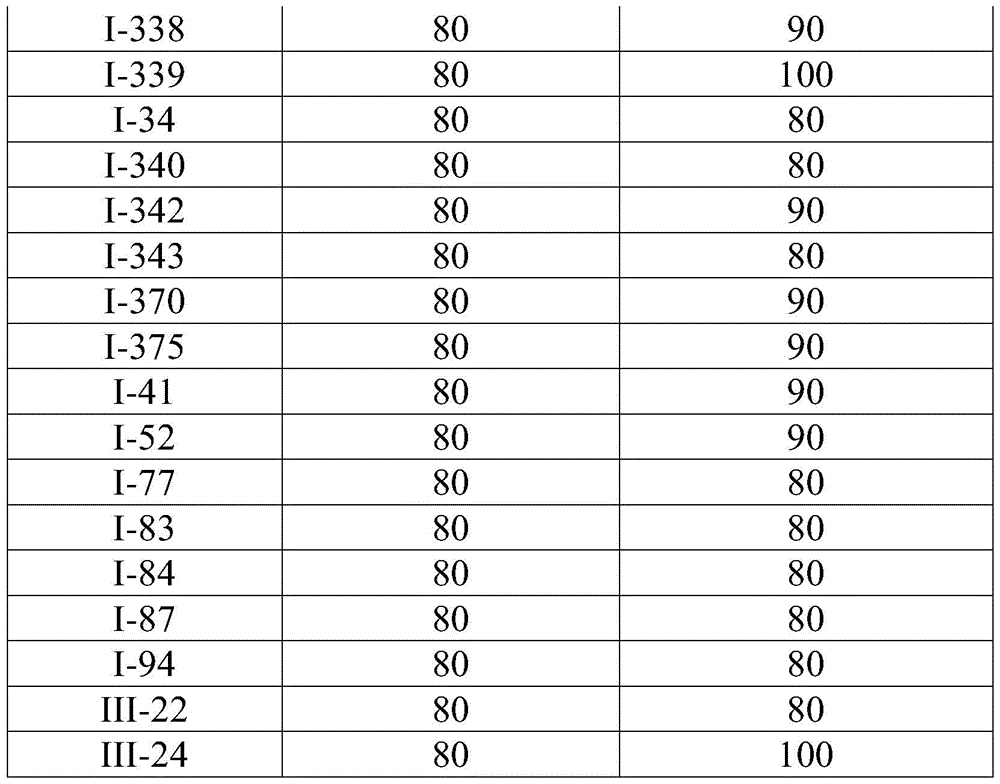
Table A4b: pre-emergence effect (in%) on AVEFA at 320g/ha


Table A5a: pre-emergence effect (in%) against DIGSA at 80g/ha


Table A5b: pre-emergence effect (in%) on DIGSA at 320g/ha


Table A6a: pre-emergence effect (in%) on ECHCG at 80g/ha


Table A6b: pre-emergence effect (in%) on ECHCG at 320g/ha


Table A7a: pre-emergence effects (in%) on LOLRI at 80g/ha


Table A7b: pre-emergence effect (in%) on LOLRI at 320g/ha


Table A8a: pre-emergence effects (in%) on MATIN at 80g/ha


Table A8b: pre-emergence effect (in%) on MATIN at 320g/ha


Table A9a: pre-emergence effect (in%) on PHBPU at 80g/ha


Table A9b: pre-emergence effect (in%) on PHBPU at 320g/ha


Table a10a: pre-emergence effect (in%) on POLCO at 80g/ha


Table a10b: pre-emergence effect (in%) on POLCO at 320g/ha


Table a11a: pre-emergence effect (in%) on SETVI at 80g/ha


Table a11b: pre-emergence effect (in%) on SETVI at 320g/ha


Table a12a: pre-emergence effect (in%) on VERPE at 80g/ha


Table a12b: pre-emergence effect (in%) on VERPE at 320g/ha


Table a13a: pre-emergence effect (in%) on VIOTR at 80g/ha


Table a13b: pre-emergence effect (in%) on VIOTR at 320g/ha


Tables a14 to a18 below show the crop plant compatibility of selected compounds of the general formula (I) according to table 1 at application rates corresponding to 320g/ha or less, which were observed in the experiments described above. The observed effect (value in%) on the selected crop is reported here compared to untreated controls. Additional "a", "b" and "c" give a distinction of dosages for otherwise identical test crops.
Table a14a: pre-emergence effect (in%) on ZEAMX at 20g/ha
| Example number | Dosage [ g/ha ]] | ZEAMX |
| I-01 | 20 | 0 |
| I-02 | 20 | 0 |
| I-11 | 20 | 10 |
| I-13 | 20 | 10 |
| I-16 | 20 | 10 |
Table a14b: pre-emergence effect (in%) on ZEAMX at 80g/ha


Table a14c: pre-emergence effect (in%) on ZEAMX at 320g/ha


Table a15a: pre-emergence effect (in%) on TRZAS at 20g/ha
| Example number | Dosage [ g/ha ]] | TRZAS |
| I-01 | 20 | 0 |
| I-11 | 20 | 0 |
| I-13 | 20 | 10 |
| I-15 | 20 | 10 |
| I-16 | 20 | 10 |
| I-17 | 20 | 10 |
Table a15b: pre-emergence effect (in%) on TRZAS at 80g/ha


Table a15c: pre-emergence effect (in%) on TRZAS at 320g/ha


Table a16a: pre-emergence effect (in%) on ORYSA at 20g/ha
| Example number | Dosage [ g/ha ]] | ORYSA |
| I-02 | 20 | 0 |
| I-11 | 20 | 0 |
| I-13 | 20 | 0 |
| I-16 | 20 | 20 |
| I-17 | 20 | 0 |
Table a16b: pre-emergence effect (in%) on ORYSA at 80g/ha


Table a16c: the effect of 320g/ha on the emergence coat of ORYSA (in%)


Table a17a: pre-emergence effect (in%) on GLXMA at 20g/ha
| Example number | Dosage [ g/ha ]] | GLXMA |
| I-01 | 20 | 0 |
| I-11 | 20 | 10 |
| I-13 | 20 | 10 |
| I-17 | 20 | 10 |
Table a17b: pre-emergence effect (in%) on GLXMA at 80g/ha


Table a17c: pre-emergence effect (in%) on GLXMA at 320g/ha

Table a18a: pre-emergence effect (in%) on BRSNW at 20g/ha
| Example number | Dosage [ g/ha ]] | BRSNW |
| I-01 | 20 | 0 |
| I-11 | 20 | 10 |
| I-13 | 20 | 10 |
| I-15 | 20 | 10 |
| I-16 | 20 | 10 |
Table a18b: pre-emergence effect (in%) on BRSNW at 80g/ha


Table a18c: pre-emergence effect (in%) on BRSNW at 320g/ha


As shown in the results of tables A1 to a18, the compound of the general formula (I) of the present invention has good herbicidal efficacy against harmful plants at an application rate of 320g or less of active substances per hectare, such as abutilon (Abutilon theophrasti) (ABUTH), glaucescent fischer (Alopecurus myosuroides) (ALOMY), amaranthus retroflexus (Amaranthus retroflexus) (AMARE), avena nuda (Avena fatua) (AVEFA), crabgrass (Digitaria sangenius) (DIGSA), barnyard grass (Echinochloa crusgalli) (ECHCG), lolium bararum (LOLRI), feverfew (Matricaria inodora) (MATIN), pharbitis (Pharbitis purpurea) (PHBPU), polygomvolvulus (polygomvculus) (POLCO), setaria virtidis (tvi), aster (Verconica persica) (vee) and Viola tricolor (violarotrior), and good crop plant compatibility in the case of organisms such as rice (Oryza sativa) (ORYSA), corn (Zea mays) (ZEAMX), brassica napus (BRSNW), soybean (Glycine max) (GLXMA) and wheat (Triticum aestivum) (TRZAS) at application rates of 320 grams per hectare or less.
Thus, the compounds of the invention are useful for controlling unwanted plant growth by a pre-emergence method.
B. Post-emergence herbicidal action and crop plant compatibility
Seeds of monocotyledonous and dicotyledonous weeds and crop plants are placed in sandy loam in plastic or organic flowerpots, covered with soil and cultivated in a greenhouse under controlled growth conditions. 2-3 weeks after sowing, the test plants were treated in the single leaf stage. The compounds of the invention (formulated as Wettable Powders (WP) or as Emulsion Concentrates (EC)) are then sprayed onto the green part of the plant as an aqueous suspension or emulsion with 0.5% additive added at a water application rate of 600l/ha (in terms). After the test plants were maintained in the greenhouse for about 3 weeks under optimal growth conditions, the activity of the formulations was assessed visually as compared to untreated controls. For example, 100% activity = plant death, 0% activity = similar control plants.
Tables B1 to B13 below show the effect of selected compounds of the general formula (I) according to Table 1 on various harmful plants at application rates corresponding to 320g/ha or less, which were obtained by the above-described experimental procedure. The additional "a", "b" and "c" give a distinction of dosages for otherwise identical test harmful plants.
Table B1a: post emergence effect (in%) on ABUTH at 80g/ha


Table B1B: post emergence effect (in%) on ABUTH at 320g/ha


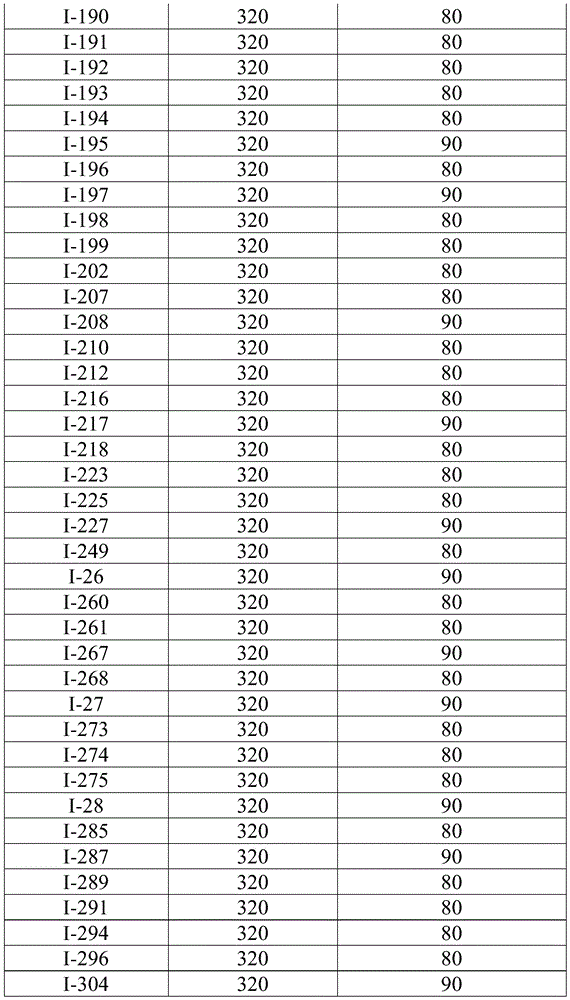


Table B2a: post-emergence effects (in%) on ALOMY at 80g/ha


Table B2B: post-emergence effect (in%) on ALOMY at 320g/ha


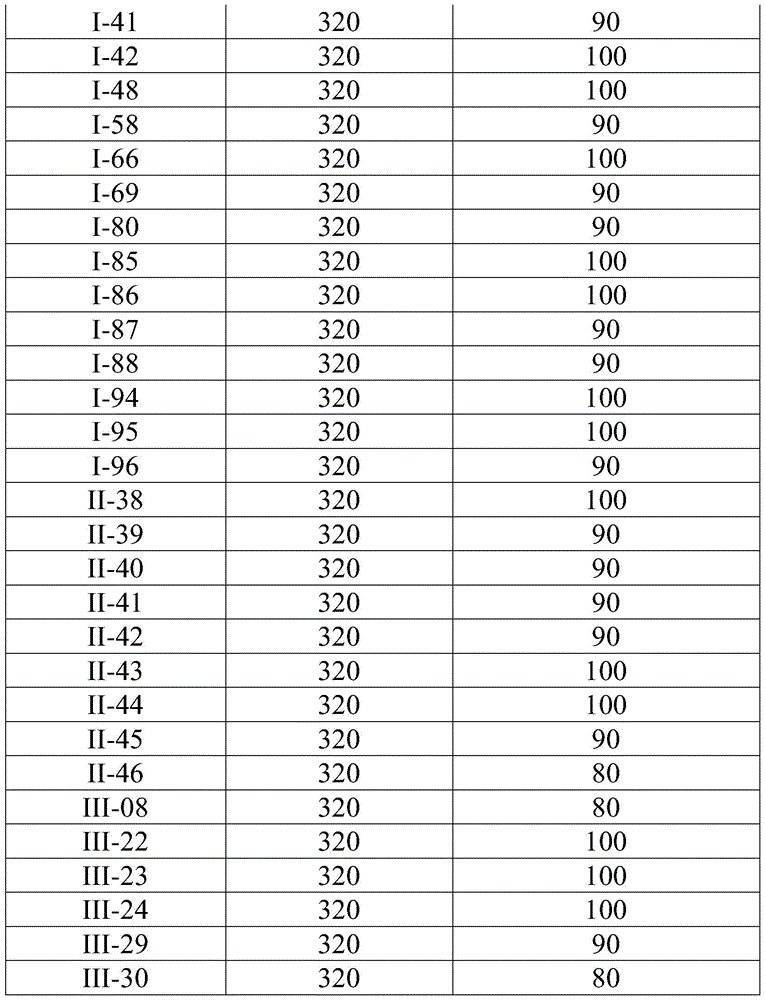
Table B3a: post emergence action (in%) on AMARE at 80g/ha


Table B3B: post emergence action (in%) on AMARE at 320g/ha


Table B4a: post emergence action (in%) on AVEFA at 80g/ha


Table B4B: post emergence action (in%) on AVEFA at 320g/ha


Table B5a: post-emergence effect (in%) on DIGSA at 80g/ha


Table B5B: post-emergence effect (in%) on DIGSA at 320g/ha


Table B6a: post-emergence effect (in%) on ECHCG at 80g/ha


Table B6B: post-emergence effect (in%) on ECHCG at 320g/ha


Table B7a: post-emergence effects (in%) on LOLRI at 80g/ha


Table B7B: post-emergence effects (in%) on LOLRI at 320g/ha


Table B8a: post emergence action (in%) on MATIN at 80g/ha


Table B8B: post emergence action (in%) on MATIN at 320g/ha


Table B9a: post emergence action (in%) on PHBPU at 80g/ha


Table B9B: post emergence action (in%) on PHBPU at 320g/ha


Table 10a: post emergence action (in%) on POLCO at 80g/ha


Table 10b: post emergence action (in%) on POLCO at 320g/ha


Table 11a: post emergence effect (in%) on SETVI at 80g/ha


Table B11B: post emergence effect (in%) on SETVI at 320g/ha


Table B12a: post-emergence effect (in%) on VERPE at 80g/ha


Table B12B: post-emergence effect (in%) on VERPE at 320g/ha


Table B13a: post-emergence effect (in%) on VIOTR at 80g/ha


Table B13B: post-emergence effect (in%) on VIOTR at 320g/ha


Tables B14 to B18 below show the crop plant compatibility of selected compounds of the general formula (I) according to table 1 at application rates corresponding to 320g/ha or less, which were observed in the experiments by the above-described experimental procedure. The observed effect (value in%) on the selected crop is reported here compared to untreated controls. Additional "a", "b" and "c" give a distinction of dosages for otherwise identical test crop plants.
Table B14a: post emergence effect (in%) on ZEAMX at 20g/ha


Table B14B: post emergence effect (in%) on ZEAMX at 80g/ha


Table B15a: post emergence effect (in%) on TRZAS at 20g/ha


Table 15b: post emergence action (in%) on TRZAS at 80g/ha


Table B15c: post emergence action (in%) on TRZAS at 320g/ha

Table B16a: post-emergence effect (in%) on ORYSA at 20g/ha


Table B16B: post-emergence effect (in%) on ORYSA at 80g/ha


Table B16c: post-emergence effect (in%) on ORYSA at 320g/ha


Table B17a: post-emergence effect (in%) on GLXMA at 20g/ha


Table B17B: post-emergence effect (in%) on GLXMA at 80g/ha
| Example number | Dosage [ g/ha ]] | GLXMA |
| I-108 | 80 | 10 |
| I-112 | 80 | 10 |
| I-114 | 80 | 0 |
| I-147 | 80 | 0 |
| I-150 | 80 | 0 |
| I-161 | 80 | 0 |
| I-200 | 80 | 0 |
| I-201 | 80 | 20 |
| I--284 | 80 | 0 |
| I-349 | 80 | 0 |
| I-50 | 80 | 10 |
| I-55 | 80 | 0 |
| I-82 | 80 | 0 |
| III-20 | 80 | 0 |
| III-21 | 80 | 0 |
Table B17c: post-emergence effect (in%) on GLXMA at 320g/ha
| Example number | Dosage [ g/ha ]] | GLXMA |
| I-147 | 320 | 10 |
| I-150 | 320 | 0 |
| I-200 | 320 | 0 |
| I--284 | 320 | 0 |
Table B18a: post-emergence effect (in%) on BRSNW at 20g/ha


Table B18B: post-emergence effect (in%) on BRSNW at 80g/ha
| Example number | Dosage [ g/ha ]] | BRSNW |
| I-109 | 80 | 10 |
| I-110 | 80 | 20 |
| I-112 | 80 | 10 |
| I-200 | 80 | 10 |
| I--284 | 80 | 0 |
| I-349 | 80 | 20 |
| I-50 | 80 | 20 |
| I-55 | 80 | 0 |
| I-62 | 80 | 20 |
| III-21 | 80 | 0 |
Table B18c: post-emergence effect (in%) on BRSNW at 320g/ha
| Example number | Dosage [ g/ha ]] | BRSNW |
| I-200 | 320 | 20 |
| I--284 | 320 | 0 |
As shown in the results of tables B1 to B18, the compounds of the general formula (I) of the present invention have good herbicidal efficacy against harmful plants at an application rate of 320g or less of active substances per hectare, such as Abutilon (ABUTH), amomum tsao (almy), amaranth (AMARE), avena sativa (AVEFA), digitaria (DIGSA), barnyard grass (ECHCG), lolium niruri (LOLRI), feverfew (mati), pharbitis (PHBPU), polygonum multiflorum (polo), setaria (seti), verpa (VERPE) and pansy (VIOTR), and good plant compatibility in the case of organisms such as rice (ORYSA), corn (zeapx), brassica napus (BRSNW), soybean (GLXMA) and wheat (TRZAS) at an application rate of 320g or less per hectare.
Thus, the compounds of the invention are useful for controlling unwanted plant growth by post-emergence methods.
Claims (16)


Applications Claiming Priority (3)
| Application Number | Priority Date | Filing Date | Title |
|---|---|---|---|
| EP20203487.2 | 2020-10-23 | ||
| EP20203487 | 2020-10-23 | ||
| PCT/EP2021/078878 WO2022084278A1 (en) | 2020-10-23 | 2021-10-19 | 1-(pyridyl)-5-azinylpyrazole derivatives, and their use for control of undesired plant growth |
Publications (1)
| Publication Number | Publication Date |
|---|---|
| CN116368129A true CN116368129A (en) | 2023-06-30 |
Family
ID=73013340
Family Applications (1)
| Application Number | Title | Priority Date | Filing Date |
|---|---|---|---|
| CN202180072369.1A Pending CN116368129A (en) | 2020-10-23 | 2021-10-19 | 1-(pyridyl)-5-azinylpyrazole derivatives and their use for controlling unwanted plant growth |
Country Status (9)
| Country | Link |
|---|---|
| US (1) | US20240041042A1 (en) |
| EP (1) | EP4232443B1 (en) |
| JP (1) | JP2023549462A (en) |
| CN (1) | CN116368129A (en) |
| AR (1) | AR123901A1 (en) |
| AU (1) | AU2021367046A1 (en) |
| CA (1) | CA3199303A1 (en) |
| MX (1) | MX2023004617A (en) |
| WO (1) | WO2022084278A1 (en) |
Families Citing this family (3)
| Publication number | Priority date | Publication date | Assignee | Title |
|---|---|---|---|---|
| EP4097087B1 (en) * | 2020-01-31 | 2024-07-31 | Bayer Aktiengesellschaft | [(1,4,5-trisubstituted-1h-pyrazol-3-yl)sulfanyl]acetic acid derivatives, their salts and use of said compounds as herbicidal agents |
| WO2024078871A1 (en) * | 2022-10-14 | 2024-04-18 | Bayer Aktiengesellschaft | 1-pyridyl-5-phenylpyrazolyl-3-oxy- and -3-thioalkyl acids and derivatives and their use for controlling undesired plant growth |
| AR130755A1 (en) * | 2022-10-17 | 2025-01-15 | Bayer Ag | PARA-SUBSTITUTED BROMINE OR IODINE DERIVATIVES OF [(1,5-DIPHENYL-1H-1,2,4-TRIAZOL-3-YL)OXY]ACETIC ACID AND ITS SALTS, PROTECTIVE AGENTS FOR USEFUL PLANTS OR CROPS THAT CONTAIN THEM, PROCEDURES FOR THEIR PREPARATION AND THEIR USE AS PROTECTIVE AGENTS |
Citations (1)
| Publication number | Priority date | Publication date | Assignee | Title |
|---|---|---|---|---|
| CN101611138A (en) * | 2006-12-29 | 2009-12-23 | 陶氏益农公司 | In vitro method for the induction and maintenance of plant cell lines as suspended single cells with intact cell walls and their transformation |
Family Cites Families (81)
| Publication number | Priority date | Publication date | Assignee | Title |
|---|---|---|---|---|
| DE2906507A1 (en) | 1979-02-20 | 1980-08-28 | Bayer Ag | Plant growth regulating compsn. - contg. alpha amino cyclo:alkanoic acid derivs., e.g. for dwarfing cereals |
| DE2828529A1 (en) * | 1978-06-29 | 1980-01-17 | Kali Chemie Pharma Gmbh | NEW 5-PHENYLPYRAZOLE DERIVATIVES, METHOD FOR THE PRODUCTION THEREOF AND MEDICINAL PRODUCTS |
| US4272417A (en) | 1979-05-22 | 1981-06-09 | Cargill, Incorporated | Stable protective seed coating |
| US4245432A (en) | 1979-07-25 | 1981-01-20 | Eastman Kodak Company | Seed coatings |
| DE2948024A1 (en) | 1979-11-29 | 1981-08-27 | Bayer Ag, 5090 Leverkusen | 1-AMINO-CYCLOPROPANCARBONIC ACID DERIVATIVES, METHOD FOR THE PRODUCTION THEREOF AND THEIR USE AS PLANT GROWTH REGULATORS |
| MA19709A1 (en) | 1982-02-17 | 1983-10-01 | Ciba Geigy Ag | APPLICATION OF QUINOLEIN DERIVATIVES TO THE PROTECTION OF CULTIVATED PLANTS. |
| ATE103902T1 (en) | 1982-05-07 | 1994-04-15 | Ciba Geigy Ag | USE OF QUINOLINE DERIVATIVES TO PROTECT CROPS. |
| WO1984002919A1 (en) | 1983-01-17 | 1984-08-02 | Monsanto Co | Plasmids for transforming plant cells |
| BR8404834A (en) | 1983-09-26 | 1985-08-13 | Agrigenetics Res Ass | METHOD TO GENETICALLY MODIFY A PLANT CELL |
| DE3335514A1 (en) | 1983-09-30 | 1985-04-18 | Bayer Ag, 5090 Leverkusen | 1-METHYLAMINO-CYCLOPROPAN-1-CARBONIC ACID DERIVATIVES |
| JPS6087254A (en) | 1983-10-19 | 1985-05-16 | Japan Carlit Co Ltd:The | Novel urea compound and herbicide containing the same |
| DE3525205A1 (en) | 1984-09-11 | 1986-03-20 | Hoechst Ag, 6230 Frankfurt | PLANT PROTECTIVE AGENTS BASED ON 1,2,4-TRIAZOLE DERIVATIVES AND NEW DERIVATIVES OF 1,2,4-TRIAZOLE |
| BR8600161A (en) | 1985-01-18 | 1986-09-23 | Plant Genetic Systems Nv | CHEMICAL GENE, HYBRID, INTERMEDIATE PLASMIDIO VECTORS, PROCESS TO CONTROL INSECTS IN AGRICULTURE OR HORTICULTURE, INSECTICIDE COMPOSITION, PROCESS TO TRANSFORM PLANT CELLS TO EXPRESS A PLANTINIDE TOXIN, PRODUCED BY CULTURES, UNITED BY BACILLA |
| EP0191736B1 (en) | 1985-02-14 | 1991-07-17 | Ciba-Geigy Ag | Use of quinoline derivatives for the protection of crop plants |
| ATE80182T1 (en) | 1985-10-25 | 1992-09-15 | Monsanto Co | PLANT VECTORS. |
| ATE57390T1 (en) | 1986-03-11 | 1990-10-15 | Plant Genetic Systems Nv | PLANT CELLS OBTAINED BY GENOLOGICAL TECHNOLOGY AND RESISTANT TO GLUTAMINE SYNTHETASE INHIBITORS. |
| US5123951A (en) | 1986-03-31 | 1992-06-23 | Rhone-Poulenc Nederland B.V. | Synergistic plant growth regulator compositions |
| EP0305398B1 (en) | 1986-05-01 | 1991-09-25 | Honeywell Inc. | Multiple integrated circuit interconnection arrangement |
| IL83348A (en) | 1986-08-26 | 1995-12-08 | Du Pont | Nucleic acid fragment encoding herbicide resistant plant acetolactate synthase |
| US5013659A (en) | 1987-07-27 | 1991-05-07 | E. I. Du Pont De Nemours And Company | Nucleic acid fragment encoding herbicide resistant plant acetolactate synthase |
| DE3633840A1 (en) | 1986-10-04 | 1988-04-14 | Hoechst Ag | PHENYLPYRAZOLIC CARBONIC ACID DERIVATIVES, THEIR PRODUCTION AND USE AS PLANT GROWTH REGULATORS AND SAFENERS |
| ES2037739T3 (en) | 1986-10-22 | 1993-07-01 | Ciba-Geigy Ag | DERIVATIVES OF THE 1,5-DIPHENYLPIRAZOLE-3-CARBOXYLIC ACID FOR THE PROTECTION OF CROP PLANTS. |
| US4808430A (en) | 1987-02-27 | 1989-02-28 | Yazaki Corporation | Method of applying gel coating to plant seeds |
| DE3733017A1 (en) | 1987-09-30 | 1989-04-13 | Bayer Ag | Stilbene synthase gene |
| DE3808896A1 (en) * | 1988-03-17 | 1989-09-28 | Hoechst Ag | PLANT PROTECTION AGENTS BASED ON PYRAZOL CARBON SEA DERIVATIVES |
| GB8810120D0 (en) | 1988-04-28 | 1988-06-02 | Plant Genetic Systems Nv | Transgenic nuclear male sterile plants |
| DE3817192A1 (en) | 1988-05-20 | 1989-11-30 | Hoechst Ag | PLANT-PROTECTIVE AGENTS CONTAINING 1,2,4-TRIAZOLE DERIVATIVES AND NEW DERIVATIVES OF 1,2,4-TRIAZOLE |
| US5084082A (en) | 1988-09-22 | 1992-01-28 | E. I. Du Pont De Nemours And Company | Soybean plants with dominant selectable trait for herbicide resistance |
| ES2054088T3 (en) | 1988-10-20 | 1994-08-01 | Ciba Geigy Ag | SULFAMOILFENILUREAS. |
| DE3939010A1 (en) | 1989-11-25 | 1991-05-29 | Hoechst Ag | ISOXAZOLINE, METHOD FOR THE PRODUCTION THEREOF AND THEIR USE AS A PLANT PROTECTIVE AGENT |
| DE3939503A1 (en) | 1989-11-30 | 1991-06-06 | Hoechst Ag | NEW PYRAZOLINE FOR THE PROTECTION OF CULTURAL PLANTS AGAINST HERBICIDES |
| EP0472722B1 (en) | 1990-03-16 | 2003-05-21 | Calgene LLC | Dnas encoding plant desaturases and their uses |
| US5198599A (en) | 1990-06-05 | 1993-03-30 | Idaho Resarch Foundation, Inc. | Sulfonylurea herbicide resistance in plants |
| RU2148081C1 (en) | 1990-06-18 | 2000-04-27 | Монсанто Компани | Method of producing genetically transformed plants of increased starch content and recombinant double-stranded dna molecule |
| JP3173784B2 (en) | 1990-06-25 | 2001-06-04 | モンサント カンパニー | Glyphosate-tolerant plants |
| DE4107396A1 (en) | 1990-06-29 | 1992-01-02 | Bayer Ag | STYLE SYNTHASE GENES FROM VINEYARD |
| SE467358B (en) | 1990-12-21 | 1992-07-06 | Amylogene Hb | GENETIC CHANGE OF POTATISE BEFORE EDUCATION OF AMYLOPECT TYPE STARCH |
| EP0492366B1 (en) | 1990-12-21 | 1997-03-26 | Hoechst Schering AgrEvo GmbH | New 5-chloroquinolin-8-oxyalkanecarbonic acid derivatives, process for their preparation and their use as antidotes for herbicides |
| DE4104782B4 (en) | 1991-02-13 | 2006-05-11 | Bayer Cropscience Gmbh | Novel plasmids containing DNA sequences that cause changes in carbohydrate concentration and carbohydrate composition in plants, as well as plants and plant cells containing these plasmids |
| TW259690B (en) | 1992-08-01 | 1995-10-11 | Hoechst Ag | |
| DE4331448A1 (en) | 1993-09-16 | 1995-03-23 | Hoechst Schering Agrevo Gmbh | Substituted isoxazolines, processes for their preparation, compositions containing them and their use as safeners |
| FR2734842B1 (en) | 1995-06-02 | 1998-02-27 | Rhone Poulenc Agrochimie | DNA SEQUENCE OF A HYDROXY-PHENYL PYRUVATE DIOXYGENASE GENE AND OBTAINING PLANTS CONTAINING A HYDROXY-PHENYL PYRUVATE DIOXYGENASE GENE, TOLERANT TO CERTAIN HERBICIDES |
| US5773704A (en) | 1996-04-29 | 1998-06-30 | Board Of Supervisors Of Louisiana State University And Agricultural And Mechanical College | Herbicide resistant rice |
| DE19621522A1 (en) | 1996-05-29 | 1997-12-04 | Hoechst Schering Agrevo Gmbh | New N-acylsulfonamides, new mixtures of herbicides and antidots and their use |
| US5876739A (en) | 1996-06-13 | 1999-03-02 | Novartis Ag | Insecticidal seed coating |
| US5773702A (en) | 1996-07-17 | 1998-06-30 | Board Of Trustees Operating Michigan State University | Imidazolinone herbicide resistant sugar beet plants |
| EP0929543B1 (en) | 1996-09-26 | 2001-10-31 | Syngenta Participations AG | Herbicidal composition |
| DE19652961A1 (en) | 1996-12-19 | 1998-06-25 | Hoechst Schering Agrevo Gmbh | New 2-fluoroacrylic acid derivatives, new mixtures of herbicides and antidots and their use |
| US6071856A (en) | 1997-03-04 | 2000-06-06 | Zeneca Limited | Herbicidal compositions for acetochlor in rice |
| DE19727410A1 (en) | 1997-06-27 | 1999-01-07 | Hoechst Schering Agrevo Gmbh | 3- (5-tetrazolylcarbonyl) -2-quinolones and crop protection agents containing them |
| DE19742951A1 (en) | 1997-09-29 | 1999-04-15 | Hoechst Schering Agrevo Gmbh | Acylsulfamoylbenzoic acid amides, crop protection agents containing them and process for their preparation |
| FR2770854B1 (en) | 1997-11-07 | 2001-11-30 | Rhone Poulenc Agrochimie | DNA SEQUENCE OF A GENE OF HYDROXY-PHENYL PYRUVATE DIOXYGENASE AND PRODUCTION OF PLANTS CONTAINING SUCH A GENE, HERBICIDE TOLERANT |
| FR2772789B1 (en) | 1997-12-24 | 2000-11-24 | Rhone Poulenc Agrochimie | PROCESS FOR THE ENZYMATIC PREPARATION OF HOMOGENTISATE |
| DE19821614A1 (en) | 1998-05-14 | 1999-11-18 | Hoechst Schering Agrevo Gmbh | Sugar beet mutants which are tolerant to sulfonylurea herbicides |
| US6503904B2 (en) | 1998-11-16 | 2003-01-07 | Syngenta Crop Protection, Inc. | Pesticidal composition for seed treatment |
| CA2326020A1 (en) * | 1999-11-17 | 2001-05-17 | Basf Corporation | Herbicidal 2-aryloxy-4-methyl-6-pyrazol-1-yl-pyridines |
| DE60111613T2 (en) | 2000-03-09 | 2006-05-18 | Monsanto Technology Llc. | METHOD FOR PRODUCING GLYPHOSATE TOLERANT PLANTS |
| EP1261252B1 (en) | 2000-03-09 | 2013-04-24 | E.I. Du Pont De Nemours And Company | Sulfonylurea-tolerant sunflower plants |
| US6768044B1 (en) | 2000-05-10 | 2004-07-27 | Bayer Cropscience Sa | Chimeric hydroxyl-phenyl pyruvate dioxygenase, DNA sequence and method for obtaining plants containing such a gene, with herbicide tolerance |
| US6660690B2 (en) | 2000-10-06 | 2003-12-09 | Monsanto Technology, L.L.C. | Seed treatment with combinations of insecticides |
| AR031027A1 (en) | 2000-10-23 | 2003-09-03 | Syngenta Participations Ag | AGROCHEMICAL COMPOSITIONS |
| FR2815969B1 (en) | 2000-10-30 | 2004-12-10 | Aventis Cropscience Sa | TOLERANT PLANTS WITH HERBICIDES BY METABOLIC BYPASS |
| BRPI0116018B1 (en) | 2000-12-07 | 2018-02-27 | Syngenta Limited | POLYNUCLEOTIDE, METHODS FOR PROVIDING A PLANT THAT IS TOLERANT TO HPPD INHIBITOR HERBICIDES AND SELECTIVELY CONTROLING WEED HERBS IN A PLACE UNDERSTANDING CROP PLANTS AND WEED HERBS |
| US20020134012A1 (en) | 2001-03-21 | 2002-09-26 | Monsanto Technology, L.L.C. | Method of controlling the release of agricultural active ingredients from treated plant seeds |
| FR2844142B1 (en) | 2002-09-11 | 2007-08-17 | Bayer Cropscience Sa | TRANSFORMED PLANTS WITH ENHANCED PRENYLQUINON BIOSYNTHESIS |
| AU2004224813B2 (en) | 2003-03-26 | 2010-11-25 | Bayer Cropscience Ag | Use of aromatic hydroxy compounds as safeners |
| DE10335725A1 (en) | 2003-08-05 | 2005-03-03 | Bayer Cropscience Gmbh | Safener based on aromatic-aliphatic carboxylic acid derivatives |
| DE10335726A1 (en) | 2003-08-05 | 2005-03-03 | Bayer Cropscience Gmbh | Use of hydroxyaromatics as safener |
| DE102004023332A1 (en) | 2004-05-12 | 2006-01-19 | Bayer Cropscience Gmbh | Quinoxaline-2-one derivatives, crop protection agents containing them, and processes for their preparation and their use |
| WO2007023719A1 (en) | 2005-08-22 | 2007-03-01 | Kumiai Chemical Industry Co., Ltd. | Agent for reducing chemical injury and herbicide composition with reduced chemical injury |
| WO2007023764A1 (en) | 2005-08-26 | 2007-03-01 | Kumiai Chemical Industry Co., Ltd. | Agent for reduction of harmful effect of herbicide and herbicide composition having reduced harmful effect |
| US20070214515A1 (en) | 2006-03-09 | 2007-09-13 | E.I.Du Pont De Nemours And Company | Polynucleotide encoding a maize herbicide resistance gene and methods for use |
| EP1938686A1 (en) * | 2006-12-29 | 2008-07-02 | Bayer CropScience AG | Substituted 1-(3-pyridinyl)pyrazol-4-yl-acetic acids, process for their preparation and their use as herbicide and plant growth regulator. |
| EP1987717A1 (en) | 2007-04-30 | 2008-11-05 | Bayer CropScience AG | Pyridon carboxamides, agents containing these but not impacting useful plants and method for their manufacture and application |
| EP1987718A1 (en) | 2007-04-30 | 2008-11-05 | Bayer CropScience AG | Utilisation of pyridine-2-oxy-3-carbon amides as safener |
| WO2008150473A2 (en) | 2007-05-30 | 2008-12-11 | Syngenta Participations Ag | Cytochrome p450 genes conferring herbicide resistance |
| CN101998993A (en) | 2008-04-14 | 2011-03-30 | 拜耳生物科学股份有限公司 | Novel mutant hydroxyphenylpyruvate dioxygenases, DNA sequences and isolation of plants tolerant to HPPD inhibitor herbicides |
| CN101284815B (en) * | 2008-05-16 | 2011-04-13 | 南京工业大学 | Pyrazolyloxyacetic acid compounds, preparation method and application |
| SI2324008T1 (en) | 2008-07-24 | 2012-08-31 | Nerviano Medical Sciences Srl | 3,4-diarylpyrazoles as protein kinase inhibitors |
| EP2248421A1 (en) | 2009-05-07 | 2010-11-10 | GMI - Gregor-Mendel-Institut für Molekulare Pflanzenbiologie GmbH | Accumulation of biomass in plants |
| CN101838227A (en) | 2010-04-30 | 2010-09-22 | 孙德群 | Safener of benzamide herbicide |
-
2021
- 2021-10-19 CN CN202180072369.1A patent/CN116368129A/en active Pending
- 2021-10-19 US US18/249,310 patent/US20240041042A1/en active Pending
- 2021-10-19 CA CA3199303A patent/CA3199303A1/en active Pending
- 2021-10-19 WO PCT/EP2021/078878 patent/WO2022084278A1/en not_active Ceased
- 2021-10-19 JP JP2023524371A patent/JP2023549462A/en not_active Ceased
- 2021-10-19 EP EP21790929.0A patent/EP4232443B1/en active Active
- 2021-10-19 MX MX2023004617A patent/MX2023004617A/en unknown
- 2021-10-19 AU AU2021367046A patent/AU2021367046A1/en not_active Abandoned
- 2021-10-22 AR ARP210102941A patent/AR123901A1/en not_active Application Discontinuation
Patent Citations (1)
| Publication number | Priority date | Publication date | Assignee | Title |
|---|---|---|---|---|
| CN101611138A (en) * | 2006-12-29 | 2009-12-23 | 陶氏益农公司 | In vitro method for the induction and maintenance of plant cell lines as suspended single cells with intact cell walls and their transformation |
Non-Patent Citations (1)
| Title |
|---|
| 孟繁浩等主编: "《药物化学》", 31 December 2016, 中国医药科技出版社, pages: 386 * |
Also Published As
| Publication number | Publication date |
|---|---|
| JP2023549462A (en) | 2023-11-27 |
| WO2022084278A1 (en) | 2022-04-28 |
| EP4232443A1 (en) | 2023-08-30 |
| AU2021367046A1 (en) | 2023-06-08 |
| AR123901A1 (en) | 2023-01-25 |
| EP4232443B1 (en) | 2024-12-18 |
| AU2021367046A9 (en) | 2024-09-26 |
| MX2023004617A (en) | 2023-05-09 |
| US20240041042A1 (en) | 2024-02-08 |
| CA3199303A1 (en) | 2022-04-28 |
Similar Documents
| Publication | Publication Date | Title |
|---|---|---|
| CN111868042B (en) | Herbicidally active cyclopentylcarboxylic acid derivatives of 3-phenylisoxazoline-5-carboxamide | |
| CN110770232B (en) | Herbicidal 3-phenylisoxazoline-5-carboxamides of tetrahydro-and dihydrofuran carboxylic acids and esters | |
| CN111164077A (en) | Herbicidally active 3-phenyl-5-trifluoromethyl-isoxazoline-5-carboxamides of cyclopentylcarboxylic acids and esters thereof | |
| CN114071999B (en) | 1-Phenyl-5-azinylpyrazolyl-3-oxyalkyl acids and their use for controlling unwanted plant growth | |
| CN115135152A (en) | 1, 5-diphenylpyrazolyl-3-oxyalkyl acids and 1-phenyl-5-thienylpyrazolyl-3-oxyalkyl acids and their use for controlling undesired vegetation | |
| CN116368129A (en) | 1-(pyridyl)-5-azinylpyrazole derivatives and their use for controlling unwanted plant growth | |
| CN112334446A (en) | 2-Bromo-6-alkoxyphenyl-substituted pyrrolin-2-ones and their use as herbicides | |
| CN115943143A (en) | 1-Pyrazinylpyrazolyl-3-oxyalkanoic acids and their derivatives and their use for controlling unwanted plant growth | |
| CN113557231A (en) | Novel 3-(2-bromo-4-ynyl-6-alkoxyphenyl)-3-pyrrolin-2-ones and their use as herbicides | |
| CN115667231B (en) | Substituted isophthalic acid diamides and their use as herbicides | |
| JP7472109B2 (en) | Herbicidally active substituted phenylpyrimidine hydrazides. | |
| CN120035584A (en) | Substituted N-phenyluracil and its salt and its use as herbicidal active substance | |
| CN115884967A (en) | Substituted isophthalic acid diamides | |
| US20250026724A1 (en) | (1,4,5-trisubstituted 1h-pyrazol-3-yl)oxy-2-alkylthioalkyl acids and -alkyl acid derivatives, salts thereof and use thereof as active herbicidal ingredients | |
| US20240391862A1 (en) | (1,4,5-trisubstituted-1h-pyrazol-3-yl)oxy-2-alkoxy alkyl acids and their derivatives, their salts and their use as herbicidal agents | |
| CN117616017A (en) | N-(1,3,4-oxadiazol-2-yl)benzamide herbicide | |
| CN112513028A (en) | Substituted phenylpyrimidines with herbicidal activity | |
| EA047217B1 (en) | 1-PHENYL-5-AZINYLPYRAZOLYL-3-OXYALKYL ACIDS AND THEIR APPLICATION TO COMBAT UNDESIRABLE PLANT GROWTH | |
| CN113557230A (en) | Specific substituted 3-(2-halogen-6-alkyl-4-propynylphenyl)-3-pyrrolin-2-ones and their use as herbicides | |
| CN113574051A (en) | Specific substituted 3-phenyl-5-spirocyclopentyl-3-pyrrolin-2-ones and their use as herbicides | |
| HK40017722A (en) | Herbicidally active 3-phenylisoxazoline-5-carboxamides of tetrahydro and dihydrofuran carboxylic acids and esters |
Legal Events
| Date | Code | Title | Description |
|---|---|---|---|
| PB01 | Publication | ||
| PB01 | Publication | ||
| SE01 | Entry into force of request for substantive examination | ||
| SE01 | Entry into force of request for substantive examination | ||
| WD01 | Invention patent application deemed withdrawn after publication | ||
| WD01 | Invention patent application deemed withdrawn after publication |
Application publication date: 20230630 |