CN116228940A - Method, device and storage medium for matching animation bones based on topology - Google Patents
Method, device and storage medium for matching animation bones based on topology Download PDFInfo
- Publication number
- CN116228940A CN116228940A CN202310111239.5A CN202310111239A CN116228940A CN 116228940 A CN116228940 A CN 116228940A CN 202310111239 A CN202310111239 A CN 202310111239A CN 116228940 A CN116228940 A CN 116228940A
- Authority
- CN
- China
- Prior art keywords
- image
- topology
- animation
- outer contour
- contour
- Prior art date
- Legal status (The legal status is an assumption and is not a legal conclusion. Google has not performed a legal analysis and makes no representation as to the accuracy of the status listed.)
- Granted
Links
Images





Classifications
-
- G—PHYSICS
- G06—COMPUTING OR CALCULATING; COUNTING
- G06T—IMAGE DATA PROCESSING OR GENERATION, IN GENERAL
- G06T13/00—Animation
- G06T13/20—Three-dimensional [3D] animation
- G06T13/40—Three-dimensional [3D] animation of characters, e.g. humans, animals or virtual beings
-
- G—PHYSICS
- G06—COMPUTING OR CALCULATING; COUNTING
- G06T—IMAGE DATA PROCESSING OR GENERATION, IN GENERAL
- G06T7/00—Image analysis
- G06T7/10—Segmentation; Edge detection
- G06T7/13—Edge detection
-
- G—PHYSICS
- G06—COMPUTING OR CALCULATING; COUNTING
- G06V—IMAGE OR VIDEO RECOGNITION OR UNDERSTANDING
- G06V10/00—Arrangements for image or video recognition or understanding
- G06V10/70—Arrangements for image or video recognition or understanding using pattern recognition or machine learning
- G06V10/74—Image or video pattern matching; Proximity measures in feature spaces
- G06V10/75—Organisation of the matching processes, e.g. simultaneous or sequential comparisons of image or video features; Coarse-fine approaches, e.g. multi-scale approaches; using context analysis; Selection of dictionaries
-
- G—PHYSICS
- G06—COMPUTING OR CALCULATING; COUNTING
- G06V—IMAGE OR VIDEO RECOGNITION OR UNDERSTANDING
- G06V10/00—Arrangements for image or video recognition or understanding
- G06V10/70—Arrangements for image or video recognition or understanding using pattern recognition or machine learning
- G06V10/764—Arrangements for image or video recognition or understanding using pattern recognition or machine learning using classification, e.g. of video objects
- G06V10/765—Arrangements for image or video recognition or understanding using pattern recognition or machine learning using classification, e.g. of video objects using rules for classification or partitioning the feature space
Landscapes
- Engineering & Computer Science (AREA)
- Theoretical Computer Science (AREA)
- Physics & Mathematics (AREA)
- General Physics & Mathematics (AREA)
- Computer Vision & Pattern Recognition (AREA)
- Databases & Information Systems (AREA)
- Artificial Intelligence (AREA)
- Computing Systems (AREA)
- Health & Medical Sciences (AREA)
- Evolutionary Computation (AREA)
- General Health & Medical Sciences (AREA)
- Medical Informatics (AREA)
- Software Systems (AREA)
- Multimedia (AREA)
- Processing Or Creating Images (AREA)
- Image Analysis (AREA)
Abstract
本申请提供了一种基于拓扑结构匹配动画骨骼的方法、装置及存储介质,其中,该方法包括:获取静态图像,并从所述静态图像中提取所述静态图像中的目标对象的外轮廓;确定所述外轮廓内的图像的拓扑结构,并基于所述拓扑结构,将所述外轮廓内的图像与动画骨骼库中的动画骨骼进行匹配,其中,所匹配的动画骨骼用来动态显示所述外轮廓内的图像。本申请解决了相关技术中由于所匹配的动画骨骼不适合导致的动态显示静态图像不协调的技术问题。

The present application provides a method, device, and storage medium for matching animation skeletons based on topology, wherein the method includes: acquiring a static image, and extracting the outline of a target object in the static image from the static image; Determine the topological structure of the image in the outer contour, and based on the topological structure, match the image in the outer contour with the animation skeleton in the animation skeleton library, wherein the matched animation skeleton is used to dynamically display the Describe the image inside the outline. The present application solves the technical problem in the related art that the dynamic display of static images is not coordinated due to the inappropriate matching animation skeleton.
Description
技术领域technical field
本申请涉及图像处理领域,具体而言,涉及一种基于拓扑结构匹配动画骨骼的方法、装置及存储介质。The present application relates to the field of image processing, in particular, to a method, device and storage medium for matching animation skeletons based on topology.
背景技术Background technique
随着手机、平板电脑等智能电子设备的普及和应用,尤其伴随摄像头硬件的不断升级,以及人脸识别技术的成熟,越来越多的用户喜欢使用手机来拍照,手机拍照已逐渐取代了相机拍照。虽然现有的手机拍照技术可以对相片进行一些简单的处理,例如,对相片中人物进行美化、调色,或对背景进行虚化等,但是,采用这些图像处理技术处理后的相片还是静态图像,交互性差,这对于满足人们的娱乐需求,还远远不够。With the popularization and application of smart electronic devices such as mobile phones and tablet computers, especially with the continuous upgrading of camera hardware and the maturity of face recognition technology, more and more users like to use mobile phones to take pictures, and mobile phones have gradually replaced cameras. Photograph. Although the existing mobile phone camera technology can perform some simple processing on photos, for example, beautify and color the characters in the photos, or blur the background, etc., but the photos processed by these image processing technologies are still static images. , poor interactivity, which is far from enough to meet people's entertainment needs.
为了使手机等智能电子设备拍摄的静态图像能够动态显示,本申请人曾于2017年5月31日向国家知识产权局提交了申请号为201611088517.6的发明专利申请,该申请公开了一种静态图像转换为动态影像的方法和装置。在该申请中,首先,获取电子图像,提取电子图像中对象的轮廓特征,得到对象的轮廓内图像;之后,基于拓扑结构分析,得到轮廓内图像对应的动画骨骼信息文件,根据轮廓内图像和对应的动画骨骼信息文件,将电子图像中的目标对象转换为矢量模型;最后,根据矢量模型和相应的轮廓内图像,得到带五官的矢量模型,并采用五官表情驱动或肢体驱动的方式,驱动静态图像动起来。In order to enable dynamic display of static images captured by smart electronic devices such as mobile phones, the applicant submitted an application for a patent for invention with the application number 201611088517.6 to the State Intellectual Property Office on May 31, 2017, which disclosed a static image conversion A method and device for moving images. In this application, firstly, the electronic image is obtained, the contour features of the object in the electronic image are extracted, and the image within the contour of the object is obtained; then, based on the topology analysis, the animation skeleton information file corresponding to the image within the contour is obtained, and according to the image within the contour and The corresponding animation skeleton information file converts the target object in the electronic image into a vector model; finally, according to the vector model and the corresponding image in the outline, the vector model with facial features is obtained, and the facial expression-driven or limb-driven method is used to drive Static images come to life.
但是,该方案并没有公开如何分析拓扑结构,所匹配的动画骨骼信息文件有时并不是十分适合,造成动态显示静态图像时整体协调性不好,用户体验不高。However, this solution does not disclose how to analyze the topology structure, and the matched animation skeleton information files are sometimes not very suitable, resulting in poor overall coordination and poor user experience when dynamically displaying static images.
针对上述的问题,目前尚未提出有效的解决方案。For the above problems, no effective solution has been proposed yet.
发明内容Contents of the invention
本申请实施例提供了一种基于拓扑结构匹配动画骨骼的方法、装置及存储介质,以至少解决由于所匹配的动画骨骼不适合导致的动态显示静态图像不协调的技术问题。Embodiments of the present application provide a method, device, and storage medium for matching animation skeletons based on topological structure, so as to at least solve the technical problem of incoordination of dynamically displayed static images caused by inappropriate matching animation skeletons.
根据本申请实施例的一个方面,提供了基于拓扑结构匹配动画骨骼的方法,包括:获取静态图像,并从所述静态图像中提取所述静态图像中的目标对象的外轮廓;确定所述外轮廓内的图像的拓扑结构,并基于所述拓扑结构,将所述外轮廓内的图像与动画骨骼库中的动画骨骼进行匹配,其中,所匹配的动画骨骼用来动态显示所述外轮廓内的图像。According to an aspect of the embodiment of the present application, a method for matching animation skeletons based on topology is provided, including: acquiring a static image, and extracting the outer contour of the target object in the static image from the static image; determining the outer contour The topological structure of the image in the outline, and based on the topology, match the image in the outer outline with the animation skeleton in the animation skeleton library, wherein the matched animation skeleton is used to dynamically display the image in the outer outline Image.
根据本申请实施例的另一方面,还提供了一种基于拓扑结构匹配动画骨骼的装置,包括:轮廓获取模块,被配置为获取静态图像,并从所述静态图像中提取所述静态图像中的目标对象的外轮廓;拓扑分析模块,被配置为确定所述外轮廓内的图像的拓扑结构,并基于所述拓扑结构,将所述外轮廓内的图像与动画骨骼库中的动画骨骼进行匹配,其中,所匹配的动画骨骼用来动态显示所述外轮廓内的图像。According to another aspect of the embodiment of the present application, there is also provided a device for matching animation skeletons based on topology, including: a contour acquisition module configured to acquire a static image, and extract the static image from the static image The outer contour of the target object; the topology analysis module is configured to determine the topological structure of the image in the outer contour, and based on the topological structure, compare the image in the outer contour with the animation skeleton in the animation skeleton library Matching, wherein the matched animation skeleton is used to dynamically display the image in the outer outline.
在本申请实施例中,确定静态图像中的目标对象的外轮廓内的图像的拓扑结构,并基于所述拓扑结构,将所述外轮廓内的图像与动画骨骼库中的动画骨骼进行匹配,进而解决了由于所匹配的动画骨骼不适合导致的动态显示静态图像不协调的技术问题。In the embodiment of the present application, the topological structure of the image in the outer contour of the target object in the static image is determined, and based on the topological structure, the image in the outer contour is matched with the animation skeleton in the animation skeleton library, Furthermore, the technical problem of incongruity in dynamic display of static images caused by inappropriate animation skeletons is solved.
附图说明Description of drawings
此处所说明的附图用来提供对本申请的进一步理解,构成本申请的一部分,本申请的示意性实施例及其说明用于解释本申请,并不构成对本申请的不当限定。在附图中:The drawings described here are used to provide a further understanding of the application and constitute a part of the application. The schematic embodiments and descriptions of the application are used to explain the application and do not constitute an improper limitation to the application. In the attached picture:
图1是根据本申请实施例的一种静态图像的动态显示方法的流程图;FIG. 1 is a flowchart of a method for dynamically displaying a static image according to an embodiment of the present application;
图2是根据本申请实施例的另一种静态图像的动态显示方法的流程图;Fig. 2 is a flow chart of another dynamic display method of a static image according to an embodiment of the present application;
图3是根据本申请实施例的又一种静态图像的动态显示方法的流程图;Fig. 3 is a flowchart of another method for dynamically displaying a static image according to an embodiment of the present application;
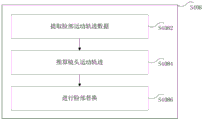
图4是根据本申请实施例的一种能够替换脸部的静态图像的动态显示方法的流程图;Fig. 4 is a flow chart of a dynamic display method capable of replacing a static image of a face according to an embodiment of the present application;
图5是根据本申请实施例的对动态显示的目标对象进行换脸处理的方法的流程图;5 is a flowchart of a method for performing face-changing processing on a dynamically displayed target object according to an embodiment of the present application;
图6是根据本申请实施例的相邻两帧图片中像素点的光流示意图;6 is a schematic diagram of the optical flow of pixels in two adjacent frames of pictures according to an embodiment of the present application;
图7是根据本申请实施例的具有集成窗口的相邻两帧图片中像素点的光流示意图;7 is a schematic diagram of the optical flow of pixels in two adjacent frames of pictures with integrated windows according to an embodiment of the present application;
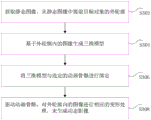
图8是根据本申请实施例的一种基于拓扑结构匹配动画骨骼的方法的流程图;FIG. 8 is a flow chart of a method for matching animation skeletons based on topology according to an embodiment of the present application;
图9是根据本申请实施例的另一种基于拓扑结构匹配动画骨骼的方法的流程图;FIG. 9 is a flow chart of another method for matching animation skeletons based on topology according to an embodiment of the present application;
图10是根据本申请实施例的一种静态图像的动态显示装置的结构示意图;Fig. 10 is a schematic structural diagram of a static image dynamic display device according to an embodiment of the present application;
图11是根据本申请实施例的一种基于拓扑结构匹配动画骨骼的装置的结构示意图;Fig. 11 is a schematic structural diagram of a device for matching animation skeletons based on topology according to an embodiment of the present application;
图12是根据本申请实施例的一种电子设备的示意图。Fig. 12 is a schematic diagram of an electronic device according to an embodiment of the present application.
具体实施方式Detailed ways
为了使本技术领域的人员更好地理解本申请方案,下面将结合本申请实施例中的附图,对本申请实施例中的技术方案进行清楚、完整地描述,显然,所描述的实施例仅仅是本申请一部分的实施例,而不是全部的实施例。基于本申请中的实施例,本领域普通技术人员在没有做出创造性劳动前提下所获得的所有其他实施例,都应当属于本申请保护的范围。In order to enable those skilled in the art to better understand the solution of the present application, the technical solution in the embodiment of the application will be clearly and completely described below in conjunction with the accompanying drawings in the embodiment of the application. Obviously, the described embodiment is only It is an embodiment of a part of the application, but not all of the embodiments. Based on the embodiments in this application, all other embodiments obtained by persons of ordinary skill in the art without creative efforts shall fall within the scope of protection of this application.
需要说明的是,本申请的说明书和权利要求书及上述附图中的术语“第一”、“第二”等是用于区别类似的对象,而不必用于描述特定的顺序或先后次序。应该理解这样使用的数据在适当情况下可以互换,以便这里描述的本申请的实施例能够以除了在这里图示或描述的那些以外的顺序实施。此外,术语“包括”和“具有”以及他们的任何变形,意图在于覆盖不排他的包含,例如,包含了一系列步骤或单元的过程、方法、系统、产品或设备不必限于清楚地列出的那些步骤或单元,而是可包括没有清楚地列出的或对于这些过程、方法、产品或设备固有的其它步骤或单元。It should be noted that the terms "first" and "second" in the description and claims of the present application and the above drawings are used to distinguish similar objects, but not necessarily used to describe a specific sequence or sequence. It is to be understood that the data so used are interchangeable under appropriate circumstances such that the embodiments of the application described herein can be practiced in sequences other than those illustrated or described herein. Furthermore, the terms "comprising" and "having", as well as any variations thereof, are intended to cover a non-exclusive inclusion, for example, a process, method, system, product or device comprising a sequence of steps or elements is not necessarily limited to the expressly listed instead, may include other steps or elements not explicitly listed or inherent to the process, method, product or apparatus.
实施例1Example 1
根据本申请实施例,提供了一种静态图像的动态显示方法,如图1所示,该方法包括:According to an embodiment of the present application, a method for dynamically displaying a static image is provided, as shown in FIG. 1 , the method includes:
步骤S102,获取静态图像,并从所述静态图像中提取所述静态图像中的目标对象的外轮廓,得到所述目标对象的外轮廓的外边缘位置数据。Step S102, acquiring a static image, and extracting the outer contour of the target object in the static image from the static image to obtain outer edge position data of the outer contour of the target object.
静态图像可以是由成像设备拍摄的照片,也可以是由图形软件或图形工具创建的图像,格式可以是视频中的帧图像、JPG图片等。A still image can be a photo taken by an imaging device, or an image created by graphics software or a graphics tool, and the format can be a frame image in a video, a JPG picture, etc.
在一些实施例中,可以根据所述静态图像的至少两个边缘中每个边缘的长度,获得对应于所述每个边缘的多个目标序列值;之后,确定所述多个目标序列值中的每个目标序列值对应于所述外轮廓的概率;最后,基于所确定的概率,从所述静态图像中提取所述目标对象的外轮廓。In some embodiments, a plurality of target sequence values corresponding to each edge may be obtained according to the length of each edge in at least two edges of the static image; and then, among the plurality of target sequence values is determined Each target sequence value of corresponds to the probability of the outer contour; finally, based on the determined probability, the outer contour of the target object is extracted from the static image.
在另一些实施例中,还可以提取静态图像中的目标对象的轮廓特征以获得目标对象的外轮廓内的图像。例如,对静态图像执行轮廓特征提取、图像的边缘检测、颜色空间特征的映射等操作,以获得目标对象的外轮廓的外边缘位置数据。In some other embodiments, contour features of the target object in the static image may also be extracted to obtain an image within the outer contour of the target object. For example, operations such as contour feature extraction, image edge detection, and color space feature mapping are performed on the static image to obtain outer edge position data of the outer contour of the target object.
步骤S104,将所述外边缘位置数据与动画骨骼库中的动画骨骼进行匹配,并将所述外边缘位置数据与匹配的动画骨骼进行绑定。Step S104, matching the outer edge position data with animation bones in the animation skeleton library, and binding the outer edge position data with the matched animation bones.
在一些实施例中,可以采用方向切割的方法来将所述外边缘位置数据与动画骨骼库中的各个动画骨骼进行匹配。In some embodiments, a direction cutting method may be used to match the outer edge position data with each animation bone in the animation bone library.
首先,对动画骨骼进行预处理。例如,基于所述外边缘位置数据,估算所述外轮廓内的图像的面积和几何形状;基于所估算的面积,对所述动画骨骼库中的动画骨骼进行缩放,并基于所估算出的几何形状,对所述动画骨骼库中的动画骨骼进行旋转。First, preprocess the skeleton for animation. For example, based on the outer edge position data, estimate the area and geometric shape of the image inside the outer contour; based on the estimated area, scale the animation skeleton in the animation skeleton library, and based on the estimated geometry Shape, to rotate the animation skeleton in the animation skeleton library.
之后,基于方向对轮廓内的图像进行切割,并对切割后得到的子图像进行匹配。例如,基于预设的多个方向,将所述外轮廓内的图像划分为多个子图像;然后,针对所述多个方向中的每一个方向,判断与该方向相应的子图像的外边缘位置数据与处理后的动画骨骼在该方向上的位置数据是否匹配。Afterwards, the image within the contour is segmented based on the orientation, and the sub-images obtained after segmenting are matched. For example, based on a plurality of preset directions, the image inside the outer contour is divided into a plurality of sub-images; then, for each direction in the plurality of directions, the position of the outer edge of the sub-image corresponding to the direction is determined Whether the data matches the position data of the processed animation bone in this direction.
在另一些实施例中,可以采用分析拓扑结构的方法来将所述外边缘位置数据与动画骨骼库中的各个动画骨骼进行匹配。In other embodiments, a topology analysis method may be used to match the outer edge position data with each animation skeleton in the animation skeleton library.
例如,首先基于所述外边缘位置数据和所述轮廓内的图像,构建与所述轮廓内的图像对应的三维模型;接着,在所述三维模型的三角形网格上定义连续函数,并根据所述三角形网格上的各个顶点的三维坐标,利用所述连续函数计算各个所述顶点的函数值;然后,将所述顶点的函数值相同且位于同一连通分量上的顶点划归为一类,并作为新的节点商集;最后,基于所述新的节点商集,生成拓扑结构,并基于所述拓扑结构,来与动画骨骼库中的动画骨骼进行匹配。For example, first, based on the outer edge position data and the image in the outline, a three-dimensional model corresponding to the image in the outline is constructed; then, a continuous function is defined on the triangular mesh of the three-dimensional model, and according to the The three-dimensional coordinates of each vertex on the triangle mesh, utilize the continuous function to calculate the function value of each described vertex; then, the function value of the vertex is the same and the vertices located on the same connected component are classified into a class, And as a new node business set; finally, based on the new node business set, a topology structure is generated, and based on the topology structure, it is matched with the animation bones in the animation bone library.
步骤S106,驱动所绑定的动画骨骼,并基于所绑定的动画骨骼的运动轨迹来对所述外轮廓内的图像进行变形处理,以动态显示所述静态图像中的所述目标对象。Step S106 , driving the bound animation skeleton, and performing deformation processing on the image inside the outer outline based on the motion trajectory of the bound animation skeleton, so as to dynamically display the target object in the static image.
首先,进行预变形。例如,计算所述外轮廓内的图像的能量图;基于所述能量图,寻找所述外轮廓内的图像的所述最小能量线。之后,基于所述最小能量线和所述运动轨迹,移动所述外轮廓内的图像内的各个像素,并计算移动后的各个像素的光流场;然后,基于所述光流场,计算所述外轮廓内的图像内的各个像素的运动矢量,以对所述外轮廓内的图像进行预变形。First, pre-deformation is performed. For example, calculating an energy map of the image within the outer contour; based on the energy map, finding the minimum energy line of the image within the outer contour. Afterwards, based on the minimum energy line and the motion track, move each pixel in the image in the outer contour, and calculate the optical flow field of each pixel after moving; then, based on the optical flow field, calculate the The motion vector of each pixel in the image within the outer contour is described, so as to pre-deform the image within the outer contour.
之后,对预变形后的图像进行网格划分,以划分后的所述网格的顶点为控制顶点,利用相似变幻,对所述预变形后的图像进行全局变形。Afterwards, the pre-deformed image is divided into grids, and the vertices of the divided grids are used as control vertices, and the pre-deformed image is globally deformed by using similar transformation.
本实施例中,将目标对象的外边缘位置数据与动画骨骼库中的动画骨骼进行匹配,并将外边缘位置数据与匹配的动画骨骼进行绑定;驱动所绑定的动画骨骼,并基于所绑定的动画骨骼的运动轨迹来对所述外轮廓内的图像进行变形处理,进而解决了由于未对轮廓内的图像进行变形处理而造成的动态显示不协调的技术问题。In this embodiment, match the outer edge position data of the target object with the animation bones in the animation skeleton library, and bind the outer edge position data with the matched animation bones; drive the bound animation bones, and based on the The motion track of the bound animation skeleton is used to deform the image in the outer outline, thereby solving the technical problem of incoordination of dynamic display caused by not deforming the image in the outline.
实施例2Example 2
根据本申请实施例,提供了另一种静态图像的动态显示方法,如图2所示,该方法包括:According to an embodiment of the present application, another dynamic display method of a static image is provided, as shown in FIG. 2 , the method includes:
步骤S202,获取静态图像。Step S202, acquiring a static image.
静态图像可以是由智能电子设备例如,手机、平板电脑、照相机等拍摄的照片,也可以是由图形软件或绘图工具制作的图像,还可以是从智能电子设备的相册中获取的一张照片或从网络上下载的一张图片。在一些示例中,静态图像还可以是视频影像中的帧图像,例如,与眼部对应的静态图像可以是闭眼动作的帧图像或睁眼动作的帧图像。A static image can be a photo taken by a smart electronic device such as a mobile phone, a tablet computer, a camera, etc., or an image made by a graphics software or a drawing tool, or a photo obtained from an album of a smart electronic device or A picture downloaded from the Internet. In some examples, the static image may also be a frame image in a video image, for example, the static image corresponding to the eyes may be a frame image of an eye closing action or an eye opening action frame image.
步骤S204,从静态图像中提取目标对象的外轮廓。Step S204, extracting the outer contour of the target object from the static image.
在一些实施例中,可以对静态图像进行检测,从静态图像中提取出目标对象的外轮廓,例如,人、动物、植物、物品等的外轮廓。例如,对静态图像进行边缘检测、颜色空间特征映射,以获取目标对象的外轮廓。边缘检测的方法将在下文详细描述,此处不再赘述。In some embodiments, the static image may be detected, and the outer contour of the target object, for example, the outer contour of a person, animal, plant, object, etc., may be extracted from the static image. For example, edge detection and color space feature mapping are performed on static images to obtain the outer contour of the target object. The method of edge detection will be described in detail below, and will not be repeated here.
在另外一些实施例中,也可以接收用户输入的指令,基于用户输入的指令来从静态图像中选定目标对象的外轮廓。例如,用户通过手指在触摸屏上划定的静态图像中的范围或用户使用绘图工具在静态图像中选定的范围,以获取目标对象的外轮廓。In some other embodiments, an instruction input by the user may also be received, and the outer contour of the target object is selected from the static image based on the instruction input by the user. For example, the user draws a range in the static image on the touch screen with a finger or selects a range in the static image by the user using a drawing tool, so as to obtain the outer contour of the target object.
本实施例中的目标对象不限于静态图像中的整体目标,例如,人、动物、植物,物品等,还可以是静态图像中的某一个或某一些特征区域,例如,在静态图像包含人的情况下,特征区域可以是人的眼部、口部、鼻部、耳部、手部、足部、躯干部等,也可以是上述部分部位的结合,例如,眼部、口部、鼻部、耳部的结合。The target object in this embodiment is not limited to the overall target in the static image, for example, people, animals, plants, articles, etc., but also can be a certain one or some characteristic regions in the static image, for example, in the static image containing people In some cases, the feature area can be human eyes, mouth, nose, ears, hands, feet, torso, etc., or a combination of the above parts, for example, eyes, mouth, nose , The combination of the ear.
之后,基于所提取的外轮廓,得到外轮廓的外边缘位置数据。Then, based on the extracted outer contour, the outer edge position data of the outer contour is obtained.
步骤S206,将轮廓内的图像与选定的动画骨骼进行绑定。Step S206, binding the image in the outline with the selected animation bone.
遍历动画骨骼库中的各个动画骨骼,通过移动旋转和缩放,调节每一个动画骨骼,来匹配轮廓内的图像。Traverse each animation bone in the animation bone library, and adjust each animation bone to match the image in the outline by moving, rotating and scaling.
在一些实施例中,在匹配外轮廓内的图像和动画骨骼时,剥离外轮廓内的图像的一层对象体素,同时保持外轮廓内的图像拓扑和局部伸长。然后将外轮廓内的图像划分为例如六个方向上的子图像,例如,北、南、东、西、上和下六个方向上的子图像。每个方向执行一个子迭代,以判断该方向的动画骨骼和该方向的外轮廓内的图像的外边缘位置数据是否相匹配,其中,并行处理相应方向子图像中的体素。In some embodiments, when matching the image within the outer contour with the animation skeleton, a layer of object voxels of the image within the outer contour is stripped while maintaining the topology and local elongation of the image within the outer contour. The image within the outer contour is then divided into, for example, sub-images in six directions, for example, sub-images in six directions of north, south, east, west, up and down. A sub-iteration is performed for each direction to determine whether the animation skeleton in this direction matches the outer edge position data of the image in the outer contour of the direction, wherein the voxels in the sub-image in the corresponding direction are processed in parallel.
在另一些实施例中,可以首先分割外轮廓内的图像,使得任何体素的简单性与来自同一子图像的任何其他体素的对象配置彼此独立。之后,在三维立方体网格中定义八个子场,并建立其拓扑保持特性。利用迭代并行算法,来分别计算在八个子场中,外轮廓内的图像的距离变换和缩放后的动画骨骼的距离变换是否匹配。In other embodiments, the image within the outer contour may be first segmented such that the simplicity of any voxel is independent of the object configuration of any other voxel from the same sub-image. Afterwards, eight subfields are defined in the 3D cube grid and their topology preserving properties are established. An iterative parallel algorithm is used to respectively calculate whether the distance transformation of the image inside the outer contour matches the distance transformation of the scaled animation skeleton in the eight subfields.
步骤S208,驱动动画骨骼,对外轮廓内的图像进行相应的变形处理,来生成动态影像。Step S208, driving the animation skeleton to perform corresponding deformation processing on the image inside the outer contour to generate a dynamic image.
首先,需要寻找计算外轮廓内的图像的最小能量线,对外轮廓内的图像进行预变形。例如,可以将外轮廓内的图像放大成矩形图像。计算矩形图像的能量图;基于所述能量图,寻找矩形图像的最小能量线。外轮廓内的图像中的每个像素点都可以基于动画骨骼的运动轨迹移动其位置。外轮廓内的图像的像素点可以用Seam映射算法增强。假设像素点的位置移动为I’(x,y),那么可以计算其光流场u(x,y)-I’(x,y)。这样,在外轮廓内的图像变为局部扭转图像后,计算出每个像素的运动矢量。First, it is necessary to find and calculate the minimum energy line of the image inside the outer contour, and pre-deform the image inside the outer contour. For example, the image within the outer outline can be enlarged into a rectangular image. An energy map of the rectangular image is calculated; based on the energy map, a minimum energy line of the rectangular image is found. Each pixel in the image inside the outline can move its position based on the animation bone's motion trajectory. The pixels of the image inside the outline can be enhanced with the Seam mapping algorithm. Assuming that the position movement of the pixel point is I'(x, y), then its optical flow field u(x, y)-I'(x, y) can be calculated. In this way, after the image inside the outer contour becomes a locally twisted image, the motion vector of each pixel is calculated.
接着,先对矩形图像进行网格划分,之后,在记录分区之后,每个像素点通过运动场进行变形后产生局部扭转图像。在运动场中,反变形,同时记录每个顶点的新位置,并将每个顶点的新位置存储在网格中。Next, the rectangular image is meshed first, and then, after recording partitions, each pixel is deformed by a motion field to generate a local torsion image. In the playing field, the deformation is reversed, while recording the new position of each vertex and storing the new position of each vertex in the mesh.
以这些网格顶点新位置v’(x,y)为控制顶点,利用相似变换的变形方法,对外轮廓内的图像进行全局变形。变形的控制顶点为v’(x,y),变形后的位置为v(x,y),据此可以得到全局的图像变形结果。Taking the new position v'(x, y) of these grid vertices as the control vertices, the image inside the outer contour is globally deformed by using the deformation method of similar transformation. The deformed control vertex is v'(x, y), and the deformed position is v(x, y), according to which the global image deformation result can be obtained.
本实施例中,通过计算外轮廓内的图像的各个像素的光流场,来对外轮廓内的图像进行预变形,并在预变形之后,进行全局变形,以达到更协调地动态显示静态图像中的目标对象的目的,进而解决现有技术中无法协调地动态显示静止图像所导致的用户体验差的技术问题。In this embodiment, by calculating the optical flow field of each pixel of the image in the outer contour, the image in the outer contour is pre-deformed, and after the pre-deformation, the global deformation is performed to achieve a more coordinated dynamic display of the static image. target object, and further solve the technical problem in the prior art that the static image cannot be dynamically displayed in a coordinated manner, resulting in poor user experience.
实施例3Example 3
根据本申请实施例,提供了又一种静态图像的动态显示方法,如图3所示,该方法包括:According to an embodiment of the present application, another method for dynamically displaying a static image is provided, as shown in FIG. 3 , the method includes:
步骤S302,获取静态图像,从静态图像中提取目标对象的外轮廓。Step S302, acquire a static image, and extract the outer contour of the target object from the static image.
在本实施例中,利用边缘检测方法来从静态图像中提取目标对象的外轮廓。In this embodiment, an edge detection method is used to extract the outer contour of the target object from the static image.
首先,根据静态图像的至少两个边缘的每个边缘的长度,获得对应于该边缘的多个目标序列值。在获得静态图像后,根据静态图像中各边缘的长度,得到对应于该边缘的多个目标序列值,例如,对静态图像的至少两个边缘的边缘长度离散化以获得多个目标序列值。其中,多个目标序列值可以是0和x之间的任意值,x是边缘长度值。Firstly, according to the length of each edge of at least two edges of the static image, a plurality of target sequence values corresponding to the edge are obtained. After the static image is obtained, according to the length of each edge in the static image, multiple target sequence values corresponding to the edge are obtained, for example, the edge lengths of at least two edges in the static image are discretized to obtain multiple target sequence values. Wherein, the multiple target sequence values can be any value between 0 and x, and x is an edge length value.
接着,根据静态图像获取目标跟踪特征,目标跟踪特征表示对应于至少两个边缘的多个目标序列值中的每个目标序列值对应于静态图像中的目标对象的外轮廓位置的概率。Next, the target tracking feature is obtained according to the static image, and the target tracking feature represents the probability that each target sequence value in the plurality of target sequence values corresponding to at least two edges corresponds to the position of the outer contour of the target object in the static image.
外轮廓的边缘是灰度值不连续的结果,这种不连续可以利用空间微分算子通过卷积来进行边缘检测,以进一步地获取目标跟踪特征。具体地,利用滤波器来滤除外轮廓图像内的噪声,以提高相关边缘检测的性能。然后,利用滤除噪声后的外轮廓内的图像的强度的一阶导数和二阶导数来进行边缘检测。例如,先确定外轮廓内的图像中各像素点的邻域强度变化值,这样可以突出强度值有明显变化的像素点。外轮廓内的图像中会有很多梯度幅值比较大的点,此时可以通过子像素分辨率来判断边缘位置,也可以判断边缘的方位,得到每个目标序列值对应于静态图像中的目标对象的外轮廓位置的概率分布预测。The edge of the outer contour is the result of the discontinuity of the gray value. This discontinuity can be used to detect the edge through convolution through the spatial differential operator to further obtain the target tracking features. Specifically, a filter is used to filter out the noise in the outer contour image, so as to improve the performance of correlation edge detection. Edge detection is then performed using the first and second derivatives of the intensity of the image within the noise-filtered outer contour. For example, first determine the neighborhood intensity change value of each pixel in the image within the outer contour, so that the pixel points with obvious change in intensity value can be highlighted. There will be many points with relatively large gradient amplitude in the image inside the outer contour. At this time, the edge position can be judged by sub-pixel resolution, and the orientation of the edge can also be judged, and each target sequence value corresponds to the target in the static image. Probability Distribution Prediction of Outer Contour Locations of Objects.
在对至少两个边缘中的较长边缘进行多个目标序列值的检测时,对静态图像进行尽可能多的概率分布预测,以提高所得到的目标跟踪特征所表示的概率分布的精度,从而最终提高目标检测特征的精度。During the detection of multiple target sequence values for the longer edge of at least two edges, as many probability distribution predictions as possible are performed on the static image to improve the accuracy of the probability distribution represented by the resulting target tracking features, thereby Ultimately improving the accuracy of object detection features.
在本实施例中,提取对应于静态图像的至少两个边缘的多个目标序列值,然后,将目标序列值与目标对象的位置特征相匹配,进行概率分布预测,以获取目标跟踪特征,从而更精确地提取出目标对象的外轮廓。In this embodiment, a plurality of target sequence values corresponding to at least two edges of the static image are extracted, and then the target sequence values are matched with the position characteristics of the target object to perform probability distribution prediction to obtain target tracking features, thereby Extract the outer contour of the target object more accurately.
步骤S304,基于外轮廓内的图像生成三维模型。Step S304, generating a three-dimensional model based on the image inside the outer contour.
获取外轮廓内的图像以及该图像的深度信息。其中,深度信息用于描述图像中每个像素的灰度或颜色,对应场景的深度信息一般由相同的灰度大小来描述图像的灰度,灰度图像中每个像素的灰度值描述对应场景的深度的值,即深度信息。Get the image inside the outer contour and the depth information of the image. Among them, the depth information is used to describe the grayscale or color of each pixel in the image, and the depth information of the corresponding scene generally describes the grayscale of the image by the same grayscale size, and the grayscale value of each pixel in the grayscale image describes the corresponding The value of the depth of the scene, that is, the depth information.
本实施例通过外轮廓内的图像中的像素点的深度信息,计算出每个像素点的对应深度,之后,利用计算出的深度信息来构建三维模型。例如,根据深度图的深度信息,得到外轮廓内的图像中各像素的深度值;利用三维建模算法将深度信息中每个像素的深度值映射到三维坐标系上的坐标上得到三维图像,然后对三维图像进行三维建模得到三维模型。In this embodiment, the corresponding depth of each pixel is calculated through the depth information of the pixels in the image within the outer contour, and then the three-dimensional model is constructed by using the calculated depth information. For example, according to the depth information of the depth map, the depth value of each pixel in the image inside the outer contour is obtained; using a three-dimensional modeling algorithm, the depth value of each pixel in the depth information is mapped to the coordinates on the three-dimensional coordinate system to obtain a three-dimensional image, Then perform three-dimensional modeling on the three-dimensional image to obtain a three-dimensional model.
外轮廓内的图像和相应的深度信息共同确定了三维空间中三维模型的整体形状。为了使所构建的三维模型效果更精确,还需要对构建的三维模型进行渲染,渲染的方法可以采用现有技术中的方法,因此,此处不再赘述。The images within the outer contour and the corresponding depth information together determine the overall shape of the 3D model in 3D space. In order to make the effect of the constructed 3D model more accurate, it is also necessary to render the constructed 3D model, and the method of rendering may adopt a method in the prior art, so details are not repeated here.
步骤S306,将三维模型与选定的动画骨骼进行绑定。Step S306, binding the 3D model to the selected animation skeleton.
在所述三维模型的三角形网格上定义连续函数,并根据所述三角形网格上的各个顶点的三维坐标,利用所述连续函数计算各个所述顶点的函数值;然后,将所述顶点的函数值相同且位于同一连通分量上的顶点划归为一类,并作为新的节点商集;最后,基于所述新的节点商集,生成拓扑结构,并遍历动画骨骼库中的各个动画骨骼,来匹配拓扑结构。在进行拓扑结构的匹配之前,还可以对动画骨骼进行旋转和缩放,以更好地与拓扑结构进行匹配。Define a continuous function on the triangular mesh of the three-dimensional model, and use the continuous function to calculate the function value of each vertex according to the three-dimensional coordinates of each vertex on the triangular mesh; The vertices with the same function value and located on the same connected component are classified into one category and used as a new node quotient; finally, based on the new node quotient, a topology is generated and traversed to each animation skeleton in the animation skeleton library , to match the topology. Before matching the topology, you can also rotate and scale the animation bones to better match the topology.
步骤S308,驱动动画骨骼,对外轮廓内的图像进行相应的变形处理,来生成动态影像。Step S308, driving the animation skeleton to perform corresponding deformation processing on the image inside the outer contour to generate a dynamic image.
变形处理的方法和实施例1和2中的方法类似,此处不再赘述。The deformation processing method is similar to the method in Embodiments 1 and 2, and will not be repeated here.
本实施例中,在驱动动画骨骼的同时,还播放与动画骨骼的运动轨迹相适应的音频文件。In this embodiment, while driving the animation skeleton, an audio file adapted to the motion track of the animation skeleton is also played.
音频文件是由用户输入声音或输入字符而直接生成的。字符信息是用户输入的字符。用动画骨骼驱动静态图像中的目标对象之后,可以从静态图像中提取出与输入的字符相对应的字符信息,并将字符信息转换成相应的音频文件。此时,在对静态图像进行动态显示时,可以播放相应的音频文件以获得更加有趣的显示效果。Audio files are generated directly by the user inputting sounds or entering characters. The character information is characters input by the user. After the target object in the static image is driven by the animation skeleton, the character information corresponding to the input character can be extracted from the static image and converted into a corresponding audio file. At this point, when the static image is dynamically displayed, the corresponding audio file can be played to obtain a more interesting display effect.
本实施例实现了为动态影像创建音频文件的目的,并且可以在静态图像的动态显示期间满足声音元件的渲染效果。This embodiment achieves the purpose of creating audio files for dynamic images, and can satisfy the rendering effect of sound components during dynamic display of static images.
实施例4Example 4
根据本申请实施例,提供了又一种静态图像的动态显示方法,如图4所示,该方法包括:According to an embodiment of the present application, another method for dynamically displaying a static image is provided, as shown in FIG. 4 , the method includes:
步骤S402,获取静态图像,并识别静态图像中的目标对象。Step S402, acquiring a static image, and identifying a target object in the static image.
例如,识别静态图像中的目标对象,目标对象可以是人或角色的身体部分或面部。静态图像可以是由智能电子设备拍摄的照片,也可以是由制图软件或绘图工具制作的图像。For example, identifying a target object in a still image, which could be a body part or face of a person or character. A static image can be a photo taken by an intelligent electronic device, or an image made by graphics software or a drawing tool.
对静态图像进行边缘检测、颜色空间特征映射,以获取人物图像或人物的轮廓特征数据;基于轮廓特征数据获取角色或头像。在其他的一些实施例中,可以对静态图像执行诸如边缘检测或色域映射之类的图像处理操作,以获得静态图像中目标人物或人物的轮廓特征数据。这样,可以基于所识别出的轮廓特征数据,提取目标对象的外轮廓。Perform edge detection and color space feature mapping on static images to obtain character images or contour feature data of people; obtain characters or avatars based on contour feature data. In some other embodiments, an image processing operation such as edge detection or color gamut mapping may be performed on the static image to obtain the target person or contour feature data of the person in the static image. In this way, the outer contour of the target object can be extracted based on the recognized contour feature data.
步骤S404,基于目标对象的外轮廓,来匹配动画骨骼。Step S404, matching the animation skeleton based on the outline of the target object.
基于拓扑结构分析,获得与轮廓内图像对应的动画骨骼。基于外轮廓的外边缘位置数据,通过拓扑结构分析,匹配到具体的动画骨骼的信息文件。将外轮廓内的图像与对应的动画骨骼的信息文件绑定。Based on the topology analysis, the animation skeleton corresponding to the image inside the outline is obtained. Based on the outer edge position data of the outer contour, through topology analysis, it is matched to the information file of the specific animation skeleton. Bind the image inside the outline with the information file of the corresponding animation skeleton.
在一些实施例中,可以基于所述外边缘位置数据和所述轮廓内的图像,构建与所述轮廓内的图像对应的三维模型;在所述三维模型的三角形网格上定义连续函数,并根据所述三角形网格上的各个顶点的三维坐标,利用所述连续函数计算各个所述顶点的函数值;将所述顶点的函数值相同且位于同一连通分量上的顶点划归为一类,并作为新的节点商集;基于所述新的节点商集,生成拓扑结构,并基于所述拓扑结构,来与所述动画骨骼库中的动画骨骼进行匹配。In some embodiments, a three-dimensional model corresponding to the image in the outline can be constructed based on the outer edge position data and the image in the outline; a continuous function is defined on the triangular mesh of the three-dimensional model, and According to the three-dimensional coordinates of each vertex on the triangular mesh, using the continuous function to calculate the function value of each of the vertices; the vertices with the same function value of the vertices and located on the same connected component are classified into one class, And as a new node business set; based on the new node business set, a topology structure is generated, and based on the topology structure, it is matched with the animation bones in the animation bone library.
在另外一些实施例中,还可以采用其他的拓扑结构的分析方法,这些拓扑结构分析方法将在下文详细描述,此处不再赘述。In some other embodiments, other topological structure analysis methods may also be used, and these topological structure analysis methods will be described in detail below, and will not be repeated here.
步骤S406,基于驱动指令,驱动动画骨骼。Step S406, based on the driving instruction, driving the animation skeleton.
在一些实施例中,还可以根据实际驱动需要,基于外轮廓内的图像和相应的动画骨骼的信息文件将静态图像中的外轮廓内的图像转换为矢量模型。例如,对外轮廓内的图像进行三角化,得到新的带动画骨骼数据的矢量模型。从矢量模型和对应的外轮廓内的图像获得五官矢量模型。基于向量模型和相关外轮廓内的图像,识别人脸部的五官等信息,将五官信息三角化,得到五官矢量模型。使用五官表情驱动或肢体驱动的方式来驱动五官矢量模型。In some embodiments, the image in the outer contour in the static image can also be converted into a vector model based on the image in the outer contour and the information file of the corresponding animation skeleton according to actual driving needs. For example, triangulate the image inside the outer contour to get a new vector model with animated skeletal data. A vector model of the facial features is obtained from the vector model and the images within the corresponding outer contours. Based on the vector model and the image in the relevant outer contour, the facial features and other information of the face are recognized, and the facial features information is triangulated to obtain the facial features vector model. Use facial expression-driven or body-driven methods to drive the facial features vector model.
在一些实施例中,驱动指令可以包括声音信号,表情动作和身体动作。例如,驱动指令可以是用户输入的声音,脸部表情和身体动作。再例如,当用户使用手机进行拍照时,将用户的各种脸部表情和脸部动作特征作为手机屏幕上的静态照片的驱动指令,这样,手机上的静态图像就可以以一定的方式移动。可用于为手机更换不同的图像,或装饰部分特定图像以取代电脑的保护屏的图片。本实施例中,通过引入驱动指令可以实现通过表情或手势动作来移动静止图像的效果。In some embodiments, the actuation instructions may include sound signals, facial expressions and body movements. For example, the driving instruction may be voice input by the user, facial expressions and body movements. For another example, when a user uses a mobile phone to take pictures, the user's various facial expressions and facial movement features are used as driving instructions for the static photos on the mobile phone screen, so that the static images on the mobile phone can move in a certain way. It can be used to replace different images for mobile phones, or to decorate some specific images to replace the pictures of the computer's protective screen. In this embodiment, the effect of moving the still image through expressions or gestures can be realized by introducing driving instructions.
步骤S408,对动态显示的目标对象进行换脸处理。Step S408, performing face-changing processing on the dynamically displayed target object.
例如,识别出的目标对象是人或动物的情况下,可以对目标对象进行换脸处理。当然,在其他的实施例中,也可以替换其他部位,比如腿部、手部、眼部等。For example, when the identified target object is a person or an animal, face-changing processing may be performed on the target object. Of course, in other embodiments, other parts, such as legs, hands, eyes, etc., can also be replaced.
图5是根据本申请实施例的对动态显示的目标对象进行换脸处理的方法的流程图,如图5所示,该方法包括以下步骤:Fig. 5 is a flowchart of a method for performing face-changing processing on a dynamically displayed target object according to an embodiment of the present application. As shown in Fig. 5, the method includes the following steps:
步骤S4082,提取脸部运动轨迹数据。Step S4082, extract facial motion trajectory data.
在动态显示静态图像得到动态视频之后,可以获取动态视频中相邻的两帧图片,即当前帧图片和下一帧图片,也可以称为第一帧图片和第二帧图片。通过焦点检测从当前帧图片中得到特征点;之后,初始化特征点,设置特征点跟踪成功标志位,并绘制特征点。然后,利用稀疏光流法跟踪KTL,获取跟踪到的特征点数,并将跟踪到的移动了的特征点在矢量中连续起来,剔除掉损失的和静止不动的特征点,保存有效的特征点并绘制跟踪轨迹。After dynamically displaying the static image to obtain the dynamic video, two adjacent frames of pictures in the dynamic video may be obtained, namely, the current frame picture and the next frame picture, which may also be referred to as the first frame picture and the second frame picture. Get the feature points from the current frame image through focus detection; after that, initialize the feature points, set the feature point tracking success flag, and draw the feature points. Then, use the sparse optical flow method to track KTL, obtain the number of tracked feature points, and continue the tracked moving feature points in the vector, remove the lost and stationary feature points, and save the effective feature points and draw the trace.
如图6所示,在相邻的两帧图片I和J中,存在像素点的运动,也即当前帧的像素点在下一帧中其位置会有轻微的变动,这个变动就是位移矢量,也就是像素点的光流。As shown in Figure 6, in the two adjacent frames of pictures I and J, there is movement of pixels, that is, the position of the pixels of the current frame will change slightly in the next frame, and this change is the displacement vector, also It is the optical flow of the pixel.
为了计算光流,需要判断相邻帧之间是否满足以下三个条件:相邻帧之间的亮度恒定、短距离移动、空间一致性,即同一图片的像素点具有相同的运动。In order to calculate the optical flow, it is necessary to determine whether the following three conditions are met between adjacent frames: constant brightness between adjacent frames, short-distance movement, and spatial consistency, that is, pixels in the same picture have the same motion.
首先判断一个视频的相邻两帧I、J在集成窗口w上的亮度是否是一样的,即在集成窗口w内是否I(x,y,t)=J(x’,y’,t+τ)。只有相邻两帧之间的亮度恒定才能够保证KLT算法找到像素点。First judge whether the brightness of two adjacent frames I and J of a video on the integration window w is the same, that is, whether I(x,y,t)=J(x',y',t+ τ). Only the constant brightness between two adjacent frames can ensure that the KLT algorithm can find the pixel.
接着,判断相邻帧之间是否存在空间一致性。即,对于同一个窗口,所有像素点的偏移量都是否相等。在集成窗口w上,所有(x,y)都往一个方向移动了(dx,dy),从而得到了(x’,y’),即t时刻的(x,y)点在t+τ时刻为(x+dx,y+dy),所以寻求匹配的问题可化为最小化差异函数ε的向量来寻求最小值。Next, it is judged whether there is spatial consistency between adjacent frames. That is, for the same window, whether the offsets of all pixels are equal. On the integration window w, all (x, y) are moved in one direction (dx, dy), thus obtaining (x', y'), that is, the (x, y) point at time t is at time t+τ is (x+dx, y+dy), so the problem of seeking matching can be reduced to minimizing the vector of the difference function ε to find the minimum value.
参考图6,计算像素点的位移矢量d,令u=[ux uy]T,表示该像素点所在位置,则该像素点在下一帧中的新位置可表示为v=u+d=[ux+dx uy+dy]T,其中,u表示像素点在当前帧中的位置,v表示像素点在下一帧中的新位置,ux与uy分别表示像素点在当前帧中的横坐标和纵坐标,T表示时间,dx,dy分别表示像素点在当前帧和下一帧中的横轴上的位移量和纵轴上的位移量。With reference to Fig. 6, calculate the displacement vector d of pixel point, make u=[ux uy]T, represent the position of this pixel point, then the new position of this pixel point in the next frame can be expressed as v=u+d=[ux +dx uy+dy]T, where u represents the position of the pixel in the current frame, v represents the new position of the pixel in the next frame, ux and uy represent the abscissa and ordinate of the pixel in the current frame respectively , T represents time, dx, dy represent the displacement on the horizontal axis and the displacement on the vertical axis of the pixel in the current frame and the next frame, respectively.
用最小化差异函数ε的向量来计算位移矢量d:Compute the displacement vector d using the vector that minimizes the difference function ε:

其中,I(x,y)表示像素点在当前帧中的亮度,J(x+dx,y+dy)表示该像素点在下一帧中的亮度。在像素点的周围预设一个长度为wx宽度为wy的邻域,基于该邻域确定大小为(2wx+1)*(2wy+1)的集成窗口。当前帧该集成窗口中所有像素点与下一帧该集成窗口中已进行位移的所有像素点进行差分后求平方,再求和,当所得到的最小化差异函数最小时,即可求得位移矢量d,如图7所示。Wherein, I(x,y) represents the brightness of the pixel in the current frame, and J(x+dx,y+dy) represents the brightness of the pixel in the next frame. A neighborhood whose length is w x width is w y is preset around the pixel, and an integration window whose size is (2w x +1)*(2w y +1) is determined based on the neighborhood. All pixels in the integration window of the current frame and all pixels that have been displaced in the integration window of the next frame are differentiated, squared, and then summed. When the obtained minimum difference function is the smallest, the displacement vector can be obtained d, as shown in Figure 7.
通过上述方法,最小化差异函数求出位移矢量,进一步基于所求出的位移矢量,便能够追踪出视频中的脸部的运动轨迹。Through the above method, the displacement vector is obtained by minimizing the difference function, and further based on the obtained displacement vector, the movement trajectory of the face in the video can be tracked.
步骤S4084,推算镜头运动轨迹。Step S4084, calculating the lens motion trajectory.
通过分析动态视频的连续画面,追踪其中的关键像素的画面运动,利用透视原理计算出动画骨骼的镜头运动轨迹。By analyzing the continuous pictures of dynamic videos, tracking the picture movement of key pixels, and using the perspective principle to calculate the lens movement trajectory of animation bones.
步骤,S4086,进行脸部替换。Step S4086, perform face replacement.
基于镜头运动轨迹,将动态视频内脸部图像的像素的坐标与世界坐标融合,并用三维素材来替换这些像素。在一些实施例中,视频融合后,还可以进行误差检测,去除误检的图像。Based on the camera movement trajectory, the coordinates of the pixels of the face image in the dynamic video are fused with the world coordinates, and these pixels are replaced with three-dimensional materials. In some embodiments, after video fusion, error detection may be performed to remove falsely detected images.
本实施例中,以替换脸部为例,在其他的实施例中,还可以替换躯干部等其他部位。In this embodiment, the replacement of the face is taken as an example. In other embodiments, other parts such as the torso can also be replaced.
本实施通过上述方法可直接替换动态视频中的脸部,这样,可以将用户的手机自拍照片中的脸部替换为卡通动画中的角色的脸部,也可以将卡通人物的脸部替换为用户自己的脸部,从而增强用户的趣味性,提高用户体验。In this implementation, the face in the dynamic video can be directly replaced by the above method. In this way, the face in the selfie photo of the user's mobile phone can be replaced by the face of the character in the cartoon animation, and the face of the cartoon character can also be replaced by the user's face. own face, thereby enhancing the interest of the user and improving the user experience.
实施例5Example 5
下面将详细描述利用拓扑结构分析的方法来匹配动画骨骼的方法。本实施例中通过将外轮廓内的图像与流形边界分量相关联,并跟踪内部和空隙之间变化,来确定外轮廓内的图像的拓扑结构,从而能够为目标对象匹配到更适合的动画骨骼。如图8所示,该方法包括以下步骤:The following will describe in detail the method of using the method of topology analysis to match animation bones. In this embodiment, the topological structure of the image in the outer contour is determined by associating the image in the outer contour with the manifold boundary component and tracking the changes between the interior and the gap, so that a more suitable animation can be matched for the target object skeleton. As shown in Figure 8, the method includes the following steps:
步骤S802,基于外轮廓内的图像建立轮廓图,并对轮廓图进行预处理。Step S802, establishing a contour map based on the images inside the outer contour, and performing preprocessing on the contour map.
基于预设的映射函数为外轮廓内的图像建立轮廓图,其中,预设的映射函数反映流形拓扑的一般连通性,其定义域是简单连通的。此时,轮廓图的形状完全由映射函数本身定义。在建立的轮廓图中设定单连通子域。A contour map is established for the image inside the outer contour based on a preset mapping function, wherein the preset mapping function reflects the general connectivity of the manifold topology, and its domain of definition is simply connected. At this point, the shape of the contour plot is completely defined by the mapping function itself. Set simply connected subdomains in the established contour map.
通过轮廓图中的对应于级别集组件的创建、合并或删除,以及对应于轮廓图中的标量场临界点的存在,将轮廓图的标量场的水平集的每个连接组件都收缩到一个点,形成一些单调路径,该单调路径用于将某个点连接到另一个点,使得没有点属于任何分量临界点的轮廓,通过这样的方式构建水平集分量。水平集分量的数量是变化的,但水平集的亏格并不会发生变化。shrinks each connected component of the level set of the scalar field of the contour plot to a point by the creation, merging, or deletion of components corresponding to the level set in the contour plot, and the existence of a critical point corresponding to the scalar field in the contour plot , forming some monotonic paths that are used to connect some point to another such that no point belongs to the contour of any component critical point, by which the level set components are constructed. The number of level set components changes, but the genus of the level set does not change.
标量场的等值面在标量场的临界值上改变亏格,通过分析水平集分量来对轮廓图的所有鞍部进行编码,利用水平集的所有拓扑变化的进一步信息来丰富轮廓图。The isosurface of the scalar field changes the genus at critical values of the scalar field, encoding all saddles of the contour map by analyzing the level set components, enriching the contour map with further information of all topological changes of the level set.
步骤S804,扩展并离散预处理后的轮廓图。Step S804, expanding and discretizing the preprocessed contour map.
扩展轮廓图的流形的三角形网格,用f表示三角形网格的一个区域,该区域包含定义在曲面上的映射函数的共域。每个区域根据沿其边界分量的个数和值定义为正则区域或临界区域。关键区域被分类为最大区域、最小区域和鞍区,并对应于轮廓图的节点。然后通过关键区域的扩展过程检测节点之间的弧。The triangular mesh of the manifold of the extended contour map, denoted by f is a region of the triangular mesh that contains the codomain of the mapping functions defined on the surface. Each region is defined as regular or critical according to the number and value of components along its boundaries. Key regions are classified into maximal regions, smallest regions, and saddle regions, and correspond to nodes of the contour map. Arcs between nodes are then detected through the expansion process of critical regions.
由于区域内的像素的反像的所有点在扩展意义上都是等价的,因此可以将区域内的像素的反像的所有点缩到商空间的同一点中,从而得到的商空间是一个离散空间。连接共享相同映射函数值的离散的点,得到离散轮廓图。Since all points of the inverse image of the pixels in the region are equivalent in the extended sense, all points of the inverse image of the pixels in the region can be shrunk to the same point in the quotient space, so that the obtained quotient space is a discrete space. Connect discrete points that share the same mapping function value, resulting in a discrete contour plot.
现有技术中将具有边界的曲面的亏格设定为用圆盘封闭每个边界分量而获得封闭曲面的亏格,这样实际上封闭了部分边界分量。本实施例将轮廓图扩展到具有任意数量边界分量的曲面,从而能够通过给定映射函数的有限水平集来表示曲面,进而能够生成准确的拓扑结构。In the prior art, the genus of a curved surface with a boundary is set as closing each boundary component with a disc to obtain the genus of a closed surface, which actually closes part of the boundary components. This embodiment extends the contour graph to a surface with any number of boundary components, so that the surface can be represented by a finite level set of a given mapping function, and an accurate topology can be generated.
步骤S806,通过多分辨率切片方法,获取拓扑结构。In step S806, the topological structure is obtained through a multi-resolution slicing method.
首先以所需的最小分辨率提取图像,然后使用邻接规则以由小到大的顺序完成多分辨率表示。具体地,在图形提取期间不执行拓扑控制,而用一组平行平面扫描轮廓图,生成一组切片,这些切片由两个相邻等值面界定的网格元素集形成。切片的每个连接分量由等值面与一组切片平面的交集确定。The image is first extracted at the smallest resolution required, and then the multi-resolution representation is done in ascending order using the adjacency rule. Specifically, no topology control is performed during graph extraction, but the contour map is scanned with a set of parallel planes, generating a set of slices formed by the set of mesh elements bounded by two adjacent isosurfaces. Each connected component of a slice is determined by the intersection of an isosurface with a set of slice planes.
接着,构建水平集图。在三角化表面的水平集图中,每个轮廓通过其质心可视化。为了自动选择源点,使用启发式方法来确定切片方向。基于使用多尺度曲率评估来定位种子点,例如,通过使用输入表面和以网格顶点为中心且半径增加的球体集合之间的一组相交曲线来评估定位种子点。然后,使用为单纯复形定义的波前遍历距离来顺序连接种子点。种子点和所选曲率尺度的数量决定了水平集图的复杂性。Next, build a level set diagram. In the level set plot of the triangulated surface, each contour is visualized by its centroid. To automatically select the source point, a heuristic is used to determine the slice orientation. Locating seed points based on using multiscale curvature evaluation, for example, by using a set of intersection curves between an input surface and a collection of spheres centered at mesh vertices with increasing radii. The seed points are then connected sequentially using the wavefront traversal distance defined for the simplicial complex. The number of seed points and selected curvature scales determine the complexity of the level set plot.
最后,提取拓扑结构。为位于水平集图中的相邻水平集上的每对轮廓定义依赖于两个不同轮廓的顶点之间的平均距离的权重函数,并利用权重函数来确定两个顶点之间的连接。这样,通过分析每个顶点来识别临界点,并进行分类。一旦检测到所有临界点,就根据映射函数的增加值处理所有顶点。Finally, the topology is extracted. A weight function that depends on the average distance between vertices of two different contours is defined for each pair of contours lying on adjacent level sets in the level set graph, and the connection between the two vertices is determined using the weight function. In this way, critical points are identified by analyzing each vertex and classified. Once all critical points are detected, all vertices are processed according to the increasing value of the mapping function.
在相关技术中,通过局部调整或扰动来分析拓扑结构时,会引入与任何形状特征都不对应的伪影,从而导致对形状的解释错误。而本申请实施例采用模型的语义特征并引入离散结构来分析拓扑结构,提高了拓扑结构的准确度。In related art, analyzing topology by local adjustments or perturbations introduces artifacts that do not correspond to any shape features, leading to misinterpretation of shape. However, the embodiment of the present application adopts the semantic feature of the model and introduces a discrete structure to analyze the topology structure, which improves the accuracy of the topology structure.
实施例6Example 6
根据本申请实施例,提供了另一种利用拓扑结构分析的方法来匹配动画骨骼的方法,如图9所示,该方法包括以下步骤:According to an embodiment of the present application, another method for matching animation skeletons using a topology analysis method is provided, as shown in FIG. 9 , the method includes the following steps:
步骤S902,获取静态图像,并从所述静态图像中提取所述静态图像中的目标对象的外轮廓。Step S902, acquiring a static image, and extracting an outline of a target object in the static image from the static image.
根据所述静态图像的至少两个边缘中每个边缘的长度,获得对应于所述每个边缘的多个目标序列值;确定所述多个目标序列值中的每个目标序列值对应于所述外轮廓的概率;基于所确定的概率,从所述静态图像中提取所述目标对象的外轮廓。According to the length of each edge in at least two edges of the static image, obtain a plurality of target sequence values corresponding to each edge; determine that each target sequence value in the plurality of target sequence values corresponds to the The probability of the outer contour; based on the determined probability, the outer contour of the target object is extracted from the static image.
步骤S904,确定所述外轮廓内的图像的拓扑结构,并基于所述拓扑结构,将所述外轮廓内的图像与动画骨骼库中的动画骨骼进行匹配,其中,所匹配的动画骨骼用来动态显示所述外轮廓内的图像。Step S904, determine the topological structure of the image in the outer contour, and based on the topological structure, match the image in the outer contour with the animation skeleton in the animation skeleton library, wherein the matched animation skeleton is used for An image within the outer outline is dynamically displayed.
首先,基于预设的映射函数为外轮廓内的图像建立轮廓图,并对所述轮廓图进行预处理。例如,将所述轮廓图的标量场的水平集的每个连接组件都收缩到一个点,构成所述水平集的分量;通过分析所述水平集的分量来对所述轮廓图的所有鞍部进行编码,得到所述水平集的所有拓扑变化,并基于所述拓扑变化的信息来构建所述轮廓图的细节,以对所述轮廓图进行预处理。其中,所述映射函数用于反映所述外轮廓内的图像的流形拓扑的连通性。First, a contour map is established for the image inside the outer contour based on a preset mapping function, and the contour map is preprocessed. For example, shrinking each connected component of the level set of the scalar field of the contour plot to a point, constituting the components of the level set; performing all saddles of the contour plot by analyzing the components of the level set Encoding, obtaining all topological changes of the level set, and constructing details of the contour map based on the information of the topological changes, so as to preprocess the contour map. Wherein, the mapping function is used to reflect the connectivity of the manifold topology of the image within the outer contour.
接着,对预处理后的所述轮廓图进行扩展和离散处理,并利用多分辨率切片方法,对扩展和离散处理后的所述轮廓图进行分析,得到所述外轮廓内的图像的拓扑结构。Next, expand and discretize the preprocessed contour map, and use a multi-resolution slicing method to analyze the expanded and discretized contour map to obtain the topological structure of the image in the outer contour .
例如,扩展预处理后的所述轮廓图的流形的三角形网格,得到扩展后的所述轮廓图;将每个三角形网格的区域内的像素的反像的所有点映射到商空间的同一点,得到离散空间;连接所述离散空间中共享相同映射函数值的点,得到离散处理后的所述轮廓图。For example, extend the triangular mesh of the manifold of the contour map after preprocessing to obtain the extended contour map; map all points of the inverse image of the pixels in the area of each triangle mesh to the quotient space the same point to obtain a discrete space; connect the points in the discrete space that share the same mapping function value to obtain the contour map after the discrete processing.
在进行离散处理之后,利用所述多分辨率切片方法,利用一组平行平面扫描扩展和离散处理后的所述轮廓图,得到一组切片;使用启发式方法来确定所述一组切片的各自方向,并使用多尺度曲率评估来定位所述一组切片的各个种子点;连接所述各个种子点来构建水平集图,并基于所述水平集图得到所述拓扑结构。After the discretization process, use the multi-resolution slicing method to scan the expanded and discretized contour map with a set of parallel planes to obtain a set of slices; use a heuristic method to determine the respective direction, and use multi-scale curvature evaluation to locate the respective seed points of the set of slices; connect the respective seed points to construct a level set graph, and obtain the topology based on the level set graph.
例如,为位于所述水平集图中的相邻水平集上的每对轮廓设置所述每对轮廓的顶点之间的平均距离的权重函数;利用所述权重函数来确定所述每对轮廓的顶点的连接,以得到所述拓扑结构。最后,将得到的拓扑结构与动画骨骼库中的各个动画骨骼进行匹配。For example, a weight function of the average distance between the vertices of each pair of contours is set for each pair of contours located on adjacent level sets in the level set graph; the weight function of each pair of contours is determined by using the weight function Vertices are connected to get the topology. Finally, match the resulting topology to the individual animation bones in the animation bone library.
需要说明的是,对于前述的各方法实施例,为了简单描述,故将其都表述为一系列的动作组合,但是本领域技术人员应该知悉,本申请并不受所描述的动作顺序的限制,因为依据本申请,某些步骤可以采用其他顺序或者同时进行。其次,本领域技术人员也应该知悉,说明书中所描述的实施例均属于优选实施例,所涉及的动作和模块并不一定是本申请所必须的。It should be noted that for the foregoing method embodiments, for the sake of simple description, they are expressed as a series of action combinations, but those skilled in the art should know that the present application is not limited by the described action sequence. Depending on the application, certain steps may be performed in other orders or simultaneously. Secondly, those skilled in the art should also know that the embodiments described in the specification belong to preferred embodiments, and the actions and modules involved are not necessarily required by this application.
通过以上的实施方式的描述,本领域的技术人员可以清楚地了解到根据上述实施例的方法可借助软件加必需的通用硬件平台的方式来实现,当然也可以通过硬件,但很多情况下前者是更佳的实施方式。基于这样的理解,本申请的技术方案本质上或者说对现有技术做出贡献的部分可以以软件产品的形式体现出来,该计算机软件产品存储在一个存储介质(如ROM/RAM、磁碟、光盘)中,包括若干指令用以使得一台终端设备(可以是手机,计算机,服务器,或者网络设备等)执行本申请各个实施例所述的方法。Through the description of the above embodiments, those skilled in the art can clearly understand that the method according to the above embodiments can be implemented by means of software plus a necessary general-purpose hardware platform, and of course also by hardware, but in many cases the former is better implementation. Based on such an understanding, the technical solution of the present application can be embodied in the form of a software product in essence or the part that contributes to the prior art, and the computer software product is stored in a storage medium (such as ROM/RAM, disk, CD) contains several instructions to enable a terminal device (which may be a mobile phone, a computer, a server, or a network device, etc.) to execute the methods described in the various embodiments of the present application.
实施例7Example 7
根据本申请实施例,还提供了一种静态图像的动态显示装置,如图10所示,该装置包括:获取模块102、匹配模块104和驱动模块106。According to the embodiment of the present application, there is also provided a dynamic display device for static images, as shown in FIG. 10 , the device includes: an
获取模块102用于获取静态图像,并从所述静态图像中提取所述静态图像中的目标对象的外轮廓,得到所述目标对象的外轮廓的外边缘位置数据。The acquiring
匹配模块104用于将所述外边缘位置数据与动画骨骼库中的动画骨骼进行匹配,并将所述外边缘位置数据与匹配的动画骨骼进行绑定。The
驱动模块106用于驱动所绑定的动画骨骼,并基于所绑定的动画骨骼的运动轨迹来对所述外轮廓内的图像进行变形处理,以动态显示所述静态图像中的所述目标对象。The
可选地,本实施例中的具体示例可以参考上述实施例1至4中所描述的示例,本实施例在此不再赘述。Optionally, for specific examples in this embodiment, reference may be made to the examples described in Embodiments 1 to 4 above, and details are not repeated in this embodiment.
实施例8Example 8
根据本申请实施例,还提供了一种基于拓扑结构匹配动画骨骼的装置,如图11所示,该装置包括轮廓获取模块112和拓扑分析模块114。According to an embodiment of the present application, a device for matching animation skeletons based on topology is also provided. As shown in FIG. 11 , the device includes a
轮廓获取模块112被配置为获取静态图像,并从所述静态图像中提取所述静态图像中的目标对象的外轮廓;The
拓扑分析模块114被配置为确定所述外轮廓内的图像的拓扑结构,并基于所述拓扑结构,将所述外轮廓内的图像与动画骨骼库中的动画骨骼进行匹配,其中,所匹配的动画骨骼用来动态显示所述外轮廓内的图像。The
可选地,本实施例中的具体示例可以参考上述实施例5和6中所描述的示例,本实施例在此不再赘述。Optionally, for specific examples in this embodiment, reference may be made to the examples described in Embodiments 5 and 6 above, and details will not be repeated here in this embodiment.
实施例9Example 9
图12为本申请实施例提供的一种电子设备的结构示意图,如图12所示,该电子设备包括:FIG. 12 is a schematic structural diagram of an electronic device provided in an embodiment of the present application. As shown in FIG. 12, the electronic device includes:
处理器(processor)291,电子设备还包括了存储器(memory)292;还可以包括通信接口(Communication Interface)293和总线294。其中,处理器291、存储器292、通信接口293、可以通过总线294完成相互间的通信。通信接口293可以用于信息传输。处理器291可以调用存储器294中的逻辑指令,以执行上述实施例1至6的方法。A processor (processor) 291 , the electronic device also includes a memory (memory) 292 ; it may also include a communication interface (Communication Interface) 293 and a
此外,上述的存储器292中的逻辑指令可以通过软件功能单元的形式实现并作为独立的产品销售或使用时,可以存储在一个计算机可读取存储介质中。In addition, the above-mentioned logic instructions in the
存储器292作为一种计算机可读存储介质,可用于存储软件程序、计算机可执行程序,如本申请实施例中的方法对应的程序指令/模块。处理器291通过运行存储在存储器292中的软件程序、指令以及模块,从而执行功能应用以及数据处理,即实现上述方法实施例中的方法。The
存储器292可包括存储程序区和存储数据区,其中,存储程序区可存储操作系统、至少一个功能所需的应用程序;存储数据区可存储根据终端设备的使用所创建的数据等。此外,存储器292可以包括高速随机存取存储器,还可以包括非易失性存储器。The
实施例10Example 10
本申请的实施例还提供了一种存储介质。可选地,在本实施例中,上述存储介质可以位于虚拟网络中的多个网络设备中的至少一个网络设备。The embodiment of the present application also provides a storage medium. Optionally, in this embodiment, the foregoing storage medium may be located in at least one network device among multiple network devices in the virtual network.
可选地,在本实施例中,上述存储介质可以包括但不限于:U盘、只读存储器(ROM,Read-Only Memory)、随机存取存储器(RAM,Random Access Memory)、移动硬盘、磁碟或者光盘等各种可以存储程序代码的介质。Optionally, in this embodiment, the above-mentioned storage medium may include but not limited to: U disk, read-only memory (ROM, Read-Only Memory), random access memory (RAM, Random Access Memory), mobile hard disk, magnetic disk Various media that can store program codes such as discs or optical discs.
可选地,本实施例中的具体示例可以参考上述实施例1至6中所描述的示例,本实施例在此不再赘述。Optionally, for specific examples in this embodiment, reference may be made to the examples described in Embodiments 1 to 6 above, and details are not repeated in this embodiment.
本申请实施例还提供了一种计算机程序产品,包括计算机程序,该计算机程序被处理器执行时用于实现任一实施例中所述的方法。An embodiment of the present application further provides a computer program product, including a computer program, which is used to implement the method described in any embodiment when the computer program is executed by a processor.
上述本申请实施例序号仅仅为了描述,不代表实施例的优劣。The serial numbers of the above embodiments of the present application are for description only, and do not represent the advantages and disadvantages of the embodiments.
上述实施例中的集成的单元如果以软件功能单元的形式实现并作为独立的产品销售或使用时,可以存储在上述计算机可读取的存储介质中。基于这样的理解,本申请的技术方案本质上或者说对现有技术做出贡献的部分或者该技术方案的全部或部分可以以软件产品的形式体现出来,该计算机软件产品存储在存储介质中,包括若干指令用以使得一台或多台计算机设备(可为个人计算机、服务器或者网络设备等)执行本申请各个实施例所述方法的全部或部分步骤。If the integrated units in the above embodiments are realized in the form of software function units and sold or used as independent products, they can be stored in the above computer-readable storage medium. Based on this understanding, the technical solution of the present application is essentially or part of the contribution to the prior art, or all or part of the technical solution can be embodied in the form of a software product, and the computer software product is stored in a storage medium. Several instructions are included to make one or more computer devices (which may be personal computers, servers or network devices, etc.) execute all or part of the steps of the methods described in the various embodiments of the present application.
在本申请的上述实施例中,对各个实施例的描述都各有侧重,某个实施例中没有详述的部分,可以参见其他实施例的相关描述。In the above-mentioned embodiments of the present application, the descriptions of each embodiment have their own emphases, and for parts not described in detail in a certain embodiment, reference may be made to relevant descriptions of other embodiments.
在本申请所提供的几个实施例中,应该理解到,所揭露的客户端,可通过其它的方式实现。其中,以上所描述的装置实施例仅仅是示意性的,例如所述单元的划分,仅仅为一种逻辑功能划分,实际实现时可以有另外的划分方式,例如多个单元或组件可以结合或者可以集成到另一个系统,或一些特征可以忽略,或不执行。另一点,所显示或讨论的相互之间的耦合或直接耦合或通信连接可以是通过一些接口,单元或模块的间接耦合或通信连接,可以是电性或其它的形式。In the several embodiments provided in this application, it should be understood that the disclosed client can be implemented in other ways. Wherein, the device embodiments described above are only illustrative, for example, the division of the units is only a logical function division, and there may be other division methods in actual implementation, for example, multiple units or components can be combined or can be Integrate into another system, or some features may be ignored, or not implemented. In another point, the mutual coupling or direct coupling or communication connection shown or discussed may be through some interfaces, and the indirect coupling or communication connection of units or modules may be in electrical or other forms.
所述作为分离部件说明的单元可以是或者也可以不是物理上分开的,作为单元显示的部件可以是或者也可以不是物理单元,即可以位于一个地方,或者也可以分布到多个网络单元上。可以根据实际的需要选择其中的部分或者全部单元来实现本实施例方案的目的。The units described as separate components may or may not be physically separated, and the components shown as units may or may not be physical units, that is, they may be located in one place, or may be distributed to multiple network units. Part or all of the units can be selected according to actual needs to achieve the purpose of the solution of this embodiment.
另外,在本申请各个实施例中的各功能单元可以集成在一个处理单元中,也可以是各个单元单独物理存在,也可以两个或两个以上单元集成在一个单元中。上述集成的单元既可以采用硬件的形式实现,也可以采用软件功能单元的形式实现。In addition, each functional unit in each embodiment of the present application may be integrated into one processing unit, each unit may exist separately physically, or two or more units may be integrated into one unit. The above-mentioned integrated units can be implemented in the form of hardware or in the form of software functional units.
以上所述仅是本申请的优选实施方式,应当指出,对于本技术领域的普通技术人员来说,在不脱离本申请原理的前提下,还可以做出若干改进和润饰,这些改进和润饰也应视为本申请的保护范围。The above description is only the preferred embodiment of the present application. It should be pointed out that for those of ordinary skill in the art, without departing from the principle of the present application, some improvements and modifications can also be made. These improvements and modifications are also It should be regarded as the protection scope of this application.
Claims (10)
Priority Applications (1)
| Application Number | Priority Date | Filing Date | Title |
|---|---|---|---|
| CN202310111239.5A CN116228940B (en) | 2023-02-03 | 2023-02-03 | Method, device and storage medium for matching animation skeletons based on topological structure |
Applications Claiming Priority (1)
| Application Number | Priority Date | Filing Date | Title |
|---|---|---|---|
| CN202310111239.5A CN116228940B (en) | 2023-02-03 | 2023-02-03 | Method, device and storage medium for matching animation skeletons based on topological structure |
Publications (2)
| Publication Number | Publication Date |
|---|---|
| CN116228940A true CN116228940A (en) | 2023-06-06 |
| CN116228940B CN116228940B (en) | 2025-09-05 |
Family
ID=86576289
Family Applications (1)
| Application Number | Title | Priority Date | Filing Date |
|---|---|---|---|
| CN202310111239.5A Active CN116228940B (en) | 2023-02-03 | 2023-02-03 | Method, device and storage medium for matching animation skeletons based on topological structure |
Country Status (1)
| Country | Link |
|---|---|
| CN (1) | CN116228940B (en) |
Citations (5)
| Publication number | Priority date | Publication date | Assignee | Title |
|---|---|---|---|---|
| US20030052875A1 (en) * | 2001-01-05 | 2003-03-20 | Salomie Ioan Alexandru | System and method to obtain surface structures of multi-dimensional objects, and to represent those surface structures for animation, transmission and display |
| CN101167105A (en) * | 2005-04-29 | 2008-04-23 | 皇家飞利浦电子股份有限公司 | Multi-surface modelling |
| CN106791032A (en) * | 2016-11-30 | 2017-05-31 | 世优(北京)科技有限公司 | The method and apparatus that still image is converted to dynamic image |
| CN107038749A (en) * | 2016-02-03 | 2017-08-11 | 北京八亿时空信息工程有限公司 | Three-dimensional Multi-resolution modeling method and model building device |
| CN113313794A (en) * | 2021-05-19 | 2021-08-27 | 深圳市慧鲤科技有限公司 | Animation migration method and device, equipment and storage medium |
-
2023
- 2023-02-03 CN CN202310111239.5A patent/CN116228940B/en active Active
Patent Citations (5)
| Publication number | Priority date | Publication date | Assignee | Title |
|---|---|---|---|---|
| US20030052875A1 (en) * | 2001-01-05 | 2003-03-20 | Salomie Ioan Alexandru | System and method to obtain surface structures of multi-dimensional objects, and to represent those surface structures for animation, transmission and display |
| CN101167105A (en) * | 2005-04-29 | 2008-04-23 | 皇家飞利浦电子股份有限公司 | Multi-surface modelling |
| CN107038749A (en) * | 2016-02-03 | 2017-08-11 | 北京八亿时空信息工程有限公司 | Three-dimensional Multi-resolution modeling method and model building device |
| CN106791032A (en) * | 2016-11-30 | 2017-05-31 | 世优(北京)科技有限公司 | The method and apparatus that still image is converted to dynamic image |
| CN113313794A (en) * | 2021-05-19 | 2021-08-27 | 深圳市慧鲤科技有限公司 | Animation migration method and device, equipment and storage medium |
Non-Patent Citations (2)
| Title |
|---|
| MASAKI HILAGA ET AL.: "Topology matching for fully automatic similarity estimation of 3D shapes", SIGGRAPH \'01: PROCEEDINGS OF THE 28TH ANNUAL CONFERENCE ON COMPUTER GRAPHICS AND INTERACTIVE TECHNIQUE, 1 August 2001 (2001-08-01), pages 203 - 212, XP058253440, DOI: 10.1145/383259.383282 * |
| 李朋杰: "面向三维模型检索的特征提取算法研究", 中国博士学位论文全文数据库信息科技辑, vol. 2014, no. 01, 15 January 2014 (2014-01-15), pages 138 - 44 * |
Also Published As
| Publication number | Publication date |
|---|---|
| CN116228940B (en) | 2025-09-05 |
Similar Documents
| Publication | Publication Date | Title |
|---|---|---|
| US12175619B2 (en) | Generating and visualizing planar surfaces within a three-dimensional space for modifying objects in a two-dimensional editing interface | |
| CN109003325B (en) | Three-dimensional reconstruction method, medium, device and computing equipment | |
| US12499574B2 (en) | Generating three-dimensional human models representing two-dimensional humans in two-dimensional images | |
| US12499623B2 (en) | System and method for reconstructing 3D garment model from an image | |
| US20260080611A1 (en) | Generating shadows for objects in two-dimensional images utilizing a plurality of shadow maps | |
| Han et al. | Reconstructing 3D shapes from multiple sketches using direct shape optimization | |
| CN113628327B (en) | Method and device for three-dimensional reconstruction of head | |
| Bhattacharjee et al. | A survey on sketch based content creation: from the desktop to virtual and augmented reality | |
| CN107798725B (en) | Android-based two-dimensional housing type recognition and three-dimensional rendering method | |
| JP7129529B2 (en) | UV mapping to 3D objects using artificial intelligence | |
| CN106169082A (en) | Training grader is with the method and system of the object in detection target environment image | |
| CN113822965B (en) | Image rendering processing method, device and equipment and computer storage medium | |
| US12165260B2 (en) | Garment rendering techniques | |
| CN113593001A (en) | Target object three-dimensional reconstruction method and device, computer equipment and storage medium | |
| Turner et al. | Sketching space | |
| CN117830473A (en) | Generating shadows for placed objects in depth estimation scenes from 2D images | |
| WO2025102894A9 (en) | Scene model generation method and related apparatus | |
| CN116095515A (en) | Dynamic display method and device for static image and storage medium | |
| Liu et al. | State‐of‐the‐art Report in Sketch Processing | |
| CN116228940A (en) | Method, device and storage medium for matching animation bones based on topology | |
| Gao et al. | Multi-target 3d reconstruction from rgb-d data | |
| Li et al. | Video vectorization via bipartite diffusion curves propagation and optimization | |
| Liu et al. | Animating characters in Chinese painting using two-dimensional skeleton-based deformation | |
| Shen et al. | Automatic pose tracking and motion transfer to arbitrary 3d characters | |
| CN115619985B (en) | Augmented reality content display methods, devices, electronic devices and storage media |
Legal Events
| Date | Code | Title | Description |
|---|---|---|---|
| PB01 | Publication | ||
| PB01 | Publication | ||
| SE01 | Entry into force of request for substantive examination | ||
| SE01 | Entry into force of request for substantive examination | ||
| CB02 | Change of applicant information |
Country or region after: China Address after: Building 60, 1st Floor, No.7 Jiuxianqiao North Road, Chaoyang District, Beijing 021 Applicant after: Shiyou (Beijing) Technology Co.,Ltd. Address before: 4017, 4th Floor, Building 2, No.17 Ritan North Road, Chaoyang District, Beijing Applicant before: 4U (BEIJING) TECHNOLOGY CO.,LTD. Country or region before: China |
|
| CB02 | Change of applicant information | ||
| GR01 | Patent grant | ||
| GR01 | Patent grant |