CN116055411A - UPF data flow classification method, system, device and medium based on machine learning - Google Patents
UPF data flow classification method, system, device and medium based on machine learning Download PDFInfo
- Publication number
- CN116055411A CN116055411A CN202310065044.1A CN202310065044A CN116055411A CN 116055411 A CN116055411 A CN 116055411A CN 202310065044 A CN202310065044 A CN 202310065044A CN 116055411 A CN116055411 A CN 116055411A
- Authority
- CN
- China
- Prior art keywords
- flow
- data
- message
- classification
- machine learning
- Prior art date
- Legal status (The legal status is an assumption and is not a legal conclusion. Google has not performed a legal analysis and makes no representation as to the accuracy of the status listed.)
- Granted
Links
Images


Classifications
-
- H—ELECTRICITY
- H04—ELECTRIC COMMUNICATION TECHNIQUE
- H04L—TRANSMISSION OF DIGITAL INFORMATION, e.g. TELEGRAPHIC COMMUNICATION
- H04L47/00—Traffic control in data switching networks
- H04L47/10—Flow control; Congestion control
- H04L47/24—Traffic characterised by specific attributes, e.g. priority or QoS
- H04L47/2441—Traffic characterised by specific attributes, e.g. priority or QoS relying on flow classification, e.g. using integrated services [IntServ]
-
- G—PHYSICS
- G06—COMPUTING OR CALCULATING; COUNTING
- G06N—COMPUTING ARRANGEMENTS BASED ON SPECIFIC COMPUTATIONAL MODELS
- G06N20/00—Machine learning
-
- H—ELECTRICITY
- H04—ELECTRIC COMMUNICATION TECHNIQUE
- H04L—TRANSMISSION OF DIGITAL INFORMATION, e.g. TELEGRAPHIC COMMUNICATION
- H04L41/00—Arrangements for maintenance, administration or management of data switching networks, e.g. of packet switching networks
- H04L41/16—Arrangements for maintenance, administration or management of data switching networks, e.g. of packet switching networks using machine learning or artificial intelligence
-
- H—ELECTRICITY
- H04—ELECTRIC COMMUNICATION TECHNIQUE
- H04L—TRANSMISSION OF DIGITAL INFORMATION, e.g. TELEGRAPHIC COMMUNICATION
- H04L47/00—Traffic control in data switching networks
- H04L47/10—Flow control; Congestion control
- H04L47/24—Traffic characterised by specific attributes, e.g. priority or QoS
- H04L47/2483—Traffic characterised by specific attributes, e.g. priority or QoS involving identification of individual flows
-
- Y—GENERAL TAGGING OF NEW TECHNOLOGICAL DEVELOPMENTS; GENERAL TAGGING OF CROSS-SECTIONAL TECHNOLOGIES SPANNING OVER SEVERAL SECTIONS OF THE IPC; TECHNICAL SUBJECTS COVERED BY FORMER USPC CROSS-REFERENCE ART COLLECTIONS [XRACs] AND DIGESTS
- Y02—TECHNOLOGIES OR APPLICATIONS FOR MITIGATION OR ADAPTATION AGAINST CLIMATE CHANGE
- Y02D—CLIMATE CHANGE MITIGATION TECHNOLOGIES IN INFORMATION AND COMMUNICATION TECHNOLOGIES [ICT], I.E. INFORMATION AND COMMUNICATION TECHNOLOGIES AIMING AT THE REDUCTION OF THEIR OWN ENERGY USE
- Y02D30/00—Reducing energy consumption in communication networks
- Y02D30/50—Reducing energy consumption in communication networks in wire-line communication networks, e.g. low power modes or reduced link rate
Landscapes
- Engineering & Computer Science (AREA)
- Computer Networks & Wireless Communication (AREA)
- Signal Processing (AREA)
- Software Systems (AREA)
- Computer Vision & Pattern Recognition (AREA)
- Evolutionary Computation (AREA)
- Medical Informatics (AREA)
- Artificial Intelligence (AREA)
- Theoretical Computer Science (AREA)
- Databases & Information Systems (AREA)
- Data Mining & Analysis (AREA)
- Physics & Mathematics (AREA)
- Computing Systems (AREA)
- General Engineering & Computer Science (AREA)
- General Physics & Mathematics (AREA)
- Mathematical Physics (AREA)
- Data Exchanges In Wide-Area Networks (AREA)
Abstract
Description
技术领域technical field
本发明涉及通信技术领域,尤其涉及一种基于机器学习的UPF数据流分类方法、系统、设备及介质。The present invention relates to the field of communication technology, in particular to a machine learning-based UPF data flow classification method, system, equipment and medium.
背景技术Background technique
目前,用户平面功能(User Plane Function,UPF)是3GPP 5G核心网系统架构的重要组成部分,主要负责5G核心网中用户平面数据包的路由和转发相关功能。UPF在5G的边缘计算和网络切片技术中发挥着低延迟和大带宽的重要作用。其中,深度包检测(DeepPacket Inspection,DPI)深度包检测(DPI)是5G核心网用户面功能(UPF)网元中的重要组成部分。UPF通过内嵌的DPI模块对用户访问的具体服务和应用类进行识别和分类,支持安全等功能模块之间的动态策略控制和计费控制。At present, the User Plane Function (UPF) is an important part of the 3GPP 5G core network system architecture, and is mainly responsible for the routing and forwarding of user plane data packets in the 5G core network. UPF plays an important role in low latency and large bandwidth in 5G edge computing and network slicing technology. Among them, Deep Packet Inspection (DPI) Deep Packet Inspection (DPI) is an important part of the 5G core network user plane function (UPF) network element. UPF identifies and classifies specific services and application classes accessed by users through the embedded DPI module, and supports dynamic policy control and billing control between functional modules such as security.
传统方式DPI主要通过数据包中模式匹配或查找关键字来对流量进行分类。但是,传统方式仅适用于未加密的流量,对于加密流量无法查看和分析报文载荷当中的信息,无法准确识别流的协议号。此外,对报文进行在线推导需要匹配很多复杂的规则,导致传统方式具有较高的计算开销,在面对当下网络流量大面积加密的情况下准确率不高。Traditionally, DPI classifies traffic mainly through pattern matching or keyword search in data packets. However, the traditional method is only applicable to unencrypted traffic. For encrypted traffic, the information in the packet payload cannot be viewed and analyzed, and the protocol number of the flow cannot be accurately identified. In addition, the online derivation of packets needs to match many complex rules, resulting in high computational overhead in traditional methods, and the accuracy rate is not high in the face of the current large-scale encryption of network traffic.
发明内容Contents of the invention
本发明提供了一种基于机器学习的UPF数据流分类方法、系统、设备及介质,以解决现有DPI对流量进行分类时,在面对网络流量大面积加密的情况下准确率不高,且计算开销高的技术问题。The present invention provides a UPF data stream classification method, system, device and medium based on machine learning to solve the problem of low accuracy in the face of large-area encryption of network traffic when the existing DPI classifies traffic, and Computationally expensive technical issues.
第一方面,为了解决上述技术问题,本发明提供了一种基于机器学习的UPF数据流分类方法,包括:In the first aspect, in order to solve the above-mentioned technical problems, the present invention provides a method for classifying UPF data streams based on machine learning, including:
获取报文数据并对所述报文数据预处理,得到待识别报文;Obtaining message data and preprocessing the message data to obtain a message to be identified;
使用五元组对所述待识别报文进行flow查找和过滤选择,得到加密流量;Using the five-tuple to perform flow search and filter selection on the message to be identified to obtain encrypted traffic;
当根据预先配置的应用快速匹配模型判定所述加密流量匹配时,则将所述加密流量转发到DPI流分类,并进行报文合法性检查;When it is determined that the encrypted traffic matches according to the pre-configured application fast matching model, the encrypted traffic is forwarded to the DPI flow classification, and the message legitimacy check is performed;
当根据预先配置的应用快速匹配模型判定所述加密流量不匹配时,则提取有关网络流中发生的事件数据;When it is determined that the encrypted traffic does not match according to the pre-configured application fast matching model, then extract relevant event data that occurs in the network flow;
基于预设的AI分类模型和所述事件数据对每个网络流进行推断,得到流分类结果。Based on the preset AI classification model and the event data, each network flow is inferred to obtain a flow classification result.
优选地,所述AI分类模型的配置过程包括:Preferably, the configuration process of the AI classification model includes:
读取解析PCAP文件,将报文缓存到本地内存当中,并在流表当中创建一条流;Read and parse the PCAP file, cache the message in the local memory, and create a flow in the flow table;
提取有关网络流中发生的事件数据,并将所有事件数据更新到所述流表中;其中,所述事件数据包括数据包特征和协议特性;Extract relevant event data that occurs in the network flow, and update all event data into the flow table; wherein, the event data includes data packet characteristics and protocol characteristics;
将所述事件数据和相应的标签送入到机器学习框架中,并选取算法模型进行调试,得到AI分类模型。Send the event data and corresponding labels into the machine learning framework, and select an algorithm model for debugging to obtain an AI classification model.
优选地,所述应用快速匹配模型的配置过程包括:Preferably, the configuration process of the application fast matching model includes:
根据所述流表中的流特征信息和AI分类模型,通过聚类分析选出适合DPI模式匹配的规则,基于所有规则得到并存储应用快速匹配模型。According to the flow feature information and the AI classification model in the flow table, the rules suitable for DPI pattern matching are selected through cluster analysis, and the fast matching model is obtained and stored based on all the rules.
优选地,所述使用五元组对所述待识别报文进行flow查找和过滤选择,得到加密流量,包括:Preferably, the use of the five-tuple to perform flow search and filter selection on the message to be identified, to obtain encrypted traffic, including:
若查找flow成功,则根据flow里保存的信息,选择下一步需要执行的操作;若查找flow不成功,则创建一条新的流。If the search for the flow is successful, select the next operation to be performed based on the information saved in the flow; if the search for the flow is unsuccessful, create a new flow.
优选地,所述方法还包括:Preferably, the method also includes:
使用采集到的流转化得到增量训练样本,并结合旧样本和增量训练样本得到新训练样本;Use the collected stream conversion to obtain incremental training samples, and combine old samples and incremental training samples to obtain new training samples;
根据新训练样本对所述AI分类模型进行训练,以更新所述AI分类模型。The AI classification model is trained according to the new training samples, so as to update the AI classification model.
优选地,所述五元组包括源IP、目的IP、源端口、目的端口、IP协议号。Preferably, the five-tuple includes source IP, destination IP, source port, destination port, and IP protocol number.
第二方面,本发明提供了一种基于机器学习的UPF数据流分类系统,包括:In a second aspect, the present invention provides a machine learning-based UPF data flow classification system, comprising:
数据处理模块,用于获取报文数据并对所述报文数据预处理,得到待识别报文;A data processing module, configured to obtain message data and preprocess the message data to obtain a message to be identified;
数据选择模块,用于使用五元组对所述待识别报文进行flow查找和过滤选择,得到加密流量;The data selection module is used to use the five-tuple to perform flow search and filter selection on the message to be identified, so as to obtain encrypted traffic;
第一识别模块,用于当根据预先配置的应用快速匹配模型判定所述加密流量匹配时,则将所述加密流量转发到DPI流分类,并进行报文合法性检查;The first identification module is used to forward the encrypted traffic to the DPI flow classification when it is determined that the encrypted traffic matches according to the pre-configured application fast matching model, and check the validity of the message;
第二识别模块,用于当根据预先配置的应用快速匹配模型判定所述加密流量不匹配时,则提取有关网络流中发生的事件数据;The second identification module is used to extract event data related to the network flow when it is determined that the encrypted flow does not match according to the pre-configured application fast matching model;
流分类模块,用于基于预设的AI分类模型和所述事件数据对每个网络流进行推断,得到流分类结果。A flow classification module, configured to infer each network flow based on a preset AI classification model and the event data, and obtain a flow classification result.
优选地,所述AI分类模型的配置过程包括:Preferably, the configuration process of the AI classification model includes:
读取解析PCAP文件,将报文缓存到本地内存当中,并在流表当中创建一条流;Read and parse the PCAP file, cache the message in the local memory, and create a flow in the flow table;
提取有关网络流中发生的事件数据,并将所有事件数据更新到所述流表中;其中,所述事件数据包括数据包特征和协议特性;Extract relevant event data that occurs in the network flow, and update all event data into the flow table; wherein, the event data includes data packet characteristics and protocol characteristics;
将所述事件数据和相应的标签送入到机器学习框架中,并选取算法模型进行调试,得到AI分类模型。Send the event data and corresponding labels into the machine learning framework, and select an algorithm model for debugging to obtain an AI classification model.
第三方面,本发明还提供了一种终端设备,包括处理器、存储器以及存储在所述存储器中且被配置为由所述处理器执行的计算机程序,所述处理器执行所述计算机程序时实现上述中任意一项所述的基于机器学习的UPF数据流分类方法。In a third aspect, the present invention also provides a terminal device, including a processor, a memory, and a computer program stored in the memory and configured to be executed by the processor, when the processor executes the computer program Realize the UPF data stream classification method based on machine learning described in any one of the above.
第四方面,本发明还提供了一种计算机可读存储介质,所述计算机可读存储介质包括存储的计算机程序,其中,在所述计算机程序运行时控制所述计算机可读存储介质所在设备执行上述中任意一项所述的基于机器学习的UPF数据流分类方法。In a fourth aspect, the present invention also provides a computer-readable storage medium, the computer-readable storage medium includes a stored computer program, wherein, when the computer program is running, the device where the computer-readable storage medium is located is controlled to execute The UPF data flow classification method based on machine learning described in any one of the above.
相比于现有技术,本发明具有如下有益效果:Compared with the prior art, the present invention has the following beneficial effects:
本发明提供一种基于机器学习的UPF数据流分类方法,包括获取报文数据并对所述报文数据预处理,得到待识别报文;使用五元组对所述待识别报文进行flow查找和过滤选择,得到加密流量;当根据预先配置的应用快速匹配模型判定所述加密流量匹配时,则将所述加密流量转发到DPI流分类,并进行报文合法性检查;当根据预先配置的应用快速匹配模型判定所述加密流量不匹配时,则提取有关网络流中发生的事件数据;基于预设的AI分类模型和所述事件数据对每个网络流进行推断,得到流分类结果。The present invention provides a method for classifying UPF data streams based on machine learning, including acquiring message data and preprocessing the message data to obtain messages to be identified; using quintuples to perform flow search on the messages to be identified and filter selection to obtain encrypted traffic; when it is determined that the encrypted traffic matches according to the pre-configured application fast matching model, the encrypted traffic is forwarded to the DPI flow classification, and the message legitimacy check is performed; when the pre-configured When the fast matching model is applied to determine that the encrypted traffic does not match, the event data that occurs in the relevant network flow is extracted; based on the preset AI classification model and the event data, each network flow is inferred to obtain the flow classification result.
本发明主要解决DPI对流量进行分类,在面对网络流量大面积加密的情况下准确率不高,且计算开销高的技术问题。本发明在传统DPI引擎上加入机器学习模块,即通过机器学习网络流量的拓扑特征和构建模型,该方法能够兼顾UPF DPI模块识别加密流量的准确度和性能,能够在面对网络流量大面积加密的情况下提高分类识别的准确率。The invention mainly solves the technical problem that the DPI classifies the traffic, and the accuracy rate is not high and the calculation cost is high in the case of large-area encryption of the network traffic. The invention adds a machine learning module to the traditional DPI engine, that is, learns the topological characteristics of network traffic and builds a model through machine learning. This method can take into account the accuracy and performance of the UPF DPI module in identifying encrypted traffic, and can encrypt large areas of network traffic. In the case of improving the classification recognition accuracy.
附图说明Description of drawings
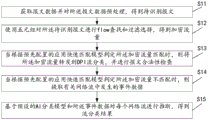
图1是本发明第一实施例提供的基于机器学习的UPF数据流分类方法流程示意图;Fig. 1 is a schematic flow chart of the UPF data flow classification method based on machine learning provided by the first embodiment of the present invention;
图2是本发明实施例提供的一种AI分类模型示意图;Fig. 2 is a schematic diagram of an AI classification model provided by an embodiment of the present invention;
图3是本发明实施例提供的一种DPI处理流程示意图;FIG. 3 is a schematic diagram of a DPI processing flow provided by an embodiment of the present invention;
图4是本发明第二实施例提供的基于机器学习的UPF数据流分类系统结构示意图。Fig. 4 is a schematic structural diagram of a machine learning-based UPF data flow classification system provided by a second embodiment of the present invention.
具体实施方式Detailed ways
下面将结合本发明实施例中的附图,对本发明实施例中的技术方案进行清楚、完整地描述,显然,所描述的实施例仅仅是本发明一部分实施例,而不是全部的实施例。基于本发明中的实施例,本领域普通技术人员在没有作出创造性劳动前提下所获得的所有其他实施例,都属于本发明保护的范围。The following will clearly and completely describe the technical solutions in the embodiments of the present invention with reference to the accompanying drawings in the embodiments of the present invention. Obviously, the described embodiments are only some, not all, embodiments of the present invention. Based on the embodiments of the present invention, all other embodiments obtained by persons of ordinary skill in the art without creative efforts fall within the protection scope of the present invention.
参照图1,本发明第一实施例提供了一种基于机器学习的UPF数据流分类方法,包括以下步骤:With reference to Fig. 1, the first embodiment of the present invention provides a kind of UPF data flow classification method based on machine learning, comprises the following steps:
S11,获取报文数据并对所述报文数据预处理,得到待识别报文;S11. Obtain message data and preprocess the message data to obtain a message to be identified;
S12,使用五元组对所述待识别报文进行flow查找和过滤选择,得到加密流量;S12, using the quintuple to perform flow search and filter selection on the message to be identified to obtain encrypted traffic;
S13,当根据预先配置的应用快速匹配模型判定所述加密流量匹配时,则将所述加密流量转发到DPI流分类,并进行报文合法性检查;S13. When it is determined that the encrypted traffic matches according to the pre-configured application fast matching model, forward the encrypted traffic to the DPI traffic classification, and perform message legality check;
S14,当根据预先配置的应用快速匹配模型判定所述加密流量不匹配时,则提取有关网络流中发生的事件数据;S14. When it is determined that the encrypted traffic does not match according to the pre-configured application fast matching model, then extract relevant event data that occurs in the network flow;
S15,基于预设的AI分类模型和所述事件数据对每个网络流进行推断,得到流分类结果。S15. Inferring each network flow based on the preset AI classification model and the event data, to obtain a flow classification result.
需要说明的是,在本发明实施例中,UPF DPI系统架构包括:应用识别模块、DPI模块、转发模块。It should be noted that, in the embodiment of the present invention, the UPF DPI system architecture includes: an application identification module, a DPI module, and a forwarding module.
其中,转发模块负责用户数据,包括路由和数据转发,负责从N3接口收发来自基站的用户数据以及从N6接口收发来自DN用户数据。在本实施例中,当SMF下发了带有APPID的PFD规则到UPF,转发模块将流量转发到DPI模块进行应用识别。Among them, the forwarding module is responsible for user data, including routing and data forwarding, responsible for sending and receiving user data from the base station through the N3 interface and sending and receiving user data from the DN through the N6 interface. In this embodiment, when the SMF sends the PFD rule with the APPID to the UPF, the forwarding module forwards the traffic to the DPI module for application identification.
DPI模块负责应用检测和维护FLOW五元组hash表,以及负责采集流量到应用识别模块。The DPI module is responsible for application detection and maintenance of the FLOW quintuple hash table, and is responsible for collecting traffic to the application identification module.
应用识别控制模块通过人工智能引擎学习网络流量的拓扑特征,生成可以用于DPI模块识别应用的AI模型。同时因为机器学习需要耗费大量的CPU,所以应用识别模块同样会生成一份快速转发规则用于匹配简单单一的流。应用识别模块独立部署于5G核心网控制面当中,与UPF的DPI模块通过TCP消息进行交互。The application identification control module learns the topological characteristics of network traffic through the artificial intelligence engine, and generates an AI model that can be used for the DPI module identification application. At the same time, because machine learning requires a lot of CPU, the application identification module will also generate a fast forwarding rule to match a simple and single flow. The application identification module is independently deployed in the control plane of the 5G core network, and interacts with the DPI module of the UPF through TCP messages.
在一种实现方式中,所述AI分类模型的配置过程包括:In an implementation manner, the configuration process of the AI classification model includes:
读取解析PCAP文件,将报文缓存到本地内存当中,并在流表当中创建一条流;Read and parse the PCAP file, cache the message in the local memory, and create a flow in the flow table;
提取有关网络流中发生的事件数据,并将所有事件数据更新到所述流表中;其中,所述事件数据包括数据包特征和协议特性;Extract relevant event data that occurs in the network flow, and update all event data into the flow table; wherein, the event data includes data packet characteristics and protocol characteristics;
将所述事件数据和相应的标签送入到机器学习框架中,并选取算法模型进行调试,得到AI分类模型。Send the event data and corresponding labels into the machine learning framework, and select an algorithm model for debugging to obtain an AI classification model.
值得说明的是,DPI通常依靠模式匹配来分析有效负载内容并识别与每个数据包相关的应用程序。随着网络流量加密使用的增加,使用数据包有效负载特征对流量进行分类变得困难。在流量加密的情况下,报文虽然大量丢失了载荷特征,但仍然保留了包长度、包时间间隔等统计学意义上的特征,本发明即通过生成相应的模型帮助DPI正确识别应用协议。It's worth noting that DPI typically relies on pattern matching to analyze payload content and identify the application associated with each packet. As the use of network traffic encryption increases, it becomes difficult to classify traffic using packet payload characteristics. In the case of traffic encryption, although a large number of load characteristics are lost in the message, statistical characteristics such as packet length and packet time interval are still retained. The present invention helps DPI to correctly identify the application protocol by generating a corresponding model.
在核心网启动的时候,本发明首先使用提前保存的PCAP文件来初始化应用识别模型,并使用文件名作为流的标记,其具体实施步骤如图2所示。When the core network is started, the present invention first uses the PCAP file saved in advance to initialize the application recognition model, and uses the file name as the flow mark, and its specific implementation steps are shown in FIG. 2 .
示例性地,首先数据预处理模块读取解析PCAP文件,将报文缓存到本地内存当中。并在流表当中创建一条流。Exemplarily, firstly, the data preprocessing module reads and parses the PCAP file, and caches the message into the local memory. And create a flow in the flow table.
在本发明实施例中,将报文缓存到本地内存时,中间还需要对数据流进行过滤和标头去除,以将不合适的报文去除,例如重传报文、乱序包、分片报文以及一些不相关的报文。In the embodiment of the present invention, when the message is cached in the local memory, it is necessary to filter the data stream and remove the header in the middle, so as to remove inappropriate messages, such as retransmitted messages, out-of-order packets, and fragments. messages and some irrelevant messages.
然后,网络流特征提取模块提取有关网络流中发生的事件的数据和信息,包括数据包特征(涵盖数据包长度、长度序列、IP到达时间数据包),协议特性(涵盖数据包数据的关键字段,如TLS密码套件、SNI、DNS名称/地址、HTTP URI和标头),词袋提取功能(数据包数据中字符串字段的词元分析),并将所有特征信息更新到流表当中。Then, the network flow feature extraction module extracts data and information about events occurring in the network flow, including packet features (covering packet length, sequence of lengths, IP arrival time packets), protocol characteristics (covering key words of packet data segments, such as TLS cipher suites, SNI, DNS names/addresses, HTTP URIs, and headers), bag-of-words extraction (lemma analysis of string fields in packet data), and update all feature information into the flow table.
接着,将提取的特征和相应的标签送入到机器学习框架当中,并选取算法模型进行调试,即可输出一个AI分类模型。Then, the extracted features and corresponding labels are sent to the machine learning framework, and the algorithm model is selected for debugging to output an AI classification model.
在本发明实施例中,算法模型选用的是Intel oneDAL(数据分析加速库)提供的随机森林(Random Forest,RF)算法。RF算法因其具有较高的推理精度及较快的推理速度在分类问题上应用非常广泛。In the embodiment of the present invention, what algorithm model selects is the random forest (Random Forest, RF) algorithm that Intel oneDAL (data analysis acceleration library) provides. RF algorithm is widely used in classification problems because of its high inference accuracy and fast inference speed.
具体地,随机算法流程如下所示:Specifically, the random algorithm flow is as follows:
随机森林算法是通过训练多个决策树,生成模型,然后综合利用多个决策树进行分类。随机森林算法只需要两个参数:构建的决策树个数,在决策树的每个结点进行分裂时需要考虑的输入特征的个数k,通过k可以取为log2n,其中n表示的是原数据集中特征的个数。对于单棵决策树的构建,可以分为如下的步骤:The random forest algorithm is to generate a model by training multiple decision trees, and then comprehensively utilize multiple decision trees for classification. The random forest algorithm only needs two parameters: the number of decision trees to be constructed, and the number k of input features that need to be considered when splitting each node of the decision tree. K can be taken as log2n, where n represents the original The number of features in the dataset. For the construction of a single decision tree, it can be divided into the following steps:
假设训练样本的个数为m,则对于每一棵决策树的输入样本的个数都为m,且这m个样本是通过从训练集中有放回地随机抽取得到的。Assuming that the number of training samples is m, the number of input samples for each decision tree is m, and these m samples are obtained by random sampling from the training set with replacement.
假设训练样本特征的个数为n,对于每一棵决策树的样本特征是从该n个特征中随机挑选k个,然后从这k个输入特征里选取一个最好的进行分裂。Assuming that the number of training sample features is n, for the sample features of each decision tree, k are randomly selected from the n features, and then the best one is selected from the k input features for splitting.
每棵树都一直这样分裂下去,直到该结点的所有训练样例都属于同一类。在决策树分裂过程中不需要剪枝。Each tree is split in this way until all training examples at that node belong to the same class. No pruning is required during decision tree splitting.
进一步地,所述应用快速匹配模型的配置过程包括:Further, the configuration process of the application fast matching model includes:
根据所述流表中的流特征信息和AI分类模型,通过聚类分析选出适合DPI模式匹配的规则,基于所有规则得到并存储应用快速匹配模型。According to the flow feature information and the AI classification model in the flow table, the rules suitable for DPI pattern matching are selected through cluster analysis, and the fast matching model is obtained and stored based on all the rules.
其中,应用快速匹配模型的示例如下:以某几个IP:x.x.x.x为目的地址的流量为微信的流量,或者某个证书签名是某个网站。Among them, the example of applying the fast matching model is as follows: the traffic with certain IPs: x.x.x.x as the destination address is the traffic of WeChat, or the signature of a certain certificate is a certain website.
最后,将AI分类模型和应用快速匹配模型输出到文件当中。Finally, output the AI classification model and application fast matching model to the file.
为了便于对本发明的理解,以下对DPI对报文的处理流程做进一步说明。In order to facilitate the understanding of the present invention, the processing flow of the DPI for the message will be further described below.
需要说明的是,在本发明中,DPI模块内嵌在UPF当中。当SMF给某个PDR下发了带有APPID的PFD规则到UPF,转发模块将流量转发到DPI模块进行应用识别,DPI的处理流程如图3所示。It should be noted that, in the present invention, the DPI module is embedded in the UPF. When the SMF sends a PFD rule with APPID to a PDR to the UPF, the forwarding module forwards the traffic to the DPI module for application identification. The processing flow of the DPI is shown in Figure 3.
具体地,DPI首先对报文经过预处理。其中,对于UPF N3流会额外带有一个GTPU头,在这里需要进行去头操作。然后,使用五元组(源IP,目的IP,源端口,目的端口,IP协议号)进行flow查找和过滤选择。Specifically, the DPI first preprocesses the message. Among them, the UPF N3 stream will have an additional GTPU header, which needs to be de-headed. Then, use the five-tuple (source IP, destination IP, source port, destination port, IP protocol number) to perform flow search and filter selection.
在一种实现方式中,所述使用五元组对所述待识别报文进行flow查找和过滤选择,得到加密流量,包括:In an implementation manner, the use of the five-tuple to perform flow search and filter selection on the message to be identified, to obtain encrypted traffic, including:
若查找flow成功,则根据flow里保存的信息,选择下一步需要执行的操作;若查找flow不成功,则创建一条新的流。If the search for the flow is successful, select the next operation to be performed based on the information saved in the flow; if the search for the flow is unsuccessful, create a new flow.
其中,所述五元组包括源IP、目的IP、源端口、目的端口、IP协议号。Wherein, the five-tuple includes source IP, destination IP, source port, destination port, and IP protocol number.
值得说明的是,对于未加密的流,使用传统的模式匹配和查找关键字DPI流分类模块去处理。It is worth noting that for unencrypted streams, traditional pattern matching and lookup keywords are used for processing by the DPI stream classification module.
如果是加密流量则查找匹配应用识别控制模块下发的快速规则是否有这个条目;如果有这个规则就将流量转发到DPI流分类,去做报文合法性检查。其中,根据快速规则进行协议识别可能会出错,所以只有一定比例的流做快速转发规则匹配。这主要是为转发性能考虑。快速规则是启动时通过读取文件,缓存到本地内存当中。对于已经识别出协议的流,不需要在进行流分类操作。If it is encrypted traffic, check whether there is such an entry in the fast rule issued by the matching application identification control module; if there is such a rule, forward the traffic to the DPI flow classification to check the validity of the message. Among them, the protocol identification based on the fast rules may be wrong, so only a certain proportion of flows are matched with the fast forwarding rules. This is mainly for forwarding performance considerations. The quick rule is to read the file at startup and cache it in the local memory. For the flows whose protocols have been identified, there is no need to perform flow classification operations.
进一步地,对于加密报文又没有快速匹配规则通过机器学习的AI分类模型进行在线推理:Furthermore, there is no fast matching rule for encrypted messages, and the AI classification model of machine learning is used for online reasoning:
a)首先通过网络流特征提取模块,提取有关网络流中发生的事件的数据和信息,包括数据包特征和协议特性。a) First, through the network flow feature extraction module, extract data and information about events occurring in the network flow, including data packet features and protocol characteristics.
b)进而通过在线推断模块,结合初始化时加载的机器学习模型,对每个流进行推断,最后按流输出流分类结果,并按流输出结果到UPF转发模块。b) Then, through the online inference module, combined with the machine learning model loaded during initialization, infer each flow, and finally output the flow classification results according to the flow, and output the results to the UPF forwarding module according to the flow.
在一种实现方式中,所述方法还包括:In one implementation, the method further includes:
使用采集到的流转化得到增量训练样本,并结合旧样本和增量训练样本得到新训练样本;Use the collected stream conversion to obtain incremental training samples, and combine old samples and incremental training samples to obtain new training samples;
根据新训练样本对所述AI分类模型进行训练,以更新所述AI分类模型。The AI classification model is trained according to the new training samples, so as to update the AI classification model.
在上述步骤中,因为网络上的流量变化很快,所以应用识别模块会控制DPI模块以一定的频率将数据流打上标记发送到应用识别模块。应用识别模块同时会使用采集到的流转化成增量训练样本并结合旧样本,以更新所述AI分类模型。In the above steps, because the traffic on the network changes rapidly, the application identification module will control the DPI module to mark the data flow and send it to the application identification module at a certain frequency. At the same time, the application identification module will use the collected streams to convert them into incremental training samples and combine them with old samples to update the AI classification model.
综上,本发明具有以下优点:In summary, the present invention has the following advantages:
1、本发明提供的基于机器学习的UPF数据流分类方法及系统在传统DPI引擎上加入机器学习模块,基于数据流的数据包特征和协议特性能够准确识别加密数据流的协议信息。1. The UPF data flow classification method and system based on machine learning provided by the present invention adds a machine learning module to the traditional DPI engine, and can accurately identify the protocol information of the encrypted data flow based on the data packet characteristics and protocol characteristics of the data flow.
2、通过定时对数据流进行采样和AI模型的增量更新使得能够识别未知数据流量。2. By regularly sampling the data stream and incrementally updating the AI model, it is possible to identify unknown data traffic.
3、通过对规则和AI模型分析,将特征明显的流提取出来生成快速匹配规则,能够减少需要进行机器学习模块处理的流量数量,提高UPF的转发性能。3. Through the analysis of rules and AI models, the flow with obvious characteristics is extracted to generate fast matching rules, which can reduce the amount of traffic that needs to be processed by the machine learning module and improve the forwarding performance of UPF.
参照图4,本发明第二实施例提供了一种基于机器学习的UPF数据流分类系统,包括:Referring to Fig. 4, the second embodiment of the present invention provides a UPF data flow classification system based on machine learning, including:
数据处理模块,用于获取报文数据并对所述报文数据预处理,得到待识别报文;A data processing module, configured to obtain message data and preprocess the message data to obtain a message to be identified;
数据选择模块,用于使用五元组对所述待识别报文进行flow查找和过滤选择,得到加密流量;The data selection module is used to use the five-tuple to perform flow search and filter selection on the message to be identified, so as to obtain encrypted traffic;
第一识别模块,用于当根据预先配置的应用快速匹配模型判定所述加密流量匹配时,则将所述加密流量转发到DPI流分类,并进行报文合法性检查;The first identification module is used to forward the encrypted traffic to the DPI flow classification when it is determined that the encrypted traffic matches according to the pre-configured application fast matching model, and check the validity of the message;
第二识别模块,用于当根据预先配置的应用快速匹配模型判定所述加密流量不匹配时,则提取有关网络流中发生的事件数据;The second identification module is used to extract event data related to the network flow when it is determined that the encrypted flow does not match according to the pre-configured application fast matching model;
流分类模块,用于基于预设的AI分类模型和所述事件数据对每个网络流进行推断,得到流分类结果。A flow classification module, configured to infer each network flow based on a preset AI classification model and the event data, and obtain a flow classification result.
其中,所述AI分类模型的配置过程包括:Wherein, the configuration process of the AI classification model includes:
读取解析PCAP文件,将报文缓存到本地内存当中,并在流表当中创建一条流;Read and parse the PCAP file, cache the message in the local memory, and create a flow in the flow table;
提取有关网络流中发生的事件数据,并将所有事件数据更新到所述流表中;其中,所述事件数据包括数据包特征和协议特性;Extract relevant event data that occurs in the network flow, and update all event data into the flow table; wherein, the event data includes data packet characteristics and protocol characteristics;
将所述事件数据和相应的标签送入到机器学习框架中,并选取算法模型进行调试,得到AI分类模型。Send the event data and corresponding labels into the machine learning framework, and select an algorithm model for debugging to obtain an AI classification model.
需要说明的是,本发明实施例提供的一种基于机器学习的UPF数据流分类系统用于执行上述实施例的一种基于机器学习的UPF数据流分类方法的所有流程步骤,两者的工作原理和有益效果一一对应,因而不再赘述。It should be noted that a machine learning-based UPF data flow classification system provided in an embodiment of the present invention is used to perform all the process steps of a machine learning-based UPF data flow classification method in the above embodiment, and the working principles of the two There is a one-to-one correspondence with the beneficial effects, so details are not repeated here.
本发明实施例还提供了一种终端设备。该终端设备包括:处理器、存储器以及存储在所述存储器中并可在所述处理器上运行的计算机程序,例如基于机器学习的UPF数据流分类程序。所述处理器执行所述计算机程序时实现上述各个基于机器学习的UPF数据流分类方法实施例中的步骤,例如图1所示的步骤S11。或者,所述处理器执行所述计算机程序时实现上述各系统实施例中各模块/单元的功能,例如流分类模块。The embodiment of the present invention also provides a terminal device. The terminal device includes: a processor, a memory, and a computer program stored in the memory and operable on the processor, for example, a UPF data flow classification program based on machine learning. When the processor executes the computer program, the steps in the above embodiments of the machine learning-based UPF data flow classification method are implemented, for example, step S11 shown in FIG. 1 . Alternatively, when the processor executes the computer program, functions of the modules/units in the foregoing system embodiments, such as a flow classification module, are realized.
示例性的,所述计算机程序可以被分割成一个或多个模块/单元,所述一个或者多个模块/单元被存储在所述存储器中,并由所述处理器执行,以完成本发明。所述一个或多个模块/单元可以是能够完成特定功能的一系列计算机程序指令段,该指令段用于描述所述计算机程序在所述终端设备中的执行过程。Exemplarily, the computer program may be divided into one or more modules/units, and the one or more modules/units are stored in the memory and executed by the processor to complete the present invention. The one or more modules/units may be a series of computer program instruction segments capable of accomplishing specific functions, and the instruction segments are used to describe the execution process of the computer program in the terminal device.
所述终端设备可以是桌上型计算机、笔记本、掌上电脑及智能平板等计算设备。所述终端设备可包括,但不仅限于,处理器、存储器。本领域技术人员可以理解,上述部件仅仅是终端设备的示例,并不构成对终端设备的限定,可以包括比上述更多或更少的部件,或者组合某些部件,或者不同的部件,例如所述终端设备还可以包括输入输出设备、网络接入设备、总线等。The terminal device may be computing devices such as desktop computers, notebooks, palmtop computers, and smart tablets. The terminal device may include, but not limited to, a processor and a memory. Those skilled in the art can understand that the above-mentioned components are only examples of terminal equipment, and do not constitute a limitation on terminal equipment, and may include more or less components than the above-mentioned components, or combine some components, or different components, such as the The above-mentioned terminal equipment may also include input and output equipment, network access equipment, bus and so on.
所称处理器可以是中央处理单元(Central Processing Unit,CPU),还可以是其他通用处理器、数字信号处理器(Digital Signal Processor,DSP)、专用集成电路(Application Specific Integrated Circuit,ASIC)、现成可编程门阵列(Field-Programmable Gate Array,FPGA)或者其他可编程逻辑器件、分立门或者晶体管逻辑器件、分立硬件组件等。通用处理器可以是微处理器或者该处理器也可以是任何常规的处理器等,所述处理器是所述终端设备的控制中心,利用各种接口和线路连接整个终端设备的各个部分。The so-called processor can be a central processing unit (Central Processing Unit, CPU), and can also be other general-purpose processors, digital signal processors (Digital Signal Processor, DSP), application specific integrated circuits (Application Specific Integrated Circuit, ASIC), off-the-shelf Programmable gate array (Field-Programmable Gate Array, FPGA) or other programmable logic devices, discrete gate or transistor logic devices, discrete hardware components, etc. The general-purpose processor may be a microprocessor or any conventional processor, etc. The processor is the control center of the terminal device, and connects various parts of the entire terminal device with various interfaces and lines.
所述存储器可用于存储所述计算机程序和/或模块,所述处理器通过运行或执行存储在所述存储器内的计算机程序和/或模块,以及调用存储在存储器内的数据,实现所述终端设备的各种功能。所述存储器可主要包括存储程序区和存储数据区,其中,存储程序区可存储操作系统、至少一个功能所需的应用程序(比如声音播放功能、图像播放功能等)等;存储数据区可存储根据手机的使用所创建的数据(比如音频数据、电话本等)等。此外,存储器可以包括高速随机存取存储器,还可以包括非易失性存储器,例如硬盘、内存、插接式硬盘,智能存储卡(Smart Media Card,SMC),安全数字(Secure Digital,SD)卡,闪存卡(Flash Card)、至少一个磁盘存储器件、闪存器件、或其他易失性固态存储器件。The memory can be used to store the computer programs and/or modules, and the processor implements the terminal by running or executing the computer programs and/or modules stored in the memory and calling the data stored in the memory various functions of the device. The memory may mainly include a program storage area and a data storage area, wherein the program storage area may store an operating system, at least one application program required by a function (such as a sound playback function, an image playback function, etc.) and the like; the storage data area may store Data created based on the use of the mobile phone (such as audio data, phonebook, etc.), etc. In addition, the memory can include high-speed random access memory, and can also include non-volatile memory, such as hard disk, internal memory, plug-in hard disk, smart memory card (Smart Media Card, SMC), secure digital (Secure Digital, SD) card , flash card (Flash Card), at least one magnetic disk storage device, flash memory device, or other volatile solid-state storage device.
其中,所述终端设备集成的模块/单元如果以软件功能单元的形式实现并作为独立的产品销售或使用时,可以存储在一个计算机可读取存储介质中。基于这样的理解,本发明实现上述实施例方法中的全部或部分流程,也可以通过计算机程序来指令相关的硬件来完成,所述的计算机程序可存储于一计算机可读存储介质中,该计算机程序在被处理器执行时,可实现上述各个方法实施例的步骤。其中,所述计算机程序包括计算机程序代码,所述计算机程序代码可以为源代码形式、对象代码形式、可执行文件或某些中间形式等。所述计算机可读介质可以包括:能够携带所述计算机程序代码的任何实体或系统、记录介质、U盘、移动硬盘、磁碟、光盘、计算机存储器、只读存储器(ROM,Read-Only Memory)、随机存取存储器(RAM,Random Access Memory)、电载波信号、电信信号以及软件分发介质等。需要说明的是,所述计算机可读介质包含的内容可以根据司法管辖区内立法和专利实践的要求进行适当的增减,例如在某些司法管辖区,根据立法和专利实践,计算机可读介质不包括电载波信号和电信信号。Wherein, if the modules/units integrated in the terminal equipment are realized in the form of software function units and sold or used as independent products, they may be stored in a computer-readable storage medium. Based on this understanding, the present invention realizes all or part of the processes in the methods of the above embodiments, and can also be completed by instructing related hardware through a computer program. The computer program can be stored in a computer-readable storage medium, and the computer When the program is executed by the processor, the steps in the above-mentioned various method embodiments can be realized. Wherein, the computer program includes computer program code, and the computer program code may be in the form of source code, object code, executable file or some intermediate form. The computer-readable medium may include: any entity or system capable of carrying the computer program code, recording medium, U disk, removable hard disk, magnetic disk, optical disk, computer memory, read-only memory (ROM, Read-Only Memory) , Random Access Memory (RAM, Random Access Memory), electrical carrier signal, telecommunication signal and software distribution medium, etc. It should be noted that the content contained in the computer-readable medium may be appropriately increased or decreased according to the requirements of legislation and patent practice in the jurisdiction. For example, in some jurisdictions, computer-readable media Excludes electrical carrier signals and telecommunication signals.
需说明的是,以上所描述的系统实施例仅仅是示意性的,其中所述作为分离部件说明的单元可以是或者也可以不是物理上分开的,作为单元显示的部件可以是或者也可以不是物理单元,即可以位于一个地方,或者也可以分布到多个网络单元上。可以根据实际的需要选择其中的部分或者全部模块来实现本实施例方案的目的。另外,本发明提供的系统实施例附图中,模块之间的连接关系表示它们之间具有通信连接,具体可以实现为一条或多条通信总线或信号线。本领域普通技术人员在不付出创造性劳动的情况下,即可以理解并实施。It should be noted that the system embodiments described above are only illustrative, and the units described as separate components may or may not be physically separated, and the components shown as units may or may not be physically separated. A unit can be located in one place, or it can be distributed to multiple network units. Part or all of the modules can be selected according to actual needs to achieve the purpose of the solution of this embodiment. In addition, in the drawings of the system embodiments provided by the present invention, the connection relationship between modules indicates that they have communication connections, which can be specifically implemented as one or more communication buses or signal lines. It can be understood and implemented by those skilled in the art without creative effort.
以上所述的具体实施例,对本发明的目的、技术方案和有益效果进行了进一步的详细说明,应当理解,以上所述仅为本发明的具体实施例而已,并不用于限定本发明的保护范围。特别指出,对于本领域技术人员来说,凡在本发明的精神和原则之内,所做的任何修改、等同替换、改进等,均应包含在本发明的保护范围之内。The specific embodiments described above have further described the purpose, technical solutions and beneficial effects of the present invention in detail. It should be understood that the above descriptions are only specific embodiments of the present invention and are not intended to limit the protection scope of the present invention. . In particular, for those skilled in the art, any modifications, equivalent replacements, improvements, etc. made within the spirit and principles of the present invention shall be included within the protection scope of the present invention.
Claims (10)
Priority Applications (1)
| Application Number | Priority Date | Filing Date | Title |
|---|---|---|---|
| CN202310065044.1A CN116055411B (en) | 2023-01-28 | 2023-01-28 | UPF data stream classification method, system, device and medium based on machine learning |
Applications Claiming Priority (1)
| Application Number | Priority Date | Filing Date | Title |
|---|---|---|---|
| CN202310065044.1A CN116055411B (en) | 2023-01-28 | 2023-01-28 | UPF data stream classification method, system, device and medium based on machine learning |
Publications (2)
| Publication Number | Publication Date |
|---|---|
| CN116055411A true CN116055411A (en) | 2023-05-02 |
| CN116055411B CN116055411B (en) | 2024-11-12 |
Family
ID=86116164
Family Applications (1)
| Application Number | Title | Priority Date | Filing Date |
|---|---|---|---|
| CN202310065044.1A Active CN116055411B (en) | 2023-01-28 | 2023-01-28 | UPF data stream classification method, system, device and medium based on machine learning |
Country Status (1)
| Country | Link |
|---|---|
| CN (1) | CN116055411B (en) |
Cited By (5)
| Publication number | Priority date | Publication date | Assignee | Title |
|---|---|---|---|---|
| CN116933132A (en) * | 2023-07-17 | 2023-10-24 | 中国电信股份有限公司技术创新中心 | Encryption traffic classification method and device, electronic equipment and storage medium |
| CN118612155A (en) * | 2024-05-23 | 2024-09-06 | 远江盛邦(北京)网络安全科技股份有限公司 | Application identification method, device and electronic device |
| CN118802806A (en) * | 2024-06-21 | 2024-10-18 | 中国移动通信有限公司研究院 | Message processing method, device, equipment, storage medium and computer program product |
| CN119628939A (en) * | 2024-12-10 | 2025-03-14 | 南京中孚信息技术有限公司 | A scalable high-performance network edge traffic distribution system and method |
| CN120321701A (en) * | 2025-04-10 | 2025-07-15 | 中国电信股份有限公司技术创新中心 | Business data detection method, device, computer program product and electronic device |
Citations (9)
| Publication number | Priority date | Publication date | Assignee | Title |
|---|---|---|---|---|
| CN101645806A (en) * | 2009-09-04 | 2010-02-10 | 东南大学 | Network flow classifying system and network flow classifying method combining DPI and DFI |
| US20100250918A1 (en) * | 2009-03-27 | 2010-09-30 | Neuralitc Systems | Method and system for identifying an application type of encrypted traffic |
| US20170364794A1 (en) * | 2016-06-20 | 2017-12-21 | Telefonaktiebolaget Lm Ericsson (Publ) | Method for classifying the payload of encrypted traffic flows |
| US20190094124A1 (en) * | 2017-09-22 | 2019-03-28 | Saudi Arabian Oil Company | Thermography image processing with neural networks to identify corrosion under insulation (cui) |
| CN110222503A (en) * | 2019-04-26 | 2019-09-10 | 西安交大捷普网络科技有限公司 | Database audit method, system and equipment under a kind of load of high amount of traffic |
| CN110311829A (en) * | 2019-05-24 | 2019-10-08 | 西安电子科技大学 | A kind of net flow assorted method accelerated based on machine learning |
| CN111711545A (en) * | 2020-05-29 | 2020-09-25 | 福州大学 | An intelligent identification method of encrypted traffic based on deep packet inspection technology in software-defined network |
| US20210303984A1 (en) * | 2020-03-24 | 2021-09-30 | Fortinet, Inc. | Machine-learning based approach for classification of encrypted network traffic |
| CN113591950A (en) * | 2021-07-19 | 2021-11-02 | 中国海洋大学 | Random forest network traffic classification method, system and storage medium |
-
2023
- 2023-01-28 CN CN202310065044.1A patent/CN116055411B/en active Active
Patent Citations (9)
| Publication number | Priority date | Publication date | Assignee | Title |
|---|---|---|---|---|
| US20100250918A1 (en) * | 2009-03-27 | 2010-09-30 | Neuralitc Systems | Method and system for identifying an application type of encrypted traffic |
| CN101645806A (en) * | 2009-09-04 | 2010-02-10 | 东南大学 | Network flow classifying system and network flow classifying method combining DPI and DFI |
| US20170364794A1 (en) * | 2016-06-20 | 2017-12-21 | Telefonaktiebolaget Lm Ericsson (Publ) | Method for classifying the payload of encrypted traffic flows |
| US20190094124A1 (en) * | 2017-09-22 | 2019-03-28 | Saudi Arabian Oil Company | Thermography image processing with neural networks to identify corrosion under insulation (cui) |
| CN110222503A (en) * | 2019-04-26 | 2019-09-10 | 西安交大捷普网络科技有限公司 | Database audit method, system and equipment under a kind of load of high amount of traffic |
| CN110311829A (en) * | 2019-05-24 | 2019-10-08 | 西安电子科技大学 | A kind of net flow assorted method accelerated based on machine learning |
| US20210303984A1 (en) * | 2020-03-24 | 2021-09-30 | Fortinet, Inc. | Machine-learning based approach for classification of encrypted network traffic |
| CN111711545A (en) * | 2020-05-29 | 2020-09-25 | 福州大学 | An intelligent identification method of encrypted traffic based on deep packet inspection technology in software-defined network |
| CN113591950A (en) * | 2021-07-19 | 2021-11-02 | 中国海洋大学 | Random forest network traffic classification method, system and storage medium |
Cited By (5)
| Publication number | Priority date | Publication date | Assignee | Title |
|---|---|---|---|---|
| CN116933132A (en) * | 2023-07-17 | 2023-10-24 | 中国电信股份有限公司技术创新中心 | Encryption traffic classification method and device, electronic equipment and storage medium |
| CN118612155A (en) * | 2024-05-23 | 2024-09-06 | 远江盛邦(北京)网络安全科技股份有限公司 | Application identification method, device and electronic device |
| CN118802806A (en) * | 2024-06-21 | 2024-10-18 | 中国移动通信有限公司研究院 | Message processing method, device, equipment, storage medium and computer program product |
| CN119628939A (en) * | 2024-12-10 | 2025-03-14 | 南京中孚信息技术有限公司 | A scalable high-performance network edge traffic distribution system and method |
| CN120321701A (en) * | 2025-04-10 | 2025-07-15 | 中国电信股份有限公司技术创新中心 | Business data detection method, device, computer program product and electronic device |
Also Published As
| Publication number | Publication date |
|---|---|
| CN116055411B (en) | 2024-11-12 |
Similar Documents
| Publication | Publication Date | Title |
|---|---|---|
| US11985169B2 (en) | Classification of unknown network traffic | |
| CN116055411B (en) | UPF data stream classification method, system, device and medium based on machine learning | |
| CN114157502B (en) | A terminal identification method, device, electronic equipment and storage medium | |
| CN103688489B (en) | Method for strategy processing and network equipment | |
| CN103916294B (en) | The recognition methods of protocol type and device | |
| CN110417729B (en) | A service and application classification method and system for encrypted traffic | |
| US11201855B1 (en) | Distributed firewall that learns from traffic patterns to prevent attacks | |
| Oh et al. | AppSniffer: Towards robust mobile app fingerprinting against VPN | |
| US12395523B2 (en) | Inline detection of encrypted malicious network sessions | |
| CN113518042A (en) | Data processing method, device, equipment and storage medium | |
| CN111865996A (en) | Data detection method and device and electronic equipment | |
| CN112019449A (en) | Traffic identification packet capturing method and device | |
| CN112769635B (en) | Service identification method and device for multi-granularity feature analysis | |
| CN116545701B (en) | HTTP message rule matching method, system, equipment and medium | |
| CN111404768A (en) | DPI recognition realization method and equipment | |
| CN112688924A (en) | Network protocol analysis system | |
| US20200162339A1 (en) | Extending encrypted traffic analytics with traffic flow data | |
| CN114915442A (en) | Advanced persistent threat attack detection method and device | |
| CN114363005A (en) | ICMP detection method, system, device and medium based on machine learning | |
| Sija et al. | Automatic Payload Signature Generation for Accurate Identification of Internet Applications and Application Services. | |
| Rosay et al. | Study of Network IDS in IoT devices | |
| CN116599907A (en) | Network traffic processing method and device, device, storage medium | |
| CN117112519A (en) | Data processing method and device | |
| CN120614177B (en) | Cloud network collaborative distributed secure communication method and system based on artificial intelligence | |
| CN115580565A (en) | Application protocol analysis method, device and storage medium |
Legal Events
| Date | Code | Title | Description |
|---|---|---|---|
| PB01 | Publication | ||
| PB01 | Publication | ||
| SE01 | Entry into force of request for substantive examination | ||
| SE01 | Entry into force of request for substantive examination | ||
| GR01 | Patent grant | ||
| GR01 | Patent grant |