CN115621537A - Sulfurite solid electrolyte for solid-state battery pack and manufacturing method thereof - Google Patents
Sulfurite solid electrolyte for solid-state battery pack and manufacturing method thereof Download PDFInfo
- Publication number
- CN115621537A CN115621537A CN202110800597.8A CN202110800597A CN115621537A CN 115621537 A CN115621537 A CN 115621537A CN 202110800597 A CN202110800597 A CN 202110800597A CN 115621537 A CN115621537 A CN 115621537A
- Authority
- CN
- China
- Prior art keywords
- equal
- solid
- less
- mixture
- electrolyte
- Prior art date
- Legal status (The legal status is an assumption and is not a legal conclusion. Google has not performed a legal analysis and makes no representation as to the accuracy of the status listed.)
- Pending
Links
Images




Classifications
-
- H—ELECTRICITY
- H01—ELECTRIC ELEMENTS
- H01M—PROCESSES OR MEANS, e.g. BATTERIES, FOR THE DIRECT CONVERSION OF CHEMICAL ENERGY INTO ELECTRICAL ENERGY
- H01M10/00—Secondary cells; Manufacture thereof
- H01M10/05—Accumulators with non-aqueous electrolyte
- H01M10/056—Accumulators with non-aqueous electrolyte characterised by the materials used as electrolytes, e.g. mixed inorganic/organic electrolytes
- H01M10/0561—Accumulators with non-aqueous electrolyte characterised by the materials used as electrolytes, e.g. mixed inorganic/organic electrolytes the electrolyte being constituted of inorganic materials only
- H01M10/0562—Solid materials
-
- C—CHEMISTRY; METALLURGY
- C01—INORGANIC CHEMISTRY
- C01B—NON-METALLIC ELEMENTS; COMPOUNDS THEREOF; METALLOIDS OR COMPOUNDS THEREOF NOT COVERED BY SUBCLASS C01C
- C01B25/00—Phosphorus; Compounds thereof
- C01B25/14—Sulfur, selenium, or tellurium compounds of phosphorus
-
- H—ELECTRICITY
- H01—ELECTRIC ELEMENTS
- H01M—PROCESSES OR MEANS, e.g. BATTERIES, FOR THE DIRECT CONVERSION OF CHEMICAL ENERGY INTO ELECTRICAL ENERGY
- H01M10/00—Secondary cells; Manufacture thereof
- H01M10/05—Accumulators with non-aqueous electrolyte
- H01M10/052—Li-accumulators
- H01M10/0525—Rocking-chair batteries, i.e. batteries with lithium insertion or intercalation in both electrodes; Lithium-ion batteries
-
- H—ELECTRICITY
- H01—ELECTRIC ELEMENTS
- H01M—PROCESSES OR MEANS, e.g. BATTERIES, FOR THE DIRECT CONVERSION OF CHEMICAL ENERGY INTO ELECTRICAL ENERGY
- H01M10/00—Secondary cells; Manufacture thereof
- H01M10/05—Accumulators with non-aqueous electrolyte
- H01M10/058—Construction or manufacture
-
- H—ELECTRICITY
- H01—ELECTRIC ELEMENTS
- H01M—PROCESSES OR MEANS, e.g. BATTERIES, FOR THE DIRECT CONVERSION OF CHEMICAL ENERGY INTO ELECTRICAL ENERGY
- H01M4/00—Electrodes
- H01M4/02—Electrodes composed of, or comprising, active material
- H01M4/04—Processes of manufacture in general
- H01M4/0402—Methods of deposition of the material
- H01M4/0416—Methods of deposition of the material involving impregnation with a solution, dispersion, paste or dry powder
-
- H—ELECTRICITY
- H01—ELECTRIC ELEMENTS
- H01M—PROCESSES OR MEANS, e.g. BATTERIES, FOR THE DIRECT CONVERSION OF CHEMICAL ENERGY INTO ELECTRICAL ENERGY
- H01M4/00—Electrodes
- H01M4/02—Electrodes composed of, or comprising, active material
- H01M4/36—Selection of substances as active materials, active masses, active liquids
- H01M4/362—Composites
- H01M4/366—Composites as layered products
-
- H—ELECTRICITY
- H01—ELECTRIC ELEMENTS
- H01M—PROCESSES OR MEANS, e.g. BATTERIES, FOR THE DIRECT CONVERSION OF CHEMICAL ENERGY INTO ELECTRICAL ENERGY
- H01M4/00—Electrodes
- H01M4/02—Electrodes composed of, or comprising, active material
- H01M4/62—Selection of inactive substances as ingredients for active masses, e.g. binders, fillers
-
- H—ELECTRICITY
- H01—ELECTRIC ELEMENTS
- H01M—PROCESSES OR MEANS, e.g. BATTERIES, FOR THE DIRECT CONVERSION OF CHEMICAL ENERGY INTO ELECTRICAL ENERGY
- H01M2300/00—Electrolytes
- H01M2300/0017—Non-aqueous electrolytes
- H01M2300/0065—Solid electrolytes
- H01M2300/0068—Solid electrolytes inorganic
- H01M2300/008—Halides
-
- H—ELECTRICITY
- H01—ELECTRIC ELEMENTS
- H01M—PROCESSES OR MEANS, e.g. BATTERIES, FOR THE DIRECT CONVERSION OF CHEMICAL ENERGY INTO ELECTRICAL ENERGY
- H01M2300/00—Electrolytes
- H01M2300/0088—Composites
- H01M2300/0091—Composites in the form of mixtures
-
- Y—GENERAL TAGGING OF NEW TECHNOLOGICAL DEVELOPMENTS; GENERAL TAGGING OF CROSS-SECTIONAL TECHNOLOGIES SPANNING OVER SEVERAL SECTIONS OF THE IPC; TECHNICAL SUBJECTS COVERED BY FORMER USPC CROSS-REFERENCE ART COLLECTIONS [XRACs] AND DIGESTS
- Y02—TECHNOLOGIES OR APPLICATIONS FOR MITIGATION OR ADAPTATION AGAINST CLIMATE CHANGE
- Y02E—REDUCTION OF GREENHOUSE GAS [GHG] EMISSIONS, RELATED TO ENERGY GENERATION, TRANSMISSION OR DISTRIBUTION
- Y02E60/00—Enabling technologies; Technologies with a potential or indirect contribution to GHG emissions mitigation
- Y02E60/10—Energy storage using batteries
Landscapes
- Chemical & Material Sciences (AREA)
- General Chemical & Material Sciences (AREA)
- Chemical Kinetics & Catalysis (AREA)
- Electrochemistry (AREA)
- Engineering & Computer Science (AREA)
- Manufacturing & Machinery (AREA)
- Inorganic Chemistry (AREA)
- General Physics & Mathematics (AREA)
- Condensed Matter Physics & Semiconductors (AREA)
- Physics & Mathematics (AREA)
- Dispersion Chemistry (AREA)
- Materials Engineering (AREA)
- Composite Materials (AREA)
- Organic Chemistry (AREA)
- Secondary Cells (AREA)
Abstract
本发明公开了用于固态电池组的硫银锗矿固体电解质及其制造方法。本公开提供了制造由Li6PS5X(其中X选自氯、溴、碘或其组合)表示的固态硫银锗矿电解质的方法,所述固态硫银锗矿电解质具有在大约25℃下大于或等于大约1.0×10‑4 S/cm至小于或等于大约10×10‑3 S/cm的离子电导率。该方法可以包括使第一悬浮液与第一溶液接触以形成前体,其中第一悬浮液是包含酯溶剂的Li3PS4悬浮液,并且第一溶液是包含醇溶剂的Li2S与LiX(其中X选自氯、溴、或碘、或其组合)溶液;以及从前体中除去酯溶剂和醇溶剂以形成固态硫银锗矿电解质。

The invention discloses a sulfur-argentite solid electrolyte for a solid-state battery pack and a manufacturing method thereof. The present disclosure provides a method of making a solid-state pyridite electrolyte represented by Li6PS5X (wherein X is selected from chlorine, bromine, iodine, or a combination thereof), which has a temperature of about 25°C An ionic conductivity of greater than or equal to about 1.0×10 −4 S/cm to less than or equal to about 10×10 −3 S/cm. The method may comprise contacting a first suspension with a first solution to form the precursor, wherein the first suspension is a Li3PS4 suspension comprising an ester solvent, and the first solution is Li2S and LiX comprising an alcohol solvent. (wherein X is selected from chlorine, bromine, or iodine, or a combination thereof) solution; and removing the ester solvent and the alcohol solvent from the precursor to form a solid-argentite electrolyte.
Description
技术领域technical field
本公开涉及固态电池组,特别是固态电解质,以及形成其的方法。The present disclosure relates to solid state batteries, particularly solid state electrolytes, and methods of forming the same.
背景技术Background technique
本章节提供了与本公开相关的背景信息,其不一定是现有技术。This section provides background information related to the present disclosure which is not necessarily prior art.
电化学储能装置如锂离子电池组可用于多种产品,包括汽车产品,如启停系统(例如12V启停系统)、电池组辅助系统(“µBAS”)、混合动力电动车(“HEV”)和电动车(“EV”)。典型的锂离子电池组包括两个电极和电解质组件和/或隔离件。两个电极之一可以充当正电极或阴极,另一电极可以充当负电极或阳极。锂离子电池组还可以包括各种端子和封装材料。可再充电锂离子电池组通过在负电极与正电极之间可逆地来回传递锂离子来运行。例如,在电池组充电过程中,锂离子可以从正电极移动至负电极,而当电池组放电时在相反的方向上移动。Electrochemical energy storage devices such as lithium-ion battery packs are used in a variety of products, including automotive products such as start-stop systems (e.g. 12V start-stop systems), battery pack assist systems (“µBAS”), hybrid electric vehicles (“HEV” ) and Electric Vehicles (“EV”). A typical lithium-ion battery pack includes two electrode and electrolyte assemblies and/or separators. One of the two electrodes can act as a positive electrode or cathode, and the other electrode can act as a negative electrode or anode. Lithium-ion battery packs can also include various terminals and packaging materials. Rechargeable lithium-ion batteries operate by reversibly passing lithium ions back and forth between a negative electrode and a positive electrode. For example, lithium ions can move from the positive electrode to the negative electrode during battery charge and move in the opposite direction when the battery is discharged.
隔离件和/或电解质可以设置在负电极与正电极之间。电解质适于在电极之间传导锂离子,并且类似两个电极,可以为固体形式、液体形式、或固体-液体混合形式。在固态电池组的情况下,固态电解质层可以设置在固态电极之间以提供物理分隔,由此可以不需要单独的隔离件。在每种情况下,可以使用固态硫银锗矿电解质(argyroditeelectrolyte),例如硫银锗矿Li6PS5X,其中X选自氯(Cl)、溴(Br)、碘(I)或其组合。这种固态硫银锗矿电解质也可以位于负电极和/或正电极中。固态硫银锗矿电解质常常采用球磨法来制备。然而,采用此类方法,可能难以获得具有均匀的化学计量和尺寸的高相纯度产物。此类方法还常常是耗时或耗能的,并且制造规模可扩展性不佳。因此,合意的是开发改进制造工艺的制造固态硫银锗矿电解质的方法。A separator and/or an electrolyte may be disposed between the negative electrode and the positive electrode. The electrolyte is suitable for conducting lithium ions between the electrodes and, like the two electrodes, can be in solid form, liquid form, or a solid-liquid hybrid. In the case of a solid state battery, a solid electrolyte layer may be disposed between the solid electrodes to provide a physical separation, whereby a separate separator may not be required. In each case, a solid argyrodite electrolyte can be used, such as argyrodite Li6PS5X , where X is selected from chlorine ( Cl ), bromine (Br), iodine (I) or combinations thereof . This solid argyrite electrolyte can also be located in the negative and/or positive electrode. Solid-state argentite electrolytes are often prepared by ball milling. However, with such methods, it may be difficult to obtain high phase purity products with uniform stoichiometry and size. Such methods are also often time- or energy-intensive and not scalable to manufacturing scale. Accordingly, it would be desirable to develop methods of making solid-state argentite electrolytes that improve the manufacturing process.
发明内容Contents of the invention
本章节提供了本公开的总体概述,而不是其全部范围或其所有特征的全面公开。This section provides a general overview of the disclosure, not a comprehensive disclosure of its full scope or all of its features.
本公开涉及固态电池组,特别是固态电解质,以及形成其的方法。The present disclosure relates to solid state batteries, particularly solid state electrolytes, and methods of forming the same.
在各个方面,本公开提供了制造固态硫银锗矿电解质的方法。所述方法可以包括使第一悬浮液与第一溶液接触以形成前体,其中所述第一悬浮液包含Li3PS4和酯溶剂,并且所述第一溶液包含Li2S、LiX(其中X选自氯(Cl)、溴(Br)、碘(I)或其组合)和醇溶剂;以及从前体中除去酯溶剂和醇溶剂以形成固态硫银锗矿电解质,其中所述固态硫银锗矿电解质由式Li6PS5X(其中X选自氯(Cl)、溴(Br)、碘(I)或其任意组合)来表示,并且所述固态硫银锗矿电解质具有在大约25℃下大于或等于大约1.0×10⁻⁴ S/cm至小于或等于大约10×10-3 S/cm的离子电导率。In various aspects, the present disclosure provides methods of making solid-state argyrite electrolytes. The method may include contacting a first suspension with a first solution to form a precursor, wherein the first suspension comprises Li3PS4 and an ester solvent, and the first solution comprises Li2S , LiX ( wherein X is selected from chlorine (Cl), bromine (Br), iodine (I) or combinations thereof) and an alcoholic solvent; and the ester solvent and the alcoholic solvent are removed from the precursor to form a solid argentite electrolyte, wherein the solid silver sulfide The germanite electrolyte is represented by the formula Li 6 PS 5 X (wherein X is selected from chlorine (Cl), bromine (Br), iodine (I) or any combination thereof), and the solid-state argentite electrolyte has An ionic conductivity of greater than or equal to about 1.0×10 −4 S/cm to less than or equal to about 10×10 −3 S/cm at °C.
在一个方面,所述酯溶剂可以选自:甲酸甲酯、乙酸甲酯、丙酸甲酯、丁酸甲酯、戊酸甲酯、甲酸乙酯、乙酸乙酯、丙酸乙酯、丁酸乙酯、戊酸乙酯、己酸乙酯、庚酸乙酯、辛酸乙酯、癸酸乙酯、乙酸丙酯、丙酸丙酯、乙酸异丙酯、棕榈酸异丙酯、乙酸丁酯、丁酸丁酯、乙酸异丁酯、乙酸戊酯、丙酸戊酯、丁酸戊酯、戊酸戊酯、己酸戊酯、乙酸异戊酯、乙酸仲戊酯及其组合。In one aspect, the ester solvent may be selected from the group consisting of: methyl formate, methyl acetate, methyl propionate, methyl butyrate, methyl valerate, ethyl formate, ethyl acetate, ethyl propionate, butyric acid Ethyl, ethyl valerate, ethyl caproate, ethyl heptanoate, ethyl caprylate, ethyl caprate, propyl acetate, propyl propionate, isopropyl acetate, isopropyl palmitate, butyl acetate , butyl butyrate, isobutyl acetate, pentyl acetate, pentyl propionate, pentyl butyrate, pentyl valerate, pentyl caproate, isoamyl acetate, sec-amyl acetate, and combinations thereof.
在一个方面,所述醇溶剂可以选自:1-丁醇、2-丁醇、异丁醇、叔丁醇、1-戊醇、2-戊醇、3-戊醇、异戊醇、新戊醇、环戊醇、己醇、环己醇、甲基环己醇、庚醇、壬醇及其组合。In one aspect, the alcoholic solvent may be selected from the group consisting of: 1-butanol, 2-butanol, isobutanol, tert-butanol, 1-pentanol, 2-pentanol, 3-pentanol, isoamyl alcohol, Pentanol, cyclopentanol, hexanol, cyclohexanol, methylcyclohexanol, heptanol, nonanol, and combinations thereof.
在一个方面,使第一悬浮液与第一溶液接触以形成前体可以包括形成包含第一悬浮液与第一溶液的混合物,以及混合和搅拌所述混合物。In one aspect, contacting the first suspension with the first solution to form the precursor can include forming a mixture comprising the first suspension and the first solution, and mixing and agitating the mixture.
在一个方面,可以将所述混合物混合和搅拌大于或等于大约30分钟至小于或等于大约24小时的时间。In one aspect, the mixture can be mixed and stirred for a period of greater than or equal to about 30 minutes to less than or equal to about 24 hours.
在一个方面,所述前体可以具有1:1:1的Li3PS4:Li2S:LiX的摩尔比。In one aspect, the precursor may have a molar ratio of Li 3 PS 4 :Li 2 S:LiX of 1:1:1.
在一个方面,所述方法可以进一步包括制备第一悬浮液。制备第一悬浮液可以包括使Li2S与P2S5在酯溶剂中接触以形成混合物,以及将所述混合物混合和搅拌大于或等于大约8小时至小于或等于大约96小时的时间。In one aspect, the method can further comprise preparing a first suspension. Preparing the first suspension may include contacting Li2S and P2S5 in an ester solvent to form a mixture, and mixing and stirring the mixture for a period of greater than or equal to about 8 hours to less than or equal to about 96 hours.
在一个方面,所述混合物可以具有大于或等于大约2.9至小于或等于大约3.1的Li2S与P2S5的摩尔比。 In one aspect, the mixture can have a molar ratio of Li2S to P2S5 of greater than or equal to about 2.9 to less than or equal to about 3.1.
在一个方面,所述混合物中Li2S与P2S5的总浓度可以为大于或等于大约0.5重量%至小于或等于大约50重量%。 In one aspect, the total concentration of Li2S and P2S5 in the mixture can be greater than or equal to about 0.5 wt% to less than or equal to about 50 wt%.
在一个方面,所述方法可以进一步包括制备第一溶液。制备第一溶液可以包括使Li2S与LiX在醇溶剂中接触以形成混合物,以及将所述混合物混合和搅拌大于或等于大约0.1小时至小于或等于大约24小时的时间。In one aspect, the method can further include preparing a first solution. Preparing the first solution may include contacting Li 2 S and LiX in an alcohol solvent to form a mixture, and mixing and stirring the mixture for a time greater than or equal to about 0.1 hour to less than or equal to about 24 hours.
在一个方面,所述混合物可以具有大于或等于大约0.9至小于或等于大约1.1的Li2S与LiX的摩尔比。In one aspect, the mixture can have a molar ratio of Li2S to LiX of greater than or equal to about 0.9 to less than or equal to about 1.1.
在一个方面,所述混合物中Li2S与LiX的总浓度可以为大于或等于大约0.1重量%至小于或等于大约20重量%。In one aspect, the total concentration of Li 2 S and LiX in the mixture can be greater than or equal to about 0.1 wt % to less than or equal to about 20 wt %.
在一个方面,从前体溶液中除去酯溶剂和醇溶剂以形成固态硫银锗矿电解质可以包括将所述前体加热到大于或等于大约80℃至小于或等于大约700℃的温度持续大于或等于大约30分钟至小于或等于大约48小时的时间。In one aspect, removing the ester solvent and the alcohol solvent from the precursor solution to form a solid argyrite electrolyte can include heating the precursor to a temperature of greater than or equal to about 80° C. to less than or equal to about 700° C. for a period of greater than or equal to A period of about 30 minutes to less than or equal to about 48 hours.
在一个方面,所述固态硫银锗矿电解质可以包含多个Li6PS5X粒子,其具有大于或等于大约0.1 µm至小于或等于大约100 µm的平均粒度。In one aspect, the solid argyrite electrolyte can comprise a plurality of Li 6 PS 5 X particles having an average particle size of greater than or equal to about 0.1 μm to less than or equal to about 100 μm.
在各个方面,本公开提供制造包含固态硫银锗矿电解质的电极的方法。所述方法可以包括使前体液体与前体电极接触,其中所述前体液体包含悬浮在包含酯溶剂和醇溶剂的共溶剂体系中的1:1:1摩尔比的Li3PS4:Li2S:LiX,其中X选自氯(Cl)、溴(Br)、碘(I)或其任意组合;以及从前体液体中除去包含酯溶剂和醇溶剂的共溶剂体系以形成包含固态硫银锗矿电解质的电极。所述固态硫银锗矿电解质可以由式Li6PS5X(其中X选自氯(Cl)、溴(Br)、碘(I)或其任意组合)来表示。所述固态硫银锗矿电解质可以具有在大约25℃下大于或等于大约1.0×10⁻⁴ S/cm至小于或等于大约10×10-3 S/cm的离子电导率。In various aspects, the present disclosure provides methods of making electrodes comprising solid-state pyridoxine electrolytes. The method may comprise contacting a precursor liquid with a precursor electrode, wherein the precursor liquid comprises Li3PS4 :Li in a molar ratio of 1 :1:1 suspended in a co-solvent system comprising an ester solvent and an alcohol solvent. 2S: LiX , wherein X is selected from chlorine (Cl), bromine (Br), iodine (I) or any combination thereof; Electrode of germanium ore electrolyte. The solid argyrite electrolyte may be represented by the formula Li 6 PS 5 X (where X is selected from chlorine (Cl), bromine (Br), iodine (I) or any combination thereof. The solid argyrite electrolyte may have an ionic conductivity of greater than or equal to about 1.0×10 −4 S/cm to less than or equal to about 10×10 −3 S/cm at about 25° C.
在一个方面,所述方法可以进一步包括制备前体液体。制备前体液体可以包括使第一悬浮液与第一溶液接触,其中所述第一悬浮液包含Li3PS4和酯溶剂,并且所述第一溶液包含Li2S、LiX和醇溶剂。In one aspect, the method may further comprise preparing a precursor liquid. Preparing the precursor liquid may include contacting a first suspension with a first solution, wherein the first suspension includes Li3PS4 and an ester solvent, and the first solution includes Li2S , LiX , and an alcohol solvent.
在一个方面,使第一悬浮液与第一溶液接触以形成前体液体可以包括形成包含第一悬浮液与第一溶液的第一混合物,以及将所述第一混合物混合和搅拌大于或等于大约30分钟至小于或等于大约24小时的时间。In one aspect, contacting the first suspension with the first solution to form the precursor liquid may include forming a first mixture comprising the first suspension and the first solution, and mixing and agitating the first mixture for greater than or equal to about 30 minutes to a period of less than or equal to about 24 hours.
在一个方面,所述方法可以进一步包括制备第一悬浮液。制备第一悬浮液可以包括使Li2S与P2S5在酯溶剂中接触以形成第二混合物,以及将所述第二混合物混合和搅拌大于或等于大约8小时至小于或等于大约96小时的时间。In one aspect, the method can further comprise preparing a first suspension. Preparing the first suspension may include contacting Li2S and P2S5 in an ester solvent to form a second mixture, and mixing and stirring the second mixture for greater than or equal to about 8 hours to less than or equal to about 96 hours time.
在一个方面,所述方法可以进一步包括制备第一溶液。制备第一溶液可以包括使Li2S与LiX在醇溶剂中接触以形成第三混合物,以及将所述第三混合物混合和搅拌大于或等于大约0.1小时至小于或等于大约24小时的时间。In one aspect, the method can further include preparing a first solution. Preparing the first solution may include contacting Li 2 S and LiX in an alcohol solvent to form a third mixture, and mixing and stirring the third mixture for a time greater than or equal to about 0.1 hour to less than or equal to about 24 hours.
在一个方面,从前体液体中除去酯溶剂和醇溶剂可以包括将所述前体液体加热到大于或等于大约80℃至小于或等于大约700℃的温度持续大于或等于大约30分钟至小于或等于大约48小时的时间。In one aspect, removing the ester solvent and the alcohol solvent from the precursor liquid may include heating the precursor liquid to a temperature of greater than or equal to about 80° C. to less than or equal to about 700° C. for greater than or equal to about 30 minutes to less than or equal to About 48 hours of time.
在一个方面,所述电极可以包含多个固态电活性材料粒子,并且所述固态硫银锗矿电解质可以在所述固态电活性材料粒子上形成连续涂层。In one aspect, the electrode can comprise a plurality of particles of solid electroactive material, and the solid argyrite electrolyte can form a continuous coating on the particles of solid electroactive material.
在各个方面,本公开提供了制造包含固态硫银锗矿电解质的电化学电池的方法。所述方法可以包括使前体液体与前体电池的至少一部分接触,其中所述前体液体包含悬浮在包含酯溶剂和醇溶剂的共溶剂体系中的1:1:1摩尔比的Li3PS4:Li2S:LiX,其中X选自氯(Cl)、溴(Br)、碘(I)或其任意组合;以及从前体液体中除去包含酯溶剂和醇溶剂的共溶剂体系以形成包括所述固态硫银锗矿电解质的电化学电池。所述固态硫银锗矿电解质可以由式Li6PS5X来表示,其中X选自氯(Cl)、溴(Br)、碘(I)或其任意组合。所述固态硫银锗矿电解质可以具有在大约25℃下大于或等于大约1.0×10⁻⁴ S/cm至小于或等于大约10×10-3 S/cm的离子电导率。In various aspects, the present disclosure provides methods of fabricating electrochemical cells comprising solid-state pyridoxine electrolytes. The method may comprise contacting a precursor liquid with at least a portion of the precursor cell, wherein the precursor liquid comprises Li3PS in a 1:1:1 molar ratio suspended in a co-solvent system comprising an ester solvent and an alcohol solvent 4 : Li2S :LiX, wherein X is selected from chlorine (Cl), bromine (Br), iodine (I) or any combination thereof; and a co-solvent system comprising an ester solvent and an alcohol solvent is removed from the precursor liquid to form a The electrochemical cell of the solid-state argentite electrolyte. The solid argyrite electrolyte may be represented by the formula Li 6 PS 5 X, wherein X is selected from chlorine (Cl), bromine (Br), iodine (I) or any combination thereof. The solid argyrite electrolyte may have an ionic conductivity of greater than or equal to about 1.0×10 −4 S/cm to less than or equal to about 10×10 −3 S/cm at about 25° C.
在一个方面,所述方法可以进一步包括制备前体液体。制备前体液体可以包括制备第一悬浮液,其中制备第一悬浮液包括使Li2S与P2S5在酯溶剂中接触以形成第二混合物,以及将所述第二混合物混合和搅拌大于或等于大约8小时至小于或等于大约96小时的时间;制备第一溶液,其中制备第一溶液包括使Li2S与LiX在醇溶剂中接触以形成第三混合物,以及将所述第三混合物混合和搅拌大于或等于大约0.1小时至小于或等于大约24小时的时间;以及使第一悬浮液与第一溶液接触。In one aspect, the method may further comprise preparing a precursor liquid. Preparing the precursor liquid may include preparing a first suspension, wherein preparing the first suspension includes contacting Li2S with P2S5 in an ester solvent to form a second mixture, and mixing and stirring the second mixture for more than or a time equal to about 8 hours to less than or equal to about 96 hours; preparing a first solution, wherein preparing the first solution includes making Li 2 S contact with LiX in an alcoholic solvent to form a third mixture, and said third mixture mixing and stirring for a period of greater than or equal to about 0.1 hour to less than or equal to about 24 hours; and contacting the first suspension with the first solution.
从本文提供的描述中,进一步的应用领域将变得显而易见。本发明内容中的描述和具体实例仅意在用于说明的目的,并且无意限制本公开的范围。Further areas of application will become apparent from the description provided herein. The description and specific examples in this summary are intended for purposes of illustration only and are not intended to limit the scope of the present disclosure.
附图说明Description of drawings
本文中描述的附图仅用于说明所选实施方案而非所有可能的实施方式的目的,并且无意限制本公开的范围。The drawings described herein are for illustrative purposes only of selected embodiments and not all possible implementations, and are not intended to limit the scope of the present disclosure.
图1是示例性固态电池组的图示;FIG. 1 is a diagram of an exemplary solid-state battery pack;
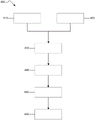
图2是形成用于固态电池组(如图1中所示)的固态硫银锗矿Li6PS5X(其中X选自氯(Cl)、溴(Br)、碘(I)或其组合)电解质的示例性方法的图示;Figure 2 is the formation of solid-state argyrite Li6PS5X (where X is selected from chlorine (Cl), bromine (Br), iodine (I) or combinations thereof for solid-state batteries (as shown in Figure 1) ) a schematic representation of an exemplary method of electrolyte;
图3A是形成用于固态电池组(如图1中所示)的包含固态硫银锗矿Li6PS5X(其中X选自氯(Cl)、溴(Br)、碘(I)或其组合)电解质的电极的示例性方法的图示;Figure 3A is the formation of a solid-state battery pack (as shown in Figure 1) containing solid-state argyrite Li 6 PS 5 X (wherein X is selected from chlorine (Cl), bromine (Br), iodine (I) or An illustration of an exemplary method of combining) an electrode of an electrolyte;
图3B是图3A中所描绘的示例性方法的另一图示;Figure 3B is another illustration of the exemplary method depicted in Figure 3A;
图4A是形成包含固态硫银锗矿Li6PS5X(其中X选自氯(Cl)、溴(Br)、碘(I)或其组合)电解质的固态电池组(如图1中所示的示例性固态电池组)的示例性方法的图示;Figure 4A is the formation of solid - state batteries (as shown in Figure 1 An illustration of an exemplary method of an exemplary solid-state battery pack);
图4B是图4A中所描绘的示例性方法的另一图示;Figure 4B is another illustration of the exemplary method depicted in Figure 4A;
图4C是图4A中所描绘的示例性方法的另一图示;且Figure 4C is another illustration of the exemplary method depicted in Figure 4A; and
图4D是图4A中所描绘的示例性方法的另一图示。4D is another illustration of the example method depicted in FIG. 4A.
在附图的几个视图中,相应的附图标记表示相应的部件。Corresponding reference characters indicate corresponding parts throughout the several views of the drawings.
具体实施方式detailed description
提供了示例性实施方案,使得本公开将是透彻的,并将范围充分传达给本领域技术人员。阐述了许多具体细节,如具体组成、组件、装置和方法的实例,以提供对本公开的实施方案的透彻理解。对于本领域技术人员显而易见的是,不需要采用具体细节,示例性实施方案可以以许多不同的形式来体现,并且均不应当解释为限制本公开的范围。在一些示例性实施方案中,没有详细描述公知的工艺、公知的装置结构和公知的技术。Example embodiments are provided so that this disclosure will be thorough, and will fully convey the scope to those who are skilled in the art. Numerous specific details are set forth, such as examples of specific compositions, assemblies, devices and methods, to provide a thorough understanding of embodiments of the present disclosure. It will be apparent to those skilled in the art that specific details need not be employed, that example embodiments may be embodied in many different forms and that neither should be construed to limit the scope of the disclosure. In some example embodiments, well-known processes, well-known device structures, and well-known technologies are not described in detail.
本文所用的术语仅为了描述特定的示例性实施方案的目的,并且无意是限制性的。除非上下文清楚地另行指明,否则本文所用的单数形式“一个”、“一种”和“该”可以意在也包括复数形式。术语“包含”、“包括”、“含有”和“具有”是包容性的,并因此规定了所述特征、要素、组合物、步骤、整数、操作和/或组件的存在,但不排除一种或多种其它特征、整数、步骤、操作、要素、组件和/或其集合的存在或加入。尽管开放式术语“包含”要理解为用于描述和要求保护本文中阐述的各种实施方案的非限制性术语,但在某些方面,该术语可以替代地理解为更具限制性和约束性的术语,如“由……组成”或“基本上由……组成”。因此,对于叙述组合物、材料、组件、要素、特征、整数、操作和/或工艺步骤的任何给定实施方案,本公开还具体包括由或基本上由这样叙述的组合物、材料、组件、要素、特征、整数、操作和/或工艺步骤组成的实施方案。在“由……组成”的情况下,替代实施方案排除任何附加的组合物、材料、组件、要素、特征、整数、操作和/或工艺步骤,而在“基本上由……组成”的情况下,从这样的实施方案中排除实质上影响基本特性和新颖特性的任何附加的组合物、材料、组件、要素、特征、整数、操作和/或工艺步骤,但是在该实施方案中可以包括不会实质上影响基本特性和新颖特性的任何组合物、材料、组件、要素、特征、整数、操作和/或工艺步骤。The terminology used herein is for the purpose of describing particular exemplary embodiments only and is not intended to be limiting. As used herein, the singular forms "a", "an" and "the" may be intended to include the plural forms as well, unless the context clearly dictates otherwise. The terms "comprising", "comprising", "containing" and "having" are inclusive and thus specify the presence of stated features, elements, compositions, steps, integers, operations and/or components but do not exclude a The presence or addition of one or more other features, integers, steps, operations, elements, components and/or sets thereof. Although the open-ended term "comprising" is to be understood as a non-limiting term used to describe and claim the various embodiments set forth herein, in some respects, the term may alternatively be understood to be more restrictive and restrictive terms such as "consisting of" or "consisting essentially of". Thus, for any given embodiment where a composition, material, component, element, feature, integer, operation and/or process step is recited, the present disclosure also specifically includes or consists essentially of such recited composition, material, component, An embodiment consisting of elements, features, integers, operations and/or process steps. Where "consisting of", alternative embodiments exclude any additional composition, material, component, element, feature, integer, operation and/or process step, while where "consisting essentially of Any additional compositions, materials, components, elements, features, integers, operations and/or process steps which materially affect the basic and novel characteristics are excluded from such embodiments, but may be included in such embodiments without Any composition, material, component, element, feature, integer, operation and/or process step that substantially affects the essential and novel properties.
除非明确确定为一定的实施次序,否则本文描述的任何方法步骤、工艺和操作不应解释为必定要求它们以所论述或例示的特定次序来实施。还要理解的是,除非另行指明,否则可以采用附加或替代的步骤。Any method steps, processes, and operations described herein are not to be construed as necessarily requiring their performance in the particular order discussed or illustrated, unless explicitly identified as such. It is also to be understood that additional or alternative steps may be employed unless otherwise indicated.
当组件、要素或层被提到“位于”、“啮合到”、“连接到”或“耦合到”另一组件、要素或层上时,其可以直接位于、啮合到、连接到或耦合到该另一组件、要素或层上,或者可能存在中间要素或层。相比之下,当要素被提到“直接位于”、“直接啮合到”、“直接连接到”或“直接耦合到”另一要素或层上时,可以不存在中间要素或层。用于描述要素之间的关系的其它词语应以类似方式解释(例如,“在……之间”vs.“直接在……之间”,“相邻”vs.“直接相邻”等等)。本文所用的术语“和/或”包括相关列举项中的一个或多个的任意和所有组合。When a component, element or layer is referred to as being "located on," "engaged to," "connected to" or "coupled to" another component, element or layer, it may be directly located on, engaged to, connected to, or coupled to on the other component, element or layer, or there may be intervening elements or layers. In contrast, when an element is referred to as being "directly on," "directly engaged to," "directly connected to" or "directly coupled to" another element or layer, there may be no intervening elements or layers present. Other words used to describe the relationship between elements should be interpreted in a similar fashion (e.g., "between" vs. "directly between", "adjacent" vs. "directly adjacent", etc. ). As used herein, the term "and/or" includes any and all combinations of one or more of the associated listed items.
尽管在本文中可以使用术语第一、第二、第三等等来描述各种步骤、要素、组件、区域、层和/或区段,但除非另行指明,否则这些步骤、要素、组件、区域、层和/或区段不应受这些术语限制。这些术语可以仅用于将一个步骤、要素、组件、区域、层或区段与另一步骤、要素、组件、区域、层或区段进行区分。除非上下文清楚地指明,否则术语如“第一”、“第二”和其它数值术语在本文中使用时并不暗示次序或顺序。因此,下文讨论的第一步骤、要素、组件、区域、层或区段可以被称作第二步骤、要素、组件、区域、层或区段,而不背离示例性实施方案的教导。Although the terms first, second, third, etc. may be used herein to describe various steps, elements, components, regions, layers and/or sections, unless otherwise specified, these steps, elements, components, regions , layer and/or section should not be limited by these terms. These terms may be only used to distinguish one step, element, component, region, layer or section from another step, element, component, region, layer or section. Terms such as "first," "second," and other numerical terms when used herein do not imply a sequence or order unless clearly indicated by the context. Thus, a first step, element, component, region, layer or section discussed below could be termed a second step, element, component, region, layer or section without departing from the teachings of the example embodiments.
为了便于描述,在本文中可以使用空间或时间上相对的术语,如“之前”、“之后”、“以内”、“以外”、“之下”、“下方”、“下部”、“上方”、“上部”等等描述如图中所示的一个要素或特征与另外一个或多个要素或特征的关系。除了图中描绘的取向之外,空间或时间上相对的术语可以意在涵盖装置或系统在使用或操作中的不同取向。For ease of description, spatially or temporally relative terms may be used herein, such as "before", "after", "inside", "outside", "below", "below", "lower", "above" , "upper" and the like describe the relationship of one element or feature to one or more other elements or features as shown in the figures. Spatially or temporally relative terms may be intended to encompass different orientations of the device or system in use or operation in addition to the orientation depicted in the figures.
在本公开通篇中,数值代表近似测量值或范围界限以涵盖与给定值的微小偏差和具有大致所述值的实施方案以及具有确切所述值的那些实施方案。除了在具体实施方式最后提供的工作实施例中之外,本说明书(包括所附权利要求书)中的参数(例如量或条件)的所有数值要理解为在所有情况下均被术语“大约”修饰,无论“大约”是否实际出现在该数值前。“大约”表示所述数值允许一定程度上的轻微不精确性(一定程度上靠近该值的精确性;大致或合理地接近该值;近乎)。如果由“大约”提供的不精确性在本领域中不以这种普通含义另行理解,那么本文所用的“大约”至少表示可能由测量和使用此类参数的普通方法引起的变化。例如,“大约”可以包含小于或等于5%、任选小于或等于4%、任选小于或等于3%、任选小于或等于2%、任选小于或等于1%、任选小于或等于0.5%、以及在某些方面任选小于或等于0.1%的变化。Throughout this disclosure, numerical values represent approximate measurements or range limits to encompass minor deviations from a given value and embodiments having approximately stated values as well as those having exactly stated values. Except in the working examples provided at the end of the detailed description, all numerical values of parameters (such as amounts or conditions) in this specification (including the appended claims) are to be understood in all cases by the term "about" modifier, whether or not "approximately" actually precedes the numerical value. "About" indicates that the stated value allows for some slight imprecision (some close to exactness of the value; roughly or reasonably close to the value; approximately). If the imprecision provided by "about" is not otherwise understood in the art with this ordinary meaning, then "about" as used herein indicates at least variations that may arise from ordinary methods of measuring and using such parameters. For example, "about" can include less than or equal to 5%, optionally less than or equal to 4%, optionally less than or equal to 3%, optionally less than or equal to 2%, optionally less than or equal to 1%, optionally less than or equal to 0.5%, and in some aspects optionally less than or equal to 0.1%.
此外,范围的公开包括在整个范围内所有值和进一步细分范围的公开,包括对于这些范围给出的端点和子范围。Furthermore, disclosure of ranges includes disclosure of all values within the entire range and subdivided ranges including endpoints and subranges given for those ranges.
现在将参照附图更全面地描述示例性实施方案。Exemplary embodiments will now be described more fully with reference to the accompanying drawings.
本公开涉及固态电池组,特别是固态电解质,以及形成其的方法。固态电池组可以包括至少一个固体组件,例如至少一个固体电极,但是在某些变体中也可以包括半固体或凝胶、液体或气体组件。这样的固态电池组可以并入储能装置,如可再充电锂离子电池组,其可用于汽车运输应用(例如摩托车、船、拖拉机、公共汽车、活动房屋、野营车和坦克)。然而,本技术还可用于其它电化学装置,作为非限制性实例,包括航空航天部件、消费品、装置、建筑物(例如房屋、办公室、厂房和仓库)、办公设备和家具、以及工业设备机械、农业或农场设备、或重型机械。在各个方面,本公开提供了可再充电的锂离子电池组,其表现出耐高温性以及改善的安全性和优异的功率容量与寿命性能。The present disclosure relates to solid state batteries, particularly solid state electrolytes, and methods of forming the same. A solid state battery may comprise at least one solid component, such as at least one solid electrode, but in some variations may also comprise a semi-solid or gel, liquid or gas component. Such solid-state batteries can be incorporated into energy storage devices, such as rechargeable lithium-ion battery packs, which can be used in automotive transportation applications (eg, motorcycles, boats, tractors, buses, mobile homes, campers, and tanks). However, the present technology can also be used in other electrochemical devices including, as non-limiting examples, aerospace components, consumer products, appliances, buildings (such as houses, offices, factories, and warehouses), office equipment and furniture, and industrial equipment machinery, Agricultural or farm equipment, or heavy machinery. In various aspects, the present disclosure provides a rechargeable lithium-ion battery pack that exhibits high temperature resistance along with improved safety and superior power capacity and lifetime performance.
在图1中显示了循环锂离子的固态电化学电池单元(也称为“固态电池组”和/或“电池组”)20的示例性示意性图示。电池组20包括负电极(即阳极)22、正电极(即阴极)24和占据两个或更多个电极之间限定的空间的隔离件26(例如微孔聚合物隔离件)。隔离件26物理分隔负电极22与正电极24。负电极22与正电极24之间的隔离件26可以至少部分填充有固态电解质30,和在某些变体中基本上填充有固态电解质30。如果在负电极22和正电极24内部存在孔隙,则孔隙也可以至少部分填充有固态电解质30,和在某些变体中基本上填充有固态电解质30,以形成连续的电解质网络,该网络可以是连续的锂离子传导网络。An exemplary schematic illustration of a solid state electrochemical cell (also referred to as a "solid state battery" and/or "battery") 20 that cycles lithium ions is shown in FIG. 1 .
负电极集流体32可以位于负电极22处或附近。正电极集流体34可以位于正电极24处或附近。负电极集流体32可以由不锈钢箔或本领域技术人员已知的任何其它合适的导电材料形成。正电极集流体34可以由铝或本领域技术人员已知的任何其它导电材料形成。负电极集流体32和正电极集流体34分别将自由电子收集并移动至外部电路40和从外部电路40收集并移动自由电子(如实心箭头所示)。例如,可中断外部电路40和负载装置42可以连接负电极22(通过负电极集流体32)和正电极24(通过正电极集流体34)。Negative electrode
电池组20可以通过在外部电路40闭合(以连接负电极22和正电极24)时并在负电极22具有比正电极24更低的电势时发生的可逆电化学反应在放电过程中生成电流(图1中的箭头所示)。负电极22与正电极24与之间的化学势差驱动负电极22处通过反应(例如嵌入锂的氧化)所产生的电子经外部电路40朝向正电极24。同样在负电极22处产生的锂离子同时经隔离件26朝向正电极24转移。电子流经外部电路40,并且锂离子穿过隔离件26迁移至正电极24,在那里它们可以镀覆、反应或嵌入。可以将通过外部电路40的电流控制和引导通过负载装置42(在箭头方向上),直到负电极22中的锂耗尽且电池组20的容量减小。
可以随时通过将外部电源(例如充电装置)与电池组20连接以逆转电池组放电过程中发生的电化学反应来为电池组20充电或重新供能。可用于将电池组20充电的外部电源可以根据电池组20的尺寸、构造和特定的最终用途而不同。一些值得注意和示例性的外部电源包括但不限于通过壁装电源插座与AC电力网连接的AC-DC转换器和机动车交流发电机。将外部电源与电池组20连接促进了在正电极24处的反应(例如,嵌入锂的非自发氧化),由此产生电子和锂离子。电子(其通过外部电路40流回至负电极22)和锂离子(其穿过隔离件26移动回至负电极22)在负电极22处重新结合,并用锂补充它以供在下一电池组放电循环过程中消耗。由此,完整的放电事件和随后的完整的充电事件被认为是一个循环,其中锂离子在正电极24与负电极22之间循环。The
尽管所示实例包括单个正电极24和单个负电极22,但技术人员将认识到本教导适用于各种其它配置,包括具有一个或多个阴极和一个或多个阳极,以及具有设置在其一个或多个表面上或与其一个或多个表面相邻设置或嵌在其一个或多个表面内的电活性粒子层的各种集流体和集流体膜的那些。同样,应当认识到,电池组20可以包括多种其它组件,这些组件尽管未在本文中描绘,但仍然是本领域技术人员已知的。例如,电池组20可以包括外壳、垫圈、端帽以及可能位于电池组20内(包括在负电极22、正电极24和/或隔离件26之间或周边)的任何其它常规组件或材料。While the illustrated example includes a single
在许多配置中,将负电极集流体32、负电极22、隔离件26、正电极24和正电极集流体34各自制备为相对薄的层(例如,厚度为几微米至一毫米或更小)并且以串联布置连接的层形式组装以提供合适的电能、电池组电压和功率封装,例如得到串联连接的单元电池芯(“SECC”)。在各种其它情况下,电池组20可以进一步包括并联连接的电极22、24以提供合适的电能、电池组电压和功率,例如得到并联连接的单元电池芯(“PECC”)。In many configurations, negative electrode
电池组20的尺寸和形状可以根据设计它以用于其中的具体应用而有所不同。电池组供电的车辆和手持式消费电子设备是其中电池组20最有可能被设计为不同尺寸、容量、电压、能量和功率输出规格的两个实例。如果负载装置42需要的话,电池组20还可以与其它类似的锂离子电池或电池组串联或并联连接以产生更大的电压输出、能量和功率。电池组20可以生成电流至负载装置42,负载装置42可以可操作地与外部电路40连接。负载装置42可以完全或部分由电池组20放电时通过外部电路40的电流来供电。虽然负载装置42可以是任何数量的已知电动装置,但是作为非限制性实例,耗电负载装置的一些具体实例包括用于混合动力车或全电动车的电动机、膝上型计算机、平板计算机、移动电话和无绳电动工具或电器。负载装置42还可以是为了存储电能而对电池组20充电的发电设备。The size and shape of
再参照图1,负电极22可以由锂宿主材料形成,所述锂宿主材料能够充当锂离子电池组的负极端子。例如,在某些变体中,负电极22可以由多个固态负电活性粒子50来限定。在某些情况下,尽管并未示出,负电极22包含固态负电活性粒子50和固态电解质30的混合物。例如,负电极22可以包含大于或等于大约30重量%至小于或等于大约98重量%、和在某些方面任选大于或等于大约50重量%至小于或等于大约95重量%的固态负电活性粒子50和大于或等于大约0重量%至小于或等于大约50重量%、和在某些方面任选大于或等于大约5重量%至小于或等于大约20重量%的固态电解质30。负电极22可以具有大于或等于大约10 µm至小于或等于大约400 µm的厚度。Referring again to FIG. 1 ,
在某些变体中,固态负电活性粒子50可以是锂基的,例如,负电极22可以是碳质阳极,并且固态负电活性粒子50可以包含一种或多种负电活性材料,如石墨、石墨烯、硬质碳、软质碳和碳纳米管(CNT)。在其它变体中,固态负电活性粒子50可以是硅基的,包含例如硅合金和/或硅-石墨混合物。在再其它变体中,负电极22可以包含锂合金或锂金属。在再其它变体中,负电极22可以包含一种或多种负电活性材料,如锂钛氧化物(Li4Ti5O12)、金属氧化物(例如TiO2和/或V2O5)、金属硫化物(例如FeS)、过渡金属(例如锡(Sn))和其它接受锂的材料。因此,固态负电活性粒子50可以选自包括,仅例如,锂、石墨、石墨烯、硬质碳、软质碳、碳纳米管、硅、含硅合金、含锡合金及其任意组合的组。In some variations, solid negative
在某些变体中,负电极22 可以进一步包含一种或多种导电添加剂和/或粘合剂材料。例如,固态负电活性粒子50(和任选的固态电解质30)可以任选与一种或多种提供电子传导路径的导电材料(未显示)和/或至少一种改善负电极22的结构完整性的聚合物粘合剂材料(未显示)混杂。In some variations,
例如,固态负电活性粒子50(和任选的固态电解质30)可以任选与粘合剂混杂,所述粘合剂如聚偏二氟乙烯(PVDF)、聚(偏二氟乙烯-共-六氟丙烯)(PVdF-HFP)、聚四氟乙烯(PTFE)、羧甲基纤维素钠(CMC)、丁腈橡胶(NBR)、苯乙烯-乙烯-苯乙烯共聚物(SEBS)、三元乙丙(EPDM)橡胶、丁腈橡胶(NBR)、苯乙烯-丁二烯橡胶(SBR)、聚乙二醇(PEO)和/或聚丙烯酸锂(LiPAA)粘合剂。导电材料可以包括例如碳基材料或导电聚合物。碳基材料可以包括例如石墨粒子、乙炔黑(如KETCHEN™黑或DENKA™黑)、碳纤维(例如纳米纤维)和碳纳米管、石墨烯(如氧化石墨烯)、炭黑(如Super P)等等。导电聚合物的实例可以包括聚苯胺、聚噻吩、聚乙炔、聚吡咯等等。在某些方面,可以使用导电添加剂和/或粘合剂材料的混合物。For example, solid negative electroactive particles 50 (and optionally solid electrolyte 30) may optionally be mixed with a binder such as polyvinylidene fluoride (PVDF), poly(vinylidene fluoride-co-hexa Fluoropropylene) (PVdF-HFP), polytetrafluoroethylene (PTFE), sodium carboxymethylcellulose (CMC), nitrile rubber (NBR), styrene-ethylene-styrene copolymer (SEBS), terpolymer Propylene (EPDM) rubber, nitrile rubber (NBR), styrene-butadiene rubber (SBR), polyethylene glycol (PEO), and/or lithium polyacrylate (LiPAA) adhesives. Conductive materials may include, for example, carbon-based materials or conductive polymers. Carbon-based materials can include, for example, graphite particles, acetylene black (such as KETCHEN™ black or DENKA™ black), carbon fibers (such as nanofibers) and carbon nanotubes, graphene (such as graphene oxide), carbon black (such as Super P), etc. Wait. Examples of conductive polymers may include polyaniline, polythiophene, polyacetylene, polypyrrole, and the like. In some aspects, mixtures of conductive additives and/or binder materials may be used.
负电极22可以包含大于或等于大约30重量%至小于或等于大约98重量%的负电活性材料;大于或等于大约0重量%至小于或等于大约30重量%、和在某些方面任选大于或等于大约2重量%至小于或等于大约10重量%的一种或多种导电添加剂;和大于或等于大约0重量%至小于或等于大约20重量%、和在某些方面任选大于或等于大约1重量%至小于或等于大约10重量%的一种或多种粘合剂。
正电极24可以由锂基或电活性材料形成,该材料可以经历锂嵌入和脱嵌,同时充当电池组20的正电极端子。例如,在某些变体中,正电极24可以由多个固态正电活性粒子60来限定。在某些情况下,尽管并未示出,正电极24包含固态正电活性粒子60和固态电解质粒子30的混合物。例如,正电极24可以包含大于或等于大约30重量%至小于或等于大约98重量%、和在某些方面任选大于或等于大约50重量%至小于或等于大约95重量%的固态正电活性粒子60,和大于或等于大约0重量%至小于或等于大约50重量%、和在某些方面任选大于或等于大约5重量%至小于或等于大约20重量%的固态电解质30。正电极24可以具有大于或等于大约10 µm至小于或等于大约400 µm的厚度。
在某些变体中,正电极24可以是层状氧化物阴极、尖晶石阴极和聚阴离子阴极中的一种。例如,在层状氧化物阴极(例如岩盐层状氧化物)的情况下,固态正电活性粒子60可以包含一种或多种正电活性材料,对于固态锂离子电池组而言,所述正电活性材料选自LiCoO2、LiNixMnyCo1-x-yO2(其中0 ≤ x ≤ 1且0 ≤ y ≤ 1)、LiNixMnyAl1-x-yO2(其中0 < x≤ 1且0 < y ≤ 1)、LiNixMn1-xO2(其中0 ≤ x ≤ 1)和Li1+xMO2(其中0 ≤ x ≤ 1)。尖晶石阴极可以包含一种或多种正电活性材料,如LiMn2O4和LiNi0.5Mn1.5O4。聚阴离子阳离子可以包含例如磷酸盐,对于锂离子电池组而言例如LiFePO4、LiVPO4、LiV2(PO4)3、Li2FePO4F、Li3Fe3(PO4)4或Li3V2(PO4)F3,和/或硅酸盐,对于锂离子电池组而言例如LiFeSiO4。以这种方式,在各个方面,固态正电活性粒子60可以包含一种或多种正电活性材料,所述正电活性材料选自LiCoO2、LiNixMnyCo1-x-yO2(其中0 ≤ x ≤ 1且0 ≤ y ≤ 1)、LiNixMn1-xO2(其中0 ≤x ≤ 1)、Li1+xMO2(其中0 ≤ x ≤ 1)、LiMn2O4、LiNixMn1.5O4、LiFePO4、LiVPO4、LiV2(PO4)3、Li2FePO4F、Li3Fe3(PO4)4、Li3V2(PO4)F3、LiFeSiO4及其组合。在某些方面,固态正电活性粒子60可以被涂布(例如被LiNbO3和/或Al2O3涂布)和/或正电活性材料可以被掺杂(例如被铝和/或镁掺杂)。In some variations,
在某些变体中,正电极24 可以进一步包含一种或多种导电添加剂和/或粘合剂材料。例如,固态正电活性粒子60(和任选的固态电解质30)可以任选与一种或多种提供电子传导路径的导电材料(未显示)和/或至少一种改善正电极24的结构完整性的聚合物粘合剂材料(未显示)混杂。In certain variations,
例如,固态正电活性粒子60(和任选的固态电解质30)可以任选与粘合剂混杂,所述粘合剂如聚偏二氟乙烯(PVDF)、聚(偏二氟乙烯-共-六氟丙烯)(PVdF-HFP)、聚四氟乙烯(PTFE)、羧甲基纤维素钠(CMC)、丁腈橡胶(NBR)、苯乙烯-乙烯-苯乙烯共聚物(SEBS)、三元乙丙(EPDM)橡胶、丁腈橡胶(NBR)、苯乙烯-丁二烯橡胶(SBR)、聚乙二醇(PEO)和/或聚丙烯酸锂(LiPAA)粘合剂。导电材料可以包括例如碳基材料或导电聚合物。碳基材料可以包括例如石墨粒子、乙炔黑(如KETCHEN™黑或DENKA™黑)、碳纤维(例如纳米纤维)和碳纳米管、石墨烯(如氧化石墨烯)、炭黑(如Super P)等等。导电聚合物的实例可以包括聚苯胺、聚噻吩、聚乙炔、聚吡咯等等。在某些方面,可以使用导电添加剂和/或粘合剂材料的混合物。For example, solid positive electroactive particles 60 (and optionally solid electrolyte 30) may optionally be mixed with a binder such as polyvinylidene fluoride (PVDF), poly(vinylidene fluoride-co- Hexafluoropropylene) (PVdF-HFP), polytetrafluoroethylene (PTFE), sodium carboxymethylcellulose (CMC), nitrile rubber (NBR), styrene-ethylene-styrene copolymer (SEBS), ternary Ethylene Propylene Glycol (EPDM), Nitrile Butadiene (NBR), Styrene Butadiene (SBR), Polyethylene Glycol (PEO) and/or Lithium Polyacrylate (LiPAA) adhesives. Conductive materials may include, for example, carbon-based materials or conductive polymers. Carbon-based materials can include, for example, graphite particles, acetylene black (such as KETCHEN™ black or DENKA™ black), carbon fibers (such as nanofibers) and carbon nanotubes, graphene (such as graphene oxide), carbon black (such as Super P), etc. Wait. Examples of conductive polymers may include polyaniline, polythiophene, polyacetylene, polypyrrole, and the like. In some aspects, mixtures of conductive additives and/or binder materials may be used.
正电极24可以包含大于或等于大约30重量%至小于或等于大约98重量%的正电活性材料;大于或等于大约0重量%至小于或等于大约30重量%、和在某些方面任选大于或等于大约2重量%至小于或等于大约10重量%的一种或多种导电添加剂;和大于或等于大约0重量%至小于或等于大约20重量%、和在某些方面任选大于或等于大约1重量%至小于或等于大约10重量%的一种或多种粘合剂。
隔离件26在负电极22与正电极24之间提供机械支撑和电气分隔——防止物理接触。在某些变体中,多孔隔离件26可以是包含聚烯烃的微孔聚合物隔离件。聚烯烃可以是均聚物(衍生自单一单体成分)或杂聚物(衍生自超过一种单体成分),其可以是直链或支链的。如果杂聚物衍生自两种单体成分,聚烯烃可以具有任何共聚物链排列,包括嵌段共聚物或无规共聚物的那些。类似地,如果聚烯烃是衍生自超过两种单体成分的杂聚物,其同样可以是嵌段共聚物或无规共聚物。在某些方面,聚烯烃可以是聚乙烯(PE)、聚丙烯(PP)、或PE和PP的共混物,或PE和/或PP的多层结构化多孔膜。市售聚烯烃多孔隔离件膜26包括可获自Celgard LLC的CELGARD® 2500(一种单层聚丙烯隔离件)和CELGARD® 2320(一种三层聚丙烯/聚乙烯/聚丙烯隔离件)。
当隔离件26是微孔聚合物隔离件时,其可以是单层或多层层合件,其可以由干法或湿法工艺制造。例如,在某些情况下,单个聚烯烃层可以形成整个隔离件26。在其它方面,隔离件26可以是纤维膜,其具有在相对表面之间延伸的大量孔隙,并可以具有例如小于1毫米的平均厚度。然而,作为另一实例,可以组装多个相似或不相似的聚烯烃的离散层以形成微孔聚合物隔离件26。除了聚烯烃之外,隔离件26还可以包含其它聚合物,例如但不限于聚对苯二甲酸乙二醇酯(PET)、聚偏二氟乙烯(PVdF)、聚酰胺、聚酰亚胺、聚(酰胺-酰亚胺)共聚物、聚醚酰亚胺和/或纤维素,或适于生成所需多孔结构的任何其它材料。聚烯烃层和任何其它任选的聚合物层可以以纤维层形式进一步包含在隔离件26中以帮助为隔离件26提供适当的结构特性和孔隙率特性。When the
在某些变体中,隔离件26可以是高温(例如大于大约150℃)稳定的隔离件,其包括基于聚酰亚胺(PI)纳米纤维的非织造物、纳米尺寸的Al2O3和聚(4-苯乙烯磺酸锂)涂布的聚乙烯膜、共聚酰亚胺-涂布的聚乙烯隔离件、聚醚酰亚胺(PEI)(双酚A型二醚二酐(bisphenol-aceton diphthalic anhydride,BPADA)和对苯二胺)隔离件、膨体聚四氟乙烯增强的聚偏二氟乙烯六氟丙烯隔离件、夹心结构的聚偏二氟乙烯(PVdF)/聚(间苯二甲酰间苯二胺(PMIA)/聚偏二氟乙烯(PVdF)纳米纤维隔离件等等。In some variations,
在每种情况下,隔离件26可以进一步包括陶瓷涂层和耐热材料涂层中的一种或多种。例如,陶瓷涂层和/或耐热材料涂层可以设置在隔离件26的一个或多个侧面上。形成陶瓷层的材料可以选自:氧化铝(Al2O3)、二氧化硅(SiO2)及其组合。耐热材料可以选自例如NOMEXTM和/或ARAMID。In each case, the
正电极24、负电极22和隔离件26可以各自包括在其孔隙内部的固态电解质30,其能够在负电极22与正电极24之间传导锂离子。例如,隔离件26可以包含大于或等于大约10重量%至小于或等于大约80重量%的固态电解质30。在各个方面,固态电解质30可以是固态硫银锗矿电解质,例如由下式表示的硫银锗矿:Li6PS5X,其中X选自氯(Cl)、溴(Br)、碘(I)或其组合。在某些变体中,由式Li6PS5X(其中X选自氯(Cl)、溴(Br)、碘(I)或其组合)表示的固态硫银锗矿电解质可以为设置在隔离件26和/或负电极22和/或正电极24的孔隙中的多个粒子的形式,以形成连续电解质网络,其可以是连续的锂离子传导网络。固态电解质30可以具有大于或等于大约0.01 µm至小于或等于大约100 µm、和在某些方面任选大于或等于大约0.1 µm至小于或等于大约3 µm的平均厚度。在其它变体中,由Li6PS5X(其中X选自氯(Cl)、溴(Br)、碘(I)或其组合)表示的固态硫银锗矿电解质可以涂布或填充隔离件26中的孔隙,并且还可以涂布负电极22和/或正电极24中的固态电活性材料粒子 50、60,以形成连续电解质网络,其可以是连续的锂离子传导网络。
在各个方面,本公开提供了制造用于固态电池组(如图1中所示的电池组20)的固态硫银锗矿电解质的方法。例如,本公开设想了一种制造固态硫银锗矿电解质的方法,其中该方法大体上包括同时或相继制备包含Li3PS4的第一悬浮液和包含Li2S与LiX(其中X选自氯(Cl)、溴(Br)、碘(I)或其组合)的第一溶液,以及混合第一悬浮液与第一溶液以形成前体混合物或液体。可以通过除去液体或干燥前体液体来形成固态硫银锗矿电解质。In various aspects, the present disclosure provides methods of making a solid-state argyrite electrolyte for a solid-state battery, such as
例如,图2示出了制造由Li6PS5X(其中X选自氯(Cl)、溴(Br)、碘(I)或其组合)表示的固态硫银锗矿电解质的示例性方法200。方法200可以包括使第一悬浮液与第一溶液接触230。For example, FIG. 2 illustrates an
第一悬浮液可以是包含Li3PS4和酯溶剂的悬浮液。在第一悬浮液中,Li3PS4不一定被溶剂化;而是,酯溶剂可以用作载体或媒介物以悬浮不溶性组分,如Li3PS4。酯溶剂可以包括一种或多种甲酯(例如甲酸甲酯、乙酸甲酯、丙酸甲酯、丁酸甲酯、戊酸甲酯等等)、乙酯(例如甲酸乙酯、乙酸乙酯、丙酸乙酯、丁酸乙酯、戊酸乙酯、己酸乙酯、庚酸乙酯、辛酸乙酯、癸酸乙酯等等)、丙酯(例如乙酸丙酯、丙酸丙酯、乙酸异丙酯、棕榈酸异丙酯等等)、丁酯(例如乙酸丁酯、丁酸丁酯、乙酸异丁酯等等)、戊酯(例如乙酸戊酯、丙酸戊酯、丁酸戊酯、戊酸戊酯、己酸戊酯、乙酸异戊酯、乙酸仲戊酯等等)及其任意组合。The first suspension may be a suspension comprising Li 3 PS 4 and an ester solvent. In the first suspension, Li 3 PS 4 is not necessarily solvated; rather, an ester solvent can be used as a carrier or vehicle to suspend insoluble components, such as Li 3 PS 4 . Ester solvents may include one or more of methyl esters (e.g. methyl formate, methyl acetate, methyl propionate, methyl butyrate, methyl valerate, etc.), ethyl esters (e.g. ethyl formate, ethyl acetate , ethyl propionate, ethyl butyrate, ethyl valerate, ethyl caproate, ethyl heptanoate, ethyl caprylate, ethyl caprate, etc.), propyl esters (such as propyl acetate, propyl propionate , isopropyl acetate, isopropyl palmitate, etc.), butyl esters (such as butyl acetate, butyl butyrate, isobutyl acetate, etc.), pentyl esters (such as amyl acetate, amyl propionate, butyl amyl acetate, amyl valerate, amyl caproate, isoamyl acetate, sec-amyl acetate, etc.) and any combination thereof.
第一溶液可以包含在醇溶剂中的Li2S与LiX(其中X选自氯(Cl)、溴(Br)、碘(I)或其组合)。例如,第一溶液可以包含在醇溶剂中的大于或等于大约0.1重量%至小于或等于大约20重量%、和在某些方面任选大约6重量%的Li2S与LiX(其中X选自氯(Cl)、溴(Br)、碘(I)或其组合)。醇溶剂可以包括甲醇、乙醇、丙醇、异丙醇、丁醇(例如1-丁醇、2-丁醇、异丁醇、叔丁醇)、戊醇(例如1-戊醇、2-戊醇、3-戊醇、异戊醇、新戊醇、环戊醇等等)及其任意组合,还包括其它高级醇的直链、支链和环状异构体,如己醇、环己醇、甲基环己醇、庚醇(例如1-庚醇、2-庚醇、3-庚醇、4-庚醇、异庚醇和其它异构体)、壬醇等等。The first solution may comprise Li 2 S and LiX (wherein X is selected from chlorine (Cl), bromine (Br), iodine (I) or combinations thereof) in an alcoholic solvent. For example, the first solution may comprise greater than or equal to about 0.1 wt. % to less than or equal to about 20 wt. %, and in certain aspects optionally about 6 wt. %, of Li2S and LiX (where X is selected from chlorine (Cl), bromine (Br), iodine (I), or combinations thereof). Alcoholic solvents can include methanol, ethanol, propanol, isopropanol, butanols (e.g. 1-butanol, 2-butanol, isobutanol, tert-butanol), pentanols (e.g. 1-pentanol, 2-pentanol Alcohol, 3-pentanol, isoamyl alcohol, neopentyl alcohol, cyclopentanol, etc.) and any combination thereof, also including linear, branched and cyclic isomers of other higher alcohols, such as hexanol, cyclohexyl alcohol Alcohol, methylcyclohexanol, heptanol (such as 1-heptanol, 2-heptanol, 3-heptanol, 4-heptanol, isoheptanol and other isomers), nonanol, and the like.
在各个方面,使第一悬浮液与第一溶液接触230可以形成包含第一悬浮液与第一溶液的前体混合物,并且混合和搅拌前体混合物以形成前体液体。例如,可以将第一悬浮液与第一溶液混合和搅拌大于或等于大约30分钟至小于或等于大约24小时、和在某些方面任选大约2小时的时间。前体混合物可以具有1:1:1的Li3PS4:Li2S:LiX(其中X选自氯(Cl)、溴(Br)、碘(I)或其组合)的摩尔比。In various aspects, contacting 230 the first suspension with the first solution can form a precursor mixture comprising the first suspension and the first solution, and mixing and agitating the precursor mixture to form the precursor liquid. For example, the first suspension can be mixed and stirred with the first solution for a period of greater than or equal to about 30 minutes to less than or equal to about 24 hours, and in certain aspects optionally about 2 hours. The precursor mixture may have a molar ratio of Li 3 PS 4 :Li 2 S:LiX (wherein X is selected from chlorine (Cl), bromine (Br), iodine (I) or combinations thereof) of 1:1:1.
在各个方面,方法200包括制备210第一悬浮液。制备210第一悬浮液可以包括使Li2S与P2S5在酯溶剂中接触以形成第一混合物,以及将第一混合物混合和搅拌大于或等于大约8小时至小于或等于大约96小时、和在某些方面任选大约12小时的时间。第一混合物中Li2S与P2S5的摩尔比可以为大于或等于大约2.9至小于或等于大约3.1、和在某些方面任选大约3.0。第一混合物中Li2S与P2S5的总浓度可以为大于或等于大约0.5重量%至小于或等于大约50重量%、和在某些方面任选大约10重量%。在一个实例中,第一混合物初始可以包含大约0.1984克的Li2S、大约0.3204克的P2S5和大约4.6671克的丙酸乙酯(EP)。In various aspects,
在各个方面,方法200包括制备220第一溶液。制备220第一溶液可以包括使Li2S与LiX(其中X选自氯(Cl)、溴(Br)、碘(I)或其组合)在醇溶剂中接触以形成第二混合物,以及将第二混合物混合和搅拌大于或等于大约0.1小时至小于或等于大约24小时、和在某些方面任选大约0.5小时的时间。第二混合物中Li2S与LiX(其中X选自氯(Cl)、溴(Br)、碘(I)或其组合)的摩尔比可以为大于或等于大约0.9至小于或等于大约1.1、和在某些方面任选大约1.0。第二混合物中Li2S与LiX(其中X选自氯(Cl)、溴(Br)、碘(I)或其组合)的总浓度可以为大于或等于大约0.1重量%至小于或等于大约20重量%、和在某些方面任选大约6重量%。在一个实例中,第二混合物初始可以包含大约0.1346克的Li2S、大约0.2519克的LiBr和大约5.9980克的乙醇。In various aspects,
在各个方面,方法200包括从前体液体中除去240溶剂(例如酯和醇共溶剂)以形成由Li6PS5X(其中X选自氯(Cl)、溴(Br)、碘(I)或其组合)表示的固态硫银锗矿电解质。除去240溶剂可以包括干燥前体液体以除去液体,例如在负压下经由真空干燥,例如在大于或等于大约80℃至小于或等于大约700℃、任选大于或等于大约80℃至小于或等于大约550℃、任选大于或等于大约80℃至小于或等于大约200℃、和在某些方面任选大约90℃的温度下,时间段为大于或等于大约30分钟至小于或等于大约48小时、和在某些方面任选大约3小时。由Li6PS5X(其中X选自氯(Cl)、溴(Br)、碘(I)或其组合)表示的固态硫银锗矿电解质可以包含多个粒子,其具有大于或等于大约0.1 µm至小于或等于大约100 µm、和在某些方面任选大于或等于大约1 µm至小于或等于大约3 µm的平均粒度。固态硫银锗矿电解质Li6PS5X(其中X选自氯(Cl)、溴(Br)、碘(I)或其组合)可以具有在大约25℃下大于或等于大约1.0×10⁻⁴S/cm至小于或等于大约10×10-3 S/cm、和在某些方面任选大约1.4×10-4 S/cm的离子电导率。In various aspects,
在各个方面,本公开提供了制造包含由Li6PS5X(其中X选自氯(Cl)、溴(Br)、碘(I)或其组合)表示的固态硫银锗矿电解质的电池组的方法。例如,本公开设想了一种制造电极的方法,其中该方法大体上包括使前体液体与电活性材料层形式的电极前体接触。该方法可以进一步包括干燥前体液体以形成由Li6PS5X(其中X选自氯(Cl)、溴(Br)、碘(I)或其组合)表示的固态硫银锗矿电解质,其中通过包含Li3PS4的第一悬浮液和包含Li2S与LiX(其中X选自氯(Cl)、溴(Br)、碘(I)或其组合)的第一溶液的混合物来制备前体液体。要注意的是,技术人员将认识到,Li6PS5X来自Li3PS4 + Li2S + LiX的组合。In various aspects, the present disclosure provides for the fabrication of batteries comprising a solid-state argyrite electrolyte represented by Li6PS5X , where X is selected from the group consisting of chlorine (Cl), bromine (Br), iodine (I), or combinations thereof Methods. For example, the present disclosure contemplates a method of making an electrode, wherein the method generally includes contacting a precursor liquid with an electrode precursor in the form of a layer of electroactive material. The method may further comprise drying the precursor liquid to form a solid argyrite electrolyte represented by Li6PS5X (wherein X is selected from chlorine (Cl), bromine (Br), iodine (I) or combinations thereof), wherein The former is prepared by a mixture comprising a first suspension of Li3PS4 and a first solution comprising Li2S and LiX ( wherein X is selected from chlorine (Cl), bromine (Br), iodine (I) or a combination thereof) body fluids. It is to be noted that the skilled person will recognize that Li 6 PS 5 X comes from the combination of Li 3 PS 4 + Li 2 S + LiX.
例如,图3A和3B示出了制造包含由Li6PS5X(其中X选自氯(Cl)、溴(Br)、碘(I)或其组合)表示的固态硫银锗矿电解质362的电极370的示例性方法300。方法300可以包括使前体液体352与前体电极或原始电极338的电活性材料层332接触350,仅例如,采用逐滴、喷涂或浸泡工艺。在某些变体中,使前体液体352与前体电极338的电活性材料层332接触350可以包括用前体液体352浸渍前体电极338。在每种情况下,如上文详述的那样,前体液体352可以包含分散在包含酯溶剂和醇溶剂的共溶剂体系中的1:1:1摩尔比的Li3PS4:Li2S:LiX(其中X选自氯(Cl)、溴(Br)、碘(I)或其组合)。For example, FIGS. 3A and 3B illustrate the process of fabricating a solid-
在各个方面,该方法包括制备340前体电极338。如图3B中所示,前体电极338包括设置在集流体334的表面上或与集流体334的表面相邻设置的电活性材料层332。电活性材料层332可以包含多个固态电活性材料粒子336。制备340前体电极338可以包括沿集流体334的表面设置多个固态电活性材料粒子336以形成电活性材料层332。In various aspects, the method includes preparing 340 a
在各个方面,该方法包括制备330前体液体352。制备330前体液体352可以包括使第一悬浮液与第一溶液接触。第一悬浮液可以是包含酯溶剂的Li3PS4悬浮液。第一溶液可以是包含醇溶剂的Li2S与LiX(其中X选自氯(Cl)、溴(Br)、碘(I)或其组合)悬浮液。例如,第一溶液可以包含在醇溶剂中的大于或等于大约0.1重量%至小于或等于大约20重量%、和在某些方面任选大约6重量%的Li2S与LiX(其中X选自氯(Cl)、溴(Br)、碘(I)或其组合)。In various aspects, the method includes preparing 330 a
在各个方面,使第一悬浮液与第一溶液接触以形成330前体液体352可以包括混合和搅拌第一悬浮液与第一溶液的混合物。例如,可以将第一悬浮液与第一溶液混合和搅拌大于或等于大约30分钟至小于或等于大约24小时、和在某些方面任选大约2小时的时间。In various aspects, contacting the first suspension with the first solution to form 330
在各个方面,方法300包括制备310第一悬浮液。制备310第一悬浮液可以包括使Li2S与P2S5在酯溶剂中接触以形成第一混合物,以及将第一混合物混合和搅拌大于或等于大约8小时至小于或等于大约96小时、和在某些方面任选大约12小时的时间。第一混合物中Li2S与P2S5的摩尔比可以为大于或等于大约2.9至小于或等于大约3.1、和在某些方面任选大约3.0。第一混合物中Li2S与P2S5的总浓度可以为大于或等于大约0.5重量%至小于或等于大约50重量%、和在某些方面任选大约10重量%。在一个实例中,第一混合物初始可以包含大约0.1984克的Li2S、大约0.3204克的P2S5和大约4.6671克的丙酸乙酯(EP)。In various aspects,
在各个方面,方法300包括制备320第一溶液。制备320第一溶液可以包括使Li2S与LiX(其中X选自氯(Cl)、溴(Br)、碘(I)或其组合)在醇溶剂中接触以形成第二混合物,以及将第二混合物混合和搅拌大于或等于大约0.1小时至小于或等于大约24小时、和在某些方面任选大约0.5小时的时间。第二混合物中Li2S与LiX(其中X选自氯(Cl)、溴(Br)、碘(I)或其组合)的摩尔比可以为大于或等于大约0.9至小于或等于大约1.1、和在某些方面任选大约1.0。第二混合物中Li2S与LiX(其中X选自氯(Cl)、溴(Br)、碘(I)或其组合)的总浓度可以为大于或等于大约0.1重量%至小于或等于大约20重量%、和在某些方面任选大约6重量%。在一个实例中,第二混合物初始可以包含大约0.1346克的Li2S、大约0.2519克的LiBr和大约5.9980克的乙醇。In various aspects,
在各个方面,方法300包括从前体液体352中除去360溶剂(例如酯和醇共溶剂)以形成固态硫银锗矿Li6PS5X(其中X选自氯(Cl)、溴(Br)、碘(I)或其组合)电解质362。除去360溶剂可以包括任选在负压下干燥前体液体。例如,该方法可以包括例如在大于或等于大约80℃至小于或等于大约700℃、任选大于或等于大约80℃至小于或等于大约550℃、任选大于或等于大约80℃至小于或等于大约200℃、和在某些方面任选大约90℃的温度下将前体液体真空干燥大于或等于大约30分钟至小于或等于大约48小时、和在某些方面任选大约3小时的时间段。In various aspects,
如图3B中所示,由Li6PS5X(其中X选自氯(Cl)、溴(Br)、碘(I)或其组合)表示的固态硫银锗矿电解质362可以在固态电活性材料粒子336上形成连续涂层。例如,在蒸发过程中,固态电活性材料粒子336可以充当为形成固态硫银锗矿提供生长位点的晶核。涂层可以具有大于或等于大约0.01 µm至小于或等于大约5 µm的厚度。电极370可以包含大于或等于大约5重量%至小于或等于大约50重量%、和在某些方面任选大约20重量%的固态硫银锗矿Li6PS5X(其中X选自氯(Cl)、溴(Br)、碘(I)或其组合)电解质362。固态硫银锗矿Li6PS5X(其中X选自氯(Cl)、溴(Br)、碘(I)或其组合)电解质362可以具有在大约25℃下大于或等于大约1.0×10⁻⁴ S/cm至小于或等于大约10×10-3 S/cm、和在某些方面任选大约1.4×10-4 S/cm的离子电导率。As shown in FIG. 3B, a solid-
在各个方面,本公开提供了制造包含固态硫银锗矿电解质Li6PS5X(其中X选自氯(Cl)、溴(Br)、碘(I)或其组合)的固态电池组(如图1中所示的电池组20)的方法。例如,本公开设想了一种制造固态电池组的方法,其中该方法大体上包括使前体液体与前体电池组或电池组电池芯接触并干燥前体液体以形成固态硫银锗矿Li6PS5X(其中X选自氯(Cl)、溴(Br)、碘(I)或其组合)电解质,其中前体液体包含含有Li3PS4的第一悬浮液和含有Li2S与LiX(其中X选自氯(Cl)、溴(Br)、碘(I)或其组合)的第一溶液的混合物。 In various aspects, the present disclosure provides for the fabrication of solid - state batteries (such as battery pack 20) shown in Figure 1). For example, the present disclosure contemplates a method of making a solid-state battery, wherein the method generally includes contacting a precursor liquid with a precursor battery or battery cell and drying the precursor liquid to form a solid-state argentite Li6 PS 5 X (where X is selected from chlorine (Cl), bromine (Br), iodine (I) or combinations thereof) electrolyte, wherein the precursor liquid comprises a first suspension containing Li 3 PS 4 and containing Li 2 S and LiX (wherein X is selected from chlorine (Cl), bromine (Br), iodine (I) or combinations thereof).
例如,图4A-4D示出了制造电池组470的示例性方法400,电池组470包含由Li6PS5X(其中X选自氯(Cl)、溴(Br)、碘(I)或其组合)表示的固态硫银锗矿电解质462。方法400可以包括使前体液体452与电池组电池芯438接触450。例如,可以将前体液体452注入电池组电池芯438中。在某些变体中,使前体液体452与电池组电池芯438接触450可以包括用前体液体452浸渍电池组电池芯438。在每种情况下,前体液体452可以包含悬浮在包含酯溶剂和醇溶剂的共溶剂体系中的 1:1:1摩尔比的Li3PS4:Li2S:LiX(其中X选自氯(Cl)、溴(Br)、碘(I)或其组合)。For example, FIGS. 4A-4D illustrate an
酯溶剂可以包括一种或多种甲酯(例如甲酸甲酯、乙酸甲酯、丙酸甲酯、丁酸甲酯、戊酸甲酯等等)、乙酯(例如甲酸乙酯、乙酸乙酯、丙酸乙酯、丁酸乙酯、戊酸乙酯、己酸乙酯、庚酸乙酯、辛酸乙酯、癸酸乙酯等等)、丙酯(例如乙酸丙酯、丙酸丙酯、乙酸异丙酯、棕榈酸异丙酯等等)、丁酯(例如乙酸丁酯、丁酸丁酯、乙酸异丁酯等等)、戊酯(例如乙酸戊酯、丙酸戊酯、丁酸戊酯、戊酸戊酯、己酸戊酯、乙酸异戊酯、乙酸仲戊酯等等)及其任意组合。Ester solvents may include one or more of methyl esters (e.g. methyl formate, methyl acetate, methyl propionate, methyl butyrate, methyl valerate, etc.), ethyl esters (e.g. ethyl formate, ethyl acetate , ethyl propionate, ethyl butyrate, ethyl valerate, ethyl caproate, ethyl heptanoate, ethyl caprylate, ethyl caprate, etc.), propyl esters (such as propyl acetate, propyl propionate , isopropyl acetate, isopropyl palmitate, etc.), butyl esters (such as butyl acetate, butyl butyrate, isobutyl acetate, etc.), pentyl esters (such as amyl acetate, amyl propionate, butyl amyl acetate, amyl valerate, amyl caproate, isoamyl acetate, sec-amyl acetate, etc.) and any combination thereof.
醇溶剂可以包括甲醇、乙醇、丙醇、异丙醇、丁醇(例如1-丁醇、2-丁醇、异丁醇、叔丁醇)、戊醇(例如1-戊醇、2-戊醇、3-戊醇、异戊醇、新戊醇、环戊醇等等)及其任意组合,还包括其它高级醇的直链、支链和环状异构体,如己醇、环己醇、甲基环己醇、庚醇(例如1-庚醇、2-庚醇、3-庚醇、4-庚醇、异庚醇和其它异构体)、壬醇等等。Alcoholic solvents can include methanol, ethanol, propanol, isopropanol, butanols (e.g. 1-butanol, 2-butanol, isobutanol, tert-butanol), pentanols (e.g. 1-pentanol, 2-pentanol Alcohol, 3-pentanol, isoamyl alcohol, neopentyl alcohol, cyclopentanol, etc.) and any combination thereof, also including linear, branched and cyclic isomers of other higher alcohols, such as hexanol, cyclohexyl alcohol Alcohol, methylcyclohexanol, heptanol (such as 1-heptanol, 2-heptanol, 3-heptanol, 4-heptanol, isoheptanol and other isomers), nonanol, and the like.
在各个方面,该方法包括制备440电池组电池芯438。如图4B中所示,电池组电池芯438包括一个或多个正电极424(类似图1中所示的正电极24,其包含多个固态正电活性粒子434),以及一个或多个负电极422(类似图1中所示的负电极22,其包含多个固态负电活性粒子432)。隔离件436(类似图1中所示的隔离件26)设置在正电极424与负电极422之间。制备440前体电池组438可以包括按顺序设置多个固态电活性材料粒子432、434、集流体438和隔离件436。In various aspects, the method includes preparing 440 a
在各个方面,该方法包括制备430前体液体452。制备430前体液体452可以包括使第一悬浮液与第一溶液接触。第一悬浮液可以是包含酯溶剂的Li3PS4悬浮液。第一溶液可以是包含醇溶剂的Li2S与LiX(其中X选自氯(Cl)、溴(Br)、碘(I)或其组合)溶液。例如,第一溶液可以包含在醇溶剂中的大于或等于大约0.1重量%至小于或等于大约20重量%、和在某些方面任选大约6重量%的Li2S与LiX(其中X选自氯(Cl)、溴(Br)、碘(I)或其组合)。In various aspects, the method includes preparing 430 a
在各个方面,使第一悬浮液与第一溶液接触以形成430前体液体452可以包括混合和搅拌第一悬浮液与第一溶液的混合物。例如,可以将第一悬浮液与第一溶液混合和搅拌大于或等于大约30分钟至小于或等于大约24小时、和在某些方面任选大约2小时的时间。In various aspects, contacting the first suspension with the first solution to form 430
在各个方面,方法400包括制备410第一悬浮液。制备410第一悬浮液可以包括使Li2S与P2S5在酯溶剂中接触以形成第一混合物,以及将第一混合物混合和搅拌大于或等于大约8小时至小于或等于大约96小时、和在某些方面任选大约12小时的时间。第一混合物中Li2S与P2S5的摩尔比可以为大于或等于大约2.9至小于或等于大约3.1、和在某些方面任选大约3.0。第一混合物中Li2S与P2S5的总浓度可以为大于或等于大约0.5重量%至小于或等于大约50重量%、和在某些方面任选大约10重量%。在一个实例中,第一混合物初始可以包含大约0.1984克的Li2S、大约0.3204克的P2S5和大约4.6671克的丙酸乙酯(EP)。In various aspects,
在各个方面,方法400包括制备420第一溶液。制备420第一溶液可以包括使Li2S与LiX(其中X选自氯(Cl)、溴(Br)、碘(I)或其组合)在醇溶剂中接触以形成第二混合物,以及将第二混合物混合和搅拌大于或等于大约0.1小时至小于或等于大约24小时、和在某些方面任选大约0.5小时的时间。第二混合物中Li2S与LiX(其中X选自氯(Cl)、溴(Br)、碘(I)或其组合)的摩尔比可以为大于或等于大约0.9至小于或等于大约1.1、和在某些方面任选大约1.0。第二混合物中Li2S与LiX(其中X选自氯(Cl)、溴(Br)、碘(I)或其组合)的总浓度可以为大于或等于大约0.1重量%至小于或等于大约20重量%、和在某些方面任选大约6重量%。在一个实例中,第二混合物初始可以包含大约0.1346克的Li2S、大约0.2519克的LiBr和大约5.9980克的乙醇。In various aspects,
在各个方面,方法400包括从前体液体452中除去460溶剂(例如酯和醇共溶剂)以形成固态硫银锗矿Li6PS5X(其中X选自氯(Cl)、溴(Br)、碘(I)或其组合)电解质462。除去460溶剂可以包括例如在大于或等于大约80℃至小于或等于大约300℃的温度下将前体液体真空干燥大于或等于大约30分钟至小于或等于大约48小时、和在某些方面任选大约3小时的时间段。这种低温工艺将确保电极422、424和隔离件436的聚合物组分的稳定性。In various aspects,
如图4D中所示,由Li6PS5X(其中X选自氯(Cl)、溴(Br)、碘(I)或其组合)表示的固态硫银锗矿电解质462可以在固态电活性材料粒子 432、434上形成连续涂层。固态硫银锗矿Li6PS5X(其中X选自氯(Cl)、溴(Br)、碘(I)、其组合)电解质462还可以填充或涂布隔离件436中的孔隙。涂层可以具有大于或等于大约0.01 µm至小于或等于大约5 µm的厚度。电极 470可以包含大于或等于大约5重量%至小于或等于大约50重量%、和在某些方面任选大约20重量%的由Li6PS5X(其中X选自氯(Cl)、溴(Br)、碘(I)或其组合)表示的固态硫银锗矿电解质462。由Li6PS5X(其中X选自氯(Cl)、溴(Br)、碘(I)或其组合)表示的固态硫银锗矿电解质462可以具有在大约25℃下大于或等于大约1.0×10⁻⁴ S/cm至小于或等于大约10×10-3 S/cm、和在某些方面任选大约1.4×10-4 S/cm的离子电导率。As shown in FIG. 4D, a solid-
在由Li6PS5X(其中X选自氯(Cl)、溴(Br)、碘(I)或其组合)表示的固态硫银锗矿电解质(如图1中所示的由Li6PS5X(其中X选自氯(Cl)、溴(Br)、碘(I)或其组合)表示的固态硫银锗矿电解质30、图3中所示的由Li6PS5X(其中X选自氯(Cl)、溴(Br)、碘(I)或其组合)表示的固态硫银锗矿电解质362、和/或图4中所示的由Li6PS5X(其中X选自氯(Cl)、溴(Br)、碘(I)或其组合)表示的固态硫银锗矿电解质462)的形成过程中使用的酯溶剂与醇溶剂的组合可以提供某些益处。例如,如表1中所示,与包含环醚溶剂(例如四氢呋喃)和醇溶剂的共溶剂体系和/或包含腈溶剂(例如乙腈)和醇溶剂的共溶剂体系相比,包含酯溶剂和醇溶剂的共溶剂体系可以具有均改善的离子电阻和纯度。In a solid-state argyrite electrolyte represented by Li 6 PS 5 X (where X is selected from chlorine (Cl), bromine (Br), iodine (I) or a combination thereof) (as shown in Figure 1 by Li 6 PS 5 X (where X is selected from chlorine (Cl), bromine (Br), iodine (I) or a combination thereof) represented by a solid-
已经出于说明和描述的目的提供了前面的实施方案的描述。其并非意在穷举或限制本公开。特定实施方案的各个要素或特征通常不限于该特定实施方案,而是在适当的情况下可以互换,并且即使并未具体示出或描述,也可以在所选实施方案中使用。其也可以以许多方式变化。这样的变化不应被认为是背离本公开,并且所有这样的修改意在被包括在本公开的范围内。The foregoing description of the embodiments has been presented for purposes of illustration and description. It is not intended to be exhaustive or to limit the disclosure. Individual elements or features of a particular embodiment are generally not limited to that particular embodiment, but, where appropriate, are interchangeable and can be used in a selected embodiment, even if not specifically shown or described. It can also be varied in many ways. Such variations are not to be regarded as a departure from the disclosure and all such modifications are intended to be included within the scope of the disclosure.
Claims (10)
Priority Applications (3)
| Application Number | Priority Date | Filing Date | Title |
|---|---|---|---|
| CN202110800597.8A CN115621537A (en) | 2021-07-15 | 2021-07-15 | Sulfurite solid electrolyte for solid-state battery pack and manufacturing method thereof |
| DE102022103144.6A DE102022103144A1 (en) | 2021-07-15 | 2022-02-10 | SOLID STATE ELECTROLYTES CONTAINING ARGYRODITE FOR SOLID STATE ACCUMULATORS AND PROCESS FOR THEIR MANUFACTURE |
| US17/707,524 US20230024667A1 (en) | 2021-07-15 | 2022-03-29 | Argyrodite solid electrolytes for solid-state batteries and methods of making the same |
Applications Claiming Priority (1)
| Application Number | Priority Date | Filing Date | Title |
|---|---|---|---|
| CN202110800597.8A CN115621537A (en) | 2021-07-15 | 2021-07-15 | Sulfurite solid electrolyte for solid-state battery pack and manufacturing method thereof |
Publications (1)
| Publication Number | Publication Date |
|---|---|
| CN115621537A true CN115621537A (en) | 2023-01-17 |
Family
ID=84546912
Family Applications (1)
| Application Number | Title | Priority Date | Filing Date |
|---|---|---|---|
| CN202110800597.8A Pending CN115621537A (en) | 2021-07-15 | 2021-07-15 | Sulfurite solid electrolyte for solid-state battery pack and manufacturing method thereof |
Country Status (3)
| Country | Link |
|---|---|
| US (1) | US20230024667A1 (en) |
| CN (1) | CN115621537A (en) |
| DE (1) | DE102022103144A1 (en) |
Families Citing this family (9)
| Publication number | Priority date | Publication date | Assignee | Title |
|---|---|---|---|---|
| CN115939504A (en) | 2021-08-13 | 2023-04-07 | 通用汽车环球科技运作有限责任公司 | Gel electrolyte system for solid state batteries |
| CN115775904B (en) | 2021-09-07 | 2026-04-28 | 通用汽车环球科技运作有限责任公司 | Foldable bipolar battery design |
| CN116487586B (en) | 2022-01-14 | 2026-03-27 | 通用汽车环球科技运作有限责任公司 | Electrodes including a polymer binder network with bamboo-type fibers |
| CN116565472A (en) | 2022-01-28 | 2023-08-08 | 通用汽车环球科技运作有限责任公司 | High Power Gel Assisted Bipolar Solid State Battery Pack |
| CN116565305A (en) | 2022-01-30 | 2023-08-08 | 通用汽车环球科技运作有限责任公司 | polymer blend gel electrolyte |
| CN116646660A (en) | 2022-02-16 | 2023-08-25 | 通用汽车环球科技运作有限责任公司 | High-voltage battery comprising a tab-free and soldering-free folded bipolar solid-state battery |
| CN117438545A (en) | 2022-07-12 | 2024-01-23 | 通用汽车环球科技运作有限责任公司 | Positively active materials for all-solid-state battery packs |
| CN117691048A (en) | 2022-09-02 | 2024-03-12 | 通用汽车环球科技运作有限责任公司 | Solvent-free method for forming solid-state electrodes with polymer fiber networks and solid-state electrodes prepared therefrom |
| WO2024181857A1 (en) * | 2023-02-28 | 2024-09-06 | 주식회사 엔플로우 | Sulfide-based solid electrolyte and all-solid-state battery comprising same |
Citations (1)
| Publication number | Priority date | Publication date | Assignee | Title |
|---|---|---|---|---|
| WO2020153973A1 (en) * | 2019-01-25 | 2020-07-30 | Solid Power, Inc. | Solid electrolyte material synthesis method |
Family Cites Families (4)
| Publication number | Priority date | Publication date | Assignee | Title |
|---|---|---|---|---|
| US20080057403A1 (en) * | 2006-09-06 | 2008-03-06 | Issaev Nikolai N | Lithium cell |
| CN109643790B (en) * | 2016-08-30 | 2022-01-04 | 富士胶片株式会社 | Solid electrolyte composition, sheet containing solid electrolyte, all-solid-state secondary battery, and method for producing sheet containing solid electrolyte and all-solid-state secondary battery |
| JP6747186B2 (en) * | 2016-09-01 | 2020-08-26 | セイコーエプソン株式会社 | Solid electrolyte and battery, electronic device and mobile body |
| HUE064016T2 (en) * | 2017-09-01 | 2024-02-28 | Mitsubishi Gas Chemical Co | Method for producing lgps-based solid electrolyte |
-
2021
- 2021-07-15 CN CN202110800597.8A patent/CN115621537A/en active Pending
-
2022
- 2022-02-10 DE DE102022103144.6A patent/DE102022103144A1/en active Pending
- 2022-03-29 US US17/707,524 patent/US20230024667A1/en active Pending
Patent Citations (1)
| Publication number | Priority date | Publication date | Assignee | Title |
|---|---|---|---|---|
| WO2020153973A1 (en) * | 2019-01-25 | 2020-07-30 | Solid Power, Inc. | Solid electrolyte material synthesis method |
Also Published As
| Publication number | Publication date |
|---|---|
| DE102022103144A1 (en) | 2023-01-19 |
| US20230024667A1 (en) | 2023-01-26 |
Similar Documents
| Publication | Publication Date | Title |
|---|---|---|
| US20230024667A1 (en) | Argyrodite solid electrolytes for solid-state batteries and methods of making the same | |
| CN114597346B (en) | Thick electrode for electrochemical cells | |
| US11735724B2 (en) | Silicon-containing negative electrodes, electrochemical cells, and methods of making the same | |
| US20240047654A1 (en) | Lithium-rich, manganese-rich layered electroactive materials and methods of forming the same | |
| US12230753B2 (en) | Electrolyte for electrochemical cells with a silicon-containing electrode | |
| CN116565156A (en) | Electroactive materials for high-performance batteries | |
| CN115440947A (en) | Layered anode material | |
| US20240258572A1 (en) | Electrolytes for lithium-rich, layered cathodes | |
| US20240113300A1 (en) | Modified binders for electrochemical cells that cycle lithium ions and methods of forming the same | |
| US20240063394A1 (en) | Crystalline material additives for thick electrodes | |
| US20230387398A1 (en) | Carbon additives for silicon-containing electrodes | |
| CN117096295A (en) | Lithium-containing particle coating for positive electroactive materials | |
| CN115440945A (en) | Electrochemical exchange for the fabrication of layered anode materials | |
| US20230102190A1 (en) | Negative electroactive materials and methods of forming the same | |
| CN117154011A (en) | Sulfide impregnated columnar silicon anode for all-solid-state battery and method of forming the same | |
| CN115440970A (en) | Passive ion exchange for the manufacture of layered anode materials | |
| CN115347143A (en) | Double-sided electrode and electrochemical cell comprising same | |
| CN114388774A (en) | Overlithiated Cathode Materials | |
| US20240030552A1 (en) | Protective layers separating electroactive materials and binder materials in electrode and methods of forming the same | |
| US20240030405A1 (en) | Composite electrodes | |
| US12573634B2 (en) | Silicon-containing electrodes and methods for preparing the same | |
| US20230411685A1 (en) | Electrolyte film with low interfacial resistance | |
| US12609299B2 (en) | Protective particle coatings for electroactive material particles and methods of forming the same | |
| US20240047666A1 (en) | Electrolytes for electrochemical cells that cycle lithium ions | |
| CN114597554A (en) | Capacitor Auxiliary Lithium-Sulfur Battery Pack |
Legal Events
| Date | Code | Title | Description |
|---|---|---|---|
| PB01 | Publication | ||
| PB01 | Publication | ||
| SE01 | Entry into force of request for substantive examination | ||
| SE01 | Entry into force of request for substantive examination |