CN115460020B - Data sharing method, device, equipment and storage medium - Google Patents
Data sharing method, device, equipment and storage medium Download PDFInfo
- Publication number
- CN115460020B CN115460020B CN202211402891.4A CN202211402891A CN115460020B CN 115460020 B CN115460020 B CN 115460020B CN 202211402891 A CN202211402891 A CN 202211402891A CN 115460020 B CN115460020 B CN 115460020B
- Authority
- CN
- China
- Prior art keywords
- data
- key
- shared
- user
- sub
- Prior art date
- Legal status (The legal status is an assumption and is not a legal conclusion. Google has not performed a legal analysis and makes no representation as to the accuracy of the status listed.)
- Active
Links
Images



Classifications
-
- H—ELECTRICITY
- H04—ELECTRIC COMMUNICATION TECHNIQUE
- H04L—TRANSMISSION OF DIGITAL INFORMATION, e.g. TELEGRAPHIC COMMUNICATION
- H04L63/00—Network architectures or network communication protocols for network security
- H04L63/04—Network architectures or network communication protocols for network security for providing a confidential data exchange among entities communicating through data packet networks
- H04L63/0428—Network architectures or network communication protocols for network security for providing a confidential data exchange among entities communicating through data packet networks wherein the data content is protected, e.g. by encrypting or encapsulating the payload
-
- H—ELECTRICITY
- H04—ELECTRIC COMMUNICATION TECHNIQUE
- H04L—TRANSMISSION OF DIGITAL INFORMATION, e.g. TELEGRAPHIC COMMUNICATION
- H04L9/00—Cryptographic mechanisms or cryptographic arrangements for secret or secure communications; Network security protocols
- H04L9/06—Cryptographic mechanisms or cryptographic arrangements for secret or secure communications; Network security protocols the encryption apparatus using shift registers or memories for block-wise or stream coding, e.g. DES systems or RC4; Hash functions; Pseudorandom sequence generators
- H04L9/0618—Block ciphers, i.e. encrypting groups of characters of a plain text message using fixed encryption transformation
- H04L9/0631—Substitution permutation network [SPN], i.e. cipher composed of a number of stages or rounds each involving linear and nonlinear transformations, e.g. AES algorithms
-
- H—ELECTRICITY
- H04—ELECTRIC COMMUNICATION TECHNIQUE
- H04L—TRANSMISSION OF DIGITAL INFORMATION, e.g. TELEGRAPHIC COMMUNICATION
- H04L9/00—Cryptographic mechanisms or cryptographic arrangements for secret or secure communications; Network security protocols
- H04L9/06—Cryptographic mechanisms or cryptographic arrangements for secret or secure communications; Network security protocols the encryption apparatus using shift registers or memories for block-wise or stream coding, e.g. DES systems or RC4; Hash functions; Pseudorandom sequence generators
- H04L9/065—Encryption by serially and continuously modifying data stream elements, e.g. stream cipher systems, RC4, SEAL or A5/3
- H04L9/0656—Pseudorandom key sequence combined element-for-element with data sequence, e.g. one-time-pad [OTP] or Vernam's cipher
- H04L9/0662—Pseudorandom key sequence combined element-for-element with data sequence, e.g. one-time-pad [OTP] or Vernam's cipher with particular pseudorandom sequence generator
-
- H—ELECTRICITY
- H04—ELECTRIC COMMUNICATION TECHNIQUE
- H04L—TRANSMISSION OF DIGITAL INFORMATION, e.g. TELEGRAPHIC COMMUNICATION
- H04L9/00—Cryptographic mechanisms or cryptographic arrangements for secret or secure communications; Network security protocols
- H04L9/08—Key distribution or management, e.g. generation, sharing or updating, of cryptographic keys or passwords
- H04L9/0816—Key establishment, i.e. cryptographic processes or cryptographic protocols whereby a shared secret becomes available to two or more parties, for subsequent use
- H04L9/085—Secret sharing or secret splitting, e.g. threshold schemes
-
- H—ELECTRICITY
- H04—ELECTRIC COMMUNICATION TECHNIQUE
- H04L—TRANSMISSION OF DIGITAL INFORMATION, e.g. TELEGRAPHIC COMMUNICATION
- H04L2209/00—Additional information or applications relating to cryptographic mechanisms or cryptographic arrangements for secret or secure communication H04L9/00
- H04L2209/08—Randomization, e.g. dummy operations or using noise
-
- H—ELECTRICITY
- H04—ELECTRIC COMMUNICATION TECHNIQUE
- H04L—TRANSMISSION OF DIGITAL INFORMATION, e.g. TELEGRAPHIC COMMUNICATION
- H04L2463/00—Additional details relating to network architectures or network communication protocols for network security covered by H04L63/00
- H04L2463/062—Additional details relating to network architectures or network communication protocols for network security covered by H04L63/00 applying encryption of the keys
-
- Y—GENERAL TAGGING OF NEW TECHNOLOGICAL DEVELOPMENTS; GENERAL TAGGING OF CROSS-SECTIONAL TECHNOLOGIES SPANNING OVER SEVERAL SECTIONS OF THE IPC; TECHNICAL SUBJECTS COVERED BY FORMER USPC CROSS-REFERENCE ART COLLECTIONS [XRACs] AND DIGESTS
- Y02—TECHNOLOGIES OR APPLICATIONS FOR MITIGATION OR ADAPTATION AGAINST CLIMATE CHANGE
- Y02D—CLIMATE CHANGE MITIGATION TECHNOLOGIES IN INFORMATION AND COMMUNICATION TECHNOLOGIES [ICT], I.E. INFORMATION AND COMMUNICATION TECHNOLOGIES AIMING AT THE REDUCTION OF THEIR OWN ENERGY USE
- Y02D30/00—Reducing energy consumption in communication networks
- Y02D30/50—Reducing energy consumption in communication networks in wire-line communication networks, e.g. low power modes or reduced link rate
Landscapes
- Engineering & Computer Science (AREA)
- Computer Security & Cryptography (AREA)
- Computer Networks & Wireless Communication (AREA)
- Signal Processing (AREA)
- Computer Hardware Design (AREA)
- Computing Systems (AREA)
- General Engineering & Computer Science (AREA)
- Storage Device Security (AREA)
Abstract
本发明属于数据安全技术领域,公开了一种数据共享方法、装置、设备及存储介质。本发明通过根据用户加密密钥对本地共享数据加密,获得子共享密文数据;将子共享密文数据发送至服务端,以使服务端基于各用户端发送的子共享密文数据反馈聚合密文数据;通过通用解密密钥对聚合密文数据进行解密,获得用户共享数据。由于在数据共享过程中,子共享密文数据由不同密钥加密,其他方均未持有该用户加密密钥,由此保证了参与方之间的数据安全性,且由于数据解密是直接通过存储在本地的通用解密密钥对聚合密文数据在本地进行解密,更进一步保证了解密结果的安全性。

The invention belongs to the technical field of data security, and discloses a data sharing method, device, equipment and storage medium. The present invention obtains sub-shared ciphertext data by encrypting the local shared data according to the user encryption key; sends the sub-shared ciphertext data to the server, so that the server can feed back the aggregated ciphertext based on the sub-shared ciphertext data sent by each client. Text data; the aggregated ciphertext data is decrypted by the general decryption key to obtain user-shared data. Since during the data sharing process, the sub-shared ciphertext data is encrypted by different keys, and no other party holds the user’s encryption key, thus ensuring the data security between the participating parties, and because the data decryption is directly through The locally stored common decryption key decrypts the aggregated ciphertext data locally, which further ensures the security of the decryption results.
Description
技术领域technical field
本发明涉及数据安全技术领域,尤其涉及一种数据共享方法、装置、设备及存储介质。The present invention relates to the technical field of data security, in particular to a data sharing method, device, equipment and storage medium.
背景技术Background technique
目前,互联网环境中数据应用场景多种多样,而在非可信的分布式场景中(如安全多方数据融合、安全多方集合交互、隐私保护联邦学习等分布式计算场景),用户与用户以及用户与服务端是互不可信的,而由于用户之间不可信,为了数据安全,不可令用户获取其他用户的明文数据,且由于服务端不可信,为了数据及其计算结果的安全,不可令服务端获取到明文的用户数据以及共享数据,在此种场景中,如何安全的进行数据共享,成为了一种难题。此外,除安全多方数据融合、安全多方集合交互等单次数据共享场景的安全性外,如何保证如联邦学习等需要多次交互训练场景的安全数据共享,也是一种难题。At present, there are various data application scenarios in the Internet environment, and in untrusted distributed scenarios (such as secure multi-party data fusion, secure multi-party set interaction, privacy-protected federated learning and other distributed computing scenarios), users and users and users The server and the server are mutually untrustworthy, and because the users are untrustworthy, for the sake of data security, users cannot be allowed to obtain other users' plaintext data, and because the server is untrustworthy, for the safety of data and calculation results, the service cannot be ordered In this scenario, how to securely share data has become a difficult problem. In addition, in addition to the security of single data sharing scenarios such as secure multi-party data fusion and secure multi-party set interaction, how to ensure secure data sharing in scenarios such as federated learning that require multiple interactive training scenarios is also a difficult problem.
上述内容仅用于辅助理解本发明的技术方案,并不代表承认上述内容是现有技术。The above content is only used to assist in understanding the technical solution of the present invention, and does not mean that the above content is admitted as prior art.
发明内容Contents of the invention
本发明的主要目的在于提供一种数据共享方法、装置、设备及存储介质,旨在解决现有技术无法在非可信的分布式场景中保证数据的安全共享的技术问题。The main purpose of the present invention is to provide a data sharing method, device, equipment and storage medium, aiming to solve the technical problem that the prior art cannot guarantee the safe sharing of data in untrusted distributed scenarios.
为实现上述目的,本发明提供了一种数据共享方法,所述方法包括以下步骤:In order to achieve the above object, the present invention provides a data sharing method, the method includes the following steps:
根据用户加密密钥对本地共享数据加密,获得子共享密文数据;Encrypt the local shared data according to the user encryption key to obtain sub-shared ciphertext data;
将所述子共享密文数据发送至服务端,以使所述服务端基于各用户端发送的子共享密文数据反馈聚合密文数据;Sending the sub-shared ciphertext data to the server, so that the server feeds back aggregated ciphertext data based on the sub-shared ciphertext data sent by each client;
通过通用解密密钥对所述聚合密文数据进行解密,获得用户共享数据。The aggregated ciphertext data is decrypted by using a common decryption key to obtain user shared data.
可选的,所述根据所述用户加密密钥对本端共享数据加密,获得共享密文数据的步骤之前,还包括:Optionally, before the step of encrypting the local shared data according to the user encryption key and obtaining the shared ciphertext data, the method further includes:
向密钥管理中心发送密钥生成请求,以使所述密钥管理中心根据各用户端发送的密钥生成请求反馈各用户端对应的密钥对;Sending a key generation request to the key management center, so that the key management center feeds back the key pair corresponding to each client according to the key generation request sent by each client;
对所述密钥对进行解析,获得用户加密密钥及通用解密密钥。The key pair is analyzed to obtain a user encryption key and a general decryption key.
可选的,所述向密钥管理中心发送密钥生成请求,以使所述密钥管理中心根据各用户端发送的密钥生成请求反馈各用户端对应的密钥对的步骤,包括:Optionally, the step of sending a key generation request to the key management center, so that the key management center feeds back the key pair corresponding to each client according to the key generation request sent by each client, includes:
向密钥管理中心发送密钥生成请求,以使所述密钥管理中心在接收到数据共享组中各用户端发送的密钥生成请求时,生成公共参数,根据所述公共参数生成通用解密密钥以及多个用户加密密钥,依据所述多个用户加密密钥及所述通用解密密钥生成各用户端对应的密钥对并反馈。Send a key generation request to the key management center, so that the key management center generates public parameters when receiving the key generation requests sent by each client in the data sharing group, and generates a general decryption key according to the public parameters key and a plurality of user encryption keys, according to the plurality of user encryption keys and the general decryption key to generate a key pair corresponding to each client and feed back.
可选的,所述根据用户加密密钥对本地共享数据加密,获得子共享密文数据的步骤,包括:Optionally, the step of encrypting the local shared data according to the user encryption key to obtain sub-shared ciphertext data includes:
通过预设随机算法生成随机多项式;Generate random polynomials through preset random algorithms;
将本地共享数据转化为多项式,获得待加密数据;Convert the local shared data into a polynomial to obtain the data to be encrypted;
根据用户加密密钥、所述随机多项式对所述待加密数据进行加密,获得子共享密文数据。Encrypt the data to be encrypted according to the user encryption key and the random polynomial to obtain sub-shared ciphertext data.
可选的,所述通过预设随机算法生成随机多项式的步骤,包括:Optionally, the step of generating a random polynomial through a preset random algorithm includes:
获取当前迭代轮数;Get the current iteration number;
将所述当前迭代轮数作为随机种子输入预设随机算法,生成随机多项式。The current number of iteration rounds is used as a random seed and input into a preset random algorithm to generate a random polynomial.
可选的,所述将所述子共享密文数据发送至服务端,以使所述服务端基于各用户端发送的子共享密文数据反馈聚合密文数据的步骤,包括:Optionally, the step of sending the sub-shared ciphertext data to the server, so that the server feeds back the aggregated ciphertext data based on the sub-shared ciphertext data sent by each client, includes:
将所述子共享密文数据发送至服务端,以使所述服务端在接收到数据共享组中各用户端发送的子共享密文数据时,通过预设聚合算法将所述子共享密文数据进行聚合,生成聚合密文数据并反馈。Sending the sub-shared ciphertext data to the server, so that when the server receives the sub-shared ciphertext data sent by each client in the data sharing group, the sub-shared ciphertext is combined by a preset aggregation algorithm The data is aggregated, and the aggregated ciphertext data is generated and fed back.
可选的,所述通过通用解密密钥对所述聚合密文数据进行解密,获得用户共享数据的步骤,包括:Optionally, the step of decrypting the aggregated ciphertext data using a common decryption key to obtain user-shared data includes:
通过通用解密密钥对所述聚合密文数据进行解密,获得解密数据;Decrypt the aggregated ciphertext data by using a common decryption key to obtain decrypted data;
对所述解密数据进行正确性验证;Verifying the correctness of the decrypted data;
在所述正确性验证通过时,将所述解密数据作为用户共享数据。When the correctness verification is passed, the decrypted data is used as user shared data.
此外,为实现上述目的,本发明还提出一种数据共享装置,所述数据共享装置包括以下模块:In addition, in order to achieve the above purpose, the present invention also proposes a data sharing device, which includes the following modules:
数据加密模块,用于根据用户加密密钥对本地共享数据加密,获得子共享密文数据;The data encryption module is used to encrypt the local shared data according to the user encryption key to obtain sub-shared ciphertext data;
数据发送模块,用于将所述子共享密文数据发送至服务端,以使所述服务端基于各用户端发送的子共享密文数据反馈聚合密文数据;A data sending module, configured to send the sub-shared ciphertext data to the server, so that the server feeds back aggregated ciphertext data based on the sub-shared ciphertext data sent by each client;
数据解密模块,用于通过通用解密密钥对所述聚合密文数据进行解密,获得用户共享数据。The data decryption module is used to decrypt the aggregated ciphertext data by using a common decryption key to obtain user shared data.
此外,为实现上述目的,本发明还提出一种数据共享设备,所述数据共享设备包括:处理器、存储器及存储在所述存储器上并可在所述处理器上运行的数据共享程序,所述数据共享程序被处理器执行时,实现如上所述的数据共享方法的步骤。In addition, in order to achieve the above object, the present invention also proposes a data sharing device, the data sharing device includes: a processor, a memory, and a data sharing program stored in the memory and operable on the processor, the When the data sharing program is executed by the processor, the steps of the above data sharing method are realized.
此外,为实现上述目的,本发明还提出一种计算机可读存储介质,所述计算机可读存储介质上存储有数据共享程序,所述数据共享程序执行时实现如上所述的数据共享方法的步骤。In addition, in order to achieve the above object, the present invention also proposes a computer-readable storage medium, on which a data sharing program is stored, and when the data sharing program is executed, the steps of the above-mentioned data sharing method are realized. .
本发明通过根据用户加密密钥对本地共享数据加密,获得子共享密文数据;将子共享密文数据发送至服务端,以使服务端基于各用户端发送的子共享密文数据反馈聚合密文数据;通过通用解密密钥对聚合密文数据进行解密,获得用户共享数据。由于在数据共享过程中,子共享密文数据由不同密钥加密,其他方均未持有该用户加密密钥,由此保证了参与方之间的数据安全性,且由于数据解密是直接通过存储在本地的通用解密密钥对聚合密文数据在本地进行解密,更进一步保证了解密结果的安全性,另外,由于每轮加密过程中用户端均重新生成随机多项式用于加密,可保证联邦学习等需要多次交互训练场景下的安全数据共享。The present invention obtains sub-shared ciphertext data by encrypting the local shared data according to the user encryption key; sends the sub-shared ciphertext data to the server, so that the server feeds back the aggregated encryption based on the sub-shared ciphertext data sent by each client. Text data; the aggregated ciphertext data is decrypted by a common decryption key to obtain user-shared data. Since during the data sharing process, the sub-shared ciphertext data is encrypted by different keys, and no other party holds the user’s encryption key, thus ensuring the data security between the participating parties, and because the data decryption is directly through The locally stored universal decryption key decrypts the aggregated ciphertext data locally, which further ensures the security of the decryption results. In addition, since the client regenerates a random polynomial for encryption during each round of encryption, it can ensure that the federation Learning, etc. require secure data sharing in multiple interactive training scenarios.
附图说明Description of drawings
图1是本发明实施例方案涉及的硬件运行环境的电子设备的结构示意图;Fig. 1 is a schematic structural diagram of an electronic device in a hardware operating environment involved in the solution of an embodiment of the present invention;
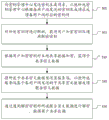
图2为本发明数据共享方法第一实施例的流程示意图;Fig. 2 is a schematic flow chart of the first embodiment of the data sharing method of the present invention;
图3为本发明数据共享方法第二实施例的流程示意图;FIG. 3 is a schematic flowchart of a second embodiment of the data sharing method of the present invention;
图4为本发明数据共享装置第一实施例的结构框图。Fig. 4 is a structural block diagram of the first embodiment of the data sharing device of the present invention.
本发明目的的实现、功能特点及优点将结合实施例,参照附图做进一步说明。The realization of the purpose of the present invention, functional characteristics and advantages will be further described in conjunction with the embodiments and with reference to the accompanying drawings.
具体实施方式Detailed ways
应当理解,此处所描述的具体实施例仅用以解释本发明,并不用于限定本发明。It should be understood that the specific embodiments described here are only used to explain the present invention, not to limit the present invention.
参照图1,图1为本发明实施例方案涉及的硬件运行环境的数据共享设备结构示意图。Referring to FIG. 1 , FIG. 1 is a schematic structural diagram of a data sharing device in a hardware operating environment involved in an embodiment of the present invention.
如图1所示,该电子设备可以包括:处理器1001,例如中央处理器(CentralProcessing Unit,CPU),通信总线1002、用户接口1003,网络接口1004,存储器1005。其中,通信总线1002用于实现这些组件之间的连接通信。用户接口1003可以包括显示屏(Display)、输入单元比如键盘(Keyboard),可选用户接口1003还可以包括标准的有线接口、无线接口。网络接口1004可选的可以包括标准的有线接口、无线接口(如无线保真(Wireless-Fidelity,WI-FI)接口)。存储器1005可以是高速的随机存取存储器(RandomAccess Memory,RAM),也可以是稳定的非易失性存储器(Non-Volatile Memory,NVM),例如磁盘存储器。存储器1005可选的还可以是独立于前述处理器1001的存储装置。As shown in FIG. 1 , the electronic device may include: a
本领域技术人员可以理解,图1中示出的结构并不构成对电子设备的限定,可以包括比图示更多或更少的部件,或者组合某些部件,或者不同的部件布置。Those skilled in the art can understand that the structure shown in FIG. 1 does not constitute a limitation on the electronic device, and may include more or less components than shown in the figure, or combine some components, or arrange different components.
如图1所示,作为一种存储介质的存储器1005中可以包括操作系统、网络通信模块、用户接口模块以及数据共享程序。As shown in FIG. 1 ,
在图1所示的电子设备中,网络接口1004主要用于与网络服务器进行数据通信;用户接口1003主要用于与用户进行数据交互;本发明电子设备中的处理器1001、存储器1005可以设置在数据共享设备中,所述电子设备通过处理器1001调用存储器1005中存储的数据共享程序,并执行本发明实施例提供的数据共享方法。In the electronic device shown in Figure 1, the
本发明实施例提供了一种数据共享方法,参照图2,图2为本发明一种数据共享方法第一实施例的流程示意图。An embodiment of the present invention provides a data sharing method. Referring to FIG. 2 , FIG. 2 is a schematic flowchart of a first embodiment of a data sharing method according to the present invention.
本实施例中,所述数据共享方法包括以下步骤:In this embodiment, the data sharing method includes the following steps:
步骤S10:根据用户加密密钥对本地共享数据加密,获得子共享密文数据;Step S10: Encrypt the local shared data according to the user encryption key to obtain sub-shared ciphertext data;
需要说明的是,本实施例的执行主体可以是所述数据共享设备,所述数据共享设备可以是需要进行数据共享的用户所使用的终端设备,如个人电脑、智能手机等电子设备,当然,还可以是其他功能相同或相似的设备,本实施例对此不加以限制,在本实施例及下述各实施例中,以数据共享设备为例对本发明数据共享方法进行说明。It should be noted that the executor of this embodiment may be the data sharing device, and the data sharing device may be a terminal device used by a user who needs to share data, such as a personal computer, a smart phone and other electronic devices. Of course, It may also be other devices with the same or similar functions, which is not limited in this embodiment. In this embodiment and the following embodiments, a data sharing device is taken as an example to describe the data sharing method of the present invention.
需要说明的是,用户加密密钥可以是需要进行数据共享的至少两个用户预先向密钥管理中心申请的,不同用户会持有不同的加密密钥,用户加密密钥可以预先保存在数据共享设备本地中。本地共享数据可以是用户需要与其他用户进行共享的数据,本地共享数据可以由用户预先进行指定。It should be noted that the user encryption key can be pre-applied to the key management center by at least two users who need to share data. Different users will hold different encryption keys. The user encryption key can be stored in the data sharing local to the device. The local shared data may be data that the user needs to share with other users, and the local shared data may be specified by the user in advance.
在实际使用中,根据用户加密密钥对本地共享数据加密,获得子共享密文数据可以是通过预设加密算法根据用户加密密钥对本地共享数据加密,并将生成的密文数据作为子共享密文数据。In actual use, the local shared data is encrypted according to the user's encryption key, and the sub-shared ciphertext data can be obtained by encrypting the local shared data according to the user's encryption key through a preset encryption algorithm, and using the generated ciphertext data as a sub-shared ciphertext data.
步骤S20:将所述子共享密文数据发送至服务端,以使所述服务端基于各用户端发送的子共享密文数据反馈聚合密文数据。Step S20: Send the sub-shared ciphertext data to the server, so that the server feeds back aggregated ciphertext data based on the sub-shared ciphertext data sent by each client.
需要说明的是,服务端可以是非可信分布式场景中,用于提供数据中转功能的服务器,在此场景中,服务器是不可信的,因此,服务端中并不会保存各用户的用户加密密钥,也无法对聚合后的聚合密文数据进行解密。It should be noted that the server can be a server that provides data transfer function in an untrusted distributed scenario. In this scenario, the server is untrusted. Therefore, the server does not save the user encryption of each user. key, and cannot decrypt the aggregated aggregated ciphertext data.
在实际使用中,数据共享设备可以将子共享密文数据发送至服务端,服务端会在接收到各个进行数据共享的用户所使用的数据共享设备发送的子共享密文数据之后,会通过预设密文聚合算法将子供向密文数据进行聚合为聚合密文数据,然后将聚合密文数据反馈给各个进行数据共享的用户所使用的数据共享设备。In actual use, the data sharing device can send the sub-shared ciphertext data to the server, and the server will pass the pre-shared ciphertext data after receiving the sub-shared ciphertext data sent by the data sharing device It is assumed that the ciphertext aggregation algorithm aggregates the sub-supplied ciphertext data into aggregated ciphertext data, and then feeds the aggregated ciphertext data back to the data sharing device used by each user for data sharing.
进一步的,由于固定的加密算法容易被破解,为了提高数据共享的数据安全性,本实施例所述步骤S20,可以包括:Further, since the fixed encryption algorithm is easy to be cracked, in order to improve the data security of data sharing, step S20 in this embodiment may include:
通过预设随机算法生成随机多项式;Generate random polynomials through preset random algorithms;
将本地共享数据转化为多项式,获得待加密数据;Convert the local shared data into a polynomial to obtain the data to be encrypted;
根据用户加密密钥、所述随机多项式对所述待加密数据进行加密,获得子共享密文数据。Encrypt the data to be encrypted according to the user encryption key and the random polynomial to obtain sub-shared ciphertext data.
需要说明的是,将本地共享数据转化为多项式,获得待价密数据可以是将本地共享数据进行编码,将其转换为项数与随机多项式项数一致的多项式数据,并将转换后的本地共享数据作为待加密数据。It should be noted that, to convert the local shared data into a polynomial and obtain the price-to-be encrypted data may be to encode the local shared data, convert it into polynomial data whose number of items is consistent with that of the random polynomial, and convert the local Shared data is used as data to be encrypted.
在实际使用中,根据用户加密密钥、所述随机多项式对所述待加密数据进行加密,获得子共享密文数据可以是通过预设加密算法根据用户加密密钥及随机多项式对待加密数据进行加密,从而获得一个密文多项式,并将该密文多项式作为子共享密文数据。In actual use, the data to be encrypted is encrypted according to the user encryption key and the random polynomial, and the sub-shared ciphertext data can be obtained by encrypting the data to be encrypted according to the user encryption key and the random polynomial through a preset encryption algorithm , so as to obtain a ciphertext polynomial, and use the ciphertext polynomial as the sub-shared ciphertext data.
在具体实现中,由于数据共享过程中涉及到了多个用户,而若是在同一轮加密中,每个用户所使用的数据共享设备生成的随机多项式不一致,则可能会导致最终数据难以进行聚合,导致最终数据共享过程出错,为了避免此种现象,本实施例所述通过预设随机算法生成随机多项式的步骤,可以包括:In the specific implementation, since multiple users are involved in the data sharing process, if in the same round of encryption, the random polynomials generated by the data sharing equipment used by each user are inconsistent, it may make it difficult to aggregate the final data, resulting in In the end, an error occurred in the data sharing process. In order to avoid this phenomenon, the step of generating a random polynomial through a preset random algorithm described in this embodiment may include:
获取当前迭代轮数;Get the current iteration number;
将所述当前迭代轮数作为随机种子输入预设随机算法,生成随机多项式。The current number of iteration rounds is used as a random seed and input into a preset random algorithm to generate a random polynomial.
需要说明的是,当前迭代轮数可以是当前进行数据共享的轮数。It should be noted that the current number of iteration rounds may be the current number of rounds for data sharing.
在具体实现中,为了保证同一轮各用户所使用的数据共享设备生成的随机多项式一致,可以将预设随机算法设置为一伪随机算法,该伪随机算法的输入为一随机种子,针对同一随机种子,预设随机算法输出的多项式相同。In the specific implementation, in order to ensure that the random polynomials generated by the data sharing equipment used by each user in the same round are consistent, the preset random algorithm can be set as a pseudo-random algorithm. Seed, the polynomial output of the preset random algorithm is the same.
可以理解的是,将预设随机算法设置为伪随机算法,然后将当前共享数据的轮数作为随机种子,则可以保证同一轮数的数据共享的过程中,不同用户所使用的数据共享设备生成的随机多项式保持一致,但是不同轮次可以对应不同的随机多项式,从而在保证数据可正常进行共享的前提下,提高数据共享的安全性。It is understandable that setting the preset random algorithm as a pseudo-random algorithm, and then using the current number of data sharing rounds as the random seed, can ensure that during the data sharing process of the same number of rounds, the data sharing devices used by different users will generate The random polynomials are consistent, but different rounds can correspond to different random polynomials, so as to improve the security of data sharing on the premise of ensuring that data can be shared normally.
步骤S30:通过通用解密密钥对所述聚合密文数据进行解密,获得用户共享数据。Step S30: Decrypt the aggregated ciphertext data with a common decryption key to obtain user shared data.
需要说明的是,通过通用解密密钥对所述聚合密文数据进行解密,获得用户共享数据可以是通过调用预设解密算法根据通用解密密钥对聚合密文数据,从而获得用户共享数据。It should be noted that, the aggregated ciphertext data is decrypted by the general decryption key to obtain the user shared data by calling a preset decryption algorithm to aggregate the ciphertext data according to the general decryption key, thereby obtaining the user shared data.
在具体实现中,通用解密密钥可以是需要进行数据共享的至少两个用户预先向密钥管理中心申请的,各个用户所持有的通用解密密钥均相同。其中,通用解密密钥与各用户所持有的用户加密密钥存在联系,通用解密密钥可对聚合密文数据进行解密,但是无法对单个用户所持有的用户加密密钥进行加密得到的子共享密文数据进行解密,因此,为了保证数据可正常进行共享,则本实施例所述步骤S20,可以包括:In a specific implementation, the common decryption key may be pre-applied to the key management center by at least two users who need to share data, and the common decryption key held by each user is the same. Among them, the general decryption key is related to the user encryption key held by each user. The general decryption key can decrypt the aggregated ciphertext data, but it cannot be obtained by encrypting the user encryption key held by a single user. The sub-shared ciphertext data is decrypted. Therefore, in order to ensure that the data can be shared normally, step S20 in this embodiment may include:
将所述子共享密文数据发送至服务端,以使所述服务端在接收到数据共享组中各用户端发送的子共享密文数据时,通过预设聚合算法将所述子共享密文数据进行聚合,生成聚合密文数据并反馈。Sending the sub-shared ciphertext data to the server, so that when the server receives the sub-shared ciphertext data sent by each client in the data sharing group, the sub-shared ciphertext is combined by a preset aggregation algorithm The data is aggregated, and the aggregated ciphertext data is generated and fed back.
需要说明的是,数据共享组可以包括各个需要进行数据共享的用户的用户标识。用户端可以是各个需要进行数据共享的用户所使用的终端设备。It should be noted that the data sharing group may include user identifiers of users who need to share data. The user end may be a terminal device used by each user who needs to share data.
可以理解的是,由于通用解密密钥仅可对完整的聚合密文数据进行解密,若在聚合密文的过程中,缺少了任何一个用户端提供的子共享密文数据,则此时聚合得到的聚合密文数据都无法被正常进行解密,因此,服务端需要检测是否接收到数据共享组中各用户端发送的子共享密文数据,而在确定接收到数据共享组中各用户端发送的子共享密文数据时,再通过预设聚合算法将各个子共享密文数据进行聚合,之后再将生成的聚合密文数据反馈给各个用户端。It is understandable that since the general decryption key can only decrypt the complete aggregated ciphertext data, if any sub-shared ciphertext data provided by the client is missing during the process of aggregating the ciphertext, then the aggregated ciphertext data can be obtained at this time The aggregated ciphertext data cannot be decrypted normally. Therefore, the server needs to detect whether it has received the sub-shared ciphertext data sent by each client in the data sharing group. When sub-sharing ciphertext data, each sub-shared ciphertext data is aggregated through a preset aggregation algorithm, and then the generated aggregated ciphertext data is fed back to each client.
进一步的,为了提高数据共享的可靠性,本实施例所述步骤S30,可以包括:Further, in order to improve the reliability of data sharing, step S30 in this embodiment may include:
通过通用解密密钥对所述聚合密文数据进行解密,获得解密数据;Decrypt the aggregated ciphertext data by using a common decryption key to obtain decrypted data;
对所述解密数据进行正确性验证;Verifying the correctness of the decrypted data;
在所述正确性验证通过时,将所述解密数据作为用户共享数据。When the correctness verification is passed, the decrypted data is used as user shared data.
需要说明的是,由于是在非可信的分布式场景中应用数据共享方法,在此过程中,难免会出现恶意攻击等现象,在此过程中,恶意攻击者可能会伪造聚合密文数据,而此类伪造的聚合密文数据,其实是无法被通过通用解密密钥正常进行解密的,为了避免此种伪造的数据对用户产生影响,在通过通用解密密钥对聚合密文数据进行解密之后,可以对解密数据进行正确性验证,而若是正确性验证通过,则表示聚合密文数据并非恶意伪造的,因此,可以将解密数据作为用户共享数据。It should be noted that since the data sharing method is applied in an untrusted distributed scenario, malicious attacks and other phenomena will inevitably occur during this process. During this process, malicious attackers may forge aggregated ciphertext data, However, this kind of forged aggregated ciphertext data cannot be normally decrypted by the general decryption key. , the correctness of the decrypted data can be verified, and if the correctness verification is passed, it means that the aggregated ciphertext data is not maliciously forged, therefore, the decrypted data can be used as user shared data.
本实施例通过根据用户加密密钥对本地共享数据加密,获得子共享密文数据;将子共享密文数据发送至服务端,以使服务端基于各用户端发送的子共享密文数据反馈聚合密文数据;通过通用解密密钥对聚合密文数据进行解密,获得用户共享数据。由于在数据共享过程中,子共享密文数据由不同密钥加密,其他方均未持有该用户加密密钥,由此保证了参与方之间的数据安全性,且由于数据解密是直接通过存储在本地的通用解密密钥对聚合密文数据在本地进行解密,更进一步保证了解密结果的安全性,另外,由于每轮加密过程中用户端均重新生成随机多项式用于加密,可保证联邦学习等需要多次交互训练场景下的安全数据共享。In this embodiment, the sub-shared ciphertext data is obtained by encrypting the local shared data according to the user encryption key; the sub-shared ciphertext data is sent to the server, so that the server can feedback and aggregate the sub-shared ciphertext data sent by each client Ciphertext data; the aggregated ciphertext data is decrypted by a common decryption key to obtain user-shared data. Since during the data sharing process, the sub-shared ciphertext data is encrypted by different keys, and no other party holds the user’s encryption key, thus ensuring the data security between the participating parties, and because the data decryption is directly through The locally stored universal decryption key decrypts the aggregated ciphertext data locally, which further ensures the security of the decryption results. In addition, since the client regenerates a random polynomial for encryption during each round of encryption, it can ensure that the federation Learning, etc. require secure data sharing in multiple interactive training scenarios.
参考图3,图3为本发明一种数据共享方法第二实施例的流程示意图。Referring to FIG. 3 , FIG. 3 is a schematic flowchart of a second embodiment of a data sharing method according to the present invention.
基于上述第一实施例,本实施例数据共享方法在所述步骤S10之前,还包括:Based on the first embodiment above, the data sharing method of this embodiment, before the step S10, further includes:
步骤S01:向密钥管理中心发送密钥生成请求,以使所述密钥管理中心根据各用户端发送的密钥生成请求反馈各用户端对应的密钥对。Step S01: Send a key generation request to the key management center, so that the key management center feeds back the key pair corresponding to each client according to the key generation request sent by each client.
需要说明的是,密钥管理中心可以用于生成用户加密秘钥及用户解密密钥,其中,密钥管理中心可以由权威机构构建,当然,也可以由用户共同协商后设立。It should be noted that the key management center can be used to generate user encryption keys and user decryption keys, wherein the key management center can be established by an authority, of course, it can also be set up by users after mutual negotiation.
在实际使用中,密钥管理中心在接收到各用户端发送的密钥生成请求之后,会生成多个用户加密密钥及一个通用解密密钥,之后,可以根据用户加密密钥及通过解密密钥生成各个用户端对应的密钥对,然后将密钥对分别发送给对应的用户端。其中,生成的用户加密密钥数量与数据共享组中用户标识的数量一致;根据用户加密密钥及通过解密密钥生成各个用户端对应的密钥对可以是将用户加密密钥与各用户端对应,然后将各用户端对应的用户加密密钥与通用解密密钥组装为该用户端对应的密钥对。In actual use, after receiving the key generation request sent by each client, the key management center will generate multiple user encryption keys and a common decryption key. key to generate a key pair corresponding to each client, and then send the key pair to the corresponding client respectively. Wherein, the generated user encryption key quantity is consistent with the number of user identifiers in the data sharing group; according to the user encryption key and the key pair corresponding to each client generated through the decryption key can be the user encryption key and each client corresponding, and then assemble the user encryption key and the general decryption key corresponding to each client into a key pair corresponding to the client.
在具体实现中,由于通用解密密钥与生成的多个加密密钥存在对应关系,为了保证可合理生成各个用户端对应的密钥对,本实施例所述步骤S01,可以包括:In a specific implementation, since there is a corresponding relationship between the general decryption key and the generated multiple encryption keys, in order to ensure that the key pairs corresponding to each client can be reasonably generated, the step S01 described in this embodiment may include:
向密钥管理中心发送密钥生成请求,以使所述密钥管理中心在接收到数据共享组中各用户端发送的密钥生成请求时,生成公共参数,根据所述公共参数生成通用解密密钥以及多个用户加密密钥,依据所述多个用户加密密钥及所述通用解密密钥生成各用户端对应的密钥对并反馈。Send a key generation request to the key management center, so that the key management center generates public parameters when receiving the key generation requests sent by each client in the data sharing group, and generates a general decryption key according to the public parameters key and a plurality of user encryption keys, according to the plurality of user encryption keys and the general decryption key to generate a key pair corresponding to each client and feed back.
需要说明的是,数据共享组可以包括各个需要进行数据共享的用户的用户标识。需要进行数据共享的多个用户在确定合作之后,可以先提交信息在密钥管理中心中建立数据共享组。生成公共参数可以是从密钥生成请求中提取数据作为安全参数,然后将安全参数输入预设参数构建算法中生成公共参数,例如:从密钥生成请求中提取各用户的用户标识,对用户标识进行拼接,然后将拼接后的数据作为安全参数,之后将安全参数输入预设参数构建算法生成公共参数。It should be noted that the data sharing group may include user identifiers of users who need to share data. Multiple users who need to share data can submit information to establish a data sharing group in the key management center after confirming cooperation. Generating public parameters can be to extract data from the key generation request as security parameters, and then input the security parameters into the preset parameter construction algorithm to generate public parameters, for example: extract the user ID of each user from the key generation request, and use the Carry out splicing, and then use the spliced data as security parameters, and then input the security parameters into the preset parameter construction algorithm to generate public parameters.
步骤S02:对所述密钥对进行解析,获得用户加密密钥及通用解密密钥。Step S02: Analyzing the key pair to obtain a user encryption key and a general decryption key.
需要说明的是,对密钥对进行解析,获得用户加密密钥及通用解密密钥可以是按预设格式对密钥对进行解析,从密钥对中提取用户加密密钥及通用解密密钥。其中,为了便于用户端计算随机多项式,服务端还可以将生成的公共参数与密钥对一起发送至各用户端。It should be noted that analyzing the key pair to obtain the user encryption key and the general decryption key can be performed by analyzing the key pair according to a preset format, and extracting the user encryption key and the general decryption key from the key pair . Wherein, in order to facilitate the calculation of the random polynomial by the client, the server may also send the generated public parameters together with the key pair to each client.
可以理解的是,由于密钥通过网络传输,可能会存在不安全,为了提高数据共享方法的安全性,获取通用解密密钥及用户加密密钥也可以采用线下传输的方式进行,本实施例对此不加以限制。It can be understood that, since the key is transmitted through the network, there may be insecurity. In order to improve the security of the data sharing method, the acquisition of the general decryption key and the user encryption key can also be carried out in the form of offline transmission. In this embodiment There is no restriction on this.
为了便于理解,现对本发明数据共享方法进行举例说明,但不对本发明进行限定:In order to facilitate understanding, the data sharing method of the present invention is now illustrated, but the present invention is not limited:
在本实施例中,涉及的算法总共有6个,分别为:预设参数构建算法(Setup)、预设密钥生成算法(KeyGen),预设随机算法(PRG),预设加密算法(Enc),预设解密算法(Dec),预设聚合算法(Eval)。In this embodiment, there are a total of 6 algorithms involved, namely: preset parameter construction algorithm (Setup), preset key generation algorithm (KeyGen), preset random algorithm (PRG), preset encryption algorithm (Enc ), preset decryption algorithm (Dec), preset aggregation algorithm (Eval).
Setup(1λ) → PP:建立算法Setup输入安全参数 λ,输出公共参数PP={1λ, p, q,χs, χe, {bj} (j = 1, 2,…, b), a0},其中q = q(λ)是2的幂次整数,p < q为整数,χs和χe分别表示密钥分布和误差分布,均为高斯分布,{bj} (j = 1, 2,…, b) ∈ Rb,b为最大计算轮数的二进制位数,a0是一个公共随机多项式,从环 Rq = Zq/(Xn + 1) 上随机采样。Setup(1 λ ) → PP: Establish an algorithm Setup input security parameter λ, output public parameter PP={1 λ , p, q,χ s , χ e , {b j } (j = 1, 2,…, b) , a0}, where q = q(λ) is an integer power of 2, p < q is an integer, χ s and χ e represent the key distribution and error distribution respectively, both of which are Gaussian distributions, {b j } (j = 1, 2,…, b) ∈ R b , b is the binary digit of the maximum number of calculation rounds, a 0 is a public random polynomial, randomly sampled from the ring R q = Z q /(X n + 1).
KeyGen(PP) → ({si} (i = 1, 2,…, N), s):密钥生成算法KeyGen输入公共参数PP,输出N个加密密钥{si} (i = 1, 2,…, N) 和一个解密密钥s.随后,它将密钥对{si,s} 通过安全信道分发给第i个用户。因此,不同的用户拥有不同的加密密钥和相同的解密密钥。具体的参数和密钥生成值为:N个加密密钥{si} (i = 1, 2,…, N) 的分布相同,均从密钥分布χs采样。解密密钥s为N个加密密钥的和,即解密密钥s = (s1 + s2 +… + sN)mod q.KeyGen(PP) → ({s i } (i = 1, 2,…, N), s): The key generation algorithm KeyGen inputs the public parameter PP, and outputs N encryption keys {s i } (i = 1, 2,…, N) and a decryption key s. Subsequently, it distributes the key pair {s i ,s} to the i-th user through a secure channel. Therefore, different users have different encryption keys and the same decryption key. The specific parameters and key generation values are: N encryption keys {s i } (i = 1, 2,…, N) have the same distribution, and they are all sampled from the key distribution χ s . The decryption key s is the sum of N encryption keys, that is, the decryption key s = (s 1 + s 2 +... + s N ) mod q.
PRG(at, {bj} (j = 1, 2,…, b), t + 1) → at + 1:伪随机数生成算法PRG将b+ 1个多项式at, {bj} (j = 1, 2,…, b)作为输入参与,将当前迭代轮数t + 1 = (x1…xb)2作为输入种子,算法输出伪随机多项式 at + 1 ∈ Rq PRG(a t , {b j } (j = 1, 2,…, b), t + 1) → a t + 1 : Pseudo-random number generation algorithm PRG will b+ 1 polynomial a t , {b j } ( j = 1, 2,…, b) participate as input, take the current iteration number t + 1 = (x 1 …x b ) 2 as the input seed, and the algorithm outputs a pseudo-random polynomial a t + 1 ∈ R q
at + 1← F(at, {bj} (j = 1, 2,…, b), t + 1) := round(at×Πjbjxi),a t + 1 ← F(a t , {b j } (j = 1, 2,…, b), t + 1) := round(a t ×Π j b j x i ),
其中,F可以是一个基于RLWE(Ring Learning with Errors)的伪随机函数,如Banerjee等人提出的伪随机函数。Among them, F can be a pseudorandom function based on RLWE (Ring Learning with Errors), such as the pseudorandom function proposed by Banerjee et al.
Enc(si, mi) → ci:加密算法Enc采用加密密钥si加密明文多项式mi为密文多项式ci:Enc(si, mi) → c i : The encryption algorithm Enc uses the encryption key s i to encrypt the plaintext polynomial m i as the ciphertext polynomial c i :
ci ← Enc(si, mi) = (at + 1 × si + p' × ei + mi) mod q,c i ← Enc(s i , m i ) = (a t + 1 × s i + p' × e i + m i ) mod q,
其中ei ←χe为一个小的误差项,p' 为一个度为n - 1且所有系数为p的多项式。在该加密算法中,每轮加密过程中的随机多项式at + 1由用户采用当前计算轮数作为随机种子本地生成,保障了后续多密钥密文评估计算结果能被正确解密,同时也保证了加密方案在涉及多轮计算场景下的安全性。Where e i ←χ e is a small error term, p' is a polynomial of degree n - 1 and all coefficients are p. In this encryption algorithm, the random polynomial at + 1 in each round of encryption is generated locally by the user using the current number of calculation rounds as a random seed, which ensures that the subsequent multi-key ciphertext evaluation calculation results can be correctly decrypted, and also ensures that The security of the encryption scheme in scenarios involving multiple rounds of computation is improved.
Eval({ci} (i = 1, 2,…, N)) → c:预设聚合算法Eval计算N个参与方密文{ci} (i = 1, 2,…, N) 的和,并输出聚合密文cadd:Eval({c i } (i = 1, 2,…, N)) → c: The preset aggregation algorithm Eval calculates the sum of N participants’ ciphertexts {c i } (i = 1, 2,…, N) , and output aggregated ciphertext c add :
cadd← Eval({ci} (i = 1, 2,…, N)) = (c1 + c2 +… + cN) mod q = (at + 1×s + p' × e + madd) mod q,c add ← Eval({c i } (i = 1, 2,…, N)) = (c 1 + c 2 +… + c N ) mod q = (a t + 1 ×s + p' × e + m add ) mod q,
其中,e = e1 + e2 +… + eN∈χe为一个小的误差多项式,madd = m1 + m2 +… +mN,为明文多项式的和。Among them, e = e 1 + e 2 +... + e N ∈ χ e is a small error polynomial, and m add = m 1 + m 2 +... +m N is the sum of plaintext polynomials.
Dec(s, cadd) → m':解密算法Dec采用通用解密密钥s解密聚合密文cadd,并输出解密明文m':Dec(s, c add ) → m': decryption algorithm Dec uses the general decryption key s to decrypt the aggregated ciphertext c add and outputs the decrypted plaintext m':
m' ← Dec(s, cadd) = ((cadd - at + 1× s) mod q) mod p = madd m' ← Dec(s, c add ) = ((c add - a t + 1 × s) mod q) mod p = m add
需要说明的是,针对解密正确性:上述加密算法为双模数方法,形如(at + 1× si +p' × ei + mi) mod q,第一模数为RLWE的现有模数q,第二模数为p (p < q),用于将明文隐藏于密文的误差项中以防止恶意攻击者推理出明文,并且能在解密时以模p的方式去除该误差项,从而成功解密出明文。It should be noted that, for the correctness of decryption: the above encryption algorithm is a double modulus method, in the form of ( at + 1 × s i + p' × e i + m i ) mod q, and the first modulus is the current There is a modulus q, and the second modulus is p (p < q), which is used to hide the plaintext in the error term of the ciphertext to prevent malicious attackers from inferring the plaintext, and can remove the modulo p during decryption Error term, thus successfully decrypting the plaintext.
针对单轮加密语义安全性:主要体现在加密算法的设计上,上述的加密算法ci =(at + 1× si + p' × ei + mi) mod q的加密形式仍然构成一个RLWE困难问题,并且,该加密过程将明文mi隐藏于误差项p' × ei之中,敌手根据密文ci和公开的随机参数at + 1不能推理出密钥si和明文mi,因此,该加密形式可以同时保证密钥和明文的安全性。另外,误差项的也保证了加密算法是一个概率算法,具有语义安全性(即同一个明文加密后的密文不相同)。Semantic security for single-round encryption: mainly reflected in the design of the encryption algorithm, the encryption form of the above encryption algorithm c i =(at + 1 × s i + p' × e i + m i ) mod q still constitutes a RLWE is a difficult problem, and the encryption process hides the plaintext mi in the error item p' × e i , the adversary cannot infer the key si and plaintext mi according to the ciphertext ci and the public random parameter at + 1 , Therefore, this form of encryption can guarantee the security of both the key and the plaintext. In addition, the error term also ensures that the encryption algorithm is a probabilistic algorithm with semantic security (that is, the ciphertext after encrypting the same plaintext is different).
针对多轮加密语义安全性:在本方案的多方计算应用场景如隐私保护联邦学习中,用户之间需要进行多轮迭代计算,以训练出最终模型。因此,用户需要在每轮训练中对其数据进行加密,这种多轮加密的密文之间可能存在特殊联系,使得攻击者根据单一用户的多轮密文推理出该用户密钥或明文。具体在基于RLWE的加密算法中,每轮加密中的多项式a均需重新生成,否则攻击者可以根据多轮密文推理出加密密钥。Semantic security for multiple rounds of encryption: In the multi-party computing application scenarios of this solution, such as privacy-preserving federated learning, users need to perform multiple rounds of iterative computing to train the final model. Therefore, users need to encrypt their data in each round of training, and there may be a special connection between the encrypted ciphertexts in multiple rounds, so that the attacker can deduce the user's key or plaintext based on the multiple rounds of ciphertexts of a single user. Specifically, in the RLWE-based encryption algorithm, the polynomial a in each round of encryption needs to be regenerated, otherwise the attacker can deduce the encryption key based on multiple rounds of ciphertext.
为了解决这一问题,从而保证本方案在多轮加密和单轮加密中具有相同的语义安全性,每轮迭代中均重新生成随机数a,记第t + 1次迭代的随机多项式为at + 1。该随机数由用户在每轮迭代中生成,而且为了用户之间的通信轮数尽可能小,需要所有用户在没有交互的情况下生成同样的多项式,以保证本方案中的多密钥聚合密文能被解密算法正确解密。因此,本方案初始化阶段,还需用户之间初始化一个伪随机函数,该函数以迭代次数作为种子的一部分,使得用户在不同轮迭代时生成的随机数不同而用户之间的随机数相同。为了保证整体方案的抗量子攻击安全性,本方案采用现有的RLWE伪随机函数作为用户端的伪随机函数,该函数生成伪随机多项式:In order to solve this problem and ensure that this scheme has the same semantic security in multi-round encryption and single-round encryption, the random number a is regenerated in each round of iteration, and the random polynomial of the t + 1st iteration is recorded as a t + 1 . The random number is generated by the user in each iteration, and in order to minimize the number of communication rounds between users, all users need to generate the same polynomial without interaction to ensure that the multi-key aggregate encryption in this scheme The text can be decrypted correctly by the decryption algorithm. Therefore, in the initialization phase of this scheme, a pseudo-random function needs to be initialized between users. This function uses the number of iterations as part of the seed, so that the random numbers generated by users in different rounds of iterations are different and the random numbers between users are the same. In order to ensure the anti-quantum attack security of the overall scheme, this scheme uses the existing RLWE pseudo-random function as the pseudo-random function of the client, which generates a pseudo-random polynomial:
at + 1← F(at, {bj} (j = 1, 2,…, b), t + 1) := round(at×Πjbjxi)a t + 1 ← F(a t , {b j } (j = 1, 2,…, b), t + 1) := round(a t ×Π j b j x i )
其中at为上一轮加密中的多项式,{bj} (j = 1, 2,…, b)在每轮迭代中相同,为初始化参数。由于伪随机数生成相对于数据加密的计算开销非常低,因此不会对本方案的计算效率产生显著影响。Where a t is the polynomial in the previous round of encryption, {b j } (j = 1, 2,…, b) is the same in each round of iteration, and is the initialization parameter. Since the calculation overhead of pseudo-random number generation is very low compared to data encryption, it will not have a significant impact on the calculation efficiency of this scheme.
在此基础上,本发明数据共享方法具体的执行过程中主要涉及:密钥管理中心(KMC)、用户端(数据共享设备)、服务端。On this basis, the specific execution process of the data sharing method of the present invention mainly involves: a key management center (KMC), a user end (data sharing device), and a server end.
整体方案的具体执行流程为:The specific implementation process of the overall plan is as follows:
S1:KMC端响应数据共享组中N个用户的秘钥生成请求,KMC生成用于后续计算的公共参数和密钥:S1: KMC responds to the key generation request of N users in the data sharing group, and KMC generates public parameters and keys for subsequent calculations:
1、参数生成:KMC执行SMHE方案的Setup算法生成公共参数PP={1λ, p, q, χs ,χe, {bj} (j = 1, 2,…, b), a0}.1. Parameter generation: KMC executes the Setup algorithm of the SMHE scheme to generate public parameters PP={1λ, p, q, χ s , χ e , {b j } (j = 1, 2,…, b), a 0 }.
2、密钥生成:KMC执行SMHE方案的KeyGen算法生成N个加密密钥{si} (i = 1,2,…, N) 和一个解密密钥s. 随后,KMC端将{si, s} 通过安全信道分发给第i个用户。2. Key generation: KMC executes the KeyGen algorithm of the SMHE scheme to generate N encryption keys {s i } (i = 1,2,…, N) and a decryption key s. Then, the KMC side generates {s i , s} distributed to the i-th user through a secure channel.
S2:每个用户i在本地执行伪随机数生成算法PRG生成当轮(t + 1轮)随机多项式at + 1,并执行加密算法Enc生成本地密文数据,并将本地密文数据发送至服务端,具体包括:S2: Each user i locally executes the pseudo-random number generation algorithm PRG to generate the current round (t + 1 round) random polynomial a t + 1 , and executes the encryption algorithm Enc to generate local ciphertext data, and sends the local ciphertext data to The server side, specifically includes:
1、伪随机数生成:用户i采用将当前轮数t + 1分解为2进制数并作为PRG的随机随机种子输入,生成随机多项式at + 1。1. Pseudo-random number generation: User i decomposes the current round number t + 1 into a binary number and inputs it as a random random seed of PRG to generate a random polynomial at + 1 .
2、数据编码:用户i将其本地数据编码为一个多项式mi∈ Rq,该多项式的阶为n,系数为域Zq上的整数。2. Data encoding: User i encodes its local data as a polynomial m i ∈ Rq, the order of which is n, and the coefficients are integers on the domain Z q .
3、数据加密:用户i采用加密算法Enc和密钥si加密多项式mi为一个局部密文ci。3. Data encryption: user i uses encryption algorithm Enc and key s i to encrypt polynomial m i into a partial ciphertext c i .
4、密文传输:用户i将局部密文ci发送给服务端。4. Ciphertext transmission: user i sends partial ciphertext c i to the server.
S3:服务端在接收到所有N个用户的局部密文{ci} (i = 1, 2,…, N) 后,对密文执行聚合计算,生成聚合密文数据,并将聚合密文数据发送给各个用户端:S3: After receiving the partial ciphertext {ci} (i = 1, 2,…, N) of all N users, the server performs aggregation calculation on the ciphertext, generates aggregated ciphertext data, and aggregates the ciphertext data Send to each client:
1、密文聚合:服务端执行Eval算法评估出N个局部密文的聚合密文数据cadd。1. Ciphertext aggregation: The server executes the Eval algorithm to evaluate the aggregated ciphertext data c add of N partial ciphertexts.
2、密文传输:服务端将聚合密文数据cadd发送给N个用户。2. Ciphertext transmission: the server sends the aggregated ciphertext data c add to N users.
S4:用户i在接收到服务端发送的聚合密文数据cadd后,对其解密以获取计算结果的明文:S4: After receiving the aggregated ciphertext data c add sent by the server, user i decrypts it to obtain the plaintext of the calculation result:
计算结果解密:用户使用通用解密密钥s执行Dec算法,获取计算结果明文m' = m1 + m2 +…+ mN。Decryption of calculation results: the user uses the general decryption key s to execute the Dec algorithm to obtain the plaintext m' = m 1 + m 2 +…+ m N of the calculation results.
在此过程中,从加密算法Enc可以看出,每轮加密过程中的随机多项式at + 1由用户采用当前计算轮数作为种子本地生成,保证了加密方案在涉及多轮计算场景下的数据安全性。从解密算法Dec可以看出,解密结果只能由拥有通用解密密钥的一方获得,从而确保解密结果的安全性。此外,有了通用解密密钥,Dec只能解密所有用户本地密文的聚合密文,而无法正确解密用户密文的任何部分的聚合结果。由此,可在k < N - 1个用户共谋攻击下,确保隐私敏感信息的安全性。再者,解密过程仅需拥有解密密钥的一方通过获取密文即可在本地执行解密计算,该算法仅需密钥用户与服务端进行1轮交互。因此,其解密过程节约了大量的计算开销,其通信开销也极大降低。In this process, it can be seen from the encryption algorithm Enc that the random polynomial at + 1 in each round of encryption is generated locally by the user using the current number of calculation rounds as the seed, which ensures that the data of the encryption scheme in scenarios involving multiple rounds of calculation safety. It can be seen from the decryption algorithm Dec that the decryption result can only be obtained by the party with the common decryption key, thus ensuring the security of the decryption result. Furthermore, with a common decryption key, Dec can only decrypt the aggregated ciphertext of all users' local ciphertexts, but cannot correctly decrypt the aggregated result of any part of the user's ciphertext. As a result, the security of privacy-sensitive information can be ensured under the collusion attack of k < N - 1 users. Furthermore, the decryption process only requires the party with the decryption key to perform the decryption calculation locally by obtaining the ciphertext. This algorithm only requires one round of interaction between the key user and the server. Therefore, its decryption process saves a lot of computing overhead, and its communication overhead is also greatly reduced.
本实施例通过向密钥管理中心发送密钥生成请求,以使所述密钥管理中心根据各用户端发送的密钥生成请求反馈各用户端对应的密钥对;对所述密钥对进行解析,获得用户加密密钥及通用解密密钥;用户采用各自加密密钥和本地生成的当轮随机数对其数据进行加密。由此保证了各用户端仅持有其自身对应的用户加密密钥及通用解密密钥,而不会持有其他用户的用户加密密钥,保证了不同用户的密文数据之间是安全的,保证了在k < N- 1个用户合谋攻击情况下,用户数据的隐私安全性,还保证了用户的多轮加密数据不会泄露用户隐私,且由于预先将通用解密密钥发送给了各用户端,保证用户端在接收到聚合密文数据时,可以直接通过通用解密密钥在本地进行解密,无须在此将数据暴露于外网中,由此保证了解密结果的安全性。In this embodiment, a key generation request is sent to the key management center, so that the key management center feeds back the key pair corresponding to each client according to the key generation request sent by each client; Analyze to obtain the user's encryption key and general decryption key; users encrypt their data with their respective encryption keys and locally generated current-round random numbers. This ensures that each client only holds its own corresponding user encryption key and common decryption key, and does not hold the user encryption keys of other users, ensuring that the ciphertext data of different users is safe , which ensures the privacy and security of user data in the case of k < N- 1 user collusion attack, and also ensures that the user's multiple rounds of encrypted data will not leak user privacy, and because the general decryption key is sent to each The client side ensures that when the client side receives the aggregated ciphertext data, it can directly decrypt it locally through the general decryption key, without exposing the data to the external network, thereby ensuring the security of the decryption result.
此外,本发明实施例还提出一种存储介质,所述存储介质上存储有数据共享程序,所述数据共享程序被处理器执行时实现如上文所述的数据共享方法的步骤。In addition, an embodiment of the present invention also provides a storage medium, on which a data sharing program is stored, and when the data sharing program is executed by a processor, the steps of the data sharing method as described above are implemented.
参照图4,图4为本发明数据共享装置第一实施例的结构框图。Referring to FIG. 4, FIG. 4 is a structural block diagram of the first embodiment of the data sharing device of the present invention.
如图4所示,本发明实施例提出的数据共享装置包括:As shown in Figure 4, the data sharing device proposed by the embodiment of the present invention includes:
数据加密模块10,用于根据用户加密密钥对本地共享数据加密,获得子共享密文数据;The
数据发送模块20,用于将所述子共享密文数据发送至服务端,以使所述服务端基于各用户端发送的子共享密文数据反馈聚合密文数据;A
数据解密模块30,用于通过通用解密密钥对所述聚合密文数据进行解密,获得用户共享数据。The
进一步的,所述数据加密模块10,还用于向密钥管理中心发送密钥生成请求,以使所述密钥管理中心根据各用户端发送的密钥生成请求反馈各用户端对应的密钥对;对所述密钥对进行解析,获得用户加密密钥及通用解密密钥。Further, the
进一步的,所述数据加密模块10,还用于向密钥管理中心发送密钥生成请求,以使所述密钥管理中心在接收到数据共享组中各用户端发送的密钥生成请求时,生成公共参数,根据所述公共参数生成通用解密密钥以及多个用户加密密钥,依据所述多个用户加密密钥及所述通用解密密钥生成各用户端对应的密钥对并反馈。Further, the
进一步的,所述数据加密模块10,还用于通过预设随机算法生成随机多项式;将本地共享数据转化为多项式,获得待加密数据;根据用户加密密钥、所述随机多项式对所述待加密数据进行加密,获得子共享密文数据。Further, the
进一步的,所述数据加密模块10,还用于获取当前迭代轮数;将所述当前迭代轮数作为随机种子输入预设随机算法,生成随机多项式。Further, the
进一步的,所述数据发送模块20,还用于将所述子共享密文数据发送至服务端,以使所述服务端在接收到数据共享组中各用户端发送的子共享密文数据时,通过预设聚合算法将所述子共享密文数据进行聚合,生成聚合密文数据并反馈。Further, the
进一步的,所述数据解密模块30,还用于通过通用解密密钥对所述聚合密文数据进行解密,获得解密数据;对所述解密数据进行正确性验证;在所述正确性验证通过时,将所述解密数据作为用户共享数据。Further, the
本实施例通过根据用户加密密钥对本地共享数据加密,获得子共享密文数据;将子共享密文数据发送至服务端,以使服务端基于各用户端发送的子共享密文数据反馈聚合密文数据;通过通用解密密钥对聚合密文数据进行解密,获得用户共享数据。由于在数据共享过程中,子共享密文数据由不同密钥加密,其他方均未持有该用户加密密钥,由此保证了参与方之间的数据安全性,且由于数据每轮加密过程中,用户本地根据当前轮数重新生成随机数,由此保证用户的多轮加密数据不会泄露用户数据隐私,可保证联邦学习等需要多次交互训练场景下的安全数据共享,另外,由于数据解密是直接通过存储在本地的通用解密密钥对聚合密文数据在本地进行解密,更进一步保证了解密结果的安全性。In this embodiment, the sub-shared ciphertext data is obtained by encrypting the local shared data according to the user encryption key; the sub-shared ciphertext data is sent to the server, so that the server can feedback and aggregate the sub-shared ciphertext data sent by each client Ciphertext data; the aggregated ciphertext data is decrypted by a common decryption key to obtain user-shared data. Since during the data sharing process, the sub-shared ciphertext data is encrypted by different keys, and no other party holds the user’s encryption key, thus ensuring the data security between the participating parties, and because each round of data encryption process In this method, the user locally regenerates the random number according to the current number of rounds, thereby ensuring that the user's multi-round encrypted data will not leak user data privacy, and can ensure safe data sharing in federated learning and other scenarios that require multiple interactive training. In addition, due to data Decryption is to directly decrypt the aggregated ciphertext data locally through the local universal decryption key, which further ensures the security of the decryption result.
应当理解的是,以上仅为举例说明,对本发明的技术方案并不构成任何限定,在具体应用中,本领域的技术人员可以根据需要进行设置,本发明对此不做限制。It should be understood that the above is only an example, and does not constitute any limitation to the technical solution of the present invention. In specific applications, those skilled in the art can make settings according to needs, and the present invention is not limited thereto.
需要说明的是,以上所描述的工作流程仅仅是示意性的,并不对本发明的保护范围构成限定,在实际应用中,本领域的技术人员可以根据实际的需要选择其中的部分或者全部来实现本实施例方案的目的,此处不做限制。It should be noted that the workflow described above is only illustrative and does not limit the protection scope of the present invention. In practical applications, those skilled in the art can select part or all of them to implement according to actual needs. The purpose of the scheme of this embodiment is not limited here.
另外,未在本实施例中详尽描述的技术细节,可参见本发明任意实施例所提供的数据共享方法,此处不再赘述。In addition, for technical details that are not described in detail in this embodiment, reference may be made to the data sharing method provided in any embodiment of the present invention, which will not be repeated here.
此外,需要说明的是,在本文中,术语“包括”、“包含”或者其任何其他变体意在涵盖非排他性的包含,从而使得包括一系列要素的过程、方法、物品或者系统不仅包括那些要素,而且还包括没有明确列出的其他要素,或者是还包括为这种过程、方法、物品或者系统所固有的要素。在没有更多限制的情况下,由语句“包括一个……”限定的要素,并不排除在包括该要素的过程、方法、物品或者系统中还存在另外的相同要素。Furthermore, it should be noted that in this document, the term "comprises", "comprises" or any other variation thereof is intended to cover a non-exclusive inclusion such that a process, method, article or system comprising a set of elements includes not only those elements, but also other elements not expressly listed, or elements inherent in such a process, method, article, or system. Without further limitations, an element defined by the phrase "comprising a..." does not preclude the presence of additional identical elements in the process, method, article or system comprising that element.
上述本发明实施例序号仅仅为了描述,不代表实施例的优劣。The serial numbers of the above embodiments of the present invention are for description only, and do not represent the advantages and disadvantages of the embodiments.
通过以上的实施方式的描述,本领域的技术人员可以清楚地了解到上述实施例方法可借助软件加必需的通用硬件平台的方式来实现,当然也可以通过硬件,但很多情况下前者是更佳的实施方式。基于这样的理解,本发明的技术方案本质上或者说对现有技术做出贡献的部分可以以软件产品的形式体现出来,该计算机软件产品存储在一个存储介质(如只读存储器(Read Only Memory,ROM)/RAM、磁碟、光盘)中,包括若干指令用以使得一台终端设备(可以是手机,计算机,服务器,或者网络设备等)执行本发明各个实施例所述的方法。Through the description of the above embodiments, those skilled in the art can clearly understand that the methods of the above embodiments can be implemented by means of software plus a necessary general-purpose hardware platform, and of course also by hardware, but in many cases the former is better implementation. Based on this understanding, the essence of the technical solution of the present invention or the part that contributes to the prior art can be embodied in the form of a software product, and the computer software product is stored in a storage medium (such as a read-only memory (Read Only Memory) , ROM)/RAM, magnetic disk, optical disk), including several instructions to make a terminal device (which can be a mobile phone, computer, server, or network device, etc.) execute the methods described in various embodiments of the present invention.
以上仅为本发明的优选实施例,并非因此限制本发明的专利范围,凡是利用本发明说明书及附图内容所作的等效结构或等效流程变换,或直接或间接运用在其他相关的技术领域,均同理包括在本发明的专利保护范围内。The above are only preferred embodiments of the present invention, and are not intended to limit the patent scope of the present invention. Any equivalent structure or equivalent process conversion made by using the description of the present invention and the contents of the accompanying drawings, or directly or indirectly used in other related technical fields , are all included in the scope of patent protection of the present invention in the same way.
Claims (8)
Priority Applications (1)
| Application Number | Priority Date | Filing Date | Title |
|---|---|---|---|
| CN202211402891.4A CN115460020B (en) | 2022-11-10 | 2022-11-10 | Data sharing method, device, equipment and storage medium |
Applications Claiming Priority (1)
| Application Number | Priority Date | Filing Date | Title |
|---|---|---|---|
| CN202211402891.4A CN115460020B (en) | 2022-11-10 | 2022-11-10 | Data sharing method, device, equipment and storage medium |
Publications (2)
| Publication Number | Publication Date |
|---|---|
| CN115460020A CN115460020A (en) | 2022-12-09 |
| CN115460020B true CN115460020B (en) | 2023-04-28 |
Family
ID=84295468
Family Applications (1)
| Application Number | Title | Priority Date | Filing Date |
|---|---|---|---|
| CN202211402891.4A Active CN115460020B (en) | 2022-11-10 | 2022-11-10 | Data sharing method, device, equipment and storage medium |
Country Status (1)
| Country | Link |
|---|---|
| CN (1) | CN115460020B (en) |
Citations (1)
| Publication number | Priority date | Publication date | Assignee | Title |
|---|---|---|---|---|
| CN111181906A (en) * | 2019-07-22 | 2020-05-19 | 腾讯科技(深圳)有限公司 | Data sharing method, device, equipment, system and storage medium |
Family Cites Families (4)
| Publication number | Priority date | Publication date | Assignee | Title |
|---|---|---|---|---|
| CN103581175B (en) * | 2013-10-17 | 2016-08-10 | 江苏科技大学 | A kind of safe data aggregation method |
| CN110838915B (en) * | 2019-11-04 | 2021-09-21 | 浙江工商大学 | Cloud storage data sharing method for forward security key aggregation |
| CN113037460B (en) * | 2021-03-03 | 2023-02-28 | 北京工业大学 | A privacy-preserving method for federated learning based on homomorphic encryption and secret sharing |
| CN113435592B (en) * | 2021-05-22 | 2023-09-22 | 西安电子科技大学 | A privacy-preserving neural network multi-party collaborative lossless training method and system |
-
2022
- 2022-11-10 CN CN202211402891.4A patent/CN115460020B/en active Active
Patent Citations (1)
| Publication number | Priority date | Publication date | Assignee | Title |
|---|---|---|---|---|
| CN111181906A (en) * | 2019-07-22 | 2020-05-19 | 腾讯科技(深圳)有限公司 | Data sharing method, device, equipment, system and storage medium |
Also Published As
| Publication number | Publication date |
|---|---|
| CN115460020A (en) | 2022-12-09 |
Similar Documents
| Publication | Publication Date | Title |
|---|---|---|
| CN109922077B (en) | Identity authentication method and system based on block chain | |
| CN113612605A (en) | Enhanced MQTT protocol authentication method, system and device using symmetric cryptography | |
| Yang et al. | Provable data possession of resource-constrained mobile devices in cloud computing | |
| CN115065457B (en) | Data query method and device | |
| JP2023500570A (en) | Digital signature generation using cold wallet | |
| KR20210139344A (en) | Methods and devices for performing data-driven activities | |
| CN104168108A (en) | Attribute-based hybrid encryption method capable of tracing leaked secret key | |
| CN118174967A (en) | Information verification method and related equipment | |
| US12580769B2 (en) | Round optimal oblivious transfers from isogenies | |
| CN118694529B (en) | Quantum-resistant security enhancement method for secure channel protocol of password equipment | |
| CN114915401A (en) | A verifiable homomorphic proxy re-encryption method and system | |
| CN116318654B (en) | SM2 Algorithm Collaborative Signature System, Method and Device Integrating Quantum Key Distribution | |
| CN117201000A (en) | Massive data secure communication methods, equipment and media based on temporary key agreement | |
| CN117675285A (en) | An identity verification method, chip and device | |
| CN116707778A (en) | Data mixed encrypted transmission method, device and electronic equipment | |
| CN117914483A (en) | Secure communication method, apparatus, device and medium | |
| Tang et al. | Improved verifier‐based three‐party password‐authenticated key exchange protocol from ideal lattices | |
| Yin et al. | Two‐Round Password‐Based Authenticated Key Exchange from Lattices | |
| CN116527279B (en) | Verifiable federal learning device and method for secure data aggregation in industrial control network | |
| US20250307437A1 (en) | System and method for scalable stream encryption and decryption | |
| CN119995863B (en) | A communication implementation method, system and computer device resistant to quantum computing | |
| CN115834038A (en) | Encryption method and device based on national commercial cryptographic algorithm | |
| CN118643919B (en) | Federated learning method and system based on multi-key | |
| CN115460020B (en) | Data sharing method, device, equipment and storage medium | |
| CN115580415B (en) | Data interaction authentication method, device and system in block chain |
Legal Events
| Date | Code | Title | Description |
|---|---|---|---|
| PB01 | Publication | ||
| PB01 | Publication | ||
| SE01 | Entry into force of request for substantive examination | ||
| SE01 | Entry into force of request for substantive examination | ||
| GR01 | Patent grant | ||
| GR01 | Patent grant |