CN114901313A - Prophylactic or therapeutic agent for acute phase neuromyelitis optica - Google Patents
Prophylactic or therapeutic agent for acute phase neuromyelitis optica Download PDFInfo
- Publication number
- CN114901313A CN114901313A CN202080090100.1A CN202080090100A CN114901313A CN 114901313 A CN114901313 A CN 114901313A CN 202080090100 A CN202080090100 A CN 202080090100A CN 114901313 A CN114901313 A CN 114901313A
- Authority
- CN
- China
- Prior art keywords
- seq
- amino acid
- acid sequence
- set forth
- sequence set
- Prior art date
- Legal status (The legal status is an assumption and is not a legal conclusion. Google has not performed a legal analysis and makes no representation as to the accuracy of the status listed.)
- Granted
Links
Images



Classifications
-
- A—HUMAN NECESSITIES
- A61—MEDICAL OR VETERINARY SCIENCE; HYGIENE
- A61P—SPECIFIC THERAPEUTIC ACTIVITY OF CHEMICAL COMPOUNDS OR MEDICINAL PREPARATIONS
- A61P25/00—Drugs for disorders of the nervous system
- A61P25/02—Drugs for disorders of the nervous system for peripheral neuropathies
-
- A—HUMAN NECESSITIES
- A61—MEDICAL OR VETERINARY SCIENCE; HYGIENE
- A61P—SPECIFIC THERAPEUTIC ACTIVITY OF CHEMICAL COMPOUNDS OR MEDICINAL PREPARATIONS
- A61P25/00—Drugs for disorders of the nervous system
-
- A—HUMAN NECESSITIES
- A61—MEDICAL OR VETERINARY SCIENCE; HYGIENE
- A61P—SPECIFIC THERAPEUTIC ACTIVITY OF CHEMICAL COMPOUNDS OR MEDICINAL PREPARATIONS
- A61P25/00—Drugs for disorders of the nervous system
- A61P25/04—Centrally acting analgesics, e.g. opioids
-
- A—HUMAN NECESSITIES
- A61—MEDICAL OR VETERINARY SCIENCE; HYGIENE
- A61P—SPECIFIC THERAPEUTIC ACTIVITY OF CHEMICAL COMPOUNDS OR MEDICINAL PREPARATIONS
- A61P25/00—Drugs for disorders of the nervous system
- A61P25/28—Drugs for disorders of the nervous system for treating neurodegenerative disorders of the central nervous system, e.g. nootropic agents, cognition enhancers, drugs for treating Alzheimer's disease or other forms of dementia
-
- A—HUMAN NECESSITIES
- A61—MEDICAL OR VETERINARY SCIENCE; HYGIENE
- A61P—SPECIFIC THERAPEUTIC ACTIVITY OF CHEMICAL COMPOUNDS OR MEDICINAL PREPARATIONS
- A61P27/00—Drugs for disorders of the senses
- A61P27/02—Ophthalmic agents
-
- A—HUMAN NECESSITIES
- A61—MEDICAL OR VETERINARY SCIENCE; HYGIENE
- A61P—SPECIFIC THERAPEUTIC ACTIVITY OF CHEMICAL COMPOUNDS OR MEDICINAL PREPARATIONS
- A61P29/00—Non-central analgesic, antipyretic or antiinflammatory agents, e.g. antirheumatic agents; Non-steroidal antiinflammatory drugs [NSAID]
-
- C—CHEMISTRY; METALLURGY
- C07—ORGANIC CHEMISTRY
- C07K—PEPTIDES
- C07K16/00—Immunoglobulins [IG], e.g. monoclonal or polyclonal antibodies
- C07K16/18—Immunoglobulins [IG], e.g. monoclonal or polyclonal antibodies against material from animals or humans
- C07K16/22—Immunoglobulins [IG], e.g. monoclonal or polyclonal antibodies against material from animals or humans against growth factors ; against growth regulators
-
- A—HUMAN NECESSITIES
- A61—MEDICAL OR VETERINARY SCIENCE; HYGIENE
- A61K—PREPARATIONS FOR MEDICAL, DENTAL OR TOILETRY PURPOSES
- A61K39/00—Medicinal preparations containing antigens or antibodies
- A61K2039/505—Medicinal preparations containing antigens or antibodies comprising antibodies
-
- A—HUMAN NECESSITIES
- A61—MEDICAL OR VETERINARY SCIENCE; HYGIENE
- A61K—PREPARATIONS FOR MEDICAL, DENTAL OR TOILETRY PURPOSES
- A61K39/00—Medicinal preparations containing antigens or antibodies
- A61K2039/545—Medicinal preparations containing antigens or antibodies characterised by the dose, timing or administration schedule
-
- C—CHEMISTRY; METALLURGY
- C07—ORGANIC CHEMISTRY
- C07K—PEPTIDES
- C07K2317/00—Immunoglobulins specific features
- C07K2317/20—Immunoglobulins specific features characterized by taxonomic origin
- C07K2317/24—Immunoglobulins specific features characterized by taxonomic origin containing regions, domains or residues from different species, e.g. chimeric, humanized or veneered
-
- C—CHEMISTRY; METALLURGY
- C07—ORGANIC CHEMISTRY
- C07K—PEPTIDES
- C07K2317/00—Immunoglobulins specific features
- C07K2317/50—Immunoglobulins specific features characterized by immunoglobulin fragments
- C07K2317/56—Immunoglobulins specific features characterized by immunoglobulin fragments variable (Fv) region, i.e. VH and/or VL
-
- C—CHEMISTRY; METALLURGY
- C07—ORGANIC CHEMISTRY
- C07K—PEPTIDES
- C07K2317/00—Immunoglobulins specific features
- C07K2317/70—Immunoglobulins specific features characterized by effect upon binding to a cell or to an antigen
- C07K2317/76—Antagonist effect on antigen, e.g. neutralization or inhibition of binding
Landscapes
- Health & Medical Sciences (AREA)
- Chemical & Material Sciences (AREA)
- Organic Chemistry (AREA)
- General Health & Medical Sciences (AREA)
- Life Sciences & Earth Sciences (AREA)
- Medicinal Chemistry (AREA)
- Engineering & Computer Science (AREA)
- Bioinformatics & Cheminformatics (AREA)
- Animal Behavior & Ethology (AREA)
- Public Health (AREA)
- General Chemical & Material Sciences (AREA)
- Chemical Kinetics & Catalysis (AREA)
- Nuclear Medicine, Radiotherapy & Molecular Imaging (AREA)
- Pharmacology & Pharmacy (AREA)
- Veterinary Medicine (AREA)
- Neurosurgery (AREA)
- Neurology (AREA)
- Biomedical Technology (AREA)
- Biochemistry (AREA)
- Proteomics, Peptides & Aminoacids (AREA)
- Immunology (AREA)
- Molecular Biology (AREA)
- Biophysics (AREA)
- Genetics & Genomics (AREA)
- Ophthalmology & Optometry (AREA)
- Pain & Pain Management (AREA)
- Psychiatry (AREA)
- Hospice & Palliative Care (AREA)
- Rheumatology (AREA)
- Peptides Or Proteins (AREA)
- Medicines Containing Antibodies Or Antigens For Use As Internal Diagnostic Agents (AREA)
- Medicines That Contain Protein Lipid Enzymes And Other Medicines (AREA)
- Medicines Containing Material From Animals Or Micro-Organisms (AREA)
Abstract
本发明提供一种包含RGMa抑制物质的急性期的视神经脊髓炎和视神经脊髓炎的疼痛症状的预防或治疗剂。

The present invention provides a preventive or therapeutic agent for acute-phase neuromyelitis optica and pain symptoms of neuromyelitis optica comprising an RGMa inhibitory substance.
Description
Technical Field
The present invention relates to an agent for preventing or treating acute-stage neuromyelitis optica comprising an RGMa inhibitory substance, and an agent for preventing or treating pain symptoms of the neuromyelitis optica.
Background
Neuromyelitis optica (NMO), also known as Devic's disease, is an inflammatory central nervous disease characterized by severe optic neuritis and transverse myelitis of up to 3 vertebral bodies or more. In 2004, IgG (NMO-IgG) specific to neuromyelitis optica was found (non-patent document 1), and further, it was reported that aquaporin 4 (aquaporin-4: AQP4), which is an aquaporin expressed at high density in the foot processes of astrocytes, was a target antigen thereof, and NMO-IgG was an anti-AQP 4 antibody (non-patent document 2).
Thus, unlike multiple sclerosis, which is a demyelinating disease, neuromyelitis optica is an astrocytic pathology due to the destruction of astrocytes by anti-AQP 4 antibodies. In the case of the symptoms of neuromyelitis optica, it is considered that central inflammation caused by activation of cellular immunity or Blood Spinal Cord Barrier (BSCB) is increased in brain permeability by Blood Brain Barrier (BBB), so that anti-AQP 4 antibody flows into brain/spinal cord and complement activation occurs, and AQP4 deletion, astrocyte destruction, and shedding occur widely. It is considered that inflammatory cell infiltration, demyelination/axon injury, phagocytosis by macrophages/microglia, and tissue softening secondarily occur due to cell damage of astrocytes (complement-dependent or antibody-dependent cell damage) and destruction of the blood brain barrier caused by astrocyte shedding, or functional damage such as abnormal glutamate metabolism, and as a result, necrosis of nerve tissues occurs (non-patent documents 3 and 4).
As a standard for diagnosis of typical neuromyelitis optica, a standard published in 2006 by Wingerchuk et al has been widely adopted (non-patent document 5); in 2007, as neuromyelitis optica-related diseases (nmods), only cases of optic neuritis (recurrent or binocular) or long myelitis of 3 vertebral bodies or more, other than typical neuromyelitis optica, were considered as diseases of the same category (non-patent document 6). Therefore, in recent years, neuromyelitis optica is considered to be a broader concept of disease than simple neuromyelitis optica that has been considered in the past. Thus, diagnosis of neuromyelitis optica may be difficult only by clinical and image observation such as the length of spinal cord lesions, and determination of the diagnosis and treatment policy of neuromyelitis optica by the anti-AQP 4 antibody is an extremely important examination.
The symptoms of acute neuromyelitis optica are often severe as compared with multiple sclerosis, and it is important to start treatment quickly because 1 recurrence may cause blindness in the case of neuromyelitis optica, and the onset of treatment is forced to take a wheelchair for myelitis. In addition, in the onset of neuromyelitis optica, severe pain is accompanied in both the acute phase and the chronic phase, and therefore, it is important to treat this pain in a combined manner.
The first option for treatment of acute phase neuromyelitis optica was steroid pulse therapy (non-patent document 7), and its effectiveness was widely recognized clinically. In multiple sclerosis, the effect of this therapy in promoting recovery from worsening of clinical symptoms in the acute phase has been demonstrated, and therefore, it is considered that the same effect can be obtained also in neuromyelitis optica (non-patent documents 8 to 10). Steroid pulse therapy is similar to the treatment of multiple sclerosis, and is based on the standard that methylprednisolone is administered by dropping for 3 consecutive days at 1000 mg/day, and 1-2 treatment courses are further added when symptom improvement is insufficient. In the case where the steroid pulse therapy lacks a therapeutic effect, plasma exchange therapy is considered as a second alternative therapy (non-patent documents 11 and 12), and in severe cases, it is desired to perform plasma exchange therapy from an early stage.
As described above, in the treatment in the acute phase, only case reports based on the possibility are accumulated for the treatment methods that show usefulness in multiple sclerosis or neuromyelitis optica at present. In addition, effective therapeutic agents for acute neuromyelitis optica are not yet on the market.
Rgm (regenerative guidance molecule) is a membrane protein that was originally identified as an axon-inducing molecule of the visual system (non-patent document 13). It is known that 3 members called RGMa, RGMb, and RGMc are included in the RGM family (non-patent document 14), and at least RGMa and RGMb function by the same signal transduction mechanism (non-patent document 15). RGMc plays an important role in iron metabolism.
Based on subsequent studies, it was revealed that RGM has functions of inducing axons and forming laminae of XenoPus (XenoPus) and chicken embryos, controlling the closure of the cranial nerve canal of mouse embryos, and the like (non-patent document 16). Patent document 1 discloses an axon regeneration promoter containing an anti-RGM neutralizing antibody as an active ingredient.
In addition to the function at the developmental stage, RGMa is considered to be an axon regeneration inhibitor after central nervous system injury, because it is re-expressed after central nervous system injury in adult humans and rats, and inhibition of RGMa in rats enhances axon growth after spinal cord injury and promotes functional recovery (non-patent document 17). Specific antibodies that neutralize RGMa are described in, for example, patent document 2 (e.g., 5F9, 8D1), patent document 3 (e.g., AE12-1, AE12-1Y) and patent document 4 (e.g., r116A3, r70E4, r116A3C, rH116 A3).
In addition, an anti-RGMa neutralizing antibody is known to have an effect of inhibiting the onset of neuromyelitis optica (non-patent document 18).
Thus, the action of RGMa has been clarified for central nervous system injury, and the effect of RGMa on inhibiting the onset of neuromyelitis optica has been known, and particularly, the involvement of RGMa in the treatment of neuromyelitis optica in the acute stage has not been identified and the therapeutic agent has not been known.
Documents of the prior art
Patent document
Patent document 1: international publication No. WO2005/087268
Patent document 2: international publication No. WO2009/106356
Patent document 3: international publication No. WO2013/112922
Patent document 4: international publication WO2016/175236
Non-patent literature
Non-patent document 1: lancet 364:2106-
Non-patent document 2: j Exp Med 202:473 and 477,2005
Non-patent document 3: J.Clin.Immunol.3582,129-135(2012)
Non-patent document 4: journal of the Neurological Sciences 306(2011)183-
Non-patent document 5: neurology 66:1485-1489,2006
Non-patent document 6: lancet Neurol 6:805-815,2007
Non-patent document 7: curr Tree Options neuron 12:244-
Non-patent document 8: neurology 53:1107-
Non-patent document 9: magn Reson Med Sci 7:55-58,2008
Non-patent document 10: tohoku J Exp Med 215:55-59,2008
Non-patent document 11: neurology 63:1081-
Non-patent document 12: mult Sclr 13:128-132,2007
Non-patent document 13: neuron 5,735-
Non-patent document 14: philos. Trans. R.Soc. Lond. B biol. Sci.,361: 1513-one 29,2006
Non-patent document 15: biochem. biophysis. res. commun.382,795-800(2009)
Non-patent document 16: curr Opin neurobiol.17,29-34(2007)
Non-patent document 17: j.cell biol.173,47-58(2006)
Non-patent document 18: scientific Reports 8: 341-9 (2018)
Disclosure of Invention
The inhibitory effect of an anti-RGMa neutralizing antibody on the onset of neuromyelitis optica is described in non-patent document 18. In this document, the effect of inhibiting the onset of neuromyelitis optica was shown by administering IgG from an anti-AQP 4 antibody positive NMO patient directly to the spinal cord of a healthy animal, together with an anti-RGMa neutralizing antibody. However, not only the effect of the anti-RGMa neutralizing antibody on the neuromyelitis optica model in the acute stage reflecting the signs of human disease is not described, but also it is not clear from the description of the document alone whether the anti-RGMa neutralizing antibody shows a preventive or therapeutic effect on neuromyelitis optica in the acute stage.
In addition, since acute pain is accompanied in the onset of neuromyelitis optica, a prophylactic or therapeutic agent for neuromyelitis optica, which can alleviate or treat the pain symptoms accompanying the disease, is desired.
The present invention addresses the problem of providing a drug that is effective against the symptoms of acute neuromyelitis optica and neuromyelitis optica.
As a result of intensive studies to solve the above problems, the present inventors have found that an RGMa inhibitory substance, particularly an anti-RGMa neutralizing antibody, has an effect of recovering clinical acute exacerbation, an effect of early-stage repair of destruction of the blood spinal cord barrier due to myelitis, and an effect of inhibiting infiltration of granulocytes visible in the signs of acute neuromyelitis optica, and thus has an excellent effect on prevention or treatment of acute neuromyelitis optica. In addition, it was found that an RGMa inhibitory substance, particularly an anti-RGMa neutralizing antibody, can treat, alleviate or alleviate the pain symptoms of neuromyelitis optica, to complete the present invention.
Namely, the present invention is as follows.
1. A prophylactic or therapeutic agent for acute stage neuromyelitis optica, comprising an RGMa inhibitory substance.
2. The prophylactic or therapeutic agent according to item 1, wherein the RGMa inhibitory substance is an anti-RGMa neutralizing antibody.
3. The prophylactic or therapeutic agent according to item 2, wherein the anti-RGMa neutralizing antibody is a humanized antibody.
4. The prophylactic or therapeutic agent according to item 2 or 3, wherein the anti-RGMa neutralizing antibody is an antibody recognizing an amino acid sequence selected from the group consisting of SEQ ID NO. 16, SEQ ID NO. 36, SEQ ID NO. 37, SEQ ID NO. 38, and SEQ ID NO. 39.
5. The prophylactic or therapeutic agent according to any one of claims 2 to 4, wherein the anti-RGMa neutralizing antibody is an antibody selected from the following (a) to (l):
(a) an anti-RGMa neutralizing antibody comprising a light chain variable region comprising LCDR1 comprising the amino acid sequence set forth in SEQ ID NO. 5, LCDR2 comprising the amino acid sequence set forth in SEQ ID NO. 6, and LCDR3 comprising the amino acid sequence set forth in SEQ ID NO. 7, and a heavy chain variable region comprising HCDR1 comprising the amino acid sequence set forth in SEQ ID NO. 8, HCDR2 comprising the amino acid sequence set forth in SEQ ID NO. 9, and HCDR3 comprising the amino acid sequence set forth in SEQ ID NO. 10,
(b) an anti-RGMa neutralizing antibody comprising a light chain variable region comprising LCDR1 comprising the amino acid sequence set forth in SEQ ID NO. 11, LCDR2 comprising the amino acid sequence set forth in SEQ ID NO. 12, and LCDR3 comprising the amino acid sequence set forth in SEQ ID NO. 13, and a heavy chain variable region comprising HCDR1 comprising the amino acid sequence set forth in SEQ ID NO. 14, HCDR2 comprising the amino acid sequence set forth in SEQ ID NO. 15, and HCDR3 comprising SFG in the amino acid sequence,
(c) an anti-RGMa neutralizing antibody comprising a light chain variable region comprising LCDR1 comprising the amino acid sequence set forth in SEQ ID NO. 17, LCDR2 comprising the amino acid sequence set forth in SEQ ID NO. 18, and LCDR3 comprising the amino acid sequence set forth in SEQ ID NO. 19, and a heavy chain variable region comprising HCDR1 comprising the amino acid sequence set forth in SEQ ID NO. 20, HCDR2 comprising the amino acid sequence set forth in SEQ ID NO. 21, and HCDR3 comprising the amino acid sequence set forth in SEQ ID NO. 22,
(d) an anti-RGMa neutralizing antibody comprising a light chain variable region comprising LCDR1 comprising the amino acid sequence set forth in SEQ ID NO. 23, LCDR2 comprising the amino acid sequence set forth in SEQ ID NO. 24, and LCDR3 comprising the amino acid sequence set forth in SEQ ID NO. 25, and a heavy chain variable region comprising HCDR1 comprising the amino acid sequence set forth in SEQ ID NO. 26, HCDR2 comprising the amino acid sequence set forth in SEQ ID NO. 27, and HCDR3 comprising the amino acid sequence set forth in SEQ ID NO. 28,
(e) an anti-RGMa neutralizing antibody comprising a light chain variable region comprising LCDR1 comprising the amino acid sequence set forth in SEQ ID NO. 29, LCDR2 comprising the amino acid sequence set forth in SEQ ID NO. 30, and LCDR3 comprising the amino acid sequence set forth in SEQ ID NO. 31, and a heavy chain variable region comprising HCDR1 comprising the amino acid sequence set forth in SEQ ID NO. 32, HCDR2 comprising the amino acid sequence set forth in SEQ ID NO. 33, and HCDR3 comprising the amino acid sequence set forth in SEQ ID NO. 34,
(f) an anti-RGMa neutralizing antibody comprising a light chain variable region comprising LCDR1 comprising the amino acid sequence set forth in SEQ ID NO. 29, LCDR2 comprising the amino acid sequence set forth in SEQ ID NO. 30, and LCDR3 comprising the amino acid sequence set forth in SEQ ID NO. 35, and a heavy chain variable region comprising HCDR1 comprising the amino acid sequence set forth in SEQ ID NO. 32, HCDR2 comprising the amino acid sequence set forth in SEQ ID NO. 33, and HCDR3 comprising the amino acid sequence set forth in SEQ ID NO. 34,
(g) an anti-RGMa neutralizing antibody comprising a light chain variable region comprising LCDR1 comprising the amino acid sequence set forth in SEQ ID NO. 29, LCDR2 comprising the amino acid sequence set forth in SEQ ID NO. 30, and LCDR3 comprising the amino acid sequence set forth in SEQ ID NO. 40, and a heavy chain variable region comprising HCDR1 comprising the amino acid sequence set forth in SEQ ID NO. 32, HCDR2 comprising the amino acid sequence set forth in SEQ ID NO. 33, and HCDR3 comprising the amino acid sequence set forth in SEQ ID NO. 34,
(h) an anti-RGMa neutralizing antibody comprising a light chain variable region comprising LCDR1 comprising the amino acid sequence set forth in SEQ ID NO. 29, LCDR2 comprising the amino acid sequence set forth in SEQ ID NO. 30, and LCDR3 comprising the amino acid sequence set forth in SEQ ID NO. 41, and a heavy chain variable region comprising HCDR1 comprising the amino acid sequence set forth in SEQ ID NO. 32, HCDR2 comprising the amino acid sequence set forth in SEQ ID NO. 33, and HCDR3 comprising the amino acid sequence set forth in SEQ ID NO. 34,
(i) an anti-RGMa neutralizing antibody comprising a light chain variable region comprising LCDR1 comprising the amino acid sequence set forth in SEQ ID NO. 29, LCDR2 comprising the amino acid sequence set forth in SEQ ID NO. 30, and LCDR3 comprising the amino acid sequence set forth in SEQ ID NO. 42, and a heavy chain variable region comprising HCDR1 comprising the amino acid sequence set forth in SEQ ID NO. 32, HCDR2 comprising the amino acid sequence set forth in SEQ ID NO. 33, and HCDR3 comprising the amino acid sequence set forth in SEQ ID NO. 34,
(j) an anti-RGMa neutralizing antibody comprising a light chain variable region comprising LCDR1 comprising the amino acid sequence set forth in SEQ ID NO. 29, LCDR2 comprising the amino acid sequence set forth in SEQ ID NO. 30, and LCDR3 comprising the amino acid sequence set forth in SEQ ID NO. 43, and a heavy chain variable region comprising HCDR1 comprising the amino acid sequence set forth in SEQ ID NO. 32, HCDR2 comprising the amino acid sequence set forth in SEQ ID NO. 33, and HCDR3 comprising the amino acid sequence set forth in SEQ ID NO. 34,
(k) an anti-RGMa neutralizing antibody comprising a light chain variable region comprising LCDR1 comprising the amino acid sequence depicted in seq id No. 29, LCDR2 comprising the amino acid sequence depicted in seq id No. 30, and LCDR3 comprising the amino acid sequence depicted in seq id No. 44, and a heavy chain variable region comprising HCDR1 comprising the amino acid sequence depicted in seq id No. 32, HCDR2 comprising the amino acid sequence depicted in seq id No. 33, and HCDR3 comprising the amino acid sequence depicted in seq id No. 34, and
(l) An anti-RGMa neutralizing antibody comprising a light chain variable region comprising LCDR1 comprising the amino acid sequence set forth in seq id No. 29, LCDR2 comprising the amino acid sequence set forth in seq id No. 30, and LCDR3 comprising the amino acid sequence set forth in seq id No. 45, and a heavy chain variable region comprising HCDR1 comprising the amino acid sequence set forth in seq id No. 32, HCDR2 comprising the amino acid sequence set forth in seq id No. 33, and HCDR3 comprising the amino acid sequence set forth in seq id No. 34.
6. A preventive or therapeutic agent for a pain symptom of neuromyelitis optica, comprising an RGMa inhibitory substance.
7. The prophylactic or therapeutic agent according to item 6, wherein the RGMa inhibitory substance is an anti-RGMa neutralizing antibody.
8. The prophylactic or therapeutic agent according to item 7, wherein the anti-RGMa neutralizing antibody is a humanized antibody.
9. The prophylactic or therapeutic agent according to item 7 or 8, wherein the anti-RGMa neutralizing antibody is an antibody that recognizes an amino acid sequence selected from the group consisting of SEQ ID NO. 16, SEQ ID NO. 36, SEQ ID NO. 37, SEQ ID NO. 38, and SEQ ID NO. 39.
10. The prophylactic or therapeutic agent according to any one of claims 7 to 9, wherein the anti-RGMa neutralizing antibody is an antibody selected from the following (a) to (l):
(a) an anti-RGMa neutralizing antibody comprising a light chain variable region comprising LCDR1 comprising the amino acid sequence set forth in SEQ ID NO. 5, LCDR2 comprising the amino acid sequence set forth in SEQ ID NO. 6, and LCDR3 comprising the amino acid sequence set forth in SEQ ID NO. 7, and a heavy chain variable region comprising HCDR1 comprising the amino acid sequence set forth in SEQ ID NO. 8, HCDR2 comprising the amino acid sequence set forth in SEQ ID NO. 9, and HCDR3 comprising the amino acid sequence set forth in SEQ ID NO. 10,
(b) an anti-RGMa neutralizing antibody comprising a light chain variable region comprising LCDR1 comprising the amino acid sequence set forth in SEQ ID NO. 11, LCDR2 comprising the amino acid sequence set forth in SEQ ID NO. 12, and LCDR3 comprising the amino acid sequence set forth in SEQ ID NO. 13, and a heavy chain variable region comprising HCDR1 comprising the amino acid sequence set forth in SEQ ID NO. 14, HCDR2 comprising the amino acid sequence set forth in SEQ ID NO. 15, and HCDR3 comprising SFG in the amino acid sequence,
(c) an anti-RGMa neutralizing antibody comprising a light chain variable region comprising LCDR1 comprising the amino acid sequence set forth in SEQ ID NO. 17, LCDR2 comprising the amino acid sequence set forth in SEQ ID NO. 18, and LCDR3 comprising the amino acid sequence set forth in SEQ ID NO. 19, and a heavy chain variable region comprising HCDR1 comprising the amino acid sequence set forth in SEQ ID NO. 20, HCDR2 comprising the amino acid sequence set forth in SEQ ID NO. 21, and HCDR3 comprising the amino acid sequence set forth in SEQ ID NO. 22,
(d) an anti-RGMa neutralizing antibody comprising a light chain variable region comprising LCDR1 comprising the amino acid sequence set forth in SEQ ID NO. 23, LCDR2 comprising the amino acid sequence set forth in SEQ ID NO. 24, and LCDR3 comprising the amino acid sequence set forth in SEQ ID NO. 25, and a heavy chain variable region comprising HCDR1 comprising the amino acid sequence set forth in SEQ ID NO. 26, HCDR2 comprising the amino acid sequence set forth in SEQ ID NO. 27, and HCDR3 comprising the amino acid sequence set forth in SEQ ID NO. 28,
(e) an anti-RGMa neutralizing antibody comprising a light chain variable region comprising LCDR1 comprising the amino acid sequence set forth in SEQ ID NO. 29, LCDR2 comprising the amino acid sequence set forth in SEQ ID NO. 30, and LCDR3 comprising the amino acid sequence set forth in SEQ ID NO. 31, and a heavy chain variable region comprising HCDR1 comprising the amino acid sequence set forth in SEQ ID NO. 32, HCDR2 comprising the amino acid sequence set forth in SEQ ID NO. 33, and HCDR3 comprising the amino acid sequence set forth in SEQ ID NO. 34,
(f) an anti-RGMa neutralizing antibody comprising a light chain variable region comprising LCDR1 comprising the amino acid sequence set forth in SEQ ID NO. 29, LCDR2 comprising the amino acid sequence set forth in SEQ ID NO. 30, and LCDR3 comprising the amino acid sequence set forth in SEQ ID NO. 35, and a heavy chain variable region comprising HCDR1 comprising the amino acid sequence set forth in SEQ ID NO. 32, HCDR2 comprising the amino acid sequence set forth in SEQ ID NO. 33, and HCDR3 comprising the amino acid sequence set forth in SEQ ID NO. 34,
(g) an anti-RGMa neutralizing antibody comprising a light chain variable region comprising LCDR1 comprising the amino acid sequence set forth in SEQ ID NO. 29, LCDR2 comprising the amino acid sequence set forth in SEQ ID NO. 30, and LCDR3 comprising the amino acid sequence set forth in SEQ ID NO. 40, and a heavy chain variable region comprising HCDR1 comprising the amino acid sequence set forth in SEQ ID NO. 32, HCDR2 comprising the amino acid sequence set forth in SEQ ID NO. 33, and HCDR3 comprising the amino acid sequence set forth in SEQ ID NO. 34,
(h) an anti-RGMa neutralizing antibody comprising a light chain variable region comprising LCDR1 comprising the amino acid sequence set forth in SEQ ID NO. 29, LCDR2 comprising the amino acid sequence set forth in SEQ ID NO. 30, and LCDR3 comprising the amino acid sequence set forth in SEQ ID NO. 41, and a heavy chain variable region comprising HCDR1 comprising the amino acid sequence set forth in SEQ ID NO. 32, HCDR2 comprising the amino acid sequence set forth in SEQ ID NO. 33, and HCDR3 comprising the amino acid sequence set forth in SEQ ID NO. 34,
(i) an anti-RGMa neutralizing antibody comprising a light chain variable region comprising LCDR1 comprising the amino acid sequence set forth in SEQ ID NO. 29, LCDR2 comprising the amino acid sequence set forth in SEQ ID NO. 30, and LCDR3 comprising the amino acid sequence set forth in SEQ ID NO. 42, and a heavy chain variable region comprising HCDR1 comprising the amino acid sequence set forth in SEQ ID NO. 32, HCDR2 comprising the amino acid sequence set forth in SEQ ID NO. 33, and HCDR3 comprising the amino acid sequence set forth in SEQ ID NO. 34,
(j) an anti-RGMa neutralizing antibody comprising a light chain variable region comprising LCDR1 comprising the amino acid sequence set forth in SEQ ID NO. 29, LCDR2 comprising the amino acid sequence set forth in SEQ ID NO. 30, and LCDR3 comprising the amino acid sequence set forth in SEQ ID NO. 43, and a heavy chain variable region comprising HCDR1 comprising the amino acid sequence set forth in SEQ ID NO. 32, HCDR2 comprising the amino acid sequence set forth in SEQ ID NO. 33, and HCDR3 comprising the amino acid sequence set forth in SEQ ID NO. 34,
(k) an anti-RGMa neutralizing antibody comprising a light chain variable region comprising LCDR1 comprising the amino acid sequence depicted in seq id No. 29, LCDR2 comprising the amino acid sequence depicted in seq id No. 30, and LCDR3 comprising the amino acid sequence depicted in seq id No. 44, and a heavy chain variable region comprising HCDR1 comprising the amino acid sequence depicted in seq id No. 32, HCDR2 comprising the amino acid sequence depicted in seq id No. 33, and HCDR3 comprising the amino acid sequence depicted in seq id No. 34, and
(l) An anti-RGMa neutralizing antibody comprising a light chain variable region comprising LCDR1 comprising the amino acid sequence set forth in seq id No. 29, LCDR2 comprising the amino acid sequence set forth in seq id No. 30, and LCDR3 comprising the amino acid sequence set forth in seq id No. 45, and a heavy chain variable region comprising HCDR1 comprising the amino acid sequence set forth in seq id No. 32, HCDR2 comprising the amino acid sequence set forth in seq id No. 33, and HCDR3 comprising the amino acid sequence set forth in seq id No. 34.
11. A method for preventing or treating optic neuromyelitis in acute phase or the pain symptoms of optic neuromyelitis comprising administering to a mammal in need of treatment an effective amount of an RGMa inhibitory substance.
12. The prophylactic or therapeutic method according to item 11, wherein the RGMa inhibitory substance is an anti-RGMa neutralizing antibody.
13. Use of an RGMa inhibitory substance for the manufacture of a prophylactic or therapeutic agent for acute-stage neuromyelitis optica.
According to the present invention, an RGMa inhibitory substance, particularly an anti-RGMa neutralizing antibody shows, for example, an effect of early repair of destruction of the blood spinal barrier (blood brain barrier in the brain) seen in acute stage neuromyelitis optica and the like, and is useful as a prophylactic or therapeutic agent for acute stage neuromyelitis optica.
In addition, according to the present invention, an RGMa inhibitory substance, particularly an anti-RGMa neutralizing antibody shows, for example, an effect of inhibiting infiltration of granulocytes, which are visible in neuromyelitis optica in acute stage, to the spinal cord, and is useful as a prophylactic or therapeutic agent for neuromyelitis optica in acute stage.
Furthermore, according to the present invention, an RGMa inhibitory substance, particularly an anti-RGMa neutralizing antibody, can treat, alleviate or alleviate a pain symptom seen in neuromyelitis optica, and is useful as a prophylactic or therapeutic agent for such a pain symptom.
Drawings
Fig. 1 is a graph showing the therapeutic effect of an anti-RGMa neutralizing antibody (also simply referred to as an anti-RGMa antibody in some cases) on clinical acute exacerbation in an acute severe NMO rat model. Each data represents mean ± s.e.m. The number of instances in each group is indicated in parentheses in the figure legend.
FIG. 2 is a graph showing the effect of anti-RGMa neutralizing antibodies on the recovery of blood spinal cord barrier disruption and neurological symptoms in the acute phase of tEAE mice. Fig. 2 a shows the restorative effect of anti-RGMa neutralizing antibodies on changes in the level of gadolinium leakage into the spinal cord upon BSCB disruption in the acute phase of tee mice. Each data represents mean ± s.e.m., each group case is indicated in parenthesis in the diagram legend. At the time point 7 days after cytokine injection, no subjects with confirmed leakage of gadolinium into the spinal cord and subjects from which no MRI images were taken 14 days after cytokine injection were excluded from the analytical data, and statistical analysis was performed using Bonferroni multiple comparison test (p < 0.001). The arrow indicates the day of antibody administration. B of fig. 2 shows the recovery effect of the anti-RGMa neutralizing antibody on neurological symptoms. Each data represents mean ± s.e.m., each group case is indicated in parenthesis in the diagram legend. The arrow indicates the day of antibody administration. Statistical analysis was performed by the Mann-Whitney U test at each time point (. p. < 0.05,. p. < 0.01).
FIG. 3 is a graph showing the correlation of gadolinium extraspinal intensity with neurological symptom severity in the acute phase of tEAE mice. The data were plotted for each individual and analyzed by Spearman cis-correlation. The number of instances in each group is indicated in parentheses in the figure legend. There were 1 case (anti-RGMa neutralizing antibody administration group) in which deletion occurred on MRI image acquisition 14 days after cytokine injection.
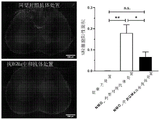
Fig. 4 is an immunohistochemical stain image and graph showing the therapeutic effect of anti-RGMa neutralizing antibody on blood spinal cord barrier disruption in acute phase severe NMO rat model. Each data of the quantitative analysis represents mean ± s.e.m., and statistical analysis was performed using Turkey's multiple comparison test (p < 0.05).
FIG. 5 is a graph showing the effect of anti-RGMa neutralizing antibodies on pain-related behavior in an acute severe NMO rat model. Each data represents mean ± s.e.m., and statistical analysis was performed using Turkey's multiple comparative test (healthy untreated group, # p < 0.001, # p < 0.01, # p < 0.05 vs; # p < 0.01, # p < 0.05vs NMO — isotype control antibody treated group). The arrows indicate the day of administration of the anti-RGMa neutralizing antibody or isotype control antibody.
Fig. 6 is an immunohistochemical stain image and graph showing the inhibitory effect of anti-RGMa neutralizing antibody on granulocyte infiltration of spinal cord in rat model of acute-phase severe NMO. Each data of the quantitative analysis was represented as mean ± s.e.m., and statistical analysis was performed using Turkey's multiple comparison test (. p < 0.01,. p < 0.05).
Figure 7 is an immunohistochemical stain image showing RGMa expression at AQP4 shed sites of spinal cord in an acute phase remitting NMO rat model.
Detailed Description
Hereinafter, terms used in the present invention will be described.
[ neutralization ]
In this application, neutralization refers to an action that binds to a target of interest and can hinder any function of that target. For example, an RGMa inhibitory substance refers to a substance that binds to RGMa and as a result shows an effect of inhibiting the biological activity of RGMa.
[ epitope ]
In the present application, an epitope comprises a polypeptide determinant capable of specific binding to an immunoglobulin or T cell receptor. In one embodiment, an epitope comprises a chemically active surface group of a molecule (e.g., an amino acid, a sugar side chain, a phosphoryl group, or a sulfonyl group), and in one embodiment may have a particular 3-dimensional structural characteristic and/or a particular charge characteristic. An epitope is a region of an antigen that is bound by an antibody.
[ isolated ]
In the present application, "isolated" of an isolated RGMa inhibitory substance (e.g., antibody, etc.) or the like is intended to mean identified and isolated, and/or recovered from a component in its native state. Impurities in the natural state are substances that may interfere with diagnostic or therapeutic uses of the antibody, and examples include enzymes, hormones, and other proteinaceous or nonproteinaceous solutes. In general, when an RGMa inhibitory substance or the like is isolated, it is only necessary to purify the substance through at least 1 purification step, and the RGMa inhibitory substance purified through at least 1 purification step may be referred to as "isolated RGMa inhibitory substance".
[ antibody ]
In the present application, an antibody refers broadly to an immunoglobulin (Ig) molecule consisting of 4 polypeptide chains of 2 heavy chains (H chains) and 2 light chains (L chains) that retain the characteristic of an Ig molecule that substantially binds to an epitope.
[ human antibody ]
In this application, a human antibody refers to an antibody in which both the light chain and the heavy chain are derived from human immunoglobulin. Human antibodies comprise, depending on the constant region of the heavy chain, IgG with a heavy chain of gamma chain (comprising IgG1, IgG2, IgG3 and IgG4), IgM with a heavy chain of mu chain, IgA with a heavy chain of alpha chain (comprising IgA1, IgA2), IgD with a heavy chain of delta chain or IgE with a heavy chain of epsilon chain. In addition, in principle, the light chain comprises either of a kappa chain and a lambda chain.
[ humanized antibody ]
In the present application, a humanized antibody refers to an antibody composed of a variable region composed of a complementarity determining region of an antibody derived from a non-human animal and a framework region derived from a human antibody and a constant region derived from a human antibody.
[ chimeric antibody ]
In the present application, a chimeric antibody refers to an antibody in which a light chain, a heavy chain, or both of them are composed of a variable region derived from a non-human and a constant region derived from a human.
[ monospecific antibody ]
In the present application, a monospecific antibody refers to an antibody having a single antigen specificity and simultaneously having a single independent antigen recognition site. In the present specification, for example, a monospecific antibody that recognizes RGMa is referred to as an RGMa monospecific antibody.
[ multispecific antibody ]
In the present application, a multispecific antibody refers to an antibody having 2 or more different antigen specificities and simultaneously having 2 or more independent antigen recognition sites, and includes a bispecific antibody having 2 antigen specificities, a trispecific antibody having 3 antigen specificities, and the like.
[ Complementarity Determining Regions (CDRs) ]
Complementarity Determining Regions (CDRs) refer to the regions of the variable regions of immunoglobulin molecules that form the antigen binding site, also known as hypervariable regions, which are particularly variable portions of the amino acid sequence within each immunoglobulin molecule. For the CDRs, there are 3 CDRs in the light and heavy chains, respectively. The 3 CDRs contained in the light chain are sometimes referred to as LCDR1, LCDR2 and LCDR3, respectively, and the 3 CDRs contained in the heavy chain are referred to as HCDR1, HCDR2 and HCDR3, respectively. For example, the CDRs of an immunoglobulin molecule may be determined according to the numbering system of Kabat (Kabat et al, 1987, Sequences of Proteins of Immunological Interest, US Department of Health and Human Services, NIH, USA).
[ effective amount ]
An effective amount refers to an amount of a prophylactic or therapeutic agent sufficient to reduce or ameliorate the severity and/or duration of a disorder or 1 or more symptoms thereof, prevent the worsening of a disorder, slow a disorder, prevent the recurrence, occurrence, onset, or worsening of 1 or more symptoms associated with a disorder, detect a disorder, or potentiate or enhance the prophylactic or therapeutic effect of 1 or more other treatments (e.g., prophylactic or therapeutic agents).
[ percent (%) homology of amino acid sequence ]
"percent (%) homology" between the amino acid sequence of a candidate polypeptide sequence such as a variable region and the amino acid sequence of a reference polypeptide sequence is defined as the percentage of amino acid residues in a candidate sequence that are identical with the amino acid residues in a specific reference polypeptide sequence after any conservative substitution, with gaps introduced as necessary to achieve the maximum% homology, and after some portion of the sequence homology, in order to align the sequences. Alignment for the purpose of determining% homology (alignment) can be achieved using various methods within the ability of those skilled in the art, such as publicly available computer software using BLAST, BLAST-2, ALIGN or Megalign (DNASTAR) software. Those skilled in the art will be able to determine appropriate parameters for aligning sequences including any algorithms necessary to achieve maximum alignment over the full length of the sequences being compared. However, for purposes herein,% homology values are obtained using the sequence comparison computer program BLAST in pairwise alignments.
In the case of using BLAST in amino acid sequence comparisons, the% homology of the provided amino acid sequence a to the provided amino acid sequence B is calculated as follows:
fraction X/Y of 100 times
Where X is the number of identical amino acid residues scored when aligned by the alignment program BLAST for A and B, and Y is the total number of amino acid residues of B. In the case where the length of the amino acid sequence A is different from the length of the amino acid sequence B, it is understood that the% homology of A with respect to B is different from the% homology of B with respect to A. Unless otherwise specified, all% homology values herein were obtained using the BLAST computer program as shown in the preceding paragraph.
[ conservative substitution ]
Conservative substitutions refer to the substitution of an amino acid residue with another, chemically similar amino acid residue in a manner that does not substantially alter the activity of the peptide. For example, a certain hydrophobic residue may be substituted with another hydrophobic residue, or a certain polar residue may be substituted with another polar residue having the same charge. Examples of functionally similar amino acids that can be substituted in this way include nonpolar (hydrophobic) amino acids such as alanine, valine, isoleucine, leucine, proline, tryptophan, phenylalanine, methionine, and the like. Examples of the polar (neutral) amino acid include glycine, serine, threonine, tyrosine, glutamine, asparagine, and cysteine. Examples of the positively charged (basic) amino acid include arginine, histidine, and lysine. Examples of the negatively charged (acidic) amino acid include aspartic acid and glutamic acid.
Hereinafter, embodiments of the present invention will be described in detail.
The present invention provides a novel use of an RGMa inhibitory substance, namely, a prophylactic or therapeutic agent for acute-stage neuromyelitis optica.
In addition, the present invention provides a method for preventing or treating optic neuromyelitis in acute phase, which comprises administering a prophylactic or therapeutic agent comprising an effective amount of an RGMa inhibitory substance to a mammal in need of treatment.
< RGMa inhibitory substance >
The RGMa inhibitory substance of the present invention may be any substance that acts on RGMa itself to inhibit or attenuate the activity of RGMa (hereinafter, may be referred to simply as "RGMa activity" in the present specification), and for example, a substance having an activity of binding to RGMa to directly inhibit (attenuate) the activity of RGMa or an activity of inhibiting binding of RGMa to a receptor to indirectly inhibit (attenuate) the activity of RGMa (for example, a compound or an antibody described below) is referred to as the RGMa inhibitory substance of the present invention.
The RGMa inhibitory substance of the present invention may be a substance that inhibits the expression of RGMa, and for example, a substance that inhibits the expression of RGMa and inhibits (attenuates) the activity of RGMa (for example, a nucleic acid molecule described later) is also included in the RGMa inhibitory substance of the present invention.
RGMa was identified as a neurite growth inhibitory protein in the central nervous system, and human RGMa protein was synthesized as a precursor protein consisting of 450 amino acids as shown in sequence No. 1. The signal peptides Met1 to Pro47 (which are peptides from the 1 st methionine residue to the 47 th proline residue from the N-terminal side, and will be described in the same manner as below) present at the N-terminal are removed, the peptide bond between Asp168 and Pro169 is cleaved to generate an N-terminal domain, the C-terminal peptides Ala425 to Cys450 of the C-terminal fragment are removed from Pro169, and a GPI anchor is attached to the C-terminal carboxyl group of Ala424 which becomes the C-terminal to generate a C-terminal domain. The human RGMa protein is expressed on the cell membrane via the GPI anchor in the form of a mature protein having the N-terminal domain (Cys48 to Asp168) and the C-terminal domain (Pro169 to Ala424) linked by a disulfide bond.
In the present invention, RGMa may be from any animal, but is preferably human RGMa. The precursor protein of human RGMa is composed of an amino acid sequence represented by SEQ ID No. 1 of the sequence Listing. The precursor protein of mouse RGMa is composed of the amino acid sequence shown by seq id No. 2 of the sequence listing, and the precursor protein of rat RGMa is composed of the amino acid sequence shown by seq id No. 3 of the sequence listing, but the C-terminal peptide is removed, so that the same amino acid sequence is obtained as a mature protein.
Examples of the RGMa gene include, but are not limited to, a human RGMa gene having a nucleotide sequence represented by seq id No. 4. The nucleotide sequences of RGM genes derived from various organisms can be easily obtained from known databases (GenBank, etc.).
Specific examples of the RGMa inhibitory substance of the present invention include low molecular compounds, anti-RGMa neutralizing antibodies, functionally modified antibodies thereof, conjugated antibodies thereof, or antigen-binding fragments thereof, and further include sirna (short interfering rna), shrna (short hairpin rna), antisense oligonucleotides, and the like, which are nucleic acid molecules of RGMa. Among these RGMa inhibitory substances, preferred are anti-RGMa neutralizing antibodies, functionally-modified antibodies thereof, conjugated antibodies thereof, and antigen-binding fragments thereof, more preferred are anti-RGMa neutralizing antibodies or antigen-binding fragments thereof, and particularly preferred are anti-RGMa neutralizing antibodies.
< anti-RGMa neutralizing antibody >
In the present invention, the anti-RGMa neutralizing antibody may be a polyclonal antibody or a monoclonal antibody as long as it binds to RGMa to neutralize the activity of RGMa. In the present invention, a monoclonal antibody is preferred. The anti-RGMa neutralizing antibody of the present invention may be an RGMa monospecific antibody, or a multispecific antibody that recognizes a plurality of RGMa and other antigens, and preferably is an RGMa monospecific antibody.
Further, as a specific epitope, for human RGMa, 1 or more of SEQ ID NO. 16 (amino acid Nos. 47-69 of SEQ ID NO. 1), SEQ ID NO. 36 (amino acid No. 298-311 of SEQ ID NO. 1), SEQ ID NO. 37 (amino acid No. 322-335 of SEQ ID NO. 1), SEQ ID NO. 38 (amino acid No. 349-359 of SEQ ID NO. 1), and SEQ ID NO. 39 (amino acid No. 367-377 of SEQ ID NO. 1) are preferable, a combination of SEQ ID NO. 36 and 37 is more preferable, and a combination of SEQ ID NO. 36, 37 and 39 is particularly preferable.
The anti-RGMa neutralizing antibody of the present invention includes polyclonal antibodies and monoclonal antibodies obtained by immunizing a mammal such as a mouse with an RGMa protein or a partial fragment thereof (e.g., the above epitope fragment) as an antigen, chimeric antibodies and humanized antibodies produced by using a gene recombination technique, and human antibodies produced by using a transgenic animal that produces human antibodies. When the antibody of the present invention is administered as a drug to a human, a humanized antibody or a human antibody is preferable from the viewpoint of side effects.
Specific examples of the anti-RGMa neutralizing antibody of the present invention include antibodies (a) to (l) below, and the methods described in patent documents 2 to 4 can be used for the production of each antibody.
Examples of the antibody include antibodies selected from (a) to (l): (a) an anti-RGMa neutralizing antibody (which further comprises an antibody having the epitopes of SEQ ID NOS: 36, 37 and 39), which comprises a light chain variable region comprising LCDR1 comprising the amino acid sequence shown in SEQ ID NO. 5, LCDR2 comprising the amino acid sequence shown in SEQ ID NO. 6 and LCDR3 comprising the amino acid sequence shown in SEQ ID NO. 7, and a heavy chain variable region comprising HCDR1 comprising the amino acid sequence shown in SEQ ID NO. 8, HCDR2 comprising the amino acid sequence shown in SEQ ID NO. 9 and HCDR3 comprising the amino acid sequence shown in SEQ ID NO. 10,
(b) an anti-RGMa neutralizing antibody (which further comprises an antibody having SEQ ID Nos. 36, 37 and 38 as epitopes) comprising a light chain variable region comprising LCDR1 comprising the amino acid sequence shown in SEQ ID No. 11, LCDR2 comprising the amino acid sequence shown in SEQ ID No. 12 and LCDR3 comprising the amino acid sequence shown in SEQ ID No. 13, and a heavy chain variable region comprising HCDR1 comprising the amino acid sequence shown in SEQ ID No. 14, HCDR2 comprising the amino acid sequence shown in SEQ ID No. 15 and HCDR3 comprising SFG in the amino acid sequence,
(c) an anti-RGMa neutralizing antibody comprising a light chain variable region comprising LCDR1 comprising the amino acid sequence set forth in SEQ ID NO. 17, LCDR2 comprising the amino acid sequence set forth in SEQ ID NO. 18, and LCDR3 comprising the amino acid sequence set forth in SEQ ID NO. 19, and a heavy chain variable region comprising HCDR1 comprising the amino acid sequence set forth in SEQ ID NO. 20, HCDR2 comprising the amino acid sequence set forth in SEQ ID NO. 21, and HCDR3 comprising the amino acid sequence set forth in SEQ ID NO. 22,
(d) an anti-RGMa neutralizing antibody comprising a light chain variable region comprising LCDR1 comprising the amino acid sequence set forth in SEQ ID NO. 23, LCDR2 comprising the amino acid sequence set forth in SEQ ID NO. 24, and LCDR3 comprising the amino acid sequence set forth in SEQ ID NO. 25, and a heavy chain variable region comprising HCDR1 comprising the amino acid sequence set forth in SEQ ID NO. 26, HCDR2 comprising the amino acid sequence set forth in SEQ ID NO. 27, and HCDR3 comprising the amino acid sequence set forth in SEQ ID NO. 28,
(e) an anti-RGMa neutralizing antibody (which further comprises an antibody having SEQ ID NO. 16 as an epitope), comprising a light chain variable region comprising LCDR1 comprising the amino acid sequence set forth in SEQ ID NO. 29, LCDR2 comprising the amino acid sequence set forth in SEQ ID NO. 30, and LCDR3 comprising the amino acid sequence set forth in SEQ ID NO. 31, and a heavy chain variable region comprising HCDR1 comprising the amino acid sequence set forth in SEQ ID NO. 32, HCDR2 comprising the amino acid sequence set forth in SEQ ID NO. 33, and HCDR3 comprising the amino acid sequence set forth in SEQ ID NO. 34,
(f) an anti-RGMa neutralizing antibody (which further comprises an antibody having SEQ ID NO. 16 as an epitope) comprising a light chain variable region comprising LCDR1 comprising the amino acid sequence set forth in SEQ ID NO. 29, LCDR2 comprising the amino acid sequence set forth in SEQ ID NO. 30, and LCDR3 comprising the amino acid sequence set forth in SEQ ID NO. 35, and a heavy chain variable region comprising HCDR1 comprising the amino acid sequence set forth in SEQ ID NO. 32, HCDR2 comprising the amino acid sequence set forth in SEQ ID NO. 33, and HCDR3 comprising the amino acid sequence set forth in SEQ ID NO. 34,
(g) an anti-RGMa neutralizing antibody (which further comprises an antibody having SEQ ID NO. 16 as an epitope), comprising a light chain variable region comprising LCDR1 comprising the amino acid sequence set forth in SEQ ID NO. 29, LCDR2 comprising the amino acid sequence set forth in SEQ ID NO. 30, and LCDR3 comprising the amino acid sequence set forth in SEQ ID NO. 40, and a heavy chain variable region comprising HCDR1 comprising the amino acid sequence set forth in SEQ ID NO. 32, HCDR2 comprising the amino acid sequence set forth in SEQ ID NO. 33, and HCDR3 comprising the amino acid sequence set forth in SEQ ID NO. 34,
(h) an anti-RGMa neutralizing antibody (which further comprises an antibody having SEQ ID NO. 16 as an epitope) comprising a light chain variable region comprising LCDR1 comprising the amino acid sequence set forth in SEQ ID NO. 29, LCDR2 comprising the amino acid sequence set forth in SEQ ID NO. 30, and LCDR3 comprising the amino acid sequence set forth in SEQ ID NO. 41, and a heavy chain variable region comprising HCDR1 comprising the amino acid sequence set forth in SEQ ID NO. 32, HCDR2 comprising the amino acid sequence set forth in SEQ ID NO. 33, and HCDR3 comprising the amino acid sequence set forth in SEQ ID NO. 34,
(i) an anti-RGMa neutralizing antibody (which further comprises an antibody having SEQ ID NO. 16 as an epitope) comprising a light chain variable region comprising LCDR1 comprising the amino acid sequence set forth in SEQ ID NO. 29, LCDR2 comprising the amino acid sequence set forth in SEQ ID NO. 30, and LCDR3 comprising the amino acid sequence set forth in SEQ ID NO. 42, and a heavy chain variable region comprising HCDR1 comprising the amino acid sequence set forth in SEQ ID NO. 32, HCDR2 comprising the amino acid sequence set forth in SEQ ID NO. 33, and HCDR3 comprising the amino acid sequence set forth in SEQ ID NO. 34,
(j) an anti-RGMa neutralizing antibody (which further comprises an antibody having SEQ ID NO. 16 as an epitope) comprising a light chain variable region comprising LCDR1 comprising the amino acid sequence set forth in SEQ ID NO. 29, LCDR2 comprising the amino acid sequence set forth in SEQ ID NO. 30, and LCDR3 comprising the amino acid sequence set forth in SEQ ID NO. 43, and a heavy chain variable region comprising HCDR1 comprising the amino acid sequence set forth in SEQ ID NO. 32, HCDR2 comprising the amino acid sequence set forth in SEQ ID NO. 33, and HCDR3 comprising the amino acid sequence set forth in SEQ ID NO. 34,
(k) an anti-RGMa neutralizing antibody (which further comprises an antibody having the epitope of seq id No. 16), comprising a light chain variable region comprising LCDR1 comprising the amino acid sequence set forth in seq id No. 29, LCDR2 comprising the amino acid sequence set forth in seq id No. 30, and LCDR3 comprising the amino acid sequence set forth in seq id No. 44, and a heavy chain variable region comprising HCDR1 comprising the amino acid sequence set forth in seq id No. 32, HCDR2 comprising the amino acid sequence set forth in seq id No. 33, and HCDR3 comprising the amino acid sequence set forth in seq id No. 34, and
(l) An anti-RGMa neutralizing antibody (which further comprises an antibody having the epitope of seq id No. 16) comprising a light chain variable region comprising LCDR1 comprising the amino acid sequence set forth in seq id No. 29, LCDR2 comprising the amino acid sequence set forth in seq id No. 30, and LCDR3 comprising the amino acid sequence set forth in seq id No. 45, and a heavy chain variable region comprising HCDR1 comprising the amino acid sequence set forth in seq id No. 32, HCDR2 comprising the amino acid sequence set forth in seq id No. 33, and HCDR3 comprising the amino acid sequence set forth in seq id No. 34.
Among these, the antibody described in (a) is particularly preferable.
The method for producing the anti-RGMa neutralizing antibody of the present invention can be a conventionally generally used method. The antigen may be used directly for immunization or may be used as a complex with a carrier protein. For the preparation of the complex of the antigen and the carrier protein, a condensing agent such as glutaraldehyde, carbodiimide, maleimide active ester, or the like can be used. Examples of the carrier protein include bovine serum albumin, thyroglobulin, hemocyanin, and KLH.
Examples of mammals to be immunized include mice, rats, hamsters, guinea pigs, rabbits, cats, dogs, pigs, goats, horses, or cows, and examples of the method of inoculation include subcutaneous administration, intramuscular administration, and intraperitoneal administration. In the administration, the drug may be administered in a mixture with complete Freund's adjuvant or incomplete Freund's adjuvant, and the administration is usually performed 1 time every 2 to 5 weeks. Antibody-producing cells obtained from the spleen or lymph node of the immunized animal are subjected to cell fusion with Myeloma (Myeloma) cells, and are isolated as hybridomas. As the myeloma cells, myeloma cells derived from mammals, for example, from mice, rats, humans, and the like can be used.
< polyclonal antibody >
The polyclonal antibody can be obtained from serum obtained from an immunosensitized animal by immunizing a mammal as described above with the antigen as described above and Freund's Adjuvant (Freund's Adjuvant) as needed.
< monoclonal antibody >
Specifically, the monoclonal antibody can be obtained as follows. Namely, the antigen as described above is used as an immunogen, and the immunogen is injected 1 to more times subcutaneously, intramuscularly, intravenously, intraplantar or intraperitoneally in the mammal as described above together with Freund's Adjuvant (Freund's Adjuvant) as necessary, or transplanted, thereby immunosensitization is performed. Generally, 1 to 4 immunizations are performed every about 1 to 14 days from the initial immunization, and after about 1 to 5 days from the final immunization, antibody-producing cells are obtained from the mammal that has been immunosensitized.
Monoclonal Antibodies can be obtained using methods well known to those skilled in the art (e.g., "Current Protocols in Molecular Biology" (John Wiley & Sons (1987)), Antibodies: Antibodies Manual, Ed. Harlow and David Lane, Cold Spring Harbor Laboratory (1988)).
"hybridomas" secreting monoclonal antibodies can be prepared And the method of Milstein et al (Nature, 256,495,1975) and modifications based thereon. That is, the antibody-producing cells are prepared by cell fusion of antibody-producing cells contained in the spleen or the like obtained from an immunosensitized mammal and myeloma cells derived from a mammal, preferably a mouse, a rat or a human, which have no autoantibody-producing ability.
As Myeloma cells to be used for cell fusion, for example, mouse-derived Myeloma P3/X63-AG8.653(653), P3/NSI/1-Ag4-1(NS-1), P3/X63-Ag8.U1(P3U1), SP2/0-Ag14(Sp2/O, Sp2), PAI, F0 or BW5147, rat-derived Myeloma 210RCY3-Ag.2.3., human-derived Myeloma U-266AR1, GM 1500-6-A1-2, TG 729-6, CEM-AGR, D1R11 or CEM-T15 can be used.
The fusion promoter includes polyethylene glycol, and the ratio of the number of antibody-producing cells to the number of myeloma cells is usually 1: 1-10: about 1, and reacting for about 1 to 10 minutes, thereby carrying out cell fusion.
Screening of hybridoma clones producing monoclonal antibodies can be performed by culturing the hybridomas in, for example, a microtiter plate, and measuring the reactivity of the immune antigen of the culture supernatant of the wells by an immunochemical method such as ELISA.
In screening for antibody-producing hybridoma cells, in addition to the analysis of binding to RGMa protein, evaluation is made as to whether the antibody inhibits the RGMa activity of the present invention. By these screening methods, the anti-RGMa neutralizing antibody of the present invention can be selected.
Clones can be obtained by further cloning from wells containing hybridomas that produce the target antibody by limiting dilution. Selection and breeding of hybridomas are generally carried out in a medium for animal cells containing 10 to 20% of bovine fetal serum, to which HAT (hypoxanthine, aminopterin, thymidine) is added.
The monoclonal antibody derived from the hybridoma can be produced by culturing the hybridoma in vitro or proliferating the hybridoma in vivo in ascites of a mammal such as a mouse or a rat, and isolating the hybridoma from the obtained culture supernatant or ascites of the mammal.
In the case of in vitro culture, a nutrient medium suitable for producing monoclonal antibodies in the culture supernatant can be used by proliferating, maintaining and storing hybridomas according to various conditions such as the characteristics of the cell type to be cultured and the culture method. Examples of the nutrient medium include known nutrient media and nutrient media prepared from minimal media.
Examples of the minimal medium include a low-calcium medium such as Ham' F12 medium, MCDB153 medium, or low-calcium MEM medium, and a high-calcium medium such as MCDB104 medium, MEM medium, D-MEM medium, RPMI1640 medium, ASF104 medium, or RD medium, and the minimal medium may contain, for example, serum, hormones, cytokines, and/or various inorganic or organic substances according to the purpose.
The monoclonal antibody can be isolated and purified by subjecting the culture supernatant or ascites to affinity column chromatography such as saturated ammonium sulfate, an euglobulin precipitation method, a hexanoic acid method, an octanoic acid method, ion exchange chromatography (DEAE, DE52, or the like), an anti-immunoglobulin column, or a protein a column. Specifically, the monoclonal antibody can be purified by a known method as a method for purifying an immunoglobulin, and can be easily purified by, for example, an ammonium sulfate fractionation method, a PEG fractionation method, an ethanol fractionation method, an anion exchanger, affinity chromatography using RGMa protein, or the like.
Monoclonal antibodies can also be obtained by phage display. In the phage display method, phage selected from an arbitrary phage antibody library are screened using an immunogen of interest, and phage having a desired binding property to the immunogen are selected. Next, the corresponding sequences of the antibody contained in the phage are isolated or determined in sequence, and an expression vector comprising a nucleic acid molecule encoding the antibody or antigen binding domain is constructed based on the isolated sequences or the determined sequence information. Then, by culturing the cell strain transfected with the expression vector, a monoclonal antibody can be produced. By using a human antibody library as a phage antibody library, human antibodies having desired binding properties can be produced.
< nucleic acid molecule >
The nucleic acid molecule encoding the anti-RGMa neutralizing antibody or antigen-binding fragment thereof of the present invention can be obtained, for example, by the following method. First, using a commercially available RNA extraction kit, whole RNA is prepared from cells such as hybridomas, and cDNA is synthesized by reverse transcriptase using random primers or the like. Next, in the variable regions of the known human antibody heavy chain gene and light chain gene, cDNA encoding the antibody was amplified by a PCR method using oligonucleotides of the sequences stored separately as primers. The sequence encoding the constant region can be obtained by amplifying a known sequence by a PCR method. The nucleotide sequence of the DNA can be determined by a conventional method by incorporating it into a plasmid for determining a sequence or the like.
Alternatively, a DNA encoding the monoclonal antibody of the present invention can also be obtained by chemically synthesizing the variable region or a partial sequence thereof and binding to a sequence comprising the constant region.
The nucleic acid molecule may be one that encodes all of the constant and variable regions of the heavy and light chains, or may be one that encodes only the variable regions of the heavy and light chains. The base sequences of The constant regions of The heavy chain and The light chain encoding all The constant regions and The variable regions are preferably those described in Nucleic Acids Research vol.14, p1779,1986, The Journal of Biological Chemistry vol.257, p1516,1982, and Cell vol.22, p197,1980.
< antibodies with altered function >
The functionally altered antibodies to the RGMa neutralizing antibodies can be prepared by the methods described below. For example, if an anti-RGMa neutralizing antibody of the present application is produced using a CHO cell in which the α 1, 6-fucosyltransferase (FUT8) gene is disrupted as a host cell, an antibody having a reduced fucose content in the sugar chain and an improved cell killing function can be obtained, and if a CHO cell into which the FUT8 gene is introduced is produced as a host cell, an antibody having a low cell killing function can be obtained (international publication No. 2005/035586, international publication No. 2002/31140, international publication No. 00/61739). In addition, the complement activation function can be modulated by changing the amino acid residues in the Fc region (U.S. Pat. nos. 6737056, 7297775, 7317091). Furthermore, the use of Fc region variants that have improved binding to 1 FcRn, which is an Fc receptor, can increase the half-life in blood (periapical junos, et al, biochemistry, 2010, vol.82(8), p 710). These functionally altered antibodies can be produced by genetic engineering. By using a variant of the Fc region that improves binding to 1 FcRn as an Fc receptor, an extension of the half-life in blood can be achieved (periportal et al, biochemistry 2010, vol.82(8), p 710). These functionally modified antibodies can be produced by genetic engineering.
< conjugated antibody >
The altered molecule of the anti-RGMa neutralizing antibody of the present invention includes a conjugated antibody. Examples of the conjugated antibody include those obtained by chemically or genetically neutralizing an anti-RGMa with an antibody and binding a non-peptidic polymer such as polyethylene glycol (PEG), a radioactive substance, a toxin, a low molecular compound, a cytokine, a growth factor (TGF- β, NGF, neurotrophin, etc.), albumin, an enzyme, another antibody, or a functional molecule other than the anti-RGMa neutralizing antibody of the present application.
In the case of PEG as a functional molecule, PEG having a molecular weight of 2000 to 100000Da, more preferably 10000 to 50000Da, may be used without limitation, and may be linear or branched. PEG can be bound to the N-terminal amino group of the amino acid of the anti-RGMa neutralizing antibody, for example, by using an NHS active group.
In the case of using a radioactive substance as a functional molecule, it is possible to use 131 I、 125 I、 90 Y、 64 Cu、 99 Tc、 77 Lu or 211 At, and the like. The radioactive substance can be directly bound to the anti-RGMa neutralizing antibody by the chloramine T method or the like.
In the case of using a toxin as a functional molecule, bacterial toxins (e.g., diphtheria toxin), plant toxins (e.g., ricin), low molecular toxins (e.g., geldanamycin), maytansine, calicheamicin, and the like can be used.
When a low molecular weight compound is used as the functional molecule, examples thereof include fluorescent dyes such as daunomycin, doxorubicin, methotrexate, mitomycin, neocanstatin, vindesine, and FITC.
In the case of using an enzyme as a functional molecule, luciferase (e.g., firefly luciferase and bacterial luciferase; U.S. Pat. No. 4737456), malate dehydrogenase, urease, peroxidase (e.g., horseradish peroxidase (HRPO)), alkaline phosphatase, β -galactosidase, glucoamylase, lysozyme, carbohydrate oxidase (e.g., glucose oxidase, galactose oxidase, and glucose-6-phosphate dehydrogenase), heterocyclic oxidase (e.g., uricase, xanthine oxidase, etc.), lactoperoxidase, microperoxidase, etc. may be used.
As the linker used for chemically binding the toxin, low-molecular compound or enzyme, divalent radicals (e.g., alkylene, arylene, heteroarylene), - (CR) may be mentioned 2 ) n O(CR 2 ) n A linker represented by the formula (wherein R is an optional substituent and n is a positive integer), a repeating unit of an alkoxy group (for example, polyethyleneoxy group, PEG, polymethyleneoxy group, etc.), an alkylamino group (for example, polyethyleneamino group, Jeffamine (trademark)), and a diacid ester and amide (for example, succinate, succinamide, diglycolate, malonate, caproamide, etc.). Chemical modification methods to bind functional molecules have been established in the art (D.J.King., Applications and Engineering of Monoclonal antibodies, 1998T.J.International Ltd., Monoclonal Antibody-Based Therapy of Cancer, 1998Marcel Dekker Inc; Chari et al, Cancer Res.,1992Vol152: 127; Liu et al, Proc Natl Acad Sci USA, 1996Vol 93: 8681).
< antigen-binding fragment >
In an embodiment of the present invention, the "antigen-binding fragment" of an antibody refers to a partial region of the antibody having antigen-binding properties as described above, and specifically includes F (ab') 2 The antigen-binding fragment includes a conjugated fragment in which a non-peptidic polymer such as polyethylene glycol (PEG), a radioactive substance, a toxin, a low molecular weight compound, a cytokine, a growth factor (TGF- β, NGF, neurotrophin, or the like), albumin, an enzyme, another antibody, or a functional molecule other than the anti-RGMa neutralizing antibody of the present application is chemically or genetically bound.
“F(ab') 2 "and" Fab' "refer to an antibody fragment which is produced by treating immunoglobulin with pepsin, papain, or the like which is a protease, and is digested before and after the disulfide bond between 2 heavy chains present in the hinge region. For example, if IgG is treated with papain, the disulfide bonds between 2 heavy chains present in the hinge region are cleaved upstream, and the same 2 antibody fragments can be produced in which a light chain composed of VL (light chain variable region) and CL (light chain constant region) and a heavy chain fragment composed of VH (heavy chain variable region) and CH γ 1(γ 1 region in heavy chain constant region) are bound by disulfide bonds in the C-terminal region. These 2 identical antibody fragments were referred to as Fab, respectively. Furthermore, when IgG is treated with pepsin, the disulfide bonds between 2 heavy chains present in the hinge region are cleaved downstream, and an antibody fragment slightly larger than the antibody fragment in which the 2 fabs are connected at the hinge region can be produced. This antibody fragment is referred to as F (ab') 2 。
< chimeric antibody >
A preferred embodiment of the anti-RGMa neutralizing antibody of the present invention is a chimeric antibody. Examples of the "chimeric antibody" include those in which the variable region is an immunoglobulin variable region derived from a non-human animal (mouse, rat, hamster, chicken, etc.) and the constant region is a human immunoglobulin constant region. For example, a mouse may be immunized with an antigen, and a variable region that binds to the antigen may be excised from the gene of the mouse monoclonal antibody, and the resulting antibody may be combined with an antibody constant region derived from human bone marrow. The constant region derived from a human immunoglobulin has an inherent amino acid sequence according to each isotype such as IgG (IgG1, IgG2, IgG3, IgG4), IgM, IgA (IgA1, IgA2), IgD and IgE, and the constant region of the recombinant chimeric antibody in the present invention may be a constant region of a human immunoglobulin belonging to any isotype. Preferably the constant region of human IgG. An expression vector can be prepared using the gene of the chimeric antibody thus prepared. The expression vector is used to transform host cells to obtain chimeric antibody-producing transformed cells, and the transformed cells are cultured to obtain the desired chimeric antibody from the culture supernatant.
< humanized antibody >
Another preferred embodiment of the anti-RGMa neutralizing antibody of the present invention is a humanized antibody. The "humanized antibody" in the present invention is an antibody obtained by grafting (CDRgrating) only the DNA sequence of the antigen binding site (CDR, complementarity determining region) of a non-human animal antibody such as a mouse to the human antibody gene. For example, the compound can be produced by the methods described in JP-A-4-506458 and JP-A-2912618. Specifically, the present invention relates to a humanized antibody, wherein a part or all of the CDRs are CDRs of a monoclonal antibody derived from a non-human mammal (mouse, rat, hamster, or the like), the framework regions of the variable regions are framework regions derived from a human immunoglobulin, and the constant regions are constant regions derived from a human immunoglobulin.
The humanized antibody of the present invention can be produced, for example, as follows. However, it is needless to say that the method is not limited to such a production method.
For example, recombinant humanized antibodies derived from mouse monoclonal antibodies can be produced by genetic engineering methods, for example, with reference to Japanese patent application laid-open No. 4-506458 and Japanese patent application laid-open No. 62-296890. That is, DNA of a mouse heavy chain CDR portion and DNA of a mouse light chain CDR portion are isolated from a hybridoma producing a mouse monoclonal antibody, and a human heavy chain gene of the entire region except for a human heavy chain CDR and a human light chain gene of the entire region except for a human light chain CDR are isolated from a human immunoglobulin gene.
The human heavy chain gene to which the DNA of the isolated mouse heavy chain CDR portion was grafted was introduced into an appropriate expression vector so as to be expressible, and similarly the human light chain gene to which the DNA of the isolated mouse light chain CDR portion was grafted was introduced into another appropriate expression vector so as to be expressible. Alternatively, the human heavy and light chain genes to which the mouse CDRs have been grafted may be introduced into the same expression vector so as to be expressed. The humanized antibody-producing transformed cells are obtained by transforming host cells with the expression vector thus prepared, and the humanized antibody of interest is obtained from the culture supernatant by culturing the transformed cells.
< human antibody >
As another preferred embodiment of the anti-RGMa neutralizing antibody of the present invention, a human antibody can be mentioned. The human antibody is an antibody comprising an immunoglobulin in which all regions of the variable region of the heavy chain and the constant region of the heavy chain and the variable region of the light chain and the constant region of the light chain constituting the immunoglobulin are derived from a gene encoding a human immunoglobulin, and can be prepared by introducing a human antibody gene into a mouse. Specifically, for example, a transgenic animal can be prepared by incorporating at least a human immunoglobulin gene into a locus of a mammal other than a human such as a mouse, and the transgenic animal can be immunosensitized with an antigen, thereby producing the polyclonal antibody or the monoclonal antibody in the same manner as the above-described method for producing the polyclonal antibody or the monoclonal antibody.
For example, human antibody-producing transgenic mice can be prepared according to Nature Genetics, Vol.7, p.13-21,1994; nature Genetics, Vol.15, p.146-156,1997; japanese patent laid-open publication No. Hei 4-504365; japanese patent laid-open publication No. Hei 7-509137; international publication No. WO 94/25585; nature, Vol.368, p.856-859,1994; and the method described in Japanese patent application laid-open No. 6-500233 and the like. More specifically, HuMab (registered trademark) mice (Metarex, Princeton NJ), KMTM mice (Kirin Pharma Company, Japan), KM (FC. gamma. RIIb-KO) mice, and the like can be mentioned.
Specific examples of the anti-RGMa neutralizing antibody of the present invention include an anti-RGMa neutralizing antibody having CDRs comprising a specific amino acid sequence in the heavy chain variable region and CDRs comprising a specific amino acid sequence in the light chain variable region (preferably the antibodies of (a) to (l) above).
In addition, 1 or more amino acids (1 to 20, 1 to 10, or 1 to 5, preferably 1 to 2) may be substituted, deleted, added, or inserted in the amino acid sequence of the anti-RGMa neutralizing antibody (preferably the anti-RGMa neutralizing antibody of (a) to (l)) as long as the antibody of the present invention has the ability to bind to RGMa and can maintain the activity of inhibiting (neutralizing) RGMa. Such substitution, deletion, or addition may be introduced into the CDR, but is preferably introduced into a region other than the CDR. In addition, in order to maintain the properties of the present invention, the amino acid substitution is preferably a conservative substitution.
The amino acid sequence of the anti-RGMa neutralizing antibody of the present invention (preferably the anti-RGMa neutralizing antibody of (a) to (l) above) containing a substitution, a deletion, or the like in the amino acid sequence is, for example, the following amino acid sequence: the heavy chain variable region after the amino acid sequence alteration has a% homology of 90% or more (more preferably 95%, 96%, 97%, 98%, 99% or more) with the amino acid sequence before the alteration, and the light chain variable region after the amino acid sequence alteration has a% homology of 90% or more (more preferably 95%, 96%, 97%, 98%, 99% or more) with the amino acid sequence before the alteration.
In the present invention, siRNA refers to short double-stranded RNA capable of inhibiting the expression of a target gene (in the present invention, RGMa gene). The base sequence and length (base length) are not particularly limited as long as they function as an siRNA that inhibits the RGMa activity of the present invention, but are preferably less than about 30 bases, more preferably about 19 to 27 bases, and even more preferably about 21 to 25 bases.
In the present invention, shRNA refers to a molecule of about 20 base pairs or more, which has a double-stranded structure in a molecule by partially including a gyrus-like base sequence in a single-stranded RNA, and is composed of a short hairpin structure (hairpin) having a protrusion at the 3' end. Such shRNA is degraded in a cell to a length of about 20 bases (typically, for example, 21 bases, 22 bases, 23 bases) after being introduced into the cell, and can suppress the expression of a target gene in the same manner as siRNA.
In the present invention, the siRNA and shRNA may be in any form as long as they can inhibit the expression of RGMa gene.
In the present invention, siRNA or shRNA may be chemically synthesized artificially. In addition, antisense and sense RNA can be synthesized in vitro from the template DNA using, for example, T7RNA polymerase and the T7 promoter. The antisense oligonucleotide may be any of DNA and RNA as long as it is a nucleotide complementary to or hybridizing with 5 to 100 consecutive nucleotide sequences in the DNA sequence of RGMa gene. In addition, modification may be performed as long as the function is not affected. Antisense oligonucleotides can be synthesized by conventional methods, and can be easily synthesized, for example, using commercially available DNA synthesis equipment.
Preferred sequences can be selected by a general selection method, and the siRNA or shRNA of the present invention can be confirmed by evaluating the inhibition of expression of functional RGMa.
< acute stage neuromyelitis optica >
The disease stage of neuromyelitis optica can be clinically roughly divided into 2 types of "acute stage" (in the present invention, a concept including an acute exacerbation stage) and "chronic stage".
Here, the "acute phase" refers to a period in which symptoms of neuromyelitis optica such as optic neuritis and myelitis appear, and these symptoms persist or the symptoms are aggravated (worsened). In addition, in such a period, gadolinium contrast effect can be seen at a part of lesion by using MRI; or, since an increase in the number of cells or an increase in protein is observed by examination of spinal fluid, the acute phase can be determined by referring to these.
On the other hand, the "chronic phase" refers to a period in which the symptoms are improved and stabilized by improving the worsening of the symptoms by the treatment. In addition, since the gadolinium contrast effect disappears in MRI at such a time, the chronic phase can be determined by referring to this.
The acute phase of neuromyelitis optica in the present invention is referred to as the "acute phase" and includes not only the acute phase of neuromyelitis optica in which the first onset occurs but also the acute phase of neuromyelitis optica in which recurrence of neuromyelitis optica occurs second or later.
In addition, neuromyelitis optica is about 8.5 days (range: 2 to 63 days) up to the peak of symptoms in a subject (preferably a mammal, particularly a human) (refer to Flanagan et al, Ann neurol.2016Mar; 79(3):437-47, etc.). Therefore, the period of the acute phase in the present invention is usually within 1 month from the onset of neuromyelitis optica.
Neuromyelitis optica in the present invention refers to Neuromyelitis optica (NMOSD), and is a concept including any of the diseases related to Neuromyelitis optica (NMOSD) positive to AQP4 antibody and diseases related to Neuromyelitis optica (NMOSD) negative to AQP4 antibody, which are listed in Wingerchuk et al neurology, 2015; 8582):177-189, which are international diagnostic criteria for Neuromyelitis optica. Among them, in the present invention, optic neuromyelitis related diseases positive to the AQP4 antibody are preferable.
The subject to be treated (preferably, a mammal, particularly a human) in the present invention is a patient suffering from neuromyelitis optica-related disease (NMOSD), preferably a patient suffering from an NMOSD (NMOSD) positive to an anti-AQP 4 antibody, and the prophylactic or therapeutic agent for neuromyelitis optica in the acute stage of the present invention can be administered to these patients.
In addition, in the acute phase neuromyelitis optica of the present invention, 1, which is the main symptom of a patient, is often accompanied by pain, and therefore, in the present invention, an RGMa inhibitory substance, preferably an anti-RGMa neutralizing antibody, can be used as a preventive or therapeutic agent for a pain symptom seen in neuromyelitis optica in a patient accompanied by such pain.
The matters described in the prophylactic or therapeutic agent and the prophylactic or therapeutic method for neuromyelitis optica in the acute stage of the present invention are all applicable to the prophylactic or therapeutic agent and the description of the prophylactic or therapeutic method for pain symptoms seen in neuromyelitis optica of the present invention.
Here, "treatment" includes any treatment of a disease in a subject to be treated, preferably a mammal, particularly a human, and includes prevention of the worsening of the disease and symptoms, and elimination, cure, alleviation, or alleviation of such disease and symptoms.
The term "prevention" includes the prevention or inhibition of the occurrence of the above-mentioned diseases in a subject to be treated, preferably a mammal, particularly a human. Further, the term "prevention" in the present invention is intended to include "prevention of recurrence" including remission or prevention of recurrence of the above-mentioned disease in a subject to be treated, preferably a mammal, particularly a human.
< pharmaceutical composition >
The prophylactic or therapeutic agent for acute phase neuromyelitis optica in the present invention is usually administered systemically or locally in an oral or non-oral form.
The prophylactic or therapeutic agent for acute neuromyelitis optica of the present invention is prepared by using an RGMa inhibitory substance as an active ingredient, and appropriately compounding the active ingredient with a pharmaceutically acceptable carrier or additive. The pharmaceutical compositions so formulated can be administered orally or non-orally. Specifically, it can be made into oral preparation such as tablet, coated tablet, pill, powder, granule, capsule, liquid, suspension, and emulsion, or non-oral preparation such as injection, infusion, suppository, ointment, and patch. The blending ratio of the carrier or the additive may be appropriately set based on a range generally employed in the field of pharmaceuticals. The carriers and additives that can be blended are not particularly limited, and examples thereof include various carriers such as water, physiological saline, other aqueous solvents, aqueous or oily bases, and various additives such as excipients, binders, pH adjusters, disintegrants, absorption enhancers, lubricants, colorants, flavors, and perfumes.
In the case where the RGMa inhibitory substance is an anti-RGMa neutralizing antibody, a function-altering antibody thereof, a conjugated antibody thereof, or an antigen-binding fragment thereof, it is preferable to administer the substance by a non-oral administration route, for example, intravenously, intramuscularly, intradermally, intraperitoneally, subcutaneously, or topically, as an injection or infusion solution formulated together with a pharmaceutically acceptable carrier.
For example, injections or infusions containing anti-RGMa neutralizing antibodies can be used in the form of solutions, suspensions or emulsions. Examples of the solvent include distilled water for injection, physiological saline, glucose solution, and isotonic solution (e.g., solution of sodium chloride, potassium chloride, glycerin, mannitol, sorbitol, boric acid, borax, propylene glycol, etc.).
Further, the injection or infusion solution containing such an anti-RGMa neutralizing antibody may further contain a stabilizer, a solubilizer, a suspending agent, an emulsifier, a soothing agent, a buffer, a preservative, a pH adjuster, and the like.
Examples of the stabilizer include albumin, globulin, gelatin, mannitol, glucose, dextran, ethylene glycol, propylene glycol, ascorbic acid, sodium hydrogen sulfite, sodium thiosulfate, sodium EDTA, sodium citrate, and dibutylhydroxytoluene.
As the co-solvent, for example, alcohol (e.g., ethanol), polyol (e.g., propylene glycol, polyethylene glycol, etc.), nonionic surfactant (e.g., polysorbate 80 (registered trademark), HCO-50, etc.), and the like can be used.
As the suspending agent, for example, glyceryl monostearate, aluminum monostearate, methyl cellulose, carboxymethyl cellulose, hydroxymethyl cellulose, sodium lauryl sulfate, and the like can be used.
As the emulsifier, for example, gum arabic, sodium alginate, gum tragacanth, and the like can be used.
Examples of the soothing agent include benzyl alcohol, chlorobutanol, and sorbitol.
As the buffer, for example, a phosphate buffer, an acetate buffer, a borate buffer, a carbonate buffer, a citrate buffer, a Tris buffer, or the like can be used.
Examples of the preservative include methyl paraben, ethyl paraben, propyl paraben, butyl paraben, chlorobutanol, benzyl alcohol, benzalkonium chloride, sodium dehydroacetate, sodium edetate, boric acid, and borax.
As the preservative, benzalkonium chloride, parahydroxybenzoic acid, chlorobutanol, and the like can be used, for example.
As the pH adjuster, for example, hydrochloric acid, sodium hydroxide, phosphoric acid, acetic acid, or the like can be used.
In the case where the RGMa inhibitory substance is a nucleic acid (siRNA, shRNA, antisense oligonucleotide, etc.), it may be administered in the form of a non-viral vector or a viral vector. In the case of a non-viral vector form, a method of introducing a nucleic acid molecule using a liposome (liposome method, HVJ-liposome method, cationic liposome method, lipofection method, Lipofectamine (Lipofectamine) method, etc.), a microinjection method, a method of transferring a nucleic acid molecule into a cell together with a vector (metal particle) using a Gene Gun (Gene Gun), or the like can be used. For example, when siRNA or shRNA is administered to an organism using a viral vector, a viral vector such as a recombinant adenovirus or retrovirus can be used. The gene can be introduced into a cell or tissue by introducing a DNA expressing siRNA or shRNA into a DNA virus or RNA virus such as a detoxified retrovirus, adenovirus, adeno-associated virus, herpes virus, vaccinia virus, poxvirus, poliovirus, Sindbis virus, Sendai virus, SV40, or the like, and infecting the cell or tissue with the recombinant virus.
The thus-obtained preparation can prevent or treat acute phase neuromyelitis optica by administering an effective amount thereof to, for example, a human or other mammal (e.g., rat, mouse, rabbit, sheep, pig, cow, cat, dog, monkey, etc.). The dose can be appropriately determined in consideration of the purpose, severity of disease, age, body weight, sex, medical history of the patient, kind of the active ingredient, and the like. For example, when the active ingredient is an anti-RGMa neutralizing antibody, the amount of the antibody is preferably about 0.02 to 4000mg, more preferably about 0.1 to 200mg per 1 day when an average human having a body weight of about 65 to 70kg is used as a subject. The total dose per 1 day may be a single dose or a batch dose.
< use in combination with other medicaments or treatments >
In the present invention, the prophylactic or therapeutic agent for neuromyelitis optica in the acute phase can be administered in combination with other agents or treatments useful for the treatment of neuromyelitis optica.
Examples of other agents or treatments that can be used in combination with the prophylactic or therapeutic agent for acute neuromyelitis optica in the present invention include, for example, plasma exchange and/or intravenous administration of an immunoglobulin preparation, and administration of mycophenolate mofetil, rituximab, eculizumab and/or satelizumab. Such other agents or treatments may be biologically active other agents or treatments effective for treating central nervous system injury such as neuromyelitis optica or for delaying the progression of central nervous system injury.
For example, the other agent with biological activity may be a corticosteroid, an (intravenous) immunoglobulin preparation or an anti-lymphocyte preparation, mycophenolate mofetil, rituximab, eculizumab and/or satritlizumab. In a preferred embodiment, the patient is treated by intravenous immunotherapy (e.g. a corticosteroid, such as a (synthetic) glucocorticoid like methylprednisolone). Thus, the other agent with biological activity may also be a corticosteroid, such as a (synthetic) glucocorticoid like methylprednisolone. Other agents having biological activity are administered intravenously. For other agents or treatments, plasma exchange may also be performed, for example, in patients who are unresponsive to steroids (e.g., in cases where only insufficient inhibition of central nervous system inflammation is confirmed after steroid treatment). Thus, the patient may be a patient for whom steroid infusion is ineffective, and may optionally receive plasma exchange.
The other agent or treatment may be administered or administered before or after the administration of the prophylactic or therapeutic agent for neuromyelitis optica in the acute stage of the present invention, or may be administered or administered simultaneously.
Examples
The present invention will be described more specifically with reference to the following examples, but the present invention is not limited to these examples.
EXAMPLE 1 Effect of anti-RGMa neutralizing antibody on acute-stage neuromyelitis optica
The acute phase remitting NMO rat model was used to evaluate the therapeutic effect of anti-RGMa neutralizing antibodies on clinical exacerbations. As an anti-RGMa neutralizing antibody, an anti-RGMa neutralizing antibody containing the amino acid sequence (SEQ ID Nos. 5 to 10) of (a) described in the present specification was used in the experiment.
(1-1) NMO Induction procedure in rats
A rat model of acute phase remitting NMO was made according to current reports (Kurosawa K, et al., Acta neuropathohol Commun.2015; 3: 82). Female Lewis rats were used for the experiments. The central antigen MBP was immunologically introduced as a stimulus for the induction and destruction of the Blood Spinal Cord Barrier (BSCB) by the pro-inflammatory environment. As MBP, Guinea pig blain muscle basic protein was used, dissolved in PBS at 1mg/mL, mixed with complete Freund's adjuvant containing 1mg/mL of tubercle bacillus H37Ra in equal amounts, and subjected to sonication to prepare an emulsion. The prepared emulsion (200. mu.l/head) was subcutaneously administered to back 2, and after 10 days, anti-AQP 4 antibody (mouse anti-AQP 4 monoclonal antibody E5415A) was administered to an individual with a nerve score of 1 or less intraperitoneally in a single dose at a dose of 3mg/kg, to induce clinical symptom deterioration of anti-AQP 4 antibody dependence.
(1-2) evaluation of nerve score
The neurological symptoms were scored based on the following criteria, and the total value of the nerve scores of the tail and both hind limbs was used as the nerve score (0 to 6 points) for evaluation. Fraction of tail: 0, no paralysis symptom; 1, incomplete paralysis; 2, complete paralysis; score of each hind limb: 0: no symptoms; 1, incomplete paralysis; 2, the hind limbs dragged by the hind limbs are completely paralyzed. Neurological scoring was performed under blind testing, with evaluation of neurological symptoms performed 1 time per day until day 13 after anti-RGMa neutralizing antibody administration (day 14 after anti-AQP 4 antibody administration).
(1-3) grouping and administration of anti-RGMa neutralizing antibodies
The neural fraction of the day after the administration of the anti-AQP 4 antibody was divided into 2 groups in such a manner that the deviation from the average value of body weight became minimal among the groups, and the anti-RGMa neutralizing antibody or isotype control antibody (Palivizumab) was administered in a single tail vein at a dose of 10 mg/kg. The group to which the anti-RGMa neutralizing antibody was administered and the group to which the isotype control antibody was administered were each composed of 6 individuals.
(1-4) results
The effect of a single administration of an anti-RGMa neutralizing antibody on clinical acute exacerbation in an acute-phase severe NMO rat model is shown in figure 1. The anti-RGMa neutralizing antibody or isotype control antibody was administered intravenously the day following the administration of the anti-AQP 4 antibody and neurological symptoms were assessed 1 time per day until day 14 after the administration of the anti-AQP 4 antibody. The neurological score of the group administered anti-RGMa neutralizing antibody on the day following anti-AQP 4 antibody administration showed low values throughout the observation period compared to the group administered isotype control antibody, with a significant decrease in mean scores on days 2-8 and 2-14 after administration of anti-AQP 4 antibody (mean score on days 2-8, 2.13 ± 0.41vs.3.70 ± 0.20for isotype control IgG-derived rates, p < 0.01, Mann-Whitney U test); mean score from day 2 to 14, 1.90. + -. 0.43 vs.3.05. + -. 0.19for isotype control IgG-treated rates, p < 0.05, Mann-Whitney U test).
From the above results, it is clear that the RGMa inhibitory substance, particularly the anti-RGMa neutralizing antibody, shows a therapeutic effect on clinical exacerbation of acute-stage neuromyelitis optica.
EXAMPLE 2 Effect of anti-RGMa neutralizing antibodies on disruption of blood spinal cord barrier
The therapeutic effect of anti-RGMa neutralizing antibodies on BSCB disruption was studied by gadolinium contrast MRI using tweae mice that can make BSCB disruption localized to the spinal cord segment. As an anti-RGMa neutralizing antibody, an anti-RGMa neutralizing antibody containing the amino acid sequence (SEQ ID Nos. 5 to 10) of (a) described in the present specification was used in the experiment.
(2-1) preparation of tEAE mice
Female C57/BL6J mice were used. Myelin Oligodendron Glycoprotein Peptide Fragment 35-55, rat, mouse (MEVGWYRSPSRVVHLYRNGK (SEQ ID NO: 46); MOG) was adjusted to 2mg/mL with PBS 35-55 Sigma-Aldrich) were dissolved and mixed in equal amounts with complete freund's adjuvant containing 5mg/mL of tubercle bacillus H37Ra and an emulsion was prepared by sonication. The prepared emulsions were each subcutaneously administered to the back 2 (200. mu.L/head) at 100. mu.L to carry out MOG immunization. About 21 days later, 1.5. mu.L of a cytokine mixed solution (750ng of Tumor Factor-. alpha., 1. mu.g of Interferon-. gamma.) was injected into the thoracic cavity at a depth of 0.5 to 0.8mm under the 8 th thoracic vertebra, and 200ng of pertussis toxin (pertussis toxin) was administered into the caudal vein immediately after the injection and 2 days later to induce tEAE.
(2-2) evaluation of nerve score
The neural score was evaluated under blind tests based on the criteria reported in the prior art (see Tanabe S, Fujita Y, Ikuma K, Yamashita T. inhibition sensitive differentiation-a survival progression in mouse models of multiple systemic diseases. cell Death Dis.2018; 9(11): 1061).
(2-3) evaluation of BSCB destruction Using gadolinium Resonance Imaging (MRI)
An aged T1 enhanced image (Dynamic contrast-enhanced MRI; DCE-MRI) of a gadolinium contrast agent (Omniscan, Daiichi Sankyo) before and after administration was taken using BioSpec 117/11(Bruker), and leakage of gadolinium into the spinal cord, which is an index of BSCB destruction, was quantitatively evaluated from a change in T1signal intensity. A body temperature maintenance device was installed under sevoflurane anesthesia, and a gadolinium contrast agent was rapidly administered in an amount of 0.25mmol/kg through a catheter left in the tail vein. DCE-MRI is performed by setting a collection matrix (acquisition matrix) of 200X 200 for 26X 26mm of the effective Field of view (Field of view; FoV) and acquiring images of 11 axial sections in total with a slice thickness and interval of 0.8mm, centered on the chest myelocytokine injection site. In addition, the Repetition Time (TR) was set to 500ms, the Echo Time (TE) was set to 18ms, the Number of shots (NEX) was set to 4, and 6 images (about 100 seconds per 1 sheet) were obtained in total for about 10 minutes.
The images were exported in DICOM format and analyzed using Fiji (http:// Fiji. sc /). In order to exclude the influence of T1signal of cerebrospinal fluid, a Region of interest (ROI) was set in the spinal cord, and the increase rate (T1signal enhancement ratio; SER) of T1signal intensity in the spinal cord at each time point was calculated based on the equation (1). The gadolinium intraductal leakage intensity (Total Gd infilux rate) of each individual was calculated as a Total of 11 slices by using the SLOPE of SER per unit time as the gadolinium inflow rate and the SLOPE function of Microsoft Excel 2016 (Microsoft).


According to the results of the study in normal mice, when the values of SLOPE (SER0): SER (10),0:10) in the formula (2) are less than 0.02, the analysis error is excluded from the addition in the formula (2).
(2-4) grouping and administration of anti-RGMa neutralizing antibodies
anti-RGMa neutralizing antibody or isotype control antibody (Palivizumab) was administered into the tail vein 2 times per week in an amount of 10mg/kg in such a manner that the quantitative value of gadolinium leakage 7 days after cytokine injection was uniform among groups. The group to which the anti-RGMa neutralizing antibody was administered was composed of 10, the group to which the isotype control antibody was administered was composed of 9, and the evaluation of nerve score and MRI analysis were performed in the same individual.
(2-5) results
The recovery effect of anti-RGMa neutralizing antibodies on BSCB destruction and neurological symptoms in the acute phase of the tee mice is shown in figure 2. The rate of change in gadolinium leakage intensity was calculated longitudinally in the same individual after injection of cytokines 7, 14, and 21 days, based on the quantitative values after 7 days, and the effect of anti-RGMa neutralizing antibodies on recovery from BSCB destruction was analyzed. Gadolinium extramedullary generated at the time point 7 days after cytokine injection was significantly inhibited by repeated administration of anti-RGMa neutralizing antibody (time point 14 days after cytokine injection, p < 0.001, Bonferroni multiple complement test), and early recovery of BSCB destruction was confirmed (a of fig. 2). In addition, the neurological score obtained in the same individual was also significantly suppressed, and early recovery of neurological symptoms was also confirmed (fig. 2B).
The correlation between the intensity of gadolinium extramedullary and the severity of neurological symptoms in the acute phase of the tee mice is shown in figure 3. The gadolinium extraspinal intensity 7 days after cytokine injection was highly positively correlated with the severity of the neurological symptoms (r: 0.831, p < 0.001), and also positively correlated 14 days later (r: 0.549, p < 0.05). Indicating the severity of BSCB destruction dictates the severity of the neurological symptoms.
From the above results, it is understood that the RGMa inhibitory substance, particularly the anti-RGMa neutralizing antibody exhibits a drug effect on acute stage neuromyelitis optica by a repair promoting effect on BSCB destruction.
EXAMPLE 3 therapeutic Effect of anti-RGMa neutralizing antibodies on disruption of blood spinal cord barrier
Spinal leakage of rat IgG due to blood spinal cord barrier disruption was analyzed by immunohistochemical staining to evaluate the therapeutic effect of anti-RGMa neutralizing antibodies on blood spinal cord barrier disruption in acute severe NMO rats.
(3-1) preparation of acute-stage severe NMO rat model
Female Lewis rats were used for the experiments. On day 10 after MBP immunization, individuals with a nerve score below 1 were administered a single intraperitoneal dose of 3mg/kg of anti-AQP 4 antibody (mouse anti-AQP 4 monoclonal antibody E5415A) to induce NMO signs.
(3-2) grouping and administration of anti-RGMa neutralizing antibodies
The neural fraction of the day after the administration of the anti-AQP 4 antibody was divided into 2 groups in such a manner that the deviation from the average value of body weight became minimal among the groups, and the anti-RGMa neutralizing antibody or isotype control antibody (Palivizumab) was administered intravenously to the tail vein at an amount of 10 mg/kg. The anti-RGMa neutralizing antibody-treated group and the isotype control antibody-treated group were composed of 6 each, and the healthy non-treated group was composed of 4.
(3-3) immunohistochemical staining
Dissection was performed on day 4 after anti-AQP 4 antibody administration. Spinal cords were harvested after exsanguination and postfixed in 4% paraformaldehyde at 4 ℃ for 1 day. After post-fixation, cryoprotective treatments based on sucrose substitution were performed, and then the tissue pieces were embedded with OCT compound. Frozen sections were prepared by 30 μm thin-cutting, and immunohistological staining was performed using an Alxa 488-labeled donkey anti-rat IgG antibody (1: 500, Thermo Fisher Scientific Co.). The stained sections were photographed by measuring the ratio of rat IgG positive area to spinal cord section (% rat IgG positive area) using an inverted fluorescence microscope Olympus IX83 and Image analysis software Image J software.
(3-4) results
The effect of neutralizing antibodies against RGMa on spinal cord leakage of rat IgG is shown in fig. 4. By administering the anti-RGMa neutralizing antibody the day after NMO onset, spinal leakage of rat IgG, which is an index of blood spinal cord barrier disruption, was significantly suppressed.
From the above results, it was revealed that the effect of an RGMa inhibitory substance, particularly an anti-RGMa neutralizing antibody, on acute-stage neuromyelitis optica is a repair promoting effect on blood spinal cord barrier disruption.
EXAMPLE 4 Effect of anti-RGMa neutralizing antibodies on pain symptoms of NMO signs
The effect of the anti-RGMa neutralizing antibody on persistent pain was evaluated by repeated administration of the anti-RGMa neutralizing antibody to acute severe NMO rats.
(4-1) preparation of acute stage severe NMO rat model
Female Lewis rats were used for the experiments. A single intraperitoneal administration of anti-AQP 4 antibody (mouse anti-AQP 4 monoclonal antibody E5415A) at 3mg/kg dose to individuals with a nerve score below 1 on day 10 after MBP immunization induced NMO signs.
(4-2) evaluation of pain-related behavior
Pain was evaluated by determining the 50% avoidance response threshold (g) for hindlimb lifting using the up-down method based on von Frey stimulation (see Chaplan, s.r., Bach, f.w., Pogrel, j.w., Chung, j.m., Yaksh, t.l., Quantitative assessment of functional allodynia in the rat paw, j.neurosci.methods,53,55-63 (1994)). The analysis uses the average of the 50% escape response thresholds (g) for both hind limbs.
(4-3) grouping and administration of anti-RGMa neutralizing antibodies
The nerve fraction on the day after the administration of the anti-AQP 4 antibody was divided into 2 groups so that the deviation from the average value of body weight became minimal among the groups, and the anti-RGMa neutralizing antibody or isotype control antibody (Palivizumab) was administered to the tail vein 1 time per week at an amount of 10 mg/kg. The analysis group was composed of 6 groups in total of 3 groups of the anti-RGMa neutralizing antibody treatment group, isotype control antibody treatment group, and healthy non-treatment group. In the nervous symptom exacerbation period, since an individual who could not be stimulated by von Frey due to the hind limb withdrawal was confirmed, the data set was 5 cases of the anti-RGMa neutralizing antibody treatment group on day 4 after the administration of the anti-AQP 4 antibody, 2 cases of the isotype control antibody treatment group on day 7 after the administration of the anti-AQP 4 antibody, and 3 cases of the anti-RGMa neutralizing antibody treatment group.
(4-4) results
The inhibitory effect of the anti-RGMa neutralizing antibody on pain is shown in fig. 5. The group administered with the anti-RGMa neutralizing antibody the day after NMO onset recovered faster from the 50% decrease in the escape response threshold compared to the group administered with the isotype control antibody, and a significant increase in the 50% escape response threshold was observed at day 18 and day 21 after the anti-AQP 4 antibody administration.
From the above results, it is clear that the RGMa inhibitory substance, particularly the anti-RGMa neutralizing antibody, exhibits an effect on the pain symptoms of acute phase neuromyelitis optica.
EXAMPLE 5 inhibitory Effect of anti-RGMa neutralizing antibody on granulocyte infiltration of spinal cord
The inhibitory effect of anti-RGMa neutralizing antibodies on granulocyte infiltration of spinal cord in acute-stage severe NMO rats was analyzed by immunohistochemical staining.
(5-1) preparation of acute-stage severe NMO rat model
Female Lewis rats were used for the experiments. On day 10 after MBP immunization, individuals with a nerve score below 1 were administered a single intraperitoneal dose of 3mg/kg of anti-AQP 4 antibody (mouse anti-AQP 4 monoclonal antibody E5415A) to induce NMO signs.
(5-2) grouping and administration of anti-RGMa neutralizing antibodies
The neural fraction of the day after the administration of the anti-AQP 4 antibody was divided into 2 groups in such a manner that the deviation from the average value of body weight became minimal among the groups, and the anti-RGMa neutralizing antibody or isotype control antibody (Palivizumab) was administered intravenously to the tail vein at an amount of 10 mg/kg. The anti-RGMa neutralizing antibody-treated group and the isotype control antibody-treated group were composed of 6 each, and the healthy non-treated group was composed of 4.
(5-3) immunohistochemical staining
Dissection was performed on day 4 after anti-AQP 4 antibody administration. Spinal cords were harvested after exsanguination and postfixed in 4% paraformaldehyde at 4 ℃ for 1 day. After post-fixation, cryoprotective treatments based on sucrose substitution were performed, and then the tissue pieces were embedded with OCT compound. Frozen sections were prepared by 30 μm thin-cutting, and immunohistological staining was performed using rabbit anti-rat granulocyte serum (1: 5000, Life span BioSciences) as an antibody for 1 time and using Alxa 488-labeled donkey anti-rabbit IgG antibody (1: 500, Thermo Fisher Scientific) as an antibody for 2 times. The stained sections were photographed by measuring the ratio of the granulocyte positive area to the spinal cord section (% granulocyte positive area) using an inverted fluorescence microscope Olympus IX83 and Image analysis software Image J software.
(5-4) results
The inhibitory effect of the anti-RGMa neutralizing antibody on granulocyte infiltration in spinal cord of acute severe NMO rats is shown in fig. 6. By administering anti-RGMa neutralizing antibody the next day after NMO onset, granulocyte infiltration of the spinal cord in NMO rats was significantly inhibited.
From the above results, it was found that an RGMa inhibitory substance, particularly an anti-RGMa neutralizing antibody, inhibits infiltration of granulocytes seen in the signs of neuromyelitis optica in the acute stage. It is considered that since the infiltration-inhibiting effect on granulocytes contributes to the expression of the effect on acute-phase neuromyelitis optica, it is suggested that an RGMa inhibitory substance, particularly an anti-RGMa neutralizing antibody, shows the effect on acute-phase neuromyelitis optica through the granulocytic infiltration-inhibiting effect.
EXAMPLE 6 RGMa expression at AQP4 shedding site of spinal cord
The expression of RGMa in the acute phase severe NMO rat model was detected by immunohistochemical staining of the spinal cord of NMO rats.
(6-1) preparation of acute-stage severe NMO rat model
Female Lewis rats were used for the experiments. Guinea pig bran fusion bacterial basic protein was dissolved in PBS at 1mg/mL, mixed with complete Freund's adjuvant containing 1mg/mL of tubercle bacillus H37Ra in equal amounts, and subjected to sonication to prepare an emulsion. MBP emulsion (200. mu.l/head) was administered subcutaneously (MBP immunization), and after 10 days, an anti-AQP 4 antibody (mouse anti-AQP 4 monoclonal antibody E5415A) was administered intraperitoneally at a single dose of 3mg/kg to individuals with a nerve fraction of 1 or less to induce NMO symptoms.
(6-2) immunohistochemical staining
Dissection was performed on day 1 after anti-AQP 4 antibody administration. Spinal cords were harvested after exsanguination and postfixed in 4% paraformaldehyde at 4 ℃ for 1 day. After post-fixation, cryoprotective treatments based on sucrose substitution were performed, and then the tissue pieces were embedded with OCT compound. Frozen sections were prepared by 30 μm thin-cutting, and double immunohistological staining was performed using a goat anti-RGMa antibody (1: 100, R & D) and a rabbit anti-AQP 4 antibody (1: 1000, Cell Signaling Technology) as 1 antibody, and an Alxa 488-labeled donkey anti-goat IgG antibody (1: 500, Thermo Fisher Scientific) and an Alxa 647-labeled donkey anti-rabbit IgG antibody (1: 500, Thermo Fisher Scientific) as 2 antibodies. The stained sections were photographed using an inverted fluorescence microscope Olympus IX 83.
(6-3) results
Immunohistochemical staining images of spinal cord sections of acute phase remitting NMO rats are shown in fig. 7. Strong expression of RGMa was confirmed at AQP4 shedding sites in NMO lesions.
< description of sequence Listing >
Sequence number 1: amino acid sequence of human RGMa precursor protein
Sequence number 2: amino acid sequence of mouse RGMa precursor protein
Sequence number 3: amino acid sequence of rat RGMa precursor protein
Sequence number 4: DNA sequence of human RGMa gene
Sequence number 5: amino acid sequence of LCDR1 of anti-RGMa neutralizing antibody r116A3
Sequence number 6: amino acid sequence of LCDR2 of anti-RGMa neutralizing antibody r116A3
Sequence number 7: amino acid sequence of LCDR3 of anti-RGMa neutralizing antibody r116A3
Sequence number 8: amino acid sequence of HCDR1 of anti-RGMa neutralizing antibody r116A3
Sequence number 9: amino acid sequence of HCDR2 of anti-RGMa neutralizing antibody r116A3
Sequence number 10: amino acid sequence of HCDR3 of anti-RGMa neutralizing antibody r116A3
Sequence number 11: amino acid sequence of LCDR1 of anti-RGMa neutralizing antibody r70E
Sequence number 12: amino acid sequence of LCDR2 of anti-RGMa neutralizing antibody r70E
Sequence number 13: amino acid sequence of LCDR3 of anti-RGMa neutralizing antibody r70E
Sequence number 14: amino acid sequence of HCDR1 of anti-RGMa neutralizing antibody r70E
Sequence number 15: amino acid sequence of HCDR2 of anti-RGMa neutralizing antibody r70E
Sequence number 16: amino acid sequence of an epitope of human RGMa
Sequence number 17: amino acid sequence of LCDR1 of anti-RGMa neutralizing antibody 5F9
Sequence number 18: amino acid sequence of LCDR2 of anti-RGMa neutralizing antibody 5F9
Sequence number 19: amino acid sequence of LCDR3 of anti-RGMa neutralizing antibody 5F9
Sequence number 20: amino acid sequence of HCDR1 of anti-RGMa neutralizing antibody 5F9
Sequence number 21: amino acid sequence of HCDR2 of anti-RGMa neutralizing antibody 5F9
Sequence number 22: amino acid sequence of HCDR3 of anti-RGMa neutralizing antibody 5F9
Sequence number 23: amino acid sequence of LCDR1 of anti-RGMa neutralizing antibody 8D1
Sequence number 24: amino acid sequence of LCDR2 of anti-RGMa neutralizing antibody 8D1
Sequence number 25: amino acid sequence of LCDR3 of anti-RGMa neutralizing antibody 8D1
Sequence number 26: amino acid sequence of HCDR1 of anti-RGMa neutralizing antibody 8D1
Sequence number 27: amino acid sequence of HCDR2 of anti-RGMa neutralizing antibody 8D1
Sequence number 28: amino acid sequence of HCDR3 of anti-RGMa neutralizing antibody 8D1
Sequence number 29: amino acid sequence of LCDR1 of anti-RGMa neutralizing antibody AE12-1
Sequence number 30: amino acid sequence of LCDR2 of anti-RGMa neutralizing antibody AE12-1
Sequence number 31: amino acid sequence of LCDR3 of anti-RGMa neutralizing antibody AE12-1
Sequence number 32: amino acid sequence of HCDR1 of anti-RGMa neutralizing antibody AE12-1
Sequence number 33: amino acid sequence of HCDR2 of anti-RGMa neutralizing antibody AE12-1
Sequence number 34: amino acid sequence of HCDR3 of anti-RGMa neutralizing antibody AE12-1
Sequence number 35: amino acid sequence of LCDR3 of anti-RGMa neutralizing antibody AE12-1Y
Sequence number 36: amino acid sequence of an epitope of human RGMa
Sequence number 37: amino acid sequence of an epitope of human RGMa
Sequence number 38: amino acid sequence of an epitope of human RGMa
Sequence number 39: amino acid sequence of an epitope of human RGMa
Sequence number 40: amino acid sequence of LCDR3 of anti-RGMa neutralizing antibody AE12-1F
Sequence No. 41: amino acid sequence of LCDR3 of anti-RGMa neutralizing antibody AE12-1H
Sequence number 42: amino acid sequence of LCDR3 of anti-RGMa neutralizing antibody AE12-1L
Sequence number 43: amino acid sequence of LCDR3 of anti-RGMa neutralizing antibody AE12-1V
Sequence number 44: amino acid sequence of LCDR3 of anti-RGMa neutralizing antibody AE12-1I
Sequence number 45: amino acid sequence of LCDR3 of anti-RGMa neutralizing antibody AE12-1K
Sequence number 46: amino acid sequence of rat-mouse MOG (35-55)
Industrial applicability
In the present invention, the RGMa inhibitory substance is useful for the prevention or treatment of acute neuromyelitis optica and for the prevention or treatment of pain symptoms of neuromyelitis optica, and therefore has a high value in the pharmaceutical industry.
Sequence listing
<110> national university Council Osaka university
Mitsubishi pharmaceutical corporation
<120> preventive or therapeutic agent for optic neuromyelitis in acute stage
<130> A19096-01687
<150> JP2019-236661
<151> 2019-12-26
<160> 46
<170> PatentIn version 3.5
<210> 1
<211> 450
<212> PRT
<213> Intelligent people
<400> 1
Met Gln Pro Pro Arg Glu Arg Leu Val Val Thr Gly Arg Ala Gly Trp
1 5 10 15
Met Gly Met Gly Arg Gly Ala Gly Arg Ser Ala Leu Gly Phe Trp Pro
20 25 30
Thr Leu Ala Phe Leu Leu Cys Ser Phe Pro Ala Ala Thr Ser Pro Cys
35 40 45
Lys Ile Leu Lys Cys Asn Ser Glu Phe Trp Ser Ala Thr Ser Gly Ser
50 55 60
His Ala Pro Ala Ser Asp Asp Thr Pro Glu Phe Cys Ala Ala Leu Arg
65 70 75 80
Ser Tyr Ala Leu Cys Thr Arg Arg Thr Ala Arg Thr Cys Arg Gly Asp
85 90 95
Leu Ala Tyr His Ser Ala Val His Gly Ile Glu Asp Leu Met Ser Gln
100 105 110
His Asn Cys Ser Lys Asp Gly Pro Thr Ser Gln Pro Arg Leu Arg Thr
115 120 125
Leu Pro Pro Ala Gly Asp Ser Gln Glu Arg Ser Asp Ser Pro Glu Ile
130 135 140
Cys His Tyr Glu Lys Ser Phe His Lys His Ser Ala Thr Pro Asn Tyr
145 150 155 160
Thr His Cys Gly Leu Phe Gly Asp Pro His Leu Arg Thr Phe Thr Asp
165 170 175
Arg Phe Gln Thr Cys Lys Val Gln Gly Ala Trp Pro Leu Ile Asp Asn
180 185 190
Asn Tyr Leu Asn Val Gln Val Thr Asn Thr Pro Val Leu Pro Gly Ser
195 200 205
Ala Ala Thr Ala Thr Ser Lys Leu Thr Ile Ile Phe Lys Asn Phe Gln
210 215 220
Glu Cys Val Asp Gln Lys Val Tyr Gln Ala Glu Met Asp Glu Leu Pro
225 230 235 240
Ala Ala Phe Val Asp Gly Ser Lys Asn Gly Gly Asp Lys His Gly Ala
245 250 255
Asn Ser Leu Lys Ile Thr Glu Lys Val Ser Gly Gln His Val Glu Ile
260 265 270
Gln Ala Lys Tyr Ile Gly Thr Thr Ile Val Val Arg Gln Val Gly Arg
275 280 285
Tyr Leu Thr Phe Ala Val Arg Met Pro Glu Glu Val Val Asn Ala Val
290 295 300
Glu Asp Trp Asp Ser Gln Gly Leu Tyr Leu Cys Leu Arg Gly Cys Pro
305 310 315 320
Leu Asn Gln Gln Ile Asp Phe Gln Ala Phe His Thr Asn Ala Glu Gly
325 330 335
Thr Gly Ala Arg Arg Leu Ala Ala Ala Ser Pro Ala Pro Thr Ala Pro
340 345 350
Glu Thr Phe Pro Tyr Glu Thr Ala Val Ala Lys Cys Lys Glu Lys Leu
355 360 365
Pro Val Glu Asp Leu Tyr Tyr Gln Ala Cys Val Phe Asp Leu Leu Thr
370 375 380
Thr Gly Asp Val Asn Phe Thr Leu Ala Ala Tyr Tyr Ala Leu Glu Asp
385 390 395 400
Val Lys Met Leu His Ser Asn Lys Asp Lys Leu His Leu Tyr Glu Arg
405 410 415
Thr Arg Asp Leu Pro Gly Arg Ala Ala Ala Gly Leu Pro Leu Ala Pro
420 425 430
Arg Pro Leu Leu Gly Ala Leu Val Pro Leu Leu Ala Leu Leu Pro Val
435 440 445
Phe Cys
450
<210> 2
<211> 454
<212> PRT
<213> mouse
<400> 2
Met Gln Pro Pro Arg Glu Arg Leu Val Val Thr Gly Arg Ala Gly Trp
1 5 10 15
Met Gly Met Gly Arg Gly Ala Gly Arg Ser Ala Leu Gly Leu Trp Pro
20 25 30
Thr Leu Ala Phe Leu Leu Cys Ser Phe Pro Ala Ala Ile Ser Pro Cys
35 40 45
Lys Ile Leu Lys Cys Asn Ser Glu Phe Trp Ser Ala Thr Ser Ser Gly
50 55 60
Ser His Ala Pro Ala Ser Asp Asp Val Pro Glu Phe Cys Ala Ala Leu
65 70 75 80
Arg Thr Tyr Ala Leu Cys Thr Arg Arg Thr Ala Arg Thr Cys Arg Gly
85 90 95
Asp Leu Ala Tyr His Ser Ala Val His Gly Ile Glu Asp Leu Met Ser
100 105 110
Gln His Asn Cys Ser Lys Asp Gly Pro Thr Ser Gln Pro Arg Val Arg
115 120 125
Thr Leu Pro Pro Ala Gly Asp Ser Gln Glu Arg Ser Asp Ser Pro Glu
130 135 140
Ile Cys His Tyr Glu Lys Ser Phe His Lys His Ser Ala Ala Pro Asn
145 150 155 160
Tyr Thr His Cys Gly Leu Phe Gly Asp Pro His Leu Arg Thr Phe Thr
165 170 175
Asp His Phe Gln Thr Cys Lys Val Gln Gly Ala Trp Pro Leu Ile Asp
180 185 190
Asn Asn Tyr Leu Asn Val Gln Val Thr Asn Thr Pro Val Leu Pro Gly
195 200 205
Ser Ala Ala Thr Ala Thr Ser Lys Leu Thr Ile Ile Phe Lys Asn Phe
210 215 220
Gln Glu Cys Val Asp Gln Lys Val Tyr Gln Ala Glu Met Asp Glu Leu
225 230 235 240
Pro Ser Ala Phe Ala Asp Gly Ser Lys Asn Gly Gly Asp Lys His Gly
245 250 255
Ala Asn Ser Leu Lys Ile Thr Glu Lys Val Ser Gly Gln His Val Glu
260 265 270
Ile Gln Ala Lys Tyr Ile Gly Thr Thr Ile Val Val Arg Gln Val Gly
275 280 285
Arg Tyr Leu Thr Phe Ala Val Arg Met Pro Glu Glu Val Val Asn Ala
290 295 300
Val Glu Asp Arg Asp Ser Gln Gly Leu Tyr Leu Cys Leu Arg Gly Cys
305 310 315 320
Pro Leu Asn Gln Gln Ile Asp Phe Gln Ala Phe Arg Ala Asn Ala Glu
325 330 335
Ser Pro Arg Arg Pro Ala Ala Ala Ser Pro Ser Pro Val Val Pro Glu
340 345 350
Thr Phe Pro Tyr Glu Thr Ala Val Ala Lys Cys Lys Glu Lys Leu Pro
355 360 365
Val Glu Asp Leu Tyr Tyr Gln Ala Cys Val Phe Asp Leu Leu Thr Thr
370 375 380
Gly Asp Val Asn Phe Thr Leu Ala Ala Tyr Tyr Ala Leu Glu Asp Gly
385 390 395 400
Lys Met Leu His Ser Asn Lys Asp Lys Leu His Leu Phe Glu Arg Thr
405 410 415
Arg Glu Leu Pro Gly Ala Val Ala Ala Ala Ala Ala Ala Ala Thr Thr
420 425 430
Phe Pro Leu Ala Pro Gln Ile Leu Leu Gly Thr Ile Pro Leu Leu Val
435 440 445
Leu Leu Pro Val Leu Trp
450
<210> 3
<211> 449
<212> PRT
<213> Brown rat
<400> 3
Met Gln Pro Pro Arg Glu Arg Leu Val Val Thr Gly Arg Ala Gly Trp
1 5 10 15
Met Gly Met Gly Arg Gly Ala Gly Arg Ser Ala Leu Gly Leu Trp Pro
20 25 30
Thr Leu Ala Phe Leu Leu Cys Ser Phe Pro Ala Ala Ile Ser Pro Cys
35 40 45
Lys Ile Leu Lys Cys Asn Ser Glu Phe Trp Ser Ala Thr Ser Ser Gly
50 55 60
Ser His Ala Pro Ala Ser Asp Asp Val Pro Glu Phe Cys Ala Ala Leu
65 70 75 80
Arg Thr Tyr Ala Leu Cys Thr Arg Arg Thr Ala Arg Thr Cys Arg Gly
85 90 95
Asp Leu Ala Tyr His Ser Ala Val His Gly Ile Glu Asp Leu Met Ser
100 105 110
Gln His Asn Cys Ser Lys Asp Gly Pro Thr Ser Gln Pro Arg Val Arg
115 120 125
Thr Leu Pro Pro Ala Gly Asp Ser Gln Glu Arg Ser Asp Ser Pro Glu
130 135 140
Ile Cys His Tyr Glu Lys Ser Phe His Lys His Ser Ala Ala Pro Asn
145 150 155 160
Tyr Thr His Cys Gly Leu Phe Gly Asp Pro His Leu Arg Thr Phe Thr
165 170 175
Asp His Phe Gln Thr Cys Lys Val Gln Gly Ala Trp Pro Leu Ile Asp
180 185 190
Asn Asn Tyr Leu Asn Val Gln Val Thr Asn Thr Pro Val Leu Pro Gly
195 200 205
Ser Ala Ala Thr Ala Thr Ser Lys Leu Thr Ile Ile Phe Lys Asn Phe
210 215 220
Gln Glu Cys Val Asp Gln Lys Val Tyr Gln Ala Glu Met Asp Glu Leu
225 230 235 240
Pro Ser Ala Phe Ala Asp Gly Ser Lys Asn Gly Gly Asp Lys His Gly
245 250 255
Ala Asn Ser Leu Lys Ile Thr Glu Lys Val Ser Gly Gln His Val Glu
260 265 270
Ile Gln Ala Lys Tyr Ile Gly Thr Thr Ile Val Val Arg Gln Val Gly
275 280 285
Arg Tyr Leu Thr Phe Ala Val Arg Met Pro Glu Glu Val Val Asn Ala
290 295 300
Val Glu Asp Arg Asp Ser Gln Gly Leu Tyr Leu Cys Leu Arg Gly Cys
305 310 315 320
Pro Leu Asn Gln Gln Ile Asp Phe Gln Ala Phe Arg Ala Asn Ala Glu
325 330 335
Ser Pro Arg Arg Pro Ala Ala Ala Ser Pro Ser Pro Val Val Pro Glu
340 345 350
Thr Phe Pro Tyr Glu Thr Ala Val Ala Lys Cys Lys Glu Lys Leu Pro
355 360 365
Val Glu Asp Leu Tyr Tyr Gln Ala Cys Val Phe Asp Leu Leu Thr Thr
370 375 380
Gly Asp Val Asn Phe Thr Leu Ala Ala Tyr Tyr Ala Leu Glu Asp Gly
385 390 395 400
Lys Met Leu His Ser Asn Lys Asp Lys Leu His Leu Phe Glu Arg Thr
405 410 415
Arg Glu Leu Pro Gly Ala Val Ala Ala Ala Ala Phe Pro Leu Ala Pro
420 425 430
Glu Met Leu Pro Gly Thr Val Thr Leu Leu Val Leu Leu Pro Leu Phe
435 440 445
Trp
<210> 4
<211> 1353
<212> DNA
<213> Intelligent people
<400> 4
atgcagccgc caagggagag gctagtggta acaggccgag ctggatggat gggtatgggg 60
agaggggcag gacgttcagc cctgggattc tggccgaccc tcgccttcct tctctgcagc 120
ttccccgcag ccacctcccc gtgcaagatc ctcaagtgca actctgagtt ctggagcgcc 180
acgtcgggca gccacgcccc agcctcagac gacacccccg agttctgtgc agccttgcgc 240
agctacgccc tgtgcacgcg gcggacggcc cgcacctgcc ggggtgacct ggcctaccac 300
tcggccgtcc atggcataga ggacctcatg agccagcaca actgctccaa ggatggcccc 360
acctcgcagc cacgcctgcg cacgctccca ccggccggag acagccagga gcgctcggac 420
agccccgaga tctgccatta cgagaagagc tttcacaagc actcggccac ccccaactac 480
acgcactgtg gcctcttcgg ggacccacac ctcaggactt tcaccgaccg cttccagacc 540
tgcaaggtgc agggcgcctg gccgctcatc gacaataatt acctgaacgt gcaggtcacc 600
aacacgcctg tgctgcccgg ctcagcggcc actgccacca gcaagctcac catcatcttc 660
aagaacttcc aggagtgtgt ggaccagaag gtgtaccagg ctgagatgga cgagctcccg 720
gccgccttcg tggatggctc taagaacggt ggggacaagc acggggccaa cagcctgaag 780
atcactgaga aggtgtcagg ccagcacgtg gagatccagg ccaagtacat cggcaccacc 840
atcgtggtgc gccaggtggg ccgctacctg acctttgccg tccgcatgcc agaggaagtg 900
gtcaatgctg tggaggactg ggacagccag ggtctctacc tctgcctgcg gggctgcccc 960
ctcaaccagc agatcgactt ccaggccttc cacaccaatg ctgagggcac cggtgcccgc 1020
aggctggcag ccgccagccc tgcacccaca gcccccgaga ccttcccata cgagacagcc 1080
gtggccaagt gcaaggagaa gctgccggtg gaggacctgt actaccaggc ctgcgtcttc 1140
gacctcctca ccacgggcga cgtgaacttc acactggccg cctactacgc gttggaggat 1200
gtcaagatgc tccactccaa caaagacaaa ctgcacctgt atgagaggac tcgggacctg 1260
ccaggcaggg cggctgcggg gctgcccctg gccccccggc ccctcctggg cgccctcgtc 1320
ccgctcctgg ccctgctccc tgtgttctgc tag 1353
<210> 5
<211> 11
<212> PRT
<213> mouse
<400> 5
Arg Ala Ser Gln Asp Ile Ser Ser Tyr Leu Asn
1 5 10
<210> 6
<211> 7
<212> PRT
<213> mice
<400> 6
Tyr Thr Ser Arg Leu His Ser
1 5
<210> 7
<211> 7
<212> PRT
<213> mouse
<400> 7
Gln Gln Leu Asn Thr Leu Pro
1 5
<210> 8
<211> 5
<212> PRT
<213> mouse
<400> 8
Asp Ala Trp Met Asp
1 5
<210> 9
<211> 19
<212> PRT
<213> mouse
<400> 9
Glu Ile Arg Ser Lys Ala Asn Asn His Ala Thr Tyr Tyr Ala Glu Ser
1 5 10 15
Val Lys Gly
<210> 10
<211> 5
<212> PRT
<213> mouse
<400> 10
Arg Asp Gly Ala Tyr
1 5
<210> 11
<211> 16
<212> PRT
<213> mouse
<400> 11
Arg Ser Ser Gln Ser Leu Val His Ser Asn Gly Asn Thr Tyr Leu His
1 5 10 15
<210> 12
<211> 7
<212> PRT
<213> mouse
<400> 12
Lys Val Ser Asn Arg Phe Ser
1 5
<210> 13
<211> 7
<212> PRT
<213> mouse
<400> 13
Ser Gln Ser Thr His Val Pro
1 5
<210> 14
<211> 6
<212> PRT
<213> mouse
<400> 14
Thr Ser Tyr Tyr Trp Asn
1 5
<210> 15
<211> 16
<212> PRT
<213> mouse
<400> 15
Tyr Ile Ser Tyr Asp Gly Thr Asn Asn Tyr Asn Pro Ser Leu Lys Asn
1 5 10 15
<210> 16
<211> 23
<212> PRT
<213> Intelligent
<400> 16
Pro Cys Lys Ile Leu Lys Cys Asn Ser Glu Phe Trp Ser Ala Thr Ser
1 5 10 15
Gly Ser His Ala Pro Ala Ser
20
<210> 17
<211> 16
<212> PRT
<213> Artificial sequence
<220>
<223> description of Artificial sequences Synthesis
Peptide
<400> 17
Arg Ser Ser Gln Ser Leu Glu Tyr Ser Asp Gly Tyr Thr Phe Leu Glu
1 5 10 15
<210> 18
<211> 7
<212> PRT
<213> Artificial sequence
<220>
<223> description of Artificial sequences Synthesis
Peptides
<400> 18
Glu Val Ser Asn Arg Phe Ser
1 5
<210> 19
<211> 9
<212> PRT
<213> Artificial sequence
<220>
<223> description of Artificial sequences Synthesis
Peptides
<400> 19
Phe Gln Ala Thr His Asp Pro Leu Thr
1 5
<210> 20
<211> 5
<212> PRT
<213> Artificial sequence
<220>
<223> description of Artificial sequences Synthesis
Peptides
<400> 20
Asn Tyr Gly Met Asn
1 5
<210> 21
<211> 17
<212> PRT
<213> Artificial sequence
<220>
<223> description of Artificial sequences Synthesis
Peptides
<400> 21
Met Ile Tyr Tyr Asp Ser Ser Glu Lys His Tyr Ala Asp Ser Val Lys
1 5 10 15
Gly
<210> 22
<211> 6
<212> PRT
<213> Artificial sequence
<220>
<223> description of Artificial sequences Synthesis
Peptides
<400> 22
Gly Thr Thr Pro Asp Tyr
1 5
<210> 23
<211> 11
<212> PRT
<213> Artificial sequence
<220>
<223> description of Artificial sequences Synthesis
Peptides
<400> 23
Gln Ala Ser Gln Asp Ile Asp Asn Tyr Leu Ala
1 5 10
<210> 24
<211> 7
<212> PRT
<213> Artificial sequence
<220>
<223> description of Artificial sequences Synthesis
Peptides
<400> 24
Gly Ala Thr Asn Leu Ala Asp
1 5
<210> 25
<211> 9
<212> PRT
<213> Artificial sequence
<220>
<223> description of Artificial sequences Synthesis
Peptides
<400> 25
Leu Gln Gly Tyr Ile Pro Pro Arg Thr
1 5
<210> 26
<211> 5
<212> PRT
<213> Artificial sequence
<220>
<223> description of Artificial sequences Synthesis
Peptides
<400> 26
Ser Tyr Val Met His
1 5
<210> 27
<211> 17
<212> PRT
<213> Artificial sequence
<220>
<223> description of Artificial sequences Synthesis
Peptides
<400> 27
Tyr Ile Ile Pro Tyr Asn Asp Asn Thr Lys Tyr Asn Glu Lys Phe Lys
1 5 10 15
Gly
<210> 28
<211> 14
<212> PRT
<213> Artificial sequence
<220>
<223> description of Artificial sequences Synthesis
Peptides
<400> 28
Ala Arg Arg Asn Glu Tyr Tyr Gly Ser Ser Phe Phe Asp Tyr
1 5 10
<210> 29
<211> 14
<212> PRT
<213> Artificial sequence
<220>
<223> description of Artificial sequences Synthesis
Peptides
<400> 29
Thr Gly Thr Ser Ser Ser Val Gly Asp Ser Ile Tyr Val Ser
1 5 10
<210> 30
<211> 7
<212> PRT
<213> Artificial sequence
<220>
<223> description of Artificial sequences Synthesis
Peptides
<400> 30
Asp Val Thr Lys Arg Pro Ser
1 5
<210> 31
<211> 9
<212> PRT
<213> Artificial sequence
<220>
<223> description of Artificial sequences Synthesis
Peptides
<400> 31
Cys Ser Tyr Ala Gly Thr Asp Thr Leu
1 5
<210> 32
<211> 5
<212> PRT
<213> Artificial sequence
<220>
<223> description of Artificial sequences Synthesis
Peptides
<400> 32
Ser His Gly Ile Ser
1 5
<210> 33
<211> 17
<212> PRT
<213> Artificial sequence
<220>
<223> description of Artificial sequences Synthesis
Peptide
<400> 33
Trp Ile Ser Pro Tyr Ser Gly Asn Thr Asn Tyr Ala Gln Lys Leu Gln
1 5 10 15
Gly
<210> 34
<211> 11
<212> PRT
<213> Artificial sequence
<220>
<223> description of Artificial sequences Synthesis
Peptides
<400> 34
Val Gly Ser Gly Pro Tyr Tyr Tyr Met Asp Val
1 5 10
<210> 35
<211> 9
<212> PRT
<213> Artificial sequence
<220>
<223> description of Artificial sequences Synthesis
Peptide
<400> 35
Tyr Ser Tyr Ala Gly Thr Asp Thr Leu
1 5
<210> 36
<211> 14
<212> PRT
<213> Intelligent people
<400> 36
Glu Glu Val Val Asn Ala Val Glu Asp Trp Asp Ser Gln Gly
1 5 10
<210> 37
<211> 14
<212> PRT
<213> Intelligent
<400> 37
Asn Gln Gln Ile Asp Phe Gln Ala Phe His Thr Asn Ala Glu
1 5 10
<210> 38
<211> 11
<212> PRT
<213> Intelligent people
<400> 38
Pro Thr Ala Pro Glu Thr Phe Pro Tyr Glu Thr
1 5 10
<210> 39
<211> 11
<212> PRT
<213> Intelligent people
<400> 39
Lys Leu Pro Val Glu Asp Leu Tyr Tyr Gln Ala
1 5 10
<210> 40
<211> 9
<212> PRT
<213> Artificial sequence
<220>
<223> description of Artificial sequences Synthesis
Peptides
<400> 40
Phe Ser Tyr Ala Gly Thr Asp Thr Leu
1 5
<210> 41
<211> 9
<212> PRT
<213> Artificial sequence
<220>
<223> description of Artificial sequences Synthesis
Peptides
<400> 41
His Ser Tyr Ala Gly Thr Asp Thr Leu
1 5
<210> 42
<211> 9
<212> PRT
<213> Artificial sequence
<220>
<223> description of Artificial sequences Synthesis
Peptides
<400> 42
Leu Ser Tyr Ala Gly Thr Asp Thr Leu
1 5
<210> 43
<211> 9
<212> PRT
<213> Artificial sequence
<220>
<223> description of Artificial sequences Synthesis
Peptide
<400> 43
Val Ser Tyr Ala Gly Thr Asp Thr Leu
1 5
<210> 44
<211> 9
<212> PRT
<213> Artificial sequence
<220>
<223> description of Artificial sequences Synthesis
Peptides
<400> 44
Ile Ser Tyr Ala Gly Thr Asp Thr Leu
1 5
<210> 45
<211> 9
<212> PRT
<213> Artificial sequence
<220>
<223> description of Artificial sequences Synthesis
Peptide
<400> 45
Lys Ser Tyr Ala Gly Thr Asp Thr Leu
1 5
<210> 46
<211> 21
<212> PRT
<213> Brown Mus, rattus norvegicus
<400> 46
Met Glu Val Gly Trp Tyr Arg Ser Pro Phe Ser Arg Val Val His Leu
1 5 10 15
Tyr Arg Asn Gly Lys
20
Claims (13)
1. A prophylactic or therapeutic agent for optic neuromyelitis in an acute stage, comprising an RGMa inhibitory substance.
2. The prophylactic or therapeutic agent for treating or preventing diseases according to claim 1, wherein the RGMa inhibitory substance is an anti-RGMa neutralizing antibody.
3. The prophylactic or therapeutic agent of claim 2, wherein the anti-RGMa neutralizing antibody is a humanized antibody.
4. The prophylactic or therapeutic agent according to claim 2 or 3, wherein the anti-RGMa neutralizing antibody is an antibody recognizing an amino acid sequence selected from the group consisting of SEQ ID NO. 16, SEQ ID NO. 36, SEQ ID NO. 37, SEQ ID NO. 38, and SEQ ID NO. 39.
5. The prophylactic or therapeutic agent for the treatment of a disease or disorder according to any one of claims 2 to 4, wherein the anti-RGMa neutralizing antibody is an antibody selected from the following (a) to (l):
(a) an anti-RGMa neutralizing antibody comprising a light chain variable region comprising LCDR1 comprising the amino acid sequence set forth in SEQ ID NO. 5, LCDR2 comprising the amino acid sequence set forth in SEQ ID NO. 6, and LCDR3 comprising the amino acid sequence set forth in SEQ ID NO. 7, and a heavy chain variable region comprising HCDR1 comprising the amino acid sequence set forth in SEQ ID NO. 8, HCDR2 comprising the amino acid sequence set forth in SEQ ID NO. 9, and HCDR3 comprising the amino acid sequence set forth in SEQ ID NO. 10,
(b) an anti-RGMa neutralizing antibody comprising a light chain variable region comprising LCDR1 comprising the amino acid sequence set forth in SEQ ID NO. 11, LCDR2 comprising the amino acid sequence set forth in SEQ ID NO. 12, and LCDR3 comprising the amino acid sequence set forth in SEQ ID NO. 13, and a heavy chain variable region comprising HCDR1 comprising the amino acid sequence set forth in SEQ ID NO. 14, HCDR2 comprising the amino acid sequence set forth in SEQ ID NO. 15, and HCDR3 comprising SFG in the amino acid sequence,
(c) an anti-RGMa neutralizing antibody comprising a light chain variable region comprising LCDR1 comprising the amino acid sequence set forth in SEQ ID NO. 17, LCDR2 comprising the amino acid sequence set forth in SEQ ID NO. 18, and LCDR3 comprising the amino acid sequence set forth in SEQ ID NO. 19, and a heavy chain variable region comprising HCDR1 comprising the amino acid sequence set forth in SEQ ID NO. 20, HCDR2 comprising the amino acid sequence set forth in SEQ ID NO. 21, and HCDR3 comprising the amino acid sequence set forth in SEQ ID NO. 22,
(d) an anti-RGMa neutralizing antibody comprising a light chain variable region comprising LCDR1 comprising the amino acid sequence set forth in SEQ ID NO. 23, LCDR2 comprising the amino acid sequence set forth in SEQ ID NO. 24, and LCDR3 comprising the amino acid sequence set forth in SEQ ID NO. 25, and a heavy chain variable region comprising HCDR1 comprising the amino acid sequence set forth in SEQ ID NO. 26, HCDR2 comprising the amino acid sequence set forth in SEQ ID NO. 27, and HCDR3 comprising the amino acid sequence set forth in SEQ ID NO. 28,
(e) an anti-RGMa neutralizing antibody comprising a light chain variable region comprising LCDR1 comprising the amino acid sequence set forth in SEQ ID NO. 29, LCDR2 comprising the amino acid sequence set forth in SEQ ID NO. 30, and LCDR3 comprising the amino acid sequence set forth in SEQ ID NO. 31, and a heavy chain variable region comprising HCDR1 comprising the amino acid sequence set forth in SEQ ID NO. 32, HCDR2 comprising the amino acid sequence set forth in SEQ ID NO. 33, and HCDR3 comprising the amino acid sequence set forth in SEQ ID NO. 34,
(f) an anti-RGMa neutralizing antibody comprising a light chain variable region comprising LCDR1 comprising the amino acid sequence set forth in SEQ ID NO. 29, LCDR2 comprising the amino acid sequence set forth in SEQ ID NO. 30, and LCDR3 comprising the amino acid sequence set forth in SEQ ID NO. 35, and a heavy chain variable region comprising HCDR1 comprising the amino acid sequence set forth in SEQ ID NO. 32, HCDR2 comprising the amino acid sequence set forth in SEQ ID NO. 33, and HCDR3 comprising the amino acid sequence set forth in SEQ ID NO. 34,
(g) an anti-RGMa neutralizing antibody comprising a light chain variable region comprising LCDR1 comprising the amino acid sequence set forth in SEQ ID NO. 29, LCDR2 comprising the amino acid sequence set forth in SEQ ID NO. 30, and LCDR3 comprising the amino acid sequence set forth in SEQ ID NO. 40, and a heavy chain variable region comprising HCDR1 comprising the amino acid sequence set forth in SEQ ID NO. 32, HCDR2 comprising the amino acid sequence set forth in SEQ ID NO. 33, and HCDR3 comprising the amino acid sequence set forth in SEQ ID NO. 34,
(h) an anti-RGMa neutralizing antibody comprising a light chain variable region comprising LCDR1 comprising the amino acid sequence set forth in SEQ ID NO. 29, LCDR2 comprising the amino acid sequence set forth in SEQ ID NO. 30, and LCDR3 comprising the amino acid sequence set forth in SEQ ID NO. 41, and a heavy chain variable region comprising HCDR1 comprising the amino acid sequence set forth in SEQ ID NO. 32, HCDR2 comprising the amino acid sequence set forth in SEQ ID NO. 33, and HCDR3 comprising the amino acid sequence set forth in SEQ ID NO. 34,
(i) an anti-RGMa neutralizing antibody comprising a light chain variable region comprising LCDR1 comprising the amino acid sequence set forth in SEQ ID NO. 29, LCDR2 comprising the amino acid sequence set forth in SEQ ID NO. 30, and LCDR3 comprising the amino acid sequence set forth in SEQ ID NO. 42, and a heavy chain variable region comprising HCDR1 comprising the amino acid sequence set forth in SEQ ID NO. 32, HCDR2 comprising the amino acid sequence set forth in SEQ ID NO. 33, and HCDR3 comprising the amino acid sequence set forth in SEQ ID NO. 34,
(j) an anti-RGMa neutralizing antibody comprising a light chain variable region comprising LCDR1 comprising the amino acid sequence set forth in SEQ ID NO. 29, LCDR2 comprising the amino acid sequence set forth in SEQ ID NO. 30, and LCDR3 comprising the amino acid sequence set forth in SEQ ID NO. 43, and a heavy chain variable region comprising HCDR1 comprising the amino acid sequence set forth in SEQ ID NO. 32, HCDR2 comprising the amino acid sequence set forth in SEQ ID NO. 33, and HCDR3 comprising the amino acid sequence set forth in SEQ ID NO. 34,
(k) an anti-RGMa neutralizing antibody comprising a light chain variable region comprising LCDR1 comprising the amino acid sequence depicted in seq id No. 29, LCDR2 comprising the amino acid sequence depicted in seq id No. 30, and LCDR3 comprising the amino acid sequence depicted in seq id No. 44, and a heavy chain variable region comprising HCDR1 comprising the amino acid sequence depicted in seq id No. 32, HCDR2 comprising the amino acid sequence depicted in seq id No. 33, and HCDR3 comprising the amino acid sequence depicted in seq id No. 34, and
(l) An anti-RGMa neutralizing antibody comprising a light chain variable region comprising LCDR1 comprising the amino acid sequence set forth in seq id No. 29, LCDR2 comprising the amino acid sequence set forth in seq id No. 30, and LCDR3 comprising the amino acid sequence set forth in seq id No. 45, and a heavy chain variable region comprising HCDR1 comprising the amino acid sequence set forth in seq id No. 32, HCDR2 comprising the amino acid sequence set forth in seq id No. 33, and HCDR3 comprising the amino acid sequence set forth in seq id No. 34.
6. A preventive or therapeutic agent for a pain symptom of neuromyelitis optica, comprising an RGMa inhibitory substance.
7. The prophylactic or therapeutic agent of claim 6, wherein the RGMa inhibitory substance is an anti-RGMa neutralizing antibody.
8. The prophylactic or therapeutic agent of claim 7, wherein the anti-RGMa neutralizing antibody is a humanized antibody.
9. The prophylactic or therapeutic agent according to claim 7 or 8, wherein the anti-RGMa neutralizing antibody is an antibody recognizing an amino acid sequence selected from the group consisting of SEQ ID NO. 16, SEQ ID NO. 36, SEQ ID NO. 37, SEQ ID NO. 38, and SEQ ID NO. 39.
10. The prophylactic or therapeutic agent for the treatment of a disease or disorder according to any one of claims 7 to 9, wherein the anti-RGMa neutralizing antibody is an antibody selected from the following (a) to (l):
(a) an anti-RGMa neutralizing antibody comprising a light chain variable region comprising LCDR1 comprising the amino acid sequence set forth in SEQ ID NO. 5, LCDR2 comprising the amino acid sequence set forth in SEQ ID NO. 6, and LCDR3 comprising the amino acid sequence set forth in SEQ ID NO. 7, and a heavy chain variable region comprising HCDR1 comprising the amino acid sequence set forth in SEQ ID NO. 8, HCDR2 comprising the amino acid sequence set forth in SEQ ID NO. 9, and HCDR3 comprising the amino acid sequence set forth in SEQ ID NO. 10,
(b) an anti-RGMa neutralizing antibody comprising a light chain variable region comprising LCDR1 comprising the amino acid sequence set forth in SEQ ID NO. 11, LCDR2 comprising the amino acid sequence set forth in SEQ ID NO. 12, and LCDR3 comprising the amino acid sequence set forth in SEQ ID NO. 13, and a heavy chain variable region comprising HCDR1 comprising the amino acid sequence set forth in SEQ ID NO. 14, HCDR2 comprising the amino acid sequence set forth in SEQ ID NO. 15, and HCDR3 comprising SFG in the amino acid sequence,
(c) an anti-RGMa neutralizing antibody comprising a light chain variable region comprising LCDR1 comprising the amino acid sequence set forth in SEQ ID NO. 17, LCDR2 comprising the amino acid sequence set forth in SEQ ID NO. 18, and LCDR3 comprising the amino acid sequence set forth in SEQ ID NO. 19, and a heavy chain variable region comprising HCDR1 comprising the amino acid sequence set forth in SEQ ID NO. 20, HCDR2 comprising the amino acid sequence set forth in SEQ ID NO. 21, and HCDR3 comprising the amino acid sequence set forth in SEQ ID NO. 22,
(d) an anti-RGMa neutralizing antibody comprising a light chain variable region comprising LCDR1 comprising the amino acid sequence set forth in SEQ ID NO. 23, LCDR2 comprising the amino acid sequence set forth in SEQ ID NO. 24, and LCDR3 comprising the amino acid sequence set forth in SEQ ID NO. 25, and a heavy chain variable region comprising HCDR1 comprising the amino acid sequence set forth in SEQ ID NO. 26, HCDR2 comprising the amino acid sequence set forth in SEQ ID NO. 27, and HCDR3 comprising the amino acid sequence set forth in SEQ ID NO. 28,
(e) an anti-RGMa neutralizing antibody comprising a light chain variable region comprising LCDR1 comprising the amino acid sequence set forth in SEQ ID NO. 29, LCDR2 comprising the amino acid sequence set forth in SEQ ID NO. 30, and LCDR3 comprising the amino acid sequence set forth in SEQ ID NO. 31, and a heavy chain variable region comprising HCDR1 comprising the amino acid sequence set forth in SEQ ID NO. 32, HCDR2 comprising the amino acid sequence set forth in SEQ ID NO. 33, and HCDR3 comprising the amino acid sequence set forth in SEQ ID NO. 34,
(f) an anti-RGMa neutralizing antibody comprising a light chain variable region comprising LCDR1 comprising the amino acid sequence set forth in SEQ ID NO. 29, LCDR2 comprising the amino acid sequence set forth in SEQ ID NO. 30, and LCDR3 comprising the amino acid sequence set forth in SEQ ID NO. 35, and a heavy chain variable region comprising HCDR1 comprising the amino acid sequence set forth in SEQ ID NO. 32, HCDR2 comprising the amino acid sequence set forth in SEQ ID NO. 33, and HCDR3 comprising the amino acid sequence set forth in SEQ ID NO. 34,
(g) an anti-RGMa neutralizing antibody comprising a light chain variable region comprising LCDR1 comprising the amino acid sequence set forth in SEQ ID NO. 29, LCDR2 comprising the amino acid sequence set forth in SEQ ID NO. 30, and LCDR3 comprising the amino acid sequence set forth in SEQ ID NO. 40, and a heavy chain variable region comprising HCDR1 comprising the amino acid sequence set forth in SEQ ID NO. 32, HCDR2 comprising the amino acid sequence set forth in SEQ ID NO. 33, and HCDR3 comprising the amino acid sequence set forth in SEQ ID NO. 34,
(h) an anti-RGMa neutralizing antibody comprising a light chain variable region comprising LCDR1 comprising the amino acid sequence set forth in SEQ ID NO. 29, LCDR2 comprising the amino acid sequence set forth in SEQ ID NO. 30, and LCDR3 comprising the amino acid sequence set forth in SEQ ID NO. 41, and a heavy chain variable region comprising HCDR1 comprising the amino acid sequence set forth in SEQ ID NO. 32, HCDR2 comprising the amino acid sequence set forth in SEQ ID NO. 33, and HCDR3 comprising the amino acid sequence set forth in SEQ ID NO. 34,
(i) an anti-RGMa neutralizing antibody comprising a light chain variable region comprising LCDR1 comprising the amino acid sequence set forth in SEQ ID NO. 29, LCDR2 comprising the amino acid sequence set forth in SEQ ID NO. 30, and LCDR3 comprising the amino acid sequence set forth in SEQ ID NO. 42, and a heavy chain variable region comprising HCDR1 comprising the amino acid sequence set forth in SEQ ID NO. 32, HCDR2 comprising the amino acid sequence set forth in SEQ ID NO. 33, and HCDR3 comprising the amino acid sequence set forth in SEQ ID NO. 34,
(j) an anti-RGMa neutralizing antibody comprising a light chain variable region comprising LCDR1 comprising the amino acid sequence set forth in SEQ ID NO. 29, LCDR2 comprising the amino acid sequence set forth in SEQ ID NO. 30, and LCDR3 comprising the amino acid sequence set forth in SEQ ID NO. 43, and a heavy chain variable region comprising HCDR1 comprising the amino acid sequence set forth in SEQ ID NO. 32, HCDR2 comprising the amino acid sequence set forth in SEQ ID NO. 33, and HCDR3 comprising the amino acid sequence set forth in SEQ ID NO. 34,
(k) an anti-RGMa neutralizing antibody comprising a light chain variable region comprising LCDR1 comprising the amino acid sequence depicted in seq id No. 29, LCDR2 comprising the amino acid sequence depicted in seq id No. 30, and LCDR3 comprising the amino acid sequence depicted in seq id No. 44, and a heavy chain variable region comprising HCDR1 comprising the amino acid sequence depicted in seq id No. 32, HCDR2 comprising the amino acid sequence depicted in seq id No. 33, and HCDR3 comprising the amino acid sequence depicted in seq id No. 34, and
(l) An anti-RGMa neutralizing antibody comprising a light chain variable region comprising LCDR1 comprising the amino acid sequence set forth in seq id No. 29, LCDR2 comprising the amino acid sequence set forth in seq id No. 30, and LCDR3 comprising the amino acid sequence set forth in seq id No. 45, and a heavy chain variable region comprising HCDR1 comprising the amino acid sequence set forth in seq id No. 32, HCDR2 comprising the amino acid sequence set forth in seq id No. 33, and HCDR3 comprising the amino acid sequence set forth in seq id No. 34.
11. A method for preventing or treating optic neuromyelitis in acute phase or the pain symptoms of optic neuromyelitis comprising administering to a mammal in need of treatment an effective amount of an RGMa inhibitory substance.
12. The method for the prophylaxis or treatment according to claim 11, wherein the RGMa inhibitory substance is an anti-RGMa neutralizing antibody.
13. Use of an RGMa inhibitory substance for the manufacture of a prophylactic or therapeutic agent for acute-stage neuromyelitis optica.
Priority Applications (3)
| Application Number | Priority Date | Filing Date | Title |
|---|---|---|---|
| CN202411527886.5A CN119454936A (en) | 2019-12-26 | 2020-12-25 | Preventive or therapeutic agent for acute neuromyelitis optica |
| CN202411527785.8A CN119454935A (en) | 2019-12-26 | 2020-12-25 | Preventive or therapeutic agent for acute neuromyelitis optica |
| CN202411527678.5A CN119454934A (en) | 2019-12-26 | 2020-12-25 | Preventive or therapeutic agent for acute neuromyelitis optica |
Applications Claiming Priority (3)
| Application Number | Priority Date | Filing Date | Title |
|---|---|---|---|
| JP2019236661 | 2019-12-26 | ||
| JP2019-236661 | 2019-12-26 | ||
| PCT/JP2020/049004 WO2021132673A1 (en) | 2019-12-26 | 2020-12-25 | Agent for preventing or treating acute-phase neuromyelitis optica |
Related Child Applications (3)
| Application Number | Title | Priority Date | Filing Date |
|---|---|---|---|
| CN202411527785.8A Division CN119454935A (en) | 2019-12-26 | 2020-12-25 | Preventive or therapeutic agent for acute neuromyelitis optica |
| CN202411527678.5A Division CN119454934A (en) | 2019-12-26 | 2020-12-25 | Preventive or therapeutic agent for acute neuromyelitis optica |
| CN202411527886.5A Division CN119454936A (en) | 2019-12-26 | 2020-12-25 | Preventive or therapeutic agent for acute neuromyelitis optica |
Publications (2)
| Publication Number | Publication Date |
|---|---|
| CN114901313A true CN114901313A (en) | 2022-08-12 |
| CN114901313B CN114901313B (en) | 2024-11-19 |
Family
ID=76574443
Family Applications (4)
| Application Number | Title | Priority Date | Filing Date |
|---|---|---|---|
| CN202080090100.1A Active CN114901313B (en) | 2019-12-26 | 2020-12-25 | Preventive or therapeutic agent for acute neuromyelitis optica |
| CN202411527678.5A Pending CN119454934A (en) | 2019-12-26 | 2020-12-25 | Preventive or therapeutic agent for acute neuromyelitis optica |
| CN202411527785.8A Pending CN119454935A (en) | 2019-12-26 | 2020-12-25 | Preventive or therapeutic agent for acute neuromyelitis optica |
| CN202411527886.5A Pending CN119454936A (en) | 2019-12-26 | 2020-12-25 | Preventive or therapeutic agent for acute neuromyelitis optica |
Family Applications After (3)
| Application Number | Title | Priority Date | Filing Date |
|---|---|---|---|
| CN202411527678.5A Pending CN119454934A (en) | 2019-12-26 | 2020-12-25 | Preventive or therapeutic agent for acute neuromyelitis optica |
| CN202411527785.8A Pending CN119454935A (en) | 2019-12-26 | 2020-12-25 | Preventive or therapeutic agent for acute neuromyelitis optica |
| CN202411527886.5A Pending CN119454936A (en) | 2019-12-26 | 2020-12-25 | Preventive or therapeutic agent for acute neuromyelitis optica |
Country Status (7)
| Country | Link |
|---|---|
| US (1) | US20240287167A1 (en) |
| EP (1) | EP4082574A4 (en) |
| JP (2) | JPWO2021132673A1 (en) |
| CN (4) | CN114901313B (en) |
| AR (1) | AR120898A1 (en) |
| TW (1) | TWI879859B (en) |
| WO (1) | WO2021132673A1 (en) |
Families Citing this family (1)
| Publication number | Priority date | Publication date | Assignee | Title |
|---|---|---|---|---|
| WO2025070749A1 (en) * | 2023-09-29 | 2025-04-03 | 田辺三菱製薬株式会社 | Preventive or therapeutic agent for associated symptoms accompanying disease induced by spinal cord or brain disorder |
Citations (2)
| Publication number | Priority date | Publication date | Assignee | Title |
|---|---|---|---|---|
| US20160046678A1 (en) * | 2013-03-15 | 2016-02-18 | Viktor Roschke | Multivalent and monovalent multispecific complexes and their uses |
| CN107531791A (en) * | 2015-04-28 | 2018-01-02 | 田边三菱制药株式会社 | RGMa binding proteins and their use |
Family Cites Families (19)
| Publication number | Priority date | Publication date | Assignee | Title |
|---|---|---|---|---|
| US4737456A (en) | 1985-05-09 | 1988-04-12 | Syntex (U.S.A.) Inc. | Reducing interference in ligand-receptor binding assays |
| GB8607679D0 (en) | 1986-03-27 | 1986-04-30 | Winter G P | Recombinant dna product |
| GB8928874D0 (en) | 1989-12-21 | 1990-02-28 | Celltech Ltd | Humanised antibodies |
| DE69120146T2 (en) | 1990-01-12 | 1996-12-12 | Cell Genesys Inc | GENERATION OF XENOGENIC ANTIBODIES |
| ATE158021T1 (en) | 1990-08-29 | 1997-09-15 | Genpharm Int | PRODUCTION AND USE OF NON-HUMAN TRANSGENT ANIMALS FOR THE PRODUCTION OF HETEROLOGUE ANTIBODIES |
| ES2301158T3 (en) | 1992-07-24 | 2008-06-16 | Amgen Fremont Inc. | XENOGENIC ANTIBODY PRODUCTION. |
| JPH08509612A (en) | 1993-04-26 | 1996-10-15 | ジェンファーム インターナショナル インコーポレイテッド | Transgenic non-human animal capable of producing heterologous antibody |
| US6528624B1 (en) | 1998-04-02 | 2003-03-04 | Genentech, Inc. | Polypeptide variants |
| US6737056B1 (en) | 1999-01-15 | 2004-05-18 | Genentech, Inc. | Polypeptide variants with altered effector function |
| CA2704600C (en) | 1999-04-09 | 2016-10-25 | Kyowa Kirin Co., Ltd. | A method for producing antibodies with increased adcc activity |
| CA2953239A1 (en) | 2000-10-06 | 2002-04-18 | Kyowa Hakko Kirin Co., Ltd. | Antibody composition-producing cell |
| US7317091B2 (en) | 2002-03-01 | 2008-01-08 | Xencor, Inc. | Optimized Fc variants |
| JPWO2005035586A1 (en) | 2003-10-08 | 2007-11-22 | 協和醗酵工業株式会社 | Fusion protein composition |
| WO2005087268A1 (en) | 2004-03-11 | 2005-09-22 | Bioclues, Inc | Axon regeneration promoter |
| US8962803B2 (en) | 2008-02-29 | 2015-02-24 | AbbVie Deutschland GmbH & Co. KG | Antibodies against the RGM A protein and uses thereof |
| EP3369746A1 (en) | 2012-01-27 | 2018-09-05 | AbbVie Deutschland GmbH & Co KG | Composition and method for diagnosis and treatment of diseases associated with neurite degeneration |
| EP3448874A4 (en) * | 2016-04-29 | 2020-04-22 | Voyager Therapeutics, Inc. | Compositions for the treatment of disease |
| AU2019301336B2 (en) * | 2018-07-10 | 2022-11-24 | Mitsubishi Tanabe Pharma Corporation | Prevention or treatment method for peripheral neuropathy or pain accompanying disease in which peripheral neuropathy or astrocyte disorder is recognized |
| WO2020219868A1 (en) * | 2019-04-24 | 2020-10-29 | Regenxbio Inc. | Fully-human post-translationally modified antibody therapeutics |
-
2020
- 2020-12-23 AR ARP200103643A patent/AR120898A1/en unknown
- 2020-12-25 CN CN202080090100.1A patent/CN114901313B/en active Active
- 2020-12-25 TW TW109146198A patent/TWI879859B/en active
- 2020-12-25 JP JP2021567731A patent/JPWO2021132673A1/ja active Pending
- 2020-12-25 US US17/757,955 patent/US20240287167A1/en active Pending
- 2020-12-25 CN CN202411527678.5A patent/CN119454934A/en active Pending
- 2020-12-25 WO PCT/JP2020/049004 patent/WO2021132673A1/en not_active Ceased
- 2020-12-25 CN CN202411527785.8A patent/CN119454935A/en active Pending
- 2020-12-25 EP EP20906248.8A patent/EP4082574A4/en active Pending
- 2020-12-25 CN CN202411527886.5A patent/CN119454936A/en active Pending
-
2025
- 2025-08-25 JP JP2025139384A patent/JP2025168424A/en active Pending
Patent Citations (4)
| Publication number | Priority date | Publication date | Assignee | Title |
|---|---|---|---|---|
| US20160046678A1 (en) * | 2013-03-15 | 2016-02-18 | Viktor Roschke | Multivalent and monovalent multispecific complexes and their uses |
| CN105451767A (en) * | 2013-03-15 | 2016-03-30 | 泽恩格尼亚股份有限公司 | Multivalent and monovalent multispecific complexes and their uses |
| CN107531791A (en) * | 2015-04-28 | 2018-01-02 | 田边三菱制药株式会社 | RGMa binding proteins and their use |
| US20180100012A1 (en) * | 2015-04-28 | 2018-04-12 | Mitsubishi Tanabe Pharma Corporation | RGMa BINDING PROTEIN AND USE THEREOF |
Non-Patent Citations (3)
| Title |
|---|
| KANA HARADA等: ""Inhibition of RGMa alleviates symptoms in a rat model of neuromyelitis optica",Kana Harada等,《SCIENTIFC REPORTS》,第8卷第34期,第1-9页" * |
| KANA HARADA等: ""Inhibition of RGMa alleviates symptoms in a rat model of neuromyelitis optica",Kana Harada等,《SCIENTIFC REPORTS》,第8卷第34期,第1-9页", 《SCIENTIFC REPORTS》, vol. 8, no. 8, pages 152 - 154 * |
| 彭静: "滤泡辅助性T细胞和CXCL13在视神经脊髓炎谱系疾病中的作用", 中国优秀硕士学位论文全文数据库 医药卫生科技辑, no. 11, 15 November 2018 (2018-11-15), pages 070 - 68 * |
Also Published As
| Publication number | Publication date |
|---|---|
| CN119454935A (en) | 2025-02-18 |
| CN114901313B (en) | 2024-11-19 |
| AR120898A1 (en) | 2022-03-30 |
| CN119454934A (en) | 2025-02-18 |
| JPWO2021132673A1 (en) | 2021-07-01 |
| JP2025168424A (en) | 2025-11-07 |
| TWI879859B (en) | 2025-04-11 |
| EP4082574A1 (en) | 2022-11-02 |
| EP4082574A4 (en) | 2024-05-15 |
| WO2021132673A1 (en) | 2021-07-01 |
| US20240287167A1 (en) | 2024-08-29 |
| CN119454936A (en) | 2025-02-18 |
| TW202136312A (en) | 2021-10-01 |
Similar Documents
| Publication | Publication Date | Title |
|---|---|---|
| KR20200079561A (en) | Antibodies and vaccines for use in treating ror1 cancers and inhibiting metastasis | |
| JP7742433B2 (en) | Method for preventing or treating pain associated with peripheral neuropathy or diseases in which peripheral neuropathy or astrocyte disorder is observed | |
| KR20170082631A (en) | Method of Treating or Preventing Stroke | |
| CN109384845B (en) | CD40 monoclonal antibody, preparation method and application thereof | |
| JP2025168424A (en) | Preventive or therapeutic agent for acute neuromyelitis optica | |
| TWI887333B (en) | Dementia prevention or treatment | |
| CN114980929B (en) | Preventive or therapeutic agent for diabetic autonomic dysregulation | |
| RU2847366C1 (en) | Preventive or therapeutic agent for the treatment of dementia | |
| RU2822199C2 (en) | Method of prevention or treatment of peripheral neuropathy or pain accompanying disease in which peripheral neuropathy or astrocyte disorder is identified | |
| WO2025070749A1 (en) | Preventive or therapeutic agent for associated symptoms accompanying disease induced by spinal cord or brain disorder | |
| HK40082818A (en) | Prophylactic or therapeutic agent for dementia | |
| WO2021085295A1 (en) | Immune response suppressor |
Legal Events
| Date | Code | Title | Description |
|---|---|---|---|
| PB01 | Publication | ||
| PB01 | Publication | ||
| SE01 | Entry into force of request for substantive examination | ||
| SE01 | Entry into force of request for substantive examination | ||
| GR01 | Patent grant | ||
| GR01 | Patent grant |