CN113940263B - A look after device for plant production - Google Patents
A look after device for plant production Download PDFInfo
- Publication number
- CN113940263B CN113940263B CN202111352574.1A CN202111352574A CN113940263B CN 113940263 B CN113940263 B CN 113940263B CN 202111352574 A CN202111352574 A CN 202111352574A CN 113940263 B CN113940263 B CN 113940263B
- Authority
- CN
- China
- Prior art keywords
- plant
- unit
- information processing
- care device
- processing unit
- Prior art date
- Legal status (The legal status is an assumption and is not a legal conclusion. Google has not performed a legal analysis and makes no representation as to the accuracy of the status listed.)
- Active
Links
Images

Classifications
-
- A—HUMAN NECESSITIES
- A01—AGRICULTURE; FORESTRY; ANIMAL HUSBANDRY; HUNTING; TRAPPING; FISHING
- A01G—HORTICULTURE; CULTIVATION OF VEGETABLES, FLOWERS, RICE, FRUIT, VINES, HOPS OR SEAWEED; FORESTRY; WATERING
- A01G31/00—Soilless cultivation, e.g. hydroponics
- A01G31/02—Special apparatus therefor
-
- A—HUMAN NECESSITIES
- A01—AGRICULTURE; FORESTRY; ANIMAL HUSBANDRY; HUNTING; TRAPPING; FISHING
- A01G—HORTICULTURE; CULTIVATION OF VEGETABLES, FLOWERS, RICE, FRUIT, VINES, HOPS OR SEAWEED; FORESTRY; WATERING
- A01G7/00—Botany in general
- A01G7/04—Electric or magnetic or acoustic treatment of plants for promoting growth
- A01G7/045—Electric or magnetic or acoustic treatment of plants for promoting growth with electric lighting
-
- G—PHYSICS
- G06—COMPUTING OR CALCULATING; COUNTING
- G06Q—INFORMATION AND COMMUNICATION TECHNOLOGY [ICT] SPECIALLY ADAPTED FOR ADMINISTRATIVE, COMMERCIAL, FINANCIAL, MANAGERIAL OR SUPERVISORY PURPOSES; SYSTEMS OR METHODS SPECIALLY ADAPTED FOR ADMINISTRATIVE, COMMERCIAL, FINANCIAL, MANAGERIAL OR SUPERVISORY PURPOSES, NOT OTHERWISE PROVIDED FOR
- G06Q50/00—Information and communication technology [ICT] specially adapted for implementation of business processes of specific business sectors, e.g. utilities or tourism
- G06Q50/02—Agriculture; Fishing; Forestry; Mining
-
- G—PHYSICS
- G08—SIGNALLING
- G08B—SIGNALLING SYSTEMS, e.g. PERSONAL CALLING SYSTEMS; ORDER TELEGRAPHS; ALARM SYSTEMS
- G08B21/00—Alarms responsive to a single specified undesired or abnormal condition and not otherwise provided for
- G08B21/18—Status alarms
-
- H—ELECTRICITY
- H04—ELECTRIC COMMUNICATION TECHNIQUE
- H04N—PICTORIAL COMMUNICATION, e.g. TELEVISION
- H04N23/00—Cameras or camera modules comprising electronic image sensors; Control thereof
- H04N23/60—Control of cameras or camera modules
- H04N23/61—Control of cameras or camera modules based on recognised objects
-
- H—ELECTRICITY
- H04—ELECTRIC COMMUNICATION TECHNIQUE
- H04N—PICTORIAL COMMUNICATION, e.g. TELEVISION
- H04N23/00—Cameras or camera modules comprising electronic image sensors; Control thereof
- H04N23/60—Control of cameras or camera modules
- H04N23/66—Remote control of cameras or camera parts, e.g. by remote control devices
-
- Y—GENERAL TAGGING OF NEW TECHNOLOGICAL DEVELOPMENTS; GENERAL TAGGING OF CROSS-SECTIONAL TECHNOLOGIES SPANNING OVER SEVERAL SECTIONS OF THE IPC; TECHNICAL SUBJECTS COVERED BY FORMER USPC CROSS-REFERENCE ART COLLECTIONS [XRACs] AND DIGESTS
- Y02—TECHNOLOGIES OR APPLICATIONS FOR MITIGATION OR ADAPTATION AGAINST CLIMATE CHANGE
- Y02P—CLIMATE CHANGE MITIGATION TECHNOLOGIES IN THE PRODUCTION OR PROCESSING OF GOODS
- Y02P60/00—Technologies relating to agriculture, livestock or agroalimentary industries
- Y02P60/20—Reduction of greenhouse gas [GHG] emissions in agriculture, e.g. CO2
- Y02P60/21—Dinitrogen oxide [N2O], e.g. using aquaponics, hydroponics or efficiency measures
Landscapes
- Life Sciences & Earth Sciences (AREA)
- Engineering & Computer Science (AREA)
- Business, Economics & Management (AREA)
- Environmental Sciences (AREA)
- Multimedia (AREA)
- Signal Processing (AREA)
- General Physics & Mathematics (AREA)
- Physics & Mathematics (AREA)
- Animal Husbandry (AREA)
- General Health & Medical Sciences (AREA)
- Emergency Management (AREA)
- Ecology (AREA)
- Botany (AREA)
- Agronomy & Crop Science (AREA)
- Biodiversity & Conservation Biology (AREA)
- Marine Sciences & Fisheries (AREA)
- Mining & Mineral Resources (AREA)
- Health & Medical Sciences (AREA)
- Economics (AREA)
- Forests & Forestry (AREA)
- Human Resources & Organizations (AREA)
- Marketing (AREA)
- Primary Health Care (AREA)
- Strategic Management (AREA)
- Tourism & Hospitality (AREA)
- General Business, Economics & Management (AREA)
- Theoretical Computer Science (AREA)
- Management, Administration, Business Operations System, And Electronic Commerce (AREA)
- Cultivation Of Plants (AREA)
Abstract
本发明涉及一种用于植物生产的照护装置,包含移动单元、信息处理单元和视觉摄取单元,其中,在照护装置通过移动单元沿植物生长区域移动时,照护装置的视觉摄取单元摄取视野范围内的植物的图像,并将植物的图像打包形成第一数据包并发送至所述信息处理单元,信息处理单元被配置为至少能够基于所获取的第一数据包对所述植物的生长状态进行异常筛选。
The present invention relates to a care device for plant production, comprising a mobile unit, an information processing unit and a visual capture unit, wherein when the care device moves along the plant growth area through the mobile unit, the visual capture unit of the care device takes in the range of vision The image of the plant, and the image of the plant is packaged to form a first data packet and sent to the information processing unit, and the information processing unit is configured to at least be able to make an exception to the growth state of the plant based on the acquired first data packet filter.
Description
技术领域technical field
本发明涉及植物机械技术领域,尤其涉及一种用于植物生产的照护装置。The invention relates to the technical field of plant machinery, in particular to a care device for plant production.
背景技术Background technique
作物产量即是作物产品的数量。Crop yield is the quantity of crop products.
作物产量通常分为生物产量和经济产量。Crop yield is usually divided into biological yield and economic yield.
生物产量是指作物在全生育期内通过光合作用和吸收作用,即通过物质和能量的转化所生产和累积的各种有机物的总量,计算生物产量时通常不包括根系(块根作物除外)。在总干物质中有机物质占90%~95%,矿物质占5%~10%。严格说来,干物质不包括自由水,而生物产量则含水10%~15%。Biological yield refers to the total amount of various organic substances produced and accumulated by crops through photosynthesis and absorption during the whole growth period, that is, through the transformation of matter and energy. Root systems (except root crops) are usually not included in the calculation of biological yield. In the total dry matter, organic matter accounts for 90% to 95%, and mineral matter accounts for 5% to 10%. Strictly speaking, dry matter does not include free water, while biomass contains 10% to 15% water.
经济产量是指栽培目的所需要产品的收获量,即一般所指的产量。不同作物其经济产品器官不同,禾谷类作物(水稻、小麦、玉米等)、豆类和油料作物(大豆、花生、油菜等)的产品器官是种子;棉花为籽棉或皮棉,主要利用种子上的纤维;薯类作物(甘薯、马铃薯、木薯等)为块根或块茎;麻类作物为茎纤维或叶纤维;甘蔗为茎秆;甜菜为根;烟草为叶片;绿肥作物(苜蓿、三叶草等)为茎和叶等。同一作物,因栽培目的不同,其经济产量的概念也不同。如玉米,作为粮食和精饲料作物栽培时,经济产量是指籽粒收获量,而作为青贮饲料时,经济产量则包括茎、叶和果穗的全部收获量。Economic yield refers to the harvest amount of products required for cultivation purposes, which is generally referred to as yield. Different crops have different economic product organs. The product organs of cereal crops (rice, wheat, corn, etc.), beans and oil crops (soybean, peanut, rapeseed, etc.) are seeds; cotton is seed cotton or lint, which mainly uses the fiber; tuber crops (sweet potato, potato, cassava, etc.) are roots or tubers; hemp crops are stem fibers or leaf fibers; stems and leaves etc. The same crop has different concepts of economic yield due to different cultivation purposes. For example, when corn is cultivated as a grain and concentrated feed crop, the economic yield refers to the grain harvest, while when it is used as silage, the economic yield includes the total harvest of stems, leaves and ears.
在现代农业科技中,作物的产量预测成为大数据网络下演化的必然趋势。作物的产量预测在微观程度能够为种植农主提供当季的作物收入预算,并根据产量的预测结果能够进行适量的价格波动,从而防止种植农主受上游收购商的价格收购控制。在宏观程度来说,作物的产量预测能够帮助地区甚至国家实现作物储备和经济战的提早调节,防止减产或增产带来的市场动荡。In modern agricultural technology, crop yield prediction has become an inevitable trend in the evolution of big data networks. Crop yield forecasting can provide growers with crop income budgets for the current season at a micro level, and can carry out appropriate price fluctuations based on the yield forecast results, thereby preventing growers from being controlled by upstream purchasers. On a macro level, crop production forecasts can help regions and even countries realize early adjustments to crop reserves and economic warfare, and prevent market turmoil caused by production reductions or increases.
然而,在现有技术中大热的植物工厂对于植物产量的预测方法采用的是单因素调节变量,即仅从一个因素去监测和计算,如公开号为CN101044823的中国专利提供一种作物能量利用率评价及作物产量预测的方法,主要是检测生长状态下的作物绿色组织叶绿体延迟荧光强度和光合速率,然后分析得到延迟荧光强度和光合速率直线回归方程的斜率,求得斜率的倒数,即得到作物能量利用率系数,求得作物平均日照量与作物能量利用率系数的乘积,即得到作物产量系数,比较作物能量利用率系数和作物产量系数,即得到作物能量利用率差异和作物产量差异。然而,在植物生长过程中,预期产量的影响因素受多方面调控,包含灾害、天气、营养吸收以及预期产收组织等。However, in the prior art, the hot plant factory adopts a single factor adjustment variable for the prediction method of plant yield, that is, it only monitors and calculates from one factor. For example, the Chinese patent with publication number CN101044823 provides a crop energy utilization The method of evaluating the yield and predicting the crop yield is mainly to detect the delayed fluorescence intensity and photosynthetic rate of the green tissue chloroplast of the crop under the growth state, and then analyze the slope of the linear regression equation of the delayed fluorescence intensity and the photosynthetic rate, and obtain the reciprocal of the slope, which is obtained The crop energy use efficiency coefficient is obtained by obtaining the product of the average sunshine amount of the crop and the crop energy use efficiency coefficient, that is, the crop yield coefficient is obtained, and the crop energy use efficiency coefficient and the crop yield coefficient are compared, and the crop energy use efficiency difference and the crop yield difference are obtained. However, in the process of plant growth, the factors affecting the expected yield are regulated by many aspects, including disasters, weather, nutrient uptake, and expected yield tissue.
进一步地,公开号为CN108921351A的中国专利提出了一种基于趋势产量和气象产量的作物产量预测方法,包括:获取历史产量数据,通过历史产量数据按照二次函数模拟历史趋势产量数据;采用调和权重方式对趋势产量进行预测,包括:计算历史趋势产量的增量,根据历史趋势产量的增量进一步计算历史趋势产量增量的调和平均值,然后根据上一年度的趋势产量和调和平均值,对当年的趋势产量进行预测;提取历史气象产量;获取历史气象数据和作物生理参数,得到历史综合气候适宜度指数,根据分离得到的历史气象产量和历史综合气候适宜度指数,建立回归方程,得到当年预测的气象产量;将当年气象产量与趋势产量之和即为当年的预测产量,实现产量动态预报。上述方法通过历史数据库的趋势计算并结合当年的气象进行预测,但由于植物工厂中的环境受气象的影响较小,因此,上述方法并不适用于植物工厂中种植植物的产量预测。Further, the Chinese patent with publication number CN108921351A proposes a crop yield prediction method based on trend yield and meteorological yield, including: obtaining historical yield data, simulating historical trend yield data according to a quadratic function through historical yield data; using harmonic weight Forecasting the trend output, including: calculating the increment of the historical trend output, further calculating the harmonic mean of the historical trend output increment according to the historical trend output increment, and then according to the trend output and the harmonic average of the previous year, the Predict the trend yield of the year; extract historical meteorological yield; obtain historical meteorological data and crop physiological parameters to obtain the historical comprehensive climate suitability index, and establish a regression equation based on the separated historical meteorological yield and historical comprehensive climate suitability index to obtain the current year Forecasted meteorological output; the sum of the current year's meteorological output and the trend output is the forecasted output of the year to realize the dynamic forecast of output. The above method uses the trend calculation of the historical database and forecasts in combination with the weather of the year. However, since the environment in the plant factory is less affected by the weather, the above method is not suitable for the output prediction of the plants planted in the plant factory.
种植于植物工厂中的植物的产量影响因素包含至少光照、营养元素供给和灾害。基于不同植物的目标采组织不同,因此其产量侧重也会发生偏移,本发明基于不同植物种类的采收目标进行权重偏移的多因素产量预测模型的构建,从而达到产量预测的全面化和精准化。Factors affecting the yield of plants planted in the plant factory include at least light, nutrient element supply and disasters. Based on the different target harvesting tissues of different plants, the yield emphasis will also shift. The present invention constructs a multi-factor yield prediction model based on weight shifting based on the harvest targets of different plant species, so as to achieve comprehensive and accurate yield prediction. precision.
此外,一方面由于对本领域技术人员的理解存在差异;另一方面由于申请人做出本发明时研究了大量文献和专利,但篇幅所限并未详细罗列所有的细节与内容,然而这绝非本发明不具备这些现有技术的特征,相反本发明已经具备现有技术的所有特征,而且申请人保留在背景技术中增加相关现有技术之权利。In addition, on the one hand, due to differences in the understanding of those skilled in the art; The present invention does not possess the characteristics of these prior art, on the contrary, the present invention already possesses all the characteristics of the prior art, and the applicant reserves the right to add relevant prior art to the background technology.
发明内容Contents of the invention
针对现有技术之不足,本发明提供了一种用于植物生产的照护装置,包含移动单元、信息处理单元和视觉摄取单元,其中,在所述照护装置通过移动单元沿植物生长区域移动时,所述照护装置的视觉摄取单元摄取视野范围内的植物的图像,并将所述植物的图像打包形成第一数据包并发送至所述信息处理单元,所述信息处理单元被配置为至少能够基于所获取的第一数据包对所述植物的生长状态进行异常筛选。Aiming at the deficiencies of the prior art, the present invention provides a care device for plant production, which includes a mobile unit, an information processing unit and a visual intake unit, wherein, when the care device moves along the plant growth area through the mobile unit, The visual capture unit of the care device captures images of plants within the field of view, packs the images of the plants to form a first data packet and sends it to the information processing unit, and the information processing unit is configured to be at least based on The acquired first data package performs abnormal screening on the growth state of the plant.
根据一种优选实施方式,信息处理单元能够基于所述第一数据包的筛选结果对所述植物的产量进行预测。According to a preferred embodiment, the information processing unit can predict the yield of the plant based on the screening result of the first data package.
根据一种优选实施方式,植物生长状态的筛选结果能够作为第二数据包,第二数据包能够以次于第一数据包的处理优先级,作为植物产量预测的影响因素之一被信息处理中心用于植物产量预测。According to a preferred embodiment, the screening result of the plant growth state can be used as the second data packet, and the second data packet can be processed by the information processing center as one of the influencing factors of plant yield prediction with a processing priority lower than that of the first data packet. For plant yield prediction.
本技术方案的优点:通过植物特征的快速提取,实现由植物特征数据的打包传送。基于第一数据包的应用能够分为环境因素调节的反馈依据和植物产量预测的分析依据。环境因素调节,即根据植物异常状态的原因寻找引起异常状态的环境因素,并结合调节环境因素装置的自检实现工厂设备的损耗警报。植物产量预测,即根据植物异常状态的结果分析植物产量的损失,从而以植物理论产量或依照历年产量趋势计算的预计产量为基准,去除减产部分以得到更真实的实际产量。The technical solution has the advantages of realizing packaged transmission of plant feature data through rapid extraction of plant features. The application based on the first data package can be divided into feedback basis for environmental factor adjustment and analysis basis for plant yield prediction. Environmental factor adjustment, that is, to find the environmental factors that cause the abnormal state according to the cause of the abnormal state of the plant, and combine the self-test of the device for adjusting the environmental factor to realize the loss alarm of the plant equipment. Plant yield prediction is to analyze the loss of plant yield based on the results of abnormal plant conditions, so that the theoretical yield of plants or the expected yield calculated according to the yield trend over the years can be used as a benchmark, and the reduced yield can be removed to obtain a more realistic actual yield.
根据一种优选实施方式,信息处理单元包含远程控制模块,从而能够通过所述远程控制模块以无线的方式控制所述移动单元和所述视觉摄取单元。优选地,远程控制模块能够为无线信号发射/接收器。无线信号发射/接收器适用于蓝牙、WIFI、IrDA或UWB超宽带等无线通信技术。According to a preferred embodiment, the information processing unit includes a remote control module, so that the mobile unit and the visual capture unit can be controlled wirelessly through the remote control module. Preferably, the remote control module can be a wireless signal transmitter/receiver. The wireless signal transmitter/receiver is suitable for wireless communication technologies such as Bluetooth, WIFI, IrDA or UWB ultra-wideband.
根据一种优选实施方式,巡检装置能够设置与所述移动单元连接的电子控制单元,所述电子控制单元能够根据第一数据包对所述植物的生长状态进行初步识别。According to a preferred embodiment, the inspection device can be provided with an electronic control unit connected to the mobile unit, and the electronic control unit can initially identify the growth state of the plant according to the first data packet.
根据一种优选实施方式,视觉摄取单位还能够基于视野范围内的所述植物生长区域设置的标识对当前位置的所述照护装置定位。优选地,标识可以采用二维码、条形码等。According to a preferred embodiment, the visual capture unit can also locate the current position of the care device based on the markers set in the plant growth area within the field of vision. Preferably, two-dimensional codes, barcodes, etc. can be used for identification.
根据一种优选实施方式,照护装置还包括感应单元,所述感应单元通过向所述信息处理单元发送第三数据包以向所述信息处理单元提供所述照护装置的位置信息。According to a preferred embodiment, the nursing device further includes a sensing unit, and the sensing unit provides the information processing unit with the location information of the nursing device by sending a third data packet to the information processing unit.
根据一种优选实施方式,照护装置还包括操作单元,所述操作单元被配置为至少能够用于接收和/或运输所述立体栽培架内用于种植植物的栽培板并对所述栽培板上所种植的所述植物进行后续加工操作。优选地,操作单元能够为用于间苗、定植或采摘的机械手。According to a preferred embodiment, the care device further includes an operating unit configured to be at least capable of receiving and/or transporting the cultivation board used for planting plants in the three-dimensional cultivation frame and controlling the cultivation board on the cultivation board. The planted plants are subjected to subsequent processing operations. Preferably, the operating unit can be a manipulator for thinning, planting or picking.
根据一种优选实施方式,照护装置还包括用于引导所述照护装置移动的自动导航单元,所述自动导航单元能够通过对移动路径中的障碍以激光或磁条的方式进行识别,并实现自动绕行。According to a preferred embodiment, the care device further includes an automatic navigation unit used to guide the movement of the care device, and the automatic navigation unit can identify obstacles in the moving path by means of laser or magnetic strips, and realize automatic navigation. bypass.
根据一种优选实施方式,视觉摄取单元还能够向所述信息处理中心发送第四数据包,使信息处理中心能够针对植物生长环境中的设备进行异常预警,其中,所述第四数据包包含用于调节植物生长环境的供给装置的图像。According to a preferred implementation manner, the visual ingestion unit can also send a fourth data packet to the information processing center, so that the information processing center can give an abnormal warning to the equipment in the plant growth environment, wherein the fourth data packet contains An image of a supply unit used to regulate the growing environment of plants.
附图说明Description of drawings
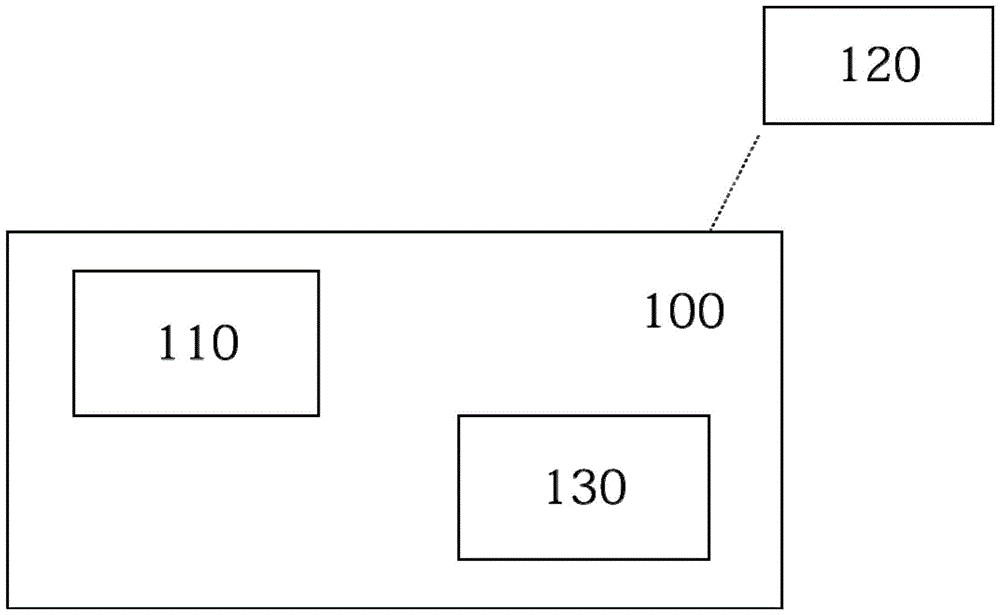
图1是本发明提供的一种优选实施方式的简化模块连接关系示意图。Fig. 1 is a schematic diagram of a simplified module connection relationship of a preferred embodiment provided by the present invention.
附图标记列表List of reference signs
100:照护装置;110:移动单元;120:信息处理单元;130:视觉摄取单元。100: nursing device; 110: mobile unit; 120: information processing unit; 130: visual capture unit.
具体实施方式Detailed ways
下面结合附图进行详细说明。A detailed description will be given below in conjunction with the accompanying drawings.
本发明提供了一种用于植物生产的照护装置100,包含移动单元110、信息处理单元120和视觉摄取单元130,如图1所示,其中,在所述照护装置100通过移动单元110沿植物生长区域移动时,所述照护装置100的视觉摄取单元130摄取视野范围内的植物的图像,并将所述植物的图像打包形成第一数据包并发送至所述信息处理单元120,所述信息处理单元120被配置为至少能够基于所获取的第一数据包对所述植物的生长状态进行异常筛选。The present invention provides a
具体地,移动单元110能够是用于使照护装置100在植物工厂内部受指令的移动。优选地,移动单元110能够是滚轮或履带。移动单元110还能够是用于配合设置于植物工厂内的轨道的移动组件,使移动单元110能够沿铺设的轨道进行固定路径的选择性移动。Specifically, the
根据一种优选实施方式,信息处理单元120能够远程设置于其他不影响植物工厂运作的位置,其能够通过有线或无线的方式连接照护装置100,从而控制照护装置100上的各个单元如移动单元110和视觉摄取单元130。进一步地,信息处理单元120还能够实时地获取植物工厂中其他的装置的运载情况,如高速移载车、定值机械手、间苗机械手、碟盘机、切根机、采摘机械手、称重/贴标一体机、并联机器人所发送的完成进度数据。信息处理单元120能够通过补苗机器人/补苗机械手设置于所述补苗机器人/补苗机械手前方的补苗摄像头对安装于所述植物进行识别以判断所述植物是否需要补苗。According to a preferred embodiment, the
根据一种优选实施方式,信息处理单元120能够控制植物工厂中的各个调节环境的装置,如光照装置、气体循环装置、湿度调节装置和/或温度调节装置。According to a preferred embodiment, the
视觉摄取单元130包含摄像头。优选地,摄像头能够进行黑白色、彩色及灰度图片的摄取。The
进一步地,大多数植物在受到灾害时,如虫害或病害,其表型异常变化非常明显,如叶片萎缩、长势缓慢等,尤其是以经营为目的的采收组织。此外,还由于通过视野摄取单元对植物工厂中的植物进行拍摄的面积较小(例如一块栽培板的面积大致在30cm*60cm之间),且视野摄取单元所拍摄的视野范围内的植物的数量较少;更为重要的是可以不用通过彩色或全彩图片/视频对植物工厂/温室内进行初步的病害和/或虫害识别(例如植物的生长状态是否正常,当识别出植物的生长状态不正常之后载进行进一步地拍摄、识别与分析)。因为若在对植物进行识别技术病害和/或虫害的全部过程中均通过检测单元拍摄彩色或全彩图片的方式的话,虽然在技术上已经存在较多成熟的现有图像识别技术,但是这些识别技术所需的硬件与软件设备的要求较高,势必给植物工厂/温室带来许多不必要的生产成本。例如,一张黑白图所占用的内存为1600*900*2bit,且为单通道;一张灰度图所占用的内存为1600*900*8bit;一张彩色图所占用的内存为1600*900*16bit;而一张全彩图所占用的内存为1600*900*24bit;考虑到巡检装置所携带的电子控制单元自身的内存容量有限,而导致电子控制单元对图片进行数据处理能力的有限,而黑白图相对于灰度图、彩色图的数据处理需求/压缩需求已经有显著地降低,特别是相对于彩色图和全彩图的数据处理/压缩需求而言更是降低了一个数量级。此外,巡检装置上设置的视野摄取单元拍摄黑白图时也不需要高精度地对焦,从而允许巡检装置基于移动单元110的高速运转而以相对比彩色拍摄需要的移动速度更快的速度进行巡检。因此,在植物照护装置100对植物工厂/温室进行巡检以拍摄所种植的植物过程中,可以以植物的组织形态为判断植物生长状态的第一优先级,即植物照护装置100在对植物工厂/温室的植物进行拍摄时,通过拍摄上述植物的黑白图片以使得电子控制单元能够提取该黑白图片内植物(例如茎杆/叶片)的大致组织形状/轮廓,并以此作为判断植物是否出现病害和/或虫害的依据。当植物在患有病害和/或虫害时会出现诸如叶片萎缩、茎秆弯曲等变化明显的特征,而通过黑白图片而无需使用彩色或全彩图片即可以提取上述特征。而本发明所要解决的技术问题为如何通过图片的分级摄取使植物的生长状态能够被快速且精准的归类,以确定对植物异常状态具有影响的环境因素,从而通过调节环境因素装置的自检和受调控的改变使影响植物异常生长的环境因素发生改变,从而使植物实际产量能够无限接近植物理想产量。Furthermore, when most plants are subjected to disasters, such as pests or diseases, their abnormal phenotype changes are very obvious, such as leaf shrinkage, slow growth, etc., especially harvested tissues for business purposes. In addition, because the area of the plants in the plant factory to be photographed by the field of view capturing unit is relatively small (for example, the area of a planting board is roughly between 30cm*60cm), and the number of plants within the field of view photographed by the field of view capturing unit Less; more importantly, it is not necessary to conduct preliminary disease and/or pest identification in plant factories/greenhouses through color or full-color pictures/videos (for example, whether the growth status of plants is normal, when it is identified that the growth status of plants is not It will be uploaded normally for further shooting, identification and analysis). Because if the detection unit is used to take color or full-color pictures in the whole process of identifying technical diseases and/or pests of plants, although there are more mature existing image recognition technologies in technology, these recognition The hardware and software equipment required by the technology have high requirements, which will inevitably bring a lot of unnecessary production costs to the plant factory/greenhouse. For example, the memory occupied by a black and white image is 1600*900*2bit, and it is a single channel; the memory occupied by a grayscale image is 1600*900*8bit; the memory occupied by a color image is 1600*900 *16bit; and the memory occupied by a full-color picture is 1600*900*24bit; considering the limited memory capacity of the electronic control unit carried by the inspection device, the electronic control unit has limited data processing capabilities for pictures, and Compared with grayscale and color images, the data processing/compression requirements of black and white images have been significantly reduced, especially compared to the data processing/compression requirements of color images and full-color images, it has been reduced by an order of magnitude. In addition, the field of view capture unit installed on the inspection device does not need to focus with high precision when shooting black and white images, which allows the inspection device to perform at a relatively faster speed than the moving speed required for color photography based on the high-speed operation of the
优选地,影响植物生长状态的因素主要分为第一优先级、第二优先级和第三优先级。Preferably, the factors affecting the plant growth state are mainly divided into first priority, second priority and third priority.
优选地,第一优先级包括茎和/或叶片形态/轮廓。Preferably, the first priority includes stem and/or leaf morphology/profile.
优选地,第二优先级包括病斑/虫斑形态、病斑位置和病斑面积。Preferably, the second priority includes lesion/worm spot morphology, lesion location and lesion area.
优选地,第三优先级包括异物分布。异物分布可以为包括病虫/真菌等位于植物的位置分布。Preferably, the third priority includes foreign matter distribution. The distribution of foreign matter may include the distribution of diseases, insects, fungi, etc. located in the plant.
优选地,视野摄取单元能够将识别出所对应的植物的生长状态存在异常的黑白图片所对应的坐标/位置信息发送至信息处理单元120。Preferably, the field of view capture unit can send the coordinate/position information corresponding to the black and white picture identified to have an abnormal growth state of the corresponding plant to the
当视野摄取单元识别出该黑白图片所对应的植物的生长状态处于非正常时信息处理单元120能够基于黑白图片所对应的坐标/位置信息控制视野摄取单元进行灰度图/彩色/全彩图片的摄取。优选地,视野摄取单元能够将所述灰度图/彩色/全彩图片发送至信息处理单元120,并由信息处理单元120进行处理和分析。优选地,灰度图能够用于辨别/识别属于第二优先级的病斑形态、病斑位置和病斑面积,并针对其中部分植物的病斑位置进行彩色或全彩图片的摄取。When the visual field capture unit recognizes that the growth state of the plant corresponding to the black and white picture is abnormal, the
优选地,彩色或全彩图片主要用于辨别/识别属于第三优先级的异物分布。异物可以包括病虫/真菌等位于植物的位置分布。Preferably, the color or full-color picture is mainly used to discern/identify the distribution of foreign matter belonging to the third priority. Foreign matter can include pests/fungi, etc. located in the location of the plant.
当搭载于移动单元110上的电子控制单元通过识别判断出该黑白图片内的植物的组织形态或轮廓以进行初步地识别。例如当黑白图片内的植物叶片的轮廓、株高等明显异于该类植物的正常叶片的轮廓、株高,和/或出现诸如叶片萎缩、茎秆弯曲等变化明显的特征,则该黑白图片内的植物的生长状态被电子控制单元判定为异常;若该黑白图片内没有出现变化明显的形态/轮廓特征,则该黑白图片内的植物的生长状态被电子控制单元判定为正常。优选地,电子控制单元能够将初步识别判断结果发送至植物工厂/温室的信息处理单元120。When the electronic control unit mounted on the
根据一种优选实施方式,视觉摄取单元130能够基于黑白色、彩色或灰度图片的摄取选择而区分为设置于不同的照护装置100上。优选地,用于拍摄黑白色图片的视觉摄取单元130设置为第一照护装置。用于拍摄灰度图片的视觉摄取单元130设置为第二照护装置。用于拍摄彩色图片的视觉摄取单元130设置为第三照护装置。优选地,第一照护装置的行进速度大于第二照护装置。第二照护装置的行进速度大于第三照护装置。同时,由于辨识目的的不同,第一照护装置拍摄的黑白图片用于轮廓的辨识,第二照护装置的灰度图片用于异物的辨识,第三照护装置的彩色图片用于异物形态的拍摄。因此,第一照护装置的分辨率能够低于第二照护装置,第二照护装置的分辨率能够低于第三照护装置。通过减少视觉摄取单元130拍摄时的镜头功能切换,从而减少镜头的损耗和巡检时间的浪费。According to a preferred embodiment, the
根据一种优选实施方式,当通过黑白图片识别出视野范围内的植物的生长状态存在异常时,则第二照护装置开始启动并对该黑白图片所对应栽培板内的植物进行拍摄。According to a preferred embodiment, when it is identified through the black and white picture that the growth status of the plants within the field of vision is abnormal, the second care device starts to start and takes pictures of the plants in the cultivation board corresponding to the black and white picture.
通过该配置方式,相比直接通过视觉摄取单元130采集视野范围内的植物的彩色图像,一方面由于彩色图片/视频所占用的内存较大而造成控制单元进行图像识别所需处理的数据量巨大,而最终导致通过电子控制单元基于图像识别分析病害和/或虫害的处理速度不高,进而导致移动单元110能够在专用轨道行驶的最大速度降低,无法适应大面积的植物工厂的日常巡检监测需求;而通过第一照护装置对栽培架内的植物拍摄黑白图片进行病害和/或虫害的初步识别,可以直接通过第一照护装置而无需将第一照护装置所拍摄的黑白图片发送至信息处理单元120来初步识别植物的生长状态,从而提高初步识别的处理速度,进一步地当电子控制单元初步识别的处理速度提高之后,照护装置100的移动单元110的移动速度也可以得到显著地提高,从而在确保初步识别植物的生长状态是否正常的基础上提高对植物工厂内植物的监测速率、增大单位时间内对植物工厂内所生长植物的监测面积。With this configuration, compared to directly collecting color images of plants within the field of view through the
在植物处于异常状态时,信息处理中心能够基于视觉摄取单元130发送的第一数据包进行植物异常状态原因的筛查,具体步骤如下:When the plant is in an abnormal state, the information processing center can screen the cause of the abnormal state of the plant based on the first data packet sent by the
S1:植物图片的特征提取和筛查,植物工厂中各个调节环境因素装置的自检结果筛查,以明确植物处于虫害、病害、营养失衡、水分失衡或光照失衡问题中的一种或几种;S1: Feature extraction and screening of plant pictures, self-inspection results screening of each environmental factor adjustment device in the plant factory, to clarify that the plant is in one or more of the problems of insect pests, diseases, nutritional imbalance, water imbalance or light imbalance ;
S2:在植物处于灾害,如虫害或病害时,基于筛选结果判断的灾害类别,一方面向连接的终端发送灾害警报以通知管理人员,另一方面,通过比对数据库中该类灾害的治疗方法,给出明确的治疗方法;S2: When plants are in disasters, such as pests or diseases, based on the disaster category judged by the screening results, on the one hand, the disaster alarm is sent to the connected terminal to notify the management personnel; on the other hand, by comparing the treatment methods of this type of disaster in the database , give a clear treatment method;
S3:若筛选结果为植物异常由调节环境因素装置异常导致的,首先向连接的终端发送装置异常警报以通知管理人员,发送内容包含植物异常报备、异常区域定位和装置异常信息,接着进行二次质检,如操作装置以重启等方式自救;S3: If the screening result shows that the abnormality of the plant is caused by the abnormality of the device that adjusts the environmental factors, first send a device abnormality alarm to the connected terminal to notify the management personnel. Substandard quality inspection, such as operating the device to save itself by restarting;
S4:若筛选结果为装置正常而植物为非灾害性异常状态,则根据异常状态的组织形态和组织部位进行环境因素的选择性调节,信息处理中心和人工共同作用以对调节环境因素装置进行控制。S4: If the screening result shows that the device is normal and the plant is in a non-catastrophic abnormal state, the environmental factors are selectively adjusted according to the tissue shape and tissue parts of the abnormal state, and the information processing center and humans work together to control the device for adjusting environmental factors .
基于照护装置100对植物生理状态的及时监测和分析,使环境因素能够及时被调整,从而解除植物的异常状态。Based on the timely monitoring and analysis of the physiological state of the plant by the
进一步地,由于植物在生长过程中受到的伤害已经产生,因此,其产量和品质必然会受到影响,因此,植物的异常状态能够对植物产量预测产生影响。Further, since the damage to the plant has already occurred during the growth process, its yield and quality will inevitably be affected. Therefore, the abnormal state of the plant can have an impact on the prediction of the plant yield.
根据一种优选实施方式,信息处理中心接收与植物工厂内植物当前物理状态相关的第一数据包。信息处理中心基于第一数据包进行分析并判断植物当前状态下的组织损失。例如,白菜在生长过程中,目标采收的组织为营养生长时期的白菜地面部分,但当白菜患白菜霜霉病时,其叶正面产生水渍状褪绿斑,后发展为黄褐色,由于病斑扩大常受叶脉限制而呈多角形斑。天气潮湿时,叶背面产生白色稀疏的霉层,病斑连片时,常造成大白菜叶片变黄枯死。当信息处理中心基于第一数据包对白菜叶片进行病斑分布分析后,能够确定该株白菜的叶片是否还能够生长并恢复,从而判断该株白菜是否能够作为产收。According to a preferred embodiment, the information processing center receives the first data packet related to the current physical state of the plants in the plant factory. The information processing center analyzes and judges the tissue loss of the plant in the current state based on the first data packet. For example, during the growth process of Chinese cabbage, the target harvesting tissue is the ground part of Chinese cabbage during the vegetative growth period, but when Chinese cabbage suffers from cabbage downy mildew, water-soaked chlorotic spots will appear on the front of the leaves, which will later develop into yellowish brown. Lesion enlargement is often restricted by leaf veins and presents polygonal spots. When the weather is humid, a white and sparse mold layer is formed on the back of the leaves. When the disease spots are continuous, the leaves of Chinese cabbage often turn yellow and die. After analyzing the lesion distribution of the cabbage leaves based on the first data packet, the information processing center can determine whether the leaves of the cabbage can still grow and recover, thereby judging whether the cabbage can be harvested.
基于第一数据包和信息处理中心的数据库中存储的植物理论产量的信息,能够评价预测栽培植物成熟期的实际产量。通过以理论产量为基准,将减产因素作为权重因素,从而预测真实产量。Based on the first data package and the information of the theoretical yield of the plant stored in the database of the information processing center, the actual yield of the predicted mature period of the cultivated plant can be evaluated. By taking the theoretical output as a benchmark and taking the production reduction factor as a weighting factor, the real output can be predicted.
实际产量(Oa),其计算公式如下:Actual output (Oa), its calculation formula is as follows:
Oa=Ot-Dt*(N1+N2)*Q-Dt*QOa=Ot-Dt*(N1+N2)*Q-Dt*Q
其中,Oa为实际产量,Ot为理论产量,N1为病虫害影响因素在影响因素中的权重比,N2为营养量分布影响因素在影响因素中的权重比,Q为植物株数,Dt为单株理论产量。Among them, Oa is the actual yield, Ot is the theoretical yield, N1 is the weight ratio of the influence factors of diseases and insect pests in the influence factors, N2 is the weight ratio of the nutrient distribution influence factors in the influence factors, Q is the number of plants, and Dt is the theory of single plant Yield.
由于在实际的产出中存在单株植物的无产出、部分产出和全部产出,因此用于产量预测的变量值也分别基于单株的产出分类而计算减产数量。Since there are no output, partial output and full output of a single plant in the actual output, the variable values used for yield prediction are also calculated based on the output classification of a single plant.
在植物单株出现完全减产而无法为产量做出贡献时,信息处理中心会以Dt*Q为变量进行数量的修改,而权重比计算分析则不会变化。当植株出现部分减产时,信息处理中心能够综合所有异常状态的且具有部分产出的植物进行减产因素权重比总影响指数计算,从而得到部分产出植物的产出损失。例如,患有白菜霜霉病的白菜在发病中前期,其会存在部分发病重灾区的白菜无法生长而无法产出,但轻灾区的白菜则在喷洒药物等治疗方式下正常生长,但由于发育期的灾害影响,其品质及叶片生长面积会基于当时的灾害影响程度而发生部分损失。因此,在计算上述白菜的实际产出时,以单株白菜的理论重量和种植株数的乘积作为理论产量,以重灾区的株数作为无法产出部分,以轻灾区的株数作为部分产出部分,同时,信息处理中心会根据轻灾区的综合灾害程度和种类进行病虫害因素和营养失衡因素的占比计算,从而得到合理的轻灾区损失产量。通过将受环境影响而降低产量的植株排除,从而得到实际产量。When the yield of a single plant is completely reduced and cannot contribute to the yield, the information processing center will use Dt*Q as the variable to modify the quantity, but the weight ratio calculation analysis will not change. When the plant has partial yield reduction, the information processing center can integrate all abnormal state and partial output plants to calculate the weight ratio of yield reduction factors to the total impact index, so as to obtain the output loss of partial output plants. For example, in the middle and early stages of the onset of cabbage downy mildew, cabbage in some severely affected areas will not be able to grow and produce, but the cabbage in lightly affected areas will grow normally under treatments such as spraying drugs, but due to developmental The quality and leaf growth area will be partially lost based on the degree of disaster impact at that time. Therefore, when calculating the actual output of the above-mentioned cabbage, the product of the theoretical weight of a single cabbage and the number of planted plants is used as the theoretical output, the number of plants in the hardest hit area is used as the part that cannot be produced, and the number of plants in the lightly affected area is used as the part of the output. At the same time, the information processing center will calculate the proportion of disease and insect pest factors and nutritional imbalance factors according to the comprehensive disaster degree and type of the light disaster area, so as to obtain a reasonable loss of output in the light disaster area. The actual yield can be obtained by excluding the plants whose yield is reduced due to the influence of the environment.
病虫害影响因素和营养量分布影响因素的权重比能够根据植物在生长过程中性状敏感度设定。例如,水稻品种龙优673,其虽然米质优良但同样存在高感稻瘟病、中感白叶枯病的问题,因此,相对其他低感稻瘟病的水稻品种,在爆发稻瘟病病虫害时,病虫害影响因素对实际产量的影响程度相较营养分布会更大一些。病虫害影响因素为负向影响,即,若无病虫害则D为零,若产生病虫害则根据病发部位、对植物目标组织减产的可能影响D为负数。病虫害的部位对植物采收目标影响越重则负数的数值越大。营养量分布影响因素能够根据植物的生长状态分析对试剂产量产生正向或负向的影响,即在营养量均衡且植物生长超出预期时能够产生正向影响产量的乘积值,在植物出现如叶片枯黄、叶片萎缩或其他组织问题而影响营养量吸收、合成或运输时产生负向的乘积值。The weight ratio of the factors affecting plant diseases and insect pests and the factors affecting nutrient distribution can be set according to the sensitivity of plant traits during growth. For example, the rice variety Longyou 673 has excellent rice quality, but it also has the problems of high susceptibility to rice blast and moderate susceptibility to bacterial blight. Influencing factors have a greater impact on actual yield than nutrient distribution. The impact factors of diseases and insect pests are negative effects, that is, if there are no diseases and insect pests, D is zero, and if there are diseases and insect pests, D is a negative number depending on the site of disease and the possible impact on plant target tissue production reduction. The more serious the impact of the site of the disease and insect pest on the plant harvesting target, the greater the value of the negative number. Factors affecting nutrient distribution can have a positive or negative impact on the yield of reagents according to the growth state of the plant, that is, when the nutrient is balanced and the plant grows beyond expectations, it can produce a product value that positively affects the yield. When the plant appears such as leaves Negative multiplication values occur when nutrient uptake, synthesis, or transport are affected by yellowing, leaf shrinkage, or other tissue problems.
根据一种优选实施方式,视觉摄取单元130的图像范围能够是视野范围内的全部,从而减少摄取图像的次数。According to a preferred implementation manner, the image range of the
根据一种优选实施方式,照护装置100能够实时地/非实时地获取信息处理中心向照护装置100发送的位置信息。According to a preferred implementation manner, the
根据一种优选实施方式,植物的理论产量能够以植物的具体品种为依据。信息处理中心能够基于职务的具体品种、品名和品系在现有技术公布的任意数据库中进行筛选,其中,植物的品种包含自然筛查的品种和人工培育的品种。现有技术中,很多植物的理论产量为其在实验过程中的产量,但由于不同实验条件的差别,本发明中的理论产量能够为信息处理中心能够检索得到的有数据支撑的该植物品种的最高产量。According to a preferred embodiment, the theoretical yield of the plant can be based on a specific variety of the plant. The information processing center can screen in any database published in the prior art based on the specific varieties, product names and strains of the job, wherein the plant varieties include naturally screened varieties and artificially cultivated varieties. In the prior art, the theoretical yield of many plants is the yield in the experimental process, but due to the difference in different experimental conditions, the theoretical yield in the present invention can be the data-supported plant species that can be retrieved by the information processing center. Maximum yield.
进一步地,本发明中的照护装置100能够用于温室或植物工厂中。Further, the
根据一种优选实施方式,使用本照护装置100的植物工厂或温室能够基于植物的不同生长时期分为播种育苗区、定植间苗区和生长区。播种育苗区中的培育装置100包含海绵和栽培板。将蔬菜种子播于育苗海绵块上。具体地,种子播种于海绵块上,通过栽培篮整齐摆放在栽培板上,播种后放到多层育苗架上育苗。在种子未萌发前,将育苗架上的灯光关闭,待2天后种子萌发后,开启灯光,并按照时间控制器设定程序开关灯。优选地,单体海绵块规格25mm×25mm×25mm。该区间需求独立的空调系统。优选地,光期20℃,暗期18℃。用于播种育苗的栽培架在各层配置包含营养液循环系统、光照系统的调节环境因素装置。优选地,采用荧光灯或白色LED灯作为光源,光强度为10μmol·m-2·s-1。According to a preferred embodiment, the plant factory or greenhouse using the
根据一种优选实施方式,设置有操作单元的照护装置100能够为穿梭小车、提升机或高速移载车。小苗在栽培区生长15天左右后需要进行间苗,其能够由穿梭小车、提升机或高速移载车将小苗板送到间苗区间苗。间苗后的大苗板通过高速移载车、提升机或穿梭小车送到栽培区指定位置继续生长。According to a preferred embodiment, the
本发明中的工厂化植物生产的系统还设置有采收包装区和栽培板清洗及存放区。The factory plant production system in the present invention is also provided with a harvesting and packaging area and a cultivation plate cleaning and storage area.
采收包装区用于处理成熟后栽培植物的采收。大苗在栽培区生长15天左右长成,通过穿梭小车、提升机或高速移载车将小苗板送到采收区采收。采收前将蔬菜栽培篮以下根部切除,切除的根部通过根部收集器收集。然后大苗板进入采摘机械手,自动将蔬菜采摘到输送机上。产生的空大苗板由高速移载车送至北侧输送线上,再由AGV运动清洗间清洗,然后再由AGV送到空大苗板暂存区。采摘后的蔬菜先经过人工处理,合格的蔬菜进入包装机包装、称重、贴标签,然后由抓取机械手码放到周转箱中。周转箱中的蔬菜先进入预冷室预冷,然后由AGV运送到打包间包装发运。The harvest packing area is used to handle the harvest of cultivated plants after maturity. The big seedlings grow in about 15 days in the cultivation area, and the small seedling boards are sent to the harvesting area for harvesting by shuttle cars, elevators or high-speed transfer vehicles. Before harvesting, the roots below the vegetable cultivation basket are cut off, and the cut roots are collected by a root collector. Then the large seedling board enters the picking robot, which automatically picks the vegetables to the conveyor. The empty large seedling boards produced are sent to the north side conveyor line by the high-speed transfer vehicle, and then cleaned by the AGV movement cleaning room, and then sent to the empty large seedling board temporary storage area by the AGV. The picked vegetables are first processed manually, and the qualified vegetables enter the packaging machine for packaging, weighing, and labeling, and then are put into the turnover box by the grabbing manipulator. The vegetables in the turnover box first enter the pre-cooling room for pre-cooling, and then are transported by the AGV to the packaging room for packaging and shipping.
栽培板清洗及存放区用于栽培板使用后的处理,由于栽培板的可重复使用性,因此处理后能够重复使用。各环节长生的空栽培板由AGV送到清洗间清洗,使用清洗机高压清洗、再通过高压空气吹去残余水分,通过叠盘机叠垛,再由AGV送到空栽培板暂存区备用。The cultivation board cleaning and storage area is used for the treatment of the cultivation board after use. Due to the reusability of the cultivation board, it can be reused after treatment. The long-growing empty cultivation boards in each link are sent to the cleaning room by AGV for cleaning. They are cleaned with high pressure by a washing machine, and then the residual moisture is blown off by high-pressure air. They are stacked by a stacking machine, and then sent to the temporary storage area for empty cultivation boards by AGV.
通过上述完整地流程形成集监测、信息反馈、植物各时期栽培养护和采收的自动化流程,形成全智能的植物工厂或温室。Through the above-mentioned complete process, an automated process of monitoring, information feedback, plant cultivation and harvesting in various stages is formed to form a fully intelligent plant factory or greenhouse.
需要注意的是,上述具体实施例是示例性的,本领域技术人员可以在本发明公开内容的启发下想出各种解决方案,而这些解决方案也都属于本发明的公开范围并落入本发明的保护范围之内。本领域技术人员应该明白,本发明说明书及其附图均为说明性而并非构成对权利要求的限制。本发明的保护范围由权利要求及其等同物限定。本发明说明书包含多项发明构思,诸如“优选地”、“根据一个优选实施方式”或“可选地”均表示相应段落公开了一个独立的构思,申请人保留根据每项发明构思提出分案申请的权利。在全文中,“优选地”所引导的特征仅为一种可选方式,不应理解为必须设置,故此申请人保留随时放弃或删除相关优选特征之权利。It should be noted that the above specific embodiments are exemplary, and those skilled in the art can come up with various solutions inspired by the disclosure of the present invention, and these solutions also belong to the scope of the disclosure of the present invention and fall within the scope of this disclosure. within the scope of protection of the invention. Those skilled in the art should understand that the description and drawings of the present invention are illustrative rather than limiting to the claims. The protection scope of the present invention is defined by the claims and their equivalents. The description of the present invention contains a number of inventive concepts, such as "preferably", "according to a preferred embodiment" or "optionally" all indicate that the corresponding paragraph discloses an independent concept, and the applicant reserves the right to propose a division based on each inventive concept right to apply. Throughout the text, the features introduced by "preferably" are only optional, and should not be interpreted as having to be set. Therefore, the applicant reserves the right to waive or delete relevant preferred features at any time.
Claims (6)
Priority Applications (1)
| Application Number | Priority Date | Filing Date | Title |
|---|---|---|---|
| CN202111352574.1A CN113940263B (en) | 2021-11-15 | 2021-11-15 | A look after device for plant production |
Applications Claiming Priority (1)
| Application Number | Priority Date | Filing Date | Title |
|---|---|---|---|
| CN202111352574.1A CN113940263B (en) | 2021-11-15 | 2021-11-15 | A look after device for plant production |
Publications (2)
| Publication Number | Publication Date |
|---|---|
| CN113940263A CN113940263A (en) | 2022-01-18 |
| CN113940263B true CN113940263B (en) | 2023-04-07 |
Family
ID=79338100
Family Applications (1)
| Application Number | Title | Priority Date | Filing Date |
|---|---|---|---|
| CN202111352574.1A Active CN113940263B (en) | 2021-11-15 | 2021-11-15 | A look after device for plant production |
Country Status (1)
| Country | Link |
|---|---|
| CN (1) | CN113940263B (en) |
Families Citing this family (1)
| Publication number | Priority date | Publication date | Assignee | Title |
|---|---|---|---|---|
| CN120130278A (en) * | 2025-04-27 | 2025-06-13 | 上海市农业科学院 | Plant care device and method for plant factory |
Citations (12)
| Publication number | Priority date | Publication date | Assignee | Title |
|---|---|---|---|---|
| JP2003098111A (en) * | 2000-09-21 | 2003-04-03 | Hitachi Ltd | Defect inspection method and device |
| WO2013094365A1 (en) * | 2011-12-22 | 2013-06-27 | 三洋電機株式会社 | Observation system, program, and method for controlling observation system |
| CN103489006A (en) * | 2013-10-11 | 2014-01-01 | 河南城建学院 | Computer vision-based rice disease, pest and weed diagnostic method |
| WO2016138075A1 (en) * | 2015-02-24 | 2016-09-01 | Infinite Harvest, Inc. | Method and system for hydroculture |
| JP2018011242A (en) * | 2016-07-15 | 2018-01-18 | コニカミノルタ株式会社 | Information processing system, electronic device, information processing apparatus, information processing method, electronic device processing method, and program |
| CN108563979A (en) * | 2017-12-29 | 2018-09-21 | 南京农业大学 | A method of based on the farmland image discriminating rice blast state of an illness of taking photo by plane |
| CN208905370U (en) * | 2018-08-24 | 2019-05-28 | 浙江大学 | A kind of device that the blade face medicine based on plant space prescription map sprays |
| KR20200049687A (en) * | 2018-10-31 | 2020-05-08 | 이승만 | Plant culture system |
| WO2020215145A1 (en) * | 2019-04-23 | 2020-10-29 | Farmers Edge Inc. | Yield forecasting using crop specific features and growth stages |
| CN112015212A (en) * | 2020-08-07 | 2020-12-01 | 中国农业科学院都市农业研究所 | Light environment regulation method and system, equipment and medium |
| AU2020103215A4 (en) * | 2020-11-04 | 2021-01-14 | Desai, Rajendra MR | Efficient fungi disease detection and grading for leafy vegetables using optimized image processing techniques |
| CN113535678A (en) * | 2021-07-08 | 2021-10-22 | 中国科学院南京地理与湖泊研究所 | A method for constructing a list of priority pollutants in surface water environment |
Family Cites Families (10)
| Publication number | Priority date | Publication date | Assignee | Title |
|---|---|---|---|---|
| JP4583656B2 (en) * | 2001-03-31 | 2010-11-17 | 大和ハウス工業株式会社 | Plant automatic cultivation system and commercial transaction system and utilization system using the same |
| JP2008029307A (en) * | 2006-07-31 | 2008-02-14 | Garden Nigachi:Kk | Plant cultivation management apparatus, and system, method and program of the same |
| KR101392279B1 (en) * | 2012-12-21 | 2014-05-07 | 주식회사 맥스포 | Method for an output forecast of plant factory |
| US20150278966A1 (en) * | 2014-03-26 | 2015-10-01 | Fi2 Solutions Llc | Crop loss determination |
| KR101846301B1 (en) * | 2017-05-10 | 2018-04-09 | 안주형 | Crops grow and management system using automatic control device |
| CN206863001U (en) * | 2017-06-30 | 2018-01-09 | 中国农业科学院农业信息研究所 | A kind of crop yield monitoring device |
| CN108362267B (en) * | 2018-01-09 | 2020-05-22 | 浙江大学 | Remote sensing quantitative assessment method of rape yield loss under wet water stress based on satellite data |
| CN109242201A (en) * | 2018-09-29 | 2019-01-18 | 上海中信信息发展股份有限公司 | A kind of method, apparatus and computer readable storage medium for predicting crop yield |
| CN109738435B (en) * | 2018-12-13 | 2021-06-08 | 成都信息工程大学 | A method for buckwheat growth monitoring, diagnosis and yield prediction |
| CN110347127A (en) * | 2019-06-26 | 2019-10-18 | 北京农业智能装备技术研究中心 | Crop planting mandatory system and method based on cloud service |
-
2021
- 2021-11-15 CN CN202111352574.1A patent/CN113940263B/en active Active
Patent Citations (12)
| Publication number | Priority date | Publication date | Assignee | Title |
|---|---|---|---|---|
| JP2003098111A (en) * | 2000-09-21 | 2003-04-03 | Hitachi Ltd | Defect inspection method and device |
| WO2013094365A1 (en) * | 2011-12-22 | 2013-06-27 | 三洋電機株式会社 | Observation system, program, and method for controlling observation system |
| CN103489006A (en) * | 2013-10-11 | 2014-01-01 | 河南城建学院 | Computer vision-based rice disease, pest and weed diagnostic method |
| WO2016138075A1 (en) * | 2015-02-24 | 2016-09-01 | Infinite Harvest, Inc. | Method and system for hydroculture |
| JP2018011242A (en) * | 2016-07-15 | 2018-01-18 | コニカミノルタ株式会社 | Information processing system, electronic device, information processing apparatus, information processing method, electronic device processing method, and program |
| CN108563979A (en) * | 2017-12-29 | 2018-09-21 | 南京农业大学 | A method of based on the farmland image discriminating rice blast state of an illness of taking photo by plane |
| CN208905370U (en) * | 2018-08-24 | 2019-05-28 | 浙江大学 | A kind of device that the blade face medicine based on plant space prescription map sprays |
| KR20200049687A (en) * | 2018-10-31 | 2020-05-08 | 이승만 | Plant culture system |
| WO2020215145A1 (en) * | 2019-04-23 | 2020-10-29 | Farmers Edge Inc. | Yield forecasting using crop specific features and growth stages |
| CN112015212A (en) * | 2020-08-07 | 2020-12-01 | 中国农业科学院都市农业研究所 | Light environment regulation method and system, equipment and medium |
| AU2020103215A4 (en) * | 2020-11-04 | 2021-01-14 | Desai, Rajendra MR | Efficient fungi disease detection and grading for leafy vegetables using optimized image processing techniques |
| CN113535678A (en) * | 2021-07-08 | 2021-10-22 | 中国科学院南京地理与湖泊研究所 | A method for constructing a list of priority pollutants in surface water environment |
Non-Patent Citations (1)
| Title |
|---|
| 植物表型平台与图像分析技术研究进展与展望;张慧春等;《农业机械学报》(第03期);第4-7页 * |
Also Published As
| Publication number | Publication date |
|---|---|
| CN113940263A (en) | 2022-01-18 |
Similar Documents
| Publication | Publication Date | Title |
|---|---|---|
| van Herck et al. | Crop design for improved robotic harvesting: A case study of sweet pepper harvesting | |
| JP7137426B2 (en) | Harvest prediction system for greenhouse-grown fruits | |
| KR20200029657A (en) | Farming automation system using crop image big data | |
| JP2012191903A (en) | Plant sorting device, robot, plant cultivation system, plant sorting method, and program | |
| GB2628237A (en) | Care device for plant factory | |
| Pargi Sanjay et al. | Comparison between manual harvesting and mechanical harvesting | |
| CN113940261B (en) | A plant factory monitoring and management system | |
| WO2022091092A1 (en) | System and method for indoor crop management | |
| CN111415085A (en) | Production quality monitoring method and system for crop planting | |
| CN113924968B (en) | Unmanned production operation system and method for plant factory | |
| CN113940263B (en) | A look after device for plant production | |
| CN118519403A (en) | Intelligent production monitoring system and method for agricultural greenhouse based on Internet of things | |
| CN119790918A (en) | Planting method for increasing corn yield based on chemical control agent regulation | |
| CN116548294B (en) | A method for evaluating high temperature resistance of corn | |
| CN117745041A (en) | Unmanned farm corn planting management method | |
| CN113924967B (en) | An intelligent plant factory | |
| CN114051918B (en) | A care device for enhancing yield-related traits in plants | |
| CN114092347A (en) | Inspection device for plant factory production operation | |
| CN117829414B (en) | Bitter orange seedling cultivation management method, system and electronic equipment | |
| AU2024219989A1 (en) | Produce Forecasting System and Method | |
| CN113924966B (en) | Greenhouse provided with automatic mechanical arm | |
| CN113924969B (en) | A greenhouse with automatic cruise monitoring function | |
| CN118446553A (en) | Intelligent agriculture integrated management system based on agriculture internet of things | |
| CN113924965B (en) | A system and method for factory plant production | |
| Kunhare et al. | Role of Artificial Intelligence in the Agricultural System |
Legal Events
| Date | Code | Title | Description |
|---|---|---|---|
| PB01 | Publication | ||
| PB01 | Publication | ||
| SE01 | Entry into force of request for substantive examination | ||
| SE01 | Entry into force of request for substantive examination | ||
| GR01 | Patent grant | ||
| GR01 | Patent grant |