CN113897357A - Twist1 gene editing system and application thereof in preparation of product for treating triple negative breast cancer - Google Patents
Twist1 gene editing system and application thereof in preparation of product for treating triple negative breast cancer Download PDFInfo
- Publication number
- CN113897357A CN113897357A CN202010640129.4A CN202010640129A CN113897357A CN 113897357 A CN113897357 A CN 113897357A CN 202010640129 A CN202010640129 A CN 202010640129A CN 113897357 A CN113897357 A CN 113897357A
- Authority
- CN
- China
- Prior art keywords
- breast cancer
- negative breast
- triple negative
- product
- twist1
- Prior art date
- Legal status (The legal status is an assumption and is not a legal conclusion. Google has not performed a legal analysis and makes no representation as to the accuracy of the status listed.)
- Pending
Links
Images










Classifications
-
- C—CHEMISTRY; METALLURGY
- C12—BIOCHEMISTRY; BEER; SPIRITS; WINE; VINEGAR; MICROBIOLOGY; ENZYMOLOGY; MUTATION OR GENETIC ENGINEERING
- C12N—MICROORGANISMS OR ENZYMES; COMPOSITIONS THEREOF; PROPAGATING, PRESERVING, OR MAINTAINING MICROORGANISMS; MUTATION OR GENETIC ENGINEERING; CULTURE MEDIA
- C12N15/00—Mutation or genetic engineering; DNA or RNA concerning genetic engineering, vectors, e.g. plasmids, or their isolation, preparation or purification; Use of hosts therefor
- C12N15/09—Recombinant DNA-technology
- C12N15/11—DNA or RNA fragments; Modified forms thereof; Non-coding nucleic acids having a biological activity
- C12N15/113—Non-coding nucleic acids modulating the expression of genes, e.g. antisense oligonucleotides; Antisense DNA or RNA; Triplex- forming oligonucleotides; Catalytic nucleic acids, e.g. ribozymes; Nucleic acids used in co-suppression or gene silencing
- C12N15/1135—Non-coding nucleic acids modulating the expression of genes, e.g. antisense oligonucleotides; Antisense DNA or RNA; Triplex- forming oligonucleotides; Catalytic nucleic acids, e.g. ribozymes; Nucleic acids used in co-suppression or gene silencing against oncogenes or tumor suppressor genes
-
- A—HUMAN NECESSITIES
- A61—MEDICAL OR VETERINARY SCIENCE; HYGIENE
- A61K—PREPARATIONS FOR MEDICAL, DENTAL OR TOILETRY PURPOSES
- A61K45/00—Medicinal preparations containing active ingredients not provided for in groups A61K31/00 - A61K41/00
-
- A—HUMAN NECESSITIES
- A61—MEDICAL OR VETERINARY SCIENCE; HYGIENE
- A61K—PREPARATIONS FOR MEDICAL, DENTAL OR TOILETRY PURPOSES
- A61K48/00—Medicinal preparations containing genetic material which is inserted into cells of the living body to treat genetic diseases; Gene therapy
- A61K48/0008—Medicinal preparations containing genetic material which is inserted into cells of the living body to treat genetic diseases; Gene therapy characterised by an aspect of the 'non-active' part of the composition delivered, e.g. wherein such 'non-active' part is not delivered simultaneously with the 'active' part of the composition
-
- A—HUMAN NECESSITIES
- A61—MEDICAL OR VETERINARY SCIENCE; HYGIENE
- A61P—SPECIFIC THERAPEUTIC ACTIVITY OF CHEMICAL COMPOUNDS OR MEDICINAL PREPARATIONS
- A61P35/00—Antineoplastic agents
-
- A—HUMAN NECESSITIES
- A61—MEDICAL OR VETERINARY SCIENCE; HYGIENE
- A61P—SPECIFIC THERAPEUTIC ACTIVITY OF CHEMICAL COMPOUNDS OR MEDICINAL PREPARATIONS
- A61P35/00—Antineoplastic agents
- A61P35/04—Antineoplastic agents specific for metastasis
-
- C—CHEMISTRY; METALLURGY
- C12—BIOCHEMISTRY; BEER; SPIRITS; WINE; VINEGAR; MICROBIOLOGY; ENZYMOLOGY; MUTATION OR GENETIC ENGINEERING
- C12N—MICROORGANISMS OR ENZYMES; COMPOSITIONS THEREOF; PROPAGATING, PRESERVING, OR MAINTAINING MICROORGANISMS; MUTATION OR GENETIC ENGINEERING; CULTURE MEDIA
- C12N15/00—Mutation or genetic engineering; DNA or RNA concerning genetic engineering, vectors, e.g. plasmids, or their isolation, preparation or purification; Use of hosts therefor
- C12N15/09—Recombinant DNA-technology
- C12N15/63—Introduction of foreign genetic material using vectors; Vectors; Use of hosts therefor; Regulation of expression
- C12N15/79—Vectors or expression systems specially adapted for eukaryotic hosts
- C12N15/85—Vectors or expression systems specially adapted for eukaryotic hosts for animal cells
- C12N15/86—Viral vectors
-
- C—CHEMISTRY; METALLURGY
- C12—BIOCHEMISTRY; BEER; SPIRITS; WINE; VINEGAR; MICROBIOLOGY; ENZYMOLOGY; MUTATION OR GENETIC ENGINEERING
- C12N—MICROORGANISMS OR ENZYMES; COMPOSITIONS THEREOF; PROPAGATING, PRESERVING, OR MAINTAINING MICROORGANISMS; MUTATION OR GENETIC ENGINEERING; CULTURE MEDIA
- C12N7/00—Viruses; Bacteriophages; Compositions thereof; Preparation or purification thereof
-
- C—CHEMISTRY; METALLURGY
- C12—BIOCHEMISTRY; BEER; SPIRITS; WINE; VINEGAR; MICROBIOLOGY; ENZYMOLOGY; MUTATION OR GENETIC ENGINEERING
- C12N—MICROORGANISMS OR ENZYMES; COMPOSITIONS THEREOF; PROPAGATING, PRESERVING, OR MAINTAINING MICROORGANISMS; MUTATION OR GENETIC ENGINEERING; CULTURE MEDIA
- C12N2310/00—Structure or type of the nucleic acid
- C12N2310/10—Type of nucleic acid
-
- C—CHEMISTRY; METALLURGY
- C12—BIOCHEMISTRY; BEER; SPIRITS; WINE; VINEGAR; MICROBIOLOGY; ENZYMOLOGY; MUTATION OR GENETIC ENGINEERING
- C12N—MICROORGANISMS OR ENZYMES; COMPOSITIONS THEREOF; PROPAGATING, PRESERVING, OR MAINTAINING MICROORGANISMS; MUTATION OR GENETIC ENGINEERING; CULTURE MEDIA
- C12N2740/00—Reverse transcribing RNA viruses
- C12N2740/00011—Details
- C12N2740/10011—Retroviridae
- C12N2740/15011—Lentivirus, not HIV, e.g. FIV, SIV
- C12N2740/15021—Viruses as such, e.g. new isolates, mutants or their genomic sequences
-
- C—CHEMISTRY; METALLURGY
- C12—BIOCHEMISTRY; BEER; SPIRITS; WINE; VINEGAR; MICROBIOLOGY; ENZYMOLOGY; MUTATION OR GENETIC ENGINEERING
- C12N—MICROORGANISMS OR ENZYMES; COMPOSITIONS THEREOF; PROPAGATING, PRESERVING, OR MAINTAINING MICROORGANISMS; MUTATION OR GENETIC ENGINEERING; CULTURE MEDIA
- C12N2740/00—Reverse transcribing RNA viruses
- C12N2740/00011—Details
- C12N2740/10011—Retroviridae
- C12N2740/15011—Lentivirus, not HIV, e.g. FIV, SIV
- C12N2740/15041—Use of virus, viral particle or viral elements as a vector
- C12N2740/15043—Use of virus, viral particle or viral elements as a vector viral genome or elements thereof as genetic vector
Landscapes
- Health & Medical Sciences (AREA)
- Life Sciences & Earth Sciences (AREA)
- Chemical & Material Sciences (AREA)
- Genetics & Genomics (AREA)
- Engineering & Computer Science (AREA)
- Organic Chemistry (AREA)
- General Health & Medical Sciences (AREA)
- Biotechnology (AREA)
- Wood Science & Technology (AREA)
- Biomedical Technology (AREA)
- Bioinformatics & Cheminformatics (AREA)
- Zoology (AREA)
- Medicinal Chemistry (AREA)
- General Engineering & Computer Science (AREA)
- Pharmacology & Pharmacy (AREA)
- Molecular Biology (AREA)
- Veterinary Medicine (AREA)
- Public Health (AREA)
- Animal Behavior & Ethology (AREA)
- Biochemistry (AREA)
- Microbiology (AREA)
- Physics & Mathematics (AREA)
- General Chemical & Material Sciences (AREA)
- Nuclear Medicine, Radiotherapy & Molecular Imaging (AREA)
- Oncology (AREA)
- Chemical Kinetics & Catalysis (AREA)
- Biophysics (AREA)
- Plant Pathology (AREA)
- Virology (AREA)
- Epidemiology (AREA)
- Immunology (AREA)
- Medicines That Contain Protein Lipid Enzymes And Other Medicines (AREA)
- Micro-Organisms Or Cultivation Processes Thereof (AREA)
Abstract
The invention discloses a Twist1 gene editing system and application thereof in preparation of a product for treating triple negative breast cancer. Experiments prove that: the Twist1 gene editing system can specifically knock out a Twist1 gene 123 pair base key sequence in a triple negative breast cancer cell and knock down the Twist1 protein phenotype. The Twist1 gene editing system is proved to be capable of obviously inhibiting the proliferation, migration, invasion and serum starvation resistance of triple negative breast cancer in vitro. The Twist1 gene editing system is verified in a nude mouse to obviously inhibit the tumor formation and growth of triple negative breast cancer, and the safety of the triple negative breast cancer is preliminarily verified. The invention provides theoretical basis and experimental basis for exploring a new clinical treatment strategy of the triple negative breast cancer, and has important scientific significance and potential clinical application value.
Description
Technical Field
The invention belongs to the technical field of biological medicines, and particularly relates to a Twist1 gene editing system and application thereof in preparation of a product for treating triple negative breast cancer.
Background
Breast cancer is a malignant tumor which occurs in the epithelium of breast glands, and is one of high-grade malignant tumors in women. Breast cancer can be divided into three types based on pathotyping: the first type is non-invasive breast cancer, also called carcinoma in situ, and the non-invasive breast cancer has better treatment prognosis effect. The second category is invasive breast cancer, most commonly invasive ductal carcinoma. The prognosis of invasive breast cancer is generally less effective than non-invasive carcinoma in situ. The third category is rare breast cancer, such as spindle cell carcinoma, and the like, the prognosis of which is usually poor. Based on molecular typing, breast cancer can be divided into four molecular subtypes, including Luminal a (Luminal a), Luminal B (Luminal B), proto-oncogene HER2 overexpression, and basal cell-like (Basel-like).
Triple negative breast cancer is a specific molecular subtype of breast cancer that is negative for both the Estrogen Receptor (ER), the Progesterone Receptor (PR) and the proto-oncogene HER 2. The triple-negative breast cancer accounts for about 15% of all breast cancers, usually shows low differentiation degree, stem cell-like characteristics and high recurrence rate, has short overall survival rate of patients, is high-risk breast cancer, has poor prognosis, is easy to relapse after operation, and is easy to transfer other visceral organs. Given that triple negative breast cancer cells lack ER, PR and HER2 receptors, hormone therapy and targeted antibody therapy strategies cannot be used for their clinical treatment. Specific treatment strategies are not available at present.
Twist1 belongs to basic helix-loop-helix (bHLH) protein family 3 transcription factors. Twist1 transcription factors are essential for normal vertebrate development. In the human embryonic development stage, if the Twist1 transcription factor gene is mutated, it may cause development deformity and Saethre-Chotzen syndrome.
The human Twist1 gene maps to chromosome 7q21.2 and comprises two exons and one intron. The first exon contains the ATG site followed by an open reading frame encoding 202 amino acid residues.
Disclosure of Invention
The invention aims to provide a Twist1 gene editing system and application thereof in preparation of products for treating or assisting in treating triple-negative breast cancer.
In order to achieve the above object, the present invention firstly provides a novel use of a substance inhibiting the activity of Twist1 protein or a substance reducing the content of Twist1 protein.
The invention provides an application of a substance for inhibiting the activity of Twist1 protein or a substance for reducing the content of Twist1 protein in any one of the following a1) -a 9):
a1) preparing a product for treating or assisting in treating triple negative breast cancer;
a2) preparing a product for inhibiting the proliferation and/or growth of triple negative breast cancer cells;
a3) preparing a product for reducing the proliferation and/or growth of triple negative breast cancer cells;
a4) preparing a product for inhibiting the migration and/or repair of triple negative breast cancer cells;
a5) preparing a product for reducing the migration capacity and/or the repair capacity of the triple negative breast cancer cells;
a6) preparing a product for inhibiting the invasion of triple negative breast cancer cells;
a7) preparing a product for reducing the invasion capacity of the triple negative breast cancer cells;
a8) preparing a product for reducing the adverse environment resistance of triple negative breast cancer cells;
a9) a product is prepared that reduces the tumor volume formed by triple negative breast cancer cells.
In order to achieve the purpose, the invention also provides a new application of a substance for silencing or knocking out or mutating the Twist1 gene or a substance for inhibiting the expression of the Twist1 gene.
The invention provides application of a substance for silencing or knocking out or mutating Twist1 gene or a substance for inhibiting Twist1 gene expression in any one of the following a1) -a 9):
a1) preparing a product for treating or assisting in treating triple negative breast cancer;
a2) preparing a product for inhibiting the proliferation and/or growth of triple negative breast cancer cells;
a3) preparing a product for reducing the proliferation and/or growth of triple negative breast cancer cells;
a4) preparing a product for inhibiting the migration and/or repair of triple negative breast cancer cells;
a5) preparing a product for reducing the migration capacity and/or the repair capacity of the triple negative breast cancer cells;
a6) preparing a product for inhibiting the invasion of triple negative breast cancer cells;
a7) preparing a product for reducing the invasion capacity of the triple negative breast cancer cells;
a8) preparing a product for reducing the adverse environment resistance of triple negative breast cancer cells;
a9) a product is prepared that reduces the tumor volume formed by triple negative breast cancer cells.
In order to achieve the aim, the invention also provides a product, the active ingredients of which are a substance inhibiting the activity of Twist1 protein or a substance reducing the content of Twist1 protein or a substance silencing or knocking out or mutating Twist1 gene or a substance inhibiting the expression of Twist1 gene; the function of the product is any one of the following b1) -b 9):
b1) treatment or adjuvant treatment of triple negative breast cancer;
b2) inhibiting proliferation and/or growth of triple negative breast cancer cells;
b3) reducing the proliferative capacity and/or growth capacity of triple negative breast cancer cells;
b4) inhibiting migration and/or repair of triple negative breast cancer cells;
b5) reducing the migration and/or repair capacity of triple negative breast cancer cells;
b6) inhibiting triple negative breast cancer cell invasion;
b7) reducing the invasion capacity of triple negative breast cancer cells;
b8) reducing the ability of triple negative breast cancer cells to resist adverse environments;
b9) the tumor volume formed by triple negative breast cancer cells is reduced.
In any of the above applications or products, the reduction of the ability of triple negative breast cancer cells to resist adverse environments is the reduction of the ability of triple negative breast cancer cells to resist serum-free environments.
In any of the above applications or products, the substance inhibiting the activity of Twist1 protein or the substance reducing the content of Twist1 protein is a protein, polypeptide or small molecule compound inhibiting the synthesis of Twist1 protein, promoting the degradation of Twist1 protein or inhibiting the function of Twist1 protein.
The substance for silencing or knocking out or mutating the Twist1 gene or the substance for inhibiting the expression of the Twist1 gene is a Twist1 gene editing system; the Twist1 gene editing system includes a Cas9 protein and a sgRNA targeting a Twist1 gene. Further, the target sequence of the sgRNA is sequence 1 or sequence 2. Further, the target sequence of the sgRNA is sequence 2.
In order to achieve the above object, the present invention also provides any one of the following biomaterials c1) -c 5):
c1) an sgRNA, the target sequence of which is sequence 1 or sequence 2;
c2) a Twist1 gene editing system comprising a Cas9 protein and c1) the sgRNA;
c3) a recombinant lentiviral vector comprising c2) the gene encoding the Cas9 protein and c2) the gene encoding the sgRNA;
c4) a lentivirus, which is obtained by transfecting a lentivirus packaging cell with the recombinant lentivirus vector of c3) and then carrying out cell culture;
c5) a Twist1 mutant gene is obtained by deleting the nucleotide indicated by position 464-586 in the sequence 4.
In the above c3), the recombinant lentiviral vector is obtained by inserting c2) the encoding gene for the Cas9 protein and c2) the encoding gene for the sgRNA into a lentiviral expression vector. Further, the lentivirus expression vector is lentiCRISPR v 2.
The c4) above, wherein the lentiviral packaging cell is a HEK293T cell.
The application of the biological material in any one of the following a1) -a9) also belongs to the protection scope of the invention:
a1) preparing a product for treating or assisting in treating triple negative breast cancer;
a2) preparing a product for inhibiting the proliferation and/or growth of triple negative breast cancer cells;
a3) preparing a product for reducing the proliferation and/or growth of triple negative breast cancer cells;
a4) preparing a product for inhibiting the migration and/or repair of triple negative breast cancer cells;
a5) preparing a product for reducing the migration capacity and/or the repair capacity of the triple negative breast cancer cells;
a6) preparing a product for inhibiting the invasion of triple negative breast cancer cells;
a7) preparing a product for reducing the invasion capacity of the triple negative breast cancer cells;
a8) preparing a product for reducing the adverse environment resistance of triple negative breast cancer cells;
a9) a product is prepared that reduces the tumor volume formed by triple negative breast cancer cells.
In any of the above uses or products, the triple negative breast cancer cells may be human triple negative breast cancer cells. The human triple negative breast cancer cell may specifically be an MDA-MB-231 cell.
In any of the uses or products described above, the product is a medicament.
The application of the Twist1 protein or Twist1 gene as a target point in developing or designing or screening a product for treating or assisting in treating triple-negative breast cancer also belongs to the protection scope of the invention.
In any one of the applications or products, an amino acid sequence of the Twist1 protein is shown as a sequence 3 in a sequence table; the nucleotide sequence of the Twist1 gene is shown as a sequence 4 in a sequence table.
The invention successfully constructs a specific Twist1 gene editing system, characterizes the gene editing efficiency, verifies the effect of resisting triple negative breast cancer in vitro and in vivo of mice, and preliminarily discloses the molecular action mechanism. Experiments prove that: the system can specifically knock out the Twist1 gene 123 pair base key sequence in triple negative breast cancer cells and knock down the Twist1 protein phenotype. The Twist1 gene editing system is proved to be capable of obviously inhibiting the proliferation, migration, invasion and serum starvation resistance of triple negative breast cancer in vitro. The Twist1 gene editing system is verified in a nude mouse to obviously inhibit the tumor formation and growth of triple negative breast cancer, and the safety of the triple negative breast cancer is preliminarily verified. The invention provides theoretical basis and experimental basis for exploring a new clinical treatment strategy of the triple negative breast cancer, and has important scientific significance and potential clinical application value.
Drawings
FIG. 1 is a photograph of an image formed by PAGE gel electrophoresis.
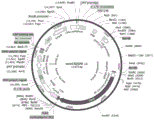
FIG. 2 shows lentiCRISPR V2Vector structure of plasmid.
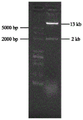
FIG. 3 shows the separation of the cleaved fragments by agarose gel electrophoresis.
FIG. 4 is the agarose gel electrophoresis of the PCR amplification product of the recombinant plasmid colony.
FIG. 5 is a sequencing diagram of the recombinant plasmid.
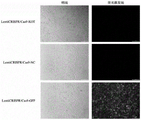
FIG. 6 shows the transfection effect of the gene editing system.
FIG. 7 shows the DNA sequencing verification of Twist1 gene editing knockout effect.
FIG. 8 shows the gene sequence of triple negative breast cancer cell Twist1 knocked out by gene editing system.
FIG. 9 shows that gene editing significantly reduces the expression level of Twist1 protein in triple negative breast cancer.
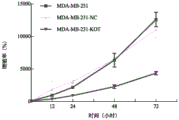
Fig. 10 shows that Twist1 gene editing system significantly inhibited triple negative breast cancer cell proliferation.
FIG. 11 shows that Twist1 gene editing system significantly inhibited the clonogenic formation of triple negative breast cancer cells.
Fig. 12 shows that Twist1 gene editing system significantly inhibited triple negative breast cancer cell migration.
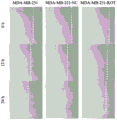
FIG. 13 shows that the Twist1 gene editing system inhibits repair of scratch damage by triple negative breast cancer cells.
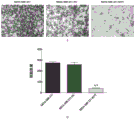
FIG. 14 shows that Twist1 gene editing system significantly inhibited triple negative breast cancer cell invasion.
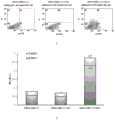
FIG. 15 shows that Twist1 gene editing system significantly reduced the ability of triple negative breast cancer cells to resist serum-free environment.
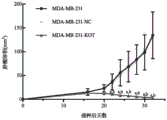
FIG. 16 shows that Twist1 gene editing system significantly inhibited the growth of triple negative breast cancer cells in nude mice.
Figure 17 is a Twist1 gene editing system significantly reduced the tumor volume formed by triple negative breast cancer cells in nude mice.
FIG. 18 shows that the Twist1 gene editing system has no obvious effect on the body weight change trend of tumor-bearing nude mice.
Detailed Description
The following examples are given to facilitate a better understanding of the invention, but do not limit the invention. The experimental procedures in the following examples are conventional unless otherwise specified. The test materials used in the following examples were purchased from a conventional biochemical reagent store unless otherwise specified. The quantitative tests in the following examples, all set up three replicates and the results averaged.
The lentiCRISPR v2 plasmid in the examples described below is the product of addge, cat 52961.
The LentiCRISPRV2GFP plasmid in the examples described below is Addgene, cat # 82416.
The gag/pol plasmid in the examples described below is the product of Addgene, cat # 14887.
The pCMV-VSV-G plasmid is the product of Addgene, cat # 8454 in the examples described below.
In the following examples, the MDA-MB-231 cell line is a product of the basic medical cell center of the institute of basic medicine of the Chinese academy of medical sciences, having a product number of 3111C0001CCC 000014.
In the following examples HEK293T cells are products of the basic medicine cell center of the institute of basic medicine of Chinese academy of medical sciences, cat # 3111C0001CCC 000091.
The VC100 virus precipitation solution in the following examples is a product of Shanghai dynasty experiment reagent Co.
Female BALB/c nude mice, 4-6 weeks old, were purchased and housed in the department of medical laboratory animals of Beijing university, and housed and handled under sterile conditions, all animal experiments being conducted according to the guidelines of the international animal experiments. Animal experiments were approved by the ethical committee on biomedical ethics of Beijing university, the welfare division of animals.
The statistical processing in the following examples is as follows: all data are expressed as Mean ± SD, with one-way analysis of variance (ANOVA) followed by Bonferroni verification, and P < 0.05 is considered significantly different.
In the following examples, the amino acid sequence of Twist1 protein is shown as sequence 3 in the sequence table, and the nucleotide sequence of Twist1 gene is shown as sequence 4 in the sequence table.
Example 1 construction of Twist1 Gene editing System
Construction of plasmid for editing Twist1 Gene
1. Design of sgRNA target sequences
Searching a Twist1 gene sequence on an NCBI website according to a Twist1 gene ID, selecting a first exon as a target sequence, designing through an online design website (https:// scoring.com), comprehensively considering the target-up and off-target scores, and selecting 3 optimal sgRNA sequences; each sgRNA was then matched to the human genome (hg38, Homo sapiens) in the NCBI Blast web page to further ensure its specificity. The 3 optimal sgRNA target sequences are specifically as follows:
LentiCRISPR/Cas9-KOT 1: CGGGAGTCCGCAGTCTTACG (SEQ ID NO: 1);
LentiCRISPR/Cas9-KOT 2: AAGCGCGGCAAGAAGTCTGC (SEQ ID NO: 2);
LentiCRISPR/Cas9-KOT3:GGGGATGATCTTCCGCAGCG。
2. design, synthesis and annealing of annealing primers
BsmBI is used as an insertion site to design an annealing Primer, a Forward Primer (FP) is formed by adding CACCG to the 5 ' end of a designed sgRNA, a Reverse Primer (RP) is formed by adding CACC to the 5 ' end of the designed sgRNA and C to the 3 ' end, and the FP and the RP form a double-stranded annealing product according to the base complementary pairing principle during annealing. The annealing primer sequences are specifically as follows:
LentiCRISPR/Cas9-KOT1 FP:CACCGCGGGAGTCCGCAGTCTTACG;
LentiCRISPR/Cas9-KOT1 RP:AAACCGTAAGACTGCGGACTCCCGC;
LentiCRISPR/Cas9-KOT2 FP:CACCGAAGCGCGGCAAGAAGTCTGC;
LentiCRISPR/Cas9-KOT2 RP:AAACGCAGACTTCTTGCCGCGCTTC;
LentiCRISPR/Cas9-KOT3 FP:CACCGGGGGATGATCTTCCGCAGCG;
LentiCRISPR/Cas9-KOT3 RP:AAACCGCTGCGGAAGATCATCCCCC。
the annealing primer sequences were synthesized by beijing optimakoku new biotechnology limited, and then the annealing primers of 3 sgrnas were annealed to obtain annealed products (sgRNA fragments having sticky ends). The PAGE gel electrophoresis image of 3 sgRNA annealing products is shown in fig. 1. The results show that three groups of primers have been successfully synthesized, and the size of the primers is about 25 bp.
3. Construction of recombinant plasmid
1) lentiCRISPR V Using BsmBI2The plasmid is subjected to enzyme digestion, lentiCRISPR V2The plasmid (schematic structure shown in FIG. 2) has two BsmBI cleavage sites, and when the plasmid is cleaved with BsmBI, a linear DNA duplex with sticky ends of 3 'GTGGC and 5' GTTT of about 13kb and a DNA duplex of about 1.9kb are generated. Since the two ends of the linear DNA double strand are not complementary, it does not self-link into a loop without phosphorylation. The DNA double strands of 13kb and 1.9kb were separated by agarose gel electrophoresis, and a fragment of about 13kb was recovered.
The result of the agarose gel electrophoresis separation of the digested fragments is shown in FIG. 3, which shows that the digestion is almost complete, and two linear fragments of 13kb and 2kb are obtained, wherein the 13kb fragment is a target fragment and is recovered for subsequent plasmid recombination.
2) 3 sgRNA annealing products having a terminal sequence complementary to the cohesive end of the 13kb linear DNA in step 2 were separately annealed to lentiCRISPR V2The plasmid enzyme digestion products are connected through base complementary pairing to obtain three Twist1 gene editing plasmids which are named as lentiCRISPR-KOT1, lentiCRISPR-KOT2 and lentiCRISPR-KOT3 respectively.
Due to lentiCRISPR-KOT and lentiCRISPR V2The plasmid (negative control gene editing plasmid, marked as lentiCRISPR-NC) has too many elements and too large plasmid size, and does not carry fluorescent labels to avoid the influence of green fluorescent protein on cell growth and subsequent experiments, so the method is not visual and simple enough when observing the infection efficiency of slow virus package and subsequent target cells, and the method selects the plasmid with green fluorescent labelThe plasmid LentiCRISPR 2GFP of the chromo-fluorescent protein gene is packaged by simultaneous parallel operation with the two plasmids to indicate the packaging efficiency and the infection efficiency of the lentiCRISPR-KOT plasmid and the lentiCRISPR-NC plasmid.
4. Monoclonal identification of recombinant plasmids
And (3) respectively transforming competent cells with three Twist1 gene editing plasmids lentiCRISPR-KOT1, lentiCRISPR-KOT2, lentiCRISPR-KOT3 and a negative control gene editing plasmid lentiCRISPR-NC constructed in the step 3 and a gene editing transfection indicator plasmid LentiCRISPRRV 2GFP, and plating and screening.
The results show that: the lentiCRISPR-KOT1, the lentiCRISPR-KOT2, the negative control gene editing plasmid lentiCRISPR-NC and the gene editing transfection indicator plasmid LentiCRISPR-NC 2GFP all have colony formation, 4 colonies are randomly picked from each culture dish for colony PCR amplification, and no colony is generated after the lentiCRISPR-KOT3 is repeated three times, so that the colony is abandoned in subsequent experiments.
The agarose gel electrophoresis chart of the colony PCR amplification product is shown in FIG. 4, wherein the PCR products of the colony generated by the lentiCRISPR-KOT1 plasmid No. 1-4 and the PCR products of the colony generated by the lentiCRISPR-KOT2 plasmid No. 5-8 are shown. Since colonies of the same plasmid were identical, only one strong positive product, No. 1 and No. 5, was picked for sequencing validation per sgRNA.
Sequencing results of colony PCR amplification products are shown in FIG. 5, and the results show that the Twist1 gene editing plasmid lentiCRISPR-KOT1 has a CGGGAGTCCGCAGTCTTACG sequence which is identical to a designed sgRNA target sequence; twist1 gene editing plasmid lentiCRISPR-KOT2 has a AAGCGCGGCAAGAAGTCTGC sequence identical to the designed sgRNA target sequence. Shows that the sgRNA target sequence is correctly connected to lentiCRISPR V2Among the plasmids, 2 Twist1 gene editing plasmids were successfully constructed.
Second, construction of Twist1 Gene editing System
1. Cell plating
Well-conditioned HEK293T cells were seeded 24h before transfection into 10cm dishes and incubated overnight in a carbon dioxide incubator at 37 ℃ to achieve 80-90% confluence at the time of transfection.
2. Twist1 gene editing system prepared by lentivirus packaging
1) Discard old medium, add 8mL fresh DMEM complete medium, place in carbon dioxide incubator 37 degrees C were incubated for 30 min.
2) Twist1 gene editing plasmids lentiCRISPR-KOT1, lentiCRISPR-KOT2, negative control gene editing plasmid lentiCRISPR-NC and gene editing transfection indicating plasmid LentiCRISPR 2GFP are respectively added into a proper amount of serum-free DMEM culture medium with 8 mu G of gag/pol plasmid 1.6 mu G and 0.32 mu G of pCMV-VSV-G plasmid, so that the final volume is 400 mu L, and the mixture is beaten and mixed evenly to obtain a plasmid mixed solution.
3) mu.L of the transfection reagent Polyjet was added to 1672. mu.L of serum-free DMEM medium and pipetted well to give a Polyjet dilution.
4) 400. mu.L of each Polyjet dilution was added to the plasmid mixture (the order of the dilutions was not reversed), and the mixture was vortexed and allowed to stand at room temperature for 15 min.
5) Dripping 800 mu L of the liquid obtained in the step 4) into a cell culture dish, and shaking gently and mixing uniformly. The cells were incubated in a carbon dioxide incubator at 37 ℃ for 10 h.
6) The culture medium was replaced with fresh complete medium, the culture was continued at 37 ℃ in a carbon dioxide incubator, and after 38 hours, the cells transfected with the GFP-tagged plasmid were observed under a fluorescent microscope.
3. Condensation of Twist1 Gene editing System
1) Collecting the culture medium in a sterile centrifuge tube, centrifuging for 10min at 300g to remove cell debris, and collecting the supernatant; 8mL of fresh DMEM complete medium was added to the dishes and returned to the carbon dioxide incubator for further incubation at 37 ℃ for 24 h.
2) The supernatant in step 1) was filtered with a syringe equipped with a 0.45 μm filter to obtain a filtrate.
3) Placing the filtrate on ice, adding the precooled VC100 virus precipitation solution into the filtrate, and enabling the volume ratio of the filtrate to the virus precipitation solution to be 4: 1. after mixing well, it was left to shake overnight at 4 ℃.
4) The culture solution of the cells which had been incubated for 24h was collected into a sterile centrifuge tube, and operations 2) and 3) were repeated.
5) The two resulting virus solutions were mixed, centrifuged at 12000rpm for 30min at 4 ℃ to see white virus precipitates on the tube walls or tube bottoms, and the supernatant was carefully discarded. The mixture was centrifuged at 12000rpm for 10min at 4 ℃ to further remove the supernatant.
6) The viral particles were resuspended using 160. mu.L of pre-cooled serum-free DMEM medium to give Twist1 gene editing systems lentiCRISPR-KOT1, lentiCRISPR-KOT2, negative control gene editing system lentiCRISPR-NC and gene editing transfection indicator system LentiCRISPRV2 GFP.
Example 2 construction and identification of Twist1 Gene editing stably transfected cells
Construction of Twist1 Gene editing Stable Trans cells
1. The human triple negative breast cancer cell MDA-MB-231 with good state after passage to the seventh generation is inoculated into a 24-well plate with the density of 5 multiplied by 104cells/well, cells were incubated overnight in a carbon dioxide incubator at 37 ℃ to achieve around 50% confluency at infection.
2. A mixture of Polybrene and fresh complete DMEM medium was prepared so that the working concentration reached 6. mu.g/mL. The medium in the triple negative breast cancer cell culture plate is discarded, 150 mu L of Polybrene medium mixture is added, the lentiCRISPR-KOT 1160 mu L stock solution obtained in example 1 is added into the culture hole, the mixture is gently mixed in a splayed mode, and the mixture is placed in a carbon dioxide incubator to be incubated for 4 hours at 37 ℃.
The lentiCRISPR-KOT2, lentiCRISPR-NC and LentiCRISPR 2GFP obtained in example 1 were added to a triple negative breast cancer cell culture plate, respectively, according to the same method, and transfection was carried out for 4 hours.
3. 250 μ L of Polybrene medium mixture was added to the culture wells and incubation was continued at 37 ℃ for about 20 h. The medium was aspirated off, replaced with fresh complete medium, and the culture was continued at 37 ℃.
4. The selection medium was prepared according to the puromycin concentration obtained in the preliminary experiment, and the selection concentration used was 1.0. mu.g/mL. Screening the transfected cells by using a screening medium, changing the screening medium every two days, carrying out passage to a 6-well plate when the cells grow to 70%, continuing screening, and carrying out passage when the cells grow to 70%To 25cm2In a culture flask, by analogy, MDA-MB-231 knock-out Twist1 gene stably transfected cells are obtained after screening for 2 weeks.
When constructing the Twist1 gene editing system and the negative control gene editing system, the gene editing transfection indicating system LentiCRISPRV2GFP was prepared in parallel using the same reagent amount and operation method, and it was considered that the two systems were the same as the former two in terms of titer, transfection efficiency, and the like. The transfection effects of the Twist1 gene editing system and the negative control gene editing system can be represented by the cell proportion that a Twist1 gene editing system, a negative control gene editing system and a gene editing transfection indicating system LentiCRISPRV2GFP are used for transfecting triple negative breast cancer cells respectively by the same volume and the same operation, a fluorescence microscope is used for observing the cells in a bright field and a fluorescence excitation field respectively after 72h, and green fluorescence can be emitted after the Twist1 gene editing system, the negative control gene editing system and the gene editing transfection indicating system LentiCRISPRV2GFP are edited.
The fluorescence micrograph result shows that after 72h of MDA-MB-231 cells are infected by a gene editing transfection indication system LentiCRISPRV2GFP, more than 90% of the cells have green fluorescence, which indicates that the transfection effect of the Twist1 gene editing system and the negative control gene editing system on triple negative breast cancer is good (FIG. 6).
Cells successfully transfected by the lentiCRISPR-KOT1 gene editing system were named MDA-MB-231-KOT 1; cells successfully transfected by the lentiCRISPR-KOT2 gene editing system were named MDA-MB-231-KOT 2; cells successfully transfected by the lentiCRISPR-NC negative control gene editing system were designated MDA-MB-231-NC.
5. The monoclonal cells were selected using a limiting dilution method, and finally 2 monoclonal cells were selected from MDA-MB-231-KOT1 cells, designated MDA-MB-231-KOT1-1 and MDA-MB-231-KOT1-2, respectively, and 3 monoclonal cells were selected from MDA-MB-231-KOT2 cells, designated MDA-MB-231-KOT2-1, MDA-MB-231-KOT2-2, and MDA-MB-231-KOT2-3, respectively.
The specific steps of selecting monoclonal cells by limiting dilution method are as follows:
1) the cells were digested and collected separately, diluted appropriately and counted, then diluted in a gradient to a final concentration of 0.5 cells/well, i.e., 2.5cells/mL, and the cell suspension was pipetted evenly into two 96-well plates at 200 μ L per well.
2) Culturing the cell culture plate in a carbon dioxide incubator at 37 deg.C for 4-5 days, observing under a microscope, recording culture holes with only one cell colony, culturing, and changing fresh culture medium according to the color change of the culture solution.
3) When the cell colony center density is overlarge, the cell colony is subcultured into a 48-well plate and is continuously cultured, and when the cell density reaches about 70 percent, the subculture and the expansion culture are continuously carried out until the cell colony center density reaches 75cm2Culture flasks, a portion of the cells were frozen for seed retention, and additional follow-up experiments were performed.
Second, identification of MDA-MB-231 knock-out Twist1 gene stable transfer cell
1. DNA level identification
Extracting the whole genome DNA of the MDA-MB-231 knock-out Twist1 gene stable transfer cell and the wild type MDA-MB-231 cell, carrying out PCR amplification (FP: TCGCCGCTCGAGAGATGATG; RP: TTACCTAGGTCTCCGGCCCT) and DNA sequencing on the Twist1 gene specific fragment, taking a sample with a strip about 690bp, and sending the sample to Beijing Optikogaku New Biotechnology Limited company for sequencing.
The results show that the bases (123 bp in total) at the 464-586 site of the first exon of the Twsit1 gene (i.e., the 464-586 site of the sequence 4) of the MDA-MB-231-KOT2-2 cell are knocked out compared with the wild-type MDA-MB-231 cell, and the Twsit1 gene in the MDA-MB-231-KOT2-2 cell genome is successfully knocked out (FIG. 7 and FIG. 8).
2. Protein level identification
In order to verify the influence of the Twist1 gene editing system on the phenotype of MDA-MB-231 of triple-negative breast cancer cells, the expression of Twist1 protein in wild type MDA-MB-231, negative control MDA-MB-231-NC, monoclonal cells of Twist1 gene editing group (including MDA-MB-231-KOT1-1, MDA-MB-231-KOT1-2, MDA-MB-231-KOT2-1, MDA-MB-231-KOT2-2 and MDA-MB-231-KOT2-3) is detected by Western blot experiment technology. The method comprises the following specific steps:
1) extraction of total protein of sample: to the RIPA lysate, 50 x protease inhibitor and 50 x phosphatase inhibitor were added, and pre-cooled at 4 ℃. 75cm in length2The flasks were cell digested and harvested and washed 3 times with cold PBS. After discarding the supernatant, 200. mu.L of freshly prepared RIPA lysate was added for resuspension and rotary lysis was performed at 4 ℃ for 1 h. Centrifuging at 10000rpm for 25min at 4 deg.C, transferring the supernatant to 1.5mL Ep tube, and storing in-80 deg.C refrigerator.
2) Protein concentration determination: taking a proper amount of 25mg/mL protein standard stock solution, and diluting the stock solution into 0.5mg/mL protein standard product by RIPA lysate. BCA reagent a and BCA reagent B were mixed as follows 50: 1 to be mixed into the BCA working solution. Adding the protein standard into a 96-well plate according to 0, 1, 2, 4, 8, 12, 16 and 20 mu L, adding RIPA lysate to make up to 20 mu L, wherein the concentrations are respectively 0, 0.025, 0.05, 0.1, 0.2, 0.3, 0.4 and 0.5mg/mL, and repeating for 3 times for each standard. Add 1. mu.L of sample to a 96-well plate and make up to 20. mu.L of RIPA lysate, each sample repeated 3 times. 200 mul of BCA working solution is added into each hole of the standard substance and the sample, and the mixture is placed for 20-30min at 37 ℃. And (3) measuring the absorbance at the wavelength of 562nm by using a microplate reader, making a standard curve, and calculating the concentration of the protein sample.
3) Diluting with RIPA according to protein sample concentration to make it consistent, adding protein sample buffer (5 ×), mixing, decocting in PCR instrument at 100 deg.C for 15min, and storing at 4 deg.C.
4) Configuration of SDS-PAGE gels: and cleaning a thick glass plate with the thickness of 1.5mm and a thin glass plate, and assembling after air drying. Preparing the separating glue with different concentrations according to the proportion, uniformly pouring the separating glue into an assembled horizontal glass tank, adding about 7mL of separating glue, immediately adding isopropanol for liquid sealing, and waiting for about 30min to ensure that the glue is fully polymerized. Preparing 5% concentrated glue according to the proportion. The isopropanol was discarded and the remaining isopropanol was wiped dry with a filter paper strip as much as possible without touching the glue plane. Add concentrated gum solution, about 3mL, insert comb quickly without air bubbles, wait about 30min for the gum to polymerize sufficiently.
5) SDS-PAGE gel electrophoresis: taking off the rubber plate, tightly assembling the rubber plate on the inner electrophoresis tank, checking no leakage, placing the rubber plate into the outer electrophoresis tank, and adding 1 xSDS-PAGE electrophoresis buffer solution into the inner and outer tanks. Carefully pull the comb out, load: the loading amount of the protein sample was 40. mu.g, and 5. mu.L of the trichrome pre-stained protein Marker was loaded on both sides of the protein sample. Covering the electrophoresis tank cover, performing 80V constant voltage electrophoresis for about 30min, adjusting the voltage to 120V after the strip runs out of the concentrated gel, and continuing electrophoresis until the bromophenol blue approaches the bottom of the gel plate.
6) Film transfer: the experiment was performed by wet transfer. The PVDF membrane was activated, soaked in methanol for 15s, and then soaked in the electrotransfer buffer for 5 min. Taking out the glue, cutting off the redundant glue blocks, soaking in a transfer membrane solution, making a sandwich according to the sequence of the blackboard → the three layers of filter paper → the glue → the PVDF membrane → the three layers of filter paper → the white board, fully discharging bubbles in the sandwich, and putting the sandwich into an electric transfer tank. Adding 4 ℃ precooled electrotransfer buffer solution, placing the electrotransfer tank in an ice bath, switching on a power supply, and carrying out membrane conversion for 1.5h at a constant current of 100 XnmA (n is the number of sandwiches), wherein the membrane conversion time is adjusted according to the molecular weight of the target protein, and the smaller the molecular weight of the target protein is, the shorter the membrane conversion time is.
7) And (3) sealing: preparing 5% skimmed milk powder TBST solution, and sealing the PVDF membrane for 1h at room temperature by a shaking table or overnight at 4 ℃ by a shaking table.
8) Incubation of the antibody: the PVDF membrane using TBST buffer shaking washing 3 times, each time 5 min. The film was cut into appropriate strips according to Marker. Primary antibody was diluted to the recommended fold of the specification using 5% BSA TBST solution. The bands were soaked in the corresponding primary antibody and incubated overnight at 4 ℃ in a shaker. The strip was removed and washed 3 times in TBST solution with shaking for 10min each. The secondary antibody was diluted to the appropriate concentration using 5% BSA TBST solution, the secondary antibody typically used to incubate the β -actin bands was expressed as 1: 4000 dilution, and the rest are added according to the proportion of 1: and (5) diluting by 2000. The strips were incubated in a secondary antibody in a shaker at room temperature for 1 h. The washing was performed 3 times for 10min each time with shaking in TBST solution.
9) Exposure: and (3) dripping chemiluminescence liquid on the PVDF membrane, and using an automatic mode or an integral mode to expose and photograph on a chemiluminescence imager.
The results showed that the expression level of Twist1 protein was significantly reduced in cells of the gene editing group compared to the blank control (wild type MDA-MB-231), negative control (MDA-MB-231-NC), with the lowest expression level of Twist1 protein in the MDA-MB-231-KOT2-2 group (FIG. 9).
Therefore, MDA-MB-231-KOT2-2 monoclonal cells were used as an experimental group (abbreviated as MDA-MB-231-KOT, whose corresponding gene editing system is lentiCRISPR-KOT2) for subsequent experimental studies.
Example 3 inhibitory Effect of Twist1 Gene editing System on triple negative Breast cancer in vitro
Inhibitory effect of Twist1 gene editing system on triple negative breast cancer
1. CCK8 determination of cell proliferation Capacity
The CCK8 method is used for respectively measuring the absorbance of blank control MDA-MB-231 cells, negative control MDA-MB-231-NC cells and Twist1 gene editing cells MDA-MB-231-KOT cells after relevant reagents are added at each time point of growth, and then the proliferation rate is calculated and a proliferation capacity curve is made. The method comprises the following specific steps:
1) plate paving: cells were digested and collected, adjusted to a concentration of 2000 cells/well, and 180. mu.L of cell suspension, 12 wells each of MDA-MB-231 cells, MDA-MB-231-KOT cells, MDA-MB-231-NC cells, 6 wells of blank medium were added to each well of a 96-well plate. The same 96-well plate was plated 5 times and incubated in a carbon dioxide incubator at 37 ℃.
2) After about 3h all cells were attached, a 96-well plate was removed, 20. mu.L of CCK8 solution was quickly added to each well, mixed gently with beating, taking care not to introduce air bubbles, and incubated at 37 ℃ for 40 min. Absorbance was measured using a microplate reader at 450 nm.
3) Then, one 96-well plate was taken out for 12 hours, 24 hours, 48 hours, and 72 hours, and the absorbance was measured according to the method in 2).
4) The proliferation rate was calculated as follows: the proliferation rate was [ (average value of absorbance at n h)/(average value of absorbance at 3 h) ] × 100%, and the proliferation ability of the cells was evaluated by plotting a time-proliferation rate graph for each cell line.
The results show that: while there was no significant difference in proliferation capacity between the negative control MDA-MB-231-NC cells and the blank control MDA-MB-231 cells, the proliferation rate of the screened Twist1 gene-edited cells MDA-MB-231-KOT was significantly reduced compared to the former two (FIG. 10). The negative control gene editing system has no obvious influence on the growth and proliferation of the MDA-MB-231 cell line, and the Twist1 gene editing system can effectively reduce the proliferation capacity of the triple negative breast cancer cells and slow down the cell division speed of the triple negative breast cancer cells, so that the inhibition effect on the triple negative breast cancer is achieved.
2. Plate clone formation experiment
The cloning forming capability of the MDA-MB-231-KOT cells after the Twist1 gene editing in a plate is detected by taking a wild type triple negative breast cancer cell MDA-MB-231 as a blank control group and taking a cell MDA-MB-231-NC treated by a negative control gene editing system as a negative control group. The colony forming ability was evaluated by the number of colonies formed with the same initial cell number and the same culture time. The method comprises the following specific steps:
1) the cells were digested and collected, resuspended in complete DMEM medium, and fully dispersed into single cells before counting using a cell counter.
2) Cells were diluted to a cell concentration of 200cells/mL according to the results of the preliminary experiment, and 2mL of cell suspension was added to each well of the 6-well plate, and 3 replicates per cell line were prepared. The cell culture plate was incubated at 37 ℃ for about 2 weeks in a carbon dioxide incubator, and the medium was changed according to the color of the medium, and the culture was terminated when a macroscopic cell colony was formed in the plate as often observed.
3) The culture medium was discarded and washed 3 times with PBS. 4% paraformaldehyde (1 mL) was added and the mixture was fixed at room temperature for 15 min. The fixative was removed by suction and 1mL of 0.1% crystal violet solution was added and the staining was done for 5-10min at room temperature. And (4) absorbing and removing the staining solution, washing away the residual staining solution by using deionized water, and drying.
4) The plate was inverted and a grid of clear films was superimposed and the number of clones counted.
The results show that: the blank control group MDA-MB-231 cells and the negative control group MDA-MB-231-NC cells form no significant difference in clone quantity, while the Twist1 gene knockout cells MDA-MB-231-KOT form significantly reduced clone quantity compared with the former two. Plate colony formation experiments can reflect cell population dependence and proliferative capacity. The results show that MDA-MB-231-KOT cells treated by the Twist1 gene editing system have a significantly reduced proliferative capacity (FIG. 11).
Second, Twist1 gene editing system for inhibiting migration and invasiveness of triple negative breast cancer
1. Transwell cell migration experiment
Through a Transwell cell migration experiment, the migration capacity of the cell MDA-MB-231-KOT after the Twist1 gene editing is detected by taking a wild type triple negative breast cancer MDA-MB-231 cell as a blank control group and taking a cell MDA-MB-231-NC treated by a negative control gene editing system as a negative control group. The method comprises the following specific steps:
1) collecting cells: digesting and centrifuging to collect cells, adding 3mL of 0.5% FBS-DMEM to culture the basic suspension cells, fully and uniformly blowing, and then counting the cells.
2) 700 μ L of 35% FBS-DMEM medium was added to the 24-well plate.
3) The cell density was adjusted to 50 ten thousand/mL, 100. mu.L of the cell was added to the upper chamber, and the chamber was placed in a 24-well plate, taking care to remove air bubbles from the bottom of the chamber. According to the results of the preliminary experiments, the cell culture plates were incubated for 7h at 37 ℃ in a carbon dioxide incubator.
4) The chamber was removed with forceps, the culture medium therein was discarded, and the cells on the bottom surface in the chamber were carefully wiped off with a spatula. The chamber was moved to a well into which 700. mu.L of 4% paraformaldehyde had been previously added, and fixed at room temperature for 10 min.
5) The chamber was transferred with tweezers to a well pre-loaded with 700. mu.L of 0.1% crystal violet and stained for 5min at room temperature.
6) And washing the excessive crystal violet solution by using deionized water, and fully drying.
7) The microscope was used for photographing and observing, and 9 visual fields were selected for each chamber and counted.
The results show that: microscopic photographs of the bottom of the Transwell chamber under the same initial cell numbers and same incubation times in each group showed that the blank control MDA-MB-231 cells did not significantly differ from the negative control MDA-MB-231-NC cells in their amount across the microporous membrane, whereas the Twist1 knock-out cells MDA-MB-231-KOT significantly decreased their amount across the microporous membrane compared to the former two (fig. 12A). The histograms generated by counting the number of cells migrating across the microporous membrane for each group show more intuitively that the Twist1 gene editing system can significantly inhibit the migration of triple negative breast cancer cells (fig. 12B).
2. Scratch test
The migration and repair ability of cells were evaluated by removing the central cells from the monolayer of cells cultured in vitro by hard streaking and observing the growth of peripheral cells toward the center. In the experiment, wild type triple negative breast cancer MDA-MB-231 cells are used as a blank control group, and cells MDA-MB-231-NC treated by a negative control gene editing system are used as a negative control group. The method comprises the following specific steps:
1) three lines are drawn on the back of the six-hole plate by a ruler and a mark to cross the holes.
2) Digesting and collecting the cells, adjusting them to 2.5X 1052mL of cell suspension was added to each well and incubated overnight at 37 ℃ in a carbon dioxide incubator.
3) When the confluence reached 90%, three vertical lines were drawn on the cells perpendicular to the previously drawn straight line using a 200 μ L pipette tip against an ultraviolet sterilized ruler. The old medium was discarded, washed gently with PBS one to two times to wash off the scraped cells and debris, and serum-free DMEM medium was added and placed in a carbon dioxide incubator at 37 ℃ for culture.
4) The pictures are respectively observed under a microscope at 0h, 12h and 24h, and the same position near the intersection point of the scratch and the transverse line drawn by the Mark pen is selected for each picture.
The results show that: after 12h, 24h of cell scratch damage, the cells around the blank control MDA-MB-231 cell and the negative control MDA-MB-231-NC cell scratch gradually moved towards the middle, while the Twist1 gene editing cell MDA-MB-231-KOT had a slower healing rate of the scratch (FIG. 13). It can be seen that the Twist1 gene editing system significantly attenuated the ability of MDA-MB-231 cells to migrate and repair in vitro.
3. Transwell cell invasion assay
Through a Transwell cell invasion experiment paved with Matrigel, the invasion capacity of the Twist1 gene editing cell MDA-MB-231-KOT is detected by taking a wild type triple negative breast cancer MDA-MB-231 cell as a blank control group and taking a cell MDA-MB-231-NC treated by a negative control gene editing system as a negative control group. The method comprises the following specific steps:
1) the Matrigel was thawed at 4 ℃ and 50. mu.L of the Matrigel was added to 350. mu.L of ice in blank DMEM medium (ice-on-ice operation), after mixing, 50. mu.L of Matrigel dilution was added to the inside of the chamber, and left to gel for 1-2h at 37 ℃ with care not to introduce air bubbles.
2) Digesting and collecting cells, adding 3mL of 0.5% FBS-DMEM to culture the suspended cells, fully and uniformly blowing, and counting the cells. The cell density was adjusted to 100 ten thousand/mL, and 100. mu.L of the cell was added to the upper chamber. The cell was placed in a 24-well plate and care was taken to remove air bubbles from the bottom of the cell. According to the results of the preliminary experiments, the cell culture plates were incubated in a carbon dioxide incubator at 37 ℃ for 16 h.
3) The chamber was removed with forceps, the culture medium therein was discarded, and the cells on the bottom surface in the chamber were carefully wiped off with a spatula. The chamber was moved to a well into which 700. mu.L of 4% paraformaldehyde had been previously added, and fixed at room temperature for 10 min.
4) The chamber was transferred with tweezers to a well pre-loaded with 700. mu.L of 0.1% crystal violet and stained for 5min at room temperature.
5) And washing the excessive crystal violet solution by using deionized water, and fully drying.
6) The microscope was used for photographing and observing, and 9 visual fields were selected for each chamber and counted.
The microscope at the bottom of the Transwell chamber was photographed under the same initial cell number and same incubation time for each group. The results show that: the blank control group MDA-MB-231 cells did not significantly differ from the negative control group MDA-MB-231-NC cells in the amount that crossed the microporous membrane, whereas the Twist1 knock-out cells MDA-MB-231-KOT crossed the microporous membrane in a significantly reduced amount compared to the former two (fig. 14A).
The histograms generated by counting the number of cells migrating through the microporous membrane for each group show more intuitively that the Twist1 gene editing system can significantly inhibit the invasion of triple negative breast cancer cells (fig. 14B).
Effect of Tri-Twist 1 Gene editing System on the viability of triple negative Breast cancer
The apoptosis ratio is determined after serum-free culture, wild type triple negative breast cancer MDA-MB-231 cells are used as a blank control group, cells MDA-MB-231-NC treated by a negative control gene editing system are used as a negative control group, and the resistance of the triple negative breast cancer cells MDA-MB-231-KOT edited by the Twist1 gene to adverse environment (serum starvation) is detected. The method comprises the following specific steps:
1. MDA-MB-231, MDA-MB-231-NC and MDA-MB-231-KOT cells were plated in 6-well plates, respectively, and incubated in a 5% carbon dioxide incubator at 37 ℃ for 24 hours.
2. When the cells grow to 70% confluence, the original complete DMEM medium is discarded, carefully washed with PBS for 2 times, replaced with serum-free DMEM medium, and placed into a 5% carbon dioxide incubator for 8 hours at 37 ℃.
3. The cells were digested and collected, transferred to a 15mL centrifuge tube, centrifuged at 1000rpm for 5min, the supernatant discarded, resuspended in 1mL cold PBS per tube, and transferred to a 1.5mL Ep tube.
4. Centrifuging at 1000rpm for 10min at 4 deg.C, discarding the supernatant, adding 1mL, centrifuging at 1000rpm for 10min at 4 deg.C, and discarding the supernatant.
5. 3mL Binding Buffer to 30mL was diluted with 27mL deionized water.
6. The cells were resuspended in 1mL Binding Buffer, centrifuged at 1000rpm for 10min at 4 ℃ and the supernatant discarded.
7. The cells were resuspended in 500. mu.L Binding Buffer, sieved through a 400 mesh cell sieve and transferred to a flow tube.
8. Add 5. mu.L Annexin V-FITC in dark, shake gently, and let stand on ice for 10 min.
9. And adding 5 mu L of PI in a dark place before loading the machine, incubating on ice for 5min, and detecting the apoptosis condition by using a flow cytometer.
In normal cells, phosphatidylserine is only distributed in the inner layer of a cell membrane, turns outwards to the surface in the early apoptosis stage, is combined with Annexin V-FITC to carry green fluorescence, and PI cannot penetrate through the whole cell membrane, but can enter the cell nucleus to be combined with DNA in the middle and late apoptosis stages due to the change of the permeability of the cell membrane. After 8 hours of serum-free culture, the cells of each group are detected to be stained by Annexin V-FITC and PI through flow cytometry, wherein a B3 quadrant is a normal cell, a B4 quadrant is an early apoptotic cell, and a B2 quadrant is a late apoptotic cell.
The results show that: the blank control group MDA-MB-231 cells had no significant difference in the proportion of early and late apoptotic cells from the negative control group MDA-MB-231-NC cells, while the Twist1 gene-edited cell MDA-MB-231-KOT had a significant increase in the proportion of early apoptotic cells and an increase in the proportion of late apoptotic cells from the former two (FIG. 15A).
The proportion of early apoptosis and late apoptosis in each group of cells is made into a histogram, so that the Twist1 gene editing system can be more intuitively displayed to reduce the capacity of triple negative breast cancer cells to resist serum-free environment (fig. 15B).
Example 4 study of the Effect of Twist1 Gene editing System on triple negative Breast cancer in animals
Establishment of primary and tertiary negative breast cancer tumor-bearing mouse model
1. Preparation of cells
The wild type triple negative breast cancer MDA-MB-231 cells, the negative control group MDA-MB-231-NC cells and the Twsit1 gene editing group MDA-MB-231-KOT cells are placed in a carbon dioxide incubator at 37 ℃ for expanded culture by utilizing a DMEM complete culture medium, and are passaged to a sufficient number of cells.
2. Inoculation of animals
Cells were digested and collected and cell counted using a cell counter. Resuspending the cells in a blank DMEM medium, and adjusting the concentration of each cell to 107At a concentration of 150. mu.L, the procedure was as rapid as possible, and the cells were stored temporarily in ice bath conditions prior to inoculation. mu.L of the cell suspension was injected subcutaneously into the axilla of nude mice using a 1mL single use sterile syringe, 5 nude mice per group.
On day 16 of tumor inoculation, the volume of transplanted tumor generally reaches 15mm3Besides the transplantation tumor of the breast cancer cell MDA-MB-231-KOT edited by the Twist1 gene, the transplantation tumors of the wild type triple negative breast cancer cell MDA-MB-231 and the negative control cell MDA-MB-231-NC are continuously grown, and the volume can exceed 100mm3And the successful establishment of the triple negative breast cancer tumor-bearing mouse model is shown.
Anti-tumor effect in vivo of secondary and tertiary negative breast cancer tumor-bearing mice
1. Tumor volume determination
Numbering the nude mice, and inoculating two tumor cellsThe growth of the tumor in the axilla of the nude mice was observed and recorded day by day, and the volume of the transplanted tumor was measured from day 16, and the long diameter and the wide diameter (mm) of the tumor were measured using a vernier caliper, and the volume of the tumor was calculated using the following formula: v is long diameter x wide diameter2×0.5(mm3). And taking the average value of the tumor volume of each group, and making a time-tumor volume curve to display the tumor growth trend.
The results showed that the axillary tumor of nude mice inoculated with MDA-MB-231 and MDA-MB-231-NC cells gradually decreased to rice grain size due to the absorption of cell suspension, and then gradually grown up to become transplantable tumor, while the axillary tumor of nude mice inoculated with MDA-MB-231-KOT cells continuously decreased, and some of them were even completely absorbed by the body (FIG. 16).
2. Dissecting nude mice
Nude mice were sacrificed 32 days after tumor inoculation, tumors were dissected out, ranked by size and photographed.
The dissected tumor ex vivo morphology is shown in fig. 17, and the results are consistent with the in vitro tumor growth trend. The results show that the tumor volume formed by the blank control cell MDA-MB-231 and the negative control cell MDA-MB-231-NC is not much different, and the tumor volume formed by the Twist1 gene editing cell MDA-MB-231-KOT is obviously smaller than the former two.
Third, preliminary safety evaluation of Twist1 Gene editing System
Nude mice were numbered, and body weights of nude mice were measured and recorded every two days from day 16 of tumor inoculation, and time-body weight curves were made.
The results show that: no significant difference was observed in the body weight of nude mice inoculated with the blank control cell MDA-MB-231, the negative control cell MDA-MB-231-NC and the Twist1 gene editing cell MDA-MB-231-KOT, indicating that the Twist1 gene editing system is safe to the nude mice (FIG. 18). In observation, the nude mice of the blank control group and the negative control group rapidly get off due to the over-rapid tumor growth and have poor growth state, while the growth state of the nude mice of the Twist1 gene editing group is not obviously changed.
The foregoing is only a preferred embodiment of the present invention, and it should be noted that, for those skilled in the art, various modifications and decorations can be made without departing from the technical principle of the present invention, and these modifications and decorations should also be regarded as the protection scope of the present invention.
Sequence listing
<110> Beijing university
<120> Twist1 gene editing system and application thereof in preparation of products for treating triple negative breast cancer
<160> 4
<170> PatentIn version 3.5
<210> 1
<211> 20
<212> DNA
<213> Artificial Sequence
<400> 1
<210> 2
<211> 20
<212> DNA
<213> Artificial Sequence
<400> 2
<210> 3
<211> 202
<212> PRT
<213> Artificial Sequence
<400> 3
Met Met Gln Asp Val Ser Ser Ser Pro Val Ser Pro Ala Asp Asp Ser
1 5 10 15
Leu Ser Asn Ser Glu Glu Glu Pro Asp Arg Gln Gln Pro Pro Ser Gly
20 25 30
Lys Arg Gly Gly Arg Lys Arg Arg Ser Ser Arg Arg Ser Ala Gly Gly
35 40 45
Gly Ala Gly Pro Gly Gly Ala Ala Gly Gly Gly Val Gly Gly Gly Asp
50 55 60
Glu Pro Gly Ser Pro Ala Gln Gly Lys Arg Gly Lys Lys Ser Ala Gly
65 70 75 80
Cys Gly Gly Gly Gly Gly Ala Gly Gly Gly Gly Gly Ser Ser Ser Gly
85 90 95
Gly Gly Ser Pro Gln Ser Tyr Glu Glu Leu Gln Thr Gln Arg Val Met
100 105 110
Ala Asn Val Arg Glu Arg Gln Arg Thr Gln Ser Leu Asn Glu Ala Phe
115 120 125
Ala Ala Leu Arg Lys Ile Ile Pro Thr Leu Pro Ser Asp Lys Leu Ser
130 135 140
Lys Ile Gln Thr Leu Lys Leu Ala Ala Arg Tyr Ile Asp Phe Leu Tyr
145 150 155 160
Gln Val Leu Gln Ser Asp Glu Leu Asp Ser Lys Met Ala Ser Cys Ser
165 170 175
Tyr Val Ala His Glu Arg Leu Ser Tyr Ala Phe Ser Val Trp Arg Met
180 185 190
Glu Gly Ala Trp Ser Met Ser Ala Ser His
195 200
<210> 4
<211> 4590
<212> DNA
<213> Artificial Sequence
<400> 4
aactcccaga cacctcgcgg gctctgcagc accggcaccg tttccaggag gcctggcggg 60
gtgtgcgtcc agccgttggg cgctttcttt ttggacctcg gggccatcca caccgtcccc 120
tccccctccc gcctccctcc ccgcctcccc cgcgcgccct ccccgcggag gtccctcccg 180
tccgtcctcc tgctctctcc tccgcgggcc gcatcgcccg ggccggcgcc gcgcgcgggg 240
gaagctggcg ggctgaggcg ccccgctctt ctcctctgcc ccgggcccgc gaggccacgc 300
gtcgccgctc gagagatgat gcaggacgtg tccagctcgc cagtctcgcc ggccgacgac 360
agcctgagca acagcgagga agagccagac cggcagcagc cgccgagcgg caagcgcggg 420
ggacgcaagc ggcgcagcag caggcgcagc gcgggcggcg gcgcggggcc cggcggagcc 480
gcgggtgggg gcgtcggagg cggcgacgag ccgggcagcc cggcccaggg caagcgcggc 540
aagaagtctg cgggctgtgg cggcggcggc ggcgcgggcg gcggcggcgg cagcagcagc 600
ggcggcggga gtccgcagtc ttacgaggag ctgcagacgc agcgggtcat ggccaacgtg 660
cgggagcgcc agcgcaccca gtcgctgaac gaggcgttcg ccgcgctgcg gaagatcatc 720
cccacgctgc cctcggacaa gctgagcaag attcagaccc tcaagctggc ggccaggtac 780
atcgacttcc tctaccaggt cctccagagc gacgagctgg actccaagat ggcaagctgc 840
agctatgtgg ctcacgagcg gctcagctac gccttctcgg tctggaggat ggagggggcc 900
tggtccatgt ccgcgtccca ctagcaggcg gagcccccca ccccctcagc agggccggag 960
acctaggtaa ggaccgcgcc gctgcacccc ttcgcctctc aggtggcaga cggcaggccg 1020
gccaggccgc ggttcccagt ccacctcgat ttcctcccct ctcccactct ccgctcagcc 1080
ttcccacctc acttggcacc gttgcctcgc gcccccagcg tccccggaag gccggtctga 1140
ccccgctagg gagagcagtc tccaggggga tgcgccctgg tgaggggtgt gtgtgcgcgt 1200
gagtgtgcgt gacaggaggg gagacagaga cacccagggt cacgggtaag gaccgttttg 1260
tcagcgccac cctttctttc ggctttcaat ttttgttctc cttaaaacaa atgttttaaa 1320
acaaattcca cctcctcctc ctttccaccc acccacttcc tcttgccctt gggctgaaat 1380
ccttccaggt tgttcagctt aatttctcag tggtggtgat aagaacagtg ctcactagtc 1440
ttagaaaaca gccgcagaga cctaaacaat aaccgactcc cccccccccc tctgggtttt 1500
tgcagatgtc attgtttcca gagaaggaga aaatggacag tctagagact ctggagctgg 1560
ataactaaaa ataaaaatat atgccaaaga ttttcttgga aattagaaga gcaaaatcca 1620
aattcaaaga aacagggcgt ggggcgcact tttaaaagag aaagcgagac aggcccgtgg 1680
acagtgattc ccagacgggc agcggcacca tcctcacacc tctgcattct gatagaagtc 1740
tgaacagttg tttgtgtttt tttttttttt ttttttgacg aagaatgttt ttatttttat 1800
ttttttcatg catgcattct caagaggtcg tgccaatcag ccactgaaag gaaaggcatc 1860
actatggact ttctctattt taaaatggta acaatcagag gaactataag aacaccttta 1920
gaaataaaaa tactgggatc aaactggcct gcaaaaccat agtcagttaa ttcttttttt 1980
catccttcct ctgaggggaa aaacaaaaaa aaacttaaaa tacaaaaaac aacattctat 2040
ttatttattg aggacccatg gtaaaatgca aatagatccg gtgtctaaat gcattcatat 2100
ttttatgatt gttttgtaaa tatctttgta tatttttctg caataaataa atataaaaaa 2160
tttagagaac cttagagttt ggtctatatt tttaaaacta aagattaagt tggtggtaaa 2220
tacctgcttg tttaattcta gaggcaccca ggagggaggg ggcactaata taaacaaagc 2280
aatgaaaaac tcaaataaag cagctactga caggcacaag catgttattt taaaagacag 2340
ctttattatt attccagttt ggtattcaga gggcttagta gcatctcttc atctcttact 2400
gtctccaaac agcaaaaact taacaaattt gctattcacc tcctttttat tttgaggtga 2460
tagttgttaa aacagttaaa tgcaaataag gagtataaaa cctgcactat tctcttatta 2520
tgtacttttt gtcatgctct tcactctttg tgaagattcc taaataacag gttcttttca 2580
gtgaaaacat atatagtgtt atgaaaatta tctatacaca tatagaaatg accagaaatg 2640
catagaaaat aaagtgtaaa tcagcagaaa agagaaaatt ccatttgtaa tttgcttaac 2700
tcttctctca tgaatgaata tgacgtttag tgtcatgttt gctaaaaaga aaagttaata 2760
tatcgctata ttgacgctat ttgggaagca tcattctttt tttatgtgta aagaatataa 2820
ggctgtggaa taatatacaa aaatgaagat cctgaacttt cagtatcctt ggtaactgga 2880
tataatcaca gttggaataa tcacagtttt aaatactaca gctatgcagt tactagtcag 2940
ttcattagcg ttatatttta tccagaatta cacagaattt ttccctggtg agatcataca 3000
tacacacaca cacaatctga agttaagtaa aacaataatg ggcaaacggg ggtgtttgat 3060
tttttatttc attctgatta tttgtgggcc aggaacatac tggcttttat aattaacatt 3120
attagaaata gtgattttgt atcagttctt agcttttaca tccgatttac tgcatccaag 3180
tgtaactggg gaagctttca aactggaaaa tcattttggt gcctgtttca aacaatgact 3240
aataagtgta tgtatccaaa cagatcgttt ttgcttagct caggtcaaag ttattttatt 3300
gcctgaaggt ttttgttttc ttcttcacac agcaccatag aatgctgaca taagaatatt 3360
atgaatttat tgttaatatt tcagactata ttttacaata aggagtctgc agcattgact 3420
tgtattaaaa ggttagtgaa agcttggaga agtattatta tttttttatt ttgatagtcc 3480
tttagcaaat aacagaaagg gaaggcgatt atgtgttggt gtatttgttg ggggtgtgtg 3540
tgtgttgtgt gtaaggcagg ttagaaatgt aaggagggtg ccctaggagg atgagggaaa 3600
gcattaggtt ggtaattctt ttttgtatgt atcatccaac cacctccatt ttctaaatta 3660
ttcatgggga gtctccttgt tcactagctt ggtctgacta tttgatattt cagatttctt 3720
aaggtacacc aggatggagc tggccatgac tgctgagaag gtaattgtta tcttaactct 3780
ggatataaga actagatgtg tcaaagaaag gtagctctcc atttgccttt cttttatttc 3840
tttctttttt taatgtgttt tgctttttct acttttttca taaggggaaa cactttggag 3900
aaaagcaaat gccatattta tagtaatatt aaatactaat ctgaaggtaa tgtttccccc 3960
cagattttca gagaaataaa tgaatgaaaa aggtggtaat tttattttga atgaggcgac 4020
tgcacaatga aaaatattaa ctactggaat gcagtttcca gcttgcagat tctaatccct 4080
acccctgtat acacaagaca taaatcgtga aattcttttt tagaatagaa atgaagccac 4140
ctgtttcttt tcctccacca ttatatcttc ttttgatttt atgttatttc attttatttt 4200
tgctacctac ccttatttaa agaacacata gaatgaatta cctcttgttt tcggaaataa 4260
gaagctaagg ctttccaatt aatgtgttgg ttcacttggg atctttttcc ttcagaatgc 4320
atttgctagg ggaaagtatt gtattaaatt gtcttgggta aattgtagaa aatttaatgt 4380
ttcctttact gtgctattga ttacttttat ttataagttg gtcagattga tagcctttag 4440
ttataagaaa gcagtaattt ttttacccat atgcacattt ccccttttgt tcacagaagc 4500
acatgtccag atgataattc acgcacagtt acaggttccc ctccccaaag tggaacgtat 4560
tattaataaa ataatgttaa ggagcagaaa 4590
Claims (10)
1. The application of a substance for inhibiting the activity of Twist1 protein or a substance for reducing the content of Twist1 protein in any one of the following a1) -a 9):
a1) preparing a product for treating or assisting in treating triple negative breast cancer;
a2) preparing a product for inhibiting the proliferation and/or growth of triple negative breast cancer cells;
a3) preparing a product for reducing the proliferation and/or growth of triple negative breast cancer cells;
a4) preparing a product for inhibiting the migration and/or repair of triple negative breast cancer cells;
a5) preparing a product for reducing the migration capacity and/or the repair capacity of the triple negative breast cancer cells;
a6) preparing a product for inhibiting the invasion of triple negative breast cancer cells;
a7) preparing a product for reducing the invasion capacity of the triple negative breast cancer cells;
a8) preparing a product for reducing the adverse environment resistance of triple negative breast cancer cells;
a9) a product is prepared that reduces the tumor volume formed by triple negative breast cancer cells.
2. The application of a substance for silencing or knocking out or mutating a Twist1 gene or a substance for inhibiting the expression of a Twist1 gene in any one of the following a1) -a 9):
a1) preparing a product for treating or assisting in treating triple negative breast cancer;
a2) preparing a product for inhibiting the proliferation and/or growth of triple negative breast cancer cells;
a3) preparing a product for reducing the proliferation and/or growth of triple negative breast cancer cells;
a4) preparing a product for inhibiting the migration and/or repair of triple negative breast cancer cells;
a5) preparing a product for reducing the migration capacity and/or the repair capacity of the triple negative breast cancer cells;
a6) preparing a product for inhibiting the invasion of triple negative breast cancer cells;
a7) preparing a product for reducing the invasion capacity of the triple negative breast cancer cells;
a8) preparing a product for reducing the adverse environment resistance of triple negative breast cancer cells;
a9) a product is prepared that reduces the tumor volume formed by triple negative breast cancer cells.
3. A product, the active ingredient is a substance inhibiting the activity of Twist1 protein or a substance reducing the content of Twist1 protein or a substance silencing or knocking out or mutating Twist1 gene or a substance inhibiting the expression of Twist1 gene; the function of the product is any one of the following b1) -b 9):
b1) treatment or adjuvant treatment of triple negative breast cancer;
b2) inhibiting proliferation and/or growth of triple negative breast cancer cells;
b3) reducing the proliferative capacity and/or growth capacity of triple negative breast cancer cells;
b4) inhibiting migration and/or repair of triple negative breast cancer cells;
b5) reducing the migration and/or repair capacity of triple negative breast cancer cells;
b6) inhibiting triple negative breast cancer cell invasion;
b7) reducing the invasion capacity of triple negative breast cancer cells;
b8) reducing the ability of triple negative breast cancer cells to resist adverse environments;
b9) the tumor volume formed by triple negative breast cancer cells is reduced.
4. The use according to claim 1 or 2 or the product according to claim 3, characterized in that: the substance for inhibiting the activity of the Twist1 protein or the substance for reducing the content of the Twist1 protein is a protein, a polypeptide or a small molecular compound for inhibiting the synthesis of the Twist1 protein or promoting the degradation of the Twist1 protein or inhibiting the function of the Twist1 protein;
or the substance for silencing or knocking out or mutating the Twist1 gene or the substance for inhibiting the expression of the Twist1 gene is a Twist1 gene editing system; the Twist1 gene editing system includes a Cas9 protein and a sgRNA targeting a Twist1 gene.
5. The use or product according to claim 4, characterized in that: the target sequence of the sgRNA is sequence 1 or sequence 2.
6. Any one of the following c1) -c 5):
c1) an sgRNA, the target sequence of which is sequence 1 or sequence 2;
c2) a Twist1 gene editing system comprising a Cas9 protein and c1) the sgRNA;
c3) a recombinant lentiviral vector comprising c2) the gene encoding the Cas9 protein and c2) the gene encoding the sgRNA;
c4) a lentivirus, which is obtained by transfecting a lentivirus packaging cell with the recombinant lentivirus vector of c3) and then carrying out cell culture;
c5) a Twist1 mutant gene is obtained by deleting the nucleotide indicated by position 464-586 in the sequence 4.
7. The biomaterial of claim 6, wherein: the recombinant lentiviral vector is obtained by inserting c2) the coding gene of the Cas9 protein and c2) the coding gene of the sgRNA into a lentiviral expression vector;
or, the lentivirus expression vector is lentiCRISPR v 2.
8. Use of the biomaterial of claim 6 in any one of the following a1) -a 9):
a1) preparing a product for treating or assisting in treating triple negative breast cancer;
a2) preparing a product for inhibiting the proliferation and/or growth of triple negative breast cancer cells;
a3) preparing a product for reducing the proliferation and/or growth of triple negative breast cancer cells;
a4) preparing a product for inhibiting the migration and/or repair of triple negative breast cancer cells;
a5) preparing a product for reducing the migration capacity and/or the repair capacity of the triple negative breast cancer cells;
a6) preparing a product for inhibiting the invasion of triple negative breast cancer cells;
a7) preparing a product for reducing the invasion capacity of the triple negative breast cancer cells;
a8) preparing a product for reducing the adverse environment resistance of triple negative breast cancer cells;
a9) a product is prepared that reduces the tumor volume formed by triple negative breast cancer cells.
9. The use or product according to any one of claims 1 to 5 or the use according to claim 8, wherein: the triple negative breast cancer cell is human triple negative breast cancer cell MDA-MB-231; alternatively, the product is a medicament.
Application of Twist1 protein or Twist1 gene as target in development or design or screening of products for treatment or adjuvant treatment of triple negative breast cancer.
Priority Applications (1)
| Application Number | Priority Date | Filing Date | Title |
|---|---|---|---|
| CN202010640129.4A CN113897357A (en) | 2020-07-06 | 2020-07-06 | Twist1 gene editing system and application thereof in preparation of product for treating triple negative breast cancer |
Applications Claiming Priority (1)
| Application Number | Priority Date | Filing Date | Title |
|---|---|---|---|
| CN202010640129.4A CN113897357A (en) | 2020-07-06 | 2020-07-06 | Twist1 gene editing system and application thereof in preparation of product for treating triple negative breast cancer |
Publications (1)
| Publication Number | Publication Date |
|---|---|
| CN113897357A true CN113897357A (en) | 2022-01-07 |
Family
ID=79186637
Family Applications (1)
| Application Number | Title | Priority Date | Filing Date |
|---|---|---|---|
| CN202010640129.4A Pending CN113897357A (en) | 2020-07-06 | 2020-07-06 | Twist1 gene editing system and application thereof in preparation of product for treating triple negative breast cancer |
Country Status (1)
| Country | Link |
|---|---|
| CN (1) | CN113897357A (en) |
Cited By (2)
| Publication number | Priority date | Publication date | Assignee | Title |
|---|---|---|---|---|
| CN116103340A (en) * | 2022-11-16 | 2023-05-12 | 河南农业大学 | A method and application of 293T cell line knockout of Twist1 gene based on CRISPR-Cas9 system |
| CN120837655A (en) * | 2025-09-24 | 2025-10-28 | 中国人民解放军军事科学院军事医学研究院 | Use of phosphorylation inhibitors in the preparation of drugs for preventing and/or treating triple-negative breast cancer |
Citations (3)
| Publication number | Priority date | Publication date | Assignee | Title |
|---|---|---|---|---|
| CN105462976A (en) * | 2015-12-18 | 2016-04-06 | 中国科学院北京基因组研究所 | Small interfering RNA for specific inhibition of TWIST1 gene expression and application thereof |
| CN106572988A (en) * | 2014-04-08 | 2017-04-19 | 卫理公会医院 | INOS-inhibitory compositions and their use as breast cancer therapeutics |
| CN109863143A (en) * | 2016-07-13 | 2019-06-07 | 威泰克斯制药公司 | Methods, compositions and kits for improving genome editing efficiency |
-
2020
- 2020-07-06 CN CN202010640129.4A patent/CN113897357A/en active Pending
Patent Citations (3)
| Publication number | Priority date | Publication date | Assignee | Title |
|---|---|---|---|---|
| CN106572988A (en) * | 2014-04-08 | 2017-04-19 | 卫理公会医院 | INOS-inhibitory compositions and their use as breast cancer therapeutics |
| CN105462976A (en) * | 2015-12-18 | 2016-04-06 | 中国科学院北京基因组研究所 | Small interfering RNA for specific inhibition of TWIST1 gene expression and application thereof |
| CN109863143A (en) * | 2016-07-13 | 2019-06-07 | 威泰克斯制药公司 | Methods, compositions and kits for improving genome editing efficiency |
Non-Patent Citations (1)
| Title |
|---|
| JAMES FINLAY等: "RNA-Based TWIST1 Inhibition via Dendrimer Complex to Reduce Breast Cancer Cell Metastasis", HINDAWI PUBLISHING CORPORATION BIOMED RESEARCH INTERNATIONAL, 31 December 2015 (2015-12-31), pages 1 - 12 * |
Cited By (2)
| Publication number | Priority date | Publication date | Assignee | Title |
|---|---|---|---|---|
| CN116103340A (en) * | 2022-11-16 | 2023-05-12 | 河南农业大学 | A method and application of 293T cell line knockout of Twist1 gene based on CRISPR-Cas9 system |
| CN120837655A (en) * | 2025-09-24 | 2025-10-28 | 中国人民解放军军事科学院军事医学研究院 | Use of phosphorylation inhibitors in the preparation of drugs for preventing and/or treating triple-negative breast cancer |
Similar Documents
| Publication | Publication Date | Title |
|---|---|---|
| Huguet et al. | Differential expression of human Wnt genes 2, 3, 4, and 7B in human breast cell lines and normal and disease states of human breast tissue | |
| Li | Chinese Academy of Sciences | |
| US8329671B2 (en) | Reduction of dermal scarring | |
| WO2022078310A1 (en) | Novel piggybac transposon system and use thereof | |
| CN108949768B (en) | A RAB22A-NoeFs fusion gene line for diagnosing and/or treating osteosarcoma and its application | |
| CN114480505B (en) | Mesenchymal stem cells and anti-inflammatory application thereof | |
| CN113897357A (en) | Twist1 gene editing system and application thereof in preparation of product for treating triple negative breast cancer | |
| CN109678967B (en) | Targeting polypeptide for treating osteosarcoma and application thereof | |
| CN114941032A (en) | Application of RNF122 in preparation of antitumor drugs | |
| CN107050469A (en) | The purposes of people's NCAPH genes | |
| CN109453392B (en) | Inhibitors of striatin-interacting proteins and their use in the preparation of anti-tumor drugs | |
| CN101591657B (en) | RNA inhibiting thymosin β4 gene expression and its application | |
| CN117159580A (en) | Application of CIP inhibitor in preparation of medicines for treating myocardial infarction | |
| CN110885798B (en) | Recombinant oncolytic adenovirus targeting prostate cancer and construction method and application thereof | |
| CN108245686B (en) | Uses of human GRK5 gene | |
| CN114134145A (en) | Role of HOXC10 in gastric cancer pathogenesis | |
| CN109295015B (en) | Application of E3 ubiquitin ligase TRIM7 in liver cancer | |
| CN114410589B (en) | Application of ETV4 gene in reprogramming Cheng Zeng-derived scar fibroblast | |
| CN108410985B (en) | SPIN1 promotes tumor growth in non-small cell lung cancer | |
| CN112501176B (en) | A kind of polynucleotide and its application | |
| KR100454871B1 (en) | Use of thymosin beta-10 for gene therapy of solid malignant tumors | |
| CN116855546A (en) | A method to target ARHGAP36 to promote homogeneous CIC formation and inhibit breast tumor growth | |
| CN116271035A (en) | Application of Circ_0002186 in Screening Drugs for Lung Epithelial Cell Aging and Radiation Pulmonary Fibrosis | |
| CN120154741A (en) | Use of a TEAD family transcription factor gene or a vector containing the same in preparing a drug for treating skin damage | |
| CN109646685A (en) | The application of stomatin albumen and its encoding gene in pulmonary cancer diagnosis treatment |
Legal Events
| Date | Code | Title | Description |
|---|---|---|---|
| PB01 | Publication | ||
| PB01 | Publication | ||
| SE01 | Entry into force of request for substantive examination | ||
| SE01 | Entry into force of request for substantive examination | ||
| RJ01 | Rejection of invention patent application after publication | ||
| RJ01 | Rejection of invention patent application after publication |
Application publication date: 20220107 |