CN113543634A - Loss-of-function rodent model of solute carrier 39 member 5 - Google Patents
Loss-of-function rodent model of solute carrier 39 member 5 Download PDFInfo
- Publication number
- CN113543634A CN113543634A CN202080019218.5A CN202080019218A CN113543634A CN 113543634 A CN113543634 A CN 113543634A CN 202080019218 A CN202080019218 A CN 202080019218A CN 113543634 A CN113543634 A CN 113543634A
- Authority
- CN
- China
- Prior art keywords
- rodent
- slc39a5
- gene
- leu
- endogenous
- Prior art date
- Legal status (The legal status is an assumption and is not a legal conclusion. Google has not performed a legal analysis and makes no representation as to the accuracy of the status listed.)
- Pending
Links
Images




Classifications
-
- A—HUMAN NECESSITIES
- A01—AGRICULTURE; FORESTRY; ANIMAL HUSBANDRY; HUNTING; TRAPPING; FISHING
- A01K—ANIMAL HUSBANDRY; AVICULTURE; APICULTURE; PISCICULTURE; FISHING; REARING OR BREEDING ANIMALS, NOT OTHERWISE PROVIDED FOR; NEW BREEDS OF ANIMALS
- A01K67/00—Rearing or breeding animals, not otherwise provided for; New or modified breeds of animals
- A01K67/027—New or modified breeds of vertebrates
- A01K67/0275—Genetically modified vertebrates, e.g. transgenic
- A01K67/0276—Knock-out vertebrates
-
- C—CHEMISTRY; METALLURGY
- C07—ORGANIC CHEMISTRY
- C07K—PEPTIDES
- C07K14/00—Peptides having more than 20 amino acids; Gastrins; Somatostatins; Melanotropins; Derivatives thereof
- C07K14/435—Peptides having more than 20 amino acids; Gastrins; Somatostatins; Melanotropins; Derivatives thereof from animals; from humans
- C07K14/705—Receptors; Cell surface antigens; Cell surface determinants
-
- G—PHYSICS
- G01—MEASURING; TESTING
- G01N—INVESTIGATING OR ANALYSING MATERIALS BY DETERMINING THEIR CHEMICAL OR PHYSICAL PROPERTIES
- G01N33/00—Investigating or analysing materials by specific methods not covered by groups G01N1/00 - G01N31/00
- G01N33/48—Biological material, e.g. blood, urine; Haemocytometers
- G01N33/50—Chemical analysis of biological material, e.g. blood, urine; Testing involving biospecific ligand binding methods; Immunological testing
- G01N33/5005—Chemical analysis of biological material, e.g. blood, urine; Testing involving biospecific ligand binding methods; Immunological testing involving human or animal cells
- G01N33/5008—Chemical analysis of biological material, e.g. blood, urine; Testing involving biospecific ligand binding methods; Immunological testing involving human or animal cells for testing or evaluating the effect of chemical or biological compounds, e.g. drugs, cosmetics
- G01N33/5082—Supracellular entities, e.g. tissue, organisms
- G01N33/5088—Supracellular entities, e.g. tissue, organisms of vertebrates
-
- A—HUMAN NECESSITIES
- A01—AGRICULTURE; FORESTRY; ANIMAL HUSBANDRY; HUNTING; TRAPPING; FISHING
- A01K—ANIMAL HUSBANDRY; AVICULTURE; APICULTURE; PISCICULTURE; FISHING; REARING OR BREEDING ANIMALS, NOT OTHERWISE PROVIDED FOR; NEW BREEDS OF ANIMALS
- A01K2207/00—Modified animals
- A01K2207/05—Animals modified by non-integrating nucleic acids, e.g. antisense, RNAi, morpholino, episomal vector, for non-therapeutic purpose
-
- A—HUMAN NECESSITIES
- A01—AGRICULTURE; FORESTRY; ANIMAL HUSBANDRY; HUNTING; TRAPPING; FISHING
- A01K—ANIMAL HUSBANDRY; AVICULTURE; APICULTURE; PISCICULTURE; FISHING; REARING OR BREEDING ANIMALS, NOT OTHERWISE PROVIDED FOR; NEW BREEDS OF ANIMALS
- A01K2217/00—Genetically modified animals
- A01K2217/07—Animals genetically altered by homologous recombination
- A01K2217/075—Animals genetically altered by homologous recombination inducing loss of function, i.e. knock out
-
- A—HUMAN NECESSITIES
- A01—AGRICULTURE; FORESTRY; ANIMAL HUSBANDRY; HUNTING; TRAPPING; FISHING
- A01K—ANIMAL HUSBANDRY; AVICULTURE; APICULTURE; PISCICULTURE; FISHING; REARING OR BREEDING ANIMALS, NOT OTHERWISE PROVIDED FOR; NEW BREEDS OF ANIMALS
- A01K2217/00—Genetically modified animals
- A01K2217/07—Animals genetically altered by homologous recombination
- A01K2217/075—Animals genetically altered by homologous recombination inducing loss of function, i.e. knock out
- A01K2217/077—Animals genetically altered by homologous recombination inducing loss of function, i.e. knock out heterozygous knock out animals displaying phenotype
-
- A—HUMAN NECESSITIES
- A01—AGRICULTURE; FORESTRY; ANIMAL HUSBANDRY; HUNTING; TRAPPING; FISHING
- A01K—ANIMAL HUSBANDRY; AVICULTURE; APICULTURE; PISCICULTURE; FISHING; REARING OR BREEDING ANIMALS, NOT OTHERWISE PROVIDED FOR; NEW BREEDS OF ANIMALS
- A01K2217/00—Genetically modified animals
- A01K2217/15—Animals comprising multiple alterations of the genome, by transgenesis or homologous recombination, e.g. obtained by cross-breeding
-
- A—HUMAN NECESSITIES
- A01—AGRICULTURE; FORESTRY; ANIMAL HUSBANDRY; HUNTING; TRAPPING; FISHING
- A01K—ANIMAL HUSBANDRY; AVICULTURE; APICULTURE; PISCICULTURE; FISHING; REARING OR BREEDING ANIMALS, NOT OTHERWISE PROVIDED FOR; NEW BREEDS OF ANIMALS
- A01K2227/00—Animals characterised by species
- A01K2227/10—Mammal
- A01K2227/105—Murine
-
- A—HUMAN NECESSITIES
- A01—AGRICULTURE; FORESTRY; ANIMAL HUSBANDRY; HUNTING; TRAPPING; FISHING
- A01K—ANIMAL HUSBANDRY; AVICULTURE; APICULTURE; PISCICULTURE; FISHING; REARING OR BREEDING ANIMALS, NOT OTHERWISE PROVIDED FOR; NEW BREEDS OF ANIMALS
- A01K2267/00—Animals characterised by purpose
- A01K2267/03—Animal model, e.g. for test or diseases
- A01K2267/035—Animal model for multifactorial diseases
- A01K2267/0362—Animal model for lipid/glucose metabolism, e.g. obesity, type-2 diabetes
-
- A—HUMAN NECESSITIES
- A01—AGRICULTURE; FORESTRY; ANIMAL HUSBANDRY; HUNTING; TRAPPING; FISHING
- A01K—ANIMAL HUSBANDRY; AVICULTURE; APICULTURE; PISCICULTURE; FISHING; REARING OR BREEDING ANIMALS, NOT OTHERWISE PROVIDED FOR; NEW BREEDS OF ANIMALS
- A01K2267/00—Animals characterised by purpose
- A01K2267/03—Animal model, e.g. for test or diseases
- A01K2267/035—Animal model for multifactorial diseases
- A01K2267/0375—Animal model for cardiovascular diseases
-
- A—HUMAN NECESSITIES
- A01—AGRICULTURE; FORESTRY; ANIMAL HUSBANDRY; HUNTING; TRAPPING; FISHING
- A01K—ANIMAL HUSBANDRY; AVICULTURE; APICULTURE; PISCICULTURE; FISHING; REARING OR BREEDING ANIMALS, NOT OTHERWISE PROVIDED FOR; NEW BREEDS OF ANIMALS
- A01K2267/00—Animals characterised by purpose
- A01K2267/03—Animal model, e.g. for test or diseases
- A01K2267/0393—Animal model comprising a reporter system for screening tests
-
- C—CHEMISTRY; METALLURGY
- C12—BIOCHEMISTRY; BEER; SPIRITS; WINE; VINEGAR; MICROBIOLOGY; ENZYMOLOGY; MUTATION OR GENETIC ENGINEERING
- C12N—MICROORGANISMS OR ENZYMES; COMPOSITIONS THEREOF; PROPAGATING, PRESERVING, OR MAINTAINING MICROORGANISMS; MUTATION OR GENETIC ENGINEERING; CULTURE MEDIA
- C12N15/00—Mutation or genetic engineering; DNA or RNA concerning genetic engineering, vectors, e.g. plasmids, or their isolation, preparation or purification; Use of hosts therefor
- C12N15/09—Recombinant DNA-technology
- C12N15/63—Introduction of foreign genetic material using vectors; Vectors; Use of hosts therefor; Regulation of expression
- C12N15/79—Vectors or expression systems specially adapted for eukaryotic hosts
- C12N15/85—Vectors or expression systems specially adapted for eukaryotic hosts for animal cells
- C12N15/8509—Vectors or expression systems specially adapted for eukaryotic hosts for animal cells for producing genetically modified animals, e.g. transgenic
- C12N2015/8527—Vectors or expression systems specially adapted for eukaryotic hosts for animal cells for producing genetically modified animals, e.g. transgenic for producing animal models, e.g. for tests or diseases
-
- C—CHEMISTRY; METALLURGY
- C12—BIOCHEMISTRY; BEER; SPIRITS; WINE; VINEGAR; MICROBIOLOGY; ENZYMOLOGY; MUTATION OR GENETIC ENGINEERING
- C12N—MICROORGANISMS OR ENZYMES; COMPOSITIONS THEREOF; PROPAGATING, PRESERVING, OR MAINTAINING MICROORGANISMS; MUTATION OR GENETIC ENGINEERING; CULTURE MEDIA
- C12N2800/00—Nucleic acids vectors
- C12N2800/30—Vector systems comprising sequences for excision in presence of a recombinase, e.g. loxP or FRT
Landscapes
- Life Sciences & Earth Sciences (AREA)
- Health & Medical Sciences (AREA)
- Engineering & Computer Science (AREA)
- Chemical & Material Sciences (AREA)
- Environmental Sciences (AREA)
- General Health & Medical Sciences (AREA)
- Immunology (AREA)
- Biomedical Technology (AREA)
- Zoology (AREA)
- Biotechnology (AREA)
- Cell Biology (AREA)
- Molecular Biology (AREA)
- Veterinary Medicine (AREA)
- Animal Husbandry (AREA)
- Biodiversity & Conservation Biology (AREA)
- Animal Behavior & Ethology (AREA)
- Organic Chemistry (AREA)
- Hematology (AREA)
- Biochemistry (AREA)
- Medicinal Chemistry (AREA)
- Urology & Nephrology (AREA)
- Toxicology (AREA)
- Microbiology (AREA)
- Food Science & Technology (AREA)
- Physics & Mathematics (AREA)
- Analytical Chemistry (AREA)
- Tropical Medicine & Parasitology (AREA)
- General Physics & Mathematics (AREA)
- Pathology (AREA)
- Gastroenterology & Hepatology (AREA)
- Biophysics (AREA)
- Genetics & Genomics (AREA)
- Proteomics, Peptides & Aminoacids (AREA)
- Bioinformatics & Cheminformatics (AREA)
- Measuring Or Testing Involving Enzymes Or Micro-Organisms (AREA)
- Investigating Or Analysing Biological Materials (AREA)
- Feed For Specific Animals (AREA)
- Micro-Organisms Or Cultivation Processes Thereof (AREA)
Abstract
本公开涉及一种啮齿动物模型。更具体而言,本公开涉及溶质载体39成员5(SLC39A5)啮齿动物模型的功能丧失。具体而言,本文公开了携带内源性Slc39a5基因中的功能丧失突变的经遗传修饰的啮齿动物以及此类啮齿动物在阐明SLC39A5在锌稳态、血糖调节和脂质代谢中的作用中的用途。The present disclosure relates to a rodent model. More specifically, the present disclosure relates to solute carrier 39 member 5 (SLC39A5) loss-of-function rodent models. Specifically, disclosed herein are genetically modified rodents carrying loss-of-function mutations in the endogenous Slc39a5 gene and the use of such rodents in elucidating the role of SLC39A5 in zinc homeostasis, blood glucose regulation, and lipid metabolism .
Description
Cross Reference to Related Applications
This application claims priority to U.S. provisional application No. 62/818,872 filed on 3/15/2019 and U.S. provisional application No. 62/976,437 filed on 14/2/2020, both of which are incorporated herein by reference in their entirety.
Technical Field
The present disclosure relates to a rodent model. More specifically, the disclosure relates to loss of function in a solute carrier 39 member 5(SLC39a5) rodent model. In particular, genetically modified rodents carrying a loss-of-function mutation in the endogenous Slc39a5 gene are disclosed herein, as well as the use of such rodents in the elucidation of the role of Slc39a5 in zinc homeostasis, blood glucose regulation and lipid metabolism.
Sequence listing is incorporated by reference
An ASCII text file named 36843PCT _10535WO01_ SequenceListing, 23KB in size, created on 11.3.2020, which is submitted to the U.S. patent and trademark office via EFS-Web and incorporated herein by reference.
Background
Throughout this specification various references are cited, including patents, patent applications, accession numbers, technical articles and academic articles. Each reference is incorporated herein by reference in its entirety and for all purposes.
Zinc homeostasis is tightly controlled, reflecting the important role of zinc in a number of protein functions. Impaired zinc metabolism is particularly prominent in chronic diseases including cardiovascular disease and diabetes. Randomized placebo-controlled zinc supplementation trials in humans have shown improved glycemic profiles in type II diabetic patients. Zinc supplements have also been shown to reverse fatty liver disease in rodents.
Zinc uptake and efflux involves two zinc transporter families: it is believed that the Slc39a or members of the Zip family transport zinc into the cytoplasm of the cell (from the extracellular environment or from the vesicle compartment) and that the Slc30a or members of the ZnT family transport zinc out of the cytosol (into the extracellular environment or into the vesicle compartment).
Disclosure of Invention
Disclosed herein are rodents (e.g., mice and rats) whose genomes comprise a loss-of-function mutation of an endogenous Slc39a5 gene, and isolated rodent cells (e.g., ES cells) or tissues comprising a loss-of-function mutation of an endogenous Slc39a5 gene. Also disclosed herein are compositions (e.g., targeting vectors) and methods for generating rodents whose genomes comprise a loss-of-function mutation of the endogenous Slc39a5 gene. Also disclosed herein are methods of using rodents as animal models of zinc homeostasis, blood glucose regulation, and lipid metabolism.
In one aspect, disclosed herein is a rodent whose genome comprises a loss-of-function mutation in an endogenous Slc39a5 gene at the endogenous rodent Slc39a5 locus. Loss of function mutations in the endogenous Slc39a5 gene at the endogenous rodent Slc39a5 locus resulted in the absence of a functional Slc39a5 polypeptide expressed from the Slc39a5 locus, as well as increased circulating zinc levels in rodents.
In some embodiments, the loss of function mutation comprises a point mutation in an exon of the endogenous rodent Slc39a5 gene. In some embodiments, the loss of function mutation comprises a deletion of all or a portion of the coding sequence of the endogenous rodent Slc39a5 gene. In some embodiments, the deletion comprises all or a portion of exon 1 and/or all or a portion of exon 2 of the endogenous rodent Slc39a5 gene. In some embodiments, the deletion comprises a coding portion of exon 1 and a portion of exon 2 of the endogenous rodent Slc39a5 gene. In some embodiments, the deletion comprises a nucleic acid sequence from the nucleotide after the ATG initiation codon in exon 1 to the fifth nucleotide before the 3' end of exon 2 of the endogenous rodent Slc39a5 gene.
In some embodiments, the rodent Slc39a5 locus that comprises a loss of function mutation in an endogenous Slc39a5 gene further comprises a reporter gene.
In some embodiments, the reporter gene is operably linked to an endogenous Slc39a5 promoter at the Slc39a5 locus. In a specific embodiment, the Slc39a5 locus comprises a deletion starting from the nucleotide after the ATG start codon in exon 1 to the fifth nucleotide before the 3' end of exon 2 of the endogenous rodent Slc39a5 gene and comprises a reporter coding sequence fused in frame to the start (ATG) codon of the Slc39a5 locus.
In some embodiments, the reporter gene is lacZ. In some embodiments, the reporter gene is selected from the group consisting of: luciferase, Green Fluorescent Protein (GFP), enhanced GFP (egfp), Cyan Fluorescent Protein (CFP), Yellow Fluorescent Protein (YFP), enhanced yellow fluorescent protein (eYFP), Blue Fluorescent Protein (BFP), enhanced blue fluorescent protein (eBFP), DsRed, and MmGFP.
In some embodiments, the rodent is homozygous for a loss-of-function mutation in the endogenous Slc39a5 gene. In some embodiments, the rodent is heterozygous for a loss-of-function mutation in the endogenous Slc39a5 gene.
In a certain embodiment, the rodent is a male rodent. In some embodiments, the rodent is a female rodent.
In some embodiments, the rodent is a mouse. In some embodiments, the rodent is a rat.
In some embodiments, the rodent is a female rodent, e.g., a female mouse, that is homozygous for the loss-of-function mutation in the endogenous Slc39a5 gene. This female rodent shows an increase in circulating zinc levels compared to a wild-type rodent that has no loss of function mutation in the endogenous Slc39a5 gene. In some embodiments, the female rodent exhibits a reduction in fasting blood glucose levels as compared to a litter control. In some embodiments, a high fat diet female rodent exhibits elevated liver zinc levels and improved serum alanine Aminotransferase (ALT) and aspartate Aminotransferase (AST) (biomarkers of liver injury), such as compared to a high fat diet wild-type rodent.
In some embodiments, the rodent whose genome comprises a loss-of-function mutation in the endogenous Slc39a5 gene further comprises a loss-of-function mutation in the endogenous rodent leptin receptor gene (Lepr). Loss-of-function mutations in the endogenous rodent Lepr gene result in a lack of functional leptin receptor expression. Leptin receptor deficient rodents have been established as rodent models of obesity-induced type II diabetes. Introduction of loss-of-function mutations in the endogenous Slc39a5 gene into leptin receptor deficient rodents rescues chronic hyperglycemia resulting from leptin receptor deficiency.
In some embodiments, the loss-of-function mutation in the endogenous rodent Lepr gene comprises a point mutation in an exon of the endogenous rodent leptin receptor gene. In some embodiments, the loss of function mutation comprises a deletion of all or a portion of the coding sequence of the endogenous rodent leptin receptor gene. In some embodiments, the deletion includes a nucleotide sequence of an endogenous rodent Lepr gene encoding all or a portion of the extracellular domain. In some embodiments, the deletion comprises all or a portion of each of exon 1, exon 2, exon 3, exon 4, exon 5, and/or exon 6 of the endogenous rodent Lepr gene. In some embodiments, the deletion comprises a coding portion of exon 1 and exons 2-6 of an endogenous rodent Lepr gene.
Also provided herein are progeny of any of the rodents disclosed herein.
In another aspect, disclosed herein is an isolated rodent cell or tissue whose genome comprises a loss-of-function mutation in an endogenous rodent Slc39a5 gene at an endogenous rodent Slc39a5 locus.
In some embodiments, the isolated rodent cell is a rodent embryonic stem cell or a rodent egg.
In another aspect, disclosed herein is a rodent embryo whose genome comprises a loss-of-function mutation in an endogenous rodent Slc39a5 gene at an endogenous rodent Slc39a5 locus.
In yet another aspect, disclosed herein is a method of making a rodent whose genome comprises a loss-of-function mutation in an endogenous rodent Slc39a5 gene at an endogenous rodent Slc39a5 locus. The method includes modifying a rodent genome such that the modified rodent genome comprises a loss-of-function mutation in an endogenous rodent Slc39a5 gene at an endogenous rodent Slc39a5 locus, and obtaining a rodent comprising the modified genome.
In some embodiments, a rodent genome is modified by introducing a nucleic acid sequence into the genome of the rodent embryonic stem cell, the nucleic acid sequence comprising a polynucleotide sequence homologous to a nucleic acid sequence at the endogenous rodent Slc39a5 locus, such that the modified genome comprises a loss of function mutation in the endogenous rodent Slc39a5 gene at the Slc39a5 locus, thereby obtaining a genetically modified rodent embryonic stem cell, and using the genetically modified rodent embryonic stem cell to make a rodent.
In some embodiments, the loss-of-function mutation is a rodent prepared by a method comprising: the methods include point mutations in exons of the endogenous rodent Slc39a5 gene. In some embodiments, the loss of function mutation comprises a deletion of all or a portion of the coding sequence of the endogenous rodent Slc39a5 gene. In some embodiments, the deletion comprises all or a portion of exon 1 and/or all or a portion of exon 2 of the endogenous rodent Slc39a5 gene. In some embodiments, the deletion comprises a coding portion of exon 1 and a portion of exon 2 of the endogenous rodent Slc39a5 gene. In some embodiments, the deletion comprises a nucleic acid sequence from the nucleotide after the ATG initiation codon in exon 1 to the fifth nucleotide before the 3' end of exon 2 of the endogenous rodent Slc39a5 gene.
In some embodiments, the rodent prepared by the method further comprises a reporter gene. For example, the reporter gene may be contained in a nucleic acid sequence that is introduced into the genome of a rodent embryonic stem cell. In some embodiments, the reporter gene is operably linked to an endogenous Slc39a5 promoter at the Slc39a5 locus in the modified genome. In a specific embodiment, the Slc39a5 locus of the modified genome comprises a deletion starting from the nucleotide after the ATG initiation codon in exon 1 to the fifth nucleotide before the 3' end of exon 2 of the endogenous rodent Slc39a5 gene and comprises a reporter coding sequence fused in frame to the initiation (ATG) codon of the Slc39a5 locus.
In some embodiments, the reporter gene is lacZ. In some embodiments, the reporter gene is selected from the group consisting of: luciferase, Green Fluorescent Protein (GFP), enhanced GFP (egfp), Cyan Fluorescent Protein (CFP), Yellow Fluorescent Protein (YFP), enhanced yellow fluorescent protein (eYFP), Blue Fluorescent Protein (BFP), enhanced blue fluorescent protein (eBFP), DsRed, and MmGFP.
In some embodiments, the rodents prepared by the methods further comprise a selectable marker. For example, the selectable marker gene may be contained in a nucleic acid sequence that is introduced into the genome of a rodent embryonic stem cell. In some embodiments, the nucleic acid sequence may further comprise site-specific recombinase recognition sites flanking the selectable marker gene, the site-specific recombinase recognition sites being oriented to direct excision of the selectable marker by a recombinase.
In some embodiments, the rodents prepared by the methods are heterozygous for a loss-of-function mutation in the endogenous Slc39a5 gene. Rodents that are heterozygous for a loss-of-function mutation in the endogenous Slc39a5 gene can be bred to each other to obtain rodents that are homozygous for a loss-of-function mutation in the endogenous Slc39a5 gene.
In a certain embodiment, the rodent prepared by the method is a male rodent. In some embodiments, the rodent prepared by the method is a female rodent.
In some embodiments, the rodent prepared by the method is a mouse. In some embodiments, the rodent prepared by the method is a rat.
In another aspect, disclosed herein is a targeted nucleic acid construct comprising a nucleic acid sequence of a rodent Slc39a5 gene to be integrated into an endogenous rodent Slc39a5 locus flanked by a5 'nucleotide sequence and a 3' nucleotide sequence that are homologous to a nucleotide sequence at the rodent Slc39a5 locus, wherein integration of the nucleic acid sequence into the rodent Slc39a5 gene results in a loss of function mutation in the endogenous rodent Slc39a5 gene as described herein. A targeting nucleic acid construct can be designed to integrate the nucleic acid sequence into a mouse or rat Slc39a5 gene at the endogenous mouse or rat Slc39a5 locus. In some embodiments, the nucleic acid sequence of the rodent Slc39a5 gene to be integrated into the endogenous rodent Slc39a5 locus comprises a reporter gene. In some embodiments, the nucleic acid sequence of the rodent Slc39a5 gene to be integrated into the endogenous rodent Slc39a5 locus comprises a selectable marker gene.
In another aspect, disclosed herein is a breeding method comprising breeding a first rodent, whose genome comprises a loss-of-function mutation in an endogenous rodent Slc39a5 gene, with a second rodent to produce a progeny rodent, whose genome comprises a loss-of-function mutation in an endogenous rodent Slc39a5 gene.
In some embodiments, the second rodent comprises a loss-of-function mutation in an endogenous rodent leptin receptor gene (Lepr). In some embodiments, the loss-of-function mutation in the endogenous rodent Lepr gene comprises a point mutation in an exon of the endogenous rodent Lepr gene. In some embodiments, the loss of function mutation comprises a deletion of all or a portion of the coding sequence of the endogenous rodent Lepr gene. In some embodiments, the nucleotide sequence of the endogenous rodent Lepr gene that comprises all or part of the extracellular domain is deleted. In some embodiments, the deletion comprises all or a portion of each of exon 1, exon 2, exon 3, exon 4, exon 5, and/or exon 6 of the endogenous rodent Lepr gene. In some embodiments, the loss of function mutation comprises a deletion of exon 1 through the coding portion of exon 6 of the endogenous rodent Lepr gene and an insertion of a reporter gene.
In another aspect, disclosed herein is the use of rodents whose genomes comprise a loss-of-function mutation in the endogenous Slc39a5 gene as an animal model that allows elucidation of the mechanism of action of Slc39a5 in the context of blood glucose regulation and provides the opportunity to test and develop therapies targeting Slc39a5 in the treatment of metabolic and cardiovascular diseases.
In some embodiments, rodents whose genomes comprise a loss-of-function mutation in the endogenous Slc39a5 gene are used in methods of testing, screening or identifying agents that inhibit the activity of the Slc39a5 protein. According to this method, rodents whose genomes comprise a loss-of-function mutation in the endogenous Slc39a5 gene are used with wild-type rodents that are free of the mutation, and the candidate agent is administered to the wild-type rodent. Wild-type rodents and rodents having loss-of-function mutations are examined to measure serum zinc levels as well as one or more metabolic and cardiovascular traits, including one or more hepatic, lipid, or glycemic traits. The measurements of the wild-type rodent after administration of the agent, the wild-type rodent before administration (or another wild-type rodent not administered the agent), and the rodent having the loss-of-function mutation are compared with each other to determine whether the agent inhibits the activity of the Slc39a5 protein.
In some embodiments, at least one of the traits measured is serum levels of alanine aminotransferase and/or aspartate aminotransferase after feeding the rodent with a high fat diet, which in some embodiments is a high fat high fructose diet ("HFFD"). In some embodiments, at least one of the measured traits is hepatic steatosis in liver slices after feeding the rodent with a high fat diet (e.g., HFFD). In some embodiments, at least one of the measured traits is fasting blood glucose level in serum. In some embodiments, at least one of the measured traits is body weight. In some embodiments, at least one of the traits measured is a level of Low Density Lipoprotein (LDL) or a level of High Density Lipoprotein (HDL). In some embodiments, the rodent is additionally examined to measure zinc levels in serum.
Agents that inhibit the activity of the Slc39a5 protein have been identified as useful for the treatment of metabolic and cardiovascular diseases, including, for example, elevated serum glucose levels, hyperglycemia, type 2 diabetes, obesity, elevated Low Density Lipoprotein (LDL), reduced High Density Lipoprotein (HDL), alcoholic fatty liver disease, non-alcoholic steatohepatitis, and hepatic encephalopathy.
Drawings
This patent document contains at least one drawing executed in color. Copies of this patent with color drawing(s) will be provided by the patent and trademark office upon request and payment of the necessary fee.
Figures 1A-B depict the domains and topology of the human SLC39a5 protein. The transmembrane domain (TM) is labeled as a signal peptide spanning the first 20 amino acids. The topological extracellular and cytoplasmic domains are presented in red and yellow, respectively.
FIG. 2 shows an alignment of human, mouse and rat SLC39A5 protein sequences (SEQ ID NOS: 2, 4 and 6, respectively). Asterisks indicate amino acid residues common to all three sequences.
Fig. 3 depicts an exemplary targeting strategy for generating an abrogation deletion of the Slc39a5 gene in which a-galactosidase (lacZ) reporter cassette was inserted into the wild-type Slc39a5 allele of the mouse. Asterisks indicate loss of allele (LOA) or gain of allele (GOA) for genotyping.
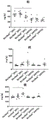
Fig. 4A-C depict body weight, fasting glucose, and serum zinc levels of mice with loss of function of Slc39a5 at 12 weeks of age. (A) At 12 weeks, the body weight of male and female homozygously loss-of-function mice was slightly reduced compared to heterozygously loss-of-function mice and wild-type mice. (B) At 12 weeks of age, fasting blood glucose levels were reduced in female homozygous loss-of-function mice compared to heterozygous loss-of-function mice and wild-type mice. At this age, no difference was observed in male mice. (C) At 12 weeks of age, serum zinc levels were significantly elevated in male and female heterozygous and homozygous loss-of-function mice compared to wild type mice.
Fig. 5A-B depict serum zinc, liver zinc, alanine aminotransferase and aspartate aminotransferase levels in mice with loss of function Slc39a5 at 40 weeks for a high fat diet regimen. (A) Female homozygous dysfunctional mice have elevated serum and liver zinc levels for normal diet (NC) or High Fat Diet (HFD) compared to wild type mice. Furthermore, for a High Fat Diet (HFD), female homozygous loss-of-function mice have reduced alanine and aspartate aminotransferase levels compared to wild type mice. (B) At 40 weeks, serum zinc levels were elevated in male homozygous loss-of-function mice compared to wild type mice on either normal diet (NC) or High Fat Diet (HFD). For normal diet (NC) or High Fat Diet (HFD), no statistically significant differences were observed in hepatic zinc, alanine aminotransferase and aspartate aminotransferase levels in male homozygous loss of function mice compared to wild type mice.
Fig. 6A-B show histological analysis of the liver of mice with loss of function of Slc39a5 at 40 weeks for the high fat diet regimen. (A) Histochemical comparison of hematoxylin and eosin stained liver sections showed that for a High Fat Diet (HFD), hepatic steatosis was reduced in female homozygous dysfunctional mice on the high fat diet compared to wild type mice. (B) Histochemical comparison of hematoxylin and eosin stained liver sections showed no significant difference between male homozygous loss-of-function mice on High Fat Diet (HFD) compared to wild type mice.
Fig. 7A-B depict serum chemistry and oral glucose tolerance test results for female mice homozygous for the normal diet, Slc39a5 and leptin receptor (Lepr) loss of function mutations at 20 weeks of age. (A) At 20 weeks, alanine aminotransferase, aspartate aminotransferase, low density lipoprotein cholesterol and fasting blood glucose levels were reduced in mice homozygous for the Slc39a5 and the Lepr loss of function mutation compared to Lepr loss of function mice. (B) Furthermore, at 20 weeks, female mice homozygous for the Slc39a5 and Lepr loss-of-function mutations showed an improvement in glucose tolerance compared to Lepr loss-of-function mice.
Fig. 8, Slc39a5 loss of function improved fasting glucose after challenge of a high fat high fructose diet. High fat high fructose dietary challenge resulted in significant weight gain for both sexes, all genotypes. Loss of function of Slc39a5 improved liver function as assessed by serum ALT and AST of both sexes at 16 weeks. Importantly, loss of function of Slc39a5 significantly improved hyperglycemia as assessed by fasting blood glucose levels at the endpoint (29 weeks). "NC": normal diet (NC); "HFFD": a high fat high fructose diet. Body weight-27 weeks; and (3) blood sugar measurement: feeding-25 weeks and fasting (16 h fasting) -29 weeks; 34ppm of zinc; p <0.05, p < 0.01; error bars: SEM.
Fig. 9 loss of function of Slc39a5 improved insulin sensitivity in mice challenged with a high fat high fructose diet. Mice homozygous for loss of function (regardless of sex) of Slc39a5 showed a significant improvement in insulin sensitivity compared to wild-type mice assessed by the oral glucose tolerance test ("GTT"). High fat high fructose (HFFD) or normal diet (NC) for 18 weeks; 34ppm of zinc; o GTT, 2mg/g body weight after 16 hours fasting; p <0.05, p < 0.01.
Fig. 10 loss of function of Slc39a5 improved hepatic steatosis following high fat high fructose diet ("HFFD") challenge. Female mice with loss of function of Slc39a5 were more protected than male mice. NAFLD composite score (assessed by two independent pathologists) representing a composite score for macrovesicular steatosis, microvesicle steatosis, hepatocellular hypertrophy, inflammation and fibrosis, showed a significant improvement in female Slc39a5 knockout mice compared to wild type mice; whereas in male mice, loss of Slc39a5 improved hepatic steatosis for normal diet and no protective effect when challenged by a high fat high fructose diet, as demonstrated by histopathology and NAFLD scores. Liver histology-29 weeks; and (3) NAFLD comprehensive scoring: macrovesicular steatosis, microvesicle steatosis, hepatocellular hypertrophy, inflammation, fibrosis; p <0.05, p < 0.01; error bars: SEM.
Fig. 11A-11b. loss of function of slc39a5 resulted in increased liver zinc levels, which in turn resulted in increased expression of liver metallothionein ("Mt 1" and "Mt 2"). Furthermore, loss of function of Slc39a5 did not significantly affect the levels of liver iron, copper, cobalt, calcium and magnesium. 11A: a female mouse; 11B: male mice. Liver ion quantification and Taqman analysis-29 weeks; p <0.05, p < 0.01; error bars: SEM.
12A-12B Zinc acutely activated the LKB1/AMPK and AKT signaling pathways in a dose-dependent manner in human liver cancer HepG2 cells (12A) and human primary hepatocytes (12B). 10Hu hepatocytes (pool of 5 donors): HM CPP5, Thermofoisher.
Figure 13a. loss of slcl 39a5 function ameliorated hepatic steatosis in high fat high fructose diet challenged female mice. Furthermore, in high-fat high-fructose diet challenged female mice, loss of function of Slc39a5 resulted in elevated liver zinc levels, with activation of hepatic AMPK and AKT signaling. In support of these observations, hepatic triglyceride levels decreased with increasing hepatic β -hydroxybutyrate levels, indicating increased β -oxidation. Furthermore, loss of function of Slc39a5 resulted in down-regulation of the Fasn and G6pc genes associated with de novo lipogenesis and hepatic gluconeogenesis, respectively. Liver lysate-29 weeks; p <0.05, p < 0.01; error bars: SEM.
Figure 13b. loss of slc39a5 function improved hepatic steatosis in male mice fed on a normal diet. Furthermore, in high-fat high-fructose diet challenged male mice, loss of Slc39a5 resulted in an insignificant increase in hepatic zinc levels, while moderately activating hepatic AMPK signaling. With the increase in liver β -hydroxybutyrate levels, liver triglyceride levels decreased slightly. Furthermore, loss of function of Slc39a5 resulted in modest inhibition of the gene Fasn and significant down-regulation of G6pc associated with de novo lipogenesis and hepatic gluconeogenesis, respectively. Liver lysate-29 weeks; p <0.05, p < 0.01; error bars: SEM.
Fig. 14. loss of function of Slc39a5 improved liver function and fasting glucose in leptin receptor deficient mice. Congenital leptin receptor deficiency leading to Lepr of both sexes-/-And Slc39a5-/-;Lepr-/-The body weight of the mice increased significantly. Loss of function of Slc39a5 improved liver function in leptin receptor deficient mice (both sexes) as assessed by serum ALT and AST at 22 weeks. Importantly, loss of function of Slc39a5 significantly improved the hyperglycemia of leptin receptor deficient mice (both sexes), e.g., by fasting at 34 weeksA decrease in blood glucose levels is shown. Normal diet (zinc 87 ppm); fasting blood glucose: 32 weeks (fed) and 34 weeks (16 hours/fasted); p<0.05,**p<0.01; error bars: SEM.
FIG. 15 shows leptin receptor deficient mice (both sexes) compared to leptin receptor deficient (Lepr-/-) miceSlc39a5Loss of function results in improved insulin sensitivity as assessed by the oral glucose tolerance test ("GTT"). Normal diet; 87ppm of zinc; o GTT (20 weeks) -2 mg/g body weight after 16 hours fasting; p<0.05,**p<0.01; error bars: SEM.
Figure 16. loss of function of Slc39a5 improved hepatic steatosis in leptin receptor deficient mice (both sexes).
Figure 17. loss of function of Slc39a5 resulted in increased liver zinc levels, which in turn resulted in increased liver metallothionein ("Mt 1" and "Mt 2") expression in leptin receptor deficient mice (both sexes). Furthermore, loss of function of Slc39a5 did not significantly affect liver iron levels in these mice. Liver ion quantification and Taqman analysis-29 weeks; p <0.05, p < 0.01; error bars: SEM.
Fig. 18A-18B. loss of function of slcl 39a5 improved hepatic steatosis in leptin receptor deficient mice of both sexes (18A female; 18B male). Furthermore, loss of function of Slc39a5 resulted in elevated liver zinc levels in leptin receptor deficient mice (both sexes) with activation of hepatic AMPK signaling. In support of these observations, hepatic triglyceride levels decreased with increasing hepatic β -hydroxybutyrate levels, indicating increased β -oxidation. Furthermore, loss of Slc39a5 resulted in down-regulation of Fasn, which indicates a reduction in de novo lipogenesis. Liver lysate-29 weeks; p <0.05, p < 0.01; error bars: SEM.
Detailed Description
Disclosed herein is a rodent model of SLC39a5 loss of function. In particular, genetically modified rodents carrying a loss-of-function mutation in the endogenous rodent Slc39a5 gene are disclosed herein. Consistent with the observations in humans (i.e. carriers of heterozygous loss of function of european descent associated with elevated serum zinc levels and prevention of type II diabetes), it has been shown herein that both homozygous and heterozygous inactivation of the endogenous Slc39a5 gene leads to elevated circulating zinc levels in rodents. Furthermore, it has been shown herein that female mice homozygous for loss of function of Slc39a5 on a high fat diet show (i) a decrease in fasting blood glucose levels compared to littermate controls, and (ii) an increase in liver zinc levels and an improvement in serum ALT and AST (biomarkers of liver injury) levels compared to wild-type rodents on a high fat diet. Furthermore, it has been shown herein that loss of function of Slc39a5 in leptin receptor deficient mice (a mouse model of obesity-induced type II diabetes) rescues chronic hyperglycemia. Thus, the engineered rodent models provided herein reproduce the human SLC39a5 loss-of-function phenotype, thereby providing a valuable model for the elucidation and development of SLC39a5 inhibitory therapies for the treatment of blood glucose disorders, metabolism, and cardiovascular diseases.
Various aspects of the disclosure are described in detail below.
SLC39a5 encodes solute carrier 39 member 5, a zinc transporter that is essential for controlling cellular zinc levels. SLC39a5 is expressed primarily in the small intestine, kidney, liver and pancreas and is thought to regulate zinc homeostasis.
Exemplary mRNA and protein sequences from humans, mice and rats are available in GenBank under the following accession numbers and are also shown in the sequence Listing as SEQ ID NOs: 1-6.
TABLE 1


Protein structure is well conserved across species. As shown in fig. 1A-1B, the SLC39a5 protein contains a signal peptide, an N-terminal extracellular segment, and six transmembrane segments, which are linked to each other by three cytoplasmic domains (loops) and two extracellular domains (loops).
Genomic structure is also conserved across species. For illustration, fig. 3 depicts the genomic structure of the mouse Slc39a5 gene consisting of ten coding exons, wherein the first coding exon is designated exon 1.
Disclosed herein are rodents (e.g., mice and rats) whose genomes comprise a loss-of-function mutation in an endogenous Slc39a5 gene.
The term "mutation" includes the addition, deletion or substitution of one or more nucleotides in a gene. As used herein, the terms "mutation," "alteration," and "variation" are used interchangeably. A mutant gene (or mutant allele of a gene) is understood herein to include a mutation, alteration, or variation relative to a wild-type gene or a reference gene. In some embodiments, the mutation is a substitution of a single nucleotide. In other embodiments, the mutation is a deletion of one or more nucleotides, e.g., one or more nucleotides in the coding sequence of the gene. In some embodiments, a mutation in a gene includes a deletion of a contiguous nucleic acid sequence, e.g., one or more exons or all exons, all or part of the coding sequence of the gene. In some embodiments, the mutation in the gene results in the addition, deletion, or substitution of one or more amino acids in the encoded protein.
In some embodiments, the mutation is a loss of function mutation. As used herein, the term "loss of function" includes complete loss of function and partial loss of function. In some embodiments, the alteration of the gene results in the expression of a polypeptide having at least reduced functionality, and in some cases significantly reduced functionality, or a complete lack of functionality, relative to the polypeptide encoded by the reference gene without the alteration. Thus, genetic alterations may result in complete or partial loss of function.
In some embodiments, the loss-of-function mutation in the Slc39a5 gene comprises a deletion of all or part of the first coding exon (i.e., exon 1), e.g., the coding portion of exon 1 starting from a nucleotide after the ATG codon. In some embodiments, the loss-of-function mutation in the Slc39a5 gene comprises a deletion of all or a portion of a second or subsequent coding exon. In some embodiments, the loss of function mutation in the Slc39a5 gene comprises a deletion of the coding sequence for exon 1 starting from a nucleotide after the ATG codon and a deletion of all or part of the second coding exon. In some embodiments, the loss-of-function mutation in the Slc39a5 gene comprises a deletion of one or more sequences encoding one or more or all of the transmembrane domains.
In some embodiments, the rodent whose genome comprises a loss-of-function mutation in the endogenous Slc39a5 gene further comprises an insertion of a reporter gene, and wherein the reporter gene is operably linked to the endogenous rodent Slc39a5 promoter at the locus.
In some embodiments, all or a portion of the genomic fragment starting from the nucleotide after the start codon in the first coding exon to the subsequent coding exon (e.g., the second, third, fourth, fifth, sixth, seventh, eighth, ninth, or tenth coding exon) has been deleted and the reporter gene is inserted immediately downstream of the start codon of the endogenous rodent Slc39a5 gene. In this connection, the expression of the reporter gene is expected to be similar to the expression pattern of the unmodified endogenous rodent Slc39a5 gene.
A variety of reporter genes are known in the art and are suitable for use herein. In some embodiments, the reporter gene is the LacZ gene. In some embodiments, the reporter gene is a gene encoding a protein selected from the group consisting of: luciferase, Green Fluorescent Protein (GFP), enhanced GFP (egfp), Cyan Fluorescent Protein (CFP), Yellow Fluorescent Protein (YFP), enhanced yellow fluorescent protein (eYFP), Blue Fluorescent Protein (BFP), enhanced blue fluorescent protein (eBFP), DsRed, and MmGFP.
For any of the embodiments described herein, rodents can include, for example, mice, rats, and hamsters.
In some embodiments, the rodent is a mouse. In some embodiments, the rodent is a mouse of strain C57BL, e.g., strain C57BL selected from the group consisting of strain C57BL/A, C57BL/An, C57BL/GrFa, C57BL/KaLwN, C57BL/6, C57BL/6J, C57BL/6ByJ, C57BL/6NJ, C57BL/10, C57BL/10ScSn, C57BL/10Cr, and C57 BL/Ola. In other embodiments, the rodent is a 129 strain mouse, e.g., a 129 strain selected from 129P1, 129P2, 129P3, 129X1, 129S1 (e.g., 129S1/SV, 129S1/SvIm), 129S2, 129S4, 129S5, 129S 9/SvEgh, 129/SvJae, 129S6(129/SvEvtac), 129S7, 129S8, 129T1, 129T2 (see, e.g., Festing et al (1999), Mammalian Genome 10: 836; Auerbach et al (2000), Biotechniques 29(5):1024-1028, 1030, 1032). In some embodiments, the rodent is a mouse that is a mixture of the aforementioned 129 strain and the aforementioned C57BL/6 strain. In certain embodiments, the mouse is a mixture of the aforementioned 129 strains (i.e., a hybrid), or a mixture of the aforementioned C57BL strains, or a mixture of C57BL strains and 129 strains. In certain embodiments, the mouse is a mixture of strain C57BL/6 and strain 129. In a specific embodiment, the mouse is a VGF1 strain, also known as F1H4, which is a hybrid of C57BL/6 and 129. In other embodiments, the mouse is a BALB strain, e.g., a BALB/c strain. In some embodiments, the mouse is a mixture of a BALB strain and another of the foregoing strains.
In some embodiments, the rodent is a rat. In certain embodiments, the rat is selected from the group consisting of a Wistar rat, a LEA strain, a Sprague Dawley strain, a Fischer strain, F344, F6, and a Dark agenuti. In other embodiments, the rat is a mixture of two or more strains selected from the group consisting of: wistar, LEA, Sprague Dawley, Fischer, F344, F6, and Dark Agouti.
Also disclosed herein are isolated rodent cells or tissues comprising a loss of function mutation in the endogenous Slc39a5 gene described herein. In some embodiments, the isolated rodent cell is an Embryonic Stem (ES) cell. Rodent embryos and eggs comprising loss-of-function mutations in the endogenous Slc39a5 gene are also provided.
Disclosed herein are methods for generating rodents having loss-of-function mutations in an endogenous Slc39a5 gene.
The method includes modifying a rodent genome such that the modified rodent genome comprises a loss-of-function mutation in an endogenous rodent Slc39a5 gene at an endogenous rodent Slc39a5 locus, and obtaining a rodent comprising the modified genome.
In some embodiments, the rodent genome is modified, e.g., with a Zinc Finger Nuclease (ZFN), a transcription activator-like effector nuclease (TALEN), or a Cas protein (i.e., CRISPR/Cas system), such that the modified genome comprises a loss-of-function mutation in the endogenous rodent Slc39a5 gene at the endogenous rodent Slc39a5 locus.
In some embodiments, the rodent genome is modified by introducing a nucleic acid sequence into the genome of a rodent Embryonic Stem (ES) cell, wherein the nucleic acid sequence comprises a polynucleotide sequence that is homologous to a nucleic acid sequence at the endogenous rodent Slc39a5 locus so as to be capable of mediating homologous recombination of the nucleic acid sequence into the genome of the ES cell, such that the modified genome comprises a loss-of-function mutation in the endogenous rodent Slc39a5 gene at the Slc39a5 locus, thereby obtaining a genetically modified rodent embryonic stem cell, and making the rodent using the genetically modified rodent embryonic stem cell.
In some embodiments, the nucleic acid sequence (i.e., insert nucleic acid) to be introduced into the genome of a rodent ES cell is provided in a targeting nucleic acid construct (i.e., targeting vector), preferably a DNA vector. In some embodiments, the insert nucleic acid further contains a selectable marker gene (e.g., a self-deletion cassette containing a selectable marker gene, as described in U.S. patent nos. 8,697,851, 8,518,392, and 8,354,389, all of which are incorporated herein by reference) that may be flanked by or include site-specific recombination sites (e.g., loxP, Frt, etc.). The selectable marker gene can be placed on the vector in the vicinity of the mutation to allow for ease of selection of the transfectant. In some embodiments, the insert nucleic acid further comprises a reporter gene.
In some embodiments, a targeting vector (e.g., a BAC vector) can be introduced into a rodent Embryonic Stem (ES) cell by, for example, electroporation. Mouse and rat ES cells have been described in the art. See, for example, US 7,576259, US 7,659,442, US 7,294,754 and US2008-0078000A1 (all of which are incorporated herein by reference) describe mouse ES cells and methods for making genetically modified mice A method; and US2014/0235933a1 and US 2014/0310828 a1 (all of which are incorporated herein by reference) describe rat ES cells and methods of making genetically modified rats.
Homologous recombination in recipient cells can be promoted by introducing breaks in chromosomal DNA at the site of integration, which can be achieved by targeting certain nucleases to the specific site of integration. DNA binding proteins that recognize DNA sequences at a target locus are known in the art. In some embodiments, Zinc Finger Nucleases (ZFNs) that recognize specific 3-nucleotide sequences in the target sequence are utilized. In some embodiments, a transcription activator-like (TAL) effector nuclease (TALEN) is used for site-specific genome editing. In other embodiments, an RNA-guided endonuclease (RGEN) consisting of components (Cas9 and tracrRNA) and target-specific CRISPR RNA (crRNA) is utilized.
In some embodiments, a targeting vector carrying a nucleic acid of interest (e.g., a mutated rodent Slc39a5 gene sequence to be introduced) flanked by 5 'and 3' homology arms is introduced into a cell along with one or more additional vectors or mrnas. In one embodiment, the one or more additional vectors or mrnas contain a nucleotide sequence encoding a site-specific nuclease including, but not limited to, Zinc Finger Nucleases (ZFNs), ZFN dimers, transcription activator-like effector nucleases (TALENs), TAL effector domain fusion proteins, and RNA-guided DNA endonucleases.
ES cells having a mutant gene sequence integrated in the genome can be selected. Following selection, positive ES clones can be modified, e.g., from the deletion cassette, if necessary. ES cells having a mutation integrated in the genome can then be used as donor ES cells to generate a mutant ES cell The methods (see, e.g., US 7,576,259, US 7,659,442, US 7,294,754, and US 2008/0078000 a1) or the methods described in US2014/0235933a1 and US 2014/0310828 a1 are injected into morula pre-embryonic embryos (e.g., 8-cell stage embryos). Embryos containing donor ES cells were incubated until blastocyst stage and then implanted into surrogate mothers to produce F0 rodents that were fully derived from donor ES cells. Rodent pups with mutant alleles can be identified by genotyping DNA isolated from tailstocks using a modified allele (MOA) assay (valenczuela et al, supra) that detects the presence of mutant sequences or selectable marker genes.
Also provided herein are methods of breeding a genetically modified rodent as described herein with another rodent, and progeny obtained from such breeding.
In some embodiments, a method is provided that includes breeding a first genetically modified rodent (e.g., a rodent whose genome comprises a loss-of-function Slc39a5 mutation at the endogenous rodent Slc39a5 locus) as described above with a second rodent to produce a progeny rodent whose genome comprises the loss-of-function Slc39a5 mutation. The progeny may have other desired phenotypes or genetic modifications inherited from the second rodent used in breeding. In some embodiments, the progeny rodent is heterozygous for the loss-of-function Slc39a5 mutation. In some embodiments, the progeny rodent is homozygous for the loss-of-function Slc39a5 mutation.
In some embodiments, provided is a progeny rodent whose genome comprises a loss of function Slc39a5 mutation at the endogenous rodent Slc39a5 locus, wherein the progeny rodent is produced by a method comprising breeding a first genetically modified rodent as described above (e.g., a rodent whose genome comprises a loss of function Slc39a5 mutation at the endogenous rodent Slc39a5 locus) with a second rodent. In some embodiments, the progeny rodent is heterozygous for the loss-of-function Slc39a5 mutation. In some embodiments, the progeny rodent is homozygous for the loss-of-function Slc39a5 mutation.
In some embodiments, the second rodent comprises a loss-of-function mutation in an endogenous rodent leptin receptor gene (Lepr).
Leptin receptors belong to the class I cytokine receptor family and exist in five distinct isoforms. Four of the five isoforms have identical extracellular (responsible for ligand binding) and transmembrane domains, but differ in the length and sequence of their intracellular C-terminal domains. The fifth isoform, termed the "soluble" or "secreted" isoform, contains no transmembrane domain and is encoded by a fifth alternatively spliced transcriptional variant in rodents, resulting from proteolytic cleavage of the human transmembrane isoform. The protein structure, genomic organization of the Lepr gene, the mechanism of action, and the association between Leptin receptor deficiency and obesity are well documented in the art (see, e.g., Dam et al, Leptin: Regulation and Clinical Applications, S.Dagogo-Jack (ed.), Springer International Publishing Switzerland 2015).
In some embodiments, the loss-of-function mutation in the endogenous rodent Lepr gene comprises a point mutation in an exon of the endogenous rodent Lepr gene. In some embodiments, the loss of function mutation comprises a deletion of all or a portion of the coding sequence of the endogenous rodent Lepr gene. In some embodiments, the nucleotide sequence of the endogenous rodent Lepr gene that comprises all or part of the extracellular domain is deleted. In some embodiments, the deletion comprises all or a portion of each of exon 1, exon 2, exon 3, exon 4, exon 5, and/or exon 6 of the endogenous rodent Lepr gene. In some embodiments, the loss of function mutation comprises a deletion of exon 1 through the coding portion of exon 6 of the endogenous rodent Lepr gene and an insertion of a reporter gene (e.g., LacZ).
In another aspect, disclosed herein is the use of rodents whose genomes comprise a loss-of-function mutation in the endogenous Slc39a5 gene as an animal model that allows elucidation of the mechanism of action of Slc39a5 in the context of blood glucose regulation and provides the opportunity to test and develop therapies targeting Slc39a5 in the treatment of metabolic and cardiovascular diseases.
In some embodiments, rodents whose genomes comprise a loss-of-function mutation in the endogenous Slc39a5 gene are used in methods of testing, screening or identifying agents that inhibit the activity of the Slc39a5 protein. According to this method, rodents whose genomes comprise a loss-of-function mutation in the endogenous Slc39a5 gene are used with wild-type rodents that are free of the mutation, and the candidate agent is administered to the wild-type rodent. Rodents and wild-type rodents having loss-of-function mutations are examined to measure serum zinc levels and one or more metabolic and cardiovascular traits, including one or more hepatic, lipid, or glycemic traits. The measurements of the wild-type rodent after administration of the agent, the wild-type rodent before administration (or another wild-type rodent not administered the agent), and the rodent having the loss-of-function mutation are compared with each other to determine whether the agent inhibits the activity of the Slc39a5 protein. An agent that results in an increase in serum zinc levels and an improvement in one or more traits in the same orientation as a rodent having a loss of function mutation, relative to a wild-type rodent prior to administration (or another wild-type rodent not administered the agent), is believed to inhibit the activity of the Slc39a5 protein.
In some embodiments, a rodent that is homozygous for a loss-of-function mutation in the endogenous Slc39a5 gene is used. In some embodiments, rodents that are heterozygous for loss-of-function mutations in the endogenous Slc39a5 gene are used.
In some embodiments, the rodent having a loss-of-function mutation in an endogenous Slc39a5 gene is a female rodent. In some embodiments, the rodent having a loss-of-function mutation in the endogenous Slc39a5 gene is a male rodent.
In particular embodiments, the rodent having a loss-of-function mutation in the endogenous Slc39a5 gene is a female rodent (e.g., a mouse or a rat) that is homozygous for the loss-of-function mutation.
In some embodiments, the candidate agent is an antibody specific for the Slc39a5 protein (e.g., human Slc39a5 protein).
As disclosed herein, both homozygous and heterozygous inactivation of the endogenous Slc39a5 gene resulted in an increase in rodent serum zinc levels. Agents that result in elevated serum zinc levels and improvements in one or more traits are considered agents that inhibit the activity of the Slc39a5 protein. In some embodiments, the agent causes an increase in serum zinc levels of the wild-type rodent with which the agent is administered by at least 10%, 11%, 12%, 13%, 14%, 15%, 20%, 25% or more relative to the wild-type rodent to which the agent is not administered.
In some embodiments, at least one of the measured traits is a glycemic trait, such as fasting blood glucose levels in serum. It has been shown herein that female mice homozygous for loss of function of Slc39a5 exhibit a decrease in fasting blood glucose levels compared to litter control. Thus, an agent that causes a decrease in fasting plasma glucose levels in a wild-type rodent administered an agent relative to a wild-type rodent not administered an agent is considered to be an agent that inhibits the activity of the Slc39a5 protein. In some embodiments, the reduction is at least 5%, 6%, 7%, 8%, 9%, 10%, 11%, 12%, 13%, 14%, 15% or more.
In some embodiments, at least one of the traits measured is a liver trait, such as serum levels of alanine aminotransferase and/or aspartate aminotransferase, or the degree of hepatic steatosis in rodents after feeding a high fat diet, and in some embodiments, the high fat diet is a high fat high fructose diet. It has been shown herein that female mice homozygous for loss of function of Slc39a5 on a high fat diet exhibit reduced hepatic steatosis and improved serum ALT and AST levels compared to wild type rodents on a high fat diet. An agent that causes a reduction in hepatic steatosis in a wild-type rodent administered an agent relative to a wild-type rodent not administered an agent is considered to be an agent that inhibits the activity of the Slc39a5 protein. An agent that results in an improvement (i.e., a decrease) in serum ALT and/or AST levels in a high fat diet and wild-type rodents administered with the agent as compared to wild-type rodents on a high fat diet without the agent is considered to be an agent that inhibits the activity of Slc39a5 protein. In some embodiments, the improvement (i.e., a decrease in ALT and/or AST levels) is at least 10%, 15%, 20%, 25%, 30%, 35%, 40%, 45%, 50% or more.
In some embodiments, at least one of the measured traits is body weight. Both male and female mice homozygous for the loss of function of Slc39a5 showed weight loss herein. Agents that cause weight loss are considered to be agents that inhibit the activity of the Slc39a5 protein. Agents that inhibit the activity of the Slc39a5 protein have been identified as useful for the treatment of metabolic and cardiovascular diseases, including, for example, elevated serum glucose levels, hyperglycemia, type 2 diabetes, obesity, elevated Low Density Lipoprotein (LDL), reduced High Density Lipoprotein (HDL), alcoholic fatty liver disease, non-alcoholic steatohepatitis, and hepatic encephalopathy.
The present description is further illustrated by the following examples, which should not be construed as limiting in any way. The contents of all cited documents, including references, issued patents, and published patent applications cited throughout this application, are hereby expressly incorporated by reference.
Example 1 production of Slc39a5 loss-of-function mice.
Genetically engineered Slc39a5-/-Mouse strain using Regeneron To produce (Valenzuela et al, Nat Biotechnol.2003; 21(6): 652-9; Poueymirou et al, Nat Biotechnol.2007; 25(1): 91-9). Fig. 3 depicts a policy. Briefly, C57Bl/6NTac Embryonic Stem Cells (ESCs) were targeted to eliminate a portion of the Slc39a5 locus, starting after the initiation ATG codon and the last 5 base pairs before the 3' end of
 coding exon 2. This region contains the Slc39a5 signal peptide and most of the N-terminal extracellular domain. lacZ reporter gene moduleWas inserted into the start frame of Slc39a5, followed by a fLox-ylated neomycin resistance cassette for selection in ESCs. The resistance cassette was deleted prior to microinjection using self-deletion techniques. Microinjection of target cells into 8-cell embryos from Charles River Laboratories Swiss Webster albino mice yielded F0 100% derived from target cells (Poueymirou et al, 2007). These mice were then bred to homozygotes. Use of Slc39a5 as shown herein-/+Heterozygous mice and C57Bl/6NTac wild type littermates.
Example 2 metabolic phenotyping of mice with loss of function Slc39a 5.
Serum zinc and fasting blood glucose levels in mice with loss of function of Slc39a 5. The Slc39a5 deficient mice were co-housed with heterozygotes and wild type littermates in a controlled environment (12 hours light/dark cycle, 22 · 1 ℃, 60-70% humidity) and fed a standard Diet containing 87ppm zinc ad libitum (PicoLab Rodent Diet 20, catalog # 5053). Male and female mice were used in this study. The growth kinetics of the mice were monitored by recording body weight twice a month. After fasting overnight (for 16 hours), blood samples were taken through the inframandibular incision when the mice were 8 weeks old. Serum zinc was measured using flame atomic absorption spectroscopy as described above (Prasad et al, J Lab clin. med.1963; 61:537-49) and fasting blood glucose was assessed using the AlphaTrak blood glucose monitoring system (Zoetis United States, Parsippany NJ).
Long-term High Fat Diet (HFD) Slc39a5 disabled liver function in mice. Mice homozygous for Slc39a5 for loss of function were co-housed with wild type littermates in a controlled environment (12 hours light/dark cycle, 22 · 1 ℃, 60-70% humidity) and fed a high fat diet containing 35ppm zinc ad libitum starting at 6 weeks of age (test diet, catalog # 9 GWP). Male and female mice were used in this study. Serum and liver zinc levels as well as ALT and AST (biomarkers of liver injury) were assessed at 40 weeks of high fat dietary challenge after overnight fasting (for 16 hours) (fig. 5A-B). A separate age-matched cohort of wild-type C57BLK/6 mice was obtained from the Jackson laboratory as a control, and they were maintained on a normal diet containing 85ppm zinc (laboratory diet, catalog #5K 52). As discussed above, serum and liver zinc levels were measured using flame atomic absorption spectroscopy. Serum ALT and AST levels were measured using the ADVIA Chemistry XPT system (Siemens healtiners). Explanted liver samples were fixed in 10% phosphate buffered formalin acetate solution overnight at 4 ℃, rinsed thoroughly in phosphate buffered saline and embedded in paraffin. Hematoxylin and eosin staining was performed on 5-m thick paraffin sections using standard histochemical techniques. Sections were imaged through a 40 × objective using an EVOS FL Auto microscope (Thermo Fisher Scientific).
Liver, lipid and glycemic traits in mice homozygous for Slc39a5 and leptin receptor (Lepr) loss of function. Female mice homozygous for Slc39a5 and Lepr loss of function were matched to litter controls (wild type, Slc39a5)-/-,Lepr-/-) Co-fed together in a controlled environment (12 hours light/dark cycle, 22 · 1 ℃, 60-70% humidity) and fed a normal Diet containing 87ppm zinc ad libitum (PicoLab Rodent Diet 20, catalog # 5053). Mice were monitored regularly for health and growth kinetics. Serum ALT and AST (biomarkers of liver damage) as well as LDL-C and fasting plasma glucose levels were measured after fasting overnight (for 16 hours) when mice were 22 weeks old. At 22 weeks of age, the oral glucose tolerance test was performed by oral gavage of 2g/kg body weight of glucose (Hospira Inc, NDC 0409-. Blood glucose was assessed at defined time points (0, 15, 30, 60 and 120 minutes) by taking blood samples from the caudal vein using the AlphaTrak blood glucose monitoring system (Zoetis United States, Parsippany NJ).
And (6) analyzing the data. Data are reported as mean SEM. Statistical analysis was performed using Prism 6.0(GraphPad software). All parameters were analyzed by two-way ANOVA or Student t-test. P <0.5, p < 0.01.
And (6) obtaining the result. Mice homozygous for loss of Slc39a5 function lost weight at 8 weeks of age compared to wild-type and heterozygous litters (fig. 4A). Furthermore, regardless of sex, mice homozygous for Slc39a5 for loss of function had significantly elevated serum zinc levels at 8 weeks of age compared to wild-type and heterozygote litters (fig. 4C). Interestingly, fasting plasma glucose was reduced in female mice homozygous for Slc39a5 loss of function compared to littermate controls (fig. 4B, left panel). At this age, no difference was observed in male mice.
To study the apparent sex-bimorphity of fasting blood glucose levels, mice homozygous for Slc39a5 loss of function (male and female) were challenged with a high fat diet regimen (60% kcal from fat) for 40 weeks and compared to either high fat diet or normal diet wild-type mice. Although serum zinc levels were similarly increased (fig. 5A-B, left-most panel), only female mice showed elevated liver zinc levels and improved serum ALT and AST levels (biomarkers of liver injury) compared to high fat diet wild-type mice. Consistent with the serum chemistry data, qualitative histochemical analysis of explanted liver samples showed a reduction in hepatic steatosis in female mice homozygous for loss of function of Slc39a5, compared to wild-type mice on a high fat diet. (FIG. 6A). No difference was observed between male mice homozygous for Slc39a5 loss of function and wild-type mice on a high fat diet (fig. 6B, middle panel and right panel).
To further delineate this phenotype, female mice homozygous for loss of Slc39a5 function were bred as a leptin receptor deficient background (a common rodent model for obesity-induced hyperglycemia and type II diabetes) in a synchronized experiment. As expected, leptin receptor deficient mice were hyperglycemic and exhibited elevated serum LDL-C levels (fig. 7A, bottom panel). In addition, these mice had elevated serum ALT and AST levels at 22 weeks of age, indicating impaired liver function. Loss of function of Slc39a5 in female Lepr receptor-deficient mice significantly reduced fasting plasma glucose, serum LDL-C, serum ALT and AST levels, which potentially improved obesity-induced metabolic dysregulation in leptin receptor-deficient mice (fig. 7A). Consistent with these observations, female mice homozygous for Slc39a5 and Lepr loss of function exhibited improved glucose tolerance when challenged with oral glucose load (fig. 7B).
Example 3 additional metabolic phenotyping of mice with loss of function Slc39a 5.
Metabolic phenotyping:
mice homozygous or heterozygous for loss of function Slc39a5 were co-housed in a controlled environment with wild type littermates (12 hours light/dark cycle, 22 · 1 ℃, 60-70% humidity) and fed a high fat high fructose diet (test diet, product catalog #5WK9) or a control diet containing 35ppm zinc (test diet, product catalog #58Y2) ad libitum starting at 10 weeks of age. Male and female mice were used in this study. Serum zinc, fasting plasma glucose, and alanine Aminotransferase (ALT) and aspartate Aminotransferase (AST), biomarkers of liver injury, were assessed longitudinally after overnight fasting (for 16 hours). Fed blood glucose was measured before fasting began. As discussed below, serum and liver zinc (end point) analysis was performed using flame atomic absorption spectroscopy.
Mice homozygous for Slc39a5 and Lepr for loss of function (Slc39a5)-/-;Lepr-/-) Control with littermates (wild type, Slc39a5-/-,Lepr-/-) Co-fed together in a controlled environment (12 hours light/dark cycle, 22 · 1 ℃, 60-70% humidity) and fed a normal Diet containing 87ppm zinc ad libitum (PicoLab Rodent Diet 20, catalog # 5053). Mice were monitored regularly for health and growth kinetics. After fasting overnight (for 16 hours), serum ALT and AST (biomarkers of liver damage) as well as DLDL and fasting glucose were measured when the mice were 22 weeks old. Blood glucose was assessed by collecting blood samples from the caudal vein using the AlphaTrak blood glucose monitoring system (Zoetis United States, Parsippany NJ). Liver and lipid traits were measured using Siemens ADVIA Chemistry XPT as described below.
Oral glucose tolerance test:
the oral glucose tolerance test was performed by oral gavage of 2g/kg body weight of glucose (Hospira Inc, NDC 0409-. Blood glucose was assessed at defined time points (0, 15, 30, 60 and 120 minutes) by taking blood samples from the caudal vein using the AlphaTrak blood glucose monitoring system (Zoetis United States, Parsippany NJ).
Liver and lipid traits:
all liver and lipid traits were measured using the ADVIA Chemistry XPT system (Siemens healtiners), an FDA-approved clinical analyzer maintained and operated according to Siemens guidelines. The liver and lipid profiles contained the following reagents: alanine aminotransferase (ALT, Siemens REF 03036926), aspartate aminotransferase (AST, Siemens REF07499718), cholesterol (CHOL, Siemens REF 10376501), direct HDL cholesterol (DHDL, Siemens REF 07511947), direct LDL cholesterol (DLDL, Siemens REF 09793248), unesterified fatty acids (NEFA, Wako 999-. When these reagents are mixed with the sample, an analyte-specific redox reaction of interest occurs, producing a color change proportional to the analyte concentration (colorimetric assay). The absorbance (from the halogen light source) in analyte-specific wavelengths was measured and the concentration determined. Each set of reagents was calibrated according to the manufacturer's recommendations and samples with known values (multi-level quality control) were measured daily. Parameters are never allowed to deviate more than one standard deviation from the known mean. Samples are typically assayed undiluted, although they can be diluted to 1.5 x without affecting the results. The sample was added to a 0.6ml microcentrifuge tube in the analyzer and all reagent mixing, timing of the assay, absorbance and concentration calculations were performed by the analyzer.
Metal ion quantification:
all ion measurements were performed using an Agilent Technologies 240 FS atomic absorption spectrometer in flame mode. Serum samples were quantitatively diluted in deionized water and subsequently analyzed. For serum samples, Seronorm trace element serum (L-2) was used as a reference. Tissue, bone and other materials are first digested in nitric acid. The samples were weighed and incubated in nitric acid at 85 ℃ overnight. The next day, the sample was cooled to room temperature and quantitatively transferred to a polystyrene tube with deionized water. They are then analyzed. Bovine liver standard reference material (SRM 1577c) from the national institute of standards and technology of the united states was used as a reference for all tissue samples.
Liver histology and immunoblotting:
explanted liver samples were fixed in 10% phosphate buffered formalin acetate solution overnight at 4 ℃, rinsed thoroughly in phosphate buffered saline and embedded in paraffin. For hematoxylin and eosin staining, unstained 5 · m thick paraffin sections were dewaxed in xylene and then hydrated to water by fractional alcohol. Sections were stained with Carazzi hematoxylin, rinsed in tap water, and then placed in 95% ethanol. From here on, they were put into eosin-phloxine dye solution and then run through graded alcohol to xylene. After xylene, stained slides were coverslipped and image stained and imaged by 20 x or 40 x objective using an Aperio AT2 slide scanner (Leica Biosystems Inc.).
Liver proteins were extracted using RIPA buffer (Cell signaling technology, cat #9806) and a mixture of Halt protease and phosphatase inhibitors (ThermoFisher Scientific, cat # 78440). Five micrograms of protein per sample were separated in a NuPAGE 4-12% Bis-Tris protein gel (Invitrogen, Cat # WG1403BOX) and used The transfer system (BioRad) was transferred to nitrocellulose membrane. Blots were performed using the following Cell Signaling Technology antibodies: Phospho-AMPK α (Thr172) (Cell signaling technology, product catalog #2535), AMPK α (Cell signaling technology, product catalog #5831), β -actin (Sigma, product catalog #5441), Phospho-AKT (Ser473) (Cell signaling technology, product catalog #4060), AKT (Cell signaling technology, product catalog #9272), Phospho-LKB1(Ser428) (Cell signaling technology, product catalog #3482), LKB1(Cell signaling 305technology, product catalog # 0), IgG conjugated to rabbit peroxidase (HRP) (product catalog #7074), and mouse IgG conjugated to HRP (Cell signaling technology, product catalog # 7076). SuperSignal West Femto substrate (ThermoFisher Scientific, catalog # 34095) was used) The blot was developed. ImageQuant LAS4000(GE Healthcare) was used to capture the signal. The results are shown in FIGS. 8-18B.


Sequence listing
<110> Rejerongrong Pharmaceuticals Inc. (Regeneron Pharmaceuticals, Inc.)
<120> rodent model of loss of function of solute carrier 39 member 5
<130> 36843PCT (10535WO01)
<150> 62/818,872
<151> 2019-03-15
<150> 62/976,437
<151> 2020-02-14
<160> 6
<170> PatentIn version 3.5
<210> 1
<211> 1980
<212> DNA
<213> Intelligent (Homo sapiens)
<400> 1
gcctgccccc ccagctggaa ccaagaaggt tgtgtccccc ttcctctggg tgtccttgtc 60
tcctgctatc agggcttccc ctttcttggt catcgatccc tagagctctg gctctttctc 120
ttcttgggga actgcttaac gtctacagca aggcctaata ggggacctga gggcacagtc 180
ctcaggatgt ttcggggaga ataggagcca gaacctgagc ccctaagcta ttcccctcac 240
caatgatggg gtccccagtg agtcatctgc tggccggctt ctgtgtgtgg gtcgtcttgg 300
gctgggtagg gggctcagtc cccaacctgg gccctgctga gcaggagcag aaccattacc 360
tggcccagct gtttggcctg tacggcgaga atgggacgct gactgcaggg ggcttggcgc 420
ggcttctcca cagcctgggg ctaggccgag ttcaggggct tcgcctggga cagcatgggc 480
ctctgactgg acgggctgca tccccagctg cagacaattc cacacacagg ccacagaacc 540
ctgagctgag tgtggatgtc tgggcaggga tgcctctggg tccctcaggg tggggtgacc 600
tggaagagtc aaaggcccct cacctacccc gtgggccagc cccctcgggc ctggacctcc 660
ttcacaggct tctgttgctg gaccactcat tggctgacca cctgaatgag gattgtctga 720
acggctccca gctgctggtc aattttggct tgagccccgc tgctcctctg acccctcgtc 780
agtttgctct gctgtgccca gccctgcttt atcagatcga cagccgcgtc tgcatcggcg 840
ctccggcccc tgcaccccca ggggatctac tatctgccct gcttcagagt gccctggcag 900
tcctgttgct cagcctccct tctcccctat ccctgctgct gctgcggctc ctgggacctc 960
gtctactacg gcccttgctg ggcttcctgg gggccctggc ggtgggcact ctttgtgggg 1020
atgcactgct acatctgcta ccgcatgcac aagaagggcg gcacgcagga cctggcggac 1080
taccagagaa ggacctgggc ccggggctgt cagtgctcgg aggcctcttc ctgctctttg 1140
tgctggagaa catgctgggg cttttgcggc accgagggct caggccaaga tgctgcaggc 1200
gaaaacgaag gaatctcgaa acacgcaact tggatccgga gaatggcagt gggatggccc 1260
ttcagcccct acaggcagct ccagagccag gggctcaggg ccagagggag aagaacagcc 1320
agcacccacc agctctggcc cctcctgggc accaaggcca cagtcatggg caccagggtg 1380
gcactgatat cacgtggatg gtcctcctgg gagatggtct acacaacctc actgatgggc 1440
tggccatagg tgctgccttc tctgatggct tctccagcgg cctcagtacc accttagcgg 1500
tcttctgcca tgagctgccc cacgaactgg gtgactttgc catgctgctc cagtcagggc 1560
tgtcctttcg gcggctgctg ctgctgagcc tcgtgtctgg agccctggga ttggggggtg 1620
cagtcctggg ggtggggctc agcctgggcc ctgtccccct cactccctgg gtgtttgggg 1680
tcactgctgg ggtcttcctc tatgtggccc ttgtggacat gctaccagcc ctgcttcgtc 1740
ctccggagcc cctgcctacg ccccatgtgc tcctgcaggg gctggggctg ctgctggggg 1800
gcggcctcat gcttgccata accctgctgg aggagcggct actgcccgtg accactgagg 1860
gctgatgggg ccagtggaaa ggggtcgggt tgcccttcct tccccccaac cacaggaatg 1920
gaggcgggac acagggccag taggagcaat aggattttaa taaacagaac ccatcccaaa 1980
<210> 2
<211> 540
<212> PRT
<213> Intelligent (Homo sapiens)
<400> 2
Met Met Gly Ser Pro Val Ser His Leu Leu Ala Gly Phe Cys Val Trp
1 5 10 15
Val Val Leu Gly Trp Val Gly Gly Ser Val Pro Asn Leu Gly Pro Ala
20 25 30
Glu Gln Glu Gln Asn His Tyr Leu Ala Gln Leu Phe Gly Leu Tyr Gly
35 40 45
Glu Asn Gly Thr Leu Thr Ala Gly Gly Leu Ala Arg Leu Leu His Ser
50 55 60
Leu Gly Leu Gly Arg Val Gln Gly Leu Arg Leu Gly Gln His Gly Pro
65 70 75 80
Leu Thr Gly Arg Ala Ala Ser Pro Ala Ala Asp Asn Ser Thr His Arg
85 90 95
Pro Gln Asn Pro Glu Leu Ser Val Asp Val Trp Ala Gly Met Pro Leu
100 105 110
Gly Pro Ser Gly Trp Gly Asp Leu Glu Glu Ser Lys Ala Pro His Leu
115 120 125
Pro Arg Gly Pro Ala Pro Ser Gly Leu Asp Leu Leu His Arg Leu Leu
130 135 140
Leu Leu Asp His Ser Leu Ala Asp His Leu Asn Glu Asp Cys Leu Asn
145 150 155 160
Gly Ser Gln Leu Leu Val Asn Phe Gly Leu Ser Pro Ala Ala Pro Leu
165 170 175
Thr Pro Arg Gln Phe Ala Leu Leu Cys Pro Ala Leu Leu Tyr Gln Ile
180 185 190
Asp Ser Arg Val Cys Ile Gly Ala Pro Ala Pro Ala Pro Pro Gly Asp
195 200 205
Leu Leu Ser Ala Leu Leu Gln Ser Ala Leu Ala Val Leu Leu Leu Ser
210 215 220
Leu Pro Ser Pro Leu Ser Leu Leu Leu Leu Arg Leu Leu Gly Pro Arg
225 230 235 240
Leu Leu Arg Pro Leu Leu Gly Phe Leu Gly Ala Leu Ala Val Gly Thr
245 250 255
Leu Cys Gly Asp Ala Leu Leu His Leu Leu Pro His Ala Gln Glu Gly
260 265 270
Arg His Ala Gly Pro Gly Gly Leu Pro Glu Lys Asp Leu Gly Pro Gly
275 280 285
Leu Ser Val Leu Gly Gly Leu Phe Leu Leu Phe Val Leu Glu Asn Met
290 295 300
Leu Gly Leu Leu Arg His Arg Gly Leu Arg Pro Arg Cys Cys Arg Arg
305 310 315 320
Lys Arg Arg Asn Leu Glu Thr Arg Asn Leu Asp Pro Glu Asn Gly Ser
325 330 335
Gly Met Ala Leu Gln Pro Leu Gln Ala Ala Pro Glu Pro Gly Ala Gln
340 345 350
Gly Gln Arg Glu Lys Asn Ser Gln His Pro Pro Ala Leu Ala Pro Pro
355 360 365
Gly His Gln Gly His Ser His Gly His Gln Gly Gly Thr Asp Ile Thr
370 375 380
Trp Met Val Leu Leu Gly Asp Gly Leu His Asn Leu Thr Asp Gly Leu
385 390 395 400
Ala Ile Gly Ala Ala Phe Ser Asp Gly Phe Ser Ser Gly Leu Ser Thr
405 410 415
Thr Leu Ala Val Phe Cys His Glu Leu Pro His Glu Leu Gly Asp Phe
420 425 430
Ala Met Leu Leu Gln Ser Gly Leu Ser Phe Arg Arg Leu Leu Leu Leu
435 440 445
Ser Leu Val Ser Gly Ala Leu Gly Leu Gly Gly Ala Val Leu Gly Val
450 455 460
Gly Leu Ser Leu Gly Pro Val Pro Leu Thr Pro Trp Val Phe Gly Val
465 470 475 480
Thr Ala Gly Val Phe Leu Tyr Val Ala Leu Val Asp Met Leu Pro Ala
485 490 495
Leu Leu Arg Pro Pro Glu Pro Leu Pro Thr Pro His Val Leu Leu Gln
500 505 510
Gly Leu Gly Leu Leu Leu Gly Gly Gly Leu Met Leu Ala Ile Thr Leu
515 520 525
Leu Glu Glu Arg Leu Leu Pro Val Thr Thr Glu Gly
530 535 540
<210> 3
<211> 1944
<212> DNA
<213> little mouse (Mus musculus)
<400> 3
aaggctgggt cccccttcct cttggtgtct tttgtgtctc ctgtcctgcc gtcagccctc 60
cttgtgacgt ggcttccact gcatctgaag gctgagctcc ttccctcgga tctcctaagg 120
tccacagtga ggccttccag ggacctgagg gtacagtcct caggatgtct caaaggaaat 180
agaagtcaga aacagagcct ctaaccatag ccctagtgat ggggccccca gtacatcatc 240
tgctgactgg cctatgtgtg ggggtggcct tgggctgggt aggaggctcc gtcccaaacc 300
tgggcccagc tgaacaggaa cagaaccact acctggccca gttgtttggt ctatatggag 360
agaacgggac actgactgca gggggcctgg cgcggcttct ccacagccta ggactaggcc 420
gagtccaggg gctccgtctg ggacaccatg agcctccaac tgggcgggct gcacccacaa 480
gtggagacaa tttcacacac aggctgcaag agccggagct gagtgtggac atctgggcag 540
gaatgcctct gggcccttca ggttggggtg accaggagga atcaaaggct cctgacctgc 600
acgggtcagg gccctcgagc ctagacctct tccagaggct tctgctgttg gaccattcgt 660
tggctgacca tctgaatgag gattgtctga atggctccca gctgctggtc aattttggac 720
tgagccctgt tgctcctctg acccctcgtc agttcgctct gctgtgccca gccctgcttt 780
atcagattga cagccgtgtt tgcatcaaaa ccccagctcc agcacctccg ggggatgtac 840
tgtctgccct gcttcacagt ggcctggcag tcctgttcct cagcctccct gctcccctct 900
ctctgctgtt gctgcggctc ctgggacctc gtctgttgcg gccagtgctg ggcttcctgg 960
gggccctggc cgtgggtact ctctgtgggg atgccctgct acacctgctc ccacatgcgc 1020
aaggagggcg gcacacagga cctagtgagc aatcagagga ggacctgggt ccgggactgt 1080
cggtgcttgg tggcctcttc ctgctcttca tgctagagaa cacactagga cttgtgcggc 1140
acagagggct caggccaaga tgctgcagga acaaaaggga tcttggagaa ccaaaccctg 1200
acccagagga tggcagtggg atggtccttc gacccctaca ggcagcttca gaaccagagg 1260
ttcagggcca gagggagaac agacagtcct caccatctct agcccctcct gggcaccaag 1320
gccacagcca tgagcaccgg ggtggcagta tcgcatggat ggtcctcctg ggagattgcc 1380
tgcacaacct caccgacggg ctggcattag gtgctgcttt ctcagacggc ttctccagtg 1440
gcctcagcac taccctagca gtcttctgcc acgagctgcc ccacgaactg ggtgactttg 1500
ccatgctgct tcaggaaggg ttatcctttc ggaagctgct gctgctgagc ctcgtttctg 1560
gagccctggg actggggggt gcagccctgg gggtggggct cagcttgggc cctgtgcccc 1620
tcaccccctg ggtgtttggg accacggctg gggttttcct ctatgtggcc ctagtggata 1680
tgctgccaac cctgcttcgt cctcctgagc ccctgcctgt gttccacgtg cttctgcagg 1740
ggctggggct gctactgggg ggcagcctca tgtttaccat agccctattg gaggagcagc 1800
tagtgcccac ggttcctgac ggctgatgtg ggccagtggc agaggatcca ggttgccctt 1860
ccttcccccc accacaggaa tggaggcggg acacagggcc agtaggagca ataggatttt 1920
aataaacaga acccatccca aaaa 1944
<210> 4
<211> 535
<212> PRT
<213> little mouse (Mus musculus)
<400> 4
Met Gly Pro Pro Val His His Leu Leu Thr Gly Leu Cys Val Gly Val
1 5 10 15
Ala Leu Gly Trp Val Gly Gly Ser Val Pro Asn Leu Gly Pro Ala Glu
20 25 30
Gln Glu Gln Asn His Tyr Leu Ala Gln Leu Phe Gly Leu Tyr Gly Glu
35 40 45
Asn Gly Thr Leu Thr Ala Gly Gly Leu Ala Arg Leu Leu His Ser Leu
50 55 60
Gly Leu Gly Arg Val Gln Gly Leu Arg Leu Gly His His Glu Pro Pro
65 70 75 80
Thr Gly Arg Ala Ala Pro Thr Ser Gly Asp Asn Phe Thr His Arg Leu
85 90 95
Gln Glu Pro Glu Leu Ser Val Asp Ile Trp Ala Gly Met Pro Leu Gly
100 105 110
Pro Ser Gly Trp Gly Asp Gln Glu Glu Ser Lys Ala Pro Asp Leu His
115 120 125
Gly Ser Gly Pro Ser Ser Leu Asp Leu Phe Gln Arg Leu Leu Leu Leu
130 135 140
Asp His Ser Leu Ala Asp His Leu Asn Glu Asp Cys Leu Asn Gly Ser
145 150 155 160
Gln Leu Leu Val Asn Phe Gly Leu Ser Pro Val Ala Pro Leu Thr Pro
165 170 175
Arg Gln Phe Ala Leu Leu Cys Pro Ala Leu Leu Tyr Gln Ile Asp Ser
180 185 190
Arg Val Cys Ile Lys Thr Pro Ala Pro Ala Pro Pro Gly Asp Val Leu
195 200 205
Ser Ala Leu Leu His Ser Gly Leu Ala Val Leu Phe Leu Ser Leu Pro
210 215 220
Ala Pro Leu Ser Leu Leu Leu Leu Arg Leu Leu Gly Pro Arg Leu Leu
225 230 235 240
Arg Pro Val Leu Gly Phe Leu Gly Ala Leu Ala Val Gly Thr Leu Cys
245 250 255
Gly Asp Ala Leu Leu His Leu Leu Pro His Ala Gln Gly Gly Arg His
260 265 270
Thr Gly Pro Ser Glu Gln Ser Glu Glu Asp Leu Gly Pro Gly Leu Ser
275 280 285
Val Leu Gly Gly Leu Phe Leu Leu Phe Met Leu Glu Asn Thr Leu Gly
290 295 300
Leu Val Arg His Arg Gly Leu Arg Pro Arg Cys Cys Arg Asn Lys Arg
305 310 315 320
Asp Leu Gly Glu Pro Asn Pro Asp Pro Glu Asp Gly Ser Gly Met Val
325 330 335
Leu Arg Pro Leu Gln Ala Ala Ser Glu Pro Glu Val Gln Gly Gln Arg
340 345 350
Glu Asn Arg Gln Ser Ser Pro Ser Leu Ala Pro Pro Gly His Gln Gly
355 360 365
His Ser His Glu His Arg Gly Gly Ser Ile Ala Trp Met Val Leu Leu
370 375 380
Gly Asp Cys Leu His Asn Leu Thr Asp Gly Leu Ala Leu Gly Ala Ala
385 390 395 400
Phe Ser Asp Gly Phe Ser Ser Gly Leu Ser Thr Thr Leu Ala Val Phe
405 410 415
Cys His Glu Leu Pro His Glu Leu Gly Asp Phe Ala Met Leu Leu Gln
420 425 430
Glu Gly Leu Ser Phe Arg Lys Leu Leu Leu Leu Ser Leu Val Ser Gly
435 440 445
Ala Leu Gly Leu Gly Gly Ala Ala Leu Gly Val Gly Leu Ser Leu Gly
450 455 460
Pro Val Pro Leu Thr Pro Trp Val Phe Gly Thr Thr Ala Gly Val Phe
465 470 475 480
Leu Tyr Val Ala Leu Val Asp Met Leu Pro Thr Leu Leu Arg Pro Pro
485 490 495
Glu Pro Leu Pro Val Phe His Val Leu Leu Gln Gly Leu Gly Leu Leu
500 505 510
Leu Gly Gly Ser Leu Met Phe Thr Ile Ala Leu Leu Glu Glu Gln Leu
515 520 525
Val Pro Thr Val Pro Asp Gly
530 535
<210> 5
<211> 2828
<212> DNA
<213> Brown rat (Rattus norvegicus)
<400> 5
gtgacgtggc ttccactgca tctgaagact gaactccctg actcagaaat ctcttaaggt 60
ccacagtgag gccctccagg gacctgaggt gccattagga gtgaggccct gcatatgtgg 120
gggtgagggg agtagggcgg tggaacaggt taagaggtgg gtcttgggga tctgagatac 180
tagtctggtt tctagaccag acctaaggag agctctgggg tcaggaggct gctccagaag 240
gcagaaggaa ggggcagagt aagcctgagg ctgcagaggc tgcagaggct gcagatagac 300
tcaggtacaa tcctcaggat gtcccaaagg aaatagaagt cagaaccaga gcctctaacc 360
catagcccta gtgatggggc cccccgtaca tcatctgttg gctggcctgt gtgtgggggt 420
ggccttgggc tgggtagaag gctcagtccc caacctgggc ccagccgaac aggaacagaa 480
ccactacctg gcccagctgt tcggtctata tggagagaat gggacattga ctgctggggg 540
cctggcccgg cttctccaca gcctaggact gggccgagtt caggggctcc gcctgggaca 600
ccaagagcct ccaactgggc gggctgcacc catgagtggc gacaatttca cacacaggct 660
tcaggaactg gagctgagtg tggatgtctg ggcaggaatg cctctgagcc cttcaggttg 720
gggtgaccag gaggactcaa aggcacatga cctgcatggg tcagggccct cgggcctaga 780
cctcttccac aggcttctgc tgctggacca ttcgttggct gaccatctga acgaggattg 840
tctgaatggt tcccagctgc tggtcaattt tgggctgagt cctgttgctc ctctgacccc 900
tcgtcagttt gctctgttgt gcccagccct gctttatcag attgacagcc gtgtttgcat 960
caaaacccct gctccagcac ctccagggga tgcactgtct gccctgcttc atagtggcct 1020
ggcagtcctg ttcctcagcc tccctgctcc cttctccctg ctgctgctgc ggctcttagg 1080
acctcgtctg ttgcggcctg tgctgggctt cctgggggcc ctggctgtgg gcactctttg 1140
tggggatgcc ctgctccacc tgctgccaca tgcacaagga ggacggcaca caggacctag 1200
tgagcaagca gaggaggatc tgggtccagg gctgtcagtg cttggtggcc tcttcctgct 1260
cttcgtgtta gagaatgcac taggacttgt gcggcacaga gggctcaggc caaggtgtgg 1320
caggaacaaa agggatgtcg aagaaccaaa ccctgaccca gaggacggca ctgggatggt 1380
ccttcggccc ctacaggcag cttcagaggt tcagggccag agggaaaaca gccagtccct 1440
accatctcca gcccctcccg gataccaagg ccacagtcat gagcaccggg gcggtagtat 1500
cgcatggatg gtcctcctgg gagattgcct gcacaacctc accgatgggc tcgcactagg 1560
tgctgccttt tccgacggct tctccagtgg cctcagcact accctagcag tcttctgcca 1620
tgagctgccc catgaactgg gtgactttgc aatgctgctt caggaagggc tgtcctttcg 1680
gaagctgctg ctgctgagcc tcgtctctgg agtcctgggg ctggggggtg cagccctggg 1740
ggtggggctc agcttgggcc ctgtccccct cactccctgg gtgtttggga tcacggctgg 1800
ggtcttcctc tatgtggccc ttgtggatat gctgccagcc ctgctccgtc ctcctgagcc 1860
ccggcccctg ccccatgtgc ttctgcaggg gctggggctg ctgctggggg gcagcctcat 1920
gtttactata gccctgttgg aggaacagct actgcccgtg gttcctgatg gctgatgtgg 1980
gccagtggca aaggatgcag gctgcccttc cttcccccca ccacaggaac ggaggcggga 2040
cacagggcca gtaggagcaa taggatttta ataaacagaa cccatcccaa agccatgact 2100
acgacagttg tacttgcacc aaaacagcat agaaaaccgg ggtgtagtgg gagggctcaa 2160
agcaggtttg gggaggacaa gcatggggga gggcctggag gttgtggggt gcatcagtct 2220
tcagggatag cattgtgctt tagcccaggt gggggggcag ggcaaatgca ccaaggtccc 2280
catttttttc tgctgccctc agcaccctgg agatgcaggt atctgggcct attgctgccc 2340
accagcatta aacacccctg accccaacac tagcaccaca gggggatcca ggatagggag 2400
aagggcagga gtgaggaaat tgcttagaga aagattcaac tagaatccag tgaattgtgc 2460
tcagttctct ttacttccta caaccgagta catgggtcac agggtggagg gtgcaacggg 2520
acaggaacat gcccctccgt gccccccaac acgcctgcac acaggatggt ggtgtctgca 2580
gcatcacagg tcatgcaggg catggggaag gggttcacac acacatagat gcccacagtg 2640
gggaccagac agaacacccc tgaatataca cagctgtaca tggggaaccc caggtcccca 2700
cccaaacctc tcccctgtct tgctgttccc cagcaggaga actgtattgc tttgagagag 2760
ccaccctggg gctgctctgc caggcaccct cccctcccac ccacccctat tttggcacat 2820
ctgcaaga 2828
<210> 6
<211> 533
<212> PRT
<213> Brown rat (Rattus norvegicus)
<400> 6
Met Gly Pro Pro Val His His Leu Leu Ala Gly Leu Cys Val Gly Val
1 5 10 15
Ala Leu Gly Trp Val Glu Gly Ser Val Pro Asn Leu Gly Pro Ala Glu
20 25 30
Gln Glu Gln Asn His Tyr Leu Ala Gln Leu Phe Gly Leu Tyr Gly Glu
35 40 45
Asn Gly Thr Leu Thr Ala Gly Gly Leu Ala Arg Leu Leu His Ser Leu
50 55 60
Gly Leu Gly Arg Val Gln Gly Leu Arg Leu Gly His Gln Glu Pro Pro
65 70 75 80
Thr Gly Arg Ala Ala Pro Met Ser Gly Asp Asn Phe Thr His Arg Leu
85 90 95
Gln Glu Leu Glu Leu Ser Val Asp Val Trp Ala Gly Met Pro Leu Ser
100 105 110
Pro Ser Gly Trp Gly Asp Gln Glu Asp Ser Lys Ala His Asp Leu His
115 120 125
Gly Ser Gly Pro Ser Gly Leu Asp Leu Phe His Arg Leu Leu Leu Leu
130 135 140
Asp His Ser Leu Ala Asp His Leu Asn Glu Asp Cys Leu Asn Gly Ser
145 150 155 160
Gln Leu Leu Val Asn Phe Gly Leu Ser Pro Val Ala Pro Leu Thr Pro
165 170 175
Arg Gln Phe Ala Leu Leu Cys Pro Ala Leu Leu Tyr Gln Ile Asp Ser
180 185 190
Arg Val Cys Ile Lys Thr Pro Ala Pro Ala Pro Pro Gly Asp Ala Leu
195 200 205
Ser Ala Leu Leu His Ser Gly Leu Ala Val Leu Phe Leu Ser Leu Pro
210 215 220
Ala Pro Phe Ser Leu Leu Leu Leu Arg Leu Leu Gly Pro Arg Leu Leu
225 230 235 240
Arg Pro Val Leu Gly Phe Leu Gly Ala Leu Ala Val Gly Thr Leu Cys
245 250 255
Gly Asp Ala Leu Leu His Leu Leu Pro His Ala Gln Gly Gly Arg His
260 265 270
Thr Gly Pro Ser Glu Gln Ala Glu Glu Asp Leu Gly Pro Gly Leu Ser
275 280 285
Val Leu Gly Gly Leu Phe Leu Leu Phe Val Leu Glu Asn Ala Leu Gly
290 295 300
Leu Val Arg His Arg Gly Leu Arg Pro Arg Cys Gly Arg Asn Lys Arg
305 310 315 320
Asp Val Glu Glu Pro Asn Pro Asp Pro Glu Asp Gly Thr Gly Met Val
325 330 335
Leu Arg Pro Leu Gln Ala Ala Ser Glu Val Gln Gly Gln Arg Glu Asn
340 345 350
Ser Gln Ser Leu Pro Ser Pro Ala Pro Pro Gly Tyr Gln Gly His Ser
355 360 365
His Glu His Arg Gly Gly Ser Ile Ala Trp Met Val Leu Leu Gly Asp
370 375 380
Cys Leu His Asn Leu Thr Asp Gly Leu Ala Leu Gly Ala Ala Phe Ser
385 390 395 400
Asp Gly Phe Ser Ser Gly Leu Ser Thr Thr Leu Ala Val Phe Cys His
405 410 415
Glu Leu Pro His Glu Leu Gly Asp Phe Ala Met Leu Leu Gln Glu Gly
420 425 430
Leu Ser Phe Arg Lys Leu Leu Leu Leu Ser Leu Val Ser Gly Val Leu
435 440 445
Gly Leu Gly Gly Ala Ala Leu Gly Val Gly Leu Ser Leu Gly Pro Val
450 455 460
Pro Leu Thr Pro Trp Val Phe Gly Ile Thr Ala Gly Val Phe Leu Tyr
465 470 475 480
Val Ala Leu Val Asp Met Leu Pro Ala Leu Leu Arg Pro Pro Glu Pro
485 490 495
Arg Pro Leu Pro His Val Leu Leu Gln Gly Leu Gly Leu Leu Leu Gly
500 505 510
Gly Ser Leu Met Phe Thr Ile Ala Leu Leu Glu Glu Gln Leu Leu Pro
515 520 525
Val Val Pro Asp Gly
530
Claims (46)
1. A rodent, the genome of which comprises a loss-of-function mutation in an endogenous rodent Slc39a5 gene at an endogenous rodent Slc39a5 locus.
2. The rodent of claim 1, wherein the mutation comprises a deletion of all or a portion of the coding sequence of the endogenous rodent Slc39a5 gene.
3. The rodent of claim 1, wherein the mutation comprises a deletion of a nucleotide sequence of the endogenous rodent Slc39a5 gene encoding one or more of the transmembrane domains of the Slc39a5 protein.
4. The rodent of claim 1, wherein the mutation comprises a deletion of a coding portion of exon 1 and a portion of exon 2.
5. The rodent of claim 1, wherein the mutation comprises a deletion of nucleotides after the ATG initiation codon in exon 1 to the fifth nucleotide before the 3' end of exon 2.
6. The rodent of any one of claims 1-5, wherein the Slc39a5 locus comprises a reporter gene.
7. The rodent of claim 6, wherein the reporter gene is operably linked to an endogenous Slc39a5 promoter at the Slc39a5 locus.
8. The rodent of claim 1, wherein the Slc39a5 locus comprises a deletion of the fifth nucleotide from the nucleotide after the ATG start codon in exon 1 to the 3' end of exon 2 and comprises a reporter coding sequence fused in frame to the start (ATG) codon of the Slc39a5 locus.
9. The rodent of any one of claims 6-8, wherein the reporter gene is LacZ.
10. The rodent of any one of claims 6-8, wherein the reporter gene is selected from the group consisting of: luciferase, Green Fluorescent Protein (GFP), enhanced GFP (egfp), Cyan Fluorescent Protein (CFP), Yellow Fluorescent Protein (YFP), enhanced yellow fluorescent protein (eYFP), Blue Fluorescent Protein (BFP), enhanced blue fluorescent protein (eBFP), DsRed, and MmGFP.
11. The rodent of any one of claims 1-10, wherein the rodent is homozygous for the mutation.
12. The rodent of any one of claims 1-10, wherein the rodent is heterozygous for the mutation.
13. The rodent of any one of claims 1-10, wherein the rodent is a female rodent.
14. The rodent of any one of claims 1-10, wherein the rodent is a male rodent.
15. The rodent of any one of claims 1-14, further comprising a loss-of-function mutation in an endogenous rodent leptin receptor gene.
16. The rodent of any one of the preceding claims, wherein the rodent is a rat or a mouse.
17. Progeny of the rodent of any one of the preceding claims.
18. An isolated rodent cell or tissue, the genome of which comprises a loss-of-function mutation in an endogenous rodent Slc39a5 gene at an endogenous rodent Slc39a5 locus.
19. A rodent Embryonic Stem (ES) cell, the genome of which comprises a loss-of-function mutation in an endogenous rodent Slc39a5 gene at an endogenous rodent Slc39a5 locus.
20. A rodent embryo comprising the ES cell of claim 19.
21. A method of making a rodent, the method comprising:
modifying the rodent genome such that the modified rodent genome comprises a loss-of-function mutation in the endogenous rodent Slc39a5 gene at the endogenous rodent Slc39a5 locus, and
obtaining a rodent comprising the modified genome.
22. The method of claim 21, wherein the method comprises:
(a) modifying a genome of a rodent ES cell by introducing into the genome of the rodent ES cell a nucleic acid sequence comprising a polynucleotide sequence homologous to an endogenous rodent Slc39a5 locus such that the modified genome comprises a loss of function mutation in an endogenous rodent Slc39a5 gene at the Slc39a5 locus;
(b) obtaining a rodent ES cell comprising the modified genome from (a); and
(c) using the rodent ES cells of (b) to make rodents.
23. The method of claim 21 or 22, wherein the mutation comprises a deletion of all or a portion of the coding sequence of the endogenous rodent Slc39a5 gene.
24. The method of claim 21 or 22, wherein the mutation comprises a deletion of the nucleotide sequence of the endogenous rodent Slc39a5 gene encoding one or more of the transmembrane domains of the Slc39a5 protein.
25. The method of claim 21 or 22, wherein the mutation comprises a deletion of a coding portion of exon 1 and a portion of exon 2.
26. The method of claim 21 or 22, wherein the mutation comprises a deletion of the nucleotide after the ATG initiation codon in exon 1 to the fifth nucleotide before the 3' end of exon 2.
27. The method of any one of claims 24-26, wherein the Slc39a5 locus comprises a reporter gene.
28. The method of claim 27, wherein the reporter gene is operably linked to an endogenous Slc39a5 promoter at the Slc39a5 locus.
29. The method of claim 21 or 22, wherein the mutation comprises a deletion in the endogenous rodent Slc39a5 gene starting from the nucleotide after the ATG initiation codon in exon 1 to the fifth nucleotide before the 3' end of exon 2 and comprises a reporter coding sequence fused in-frame to the initiation (ATG) codon of the Slc39a5 locus.
30. The method of any one of claims 22-29, wherein the nucleic acid sequence further comprises a selectable marker.
31. The method of claim 30, wherein the nucleic acid sequence further comprises site-specific recombinase recognition sites flanking the selectable marker, the site-specific recombinase recognition sites oriented to direct excision of the selectable marker by a recombinase.
32. The method of any one of claims 22-31, further comprising the step of breeding the rodents produced in (c) to produce rodents that are homozygous for the mutation.
33. A targeted nucleic acid construct comprising
A nucleic acid sequence of a rodent Slc39a5 gene to be integrated into an endogenous rodent Slc39a5 locus flanked by a5 'nucleotide sequence and a 3' nucleotide sequence that are homologous to a nucleotide sequence at the rodent Slc39a5 locus, wherein integration of the nucleic acid sequence into the rodent Slc39a5 gene results in a loss of function mutation in the endogenous rodent Slc39a5 gene.
34. The targeted nucleic acid construct of claim 33, wherein said nucleic acid sequence comprises a selectable marker gene and/or a reporter gene.
35. The targeted nucleic acid construct of claim 33 or 34, wherein the rodent is a mouse or a rat.
36. A method of breeding comprising breeding a first rodent whose genome comprises a mutation in an endogenous rodent Slc39a5 gene at the Slc39a5 locus that results in the absence of a functional Slc39a5 polypeptide expressed from the Slc39a5 locus to a second rodent, thereby generating a progeny rodent whose genome comprises the mutation.
37. The method of claim 36, wherein the second rodent comprises a loss-of-function mutation in an endogenous rodent leptin receptor gene.
38. A rodent obtained by the method of claim 36 or 37.
39. A method of identifying an inhibitor of Slc39a5, the method comprising
Providing a rodent whose genome comprises a loss-of-function mutation in an endogenous rodent Slc39a5 gene at an endogenous rodent Slc39a5 locus,
providing a wild-type rodent which is free of said mutation,
administering a candidate Slc39a5 inhibitor to the wild-type rodent;
examining the rodent having the mutation and the wild-type rodent to measure serum zinc levels and one or more metabolic and cardiovascular traits; and
comparing measurements from the wild-type rodent administered the agent, the wild-type rodent prior to administration of the agent, and the rodent having the mutation to determine whether the candidate Slc39a5 inhibitor inhibits the activity of Slc39a 5.
40. The method of claim 39, wherein the one or more metabolic and cardiovascular traits comprise serum levels of alanine aminotransferase and/or aspartate aminotransferase after feeding the rodent with a high fat diet or a high fat high fructose diet.
41. The method of claim 39, wherein the one or more traits comprise hepatic steatosis after feeding the rodent with a high fat diet or a high fat high fructose diet.
42. The method of claim 39, wherein the one or more traits comprise serum fasting blood glucose levels.
43. The method of claim 39, wherein the one or more traits comprise body weight.
44. The method of claim 39, wherein the candidate Slc39a5 inhibitor is an antibody specific for the Slc39a5 protein.
45. Use of the rodent of any one of claims 1-17 for making a rodent model for screening for an inhibitor of Slc39a5 useful for treating a metabolic disease or a cardiovascular disease.
46. The use of claim 45, wherein the metabolic disease is type 2 diabetes, obesity, alcoholic fatty liver disease, non-alcoholic steatohepatitis, or hepatic encephalopathy.
Applications Claiming Priority (5)
| Application Number | Priority Date | Filing Date | Title |
|---|---|---|---|
| US201962818872P | 2019-03-15 | 2019-03-15 | |
| US62/818,872 | 2019-03-15 | ||
| US202062976437P | 2020-02-14 | 2020-02-14 | |
| US62/976,437 | 2020-02-14 | ||
| PCT/US2020/022281 WO2020190621A1 (en) | 2019-03-15 | 2020-03-12 | A loss of function rodent model of solute carrier 39 member 5 |
Publications (1)
| Publication Number | Publication Date |
|---|---|
| CN113543634A true CN113543634A (en) | 2021-10-22 |
Family
ID=70190178
Family Applications (1)
| Application Number | Title | Priority Date | Filing Date |
|---|---|---|---|
| CN202080019218.5A Pending CN113543634A (en) | 2019-03-15 | 2020-03-12 | Loss-of-function rodent model of solute carrier 39 member 5 |
Country Status (11)
| Country | Link |
|---|---|
| US (1) | US20200288683A1 (en) |
| EP (1) | EP3937626A1 (en) |
| JP (1) | JP2022525455A (en) |
| KR (1) | KR20210141964A (en) |
| CN (1) | CN113543634A (en) |
| AU (1) | AU2020241153A1 (en) |
| CA (1) | CA3131945A1 (en) |
| IL (1) | IL285962A (en) |
| MX (1) | MX2021011010A (en) |
| SG (1) | SG11202109407XA (en) |
| WO (1) | WO2020190621A1 (en) |
Families Citing this family (1)
| Publication number | Priority date | Publication date | Assignee | Title |
|---|---|---|---|---|
| KR20240107236A (en) | 2022-12-29 | 2024-07-09 | 영동대벤처식품 (주) | Manufacturing method of senior-friendly functional beverage composition |
Citations (5)
| Publication number | Priority date | Publication date | Assignee | Title |
|---|---|---|---|---|
| US20120308484A1 (en) * | 2011-04-15 | 2012-12-06 | Szalay Aladar A | Clonal strains of attenuated vaccinia viruses and methods of use thereof |
| US20140271549A1 (en) * | 2013-03-15 | 2014-09-18 | Aladar A. Szalay | Use of Antibiotics to Enhance Treatment With Therapeutic Viruses |
| WO2018157058A1 (en) * | 2017-02-27 | 2018-08-30 | Regeneron Pharmaceuticals, Inc. | Non-human animal models of retinoschisis |
| CN113677368A (en) * | 2019-03-15 | 2021-11-19 | 雷杰纳荣制药公司 | Treatment of hyperglycemia with inhibitors of solute carrier family 39 member 5 (SLC39A5) |
| CN115279184A (en) * | 2020-03-04 | 2022-11-01 | 雷杰纳荣制药公司 | Rodent models of B4GALT 1-mediated function |
Family Cites Families (4)
| Publication number | Priority date | Publication date | Assignee | Title |
|---|---|---|---|---|
| AU2005295269B2 (en) | 2004-10-19 | 2010-05-13 | Regeneron Pharmaceuticals, Inc. | Method for generating an animal homozygous for a genetic modification |
| WO2011020005A1 (en) | 2009-08-14 | 2011-02-17 | Regeneron Pharmaceuticals, Inc. | miRNA-REGULATED DIFFERENTIATION-DEPENDENT SELF-DELETING CASSETTE |
| MX2015010841A (en) | 2013-02-20 | 2016-05-09 | Regeneron Pharma | Genetic modification of rats. |
| SI2986729T1 (en) | 2013-04-16 | 2019-02-28 | Regeneron Pharmaceuticals, Inc. | Targeted modification of rat genome |
-
2020
- 2020-03-12 EP EP20717455.8A patent/EP3937626A1/en not_active Withdrawn
- 2020-03-12 WO PCT/US2020/022281 patent/WO2020190621A1/en not_active Ceased
- 2020-03-12 KR KR1020217032316A patent/KR20210141964A/en not_active Withdrawn
- 2020-03-12 JP JP2021555533A patent/JP2022525455A/en active Pending
- 2020-03-12 CA CA3131945A patent/CA3131945A1/en active Pending
- 2020-03-12 CN CN202080019218.5A patent/CN113543634A/en active Pending
- 2020-03-12 SG SG11202109407XA patent/SG11202109407XA/en unknown
- 2020-03-12 US US16/816,826 patent/US20200288683A1/en not_active Abandoned
- 2020-03-12 MX MX2021011010A patent/MX2021011010A/en unknown
- 2020-03-12 AU AU2020241153A patent/AU2020241153A1/en not_active Abandoned
-
2021
- 2021-08-30 IL IL285962A patent/IL285962A/en unknown
Patent Citations (5)
| Publication number | Priority date | Publication date | Assignee | Title |
|---|---|---|---|---|
| US20120308484A1 (en) * | 2011-04-15 | 2012-12-06 | Szalay Aladar A | Clonal strains of attenuated vaccinia viruses and methods of use thereof |
| US20140271549A1 (en) * | 2013-03-15 | 2014-09-18 | Aladar A. Szalay | Use of Antibiotics to Enhance Treatment With Therapeutic Viruses |
| WO2018157058A1 (en) * | 2017-02-27 | 2018-08-30 | Regeneron Pharmaceuticals, Inc. | Non-human animal models of retinoschisis |
| CN113677368A (en) * | 2019-03-15 | 2021-11-19 | 雷杰纳荣制药公司 | Treatment of hyperglycemia with inhibitors of solute carrier family 39 member 5 (SLC39A5) |
| CN115279184A (en) * | 2020-03-04 | 2022-11-01 | 雷杰纳荣制药公司 | Rodent models of B4GALT 1-mediated function |
Non-Patent Citations (8)
| Title |
|---|
| CLEMENTI AH等: "Deletion of interleukin-6 improves pyruvate tolerance without altering hepatic insulin signaling in the leptin receptor-deficient mouse" * |
| GEISER J等: "The zinc transporter Zip5 (Slc39a5) regulates intestinal zinc excretion and protects the pancreas against zinc toxicity" * |
| WANG F等: "The mammalian Zip5 protein is a zinc transporter that localizes to the basolateral surface of polarized cells" * |
| WANG X等: "The zinc transporter Slc39a5 controls glucose sensing and insulin secretion in pancreatic β-cells via Sirt1- and Pgc-1α-mediated regulation of Glut2" * |
| 刘文娇: "锌转运蛋白在糖尿病雄性大鼠性腺组织中的表达" * |
| 李圆龙: "锌对肥胖雄性大鼠生殖的影响及其机制研究" * |
| 王立群;靳晶;刘聪敏;高肇妤;梁迪;李道娟;郭甜甜;贺宇彤;: "敲除SLC39A5基因对4-NQO诱发C57BL/6小鼠食管癌模型建立的影响" * |
| 高虹: "金属离子转运蛋白Slc39a10在巨噬细胞以及Slc39a5在胰岛β细胞中的功能和机制研究" * |
Also Published As
| Publication number | Publication date |
|---|---|
| MX2021011010A (en) | 2021-12-15 |
| WO2020190621A1 (en) | 2020-09-24 |
| JP2022525455A (en) | 2022-05-16 |
| SG11202109407XA (en) | 2021-09-29 |
| IL285962A (en) | 2021-10-31 |
| KR20210141964A (en) | 2021-11-23 |
| US20200288683A1 (en) | 2020-09-17 |
| EP3937626A1 (en) | 2022-01-19 |
| AU2020241153A1 (en) | 2021-09-23 |
| CA3131945A1 (en) | 2020-09-24 |
Similar Documents
| Publication | Publication Date | Title |
|---|---|---|
| De Boer et al. | A mouse model for the basal transcription/DNA repair syndrome trichothiodystrophy | |
| De Luca et al. | Complete rescue of obesity, diabetes, and infertility in db/db mice by neuron-specific LEPR-B transgenes | |
| Cohen et al. | Selective deletion of leptin receptor in neurons leads to obesity | |
| Peters et al. | Complete cytolysis and neonatal lethality in keratin 5 knockout mice reveal its fundamental role in skin integrity and in epidermolysis bullosa simplex | |
| Bertolotti et al. | Increased sensitivity to dextran sodium sulfate colitis in IRE1β-deficient mice | |
| Jung et al. | Potentiation of the D2 mutant motor phenotype in mice lacking dopamine D2 and D3 receptors | |
| Pontoglio et al. | Hepatocyte nuclear factor 1 inactivation results in hepatic dysfunction, phenylketonuria, and renal Fanconi syndrome | |
| Dhar et al. | Mice heterozygous for Atp10c, a putative amphipath, represent a novel model of obesity and type 2 diabetes | |
| Mesli et al. | Distribution of the lipolysis stimulated receptor in adult and embryonic murine tissues and lethality of LSR–/–embryos at 12.5 to 14.5 days of gestation | |
| Lei et al. | Loss of CTRP5 improves insulin action and hepatic steatosis | |
| Mao et al. | The CEL-HYB1 hybrid allele promotes digestive enzyme misfolding and pancreatitis in mice | |
| Jiao et al. | Mex3c regulates insulin-like growth factor 1 (IGF1) expression and promotes postnatal growth | |
| Fjeld et al. | The genetic risk factor CEL-HYB1 causes proteotoxicity and chronic pancreatitis in mice | |
| Mullins et al. | Cyp11b1 null mouse, a model of congenital adrenal hyperplasia | |
| AU2005302854B2 (en) | Prematurely ageing mouse models for the role of DNA damage in ageing and intervention in ageing-related pathology | |
| CN113543634A (en) | Loss-of-function rodent model of solute carrier 39 member 5 | |
| AU2005263930A2 (en) | Detection of cellular stress | |
| Bayle et al. | Hyperphenylalaninemia and impaired glucose tolerance in mice lacking the bifunctional DCoH gene | |
| Rashid et al. | Disruption of the murine dynein light chain gene Tcte3-3 results in asthenozoospermia | |
| US20110265194A1 (en) | Them5-modified models of non-alcoholic fatty liver disease | |
| CN111565566B (en) | Non-human animals comprising SLC30A8 mutations and methods of use | |
| US20030028910A1 (en) | Non-human transgenic animal whose germ cells and somatic cells contain a knockout mutation in DNA encoding orphan nuclear receptor ERRalpha | |
| JP2003512852A (en) | Congenic animal model of non-insulin dependent diabetes | |
| JP2002543767A (en) | Non-human transgenic animals whose germ cells and somatic cells contain a knockout mutation in the DNA encoding 4E-BP1 | |
| Parent et al. | The Impact of Overexpression of the Mouse Ortholog of CACNA1C on Behavior and Cortical Dynamics |
Legal Events
| Date | Code | Title | Description |
|---|---|---|---|
| PB01 | Publication | ||
| PB01 | Publication | ||
| SE01 | Entry into force of request for substantive examination | ||
| SE01 | Entry into force of request for substantive examination | ||
| WD01 | Invention patent application deemed withdrawn after publication | ||
| WD01 | Invention patent application deemed withdrawn after publication |
Application publication date: 20211022 |