CN113113034A - Multi-source tracking and voice activity detection for planar microphone arrays - Google Patents
Multi-source tracking and voice activity detection for planar microphone arrays Download PDFInfo
- Publication number
- CN113113034A CN113113034A CN202110023469.7A CN202110023469A CN113113034A CN 113113034 A CN113113034 A CN 113113034A CN 202110023469 A CN202110023469 A CN 202110023469A CN 113113034 A CN113113034 A CN 113113034A
- Authority
- CN
- China
- Prior art keywords
- tdoa
- audio
- microphone
- covariance matrix
- azimuth
- Prior art date
- Legal status (The legal status is an assumption and is not a legal conclusion. Google has not performed a legal analysis and makes no representation as to the accuracy of the status listed.)
- Pending
Links
Images



Classifications
-
- G—PHYSICS
- G01—MEASURING; TESTING
- G01S—RADIO DIRECTION-FINDING; RADIO NAVIGATION; DETERMINING DISTANCE OR VELOCITY BY USE OF RADIO WAVES; LOCATING OR PRESENCE-DETECTING BY USE OF THE REFLECTION OR RERADIATION OF RADIO WAVES; ANALOGOUS ARRANGEMENTS USING OTHER WAVES
- G01S3/00—Direction-finders for determining the direction from which infrasonic, sonic, ultrasonic or electromagnetic waves, or particle emission, not having a directional significance, are being received
- G01S3/80—Direction-finders for determining the direction from which infrasonic, sonic, ultrasonic or electromagnetic waves, or particle emission, not having a directional significance, are being received using ultrasonic, sonic or infrasonic waves
-
- H—ELECTRICITY
- H04—ELECTRIC COMMUNICATION TECHNIQUE
- H04R—LOUDSPEAKERS, MICROPHONES, GRAMOPHONE PICK-UPS OR LIKE ACOUSTIC ELECTROMECHANICAL TRANSDUCERS; ELECTRIC HEARING AIDS; PUBLIC ADDRESS SYSTEMS
- H04R3/00—Circuits for transducers
- H04R3/005—Circuits for transducers for combining the signals of two or more microphones
-
- G—PHYSICS
- G01—MEASURING; TESTING
- G01S—RADIO DIRECTION-FINDING; RADIO NAVIGATION; DETERMINING DISTANCE OR VELOCITY BY USE OF RADIO WAVES; LOCATING OR PRESENCE-DETECTING BY USE OF THE REFLECTION OR RERADIATION OF RADIO WAVES; ANALOGOUS ARRANGEMENTS USING OTHER WAVES
- G01S3/00—Direction-finders for determining the direction from which infrasonic, sonic, ultrasonic or electromagnetic waves, or particle emission, not having a directional significance, are being received
- G01S3/80—Direction-finders for determining the direction from which infrasonic, sonic, ultrasonic or electromagnetic waves, or particle emission, not having a directional significance, are being received using ultrasonic, sonic or infrasonic waves
- G01S3/8006—Multi-channel systems specially adapted for direction-finding, i.e. having a single aerial system capable of giving simultaneous indications of the directions of different signals
-
- G—PHYSICS
- G10—MUSICAL INSTRUMENTS; ACOUSTICS
- G10L—SPEECH ANALYSIS TECHNIQUES OR SPEECH SYNTHESIS; SPEECH RECOGNITION; SPEECH OR VOICE PROCESSING TECHNIQUES; SPEECH OR AUDIO CODING OR DECODING
- G10L21/00—Speech or voice signal processing techniques to produce another audible or non-audible signal, e.g. visual or tactile, in order to modify its quality or its intelligibility
- G10L21/02—Speech enhancement, e.g. noise reduction or echo cancellation
- G10L21/0208—Noise filtering
- G10L21/0216—Noise filtering characterised by the method used for estimating noise
-
- G—PHYSICS
- G10—MUSICAL INSTRUMENTS; ACOUSTICS
- G10L—SPEECH ANALYSIS TECHNIQUES OR SPEECH SYNTHESIS; SPEECH RECOGNITION; SPEECH OR VOICE PROCESSING TECHNIQUES; SPEECH OR AUDIO CODING OR DECODING
- G10L25/00—Speech or voice analysis techniques not restricted to a single one of groups G10L15/00 - G10L21/00
- G10L25/78—Detection of presence or absence of voice signals
-
- G—PHYSICS
- G10—MUSICAL INSTRUMENTS; ACOUSTICS
- G10L—SPEECH ANALYSIS TECHNIQUES OR SPEECH SYNTHESIS; SPEECH RECOGNITION; SPEECH OR VOICE PROCESSING TECHNIQUES; SPEECH OR AUDIO CODING OR DECODING
- G10L25/00—Speech or voice analysis techniques not restricted to a single one of groups G10L15/00 - G10L21/00
- G10L25/78—Detection of presence or absence of voice signals
- G10L25/87—Detection of discrete points within a voice signal
-
- H—ELECTRICITY
- H04—ELECTRIC COMMUNICATION TECHNIQUE
- H04R—LOUDSPEAKERS, MICROPHONES, GRAMOPHONE PICK-UPS OR LIKE ACOUSTIC ELECTROMECHANICAL TRANSDUCERS; ELECTRIC HEARING AIDS; PUBLIC ADDRESS SYSTEMS
- H04R29/00—Monitoring arrangements; Testing arrangements
- H04R29/004—Monitoring arrangements; Testing arrangements for microphones
- H04R29/005—Microphone arrays
- H04R29/006—Microphone matching
-
- H—ELECTRICITY
- H04—ELECTRIC COMMUNICATION TECHNIQUE
- H04S—STEREOPHONIC SYSTEMS
- H04S7/00—Indicating arrangements; Control arrangements, e.g. balance control
- H04S7/30—Control circuits for electronic adaptation of the sound field
- H04S7/302—Electronic adaptation of stereophonic sound system to listener position or orientation
-
- G—PHYSICS
- G01—MEASURING; TESTING
- G01S—RADIO DIRECTION-FINDING; RADIO NAVIGATION; DETERMINING DISTANCE OR VELOCITY BY USE OF RADIO WAVES; LOCATING OR PRESENCE-DETECTING BY USE OF THE REFLECTION OR RERADIATION OF RADIO WAVES; ANALOGOUS ARRANGEMENTS USING OTHER WAVES
- G01S3/00—Direction-finders for determining the direction from which infrasonic, sonic, ultrasonic or electromagnetic waves, or particle emission, not having a directional significance, are being received
- G01S3/80—Direction-finders for determining the direction from which infrasonic, sonic, ultrasonic or electromagnetic waves, or particle emission, not having a directional significance, are being received using ultrasonic, sonic or infrasonic waves
- G01S3/802—Systems for determining direction or deviation from predetermined direction
- G01S3/808—Systems for determining direction or deviation from predetermined direction using transducers spaced apart and measuring phase or time difference between signals therefrom, i.e. path-difference systems
- G01S3/8083—Systems for determining direction or deviation from predetermined direction using transducers spaced apart and measuring phase or time difference between signals therefrom, i.e. path-difference systems determining direction of source
-
- G—PHYSICS
- G10—MUSICAL INSTRUMENTS; ACOUSTICS
- G10L—SPEECH ANALYSIS TECHNIQUES OR SPEECH SYNTHESIS; SPEECH RECOGNITION; SPEECH OR VOICE PROCESSING TECHNIQUES; SPEECH OR AUDIO CODING OR DECODING
- G10L21/00—Speech or voice signal processing techniques to produce another audible or non-audible signal, e.g. visual or tactile, in order to modify its quality or its intelligibility
- G10L21/02—Speech enhancement, e.g. noise reduction or echo cancellation
- G10L21/0208—Noise filtering
- G10L21/0216—Noise filtering characterised by the method used for estimating noise
- G10L2021/02161—Number of inputs available containing the signal or the noise to be suppressed
- G10L2021/02166—Microphone arrays; Beamforming
-
- H—ELECTRICITY
- H04—ELECTRIC COMMUNICATION TECHNIQUE
- H04R—LOUDSPEAKERS, MICROPHONES, GRAMOPHONE PICK-UPS OR LIKE ACOUSTIC ELECTROMECHANICAL TRANSDUCERS; ELECTRIC HEARING AIDS; PUBLIC ADDRESS SYSTEMS
- H04R1/00—Details of transducers, loudspeakers or microphones
- H04R1/20—Arrangements for obtaining desired frequency or directional characteristics
- H04R1/32—Arrangements for obtaining desired frequency or directional characteristics for obtaining desired directional characteristic only
- H04R1/40—Arrangements for obtaining desired frequency or directional characteristics for obtaining desired directional characteristic only by combining a number of identical transducers
- H04R1/406—Arrangements for obtaining desired frequency or directional characteristics for obtaining desired directional characteristic only by combining a number of identical transducers microphones
-
- H—ELECTRICITY
- H04—ELECTRIC COMMUNICATION TECHNIQUE
- H04R—LOUDSPEAKERS, MICROPHONES, GRAMOPHONE PICK-UPS OR LIKE ACOUSTIC ELECTROMECHANICAL TRANSDUCERS; ELECTRIC HEARING AIDS; PUBLIC ADDRESS SYSTEMS
- H04R2203/00—Details of circuits for transducers, loudspeakers or microphones covered by H04R3/00 but not provided for in any of its subgroups
- H04R2203/12—Beamforming aspects for stereophonic sound reproduction with loudspeaker arrays
-
- H—ELECTRICITY
- H04—ELECTRIC COMMUNICATION TECHNIQUE
- H04R—LOUDSPEAKERS, MICROPHONES, GRAMOPHONE PICK-UPS OR LIKE ACOUSTIC ELECTROMECHANICAL TRANSDUCERS; ELECTRIC HEARING AIDS; PUBLIC ADDRESS SYSTEMS
- H04R2430/00—Signal processing covered by H04R, not provided for in its groups
- H04R2430/20—Processing of the output signals of the acoustic transducers of an array for obtaining a desired directivity characteristic
- H04R2430/21—Direction finding using differential microphone array [DMA]
-
- H—ELECTRICITY
- H04—ELECTRIC COMMUNICATION TECHNIQUE
- H04R—LOUDSPEAKERS, MICROPHONES, GRAMOPHONE PICK-UPS OR LIKE ACOUSTIC ELECTROMECHANICAL TRANSDUCERS; ELECTRIC HEARING AIDS; PUBLIC ADDRESS SYSTEMS
- H04R2430/00—Signal processing covered by H04R, not provided for in its groups
- H04R2430/20—Processing of the output signals of the acoustic transducers of an array for obtaining a desired directivity characteristic
- H04R2430/23—Direction finding using a sum-delay beam-former
-
- H—ELECTRICITY
- H04—ELECTRIC COMMUNICATION TECHNIQUE
- H04S—STEREOPHONIC SYSTEMS
- H04S2420/00—Techniques used stereophonic systems covered by H04S but not provided for in its groups
- H04S2420/11—Application of ambisonics in stereophonic audio systems
Landscapes
- Engineering & Computer Science (AREA)
- Physics & Mathematics (AREA)
- Health & Medical Sciences (AREA)
- Acoustics & Sound (AREA)
- Signal Processing (AREA)
- Otolaryngology (AREA)
- Audiology, Speech & Language Pathology (AREA)
- Human Computer Interaction (AREA)
- Computational Linguistics (AREA)
- Multimedia (AREA)
- General Health & Medical Sciences (AREA)
- Radar, Positioning & Navigation (AREA)
- General Physics & Mathematics (AREA)
- Remote Sensing (AREA)
- Quality & Reliability (AREA)
- Circuit For Audible Band Transducer (AREA)
- Measurement Of Velocity Or Position Using Acoustic Or Ultrasonic Waves (AREA)
Abstract
Description
技术领域technical field
根据一个或多个实施例,本公开总体上涉及音频信号处理,并且更特别地例如,涉及用于通用平面麦克风阵列的多源跟踪和多流语音活动检测的系统和方法。In accordance with one or more embodiments, the present disclosure relates generally to audio signal processing, and more particularly, for example, to systems and methods for multi-source tracking and multi-stream voice activity detection for general planar microphone arrays.
背景技术Background technique
近年来,智能扬声器和其他语音控制的设备和装置已经获得普及。智能扬声器通常包括用于从环境接收音频输入(例如,用户的口头命令)的麦克风阵列。当在音频输入中检测到目标音频(例如,口头命令)时,智能扬声器可以将检测到的目标音频转化为一个或多个命令,并基于该命令执行不同的任务。Smart speakers and other voice-controlled devices and appliances have gained popularity in recent years. Smart speakers typically include a microphone array for receiving audio input from the environment (eg, a user's spoken commands). When target audio (eg, a spoken command) is detected in the audio input, the smart speaker can translate the detected target audio into one or more commands and perform different tasks based on that command.
这些智能扬声器的一个挑战是要在操作环境中高效地以及有效地将目标音频(例如,口头命令)与噪声或其他激活的扬声器隔离。例如,在存在一个或多个噪声源的情况下,一个或多个扬声器可以是激活的。当目标是增强特定的扬声器时,该扬声器被称为目标扬声器,而其余扬声器可以被视为干扰源。现有的话音增强算法大多使用多个输入通道(麦克风)来利用源的空间信息,诸如与独立成分分析(ICA)相关的盲源分离(BSS)方法以及空间滤波或波束形成方法。One challenge for these smart speakers is to efficiently and effectively isolate the target audio (eg, spoken commands) from noise or other activated speakers in the operating environment. For example, one or more speakers may be activated in the presence of one or more noise sources. When the goal is to enhance a specific speaker, that speaker is called the target speaker, while the rest of the speakers can be considered sources of interference. Existing speech enhancement algorithms mostly use multiple input channels (microphones) to exploit the spatial information of the source, such as blind source separation (BSS) methods related to independent component analysis (ICA) and spatial filtering or beamforming methods.
然而,BSS方法主要是为批处理而设计的,其由于大的响应延迟而在真实应用中可能通常是不合意的或甚至不适用的。另一方面,空间滤波或波束形成方法通常要求在作为要被最小化的成本函数的语音活动检测(VAD)下进行监督,这可能过度依赖于与仅噪声/干扰段有关的协方差矩阵的估计。However, BSS methods are mainly designed for batch processing, which may often be undesirable or even inapplicable in real applications due to large response delays. On the other hand, spatial filtering or beamforming methods often require supervision under voice activity detection (VAD) as a cost function to be minimized, which may overly rely on the estimation of the covariance matrix related to noise/interference segments only .
因此,存在对用于在多流音频环境中检测和处理(一个或多个)目标音频信号的改进的系统和方法的需要。Accordingly, a need exists for an improved system and method for detecting and processing target audio signal(s) in a multi-stream audio environment.
附图说明Description of drawings
参考以下附图和后面的具体实施方式,可以更好地理解本公开的各方面及其优点。应当领会,相同的参考标号用于标识在一个或多个附图中图示的相同的元件,其中在附图中的示图是为了图示本公开的实施例的目的而不是为了限制本公开的实施例的目的。附图中的部件不一定是按比例的,而是将重点放在清楚地图示本公开的原理上。Aspects of the present disclosure and its advantages may be better understood with reference to the following drawings and the following detailed description. It should be appreciated that like reference numerals are used to identify like elements that are illustrated in one or more of the figures, wherein the figures in the figures are for the purpose of illustrating embodiments of the disclosure and not for the purpose of limiting the disclosure the purpose of the examples. The components in the drawings are not necessarily to scale, emphasis instead being placed upon clearly illustrating the principles of the present disclosure.
图1图示了根据本公开的一个或多个实施例的用于音频处理设备的示例操作环境。1 illustrates an example operating environment for an audio processing device in accordance with one or more embodiments of the present disclosure.
图2是根据本公开的一个或多个实施例的示例音频处理设备的框图。2 is a block diagram of an example audio processing device in accordance with one or more embodiments of the present disclosure.
图3是根据本公开的一个或多个实施例的用于多轨道音频增强的示例音频信号处理器的框图。3 is a block diagram of an example audio signal processor for multi-track audio enhancement in accordance with one or more embodiments of the present disclosure.
图4是根据本公开的各种实施例的用于处理来自通用麦克风阵列的多个音频信号的示例多轨道活动检测引擎的框图。4 is a block diagram of an example multi-track activity detection engine for processing multiple audio signals from a generic microphone array in accordance with various embodiments of the present disclosure.
图5A是图示根据本公开的一个或多个实施例的麦克风对的示例几何形状的图。5A is a diagram illustrating an example geometry of a microphone pair in accordance with one or more embodiments of the present disclosure.
图5B是图示根据本公开的一个或多个实施例的多维空间中的与不同的麦克风阵列几何形状对应的到达时间差(TDOA)轨迹信息的示例网格的图。5B is a diagram illustrating an example grid of time difference of arrival (TDOA) trajectory information corresponding to different microphone array geometries in a multidimensional space in accordance with one or more embodiments of the present disclosure.
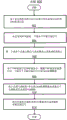
图6是根据本公开的各种实施例的用于通过多源跟踪和活动检测来增强多源音频信号的示例方法的逻辑流程图。6 is a logic flow diagram of an example method for enhancing a multi-source audio signal through multi-source tracking and activity detection in accordance with various embodiments of the present disclosure.
图7是根据本公开的各种实施例的用于使用麦克风对在多维空间中计算TDOA轨迹信息的示例过程的逻辑流程图。7 is a logic flow diagram of an example process for computing TDOA trajectory information in a multi-dimensional space using microphone pairs in accordance with various embodiments of the present disclosure.
具体实施方式Detailed ways
本公开提供了用于在多流音频环境中检测和处理(一个或多个)目标音频信号的改进的系统和方法。The present disclosure provides improved systems and methods for detecting and processing target audio signal(s) in a multi-stream audio environment.
语音活动检测(VAD)可用于在利用从多个输入通道得到的源的空间信息的过程中监督目标音频的话音增强。VAD可以允许在期望的扬声器的无声时段期间诱发干扰/噪声源的空间统计,使得当期望的扬声器变得激活时,噪声/干扰的影响随后可以被消除。例如,通过以下操作可以推导每个源的VAD来以到达时间差(TDOA)或到达方向(DOA)的形式跟踪源的空间信息:通过确定检测何时出现在现有轨道附近来构造VAD和利用检测的历史。此过程通常称为测量到轨道(M2T)分配。这样,可以针对所有感兴趣的源推导多个VAD。Voice activity detection (VAD) can be used to supervise the speech enhancement of target audio in the process of exploiting the spatial information of the source derived from multiple input channels. The VAD may allow to induce spatial statistics of disturbance/noise sources during periods of silence of the desired loudspeaker, so that when the desired loudspeaker becomes active, the effects of the noise/interference can then be cancelled. For example, the VAD for each source can be derived to track the spatial information of the source in the form of time difference of arrival (TDOA) or direction of arrival (DOA) by constructing the VAD by determining when a detection occurs near an existing orbit and exploiting the detection History. This process is often referred to as measurement-to-track (M2T) assignment. In this way, multiple VADs can be derived for all sources of interest.
具体地,现有的DOA方法通常基于方位角和仰角角度的闭合形式映射来为整个麦克风阵列构造单个导向矢量,其可以用来利用线性或圆形阵列的特殊几何形状。这样的DOA方法无法扩展到麦克风阵列的通用或任意几何形状。另外,这些基于闭合形式映射的DOA方法通常需要在多维空间中的广泛搜索。对于任意几何形状,可以使用现有的基于TDOA的方法,该方法可能不限于特定的阵列几何形状,并且可以为每个麦克风对构造多个导向矢量,以形成多维TDOA矢量(每对一个维度)。然而,这些现有方法承担引入由来自每个TDOA对的谱的峰的交叉相交而形成的TDOA重影的风险。因此,通常需要涉及特定阵列几何形状的进一步后处理来去除TDOA重影。Specifically, existing DOA methods typically construct a single steering vector for the entire microphone array based on closed-form mapping of azimuth and elevation angles, which can be used to exploit the special geometry of linear or circular arrays. Such DOA methods cannot be extended to general or arbitrary geometries of microphone arrays. Additionally, these closed-form mapping-based DOA methods typically require extensive searches in multidimensional spaces. For arbitrary geometries, existing TDOA-based methods can be used, which may not be limited to a specific array geometry, and multiple steering vectors can be constructed for each microphone pair to form multi-dimensional TDOA vectors (one dimension per pair) . However, these existing methods run the risk of introducing TDOA ghosts formed by the cross-intersection of the peaks from each TDOA pair's spectrum. Therefore, further post-processing involving specific array geometries is often required to remove TDOA ghosting.
鉴于对不受特别阵列几何形状约束的多流VAD的需要,本文中描述的实施例提供了可适用于通用阵列几何形状(例如,位于平面上的麦克风阵列)的组合的多源TDOA跟踪和VAD机制。通过对每个维度分离地执行TDOA搜索,组合的多源TDOA跟踪和VAD机制可以减少传统TDOA中通常涉及的计算的数量。Given the need for a multi-stream VAD that is not constrained by a particular array geometry, the embodiments described herein provide a combined multi-source TDOA tracking and VAD that can be adapted to general array geometries (eg, on-plane microphone arrays). mechanism. By performing the TDOA search separately for each dimension, the combined multi-source TDOA tracking and VAD mechanism can reduce the number of computations typically involved in traditional TDOA.
在一些实施例中,采用了用于位于平面上的通用阵列几何形状的多维TDOA方法,该方法避免了不想要的重影TDOA。在一个实施例中,获得通用地配置的麦克风的笛卡尔坐标,可以选择该麦克风中的一个作为参考麦克风。可以扫描麦克风的方位角和仰角角度,基于此可以在多个麦克风对的多维TDOA空间中形成物理上可允许的TDOA的平面轨迹。这样,形成的平面轨迹避免了重影TDOA的形成,因此不需要进一步的后处理来去除重影TDOA。而且,与全DOA扫描方法相比,本文中公开的多维TDOA方法通过分离地执行在与每个维度有关的成对TDOA域中的搜索、而不是在全多维空间中的搜索,来降低计算复杂度。In some embodiments, a multi-dimensional TDOA approach is employed for generic array geometries lying on a plane, which avoids unwanted ghost TDOA. In one embodiment, the Cartesian coordinates of the commonly configured microphones are obtained, one of which may be selected as the reference microphone. The azimuth and elevation angles of the microphones can be scanned, based on which a planar trajectory of physically allowable TDOA can be formed in the multi-dimensional TDOA space of multiple microphone pairs. In this way, the formed planar track avoids the formation of ghost TDOA, so no further post-processing is required to remove ghost TDOA. Furthermore, compared to the full DOA scan method, the multidimensional TDOA method disclosed herein reduces computational complexity by separately performing searches in the paired TDOA domains associated with each dimension, rather than in the full multidimensional space Spend.
图1图示了根据本公开的各种实施例的音频处理系统可以在其中操作的示例操作环境100。操作环境100包括音频处理设备105、目标音频源110和一个或多个噪声源135-145。在图1中所图示的示例中,操作环境100被图示为房间,但是可以设想的是,操作环境可以包括其他区域,诸如车辆内部、办公室会议室、家庭房间、室外体育场或机场。根据本公开的各种实施例,音频处理设备105可以包括两个或更多音频感测部件(例如,麦克风)115a-115d以及,可选地,一个或多个音频输出部件(例如,扬声器)120a-120b。FIG. 1 illustrates an
音频处理设备105可以被配置成经由音频感测部件115a-115d感测声音并且生成包括两个或更多音频输入信号的多通道音频输入信号。音频处理设备105可以使用本文中公开的音频处理技术来处理音频输入信号,以增强从目标音频源110接收的音频信号。例如,可以将处理的音频信号传输到音频处理设备105内的其他部件(诸如话音识别引擎或语音命令处理器),或者传输到外部设备。因此,音频处理设备105可以是处理音频信号的独立设备,或者可以是将处理的音频信号转换成其他信号(例如,命令、指令等)以用于与外部设备交互或控制外部设备的设备。在其他实施例中,音频处理设备105可以是通信设备,诸如移动电话或实现IP语音(VoIP)的设备,并且处理的音频信号可以通过网络传输到另一设备以用于输出到远程用户。通信设备还可以从远程设备接收处理的音频信号,并且经由音频输出部件120a-120b输出处理的音频信号。The
目标音频源110可以是产生可由音频处理设备105检测的声音的任何源。可以基于由用户或系统要求指定的准则来定义要由系统检测的目标音频。例如,目标音频可以被定义为人类话音、由特别的动物或机器发出的声音。在所图示的示例中,目标音频被定义为人类话音,并且目标音频源110是人。除了目标音频源110之外,操作环境100可以包括一个或多个噪声源135-145。在各种实施例中,不是目标音频的声音可以被处理为噪声。在所图示的示例中,噪声源135-145可以包括:播放音乐的扬声器135;播放电视节目、电影或体育赛事的电视140;以及非目标扬声器145之间的背景对话。将领会的是,不同的噪声源可存在于各种操作环境中。The
注意的是,目标音频和噪声可能从不同的方向以及在不同的时间到达音频处理设备105的音频感测部件115a-115d。例如,噪声源135-145可以在操作环境100内的不同位置处产生噪声,并且目标音频源(人)110可以在操作环境100内的位置之间移动时讲话。此外,目标音频和/或噪声可以从房间100内的固定物(例如,墙壁)反射。例如,考虑目标音频可以从目标音频源110经过以到达每个音频感测部件115a-115d的路径。如由箭头125a-125d所指示,目标音频可以直接从目标音频源110分别传播到音频感测部件115a-115d。另外,目标音频可以从墙壁150a和150b反射,以及从目标音频源110间接到达音频感测部件115a-115d,如由箭头130a-130b所指示。在各种实施例中,音频处理设备105可以使用一种或多种音频处理技术来估计并施加房间脉冲响应,以进一步增强目标音频并抑制噪声。Note that the target audio and noise may arrive at the
图2图示了根据本公开的各种实施例的示例音频处理设备200。在一些实施例中,音频处理设备200可以被实现为图1的音频处理设备105。音频处理设备200包括音频传感器阵列205、音频信号处理器220和主机系统部件250。FIG. 2 illustrates an example audio processing device 200 in accordance with various embodiments of the present disclosure. In some embodiments, the audio processing device 200 may be implemented as the
音频传感器阵列205包括两个或更多传感器,每个传感器可以实现为将具有声波形式的音频输入转换为音频信号的换能器。在所图示的环境中,音频传感器阵列205包括多个麦克风205a-205n,每个麦克风生成音频输入信号,该音频输入信号被提供给音频信号处理器220的音频输入电路222。在一个实施例中,音频传感器阵列205生成多通道音频信号,其中每个通道对应于来自麦克风205a-n中的一个的音频输入信号。
音频信号处理器220包括音频输入电路222、数字信号处理器224和可选的音频输出电路226。在各种实施例中,音频信号处理器220可以被实现为包括模拟电路、数字电路和数字信号处理器224的集成电路,其可操作以执行存储在固件中的程序指令。音频输入电路222,例如,可以包括到音频传感器阵列205的接口、抗混叠滤波器、模数转换器电路、回声消除电路以及其他音频处理电路和部件。数字信号处理器224可操作以处理多通道数字音频信号来生成增强的音频信号,该增强的音频信号被输出到一个或多个主机系统部件250。在各种实施例中,数字信号处理器224可以可操作以执行回声消除、噪声消除、目标信号增强、后滤波和其他音频信号处理功能。Audio signal processor 220 includes
可选的音频输出电路226处理从数字信号处理器224接收的音频信号,以用于输出到至少一个扬声器,诸如扬声器210a和210b。在各种实施例中,音频输出电路226可以包括将一个或多个数字音频信号转换为模拟音频信号的数模转换器和用于驱动扬声器210a-210b的一个或多个放大器。Optional audio output circuitry 226 processes audio signals received from
音频处理设备200可以被实现为可操作以接收和增强目标音频数据的任何设备,诸如,例如,移动电话、智能扬声器、平板电脑、膝上型计算机、台式计算机、语音控制的装置或汽车。主机系统部件250可以包括用于操作音频处理设备200的各种硬件和软件部件。在所图示的实施例中,主机系统部件250包括处理器252、用户接口部件254、用于与外部设备和网络(诸如网络280(例如,英特网、云、局域网络或蜂窝网络)和移动设备284)进行通信的通信接口256以及存储器258。Audio processing device 200 may be implemented as any device operable to receive and enhance target audio data, such as, for example, a mobile phone, smart speaker, tablet, laptop, desktop computer, voice-controlled appliance, or automobile. Host system components 250 may include various hardware and software components for operating audio processing device 200 . In the illustrated embodiment, host system component 250 includes a processor 252, a user interface component 254, for communicating with external devices and networks, such as network 280 (eg, the Internet, cloud, local area network, or cellular network) and mobile device 284) communication interface 256 and memory 258 for communication.
处理器252和数字信号处理器224可以包括处理器、微处理器、单核处理器、多核处理器、微控制器、可编程逻辑器件(PLD)(例如,现场可编程门阵列(FPGA))、数字信号处理(DSP)设备或其他逻辑器件(其可以通过硬接线、执行软件指令或两者的组合来配置)中的一个或多个,以执行针对本公开的实施例的本文中讨论的各种操作。主机系统部件250被配置成诸如通过总线或其他电子通信接口与音频信号处理器220和其他主机系统部件250对接和通信。Processor 252 and
将领会的是,尽管音频信号处理器220和主机系统部件250被示出为并入硬件部件、电路和软件的组合,但是在一些实施例中,硬件部件和电路可操作以执行的至少一些或全部功能性可被实现为软件模块,该软件模块响应于存储在数字信号处理器224的固件或存储器258中的软件指令和/或配置数据而由处理器252和/或数字信号处理器224执行。It will be appreciated that although the audio signal processor 220 and host system components 250 are shown as incorporating a combination of hardware components, circuits and software, in some embodiments the hardware components and circuits are operable to perform at least some or All functionality may be implemented as software modules executed by processor 252 and/or
存储器258可以被实现为可操作以存储包括音频数据和程序指令的数据和信息的一个或多个存储设备。存储器258可以包括一个或多个各种类型的存储设备,包括易失性和非易失性存储设备,诸如RAM(随机存取存储器)、ROM(只读存储器)、EEPROM(电可擦除只读存储器)、闪速存储器、硬盘驱动器和/或其他类型的存储器。Memory 258 may be implemented as one or more storage devices operable to store data and information including audio data and program instructions. Memory 258 may include one or more storage devices of various types, including volatile and non-volatile storage devices, such as RAM (random access memory), ROM (read only memory), EEPROM (electrically erasable only memory) read memory), flash memory, hard drives, and/or other types of memory.
处理器252可以可操作以执行存储在存储器258中的软件指令。在各种实施例中,话音识别引擎260可操作以处理从音频信号处理器220接收的增强的音频信号,包括识别和执行语音命令。诸如通过移动或蜂窝电话网络上的语音呼叫或IP网络上的VoIP呼叫,语音通信部件262可以可操作以促进与诸如移动设备284或用户设备286之类的一个或多个外部设备的语音通信。在各种实施例中,语音通信包括将增强的音频信号传输到外部通信设备。The processor 252 may be operable to execute software instructions stored in the memory 258 . In various embodiments, the speech recognition engine 260 is operable to process the enhanced audio signal received from the audio signal processor 220, including recognizing and executing voice commands.
用户接口部件254可以包括显示器、触摸板显示器、小键盘、一个或多个按钮和/或其他输入/输出部件,其可操作以使用户能够直接与音频处理设备200交互。User interface components 254 may include a display, a touch panel display, a keypad, one or more buttons, and/or other input/output components operable to enable a user to directly interact with audio processing device 200 .
通信接口256促进音频处理设备200与外部设备之间的通信。例如,通信接口256可以实现音频处理设备200与一个或多个本地设备(诸如移动设备284或诸如通过网络280提供对远程服务器282的网络访问的无线路由器)之间的Wi-Fi(例如,802.11)或蓝牙连接。在各种实施例中,通信接口256可以包括其他有线和无线通信部件,其促进音频处理设备200与一个或多个其他设备之间的直接或间接通信。Communication interface 256 facilitates communication between audio processing device 200 and external devices. For example, communication interface 256 may implement Wi-Fi (eg, 802.11) between audio processing device 200 and one or more local devices, such as
图3图示了根据本公开的各种实施例的示例音频信号处理器300。在一些实施例中,音频信号处理器300体现为一个或多个集成电路,其包括模拟和数字电路以及由数字信号处理器(诸如图2的音频信号处理器220)实现的固件逻辑。如所图示,音频信号处理器300包括音频输入电路315、子带频率分析器320、多轨道VAD引擎325、音频增强引擎330和合成器335。FIG. 3 illustrates an example audio signal processor 300 in accordance with various embodiments of the present disclosure. In some embodiments, audio signal processor 300 is embodied as one or more integrated circuits that include analog and digital circuits and firmware logic implemented by a digital signal processor, such as audio signal processor 220 of FIG. 2 . As illustrated, the audio signal processor 300 includes an
音频信号处理器300接收来自多个音频传感器(诸如包括至少两个音频传感器305a-n的传感器阵列305)的多通道音频输入。音频传感器305a-305n可以包括与诸如图2的音频处理设备200之类的音频处理设备集成的或与连接到其的外部部件集成的麦克风。根据本公开的各种实施例,音频信号处理器300可以知道或不知道音频传感器305a-305n的布置。The audio signal processor 300 receives multi-channel audio input from a plurality of audio sensors, such as a
音频信号可以初始地由音频输入电路315处理,该音频输入电路315可以包括抗混叠滤波器、模数转换器和/或其他音频输入电路。在各种实施例中,音频输入电路315输出数字、多通道、时域音频信号,其中M是传感器(例如,麦克风)输入的数量。将多通道音频信号输入到子带频率分析器320,其将多通道音频信号划分为连续的帧,并将每个通道的每一帧分解为多个频率子带。在各种实施例中,子带频率分析器320包括傅立叶变换过程并且输出多个频率窗口。然后分解的音频信号被提供给多轨道VAD引擎325和音频增强引擎330。Audio signals may be initially processed by
多轨道VAD引擎325可操作以分析一个或多个音频轨道的帧并生成指示当前帧中是否存在目标音频活动的VAD输出。如上所讨论,目标音频可以是要由音频系统识别的任何音频。当目标音频是人类话音时,多轨道VAD引擎325可以被具体实现为用于检测语音活动。在各种实施例中,多轨道VAD引擎325可操作以接收音频数据的帧,并且针对每个音频轨道生成关于对应于音频数据的帧的相应音频轨道上的目标音频的存在或不存在的VAD指示输出。关于图4中的400进一步图示了多轨道VAD引擎325的详细部件和操作。The multi-track VAD engine 325 is operable to analyze the frames of one or more audio tracks and generate a VAD output indicating whether there is target audio activity in the current frame. As discussed above, the target audio can be any audio to be recognized by the audio system. When the target audio is human speech, the multi-track VAD engine 325 may be embodied to detect speech activity. In various embodiments, the multi-track VAD engine 325 is operable to receive frames of audio data and generate, for each audio track, a VAD for the presence or absence of target audio on the respective audio track corresponding to the frame of audio data Indicate output. The detailed components and operation of the multi-track VAD engine 325 are further illustrated with respect to 400 in FIG. 4 .
音频增强引擎330从子带频率分析器320接收子带帧,并从多轨道VAD引擎325接收VAD指示。根据本公开的各种实施例,音频增强引擎330配置成基于接收的多轨道VAD指示来处理子带帧,以增强多轨道音频信号。例如,音频增强引擎330可以增强被确定为来自目标音频源的方向的音频信号的部分,并且抑制被确定为噪声的音频信号的其他部分。
在增强目标音频信号之后,音频增强引擎330可以将处理的音频信号传递给合成器335。在各种实施例中,合成器335通过组合子带以形成增强的时域音频信号来以逐帧为基础重构一个或多个多通道音频信号。然后,增强的音频信号可以被变换回到时域,并被发送到系统部件或外部设备以用于进一步处理。After enhancing the target audio signal, the
图4图示了根据本公开的各种实施例的用于处理来自通用麦克风阵列的多个音频信号的示例多轨道VAD引擎400。多轨道VAD引擎400可以被实现为由数字信号处理器执行的数字电路和逻辑的组合。在一些实施例中,可以将多轨道VAD引擎400安装在诸如图3中的300之类的音频信号处理器中。多轨道VAD引擎400可以向图3中的多轨道VAD引擎325提供进一步的结构和功能细节。4 illustrates an example
根据本公开的各种实施例,多轨道VAD引擎400包括子带分析模块405、基于块的TDOA估计模块410、TDOA轨迹计算模块420以及多源跟踪和多流VAD估计模块430。According to various embodiments of the present disclosure, the
子带分析模块405接收由


子带分析模块405被配置成获得音频信号402并将其变换为时频域表示404,其表示为与原始时域音频信号


TDOA轨迹计算模块420被配置成扫描通用麦克风阵列(例如,形成通用阵列几何形状的音频传感器305a-n)。例如,对于平面上给定的任意麦克风阵列几何形状,在系统启动时计算一次可准许的TDOA位置的轨迹。点的该轨迹可以避免重影形成。The TDOA trajectory calculation module 420 is configured to scan a generic microphone array (eg, the
对于M个麦克风的阵列,可以选择第一麦克风作为参考麦克风,其转而给出全部相对于第一麦克风的M-1个麦克风对。例如,图5A图示了示例麦克风对。索引为第i-1对的麦克风对包括麦克风i 502和用于入射声线505的参考麦克风l 501,该入射声线505具有从远源(假设远场模型)发射的方位角角度θ和为零的仰角角度。501和502的麦克风对之间的距离以及两个麦克风之间的角度分别表示为


其中c是传播速度。where c is the propagation speed.
在扫描了不同的仰角和方位角角度之后,TDOA轨迹计算模块420可以构造可准许的TDOA的网格。当所有M个麦克风位于平面上时,产生的TDOA轨迹(针对θ和ϕ的所有扫描的
例如,图5B图示了两个不同的示例麦克风布局连同它们相应的TDOA网格。在510处示出了一组M=4个麦克风,其中第一和第三麦克风之间的距离为8 cm,以及可准许的TDOA的产生的网格在如515处示出的M-1=3维空间中。当第一和第三麦克风之间的距离增加到16cm时,如在520处所示,在525处示出了可准许的TDOA的产生的网格。For example, Figure 5B illustrates two different example microphone layouts along with their corresponding TDOA grids. A set of M=4 microphones is shown at 510, where the distance between the first and third microphones is 8 cm, and the resulting grid of allowable TDOA is shown at 515 as M-1= in 3-dimensional space. When the distance between the first and third microphones is increased to 16 cm, as shown at 520 , the resulting grid of allowable TDOA is shown at 525 .
回到参考图4,TDOA轨迹计算模块420然后可以将(M-1)维TDOA 403发送到基于块的TDOA估计模块410。基于块的TDOA估计模块410接收TDOA 403和多源音频的时频域表示404,基于所述时频域表示404,TDOA估计模块410使用从连续帧获得的数据来提取源麦克风(例如,图3中所示出的音频传感器305a-n)的TDOA信息。Referring back to FIG. 4 , the TDOA trajectory calculation module 420 may then send the (M-1)-
在一个实施例中,基于块的TDOA估计模块410采用导向最小方差(STMV)波束形成器来从多源音频的时频域表示404获得TDOA信息。具体地,基于块的TDOA估计模块410可以选择麦克风作为参考麦克风,然后通过将剩余的M-l个麦克风与参考麦克风配对来指定总共M-1个麦克风对。麦克风对由
例如,可以选择第一麦克风作为参考麦克风,并且因此,


其中()H代表厄米转置。where () H stands for Hermitian transpose.
在一些实现方式中,在一定数量的连续帧的块上实现计算
然后,基于块的TDOA估计模块410可以为每个对和频带如下构造导向矩阵:The block-based

其中,

对于每个麦克风对p,基于块的TDOA估计模块410通过以下方式构造跨所有频带相干地对齐的方向协方差矩阵:For each microphone pair p, the block-based

方向协方差矩阵


例如,如果存在M=4个麦克风,并且方位角和仰角扫描分别为


接下来,对于每一对p,服从于无失真准则(具有其等效伪似然解)对波束功率进行最小化的方向被计算如下:Next, for each pair p , the direction that minimizes the beam power subject to the distortion-free criterion (with its equivalent pseudo-likelihood solution) is calculated as follows:

其中

然后识别产生所有M-1个对的最大STMV联合伪似然度的方位角和仰角,由以下等式表示The azimuth and elevation angles that yield the largest STMV joint pseudo-likelihood for all M-1 pairs are then identified, expressed by the following equations

然后可以将方位角和仰角对


其中
然后,基于块的TDOA估计模块410将计算的检测z发送到多源跟踪和多流VAD估计模块430。如果存在轨道的为
如果zn仅落入先前tn-l个轨道中的一个的门中,则更新特别轨道以并入检测zn。If zn falls into the gate of only one of the previous tnl tracks , the particular track is updated to incorporate detection zn .
如果zn落入多个先前tn-l个轨道的重叠门中,则更新最接近于检测zn的轨道以并入检测zn。If zn falls in the overlapping gate of multiple previous tnl tracks , the track closest to detection zn is updated to incorporate detection zn .
如果zn不落入任何先前tn-l个轨道的门中,并且未达到轨道的最大数量


如果zn不落入任何先前tn-1个轨道的门中,并且已达到轨道的最大数量


对于不被更新、发动或代替(如先前步骤中那样)的所有其他轨道而言,则这些轨道以相同的平均值被更新,但每个相应轨道的方差增加,以(例如,基于随机行走模型)计及不确定性。每个相应轨道的功率还被衰减,使得未来出现的源有机会被发动。以此方式,可以从模块430输出在时间-步长n处并入最新检测406的跟踪结果408,其由
当所有音频轨道已经被更新时,模块430使用最近的邻近物M2T分配来生成多流VAD 412。具体地,在时间-步长n处,可以通过将1分配给最接近于检测zn的轨道以及将0分配给其他轨道来执行M2T分配。在一些实现方式中,可在VAD在先前时间-步长中为1之后被完全分配为零之前将释放延迟(hangover)应用于VAD以具有中间值,例如,-1,等。以此方式,从模块430,例如,向图3中的音频增强引擎330输出由
图6图示了根据本公开的各种实施例的用于通过多源跟踪和VAD来增强多源音频信号的示例方法600。在一些实施例中,方法600可以由音频信号处理器300中的一个或多个部件和/或多轨道VAD引擎400的一个或多个部件来执行。6 illustrates an example method 600 for enhancing a multi-source audio signal through multi-source tracking and VAD, according to various embodiments of the present disclosure. In some embodiments, method 600 may be performed by one or more components in audio signal processor 300 and/or one or more components in
方法600以步骤602开始,在步骤602,可以基于麦克风阵列的空间信息来计算TDOA轨迹信息。例如,TDOA轨迹信息可以在系统启动时通过利用变化的方位角和仰角角度的入射声线扫描麦克风阵列来计算一次。如关于图7进一步描述的那样,可以在通过将来自麦克风阵列的麦克风配对而构成的多维空间中以降低的复杂度来执行计算。Method 600 begins with
参考图7,其为步骤602提供了进一步的详细步骤,在步骤702,可以从麦克风阵列选择第一麦克风作为参考麦克风。在步骤704,可以将来自麦克风阵列的每个剩余的麦克风与参考麦克风配对。在步骤706,对于每个麦克风对,可以基于相应对中的两个麦克风之间的距离和角度(例如,根据关于图4描述的等式(1))来计算对应于入射声线的特定方位角角度和特定仰角角度的TDOA位置。在图5A中还示出了具有入射声线的特定方位角角度和特定仰角角度的示例麦克风对。Referring to Figure 7, which provides further detailed steps for
在步骤708,如果存在更多的麦克风对要处理,则该方法在步骤710检索(retrieve)下一个麦克风对并在步骤706重复,直到已经计算了所有麦克风对的TDOA位置。At
在步骤712,如果存在方位角和仰角角度的更多扫描,则该方法在步骤714检索方位角和仰角角度的下一次扫描并在步骤706重复,直到计算出方位角和仰角角度的所有扫描的TDOA位置。At step 712, if there are more scans of the azimuth and elevation angles, the method retrieves the next scan of the azimuth and elevation angles at
在步骤712,当没有方位角和仰角角度的更多扫描要处理时(例如,已经在方位角和仰角角度的所有扫描上针对所有麦克风对计算了TDOA位置),则可以在步骤716形成TDOA位置点的网格。图5B中示出了对应于麦克风阵列的不同几何形状的TDOA位置点的示例网格。At step 712, when there are no more scans of azimuth and elevation angles to process (eg, TDOA positions have been calculated for all microphone pairs over all scans of azimuth and elevation angles), then TDOA positions may be formed at step 716 grid of points. An example grid of TDOA location points corresponding to different geometries of the microphone array is shown in FIG. 5B.
回到参考图6,在系统启动时计算TDOA轨迹信息时,方法600前进到步骤604。在步骤604,可以从麦克风阵列接收一个或多个多源音频信号。例如,可以经由图3中的音频输入电路315来接收图4中的多源音频信号402的时域采样。Referring back to FIG. 6 , method 600 proceeds to step 604 when TDOA trajectory information is calculated at system startup. At
在步骤606,可以将一个或多个多源音频信号从时域表示变换成时频表示。例如,子带分析模块405可以将时域信号变换成时频域表示,如关于图4所描述的那样。At
在步骤608,可以基于计算的TDOA轨迹,根据STMV波束形成器针对一个或多个多源音频信号计算TDOA检测数据。例如,对于每个麦克风对,可以针对每一个频带使用来自相应麦克风对的一个或多个多源音频信号的时频表示(例如,根据关于图4描述的等式(2))来计算协方差矩阵。然后,可以基于TDOA位置针对每一个频带(例如,根据关于图4描述的等式(3))构造导向矩阵,该TDOA位置针对对应于相应麦克风对的方位角和仰角角度的不同扫描。可以基于构造的导向矩阵和计算的协方差矩阵(例如,根据关于图4描述的等式(4))来构造跨所有频带对齐的方向协方差矩阵。可以基于构造的方向协方差矩阵(例如,根据关于图4描述的等式(5))确定使波束功率最小化的伪似然解。然后可以通过取跨所有麦克风对的所有确定的伪似然解的乘积来(例如,根据关于图4描述的等式(6))计算STMV联合伪似然度。然后可以(例如,根据关于图4描述的等式(7))确定使STMV联合伪似然度最大化的一对方位角和仰角角度。然后可以(例如,根据关于图4描述的等式(8))将确定的一对方位角和仰角角度变换为代表TDOA检测数据的极坐标表示。At
在步骤610,基于直到当前时间-步长的计算的TDOA检测数据可以更新多个音频轨道并且可以构造VAD数据。例如,可以识别对应于当前时间-步长的TDOA检测和先前已经建立直到当前时间-步长的一组现有音频轨道。然后,方法600可以基于现有音频轨道的门与TDOA检测之间的比较来确定是将TDOA检测并入到现有音频轨道中的一个中还是建立新的音频轨道,如关于图4中的模块430所描述的那样。对于另一个示例,方法600可以在相应音频轨道最接近于TDOA检测时将第一值分配给相应音频轨道的VAD,以及将第二值分配给其他音频轨道的VAD,如关于图4中的模块430所描述的那样。At
在步骤612,可以使用更新的多个音频轨道和构造的VAD数据来生成一个或多个增强的多源音频信号。例如,增强的多源音频信号然后可以被传输到各种设备或部件。对于另一个示例,增强的多源音频信号可以被打包并通过网络传输到另一个音频输出设备(例如,智能电话、计算机等)。增强的多源音频信号也可以被传输到诸如自动话音识别部件之类的语音处理电路以进行进一步处理。At
前述公开不旨在将本发明限制为所公开的精确形式或特别的使用领域。因此,设想的是,根据本公开,无论在本文中明确描述还是暗示,对本公开的各种替代实施例和/或修改是可能的。例如,本文中描述的实施例可用于提供环境中的多个声音源的位置,以便(例如,在并入来自诸如视频流、3D相机、激光雷达等之类的其他模态的附加信息的应用中)监督人机交互任务。已经像这样描述了本公开的实施例,本领域普通技术人员将认识到优于常规方法的优点,并且可以在形式和细节上做出改变而不背离本公开的范围。因此,本公开仅由权利要求限制。The foregoing disclosure is not intended to limit the invention to the precise form disclosed or particular field of use. Accordingly, it is contemplated that various alternative embodiments and/or modifications of the present disclosure, whether explicitly described or implied herein, are possible in light of the present disclosure. For example, embodiments described herein may be used to provide the location of multiple sound sources in an environment for (eg, in applications incorporating additional information from other modalities such as video streaming, 3D cameras, lidar, etc.) Middle) to supervise human-computer interaction tasks. Having thus described embodiments of the present disclosure, those of ordinary skill in the art will recognize advantages over conventional methods, and may make changes in form and detail without departing from the scope of the present disclosure. Accordingly, the present disclosure is limited only by the claims.
Claims (20)
Applications Claiming Priority (2)
| Application Number | Priority Date | Filing Date | Title |
|---|---|---|---|
| US16/740,297 US11064294B1 (en) | 2020-01-10 | 2020-01-10 | Multiple-source tracking and voice activity detections for planar microphone arrays |
| US16/740297 | 2020-01-10 |
Publications (1)
| Publication Number | Publication Date |
|---|---|
| CN113113034A true CN113113034A (en) | 2021-07-13 |
Family
ID=76709199
Family Applications (1)
| Application Number | Title | Priority Date | Filing Date |
|---|---|---|---|
| CN202110023469.7A Pending CN113113034A (en) | 2020-01-10 | 2021-01-08 | Multi-source tracking and voice activity detection for planar microphone arrays |
Country Status (4)
| Country | Link |
|---|---|
| US (2) | US11064294B1 (en) |
| JP (1) | JP7742703B2 (en) |
| KR (1) | KR102878462B1 (en) |
| CN (1) | CN113113034A (en) |
Families Citing this family (17)
| Publication number | Priority date | Publication date | Assignee | Title |
|---|---|---|---|---|
| JP7407580B2 (en) | 2018-12-06 | 2024-01-04 | シナプティクス インコーポレイテッド | system and method |
| US11197232B2 (en) * | 2019-04-01 | 2021-12-07 | Ofinno, Llc | Location reporting handling |
| US11064294B1 (en) | 2020-01-10 | 2021-07-13 | Synaptics Incorporated | Multiple-source tracking and voice activity detections for planar microphone arrays |
| CN111586547B (en) * | 2020-04-28 | 2022-05-06 | 北京小米松果电子有限公司 | Detection method and device of audio input module and storage medium |
| US11830471B1 (en) * | 2020-08-31 | 2023-11-28 | Amazon Technologies, Inc. | Surface augmented ray-based acoustic modeling |
| CN113782047B (en) * | 2021-09-06 | 2024-03-08 | 云知声智能科技股份有限公司 | Voice separation method, device, equipment and storage medium |
| CN114171061B (en) * | 2021-12-29 | 2024-12-20 | 苏州科达特种视讯有限公司 | Delay estimation method, device and storage medium |
| US12057138B2 (en) | 2022-01-10 | 2024-08-06 | Synaptics Incorporated | Cascade audio spotting system |
| US11823707B2 (en) | 2022-01-10 | 2023-11-21 | Synaptics Incorporated | Sensitivity mode for an audio spotting system |
| DE202022101069U1 (en) | 2022-02-24 | 2022-03-23 | Pankaj Agarwal | Intelligent sound detection system based on artificial intelligence processing of multiple sounds |
| TWI861569B (en) * | 2022-03-07 | 2024-11-11 | 英屬開曼群島商意騰科技股份有限公司 | Microphone system |
| US20220236360A1 (en) * | 2022-04-19 | 2022-07-28 | Intel Corporation | Method and system of detection of acoustic source aiming direction |
| CN115113139B (en) * | 2022-05-12 | 2024-02-02 | 苏州清听声学科技有限公司 | Sound source identification method, device and electronic equipment based on microphone array |
| WO2024065256A1 (en) * | 2022-09-28 | 2024-04-04 | Citrix Systems, Inc. | Positional and echo audio enhancement |
| CN115295000B (en) * | 2022-10-08 | 2023-01-03 | 深圳通联金融网络科技服务有限公司 | Method, device and equipment for improving speech recognition accuracy under multi-object speaking scene |
| CN116246653A (en) * | 2022-12-20 | 2023-06-09 | 小米汽车科技有限公司 | Voice endpoint detection method, device, electronic device and storage medium |
| CN119993218B (en) * | 2025-02-25 | 2025-11-21 | 杭州艾力特数字科技有限公司 | Voice recognition alarm method, system, electronic equipment and medium |
Citations (8)
| Publication number | Priority date | Publication date | Assignee | Title |
|---|---|---|---|---|
| US6482160B1 (en) * | 1999-11-24 | 2002-11-19 | Her Majesty The Queen In Right Of Canada, As Represented By The Minister Of National Defence | High resolution 3D ultrasound imaging system deploying a multidimensional array of sensors and method for multidimensional beamforming sensor signals |
| CN104035064A (en) * | 2014-06-05 | 2014-09-10 | 哈尔滨工程大学 | Robust broadband steered minimum variance beam forming method suitable for any formation |
| WO2017129239A1 (en) * | 2016-01-27 | 2017-08-03 | Nokia Technologies Oy | System and apparatus for tracking moving audio sources |
| EP3285501A1 (en) * | 2016-08-16 | 2018-02-21 | Oticon A/s | A hearing system comprising a hearing device and a microphone unit for picking up a user's own voice |
| CN108370470A (en) * | 2015-12-04 | 2018-08-03 | 森海塞尔电子股份有限及两合公司 | Conference system with microphone array system and voice acquisition method in the conference system |
| US20190043515A1 (en) * | 2018-07-12 | 2019-02-07 | Intel IP Corporation | Joint beamforming and echo cancellation for reduction of noise and non-linear echo |
| CN110178178A (en) * | 2016-09-14 | 2019-08-27 | 纽昂斯通讯有限公司 | Microphone selection and multiple talkers segmentation with environment automatic speech recognition (ASR) |
| US20190355373A1 (en) * | 2018-05-16 | 2019-11-21 | Synaptics Incorporated | 360-degree multi-source location detection, tracking and enhancement |
Family Cites Families (97)
| Publication number | Priority date | Publication date | Assignee | Title |
|---|---|---|---|---|
| JP3484112B2 (en) | 1999-09-27 | 2004-01-06 | 株式会社東芝 | Noise component suppression processing apparatus and noise component suppression processing method |
| US6370500B1 (en) | 1999-09-30 | 2002-04-09 | Motorola, Inc. | Method and apparatus for non-speech activity reduction of a low bit rate digital voice message |
| GB2379148A (en) | 2001-08-21 | 2003-02-26 | Mitel Knowledge Corp | Voice activity detection |
| US7088831B2 (en) | 2001-12-06 | 2006-08-08 | Siemens Corporate Research, Inc. | Real-time audio source separation by delay and attenuation compensation in the time domain |
| AUPS270902A0 (en) | 2002-05-31 | 2002-06-20 | Canon Kabushiki Kaisha | Robust detection and classification of objects in audio using limited training data |
| US7146315B2 (en) | 2002-08-30 | 2006-12-05 | Siemens Corporate Research, Inc. | Multichannel voice detection in adverse environments |
| CN1303582C (en) | 2003-09-09 | 2007-03-07 | 摩托罗拉公司 | Automatic speech classification method |
| KR100754385B1 (en) | 2004-09-30 | 2007-08-31 | 삼성전자주식회사 | Positioning, tracking, and separating device using audio / video sensor and its method |
| US7464029B2 (en) | 2005-07-22 | 2008-12-09 | Qualcomm Incorporated | Robust separation of speech signals in a noisy environment |
| JP2007047427A (en) | 2005-08-10 | 2007-02-22 | Hitachi Ltd | Audio processing device |
| KR100821177B1 (en) | 2006-09-29 | 2008-04-14 | 한국전자통신연구원 | Estimation Method of A priori Speech Absence Probability Based on Statistical Model |
| KR100964402B1 (en) | 2006-12-14 | 2010-06-17 | 삼성전자주식회사 | Method and apparatus for determining encoding mode of audio signal and method and apparatus for encoding / decoding audio signal using same |
| US8098842B2 (en) | 2007-03-29 | 2012-01-17 | Microsoft Corp. | Enhanced beamforming for arrays of directional microphones |
| US8005237B2 (en) | 2007-05-17 | 2011-08-23 | Microsoft Corp. | Sensor array beamformer post-processor |
| EP2081189B1 (en) | 2008-01-17 | 2010-09-22 | Harman Becker Automotive Systems GmbH | Post-filter for beamforming means |
| US9113240B2 (en) | 2008-03-18 | 2015-08-18 | Qualcomm Incorporated | Speech enhancement using multiple microphones on multiple devices |
| KR20100006492A (en) | 2008-07-09 | 2010-01-19 | 삼성전자주식회사 | Method and apparatus for deciding encoding mode |
| EP2146519B1 (en) | 2008-07-16 | 2012-06-06 | Nuance Communications, Inc. | Beamforming pre-processing for speaker localization |
| JP2010085733A (en) | 2008-09-30 | 2010-04-15 | Equos Research Co Ltd | Speech enhancement system |
| US9202456B2 (en) | 2009-04-23 | 2015-12-01 | Qualcomm Incorporated | Systems, methods, apparatus, and computer-readable media for automatic control of active noise cancellation |
| US20110010172A1 (en) | 2009-07-10 | 2011-01-13 | Alon Konchitsky | Noise reduction system using a sensor based speech detector |
| JP5411807B2 (en) | 2010-05-25 | 2014-02-12 | 日本電信電話株式会社 | Channel integration method, channel integration apparatus, and program |
| JP5385876B2 (en) | 2010-08-30 | 2014-01-08 | 日本電信電話株式会社 | Speech segment detection method, speech recognition method, speech segment detection device, speech recognition device, program thereof, and recording medium |
| US9037458B2 (en) | 2011-02-23 | 2015-05-19 | Qualcomm Incorporated | Systems, methods, apparatus, and computer-readable media for spatially selective audio augmentation |
| CN102956230B (en) | 2011-08-19 | 2017-03-01 | 杜比实验室特许公司 | The method and apparatus that song detection is carried out to audio signal |
| US20140330556A1 (en) | 2011-12-12 | 2014-11-06 | Dolby International Ab | Low complexity repetition detection in media data |
| CN103325386B (en) | 2012-03-23 | 2016-12-21 | 杜比实验室特许公司 | The method and system controlled for signal transmission |
| KR101318328B1 (en) | 2012-04-12 | 2013-10-15 | 경북대학교 산학협력단 | Speech enhancement method based on blind signal cancellation and device using the method |
| US9768829B2 (en) | 2012-05-11 | 2017-09-19 | Intel Deutschland Gmbh | Methods for processing audio signals and circuit arrangements therefor |
| TWI474317B (en) | 2012-07-06 | 2015-02-21 | Realtek Semiconductor Corp | Signal processing apparatus and signal processing method |
| US10142007B2 (en) | 2012-07-19 | 2018-11-27 | Intel Deutschland Gmbh | Radio communication devices and methods for controlling a radio communication device |
| DK2701145T3 (en) | 2012-08-24 | 2017-01-16 | Retune DSP ApS | Noise cancellation for use with noise reduction and echo cancellation in personal communication |
| EP2747451A1 (en) | 2012-12-21 | 2014-06-25 | Fraunhofer-Gesellschaft zur Förderung der angewandten Forschung e.V. | Filter and method for informed spatial filtering using multiple instantaneous direction-of-arrivial estimates |
| US9158760B2 (en) | 2012-12-21 | 2015-10-13 | The Nielsen Company (Us), Llc | Audio decoding with supplemental semantic audio recognition and report generation |
| US9183849B2 (en) | 2012-12-21 | 2015-11-10 | The Nielsen Company (Us), Llc | Audio matching with semantic audio recognition and report generation |
| KR102579086B1 (en) | 2013-02-07 | 2023-09-15 | 애플 인크. | Voice trigger for a digital assistant |
| CN104078050A (en) | 2013-03-26 | 2014-10-01 | 杜比实验室特许公司 | Device and method for audio classification and audio processing |
| WO2014166525A1 (en) * | 2013-04-09 | 2014-10-16 | Phonak Ag | Method and system for providing hearing assistance to a user |
| EP2801974A3 (en) | 2013-05-09 | 2015-02-18 | DSP Group Ltd. | Low power activation of a voice activated device |
| CN104217729A (en) | 2013-05-31 | 2014-12-17 | 杜比实验室特许公司 | Audio processing method, audio processing device and training method |
| US9747899B2 (en) | 2013-06-27 | 2017-08-29 | Amazon Technologies, Inc. | Detecting self-generated wake expressions |
| US9601130B2 (en) | 2013-07-18 | 2017-03-21 | Mitsubishi Electric Research Laboratories, Inc. | Method for processing speech signals using an ensemble of speech enhancement procedures |
| US9240182B2 (en) | 2013-09-17 | 2016-01-19 | Qualcomm Incorporated | Method and apparatus for adjusting detection threshold for activating voice assistant function |
| GB2518663A (en) | 2013-09-27 | 2015-04-01 | Nokia Corp | Audio analysis apparatus |
| US9502028B2 (en) | 2013-10-18 | 2016-11-22 | Knowles Electronics, Llc | Acoustic activity detection apparatus and method |
| US9654894B2 (en) | 2013-10-31 | 2017-05-16 | Conexant Systems, Inc. | Selective audio source enhancement |
| EP2884489B1 (en) | 2013-12-16 | 2020-02-05 | Harman Becker Automotive Systems GmbH | Sound system including an engine sound synthesizer |
| US9589560B1 (en) | 2013-12-19 | 2017-03-07 | Amazon Technologies, Inc. | Estimating false rejection rate in a detection system |
| DK2916321T3 (en) | 2014-03-07 | 2018-01-15 | Oticon As | Processing a noisy audio signal to estimate target and noise spectral variations |
| US9548065B2 (en) | 2014-05-05 | 2017-01-17 | Sensory, Incorporated | Energy post qualification for phrase spotting |
| US9484022B2 (en) | 2014-05-23 | 2016-11-01 | Google Inc. | Training multiple neural networks with different accuracy |
| US9369113B2 (en) | 2014-06-20 | 2016-06-14 | Steve Yang | Impedance adjusting device |
| WO2016007528A1 (en) | 2014-07-10 | 2016-01-14 | Analog Devices Global | Low-complexity voice activity detection |
| US9432769B1 (en) | 2014-07-30 | 2016-08-30 | Amazon Technologies, Inc. | Method and system for beam selection in microphone array beamformers |
| US9953661B2 (en) | 2014-09-26 | 2018-04-24 | Cirrus Logic Inc. | Neural network voice activity detection employing running range normalization |
| US9530400B2 (en) | 2014-09-29 | 2016-12-27 | Nuance Communications, Inc. | System and method for compressed domain language identification |
| US10049678B2 (en) | 2014-10-06 | 2018-08-14 | Synaptics Incorporated | System and method for suppressing transient noise in a multichannel system |
| JP6450139B2 (en) | 2014-10-10 | 2019-01-09 | 株式会社Nttドコモ | Speech recognition apparatus, speech recognition method, and speech recognition program |
| US20160275961A1 (en) | 2015-03-18 | 2016-09-22 | Qualcomm Technologies International, Ltd. | Structure for multi-microphone speech enhancement system |
| US9734822B1 (en) | 2015-06-01 | 2017-08-15 | Amazon Technologies, Inc. | Feedback based beamformed signal selection |
| US10229700B2 (en) | 2015-09-24 | 2019-03-12 | Google Llc | Voice activity detection |
| US9668073B2 (en) | 2015-10-07 | 2017-05-30 | Robert Bosch Gmbh | System and method for audio scene understanding of physical object sound sources |
| US11631421B2 (en) | 2015-10-18 | 2023-04-18 | Solos Technology Limited | Apparatuses and methods for enhanced speech recognition in variable environments |
| US10347271B2 (en) | 2015-12-04 | 2019-07-09 | Synaptics Incorporated | Semi-supervised system for multichannel source enhancement through configurable unsupervised adaptive transformations and supervised deep neural network |
| US9978397B2 (en) | 2015-12-22 | 2018-05-22 | Intel Corporation | Wearer voice activity detection |
| US10090005B2 (en) | 2016-03-10 | 2018-10-02 | Aspinity, Inc. | Analog voice activity detection |
| CN111081231B (en) | 2016-03-23 | 2023-09-05 | 谷歌有限责任公司 | Adaptive audio enhancement for multi-channel speech recognition |
| US9947323B2 (en) | 2016-04-01 | 2018-04-17 | Intel Corporation | Synthetic oversampling to enhance speaker identification or verification |
| KR102295161B1 (en) | 2016-06-01 | 2021-08-27 | 메사추세츠 인스티튜트 오브 테크놀로지 | Low Power Automatic Speech Recognition Device |
| US20180039478A1 (en) | 2016-08-02 | 2018-02-08 | Google Inc. | Voice interaction services |
| CN109791760A (en) | 2016-09-30 | 2019-05-21 | 索尼公司 | Signal processing apparatus, signal processing method and program |
| US9741360B1 (en) | 2016-10-09 | 2017-08-22 | Spectimbre Inc. | Speech enhancement for target speakers |
| US9881634B1 (en) | 2016-12-01 | 2018-01-30 | Arm Limited | Multi-microphone speech processing system |
| WO2018106971A1 (en) | 2016-12-07 | 2018-06-14 | Interactive Intelligence Group, Inc. | System and method for neural network based speaker classification |
| US10546575B2 (en) | 2016-12-14 | 2020-01-28 | International Business Machines Corporation | Using recurrent neural network for partitioning of audio data into segments that each correspond to a speech feature cluster identifier |
| US10083689B2 (en) | 2016-12-23 | 2018-09-25 | Intel Corporation | Linear scoring for low power wake on voice |
| US10170134B2 (en) | 2017-02-21 | 2019-01-01 | Intel IP Corporation | Method and system of acoustic dereverberation factoring the actual non-ideal acoustic environment |
| JP6652519B2 (en) | 2017-02-28 | 2020-02-26 | 日本電信電話株式会社 | Steering vector estimation device, steering vector estimation method, and steering vector estimation program |
| US10224053B2 (en) | 2017-03-24 | 2019-03-05 | Hyundai Motor Company | Audio signal quality enhancement based on quantitative SNR analysis and adaptive Wiener filtering |
| US10269369B2 (en) | 2017-05-31 | 2019-04-23 | Apple Inc. | System and method of noise reduction for a mobile device |
| US10403299B2 (en) | 2017-06-02 | 2019-09-03 | Apple Inc. | Multi-channel speech signal enhancement for robust voice trigger detection and automatic speech recognition |
| US10096328B1 (en) | 2017-10-06 | 2018-10-09 | Intel Corporation | Beamformer system for tracking of speech and noise in a dynamic environment |
| US10090000B1 (en) | 2017-11-01 | 2018-10-02 | GM Global Technology Operations LLC | Efficient echo cancellation using transfer function estimation |
| US10504539B2 (en) | 2017-12-05 | 2019-12-10 | Synaptics Incorporated | Voice activity detection systems and methods |
| US10777189B1 (en) | 2017-12-05 | 2020-09-15 | Amazon Technologies, Inc. | Dynamic wakeword detection |
| US10679617B2 (en) | 2017-12-06 | 2020-06-09 | Synaptics Incorporated | Voice enhancement in audio signals through modified generalized eigenvalue beamformer |
| CN111465981B (en) | 2017-12-21 | 2024-05-24 | 辛纳普蒂克斯公司 | Analog voice activity detector system and method |
| US11062727B2 (en) * | 2018-06-13 | 2021-07-13 | Ceva D.S.P Ltd. | System and method for voice activity detection |
| JP7407580B2 (en) | 2018-12-06 | 2024-01-04 | シナプティクス インコーポレイテッド | system and method |
| US11232788B2 (en) | 2018-12-10 | 2022-01-25 | Amazon Technologies, Inc. | Wakeword detection |
| KR102174598B1 (en) * | 2019-01-14 | 2020-11-05 | 한국과학기술원 | System and method for localization for non-line of sight sound source using diffraction aware |
| US11069353B1 (en) | 2019-05-06 | 2021-07-20 | Amazon Technologies, Inc. | Multilingual wakeword detection |
| CN114051738B (en) * | 2019-05-23 | 2024-10-01 | 舒尔获得控股公司 | Steerable speaker array, system and method thereof |
| US11064294B1 (en) | 2020-01-10 | 2021-07-13 | Synaptics Incorporated | Multiple-source tracking and voice activity detections for planar microphone arrays |
| US11308959B2 (en) | 2020-02-11 | 2022-04-19 | Spotify Ab | Dynamic adjustment of wake word acceptance tolerance thresholds in voice-controlled devices |
| US11264017B2 (en) | 2020-06-12 | 2022-03-01 | Synaptics Incorporated | Robust speaker localization in presence of strong noise interference systems and methods |
| US11769520B2 (en) | 2020-08-17 | 2023-09-26 | EMC IP Holding Company LLC | Communication issue detection using evaluation of multiple machine learning models |
-
2020
- 2020-01-10 US US16/740,297 patent/US11064294B1/en active Active
- 2020-12-02 KR KR1020200166979A patent/KR102878462B1/en active Active
- 2020-12-22 JP JP2020212089A patent/JP7742703B2/en active Active
-
2021
- 2021-01-08 CN CN202110023469.7A patent/CN113113034A/en active Pending
- 2021-06-16 US US17/349,589 patent/US11937054B2/en active Active
Patent Citations (8)
| Publication number | Priority date | Publication date | Assignee | Title |
|---|---|---|---|---|
| US6482160B1 (en) * | 1999-11-24 | 2002-11-19 | Her Majesty The Queen In Right Of Canada, As Represented By The Minister Of National Defence | High resolution 3D ultrasound imaging system deploying a multidimensional array of sensors and method for multidimensional beamforming sensor signals |
| CN104035064A (en) * | 2014-06-05 | 2014-09-10 | 哈尔滨工程大学 | Robust broadband steered minimum variance beam forming method suitable for any formation |
| CN108370470A (en) * | 2015-12-04 | 2018-08-03 | 森海塞尔电子股份有限及两合公司 | Conference system with microphone array system and voice acquisition method in the conference system |
| WO2017129239A1 (en) * | 2016-01-27 | 2017-08-03 | Nokia Technologies Oy | System and apparatus for tracking moving audio sources |
| EP3285501A1 (en) * | 2016-08-16 | 2018-02-21 | Oticon A/s | A hearing system comprising a hearing device and a microphone unit for picking up a user's own voice |
| CN110178178A (en) * | 2016-09-14 | 2019-08-27 | 纽昂斯通讯有限公司 | Microphone selection and multiple talkers segmentation with environment automatic speech recognition (ASR) |
| US20190355373A1 (en) * | 2018-05-16 | 2019-11-21 | Synaptics Incorporated | 360-degree multi-source location detection, tracking and enhancement |
| US20190043515A1 (en) * | 2018-07-12 | 2019-02-07 | Intel IP Corporation | Joint beamforming and echo cancellation for reduction of noise and non-linear echo |
Also Published As
| Publication number | Publication date |
|---|---|
| JP2021110938A (en) | 2021-08-02 |
| US11937054B2 (en) | 2024-03-19 |
| KR102878462B1 (en) | 2025-10-29 |
| US11064294B1 (en) | 2021-07-13 |
| US20210314701A1 (en) | 2021-10-07 |
| US20210219053A1 (en) | 2021-07-15 |
| JP7742703B2 (en) | 2025-09-22 |
| KR20210091034A (en) | 2021-07-21 |
Similar Documents
| Publication | Publication Date | Title |
|---|---|---|
| JP7742703B2 (en) | Multiple sound source tracking and speech activity detection for planar microphone arrays | |
| US10957338B2 (en) | 360-degree multi-source location detection, tracking and enhancement | |
| US10123113B2 (en) | Selective audio source enhancement | |
| US6157403A (en) | Apparatus for detecting position of object capable of simultaneously detecting plural objects and detection method therefor | |
| CN113810825B (en) | Robust speaker positioning system and method in the presence of strong noise interference | |
| CN103308889B (en) | Passive sound source two-dimensional DOA (direction of arrival) estimation method under complex environment | |
| Zhang et al. | Why does PHAT work well in lownoise, reverberative environments? | |
| US9443529B2 (en) | Integrated sensor-array processor | |
| US9042573B2 (en) | Processing signals | |
| Wang et al. | {MAVL}: Multiresolution analysis of voice localization | |
| CN110610718B (en) | Method and device for extracting expected sound source voice signal | |
| Huang et al. | Microphone arrays for video camera steering | |
| US10049685B2 (en) | Integrated sensor-array processor | |
| Cho et al. | Sound source localization for robot auditory systems | |
| CN112799017B (en) | Sound source positioning method, sound source positioning device, storage medium and electronic equipment | |
| KR20090128221A (en) | Sound source location estimation method and system according to the method | |
| Klein et al. | Direction-of-arrival estimation using a microphone array with the multichannel cross-correlation method | |
| CN118591737A (en) | Locating moving sound sources | |
| Grondin et al. | A study of the complexity and accuracy of direction of arrival estimation methods based on GCC-PHAT for a pair of close microphones | |
| CN109239665A (en) | A kind of more sound source consecutive tracking method and apparatus based on signal subspace similarity spectrum and particle filter | |
| Pasha et al. | Forming ad-hoc microphone arrays through clustering of acoustic room impulse responses | |
| Lu et al. | Separating voices from multiple sound sources using 2D microphone array | |
| US10204638B2 (en) | Integrated sensor-array processor | |
| Hioka et al. | Estimating power spectral density for spatial audio signal separation: An effective approach for practical applications | |
| Hioka et al. | Tracking of speaker direction by integrated use of microphone pairs in equilateral-triangle |
Legal Events
| Date | Code | Title | Description |
|---|---|---|---|
| PB01 | Publication | ||
| PB01 | Publication | ||
| SE01 | Entry into force of request for substantive examination | ||
| SE01 | Entry into force of request for substantive examination |