CN112867042B - Gain control method, device, base station and storage medium - Google Patents
Gain control method, device, base station and storage medium Download PDFInfo
- Publication number
- CN112867042B CN112867042B CN202011640128.6A CN202011640128A CN112867042B CN 112867042 B CN112867042 B CN 112867042B CN 202011640128 A CN202011640128 A CN 202011640128A CN 112867042 B CN112867042 B CN 112867042B
- Authority
- CN
- China
- Prior art keywords
- gain
- current
- downlink channel
- temperature
- power
- Prior art date
- Legal status (The legal status is an assumption and is not a legal conclusion. Google has not performed a legal analysis and makes no representation as to the accuracy of the status listed.)
- Active
Links
Images



Classifications
-
- H—ELECTRICITY
- H04—ELECTRIC COMMUNICATION TECHNIQUE
- H04W—WIRELESS COMMUNICATION NETWORKS
- H04W24/00—Supervisory, monitoring or testing arrangements
- H04W24/04—Arrangements for maintaining operational condition
-
- H—ELECTRICITY
- H04—ELECTRIC COMMUNICATION TECHNIQUE
- H04W—WIRELESS COMMUNICATION NETWORKS
- H04W52/00—Power management, e.g. Transmission Power Control [TPC] or power classes
- H04W52/04—Transmission power control [TPC]
- H04W52/30—Transmission power control [TPC] using constraints in the total amount of available transmission power
- H04W52/36—Transmission power control [TPC] using constraints in the total amount of available transmission power with a discrete range or set of values, e.g. step size, ramping or offsets
- H04W52/367—Power values between minimum and maximum limits, e.g. dynamic range
-
- Y—GENERAL TAGGING OF NEW TECHNOLOGICAL DEVELOPMENTS; GENERAL TAGGING OF CROSS-SECTIONAL TECHNOLOGIES SPANNING OVER SEVERAL SECTIONS OF THE IPC; TECHNICAL SUBJECTS COVERED BY FORMER USPC CROSS-REFERENCE ART COLLECTIONS [XRACs] AND DIGESTS
- Y02—TECHNOLOGIES OR APPLICATIONS FOR MITIGATION OR ADAPTATION AGAINST CLIMATE CHANGE
- Y02D—CLIMATE CHANGE MITIGATION TECHNOLOGIES IN INFORMATION AND COMMUNICATION TECHNOLOGIES [ICT], I.E. INFORMATION AND COMMUNICATION TECHNOLOGIES AIMING AT THE REDUCTION OF THEIR OWN ENERGY USE
- Y02D30/00—Reducing energy consumption in communication networks
- Y02D30/70—Reducing energy consumption in communication networks in wireless communication networks
Landscapes
- Engineering & Computer Science (AREA)
- Computer Networks & Wireless Communication (AREA)
- Signal Processing (AREA)
- Transmitters (AREA)
Abstract
Description
技术领域technical field
本申请涉及通信技术领域,特别是涉及一种增益控制方法、装置、基站和存储介质。The present application relates to the technical field of communications, and in particular to a gain control method, device, base station and storage medium.
背景技术Background technique
为了满足基站的覆盖能力和业务质量要求,通信系统通常会对基站的最大发射功率作出一定要求,一般都会要求基站的发射功率稳定在额度发射功率的±2dB以内。在实际工作过程中,基站的发射功率会受到器件性能、环境温度等因素的影响而有所偏差。因此,有必要对基站的环路增益进行控制,以保证发射功率的准确性和稳定性。In order to meet the coverage capability and service quality requirements of the base station, the communication system usually sets certain requirements on the maximum transmit power of the base station. Generally, the transmit power of the base station is required to be stable within ±2dB of the rated transmit power. In the actual working process, the transmit power of the base station will be affected by factors such as device performance and ambient temperature, and there will be deviations. Therefore, it is necessary to control the loop gain of the base station to ensure the accuracy and stability of the transmit power.
传统方法中,基站可以根据初始定标时的环路增益和当前工作温度下的环路增益,以及温度补偿表对下行通道进行增益调整,使得下行通道的输出功率可以稳定在一个预设范围内;进一步地,基站可以根据下行通道的输出功率与预设功率阈值进行比较,当输出功率大于预设功率阈值时,输出下行通道过功率告警信息。In the traditional method, the base station can adjust the gain of the downlink channel according to the loop gain at the initial calibration, the loop gain at the current operating temperature, and the temperature compensation table, so that the output power of the downlink channel can be stabilized within a preset range ; Further, the base station can compare the output power of the downlink channel with a preset power threshold, and output downlink channel overpower warning information when the output power is greater than the preset power threshold.
但是,若上述功率阈值设置不合理,采用上述增益控制方法容易导致下行通道的功放烧毁或者出现过功率误告警。However, if the above-mentioned power threshold is set unreasonably, the use of the above-mentioned gain control method may easily cause the power amplifier of the downlink channel to burn out or cause a false alarm of overpower.
发明内容Contents of the invention
基于此,有必要针对上述技术问题,提供一种增益控制方法、装置、基站和存储介质。Based on this, it is necessary to provide a gain control method, device, base station and storage medium for the above technical problem.
一种增益控制方法,上述方法包括:A gain control method, the method comprising:
确定下行通道的当前工作模式;所述当前工作模式由输入至所述下行通道的信号的功率范围确定;Determine the current working mode of the downlink channel; the current working mode is determined by the power range of the signal input to the downlink channel;
确定与当前工作模式匹配的目标调整阈值;Determining a target adjustment threshold that matches the current operating mode;
检测下行通道的当前工作温度,并根据当前工作温度确定下行通道在当前工作温度下的增益调整量;Detect the current working temperature of the downlink channel, and determine the gain adjustment amount of the downlink channel at the current working temperature according to the current working temperature;
在增益调整量小于目标调整阈值的情况下,基于增益调整量对下行通道的增益进行调整。If the gain adjustment amount is smaller than the target adjustment threshold, the gain of the downlink channel is adjusted based on the gain adjustment amount.
在其中一个实施例中,上述方法还包括:In one of the embodiments, the above method also includes:
在增益调整量大于或等于目标调整阈值的情况下,输出增益控制异常告警。When the gain adjustment amount is greater than or equal to the target adjustment threshold, a gain control abnormality alarm is output.
在其中一个实施例中,上述确定下行通道的当前工作模式,包括:In one of the embodiments, the above-mentioned determination of the current working mode of the downlink channel includes:
在当前环境下对所述下行通道对应的基带单元输出的基带信号进行功率检测,获得当前前向功率;Perform power detection on the baseband signal output by the baseband unit corresponding to the downlink channel under the current environment to obtain the current forward power;
根据预设的额定前向功率与当前前向功率的差值,确定下行通道的当前工作模式。The current working mode of the downlink channel is determined according to the difference between the preset rated forward power and the current forward power.
在其中一个实施例中,上述工作模式为大功率工作模式或小功率工作模式,根据预设的额定前向功率与当前前向功率的差值,确定下行通道的当前工作模式,包括:In one of the embodiments, the above-mentioned working mode is a high-power working mode or a low-power working mode, and the current working mode of the downlink channel is determined according to the difference between the preset rated forward power and the current forward power, including:
若当前前向功率与额定输入功率的差值小于或等于预设的第一差值阈值,则确定当前工作模式为大功率工作模式;If the difference between the current forward power and the rated input power is less than or equal to the preset first difference threshold, it is determined that the current working mode is a high-power working mode;
若当前前向功率与额定输入功率的差值大于预设的第一差值阈值,则确定当前工作模式为小功率工作模式。If the difference between the current forward power and the rated input power is greater than the preset first difference threshold, it is determined that the current working mode is the low power working mode.
在其中一个实施例中,上述确定与当前工作模式匹配的目标调整阈值,包括:In one of the embodiments, the determination of the target adjustment threshold matching the current working mode includes:
根据预设的调整阈值与工作模式的对应关系,确定与当前工作模式对应的目标调整阈值;对应关系中包括各工作模式下对应的调整阈值。According to the preset correspondence between the adjustment threshold and the working mode, determine the target adjustment threshold corresponding to the current working mode; the corresponding relationship includes the corresponding adjustment threshold in each working mode.
在其中一个实施例中,上述根据当前工作温度确定下行通道在当前工作温度下的增益调整量,包括:In one of the embodiments, the determination of the gain adjustment amount of the downlink channel at the current operating temperature according to the current operating temperature includes:
根据当前工作温度以及预设的下行通道的温度补偿表,对下行通道进行温度补偿;温度补偿表包括各工作温度对应的温度补偿量,温度补偿量为工作温度相对于基准温度的增益差值;Perform temperature compensation on the downlink channel according to the current working temperature and the preset temperature compensation table of the downlink channel; the temperature compensation table includes the temperature compensation amount corresponding to each working temperature, and the temperature compensation amount is the gain difference between the working temperature and the reference temperature;
在对下行通道进行温度补偿后,获取下行通道的当前环路增益;当前环路增益为当前工作温度下通过反馈通道获取的反馈功率与当前前向功率之间的差值;反馈功率为对下行通道的输出功率进行耦合获得;After temperature compensation is performed on the downlink channel, the current loop gain of the downlink channel is obtained; the current loop gain is the difference between the feedback power obtained through the feedback channel at the current operating temperature and the current forward power; The output power of the channel is coupled to obtain;
基于当前环路增益与初始环路增益的第一差值,确定当前工作温度下的增益调整量;所述初始环路增益为初始定标时所述下行通道的环路增益。Based on the first difference between the current loop gain and the initial loop gain, determine the gain adjustment amount at the current operating temperature; the initial loop gain is the loop gain of the downlink channel during initial calibration.
在其中一个实施例中,上述基于当前环路增益与初始环路增益的第一差值,确定当前工作温度下的增益调整量,包括:In one of the embodiments, the determination of the gain adjustment amount at the current operating temperature based on the first difference between the current loop gain and the initial loop gain includes:
根据预设的反馈通道的温度补偿表,获取反馈通道在初始定标温度下的初始反馈增益补偿量,以及在当前工作温度下的当前反馈增益补偿量;Obtain the initial feedback gain compensation amount of the feedback channel at the initial calibration temperature and the current feedback gain compensation amount at the current working temperature according to the preset temperature compensation table of the feedback channel;
计算当前反馈增益补偿量与初始反馈增益补偿量的第二差值;Calculate the second difference between the current feedback gain compensation amount and the initial feedback gain compensation amount;
将第一差值与第二差值的和,确定为增益调整量。The sum of the first difference and the second difference is determined as the gain adjustment amount.
在其中一个实施例中,上述根据当前工作温度以及预设的下行通道的温度补偿表,对下行通道进行温度补偿,包括:In one of the embodiments, the temperature compensation of the downlink channel is carried out according to the current working temperature and the preset temperature compensation table of the downlink channel, including:
根据预设的下行通道的温度补偿表,获取下行通道在初始定标温度下的初始增益补偿量,以及在当前工作温度下的当前增益补偿量;Obtain the initial gain compensation amount of the downlink channel at the initial calibration temperature and the current gain compensation amount at the current working temperature according to the preset temperature compensation table of the downlink channel;
计算当前增益补偿量与初始增益补偿量的第三差值;Calculate the third difference between the current gain compensation amount and the initial gain compensation amount;
根据第三差值,调整下行通道对应的衰减器的衰减量。According to the third difference, the attenuation amount of the attenuator corresponding to the downlink channel is adjusted.
在其中一个实施例中,上述基于增益调整量对下行通道的增益进行调整,包括:In one of the embodiments, the above-mentioned adjustment of the gain of the downlink channel based on the gain adjustment amount includes:
根据增益调整量,调整下行通道对应的衰减器的衰减量。According to the gain adjustment amount, adjust the attenuation amount of the attenuator corresponding to the downlink channel.
在其中一个实施例中,上述基带单元与下行通道之间包括数字预失真DPD模块,检测下行通道在当前工作环境下的当前工作温度,并根据当前工作温度确定下行通道在当前工作温度下的增益调整量之前,还包括:In one of the embodiments, a digital pre-distortion DPD module is included between the baseband unit and the downlink channel to detect the current working temperature of the downlink channel under the current working environment, and determine the gain of the downlink channel under the current working temperature according to the current working temperature Before adjusting the amount, also include:
检测DPD模块的输入功率和DPD模块的输出功率;Detect the input power of the DPD module and the output power of the DPD module;
计算DPD模块的输出功率与DPD模块的输入功率的第四差值;Calculate the fourth difference between the output power of the DPD module and the input power of the DPD module;
若第四差值小于或等于预设的第二差值阈值,则继续执行检测下行通道在当前工作环境下的当前工作温度,并根据当前工作温度确定下行通道在当前工作温度下的增益调整量的步骤。If the fourth difference is less than or equal to the preset second difference threshold, continue to detect the current working temperature of the downlink channel under the current working environment, and determine the gain adjustment amount of the downlink channel under the current working temperature according to the current working temperature A step of.
在其中一个实施例中,上述方法还包括:In one of the embodiments, the above method also includes:
若第四差值大于预设的第二差值阈值,则输出DPD异常告警。If the fourth difference is greater than the preset second difference threshold, a DPD abnormal alarm is output.
一种增益控制装置,上述装置包括:A gain control device, said device comprising:
确定模块,用于确定下行通道的当前工作模式;所述当前工作模式由输入至所述下行通道的信号的功率范围确定;A determining module, configured to determine the current working mode of the downlink channel; the current working mode is determined by the power range of the signal input to the downlink channel;
匹配模块,用于确定与当前工作模式匹配的目标调整阈值;A matching module, configured to determine a target adjustment threshold matching the current working mode;
检测模块,用于检测下行通道的当前工作温度,并根据当前工作温度确定下行通道在当前工作温度下的增益调整量;A detection module, configured to detect the current working temperature of the downlink channel, and determine the gain adjustment amount of the downlink channel at the current working temperature according to the current working temperature;
调整模块,用于在增益调整量小于目标调整阈值的情况下,基于增益调整量对下行通道的增益进行调整。An adjustment module, configured to adjust the gain of the downlink channel based on the gain adjustment amount when the gain adjustment amount is less than the target adjustment threshold.
一种计算机设备,包括存储器和处理器,存储器存储有计算机程序,处理器执行计算机程序时实现以下步骤:A computer device, including a memory and a processor, the memory stores a computer program, and the processor implements the following steps when executing the computer program:
确定下行通道的当前工作模式;所述当前工作模式由输入至所述下行通道的信号的功率范围确定;Determine the current working mode of the downlink channel; the current working mode is determined by the power range of the signal input to the downlink channel;
确定与当前工作模式匹配的目标调整阈值;Determining a target adjustment threshold that matches the current operating mode;
检测下行通道的当前工作温度,并根据当前工作温度确定下行通道在当前工作温度下的增益调整量;Detect the current working temperature of the downlink channel, and determine the gain adjustment amount of the downlink channel at the current working temperature according to the current working temperature;
在增益调整量小于目标调整阈值的情况下,基于增益调整量对下行通道的增益进行调整。If the gain adjustment amount is smaller than the target adjustment threshold, the gain of the downlink channel is adjusted based on the gain adjustment amount.
一种计算机可读存储介质,其上存储有计算机程序,所述计算机程序被处理器执行时实现以下步骤:A computer-readable storage medium, on which a computer program is stored, and when the computer program is executed by a processor, the following steps are implemented:
确定下行通道的当前工作模式;所述当前工作模式由输入至所述下行通道的信号的功率范围确定;Determine the current working mode of the downlink channel; the current working mode is determined by the power range of the signal input to the downlink channel;
确定与当前工作模式匹配的目标调整阈值;Determining a target adjustment threshold that matches the current operating mode;
检测下行通道的当前工作温度,并根据当前工作温度确定下行通道在当前工作温度下的增益调整量;Detect the current working temperature of the downlink channel, and determine the gain adjustment amount of the downlink channel at the current working temperature according to the current working temperature;
在增益调整量小于目标调整阈值的情况下,基于增益调整量对下行通道的增益进行调整。If the gain adjustment amount is smaller than the target adjustment threshold, the gain of the downlink channel is adjusted based on the gain adjustment amount.
上述增益控制方法、装置、基站和存储介质,基站确定下行通道的当前工作模式;然后,确定与当前工作模式匹配的目标调整阈值;进一步地,基站检测下行通道在当前工作环境下的当前工作温度,并根据当前工作温度确定下行通道在当前工作温度下的增益调整量;在增益调整量小于目标调整阈值的情况下,基于增益调整量对下行通道的增益进行调整;其中,当前工作模式由输入至下行通道的信号的功率范围确定。由于基站确定了下行通道的当前工作模式,从而可以针对不同的当前工作模式设置不同的目标调整阈值;进一步地,基站在当前工作温度对下行通道的增益进行调整的时候,可以将下行通道的增益调整量与目标调整阈值进行比较,使得基站在增益调整量小于目标调整阈值的情况下基于增益调整量对下行通道的增益进行调整;可以避免基站在大功率的工作模式下采用较大的增益调整量调整下行通道的增益而导致下行通道的功放管烧毁,提升了基站的工作稳定性和可靠性;另外,基站可以在小功率的工作模式下设置较大的目标调整阈值,使得基站可以采用较大的增益调整量调整下行通道的增益,避免由于目标调整阈值较小导致的增益调整失败而产生误告警,进一步提升了基站的工作稳定性和可靠性。In the above gain control method, device, base station and storage medium, the base station determines the current working mode of the downlink channel; then, determines the target adjustment threshold matching the current working mode; further, the base station detects the current working temperature of the downlink channel under the current working environment , and determine the gain adjustment amount of the downlink channel at the current operating temperature according to the current operating temperature; when the gain adjustment amount is less than the target adjustment threshold, adjust the gain of the downlink channel based on the gain adjustment amount; where the current working mode is determined by the input The power range of the signal to the downlink channel is determined. Since the base station has determined the current working mode of the downlink channel, different target adjustment thresholds can be set for different current working modes; further, when the base station adjusts the gain of the downlink channel at the current working temperature, the gain of the downlink channel can be set to The adjustment amount is compared with the target adjustment threshold, so that the base station adjusts the gain of the downlink channel based on the gain adjustment amount when the gain adjustment amount is less than the target adjustment threshold; it can prevent the base station from adopting a large gain adjustment in the high-power working mode Adjusting the gain of the downlink channel by a large amount will cause the power amplifier tube of the downlink channel to burn out, which improves the working stability and reliability of the base station; A large gain adjustment amount adjusts the gain of the downlink channel, avoiding false alarms due to gain adjustment failure caused by a small target adjustment threshold, and further improving the working stability and reliability of the base station.
附图说明Description of drawings
图1为一个实施例中增益控制方法的应用环境图;Fig. 1 is an application environment diagram of the gain control method in an embodiment;
图2为一个实施例中增益控制方法的流程示意图;Fig. 2 is a schematic flow chart of a gain control method in an embodiment;
图3为一个实施例中增益控制方法的流程示意图;FIG. 3 is a schematic flow chart of a gain control method in an embodiment;
图4为另一个实施例中增益控制方法的流程示意图;FIG. 4 is a schematic flow chart of a gain control method in another embodiment;
图5为另一个实施例中增益控制方法的流程示意图;FIG. 5 is a schematic flow chart of a gain control method in another embodiment;
图6为另一个实施例中增益控制方法的流程示意图;FIG. 6 is a schematic flow chart of a gain control method in another embodiment;
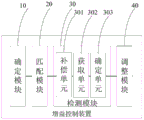
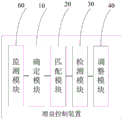
图7为一个实施例中增益控制装置的结构框图;Fig. 7 is a structural block diagram of a gain control device in an embodiment;
图8为另一个实施例中增益控制装置的结构框图;FIG. 8 is a structural block diagram of a gain control device in another embodiment;
图9为另一个实施例中增益控制装置的结构框图;Fig. 9 is a structural block diagram of a gain control device in another embodiment;
图10为另一个实施例中增益控制装置的结构框图;Fig. 10 is a structural block diagram of a gain control device in another embodiment;
图11为另一个实施例中增益控制装置的结构框图;Fig. 11 is a structural block diagram of a gain control device in another embodiment;
图12为一个实施例中基站的内部结构图。Fig. 12 is an internal structure diagram of a base station in an embodiment.
具体实施方式Detailed ways
为了使本申请的目的、技术方案及优点更加清楚明白,以下结合附图及实施例,对本申请进行进一步详细说明。应当理解,此处描述的具体实施例仅仅用以解释本申请,并不用于限定本申请。In order to make the purpose, technical solution and advantages of the present application clearer, the present application will be further described in detail below in conjunction with the accompanying drawings and embodiments. It should be understood that the specific embodiments described here are only used to explain the present application, and are not intended to limit the present application.
本申请提供的增益控制方法,可以应用于图1所示的基站中,上述基站可以包括处理器101以及与处理器101连接的基带单元102、现场可编程逻辑门阵列(FieldProgrammable Gate Array,简称FPGA)模块103以及下行通道104,上述基带单元102可以向FPGA模块103输出基带信号;上述FPGA模块103可以对基带信号进行处理之后,发送给下行通道104;上述下行通道104可以将FPGA模块103发送的信号转换成射频信号后,对射频信号进行放大。上述基站中还可以包括温度检测器105、反馈通道106等。上述处理器101可以通过程序软件实现增益控制方法,例如处理器可以为ARM(Advanced RISC Machines)处理器,在ARM处理器中安装OAM(Operation Administration and Maintenance)程序软件,通过OAM实现对FPGA模块103、下行通道104、温度检测器105、反馈通道106的控制。上述基站100可以但不限于宏基站、微基站以及皮基站等类型的基站设备,可以是全球移动通讯(GlobalSystem of Mobile communication,简称GSM)或码分多址(Code Division MultipleAccess,简称CDMA)中的基站,也可以是宽带码分多址(Wideband Code Division MultipleAccess,简称WCDMA)中的基站(NodeB,简称NB),还可以是LTE中的演进型基站(EvolutionalNode B,简称eNB或eNodeB),或者中继站或接入点,或者5G网络中的基站、客户前置设备(Customer Premise Equipment,简称CPE)等,在此并不限定。The gain control method that the present application provides can be applied in the base station shown in Figure 1, and above-mentioned base station can comprise
在一个实施例中,如图2所示,提供了一种增益控制方法,以该方法应用于图1中的基站为例进行说明,包括:In one embodiment, as shown in FIG. 2 , a gain control method is provided. The method is applied to the base station in FIG. 1 as an example for illustration, including:
S101、确定下行通道的当前工作模式;当前工作模式由输入至所述下行通道的信号的功率范围确定。S101. Determine a current working mode of a downlink channel; the current working mode is determined by a power range of a signal input to the downlink channel.
其中,基站设备中可以包括基带单元、FPGA模块以及至少一个下行通道。上述基带单元可以输出基带信号,上述FPGA模块可以对基带信号进行处理后输出至下行通道。上述下行通道可以将接收到的信号转换成射频信号,然后对射频信号进行放大输出至天线单元。上述FPGA模块可以包括但不限于数字上变频器(Digital Up Conversion,简称DUC)模块、削峰(Crest Factor Reduction,简称CFR)模块、数字预失真(Digital Pre-Distortion,简称DPD)模块和数字增益调整模块,用于对基带信号进行处理形成数字信号,并对数字信号的增益进行调整,然后输出至下行通道。Wherein, the base station equipment may include a baseband unit, an FPGA module, and at least one downlink channel. The above-mentioned baseband unit can output baseband signals, and the above-mentioned FPGA module can process the baseband signals and output them to the downlink channel. The above-mentioned downlink channel can convert the received signal into a radio frequency signal, and then amplify the radio frequency signal and output it to the antenna unit. The above-mentioned FPGA modules may include but are not limited to Digital Up Converter (Digital Up Conversion, DUC for short) module, Crest Factor Reduction (CFR for short) module, Digital Pre-Distortion (Digital Pre-Distortion, DPD for short) module and digital gain The adjustment module is used to process the baseband signal to form a digital signal, adjust the gain of the digital signal, and then output it to the downlink channel.
上述输入至下行通道的信号的功率范围,可以是基带单元输出的基带信号的功率范围,也可以是FPGA模块输出的下行信号的功率范围,在此不做限定。The power range of the signal input to the downlink channel may be the power range of the baseband signal output by the baseband unit, or the power range of the downlink signal output by the FPGA module, which is not limited here.
上述下行通道可以工作于多个工作模式,可以是大功率模式和小功率模式;也可以是大功率模式、中功率模式和小功率模式;还可以是大功率模式、中功率模式、小功率模式、静默工作模式等,对于工作模式的数量以及划分方式在此不做限定。The above-mentioned downlink channel can work in multiple working modes, which can be high-power mode and low-power mode; it can also be high-power mode, medium-power mode and low-power mode; it can also be high-power mode, medium-power mode, and low-power mode , silent working mode, etc., the number of working modes and the way of division are not limited here.
基站在确定下行通道的当前工作模式时,可以通过检测输入至下行通道的信号的功率值来确定,也可以查询当前的工作模式的指示信息来确定,例如基带单元可以向下行通道发送工作模式的指示信息,上述指示信息中“1”可以表示下行通道工作在大功率模式,“0”可以表示下行通道工作在小功率模式;对于上述当前工作模式的确定方式,在此不做限定。When the base station determines the current working mode of the downlink channel, it can be determined by detecting the power value of the signal input to the downlink channel, or by querying the indication information of the current working mode. For example, the baseband unit can send the working mode information to the downlink channel. Indication information, "1" in the above indication information may indicate that the downlink channel is working in a high-power mode, and "0" may indicate that the downlink channel is working in a low-power mode; the determination method of the above-mentioned current working mode is not limited here.
S102、确定与当前工作模式匹配的目标调整阈值。S102. Determine a target adjustment threshold matching the current working mode.
上述目标调整阈值与下行通道的功率控制精度有关。若在其中一个工作模式下下行通道的输出功率较大时,对基站的功率控制精度要求较高,需要将功率控制在与额定输出功率的差值较小的一个范围内,避免下行通道在输出大功率时增加较大增益导致功放烧坏;在其中一个工作模式下下行通道的输出功率较小时,对基站的功率控制精度要求较低,基站可以将下行通道的输出功率控制在与额定输出功率的差值较大的一个范围内,使得下行通道的输出功率可以快速地调整至对应的功率范围内,提升功率控制效率,避免功率控制失败导致误告警。例如,若基站工作在大功率模式下,即输出功率比较大如49dBm时,基站可以将下行通道的功率控制在50dBm±2dB的范围内;若工作在小功率模式,即输出功率比较小如20dBm时,基站可以将下行通道的功率控制在20dBm±5dB的范围内。基于上述不同工作模式下的功率控制精度不同,基站可以根据不同的工作模式,确定不同的目标调整阈值,从而可以采用与工作模式匹配的调整阈值进行增益控制。The above-mentioned target adjustment threshold is related to the power control precision of the downlink channel. If the output power of the downlink channel in one of the working modes is relatively high, the power control accuracy of the base station is required to be high, and the power needs to be controlled within a range with a small difference from the rated output power to avoid the downlink channel from outputting When the power is high, adding a large gain will cause the power amplifier to burn out; in one of the working modes, when the output power of the downlink channel is small, the power control accuracy requirements for the base station are low, and the base station can control the output power of the downlink channel at the same as the rated output power. In a range with a large difference, the output power of the downlink channel can be quickly adjusted to the corresponding power range, improving power control efficiency, and avoiding false alarms caused by power control failure. For example, if the base station works in high power mode, that is, when the output power is relatively large, such as 49dBm, the base station can control the power of the downlink channel within the range of 50dBm±2dB; if it works in low power mode, that is, the output power is relatively small, such as 20dBm , the base station can control the power of the downlink channel within the range of 20dBm±5dB. Based on the different power control precisions in different working modes, the base station can determine different target adjustment thresholds according to different working modes, so that the gain control can be performed using the adjustment threshold matching the working mode.
具体地,基站中可以预设多个调整阈值,上述调整阈值可以与工作模式对应。可选地,基站可以预设调整阈值与工作模式的对应关系,上述对应关系可以有工作人员预设设置并存储在基站中,上述对应关系中可以包括各工作模式下对应的调整阈值;基站可以根据预设的调整阈值与工作模式的对应关系,确定与当前工作模式对应的目标调整阈值。Specifically, multiple adjustment thresholds may be preset in the base station, and the adjustment thresholds may correspond to working modes. Optionally, the base station can preset the corresponding relationship between the adjustment threshold and the working mode. The above-mentioned corresponding relationship can be preset by the staff and stored in the base station. The above-mentioned corresponding relationship can include the corresponding adjustment threshold in each working mode; the base station can According to the preset corresponding relationship between the adjustment threshold and the working mode, the target adjustment threshold corresponding to the current working mode is determined.
S103、检测下行通道的当前工作温度,并根据当前工作温度确定下行通道在当前工作温度下的增益调整量。S103. Detect the current working temperature of the downlink channel, and determine the gain adjustment amount of the downlink channel at the current working temperature according to the current working temperature.
进一步地,基站可以检测下行通道的当前工作温度。基站中可以包括温度传感器,上述温度传感器可以设置在下行通道所在的位置,也可以设置在下行通道中的功率放大器附近;基站中包括多个下行通道时,可以为每个下行通道配置一个温度传感器,用于检测该下行通道对应的当前工作温度,或者基站也可以为多个下行通道共同配置一个温度传感器,在此不做限定。基站可以通过处理器获取温度传感器采集到的温度采集信号,然后对温度采集信号进行处理获得当前工作温度。Further, the base station can detect the current working temperature of the downlink channel. The base station may include a temperature sensor, and the temperature sensor may be set at the position of the downlink channel or near the power amplifier in the downlink channel; when the base station includes multiple downlink channels, a temperature sensor may be configured for each downlink channel , used to detect the current operating temperature corresponding to the downlink channel, or the base station may also configure a temperature sensor for multiple downlink channels, which is not limited here. The base station can obtain the temperature collection signal collected by the temperature sensor through the processor, and then process the temperature collection signal to obtain the current working temperature.
在获得下行通道的当前工作温度之后,基站可以根据当前工作温度确定下行通道在当前工作温度下的增益调整量。基站设备在初始使用时,可以通过初始定标确定下行通道增益;在当前工作温度与初始定标时的工作温度不同的情况下,下行通道的增益会随温度变化而变化。为了使得下行通道输出的功率稳定,需要对下行通道的增益进行调整。After obtaining the current working temperature of the downlink channel, the base station can determine the gain adjustment amount of the downlink channel at the current working temperature according to the current working temperature. When the base station equipment is initially used, the gain of the downlink channel can be determined through initial calibration; when the current operating temperature is different from the operating temperature at the time of initial calibration, the gain of the downlink channel will change with the temperature change. In order to stabilize the output power of the downlink channel, it is necessary to adjust the gain of the downlink channel.
基站中的存储器可以预先存储下行通道的增益温补表,上述增益温补表中可以包括各个工作温度相对于基准温度的增益差值。例如,增益温补表可以是以25℃为基准,若初始定标温度为45℃,当前工作温度为60℃。则当前温补补偿值为60℃的增益差值减去45℃的增益差值。The memory in the base station may pre-store the gain temperature compensation table of the downlink channel, and the gain temperature compensation table may include the gain difference of each operating temperature relative to the reference temperature. For example, the gain temperature compensation table may be based on 25°C. If the initial calibration temperature is 45°C, the current working temperature is 60°C. Then the current temperature compensation value is the gain difference of 60°C minus the gain difference of 45°C.
基站可以根据当前工作温度与初始定标时的工作温度对应的增益差值,确定下行通道在当前工作温度下的增益调整量。The base station may determine the gain adjustment amount of the downlink channel at the current operating temperature according to the gain difference corresponding to the current operating temperature and the operating temperature at the time of initial calibration.
S104、在增益调整量小于目标调整阈值的情况下,基于增益调整量对下行通道的增益进行调整。S104. If the gain adjustment amount is less than the target adjustment threshold, adjust the gain of the downlink channel based on the gain adjustment amount.
基站可以将当前工作温度对应的增益调整量与目标调整阈值进行比较,若增益调整量小于目标调整阈值,则可以基于增益调整量对下行通道的增益进行调整,使得下行通道的增益稳定在一定的范围内。在增益调整量大于或等于目标调整阈值的情况下,基站可以输出增益控制异常告警。若增益调整量大于或等于目标调整阈值,基站可以认为当前增益调整量较大可能是由于输入异常大信号导致,基站采用较大的增益调整量对下行通道的增益进行调整可能导致功放烧毁,为了保证功放管安全工作,可以输出增益控制异常告警,并且关闭下行通道和/或关闭基带单元。The base station can compare the gain adjustment amount corresponding to the current operating temperature with the target adjustment threshold. If the gain adjustment amount is less than the target adjustment threshold, the gain of the downlink channel can be adjusted based on the gain adjustment amount, so that the gain of the downlink channel is stable at a certain value. within range. In a case where the gain adjustment amount is greater than or equal to the target adjustment threshold, the base station may output a gain control abnormal alarm. If the gain adjustment amount is greater than or equal to the target adjustment threshold, the base station can consider that the current large gain adjustment amount may be caused by an abnormally large input signal, and the base station uses a large gain adjustment amount to adjust the gain of the downlink channel, which may cause the power amplifier to burn out. To ensure the safe operation of the power amplifier tube, it can output a gain control abnormal alarm, and close the downlink channel and/or close the baseband unit.
基站对下行通道的增益进行调整时,可以调整下行通道的增益,也可以调整下行通道的环路增益。上述下行通道的增益可以是下行通道的输出功率与下行通道的输入功率之间的差值,上述下行通道的环路增益可以是通过反馈通道获取的反馈功率与基带单元输出的前向功率之间的差值;上述反馈功率为对下行通道的输出功率进行耦合获得。上述反馈通道可以包括耦合器、衰减器和模数转换电路,上述耦合器可以用于耦合下行通道输出的射频信号,然后对耦合到的射频信号进行衰减之后通过模数转换获得数字信号,FPGA可以对反馈通道输出的数字信号进行处理,获得反馈功率。When adjusting the gain of the downlink channel, the base station may adjust the gain of the downlink channel, or may adjust the loop gain of the downlink channel. The gain of the above-mentioned downlink channel may be the difference between the output power of the downlink channel and the input power of the downlink channel, and the loop gain of the above-mentioned downlink channel may be between the feedback power obtained through the feedback channel and the forward power output by the baseband unit The difference; the above feedback power is obtained by coupling the output power of the downlink channel. The above-mentioned feedback channel may include a coupler, an attenuator and an analog-to-digital conversion circuit. The above-mentioned coupler can be used to couple the radio frequency signal output by the downlink channel, and then attenuate the coupled radio frequency signal to obtain a digital signal through analog-to-digital conversion. FPGA can The digital signal output by the feedback channel is processed to obtain the feedback power.
基站在基于增益调整量对下行通道进行增益调整时,可以调整下行通道中的模拟衰减器的衰减量,也可以调整设置于FPGA模块中的数字衰减器的衰减量,或者同时调整上述模拟衰减器和数字衰减器的衰减量,在此不做限定。上述模拟衰减器和数字衰减器的衰减范围以及衰减精度可以不同,基站可以根据增益调整量确定先对哪一个衰减量进行调整。When the base station adjusts the gain of the downlink channel based on the gain adjustment amount, it can adjust the attenuation amount of the analog attenuator in the downlink channel, or adjust the attenuation amount of the digital attenuator set in the FPGA module, or adjust the above-mentioned analog attenuator at the same time and the attenuation of the digital attenuator are not limited here. The attenuation range and attenuation precision of the analog attenuator and the digital attenuator may be different, and the base station may determine which attenuation to adjust first according to the gain adjustment amount.
上述增益控制方法,基站确定下行通道的当前工作模式;然后,确定与当前工作模式匹配的目标调整阈值;进一步地,基站检测下行通道在当前工作环境下的当前工作温度,并根据当前工作温度确定下行通道在当前工作温度下的增益调整量;在增益调整量小于目标调整阈值的情况下,基于增益调整量对下行通道的增益进行调整;其中,当前工作模式由基带单元向下行通道输出的前向功率的范围确定;目标调整阈值与下行通道的功率控制精度相关。由于基站确定了下行通道的当前工作模式,从而可以针对不同的当前工作模式设置不同的目标调整阈值;进一步地,基站在当前工作温度对下行通道的增益进行调整的时候,可以将下行通道的增益调整量与目标调整阈值进行比较,使得基站在增益调整量小于目标调整阈值的情况下基于增益调整量对下行通道的增益进行调整;可以避免基站在大功率的工作模式下采用较大的增益调整量调整下行通道的增益而导致下行通道的功放管烧毁,提升了基站的工作稳定性和可靠性;另外,基站可以在小功率的工作模式下设置较大的目标调整阈值,使得基站可以采用较大的增益调整量调整下行通道的增益,避免由于目标调整阈值较小导致的增益调整失败而产生误告警,进一步提升了基站的工作稳定性和可靠性。In the above gain control method, the base station determines the current working mode of the downlink channel; then, determines the target adjustment threshold matching the current working mode; further, the base station detects the current working temperature of the downlink channel under the current working environment, and determines the current working temperature according to the current working temperature The gain adjustment amount of the downlink channel at the current operating temperature; when the gain adjustment amount is less than the target adjustment threshold, the gain of the downlink channel is adjusted based on the gain adjustment amount; wherein, the current working mode is output by the baseband unit to the downlink channel. Determine the power range; the target adjustment threshold is related to the power control accuracy of the downlink channel. Since the base station has determined the current working mode of the downlink channel, different target adjustment thresholds can be set for different current working modes; further, when the base station adjusts the gain of the downlink channel at the current working temperature, the gain of the downlink channel can be set to The adjustment amount is compared with the target adjustment threshold, so that the base station adjusts the gain of the downlink channel based on the gain adjustment amount when the gain adjustment amount is less than the target adjustment threshold; it can prevent the base station from adopting a large gain adjustment in the high-power working mode Adjusting the gain of the downlink channel by a large amount will cause the power amplifier tube of the downlink channel to burn out, which improves the working stability and reliability of the base station; A large gain adjustment amount adjusts the gain of the downlink channel, avoiding false alarms due to gain adjustment failure caused by a small target adjustment threshold, and further improving the working stability and reliability of the base station.
图3为另一个实施例中增益控制方法的流程示意图,本实施例涉及基站确定下行通道的当前工作模式的一种方式,在上述实施例的基础上,如图3所示,上述S101包括:FIG. 3 is a schematic flowchart of a gain control method in another embodiment. This embodiment relates to a method for the base station to determine the current working mode of the downlink channel. On the basis of the above embodiment, as shown in FIG. 3 , the above S101 includes:
S201、在当前环境下对所述下行通道对应的基带单元输出的基带信号进行功率检测,获得当前前向功率。S201. Under the current environment, perform power detection on the baseband signal output by the baseband unit corresponding to the downlink channel to obtain the current forward power.
基站在确定下行通道的当前工作模式时,可以根据当前环境下基带单元输出的基带信号的大小确定。具体地,基站可以对基带单元输出的基带信号进行功率检测,获得当前前向功率。基站可以向基带单元发送功率查询指令,获得基带单元返回的当前前向功率,也可以通过FPGA模块对基带单元输出的基带信号进行功率检测,获得上述当前前向功率。上述功率检测可以检测均值功率,也可以检测峰值功率,还可以获得均值功率和峰值功率的组合,在此不做限定。When the base station determines the current working mode of the downlink channel, it can be determined according to the magnitude of the baseband signal output by the baseband unit in the current environment. Specifically, the base station may perform power detection on the baseband signal output by the baseband unit to obtain the current forward power. The base station can send a power query command to the baseband unit to obtain the current forward power returned by the baseband unit, or can perform power detection on the baseband signal output by the baseband unit through the FPGA module to obtain the above-mentioned current forward power. The above power detection may detect the average power, may also detect the peak power, and may also obtain a combination of the average power and the peak power, which is not limited here.
S202、根据预设的额定前向功率与当前前向功率的差值,确定下行通道的当前工作模式。S202. Determine the current working mode of the downlink channel according to the difference between the preset rated forward power and the current forward power.
在获得当前前向功率的基础上,基站可以将当前前向功率与额定前向功率进行比较,然后根据额定前向功率与当前前向功率的差值确定下行通道的当前工作模式。上述额定前向功率可以是在基站定标时预先设置并保存在基站中的值,下行通道额定输出时基带单元输出的基带信号的功率值。上述差值可以是额定前向功率减去当前前向功率,也可以是当前前向功率减去额定前向功率,还可以是额定前向功率与当前前向功率的差值绝对值。基站可以将上述差值与预设阈值条件进行比较,确定上述差值满足的阈值区间,然后将该阈值区间对应的工作模式确定为当前工作模式。在具体实施例中,若当前前向功率与额定前向功率的差值满足第一阈值条件,可以确定目标调整阈值为第一阈值;若当前前向功率与额定前向功率的差值满足第二阈值条件,可以确定目标调整阈值为第二阈值。On the basis of obtaining the current forward power, the base station can compare the current forward power with the rated forward power, and then determine the current working mode of the downlink channel according to the difference between the rated forward power and the current forward power. The above-mentioned rated forward power may be a value preset and stored in the base station when the base station is calibrated, and the power value of the baseband signal output by the baseband unit when the downlink channel is rated output. The above difference may be the rated forward power minus the current forward power, or the current forward power minus the rated forward power, or the absolute value of the difference between the rated forward power and the current forward power. The base station may compare the above difference with a preset threshold condition, determine a threshold interval that the above difference satisfies, and then determine the working mode corresponding to the threshold interval as the current working mode. In a specific embodiment, if the difference between the current forward power and the rated forward power satisfies the first threshold condition, the target adjustment threshold can be determined to be the first threshold; if the difference between the current forward power and the rated forward power satisfies the first threshold For the second threshold condition, it may be determined that the target adjustment threshold is the second threshold.
在一种场景中,下行通道的工作模式包括大功率工作模式和小功率工作模式,基站可以在当前前向功率与额定输入功率的差值小于或等于预设的第一差值阈值的情况下,确定当前工作模式为大功率工作模式;在当前前向功率与额定输入功率的差值大于预设的第一差值阈值的情况下,确定当前工作模式为小功率工作模式。其中,上述第一差值阈值可以是基站中预先存储的值。In one scenario, the working mode of the downlink channel includes a high-power working mode and a low-power working mode, and the base station may, when the difference between the current forward power and the rated input power is less than or equal to the preset first difference threshold , determining that the current working mode is a high-power working mode; and determining that the current working mode is a low-power working mode when the difference between the current forward power and the rated input power is greater than a preset first difference threshold. Wherein, the above-mentioned first difference threshold may be a value pre-stored in the base station.
例如,上述额定前向功率可以是0dBm,上述第一差值阈值可以是6dBm,若当前前向功率为-3dBm,那么上述当前前向功率与额定输入功率的差值绝对值为3dBm,可以确定下行通道工作在大功率工作模式。若当前前向功率为-20dBm,那么上述当前前向功率与额定输入功率的差值为20dBm,可以确定下行通道工作在小功率工作模式。For example, the above-mentioned rated forward power can be 0dBm, the above-mentioned first difference threshold can be 6dBm, if the current forward power is -3dBm, then the absolute value of the difference between the above-mentioned current forward power and the rated input power is 3dBm, it can be determined The downlink channel works in a high-power working mode. If the current forward power is -20dBm, then the difference between the above-mentioned current forward power and the rated input power is 20dBm, and it can be determined that the downlink channel works in a low-power working mode.
上述增益控制方法,基站通过检测当前前向功率,从而可以在基带单元输出异常等情况下获得更准确的当前前向功率;进一步地,基站根据额定前向功率与当前前向功率的差值,确定下行通道的当前工作模式,使得下行通道的当前工作模式更准确,从而可以采用更准确的目标调整阈值进行增益调整,提升了基站的运行可靠性。In the above gain control method, the base station can obtain more accurate current forward power when the output of the baseband unit is abnormal by detecting the current forward power; further, the base station can obtain a more accurate current forward power according to the difference between the rated forward power and the current forward power, The current working mode of the downlink channel is determined, so that the current working mode of the downlink channel is more accurate, so that a more accurate target adjustment threshold can be used for gain adjustment, and the operation reliability of the base station is improved.
图4为另一个实施例中增益控制方法的流程示意图,本实施例涉及基站确定当前工作温度下的增益调整量的一种方式,在上述实施例的基础上,如图4所示,上述S103包括:FIG. 4 is a schematic flowchart of a gain control method in another embodiment. This embodiment relates to a way for the base station to determine the gain adjustment amount at the current operating temperature. On the basis of the above embodiment, as shown in FIG. 4 , the above S103 include:
S301、根据当前工作温度以及预设的下行通道的温度补偿表,对下行通道进行温度补偿;温度补偿表包括各工作温度对应的温度补偿量,温度补偿量为工作温度相对于基准温度的增益差值。S301. Perform temperature compensation on the downlink channel according to the current working temperature and the preset temperature compensation table of the downlink channel; the temperature compensation table includes the temperature compensation amount corresponding to each working temperature, and the temperature compensation amount is the gain difference between the working temperature and the reference temperature value.
基站中的存储器可以预先存储下行通道的增益温补表,上述增益温补表中可以包括各个工作温度相对于基准温度下行通道的温度补偿量。例如,下行通道的基准温度可以是20摄氏度,下行通道在工作温度25摄氏度时的增益相对于基准温度可能减小0.3dB,温度补偿表中可以设置工作温度25摄氏度时的增益补偿量为0.3dB;下行通道在工作温度50摄氏度时的增益相对于基准温度可能减小1.5dB,温度补偿表中可以设置工作温度50摄氏度时的增益补偿量为1.5dB;下行通道在工作温度-40摄氏度时的增益相对于基准温度可能增大2dB,温度补偿表中可以设置工作温度-40摄氏度时的增益补偿量为-2dB。需要说明的是,上述温度补偿表中的增益补偿量的符号也可以是在高温下为负,在低温下为正,在此不做限定。The memory in the base station may pre-store the gain temperature compensation table of the downlink channel, and the gain temperature compensation table may include the temperature compensation amount of the downlink channel at each working temperature relative to the reference temperature. For example, the reference temperature of the downlink channel can be 20 degrees Celsius, the gain of the downlink channel may be reduced by 0.3dB relative to the reference temperature when the working temperature is 25 degrees Celsius, and the gain compensation amount when the working temperature is 25 degrees Celsius can be set in the temperature compensation table as 0.3dB ;The gain of the downlink channel may be reduced by 1.5dB relative to the reference temperature when the working temperature is 50 degrees Celsius. The gain may increase by 2dB relative to the reference temperature, and the gain compensation amount at the working temperature of -40 degrees Celsius can be set to -2dB in the temperature compensation table. It should be noted that the sign of the gain compensation amount in the above temperature compensation table may also be negative at high temperature and positive at low temperature, which is not limited here.
具体地,基站根据预设的下行通道的温度补偿表,获取下行通道在初始定标温度下的初始增益补偿量,以及在当前工作温度下的当前增益补偿量;然后,计算当前增益补偿量与初始增益补偿量的第三差值;并根据上述第三差值,调整下行通道对应的衰减器的衰减量。Specifically, the base station obtains the initial gain compensation amount of the downlink channel at the initial calibration temperature and the current gain compensation amount at the current operating temperature according to the preset temperature compensation table of the downlink channel; then, calculates the current gain compensation amount and A third difference of the initial gain compensation amount; and adjusting the attenuation amount of the attenuator corresponding to the downlink channel according to the third difference.
在具体实现方式中,基站可以根据第三差值,调整模拟衰减值或数字衰减器的衰减量,实现对下行通通道的温度补偿。为了保证下行通道温度补偿的准确性,可以结合模拟衰减器和数字衰减器的调整精度,按序对各衰减器的衰减量进行调整。基站中可以将模拟衰减器的调整精度设置为第一门限,将数字衰减器的调整精度设置为第二门限;进一步地,基站可以将第三差值与第一门限和第二门限进行比较。若第三差值小于第二门限,则确认下行通道的增益不需要调整,增益控制完成;若第三差值大于或等于第二门限且小于第一门限,则对数字衰减器的衰减量进行调整;若第三差值大于或等于第一门限,则按照调整步进首先调整模拟衰减器的衰减量,直至调整剩余量小于第一门限之后,继续通过数字衰减器调整上述调整剩余量。其中,上述调整剩余量为第三差值与已调整的衰减量的差值。基站可以记录模拟衰减器和数字衰减器的调整次数;若调整次数大于预设次数阈值,则确定增益控制失败。In a specific implementation manner, the base station may adjust the analog attenuation value or the attenuation amount of the digital attenuator according to the third difference, so as to implement temperature compensation for the downlink channel. In order to ensure the accuracy of the temperature compensation of the downlink channel, the attenuation of each attenuator can be adjusted sequentially in combination with the adjustment accuracy of the analog attenuator and the digital attenuator. In the base station, the adjustment accuracy of the analog attenuator can be set as the first threshold, and the adjustment accuracy of the digital attenuator can be set as the second threshold; further, the base station can compare the third difference with the first threshold and the second threshold. If the third difference is less than the second threshold, it is confirmed that the gain of the downlink channel does not need to be adjusted, and the gain control is completed; if the third difference is greater than or equal to the second threshold and less than the first threshold, then the attenuation of the digital attenuator is performed Adjustment; if the third difference is greater than or equal to the first threshold, first adjust the attenuation of the analog attenuator according to the adjustment step until the remaining adjustment is less than the first threshold, and then continue to adjust the above-mentioned remaining adjustment through the digital attenuator. Wherein, the adjustment remaining amount is the difference between the third difference and the adjusted attenuation amount. The base station can record the adjustment times of the analog attenuator and the digital attenuator; if the adjustment times are greater than the preset times threshold, it is determined that the gain control fails.
例如,基站根据温度检测器上报的当前工作温度以及下行通道的温度补偿表,确定下行通道当前工作温度下对应的增益补偿量为A1,在存储器中存储的初始定标温度对应的增益补偿量为A0,计算第三差值为ΔA=A1-A0,进一步地,基站可以根据第三差值ΔA对下行通道的模拟增益或数字增益进行调整。上述模拟衰减器的调整精度可以是0.5dB,上述数字衰减器的调整精度可以是0.1dB,基站可以设置第一门限为0.5,第二门限为0.1。假设当前工作温度为50摄氏度,初始定标温度为25摄氏度,上述第三差值ΔA可以是2.21dB。首先,ΔA>0.5,可以先对模拟衰减器的衰减量进行调整,在调整4次之后调整剩余量0.21小于0.5,进一步对数字衰减器的衰减量进行调整;按照0.1的步进调整两次数字衰减器的衰减量之后,完成增益控制。For example, according to the current operating temperature reported by the temperature detector and the temperature compensation table of the downlink channel, the base station determines that the gain compensation amount corresponding to the current operating temperature of the downlink channel is A1, and the gain compensation amount corresponding to the initial calibration temperature stored in the memory is A0, calculate the third difference value ΔA=A1-A0, further, the base station may adjust the analog gain or digital gain of the downlink channel according to the third difference value ΔA. The adjustment accuracy of the analog attenuator may be 0.5dB, the adjustment accuracy of the digital attenuator may be 0.1dB, and the base station may set the first threshold to 0.5 and the second threshold to 0.1. Assuming that the current working temperature is 50 degrees Celsius and the initial calibration temperature is 25 degrees Celsius, the above-mentioned third difference ΔA may be 2.21 dB. First of all, ΔA>0.5, you can adjust the attenuation of the analog attenuator first, adjust the remaining amount 0.21 to less than 0.5 after adjusting 4 times, and further adjust the attenuation of the digital attenuator; adjust the digital attenuation twice according to the step of 0.1 After the attenuation amount of the attenuator, the gain control is done.
上述温度补偿表可以通过高低温试验获取,然后写入基站的存储器中。工作人员可以将基站放置在高低温箱中,预先设置一个参考温箱温度,如25摄氏度,使基站上电处于正常工作状态,并保持稳定。通过调整模拟衰减器和数字衰减器,使下行通道的输出功率为额定输出功率,读取并记录此时下行通道的工作温度及下行通道的输出功率值。进一步地,保持模拟衰减器和数字衰减器的衰减量不变,按照预设温度间隔(例如5摄氏度)调整高低温箱的温箱温度并保持一段时长,分别读取并记录此时下行通道的工作温度及下行通道的输出功率值。最后,通过整理高低温试验数据,可以根据每个测试温度下的下行通道的工作温度以及下行通道的输出功率与参考温箱温度下的下行通道工作温度输出功率进行比较,获得下行通道的工作温度与下行通道的输出功率之间的变化关系,并根据上述变化关系生成温度补偿表。The above temperature compensation table can be obtained through high and low temperature tests, and then written into the memory of the base station. The staff can place the base station in a high and low temperature box, and pre-set a reference temperature of the incubator, such as 25 degrees Celsius, so that the base station is powered on and in a normal working state and remains stable. By adjusting the analog attenuator and digital attenuator, the output power of the downlink channel is the rated output power, read and record the working temperature of the downlink channel and the output power value of the downlink channel at this time. Further, keep the attenuation of the analog attenuator and the digital attenuator constant, adjust the temperature of the high and low temperature box according to the preset temperature interval (for example, 5 degrees Celsius) and keep it for a period of time, respectively read and record the temperature of the downlink channel at this time. Operating temperature and output power value of downlink channel. Finally, by sorting out the high and low temperature test data, the working temperature of the downlink channel can be obtained by comparing the output power of the downlink channel at each test temperature with the output power of the downlink channel at the reference temperature. and the output power of the downlink channel, and generate a temperature compensation table according to the above variation relationship.
S302、在对下行通道进行温度补偿后,获取下行通道的当前环路增益;当前环路增益为当前工作温度下通过反馈通道获取的反馈功率与当前前向功率之间的差值;反馈功率为对下行通道的输出功率进行耦合获得。S302. After performing temperature compensation on the downlink channel, obtain the current loop gain of the downlink channel; the current loop gain is the difference between the feedback power obtained through the feedback channel at the current operating temperature and the current forward power; the feedback power is The output power of the downlink channel is coupled to obtain it.
基站在对下行通道进行温度补偿后,可以进一步获取下行通道的当前环路增益。当前环路增益为当前工作温度下通过反馈通道获取的反馈功率与当前前向功率之间的差值。基站的存储器中可以存储初始定标时的初始环路增益,然后计算当前环路增益与初始环路增益之间的第一差值。After performing temperature compensation on the downlink channel, the base station may further obtain the current loop gain of the downlink channel. The current loop gain is the difference between the feedback power obtained through the feedback channel and the current forward power at the current operating temperature. The memory of the base station may store the initial loop gain during the initial calibration, and then calculate the first difference between the current loop gain and the initial loop gain.
S303、基于当前环路增益与初始环路增益的第一差值,确定当前工作温度下的增益调整量;所述初始环路增益为初始定标时所述下行通道的环路增益。S303. Based on the first difference between the current loop gain and the initial loop gain, determine a gain adjustment amount at the current operating temperature; the initial loop gain is the loop gain of the downlink channel during initial calibration.
进一步地,基站可以将上述第一差值作为当前工作温度下的增益调整量;或者,基站也可以在上述第一差值的基础上,考虑当前工作温度与初始定标温度下反馈通道的增益变化,进一步确定准确的增益调整量;对于增益调整量的确定方式在此不做限定。进一步地,基站可以采用该增益调整量与目标调整阈值进行比较,在增益调整量小于目标调整阈值的情况下对下行通道进行增益调整。Further, the base station may use the above-mentioned first difference as the gain adjustment amount at the current working temperature; or, the base station may also consider the gain of the feedback channel at the current working temperature and the initial calibration temperature on the basis of the above-mentioned first difference To further determine the accurate gain adjustment amount; the method for determining the gain adjustment amount is not limited here. Further, the base station may compare the gain adjustment amount with a target adjustment threshold, and perform gain adjustment on the downlink channel when the gain adjustment amount is smaller than the target adjustment threshold.
上述增益控制方法,基站首先根据当前工作温度以及初始定标温度的差值对下行通道进行温度补偿后,使得反馈通道获得的反馈功率消除了部分温度变化对反馈功率的影响,提升了反馈通道的功率的准确度,进而获得更准确的当前环路增益;进一步根据当前环路增益与初始环路增益的差值确定下行通道的增益调整量,使得增益调整量更准确,从而对下行通道进行准确的增益控制。In the above gain control method, the base station first performs temperature compensation on the downlink channel according to the difference between the current operating temperature and the initial calibration temperature, so that the feedback power obtained by the feedback channel eliminates the influence of part of the temperature change on the feedback power, and improves the feedback channel. The accuracy of the power, and then obtain a more accurate current loop gain; further determine the gain adjustment amount of the downlink channel according to the difference between the current loop gain and the initial loop gain, so that the gain adjustment amount is more accurate, so that the downlink channel can be accurately adjusted. gain control.
图5为另一个实施例中增益控制方法的流程示意图,本实施例涉及基站基于第一差值确定增益调整量的一种方式,在上述实施例的基础上,如图5所示,上述S303包括:FIG. 5 is a schematic flowchart of a gain control method in another embodiment. This embodiment relates to a way for a base station to determine a gain adjustment amount based on a first difference. On the basis of the above embodiment, as shown in FIG. 5 , the above S303 include:
S401、根据预设的反馈通道的温度补偿表,获取反馈通道在初始定标温度下的初始反馈增益补偿量,以及在当前工作温度下的当前反馈增益补偿量。S401. Obtain an initial feedback gain compensation amount of the feedback channel at an initial calibration temperature and a current feedback gain compensation amount at a current working temperature according to a preset temperature compensation table of the feedback channel.
S402、计算当前反馈增益补偿量与初始反馈增益补偿量的第二差值。S402. Calculate a second difference between the current feedback gain compensation amount and the initial feedback gain compensation amount.
S403、将第一差值与第二差值的和,确定为增益调整量。S403. Determine the sum of the first difference and the second difference as a gain adjustment amount.
基站的存储器中还可以存储反馈通道的温度补偿表,上述反馈通道的温度补偿表与上述下行通道的温度补偿表类似,可以包括反馈通道在各个工作温度下相对于基准温度的温度补偿量。上述温度补偿量表征反馈通道在不同温度下的衰减量变化。The temperature compensation table of the feedback channel may also be stored in the memory of the base station. The temperature compensation table of the feedback channel is similar to the temperature compensation table of the downlink channel, and may include the temperature compensation amount of the feedback channel relative to the reference temperature at each operating temperature. The above temperature compensation represents the change of the attenuation of the feedback channel at different temperatures.
具体地,基站可以根据反馈通道的温度补偿表,获取反馈通道在初始定标温度下的初始反馈增益补偿量,以及在当前工作温度下的当前反馈增益补偿量。进一步地,基站可以计算当前反馈增益补偿量与初始反馈增益补偿量的第二差值,然后将第一差值与第二差值的和,确定为增益调整量。进一步地,基站可以根据增益调整量对下行通道的增益进行调整。Specifically, the base station may acquire the initial feedback gain compensation amount of the feedback channel at the initial calibration temperature and the current feedback gain compensation amount at the current working temperature according to the temperature compensation table of the feedback channel. Further, the base station may calculate a second difference between the current feedback gain compensation amount and the initial feedback gain compensation amount, and then determine the sum of the first difference and the second difference as the gain adjustment amount. Further, the base station may adjust the gain of the downlink channel according to the gain adjustment amount.
基站根据增益调整量对下行通道的增益进行调整的方式,与上述S301中根据第三差值对下行通道的调整下行通道对应的衰减器的衰减量的方式相同,在此不做赘述。The manner in which the base station adjusts the gain of the downlink channel according to the gain adjustment amount is the same as the manner in which the attenuation amount of the attenuator corresponding to the downlink channel is adjusted according to the third difference value in S301 above, and details are not repeated here.
在一种实现方式中,反馈通道的温度补偿表可以通过高低温试验获取。工作人员可以将基站放置在高低温箱中,预先设置一个参考温箱温度,如25摄氏度,使基站上电处于正常工作状态,并保持稳定。通过调整模拟衰减器和数字衰减器,使下行通道的输出功率为额定输出功率,读取并记录反馈通道的温度及反馈功率大小。进一步地,通过调整模拟衰减器和数字衰减器的衰减量,保持下行通道的输出功率不变,按照预设温度间隔(例如5摄氏度)调整高低温箱的温箱温度并保持一段时长,分别读取并记录反馈通道的温度及反馈功率大小。最后,通过整理高低温试验数据,可以根据每个测试温度下的反馈通道温度以及反馈功率大小与参考温箱温度下反馈通道温度以及反馈功率大小进行比较,获得反馈通道温度与反馈功率之间的变化关系,根据该变化关系生成反馈通道的温度补偿表。In an implementation manner, the temperature compensation table of the feedback channel can be obtained through high and low temperature tests. The staff can place the base station in a high and low temperature box, and pre-set a reference temperature of the incubator, such as 25 degrees Celsius, so that the base station is powered on and in a normal working state and remains stable. By adjusting the analog attenuator and digital attenuator, the output power of the downlink channel is the rated output power, read and record the temperature and feedback power of the feedback channel. Further, by adjusting the attenuation of the analog attenuator and the digital attenuator, the output power of the downlink channel is kept constant, and the temperature of the high and low temperature box is adjusted according to the preset temperature interval (for example, 5 degrees Celsius) and kept for a period of time, read respectively Take and record the temperature and feedback power of the feedback channel. Finally, by sorting out the high and low temperature test data, the feedback channel temperature and feedback power at each test temperature can be compared with the feedback channel temperature and feedback power at the reference temperature to obtain the relationship between the feedback channel temperature and feedback power. A variation relationship, and a temperature compensation table of the feedback channel is generated according to the variation relationship.
上述增益控制方法,基站基于环路增益的差值以及反馈通道的温度补偿量的差值,共同确定增益调整量,使得增益调整量中既可以包括温度变化对下行通道的增益影响,也可以包括温度变化对反馈通道的增益的影响,使得增益调整量更准确,从而对下行通道进行准确的增益控制。In the above gain control method, the base station jointly determines the gain adjustment amount based on the difference between the loop gain and the temperature compensation amount of the feedback channel, so that the gain adjustment amount can include the influence of temperature changes on the gain of the downlink channel, and can also include The influence of the temperature change on the gain of the feedback channel makes the gain adjustment more accurate, thereby performing accurate gain control on the downlink channel.
图6为另一个实施例中增益控制方法的流程示意图,在上述实施例的基础上,基带单元与下行通道之间包括DPD模块,本实施例涉及基站对DPD模块进行监测的一种方式,如图6所示,上述方法还包括:FIG. 6 is a schematic flow chart of a gain control method in another embodiment. On the basis of the above embodiment, a DPD module is included between the baseband unit and the downlink channel. This embodiment relates to a way for the base station to monitor the DPD module. As shown in Figure 6, the above method also includes:
S501、检测DPD模块的输入功率和DPD模块的输出功率。S501. Detect the input power of the DPD module and the output power of the DPD module.
基站可以通过FPGA检测DPD模块的输入功率和输出功率。上述DPD模块的输入功率和DPD模块的输出功率可以是峰值功率,也可以是均值功率,还可以是峰值功率和均值功率的组合,在此不做限定。The base station can detect the input power and output power of the DPD module through the FPGA. The above input power of the DPD module and the output power of the DPD module may be peak power, average power, or a combination of peak power and average power, which are not limited here.
S502、计算DPD模块的输出功率与DPD模块的输入功率的第四差值。S502. Calculate a fourth difference between the output power of the DPD module and the input power of the DPD module.
进一步地,FPGA模块可以将上述DPD模块的输入功率和DPD模块的输出功率传送至基站中的处理器,使得处理器可以获得DPD模块的输出功率与DPD模块的输入功率的第四差值。Further, the FPGA module can transmit the input power of the DPD module and the output power of the DPD module to the processor in the base station, so that the processor can obtain the fourth difference between the output power of the DPD module and the input power of the DPD module.
S503、若第四差值小于或等于预设的第二差值阈值,则继续执行检测下行通道在当前工作环境下的当前工作温度,并根据当前工作温度确定下行通道在当前工作温度下的增益调整量的步骤。S503. If the fourth difference is less than or equal to the preset second difference threshold, continue to detect the current working temperature of the downlink channel under the current working environment, and determine the gain of the downlink channel under the current working temperature according to the current working temperature Adjustment steps.
基站可以根据上述第四差值对DPD模块的工作状态进行监控,确定DPD模块是否输出异常大信号。若第四差值大于预设的第二差值阈值,则基站可以认为DPD模块异常,可以输出DPD异常告警。若第四差值小于或等于预设的第二差值阈值,则基站可以继续执行检测下行通道在当前工作环境下的当前工作温度,并根据当前工作温度确定下行通道在当前工作温度下的增益调整量的步骤。The base station can monitor the working state of the DPD module according to the fourth difference, and determine whether the DPD module outputs an abnormally large signal. If the fourth difference is greater than the preset second difference threshold, the base station may consider that the DPD module is abnormal, and may output a DPD abnormal alarm. If the fourth difference is less than or equal to the preset second difference threshold, the base station can continue to detect the current working temperature of the downlink channel under the current working environment, and determine the gain of the downlink channel under the current working temperature according to the current working temperature Adjustment steps.
上述增益控制方法,基站通过对DPD模块的输入功率和输出功率进行监控,可以在DPD模块异常的情况下及时告警,避免DPD异常产生的异常大信号进入下行通道导致下行通道中的功放管烧毁,提升了基站的运行可靠性。In the above gain control method, the base station monitors the input power and output power of the DPD module, and can give an alarm in time when the DPD module is abnormal, so as to prevent the abnormally large signal generated by the DPD abnormality from entering the downlink channel and causing the power amplifier tube in the downlink channel to burn out. The operation reliability of the base station is improved.
应该理解的是,虽然图2-6的流程图中的各个步骤按照箭头的指示依次显示,但是这些步骤并不是必然按照箭头指示的顺序依次执行。除非本文中有明确的说明,这些步骤的执行并没有严格的顺序限制,这些步骤可以以其它的顺序执行。而且,图2-6中的至少一部分步骤可以包括多个步骤或者多个阶段,这些步骤或者阶段并不必然是在同一时刻执行完成,而是可以在不同的时刻执行,这些步骤或者阶段的执行顺序也不必然是依次进行,而是可以与其它步骤或者其它步骤中的步骤或者阶段的至少一部分轮流或者交替地执行。It should be understood that although the various steps in the flow charts of FIGS. 2-6 are shown sequentially as indicated by the arrows, these steps are not necessarily executed sequentially in the order indicated by the arrows. Unless otherwise specified herein, there is no strict order restriction on the execution of these steps, and these steps can be executed in other orders. Moreover, at least some of the steps in Figures 2-6 may include multiple steps or stages, these steps or stages are not necessarily executed at the same moment, but may be executed at different moments, the execution of these steps or stages The sequence is not necessarily performed sequentially, but may be performed alternately or alternately with other steps or at least a part of steps or stages in other steps.
在一个实施例中,如图7所示,提供了一种增益控制装置,包括:In one embodiment, as shown in FIG. 7, a gain control device is provided, including:
确定模块10,用于确定下行通道的当前工作模式;当前工作模式由输入至下行通道的信号的功率范围确定;A determining
匹配模块20,用于确定与当前工作模式匹配的目标调整阈值;A
检测模块30,用于检测下行通道的当前工作温度,并根据当前工作温度确定下行通道在当前工作温度下的增益调整量;A
调整模块40,用于在增益调整量小于目标调整阈值的情况下,基于增益调整量对下行通道的增益进行调整。The
上述提供的增益控制装置,可以执行上述增益控制方法实施例,其实现原理和技术效果类似,在此不再赘述。The gain control device provided above can execute the above embodiment of the gain control method, and its implementation principle and technical effect are similar, and will not be repeated here.
在一个实施例中,在上述实施例的基础上,如图8所示,上述装置还包括告警模块50,用于:在增益调整量大于或等于目标调整阈值的情况下,输出增益控制异常告警。In one embodiment, on the basis of the above embodiment, as shown in FIG. 8 , the above device further includes an
在一个实施例中,在上述实施例的基础上,如图9所示,上述确定模块10,包括:In one embodiment, on the basis of the above embodiment, as shown in FIG. 9, the
检测单元101,用于在当前环境下对下行通道对应的基带单元输出的基带信号进行功率检测,获得当前前向功率;The
模式确定单元102,用于根据预设的额定前向功率与当前前向功率的差值,确定下行通道的当前工作模式。The
在一个实施例中,在上述实施例的基础上,工作模式为大功率工作模式或小功率工作模式,模式确定单元102,具体用于:在当前前向功率与额定输入功率的差值小于或等于预设的第一差值阈值的情况下,确定当前工作模式为大功率工作模式;在当前前向功率与额定输入功率的差值大于预设的第一差值阈值的情况下,确定当前工作模式为小功率工作模式。In one embodiment, on the basis of the above-mentioned embodiments, the working mode is a high-power working mode or a low-power working mode, and the
在一个实施例中,在上述实施例的基础上,匹配模块20具体用于:根据预设的调整阈值与工作模式的对应关系,确定与当前工作模式对应的目标调整阈值;对应关系中包括各工作模式下对应的调整阈值。In one embodiment, on the basis of the above-mentioned embodiments, the
在一个实施例中,在上述实施例的基础上,如图10所示,检测模块30包括:In one embodiment, on the basis of the foregoing embodiments, as shown in FIG. 10 , the
补偿单元301,用于根据当前工作温度以及预设的下行通道的温度补偿表,对下行通道进行温度补偿;温度补偿表包括各工作温度对应的温度补偿量,温度补偿量为工作温度相对于基准温度的增益差值;The
获取单元302,用于在对下行通道进行温度补偿后,获取下行通道的当前环路增益;当前环路增益为当前工作温度下通过反馈通道获取的反馈功率与当前前向功率之间的差值;反馈功率为对下行通道的输出功率进行耦合获得;The
确定单元303,用于基于当前环路增益与初始环路增益的第一差值,确定当前工作温度下的增益调整量;初始环路增益为初始定标时下行通道的环路增益。The
在一个实施例中,在上述实施例的基础上,上述确定单元303具体用于:根据预设的反馈通道的温度补偿表,获取反馈通道在初始定标温度下的初始反馈增益补偿量,以及在当前工作温度下的当前反馈增益补偿量;计算当前反馈增益补偿量与初始反馈增益补偿量的第二差值;将第一差值与第二差值的和,确定为增益调整量。In one embodiment, on the basis of the above embodiment, the
在一个实施例中,在上述实施例的基础上,上述补偿单元301具体用于:根据预设的下行通道的温度补偿表,获取下行通道在初始定标温度下的初始增益补偿量,以及在当前工作温度下的当前增益补偿量;计算当前增益补偿量与初始增益补偿量的第三差值;根据第三差值,调整下行通道对应的衰减器的衰减量。In one embodiment, on the basis of the above embodiment, the
在一个实施例中,在上述实施例的基础上,如图11所示,上述装置还包括监测模块60,用于:检测DPD模块的输入功率和DPD模块的输出功率;计算DPD模块的输出功率与DPD模块的输入功率的第四差值;若第四差值小于或等于预设的第二差值阈值,则继续执行检测下行通道在当前工作环境下的当前工作温度,并根据当前工作温度确定下行通道在当前工作温度下的增益调整量的步骤。In one embodiment, on the basis of the above embodiment, as shown in Figure 11, the above device also includes a
在一个实施例中,在上述实施例的基础上,上述监测模块60,还用于:若第四差值大于预设的第二差值阈值,则输出DPD异常告警。In one embodiment, on the basis of the above embodiment, the
上述提供的增益控制装置,可以执行上述增益控制方法实施例,其实现原理和技术效果类似,在此不再赘述。The gain control device provided above can execute the above embodiment of the gain control method, and its implementation principle and technical effect are similar, and will not be repeated here.
关于增益控制装置的具体限定可以参见上文中对于增益控制方法的限定,在此不再赘述。上述增益控制装置中的各个模块可全部或部分通过软件、硬件及其组合来实现。上述各模块可以硬件形式内嵌于或独立于计算机设备中的处理器中,也可以以软件形式存储于计算机设备中的存储器中,以便于处理器调用执行以上各个模块对应的操作。For the specific definition of the gain control device, refer to the above definition of the gain control method, which will not be repeated here. Each module in the above-mentioned gain control device can be fully or partially realized by software, hardware and a combination thereof. The above-mentioned modules can be embedded in or independent of the processor in the computer device in the form of hardware, and can also be stored in the memory of the computer device in the form of software, so that the processor can invoke and execute the corresponding operations of the above-mentioned modules.
在一个实施例中,提供了一种基站,其内部结构图可以如图12所示。该基站包括通过系统总线连接的处理器、存储器和网络接口。其中,该基站的处理器用于提供计算和控制能力。该基站的存储器包括非易失性存储介质、内存储器。该非易失性存储介质存储有操作系统、计算机程序和数据库。该内存储器为非易失性存储介质中的操作系统和计算机程序的运行提供环境。该基站的数据库用于存储增益控制数据。该基站的网络接口用于与外部的终端通过网络连接通信。该计算机程序被处理器执行时以实现一种增益控制方法。In one embodiment, a base station is provided, and its internal structure may be as shown in FIG. 12 . The base station includes a processor, a memory and a network interface connected by a system bus. Wherein, the processor of the base station is used to provide calculation and control capabilities. The memory of the base station includes a non-volatile storage medium and an internal memory. The non-volatile storage medium stores an operating system, computer programs and databases. The internal memory provides an environment for the operation of the operating system and computer programs in the non-volatile storage medium. The base station's database is used to store gain control data. The network interface of the base station is used to communicate with external terminals through a network connection. When the computer program is executed by the processor, a gain control method is implemented.
本领域技术人员可以理解,图12中示出的结构,仅仅是与本申请方案相关的部分结构的框图,并不构成对本申请方案所应用于其上的计算机设备的限定,具体的计算机设备可以包括比图中所示更多或更少的部件,或者组合某些部件,或者具有不同的部件布置。Those skilled in the art can understand that the structure shown in Figure 12 is only a block diagram of a part of the structure related to the solution of this application, and does not constitute a limitation to the computer equipment on which the solution of this application is applied. The specific computer equipment can be More or fewer components than shown in the figures may be included, or some components may be combined, or have a different arrangement of components.
在一个实施例中,提供了一种基站设备,包括存储器和处理器,存储器中存储有计算机程序,该处理器执行计算机程序时实现以下步骤:In one embodiment, a base station device is provided, including a memory and a processor, where a computer program is stored in the memory, and the processor implements the following steps when executing the computer program:
确定下行通道的当前工作模式;当前工作模式由输入至下行通道的信号的功率范围确定;Determine the current working mode of the downlink channel; the current working mode is determined by the power range of the signal input to the downlink channel;
确定与当前工作模式匹配的目标调整阈值;Determining a target adjustment threshold that matches the current operating mode;
检测下行通道的当前工作温度,并根据当前工作温度确定下行通道在当前工作温度下的增益调整量;Detect the current working temperature of the downlink channel, and determine the gain adjustment amount of the downlink channel at the current working temperature according to the current working temperature;
在增益调整量小于目标调整阈值的情况下,基于增益调整量对下行通道的增益进行调整。If the gain adjustment amount is smaller than the target adjustment threshold, the gain of the downlink channel is adjusted based on the gain adjustment amount.
在一个实施例中,处理器执行计算机程序时还实现以下步骤:在增益调整量大于或等于目标调整阈值的情况下,输出增益控制异常告警。In one embodiment, when the processor executes the computer program, the following step is further implemented: when the gain adjustment amount is greater than or equal to the target adjustment threshold, output a gain control abnormal alarm.
在一个实施例中,处理器执行计算机程序时还实现以下步骤:在当前环境下对下行通道对应的基带单元输出的基带信号进行功率检测,获得当前前向功率;根据预设的额定前向功率与当前前向功率的差值,确定下行通道的当前工作模式。In one embodiment, when the processor executes the computer program, the following steps are also implemented: under the current environment, power detection is performed on the baseband signal output by the baseband unit corresponding to the downlink channel to obtain the current forward power; according to the preset rated forward power The difference with the current forward power determines the current working mode of the downlink channel.
在一个实施例中,工作模式为大功率工作模式或小功率工作模式,处理器执行计算机程序时还实现以下步骤:若当前前向功率与额定输入功率的差值小于或等于预设的第一差值阈值,则确定当前工作模式为大功率工作模式;若当前前向功率与额定输入功率的差值大于预设的第一差值阈值,则确定当前工作模式为小功率工作模式。In one embodiment, the working mode is a high-power working mode or a low-power working mode, and the processor also implements the following steps when executing the computer program: if the difference between the current forward power and the rated input power is less than or equal to the preset first difference threshold, it is determined that the current working mode is a high-power working mode; if the difference between the current forward power and the rated input power is greater than the preset first difference threshold, then it is determined that the current working mode is a low-power working mode.
在一个实施例中,处理器执行计算机程序时还实现以下步骤:根据预设的调整阈值与工作模式的对应关系,确定与当前工作模式对应的目标调整阈值;对应关系中包括各工作模式下对应的调整阈值。In one embodiment, when the processor executes the computer program, the following steps are also implemented: according to the preset correspondence between the adjustment threshold and the working mode, determine the target adjustment threshold corresponding to the current working mode; the corresponding relationship includes the corresponding The adjustment threshold.
在一个实施例中,处理器执行计算机程序时还实现以下步骤:根据当前工作温度以及预设的下行通道的温度补偿表,对下行通道进行温度补偿;温度补偿表包括各工作温度对应的温度补偿量,温度补偿量为工作温度相对于基准温度的增益差值;在对下行通道进行温度补偿后,获取下行通道的当前环路增益;当前环路增益为当前工作温度下通过反馈通道获取的反馈功率与当前前向功率之间的差值;反馈功率为对下行通道的输出功率进行耦合获得;基于当前环路增益与初始环路增益的第一差值,确定当前工作温度下的增益调整量;初始环路增益为初始定标时下行通道的环路增益。In one embodiment, when the processor executes the computer program, the following steps are also implemented: performing temperature compensation on the downlink channel according to the current working temperature and the preset temperature compensation table of the downlink channel; the temperature compensation table includes the temperature compensation corresponding to each working temperature The temperature compensation amount is the gain difference between the working temperature and the reference temperature; after temperature compensation is performed on the downlink channel, the current loop gain of the downlink channel is obtained; the current loop gain is the feedback obtained through the feedback channel at the current working temperature The difference between the power and the current forward power; the feedback power is obtained by coupling the output power of the downlink channel; based on the first difference between the current loop gain and the initial loop gain, determine the gain adjustment amount at the current operating temperature ; The initial loop gain is the loop gain of the downlink channel at the time of initial calibration.
在一个实施例中,处理器执行计算机程序时还实现以下步骤:根据预设的反馈通道的温度补偿表,获取反馈通道在初始定标温度下的初始反馈增益补偿量,以及在当前工作温度下的当前反馈增益补偿量;计算当前反馈增益补偿量与初始反馈增益补偿量的第二差值;将第一差值与第二差值的和,确定为增益调整量。In one embodiment, when the processor executes the computer program, the following steps are also implemented: According to the preset temperature compensation table of the feedback channel, the initial feedback gain compensation amount of the feedback channel at the initial calibration temperature is obtained, and the current operating temperature the current feedback gain compensation amount; calculate the second difference between the current feedback gain compensation amount and the initial feedback gain compensation amount; determine the sum of the first difference and the second difference as the gain adjustment amount.
在一个实施例中,处理器执行计算机程序时还实现以下步骤:根据预设的下行通道的温度补偿表,获取下行通道在初始定标温度下的初始增益补偿量,以及在当前工作温度下的当前增益补偿量;计算当前增益补偿量与初始增益补偿量的第三差值;根据第三差值,调整下行通道对应的衰减器的衰减量。In one embodiment, when the processor executes the computer program, the following steps are further implemented: According to the preset temperature compensation table of the downlink channel, the initial gain compensation amount of the downlink channel at the initial calibration temperature and the gain compensation amount at the current working temperature are obtained. The current gain compensation amount; calculating a third difference between the current gain compensation amount and the initial gain compensation amount; and adjusting the attenuation amount of the attenuator corresponding to the downlink channel according to the third difference value.
在一个实施例中,处理器执行计算机程序时还实现以下步骤:检测DPD模块的输入功率和DPD模块的输出功率;计算DPD模块的输出功率与DPD模块的输入功率的第四差值;若第四差值小于或等于预设的第二差值阈值,则继续执行检测下行通道在当前工作环境下的当前工作温度,并根据当前工作温度确定下行通道在当前工作温度下的增益调整量的步骤。In one embodiment, the following steps are also implemented when the processor executes the computer program: detecting the input power of the DPD module and the output power of the DPD module; calculating the fourth difference between the output power of the DPD module and the input power of the DPD module; if the first The fourth difference is less than or equal to the preset second difference threshold, then continue to perform the steps of detecting the current working temperature of the downlink channel under the current working environment, and determining the gain adjustment amount of the downlink channel under the current working temperature according to the current working temperature .
在一个实施例中,处理器执行计算机程序时还实现以下步骤:若第四差值大于预设的第二差值阈值,则输出DPD异常告警。In one embodiment, when the processor executes the computer program, the following step is further implemented: if the fourth difference is greater than the preset second difference threshold, output a DPD abnormal alarm.
本实施例提供的基站,其实现原理和技术效果与上述方法实施例类似,在此不再赘述。The implementation principles and technical effects of the base station provided in this embodiment are similar to those of the above method embodiments, and will not be repeated here.
在一个实施例中,提供了一种计算机可读存储介质,其上存储有计算机程序,计算机程序被处理器执行时实现以下步骤:In one embodiment, a computer-readable storage medium is provided, on which a computer program is stored, and when the computer program is executed by a processor, the following steps are implemented:
确定下行通道的当前工作模式;当前工作模式由输入至下行通道的信号的功率范围确定;Determine the current working mode of the downlink channel; the current working mode is determined by the power range of the signal input to the downlink channel;
确定与当前工作模式匹配的目标调整阈值;Determining a target adjustment threshold that matches the current operating mode;
检测下行通道的当前工作温度,并根据当前工作温度确定下行通道在当前工作温度下的增益调整量;Detect the current working temperature of the downlink channel, and determine the gain adjustment amount of the downlink channel at the current working temperature according to the current working temperature;
在增益调整量小于目标调整阈值的情况下,基于增益调整量对下行通道的增益进行调整。If the gain adjustment amount is smaller than the target adjustment threshold, the gain of the downlink channel is adjusted based on the gain adjustment amount.
在一个实施例中,计算机程序被处理器执行时还实现以下步骤:在增益调整量大于或等于目标调整阈值的情况下,输出增益控制异常告警。In one embodiment, when the computer program is executed by the processor, the following step is further implemented: when the gain adjustment amount is greater than or equal to the target adjustment threshold, output a gain control abnormal alarm.
在一个实施例中,计算机程序被处理器执行时还实现以下步骤:在当前环境下对下行通道对应的基带单元输出的基带信号进行功率检测,获得当前前向功率;根据预设的额定前向功率与当前前向功率的差值,确定下行通道的当前工作模式。In one embodiment, when the computer program is executed by the processor, the following steps are also implemented: under the current environment, perform power detection on the baseband signal output by the baseband unit corresponding to the downlink channel to obtain the current forward power; The difference between the power and the current forward power determines the current working mode of the downlink channel.
在一个实施例中,工作模式为大功率工作模式或小功率工作模式,计算机程序被处理器执行时还实现以下步骤:若当前前向功率与额定输入功率的差值小于或等于预设的第一差值阈值,则确定当前工作模式为大功率工作模式;若当前前向功率与额定输入功率的差值大于预设的第一差值阈值,则确定当前工作模式为小功率工作模式。In one embodiment, the working mode is a high-power working mode or a low-power working mode. When the computer program is executed by the processor, the following steps are also implemented: if the difference between the current forward power and the rated input power is less than or equal to the preset first A difference threshold, then determine the current working mode is the high power working mode; if the difference between the current forward power and the rated input power is greater than the preset first difference threshold, then determine the current working mode is the low power working mode.
在一个实施例中,计算机程序被处理器执行时还实现以下步骤:根据预设的调整阈值与工作模式的对应关系,确定与当前工作模式对应的目标调整阈值;对应关系中包括各工作模式下对应的调整阈值。In one embodiment, when the computer program is executed by the processor, the following steps are further implemented: according to the preset correspondence between the adjustment threshold and the work mode, determine the target adjustment threshold corresponding to the current work mode; The corresponding adjustment threshold.
在一个实施例中,计算机程序被处理器执行时还实现以下步骤:根据当前工作温度以及预设的下行通道的温度补偿表,对下行通道进行温度补偿;温度补偿表包括各工作温度对应的温度补偿量,温度补偿量为工作温度相对于基准温度的增益差值;在对下行通道进行温度补偿后,获取下行通道的当前环路增益;当前环路增益为当前工作温度下通过反馈通道获取的反馈功率与当前前向功率之间的差值;反馈功率为对下行通道的输出功率进行耦合获得;基于当前环路增益与初始环路增益的第一差值,确定当前工作温度下的增益调整量;初始环路增益为初始定标时下行通道的环路增益。In one embodiment, when the computer program is executed by the processor, the following steps are further implemented: performing temperature compensation on the downlink channel according to the current working temperature and the preset temperature compensation table of the downlink channel; the temperature compensation table includes temperature corresponding to each working temperature Compensation amount, the temperature compensation amount is the gain difference between the working temperature and the reference temperature; after temperature compensation is performed on the downlink channel, the current loop gain of the downlink channel is obtained; the current loop gain is obtained through the feedback channel at the current working temperature The difference between the feedback power and the current forward power; the feedback power is obtained by coupling the output power of the downlink channel; based on the first difference between the current loop gain and the initial loop gain, determine the gain adjustment at the current operating temperature Quantity; the initial loop gain is the loop gain of the downlink channel at the time of initial calibration.
在一个实施例中,计算机程序被处理器执行时还实现以下步骤:根据预设的反馈通道的温度补偿表,获取反馈通道在初始定标温度下的初始反馈增益补偿量,以及在当前工作温度下的当前反馈增益补偿量;计算当前反馈增益补偿量与初始反馈增益补偿量的第二差值;将第一差值与第二差值的和,确定为增益调整量。In one embodiment, when the computer program is executed by the processor, the following steps are further implemented: According to the preset temperature compensation table of the feedback channel, the initial feedback gain compensation amount of the feedback channel at the initial calibration temperature is obtained, and the current operating temperature The current feedback gain compensation amount below; calculate the second difference between the current feedback gain compensation amount and the initial feedback gain compensation amount; determine the sum of the first difference and the second difference as the gain adjustment amount.
在一个实施例中,计算机程序被处理器执行时还实现以下步骤:根据预设的下行通道的温度补偿表,获取下行通道在初始定标温度下的初始增益补偿量,以及在当前工作温度下的当前增益补偿量;计算当前增益补偿量与初始增益补偿量的第三差值;根据第三差值,调整下行通道对应的衰减器的衰减量。In one embodiment, when the computer program is executed by the processor, the following steps are further implemented: according to the preset temperature compensation table of the downlink channel, the initial gain compensation amount of the downlink channel at the initial calibration temperature is obtained, and the current operating temperature the current gain compensation amount; calculate the third difference between the current gain compensation amount and the initial gain compensation amount; adjust the attenuation amount of the attenuator corresponding to the downlink channel according to the third difference.
在一个实施例中,计算机程序被处理器执行时还实现以下步骤:检测DPD模块的输入功率DPD模块的输出功率;计算DPD模块的输出功率与DPD模块的输入功率的第四差值;若第四差值小于或等于预设的第二差值阈值,则继续执行检测下行通道在当前工作环境下的当前工作温度,并根据当前工作温度确定下行通道在当前工作温度下的增益调整量的步骤。In one embodiment, when the computer program is executed by the processor, the following steps are also implemented: detecting the input power of the DPD module and the output power of the DPD module; calculating the fourth difference between the output power of the DPD module and the input power of the DPD module; if the first The fourth difference is less than or equal to the preset second difference threshold, then continue to perform the steps of detecting the current working temperature of the downlink channel under the current working environment, and determining the gain adjustment amount of the downlink channel under the current working temperature according to the current working temperature .
在一个实施例中,计算机程序被处理器执行时还实现以下步骤:若第四差值大于预设的第二差值阈值,则输出DPD异常告警。In one embodiment, when the computer program is executed by the processor, the following step is further implemented: if the fourth difference is greater than the preset second difference threshold, output a DPD abnormal alarm.
本实施例提供的计算机存储介质,其实现原理和技术效果与上述方法实施例类似,在此不再赘述。The implementation principles and technical effects of the computer storage medium provided in this embodiment are similar to those of the above method embodiments, and will not be repeated here.
本领域普通技术人员可以理解实现上述实施例方法中的全部或部分流程,是可以通过计算机程序来指令相关的硬件来完成,的计算机程序可存储于一非易失性计算机可读取存储介质中,该计算机程序在执行时,可包括如上述各方法的实施例的流程。其中,本申请所提供的各实施例中所使用的对存储器、存储、数据库或其它介质的任何引用,均可包括非易失性和易失性存储器中的至少一种。非易失性存储器可包括只读存储器(Read-OnlyMemory,ROM)、磁带、软盘、闪存或光存储器等。易失性存储器可包括随机存取存储器(Random Access Memory,RAM)或外部高速缓冲存储器。作为说明而非局限,RAM可以是多种形式,比如静态随机存取存储器(Static Random Access Memory,SRAM)或动态随机存取存储器(Dynamic Random Access Memory,DRAM)等。Those of ordinary skill in the art can understand that realizing all or part of the processes in the methods of the above embodiments can be completed by instructing related hardware through computer programs, and the computer programs can be stored in a non-volatile computer-readable storage medium , when the computer program is executed, it may include the procedures of the embodiments of the above-mentioned methods. Wherein, any references to memory, storage, database or other media used in the various embodiments provided in the present application may include at least one of non-volatile memory and volatile memory. The non-volatile memory may include read-only memory (Read-Only Memory, ROM), magnetic tape, floppy disk, flash memory or optical memory, and the like. Volatile memory can include Random Access Memory (RAM) or external cache memory. By way of illustration and not limitation, RAM can take many forms, such as Static Random Access Memory (SRAM) or Dynamic Random Access Memory (DRAM).
以上实施例的各技术特征可以进行任意的组合,为使描述简洁,未对上述实施例中的各个技术特征所有可能的组合都进行描述,然而,只要这些技术特征的组合不存在矛盾,都应当认为是本说明书记载的范围。The technical features of the above embodiments can be combined arbitrarily. To make the description concise, all possible combinations of the technical features in the above embodiments are not described. However, as long as there is no contradiction in the combination of these technical features, they should be It is considered to be within the range described in this specification.
以上实施例仅表达了本申请的几种实施方式,其描述较为具体和详细,但并不能因此而理解为对发明专利范围的限制。应当指出的是,对于本领域的普通技术人员来说,在不脱离本申请构思的前提下,还可以做出若干变形和改进,这些都属于本申请的保护范围。因此,本申请专利的保护范围应以所附权利要求为准。The above examples only express several implementation modes of the present application, and the description thereof is relatively specific and detailed, but should not be construed as limiting the scope of the patent for the invention. It should be noted that those skilled in the art can make several modifications and improvements without departing from the concept of the present application, and these all belong to the protection scope of the present application. Therefore, the scope of protection of the patent application should be based on the appended claims.
Claims (13)
Priority Applications (1)
| Application Number | Priority Date | Filing Date | Title |
|---|---|---|---|
| CN202011640128.6A CN112867042B (en) | 2020-12-31 | 2020-12-31 | Gain control method, device, base station and storage medium |
Applications Claiming Priority (1)
| Application Number | Priority Date | Filing Date | Title |
|---|---|---|---|
| CN202011640128.6A CN112867042B (en) | 2020-12-31 | 2020-12-31 | Gain control method, device, base station and storage medium |
Publications (2)
| Publication Number | Publication Date |
|---|---|
| CN112867042A CN112867042A (en) | 2021-05-28 |
| CN112867042B true CN112867042B (en) | 2023-05-16 |
Family
ID=76000742
Family Applications (1)
| Application Number | Title | Priority Date | Filing Date |
|---|---|---|---|
| CN202011640128.6A Active CN112867042B (en) | 2020-12-31 | 2020-12-31 | Gain control method, device, base station and storage medium |
Country Status (1)
| Country | Link |
|---|---|
| CN (1) | CN112867042B (en) |
Families Citing this family (2)
| Publication number | Priority date | Publication date | Assignee | Title |
|---|---|---|---|---|
| CN113507715A (en) * | 2021-06-08 | 2021-10-15 | 山西三友和智慧信息技术股份有限公司 | Base station communication resource management system |
| CN114614533A (en) * | 2022-03-21 | 2022-06-10 | 西安特来电领充新能源科技有限公司 | Method and device for controlling power |
Citations (3)
| Publication number | Priority date | Publication date | Assignee | Title |
|---|---|---|---|---|
| CN101873284A (en) * | 2010-05-19 | 2010-10-27 | 京信通信系统(中国)有限公司 | Digital predistortion system and method for temperature compensation in digital predistortion system |
| CN103458447A (en) * | 2012-06-01 | 2013-12-18 | 中兴通讯股份有限公司 | Base station gain temperature compensation, calibration and verification methods and compensation device |
| CN103517390A (en) * | 2012-06-19 | 2014-01-15 | 京信通信技术(广州)有限公司 | Power control method and device |
Family Cites Families (5)
| Publication number | Priority date | Publication date | Assignee | Title |
|---|---|---|---|---|
| CN101141162A (en) * | 2007-10-19 | 2008-03-12 | 深圳国人通信有限公司 | Software-hardware compensation method of radio frequency module performance and improved radio frequency module |
| CN101711053B (en) * | 2009-12-21 | 2012-11-28 | 中兴通讯股份有限公司 | Multi-carrier closed-loop power control device and method |
| CN101951674B (en) * | 2010-09-16 | 2013-03-27 | 新邮通信设备有限公司 | Method and device for calibrating downlink channel gain |
| CN103118426B (en) * | 2011-11-17 | 2016-03-16 | 京信通信系统(中国)有限公司 | broadband multi-channel power control method and device |
| US10278133B2 (en) * | 2016-12-06 | 2019-04-30 | Hughes Network Systems, Llc | Methods for uplink power control to combat rain fade in wideband satellite systems |
-
2020
- 2020-12-31 CN CN202011640128.6A patent/CN112867042B/en active Active
Patent Citations (3)
| Publication number | Priority date | Publication date | Assignee | Title |
|---|---|---|---|---|
| CN101873284A (en) * | 2010-05-19 | 2010-10-27 | 京信通信系统(中国)有限公司 | Digital predistortion system and method for temperature compensation in digital predistortion system |
| CN103458447A (en) * | 2012-06-01 | 2013-12-18 | 中兴通讯股份有限公司 | Base station gain temperature compensation, calibration and verification methods and compensation device |
| CN103517390A (en) * | 2012-06-19 | 2014-01-15 | 京信通信技术(广州)有限公司 | Power control method and device |
Also Published As
| Publication number | Publication date |
|---|---|
| CN112867042A (en) | 2021-05-28 |
Similar Documents
| Publication | Publication Date | Title |
|---|---|---|
| CN101500302B (en) | CDMA communication system, transmission power control system and control method | |
| US9537519B2 (en) | Systems and methods for performing power amplifier bias calibration | |
| CN101873284B (en) | Digital predistortion system and temperature compensation method in digital predistortion system | |
| EP2974006B1 (en) | Envelope tracking system with internal power amplifier characterization | |
| CN102480273B (en) | Device and method for realizing output power control of power amplifier | |
| CN101977022B (en) | Complementary-multiplicative power compensation method, device and communication equipment | |
| CN101394151B (en) | Automatic gain compensation and linear control method and device for power amplifier | |
| CN112867042B (en) | Gain control method, device, base station and storage medium | |
| CN101741479B (en) | Joint test method for maximum power regression and adjacent channel leakage ratio | |
| JP2016082402A (en) | Baseband processing device, wireless device, and wireless communication system | |
| CN101494477B (en) | Terminal power control method and device | |
| WO2021052459A1 (en) | Digital pre-distortion processing method and device, computer apparatus, and readable storage medium | |
| US20180124716A1 (en) | Systems and methods providing adaptive power tracking | |
| CA2921898A1 (en) | Amplifying stage working point determination | |
| CN106230520A (en) | A kind of optimization method and device launching power switching point | |
| WO2013134025A1 (en) | Noise optimized envelope tracking system for power amplifiers | |
| CN101018078A (en) | Method, device and RF system for detecting the forward power | |
| CN102404831B (en) | Inner loop power control method for wideband code division multiple access (WCDMA) mobile terminal | |
| EP3905543A1 (en) | Power adjustment method and device, array antenna and storage medium | |
| CN101459955A (en) | Method, system and feedback equipment for terminal power detection | |
| CN109672480B (en) | Isolation detection method, device, access unit, system and storage medium | |
| CN100571443C (en) | Apparatus and method for measuring adjacent channel leakage ratio | |
| CN100382454C (en) | Device and method for stabilizing base station output power | |
| CN103379066B (en) | Base station and carry out the method for pre-distortion based on this base station | |
| CN103634890B (en) | DPD power amplifier product power calibration method and apparatus |
Legal Events
| Date | Code | Title | Description |
|---|---|---|---|
| PB01 | Publication | ||
| PB01 | Publication | ||
| SE01 | Entry into force of request for substantive examination | ||
| SE01 | Entry into force of request for substantive examination | ||
| GR01 | Patent grant | ||
| GR01 | Patent grant |