CN112529159A - Network training method and device and electronic equipment - Google Patents
Network training method and device and electronic equipment Download PDFInfo
- Publication number
- CN112529159A CN112529159A CN202011447290.6A CN202011447290A CN112529159A CN 112529159 A CN112529159 A CN 112529159A CN 202011447290 A CN202011447290 A CN 202011447290A CN 112529159 A CN112529159 A CN 112529159A
- Authority
- CN
- China
- Prior art keywords
- data
- target
- training data
- features
- training
- Prior art date
- Legal status (The legal status is an assumption and is not a legal conclusion. Google has not performed a legal analysis and makes no representation as to the accuracy of the status listed.)
- Granted
Links
Images


Classifications
-
- G—PHYSICS
- G06—COMPUTING OR CALCULATING; COUNTING
- G06N—COMPUTING ARRANGEMENTS BASED ON SPECIFIC COMPUTATIONAL MODELS
- G06N3/00—Computing arrangements based on biological models
- G06N3/02—Neural networks
- G06N3/04—Architecture, e.g. interconnection topology
- G06N3/045—Combinations of networks
-
- G—PHYSICS
- G06—COMPUTING OR CALCULATING; COUNTING
- G06N—COMPUTING ARRANGEMENTS BASED ON SPECIFIC COMPUTATIONAL MODELS
- G06N3/00—Computing arrangements based on biological models
- G06N3/02—Neural networks
- G06N3/08—Learning methods
Landscapes
- Engineering & Computer Science (AREA)
- Theoretical Computer Science (AREA)
- Physics & Mathematics (AREA)
- Data Mining & Analysis (AREA)
- General Health & Medical Sciences (AREA)
- Biomedical Technology (AREA)
- Biophysics (AREA)
- Computational Linguistics (AREA)
- Life Sciences & Earth Sciences (AREA)
- Evolutionary Computation (AREA)
- Artificial Intelligence (AREA)
- Molecular Biology (AREA)
- Computing Systems (AREA)
- General Engineering & Computer Science (AREA)
- General Physics & Mathematics (AREA)
- Mathematical Physics (AREA)
- Software Systems (AREA)
- Health & Medical Sciences (AREA)
- Image Analysis (AREA)
Abstract
Description
技术领域technical field
本申请涉及人工智能领域,尤其涉及计算机视觉、增强现实及深度学习技术领域,具体涉及一种网络训练方法、装置及电子设备。The present application relates to the field of artificial intelligence, in particular to the technical fields of computer vision, augmented reality and deep learning, and in particular to a network training method, apparatus and electronic device.
背景技术Background technique
随着数据处理技术的高速发展,数据自动生成技术得到了广泛的应用。数据自动生成技术指的是根据输入的数据,生成与该数据匹配的另一数据。With the rapid development of data processing technology, automatic data generation technology has been widely used. The automatic data generation technology refers to generating another data matching the data based on the input data.
目前,可以通过生成对抗网络来进行数据编辑,生成对抗网络包括生成器和判别器,在使用生成器进行数据编辑之前,通常需要借助于判别器对生成器进行训练。Currently, data editing can be performed through a generative adversarial network, which includes a generator and a discriminator. Before using the generator for data editing, it is usually necessary to train the generator with the help of the discriminator.
相关技术中,生成对抗网络中的判别器通常是基于单一尺度进行判别的,较大尺度的判别器通常注重整体转换的效果,而较小尺度的判别器通常注重局部细节转换的效果。In the related art, the discriminator in the generative adversarial network usually discriminates based on a single scale. The larger-scale discriminator usually pays attention to the effect of the overall transformation, while the smaller-scale discriminator usually focuses on the effect of local detail transformation.
发明内容SUMMARY OF THE INVENTION
本公开提供了一种网络训练方法、装置及电子设备。The present disclosure provides a network training method, device and electronic device.
根据本公开的第一方面,提供了一种网络训练方法,包括:According to a first aspect of the present disclosure, a network training method is provided, comprising:
获取训练数据集;其中,所述训练数据集包括第一训练数据和所述第一训练数据的第一判别标签数据;Obtaining a training data set; wherein, the training data set includes first training data and first discriminating label data of the first training data;
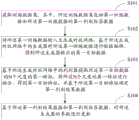
将所述第一训练数据输入至生成对抗网络,基于所述生成对抗网络中的生成器对所述第一训练数据进行数据编辑,得到所述生成器输出的第一目标数据;inputting the first training data into a generative adversarial network, and performing data editing on the first training data based on a generator in the generative adversarial network to obtain first target data output by the generator;
基于所述生成对抗网络中的判别器提取所述第一目标数据的N个尺度的第一特征,将所述N个尺度的第一特征进行融合,得到第一目标特征,并基于所述第一目标特征确定第一判别结果数据,N为大于1的整数;Extract first features of N scales of the first target data based on the discriminator in the generative adversarial network, and fuse the first features of the N scales to obtain first target features, and based on the first feature of the N scales A target feature determines the first discrimination result data, and N is an integer greater than 1;
基于所述第一判别结果数据和第一判别标签数据,对所述生成器的参数进行更新。Based on the first discrimination result data and the first discrimination label data, the parameters of the generator are updated.
根据本公开的第二方面,提供了一种网络训练装置,包括:According to a second aspect of the present disclosure, there is provided a network training apparatus, comprising:
获取模块,用于获取训练数据集;其中,所述训练数据集包括第一训练数据和所述第一训练数据的第一判别标签数据;an acquisition module for acquiring a training data set; wherein, the training data set includes first training data and first discriminating label data of the first training data;
第一数据编辑模块,用于将所述第一训练数据输入至生成对抗网络,基于所述生成对抗网络中的生成器对所述第一训练数据进行数据编辑,得到所述生成器输出的第一目标数据;The first data editing module is used for inputting the first training data into a generative confrontation network, and performing data editing on the first training data based on the generator in the generative confrontation network to obtain the first output of the generator. a target data;
第一提取模块,用于基于所述生成对抗网络中的判别器提取所述第一目标数据的N个尺度的第一特征;a first extraction module, configured to extract first features of N scales of the first target data based on the discriminator in the generative adversarial network;
第一融合模块,用于将所述N个尺度的第一特征进行融合,得到第一目标特征,N为大于1的整数;a first fusion module, configured to fuse the first features of the N scales to obtain a first target feature, where N is an integer greater than 1;
第一确定模块,用于基于所述第一目标特征确定第一判别结果数据;a first determination module, configured to determine first discrimination result data based on the first target feature;
第一更新模块,用于基于所述第一判别结果数据和第一判别标签数据,对所述生成器的参数进行更新。A first update module, configured to update the parameters of the generator based on the first discrimination result data and the first discrimination label data.
根据本公开的第三方面,提供了一种电子设备,包括:According to a third aspect of the present disclosure, there is provided an electronic device, comprising:
至少一个处理器;以及at least one processor; and
与至少一个处理器通信连接的存储器;其中,a memory communicatively coupled to the at least one processor; wherein,
存储器存储有可被至少一个处理器执行的指令,该指令被至少一个处理器执行,以使至少一个处理器能够执行第一方面中的任一项方法。The memory stores instructions executable by the at least one processor to enable the at least one processor to perform any of the methods of the first aspect.
根据本公开的第四方面,提供了一种存储有计算机指令的非瞬时计算机可读存储介质,该计算机指令用于使计算机执行第一方面中的任一项方法。According to a fourth aspect of the present disclosure, there is provided a non-transitory computer-readable storage medium storing computer instructions for causing a computer to perform any one of the methods of the first aspect.
根据本公开的第五方面,提供了一种计算机程序产品,当所述计算机程序产品在电子设备上运行时,所述电子设备能够执行第一方面中的任一项方法。According to a fifth aspect of the present disclosure, there is provided a computer program product capable of performing any one of the methods of the first aspect when the computer program product is run on an electronic device.
根据本申请的技术解决了数据自动生成技术中存在的数据转换效果比较差的问题,提高了数据转换的效果。The technology according to the present application solves the problem that the data conversion effect is relatively poor in the data automatic generation technology, and improves the data conversion effect.
应当理解,本部分所描述的内容并非旨在标识本公开的实施例的关键或重要特征,也不用于限制本公开的范围。本公开的其它特征将通过以下的说明书而变得容易理解。It should be understood that what is described in this section is not intended to identify key or critical features of embodiments of the disclosure, nor is it intended to limit the scope of the disclosure. Other features of the present disclosure will become readily understood from the following description.
附图说明Description of drawings
附图用于更好地理解本方案,不构成对本申请的限定。其中:The accompanying drawings are used for better understanding of the present solution, and do not constitute a limitation to the present application. in:
图1是根据本申请第一实施例的网络训练方法的流程示意图;1 is a schematic flowchart of a network training method according to a first embodiment of the present application;
图2是生成对抗网络的判别器的结构示意图;Figure 2 is a schematic structural diagram of a discriminator of a generative adversarial network;
图3是根据本申请第二实施例的网络训练装置的结构示意图;3 is a schematic structural diagram of a network training apparatus according to a second embodiment of the present application;
图4示出了可以用来实施本公开的实施例的示例电子设备400的示意性框图。FIG. 4 shows a schematic block diagram of an example
具体实施方式Detailed ways
以下结合附图对本申请的示范性实施例做出说明,其中包括本申请实施例的各种细节以助于理解,应当将它们认为仅仅是示范性的。因此,本领域普通技术人员应当认识到,可以对这里描述的实施例做出各种改变和修改,而不会背离本申请的范围和精神。同样,为了清楚和简明,以下的描述中省略了对公知功能和结构的描述。Exemplary embodiments of the present application are described below with reference to the accompanying drawings, which include various details of the embodiments of the present application to facilitate understanding, and should be considered as exemplary only. Accordingly, those of ordinary skill in the art will recognize that various changes and modifications of the embodiments described herein can be made without departing from the scope and spirit of the present application. Also, descriptions of well-known functions and constructions are omitted from the following description for clarity and conciseness.
第一实施例first embodiment
如图1所示,本申请提供一种网络训练方法,包括如下步骤:As shown in Figure 1, the present application provides a network training method, comprising the following steps:
步骤S101:获取训练数据集;其中,所述训练数据集包括第一训练数据和所述第一训练数据的第一判别标签数据。Step S101: Acquire a training data set; wherein, the training data set includes first training data and first discriminating label data of the first training data.
本实施例中,所述网络训练方法涉及人工智能领域,具体涉及计算机视觉技术、增强现实及深度学习技术领域,其可以应用于电子设备,该电子设备可以为服务器,也可以为终端,这里不做具体限定。In this embodiment, the network training method relates to the field of artificial intelligence, in particular to the field of computer vision technology, augmented reality and deep learning technology, and can be applied to electronic equipment, which can be a server or a terminal. Make specific restrictions.
所述训练数据集指的是用于训练生成对抗网络的数据集合,其内包括多个训练数据和每个训练数据的判别标签数据。The training data set refers to a data set for training a generative adversarial network, which includes a plurality of training data and discriminative label data for each training data.
其中,训练数据指的是输入至生成对抗网络,以对所述生成对抗网络进行训练的数据,训练数据可以为随机数,也可以为图像,该图像可以为人脸图像,也可以为文本图像,或者还可以为其他形式的数据,这里不做具体限定。以下描述中,训练数据将以人脸图像为例进行说明。The training data refers to the data that is input to the generative adversarial network to train the generative adversarial network. The training data can be random numbers or images. The images can be face images or text images. Or it can also be other forms of data, which is not specifically limited here. In the following description, the training data will be illustrated by taking a face image as an example.
训练数据的判别标签数据可以表征训练数据的判别类型,其中,判别类型包括两种,分别为真和假,当判别类型为真的时候,其判别标签数据可以用1表示,当判别类型为假的时候,其判别标签数据可以用0表示。The discriminant label data of the training data can represent the discriminant type of the training data. Among them, the discriminant type includes two types, namely true and false. When the discriminant type is true, the discriminant label data can be represented by 1, and when the discriminant type is false , the discriminant label data can be represented by 0.
其中,判别类型为真还是假需要根据生成对抗网络的实际功能进行限定,比如,当生成对抗网络用于智能头像自动生成时,即用于根据用户真实的人脸图像,生成与用户的人脸气质相符的高度个性化的头像,该头像可以为动漫头像,也可以为由线条组成的头像,或者为与真实人脸存在年龄差的人脸图像,如用户真实的人脸图像为30岁,基于生成对抗网络中的生成器,可以将该用户的人脸图像,转换成该用户10岁左右的人脸图像。在该种应用场景下,当训练数据为用户真实的人脸图像时,其判别类型为真,而当训练数据不为用户真实的人脸图像时,如为文本图像时,则其判别类型为假。Among them, the determination of whether the type is true or false needs to be limited according to the actual function of the generative adversarial network. For example, when the generative adversarial network is used for automatic generation of intelligent avatars, it is used to generate a face that matches the user's real face image based on the user's real face image. A highly personalized avatar that matches the temperament. The avatar can be an anime avatar, an avatar composed of lines, or a face image with an age difference with the real face. For example, the user's real face image is 30 years old. Based on the generator in the generative adversarial network, the face image of the user can be converted into a face image of the user about 10 years old. In this application scenario, when the training data is the user's real face image, the discriminant type is true, and when the training data is not the user's real face image, such as a text image, the discriminant type is Fake.
又比如,当生成对抗网络用于文本识别时,即用于识别文本图像中的文本信息时,在该种应用场景下,当训练数据为文本图像时,其判别类型为真,而当训练数据不为文本图像时,如为人脸图像时,则其判别类型为假。For another example, when the generative adversarial network is used for text recognition, that is, when it is used to recognize text information in text images, in this application scenario, when the training data is a text image, the discrimination type is true, and when the training data is a text image, the discrimination type is true. When it is not a text image, such as a face image, the discrimination type is false.
所述多个训练数据中可以包括第一训练数据,所述第一训练数据的判别标签数据为第一判别标签数据,所述第一判别标签数据可以为1,也就是说,所述第一训练数据可以为判别类型为真的训练数据。The plurality of training data may include first training data, the discriminant label data of the first training data is the first discriminant label data, and the first discriminant label data may be 1, that is, the first discriminant label data. The training data may be the training data for which the discriminant type is true.
所述训练数据集的获取方式可以有多种,比如,可以从预先存储的图像库中获取所述训练数据集,也可以从服务器获取所述训练数据集,还可以自动构造训练数据集,或者接收其他设备发送的训练数据集。The training data set can be obtained in various ways, for example, the training data set can be obtained from a pre-stored image library, the training data set can also be obtained from a server, and the training data set can be automatically constructed, or Receive training datasets sent by other devices.
步骤S102:将所述第一训练数据输入至生成对抗网络,基于所述生成对抗网络中的生成器对所述第一训练数据进行数据编辑,得到所述生成器输出的第一目标数据。Step S102: Input the first training data into a generative adversarial network, perform data editing on the first training data based on a generator in the generative adversarial network, and obtain first target data output by the generator.
该步骤中,所述生成对抗网络包括生成器和判别器,所述生成器用于对输入的数据进行数据编辑,所述判别器用于判别生成器输出的数据是否为真实数据。In this step, the generative adversarial network includes a generator and a discriminator, the generator is used to edit the input data, and the discriminator is used to judge whether the data output by the generator is real data.
当源域的数据为人脸图像时,所述生成器用于对源域的人脸图像进行图像编辑,以基于该人脸图像生成目标域的智能头像,所述判别器用于对生成器输出的智能头像进行判别,以判别智能头像与源域的人脸图像是否相似。When the data in the source domain is a face image, the generator is used to perform image editing on the face image in the source domain to generate an intelligent avatar in the target domain based on the face image, and the discriminator is used for the intelligent avatar output by the generator. The avatar is judged to determine whether the smart avatar is similar to the face image in the source domain.
为了使生成对抗网络中的生成器可以对源域的人脸图像进行图像编辑,以使生成器生成与源域的人脸图像气质相似的高度个性化头像,在具体使用之前,需要对生成器进行训练,以调节该生成器的参数。In order to enable the generator in the generative adversarial network to perform image editing on the face image of the source domain, so that the generator can generate a highly personalized avatar with similar temperament to the face image of the source domain. Training is performed to tune the parameters of this generator.
具体的,可以将所述第一训练数据如人脸图像输入至生成对抗网络,相应的,网络训练装置可以基于所述生成对抗网络中的生成器对所述第一训练数据进行数据编辑,得到所述生成器输出的第一目标数据。Specifically, the first training data, such as a face image, may be input into a generative adversarial network, and correspondingly, the network training device may perform data editing on the first training data based on the generator in the generative adversarial network, to obtain the first target data output by the generator.
所述第一目标数据的数据类型可以根据生成对抗网络的实际功能不同而不同,比如,生成对抗网络用于智能头像自动生成,且生成的智能头像为动漫头像,源域的第一训练数据为人脸图像,则目标域的第一目标数据则可以为动漫头像。The data type of the first target data may vary according to the actual function of the generative adversarial network. For example, the generative adversarial network is used for automatic generation of intelligent avatars, and the generated intelligent avatars are anime avatars, and the first training data in the source domain is human. face image, the first target data in the target domain may be an anime avatar.
又比如,生成对抗网络用于智能头像自动生成,且生成的智能头像为与源域的人脸具有年龄差的头像,源域的第一训练数据为用户A的人脸图像,则目标域的第一目标数据可以为与用户A的人脸具有年龄差的智能头像。For another example, a generative adversarial network is used to automatically generate an intelligent avatar, and the generated intelligent avatar is an avatar with an age difference from the face of the source domain, and the first training data of the source domain is the face image of user A, then the The first target data may be a smart avatar that has an age difference with the face of user A.
步骤S103:基于所述生成对抗网络中的判别器提取所述第一目标数据的N个尺度的第一特征,将所述N个尺度的第一特征进行融合,得到第一目标特征,并基于所述第一目标特征确定第一判别结果数据,N为大于1的整数。Step S103: Extract the first features of the N scales of the first target data based on the discriminator in the generative adversarial network, and fuse the first features of the N scales to obtain the first target features. The first target feature determines the first discrimination result data, and N is an integer greater than 1.
该步骤中,可以借助于生成对抗网络中的判别器,来训练生成器,即通过判别器来判别生成器输出的目标域的第一目标数据与源域的第一训练数据是否相似,比如,生成器输出的智能头像与源域的人脸图像是否相似。其中,所述判别器的输出可以在0至1之间,0表示第一目标数据与第一训练数据完全不相似,1表示第一目标数据与第一训练数据完全相似,若输出在0至1之间,越靠近1,则越相似,而越靠近0,则越不相似。In this step, the generator can be trained by means of the discriminator in the generative adversarial network, that is, the discriminator can be used to determine whether the first target data of the target domain output by the generator is similar to the first training data of the source domain, for example, Whether the smart avatar output by the generator is similar to the face image in the source domain. The output of the discriminator may be between 0 and 1, where 0 indicates that the first target data is completely dissimilar to the first training data, and 1 indicates that the first target data is completely similar to the first training data. 1, the closer to 1, the more similar, and the closer to 0, the less similar.
所述判别器可以为已经训练好的判别器,即其参数已经通常其他方式进行了调整,且已经调整至了最优状态,也就是说,其完成具备判断生成器生成的第一目标数据是真还是假的能力。The discriminator can be a trained discriminator, that is, its parameters have been adjusted in other ways, and have been adjusted to an optimal state, that is, it has completed the first target data generated by the judgment generator. True or false ability.
所述判别器也可以为未训练好的判别器,即其参数并未调整至最优状态,在该种情况下,所述生成对抗网络中的生成器和判别器可以交替训练。也就是说,在判别器具备一定判别能力的条件下,可以借助于其相应的判别能力,对生成器进行训练,生成器在参数优化的情况下,可以借助于其优化的数据编辑能力,对判别器进行训练。The discriminator may also be an untrained discriminator, that is, its parameters are not adjusted to an optimal state. In this case, the generator and the discriminator in the generative adversarial network can be trained alternately. That is to say, under the condition that the discriminator has a certain discriminative ability, the generator can be trained with the help of its corresponding discriminative ability. In the case of parameter optimization, the generator can use its optimized data editing ability to edit the data. The discriminator is trained.
在生成器和判别器交替训练的场景下,首先需要对判别器进行训练,使之具备一定的判断能力。在实际训练过程中,生成对抗网络初始训练时,可以分别将判别类型为真的源域的数据和判别类型为假的源域的数据输入至判别器进行判别,判别器按照将为真的数据判别为真,而将为假的数据判别为假的原则,来进行参数调节,参数调节之后,该判别器即具备了一定的判别能力。In the scenario where the generator and the discriminator are trained alternately, the discriminator needs to be trained first to make it have certain judgment ability. In the actual training process, during the initial training of the generative adversarial network, the data of the source domain whose discriminant type is true and the data of the source domain whose discriminant type is false can be input to the discriminator for discrimination, and the discriminator will be based on the real data. The judgment is true, and the principle of judging false data as false is used for parameter adjustment. After parameter adjustment, the discriminator has a certain ability to discriminate.
所述判别器在至少具备一定的判别能力的情况下,可以提取所述第一目标数据的多个尺度的第一特征,将这多个尺度的第一特征进行融合,得到第一目标特征,并基于所述第一目标特征确定第一判别结果数据。When the discriminator has at least a certain discrimination ability, it can extract the first features of multiple scales of the first target data, and fuse the first features of the multiple scales to obtain the first target features, and determining the first discrimination result data based on the first target feature.
其中,所述尺度表征数据的感受野,以人脸图像为例,较大尺度表征可以感受到图像的更大视野,可以感受图像的更大范围的内容,而较小尺度表征感受到图像的较小视野,其感受的是图像的局部细节。如,在较大尺度下,可以感受到人脸图像的整体内容,而在较小尺度下,可能仅感受到人脸图像中的眼睛周边区域的图像内容。Among them, the scale represents the receptive field of the data, taking a face image as an example, a larger scale represents a larger field of view of the image, and a wider range of contents of the image can be felt, while a smaller scale represents the perception of the image Smaller field of view, which perceives the local details of the image. For example, at a larger scale, the overall content of the face image can be felt, while at a smaller scale, only the image content of the area around the eyes in the face image may be felt.
参见图2,图2是生成对抗网络的判别器的结构示意图,所述判别器可以为深度学习卷积网络,所述生成器对第一训练数据进行数据编辑生成第一目标数据之后,在所述判别器的网络浅层可以基于一些卷积层,对所述第一目标数据进行特征提取,得到多个输入特征图。Referring to FIG. 2, FIG. 2 is a schematic structural diagram of a discriminator of a generative adversarial network. The discriminator can be a deep learning convolutional network. After the generator performs data editing on the first training data to generate the first target data, in all The network shallow layer of the discriminator can perform feature extraction on the first target data based on some convolutional layers to obtain multiple input feature maps.
在所述判别器的网络中间层可以嵌入多个卷积层分支,每个卷积层分支可以分别采用不同的扩张倍数对这多个输入特征图进行特征提取,得到多个尺度的输出特征图,每个尺度的输出特征图即对应第一特征。其中,卷积层分支可以为空洞卷积层,也可以为其他类型的卷积层,这里不做具体限定。Multiple convolutional layer branches can be embedded in the network middle layer of the discriminator, and each convolutional layer branch can use different expansion multiples to perform feature extraction on the multiple input feature maps to obtain output feature maps of multiple scales. , the output feature map of each scale corresponds to the first feature. The branch of the convolutional layer may be a hollow convolutional layer, or may be other types of convolutional layers, which are not specifically limited here.
如图2所示,可以分别采用扩张倍数为1的卷积层分支、扩张倍数为2的卷积层分支、扩张倍数为4的卷积层分支和扩张倍数为8的卷积层分支,对输入特征图进行特征提取,得到这4个尺度的输出特征图。这个4个尺度的输出特征图进行拼接之后,形似一种金字塔结构。As shown in Figure 2, a convolutional layer branch with an expansion multiple of 1, a convolutional layer branch with an expansion multiple of 2, a convolutional layer branch with an expansion multiple of 4, and a convolutional layer branch with an expansion multiple of 8 can be used respectively. The input feature map is used for feature extraction, and the output feature maps of these four scales are obtained. After the output feature maps of the four scales are spliced, they resemble a pyramid structure.
其中,较低扩张倍数的卷积注重比较低级特征的判别,而较高扩张倍数的卷积注重比较高级特征的判别,通过设置不同扩张倍数的卷积层分支,可以使一个判别器关注到不同层级的特征,从而做到多个尺度的判别,提高判别的准确性。Among them, the convolution with a lower expansion multiple focuses on the discrimination of relatively low-level features, while the convolution with a higher expansion multiple focuses on the discrimination of relatively high-level features. By setting the convolution layer branches with different expansion multiples, a discriminator can pay attention to different Level features, so as to achieve multi-scale discrimination and improve the accuracy of discrimination.
需要说明的是,上述提到的低级特征对应人脸图像的局部细节特征,而高级特征对应人脸图像的整体特征。It should be noted that the above-mentioned low-level features correspond to the local detailed features of the face image, and the high-level features correspond to the overall features of the face image.
在判别器的网络深层可以基于拼接模块对这多个尺度的输出特征图进行融合,得到第一目标特征,并采用一些卷积层,基于该第一目标特征对所述第一目标数据进行判别,最终得到第一目标数据的第一判别结果数据,该第一判别结果数据可以为0至1之间的数值。In the deep network layer of the discriminator, the output feature maps of these multiple scales can be fused based on the splicing module to obtain the first target feature, and some convolutional layers are used to discriminate the first target data based on the first target feature. , and finally obtain the first discrimination result data of the first target data, and the first discrimination result data may be a value between 0 and 1.
步骤S104:基于所述第一判别结果数据和第一判别标签数据,对所述生成器的参数进行更新。Step S104: Update the parameters of the generator based on the first discrimination result data and the first discrimination label data.
该步骤中,可以基于第一判别结果数据和第一判别标签数据,采用预设的损失函数,确定所述第一目标数据的损失值,基于所述第一目标数据的损失值,对所述生成器的参数进行更新。In this step, a preset loss function may be used to determine the loss value of the first target data based on the first discrimination result data and the first discrimination label data, and based on the loss value of the first target data, the The generator parameters are updated.
比如,第一判别结果数据为0.7,第一判别标签数据为1,将这两个数值输入至预设的损失函数,确定所述第一目标数据的损失值,其中,第一判别结果数据越接近1,所述第一目标数据的损失值则越小。For example, the first discrimination result data is 0.7, and the first discrimination label data is 1, these two values are input into the preset loss function to determine the loss value of the first target data, wherein the first discrimination result data is more Close to 1, the loss value of the first target data is smaller.
其中,损失值越小,表征目标域的第一目标数据与源域的第一训练数据越相似,在损失值达到收敛的情况下,生成器训练完成。之后,可以基于该训练的生成器进行数据编辑。The smaller the loss value is, the more similar the first target data representing the target domain is to the first training data in the source domain. When the loss value reaches convergence, the generator training is completed. Afterwards, data editing can be performed based on this trained generator.
本实施例中,在对生成器进行训练时,通过在判别器设置不同扩张倍数的卷积层分支,可以使一个判别器关注到不同层级的特征,做到多个尺度的判别,这样可以提高判别的准确性。由于生成器的训练需要借助于判别器,在判别器的判别准确性提高的前提下,可以提高生成器的训练效果,从而可以提高生成器数据转换的效果。In this embodiment, when the generator is trained, by setting the convolutional layer branches with different expansion multiples in the discriminator, a discriminator can be made to pay attention to the features of different levels, so as to realize the discrimination of multiple scales, which can improve the performance of the discriminator. The accuracy of discrimination. Since the training of the generator requires the help of the discriminator, the training effect of the generator can be improved on the premise that the discrimination accuracy of the discriminator is improved, so that the effect of data conversion of the generator can be improved.
可选的,所述训练数据集还包括第二训练数据和所述第二训练数据的第二判别标签数据,所述第二判别标签数据的判别类型与所述第一判别标签数据的判别类型相反;所述方法还包括:Optionally, the training data set further includes second training data and second discriminating label data of the second training data, the discriminating type of the second discriminating label data and the discriminating type of the first discriminating label data. Rather; the method further includes:
将所述第二训练数据输入至所述生成对抗网络,基于所述生成器对所述第二训练数据进行数据编辑,得到所述生成器输出的第二目标数据;inputting the second training data into the generative adversarial network, and performing data editing on the second training data based on the generator to obtain second target data output by the generator;
基于所述判别器提取所述第二目标数据的N个尺度的第二特征,将所述N个尺度的第二特征进行融合,得到第二目标特征,并基于所述第二目标特征确定第二判别结果数据;Extract the second features of the N scales of the second target data based on the discriminator, fuse the second features of the N scales to obtain a second target feature, and determine the first target feature based on the second target feature. 2. Discrimination result data;
所述步骤S104具体包括:The step S104 specifically includes:
基于所述第一判别结果数据和第一判别标签数据,确定所述第一目标数据的第一损失值,并基于所述第二判别结果数据和第二判别标签数据,确定所述第二目标数据的第二损失值;The first loss value of the first target data is determined based on the first discrimination result data and the first discrimination label data, and the second target is determined based on the second discrimination result data and the second discrimination label data the second loss value of the data;
基于所述第一损失值和第二损失值,对所述生成器的参数进行更新。Based on the first loss value and the second loss value, the parameters of the generator are updated.
本实施方式中,为了进一步提高判别器的判别效果,间接提高生成器的训练效果,需要使判别器还能判别出判别类型为假的数据,还需要输入判别类型为假的第二训练数据。In this embodiment, in order to further improve the discrimination effect of the discriminator and indirectly improve the training effect of the generator, the discriminator needs to be able to discriminate the data whose discriminant type is false, and also need to input the second training data whose discriminant type is fake.
所述第二训练数据的数据类型可以与第一训练数据的数据类型相同,也可以不同,比如,第一训练数据为人脸图像时,所述第二训练数据可以为图像,只是该图像与人脸图像不同,如该图像可以为文本图像,这样,在人脸图像的判别类型为真的情况下,该图像的判别类型为假。The data type of the second training data may be the same as or different from the data type of the first training data. For example, when the first training data is a face image, the second training data may be an image, but the image is different from the human face. The face images are different. For example, the image can be a text image. In this case, when the discrimination type of the face image is true, the discrimination type of the image is false.
又比如,第一训练数据为人脸图像时,所述第二训练数据可以为随机数,在人脸图像的判别类型为真的情况下,随机数的判别类型为假。For another example, when the first training data is a face image, the second training data may be a random number, and if the discrimination type of the face image is true, the discrimination type of the random number is false.
可以将第二目标数据输入至如图2所示的判别器中,该判别器对第二目标数据进行特征提取,得到多个尺度的第二特征,将这多个尺度的第二特征进行融合,得到第二目标特征,基于该第二目标特征,最终可以确定第二目标数据的第二判别结果数据。其中,所述第二判别结果数据在0至1之间。The second target data can be input into the discriminator as shown in Figure 2, the discriminator performs feature extraction on the second target data, obtains second features of multiple scales, and fuses the second features of these multiple scales. , to obtain the second target feature, and based on the second target feature, the second discrimination result data of the second target data can be finally determined. Wherein, the second discrimination result data is between 0 and 1.
之后,可以基于第一判别结果数据和第一判别标签数据,采用预设的损失函数,确定所述第一目标数据的第一损失值。比如,第一判别结果数据为0.7,第一判别标签数据为1,将这两个数值输入至预设的损失函数,确定所述第一目标数据的第一损失值。其中,由于第一训练数据为判别类型为真的数据,因此,第一判别结果数据越接近1,所述第一目标数据的第一损失值则越小。Afterwards, the first loss value of the first target data may be determined by using a preset loss function based on the first discrimination result data and the first discriminating label data. For example, the first discrimination result data is 0.7, and the first discrimination label data is 1, and these two values are input into the preset loss function to determine the first loss value of the first target data. Wherein, since the first training data is the data whose discrimination type is true, the closer the first discrimination result data is to 1, the smaller the first loss value of the first target data is.
可以基于第二判别结果数据和第二判别标签数据,采用预设的损失函数,确定所述第二目标数据的第二损失值。比如,第二判别结果数据为0.1,第二判别标签数据为0,将这两个数值输入至预设的损失函数,确定所述第二目标数据的第二损失值。其中,由于第二训练数据为判别类型为假的数据,因此,第二判别结果数据越接近0,所述第二目标数据的第二损失值则越小。The second loss value of the second target data may be determined by using a preset loss function based on the second discrimination result data and the second discrimination label data. For example, the second discriminant result data is 0.1, and the second discriminant label data is 0, and these two values are input into the preset loss function to determine the second loss value of the second target data. Wherein, since the second training data is the data whose discrimination type is false, the closer the second discrimination result data is to 0, the smaller the second loss value of the second target data is.
将所述第一损失值和第二损失值进行加和,可以得到生成器进行数据编辑的损失值,最终基于该损失值对所述生成器的参数进行更新。By adding the first loss value and the second loss value, the loss value of the generator for data editing can be obtained, and finally the parameters of the generator are updated based on the loss value.
本实施方式中,通过输入两种判别类型的训练数据,使得可以借助于判别器对生成器进行双向的训练,从而可以进一步提高生成器的训练效果。In this embodiment, by inputting training data of two types of discrimination, the generator can be trained in two directions by means of the discriminator, so that the training effect of the generator can be further improved.
可选的,所述训练数据集还包括第三训练数据和所述第三训练数据的第三判别标签数据;所述基于所述第一损失值和第二损失值,对所述生成器的参数进行更新之后,所述方法还包括:Optionally, the training data set further includes third training data and third discriminant label data of the third training data; After the parameters are updated, the method further includes:
基于所述判别器提取第三目标数据的N个尺度的第三特征,将所述N个尺度的第三特征进行融合,得到第三目标特征,并基于所述第三目标特征确定第三判别结果数据,所述第三目标数据可以为基于参数更新后的生成器对所述第三训练数据进行数据编辑得到的数据;The third feature of the N scales of the third target data is extracted based on the discriminator, the third features of the N scales are fused to obtain a third target feature, and a third judgment is determined based on the third target feature result data, the third target data may be data obtained by performing data editing on the third training data based on the updated generator;
确定所述第三判别结果数据和第三判别标签数据的第三损失值;determining the third loss value of the third discriminant result data and the third discriminant label data;
基于所述第三损失值,对所述判别器的参数进行更新。Based on the third loss value, the parameters of the discriminator are updated.
本实施方式中,在生成器和判别器交替训练的场景下,优化生成器的参数之后,需要优化判别器的判别能力,交替优化,使得生成器生成的目标域的数据与源域的数据越来越相似,最终达到生成器生成的目标域的数据与源域的数据非常相似。如生成器生成与人脸图像的气质非常相符的高度个性化的智能头像。In this embodiment, in the scenario where the generator and the discriminator are alternately trained, after optimizing the parameters of the generator, it is necessary to optimize the discriminant's discriminant ability, and optimize alternately, so that the data in the target domain generated by the generator is closer to the data in the source domain. More and more similar, eventually the data of the target domain generated by the generator is very similar to the data of the source domain. For example, the generator generates a highly personalized intelligent avatar that is very consistent with the temperament of the face image.
具体的,所述训练数据集还包括第三训练数据和所述第三训练数据的第三判别标签数据,所述第三训练数据可以为判别类型为真的训练数据,也可以为判别类型为假的训练数据,这里可以不对其进行具体限定。Specifically, the training data set further includes third training data and third discriminant label data of the third training data. The third training data may be training data whose discriminant type is true, or may be discriminant type that is Fake training data, which may not be specifically limited here.
可以将所述第三训练数据输入至更新参数后的生成器中,该生成器对第三训练数据进行数据编辑,得到第三目标数据。The third training data may be input into a generator after updating parameters, and the generator may perform data editing on the third training data to obtain third target data.
可以将第三目标数据输入至如图2所示的判别器中,该判别器对第三目标数据进行特征提取,得到多个尺度的第三特征,将这多个尺度的第三特征进行融合,得到第三目标特征,基于该第三目标特征,最终可以确定第三目标数据的第三判别结果数据。其中,所述第三判别结果数据在0至1之间。The third target data can be input into the discriminator as shown in Figure 2, the discriminator performs feature extraction on the third target data, obtains third features of multiple scales, and fuses the third features of these multiple scales. , to obtain the third target feature, and based on the third target feature, the third discrimination result data of the third target data can be finally determined. Wherein, the third discrimination result data is between 0 and 1.
确定所述第三判别结果数据和第三判别标签数据的第三损失值,该第三损失值可以为第三判别结果数据和第三判别标签数据的差异信息。比如,第三判别标签数据为0,第三判别结果数据为0.2,则第三损失值可以为0.2。又比如,第三判别标签数据为1,第三判别结果数据为0.8,则第三损失值也可以为0.2。A third loss value of the third discrimination result data and the third discrimination label data is determined, and the third loss value may be difference information between the third discrimination result data and the third discriminant label data. For example, if the third discriminant label data is 0 and the third discriminant result data is 0.2, the third loss value may be 0.2. For another example, if the third discriminant label data is 1 and the third discriminant result data is 0.8, the third loss value may also be 0.2.
总之,第三损失值越小,则表明判别器对第三判别标签数据表征的判别类型的训练数据的判别越准确,第三损失值越大,则表明判别器对第三判别标签数据表征的判别类型的训练数据的判别越不准确,最终需要达到的目标是训练数据的判别结果数据和判别标签数据非常接近。In a word, the smaller the third loss value is, the more accurate the discriminator is in discriminating the training data of the discriminant type represented by the third discriminative label data, and the larger the third loss value is, the more accurate the discriminator is for the third discriminant label data representation. The more inaccurate the discrimination of the training data of the discriminant type is, the final goal to be achieved is that the discriminant result data of the training data is very close to the discriminant label data.
之后,可以基于所述第三损失值,对所述判别器的参数进行更新。Afterwards, the parameters of the discriminator can be updated based on the third loss value.
本实施方式中,通过在生成器的参数更新之后,基于参数更新后的生成器对判别器进行训练,如此,通过交替训练生成器和判别器,相对于生成器和判别器分别训练,一方面可以简化训练的流程,另一方面还可以提高生成器和判别器的训练效果。In this embodiment, after the parameters of the generator are updated, the discriminator is trained based on the updated generator, so that the generator and the discriminator are alternately trained, and the generator and the discriminator are trained separately. The training process can be simplified, and on the other hand, the training effect of the generator and the discriminator can be improved.
可选的,所述训练数据集还包括第四训练数据和所述第四训练数据的第四判别标签数据,所述第四判别标签数据的判别类型与所述第三判别标签数据的判别类型相反;所述基于所述第三损失值,对所述判别器的参数进行更新之前,所述方法还包括:Optionally, the training data set further includes fourth training data and fourth discriminating label data of the fourth training data, the discriminating type of the fourth discriminating label data and the discriminating type of the third discriminating label data. On the contrary; before the parameter of the discriminator is updated based on the third loss value, the method further includes:
基于所述判别器提取第四目标数据的N个尺度的第四特征,将所述N个尺度的第四特征进行融合,得到第四目标特征,并基于所述第四目标特征确定第四判别结果数据,所述第四目标数据可以为基于参数更新后的生成器对所述第四训练数据进行数据编辑得到的数据;The fourth feature of the N scales of the fourth target data is extracted based on the discriminator, the fourth features of the N scales are fused to obtain a fourth target feature, and a fourth judgment is determined based on the fourth target feature result data, the fourth target data may be data obtained by performing data editing on the fourth training data based on the updated generator;
确定所述第四判别结果数据和第四判别标签数据的第四损失值;determining the fourth loss value of the fourth discriminant result data and the fourth discriminant label data;
所述基于所述第三损失值,对所述判别器的参数进行更新,包括:The updating of the parameters of the discriminator based on the third loss value includes:
基于所述第三损失值和第四损失值,对所述判别器的参数进行更新。Based on the third loss value and the fourth loss value, the parameters of the discriminator are updated.
本实施方式中,为了进一步提高判别器的训练效果,需要输入两种判别类型的训练数据,使之在两种判别类型的数据的判别方面都得到优化。In this embodiment, in order to further improve the training effect of the discriminator, it is necessary to input training data of two discriminant types, so that the discriminative aspects of the data of both discriminant types are optimized.
具体的,在基于所述第三损失值,对所述判别器的参数进行更新之前,可以将所述第四训练数据输入至更新参数后的生成器中,该生成器对第四训练数据进行数据编辑,得到第四目标数据。Specifically, before updating the parameters of the discriminator based on the third loss value, the fourth training data may be input into the generator after updating the parameters, and the generator performs the fourth training data on the Edit the data to obtain the fourth target data.
可以将第四目标数据输入至如图2所示的判别器中,该判别器对第四目标数据进行特征提取,得到多个尺度的第四特征,将这多个尺度的第四特征进行融合,得到第四目标特征,基于该第四目标特征,最终可以确定第四目标数据的第四判别结果数据。其中,所述第四判别结果数据在0至1之间。The fourth target data can be input into the discriminator as shown in Figure 2, the discriminator performs feature extraction on the fourth target data, obtains fourth features of multiple scales, and fuses the fourth features of these multiple scales , to obtain the fourth target feature, and based on the fourth target feature, the fourth discrimination result data of the fourth target data can be finally determined. Wherein, the fourth discrimination result data is between 0 and 1.
确定所述第四判别结果数据和第四判别标签数据的第四损失值,该第四损失值可以为第四判别结果数据和第四判别标签数据的差异信息。比如,第四判别标签数据为0,第四判别结果数据为0.2,则第四损失值可以为0.2。又比如,第四判别标签数据为1,第四判别结果数据为0.8,则第四损失值也可以为0.2。A fourth loss value of the fourth discrimination result data and the fourth discrimination label data is determined, where the fourth loss value may be difference information between the fourth discrimination result data and the fourth discriminant label data. For example, if the fourth discriminant label data is 0, and the fourth discriminant result data is 0.2, the fourth loss value may be 0.2. For another example, if the fourth discriminant label data is 1 and the fourth discriminant result data is 0.8, the fourth loss value may also be 0.2.
总之,第四损失值越小,则表明判别器对第四判别标签数据表征的判别类型的训练数据的判别越准确,第四损失值越大,则表明判别器对第四判别标签数据表征的判别类型的训练数据的判别越不准确。In a word, the smaller the fourth loss value is, the more accurate the discriminator is in discriminating the training data of the discriminative type represented by the fourth discriminant label data, and the larger the fourth loss value is, the more accurate the discriminator is for the fourth discriminant label data representation. The more inaccurate the discrimination of the training data of the discriminant type.
之后,将所述第三损失值和第四损失值进行加和,可以得到判别器进行判别的损失值,最终基于该损失值对所述判别器的参数进行更新。After that, the third loss value and the fourth loss value are added to obtain a loss value for the discriminator to discriminate, and finally the parameters of the discriminator are updated based on the loss value.
本实施方式中,通过输入两种判别类型的训练数据对判别器进行训练,使得判别器具备双向的判别能力,从而可以进一步提高判别器的判别效果。In this embodiment, the discriminator is trained by inputting training data of two types of discrimination, so that the discriminator has a bidirectional discrimination capability, so that the discriminator's discrimination effect can be further improved.
可选的,所述判别器包括M个空洞卷积层,每个空洞卷积层的扩张率不同,所述N个尺度的第一特征基于所述M个空洞卷积层对所述第一训练数据进行特征提取得到,一个尺度的第一特征基于一个空洞卷积层对所述第一训练数据进行特征提取得到,M为大于1的整数。Optionally, the discriminator includes M atrous convolutional layers, each atrous convolutional layer has a different expansion rate, and the first features of the N scales are based on the M atrous convolutional layers to the first feature. The training data is obtained by performing feature extraction, and the first feature of a scale is obtained by performing feature extraction on the first training data based on an atrous convolutional layer, and M is an integer greater than 1.
其中,M可以等于N。where M can be equal to N.
如图2所示,判别器的网络中间层的每个卷积层分支可以为空洞卷积层,空洞卷积层的扩张率从左至右分别为1、2、4和8,其中,扩张率即指的是卷积层分支的扩张倍数。As shown in Figure 2, each convolutional layer branch of the middle layer of the discriminator network can be a dilated convolutional layer, and the dilation rates of the dilated convolutional layer from left to right are 1, 2, 4, and 8, respectively. The rate refers to the expansion factor of the convolutional layer branch.
每个空洞卷积层通过对判别器的网络浅层提取的输入特征图进行空洞卷积操作,可以得到该空洞卷积层的扩张率即该空洞卷积层对应的尺度下的多个输出特征图,这多个输出特征图即为该尺度的第一特征。Each atrous convolutional layer performs atrous convolution operation on the input feature map extracted from the shallow layer of the discriminator network to obtain the expansion rate of the atrous convolutional layer, that is, multiple output features at the corresponding scale of the atroused convolutional layer. These multiple output feature maps are the first features of this scale.
本实施方式中,通过在判别器的网络中间层设置不同扩张率的空洞卷积层,并采用这些空洞卷积层提取第一目标数据中不同层级的特征,从而可以使一个判别器做到多个尺度的判别。In this embodiment, by setting atrous convolutional layers with different expansion rates in the middle layer of the discriminator's network, and using these atroused convolutional layers to extract features of different levels in the first target data, one discriminator can do more A scale discrimination.
第二实施例Second Embodiment
如图3所示,本申请提供一种网络训练装置300,包括:As shown in FIG. 3, the present application provides a
获取模块301,用于获取训练数据集;其中,所述训练数据集包括第一训练数据和所述第一训练数据的第一判别标签数据;an
第一数据编辑模块302,用于将所述第一训练数据输入至生成对抗网络,基于所述生成对抗网络中的生成器对所述第一训练数据进行数据编辑,得到所述生成器输出的第一目标数据;The first
第一提取模块303,用于基于所述生成对抗网络中的判别器提取所述第一目标数据的N个尺度的第一特征;a
第一融合模块304,用于将所述N个尺度的第一特征进行融合,得到第一目标特征,N为大于1的整数;a
第一确定模块305,用于基于所述第一目标特征确定第一判别结果数据;a
第一更新模块306,用于基于所述第一判别结果数据和第一判别标签数据,对所述生成器的参数进行更新。The
可选的,其中,所述训练数据集还包括第二训练数据和所述第二训练数据的第二判别标签数据,所述第二判别标签数据的判别类型与所述第一判别标签数据的判别类型相反;所述装置还包括:Optionally, the training data set further includes second training data and second discriminating label data of the second training data, and the discriminating type of the second discriminating label data is the same as that of the first discriminating label data. The discriminant type is opposite; the apparatus further includes:
第二数据编辑模块,用于将所述第二训练数据输入至所述生成对抗网络,基于所述生成器对所述第二训练数据进行数据编辑,得到所述生成器输出的第二目标数据;A second data editing module, configured to input the second training data into the generative adversarial network, perform data editing on the second training data based on the generator, and obtain second target data output by the generator ;
第二提取模块,用于基于所述判别器提取所述第二目标数据的N个尺度的第二特征;a second extraction module, configured to extract the second features of the N scales of the second target data based on the discriminator;
第二融合模块,用于将所述N个尺度的第二特征进行融合,得到第二目标特征;A second fusion module, configured to fuse the second features of the N scales to obtain a second target feature;
第二确定模块,用于基于所述第二目标特征确定第二判别结果数据;a second determination module, configured to determine second discrimination result data based on the second target feature;
所述第一更新模块306,具体用于基于所述第一判别结果数据和第一判别标签数据,确定所述第一目标数据的第一损失值,并基于所述第二判别结果数据和第二判别标签数据,确定所述第二目标数据的第二损失值;基于所述第一损失值和第二损失值,对所述生成器的参数进行更新。The
可选的,其中,所述训练数据集还包括第三训练数据和所述第三训练数据的第三判别标签数据;所述装置还包括:Optionally, wherein the training data set further includes third training data and third discriminating label data of the third training data; the device further includes:
第三提取模块,用于基于所述判别器提取第三目标数据的N个尺度的第三特征,所述第三目标数据可以为基于参数更新后的生成器对所述第三训练数据进行数据编辑得到的数据;The third extraction module is configured to extract the third features of the N scales of the third target data based on the discriminator, and the third target data may be based on the generator after the parameter update is performed on the third training data. Edited data;
第三融合模块,用于将所述N个尺度的第三特征进行融合,得到第三目标特征;a third fusion module, configured to fuse the third features of the N scales to obtain a third target feature;
第三确定模块,用于基于所述第三目标特征确定第三判别结果数据;a third determination module, configured to determine third discrimination result data based on the third target feature;
第四确定模块,用于确定所述第三判别结果数据和第三判别标签数据的第三损失值;a fourth determination module, configured to determine the third loss value of the third discrimination result data and the third discrimination label data;
第二更新模块,用于基于所述第三损失值,对所述判别器的参数进行更新。The second updating module is configured to update the parameters of the discriminator based on the third loss value.
可选的,其中,所述训练数据集还包括第四训练数据和所述第四训练数据的第四判别标签数据,所述第四判别标签数据的判别类型与所述第三判别标签数据的判别类型相反,所述装置还包括:Optionally, the training data set further includes fourth training data and fourth discriminating label data of the fourth training data, and the discriminating type of the fourth discriminating label data is the same as that of the third discriminating label data. Contrary to the type of discrimination, the device further includes:
第四提取模块,用于基于所述判别器提取第四目标数据的N个尺度的第四特征,所述第四目标数据可以为基于参数更新后的生成器对所述第四训练数据进行数据编辑得到的数据;The fourth extraction module is used for extracting the fourth features of the N scales of the fourth target data based on the discriminator, and the fourth target data may be based on the parameter-updated generator performing data on the fourth training data. Edited data;
第四融合模块,用于将所述N个尺度的第四特征进行融合,得到第四目标特征;a fourth fusion module, configured to fuse the fourth features of the N scales to obtain a fourth target feature;
第五确定模块,用于基于所述第四目标特征确定第四判别结果数据;a fifth determination module, configured to determine fourth discrimination result data based on the fourth target feature;
第六确定模块,用于确定所述第四判别结果数据和第四判别标签数据的第四损失值;a sixth determination module, configured to determine the fourth loss value of the fourth discrimination result data and the fourth discrimination label data;
所述第二更新模块,具体用于基于所述第三损失值和第四损失值,对所述判别器的参数进行更新。The second update module is specifically configured to update the parameters of the discriminator based on the third loss value and the fourth loss value.
可选的,其中,所述判别器包括M个空洞卷积层,每个空洞卷积层的扩张率不同,所述N个尺度的第一特征基于所述M个空洞卷积层对所述第一训练数据进行特征提取得到,一个尺度的第一特征基于一个空洞卷积层对所述第一训练数据进行特征提取得到。Optionally, the discriminator includes M atrous convolutional layers, each atrous convolutional layer has a different expansion rate, and the first features of the N scales are based on the M atrous convolutional layers for the atrous convolutional layers. The first training data is obtained by feature extraction, and the first feature of one scale is obtained by feature extraction of the first training data based on an atrous convolution layer.
本申请提供的网络训练装置300能够实现上述网络训练方法实施例实现的各个过程,且能够达到相同的有益效果,为避免重复,这里不再赘述。The
根据本申请的实施例,本申请还提供了一种电子设备、一种可读存储介质和一种计算机程序产品。According to the embodiments of the present application, the present application further provides an electronic device, a readable storage medium, and a computer program product.
图4示出了可以用来实施本公开的实施例的示例电子设备400的示意性框图。电子设备旨在表示各种形式的数字计算机,诸如,膝上型计算机、台式计算机、工作台、个人数字助理、服务器、刀片式服务器、大型计算机、和其它适合的计算机。电子设备还可以表示各种形式的移动装置,诸如,个人数字处理、蜂窝电话、智能电话、可穿戴设备和其它类似的计算装置。本文所示的部件、它们的连接和关系、以及它们的功能仅仅作为示例,并且不意在限制本文中描述的和/或者要求的本申请的实现。FIG. 4 shows a schematic block diagram of an example
如图4所示,设备400包括计算单元401,其可以根据存储在只读存储器(ROM)402中的计算机程序或者从存储单元408加载到随机访问存储器(RAM)403中的计算机程序,来执行各种适当的动作和处理。在RAM403中,还可以存储设备400操作所需的各种程序和数据。计算单元401、ROM402以及RAM403通过总线404彼此相连。输入/输出(I/O)接口405也连接至总线404。As shown in FIG. 4 , the
设备400中的多个部件连接至I/O接口405,包括:输入单元406,例如键盘、鼠标等;输出单元407,例如各种类型的显示器、扬声器等;存储单元408,例如磁盘、光盘等;以及通信单元409,例如网卡、调整解调器、无线通信收发机等。通信单元409允许设备400通过诸如因特网的计算机网络和/或各种电信网络与其他设备交换信息/数据。Various components in the
计算单元401可以是各种具有处理和计算能力的通用和/或专用处理组件。计算单元401的一些示例包括但不限于中央处理单元(CPU)、图形处理单元(GPU)、各种专用的人工智能(AI)计算芯片、各种运行机器学习模型算法的计算单元、数字信号处理器(DSP)、以及任何适当的处理器、控制器、微控制器等。计算单元401执行上文所描述的各个方法和处理,例如网络训练方法。例如,在一些实施例中,网络训练方法可被实现为计算机软件程序,其被有形地包含于机器可读介质,例如存储单元408。在一些实施例中,计算机程序的部分或者全部可以经由ROM402和/或通信单元409而被载入和/或安装到设备400上。当计算机程序加载到RAM403并由计算单元401执行时,可以执行上文描述的网络训练方法的一个或多个步骤。备选地,在其他实施例中,计算单元401可以通过其他任何适当的方法(例如,借助于固件)而被配置为执行网络训练方法。
本文中以上描述的系统和技术的各种实施方式可以在数字电子电路系统、集成电路系统、场可编程门阵列(FPGA)、专用集成电路(ASIC)、专用标准产品(ASSP)、芯片上系统的系统(SOC)、负载可编程逻辑设备(CPLD)、计算机硬件、固件、软件、和/或它们的组合中实现。这些各种实施方式可以包括:实施在一个或者多个计算机程序中,该一个或者多个计算机程序可在包括至少一个可编程处理器的可编程系统上执行和/或解释,该可编程处理器可以是专用或者通用可编程处理器,可以从存储系统、至少一个输入装置、和至少一个输出装置接收数据和指令,并且将数据和指令传输至该存储系统、该至少一个输入装置、和该至少一个输出装置。Various implementations of the systems and techniques described herein above may be implemented in digital electronic circuitry, integrated circuit systems, field programmable gate arrays (FPGAs), application specific integrated circuits (ASICs), application specific standard products (ASSPs), systems on chips system (SOC), load programmable logic device (CPLD), computer hardware, firmware, software, and/or combinations thereof. These various embodiments may include being implemented in one or more computer programs executable and/or interpretable on a programmable system including at least one programmable processor that The processor, which may be a special purpose or general-purpose programmable processor, may receive data and instructions from a storage system, at least one input device, and at least one output device, and transmit data and instructions to the storage system, the at least one input device, and the at least one output device an output device.
用于实施本公开的方法的程序代码可以采用一个或多个编辑语言的任何组合来编写。这些程序代码可以提供给通用计算机、专用计算机或其他可编程数据处理装置的处理器或控制器,使得程序代码当由处理器或控制器执行时使流程图和/或框图中所规定的功能/操作被实施。程序代码可以完全在机器上执行、部分地在机器上执行,作为独立软件包部分地在机器上执行且部分地在远程机器上执行或完全在远程机器或服务器上执行。Program code for implementing the methods of the present disclosure may be written in any combination of one or more editing languages. These program codes may be provided to a processor or controller of a general purpose computer, special purpose computer or other programmable data processing apparatus, such that the program code, when executed by the processor or controller, performs the functions/functions specified in the flowcharts and/or block diagrams. Action is implemented. The program code may execute entirely on the machine, partly on the machine, partly on the machine and partly on a remote machine as a stand-alone software package or entirely on the remote machine or server.
在本公开的上下文中,机器可读介质可以是有形的介质,其可以包含或存储以供指令执行系统、装置或设备使用或与指令执行系统、装置或设备结合地使用的程序。机器可读介质可以是机器可读信号介质或机器可读储存介质。机器可读介质可以包括但不限于电子的、磁性的、光学的、电磁的、红外的、或半导体系统、装置或设备,或者上述内容的任何合适组合。机器可读存储介质的更具体示例会包括基于一个或多个线的电气连接、便携式计算机盘、硬盘、随机存取存储器(RAM)、只读存储器(ROM)、可擦除可编程只读存储器(EPROM或快闪存储器)、光纤、便携式紧凑盘只读存储器(CD-ROM)、光学储存设备、磁储存设备、或上述内容的任何合适组合。In the context of the present disclosure, a machine-readable medium may be a tangible medium that may contain or store a program for use by or in connection with the instruction execution system, apparatus or device. The machine-readable medium may be a machine-readable signal medium or a machine-readable storage medium. Machine-readable media may include, but are not limited to, electronic, magnetic, optical, electromagnetic, infrared, or semiconductor systems, devices, or devices, or any suitable combination of the foregoing. More specific examples of machine-readable storage media would include one or more wire-based electrical connections, portable computer disks, hard disks, random access memory (RAM), read only memory (ROM), erasable programmable read only memory (EPROM or flash memory), fiber optics, portable compact disk read only memory (CD-ROM), optical storage devices, magnetic storage devices, or any suitable combination of the foregoing.
为了提供与用户的交互,可以在计算机上实施此处描述的系统和技术,该计算机具有:用于向用户显示信息的显示装置(例如,CRT(阴极射线管)或者LCD(液晶显示器)监视器);以及键盘和指向装置(例如,鼠标或者轨迹球),用户可以通过该键盘和该指向装置来将输入提供给计算机。其它种类的装置还可以用于提供与用户的交互;例如,提供给用户的反馈可以是任何形式的传感反馈(例如,视觉反馈、听觉反馈、或者触觉反馈);并且可以用任何形式(包括声输入、语音输入、或者触觉输入)来接收来自用户的输入。To provide interaction with a user, the systems and techniques described herein may be implemented on a computer having a display device (eg, a CRT (cathode ray tube) or LCD (liquid crystal display) monitor) for displaying information to the user ); and a keyboard and pointing device (eg, a mouse or trackball) through which a user can provide input to the computer. Other kinds of devices can also be used to provide interaction with the user; for example, the feedback provided to the user can be any form of sensory feedback (eg, visual feedback, auditory feedback, or tactile feedback); and can be in any form (including acoustic input, voice input, or tactile input) to receive input from the user.
可以将此处描述的系统和技术实施在包括后台部件的计算系统(例如,作为数据服务器)、或者包括中间件部件的计算系统(例如,应用服务器)、或者包括前端部件的计算系统(例如,具有图形用户界面或者网络浏览器的用户计算机,用户可以通过该图形用户界面或者该网络浏览器来与此处描述的系统和技术的实施方式交互)、或者包括这种后台部件、中间件部件、或者前端部件的任何组合的计算系统中。可以通过任何形式或者介质的数字数据通信(例如,通信网络)来将系统的部件相互连接。通信网络的示例包括:局域网(LAN)、广域网(WAN)、互联网和区块链网络。The systems and techniques described herein may be implemented on a computing system that includes back-end components (eg, as a data server), or a computing system that includes middleware components (eg, an application server), or a computing system that includes front-end components (eg, a user's computer having a graphical user interface or web browser through which a user may interact with implementations of the systems and techniques described herein), or including such backend components, middleware components, Or any combination of front-end components in a computing system. The components of the system may be interconnected by any form or medium of digital data communication (eg, a communication network). Examples of communication networks include: Local Area Networks (LANs), Wide Area Networks (WANs), the Internet, and blockchain networks.
计算机系统可以包括客户端和服务器。客户端和服务器一般远离彼此并且通常通过通信网络进行交互。通过在相应的计算机上运行并且彼此具有客户端-服务器关系的计算机程序来产生客户端和服务器的关系。服务器可以是云服务器,又称为云计算服务器或云主机,是云计算服务体系中的一项主机产品,以解决了传统物理主机与VPS服务("Virtual Private Server",或简称"VPS")中,存在的管理难度大,业务扩展性弱的缺陷。服务器也可以为分布式系统的服务器,或者是结合了区块链的服务器。A computer system can include clients and servers. Clients and servers are generally remote from each other and usually interact through a communication network. The relationship of client and server arises by computer programs running on the respective computers and having a client-server relationship to each other. The server can be a cloud server, also known as a cloud computing server or a cloud host. It is a host product in the cloud computing service system to solve the traditional physical host and VPS service ("Virtual Private Server", or "VPS" for short). , there are the defects of difficult management and weak business expansion. The server can also be a server of a distributed system, or a server combined with a blockchain.
应该理解,可以使用上面所示的各种形式的流程,重新排序、增加或删除步骤。例如,本发申请中记载的各步骤可以并行地执行也可以顺序地执行也可以不同的次序执行,只要能够实现本申请公开的技术方案所期望的结果,本文在此不进行限制。It should be understood that steps may be reordered, added or deleted using the various forms of flow shown above. For example, the steps described in the present application can be performed in parallel, sequentially or in different orders, and as long as the desired results of the technical solutions disclosed in the present application can be achieved, no limitation is imposed herein.
上述具体实施方式,并不构成对本申请保护范围的限制。本领域技术人员应该明白的是,根据设计要求和其他因素,可以进行各种修改、组合、子组合和替代。任何在本申请的精神和原则之内所作的修改、等同替换和改进等,均应包含在本申请保护范围之内。The above-mentioned specific embodiments do not constitute a limitation on the protection scope of the present application. It should be understood by those skilled in the art that various modifications, combinations, sub-combinations and substitutions may occur depending on design requirements and other factors. Any modifications, equivalent replacements and improvements made within the spirit and principles of this application shall be included within the protection scope of this application.
Claims (13)
Priority Applications (1)
| Application Number | Priority Date | Filing Date | Title |
|---|---|---|---|
| CN202011447290.6A CN112529159B (en) | 2020-12-09 | 2020-12-09 | Network training method and device and electronic equipment |
Applications Claiming Priority (1)
| Application Number | Priority Date | Filing Date | Title |
|---|---|---|---|
| CN202011447290.6A CN112529159B (en) | 2020-12-09 | 2020-12-09 | Network training method and device and electronic equipment |
Publications (2)
| Publication Number | Publication Date |
|---|---|
| CN112529159A true CN112529159A (en) | 2021-03-19 |
| CN112529159B CN112529159B (en) | 2023-08-04 |
Family
ID=74998620
Family Applications (1)
| Application Number | Title | Priority Date | Filing Date |
|---|---|---|---|
| CN202011447290.6A Active CN112529159B (en) | 2020-12-09 | 2020-12-09 | Network training method and device and electronic equipment |
Country Status (1)
| Country | Link |
|---|---|
| CN (1) | CN112529159B (en) |
Cited By (4)
| Publication number | Priority date | Publication date | Assignee | Title |
|---|---|---|---|---|
| CN113408808A (en) * | 2021-06-28 | 2021-09-17 | 北京百度网讯科技有限公司 | Training method, data generation method, device, electronic device and storage medium |
| CN113554087A (en) * | 2021-07-20 | 2021-10-26 | 清华大学深圳国际研究生院 | Archaeological graph automatic generation method based on generation type confrontation network |
| CN114742067A (en) * | 2022-04-02 | 2022-07-12 | 北京航空航天大学 | Demand matching method and system |
| CN116881774A (en) * | 2023-07-11 | 2023-10-13 | 中国电信股份有限公司技术创新中心 | Training method and device of text discrimination model, text discrimination method and device |
Citations (7)
| Publication number | Priority date | Publication date | Assignee | Title |
|---|---|---|---|---|
| JP2019056975A (en) * | 2017-09-19 | 2019-04-11 | 株式会社Preferred Networks | Improved hostile generation network realization program, improved hostile generation network realization apparatus, and learned model generation method |
| CN110070174A (en) * | 2019-04-10 | 2019-07-30 | 厦门美图之家科技有限公司 | A kind of stabilization training method generating confrontation network |
| CN111199550A (en) * | 2020-04-09 | 2020-05-26 | 腾讯科技(深圳)有限公司 | Training method, segmentation method, device and storage medium of image segmentation network |
| CN111767979A (en) * | 2019-04-02 | 2020-10-13 | 京东方科技集团股份有限公司 | Neural network training method, image processing method, and image processing device |
| CN111783603A (en) * | 2020-06-24 | 2020-10-16 | 有半岛(北京)信息科技有限公司 | Generative confrontation network training method, image face swapping, video face swapping method and device |
| CN111915490A (en) * | 2020-08-14 | 2020-11-10 | 深圳清研智城科技有限公司 | License plate image super-resolution reconstruction model and method based on multi-scale features |
| US20200372297A1 (en) * | 2019-05-23 | 2020-11-26 | Robert Bosch Gmbh | Method for training a generative adversarial network (gan), generative adversarial network, computer program, machine-readable memory medium, and device |
-
2020
- 2020-12-09 CN CN202011447290.6A patent/CN112529159B/en active Active
Patent Citations (7)
| Publication number | Priority date | Publication date | Assignee | Title |
|---|---|---|---|---|
| JP2019056975A (en) * | 2017-09-19 | 2019-04-11 | 株式会社Preferred Networks | Improved hostile generation network realization program, improved hostile generation network realization apparatus, and learned model generation method |
| CN111767979A (en) * | 2019-04-02 | 2020-10-13 | 京东方科技集团股份有限公司 | Neural network training method, image processing method, and image processing device |
| CN110070174A (en) * | 2019-04-10 | 2019-07-30 | 厦门美图之家科技有限公司 | A kind of stabilization training method generating confrontation network |
| US20200372297A1 (en) * | 2019-05-23 | 2020-11-26 | Robert Bosch Gmbh | Method for training a generative adversarial network (gan), generative adversarial network, computer program, machine-readable memory medium, and device |
| CN111199550A (en) * | 2020-04-09 | 2020-05-26 | 腾讯科技(深圳)有限公司 | Training method, segmentation method, device and storage medium of image segmentation network |
| CN111783603A (en) * | 2020-06-24 | 2020-10-16 | 有半岛(北京)信息科技有限公司 | Generative confrontation network training method, image face swapping, video face swapping method and device |
| CN111915490A (en) * | 2020-08-14 | 2020-11-10 | 深圳清研智城科技有限公司 | License plate image super-resolution reconstruction model and method based on multi-scale features |
Non-Patent Citations (3)
| Title |
|---|
| VICTOR-EMIL NEAGOE; PAUL DIACONESCU: "CNN Hyperspectral Image Classification Using Training Sample Augmentation with Generative Adversarial Networks", IEEE * |
| 何剑华;龙法宁;朱晓姝;: "基于改进的CycleGAN模型非配对的图像到图像转换", 玉林师范学院学报, no. 02 * |
| 张桂梅;潘国峰;刘建新;: "域自适应城市场景语义分割", 中国图象图形学报, no. 05 * |
Cited By (6)
| Publication number | Priority date | Publication date | Assignee | Title |
|---|---|---|---|---|
| CN113408808A (en) * | 2021-06-28 | 2021-09-17 | 北京百度网讯科技有限公司 | Training method, data generation method, device, electronic device and storage medium |
| CN113408808B (en) * | 2021-06-28 | 2024-01-12 | 北京百度网讯科技有限公司 | Training methods, data generation methods, devices, electronic devices and storage media |
| CN113554087A (en) * | 2021-07-20 | 2021-10-26 | 清华大学深圳国际研究生院 | Archaeological graph automatic generation method based on generation type confrontation network |
| CN113554087B (en) * | 2021-07-20 | 2023-11-10 | 清华大学深圳国际研究生院 | An automatic generation method for archaeological line drawings based on generative adversarial networks |
| CN114742067A (en) * | 2022-04-02 | 2022-07-12 | 北京航空航天大学 | Demand matching method and system |
| CN116881774A (en) * | 2023-07-11 | 2023-10-13 | 中国电信股份有限公司技术创新中心 | Training method and device of text discrimination model, text discrimination method and device |
Also Published As
| Publication number | Publication date |
|---|---|
| CN112529159B (en) | 2023-08-04 |
Similar Documents
| Publication | Publication Date | Title |
|---|---|---|
| US11823306B2 (en) | Virtual image generation method and apparatus, electronic device and storage medium | |
| CN113392253B (en) | Visual question answering model training and visual question answering methods, devices, equipment and media | |
| CN113011420B (en) | Character recognition method, model training method, related device and electronic equipment | |
| CN113963110B (en) | Texture map generation method and device, electronic equipment and storage medium | |
| CN112529159B (en) | Network training method and device and electronic equipment | |
| CN113407850B (en) | Method and device for determining and acquiring virtual image and electronic equipment | |
| CN114490998B (en) | Text information extraction method and device, electronic equipment and storage medium | |
| CN114973279B (en) | Training method and device for handwritten text image generation model and storage medium | |
| CN115510203B (en) | Question answer determination methods, devices, equipment, storage media and program products | |
| CN114550313B (en) | Image processing method, neural network and training method, device and medium thereof | |
| CN113641829A (en) | Method and device for training graph neural network and knowledge graph completion | |
| JP7689541B2 (en) | Information processing method, model training method, device, equipment, medium, and program product | |
| CN113657395A (en) | Text recognition method, and training method and device of visual feature extraction model | |
| CN115809325A (en) | Document processing model training method, document processing method, device and equipment | |
| CN115641481A (en) | Method and device for training image processing model and image processing | |
| CN115169530B (en) | Data processing methods, devices, electronic equipment and readable storage media | |
| KR20240131944A (en) | Face image producing method based on mouth shape, training method of model, and device | |
| CN115168599B (en) | Multi-triple extraction method, device, equipment, medium and product | |
| US20230111511A1 (en) | Intersection vertex height value acquisition method and apparatus, electronic device and storage medium | |
| CN116310435A (en) | Driving method, device, electronic device and readable storage medium for three-dimensional human face | |
| CN114973333A (en) | Human interaction detection method, human interaction detection device, human interaction detection equipment and storage medium | |
| CN115660036A (en) | Model pre-training and task processing method, device, electronic device and storage medium | |
| CN114492793A (en) | Model training and sample generating method, device, equipment and storage medium | |
| CN116524516B (en) | Text structured information determination method, device, equipment and storage medium | |
| CN112541557B (en) | Training method and device for generating countermeasure network and electronic equipment |
Legal Events
| Date | Code | Title | Description |
|---|---|---|---|
| PB01 | Publication | ||
| PB01 | Publication | ||
| SE01 | Entry into force of request for substantive examination | ||
| SE01 | Entry into force of request for substantive examination | ||
| GR01 | Patent grant | ||
| GR01 | Patent grant |