CN111201018A - Compositions and methods for treating conditions associated with altered TCA cycle metabolism - Google Patents
Compositions and methods for treating conditions associated with altered TCA cycle metabolism Download PDFInfo
- Publication number
- CN111201018A CN111201018A CN201880062002.XA CN201880062002A CN111201018A CN 111201018 A CN111201018 A CN 111201018A CN 201880062002 A CN201880062002 A CN 201880062002A CN 111201018 A CN111201018 A CN 111201018A
- Authority
- CN
- China
- Prior art keywords
- acid
- compound
- tca cycle
- prodrug
- composition
- Prior art date
- Legal status (The legal status is an assumption and is not a legal conclusion. Google has not performed a legal analysis and makes no representation as to the accuracy of the status listed.)
- Pending
Links
Classifications
-
- C—CHEMISTRY; METALLURGY
- C07—ORGANIC CHEMISTRY
- C07C—ACYCLIC OR CARBOCYCLIC COMPOUNDS
- C07C229/00—Compounds containing amino and carboxyl groups bound to the same carbon skeleton
- C07C229/02—Compounds containing amino and carboxyl groups bound to the same carbon skeleton having amino and carboxyl groups bound to acyclic carbon atoms of the same carbon skeleton
- C07C229/04—Compounds containing amino and carboxyl groups bound to the same carbon skeleton having amino and carboxyl groups bound to acyclic carbon atoms of the same carbon skeleton the carbon skeleton being acyclic and saturated
- C07C229/22—Compounds containing amino and carboxyl groups bound to the same carbon skeleton having amino and carboxyl groups bound to acyclic carbon atoms of the same carbon skeleton the carbon skeleton being acyclic and saturated the carbon skeleton being further substituted by oxygen atoms
-
- A—HUMAN NECESSITIES
- A61—MEDICAL OR VETERINARY SCIENCE; HYGIENE
- A61K—PREPARATIONS FOR MEDICAL, DENTAL OR TOILETRY PURPOSES
- A61K31/00—Medicinal preparations containing organic active ingredients
-
- A—HUMAN NECESSITIES
- A61—MEDICAL OR VETERINARY SCIENCE; HYGIENE
- A61K—PREPARATIONS FOR MEDICAL, DENTAL OR TOILETRY PURPOSES
- A61K31/00—Medicinal preparations containing organic active ingredients
- A61K31/185—Acids; Anhydrides, halides or salts thereof, e.g. sulfur acids, imidic, hydrazonic or hydroximic acids
- A61K31/19—Carboxylic acids, e.g. valproic acid
- A61K31/195—Carboxylic acids, e.g. valproic acid having an amino group
- A61K31/197—Carboxylic acids, e.g. valproic acid having an amino group the amino and the carboxyl groups being attached to the same acyclic carbon chain, e.g. gamma-aminobutyric acid [GABA], beta-alanine, epsilon-aminocaproic acid or pantothenic acid
- A61K31/198—Alpha-amino acids, e.g. alanine or edetic acid [EDTA]
-
- A—HUMAN NECESSITIES
- A61—MEDICAL OR VETERINARY SCIENCE; HYGIENE
- A61K—PREPARATIONS FOR MEDICAL, DENTAL OR TOILETRY PURPOSES
- A61K31/00—Medicinal preparations containing organic active ingredients
- A61K31/21—Esters, e.g. nitroglycerine, selenocyanates
- A61K31/215—Esters, e.g. nitroglycerine, selenocyanates of carboxylic acids
- A61K31/22—Esters, e.g. nitroglycerine, selenocyanates of carboxylic acids of acyclic acids, e.g. pravastatin
- A61K31/225—Polycarboxylic acids
-
- C—CHEMISTRY; METALLURGY
- C07—ORGANIC CHEMISTRY
- C07C—ACYCLIC OR CARBOCYCLIC COMPOUNDS
- C07C229/00—Compounds containing amino and carboxyl groups bound to the same carbon skeleton
- C07C229/02—Compounds containing amino and carboxyl groups bound to the same carbon skeleton having amino and carboxyl groups bound to acyclic carbon atoms of the same carbon skeleton
- C07C229/34—Compounds containing amino and carboxyl groups bound to the same carbon skeleton having amino and carboxyl groups bound to acyclic carbon atoms of the same carbon skeleton the carbon skeleton containing six-membered aromatic rings
- C07C229/36—Compounds containing amino and carboxyl groups bound to the same carbon skeleton having amino and carboxyl groups bound to acyclic carbon atoms of the same carbon skeleton the carbon skeleton containing six-membered aromatic rings with at least one amino group and one carboxyl group bound to the same carbon atom of the carbon skeleton
-
- C—CHEMISTRY; METALLURGY
- C07—ORGANIC CHEMISTRY
- C07C—ACYCLIC OR CARBOCYCLIC COMPOUNDS
- C07C321/00—Thiols, sulfides, hydropolysulfides or polysulfides
- C07C321/02—Thiols having mercapto groups bound to acyclic carbon atoms
- C07C321/04—Thiols having mercapto groups bound to acyclic carbon atoms of an acyclic saturated carbon skeleton
-
- C—CHEMISTRY; METALLURGY
- C07—ORGANIC CHEMISTRY
- C07C—ACYCLIC OR CARBOCYCLIC COMPOUNDS
- C07C69/00—Esters of carboxylic acids; Esters of carbonic or haloformic acids
- C07C69/34—Esters of acyclic saturated polycarboxylic acids having an esterified carboxyl group bound to an acyclic carbon atom
- C07C69/40—Succinic acid esters
Landscapes
- Chemical & Material Sciences (AREA)
- Organic Chemistry (AREA)
- Health & Medical Sciences (AREA)
- General Health & Medical Sciences (AREA)
- Medicinal Chemistry (AREA)
- Pharmacology & Pharmacy (AREA)
- Epidemiology (AREA)
- Life Sciences & Earth Sciences (AREA)
- Animal Behavior & Ethology (AREA)
- Public Health (AREA)
- Veterinary Medicine (AREA)
- Emergency Medicine (AREA)
- Acyclic And Carbocyclic Compounds In Medicinal Compositions (AREA)
- Organic Low-Molecular-Weight Compounds And Preparation Thereof (AREA)
Abstract
Compositions and methods for treating conditions associated with altered TCA cycle metabolism are provided.
Description
Cross Reference to Related Applications
The present application claims the benefit and priority of U.S. provisional patent application No. 62/677,940 filed on 30.5.2018, U.S. provisional patent application No. 62/667,893 filed on 7.5.2018, U.S. provisional patent application No. 62/662,014 filed on 24.4.2018, U.S. provisional patent application No. 62/650,395 filed on 30.3.2018, U.S. provisional patent application No. 62/710,357 filed on 16.2.2018, U.S. provisional patent application No. 62/547,547 filed on 18.8.8.2017, and U.S. provisional patent application No. 62/536,318 filed on 24.7.7.2017, the contents of each of these U.S. provisional patent applications being incorporated by reference.
Technical Field
The present application relates to compositions and methods for treating conditions associated with altered TCA cycle metabolism.
Background
Abnormal metabolism of the tricarboxylic acid (TCA) cycle (also known as the citrate cycle or the krebs cycle) is associated with a variety of diseases, including inherited metabolic disorders, neurodegenerative diseases, and cancer. Genetic disorders of the TCA cycle lead to intellectual disability, various neurological problems and death in young children, while neurodegenerative diseases and cancer coupled with dysfunction of the TCA cycle lead to cognitive and physical disability and death in adults.
Despite decades of knowledge about the TCA cycle and its relationship to other intermediary metabolic pathways, there is a lack of effective therapies for treating conditions associated with abnormal TCA cycle metabolism. Efforts to develop compositions that restore TCA cycle metabolism by delivering TCA cycle metabolites have not been satisfactory. Oral administration of compounds that provide undoped TCA cycle intermediates is challenging because of the large amount of material that needs to be taken orally and the strong taste or odor. Existing compositions are insufficient to remedy the dysfunction of the TCA cycle, and people continue to suffer from and die from various conditions associated with abnormal TCA cycle metabolism.
Disclosure of Invention
The present invention overcomes the challenge of administering large amounts of TCA intermediates by incorporating them into higher solubility molecules that can be metabolized to release the intermediates in vivo. The present invention recognizes that conjugating amino acids to TCA cycle intermediates significantly increases the solubility of those compounds. In the case of improved solubility, these compounds can be administered orally at the high doses required to treat conditions associated with altered TCA cycle metabolism.
In this manner, the present invention provides compositions containing one or more TCA cycle intermediates conjugated to one or more amino acids. The conjugates are highly soluble in water and can be cleaved in vivo to release TCA cycle intermediates that are efficiently delivered to the target tissue. Preferably, the TCA cycle intermediate is succinic acid and the amino acid is serine or tyrosine. These conjugates can comprise a polyol (e.g., C)2-C20Polyols, such as, for example, the polyol in triserine glycerolsuccinate) to a plurality of TCA intermediate-amino acid moieties. The invention also provides methods of treating conditions associated with altered TCA cycle metabolism by providing the compositions of the invention.
Because these compositions provide TCA cycle intermediates in water-soluble compounds, they are useful as therapeutic agents for treating conditions associated with abnormal TCA cycle metabolism. Because of their high solubility, these compounds are readily absorbed, circulate throughout the body, and can be cleaved to make TCA cycle intermediates useful in target tissues. In addition, the compounds are suitable for oral administration because the covalent attachment eliminates the taste or odor generated by free TCA cycle intermediates. Thus, the compositions of the invention also provide better patient compliance with a treatment regimen than formulations using free TCA cycle intermediates.
In one aspect, the invention provides compounds comprising one or more TCA cycle intermediates or prodrugs thereof and one or more amino acids. These compounds may comprise two or more TCA cycle intermediates or prodrugs thereof chemically linked to each other. These compounds may comprise two or more amino acids.
Many TCA cycle intermediates or prodrugs thereof are known in the art (such as those described in PCT/US 2017/019000), the contents of which are incorporated herein by reference in their entirety, any such compound may be conjugated to one or more amino acids to improve the solubility of those compounds, and thus their oral availability.
The TCA cycle intermediate or prodrug may comprise a disuccinate, trisuccinate or trisuccinate tyrosine. The TCA cycle intermediate or prodrug may comprise a structure represented by one of formula (I), formula (II), and formula (III):


the TCA cycle intermediate or prodrug may comprise a structure represented by formula (IV):
a- β -hydroxybutyric acid-B- β -hydroxybutyric acid-A (IV),
wherein A is an amino acid and B is a TCA cycle intermediate. In a preferred embodiment, a is serine and B is succinic acid.
The TCA cycle intermediate or prodrug may comprise a structure represented by formula (V):
C—D—E (V),
wherein C is a first TCA cycle intermediate, D is a second TCA cycle intermediate, and E is an amino acid. In a preferred embodiment, C is malic acid, D is succinic acid, and E is serine.
The amino acid may be a naturally occurring amino acid or a non-naturally occurring amino acid. The amino acid can be alanine, arginine, asparagine, aspartic acid, cysteine, glutamine, glutamic acid, glycine, histidine, isoleucine, leucine, lysine, methionine, phenylalanine, proline, serine, threonine, tryptophan, tyrosine, or valine. The amino acids may be serine and tyrosine. Preferably, the amino acid is serine. In compounds comprising two or more amino acids, these two or more amino acids may be the same (i.e., multiple copies of the same molecular species), or they may be different.
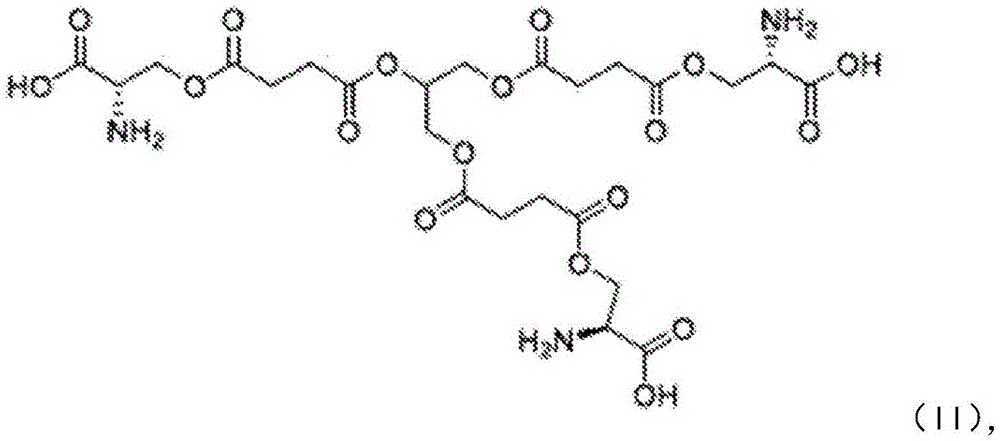
In compounds comprising two or more TCA intermediates or prodrugs thereof, these two or more TCA intermediates or prodrugs thereof may be the same (i.e., multiple copies of the same molecular species) or different. These two or more TCA intermediates or prodrugs thereof may be directly attached to each other, or they may be attached through a linker. These two or more TCA intermediates or prodrugs thereof can be passed through a polyol (e.g., C)2-C20Polyol) is attached. Preferably, these two or more TCA intermediates or prodrugs thereof are linked by glycerol, erythritol or xylitol. These compounds may be represented by formula (VI):

wherein R is1、R2And R3Is a TCA cycle intermediate or prodrug thereof, and R4、R5And R6Is an amino acid. R1、R2And R3May be the same or different, and R4、R5And R6May be the same or different. R1、R2And R3Can be succinic acid. R4、R5And R6Can be serine, threonine or tyrosine. If R is4、R5And R6Is serine, threonine or tyrosine, it may be linked via an oxygen atom on its side chain, and the carboxyl and amino groups may be free and thus capable of forming COO in aqueous solution-And NH3 +Ions.
Any of the above compounds may contain one or more atoms enriched in isotopes. For example, these compounds may have one or more hydrogen atoms replaced by deuterium or tritium. The isotopically enriched atom or atoms can be located at any position within the compound.
In certain embodiments, these compounds may have an octanol: water partition coefficient of less than 0.1, less than 0.01, less than 0.001, less than 0.0001, less than 0.00001, or less than 0.000001.
In certain embodiments, the compounds comprise a polyol, a TCA cycle intermediate or prodrug thereof covalently linked to the polyol, and an amino acid covalently linked to the TCA cycle intermediate or prodrug thereof. Each of the polyol, the TCA cycle intermediate or prodrug thereof, and the amino acid may be as described above with reference to such components. Preferably, the polyol is glycerol, the TCA intermediates or prodrugs thereof are succinic acids, and the amino acid is serine. The polyols may be linked through terminal or internal hydroxyl groups. For example, glycerol may be linked to the TCA cycle intermediate or prodrug thereof through a hydroxyl group on its first, second or third carbon. The compound may be represented by one of formula (XIII) and formula (XIV):


in certain embodiments, the TCA cycle intermediate is α -oxoglutarate, optionally, the amino acid is serine, optionally, the polyol is glycerol.

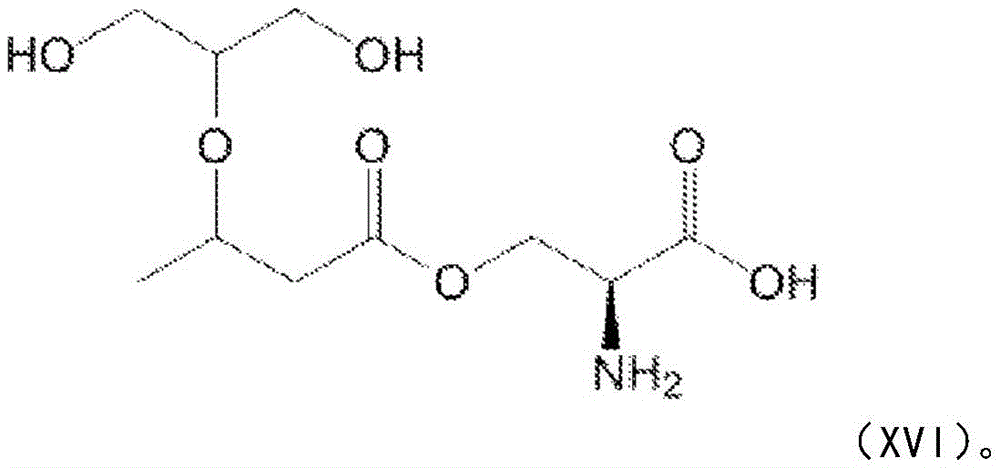
In certain embodiments, the TCA cycle intermediate is β -hydroxybutyric acid, optionally, the amino acid is serine, optionally, the polyol is glycerol.
In another aspect, the invention provides methods of treating a condition associated with altered TCA cycle metabolism in a subject. The methods comprise providing to the subject a composition of the invention as described above.
The condition associated with altered TCA cycle metabolism may be a genetic disorder such as 2-ketoglutarate uricemia, fumarate deficiency or succinyl-CoA synthetase deficiency. The condition associated with altered TCA cycle metabolism may be a neurodegenerative disorder such as amyotrophic lateral sclerosis, alzheimer's disease, parkinson's disease or huntington's disease. The condition associated with altered TCA cycle metabolism may be cancer, such as pancreatic cancer, renal cancer, cervical cancer, prostate cancer, muscle cancer, gastric cancer, colon cancer, glioblastoma, glioma, paraganglioma, leukemia, liver cancer, breast cancer, carcinoma, neuroblastoma.
The condition associated with altered TCA cycle metabolism may be a psychiatric disorder, refractory epilepsy, Propionemia (PA), methylmalonate-emia (MMA), a long chain fatty acid oxidation disorder, succinyl CoA lyase deficiency, pyruvate carboxylase deficiency, mitochondrial respiratory chain deficiency, glutaremia type 1 or 2, a nervous system disease, disorder or condition, pain or fatigue, a muscular dystrophy (e.g., duchenne muscular dystrophy and jawbar muscular dystrophy), mitochondrial myopathy, mitochondrial encephalomyopathy with hyperlactacidemia and stroke-like seizure syndrome (MELAS), myoclonic epilepsy and broken red fibers (MERRF), a mitochondrial-related disease, or a disorder associated with POLG mutations.
The solubility of TCA cycle intermediates can be increased by covalently linking a capping moiety to such molecules. Thus, in another aspect, the invention provides compounds comprising a TCA cycle intermediate or prodrug thereof covalently linked to two or more capping moieties. For example, these compounds can comprise TCA cycle intermediates linked to two capping moieties, three capping moieties, four capping moieties, five capping moieties, or six capping moieties.
The TCA cycle intermediate or prodrug thereof can be citric acid, aconitic acid, D-isocitric acid, α -ketoglutaric acid, succinic acid, fumaric acid, malic acid, oxaloacetic acid, acetone, acetoacetic acid, β -hydroxybutyric acid, β -ketovaleric acid, or β -hydroxyvaleric acid.
These two or more end-capping moieties may be the same, or they may be different. These end-capping moieties may be polyols (e.g., C)2-C20Polyols), amino acids or other TCA cycle intermediates or prodrugs thereof. The compound may have two end-capping moieties, both of which are glycerol. The compound may have two end-capping moieties, one of which is malic acid and the other of which is serine.
These capping moieties may be attached through any atom on the TCA cycle intermediate or prodrug thereof. Preferably, the end-capping moiety is substituted onto a hydroxyl group and attached via an alkoxy bond. Preferably, the capping moiety is substituted onto the hydroxyl group of each of the terminal carbon atoms in the carbon backbone of the TCA cycle intermediate or prodrug thereof. The TCA cycle intermediate or a prodrug thereof may be represented by one of formula (VII), formula (VIII), formula (IX), formula (X), formula (XI), and formula (XII):


wherein R is
The end-capping moiety may comprise one or more atoms that are isotopically enriched. For example, the capping moiety may have one or more hydrogen atoms replaced with deuterium or tritium. An isotopically enriched atom or atoms can be located at any position within the end-capping moiety.
In other embodiments, the present invention provides compounds comprising citrate or citric acid, prodrugs, analogs, derivatives or salts thereof and one or more amino acids. In certain embodiments, the compound comprises a plurality of amino acids, for example at least two or three amino acids. In a preferred embodiment, the compound comprises three amino acids. Many different types of amino acids can be conjugated to citric acid. These amino acids can be any naturally occurring amino acid or non-naturally occurring amino acid or a combination thereof (e.g., all naturally occurring amino acids, all non-naturally occurring amino acids, or a combination of naturally occurring amino acids and non-naturally occurring amino acids). These amino acids may be alanine, arginine, asparagine, aspartic acid, cysteine, glutamine, glutamic acid, glycine, histidine, isoleucine, leucine, lysine, methionine, phenylalanine, proline, serine, threonine, tryptophan, tyrosine or valine. The amino acids may be serine and tyrosine. In certain embodiments, the amino acid is serine, and the compound comprises three serines. Exemplary compounds are represented by formula (XVII):

in another aspect, the invention provides a composition comprising at least one TCA cycle intermediate or prodrug thereof covalently bound to one or more polyol molecules for use in treating a condition associated with altered TCA cycle metabolism in a subject in a therapeutically effective amount. The present invention encompasses various ratios of at least one TCA cycle intermediate or prodrug to one or more polyol molecules. Exemplary ratios include 1:1, 2:1, 3:1, 1:2, or 1: 3. The preferred ratio is 1: 1. In certain embodiments, the composition is formulated for oral administration. In certain embodiments, the composition is formulated as a single unit dose.
In certain embodiments, the TCA cycle intermediate or prodrug thereof is selected from the group consisting of citric acid, aconitic acid, D-isocitric acid, α -ketoglutaric acid, succinic acid, fumaric acid, malic acid, oxaloacetic acid, pyruvic acid, acetone, acetoacetic acid, β -hydroxybutyric acid, β -ketovaleric acid, and β -hydroxyvaleric acid.

Another aspect of the invention provides methods for treating a condition associated with altered TCA cycle metabolism in a subject, the methods comprising providing any of the above compositions in a therapeutically effective amount for treating the condition associated with altered TCA cycle metabolism in the subject. The condition associated with altered TCA cycle metabolism may be a genetic disorder, a neurodegenerative disorder, cancer, a psychiatric disorder, refractory epilepsy, Propionemia (PA), methylmalonate-emia (MMA), a long chain fatty acid oxidation disorder, succinyl CoA lyase deficiency, pyruvate carboxylase deficiency, mitochondrial respiratory chain deficiency, glutaremia type 1 or 2, a neurological disease, disorder or condition, pain or fatigue, muscular dystrophy, mitochondrial myopathy, mitochondrial encephalomyopathy with lactacidemia and stroke-like seizure syndrome (MELAS), myoclonic epilepsy and fragmented red fiber (MERRF), a mitochondrial-related disease, and a disorder associated with POLG mutations.
In another aspect, the invention provides compositions comprising a TCA cycle intermediate anhydride or polymer, or a pharmaceutically acceptable salt or prodrug thereof, in a therapeutically effective amount for treating a condition associated with altered TCA cycle metabolism in a subject the TCA cycle intermediate or polymer, or pharmaceutically acceptable salt or prodrug thereof, can be selected from the group consisting of citric acid, aconitic acid, D-isocitric acid, α -ketoglutaric acid, succinic acid, fumaric acid, malic acid, oxaloacetic acid, pyruvic acid, acetone, acetoacetic acid, β -hydroxybutyric acid, β -ketovaleric acid, and β -hydroxyvaleric acid.
In certain embodiments, the prodrug comprises one or more polyols. In certain embodiments, the prodrug comprises one or more amino acids. In certain embodiments, the prodrug comprises one or more polyols and one or more amino acids. In certain embodiments, the polymeric form is a repeat unit of the TCA cycle intermediate anhydride.
In exemplary embodiments, the TCA cycle intermediate anhydride or polymer, or pharmaceutically acceptable salt or prodrug thereof, is citric anhydride, or a pharmaceutically acceptable salt or prodrug thereof. In certain embodiments, the citric anhydride is a prodrug of citric anhydride. Such exemplary prodrugs may include one or more polyols. In other embodiments, the citric anhydride prodrug comprises one or more amino acids. In certain embodiments, the citric anhydride prodrug comprises one or more polyols and one or more amino acids. In certain embodiments, the citric anhydride is selected from the group consisting of: symmetric citric anhydride, asymmetric citric anhydride, intermolecular citric anhydride, and combinations thereof. In certain embodiments, the composition is a citric anhydride polymer, such as repeating units of citric anhydride monomer units linked together.
In certain embodiments, the composition is formulated for oral administration or gastric administration. In certain embodiments, the composition is formulated as a single unit dose.
Another aspect of the invention provides methods for treating a condition associated with altered TCA cycle metabolism in a subject, the methods comprising providing any of the above compositions in a therapeutically effective amount for treating the condition associated with altered TCA cycle metabolism in the subject. The condition associated with altered TCA cycle metabolism may be a genetic disorder, a neurodegenerative disorder, cancer, a psychiatric disorder, refractory epilepsy, Propionemia (PA), methylmalonate-emia (MMA), a long chain fatty acid oxidation disorder, succinyl CoA lyase deficiency, pyruvate carboxylase deficiency, mitochondrial respiratory chain deficiency, glutaremia type 1 or 2, a neurological disease, disorder or condition, pain or fatigue, muscular dystrophy, mitochondrial myopathy, mitochondrial encephalomyopathy with lactacidemia and stroke-like seizure syndrome (MELAS), myoclonic epilepsy and fragmented red fiber (MERRF), a mitochondrial-related disease, and a disorder associated with POLG mutations.
Detailed Description
The present invention provides compositions that allow for the efficient delivery of TCA cycle intermediates for the treatment of conditions associated with aberrant TCA cycle metabolism. Such intermediates are conjugated with amino acids in highly water soluble compounds to facilitate systemic absorption and circulation. In addition, the compounds may be cleaved in vivo to release intermediates in a form that is either directly into the circulation or converted into the circulation via an intermediate metabolic pathway.
The TCA cycle is illustrated below:

abnormal TCA cycle metabolism is associated with various conditions. In genetic metabolic disorders of the TCA cycle such as 2-oxoglutarate uropathy, fumarate deficiency or succinyl-CoA synthetase deficiency, genetic mutations have an effect on the enzymes of the TCA cycle or enzymes catalyzing related reactions. Thus, the individual reactions of the TCA cycle suffer, leading to the consumption of intermediates required to continue the cycle. Such diseases often present with severe symptoms (such as mental retardation, microcephaly, deafness, and hypotonia) in early stages and are often fatal in early childhood.
Abnormal TCA cycle metabolism may also be observed in other diseases where there is no direct genetic link to this metabolic pathway. For example, altered TCA metabolism is observed in neurodegenerative disorders (such as amyotrophic lateral sclerosis, alzheimer's disease, parkinson's disease, or huntington's disease) as well as in various cancers. Although symptoms vary from disease to disease, in many cases a decrease in specific TCA enzymatic activity or a decrease in mitochondrial ATP production has been observed, and it is believed that increasing the level of TCA cycle intermediates will reduce symptoms and improve prognosis.
Efforts have been made to identify compounds that can be used in oral formulations to deliver TCA cycle intermediates to remedy metabolic deficiencies. For example, compounds containing a glycerol backbone linked to both succinic and fatty acids are disclosed in PCT/US 2017/019000, which is incorporated herein by reference. However, such compounds are lipophilic and poorly soluble in water, which limits their bioavailability.
The compounds provided herein overcome the limited bioavailability of previously described compositions for delivering TCA cycle intermediates. Because the compounds of the present invention are highly water soluble, they are readily absorbed and circulated in the body. In addition, the compounds can be cleaved to efficiently deliver TCA cycle intermediates to target tissues. Due to their superior bioavailability, the compounds of the present invention can be provided in dosages suitable for oral administration to treat abnormal TCA metabolism associated with a variety of conditions.
The compounds of the present invention comprise: (1) one or more TCA cycle intermediates, metabolites (such as pyruvate or ketone bodies) fed into the TCA cycle or prodrugs of TCA cycle intermediates or metabolites fed into the TCA cycle; and (2) one or more amino acids. Any of the TCA cycle intermediates described in the TCA cycle above can be used in the compositions of the invention. In certain embodiments, any of the compounds described in PCT/US 2017/019000 may be a TCA cycle intermediate within the context of the present invention.
A prodrug is a drug or compound that is metabolized (i.e., converted in vivo) to a pharmacologically active drug after administration. The prodrug itself may be pharmacologically inactive. Prodrugs can be used to improve the manner in which drugs are absorbed, distributed, metabolized, and excreted. Prodrugs may improve the bioavailability of the active agent when it is poorly absorbed from the gastrointestinal tract. Prodrugs can improve the way in which a drug interacts selectively with cells or processes that are not its intended target, thereby reducing unintended and undesirable side effects. The prodrug can be converted to the biologically active (bioactivated) form inside the cell (type I prodrug) or the biologically active form outside the cell (type II prodrug). The prodrug may be bioactivated in the gastrointestinal tract, systemic circulation, metabolic tissue (other than the target tissue), or in the target tissue.
Thus, the compounds of the invention may be metabolized in vivo to produce intermediates of the TCA cycle, such as citric acid, aconitic acid, D-isocitric acid, α -ketoglutaric acid, succinic acid, fumaric acid, malic acid or oxaloacetic acid, or molecules which may be metabolized to enter the TCA cycle, such as pyruvate or ketone bodies examples of which include acetone, acetoacetate, β -hydroxybutyrate, β -ketovalerate or β -hydroxyvalerate.
Any prodrug of a TCA cycle intermediate described in the TCA cycle above may be used in the compositions of the invention. Any of the prodrugs or prodrugs of compounds described in PCT/US 2017/019000 may be TCA cycle intermediate prodrugs within the context of the present invention.
The TCA cycle intermediate or prodrug thereof may comprise one or more substituents. One or more substituents may be linked to one or more carboxyl groups on the intermediate or prodrug thereof by any suitable chemical bond, such as an alkoxy bond. The substituent may be a short chain fatty acid such as formate, acetate, propionate, butyrate, isobutyrate, valerate or isovalerate.
The TCA cycle intermediate or prodrug may comprise a disuccinate, trisuccinate or trisuccinate tyrosine. The TCA cycle intermediate or prodrug may comprise a structure represented by one of formula (I), formula (II), and formula (III):


the TCA cycle intermediate or prodrug may comprise a structure represented by formula (IV):
a- β -hydroxybutyric acid-B- β -hydroxybutyric acid-A (IV),
wherein A is an amino acid and B is a TCA cycle intermediate. In a preferred embodiment, a is serine and B is succinic acid.
The TCA cycle intermediate or prodrug may comprise a structure represented by formula (V):
C—D—E (V),
wherein C is a first TCA cycle intermediate, D is a second TCA cycle intermediate, and E is an amino acid. In a preferred embodiment, C is malic acid, D is succinic acid, and E is serine.
Suitable monovalent substituents include halogen; - (CH)2)0-4Ro;-(CH2)0-4ORo;-O(CH2)0-4Ro,-O-(CH2)0-4C(O)ORo;-(CH2)0-4CH(ORo)2;-(CH2)0-4Ph, which may be represented by RoSubstitution; - (CH)2)0-4O(CH2)0-1Ph, which may be represented by RoSubstitution; -CH ═ CHPh, which may be substituted by RoSubstitution; - (CH)2)0-4O(CH2)0-1-a pyridyl group, which may be substituted by RoSubstitution; -NO2;-CN;-N3;-(CH2)0-4N(Ro)2;-(CH2)0-4N(Ro)C(O)Ro;-N(Ro)C(S)Ro;-(CH2)00-4N(Ro)C(O)NRo 2;-N(Ro)C(S)NRo 2;-(CH2)0-4N(Ro)C(O)ORo;-N(Ro)N(Ro)C(O)Ro;-N(Ro)N(Ro)C(O)NRo 2;-N(Ro)N(Ro)C(O)ORo;-(CH2)0-4C(O)Ro;-C(S)Ro;-(CH2)0-4C(O)ORo;-(CH2)0-4C(O)SRo;-(CH2)0-4C(O)OSiRo 3;-(CH2)0-4OC(O)Ro;-OC(O)(CH2)0-4SR-,SC(S)SRo;-(CH2)0-4SC(O)Ro;-(CH2)0-4C(O)NRo 2;-C(S)NRo 2;-C(S)SRo;-SC(S)SRo,-(CH2)0-4OC(O)NRo 2;-C(O)N(ORo)Ro;-C(O)C(O)Ro;-C(O)CH2C(O)Ro;-C(NORo)Ro;-(CH2)0-4SSRo;-(CH2)0-4S(O)2Ro;-(CH2)0-4S(O)2ORo;-(CH2)0-4OS(O)2Ro;-S(O)2NRo 2;-(CH2)0-4S(O)Ro;-N(Ro)S(O)2NRo 2;-N(Ro)S(O)2Ro;-N(ORo)Ro;-C(NH)NRo 2;-P(O)2Ro;-P(O)Ro 2;-OP(O)Ro 2;-OP(O)(ORo)2;-SiRo 3;-OSiRo 3;-(C1-4Straight or branched alkylene) O-N (R)o)2(ii) a Or- (C)1-4Straight or branched alkylene) C (O) O-N (R)o)2Wherein each R isoMay be substituted as defined below and independently is hydrogen, C1-6Aliphatic, -CH2Ph、-O(CH2)0-1Ph、-CH2- (5-6 membered heteroaryl ring) or a 5-6 membered saturated, partially unsaturated or aryl ring having 0 to 4 heteroatoms independently selected from nitrogen, oxygen or sulfur, or two independently occurring R's although defined aboveoTogether with one or more of its intermediate atoms, form a 3-12 membered saturated, partially unsaturated or aryl monocyclic or bicyclic ring having 0 to 4 heteroatoms independently selected from nitrogen, oxygen or sulfur, which monocyclic or bicyclic ring may be substituted as defined below.
Suitable monovalent substituents on R.cndot. (or a ring formed by two independently occurring R.cndot.together with an intermediate atom thereof) are independently halogen, - (CH)2)0-2R. - (halogeno R. -) -, - (CH)2)0-2OH、-(CH2)0-2OR·、-(CH2)0-2CH(OR·)2(ii) a -O (halo R.), -CN, -N3、-(CH2)0-2C(O)R·、-(CH2)0-2C(O)OH、-(CH2)0-2C(O)OR·、-(CH2)0-2SR·、-(CH2)0-2SH、-(CH2)0-2NH2、-(CH2)0-2NHR·、-(CH2)0-2NR·2、-NO2、-SiR·3、-OSiR·3、-C(O)SR·、-(C1-4Linear OR branched alkylene) C (O) OR OR-SSR, wherein each R is unsubstituted OR substituted, if preceded by "halo", only by one OR more halogens and is independently selected from C1-4Aliphatic, -CH2Ph、-O(CH2)0-1Ph or a 5-6 membered saturated, partially unsaturated or aryl ring having 0 to 4 heteroatoms independently selected from nitrogen, oxygen or sulfur. Suitable divalent substituents on the saturated carbon atom of R · include ═ O and ═ S.
Suitable divalent substituents include the following: 0, ═ S, ═ NNR* 2、=NNHC(O)R*、=NNHC(O)OR*、=NNHS(O)2R*、=NR*、=NOR*、-O(C(R* 2))2-3O-or-S (C (R)* 2))2-3S-, wherein each independently occurs R*Selected from the following: hydrogen, C which may be substituted as defined below1-6Aliphatic or unsubstituted 5-6 membered saturated, partially unsaturated or aryl ring having 0 to 4 heteroatoms independently selected from nitrogen, oxygen or sulfur. Suitable divalent substituents to be bonded to the substitutable carbon in the ortho position of the "optionally substituted" group include: -O (CR)* 2)2-3O-, wherein each independently occurs R*Selected from hydrogen, C which may be substituted as defined below1-6Aliphatic or unsubstituted 5-6 membered saturated, partially unsaturated or aryl ring having 0 to 4 heteroatoms independently selected from nitrogen, oxygen or sulfur.
R*Suitable substituents on the aliphatic radical of (1) include halogen, -R. - (halo R. -, -OH, -OR. -, -O (halo R. -, -CN, -C (O) OH, -C (O) OR. -, -NH2-NHR-, -NR or-NO2Wherein each R.is unsubstituted or preceded byWith "halo" being substituted only by one or more halogens, and independently C1-4Aliphatic, -CH2Ph、-O(CH2)0-1Ph or a 5-6 membered saturated, partially unsaturated or aryl ring having 0 to 4 heteroatoms independently selected from nitrogen, oxygen or sulfur.
Suitable substituents on the substitutable nitrogen include
 Or
Or Each of which
 Independently hydrogen, C which may be substituted as defined below1-6Aliphatic, unsubstituted-OPh or an unsubstituted 5-6 membered saturated, partially unsaturated or aryl ring having 0 to 4 heteroatoms independently selected from nitrogen, oxygen or sulfur, or two independently occurring, although defined above
 Together with one or more of its intermediate atoms, form a 3-12 membered saturated, partially unsaturated or aryl monocyclic or bicyclic ring having 0 to 4 heteroatoms independently selected from nitrogen, oxygen or sulfur.

Naturally occurring Amino Acids include the twenty Amino Acids encoded by the genetic code and incorporated into polypeptides by translational mechanisms, alanine, arginine, asparagine, aspartic acid, cysteine, glutamine, glutamic acid, glycine, histidine, isoleucine, leucine, lysine, methionine, phenylalanine, proline, serine, threonine, tryptophan, tyrosine, or valine some naturally occurring Amino Acids, such as selenocysteine and pyrrolysine, are found in polypeptides but incorporated by alternative mechanisms non-naturally occurring Amino Acids include Amino Acids not found in proteins or produced by cellular metabolic mechanisms, such as ornithine, citrulline, β -alanine, carnitine, gamma-aminobutyric acid, L-thyroxine, hydroxyproline, selenomethionine, and 2-aminoisobutyric acid, such as those described in Young and Schultz, "more than the typical 20Amino Acids: extended genetics libraries (beammine 20: 11019, 11, and 11, incorporated by reference, for example, biological, 11.
The compounds may comprise two or more TCA intermediates or prodrugs thereof attached through one or more linkers or backbone moieties. The main chain moiety may be C substituted with two or more groups selected from one or more of hydroxyl, amino and carboxyl2-20A hydrocarbon moiety. The backbone moiety may be a polyol, such as C2-C20Polyols, such as glycerol, erythritol or xylitol. Alternatively or additionally, two or more TCA intermediates or prodrugs thereof may be directly attached to each other.
These compounds may be represented by formula (VI):

wherein R is1、R2And R3Is a TCA cycle intermediate or prodrug thereof, and R4、R5And R6Is an amino acid. R1, R2 and R3 may be the same or different, and R4, R5 and R6 may be the same or different. R1、R2And R3Can be succinic acid. R4、R5And R6Can be serine, threonine or tyrosine. If R is4、R5And R6Is serine, threonine or tyrosine, it may be linked via an oxygen atom on its side chain, and the carboxyl and amino groups may be free and thus capable of forming COO in aqueous solution-And NH3 +Ions.
The compound (including the end-capping moiety) may include one or more atoms that are isotopically enriched. For example, these compounds may have one or more hydrogen atoms replaced by deuterium or tritium. Isotopic substitution or enrichment can also occur on carbon atoms, sulfur atoms, or phosphorus atoms. The compounds may be isotopically substituted or enriched at one or more positions within the compound for a given atom, or may be isotopically substituted or enriched at all instances of a given atom within the compound.
The octanol to water partition coefficient of a compound can be less than 0.1, less than 0.01, less than 0.001, less than 0.0001, less than 0.00001, or less than 0.000001.
The solubility of TCA cycle intermediates can be increased by covalently linking a capping moiety to such molecules. In particular, it is advantageous to add a capping moiety as a substituent on the hydroxyl group of the TCA cycle intermediate. Such capped alcohol molecules have improved solubility and do not have an objectionable odor.
Thus, in another aspect, the invention provides compounds comprising a TCA cycle intermediate or prodrug thereof covalently linked to two or more capping moieties. For example, the compound can comprise a TCA cycle intermediate linked to two capping moieties, three capping moieties, four capping moieties, five capping moieties, or six capping moieties.
The TCA cycle intermediate or prodrug thereof can be citric acid, aconitic acid, D-isocitric acid, α -ketoglutaric acid, succinic acid, fumaric acid, malic acid, oxaloacetic acid, acetone, acetoacetic acid, β -hydroxybutyric acid, β -ketovaleric acid, or β -hydroxyvaleric acid.
These two or more end-capping moieties may be the same, or they may be different. These end-capping moieties may be polyols (e.g., C)2-C20Polyols), amino acids or other TCA cycle intermediates or prodrugs thereof. The compound may have two end-capping moieties, both of which are glycerol. The compound may have two end-capping moieties, one of which is malic acid and the other of which is serine.
These capping moieties may be attached through any atom on the TCA cycle intermediate or prodrug thereof. Preferably, the end-capping moiety is substituted onto a hydroxyl group and attached via an alkoxy bond. Preferably, the capping moiety is substituted to the hydroxyl group in each terminal carbon atom in the carbon backbone of the TCA cycle intermediate or prodrug thereof. The TCA cycle intermediate or a prodrug thereof may be represented by one of formula (VII), formula (VIII), formula (IX), formula (X), formula (XI), and formula (XII):


wherein R is
In certain embodiments, the compounds comprise a polyol, a TCA cycle intermediate or prodrug thereof covalently linked to the polyol, and an amino acid covalently linked to the TCA cycle intermediate or prodrug thereof. Each of the polyol, the CA cycle intermediate or prodrug thereof, and the amino acid may be as described above with reference to such components. Preferably, the polyol is glycerol, the TCA intermediates or prodrugs thereof are succinic acids, and the amino acid is serine. The polyols may be linked through terminal or internal hydroxyl groups. For example, glycerol may be linked to the TCA cycle intermediate or prodrug thereof through a hydroxyl group on its first, second or third carbon. The compound may be represented by one of formula (XIII) and formula (XIV):


in certain embodiments, the TCA cycle intermediate is α -oxoglutarate, optionally, the amino acid is serine, optionally, the polyol is glycerol.

In certain embodiments, the TCA cycle intermediate is β -hydroxybutyric acid, optionally, the amino acid is serine, optionally, the polyol is glycerol.

In other embodiments, the present invention provides compounds comprising citrate or citric acid, prodrugs, analogs, derivatives or salts thereof and one or more amino acids. In certain embodiments, the compound comprises a plurality of amino acids, for example at least two or three amino acids. In a preferred embodiment, the compound comprises three amino acids. Many different types of amino acids can be conjugated to citric acid. These amino acids can be any naturally occurring amino acid or non-naturally occurring amino acid or a combination thereof (e.g., all naturally occurring amino acids, all non-naturally occurring amino acids, or a combination of naturally occurring amino acids and non-naturally occurring amino acids). These amino acids may be alanine, arginine, asparagine, aspartic acid, cysteine, glutamine, glutamic acid, glycine, histidine, isoleucine, leucine, lysine, methionine, phenylalanine, proline, serine, threonine, tryptophan, tyrosine or valine. The amino acids may be serine and tyrosine. In certain embodiments, the amino acid is serine, and the compound comprises three serines. Exemplary compounds are represented by formula (XVII):

in another aspect, the invention provides a composition comprising at least one TCA cycle intermediate or prodrug thereof covalently bound to one or more polyol molecules for use in treating a condition associated with altered TCA cycle metabolism in a subject in a therapeutically effective amount. In certain embodiments, the composition is formulated for oral administration. In certain embodiments, the composition is formulated as a single unit dose.
In certain embodiments, the TCA cycle intermediate or prodrug thereof is selected from the group consisting of citric acid, aconitic acid, D-isocitric acid, α -ketoglutaric acid, succinic acid, fumaric acid, malic acid, oxaloacetic acid, pyruvic acid, acetone, acetoacetic acid, β -hydroxybutyric acid, β -ketovaleric acid, and β -hydroxyvaleric acid.

Another aspect of the invention provides methods for treating a condition associated with altered TCA cycle metabolism in a subject, the methods comprising providing any of the above compositions in a therapeutically effective amount for treating the condition associated with altered TCA cycle metabolism in the subject. The condition associated with altered TCA cycle metabolism may be a genetic disorder, a neurodegenerative disorder, cancer, a psychiatric disorder, refractory epilepsy, Propionemia (PA), methylmalonate-emia (MMA), a long chain fatty acid oxidation disorder, succinyl CoA lyase deficiency, pyruvate carboxylase deficiency, mitochondrial respiratory chain deficiency, glutaremia type 1 or 2, a neurological disease, disorder or condition, pain or fatigue, muscular dystrophy, mitochondrial myopathy, mitochondrial encephalomyopathy with lactacidemia and stroke-like seizure syndrome (MELAS), myoclonic epilepsy and fragmented red fiber (MERRF), a mitochondrial-related disease, and a disorder associated with POLG mutations.
In another aspect, the invention provides compositions comprising a TCA cycle intermediate anhydride or polymer, or a pharmaceutically acceptable salt or prodrug thereof, in a therapeutically effective amount for treating a condition associated with altered TCA cycle metabolism in a subject the TCA cycle intermediate, or pharmaceutically acceptable salt or prodrug thereof, can be selected from the group consisting of citric acid, aconitic acid, D-isocitric acid, α -ketoglutaric acid, succinic acid, fumaric acid, malic acid, oxalacetic acid, pyruvic acid, acetone, acetoacetic acid, β -hydroxybutyric acid, β -ketovaleric acid, and β -hydroxyvaleric acid.
In certain embodiments, the prodrug comprises one or more polyols. In certain embodiments, the prodrug comprises one or more amino acids. In certain embodiments, the prodrug comprises one or more polyols and one or more amino acids. In certain embodiments, the composition is a polymer of a TCA cycle intermediate, such as one or more repeat units of a TCA cycle intermediate monomer.
In exemplary embodiments, the TCA cycle intermediate anhydride or polymer, or pharmaceutically acceptable salt or prodrug thereof, is citric anhydride or polymer, or pharmaceutically acceptable salt or prodrug thereof. In certain embodiments, the citric anhydride is selected from the group consisting of: symmetric citric anhydride (formula XIX below), asymmetric citric anhydride (formula XX below), intermolecular citric anhydride (formula XXI below), and combinations thereof.

In certain embodiments, the citric anhydride is a prodrug of citric anhydride. Such exemplary prodrugs may include one or more polyols. In other embodiments, the citric anhydride prodrug comprises one or more amino acids. In certain embodiments, the citric anhydride prodrug comprises one or more polyols and one or more amino acids. In certain embodiments, the composition is a citric anhydride polymer, such as one or more repeating units of a citric anhydride monomer.
In certain embodiments, the composition is formulated for oral administration or gastric administration. In certain embodiments, the composition is formulated as a single unit dose.
Another aspect of the invention provides methods for treating a condition associated with altered TCA cycle metabolism in a subject, the methods comprising providing any of the above compositions in a therapeutically effective amount for treating the condition associated with altered TCA cycle metabolism in the subject. The condition associated with altered TCA cycle metabolism may be a genetic disorder, a neurodegenerative disorder, cancer, a psychiatric disorder, refractory epilepsy, Propionemia (PA), methylmalonate-emia (MMA), a long chain fatty acid oxidation disorder, succinyl CoA lyase deficiency, pyruvate carboxylase deficiency, mitochondrial respiratory chain deficiency, glutaremia type 1 or 2, a neurological disease, disorder or condition, pain or fatigue, muscular dystrophy, mitochondrial myopathy, mitochondrial encephalomyopathy with lactacidemia and stroke-like seizure syndrome (MELAS), myoclonic epilepsy and fragmented red fiber (MERRF), a mitochondrial-related disease, and a disorder associated with POLG mutations.
The present invention provides pharmaceutical compositions containing one or more of the above compounds. Pharmaceutical compositions containing the compounds may be in a form suitable for oral use, for example, as tablets, dragees, lozenges, instant solutions, aqueous or oily suspensions, dispersible powders or granules, emulsions, hard or soft capsules, syrups or elixirs. Compositions intended for oral use may be prepared according to any method known to the art for the manufacture of pharmaceutical compositions and such compositions may contain one or more agents selected from the group consisting of sweetening agents, flavouring agents, colouring agents and preserving agents in order to provide pharmaceutically elegant and palatable preparations. Tablets contain the compound in admixture with non-toxic pharmaceutically acceptable excipients which are suitable for the manufacture of tablets. For example, these excipients may be inert diluents, such as calcium carbonate, sodium carbonate, lactose, calcium phosphate or sodium phosphate; granulating and disintegrating agents, such as corn starch or alginic acid; binding agents, such as starch, gelatin or gum arabic; and lubricating agents, such as magnesium stearate, stearic acid or talc. The tablets may be uncoated or they may be coated by known techniques to delay disintegration in the stomach and absorption down the gastrointestinal tract and thereby provide a sustained action over a longer period. For example, a time delay material such as glyceryl monostearate or glyceryl distearate may be employed. They may also be coated by techniques described in U.S. Pat. Nos. 4,256,108, 4,166,452 and 4,265,874 to form osmotic therapeutic tablets for controlled release. The preparation and administration of the compounds is described in U.S. patent 6,214,841 and U.S. publication 2003/0232877, which are incorporated herein by reference in their entirety.
Formulations for oral use may also be presented as hard gelatin capsules wherein the compound is mixed with an inert solid diluent, for example, calcium carbonate, calcium phosphate or kaolin, or as soft gelatin capsules wherein the compound is mixed with water or an oil medium, for example, peanut oil, liquid paraffin or olive oil.
Alternative oral formulations (in which control over gastrointestinal hydrolysis of the compound is sought) may be achieved using controlled release formulations in which the compounds of the invention are encapsulated in an enteric coating.
Aqueous suspensions may contain the compound in admixture with excipients suitable for the manufacture of aqueous suspensions. Such excipients are suspending agents, for example sodium carboxymethylcellulose, methylcellulose, hydroxypropylmethylcellulose, sodium alginate, polyvinylpyrrolidone, gum tragacanth and gum acacia; dispersing or wetting agents such as naturally occurring phosphatides (e.g. lecithin), or condensation products of an alkylene oxide with fatty acids (e.g. polyoxyethylene stearate), or condensation products of ethylene oxide with long chain aliphatic alcohols (e.g. heptadecaethyleneoxycetanol), or condensation products of ethylene oxide with partial esters derived from fatty acids and a hexitol such as polyoxyethylene with partial esters derived from fatty acids and hexitol anhydrides (e.g. polyoxyethylene sorbitan monooleate). The aqueous suspensions may also contain one or more preservatives (e.g., ethyl or n-propyl p-hydroxybenzoate), one or more coloring agents, one or more flavoring agents, and one or more sweetening agents, such as sucrose or saccharin.
Oily suspensions may be formulated by suspending the compound in a vegetable oil, for example arachis oil, olive oil, sesame oil or coconut oil, or in a mineral oil such as liquid paraffin. The oily suspensions may contain a thickening agent, for example beeswax, hard paraffin or cetyl alcohol. Sweetening agents, such as those set forth above, and flavoring agents may be added to provide a palatable oral preparation. These compositions may be preserved by the addition of an antioxidant such as ascorbic acid.
Dispersible powders or granules suitable for preparation of an aqueous suspension by the addition of water provide the compound in admixture with a dispersing or wetting agent, suspending agent and one or more preservatives. Suitable dispersing or wetting agents and suspending agents are exemplified by, for example, sweetening, flavoring and coloring agents, which may also be present.
The pharmaceutical compositions of the invention may also be in the form of oil-in-water emulsions. The oily phase may be a vegetable oil (for example, olive oil or arachis oil) or a mineral oil (for example, liquid paraffin) or a mixture of such oils. Suitable emulsifying agents may be naturally-occurring gums (e.g., gum acacia or gum tragacanth), naturally-occurring phosphatides (e.g., soy bean, lecithin), and esters or partial esters derived from fatty acids and hexitol anhydrides (e.g., sorbitan monooleate) and condensation products of the partial esters with ethylene oxide (e.g., polyoxyethylene sorbitan monooleate). The emulsions may also contain sweetening and flavouring agents.
Syrups and elixirs may be formulated with sweetening agents, for example glycerol, propylene glycol, sorbitol or sucrose. Such formulations may also contain a demulcent, a preservative, a flavoring and/or a coloring agent. The pharmaceutical compositions may be in the form of a sterile injectable aqueous or oleaginous suspension. Such suspensions may be formulated according to the known art using those suitable dispersing or wetting agents and suspending agents which have been mentioned above. The sterile injectable preparation may also be a sterile injectable solution or suspension in a non-toxic parenterally-acceptable diluent or solvent, for example as a solution in 1, 3-butanediol. Among the acceptable vehicles and solvents that may be employed are water, ringer's solution and isotonic sodium chloride solution. In addition, sterile, fixed oils are conventionally employed as a solvent or suspending medium. For this purpose, any bland fixed oil may be employed, including synthetic mono-or diglycerides. In addition, fatty acids (e.g., oleic acid) find use in the preparation of injectables.
The compositions of the present invention may contain other pharmaceutically acceptable carriers such as sugars (e.g., lactose, glucose and sucrose); starches (e.g., corn starch and potato starch); cellulose and its derivatives (such as sodium carboxymethyl cellulose, ethyl cellulose and cellulose acetate); powdered tragacanth; malt; gelatin; talc; excipients (such as cocoa butter and suppository waxes); oils (such as peanut oil, cottonseed oil, safflower oil, sesame oil, olive oil, corn oil, and soybean oil); glycols (such as propylene glycol); polyols (such as glycerol, erythritol, xylitol, sorbitol, mannitol, and polyethylene glycol); esters (e.g., ethyl oleate and ethyl laurate); agar; buffering agents (such as magnesium hydroxide and aluminum hydroxide); alginic acid; pyrogen-free water; isotonic saline; ringer's solution; ethanol; a pH buffer solution; polyesters, polycarbonates and/or polyanhydrides; as well as other non-toxic compatible materials employed in pharmaceutical formulations.
The compounds of the present invention may be provided as pharmaceutically acceptable salts, such as non-toxic acid addition salts, which are salts of amino groups formed using inorganic acids such as hydrochloric acid, hydrobromic acid, phosphoric acid, sulfuric acid and perchloric acid, or using organic acids such as acetic acid, maleic acid, tartaric acid, citric acid, succinic acid or malonic acid, or by using other methods used in the art, such as ion exchange. In some embodiments, pharmaceutically acceptable salts include, but are not limited to: adipate, alginate, ascorbate, aspartate, benzenesulfonate, benzoate, bisulfate, borate, butyrate, camphorate, camphorsulfonate, citrate, cyclopentanepropionate, digluconate, dodecylsulfate, ethanesulfonate, formate, fumarate, glucoheptonate, glycerophosphate, gluconate, hemisulfate (hemisulfate), heptanoate, hexanoate, hydroiodide, 2-hydroxy-ethanesulfonate, lactobionate, lactate, laurate, lauryl sulfate, malate, maleate, malonate, methanesulfonate, 2-naphthalenesulfonate, nicotinate, nitrate, oleate, oxalate, palmitate, pamoate, pectate, persulfate, 3-phenylpropionate, phosphate, picrate, pivalate, salicylate, and the like, Propionate, stearate, succinate, sulfate, tartrate, thiocyanate, p-toluenesulfonate, undecanoate, valerate, and the like. Representative alkali or alkaline earth metal salts include sodium, lithium, potassium, calcium, magnesium, and the like. In some embodiments, the pharmaceutically acceptable salt is a base salt. In some embodiments, the pharmaceutically acceptable salt is a sodium salt. In some embodiments, the pharmaceutically acceptable salt is an alkaline earth metal salt. In some embodiments, the pharmaceutically acceptable salt comprises: where appropriate, counterions such as halide, hydroxide, carboxylate, sulfate, phosphate, nitrate, alkyl groups having 1 to 6 carbon atoms, sulfonate and arylsulfonate form nontoxic ammonium, quaternary ammonium and amine cations.
As indicated above, the compounds of the invention allow the delivery of TCA cycle intermediates or prodrugs thereof to tissues with abnormal TCA cycle metabolism. Accordingly, the invention also provides methods of treating a condition associated with altered TCA cycle metabolism in a subject by providing the compositions of the invention.
As described above, these methods comprise providing a subject with a composition of the invention. Providing may comprise administering the composition to the subject. The composition may be administered by any suitable means, such as orally, intravenously, enterally, parenterally, dermally, buccally, topically (including transdermally), by injection, intravenously, nasally, pulmonarily, and using or on an implantable medical device (e.g., a stent or drug eluting stent or balloon equivalent).
The condition may be any disease or disorder associated with altered TCA cycle metabolism or which may be ameliorated by providing intermediates of the TCA cycle. For example, the condition may be a genetic disorder such as 2-ketoglutarate uropathy, fumarate deficiency or succinyl-CoA synthetase deficiency. The condition may be a neurodegenerative disease, such as amyotrophic lateral sclerosis, alzheimer's disease, parkinson's disease, or huntington's disease. The condition may be cancer, such as pancreatic cancer, renal cancer, cervical cancer, prostate cancer, muscle cancer, gastric cancer, colon cancer, glioblastoma, glioma, paraganglioma, leukemia, liver cancer, breast cancer, malignant epithelial tumors, neuroblastoma. The condition may be a psychiatric disorder, refractory epilepsy, Propionemia (PA), methylmalonic acidemia (MMA), a long chain fatty acid oxidation disorder, succinyl CoA lyase deficiency, pyruvate carboxylase deficiency, mitochondrial respiratory chain deficiency, glutaremia type 1 or 2, a neurological disease, disorder or condition, pain or fatigue, a muscular dystrophy (e.g., duchenne muscular dystrophy and jagator muscular dystrophy), a mitochondrial myopathy, a mitochondrial encephalomyopathy with hyperlactacidemia and stroke-like seizure syndrome (MELAS), a myoclonic epilepsy and broken red fibers (MERRF), a mitochondrial-related disease, or a disorder associated with POLG mutations.
Examples of the invention
Example 1: compounds of formula (XIII) were prepared and analyzed. The compound of formula (XIII) was found to have a solubility in water of 1.2g/mL and tasted slightly sweet but less bitter.
Incorporation by reference
Throughout this disclosure, other documents, such as patents, patent applications, patent publications, journals, books, papers, web contents, have been referenced and cited. All of these documents are hereby incorporated by reference in their entirety for all purposes.
Equivalents of the formula
Various modifications of the invention, as well as many additional embodiments thereof, in addition to those shown and described herein will become apparent to those skilled in the art from the entire contents of this document, including references to the scientific patent documents cited herein. The subject matter herein contains important information, exemplification and guidance which can be adapted to the practice of this invention in its various embodiments and equivalents thereof.
Claims (95)
1. A compound, comprising:
one or more TCA cycle intermediates or prodrugs thereof; and
one or more amino acids.
2. The compound of claim 1, wherein the compound comprises:
two or more TCA cycle intermediates or prodrugs thereof chemically linked to each other; and
two or more amino acids.
3. The compound of claim 1, wherein the one or more TCA cycle intermediates or prodrugs thereof are selected from the group consisting of citric acid, aconitic acid, D-isocitric acid, α -ketoglutaric acid, succinic acid, fumaric acid, malic acid, oxaloacetic acid, pyruvic acid, acetone, acetoacetic acid, β -hydroxybutyric acid, β -ketovaleric acid, and β -hydroxyvaleric acid.
4. The compound of claim 3, wherein the one or more TCA cycle intermediates or prodrugs thereof is succinic acid.
5. The compound of claim 4, wherein the TCA cycle intermediate or prodrug thereof is represented by a formula selected from the group consisting of (I), (II), (III), (IV), and (V):


a- β -hydroxybutyric acid-B- β -hydroxybutyric acid-A (IV), and
C—D—E(V),
wherein:
a is serine;
b is succinic acid;
c is malic acid;
d is succinic acid; and is
E is serine.
6. The compound of claim 1, wherein the one or more amino acids are selected from the group consisting of serine and tyrosine.
7. The compound of claim 6, wherein the one or more amino acids is serine.
8. The compound of claim 2, wherein the two or more TCA intermediates or prodrugs thereof are linked by a polyol.
9. The compound of claim 8, wherein the polyol is glycerol.
10. The compound of claim 9, wherein the compound is represented by formula (VI):

wherein:
R1、R2and R3Is succinic acid;
R4、R5and R6Is serine; and is
R4、R5And R6Respectively linked to R through oxygen atoms on side chains thereof1、R2And R3。
11. A method of treating a condition associated with altered TCA cycle metabolism in a subject, the method comprising providing to the subject a compound comprising:
one or more TCA cycle intermediates or prodrugs thereof; and
one or more amino acids.
12. The method of claim 11, wherein the compound comprises:
two or more TCA cycle intermediates or prodrugs thereof chemically linked to each other; and
two or more amino acids.
13. The method of claim 11, wherein the one or more TCA cycle intermediates or prodrugs thereof are selected from the group consisting of citric acid, aconitic acid, D-isocitric acid, α -ketoglutaric acid, succinic acid, fumaric acid, malic acid, oxaloacetic acid, pyruvic acid, acetone, acetoacetic acid, β -hydroxybutyric acid, β -ketovaleric acid, and β -hydroxyvaleric acid.
14. The method of claim 13, wherein the one or more TCA cycle intermediates or prodrugs thereof is succinic acid.
15. The method of claim 14, wherein the TCA cycle intermediate or prodrug thereof is represented by a formula selected from the group consisting of (I), (II), (III), (IV), and (V):

a- β -hydroxybutyric acid-B- β -hydroxybutyric acid-A (IV), and
C—D—E(V),
wherein:
a is serine;
b is succinic acid;
c is malic acid;
d is succinic acid; and is
E is serine.
16. The method of claim 11, wherein the one or more amino acids are selected from the group consisting of serine and tyrosine.
17. The method of claim 16, wherein the one or more amino acids is serine.
18. The method of claim 12, wherein the two or more TCA intermediates or prodrugs thereof are linked by a polyol.
19. The method of claim 18, wherein the polyol is glycerol.
20. The method of claim 19, wherein the compound is represented by formula (VI):

wherein:
R1、R2and R3Is succinic acid;
R4、R5and R6Is serine; and is
R4、R5And R6Respectively linked to R through oxygen atoms on side chains thereof1、R2And R3。
21. A compound, comprising:
a first TCA cycle intermediate or a prodrug thereof; and
two or more capping moieties covalently linked to the TCA cycle intermediate or prodrug thereof.
22. The compound of claim 21, wherein each capping moiety is independently selected from the group consisting of polyols.
23. The compound of claim 22, wherein said TCA cycle intermediate or prodrug thereof is selected from the group consisting of citric acid, aconitic acid, D-isocitric acid, α -ketoglutaric acid, succinic acid, fumaric acid, malic acid, oxaloacetic acid, pyruvic acid, acetone, acetoacetic acid, β -hydroxybutyric acid, β -ketovaleric acid, and β -hydroxypentanoic acid.
24. The compound of claim 23, wherein the TCA cycle intermediate or prodrug thereof is succinic acid.
25. The compound of claim 24, wherein the two or more capping moieties are glycerol.
26. The compound of claim 25, wherein compound comprises two glycerol moieties covalently linked through a terminal carbon atom in the succinic acid.
27. The compound of claim 26, wherein the compound is represented by a formula selected from (VII), (VIII), and (IX):

28. the compound of claim 21, wherein:
the first end-capping moiety is an amino acid; and is
The second capping moiety is a second TCA cycle intermediate or prodrug thereof.
29. The compound of claim 28, wherein the first TCA cycle intermediate is succinic acid.
30. The compound of claim 29, wherein the first end-capping moiety is serine.
31. The compound of claim 30, wherein the second capping moiety is malic acid.
32. The compound of claim 31, wherein the compound is represented by formula (X):

33. a compound, comprising:
a polyol;
a TCA cycle intermediate or prodrug thereof covalently linked to the polyol; and
an amino acid covalently linked to the TCA cycle intermediate or prodrug thereof.
34. The compound of claim 33, wherein: the polyol is glycerol;
the TCA cycle intermediate or prodrug thereof is covalently succinic acid; and is
The amino acid is serine.
35. The compound of claim 34, wherein the compound is represented by formula (XIII):

36. the compound of claim 34, wherein the compound is represented by formula (XIV):

37. the compound of claim 33, wherein the TCA cycle intermediate is α -oxoglutarate.
38. The compound of claim 37, wherein the amino acid is serine.
39. The compound of claim 38, wherein the polyol is glycerol.
40. The compound of claim 39, wherein the compound is represented by formula (XV):

41. the compound of claim 33, wherein the TCA cycle intermediate is β -hydroxybutanoic acid.
42. The compound of claim 41, wherein the amino acid is serine.
43. The compound of claim 42, wherein the polyol is glycerol.
44. The compound of claim 43, wherein the compound is represented by formula (XVI):

45. a compound, comprising:
citrate or citric acid or a prodrug, analog, derivative or salt thereof; and
one or more amino acids.
46. The compound of claim 45, wherein at least one of the one or more amino acids is a naturally occurring amino acid.
47. The compound of claim 46, wherein all of the one or more amino acids are naturally occurring amino acids.
48. The compound of claim 47, wherein the one or more amino acids are selected from the group consisting of: alanine, arginine, asparagine, aspartic acid, cysteine, glutamine, glutamic acid, glycine, histidine, isoleucine, leucine, lysine, methionine, phenylalanine, proline, serine, threonine, tryptophan, tyrosine, valine, and combinations thereof.
49. The compound of claim 45, wherein at least one of the one or more amino acids is a non-naturally occurring amino acid.
50. The compound of claim 49, wherein all of said one or more amino acids are non-naturally occurring amino acids.
51. The compound of claim 45, wherein the one or more amino acids are a combination of naturally occurring amino acids and non-naturally occurring amino acids.
52. The compound of claim 45, wherein the compound comprises a plurality of amino acids.
53. The compound of claim 52, wherein the compound comprises three amino acids.
54. The compound of claim 53, wherein the compound comprises three serines.
55. The compound of claim 54, wherein the compound is represented by formula (XVII):

56. a composition comprising at least one TCA cycle intermediate or prodrug thereof covalently bound to one or more polyol molecules for use in treating a condition associated with altered TCA cycle metabolism in a subject in a therapeutically effective amount.
57. The composition of claim 56, wherein said TCA cycle intermediate or prodrug thereof is selected from the group consisting of citric acid, aconitic acid, D-isocitric acid, α -ketoglutaric acid, succinic acid, fumaric acid, malic acid, oxaloacetic acid, pyruvic acid, acetone, acetoacetic acid, β -hydroxybutyric acid, β -ketovaleric acid, and β -hydroxypentanoic acid.
58. The composition of claim 57, wherein the TCA cycle intermediate or prodrug thereof is citric acid.
59. The composition according to claim 58, wherein the polyol is glycerol.
60. The composition of claim 59, wherein the composition comprises a plurality of citric acid molecules covalently bound to one or more glycerol molecules.
61. The composition of claim 60, wherein the composition comprises a plurality of citric acid molecules, at least one of which is covalently bound to a plurality of glycerol molecules.
62. The composition of claim 61, wherein the composition comprises a compound of formula XVIII:

63. the composition of claim 56, wherein the condition associated with altered TCA cycle metabolism is selected from the group consisting of: genetic disorders, neurodegenerative disorders, cancer, psychiatric disorders, refractory epilepsy, Propionemia (PA), methylmalonate-emia (MMA), long chain fatty acid oxidation disorders, succinyl CoA lyase deficiency, pyruvate carboxylase deficiency, mitochondrial respiratory chain deficiency, glutaremia type 1 or 2, neurological diseases, disorders or conditions, pain or fatigue, muscular dystrophy, mitochondrial myopathy, mitochondrial encephalomyopathy with hyperlactacidemia and stroke-like seizure syndrome (MELAS), myoclonic epilepsy and broken red fibers (MERRF), mitochondrial-related diseases, and disorders associated with POLG mutations.
64. The composition of claim 56, wherein the composition is formulated for oral administration.
65. The composition of claim 56, wherein the composition is formulated as a single unit dose.
66. A method for treating a condition associated with altered TCA cycle metabolism in a subject, the method comprising providing a composition comprising at least one TCA cycle intermediate or prodrug thereof covalently bound to one or more polyol molecules, the composition being used in a therapeutically effective amount to treat the condition associated with altered TCA cycle metabolism in the subject.
67. The method of claim 66, wherein said TCA cycle intermediate or prodrug thereof is selected from the group consisting of citric acid, aconitic acid, D-isocitric acid, α -ketoglutaric acid, succinic acid, fumaric acid, malic acid, oxaloacetic acid, pyruvic acid, acetone, acetoacetic acid, β -hydroxybutyric acid, β -ketovaleric acid, and β -hydroxypentanoic acid.
68. The method of claim 67, wherein the TCA cycle intermediate or prodrug thereof is citric acid.
69. The method of claim 68, wherein the polyol is glycerol.
70. The method of claim 69, wherein the composition comprises a plurality of citric acid molecules covalently bound to one or more glycerol molecules.
71. The method of claim 70, wherein the composition comprises a plurality of citric acid molecules, at least one of which is covalently bound to a plurality of glycerol molecules.
72. A method according to claim 71, wherein the composition comprises a compound of formula XVIII:

73. the method of claim 66, wherein the condition associated with altered TCA cycle metabolism is selected from the group consisting of: genetic disorders, neurodegenerative disorders, cancer, psychiatric disorders, refractory epilepsy, Propionemia (PA), methylmalonate-emia (MMA), long chain fatty acid oxidation disorders, succinyl CoA lyase deficiency, pyruvate carboxylase deficiency, mitochondrial respiratory chain deficiency, glutaremia type 1 or 2, neurological diseases, disorders or conditions, pain or fatigue, muscular dystrophy, mitochondrial myopathy, mitochondrial encephalomyopathy with hyperlactacidemia and stroke-like seizure syndrome (MELAS), myoclonic epilepsy and broken red fibers (MERRF), mitochondrial-related diseases, and disorders associated with POLG mutations.
74. The method of claim 66, wherein the composition is formulated for oral administration.
75. The method of claim 66, wherein the composition is formulated as a single unit dose.
76. A composition comprising a TCA cycle intermediate anhydride or polymer, or a pharmaceutically acceptable salt or prodrug thereof, in a therapeutically effective amount for treating a condition associated with altered TCA cycle metabolism in a subject.
77. The composition of claim 76, wherein said TCA cycle intermediate or polymer or pharmaceutically acceptable salt or prodrug thereof is selected from the group consisting of citric acid, aconitic acid, D-isocitric acid, α -ketoglutaric acid, succinic acid, fumaric acid, malic acid, oxaloacetic acid, pyruvic acid, acetone, acetoacetic acid, β -hydroxybutanoic acid, β -ketopentanoic acid, and β -hydroxypentanoic acid.
78. The composition of claim 76, wherein the prodrug comprises one or more polyols.
79. The composition of claim 76, wherein the prodrug comprises one or more amino acids.
80. The composition of claim 76, wherein the prodrug comprises one or more polyols and one or more amino acids.
81. The composition of claim 76, wherein the TCA cycle intermediate anhydride or polymer, or pharmaceutically acceptable salt or prodrug thereof, is citric anhydride or polymer, or pharmaceutically acceptable salt or prodrug thereof.
82. The composition according to claim 81, wherein the citric anhydride is selected from the group consisting of: symmetric citric anhydride, asymmetric citric anhydride, intermolecular citric anhydride, and combinations thereof.
83. The composition of claim 81, wherein the composition comprises a citric anhydride polymer.
84. The composition of claim 76, wherein the composition is formulated for oral administration or gastric administration.
85. The composition of claim 76, wherein the composition is formulated as a single unit dose.
86. A method for treating a condition associated with altered TCA cycle metabolism in a subject, the method comprising providing a composition comprising a TCA cycle intermediate anhydride or a pharmaceutically acceptable salt or prodrug thereof, in a therapeutically effective amount for treating the condition associated with altered TCA cycle metabolism in the subject.
87. The method of claim 86, wherein said TCA cycle intermediate or pharmaceutically acceptable salt or prodrug thereof is selected from the group consisting of citric acid, aconitic acid, D-isocitric acid, α -ketoglutaric acid, succinic acid, fumaric acid, malic acid, oxaloacetic acid, pyruvic acid, acetone, acetoacetic acid, β -hydroxybutyric acid, β -ketovaleric acid, and β -hydroxyvaleric acid.
88. The method of claim 86, wherein the prodrug comprises one or more polyols.
89. The method of claim 86, wherein the prodrug comprises one or more amino acids.
90. The method of claim 86, wherein the prodrug comprises one or more polyols and one or more amino acids.
91. The method of claim 86, wherein the TCA cycle intermediate anhydride or pharmaceutically acceptable salt or prodrug thereof is citric anhydride or a pharmaceutically acceptable salt or prodrug thereof.
92. The method of claim 91, wherein the citric anhydride is selected from the group consisting of: symmetric citric anhydride, asymmetric citric anhydride, intermolecular citric anhydride, and combinations thereof.
93. The method of claim 86, wherein the condition associated with altered TCA cycle metabolism is selected from the group consisting of: genetic disorders, neurodegenerative disorders, cancer, psychiatric disorders, refractory epilepsy, Propionemia (PA), methylmalonate-emia (MMA), long chain fatty acid oxidation disorders, succinyl CoA lyase deficiency, pyruvate carboxylase deficiency, mitochondrial respiratory chain deficiency, glutaremia type 1 or 2, neurological diseases, disorders or conditions, pain or fatigue, muscular dystrophy, mitochondrial myopathy, mitochondrial encephalomyopathy with hyperlactacidemia and stroke-like seizure syndrome (MELAS), myoclonic epilepsy and broken red fibers (MERRF), mitochondrial-related diseases, and disorders associated with POLG mutations.
94. The method of claim 86, wherein the composition is formulated for oral administration or gastric administration.
95. The method of claim 86, wherein the composition is formulated as a single unit dose.
Applications Claiming Priority (15)
| Application Number | Priority Date | Filing Date | Title |
|---|---|---|---|
| US201762536318P | 2017-07-24 | 2017-07-24 | |
| US62/536,318 | 2017-07-24 | ||
| US201762547547P | 2017-08-18 | 2017-08-18 | |
| US62/547,547 | 2017-08-18 | ||
| US201862710357P | 2018-02-16 | 2018-02-16 | |
| US62/710,357 | 2018-02-16 | ||
| US201862650395P | 2018-03-30 | 2018-03-30 | |
| US62/650,395 | 2018-03-30 | ||
| US201862662014P | 2018-04-24 | 2018-04-24 | |
| US62/662,014 | 2018-04-24 | ||
| US201862667893P | 2018-05-07 | 2018-05-07 | |
| US62/667,893 | 2018-05-07 | ||
| US201862677940P | 2018-05-30 | 2018-05-30 | |
| US62/677,940 | 2018-05-30 | ||
| PCT/US2018/043487 WO2019023231A1 (en) | 2017-07-24 | 2018-07-24 | Compositions and methods for treating conditions associated with altered tca cycle metabolism |
Publications (1)
| Publication Number | Publication Date |
|---|---|
| CN111201018A true CN111201018A (en) | 2020-05-26 |
Family
ID=65041397
Family Applications (1)
| Application Number | Title | Priority Date | Filing Date |
|---|---|---|---|
| CN201880062002.XA Pending CN111201018A (en) | 2017-07-24 | 2018-07-24 | Compositions and methods for treating conditions associated with altered TCA cycle metabolism |
Country Status (9)
| Country | Link |
|---|---|
| US (1) | US20200140375A1 (en) |
| EP (1) | EP3658135A4 (en) |
| JP (1) | JP2020528891A (en) |
| KR (1) | KR20200031146A (en) |
| CN (1) | CN111201018A (en) |
| AU (1) | AU2018307945A1 (en) |
| CA (1) | CA3070233A1 (en) |
| IL (1) | IL272210A (en) |
| WO (1) | WO2019023231A1 (en) |
Families Citing this family (3)
| Publication number | Priority date | Publication date | Assignee | Title |
|---|---|---|---|---|
| CA3113071A1 (en) * | 2018-10-11 | 2020-04-16 | Imbria Pharmaceuticals, Inc. | Tca cycle intermediates and methods of use thereof |
| WO2020163188A1 (en) * | 2019-02-08 | 2020-08-13 | Imbria Pharmaceuticals, Inc. | Compositions containing n-acetylcysteine conjugated to a tca cycle intermediate |
| WO2025024280A1 (en) * | 2023-07-21 | 2025-01-30 | Keto Innovations, Llc | C5 ketone compositions and related methods for treating metabolic dysfunction |
Citations (5)
| Publication number | Priority date | Publication date | Assignee | Title |
|---|---|---|---|---|
| EP0644181A1 (en) * | 1992-06-03 | 1995-03-22 | Fuji Photo Film Co., Ltd. | Amino acid derivative and use thereof |
| JPH0782225A (en) * | 1993-09-14 | 1995-03-28 | Fuji Photo Film Co Ltd | Amino acid derivative and its use |
| WO1996033699A1 (en) * | 1995-04-28 | 1996-10-31 | Emisphere Technologies, Inc. | Diamide-dicarboxylic acid microspheres |
| US20120027859A1 (en) * | 2008-10-15 | 2012-02-02 | Turnell William G | Biodegradable Proline-Based Polymers |
| CN106748890A (en) * | 2016-11-24 | 2017-05-31 | 南京工业大学 | L-citrulline succinate and preparation method and application thereof |
Family Cites Families (3)
| Publication number | Priority date | Publication date | Assignee | Title |
|---|---|---|---|---|
| US6835750B1 (en) * | 2000-05-01 | 2004-12-28 | Accera, Inc. | Use of medium chain triglycerides for the treatment and prevention of alzheimer's disease and other diseases resulting from reduced neuronal metabolism II |
| CN103739576B (en) * | 2014-01-24 | 2016-08-24 | 北京普瑞博思投资有限公司 | A kind of antivirus andrographolide derivative and its preparation method and application |
| EP3160448B1 (en) * | 2014-06-26 | 2025-08-06 | Ramot at Tel-Aviv University Ltd. | Liposomal formulations for delivery of nucleic acids |
-
2018
- 2018-07-24 JP JP2020503266A patent/JP2020528891A/en active Pending
- 2018-07-24 WO PCT/US2018/043487 patent/WO2019023231A1/en not_active Ceased
- 2018-07-24 KR KR1020207004786A patent/KR20200031146A/en not_active Ceased
- 2018-07-24 CA CA3070233A patent/CA3070233A1/en active Pending
- 2018-07-24 CN CN201880062002.XA patent/CN111201018A/en active Pending
- 2018-07-24 AU AU2018307945A patent/AU2018307945A1/en not_active Abandoned
- 2018-07-24 US US16/324,406 patent/US20200140375A1/en not_active Abandoned
- 2018-07-24 EP EP18837220.5A patent/EP3658135A4/en not_active Withdrawn
-
2020
- 2020-01-23 IL IL272210A patent/IL272210A/en unknown
Patent Citations (5)
| Publication number | Priority date | Publication date | Assignee | Title |
|---|---|---|---|---|
| EP0644181A1 (en) * | 1992-06-03 | 1995-03-22 | Fuji Photo Film Co., Ltd. | Amino acid derivative and use thereof |
| JPH0782225A (en) * | 1993-09-14 | 1995-03-28 | Fuji Photo Film Co Ltd | Amino acid derivative and its use |
| WO1996033699A1 (en) * | 1995-04-28 | 1996-10-31 | Emisphere Technologies, Inc. | Diamide-dicarboxylic acid microspheres |
| US20120027859A1 (en) * | 2008-10-15 | 2012-02-02 | Turnell William G | Biodegradable Proline-Based Polymers |
| CN106748890A (en) * | 2016-11-24 | 2017-05-31 | 南京工业大学 | L-citrulline succinate and preparation method and application thereof |
Also Published As
| Publication number | Publication date |
|---|---|
| JP2020528891A (en) | 2020-10-01 |
| IL272210A (en) | 2020-03-31 |
| CA3070233A1 (en) | 2019-01-31 |
| US20200140375A1 (en) | 2020-05-07 |
| KR20200031146A (en) | 2020-03-23 |
| WO2019023231A1 (en) | 2019-01-31 |
| AU2018307945A1 (en) | 2020-02-06 |
| EP3658135A4 (en) | 2021-04-28 |
| EP3658135A1 (en) | 2020-06-03 |
Similar Documents
| Publication | Publication Date | Title |
|---|---|---|
| JP6223995B2 (en) | High molecular weight compound combining camptothecins and anticancer effect enhancer and use thereof | |
| CA2785834A1 (en) | Fatty acid derivatives and analogs of drugs | |
| CN111201018A (en) | Compositions and methods for treating conditions associated with altered TCA cycle metabolism | |
| CN112654626A (en) | Compound and use thereof | |
| JP2025172752A (en) | Combination therapy using a FABP5 inhibitor with a taxane for the treatment of cancer - Patent Application 20070122999 | |
| CN105131039B (en) | A kind of camptothecin phosphatide cpd, its pharmaceutical composition and application | |
| WO2018055136A1 (en) | Use of harringtonines in the treatment of breast cancer, in particular triple-negative breast cancer | |
| CN113710323B (en) | Conjugate and cancer therapeutic agent | |
| KR20210076041A (en) | Compositions and methods for the treatment and prevention of Leber's hereditary optic neuropathy | |
| US20100227831A1 (en) | Compositions and methods for cancer treatment | |
| WO2020163188A1 (en) | Compositions containing n-acetylcysteine conjugated to a tca cycle intermediate | |
| EP3378495B1 (en) | Composition comprising novel glutamic acid derivative and block copolymer, and use thereof | |
| EP3143032B1 (en) | Novel derivatives of oxazaphosphorines and therapeutic uses thereof | |
| KR102314558B1 (en) | Water-soluble polymer derivatives of Venetoclax | |
| JP2024526865A (en) | Novel compounds and compositions for targeted treatment of renal cancer | |
| EP3071238B1 (en) | Conjugate comprising indole-3-carbinol for medical use | |
| JP6801908B1 (en) | Venetoclax water-soluble polymer derivative | |
| JP6803589B2 (en) | Antitumor agent | |
| ITRM980445A1 (en) | SOLID COMPOSITIONS SUITABLE FOR ORAL ADMINISTRATION INCLUDING NON-HYGROSCOPIC SALTS OF L-CARNITINE AND ALCANOYL L-CARNITINE | |
| CN119136846A (en) | Combination therapy of NTSR1-targeted radiopharmaceuticals and DNA damage response inhibitors |
Legal Events
| Date | Code | Title | Description |
|---|---|---|---|
| PB01 | Publication | ||
| PB01 | Publication | ||
| SE01 | Entry into force of request for substantive examination | ||
| SE01 | Entry into force of request for substantive examination | ||
| WD01 | Invention patent application deemed withdrawn after publication |
Application publication date: 20200526 |
|
| WD01 | Invention patent application deemed withdrawn after publication |