CN110851398B - Garbage data recovery processing method and device and electronic equipment - Google Patents
Garbage data recovery processing method and device and electronic equipment Download PDFInfo
- Publication number
- CN110851398B CN110851398B CN201810949827.5A CN201810949827A CN110851398B CN 110851398 B CN110851398 B CN 110851398B CN 201810949827 A CN201810949827 A CN 201810949827A CN 110851398 B CN110851398 B CN 110851398B
- Authority
- CN
- China
- Prior art keywords
- data
- file
- index
- garbage
- garbage collection
- Prior art date
- Legal status (The legal status is an assumption and is not a legal conclusion. Google has not performed a legal analysis and makes no representation as to the accuracy of the status listed.)
- Active
Links
Images








Landscapes
- Information Retrieval, Db Structures And Fs Structures Therefor (AREA)
- Memory System (AREA)
Abstract
本发明实施例提供了一种垃圾数据的回收处理方法、装置及电子设备,方法包括:获取设备段中处于共享状态的至少一个第一数据文件;获取第一数据文件对应的第一索引文件以及与第一数据文件具有共享关系的至少一个第二数据文件对应的第二索引文件;根据所述第一索引文件和所述第二索引文件,确定所述第一数据文件中的垃圾数据块,并执行第一垃圾回收处理。本发明实施例的垃圾数据的回收处理的技术方案,能够实现在数据共享状态下的垃圾回收,在确定垃圾数据块的过程中,充分考虑共享数据块的直接和间接的数据引用关系,以准确地确定出垃圾数据块,并进一步执行垃圾回收处理。
Embodiments of the present invention provide a garbage data recovery processing method, device, and electronic equipment. The method includes: acquiring at least one first data file in a shared state in a device segment; acquiring a first index file corresponding to the first data file; and A second index file corresponding to at least one second data file that has a sharing relationship with the first data file; according to the first index file and the second index file, determine the junk data blocks in the first data file, And perform the first garbage collection process. The technical solution for garbage data recovery and processing in the embodiment of the present invention can realize garbage recovery in the data sharing state. In the process of determining the garbage data block, the direct and indirect data reference relationship of the shared data block is fully considered to accurately Garbage data blocks are accurately determined, and garbage collection processing is further performed.
Description
技术领域technical field
本申请涉及一种垃圾数据的回收处理方法、装置及电子设备,属于计算机技术领域。The present application relates to a garbage data recycling method, device and electronic equipment, belonging to the field of computer technology.
背景技术Background technique
在当前的存储产品中,在写入数据时基本上都不采用覆盖写(overwrite)的方式,而是把新的数据存储在新的位置。这样带来的好处就是写入的性能会更好,写入的可用性更高,也不容易出现数据错误。但是,这种写入方式会带来一个额外的负担就是,对老旧数据的垃圾回收。当存在共享重复数据的情况时,垃圾数据的识别和回收就更加复杂了。In current storage products, basically no overwrite (overwrite) method is used when writing data, but new data is stored in a new location. The benefit of this is that the performance of writing will be better, the availability of writing will be higher, and data errors will not easily occur. However, this writing method will bring an additional burden, that is, garbage collection of old data. The identification and recycling of junk data is more complicated when there is shared duplicate data.
发明内容Contents of the invention
本发明实施例提供一种垃圾数据的回收处理方法、装置及电子设备,以解决存在数据文件被共享的情况下的垃圾回收。Embodiments of the present invention provide a method, device, and electronic device for recovering and processing garbage data, so as to solve garbage recovery when data files are shared.
为了实现上述目的,本发明实施例提供了一种垃圾数据的回收处理方法,包括:In order to achieve the above purpose, an embodiment of the present invention provides a method for recycling and processing garbage data, including:
获取设备段中处于共享状态的至少一个第一数据文件;Acquiring at least one first data file in a shared state in the device segment;
获取所述第一数据文件对应的第一索引文件以及与所述第一数据文件具有共享关系的至少一个第二数据文件对应的第二索引文件;Acquiring a first index file corresponding to the first data file and a second index file corresponding to at least one second data file having a sharing relationship with the first data file;
根据所述第一索引文件和所述第二索引文件,确定所述第一数据文件中的垃圾数据块,并执行第一垃圾回收处理。Determine garbage data blocks in the first data file according to the first index file and the second index file, and perform a first garbage collection process.
本发明实施例还提供了一种垃圾数据的回收处理方法,包括:The embodiment of the present invention also provides a garbage data recovery processing method, including:
获取设备段中的至少一个已有数据文件中的至少一个有效数据块,使用所述有效数据块生成至少一个新数据文件,所述有效数据块为所述数据文件中垃圾数据块以外的数据块;Acquiring at least one valid data block in at least one existing data file in the device segment, using the valid data block to generate at least one new data file, the valid data block being a data block other than the garbage data block in the data file ;
根据所述已有数据文件对应的已有索引文件和所述新数据文件,生成与该新数据文件对应的新索引文件;generating a new index file corresponding to the new data file according to the existing index file corresponding to the existing data file and the new data file;
使用所述新数据文件和所述新索引文件替换所述已有数据文件和已有索引文件。Using the new data file and the new index file to replace the existing data file and the existing index file.
本发明实施例还提供了一种垃圾数据的回收处理装置,包括:The embodiment of the present invention also provides a device for recovering and processing garbage data, including:
第一获取模块,用于获取设备段中处于共享状态的至少一个第一数据文件;A first obtaining module, configured to obtain at least one first data file in a shared state in the device segment;
第二获取模块,用于获取所述第一数据文件对应的第一索引文件以及与所述第一数据文件具有共享关系的至少一个第二数据文件对应的第二索引文件;A second obtaining module, configured to obtain a first index file corresponding to the first data file and a second index file corresponding to at least one second data file having a sharing relationship with the first data file;
第一垃圾数据块确定模块,用于根据所述第一索引文件和所述第二索引文件,确定所述第一数据文件中的垃圾数据块;A first junk data block determination module, configured to determine junk data blocks in the first data file according to the first index file and the second index file;
第一垃圾回收处理模块,用于执行第一垃圾回收处理。The first garbage collection processing module is configured to execute the first garbage collection processing.
本发明实施例又提供了一种垃圾数据的回收处理装置,包括:An embodiment of the present invention further provides a garbage data recycling and processing device, including:
数据文件生成模块,用于获取设备段中的至少一个已有数据文件中的至少一个有效数据块,使用所述有效数据块生成至少一个新数据文件,所述有效数据块为所述数据文件中垃圾数据块以外的数据块;The data file generation module is used to obtain at least one valid data block in at least one existing data file in the equipment segment, and use the valid data block to generate at least one new data file, and the valid data block is in the data file Data blocks other than junk data blocks;
索引文件生成模块,用于根据所述已有数据文件对应的已有索引文件和所述新数据文件,生成与该新数据文件对应的新索引文件;An index file generating module, configured to generate a new index file corresponding to the new data file according to the existing index file corresponding to the existing data file and the new data file;
文件替换模块,用于使用所述新数据文件和所述新索引文件替换所述已有数据文件和已有索引文件。A file replacement module, configured to use the new data file and the new index file to replace the existing data file and the existing index file.
本发明实施例还提供了一种电子设备,包括:The embodiment of the present invention also provides an electronic device, including:
存储器,用于存储程序;memory for storing programs;
处理器,耦合至所述存储器,用于执行所述程序,以用于如下处理:a processor, coupled to the memory, for executing the program for processing as follows:
获取设备段中处于共享状态的至少一个第一数据文件;Acquiring at least one first data file in a shared state in the device segment;
获取所述第一数据文件对应的第一索引文件以及与所述第一数据文件具有共享关系的至少一个第二数据文件对应的第二索引文件;Acquiring a first index file corresponding to the first data file and a second index file corresponding to at least one second data file having a sharing relationship with the first data file;
根据所述第一索引文件和所述第二索引文件,确定所述第一数据文件中的垃圾数据块,并执行第一垃圾回收处理。Determine garbage data blocks in the first data file according to the first index file and the second index file, and perform a first garbage collection process.
本发明实施例还提供了又一种电子设备,包括:The embodiment of the present invention also provides another electronic device, including:
存储器,用于存储程序;memory for storing programs;
处理器,耦合至所述存储器,用于执行所述程序,以用于如下处理:a processor, coupled to the memory, for executing the program for processing as follows:
获取设备段中的至少一个已有数据文件中的至少一个有效数据块,使用所述有效数据块生成至少一个新数据文件,所述有效数据块为所述数据文件中垃圾数据块以外的数据块;Acquiring at least one valid data block in at least one existing data file in the device segment, using the valid data block to generate at least one new data file, the valid data block being a data block other than the garbage data block in the data file ;
根据所述已有数据文件对应的已有索引文件和所述新数据文件,生成与该新数据文件对应的新索引文件;generating a new index file corresponding to the new data file according to the existing index file corresponding to the existing data file and the new data file;
使用所述新数据文件和所述新索引文件替换所述已有数据文件和已有索引文件。Using the new data file and the new index file to replace the existing data file and the existing index file.
本发明实施例的垃圾数据的回收处理的技术方案,能够实现在数据共享状态下的垃圾回收,在确定垃圾数据块的过程中,充分考虑共享数据块的直接和间接的数据引用关系,以准确地确定出垃圾数据块,并进一步执行垃圾回收处理。The technical solution for garbage data recovery and processing in the embodiment of the present invention can realize garbage recovery in the data sharing state. In the process of determining the garbage data block, the direct and indirect data reference relationship of the shared data block is fully considered to accurately Garbage data blocks are accurately determined, and garbage collection processing is further performed.
上述说明仅是本发明技术方案的概述,为了能够更清楚了解本发明的技术手段,而可依照说明书的内容予以实施,并且为了让本发明的上述和其它目的、特征和优点能够更明显易懂,以下特举本发明的具体实施方式。The above description is only an overview of the technical solution of the present invention. In order to better understand the technical means of the present invention, it can be implemented according to the contents of the description, and in order to make the above and other purposes, features and advantages of the present invention more obvious and understandable , the specific embodiments of the present invention are enumerated below.
附图说明Description of drawings
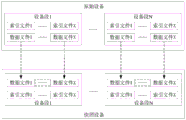
图1为本发明实施例的LSBD的设备的数据结构示意图。FIG. 1 is a schematic diagram of a data structure of an LSBD device according to an embodiment of the present invention.
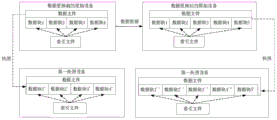
图2为本发明实施例的LSBD设备的快照设备结构示意图。FIG. 2 is a schematic structural diagram of a snapshot device of an LSBD device according to an embodiment of the present invention.
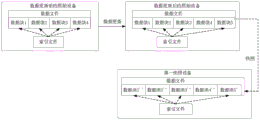
图3为本发明实施例的LSBD设备的克隆设备结构示意图FIG. 3 is a schematic structural diagram of a clone device of an LSBD device according to an embodiment of the present invention
图4为本发明实施例的垃圾数据块的示意图之一。FIG. 4 is one of schematic diagrams of garbage data blocks according to an embodiment of the present invention.
图5为本发明实施例的垃圾数据块的示意图之二。FIG. 5 is a second schematic diagram of garbage data blocks according to an embodiment of the present invention.
图6为本发明实施例的垃圾数据块的示意图之三。FIG. 6 is a third schematic diagram of garbage data blocks according to an embodiment of the present invention.
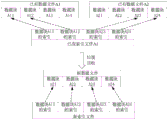
图7为本发明实施例的垃圾回收处理的过程示意图之一。FIG. 7 is one of the process schematic diagrams of garbage collection processing according to the embodiment of the present invention.
图8为本发明实施例的垃圾回收处理的过程示意图之二。FIG. 8 is the second schematic diagram of the garbage collection process according to the embodiment of the present invention.
图9为本发明实施例的垃圾回收处理的过程示意图之三。FIG. 9 is the third schematic diagram of the garbage collection process according to the embodiment of the present invention.
图10为本发明实施例的垃圾数据的回收处理方法的流程示意图之一。FIG. 10 is one of the schematic flowcharts of the method for recycling and processing garbage data according to the embodiment of the present invention.
图11为本发明实施例的垃圾数据的回收处理方法的流程示意图之二。FIG. 11 is a second schematic flow diagram of a method for recycling and processing garbage data according to an embodiment of the present invention.
图12为本发明实施例的垃圾数据的回收处理方法的流程示意图之三。FIG. 12 is a third schematic flow diagram of a garbage data recycling method according to an embodiment of the present invention.
图13为本发明实施例的垃圾数据的回收处理方法的流程示意图之四。FIG. 13 is a fourth schematic flowchart of a garbage data recycling method according to an embodiment of the present invention.
图14为本发明实施例的垃圾数据的回收处理方法的流程示意图之五。FIG. 14 is a fifth schematic flowchart of a garbage data recycling method according to an embodiment of the present invention.
图15为本发明实施例的垃圾数据的回收处理装置的结构示意图之一。FIG. 15 is one of the structural schematic diagrams of a device for recovering and processing garbage data according to an embodiment of the present invention.
图16为本发明实施例的垃圾数据的回收处理装置的结构示意图之二。FIG. 16 is a second structural schematic diagram of a garbage data recycling and processing device according to an embodiment of the present invention.
图17为本发明实施例的垃圾数据的回收处理装置的结构示意图之三。FIG. 17 is a third structural schematic diagram of a garbage data recovery and processing device according to an embodiment of the present invention.
图18为本发明实施例的电子设备的结构示意图。FIG. 18 is a schematic structural diagram of an electronic device according to an embodiment of the present invention.
具体实施方式Detailed ways
下面将参照附图更详细地描述本公开的示例性实施例。虽然附图中显示了本公开的示例性实施例,然而应当理解,可以以各种形式实现本公开而不应被这里阐述的实施例所限制。相反,提供这些实施例是为了能够更透彻地理解本公开,并且能够将本公开的范围完整的传达给本领域的技术人员。Exemplary embodiments of the present disclosure will be described in more detail below with reference to the accompanying drawings. Although exemplary embodiments of the present disclosure are shown in the drawings, it should be understood that the present disclosure may be embodied in various forms and should not be limited by the embodiments set forth herein. Rather, these embodiments are provided for more thorough understanding of the present disclosure and to fully convey the scope of the present disclosure to those skilled in the art.
本发明实施例的整体描述General Description of Embodiments of the Invention
关于垃圾数据的说明A Note on Junk Data
在LSBD架构下,采用日志文件(log file)来构建虚拟机磁盘设备,日志文件是一种只能被追加写而不能覆盖写的一种的分布式系统文件,日志结构块结构设备是一种虚拟块设备,该设备也是基于日志文件而构造的。正因为日志文件是只能被追加写而不能覆盖写,所以才会产生较多的垃圾文件。例如,当数据更新时,新的数据会写在另一个地方,并调整逻辑地址与物理地址的对应关系,指向新的数据,而原来的数据就成了垃圾数据。Under the LSBD architecture, a log file (log file) is used to build a virtual machine disk device. A log file is a distributed system file that can only be appended to and cannot be overwritten. A log structure block structure device is a A virtual block device, which is also structured based on a log file. Because log files can only be appended and cannot be overwritten, more garbage files will be generated. For example, when the data is updated, the new data will be written in another place, and the corresponding relationship between the logical address and the physical address will be adjusted to point to the new data, while the original data will become garbage data.
如图1所示,其为本发明实施例的LSBD的设备的数据结构示意图,在LSBD设备中,设备被切分成多个设备段(Device segment),每个设备段由Index file(索引文件)、datafile(数据文件)和Txn file(修改事务日志文件,图中未示出)组成,这些文件都采用的是分布式文件的日志文件(log file)格式,即只能追加写,不能覆盖写。下面分别介绍一下各个文件的主要内容:As shown in Figure 1, it is the data structure diagram of the equipment of the LSBD of the embodiment of the present invention, in the LSBD equipment, equipment is cut into a plurality of equipment segment (Device segment), each equipment segment is by Index file (index file) , datafile (data file) and Txn file (modified transaction log file, not shown in the figure), these files all adopt the log file (log file) format of distributed files, that is, they can only be appended to and cannot be overwritten. . The main content of each file is introduced below:
索引文件:负责记录Device LBA Range(设备逻辑地址区间)和data file的物理地址区间的对应关系。Index file: responsible for recording the corresponding relationship between Device LBA Range (device logical address range) and the physical address range of data file.
数据文件:负责存储设备段的数据,即数据文件中记录的是实际的内容数据。数据文件进一步被划分为多个数据块(Block)。Data file: responsible for storing the data of the device segment, that is, the actual content data is recorded in the data file. Data files are further divided into multiple data blocks (Block).
修改事务日志文件:记录修改设备段的Transaction Log(事务日志)。Modify the transaction log file: record the Transaction Log (transaction log) of the modified device segment.
在LSBD架构中,多个设备一般采用通过硬链接的方式来共享重复数据。常见的出现共享数据的场景是对设备进行快照(Snapshot)或者克隆(Clone)。如图2和图3所示,图2为本发明实施例的LSBD设备的快照设备结构示意图,图3为本发明实施例的LSBD设备的克隆设备结构示意图。In the LSBD architecture, multiple devices generally use hard links to share duplicate data. A common scenario for shared data is to take a snapshot (Snapshot) or clone (Clone) of the device. As shown in FIG. 2 and FIG. 3 , FIG. 2 is a schematic structural diagram of a snapshot device of an LSBD device according to an embodiment of the present invention, and FIG. 3 is a schematic structural diagram of a clone device of an LSBD device according to an embodiment of the present invention.
如图2所示,原始设备包含设备段1至设备段N共N个设备段。快照过程是将原始设备中的全部数据文件进行复制,生成快照设备,其中的复制过程可以通过硬链接的共享方式实现,而不需要在存储层复制一份物理数据。以原始设备的设备段1为例,将原始设备的设备段1中的数据文件(数据文件1……数据文件X),通过硬链接的方式在快照设备的设备段1中生成数据文件(数据文件1……数据文件X),然后生成快照设备的设备段1的索引文件,其他设备段的操作一样。As shown in Figure 2, the original device includes a total of N device segments from
如图3所示,原始设备和图2中所示内容一样,克隆过程实际将原始设备中的全部数据文件和索引文件进行复制,形成克隆设备。其中的复制过程可以通过硬链接的共享方式实现,以原始设备的设备段1为例,把原始设备的设备段1中的索引文件(索引文件1……索引文件X)和数据文件(数据文件1……数据文件X),通过硬链接的方式在LSBD快照设备的设备段1中生成对应的索引文件和数据文件,其他设备段的操作一样。As shown in Figure 3, the original device is the same as that shown in Figure 2, and the cloning process actually copies all the data files and index files in the original device to form a clone device. The copying process can be realized through the sharing of hard links. Taking the
以图2中的原始设备和快照设备为例,在生成快照设备后,如果原始设备发生了数据更新,根据LSBD架构的特性,会出现新的数据写入,而被更新的数据依然保留的情形。如图4所示,其为本发明实施例的垃圾数据块的示意图之一,图4中同时示出了数据更新前的原始设备的数据状况、数据更新前快照设备的数据状况以及数据更新后的原始设备的数据状况。以原始设备中的一个数据段中的一个数据文件为例(图中仅示出该数据文件),该数据文件包括数据块1~4,原始设备对应的快照设备中也同样包括相应的数据文件,该数据文件包括数据块1’~4’。Taking the original device and snapshot device in Figure 2 as an example, after the snapshot device is generated, if the original device has data updated, according to the characteristics of the LSBD architecture, new data will be written, but the updated data will still be retained . As shown in Figure 4, it is one of the schematic diagrams of garbage data blocks in the embodiment of the present invention. Figure 4 also shows the data status of the original device before the data update, the data status of the snapshot device before the data update, and the data status after the data update. The data status of the raw device. Take a data file in a data segment in the raw device as an example (only the data file is shown in the figure), the data file includes data blocks 1 to 4, and the snapshot device corresponding to the raw device also includes the corresponding data file , the data file includes data blocks 1'~4'.
对原始设备的数据文件的一个数据块(图中所述的数据块4)进行数据更新,向该数据文件写入了更新后的数据块(图中所示数据块5),并修改了索引文件以指向更新后的数据块(图中所示的数据块5),从用户角度来看,被更新的数据块(图中所示数据块4)在原始设备中相当于被删除了,但是实际上数据块4还是存在于原始设备中。Perform data update on a data block (data block 4 shown in the figure) of the data file of the original device, write the updated data block (data block 5 shown in the figure) to the data file, and modify the index The file points to the updated data block (data block 5 shown in the figure). From the user's point of view, the updated data block (data block 4 shown in the figure) is equivalent to being deleted in the original device, but In fact, data block 4 still exists in the original device.
由于数据更新前的快照设备的存在,数据块4处于共享状态,虽然对于数据更新后的原始设备来说,数据块4应当属于垃圾数据块,但是,该数据块4被快照设备所共享,并且在快照设备中,与该数据块4具有共享关系的数据块4’被索引文件所引用的,因此,数据块4不能被认定为垃圾数据块,也不能作为垃圾数据块被回收。Due to the existence of the snapshot device before the data update, the data block 4 is in a shared state, although for the original device after the data update, the data block 4 should belong to the garbage data block, but this data block 4 is shared by the snapshot device, and In the snapshot device, the data block 4' having a sharing relationship with the data block 4 is referenced by the index file, therefore, the data block 4 cannot be identified as a garbage data block, nor can it be recycled as a garbage data block.
在图4的数据状态的基础上,再对数据更新后的原始设备进行快照,生成如图5所示的另一个快照设备,并将相关的原始设备和快照设备的数据状态都体现在图5中。如图5所示,其为本发明实施例的垃圾数据块的示意图之二,为了便于说明,将针对数据更新前的原始设备进行快照生成的快照设备称为第一快照设备,将针对数据更新后的原始设备进行快照生成的快照设备称为第二快照设备。对于数据更新后的原始设备和第二快照设备而言,被更新的数据块(数据块4)以及其对应的快照数据块(数据块4″)应当视为垃圾数据块,因为没有索引文件对该数据块进行引用,但是由于第一快照设备以及相应的共享关系的存在,数据块4、数据块4’以及数据块4″都不能被认定为垃圾数据块。On the basis of the data state in Figure 4, take a snapshot of the original device after the data update, generate another snapshot device as shown in Figure 5, and reflect the data status of the relevant original device and snapshot device in Figure 5 middle. As shown in Figure 5, it is the second schematic diagram of garbage data blocks in the embodiment of the present invention. For the convenience of description, the snapshot device that performs snapshot generation for the original device before the data update is called the first snapshot device, and the snapshot device for the data update The snapshot device on which the snapshot is generated by the subsequent original device is called the second snapshot device. For the original device and the second snapshot device after the data update, the updated data block (data block 4) and its corresponding snapshot data block (data block 4") should be regarded as garbage data blocks, because there is no index file pair The data block is referenced, but due to the existence of the first snapshot device and the corresponding sharing relationship, data block 4, data block 4' and data block 4" cannot be identified as garbage data blocks.
进一步地,如图6所示,其为本发明实施例的垃圾数据块的示意图之三,在图5的基础上,删除了第一快照设备。在这种情况下,虽然数据更新后的原始设备和第二快照设备之间存在共享关系,但是,在这两个设备中,该被更新的数据块(数据块4和数据块4″)没有索引文件被引用,因此,可以确定为垃圾数据块,可以执行垃圾回收处理。Further, as shown in FIG. 6 , which is the third schematic diagram of garbage data blocks in the embodiment of the present invention, on the basis of FIG. 5 , the first snapshot device is deleted. In this case, although there is a sharing relationship between the original device after the data update and the second snapshot device, in these two devices, the updated data blocks (data block 4 and data block 4″) do not Index files are referenced and, therefore, can be identified as garbage blocks, which can be garbage collected.
通过以上的图2至图6的示例说明可知,在本发明实施例中,在进行垃圾回收处理时,需要充分考虑数据文件被共享的情形,对于数据文件中的数据块是否是能够被执行垃圾回收的垃圾数据块,需要根据与该数据文件具有共享关系的全部数据文件的引用关系来确定。对于某一个数据块来说,在具有共享关系的数据文件中,只要在一个数据文件中,该数据块被引用文件所引用,该数据块就不能被认定为垃圾数据块,不能被执行垃圾回收。It can be known from the above illustrations in Figure 2 to Figure 6 that in the embodiment of the present invention, when performing garbage collection processing, it is necessary to fully consider the situation that the data file is shared, whether the data block in the data file is executable garbage The reclaimed garbage data blocks need to be determined according to the reference relationship of all data files that have a sharing relationship with the data file. For a certain data block, in the data files with sharing relationship, as long as the data block is referenced by the reference file in a data file, the data block cannot be identified as a garbage data block and cannot be garbage collected .
关于垃圾回收指标About Garbage Collection Metrics
在本发明实施例中,垃圾回收指标是用于判定是否触发垃圾回收处理的条件或者说是阈值。垃圾回收处理是以数据文件为单位的,当数据文件中的垃圾数据比例(数据文件中的垃圾数据块的总量与物理数据总量之比)大于垃圾回收指标时就会触发垃圾回收处理。垃圾回收指标分为共享垃圾回收指标和非共享垃圾回收指标。共享垃圾回收指标用于处于共享状态的数据文件的垃圾回收处理,非共享垃圾回收指标用于处于非共享状态的数据文件的垃圾回收处理。In the embodiment of the present invention, the garbage collection index is a condition or a threshold for determining whether to trigger garbage collection processing. Garbage collection processing is based on data files. When the ratio of garbage data in a data file (the ratio of the total amount of garbage data blocks in the data file to the total amount of physical data) is greater than the garbage collection index, garbage collection processing will be triggered. Garbage collection indicators are divided into shared garbage collection indicators and non-shared garbage collection indicators. The shared garbage collection indicators are used for garbage collection processing of data files in a shared state, and the non-shared garbage collection indicators are used for garbage collection processing of data files in a non-shared state.
垃圾回收处理需要消耗大量的CPU和IO资源,因此,垃圾回收指标的设定需要充分考虑CPU和IO资源的消耗与存储资源的占用之间的平衡。Garbage collection consumes a lot of CPU and IO resources. Therefore, the setting of garbage collection indicators needs to fully consider the balance between the consumption of CPU and IO resources and the occupation of storage resources.
非共享垃圾回收指标可以根据实际需求或者经验值而预先设定,属于静态指标,例如,可以设定为20%。The non-shared garbage collection index can be preset according to actual needs or experience values, and is a static index, for example, it can be set to 20%.
共享垃圾回收指标还需要考虑逻辑数据重复率,逻辑数据的重复率是指逻辑数据总量与物理数据总量的比值。需要说明的是,这里所说的逻辑数据总量和物理数据总量,都是针对单个数据文件来说的。物理数据总量是指该数据文件所占用的物理存储空间,包含了该数据文件中有效数据块和垃圾数据块所占用的物理存储空间。逻辑数据总量是该数据文件直接或者间接(被其他设备或者相同设备的其他设备段所共享)被索引文件索引用的数据量的总和,其包含了被相同设备段内的索引文件引用的数据块的数量,也包含了与该数据文件具有共享关系的其他设备段或者其他设备中的数据文件被索引文件引用的数据块的数量。Shared garbage collection indicators also need to consider the logical data repetition rate, which refers to the ratio of the total amount of logical data to the total amount of physical data. It should be noted that the total amount of logical data and the total amount of physical data mentioned here are all for a single data file. The total amount of physical data refers to the physical storage space occupied by the data file, including the physical storage space occupied by valid data blocks and garbage data blocks in the data file. The total amount of logical data is the sum of the amount of data indexed by the index file directly or indirectly (shared by other devices or other device segments of the same device) of the data file, which includes the data referenced by the index file in the same device segment The number of blocks also includes the number of data blocks referenced by index files in other device segments that have a sharing relationship with the data file or data files in other devices.
例如,设备1的设备段1的数据文件A的物理数据总量(包含了垃圾数据块和有效数据块)为:256MBFor example, the total amount of physical data (including junk data blocks and valid data blocks) of data file A of
设备1的设备段1引用该数据文件A中的数据块的总量为:100MB;The total amount of data blocks in the data file A referenced by
设备1的设备段2中基于共享关系,而间接引用该数据文件A中的数据块的总量:150MB;The total amount of data blocks in the data file A indirectly referenced in the device segment 2 of the
设备2的设备段3中基于共享关系,而间接引用该数据文件A中的数据块的总量:100MB;The total amount of data blocks in the data file A indirectly referenced in the device segment 3 of the device 2 based on the sharing relationship: 100MB;
数据文件A的逻辑数据总量为:100MB+150MB+100MB=350MB。The total amount of logical data of the data file A is: 100MB+150MB+100MB=350MB.
数据文件A的逻辑数据重复率=逻辑数据总量/物理数据总量=350/256=1.37。The logical data repetition rate of data file A=the total amount of logical data/the total amount of physical data=350/256=1.37.
计算垃圾数据重复率的目的是为了对非共享垃圾回收指标进行修正,因为共享状态下的垃圾回收处理相比非共享状态下的垃圾回收处理更加耗费CPU和IO资源,因此,共享状态下的垃圾回收指标要略高于非共享状态下的垃圾回收指标,具体计算方式可以采用如下公式:The purpose of calculating the garbage data repetition rate is to correct the non-shared garbage collection index, because the garbage collection process in the shared state consumes more CPU and IO resources than the garbage collection process in the non-shared state. Therefore, the garbage collection process in the shared state The recovery index is slightly higher than the garbage collection index in the non-shared state, and the specific calculation method can use the following formula:
共享垃圾回收指标=非共享垃圾回收指标+(物理数据总量/逻辑数据总量)×非共享垃圾回收指标…………………………式(1)Shared garbage collection index = non-shared garbage collection index + (total amount of physical data / total amount of logical data) × non-shared garbage collection index………………… Formula (1)
公式中采用了逻辑数据重复率的倒数和非共享垃圾回收指标的乘积来对非共享垃圾回收指标进行修正,并最终获得共享垃圾回收指标。对于非共享状态下的垃圾回收的触发条件而言,会从两方面考虑是否值得触发垃圾回收。一方面是垃圾数据比例,这个方面和非常共享状态是一样的。另一方面会考虑逻辑数据重复率,逻辑数据重复率越高说明,数据文件之间的共享关联关系越多,垃圾回收处理会更加耗费CPU和IO资源,不值得立即进行垃圾回收处理,而是可以等待逻辑数据重复率越高低一些时再进行,例如,某些快照设备或者克隆设备被删除后再进行。In the formula, the reciprocal of the logical data repetition rate and the product of the non-shared garbage collection index are used to modify the non-shared garbage collection index, and finally obtain the shared garbage collection index. For the triggering conditions of garbage collection in non-shared state, whether it is worth triggering garbage collection will be considered from two aspects. On the one hand is the ratio of garbage data, which is the same as the very shared state. On the other hand, the logical data repetition rate will be considered. The higher the logical data repetition rate, the more shared relationships between data files, and the garbage collection will consume more CPU and IO resources. It is not worthwhile to perform garbage collection immediately, but You can wait until the logical data repetition rate is higher or lower, for example, some snapshot devices or clone devices are deleted before proceeding.
关于垃圾回收的处理过程About the garbage collection process
前面介绍了垃圾回收的触发机制,下面再介绍一下垃圾回收处理的具体处理过程。本发明实施例中的垃圾回收处理过程是在满足了垃圾回收指标并且已经确定了垃圾数据块的基础上执行的处理,即参与垃圾回收处理的数据文件是满足了垃圾回收指标的数据文件。The trigger mechanism of garbage collection has been introduced above, and the specific processing process of garbage collection will be introduced below. The garbage collection processing process in the embodiment of the present invention is performed on the basis that the garbage collection index is met and the garbage data blocks have been determined, that is, the data files participating in the garbage collection processing are data files that meet the garbage collection index.
在本发明实施例中,将数据文件中垃圾数据块以外的数据块称作有效数据块,也就是说,通过之前的方法确定了垃圾数据块后,实际上就确定了有效数据块。In the embodiment of the present invention, the data blocks other than the junk data blocks in the data file are called valid data blocks, that is to say, after the junk data blocks are determined by the previous method, the valid data blocks are actually determined.
具体地,本发明实施例中,垃圾回收处理会将已有数据文件中的有效数据块提取出来,然后组成新数据文件,然后再形成新索引文件,并将新数据文件和新索引文件替换已有数据文件和已有索引文件。在本发明实施例中,可以只提取一个已有数据文件中的有效数据块来形成新数据文件,也可以提取多个已有数据文件中的有效数据块来形成新数据文件。如图7所示,其为本发明实施例的垃圾回收处理的过程示意图之一,图中示例示出了将两个已有数据文件A1和A2中的有效数据(其中数据块A11、A12、A23、A24为有效数据,数据块A13、A14、A21、A22为垃圾数据)提取出来而形成了新数据文件的过程,相当于将两个已有数据文件进行了合并生成了新数据文件,相应地,根据已有索引文件的引用关系,再生成新引用文件。Specifically, in the embodiment of the present invention, the garbage collection process will extract the valid data blocks in the existing data file, then form a new data file, and then form a new index file, and replace the existing data file and the new index file. There are data files and existing index files. In the embodiment of the present invention, only valid data blocks in one existing data file may be extracted to form a new data file, or valid data blocks in multiple existing data files may be extracted to form a new data file. As shown in FIG. 7 , it is one of the schematic diagrams of the process of garbage collection processing in the embodiment of the present invention. In the figure, the example shows that valid data in two existing data files A1 and A2 (wherein data blocks A11, A12, A23, A24 are valid data, and data blocks A13, A14, A21, A22 are garbage data) are extracted to form a new data file, which is equivalent to merging two existing data files to generate a new data file. Therefore, a new reference file is generated according to the reference relationship of the existing index file.
此外,由于对于共享状态下的数据文件和处于非共享状态下的数据文件的垃圾回收指标是不同的,因此,较为优选地,垃圾回收处理过程可以针对处于共享状态下的数据文件和处于非共享状态下的数据文件而分别执行。In addition, since the garbage collection indicators for the data files in the shared state and the data files in the non-shared state are different, it is more preferable that the garbage collection process can target the data files in the shared state and the data files in the non-shared state. Data files in the state are executed separately.
其中,针对非共享状态下的数据文件的垃圾回收过程可以参照图7所示的处理方式,将有效数据块进行提取并组合成新数据文件。非共享状态下的数据文件的垃圾回收不涉及其他设备段或者设备。Wherein, for the garbage collection process of the data files in the non-shared state, the processing method shown in FIG. 7 may be referred to to extract valid data blocks and combine them into new data files. Garbage collection of data files in the unshared state does not involve other device segments or devices.
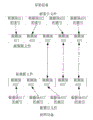
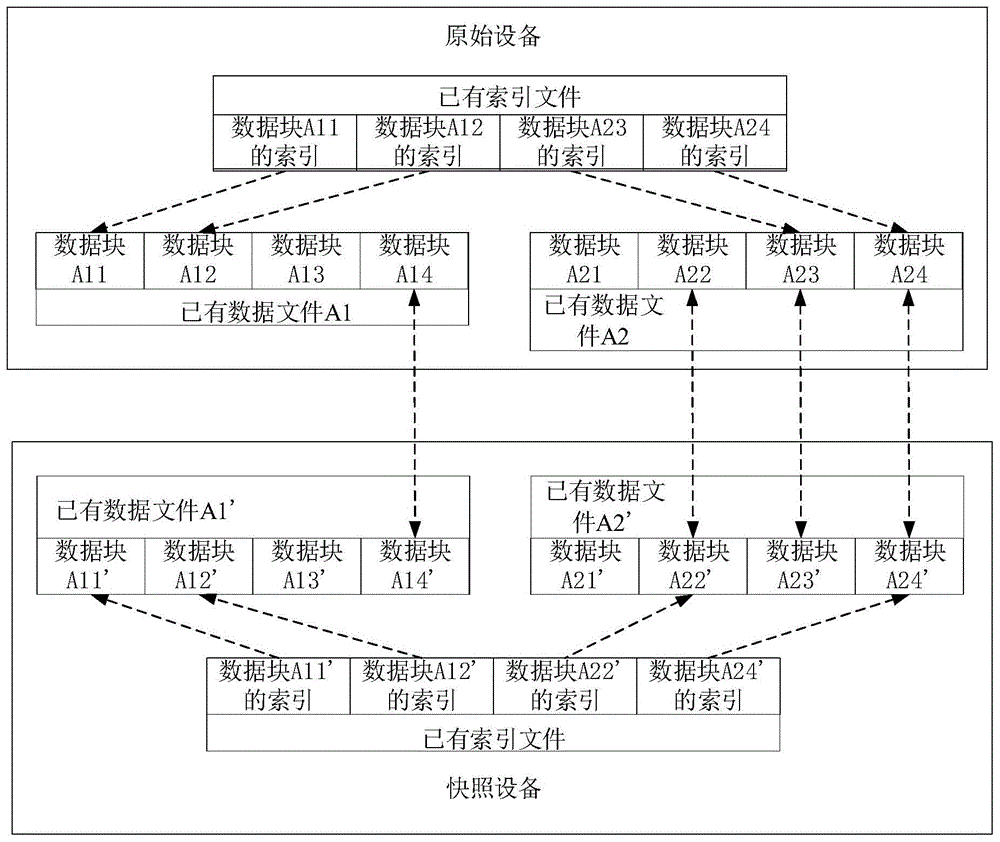
共享状态下的数据文件的垃圾回收还会关联到其他设备段或者设备上的共享数据文件的处理,而在本发明实施例中,较为常见的共享数据文件的场景是设备快照和设备克隆。如图8和图9所示,其为本发明实施例的垃圾回收处理的过程示意图之二和之三,图8所示的状态为垃圾回收之前的原始设备和快照设备的状态,其中,Y原始设备中的数据块A14、A22、A23、A24与快照设备中的数据块A14’、A22’、A23’、A24’通过硬链接的方式共享。其中,数据块A13、A14和数据块A13’、A14’在原始设备和快照设备中都没有被已有索引文件引用,可以确定为垃圾数据块。而数据块A22、A23、A24和数据块A22’、A23’、A24’由于至少在原始设备和快照设备的一方中被已有索引文件所引用,不能认定为是垃圾数据块。在确定了垃圾数据块后,就可以执行垃圾回收处理。如图9所示,其为经过垃圾回收处理后生成的新索引文件和新数据文件的状态。在垃圾回收后的原始设备和快照设备的新数据文件中,原有的硬链接共享关系依然存在。Garbage collection of data files in the shared state is also related to the processing of shared data files on other device segments or devices, and in the embodiment of the present invention, the more common scenarios for sharing data files are device snapshots and device cloning. As shown in Figure 8 and Figure 9, which are the second and third schematic diagrams of the process of garbage collection processing in the embodiment of the present invention, the state shown in Figure 8 is the state of the original device and the snapshot device before garbage collection, wherein, Y Data blocks A14, A22, A23, A24 in the original device and data blocks A14', A22', A23', A24' in the snapshot device are shared through hard links. Among them, data blocks A13, A14 and data blocks A13', A14' are not referenced by existing index files in the original device and the snapshot device, and can be determined as garbage data blocks. And data blocks A22, A23, A24 and data blocks A22', A23', A24' cannot be identified as garbage data blocks because they are referenced by existing index files in at least one of the original device and the snapshot device. After the garbage data blocks are determined, garbage collection processing can be performed. As shown in FIG. 9 , it is the status of new index files and new data files generated after garbage collection. In the new data files of the original device and the snapshot device after garbage collection, the original hard link sharing relationship still exists.
在共享状态下的数据文件的回收过程中,当对原始设备(被执行快照的设备或者被执行克隆的设备)进行垃圾回收处理完成后,还要对快照设备或者克隆设备进行垃圾回收。由于数据块的重复性较高,因此,可以将对原始设备的垃圾回收生成的新数据文件直接应用于克隆设备或者快照设备上。具体地,可以将生成的新数据文件存入到热点缓存中,待对克隆设备或者快照设备执行垃圾回收处理时,直接使用该新数据文件。In the recovery process of the data files in the shared state, after the original device (the device on which the snapshot is executed or the device on which the clone is executed) is garbage collected, the snapshot device or the cloned device is also garbage collected. Due to the high repeatability of data blocks, new data files generated by garbage collection on the original device can be directly applied to the clone device or the snapshot device. Specifically, the generated new data file may be stored in the hotspot cache, and the new data file is directly used when the clone device or the snapshot device is to be garbage collected.
本发明实施例的垃圾数据的回收处理的技术方案,能够实现在数据共享状态下的垃圾回收,在确定垃圾数据块的过程中,充分考虑共享数据块的直接和间接的数据引用关系,以准确地确定出垃圾数据块,并进一步执行垃圾回收处理。另外,在触发垃圾回收处理的垃圾回收指标上,针对共享状态和非共享状态的数据文件进行了区分对待,在共享状态的数据文件的垃圾回收指标中,加入了数据重复率的因素,从而更加合理地确定是否需要执行垃圾回收处理,以合理地使用CPU和IO资源。此外,在本发明实施例的垃圾回收处理过程中,将数据文件进行了重组处理,将有效数据提取出来组合成新数据文件,然后再进行数据文件的替换,这种方式不受原有数据文件的限制,并且也符合LSBD设备的日志文件写入规则的基本要求。The technical solution for garbage data recovery and processing in the embodiment of the present invention can realize garbage recovery in the data sharing state. In the process of determining the garbage data block, the direct and indirect data reference relationship of the shared data block is fully considered to accurately Garbage data blocks are accurately determined, and garbage collection processing is further performed. In addition, in the garbage collection indicators that trigger garbage collection processing, the data files in the shared state and the non-shared state are treated differently. In the garbage collection indicators of the data files in the shared state, the factor of data repetition rate is added to make it more efficient. Reasonably determine whether garbage collection processing is required to use CPU and IO resources reasonably. In addition, in the garbage collection process of the embodiment of the present invention, the data files are reorganized, the valid data is extracted and combined into a new data file, and then the data file is replaced. This method is not affected by the original data file. , and also meet the basic requirements of the log file writing rules of LSBD devices.
下面通过一些具体实施例来进一步说明本发明的技术方案。The technical solutions of the present invention will be further described below through some specific examples.
实施例一Embodiment one
如图10所示,其为本发明实施例的垃圾数据的回收处理方法的流程示意图之一,该图中示出了,针对设备中的处于共享状态的垃圾数据的处理,其包括:As shown in FIG. 10 , it is one of the schematic flow charts of the garbage data recovery and processing method of the embodiment of the present invention. This figure shows that the processing of garbage data in a shared state in the device includes:
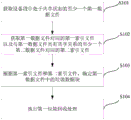
S101:获取设备段中处于共享状态的至少一个第一数据文件。在LSBD架构中,数据文件的共享一般以硬链接的形式存在,如前面所介绍的,常见的应用场景为设备快照或者设备克隆的情形。S101: Acquire at least one first data file in a shared state in a device segment. In the LSBD architecture, the sharing of data files generally exists in the form of hard links. As mentioned above, common application scenarios are device snapshots or device cloning.
S102:获取第一数据文件对应的第一索引文件以及与第一数据文件具有共享关系的至少一个第二数据文件对应的第二索引文件。这里所说的第一索引文件是与第一数据文件在同一设备段中的索引文件。第二索引文件可以是快照设备或者克隆设备中的索引文件,第二索引文件并非直接指向第一数据文件,而是指向与第一数据文件具有共享关系的第二数据文件。S102: Acquire a first index file corresponding to the first data file and a second index file corresponding to at least one second data file having a sharing relationship with the first data file. The first index file mentioned here is an index file in the same device segment as the first data file. The second index file may be an index file in the snapshot device or the clone device, and the second index file does not directly point to the first data file, but points to a second data file having a sharing relationship with the first data file.
具体地,获取第二索引文件可以采用如下方式:Specifically, the following methods may be used to obtain the second index file:
S1021:获取第一数据文件的第一文件名称,并根据该第一文件名称获取对应的文件ID。基于硬链接(Hardlink)机制,具有共享关系的多个数据文件可以拥有各自的文件名称,这些数据文件可以通过文件ID来共享存储层中的同一份物理文件,也就是说文件ID对应于存储层中的一份物理文件,而上层的数据文件通过各自的用户名与该物理文件对应的文件ID相关联,从而建立硬链接的共享关系。S1021: Obtain a first file name of the first data file, and obtain a corresponding file ID according to the first file name. Based on the hard link (Hardlink) mechanism, multiple data files with a sharing relationship can have their own file names. These data files can share the same physical file in the storage layer through the file ID, which means that the file ID corresponds to the storage layer. A physical file in , and the upper-level data files are associated with the file ID corresponding to the physical file through their respective user names, thereby establishing a hard link sharing relationship.
S1022:获取共享该文件ID的全部第二数据文件的第二文件名称。基于硬链接(Hardlink)的技术原理,通过文件ID可以获取到具有共享关系的全部数据文件的文件名。S1022: Obtain second file names of all second data files sharing the file ID. Based on the technical principle of hard link (Hardlink), the file names of all data files with sharing relationship can be obtained through the file ID.
S1023:根据第二文件名称确定全部第二数据文件所在的一个或多个设备段,并从该一个或多个设备段中获取全部第二数据文件对应的全部第二索引文件。通过文件名进一步定位到所在设备段,这样就可以获取到相应的数据文件了。S1023: Determine one or more device segments where all the second data files are located according to the second file name, and obtain all second index files corresponding to all the second data files from the one or more device segments. Use the file name to further locate the device segment, so that the corresponding data file can be obtained.
S103:根据第一索引文件和第二索引文件,确定第一数据文件中的垃圾数据块。该步骤的处理可以进一步包括:S103: Determine junk data blocks in the first data file according to the first index file and the second index file. The processing of this step may further include:
S1031:根据第一索引文件和第二索引文件,对第一数据文件和全部第二数据文件中的被引用的数据块和没有被引用的数据块进行标记;S1031: Mark referenced data blocks and unreferenced data blocks in the first data file and all second data files according to the first index file and the second index file;
S1032:如果在第一数据文件存在没有被引用的第一数据块,并且在全部第二数据文件中与该第一数据块具有共享关系的第二数据块均没有被引用,或者在全部第二数据文件中,不存在与该第一数据块具有共享关系的第二数据块,则将该第一数据块确定为垃圾数据块,否则,确定为非垃圾数据块。S1032: If there is a first data block that is not referenced in the first data file, and the second data block that has a sharing relationship with the first data block in all the second data files is not In the data file, if there is no second data block having a sharing relationship with the first data block, the first data block is determined as a junk data block, otherwise, it is determined as a non-junk data block.
在LSBD设备中,删除数据(可能由一个或多个数据块构成)的操作实际上是删除了针对该数据的引用关系,具体到数据块而言,在同一设备的同一设备段中,可能会通过删除或者修改索引文件,而放弃对某些数据块的引用,从而删除了该数据块,在该设备段中,没有被引用的数据块就称为垃圾数据块。不过,在存在共享关系的情况下,还需要考虑该被删除的数据块是否被其他设备或者其他设备段所共享,如果在被共享的其他设备或者设备段中,存在间接引用关系,则这个被删除的数据块仍然需要保留,不能作为垃圾数据回收。In the LSBD device, the operation of deleting data (which may be composed of one or more data blocks) actually deletes the reference relationship for the data. Specifically, in terms of data blocks, in the same device segment of the same device, there may be By deleting or modifying the index file, the reference to some data blocks is abandoned, thereby deleting the data blocks. In the device segment, the data blocks that are not referenced are called garbage data blocks. However, in the case of a shared relationship, it is also necessary to consider whether the deleted data block is shared by other devices or other device segments. If there is an indirect reference relationship in other shared devices or device segments, the deleted data block Deleted data blocks still need to be retained and cannot be recycled as garbage data.
此外,需要说明的是,LSBD系统中,可能会存在许多快照设备或者克隆设备等,这些快照设备或者克隆设备也会具有自身的生命周期,例如,有些快照设备的生命周期设定为一个月,超过一个月这个快照设备就可以全部删除了,而距离生命周期临近的快照设备被使用的可能性是极低的,因此,对于临近生命周期结束的共享数据文件就可以不参与到垃圾数据块的确认规则中。In addition, it should be noted that in the LSBD system, there may be many snapshot devices or clone devices, etc. These snapshot devices or clone devices also have their own life cycle. For example, the life cycle of some snapshot devices is set to one month. The snapshot device can be completely deleted after more than one month, and the possibility of using the snapshot device close to the life cycle is extremely low. Therefore, the shared data files near the end of the life cycle do not need to participate in the collection of garbage data blocks. confirm the rules.
举例来说,在对上述的第一数据文件中的数据块进行垃圾数据块的确认过程中,发现该第一数据文件存在10个具有共享关系的数据文件,而这10个数据文件中,有5个来自于生命周期将要结束的快照设备中,针对这种情形,可以只分析生命周期相对较长的5个快照设备中的数据文件对应的索引文件即可,而不用再考虑生命周期将要结束的快照设备中的数据文件,从而能够提高垃圾回收效率也能够节省一定的系统资源。For example, in the process of confirming the junk data blocks of the data blocks in the above-mentioned first data file, it is found that there are 10 data files with sharing relationship in the first data file, and among these 10 data files, there are Five of the snapshot devices whose life cycle is about to end, in this case, you can only analyze the index files corresponding to the data files in the five snapshot devices with a relatively long life cycle, without considering that the life cycle is about to end The data files in the snapshot device can improve garbage collection efficiency and save certain system resources.
S104:执行第一垃圾回收处理。这里所说的第一垃圾回收处理是针对共享数据的垃圾回收处理,该垃圾回收处理可以针对一个数据文件也可以是多个数据文件,具体需要根据数据文件中的确定出的垃圾数据块的多少而定。S104: Execute the first garbage collection process. The first garbage collection process mentioned here is the garbage collection process for shared data. This garbage collection process can be for one data file or multiple data files. It needs to be determined according to the number of garbage data blocks in the data file. depends.
具体地,第一垃圾回收处理过程可以采用如下处理流程:Specifically, the first garbage collection process may adopt the following process flow:
获取至少一个第一数据文件中垃圾数据块以外的至少一个有效数据块,使用有效数据块生成至少一个第三数据文件;Obtain at least one valid data block other than garbage data blocks in at least one first data file, and use the valid data block to generate at least one third data file;
根据第一索引文件和第三数据文件,生成第三索引文件;generating a third index file according to the first index file and the third data file;
使用第三数据文件和第三索引文件替换第一数据文件和第一索引文件。具体的替换处理可以在将生成的第三数据文件和第三索引文件向分布式存储系统中导入(import)的过程来执行。The first data file and the first index file are replaced with the third data file and the third index file. The specific replacement process may be performed during the process of importing the generated third data file and third index file into the distributed storage system.
此外,由于共享状态下的数据文件的垃圾回收还会关联到其他设备段或者设备上的共享数据文件的处理,较为常见的共享数据文件的场景是设备快照和设备克隆。因此,在生成了第三数据文件后,还可以包括:In addition, because the garbage collection of data files in the shared state is also related to the processing of other device segments or shared data files on the device, the more common scenarios for sharing data files are device snapshots and device cloning. Therefore, after the third data file is generated, it may also include:
将第三数据文件存入热点缓存中,以用于在对第二数据文件执行垃圾处理时使用。这里的第二数据文件就是与原始的第一数据文件具有共享关系的数据文件,可以是快照设备或者克隆设备中的数据文件,当对快照设备或者克隆设备进行垃圾回收处理时,就不用再重新生成要替换的新数据文件了,可以从热点缓存中读取已有第三数据文件而进行重复利用,从而能够充分节省CPU和IO资源。The third data file is stored in the hotspot cache for use when performing garbage processing on the second data file. The second data file here is a data file that has a sharing relationship with the original first data file, and can be a data file in a snapshot device or a clone device. When garbage collection is performed on the snapshot device or clone device, there is no need to re- After a new data file to be replaced is generated, the existing third data file can be read from the hotspot cache and reused, thereby fully saving CPU and IO resources.
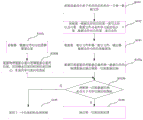
进一步地,如图11所示,其为本发明实施例的垃圾数据的回收处理方法的流程示意图之二,在执行上述第一垃圾回收处理之前,还可以包括是否触发垃圾回收处理的判定过程,具体可以包括:Further, as shown in FIG. 11 , which is the second schematic flow diagram of the garbage data recovery processing method according to the embodiment of the present invention, before performing the above-mentioned first garbage collection processing, it may also include a process of determining whether to trigger garbage collection processing, Specifically can include:
S103a:根据垃圾数据块的数据总量和第一数据文件的物理数据总量计算第一垃圾数据比例。需要说明的是这里所说的物理数据总量是针对一个数据文件来说的。S103a: Calculate a first garbage data ratio according to the total amount of data in the garbage data block and the total amount of physical data in the first data file. It should be noted that the total amount of physical data mentioned here is for one data file.
S103b:判断第一垃圾数据比例是否大于共享垃圾回收指标,如果大于,则执行步骤S104,以针对第一数据文件执行第一垃圾回收处理,否则,执行步骤S105:等待下一个垃圾回收处理周期,再次对垃圾数据块进行确定和垃圾回收指标的判定等。S103b: Judging whether the first garbage data ratio is greater than the shared garbage collection indicator, if it is greater, execute step S104 to execute the first garbage collection process for the first data file, otherwise, execute step S105: wait for the next garbage collection cycle, Determine the garbage data block and determine the garbage collection index again.
其中,共享垃圾回收指标可以是动态指标,在静态垃圾回收指标(针对非共享状态数据文件的垃圾回收而设定的固定值,也就是前面提到的非共享垃圾回收指标)的基础上进行动态修正而获得,具体可以通过物理数据总量与逻辑数据总量之比来动态修正,因此,上述方法还可以包括确定共享垃圾回收指标的处理过程。具体地,确定共享垃圾回收指标的处理过程如下:Among them, the shared garbage collection index can be a dynamic index, which is dynamically performed on the basis of a static garbage collection index (a fixed value set for garbage collection of non-shared state data files, that is, the aforementioned non-shared garbage collection index). Specifically, it can be dynamically corrected through the ratio of the total amount of physical data to the total amount of logical data. Therefore, the above method can also include a process of determining shared garbage collection indicators. Specifically, the process of determining shared garbage collection indicators is as follows:
S103c:获取第一数据文件对应的逻辑数据总量。这里所说的逻辑数据总量包含了同一设备段内的索引文件对该第一数据文件中的数据块的引用数据量,也包含了其他设备段或者其他设备中基于共享数据文件而形成的间接引用的数据量。S103c: Obtain the total amount of logical data corresponding to the first data file. The total amount of logical data mentioned here includes the reference data volume of the index file in the same device segment to the data block in the first data file, and also includes the indirect data formed based on shared data files in other device segments or other devices. The amount of data referenced.
S103d:根据物理数据总量与逻辑数据总量的比值,对用于非共享数据文件的静态垃圾回收指标进行修正,生成共享垃圾回收指标。具体的计算公式可以采用前面提及的式(1)。S103d: According to the ratio of the total amount of physical data to the total amount of logical data, modify the static garbage collection indicators for non-shared data files to generate shared garbage collection indicators. The specific calculation formula can adopt the formula (1) mentioned above.
由于计算共享状态下的数据文件的逻辑数据总量(主要是计算基于共享文件而产生的间接引用的逻辑数据量)的会占用较多的CPU以及IO资源,为了节省资源使用和提高处理效率,可以在执行快照处理和/或克隆处理和/或垃圾回收处理的这些形成共享关系的过程中,在第一数据文件的属性值中,记录第一数据文件的逻辑数据总量,从而省去了重复计算逻辑数据量的过程。相应地,上述的获取第一数据文件对应的逻辑数据总量的处理可以包括:从第一数据文件的属性值中获取逻辑数据总量。Since the calculation of the total amount of logical data of data files in the shared state (mainly the calculation of the logical data volume of indirect references based on shared files) will take up more CPU and IO resources, in order to save resource usage and improve processing efficiency, In the process of forming a shared relationship during snapshot processing and/or cloning processing and/or garbage collection processing, the total amount of logical data of the first data file can be recorded in the attribute value of the first data file, thereby eliminating the need for Repeat the process of calculating logical data volumes. Correspondingly, the above-mentioned process of obtaining the total amount of logical data corresponding to the first data file may include: obtaining the total amount of logical data from the attribute value of the first data file.
以上介绍了针对设备中的处于共享状态下的数据文件的垃圾回收处理过程,在设备的设备段中,还会存在非共享状态的数据文件,对于非共享状态的数据文件的垃圾回收处理,不需要考虑基于共享文件的间接引用关系,因此,相比针对共享状态的数据文件的垃圾回收处理要相对简单些。具体地,如图12所示,其为本发明实施例的垃圾数据的回收处理方法的流程示意图之三,针对非共享状态的数据文件垃圾回收处理流程如下:The above describes the garbage collection process for the data files in the shared state in the device. In the device segment, there are also data files in the non-shared state. For the garbage collection process of the data files in the non-shared state, no Need to consider the indirect reference relationship based on the shared file, so it is relatively simpler than the garbage collection process for the data file of the shared state. Specifically, as shown in FIG. 12 , which is the third schematic flow diagram of the garbage data recovery and processing method of the embodiment of the present invention, the garbage recovery process for data files in the non-shared state is as follows:
S201:获取设备段中处于非共享状态的至少一个第四数据文件;S201: Acquire at least one fourth data file in a non-shared state in the device segment;
S202:根据与第四数据文件对应的第四索引文件,确定第四数据文件中的垃圾数据块;S202: Determine the junk data blocks in the fourth data file according to the fourth index file corresponding to the fourth data file;
S203:执行第二垃圾回收处理。S203: Execute the second garbage collection process.
其中,该第二垃圾回收处理可以具体为:Wherein, the second garbage collection process may specifically be:
获取第四数据文件中垃圾数据块以外的至少一个有效数据块,使用有效数据块生成至少一个第五数据文件;Obtaining at least one valid data block other than the garbage data block in the fourth data file, and using the valid data block to generate at least one fifth data file;
根据与第四数据文件对应的第四索引文件和第五数据文件,生成第五索引文件;generating a fifth index file according to the fourth index file and the fifth data file corresponding to the fourth data file;
使用第五数据文件和第五索引文件替换第四数据文件和第四索引文件。The fourth data file and the fourth index file are replaced with the fifth data file and the fifth index file.
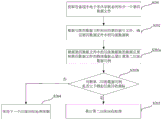
此外,如图13所示,其为本发明实施例的垃圾数据的回收处理方法的流程示意图之四,在执行上述第二垃圾回收处理之前,还可以包括是否触发垃圾回收处理的判定过程,具体可以包括:In addition, as shown in FIG. 13 , which is the fourth schematic flow diagram of the garbage data collection and processing method according to the embodiment of the present invention, before performing the second garbage collection processing, it may also include a process of determining whether to trigger garbage collection processing, specifically Can include:
S202a:根据第四数据文件中的垃圾数据块的数据总量和第四数据文件的物理数据总量计算第二垃圾数据比例;S202a: Calculate the second garbage data ratio according to the total amount of data of the garbage data blocks in the fourth data file and the total amount of physical data of the fourth data file;
S202b:判断第二垃圾数据比例是否大于静态垃圾回收指标,如果是,则执行步骤S203,以进行第二垃圾回收处理,否则,执行步骤S204:等待下一个垃圾回收处理周期,再次对垃圾数据块进行确定和垃圾回收指标的判定等。S202b: Determine whether the second garbage data ratio is greater than the static garbage collection indicator, if yes, execute step S203 to perform second garbage collection processing, otherwise, execute step S204: wait for the next garbage collection processing cycle, and perform garbage data block again Confirmation and judgment of garbage collection indicators, etc. are performed.
需要说明的是,上述的针对共享状态的数据文件的垃圾回收处理和针对非共享状态的数据文件的垃圾回收处理可以是并行执行的。It should be noted that the above garbage collection processing for data files in a shared state and garbage collection processing for data files in a non-shared state may be executed in parallel.
本发明实施例的垃圾数据的回收处理方法,实现了对共享数据文件的垃圾回收,在确定垃圾数据块的过程中,充分考虑共享数据块的直接和间接的数据引用关系,以准确地确定出垃圾数据块,并进一步执行垃圾回收处理。另外,在触发垃圾回收处理的垃圾回收指标上,针对共享状态和非共享状态的数据文件进行了区分对待,在共享状态的数据文件的垃圾回收指标中,加入了数据重复率的因素,从而更加合理地确定是否需要执行垃圾回收处理,以合理地使用CPU和IO资源。The garbage data recovery and processing method of the embodiment of the present invention realizes the garbage recovery of shared data files. In the process of determining garbage data blocks, the direct and indirect data reference relationship of shared data blocks is fully considered to accurately determine the Garbage data blocks, and further perform garbage collection processing. In addition, in the garbage collection indicators that trigger garbage collection processing, the data files in the shared state and the non-shared state are treated differently. In the garbage collection indicators of the data files in the shared state, the factor of data repetition rate is added to make it more efficient. Reasonably determine whether garbage collection processing is required to use CPU and IO resources reasonably.
实施例二Embodiment two
如图14所示,其为本发明实施例的垃圾数据的回收处理方法的流程示意图之五,在本实施例中,着重说明,在确定了垃圾数据块后,所执行的垃圾回收处理流程。作为一种可实现方式,在本实施例中,垃圾回收的对象可以不区分处于共享状态的数据文件和非共享状态的数据文件,而是在确定了垃圾数据块后,对数据文件中的有效数据块进行提取,重组后形成新数据文件,然后进行替换操作。具体地,如图15所示,该处理流程包括:As shown in FIG. 14 , it is the fifth schematic flow diagram of the garbage data recovery processing method of the embodiment of the present invention. In this embodiment, the garbage recovery processing process executed after the garbage data block is determined is emphasized. As an implementable manner, in this embodiment, the object of garbage collection may not distinguish between data files in the shared state and data files in the non-shared state, but after the garbage data blocks are determined, the garbage collection objects in the data files Data blocks are extracted, reorganized to form a new data file, and then replaced. Specifically, as shown in Figure 15, the processing flow includes:
S301:获取设备段中的至少一个已有数据文件中的至少一个有效数据块,使用有效数据块生成至少一个新数据文件,有效数据块为数据文件中垃圾数据块以外的数据块;S301: Obtain at least one valid data block in at least one existing data file in the device segment, and use the valid data block to generate at least one new data file, where the valid data block is a data block other than the garbage data block in the data file;
S302:根据已有数据文件对应的已有索引文件和新数据文件,生成与该新数据文件对应的新索引文件;S302: Generate a new index file corresponding to the new data file according to the existing index file and the new data file corresponding to the existing data file;
S303:使用新数据文件和新索引文件替换已有数据文件和已有索引文件。S303: Replace existing data files and existing index files with new data files and new index files.
在本发明实施例的垃圾回收处理方法,将数据文件进行了重组处理,将有效数据提取出来组合成新数据文件,然后再进行数据文件的替换,这种方式不受原有数据文件的限制,并且也符合LSBD设备的日志文件写入规则的基本要求。In the garbage recovery processing method of the embodiment of the present invention, the data files are reorganized, the valid data is extracted and combined into a new data file, and then the data file is replaced. This method is not limited by the original data file. And it also meets the basic requirements of the log file writing rules of LSBD devices.
实施例三Embodiment Three
如图15所示,其为本发明实施例的垃圾数据的回收处理装置的结构示意图之一,该处理装置包括:As shown in Figure 15, it is one of the schematic structural diagrams of the garbage data recycling and processing device according to the embodiment of the present invention. The processing device includes:
第一获取模块11,用于获取设备段中处于共享状态的至少一个第一数据文件;A first obtaining
第二获取模块12,用于获取第一数据文件对应的第一索引文件以及与第一数据文件具有共享关系的至少一个第二数据文件对应的第二索引文件。其中,该部分处理可以进一步包括:The second obtaining
获取第一数据文件的第一文件名称,并根据该第一文件名称获取对应的文件ID;Obtain the first file name of the first data file, and obtain the corresponding file ID according to the first file name;
获取共享该文件ID的全部第二数据文件的第二文件名称;Obtain the second file names of all the second data files sharing the file ID;
根据第二文件名称确定全部第二数据文件所在的一个或多个设备段,并从该一个或多个设备段中获取全部第二数据文件对应的全部第二索引文件。One or more device segments where all the second data files are located are determined according to the second file names, and all second index files corresponding to all the second data files are obtained from the one or more device segments.
第一垃圾数据块确定模块13,用于根据第一索引文件和第二索引文件,确定第一数据文件中的垃圾数据块。其中,该部分处理可以进一步包括:The first junk data block
根据第一索引文件和第二索引文件,对第一数据文件和全部第二数据文件中的被引用的数据块和没有被引用的数据块进行标记;According to the first index file and the second index file, mark referenced data blocks and unreferenced data blocks in the first data file and all second data files;
如果在第一数据文件存在没有被引用的第一数据块,并且在全部第二数据文件中与该第一数据块具有共享关系的第二数据块均没有被引用,或者在全部第二数据文件中,不存在与该第一数据块具有共享关系的第二数据块,则将该第一数据块确定为垃圾数据块,否则,确定为非垃圾数据块。If there is a first data block that is not referenced in the first data file, and the second data blocks that have a sharing relationship with the first data block in all second data files are not referenced, or If there is no second data block that has a sharing relationship with the first data block, the first data block is determined as a garbage data block; otherwise, it is determined as a non-garbage data block.
第一垃圾回收处理模块14,用于执行第一垃圾回收处理。The first garbage
进一步地,该装置还可以包括:Further, the device may also include:
第一垃圾回收处理执行判定模块15,用于根据垃圾数据块的数据总量和第一数据文件的物理数据总量计算第一垃圾数据比例,并判断第一垃圾数据比例是否大于共享垃圾回收指标,如果大于,则指示第一垃圾回收处理模块,执行第一垃圾回收处理。The first garbage collection processing
此外,还可以还包括:In addition, may also include:
共享垃圾回收指标确定模块16,用于获取第一数据文件对应的逻辑数据总量;根据物理数据总量与逻辑数据总量的比值,对用于非共享数据文件的静态垃圾回收指标进行修正,生成共享垃圾回收指标。The shared garbage collection
以上介绍了针对共享状态下的数据文件进行垃圾回收处理的相关模块,下面介绍一下针对非共享状态的数据文件进行垃圾回收处理的相关模块。The relevant modules for garbage collection processing for data files in the shared state are introduced above, and the relevant modules for garbage collection processing for data files in the non-shared state are introduced below.
如图16所示,其为本发明实施例的垃圾数据的回收处理装置的结构示意图之二,在图15所示的装置的基础上,上述装置还可以包括(图16中未示出图15中的模块):As shown in Figure 16, it is the second structural schematic diagram of the garbage data recycling and processing device of the embodiment of the present invention. On the basis of the device shown in Figure 15, the above-mentioned device may also include (Figure 16 is not shown module in):
第三获取模块17,用于获取设备段中处于非共享状态的至少一个第四数据文件;A third obtaining
第二垃圾数据块确定模块18,用于根据与第四数据文件对应的第四索引文件,确定第四数据文件中的垃圾数据块;The second garbage data block determining
第二垃圾回收处理模块19,用于执行第二垃圾回收处理。The second garbage
进一步地,该装置还可以还包括:Further, the device may also include:
第二垃圾回收处理执行判定模块20:用于根据第四数据文件中的垃圾数据块的数据总量和第四数据文件的物理数据总量计算第二垃圾数据比例;判断第二垃圾数据比例是否大于静态垃圾回收指标,如果是,则指示第二垃圾回收处理模块执行第二垃圾回收处理。The second garbage collection processing execution judgment module 20: used to calculate the second garbage data ratio according to the total amount of data of garbage data blocks in the fourth data file and the total amount of physical data of the fourth data file; judge whether the second garbage data ratio is greater than the static garbage collection index, if yes, instruct the second garbage collection processing module to execute the second garbage collection processing.
对于上述处理过程具体说明、技术原理详细说明以及技术效果详细分析在前面实施例中进行了详细描述,重复部分在此不再赘述。The detailed description of the above-mentioned processing procedure, detailed description of the technical principle, and detailed analysis of the technical effect are described in detail in the previous embodiments, and the repeated parts are not repeated here.
实施例四Embodiment four
如图17所示,其为本发明实施例的垃圾数据的回收处理装置的结构示意图之三,该处理装置包括:As shown in Figure 17, it is the third structural diagram of the garbage data recycling and processing device of the embodiment of the present invention, and the processing device includes:
数据文件生成模块21,用于获取设备段中的至少一个已有数据文件中的至少一个有效数据块,使用有效数据块生成至少一个新数据文件,有效数据块为数据文件中垃圾数据块以外的数据块;The data file
索引文件生成模块22,用于根据已有数据文件对应的已有索引文件和新数据文件,生成与该新数据文件对应的新索引文件;The index
文件替换模块23,用于使用新数据文件和新索引文件替换已有数据文件和已有索引文件。The
对于上述处理过程具体说明、技术原理详细说明以及技术效果详细分析在前面实施例中进行了详细描述,重复部分在此不再赘述。The detailed description of the above-mentioned processing procedure, detailed description of the technical principle, and detailed analysis of the technical effect are described in detail in the previous embodiments, and the repeated parts are not repeated here.
实施例四Embodiment four
前面实施例描述了垃圾数据的回收的处理流程及处理装置的结构,上述的方法和装置的功能可借助一种电子设备实现完成,如图18所示,其为本发明实施例的电子设备的结构示意图,具体包括:存储器110和处理器120。The previous embodiment described the processing flow of recycling garbage data and the structure of the processing device. The functions of the above-mentioned method and device can be realized by means of an electronic device, as shown in FIG. 18 , which is the electronic device of the embodiment of the present invention. A schematic structural diagram specifically includes: a
存储器110,用于存储程序。The
除上述程序之外,存储器110还可被配置为存储其它各种数据以支持在电子设备上的操作。这些数据的示例包括用于在电子设备上操作的任何应用程序或方法的指令,联系人数据,电话簿数据,消息,图片,视频等。In addition to the above programs, the
存储器110可以由任何类型的易失性或非易失性存储设备或者它们的组合实现,如静态随机存取存储器(SRAM),电可擦除可编程只读存储器(EEPROM),可擦除可编程只读存储器(EPROM),可编程只读存储器(PROM),只读存储器(ROM),磁存储器,快闪存储器,磁盘或光盘。The
处理器120,耦合至存储器110,用于执行存储器110中的程序,以用于执行如下处理:The
获取设备段中处于共享状态的至少一个第一数据文件;Acquiring at least one first data file in a shared state in the device segment;
获取第一数据文件对应的第一索引文件以及与第一数据文件具有共享关系的至少一个第二数据文件对应的第二索引文件;Acquiring a first index file corresponding to the first data file and a second index file corresponding to at least one second data file having a sharing relationship with the first data file;
根据第一索引文件和第二索引文件,确定第一数据文件中的垃圾数据块,并执行第一垃圾回收处理。According to the first index file and the second index file, garbage data blocks in the first data file are determined, and a first garbage collection process is performed.
处理还包括:Processing also includes:
根据垃圾数据块的数据总量和第一数据文件的物理数据总量计算第一垃圾数据比例;Calculate the first garbage data ratio according to the total amount of data of the garbage data block and the total amount of physical data of the first data file;
判断第一垃圾数据比例是否大于共享垃圾回收指标,如果大于,则针对第一数据文件执行第一垃圾回收处理。It is judged whether the first garbage data ratio is greater than the shared garbage collection index, and if so, the first garbage collection process is executed for the first data file.
其中,处理还可以包括:Among other things, processing may also include:
获取第一数据文件对应的逻辑数据总量;Acquiring the total amount of logical data corresponding to the first data file;
根据物理数据总量与逻辑数据总量的比值,对用于非共享数据文件的静态垃圾回收指标进行修正,生成共享垃圾回收指标。According to the ratio of the total amount of physical data to the total amount of logical data, the static garbage collection index used for non-shared data files is corrected to generate a shared garbage collection index.
其中,执行第一垃圾回收处理可以包括:Wherein, performing the first garbage collection process may include:
获取至少一个第一数据文件中垃圾数据块以外的至少一个有效数据块,使用有效数据块生成至少一个第三数据文件;Obtain at least one valid data block other than garbage data blocks in at least one first data file, and use the valid data block to generate at least one third data file;
根据第一索引文件和第三数据文件,生成第三索引文件;generating a third index file according to the first index file and the third data file;
使用第三数据文件和第三索引文件替换第一数据文件和第一索引文件。The first data file and the first index file are replaced with the third data file and the third index file.
其中,执行第一垃圾回收处理还可以包括:Wherein, performing the first garbage collection process may also include:
将第三数据文件存入热点缓存中,以用于在对第二数据文件执行垃圾处理时使用。The third data file is stored in the hotspot cache for use when performing garbage processing on the second data file.
作为另外一种实施例方式,处理器120,耦合至存储器110,用于执行存储器110中的程序,以用于执行如下处理:As another embodiment, the
获取设备段中的至少一个已有数据文件中的至少一个有效数据块,使用有效数据块生成至少一个新数据文件,有效数据块为数据文件中垃圾数据块以外的数据块;Obtain at least one valid data block in at least one existing data file in the device segment, and use the valid data block to generate at least one new data file, where the valid data block is a data block other than the garbage data block in the data file;
根据已有数据文件对应的已有索引文件和新数据文件,生成与该新数据文件对应的新索引文件;Generate a new index file corresponding to the new data file according to the existing index file and the new data file corresponding to the existing data file;
使用新数据文件和新索引文件替换已有数据文件和已有索引文件。Replace existing data files and existing index files with new data files and new index files.
对于上述处理过程具体说明、技术原理详细说明以及技术效果详细分析在前面实施例中进行了详细描述,重复部分在此不再赘述。The detailed description of the above-mentioned processing procedure, detailed description of the technical principle, and detailed analysis of the technical effect are described in detail in the previous embodiments, and the repeated parts are not repeated here.
进一步,如图所示,电子设备还可以包括:通信组件130、电源组件140、音频组件150、显示器160等其它组件。图中仅示意性给出部分组件,并不意味着电子设备只包括图示组件。Further, as shown in the figure, the electronic device may further include: a
通信组件130被配置为便于电子设备和其他设备之间有线或无线方式的通信。电子设备可以接入基于通信标准的无线网络,如WiFi,2G或3G,或它们的组合。在一个示例性实施例中,通信组件130经由广播信道接收来自外部广播管理系统的广播信号或广播相关信息。在一个示例性实施例中,通信组件130还包括近场通信(NFC)模块,以促进短程通信。例如,在NFC模块可基于射频识别(RFID)技术,红外数据协会(IrDA)技术,超宽带(UWB)技术,蓝牙(BT)技术和其他技术来实现。The
电源组件140,为电子设备的各种组件提供电力。电源组件140可以包括电源管理系统,一个或多个电源,及其他与为电子设备生成、管理和分配电力相关联的组件。The
音频组件150被配置为输出和/或输入音频信号。例如,音频组件150包括一个麦克风(MIC),当电子设备处于操作模式,如呼叫模式、记录模式和语音识别模式时,麦克风被配置为接收外部音频信号。所接收的音频信号可以被进一步存储在存储器110或经由通信组件130发送。在一些实施例中,音频组件150还包括一个扬声器,用于输出音频信号。The
显示器160包括屏幕,其屏幕可以包括液晶显示器(LCD)和触摸面板(TP)。如果屏幕包括触摸面板,屏幕可以被实现为触摸屏,以接收来自用户的输入信号。触摸面板包括一个或多个触摸传感器以感测触摸、滑动和触摸面板上的手势。触摸传感器可以不仅感测触摸或滑动动作的边界,而且还检测与触摸或滑动操作相关的持续时间和压力。The
本领域普通技术人员可以理解:实现上述各方法实施例的全部或部分步骤可以通过程序指令相关的硬件来完成。前述的程序可以存储于一计算机可读取存储介质中。该程序在执行时,执行包括上述各方法实施例的步骤;而前述的存储介质包括:ROM、RAM、磁碟或者光盘等各种可以存储程序代码的介质。Those of ordinary skill in the art can understand that all or part of the steps for implementing the above method embodiments can be completed by program instructions and related hardware. The aforementioned program can be stored in a computer-readable storage medium. When the program is executed, it executes the steps including the above-mentioned method embodiments; and the aforementioned storage medium includes: ROM, RAM, magnetic disk or optical disk and other various media that can store program codes.
最后应说明的是:以上各实施例仅用以说明本发明的技术方案,而非对其限制;尽管参照前述各实施例对本发明进行了详细的说明,本领域的普通技术人员应当理解:其依然可以对前述各实施例所记载的技术方案进行修改,或者对其中部分或者全部技术特征进行等同替换;而这些修改或者替换,并不使相应技术方案的本质脱离本发明各实施例技术方案的范围。Finally, it should be noted that: the above embodiments are only used to illustrate the technical solutions of the present invention, rather than limiting them; although the present invention has been described in detail with reference to the foregoing embodiments, those of ordinary skill in the art should understand that: It is still possible to modify the technical solutions described in the foregoing embodiments, or perform equivalent replacements for some or all of the technical features; and these modifications or replacements do not make the essence of the corresponding technical solutions deviate from the technical solutions of the various embodiments of the present invention. scope.
Claims (21)
Priority Applications (1)
| Application Number | Priority Date | Filing Date | Title |
|---|---|---|---|
| CN201810949827.5A CN110851398B (en) | 2018-08-20 | 2018-08-20 | Garbage data recovery processing method and device and electronic equipment |
Applications Claiming Priority (1)
| Application Number | Priority Date | Filing Date | Title |
|---|---|---|---|
| CN201810949827.5A CN110851398B (en) | 2018-08-20 | 2018-08-20 | Garbage data recovery processing method and device and electronic equipment |
Publications (2)
| Publication Number | Publication Date |
|---|---|
| CN110851398A CN110851398A (en) | 2020-02-28 |
| CN110851398B true CN110851398B (en) | 2023-05-09 |
Family
ID=69595571
Family Applications (1)
| Application Number | Title | Priority Date | Filing Date |
|---|---|---|---|
| CN201810949827.5A Active CN110851398B (en) | 2018-08-20 | 2018-08-20 | Garbage data recovery processing method and device and electronic equipment |
Country Status (1)
| Country | Link |
|---|---|
| CN (1) | CN110851398B (en) |
Families Citing this family (2)
| Publication number | Priority date | Publication date | Assignee | Title |
|---|---|---|---|---|
| CN113254430A (en) * | 2021-05-20 | 2021-08-13 | 紫光云技术有限公司 | Method for automatically cleaning public cloud environment garbage data |
| CN115586871B (en) * | 2022-10-28 | 2023-10-27 | 北京百度网讯科技有限公司 | Cloud computing scene-oriented data additional writing method, device, equipment and medium |
Citations (7)
| Publication number | Priority date | Publication date | Assignee | Title |
|---|---|---|---|---|
| US7451168B1 (en) * | 2003-06-30 | 2008-11-11 | Data Domain, Inc. | Incremental garbage collection of data in a secondary storage |
| CN102024018A (en) * | 2010-11-04 | 2011-04-20 | 曙光信息产业(北京)有限公司 | On-line recovering method of junk metadata in distributed file system |
| CN102567218A (en) * | 2010-12-17 | 2012-07-11 | 微软公司 | Garbage collection and hotspots relief for a data deduplication chunk store |
| CN103019958A (en) * | 2012-10-31 | 2013-04-03 | 香港应用科技研究院有限公司 | Method for managing data in solid state memory using data attributes |
| CN105045850A (en) * | 2015-07-06 | 2015-11-11 | 西北工业大学 | Method for recovering junk data in cloud storage log file system |
| US9424185B1 (en) * | 2013-06-04 | 2016-08-23 | Emc Corporation | Method and system for garbage collection of data storage systems |
| CN107391774A (en) * | 2017-09-15 | 2017-11-24 | 厦门大学 | The rubbish recovering method of JFS based on data de-duplication |
Family Cites Families (1)
| Publication number | Priority date | Publication date | Assignee | Title |
|---|---|---|---|---|
| US10802740B2 (en) * | 2016-04-21 | 2020-10-13 | Netapp, Inc. | Systems, methods, and computer readable media providing arbitrary sizing of data extents |
-
2018
- 2018-08-20 CN CN201810949827.5A patent/CN110851398B/en active Active
Patent Citations (7)
| Publication number | Priority date | Publication date | Assignee | Title |
|---|---|---|---|---|
| US7451168B1 (en) * | 2003-06-30 | 2008-11-11 | Data Domain, Inc. | Incremental garbage collection of data in a secondary storage |
| CN102024018A (en) * | 2010-11-04 | 2011-04-20 | 曙光信息产业(北京)有限公司 | On-line recovering method of junk metadata in distributed file system |
| CN102567218A (en) * | 2010-12-17 | 2012-07-11 | 微软公司 | Garbage collection and hotspots relief for a data deduplication chunk store |
| CN103019958A (en) * | 2012-10-31 | 2013-04-03 | 香港应用科技研究院有限公司 | Method for managing data in solid state memory using data attributes |
| US9424185B1 (en) * | 2013-06-04 | 2016-08-23 | Emc Corporation | Method and system for garbage collection of data storage systems |
| CN105045850A (en) * | 2015-07-06 | 2015-11-11 | 西北工业大学 | Method for recovering junk data in cloud storage log file system |
| CN107391774A (en) * | 2017-09-15 | 2017-11-24 | 厦门大学 | The rubbish recovering method of JFS based on data de-duplication |
Non-Patent Citations (2)
| Title |
|---|
| 物资回收机云管理系统研究;乔俞豪;孙运强;鲁旭涛;;网络新媒体技术;第6卷(第03期);全文 * |
| 面向移动通信大数据的云存储系统优化;杨洪章;罗圣美;施景超;王志坤;季一木;;计算机应用;第37卷(第S1期);全文 * |
Also Published As
| Publication number | Publication date |
|---|---|
| CN110851398A (en) | 2020-02-28 |
Similar Documents
| Publication | Publication Date | Title |
|---|---|---|
| CN103180852B (en) | Distributed data processing method and apparatus | |
| CN105094707B (en) | A kind of data storage, read method and device | |
| CN104239518B (en) | Data de-duplication method and device | |
| CN112783420B (en) | Data deletion and garbage collection method, device, system and storage medium | |
| CN112764663B (en) | Space management method, device and system for cloud storage space, electronic equipment and computer readable storage medium | |
| CN114328281B (en) | Solid state disk abnormal power failure processing method and device, electronic equipment and medium | |
| CN111045603B (en) | Bad block replacement method and device for solid state disk | |
| CN104391661A (en) | Method and device for writing data to solid-state hard disk | |
| TW201250471A (en) | Managing data placement on flash-based storage by use | |
| CN108572789A (en) | Disk storage method and apparatus, information push method and device and electronic equipment | |
| CN109491606B (en) | An all-flash storage space management method, system, device and computer medium | |
| CN105138416A (en) | Disk sleep processing method and apparatus | |
| CN110851398B (en) | Garbage data recovery processing method and device and electronic equipment | |
| CN110688070B (en) | Management method and device for solid state disk data table, storage medium and electronic equipment | |
| CN106598508A (en) | Solid-state hard disc and write-in arbitrating method and system thereof | |
| CN114996173A (en) | Method and device for managing write operation of storage equipment | |
| CN113467698A (en) | Writing method and device based on file system, computer equipment and storage medium | |
| CN110032474B (en) | Method, system and related components for determining snapshot occupied capacity | |
| US20150193311A1 (en) | Managing production data | |
| CN110018987B (en) | Snapshot creating method, device and system | |
| CN110018985B (en) | Snapshot deleting method, device and system | |
| CN107609038A (en) | Data clearing method and device | |
| CN115168298B (en) | Evaluation method and electronic equipment for file system fragmentation | |
| CN107291541B (en) | Compact coarse-grained process level parallel optimization method and system for Key-Value system | |
| CN115934002A (en) | Solid state disk access method, solid state disk, storage system and cloud server |
Legal Events
| Date | Code | Title | Description |
|---|---|---|---|
| PB01 | Publication | ||
| PB01 | Publication | ||
| SE01 | Entry into force of request for substantive examination | ||
| SE01 | Entry into force of request for substantive examination | ||
| GR01 | Patent grant | ||
| GR01 | Patent grant | ||
| TR01 | Transfer of patent right | ||
| TR01 | Transfer of patent right |
Effective date of registration: 20231207 Address after: Room 1-2-A06, Yungu Park, No. 1008 Dengcai Street, Sandun Town, Xihu District, Hangzhou City, Zhejiang Province, 310030 Patentee after: Aliyun Computing Co.,Ltd. Address before: Box 847, four, Grand Cayman capital, Cayman Islands, UK Patentee before: ALIBABA GROUP HOLDING Ltd. |