CN110505687B - Paging message response method, device, terminal, network side equipment and medium - Google Patents
Paging message response method, device, terminal, network side equipment and medium Download PDFInfo
- Publication number
- CN110505687B CN110505687B CN201810476509.1A CN201810476509A CN110505687B CN 110505687 B CN110505687 B CN 110505687B CN 201810476509 A CN201810476509 A CN 201810476509A CN 110505687 B CN110505687 B CN 110505687B
- Authority
- CN
- China
- Prior art keywords
- delay
- response
- information
- message
- network side
- Prior art date
- Legal status (The legal status is an assumption and is not a legal conclusion. Google has not performed a legal analysis and makes no representation as to the accuracy of the status listed.)
- Active
Links
- 230000004044 response Effects 0.000 title claims abstract description 633
- 238000000034 method Methods 0.000 title claims abstract description 83
- 238000012545 processing Methods 0.000 claims abstract description 130
- 230000003111 delayed effect Effects 0.000 claims description 107
- 230000005540 biological transmission Effects 0.000 claims description 57
- 230000008569 process Effects 0.000 claims description 29
- 230000001934 delay Effects 0.000 claims description 24
- 238000004590 computer program Methods 0.000 claims description 14
- 238000010586 diagram Methods 0.000 description 18
- 238000007726 management method Methods 0.000 description 18
- 230000006870 function Effects 0.000 description 6
- 238000012986 modification Methods 0.000 description 5
- 230000004048 modification Effects 0.000 description 5
- 230000003287 optical effect Effects 0.000 description 3
- 239000002699 waste material Substances 0.000 description 3
- 238000004891 communication Methods 0.000 description 2
- 238000013500 data storage Methods 0.000 description 2
- 238000013461 design Methods 0.000 description 2
- 238000005516 engineering process Methods 0.000 description 2
- 230000002093 peripheral effect Effects 0.000 description 2
- 239000004065 semiconductor Substances 0.000 description 2
- 239000007787 solid Substances 0.000 description 2
- 230000001960 triggered effect Effects 0.000 description 2
- 230000004075 alteration Effects 0.000 description 1
- 230000009286 beneficial effect Effects 0.000 description 1
- 238000004519 manufacturing process Methods 0.000 description 1
- 238000010295 mobile communication Methods 0.000 description 1
Images



Classifications
-
- H—ELECTRICITY
- H04—ELECTRIC COMMUNICATION TECHNIQUE
- H04W—WIRELESS COMMUNICATION NETWORKS
- H04W68/00—User notification, e.g. alerting and paging, for incoming communication, change of service or the like
- H04W68/02—Arrangements for increasing efficiency of notification or paging channel
Landscapes
- Engineering & Computer Science (AREA)
- Computer Networks & Wireless Communication (AREA)
- Signal Processing (AREA)
- Mobile Radio Communication Systems (AREA)
Abstract
The invention provides a response method, a device, a terminal, network side equipment and a medium of a paging message, wherein the method comprises the following steps: the method comprises the steps that UE receives a paging message sent by network side equipment and judges whether the UE needs to delay response or not; if so, sending a first response message carrying the information of the UE request delay response to the network side equipment; and receiving a processing message which is sent by the network side equipment and used for indicating the UE to delay the response, and carrying out delay response according to the processing message. In the invention, the UE sends the first response message to the network side equipment in time, so that the network side equipment can conveniently confirm whether the UE is offline, and after the network side equipment confirms that the UE is not offline, the network side equipment only needs to send a processing message for indicating the delay response of the UE to the UE, and the UE carries out delay response according to the processing message.
Description
Technical Field
The present invention relates to the field of wireless technologies, and in particular, to a method, an apparatus, a terminal, a network side device, and a medium for responding to a paging message.
Background
Since the power consumption of the UE for data transmission is related to the link quality, the UE often needs to use a large transmission power when performing data transmission in a weak signal coverage area, and may try many times, increasing the power consumption. However, for an IoT (Internet of Things) terminal with non-important and non-urgent data, in order to reduce power consumption of the IoT terminal, the IoT terminal may be allowed to not transmit data in a weak signal coverage area, and wait for the IoT terminal to enter an area with better signal coverage and then transmit data. Therefore, in the 5G (5th-Generation, fifth Generation mobile communication technology) era, the delay tolerant service may be applicable to the IoT terminal, that is, when the IoT terminal receives a paging message triggered by a service with high delay tolerance, if the IoT terminal is currently located in a weak signal coverage area, the IoT terminal may not respond to the paging message, and then wait for the IoT terminal to move to an area with better signal coverage and then respond to the IoT terminal, so as to reduce power consumption of the IoT terminal.
Specifically, when processing the service with higher delay tolerance, the following two schemes are proposed in the 3GPP (3rd Generation Partnership Project) conference:
carrying a delay tolerant indication in a paging message
In a registration process or a PDU (Protocol Data Unit) session control session establishment process, the UE indicates to the network side device that the UE is currently in a power saving mode, a process of the UE responding to the paging message is as shown in fig. 1, when receiving a downlink Data notification, the UE sends the paging message carrying a delay tolerance indication to the UE, and after receiving the paging message carrying the delay tolerance indication, if the current position is in a weak signal coverage area, the UE does not respond to the paging message first, and then, according to a delay tolerance window carried in a registration request when the UE registers, in the delay tolerance window, moves to an area with better signal coverage, and then responds to the paging message.
Delayed response with delayed paging message retransmission
The specific process is shown in fig. 2, the AF (Application Function, Application entity) sends a downlink Data notification to the SMF (System Management Function)/UPF (User Port entity)/AMF through a DDN (Digital Data Network) message, and carries a delay paging message indication in the DDN message, the number of retransmissions of the delay paging message N and the time interval T of the paging message, the AMF/UPF/SMF sends a paging request carrying the delay paging message indication to the UE, and starts a timer with a time length T, and after receiving the paging request carrying the delay paging message indication, the UE, if the current location is in the weak signal coverage area, the paging request is not responded, and AMF/UPF/SMF does not receive the response message of the UE after the timer is overtime, and then the paging request is sent again until the number of times of sending the paging request reaches N.
In both schemes, since the network side device cannot know whether the UE is offline or temporarily in a weak signal coverage area, the network side device cannot accurately know the reachability of the UE in both schemes. If the UE is actually offline, in the prior art (i), when the network side device needs to acquire the location information of the UE, the network side device needs to page the UE again; however, in the second prior art, the network side device needs to page the UE repeatedly for multiple times, so that the problem of paging resource waste caused by paging the UE for multiple times also exists in the prior art.
Disclosure of Invention
The invention discloses a paging message response method, a paging message response device, a paging message response terminal, network side equipment and a paging message response medium, which are used for solving the problems that in the prior art, the network side equipment cannot confirm whether UE is offline or not and paging resources are wasted due to the fact that paging messages are sent to the UE for multiple times.
To overcome the technical problem, according to an aspect of the present invention, there is provided a method for responding to a paging message, the method including:
the method comprises the steps that UE receives a paging message sent by network side equipment and judges whether the UE needs to delay response or not;
if so, sending a first response message carrying the information of the UE request delayed response to the network side equipment;
and receiving a processing message which is sent by the network side equipment and used for indicating the UE to delay the response, and carrying out delay response according to the processing message.
Therefore, in the present invention, after receiving the paging message sent by the network side device, if the UE needs to delay the response, the UE sends the first response message carrying the information that the UE requests the delay response to the network side device, so that the network side device can determine in time that the UE is not off-line by receiving the first response message sent by the UE, and sends the processing message for indicating the delay response of the UE to the UE, and then the UE performs the delay response according to the processing message. Therefore, in the invention, after receiving the paging message sent by the network side equipment, the UE can timely respond for the first time so that the network side equipment can confirm whether the UE is offline, and after the network side equipment confirms that the UE is not offline, the network side equipment only needs to send a processing message for indicating the delay response of the UE to the UE, and the UE carries out the delay response according to the processing message.
Specifically, the determining whether the UE needs to delay the response includes:
judging whether the current position of the UE is in a weak signal coverage area, if so, determining that the UE needs to delay response; or the like, or, alternatively,
judging whether uplink data or messages of the current service need to be transmitted in a delayed manner, if so, determining that the UE needs to respond in a delayed manner; or the like, or, alternatively,
and judging whether the data volume needing to be transmitted is larger than a preset threshold value or not according to the current service requirement, and if so, determining that the UE needs to delay response.
If the current location of the UE is in the weak signal coverage area, power consumption of the UE may be increased during data transmission, and therefore, to reduce power consumption of the UE, it is necessary to determine whether the current location of the UE is in the weak signal coverage area. In addition, because some services are urgent, in order to provide channel resources for data transmission for other more urgent services, it is further necessary to determine whether uplink data or messages of the current service need to be transmitted in a delayed manner or whether the amount of data that the current service needs to transmit is too large, so that the UE can transmit the uplink data in a time period in which data transmission is not concentrated according to the application characteristics of the current service, and the purpose of reasonably utilizing the channel resources is achieved.
Specifically, the information that the UE requests the delayed response includes:
the UE requests indication information of delayed response; or the like, or, alternatively,
the UE requests delay tolerance window information for a delay response.
That is to say, the UE may send, according to the reason for the delay response, the indication information requesting the delay response or the delay tolerance window information requesting the delay response to the network side device, so as to facilitate the terminal side device to obtain the current state of the UE, and determine a more accurate target delay tolerance window with reference to the current state of the UE and the delay tolerance window of the current service, so that the UE can perform a second response to the network side device within the accurate delay tolerance window.
Specifically, receiving a processing message sent by the network side device and used for indicating the UE to delay the response, and performing the delay response according to the processing message includes:
receiving a processing message which is sent by the network side equipment and carries a target delay tolerance window for the UE to delay and respond;
and sending a second response message to the network side equipment in the target delay tolerant window, and establishing data transmission connection with the network side equipment.
Because the processing information received by the UE also carries a target delay tolerance window for the UE to perform delay response, the UE needs to perform a second response to the network side device within the target delay tolerance window, that is, send a second response message to the network side device within the target delay tolerance window, and establish a data transmission connection with the network side device, so as to implement transmission of uplink data. Therefore, the target delay tolerance window is carried in the processing message, so that the UE can respond to the paging message in the accurate delay tolerance window and perform uplink data transmission.
Specifically, when the network side device is a RAN node, the response message is a radio resource control RRC connection establishment request message sent by the UE, and when the network side device is an AMF, the response message is a service request message sent by the UE.
According to an aspect of the present invention, there is also provided a method for responding to a paging message, the method including:
the network side equipment sends a paging message to the UE;
receiving a first response message which is sent by the UE and carries information of the UE request delayed response;
determining whether to allow the UE to delay response;
and if so, sending a processing message indicating that the UE delays the response to the UE.
Therefore, in the present invention, after the network side device sends the paging message to the UE, the network side device receives the first response message that carries the information of the UE request delay response, so that the terminal side device can timely determine that the UE is not offline, and obtains the current state of the UE according to the information that carries the UE request delay response in the first response message, and after determining that the UE is allowed to delay the response, the network side device can send the processing message indicating the UE delay response to the UE with reference to the current state of the UE, and the UE performs the delay response according to the processing message. Therefore, in the invention, after the network side equipment sends the paging message to the UE, the UE can be confirmed not to be off-line in time according to the first response message sent by the first response of the UE, and after the UE delay response is confirmed to be allowed, only one processing message used for indicating the UE delay response needs to be sent to the UE, and the UE can carry out delay response according to the processing message.
Specifically, the network side device is a radio access network RAN node or an access and mobility management entity AMF.
Specifically, when the network-side device is a RAN node and before the network-side device sends a paging message to the UE, the method further includes:
the RAN node receives a paging request sent by the AMF;
when the network side device is the AMF, the sending, by the network side device, the paging message to the UE includes:
and the AMF sends a paging request to a Radio Access Network (RAN) node, and sends a paging message to the UE through the RAN node.
That is, when the network side device is the RAN node, the paging message needs to be sent only when receiving the paging request sent by the AMF, and when the network side device is the AMF, the paging request needs to be sent to the RAN node first, and the RAN node sends the paging message to the UE. Therefore, in the invention, only the paging message directly sent to the UE through the RAN node is needed, and no indication needs to be added in the paging message, so that the influence on the paging message design caused by the need of adding the indication in the paging message in the prior art can be avoided while the air interface paging sending efficiency is improved.
Specifically, when the network-side device is a RAN node, the determining whether the UE allows the delayed response includes:
and judging whether the paging request carries first delay tolerance information or not, if so, allowing the UE to delay response, wherein the first delay tolerance information is determined by the AMF according to the capability of the UE, subscription information of the UE and/or second delay tolerance information provided by a system management entity (SMF), the first delay tolerance information is indication information allowing the UE to delay response or delay tolerance window information allowing the UE to delay response, and the second delay tolerance information is indication information that the current service is a delay tolerance service or delay tolerance window information of the current service.
Before a paging request sent by the AMF to the RAN node, it needs to determine whether the UE supports a delay response according to the capability of the UE and/or subscription information of the UE, and/or determines whether a current service is a delay tolerant service according to second delay tolerant information provided by the SMF, and when the UE supports the delay response or the previous service is the delay tolerant service, the paging request sent to the RAN node carries first delay tolerant information, so that the RAN node determines a target delay tolerant window for the UE to perform a delay response with reference to the first delay tolerant information, and therefore the RAN node can determine whether the UE allows the delay response only by determining whether the paging request carries the first delay tolerant information.
Specifically, when the network side device is an AMF, the determining whether the UE allows the delayed response includes:
judging whether the capability of the UE supports the delay response or not, and if so, allowing the UE to delay the response; and/or the presence of a gas in the gas,
judging whether the subscription information of the UE allows the UE to delay response or not, and if so, allowing the UE to delay response; and/or the presence of a gas in the gas,
and judging whether the SMF provides second delay tolerance information or not, and if so, allowing the UE to delay response, wherein the second delay tolerance information is indication information that the current service is a delay tolerance service or delay tolerance window information of the current service.
Because the UE can be determined to support the delay response when the capability of the UE supports the delay response and/or the subscription information of the UE allows the delay response of the UE, and the current service can be determined to be the delay tolerant service when the SMF provides the second delay tolerant information for the current service, the AMF can determine whether the UE allows the delay response only by determining whether the UE supports the delay response and/or determining whether the current service is the delay tolerant service.
Specifically, before the sending, to the UE, a processing message for instructing the UE to delay the response, the method further includes:
determining a target delay tolerance window for the UE to delay response aiming at the current service;
the sending, to the UE, a processing message for indicating that the UE delays responding comprises:
and sending a processing message carrying the target delay tolerance window to the UE.
Because delay tolerance windows of different services may be different, and when the UE receives the paging message, the UE does not know the delay tolerance window of the current service, in the prior art, when the UE performs a delay response according to the delay tolerance window carried in the registration request during registration, services requiring different delay tolerances cannot be satisfied. In the invention, the network side equipment can determine the target delay tolerance window for the UE to perform delay response aiming at the current service and inform the UE by carrying the target delay tolerance window in the processing message, so that the UE can be ensured to perform second response in the accurate delay tolerance window, the data transmission connection between the UE and the network side equipment is established, and the uplink data transmission is realized.
Specifically, when the network side device is a RAN node, the determining a target delay tolerance window for the UE to perform delay response includes:
and determining a target delay tolerant window of the UE for delaying response according to first delay tolerant window information carried in the paging request and/or information of the UE requesting the delay response.
The RAN node carries the information of the UE request delay response in the received first response message, and the information of the UE request delay response may be indication information of the UE request delay response or delay tolerance window information of the UE request delay response. In the present invention, the RAN node needs to determine a target delay tolerance window for the UE to perform delay response according to the information of the UE request delay response and/or the first delay tolerance window information of the paging request, that is, the RAN node needs to determine the delay tolerance window for the UE to perform delay response according to the requirement of the UE delay response and/or the delay tolerance window for each service, so as to solve the problem that in the prior art, services with different delay tolerance requirements cannot be satisfied because the UE uses a uniform delay tolerance window for response.
Specifically, when the network side device is an AMF, the determining a target delay tolerance window for the UE to perform delay response includes:
and determining a target delay tolerance window for the UE to delay and respond according to second delay tolerance information provided by the SMF and/or information of the UE requesting delay and respond.
The AMF carries the information of the UE request delayed response in the received first response message, and the information of the UE request delayed response may be indication information of the UE request delayed response or delay tolerance window information of the UE request delayed response. The second delay tolerance information provided by the SMF is delay tolerance information for a current service request, may be indication information that the current service is a delay tolerance service, and may also be delay tolerance window information of the current service, so that the AMF needs to determine a target delay tolerance window for the UE to perform delay response according to the delay tolerance information provided by the SMF and information that the UE requests delay response, that is, the AMF needs to determine a target delay tolerance window for the UE to perform delay response according to a requirement for the UE delay response and/or a delay tolerance requirement of each service, so as to solve a problem in the prior art that services with different delay tolerance requirements cannot be satisfied because the UE responds with a uniform delay tolerance window.
Specifically, the method further comprises:
and receiving a second response message sent by the UE, and establishing data transmission connection with the UE.
By receiving a second response message for performing a second response, which is sent to the network side device for the paging request, from the UE within the target delay tolerance window, the network side device can establish a data transmission connection with the UE, thereby implementing uplink data transmission of the UE.
According to another aspect of the present invention, there is also provided a paging message response apparatus, including:
the first judgment module is used for receiving a paging message sent by network side equipment by UE and judging whether the UE needs to delay response or not;
a first response module, configured to send, to the network side device, a first response message carrying information that the UE requests a delayed response if a determination result of the first determination module is yes;
and a second response module, configured to receive a processing message sent by the network side device and used for indicating the UE to delay the response, and perform a delay response according to the processing message.
According to another aspect of the present invention, there is also provided a paging message response apparatus, including:
the paging module is used for sending a paging message to the UE by the network side equipment;
a second receiving module, configured to receive a first response message that is sent by the UE and carries information of the UE requesting a delayed response;
a second judging module, configured to judge whether to allow the UE to delay response;
and a processing module, configured to send a processing message indicating that the UE delays response to the UE if the determination result of the second determining module is yes.
According to another aspect of the present invention, there is also provided a terminal, including: a first processor, a first memory, and a first transceiver,
the first processor is used for reading the program in the first memory and executing the following processes:
receiving a paging message sent by network side equipment through the first transceiver UE, and judging whether the UE needs to delay response; if so, sending a first response message carrying the information of the UE request delayed response to the network side equipment; receiving a processing message which is sent by the network side equipment and used for indicating the UE to delay the response, and carrying out delay response according to the processing message;
the first transceiver is configured to receive and transmit data under control of the first processor.
Specifically, when determining whether the UE needs to delay the response, the first processor is specifically configured to:
judging whether the current position of the UE is in a weak signal coverage area, if so, determining that the UE needs to delay response; or the like, or, alternatively,
judging whether uplink data or messages of the current service need to be transmitted in a delayed manner, if so, determining that the UE needs to respond in a delayed manner; or the like, or, alternatively,
and judging whether the data volume needing to be transmitted is larger than a preset threshold value or not according to the current service requirement, and if so, determining that the UE needs to delay response.
Specifically, the information that the UE requests the delayed response includes:
the UE requests indication information of delayed response; or the like, or, alternatively,
the UE requests delay tolerance window information for a delay response.
Specifically, the first processor receives, through the first transceiver, a processing message that is sent by the network side device and used for indicating the UE to delay the response, and is specifically configured to receive, through the first transceiver, a processing message that is sent by the network side device and carries a target delay tolerance window for the UE to delay the response when the delay response is performed according to the processing message; and sending a second response message to the network side equipment in the target delay tolerant window, and establishing data transmission connection with the network side equipment.
Specifically, when the network side device is a RAN node, the response message is a radio resource control RRC connection establishment request message sent by the UE, and when the network side device is an AMF, the response message is a service request message sent by the UE.
According to another aspect of the present invention, there is also provided a computer-readable storage medium, characterized in that it stores a computer program executable by a terminal, which when run on the terminal, causes the terminal to perform the steps in the above-mentioned paging message response method.
According to another aspect of the present invention, there is also provided a network side device, including: a second processor, a second memory, and a second transceiver,
the second processor is used for reading the program in the second memory and executing the following processes:
sending a paging message to the UE through the second transceiver; receiving a first response message which is sent by the UE and carries information of the UE request delayed response; determining whether to allow the UE to delay response; if yes, sending a processing message indicating that the UE delays the response to the UE;
the second transceiver is configured to receive and transmit data under control of the second processor.
Specifically, the network side device is a radio access network RAN node or an access and mobility management entity AMF.
Specifically, when the network-side device is a RAN node, before the second processor sends a paging message to the UE through the second transceiver, the second processor is further configured to receive, through the second transceiver, a paging request sent by the AMF;
when the network side device is the AMF, the second processor is configured to send a paging message to the UE through the second transceiver, and specifically, the second processor is configured to send a paging request to a radio access network RAN node through the second transceiver, and send a paging message to the UE through the RAN node.
Specifically, when the network side device is a RAN node, the second processor determines whether the UE allows a delay response, and is specifically configured to determine whether the paging request carries first delay tolerance information, and if so, allows the UE to delay the response, where the first delay tolerance information is determined by an AMF according to a capability of the UE, and/or subscription information of the UE, and/or second delay tolerance information provided by a system management entity SMF, and the first delay tolerance information is indication information that allows the UE to delay the response, or delay tolerance window information that allows the UE to delay the response, and the second delay tolerance information is indication information that a current service is a delay tolerance service, or delay tolerance window information of the current service.
Specifically, when the network side device is an AMF, the second processor is configured to determine whether the UE allows a delayed response, specifically, determine whether the capability of the UE supports the delayed response, and if so, allow the UE to delay the response; and/or, judging whether the subscription information of the UE allows the UE to delay the response, if so, allowing the UE to delay the response; and/or judging whether the SMF provides second delay tolerance information or not, and if so, allowing the UE to delay response, wherein the second delay tolerance information is indication information that the current service is a delay tolerance service or delay tolerance window information of the current service.
Specifically, before the second processor sends a processing message to the UE through the second transceiver, the processing message indicating that the UE delays responding, the second processor is further configured to determine, for a current service, a target delay tolerance window for the UE to delay responding;
the second processor is specifically configured to send, to the UE through the second transceiver, a processing message carrying the target delay tolerant window when the processing message for indicating the UE to delay the response is sent to the UE through the second transceiver.
Specifically, when the network side device is a RAN node, the second processor is configured to determine a target delay tolerance window for the UE to perform delay response, and specifically, is configured to determine the target delay tolerance window for the UE to perform delay response according to first delay tolerance window information and/or information of the UE requesting delay response, which is carried in the paging request.
Specifically, when determining the target delay tolerance window for the UE to perform the delay response, the second processor is specifically configured to determine the target delay tolerance window for the UE to perform the delay response according to the second delay tolerance information provided by the SMF and/or the information that the UE requests the delay response.
Specifically, the second processor is further configured to receive, through the second transceiver, a second response message sent by the UE, and establish a data transmission connection with the UE.
According to another aspect of the present invention, there is also provided a computer-readable storage medium, which is characterized by storing a computer program executable by a network-side device, and when the program runs on the network-side device, the computer program causes the network-side device to execute the steps in the above paging message response method.
The invention has the following beneficial effects:
in the invention, after receiving a paging message sent by network side equipment, if a response needs to be delayed, UE sends a first response message carrying information of UE request delay response to the network side equipment; and after receiving the first response message, if determining that the UE is allowed to delay the response, the network side device sends a processing message for indicating that the UE delays the response to the UE, and then the UE performs the delay response according to the processing message. Therefore, in the invention, after receiving the paging message sent by the network side equipment, the UE sends the first response information for carrying out the first response to the network side equipment in time, so that the network side equipment can conveniently confirm whether the UE is off-line or not. In addition, because the first response message carries the information that the UE requests the delayed response, the network side equipment can also know the current state of the UE, so the network side equipment can refer to the current state of the UE for processing after confirming that the UE is allowed to delay the response, and only needs to send a processing message for indicating the delayed response of the UE to the UE, and the UE can delay the response according to the processing message.
Drawings
In order to more clearly illustrate the embodiments of the present invention or the technical solutions in the prior art, the drawings used in the description of the embodiments or the prior art will be briefly described below, it is obvious that the drawings in the following description are only some embodiments of the present invention, and for those skilled in the art, other drawings can be obtained according to the drawings without creative efforts.
Fig. 1 is a schematic diagram illustrating a process of responding by a UE when a scheme of carrying a delay tolerance indication in a paging message is adopted in the prior art;
fig. 2 is a schematic diagram of a process of responding by a UE when a delayed response scheme with delayed paging message retransmission is adopted in the prior art;
fig. 3 is a flowchart of a method for responding to a paging message according to an embodiment of the present invention;
fig. 4 is a process diagram of a method for responding to a paging message according to an embodiment of the present invention;
fig. 5 is a schematic diagram illustrating a process of delaying a response from a RAN node by a UE according to an embodiment of the present invention;
fig. 6 is a schematic diagram illustrating a procedure of delaying a response from a UE to an AMF according to an embodiment of the present invention;
fig. 7 is a schematic structural diagram of a paging message response apparatus according to an embodiment of the present invention;
fig. 8 is a second schematic structural diagram of a paging message response apparatus according to an embodiment of the present invention;
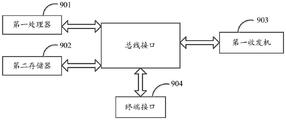
fig. 9 is a schematic structural diagram of a terminal provided in an embodiment of the present invention;
fig. 10 is a schematic structural diagram of a network device provided in the embodiment of the present invention.
Detailed Description
In the prior art, a scheme that a paging message carries a delay tolerance indication or a scheme that a delay response with a delay paging message retransmission is carried out is adopted, when a response of the paging message is carried out, because network side equipment cannot know whether the UE is offline or temporarily in a weak signal coverage area, the problem that the network side equipment cannot accurately master the accessibility of the UE exists in the prior art, and the problem that if the UE is actually offline, the network side equipment needs to repeatedly page the UE for many times, so that paging resources are wasted. Therefore, in order to overcome the problems that in the prior art, network side equipment cannot confirm whether a UE is offline or not and paging resources are wasted due to multiple times of sending paging messages to the UE, embodiments of the present invention provide a paging message response method, apparatus, terminal, network side equipment, and medium.
Specifically, the method comprises the following steps: the method comprises the steps that UE receives a paging message sent by network side equipment and judges whether the UE needs to delay response or not; if so, sending a first response message carrying the information of the UE request delay response to the network side equipment; and receiving a processing message which is sent by the network side equipment and used for indicating the UE to delay the response, and carrying out delay response according to the processing message.
Therefore, in the embodiment of the present invention, after receiving the paging message sent by the network side device, the UE timely performs the first response, which is convenient for the network side device to confirm whether the UE is offline, and after the network side device confirms that the UE is not offline, only needs to send a processing message for indicating the UE to delay the response to the UE, and the UE can perform the delay response according to the processing message.
The technical solutions in the embodiments of the present invention will be clearly and completely described below with reference to the drawings in the embodiments of the present invention, and it is obvious that the described embodiments are only a part of the embodiments of the present invention, and not all of the embodiments. All other embodiments, which can be derived by a person skilled in the art from the embodiments given herein without making any creative effort, shall fall within the protection scope of the present invention.
The first embodiment is as follows:
fig. 3 is a flowchart of a response to a paging message according to an embodiment of the present invention, and as shown in fig. 3, the method includes the following steps:
step S301: and the network side equipment sends out a paging message to the UE.
That is to say, when the network side device receives the downlink data arrival notification service, it needs to send a paging message to the UE, so that the UE transmits uplink data according to the paging message.
Step S302: and the UE receives a paging message sent by the network side equipment and judges whether the UE needs to delay the response.
Since the power consumption of the UE during data transmission is related to the link quality, the power consumption of the UE may be increased when the UE performs data transmission in a weak signal coverage area. Therefore, after receiving the paging message sent by the network side device, the UE needs to determine whether to delay the response in order to reduce power consumption of the UE during data transmission as much as possible. In addition, because some services are urgent, in order to provide channel resources for data transmission for other urgent services, it is further necessary to determine whether to delay response according to application characteristics of the current service.
Specifically, in the embodiment of the present invention, the determining whether the UE needs to delay the response includes:
and judging whether the current position of the UE is in a weak signal coverage area, if so, determining that the UE needs to delay response.
By judging whether the current position of the UE is in the weak signal coverage area or not and sending the first response message carrying the information of the UE request delay response to the network side equipment when the UE is in the weak signal coverage area, the UE can not perform data transmission in the weak signal coverage area, and performs data transmission after waiting for the UE to move to the area with better signal coverage, thereby reducing the power consumption of the UE.
Or, judging whether uplink data or messages required by the current service need to be transmitted in a delayed manner, and if so, determining that the UE needs to delay response.
Because the application characteristics of each service are different, some services allow delayed response, and some services are more urgent, when other more urgent services exist, channel resources used for data transmission are provided for other more urgent services, and uplink data or message delayed transmission of the current service is needed, so that the UE can send a first response message carrying information of the UE request delayed response to the network side device, so as to achieve the purpose of reasonably utilizing the channel resources.
Or, according to the current service requirement, judging whether the data volume required to be transmitted by the current service is larger than a preset threshold value, if so, determining that the UE needs to delay response.
If the amount of data to be transmitted by the current service is too large and the channel resources for data transmission are limited, uplink data transmission is slow, so that the UE can also send a first response message carrying information that the UE requests a delayed response to the network side device, so as to transmit uplink data in a time period in which data transmission is not concentrated according to the application characteristics of the current service, and achieve the purpose of reasonably utilizing the channel resources.
It is understood that, in the embodiment of the present invention, the manner of determining whether the UE needs to delay the response includes, but is not limited to, the three manners described above, and other manners capable of determining whether the UE needs to delay the response are also included in the protection scope of the embodiment of the present invention.
Step S303: and if so, the UE sends a first response message carrying the information of the UE request delay response to the network side equipment.
In order to enable the network side equipment to acquire the current state of the UE, after the UE determines that the response needs to be delayed, the UE sends a first response message carrying the information of the UE request delay response to the network side equipment, so that the network side equipment can confirm that the UE is not off-line according to the first response message, the network side equipment can not repeatedly send paging messages to the UE for multiple times aiming at the current service, and paging resource waste caused by repeatedly paging the UE for multiple times can be avoided.
Specifically, in the embodiment of the present invention, the information that the UE requests the delayed response includes:
the UE requests indication information of delayed response; or the like, or, alternatively,
the UE requests delay tolerance window information for a delay response.
Therefore, when the current position of the UE is in the weak signal coverage area, the UE only needs to inform the network side device of the UE of the request delay response through the information of the request delay response, and thus the information of the UE request delay response may be indication information of the UE request delay response. In addition, when the UE determines whether the delay response is required, the UE may also perform the determination according to the application characteristic of the current service, so that when the UE determines that the uplink data of the current service needs to be transmitted in a delay manner or the amount of data that the current service needs to be transmitted is too large, the UE may notify the network side device of the delay tolerance window in which the UE requests the delay response through the information of the request delay response, and thus the information of the request delay response may be the information of the delay tolerance window in which the UE requests the delay response.
It should be noted that the reason why the UE needs to delay the response and the information included in the information that the UE requests to delay the response are not in a one-to-one correspondence relationship as listed above. For any reason that the UE needs to delay the response, the information that the UE requests the delay response may be indication information that the UE requests the delay response, or delay tolerance window information that the UE requests the delay response.
Step S304: and the network side equipment receives a first response message which is sent by the UE and carries the information of the UE request delayed response.
After receiving a first response message which is sent by the UE and carries information of the UE request delay response, the network side equipment can acquire a delay tolerance window of the UE request delay response or the UE request delay response, at the moment, the network side equipment needs to confirm whether the paging message is triggered by a delay tolerance service, and if not, the network side equipment directly establishes data transmission connection with the UE and carries out uplink data transmission; if so, the UE is allowed to delay the response, i.e. the following step S305 is performed.
Step S305: and the network side equipment judges whether the UE is allowed to delay the response.
In the embodiment of the present invention, the network side device is a RAN node or an AMF, and since the RAN node and the AMF determine whether to allow the UE to delay the response in different processes, detailed descriptions are respectively given to the process of determining whether to allow the UE to delay the response in the RAN node and the process of determining whether to allow the UE to delay the response in the AMF in subsequent embodiments, which are not described herein again.
Step S306: and if so, the network side equipment sends a processing message indicating that the UE delays the response to the UE.
The network side device carries the information of the UE request delayed response in the received first response message, and the information of the UE request delayed response may be indication information of the UE request delayed response; or, the UE requests delay tolerance window information of the delay response. Therefore, the network side equipment can acquire the current state of the UE according to the information of the UE request delay response, and send a processing message indicating the UE delay response to the UE by referring to the current state of the UE.
Step S307: and the UE receives a processing message which is sent by the network side equipment and used for indicating the delayed response of the UE, and carries out delayed response according to the processing message.
The UE can delay the response according to the processing message sent by the network side equipment when receiving the processing message used for indicating the UE to delay the response, so that the network side equipment does not need to repeatedly page the UE for many times, and paging resource waste caused by repeatedly paging the UE for many times is avoided.
In summary, in the embodiment of the present invention, after receiving the paging message sent by the network side device, the UE timely responds to the network side device for the first time, so that the network side device can conveniently confirm whether the UE is offline. In addition, when the UE makes a first response to the network side device, the current state of the UE may be notified to the network side device through the UE request delayed response information carried in the first response message, so that the network side device may refer to the current state of the UE for processing after confirming that the UE is allowed to delay the response, and the network side device only needs to send a processing message for indicating the UE to delay the response to the UE, and the UE may delay the response according to the processing message.
Example two
In the prior art, delay tolerance windows of different services are different, and when the UE responds, the UE delays responding according to the delay tolerance window carried in the registration request during registration, so that the services with different delay tolerance windows cannot be satisfied. For example, the delay tolerance window for service 1 is 1 hour, for service 2 is 2 hours, and the delay tolerance window carried in the registration request at the time of UE registration is 1.5 hours. Therefore, when the UE responds to the service 1, the UE may not respond to the paging message of the service 1 in time.
Therefore, to ensure that the UE can respond for the second time within the accurate delay tolerant window, on the basis of the foregoing embodiment, in the embodiment of the present invention, before the network side device sends the processing message indicating that the UE delays responding to the UE, the method further includes:
determining a target delay tolerance window for the UE to delay response aiming at the current service;
the sending, to the UE, a processing message for indicating that the UE delays responding comprises:
and sending a processing message carrying the target delay tolerance window to the UE.
Because the UE can send the indication information requesting the delayed response or the delay tolerance window information requesting the delayed response to the network side device according to the reason that the response needs to be delayed currently, the terminal side device can obtain the current state of the UE. In addition, because delay tolerance windows of different services may be different, the network side device may refer to the current state of the UE and the delay tolerance window of the current service, and determine the target delay tolerance window, so that the UE performs the second response in the accurate delay tolerance window, thereby overcoming a problem in the prior art that the UE performs the delay response according to the delay tolerance window carried in the registration request during registration, and the services with different delay tolerance requirements cannot be satisfied.
Since the RAN node and the AMF determine the target delay tolerance window in different processes, the process of determining the target delay tolerance window for the RAN node and the process of determining the target delay tolerance window for the AMF in the subsequent embodiments are described in detail, and are not described herein again.
And the receiving, by the UE, the processing message sent by the network side device for indicating the UE to delay the response includes:
receiving a processing message which is sent by the network side equipment and carries a target delay tolerance window for the UE to delay and respond;
the delaying the response according to the processing message comprises:
and sending a second response message to the network side equipment in the target delay tolerant window, and establishing data transmission connection with the network side equipment.
Correspondingly, the network side equipment receives the second response message sent by the UE and establishes data transmission connection with the UE.
Because the processing information received by the UE also carries a target delay tolerance window for the UE to perform delay response, the UE needs to perform a second response to the network side device within the target delay tolerance window, that is, send a second response message to the network side device, and establish a data transmission connection with the network side device, so as to implement uplink data transmission by the UE.
Therefore, in the embodiment of the present invention, by determining the target delay tolerant window for performing delay response for the UE of the current service and carrying the target delay tolerant window in the processing message to notify the UE, it can be ensured that the UE responds to the paging message in the accurate delay tolerant window and performs uplink data transmission, thereby overcoming the technical problem in the prior art that the UE cannot respond to the paging message sent by the network side device in time because the UE performs delay response according to the delay tolerant window carried in the registration request during registration.
EXAMPLE III
Fig. 4 is a schematic process diagram of a method for responding to a paging message according to an embodiment of the present invention, where as shown in fig. 4, the process includes:
step S401: the network side equipment sends a paging message to the UE;
step S402: the UE receives a paging message sent by network side equipment and judges whether the UE needs to delay response or not;
step S403: if so, the UE sends a first response message carrying the information that the UE requests the delayed response to the network side device, and performs step S405; if not, go to step S404;
step S404: the network side equipment directly establishes data transmission connection with the UE to transmit uplink data;
step S405: the network side equipment judges whether the UE is allowed to delay the response, if so, the network side equipment sends a processing message indicating the UE to delay the response to the UE, and executes the step S407; if not, go to step S406;
step S406: the network side equipment directly establishes data transmission connection with the UE to transmit uplink data;
step S407: and the UE sends a second response message to the network side equipment, establishes data transmission connection and transmits uplink data.
Therefore, in the embodiment of the invention, after receiving the paging message sent by the network side equipment, the UE timely responds to the network side equipment for the first time, so that the network side equipment can conveniently confirm whether the UE is offline. When the network side equipment confirms that the UE is not off-line and confirms that the UE is allowed to delay response, only one processing message for indicating the delay response of the UE needs to be sent to the UE, and the UE carries out delay response according to the processing message.
Example four
On the basis of the above embodiment, in the embodiment of the present invention, when the network-side device is a RAN node and the network-side device sends a paging message to the UE, the method further includes:
and the RAN node receives the paging request sent by the AMF.
That is, when the network side device is a RAN node, the paging message is sent only when the paging request sent by the AMF needs to be received.
And when the network side equipment is the AMF, the sending, by the network side equipment, the paging message to the UE includes:
and the AMF sends a paging request to a Radio Access Network (RAN) node, and sends a paging message to the UE through the RAN node.
That is, when the network side device is the AMF, the network side device needs to send a paging request to the RAN node first, and then sends a paging message to the UE through the RAN node.
As can be seen from the above, in the embodiment of the present invention, when the RAN node and the AMF send paging messages to the UE, the RAN node directly sends the paging messages to the UE, and the AMF does not need to directly send a paging request to the UE, so that the sending efficiency of air interface paging can be improved. In addition, since the indication does not need to be added in the paging message, the influence on the design of the paging message caused by the need of adding the indication in the paging message in the prior art can be avoided.
EXAMPLE five
To further explain how, when the network side device is the AMF, the AMF determines whether the UE allows the delay response and how the AMF determines the target delay tolerance window, on the basis of the foregoing embodiment, in the embodiment of the present invention, when the network side device is the AMF, the determining whether the UE allows the delay response includes:
judging whether the capability of the UE supports the delay response or not, and if so, allowing the UE to delay the response; and/or the presence of a gas in the gas,
judging whether the subscription information of the UE allows the UE to delay response or not, and if so, allowing the UE to delay response; and/or the presence of a gas in the gas,
and judging whether the SMF provides second delay tolerance information or not, and if so, allowing the UE to delay response, wherein the second delay tolerance information is indication information that the current service is a delay tolerance service or delay tolerance window information of the current service.
When the UE is registered in the AMF, the registration request carries a delay tolerance capability indication of the UE, where the indication may be used to inform the AMF that the capability of the UE supports a delay response, and in the registration process, the AMF may record the delay tolerance capability indication of the UE in subscription information of the UE, so that the AMF may determine whether the capability of the UE supports the delay response by determining whether the capability of the UE supports the delay response and/or whether the subscription information of the UE allows the delay response of the UE, i.e., whether the capability of the UE supports the delay response.
When the SMF determines that the UE has downlink data transmission, if the current service is a delay tolerant service, the SMF needs to notify the AMF according to second delay tolerant information stored for the current service, and since the second delay tolerant information is indication information that the current service is the delay tolerant service or delay tolerant window information of the current service, the AMF can determine whether the current service is the delay tolerant service by determining whether the SMF provides the second delay tolerant information.
Therefore, in the embodiment of the present invention, when the AMF determines that the capability of the UE supports the delay response through the capability of the UE and/or the subscription information of the UE, the UE may be allowed to delay the response; or the AMF receives second delay tolerance information provided by the SMF, determines that the current service is the delay tolerance service, and can also allow the UE to delay the response; it is of course preferable that, when the AMF determines that the capability of the UE supports the delay response through the capability of the UE and/or the subscription information of the UE, and also receives the second delay tolerance information provided by the SMF, it determines that the current service is the delay tolerant service, that is, the current service is the delay tolerant service, and the UE supports the delay response, so as to allow the UE to delay the response.
After the AMF determines that the UE is allowed to delay the response, the AMF also needs to determine a target delay tolerant window for the current service in order to ensure that the UE responds to the paging message within the accurate delay tolerant window. As can be seen from the first embodiment, the information that the UE requests the delayed response includes: the UE requests indication information of delayed response; or, the UE requests delay tolerance window information of the delay response. In the embodiment of the present invention, the second delay tolerant information provided by the SMF is indication information that the current service is a delay tolerant service, or delay tolerant window information of the current service. Therefore, in this embodiment of the present invention, when the network side device is an AMF, the determining the target delay tolerance window for the UE to perform the delay response includes:
and determining a target delay tolerance window for the UE to delay and respond according to second delay tolerance information provided by the SMF and/or information of the UE requesting delay and respond.
Specifically, when the information that the UE requests the delay response is the indication information that the UE requests the delay response, that is, the UE only informs the AMF of the request delay response and does not inform the AMF of the delay tolerance window of the request delay response, at this time, the AMF may determine, according to the second delay tolerance information provided by the SMF, the delay tolerance window information of the current service, and determine the delay tolerance window of the current service as the target delay tolerance window for the UE to perform the delay response. For example, in the second delay tolerance information provided by the SMF, the delay tolerance window information of the current service is 1 hour, and then the target delay tolerance window for the UE to perform the delay response is 1 hour.
When the information of the UE requesting the delay response is the delay tolerance window of the UE requesting the delay response, that is, the UE informs not only the AMF of the request delay response but also the delay tolerance window of the AMF requesting the delay response according to the current state, and the AMF is the indication information that the current service is the delay tolerance service according to the second delay tolerance information provided by the SMF, that is, the delay tolerance window of the UE performing the delay response is not limited, at this time, the AMF may determine the delay tolerance window of the UE requesting the delay response as the target delay tolerance window of the UE performing the delay response according to the delay tolerance window information of the UE requesting the delay response. For example, if the delay tolerance window for the UE to request the delay response is 1 hour, the target delay tolerance window for the UE to perform the delay response is 1 hour.
When the UE requests the delay tolerance window information of the delay response and the second delay tolerance information provided by the SMF is the delay tolerance window information of the current service, that is, the UE notifies the AMF of the delay tolerance window of the request delay response according to the current state, and the SMF provides the delay tolerance window of the current service stored for the current service requirement, then the AMF needs to compare the size of the delay tolerance window of the request delay response of the UE with the size of the delay tolerance window of the current service, and determine the smaller delay tolerance window as the target delay tolerance window of the delay response of the UE. For example, if the delay tolerance window of the UE request delay response is 1 hour, and the delay tolerance window of the current service is 2 hours, then 1 hour of the delay tolerance window of the UE request delay response is used as the target delay tolerance window of the UE for performing delay response; and if the delay tolerance window of the UE request delay response is 2 hours, and the delay tolerance window of the current service is 1 hour, taking 1 hour of the delay tolerance window of the current service as a target delay tolerance window for the UE to perform delay response.
Therefore, in the embodiment of the present invention, the AMF may comprehensively determine a target delay tolerance window for the UE to perform delay response according to the requirement of the UE delay response and/or the delay tolerance requirement of each service, so that the UE may perform a second response in the accurate delay tolerance window, thereby overcoming a problem in the prior art that the UE performs delay response according to the delay tolerance window carried in the registration request during registration, and services with different delay tolerance requirements cannot be satisfied.
EXAMPLE six
To further explain how the RAN node determines whether the UE allows a delay response and how the RAN node targets a delay tolerance window when the network-side device is the RAN node, on the basis of the above embodiment, in the embodiment of the present invention, when the network-side device is the RAN node, the determining whether the UE allows a delay response includes:
judging whether the paging request carries first delay tolerance information or not, if so, allowing the UE to delay response, wherein the first delay tolerance information is determined by the AMF according to the capability of the UE, subscription information of the UE and/or second delay tolerance information provided by a system management entity (SMF), the first delay tolerance information is indication information allowing the UE to delay response or delay tolerance window information allowing the UE to delay response, and the second delay tolerance information is indication information that the current service is a delay tolerance service or delay tolerance window information of the current service.
As can be seen from the fourth embodiment, the network side device is a RAN node, and needs to receive the AMF to send the paging request before sending the paging message to the UE. As can be seen from the fifth embodiment, before sending the paging request to the RAN node, the AMF may determine to allow the UE to delay the response according to the capability of the UE, and/or subscription information of the UE, and/or second delay tolerance information provided by the SMF. The AMF therefore needs to inform the RAN node in the paging request sent to the RAN node that the UE is allowed to delay the response in order for the RAN node to determine the target delay tolerance window for the UE to delay the response.
Therefore, when the network side device is a RAN node, since the AMF has already determined whether to allow the UE to delay the response, and when it is determined that the UE is allowed to delay the response, the AMF sends a paging request carrying the first delay tolerance information to the RAN node to notify the RAN node, the RAN node can determine whether to allow the UE to delay the response only by determining whether the received paging request carries the first delay tolerance information.
The first delay tolerance information is determined by the AMF according to the capability of the UE, and/or subscription information of the UE, and/or second delay tolerance information provided by the system management entity SMF, and the second delay tolerance information is indication information that the current service is a delay tolerance service, or delay tolerance window information of the current service, so the first delay tolerance information is delay tolerance window information that allows the UE to delay and respond determined according to the capability of the UE, and/or subscription information of the UE, and/or indication information that the current service is a delay tolerance service, or delay tolerance window information of the current service, that is, delay tolerance requirements of the current service. For example, when the delay tolerance window information of the current service is 2, the delay tolerance window for allowing the UE to delay the response is 2 hours.
After the RAN node determines that the UE is allowed to delay the response, the RAN node also needs to determine a target delay tolerance window for the current service in order to ensure that the UE responds to the paging message within an accurate delay tolerance window. As can be seen from the first embodiment, the information that the UE requests the delayed response includes: the UE requests indication information of delayed response; or, the UE requests delay tolerance window information of the delay response. In the embodiment of the present invention, the first delay tolerant information carried in the paging request is indication information for allowing the UE to delay the response, or delay tolerant window information for allowing the UE to delay the response. Therefore, in this embodiment of the present invention, when the network-side device is a RAN node, the determining a target delay tolerance window for the UE to perform delay response includes:
and determining a target delay tolerant window of the UE for delaying response according to first delay tolerant window information carried in the paging request and/or information of the UE requesting the delay response.
Specifically, when the information that the UE requests the delayed response is the indication information that the UE requests the delayed response, that is, the UE only informs the RAN node of the request of the delayed response, and does not inform the RAN node of the delay tolerance window for requesting the delayed response, and the first delay tolerance window information is the delay tolerance window information that allows the UE to delay the response, at this time, the RAN node may determine the delay tolerance window that allows the UE to delay the response according to the first delay tolerance window information carried in the paging request, and determine the delay tolerance window that allows the UE to delay the response as the target delay tolerance window for the UE to perform the delayed response. For example, if the delay tolerance window for allowing the UE to delay the response is 1 hour, the target delay tolerance window for the UE to delay the response is 1 hour.
When the UE requests the delay response, the UE requests the delay tolerance window of the delay response, that is, the UE notifies not only the AMF of the request delay response but also the delay tolerance window of the AMF of the request delay response according to the current state, and the first delay tolerance window information is the indication information allowing the UE to delay the response, that is, the delay tolerance window of the UE performing the delay response is not limited, at this time, the RAN node may determine the delay tolerance window of the UE request delay response as the target delay tolerance window of the UE performing the delay response according to the delay tolerance window information of the UE request delay response. For example, if the delay tolerance window for the UE to request the delay response is 1 hour, the target delay tolerance window for the UE to perform the delay response is 1 hour.
When the UE requests delay tolerance window information of a delay response, and first delay tolerance window information carried in a paging request is indication information that a current service is a delay tolerance service, that is, the UE informs the RAN node of a delay tolerance window of the request delay response according to a current state, and the first delay tolerance window information provides a delay tolerance window allowing the UE to perform the delay response according to a current service requirement, then the RAN node needs to compare the delay tolerance window information of the request delay response of the UE with the size of the delay tolerance window allowing the delay response of the UE, and determine a smaller delay tolerance window as a target delay tolerance window for the UE to perform the delay response. For example, if the delay tolerance window for the UE to request the delay response is 1 hour, and the delay tolerance window for the UE to delay the response is 2 hours, taking 1 hour of the delay tolerance window for the UE to request the delay response as a target delay tolerance window for the UE to delay the response; and if the delay tolerance window of the UE request delay response is 2 hours and the delay tolerance window of the UE delay response is allowed to be 1 hour, taking the delay tolerance window of the UE delay response allowed to be 1 hour as a target delay tolerance window of the UE for delay response.
Therefore, in the embodiment of the present invention, the RAN node may comprehensively determine a target delay tolerance window for the UE to perform delay response according to the requirement of the UE delay response and/or the delay tolerance requirement of each service, so that the UE may perform a second response in the accurate delay tolerance window, thereby overcoming a problem in the prior art that services with different delay tolerance requirements cannot be satisfied due to the UE performing delay response according to the delay tolerance window carried in the registration request during registration.
EXAMPLE seven
On the basis of the foregoing embodiments, the embodiments of the present invention will take a network-side device as an RAN node as an example to describe a process of delaying a response from a UE to the RAN node, where the process is shown in fig. 5:
the UE carries a Delay Tolerance (DT) capability indication in the registration request, so that the AMF knows that the UE can support the delay tolerance feature.
When the SMF determines that the UE has downlink data transmission and the downlink data can be received by the UE in a delayed manner, it determines to indicate delay tolerance information (DT info) for the current service to the AMF, for example, the delay tolerance information of the current service may be indication information that the current service is a delay tolerant service or delay tolerance window information of the current service.
And 2, the SMF sends delay tolerance information for current traffic and N2 interface session management information N2SM info required for data transmission to the AMF through a Namf _ Communication _ N1N2MessageTransfer service.
After receiving the delay tolerance information for the current service, the AMF further follows the capability of the UE and/or subscription information of the UE, and determines whether to carry the delay tolerance information for the current service in a paging request (paging request), specifically, when the AMF determines that the UE supports a delay response, the AMF carries the delay tolerance information for the current service in the paging request.
And 4, the AMF sends a paging request carrying delay tolerance information aiming at the current service to the NG-RAN.
NG-RAN records delay tolerance information for the current service, and then sends a paging request (paging) to the UE.
If the UE is in the weak signal coverage area, or when it is determined that the uplink data of the current service can be transmitted in a delayed manner or the amount of data that the current service needs to transmit is too large, the RRC request message responding to the paging message carries information of the UE requesting a delayed response, for example, information that the UE is in weak signal coverage (weak coverage), or indication information of the UE requesting a delayed response, or delay tolerance window information of the UE requesting a delayed response.
And 7, the NG-RAN determines that RRC connection establishment is not needed for the UE according to the recorded delay tolerance information aiming at the current service, rejects the RRC connection establishment request message of the UE and sends a processing message indicating the delay response of the UE to the UE. Specifically, the UE may be indicated in the processing message in a manner of using the cause value carried in the processing message to delay the response. The cause value may be preset to 00, for example, to indicate that the UE delays the response. In addition, if the delay tolerance information for the current service carries the delay tolerance window information of the current service, the NG-RAN may determine the delay tolerance window of the current service as a target delay tolerance window, and further notify the UE of the target delay tolerance window.
And 8, after receiving the processing message of the NG-RAN, the UE can determine to perform delayed response on the paging message according to the reason value. Wherein the UE needs to respond again before the target delay tolerant window arrives at the latest.
And the NG-RAN then returns a paging response of the UE to the paging message to the AMF, and informs the AMF that the UE is in weak signal coverage (weak coverage) currently, or the UE requests a delay response, or a delay tolerance window of the delay response requested by the UE.
The AMF returns a message to the SMF informing the SMF that the current UE will delay the response.
The AMF informs the other NG-RANs that received the paging request to abort the paging.
Example eight
On the basis of the above embodiments, the embodiment of the present invention will take a network side device as an AMF node as an example to describe a process of delaying a response from a UE to an AMF, where the process is shown in fig. 6:
when the SMF determines that the UE has downlink data transmission and the downlink data can be received by the UE in a delayed manner, it determines to indicate delay tolerance information (DT info) for the current service to the AMF, for example, the delay tolerance information of the current service may be indication information that the current service is a delay tolerant service or delay tolerance window information of the current service.
And 2, the SMF sends delay tolerance information for current traffic and N2 interface session management information N2SM info required for data transmission to the AMF through a Namf _ Communication _ N1N2MessageTransfer service.
And 3-4.AMF normally pages UE.
If the UE is in a weak signal coverage area, or when it is determined that uplink data of the current service can be transmitted in a delayed manner or the amount of data to be transmitted by the current service is too large, information that the UE requests a delayed response is carried in a service request (service request) message responding to the paging message, for example, information that the UE is in a weak signal coverage (weak coverage), or indication information that the UE requests a delayed response, or delay tolerance window information that the UE requests a delayed response.
And 6, after receiving the service request message of the UE carrying the information of the UE request delay response, the AMF further determines whether to allow the UE to delay the response according to the delay tolerance information aiming at the current service and/or the capability of the UE and/or the subscription information of the UE, which are received from the SMF.
7. If the UE is allowed to delay the response, the AMF rejects the service request message of the UE and sends a processing message indicating that the UE delays the response to the UE. Specifically, the UE may be indicated in the processing message in a manner of using the cause value carried in the processing message to delay the response. The cause value may be preset to 00, for example, to indicate that the UE delays the response. In addition, if the delay tolerance information for the current service carries the delay tolerance window information of the current service, the AMF may determine the delay tolerance window of the current service as a target delay tolerance window, and further notify the UE of the target delay tolerance window, where the UE needs to respond again before the target delay tolerance window arrives at the latest.
The AMF returns a message to the SMF informing the SMF that the current UE will delay the response.
Example nine
According to another aspect of the embodiments of the present invention, there is also provided an apparatus for responding to a paging message, as shown in fig. 7, the apparatus including:
a first determining module 701, configured to receive, by a UE, a paging message sent by a network side device, and determine whether the UE needs to delay a response;
a first response module 702, configured to send, to the network side device, a first response message carrying information of the UE request delayed response if the determination result of the first determination module is yes;
a second response module 703 is configured to receive a processing message sent by the network side device and used for instructing the UE to delay response, and perform delay response according to the processing message.
Specifically, the first determining module 701 is specifically configured to:
judging whether the current position of the UE is in a weak signal coverage area, if so, determining that the UE needs to delay response; or the like, or, alternatively,
judging whether uplink data or messages of the current service need to be transmitted in a delayed manner, if so, determining that the UE needs to respond in a delayed manner; or the like, or, alternatively,
and judging whether the data volume needing to be transmitted is larger than a preset threshold value or not according to the current service requirement, and if so, determining that the UE needs to delay response.
Specifically, the information that the UE requests the delayed response includes:
the UE requests indication information of delayed response; or the like, or, alternatively,
the UE requests delay tolerance window information for a delay response.
Specifically, the second response module 703 is specifically configured to receive a processing message, which is sent by the network side device and carries a target delay tolerance window for the UE to perform delay response; and sending a second response message to the network side equipment in the target delay tolerant window, and establishing data transmission connection with the network side equipment.
Specifically, the network side device is a radio access network RAN node or an access and mobility management entity AMF.
Specifically, when the network side device is a RAN node, the response message is a radio resource control RRC connection establishment request message sent by the UE, and when the network side device is an AMF, the response message is a service request message sent by the UE.
Example ten
According to another aspect of the embodiments of the present invention, there is also provided an apparatus for responding to a paging message, as shown in fig. 8, the apparatus including:
a paging module 801, configured to send a paging message to a UE by a network side device;
a first receiving module 802, configured to receive a first response message that is sent by the UE and carries information of the UE requesting a delayed response;
a second determining module 803, configured to determine whether to allow the UE to delay response;
a processing module 804, configured to send a processing message indicating that the UE delays response to the UE if the determination result of the second determining module is yes.
Specifically, the network side device is a radio access network RAN node or an access and mobility management entity AMF.
Specifically, when the network-side device is a RAN node, before the paging module 701, the apparatus further includes:
a second receiving module 805, configured to receive, by the RAN node, a paging request sent by the AMF;
when the network side device is an AMF, the paging module 701 is specifically configured to send a paging request to a radio access network RAN node by the AMF, and send a paging message to the UE through the RAN node.
Specifically, when the network side device is a RAN node, the second determining module 703 is specifically configured to determine whether the paging request carries first delay tolerance information, and if so, allow the UE to delay the response, where the first delay tolerance information is determined by an AMF according to a capability of the UE, and/or subscription information of the UE, and/or second delay tolerance information provided by a system management entity SMF, and the first delay tolerance information is indication information that allows the UE to delay the response, or delay tolerance window information that allows the UE to delay the response, and the second delay tolerance information is indication information that a current service is a delay service, or delay tolerance window information of the current service.
Specifically, when the network side device is an AMF, the second determining module 703 is specifically configured to determine whether the capability of the UE supports a delay response, and if so, allow the UE to delay the response; and/or, judging whether the subscription information of the UE allows the UE to delay the response, if so, allowing the UE to delay the response; and/or judging whether the SMF provides second delay tolerance information or not, and if so, allowing the UE to delay response, wherein the second delay tolerance information is indication information that the current service is a delay tolerance service or delay tolerance window information of the current service.
Specifically, the processing module 804 is specifically configured to determine, for a current service, a target delay tolerance window for the UE to perform delay response; and sending a processing message carrying the target delay tolerance window to the UE.
Specifically, when the network side device is a RAN node, the processing module 804 is configured to determine a target delay tolerance window for the UE to perform delay response, and specifically, is configured to determine the target delay tolerance window for the UE to perform delay response according to first delay tolerance window information carried in the paging request and/or information of the UE requesting delay response.
Specifically, when the network side device is an AMF, the processing module 804 is configured to determine a target delay tolerance window for the UE to perform a delay response, and specifically, is configured to determine the target delay tolerance window for the UE to perform the delay response according to second delay tolerance information provided by the SMF and/or information that the UE requests the delay response.
Specifically, the apparatus further comprises:
a connection module 806, configured to receive the second response message sent by the UE, and establish a data transmission connection with the UE.
EXAMPLE eleven
According to another aspect of the embodiments of the present invention, there is also provided a terminal, as shown in fig. 9, the terminal including: a first processor 901, a first memory 902 and a first transceiver 903,
the first processor 901 is configured to read the program in the first memory 902, and execute the following processes:
receiving a paging message sent by a network side device through the first transceiver 903, and judging whether the UE needs to delay a response; if so, sending a first response message carrying the information of the UE request delayed response to the network side equipment; receiving a processing message which is sent by the network side equipment and used for indicating the UE to delay the response, and carrying out delay response according to the processing message;
the first transceiver 903 is configured to receive and transmit data under the control of the first processor 901.
Specifically, when the first processor 901 determines whether the UE needs to delay the response, it is specifically configured to: judging whether the current position of the UE is in a weak signal coverage area, if so, determining that the UE needs to delay response; or, judging whether the uplink data or message of the current service needs to delay transmission, if so, determining that the UE needs to delay response; or, according to the current service requirement, judging whether the data volume needing to be transmitted is larger than a preset threshold value, if so, determining that the UE needs to delay response.
Specifically, the information that the UE requests the delayed response includes:
the UE requests indication information of delayed response; or the like, or, alternatively,
the UE requests delay tolerance window information for a delay response.
Specifically, the first processor 901 receives, through the first transceiver 903, a processing message sent by the network side device and used for indicating the UE to delay and respond, and when a delay response is performed according to the processing message, is specifically configured to receive, through the first transceiver 903, a processing message sent by the network side device and carrying a target delay tolerance window for the UE to delay and respond; and sending a second response message to the network side equipment in the target delay tolerant window, and establishing data transmission connection with the network side equipment.
Specifically, when the network side device is a RAN node, the response message is a radio resource control RRC connection establishment request message sent by the UE, and when the network side device is an AMF, the response message is a service request message sent by the UE.
Where in fig. 9 the bus architecture may comprise any number of interconnected buses and bridges, in particular one or more processors represented by the first processor 901 and various circuits of the memory represented by the first memory 902 are linked together. The bus architecture may also link various other circuits such as peripherals, voltage regulators, power management circuits, and the like, which are well known in the art. Therefore, the embodiments of the present invention will not be further described. The bus interface provides an interface. The first transceiver 903 may be a number of elements, including a transmitter and a transceiver, providing a means for communicating with various other apparatus over a transmission medium. For different terminals, the terminal interface 904 may also be an interface capable of interfacing with a desired device, including but not limited to a keypad, display, speaker, microphone, joystick, etc. The first processor 901 is responsible for managing a bus architecture and general processing, and the first memory 902 may store data used by the first processor 901 when performing operations.
Example twelve
According to another aspect of the embodiments of the present invention, there is also provided a computer-readable storage medium storing a computer program executable by a terminal, the program, when run on the terminal, causing the terminal to perform the steps of:
the method comprises the steps that UE receives a paging message sent by network side equipment and judges whether the UE needs to delay response or not;
if so, sending a first response message carrying the information of the UE request delayed response to the network side equipment;
and receiving a processing message which is sent by the network side equipment and used for indicating the UE to delay the response, and carrying out delay response according to the processing message.
Specifically, the determining whether the UE needs to delay the response includes:
judging whether the current position of the UE is in a weak signal coverage area, if so, determining that the UE needs to delay response; or the like, or, alternatively,
judging whether uplink data or messages of the current service need to be transmitted in a delayed manner, if so, determining that the UE needs to respond in a delayed manner; or the like, or, alternatively,
and judging whether the data volume needing to be transmitted is larger than a preset threshold value or not according to the current service requirement, and if so, determining that the UE needs to delay response.
Specifically, the information that the UE requests the delayed response includes:
the UE requests indication information of delayed response; or the like, or, alternatively,
the UE requests delay tolerance window information for a delay response.
Specifically, receiving a processing message sent by the network side device and used for indicating the UE to delay the response, and performing the delay response according to the processing message includes:
receiving a processing message which is sent by the network side equipment and carries a target delay tolerance window for the UE to delay and respond;
and sending a second response message to the network side equipment in the target delay tolerant window, and establishing data transmission connection with the network side equipment.
Specifically, when the network side device is a RAN node, the response message is a radio resource control RRC connection establishment request message sent by the UE, and when the network side device is an AMF, the response message is a service request message sent by the UE.
The computer readable storage medium in the above embodiments may be any available medium or data storage device that can be accessed by a processor in an electronic device, including but not limited to magnetic memory such as floppy disks, hard disks, magnetic tape, magneto-optical disks (MOs), etc., optical memory such as CDs, DVDs, BDs, HVDs, etc., and semiconductor memory such as ROMs, EPROMs, EEPROMs, non-volatile memory (NAND FLASH), Solid State Disks (SSDs), etc.
EXAMPLE thirteen
According to another aspect of the embodiments of the present invention, there is also provided a network side device, as shown in fig. 10, the network side device includes: a second processor 1001, a second memory 1002 and a second transceiver 1003,
the second processor 1001 is configured to read the program in the second memory 1002, and execute the following processes:
sending out a paging message to the UE through the second transceiver 1003; receiving a first response message which is sent by the UE and carries information of the UE request delayed response; determining whether to allow the UE to delay response; if yes, sending a processing message indicating that the UE delays the response to the UE;
the second transceiver 1003 is configured to receive and transmit data under the control of the second processor 1001.
Specifically, the network side device is a radio access network RAN node or an access and mobility management entity AMF.
Specifically, when the network side device is a RAN node, the second processor 1001 is further configured to receive, through the second transceiver 1003, a paging request sent by the AMF before sending a paging message to a UE through the second transceiver 1003;
when the network side device is an AMF, the second processor 1001 is configured to send a paging message to a UE through the second transceiver 1003, and specifically configured to send a paging request to a radio access network RAN node through the second transceiver 1003, and send a paging message to the UE through the RAN node.
Specifically, when the network side device is a RAN node, the second processor 1001 is configured to determine whether the UE allows a delay response, and specifically, is configured to determine whether the paging request carries first delay tolerance information, and if so, allow the UE to delay the response, where the first delay tolerance information is determined by an AMF according to a capability of the UE, and/or subscription information of the UE, and/or second delay tolerance information provided by a system management entity SMF, the first delay tolerance information is indication information that the UE is allowed to delay the response, or delay tolerance window information that the UE is allowed to delay the response, and the second delay tolerance information is indication information that a current service is a delay tolerance service, or delay tolerance window information of the current service.
Specifically, when the network side device is an AMF, the second processor 1001 is configured to determine whether the UE allows a delayed response, specifically, determine whether the capability of the UE supports the delayed response, and if so, allow the UE to delay the response; and/or, judging whether the subscription information of the UE allows the UE to delay the response, if so, allowing the UE to delay the response; and/or judging whether the SMF provides second delay tolerance information or not, and if so, allowing the UE to delay response, wherein the second delay tolerance information is indication information that the current service is a delay tolerance service or delay tolerance window information of the current service.
Specifically, before the second processor 1001 sends a processing message to the UE through the second transceiver 1003, the processing message being used for indicating that the UE delays responding, the second processor 1001 is further configured to determine, for a current service, a target delay tolerance window for the UE to delay responding;
when the second processor 1001 sends the processing message for indicating the UE to delay the response to the UE through the second transceiver 1003, it is specifically configured to send the processing message carrying the target delay tolerant window to the UE through the second transceiver 1003.
Specifically, when the network side device is a RAN node, the second processor 1001 is configured to determine a target delay tolerance window for the UE to perform delay response, and specifically, is configured to determine the target delay tolerance window for the UE to perform delay response according to first delay tolerance window information and/or information of the UE requesting delay response, which is carried in the paging request.
Specifically, when the network side device is an AMF, the second processor 1001 is configured to determine a target delay tolerance window for the UE to perform a delay response, and specifically, is configured to determine the target delay tolerance window for the UE to perform the delay response according to second delay tolerance information provided by the SMF and/or information that the UE requests the delay response.
Specifically, the second processor 1001 is further configured to receive, through the second transceiver 1003, a second response message sent by the UE, and establish a data transmission connection with the UE.
Where in fig. 10 the bus architecture may include any number of interconnected buses and bridges, in particular one or more processors represented by the second processor 1001 and various circuits of the memory represented by the second memory 1002, linked together. The bus architecture may also link various other circuits such as peripherals, voltage regulators, power management circuits, and the like, which are well known in the art. Therefore, the embodiments of the present invention will not be further described. The bus interface provides an interface. The second transceiver 1003 may be a plurality of elements, i.e., including a transmitter and a transceiver, providing a means for communicating with various other apparatus over a transmission medium. The second processor 1001 is responsible for managing a bus architecture and general processing, and the second memory 1002 may store data used by the second processor 1001 when performing operations.
Example fourteen
According to another aspect of the embodiments of the present invention, there is also provided a computer-readable storage medium storing a computer program executable by a network-side device, the program, when executed on the network-side device, causing the network-side device to perform the following steps:
the network side equipment sends a paging message to the UE;
receiving a first response message which is sent by the UE and carries information of the UE request delayed response;
determining whether to allow the UE to delay response;
and if so, sending a processing message indicating that the UE delays the response to the UE.
Specifically, the network side device is a radio access network RAN node or an access and mobility management entity AMF.
Specifically, when the network-side device is a RAN node, before the network-side device sends a paging message to the UE, the method further includes:
the RAN node receives a paging request sent by the AMF;
when the network side device is the AMF, the sending, by the network side device, the paging message to the UE includes:
and the AMF sends a paging request to a Radio Access Network (RAN) node, and sends a paging message to the UE through the RAN node.
Specifically, when the network-side device is a RAN node, the determining whether the UE allows the delayed response includes:
and judging whether the paging request carries first delay tolerance information or not, if so, allowing the UE to delay response, wherein the first delay tolerance information is determined by the AMF according to the capability of the UE, subscription information of the UE and/or second delay tolerance information provided by a system management entity (SMF), the first delay tolerance information is indication information allowing the UE to delay response or delay tolerance window information allowing the UE to delay response, and the second delay tolerance information is indication information that the current service is a delay tolerance service or delay tolerance window information of the current service.
Specifically, when the network side device is an AMF, the determining whether the UE allows the delayed response includes:
judging whether the capability of the UE supports the delay response or not, and if so, allowing the UE to delay the response; and/or the presence of a gas in the gas,
judging whether the subscription information of the UE allows the UE to delay response or not, and if so, allowing the UE to delay response; and/or the presence of a gas in the gas,
and judging whether the SMF provides second delay tolerance information or not, and if so, allowing the UE to delay response, wherein the second delay tolerance information is indication information that the current service is a delay tolerance service or delay tolerance window information of the current service.
Specifically, before sending the processing message for instructing the UE to delay the response to the UE, the step performed by the network side device further includes:
determining a target delay tolerance window for the UE to delay response aiming at the current service;
the sending, to the UE, a processing message for indicating that the UE delays responding comprises:
and sending a processing message carrying the target delay tolerance window to the UE.
Specifically, when the network side device is a RAN node, the determining a target delay tolerance window for the UE to perform delay response includes:
and determining a target delay tolerant window of the UE for delaying response according to first delay tolerant window information carried in the paging request and/or information of the UE requesting the delay response.
Specifically, when the network side device is an AMF, the determining a target delay tolerance window for the UE to perform delay response includes:
and determining a target delay tolerance window for the UE to delay and respond according to second delay tolerance information provided by the SMF and/or information of the UE requesting delay and respond.
Specifically, the step executed by the network side device further includes:
and receiving a second response message sent by the UE, and establishing data transmission connection with the UE.
The computer readable storage medium in the above embodiments may be any available medium or data storage device that can be accessed by a processor in an electronic device, including but not limited to magnetic memory such as floppy disks, hard disks, magnetic tape, magneto-optical disks (MOs), etc., optical memory such as CDs, DVDs, BDs, HVDs, etc., and semiconductor memory such as ROMs, EPROMs, EEPROMs, non-volatile memory (NAND FLASH), Solid State Disks (SSDs), etc.
For the system/apparatus embodiments, since they are substantially similar to the method embodiments, the description is relatively simple, and reference may be made to some descriptions of the method embodiments for relevant points.
It is to be noted that, in this document, relational terms such as first and second, and the like are used solely to distinguish one entity or operation from another entity or operation without necessarily requiring or implying any actual such relationship or order between such entities or operations.
As will be appreciated by one skilled in the art, embodiments of the present application may be provided as a method, system, or computer program product. Accordingly, the present application may take the form of an entirely hardware embodiment, an entirely application embodiment, or an embodiment combining application and hardware aspects. Furthermore, the present application may take the form of a computer program product embodied on one or more computer-usable storage media (including, but not limited to, disk storage, CD-ROM, optical storage, and the like) having computer-usable program code embodied therein.
The present application is described with reference to flowchart illustrations and/or block diagrams of methods, apparatus (systems), and computer program products according to embodiments of the application. It will be understood that each flow and/or block of the flow diagrams and/or block diagrams, and combinations of flows and/or blocks in the flow diagrams and/or block diagrams, can be implemented by computer program instructions. These computer program instructions may be provided to a processor of a general purpose computer, special purpose computer, embedded processor, or other programmable data processing apparatus to produce a machine, such that the instructions, which execute via the processor of the computer or other programmable data processing apparatus, create means for implementing the functions specified in the flowchart flow or flows and/or block diagram block or blocks.
These computer program instructions may also be stored in a computer-readable memory that can direct a computer or other programmable data processing apparatus to function in a particular manner, such that the instructions stored in the computer-readable memory produce an article of manufacture including instruction means which implement the function specified in the flowchart flow or flows and/or block diagram block or blocks.
These computer program instructions may also be loaded onto a computer or other programmable data processing apparatus to cause a series of operational steps to be performed on the computer or other programmable apparatus to produce a computer implemented process such that the instructions which execute on the computer or other programmable apparatus provide steps for implementing the functions specified in the flowchart flow or flows and/or block diagram block or blocks.
While the preferred embodiments of the present application have been described, additional variations and modifications in those embodiments may occur to those skilled in the art once they learn of the basic inventive concepts. Therefore, it is intended that the appended claims be interpreted as including preferred embodiments and all alterations and modifications as fall within the scope of the application.
It will be apparent to those skilled in the art that various changes and modifications may be made in the present application without departing from the spirit and scope of the application. Thus, if such modifications and variations of the present application fall within the scope of the claims of the present application and their equivalents, the present application is intended to include such modifications and variations as well.
Claims (30)
1.A method for responding to a paging message, the method comprising:
the method comprises the steps that UE receives a paging message sent by network side equipment and judges whether the UE needs to delay response or not;
if so, sending a first response message carrying the information of the UE request delayed response to the network side equipment; when the network side equipment is an RAN node, a response message is a Radio Resource Control (RRC) connection establishment request message sent by the UE, and when the network side equipment is an AMF, the response message is a service request message sent by the UE;
and receiving a processing message which is sent by the network side equipment and used for indicating the UE to delay the response, and carrying out delay response according to the processing message.
2. The method of claim 1, wherein the determining whether the UE requires a delayed response comprises:
judging whether the current position of the UE is in a weak signal coverage area, if so, determining that the UE needs to delay response; or the like, or, alternatively,
judging whether uplink data or messages of the current service need to be transmitted in a delayed manner, if so, determining that the UE needs to respond in a delayed manner; or the like, or, alternatively,
and judging whether the data volume needing to be transmitted is larger than a preset threshold value or not according to the current service requirement, and if so, determining that the UE needs to delay response.
3. The method of claim 1, wherein the information that the UE requests the delayed response comprises:
the UE requests indication information of delayed response; or the like, or, alternatively,
the UE requests delay tolerance window information for a delay response.
4. The method of claim 1, wherein the receiving a processing message sent by the network side device for instructing the UE to delay responding and performing delayed responding according to the processing message comprises:
receiving a processing message which is sent by the network side equipment and carries a target delay tolerance window for the UE to delay and respond;
and sending a second response message to the network side equipment in the target delay tolerant window, and establishing data transmission connection with the network side equipment.
5. A method for responding to a paging message, the method comprising:
the network side equipment sends a paging message to the UE;
receiving a first response message which is sent by the UE and carries information of the UE request delayed response; when the network side equipment is an RAN node, a response message is a Radio Resource Control (RRC) connection establishment request message sent by the UE, and when the network side equipment is an AMF, the response message is a service request message sent by the UE;
determining whether to allow the UE to delay response;
and if so, sending a processing message indicating that the UE delays the response to the UE.
6. The method according to claim 5, wherein the network side device is a radio access network, RAN, node or an access and mobility management entity, AMF.
7. The method of claim 6, wherein when the network-side device is a RAN node, before the network-side device sends a paging message to a UE, the method further comprises:
the RAN node receives a paging request sent by the AMF;
when the network side device is the AMF, the sending, by the network side device, the paging message to the UE includes:
and the AMF sends a paging request to a Radio Access Network (RAN) node, and sends a paging message to the UE through the RAN node.
8. The method of claim 7, wherein when the network-side device is a RAN node, the determining whether the UE allows for delayed response comprises:
and judging whether the paging request carries first delay tolerance information or not, if so, allowing the UE to delay response, wherein the first delay tolerance information is determined by the AMF according to the capability of the UE, subscription information of the UE and/or second delay tolerance information provided by a system management entity (SMF), the first delay tolerance information is indication information allowing the UE to delay response or delay tolerance window information allowing the UE to delay response, and the second delay tolerance information is indication information that the current service is a delay tolerance service or delay tolerance window information of the current service.
9. The method of claim 6, wherein when the network side device is an AMF, the determining whether the UE allows the delayed response comprises:
judging whether the capability of the UE supports the delay response or not, and if so, allowing the UE to delay the response; and/or the presence of a gas in the gas,
judging whether the subscription information of the UE allows the UE to delay response or not, and if so, allowing the UE to delay response; and/or the presence of a gas in the gas,
and judging whether the SMF provides second delay tolerance information or not, and if so, allowing the UE to delay response, wherein the second delay tolerance information is indication information that the current service is the delay tolerance service or delay tolerance window information of the current service.
10. The method of claim 5, wherein prior to the sending the processing message to the UE indicating that the UE delays responding, the method further comprises:
determining a target delay tolerance window for the UE to delay response aiming at the current service;
the sending, to the UE, a processing message for indicating that the UE delays responding comprises:
and sending a processing message carrying the target delay tolerance window to the UE.
11. The method of claim 7, wherein when the network-side device is a RAN node, determining the target delay tolerance window for the UE to delay response comprises:
and determining a target delay tolerant window of the UE for delaying response according to first delay tolerant window information carried in the paging request and/or information of the UE requesting the delay response.
12. The method of claim 6, wherein when the network-side device is an AMF, determining the target delay tolerance window for the UE to delay response comprises:
and determining a target delay tolerance window for the UE to delay and respond according to second delay tolerance information provided by the SMF and/or information of the UE requesting delay and respond.
13. The method of claim 5, wherein the method further comprises:
and receiving a second response message sent by the UE, and establishing data transmission connection with the UE.
14. An apparatus for responding to a paging message, the apparatus comprising:
the first judgment module is used for receiving a paging message sent by network side equipment by UE and judging whether the UE needs to delay response or not;
a first response module, configured to send, to the network side device, a first response message carrying information that the UE requests a delayed response if a determination result of the first determination module is yes; when the network side equipment is an RAN node, a response message is a Radio Resource Control (RRC) connection establishment request message sent by the UE, and when the network side equipment is an AMF, the response message is a service request message sent by the UE;
and a second response module, configured to receive a processing message sent by the network side device and used for indicating the UE to delay the response, and perform a delay response according to the processing message.
15. An apparatus for responding to a paging message, the apparatus comprising:
the paging module is used for sending a paging message to the UE by the network side equipment;
a second receiving module, configured to receive a first response message that is sent by the UE and carries information of the UE requesting a delayed response; when the network side equipment is an RAN node, a response message is a Radio Resource Control (RRC) connection establishment request message sent by the UE, and when the network side equipment is an AMF, the response message is a service request message sent by the UE;
a second judging module, configured to judge whether to allow the UE to delay response;
and a processing module, configured to send a processing message indicating that the UE delays response to the UE if the determination result of the second determining module is yes.
16. A terminal, characterized in that the terminal comprises: a first processor, a first memory, and a first transceiver,
the first processor is used for reading the program in the first memory and executing the following processes:
receiving a paging message sent by network side equipment through the first transceiver, and judging whether the terminal needs to delay response; if so, sending a first response message carrying the information of the terminal request delayed response to the network side equipment; receiving a processing message which is sent by the network side equipment and used for indicating the terminal to delay the response, and carrying out delay response according to the processing message;
the first transceiver is configured to receive and transmit data under control of the first processor.
17. The terminal of claim 16, wherein the first processor is configured to, when determining whether the terminal needs to delay the response, specifically, determine whether a current location of the terminal is in a weak signal coverage area, and if so, determine that the terminal needs to delay the response; or, judging whether the uplink data or message of the current service needs to delay transmission, if so, determining that the terminal needs to delay response; or the like, or, alternatively,
judging whether the data volume needing to be transmitted is larger than a preset threshold value or not according to the current service requirement, and if so, determining that the terminal needs to delay response; when the network side device is an RAN node, the response message is a radio resource control RRC connection establishment request message sent by the terminal, and when the network side device is an AMF, the response message is a service request message sent by the terminal.
18. The terminal of claim 16, wherein the information that the terminal requests the delayed response comprises:
the terminal requests indication information of delayed response; or the like, or, alternatively,
and the terminal requests delay tolerance window information of delay response.
19. The terminal of claim 16, wherein the first processor is configured to receive, through the first transceiver, a processing message that is sent by the network-side device and used for indicating a delay response of the terminal, and when performing a delay response according to the processing message, specifically, configured to receive, through the first transceiver, a processing message that is sent by the network-side device and carries a target delay tolerance window for performing a delay response by the terminal; and sending a second response message to the network side equipment in the target delay tolerant window, and establishing data transmission connection with the network side equipment.
20. A computer-readable storage medium, characterized in that it stores a computer program executable by a terminal, which program, when run on the terminal, causes the terminal to perform the steps of the method of any one of claims 1 to 4.
21. A network side device, wherein the network side device comprises: a second processor, a second memory, and a second transceiver,
the second processor is used for reading the program in the second memory and executing the following processes:
sending a paging message to the UE through the second transceiver; receiving a first response message which is sent by the UE and carries information of the UE request delayed response; determining whether to allow the UE to delay response; if yes, sending a processing message indicating that the UE delays the response to the UE; when the network side equipment is an RAN node, a response message is a Radio Resource Control (RRC) connection establishment request message sent by the UE, and when the network side equipment is an AMF, the response message is a service request message sent by the UE;
the second transceiver is configured to receive and transmit data under control of the second processor.
22. The network-side device of claim 21, wherein the network-side device is a radio access network, RAN, node or an access and mobility management entity, AMF.
23. The network-side device of claim 22, wherein when the network-side device is a RAN node, the second processor is further configured to receive, via the second transceiver, a paging request sent by the AMF before sending a paging message to a UE via the second transceiver;
when the network side device is the AMF, the second processor is configured to send a paging message to the UE through the second transceiver, and specifically, the second processor is configured to send a paging request to a radio access network RAN node through the second transceiver, and send a paging message to the UE through the RAN node.
24. The network-side device of claim 23, wherein when the network-side device is a RAN node, the second processor determines whether the UE allows a delay response, and is specifically configured to determine whether the paging request carries first delay tolerance information, and if so, allows the UE to delay the response, where the first delay tolerance information is determined by the AMF according to a capability of the UE and/or subscription information of the UE and/or second delay tolerance information provided by a system management entity SMF, and the first delay tolerance information is indication information that the UE is allowed to delay the response or delay window information that the UE is allowed to delay the response, and the second delay tolerance information is indication information that a current service is a delay tolerant service or delay window information of the current service.
25. The network-side device of claim 22, wherein when the network-side device is an AMF, the second processor is configured to determine whether the UE allows the delayed response, specifically, whether the capability of the UE supports the delayed response, and if so, allow the UE to delay the response; and/or, judging whether the subscription information of the UE allows the UE to delay the response, if so, allowing the UE to delay the response; and/or judging whether the SMF provides second delay tolerance information or not, and if so, allowing the UE to delay response, wherein the second delay tolerance information is indication information that the current service is a delay tolerance service or delay tolerance window information of the current service.
26. The network-side device of claim 21, wherein before the second processor sends a process message to the UE via the second transceiver indicating that the UE delays responding, the second processor is further configured to determine a target delay tolerance window for the UE to delay responding for current traffic;
the second processor is specifically configured to send, to the UE through the second transceiver, a processing message carrying the target delay tolerant window when the processing message for indicating the UE to delay the response is sent to the UE through the second transceiver.
27. The network-side device of claim 23, wherein when the network-side device is a RAN node, the second processor is configured to determine a target delay tolerance window for the UE to perform delay response, specifically, to determine the target delay tolerance window for the UE to perform delay response according to first delay tolerance window information carried in the paging request and/or information of the UE requesting delay response.
28. The network-side device of claim 22, wherein when the network-side device is an AMF, the second processor is configured to determine a target delay tolerance window for the UE to perform the delay response, specifically, to determine the target delay tolerance window for the UE to perform the delay response according to second delay tolerance information provided by the SMF and/or information that the UE requests the delay response.
29. The network-side device of claim 23, wherein the second processor is further configured to receive a second response message sent by the UE through the second transceiver, and establish a data transmission connection with the UE.
30. A computer-readable storage medium, storing a computer program executable by a network-side device, the program, when executed on the network-side device, causing the network-side device to perform the steps of the method according to any one of claims 5 to 13.
Priority Applications (1)
| Application Number | Priority Date | Filing Date | Title |
|---|---|---|---|
| CN201810476509.1A CN110505687B (en) | 2018-05-17 | 2018-05-17 | Paging message response method, device, terminal, network side equipment and medium |
Applications Claiming Priority (1)
| Application Number | Priority Date | Filing Date | Title |
|---|---|---|---|
| CN201810476509.1A CN110505687B (en) | 2018-05-17 | 2018-05-17 | Paging message response method, device, terminal, network side equipment and medium |
Publications (2)
| Publication Number | Publication Date |
|---|---|
| CN110505687A CN110505687A (en) | 2019-11-26 |
| CN110505687B true CN110505687B (en) | 2022-03-29 |
Family
ID=68584802
Family Applications (1)
| Application Number | Title | Priority Date | Filing Date |
|---|---|---|---|
| CN201810476509.1A Active CN110505687B (en) | 2018-05-17 | 2018-05-17 | Paging message response method, device, terminal, network side equipment and medium |
Country Status (1)
| Country | Link |
|---|---|
| CN (1) | CN110505687B (en) |
Families Citing this family (7)
| Publication number | Priority date | Publication date | Assignee | Title |
|---|---|---|---|---|
| CN114557067B (en) * | 2019-12-19 | 2024-03-01 | Oppo广东移动通信有限公司 | Message processing method, terminal, non-volatile storage medium and communication system |
| WO2022027675A1 (en) * | 2020-08-07 | 2022-02-10 | Zte Corporation | Wireless multi-carrier configuration and selection |
| WO2022094965A1 (en) * | 2020-11-06 | 2022-05-12 | 北京小米移动软件有限公司 | Delay determination method and device, and delay instruction method and device |
| CN112514472B (en) * | 2020-11-06 | 2023-08-22 | 北京小米移动软件有限公司 | Information transmission method and device, storage medium |
| CN113259881B (en) * | 2021-05-07 | 2024-04-30 | 隆讯(徐州)智能科技有限公司 | NB-IoT (network management entity-internet of things) terminal system and method for realizing self-adaptive service model |
| WO2024047430A1 (en) * | 2022-08-30 | 2024-03-07 | Nokia Technologies Oy | Energy resource level based paging response |
| WO2026081186A1 (en) * | 2024-10-18 | 2026-04-23 | 上海移远通信技术股份有限公司 | Wireless communication method, terminal device, and network device |
Citations (7)
| Publication number | Priority date | Publication date | Assignee | Title |
|---|---|---|---|---|
| CN1199310A (en) * | 1997-05-10 | 1998-11-18 | 三星电子株式会社 | Circuit and method for providing simultaneous transmission of page data paging system |
| US6075994A (en) * | 1998-05-29 | 2000-06-13 | Lucent Technologies, Inc. | Method and apparatus for dynamically determining the optimal communication message bundle size for a communication system |
| WO2010139213A1 (en) * | 2009-06-02 | 2010-12-09 | 华为技术有限公司 | Method and system for circuit switched fallback, and net element of access network |
| CN101938807A (en) * | 2009-07-01 | 2011-01-05 | 中兴通讯股份有限公司 | A method and device for avoiding invalid paging |
| CN104023134A (en) * | 2014-06-05 | 2014-09-03 | 广州三星通信技术研究有限公司 | Equipment and method of responding incoming call request in communication terminal |
| CN104967753A (en) * | 2015-05-29 | 2015-10-07 | 华为技术有限公司 | Communication method and apparatus |
| CN106304337A (en) * | 2015-06-26 | 2017-01-04 | 电信科学技术研究院 | Paging method, mobile management entity and terminal |
Family Cites Families (2)
| Publication number | Priority date | Publication date | Assignee | Title |
|---|---|---|---|---|
| CN103796175B (en) * | 2012-10-31 | 2019-09-24 | 中兴通讯股份有限公司 | The method and related device of clustered paging are sent, received in a kind of LTE system |
| CN106162705B (en) * | 2015-03-31 | 2020-02-04 | 电信科学技术研究院 | Method and equipment for controlling establishment of user plane bearer |
-
2018
- 2018-05-17 CN CN201810476509.1A patent/CN110505687B/en active Active
Patent Citations (7)
| Publication number | Priority date | Publication date | Assignee | Title |
|---|---|---|---|---|
| CN1199310A (en) * | 1997-05-10 | 1998-11-18 | 三星电子株式会社 | Circuit and method for providing simultaneous transmission of page data paging system |
| US6075994A (en) * | 1998-05-29 | 2000-06-13 | Lucent Technologies, Inc. | Method and apparatus for dynamically determining the optimal communication message bundle size for a communication system |
| WO2010139213A1 (en) * | 2009-06-02 | 2010-12-09 | 华为技术有限公司 | Method and system for circuit switched fallback, and net element of access network |
| CN101938807A (en) * | 2009-07-01 | 2011-01-05 | 中兴通讯股份有限公司 | A method and device for avoiding invalid paging |
| CN104023134A (en) * | 2014-06-05 | 2014-09-03 | 广州三星通信技术研究有限公司 | Equipment and method of responding incoming call request in communication terminal |
| CN104967753A (en) * | 2015-05-29 | 2015-10-07 | 华为技术有限公司 | Communication method and apparatus |
| CN106304337A (en) * | 2015-06-26 | 2017-01-04 | 电信科学技术研究院 | Paging method, mobile management entity and terminal |
Non-Patent Citations (2)
| Title |
|---|
| "S2-181911_CIoT solution for KI 5-MT case";OPPO;《SA WG2 Meeting #126 S2-181911》;20180219;第1-3页 * |
| S2-183387 "Solution for KI5: Delay Paging Response for MT case";OPPO;《3GPP tsg_sa\WG2_Arch》;20180410;全文 * |
Also Published As
| Publication number | Publication date |
|---|---|
| CN110505687A (en) | 2019-11-26 |
Similar Documents
| Publication | Publication Date | Title |
|---|---|---|
| CN110505687B (en) | Paging message response method, device, terminal, network side equipment and medium | |
| JP7018513B2 (en) | HARQ-ACK feedback time identification method and instruction method, terminal equipment and network equipment | |
| US12010018B2 (en) | Wireless communication method and device | |
| EP3035616B1 (en) | A method for provisioning non-real-time data | |
| US20070042785A1 (en) | Apparatus, method and computer program product providing for release, configuration and reconfiguration of e-rgch/e-hich at a ser ving cell change | |
| US12317141B2 (en) | Communication method, apparatus, and system | |
| CA3018891A1 (en) | Base station, user equipment, and associated method | |
| JP2022502916A (en) | Control channel structure design to support V2X traffic | |
| WO2012079518A1 (en) | Method, system and device for obtaining user equipment location information | |
| US20150181606A1 (en) | Communication State Setting Based on Expected Downlink Data Amount | |
| CN113260018B (en) | System information transmission method, terminal equipment and network equipment | |
| US20210144630A1 (en) | Base station and data transmission method thereof for mobile communication system | |
| US20220095272A1 (en) | Method for management node to page terminal device, and management node for use in wireless communication network | |
| CN115843423B (en) | Confirmation feedback for positioning in RRC inactive state | |
| WO2014121478A1 (en) | Method, apparatus and network device for acquiring adjacent relation between network nodes | |
| EP3541130A1 (en) | Data transmission method and apparatus | |
| WO2022095888A1 (en) | Resource processing method and apparatus, and storage medium | |
| US11109345B2 (en) | Paging for downlink data transfer in connectionless mode in a mobile system | |
| KR20170062985A (en) | Apparatus for multicast mobile caching procedure in a mobile communication system | |
| CN116746178A (en) | An event management method and its device | |
| EP4109799B1 (en) | Groupcast communication feedback mechanism | |
| CN116437301B (en) | A communication method and apparatus | |
| CN109391910B (en) | OSI transmission method, base station and user equipment | |
| WO2025156073A1 (en) | Beam management method and apparatus | |
| EP3883160A1 (en) | Data transmission method and communication apparatus |
Legal Events
| Date | Code | Title | Description |
|---|---|---|---|
| PB01 | Publication | ||
| PB01 | Publication | ||
| SE01 | Entry into force of request for substantive examination | ||
| SE01 | Entry into force of request for substantive examination | ||
| TA01 | Transfer of patent application right | ||
| TA01 | Transfer of patent application right |
Effective date of registration: 20210527 Address after: 100085 1st floor, building 1, yard 5, Shangdi East Road, Haidian District, Beijing Applicant after: DATANG MOBILE COMMUNICATIONS EQUIPMENT Co.,Ltd. Address before: 100191 No. 40, Haidian District, Beijing, Xueyuan Road Applicant before: Telecommunications Science and Technology Research Institute Co.,Ltd. |
|
| GR01 | Patent grant | ||
| GR01 | Patent grant |