CN109887494B - Method and apparatus for reconstructing a speech signal - Google Patents
Method and apparatus for reconstructing a speech signal Download PDFInfo
- Publication number
- CN109887494B CN109887494B CN201711250483.0A CN201711250483A CN109887494B CN 109887494 B CN109887494 B CN 109887494B CN 201711250483 A CN201711250483 A CN 201711250483A CN 109887494 B CN109887494 B CN 109887494B
- Authority
- CN
- China
- Prior art keywords
- signal
- model
- voice
- initial
- sound signals
- Prior art date
- Legal status (The legal status is an assumption and is not a legal conclusion. Google has not performed a legal analysis and makes no representation as to the accuracy of the status listed.)
- Active
Links
Images




Classifications
-
- G—PHYSICS
- G10—MUSICAL INSTRUMENTS; ACOUSTICS
- G10L—SPEECH ANALYSIS TECHNIQUES OR SPEECH SYNTHESIS; SPEECH RECOGNITION; SPEECH OR VOICE PROCESSING TECHNIQUES; SPEECH OR AUDIO CODING OR DECODING
- G10L21/00—Speech or voice signal processing techniques to produce another audible or non-audible signal, e.g. visual or tactile, in order to modify its quality or its intelligibility
- G10L21/02—Speech enhancement, e.g. noise reduction or echo cancellation
- G10L21/0272—Voice signal separating
-
- G—PHYSICS
- G10—MUSICAL INSTRUMENTS; ACOUSTICS
- G10L—SPEECH ANALYSIS TECHNIQUES OR SPEECH SYNTHESIS; SPEECH RECOGNITION; SPEECH OR VOICE PROCESSING TECHNIQUES; SPEECH OR AUDIO CODING OR DECODING
- G10L21/00—Speech or voice signal processing techniques to produce another audible or non-audible signal, e.g. visual or tactile, in order to modify its quality or its intelligibility
- G10L21/02—Speech enhancement, e.g. noise reduction or echo cancellation
- G10L21/0208—Noise filtering
- G10L21/0216—Noise filtering characterised by the method used for estimating noise
-
- G—PHYSICS
- G06—COMPUTING OR CALCULATING; COUNTING
- G06N—COMPUTING ARRANGEMENTS BASED ON SPECIFIC COMPUTATIONAL MODELS
- G06N3/00—Computing arrangements based on biological models
- G06N3/02—Neural networks
- G06N3/04—Architecture, e.g. interconnection topology
- G06N3/045—Combinations of networks
-
- G—PHYSICS
- G06—COMPUTING OR CALCULATING; COUNTING
- G06N—COMPUTING ARRANGEMENTS BASED ON SPECIFIC COMPUTATIONAL MODELS
- G06N3/00—Computing arrangements based on biological models
- G06N3/02—Neural networks
- G06N3/04—Architecture, e.g. interconnection topology
- G06N3/047—Probabilistic or stochastic networks
-
- G—PHYSICS
- G06—COMPUTING OR CALCULATING; COUNTING
- G06N—COMPUTING ARRANGEMENTS BASED ON SPECIFIC COMPUTATIONAL MODELS
- G06N3/00—Computing arrangements based on biological models
- G06N3/02—Neural networks
- G06N3/04—Architecture, e.g. interconnection topology
- G06N3/0475—Generative networks
-
- G—PHYSICS
- G06—COMPUTING OR CALCULATING; COUNTING
- G06N—COMPUTING ARRANGEMENTS BASED ON SPECIFIC COMPUTATIONAL MODELS
- G06N3/00—Computing arrangements based on biological models
- G06N3/02—Neural networks
- G06N3/08—Learning methods
-
- G—PHYSICS
- G06—COMPUTING OR CALCULATING; COUNTING
- G06N—COMPUTING ARRANGEMENTS BASED ON SPECIFIC COMPUTATIONAL MODELS
- G06N3/00—Computing arrangements based on biological models
- G06N3/02—Neural networks
- G06N3/08—Learning methods
- G06N3/094—Adversarial learning
-
- G—PHYSICS
- G10—MUSICAL INSTRUMENTS; ACOUSTICS
- G10L—SPEECH ANALYSIS TECHNIQUES OR SPEECH SYNTHESIS; SPEECH RECOGNITION; SPEECH OR VOICE PROCESSING TECHNIQUES; SPEECH OR AUDIO CODING OR DECODING
- G10L15/00—Speech recognition
- G10L15/06—Creation of reference templates; Training of speech recognition systems, e.g. adaptation to the characteristics of the speaker's voice
-
- G—PHYSICS
- G10—MUSICAL INSTRUMENTS; ACOUSTICS
- G10L—SPEECH ANALYSIS TECHNIQUES OR SPEECH SYNTHESIS; SPEECH RECOGNITION; SPEECH OR VOICE PROCESSING TECHNIQUES; SPEECH OR AUDIO CODING OR DECODING
- G10L15/00—Speech recognition
- G10L15/08—Speech classification or search
- G10L15/10—Speech classification or search using distance or distortion measures between unknown speech and reference templates
-
- G—PHYSICS
- G10—MUSICAL INSTRUMENTS; ACOUSTICS
- G10L—SPEECH ANALYSIS TECHNIQUES OR SPEECH SYNTHESIS; SPEECH RECOGNITION; SPEECH OR VOICE PROCESSING TECHNIQUES; SPEECH OR AUDIO CODING OR DECODING
- G10L15/00—Speech recognition
- G10L15/26—Speech to text systems
-
- G—PHYSICS
- G10—MUSICAL INSTRUMENTS; ACOUSTICS
- G10L—SPEECH ANALYSIS TECHNIQUES OR SPEECH SYNTHESIS; SPEECH RECOGNITION; SPEECH OR VOICE PROCESSING TECHNIQUES; SPEECH OR AUDIO CODING OR DECODING
- G10L21/00—Speech or voice signal processing techniques to produce another audible or non-audible signal, e.g. visual or tactile, in order to modify its quality or its intelligibility
- G10L21/02—Speech enhancement, e.g. noise reduction or echo cancellation
- G10L21/0208—Noise filtering
- G10L2021/02082—Noise filtering the noise being echo, reverberation of the speech
-
- G—PHYSICS
- G10—MUSICAL INSTRUMENTS; ACOUSTICS
- G10L—SPEECH ANALYSIS TECHNIQUES OR SPEECH SYNTHESIS; SPEECH RECOGNITION; SPEECH OR VOICE PROCESSING TECHNIQUES; SPEECH OR AUDIO CODING OR DECODING
- G10L21/00—Speech or voice signal processing techniques to produce another audible or non-audible signal, e.g. visual or tactile, in order to modify its quality or its intelligibility
- G10L21/02—Speech enhancement, e.g. noise reduction or echo cancellation
- G10L21/0208—Noise filtering
- G10L2021/02087—Noise filtering the noise being separate speech, e.g. cocktail party
-
- G—PHYSICS
- G10—MUSICAL INSTRUMENTS; ACOUSTICS
- G10L—SPEECH ANALYSIS TECHNIQUES OR SPEECH SYNTHESIS; SPEECH RECOGNITION; SPEECH OR VOICE PROCESSING TECHNIQUES; SPEECH OR AUDIO CODING OR DECODING
- G10L21/00—Speech or voice signal processing techniques to produce another audible or non-audible signal, e.g. visual or tactile, in order to modify its quality or its intelligibility
- G10L21/02—Speech enhancement, e.g. noise reduction or echo cancellation
- G10L21/0208—Noise filtering
- G10L21/0216—Noise filtering characterised by the method used for estimating noise
- G10L2021/02161—Number of inputs available containing the signal or the noise to be suppressed
- G10L2021/02166—Microphone arrays; Beamforming
Landscapes
- Engineering & Computer Science (AREA)
- Physics & Mathematics (AREA)
- Computational Linguistics (AREA)
- Health & Medical Sciences (AREA)
- Theoretical Computer Science (AREA)
- Artificial Intelligence (AREA)
- Human Computer Interaction (AREA)
- Audiology, Speech & Language Pathology (AREA)
- Acoustics & Sound (AREA)
- Multimedia (AREA)
- Mathematical Physics (AREA)
- Computing Systems (AREA)
- Software Systems (AREA)
- Biomedical Technology (AREA)
- Biophysics (AREA)
- Data Mining & Analysis (AREA)
- Evolutionary Computation (AREA)
- General Health & Medical Sciences (AREA)
- Molecular Biology (AREA)
- Life Sciences & Earth Sciences (AREA)
- General Engineering & Computer Science (AREA)
- General Physics & Mathematics (AREA)
- Signal Processing (AREA)
- Quality & Reliability (AREA)
- Probability & Statistics with Applications (AREA)
- Circuit For Audible Band Transducer (AREA)
- Obtaining Desirable Characteristics In Audible-Bandwidth Transducers (AREA)
Abstract
本发明实施例公开了一种重构语音信号的方法和装置,属于语音识别领域。所述方法包括:通过麦克风阵列的多个传感器进行声音采集,得到多个声音信号;在所述多个声音信号中确定第一语音信号;对所述第一语音信号进行信号分离,得到第二语音信号;将所述第二语音信号通过失真恢复模型进行重构,得到重构的语音信号。采用本发明,可以提高语音识别结果的准确性。

The embodiment of the invention discloses a method and a device for reconstructing a speech signal, which belong to the field of speech recognition. The method includes: performing sound collection through a plurality of sensors of a microphone array to obtain a plurality of sound signals; determining a first voice signal from the plurality of sound signals; and performing signal separation on the first voice signal to obtain a second voice signal. voice signal; reconstructing the second voice signal through a distortion recovery model to obtain a reconstructed voice signal. By adopting the present invention, the accuracy of the speech recognition result can be improved.
Description
技术领域technical field
本发明涉及语音识别领域,特别涉及一种重构语音信号的方法和装置。The present invention relates to the field of speech recognition, in particular to a method and device for reconstructing speech signals.
背景技术Background technique
随着语音识别技术的发展,终端可以对用户语音的内容进行识别,进而可以对语音的内容做出响应。With the development of voice recognition technology, the terminal can recognize the content of the user's voice, and then can respond to the content of the voice.
终端一般采用麦克风阵列来采集远场空间中的声音信号。麦克风阵列利用空间相干性检测区分出各个声音信号的入射方向,对声场中的各种信号的入射方向做出估计,定位跟踪能量最强的前几个声音信号。对于每一个所跟踪的声音信号,判断其是否属于语音信号。在麦克风阵列的每个传感器(如麦克风)上施加相应的时延和增益控制,使阵列形成波束指向,使得语音信号方向上的增益尽可能大、并且在噪声信号方向上的增益尽可能小。从麦克风阵列的输出结果中估计出语音信号与噪声信号在频率特征分布上的不同,构造一个时变的滤波器,从统计的意义上进一步将语音信号与噪声信号做分离,从而将语音信号分离出来。The terminal generally uses a microphone array to collect sound signals in the far-field space. The microphone array uses spatial coherence detection to distinguish the incident direction of each sound signal, estimates the incident direction of various signals in the sound field, and locates and tracks the first few sound signals with the strongest energy. For each tracked sound signal, it is determined whether it belongs to a speech signal. Corresponding time delay and gain control is applied to each sensor (such as a microphone) of the microphone array, so that the array forms a beam pointing, so that the gain in the direction of the voice signal is as large as possible, and the gain in the direction of the noise signal is as small as possible. From the output results of the microphone array, the difference in frequency characteristic distribution between the speech signal and the noise signal is estimated, and a time-varying filter is constructed to further separate the speech signal from the noise signal in a statistical sense, so as to separate the speech signal. come out.
在实现本发明的过程中,发明人发现现有技术至少存在以下问题:In the process of realizing the present invention, the inventor found that the prior art has at least the following problems:
如果麦克风阵列内的传感器数量达到无穷,则将语音信号和噪声信号进行分离时,可以达到清晰的分离。但是,实际情况中,麦克风阵列内的麦克风数量是有限的,区分各个声音信号入射方向的能力也是有限的,因此语音信号和噪声信号必定会存在重叠部分。在滤除噪声信号时,一般需要对语音信号和噪声信号进行频域维纳滤波,在消除噪声的同时会对语音信号造成损伤。将损伤的语音信号输入语音识别系统ASR(Automatic SpeechRecognition,语音识别)时,可能导致语音识别结果的准确性较低,因此,亟需一种对语音信号进行重构的方法。If the number of sensors in the microphone array is infinite, a clear separation can be achieved when separating the speech signal from the noise signal. However, in practice, the number of microphones in the microphone array is limited, and the ability to distinguish the incident direction of each sound signal is also limited, so there must be overlapping parts between the speech signal and the noise signal. When filtering the noise signal, it is generally necessary to perform frequency domain Wiener filtering on the speech signal and the noise signal, which will cause damage to the speech signal while removing the noise. When the damaged speech signal is input to the speech recognition system ASR (Automatic Speech Recognition, speech recognition), the accuracy of the speech recognition result may be low. Therefore, a method for reconstructing the speech signal is urgently needed.
发明内容SUMMARY OF THE INVENTION
为了解决现有技术的问题,本发明实施例提供了一种重构语音信号的方法和装置。所述技术方案如下:In order to solve the problems in the prior art, the embodiments of the present invention provide a method and apparatus for reconstructing a speech signal. The technical solution is as follows:
一方面,提供了一种重构语音信号的方法,所述方法包括:In one aspect, a method for reconstructing a speech signal is provided, the method comprising:
通过麦克风阵列的多个传感器进行声音采集,得到多个声音信号;Sound collection is performed by multiple sensors of the microphone array to obtain multiple sound signals;
在所述多个声音信号中确定第一语音信号,所述第一语音信号为通过检测确定的语音信号;determining a first voice signal among the plurality of sound signals, where the first voice signal is a voice signal determined by detection;
对所述第一语音信号进行信号分离,得到第二语音信号;performing signal separation on the first voice signal to obtain a second voice signal;
将所述第二语音信号通过失真恢复模型进行重构,得到重构的语音信号;Reconstructing the second speech signal through a distortion recovery model to obtain a reconstructed speech signal;
其中,所述失真恢复模型是基于干净语音信号和失真语音信号进行训练得到。Wherein, the distortion recovery model is obtained by training based on the clean speech signal and the distorted speech signal.
一方面,提供了一种话音检测模型的训练方法,所述方法包括:In one aspect, a method for training a speech detection model is provided, the method comprising:
获取第一对抗生成网络,所述第一对抗生成网络包含初始混响滤波模型与初始话音检测模型,所述初始混响滤波模型的输出作为所述初始话音检测模型的输入;Obtaining a first confrontation generation network, the first confrontation generation network includes an initial reverberation filter model and an initial voice detection model, and the output of the initial reverberation filter model is used as the input of the initial voice detection model;
获取多个样本声音信号,其中,所述样本声音信号至少包括干净语音信号与纯噪声信号;acquiring a plurality of sample sound signals, wherein the sample sound signals at least include a clean speech signal and a pure noise signal;
基于所述多个样本声音信号对所述第一对抗生成网络中的初始混响滤波模型与初始话音检测模型进行训练,得到所述话音检测模型;The initial reverberation filter model and the initial voice detection model in the first confrontation generation network are trained based on the plurality of sample sound signals to obtain the voice detection model;
其中,所述话音检测模型用于检测声音信号对应的信号类型,所述信号类型至少包括语音信号或噪声信号。Wherein, the voice detection model is used to detect the signal type corresponding to the sound signal, and the signal type at least includes a speech signal or a noise signal.
一方面,提供了一种失真恢复模型的训练方法,所述方法包括:In one aspect, a training method for a distortion recovery model is provided, the method comprising:
获取第二对抗生成网络,所述第二对抗生成网络包含初始失真判别模型与初始失真恢复模型,所述初始失真恢复模型的输出与干净语音信号作为所述初始失真判别模型的输入;Obtain a second confrontation generation network, the second confrontation generation network includes an initial distortion discrimination model and an initial distortion recovery model, and the output of the initial distortion recovery model and the clean speech signal are used as the input of the initial distortion discrimination model;
获取多个样本声音信号,其中,所述样本声音信号至少包括干净语音信号与失真语音信号;acquiring a plurality of sample sound signals, wherein the sample sound signals at least include clean speech signals and distorted speech signals;
基于所述多个样本声音信号对所述第二对抗生成网络中的初始失真判别模型与初始失真恢复模型进行训练,得到所述失真恢复模型;The initial distortion discrimination model and the initial distortion recovery model in the second confrontation generation network are trained based on the plurality of sample sound signals to obtain the distortion recovery model;
其中,所述失真恢复模型用于对第二语音信号进行重构,所述第二语音信号为进行信号分离后的语音信号。Wherein, the distortion recovery model is used to reconstruct the second voice signal, and the second voice signal is the voice signal after signal separation.
一方面,提供了一种重构语音信号的装置,所述装置包括:In one aspect, an apparatus for reconstructing a speech signal is provided, the apparatus comprising:
第一获取模块,用于通过麦克风阵列的多个传感器进行声音采集,得到多个声音信号;a first acquisition module, configured to collect sound through a plurality of sensors of the microphone array to obtain a plurality of sound signals;
确定模块,用于在所述多个声音信号中确定第一语音信号,所述第一语音信号为通过检测确定的语音信号;a determining module, configured to determine a first voice signal among the plurality of sound signals, where the first voice signal is a voice signal determined by detection;
分离模块,用于对所述第一语音信号进行信号分离,得到第二语音信号;a separation module, configured to perform signal separation on the first voice signal to obtain a second voice signal;
重构模块,用于将所述第二语音信号通过失真恢复模型进行重构,得到重构的语音信号;a reconstruction module, configured to reconstruct the second speech signal through a distortion recovery model to obtain a reconstructed speech signal;
其中,所述失真恢复模型是基于干净语音信号和失真语音信号进行训练得到。Wherein, the distortion recovery model is obtained by training based on the clean speech signal and the distorted speech signal.
一方面,提供了一种训练话音检测模型的装置,所述装置包括:In one aspect, an apparatus for training a speech detection model is provided, the apparatus comprising:
第一获取模块,用于获取第一对抗生成网络,所述第一对抗生成网络包含初始混响滤波模型与初始话音检测模型,所述初始混响滤波模型的输出作为所述初始话音检测模型的输入;The first acquisition module is used to acquire a first confrontation generation network, the first confrontation generation network includes an initial reverberation filter model and an initial voice detection model, and the output of the initial reverberation filter model is used as the output of the initial voice detection model. enter;
第二获取模块,用于获取多个样本声音信号,其中,所述样本声音信号至少包括干净语音信号与纯噪声信号;a second acquiring module, configured to acquire a plurality of sample sound signals, wherein the sample sound signals at least include a clean speech signal and a pure noise signal;
训练模块,用于基于所述多个样本声音信号对所述第一对抗生成网络中的初始混响滤波模型与初始话音检测模型进行训练,得到所述话音检测模型;a training module, configured to train the initial reverberation filtering model and the initial voice detection model in the first confrontation generation network based on the plurality of sample sound signals to obtain the voice detection model;
其中,所述话音检测模型用于检测声音信号对应的信号类型,所述信号类型为语音信号或噪声信号。Wherein, the voice detection model is used to detect the signal type corresponding to the sound signal, and the signal type is a speech signal or a noise signal.
一方面,提供了一种训练失真恢复模型的装置,所述装置包括:In one aspect, an apparatus for training a distortion recovery model is provided, the apparatus comprising:
第一获取模块,用于获取第二对抗生成网络,所述第二对抗生成网络包含初始失真判别模型与初始失真恢复模型,所述初始失真恢复模型的输出与干净语音信号作为所述初始失真判别模型的输入;The first acquisition module is used to acquire a second confrontation generation network, the second confrontation generation network includes an initial distortion discrimination model and an initial distortion recovery model, and the output of the initial distortion recovery model and the clean speech signal are used as the initial distortion discrimination model input to the model;
第二获取模块,用于获取多个样本声音信号,其中,所述样本声音信号至少包括干净语音信号与失真语音信号;a second acquisition module, configured to acquire a plurality of sample sound signals, wherein the sample sound signals at least include a clean voice signal and a distorted voice signal;
训练模块,用于基于所述多个样本声音信号对所述第二对抗生成网络中的初始失真判别模型与初始失真恢复模型进行训练,得到所述失真恢复模型;a training module, configured to train the initial distortion discrimination model and the initial distortion recovery model in the second confrontation generation network based on the plurality of sample sound signals to obtain the distortion recovery model;
其中,所述失真恢复模型用于对第二语音信号进行重构,所述第二语音信号为进行信号分离后的语音信号。Wherein, the distortion recovery model is used to reconstruct the second voice signal, and the second voice signal is the voice signal after signal separation.
一方面,提供了一种终端,所述终端包括处理器和存储器,所述存储器中存储有至少一条指令,所述指令由所述处理器加载并执行以实现上述重构语音信号的方法;或,所述指令由所述处理器加载并执行以实现上述话音检测模型的训练方法;或,所述指令由所述处理器加载并执行以实现上述失真恢复模型的训练方法。In one aspect, a terminal is provided, the terminal includes a processor and a memory, the memory stores at least one instruction, and the instruction is loaded and executed by the processor to implement the above method for reconstructing a speech signal; or , the instructions are loaded and executed by the processor to implement the above training method for a speech detection model; or, the instructions are loaded and executed by the processor to implement the above training method for a distortion recovery model.
一方面,提供了一种计算机可读存储介质,所述存储介质中存储有至少一条指令,所述指令由处理器加载并执行以实现上述重构语音信号的方法;或,所述指令由所述处理器加载并执行以实现上述话音检测模型的训练方法;或,所述指令由所述处理器加载并执行以实现上述失真恢复模型的训练方法。In one aspect, a computer-readable storage medium is provided, wherein at least one instruction is stored in the storage medium, and the instruction is loaded and executed by a processor to implement the above method for reconstructing a speech signal; The processor is loaded and executed to implement the above-mentioned training method of the speech detection model; or, the instruction is loaded and executed by the processor to implement the above-mentioned training method of the distortion recovery model.
本发明实施例提供的技术方案带来的有益效果是:The beneficial effects brought by the technical solutions provided in the embodiments of the present invention are:
本发明实施例中,终端可以通过麦克风阵列的多个传感器进行声音采集,得到多个声音信号,在多个声音信号中确定第一语音信号,对第一语音信号进行信号分离,得到第二语音信号,然后,将第二语音信号通过失真恢复模型进行重构,得到重构的语音信号。通过失真恢复模型得到的重构的语音信号,可以与干净语音信号高度接近,即可以存在比较少的失真。这样,将重构的语音信号输入语音识别系统时,可以提高语音识别结果的准确性。In the embodiment of the present invention, the terminal may collect sound through multiple sensors of the microphone array to obtain multiple sound signals, determine the first voice signal from the multiple sound signals, and perform signal separation on the first voice signal to obtain the second voice signal. signal, and then reconstruct the second speech signal through the distortion recovery model to obtain a reconstructed speech signal. The reconstructed speech signal obtained by the distortion recovery model can be highly close to the clean speech signal, that is, there may be relatively little distortion. In this way, when the reconstructed speech signal is input into the speech recognition system, the accuracy of the speech recognition result can be improved.
附图说明Description of drawings
为了更清楚地说明本发明实施例中的技术方案,下面将对实施例描述中所需要使用的附图作简单地介绍,显而易见地,下面描述中的附图仅仅是本发明的一些实施例,对于本领域普通技术人员来讲,在不付出创造性劳动的前提下,还可以根据这些附图获得其他的附图。In order to illustrate the technical solutions in the embodiments of the present invention more clearly, the following briefly introduces the accompanying drawings used in the description of the embodiments. Obviously, the accompanying drawings in the following description are only some embodiments of the present invention. For those of ordinary skill in the art, other drawings can also be obtained from these drawings without creative effort.
图1是本发明实施例提供的一种麦克风线阵列的示意图;1 is a schematic diagram of a microphone line array provided by an embodiment of the present invention;
图2是本发明实施例提供的一种麦克风圆阵列的示意图;2 is a schematic diagram of a circular array of microphones provided by an embodiment of the present invention;
图3是本发明实施例提供的一种话音检测模型的训练方法流程图;3 is a flowchart of a training method for a voice detection model provided by an embodiment of the present invention;
图4是本发明实施例提供的一种训练话音检测模型的示意图;4 is a schematic diagram of a training voice detection model provided by an embodiment of the present invention;
图5是本发明实施例提供的一种话音检测模型的训练方法流程图;5 is a flowchart of a training method for a voice detection model provided by an embodiment of the present invention;
图6是本发明实施例提供的一种失真恢复模型的训练方法流程图;6 is a flowchart of a training method for a distortion recovery model provided by an embodiment of the present invention;
图7是本发明实施例提供的一种训练失真恢复模型的示意图;7 is a schematic diagram of a training distortion recovery model provided by an embodiment of the present invention;
图8是本发明实施例提供的一种失真恢复模型的训练方法流程图;8 is a flowchart of a training method for a distortion recovery model provided by an embodiment of the present invention;
图9是本发明实施例提供的一种重构语音信号的方法流程图;9 is a flowchart of a method for reconstructing a speech signal provided by an embodiment of the present invention;
图10是本发明实施例提供的一种重构语音信号的示意图;10 is a schematic diagram of a reconstructed speech signal according to an embodiment of the present invention;
图11是本发明实施例提供的一种终端与用户交互的场景示意图;11 is a schematic diagram of a scenario of interaction between a terminal and a user according to an embodiment of the present invention;
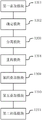
图12是本发明实施例提供的一种重构语音信号的装置结构示意图;12 is a schematic structural diagram of an apparatus for reconstructing a speech signal according to an embodiment of the present invention;
图13是本发明实施例提供的一种重构语音信号的装置结构示意图;13 is a schematic structural diagram of an apparatus for reconstructing a speech signal according to an embodiment of the present invention;
图14是本发明实施例提供的一种重构语音信号的装置结构示意图;14 is a schematic structural diagram of an apparatus for reconstructing a speech signal according to an embodiment of the present invention;
图15是本发明实施例提供的一种重构语音信号的装置结构示意图;15 is a schematic structural diagram of an apparatus for reconstructing a speech signal according to an embodiment of the present invention;
图16是本发明实施例提供的一种训练话音检测模型的装置结构示意图;16 is a schematic structural diagram of an apparatus for training a voice detection model provided by an embodiment of the present invention;
图17是本发明实施例提供的一种训练失真恢复模型的装置结构示意图;17 is a schematic structural diagram of an apparatus for training a distortion recovery model provided by an embodiment of the present invention;
图18是本发明实施例提供的一种终端的结构示意图。FIG. 18 is a schematic structural diagram of a terminal according to an embodiment of the present invention.
具体实施方式Detailed ways
为使本发明的目的、技术方案和优点更加清楚,下面将结合附图对本发明实施方式作进一步地详细描述。In order to make the objectives, technical solutions and advantages of the present invention clearer, the embodiments of the present invention will be further described in detail below with reference to the accompanying drawings.
本发明实施例提供了一种重构语音信号的方法,该方法的执行主体可以为终端。其中,终端可以是智能手机、平板电脑、智能音箱等可以采集到声音信号并具有处理能力的设备。The embodiment of the present invention provides a method for reconstructing a speech signal, and the execution subject of the method may be a terminal. The terminal may be a device such as a smart phone, a tablet computer, and a smart speaker that can collect sound signals and have processing capabilities.
终端上可以安装有麦克风阵列对远场空间的声音信号进行采集。麦克风阵列具有波束指向能力,可以检测各个方向的声音信号,并且可以对特定入射方向上的声音信号进行幅度增强。麦克风阵列一般由一定数量的传感器(本实施例以传感器为麦克风为例)按照一定的几何规律排列而成,实际中麦克风阵列一般有两种阵列布置形式:线阵列和圆阵列。该方法并不局限于任何特定形式的阵列结构,此处不作限定。A microphone array can be installed on the terminal to collect sound signals in the far-field space. The microphone array has beam pointing capability, can detect sound signals in all directions, and can enhance the amplitude of sound signals in a specific incident direction. The microphone array is generally composed of a certain number of sensors (in this embodiment, the sensor is a microphone as an example) arranged according to a certain geometric law. In practice, the microphone array generally has two array arrangements: line array and circular array. The method is not limited to any particular form of array structure and is not limited here.
下面对麦克风阵列进行具体的介绍:The following is a detailed introduction to the microphone array:
图1所示为麦克风阵列为线阵列时的结构示意图,N个麦克风以d为间隔等间距排列成一条直线,d的取值要求满足如下数学关系:Figure 1 shows a schematic diagram of the structure when the microphone array is a line array. N microphones are arranged in a straight line at equal intervals with d as the interval. The value of d is required to satisfy the following mathematical relationship:

其中,λ表示声音信号中最高频率成分所对应的波长,N的取值主要受到终端物理尺寸的限制,阵列的总长度为N×d。Among them, λ represents the wavelength corresponding to the highest frequency component in the sound signal, the value of N is mainly limited by the physical size of the terminal, and the total length of the array is N×d.
图2所示为麦克风阵列为圆阵列时的结构示意图,N个麦克风在圆周上等间隔排列,有时圆心处也会安置有一颗麦克风。无论麦克风阵列采用何种形式,麦克风阵列都是通过空间采样在声音信号的传播路径上,检测出同一时刻下声音信号在各个麦克风上的声压分布,通过这一压力分布的变化来检测出声音信号的入射方向,并且对特定入射方向上的声音信号进行幅度加强。Figure 2 shows a schematic diagram of the structure when the microphone array is a circular array. N microphones are arranged at equal intervals on the circumference, and sometimes a microphone is placed at the center of the circle. Regardless of the form of the microphone array, the microphone array is spatially sampled on the propagation path of the sound signal to detect the sound pressure distribution of the sound signal on each microphone at the same time, and detect the sound through the change of this pressure distribution. The incident direction of the signal, and the amplitude of the sound signal in a specific incident direction is enhanced.
下面对本实施例中所使用的名词进行介绍:The terms used in this embodiment are introduced below:
干净语音信号:干净语音信号是在安静的环境下采集的语音信号。每个人的发音习惯不尽相同,干净语音信号可以是包含有各种发音习惯的语音信号,包括音色、音高、语言种类等差异。Clean speech signal: A clean speech signal is a speech signal collected in a quiet environment. Everyone's pronunciation habits are different, and a clean speech signal can be a speech signal containing various pronunciation habits, including differences in timbre, pitch, language type, and the like.
纯噪声信号:纯噪声信号是不包含任何语音信号的声音信号,可以是自然环境下采集的声音信号。Pure noise signal: A pure noise signal is a sound signal that does not contain any speech signal, and can be a sound signal collected in a natural environment.
该方法涉及话音检测模型与失真恢复模型,话音检测模型与失真恢复模型都可以由神经网络模型构成,在使用该方法进行语音信号重构之前,需要分别对话音检测模型与失真恢复模型进行训练。The method involves a voice detection model and a distortion recovery model. Both the voice detection model and the distortion recovery model can be composed of a neural network model. Before using the method for speech signal reconstruction, the voice detection model and the distortion recovery model need to be trained separately.
话音检测模型可以由混响滤波模型与话音检测模型构成的对抗生成网络训练得到。混响滤波模型与话音检测模型进行博弈,基于混响滤波模型与话音检测模型得到的结果,计算损失函数。对混响滤波模型的调整会使混响滤波模型的损失代价函数减小而话音检测模型的损失代价函数增大,对话音检测模型的调整会使话音检测模型的损失代价函数减小而混响滤波模型的损失代价函数增大,多次调整后可以得到收敛的损失函数,即可得到训练完成后的话音检测模型。The speech detection model can be trained by the adversarial generative network composed of the reverberation filter model and the speech detection model. The reverberation filter model and the voice detection model play a game, and the loss function is calculated based on the results obtained by the reverberation filter model and the voice detection model. Adjusting the reverberation filter model will reduce the loss cost function of the reverberation filter model and increase the loss cost function of the speech detection model. Adjusting the speech detection model will reduce the loss cost function of the speech detection model and reverberate The loss cost function of the filtering model increases, and after multiple adjustments, the converged loss function can be obtained, and the voice detection model after training can be obtained.
失真恢复模型可以由失真判别模型与失真恢复模型构成的对抗生成网络训练得到。失真判别模型与失真恢复模型进行博弈,基于失真判别模型与失真恢复模型得到的结果,计算损失函数。对失真恢复模型的调整会使失真恢复模型的损失代价函数减小而失真判别模型的代价函数增大,对失真判别模型的调整会使失真判别模型的代价函数减小而失真恢复模型的代价函数增大,多次调整后可以得到收敛的损失函数,即可得到训练完成后的失真恢复模型。The distortion recovery model can be obtained by training an adversarial generative network composed of a distortion discrimination model and a distortion recovery model. The distortion discrimination model and the distortion recovery model play a game, and the loss function is calculated based on the results obtained by the distortion discrimination model and the distortion recovery model. Adjusting the distortion recovery model will reduce the loss cost function of the distortion recovery model and increase the cost function of the distortion discrimination model. Adjusting the distortion discrimination model will reduce the cost function of the distortion discrimination model and the cost function of the distortion recovery model. If it increases, the convergent loss function can be obtained after multiple adjustments, and the distortion recovery model after training can be obtained.
具体的训练过程可以如下:The specific training process can be as follows:
图3所示为话音检测模型的训练方法流程图,图4所示为训练话音检测模型的示意图。结合图3与图4,对话音检测模型进行训练的处理流程可以如下:FIG. 3 is a flowchart of a training method for a voice detection model, and FIG. 4 is a schematic diagram of training a voice detection model. With reference to Figure 3 and Figure 4, the processing flow for training the voice detection model can be as follows:
301、获取第一对抗生成网络。301. Obtain a first confrontation generation network.
其中,第一对抗生成网络包含初始混响滤波模型与初始话音检测模型,初始混响滤波模型的输出作为初始话音检测模型的输入。混响滤波模型可以是线性的滤波器,也可以引入非线性算子而形成神经网络模型,用于基于输入的声音信号,生成混响的声音信号,以模拟真实场景中的声学混响;话音检测模型可以是神经网络模型,用于检测输入的声音信号的信号类型。信号类型可以是语音信号或噪声信号,即话音检测模型可以用于判断输入的声音信号是语音信号,还是噪声信号。The first confrontation generation network includes an initial reverberation filter model and an initial speech detection model, and the output of the initial reverberation filter model is used as the input of the initial speech detection model. The reverberation filter model can be a linear filter, or a nonlinear operator can be introduced to form a neural network model, which is used to generate a reverberated sound signal based on the input sound signal to simulate the acoustic reverberation in a real scene; speech The detection model may be a neural network model for detecting the signal type of the input sound signal. The signal type can be a voice signal or a noise signal, that is, the voice detection model can be used to determine whether the input voice signal is a voice signal or a noise signal.
在实施中,混响滤波模型与话音检测模型构成一个对抗生成网络,在训练的过程中,对混响滤波器训练的目的是,让混响滤波模型所输出的混响的声音信号无法被话音检测模型正确检测,也即是,如果混响滤波器输出混响的干净语音信号,则话音检测模型将其检测为噪声信号;而对话音检测模型训练的目的是,让话音检测模型能够正确检测出混响的声音信号的信号类型,也即是,如果混响滤波器输出混响的干净语音信号,则话音检测模型将其检测为语音信号。技术人员可以在任一设备中建立初始混响滤波模型与初始话音检测模型。In the implementation, the reverberation filter model and the speech detection model constitute an adversarial generation network. During the training process, the purpose of training the reverberation filter is to prevent the reverberated sound signal output by the reverberation filter model from being used by the speech. The detection model detects correctly, that is, if the reverberation filter outputs a reverberated clean speech signal, the speech detection model detects it as a noise signal; the purpose of training the speech detection model is to enable the speech detection model to correctly detect The signal type of the reverberated sound signal, that is, if the reverberation filter outputs a reverberated clean speech signal, the speech detection model detects it as a speech signal. The skilled person can establish the initial reverberation filtering model and the initial speech detection model in either device.
302、获取多个样本声音信号。302. Acquire multiple sample sound signals.
其中,样本声音信号至少包括干净语音信号与纯噪声信号。这样训练出来的话音检测模型,即使用户具有较为特殊的发音习惯,话音检测模型也能判断出对应的语音信号,提高检测信号类型的准确性。The sample sound signal includes at least a clean speech signal and a pure noise signal. The speech detection model trained in this way, even if the user has a relatively special pronunciation habit, the speech detection model can determine the corresponding speech signal, thereby improving the accuracy of the detection signal type.
在实施中,任一设备可以获取到多个样本声音信号,并且,每个样本声音信号可以带有相应的标识,使得设备能够获取到哪个是干净语音信号,哪个是纯噪声信号。In implementation, any device may acquire a plurality of sample sound signals, and each sample sound signal may carry a corresponding identifier, so that the device can acquire which is a clean speech signal and which is a pure noise signal.
303、基于多个样本声音信号对第一对抗生成网络中的初始混响滤波模型与初始话音检测模型进行训练,得到话音检测模型。303. Train the initial reverberation filtering model and the initial speech detection model in the first confrontation generation network based on the multiple sample sound signals, to obtain a speech detection model.
在实施中,初始混响滤波模型具有初始的模型参数,将多个样本声音信号输入后,可以输出多个初步的混响的样本声音信号。同样,初始话音检测模型也具有初始的模型参数,可以对输入的多个混响的样本声音信号,初步判断出哪个是语音信号,哪个是噪声信号。进而,可以根据初始话音检测模型检测的结果与实际应该得到的结果,对初始混响滤波模型与初始话音检测模型的模型参数进行调整。In implementation, the initial reverberation filter model has initial model parameters, and after inputting a plurality of sample sound signals, a plurality of preliminary reverberation sample sound signals can be output. Similarly, the initial speech detection model also has initial model parameters, and can preliminarily determine which is the speech signal and which is the noise signal for the input multiple reverberated sample sound signals. Furthermore, the model parameters of the initial reverberation filtering model and the initial voice detection model can be adjusted according to the results of the initial voice detection model detection and the results that should actually be obtained.
图5所示为话音检测模型的训练方法流程图,具体的训练步骤可以如下:Figure 5 shows the flow chart of the training method of the voice detection model, and the specific training steps can be as follows:
3031、依次将多个样本声音信号输入初始混响滤波模型,输出多个混响的样本声音信号。3031. Input multiple sample sound signals into the initial reverberation filter model in sequence, and output multiple reverberated sample sound signals.
其中,多个混响的样本声音信号包括多个混响的干净语音信号与多个混响的纯噪声信号。The multiple reverberated sample sound signals include multiple reverberated clean speech signals and multiple reverberated pure noise signals.
在实施中,混响滤波模型可以是有限冲激响应滤波器,该滤波器的阶数可以根据预设的最长房间冲激响应得到,具体的,计算滤波器阶数的公式可以如下:In implementation, the reverberation filter model can be a finite impulse response filter, and the order of the filter can be obtained according to the preset longest room impulse response. Specifically, the formula for calculating the filter order can be as follows:
RIRorder=ω×TLmax (2)RIR order = ω×TL max (2)
其中,RIRorder为滤波器的阶数,ω为音频采样率,TLmax为最长房间冲激响应。一般来说,音频采样率可以取16000Hz,最长房间冲激响应可以取0.1s,通过上述公式计算得到,该滤波器的阶数为1600阶。where RIR order is the filter order, ω is the audio sampling rate, and TL max is the longest room impulse response. Generally speaking, the audio sampling rate can be taken as 16000Hz, and the longest room impulse response can be taken as 0.1s. Calculated by the above formula, the order of the filter is 1600.
设备可以将多个样本声音信号,依次输入初始混响滤波模型,对应于每个样本声音信号,输出对应的混响的样本声音信号。由于设备能够获知哪个样本声音信号是干净语音信号,哪个样本声音信号是纯噪声信号,在得到对应的混响的样本声音信号时,也能够获知哪个是混响的干净语音信号,哪个是混响的纯噪声信号。进而,设备可以统计得到混响的干净语音信号在所有混响的样本声音信号中的概率分布、混响的纯噪声信号在所有混响的样本声音信号中的概率分布。The device can sequentially input multiple sample sound signals into the initial reverberation filter model, and output corresponding reverberated sample sound signals corresponding to each sample sound signal. Since the device can know which sample sound signal is a clean voice signal and which sample sound signal is a pure noise signal, when the corresponding reverberated sample sound signal is obtained, it can also know which is a reverberated clean voice signal and which is a reverberation. pure noise signal. Furthermore, the device can obtain the probability distribution of the reverberated clean speech signal among all the reverberated sample sound signals, and the probability distribution of the reverberated pure noise signal among all the reverberated sample sound signals.
3032、将多个混响的样本声音信号,输入初始话音检测模型,输出每个混响的样本声音信号对应的信号类型。3032. Input the multiple reverberated sample sound signals into the initial speech detection model, and output the signal type corresponding to each reverberated sample sound signal.
在实施中,设备可以将混响的样本声音信号,分别输入初始话音检测模型,输出得到每个混响的样本声音信号对应的信号类型,即对每个混响的样本声音信号,分别判断是语音信号,还是噪声信号。In implementation, the device can input the reverberated sample sound signals into the initial speech detection model respectively, and output the signal type corresponding to each reverberated sample sound signal, that is, for each reverberated sample sound signal, determine whether it is voice signal, or noise signal.
3033、基于多个混响的样本声音信号与每个混响的样本声音信号对应的信号类型,对初始混响滤波模型与初始话音检测模型的模型参数进行调整,得到话音检测模型。3033. Based on the multiple reverberated sample sound signals and the signal type corresponding to each reverberated sample sound signal, adjust the model parameters of the initial reverberation filter model and the initial voice detection model to obtain a voice detection model.
在实施中,设备可以根据每个混响的样本声音信号实际的信号类型,以及经过初始话音检测模型输出得到的信号类型,获取符合“实际为语音信号、被检测为语音信号”的混响的样本声音信号、符合“实际为噪声信号、被检测为语音信号”的混响的样本声音信号。然后,设备可以统计得到,符合“实际为语音信号、被检测为语音信号”的混响的样本声音信号的概率,以及符合“实际为噪声信号、被检测为语音信号”的混响的样本声音信号的概率。In implementation, the device can obtain a reverberation signal that conforms to "actually a speech signal and detected as a speech signal" according to the actual signal type of each reverberated sample sound signal and the signal type output by the initial speech detection model. A sample sound signal, a sample sound signal that conforms to the reverberation "actually a noise signal, detected as a speech signal". Then, the device can statistically obtain the probability of a reverberated sample sound signal that conforms to "actually a voice signal and is detected as a voice signal", and a reverberated sample sound that conforms to "actually a noise signal and is detected as a voice signal" probability of the signal.
终端可以根据上述混响的干净语音信号的概率分布、混响的纯噪声信号的概率分布、符合“实际为语音信号、被检测为语音信号”的混响的样本声音信号的概率、符合“实际为噪声信号、被检测为语音信号”的混响的样本声音信号的概率,通过下述公式计算损失函数:According to the probability distribution of the reverberated clean speech signal, the probability distribution of the reverberated pure noise signal, the probability of the reverberated sample sound signal that conforms to "actually a speech signal and is detected as a speech signal", For the probability of a noise signal, a reverberated sample sound signal detected as a speech signal", the loss function is calculated by the following formula:

其中,x表示混响的干净语音信号,n表示混响的纯噪声信号,pRIR_data(x)表示混响的干净语音信号的概率分布,pRIR_data(n)表示混响的纯噪声信号的概率分布,VAD(x)表示符合“实际为语音信号、被检测为语音信号”的混响的样本声音信号的概率,VAD(RIR(n))表示符合“实际为噪声信号、被检测为语音信号”的混响的样本声音信号的概率,V(VAD,RIR)表示损失函数。where x represents the reverberated clean speech signal, n represents the reverberated pure noise signal, p RIR_data (x) represents the probability distribution of the reverberated clean speech signal, and p RIR_data (n) represents the probability of the reverberated pure noise signal Distribution, VAD(x) represents the probability of a reverberated sample sound signal that conforms to "actually a speech signal, detected as a speech signal", VAD(RIR(n)) indicates that "actually a noise signal, detected as a speech signal""The probability of the reverberated sample sound signal, V(VAD, RIR) represents the loss function.
然后,设备可以计算上述损失函数的梯度信息,并且可以根据梯度信息对初始混响滤波模型与初始话音检测模型的模型参数进行调整。设备还可以获取其他的样本声音信号,通过上述过程,继续对混响滤波模型与话音检测模型的模型参数进行调整,具体过程此处不再赘述。Then, the device can calculate the gradient information of the above-mentioned loss function, and can adjust the model parameters of the initial reverberation filtering model and the initial speech detection model according to the gradient information. The device may also obtain other sample sound signals, and continue to adjust the model parameters of the reverberation filter model and the voice detection model through the above process, and the specific process will not be repeated here.
对混响滤波模型的模型参数进行调整,可以使得话音检测模型检测结果的错误率增大,即VAD(x)减小、VAD(RIR(n))增大;对话音检测模型的模型参数进行调整,可以使得话音检测模型检测结果的正确率增大,即VAD(x)增大、VAD(RIR(n))减小。在训练过程中,对初始混响滤波模型与初始话音检测模型的模型参数进行调整,直到V(VAD,RIR)的绝对值达到最小值时,可以结束训练,将调整后的话音检测模型作为话音检测模型。Adjusting the model parameters of the reverberation filter model can increase the error rate of the detection results of the speech detection model, that is, VAD(x) decreases and VAD(RIR(n)) increases; The adjustment can increase the accuracy of the detection result of the speech detection model, that is, increase VAD(x) and decrease VAD(RIR(n)). During the training process, the model parameters of the initial reverberation filter model and the initial voice detection model are adjusted until the absolute value of V(VAD, RIR) reaches the minimum value, the training can be ended, and the adjusted voice detection model is used as the voice Detection model.
图6所示为失真恢复模型的训练方法流程图,图7所示为训练失真恢复模型的示意图。结合图6与图7,对失真恢复模型进行训练的处理流程可以如下:FIG. 6 is a flowchart of a training method of a distortion recovery model, and FIG. 7 is a schematic diagram of training a distortion recovery model. Combined with Figure 6 and Figure 7, the processing flow for training the distortion recovery model can be as follows:
601、获取第二对抗生成网络。601. Obtain a second adversarial generation network.
其中,第二对抗生成网络包含初始失真判别模型与初始失真恢复模型,初始失真恢复模型的输出与干净语音信号作为初始失真判别模型的输入。失真判别模型可以是神经网络模型,用于检测输入的声音信号是干净语音信号,还是失真语音信号,即判断输入的声音信号是否存在失真;失真恢复模型可以是神经网络模型,用于对失真的声音信号进行重构。Among them, the second adversarial generation network includes the initial distortion discrimination model and the initial distortion recovery model, and the output of the initial distortion recovery model and the clean speech signal are used as the input of the initial distortion discrimination model. The distortion discrimination model can be a neural network model, which is used to detect whether the input sound signal is a clean speech signal or a distorted speech signal, that is, to determine whether the input sound signal is distorted; the distortion recovery model can be a neural network model, which is used for distorted The sound signal is reconstructed.
在实施中,失真判别模型与失真恢复模型构成一个对抗生成网络,在训练的过程中,对失真判别模型训练的目的是,让失真判别模型能够准确地判断哪个声音信号是干净语音信号,哪个声音信号是失真语音信号;而对失真恢复模型训练的目的是,让失真恢复模型所输出的重构的语音信号无法被失真判别模型准确地判断为失真语音信号。技术人员可以在任一设备中建立初始失真判别模型与初始失真恢复模型。In the implementation, the distortion discrimination model and the distortion recovery model form an adversarial generation network. During the training process, the purpose of training the distortion discrimination model is to enable the distortion discrimination model to accurately determine which sound signal is a clean speech signal and which sound The signal is a distorted speech signal; and the purpose of training the distortion recovery model is to prevent the reconstructed speech signal output by the distortion recovery model from being accurately judged as a distorted speech signal by the distortion discrimination model. The technician can establish the initial distortion discrimination model and the initial distortion recovery model in any device.
602、获取多个样本声音信号。602. Acquire multiple sample sound signals.
其中,样本声音信号至少包括干净语音信号与失真语音信号。这样训练出来的失真恢复模型,即使用户具有较为特殊的发音习惯,失真恢复模型也能重构出对应的语音信号,提高重构语音信号的准确性。The sample sound signal includes at least a clean voice signal and a distorted voice signal. With the distortion recovery model trained in this way, even if the user has a relatively special pronunciation habit, the distortion recovery model can reconstruct the corresponding speech signal and improve the accuracy of the reconstructed speech signal.
在实施中,麦克风阵列可以利用空间相干性检测周围环境中各个声音信号的入射方向,由于可能存在多个方向的声音信号,麦克风阵列只跟踪其中信号强度最大的前M个声音信号,并将入射方位角记为DM。M的取值可以与麦克风的数目成正比,例如,当麦克风的数目为6个时,M的取值最大可以为6;当麦克风的数目为8个时,M的取值最大可以为8。In the implementation, the microphone array can use spatial coherence to detect the incident direction of each sound signal in the surrounding environment. Since there may be sound signals in multiple directions, the microphone array only tracks the first M sound signals with the highest signal strength, and will be incident on the sound signal. The azimuth is denoted as D M . The value of M may be proportional to the number of microphones. For example, when the number of microphones is 6, the maximum value of M may be 6; when the number of microphones is 8, the maximum value of M may be 8.
然后,设备可以对M个声音信号进行检测,判断哪个是语音信号,哪个是噪声信号。在M个声音信号中,如果包含有唯一的语音信号,则可以将该语音信号作为第一语音信号;如果包含有不止一个语音信号,则可以判断得到信号强度最大的语音信号,作为第一语音信号;如果检测到不包含有语音信号,即采集到的所有声音信号都为噪声信号,则可以认为当前环境中不存在可用的语音信号,不进行后续处理。在确定下第一语音信号后,可以将记录下来的其他声音信号的信号频谱,通过加权求和的方法,生成噪声模板。Then, the device can detect the M sound signals to determine which is the voice signal and which is the noise signal. Among the M voice signals, if a unique voice signal is included, the voice signal can be used as the first voice signal; if more than one voice signal is included, it can be determined that the voice signal with the highest signal strength is obtained as the first voice signal If it is detected that no speech signal is contained, that is, all the collected sound signals are noise signals, it can be considered that there is no available speech signal in the current environment, and subsequent processing is not performed. After the first voice signal is determined, a noise template can be generated by using the weighted summation method of the recorded signal spectrums of other voice signals.
经验性的,M的取值一般为2,即麦克风阵列只跟踪其中信号强度最大的前2个声音信号。以跟踪其中信号强度最大的前2个声音信号为例,通过对麦克风阵列中的各个传感器施加适当的时延和增益,可以使得阵列在D=DM的方向上的采集到的声音信号最大、同时对其他方向上的声音信号保持最小,将采集到的2个声音信号输入上述训练完成后的话音检测模型。然后,话音检测模型可以检测输入的2个声音信号的信号类型。如果其中一个声音信号是语音信号,而另一个声音信号是噪声信号,则将噪声信号的信号频谱记录下来,作为噪声模板;如果两个声音信号都是语音信号,则将信号强度较小的声音信号的信号频谱记录下来,作为噪声模板;如果两个声音信号都是噪声信号,则可以认为当前环境中不存在可用的语音信号,不进行后续处理。Empirically, the value of M is generally 2, that is, the microphone array only tracks the first two sound signals with the highest signal strength. Taking the tracking of the first two sound signals with the highest signal strength as an example, by applying appropriate delay and gain to each sensor in the microphone array, the sound signals collected by the array in the direction of D= DM can be maximized, At the same time, the sound signals in other directions are kept to a minimum, and the two collected sound signals are input into the voice detection model after the above training is completed. Then, the voice detection model can detect the signal type of the input 2 voice signals. If one of the sound signals is a speech signal and the other sound signal is a noise signal, the signal spectrum of the noise signal is recorded as a noise template; if both sound signals are speech signals, the sound with lower signal strength is recorded The signal spectrum of the signal is recorded as a noise template; if both sound signals are noise signals, it can be considered that there is no available speech signal in the current environment, and subsequent processing is not performed.
第二语音信号为第一语音信号通过滤波的方法得到的语音信号。如果在上述过程中确定下语音信号与噪声模板,则可以通过频域维纳滤波的方法,通过滤波器基于噪声模板的频谱对语音信号的频谱进行滤波处理,得到分离后的语音信号(即第二语音信号),该分离后的语音信号的频谱实际上是噪声模板和语音信号的频谱之差。当然,在实际应用中,还可以控制信号分离的程度,以减少对语音信号的损伤。例如,实际中频域维纳滤波可以简化为频域谱减操作,用公式表示如下:The second voice signal is a voice signal obtained by filtering the first voice signal. If the voice signal and the noise template are determined in the above process, the frequency domain Wiener filtering method can be used to filter the spectrum of the voice signal based on the spectrum of the noise template, and the separated voice signal (that is, the first two voice signals), the spectrum of the separated voice signal is actually the difference between the noise template and the spectrum of the voice signal. Of course, in practical applications, the degree of signal separation can also be controlled to reduce damage to speech signals. For example, the actual intermediate frequency domain Wiener filtering can be simplified to the frequency domain spectral subtraction operation, which can be expressed as follows:
Y=max(0,|X|-α|N|) (4)Y=max(0,|X|-α|N|) (4)
其中,Y为分离后的语音信号,X为未分离的语音信号,N为噪声模板。α表示信号分离算法的参数,其取值控制着信号分离的程度,分离程度正比于语音信号的损伤程度。经验性的,α一般取值为1。Among them, Y is the separated speech signal, X is the unseparated speech signal, and N is the noise template. α represents the parameter of the signal separation algorithm, and its value controls the degree of signal separation, which is proportional to the damage degree of the speech signal. Empirically, α generally takes a value of 1.
麦克风阵列还可以采集多个时刻的声音信号,经过上述过程,得到多个分离后的语音信号,具体过程此处不再赘述。然后,设备可以将上述多个干净语音信号与多个失真语音信号,作为样本声音信号。在失真语音信号与干净语音信号构成的样本空间中,设备可以统计得到失真语音信号的概率分布、干净语音信号的概率分布。The microphone array can also collect sound signals at multiple times, and through the above process, multiple separated voice signals are obtained, and the specific process will not be repeated here. Then, the device may use the plurality of clean speech signals and the plurality of distorted speech signals as sample sound signals. In the sample space formed by the distorted speech signal and the clean speech signal, the device can statistically obtain the probability distribution of the distorted speech signal and the probability distribution of the clean speech signal.
603、基于多个样本声音信号对第二对抗生成网络中的初始失真判别模型与初始失真恢复模型进行训练,得到失真恢复模型。603. Train the initial distortion discrimination model and the initial distortion recovery model in the second confrontation generation network based on the multiple sample sound signals to obtain a distortion recovery model.
在实施中,初始失真判别模型具有初始的模型参数,可以对输入的各个声音信号,初步判断出哪个是干净语音信号,哪个是失真语音信号。同样,初始失真恢复模型也具有初始的模型参数,可以对输入的分离后的语音信号进行重构,输出重构的语音信号,一般来说,初始失真恢复模型输出的重构的语音信号存在失真的概率较大,是失真语音信号。进而,可以根据初始失真判别模型检测的结果与实际应该得到的结果,对初始失真判别模型与初始失真恢复模型的模型参数进行调整。In implementation, the initial distortion discrimination model has initial model parameters, and can preliminarily determine which is a clean speech signal and which is a distorted speech signal for each input sound signal. Similarly, the initial distortion recovery model also has initial model parameters, which can reconstruct the input separated speech signal and output the reconstructed speech signal. Generally speaking, the reconstructed speech signal output by the initial distortion recovery model has distortion The probability of , is a distorted speech signal. Furthermore, the model parameters of the initial distortion discrimination model and the initial distortion recovery model can be adjusted according to the detection result of the initial distortion discrimination model and the result that should actually be obtained.
图8所示为失真恢复模型的训练方法流程图,具体的训练步骤可以如下:Figure 8 shows a flowchart of the training method of the distortion recovery model, and the specific training steps can be as follows:
6031、依次将多个失真语音信号输入初始失真恢复模型,输出多个重构的语音信号。6031. Input multiple distorted speech signals into the initial distortion recovery model in sequence, and output multiple reconstructed speech signals.
在实施中,设备可以将多个失真语音信号,依次输入初始失真恢复模型,输出得到每个失真语音信号对应的重构的语音信号。In implementation, the device may sequentially input multiple distorted speech signals into the initial distortion recovery model, and output a reconstructed speech signal corresponding to each distorted speech signal.
6032、将多个重构的语音信号与多个干净语音信号,输入初始失真判别模型,分别确定每个重构的语音信号与每个干净语音信号是否为干净语音信号,作为每个重构的语音信号与每个干净语音信号对应的检测结果。6032. Input a plurality of reconstructed speech signals and a plurality of clean speech signals into the initial distortion discrimination model, respectively determine whether each reconstructed speech signal and each clean speech signal are clean speech signals, as each reconstructed speech signal. The detection result of the speech signal corresponding to each clean speech signal.
在实施中,终端可以将上述多个干净语音信号与多个重构的语音信号,输入初始失真判别模型,分别检测每个样本声音信号是干净语音信号,还是重构的语音信号。进而,可以得到每个样本声音信号对应的检测结果。In implementation, the terminal may input the above-mentioned multiple clean voice signals and multiple reconstructed voice signals into the initial distortion discrimination model, and respectively detect whether each sample sound signal is a clean voice signal or a reconstructed voice signal. Further, the detection result corresponding to each sample sound signal can be obtained.
6033、基于多个失真语音信号、多个干净语音信号以及每个重构的语音信号与每个干净语音信号对应的检测结果,对初始失真判别模型与初始失真恢复模型的模型参数进行调整,得到失真恢复模型。6033. Based on the plurality of distorted speech signals, the plurality of clean speech signals, and the detection results corresponding to each reconstructed speech signal and each clean speech signal, adjust the model parameters of the initial distortion discrimination model and the initial distortion recovery model, to obtain Distortion recovery model.
在实施中,终端可以根据每个样本声音信号实际的情况,以及上述过程得到的每个样本声音信号对应的检测结果,获取符合“实际为干净语音信号、被检测为干净语音信号”的样本声音信号、符合“实际为重构的语音信号、被检测为干净语音信号”的样本声音信号。然后,终端可以统计得到,符合“实际为干净语音信号、被检测为干净语音信号”的样本声音信号的概率,以及符合“实际为重构的语音信号、被检测为干净语音信号”的样本声音信号的概率。In implementation, the terminal can obtain sample sounds that conform to "actually clean voice signals and detected as clean voice signals" according to the actual situation of each sample sound signal and the detection result corresponding to each sample sound signal obtained in the above process Signal, a sample sound signal conforming to "actually reconstructed speech signal, detected as clean speech signal". Then, the terminal can statistically obtain the probability of a sample sound signal that conforms to "actually a clean voice signal and is detected as a clean voice signal", and a sample sound that conforms to "actually a reconstructed voice signal and is detected as a clean voice signal" probability of the signal.
终端可以根据上述失真语音信号的概率分布、干净语音信号的概率分布、符合“实际为干净语音信号、被检测为干净语音信号”的样本声音信号的概率、符合“实际为重构的语音信号、被检测为干净语音信号”的样本声音信号的概率,通过下述公式计算损失函数:According to the probability distribution of the distorted voice signal, the probability distribution of the clean voice signal, the probability of the sample sound signal that conforms to "actually a clean voice signal and is detected as a clean voice signal", the The probability of a sample sound signal being detected as a "clean speech signal", the loss function is calculated by the following formula:

其中,x表示干净语音信号,s表示失真语音信号,pclean_speech(x)表示干净语音信号的概率分布,ps(s)表示失真语音信号的概率分布,D(x)表示符合“实际为干净语音信号、被检测为干净语音信号”的样本声音信号的概率,D(G(s))表示符合“实际为重构的语音信号、被检测为干净语音信号”的样本声音信号的概率,V(D,G)表示损失函数。Among them, x represents the clean speech signal, s represents the distorted speech signal, p clean_speech (x) represents the probability distribution of the clean speech signal, p s (s) represents the probability distribution of the distorted speech signal, D(x) represents the "actually clean speech signal" Speech signal, the probability of a sample sound signal detected as a clean speech signal, D(G(s)) represents the probability of a sample sound signal that conforms to the "actually reconstructed speech signal, detected as a clean speech signal", V (D, G) represents the loss function.
然后,设备可以计算上述损失函数的梯度信息,并且可以根据梯度信息对初始失真判别模型与初始失真恢复模型的模型参数进行调整。设备还可以获取其他的样本声音信号,通过上述过程,继续对失真判别模型与失真恢复模型的模型参数进行调整,具体过程此处不再赘述。Then, the device can calculate the gradient information of the above-mentioned loss function, and can adjust the model parameters of the initial distortion discrimination model and the initial distortion recovery model according to the gradient information. The device may also obtain other sample sound signals, and continue to adjust the model parameters of the distortion discrimination model and the distortion recovery model through the above process, and the specific process will not be repeated here.
对失真判别模型的模型参数进行调整,可以使得失真判别模型检测结果的正确率增大,即D(x)增大、D(G(s))减小;对失真恢复模型的模型参数进行调整,可以使得失真判别模型检测结果的错误率增大,即D(x)减小、D(G(s))增大。在训练过程中,对初始失真判别模型与初始失真恢复模型的模型参数进行调整,直到损失函数V(D,G)的绝对值达到最小时,可以结束训练,将调整后的失真恢复模型作为失真恢复模型。Adjusting the model parameters of the distortion discrimination model can increase the accuracy of the detection results of the distortion discrimination model, that is, D(x) increases and D(G(s)) decreases; adjust the model parameters of the distortion recovery model , the error rate of the detection result of the distortion discrimination model can be increased, that is, D(x) decreases and D(G(s)) increases. During the training process, the model parameters of the initial distortion discrimination model and the initial distortion recovery model are adjusted until the absolute value of the loss function V(D, G) reaches the minimum, the training can be ended, and the adjusted distortion recovery model is used as the distortion Restore the model.
上述模型在训练完成后,可以用在本发明实施例提供的重构语音信号的方法中。图9所示为重构语音信号的方法流程图,图10所示为重构语音信号的示意图。结合图9与图10,该方法的处理流程可以包括如下的步骤:After the above model is trained, it can be used in the method for reconstructing a speech signal provided by the embodiment of the present invention. FIG. 9 is a flowchart of a method for reconstructing a speech signal, and FIG. 10 is a schematic diagram of reconstructing a speech signal. 9 and 10, the processing flow of the method may include the following steps:
901、终端通过麦克风阵列的多个传感器进行声音采集,得到多个声音信号。901. The terminal performs sound collection through multiple sensors of the microphone array to obtain multiple sound signals.
在实施中,麦克风阵列可以利用空间相干性检测周围环境中各个声音信号的入射方向,由于可能存在多个方向的声音信号,麦克风阵列只跟踪其中信号强度最大的前M个声音信号,并将入射方位角记为DM。M的取值可以与麦克风的数目成正比,例如,当麦克风的数目为6个时,M的取值最大可以为6;当麦克风的数目为8个时,M的取值最大可以为8。通过对麦克风阵列中的各个传感器施加适当的时延和增益,可以使得阵列在D=DM的方向上的采集到的声音信号最大、同时对其他方向上的声音信号保持最小,将采集到的M个声音信号用作后续处理。In the implementation, the microphone array can use spatial coherence to detect the incident direction of each sound signal in the surrounding environment. Since there may be sound signals in multiple directions, the microphone array only tracks the first M sound signals with the highest signal strength, and will be incident on the sound signal. The azimuth is denoted as D M . The value of M may be proportional to the number of microphones. For example, when the number of microphones is 6, the maximum value of M may be 6; when the number of microphones is 8, the maximum value of M may be 8. By applying appropriate time delay and gain to each sensor in the microphone array, the sound signal collected by the array in the direction of D= DM can be maximized, while the sound signal in other directions can be kept the minimum. The M sound signals are used for subsequent processing.
经验性的,M的取值一般为2,即麦克风阵列只跟踪其中信号强度最大的前2个声音信号,将采集到的2个声音信号用作后续处理。Empirically, the value of M is generally 2, that is, the microphone array only tracks the first two sound signals with the highest signal strength, and the collected two sound signals are used for subsequent processing.
902、终端在多个声音信号中确定第一语音信号。902. The terminal determines a first voice signal from among multiple voice signals.
其中,第一语音信号为通过检测确定的语音信号。Wherein, the first voice signal is a voice signal determined through detection.
在实施中,终端可以跟踪上述M个声音信号,记录每个声音信号对应的信号频谱。然后,终端可以在每个声音信号中,根据信号频谱检测得到第一语音信号。In implementation, the terminal may track the above-mentioned M sound signals, and record the signal spectrum corresponding to each sound signal. Then, the terminal can detect and obtain the first voice signal in each voice signal according to the signal spectrum.
可选的,声音信号中可能存在多个语音信号,可以根据一定的规则来确定第一语音信号,相应的处理可以如下:对多个声音信号进行检测;如果在多个声音信号中包含有一个语音信号,则将语音信号作为第一语音信号;如果在多个声音信号中包含有两个以上的语音信号,则确定信号强度最大的语音信号,将信号强度最大的语音信号作为第一语音信号。Optionally, there may be multiple voice signals in the sound signal, the first voice signal can be determined according to certain rules, and the corresponding processing can be as follows: multiple voice signals are detected; voice signal, the voice signal is used as the first voice signal; if more than two voice signals are included in the multiple voice signals, the voice signal with the largest signal strength is determined, and the voice signal with the largest signal strength is used as the first voice signal .
在实施中,终端可以根据麦克风阵列采集到不同入射方向的声音信号,然后,判断声音信号中是否包含有语音信号,具体的方法可以是根据信号频谱的平稳型来判断,也可以是将每个声音信号分别输入上述训练完成后的话音检测模型进行检测,此处不作限定。上述M个声音信号中,如果包含有唯一的语音信号,则可以将该语音信号作为第一语音信号;如果包含有不止一个语音信号,则可以判断得到信号强度最大的语音信号,作为第一语音信号;如果检测到不包含有语音信号,即采集到的所有声音信号都为噪声信号,则可以认为当前环境中不存在可用的语音信号,不进行后续处理。这样,当采集到不止一个语音信号时,可以只对其中一个语音信号进行识别,可以减少其他语音信号的影响,可以提高语音识别结果的准确性。In implementation, the terminal can collect sound signals from different incident directions according to the microphone array, and then judge whether the sound signal contains a voice signal. The voice signals are respectively input into the voice detection model after the above training is completed for detection, which is not limited here. Among the above-mentioned M sound signals, if a unique voice signal is included, the voice signal can be used as the first voice signal; if more than one voice signal is included, it can be judged that the voice signal with the greatest signal strength is obtained as the first voice signal. If it is detected that no speech signal is contained, that is, all the collected sound signals are noise signals, it can be considered that there is no available speech signal in the current environment, and subsequent processing is not performed. In this way, when more than one voice signal is collected, only one of the voice signals can be recognized, the influence of other voice signals can be reduced, and the accuracy of the voice recognition result can be improved.
示例性的,当M=2时,如果其中一个声音信号是语音信号,而另一个声音信号是噪声信号,则将该语音信号作为第一语音信号;如果两个声音信号都是语音信号,则将信号强度较大的语音信号,作为第一语音信号;如果两个声音信号都是噪声信号,则可以认为当前环境中不存在可用的语音信号,不进行后续处理。Exemplarily, when M=2, if one of the voice signals is a voice signal and the other voice signal is a noise signal, the voice signal is used as the first voice signal; if both voice signals are voice signals, then The voice signal with higher signal strength is used as the first voice signal; if both voice signals are noise signals, it can be considered that there is no available voice signal in the current environment, and subsequent processing is not performed.
可选的,终端可以将多个声音信号输入话音检测模型,输出多个声音信号的信号类型,进而判断每个声音信号是否为语音信号,确定第一语音信号。具体的确定过程与上述过程相同,此处不再赘述。Optionally, the terminal may input multiple sound signals into the voice detection model, output the signal types of the multiple sound signals, and then determine whether each sound signal is a voice signal, and determine the first voice signal. The specific determination process is the same as the above-mentioned process, and is not repeated here.
在实施中,话音检测模型可以是神经网络模型,通过上述方法训练得到,利用话音检测模型可以提高判断声音信号的信号类型的准确性。In implementation, the voice detection model may be a neural network model, which is obtained by training with the above method, and the accuracy of judging the signal type of the sound signal can be improved by using the voice detection model.
可选的,终端可以基于多个声音信号中除第一语音信号以外的至少一个声音信号的信号频谱,生成多个声音信号的噪音模板。Optionally, the terminal may generate noise templates of the multiple sound signals based on the signal spectrum of at least one sound signal other than the first voice signal among the multiple sound signals.
在实施中,终端在确定下第一语音信号后,可以将记录下来的其他声音信号的信号频谱,通过加权求和的方法,生成噪声模板。当M=2时,在确定下第一语音信号后,可以直接将余下的声音信号的信号频谱,作为噪音模板。这样,利用余下的声音信号生成噪声模板,可以更接近实际情况中其他声音对语音信号造成的影响,提高分离语音信号的准确性。In implementation, after determining the first voice signal, the terminal may generate a noise template by using the weighted sum method of the recorded signal spectrums of other voice signals. When M=2, after the first voice signal is determined, the signal spectrum of the remaining voice signal can be directly used as the noise template. In this way, the noise template is generated by using the remaining sound signal, which can be closer to the influence of other sounds on the speech signal in the actual situation, and the accuracy of separating the speech signal can be improved.
903、终端对第一语音信号进行信号分离,得到第二语音信号。903. The terminal performs signal separation on the first voice signal to obtain a second voice signal.
其中,第二语音信号为第一语音信号通过滤波的方法得到的语音信号。The second voice signal is a voice signal obtained by filtering the first voice signal.
在实施中,为了减小噪声信号对语音信号的干扰,终端可以对第一语音信号进行信号分离,得到第二语音信号,具体方法可以是通过滤波器直接对第一语音信号进行信号分离,也可以是基于噪声模板对第一语音信号进行信号分离,此处不作限定。In the implementation, in order to reduce the interference of the noise signal to the voice signal, the terminal may perform signal separation on the first voice signal to obtain the second voice signal. The specific method may be to directly perform signal separation on the first voice signal through a filter, or The signal separation may be performed on the first speech signal based on the noise template, which is not limited here.
可选的,终端可以基于噪声模板,对第一语音信号进行信号分离,得到第二语音信号。Optionally, the terminal may perform signal separation on the first voice signal based on the noise template to obtain the second voice signal.
在实施中,如果在上述过程中确定下语音信号与噪声模板,则可以通过频域维纳滤波的方法,通过滤波器基于噪声模板的频谱对语音信号的频谱进行滤波处理,得到分离后的语音信号(即第二语音信号),该分离后的语音信号的频谱实际上是噪声模板和语音信号的频谱之差。当然,在实际应用中,还可以控制信号分离的程度,以减少对语音信号的损伤。例如,实际中频域维纳滤波可以简化为频域谱减操作,用公式表示如下:In implementation, if the speech signal and the noise template are determined in the above process, the frequency domain Wiener filtering method can be used to filter the frequency spectrum of the speech signal based on the frequency spectrum of the noise template, and the separated speech can be obtained. signal (ie, the second voice signal), the spectrum of the separated voice signal is actually the difference between the noise template and the spectrum of the voice signal. Of course, in practical applications, the degree of signal separation can also be controlled to reduce damage to speech signals. For example, the actual intermediate frequency domain Wiener filtering can be simplified to the frequency domain spectral subtraction operation, which can be expressed as follows:
Y=max(0,|X|-α|N|) (6)Y=max(0,|X|-α|N|) (6)
其中,Y为分离后的语音信号,X为未分离的语音信号,N为噪声模板。α表示信号分离算法的参数,其取值控制着信号分离的程度,分离程度正比于语音信号的损伤程度。经验性的,α一般取值为1。Among them, Y is the separated speech signal, X is the unseparated speech signal, and N is the noise template. α represents the parameter of the signal separation algorithm, and its value controls the degree of signal separation, which is proportional to the damage degree of the speech signal. Empirically, α generally takes a value of 1.
904、终端将第二语音信号通过失真恢复模型进行重构,得到重构的语音信号。904. The terminal reconstructs the second voice signal through the distortion recovery model to obtain a reconstructed voice signal.
在实施中,在得到第二语音信号后,终端可以将其输入失真恢复模型,输出得到重构的语音信号。In implementation, after obtaining the second speech signal, the terminal may input it into the distortion recovery model, and output the reconstructed speech signal.
进而,终端可以将重构的语音信号输入语音识别系统,将语音的内容识别出来,并且可以根据语音的内容进行相应的处理,如播放音乐、搜索天气预报等,图11所示为终端与用户交互的场景示意图。Furthermore, the terminal can input the reconstructed voice signal into the voice recognition system to recognize the content of the voice, and can perform corresponding processing according to the content of the voice, such as playing music, searching for weather forecasts, etc. Figure 11 shows the terminal and the user Interactive scene diagram.
本发明实施例中,终端可以通过麦克风阵列的多个传感器进行声音采集,得到多个声音信号,在多个声音信号中确定第一语音信号,对第一语音信号进行信号分离,得到第二语音信号,然后,将第二语音信号通过失真恢复模型进行重构,得到重构的语音信号。通过失真恢复模型得到的重构的语音信号,可以与干净语音信号高度接近,即可以存在比较少的失真。这样,将重构的语音信号输入语音识别系统时,可以提高语音识别结果的准确性。In the embodiment of the present invention, the terminal may collect sound through multiple sensors of the microphone array to obtain multiple sound signals, determine the first voice signal from the multiple sound signals, and perform signal separation on the first voice signal to obtain the second voice signal. signal, and then reconstruct the second speech signal through the distortion recovery model to obtain a reconstructed speech signal. The reconstructed speech signal obtained by the distortion recovery model can be highly close to the clean speech signal, that is, there may be relatively little distortion. In this way, when the reconstructed speech signal is input into the speech recognition system, the accuracy of the speech recognition result can be improved.
基于相同的技术构思,本发明实施例还提供了一种重构语音信号的装置,图12所示为重构语音信号的装置结构示意图,该装置包括:Based on the same technical concept, an embodiment of the present invention also provides an apparatus for reconstructing a speech signal. FIG. 12 is a schematic structural diagram of the apparatus for reconstructing a speech signal, and the apparatus includes:
第一获取模块1201,用于通过麦克风阵列的多个传感器进行声音采集,得到多个声音信号;The
确定模块1202,用于在所述多个声音信号中确定第一语音信号,所述第一语音信号为通过检测确定的语音信号;a determining
分离模块1203,用于对所述第一语音信号进行信号分离,得到第二语音信号;A
重构模块1204,用于将所述第二语音信号通过失真恢复模型进行重构,得到重构的语音信号;A
其中,所述失真恢复模型是基于干净语音信号和失真语音信号进行训练得到。Wherein, the distortion recovery model is obtained by training based on the clean speech signal and the distorted speech signal.
可选的,图13所示为重构语音信号的装置结构示意图,所述装置还包括:Optionally, FIG. 13 shows a schematic structural diagram of an apparatus for reconstructing a speech signal, and the apparatus further includes:
生成模块1205,用于基于所述多个声音信号中除所述第一语音信号以外的至少一个声音信号的信号频谱,生成所述多个声音信号的噪音模板;a
所述分离模块1203用于:The
基于所述噪声模板,对所述第一语音信号进行信号分离,得到第二语音信号。Based on the noise template, signal separation is performed on the first speech signal to obtain a second speech signal.
可选的,所述确定模块1202用于:Optionally, the determining
对所述多个声音信号进行检测;detecting the plurality of sound signals;
如果在所述多个声音信号中包含有一个语音信号,则将所述语音信号,作为第一语音信号;If one voice signal is included in the plurality of sound signals, the voice signal is used as the first voice signal;
如果在所述多个声音信号中包含有两个以上的语音信号,则确定信号强度最大的语音信号,将所述信号强度最大的语音信号,作为第一语音信号。If two or more voice signals are included in the plurality of voice signals, the voice signal with the highest signal strength is determined, and the voice signal with the highest signal strength is used as the first voice signal.
可选的,所述确定模块1202用于:Optionally, the determining
将所述多个声音信号输入话音检测模型,输出所述多个声音信号的信号类型;inputting the plurality of sound signals into a speech detection model, and outputting the signal types of the plurality of sound signals;
其中,所述话音检测模型是基于干净语音信号与纯噪声信号进行训练得到,所述信号类型为语音信号或噪声信号。Wherein, the voice detection model is obtained by training based on a clean voice signal and a pure noise signal, and the signal type is a voice signal or a noise signal.
可选的,图14所示为重构语音信号的装置结构示意图,所述装置还包括:Optionally, FIG. 14 shows a schematic structural diagram of an apparatus for reconstructing a speech signal, and the apparatus further includes:
第二获取模块1206,用于获取第一对抗生成网络,所述第一对抗生成网络包含初始混响滤波模型与初始话音检测模型,所述初始混响滤波模型的输出作为所述初始话音检测模型的输入;The
第三获取模块1207,用于获取多个样本声音信号,其中,所述样本声音信号至少包括干净语音信号与纯噪声信号;The third obtaining
第一训练模块1208,用于基于所述多个样本声音信号对所述第一对抗生成网络中的初始混响滤波模型与初始话音检测模型进行训练,得到所述话音检测模型。The
可选的,所述第一训练模块1208用于:Optionally, the
依次将所述多个样本声音信号输入所述初始混响滤波模型,输出多个混响的样本声音信号,其中,所述多个混响的样本声音信号包括多个混响的干净语音信号与多个混响的纯噪声信号;The plurality of sample sound signals are sequentially input into the initial reverberation filter model, and a plurality of reverberated sample sound signals are output, wherein the plurality of reverberated sample sound signals include a plurality of reverberated clean speech signals and Multiple reverberated pure noise signals;
将所述多个混响的样本声音信号,输入所述初始话音检测模型,输出每个混响的样本声音信号对应的信号类型;Inputting the plurality of reverberated sample sound signals into the initial voice detection model, and outputting a signal type corresponding to each reverberated sample sound signal;
基于所述多个混响的样本声音信号与所述每个混响的样本声音信号对应的信号类型,对所述初始混响滤波模型与所述初始话音检测模型的模型参数进行调整,得到所述话音检测模型。Based on the signal types corresponding to the plurality of reverberated sample sound signals and each of the reverberated sample sound signals, the model parameters of the initial reverberation filter model and the initial speech detection model are adjusted to obtain the Describe the speech detection model.
可选的,图15所示为重构语音信号的装置结构示意图,所述装置还包括:Optionally, FIG. 15 is a schematic structural diagram of an apparatus for reconstructing a speech signal, and the apparatus further includes:
第四获取模块1209,用于获取第二对抗生成网络,所述第二对抗生成网络包含初始失真判别模型与初始失真恢复模型,所述初始失真恢复模型的输出与干净语音信号作为所述初始失真判别模型的输入;The
第五获取模块1210,用于获取多个样本声音信号,其中,所述样本声音信号至少包括干净语音信号与失真语音信号;a
第二训练模块1211,用于基于所述多个样本声音信号对所述第二对抗生成网络中的初始失真判别模型与初始失真恢复模型进行训练,得到所述失真恢复模型。The
可选的,所述第二训练模块1211用于:Optionally, the
依次将多个失真语音信号输入所述初始失真恢复模型,输出多个重构的语音信号;Inputting a plurality of distorted speech signals into the initial distortion recovery model in turn, and outputting a plurality of reconstructed speech signals;
将所述多个重构的语音信号与多个干净语音信号,输入所述初始失真判别模型,分别确定每个重构的语音信号与每个干净语音信号是否为干净语音信号,作为每个重构的语音信号与每个干净语音信号对应的检测结果;The plurality of reconstructed speech signals and the plurality of clean speech signals are input into the initial distortion discriminant model to determine whether each reconstructed speech signal and each clean speech signal are clean speech signals respectively, as each reconstructed speech signal. The detection results corresponding to the constructed speech signal and each clean speech signal;
基于所述多个失真语音信号、所述多个干净语音信号以及所述每个重构的语音信号与每个干净语音信号对应的检测结果,对所述初始失真判别模型与所述初始失真恢复模型的模型参数进行调整,得到所述失真恢复模型。Based on the plurality of distorted speech signals, the plurality of clean speech signals, and the detection results corresponding to each reconstructed speech signal and each clean speech signal, recover the initial distortion discrimination model and the initial distortion The model parameters of the model are adjusted to obtain the distortion recovery model.
基于相同的技术构思,本发明实施例还提供了一种训练话音检测模型的装置,图16所示为训练话音检测模型的装置结构示意图,该装置包括:Based on the same technical concept, an embodiment of the present invention also provides an apparatus for training a voice detection model. FIG. 16 is a schematic structural diagram of an apparatus for training a voice detection model. The apparatus includes:
第一获取模块1601,用于获取第一对抗生成网络,所述第一对抗生成网络包含初始混响滤波模型与初始话音检测模型,所述初始混响滤波模型的输出作为所述初始话音检测模型的输入;The
第二获取模块1602,用于获取多个样本声音信号,其中,所述样本声音信号至少包括干净语音信号与纯噪声信号;A second acquiring
训练模块1603,用于基于所述多个样本声音信号对所述第一对抗生成网络中的初始混响滤波模型与初始话音检测模型进行训练,得到所述话音检测模型;A
其中,所述话音检测模型用于检测声音信号对应的信号类型,所述信号类型为语音信号或噪声信号。Wherein, the voice detection model is used to detect the signal type corresponding to the sound signal, and the signal type is a speech signal or a noise signal.
可选的,所述训练模块1603用于:Optionally, the
依次将所述多个样本声音信号输入所述初始混响滤波模型,输出多个混响的样本声音信号,其中,所述多个混响的样本声音信号包括多个混响的干净语音信号与多个混响的纯噪声信号;The plurality of sample sound signals are sequentially input into the initial reverberation filter model, and a plurality of reverberated sample sound signals are output, wherein the plurality of reverberated sample sound signals include a plurality of reverberated clean speech signals and Multiple reverberated pure noise signals;
将所述多个混响的样本声音信号,输入所述初始话音检测模型,输出每个混响的样本声音信号对应的信号类型;Inputting the plurality of reverberated sample sound signals into the initial voice detection model, and outputting a signal type corresponding to each reverberated sample sound signal;
基于所述多个混响的样本声音信号对应的信号类型与所述每个混响的样本声音信号对应的信号类型,对所述初始混响滤波模型与所述初始话音检测模型的模型参数进行调整,得到所述话音检测模型。Based on the signal types corresponding to the plurality of reverberated sample sound signals and the signal type corresponding to each reverberated sample sound signal, model parameters of the initial reverberation filter model and the initial speech detection model are performed. Adjust to obtain the voice detection model.
基于相同的技术构思,本发明实施例还提供了一种训练失真恢复模型的装置,图17所示为训练失真恢复模型的装置结构示意图,该装置包括:Based on the same technical concept, an embodiment of the present invention also provides an apparatus for training a distortion recovery model. FIG. 17 shows a schematic structural diagram of an apparatus for training a distortion recovery model. The apparatus includes:
第一获取模块1701,用于获取第二对抗生成网络,所述第二对抗生成网络包含初始失真判别模型与初始失真恢复模型,所述初始失真恢复模型的输出与干净语音信号作为所述初始失真判别模型的输入;The
第二获取模块1702,用于获取多个样本声音信号,其中,所述样本声音信号至少包括干净语音信号与失真语音信号;The second obtaining
训练模块1703,用于基于所述多个样本声音信号对所述第二对抗生成网络中的初始失真判别模型与初始失真恢复模型进行训练,得到所述失真恢复模型;A
其中,所述失真恢复模型用于对第二语音信号进行重构,所述第二语音信号为进行信号分离后的语音信号。Wherein, the distortion recovery model is used to reconstruct the second voice signal, and the second voice signal is the voice signal after signal separation.
可选的,所述训练模块1703用于:Optionally, the
依次将多个第二语音信号输入所述初始失真恢复模型,输出多个重构的语音信号;Inputting a plurality of second speech signals into the initial distortion recovery model in turn, and outputting a plurality of reconstructed speech signals;
将所述多个重构的语音信号与多个干净语音信号,输入所述初始失真判别模型,分别确定每个重构的语音信号与每个干净语音信号是否为干净语音信号,作为每个重构的语音信号与每个干净语音信号对应的检测结果;The plurality of reconstructed speech signals and the plurality of clean speech signals are input into the initial distortion discriminant model to determine whether each reconstructed speech signal and each clean speech signal are clean speech signals respectively, as each reconstructed speech signal. The detection results corresponding to the constructed speech signal and each clean speech signal;
基于所述多个失真语音信号、所述多个干净语音信号以及所述每个重构的语音信号与每个干净语音信号对应的检测结果,对所述初始的失真判别模型与所述初始的失真恢复模型的模型参数进行调整,得到所述失真恢复模型。Based on the plurality of distorted speech signals, the plurality of clean speech signals, and the detection results corresponding to each of the reconstructed speech signals and each clean speech signal, the difference between the initial distortion discrimination model and the initial The model parameters of the distortion recovery model are adjusted to obtain the distortion recovery model.
上述发明实施例中,终端可以通过麦克风阵列的多个传感器进行声音采集,得到多个声音信号,在多个声音信号中确定第一语音信号,对第一语音信号进行信号分离,得到第二语音信号,然后,将第二语音信号通过失真恢复模型进行重构,得到重构的语音信号。通过失真恢复模型得到的重构的语音信号,可以与干净语音信号高度接近,即可以存在比较少的失真。这样,将重构的语音信号输入语音识别系统时,可以提高语音识别结果的准确性。In the above-mentioned embodiments of the invention, the terminal can collect sound through multiple sensors of the microphone array to obtain multiple sound signals, determine the first voice signal from the multiple sound signals, and perform signal separation on the first voice signal to obtain the second voice signal. signal, and then reconstruct the second speech signal through the distortion recovery model to obtain a reconstructed speech signal. The reconstructed speech signal obtained by the distortion recovery model can be highly close to the clean speech signal, that is, there may be relatively little distortion. In this way, when the reconstructed speech signal is input into the speech recognition system, the accuracy of the speech recognition result can be improved.
需要说明的是:上述实施例提供的重构语音信号的装置在重构语音信号时,仅以上述各功能模块的划分进行举例说明,实际应用中,可以根据需要而将上述功能分配由不同的功能模块完成,即将终端的内部结构划分成不同的功能模块,以完成以上描述的全部或者部分功能。另外,上述实施例提供的重构语音信号的装置与重构语音信号的方法实施例属于同一构思,其具体实现过程详见方法实施例,这里不再赘述。It should be noted that when the apparatus for reconstructing a voice signal provided in the above-mentioned embodiment reconstructs a voice signal, only the division of the above-mentioned functional modules is used as an example for illustration, and in practical applications, the above-mentioned functions may be allocated by different The function module is completed, that is, the internal structure of the terminal is divided into different function modules, so as to complete all or part of the functions described above. In addition, the apparatus for reconstructing a speech signal provided in the above embodiment and the method for reconstructing a speech signal belong to the same concept, and the specific implementation process thereof is detailed in the method embodiment, which will not be repeated here.
图18示出了本发明一个示例性实施例提供的终端1800的结构框图。该终端1800可以是便携式移动终端,比如:智能手机、平板电脑、MP3播放器(Moving Picture ExpertsGroup Audio Layer III,动态影像专家压缩标准音频层面3)、MP4(Moving PictureExperts Group Audio Layer IV,动态影像专家压缩标准音频层面4)播放器、智能音箱。终端1800还可能被称为用户设备、便携式终端等其他名称。FIG. 18 shows a structural block diagram of a terminal 1800 provided by an exemplary embodiment of the present invention. The terminal 1800 may be a portable mobile terminal, such as: a smart phone, a tablet computer, an MP3 player (Moving Picture Experts Group Audio Layer III, the standard audio layer 3 of moving picture experts), MP4 (Moving Picture Experts Group Audio Layer IV, moving picture experts) Compression standard audio layer 4) Players, smart speakers. Terminal 1800 may also be referred to as user equipment, portable terminal, or other names.
通常,终端1800包括有:处理器1801和存储器1802。Generally, the terminal 1800 includes: a
处理器1801可以包括一个或多个处理核心,比如4核心处理器、8核心处理器等。处理器1801可以采用DSP(Digital Signal Processing,数字信号处理)、FPGA(Field-Programmable Gate Array,现场可编程门阵列)、PLA(Programmable Logic Array,可编程逻辑阵列)中的至少一种硬件形式来实现。处理器1801也可以包括主处理器和协处理器,主处理器是用于对在唤醒状态下的数据进行处理的处理器,也称CPU(Central ProcessingUnit,中央处理器);协处理器是用于对在待机状态下的数据进行处理的低功耗处理器。在一些实施例中,处理器1801可以在集成有GPU(Graphics Processing Unit,图像处理器),GPU用于负责显示屏所需要显示的内容的渲染和绘制。一些实施例中,处理器1801还可以包括AI(Artificial Intelligence,人工智能)处理器,该AI处理器用于处理有关机器学习的计算操作。The
存储器1802可以包括一个或多个计算机可读存储介质,该计算机可读存储介质可以是有形的和非暂态的。存储器1802还可包括高速随机存取存储器,以及非易失性存储器,比如一个或多个磁盘存储设备、闪存存储设备。在一些实施例中,存储器1802中的非暂态的计算机可读存储介质用于存储至少一个指令,该至少一个指令用于被处理器1801所执行以实现本申请中提供的重构语音信号的方法。
在一些实施例中,终端1800还可选包括有:外围设备接口1803和至少一个外围设备。具体地,外围设备包括:射频电路1804、触摸显示屏1805、摄像头1806、音频电路1807和电源1809中的至少一种。In some embodiments, the terminal 1800 may optionally further include: a
外围设备接口1803可被用于将I/O(Input/Output,输入/输出)相关的至少一个外围设备连接到处理器1801和存储器1802。在一些实施例中,处理器1801、存储器1802和外围设备接口1803被集成在同一芯片或电路板上;在一些其他实施例中,处理器1801、存储器1802和外围设备接口1803中的任意一个或两个可以在单独的芯片或电路板上实现,本实施例对此不加以限定。The
射频电路1804用于接收和发射RF(Radio Frequency,射频)信号,也称电磁信号。射频电路1804通过电磁信号与通信网络以及其他通信设备进行通信。射频电路1804将电信号转换为电磁信号进行发送,或者,将接收到的电磁信号转换为电信号。可选地,射频电路1804包括:天线系统、RF收发器、一个或多个放大器、调谐器、振荡器、数字信号处理器、编解码芯片组、用户身份模块卡等等。射频电路1804可以通过至少一种无线通信协议来与其它终端进行通信。该无线通信协议包括但不限于:万维网、城域网、内联网、各代移动通信网络(2G、3G、4G及5G)、无线局域网和/或WiFi(Wireless Fidelity,无线保真)网络。在一些实施例中,射频电路1804还可以包括NFC(Near Field Communication,近距离无线通信)有关的电路,本申请对此不加以限定。The
触摸显示屏1805用于显示UI(User Interface,用户界面)。该UI可以包括图形、文本、图标、视频及其它们的任意组合。触摸显示屏1805还具有采集在触摸显示屏1805的表面或表面上方的触摸信号的能力。该触摸信号可以作为控制信号输入至处理器1801进行处理。触摸显示屏1805用于提供虚拟按钮和/或虚拟键盘,也称软按钮和/或软键盘。在一些实施例中,触摸显示屏1805可以为一个,设置终端1800的前面板;在另一些实施例中,触摸显示屏1805可以为至少两个,分别设置在终端1800的不同表面或呈折叠设计;在再一些实施例中,触摸显示屏1805可以是柔性显示屏,设置在终端1800的弯曲表面上或折叠面上。甚至,触摸显示屏1805还可以设置成非矩形的不规则图形,也即异形屏。触摸显示屏1805可以采用LCD(Liquid Crystal Display,液晶显示器)、OLED(Organic Light-Emitting Diode,有机发光二极管)等材质制备。The
摄像头组件1806用于采集图像或视频。可选地,摄像头组件1806包括前置摄像头和后置摄像头。通常,前置摄像头用于实现视频通话或自拍,后置摄像头用于实现照片或视频的拍摄。在一些实施例中,后置摄像头为至少两个,分别为主摄像头、景深摄像头、广角摄像头中的任意一种,以实现主摄像头和景深摄像头融合实现背景虚化功能,主摄像头和广角摄像头融合实现全景拍摄以及VR(Virtual Reality,虚拟现实)拍摄功能。在一些实施例中,摄像头组件1806还可以包括闪光灯。闪光灯可以是单色温闪光灯,也可以是双色温闪光灯。双色温闪光灯是指暖光闪光灯和冷光闪光灯的组合,可以用于不同色温下的光线补偿。The
音频电路1807用于提供用户和终端1800之间的音频接口。音频电路1807可以包括麦克风和扬声器。麦克风用于采集用户及环境的声波,并将声波转换为电信号输入至处理器1801进行处理,或者输入至射频电路1804以实现语音通信。出于立体声采集或降噪的目的,麦克风可以为多个,分别设置在终端1800的不同部位。麦克风还可以是阵列麦克风或全向采集型麦克风。扬声器则用于将来自处理器1801或射频电路1804的电信号转换为声波。扬声器可以是传统的薄膜扬声器,也可以是压电陶瓷扬声器。当扬声器是压电陶瓷扬声器时,不仅可以将电信号转换为人类可听见的声波,也可以将电信号转换为人类听不见的声波以进行测距等用途。在一些实施例中,音频电路1807还可以包括耳机插孔。The
电源1809用于为终端1800中的各个组件进行供电。电源1809可以是交流电、直流电、一次性电池或可充电电池。当电源1809包括可充电电池时,该可充电电池可以是有线充电电池或无线充电电池。有线充电电池是通过有线线路充电的电池,无线充电电池是通过无线线圈充电的电池。该可充电电池还可以用于支持快充技术。The
在一些实施例中,终端1800还包括有一个或多个传感器1810。该一个或多个传感器1810包括但不限于:加速度传感器1811、陀螺仪传感器1812、压力传感器1813、光学传感器1818以及接近传感器1816。In some embodiments, terminal 1800 also includes one or more sensors 1810 . The one or more sensors 1810 include, but are not limited to, an acceleration sensor 1811 , a gyro sensor 1812 , a pressure sensor 1813 , an optical sensor 1818 , and a proximity sensor 1816 .
加速度传感器1811可以检测以终端1800建立的坐标系的三个坐标轴上的加速度大小。比如,加速度传感器1811可以用于检测重力加速度在三个坐标轴上的分量。处理器1801可以根据加速度传感器1811采集的重力加速度信号,控制触摸显示屏1805以横向视图或纵向视图进行用户界面的显示。加速度传感器1811还可以用于游戏或者用户的运动数据的采集。The acceleration sensor 1811 can detect the magnitude of acceleration on the three coordinate axes of the coordinate system established by the
陀螺仪传感器1812可以检测终端1800的机体方向及转动角度,陀螺仪传感器1812可以与加速度传感器1811协同采集用户对终端1800的3D动作。处理器1801根据陀螺仪传感器1812采集的数据,可以实现如下功能:动作感应(比如根据用户的倾斜操作来改变UI)、拍摄时的图像稳定、游戏控制以及惯性导航。The gyroscope sensor 1812 can detect the body direction and rotation angle of the terminal 1800 , and the gyroscope sensor 1812 can cooperate with the acceleration sensor 1811 to collect 3D actions of the user on the
压力传感器1813可以设置在终端1800的侧边框和/或触摸显示屏1805的下层。当压力传感器1813设置在终端1800的侧边框时,可以检测用户对终端1800的握持信号,根据该握持信号进行左右手识别或快捷操作。当压力传感器1813设置在触摸显示屏1805的下层时,可以根据用户对触摸显示屏1805的压力操作,实现对UI界面上的可操作性控件进行控制。可操作性控件包括按钮控件、滚动条控件、图标控件、菜单控件中的至少一种。The pressure sensor 1813 may be disposed on the side frame of the terminal 1800 and/or the lower layer of the
光学传感器1815用于采集环境光强度。在一个实施例中,处理器1801可以根据光学传感器1815采集的环境光强度,控制触摸显示屏1805的显示亮度。具体地,当环境光强度较高时,调高触摸显示屏1805的显示亮度;当环境光强度较低时,调低触摸显示屏1805的显示亮度。在另一个实施例中,处理器1801还可以根据光学传感器1815采集的环境光强度,动态调整摄像头组件1806的拍摄参数。Optical sensor 1815 is used to collect ambient light intensity. In one embodiment, the
接近传感器1816,也称距离传感器,通常设置在终端1800的正面。接近传感器1816用于采集用户与终端1800的正面之间的距离。在一个实施例中,当接近传感器1816检测到用户与终端1800的正面之间的距离逐渐变小时,由处理器1801控制触摸显示屏1805从亮屏状态切换为息屏状态;当接近传感器1816检测到用户与终端1800的正面之间的距离逐渐变大时,由处理器1801控制触摸显示屏1805从息屏状态切换为亮屏状态。A proximity sensor 1816, also called a distance sensor, is usually provided on the front of the
本领域技术人员可以理解,图18中示出的结构并不构成对终端1800的限定,可以包括比图示更多或更少的组件,或者组合某些组件,或者采用不同的组件布置。Those skilled in the art can understand that the structure shown in FIG. 18 does not constitute a limitation on the terminal 1800, and may include more or less components than the one shown, or combine some components, or adopt different component arrangements.
本领域普通技术人员可以理解实现上述实施例的全部或部分步骤可以通过硬件来完成,也可以通过程序来指令相关的硬件完成,所述的程序可以存储于一种计算机可读存储介质中,上述提到的存储介质可以是只读存储器,磁盘或光盘等。Those of ordinary skill in the art can understand that all or part of the steps of implementing the above embodiments can be completed by hardware, or can be completed by instructing relevant hardware through a program, and the program can be stored in a computer-readable storage medium. The storage medium mentioned may be a read-only memory, a magnetic disk or an optical disk, etc.
以上所述仅为本发明的较佳实施例,并不用以限制本发明,凡在本发明的精神和原则之内,所作的任何修改、等同替换、改进等,均应包含在本发明的保护范围之内。The above are only preferred embodiments of the present invention and are not intended to limit the present invention. Any modifications, equivalent replacements, improvements, etc. made within the spirit and principles of the present invention shall be included in the protection of the present invention. within the range.
Claims (11)
Priority Applications (3)
| Application Number | Priority Date | Filing Date | Title |
|---|---|---|---|
| CN201711250483.0A CN109887494B (en) | 2017-12-01 | 2017-12-01 | Method and apparatus for reconstructing a speech signal |
| PCT/CN2018/115702 WO2019105238A1 (en) | 2017-12-01 | 2018-11-15 | Method and terminal for speech signal reconstruction and computer storage medium |
| US16/856,749 US11482237B2 (en) | 2017-12-01 | 2020-04-23 | Method and terminal for reconstructing speech signal, and computer storage medium |
Applications Claiming Priority (1)
| Application Number | Priority Date | Filing Date | Title |
|---|---|---|---|
| CN201711250483.0A CN109887494B (en) | 2017-12-01 | 2017-12-01 | Method and apparatus for reconstructing a speech signal |
Publications (2)
| Publication Number | Publication Date |
|---|---|
| CN109887494A CN109887494A (en) | 2019-06-14 |
| CN109887494B true CN109887494B (en) | 2022-08-16 |
Family
ID=66663794
Family Applications (1)
| Application Number | Title | Priority Date | Filing Date |
|---|---|---|---|
| CN201711250483.0A Active CN109887494B (en) | 2017-12-01 | 2017-12-01 | Method and apparatus for reconstructing a speech signal |
Country Status (3)
| Country | Link |
|---|---|
| US (1) | US11482237B2 (en) |
| CN (1) | CN109887494B (en) |
| WO (1) | WO2019105238A1 (en) |
Families Citing this family (10)
| Publication number | Priority date | Publication date | Assignee | Title |
|---|---|---|---|---|
| EP4008002B1 (en) | 2019-08-01 | 2024-07-24 | Dolby Laboratories Licensing Corporation | System and method for enhancement of a degraded audio signal |
| CN111292768B (en) * | 2020-02-07 | 2023-06-02 | 腾讯科技(深圳)有限公司 | Method, device, storage medium and computer equipment for hiding packet loss |
| CN111462737B (en) * | 2020-03-26 | 2023-08-08 | 中国科学院计算技术研究所 | Method for training grouping model for voice grouping and voice noise reduction method |
| CN111899756B (en) * | 2020-09-29 | 2021-04-09 | 北京清微智能科技有限公司 | Single-channel voice separation method and device |
| CN112397057B (en) * | 2020-12-01 | 2024-07-02 | 平安科技(深圳)有限公司 | Voice processing method, device, equipment and medium based on generation countermeasure network |
| CN112767927A (en) * | 2020-12-29 | 2021-05-07 | 平安科技(深圳)有限公司 | Method, device, terminal and storage medium for extracting voice features |
| CN113129870B (en) * | 2021-03-23 | 2022-03-25 | 北京百度网讯科技有限公司 | Training method, device, equipment and storage medium of speech recognition model |
| CN113129899B (en) * | 2021-04-16 | 2023-01-20 | 广东电网有限责任公司 | Safety operation supervision method, equipment and storage medium |
| CN113327573B (en) * | 2021-05-28 | 2024-10-11 | 平安科技(深圳)有限公司 | Speech synthesis method, device, equipment and storage medium |
| WO2025170170A1 (en) * | 2024-02-05 | 2025-08-14 | 삼성전자주식회사 | Electronic apparatus for binaural speech enhancement and operating method thereof |
Citations (2)
| Publication number | Priority date | Publication date | Assignee | Title |
|---|---|---|---|---|
| JP2001166789A (en) * | 1999-12-10 | 2001-06-22 | Matsushita Electric Ind Co Ltd | Chinese speech recognition method and apparatus using initial / final phoneme similarity vector |
| WO2017203262A2 (en) * | 2016-05-25 | 2017-11-30 | Metail Limited | Method and system for predicting garment attributes using deep learning |
Family Cites Families (18)
| Publication number | Priority date | Publication date | Assignee | Title |
|---|---|---|---|---|
| US5960391A (en) * | 1995-12-13 | 1999-09-28 | Denso Corporation | Signal extraction system, system and method for speech restoration, learning method for neural network model, constructing method of neural network model, and signal processing system |
| EP1473964A3 (en) * | 2003-05-02 | 2006-08-09 | Samsung Electronics Co., Ltd. | Microphone array, method to process signals from this microphone array and speech recognition method and system using the same |
| US20090271002A1 (en) * | 2008-04-29 | 2009-10-29 | David Asofsky | System and Method for Remotely Controlling Electronic Devices |
| US20150287406A1 (en) * | 2012-03-23 | 2015-10-08 | Google Inc. | Estimating Speech in the Presence of Noise |
| CN103219012B (en) * | 2013-04-23 | 2015-05-13 | 中国人民解放军总后勤部军需装备研究所 | Double-microphone noise elimination method and device based on sound source distance |
| CN104575511B (en) * | 2013-10-22 | 2019-05-10 | 陈卓 | Sound enhancement method and device |
| CN106504763A (en) * | 2015-12-22 | 2017-03-15 | 电子科技大学 | Multi-target Speech Enhancement Method Based on Microphone Array Based on Blind Source Separation and Spectral Subtraction |
| US10467509B2 (en) * | 2017-02-14 | 2019-11-05 | Microsoft Technology Licensing, Llc | Computationally-efficient human-identifying smart assistant computer |
| US10614827B1 (en) * | 2017-02-21 | 2020-04-07 | Oben, Inc. | System and method for speech enhancement using dynamic noise profile estimation |
| CN107123151A (en) * | 2017-04-28 | 2017-09-01 | 深圳市唯特视科技有限公司 | A kind of image method for transformation based on variation autocoder and generation confrontation network |
| CN107068162B (en) * | 2017-05-25 | 2021-03-05 | 北京小鱼在家科技有限公司 | Voice enhancement method and device and terminal equipment |
| CN107330444A (en) * | 2017-05-27 | 2017-11-07 | 苏州科技大学 | A kind of image autotext mask method based on generation confrontation network |
| CN107293289B (en) * | 2017-06-13 | 2020-05-29 | 南京医科大学 | Speech generation method for generating confrontation network based on deep convolution |
| CN107368475B (en) * | 2017-07-18 | 2021-06-04 | 中译语通科技股份有限公司 | Machine translation method and system based on generation of antagonistic neural network |
| CN107392147A (en) * | 2017-07-20 | 2017-11-24 | 北京工商大学 | A kind of image sentence conversion method based on improved production confrontation network |
| KR102051891B1 (en) * | 2017-08-10 | 2019-12-04 | 한양대학교 산학협력단 | Method and apparatus for packe loss concealment using generative adversarial network |
| US10733990B2 (en) * | 2017-10-18 | 2020-08-04 | Motorola Mobility Llc | Preventing initiation of a voice recognition session |
| US10971142B2 (en) * | 2017-10-27 | 2021-04-06 | Baidu Usa Llc | Systems and methods for robust speech recognition using generative adversarial networks |
-
2017
- 2017-12-01 CN CN201711250483.0A patent/CN109887494B/en active Active
-
2018
- 2018-11-15 WO PCT/CN2018/115702 patent/WO2019105238A1/en not_active Ceased
-
2020
- 2020-04-23 US US16/856,749 patent/US11482237B2/en active Active
Patent Citations (2)
| Publication number | Priority date | Publication date | Assignee | Title |
|---|---|---|---|---|
| JP2001166789A (en) * | 1999-12-10 | 2001-06-22 | Matsushita Electric Ind Co Ltd | Chinese speech recognition method and apparatus using initial / final phoneme similarity vector |
| WO2017203262A2 (en) * | 2016-05-25 | 2017-11-30 | Metail Limited | Method and system for predicting garment attributes using deep learning |
Non-Patent Citations (1)
| Title |
|---|
| 基于生成对抗网络联合训练的语音分离方法;王涛等;《信号处理》(第06期);全文 * |
Also Published As
| Publication number | Publication date |
|---|---|
| CN109887494A (en) | 2019-06-14 |
| WO2019105238A1 (en) | 2019-06-06 |
| US20200251124A1 (en) | 2020-08-06 |
| US11482237B2 (en) | 2022-10-25 |
Similar Documents
| Publication | Publication Date | Title |
|---|---|---|
| CN109887494B (en) | Method and apparatus for reconstructing a speech signal | |
| CN108615526B (en) | Method, device, terminal and storage medium for detecting keywords in voice signal | |
| CN111696570B (en) | Voice signal processing method, device, equipment and storage medium | |
| CN110688082B (en) | Method, device, device and storage medium for determining volume adjustment ratio information | |
| CN110047468B (en) | Speech recognition method, apparatus and storage medium | |
| CN109994127B (en) | Audio detection method and device, electronic equipment and storage medium | |
| CN108008930B (en) | Method and device for determining K song score | |
| CN111402913A (en) | Noise reduction method, device, equipment and storage medium | |
| CN108335703B (en) | Method and apparatus for determining accent position of audio data | |
| CN111048111B (en) | Method, device, equipment and readable storage medium for detecting rhythm point of audio | |
| CN109065068B (en) | Audio processing method, device and storage medium | |
| CN109003621B (en) | Audio processing method and device and storage medium | |
| CN108538311A (en) | Audio frequency classification method, device and computer readable storage medium | |
| CN111445901B (en) | Audio data acquisition method and device, electronic equipment and storage medium | |
| CN111696532A (en) | Speech recognition method, speech recognition device, electronic device and storage medium | |
| CN112233688B (en) | Audio noise reduction method, device, equipment and medium | |
| CN112614500A (en) | Echo cancellation method, device, equipment and computer storage medium | |
| CN112233689B (en) | Audio noise reduction method, device, equipment and medium | |
| CN113763933A (en) | Speech recognition method, and training method, device and equipment of speech recognition model | |
| CN111613213B (en) | Audio classification method, device, equipment and storage medium | |
| CN111370025A (en) | Audio recognition method and device and computer storage medium | |
| CN115331689A (en) | Training method, device, equipment, storage medium and product of voice noise reduction model | |
| CN112750425A (en) | Speech recognition method, speech recognition device, computer equipment and computer readable storage medium | |
| CN111048109A (en) | Acoustic feature determination method and apparatus, computer device, and storage medium | |
| CN111984222A (en) | Method, apparatus, electronic device and readable storage medium for adjusting volume |
Legal Events
| Date | Code | Title | Description |
|---|---|---|---|
| PB01 | Publication | ||
| PB01 | Publication | ||
| SE01 | Entry into force of request for substantive examination | ||
| SE01 | Entry into force of request for substantive examination | ||
| GR01 | Patent grant | ||
| GR01 | Patent grant |