CN108624516B - Method for improving metabolite amount in fermentation cells and preparing IDMS standard substance - Google Patents
Method for improving metabolite amount in fermentation cells and preparing IDMS standard substance Download PDFInfo
- Publication number
- CN108624516B CN108624516B CN201710165428.5A CN201710165428A CN108624516B CN 108624516 B CN108624516 B CN 108624516B CN 201710165428 A CN201710165428 A CN 201710165428A CN 108624516 B CN108624516 B CN 108624516B
- Authority
- CN
- China
- Prior art keywords
- fermentation
- standard
- cells
- batch
- labeled glucose
- Prior art date
- Legal status (The legal status is an assumption and is not a legal conclusion. Google has not performed a legal analysis and makes no representation as to the accuracy of the status listed.)
- Active
Links
Images



Classifications
-
- C—CHEMISTRY; METALLURGY
- C12—BIOCHEMISTRY; BEER; SPIRITS; WINE; VINEGAR; MICROBIOLOGY; ENZYMOLOGY; MUTATION OR GENETIC ENGINEERING
- C12N—MICROORGANISMS OR ENZYMES; COMPOSITIONS THEREOF; PROPAGATING, PRESERVING, OR MAINTAINING MICROORGANISMS; MUTATION OR GENETIC ENGINEERING; CULTURE MEDIA
- C12N1/00—Microorganisms; Compositions thereof; Processes of propagating, maintaining or preserving microorganisms or compositions thereof; Processes of preparing or isolating a composition containing a microorganism; Culture media therefor
- C12N1/14—Fungi; Culture media therefor
- C12N1/16—Yeasts; Culture media therefor
-
- G—PHYSICS
- G01—MEASURING; TESTING
- G01N—INVESTIGATING OR ANALYSING MATERIALS BY DETERMINING THEIR CHEMICAL OR PHYSICAL PROPERTIES
- G01N1/00—Sampling; Preparing specimens for investigation
- G01N1/28—Preparing specimens for investigation including physical details of (bio-)chemical methods covered elsewhere, e.g. G01N33/50, C12Q
Landscapes
- Life Sciences & Earth Sciences (AREA)
- Health & Medical Sciences (AREA)
- Chemical & Material Sciences (AREA)
- Engineering & Computer Science (AREA)
- General Health & Medical Sciences (AREA)
- Biotechnology (AREA)
- Organic Chemistry (AREA)
- Zoology (AREA)
- Wood Science & Technology (AREA)
- Genetics & Genomics (AREA)
- Mycology (AREA)
- Bioinformatics & Cheminformatics (AREA)
- Biochemistry (AREA)
- Tropical Medicine & Parasitology (AREA)
- Microbiology (AREA)
- Analytical Chemistry (AREA)
- Virology (AREA)
- Botany (AREA)
- Biomedical Technology (AREA)
- Pathology (AREA)
- Medicinal Chemistry (AREA)
- Immunology (AREA)
- General Physics & Mathematics (AREA)
- General Engineering & Computer Science (AREA)
- Physics & Mathematics (AREA)
- Measuring Or Testing Involving Enzymes Or Micro-Organisms (AREA)
- Micro-Organisms Or Cultivation Processes Thereof (AREA)
Abstract
本发明涉及一种提高发酵细胞中的代谢产物量及制备IDMS标准品的方法。本发明人通过在批发酵基础上在适当的时机补加底物的方式,进行多批次地、瞬间地底物补加,使得胞内代谢物产生动态响应,部分胞内代谢物浓度出现升高,在该阶段收集发酵细胞,从而高效地制备具有13C标记的代谢物标准品,大幅提高标准品的浓度。The invention relates to a method for increasing the amount of metabolites in fermentation cells and preparing IDMS standard products. Based on batch fermentation, the inventors added substrates at an appropriate time in multiple batches and instantaneously, so that intracellular metabolites produced dynamic responses and the concentrations of some intracellular metabolites increased. , the fermented cells are collected at this stage, so that the metabolite standard with 13 C label is efficiently prepared, and the concentration of the standard is greatly increased.
Description
Technical Field
The invention belongs to the field of microbial fermentation, and particularly relates to a method for improving the amount of a metabolic product in a fermentation cell and preparing an IDMS standard substance.
Background
In the field of microbial research and production, in order to efficiently obtain information required for microbial metabolic engineering, a metabolic pathway and in vivo (in vivo) kinetic properties of pathway enzymes need to be comprehensively understood. However, in the prior art, how to measure the intracellular metabolite concentration of the microorganism quickly and accurately is a difficult problem, which is mainly because the intracellular metabolite concentration is generally low, and in addition, the intracellular metabolite is lost and diluted during the processes of microorganism extraction, recovery, processing and the like, thereby further increasing the difficulty of detection.
The Isotope Dilution Mass Spectrometry (IDMS) is characterized in that the absolute quantity of a certain element in a sample to be detected is obtained through accurate mass spectrometry of isotope abundance and accurate weighing of added diluent, and chemical analysis of the element is effectively converted into isotope measurement, so that the isotope dilution mass spectrometry has high precision and high accuracy of stoichiometry. Among the many methods for detecting intracellular metabolites of microorganisms, IDMS is considered to be the method currently used for detecting the concentration of intracellular metabolites with the highest high throughput and accuracy.
Wu et al, based on LC-MS detection, by introducing isotope dilution mass spectrometry detection technique to 13 And C, taking the yeast cell extract cultured by the full-standard glucose as an internal standard, so that the detection precision of the intracellular metabolite concentration is greatly improved. Pichia pastoris has been adopted by those skilled in the art in preparing IDMS because of its rapid growth and clear and simple medium composition.
Since the raw materials for the preparation are relatively expensive, the preparation of the corresponding metabolite to be detected 13 C standard productIs the key to IDMS detection. Conventional preparation 13 The method for fully labeling the standard C is to obtain the standard C by adopting a batch culture mode, but the intracellular metabolite concentration prepared by the method is generally low. And, of some metabolites 13 The corresponding standard of the C label even has no commercial product, thus hindering the metabolic engineering research process of the metabolites.
In conclusion, it can be seen that, 13 the preparation of the C intracellular intermediate metabolite standard becomes a bottleneck for the detection of the intracellular metabolite concentration by applying the IDMS method, and how to reduce the preparation 13 The cost of the C standard is also a problem that testers need to solve urgently.
Disclosure of Invention
The invention aims to provide a method for improving the amount of metabolic products in fermentation cells and preparing an IDMS standard product.
In a first aspect of the invention, a method is provided for preparing a reagent for isotope dilution mass spectrometry detection having 13 A method of C-labeled metabolite standard, the method comprising:
(1) culturing the cells in a fermentation medium comprising a carbon source 13 C-labeled (fully labeled) carbon source;
(2) when in the fermentation medium 13 When the C-labeled glucose is substantially exhausted, the glucose is supplemented in batches 13 A C-labeled carbon source; after each supplement, taking the fermentation liquor to prepare the IDMS standard product.
In a preferred embodiment, in step (1), the cells are yeast cells; preferably Pichia cells.
In a further preferred embodiment of the method, 13 when the C marked glucose is basically exhausted, adding the C marked glucose in 2-10 batches 13 A C-labeled carbon source; more preferably adding the additive in 3-6 batches (such as 4 and 5 batches) 13 C-labeled carbon source.
In another preferred embodiment, the supplement is carried out in the first batch 13 Before C marking the carbon source (such as 1-4 hours ahead), the method also comprises the step of increasing dissolved oxygen; preferably, the dissolved oxygen is increased by increasing the rotation speed; preferably, the rotation speed is increased by 20-40%.
In another preferred embodiment, the first supplementing is carried out 13 The dissolved oxygen is reduced after the C-marked carbon source is added, and the subsequent batch of supplement is carried out when the dissolved oxygen is raised 13 C-labeled carbon source.
In another preferred embodiment, each batch is supplemented with 13 The amount of the C-labeled carbon source is determined according to the amount of the bacteria; preferably 0.8 to 5 g/L; preferably 1.2-3 g/L; more preferably 1.5-2 g/L, based on the final concentration of the carbon source in the fermentation liquid.
In another preferred embodiment, the additive is added in each batch 13 And (3) taking the fermentation liquor 3-10 minutes, preferably 4-7 minutes (such as 5, 6 minutes) after the carbon source marked by C is used for preparing the IDMS standard product.
In another preferred example, in step (1), the carbon source is glucose.
In another preferred embodiment, the fermentation medium comprises: carbon source, potassium ion, calcium ion, magnesium ion, trace elements and phosphate radical.
In another preferred embodiment, the fermentation medium comprises:

in another preferred embodiment, the fermentation medium further comprises an antifoaming agent; preferably, the defoaming agent is a silicone defoaming agent; more preferably, the amount of the surfactant is 0.5 to 3 mL/L.
In another preferred embodiment, the fermentation medium comprises:

in another preferred example, in step (2), the method for preparing the IDMS standard comprises:
(i) taking the fermentation liquor into a cold methanol solution, uniformly subpackaging sample liquid, centrifuging and removing a supernatant; preferably the concentration of the cold methanol solution is 60 +/-5%; preferably the temperature of the cold methanol solution is-40 + -2 deg.C; when the fermentation liquor is taken into the cold methanol solution, the fermentation liquor is preferably taken quickly;
(ii) adding an ethanol solution into the sample treated in the step (i), uniformly mixing, heating to 95 +/-1 ℃, treating for 2-10 minutes, cooling, and centrifuging to obtain a supernatant; the ethanol solution is preferably 75 + -5%, more preferably 75 + -1 deg.C; when adding the ethanol solution to the sample, it is preferably added rapidly;
(iii) (iii) adjusting the concentration of the sample obtained in the step (ii), fixing the volume and subpackaging to obtain the product 13 C-labeled metabolite standards.
Other aspects of the invention will be apparent to those skilled in the art in view of the disclosure herein.
Drawings
FIG. 1, fermentation with Pichia pastoris 13 Schematic of the procedure for preparation of C-labeled metabolite standards.
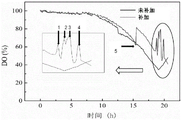
FIG. 2, the DO profile over time during fermentation. Wherein 1 represents the first substrate supplement, 2 represents the second substrate supplement, 3 represents the third substrate supplement, 4 represents the fourth substrate supplement, and 5 represents the increase of the stirring speed.
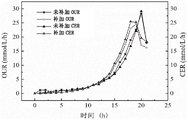
FIG. 3 shows the CER and OUR change curves of the experiment of the non-substrate-supplemented group and the substrate-supplemented group during the fermentation process.
FIG. 4 comparison of intracellular organic acid content of cells in the substrate supplement group and the substrate supplement group. Wherein Pyr is pyruvic acid, Fum is fumaric acid, Suc is succinic acid, Oxa is oxalic acid, Mal is malic acid, alpha KG is alpha-ketoglutaric acid, and Cit is citric acid.
FIG. 5 comparison of intracellular phosphoglucose content of cells in the substrate-supplemented and non-substrate-supplemented groups. Wherein, G3P is glycerol-3-phosphate, 3PG is 3-phosphoglycerate, 2PG is 2-phosphoglycerate, E4P is erythrose-4-phosphate, R5P is ribulose-5-phosphate, RL5P is ribulose-5-phosphate, 6PG is 6-phosphogluconic acid, and FBP is fructose-1, 6-diphosphate.
FIG. 6 shows the intracellular amino acids Ala, Asp, Ser, Thr, His, Met, Pro, Val, Gly comparison of the cells in the substrate-supplemented group and the cells in the non-substrate-supplemented group.
FIG. 7, intracellular nucleotide species AMP, ADP, ATP, NAD, NADH, NADP, NADPH of the cells of the substrate supplemented group and the non-substrate supplemented group.
Detailed Description
Conventional for IDMS 13 The preparation method of the C intracellular intermediate metabolite standard adopts a batch fermentation mode, and thalli are collected and processed after fermentation is finished. As a result of intensive studies, the present inventors supplemented substrates at appropriate timings on a batch fermentation basis ( 13 C-labeled carbon source), the corresponding intracellular metabolites generate dynamic response, the concentration of part of intracellular metabolites is transiently increased, and the fermentation cells are collected at the stage, so that the fermented cells can be efficiently prepared 13 C labeled metabolite standard.
As used herein, the term "intermediary metabolites" includes: intracellular organic acids, intracellular glycophosphates, intracellular amino acids, intracellular nucleotides, and the like.
As used herein, the term "intracellular organic acid" includes, but is not limited to: pyruvic acid, fumaric acid, succinic acid, oxalic acid, malic acid, alpha-ketoglutaric acid and citric acid.
As used herein, the "intracellular phosphate sugar" includes, but is not limited to: glycerol-3-phosphate, 3-phosphoglycerate, 2-phosphoglycerate, erythrose-4-phosphate, ribose-5-phosphate, ribulose-5-phosphate, 6-phosphogluconic acid, fructose-1, 6-diphosphate, phosphoenolpyruvic acid, glucose-6-phosphate, fructose-6-phosphate, sedoheptulose-7-phosphate.
As used herein, the term "intracellular amino acid" includes, but is not limited to: ala, Asp, Ser, Thr, His, Met, Pro, Val, Gly, etc.
As used herein, the term "intracellular nucleotide" includes, but is not limited to: AMP, ADP, ATP, NAD, NADH, NADP, NADPH.
The invention provides a preparation method for isotope dilution mass spectrometry detection, which is provided with 13 A method of C-labeled metabolite standards, the method comprising: (1) the cells are cultured by utilizing a fermentation medium,the carbon source in the fermentation medium is 13 C-labeled (fully labeled) carbon source; (2) when in fermentation medium 13 When the C-labeled glucose is substantially exhausted, the glucose is supplemented in batches 13 A C-labeled carbon source; after each supplement, taking the fermentation liquor to prepare the IDMS standard substance.
In a preferred embodiment of the present invention, the cells used for preparing the standard are yeast cells; most preferred are pichia cells.
Although other substances in the medium may also be labeled, such as labeled amino acids, labeled inlet CO2, or other carbon sources. But glucose is the best in terms of effect and relatively low in cost.
Due to the fact that 13 The C-labeled carbon source is expensive, so it is desirable that it is absorbed by the bacterial cells and converted into intracellular metabolites. To increase as much as possible 13 The preparation efficiency of the C intracellular intermediate metabolite standard substance is optimized, and the inventor optimizes the substrate supplement 13 Timing of C-labeled carbon source. The inventors of the present invention have found through comparison that, 13 when the C marked glucose is basically exhausted, adding the C marked glucose in 2-10 batches 13 A C-labeled carbon source; more preferably adding the water into the water in 3-6 batches 13 A C-labeled carbon source; the amount of the intracellular metabolite obtained subsequently can be significantly increased, thereby effectively reducing 13 The dosage of the C mark reduces the cost.
The conventional method is as follows 13 When the C marked glucose is basically exhausted, the thallus is harvested, and the concentration of the key metabolites in the cells is relatively low, so that the concentration of the metabolites in the cells is greatly improved by the method.
As a preferred mode of the present invention, the first addition is made 13 Before C marking the carbon source, if the carbon source is advanced for 1-4 hours, the method also comprises the step of increasing dissolved oxygen; preferably, the dissolved oxygen is increased by increasing the rotation speed; preferably, the rotation speed is increased by 20-40%. The inventors have observed (FIG. 2) that the first replenishment is carried out when the dissolved oxygen is increased and then increased immediately and then decreased continuously, and then increased by the value before the rotational speed 13 C-labeled carbon sources are preferred.
As a preferred mode of the invention, the first supplementing is carried out 13 C-labeled carbon source is reduced in dissolved oxygen, and when the dissolved oxygen is increased back, the subsequent batch replenishment is carried out 13 C-labeled carbon source.
As a preferred mode of the invention, each batch is supplemented with 13 The amount of C-labeled carbon source depends on the amount of bacteria and/or the amount of glucose initially added; in a preferred embodiment of the invention, additional 13 The amount of the C-labeled carbon source is 1-5 g/L; preferably 1.2-3 g/L; more preferably 1.5 to 2 g/L. The inventors have found that this instantaneous, suitable concentration is 13 The addition of C-labeled carbon source can very effectively increase the amount of intermediate metabolites in the fermentation cells.
To improve as much as possible 13 The preparation efficiency of the C intracellular intermediate metabolite standard and the selection of the time for obtaining the fermentation solution sample are also important. The inventors, after comparison, preferably supplemented each batch with additional 13 And (3) taking fermentation liquor 3-10 minutes, preferably 4-7 minutes, such as 5 and 6 minutes after the carbon source marked by C, and preparing an IDMS standard product, wherein the intracellular intermediate metabolite content is high at the moment.
The fermentation broth used to perform the cell fermentation culture may be a fermentation broth of a formulation known in the art. In a preferred embodiment of the present invention, the fermentation medium comprises: carbon source, potassium ion, calcium ion, magnesium ion, trace elements and phosphate radical. More preferably, for fermentation process which is easy to generate foam, the fermentation medium also comprises a defoaming agent, so that the foam generated in the fermentation process is effectively eliminated, and the fermentation efficiency is improved.
After the fermentation broth treated as above is obtained and taken at an appropriate time, the preparation of the standard can be performed using methods known in the art for preparing IDMS standards. As a preferred mode of the present invention, the method for preparing the IDMS standard comprises: (i) taking the fermentation liquor into a cold methanol solution, uniformly subpackaging sample liquid, centrifuging and removing a supernatant; (ii) adding an ethanol solution into the sample treated in the step (i), uniformly mixing, heating to 95 +/-1 ℃, treating for 8-10 minutes, cooling, and centrifuging to obtain a supernatant; (iii) (iii) adjusting the concentration of the sample obtained in the step (ii), fixing the volume and subpackaging to obtain the product 13 C labeled metabolite standard.
In a specific embodiment of the invention, the method comprises 13 C-holo-labeled glucose is used as a unique carbon source to culture Pichia pastoris G1HL strain, and 13 c full-position marked glucose is supplemented and stimulated, a substrate with a certain concentration is supplemented before batch fermentation is finished, and a rapid sampling quenching method is combined to successfully prepare the band 13 C-labeled standard (see figure 1 for preparative flow). Through the analysis of results of LC-MS and GC-MS, compared with the traditional preparation method, the concentration of most of intracellular organic acids, phosphate sugar, amino acids and nucleotide substances is improved by about 2-10 times. Therefore, the substrate addition can be effectively improved 13 The unit utilization rate of C full-standard glucose and the detection of metabolites with the intracellular content lower than the detection limit of the instrument can be realized. The method greatly solves the problem of low concentrations of phosphate carbohydrate substances and energy substances caused by the traditional culture method.
In conclusion, the concentration of the IDMS standard prepared by substrate supplement can be greatly improved, and the concentration of most metabolites of intracellular central carbon metabolism is greatly improved when the sugar is not completely consumed at the rapid sampling point. Therefore, the IDMS standard substance prepared based on substrate supplement can greatly improve the problem of low concentration of the traditional batch culture preparation standard substance, and meanwhile, the cost can be saved, and the utilization rate of the standard substance can be improved. The substrate addition method has important reference significance for realizing the detection of the metabolites with the intracellular part content lower than the detection limit of the current instrument.
The invention will be further illustrated with reference to the following specific examples. It should be understood that these examples are for illustrative purposes only and are not intended to limit the scope of the present invention. The experimental procedures, for which specific conditions are not noted in the following examples, are generally performed according to conventional conditions such as those described in J. SammBrook et al, molecular cloning, A laboratory Manual, third edition, scientific Press, 2002, or according to the manufacturer's recommendations.
I. Experimental materials and methods
1. Medium composition and strain
In the examples, the composition (g/L) of the fermentation medium used is as indicated in Table 1.
TABLE 1

Fermentation groups without substrate supplementation experiments 13 C full-scale glucose concentration: 20 g/L;
fermentation group for carrying out substrate supplement experiment 13 C full-scale glucose concentration: 16.5 g/L.
The composition (g/L) of PTM1 (trace element) is shown in Table 2.
TABLE 2
| Components | Content (wt.) |
| CuSO 4 ·5HO | 6.0g/L |
| KI | 0.08g/L |
| CoCl 2 | 0.5g/L |
| NaMoO 4 ·2H 2 O | 0.2g/L |
| MnSO 4 ·H 2 O | 3.0g/L |
| H 3 BO 3 | 0.02g/L |
| ZnCl 2 | 20.0g/L |
| FeSO 4 ·7H 2 O | 65.0g/L |
| Biotin | 0.2g/L |
| Concentrated H 2 SO 4 (concentration: 98%) | 5mL/L |
Strain: pichia pastoris G/DSEL, see "celluloimel et al, endogenous signal peptide DSE4 mediates secretory expression of cephalosporin C acylase in Pichia pastoris, proceedings of university of east China Physics, 2015, 41(4): 449-454".
2. Mass spectrometry method
(1) LC-MS analysis
The intracellular organic acids, sugar phosphates and nucleotides were analyzed by LC-MS/MS (a Thermal Ultimate 3000 UPLC system coupled to a Thermal TSQ QUANTUM ULTRA mass spectrum system).
The data processing software used was xcalibur (thermo scientific). The mass spectrum adopts a negative ion SRM (selected interaction monitoring) mode.
And obtaining the ion pair and the optimal mass spectrum condition of the object to be detected by a direct injection method, wherein the temperature of a capillary is 270 ℃, the atomization temperature is 200 ℃, the sheath gas pressure is 15Arb, the auxiliary gas pressure is 10Arb, and the spray voltage is 3000V. A chromatographic part: chromatographic column ACQUITY UPLC BEH C 18 1.7 μm, 2.1X 150mM, column temperature 25 ℃ mobile phase A5% acetonitrile plus 5mM DBAA (dibutylacetic acid) and mobile phase B84% acetonitrile plus 5mM DBAA. The elution gradient was as follows: the proportion of B is 0% at 0 min; when the time is 0-20 min, the proportion of the mobile phase B is increased from 0% to 20% and maintained for 2min, and then is decreased to 0% and maintained for 10 min. Flow velocity of mobile phaseIt was 0.2 mL/min.
(2) GC-MS analysis
The intracellular amino acid is determined by GC-MS, and the analysis method comprises the following specific steps: 100 μ L of the treated sample was taken in a gas phase vial and 30 μ L of 100mg/mL NaCl was added to a-80 ℃ freezer for 30min and then lyophilized overnight. mu.L acetonitrile and 100. mu.L derivatizing agent N- (tert-butyldimethylsilyl) -N-methyltrifluoroacetamide + 1% tert-butyldimethylchlorosilane (MTBSFA: TBDMSCL ═ 99:1) were added and maintained at 70 ℃ for 60 min. After cooling to room temperature, the supernatant was centrifuged and injected.
The instrument used was a 7890A GC (Agilent, Santa Clara, Calif., USA) tandem 5975CMSD single stage mass spectrometer (Agilent, Santa Clara, Calif., USA).
The measurement conditions were as follows: the sample volume is 1 mu L; column used: HP-5MS 30 m.times.0.25 mm.times.0.25 μm (5% Phenyl Methyl Siloxane) nonpolar elastomeric quartz capillary column, temperature program: maintaining at 100 deg.C for 1min, heating to 300 deg.C at a speed of 10 deg.C/min, and maintaining for 10 min. The flow rate of the carrier gas high-purity helium is 1 mL/min. The temperature of the transmission line is 250 ℃, the temperature of the ion source is 230 ℃, and the temperature of the quadrupole rod is 150 ℃. EI source voltage 70 eV. In order to accurately quantify the SIM (selected ion monitoring) mode, the mass spectrum scanning range is 1-1050 amu.
Example II
Example 1 fermentation and substrate supplementation
The fermentation tank is 1L tank from Shanghai Strong biochemical engineering Equipment Limited, the liquid loading of the fermentation liquid is 0.6L, the inoculation amount is 1%, the seeds are cultured at 30 deg.C at 220rpm for 24h, 6mL of the supernatant is removed by centrifugation, 6mL of physiological saline is added for redissolution, the mixture is inoculated into the fermentation tank, and OD is adopted 600 And (5) measuring the bacterial concentration. The whole process uses NaOH solution to remove CO in aeration 2 The aeration rate was 0.6L/min (1vvm), the stirring speed: the initial speed of the fermentation group for substrate supplement experiment is about 300rpm, and the subsequent speed is 400 rpm; the fermentation group without substrate addition experiment was 400rpm, the fermentation temperature was controlled at 30 deg.C, pH was controlled at 5.0 with ammonia, and the pot pressure was maintained at 0.05 MPa. For the whole fermentation process, Biostar software is used for on-line monitoring, and a process mass spectrometer (MAX300-LG, extreme) is used for measuring O in tail gas 2 And CO 2 The concentration of (c).
In the fermentation process, the substrate is used 13 C, adding full-mark glucose. In addition, in order to detect the effect difference of different modes of supplement, the inventor respectively verifies the experimental results of single supplement and multiple times of batch supplement. The specific setting conditions are shown in table 3. Meanwhile, a group which is not subjected to substrate supplement is set.
TABLE 3

Example 2 fermentation Process macroscopic data analysis
The fermentation was performed in the same manner as in example 1, and comparative data analysis was performed on the substrate addition non-performed test group and the substrate addition test group. The results are shown in Table 4.
TABLE 4


The results show that the post-treatment time of the sample sampled once is longer due to the larger culture volume, and the intracellular metabolites are supplemented for 4 times and supplemented once in order to reduce the contact time of the sample and the cold methanol as much as possible and prevent a large amount of leakage of the intracellular metabolites 13 A C full-scale glucose concentration of 1.5g/L is relatively suitable. When dissolved oxygen DO begins to rise and OUR begins to fall 13 C, adding fully-labeled glucose, and starting rapid sampling operation after 5min, wherein 0.15L of sample is taken each time. When the Oxygen Uptake Rate (OUR) and carbon dioxide release rate (CER) decrease again, a second substrate addition is made, and the procedure is repeated with subsequent additions.
FIG. 2 is a graph showing the change in DO during the whole fermentation without and with the substrate addition stimulation (addition mode 3), wherein 1, 2, 3 and 4 represent 4 times of substrate addition, and 5 represents stirringThe stirring speed is increased. In order to avoid oxygen limitation during the culture process, the stirring speed was increased from 300rpm to 400rpm 3 hours before substrate addition, and the DO rise was shown in FIG. 3, and CER and OUR did not decrease at this time, so that the DO rise was independent of the physiological status of the cells. The DO is slowly decreased with the consumption of the cells after the DO is rapidly increased by increasing the stirring speed. Beginning to supplement about 18 hours after the fermentation begins, and rising DO back after the supplement, and then feeding back into the fermentation tank 13 C full-label glucose is substantially depleted. The first substrate addition, the DO rapidly decreased and rapid sampling began after about 5 min. And (4) performing second supplementing after the DO rises again, and repeating the operation in the same manner, and performing four times of supplementing.
FIG. 3 is a graph showing the change in CER and OUR throughout the fermentation process without and with the substrate supplementation stimulation experiment (supplementation mode 3). As can be seen from the figure, the parallelism of the two experiments is good, the whole culture process is about 20h, and after a lag period of about 10h, the CER and OUR begin to increase rapidly. Since the initial concentration of the bacteria subjected to the substrate supplementation was slightly lower than that of the experiment not subjected to the substrate supplementation (initial concentration of sugar not subjected to the substrate supplementation: 20g/L, initial concentration of sugar subjected to the substrate supplementation: 16.5g/L), the time for lowering the CER and OUR was slightly earlier than that of the experiment not subjected to the substrate supplementation. By OD 600 The bacterial concentration of the two batches of fermentation liquor is measured to be about 25 g/L.
Example 3 obtaining of IDMS Standard
The method of example 1 was used for fermentation and substrate addition stimulation treatment (addition mode 3), and the fermentation broth was extracted to prepare the IDMS standard. The specific method for preparing the IDMS standard is shown in fig. 1.
The quantification of the standard being by a known concentration 12 C standard quantitative unknown 13 C metabolite concentration. Respectively mixing a certain amount of 12 C phosphoric acid saccharide standard substance, 12 C organic acid standard substance, 12 C nucleotide standard and 12 c, preparing 4 mixed standards from amino acid standard substances, 12 c, taking a series of concentration gradients, wherein the concentration range of the standard substance except amino acid is 50-0.05 mu mol/L, and the concentration range of the amino acid is 200-0.1 mu mol/L. Finally, varying the concentration gradient 12 C mixed standard and 13 mixing the C intracellular metabolites according to a certain volume ratio, injecting sample LCMS and GCMS for detection and analysis, and finally establishing 13 C and 12 c mass spectrum peak area ratio of same metabolite and 12 standard curve of C metabolite concentration as 13 And C, quantitative standard of metabolite standard.
1. Rapid sampling
Intracellular metabolite concentrations are generally low and the corresponding enzymatic reactions are fast, thus requiring rapid quenching of the sampled cells. The rapid sampling quenching method comprises the following specific steps:
150mL of the fermentation broth was quickly removed to 750mL of a-80 ℃ 60% cold methanol solution and the mass of the cold methanol solution before and after sampling was recorded. Then, the mixture is evenly distributed into sample tubes, the liquid filling amount of each sample tube is 45mL, and the sample tubes are placed in a centrifuge with the temperature of minus 20 ℃ and centrifuged at 4000rpm for 5 min.
2. Ethanol extraction
The process of ethanol extraction is the process of breaking up the cells to release intracellular metabolites.
Removing supernatant from the centrifuged sample, rapidly adding 30mL 75% ethanol solution at 75 deg.C, mixing by vortex oscillation, and placing in 95 deg.C water bath for 4 min. And cooling, and centrifuging at low temperature to collect supernatant.
3. Concentrating and packaging
Concentrating the centrifuged and collected supernatant to 1mL by a rotary evaporator, fixing the volume to 80mL, subpackaging into 530 EP tubes with the volume of 150 mu L in each tube, storing in a refrigerator at the temperature of 80 ℃ below zero, and simultaneously taking part of the prepared standard sample to perform LC-MS/MS and GC-MS detection analysis results.
Example 4 intracellular metabolite concentration analysis
1. Intracellular organic acids
FIG. 4 is a graph showing the comparison of the intracellular organic acid concentrations measured in the experiment in which substrate addition was not carried out and in which substrate addition was carried out (addition was carried out in addition manner 3).
As can be seen from FIG. 4, after substrate supplement stimulation, the intracellular organic acid content is greatly increased, particularly malic acid is increased by about 18 times, and the rest organic acids are increased by 2-10 times. Compared with the traditional method without substrate supplement, the substrate supplement is carried out after sugar is exhausted, the instantly improved substrate concentration is taken up by the cells, the intracellular metabolite content is rapidly increased, the rapid sampling and quenching are carried out before the sugar is not exhausted, and the intracellular metabolite concentration of the cells is still maintained at a higher level. The traditional method is to take samples after the end of fermentation when sugar is exhausted, thus resulting in lower intracellular metabolite concentrations.
2. Intracellular phosphate sugar
FIG. 5 is a comparison of the measured intracellular glucphosphate concentrations without substrate addition and with substrate addition (addition in addition manner 3).
As can be seen from FIG. 5, the erythrose-4-phosphate was increased in the largest extent, about 10 times, and other substances were also increased in various degrees. 13 After C full-labeled glucose is taken up by cells, the C full-labeled glucose firstly passes through an EMP pathway and a PP pathway, and phosphate carbohydrate substances in a standard substance prepared by sampling after sugar is exhausted by a traditional method are preferentially metabolized, so that the concentration is lower, and the C full-labeled glucose can be maintained at a higher level after substrate is supplemented.
3. Intracellular amino acids
FIG. 6 is a comparison of the measured intracellular amino acid content without and with substrate supplementation (with supplementation in supplementation mode 3).
As can be seen from FIG. 6, the contents of most of the amino acids in the cells except for aspartic acid and histidine were greatly increased after substrate supplementation, and in particular, proline and glycine were increased by about 15 times. The content of the rest amino acids is improved by 2-5 times. Because intracellular amino acid metabolism is coupled with partial metabolites of intracellular central carbon metabolism, the increase of intracellular phosphate carbohydrate and organic acid concentration causes the corresponding increase of amino acid concentration.
4. Intracellular nucleotides
FIG. 7 is a graph showing the comparison of the intracellular nucleotide concentrations measured after the substrate addition was not performed and after the substrate addition was performed (addition was performed in addition manner 3). After substrate is supplemented, the contents of ATP, ADP, NADH and NAD in cells are greatly increased, but the concentration of AMP is reduced compared with that in the experiment without substrate, and the specific reason is not clear.
All documents mentioned in this application are incorporated by reference in this application as if each were individually incorporated by reference. Furthermore, it should be understood that various changes or modifications of the present invention can be made by those skilled in the art after reading the above teachings of the present invention, and these equivalents also fall within the scope of the appended claims of the present application.
Claims (10)

Priority Applications (1)
| Application Number | Priority Date | Filing Date | Title |
|---|---|---|---|
| CN201710165428.5A CN108624516B (en) | 2017-03-20 | 2017-03-20 | Method for improving metabolite amount in fermentation cells and preparing IDMS standard substance |
Applications Claiming Priority (1)
| Application Number | Priority Date | Filing Date | Title |
|---|---|---|---|
| CN201710165428.5A CN108624516B (en) | 2017-03-20 | 2017-03-20 | Method for improving metabolite amount in fermentation cells and preparing IDMS standard substance |
Publications (2)
| Publication Number | Publication Date |
|---|---|
| CN108624516A CN108624516A (en) | 2018-10-09 |
| CN108624516B true CN108624516B (en) | 2022-08-26 |
Family
ID=63686528
Family Applications (1)
| Application Number | Title | Priority Date | Filing Date |
|---|---|---|---|
| CN201710165428.5A Active CN108624516B (en) | 2017-03-20 | 2017-03-20 | Method for improving metabolite amount in fermentation cells and preparing IDMS standard substance |
Country Status (1)
| Country | Link |
|---|---|
| CN (1) | CN108624516B (en) |
Families Citing this family (2)
| Publication number | Priority date | Publication date | Assignee | Title |
|---|---|---|---|---|
| CN111849796B (en) * | 2019-04-26 | 2023-01-13 | 姚瑞莲 | Stable isotope labeled intracellular intermediate metabolite and preparation method thereof |
| CN115655816A (en) * | 2022-08-19 | 2023-01-31 | 中国计量科学研究院 | Metabolite standard substance of human B lymphocyte cell line of family of homozygote twins, preparation method and application |
Citations (26)
| Publication number | Priority date | Publication date | Assignee | Title |
|---|---|---|---|---|
| CA2062453A1 (en) * | 1991-03-08 | 1992-09-09 | Nobuo Kato | Process for the Preparation of 13C-Labelled Compounds |
| CN1305500A (en) * | 1998-04-15 | 2001-07-25 | 莱利工业公司 | Separation method using amphoteric basic polymer |
| CN1409755A (en) * | 1999-12-09 | 2003-04-09 | 法马西雅公司 | Production of peptides by fedbatch cultivation of microoganism |
| CN1483080A (en) * | 2000-10-27 | 2004-03-17 | Dsm | Fermentation production of D-p-hydroxyphenylglycine and D-phenylglycine |
| CN1754099A (en) * | 2003-02-27 | 2006-03-29 | 伊克赛拉伦有限公司 | Library of compounds labelled with radioisotope |
| CN1894416A (en) * | 2003-12-18 | 2007-01-10 | 巴斯福股份公司 | Process for producing fine chemicals by fermentation |
| CN101111847A (en) * | 2004-11-08 | 2008-01-23 | 耶鲁大学 | Structure-based compound design involving riboswitches |
| CN101125873A (en) * | 1997-10-24 | 2008-02-20 | 茵维特罗根公司 | Recombinational cloning using nucleic acids having recombination sites |
| CN101395472A (en) * | 2006-01-17 | 2009-03-25 | 协乐民公司 | Methods for Predicting the Response of Biological Systems |
| CN101600954A (en) * | 2006-12-07 | 2009-12-09 | 应用同位素技术公司 | Solid phase and catalytically enabled automated isotope dilution and speciated isotope dilution mass spectrometry |
| CN102712942A (en) * | 2009-09-01 | 2012-10-03 | 伦斯勒理工学院 | K5 heparosan fermentation and purification |
| WO2012135591A2 (en) * | 2011-03-30 | 2012-10-04 | Amyris, Inc. | Microbial isoprenoid production using a heterologous dxp pathway |
| CN102753692A (en) * | 2010-06-15 | 2012-10-24 | 白光产业株式会社 | Production process for amino acids of the aspartate family using microorganisms |
| CN102766121A (en) * | 2012-08-09 | 2012-11-07 | 上海化工研究院 | A kind of synthesis method of double-labeled nitrofurazone-(13C, 15N2) |
| CN103409477A (en) * | 2013-07-18 | 2013-11-27 | 天津科技大学 | Method for improving saccharic acid conversion rate in L-tryptophan fermentation process |
| CN103995077A (en) * | 2014-05-21 | 2014-08-20 | 中国计量科学研究院 | Method for determining content of beta-lactoglobulin in milk powder |
| CN104450584A (en) * | 2014-12-12 | 2015-03-25 | 杨凌农科大无公害农药研究服务中心 | Actinomycetes and application thereof |
| CN104478740A (en) * | 2014-11-19 | 2015-04-01 | 上海化工研究院 | Synthesis method of stable isotope-labeled beta receptor agonist type compound |
| CN104569134A (en) * | 2015-01-06 | 2015-04-29 | 中国计量科学研究院 | Method for accurately testing digestion efficiency of proteins in matrix |
| CN104685058A (en) * | 2012-06-04 | 2015-06-03 | 基因组股份公司 | Microorganisms and methods for producing 4-hydroxybutyrate, 1,4-butanediol and related compounds |
| CN104945277A (en) * | 2015-06-23 | 2015-09-30 | 上海化工研究院 | Stable isotope labeling alkaline bright yellow O and synthetic method thereof |
| CN105143872A (en) * | 2013-06-07 | 2015-12-09 | 皮尔斯生物科技有限公司 | Absolute Quantification of Proteins and Protein Modifications Using Multiplexed Internal Standards by Mass Spectrometry |
| CN105378055A (en) * | 2013-07-26 | 2016-03-02 | 罗盖特兄弟公司 | Method for fed-batch fermentation of chlorellae fed by sequential, automated provisions of glucose |
| WO2016154124A1 (en) * | 2015-03-20 | 2016-09-29 | The Research Foundation For The State University Of New York | Metal-binding compounds, heterologous production and uses thereof |
| CN106103694A (en) * | 2014-01-16 | 2016-11-09 | 法国农业科学研究院 | Yeast modified to use carbon dioxide |
| CN106318984A (en) * | 2015-06-30 | 2017-01-11 | 中国科学院大连化学物理研究所 | Method for preparing fatty glyceride by using oleaginous microorganisms as well as glyceride and applications thereof |
Family Cites Families (17)
| Publication number | Priority date | Publication date | Assignee | Title |
|---|---|---|---|---|
| EP1025217B1 (en) * | 1997-10-24 | 2006-10-04 | Invitrogen Corporation | Recombinational cloning using nucleic acids having recombination sites |
| GB2360845A (en) * | 2000-03-27 | 2001-10-03 | Leuven K U Res & Dev | Measuring gastric emptying |
| DK1328543T3 (en) * | 2000-10-27 | 2009-11-23 | Novartis Vaccines & Diagnostic | Nucleic acids and proteins of streptococcus group A & B |
| US20030180710A1 (en) * | 2002-03-22 | 2003-09-25 | Lee Wai-Nang Paul | Method of enhancing the efficiency of a pharmaceutical business |
| US8206766B2 (en) * | 2005-03-21 | 2012-06-26 | Ying Zhang | Method for using bamboo leaf extract as acrylamide inhibitor for heat processing food |
| US8486699B2 (en) * | 2008-05-23 | 2013-07-16 | The United States Of America As Represented By The Secretary Of Agriculture | Immortal unipotent porcine PICM-19H and PICM-19B stem cell lines |
| FR2943893B1 (en) * | 2009-04-02 | 2011-05-13 | Sojasun Technologies | PROCESS FOR THE PRODUCTION OF A MILK PRODUCT WITH REDUCED CARBOHYDRATE CONTENT AND ENRICHED WITH PHOSPOLIPIDS, IN PARTICULAR CHOLINE, PROTEINS AND CALCIUM |
| CN102250764B (en) * | 2010-05-19 | 2013-06-26 | 华东理工大学 | Micro holographic biological sensing reactor system |
| CN102286369B (en) * | 2010-06-18 | 2013-06-19 | 北京化工大学 | Microorganism fermentation process scaling-up platform technique |
| CN102174634A (en) * | 2011-03-17 | 2011-09-07 | 天津大学 | Method for detecting changes of metabolites in cells in two-step fermentation of vitamin C |
| CN103184164A (en) * | 2011-12-30 | 2013-07-03 | 天津工业生物技术研究所 | Yeast capable of producing D- arabitol and xylitol simultaneously and application thereof |
| MX2016009766A (en) * | 2014-01-30 | 2016-11-17 | Evonik Degussa Gmbh | Process for making ethanol by fermentation. |
| CN105445409B (en) * | 2014-08-13 | 2017-06-06 | 首都医科大学附属北京朝阳医院 | A Method for Measuring Glycated Hemoglobin Using Isotope Dilution Mass Spectrometry |
| CN104450834A (en) * | 2014-12-04 | 2015-03-25 | 天津大学 | Method of increasing yield of spinosad by improving fermentation condition of saccharopolyspora spinosa based on metabonomics |
| CN105112496B (en) * | 2015-08-21 | 2018-02-09 | 济南康和医药科技有限公司 | A kind of method for monitoring Pichia pastoris fermentation termination |
| KR101880275B1 (en) * | 2017-01-09 | 2018-08-16 | 김선중 | Search system and method for biological system information |
| EP3980551A4 (en) * | 2019-06-06 | 2024-02-21 | Amyris, Inc. | Methods for decoupling yield and productivity of a non-catabolic compound produced by a host cell |
-
2017
- 2017-03-20 CN CN201710165428.5A patent/CN108624516B/en active Active
Patent Citations (26)
| Publication number | Priority date | Publication date | Assignee | Title |
|---|---|---|---|---|
| CA2062453A1 (en) * | 1991-03-08 | 1992-09-09 | Nobuo Kato | Process for the Preparation of 13C-Labelled Compounds |
| CN101125873A (en) * | 1997-10-24 | 2008-02-20 | 茵维特罗根公司 | Recombinational cloning using nucleic acids having recombination sites |
| CN1305500A (en) * | 1998-04-15 | 2001-07-25 | 莱利工业公司 | Separation method using amphoteric basic polymer |
| CN1409755A (en) * | 1999-12-09 | 2003-04-09 | 法马西雅公司 | Production of peptides by fedbatch cultivation of microoganism |
| CN1483080A (en) * | 2000-10-27 | 2004-03-17 | Dsm | Fermentation production of D-p-hydroxyphenylglycine and D-phenylglycine |
| CN1754099A (en) * | 2003-02-27 | 2006-03-29 | 伊克赛拉伦有限公司 | Library of compounds labelled with radioisotope |
| CN1894416A (en) * | 2003-12-18 | 2007-01-10 | 巴斯福股份公司 | Process for producing fine chemicals by fermentation |
| CN101111847A (en) * | 2004-11-08 | 2008-01-23 | 耶鲁大学 | Structure-based compound design involving riboswitches |
| CN101395472A (en) * | 2006-01-17 | 2009-03-25 | 协乐民公司 | Methods for Predicting the Response of Biological Systems |
| CN101600954A (en) * | 2006-12-07 | 2009-12-09 | 应用同位素技术公司 | Solid phase and catalytically enabled automated isotope dilution and speciated isotope dilution mass spectrometry |
| CN102712942A (en) * | 2009-09-01 | 2012-10-03 | 伦斯勒理工学院 | K5 heparosan fermentation and purification |
| CN102753692A (en) * | 2010-06-15 | 2012-10-24 | 白光产业株式会社 | Production process for amino acids of the aspartate family using microorganisms |
| WO2012135591A2 (en) * | 2011-03-30 | 2012-10-04 | Amyris, Inc. | Microbial isoprenoid production using a heterologous dxp pathway |
| CN104685058A (en) * | 2012-06-04 | 2015-06-03 | 基因组股份公司 | Microorganisms and methods for producing 4-hydroxybutyrate, 1,4-butanediol and related compounds |
| CN102766121A (en) * | 2012-08-09 | 2012-11-07 | 上海化工研究院 | A kind of synthesis method of double-labeled nitrofurazone-(13C, 15N2) |
| CN105143872A (en) * | 2013-06-07 | 2015-12-09 | 皮尔斯生物科技有限公司 | Absolute Quantification of Proteins and Protein Modifications Using Multiplexed Internal Standards by Mass Spectrometry |
| CN103409477A (en) * | 2013-07-18 | 2013-11-27 | 天津科技大学 | Method for improving saccharic acid conversion rate in L-tryptophan fermentation process |
| CN105378055A (en) * | 2013-07-26 | 2016-03-02 | 罗盖特兄弟公司 | Method for fed-batch fermentation of chlorellae fed by sequential, automated provisions of glucose |
| CN106103694A (en) * | 2014-01-16 | 2016-11-09 | 法国农业科学研究院 | Yeast modified to use carbon dioxide |
| CN103995077A (en) * | 2014-05-21 | 2014-08-20 | 中国计量科学研究院 | Method for determining content of beta-lactoglobulin in milk powder |
| CN104478740A (en) * | 2014-11-19 | 2015-04-01 | 上海化工研究院 | Synthesis method of stable isotope-labeled beta receptor agonist type compound |
| CN104450584A (en) * | 2014-12-12 | 2015-03-25 | 杨凌农科大无公害农药研究服务中心 | Actinomycetes and application thereof |
| CN104569134A (en) * | 2015-01-06 | 2015-04-29 | 中国计量科学研究院 | Method for accurately testing digestion efficiency of proteins in matrix |
| WO2016154124A1 (en) * | 2015-03-20 | 2016-09-29 | The Research Foundation For The State University Of New York | Metal-binding compounds, heterologous production and uses thereof |
| CN104945277A (en) * | 2015-06-23 | 2015-09-30 | 上海化工研究院 | Stable isotope labeling alkaline bright yellow O and synthetic method thereof |
| CN106318984A (en) * | 2015-06-30 | 2017-01-11 | 中国科学院大连化学物理研究所 | Method for preparing fatty glyceride by using oleaginous microorganisms as well as glyceride and applications thereof |
Non-Patent Citations (6)
| Title |
|---|
| 13C辅助的代谢组学方法的建立及其在毕赤酵母代谢研究中的应用;郭孟磊;《中国优秀硕士学位论文全文数据库(电子期刊)基础科学辑》;20160515(第05期);A006-178 * |
| Flux response of glycolysis and storage metabolism during rapid feast/famine conditions in Penicillium chrysogenum using dynamic 13C labeling;Lodewijk de Jonge 等;《Biotechnol. J.》;20131023;第372–385页 * |
| IDMS 中同位素标记样品离子化过程分析;高方园 等;《第二十届全国色谱学术报告会及仪器展览会论文集(第四分册)》;20150419;第175页 * |
| MIRACLE: Mass Isotopomer Ratio Analysis of U-13C-Labeled Extracts. A New Method for Accurate Quantification of Changes in Concentrations of Intracellular Metabolites;M. R. Mashego 等;《Biotechnol Bioeng.》;20040120;第85卷(第6期);第620-628页 * |
| Quantitative analysis of the microbial metabolome by isotope dilution mass spectrometry using uniformly 13C-labeled cell extracts as internal standards;Liang Wu 等;《Analytical Biochemistry》;20050115;第336卷(第2期);摘要,第165页右栏第1段,最后一段,第166页右栏第1段,左栏第3段,第167页左栏第2段 * |
| 基于葡萄糖脉冲的同位素稀释质谱检测法标品制备;舒威 等;《生物工程学报》;20171125;第33卷(第11期);第1869-1876页 * |
Also Published As
| Publication number | Publication date |
|---|---|
| CN108624516A (en) | 2018-10-09 |
Similar Documents
| Publication | Publication Date | Title |
|---|---|---|
| Szyperski | 13C-NMR, MS and metabolic flux balancing in biotechnology research | |
| Taymaz-Nikerel et al. | Development and application of a differential method for reliable metabolome analysis in Escherichia coli | |
| Young et al. | Mapping photoautotrophic metabolism with isotopically nonstationary 13C flux analysis | |
| Crutchfield et al. | Mass spectrometry-based metabolomics of yeast | |
| Wang et al. | Intracellular metabolic changes of Clostridium acetobutylicum and promotion to butanol tolerance during biobutanol fermentation | |
| CN108624516B (en) | Method for improving metabolite amount in fermentation cells and preparing IDMS standard substance | |
| Wang et al. | The effect of intracellular amino acids on GSH production by high-cell-density cultivation of Saccharomyces cerevisiae | |
| Hong et al. | 13C-assisted metabolomics analysis reveals the positive correlation between specific erythromycin production rate and intracellular propionyl-CoA pool size in Saccharopolyspora erythraea | |
| Schoppel et al. | Metabolic control analysis enables rational improvement of E. coli L-tryptophan producers but methylglyoxal formation limits glycerol-based production | |
| Kim et al. | Biosynthesis of L-fucose and L-fuculose using engineered Saccharomyces cerevisiae | |
| Van Gulik et al. | The sampling and sample preparation problem in microbial metabolomics | |
| CN102608226A (en) | Method for quickly measuring ethyl carbamate in yeast, fermented grains or fermenting mash | |
| CN112625116A (en) | Enzyme digestion conversion method of recombinant human insulin precursor | |
| CN117512029B (en) | Culture medium and method for improving glutamine yield and metabonomic analysis method | |
| Song et al. | Beyond traditional pathways: Uncovering ultrasonication’s novel routes to enhance hydrogen yields in Clostridium pasteurianum | |
| CN110196288A (en) | A kind of foundation and application of dynamic Metabolic flux analysis technology | |
| Mosin et al. | Studying Biosynthetic Pathways of 2H-Labeled Purine Ribonucleoside Inosine in a Bacterium Bacillus Subtilis B-3157 by FAB Method | |
| Wang et al. | Enhanced production of ethyl caproate in strong-flavor Baijiu through a dual bacterial co-culture system and immobilization on natural luffa sponge | |
| CN109307728B (en) | Novel internal standard substance for detecting amino acid, organic acid or phosphate sugar metabolite in sample | |
| CN110484466B (en) | Method for improving fermentation performance of thermophilic anaerobic bacillus | |
| CN111849796B (en) | Stable isotope labeled intracellular intermediate metabolite and preparation method thereof | |
| CN118910180B (en) | Fermentation method for producing glutamine by fermentation of corynebacterium glutamicum | |
| Dalm et al. | Effect of feed and bleed rate on hybridoma cells in an acoustic perfusion bioreactor: Metabolic analysis | |
| CN103487389B (en) | A kind of γ-aminobutyric acid quick detection kit and detection method thereof | |
| Zheng et al. | Hydrogen-producing conditions and mutation mechanisms of a highly efficient mutant strain Ethanoligenens harbinense YR-3 |
Legal Events
| Date | Code | Title | Description |
|---|---|---|---|
| PB01 | Publication | ||
| PB01 | Publication | ||
| SE01 | Entry into force of request for substantive examination | ||
| SE01 | Entry into force of request for substantive examination | ||
| GR01 | Patent grant | ||
| GR01 | Patent grant |