CN107276899B - Label switching path reporting system, method and network equipment - Google Patents
Label switching path reporting system, method and network equipment Download PDFInfo
- Publication number
- CN107276899B CN107276899B CN201710200128.6A CN201710200128A CN107276899B CN 107276899 B CN107276899 B CN 107276899B CN 201710200128 A CN201710200128 A CN 201710200128A CN 107276899 B CN107276899 B CN 107276899B
- Authority
- CN
- China
- Prior art keywords
- path
- lsp
- network device
- label switched
- label
- Prior art date
- Legal status (The legal status is an assumption and is not a legal conclusion. Google has not performed a legal analysis and makes no representation as to the accuracy of the status listed.)
- Active
Links
Images


Classifications
-
- H—ELECTRICITY
- H04—ELECTRIC COMMUNICATION TECHNIQUE
- H04L—TRANSMISSION OF DIGITAL INFORMATION, e.g. TELEGRAPHIC COMMUNICATION
- H04L45/00—Routing or path finding of packets in data switching networks
- H04L45/50—Routing or path finding of packets in data switching networks using label swapping, e.g. multi-protocol label switch [MPLS]
-
- H—ELECTRICITY
- H04—ELECTRIC COMMUNICATION TECHNIQUE
- H04L—TRANSMISSION OF DIGITAL INFORMATION, e.g. TELEGRAPHIC COMMUNICATION
- H04L41/00—Arrangements for maintenance, administration or management of data switching networks, e.g. of packet switching networks
- H04L41/12—Discovery or management of network topologies
-
- H—ELECTRICITY
- H04—ELECTRIC COMMUNICATION TECHNIQUE
- H04L—TRANSMISSION OF DIGITAL INFORMATION, e.g. TELEGRAPHIC COMMUNICATION
- H04L45/00—Routing or path finding of packets in data switching networks
- H04L45/42—Centralised routing
-
- H—ELECTRICITY
- H04—ELECTRIC COMMUNICATION TECHNIQUE
- H04L—TRANSMISSION OF DIGITAL INFORMATION, e.g. TELEGRAPHIC COMMUNICATION
- H04L47/00—Traffic control in data switching networks
- H04L47/70—Admission control; Resource allocation
- H04L47/72—Admission control; Resource allocation using reservation actions during connection setup
- H04L47/724—Admission control; Resource allocation using reservation actions during connection setup at intermediate nodes, e.g. resource reservation protocol [RSVP]
-
- H—ELECTRICITY
- H04—ELECTRIC COMMUNICATION TECHNIQUE
- H04L—TRANSMISSION OF DIGITAL INFORMATION, e.g. TELEGRAPHIC COMMUNICATION
- H04L45/00—Routing or path finding of packets in data switching networks
- H04L45/02—Topology update or discovery
Landscapes
- Engineering & Computer Science (AREA)
- Computer Networks & Wireless Communication (AREA)
- Signal Processing (AREA)
- Data Exchanges In Wide-Area Networks (AREA)
Abstract
本公开内容涉及标签路径交换报告。描述了由流量工程标签交换路径(TE LSP)的非入口路由器向路径计算单元报告由TE LSP通过网络采用的实际路径的技术。第一网络设备经由网络从第二网络设备接收LSP路径信令消息,第一网络设备不是用于TE LSP的入口标签边缘路由器,LSP路径信令消息包括路由对象,路由对象具有用于TE LSP的至少一个路径的子路径的第一指示;响应于LSP路径信令消息并且至少部分地基于路由对象生成包括用于TE LSP的至少一个路径的子路径的第二指示的LSP路径报告消息;并向路径计算单元发送LSP路径报告消息以通知PCE。

The present disclosure relates to label path switching reports. A technique for reporting the actual path taken by the TE LSP through the network by the non-ingress routers of the Traffic Engineering Label Switched Path (TE LSP) to the Path Computation Unit is described. The first network device receives the LSP path signaling message via the network from the second network device, the first network device is not an ingress label edge router for the TE LSP, the LSP path signaling message includes a routing object with a routing object for the TE LSP. a first indication of a sub-path of the at least one path; generating an LSP path report message including a second indication of a sub-path of the at least one path for the TE LSP in response to the LSP path signaling message and based at least in part on the routing object; The path calculation unit sends the LSP path report message to notify the PCE.
Description
技术领域technical field
本发明涉及计算机网络,更具体地,涉及在网络内提供流量工程。The present invention relates to computer networks and, more particularly, to providing traffic engineering within a network.
背景技术Background technique
网络中的路由设备(通常被称为路由器)维护描述通过网络的可用路由的路由信息表。网络路由器维护描述通过网络的可用路由的路由信息。在接收到分组时,路由器检查分组内的信息,并根据路由信息转发分组。为了保持网络的准确表示,路由器根据一个或多个路由协议(诸如内部网关协议(IGP)或边界网关协议(BGP))来交换路由信息。Routing devices (often referred to as routers) in a network maintain routing information tables that describe the available routes through the network. Network routers maintain routing information that describes the available routes through the network. When a packet is received, the router examines the information within the packet and forwards the packet according to the routing information. To maintain an accurate representation of the network, routers exchange routing information according to one or more routing protocols, such as Interior Gateway Protocol (IGP) or Border Gateway Protocol (BGP).
术语“链路”通常用于指代网络上的两个设备之间的连接。链路可以是物理连接,诸如铜线、同轴电缆、许多不同的光纤线路或无线连接中的任何一个。另外,网络设备可定义“虚拟”或“逻辑”链路,并将虚拟链路映射到物理链路。换句话说,虚拟链接的使用提供了一定程度的抽象。The term "link" is often used to refer to a connection between two devices on a network. A link can be a physical connection, such as copper wire, coaxial cable, any of a number of different fiber optic lines, or a wireless connection. Additionally, network devices may define "virtual" or "logical" links and map virtual links to physical links. In other words, the use of virtual links provides a certain level of abstraction.
流量工程可在网络中应用于各种目的,诸如围绕网络故障或拥塞链路路由流量,或者通过沿着满足一组明确要求的网络沿特定路径引导某些流量。例如,网络中的路由器可使用资源预留协议(诸如具有流量工程扩展的资源预留协议(RSVP-TE))在多协议标签交换(MPLS)网络中建立流量工程标签交换路径(TE LSP)。一旦分组通过用于LSP的入口标签边缘路由器(LER)映射到流量工程LSP(TE LSP)上,则沿着TE LSP的中间设备基于附加至分组的标签来转发分组,而不是基于分组目的地和中间设备的路由信息做出独立的转发决定。流量工程MPLS LSP可以以这种方式用于定义和实现从源设备到目的地设备的路径,该路径满足通过网络传输的某些流量的要求。Traffic engineering can be applied in a network for a variety of purposes, such as routing traffic around network failures or congested links, or by directing certain traffic along specific paths along a network that satisfies a well-defined set of requirements. For example, routers in the network may use a resource reservation protocol, such as Resource Reservation Protocol with Traffic Engineering Extensions (RSVP-TE), to establish a Traffic Engineering Label Switching Path (TE LSP) in a Multiprotocol Label Switching (MPLS) network. Once a packet is mapped onto a Traffic Engineering LSP (TE LSP) by the ingress Label Edge Router (LER) for the LSP, intermediate devices along the TE LSP forward the packet based on the label attached to the packet, not based on the packet destination and The routing information of the intermediate device makes independent forwarding decisions. Traffic engineering MPLS LSPs can be used in this way to define and implement a path from a source device to a destination device that satisfies the requirements of certain traffic passing through the network.
LSP必须满足的明确要求表示对从源设备到目的地设备的可能路径的集合的约束。这些约束(诸如可用带宽)指示最短路径优先算法来计算令人满意的关于约束度量的路径。然后,网络路由器建立与所计算的路径匹配的LSP,并且使用该LSP以满足该约束的方式来转发流量。因此,约束最短路径优先(CSPF)表示用于流量工程系统的基本构建块,包括MPLS和通用MPLS(GMPLS)网络。但是,在大型、多域、多区域和/或多层网络中基于约束的路径计算是复杂的,并且在一些情况下可能需要不同管理域中的不交换用于计算多域路径的足够流量工程信息的单元之间的协作。The explicit requirements that the LSP must satisfy represent constraints on the set of possible paths from the source device to the destination device. These constraints, such as available bandwidth, instruct the shortest path first algorithm to compute a satisfactory path with respect to the constraint metric. The network router then establishes an LSP that matches the calculated path and forwards traffic using that LSP in a manner that satisfies the constraint. Thus, Constrained Shortest Path First (CSPF) represents a basic building block for traffic engineering systems, including MPLS and Generic MPLS (GMPLS) networks. However, constraint-based path computation in large, multi-domain, multi-region and/or multi-layer networks is complex, and in some cases may require sufficient traffic engineering in different administrative domains without exchanging for computing multi-domain paths Collaboration between units of information.
网络运营商可通过引入允许网络路由器下载路径计算的一个或多个路径计算单元(PCE)来增加其网络的功能性。PCE通过网络与一个或多个路径计算客户端(PCC)建立PCE通信协议(PCEP)会话。路径计算客户端(例诸如路由器)使用它们各自的PCEP会话向PCE发出路径计算请求。PCE应用在路径计算请求中提供的约束来通过满足约束的路径计算域来计算LSP的路径。然后PCE返回到用于TE LSP的入口LER的请求PCC的路径,从而有效地增加了网络路径计算功能性。PCE可以是无状态的或有状态的。通常,无状态的PCE不保持描述网络中的TE LSP的状态。另一方面,有状态的PCE保持网络中的TE LSP的子集的状态,从而允许有状态的PCE在一些情况下利用更复杂的LSP路径计算算法。Network operators can increase the functionality of their networks by introducing one or more Path Computation Elements (PCEs) that allow network routers to download path computations. The PCE establishes a PCE Communication Protocol (PCEP) session with one or more Path Computation Clients (PCCs) over the network. Path computation clients, such as routers, use their respective PCEP sessions to issue path computation requests to the PCE. The PCE applies the constraints provided in the path calculation request to calculate the path of the LSP through the path calculation domain that satisfies the constraints. The PCE then returns the path to the requesting PCC for the entry LER of the TE LSP, effectively increasing the network path computation functionality. PCE can be stateless or stateful. In general, a stateless PCE does not maintain the state describing the TE LSPs in the network. Stateful PCEs, on the other hand, maintain the state of a subset of TE LSPs in the network, allowing stateful PCEs to utilize more complex LSP path computation algorithms in some cases.
发明内容SUMMARY OF THE INVENTION
一般来说,描述了通过用于多个流量工程标签交换路径(TE LSP)的非入口路由器通过网络向路径计算单元报告由多个TE LSP采用的实际路径的技术。例如,路由器可接收由TE LSP的入口LER发起的用于TE LSP的LSP信令消息。例如,LSP信令消息可包括作为为TELSP绑定标签的请求的RSVP-TE路径消息或者根据这种请求来分发绑定的标签的RSVP-TEResv消息。LSP信令消息包括路由对象,该路由对象指示由TE LSP所采用的从入口LER到出口LER的路径。响应于接收到LSP信令消息并且基于路由对象,路由器生成并且向包括路由器的路径计算域的PCE发送指示TE LSP所采用的路径的LSP路径报告消息。In general, techniques are described for reporting the actual paths taken by multiple TE LSPs through the network to a path computation unit by non-ingress routers for multiple Traffic Engineering Label Switched Paths (TE LSPs). For example, a router may receive an LSP signaling message for a TE LSP initiated by an ingress LER of a TE LSP. For example, LSP signaling messages may include RSVP-TE Path messages as a request to bind labels for TELSP or RSVP-TEResv messages to distribute bound labels in accordance with such requests. The LSP signaling message includes a routing object that indicates the path taken by the TE LSP from the ingress LER to the egress LER. In response to receiving the LSP signaling message and based on the routing object, the router generates and sends an LSP path report message indicating the path taken by the TE LSP to the PCE including the router's path computation domain.
在一些实例中,PCE通信协议(PCEP)被扩展以支持LSP路径报告消息,该消息指示TE LSP所采用的路径并将TE LSP的报告路由器标识为TE LSP的入口LER、转接标签交换路由器(LSR)或出口LER。诸如上述路由器的路径计算客户端(PCC)可生成PCEP路径计算状态报告消息作为LSP路径报告消息以指示路径以及PCC是报告给PCE的TE LSP的入口路由器、转接路由器,还是出口路由器。In some instances, the PCE Communication Protocol (PCEP) is extended to support LSP Path Report messages that indicate the path taken by the TE LSP and identify the TE LSP's reporting router as the TE LSP's ingress LER, transit label switched router ( LSR) or export LER. A Path Computation Client (PCC) such as the router described above may generate a PCEP Path Computation Status Report message as an LSP Path Report message to indicate the path and whether the PCC is the ingress router, transit router, or egress router of the TE LSP reporting to the PCE.
通过扩展其中路由器报告TE LSP路径从TE LSP的入口LER到TE LSP的转接LSR和出口LER的作用,该技术可改善路径计算域中的TE LSP的PCE的可见性,对总路径计算具有潜在有益效果。在混合网络部署中,其中TE LSP的入口LER(例如,不是PCC)可能不具有向PCE报告TE LSP路径的能力,该技术可允许沿着TE LSP路径通过任何可用的其他路由器(例如,是具有与PCE进行的PCEP会话的PCC)向PCE报告TE LSP路径。以这种方式,该技术可通过增加报告给PCE的TE LSP路径的数量来增加TE LSP在网络中的可见性,对于沿着实际路径的TE LSP的任何路由器均可向PCE报告TE LSP路径,而不是只是入口LER。因为这些技术可以增加向PCE报告的所建立的TE LSP的数量,所以该技术可通过PCE使用增加的路径数据来助于改进路径计算的优化。By extending the role of transit LSRs and egress LERs where routers report TE LSP paths from ingress LERs of TE LSPs to TE LSPs, this technique can improve the visibility of PCEs of TE LSPs in the path computation domain, with potential for total path computation beneficial effect. In hybrid network deployments, where the ingress LER of the TE LSP (eg, not the PCC) may not have the ability to report the TE LSP path to the PCE, this technique may allow the TE LSP path to pass through any other router available (eg, the The PCC of the PCEP session with the PCE reports the TE LSP path to the PCE. In this way, the technique can increase the visibility of TE LSPs in the network by increasing the number of TE LSP paths reported to the PCE, for any router along the actual path of the TE LSP can report the TE LSP path to the PCE, instead of just the entry LER. Because these techniques can increase the number of established TE LSPs reported to the PCE, the techniques can help improve the optimization of path computations by the PCE using the increased path data.
在一些情况下,该技术还可有助于减少用于PCE的并发PCEP会话的数目。例如,如在本文所述的,PCEP可仅针对操作作为使用由PCE控制(直接地或通过委托)的TE LSP的入口LER的那些路由器而被激活,并且在这种情况下,PCE仍然可从不由PCE控制的TE LSP的转接LSR或出口LER接收实际路径。例如,具有PCEP能力但不具有与PCE进行的PCEP会话的入口LER可被配置有并且对在路径计算域中用信号通知的TE LSP执行路径计算。但是,PCE可能仍然从不具有与PCE进行的PCEP会话的出口LER接收TE LSP的实际路径。In some cases, this technique may also help reduce the number of concurrent PCEP sessions for PCE. For example, as described herein, PCEP may only be activated for those routers that operate as ingress LERs using TE LSPs that are controlled (directly or by delegation) by the PCE, and in this case the PCE is still available from The transit LSR or egress LER of the TE LSP not controlled by the PCE receives the actual path. For example, an ingress LER that is PCEP capable but does not have a PCEP session with a PCE may be configured with and perform path computation on the TE LSP signaled in the path computation domain. However, the PCE may still receive the actual path of the TE LSP from the egress LER that does not have a PCEP session with the PCE.
在一个实例中,一种方法包括由第一网络设备从第二网络设备接收LSP路径信令消息,该第一网络设备不是用于流量工程标签交换路径(TE LSP)的入口标签边缘路由器(LER),LSP路径信令消息包括路由对象,路由对象具有用于TE LSP的至少一个路径的子路径的第一指示;由第一网络设备响应于LSP路径信令消息并至少部分地基于路由对象生成LSP路径报告消息,LSP路径报告消息包括用于TE LSP的至少一个路径的子路径的第二指示;以及由第一网络设备向路径计算单元(PCE)发送LSP路径报告消息以向PCE通知用于TELSP的至少一个路径的子路径。In one example, a method includes receiving, by a first network device, an LSP path signaling message from a second network device that is not an ingress label edge router (LER) for a traffic engineering label switched path (TE LSP) ), the LSP path signaling message includes a routing object having a first indication of a sub-path for at least one path of the TE LSP; generated by the first network device in response to the LSP path signaling message and based at least in part on the routing object LSP Path Report message, the LSP Path Report message including a second indication of sub-paths for at least one path of the TE LSP; and the LSP Path Report message being sent by the first network device to a Path Computation Element (PCE) to notify the PCE for A subpath of at least one path of TELSP.
在另一实例中,第一网络设备包括耦接到存储器的一个或多个处理器;路由协议守护进程,被配置为由一个或多个处理器执行以经由网络从第二网络设备接收LSP路径信令消息,LSP路径信令消息包括路由对象,路由对象具有用于流量工程标签交换路径(TELSP)的至少一个路径的子路径的第一指示,其中,第一网络设备不是用于TE LSP的入口标签边缘路由器(LER);以及路径计算客户端,被配置为由一个或多个处理器执行以便响应于LSP路径信令消息并至少部分地基于路由对象而生成包括用于TE LSP的至少一个路径的子路径的第二指示的LSP路径报告消息,其中,路径计算客户端进一步被配置为向路径计算单元(PCE)发送LSP路径报告消息,以向PCE通知用于TE LSP的至少一个路径的子路径。In another example, the first network device includes one or more processors coupled to the memory; a routing protocol daemon configured to be executed by the one or more processors to receive the LSP path from the second network device via the network The signaling message, the LSP path signaling message includes a routing object with a first indication of a sub-path for at least one path of a Traffic Engineering Label Switched Path (TELSP), wherein the first network device is not for TE LSP an ingress label edge router (LER); and a path computation client configured to be executed by the one or more processors to generate at least one LSP including for the TE in response to the LSP path signaling message and based at least in part on the routing object The LSP Path Report message of the second indication of the sub-paths of the path, wherein the Path Computation Client is further configured to send an LSP Path Report message to a Path Computation Element (PCE) to notify the PCE of the LSP Path Report message for at least one path of the TE LSP subpath.
在另一实例中,一种系统包括用于网络的软件定义网络(SDN)控制器,SDN控制器包括用于网络的路径计算域的路径计算单元(PCE);网络的第二网络设备;网络的第一网络设备,第一网络设备被配置为通过网络从第二网络设备接收包括路由对象的LSP路径信令消息,路由对象具有用于流量工程标签交换路径(TE LSP)的至少一个路径的子路径的第一指示,其中,第一网络设备不是用于TE LSP的入口标签边缘路由器(LER),其中,第一网络设备进一步被配置为响应于LSP路径信令消息并至少部分地基于路由对象生成LSP路径报告消息,该LSP路径报告消息包括用于TE LSP的至少一个路径的子路径的第二指示,并且其中,第一网络设备进一步被配置为向SDN控制器发送LSP路径报告消息以向SDN控制器通知用于TE LSP的至少一个路径的子路径。In another example, a system includes a software-defined networking (SDN) controller for a network, the SDN controller including a path computation element (PCE) for a path computation domain of the network; a second network device of the network; the network The first network device, the first network device is configured to receive from the second network device over the network an LSP path signaling message comprising a routing object having at least one path for a Traffic Engineering Label Switched Path (TE LSP) a first indication of a subpath, wherein the first network device is not an ingress label edge router (LER) for the TE LSP, wherein the first network device is further configured to respond to LSP path signaling messages and based at least in part on routing the object generates an LSP path report message, the LSP path report message including a second indication of a sub-path for at least one path of the TE LSP, and wherein the first network device is further configured to send the LSP path report message to the SDN controller to The sub-paths of at least one path for the TE LSP are notified to the SDN controller.
在另一实例中,第一网络设备包括耦接到存储器的一个或多个处理器;路由协议守护进程,被配置为由一个或多个处理器执行以便通过网络从第二网络设备接收包括路由对象的LSP路径信令消息,路由对象具有用于流量工程标签交换路径(TE LSP)的至少一个路径的子路径的第一指示;以及路径计算客户端,被配置为由一个或多个处理器执行以便响应于LSP路径信令消息并至少部分地基于路由对象而生成LSP路径报告消息,该LSP路径报告消息包括用于TE LSP的至少一个路径的子路径的第二指示以及第一网络设备是TELSP的入口标签边缘路由器(LER)、转接标签交换路由器和出口LER中的一个的指示,其中,路径计算客户端进一步被配置为向路径计算单元(PCE)发送LSP路径报告消息以向PCE通知用于TE LSP的路径的至少一个所述子路径。In another example, the first network device includes one or more processors coupled to the memory; a routing protocol daemon configured to be executed by the one or more processors to receive from the second network device over the network a route including a route an LSP path signaling message for an object, the routing object having a first indication of a sub-path for at least one path of a Traffic Engineering Label Switched Path (TE LSP); and a path computation client configured to be executed by one or more processors executing to generate an LSP path report message in response to the LSP path signaling message and based at least in part on the routing object, the LSP path report message including a second indication of a subpath of at least one path for the TE LSP and whether the first network device is Indication of one of the ingress label edge router (LER), transit label switching router and egress LER of the TELSP, wherein the path computation client is further configured to send an LSP path report message to the path computation element (PCE) to inform the PCE at least one of the sub-paths of the path for the TE LSP.
在附图和下面的描述中阐述了本发明的一个或多个实施例的细节。从说明书和附图以及从权利要求书中,本发明的其它特征、目的和优点将是显而易见的。The details of one or more embodiments of the invention are set forth in the accompanying drawings and the description below. Other features, objects and advantages of the present invention will be apparent from the description and drawings, and from the claims.
附图说明Description of drawings
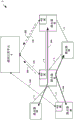
图1是示出了根据在本公开内容的技术的网络系统的框图,在该系统中,用于流量工程标签交换路径的非入口标签边缘路由器报告用于流量工程标签交换路径的实际路径。1 is a block diagram illustrating a network system in which a non-ingress label-edge router for a traffic-engineered label-switched path reports the actual path for the traffic-engineered label-switched path in accordance with the techniques in this disclosure.
图2是示出了根据在本公开内容中描述的技术的路由器的实例操作模式的流程图。2 is a flowchart illustrating an example mode of operation of a router in accordance with the techniques described in this disclosure.
图3是示出了根据在本公开内容中描述的技术的用于有助于TE LSP路径报告的路径计算LSP状态报告消息的实例格式的框图。3 is a block diagram illustrating an example format of a path computation LSP status report message for facilitating TE LSP path reporting in accordance with the techniques described in this disclosure.
图4是示出了根据在本公开内容的技术的由路径计算LSP状态报告消息携带的LSP对象的实例格式的框图。4 is a block diagram illustrating an example format of an LSP object carried by a Path Computation LSP Status Report message in accordance with the techniques in this disclosure.
图5是示出了根据在本公开内容中描述的技术建立和使用PCEP会话以接收LSP路径报告的有状态的路径计算单元的实例的框图。5 is a block diagram illustrating an example of a stateful path computation unit that establishes and uses a PCEP session to receive LSP path reports in accordance with the techniques described in this disclosure.
图6是示出了根据在本公开内容中描述的技术的向路径计算单元发送TE LSP的实际路径的指示的实例路由器的框图。6 is a block diagram illustrating an example router that sends an indication of the actual path of a TE LSP to a path computation unit in accordance with the techniques described in this disclosure.
在所有附图和文本中,相同的附图标记表示相同的单元。In all drawings and texts, the same reference numerals refer to the same elements.
具体实施方式Detailed ways
图1是示出根据本公开内容的技术的网络系统的框图,在该系统中,用于流量工程标签交换路径的非入口标签边缘路由器报告用于流量工程标签交换路径的实际路径。在该实例中,网络系统2包括路径计算单元(PCE)6和通过网络链路在所示拓扑中互连的多个路由器4A-4E(“路由器4”)。路由器4是由PCE 6服务的路径计算域的成员。例如,路径计算域可包括内部网关协议(例如,开放最短路径优先(OSPF)或中间系统到中间系统(IS-IS))区域、自治系统(AS)、服务提供商网络内的多个AS、跨越多个服务提供商网络的多个AS。在各种实例中,路由器4的不同组合可包括多个AS的成员路由器。因此,连接路由器4的网络链路可以是内部链路、AS间传输链路或其某种组合。虽然关于路由器进行了说明和描述,但是本技术可适用于实现资源预留协议和多协议标签交换(MPLS)或通用MPLS(GMPLS)的任何网络设备。网络系统2可表示服务提供商网络,并且在一些实例中包括数百个路由器。1 is a block diagram illustrating a network system in which a non-ingress label edge router for a traffic engineered label switched path reports the actual path used for the traffic engineered label switched path in accordance with the techniques of this disclosure. In this example,
PCE 6可使用流量工程和从路由器4获知的LSP状态信息两者来应用约束以响应于来自路由器4中的任一个的请求并自主地计算MPLS流量工程LSP(TE LSP)的网络路径。PCE6是一种应用程序或是例如在诸如路由器4中的一个的网络节点、网络节点的组件、网络内或网络外的服务器或软件定义的网络(SDN)控制器上执行的其他程序。为了获得用于存储在流量工程数据库(在图1中未示出)中的流量工程信息,PCE 6可执行扩展以携带流量工程信息的一个或多个网络路由协议,以侦听携带这种流量工程信息的路由协议通告。PCE 6通过对所获知的流量工程信息应用带宽和其他约束来计算TE LSP的路径。得到的路径可被限制为单个域或者可跨越多个域。关于包括路径计算单元的SDN控制器的更多细节在于2013年9月10日提交的题为“软件定义的网络控制器”的美国专利申请第14/042614号和于2013年3月15日提交的名为“虚拟网络分组流的物理路径确定”的美国专利申请第13/843500号中找到,其全部内容通过引用并入本文。
路由器4C,4E包括使用扩展PCE通信协议(PCEP)会话12B、12C、12E中的相应一个来进行通信的相应路径计算客户端8B、8C、8E(“多个PCC 8”)。本文中对PCC的引用可另外指代包括PCC的路由器或其它网络设备。多个PCC 8中的每一个是一种应用程序或由建立了PCEP会话12的路由器执行的其他程序,利用该PCEP会话以从PCE 6请求路径计算或以其他方式操作以实现本公开内容中所描述的技术。PCEP会话12可使用已知端口在传输控制协议(TCP)下进行操作。The
路由器4可配置有多个TE LSP。在一些情况下,路由器4可使用诸如具有流量工程扩展的资源预留协议(RSVP-TE)的资源预留协议来计算所配置的TE LSP的路径并且在网络系统中用信号通知TE LSP,以便沿着所计算的路径预留资源并建立多个TE LSP以携带映射到LSP的流量。在一些情况下,配置有TE LSP的路由器4的任何PCC 8可经由PCEP会话12向PCE 6发布TE LSP的路径计算请求。对于每个请求的TE LSP,路径计算请求可包括所需带宽、建立/保持的优先级、源和目的地网络地址、委托和管理标志、管理数据以及度量数据。当PCE 6使用所获取的满足约束的流量信息来确定路径时,PCE 6可用所计算的请求的TELSP的路径进行回复。Router 4 may be configured with multiple TE LSPs. In some cases, router 4 may use a resource reservation protocol such as Resource Reservation Protocol with Traffic Engineering Extensions (RSVP-TE) to calculate the path of the configured TE LSP and signal the TE LSP in the network system in order to Resources are reserved along the calculated path and multiple TE LSPs are established to carry traffic mapped to the LSPs. In some cases, any PCC 8 of router 4 configured with a TE LSP may issue a path computation request for the TE LSP to
在从PCE 6接收到响应时,路由器4使用资源预留协议以沿着所计算的路径发信号通知TE LSP。关于PCEP的附加细节可在“Path Computation Element(PCE)CommunicationProtocol(PCEP),Network Working Group,Request for Comment 5440,2009年3月”和“PCEP Extensions for Stateful PCE,版本11,PCE Working Group of the InternetEngineering Task Force,2015年4月20日”中找到,通过引用将其全部并入本文。关于RSVP-TE的附加细节可以在“RSVP-TE:Extensions to RSVP for LSP Tunnels,NetworkWorking Group,Request for Comments 3209,2001年12月”以及在“ResourceReSerVation Protocol(RSVP),Network Working Group,Request for Comments 2205,1997年9月”中找到,其各自通过引用全部并入本文。Upon receiving the response from
由于不是所有路由器4都包括相应的PCC 8,所以网络系统2表示关于路径计算客户端的混合部署环境。结果是,没有对应PCC 8(或具有未被配置为报告给定TE LSP的状态的对应PCC 8)的路由器4不能报告诸如所发送的实际路径的状态,在该情况下,没有PCC 8的路由器4作为独立地发起网络2内的多个TE LSP的信令的多个入口标签边缘路由器(LER)进行操作,否则使得PCE 6可能不知道多个这种TE LSP的实际路径。在一些情况下,路由器4可将TE LSP的控制委托给PCE 6,使得PCE 6根据向下推送到路由器的PCC的计算路径指示路由器向路径发信号。例如,路由器4B可经由PCEP会话12B委托TE LSP 14B的控制。Since not all routers 4 include corresponding PCCs 8,
在所示的实例网络系统2中,路由器4A建立到路由器4E的TE LSP14A。路由器4A是TE LSP 14A的入口LER,路由器4E是TE LSP 14A的出口LER,并且路由器4C是用于TE LSP14A的转接标签交换路由器(LSR)。路由器4B建立到路由器4D的TE LSP 14B。路由器4B是TELSP14B的入口LER,路由器4D是TE LSP 14B的出口LER,并且路由器4C是TE LSP 14B的转接LSR。为了便于说明,仅示出了两个TE LSP。在各种实例中,网络系统2可包括连接不同对路由器4的任何数量的TE LSP。另外,TE LSP可递归地包括其他作为虚拟链路的多个TE LSP。例如,TE LSP 14B作为虚拟链路可包括将标记的流量从路由器4C隧穿到路由器4D的TE LSP(未示出)。In the
为了建立TE LSP 14A,作为TE LSP的入口LER的路由器4A使用诸如RSVP-TE的LSP信令协议。路由器4A发送沿着所请求的路径转发的LSP标签请求路径信令消息,以请求沿着所请求的路径的路由器4为TE LSP 14A绑定标签。作为响应,沿着所请求的路径的每个路由器4为TE LSP 14A绑定标签,并且向包括由TE LSP 14的路由器所绑定的标签的上游路由器发送LSP标签预留路径信令消息。每种类型的LSP信令消息包括指示由用信号通知的TE LSP所采用的路径的至少一个路由对象。To set up the
RSVP-TE路径消息(以下称为“路径消息”)是RSVP-TE LSP信令协议的LSP标签请求路径信令消息。RSVP-TE Resv消息(以下称为“Resv消息”)是RSVP-TE的LSP标签预留路径信令消息。虽然可应用于其它LSP信令协议,但在下文中描述了本发明的关于RSVP-TE(本文中也简称为“RSVP”)的技术。The RSVP-TE path message (hereinafter referred to as "path message") is an LSP label request path signaling message of the RSVP-TE LSP signaling protocol. The RSVP-TE Resv message (hereinafter referred to as "Resv message") is an LSP label reservation path signaling message of RSVP-TE. Although applicable to other LSP signaling protocols, the techniques of the present invention are described below with respect to RSVP-TE (also simply referred to herein as "RSVP").
路径消息包括显式路由对象(ERO),其是指示通过压缩串联的跳而分配给TE LSP的路径的路由对象,该跳构成通过用于被信号通知的TE LSP的网络系统2的显式路由路径,如RFC 3209中所描述的。路由器4沿着由ERO指定的路径将路径消息转发到其目的地。每个路由器4可将ERO记录在路径状态块中。路由器4还可在转发路径消息之前修改ERO。为了用路由记录的目的,路径消息还可包括记录路由对象(RRO),该记录路由对象是指示由被信号通知的TE LSP所采用的实际路径的路由对象,如RFC 3209中所描述的。路由器4可记录在路径消息中被接收的RRO到被信号通知的TE LSP的路径状态。The Path message includes an Explicit Routing Object (ERO), which is a routing object that indicates the path assigned to the TE LSP by compressing the concatenated hops that constitute the explicit routing through the
Resv消息以相反的顺序在路径消息在路由器4中创建路径状态之后,向上游从出口LER向TE LSP的入口LER进行传播。如果通过使用ERP在路由器4中创建路径状态,则Resv消息将遵循ERO的反向路径。接收TE LSP并且接收包含标签的Resv消息的每个路由器4使用与TE LSP相关联的出站流量的标签。如果路由器4不是入口LER,则路由器4分配新标签并将Resv消息中的标签发送到TE LSP的前一跳(上游)。当Resv消息到达入口LER时,建立TELSP。在通过记录路由来用信号通知TE LSP的情况下,Resv消息包括记录用信号通知的TELSP所采用的实际路径的RRO,如RFC 3209中所描述的。路由器4可记录在Resv消息中接收的RRO到被信号通知的TE LSP的路径状态。Resv messages are propagated upstream from the egress LER to the ingress LER of the TE LSP in reverse order after the path message creates the path state in router 4. If the path state is created in router 4 by using ERP, the Resv message will follow the reverse path of ERO. Each router 4 that receives a TE LSP and receives a Resv message containing a label uses the label for outbound traffic associated with the TE LSP. If router 4 is not an ingress LER, router 4 assigns a new label and sends the label in the Resv message to the previous hop (upstream) of the TE LSP. When the Resv message arrives at the ingress LER, the TELSP is established. In the case where the TE LSP is signaled by recording the route, the Resv message includes the RRO recording the actual path taken by the signaled TELSP, as described in RFC 3209. Router 4 may record the path status of the RRO received in the Resv message to the signaled TE LSP.
对于以记录路由用信号通知的TE LSP,沿着TE LSP的实际路径的每个路由器4从所接收的TE LSP的路径和Resv消息中的路由对象接收完整实际路径的指示。由路由器4接收的路径消息RRO包括从入口LER到路由器4的完整实际路径,并且由路由器4接收的Resv消息RRO包括从路由器4到出口LER的完整实际路径。对于入口LER和出口LER的边界情况,入口LER接收在Resv消息RRO中的完整的实际路径,并且出口LER接收在路径消息RRO中的完整的实际路径。For a TE LSP signaled with a record route, each router 4 along the actual path of the TE LSP receives an indication of the complete actual path from the received path of the TE LSP and the routing object in the Resv message. The path message RRO received by router 4 includes the complete actual path from the ingress LER to router 4, and the Resv message RRO received by router 4 includes the complete actual path from router 4 to the egress LER. For the boundary case of ingress LER and egress LER, the ingress LER receives the complete actual path in the Resv message RRO, and the egress LER receives the complete actual path in the path message RRO.
根据在本公开内容中所描述的技术,响应于接收在用信号通知的TE LSP的路径或Resv消息中的路由对象,多个PCC 8可经由多个PCEP会话12向PCE 6发送TE LSP的实际路径的指示。例如,作为TE LSP 14A的转接LSR的路由器4C接收具有TE LSP 14A的ERO的路径消息。作为响应,路由器4C的PCC 8C可经由PCEP 12C向PCE 6发送ERO作为TE LSP 14A的实际路径的指示。同样,作为TE LSP 14A的出口LER的路由器4E接收具有TE LSP 14A的ERO的路径消息。作为响应,路由器4E的PCC 8E可经由PCEP 12E向将PCE 6发送ERO作为TE LSP 14A的实际路径的指示。在一些实例中,多个PCC 8可进一步通过例如旁路LSP的方式向PCE 8报告是否多个TE LSP 14具有路径保护的指示。在一些情况下,PCC 8可进一步向PCE 6报告旁路LSP的路径。In accordance with the techniques described in this disclosure, multiple PCCs 8 may send actual information about the TE LSP to
作为另一实例,路由器4C可从路由器4B接收TE LSP 14A的路径消息,该路径消息包括记录从路由器4B到路由器4C的TE LSP 14A的实际路径的RRO。路由器4C可随后从路由器4E接收Resv消息,该Resv消息包括记录从路由器4C到路由器4E的TE LSP 14A的实际路径的RRO。路由器4C的PCC 8C可向PCE 6发送在路径消息中接收的RRO和/或在Resv消息中接收的RRO作为TE LSP 14A的实际路径的指示。同样,路由器4E可从路由器4C接收TE LSP 14A的路径消息,该路径消息包括记录从路由器4C到路由器4E的TE LSP 14A的实际路径的RRO。作为响应,路由器4E的PCC 8E可经由PCEP 12E向PCE 6发送RRO作为TE LSP 14A的实际路径的指示。类似地,对于TE LSP 14B,路由器4C的PCC 8C或路由器4E的PCC 8E可根据上述技术发送LSP路径报告消息以报告TE LSP 14B的实际路径。As another example,
以这种方式,即使路由器4A作为TE LSP的入口LER,如果14A不能向PCE 6报告TELSP 14A的实际路径,则TE LSP 14A的转接LSR(路由器4C)和出口LER(路由器4E)向PCE 6报告实际路径以通过网络系统通知PCE 6的存在以及由TE LSP 14A所采取的路径。In this way, even if
在图1的实例中,多个PCC 8使用LSP路径报告消息16A、16B经由PCEP会话12发送TELSP 14A的实际路径的指示。从PCC 8C经由PCEP会话12C到PCE 6的LSP路径报告消息16A包括TE LSP 14A的实际路径的指示。每个LSP路径报告消息16A、16B可表示包括TE LSP 14A的实际路径的指示的PCEP路径计算LSP状态报告(PCRpt)消息。实际路径的指示可在RRO中编码。在一些情况下,实际路径的指示可仅指示实际路径的子路径,例如,构成实际路径的路由器4的部分列表,而不是路由器4的完整列表。In the example of FIG. 1, multiple PCCs 8 send an indication of the actual path of
在一些实例中,LSP路径报告消息16A、16B中的每一个包括相对于被报告的TE LSP的报告路由器4的作用的指示。路由器相对于TE LSP的作用可以是入口LER、转接LSR或出口LER。例如,来自PCC 8C的LSP路径报告消息16A可包括路由器4C是TE LSP 14A的转接LSR的指示。来自PCC 8E的LSP路径报告消息16B可包括路由器4E是TE LSP 14A的出口LER的指示。路由器4可通过例如处理接收的路径消息来确定其相对于TE LSP 14的作用,该路径消息指定用信号通知的TE LSP的入口LER(发送者)和出口LER(目的地),以确定路由器是否是入口LER或出口LER(或以其它方式为转接LSR)。作为另一实例,路由器4可通过处理所接收的Resv消息来确定其作用,Resv消息标识具有路由器已经存储的路径状态的TE LSP。路径状态标识用信号通知的TE LSP的入口LER和出口LER,因此,路由器可根据路径状态确定其作用是入口LER、出口LER还是转接LSR的作用。通过报告路由器相对于TE LSP的作用,报告路由器可减小PCE 8上的处理负载,其将处理所报告的实际路径以确定报告路由器相对于TELSP的作用。In some instances, each of the LSP path report
在一些实例中,网络系统2的运营商(诸如服务提供商网络运营商)可以有目的地禁用例如路由器4A、4B的PCC功能。因为这些技术有助于通过转接LSR 4C的LSP路径报告,这可减少PCE 6的并发PCEP会话12的数量。例如,PCEP可仅用于作为入口LER操作的路由器4,其中TE LSP被PCE 6控制(直接或通过委托),并且在这种情况下,PCE可能仍然从不由PCE 6控制的TE LSP的转接LSR或出口LER接收实际路径。在网络系统2的实例中,TE LSP 14A被路由器4A而不是PCE 6控制,而TE LSP14B的控制由路由器4B委托给PCE 6。因此,运营商可禁用路由器4A的PCEP,而不降低向PCE 6报告的实际LSP路径的级别。在一些实例中,根据本公开内容,用于TE LSP的入口路由器4可在发信号通知TE LSP时使用扩展形式的RSVP路径消息,以指示入口路由器4是控制TE LSP还是已经委托TE LSP。在一些实例中,根据本公开内容,用于TE LSP的入口路由器4可在发信号通知TE LSP时使用扩展形式的RSVP路径消息,以指示接收TE LSP的RSVP路径消息的下游路由器4是否应该向PCE 6报告TE LSP的实际路径。在这种情况下,仅当在用于TE LSP的路径消息中指示报告时,下游路由器4才可以向PCE 6报告TE LSP的实际路径。上述指示可被实现为路径消息的会话或公共报头部分中的标志。In some instances, an operator of the
通过扩展路由器4报告从TE LSP的入口LER到于TE LSP 14A、14B的转换LSR和出口LER的TE LSP路径的作用,该技术可提高对总体路径计算具有潜在的有益影响的路径计算域中TE LSP的PCE的可见性。在混合网络部署中,其中TE LSP 14A的入口LER 4A不具有向PCE 6报告TE LSP 14A路径的能力,这些技术可允许沿着具有与PCE 6的PCEP会话12的TELSP 14A路径通过路由器4C、4E向PCE 6报告TE LSP 14A路径。通过这种方式,该技术可增加报告给PCE 6的TE LSP路径的数量,对于任何沿着TE LSP的实际路径的路由器4,可向PCE 6报告TE LSP路径,而不仅仅是入口LER。由于这些技术可增加向PCE 6报告的所建立的TELSP的数量,所以该技术可通过PCE 6使用增加的路径数据来助于改进路径计算的优化。By extending the role of router 4 to report TE LSP paths from ingress LERs of TE LSPs to transition LSRs at
图2是示出根据本公开内容中描述的技术的路由器的实例操作模式的流程图。关于图1的路由器4C描述了该技术,但是可由执行LSP路径信令的任何路由器或网络设备来执行该技术。路由器4C从另一路由器4接收包括用信号通知的TE LSP的路由对象的LSP路径信令消息(102)。例如,路由器4C可接收包括ERO和在一些情况下来自路由器4A的RRO的RSVP路径消息。作为另一实例,路由器4C可从路由器4E接收包括RRO的RSVP Resv消息。响应于接收LSP信令消息,如果路由器4C是TE LSP的出口LER(104的“是”分支),则路由器4C生成LSP路径报告,该报告包括对TE LSP的实际路径的指示并且还包括LSP路径报告的发起者(即,路由器4C)是TE LSP的出口LER的指示(106)。如果路由器4C是TE LSP的转接LSR(108的“是”分支),则路由器4C生成LSP路径报告,该报告包括对TE LSP的实际路径的指示,并且还包括LSP路径报告的发起者(即,路由器4C)是TE LSP的转接LSR的指示(110)。如果路由器4C是TELSP的入口LSR(108的“否”分支),则路由器4C生成LSP路径报告,该报告包括对TE LSP的实际路径的指示并且还包括LSP路径报告的发起者(即,路由器4C)是TE LSP的入口LER的指示(112)。路由器4C将所生成的用信号通知的TE LSP的LSP路径报告发送给PCE 6(114)。2 is a flowchart illustrating an example mode of operation of a router in accordance with the techniques described in this disclosure. This technique is described with respect to
在一些情况下,TE LSP可跨越由多个PCE的对应实例管理的多个域。例如,第一PCE(或SDN控制器)可管理第一域(例如自治系统),而第二PCE管理第二域,并且TE LSP在第一域中可具有入口LER,但是在第二域中可具有出口LER。本文描述的技术(即,由TE LSP的转接路由器和出口路由器报告实际路径)可为第二域的PCE提供TE LSP的可见性和实际路径,即使TE LSP的入口LER将报告实际路径到第一域的PCE而不是第二域的PCE。这在使用不同类型的PCE的多厂商部署中尤其有用。In some cases, a TE LSP may span multiple domains managed by corresponding instances of multiple PCEs. For example, a first PCE (or SDN controller) may manage a first domain (eg, an autonomous system), while a second PCE manages a second domain, and a TE LSP may have an ingress LER in the first domain, but in the second domain May have outlet LERs. The techniques described herein (i.e., reporting the actual path by the transit routers and egress routers of the TE LSP) can provide the PCE of the second domain with visibility and the actual path of the TE LSP, even though the ingress LER of the TE LSP will report the actual path to the second domain. The PCE of one domain but not the PCE of the second domain. This is especially useful in multi-vendor deployments using different types of PCEs.
图3是示出有助于根据在本公开内容中描述的技术的TE LSP路径报告的路径计算LSP状态报告(“PCRpt”)消息的实例格式的框图。例如,PCRpt消息200可表示图1的LSP路径报告消息16A、16B中的任一个。PCRpt消息200可表示根据本文所描述的技术修改的PCEPPCRpt消息以指示报告路由器相对于正在报告给PCE 6的一个或多个TE LSP的相应作用。3 is a block diagram illustrating an example format of a Path Computation LSP Status Report ("PCRpt") message that facilitates TE LSP path reporting in accordance with the techniques described in this disclosure. For example,
PCRpt消息200包括在RFC 5440中定义的PCEP的公共报头。该公共报头指定PCEP版本号(“VER”)、当前定义的公共标志(“FLAGS”)、消息类型(“TYPE”)以及以字节为单位指定包括公共报头的PCRpt消息200的总长度的消息长度(“LENGTH”)。PCRpt消息200的消息类型字段向接收者声明该消息是类型“PCRpt”。在一些情况下,消息类型值可以是8以指示类型“PCRpt”。
PCRpt消息200另外包括各TE LSP的一个或多个状态报告,在下文中相对于状态报告202(示出为“状态报告1”)进行描述。状态报告202指定LSP对象,相对于图4更充分地进行描述,并且指示由状态报告所报告的TE LSP所采用的实际路径。状态报告202可包括RRO对象以指示所报告的TE LSP的实际路径,并且可选地包括如在RFC 5440中定义的LSPA、带宽(BANDWIDTH)、度量(METRIC)。LSP属性(LSPA)对象指定各种TE LSP属性。BANDWIDTH对象指定TE LSP的带宽。METRIC对象可指定已针对TE LSP优化的度量(例如,IGP度量、TE度量、跳计数)。
图4是示出由根据本公开内容的技术的PCRpt消息携带的LSP对象的实例格式的框图。LSP对象210包括会话-内部(SESSION-INTERNAL)LSP-ID字段212,该字段指定用于包括LSP对象210的状态报告(例如,状态报告202)的目标TE LSP的LSP标识符(LSP-ID)。会话-内部LSP-ID字段212是目标LSP的每个PCEP会话标识符。也就是说,对于其每个PCEP会话,PCC为其拥有的每个LSP创建唯一的LSP-ID,并将LSP-ID映射到相应的目标LSP的符号名称。PCC可将PCRpt消息中的映射传达给PCE。随后的扩展PCRpt消息然后可通过其LSP-ID来寻址目标LSP,LSP-ID由LSP对象210的会话-内部LSP-ID字段212指定。4 is a block diagram illustrating an example format of an LSP object carried by a PCRpt message in accordance with the techniques of this disclosure.
标志230、232、234指示发送PCRpt消息的路由器相对于TE LSP的作用,该PCRpt消息包括报告TE LSP并包括LSP对象210的状态报告。入口标志230可被设置为指示路由器的作用是作为TE LSP的入口LER。转接标志232可被设置为指示路由器的作用是作为TE LSP的传输LSR。出口标志234可被设置为指示路由器的作用是作为TE LSP的出口LER。在LSP对象210的一些实例格式中,可用指示目标TE LSP的报告路由器的作用的预定义值来设置2位字段。例如,值0可指示入口LER,值1可指示出口LER,以及值2可指示转接LSR。
LSP对象210还可包括委托标志220、操作标志216、同步完成标志218和删除标志214。LSP对象210可以可选地包括一个或多个可选的TLV213,其进一步描述目标TE LSP的状态和操作,如在上面所引用的“PCEP Extensions for Stateful PCE”中所描述的。The LSP object 210 may also include a
图5是示出根据本公开内容描述的技术来建立和使用PCEP会话以接收LSP路径报告的有状态路径计算单元的实例的框图。在该实例中,有状态PCE 6包括耦接到接口卡402(“IFC 402”)的控制单元400,用于经由输入链路404(“输入链路44”)接收分组并经由输出链路406(“输出链路406”)发送分组。5 is a block diagram illustrating an example of a stateful path computation unit that establishes and uses a PCEP session to receive LSP path reports in accordance with the techniques described in this disclosure. In this example,
控制单元400可包括执行软件指令(诸如用于定义软件或计算机程序存储到计算机可读存储介质中的软件指令)的一个或多个处理器(在图5中未示出),诸如包括存储设备(例如,磁盘驱动器或光学驱动器)或存储器(诸如闪存、随机存取存储器或RAM)的非瞬时性计算机可读介质或任何其它类型的易失性或非易失性存储器,其存储指令使得所述一个或多个处理器执行本文所描述的技术。可替代地或另外,控制单元400可包括专用硬件,诸如一个或多个集成电路、一个或多个专用集成电路(ASIC)、一个或多个专用特殊处理器(ASSP)、一个或多个现场可编程门阵列FPGA)或前述专用硬件实例中的一个或多个的任何组合,用于执行本文所描述的技术。
具有流量工程扩展侦听器408(“RP-TE侦听器408”)的路由协议是控制单元408的程序,其执行扩展以通告和接收流量工程(TE)信息426的一个或多个路由协议。RP-TE侦听器408在一些情况下可以是被动侦听器并且可避开路由协议通告。例如,RP-TE 408可执行具有TE扩展的中间系统到中间系统(IS-IS-TE)或具有TE扩展的开放最短路径优先(OSPF-TE)。在一些情况下,RP-TE侦听器408执行边界网关协议以接收用于AS间和其它网络外链路的通告的TE信息。关于实例PCE 6的另外的细节在上面引用的美国专利申请第14/042614号中找到。A routing protocol with a traffic engineering extension listener 408 ("RP-
由RP-TE侦听器408接收的流量工程信息包括由PCE 6服务的路径计算域的拓扑信息。这种TE信息包括链路状态、管理属性和度量中的一个或多个,诸如可用于连接域的路由器的链路的各种LSP优先级的带宽。RP-TE侦听器408在通信工程数据库(TED)410中存储TE信息,其由计算机可读存储介质存储以用于路径计算。The traffic engineering information received by the RP-
控制单元400的客户端接口416实现PCE通信协议(PCEP)以接收并发送在本公开内容中描述的PCEP消息。也就是说,客户端接口416与在网络中的启用MPLS的路由器上操作的一个或多个路径计算客户端(PCC)建立PCEP会话。经由PCEP会话,客户端接口416接收包括最新LSP状态的LSP状态报告428,该最新LSP状态包括对应客户端拥有的TE LSP的实际路径的指示,客户端接口416存储到LSP状态数据库420。LSP状态报告428可包括在PCRpt消息中。由客户端接口416接收并存储到LSP状态数据库420的LSP状态可包括例如LSP状态(例如,上/下)、用于PCEP间会话持续性的符号名称、诸如设置优先级和保持优先级的LSP属性、跳数、预留带宽、已经为TE LSP优化的度量(例如,IGP度量、TE度量或跳计数)以及TE LSP遵循的实际路径。在所示实例中,客户端接口416从用于TE LSP的非入口路由器(即,出口LER或转接LSR)接收PCRpt消息中的至少一个LSP状态报告428,该报告包括由TE LSP采用的通过网络的实际路径的指示。以这种方式,PCE 6可接收针对未被委托,由PCE 6计算或以其它方式已知的TE LSP的TE LSP状态报告。这可增加PCE 6已知的被信号通知的TE LSP的数量,并且改进PCE6在其路径计算域中的路径优化。The
由客户端接口416接收的LSP状态报告在一些情况下可包括向PCE 6提供访问权限以修改目标TE LSP的参数的委托。在一些情况下,委托可指定暴露给修改的目标TE LSP的特定参数。客户端接口416将这样的委托信息存储到委托数据库418,其可将委托信息与也标识LSP状态数据库420中的TE LSP的LSP标识符相关联。客户端接口416还可实现用于PCEP的操作的功能,以便促进路径计算请求/回复消息。The LSP status report received by the
控制单元400的资源请求接口422提供接口,应用和/或运营商可通过该接口请求具有特定特性(诸如源/目的地和保证带宽)的TE LSP。应用和运营商还可使用资源请求接口422来检查LSP状态信息并修改可由它们各自的符号名称识别的LSP的参数。例如,PCE 6可经由资源请求接口422从通过其符号名称标识LSP的应用接收资源请求消息。作为响应,资源请求接口422向应用返回所标识的LSP的LSP状态信息的指示,以供应用用于传输应用流量。资源请求接口422将对应于请求的资源需求存储在策略和资源数据库424中,其还可存储在发生指定条件时确定PCE 6,特别是网络优化引擎414的操作的策略。The
在控制单元400上执行的网络优化引擎414使用TED 410的TE信息;存储到LSP状态数据库420的LSP状态信息,包括在用于TE LSP的非入口路由器的PCRpt消息中接收的TELSP的实际路径;和/或委托信息,存储到委托数据库418,以标识对在策略和资源数据库424中表示的网络运营商的进一步规范性目标的现有的,委托的LSP的可允许的修改。例如,这样的目标可包括最大化总吞吐量和/或促进所请求的资源的带宽分配公平性。网络优化引擎414可调用控制单元的路径计算模块412,使用所提供的约束来执行受约束的SPF(CSPF),以确定满足约束的一组路径。存储到LSP状态数据库420的LSP状态信息可为路径计算模块412为PCE 6的被动状态和活动状态实例提供约束和链路度量。The network optimization engine 414 executing on the
图6是示出了根据本公开内容中描述的技术的向路径计算单元发送TE LSP的实际路径的指示的实例路由器的框图。出于说明的目的,路由器500可在下面在图1的示例性网络系统2的上下文中描述并且可表示任一个路由器4。此外,虽然相对于特定网络设备(例如,路由器)描述了该技术,但是该技术可由执行LSP信令协议以建立和操作LSP的任何网络设备来实现。6 is a block diagram illustrating an example router that sends an indication of the actual path of a TE LSP to a path computation unit in accordance with the techniques described in this disclosure. For purposes of illustration,
路由器500包括经由内部链路510耦接到控制单元501的控制单元501和接口卡(IFC)504。控制单元501可包括执行软件指令的一个或多个处理器(在图6中未示出),所述软件指令诸如用于定义软件或计算机程序的软件指令;存储到计算机可读存储介质(同样,在图6中未示出),诸如包括存储设备(例如,磁盘驱动器,或光驱)或存储器(例如闪存、随机存取存储器或RAM)的非瞬时性计算机可读介质或任何其它类型的易失性或非易失性存储器,其存储指令以使一个或多个处理器执行本文所描述的技术。可替代地或另外,控制单元501可包括专用硬件,诸如一个或一个以上集成电路、一个或一个以上专用集成电路(ASIC)、一个或一个以上专用特殊处理器(ASSP)、一个或一个以上现场可编程门阵列FPGA)或前述专用硬件实例中的一个或多个的任何组合,用于执行本文所描述的技术。
在该实例中,控制单元501被划分为两个逻辑或物理“平面”以包括第一控制或路由平面502A(“控制平面502A”)和第二数据或转发平面502B(“数据平面502B”)。也就是说,例如控制单元501在逻辑上作为在相同硬件组件集合上执行的单独的软件实例,或者例如物理地作为单独的物理专用硬件组件实现两个单独的功能,例如路由/控制和转发/数据功能,该单独的物理专用硬件组件静态地实现硬件中的功能或动态地执行软件或计算机程序以实现功能。In this example,
控制单元501的控制平面502A执行路由器500的路由功能。在这方面,控制平面502A表示控制单元501的硬件或硬件和软件的组合,其在路由协议守护进程(RPD)522中实现协议518,通过该协议518可确定存储在路由信息库516(“RIB 516”)中的路由信息。RIB516可包括定义网络(诸如图1的网络2)的拓扑的信息。RPD 522表示过程或应用,并且可解析由RIB 516中的路由信息定义的拓扑以选择或确定通过网络的一个或多个路由。RPD 522然后可使用这些路由的表示来更新数据平面502B,其中数据平面502B将这些表示保持为转发信息529。The
在该实例中,由RPD 522执行的协议518的路由协议包括具有流量工程扩展(BGP-TE)518A的边界网关协议和具有流量工程扩展的开放最短路径优先(OSPF-TE)518C。RPD522执行这些协议以从包括路由器4A参与的路由域内的外部AS的自治系统边界路由器和路由器的其他路由器通告和接收路由和流量工程信息。各种其他实例可实现其他链路状态或矢量距离协议以与其他路由器交换流量工程。RPD 522将所接收的流量工程信息存储在由计算机可读存储介质存储的流量工程数据库514(示为“TED514”)中。在一些实例中,TED514可包含RIB 516以将所有流量工程信息存储在单个数据结构中。TED 514可存储例如链路状态、管理属性和度量中的一个或多个,诸如可用于在将路由器4A连接到MPLS域的其它路由器的链路的各种LSP优先级水平下可使用的带宽。In this example, the routing protocols of protocols 518 executed by
转发或数据平面502B表示控制单元501的硬件或硬件和软件的组合,其根据包括输出链路508的网络目的地的转发信息529以及诸如LSP标签映射(或“标签信息库”)的MPLS转发信息来转发网络流量,所述LSP标签映射将出站标签和接口与入站流量上接收的入站标签相关联。数据平面502B包括转发单元526,转发单元526提供由接口卡504经由入站链路506接收的网络流量到出站链路508的高速转发。转发单元526可表示耦接到一个或多个IFC504的分组转发引擎(PFE)。路由器的一个实例实施例的进一步细节可在2008年7月30日提交的题为“STREAMLINED PACKET FORWARDING FORING DYNAMIC FILTERS FOR ROUTING ANDSECURITY IN A SHARED FORWARDING PLANE”的美国专利申请第12/182619号中找到,通过引用合并到本文中。The forwarding or
控制平面502A进一步包括管理接口512,通过该接口,网络管理系统或在一些情况下管理员使用命令行或图形用户接口来配置在LSP数据库520(示为“LSP DB 520”)中描述的标签交换路径。LSP数据库520包括LSP配置数据,例如LSP目的地、建立/保持优先级、路径(例如,RRO)、度量和诸如本文描述的其他LSP属性。LSP数据库520还可包括将每个配置的LSP的零个或多个属性指定为可委托参数的信息,所述参数可由PCE使用PCEP设置/修改以便在网络中建立时修改LSP的操作。LSP属性可被分为三个类别:(1)RPD 522立即经由RSVP-TE 518B应用并且既不被PCE重发信号也不被重写的非可委托参数,(2)当LSP例如由于LSP故障被重新信号通知时,RPD 522应用的可委托参数,以及(3)可被PCE超控(overridden)并且由RPD 522重新触发信令的可委托参数。所有可委托的LSP参数可包括,例如当PCEP会话终止时RPD 522应用的配置默认值,否则PCE变得不可用,或者PCE返回委托。LSP数据库520可进一步存储路由器500作为转接LSR或出口LER操作的TE LSP的路径状态。The
RPD 522通过执行LSP信令协议(在这种情况下是具有流量工程扩展(RSVP-TE)518B的资源预留协议)来信号通知LSP数据库520中描述的LSP,其信号通知网络中的其他路由器预留资源并提供MPLS转发信息到RPD 522以用于转发MPLS分组。路由器500的各种实例还可以或者替代地使用标准标签分发协议(LDP)来信号通知LSP。另外,RPD 522执行协议518以接收影响LSP的状态的流量工程信息,诸如故障链路和抢先的资源,这可能导致LSP的下游状态。RPD 522可将这样的LSP状态信息与LSP数据库520中的相应LSP相关联,并且可进一步指示PCC 8A作为响应向PCE发送一个或多个LSP状态报告,如下面进一步详细描述的。
根据本发明的技术,控制平面502A的路径计算客户端(PCC)模块8A调停RPD 522与路径计算单元之间的通信。PCC 8A包括PCE接口524,接口524实现PCEP以接收和发送本公开内容中描述的PCEP消息。PCE接口524还实现用于PCEP的操作的功能以便促进路径计算请求/应答消息。In accordance with the techniques of this disclosure, the path computation client (PCC)
PCE接口524建立与一个或多个PCE的PCEP会话,并且经由PCEP会话发送LSP状态报告528,该报告包括由LSP数据库520存储的LSP状态信息中描述的TE LSP的LSP状态。LSP状态报告528可包括在PCRpt消息中。以这种方式,PCC 8A同步路由器500和PCE之间的LSP状态,包括用于路由器500不是入口LER的TE LSP的LSP状态。LSP状态报告528可表示图1的LSP路径报告消息16的实例。The
本文所描述的技术可以硬件、软件、固件或其任何组合实现。被描述为模块、引擎、单元或组件的各种特征可以一起实现在集成逻辑设备中或者单独实现为离散但可互操作的逻辑设备或其他硬件设备。在一些情况下,电子电路的各种特征可实施为一个或多个集成电路设备,诸如集成电路芯片或芯片组。The techniques described herein can be implemented in hardware, software, firmware, or any combination thereof. Various features described as modules, engines, units or components may be implemented together in an integrated logic device or separately as discrete but interoperable logic devices or other hardware devices. In some cases, various features of an electronic circuit may be implemented as one or more integrated circuit devices, such as integrated circuit chips or chipsets.
如果以硬件实施,则本发明可针对于诸如处理器或集成电路设备(诸如集成电路芯片或芯片组)的装置。可替代地或另外,如果以软件或固件实现,则该技术可至少部分地由包括指令的计算机可读数据存储介质实现,当该指令被执行时使处理器执行上述方法中的一个或多个。例如,计算机可读数据存储介质可存储这样的指令以由处理器执行。If implemented in hardware, the invention may be directed to devices such as processors or integrated circuit devices such as integrated circuit chips or chipsets. Alternatively or additionally, if implemented in software or firmware, the techniques may be implemented, at least in part, by a computer-readable data storage medium comprising instructions that, when executed, cause a processor to perform one or more of the methods described above. . For example, a computer-readable data storage medium may store such instructions for execution by a processor.
计算机可读介质可以形成计算机程序产品的一部分,计算机程序产品可包括封装材料。计算机可读介质可包括计算机数据存储介质,诸如随机存取存储器(RAM)、只读存储器(ROM)、非易失性随机存取存储器(NVRAM)、电可擦除可编程只读存储器(EEPROM)、闪存,磁性或光学数据存储介质等。在一些实例中,制品可包括一个或多个计算机可读存储介质。The computer-readable medium may form part of a computer program product, which may include packaging materials. Computer readable media may include computer data storage media such as random access memory (RAM), read only memory (ROM), nonvolatile random access memory (NVRAM), electrically erasable programmable read only memory (EEPROM) ), flash memory, magnetic or optical data storage media, etc. In some examples, an article of manufacture may include one or more computer-readable storage media.
在一些实例中,计算机可读存储介质可包括非瞬时性介质。术语“非瞬时性”可指示存储介质未被包含在载波或传播信号中。在某些实例中,非瞬时性存储介质可存储随时间可改变的数据(例如,在RAM或高速缓存中)。In some examples, computer-readable storage media may include non-transitory media. The term "non-transitory" may indicate that the storage medium is not contained in a carrier wave or a propagated signal. In some instances, a non-transitory storage medium may store data that can change over time (eg, in RAM or cache).
代码或指令可以是由包括一个或多个处理器的处理电路执行的软件和/或固件,所述一个或多个处理器诸如一个或多个数字信号处理器(DSP)、通用微处理器、专用集成电路(ASIC),现场可编程门阵列(FPGA)或其它等效的集成或离散逻辑电路。因此,如本文所使用的术语“处理器”可指代任何前述结构或适于实现本文所描述的技术的任何其它结构。此外,在一些方面,本公开内容中描述的功能可在软件模块或硬件模块内提供。The code or instructions may be software and/or firmware executed by processing circuitry including one or more processors, such as one or more digital signal processors (DSPs), general purpose microprocessors, Application Specific Integrated Circuits (ASICs), Field Programmable Gate Arrays (FPGAs) or other equivalent integrated or discrete logic circuits. Accordingly, the term "processor," as used herein may refer to any of the foregoing structure or any other structure suitable for implementation of the techniques described herein. Furthermore, in some aspects, the functions described in this disclosure may be provided within software modules or hardware modules.
除了上述之外或作为上述的替代,描述以下实施例。在任何以下实施例中描述的特征可与本文所述的任何其它实施例一起使用。In addition to or in lieu of the above, the following embodiments are described. Features described in any of the following embodiments can be used with any other embodiments described herein.
实例1.一种方法,包括:由第一网络设备从第二网络设备接收LSP路径信令消息,第一网络设备不是用于流量工程标签交换路径(TE LSP)的入口标签边缘路由器(LER),LSP路径信令消息包括路由对象,路由对象具有用于TE LSP的至少一个路径的子路径的第一指示;由第一网络设备响应于LSP路径信令消息并且至少部分地基于路由对象生成包括用于TE LSP的至少一个路径的子路径的第二指示的LSP路径报告消息;并且由第一网络设备向路径计算单元(PCE)发送LSP路径报告消息以向PCE通知TE LSP的至少一个路径的子路径。Example 1. A method comprising: receiving, by a first network device, an LSP path signaling message from a second network device, the first network device not being an ingress label edge router (LER) for a traffic engineering label switched path (TE LSP) , the LSP path signaling message includes a routing object having a first indication of a sub-path for at least one path of the TE LSP; generated by the first network device in response to the LSP path signaling message and based at least in part on the routing object including an LSP Path Report message for a second indication of a sub-path of at least one path of the TE LSP; and the LSP Path Report message is sent by the first network device to a Path Computation Element (PCE) to notify the PCE of the at least one path of the TE LSP subpath.
实例2.根据实例1所述的方法,其中,LSP路径信令消息包括请求第一网络设备为TE LSP绑定标签并将标签返回给第二网络设备的具有流量工程扩展的资源预留协议(RSVP-TE)路径消息,并且其中,路由对象包括显式路由对象(ERO)和记录路由对象(RRO)中的一个。Example 2. The method of example 1, wherein the LSP path signaling message includes a resource reservation protocol with traffic engineering extensions that requests the first network device to bind a label for the TE LSP and returns the label to the second network device. RSVP-TE) path message, and wherein the routing object includes one of an explicit routing object (ERO) and a recorded routing object (RRO).
实例3.根据实例1所述的方法,其中,LSP路径信令消息包括资源预留协议(RSVP)Resv消息,Resv消息包括由第二网络设备为TE LSP绑定的标签,并且其中,路由对象包括显式路由对象(ERO)和记录路由对象(RRO)中的一个。Example 3. The method of example 1, wherein the LSP path signaling message includes a Resource Reservation Protocol (RSVP) Resv message, the Resv message includes a label bound by the second network device for the TE LSP, and wherein the routing object Include one of Explicit Routing Object (ERO) and Record Routing Object (RRO).
实例4.根据实例1所述的方法,其中,LSP路径报告消息包括第一网络设备是TELSP的转接标签交换路由器和出口LER中的一个的指示。Example 4. The method of example 1, wherein the LSP path report message includes an indication that the first network device is one of a transit label switched router of TELSP and an egress LER.
实例5.根据实例1所述的方法,其中,LSP路径报告消息包括包含用于TE LSP的LSP状态报告的路径计算单元通信协议(PCEP)路径计算LSP状态报告(PCRpt)消息,并且其中,发送LSP路径报告消息包括由第一网络设备经由与PCE的PCEP会话发送LSP路径报告消息。Example 5. The method of example 1, wherein the LSP Path Report message comprises a Path Computation Element Communication Protocol (PCEP) Path Computation LSP Status Report (PCRpt) message containing an LSP Status Report for the TE LSP, and wherein sending The LSP Path Report message includes sending the LSP Path Report message by the first network device via a PCEP session with the PCE.
实例6.根据实例5所述的方法,其中,PCRpt消息包括用于TE LSP的LSP状态报告,并且其中,LSP状态报告包括用于指示第一网络设备是TE LSP的转接标签交换路由器和出口LER中的一个的至少一个标志。Example 6. The method of example 5, wherein the PCRpt message includes an LSP status report for a TE LSP, and wherein the LSP status report includes a transit label switched router and an egress indicating that the first network device is a TE LSP At least one flag of one of the LERs.
实例7.根据实例1所述的方法,其中,第一网络设备是TE LSP的转接标签交换路由器和出口LER中的一个。Example 7. The method of example 1, wherein the first network device is one of a transit label switched router and an egress LER of the TE LSP.
实例8.根据实例1所述的方法,其中,用于TE LSP的至少一个路径的子路径的第二指示包括显式路由对象(ERO)和记录路由对象(RRO)中的一个。Example 8. The method of example 1, wherein the second indication of sub-paths for at least one path of the TE LSP comprises one of an explicit routing object (ERO) and a recorded routing object (RRO).
实例9.根据实例1所述的方法,进一步包括:由TE LSP的入口LER信令TE LSP响应于计算用于TE LSP的计算路径以便沿着所计算的路径建立TE LSP;并且由TE LSP的入口LER响应于信号通知从TE LSP的入口LER的下一跳接收用于TE LSP的路径而不将路径报告到PCE。Example 9. The method of example 1, further comprising: signaling, by the ingress LER of the TE LSP, the TE LSP to establish the TE LSP along the computed path in response to computing the computed path for the TE LSP; and The ingress LER receives the path for the TE LSP from the next hop of the ingress LER of the TE LSP in response to the signaling without reporting the path to the PCE.
实例10.根据实例1所述的方法,进一步包括:由TE LSP的入口LER响应于从PCE接收到的用于TE LSP的已计算的路径而用信号通知TE LSP以便沿着所计算的路径建立TELSP;并且由TE LSP的入口LER响应于信号通知从TE LSP的入口LER的下一跳接收用于TELSP的路径而不将路径报告到PCE。Example 10. The method of example 1, further comprising: signaling the TE LSP by the ingress LER of the TE LSP in response to receiving the computed path for the TE LSP from the PCE to establish along the computed path TELSP; and the path for the TELSP is received by the ingress LER of the TE LSP in response to the signaling from the next hop of the ingress LER of the TE LSP without reporting the path to the PCE.
实例11.一种第一网络设备,包括:耦接到存储器的一个或多个处理器;路由协议守护进程,被配置为由一个或多个处理器执行以便通过网络从第二网络设备接收包括路由对象的LSP路径信令消息,路由对象具有用于流量工程标签交换路径(TE LSP)的至少一个路径的子路径的第一指示,其中,第一网络设备不是用于TE LSP的入口标签边缘路由器(LER);以及路径计算客户端,被配置为由一个或多个处理器执行以便响应于LSP路径信令消息并至少部分地基于路由对象而生成包括用于TE LSP的至少一个路径的子路径的第二指示的LSP路径报告消息,其中,路径计算客户端进一步被配置为向路径计算单元(PCE)发送LSP路径报告消息以向PCE通知用于TE LSP的至少一个路径的子路径。Example 11. A first network device comprising: one or more processors coupled to a memory; a routing protocol daemon configured to be executed by the one or more processors to receive over a network from a second network device including LSP path signaling message for a routing object with a first indication of a sub-path for at least one path of a Traffic Engineering Label Switched Path (TE LSP), wherein the first network device is not an ingress label edge for the TE LSP a router (LER); and a path computation client configured to be executed by the one or more processors to generate a subsection including at least one path for the TE LSP in response to the LSP path signaling message and based at least in part on the routing object A second indicated LSP Path Report message for the path, wherein the Path Computation Client is further configured to send an LSP Path Report message to a Path Computation Element (PCE) to inform the PCE of sub-paths for at least one path of the TE LSP.
实例12.根据实例11所述的第一网络设备,其中,LSP路径信令消息包括请求第一网络设备为TE LSP绑定标签并将标签返回给第二网络设备的具有流量工程扩展(RSVP-TE)的资源预留协议路径消息,并且其中,路由对象包括显式路由对象(ERO)和记录路由对象(RRO)中的一个。Example 12. The first network device of example 11, wherein the LSP path signaling message includes a traffic engineering extension (RSVP- TE), and wherein the routing object includes one of an explicit routing object (ERO) and a recorded routing object (RRO).
实例13.根据实例11所述的第一网络设备,其中,LSP路径信令消息包括资源预留协议(RSVP)Resv消息,该Resv消息包括由第二网络设备为TE LSP绑定的标签,并且其中,路由对象包括显式路由对象(ERO)和记录路由对象(RRO)中的一个。Example 13. The first network device of example 11, wherein the LSP path signaling message includes a Resource Reservation Protocol (RSVP) Resv message that includes a label bound by the second network device for the TE LSP, and The routing object includes one of an explicit routing object (ERO) and a recorded routing object (RRO).
实例14.根据实例11所述的第一网络设备,其中,LSP路径报告消息包括第一网络设备是TE LSP的转接标签交换路由器和出口LER中的一个的指示。Example 14. The first network device of example 11, wherein the LSP path report message includes an indication that the first network device is one of a transit label switched router and an egress LER of the TE LSP.
实例15.根据实例11所述的第一网络设备,其中,LSP路径报告消息包括包含用于TE LSP的LSP状态报告的路径计算单元通信协议(PCEP)路径计算LSP状态报告(PCRpt)消息,并且其中,发送LSP路径报告消息包括通过第一网络设备经由与PCE的PCEP会话发送LSP路径报告消息。Example 15. The first network device of example 11, wherein the LSP path report message comprises a Path Computation Element Communication Protocol (PCEP) Path Computation LSP Status Report (PCRpt) message including an LSP Status Report for TE LSPs, and Wherein, sending the LSP path report message includes sending the LSP path report message via the PCEP session with the PCE through the first network device.
实例16.根据实例15所述的第一网络设备,其中,PCRpt消息包括TE LSP的LSP状态报告,并且其中,LSP状态报告包括用于指示第一网络设备是TE LSP的转接标签交换路由器和出口LER中的一个的至少一个标志。Example 16. The first network device of example 15, wherein the PCRpt message includes an LSP status report for a TE LSP, and wherein the LSP status report includes a transit label switching router for indicating that the first network device is a TE LSP and At least one flag for one of the export LERs.
实例17.根据实例11所述的第一网络设备,其中,第一网络设备是TE LSP的转接标签交换路由器和出口LER中的一个。Example 17. The first network device of example 11, wherein the first network device is one of a transit label switching router and an egress LER of a TE LSP.
实例18.根据实例11所述的第一网络设备,其中,用于TE LSP的至少一个路径的子路径的第二指示包括显式路由对象(ERO)和记录路由对象(RRO)中的一个。Example 18. The first network device of example 11, wherein the second indication of sub-paths for at least one path of the TE LSP comprises one of an explicit routing object (ERO) and a recorded routing object (RRO).
实例19.一种系统,包括:用于网络的软件定义网络(SDN)控制器,SDN控制器包括用于网络的路径计算域的路径计算单元(PCE);网络的第二网络设备;网络的第一网络设备,第一网络设备被配置为通过网络从第二网络设备接收包括路由对象的LSP路径信令消息,路由对象具有用于流量工程标签交换路径(TE LSP)的至少一个路径的子路径的第一指示,其中,第一网络设备不是用于TE LSP的入口标签边缘路由器(LER),其中,第一网络设备进一步被配置为响应于LSP路径信令消息并至少部分地基于路由对象生成LSP路径报告消息,该LSP路径报告消息包括用于TE LSP的至少一个路径的子路径的第二指示,并且其中,第一网络设备进一步被配置为向SDN控制器发送LSP路径报告消息以向SDN控制器通知用于TE LSP的至少一个路径的子路径。Example 19. A system comprising: a software-defined networking (SDN) controller for a network, the SDN controller comprising a path computation element (PCE) for a path computation domain of the network; a second network device of the network; the network's A first network device, the first network device being configured to receive, over the network from a second network device, an LSP path signaling message comprising a routing object having a child of at least one path for a Traffic Engineering Label Switched Path (TE LSP) a first indication of the path, wherein the first network device is not an ingress label edge router (LER) for the TE LSP, wherein the first network device is further configured to respond to the LSP path signaling message and based at least in part on the routing object generating an LSP path report message, the LSP path report message including a second indication of a sub-path for at least one path of the TE LSP, and wherein the first network device is further configured to send the LSP path report message to the SDN controller to The SDN controller notifies the sub-paths of at least one path for the TE LSP.
实例20.根据实例19所述的系统,其中,SDN控制器被配置为接收LSP路径报告,并且其中PCE被配置为基于用于TE LSP的至少一个路径的子路径来计算从第一网络设备接收用于路径计算域中的附加TE LSP的一个或多个路径。Example 20. The system of example 19, wherein the SDN controller is configured to receive an LSP path report, and wherein the PCE is configured to One or more paths for additional TE LSPs in the path computation domain.
实例21.第一网络设备,耦接到存储器的一个或多个处理器;路由协议守护进程,被配置为由一个或多个处理器执行,以便通过网络从第二网络设备接收包括路由对象的LSP路径信令消息,路由对象具有用于流量工程标签交换路径(TE LSP)的至少一个路径的子路径的第一指示;以及路径计算客户端,被配置为由一个或多个处理器执行以便响应于LSP路径信令消息并至少部分地基于路由对象而生成LSP路径报告消息,LSP路径报告消息包括用于TE LSP的至少一个路径的子路径的第二指示以及第一网络设备是TE LSP的入口标签边缘路由器(LER)、转接标签交换路由器和出口LER中的一个的指示,其中,路径计算客户端进一步被配置为向路径计算单元(PCE)发送LSP路径报告消息以向PCE通知TE LSP的至少一个路径的子路径。Example 21. A first network device coupled to one or more processors of a memory; a routing protocol daemon configured to be executed by the one or more processors to receive from a second network device over a network a routing object comprising a routing object LSP path signaling message, a routing object having a first indication of a sub-path for at least one path of a Traffic Engineering Label Switched Path (TE LSP); and a path computation client configured to be executed by one or more processors to generating an LSP path report message in response to the LSP path signaling message and based at least in part on the routing object, the LSP path report message including a second indication for a sub-path of at least one path of the TE LSP and the first network device is a TE LSP Indication of one of an ingress label edge router (LER), transit label switching router, and egress LER, wherein the path computation client is further configured to send an LSP path report message to the path computation element (PCE) to notify the PCE of the TE LSP A subpath of at least one path of .
实例22.根据实例21所述的第一网路设备,其中,LSP路径报告消息包括包含TELSP的LSP状态报告的路径计算单元协议(PCEP)路径计算状态报告(PCRpt)消息,以及其中,发送LSP路径报告消息包括由第一网络设备经由与PCE的PCEP会话发送LSP路径报告消息。Example 22. The first network device of example 21, wherein the LSP path report message comprises a Path Computation Element Protocol (PCEP) Path Computation Status Report (PCRpt) message containing an LSP Status Report of TELSP, and wherein the LSP is sent The path report message includes sending an LSP path report message by the first network device via a PCEP session with the PCE.
实例23.根据实例22所述的第一网络设备,其中,PCRpt消息包括用于TE LSP的LSP状态报告,并且其中,LSP状态报告包括指示第一网络设备是用于TE LSP的转接标签交换路由器和出口LER中的一个的至少一个标志。Example 23. The first network device of example 22, wherein the PCRpt message includes an LSP status report for a TE LSP, and wherein the LSP status report includes an indication that the first network device is transit label switched for a TE LSP At least one flag for one of the router and egress LER.
此外,在上述任何实例中阐述的任何具体特征可组合成所描述的技术的有益实例。也就是说,任何具体特征一般可应用于本发明的所有实例。已经描述了本发明的各种实例。Furthermore, any of the specific features set forth in any of the above examples may be combined into beneficial examples of the described techniques. That is, any specific feature is generally applicable to all instances of the invention. Various examples of the present invention have been described.
Claims (15)
Applications Claiming Priority (2)
| Application Number | Priority Date | Filing Date | Title |
|---|---|---|---|
| US15/085,897 | 2016-03-30 | ||
| US15/085,897 US9992105B2 (en) | 2016-03-30 | 2016-03-30 | Label switched path reporting |
Publications (2)
| Publication Number | Publication Date |
|---|---|
| CN107276899A CN107276899A (en) | 2017-10-20 |
| CN107276899B true CN107276899B (en) | 2020-09-25 |
Family
ID=58461232
Family Applications (1)
| Application Number | Title | Priority Date | Filing Date |
|---|---|---|---|
| CN201710200128.6A Active CN107276899B (en) | 2016-03-30 | 2017-03-29 | Label switching path reporting system, method and network equipment |
Country Status (3)
| Country | Link |
|---|---|
| US (1) | US9992105B2 (en) |
| EP (1) | EP3226475B1 (en) |
| CN (1) | CN107276899B (en) |
Families Citing this family (14)
| Publication number | Priority date | Publication date | Assignee | Title |
|---|---|---|---|---|
| EP3440807B1 (en) * | 2016-05-03 | 2020-06-24 | Huawei Technologies Co., Ltd. | Label database synchronization in a packet switched communication network |
| EP3571810B1 (en) * | 2017-01-23 | 2021-07-21 | Telefonaktiebolaget LM Ericsson (publ) | Multi-domain orchestrator assisted path computation entity (pce) endpoint resolution |
| EP3625937A1 (en) * | 2017-05-19 | 2020-03-25 | Telefonaktiebolaget LM Ericsson (publ) | Methods and apparatus for path computation in a telecommunications network |
| CN110235414B (en) | 2018-01-05 | 2021-04-09 | 华为技术有限公司 | Microwave Nodes for ERP Networks |
| CN110300061A (en) | 2018-03-23 | 2019-10-01 | 中兴通讯股份有限公司 | A kind of method, equipment and storage medium for noticing binding information |
| US10680941B2 (en) * | 2018-06-13 | 2020-06-09 | Juniper Networks, Inc. | Graceful restart procedures for label switched paths with label stacks |
| US10630581B2 (en) * | 2018-06-19 | 2020-04-21 | Juniper Networks, Inc. | Dynamic tunnel report for path computation and traffic engineering within a computer network |
| CN110661700B (en) * | 2018-06-30 | 2021-10-15 | 华为技术有限公司 | A method, device and system for processing transmission path failure |
| US11240142B2 (en) * | 2019-06-21 | 2022-02-01 | Juniper Networks, Inc. | Class-based traffic engineering in an IP network |
| CN114124753B (en) * | 2020-08-25 | 2024-05-03 | 华为技术有限公司 | Message sending method and device |
| CN114301832B (en) * | 2020-09-21 | 2026-03-24 | 华为技术有限公司 | A business processing method and network device |
| US11632316B2 (en) * | 2020-12-22 | 2023-04-18 | Hewlett Packard Enterprise Development Lp | Method and system for reporting unavailability in a label-switched path |
| WO2022126144A1 (en) * | 2021-01-29 | 2022-06-16 | Futurewei Technologies, Inc. | Pce for bier-te path |
| CN113872860B (en) * | 2021-11-01 | 2023-02-24 | 新华三技术有限公司合肥分公司 | Path switching method and device |
Citations (5)
| Publication number | Priority date | Publication date | Assignee | Title |
|---|---|---|---|---|
| US8885463B1 (en) * | 2011-10-17 | 2014-11-11 | Juniper Networks, Inc. | Path computation element communication protocol (PCEP) extensions for stateful label switched path management |
| CN104170328A (en) * | 2011-10-28 | 2014-11-26 | 爱立信(中国)通信有限公司 | Protection in ring network of label switching routers |
| US20150103844A1 (en) * | 2013-10-11 | 2015-04-16 | Futurewei Technologies, Inc. | Using PCE as SDN Controller |
| CN104980347A (en) * | 2014-04-04 | 2015-10-14 | 华为技术有限公司 | Tunnel establishing method and tunnel establishing device |
| CN105306245A (en) * | 2014-07-31 | 2016-02-03 | 杭州华三通信技术有限公司 | Traffic engineering link information maintenance method and traffic engineering link information maintenance device |
Family Cites Families (14)
| Publication number | Priority date | Publication date | Assignee | Title |
|---|---|---|---|---|
| US7496105B2 (en) * | 2004-11-05 | 2009-02-24 | Cisco Technology, Inc. | System and method for retrieving computed paths from a path computation element using encrypted objects |
| US7787380B1 (en) * | 2006-06-30 | 2010-08-31 | Juniper Networks, Inc. | Resource reservation protocol with traffic engineering point to multi-point label switched path hierarchy |
| US7839796B2 (en) * | 2007-03-14 | 2010-11-23 | Cisco Technology, Inc. | Monitor for multi-protocol label switching (MPLS) networks |
| US8339959B1 (en) | 2008-05-20 | 2012-12-25 | Juniper Networks, Inc. | Streamlined packet forwarding using dynamic filters for routing and security in a shared forwarding plane |
| US7944857B2 (en) * | 2009-01-12 | 2011-05-17 | Hewlett-Packard Development Company, L.P. | Method and system for deriving tunnel path information in MPLS networks |
| US9231851B2 (en) * | 2011-01-31 | 2016-01-05 | Futurewei Technologies, Inc. | System and method for computing point-to-point label switched path crossing multiple domains |
| US8824274B1 (en) * | 2011-12-29 | 2014-09-02 | Juniper Networks, Inc. | Scheduled network layer programming within a multi-topology computer network |
| US8787154B1 (en) * | 2011-12-29 | 2014-07-22 | Juniper Networks, Inc. | Multi-topology resource scheduling within a computer network |
| US8750288B2 (en) * | 2012-06-06 | 2014-06-10 | Juniper Networks, Inc. | Physical path determination for virtual network packet flows |
| US9450817B1 (en) * | 2013-03-15 | 2016-09-20 | Juniper Networks, Inc. | Software defined network controller |
| US9577925B1 (en) * | 2013-07-11 | 2017-02-21 | Juniper Networks, Inc. | Automated path re-optimization |
| CN105871722B (en) * | 2015-01-19 | 2020-02-14 | 中兴通讯股份有限公司 | Label structure and label message forwarding method and device |
| US10412019B2 (en) * | 2015-07-06 | 2019-09-10 | Futurewei Technologies, Inc. | Path computation element central controllers (PCECCs) for network services |
| US10715447B2 (en) * | 2015-10-15 | 2020-07-14 | Futurewei Technologies, Inc. | Framework for temporal label switched path tunnel services |
-
2016
- 2016-03-30 US US15/085,897 patent/US9992105B2/en active Active
-
2017
- 2017-03-29 CN CN201710200128.6A patent/CN107276899B/en active Active
- 2017-03-30 EP EP17163965.1A patent/EP3226475B1/en active Active
Patent Citations (5)
| Publication number | Priority date | Publication date | Assignee | Title |
|---|---|---|---|---|
| US8885463B1 (en) * | 2011-10-17 | 2014-11-11 | Juniper Networks, Inc. | Path computation element communication protocol (PCEP) extensions for stateful label switched path management |
| CN104170328A (en) * | 2011-10-28 | 2014-11-26 | 爱立信(中国)通信有限公司 | Protection in ring network of label switching routers |
| US20150103844A1 (en) * | 2013-10-11 | 2015-04-16 | Futurewei Technologies, Inc. | Using PCE as SDN Controller |
| CN104980347A (en) * | 2014-04-04 | 2015-10-14 | 华为技术有限公司 | Tunnel establishing method and tunnel establishing device |
| CN105306245A (en) * | 2014-07-31 | 2016-02-03 | 杭州华三通信技术有限公司 | Traffic engineering link information maintenance method and traffic engineering link information maintenance device |
Non-Patent Citations (1)
| Title |
|---|
| Fatai Zhang等.Applicability of Stateful Path Computation Element (PCE).《IETF》.2012, * |
Also Published As
| Publication number | Publication date |
|---|---|
| US20170289028A1 (en) | 2017-10-05 |
| US9992105B2 (en) | 2018-06-05 |
| EP3226475A1 (en) | 2017-10-04 |
| CN107276899A (en) | 2017-10-20 |
| EP3226475B1 (en) | 2019-11-20 |
Similar Documents
| Publication | Publication Date | Title |
|---|---|---|
| CN107276899B (en) | Label switching path reporting system, method and network equipment | |
| US8885463B1 (en) | Path computation element communication protocol (PCEP) extensions for stateful label switched path management | |
| CN110620726B (en) | Communication system, communication method, and network device | |
| CN109257278B (en) | Segment Routing Label Switching Path Method for Non-Segment Routing Enabled Routers | |
| US11695688B2 (en) | Computing segment identifier lists for multipaths in a segment routing-enabled network | |
| US9577925B1 (en) | Automated path re-optimization | |
| US10412019B2 (en) | Path computation element central controllers (PCECCs) for network services | |
| US10193801B2 (en) | Automatic traffic mapping for multi-protocol label switching networks | |
| CN102308519B (en) | System and method for point to multi-point inter-domain multi-protocol label switching traffic engineering path calculation | |
| EP3979598B1 (en) | Bandwidth constraint for multipath segment routing | |
| US11418428B2 (en) | Recomputation of multipaths in a segment routing-enabled network | |
| CN102771096A (en) | System and method for computing backup ingress nodes of a point-to-multipoint label-switched path | |
| CN108881017B (en) | Method and router for changing bandwidth constraint per hop in multipath label switching path | |
| US10554543B1 (en) | Migrating data traffic between label switched paths (LSPs) based on per-LSP protocol priority value |
Legal Events
| Date | Code | Title | Description |
|---|---|---|---|
| PB01 | Publication | ||
| PB01 | Publication | ||
| SE01 | Entry into force of request for substantive examination | ||
| SE01 | Entry into force of request for substantive examination | ||
| CB02 | Change of applicant information |
Address after: California, USA Applicant after: Juniper Networks, Inc. Address before: California, USA Applicant before: Jungle network |
|
| CB02 | Change of applicant information | ||
| GR01 | Patent grant | ||
| GR01 | Patent grant |