CN107249709B - Automated chromatography column switching control based on pressure detection - Google Patents
Automated chromatography column switching control based on pressure detection Download PDFInfo
- Publication number
- CN107249709B CN107249709B CN201580076440.8A CN201580076440A CN107249709B CN 107249709 B CN107249709 B CN 107249709B CN 201580076440 A CN201580076440 A CN 201580076440A CN 107249709 B CN107249709 B CN 107249709B
- Authority
- CN
- China
- Prior art keywords
- pressure
- column
- chromatography
- saturation level
- detector
- Prior art date
- Legal status (The legal status is an assumption and is not a legal conclusion. Google has not performed a legal analysis and makes no representation as to the accuracy of the status listed.)
- Active
Links
Images



Classifications
-
- B—PERFORMING OPERATIONS; TRANSPORTING
- B01—PHYSICAL OR CHEMICAL PROCESSES OR APPARATUS IN GENERAL
- B01D—SEPARATION
- B01D15/00—Separating processes involving the treatment of liquids with solid sorbents; Apparatus therefor
- B01D15/08—Selective adsorption, e.g. chromatography
- B01D15/10—Selective adsorption, e.g. chromatography characterised by constructional or operational features
- B01D15/16—Selective adsorption, e.g. chromatography characterised by constructional or operational features relating to the conditioning of the fluid carrier
- B01D15/163—Pressure or speed conditioning
-
- B—PERFORMING OPERATIONS; TRANSPORTING
- B01—PHYSICAL OR CHEMICAL PROCESSES OR APPARATUS IN GENERAL
- B01D—SEPARATION
- B01D15/00—Separating processes involving the treatment of liquids with solid sorbents; Apparatus therefor
- B01D15/08—Selective adsorption, e.g. chromatography
- B01D15/10—Selective adsorption, e.g. chromatography characterised by constructional or operational features
- B01D15/18—Selective adsorption, e.g. chromatography characterised by constructional or operational features relating to flow patterns
- B01D15/1807—Selective adsorption, e.g. chromatography characterised by constructional or operational features relating to flow patterns using counter-currents, e.g. fluidised beds
-
- B—PERFORMING OPERATIONS; TRANSPORTING
- B01—PHYSICAL OR CHEMICAL PROCESSES OR APPARATUS IN GENERAL
- B01D—SEPARATION
- B01D15/00—Separating processes involving the treatment of liquids with solid sorbents; Apparatus therefor
- B01D15/08—Selective adsorption, e.g. chromatography
- B01D15/10—Selective adsorption, e.g. chromatography characterised by constructional or operational features
- B01D15/18—Selective adsorption, e.g. chromatography characterised by constructional or operational features relating to flow patterns
- B01D15/1864—Selective adsorption, e.g. chromatography characterised by constructional or operational features relating to flow patterns using two or more columns
- B01D15/1871—Selective adsorption, e.g. chromatography characterised by constructional or operational features relating to flow patterns using two or more columns placed in series
-
- B—PERFORMING OPERATIONS; TRANSPORTING
- B01—PHYSICAL OR CHEMICAL PROCESSES OR APPARATUS IN GENERAL
- B01D—SEPARATION
- B01D15/00—Separating processes involving the treatment of liquids with solid sorbents; Apparatus therefor
- B01D15/08—Selective adsorption, e.g. chromatography
- B01D15/10—Selective adsorption, e.g. chromatography characterised by constructional or operational features
- B01D15/20—Selective adsorption, e.g. chromatography characterised by constructional or operational features relating to the conditioning of the sorbent material
-
- B—PERFORMING OPERATIONS; TRANSPORTING
- B01—PHYSICAL OR CHEMICAL PROCESSES OR APPARATUS IN GENERAL
- B01D—SEPARATION
- B01D15/00—Separating processes involving the treatment of liquids with solid sorbents; Apparatus therefor
- B01D15/08—Selective adsorption, e.g. chromatography
- B01D15/26—Selective adsorption, e.g. chromatography characterised by the separation mechanism
- B01D15/38—Selective adsorption, e.g. chromatography characterised by the separation mechanism involving specific interaction not covered by one or more of groups B01D15/265 and B01D15/30 - B01D15/36, e.g. affinity, ligand exchange or chiral chromatography
- B01D15/3804—Affinity chromatography
- B01D15/3809—Affinity chromatography of the antigen-antibody type, e.g. protein A, G or L chromatography
-
- G—PHYSICS
- G01—MEASURING; TESTING
- G01N—INVESTIGATING OR ANALYSING MATERIALS BY DETERMINING THEIR CHEMICAL OR PHYSICAL PROPERTIES
- G01N30/00—Investigating or analysing materials by separation into components using adsorption, absorption or similar phenomena or using ion-exchange, e.g. chromatography or field flow fractionation
- G01N30/02—Column chromatography
- G01N30/26—Conditioning of the fluid carrier; Flow patterns
- G01N30/38—Flow patterns
- G01N30/42—Flow patterns using counter-current
-
- G—PHYSICS
- G01—MEASURING; TESTING
- G01N—INVESTIGATING OR ANALYSING MATERIALS BY DETERMINING THEIR CHEMICAL OR PHYSICAL PROPERTIES
- G01N30/00—Investigating or analysing materials by separation into components using adsorption, absorption or similar phenomena or using ion-exchange, e.g. chromatography or field flow fractionation
- G01N30/02—Column chromatography
- G01N30/88—Integrated analysis systems specially adapted therefor, not covered by a single one of the groups G01N30/04 - G01N30/86
-
- G—PHYSICS
- G01—MEASURING; TESTING
- G01N—INVESTIGATING OR ANALYSING MATERIALS BY DETERMINING THEIR CHEMICAL OR PHYSICAL PROPERTIES
- G01N30/00—Investigating or analysing materials by separation into components using adsorption, absorption or similar phenomena or using ion-exchange, e.g. chromatography or field flow fractionation
- G01N30/02—Column chromatography
- G01N30/88—Integrated analysis systems specially adapted therefor, not covered by a single one of the groups G01N30/04 - G01N30/86
- G01N2030/889—Integrated analysis systems specially adapted therefor, not covered by a single one of the groups G01N30/04 - G01N30/86 monitoring the quality of the stationary phase; column performance
-
- G—PHYSICS
- G01—MEASURING; TESTING
- G01N—INVESTIGATING OR ANALYSING MATERIALS BY DETERMINING THEIR CHEMICAL OR PHYSICAL PROPERTIES
- G01N30/00—Investigating or analysing materials by separation into components using adsorption, absorption or similar phenomena or using ion-exchange, e.g. chromatography or field flow fractionation
- G01N30/02—Column chromatography
- G01N30/50—Conditioning of the sorbent material or stationary liquid
- G01N30/56—Packing methods or coating methods
Landscapes
- Chemical & Material Sciences (AREA)
- Analytical Chemistry (AREA)
- Chemical Kinetics & Catalysis (AREA)
- Immunology (AREA)
- Health & Medical Sciences (AREA)
- Life Sciences & Earth Sciences (AREA)
- Physics & Mathematics (AREA)
- General Health & Medical Sciences (AREA)
- General Physics & Mathematics (AREA)
- Biochemistry (AREA)
- Pathology (AREA)
- Molecular Biology (AREA)
- Treatment Of Liquids With Adsorbents In General (AREA)
Abstract
本发明的某些实施例提供了一种用于监测柱中的层析介质的饱和水平的方法,该方法包括:测量未加载柱的入口处的第一压力;测量加载柱的入口处的第二压力;以及比较第一压力测量结果和第二压力测量结果来确定层析介质的饱和水平。本发明的实施例还提供了用于控制层析系统的相关方法,和用于控制周期逆流层析系统的方法,以及适合连同新颖方法使用的层析系统。

Some embodiments of the present invention provide a method for monitoring the saturation level of a chromatography medium in a column, the method comprising: measuring a first pressure at the inlet of an unloaded column; measuring a second pressure at the inlet of a loaded column; and comparing the first pressure measurement result and the second pressure measurement result to determine the saturation level of the chromatography medium. Embodiments of the present invention also provide related methods for controlling chromatography systems, methods for controlling periodic countercurrent chromatography systems, and chromatography systems suitable for use in conjunction with novel methods.
Description
技术领域technical field
本发明涉及一种用于确定层析柱的结合容量的方法、层析系统以及用于控制层析系统的方法。The present invention relates to a method for determining the binding capacity of a chromatography column, a chromatography system and a method for controlling the chromatography system.
背景技术Background technique
用于溶质的层析柱的结合容量是过程层析中的很重要因素。结合容量直接地影响层析步骤的生产率和成本。结合容量按照动态/穿透容量限定或限定为最大结合容量。动态容量取决于溶液流过装填有层析介质的柱所处的条件,诸如,限定为柱容积和供给流率之间的比率的停留时间。如果停留时间无限长,则最大结合容量代表柱的穿透容量。初始穿透容量限定为在溶质首次在流出物中探测到的时间点处由柱占有的结合溶质的量。穿透容量还可限定为给定穿透百分比下的容量,其中百分比代表以供给中存在的溶质的百分比表达的来自柱中的流出物中存在的结合溶质的量。根据此限定,最大结合容量将等于100%穿透下的穿透容量,即,没有更多溶质可结合至柱的点。因此,为了确定最大容量,穿透容量在不同的穿透水平下测量,其中该水平由样本加载期间在来自柱的流出物中测得的溶质的浓度的水平限定。通常,这些浓度由放置在流出物管线中的探测器连续地监测穿过的流中的信号来确定。这些浓度(信号)相对于时间(或加载的容积或质量)的图表称为穿透曲线。层析图上的穿透的位置和其形状关于多少溶质可结合在柱上,以及所有吸附位点多快溶质饱和。其还示出了在任何给定时间还有多少溶质可结合至柱。The binding capacity of the chromatography column used for the solute is a very important factor in process chromatography. The binding capacity directly affects the productivity and cost of the chromatography step. The binding capacity is defined in terms of dynamic/penetration capacity or is defined as the maximum binding capacity. Dynamic capacity depends on the conditions under which the solution flows through a column packed with chromatographic media, such as residence time, which is defined as the ratio between column volume and feed flow rate. If the residence time is infinite, the maximum binding capacity represents the breakthrough capacity of the column. The initial breakthrough capacity is defined as the amount of bound solute occupied by the column at the point in time when the solute is first detected in the effluent. Breakthrough capacity can also be defined as the capacity at a given breakthrough percentage, where the percentage represents the amount of bound solute present in the effluent from the column expressed as a percentage of the solute present in the feed. According to this definition, the maximum binding capacity will be equal to the breakthrough capacity at 100% breakthrough, ie, the point at which no more solute can bind to the column. Therefore, in order to determine the maximum capacity, the breakthrough capacity is measured at different breakthrough levels, where the level is defined by the level of the concentration of the solute measured in the effluent from the column during sample loading. Typically, these concentrations are determined by a detector placed in the effluent line continuously monitoring the signal in the flow passing therethrough. A plot of these concentrations (signal) versus time (or volume or mass loaded) is called a breakthrough curve. The location and shape of the breakthrough on the chromatogram is related to how much solute can bind to the column, and how quickly all adsorption sites are saturated with solute. It also shows how much solute is still available to bind to the column at any given time.
存在杂质时的溶质的穿透结合容量是开发纯化规程时优化的最关键参数之一。由于杂质大多数具有与溶质类似的光吸收性能,故确定结合穿透容量是冗长且艰苦的工作。在典型的实验中,来自柱的流出物以一系列小部分收集,其随后使用高分辨率的技术(诸如HPLC)来针对溶质分析。因此,确定层析柱的结合容量是相当复杂的。在供给溶液浓度在供给施加到层析柱上期间随机变化的情况下,真实的穿透容量不可能测量到。如果一个人想要在最佳过程条件下操作柱,则后者是很重要的。例如,可示出在某些条件下,当所关心的溶质在柱流出物中达到其浓度的某一值(例如,其初始浓度的10%)时,获得捕集层析步骤的最大生产率。如果穿透容量根据上文描述的方法确定,而如果供给浓度或过程条件(包括流率和/或层析介质性能)以不可预计的方式随时间变化,则不可能在准确的10%穿透下终止柱的加载。The breakthrough binding capacity of a solute in the presence of impurities is one of the most critical parameters to optimize when developing a purification protocol. Since impurities mostly have light-absorbing properties similar to solutes, determining the binding penetration capacity is a tedious and laborious task. In a typical experiment, the effluent from the column is collected in a series of small fractions, which are then analyzed for solutes using high resolution techniques such as HPLC. Therefore, determining the binding capacity of a chromatographic column is rather complicated. In cases where the feed solution concentration varies randomly during feed application to the column, the true breakthrough capacity cannot be measured. The latter is important if one wants to operate the column under optimal process conditions. For example, it can be shown that under certain conditions, the maximum productivity of the trap chromatography step is obtained when the solute of interest reaches a certain value of its concentration in the column effluent (eg, 10% of its initial concentration). If breakthrough capacity is determined according to the method described above, it is not possible to break through at exactly 10% if feed concentrations or process conditions (including flow rates and/or chromatography medium properties) vary over time in unpredictable ways Lower stop column loading.
此外,在变化的过程条件下确定不同穿透水平的穿透容量在连续层析的情况下很重要。Furthermore, determining the breakthrough capacity for different breakthrough levels under changing process conditions is important in the case of continuous chromatography.
在连续层析中,若干相同的柱以允许柱取决于方法要求而串联和/或并联操作的布置来连接。因此,所有柱都可在原则上同时运行,但方法步骤略微移位。程序可重复,使得各个柱在过程中加载、洗脱和再生若干次。相比于'常规'层析,其中单个层析循环基于若干连贯的步骤,诸如,加载、清洗、洗脱和再生,在基于多个相同的柱的连续层析中,所有这些步骤同时发生,但各自在不同的柱上。连续层析操作导致层析树脂的较好使用、减少处理时间和降低缓冲物要求,它们所有都有益于过程经济性。有时,连续层析称为模拟移动床(SMB)层析。模拟移动床层析是周期逆流过程的示例,因为包括该系统的所有层析柱都周期地同时沿与样本流相对的方向移动。柱的明显移动通过至/从柱的入口和出口流的适当再引导来实现。In sequential chromatography, several identical columns are connected in an arrangement that allows the columns to be operated in series and/or parallel depending on the process requirements. Thus, all columns can in principle be run simultaneously, but the method steps are shifted slightly. The procedure can be repeated so that each column is loaded, eluted and regenerated several times in the process. In contrast to 'conventional' chromatography, where a single chromatography cycle is based on several sequential steps, such as loading, washing, elution, and regeneration, in sequential chromatography based on multiple identical columns, all of which occur simultaneously, But each is on a different column. Continuous chromatography operations result in better use of chromatography resins, reduced processing times and reduced buffer requirements, all of which benefit process economics. Continuous chromatography is sometimes referred to as simulated moving bed (SMB) chromatography. Simulated moving bed chromatography is an example of a periodic countercurrent process, as all chromatography columns comprising the system are periodically and simultaneously moved in the opposite direction to the sample flow. Significant movement of the column is achieved by appropriate redirection of the flow to/from the inlet and outlet of the column.
Bishop等人("Simulated Moving Bed technology in BiopharmaceuticalProcessing",Bischops, M.和Pennings, M., Recovery Biological Products XI,(2003) Banff, Alberta, Canada)公开了一种基于模拟移动床(SMB)技术的连续层析方法,其成功地用于利用蛋白A亲和树脂的实验室规模的IgG纯化。尽管实际上由SMB提供的多柱和多区域连续途径极大地提高过程效率,但SMB系统迄今并未用于大规模的cGMP生物制药生产,主要是因为从硬件和操作视角两者的系统复杂性。操作视角是特别受关注的,因为连续方法更复杂,且需要许多操作(步骤)来在很精确预先限定的时间点同时发生。相比于批量层析,解决过程可变性的安全因素的实施对于连续过程不是推荐的,因为按限定,它们依据只有对系统的输入没有可变性时才建立的稳态的假定来操作。Bishop et al. ("Simulated Moving Bed technology in Biopharmaceutical Processing", Bischops, M. and Pennings, M., Recovery Biological Products XI, (2003) Banff, Alberta, Canada) disclose a simulated moving bed (SMB) technology-based A sequential chromatography method that was successfully used for laboratory scale IgG purification using protein A affinity resins. Despite the fact that the multi-column and multi-zone continuous pathways offered by SMB greatly improve process efficiency, SMB systems have so far not been used for large-scale cGMP biopharmaceutical production, mainly because of the system complexity from both a hardware and an operational perspective . The operational perspective is of particular interest because sequential methods are more complex and require many operations (steps) to occur simultaneously at very precisely predefined points in time. Compared to batch chromatography, the implementation of safety factors to address process variability is not recommended for continuous processes because, by definition, they operate on the assumption of steady state established only when there is no variability in the input to the system.
Heeter等人(Heeter, G.A.和Liapis, A.I., J. Chrom A, 711 (1995))提出了作为典型四区域SMB系统的备选的基于三柱周期逆流层析(3C-PCC)原理的方法。后来,Lacki等人("Protein A Counter-Current Chromatography for Continuous AntibodyPurification",Lacki, K.M.和Bryntesson, L.M., ACS (2004) Anaheim, CA USA)描述了使用此3C-PCC系统来用于IgG吸附至MabSelectTM亲和树脂。该3C-PCC方法需要比典型四区域SMB系统较简单的硬件和较容易的操作,直接地降低与固定设备和系统维护相关联的成本。Heeter et al. (Heeter, GA and Liapis, AI, J. Chrom A, 711 (1995)) proposed a method based on the principle of three-column periodic countercurrent chromatography (3C-PCC) as an alternative to a typical four-zone SMB system. Later, Lacki et al. ("Protein A Counter-Current Chromatography for Continuous Antibody Purification", Lacki, KM and Bryntesson, LM, ACS (2004) Anaheim, CA USA) described the use of this 3C-PCC system for IgG adsorption to MabSelect TM Affinity Resin. This 3C-PCC approach requires simpler hardware and easier operation than typical four-zone SMB systems, directly reducing costs associated with capital equipment and system maintenance.
实际上,模拟移动床技术已经在各种其他领域中使用了几十年。例如,US 3291726(Universal Oil Products)早在1966年就描述了用于石油化学工业的连续模拟逆流吸附过程。In fact, simulated moving bed technology has been used for decades in various other fields. For example, US 3291726 (Universal Oil Products) as early as 1966 describes a continuous simulated countercurrent adsorption process for the petrochemical industry.
历史上,可靠的连续过程的基本因素是:1)使用的柱的质量,且更具体是柱之间的类似性或甚至等同性,2)恒定的供给成分,以及3)硬件可靠性,更具体是由泵输送的恒定流率。如果柱不是相同的,则通常用于设计连续层析过程的理论计算将是不正确的,且设置有效且稳健的连续层析过程将变得很难。如果供给浓度和流率以非预期方式随时间变化,则同理适用。因此,对于以相同的柱扩大规模的考虑,系统中的可靠的泵是基本的。然而,为了获得可重复的结果,向柱装填层析介质很复杂。板的数目或其他装填性能的甚至很小的差异都可对最终结果具有巨大影响。此外,由于层析树脂的容量通常在树脂寿命/使用期间改变,故针对新鲜树脂选择的过程条件将不适用于已经使用若干次的树脂。如果供给溶液浓度也将变化,则设计将一直在其最佳值操作的有效连续层析过程将甚至更复杂。Historically, the fundamental factors for a reliable continuous process have been: 1) the quality of the columns used, and more specifically the similarity or even the equivalence between the columns, 2) the constant supply composition, and 3) the reliability of the hardware, and more Specifically, the constant flow rate delivered by the pump. If the columns are not identical, the theoretical calculations typically used to design continuous chromatography processes will be incorrect and it will become difficult to set up an efficient and robust continuous chromatography process. The same applies if feed concentrations and flow rates vary over time in unintended ways. Therefore, a reliable pump in the system is essential for scaling up with the same column. However, packing the column with chromatography media is complex in order to obtain reproducible results. Even small differences in the number of plates or other packing properties can have a huge impact on the final result. Furthermore, since the capacity of chromatography resins typically changes during resin life/use, the process conditions selected for fresh resin will not be suitable for resins that have been used several times. If the feed solution concentration were to vary as well, it would be even more complicated to design an efficient continuous chromatography process that would always operate at its optimum value.
最近,Bangtsson P.等人提供了一种探测层析柱变得饱和至将满足过程目标(例如,产量或生产率)的水平时的时间点的方法(US 20120091063)。在该方法中,饱和水平的探测基于加载柱之前和之后的来自供给和流出物的UV信号的比较。尽管已经证实该解决方案对于许多分离任务是稳健的,但对于产物浓度较低和/或杂质浓度较高的情况,该方法的高适用性可证实为受限的。需要的是开发一种可有效地监测无论是单柱设置还是多柱系统中的层析介质的饱和水平的方法。Recently, Bangtsson P. et al. provided a method to detect the point in time when a chromatography column becomes saturated to a level that will meet process objectives (eg, throughput or productivity) (US 20120091063). In this method, detection of saturation levels is based on a comparison of UV signals from feed and effluent before and after loading the column. Although this solution has proven to be robust for many separation tasks, the high applicability of the method can prove to be limited for low product concentrations and/or high impurity concentrations. What is needed is to develop a method that can effectively monitor the saturation level of chromatography media in either a single-column setup or a multi-column system.
发明内容SUMMARY OF THE INVENTION
本发明的目的在于提供一种用于确定和监测柱中的层析介质的饱和水平/结合容量的可靠和动态的方法。It is an object of the present invention to provide a reliable and dynamic method for determining and monitoring the saturation level/binding capacity of a chromatography medium in a column.
因此,一方面,本发明提供了一种监测柱中的层析介质的饱和水平的方法,该方法包括:测量未加载柱的入口处的第一压力;测量加载柱的入口处的第二压力;以及比较第一压力测量结果和第二压力测量结果来确定层析介质的饱和水平。Accordingly, in one aspect, the present invention provides a method of monitoring the saturation level of a chromatography medium in a column, the method comprising: measuring a first pressure at the inlet of an unloaded column; measuring a second pressure at the inlet of a loaded column ; and comparing the first pressure measurement with the second pressure measurement to determine a saturation level of the chromatography medium.
在某些实施例中,通过连续测量第二压力,在层析过程期间连续地监测饱和水平。在某些实施例中,该方法还包括将压力差计算为层析过程期间的两个不同时间点处的第一压力和第二压力之间的差异;以及使用压力差来确定柱的饱和点(f)。In certain embodiments, the saturation level is continuously monitored during the chromatography process by continuously measuring the second pressure. In certain embodiments, the method further includes calculating the pressure difference as the difference between the first pressure and the second pressure at two different time points during the chromatography process; and using the pressure difference to determine the saturation point of the column (f).
在某些实施例中,该方法还包括:分别测量来自未加载柱和加载柱的流出物管线的压力;以及通过利用来自流出物管线的对应压力调整第一压力和第二压力来生成未加载柱和加载柱的校正的压力;其中比较步骤比较校正的第一压力和第二压力。In certain embodiments, the method further comprises: measuring the pressures of the effluent lines from the unloaded column and the loaded column, respectively; and generating the unloaded by adjusting the first pressure and the second pressure with the corresponding pressures from the effluent line The corrected pressures of the column and the loaded column; wherein the comparing step compares the corrected first pressure and the second pressure.
在某些实施例中,该方法还包括:测量来自周期逆流PCC系统中的各个层析柱的第一压力和第二压力,以及与第一压力一起使用这些第二压力来在层析过程期间连续地确定PCC系统的不同层析柱的饱和水平。In certain embodiments, the method further comprises: measuring the first pressure and the second pressure from the respective chromatography columns in the periodic countercurrent PCC system, and using the second pressures with the first pressure during the chromatography process The saturation levels of the different chromatography columns of the PCC system were continuously determined.
本发明的另一个目的在于提供一种层析系统来实现确定和监测柱中的层析介质的饱和水平/结合容量的方法。因此,本发明的另一个方面提供了一种包括至少一个层析柱的层析系统,该系统还包括:适于在供给泵和该至少一个柱的入口之间测量供给管线处的第一压力和第二压力的第一探测器,其中第一压力针对未加载柱测量且第二压力针对加载柱测量;适于测量来自系统的第一柱的流出物管线处的压力的可选的第二探测器;以及连接到探测器上且适于基于比较第一压力和第二压力来确定第一柱的饱和水平的确定单元。Another object of the present invention is to provide a chromatography system to achieve a method for determining and monitoring the saturation level/binding capacity of a chromatography medium in a column. Accordingly, another aspect of the present invention provides a chromatography system comprising at least one chromatography column, the system further comprising: adapted to measure a first pressure at a feed line between a feed pump and an inlet of the at least one column and a first probe of a second pressure, wherein the first pressure is measured for an unloaded column and the second pressure is measured for a loaded column; an optional second pressure adapted to measure the pressure at the effluent line from the first column of the system a detector; and a determination unit connected to the detector and adapted to determine the saturation level of the first column based on comparing the first pressure and the second pressure.
在某些实施例中,层析系统的确定单元适于在层析过程期间基于由第一探测器和/或第二探测器测得的压力来连续地确定该至少一个柱的饱和水平。在某些实施例中,确定单元进一步适于将压力差计算为层析过程期间的两个不同时间点处的第一压力和第二压力之间的差异;以及使用压力差来确定柱的饱和点。在某些实施例中,确定单元适于使用测得的压力来针对各个柱确定校正的第一压力和第二压力,其分别为来自供给管线的第一压力和第二压力减去流出物管线处的压力;以及比较校正的第一压力和第二压力。在某些实施例中,确定单元进一步适于将压力差计算为层析过程期间的两个不同时间点处的校正的第一压力和校正的第二压力之间的差异;以及使用压力差来确定柱的饱和点。In certain embodiments, the determination unit of the chromatography system is adapted to continuously determine the saturation level of the at least one column based on the pressure measured by the first detector and/or the second detector during the chromatography process. In certain embodiments, the determination unit is further adapted to calculate the pressure difference as the difference between the first pressure and the second pressure at two different time points during the chromatography process; and to use the pressure difference to determine the saturation of the column point. In certain embodiments, the determination unit is adapted to use the measured pressure to determine for each column a corrected first pressure and a second pressure, which are respectively the first pressure and the second pressure from the supply line minus the effluent line and comparing the corrected first and second pressures. In certain embodiments, the determining unit is further adapted to calculate the pressure difference as the difference between the corrected first pressure and the corrected second pressure at two different points in time during the chromatography process; and use the pressure difference to Determine the saturation point of the column.
在某些实施例中,层析系统包括周期逆流系统中的至少两个柱,且还包括其他探测器,各个其他柱之后各一个探测器,各个其他探测器适于测量来自各个其他柱的流出物管线处的另一压力,各个探测器连接到确定单元上,确定单元适于在层析过程期间基于由第一探测器、第二探测器和其他探测器测得的压力连续地确定各个层析柱的饱和水平。In certain embodiments, the chromatography system includes at least two columns in a periodic countercurrent system, and further includes other detectors, one detector after each other column, each other detector adapted to measure effluent from each other column another pressure at the material line, each detector is connected to a determination unit adapted to continuously determine the various layers during the chromatography process based on the pressures measured by the first detector, the second detector and the other detectors the saturation level of the column.
在某些实施例中,层析系统还包括控制单元,其连接到确定单元上,且适于在层析过程期间连续地监测确定的饱和水平,且取决于确定的饱和水平而实时控制不同层析过程步骤的开始和停止。In certain embodiments, the chromatography system further comprises a control unit connected to the determination unit and adapted to continuously monitor the determined saturation level during the chromatography process and to control the different layers in real time depending on the determined saturation level Start and stop of analytical process steps.
在本发明的一个实施例中,层析系统是周期逆流系统。In one embodiment of the invention, the chromatography system is a periodic countercurrent system.
本发明的另一个目的在于提供一种用于控制层析系统的可靠和动态的方法。因此,一方面,本发明提供了一种用于控制包括至少一个柱的层析系统的方法,其包括以下步骤:根据本发明的某些方面确定该至少一个层析柱的饱和水平;以及根据确定的饱和水平来控制不同层析过程步骤的开始和停止。在某些实施例中,该方法特征在于,在层析过程期间连续地确定饱和水平,且根据确定的饱和水平实时控制不同层析过程步骤的开始和停止。Another object of the present invention is to provide a reliable and dynamic method for controlling a chromatography system. Accordingly, in one aspect, the present invention provides a method for controlling a chromatography system comprising at least one column, comprising the steps of: determining a saturation level of the at least one chromatography column according to certain aspects of the present invention; and Determined saturation levels to control the start and stop of different chromatography process steps. In certain embodiments, the method is characterized in that the saturation level is continuously determined during the chromatography process, and the start and stop of different chromatography process steps are controlled in real time according to the determined saturation level.
本发明的另一个目的在于提供一种用于控制周期逆流层析系统的可靠和动态的方法。因此,一方面,本发明提供了一种用于控制包括至少两个柱的周期逆流层析系统的方法,包括以下步骤:从系统中的各个柱测量代表未加载柱的第一压力;从系统中的各个柱测量代表加载柱的第二压力;根据本发明的某些实施例确定各个层析柱的饱和水平;以及取决于确定的饱和水平控制至柱以及柱之间的供给。Another object of the present invention is to provide a reliable and dynamic method for controlling a periodic countercurrent chromatography system. Accordingly, in one aspect, the present invention provides a method for controlling a periodic countercurrent chromatography system comprising at least two columns, comprising the steps of: measuring a first pressure representative of an unloaded column from each column in the system; Each column in the measurement represents a second pressure loading the column; determines the saturation level of each chromatography column according to certain embodiments of the invention; and controls the supply to and between the columns depending on the determined saturation level.
在某些实施例中,用于控制周期逆流层析系统的方法特征在于,在层析过程期间连续地确定饱和水平,以及取决于确定的饱和水平实时控制至柱以及柱之间的供给。In certain embodiments, a method for controlling a periodic countercurrent chromatography system is characterized by continuously determining the saturation level during the chromatography process, and controlling the supply to and between the columns in real time depending on the determined saturation level.
在某些实施例中,用于控制周期逆流层析系统的方法还包括,取决于确定饱和水平来控制供给泵和缓冲物泵的流率。In certain embodiments, the method for controlling a periodic countercurrent chromatography system further includes controlling the flow rates of the feed pump and the buffer pump in dependence on the determination of the saturation level.
在某些实施例中,用于控制周期逆流层析系统的方法还包括,通过根据确定的饱和水平调整不同的柱应当在加载区域多久和处于哪个位置来补偿不同的柱性能和/或流率的任何差异。In certain embodiments, the method for controlling a periodic countercurrent chromatography system further includes compensating for different column performance and/or flow rates by adjusting how long and where the different columns should be in the loading region based on the determined saturation level any differences.
附图说明Description of drawings
图1示意性地示出了根据本发明的包括一个层析柱和两个探测器的层析系统。Figure 1 schematically shows a chromatography system according to the invention comprising one chromatography column and two detectors.
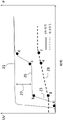
图2为根据图1的层析系统设计的比较从探测器获得的UV信号对压力信号的图表。FIG. 2 is a graph comparing UV signal versus pressure signal obtained from a detector according to the chromatography system design of FIG. 1 .
图3示意性地示出了根据本发明的包括四个探测器的三柱周期逆流(3C-PCC)系统。Figure 3 schematically shows a three-column periodic countercurrent (3C-PCC) system including four detectors according to the present invention.
图4a、b和c示意性地示出了图3的三个阀。Figures 4a, b and c schematically illustrate the three valves of Figure 3 .
图5为比较从3C-PCC系统中的三个探测器获得的UV信号对压力信号的图表。实线:UV信号;虚线:压力信号。Figure 5 is a graph comparing UV signal versus pressure signal obtained from three detectors in a 3C-PCC system. Solid line: UV signal; dashed line: pressure signal.
具体实施方式Detailed ways
为了避开关于现有技术所述论述的困难,由本发明提供基于类反馈控制原理的实时控制算法。因此,用于在该过程的任何给定时刻评估不同的柱的状态的方法是特别关注的。例如,获知特定穿透水平下的层析柱的结合容量将允许一个人评估柱是否还可结合溶质以及在柱达到完全饱和之前还可结合多少溶质。类似地,从过程产量视角看首要关注的是获知是否达到初始穿透容量,因为在该点上,将在来自柱的流出物流中发现溶质,且如果不采取适当的动作,则将导致浪费,或将与其他非结合的成分收集在一起。To circumvent the difficulties of the discussion described with respect to the prior art, a real-time control algorithm based on feedback-like control principles is provided by the present invention. Therefore, a method for evaluating the state of the different bars at any given moment in the process is of particular interest. For example, knowing the binding capacity of a chromatography column at a particular breakthrough level will allow one to assess whether the column can still bind solutes and how much more solutes can bind before the column reaches full saturation. Similarly, the primary concern from a process throughput perspective is to know if the initial breakthrough capacity has been reached, as at this point solutes will be found in the effluent stream from the column and will result in waste if proper action is not taken, Or collect together with other non-conjugated ingredients.
因此,本发明的实施例提供了一种基于监测饱和的柱上的压力降低和使用该信息来探测期望的穿透点而探测柱饱和水平或穿透的方法。这可通过(1)探测压力降低的确切值,或(2)探测随时间和/或施加的容积或质量变化的压力降低的变化速率来实现。本发明的另一个实施例提供了一种用于探测柱饱和水平或穿透的较简单的方法。因此,探测可基于将来自未加载柱的压力与加载柱的压力相比较。"未加载柱"意思是未加载待分离的样本或在目标化合物或杂质的任何穿透之前不久的相同的柱。备选地,"未加载柱"可为装填与分离柱相同类型的树脂且与相同的柱平衡缓冲物平衡的相同的柱。Accordingly, embodiments of the present invention provide a method of detecting a column saturation level or breakthrough based on monitoring the pressure drop across a saturated column and using this information to detect the desired breakthrough point. This can be accomplished by (1) detecting the exact value of the pressure drop, or (2) detecting the rate of change of the pressure drop over time and/or the applied volume or mass change. Another embodiment of the present invention provides a simpler method for detecting column saturation levels or breakthroughs. Thus, detection may be based on comparing the pressure from the unloaded column to the pressure of the loaded column. "Unloaded column" means the same column that is not loaded with the sample to be separated or shortly before any breakthrough of target compounds or impurities. Alternatively, an "unloaded column" can be the same column packed with the same type of resin as the separation column and equilibrated with the same column equilibration buffer.
图1示意性地示出了根据本发明的实施例的简单层析系统的一部分。该层析系统包括一个层析柱1。它还包括连接到层析柱1的入口端5上的供给管线3。待经过柱1的样本可穿过供给管线3加入。该系统还包括连接到相对端(即,层析柱1的出口端7)上的流出物管线9。经过层析柱1的样本可经过流出物管线9。层析系统包括沿供给管线3定位在某处(优选接近柱1的入口端5)的第一探测器11。第一探测器11适于探测供给管线中的信号。此外,层析系统包括第二探测器13,其沿流出物管线9定位在某处(优选接近柱1的出口端7),且适于探测流出物信号。第一探测器11和第二探测器13适合为相同类型的探测器。在某些实施例中,第一探测器和第二探测器是压力传感器,即,测量样本的压力。压力传感器是公知的,且备选地可称为压力换能器、压力发射器、压力发送器、压力指示器、压强计和压力计等。其他可能类型的探测器测量UV、pH、传导性、光散射、荧光、IR或可见光。如果系统中的不同探测器不是相同类型的探测器,则探测到的信号在用于根据本发明的其他计算时需要关联。Figure 1 schematically shows part of a simple chromatography system according to an embodiment of the invention. The chromatography system includes a
此外,根据本发明,第一探测器11和/或第二探测器13连接到确定单元15上。该单元分析第一探测器11和第二探测器13中探测到的信号,以便确定层析柱的结合容量。Furthermore, according to the invention, the
在本发明的另一个实施例中,相比于图1中所示的层析系统,该层析系统包括沿供给管线定位在某处(优选接近柱的入口端)的单个探测器。该探测器适于在层析过程期间探测供给管线中的压力信号,而不论是柱未加载时或是柱加载时。在某些实施例中,探测器是压力传感器。此外,探测器连接到确定单元上,确定单元分析探测器中探测到的信号,以便确定层析柱的结合容量和/或饱和水平。In another embodiment of the invention, compared to the chromatography system shown in Figure 1, the chromatography system comprises a single detector positioned somewhere along the supply line (preferably near the inlet end of the column). The detector is adapted to detect the pressure signal in the supply line during the chromatography process, whether the column is unloaded or the column is loaded. In some embodiments, the detector is a pressure sensor. Furthermore, the detector is connected to a determination unit which analyzes the signal detected in the detector in order to determine the binding capacity and/or saturation level of the chromatography column.
在本发明的另一个实施例中,相比于图1和上文所示的备选层析系统,层析系统还可包括沿柱的供给管线定位在某处的另一个探测器。探测器适于探测与供给管线中的压力不同的信号。此外,层析系统包括另一个探测器,其沿流出物管线定位在某处,且适于探测除压力外的流出物信号。这些探测器可适合为相同类型的探测器。在某些实施例中,探测器测量UV、pH、传导性、光散射、荧光、IR或可见光。此外,这些探测器还连接到确定单元上。该单元分析探测到的信号,且与压力信号一起使用这些信号来评估层析柱的结合容量和/或饱和水平。In another embodiment of the invention, compared to the alternative chromatography system shown in Figure 1 and above, the chromatography system may also include another detector positioned somewhere along the supply line of the column. The detector is adapted to detect a signal different from the pressure in the supply line. Furthermore, the chromatography system includes another detector positioned somewhere along the effluent line and adapted to detect effluent signals other than pressure. These detectors may be suitable as detectors of the same type. In certain embodiments, the detector measures UV, pH, conductivity, light scattering, fluorescence, IR or visible light. In addition, these detectors are connected to the determination unit. The unit analyzes the detected signals and uses these together with the pressure signals to assess the binding capacity and/or saturation level of the chromatography column.
为了展示本发明的某些实施例,在图2,以示出一定时间内的信号强度的图表,示出了探测到的压力信号,且与UV信号相比较。图2示出了曲线,其代表:前柱UV信号(21,供给信号)、后柱UV信号(25,流出物信号)、和供给管线上测得的压力信号(28)。To demonstrate certain embodiments of the present invention, in Figure 2, the detected pressure signal is shown in a graph showing signal strength over time, compared to the UV signal. Figure 2 shows curves representing: pre-column UV signal (21, supply signal), post-column UV signal (25, effluent signal), and pressure signal measured on the supply line (28).
曲线21和25用于确定代表供给中的产物的总浓度的UV值(27)。通过遵循21和25之间的差异的变化,一个人可监测来自柱的流出物流中的产物的浓度,且使用其计算柱中产物饱和的水平(US 20120091063)。供给信号21基本上是直线,因为供给样本在该情况下和在该时间窗口期间成分是恒定的。一旦样本中的一些经过柱1且进入第二探测器13定位之处的流出物管线9的通道,则流出物信号23在a点处将从零开始上升。信号然后将上升,直到其变平到稳定阶段25的点b。该稳定阶段25在供给中的所有非结合成分经过柱时上升。当信号23又开始上升时,穿透点c在稳定阶段25之后进一步限定。这是由于实际上,柱1中的层析介质开始变得饱和且应当结合在柱中的样本的部分中的一些开始穿透柱。当信号23接近信号21时,进一步限定穿透点d。该点限定为饱和点,且代表层析介质以样本的结合组分几乎完全饱和的时刻。
曲线28代表柱的供给施加期间在供给管线上测得的压力的变化。加载阶段期间的压力的稳定升高允许了使柱上和/或供给管线中测得的压力与以产物饱和的柱关联。压力曲线(28)还可用于探测来自柱的产物的各种穿透水平,例如由点e和f代表的水平,如使用US 20120091063中的deltaUV方法另外测得的那样(点c和d)。在一个实施例中,如果UV曲线是已知的,则压力曲线和UV曲线(25)的穿透部分之间的关联可建立。在另一个实施例中,压力的变化(曲线28)通过执行实验来与柱饱和水平关联,在实验中,柱加载不同量的产物,测量压力,且以从来自柱的流出物收集的小部分来确定产物的浓度。用于层析系统的测得的压力可例如取决于树脂的多孔性、树脂的颗粒尺寸、供给的粘性、柱的长度和宽度而改变。
根据本发明,在任何给定的时间点,可计算Deltasignal,其限定为例如在给定时间下测得的例如点(e)或(f)处的信号减去之前时间测得的信号(g)之间的信号差异。可计算Deltasignalmax,其限定为完全柱饱和下测得的信号减去样本施加开始(点g)处测得的信号。例如,该Deltasignal然后可用于限定饱和点和穿透点的适合水平。穿透点可适合限定为Deltasignalmax的某一预先限定的百分比,例如,1%-10%的范围或更适合是1%-3%的范围中的某处,且饱和点可适合限定为Deltasignalmax的某一预先限定的百分比,例如,60%-90%的范围或更适合是70%-80%的范围中的某处。在其他实施例中,穿透点可适合限定为Deltasignal的某一预先限定的水平。According to the present invention, at any given point in time, a Deltasignal can be calculated, which is defined, for example, as the signal measured at a given time, eg, at point (e) or (f) minus the signal measured at a previous time (g) ) signal difference. Deltasignalmax can be calculated, which is defined as the signal measured at full column saturation minus the signal measured at the start of sample application (point g). For example, the Deltasignal can then be used to define suitable levels for saturation and breakthrough points. The breakthrough point may be suitably defined as some pre-defined percentage of Deltasignalmax, for example, somewhere in the range of 1%-10% or more suitably somewhere in the range of 1%-3%, and the saturation point may be suitably defined as the Deltasignalmax Some predefined percentage, eg, the range of 60%-90% or more suitably somewhere in the range of 70%-80%. In other embodiments, the penetration point may be suitably defined as some predefined level of Deltasignal.
确定穿透点和饱和点的该途径的一个优点在于这可自动地实时完成,且其独立于供给浓度。One advantage of this approach to determining breakthrough and saturation points is that this can be done automatically in real time and is independent of feed concentration.
在本发明的另一方面,结合容量(例如,穿透和饱和点)的这些确定用于自动地控制不同层析过程步骤的开始和停止,即,在已经达到某一穿透或饱和点水平时,控制系统可控制层析系统,以进行至下一个过程步骤,诸如,将柱流出物再引导至不同的收集点,或停止加载步骤和开始柱清洗步骤。In another aspect of the invention, these determinations of binding capacity (eg, breakthrough and saturation point) are used to automatically control the start and stop of different chromatography process steps, ie, after a certain breakthrough or saturation point level has been reached , the control system may control the chromatography system to proceed to the next process step, such as redirecting the column effluent to a different collection point, or stopping the loading step and starting the column cleaning step.
在本发明的另一方面,层析系统包括所谓的周期逆流(PCC)系统中的多于一个层析柱。在周期逆流系统中,大部分时间,供给经过串联连接的至少两个柱。该串联通常称为加载区域,柱加入加载区域/从加载区域除去分别基于串联的最后的柱和第一柱的预定穿透和饱和点。在图3中,示意性地示出了包括三个柱的根据本发明的此系统。本发明的益处在该示例中甚至更确切,因为PCC系统中的一个常见问题在于,为了能够得到有效的系统操作,用于系统中的柱需要尽可能相同,且供给成分和流率应当恒定,或至少其随过程时间的变化应当预先获知。利用本发明,柱结合容量和/或流率中的任何差异可通过根据确定的穿透和饱和点调整不同的柱应当在加载区域中多久以及处于哪个位置来补偿。In another aspect of the invention, the chromatography system includes more than one chromatography column in a so-called periodic countercurrent (PCC) system. In a periodic countercurrent system, most of the time, the feed goes through at least two columns connected in series. This series is often referred to as a loading zone, and columns are added/removed from the loading zone based on predetermined breakthrough and saturation points of the last and first columns of the series, respectively. In Figure 3, this system according to the invention comprising three columns is shown schematically. The benefits of the present invention are even more precise in this example, since a common problem in PCC systems is that in order to be able to get efficient system operation, the columns used in the system need to be as identical as possible, and the feed composition and flow rate should be constant, Or at least its variation over process time should be known in advance. With the present invention, any differences in column binding capacity and/or flow rate can be compensated for by adjusting how long and where different columns should be in the loading zone based on the determined breakthrough and saturation points.
在图3中,供给泵31示为经由第一探测器33连接到第一阀组35上。缓冲物泵37也连接到该第一阀组35上。第一阀组35经由第一T阀41进一步连接到第一柱39的入口上。第一柱39的出口端通过第二探测器45连接到第二T阀43上。第一阀组35经由第二阀组49进一步连接到第二柱47的入口上。第二柱47的出口端经由第三探测器53连接到第三阀组51上。此外,第三T阀55连接在第二T阀43和第三阀组51之间。第三T阀55还连接到第四T阀57上,第四T阀57还连接到第一T阀41和第二阀组49上。由此,来自第一柱39的流出物可通过T阀43、55、57和阀组49引导至第二柱47的入口。In FIG. 3 , the
此外,第一阀组35经由第五T阀61连接到第三柱59的入口上。第三柱59的出口端经由第四探测器65连接到第六T阀63上。此外,第七T阀67连接在第三阀组51和第六T阀63之间。第七T阀67还连接到第八T阀69上,第八T阀69还连接到第二阀组49和第五T阀61上。由此,来自第二柱47的流出物可引导至第三柱59的入口。来自第三柱59的流出物可经由阀63、67、51、55、57和41引导至第一柱59的入口。第一阀组35的构造在图4a中示意性示出,第二阀组49的构造在图4b中示意性示出,且第三阀组51的构造在图4c中示意性示出。在这些图中,各组的四个框代表T阀(三通阀)。此外,根据本发明,第一探测器33、第二探测器45、第三探测器53和第四探测器65所有都连接到确定单元71上。确定单元适于使用来自探测器的探测到的信号来确定三个不同的柱的穿透和饱和点。确定单元71和所有阀组和T阀和泵进一步连接到控制单元73(所有连接都未在图中示出)上,控制单元73适于按照何时将柱从加载区域除去/将柱加入加载区域、改变流率、开始新清洗步骤等来控制层析系统。探测器33、45、53、65在一个实施例中是压力传感器。之前已经论述了可用于本发明的探测器的其他示例。Furthermore, the
在本发明的一个实施例中,在图3的系统中执行的层析过程包括:In one embodiment of the present invention, the chromatography process performed in the system of FIG. 3 includes:
(a)利用第一探测器33连续地监测供给管线中、以及来自柱39、47、59(利用第二探测器45、第三探测器53和第四探测器65)中的每一个的流出物中的信号,且计算各个柱39、47、59的校正的信号;(a) Continuously monitor with the
(b)使包括至少一种目标化合物的供给经过第一吸附剂(第一柱39中的层析介质),且在针对第一吸附剂测得的校正的信号(如上文关于图2描述的那样限定)达到预定值x1时,将来自第一吸附剂的流出物引导至第二吸附剂(第二柱47中的层析介质);(b) passing a supply comprising at least one target compound through the first adsorbent (chromatographic medium in first column 39), and at the corrected signal measured for the first adsorbent (as described above with respect to FIG. 2 ) so defined) when the predetermined value x1 is reached, the effluent from the first adsorbent is directed to the second adsorbent (chromatographic medium in the second column 47);
(c)将供给再引导至第二吸附剂,且使清洗液体经过第一吸附剂,当针对第一吸附剂获得的校正的信号达到预定值x2时,目标化合物已经结合第一吸附剂;(c) redirecting the supply to the second adsorbent and passing the cleaning liquid through the first adsorbent, when the corrected signal obtained for the first adsorbent reaches a predetermined value x2, the target compound has bound to the first adsorbent;
(d)将清洗液体流出物引导至第三吸附剂(第三柱59中的层析介质),且随后当针对第二吸附剂获得的校正的信号达到预定值x1时,将来自第二吸附剂的流出物引导至第三吸附剂;(d) directing the wash liquid effluent to the third adsorbent (chromatographic medium in the third column 59), and then diverting the effluent from the second adsorbent when the corrected signal obtained for the second adsorbent reaches a predetermined value x1 the effluent of the agent is directed to a third adsorbent;
(e)再生第一吸附剂;(e) regenerating the first adsorbent;
(f)将供给再引导至第三吸附剂,且使清洗液体经过第二吸附剂,当针对第二吸附剂获得的校正的信号达到预定值x2时,目标化合物已经结合第二吸附剂;(f) redirecting the supply to a third adsorbent and passing the wash liquid through the second adsorbent, the target compound has bound to the second adsorbent when the corrected signal obtained for the second adsorbent reaches a predetermined value x2;
(g)将清洗液体流出物引导至第一吸附剂,且随后在针对第三吸附剂获得的校正的信号达到预定值x1时,将来自第三吸附剂的流出物引导至第一吸附剂;(g) directing the cleaning liquid effluent to the first adsorbent, and then directing the effluent from the third adsorbent to the first adsorbent when the corrected signal obtained for the third adsorbent reaches a predetermined value x1;
(h)再生第二吸附剂;(h) regenerating the second adsorbent;
(i)将供给再引导至第一吸附剂,且使清洗液体经过第三吸附剂,当针对第三吸附剂获得的校正的信号达到预定值x2时,目标化合物已经结合第三吸附剂;(i) redirecting the supply to the first adsorbent and passing the wash liquid through a third adsorbent, the target compound has bound to the third adsorbent when the corrected signal obtained for the third adsorbent reaches a predetermined value x2;
(j)将清洗液体流出物引导至第二吸附剂,且随后在针对第一吸附剂获得的校正的信号达到预定值x1时,将来自第一吸附剂的流出物引导至第二吸附剂;(j) directing the cleaning liquid effluent to the second adsorbent, and then directing the effluent from the first adsorbent to the second adsorbent when the corrected signal obtained for the first adsorbent reaches a predetermined value x1;
(k)再生第三吸附剂;(k) regenerating the third adsorbent;
(l)重复步骤(b)-(k);(l) repeating steps (b)-(k);
其中至少一种目标化合物在步骤(d)、(g)和/或(j)中收集。x1和x2的预定值分别代表穿透和饱和点。wherein at least one target compound is collected in steps (d), (g) and/or (j). The predetermined values of x1 and x2 represent the breakthrough and saturation points, respectively.
在操作逆流系统时,本发明允许使用不同的柱,因为柱性能的任何差异可通过基于针对柱中的每一个测得的Deltasignal和Deltsignalmax自动地调整穿透和饱和切换点来补偿。其还允许了当供给浓度的非预期变化发生为供给浓度的任何变化时操作逆流系统,且因此加载到各个柱中的质量的变化可通过基于Deltasignal(其自动地补偿加载到柱上的目标量的变化)自动地调整穿透和饱和切换点来补偿。When operating a countercurrent system, the present invention allows the use of different columns, as any differences in column performance can be compensated for by automatically adjusting the breakthrough and saturation switching points based on the measured Deltasignal and Deltsignalmax for each of the columns. It also allows the operation of countercurrent systems when unexpected changes in feed concentration occur as any change in feed concentration, and thus changes in mass loaded into individual columns can be determined by Deltasignal based (which automatically compensates for the target amount loaded on the column). changes) automatically adjust the penetration and saturation switching points to compensate.
在本发明的另一个实施例中,包括多于2个层析柱的层析系统可用于从源自灌注细胞培养的供给流的产物的直接捕集。对于本领域的技术人员,公知的是此流中的组分的浓度将随时间而变化,且在没有自动化控制算法的情况下,在没有由于错误地预先分配的再引导点而引起的产物的显著产物损失的风险的情况下,层析系统的操作将是不可能的。In another embodiment of the invention, a chromatography system comprising more than 2 chromatography columns can be used for the direct capture of products from a feed stream derived from perfused cell culture. It is well known to those skilled in the art that the concentrations of the components in this stream will vary over time and that, in the absence of automated control algorithms, in the absence of product changes due to erroneously pre-assigned redirection points Operation of the chromatography system would be impossible without the risk of significant product loss.
示例Example
本示例仅出于示范性目的而提供,且不应当解释为限制如由所附权利要求限定的本发明。This example is provided for illustrative purposes only and should not be construed as limiting the invention as defined by the appended claims.
该示例示出了用于使用根据本发明的三柱周期逆流(3C-PCC)系统(即,在该示例中,探测器是UV探测器或压力传感器)在蛋白A层析树脂上从包含MAb和宿主细胞蛋白的混合物纯化单克隆抗体(MAb)的连续主要捕集步骤。更具体而言,三个类似的柱装填有蛋白A层析树脂MabSelectTM SuRe LX(GE Healthcare Bio-Sciences, Uppsala, Sweden)。柱连接到ÄKTATM PCC(GE Healthcare Bio-Sciences, Uppsala, Sweden)层析系统上,该层析系统配置成三柱周期逆流系统3C-PCC,具有基于三个柱中的每一个之前和之后测得的UV或压力信号的连续比较的自动化控制功能。来自各个探测器的吸收率使用UNICORNTM软件(GEHealthcare Bio-Sciences, Uppsala, Sweden)记录。UNICORNTM还用于控制所有泵和阀。来自蛋白A柱MAb的洗脱剂收集在单个池中。This example illustrates the use of a three-column periodic countercurrent (3C-PCC) system according to the present invention (ie, in this example, the detector is a UV detector or a pressure sensor) from a MAb containing MAb on a protein A chromatography resin. A sequential primary capture step for the purification of monoclonal antibodies (MAbs) from a mixture of host cell proteins. More specifically, three similar columns were packed with Protein A chromatography resin MabSelect ™ SuRe LX (GE Healthcare Bio-Sciences, Uppsala, Sweden). The columns were connected to an ÄKTA ™ PCC (GE Healthcare Bio-Sciences, Uppsala, Sweden) chromatography system configured as a three-column periodic countercurrent system 3C-PCC with pre- and post-test based on each of the three columns. Automatic control function for continuous comparison of the obtained UV or pressure signals. Absorption rates from each detector were recorded using UNICORN ™ software (GE Healthcare Bio-Sciences, Uppsala, Sweden). UNICORN TM is also used to control all pumps and valves. The eluent from the Protein A column MAb was collected in a single pool.
以下的单柱层析循环用作以连续方式操作三柱ÄKTAPCC系统的基础:a)与缓冲物A的5柱容积(CV)的柱平衡;2)加载有供给的柱;3)以5CV的缓冲物A的柱清洗;4)以1CV的缓冲物的柱清洗;5)以4CV的缓冲物C的柱洗脱;6)以2CV的缓冲物D的柱剥离;7)以3CV的缓冲物的柱CIP。所有步骤在0.94 mL/min流率下执行。The following single-column chromatography cycle was used as the basis for operating the three-column ÄKTAPCC system in a continuous manner: a) column equilibration with 5 column volumes (CV) of buffer A; 2) column loaded with feed; 3) at 5 CV Column wash with buffer A; 4) column wash with 1 CV of buffer; 5) column elution with 4 CV of buffer C; 6) column strip with 2 CV of buffer D; 7) with 3 CV of buffer Column CIP. All steps were performed at a flow rate of 0.94 mL/min.
溶液的成分在以下给出:The composition of the solution is given below:
缓冲物A:PBS缓冲物,pH7.4Buffer A: PBS buffer, pH 7.4
缓冲物B:50 mM醋酸盐缓冲物,pH6Buffer B: 50 mM acetate buffer, pH 6
缓冲物C:50 mM醋酸盐缓冲物,pH3.5Buffer C: 50 mM acetate buffer, pH 3.5
缓冲物D:100 mM醋酸盐,pH2.9Buffer D: 100 mM acetate, pH 2.9
缓冲物E:100 mM NaOHBuffer E: 100 mM NaOH
供给:包含宿主细胞蛋白质的澄清的细胞培养流体中的~2.00 g/L MAb。Supply: ~2.00 g/L MAb in clarified cell culture fluid containing host cell proteins.
包含供给的几百毫升的溶液连续地供给到上文描述的实验性3C-PCC设置中。供给溶液的吸收率和压力由定位在供给管线中的第一探测器连续地测量。纯化的MAb通过将缓冲物B施加到饱和的柱来以离散方式从系统洗脱。饱和柱在洗脱步骤之前清洗。A solution containing several hundred milliliters of the feed was continuously fed into the experimental 3C-PCC setup described above. The absorption rate and pressure of the feed solution are continuously measured by a first detector positioned in the feed line. Purified MAbs were eluted from the system in a discrete manner by applying buffer B to the saturated column. The saturated column was washed before the elution step.
图5示出了使用三柱周期逆流系统在蛋白A柱上连续捕集单克隆抗体期间获得的部分数据。如针对三个不同的加载循环测得的随UV信号变化的压力的对应变化得到很好记录。各个循环结束时的初始压力升高和压力降低由于关于PCC操作期间的相应流路的打开和闭合的系统配制效果。Figure 5 shows a portion of data obtained during sequential capture of monoclonal antibodies on a Protein A column using a three-column periodic countercurrent system. The corresponding changes in pressure as a function of UV signal as measured for three different loading cycles are well documented. The initial pressure rise and pressure drop at the end of each cycle are due to system formulation effects regarding the opening and closing of the corresponding flow paths during PCC operation.
尽管已经示出和描述了本发明的特定实施例,但本领域的技术人员将清楚的是,可进行变化和改型,而不脱离本发明的教导内容。前面描述和附图中阐释的主题仅为了说明提供而不作为限制。在基于现有技术以其适当的视角查阅时,本发明的实际范围旨在限定于以下权利要求中。While particular embodiments of the present invention have been shown and described, it would be obvious to those skilled in the art that changes and modifications can be made without departing from the teachings of the present invention. The subject matter set forth in the foregoing description and drawings is provided for illustration only and not for limitation. The actual scope of the invention is intended to be limited in the following claims when viewed in their proper perspective based on the prior art.
Claims (22)
Applications Claiming Priority (3)
| Application Number | Priority Date | Filing Date | Title |
|---|---|---|---|
| US201462093450P | 2014-12-18 | 2014-12-18 | |
| US62/093450 | 2014-12-18 | ||
| PCT/EP2015/079696 WO2016096790A1 (en) | 2014-12-18 | 2015-12-15 | Automated chromatography column switching control based on pressure detection |
Publications (2)
| Publication Number | Publication Date |
|---|---|
| CN107249709A CN107249709A (en) | 2017-10-13 |
| CN107249709B true CN107249709B (en) | 2020-07-14 |
Family
ID=54884029
Family Applications (1)
| Application Number | Title | Priority Date | Filing Date |
|---|---|---|---|
| CN201580076440.8A Active CN107249709B (en) | 2014-12-18 | 2015-12-15 | Automated chromatography column switching control based on pressure detection |
Country Status (6)
| Country | Link |
|---|---|
| US (2) | US11938418B2 (en) |
| EP (1) | EP3234590B1 (en) |
| JP (1) | JP6873528B2 (en) |
| CN (1) | CN107249709B (en) |
| ES (1) | ES2897581T3 (en) |
| WO (1) | WO2016096790A1 (en) |
Families Citing this family (11)
| Publication number | Priority date | Publication date | Assignee | Title |
|---|---|---|---|---|
| GB201703116D0 (en) * | 2017-02-27 | 2017-04-12 | Ge Healthcare Bioprocess R&D Ab | A seperation matrix and a method of seperating antibodies |
| GB201710130D0 (en) * | 2017-06-26 | 2017-08-09 | Ge Healthcare Bioprocess R & D Ab | A Method of seperation |
| GB201715403D0 (en) * | 2017-09-22 | 2017-11-08 | Ge Healthcare Bio Sciences Ab | Chromatography apparatus |
| GB201803129D0 (en) * | 2018-02-27 | 2018-04-11 | Ge Healthcare Bio Sciences Ab | Method in liquid chiromatorgraphy |
| JP7135697B2 (en) * | 2018-10-11 | 2022-09-13 | 株式会社島津製作所 | Analysis device, analysis system and analysis method |
| GB201904522D0 (en) * | 2019-04-01 | 2019-05-15 | Puridify Ltd | A chromatography system |
| DE102020101722A1 (en) | 2020-01-24 | 2021-07-29 | Hydrophon Kunststofftechnik Gmbh | Sealing set for cable outlets |
| DE102021102858A1 (en) | 2020-02-14 | 2021-08-19 | Hydrophon Kunststofftechnik Gmbh | Assembly method for a sealing collar |
| WO2022094031A1 (en) * | 2020-10-28 | 2022-05-05 | Waters Technologies Corporation | End fitting for a liquid chromatography column with an integrated valve/tee having additional input and/or output |
| CN113341014B (en) * | 2021-06-01 | 2024-01-09 | 上海药明生物技术有限公司 | Continuous flow chromatography apparatus and method |
| CN116422010B (en) * | 2023-03-31 | 2026-01-06 | 方圆标志检验检测(山东)有限公司 | A pressure and liquid flow rate control device for a positive pressure solid phase extraction instrument and its usage method |
Citations (4)
| Publication number | Priority date | Publication date | Assignee | Title |
|---|---|---|---|---|
| WO2010151214A1 (en) * | 2009-06-26 | 2010-12-29 | Ge Healthcare Bio-Sciences Ab | A method in a chromatography system |
| CN102022197A (en) * | 2009-09-22 | 2011-04-20 | 通用汽车环球科技运作公司 | Pressure estimation systems and methods |
| WO2012074481A1 (en) * | 2010-12-03 | 2012-06-07 | Ge Healthcare Bio-Sciences Ab | System and process for biopolymer chromatography |
| CN202569651U (en) * | 2012-04-10 | 2012-12-05 | 湖北紫鑫生物科技有限公司 | Column chromatography system |
Family Cites Families (11)
| Publication number | Priority date | Publication date | Assignee | Title |
|---|---|---|---|---|
| US5683491A (en) * | 1996-04-16 | 1997-11-04 | Mobil Oil Corporation | Method for determining saturation of carbon filters in a gas treatment process |
| JPH11128604A (en) * | 1997-11-05 | 1999-05-18 | Hitachi Ltd | Method for collecting useful substances |
| US6460420B1 (en) * | 2000-04-13 | 2002-10-08 | Sandia National Laboratories | Flowmeter for pressure-driven chromatography systems |
| US7178386B1 (en) * | 2003-04-10 | 2007-02-20 | Nanostream, Inc. | Parallel fluid processing systems and methods |
| WO2008153472A1 (en) | 2007-06-15 | 2008-12-18 | Ge Healthcare Bio-Sciences Ab | Chromatography method |
| EP2552585B1 (en) | 2010-03-31 | 2016-05-25 | GE Healthcare BioProcess R&D AB | A parallel separation system |
| JP5956977B2 (en) | 2010-03-31 | 2016-07-27 | ジーイー・ヘルスケア・バイオサイエンス・アクチボラグ | Parallel separation system |
| WO2011152788A1 (en) | 2010-06-03 | 2011-12-08 | Ge Healthcare Bio-Sciences Ab | A parallel assembly of chromatography column modules |
| US9352298B2 (en) * | 2010-12-14 | 2016-05-31 | Jsr Corporation | Method for producing polymer particles, and polymer particles |
| SG195306A1 (en) * | 2011-06-08 | 2013-12-30 | Agency Science Tech & Res | Purification of biological products by constrained cohydration chromatography |
| CN104541165A (en) | 2012-08-24 | 2015-04-22 | 通用电气健康护理生物科学股份公司 | System and method for controlling a liquid chromatography system |
-
2015
- 2015-12-15 EP EP15813020.3A patent/EP3234590B1/en active Active
- 2015-12-15 WO PCT/EP2015/079696 patent/WO2016096790A1/en not_active Ceased
- 2015-12-15 ES ES15813020T patent/ES2897581T3/en active Active
- 2015-12-15 US US15/533,591 patent/US11938418B2/en active Active
- 2015-12-15 CN CN201580076440.8A patent/CN107249709B/en active Active
- 2015-12-15 JP JP2017532669A patent/JP6873528B2/en active Active
-
2024
- 2024-03-04 US US18/594,938 patent/US12440781B2/en active Active
Patent Citations (4)
| Publication number | Priority date | Publication date | Assignee | Title |
|---|---|---|---|---|
| WO2010151214A1 (en) * | 2009-06-26 | 2010-12-29 | Ge Healthcare Bio-Sciences Ab | A method in a chromatography system |
| CN102022197A (en) * | 2009-09-22 | 2011-04-20 | 通用汽车环球科技运作公司 | Pressure estimation systems and methods |
| WO2012074481A1 (en) * | 2010-12-03 | 2012-06-07 | Ge Healthcare Bio-Sciences Ab | System and process for biopolymer chromatography |
| CN202569651U (en) * | 2012-04-10 | 2012-12-05 | 湖北紫鑫生物科技有限公司 | Column chromatography system |
Also Published As
| Publication number | Publication date |
|---|---|
| ES2897581T3 (en) | 2022-03-01 |
| US12440781B2 (en) | 2025-10-14 |
| CN107249709A (en) | 2017-10-13 |
| US20240207758A1 (en) | 2024-06-27 |
| JP6873528B2 (en) | 2021-05-19 |
| JP2018502293A (en) | 2018-01-25 |
| US11938418B2 (en) | 2024-03-26 |
| WO2016096790A1 (en) | 2016-06-23 |
| US20170361244A1 (en) | 2017-12-21 |
| EP3234590B1 (en) | 2021-10-06 |
| EP3234590A1 (en) | 2017-10-25 |
Similar Documents
| Publication | Publication Date | Title |
|---|---|---|
| CN107249709B (en) | Automated chromatography column switching control based on pressure detection | |
| CN102472731B (en) | Method in chromatographic system | |
| US10099156B2 (en) | Chromatographic purification method | |
| CN110291393B (en) | Method for adapting UV cell path length in chromatography systems | |
| CN110325854B (en) | Monitor performance in continuous chromatography | |
| US20260061337A1 (en) | Method in Continuous Chromatography | |
| US10948483B2 (en) | Method for control, monitoring and/or optimization of a chromatographic process | |
| CN103180727B (en) | There is the chromatographic system of guard column | |
| CN111902196A (en) | An automated dual-column cyclic chromatography method for solving challenging separation problems |
Legal Events
| Date | Code | Title | Description |
|---|---|---|---|
| PB01 | Publication | ||
| PB01 | Publication | ||
| SE01 | Entry into force of request for substantive examination | ||
| SE01 | Entry into force of request for substantive examination | ||
| GR01 | Patent grant | ||
| GR01 | Patent grant | ||
| CP01 | Change in the name or title of a patent holder |
Address after: uppsala Patentee after: Stoivan Sweden Limited Address before: uppsala Patentee before: GE HEALTHCARE BIO-SCIENCES AB |
|
| CP01 | Change in the name or title of a patent holder |