CN107016996B - Audio data processing method and device - Google Patents
Audio data processing method and device Download PDFInfo
- Publication number
- CN107016996B CN107016996B CN201710418162.0A CN201710418162A CN107016996B CN 107016996 B CN107016996 B CN 107016996B CN 201710418162 A CN201710418162 A CN 201710418162A CN 107016996 B CN107016996 B CN 107016996B
- Authority
- CN
- China
- Prior art keywords
- user
- information
- audio
- motion
- audio processing
- Prior art date
- Legal status (The legal status is an assumption and is not a legal conclusion. Google has not performed a legal analysis and makes no representation as to the accuracy of the status listed.)
- Active
Links
Images

Classifications
-
- G—PHYSICS
- G10—MUSICAL INSTRUMENTS; ACOUSTICS
- G10L—SPEECH ANALYSIS TECHNIQUES OR SPEECH SYNTHESIS; SPEECH RECOGNITION; SPEECH OR VOICE PROCESSING TECHNIQUES; SPEECH OR AUDIO CODING OR DECODING
- G10L15/00—Speech recognition
- G10L15/20—Speech recognition techniques specially adapted for robustness in adverse environments, e.g. in noise, of stress induced speech
-
- G—PHYSICS
- G10—MUSICAL INSTRUMENTS; ACOUSTICS
- G10L—SPEECH ANALYSIS TECHNIQUES OR SPEECH SYNTHESIS; SPEECH RECOGNITION; SPEECH OR VOICE PROCESSING TECHNIQUES; SPEECH OR AUDIO CODING OR DECODING
- G10L15/00—Speech recognition
- G10L15/06—Creation of reference templates; Training of speech recognition systems, e.g. adaptation to the characteristics of the speaker's voice
- G10L15/065—Adaptation
- G10L15/07—Adaptation to the speaker
Landscapes
- Engineering & Computer Science (AREA)
- Computational Linguistics (AREA)
- Health & Medical Sciences (AREA)
- Audiology, Speech & Language Pathology (AREA)
- Human Computer Interaction (AREA)
- Physics & Mathematics (AREA)
- Acoustics & Sound (AREA)
- Multimedia (AREA)
- Artificial Intelligence (AREA)
- User Interface Of Digital Computer (AREA)
Abstract
本发明公开了一种音频数据的处理方法及装置。该方法包括:获取用户的运动状态信息;根据所述运动状态信息及预设的音频处理库,确定当前的目标音频处理模型;基于所述目标音频处理模型处理用户输入的音频数据,并对处理后的音频数据进行音频识别。利用该方法,能够在用户处于运动状态时处理用户的音频数据,实现对用户运动带来的音频差异的有效处理,从而准确有效的实现音频数据的识别,达到提升智能终端音频识别准确率的目的。

The present invention discloses a method and device for processing audio data. The method comprises: obtaining the user's motion state information; determining the current target audio processing model according to the motion state information and a preset audio processing library; processing the audio data input by the user based on the target audio processing model, and performing audio recognition on the processed audio data. By using this method, the user's audio data can be processed when the user is in motion, and the audio differences caused by the user's motion can be effectively processed, thereby accurately and effectively realizing the recognition of audio data, and achieving the purpose of improving the audio recognition accuracy of smart terminals.
Description
技术领域technical field
本发明涉及信号处理技术领域,尤其涉及一种音频数据的处理方法及装置。The present invention relates to the technical field of signal processing, and in particular, to a method and device for processing audio data.
背景技术Background technique
近年来,智能终端已逐渐融入到人们的日常生活中,常见的如智能手机、平板电脑以及智能可穿戴设备等。当前的智能终端通常具备语音识别功能,而通过语音识别的信息输入也已成为用户常用的输入方法,尤其是智能可穿戴设备,由于其具有的屏幕较小,更加突出语音识别输入的优势。In recent years, smart terminals have gradually been integrated into people's daily life, such as smart phones, tablet computers, and smart wearable devices. Current smart terminals usually have a voice recognition function, and information input through voice recognition has also become a common input method for users, especially smart wearable devices, which have a smaller screen, which highlights the advantages of voice recognition input.
然而,在运动类场景中,用户因为运动量过大或运动时间过长出现喘气比较急促的情况,此时用户向智能终端输入语音时往往不如正常状态下那么标准,与语音识别中设定的标准语音存在差异,由此,智能终端对用户运动状态下输入的音频信息进行识别时所具有的识别准确率往往较低,从而影响了用户与智能终端的信息交互。However, in sports scenarios, the user is short of breath due to excessive exercise or exercising for too long. At this time, the user's voice input to the smart terminal is often not as standard as in the normal state, which is different from the standard set in voice recognition. There are differences in voices, and thus, the recognition accuracy of the smart terminal in recognizing the audio information input in the user's motion state is often low, thus affecting the information interaction between the user and the smart terminal.
发明内容SUMMARY OF THE INVENTION
有鉴于此,本发明实施例提供一种音频数据的处理方法及装置,以解决运动状态下无法准确识别音频数据的问题。In view of this, embodiments of the present invention provide a method and apparatus for processing audio data to solve the problem that audio data cannot be accurately identified in a motion state.
第一方面,本发明实施例提供了一种音频数据的处理方法,包括:In a first aspect, an embodiment of the present invention provides a method for processing audio data, including:
获取用户的运动状态信息;Get the user's motion status information;
根据所述运动状态信息及预设的音频处理库,确定当前的目标音频处理模型;Determine the current target audio processing model according to the motion state information and a preset audio processing library;
基于所述目标音频处理模型处理用户输入的音频数据,并对处理后的音频数据进行音频识别。The audio data input by the user is processed based on the target audio processing model, and audio recognition is performed on the processed audio data.
第二方面,本发明实施例还提供了一种音频数据的处理装置,包括:In a second aspect, an embodiment of the present invention also provides an apparatus for processing audio data, including:
信息获取模块,用于获取用户的运动状态信息;an information acquisition module, used to acquire the user's motion state information;
处理模型确定模块,用于根据所述运动状态信息及预设的音频处理库,确定当前的目标音频处理模型;a processing model determination module, used for determining the current target audio processing model according to the motion state information and a preset audio processing library;
处理识别模块,用于基于所述目标音频处理模型处理用户输入的音频数据,并对处理后的音频数据进行音频识别。The processing and identification module is used for processing the audio data input by the user based on the target audio processing model, and performing audio identification on the processed audio data.
上述音频数据的处理方法及装置,首先可以获取用户的运动状态信息;然后根据运动状态信息以及预设的音频处理库,确定当前的目标音频处理模型;最终可通过目标处理模型处理用户输入的音频数据,以及对处理后的音频数据进行音频识别。本发明实施例通过采用上述技术方案,能够在用户处于运动状态时处理用户的音频数据,实现对用户运动带来的音频差异的有效处理,从而准确有效的实现音频数据的识别,达到提升智能终端音频识别准确率的目的。The above-mentioned audio data processing method and device can first obtain the user's motion state information; then determine the current target audio processing model according to the motion state information and a preset audio processing library; finally, the audio input by the user can be processed through the target processing model data, and audio recognition of the processed audio data. By adopting the above technical solutions, the embodiment of the present invention can process the user's audio data when the user is in a motion state, realize the effective processing of the audio difference caused by the user's motion, thereby accurately and effectively realize the recognition of the audio data, and improve the intelligent terminal The purpose of audio recognition accuracy.
附图说明Description of drawings
通过阅读参照以下附图所作的对非限制性实施例所作的详细描述,本发明的其它特征、目的和优点将会变得更明显:Other features, objects and advantages of the present invention will become more apparent by reading the detailed description of non-limiting embodiments made with reference to the following drawings:
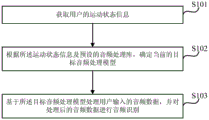
图1为本发明实施例一提供的一种音频数据的处理方法的流程示意图;1 is a schematic flowchart of a method for processing audio data according to Embodiment 1 of the present invention;
图2为本发明实施例二提供的一种音频数据的处理方法的流程示意图;2 is a schematic flowchart of a method for processing audio data according to Embodiment 2 of the present invention;
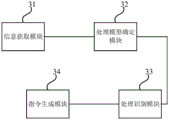
图3为本发明实施例三提供的一种音频数据的处理装置的结构框图。FIG. 3 is a structural block diagram of an apparatus for processing audio data according to Embodiment 3 of the present invention.
具体实施方式Detailed ways
下面结合附图和实施例对本发明作进一步的详细说明。可以理解的是,此处所描述的具体实施例仅仅用于解释本发明,而非对本发明的限定。另外还需要说明的是,为了便于描述,附图中仅示出了与本发明相关的部分而非全部内容。The present invention will be further described in detail below in conjunction with the accompanying drawings and embodiments. It should be understood that the specific embodiments described herein are only used to explain the present invention, but not to limit the present invention. In addition, it should be noted that, for the convenience of description, the drawings only show some but not all of the contents related to the present invention.
实施例一Example 1
图1为本发明实施例一提供一种音频数据的处理方法的流程示意图。该方法适用于对用户在运动状态下输入的语音数据进行识别处理的情况,其中,该方法可以由音频数据的处理装置执行,且该装置可由软件和/或硬件实现,一般可集成在智能终端中。可以理解的是,本实施例的智能终端具体可指智能手机、平板电脑、智能手环以及智能手表等电子设备。FIG. 1 is a schematic flowchart of a method for processing audio data according to Embodiment 1 of the present invention. The method is suitable for the situation of identifying and processing the voice data input by the user in a motion state, wherein the method can be executed by a processing device for audio data, and the device can be realized by software and/or hardware, and can generally be integrated in a smart terminal middle. It can be understood that the smart terminal in this embodiment may specifically refer to electronic devices such as a smart phone, a tablet computer, a smart bracelet, and a smart watch.
需要说明的是,本发明实施例可优选适用于用户运动状态下与智能终端进行语音交互的应用场景,但并不限定于该应用场景。智能终端根据本发明实施例提供的音频数据的处理方法,可以对用户运动状态输入的语音数据进行处理,以优化智能终端的语音识别性能。It should be noted that the embodiment of the present invention may preferably be applied to an application scenario in which a user performs voice interaction with an intelligent terminal in a state of motion, but is not limited to this application scenario. According to the audio data processing method provided by the embodiment of the present invention, the smart terminal can process the voice data input by the user's motion state, so as to optimize the voice recognition performance of the smart terminal.
如图1所示,本发明实施例一提供的一种音频数据的处理方法,包括如下操作:As shown in FIG. 1 , a method for processing audio data provided in Embodiment 1 of the present invention includes the following operations:
S101、获取用户的运动状态信息。S101. Acquire motion state information of a user.
在本实施例中,可通过智能终端上的设定监测器件确定用户是否处于运动状态,并获得用户处于运动状态下的运动状态信息。示例性地,所述设定监测器件可以是设置在可穿戴手表或手环以及智能手机等智能终端中的运动传感器或重力感应器等,其中,上述设定监测器件通常与智能终端中的处理器或控制器相连。所述运动状态信息具体可用于表示用户的运动状况,如用户的运动类型、运动强度、运动时长、运动轨迹以及身体负载情况等。In this embodiment, whether the user is in an exercise state can be determined through a set monitoring device on the smart terminal, and the exercise state information of the user in the exercise state can be obtained. Exemplarily, the setting monitoring device may be a motion sensor or a gravity sensor or the like arranged in a smart terminal such as a wearable watch or a wristband and a smart phone, wherein the above-mentioned setting monitoring device is usually related to the processing in the smart terminal. connected to the controller or controller. The exercise state information may be specifically used to represent the exercise state of the user, such as the exercise type, exercise intensity, exercise duration, exercise track, and body load of the user.
具体地,本实施例可以根据设定监测器件监测用户的运动幅度或运动节奏等,由此可确定用户在设定时间段内的运动规律,从而可根据所确定的运动规律获得用户的运动模式或运动类型等信息,以作为用户的运动状态信息。可以理解的是,本实施例中运动状态信息的获取可以是实时的,也可以是周期性的(如间隔2~3秒进行一次信息获取)。Specifically, in this embodiment, the user's movement range or movement rhythm can be monitored according to the set monitoring device, thereby determining the user's movement law within the set time period, and thus obtaining the user's movement pattern according to the determined movement law. or exercise type and other information as the user's exercise state information. It can be understood that, in this embodiment, the acquisition of the motion state information may be real-time or periodic (for example, information acquisition is performed at an interval of 2-3 seconds).
S102、根据所述运动状态信息及预设的音频处理库,确定当前的目标音频处理模型。S102. Determine a current target audio processing model according to the motion state information and a preset audio processing library.
在本实施例中,所述音频处理库具体可理解为记录了运动状态信息与所对应音频处理模型的映射关系表,其中,所述音频处理库中的映射关系可根据音频处理结果的历史值或经验值设定。In this embodiment, the audio processing library can be specifically understood as recording the mapping relationship table between the motion state information and the corresponding audio processing model, wherein the mapping relationship in the audio processing library can be based on the historical value of the audio processing result. or experience value settings.
在本实施例中,根据所获取的运动状态信息,可以在所述音频处理库中获得与之对应的目标音频处理模型,理由在于,本实施例中运动状态信息不同时,用户输入音频数据的状态就不同,此时需要根据不同的音频处理模型处理用户不同运动状态下输入的音频数据。In this embodiment, according to the acquired motion state information, the corresponding target audio processing model can be obtained in the audio processing library. The reason is that when the motion state information is different in this embodiment, the user input audio data The state is different. At this time, the audio data input by the user in different motion states needs to be processed according to different audio processing models.
需要说明的是,本实施例可通过样本的训练学习获得正常状态下处于音频数据所需的标准音频处理模型,如果对标准处理模型中的参数进行不同程度的调节,则可以获取具有不同处理性能的音频处理模型,以作为不同的目标音频处理模型处理不同运动状态信息下输入的音频数据。It should be noted that, in this embodiment, a standard audio processing model required for audio data in a normal state can be obtained through training and learning of samples. If the parameters in the standard processing model are adjusted to different degrees, different processing performances can be obtained. The audio processing model is used as a different target audio processing model to process the input audio data under different motion state information.
S103、基于所述目标音频处理模型处理用户输入的音频数据,并对处理后的音频数据进行音频识别。S103. Process the audio data input by the user based on the target audio processing model, and perform audio recognition on the processed audio data.
在本实施例中,所述音频数据具体可以是用户直接输入的语音数据,也可以是提前录入的语音数据等。需要理解的是,如果是当前输入的语音数据,则采用当前所获取运动状态信息对应的目标音频处理模型;如果是预先录入的语音数据,则应该根据语音数据录入时用户的运动状态信息确定目标音频数据模型,此时,可认为预先录入语音数据时,同样保存了用户当时的运动状态信息。In this embodiment, the audio data may specifically be voice data directly input by the user, or may be voice data entered in advance, or the like. It should be understood that if it is the currently input voice data, the target audio processing model corresponding to the currently obtained motion state information is used; if it is pre-entered voice data, the target should be determined according to the user's motion state information when the voice data is input. In the audio data model, at this time, it can be considered that when the voice data is pre-recorded, the current motion state information of the user is also saved.
本步骤在根据运动状态信息确定对应的目标音频处理模型后,可以将所获取的音频数据作为目标音频处理模型的输入信息,最终可输出处理后的音频数据。之后,本步骤还可以对处理后的音频数据输入相应的音频识别模型,最终实现音频数据的优化识别,从而提高音频数据识别的准确率。In this step, after the corresponding target audio processing model is determined according to the motion state information, the acquired audio data can be used as input information of the target audio processing model, and the processed audio data can be finally output. After that, in this step, a corresponding audio recognition model may be input to the processed audio data, so as to finally realize the optimized recognition of the audio data, thereby improving the accuracy of the audio data recognition.
在本实施例中,对音频数据的处理可以是对音频数据中噪音的过滤或对音频数据中存在间断的音频数据进行音频补偿等处理操作,可以理解的是,本实施例对音频数据进行什么样的处理操作,具体根据所选取的目标音频处理模型进行。In this embodiment, the processing of the audio data may be processing operations such as filtering noise in the audio data or performing audio compensation on the audio data with discontinuities in the audio data. Such processing operations are specifically performed according to the selected target audio processing model.
本发明实施例一提供的一种音频数据的处理方法,首先可以获取用户的运动状态信息;然后根据运动状态信息以及预设的音频处理库,确定当前的目标音频处理模型;最终可通过目标处理模型处理用户输入的音频数据,以及对处理后的音频数据进行音频识别。利用该方法,能够在用户处于运动状态时处理用户的音频数据,实现对用户运动带来的音频差异的有效处理,从而准确有效的实现音频数据的识别,达到提升智能终端音频识别准确率的目的。The audio data processing method provided in the first embodiment of the present invention can first obtain the user's motion state information; then, according to the motion state information and a preset audio processing library, determine the current target audio processing model; finally, through the target processing The model processes audio data input by the user and performs audio recognition on the processed audio data. By using this method, the user's audio data can be processed when the user is in motion, and the audio difference caused by the user's motion can be effectively processed, so as to accurately and effectively realize the audio data recognition, and achieve the purpose of improving the audio recognition accuracy of the intelligent terminal. .
实施例二Embodiment 2
图2为本发明实施例二提供的一种音频数据的处理方法的流程示意图。本发明实施例二以上述实施例为基础进行优化,在本实施例中,将获取用户的运动状态信息,进一步具体化为:基于智能终端的运动传感器监测用户的运动幅度、运动节奏以及运动时长,确定用户的运动类型信息;根据所述运动时长以及检测的用户心率值,确定用户的身体机能信息;将所述运动类型信息和身体机能信息确定为用户的运动状态信息。FIG. 2 is a schematic flowchart of a method for processing audio data according to Embodiment 2 of the present invention. The second embodiment of the present invention is optimized on the basis of the above-mentioned embodiments. In this embodiment, the acquisition of the user's motion state information is further embodied as follows: a motion sensor based on an intelligent terminal monitors the user's motion range, motion rhythm, and motion duration. , determine the user's exercise type information; determine the user's body function information according to the exercise duration and the detected user's heart rate value; determine the exercise type information and the body function information as the user's exercise state information.
进一步地,本实施例设定所述运动状态信息优化包括了:运动类型信息和身体机能信息;相应的,本实施例将根据所述运动状态信息及预设的音频处理库,确定当前的目标音频处理模型,进一步优化为:如果所述身体机能信息处于设定正常范围,则在所述音频处理库中查找对应于所述运动类型信息的第一调整参数;否则,在所述音频处理库中查找对应于所述身体机能信息的第二调整参数;基于所述第一调整参数或第二调整参数调整标准音频处理模型,形成当前的目标音频处理模型。Further, in this embodiment, the motion state information optimization includes: motion type information and physical function information; correspondingly, this embodiment determines the current target according to the motion state information and a preset audio processing library The audio processing model is further optimized as follows: if the body function information is in the set normal range, search the audio processing library for the first adjustment parameter corresponding to the motion type information; otherwise, search the audio processing library for the first adjustment parameter corresponding to the motion type information The second adjustment parameter corresponding to the body function information is searched in the middle; the standard audio processing model is adjusted based on the first adjustment parameter or the second adjustment parameter to form the current target audio processing model.
在上述优化的基础上,本实施将基于所述目标音频处理模型处理用户输入的音频数据,进一步优化为:基于所述目标音频处理模型,对所述音频数据中的噪声数据进行过滤,或者,对所述音频数据中的丢失数据进行补偿。On the basis of the above optimization, in this implementation, the audio data input by the user is processed based on the target audio processing model, and further optimized as: filtering the noise data in the audio data based on the target audio processing model, or, Compensation is made for missing data in the audio data.
此外,本实施例还进一步优化包括了:根据识别出的音频信息,生成相应的操作指令。In addition, this embodiment is further optimized to include: generating corresponding operation instructions according to the identified audio information.
如图2所示,本发明实施例二提供的一种音频数据的处理方法,具体包括如下操作:As shown in FIG. 2 , a method for processing audio data provided in Embodiment 2 of the present invention specifically includes the following operations:
需要说明的是,本实施例优选的设定所述运动状态信息包括用户的运动类型信息和身体机能信息。其中,所述运动类型信息具体可用于表示用户的实际运动状况;所述身体机能信息具体可用于表示用户运动过程中的身体负载情况。It should be noted that, in this embodiment, the exercise state information is preferably set to include exercise type information and physical function information of the user. Wherein, the exercise type information may specifically be used to represent the actual exercise status of the user; the body function information may specifically be used to represent the user's body load during the exercise process.
S201、基于智能终端的运动传感器监测用户的运动幅度、运动节奏以及运动时长,确定用户的运动类型信息。S201. Based on the motion sensor of the smart terminal, the motion range, motion rhythm, and motion duration of the user are monitored, and the motion type information of the user is determined.
具体地,本步骤可以通过设置于智能终端中的运动传感器(如加速度传感器、陀螺仪等)监测用户是否处于运动状态,并可确定用户运动过程中的运动轨迹、运动幅度以及运动节奏等,以在设定时间内分析确定用户的运动规律进而确定用户的运动类型,如,当确定用户的运动幅度均匀波动且不超过设定范围,同时用户的运动轨迹在不断增加,则可确定用户的运动类型为跑步;又如,当确定用户的运动节奏在设定时间内上下交替,同时几乎没有形成运动轨迹,则可确定用户的运动类型为跳绳,上述确定的运动类型均可作为用户的运动类型信息。Specifically, in this step, it is possible to monitor whether the user is in a motion state through a motion sensor (such as an acceleration sensor, a gyroscope, etc.) set in the smart terminal, and to determine the motion trajectory, motion range, and motion rhythm of the user during the motion process, so as to Analyze and determine the user's movement law within the set time and then determine the user's movement type. For example, when it is determined that the user's movement amplitude fluctuates uniformly and does not exceed the set range, and the user's movement trajectory is increasing, the user's movement can be determined. The type is running; for another example, when it is determined that the user's exercise rhythm alternates up and down within the set time, and almost no movement trajectory is formed, it can be determined that the user's exercise type is skipping rope, and the above determined exercise types can be used as the user's exercise type. information.
可以理解的是,当用户处于运动状态尤其进行幅度较大或节奏较快的运动且进行语音输入时,很容易出现声音忽高忽低的情况,进而影响了智能终端对所输入语音数据的正确识别。It is understandable that when the user is in a state of motion, especially when the user is exercising with a large amplitude or a fast rhythm and performing voice input, it is easy for the voice to fluctuate high and low, which in turn affects the intelligent terminal's correctness of the input voice data. identify.
本实施例还可根据智能终端的计时工具确定用户的运动时长,所述运动时长不仅可用于分析确定用户的运动类型信息,后续还可用于确定用户的运动强度,由此判定用户是否处于疲劳运动状态,以确定用户的身体机能信息。In this embodiment, the user's exercise duration can also be determined according to the timing tool of the smart terminal. The exercise duration can not only be used to analyze and determine the user's exercise type information, but also can be used to determine the user's exercise intensity subsequently, so as to determine whether the user is in fatigued exercise. Status to determine the user's physical function information.
S202、根据所述运动时长以及检测的用户心率值,确定用户的身体机能信息。S202. Determine the physical function information of the user according to the exercise duration and the detected heart rate value of the user.
具体地,当所述运动时长超过一定值且无论用户的心率值是否超过标准心率值时,均可认为用户处于疲劳运动状态,可以表明用户当前的身体机能已超负载,此时用户很容易出现喘气以及说话断断续续的情况,该种情况同样影响智能终端对用户语音数据的识别。Specifically, when the exercise duration exceeds a certain value and regardless of whether the user's heart rate value exceeds the standard heart rate value, it can be considered that the user is in a fatigued exercise state, which can indicate that the user's current physical function has been overloaded, and the user is prone to Gasping and intermittent speaking also affect the recognition of the user's voice data by the intelligent terminal.
同时,当运动时长较低时,如果用户的运动强度较大,可能会出现心率值超过标准值的情况,此时也可认为用户的身体机能超过正常负载,也有可能会出现喘气或说话断断续续的情况。本实施例可以通过上述操作确定用户的身体机能是否处于正常范围,并由此作为用户的身体机能信息。At the same time, when the exercise duration is low, if the user's exercise intensity is high, the heart rate value may exceed the standard value. At this time, it can also be considered that the user's physical function exceeds the normal load, and there may also be breathing or intermittent speech. Happening. In this embodiment, it can be determined whether the user's physical function is in the normal range through the above operations, and this can be used as the user's physical function information.
S203、将所述运动类型信息和身体机能信息确定为用户的运动状态信息。S203. Determine the exercise type information and the body function information as exercise state information of the user.
可以理解的是,上述确定的运动类型信息以及身体机能信息可看作用户的运动状态信息。It can be understood that, the motion type information and body function information determined above may be regarded as motion state information of the user.
S204、确定所述身体机能信息是否处于正常范围,若是,则执行S205;若否,则执行S206。S204. Determine whether the body function information is in a normal range, if yes, execute S205; if not, execute S206.
在本实施例中,首先考虑运动状态信息中的身体机能信息是否处于正常范围,即,优选的根据身体机能信息的判定结果确定处理音频数据所需的目标音频处理模型,之后再考虑根据用户的运动类型信息进行目标音频处理模型的确定。In this embodiment, it is first considered whether the body function information in the motion state information is in the normal range, that is, it is preferable to determine the target audio processing model required for processing audio data according to the determination result of the body function information, and then consider according to the user's The motion type information carries out the determination of the target audio processing model.
具体地,对身体机能信息的判定可描述为:在用户的运动时长以及心率值均处于相应的标准值时确定用户的身体机能信息为身体机能正常,即,认为所述身体机能信息处于正常范围,此时,可执行本实施例的S205;同样,本实施例可以在用户的运动时长或者心率值中的一个不符合相应的标准值时,确定用户的身体机能信息为身体机能超负载,即,认为所述身体机能信息超过正常范围,此时,需要执行本实施例的S206。Specifically, the determination of the body function information can be described as: when the user's exercise duration and the heart rate value are both in the corresponding standard values, the user's body function information is determined as the body function is normal, that is, the body function information is considered to be in the normal range. , at this time, S205 of this embodiment can be executed; similarly, this embodiment can determine that the user's body function information is the body function overload when one of the user's exercise duration or heart rate value does not meet the corresponding standard value, that is, , it is considered that the body function information exceeds the normal range. In this case, S206 of this embodiment needs to be performed.
S205、在所述音频处理库中查找对应于所述运动类型信息的第一调整参数,之后执行S207。S205. Search the audio processing library for the first adjustment parameter corresponding to the motion type information, and then execute S207.
在本实施例中,执行本步骤的条件为:运动状态信息中的身体机能信息处于正常范围内,此时主要基于运动状态信息中的运动类型信息进行目标音频处理模型的确定。需要说明的是,本实施例优选的在所述音频处理库中分别记录了各运动类型信息和各身体机能信息对应的调整参数,该调整参数具体可用于确定所需的目标音频处理模型。In this embodiment, the condition for performing this step is that the physical function information in the motion state information is within a normal range, and the target audio processing model is determined mainly based on the motion type information in the motion state information. It should be noted that, in this embodiment, adjustment parameters corresponding to each exercise type information and each body function information are preferably recorded in the audio processing library, and the adjustment parameters can be specifically used to determine a desired target audio processing model.
因此,本步骤不能根据运动类型信息直接在音频处理库中找到相应的目标音频处理模型,而是首先在音频处理库中找到与当前的运动类型信息相匹配的第一调整参数。示例性地,确定用户的运动类型信息为跑步时,在音频处理库中查找跑步对应的调整参数并记为第一调整参数。Therefore, this step cannot directly find the corresponding target audio processing model in the audio processing library according to the motion type information, but first find the first adjustment parameter matching the current motion type information in the audio processing library. Exemplarily, when it is determined that the exercise type information of the user is running, an adjustment parameter corresponding to running is searched in the audio processing library and recorded as the first adjustment parameter.
S206、在所述音频处理库中查找对应于所述身体机能信息的第二调整参数,之后执行S207。S206. Search the audio processing library for a second adjustment parameter corresponding to the body function information, and then execute S207.
同样,本实施例中执行本步骤的条件为:运动状态信息中的身体机能信息超过正常范围,此时需要根据运动状态信息中的身体机能信息进行目标音频处理模型的确定。可以理解的是,本步骤不能根据身体机能信息直接在音频处理库中找到相应的目标音频处理模型,而是在所述音频处理库中找到与当前的身体机能信息相匹配的第二调整参数。Likewise, the condition for performing this step in this embodiment is: the body function information in the motion state information exceeds the normal range, and the target audio processing model needs to be determined according to the body function information in the motion state information. It can be understood that in this step, the corresponding target audio processing model cannot be directly found in the audio processing library according to the body function information, but the second adjustment parameter matching the current body function information is found in the audio processing library.
在本实施例中,所述身体机能信息优选的以所述运动时长结合心率值的形式表示。具体地,在所述音频处理库中确定所述第二调整参数的过程可描述为:确定所述运动时长与标准运动时长的时长差,同时确定所述心率差与所述标准心率值的心率差;确定所述时长差以及所述心率差所属的取值区间;将对应于所述取值区间的调整参数确定为所述身体机能信息的第二调整参数。In this embodiment, the body function information is preferably expressed in the form of the exercise duration combined with the heart rate value. Specifically, the process of determining the second adjustment parameter in the audio processing library can be described as: determining the time difference between the exercise duration and the standard exercise duration, and simultaneously determining the heart rate difference between the heart rate difference and the standard heart rate value determining the value interval to which the duration difference and the heart rate difference belong; and determining the adjustment parameter corresponding to the value interval as the second adjustment parameter of the body function information.
可以理解的是,在所述音频处理库中,根据时长差以及心率差可能存在的取值,设定有多个取值区间,且不同取值区间对应设定有相应的调整参数,上述所设定的调整参数均有可能作为所述身体机能信息的第二调整参数。It can be understood that, in the audio processing library, a plurality of value intervals are set according to the possible values of the time length difference and the heart rate difference, and corresponding adjustment parameters are set corresponding to different value intervals. All the set adjustment parameters may be used as the second adjustment parameters of the body function information.
S207、基于所述第一调整参数或第二调整参数调整标准音频处理模型,形成当前的目标音频处理模型。S207. Adjust the standard audio processing model based on the first adjustment parameter or the second adjustment parameter to form a current target audio processing model.
在本实施例中,所述标准音频处理模型具体可理解为根据样本集训练学习构建的用于处理音频数据的音频处理模型,一般地,所述标准音频处理模型具体可用于处理用户非运动状态下输入的音频数据。In this embodiment, the standard audio processing model can be specifically understood as an audio processing model constructed by training and learning based on the sample set for processing audio data. Generally, the standard audio processing model can be specifically used to process the non-motion state of the user audio data entered below.
具体地,基于上述S205确定了第一调整参数或根据S206确定了第二调整参数后,本步骤可以根据所确定的调整参数调整所述标准音频处理模型,最终获得与所述第一调整参数或第二调整参数对应的目标音频处理模型。Specifically, after the first adjustment parameter is determined based on the above S205 or the second adjustment parameter is determined according to S206, this step may adjust the standard audio processing model according to the determined adjustment parameter, and finally obtain the first adjustment parameter or The target audio processing model corresponding to the second adjustment parameter.
S208、基于所述目标音频处理模型,对所述音频数据中的噪声数据进行过滤,或者,对所述音频数据中的丢失数据进行补偿。S208. Filter noise data in the audio data based on the target audio processing model, or compensate for missing data in the audio data.
本实施例中,在根据确定的调整参数调整形成目标音频处理模型后,可对输入目标音频处理模型的音频数据进行噪声数据的过滤操作,或者,对所输入的音频数据进行丢失数据的补偿操作。可以理解的是,本步骤可以根据具体形成的目标音频处理模型确定待执行的处理操作,即,本步骤对音频数据进行的处理操作在基于S207确定目标音频处理模型时已相应确定。In this embodiment, after the target audio processing model is adjusted and formed according to the determined adjustment parameters, the noise data filtering operation may be performed on the audio data input to the target audio processing model, or the input audio data may be subjected to a loss data compensation operation . It can be understood that, in this step, the processing operation to be performed can be determined according to the specifically formed target audio processing model, that is, the processing operation performed on the audio data in this step has been correspondingly determined when the target audio processing model is determined based on S207.
示例性地,本实施例上述步骤确定用户的身体机能信息不符合正常范围时,可认为身体机能信息对用户语音输入的影响较大,该种情况下用户通常存在频繁喘气的可能,进而可认为用户所输入的语音数据中混杂着较多的喘气声,上述喘气声相当于语音数据中的噪声数据,此时,可以根据S206中确定的第二调整参数调整形成相应的目标音频处理模型,且本步骤可根据该目标音频处理模型对输入的语音数据进行噪声数据的过滤操作。需要说明的是,本实施例中的第二调整参数与音频数据处理时噪声数据的过滤程度存在关联,该种关联可以是正比例关联。Exemplarily, when the above steps in this embodiment determine that the user's body function information does not meet the normal range, it may be considered that the body function information has a greater impact on the user's voice input. The voice data input by the user is mixed with more gasping sounds, and the above-mentioned gasping sounds are equivalent to noise data in the voice data. At this moment, a corresponding target audio processing model can be formed according to the second adjustment parameter determined in S206, and In this step, the noise data filtering operation can be performed on the input speech data according to the target audio processing model. It should be noted that the second adjustment parameter in this embodiment is associated with the filtering degree of noise data during audio data processing, and the association may be a proportional association.
同样,本实施例上述步骤确定用户的身体机能信息处于正常范围时,可认为运动类型信息对用户语音输入的影响较大,该种情况下用户通常根据运动幅度或节奏存在声音忽高忽低的可能,进而可认为用户所输入的语音数据中存在部分语音数据的缺失,上述确定的语音数据相当于语音数据中的丢失数据,此时,可以根据S205中确定的第一调整参数形成相应的目标音频处理模型,且本步骤可根据该目标音频处理模型对输入的语音数据进行丢失数据的补偿操作。同样可以理解的是,本实施例中的第一调整参数与音频数据处理时丢失数据的补偿程度存在关联,该种关联同样可以是正比例关联。Similarly, when the above steps in this embodiment determine that the user's physical function information is in the normal range, it can be considered that the exercise type information has a greater impact on the user's voice input. Possibly, and then it can be considered that there is a lack of part of the voice data in the voice data input by the user, the voice data determined above is equivalent to the missing data in the voice data, and at this time, the corresponding target can be formed according to the first adjustment parameter determined in S205 An audio processing model, and this step can perform a compensation operation for missing data on the input speech data according to the target audio processing model. It can also be understood that the first adjustment parameter in this embodiment is related to the compensation degree of the lost data during audio data processing, and the relationship can also be a proportional relationship.
S209、对处理后的音频数据进行音频识别,并根据识别出的音频信息,生成相应的操作指令。S209. Perform audio recognition on the processed audio data, and generate corresponding operation instructions according to the recognized audio information.
基于上述步骤完成音频数据处理后,可以通过音频数据识别模型对处理后的音频数据进行识别,同时可以根据识别出的音频信息,结合预设的指令对照表,生成相应的操作指令。本实施例可以根据所述操作指令实现用户与智能终端的信息交互。After the audio data processing is completed based on the above steps, the processed audio data can be identified through an audio data identification model, and corresponding operation instructions can be generated according to the identified audio information and a preset instruction comparison table. In this embodiment, information interaction between the user and the smart terminal can be implemented according to the operation instruction.
本发明实施例二提供的一种音频数据的处理方法,具体化了运动状态信息的获取操作,同时具体化了目标音频处理模型的确定操作以及对音频数据的处理操作,此外还具体增加了指令的生成操作。利用该方法,能够根据运动传感器确定用户的运动类型以及结合心率确定用户运动时的身体机能信息,从而确定音频数据处理所需的处理模型并实现音频数据的处理,以实现对用户运动状态下所输入音频数据的优化,进而提升智能终端对用户运动状态下所输入音频数据进行识别时的准确率。The second embodiment of the present invention provides a method for processing audio data, which embodies the acquisition operation of motion state information, and also embodies the determination operation of the target audio processing model and the processing operation of the audio data. In addition, an instruction is added. generation operation. Using this method, the user's exercise type can be determined according to the motion sensor and the physical function information of the user during exercise can be determined in combination with the heart rate, so as to determine the processing model required for audio data processing and realize the processing of the audio data, so as to realize the user's exercise state. The optimization of the input audio data, thereby improving the accuracy of the intelligent terminal in recognizing the input audio data in the user's motion state.
实施例三Embodiment 3
图3为本发明实施例三提供的一种音频数据的处理装置的结构框图,该装置适用于对用户在运动状态下输入的语音数据进行识别处理的情况,且该装置可由软件和/或硬件实现,并一般可集成在智能终端。如图3所示,该装置包括:信息获取模块31、处理模型确定模块32以及处理识别模块33。FIG. 3 is a structural block diagram of an apparatus for processing audio data according to Embodiment 3 of the present invention. The apparatus is suitable for recognizing and processing voice data input by a user in a motion state, and the apparatus can be configured by software and/or hardware. It can be realized and generally can be integrated in intelligent terminals. As shown in FIG. 3 , the device includes: an
其中,信息获取模块31,用于获取用户的运动状态信息。Among them, the
处理模型确定模块32,用于根据所述运动状态信息及预设的音频处理库,确定当前的目标音频处理模型。The processing
处理识别模块33,用于基于所述目标音频处理模型处理用户输入的音频数据,并对处理后的音频数据进行音频识别。The
在本实施例中,该装置首先通过信息获取模块31获取用户的运动状态信息;然后通过处理模型确定模块32根据运动状态信息及预设的音频处理库,确定当前的目标音频处理模型;最终通过处理识别模块33基于目标音频处理模型处理用户输入的音频数据,并对处理后的音频数据进行音频识别。In this embodiment, the device first obtains the user's motion state information through the
本发明实施例三提供的音频数据的处理装置可执行本发明任意实施例提供的音频数据的处理方法,具备执行音频数据的处理方法相应的功能模块和有益效果。利用该装置,能够在用户处于运动状态时处理用户的音频数据,实现对用户运动带来的音频差异的有效处理,从而准确有效的实现音频数据的识别,达到提升智能终端音频识别准确率的目的。The audio data processing apparatus provided in the third embodiment of the present invention can execute the audio data processing method provided by any embodiment of the present invention, and has corresponding functional modules and beneficial effects for executing the audio data processing method. Using the device, the user's audio data can be processed when the user is in motion, and the audio difference caused by the user's motion can be effectively processed, so as to accurately and effectively recognize the audio data and achieve the purpose of improving the audio recognition accuracy of the intelligent terminal. .
进一步地,信息获取模块31,具体可用于:基于智能终端的运动传感器监测用户的运动幅度、运动节奏以及运动时长,确定用户的运动类型信息;根据所述运动时长以及检测的用户心率值,确定用户的身体机能信息;将所述运动类型信息和身体机能信息确定为用户的运动状态信息。Further, the
此外,所述运动状态信息包括运动类型信息和身体机能信息;相应的,处理模型确定模块32,具体用于:当所述身体机能信息处于设定正常范围时,在所述音频处理库中查找对应于所述运动类型信息的第一调整参数;否则,在所述音频处理库中查找对应于所述身体机能信息的第二调整参数;基于所述第一调整参数或第二调整参数调整标准音频处理模型,形成当前的目标音频处理模型。In addition, the motion state information includes motion type information and body function information; correspondingly, the processing
在上述优化的基础上,识别处理模块33,具体用于:基于所述目标音频处理模型,对所述音频数据中的噪声数据进行过滤,或者,对所述音频数据中的丢失数据进行补偿;对处理后的音频数据进行音频识别。On the basis of the above optimization, the
进一步地,该装置还包括:指令生成模块34,用于根据识别出的音频信息,生成相应的操作指令。Further, the apparatus further includes: an
注意,上述仅为本发明的较佳实施例及所运用技术原理。本领域技术人员会理解,本发明不限于这里所述的特定实施例,对本领域技术人员来说能够进行各种明显的变化、重新调整和替代而不会脱离本发明的保护范围。因此,虽然通过以上实施例对本发明进行了较为详细的说明,但是本发明不仅仅限于以上实施例,在不脱离本发明构思的情况下,还可以包括更多其他等效实施例,而本发明的范围由所附的权利要求范围决定。Note that the above are only preferred embodiments of the present invention and applied technical principles. Those skilled in the art will understand that the present invention is not limited to the specific embodiments described herein, and various obvious changes, readjustments and substitutions can be made by those skilled in the art without departing from the protection scope of the present invention. Therefore, although the present invention has been described in detail through the above embodiments, the present invention is not limited to the above embodiments, and can also include more other equivalent embodiments without departing from the concept of the present invention. The scope is determined by the scope of the appended claims.
Claims (6)
Priority Applications (1)
| Application Number | Priority Date | Filing Date | Title |
|---|---|---|---|
| CN201710418162.0A CN107016996B (en) | 2017-06-06 | 2017-06-06 | Audio data processing method and device |
Applications Claiming Priority (1)
| Application Number | Priority Date | Filing Date | Title |
|---|---|---|---|
| CN201710418162.0A CN107016996B (en) | 2017-06-06 | 2017-06-06 | Audio data processing method and device |
Publications (2)
| Publication Number | Publication Date |
|---|---|
| CN107016996A CN107016996A (en) | 2017-08-04 |
| CN107016996B true CN107016996B (en) | 2020-11-10 |
Family
ID=59452300
Family Applications (1)
| Application Number | Title | Priority Date | Filing Date |
|---|---|---|---|
| CN201710418162.0A Active CN107016996B (en) | 2017-06-06 | 2017-06-06 | Audio data processing method and device |
Country Status (1)
| Country | Link |
|---|---|
| CN (1) | CN107016996B (en) |
Cited By (2)
| Publication number | Priority date | Publication date | Assignee | Title |
|---|---|---|---|---|
| WO2022167582A1 (en) * | 2021-02-04 | 2022-08-11 | Name: Sword Health S.A. | Multi-input automatic monitoring of motion tracking system and actuation |
| US11908145B2 (en) | 2021-03-30 | 2024-02-20 | Sword Health, S.A. | Digital assessment of position of motion trackers on a person |
Families Citing this family (3)
| Publication number | Priority date | Publication date | Assignee | Title |
|---|---|---|---|---|
| CN109120790B (en) * | 2018-08-30 | 2021-01-15 | Oppo广东移动通信有限公司 | Call control method and device, storage medium and wearable device |
| CN109599107A (en) * | 2018-12-07 | 2019-04-09 | 珠海格力电器股份有限公司 | Voice recognition method and device and computer storage medium |
| CN119274544B (en) * | 2024-09-23 | 2025-07-08 | 南京鼎山信息科技有限公司 | A method for matching and recognizing voice signals in the Internet of Things |
Citations (6)
| Publication number | Priority date | Publication date | Assignee | Title |
|---|---|---|---|---|
| JP2007101813A (en) * | 2005-10-03 | 2007-04-19 | Sanyo Electric Co Ltd | Recognition system |
| CN103928025A (en) * | 2014-04-08 | 2014-07-16 | 华为技术有限公司 | Method and mobile terminal for voice recognition |
| US20160071517A1 (en) * | 2014-09-09 | 2016-03-10 | Next It Corporation | Evaluating Conversation Data based on Risk Factors |
| CN105681318A (en) * | 2016-02-03 | 2016-06-15 | 百度在线网络技术(北京)有限公司 | Information push method and device based on voice recognition of artificial intelligence |
| CN205989331U (en) * | 2016-06-15 | 2017-03-01 | 深圳光启合众科技有限公司 | Cloud interactive system and its multi-sensory intelligent robot |
| CN106486124A (en) * | 2015-08-28 | 2017-03-08 | 中兴通讯股份有限公司 | A kind of method of speech processes and terminal |
Family Cites Families (8)
| Publication number | Priority date | Publication date | Assignee | Title |
|---|---|---|---|---|
| CN101320561A (en) * | 2007-06-05 | 2008-12-10 | 赛微科技股份有限公司 | Method and module for improving personal voice recognition rate |
| US8468012B2 (en) * | 2010-05-26 | 2013-06-18 | Google Inc. | Acoustic model adaptation using geographic information |
| US8352245B1 (en) * | 2010-12-30 | 2013-01-08 | Google Inc. | Adjusting language models |
| KR101619262B1 (en) * | 2014-11-14 | 2016-05-18 | 현대자동차 주식회사 | Apparatus and method for voice recognition |
| CN106486127A (en) * | 2015-08-25 | 2017-03-08 | 中兴通讯股份有限公司 | A kind of method of speech recognition parameter adjust automatically, device and mobile terminal |
| CN105374366A (en) * | 2015-10-09 | 2016-03-02 | 广东小天才科技有限公司 | Method and system for recognizing semantics of wearable device |
| CN106683688B (en) * | 2015-11-05 | 2020-10-13 | 中国移动通信集团公司 | Emotion detection method and device |
| CN106687958A (en) * | 2016-12-08 | 2017-05-17 | 深圳市汇顶科技股份有限公司 | Audio playing device, system and method |
-
2017
- 2017-06-06 CN CN201710418162.0A patent/CN107016996B/en active Active
Patent Citations (6)
| Publication number | Priority date | Publication date | Assignee | Title |
|---|---|---|---|---|
| JP2007101813A (en) * | 2005-10-03 | 2007-04-19 | Sanyo Electric Co Ltd | Recognition system |
| CN103928025A (en) * | 2014-04-08 | 2014-07-16 | 华为技术有限公司 | Method and mobile terminal for voice recognition |
| US20160071517A1 (en) * | 2014-09-09 | 2016-03-10 | Next It Corporation | Evaluating Conversation Data based on Risk Factors |
| CN106486124A (en) * | 2015-08-28 | 2017-03-08 | 中兴通讯股份有限公司 | A kind of method of speech processes and terminal |
| CN105681318A (en) * | 2016-02-03 | 2016-06-15 | 百度在线网络技术(北京)有限公司 | Information push method and device based on voice recognition of artificial intelligence |
| CN205989331U (en) * | 2016-06-15 | 2017-03-01 | 深圳光启合众科技有限公司 | Cloud interactive system and its multi-sensory intelligent robot |
Non-Patent Citations (3)
| Title |
|---|
| Emotional speech recognition: Resources, features, and methods;Ververidis D, Kotropoulos C;《Speech communication》;20060930;全文 * |
| Grounded language modeling for automatic speech recognition of sports video;Fleischman M, Roy D;《Proceedings of ACL》;20080630;全文 * |
| 基于音频和视觉特征的语音端点检测;陈庆利;《中国优秀硕士学位论文全文数据库 信息科技辑》;20070515;全文 * |
Cited By (2)
| Publication number | Priority date | Publication date | Assignee | Title |
|---|---|---|---|---|
| WO2022167582A1 (en) * | 2021-02-04 | 2022-08-11 | Name: Sword Health S.A. | Multi-input automatic monitoring of motion tracking system and actuation |
| US11908145B2 (en) | 2021-03-30 | 2024-02-20 | Sword Health, S.A. | Digital assessment of position of motion trackers on a person |
Also Published As
| Publication number | Publication date |
|---|---|
| CN107016996A (en) | 2017-08-04 |
Similar Documents
| Publication | Publication Date | Title |
|---|---|---|
| CN111210021B (en) | An audio signal processing method, a model training method, and related devices | |
| CN107016996B (en) | Audio data processing method and device | |
| CN107784357B (en) | Personalized intelligent awakening system and method based on multi-mode deep neural network | |
| CN109256146B (en) | Audio detection method, device and storage medium | |
| US10902853B2 (en) | Electronic device and voice command identification method thereof | |
| TWI590228B (en) | Voice control system, electronic device having the same, and voice control method | |
| EP1965693B1 (en) | Stressor sensor and stress management system | |
| JP6604113B2 (en) | Eating and drinking behavior detection device, eating and drinking behavior detection method, and eating and drinking behavior detection computer program | |
| CN108304758A (en) | Facial features tracking method and device | |
| CN108419096A (en) | Speech-sound intelligent playback method and system | |
| CN113066488B (en) | Voice wakeup intelligent control method and device, electronic equipment and storage medium | |
| CN110942768A (en) | Equipment wake-up test method and device, mobile terminal and storage medium | |
| CN106126177A (en) | The sound volume regulating system of a kind of target sound and method | |
| CA2869884C (en) | A processing apparatus and method for estimating a noise amplitude spectrum of noise included in a sound signal | |
| US10037677B2 (en) | Speech therapeutic devices and methods | |
| WO2016199356A1 (en) | Action analysis device, action analysis method, and action analysis program | |
| CN112218196A (en) | Earphone and earphone control method | |
| JP6777605B2 (en) | Judgment device, judgment method and judgment program | |
| US20210216589A1 (en) | Information processing apparatus, information processing method, program, and dialog system | |
| CN111028838A (en) | Voice wake-up method, device and computer readable storage medium | |
| LU507134B1 (en) | Intelligent voice recognition method and system for ar helmets | |
| GB2516075A (en) | Sensor input recognition | |
| CN119185729A (en) | Audio control method, device, equipment and storage medium | |
| CN112509597A (en) | Recording data identification method and device and recording equipment | |
| CN107643908A (en) | Voice application trigger control method, device and terminal |
Legal Events
| Date | Code | Title | Description |
|---|---|---|---|
| PB01 | Publication | ||
| PB01 | Publication | ||
| SE01 | Entry into force of request for substantive examination | ||
| SE01 | Entry into force of request for substantive examination | ||
| GR01 | Patent grant | ||
| GR01 | Patent grant |